KADIMA REHABILITATION & NURSING AT IRWIN
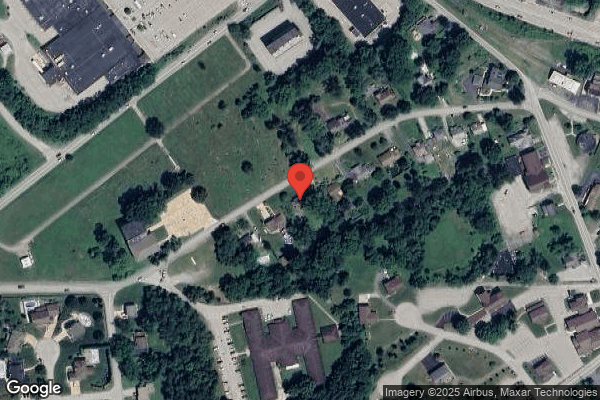
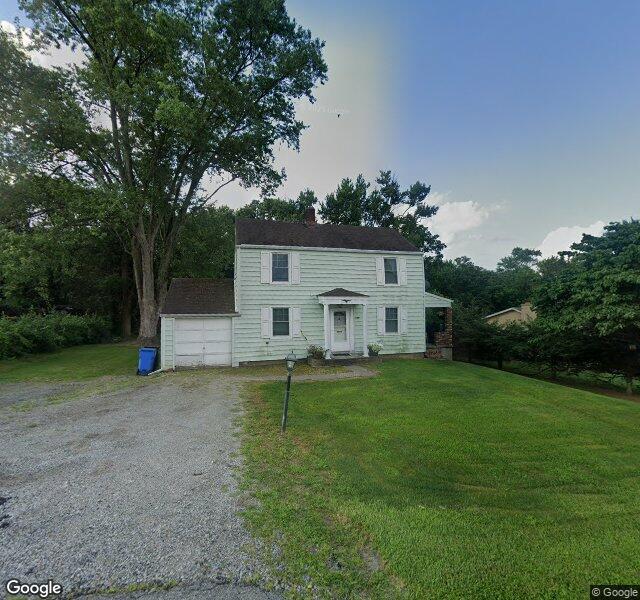
249 MAUS DRIVE, NORTH HUNTINGDON, PA 15642 (724) 863-4374
For profit - Corporation 120 Beds KADIMA HEALTHCARE GROUP Data: November 2025 3 Immediate Jeopardy citations
Trust Grade
0/100
#587 of 653 in PA
Last Inspection: January 2025

Within standard 12-15 month inspection cycle. Federal law requires annual inspections.

Overview

Kadima Rehabilitation & Nursing at Irwin has received a Trust Grade of F, indicating poor performance with significant concerns about resident care. Ranking #587 out of 653 facilities in Pennsylvania places it in the bottom half, and #14 out of 18 in Westmoreland County, meaning there are only a few local options that are better. The facility's situation is worsening, with issues increasing from 7 in 2024 to 11 in 2025. Staffing is rated average at 3 out of 5 stars, with a turnover rate of 54%, which is concerning but near the state average. However, the facility has incurred fines totaling $230,210, which is higher than 97% of Pennsylvania facilities, indicating repeated compliance issues. Additionally, the facility has critical incidents where residents were subjected to physical abuse by staff, with one resident being restrained to a wheelchair and placed in a dark room, which is highly troubling. There were also failures in reporting abuse, allowing the potential for further harm, and inadequate care for residents with dementia that compromised their safety. While there are some average staffing metrics, the overall picture reveals serious weaknesses that families should consider carefully.

Trust Score
F
0/100
In Pennsylvania
#587/653
Bottom 11%
Safety Record
High Risk
Review needed
Inspections
Getting Worse
7 → 11 violations
Staff Stability
⚠ Watch
54% turnover. Above average. Higher turnover means staff may not know residents' routines.
Penalties
✓ Good
$230,210 in fines. Lower than most Pennsylvania facilities. Relatively clean record.
Skilled Nurses
⚠ Watch
Each resident gets only 28 minutes of Registered Nurse (RN) attention daily — below average for Pennsylvania. Fewer RN minutes means fewer trained eyes watching for problems.
Violations
⚠ Watch
75 deficiencies on record. Higher than average. Multiple issues found across inspections.
★☆☆☆☆
1.0
Overall Rating
★★★☆☆
3.0
Staff Levels
★★☆☆☆
2.0
Care Quality
★☆☆☆☆
1.0
Inspection Score
Stable
2024: 7 issues
2025: 11 issues

The Good

  • Full Sprinkler Coverage · Fire safety systems throughout facility
  • No fines on record

Facility shows strength in fire safety.

The Bad

1-Star Overall Rating

Below Pennsylvania average (3.0)

Significant quality concerns identified by CMS

Staff Turnover: 54%

Near Pennsylvania avg (46%)

Higher turnover may affect care consistency

Federal Fines: $230,210

Well above median ($33,413)

Significant penalties indicating serious issues

Chain: KADIMA HEALTHCARE GROUP

Part of a multi-facility chain

Ask about local staffing decisions and management

The Ugly 75 deficiencies on record

3 life-threatening
Aug 2025 3 deficiencies
CONCERN (D) 📢 Someone Reported This

A family member, employee, or ombudsman was alarmed enough to file a formal complaint

Potential for Harm - no one hurt, but risky conditions existed

Assessment Accuracy (Tag F0641)

Could have caused harm · This affected 1 resident

**NOTE- TERMS IN BRACKETS HAVE BEEN EDITED TO PROTECT CONFIDENTIALITY** Based on review of the Resident Assessment Instrument User's Manual, clinical record, and staff interview, it was determined tha...

Read full inspector narrative →
**NOTE- TERMS IN BRACKETS HAVE BEEN EDITED TO PROTECT CONFIDENTIALITY** Based on review of the Resident Assessment Instrument User's Manual, clinical record, and staff interview, it was determined that the facility failed to make certain that comprehensive Minimum Data Set Assessments were accurate and fully completed for one of eight residents (Resident R1).Finding include:Review of the facility policy Resident Assessment/Minimum Data Set, dated [DATE], indicated the facility will conduct initially and periodically a comprehensive, accurate, and standardized reproducible assessment of each resident's functional capacity under the direction of a designated registered nurse.Review of the Long-Term Care Facility Resident Assessment Instrument (RAI) User's Manual, which gives instructions for completing Minimum Data Set Assessments (MDS-periodic assessment of care needs) dated October 2024, indicated that Section C: Cognitive Patterns, Question C0100 Should Brief Interview for Mental Status Be Conducted? (BIMS) should be coded as 0 if the resident is rarely/never understood, or it should be coded 1, and the BIMS assessment should be completed if the resident is at least sometimes understood. Section D: Mood, Question D0100 Should Resident Mood Interview Be Conducted? should be coded as 0 if the resident is rarely/never understood, and it should be coded 1, and the assessment should be completed if the resident is at least sometimes understood.Review of Resident R1 clinical record revealed an MDS completed on 5/6/25. Review of Section B: Hearing, Speech, and Vision indicated Resident R1 was not in a persistent vegetative state/no discernible consciousness. The remainder of the questions in B0700 Makes Self Understood-Ability to express ideas and words consider both verbal and nonverbal was marked as Sometimes Understood. Review of Section C: Cognitive Patterns-Should brief interview for mental status (C0200-C0500) be conducted the resident was marked as Rarely/Never Understood. Section C- C0700 Short Term Memory OK-Seems or Appears to recall after 5 minutes the resident was marked as Memory Problem, Section C1000 Cognitive Skills for Daily Decision Making-Made decisions regarding tasks for daily life the resident was marked as Severely Impaired-Never/Rarely made decisions. Section C-BIMS was not completed. Section D: Mood not assessed with Resident Mood Interview not completed, Staff Assessment of Resident Mood completed with a severity score of 5, score should be between 00-30.During an interview on 8/5/25, at 1:00 p.m. the Nursing Home Administrator confirmed that the facility failed to make certain that comprehensive MDS assessments were accurate and fully completed for one of eight residents. 28 Pa. Code: 211.5(f) Clinical Records.
CONCERN (D) 📢 Someone Reported This

A family member, employee, or ombudsman was alarmed enough to file a formal complaint

Potential for Harm - no one hurt, but risky conditions existed

Accident Prevention (Tag F0689)

Could have caused harm · This affected 1 resident

**NOTE- TERMS IN BRACKETS HAVE BEEN EDITED TO PROTECT CONFIDENTIALITY** Based on review of facility policy, clinical and facility record review, facility submitted documents and staff interviews, it w...

Read full inspector narrative →
**NOTE- TERMS IN BRACKETS HAVE BEEN EDITED TO PROTECT CONFIDENTIALITY** Based on review of facility policy, clinical and facility record review, facility submitted documents and staff interviews, it was determined that the facility failed to provide adequate supervision to prevent a fall and an elopement for two of eight residents (Resident R1 and Resident R2). Finding include:Review of facility policy, Transfer of Residents dated 9/18/24, indicated residents will be evaluated, supervised, or assisted to ensure the appropriate method of transferring a resident is identified to minimize emotional and physical trauma to the resident.Review of facility policy, Resident Elopement dated 9/18/24, indicated cognitively impaired residents at risk for elopement will be appropriately monitored to reduce the potential for injury. Elopement is defined as a resident leaving the premises or a safe area without authorization.Review of facility policy, Elopement Drill dated 9/18/24, indicated elopement drills will be held to prepare staff to search for a resident who is missing or has eloped.Review of facility policy, Abuse Protection dated 9/18/24, indicated the resident has the right to be free from verbal, sexual, physical, and mental abuse, corporeal punishment, involuntary seclusion, neglect and misappropriation of property.Review of the clinical record indicated Resident R1 was admitted to the facility on [DATE], with diagnoses that included aphasia (a language disorder that affects a person's ability to communicate whether by speaking, understanding, reading, or writing), muscle wasting and atrophy (shrinking and loss of muscle tissue, often resulting in decreased strength and mobility), vascular dementia (person has problems with reasoning, planning, judgement, memory and other thought processes caused by brain damage from impaired blood flow to the brain), personal history of transient ischemic attack and cerebral infarction without residual deficits (a past history of temporary disruption of blood flow to the brain, causing stroke like symptoms that resolved within 24 hours or when a portion of the brain is deprived of blood but no long-lasting neurological deficits occurred).Review of the Minimum Data Set (MDS-periodic assessment of resident care needs) dated 5/6/25, indicated the diagnoses remained current.Review of and Elopement Risk Assessment completed on 2/18/25 and 4/21/25 revealed that Resident R1 was cognitively impaired, had poor decision-making skills, did not demonstrate exit seeking behaviors, and did not wander; oblivious to safety needs.Review of the physician's orders on 8/5/25, indicated prior to the incident on 7/14/25, Resident R1 was not ordered any interventions to prevent an elopement. Review of orders did show that on 7/14/25, Resident R1 was ordered a Wander Guard (device that alarms when a resident is near and exit), and to check placement every shift.Review of Resident R1's plan of care on 8/5/25, revealed prior to the incident on 7/14/25, Resident R1 did not indicate risk for elopement, nor did it have interventions in place to prevent elopement. In review of Resident R1's plan of care it was noted that on 7/14/25, a plan of care for potential for elopement and associated injury related to exit seeking behavior was initiated. The goals are for Resident R1 to remain free of injury related to elopement risk through next review period, resident will not wander out of facility through next review, and resident will remain on unit unless supervised by facility staff or responsible party through next review.Review of facility provided incident report dated 7/14/25, at 10:10 a.m. indicated resident was let out of the facility by a staff member onto the front patio at approximately 10:00 a.m. for fresh air. Resident is nonverbal and was unable to explain why he wandered down the parking lot before being found by facility staff at 10:10 a.m. Resident was wearing appropriate clothing and footwear at the time of the elopement. Head to toes RN assessment was completed with no injuries noted to resident. Resident has not been identified as an elopement risk since admission and has not exhibited exit seeking behaviors.Review of the progress notes dated 7/14/25, at 1:17 p.m. by Registered Nurse, Nursing Supervisor completed a head-to-toe assessment on return to the facility. Multiple staff were interviewed that saw the resident at the front doors to the facility, staff saw him on the patio, and then the staff member that alerted someone that he had moved off the patio.Review of the clinical record indicated Resident R2 was admitted to the facility on [DATE], with diagnoses that include vascular dementia, diabetes (blood sugar levels are either too high or too low), aphasia, and muscle weakness.Review of the MDS dated [DATE], indicated the diagnoses remained current.Review of Resident R2's clinical record revealed orders for the resident to be an assist x2 (two persons) for bed mobility on 3/22/23, and transfers to use Hoyer lift, large sling, assist x2 written on 12/19/24 and revised on 7/17/25. The resident was placed on Hospice on 12/31/24 with orders placed by Hospice personnel for their staff to follow. Resident has history of falls without injuries, his bed is in the lowest position, and he has fall mats in place.Review of facility provided incident report dated 7/16/25, at 11:36 a.m. indicated resident was being transferred from bed to shower chair by Hospice CNA (Aide) when resident became unsteady and would not let go of chair arm which prompted Hospice CNA to lower resident to the floor. Resident is an assist x2 for transfers. Investigation was immediately launched, and Hospice CNA was suspended. Registered Nurse (RN) assessment completed with resident sustaining no injuries, family notified. Facility completed an audit of all residents with transfer statuses. Education provided to nursing staff on physician orders, transfer statuses, and house education on Abuse/Neglect completed as of 8/5/25. Review of incident also revealed multiple interviews with staff that stated the Hospice CNA did not ask for assistance when transferring the resident.Review of Resident R2's clinical record progress notes on 7/16/25, at 11:36 a.m. revealed a note placed by RN stating, Hospice CNA was transferring resident to shower chair and resident would not let go of chair arm. CNA lowered resident to the floor. No injuries noted. CRNP and wife made aware. ROM all 4 extremities unhanged. Did not hit head. During an interview on 8/5/25, at 1:00 p.m. the Nursing Home Administrator confirmed that the facility failed to provide adequate supervision to prevent an elopement and to prevent a fall for two of eight residents,28. Pa. Code 201.14(a) Responsibility of licensee28. Pa. Code 201.18(b)(e)(1) Management,
CONCERN (D) 📢 Someone Reported This

A family member, employee, or ombudsman was alarmed enough to file a formal complaint

Potential for Harm - no one hurt, but risky conditions existed

Medical Records (Tag F0842)

Could have caused harm · This affected 1 resident

**NOTE- TERMS IN BRACKETS HAVE BEEN EDITED TO PROTECT CONFIDENTIALITY** Based on review of facility policies, clinical procedures and staff interviews, it was determined that the facility failed to ma...

Read full inspector narrative →
**NOTE- TERMS IN BRACKETS HAVE BEEN EDITED TO PROTECT CONFIDENTIALITY** Based on review of facility policies, clinical procedures and staff interviews, it was determined that the facility failed to make certain medical records on each resident are complete and accurately documented for one of eight residents. (Resident R1).Findings include:A review of the facility policy Documentation dated 9/18/24, indicated nursing documentation will follow the guidelines of good communication and be concise, clear, pertinent, and accurate. Narrative charting, as outlined in specific policies and procedures, will be used for initial treatments or procedures. Documentation for subsequent and/or routine care and procedures may be completed by exception, or the use of a checklist, flowcharts, or other documentation tools. Nursing documentation will provide accurate reflection of resident condition and will meet federal and state requirements.A review of the clinical record indicated Resident R1 was admitted to the facility on [DATE], with diagnoses that included aphasia (a language disorder that affects a person's ability to communicate whether by speaking, understanding, reading, or writing), muscle wasting and atrophy (shrinking and loss of muscle tissue, often resulting in decreased strength and mobility), vascular dementia (person has problems with reasoning, planning, judgement, memory and other thought processes caused by brain damage from impaired blood flow to the brain), personal history of transient ischemic attack and cerebral infarction without residual deficits (a past history of temporary disruption of blood flow to the brain, causing stroke like symptoms that resolved within 24 hours or when a portion of the brain is deprived of blood but no long-lasting neurological deficits occurred).A review of the Minimum Data Set (MDS-periodic assessment of resident care needs) dated 5/6/25, indicated the diagnoses remained current.On 7/14/25, the resident was let out of the facility by a staff member to the front patio at 10:00 am for fresh air. Resident was found at 10:10 am approximately 75 feet down the parking lot, he is non-verbal and was unable to explain why he wandered down the parking lot.A review of the clinical record revealed that the resident does not have a follow-up note or any notes since the day of the Elopement on 7/14/25. The note from this day states resident assessment, alert and nonverbal. Temp 97.2, HR (heart rate) 64, resp (respirations) 16, bp (blood pressure) 132/74. Resident dressed in t-shirt, shorts, shoes and socks in w/c (wheelchair) with Hoyer pad underneath. Not at risk of hypo/hyperthermia. Does have scrapes to right leg. Appears to be in no pain. No anxiety or SOB (shortness of breath). There is no documentation regarding what was done for the fresh scraps to the leg, no documentation of the Elopement Risk Assessment being completed, the wander guard being placed and where (information was obtained, orders, and kardex as to wander guard placed on left lower extremity), and no documentation regarding if the resident has attempted to wander or is displaying any wander behaviors since the date of the incident.During an interview on 8/5/25, at 1:00 p.m. the Nursing Home Administrator (NHA) confirmed the above findings, and the facility failed to document a follow-up to the incident regarding the scrapes to right leg, any documentation since the date of the incident regarding any wandering behaviors, and that medical records are complete and accurately documented.28 Pa. Code: 211.5 (f)(g)(h) Clinical Records.
Jan 2025 7 deficiencies
CONCERN (D)

Potential for Harm - no one hurt, but risky conditions existed

Transfer Notice (Tag F0623)

Could have caused harm · This affected 1 resident

Based on a review of facility policy, federal regulation, and staff interview, it was determined that the facility failed to provide transfer notices to representatives of the Office of the Long-Term ...

Read full inspector narrative →
Based on a review of facility policy, federal regulation, and staff interview, it was determined that the facility failed to provide transfer notices to representatives of the Office of the Long-Term Care Ombudsman Division for 4 of 12 months (January 2024 through April 2024). Findings include: Review of the facility policy admission Transfer and Discharge 9/21/23 and 9/18/24, indicated no resident will be discharged without timely notification of the resident, responsible party, or authorized representative. Review of Title 42 Code of Federal Regulations §483.15(c)(3) Notice Before Transfer: indicates, before a facility transfers or discharges a resident, the facility must (i) Notify the resident and the resident's representative(s) of the transfer or discharge and the reasons for the move in writing and in a language and manner they understand. The facility must send a copy of the notice to a representative of the Office of the State Long-Term Care Ombudsman. Federal Regulations further define emergency transfers as, When a resident is temporarily transferred on an emergency basis to an acute care facility, this type of transfer is considered to be a facility-initiated transfer. During an interview on 1/27/25, at 2:30 p.m., the Nursing Home Administrator confirmed the facility failed to provide transfer notices to representatives of the Office of the Long-Term Care Ombudsman Division for 4 of 12 months (January 2024 through April 2024). 28 Pa. Code 201.18(b)(3)(e)(2) Management.
CONCERN (D)

Potential for Harm - no one hurt, but risky conditions existed

Deficiency F0637 (Tag F0637)

Could have caused harm · This affected 1 resident

**NOTE- TERMS IN BRACKETS HAVE BEEN EDITED TO PROTECT CONFIDENTIALITY** Based on clinical record review and staff interview, it was determined that the facility failed to complete a significant change...

Read full inspector narrative →
**NOTE- TERMS IN BRACKETS HAVE BEEN EDITED TO PROTECT CONFIDENTIALITY** Based on clinical record review and staff interview, it was determined that the facility failed to complete a significant change Minimum Data Set (MDS- assessments completed indicating a change in condition of a resident requiring change in care) assessment for one of three residents reviewed (Residents R97). Findings include: Review of the Resident Assessment Instrument 3.0 User's Manual (reference used to complete an MDS) effective 10/1/2019, indicated that the facility must conduct a comprehensive assessment of a resident within 14 days after the facility determines, or should have determined, that there has been a significant change in the resident's physical or mental condition. Review of the facility policy Resident Assessment/Minimum Data Set reviewed 9/18/24, indicated the facility will conduct a comprehensive assessment of a resident in a timely manner, within 14 days after the facility determines that there has been a significant change. The change is a decline or improvement in a resident's status that will not normally resolve itself without intervention by staff or by implementing standard clinical interventions. The change impacts more than one area of the resident's health status ad requires interdisciplinary review and or revision of the care plan. A review of the clinical record indicated that Resident R97 was admitted to the facility on [DATE], with diagnoses which included dementia (group of symptoms that affects memory, thinking and interferes with daily life), repeated falls, and anxiety. A review of the MDS dated [DATE], indicated the diagnoses remain current. A review of a physician order dated 7/5/24, indicated Resident R97 was admitted to hospice care (a special model of care for patients who are in the late phase of an incurable illness and wish to receive end-of-life care) on 6/14/24. Review of a care plan dated 7/8/24, indicated Resident R97 was receiving hospice care. Review of Resident R97 ' s MDS assessments revealed a MDS significant change was not completed to include Hospice services. During an interview on 1/31/25, at 10:05 a.m. Licensed Practical Nurse Assessment Coordinator Employee E2 confirmed the facility failed to complete a MDS significant change within 14 days of Resident R97 ' s hospice admission. 28 Pa. Code: 211.5(f) Clinical records.
CONCERN (D)

Potential for Harm - no one hurt, but risky conditions existed

Quality of Care (Tag F0684)

Could have caused harm · This affected 1 resident

**NOTE- TERMS IN BRACKETS HAVE BEEN EDITED TO PROTECT CONFIDENTIALITY** Based on review of facility policy, clinical records, and staff interviews, it was determined that the facility failed to assess...

Read full inspector narrative →
**NOTE- TERMS IN BRACKETS HAVE BEEN EDITED TO PROTECT CONFIDENTIALITY** Based on review of facility policy, clinical records, and staff interviews, it was determined that the facility failed to assess, document, and notify physicians of increased and decreased Capillary Blood Glucose (CBG) levels for two of four residents reviewed (Residents R51 and R66). Findings include: The Centers for Disease Control defines diabetes as: Diabetes Mellitus is a chronic (long-lasting) health condition that affects how your body turns food into energy. Most of the food you eat is broken down into sugar (also called glucose) and released into your bloodstream. When your blood sugar goes up, it signals your pancreas to release insulin. Insulin acts like a key to let the blood sugar into your body's cells for use as energy. If you have diabetes, your body either doesn't make enough insulin or can't use the insulin it makes as well as it should. When there isn't enough insulin or cells stop responding to insulin, too much blood sugar stays in your bloodstream. Over time, that can cause serious health problems, such as heart disease, vision loss, and kidney disease. Hypoglycemia is a condition that occurs when blood glucose is lower than normal, usually below 70 milligrams per deciliter (mg/dl). If left untreated, hypoglycemia may lead to weakness, confusion, unconsciousness, arrhythmias and even death. People with Diabetes Mellitus may be prescribed injectable insulin to assist in maintaining acceptable levels of CBG's. Hyperglycemia, or high blood glucose, occurs when there is too much sugar in the blood. This happens when your body has too little insulin. Hyperglycemia is blood glucose greater than 125 mg/dL while fasting (not eating for at least eight hours, or a blood glucose greater than 180 mg/dL one to two hours after eating. If you have hyperglycemia and it ' s untreated for long periods of time, you can damage your nerves, blood vessels, tissues and organs. Damage to blood vessels can increase your risk of heart attack and stroke, and nerve damage may also lead to eye damage, kidney damage and non-healing wounds. Review of facility policy Nursing Care of the Diabetic Resident reviewed 9/21/23 and 9/18/24, indicated the facility will recognize, assist, and document the treatment of complications commonly associated with diabetes. Documentation should reflect the carefully assessed diabetic resident and include vital signs, level of consciousness, assessment of the skin, emotional/mood changes, and pain/discomfort. Document results of any fingerstick blood glucose monitoring, interventions to stabilize blood glucose levels, and notification to physician. Review of facility policy Notification of Condition Change: Physician reviewed 1/31/24 and 1/9/25, indicated licensed professional nurses are responsible to provide timely and complete communication to physicians when there is a change in a resident ' s condition. Document assessment data, attempted or actual correspondence with physician, and physician ' s response in the medical record. Review of facility policy Documentation reviewed 1/31/24 and 1/9/25, indicated nursing documentation will follow the guidelines of good communication and be concise, clear, pertinent, and accurate. Review of facility Hypoglycemic Protocol reviewed 1/31/24 and 1/9/25, indicated if resident ' s blood glucose is less than 70 administer rapidly absorbed simple carbohydrate such as four ounces (oz) of juice, five or six oz of regular soda, or tube of glucose gel. Repeat blood glucose in 10-15 minutes and repeat protocol if still less than 70. If resident is symptomatic, notify physician. Review of the clinical record indicated Resident R51 was admitted to the facility on [DATE], with diagnoses that included hypoglycemia, diabetes, and high blood pressure. Review of Resident R51' s Minimum Data Set (MDS - a mandated assessment of a resident's abilities and care needs) dated 11/20/24, indicated the diagnoses remain current. Review of Resident R51 physician ' s order revealed the following orders - On 9/29/24, indicated Glucose Gel 40% (used to treat low blood sugar) give one applicatorful as needed for hypoglycemia of less than 70. - On 10/4/24, inject Novolog (begins to work about 15 minutes after injection, peaks in about one or two hours after injection, and last between two to four hours) per sliding scale, if below 70 follow hypoglycemic protocol. - On 11/4/24, indicated to inject Novolog six units before meals. Review of the clinical record electronic Medication Administration Record (eMAR) revealed that the resident's CBG's were as follows: - On 11/3/24, at 12:00 p.m. the CBG was noted to be 55. - On 1/4/25, at 10:45 a.m. the CBG was noted to be 448. - On 1/21/25, at 8:36 a.m. the CBG was noted to be 429. Review of the care plan dated 8/25/24, indicated the following interventions: Accuchecks as ordered, call MD per order, monitor resident for signs and symptoms of hyper-/hypoglycemia, provide insulin/meds as per resident ' s individual order. Review of Resident's eMAR and clinical progress notes indicated the resident was not assessed for hyper-/hypoglycemia, the blood glucose was not monitored for effectiveness of treatment, staff failed to follow interventions of the care plan, and the physician was not notified of abnormal results on the above listed dates. Review of a clinical record indicated Resident R66 was admitted to the facility on [DATE], with diagnoses that included diabetes, high blood pressure, and depression. Review of the MDS dated [DATE], indicated the diagnoses remain current. Review of Resident R66 physician ' s orders revealed the following orders: - On 3/7/24, indicated Accuchecks two times a day. - On 5/8/24 through 7/17/24, inject insulin Aspart (begins to work about 15 minutes after injection, peaks in about one or two hours after injection, and last between two to four hours) six units before meals. - On 7/23/23 through 8/9/24, inject Basaglar (reaches the bloodstream several hours after injection and tends to lower glucose levels up to 24 hours) 16 units one time a day. - On 7/17/24 through 7/30/24, inject Fiasp (insulin Aspart) six units before meals. - On 7/30/24 through 8/2/24, inject Fiasp ten units before meals. - On 8/2/24 through 9/6/24, inject Fiasp 12 units before meals. - On 8/9/24, indicated Basaglar 20 units one time a day. - On 9/6/24 through 12/20/24, inject insulin Aspart 12 units before meals. Review of Resident 66's eMAR revealed that the resident's CBG's were as follows: - On 6/13/24, at 4:46 p.m. the CBG was noted to be 455. - On 6/18/24, at 7:20 a.m. the CBG was noted to be 440. - On 6/18/24, at 4:05 p.m. the CBG was noted to be 496. - On 6/19/24, at 7:13 a.m. the CBG was noted to be 425. - On 6/20/24, at 8:12 a.m. the CBG was noted to be 426. - On 7/23/24, at 7:45 a.m. the CBG was noted to be 406. - On 7/24/24, at 4:26 p.m. the CBG was noted to be 413 - On 7/25/24, at 7:29 p.m. the CBG was noted to be 483. - On 7/26/24, at 3:46 p.m. the CBG was noted to be 418. - On 7/30/24, at 5:03 p.m. the CBG was noted to be 434. - On 7/31/24, at 3:21 p.m. the CBG was noted to be 414. - On 8/6/24, at 11:11 a.m. the CBG was noted to be 426. - On 8/6/24, at 3:12 p.m. the CBG was noted to be 418. - On 8/25/24, at 3:20 p.m. the CBG was noted to be 413. - On 10/11/24, at 9:59 a.m. the CBG was noted to be 435. - On 10/11/24, at 8:37 p.m. the CBG was noted to be 417. Repeat CBG at 8:38 p.m. was 417. Review of the care plan dated 10/13/21 and 4/19/22, indicated the following interventions: Accuchecks as ordered, call MD per order, monitor resident for signs and symptoms of hyper-/hypoglycemia, provide insulin/meds as per resident ' s individual order. Review of Resident R66's eMAR and clinical progress notes indicated the resident was not assessed for hyperglycemia, failed to follow interventions of the care plan, blood sugar was not rechecked, and the physician was not notified of abnormal results. During an interview on 1/17/25, at 9:00 a.m. the Director of Nursing confirmed the facility failed to notify the doctor of a change in condition, failed to document an assessment or interventions used related to blood glucose, and failed to follow physicians orders for Residents R51 and R66. 28 Pa. Code 201.18 (b)(1) Management. 28 Pa. Code 201.29(d) Resident rights. 28 Pa. Code 211.10 (c)(d) Resident care policies. 28 Pa. Code 211.12 (d)(1)(2)(3)(5) Nursing services.
CONCERN (D)

Potential for Harm - no one hurt, but risky conditions existed

Deficiency F0698 (Tag F0698)

Could have caused harm · This affected 1 resident

**NOTE- TERMS IN BRACKETS HAVE BEEN EDITED TO PROTECT CONFIDENTIALITY** Based on review of clinical records and staff interviews, it was determined that facility staff failed to maintain ongoing commu...

Read full inspector narrative →
**NOTE- TERMS IN BRACKETS HAVE BEEN EDITED TO PROTECT CONFIDENTIALITY** Based on review of clinical records and staff interviews, it was determined that facility staff failed to maintain ongoing communication with the dialysis (a machine filters wastes, salts and fluid from your blood when your kidneys are no longer healthy enough to do this work adequately) center for one of four residents reviewed (Resident R2). Findings include: Review of the facility policy Dialysis Care reviewed 9/18/24, indicated residents ordered dialysis will be monitored and documentation will be maintained in the medical record. All resident ' s receiving dialysis will be assessed before and after dialysis treatment and for compliance with their individualized plan of care. Review of the clinical record indicated Resident R2 was re-admitted to the facility on [DATE], with diagnoses that included end-stage renal disease (ESRD - the kidneys permanently fail to work), high blood pressure, and depression. Review of the Minimum Data Set (MDS - periodic assessment of care needs) date 1/15/25, indicated the diagnoses remain current. Review of a physician ' s order dated 3/31/24, indicated Resident R2 was to receive dialysis three days a week on Tuesday, Thursday, and Saturday, obtain vitals pre and post dialysis. Review of a care plan dated 8/24/20, indicated to keep open communication with the dialysis center. Review of the dialysis communication forms from 1/20/24 through 1/30/25, revealed 84 communication forms out of 156 scheduled treatments were observed. Review of the dialysis communication forms from 1/20/24 through 1/30/25, revealed thirty-four forms not fully completed before treatment, after treatment, or both. During an interview on 1/31/25, at 09:20 a.m. the Director of Nursing confirmed the facility failed to ensure the dialysis communication form was completed pre and post treatment between the facility and dialysis center. 28 Pa. Code: 211.12(d)(1)(3)(5) Nursing services.
CONCERN (D)

Potential for Harm - no one hurt, but risky conditions existed

Deficiency F0761 (Tag F0761)

Could have caused harm · This affected 1 resident

Based on review of facility policy, observations, and staff interviews it was determined that the facility failed to properly store refrigerated medication in one of three medication carts observed (B...

Read full inspector narrative →
Based on review of facility policy, observations, and staff interviews it was determined that the facility failed to properly store refrigerated medication in one of three medication carts observed (B unit Short Hall medication cart). Findings include: Review of facility policy Storage of Medications reviewed 9/18/24, indicated medications are stored in a safe, secure, and orderly manner in accordance with federal and state regulations and facility policies. Medications requiring refrigeration must be stored in the refrigerator located in the drug room at the nurses station. Review of Humalog (Lispro) Instructions for Use guidelines revised July 2023, indicate unused pens should be stored in the refrigerator at 36 - 46 degrees Farenheit. Unused pens may be used until the expiration date printed on the label, IF the pen has been kept in the refrigerator. Review of Highlights of Prescribing Information insert for Lantus insulin revised June 2023, indicate 10 ml (milliliter) multi-dose vial and 3 ml single-patient prefilled pen are good for 28 days if unopened at room temperature. During an observation on 1/28/24, at 9:20 a.m. B unit Short Hall medication cart contained 12 insulin pens and one insulin multi-dose vial not dated. This included: - four Novolog (fast-acting insulin that starts to work about 15 minutes after injection, peaks in about 1 hour, and keeps working for 2 to 4 hours) insulin pens - three Lantus (long-acting type of insulin that works slowly, over about 24 hours) insulin pens - one open Lantus multi-dose vial - one Humulin R (regular-acting insulin that starts to work 30 minutes after injection, peaks in 2-3 hours, and keeps working for 3-6 hours) insulin pen - one Humalog (fast-acting insulin that starts to work about 15 minutes after injection, peaks in about 1 hour, and keeps working for 2 to 4 hours) insulin pen - three Lispro (fast-acting insulin that starts to work about 15 minutes after injection, peaks in about 1 hour, and keeps working for 2 to 4 hours) insulin pens. During an interview on 1/28/25, at 9:20 a.m. Licensed Practical Nurse (LPN) Employee E4 stated she was unsure why so many insulin pens were in the drawer instead of being stored in the refrigerator. During an interview on 1/28/25, at 9:30 a.m. the Director of Nursing confirmed the medications should be dated upon opening and extras not being used should have been stored in the refrigerator per policy. 28 Pa. Code: 211.9(a)(1)(k) Pharmacy services. 28 Pa. Code: 211.10(c) Resident care policies. 28 Pa. Code: 211.12(d)(1)(2)(5) Nursing services.
CONCERN (E)

Potential for Harm - no one hurt, but risky conditions existed

Food Safety (Tag F0812)

Could have caused harm · This affected multiple residents

Based on a review of facility policies and documents, and staff interviews, it was determined that the facility failed to properly monitor equipment in the Main Kitchen creating the potential for food...

Read full inspector narrative →
Based on a review of facility policies and documents, and staff interviews, it was determined that the facility failed to properly monitor equipment in the Main Kitchen creating the potential for food-borne illness. Findings include: A review of facility policies Equipment Temperature Logs dated 9/18/24, indicated that the Dietary Services Manager will use the Refrigeration and Freezer Temperature Log to record the temperatures of all refrigerators and freezers daily. The forms will be posted in the Dining Services Department and kept on file for a period of one year. A review of the Equipment Temperature Log, To Be Taken daily by the Dietary Services Manager documents dated 12/1/24 through 1/27/25 did not include documentation that temperatures were taken on the following days for the walk in and reach in coolers and freezers, and milk cooler: 1/6/25. 1/13/25. 1/16/25. 1/18/25. During an interview on 1/27/25, at 9:50 a.m., the Nursing Home Administrator and Dietary Services Manager E1 confirmed the above findings, and that the facility failed to monitor equipment temperatures creating the potential for food-borne illness. 28 Pa. Code: 201.18(b)(1) Management. 28 Pa. Code: 211.6(c) Dietary services.
CONCERN (E) 📢 Someone Reported This

A family member, employee, or ombudsman was alarmed enough to file a formal complaint

Potential for Harm - no one hurt, but risky conditions existed

Infection Control (Tag F0880)

Could have caused harm · This affected multiple residents

Based on observations and interview, the facility failed to store medications in a safe and sanitary manner for one of three medication carts reviewed (A unit Long Hall, and B unit Short Hall). Findin...

Read full inspector narrative →
Based on observations and interview, the facility failed to store medications in a safe and sanitary manner for one of three medication carts reviewed (A unit Long Hall, and B unit Short Hall). Findings: Review of facility policy Infection Control Plan, Program, and Committee reviewed 9/18/24, indicated the facility maintains a structured Infection Control Program focused on prevention and management of infections. During an observation on 1/28/25, at 9:10 a.m., A unit Short Hall medication cart contained six of six insulin pens in compartments unbagged, posing the risk of cross-contamination. During an interview at that time, Licensed Practical Nurse (LPN) Employee E3 confirmed the insulin pens were unbagged. During an interview on 1/28/25 at 10:00 a.m. the Director of Nursing confirmed the facility failed to prevent the risk of cross-contamination by storing insulin pens unbagged in the medication carts for A unit Long Hall medication carts. 28 Pa code 201.14(a) Responsibility of licensee 28 Pa code 211.12(d)(1) Nursing services
Jan 2025 1 deficiency
CONCERN (F) 📢 Someone Reported This

A family member, employee, or ombudsman was alarmed enough to file a formal complaint

Potential for Harm - no one hurt, but risky conditions existed

Food Safety (Tag F0812)

Could have caused harm · This affected most or all residents

Based on a review of facility policies and documents, and staff interviews, it was determined that the facility failed to properly monitor food temperatures in the Main Kitchen creating the potential ...

Read full inspector narrative →
Based on a review of facility policies and documents, and staff interviews, it was determined that the facility failed to properly monitor food temperatures in the Main Kitchen creating the potential for food-borne illness. Findings include: A review of facility policies Dietary Services Administration and Food Temperature Recording, dated 9/18/24, indicated that the facility provides food that is the proper temperature. Food temperatures will be taken and recorded by dining service staff prior to the start of each meal. All hot foods will be held and served above 135 degrees Farenheit. Food temperature logs will be kept on file. A review of the Daily Temperature Log, To Be Taken By [NAME] On Duty documents dated 12/7/24 through 1/7/25 did not include documentation that temperatures were taken prior to the start of the meal on the following days: 12/24/24, evening meal. 12/29/24, evening meal. 12/30/24, evening meal. 1/1/25, evening meal. 1/3/25, lunch meal. During an interview on 1/7/25, at 12:30 p.m., the Nursing Home Administrator and Registered Dietician Employee E1 confirmed the above findings and that the facility failed to monitor food temperatures creating the potential for food-borne illness. 28 Pa. Code: 201.18(b)(1) Management. 28 Pa. Code: 211.6(c) Dietary services.
Aug 2024 4 deficiencies
CONCERN (D) 📢 Someone Reported This

A family member, employee, or ombudsman was alarmed enough to file a formal complaint

Potential for Harm - no one hurt, but risky conditions existed

QAPI Program (Tag F0867)

Could have caused harm · This affected 1 resident

Based on review of facility documents, staff interviews, and the results of the previous and current survey, it was determined that the facility's Quality Assurance Performance Improvement (QAPI) comm...

Read full inspector narrative →
Based on review of facility documents, staff interviews, and the results of the previous and current survey, it was determined that the facility's Quality Assurance Performance Improvement (QAPI) committee failed to implement a good faith attempt to correct quality deficiencies and make certain that plans to improve the delivery of care and services effectively six of six weeks (6/18/24 - 7/30/24). Findings include: Review of the facility's Food Service Director's Job Description indicated that the Food Service Director: · Must be a graduate of an accredited course in dietetic training approved by the American Dietetic Association. · Must be registered as a Food Service Director in Pennsylvania. · Must provide documentation of registry/certificate upon application for the position. During an interview on 7/30/24, at approximately 12:30 p.m. Food Service Director (FSD) Employee E1, stated that while she is currently enrolled in classes to be a Certified Dietary Manager (CDM), she currently is not certified. Review of the facility survey ending 6/18/24, included a citation for the lack of a qualified Food Service Director. Review of the facility's plan of correction submitted for this citation included as a corrective measure the availability of a Registered Dietician to provide dietary department oversight. This facility also employs a part-time qualified dietician who is available to assist with monitoring the dietary department. During an interview on 7/30/24, at 1:55 p.m. Registered Dietician Employee E2 stated that she works only one day per week, will be leaving the facility in two weeks, and further stated that she does not take any part in the operation and/or management of the dietary department, and has never done so. During an interview on 7/30/2024, at 3:30 p.m. the Nursing Home Administrator confirmed the facility's QAPI committee failed to implement a good faith attempt to correct quality deficiencies and make certain that plans to improve the delivery of care and services effectively six of six weeks 42 CFR 483.75(a)(2)(h)(i) QAPI Program/Plan, Disclosure/Good Faith Attempt. 28 Pa. Code 201.18(e)(1) Management. 28 Pa. Code 201.18(e)(2)(3)(4) Management.
CONCERN (E) 📢 Someone Reported This

A family member, employee, or ombudsman was alarmed enough to file a formal complaint

Potential for Harm - no one hurt, but risky conditions existed

Deficiency F0692 (Tag F0692)

Could have caused harm · This affected multiple residents

**NOTE- TERMS IN BRACKETS HAVE BEEN EDITED TO PROTECT CONFIDENTIALITY** Based on review of facility policies, clinical records, and staff interviews, it was determined that the facility failed to make...

Read full inspector narrative →
**NOTE- TERMS IN BRACKETS HAVE BEEN EDITED TO PROTECT CONFIDENTIALITY** Based on review of facility policies, clinical records, and staff interviews, it was determined that the facility failed to make certain that weight loss was identified and addressed and identify needs for increased nutrition for eight of eleven residents (Resident R1, R2, R3, R4, R5, R6, R7, and R8). Findings include: Review of the facility job description for the Registered Dietitian indicated the primary purpose of the job position is to implement, coordinate, and evaluate the medication nutrition therapy for the residents, provide resident and family education, provide nutritional assessment and consultation to assist in planning, organizing, and directing the food and nutritional services of the facility. Included in the list of duties and responsibilities were: assist in developing a written dietary plan of care and to review nurse's notes to determine if the care plan is being followed. Review of the facility policy, Weight Monitoring and Weight Loss Intervention last reviewed 11/30/23, indicated 'All residents will be weighed on admission, readmission and at least monthly. More frequent weights may be obtained as per facility policy. Review of the Centers for Disease Control's Adult BMI (body mass index) Categories dated 3/19/24, indicated for adults ages 20 and over, the following distributions: Underweight: Less than 18.5 Health weight: 18.5 - less than 25 Overweight: 25 - less than 30 Obesity: 30 or greater Review of the Code of Federal Regulations, §483.25(g) Quality of Care Guidance indicated: Parameters for significant weight loss is defined as: -5% or greater in one month -7.5% or greater in three months -10% or greater in six months Review of Resident R1's admission record indicated he was originally admitted to the facility on [DATE]. Review of the facility diagnosis list included osteomyelitis (inflammation of bone or bone marrow, usually due to infection), the presence of a Stage IV pressure wound (full-thickness skin and tissue loss with exposed or directly palpable fascia, muscle, tendon, ligament, cartilage or bone in the ulcer), anemia (too little iron in the body causing fatigue), and severe protein-calorie malnutrition (PCM, refers to a nutritional status where reduced availability of nutrients leads to changes in body composition and function. Review of Resident R1's most recently captured weight was 109.3 pounds, and height of 5 feet 11 inches. Resident R1's ideal body weight is documented to be 172 - 208 pounds. Review of a physician's order dated 5/20/24, with an order end date of 5/22/24, indicated for Resident R1 to be weighed each evening shift for two days. Review of Resident R1's weight record for 5/20/24 - 5/22/24, revealed no weights captured. Review of census information indicated Resident R1 was present in the facility. Review of a physician's order dated 5/28/24, indicated for Resident R1 to be weighed weekly for four weeks. Review of census information indicated Resident R1 was present in the facility during the above time from 5/28/24, through 6/14/24, and between 6/22/24, through 6/25/24. Review of Resident R1's weight record revealed one weight captured on 5/30/24 (120.0 pounds), and one weight captured on 6/12/24 (109.3 pounds), revealing an 8.9% weight loss in 13 days. Review of a physician's order dated 6/30/24, with an order end date of 7/3/24, indicated for Resident R1 to be weighed each day shift for two days. Review of Resident R1's weight record for 6/30/24 - 7/3/24, revealed no weights captured. Review of census information indicated Resident R1 was present in the facility. Review of a physician's order dated 6/30/24, with an order end date of 7/25/24, indicated for Resident R1 to be weighed weekly for four weeks. Review of census information indicated Resident R1 was present in the facility during the above order time from 6/30/24, through 7/6/24, and between 7/10/24, through 7/16/24. Review of Resident R1's weight record revealed that no weights captured during the time that Resident R1 was present in the facility. Review of a physician's order dated 7/10/24, with an order end date of 8/7/24, indicated for Resident R1 to be weighed weekly for four weeks. Review of census information indicated Resident R1 was present in the facility during the above order time from 7/10/24, through 7/16/24. and between 7/24/24, through 7/31/24. Review of Resident R1's weight record revealed that no weights captured during the time that Resident R1 was present in the facility. Review of a physician's order dated 5/24/24, indicated Resident R1 was to receive 30 milliliters (mL) of liquid protein supplement three times daily. This order was renewed in 6/23/24, upon readmission from the hospital on 6/22/24. The order was discontinued on 6/30/24, upon readmission to the hospital. Review of the physician orders revealed that the order was not renewed upon Resident R1's return from the hospital on 7/6/24, and only renewed on 7/17/24, related to a later hospital return on 7/16/24. Review of dietician progress notes dated 6/4/24, 6/18/24 (during resident hospitalization), and 7/18/24, all indicated Resident R1 should be receiving a liquid protein supplement. Review of Resident R2's admission record indicated she was admitted to the facility on [DATE]. Review of the Minimum Data Set (MDS, periodic assessment of resident care needs) dated 7/4/24, included diagnoses of alcoholic cardiomyopathy (disease in which the long-term consumption of alcohol leads to heart failure) and chronic obstructive pulmonary disease (COPD, a group of progressive lung disorders characterized by increasing breathlessness). Review of nurse practitioner new patient assessment completed on 6/28/24, included in the listing of active medical problems moderate protein energy malnutrition. ' Review of Resident R2's most recently captured weight was 105.3 pounds, and height of 5 feet, 6 inches. Resident R2's ideal body weight is documented to be 149 - 180 pounds. Review of a physician's order dated 7/5/24, with an order end date of 8/2/24, indicated for Resident R2 to be weighed weekly for four weeks. Review of Resident R2's weight record for 7/5/24 - 7/31/24, revealed an initial weight was captured on 7/5/24, and no additional weights captured until 7/26/24. Review of census information revealed that Resident R2 was in the facility during the above time. Review of the clinical record indicated Resident R3 was admitted to the facility on [DATE], and readmitted on [DATE]. Review of the MDS dated [DATE], included diagnoses of anemia, diabetes (a metabolic disorder in which the body has high sugar levels for prolonged periods of time), and age-related physical debility. Review of Resident R3's most recently captured weight was 134.4 pounds, and height of 5 feet, 3 inches. Resident R3's ideal body weight is documented to be 135 - 164 pounds. Review of a physician's order dated 6/10/24, with a start date of 6/19/24, and an order discontinuation date of 7/5/24, indicated for Resident R3 to be weighed weekly on Wednesdays, for four weeks. Wednesday 6/19/24: Not documented. Wednesday 6/26/24: 146.4 pounds. Wednesday 7/3/24: hospitalized . Review of a physician's order dated 6/24/24, with a start date of 6/25/24, and an order end date of 7/2/24, indicated for Resident R3 to be weighed weekly on daily, for seven days. 6/25/24: 151.6 6/26/24: 146.4 6/27/24: 147.1 6/28/24: Not documented. 6/29/24: 147.4 6/30/24: 147.4 7/01/24: Not documented. Review of a physician's order dated 7/12/24, with an order end date of 8/9/24, indicated for Resident R3 to be weighed weekly on Fridays, for four weeks. Friday 7/12/24: 143.0 pounds. Friday 7/19/24: 134.4 pounds. Friday 7/26/24: Not assessed. Review of Resident R3's weight record indicated: 6/11/24: 174.0 pounds. 6/15/24: 146.2 pounds. Review of a dietician progress note dated 7/30/24, at 4:11 p.m. indicated that Resident R3 had a 17 pound loss due to inaccurate weight documentation, and that her BMI was 23.8 (classified as a healthy weight), documented as indicating obesity. Review of the clinical record indicated Resident R4 was admitted to the facility on [DATE]. Review of the MDS dated [DATE], included diagnoses of COPD, anemia, and chronic kidney disease. Review of a physician's order dated 4/29/24, with a start date of 5/8/24 and an order end date of 6/5/24, indicated for Resident R4 to be weighed weekly on Wednesdays, for four weeks. Wednesday 5/08/24: Not assessed. Wednesday 5/15/24: Not assessed. Wednesday 5/22/24: Not assessed. Wednesday 5/29/24: Not assessed. Review of Resident R4's weight record revealed two weights captured; 4/30/24 - 341.0 pounds, and the exact same weight captured approximately six weeks later - 341.0 pounds. Review of the clinical record indicated Resident R5 was admitted to the facility on [DATE]. Review of the MDS dated [DATE], included diagnoses of diabetes, multiple sclerosis (a disease that affects central nervous system), and heart failure (a progressive heart disease that affects pumping action of the heart muscles). Review of Resident R5's plan of care dated 5/30/23, for nutrition risk indicated for staff to record and monitor weights. Review of a physician's order dated 1/2/24, indicated for Resident R5 to be weighed monthly. Review of Resident R5's weight record indicated: February: 160.2 pounds. March: 169.8 pounds. April: Not documented. May: Not documented. June: 168.6 pounds. July: Not documented. Review of the clinical record indicated Resident R6 was admitted to the facility on [DATE]. Review of the MDS dated [DATE], included diagnoses of anemia, chronic kidney disease, and malnutrition. Review of a physician's order dated 1/9/24, with a start date of 1/11/24 and an order end date of 2/8/24, indicated for Resident R6 to be weighed weekly on Thursdays, for four weeks. Thursday 1/11/24: Not documented Thursday 1/18/24: 181.0 pounds. Thursday 1/28/24: Not documented Thursday 2/01/24: 181.0 pounds. Review of Resident R6's plan of care dated 3/12/24, for nutrition risk indicated for staff to record and monitor weights. Review of Resident R6's physician orders failed to include any further orders for weight monitoring. Review of Resident R6's weight record indicated: 2/1/24: 181.0. 3/7/24: 161.0, a loss of 20 pounds (11%) in 5 weeks. 4/2/24: 173.6, a gain of 12.6 pounds (7.8%) in 4 weeks. 5/2/24: 142.0, a loss of 31.6 pounds (22.8%) in approximately 4 weeks. 5/24/24: 155.0, a gain of 13 pounds (9.2%) in 3 weeks. No June weight completed. 7/2/24: 147.2, a loss of 7.8 pounds (5.0%) in approximately 6 weeks. Review of the clinical record indicated Resident R7 was admitted to the facility on [DATE]. Review of the MDS dated [DATE], included diagnoses of diabetes, history of a stroke, and malnutrition. Review of Resident R7's most recently captured weight was 103.2 pounds, and height of 5 feet, 7 inches. Resident R7's ideal body weight is documented to be 153 - 185 pounds. Review of a physician's order dated 12/13/24, with a start date of 12/23/24, and an order end date of 1/20/24, indicated for Resident R7 to be weighed weekly on Saturdays, for four weeks. Review of census information revealed Resident R7 was present in the facility between 12/23/24, through 01/20/24. Saturday 12/23/23: Not documented. Saturday 12/30/23: Not documented. Saturday 01/06/24: Not documented. Saturday 01/13/24: Not documented. Review of a physician's order dated 2/8/24, with a start date of 2/9/24, and an order end date of 3/8/24, indicated for Resident R7 to be weighed every seven days for four weeks, Due to resident's inconsistent weights. Resident R7 was present in the facility between 2/9/24, through 6/28/24. Review of Resident R7's weight record from 2/9/24, through 6/28/24, revealed the following: 2/09/24: 143.8 pounds. 2/16/24: Not documented. 2/23/24: 157.8 pounds. 3/01/24: 103.2 pounds. 6/02/24: 103.2 pounds. Review of Resident R7's progress notes revealed a nutrition note on 3/12/24, and no further nutrition notes until 6/18/24. Review of the clinical record indicated Resident R8 was admitted to the facility on [DATE]. Review of the MDS dated [DATE], included diagnoses of multiple sclerosis (a disease that affects central nervous system), rheumatoid arthritis (chronic, painful inflammatory disorder affecting many joints, including those in the hands and feet), and a seizure disorder. During an interview on 7/30/24, at 3:20 p.m. Resident R8 stated that she goes to an outside facility to get a monthly infusion for her rheumatoid arthritis. Resident R8 stated that outside facility staff ask her weight, but she has to guess. Resident R8 stated that her dosage of this medication is dependent upon her weight. Review of Resident R8's physician's orders revealed one physician order dated 4/17/24, for Resident R8 to receive an Orencia (intravenous infusion to treat rheumatoid arthritis) on 5/15/24. Review of documents uploaded to the electronic medical record indicated Resident R8 received an Orencia injection on 6/12/24, and was scheduled to receive another on 7/10/24. Review of Resident R8's progress notes revealed that she also had received an Orencia infusions on 3/20/24. Further review of Resident R8's progress notes indicated in the physician notes dating back to 1/19/23, that Resident R8 was receiving Orencia infusions. Review of a physician's order dated 2/1/24, indicated Resident R8 was to be weighed monthly. Resident R7 was present in the facility between 1/16/24, through 7/31/24, without any leaves of absence. Review of Resident R7's weight record from 2/1/24, through 7/31/24, revealed the following: 2/9/24: 167.4 pounds. 3/7/24: 167.2 pounds. April: Not Documented. May: Not Documented. June: Not Documented. 6/2/24: 167.2 pounds. During an interview on 7/30/24, at 3:30 p.m., the Nursing Home Administrator confirmed that the facility failed to make certain weight loss was identified and addressing a timely manner and to identify needs for increased nutrition for eight of eleven residents. 28 Pa. Code: 201.18(b)(1)(e)(1) Management. 28 Pa. Code: 211.12(d)(1)(3)(5) Nursing services.
CONCERN (E) 📢 Someone Reported This

A family member, employee, or ombudsman was alarmed enough to file a formal complaint

Potential for Harm - no one hurt, but risky conditions existed

Deficiency F0725 (Tag F0725)

Could have caused harm · This affected multiple residents

Based on a review of facility policy, resident observations and interviews, and grievance review, it was determined that the facility failed to have sufficient nursing staff to provide nursing and rel...

Read full inspector narrative →
Based on a review of facility policy, resident observations and interviews, and grievance review, it was determined that the facility failed to have sufficient nursing staff to provide nursing and related services to attain or maintain the highest practicable physical, mental, and psychosocial well-being of 11 of 18 residents (Resident R5, R8, R9, R10, R11, R12, R13, R14, R15, R16, and R17). Findings include: Review of the facility policy, Nursing Department Staffing dated 11/30/23, indicated The facility will provide services by sufficient numbers of each of the following types of personnel on a 24-hour basis to provide nursing care to all residents in accordance with resident care plans: -Licensed nurses -Other nursing personnel During an observation on 7/30/24, at 2:12 p.m., Resident R9, when asked if there was sufficient nursing staff stated, Some days yes. Sometimes they have three, and that's not enough. Resident R9 confirmed that he has been left in bed in urine soiled clothing and linen for an extended period of time. During an interview on 7/30/24, at 2:13 p.m., Resident R10 stated he was in agreement with Resident R9, pertaining to a lack of nursing staff. Resident R10 further stated Every light can be lit up and down the hall, no one answers. During an interview and observation on 7/30/24, at 2:52 p.m., Resident R12's call light was alarming. Resident R12 stated she would like to get back into bed. Observation at this time revealed four staff seated at the nurses station. During call lights observations on 7/30/24, beginning at 2:58 p.m. revealed: 2:58 p.m. - Residents R13/R14's room light alarming; Resident R15/R16's room alarming. Unknown start time. 3:02 p.m. - Resident R8/R10's room began alarming. 3:05 p.m. - Resident R5/R17's room began alarming. 3:11 p.m. - All four rooms remain alarming. 3:16 p.m. - Resident R5/R17's room responded to (11 minute duration). Residents R13/R14's and Resident R15/R16's room still alarming (observed time 18 minutes). Resident R8/R10's still alarming (14 minutes). During an interview on 7/30/24, at 3:20 p.m., when asked about call light response, Resident R8 stated that she waits over an hour at times. Resident R8 further stated that she has been told that she cannot have her scheduled shower due to a lack of staff. During an interview on 7/30/24, at 3:22 p.m., Resident R11 stated that she waits a long time for call light response and for pain medication after she asks for it. During the above interviews with Resident R8 and Resident R11, a nurse aide responded to the alarming call light at 3:31 p.m., a 29 minute response time. During an interview on 7/30/24, at approximately 3:30 p.m. the Nursing Home Administrator confirmed the facility failed to have sufficient nursing staff to provide nursing and related services to 13 of 16 residents. 28 Pa. Code: 201.14(a) Responsibility of licensee. 28 Pa. Code: 201.18(e)(6) Management. 28 Pa. Code: 201.20(a) Staff development. 28 Pa. Code: 211.12(a) (c)(d)(1)(2)(3)(4)(5) Nursing services.
CONCERN (F) 📢 Someone Reported This

A family member, employee, or ombudsman was alarmed enough to file a formal complaint

Potential for Harm - no one hurt, but risky conditions existed

Deficiency F0801 (Tag F0801)

Could have caused harm · This affected most or all residents

Based on staff interviews and review of the Food Service Director's Job description, it was determined that the facility failed to employ a full-time qualified Food Service Director for six of six wee...

Read full inspector narrative →
Based on staff interviews and review of the Food Service Director's Job description, it was determined that the facility failed to employ a full-time qualified Food Service Director for six of six weeks (6/18/24 - 7/30/24). Finding include: Review of the facility's Food Service Director's Job Description indicated that the Food Service Director: · Must be a graduate of an accredited course in dietetic training approved by the American Dietetic Association. · Must be registered as a Food Service Director in Pennsylvania. · Must provide documentation of registry/certificate upon application for the position. During an interview on 7/30/24, at approximately 12:30 p.m. Food Service Director (FSD) Employee E1, stated that while she is currently enrolled in classes to be a Certified Dietary Manager (CDM), she currently is not certified. During an interview on 7/30/24, at 1:55 p.m. Registered Dietician Employee E2 stated that she works only one day per week, will be leaving the facility in two weeks, and further stated that she does not take any part in the operation and/or management of the dietary department, and has never done so. During an interview on 7/30/2024, at 3:30 p.m. Nursing Home Administrator (NHA) confirmed that Food Service Director Employee E1 did not possess the appropriate qualifications as required. 28 Pa. Code: 211.6(c)(d) Dietary services.
Jun 2024 1 deficiency
CONCERN (F) 📢 Someone Reported This

A family member, employee, or ombudsman was alarmed enough to file a formal complaint

Potential for Harm - no one hurt, but risky conditions existed

Deficiency F0801 (Tag F0801)

Could have caused harm · This affected most or all residents

Based on staff interviews, and review of the Food Service Director's Job description, it was determined that the facility failed to employ a full-time qualified Food Service Director for two of two mo...

Read full inspector narrative →
Based on staff interviews, and review of the Food Service Director's Job description, it was determined that the facility failed to employ a full-time qualified Food Service Director for two of two months (April, May 2024 to current June 18, 2024). Finding include: Review of the facility's Food Service Director's Job Description indicated that the Food Service Director: · Must be a graduate of an accredited course in dietetic training approved by the American Dietetic Association. · Must be registered as a Food Service Director in Pennsylvania. · Must provide documentation of registry/certificate upon application for the position. During an interview on 6/18/2024 at 11:15 a.m. Food Service Director (FSD) Employee E1, stated that she was not a Certified Dietary Manager (CDM) and did not have any formal education or certificates in food service management. FSD Employee E1 stated that she has been a dietary aide in the facility but was promoted to FSD about two months ago. FSD Employee E1 also clarified that she is not currently enrolled in any classes to become a CDM. During an additional interview on 6/18/2024, at 12:30 p.m. FSD Employee E1 stated that the facility does employ a Registered Dietitian (RD), but that RD Employee E2 comes into the facility only one day per week. During an interview on 6/18/2024, at 1:45 p.m. Nursing Home Administrator (NHA) confirmed that Food Service Director Employee E1 did not possess the appropriate qualifications as required. 28 Pa. Code: 211.6(c)(d) Dietary services.
Mar 2024 2 deficiencies
CONCERN (E) 📢 Someone Reported This

A family member, employee, or ombudsman was alarmed enough to file a formal complaint

Potential for Harm - no one hurt, but risky conditions existed

Deficiency F0725 (Tag F0725)

Could have caused harm · This affected multiple residents

Based on a review of facility policy, resident observations and interviews, and grievance review, it was determined that the facility failed to have sufficient nursing staff to provide nursing and rel...

Read full inspector narrative →
Based on a review of facility policy, resident observations and interviews, and grievance review, it was determined that the facility failed to have sufficient nursing staff to provide nursing and related services to attain or maintain the highest practicable physical, mental, and psychosocial well-being of 13 of 16 residents (Resident R1, R2, R3, R4, R5, R6, R7, R8, R9, R10, R11, R12, and R13). Findings include: Review of the facility policy, Nursing Department Staffing dated 11/30/23, indicated The facility will provide services by sufficient numbers of each of the following types of personnel on a 24-hour basis to provide nursing care to all residents in accordance with resident care plans: -Licensed nurses -Other nursing personnel During an observation on 2/25/24, at 1:15 p.m., Resident R1 was noted to have long, greasy-appearing hair, that was not brushed. During an observation on 2/25/24, at 1:16 p.m., Resident R2 was noted to be wheeling around the dining room, with bare feet. During an observation on 2/25/24, at 1:22 p.m., Resident R3's room smelled of urine. Upon entering the room, the surveyor stepped in a yellow liquid on the floor. The sheet was noted to have a large, yellowed, circular area on the middle of it, dry to the touch. During an interview on 2/25/24, at 1:25 p.m., when asked about facility staffing and care, Resident R4 stated, I've had so many bad experiences with that. They don't empty the urinal, say they have to get gloves, and they don't come back. They don't help me wash up. When asked about call light response, Resident R4 stated, Forever. During an observation on 2/25/24, at 2:27 p.m., Resident R5 was noted to have a soiled shirt on, one sock on, one foot bare, long jagged fingernails, toenails that were jagged and appeared to have a red substance on them. During an interview on 2/25/24, at 2:30 p.m., when asked about facility staffing and care, Resident R6 stated, There are not enough people. When asked about call light response, Resident R6 stated, Call lights are long sometimes. During an interview on 2/25/24, at 2:32 p.m., when asked about facility staffing and care, Resident R7 stated, No, they work too hard. During an observation on 2/25/24, at 2:35 p.m., Resident R8 was noted to food spilled on his shirt and greasy appearing hair. During an interview on 2/25/24, at 2:38 p.m., when asked about facility staffing and care, Resident R9 stated, There's never enough. When asked about call light response, Resident R9 stated, They are too busy. During an observation on 2/25/24, at 2:45 p.m., Resident R10 was noted to have unbrushed, greasy appearing hair. During an interview on 2/25/24, at 2:49 p.m., when asked about facility staffing and care, Resident R11 stated, There's not enough aides on the weekend. When asked about call light response, Resident R11 stated, Yesterday our button wasn't working. I was waiting from 9:20 until 10:30-11:00. During an interview on 2/25/24, at 2:55 p.m., when asked if there was sufficient facility staffing and care, Resident R12 stated, No! When asked if staffing was worse on the weekends, Resident R12 stated, Oh yeah. During an interview on 2/26/24, at 11:00 a.m., when asked if there was sufficient facility staffing and care, Resident R13 stated, Absolutely not. Some aides never answer the call light. I've waited for over an hour. Confidential staff interviews conducted during the survey about sufficient facility staffing indicated the following: Employee E1 stated It's terrible. Employee E2 stated, Almost all the staff are agency, and they never show up. Employee E3 stated, I'm agency, so it's fine with me. Employee E4 stated, I have to do my job, and other peoples' jobs too because they don't have enough. During an interview on 2/26/24, at approximately 3:00 p.m. the Nursing Home Administrator confirmed the facility failed to have sufficient nursing staff to provide nursing and related services to 13 of 16 residents. 28 Pa. Code: 201.14(a) Responsibility of licensee. 28 Pa. Code: 201.18(e)(6) Management. 28 Pa. Code: 201.20(a) Staff development. 28 Pa. Code: 211.12(a) (c)(d)(1)(2)(3)(4)(5) Nursing services.
CONCERN (E) 📢 Someone Reported This

A family member, employee, or ombudsman was alarmed enough to file a formal complaint

Potential for Harm - no one hurt, but risky conditions existed

Infection Control (Tag F0880)

Could have caused harm · This affected multiple residents

**NOTE- TERMS IN BRACKETS HAVE BEEN EDITED TO PROTECT CONFIDENTIALITY** Based on review of facility polices, documentation, review of Pennsylvania Department of Health (PADOH) guidelines for Group A S...

Read full inspector narrative →
**NOTE- TERMS IN BRACKETS HAVE BEEN EDITED TO PROTECT CONFIDENTIALITY** Based on review of facility polices, documentation, review of Pennsylvania Department of Health (PADOH) guidelines for Group A Streptococcus (GAS, bacteria commonly found in the throat and on the skin that can cause a variety of infections) infections, Centers for Disease Control (CDC) recommendations, and staff interviews, it was that the facility failed to respond to GAS infections in the facility for twelve of 15 residents (Resident R6, R11, R13, R14, R15, R16, R17, R18, R19, R20, R21, and R22). Review of the PADOH document Overview for Long-Term Care Facilities: Invasive Group A Streptococcus (invasive GAS is an infection of group A strep in an area of the body generally considered sterile, such as blood, bone, spinal fluid, and internal body sites) updated August 2022, indicated: Group A Streptococcus (GAS) is a type of bacteria that can cause infection. It's also known as Streptococcus pyogenes. These bacteria can infect people in different ways: -Common and non-invasive: strep throat, body rash, sores -Serious and invasive: pneumonia, bacteremia, toxic shock, necrotizing fasciitis (flesh-eating infection). Although rare, these types of infection may result in death. Review of CDC document Investigate All Outbreaks of Group A Streptococcus Infections in Long-Term Care Facilities most recently reviewed 3/9/23, indicated Given the potential to prevent additional cases and subsequent outbreaks in this population at high risk of severe outcomes, an investigation is warranted for even a single case of invasive GAS (invasive GAS infection in a resident of a LTCF (long-term care facility). The purpose of the investigation is to: 1. Identify any additional symptomatic cases among residents and staff. 2. Identify and treat asymptomatic carriers. 3. Assess and improve current infection control practices in the facility. 4. Identify potential transmission routes (when two or more cases are identified in a 3-4-month period). Review of the clinical record indicated Resident R14 was admitted to the facility on [DATE]. Review of the Minimum Data Set (MDS, periodic assessment of resident care needs) dated 1/9/24, included diagnoses of lumbar disc degeneration (wear and tear of discs in the back that may lead bulging, compression, and pain) and chronic pain. Review of a progress note dated 8/14/23, at 6:50 p.m. indicated the provider was notified of a deterioration of Resident R14's condition. Review of a progress note dated 8/14/23, at 8:08 p.m. indicated Resident R14 had a temperature of 101.4 °F (Fahrenheit), heart rate 114 (normal between 60-100 beats per minute), left lower extremity was swollen and hot to the touch. Review of a progress note dated 8/15/23, at 12:15 a.m. indicated that Resident R14 was sent to the hospital, at the resident's insistence. Review of a progress note dated 8/16/23, at 3:31 a.m. indicated that Resident R14 was admitted to the hospital for sepsis/cellulitis (life-threatening complication of an infection/bacterial skin infection). Review of a progress note dated 8/23/23, at 10:03 p.m. indicated Resident R14 had returned to the facility and was In isolation for rare strep throat. Review of a nurse practitioner re-admission note dated 8/24/23, at 11:33 a.m. indicated Pt (patient) had been sent to [the hospital] in the early morning hours of 8/15 after having an acute change in MS (mental status). Staff had notified [provider] and obtained orders for STAT CXR (urgent chest x-ray) and labs, however pt continued to decline prompting further evaluation. In the ER she was noted with mild hypoxia (low levels of oxygen in the body tissues) and lethargy (drowsiness and an unusual lack of energy and mental alertness. Blood cultures did return positive for Group A streptococcus (Streptococcus pyogenes). Review of facility census information revealed that Resident R14 had a roommate, Resident R18, while she was symptomatic. Further chart review failed to indicate any screening completed on Resident R18. Review of a letter sent to the former Nursing Home Administrator dated 8/23/23, from the Pennsylvania Department of Health, Bureau of Epidemiology, indicated The Pennsylvania Department of Health recently became aware of one case of invasive group A Streptococcus (GAS) in a resident at your facility. Although most GAS infections cause mild illness, the bacteria do have the potential to cause severe, life-threatening diseases. It is important to understand that a single case of invasive GAS requires public health action. The purpose of this letter is to provide you with some recommendations and emphasize the importance of infection control practices to reduce the potential for additional cases of GAS and other transmissible infections. The recommendations included: Identification of additional cases: -Conduct a retrospective chart review of facility residents over the previous month (to look for previously unidentified culture-confirmed infections). Review wound, throat, ostomy site, device-insertion site, and blood cultures. -Monitor residents daily for symptoms of invasive (i.e., blood or other sterile sites) and noninvasive (i.e., wound or throat) infections for 4 months following the last case identified. -Maintain transmission-based precautions according to the enclosed guidance entitled Transmission-based Precautions for Residents in Long-term Care Facilities with Group A Streptococcal Infection or Colonization. -Monitor staff involved in direct patient care for symptoms of GAS, and culture anyone with symptoms. -Ensure that any positive GAS cultures collected from residents at the hospital or other external providers are reported to you or other facility staff responsible for infection control. Identification and decolonization of potential carriers: -Collect samples from those who have come in close contact with the index case resident to test for GAS. -Any resident found to be colonized with GAS during screening should be prescribed an appropriate antibiotic regimen as recommended by the CDC. -For any resident found to be colonized, swabs from all sites (including those that were initially negative if more than one specimen was taken) should be collected again 7-10 days after antibiotic completion. Infection Control: -Review and audit hand hygiene practices, wound care aseptic technique, and cleaning and disinfection procedures with staff. -Educate staff on the importance of not working while ill. Additionally, links CDC and PADOH reference materials were provided to the facility. Review of facility-provided infection control documentation on 2/26/24, failed to include a retrospective chart review, evidence of daily monitoring of residents, evidence of staff monitoring, the collection of samples of close contacts, evidence of repeat swabs from colonized or infected residents, or staff education. Review of a letter sent to the Nursing Home Administrator dated 9/8/23, from the PADOH, Bureau of Epidemiology, indicated In August 2023, a single case of invasive Group A streptococcal (GAS) infection was identified in [the facility]. Since then, 3 additional cases of GAS have been identified. Because of the severity of GAS infections, and the high likelihood of person-to-person transmission, cases of invasive GAS in a nursing care setting require immediate and comprehensive action. Review of the 9/8/23, letter from the PADOH, Bureau of Epidemiology included the reiteration of the original recommendations, and the additional recommendations of: -Collect samples from all residents to test for the presence of GAS. -Collect samples from wound care staff including agency wound care staff. -Ensure the facility-specific hand hygiene policy emphasizes preferred use of alcohol based hand rub (ABHR) over hand washing according to CDC guidelines. Review of facility-provided infection control documentation on 2/26/24, failed to include evidence of the collection of samples from residents, the collection of samples from wound care staff, and education of the staff on the preferred use of ABHR over hand washing. On 3/4/24, the facility was requested to provide the names of the three additional cases of GAS identified by the Bureau of Epidemiology, noted in the 9/8/23 letter. On 3/5/24, the facility provided the cases: Resident R6, Resident R17, and Nurse Practitioner Employee E1. Review of progress notes for Resident R6 indicated a strep swab ordered on 9/4/23. Additional facility documentation indicated that due to a clerical error, the strep swab was not completed. Review of progress notes for Resident R17 failed to include documentation of a concern for GAS until 12/4/23. Review of facility progress notes revealed a nurse practitioner note written by NP Employee E1, dated 8/7/23, at 10:33 a.m. for Resident R19 indicated a worsened left heel wound was cultured and the presence of GAS was found, with additional bacteria. Resident R19 was not documented on the facility provided line-list. Review of facility progress notes revealed a nurse practitioner note written by NP Employee E1 dated 8/26/23, at 12:43 p.m. indicated Resident R21 had ongoing issues with her wound, cultures on 8/15 returning positive for multiple species including streptococcus A. Resident R21 was not documented on the facility provided line-list. Review of a letter sent to the Nursing Home Administrator dated 1/25/24, from the PADOH, Bureau of Epidemiology, indicated In August 2023, two residents and two staff of The Grove at North Huntingdon were reported to have group A streptococcal (GAS) infections. Investigators from The Pennsylvania Department of Health (Department), Bureau of Epidemiology performed a site visit at [the facility] on September 6, 2023, as part of our GAS outbreak response. We reviewed infection control practices and made recommendations including screening of residents for GAS colonization in a letter dated September 8, 2023. It was reported to us that no screening was completed. Another invasive GAS infection was identified in a resident in October 2023, and a call was held on October 24, 2023, between the Department and [facility] leadership to discuss the rationale for GAS colonization screening. Again, it was reported to us that no screening was completed. In January 2024, a sixth GAS infection, the third invasive infection, was identified in a resident who was in the facility during their potential exposure period. The purpose of this letter is to reiterate the Department's recommendations, based on CDC guidance, to screen all residents and staff who have direct contact with residents for GAS colonization. Because of the severity of GAS infections, especially in those persons over 65 years, and the high likelihood of person-to-person transmission, cases of invasive GAS in a nursing care setting require immediate and comprehensive action. Review of the clinical record indicated Resident R15 was admitted to the facility on [DATE]. Review of the MDS dated [DATE], included diagnoses of diabetes (a metabolic disorder in which the body has high sugar levels for prolonged periods of time) and chronic obstructive pulmonary disease (COPD, a group of progressive lung disorders characterized by increasing breathlessness). Review of a progress note dated 10/5/23, at 1:02 p.m. indicated Resident R15 was cool and clammy, blood pressure 84/32 (under 90/60 mm Hg, in considered abnormally low), temperature 100.7°F. Resident R15 was sent to the emergency room. Review of a progress note dated 10/9/23, at 5:51 p.m. indicated Resident R15 was admitted to the hospital with respiratory distress and urosepsis. Review of a progress note dated 10/17/23, at 8:00 p.m. indicated Resident R15 returned to the facility. Review of a nurse practitioner follow-up note on 10/18/23, indicated Resident R15 was seen for readmission to the facility, after having been admitted to the hospital intensive care unit. Resident R15 treated for septic shock secondary to streptococcal bacteremia (presence of streptococcal bacteria in the blood) and right lower extremity cellulitis. Review of the clinical record indicated Resident R20 was admitted to the facility on [DATE]. Review of the MDS dated [DATE], included diagnoses of heart failure (a progressive heart disease that affects pumping action of the heart muscles) and a seizure disorder. Review of a nurse practitioner progress note dated 2/1/24, at 2:35 p.m. indicated Resident R20's assessment revealed there is an odor to wounds today and there is bright green drainage noted. Review of a progress note dated 2/3/24, at 10:24 a.m. indicated Resident R20 had diffuse red area to LLE (left lower extremity) from knee to groin. warm and painful with itch. Review of a progress note dated 2/3/24, at 3:53 p.m. indicated Resident R20 was sent to the hospital at family request. Review of facility census information indicated Resident R20 returned to the facility on 2/12/24. Review of a nurse practitioner progress note dated 2/15/24, at 4:29 p.m. indicated Patient was out to hospital last week for sepsis from BLE (bilateral lower extremity) wounds. Found to have strep A in wounds. Review of facility census information revealed that Resident R20 had a roommate, Resident R22, while he was symptomatic. Chart review failed to reveal testing of Resident R22 for GAS. Review of the clinical record indicated Resident R11 was admitted to the facility on [DATE]. Review of the MDS dated [DATE], included diagnoses of multiple sclerosis (a disease that affects central nervous system) and lymphedema (the build-up of fluid in soft body tissues). Review of a progress note dated 2/7/24, at 6:38 a.m. indicated Resident R11 complained of a sore throat, area is red with white patches. Review of a progress note dated 2/8/24, at 3:04 a.m. indicated Resident R11 had a temperature of 105.4° F. Review of a progress note dated 2/9/24, at 6:38 a.m. indicated Resident R11 complained of severe pain in her throat related to strep. Review of facility census information revealed that Resident R11 had a roommate, Resident R13, while she was symptomatic. Chart review revealed Resident R13 complained of a sore throat on 2/7/24. Further chart review failed to reveal testing of Resident R13 for GAS. During an interview on 2/26/24, at approximately 3:00 p.m. the Nursing Home Administrator confirmed that the facility failed to respond to GAS infections in the facility for twelve of 15 residents. 28. Pa Code: 201.14(a) Responsibility of licensee. 28 Pa. Code: 211.12(c)(d)(5) Nursing services.
Dec 2023 1 deficiency
CONCERN (F) 📢 Someone Reported This

A family member, employee, or ombudsman was alarmed enough to file a formal complaint

Potential for Harm - no one hurt, but risky conditions existed

Menu Adequacy (Tag F0803)

Could have caused harm · This affected most or all residents

Based on a review of the facilities four week cycle menu, observations, and resident and staff interviews it was determined that the facility failed to provide food products as listed on the menu for ...

Read full inspector narrative →
Based on a review of the facilities four week cycle menu, observations, and resident and staff interviews it was determined that the facility failed to provide food products as listed on the menu for eight of eight residents on 12/27/23. (Resident R5, R6,R7, Resident R8, R9, R10, R11, R12 ). Findings include: A review of facility's Menus policy dated 11/30/23, indicated standardized seasonal cycle menus are prepared and will fulfill the residents' nutritional and therapeutic needs. It stated the facility Dietician and Dining Services Manager will review the menus and make suggestions for revisions. Suggestions for menu revisions should be based upon input from the facility Resident Council and Facility Dining Committee. No major change in the standardized menu is to be made without approval by the Corporate Menu Team. A review of the facility's Facility Diets policy dated 11/30/23, indicated facility diets will be available at all meals. All physician orders must conform to the diet title as indicated in this descriptions. Any diet not complying must be clarified via discussion with the physician and be updated in the physician orders of the resident's medical record. A review of the Resident Council Minutes dated 11/20/23, indicated residents had a concern with dietary in regards to not getting food items that's on the menu. It was indicated the issue was not resolved, and was still ongoing. During an observation of the lunch meal on 12/27/23, at 12:00 p.m., it was revealed that the posted menu indicated meat lasagna, garlic bread stick, tossed salad, and a fruit crisp was to be served with an alternative of salisbury steak and mashed potatoes. During an observation on 12/27/23, at 12:08 p.m. Resident R9's meal ticket indicated he should of received four ounces of fruit crisp, however he was served peaches instead. Nurse Aide (NA) Employee E2 confirmed Resident R9 was served peaches instead of fruit crisp. During an observation on 12/27/23, at 12:15 p.m., Resident R12's meal ticket indicated he should have received pureed bread or dinner roll, vegetable juice, pureed fruit crisp, and a magic cup. NA Employee E1 confirmed Resident R12 did not receive pureed bread or dinner roll or vegetable juice. Resident R12 received applesauce instead of the pureed fruit crisp and a mighty shake instead of the magic cup. During an observation on 12/27/23, at 12:20 p.m., Resident R11's meal ticket indicated she should have received a magic cup, eight ounces of nectar thick water, and four ounces of fruit crisp. NA Employee E2 confirmed Resident R11 received mandarin oranges instead of the fruit crisp and a mighty shake instead of magic cup. Resident R11 did not receive eight ounces of nectar thick water. During an observation on 12/27/23, at 12:22 p.m. Resident R10's meal ticket indicated he should of received four ounces of fruit crisp, however he was served peaches instead. NA Employee E2 confirmed the resident did not receive what was on the menu. During an observation on 12/27/23, at 12:29 p.m., Resident R5's meal ticket revealed that the resident should have received pureed bread or dinner roll, vegetable juice, pureed fruit crisp, and a magic cup. NA Employee E1 confirmed Resident R5 did not receive her pureed bread or dinner roll or vegetable juice. Resident R5 received peaches instead of the pureed fruit crisp and a mighty shake instead of the magic cup. During an observation on 12/27/23, at 12:32 p.m., Resident R8's meal ticket indicated he should receive eight ounces of water and four ounces of fruit crisp. NA Employee E1 confirmed Resident R8 received mandarin oranges instead of the fruit crisp and did not receive eight ounces of water. During an observation on 12/27/23, at 1:03 p.m., Resident R6's meal ticket indicated she should have received eight ounces of water, a garlic bread stick, and four ounces of fruit crisp. Licensed Practical Nurse (LPN) Employee E3 confirmed the resident R6 did not receive eight ounces of water or fruit crisp, and she received a dinner roll instead of the garlic bread stick. During an observation on 12/27/23, at 1:05 p.m. Resident R7's meal ticket indicated he should have received a garlic bread stick, eight ounces of water, and four ounces of fruit crisp. LPN Employee E3 confirmed Resident R7 did not receive his water, and received a cup of grapes instead of the fruit crisp as well as a dinner roll instead of a garlic bread stick. During an interview on 12/13/23, at 1:37 pm the Kitchen Manager, Employee E4 confirmed the facility failed to provide food products as listed on the menu for eight of eight residents on 12/27/23. (Resident R5, R6,R7, Resident R8, R9, R10, R11, R12 ). PA Code 211.6(a)(b) Dietary services.
Dec 2023 17 deficiencies
CONCERN (D)

Potential for Harm - no one hurt, but risky conditions existed

Deficiency F0675 (Tag F0675)

Could have caused harm · This affected 1 resident

**NOTE- TERMS IN BRACKETS HAVE BEEN EDITED TO PROTECT CONFIDENTIALITY** Based on a review of facility documents, observations, clinical record review, and staff interview, it was determined that the f...

Read full inspector narrative →
**NOTE- TERMS IN BRACKETS HAVE BEEN EDITED TO PROTECT CONFIDENTIALITY** Based on a review of facility documents, observations, clinical record review, and staff interview, it was determined that the facility failed to ensure residents receive culturally sensitive care to maintain the highest level of psychosocial wellbeing for one of two non-English speaking residents (Resident R68). Findings include: Review of the Facility Assessment updated 10/31/23, indicated the facility works together to identify the individual cultural and religious factors. Review of Resident R68's admission record indicated she was admitted to the facility on [DATE]. Review of the Minimum Data Set (MDS- periodic assessment of resident care needs) dated 11/2/23, included diagnoses of dementia (a group of symptoms that affects memory, thinking and interferes with daily life) and osteoarthritis (degeneration of the joint causing pain and stiffness). Section A: Identification Information indicated Resident R68's preferred language is English, and that she does not require an interpreter to communicate with a doctor or health care staff. Review of the MDS dated [DATE], indicated for Section A: Identification Information indicated Resident R68's preferred language is Russian, and that she does require an interpreter to communicate with a doctor or health care staff. Review of the admission Assessment completed on 4/18/23, revealed that the check box for Speaks English was left unchecked, and Russian was documented for Other languages spoken. During multiple observations completed from 12/19/23, through 12/21/23, Resident R68 was noted to be in her room for each observation. Review of Resident R68's care plan for impaired cognition dated 11/28/23, included Speaks Russian and for staff to utilize communication board or communication cards. Review of Resident R68's care plan for Activities dated 11/28/23, included interventions of: -Explain to [Resident R68] the importance of social interaction. -Reviewing the Activities calendar with her regularly. -Remind [Resident R68] that she may leave activities at any time. Review of Resident R68's Group Activity participation record from 12/1/23, through 12/21/23, indicated that of the 23 activity choices available for documentation, Resident R68 was only documented for Current Events. During an interview on 12/21/23, at approximately 11:00 a.m. Activities Director Employee E17 stated that Current Events is a discussion type of activity, informing the residents of activities that are happening. Activities Director Employee E17 confirmed that this activity is competed only speaking English, and further confirmed that the Activities interventions provided in Resident R68's care plan do not hold meaning for her, as they are not completed in a language that Resident R68 can understand. Activities Director Employee E17 further confirmed she is not aware any interventions such as playing music Resident R68 can understand, or providing food items that are culturally enjoyable. During an interview on 12/21/23, at approximately 10:00 a.m. Licensed Practical Nurse (LPN) Employee E13 confirmed that Resident R68 is non-English speaking. LPN Employee E13 stated that staff usually don't use the communication boards, and she is unsure where they are. LPN Employee E13 also stated that Resident R68 mimes her needs to staff, and can say pee-pee and num-num, not not really anything else. LPN Employee E13 stated that when miming doesn't work, staff have to call Resident R68's daughter to translate. During an interview and observation on 12/21/23, at approximately 10:10 a.m. Licensed Practical Nurse (LPN) Employee E18 confirmed that Resident R68 is non-English speaking. LPN Employee E18 assisted in finding the communication cards in Resident R68's room, which were located on the top of a dresser, underneath a pile of items. Observation of Resident R68's room at this time revealed bare walls, with no pictures, ornaments, or any items to personalize the room or reflect her cultural needs. During an interview with the Nursing Home Administrator on 12/21/23, at approximately 2:00 p.m. the Nursing Home Administrator confirmed that the facility failed to ensure residents receive culturally sensitive care to maintain the highest level of psychosocial wellbeing for one of two non-English speaking residents. 28 Pa. Code 211.10(a)(c)(d) Resident care policies. 28 Pa. Code 211.12(d)(1)(2)(5) Nursing services.
CONCERN (D)

Potential for Harm - no one hurt, but risky conditions existed

Deficiency F0761 (Tag F0761)

Could have caused harm · This affected 1 resident

Based on review of facility policy, observations and staff interviews, it was determined that the facility failed to properly secure medication in a medication cart in one of six medication carts (A L...

Read full inspector narrative →
Based on review of facility policy, observations and staff interviews, it was determined that the facility failed to properly secure medication in a medication cart in one of six medication carts (A Long Hall). Findings include: Review of the facility policy Storage of Medications reviewed 11/30/23, indicated medications are stored in a safe, secure, and orderly manner in accordance with federal and state regulations and facility policies. Medications are stored in an orderly manner in cabinets, drawers, or carts. During an observation on 12/20/23, at 11:18 a.m. A Long Hall medication cart was placed outside of resident rooms with medications left unattended on top of the medication cart. Medications left unattended included: -open bottle of lactulose -open bottle of Vitamin B12 -insulin pen -multiple empty blister medication packs with identifying information During an interview on 12/20/23, at 11:21 a.m. the Assistant Director of Nursing Employee E4 confirmed the medications should not be left on top of the medication cart and accessible to residents. During an interview on 12/20/23, at 11:23 a.m. Licensed Practical Nurse Employee E11 returned to A Long Hall medication cart and confirmed medications should be not be left unattended and accessible to residents on top of the medication cart. 28 Pa. Code: 211.9(a)(1)(k) Pharmacy services. 28 Pa. Code: 211.10(c) Resident care policies. 28 Pa. Code: 211.12(d)(1)(2)(5) Nursing services.
CONCERN (E)

Potential for Harm - no one hurt, but risky conditions existed

Resident Rights (Tag F0550)

Could have caused harm · This affected multiple residents

Based on observations and staff and resident interviews, it was determined that the facility failed to provide in a manner that enhanced resident dignity during dining services for two of 11 residents...

Read full inspector narrative →
Based on observations and staff and resident interviews, it was determined that the facility failed to provide in a manner that enhanced resident dignity during dining services for two of 11 residents (Resident R14 and R66). Findings include: Review of the facility policy Dining Experience last reviewed on 11/30/23, with a previous review date of 11/3/22, indicated that the dining experience will be safe and satisfying for each resident. Residents are assisted in a dignified and timely manner. During an observation on 12/18/23, from 12:00 p.m., through 12:45 p.m., Resident R14 was seated at a table with three other residents who had been served their trays at 12:20 p.m., Resident R14 did not receive his tray until 12:27 p.m. During an interview on 12/18/23, at 12:22 p.m., Resident R14 stated that he was hungry and yelled out where's the food. During an observation on 12/18/23 from 12:00 p.m. through 12:45 p.m., Resident R66 was seated at a table with 6 other residents who had received their trays by 12:26 p.m., Resident R66 did not receive her tray until 12:45 p.m., after others had finished their food and were leaving the table. During an interview on 12/18/23, Resident R66 stated they do not have enough help, I can't even get a cup of coffee while I wait for my tray. My food will be cold too. During a interview on 12/18/23, at 12:45 p.m., Nurse Aide Employee E1 confirmed that the facility failed to provide Residents R14 and R66 with a dignified dining experience and she stated that Its always like this, it takes the kitchen a long time to get trays out and they never have the residents correct in the dining room. 28 Pa. Code 201.29 (j) Resident rights. 28 Pa. Code: 211.10 (c) (d) Resident care policies. 28 Pa. Code: 2121.12 (d) (3) (5) Nursing services.
CONCERN (E)

Potential for Harm - no one hurt, but risky conditions existed

Deficiency F0578 (Tag F0578)

Could have caused harm · This affected multiple residents

**NOTE- TERMS IN BRACKETS HAVE BEEN EDITED TO PROTECT CONFIDENTIALITY** Based on review of the facility policy and clinical records and staff interviews, it was determined that the facility failed to ...

Read full inspector narrative →
**NOTE- TERMS IN BRACKETS HAVE BEEN EDITED TO PROTECT CONFIDENTIALITY** Based on review of the facility policy and clinical records and staff interviews, it was determined that the facility failed to provide the opportunity to formulate an advance directive (written instructions such as a living will or durable power of attorney for health care for when the individual is incapacitated) for six of the nine residents reviewed (Resident R4, R25, R39, R58, R63, R301). Findings Include: A review of the facility policy Advanced Directives last reviewed 11/30/2023, indicated the facility will comply with requirements relating to maintaining written policies and procedures regarding advance directives. These requirements include provisions to inform and provide written information to all adult residents concerning the right to accept or refuse medical or surgical treatment and formulate an advance directive. A review of the medical record indicated Resident R4 was re-admitted to the facility on [DATE], with diagnoses that included diabetes, high blood pressure, bi-polar (severe depression or high anxiety), and Parkinson ' s (difficulty walking and affects muscles). A review of the clinical record failed to reveal and advance directive or documentation that Resident R4 was given the opportunity to formulate an Advanced Directive. A review of the clinical record indicated Resident R25 was re-admitted to the facility on [DATE], with diagnoses that include diabetes, chronic pain, severe indigestion, depression. A review of the clinical record failed to reveal and advance directive or documentation that Resident R25 was given the opportunity to formulate an Advanced Directive. A review of the clinical record indicated Resident R39 was re-admitted to the facility on [DATE], with diagnoses that include high blood pressure, epilepsy (sudden surges of abnormal and excessive electrical activity in your brain), anxiety. A review of the clinical record failed to reveal and advance directive or documentation that Resident R39 was given the opportunity to formulate an Advanced Directive. A review of the clinical record indicated Resident R58 was admitted to the facility on [DATE], with diagnoses that include chronic obstructive pulmonary disease (COPD - chronic inflammatory lung disease that causes obstructed airflow from the lungs), difficulty swallowing, schizoaffective disorder (a mental health disorder with a combination of schizophrenia symptoms, such as hallucinations or delusions, and depression or mania). A review of the clinical record failed to reveal and advance directive or documentation that Resident R58 was given the opportunity to formulate an Advanced Directive. A review of the clinical record indicated Resident R63 was admitted to the facility on [DATE], with diagnoses that include depression, pain, tachycardia (fast heart rate), frequent falls. A review of the clinical record failed to reveal and advance directive or documentation that Resident R63 was given the opportunity to formulate an Advanced Directive. A review of the clinical record indicated Resident R301 was admitted to the facility on [DATE], with diagnoses that include urinary tract infection, high blood pressure, diabetes. A review of the clinical record failed to reveal and advance directive or documentation that Resident R301 was given the opportunity to formulate an Advanced Directive. During an interview on 12/21/2023 at 9:15 a.m. Admissions Employee E16 confirmed that the clinical record did not include documentation that Residents R4, R25, R39, R58, R63, R301 were not afforded the opportunity to formulate Advance Directives. 28 Pa. Code: 211.5(f) Clinical records.
CONCERN (E)

Potential for Harm - no one hurt, but risky conditions existed

Safe Environment (Tag F0584)

Could have caused harm · This affected multiple residents

Based on review of facility policy, observations and staff interviews, it was determined that the facility failed to maintain a clean, homelike environment on three of three nursing units (A Wing, B W...

Read full inspector narrative →
Based on review of facility policy, observations and staff interviews, it was determined that the facility failed to maintain a clean, homelike environment on three of three nursing units (A Wing, B Wing and C Wing) and in two of two shower rooms and outside of the facility near to back of the building at A wing back entrance and failed to provide a homelike environment for one of five residents (Resident R91) Findings include: Review of the facility policy Environmental Services, Clean, Safe and Orderly Environment last reviewed on 11/30/23, indicated that the interior and exterior of the facility will be maintained in a clean, safe and orderly manner and provide a homelike environment shall be one that de-emphasizes the institutional character of the setting. During an observation on 12/19/23, at 8:45 a.m., Shower room of the A wing had the following items: The entrance was blocked with two, two-bin care carts. the room had two bariatric shower chairs and one regular sized shower chair that were soiled with unknown substances, two hoyer lifts and one Sara lift leaving the shower stalls inaccessible. During an observation of the B/C Shower room the following was identified: The entrance was blocked with multiple two-bin carts, there were two bariatric shower chairs and two regular sized shower chairs and a shower gurney that all had soiled substances on them and also had linens and bottles of unlabeled shampoos and body washes. The room contained three hoyer lifts and two Sara lifts leaving the room inaccessible. During an interview on 12/19/23, at 9:10 a.m., the Nursing Home Administrator confirmed that the facility failed to provide a clean comfortable homelike environment for the residents of three of three nursing units. During an observation on 12/20/23, at 1:28 p.m., the following was observed throughout the three nursing units: The A wing nursing unit: Outside of the emergency exit door was a stretcher and bed. Residents R6 and R19's room had a area behind the window bed with flooring lifted exposing a hole in the wall. Residents R24 and R79, R1, R38, R27, R44, R95, R34, R89, R76, R86, R97, R15, R62, R152 and R8 rooms had uneven/broken flooring at the entrance of each room. Residents R27, R44, R95 and R34 had broken window blinds. Residents R1 and R38 had ceiling tiles that were stained. The B/C wing nursing units: Resident R68 room had a broken area of the wall near the bathroom. Residents R58, R63 and R85 had uneven/broken flooring at entrance to their rooms. During an interview on 12/20/23, at 1:30 p. m., Maintenance Director Employee E2 confirmed that the facility failed to maintain a clean comfortable homelike environment. During the interview the Maintenance Director and the Nursing Home Administrator confirmed that the privacy curtains of the A Wing Nursing Unit also needed cleaned. During an interview on 12/18/2023, at 8:30 a.m., Resident R91 stated his pillow was in terrible shape and he had previously informed staff regarding its condition. Resident R91 removed pillowcase and it was observed that the pillow was cracked and jagged on both side of the sleeping surfaces. During an observation on 12/19/23, at 9:36 a.m. the Assistant Director of Nursing Employee E4 confirmed the facility failed to provide a homelike environment for Resident R91. 28 Pa. Code: 201.29(j)(k) Resident rights. 28 Pa. Code: 207.2(a) Administrator's Responsibility.
CONCERN (E) 📢 Someone Reported This

A family member, employee, or ombudsman was alarmed enough to file a formal complaint

Potential for Harm - no one hurt, but risky conditions existed

Free from Abuse/Neglect (Tag F0600)

Could have caused harm · This affected multiple residents

**NOTE- TERMS IN BRACKETS HAVE BEEN EDITED TO PROTECT CONFIDENTIALITY** Based on review of facility policies, clinical records, grievance forms and staff interview, it was determined that the facility...

Read full inspector narrative →
**NOTE- TERMS IN BRACKETS HAVE BEEN EDITED TO PROTECT CONFIDENTIALITY** Based on review of facility policies, clinical records, grievance forms and staff interview, it was determined that the facility failed to ensure that three of four residents (Residents R10, R16 and R38) were free from abuse by not identifying allegations of neglect as potential abuse and allowing staff to continue to care for residents. Findings include: Review of the facility policy Abuse protection, last reviewed on 11/30/23, with previous review date of 11/1/23, indicated that residents have a right to be free from abuse. All reports of abuse are investigated timely and thoroughly and the residents are protected from abuse during the investigation. Review of the clinical record indicated that Resident R10 was admitted to the facility on [DATE], with diagnoses of heart failure, diabetes, obesity and difficulty walking. Resident R10 had a readmission date of 10/26/23, with additional diagnosis of kidney failure. A Minimum Data Set (MDS - periodic assessment of resident care needs) dated 11/1/23, indicated the diagnoses remained current. Review of a progress note dated 11/28/23, indicated that Licensed Practical Nurse (LPN) Employee E19 documented that Resident R10 stated that the Nurse Aide caring for her was a smart alack towards her in regards to Resident R10's sheet being wet. LPN Employee E19 identified the wet sheet and had to do a full bed change as the aide did not change it. Review of the clinical record indicated that Resident R16 was admitted to the facility on [DATE], with diagnoses of kidney disease, anxiety, psychosis and dementia. A MDS dated [DATE], indicated the diagnoses remained current. Review of a grievance dated 10/23/23, indicated that Resident R16's daughter alleged neglect when she found her mother's bed needed changed. The resident was left soiled. The aide brought the resident's daughter soiled sheets. The aide did not changed the soiled linens. Review of the clinical record indicated that Resident R38 was admitted to the facility on [DATE], with diagnoses of Multiple Sclerosis and heart failure. A MDS dated [DATE], indicated the diagnoses remained current. Review of the grievance logs indicated that Resident R16 had submitted grievances on four occasions alleging neglect/abuse. Review of the grievance dated 10/8/23, indicated that the night shift aide had a bad attitude when Resident R38 stated that she needed changed in the morning and the aide stated that she had changed the resident at 3:00 a.m. The allegation also indicated the briefs she had been supplied were too small. Review of the grievance dated 11/24/23, indicated that Resident R38 had not been provided her shower. Resident R38 was told to be patient and that she is not guaranteed a shower time, however, Resident R38 stated she always to her shower prior to dinner so she can then be put into bed. Review of the grievance dated 11/28/23, indicated that she has to wait long periods before getting placed into bed and changed before dinner, as she does not get changed all day after she is up at 9:30 a.m. Review of the grievance dated 12/10/23, indicated that staff turn off her call light and state they are coming back and don't and she has waited for hours and she was told they were short staffed and she'd have to wait to get changed and out of bed. During an interview on 12/21/23, at 9:00 a.m., the Nursing Home Administrator indicated that an investigation had not been completed, therefore the alleged perpetrator could have continued to provide care and the abuse/neglect could have continued for Residents R10, R16 and R38. 28 Pa. Code: 201.18(b)(1)(2) Management. 28 Pa. Code: 201.29(a)(c)(d)(j)(m) Resident rights.
CONCERN (E) 📢 Someone Reported This

A family member, employee, or ombudsman was alarmed enough to file a formal complaint

Potential for Harm - no one hurt, but risky conditions existed

Investigate Abuse (Tag F0610)

Could have caused harm · This affected multiple residents

**NOTE- TERMS IN BRACKETS HAVE BEEN EDITED TO PROTECT CONFIDENTIALITY** Based on review of facility policies, clinical records, grievance forms and staff interview, it was determined that the facility...

Read full inspector narrative →
**NOTE- TERMS IN BRACKETS HAVE BEEN EDITED TO PROTECT CONFIDENTIALITY** Based on review of facility policies, clinical records, grievance forms and staff interview, it was determined that the facility failed to ensure that three of four residents (Residents R10, R16 and R38) allegations of abuse/neglect were thoroughly investigated and/or reported to the State Agencies as required. Findings include: Review of the facility policy Abuse Reporting and Investigation, last reviewed on 11/30/23, with previous review date of 11/1/23, indicated that the facility will thoroughly investigate all reports of suspected or alleged abuse and injuries of unknown origin and the facility will ensure prompt enforcement of employee disciplinary procedures in the case of alleged or suspected abuse/neglect. The State will be notified of the alleged events as well as all other authorities. Review of the clinical record indicated that Resident R10 was admitted to the facility on [DATE], with diagnoses of heart failure, diabetes, obesity and difficulty walking. Resident R10 had a readmission date of 10/26/23, with additional diagnosis of kidney failure. A MDS (Minimum Data Set- a periodic assessment of resident care needs) dated 11/1/23, indicated the diagnoses remained current. Review of a progress note dated 11/28/23, indicated that Licensed Practical Nurse Employee E19 documented that Resident R10 stated that the Nurse Aide caring for her was a smart alack towards her in regards to Resident R10's sheet being wet. LPN Employee E19 identified the wet sheet and had to do a full bed change as the aide did not change it. Review of the clinical record indicated that Resident R16 was admitted to the facility on [DATE], with diagnoses of kidney disease, anxiety, psychosis and dementia. A MDS dated [DATE], indicated the diagnoses remained current. Review of a grievance dated 10/23/23, indicated that Resident R16's daughter alleged neglect when she found her mother's bed needed changed. The resident was left soiled. The aide brought the resident's daughter soiled sheets. The aide did not changed the soiled linens. Review of the clinical record indicated that Resident R38 was admitted to the facility on [DATE], with diagnoses of Multiple Sclerosis and heart failure. A MDS dated [DATE], indicated the diagnoses remained current. Review of the grievance logs indicated that Resident R16 had submitted grievances on four occasions alleging neglect/abuse. Review of the grievance dated 10/8/23, indicated that the night shift aide had a bed attitude when Resident R38 stated that she needed changed in the morning and the aide stated that she had changed the resident at 3:00 a.m. The allegation also indicated the briefs she had been supplied were too small. Review of the grievance dated 11/24/23, indicated that Resident R38 had not been provided her shower. Resident R38 was told to be patient and that she is not guaranteed a shower time, however, Resident R38 stated she always to her shower prior to dinner so she can then be put into bed. Review of the grievance dated 11/28/23, indicated that she has to wait long periods before getting placed into bed and changed before dinner, as she does not get changed all day after she is up at 9:30 a.m. Review of the grievance dated 12/10/23, indicated that staff turn off her call light and state they are coming back and don't and she has waited for hours and she was told they were short staffed and she'd have to wait to get changed and out of bed. During an interview on 12/21/23, at 9:00 a.m., the Nursing Home Administrator indicated that an investigation had not been completed for any of the allegations identified for Residents R10, R16 and R38 and the facility failed to thoroughly investigate and /or report the allegations to the State agency as required. 28 Pa. Code: 201.14(c)(d)(e) Responsibility of licensee. 28 Pa. Code: 201.18(b)(1)(2)(e)(1) Management. 28 Pa. Code: 201.19 Personnel policies and procedures. 28 Pa. Code: 201.20(a)(b)(c)(d) Staff development. 28 Pa. Code: 201.29(a)(c)(d)(j)(m) Resident rights.
CONCERN (E)

Potential for Harm - no one hurt, but risky conditions existed

Assessment Accuracy (Tag F0641)

Could have caused harm · This affected multiple residents

**NOTE- TERMS IN BRACKETS HAVE BEEN EDITED TO PROTECT CONFIDENTIALITY** Based on a review of Resident Assessment Instrument (RAI) User's Manual, clinical records, and staff interviews, it was determin...

Read full inspector narrative →
**NOTE- TERMS IN BRACKETS HAVE BEEN EDITED TO PROTECT CONFIDENTIALITY** Based on a review of Resident Assessment Instrument (RAI) User's Manual, clinical records, and staff interviews, it was determined that the facility failed to ensure that MDS assessments accurately reflected the resident's status for two of eight residents (Resident R32 and Resident R54). Findings include: The Resident Assessment Instrument (RAI) User's Manual, which gives instructions for completing Minimum Data Set (MDS) assessments (mandated assessments of a resident's abilities and care needs), dated October 2023, indicated the following instructions: -Section I - Active Diagnoses, indicated that an active diagnosis is a physician-documented diagnosis in the previous 60 days that have a direction relationship to the resident's current functional status, cognitive status, mood or behavior. -Section J - Health Conditions: Current Tobacco Use, Ask the resident if they used tobacco in any form during the 7-day look-back period. If the resident states that they used tobacco in some form during the 7-day look-back period, code 1, yes. Review of the admission record indicated Resident R32 was admitted to the facility on [DATE]. Review of Resident R14's MDS dated [DATE], included diagnoses of Ogilvie's syndrome (dilation of the colon in the absence of an anatomic lesion that obstructs the flow of intestinal contents) and coronary artery disease (damage or disease in the heart's major blood vessels). Review of Resident R32's Annual MDS, Section J: Health Conditions, Question J1300 indicated that Resident R32 does not use tobacco. Review of the facility list of residents that smoke, provided on 12/18/23, included Resident R32. Review of smoking assessments completed on 3/18/22, and 11/28/23, confirmed that Resident R32 has chosen to smoke cigarettes. Review of Resident R54's admission record indicated he was initially admitted to the facility on [DATE], and readmitted on [DATE]. Review Resident R54's MDS dated [DATE], included diagnoses of diabetes (a metabolic disorder in which the body has high sugar levels for prolonged periods of time) and heart failure (a progressive heart disease that affects pumping action of the heart muscles). Review of Resident R54's psychiatry progress notes beginning 6/16/23, indicated Resident R54 is diagnosed with post-traumatic stress disorder (PTSD, mental health condition triggered by experiencing or witnessing a terrifying event). Review of the Resident R54's MDS dated [DATE], Section I: Active Diagnoses, Question I6100 indicated that PTSD was not an active diagnosis. During an interview on 12/21/23, at 2:00 pm. the Nursing Home Administrator confirmed that the facility failed to ensure that MDS assessments accurately reflected the resident's status for two of eight residents. 28 Pa. Code: 211.12(d)(1)(2)(3)(5) Nursing Services.
CONCERN (E)

Potential for Harm - no one hurt, but risky conditions existed

Comprehensive Care Plan (Tag F0656)

Could have caused harm · This affected multiple residents

**NOTE- TERMS IN BRACKETS HAVE BEEN EDITED TO PROTECT CONFIDENTIALITY** Based on review of facility policies, clinical records, and staff interviews, it was determined that the facility failed to deve...

Read full inspector narrative →
**NOTE- TERMS IN BRACKETS HAVE BEEN EDITED TO PROTECT CONFIDENTIALITY** Based on review of facility policies, clinical records, and staff interviews, it was determined that the facility failed to develop comprehensive care plans to meet resident care needs for three of eight residents (Residents R18, R54, and R90). Findings include: Review of facility policy MDS/RAI/Care Planning last reviewed on 11/30/23, with a previous review date of 11/3/22, indicated: Develop a written plan of care individualized for each resident, which identifies through an assessment process his/her strengths, problems and needs. Review of Resident R18's admission record indicated he was admitted to the facility on [DATE]. Review of the MDS dated [DATE], included diagnoses of coronary artery disease (damage or disease in the heart's major blood vessels) and urine retention (difficulty urinating or completely emptying the bladder). Section H: Bladder and Bowel indicated the presence of an indwelling catheter (a flexible tube inserted into the bladder to drain it, which remains in place). Review of physicians' orders dated 12/1/23, indicated to remove the Foley catheter (urinary catheter inserted into the urethra, then into the bladder), and orders for the care of a suprapubic catheter (urinary catheter inserted through abdomen into the bladder). Review of the Resident R18's care plan revised 7/18/23, failed to include goals and interventions related to a suprapubic catheter. Review of Resident R54's admission record indicated he was initially admitted to the facility on [DATE], and readmitted on [DATE]. Review of the MDS dated [DATE], included diagnoses of diabetes (a metabolic disorder in which the body has high sugar levels for prolonged periods of time) and heart failure (a progressive heart disease that affects pumping action of the heart muscles). Review of Resident R54's psychiatry progress notes beginning 6/16/23, indicated Resident R54 is diagnosed with post-traumatic stress disorder (PTSD, mental health condition triggered by experiencing or witnessing a terrifying event). Review of the Resident R54's care plan revised 12/13/23, failed to include goals and interventions related to a PTSD. Review of Resident R90's admission record indicated she was admitted to the facility on [DATE]. Review of the MDS dated [DATE], included diagnoses of coronary artery disease and diabetes. Review of Resident R90's admission assessment completed on 9/12/23, indicated Resident R90 was legally blind. Review of the Resident R90's care plan revised 12/13/23, failed to include goals and interventions related to a vision impairment. During an interview on 12/21/23, at 2:00 p.m. the Nursing Home Administrator confirmed the facility failed to develop and implement comprehensive care plans to meet resident care needs for three of eight residents. 28 Pa. Code 211.11(d) Resident Care Plan.
CONCERN (E)

Potential for Harm - no one hurt, but risky conditions existed

Quality of Care (Tag F0684)

Could have caused harm · This affected multiple residents

**NOTE- TERMS IN BRACKETS HAVE BEEN EDITED TO PROTECT CONFIDENTIALITY** Based on review of facility policy, clinical records, and staff interviews, it was determined that the facility failed to notify...

Read full inspector narrative →
**NOTE- TERMS IN BRACKETS HAVE BEEN EDITED TO PROTECT CONFIDENTIALITY** Based on review of facility policy, clinical records, and staff interviews, it was determined that the facility failed to notify physicians of increased and decreased Capillary Blood Glucose (CBG) levels and failed to assess residents for hyperglycemia (high blood glucose) and hypoglycemia (low blood glucose), for seven of ten Residents (Residents R4, R10, R23, R25, R34, R47, and R54). Findings include: The Centers for Disease Control defines diabetes as: Diabetes Mellitus is a chronic (long-lasting) health condition that affects how your body turns food into energy. Most of the food you eat is broken down into sugar (also called glucose) and released into your bloodstream. When your blood sugar goes up, it signals your pancreas to release insulin. Insulin acts like a key to let the blood sugar into your body's cells for use as energy. If you have diabetes, your body either doesn't make enough insulin or can't use the insulin it makes as well as it should. When there isn't enough insulin or cells stop responding to insulin, too much blood sugar stays in your bloodstream. Over time, that can cause serious health problems, such as heart disease, vision loss, and kidney disease. Hypoglycemia is a condition that occurs when blood glucose is lower than normal, usually below 70 milligrams per deciliter (mg/dl). If left untreated, hypoglycemia may lead to weakness, confusion, unconsciousness, arrhythmias and even death. People with Diabetes Mellitus may be prescribed injectable insulin to assist in maintaining acceptable levels of CBG's. Hyperglycemia, or high blood glucose, occurs when there is too much sugar in the blood. This happens when your body has too little insulin. Hyperglycemia is blood glucose greater than 125 mg/dL while fasting (not eating for at least eight hours, or a blood glucose greater than 180 mg/dL one to two hours after eating. If you have hyperglycemia and it ' s untreated for long periods of time, you can damage your nerves, blood vessels, tissues and organs. Damage to blood vessels can increase your risk of heart attack and stroke, and nerve damage may also lead to eye damage, kidney damage and non-healing wounds. Review of the facility policy Nursing Care of the Diabetic Resident reviewed 11/1/22, 9/21/23, and 11/30/23, indicated the facility will recognize, assist, and document the treatment of complications commonly associated with diabetes. Documentation should reflect the carefully assessed diabetic resident; document interventions to stabilize blood glucose levels and response; document notification to physician of unstable and/or variances from baseline per physician order. Review of the facility Hypoglycemia Protocol reviewed 11/1/22, 9/21/23, and 11/30/23, indicated for low blood glucose under 70 or physician ordered low parameter to notify physician, assess the resident ' s condition, interventions, physician notification and follow-up, if indicated. Review of the facility policy Notification of Condition Change: Physician last reviewed 11/1/22, 9/21/23, and 11/30/23, indicated a change in a resident ' s condition will be reported to the physician in a timely manner. Licensed professional nurses are responsible to provide timely and complete communication to physicians when there is a change in a resident ' s condition. Document assessment data attempted or actual correspondence with physician, and response in the medical record. Review of the clinical record indicated Resident R4 was re-admitted to the facility on [DATE], with diagnoses that included diabetes, high blood pressure, and anxiety. Review of Resident R4 ' s Minimum Data Set (MDS - periodic assessment of resident care needs) dated 11/16/23, indicated the diagnoses remain current. Review of a physician order dated 3/9/23, indicated to check blood glucose twice a day and call the doctor if blood glucose is less than 70 or greater than 400. Further review of a physician order dated 3/30/23, indicated to inject Lantus (a long-acting insulin that starts to work several hours after injection and keeps working evenly for up to 24 hours) 24 units two times a day. A physician order dated 12/12/23, indicated to inject Lantus 24 units one time a day. Review of the clinical record electronic Medication Administration Record (eMAR) revealed that the resident's CBG's were as follows: On 7/5/23, at 9:08 a.m. CBG was noted to be 62. On 8/23/23, at 9:07 a.m. CBG was noted to be 59. On 12/1/23, at 9:00 a.m. CBG was noted to be 62. On 12/12/23, at 8:36 p.m. CBG was noted to be 433. Review of Resident R4's eMAR and clinical progress notes indicated the resident was not assessed for hyper/hypoglycemia, the blood glucose was not monitored for effectiveness of treatment, failed to follow interventions of the care plan, and the physician was not notified of abnormal results on the above listed dates. Review of the care plan revised 10/10/16, indicated to notify the doctor of blood sugars as per order, ans provide medication/juice to increase blood sugar less than 60 as per individual order. Review of the care plan revised 6/22/17, indicated to monitor for signs and symptoms of hyperglycemia and hypoglycemia. Further review of the care plan revised on 8/3/17, indicated to administer insulin meds as per orders. Review of the care plan revised on 6/26/19, indicated blood glucose monitor as per order, notify doctor of blood sugars as per order. Review of a clinical record indicated Resident R10 was re-admitted to the facility on [DATE], with diagnoses that included diabetes, depression, and difficulty in walking. Review of the MDS dated [DATE], indicated the diagnoses remain current. Review of a physician order dated 10/26/23, indicated to inject Lispro (fast-acting insulin that starts to work about 15 minutes after injection, peaks in about 1 hour, and keeps working for 2 to 4 hours) insulin per sliding scale with meals and at bedtime. If blood glucose is equal to or greater than 401, give 12 units, call the doctor, and repeat blood sugar in 30 minutes. Review of Resident R10's eMAR revealed that the resident's CBG's were as follows: On 11/23/23, at 8:43 p.m. CBG was noted to be 434. On 12/16/23, at 8:46 p.m. CBG was noted to be 480. On 12/17/23, at 7:37 a.m. CBG was noted to be 402. On 12/17/23, at 4:50 p.m. CBG was noted to be 411. A review of Resident R10's eMAR and clinical progress notes indicated the resident was not assessed for hyperglycemia, failed to follow interventions of the care plan, blood sugar was not rechecked, and the physician was not notified of abnormal results. A review of Resident R10's care plan dated 12/13/23, indicated to monitor for signs and symptoms of hyperglycemia, and low blood sugar. Provide insulin coverage as per resident's individual order. Review of the clinical record indicated Resident R23 was admitted to the facility on [DATE], with diagnoses that included diabetes, multiple sclerosis (disease that affects central nervous system and makes it difficult for the brain to send signals to rest of the body), and difficulty in walking. Review of Resident R23's MDS dated [DATE], indicated the diagnoses remain current. Review of physician orders dated 8/22/23, indicated to inject Novolog (fast-acting insulin that starts to work about 15 minutes after injection, peaks in about 1 hour, and keeps working for 2 to 4 hours) insulin 10 units two times daily, and Tresiba (starts to work several hours after injection and keeps working evenly for 24 hours) insulin 20 units at bedtime. Review of the clinical record electronic Medication Administration Record (eMAR) revealed that the resident's CBG's were as follows: On 9/3/23, at 8:18 a.m. CBG was noted to be 414. On 9/5/23, at 5:27 p.m. CBG was noted to be 404. On 9/7/23, at 7:26 a.m. CBG was noted to be 433. On 9/7/23, at 4:06 p.m. CBG was noted to be 456. On 9/13/23, at 11:44 a.m. CBG was noted to be 62. On 9/19/23, at 3:24 p.m. CBG was noted to be 401. On 10/20/23, at 4:04 p.m. CBG was noted to be 416. On 11/4/23, at 9:39 p.m. CBG was noted to be 434. On 11/5/23, at 8:19 p.m. CBG was noted to be 443. On 11/23/23, at 8:33 p.m. CBG was noted to be 472. On 11/24/23, at 9:10 p.m. CBG was noted to be 409. On 12/1/23, at 5:17 p.m. CBG was noted to be 499. On 12/3/23, at 9:53 p.m. CBG was noted to be 493. Review of Resident R23's eMAR and clinical progress notes indicated the resident was not assessed for hyper/hypoglycemia, the blood glucose was not monitored for effectiveness of treatment, failed to follow interventions of the care plan, and the physician was not notified of abnormal results on the above listed dates. Review of the care plan dated 12/29/22, indicated check blood glucose as ordered, call doctor per order. Monitor for signs and symptoms of hyper-/hypoglycemia. Provide insulin/coverage as per resident ' s individual order. Review of the clinical record indicated Resident R25 was re-admitted to the facility on [DATE], with diagnoses that included diabetes, depression, and high blood pressure. Review of Resident R25 ' s MDS dated [DATE], indicated the diagnoses remain current. Review of physician orders dated 4/28/23, indicated to check blood glucose once a day on Monday/Wednesday/Friday ' s. Notify doctor for blood sugars under 70 or greater that 400. Further review of a physician order dated 10/25/23, indicated to check blood glucose twice a day. Notify doctor for blood sugars less than 70 or greater than 400. Review of the clinical record electronic Medication Administration Record (eMAR) revealed that the resident's CBG's were as follows: On 10/23/23, at 6:00 a.m. CBG was noted to be 405. On 10/26/23, at 8:27 a.m. CBG was noted to be 415. On 10/26/23, at 8:39 p.m. CBG was noted to be 497. On 11/2/23, at 8:21 p.m. CBG was noted to be 451. On 11/5/23, at 8:32 a.m. CBG was noted to be 420. On 11/6/23, at 9:18 p.m. CBG was noted to be 445. Review of Resident R25's eMAR and clinical progress notes indicated the resident was not assessed for hyper/hypoglycemia, the blood glucose was not monitored for effectiveness of treatment, failed to follow interventions of the care plan, and the physician was not notified of abnormal results on the above listed dates. Review of the care plan dated 8/13/21, indicated to check blood glucose as ordered, call MD per order. Monitor for signs and symptoms of hyper/hypoglycemia. Review of the clinical record indicated Resident R34 was admitted to the facility on [DATE], with diagnoses that included diabetes, high blood pressure, and history of falling. Review of Resident R34 ' s MDS dated [DATE], indicated the diagnoses remain current. Review of physician orders dated 3/9/23, indicated Glucose Gel 40%, give one application by mouth every four hours as needed for hypoglycemia of blood glucose less than 70 who are asymptomatic or symptomatic and able to swallow. Recheck blood sugar in 10-15 minutes, may repeat x 1. Review of the clinical record electronic Medication Administration Record (eMAR) revealed that the resident's CBG's were as follows: On 7/21/23, at 9:01 a.m. CBG was noted to be 65. On 11/29/23, at 8:46 a.m. CBG was noted to be 62. Review of Resident R34's eMAR and clinical progress notes indicated the resident was not assessed for hypoglycemia, the blood glucose was not monitored for effectiveness of treatment, failed to follow interventions of the care plan, failed to follow physician's order, and the physician was not notified of abnormal results on the above listed dates. Review of the care plan dated 4/13/22, indicated Accucheck as ordered, call MD per order. Monitor for signs and symptoms of hypoglycemia. Review of the clinical record indicated Resident R47 was admitted to the facility on [DATE], with diagnoses that included diabetes, high blood pressure, and depression. Review of Resident R47's MDS dated [DATE], indicated the diagnoses remain current. Review of physician orders dated 9/25/23, indicated to inject Lispro insulin per sliding scale before meals and at bedtime, if greater than 340 give 12 units and notify doctor. Further review of a physician order dated 12/4/23, indicated to inject Lispro insulin per sliding scale before meals and at bedtime, if greater than 340 give 12 units and notify doctor. Review of the clinical record electronic Medication Administration Record (eMAR) revealed that the resident's CBG's were as follows: On 11/11/23, at 5:48 p.m. CBG was noted to be 460. On 11/11/23, at 10:24 p.m. CBG was noted to be 428. On 11/14/23, at 8:39 a.m. CBG was noted to be 414. On 11/14/23, at 11:37 a.m. CBG was noted to be 359. On 11/18/23, at 5:52 p.m. CBG was noted to be 462. On 11/18/23, at 10:24 p.m. CBG was noted to be 388. On 11/23/23, at 8:35 p.m. CBG was noted to be 364. On 11/28/23, at 8:19 p.m. CBG was noted to be 394. On 12/9/23, at 2:43 p.m. CBG was noted to be 419. On 12/9/23, at 7:10 p.m. CBG was noted to be 361. On 12/10/23, at 8:56 p.m. CBG was noted to be 540. On 12/12/23, at 7:41 a.m. CBG was noted to be 368. On 12/17/23, at 12:19 p.m. CBG was noted to be 376. On 12/17/23, at 4:14 p.m. CBG was noted to be 503. Review of Resident R47's eMAR and clinical progress notes indicated the resident was not assessed for hyperglycemia, the blood glucose was not monitored for effectiveness of treatment, failed to follow interventions of the care plan, and the physician was not notified of abnormal results on the above listed dates. Review of the care plan dated 12/4/22, indicated diabetes medication as ordered by doctor, monitor for effectiveness. Review of the clinical record indicated Resident R54 was re-admitted to the facility on [DATE], with diagnoses that included diabetes, morbid obesity, and depression. Review of Resident R54 ' s MDS dated [DATE], indicated the diagnoses remain current. Review of physician orders dated 7/25/23, indicated to inject Aspart (fast-acting insulin that starts to work about 15 minutes after injection, peaks in about 1 hour, and keeps working for 2 to 4 hours) insulin 5 units with meals. Further review of the physician ' s orders dated 9/29/23, indicated to inject Lantus 20 units at bedtime. A physician order dated 10/2/23 indicated to inject Lantus 25 units once a day. A physician order dated 10/2/23, indicated to inject 25 units of Lantus one time a day. A physician order dated 11/14/23, indicated to inject Lantus 30 units two times a day. A physician order dated 10/17/23, indicated to inject Novolog 8 units before meals. Review of the clinical record electronic Medication Administration Record (eMAR) revealed that the resident's CBG's were as follows: On 11/7/23, at 9:23 p.m. CBG was noted to be 424. On 11/9/23, at 10:04 p.m. CBG was noted to be 451. On 11/10/23, at 9:20 p.m. CBG was noted to be 403. On 11/11/23, at 10:51 p.m. CBG was noted to be 465. On 11/13/23, at 8:15 p.m. CBG was noted to be 401. On 11/27/23, at 11:03 a.m. CBG was noted to be 414. On 11/27/23, at 9:48 p.m. CBG was noted to be 407. On 11/28/23, at 12:53 p.m. CBG was noted to be 425. On 11/29/23, at 9:46 p.m. CBG was noted to be 473. Review of Resident R54's eMAR and clinical progress notes indicated the resident was not assessed for hyperglycemia, the blood glucose was not monitored for effectiveness of treatment, failed to follow interventions of the care plan, and the physician was not notified of abnormal results on the above listed dates. Review of the care plan dated 2/24/21, indicated administer meds as ordered. Monitor for signs and symptoms of hyper/hypoglycemia. Further review of the care plan dated 7/20/23, indicated to accuchecks as ordered, call MD per order. Provide insulin/coverage as per resident's individual order. During an interview on 12/20/23, at 11:15 a.m. Registered Nurse (RN) Employee E10 stated she would call the doctor for blood glucose less than 70 or greater than 400. If CBG was less than 70 she would start facility hypoglycemic protocol. If CBG was greater than 400 she would monitor the resident until she talked to the doctor. She would document in progress notes. During an interview on 12/20/23, at 11:26 a.m. Licensed Practical Nurse (LPN) Employee E11 stated for blood glucose levels less than 70 she would start hypoglycemic protocol, give orange juice, re-check in 15 minutes, call the doctor and administer any orders received. For glucose over 400 she would administer the ordered insulin, call the doctor, recheck blood glucose in 15 minutes and document in the progress notes. During an interview on 12/20/23, at 11:29 a.m. RN Employee E12 stated she would notify the doctor of blood glucose less than 70, or greater than 400. For low glucose she would follow the protocol and give orange juice and call the doctor. For high glucose she would check the parameters if ordered, call the doctor, and document in the progress notes. During an interview on 12/20/23, at 11:33 a.m. LPN Employee E13 stated she would call the doctor for blood glucose less than 90, or greater than 420-450, notify the doctor, recheck in 15 minutes, and document in progress notes. During an interview on 12/20/23, at 11:37 a.m. LPN Employee E14 stated they would notify the doctor for blood glucose less than 70, and greater than 400. If low, they would call the doctor, give a snack or juice, and recheck in 10-15 minutes. If high, they would check the residents orders, give ordered insulin, recheck in 10-15 minutes, call the doctor and document in progress notes. During an interview on 12/20/23, at 11:40 a.m. LPN Employee E15 stated they would notify the doctor for blood glucose less than 80, and greater than 350-400. If low, they would give juice or a protein, call the doctor, monitor the resident, recheck every 15 minutes and wait for orders from the doctor. If high, they would give the prescribed insulin, call the doctor, recheck every 15 minutes, and document in the progress notes all steps and interventions provided. During an interview on 12/20/23, at 1:35 p.m. the Director of Nursing confirmed the facility failed to notify the doctor of a change in condition related to blood glucose for Residents R3, R39, and R52. 28 Pa. Code 201.18 (b)(1) Management 28 Pa. Code 201.29(d) Resident Rights 28 Pa. Code 211.10 (c)(d) Resident Care policies 28 Pa. Code 211.12 (d)(1)(2)(3)(5) Nursing services
CONCERN (E)

Potential for Harm - no one hurt, but risky conditions existed

Deficiency F0802 (Tag F0802)

Could have caused harm · This affected multiple residents

Based on facility policy, review of grievances,observation, and resident and staff interviews, it was determined that the facility failed to have sufficient dietary staff to perform essential kitchen ...

Read full inspector narrative →
Based on facility policy, review of grievances,observation, and resident and staff interviews, it was determined that the facility failed to have sufficient dietary staff to perform essential kitchen duties in the Main Kitchen. Findings include: The facility Mealtimes and Delivery policy dated 11/30/23, indicated that meals are provided at scheduled meal times to assure that each resident receives three meals per day. Trays are delivered sequentially and timely. Review of the Scheduled meal times posted indicated the following delivery times and locations: Lunch is to be delivered to the the Dining Room at 12:00 noon. 1st cart- A wing rooms 45-56 trays delivered 12:10 p.m. 2nd cart- B wing rooms 13-28 at 12:20 p.m. 3rd cart- A wing rooms 29-43 at 12:35 p.m. 4th cart- B wing rooms 1-12&61-66 at 12:45 p.m. Review of a grievance dated 7/6/23, indicated that meals are not served on time and staff using cell phones while delivering trays. Review of a grievance dated 7/24/23, indicated that a resident did not receive meal trays over weekend and had to use call bell to ask for his food. Review of a grievance dated 7/31/23, indicated a resident did not receive his dinner tray until 7:00 p.m. Review of a grievance dated 8/25/23, indicated meals not being served as per request and food is tough with plastic silverware. During an observation of meal service on 12/18/23 from 12:00 p.m. through 12:45 p.m. the following was identified: There were three staff and one dietary staff person in the dining room to serve approximately 50 residents. At 12:10 p.m., an open cart with multiple trays with no plate warmers was brought out by Dietary Employee E8. The first tray was removed from the cart at 12:18 p.m., staff continued to sort through the trays to identify residents in the dining room and trays were placed over various areas with some residents waiting to get their trays while others at their table were served and eating. During the service Nurse Aide Employee E1 stated that its always like this, the kitchen doesn't know who is here and not and the trays never have hot plates under them. During an interview on 12/18/23, at 12:40 p.m., Residents R51 and R27 were sitting at the table, and stated we can't even get a cup of coffee while we wait. They don't bring out a drink cart and in the morning you can't get coffee because there are no clean cups. During an observation on 12/18/23, at 12:45 p.m., the last tray was served in the dining room. During an observation on 12/18/23, at 1:00 p.m, the first food cart came out to A wing and the trays did not include hot plates under ceramic plate. During an interview on 12/18/23, at 2:15 p.m., the Nursing Home Administrator confirmed that the facility failed to have sufficient dietary staff to perform essential kitchen duties in the Main Kitchen to make certain trays were not delivered to the nursing units and in the dining room timely. 28 Pa. Code: 211.6 (c) Dietary services.
CONCERN (E)

Potential for Harm - no one hurt, but risky conditions existed

Deficiency F0804 (Tag F0804)

Could have caused harm · This affected multiple residents

Based on a review of facility policy, resident interviews, Resident Group meeting, observation, and staff interviews, it was determined that the facility failed to provide the residents with a palatab...

Read full inspector narrative →
Based on a review of facility policy, resident interviews, Resident Group meeting, observation, and staff interviews, it was determined that the facility failed to provide the residents with a palatable meal, and at an appetizing temperature for one of one lunch meal observed. (Lunch Meal on 12/18/23). Findings include: Review of the facility policy The facility Mealtimes and Delivery policy dated 11/30/23, indicated that meals are provided at scheduled meal times to assure that each resident receives three meals per day. Trays are delivered sequentially and timely. During an interview on 12/18/23, at 10:40 a.m., Resident R10 stated that the food is always cold, the buns are placed on he plate with liquid from the vegetables and so they get wet and we get plastic silverware. During an interview on 12/18/23, at 10:42 a.m., Resident R84 stated that food is always cold and buns are wet, can't get coffee in the morning with no cups. During an interview on 12/18/23, at 10:43 a.m., Resident R50 agreed with Resident R84 and stated they do not get regular silverware, only plastic, how can you cut anything with a plastic knife. During the Resident Group meeting on 12/18/23 from 2:30 p.m. through 4:00 p.m., the general consensus of the residents that the dietary department needs a lot of work they trays are always late, the food is cold and there are no hot plates to keep food warm, the residents were told there are not enough to serve under all resident plates. The resident stated that they only get plastic silverware and there is never coffee in the morning because the facility doesn't have enough help to get the cups cleaned for the morning. They stated that the facility is aware of their concerns but won't do anything. The residents stated that if you are on B hall you may or may not get what is on the menu as the facility runs out of food to be served. During an observation of the lunch service on 12/18/23, from 12:00 p.m., through 12:45 p.m., the trays did not have hot plates under any of the ceramic dishes, they took 45 minutes to serve all in the dining room and when trays were sent to A wing, there were no hot plates under ceramic dishes. During an interview on 12/19/23, at 10:00 a.m., the Dietary Manager Employee E5 confirmed that the facility does not serve meals in the dining room with hot plates under them but does for trays going to nursing units; and stated that the facility failed to provide meals at times posted and food could be cold without having hot plates under them. 28 Pa. Code: 211.6(a)(b)(c)(d) Dietary services.
CONCERN (E)

Potential for Harm - no one hurt, but risky conditions existed

Deficiency F0809 (Tag F0809)

Could have caused harm · This affected multiple residents

Based on review of facility policy, clinical record review and resident and staff interviews, it was determined that the facility failed to provide a nutritious snack before or at bedtime for three of...

Read full inspector narrative →
Based on review of facility policy, clinical record review and resident and staff interviews, it was determined that the facility failed to provide a nutritious snack before or at bedtime for three of three nursing units (A wing, B wing and C wing nursing units). Findings include: Review of the facility policy Snacks, last reviewed on 11/30/23, indicated that residents will receive snacks for supplemental or between meal nourishment. During the Resident Group meeting on 12/18/23, from 2:30 p.m., to 4:00 p.m., the group consensus indicated that bedtime snacks are not provided. The refrigerator is suppose to have snacks for residents to get and staff should be bringing snacks around to those who cannot get out of bed, however, the refrigerator contained peanut butter and jelly sandwiches. No other snacks were available for residents of the facility. During an interview on 12/19/23, at 9:30 a.m., the Nursing Home Administrator confirmed that the facility failed to provide a nutritious snack for between meals and at bedtime. 29 Pa. Code: 211.6(a)Dietary services.
CONCERN (E)

Potential for Harm - no one hurt, but risky conditions existed

Deficiency F0848 (Tag F0848)

Could have caused harm · This affected multiple residents

Based on review of the facility's admission agreement and staff interviews, it was determined that the facility failed to ensure a neutral and fair arbitration process by ensuring both the resident or...

Read full inspector narrative →
Based on review of the facility's admission agreement and staff interviews, it was determined that the facility failed to ensure a neutral and fair arbitration process by ensuring both the resident or his or her representative, and the facility agree on the selection of a neutral arbitrator. Findings include: Review of facility's admission Agreement packet, which contained the document Voluntary Arbitration Agreement indicated that Accordingly, any dispute arising out of relating to the provision of services by the Facility to the Resident, Resident's admission to the Facility, Resident's contracts with the Facility or the subject matter thereof, any breach of contract, including any dispute regarding the execution, validity or scope of this Arbitration Agreement or any of its clauses, will be resolved through arbitration administered by [name of arbitrator services company which the facility utilizes] and conducted pursuant to the [arbitrator] Rules of Procedure for Arbitration. The facility's arbitration agreement failed to provide for the selection of a neutral arbitrator agreed upon by both parties as one is designated in the facility arbitration agreement, in accordance with §483.70(n)(2)(iii). (Regulatory guidance defined a neutral Arbitrator as an impartial, or unbiased third-party decision maker, contracted with, and agreed to by both parties to resolve their dispute. To ensure a neutral arbitrator is selected, the facility should avoid even the appearance of bias, partiality, or a conflict of interest, and should promptly disclose to the resident or his or her representative the extent of any relationship which exists with an arbitrator or arbitration services company, including how often the facility has contracted with the arbitrator or arbitration service, and when the arbitrator or arbitration service has ruled for or against the facility). During an interview on 12/18/23, at 12:24 p.m. the Nursing Home Administrator confirmed the language of the arbitration agreement may appear not to afford the selection of a neutral arbitrator as it indicated that all arbitration are administered by the facility's contracted arbitration service. 28 Pa. Code 201.14(a) Responsibility of Licensee. 28 Pa. Code 201.18(b)(2) Management. 28 Pa. Code 201.29(a)(j) Resident Rights.
CONCERN (E)

Potential for Harm - no one hurt, but risky conditions existed

Social Worker (Tag F0850)

Could have caused harm · This affected multiple residents

Based on a review of facility documents, personnel records, and staff interview, it was determined that the facility failed to employ a qualified social worker for one of two employees (Employee E3). ...

Read full inspector narrative →
Based on a review of facility documents, personnel records, and staff interview, it was determined that the facility failed to employ a qualified social worker for one of two employees (Employee E3). Findings include: Review of the facility policy Social Services Administration dated 11/30/23, with a previous review date of 11/3/22, included the following: A qualified social worker is defined as an individual who meets, at a minimum, one of the following qualifications: 1. A bachelor's degree in social work, or 2. A bachelor's degree in human services field. 3. A bachelor's degree in social work or a bachelor's degree in a human services field including but not limited to sociology, special education, rehabilitation and counseling, and psychology. 4. One year of supervised social work experience in a health setting working directly with individuals. Review of the facility provided job description for the Social Services Director included the educational requirement of a bachelor's degree in social work or a related field. Review of the personnel record for Social Services Director (SSD) Employee E3 revealed that (SSD) Employee E3 was employed by the facility on 9/18/23, as the facility's Social Services Director. Further review of the personnel record for (SSD) Employee E3 revealed that Employee E3 did not have a bachelor's degree in any field of study as required and stated in the Social Services Director's job description. During interview with the Nursing Home Administrator on 12/19/23, at 1:13 p.m. the Nursing Home Administrator confirmed that Employee E3 did not have a bachelor's degree in any field of study and confirmed that the facility failed to employ a qualified social worker for one of two employees. Pa Code 211.16. Social Services. Pa Code 201.14 (a)Responsibility of licensee.
CONCERN (F)

Potential for Harm - no one hurt, but risky conditions existed

Food Safety (Tag F0812)

Could have caused harm · This affected most or all residents

Based on review of facility policy, observations and staff interview, it was determined that the facility failed to properly restrain facial hair and failed prevent cross contamination on the tray lin...

Read full inspector narrative →
Based on review of facility policy, observations and staff interview, it was determined that the facility failed to properly restrain facial hair and failed prevent cross contamination on the tray line in the Main Kitchen. Findings include: Review of the facility policy Personnel Standards reviewed 11/30/23, indicated dining services personnel shall follow sanitary standards. Hair nets or caps, covering all of the hair, must be worn at all times while on duty. Hands must be washed after each trip to the restroom, after leaving storage rooms, dumpster areas, and at any other time it is necessary. During the tray line on 12/17/23, between 11:40 a.m. and 12:15 p.m. the following was observed: -11:43 a.m. Dietary Aide Employee E6 and [NAME] Employee E7 donned gloves without washing their hands to start tray line. -11:50 a.m. [NAME] Employee E9 donned gloves without washing her hands. -11:56 a.m. [NAME] Employee E9 removed the coverings/wrapping off prepared food, removed a lid from the shelf and returned to removing food covers. No handwashing or glove change observed. -11:59 a.m. Dietary Aide Employee E6 removed his gloves, walked into the back room , opened the door leading to outside, returned to tray line without washing his hands. -12:01 p.m. Dietary Aide Employee E6 removed groves then donned clean gloves without washing hands. -12:05 p.m. [NAME] Employee E9 dropped a pierogi on the serving prep area, picked it up with gloves and placed it back on the plate. No handwashing or glove change observed. -12:05 p.m. [NAME] Employee E7 was observed straightening the fork tines of a built-up fork utensil with her gloved hands. No handwashing or gloves change observed. -12:11 p.m. [NAME] Employee E9 left tray line to get buns from pantry. She did not wash her hands or change her gloves and returned to tray line. During an interview on 12/17.23, at 12:15 p.m. [NAME] Employee E9 confirmed she did not wash her hands before starting tray line or in between tasks during tray line, and not change gloves between tasks. During an observation on 12/19/23, at 10:20 a.m. Dietary Manager Employee E5 was observed in the kitchen placing items in the cooler without a beard net on. During an interview on 12/19/23, at 10:35 a.m. Dietary Manager Employee E5 confirmed the facility failed to prevent the potential for cross-contamination during tray line, and failed to properly restrain facial hair. 28 Pa. Code: 211.6 (c)(f) Dietary services.
MINOR (C)

Minor Issue - procedural, no safety impact

Deficiency F0941 (Tag F0941)

Minor procedural issue · This affected most or all residents

Based on review of facility documents and staff interview, it was determined that the facility failed to provide Communication training to direct care facility staff. Finding include: Review of the fa...

Read full inspector narrative →
Based on review of facility documents and staff interview, it was determined that the facility failed to provide Communication training to direct care facility staff. Finding include: Review of the facility policy Staff Development Program reviewed on 11/30/23, with a previous review date of 11/3/22, indicated all employees receive mandatory inservices annually. Review of facility education documents revealed the facility failed to offer Communication education to its direct care staff members. During an interview on 12/21/23, at 2:00 p.m. the Nursing Home Administrator confirmed that the facility failed to provide Communication training to direct care facility staff. 28 Pa. Code: 201.14(a) Responsibility of Licensee. 28 Pa. Code: 201.20(c) Staff Development.
Nov 2023 2 deficiencies
CONCERN (D) 📢 Someone Reported This

A family member, employee, or ombudsman was alarmed enough to file a formal complaint

Potential for Harm - no one hurt, but risky conditions existed

Deficiency F0680 (Tag F0680)

Could have caused harm · This affected 1 resident

Based on federal code and staff interview it was determined that the facility failed to have a qualified activites professional. Findings include: Review of the United States Code of Federal Regulatio...

Read full inspector narrative →
Based on federal code and staff interview it was determined that the facility failed to have a qualified activites professional. Findings include: Review of the United States Code of Federal Regulations(CFR), 483.24(c) indicated the activites program must be directed by a qualified professional. During an interview on 11/29/23, at 11:30 a.m., the Nursing Home Administrator confirmed that the facility's Activity Director failed to have the qualifications necessary to oversee the activites program 28 Pa. Code: 201.18(b)(3)Management
CONCERN (F) 📢 Someone Reported This

A family member, employee, or ombudsman was alarmed enough to file a formal complaint

Potential for Harm - no one hurt, but risky conditions existed

Food Safety (Tag F0812)

Could have caused harm · This affected most or all residents

Based on observations and staff interview, it was determined that the facility failed to properly label food products in the dry storage and freezer area and maintain sanitary conditions in the dish r...

Read full inspector narrative →
Based on observations and staff interview, it was determined that the facility failed to properly label food products in the dry storage and freezer area and maintain sanitary conditions in the dish room which created the potential for cross contamination in the designated main kitchen. Findings include: During an observation of the main designated kitchen on 11/29/23, at 9:45 a.m. the following was observed: - 1 bags of cheerios- no label - 2 bag of rice krispies- no label - 1 bag of corn flakes-no label - 1 bag of chicken patties-no label or date During an observation of the main designated kitchen on 11/29/23, at 10:00 a.m. the following was observed: (2) Wall fan's above clean side of dishwasher, brown debris During an interview on 11/29/23 at 10:15 a.m., Dietary Manager Employee E1 confirmed that the facility failed to properly label and date food products and maintain sanitary conditions which created the potential for food borne illness. 28 Pa. Code: 201.18(b)(1) Management. 28 Pa. Code: 211.6(c) Dietary services. 28 Pa. Code: 201.14(a) Responsibility of licensee.
Aug 2023 2 deficiencies
CONCERN (D) 📢 Someone Reported This

A family member, employee, or ombudsman was alarmed enough to file a formal complaint

Potential for Harm - no one hurt, but risky conditions existed

Room Equipment (Tag F0908)

Could have caused harm · This affected 1 resident

Based on observation, staff interviews, resident interviews, and grievance reviews it was determined the facility failed to maintain mechanical equipment in a safe operating condition for one of three...

Read full inspector narrative →
Based on observation, staff interviews, resident interviews, and grievance reviews it was determined the facility failed to maintain mechanical equipment in a safe operating condition for one of three ice machines (Unit B). Findings include: During an observation on 8/22/23, at 10:42 a.m. the ice machine on Unit B was found to be inoperable. The machine was plugged in, did not have any ice, and was room temperature to the touch. During an interview on 8/22/23, at 10:42 a.m. Dietary Aide Employee E2 confirmed the ice machine on Unit B was inoperable. During an observation on 8/22/23, at 10:42 a.m. three, seven pound bags of ice were in a cooler on Unit B. During an interview on 8/22/23, at 10:45 a.m. Resident R2 reported 'the ice machine has been broken for 2 weeks. The kitchen has ice, but everyone uses it and it runs out. It sucks, i like ice water.' During an interview on 8/22/23, at 2:15 p.m. Resident R5 reported hydration cups are 'not filled with water or ice. The ice machine has been broken off and on.' Review of a grievance concern dated 8/9/23, by Resident R7 and Resident R8 filed a concern about the broken ice machine. The facility responded the ice machine will be fixed this day and ice will be bought until it's fixed permanently. During an interview on 8/22/23, at 1:30 p.m. the Nursing Home Administrator (NHA) confirmed the ice machine remained broken as the facility failed to pay the vendor for past repairs. During an interview on 8/22/23, at 1:30 p.m. the NHA confirmed the facility failed to maintain mechanical equipment in a safe operating condition. 28 Pa. code 207.2(a) Administrator's responsibility. 28 Pa. Code 207.4 Ice containers and storage.
CONCERN (F) 📢 Someone Reported This

A family member, employee, or ombudsman was alarmed enough to file a formal complaint

Potential for Harm - no one hurt, but risky conditions existed

Food Safety (Tag F0812)

Could have caused harm · This affected most or all residents

Based on a review of facility policy, observation and staff interview, it was determined the facility failed to store a hydration item in accordance with professional standards for food service safety...

Read full inspector narrative →
Based on a review of facility policy, observation and staff interview, it was determined the facility failed to store a hydration item in accordance with professional standards for food service safety in one of three ice machine areas (Unit A). Findings include: Review of facility policy titled Food Storage last reviewed 11/1/22, informed frozen foods will be stored at 0 degrees Fahrenheit or below at all times. All packaged food, canned items or food items stored will be kept clean and dry at all times. All foods stored in walk- in refridgerators and freezers shall be stored above the floor on shelves, racks, dollies, or other surfaces that facilitate a thorough cleaning. During an observation on 8/22/23, at 10:40 a.m. four, seven pound bags of ice were stored on the floor in front of the ice machine in the supply closet on Unit A. During an interview on 8/22/23, at 10:40 a.m. Dietary Aide Employee E2 confirmed the facility failed to store the ice in accordance with professional standards for food service safety. 28 Pa. Code 211.6(f) Dietary services. 28 Pa. Code 207.4 Ice containers and storage.
Jul 2023 6 deficiencies 3 IJ
CRITICAL (J) 📢 Someone Reported This

A family member, employee, or ombudsman was alarmed enough to file a formal complaint

Immediate Jeopardy (IJ) - the most serious Medicare violation

Free from Abuse/Neglect (Tag F0600)

Someone could have died · This affected 1 resident

**NOTE- TERMS IN BRACKETS HAVE BEEN EDITED TO PROTECT CONFIDENTIALITY** Based on review of facility provided policies and documentation, clinical records, and staff interviews, it was determined that ...

Read full inspector narrative →
**NOTE- TERMS IN BRACKETS HAVE BEEN EDITED TO PROTECT CONFIDENTIALITY** Based on review of facility provided policies and documentation, clinical records, and staff interviews, it was determined that the facility failed to protect residents from staff-initiated physicial abuse and involuntary seclusion. This failure resulted in a staff member restraining a resident to a wheelchair with a bed sheet and placing the resident into a dark room with the door closed unable to exit which created an Immediate Jeopardy situation for one of 94 residents (Resident R1). Findings include: Review of facility policy Abuse: Protection from Abuse, reviewed 4/1/23, revealed that each resident has the right to be free from abuse, corporal punishment, involuntary seclusion, neglect, and misappropriation of property. Residents must not be subjected to abuse by anyone, including, but limited to, facility staff, other residents, consultants or volunteers, staff of other agencies serving the resident, family members or legal guardians, friends, or other individuals. Review of the Resident Assessment Instrument 3.0 User's Manual effective October 2019, indicated that a Brief Interview for Mental Status (BIMS) is a screening test that aides in detecting cognitive impairment. The BIMS total score suggests the following distributions: 13-15: cognitively intact 8-12: moderately impaired 0-7: severe impairment Review of the clinical record indicated Resident R1 was admitted to the facility on [DATE]. Review of the Minimum Data Set (MDS, federally mandated assessment of a resident's abilities and care needs) dated 6/6/23, included diagnoses of osteoarthritis (degeneration of the joint causing pain and stiffness), anxiety, and dementia (a group of symptoms that affects memory, thinking and interferes with daily life). Review of Section C: Cognitive Patterns, Questions C0500 BIMS Summary Score revealed Resident R1's score to be 5. Review of Resident R1's diagnosis list indicated unspecified dementia with agitation was added on 1/30/23, and unspecified dementia with psychotic disturbance was added on 3/3/23. Review of Resident R1's physician orders active in July 2023, included: -Quetiapine fumarate (Seroquel, an anti-psychotic medication) 25 mg, three times a day for unspecified psychosis, dated 6/26/23. -Clonazepam (Klonopin, an anti-anxiety medication) 1 mg every eight hours, as needed for agitation/ behaviors, and give one tablet by mouth at bedtime., dated 7/7/23. -Fluoxetine (Prozac, an anti-depressant medication) 40 mg daily for depression, dated 6/27/23. Review of a physician order originally dated 9/6/22, and reordered 3/2/23, and 6/26/23, indicated that licensed nursing staff document on the Medication Administration Record (MAR) every shift related anxiety and depression symptoms and the use of a PRN medication (Klonopin). Further review of the physician orders failed to include monitoring of behaviors related to dementia or antipsychotic use. Review of nurse aide behavior symptom documentation from 3/3/23, through 7/9/23, included behavioral disturbance documentation on 3/16/23, and 7/9/23. Review of Resident R1's plan of care active on 7/9/23, did not include a care plan developed for behavioral disturbances. Review of Resident R1's plan of care for Impaired cognitive function / dementia or impaired thought processes related to dementia initiated 4/6/22, did not include interventions for behaviors. Review of Resident R1's plan of care for psychotropic medications initiated 3/3/22, and reviewed 12/12/22, included only the intervention to administer medications as ordered. Monitor/document for side effects and effectiveness. Review of a progress note written by Registered Nurse (RN) Supervisior Employee E1 on 7/9/23, at 10:48 p.m. stated Resident screaming/yelling/cursing throughout 7P to present. In/out of bed, in/out of hall both with and without walker, pants, and underwear. Demands to be changed every minute of so [sic], resident checked frequently for incontinence by both CNAs (NA, nurse aides) and nursing. Only one instance of soiling found. Refused all dinner. Took meds crushed. Gait becoming increasingly unsteady as resident becomes more agitated. All efforts to calm have thus far been unsuccessful. Placed in w/c (wheelchair) and brought to nursing station for safety. Multiple C/O (complaints) received by peers on the hall regarding noise. Review of documentation submitted by the facility on 7/16/23, revealed At 1:20 p.m. on 7/16/23, Licensed Practical Nurse (LPN) Employee E2 informed the Director of Nursing (DON) that on 7/9/23, she witnessed RN Employee E1 take Resident R1 into the salon room for about 20 minutes and left him alone with the door shut while he was tied to the wheelchair with his bed sheets. Then resident was moved to the conference room where he was left with the door open. LPN Employee E2 also informed the DON that resident was given medications to calm him down prior to resident being moved into the salon. Review of a facility investigation statement (undated), written by RN Supervisor Employee E1 stated, Last weekend, resident was having an extreme escalation of his usual behaviors. Continuously in/out of bed, both with and without walker and/or pants. Continuous screaming, cursing, yelling for medication, to be changed, mouth is dry, etc. All chronic behaviors for this resident, but very extreme in this instance. Resident was provided with multiple changes of pants and underwear, although he was not soiled. As soon as any staff provided care, he would begin again without pause. Per report this has been going on most of the day prior to my arrival, and he'd continue throughout the evening, and into the early hours of the night shift without pause. Resident refused to eat or rest. His gate was becoming more and more unsteady as he became more exhausted. His ability to calm became severely impaired as his mental state continue to escalate. All ordered medications had been administered by floor, nurse, and had, as yet, been wholly ineffective in reducing his anxiety, behaviors. Staff needed assistance to monitor resident in order to allow them to provide care for the rest of the unit. A rock and go wheelchair was brought from shower room and resident seated and brought to nursing station for monitoring. Staff continued with rounds. Resident continued with the same behaviors and added complaints of being cold. Bedding was brought from room and resident was covered. He continued to throw blanket and sheet off, kicking them with feet and becoming tangled while at the same time, rocking forward and attempting to get out of chair unassisted, almost falling forward on his face despite me being right next to him. Resident screamed and yelled to go back to room, related to resident that we were afraid for his safety and that he was too upset to be safe alone in room. Resident continued for several minutes screaming throwing all offerings of fluids, snacks blankets .then screamed of cold. Bedding was replaced several times and finally threaded through the cracks in the chair and snugged down/tucked in around resident in an effort to keep him covered. A sheet was run through the rear spokes of the chair and attempt to reduce the forward rock of the chair, as well as keeping, as well as keep resident from rolling chair, as was would not leave the brakes on. At no time was resident left alone or unmonitored, continued to talk with resident and encourage him to calm and try to relax. Resident began to slowly calm, and speak in a more organized manner. Was given and accepted fluids. After about 30 to 40 minutes, resident was much calmer and appeared to become sleepy. When asked if he was tired and ready to lie down, resident responded that he was. He was calm and reasonable. At this time I returned with resident to his room, checked for any incontinence, assisted him to bed, provided his glasses, fluids, tissues, and phone within reach on tray table. Provided fresh linen for bed as he had spilled fluid on his bed previously and resident transferred to bed, was positioned on pillows, and covered with multiple blanket at his request. Asked resident if he was good, he responded in the affirmative. He complained of being cold, air was turned off, he requested that I turn off the lights. I did so, placed his walker at bedside and left. Resident then rested quietly for several hours. As is common after an emotional escalation of that magnitude. He resumed as usual behavior is around 5 or 6 am, but did not evidence previous extremes. Review of a facility investigation witness statement dated 7/16/23, written by LPN Employee E2 stated, On 7/9/23, I was the nurse assigned on A-long from 7:00 a.m. to 11:00 p.m. One of the residents assigned to me (Resident R1) one was having a difficult evening and was continuously yelling out, coming to the nurses station it, insisting he be changed. His brief was changed multiple times even though it was dry in order to appease him. These attempts failed as he continued to yell out stating he need a changed. I medicated him as ordered with all p.m. medications and PRN Klonopin. Around 9:00 p.m. I observed the RN Supervisor (RN Employee E1) take medications from the top drawer of my med cart and proceed to Resident R1's room. I then observed her wheel Resident R1 up to the nurses station and tie him to his chair with a bed sheet. The sheet was wrapped around his waist and then tied to the back of the chair. The resident continued to yell out for some time. Yelling continuously and loudly to be taken back to his room. Then, RN Supervisor Employee E1 then wheeled the resident into the beauty salon and shut the door behind him, leaving Resident R1 in there alone. I went outside to take a break. I was outside for about 20 minutes. Upon returning to check the beauty salon door to see if Resident R1 was still there and safe. I noted that he was no longer there but have been moved to the DON office with the door left open. He remained there at the time of my departure at 11:00 p.m. Review of a facility investigation witness statement dated 7/16/23, written by LPN Employee E3 stated, On 7/9/23, while on duty witnessed RN supervisor (RN Employee E1) on duty, put resident (Resident R1) in a chair and placed a sheet around him and tied. Put in the ADON's office and closed the door. Resident yelling out. Resident agitated all 3-11 shift. Review of a facility investigation witness statement dated 7/16/23, written by NA Employee E4 stated, I was sitting at the nurses station charting. And (Resident R1) kept coming up, saying he was wet. Well he was changed and he was checked by three different people. He was dry. Well he still came up every couple of minutes and (RN Employee E1) said that if he doesn't go lay down, then she was going to put him in the quiet room. (Resident R1) kept coming up. So she went and got (another resident's) rock 'n go chair (tiltable wheelchair) and put him in it. She said she was going to fix it so that he can't get out. When it was time for me to leave, I walked past the DON room and saw Resident R1 sitting in the chair in the office. During a follow-up interview on 7/23/23, at 11:29 a.m. LPN Employee E2 confirmed the above statement. During a follow-up interview on 7/23/23, at 2:58 p.m. NA Employee E4 confirmed the above statement. On 7/23/23, at 5:18 p.m. the Nursing Home Administrator was made aware that an Immediate Jeopardy situation existed for one of 94 residents for staff initiated physical abuse and involuntary seclusion by placing the resident into a dark room with the door closed unable to exit and the Immediate Jeopardy template was provided to facility administration. On 7/23/23, at 7:10 p.m. an acceptable Corrective Action Plan was received which included the following interventions: - RN Supervisor E1's employment was then terminated on 7/19/23 due to abuse. - Abuse training will be completed with all staff by 7/24/23 at 5:00 p.m. - Resident was immediately assessed with a head to toe done. He has been seen by a physician with no issues noted. - All staff currently working in the building were educated on the abuse policy on 7/24/23 by 6:00 p.m. - Incoming staff will be educated by the RN Supervisor at the start of their shift today. Current employees who are not presently at work will be educated by phone on the abuse policy by 5:00 p.m. on 7/24/23. All agency staff will be educated on the abuse policy prior to the start of their next scheduled shift. - Staff who received distance education (telephone and email) will sign to acknowledge completion and understanding of education prior to next shift worked. - Social Worker will audit all grievances for the past 3 months for unrecognized abuse. Any grievances identified for unrecognized abuse will be investigated and reported. Grievances will continue to be audited monthly at QAPI. - In-house and agency staff will be educated on abuse reporting monthly for 3 months, then yearly. New hires and new agency staff will be educated upon orientation. - Social Worker will interview residents for concerns about abuse and neglect, monthly for 3 months. During staff interviews conducted on 7/24/23, between 9:00 a.m. and 12:30 p.m. 19 staff members confirmed they received education on abuse prevention. During observations completed on 7/24/23, between 2:30 p.m. and 3:10 p.m. the Director of Nursing was observed providing confirmatory education to staff who had received education via telephone, and education to agency staff prior to the start of the shift. During staff interviews conducted on 7/24/23, between 3:10 p.m. and 3:25 p.m. 13 staff members confirmed they received education on abuse prevention. The Immediate Jeopardy was lifted on 7/24/23, at 3:50 p.m. when the action plan implementation was verified. During an interview on 7/24/23, at 12:40 p.m. the Nursing Home Administrator confirmed that facility failed to protect residents from staff-initiated physical abuse and involuntary seclusion. This failure resulted in a staff member restraining a resident to a wheelchair with a bed sheet and placing the resident into a dark room with the door closed unable to exit, and created an Immediate Jeopardy situation for one of 94 residents. 28 Pa. Code 201.18(e)(1) Management 28 Pa. Code 201.20(a)(b) Staff development 28 Pa. Code 201.29(a)(c)(d) Resident rights
CRITICAL (J) 📢 Someone Reported This

A family member, employee, or ombudsman was alarmed enough to file a formal complaint

Immediate Jeopardy (IJ) - the most serious Medicare violation

Report Alleged Abuse (Tag F0609)

Someone could have died · This affected 1 resident

**NOTE- TERMS IN BRACKETS HAVE BEEN EDITED TO PROTECT CONFIDENTIALITY** Based on review of state laws, facility policies, clinical records, and staff interviews, it was determined that the facility fa...

Read full inspector narrative →
**NOTE- TERMS IN BRACKETS HAVE BEEN EDITED TO PROTECT CONFIDENTIALITY** Based on review of state laws, facility policies, clinical records, and staff interviews, it was determined that the facility failed to implement policies and procedures for covered individuals to report the suspicion and/or observation of staff to resident abuse and involuntary seclusion for one of three residents reviewed (Resident R1), which provided the opportunity of an additional seven days for abuse to possibly continue. This failure created an Immediate Jeopardy situation for one of 94 residents (Resident R1). Findings include: Review of the Older Adult Protective Services Act of 11/6/87, amended by Act 1997-13, Chapter 7, Section 701, requires any employee or administrator of a facility who suspects abuse is mandated to report the abuse. All reports of abuse should be reported to the local area agency on aging and licensing agencies. Review of the facility's policy Abuse Reporting and Investigation dated 4/1/23, indicated anyone who witnesses an incident of suspected resident abuse is to intervene immediately and stop the abuse. They are to report it to the charge nurse or supervisor immediately. Review of abuse education provided to facility staff defined abuse as willful mistreatment that can be verbal, sexual, physical, or mental. The education further stated that employees of nursing homes are mandated to immediately report any suspected abuse of a recipient of care, and provided a toll-free, elder abuse hot line to report abuse. Review of the Resident Assessment Instrument 3.0 User's Manual effective October 2019, indicated that a Brief Interview for Mental Status (BIMS) is a screening test that aides in detecting cognitive impairment. The BIMS total score suggests the following distributions: 13-15: cognitively intact 8-12: moderately impaired 0-7: severe impairment Review of the clinical record indicated Resident R1 was admitted to the facility on [DATE]. Review of the Minimum Data Set (MDS, federally mandated assessment of a resident's abilities and care needs) dated 6/6/23, included diagnoses of osteoarthritis (degeneration of the joint causing pain and stiffness), anxiety, and dementia (a group of symptoms that affects memory, thinking and interferes with daily life). Review of Section C: Cognitive Patterns, Questions C0500 BIMS Summary Score revealed Resident R1's score to be 5. Review of a physician order originally dated 9/6/22, and reordered 3/2/23, and 6/26/23, indicated that licensed nursing staff document on the Medication Administration Record (MAR) every shift related anxiety and depression symptoms and the use of a PRN medication (Klonopin). Further review of the physician orders failed to include monitoring of behaviors related to dementia or antipsychotic use. Review of Resident R1's plan of care active on 7/9/23, did not include a care plan developed for behavioral disturbances. Review of Resident R1's plan of care for Impaired cognitive function / dementia or impaired thought processes related to dementia initiated 4/6/22, did not include interventions for behaviors. Review of Resident R1's plan of care for psychotropic medications initiated 3/3/22, and reviewed 12/12/22, included only the intervention to administer medications as ordered. Monitor/document for side effects and effectiveness. Review of a progress note written by Registered Nurse Supervisor (RN) Employee E1 dated 7/9/23, at 10:48 p.m. stated Resident screaming/yelling/cursing throughout 7P to present. In/out of bed, in/out of hall both with and without walker, pants, and underwear. Demands to be changed every minute of so, resident checked frequently for incontinence by both CNAs (NA, nurse aides) and nursing. Only one instance of soiling found. Refused all dinner. Took meds crushed. Gait becoming increasingly unsteady as resident becomes more agitated. All efforts to calm have thus far been unsuccessful. Placed in w/c (wheelchair) and brought to nursing station for safety. Multiple C/O (complaints) received by peers on the hall regarding noise. Review of documentation submitted by the facility on 7/16/23, revealed At 1:20 p.m. on 7/16/23, Licensed Practical Nurse (LPN) Employee E2 informed the Director of Nursing (DON) that on 7/9/23, she witnessed RN Employee E1 take Resident R1 into the salon room for about 20 minutes and left him alone wit the door shut while he was tied to the wheelchair with his bed sheets. Then resident was moved to the conference room where he was left with the door open. LPN Employee E2 also informed the DON that resident was given medications to calm him down prior to resident being moved into the salon. Review of a facility investigation witness statement dated 7/16/23, written by LPN Employee E2 stated, On 7/9/23, I was the nurse assigned on A-long from 7:00 a.m. to 11:00 p.m. One of the residents assigned to me (Resident R1) one was having a difficult evening and was continuously yelling out, coming to the nurses station it, insisting he be changed. His brief was changed multiple times even though it was dry in order to appease him. These attempts failed as he continued to yell out stating he need a changed. I medicated him as ordered with all p.m. medications and PRN Klonopin. Around 9:00 p.m. I observed the RN Supervisor (RN Employee E1) take medications from the top drawer of my med cart and proceed to Resident R1's room. I then observed her wheel Resident R1 up to the nurses station and tie him to his chair with a bed sheet. The sheet was wrapped around his waist and then tied to the back of the chair. The resident continued to yell out for some time. Yelling continuously and loudly to be taken back to his room. The RN Supervisor Employee E1 then wheeled the resident into the beauty salon and shut the door behind him, leaving him and him in there alone. I went outside to take a break. I was outside for about 20 minutes. Upon returning to check the beauty salon door to see if Resident R1 was still there and safe. I noted that he was no longer there but have been moved to the DON office with the door left open. He remained there at the time of my departure at 11:00 p.m. Review of a facility investigation witness statement dated 7/16/23, written by LPN Employee E3 stated, On 7/9/23, while on duty witnessed RN supervisor on duty, put resident (Resident R1) in a chair and placed a sheet around him and tied. Put in the ADON's office and closed the door. Resident yelling out. Resident agitated all 3-11 shift. Review of a facility investigation witness statement dated 7/16/23, written by NA Employee E4 stated, I was sitting at the nurses station charting. And (Resident R1) kept coming up, saying he was wet. Well he was changed and he was checked by three different people. He was dry. Well he still came up every couple of minutes and (RN Supervisor Employee E1) said that if he doesn't go lay down, then she was going to put him in the quiet room. (Resident R1) kept coming up. So she went and got (another resident's) rock 'n go chair (tiltable wheelchair) and put him in it. She said she was going to fix it so that he can't get out. When it was time for me to leave, I walked past the DON room and saw Resident R1 sitting in the chair in the office. During a follow-up interview on 7/23/23, at 11:29 a.m. LPN Employee E2 confirmed the above statement, and confirmed she was aware that she is required to report any observations of abuse. LPN Employee E2 stated that she wasn't regular staff at the facility, and she didn't feel at home to be able to report the concern. During a follow-up interview on 7/23/23, at 2:58 p.m. NA Employee E4 confirmed the above statement, and confirmed she was aware that she is required to report any observations of abuse. NA Employee E3 stated I wanted to say something, but she was the supervisor. The failure to report this instance at the time of occurrence caused the abuse to possibly continue from the date of occurrence of 7/9/23 through the initial report of 7/16/23 or seven days. On 7/23/23, at 5:18 p.m. the Nursing Home Administrator was made aware that an Immediate Jeopardy situation existed for one of 94 residents, and the Immediate Jeopardy template was provided to facility administration. On 7/23/23, at 7:10 p.m. an acceptable Corrective Action Plan was received which included the following interventions: - RN Supervisor E1's employment was then terminated on 7/19/23 due to abuse. - All staff currently working in the building will be educated on the abuse policy specifically as it applies to reporting abuse by 7/23/24. by 5:00 pm. - Incoming staff will be educated by the RN Supervisor at the start of their shift today, 7/23/23. Current employees who are not presently at work will be educated by phone on the abuse policy by 5:00 pm on 7/24/2023. All agency staff will be educated on the abuse policy prior to the start of their next scheduled shift. - Staff who received distance education will sign to acknowledge completion and understanding of education prior to next shift worked. - Nursing supervisor will conduct interviews with all residents to assure residents are free from abuse/neglect. - Social Worker will audit all grievances for the past 3 months for unrecognized abuse. Any grievances identified for unrecognized abuse will be investigated and reported. Grievances will continue to be audited monthly at QAPI (Quality Assurance and Performance Improvement meeting). - In-house and agency staff will be educated on reporting abuse reporting monthly for 3 months, then yearly. New hires and new agency staff will be educated upon orientation. During staff interviews conducted on 7/24/23, between 9:00 a.m. and 12:30 p.m. 19 staff members confirmed they received education on abuse reporting. During observations completed on 7/24/23, between 2:30 p.m. and 3:10 p.m. the Director of Nursing was observed providing confirmatory education to staff who had received education via telephone, and education to agency staff prior to the start of the shift. During staff interviews conducted on 7/24/23, between 3:10 p.m. and 3:25 p.m. 13 staff members confirmed they received education on abuse reporting. The Immediate Jeopardy was lifted on 7/24/23, at 3:50 p.m. when the action plan implementation was verified. During an interview on 7/24/23, at 4:00 p.m. the Nursing Home Administrator confirmed that facility failed to implement policies and procedures for covered individuals to report the suspicion and/or observation of staff to resident physical abuse and involuntary seclusion for one of three residents reviewed, which provided the opportunity of an additional seven days for abuse to possibly continue, and that this failure created an Immediate Jeopardy situation for one of 94 residents. 28 Pa. Code 201.14(a)(c)(e) Responsibility of licensee. 28 Pa. Code 201.18(b)(1) Management. 28 Pa. Code 201.18(e)(1) Management.
CRITICAL (J) 📢 Someone Reported This

A family member, employee, or ombudsman was alarmed enough to file a formal complaint

Immediate Jeopardy (IJ) - the most serious Medicare violation

Deficiency F0744 (Tag F0744)

Someone could have died · This affected 1 resident

**NOTE- TERMS IN BRACKETS HAVE BEEN EDITED TO PROTECT CONFIDENTIALITY** Based on clinical record and facility document review and staff interview, it was determined that the facility failed to provide...

Read full inspector narrative →
**NOTE- TERMS IN BRACKETS HAVE BEEN EDITED TO PROTECT CONFIDENTIALITY** Based on clinical record and facility document review and staff interview, it was determined that the facility failed to provide the necessary services and failed to make certain appropriate treatment, and services for dementia were provided to ensure safety for one of 94 residents. This failure created an immediate jeopardy situation for one of 94 residents (Resident R1). Findings include: Review of the facility policy, Guidelines for Caregiver Interaction with Dementia dated 4/1/23, indicated that staff will interact with residents in a manner that supports dignity and enhances residents abilities to successfully participate in life. Staff will recognize that the resident cannot always control his/her behavior. Review of the National Library of Medicine document, Sundowning in Dementia dated 12/27/16, defined sundowning as the emergence or worsening of neuropsychiatric symptoms (NPS) in the late afternoon or early evening. It represents a common manifestation among persons with dementia and is associated with several adverse outcomes (such as institutionalization, faster cognitive worsening, and greater caregiver burden). Review of the Resident Assessment Instrument 3.0 User's Manual effective October 2019, indicated that a Brief Interview for Mental Status (BIMS) is a screening test that aides in detecting cognitive impairment. The BIMS total score suggests the following distributions: 13-15: cognitively intact 8-12: moderately impaired 0-7: severe impairment Review of the clinical record indicated Resident R1 was admitted to the facility on [DATE]. Review of the Minimum Data Set (MDS, federally mandated assessment of a resident's abilities and care needs) dated 6/6/23, included diagnoses of osteoarthritis (degeneration of the joint causing pain and stiffness), anxiety, depression, and dementia (a group of symptoms that affects memory, thinking and interferes with daily life). Review of Section C: Cognitive Patterns, Questions C0500 BIMS Summary Score revealed Resident R1's score to be 5. Review of Resident R1's diagnosis list indicated unspecified dementia with agitation was added on 1/30/23, and unspecified dementia with psychotic disturbance was added on 3/3/23. Review of Resident R1's physician orders active in July 2023, included: -Quetiapine fumarate (Seroquel, an anti-psychotic medication) 25 mg, three times a day for unspecified psychosis, dated 6/26/23. -Clonazepam (Klonopin, an anti-anxiety medication) 1 mg every eight hours, as needed for agitation/ behaviors, and give one tablet by mouth at bedtime., dated 7/7/23. -Fluoxetine (Prozac, an anti-depressant medication) 40 mg daily for depression, dated 6/27/23. Review of a physician order originally dated 9/6/22, and reordered 3/2/23, and 6/26/23, indicated that licensed nursing staff document on the Medication Administration Record (MAR) every shift related anxiety and depression symptoms and the use of a PRN medication (Klonopin). Further review of the physician orders failed to include monitoring of behaviors related to dementia or antipsychotic use. Review of nurse aide behavior symptom documentation from 3/3/23, through 7/9/23, included behavioral disturbance documentation on 3/16/23, and 7/9/23. Review of Resident R1's plan of care active on 7/9/23, did not include a care plan developed for behavioral disturbances. Review of Resident R1's plan of care for Impaired cognitive function / dementia or impaired thought processes related to dementia initiated 4/6/22, did not include interventions for behaviors. Review of Resident R1's plan of care for psychotropic medications initiated 3/3/22, and reviewed 12/12/22, included only the intervention to administer medications as ordered. Monitor/document for side effects and effectiveness. Review of Resident R1's progress notes from 1/30/23, through 7/24/23, indicated the following: -2/6/23, at 3:35 p.m. Provider visit: Pt seen today at the request of nursing for reports he was having increased behaviors over the weekend. Per the charge nurse, he was yelling out, and frequently out at the nurses' station hollering. -2/21/23, at 6:56 p.m.: Resident has come to the nurses station off and on since the beginning of the shift with either nothing on except a tee shirt or a brief and tee shirt. Several times he has not had his walker. Resident redirected. -2/21/23, at 9:09 p.m.: Resident put himself on the floor. Resident has been having increase behaviors this shift. -2/26/23, at 6:00 a.m.: Resident's wife in at this time to reason with resident and resolve his increased behaviors over the last two days. -3/2/23, at 4:53 p.m.: Seroquel increased to 100 mg three times daily. -3/10/23, at 7:42 a.m.: Resident has been coming to the nurses station frequently stating, Help me. Resident was changed and medicated. At one point in front of staff at the nurses station the resident started to get down onto the floor. Resident has been redirected several times. -3/16/23, Provider visit: Pt seen today acutely at the request of nursing for reports of increased behaviors and abdominal pain. Nursing reporting he has multiple BM's a day ongoing and continues with increased behaviors today intermittently. -3/16/23, at 6:29 a.m.: Resident was up and down the hall more than 10 times to the nurses station, stating his stomach hurts and needs to be changed, had 2 BM's this shift, right after he was changed he came back to the nurses station 3 mins later yelling at the top of his lungs to be changed again, he was check and had not went again, wife had to be called to calm patient down, he yelled and came and back of the nurses station intentionally pulled pants and pull up down, patient did not relax until his wife arrived and immediately went to sleep from 2 am to 620 am, he has currently came back out of his room several time with the same episodes, will continue to monitor. -3/16/23, at 4:10 p.m.: Resident sent to the hospital. Displaying increased aggression, profanity, and restlessness. Returned 3/17/23, with a diagnosis of a urinary tract infection. -3/23/23, 5:06 a.m.: Documented as yelling/screaming/disruptive/agitated. Provided redirection, medications, and calling wife. -3/23/23, at 8:44 p.m.: Resident comes out of room with his pants around his ankles yelling he needs changed, then yells he needs a pill, he repeats these behaviors, he is dry and medicated, redirected, one on one, RN supervisor aware -3/24/23, Provider visit: Prozac increased to 60 mg (yesterday). -3/24/23, at 8:28 p.m.: Immediately after wife left the patient started to yell that he needed changed, then yelled that he needs a pill. He came out in the hallway yelling for help. He was dry, medicated and needed redirecting several times before patient finally settled in his bed. -3/30/23, at 4:46 a.m.: Resident has been awake all night, calling out help me. Ambulating in hallways and coming up to nurse's station. Many attempts made to comfort resident, but resident remains awake. -4/12/23, at 4:45 p.m.: Resident using wheeled walker, came to nurses station with his pants and depends (disposable brief) around his ankle. -4/13/23, at 6:46 p.m.: Resident came to the nurses station with no walker, and with his pants and depends around his ankles. -6/6/23, at 1:28 a.m.: Patient yelling for nurse, PRN for anxiety is not available yet. Patient is inconsolable. Patient given drink and attempts were made to verbally soothe him. -7/5/23, at 3:36 a.m.: patient has been up and down the hall nonstop yelling help me because his stomach hurts, it has currently been since 11pm, he is stating that his stomach hurts, pt. has had a BM, BS are active, unable to redirect patient, wife was called to see if she could calm him down, she was unable to, left. Review of a progress note written by Registered Nurse (RN) Supervisor Employee E1 dated and time stated Resident screaming/yelling/cursing throughout 7P to present. In/out of bed, in/out of hall both with and without walker, pants, and underwear. Demands to be changed every minute of so, resident checked frequently for incontinence by both CNAs (NA, nurse aides) and nursing. Only one instance of soiling found. Refused all dinner. Took meds crushed. Gait becoming increasingly unsteady as resident becomes more agitated. All efforts to calm have thus far been unsuccessful. Placed in w/c (wheelchair) and brought to nursing station for safety. Multiple C/O (complaints) received by peers on the hall regarding noise. Review of documentation submitted by the facility on 7/16/23, revealed At 1:20 p.m. on 7/16/23, Licensed Practical Nurse (LPN) Employee E2 informed the Director of Nursing (DON) that on 7/9/23, she witnessed RN Supervisor Employee E1 take Resident R1 into the salon room for about 20 minutes and left him alone with the door shut while he was tied to the wheelchair with his bed sheets. Then resident was moved to the conference room where he was left with the door open. LPN Employee E2 also informed the DON that resident was given medications to calm him down prior to resident being moved into the salon Review of a facility investigation witness statement dated 7/16/23, written by LPN Employee E2 stated, On 7/9/23, I was the nurse assigned on A-long from 7:00 a.m. to 11:00 p.m. One of the residents assigned to me (Resident R1) one was having a difficult evening and was continuously yelling out, coming to the nurses station it, insisting he be changed. His brief was changed multiple times even though it was dry in order to appease him. These attempts failed as he continued to yell out stating he need a changed. I medicated him as ordered with all p.m. medications and PRN Klonopin. Around 9:00 p.m. I observed the RN Supervisor (RN Supervisor Employee E1) take medications from the top drawer of my med cart and proceed to Resident R1's room. I then observed her wheel Resident R1 up to the nurses station and tie him to his chair with a bed sheet. The sheet was wrapped around his waist and then tied to the back of the chair. The resident continued to yell out for some time. Yelling continuously and loudly to be taken back to his room. The RN Supervisor Employee E1 then wheeled the resident into the beauty salon and shut the door behind him, leaving him and him in there alone. I went outside to take a break. I was outside for about 20 minutes. Upon returning to check the beauty salon door to see if Resident R1 was still there and safe. I noted that he was no longer there but have been moved to the DON office with the door left open. He remained there at the time of my departure at 11:00 p.m. Review of a facility investigation witness statement dated 7/16/23, written by LPN Employee E3 stated, On 7/9/23, while on duty witnessed RN supervisor on duty, put resident (Resident R1) in a chair and placed a sheet around him and tied. Put in the ADON's office and closed the door. Resident yelling out. Resident agitated all 3-11 shift. Review of a facility investigation witness statement dated 7/16/23, written by NA Employee E4 stated, I was sitting at the nurses station charting. And (Resident R1) kept coming up, saying he was wet. Well he was changed and he was checked by three different people. He was dry. Well he still came up every couple of minutes and (RN Supervisor Employee E1) said that if he doesn't go lay down, then she was going to put him in the quiet room. (Resident R1) kept coming up. So she went and got (another resident's) rock 'n go chair (tiltable wheelchair) and put him in it. She said she was going to fix it so that he can't get out. When it was time for me to leave, I walked past the DON room and saw Resident R1 sitting in the chair in the office. On 7/23/23, at 5:18 p.m. the Nursing Home Administrator was made aware that an Immediate Jeopardy situation existed for one of 94 residents, and the Immediate Jeopardy template was provided to facility administration. On 7/23/23, at 7:10 p.m. an acceptable Corrective Action Plan was received which included the following interventions: Immediate Action: -All staff will be educated on the dementia services policy by 7/24/23, at 5:00 p.m. -RNAC will be educated to include antipsychotic care plans when appropriate 7/24/23, at 5:00 p.m. Residents: -Whole house audit completed for residents with a dx of dementia to ensure appropriate behavior tracking by NHA with nurse management team. 7/24/23, at 5:00 p.m. System Correction: -Whole house education for all departments including nursing, maintenance, therapy, housekeeping, laundry, dietary, administrative, social services, and activities from SNF including agency and hospice staff will be conducted regarding behavioral symptoms and interventions (behavior examples include: agitation, anxious behaviors, depression, insomnia, wandering, delusions, hallucinations, etc.) support for residents with dementia, types of dementia, and positive approaches for residents with dementia. -Dementia education added to in person meetings conducted by DON on 7/24/23 and to mailings/emailing by NHA with completion on 7/24/23. -Staff who received distance education will sign to acknowledge completion and understanding of education prior to next shift worked. Monitoring: -Audits will be completed by NHA 3x week for 4 weeks then weekly x 3 months for residents with dementia to ensure appropriate care plan and behavior monitoring is in place. -Results will be submitted to QAPI (Quality Assurance and Performance Improvement committee). During staff interviews conducted on 7/24/23, between 9:00 a.m. and 12:30 p.m. 19 staff members confirmed they received education on behavioral symptoms of residents with dementia. During observations completed on 7/24/23, between 2:30 p.m. and 3:10 p.m. the Director of Nursing was observed providing confirmatory education to staff who had received education via telephone, and education to agency staff prior to the start of the shift. During staff interviews conducted on 7/24/23, between 3:10 p.m. and 3:25 p.m. 13 staff members confirmed they received education on behavioral symptoms of residents with dementia. The Immediate Jeopardy was lifted on 7/24/23, at 3:50 p.m. when the action plan implementation was verified. During an interview on 7/24/23, at 12:40 p.m. the Director of Nursing confirmed that the facility failed to recognize that Resident R1's progress notes revealed behavioral disturbances in the afternoon and progressing into the night indicated sundowning, failed to develop plans of care related to behavioral disturbances and antipsychotic medication usage, and failed to adequately monitor behavioral disturbances related to dementia. At this time, the Nursing Home Administrator confirmed that facility failed to provide the necessary services and failed to make certain appropriate treatment, and services for dementia were provided to ensure safety for one of 94 residents. This failure created an immediate jeopardy situation for one of 94 residents. 28 Pa. Code 211.12(d)(1)(3)(5) Nursing services. 28 Pa. Code 211.10(d) Resident care policies. 28 Pa. Code: 201.29(a)(b)(c)(i)(n) Resident rights. 28 Pa. Code 201.18(b)(1) Management.
CONCERN (E) 📢 Someone Reported This

A family member, employee, or ombudsman was alarmed enough to file a formal complaint

Potential for Harm - no one hurt, but risky conditions existed

Deficiency F0680 (Tag F0680)

Could have caused harm · This affected multiple residents

Based on review of facility policy, personnel records, and staff interview, it was determine that the facility failed to ensure that the Activities Department had a qualified director to oversee the a...

Read full inspector narrative →
Based on review of facility policy, personnel records, and staff interview, it was determine that the facility failed to ensure that the Activities Department had a qualified director to oversee the activities program. Findings include: The facility Activities Administration employee job description dated 11/1/22, indicated that the Activities Administrator shall assess newly admitted residents, participate in care planning, attend meetings, assure resident mail is delivered, analyze corrective action plans for internal quality assurance, and conduct resident assessments quarterly. Review of Activities Director Employee E5's personnel record indicated she was hired on 11/10/22. Review of Activities Director Employee E5's personnel record did not include evidence that Activities Director Employee E5 had proper qualifications as an Activities Director. The personnel record did not include previous history as an Activity Director, education in therapeutic services, education as a social worker or occupational therapist, or a background in recreational services. During a phone interview on 7/23/23, at 2:25 p.m. Activies Director Employee E5 confirmed that she did not have education in therapeutic services, education as a social worker or occupational therapist, or a background in recreational services. During an interview on 7/24/23, at 4:00 p.m. the Nursing Home Administrator confirmed that the facility failed to ensure that the Activities Department had a qualified director to oversee the activities program.
CONCERN (F) 📢 Someone Reported This

A family member, employee, or ombudsman was alarmed enough to file a formal complaint

Potential for Harm - no one hurt, but risky conditions existed

Administration (Tag F0835)

Could have caused harm · This affected most or all residents

Based on review of job descriptions, facility policies and documents, and staff interviews, it was determined that the Nursing Home Administrator (NHA) and the Director of Nursing (DON) failed to effe...

Read full inspector narrative →
Based on review of job descriptions, facility policies and documents, and staff interviews, it was determined that the Nursing Home Administrator (NHA) and the Director of Nursing (DON) failed to effectively manage the facility to make certain that the residents were protected from staff-initiated abuse, failed to report abuse, and failed to have treatment treatment and services for dementia in the facility which placed the residents in Immediate Jeopardy situations. Findings include: Review of job description Administrator reviewed 4/1/23, stated The primary purpose of the job position is to manage the facility in accordance with current applicable federal, state and local standards, guidelines, and regulations that govern long term care facilities. To follow all facility policies and apply them uniformly to all employees. To ensure the highest degree of quality care is provided to our residents at all times. Review of job description Director of Nursing stated The purpose of your job position is to plan, organize, develop, and direct the overall operation of the Nursing Service Department in accordance with current federal, state, and local standards, guidelines, and regulations that govern the facility, and as may be directed by the Administrator and the Medical Director, to ensure that the highest degree of quality care is maintained at all times. Based on the findings in this report that identified that the NHA and the DON failed to fulfill their essential job duties to ensure that the federal and state guidelines and regulations were followed. The facility staff failed to effectively manage the facility to make certain that the residents were protected from staff-initiated abuse in the facility, failed to report abuse and failed to provide treatment for dementia which placed the residents in Immediate Jeopardy situations. Refer to F600, F609, and F744 28 Pa. Code 201.14(a) Responsibility of licensee. 28 Pa. Code 201.18(b)(1)(3)(e)(1) Management. 28 Pa. Code 207.2(a) Administrator's responsibility. 28 Pa. Code 211.12(d)(1)(2)(3)(5) Nursing services.
CONCERN (F) 📢 Someone Reported This

A family member, employee, or ombudsman was alarmed enough to file a formal complaint

Potential for Harm - no one hurt, but risky conditions existed

QAPI Program (Tag F0867)

Could have caused harm · This affected most or all residents

Based on a review of the facility's policies, plans of corrections and the results of the current and former surveys, it was determined that the facility's Quality Assurance Performance Improvement (Q...

Read full inspector narrative →
Based on a review of the facility's policies, plans of corrections and the results of the current and former surveys, it was determined that the facility's Quality Assurance Performance Improvement (QAPI) committee failed to correct quality deficiencies and make certain that plans to improve the delivery of care and services effectively addressed recurring deficiencies. Findings include: Review of the facility policy Quality Assurance/Performance Improvement dated on 4/1/23, indicated that the facility will develop a facility wide performance improvement program to evaluate resident care and performance of the organization and develop and implement plans for improvement to address deficiencies identified. The facility's deficiencies and plans of correction for State Survey and Certification (Department of Health) survey ending 1/27/23, revealed that the facility developed plans of correction that included quality assurance systems to ensure that the facility maintained compliance with cited nursing home regulations. The facility's plan of correction for a deficiency regarding the facility's failure to ensure that the Activities Department had a qualified director to oversee the activities program, cited during the survey ending 1/27/23, indicated: -The activities director will be enrolled in an approved program to become a qualified activities director. -Facilities Certified Occupational Therapy Assistant (COTA) will provide oversight for the department while the Activity Director Completes the state approved activity program. -The Activities Director and Human Resource Director will be educated on the qualifications needed to oversee the activity program by the Nursing Home Administrator/designee. -The Nursing Home Administrator/designee will audit to ensure the activities director completes an approved training program to become a qualified director to oversee the activity program. -Outcomes will be reported to the Quality Assurance Performance Improvement Committee for review and recommendations. The results of the current survey, ending 7/24/23, identified repeated deficiencies related to the facility's failure to ensure that the Activities Department had a qualified director to oversee the activities program. During a phone interview on 7/23/23, at 2:25 p.m. Activities Director Employee E5 confirmed that she did not have education in therapeutic services, education as a social worker or occupational therapist, or a background in recreational services. Review of resident clinical records confirmed that Activities Director Employee E5 completed Activity evaluations on newly admitted residents, completed Section F - Preferences for Routine & Activities on the resident Minimum Data Sets (MDS, periodic assessment of resident care needs). Review of facility wide progress note reports from 01/27/23, through 07/25/23, failed to include any Activities Department progress notes. During an interview on 7/24/23, at 4:00 p.m. the Nursing Home Administrator confirmed that the facility's QAPI committee failed to correct quality deficiencies and make certain that plans to improve the delivery of care and services effectively addressed recurring deficiencies. 28 Pa. Code: 201.14(a) Responsibility of licensee. 28 Pa. Code 201.18(e)(1) Management.
Jul 2023 2 deficiencies
CONCERN (F) 📢 Someone Reported This

A family member, employee, or ombudsman was alarmed enough to file a formal complaint

Potential for Harm - no one hurt, but risky conditions existed

Deficiency F0801 (Tag F0801)

Could have caused harm · This affected most or all residents

Based on review of facility policy, and staff interviews, it was determined that the facility failed to employ a qualified Dietary Manager. Findings Include: The facility policy Food Service Director...

Read full inspector narrative →
Based on review of facility policy, and staff interviews, it was determined that the facility failed to employ a qualified Dietary Manager. Findings Include: The facility policy Food Service Director staff qualifications dated 4/1/23, indicated that education qualifications included being a graduate of an accredited dietitian training course, a registered food service director with the State, a food service certification upon hire, two years' experience in a supervisory capacity, or training in food management and dietary therapy. During an interview on 7/11/23, at 10:40 a.m., [NAME] Employee E1 stated that there was no Food Service Director in the building and that they have someone come in a couple of days a week but that there was no one there now. It was also stated that an additional corporate employee came in one day per week to order food. During an interview on 7/11/23, at 11:55 a.m., Registered Dietitian Employee E2 stated that she works two days per week and does not work in any capacity in food service and only does clinical work. During an interview on 7/11/23, at 1:00 p.m., Human Resources Manager (HRM) Employee E3 stated that the last Food Service Director (FSD) Employee E4 was terminated from employment on 6/13/23, and that this was the last time the facility had a full time FSD. It was also stated that FSD Employee E4 did not have Certified Dietary Manager qualifications. During an additional interview on 7/1//23, at 2:16 p.m., HRM Employee E3 stated the last time that the facility employed a Certified Dietary Manger was 11/5/22, when DM Employee E5 resigned. At this time, she was replaced by DM Employee E6, who did not have Certified Dietary Manager qualifications. When DM Employee E6 resigned on 2/22/23, he was replaced by DM Employee E4. During an interview with Nursing Home Administrator (NHA) on 7/11/23, at 2:30 p.m., it was stated that FSD Employee E4 signed up for Certified Dietary Manager classes but was unable to provide any proof of documentation that this occurred. NHA confirmed that the facility failed to employ a qualified Dietary Manager for the past eight months. 28 Pa. Code: 211. 6 (c)(d) Dietary Services.
CONCERN (F) 📢 Someone Reported This

A family member, employee, or ombudsman was alarmed enough to file a formal complaint

Potential for Harm - no one hurt, but risky conditions existed

Deficiency F0802 (Tag F0802)

Could have caused harm · This affected most or all residents

Based on review of facility policy, facility documents, staff and resident interviews, it was determined that the facility failed to have sufficient dietary staff with the appropriate competencies and...

Read full inspector narrative →
Based on review of facility policy, facility documents, staff and resident interviews, it was determined that the facility failed to have sufficient dietary staff with the appropriate competencies and skills set to carry out the functions of the food and nutrition services in the Main Kitchen. Findings include: The facility policy Frequency of Meals, dated 4/1/23, includes Scheduled Meal Hours that states breakfast is served 7:00 am- 8:10 a.m., lunch is served 12:00 pm- 12:55 p.m., and dinner is served 5:00 p.m. - 6:00 p.m. The facility policy Resident Food Preferences dated 4/1/23 indicated that food preferences will be entered into the electronic meal tracking system and that preferences will be updated as needed via resident interview. The facility policy Resident Dislike List, dated 4/1/23, indicated that the Dining Services Manager, or designee will complete and update a listing of resident food dislikes. This will be done on a regular basis as needed to ensure residents receive items consistent with their current food preferences and to accurately forecast food production by taking into account resident dislikes. Dining Services management staff will utilize the listing when procuring food items from vendors and food production staff will utilize the listing when preparing food items for each meal served. Review of Resident Council Meeting minutes dated 4/17/23, included a statement that dietary staff need to pay better attention to the information on meal tickets. Review of Resident Council Meeting minutes dated 5/22/32, included statements that residents are missing things on trays, and that dietary staff need to go through inventory on a timely schedule so that residents are not given expired food. It also included a statement that a resident was upset about receiving a hot dog on a slice of bread. Review of Resident Council Meeting minutes dated 6/19/23, included statements that residents are still missing things on trays, and that residents are getting food not requested or on the menu because they are running out of food. Review of a Grievance filed 6/29/23, revealed that a resident representative complained that her husband did not receive a dinner tray on 6/28/23. During an interview on 7/11/23, at 10:03 a.m., Resident R1 stated my tray hasn't been accurate and usually completely wrong, but not every meal. During an interview on 7/11/23, at 10:08 a.m., Resident R2 stated that he is not getting food on time. Used to get lunch at 12:00 (p.m.)., but now it can be 1:30 (p.m.). They are almost running lunch into dinner, except last night we got dinner at 7:00 (p.m.). During an interview on 7/11/23, at 10:12 p.m., Resident R3 stated lately meals have been late, maybe they are on vacation. During an interview on 7/11/23, at 10:16 a.m., Resident R4 stated You can pick what you want but it doesn't mean you will get it and They aren't reading the slips. During an interview on 7/11/23, at 10:18 a.m., Resident R5 stated You don't get what you ordered on the ticket, and I never get the banana that I order for breakfast, and sometimes the cafeteria is 15-30 minutes late, but it may be and hour to hour and a half later in the rooms. Hot food isn't hot and cold food isn't cold. Coffee is as cold as it gets. Sometimes you can get an alternate if they have it. During an interview on 7/11/23, at 10:30 a.m., Registered Nurse (RN) Employee E7 stated that kitchen staff walked out on 7/2/23 at 2:00 p.m. and informed nursing staff that they bagged up 100 ham sandwiches and macaroni salad, with nothing pureed, and nursing staff had to plate it up for supper. During an interview on 7/11/23, at 10:40 a.m., [NAME] Employee E1 stated that there is not always enough food. During an interview on 7/11/23, at 10:47 a.m., Resident R6 stated that food is sometimes on time. During an interview on 7/11/23, at 11:59 a.m., Resident R7 stated the food quality sucks and that they normally have plastic silverware and plates. When Resident R7 was presented his lunch tray he replied Oh, we get real silverware today. During an interview on 7/11/23, at 12:50 a.m., Resident R8 stated The other night we got dinner at 6:50 (p.m.), and that lunch was on time today, probably because you (State Agency) are here. Can you come every day to make sure it ' s on time? During an interview on 7/11/23, at 12:55 p.m., RN Employee E8 confirmed that meals are often late and that this makes it hard to give insulin. During an interview on 7/11/23, at 1:00 p.m., Human Resources Manager Employee E3 stated that she was aware of the incident on 7/2/23, when there was no dietary staff to serve dinner and that two nurses helped by serving dinner, and also stated that four dietary employees were terminated on 6/13/23, including the Food Service Director. During an interview on 7/11/23, at 2:30 p.m., Nursing Home Administrator confirmed that the facility failed to have sufficient dietary staff with the appropriate competencies and skills set to carry out the functions of the food and nutrition services in the Main Kitchen. 28 Pa. Code: 211.6 (c) Dietary services.
Jun 2023 1 deficiency
CONCERN (E) 📢 Someone Reported This

A family member, employee, or ombudsman was alarmed enough to file a formal complaint

Potential for Harm - no one hurt, but risky conditions existed

Deficiency F0657 (Tag F0657)

Could have caused harm · This affected multiple residents

**NOTE- TERMS IN BRACKETS HAVE BEEN EDITED TO PROTECT CONFIDENTIALITY** Based on a review of facility policy, resident clinical records, and staff interviews, it was determined the facility failed to ...

Read full inspector narrative →
**NOTE- TERMS IN BRACKETS HAVE BEEN EDITED TO PROTECT CONFIDENTIALITY** Based on a review of facility policy, resident clinical records, and staff interviews, it was determined the facility failed to review and revise residents care plans to address current needs, a change in condition, goals, and interventions for two of four residents (Resident R1 and Resident R2). Findings include: Review of facility policy titled MDS [Minimum Data Set - a periodic assessment of care needs)/RAI [Resident assessment Instrument]/Care Planning last reviewed 4/1/23, informed it shall be the responsibility of the Registered Nurse Assessment Coordinator (RNAC) in conjunction with the Director of Nursing and Medical Director Director of Social Service, Director of Activities, and other disciplines as indicated to ensure coordination and implementation of each resident's care plan. Review of facility policy titled Suicide Threats last reviewed 4/1/23, informed resident suicide threats must be taken seriously and immedicately reported the nurse supervisor/charge nurse. The nurse supervisor will notify the resident's attending physician of the assessment findings and seek further medical instructions from the physician. Review of Resident R1's clinical record indicated the resident was admitted to the facility on [DATE]. Diagnoses included diabetes, major depressive disorder (a persistent feeling of sadness and loss of interest that can interfere with daily activities), anxiety, malaise (a general feeling of discomfort, illness, or uneasiness whose exact cause is difficult to identify) , sleep apnea (a serious sleep disorder in which breathing repeatedly stops and starts), and insomnia (difficulty in falling or staying asleep). Review of Resident R1's MDS dated [DATE], indicated the diagnoses remained current. Review of the Resident Assessment Instrument 3.0 User's Manual effective October 2019, indicated that a Brief Interview for Mental Status (BIMS) is a screening test that aides in detecting cognitive impairment. The BIMS total score suggests the following distributions: 13-15: cognitively intact 8-12: moderately impaired 0-7: severe impairment Resident R1's Brief Interview for Mental Status score was 15, indication the resident was cognitively intact. Review of Resident R1's current physician orders dated through 6/30/23, included a psychiatric consultation for major depressive disorder, a psychiatric consultation related to the death of his wife and coping, a follow up with psychiatry services for major depressive disorder, Ambien (for insomnia), Doxepin HCI (for major depressive disorder), Seroquel (for major depressive disorder), Venlafaxine HCI ER (for major depressive disorder), and Wellbutrin XL (for depression). Review of Resident R1's progress note dated 5/10/23, indicated Certified Registered Nurse Practioner (CRNP) with Personal Care Medical Associates (PCMA - a group of medical professionals that provide clinical care in the facility) Employee E1 saw the resident at the request of nursing [staff] for reports of ongoing increased depression, tearfulness, and reported suicidal ideations yesterday. The resident admitted making comments of 'nothing to live for,' no joy in life,' and doesn't care if he dies' and continues to fixate on the loss of his wife. An involuntary commitment process was initiated but denied due to no active plan. Resident R1 was unwilling to voluntarily commit self to inpatient psychiatric treatment for his worsening depression and disregard for his own life. The CRNP discussed concerns/plan with the medical director. Suicide precautions in place per facility protocol with every 15 minute monitoring. Review of Resident R1's care plan dated 1/27/23, included a focus (care need) of 15 minute safety checks for suicidal ideation, but no goals or interventions. The plan included a focus of plastic silverware for safety, but no goals or interventions. The plan also included a focus of at risk for elopement, but no interventions. During an interview on 6/15/23, at 2:25 p.m. Licensed Practical Nurse Resident Assessment Coordinator (LPNAC) Employee E2 confirmed the care plan for Resident R1 was not revised to include suicide ideations, use of plastic silverware and an elopment risk. Review of Resident R2's clinical record indicated the resident was admitted to the facility on [DATE]. Diagnoses included schizoaffective disorder (a mental health condition of psychosis and mood disorder symptoms), depression, anxiety, protein-calorie malnutrition (a disease that develops when protein intake or energy intake chronically fail to meet the body's requirements for these nutrients), unspecified convulsions, and Post Traumatic Stress Disorder (PTSD). Review of Resident R2's MDS dated [DATE], indicated the diagnoses remained current. Resident R2's BIMS score was 11, indicating moderate impairment. Review of Resident R2's current physician orders dated through 6/30/23, included Clonazepam (for seizures), Depakote (for seizures), Dilantin (for seizures), Paroxetine (for major depressive disorder), Risperidone (for unspecified intellectual disabilities), and Magic Cup (supplement for weight loss). Review of Resident R2's Social Service assessment dated [DATE], indicated the resident experienced trauma as a child and is diagnosed with PTSD. Review of Resident R2's care plan dated 5/1/23, did not include the care need of PTSD. During an interview on 6/15/23, at 2:30 p.m. LPNAC Employee E2 confirmed the care plan for Resident R2 did not include PTSD. During an interview on 6/15/23, at 2:55 p.m. the Director of Nursing confirmed the facility failed to review and revise residents care plans to address current needs, a change in condition, goals, and interventions. 28 Pa. Code: 211.11(a) Resident care plan.
May 2023 3 deficiencies
CONCERN (D) 📢 Someone Reported This

A family member, employee, or ombudsman was alarmed enough to file a formal complaint

Potential for Harm - no one hurt, but risky conditions existed

Deficiency F0760 (Tag F0760)

Could have caused harm · This affected 1 resident

Based on review of policies and clinical records, as well as resident and staff interviews, it was determined that the facility failed to ensure that it was free from significant medication errors for...

Read full inspector narrative →
Based on review of policies and clinical records, as well as resident and staff interviews, it was determined that the facility failed to ensure that it was free from significant medication errors for one of two residents reviewed (Resident 2). Findings include: The facility's policy regarding medication administration, dated April 1, 2023, indicated that medications were administered in accordance with written orders of the attending physician. Review of the manufacturer's instructions for carbidopa-levodopa, undated, revealed that it was important for the medication to be taken at regular intervals according to the schedule outlined by the physician. Review of the manufacturer's instructions for pramipexole dihydrochloride, dated July 2021, revealed that the medication was to be taken as prescribed and if a dose was missed, it was advised not to double the next dose. Physician's order's for Resident R2, dated June 6, 2022, included orders for the resident to receive 2.5 tablets of 25-100 milligrams (mg) of carbidopa-levodopa (medication used to treat Parkinson's disease - a neuromuscular disease that affects how a person moves) three times a day at 9:00 a.m., 2:00 p.m., and 9:00 p.m., and one tablet of 1.5 mg of pramipexole dihydrochloride (medication used to treat Parkinson's disease) three times a day at 9:00 a.m., 2:00 p.m., and 9:00 p.m. Interview with Resident 2 on May 1, 2023, at 5:45 p.m. revealed that there were several times that he received his morning medications with his 2:00 p.m. medications. Resident 2's Medication Administration Record (MAR) for March and April 2023 revealed that the carbidopa-levodopa and pramipexole dihydrochloride 9:00 a.m. dose was administered with the 2:00 p.m. dose on March 4 and 31, and April 1 and 19, 2023. Interview with the Director of Nursing on May 1, 2023, at 7:56 p.m. revealed that the medications should be given at the times they were scheduled for and the 9:00 a.m. carbidopa-levodopa and pramipexole dihydrochloride should not be given with the 2:00 p.m. dose. 28 Pa. Code 211.12(d)(1)(5) Nursing services.
CONCERN (E) 📢 Someone Reported This

A family member, employee, or ombudsman was alarmed enough to file a formal complaint

Potential for Harm - no one hurt, but risky conditions existed

Food Safety (Tag F0812)

Could have caused harm · This affected multiple residents

Based on review of facility policies and dietary staff meetings, as well as resident and staff interviews, it was determined that the facility failed to ensure that food items in the refrigerators wer...

Read full inspector narrative →
Based on review of facility policies and dietary staff meetings, as well as resident and staff interviews, it was determined that the facility failed to ensure that food items in the refrigerators were served in accordance with professional standards for food service safety. Findings include: The facility's policy regarding food storage, dated April 1, 2023, indicated that cold foods would be maintained at 41 degrees Fahrenheit or below, and all foods stored in walk-in refrigerators and freezers would be stored above the floor on shelves, racks ,dollies, or other surfaces that facilitated thorough cleaning. All food would be dated at the time of receipt and be inventoried using the first-in-first-out method. A dietary meeting, dated April 27, 2023, indicated that staff were to check milk dates for breakfast, lunch and dinner, and sign off on the sheet. Interview with Resident 1 on May 1, 2023, at 5:38 p.m. revealed that on April 15, 2023, he was served milk that was dated April 9, 2023, and on April 21, 2023, he was served milk that was dated April 20, 2023. The resident indicated that he drank the milk, which resulted in him having diarrhea over the weekend. Interview with the Nursing Home Administrator on May 1, 2023, at 6:30 p.m. revealed that he heard from a resident that the milk could be old. Interview with the Dietary Manager on May 1, 2023, at 6:46 p.m. confirmed that a few residents got expired milk and the dietary aide that was working observed the expired milk. She indicated that there was no specific procedure to check for expired milk prior to this incident. 28 Pa. Code 211.6(f) Dietary services.
CONCERN (E) 📢 Someone Reported This

A family member, employee, or ombudsman was alarmed enough to file a formal complaint

Potential for Harm - no one hurt, but risky conditions existed

Medical Records (Tag F0842)

Could have caused harm · This affected multiple residents

Based on review of policies and clinical records reviews, as well as staff interviews, it was determined that the facility failed to ensure that residents' clinical records were complete and accuratel...

Read full inspector narrative →
Based on review of policies and clinical records reviews, as well as staff interviews, it was determined that the facility failed to ensure that residents' clinical records were complete and accurately documented for one of two residents reviewed (Resident 1). Findings include: The facility's policy regarding bowel movements, dated April 1, 2023, revealed that resident bowel movements were to be monitored daily by the 11-7 supervisor. A quarterly Minimum Data Set (MDS) assessments (federally-mandated assessments of a resident's abilities and care needs) for Resident 1, dated March 15, 2023, revealed that the resident was understood and could understand, was alert and oriented, and was occasionally incontinent of bowel. Interview with Resident 1 on May 1, 2023, at 5:38 p.m. revealed that on April 15, 2023, he was served milk that was dated April 9, 2023, and on April 21, 2023 he was served milk that was dated April 20, 2023. The resident indicated that he drank the milk, which resulted in him having diarrhea over the weekend. Resident 1's bowel records for April 2023 revealed that there was no documented evidence that staff were monitoring whether the resident had a bowel movement or not for each shift on April 1-3, 5-9, 11, 12, 14-17, 19-28, and 30, 2023. Interview with the Director of Nursing on May 1, 2023, at 8:25 p.m. confirmed that staff were not documenting Resident 1's bowel movements for each shift and should have been. 28 Pa. Code 211.5(f) Clinical records. 28 Pa. Code 211.12(d)(5) Nursing services.
Jan 2023 20 deficiencies
CONCERN (D)

Potential for Harm - no one hurt, but risky conditions existed

Deficiency F0554 (Tag F0554)

Could have caused harm · This affected 1 resident

**NOTE- TERMS IN BRACKETS HAVE BEEN EDITED TO PROTECT CONFIDENTIALITY** Based on a review of facility policy, clinical records, observation and resident and staff interview, it was determined that the...

Read full inspector narrative →
**NOTE- TERMS IN BRACKETS HAVE BEEN EDITED TO PROTECT CONFIDENTIALITY** Based on a review of facility policy, clinical records, observation and resident and staff interview, it was determined that the facility failed to obtain a physician order and properly evaluate one of four residents for the self-administration of medications (Resident R50). Findings include: Review of facility policy regarding the self-administration of medications dated 11/1/22, indicated that residents could self-administer medications if ordered by the physician, and if the interdisciplinary team determined that the resident was competent to safely administer the medications. The medications were to be in the original container and were to be properly labeled in accordance with the established policies. The resident was responsible for informing the staff or charge nurse when the medication was taken, and the nurse was to document in the Medication Administration Record. Review of admission record indicated Resident R50 was admitted to the facility on [DATE]. Review of the Minimum Data Set (MDS - a periodic assessment of care needs) dated 11/11/22, indicated the diagnoses of diabetes (metabolic disorder impacting organ function related to glucose levels in the human body), respiratory failure (lungs are not getting enough oxygen), and tracheostomy (a tube surgically placed in the windpipe for breathing). Observation of Resident R50's bedside stand on 1/24/23, at 8:13 a.m. revealed a vial of Ipratropium nebulizer solution (medication inhaled to improve breathing) and a vial of budesonide nebulizer solution (medication inhaled to improve breathing) and Resident R50 informed Licensed Practical Nurse (LPN) Employee E4 that he gives the treatments to himself. Resident R50's clinical record contained no documented evidence that an evaluation was completed to determine if the resident was capable of self-administering medications. Review of Resident R50's physician orders did not include an order for self administration of medications. Review of Resident R50's care plan dated 11/28/22, indicated no evidence of self-administration assessment or interventions for the nebulizer medications. Interview with RN Employee E5 on 1/24/23, at 9:36 a.m. confirmed that an assessment of Resident 50's ability to self-administer medications was not completed. 28 Pa. Code 211.10(c) Resident care policies. 28 Pa. Code 211.12(d)(1)(5) Nursing services.
CONCERN (D)

Potential for Harm - no one hurt, but risky conditions existed

Deficiency F0576 (Tag F0576)

Could have caused harm · This affected 1 resident

**NOTE- TERMS IN BRACKETS HAVE BEEN EDITED TO PROTECT CONFIDENTIALITY** Based on resident and staff interviews, it was determined that the facility failed to ensure all residents were granted privacy ...

Read full inspector narrative →
**NOTE- TERMS IN BRACKETS HAVE BEEN EDITED TO PROTECT CONFIDENTIALITY** Based on resident and staff interviews, it was determined that the facility failed to ensure all residents were granted privacy in opening their mail for one of three residents (Resident R25). Findings include: Review of The Grove at North Huntingdon Admissions Packet dated 11/1/22, indicated processing the mail includes sorting, opening, and handling according to Facility procedures and resident wishes. Review of page 66 indicated the resident has a right to send and receive mail and to receive letters, packages and other materials delivered to the facility by services other than the US Postal service, including the right to privacy of such communications. Review of admission record indicated Resident R25 admitted to the facility on [DATE]. Review Resident R25's Minimum Data Set (MDS - a periodic assessment of care needs) dated 11/20/22, indicated the diagnoses of heart failure (a progressive heart disease affecting pumping action of the heart muscles impacting circulation, swelling and shortness of breath), high blood pressure, and anxiety. Interview on 1/24/23, at 12:59 p.m. Resident R25 indicated that the facility opened her mail from the county assistance office and she did not give consent for them to do so. Interview on 1/24/23, at 1:12 p.m. [NAME] Office Employee E10 confirmed she opened a Medical Assistance letter addressed to the Resident R25 and had never heard she was not permitted to open residents' mail and that the facility failed to ensure all residents were granted privacy in opening their mail for one of three residents (Resident R25). 28 Pa. Code 201.29(j) Resident rights.
CONCERN (D)

Potential for Harm - no one hurt, but risky conditions existed

Deficiency F0582 (Tag F0582)

Could have caused harm · This affected 1 resident

**NOTE- TERMS IN BRACKETS HAVE BEEN EDITED TO PROTECT CONFIDENTIALITY** Based on review of facility policy, clinical record review and staff interview it was determined that the facility failed to pro...

Read full inspector narrative →
**NOTE- TERMS IN BRACKETS HAVE BEEN EDITED TO PROTECT CONFIDENTIALITY** Based on review of facility policy, clinical record review and staff interview it was determined that the facility failed to provide the skilled nursing facility advanced beneficiary notice (ABN) form as required for one of three residents (Resident R39). Findings include: The facility Instructions-Advanced Beneficiary Notice of non-coverage (ABN) form last reviewed on 11/1/22, indicated that the ABN is a notice given to beneficiaries to convey that Medicare is not likely to provide coverage. All healthcare provides must complete the ABN in order to transfer potential financial liability. The ABN must be reviewed with the beneficiary. Once all blanks are completed and the form is signed, a copy is given and the notifier must retain a copy. Review of Resident R39's admission record indicated that he was admitted on [DATE], with diagnoses that included diabetes (metabolic disorder impacting organ function related to glucose levels in the human body), hyperlipidemia (elevated lipid levels within the blood), and vascular dementia (neuro-cognitive disorder impacting reasoning, judgment, and memory). Review of Resident R39's MDS assessment (MDS-Minimum Data Set assessment: periodic assessment of resident care needs) dated 10/15/22, indicated that the diagnoses remain current upon review. Review of Resident R39's Notice of Medicare Non-coverage (document indicating an end of skilled services) was provided on 11/8/22. Review of Resident R39's ABN document found the document blank, with no dates or signatures. During an interview on 1/24/23, at 9:05 a.m. Licensed Practical Nurse Assessment Coordinator (LPNAC) Employee E16 confirmed that the facility failed to provide the skilled nursing facility advanced beneficiary notice (ABN) form to Resident R39 as required. 28 Pa Code: 201.29(b)(e) Resident Rights.
CONCERN (D)

Potential for Harm - no one hurt, but risky conditions existed

Transfer Requirements (Tag F0622)

Could have caused harm · This affected 1 resident

**NOTE- TERMS IN BRACKETS HAVE BEEN EDITED TO PROTECT CONFIDENTIALITY** Based on review of facility policies, closed resident records and staff interview, it was determined that the facility failed to...

Read full inspector narrative →
**NOTE- TERMS IN BRACKETS HAVE BEEN EDITED TO PROTECT CONFIDENTIALITY** Based on review of facility policies, closed resident records and staff interview, it was determined that the facility failed to acquire and document a physician's discharge order for three out of four residents (Residents R44, R87, and R99). Findings include: The facility Transfer and discharge policy dated 8/16, and reviewed on 6/16/21, indicated that transfer and discharge includes movement of a resident to a bed outside of the facility. No resident shall be discharged without an order from the attending physician. Review of Residents R44's admission record indicated he was originally admitted on [DATE], with diagnoses that included Parkinson's disease (progressive nervous system disorder that affects movement), dysphagia (difficulty swallowing), anxiety disorder (a medical condition creating a sense of acute fear, restlessness, and worry) and repeated falls. Review of Residents R44's MDS assessment (MDS-Minimum Data Set assessment: periodic assessment of resident care needs) dated 11/29/22, indicated that the diagnoses remain current. Review of Residents R44's care plan dated 9/29/22, indicated to monitor for risk of falls and Resident R44 has poor safety awareness. Review of Resident R44's clinical nurse notes dated 12/20/22, indicated that Resident R44 told nurse that he fell during night shift on 12/19/22 and now has hip pain. Review of Residents R44's physician assistant note dated 12/20/22, indicated that a post fall evaluation took place as Resident R44 had right hip pain. Right hip pain with visible deformity and inability to tolerate any passive range of motion. Concern for hip dislocation or fracture. Resident R44 being sent to hospital for further evaluation to avoid delay in care given. Review of Residents R44's physician orders, physician assistant documents and nurse notes did not include a signed order for Resident R44 to discharge out to the hospital. Review of Resident R87's admission record indicated he was admitted on [DATE], with diagnoses that included schizophrenia (a mental disorder characterized by delusions, hallucinations, disorganized thoughts and disordered behaviors impacting daily functioning), Parkinson's disease (progressive nervous system disorder that affects movement) and diabetes (metabolic disorder impacting organ function related to glucose levels in the human body). Review of Resident R87's MDS assessment dated [DATE], indicated that the diagnoses remain current. Review of Resident R87's progress note dated 7/23/22, indicated that Resident R87 was discovered on the floor with an injury to top and back of his head. Blood was observed on his feet. Resident R87 awake and oriented, able to follow simple commands but could not describe incident. Transported via ambulance to Hospital. Review of Residents R87's physician orders did not indicate a signed order for Resident R87 to discharge out to the hospital. Review of Resident R99's admission record indicated they were admitted on [DATE], with diagnoses that included left hip fracture, congestive heart failure ((a progressive heart disease affecting pumping action of the heart muscles impacting circulation, swelling and shortness of breath), and high blood pressure. Review of Resident R99's MDS assessment dated [DATE], indicated that the diagnoses remain current. Review of Resident R99's progress note dated 1/10/23, Resident R99 experienced low blood pressure and chest pain and was sent to the emergency room for further evaluation. Review of Resident R99's nurse notes and physician orders did not indicate a signed order for Resident R99 to discharge out to the hospital. During an interview on 1/26/23, at 3:45 p.m. Medical Records Employee E17 confirmed that the facility did not acquire and document a physician's discharge order for Resident R99 to discharge to the hospital. During an interview on 1/26/23, at 10:25 a.m. Registered Nurse (RN) Supervisor Employee E21 confirmed that the facility failed to acquire and document a physician's discharge order for Resident R44 and R87's discharge to the hospital. 28 Pa Code: 201.25 Discharge policy. 28 Pa Code: 201.29 (f) Resident rights. 28 Pa Code: 201.29 (g) Resident rights.
CONCERN (D)

Potential for Harm - no one hurt, but risky conditions existed

Deficiency F0680 (Tag F0680)

Could have caused harm · This affected 1 resident

Based on review of facility policy, personnel records and staff interview, it was determine that the facility failed to ensure that the Activities Department had a qualified director to oversee the ac...

Read full inspector narrative →
Based on review of facility policy, personnel records and staff interview, it was determine that the facility failed to ensure that the Activities Department had a qualified director to oversee the activities program for three months (November 2022, December 2022, and January 2023). Findings include: The facility Activities Administration employee job description dated 11/1/22, indicated that the Activities Administrator shall assess newly admitted residents, participate in care planning, attend meetings, assure resident mail is delivered, analyze corrective action plans for internal quality assurance, and conduct resident assessments quarterly. Review of Activities Director Employee E22's personnel record indicated she was hired on 11/10/22. Review of Activities Director Employee E22's personnel record did not include evidence that Activities Director Employee E22 had proper qualifications as an Activities Director. The personnel record did not include previous history as an Activity Director, education in therapeutic services, education as a social worker or occupational therapist, or a background in recreational services. During an interview on 1/24/23, at 9:37 a.m. the Director of Human Resources Employee E23 confirmed that the facility failed to ensure that the Activities Department had a qualified director to oversee the activities program for three months. 28 Pa Code: 201.3 (i)(ii) Resident activities coordinator. 28 Pa. Code: 201.18(b)(3) Management.
CONCERN (D)

Potential for Harm - no one hurt, but risky conditions existed

Quality of Care (Tag F0684)

Could have caused harm · This affected 1 resident

**NOTE- TERMS IN BRACKETS HAVE BEEN EDITED TO PROTECT CONFIDENTIALITY** Based on review of facility policy, clinical records, and staff interviews, it was determined that the facility failed to notify...

Read full inspector narrative →
**NOTE- TERMS IN BRACKETS HAVE BEEN EDITED TO PROTECT CONFIDENTIALITY** Based on review of facility policy, clinical records, and staff interviews, it was determined that the facility failed to notify physicians of decreased Capillary Blood Glucose (CBG) levels, and failed to assess residents for hypoglycemia (low blood glucose), for one of three Residents (Resident R28) and failed to properly treat pain for one of three Residents (Resident R104). Findings include: The Centers for Disease Control defines diabetes as: Diabetes Mellitus is a chronic (long-lasting) health condition that affects how your body turns food into energy. Most of the food you eat is broken down into sugar (also called glucose) and released into your bloodstream. When your blood sugar goes up, it signals your pancreas to release insulin. Insulin acts like a key to let the blood sugar into your body's cells for use as energy. If you have diabetes, your body either doesn't make enough insulin or can't use the insulin it makes as well as it should. When there isn't enough insulin or cells stop responding to insulin, too much blood sugar stays in your bloodstream. Over time, that can cause serious health problems, such as heart disease, vision loss, and kidney disease. Hypoglycemia is a condition that occurs when blood glucose is lower than normal, usually below 70 milligrams per deciliter (mg/dl). If left untreated, hypoglycemia may lead to weakness, confusion, unconsciousness, arrhythmias and even death. People with Diabetes Mellitus may be prescribed injectable insulin to assist in maintaining acceptable levels of CBG's. Review of the facility policy Glucose Monitoring last reviewed 11/1/22, indicated the purpose was to monitor blood glucose levels. It was indicated to check a physician order for blood sugar testing frequency and if the blood glucose level is above or below the parameter range, the time the physician was notified is to be documented. Review of the facility policy Change in Condition last reviewed 11/1/22, indicated a resident's change in condition will be reported to the physician in a timely manner. Types of conditions that may require notification of the physician included changes in vital signs as well as abnormal lab values. It is indicated that assessment data, attempted or actual correspondence with physician and physicians response should be documented in the medical record. Review of the medical record indicated Resident R28 was admitted to the facility on [DATE], with diagnoses that included diabetes (a metabolic disorder in which the body has high sugar levels for prolonged periods of time) and Non-Alzheimer's Dementia (type of brain disorder that causes problems with memory, thinking and behavior). Review of Resident R28's Minimum Data Set (MDS - a mandated assessment of a resident's abilities and care needs) dated 1/2/22, indicated the diagnoses remained current. Review of Resident R28's physician order dated 12/28/22, indicated to inject 15 units of insulin lispro 100unit/ml (short-acting insulin for the management of diabetes) with meals for diabetes. Review of Resident R28's physician order dated 12/28/22, indicated to check capillary blood glucose (CBG) before meals and at bedtime without coverage. Review of Resident R28's care plan dated 1/25/23, indicated interventions for accuchecks (blood glucose monitoring system) to be completed as ordered and to monitor the resident for signs and symptoms of hypoglycemia was initiated on 12/29/22. Review of Resident R28's December 2022 electronic Medication Administration Record (eMAR) indicated Resident R28 received 15units as ordered on 12/31/22, at 8:30 a.m. Review of Resident R28's December 2022 eMAR revealed that the resident's CBG's were marked off as completed but failed to include documentation of the blood glucose level from 12/30/22 through 12/31/22, at 7:30 a.m. A further review of Resident R28's December 2022 eMAR indicated Resident R28's CBG was 48 on 12/31/22, at 11:30 a.m. Review of Resident R28's clinical progress notes on 12/31/22, failed to include if the resident was assessed for hypoglycemia, interventions for hypoglycemia that were administered, and if the physician was notified of the abnormal results. During an interview on 1/26/23, at 1:17 p.m. the Director of Nursing confirmed the facility failed to document hypoglycemic episodes and failed to notify the physician of changes in condition for one of three Residents (Residents R28.) Review of facility policy Pain Management Guidelines dated 11/1/22, indicated guidance for consistent assessment, management and documentation of pain in order to provide maximum comfort and enhanced quality of life, in concert with the resident's involvement and plan of care. Review of admission record indicated Resident R104 was admitted to the facility on [DATE], with diagnoses of high blood pressure, dorsalgia (back pain) and rheumatoid arthritis (chronic inflammatory disorder affecting joints), and chronic pain. Review of Resident R104's progress note dated 1/24/23, indicated Resident R104 is alert and oriented to person, place, and time and has judgement is intact. Review of Resident R104's physician order dated 1/18/23, indicated oxycodone extend release pill every twelve hours for pain. Review of Resident R104's medication administration record indicated that she received the oxycodone extend release pill every twelve hours from 1/18/23 - 1/23/23. Review of Resident R104's care plan dated 1/22/23, indicated a focus of pain related to pressure points from fall episode, a goal of reducing pain and an intervention to acknowledge presence of pains and discomfort. Listen to resident's concerns. Observation 1/24/23, at 11:00 a.m. of Resident R104 indicated a look of facial grimace and distress. Interview on 1/24/23, at 11:02 a.m. Resident R104 indicated she was on extend release pain medication and last had it the night prior at 9:00 p.m. Resident R104 indicated Licensed Practical Nurse (LPN) Employee E6 told her they discontinued it because her family did not want her on it. Resident R104 stated What family - my sister lives out of state and who are they to stop my medicine without my knowledge or including me in the decision. Resident R104 rated her pain at this time as nine out of ten with ten being severe pain. Interview on 1/24/23, at 11:03 a.m. with LPN Employee E6 confirmed the medication was discontinued because her family requested it. Interview on 1/23/23, at 11:07 a.m. with Medical Director, Physician Employee E7 indicated that an extend release pill normally would be weaned gradually and that he agreed Resident R104 is able to make her own decision and is in need of the originally ordered oxycodone extend release pill every twelve hours. Interview on 1/23/23, at 11:20 a.m. the Director of Nursing confirmed the facility failed to make certain the highest practicable pain management for one of three residents (Resident R104). 28 Pa. Code 201.18 (b)(1) Management 28 Pa. Code 201.29(d) Resident Rights 28 Pa. Code 211.10 (c) Resident Care policies 28 Pa. Code 211.10(d) Resident Care Policies 28 Pa. Code 211.12 (d)(1)(2)(3) Nursing services 28 Pa. Code 211.12 (d)(5) Nursing Services
CONCERN (D)

Potential for Harm - no one hurt, but risky conditions existed

Deficiency F0691 (Tag F0691)

Could have caused harm · This affected 1 resident

**NOTE- TERMS IN BRACKETS HAVE BEEN EDITED TO PROTECT CONFIDENTIALITY** Based on facility policy review, clinical record review, resident, and staff interviews, it was determined that the facility fai...

Read full inspector narrative →
**NOTE- TERMS IN BRACKETS HAVE BEEN EDITED TO PROTECT CONFIDENTIALITY** Based on facility policy review, clinical record review, resident, and staff interviews, it was determined that the facility failed to provide colostomy care and services consistent with professional standards of practice for two of two residents reviewed (Resident R203 and R33). Findings include: Review of facility policy Colostomy Care dated 11/1/22, indicated equipment needed as disposable ostomy bag of proper size to fit over the stoma and to measure the stoma before ordering equipment. Review of admission record indicated Resident R203 was admitted to the facility on [DATE]. Review of skilled nursing note dated 1/24/23, indicated the primary admission diagnosis of abscess to abdominal wall (a collection of infected fluid), and colostomy (a surgical process that diverts bowel through an artificial opening in the abdomen wall). Review of Resident R203's care plan dated 1/17/23, indicated colostomy care every shift. The type of appliance, size, collection bag and how often to change the appliance were not included. Interview with Resident R203 on 1/24/23, at 10:45 a.m. indicated the past few days it (the colostomy bag) has been blowing off from diarrhea. Interview on 1/24/23, at 9:30 a.m., Registered Nurse (RN) Employee E5, confirmed the facility failed provide colostomy care and services consistent with professional standards of practice for one of two residents reviewed (Resident R203). Review of admission record indicated Resident R33 was admitted to the facility on [DATE]. Review of Resident R33's care plan dated 11/28/22, indicated colostomy care every shift. The type of appliance, size, collection bag and how often to change the appliance were not included in the care plan from 11/28/22 through 1/26/23. Review of Resident R33's physician orders failed to include an order for Resident R33's colostomy from 11/28/22 through 1/25/23. During an interview on 1/23/23, at 7:09 a.m., Resident R33's colostomy was visualized, and the resident stated, the staff change my colostomy. During an interview on 1/26/23, at 1:12 p.m., the Director of Nursing confirmed the facility failed to provide colostomy care and services consistent with professional standards of practice for one of two residents reviewed (Resident R33). 28 Pa. Code 211.10(c) Resident care policies. 28 Pa. Code 211.12(d)(1)(5) Nursing services.
CONCERN (D)

Potential for Harm - no one hurt, but risky conditions existed

Respiratory Care (Tag F0695)

Could have caused harm · This affected 1 resident

**NOTE- TERMS IN BRACKETS HAVE BEEN EDITED TO PROTECT CONFIDENTIALITY** Based on review of facility policy, observation and resident and staff interview, it was determined that the facility failed to ...

Read full inspector narrative →
**NOTE- TERMS IN BRACKETS HAVE BEEN EDITED TO PROTECT CONFIDENTIALITY** Based on review of facility policy, observation and resident and staff interview, it was determined that the facility failed to provide tracheostomy care and services consistent with professional standards of practice for one of three residents with respiratory equipment (Resident R50). Findings include: Review of admission record indicated Resident R50 was admitted to the facility on [DATE]. Review of Resident R50's Minimum Data Set (MDS - a periodic assessment of care needs) dated 11/11/22, indicated the diagnoses of diabetes (metabolic disorder impacting organ function related to glucose levels in the human body), respiratory failure (lungs are not getting enough oxygen), and tracheostomy (a tube surgically placed in the windpipe for breathing). Resident R50's physician orders contained no evidence of tracheostomy tube type, fenestration, inflatable cuff, inner disposable cannula size or passy muir valve (used to speak) care. Review of Resident R50's care plan dated 11/28/22, indicated tracheostomy size of only 7.5, no evidence of tracheostomy tube type, fenestration, inflatable cuff, inner disposable cannula size or passy muir valve (used to speak) care or management. Observation on 1/26/23, at 2:00 p.m. of Resident R50's room failed to indicate a replacement tracheostomy was available in the room in case of emergent dislodgement. Interview on 1/26/23, at 2:05 p.m. Resident R50 indicated there is not a replacement in the room and if the tracheostomy tube did come out the staff would call 911 as they do not know how to change it and he cares for the tracheostomy by himself. Interview with Director of Nursing and Nursing Home Administrator on 1/26/23, at 2:45 p.m. confirmed the facility failed to provide tracheostomy care and services consistent with professional standards of practice for one of three residents with respiratory equipment (Resident R50). 28 Pa. Code 211.10(c) Resident care policies. 28 Pa. Code 211.12(d)(1)(5) Nursing services.
CONCERN (D)

Potential for Harm - no one hurt, but risky conditions existed

Drug Regimen Review (Tag F0756)

Could have caused harm · This affected 1 resident

**NOTE- TERMS IN BRACKETS HAVE BEEN EDITED TO PROTECT CONFIDENTIALITY** Based upon clinical record review, and staff interview, it was determined that the facility failed to ensure that any irregulari...

Read full inspector narrative →
**NOTE- TERMS IN BRACKETS HAVE BEEN EDITED TO PROTECT CONFIDENTIALITY** Based upon clinical record review, and staff interview, it was determined that the facility failed to ensure that any irregularities submitted in the medication regiment reviews (MRR) by pharmacy were acted upon for one out of five sampled residents (Resident R13). Findings include: The facility Medication monitoring: medication regimen review policy dated 6/21/21, indicated that the consultant pharmacist performs a comprehensive review of each resident's medication regiment at least monthly. The medication regiment review (MRR) incudes evaluating the resident's response to medication therapy to determine that the resident maintains the highest practicable level of functioning. Findings and recommendations are reported to the director of nursing and the attending physician. Recommendations are acted upon and documented by the facility staff. Review of Residents R13's admission record indicated he was originally admitted on [DATE], with diagnoses that included vascular dementia, hypertension (a condition impacting blood circulation through the heart related to poor pressure), dysphagia (difficulty swallowing). Review of Residents R13's MDS assessment dated [DATE], indicated that the diagnoses were current upon review. Review of Residents R13's care plans dated 3/21/22, indicated that Resident R13 uses psychotropic medications and has inappropriate sexual behaviors. Review of Resident R13's medication regiment review for 3/24/22, indicated to reduce Buspirone to 5mg once a day for a month and then discharge. The recommendation was signed by the physician in agreement. Review of Resident R13's physician orders indicated the following: -Starting 7/26/21, give Buspirone Tablet 5 mg by mouth two times a day related to major depressive disorder -Starting 6/28/22, give Buspirone Tablet 5 mg by mouth two times a day for anxiety Review of Residents R13's physician orders, physician notes, medications regimen reviews, and clinical nurse notes did not indicate that Buspirone 5mg was lowered to once a day and then discharged as per the physician signed agreement. During an interview on 1/27/23, at 10:15 a.m. Pharmacy Consultant Employee E30 stated the following: In March 2022, I recommended a GDR (gradual dose reduction) for Buspirone and then again in July 2022, My recommendation was for the Buspirone 5mg BID (twice a day) to be decreased; it has not been modified. During an interview on 1/27/23, at 11:10 a.m. the Director of Nursing (DON) confirmed that the facility failed to ensure that any irregularities submitted in the medication regiment reviews by pharmacy were acted upon for Resident R13 as required. 28 Pa Code: 201.14 (a ) Responsibility of licensee 28 Pa. Code 211.5(f) Clinical records 28 Pa. Code 211.12(c) Nursing services 28 Pa. Code 211.12(d)(1)(2)(5) Nursing services
CONCERN (D)

Potential for Harm - no one hurt, but risky conditions existed

Medication Errors (Tag F0758)

Could have caused harm · This affected 1 resident

Based on clinical record review and staff interview, it was determined that the facility failed to ensure a medication regimen was free from potentially unnecessary medication for one of five resident...

Read full inspector narrative →
Based on clinical record review and staff interview, it was determined that the facility failed to ensure a medication regimen was free from potentially unnecessary medication for one of five residents (Resident R17). Findings include: Review of Resident R17's Minimum Data Set (MDS - periodic assessment of care needs) dated 12/21/22, indicated an admission date of 4/19/22, and diagnosis included anxiety, bipolar disorder (a mental health condition that causes extreme mood swings that include emotional highs and lows), and post-traumatic stress disorder (a mental health condition that's triggered by a terrifying events.) Review of Resident R17's care plan dated 11/28/22, indicated the resident is on hypnotic therapy and interventions include to not exceed the recommended daily dose threshold for hypnotic medication in the elderly unless stated by the Medical Doctor: Lorazepam (a medication to lessen anxiety) 1mg (miligram). Review of resident R17's physician orders dated 12/7/22, indicated to give one millagram, one tablet of Lorazepam once, for one day related to anxiety. Review of Resident R17 December 2022, electronic Medication Administration Record (eMAR) indicated Resident R17 received one 1 mg tablet of Lorazepam on 12/7/22, at 1:30 p.m. A further review of the December 2022, eMAR indicated the Resident R17 received 0.5 mg of Lorazepam on 12/7/22, at 9:00 a.m. and 9:00 p.m. The resident daily dose of Lorazepam was 2 mg, which exceeds the recommended daily dose of 1 mg. Review of Resident R17's December 2022 eMAR dated 12/11/22, indicated the resident received a one-time dose of 0.5mg of Lorazepam for increased anxiety on 12/11/22, at 11:24 p.m. A further review of the December MAR indicated the Resident received 0.5 mg of Lorazepam on 12/11/22, at 9:00 a.m. and 9:00 p.m. The resident daily dose of Ativan was 1.5 mg, which exceeds the recommended daily dose of 1 mg. Review of Resident R17's December 2022 eMAR indicated a physician order that states the resident is on psychotropic medications and to document if the resident displayed any behavioral issues each shift. A further review revealed Resident R17 did not display any behavioral issues on 12/7/22 or 12/11/22, the days the additional one-time dose of Lorazapem was administered. The clinical record did not include a symptom or condition necessary for the use of Lorazepam. During an interview on 1/26/23, at 1:17 p.m., the Director of Nursing (DON) confirmed that there was no indication for the use of Lorazepam on the above dates for Resident R17. 28 Pa. Code 211.9(a)(1) Pharmacy services 28 Pa. Code 211.12(d)(1)(5) Nursing services
CONCERN (D) 📢 Someone Reported This

A family member, employee, or ombudsman was alarmed enough to file a formal complaint

Potential for Harm - no one hurt, but risky conditions existed

Unnecessary Medications (Tag F0759)

Could have caused harm · This affected 1 resident

**NOTE- TERMS IN BRACKETS HAVE BEEN EDITED TO PROTECT CONFIDENTIALITY** Based on review of facility policy, observation, clinical record review and staff interview, it was determined that the facility...

Read full inspector narrative →
**NOTE- TERMS IN BRACKETS HAVE BEEN EDITED TO PROTECT CONFIDENTIALITY** Based on review of facility policy, observation, clinical record review and staff interview, it was determined that the facility failed to administer medications with a medication error rate that was less than five percent for two of four residents (Residents R50, and R39). Findings included: Two medication errors occurred during 29 observed opportunities, which resulted in a 6.9% (percent) medication error rate. Review of facility policy Medication Administration dated 11/1/22, indicated medications are administered, as prescribed, in accordance with good nursing principles and practices and only by persons legally authorized to do so to comply with Federal Laws governing medication administration, and in order to ensure the safe, accurate, and timely administration of medications. A review of manufacturers guidelines for the Basaglar KwikPen 100unit/ml (insulin injector that treats diabetes with long acting insulin that decrease blood sugar) indicated that after attaching a new needle, to Prime your pen. Turn the dose select two units. Press and hold the dose button. Make sure a drop appears. Review of admission record indicated Resident R50 was admitted to the facility on [DATE]. Review of Resident R50's Minimum Data Set (MDS - a periodic assessment of care needs) dated 11/11/22, indicated the diagnoses of diabetes (metabolic disorder impacting organ function related to glucose levels in the human body), respiratory failure (lungs are not getting enough oxygen), and tracheostomy (a tube surgically placed in the windpipe for breathing). Observation of Licensed Practical Nurse (LPN) Employee E4's medication administration to Resident R50 on 1/24/23, at 8:13 a.m. revealed a vial of Ipratropium nebulizer solution (medication inhaled to improve breathing) and a vial of budesonide nebulizer solution (medication inhaled to improve breathing) at bedside and Resident R50 informed Licensed Practical Nurse (LPN) Employee E4 that he gives the medications to himself. LPN Employee E4 stated, okay, I'm not usually on this hall. Interview with LPN Employee E4 on 1/24/23, at 8:30 a.m. indicated the physician orders did not state Resident R50 gave his own medications. Review of Resident R50's medication administration record dated 1/24/23, indicated LPN Employee E4 recorded the medications as administered by herself. A review of the R39's Minimum Data Set (MDS, periodic review of care needs) dated 11/8/22, indicated an admission date of 10/9/22 and diagnoses included diabetes ( disorder in which the body has high sugar levels for prolonged periods of time) and Non-Alzheimer's Dementia (group of symptoms that affects memory, thinking and interferes with daily life.) Review of Resident R39's physician orders dated 1/17/23, revealed an order for Basaglar KwikPen 100unit/ml (insulin) to inject 10 units subcutaneously two times a day. During a medication administration observation on 1/24/23, at 7:51 a.m. Licensed Practical Nurse (LPN) Employee E9 administered Resident R39 10 units of Basaglar KwikPen 100unit/ml. LPN Employee E9 failed to prime the insulin pen with two units. During an interview on 1/24/23, at 7:55 a.m. LPN Employee E9 confirmed she failed to prime Resident R39's insulin pen with two units. Interview on 1/27/23, at 3:00 p.m. the Director of Nursing and Nursing Home Administrator were informed that the facility failed to administer medications with a medication error rate that was less than five percent for two of four residents (Residents R50, and R39) 28 Pa. Code 211.10(c) Resident care policies. 28 Pa. Code 211.12(d)(1)(3)(5) Nursing services.
CONCERN (D)

Potential for Harm - no one hurt, but risky conditions existed

Deficiency F0801 (Tag F0801)

Could have caused harm · This affected 1 resident

Based on review of facility staff qualifications, personnel files, and staff interviews it was determined that the facility failed to employ a full-time qualified dietary services manager/food service...

Read full inspector narrative →
Based on review of facility staff qualifications, personnel files, and staff interviews it was determined that the facility failed to employ a full-time qualified dietary services manager/food service director for the past three out of 12 months (November 2022, December 2022, and January 2023). Findings include: The facility Food service director staff qualifications dated 11/1/22, indicated that education qualifications included being a graduate of an accredited dietitian training course, a registered Food service director with the State, a food service certification upon hire, two years' experience in a supervisory capacity, or training in food management and dietary therapy. Review of Kitchen manager Employee E24's personnel file indicated he was hired on 10/3/22, as a dietary aide. Further review found that he was promoted to dietary manager/food service director on 11/7/22. Review of Kitchen manager Employee E24's personnel file did not include sufficient evidence to indicate experience and knowledge as a dietary manager/food service director. During an interview on 1/23/23, at 7:05 a.m. Food Service Director Employee E24 stated that he did not have a CDM (Certification in Dietary Management) and has worked for the facility for three months. During an interview on 1/23/23, at 12:09 p.m. the Regional Dietitian consultant Employee E25 confirmed that failed to employ a full-time qualified dietary services manager/food service director for the past three out of 12 months. 28 Pa. Code 211.6(c) Dietary services. 28 Pa Code 201.18(e)(1)(6) Management.
CONCERN (D)

Potential for Harm - no one hurt, but risky conditions existed

Deficiency F0888 (Tag F0888)

Could have caused harm · This affected 1 resident

Based on facility policy review, review of employee vaccination information, and staff interview, it was determined that the facility failed to track and securely document the COVID-19 vaccination sta...

Read full inspector narrative →
Based on facility policy review, review of employee vaccination information, and staff interview, it was determined that the facility failed to track and securely document the COVID-19 vaccination status of all staff as recommended by the Centers for Disease Control (CDC) and Centers for Medicare & Medicaid Services (CMS) guidelines for five of five employees (RN Employee E34, RN Employee E35, LPN Employee E36, NA Employee E37 and NA Employee E38). Findings include: A review of the facility Covid-19 Vaccination policy dated 11/1/22, indicated all employees are required to receive vaccinations as determined by CMS, unless a reasonable medical or religious accommodation is approved. The facility is responsible for maintaining an accurate record of COVID-19 vaccinations. Interview on 1/24/23, at 10:23 a.m. Infection Preventionist Employee E32 confirmed the following staff were not accounted for on the facility's listing -Registered Nurse (RN) Employees E34, RN Employee E35, Licensed Practical Nurse (LPN) Employee E36, Nursing assistants (NA) Employee E37, and NA Employee E38. During an interview on 1/124/23, at 10:23 a.m. the Infection Preventionist Employee E32 confirmed the facility failed to track and securely document the COVID-19 vaccination status of all staff as recommended by the Centers for Disease Control (CDC) and Centers for Medicare & Medicaid Services (CMS) guidelines for five of five employees (RN Employee E34, RN Employee E35, LPN Employee E36, NA Employee E37 and NA Employee E38). 28 Pa. Code 201.18 (b)(3) Management.
CONCERN (E) 📢 Someone Reported This

A family member, employee, or ombudsman was alarmed enough to file a formal complaint

Potential for Harm - no one hurt, but risky conditions existed

Safe Environment (Tag F0584)

Could have caused harm · This affected multiple residents

Based on review of facility policy, Resident Council group interview, observations, resident interview and staff interviews, it was determined that the facility failed to maintain a clean, homelike en...

Read full inspector narrative →
Based on review of facility policy, Resident Council group interview, observations, resident interview and staff interviews, it was determined that the facility failed to maintain a clean, homelike environment in one of two shower rooms (B-side Central shower room) and nine out of 16 resident rooms (Residents R18, R23, R36, R38, R65, R73, R86, R87 and Resident R91). Findings include: The facility Resident environment policy dated 8/16, and last reviewed on 11/1/22, indicated that the facility will provide an environment that is safe, clean, comfortable and homelike, allowing the resident to use his or her personal belongings. A homelike environment de-emphasizes the character of a institutional setting. During an interview on 1/23/23, at 8:53 a.m. Resident R43 stated that staff are not cleaning. During a tour on 1/23/23, at 7:14 a.m. the B-Side Central Shower Room was observed with the following: three trash cans, three linen bins, one weight scale, three wheelchairs, one Hoyer lift, one mechanical lift, one oxygen tank, one linen cart, and a bedside commode. During an interview on 1/23/23, at 7:17 a.m. Registered Nurse (RN)/Wound Nurse Employee E27 confirmed that facility failed to maintain a clean, homelike environment in the B-side Central shower room. During a Resident council group interview on 1/24/23, at 1:07 p.m. three out of six residents state they have concerns with the lack of cleanliness and appearance/condition of the facility. During a tour on 1/26/23, at 9:30 a.m. with the Housekeeping supervisor Employee E26, the following concerns were identified: At 9:37 a.m. Resident R65's room was observed without a functional night light on the wall. At 9:38 a.m. Resident R23's room was observed without a functional night light on the wall, incontinence supplies on the floor. A box of incontinence supplies on the floor. At 9:41 a.m. Resident R38's room was observed and chipped paint was observed behind his bed. At 9:42 a.m. Resident R86's room was observed and chipped paint was observed behind his bed. Molding was observed pealed from wall behind the bed. At 9:43 a.m. Resident R36's room was observed and molding was observed pealed from wall behind the bed. At 9:46 a.m. Resident R87's room was observed. Sheets were found on floor with a yellow substance on the sheets. Sheets were also found under Resident R87's bed. At 9:52 a.m. Resident R91's bathroom sink was observed with chipped paint around the sink. At 9:53 a.m. Resident R18's bathroom was observed with cracked walls near corner behind toilet, a black substance observed in cracks, and yellow stains next to toilet. At 9:54 a.m. Resident R73's room was observed and chipped paint was observed behind his bed. During an interview on 1/26/23, at 9:56 a.m. Housekeeping Supervisor Employee E26 confirmed that the facility failed to maintain a clean, homelike environment for Residents R18, R23, R36, R38, R65, R73, R86, R87 and Resident R91. 28 Pa Code: 207.2(a) Administrator's Responsibility. 28 Pa Code: 201.29(k) Resident Rights.
CONCERN (E) 📢 Someone Reported This

A family member, employee, or ombudsman was alarmed enough to file a formal complaint

Potential for Harm - no one hurt, but risky conditions existed

Abuse Prevention Policies (Tag F0607)

Could have caused harm · This affected multiple residents

**NOTE- TERMS IN BRACKETS HAVE BEEN EDITED TO PROTECT CONFIDENTIALITY** Based on review of facility policies, clinical records, reports to the local State field office, facility investigation informat...

Read full inspector narrative →
**NOTE- TERMS IN BRACKETS HAVE BEEN EDITED TO PROTECT CONFIDENTIALITY** Based on review of facility policies, clinical records, reports to the local State field office, facility investigation information and staff interviews, it was determined that the facility failed to implement the facility abuse policy for two out of seven abuse allegations (Residents R7 and R13). Findings include: The facility Abuse reporting and investigation policy dated 8/16, last reviewed on 11/1/22, indicated that the facility will thoroughly investigate all reports of abuse, neglect or exploitation. Abuse is the willful inflection of injury, unreasonable confinement, intimidation, or punishment with resulting physical or mental anguish. Anyone who witnesses and incident of suspected abuse is to intervene immediately. They are to report it to the charge nurse or supervisor. The Department of Health will be notified of the alleged event by the Administrator. Additional notification to the Area Agency on Aging and local authorities will be completed. If the incident involves sexual abuse, the Area Agency on Aging will be notified within 48 hours. The facility Abuse Protection policy dated 3/22 and last reviewed 11/1/22, indicated that each resident has the right to be free from abuse. The facility abuse prevention program provides policies and procedures and includes timely and thorough investigations of all reports and allegations of abuse; monitoring of residents with needs and behaviors; identifying patterns of potential abuse; protecting residents during abuse investigations; and reporting accurate documents relative to abuse to State agencies. Review of Residents R7's admission record indicated she was originally admitted on [DATE], and readmitted on [DATE], with diagnoses that included diabetes (metabolic disorder impacting organ function related to glucose levels in the human body), vascular dementia (a neuro-cognitive disorder impacting reasoning, judgment, and memory), and peripheral vascular disease (a progressive narrowing of the blood vessels impacting blood flow to the limbs). Review of Residents R7's MDS assessment (MDS-Minimum Data Set assessment: periodic assessment of resident care needs) dated 11/9/22, indicated that the diagnoses remain current upon review. Review of Residents R7's care plan dated 8/9/22, indicated Resident R7 has incidents of aggression and angry outburst. Review of Residents R7's clinical nurse notes dated 12/19/22, indicated that Resident R7 was traveling from B hall to A Hall. She was swearing at Resident R33. She struck Resident R33 with an open-hand. She did not stop until physically stopped by a nurse. Review of Residents R13's admission record indicated he was originally admitted on [DATE], with diagnoses that included vascular dementia, hypertension (a condition impacting blood circulation through the heart related to poor pressure), dysphagia (difficulty swallowing). Review of Residents R13's MDS assessment dated [DATE], indicated that the diagnoses were current upon review. Review of Residents R13's care plans dated 10/31/22, indicated inappropriate sexual behaviors such as reaching out to others and inappropriate sexual comments. Review of Residents R13's nurse clinical notes dated 11/13/22, indicated that Resident R13 was found in Resident R7's room with Resident R7 and he was fondling her breasts. Administration notified. Review of the facilities allegations of abuse incidents did not indicate investigations took place related Resident R7 and Resident R13's incidents. Review of the facilities allegations of abuse incidents did not indicate any of the following: - a call to the police - a contact to the Department of Aging - a contact with the Area Agency on Aging - an evaluation of Resident R7, R13 and R33 - witness statements from staff or residents). During an interview on 1/24/23, at 12:19 p.m. Resident R36 stated that Resident R7 wandered into other resident rooms and hit other residents. He also stated she cursed at staff. During an interview on 1/26/23, at 1:07 p.m. the Nursing Home Administrator (NHA) confirmed that the facility failed to implement the facility abuse policy for Residents R7 and R13. 28 Pa Code: 201.18 (e)(1)(2) Management 28 Pa Code: 201.29 (a )(c)(d) Resident Rights 28 Pa Code: 211.12 (a)(c)(d)(1)(3)(5) Nursing services
CONCERN (E)

Potential for Harm - no one hurt, but risky conditions existed

Investigate Abuse (Tag F0610)

Could have caused harm · This affected multiple residents

**NOTE- TERMS IN BRACKETS HAVE BEEN EDITED TO PROTECT CONFIDENTIALITY** Based on review of facility policies, clinical records, reports to the local State field office, facility investigation informat...

Read full inspector narrative →
**NOTE- TERMS IN BRACKETS HAVE BEEN EDITED TO PROTECT CONFIDENTIALITY** Based on review of facility policies, clinical records, reports to the local State field office, facility investigation information and staff interviews, it was determined that the facility failed to investigate alleged abuse allegations for three out of seven abuse allegations (Residents R7, R13, and Resident R54). Findings include: The facility Abuse reporting and investigation policy dated 8/16, last reviewed on 11/1/22, indicated that the facility will thoroughly investigate all reports of abuse, neglect or exploitation. Abuse is the willful inflection of injury, unreasonable confinement, intimidation, or punishment with resulting physical or mental anguish. Anyone who witnesses and incident of suspected abuse is to intervene immediately. They are to report it to the charge nurse or supervisor. The facility Abuse Protection policy dated 3/22 and last reviewed 11/1/22, indicated that each resident has the right to be free from abuse. The facility abuse prevention program provides policies and procedures and includes timely and thorough investigations of all reports and allegations of abuse. Review of Residents R7's admission record indicated she was originally admitted on [DATE], and readmitted on [DATE], with diagnoses that included diabetes (metabolic disorder impacting organ function related to glucose levels in the human body), vascular dementia (a neuro-cognitive disorder impacting reasoning, judgment, and memory), and peripheral vascular disease (a progressive narrowing of the blood vessels impacting blood flow to the limbs). Review of Residents R7's MDS assessment (MDS-Minimum Data Set assessment: periodic assessment of resident care needs) dated 11/9/22, indicated that the diagnoses remain current upon review. Review of Residents R7's care plan dated 8/9/22, indicated Resident R7 has incidents of aggression and angry outburst. Review of Residents R7's clinical nurse notes dated 12/19/22, indicated that Resident R7 was traveling from B hall to A Hall. She was swearing at Resident R33. She struck Resident R33 with an open-hand. She did not stop until physically stopped by a nurse. Review of Residents R13's admission record indicated he was originally admitted on [DATE], with diagnoses that included vascular dementia, hypertension (a condition impacting blood circulation through the heart related to poor pressure), dysphagia (difficulty swallowing). Review of Residents R13's MDS assessment dated [DATE], indicated that the diagnoses were current upon review. Review of Residents R13's care plans dated 10/31/22, indicated inappropriate sexual behaviors such as reaching out to others and inappropriate sexual comments. Review of Residents R13's nurse clinical notes dated 11/13/22, indicated that Resident R13 was found in Resident R7's room with Resident R7 and he was fondling her breasts. Administration notified. Review of the facilities allegations of abuse incidents did not indicate investigations took place related Resident R7 and Resident R13's incidents. During an interview on 1/24/23, at 12:19 p.m. Resident R36 stated that Resident R7 wandered into other resident rooms and hit other residents. He also stated she cursed at staff. During an interview on 1/26/23, at 1:07 p.m. the Nursing Home Administrator (NHA) confirmed that the facility failed to investigate abuse involving Residents R7 and R13 as required. Review of Residents R54's admission record indicated an original admission date of 10/3/19, and readmitted on [DATE], with diagnoses that included high blood pressure, diabetes (metabolic disorder impacting organ function related to glucose levels in the human body), and pain. Review of Residents R54's MDS assessment dated [DATE], indicated that the diagnoses were current upon review. During an interview on 1/23/23 at 7:27 a.m., Resident R54 reported a physical altercation with another resident (Resident R33) that occurred on 1/22/23 which resulted in Resident R54 being injured. A band aid was observed on Resident R54 left leg. Resident R54 indicated he has been having issues with the same resident (Resident R33), however this is the first time skin was broken. Review of the facilities allegations of abuse incidents did not indicate investigations took place related to Resident R54 and R33. During an interview on 1/24/23, at 10:30 a.m., Licensed Practical Nurse, LPN Employee E41 stated during a 6 p.m. smoke break on 1/23/23, Resident R54 was observed getting into another altercation with Resident R33. LPN, Employee E41 stated she failed to investigate the physical altercation between Resident R54 and R33. During an interview on 1/24/23, at 1:01 p.m., the Director of Nursing confirmed the facility failed to investigate abuse involving Residents R54. 28 Pa Code: 201.18 (e)(1)(2) Management 28 Pa Code: 201.29 (a )(c)(d) Resident Rights 28 Pa Code: 211.12 (a)(c)(d)(1)(3)(5) Nursing services
CONCERN (E)

Potential for Harm - no one hurt, but risky conditions existed

Deficiency F0620 (Tag F0620)

Could have caused harm · This affected multiple residents

**NOTE- TERMS IN BRACKETS HAVE BEEN EDITED TO PROTECT CONFIDENTIALITY** Based on review of facility policy, resident records, Resident council group interview, admissions documentation and staff inter...

Read full inspector narrative →
**NOTE- TERMS IN BRACKETS HAVE BEEN EDITED TO PROTECT CONFIDENTIALITY** Based on review of facility policy, resident records, Resident council group interview, admissions documentation and staff interview it was determined that the facility failed to provide a comprehensive review of resident admission rights and maintain documentation of newly admitted resident records for three of five residents (Residents R28, R68, and Closed Resident Record CR99). Findings include: The facility Statement of resident rights policy dated 11/1/22, indicated that the facility shall protect and promote the rights of each resident. Review of Resident R28's admission record indicated she was admitted on [DATE], with diagnoses that included multiple sclerosis (disruption in the central nervous system causing inflammation and impacting communication with the nervous system), diabetes (metabolic disorder impacting organ function related to glucose levels in the human body), and dysphagia (difficulty swallowing). Review of Resident R28's nurse admission assessment dated [DATE], indicated that the diagnoses were current upon review. Review of Resident R28's physician order dated 12/27/22, indicated that Resident R28 is admitted and requires nursing facility services. Review of Resident R28's clinical nurse notes dated 12/27/22, indicated she was admitted with family present. Review of Resident R68's admission record indicated she was admitted on [DATE], with diagnoses that included cancer in the pancreas, depression, schizophrenia (a mental disorder characterized by delusions, hallucinations, disorganized thoughts and disordered behaviors impacting daily functioning), and history of falling. Review of Resident R68's MDS assessment (MDS-Minimum Data Set assessment: periodic assessment of resident care needs) dated 4/20/22, indicated that the diagnoses remained current upon review. Review of Resident R68's physician order dated 4/13/22, indicated she required nursing facility services. Review of Resident R68's clinical nurse notes dated 4/13/22, indicated Resident R68 was oriented to her room, orders reviewed, and her nephew was contacted and informed of her arrival. Review of Closed Resident Record CR99's admission record indicated they were admitted on [DATE], with diagnoses that included left hip fracture, congestive heart failure (a progressive heart disease affecting pumping action of the heart muscles impacting circulation, swelling and shortness of breath), and high blood pressure. Review of Closed Resident Record CR99's MDS assessment dated [DATE], indicated that the diagnoses were the most recent upon review. Review of Closed Resident Record CR99's clinical nurse notes dated 12/19/22, indicated she was admitted from hospital, her orders were verified by her doctor and family was aware. Review of admission records did not include admissions documentation and review of resident rights for Residents R28, R68, and Closed Resident Record CR99's During a resident council group interview on 1/24/23, at 1:07 p.m. two out of six residents stated that resident rights were not reviewed upon admission and admissions documents were not provided to them. During an interview on 1/26/23, at 10:03 a.m. Admissions Coordinator Employee E33 confirmed that the facility failed to provide a comprehensive review of resident admission rights and maintain documentation of newly admitted resident records for Residents R28, R68, and Closed Resident Record CR99 as required. 28 Pa Code: 201.18 (b)(2) Management. 28 Pa Code: 201.24 (a) admission policy. 28 Pa Code: 201.19 (i) Resident rights.
CONCERN (E)

Potential for Harm - no one hurt, but risky conditions existed

Incontinence Care (Tag F0690)

Could have caused harm · This affected multiple residents

**NOTE- TERMS IN BRACKETS HAVE BEEN EDITED TO PROTECT CONFIDENTIALITY** Based on review of facility policy, clinical records and staff interview, it was determined that the facility failed to ensure t...

Read full inspector narrative →
**NOTE- TERMS IN BRACKETS HAVE BEEN EDITED TO PROTECT CONFIDENTIALITY** Based on review of facility policy, clinical records and staff interview, it was determined that the facility failed to ensure that the physician order indicated a catheter size for a urinary catheter (insertion of a tube into the bladder to remove urine) for three of six residents (Residents R2, R20, and R58). Findings include: The facility Catheter care policy dated 8/16, and last reviewed on 11/1/22, indicated that catheter care is to prevent infection, reduce irritation, and perform twice daily and as needed after incontinence movement. Review of Residents R2's admission record indicated the resident was admitted on [DATE], with diagnoses that included urinary tract infection, high blood pressure, and muscle weakness. Review of Residents R2's MDS assessment (MDS-Minimum Data Set assessment: periodic assessment of resident care needs) dated 12/1/22, indicated that the diagnoses remain current upon review. Review of Resident R2's physician order dated 11/25/22 indicated to change foley catheter as needed for leakage. A further review of Resident R2's physician orders from 11/25/22 through 1/26/23 failed to include a physician order regarding the size of the foley catheter and balloon. Review of care plan dated 1/12/23 and initiated on 11/30/22, indicated no physician order regarding the size of the foley catheter and balloon. A further review of Resident R2's care plan indicated to change catheter every 24 hours as needed for leakage. Review of progress note dated 1/11/23, indicated Flushed catheter per resident and catheter does drain as well as leaks around the 16fr 30cc catheter. A further review of Resident R2's progress note failed to indicate if Resident R2's catheter was changed due to leakage as recommended in the care plan. During an interview on 1/26/23, at 1:12 p.m., the Director of Nursing confirmed the facility failed to ensure that the physician order indicated a catheter size for the use urinary catheter as required for Residents R2. Review of Residents R20's admission record indicated he was admitted on [DATE], with diagnoses that included schizophrenia (a mental disorder characterized by delusions, hallucinations, disorganized thoughts and disordered behaviors impacting daily functioning), repeated falls, and acute kidney failure (a decline in kidney function to filter waste products and loss of kidney function resulting in the swelling of feet, fatigue, high blood pressure and changes in urination). Review of Residents R20's MDS assessment (MDS-Minimum Data Set assessment: periodic assessment of resident care needs) dated 11/23/22, indicated that the diagnoses remain current upon review. Review of Residents R20's care plan dated 10/4/22, indicated the use of indwelling catheter. Review of Residents R20's physician orders dated 11/17/22, indicated to change foley catheter. To insert foley catheter every hour as needed. Review of Residents R20's physician orders for foley catheter use did not include the type of catheter or the size of the catheter balloon. Review of Residents R58's admission record indicated he was originally admitted on [DATE], and readmitted on [DATE], with diagnoses that included diabetes, morbid obesity, hypertension and hyperlipidemia. Review of Residents R58's MDS assessment dated [DATE], indicated that the diagnoses remain current upon review. Review of Residents R58's care plan dated 10/15/21, indicated the use of indwelling catheter. Review of Residents R58's physician orders dated 12/26/22, indicated to insert French foley catheter. To insert foley catheter every hour as needed for dislodgement, blockage or leakage. Review of Residents R58's physician orders for foley catheter use did not include the type of catheter or the size of the catheter balloon. During observations on 1/23/23, at 7:23 a.m. Resident R58 was observed in his room with catheter in use. During an interview on 1/26/23, at 1:14 p.m. Registered Nurse (RN) Supervisor Employee E21 confirmed that the facility failed to ensure that the physician order indicated a catheter size for the use urinary catheter as required for Residents R20 and R58. 28 Pa. Code 211.5(f) Clinical records 28 Pa. 211.12(c)(d)(1)(3)(5) Nursing services
CONCERN (E) 📢 Someone Reported This

A family member, employee, or ombudsman was alarmed enough to file a formal complaint

Potential for Harm - no one hurt, but risky conditions existed

Deficiency F0761 (Tag F0761)

Could have caused harm · This affected multiple residents

**NOTE- TERMS IN BRACKETS HAVE BEEN EDITED TO PROTECT CONFIDENTIALITY** Based on review of facility policies, observations and staff interview it was determined that the facility failed to store all d...

Read full inspector narrative →
**NOTE- TERMS IN BRACKETS HAVE BEEN EDITED TO PROTECT CONFIDENTIALITY** Based on review of facility policies, observations and staff interview it was determined that the facility failed to store all drugs and biologicals in a safe, secure and orderly manner for two of two units residents. (Residents R50, R64, R82, and R104 ). Findings include: Review of the facility policy Storage of Medications dated 11/1/22, indicated medications are stored in a safe, secure and orderly manner in accordance to federal and state regulations. Review of admission record indicated Resident R50 was admitted to the facility on [DATE]. Review of Resident R50's Minimum Data Set (MDS - a periodic assessment of care needs) dated 11/11/22, indicated the diagnoses of diabetes (metabolic disorder impacting organ function related to glucose levels in the human body), respiratory failure (lungs are not getting enough oxygen), and tracheostomy (a tube surgically placed in the windpipe for breathing) Observation of Resident R50's nightstand on 1/24/23, at 8:13 a.m. indicated a vial of Ipratropium nebulizer solution (medication inhaled to improve breathing) and a vial of budesonide nebulizer solution (medication inhaled to improve breathing) unlocked and unattended. Interview on 1/24/23, at 8:30 a.m. Licensed Practical Nurse (LPN) Employee E4 confirmed the medications were unlocked and unattended. Review of admission record indicated Resident R64 was admitted to the facility on [DATE]. Review of Resident R64's MDS dated [DATE], indicated the diagnoses of respiratory failure (lungs are not getting enough oxygen), heart failure (a progressive heart disease affecting pumping action of the heart muscles impacting circulation, swelling and shortness of breath), and morbid obesity (clinically severe weight). Observation of Resident R64's nightstand on 1/23/23, at 11:50 a.m. indicated a bottle of tolnaftate fungal (three bottles) and anti-itch lotion, unlocked and unattended. Interview on 1/23/23, at 11:52 a.m. LPN Employee E9 confirmed the medications were unattended and unlocked. Review of Resident R104's admission record indicated she was admitted on [DATE], with diagnoses that included hypertension, hypothyroidism, and chronic kidney disease (loss of kidney function resulting in the swelling of feet, fatigue, high blood pressure and changes in urination) . Review of Resident R104's nurse admission assessment dated [DATE], indicated that the diagnoses were current upon review. Review of Resident R104's physician orders dated 1/19/23, indicated the following: Calmoseptine External ointment-apply to gluteal fold every shift for wound management. During observations on 1/24/23, at 10:58 a.m. Resident R104 room was observed with a white bottle of Calmoseptine External ointment-wound treatment in clear bag next to bed of Resident R104's bed During an interview on 1/24/23, at 10:58 a.m. Licensed Practical Nurse (LPN) Employee E6 confirmed that the facility failed to store all drugs and biologicals in a safe, secure and orderly manner for Resident R104. During a tour of the B-Unit on 1/23/23, at 7:00 a.m., the treatment cart was observed to be sitting in the hallway, unlocked. During an interview with Registered Nurse, Employee E27 on 1/23/23, at 7:00 a.m. she stated the treatment cart has been broken since I've been here, never has been locked. During a tour of Medication Room A on 1/23/23, at 8:21 a.m., Resident R82 Chlorex gluconate solution 0.12% (oral rinse used to treat gingivitis) was observed to be stored under the sink. Two yogurts and two lactose free low-fat milk containers were observed in the Medication Room A Black Fridge stored with medications. During an interview, Registered Nurse, Employee E29 confirmed the facility failed to properly store medications. During an observation of Medication Cart A long side on 1/23/23 at 11:52 a.m., three bottles of fragrance sprays and one bottle of fragrence scented lotion was observed in the Medication Cart. Licensed Practial Nurse, LPN Employee E15, confirmed the facilty failed to properly store all drugs and biologicals in a safe, secure and orderly manner. 28 Pa Code: 211.9 (a) Pharmacy services. 28 Pa code: 211.12 (d) (1) (5) Nursing services.
CONCERN (F) 📢 Someone Reported This

A family member, employee, or ombudsman was alarmed enough to file a formal complaint

Potential for Harm - no one hurt, but risky conditions existed

Food Safety (Tag F0812)

Could have caused harm · This affected most or all residents

Based on review of facility policy, observations and staff interview, it was determined that the facility failed to store foods in accordance with professional standards for food service safety in the...

Read full inspector narrative →
Based on review of facility policy, observations and staff interview, it was determined that the facility failed to store foods in accordance with professional standards for food service safety in the main kitchen. Findings include: The facility Food Storage policy dated 11/1/22, indicated that food shortage shall be clean at all times. Un-served foods shall be labeled, dated and stored for a period not to exceed seven days. During a tour of the facility main kitchen on 1/23/23, at 6:53 a.m. the following was observed: At 6:57 a.m. observations of dry storage area found one box of fig bars, open and without an open date. At 6:58 a.m. observation of the walk in cooler found one jar of jelly opened and without an open date, a bag of ground ham open and without an open date, a bag of orange/cheddar cheese open and without an open date. During an interview on 1/23/23, at 7:02 a.m. Kitchen Assistant manager Employee E28 confirmed that the facility failed to store foods in accordance with professional standards for food service safety in the main kitchen 28 Pa. Code: 211.6(c) Dietary services.
Nov 2022 3 deficiencies
CONCERN (D) 📢 Someone Reported This

A family member, employee, or ombudsman was alarmed enough to file a formal complaint

Potential for Harm - no one hurt, but risky conditions existed

Accident Prevention (Tag F0689)

Could have caused harm · This affected 1 resident

**NOTE- TERMS IN BRACKETS HAVE BEEN EDITED TO PROTECT CONFIDENTIALITY** Based on review of facility policies, clinical records, and staff interview, it was determined that the facility failed to provi...

Read full inspector narrative →
**NOTE- TERMS IN BRACKETS HAVE BEEN EDITED TO PROTECT CONFIDENTIALITY** Based on review of facility policies, clinical records, and staff interview, it was determined that the facility failed to provide adequate supervision for the transfer needs for one of eight residents (Resident R1). Findings include: Review of the Resident Assessment Instrument (RAI) 3.0 User's Manual effective October 2019, indicated that Transfer as how a resident moves between surfaces including to or from: bed, chair, wheelchair, standing position (excludes to/from bath/toilet). A review of the clinical record revealed that Resident R1 was admitted to the facility on [DATE]. The Minimum Data Set (MDS - periodic assessment of care needs) dated 8/9/22, included diagnoses of multiple sclerosis (a disease that affects central nervous system) and paraplegia (paralysis of the legs and lower body). Review of Section C: Cognitive Patterns, Question C0500 BIMS Summary Score revealed Resident R1's score to be 14, cognitively intact. Section G: Function Status, Question G0110B, Activities of Daily Living (ADL) Assistance, Transfer indicated Resident R1 required extensive assistance of two or more persons physical assistance. Review of Resident R1's MDS assessments completed since admission [DATE], 6/17/21, 6/28/21, 8/3/21, 11/3/21, 2/3/22, 5/6/22, 7/27/22, 8/9/22) indicated in Section G - Functional Status, Questions G0110B, ADL Assistance for Transfers, all indicated that Resident R1 required extensive assistance of two or more staff members. Review of Resident R1's plan of care related to staff assistance initiated 3/11/21, indicated Resident R1 required assistance with transferring, related to: anxiety, decrease in functional ability, and physical limitations. Review of Resident R1's plan of care for related to fall risk initiated 3/11/21, indicated Resident R1 has a potential for falls related to impaired balance during transfers, with an intervention of [NAME] lift with standard size sling with transfers. Review of the Physical Therapy Plan functional skills assessment, dated 7/22/21, through 8/20/21, indicated that for sit-to-stand, chair/bed-to-chair transfer, and toilet transfer, Resident R1 was dependent on staff. Review of Resident R1's [NAME] (document that outlines the patients' ADLs, continence levels, and behaviors, as well as physician, advanced directives, diet, and allergies) utilized by nurse aide staff dated 10/2/22, indicated that for transfers, Resident R1 required [NAME] lift with standard size sling with transfers. Review of Resident R1's September and October 2022, Documentation Survey Report (monthly calendar grid for a patient, showing the patient's tasks/intervention description) indicated that from 9/1/22, through 10/1/22, Resident R1 had bed mobility documented on 29 times, with 26 of those times (approximately 90%) documented has having required two persons. Review of a progress note written by Registered Nurse (RN) Employee E1 dated 10/2/2022, at 1:05 p.m. Resident discovered seated on floor at bedside with left leg internally rotated, c/o (complained of) 10/10 pain in left knee and hip. No external injury noted. Sent out to hospital. Review of a progress note written by Registered Nurse (RN) Employee E1 dated 10/2/2022, at 6:14 p.m. Returned from hospital via ambulance. Continues to c/o left knee pain, denies hip pain at this time. No visible injury noted. Review of a progress note written by Certified Registered Nurse Practitioner (CRNP) Employee E2 dated 11/3/22, at 11:48 a.m. indicated Pt seen post fall and ER (emergency room) transfer due to pain .due to acute onset left-sided knee pain and occurred when she was being lifted from bed using sit to stand lift reporting lateral aspect of the left knee bent and snapped causing severe pain. The progress note further indicated Plan: Patient seen and examined, medications and records reviewed. Left knee pain post fall/transfer injury: Negative imaging in ER setting, follow up with ortho (orthopedic doctor) as recommended due to ongoing pain, consider further imaging if indicated. Review of facility submitted information 10/3/22, indicated that at approximately 12:50 p.m. staff reports that Resident R1 was assisted to the floor after sliding down in the [NAME] lift (sit to stand lift). On assessment, RN Supervisor found resident seated on the floor at bedside with left leg internally rotated, and resident complaining of pain to her left hip and knee. Physician notified and order to send resident to local ER for evaluation and treatment. At time of incident resident was transferred as ordered, but it was reported that one NA (nurse aide) Employee E3 was transferring resident at the time of the transfer. All tests/x-rays negative and resident returned to the facility. Description of Follow-up Action: Investigation was initiated, NA suspended immediately pending investigation. Facility immediately completed a house audit of all residents who transfer with [NAME] Lift to ensure it is appropriate to residents' current condition, and re-education was completed to Nursing staff on the facility policies and procedures on transferring residents with mechanical lifts to ensure the safety of all residents. All incidents and accidents are reviewed at daily clinical meeting to ensure appropriate interventions for the safety of all residents. Review of hospital discharge paperwork dated 10/2/22, indicated that Resident R1 was seen and evaluated with concerns for left sided knee pain. An x-ray of the knee showed no acute fractures or dislocation. A concern was documented for a potential ligamentous injury. A follow up was ordered for an orthopedic surgery appointment, with a notation hand written next to the follow-up information Yes, if pain persists only. Review of physician's orders indicated a new order dated 10/3/22, for Tramadol (a narcotic opioid medication used for moderate to moderately severe pain) and a new order dated 10/4/22, for a 4% lidocaine patch (medicated patch applied to the skin) to be applied daily. Review of Resident R1's September 2022, MAR (medication administration record) indicated that from 9/1/22, through 9/30/22, Resident R1 was assessed for pain three times per day, using a zero to ten pain scale. The documentation revealed the following: Reported 0: 77 times Reported 1: 9 times Reported 2: 3 times Reported 5: 1 time. Review of Resident R1's October 2022, MAR indicated that from 10/2/22, through 10/14/22, Resident R1 was assessed for pain when being administered Tramadol, twice per day, using a zero to ten pain scale. The documentation revealed the following: Reported 0: 4 times Reported 1: 2 times Reported 2: 2 times Reported 3: 2 times. Reported 4: 2 times. Reported 5: 1 time. Reported 8: 2 times. Reported 10: 4 times Review of the clinical record failed to include a referral to orthopedic surgery scheduled due to continued pain. Review of a progress note written by CRNP Employee E2 dated 11/13/22, at 2:17 p.m. indicated a chief complaint of ongoing pain post fall, and that Resident R1 was seen per request of nursing due to reported ongoing pain complaints post fall despite Tramadol use. Patient was seen today, lying in bed, reports that the Tramadol helps but lasts only a few hours. Review of a progress note dated 10/14/2022, at 6:59 p.m. indicated that Resident R1 called emergency services without staff knowledge, and went to the emergency room for abdominal pain. Review of hospital paperwork dated from 10/14/22, through 10/19/22 indicated the following: 10/14/22: CT abdomen pelvis with contrast, acute, comminuted left intertrochanteric fracture with surrounding hemorrhage. Suspect sacral fracture. Subcutaneous contusion left thigh. 10/15/22: ER Physician's note, In the emergency room, patient had an x-ray of the abdomen, which showed a fracture of the hip and subsequent history states that patient has had a history of question of fall two weeks ago when she was transferring out of a bed to a chair. Since then, she has been having pain in the left knee and exact details of this are unclear, but this fracture is being reconfirmed now. 10/15/22: CT bony Pelvis from reconstruction, Acute displaced comminuted intertrochanteric left femur fracture with adjacent hematoma an overlying subcutaneous contusion. Nondisplaced transverse fracture of the sacrum with presacral soft tissue swelling. 10/15/22: CT Chest Abdomen Pelvis (trauma protocol) with contrast, comminuted left inter trochanteric femoral fracture with associated hematoma. Possible left 6th rib fracture. 10/15/22: Surgeon's note: The patient suffered a displaced left intertrochanteric hip fracture approximately 2 weeks ago on October 2,2022 at her facility in the course of transferring out of bed to a chair. Her principal complaint has been pain in her left knee and her fracture was just recently diagnosed with x-rays of her left hip. 10/16/22: ORIF (surgery to put pieces of broken bone back together with the use of hardware completed using an intermediate length (235 millimeters, approximately 9.25 inches) cephalomedullary nail [titanium rod] This construct usually consists of one large diameter rod placed inside the bone where the bone marrow is, a large screw that connects to the rod up towards the hip joint and a smaller screw down by the knee). Review of an employee statement written by Licensed Practical Nurse (LPN) Employee E3 dated 10/2/22, indicated: I heard yelling coming from (Resident R1's) room. A few moments later NA Employee E3 opened the door and asked if I could assist. I could hear resident yelling from the hallway. Upon entering room I observed resident with both legs bent at the knee and underneath her buttocks partially. Her legs were cocked at a strange angle. The sit to stand lift was partially under her right knee. Resident was holding on to hand rests of lift with both arms fully extended above her head. The sit to stand sling was not placed properly and was placed upside down. I removed lift from underneath resident's leg and gently moved her legs from underneath her, then removed the sling allowing resident to sit on floor. RN Supervisor called to assess. Resident complained of feeling a pop to left knee and left knee pain. Resident stated NA Employee E3 would not listen to her as she [NAME] many times to put her knees flush with lift. Resident stated NA Employee E3 refused to do so and proceeded to operate lift despite resident telling her she was not positioned properly and would fall. This writer noted that NA Employee E3 operated lift without assist of another staff member. RN Supervisor assessed resident. Resident transferred to ED (emergency department) for evaluation. Review of the facility submitted Report Form for Investigation of Alleged Abuse, Neglect, Misappropriation of Property dated 11/21/22, Findings of Facility Investigation indicated NA Employee E2 used [NAME] lift improperly. Review of the faciltiy initiated plan dated 10/2/22, included the following: -NA Employee E3 removed from the building, pending investigation. -Lift used during Resident R1's fall was removed from service, with the maintenance department to evaluate it for proper function prior to returning it to service. -All nursing staff educated on proper transfer techniques with lifts. -Therapy department to complete a full house audit of residents who use sit to stand lifts for transfers to determine appropriateness. -Director of Nursing or designee to conduct daily audit for seven days, then three times per week for two weeks, then weekly for four weeks to ensure proper transfers are being completed. -Audit results to be reported to monthly QAPI (quality assurance and performance improvement) meetings. Review of facility conducted education completed on 10/2/22, through 10/3/22, indicated 46 nursing staff provided education. The education topics included: -General use guidelines. -Safety instructions. -Weight limit. -Operation instructions. -Lifting the patient. -Transferring the patient. -Lift maintenance. The facility has demonstrated compliance with the regulation since 10/3/22. During an interview on 11/19/22, at 12:30 p.m. the Director of Nursing and Nursing Home Administrator, and review of the facility's immediate actions, education, and review of the QAPI monitoring process to sustain solutions, it was verified that the facility had implemented a plan of correction and compliance to prevent avoidable accidents during transfer needs. 28 Pa. Code: 201.14(a) Responsibility of licensee. 28 Pa. Code 201.18(b)(1) Management. 28 Pa. Code 201.18(e)(1) Management. 28 Pa. Code 201.20(b)(1) Staff Development. 28 Pa. Code 201.29(a) Resident rights. 28 Pa. Code 211.10(c) Resident care policies 28 Pa. Code 211.10(d) Resident care policies 28 Pa. Code 211.11(d) Resident care plan. 28 Pa. Code:211.12(d)(1) Nursing services. 28 Pa. Code:211.12(d)(2) Nursing services. 28 Pa Code 211.12(d)(5) Nursing services.
CONCERN (E) 📢 Someone Reported This

A family member, employee, or ombudsman was alarmed enough to file a formal complaint

Potential for Harm - no one hurt, but risky conditions existed

Quality of Care (Tag F0684)

Could have caused harm · This affected multiple residents

**NOTE- TERMS IN BRACKETS HAVE BEEN EDITED TO PROTECT CONFIDENTIALITY** Based on review of facility policy, clinical records and staff interview, it was determined that the facility failed to make cer...

Read full inspector narrative →
**NOTE- TERMS IN BRACKETS HAVE BEEN EDITED TO PROTECT CONFIDENTIALITY** Based on review of facility policy, clinical records and staff interview, it was determined that the facility failed to make certain that residents were provided appropriate treatment and services to maintain bowel function for 11 of 14 residents (R1, R2, R3, R4, R5, R6, R7, R8, R9, R10 and R11) that were ordered pain medications that cause a predisposition for constipation. Findings include: Review of the facility policy, Bowel Protocol dated 11/1/22, previous dated 7/14/22, indicated that resident's bowel movements will be monitored daily by 11 p.m. - 7 a.m. supervisor, residents who have not had a bowel movement for two days are identified and considered to be at risk for constipation, nursing staff will encourage the resident to increase the ingestion of fluids, and residents will continue to be monitored by nursing for bowel movements following each step of the protocol, and document results as appropriate. Step One: four ounces of prune juice (three doses), or two ounces of bran mixture. Some residents may be exempt from the first step due to contraindication. Document abdominal inspection by palpation (using the hands to check the body) as well as bowel sounds with each administration on the MAR (medication administration record). RN (Registered Nurse) Supervisor and MD (doctor of medicine) will be notified of abnormal findings. Step Two: If prune juice ineffective, administer MOM (milk of magnesia, a medication to treat constipation) on day three. Document abdominal inspection by palpation as well as bowel sounds with prior to administration on the MAR. RN Supervisor and MD will be notified of abnormal findings. Step Three: If no results from the MOM within 24 hours of administration: RN supervisor will document in a progress note an abdominal assessment and report any abnormalities to MD. Administer a Dulcolax (bisacodyl, a medication to treat constipation) suppository (a solid medical preparation designed to be inserted into the rectum or vagina to dissolve) rectally at bedtime of day four. Document abdominal inspection by palpation as well as bowel sounds with prior to administration on the MAR. RN Supervisor and MD will be notified of abnormal findings. Step Four: If no results from the Dulcolax suppository after 12 hours (morning of day 5): RN supervisor will document in a progress note an abdominal assessment and report any abnormalities to MD. Administer a Fleets enema (solution introduced into the rectum to promote evacuation of feces) rectally. Document abdominal inspection by palpation as well as bowel sounds with prior to administration on the MAR. RN Supervisor and MD will be notified of abnormal findings. Step Five: If no results from enema, identification of pain, or absence of bowel sounds, notify RN Supervisor and physician. Review of the pharmacy product inserts for the pain medications tramadol (5/2010), methadone (2/2018), oxycodone (9/2018), Percocet (11/2006), Norco (8/2014), gabapentin (10/2017), pregabalin (5/2018), morphine sulfate (11/2011), hydrocodone-acetaminophen (8/2014), and hydromorphone (3/2021) all included constipation as a possible adverse effect. Review of the facility policy, Notification of Change: Physician, dated 11/1/22, previous dated 7/14/22, indicated a change in the resident's condition will be reported to the physician in a timely manner. Facility staff will document date, attempted or actual correspondence with physician, and physician's response in the medical record. A review of the Resident Assessment Instrument 3.0 User's Manual effective October 2019, indicated that a Brief Interview for Mental Status (BIMS, a screening test that aides in detecting cognitive impairment). The BIMS total score suggests the following distributions: 13-15: cognitively intact 8-12: moderately impaired 0-7: severe impairment Review of the clinical record revealed that Resident R1 was admitted to the facility on [DATE]. The Minimum Data Set (MDS - periodic assessment of care needs) dated 8/9/22, included diagnoses of multiple sclerosis (a disease that affects central nervous system) and paraplegia (paralysis of the legs and lower body). Review of Section C: Cognitive Patterns, Question C0500 BIMS Summary Score revealed Resident R1's score to be 14, cognitively intact. Section G: Function Status, Question G0110 I, Activities of Daily Living (ADL) Assistance, Toilet Use indicated Resident R1 required extensive assistance of two or more persons physical assistance. Section H Bladder and Bowel, Question H0400 Bowel Incontinence indicated that Resident R1 was occasionally incontinent of bowel. Review of the physician orders active in November 2022, indicated that Resident R1 had orders for: -Miralax (polyethylene glycol, a powdered medication used to prevent and treat constipation) ordered 10/13/22, give one packet (17 grams) every 24 hours as needed for constipation. -Milk of magnesia, give 30 milliliters (ml) as needed for constipation. Give on day three of no bowel movement. -Bisacodyl suppository, insert one suppository rectally as needed for constipation at bedtime when the patient has not had a bowel movement in four days. -Fleet enema, insert one application rectally as needed for constipation when the patient has not had a bowel movement in 12 hours after Dulcolax suppository. -Tramadol (opioid medication to treat moderate to severe pain) 50 milligrams every 12 hours, twice daily, as needed for pain. Review of Resident R1's plan of care for risk for bowel elimination initiated 3/11/21, indicated for staff to follow bowel protocol per facility policy, to monitor bowel movements and report abnormalities to supervisor, and to observe for signs and symptoms of constipation or abdominal obstruction. Review of Resident R1's bowel record, dated 11/4/22, through 11/14/22, did not include documentation of a bowel movement. The November 2022, medication administration record indicated the following: -Miralax was not administered. -Milk of magnesia administered 11/14/22, at 1:48 p.m. (Day 11 without a bowel movement). -Bisacodyl suppository administered 11/14/22, at 6:00 p.m. (Day 11 without a bowel movement). -Fleets enema was not administered. -21 doses of tramadol administered between 10/3/22, through 10/13/22. Review of a physician progress note dated 10/13/22, at 2:17 p.m. indicated that Resident R1 reported constipation to the provider. Review of a nurse's progress note dated 10/14/22, at 6:59 p.m. indicated resident c/o (complained of) constipation throughout the day, took MOM as per order, ineffective after 2 hours. Bisacodyl suppository given per resident request, hard stool noted in rectum. Suppository ineffective after 30 minutes, resident c/o increased abdominal cramping, called ambulance herself without staff knowledge. Review of emergency room paperwork dated 10/14/22, indicated that Resident R1's chief complaint was constipation, with additional diagnoses of choledocholithiasis with cholecystitis (inflammation of the gall bladder with the presence of gallstones), abdominal pain, closed left hip fracture, left rib fracture, and fecal impaction (hardened stool that's stuck in the rectum or lower colon due to chronic constipation, often only allowing liquid stool to pass). The documentation indicated patient presents with constipation. Patient reports being discharged from here to [the facility] 11 days ago, and that she has not had a bowel movement since. Patient had Milk of Magnesia and suppository at 6:30 p.m. but still does not feel better. Says she has eaten small amounts but is very nauseated. Has had a few episodes of vomiting. Review of the attending physician's note dated 10/14/22, at 11:23 p.m. indicated that Resident R1's reason for admission was Intractable constipation and found to have gallstones and a fractured hip. Review of the CT scan (a series of X-ray images taken from different angles to create cross-sectional images) dated 10/15/22, of the abdomen and pelvis indicated a large rectal fecal impaction, rib fracture, and hip fracture. Review of the attending physician's note dated 10/19/22, at 2:00 p.m. indicated that Resident R1 was treated for intractable constipation with appropriate laxatives and enemas. Review of the clinical record revealed that Resident R2 was admitted to the facility on [DATE]. The Minimum Data Set (MDS - periodic assessment of care needs) dated 9/20/22, included diagnoses of heart failure (a progressive heart disease that affects pumping action of the heart muscles) and chronic obstructive pulmonary disease (COPD, a group of progressive lung disorders characterized by increasing breathlessness). Review of Question C0500 revealed Resident R2's score to be 15, cognitively intact. Question G0110 1 indicated Resident R2 required extensive physical assistance of one person, H0400 indicated that Resident R2 was always continent of bowel. Review of the physician orders active during 9/15/22, through 9/30/22, indicated that Resident R2 had orders for -Milk of magnesia, give 30 mls as needed for constipation. Give on day three of no bowel movement. -Bisacodyl suppository, insert one suppository rectally as needed for constipation at bedtime when the patient has not had a bowel movement in four days. -Fleet enema, insert one application rectally as needed for constipation when the patient has not had a bowel movement in 12 hours after Dulcolax suppository. -Senna (a vegetable laxative) 8.6 mg, two tablets at bedtime. -Colace (stool softener) 100 mg twice daily. -Oxycodone HCl 10 mg every four hours as needed. -Methadone HCl 15 mg three times daily. Review of Resident R2's plan of care for risk for bowel elimination alteration related to history of constipation initiated 2/18/22, indicated for staff to follow bowel protocol per facility policy, to monitor bowel movements and report abnormalities to supervisor, and to and to notify the MD of any unrelieved constipation. Review of Resident R2's bowel record, dated 9/15/22, through 9/24/22, 9/27/22, 9/28/22, and 9/30/22, did not include documentation of a bowel movement. One medium bowel movement was documented each day on 9/25/22, 9/26/22, and 9/29/22. The September [DATE], for dates between 9/15/22, through 9/30/22, medication administration record indicated the following: -Senna giver per normal order. -Colace given per normal order. -Milk of magnesia, given on 9/18/22, day 3 of no bowel movement, and on 9/22/22, day 6 of no bowel movement. -Bisacodyl suppository, not administered. -Fleet enema not administered. -41 doses of methadone administered. -Three doses of oxycodone administered. Review of a progress note dated 9/18/22, at 10:41 a.m. indicated Resident R2 was administered 30 ml of MOM. At 2:46 p.m. that day, it was documented that the administration was ineffective. Review of progress notes dated 9/15/22, through 9/30/22, failed to indicate the provided being notified of unrelieved constipation. Review of progress notes on 9/30/22, failed to include the reason for Resident R2 being transferred to the hospital. A note written on 9/30/22, at 7:27 p.m. stated OTH (out to hospital). Review of the CT scan completed on 9/30/22, of the abdomen and pelvis indicated a large amount of retained stool is seen in the sigmoid colon and rectum. Review of hospital paperwork dated 10/2/22, indicated that Resident R2's reason for admission was severe pain in lower abdomen and back. Chills/sweating. The hospital paperwork documented diarrhea, constipation, and fecal impaction in rectum as the first three discharge diagnoses, and that Resident R2 had presented to the emergency room with difficulty breathing, shortness of breath, sweating, and large watery bowel movements. The documentation further indicated that Resident R2 underwent digital disimpaction (the use of fingers to manually remove stool from the rectum) to resolve the fecal impaction, after which Resident R2 was documented as stating he felt better. Review of a progress note dated 10/7/22, at 1:05 a.m. indicated that Resident R2 had returned to the facility on [DATE], at 8:50 p.m., with hospital discharge diagnoses of diarrhea, constipation, and fecal impaction in the rectum. Review of a provider note dated 10/7/22, at 11:33 a.m. indicated that Resident R2 was being seen after hospital discharge. Documented in the note was Residents R2's fecal impaction was resolved after serial (repeated) enemas including SMOG (Saline, Mineral Oil, Glycerin) enema. Resident R2 was documented as having voiced concerns with constipation and requested review of bowel management. Review of the clinical record revealed that Resident R3 was admitted to the facility on [DATE]. The MDS dated [DATE], included diagnoses of diabetes and high blood pressure. Question C0500 Resident R3's score to be 15, cognitively intact, G0110 I, indicated Resident R3 required extensive physical assistance of one person, and H0400 indicated that Resident R3 was frequently incontinent of bowel. Review of the physician orders active during 11/5/22, through 11/12/22, indicated that Resident R3 had the above standard bowel protocol order for MOM, Dulcolax, and a Fleets enema. Additionally, Resident R3 had an order for Miralax 17 grams every 12 hours as needed, a standard order for Senna (vegetable based laxative) 8.6 mg to be given at bedtime. For 6/22/22, through 11/7/22, Resident had an order for Percocet 5/325 to be given every 12 hours as needed, and from 11/7/22 onward (current order) to receive Percocet 5/325 every 8 hours as needed. Review of Resident R3's bowel record, from 11/5/22, through 11/12/22, did not include documentation of a bowel movement. Review of Resident R3's MAR, from 11/5/22, through 11/12/22, indicated one dose of Miralax on 11/5/22, with no additional interventions documented. Five doses of Percocet were administered during this time. Review of the clinical record revealed that Resident R4 was admitted to the facility on [DATE]. The MDS dated [DATE], included diagnoses of heart failure (a progressive heart disease that affects pumping action of the heart muscles) and diabetes. Question C0500 Resident R4's score to be 15, cognitively intact, G0110 I, indicated Resident R4 required extensive assistance of two or more persons, and H0400 indicated that Resident R4 was always continent of bowel. Review of the physician orders active in November 2022, indicated that Resident R4 had the above standard bowel protocol order for MOM, Dulcolax, and a Fleets enema. Additionally, Resident R4 had orders for Miralax 17 grams every 24 hours as needed, Senna syrup (vegetable based laxative) 10 mls to be given at bedtime as needed, gabapentin 800 mg three times daily, and Norco 5-325 to be given every eight hours as needed. Review of Resident R4's bowel record, MAR, and progress notes from 10/18/22, through 10/25/22, 10/30/22, through 11/5/22, and 11/10/22, through 11/14/22, did not include documentation of a bowel movement, administrations of the bowel protocol medications, or physician notifications about the lack of bowel movements. 82 doses of gabapentin and 15 doses of Norco were given during this time. Review of the clinical record revealed that Resident R5 was admitted to the facility on [DATE]. The MDS dated [DATE], included diagnoses of heart failure and COPD. Question C0500 Resident R5's score to be 15, cognitively intact, G0110 I, indicated Resident R5 required extensive assistance of one person, and H0400 indicated that Resident R5 was always continent of bowel. Review of the physician orders active active during 10/24/22, through 10/30/22, indicated that Resident R5 had the above standard bowel protocol order for MOM, Dulcolax, and a Fleets enema. Additionally, Resident R5 had an order for Senna-S (vegetable based laxative and stool softener) 8.6/50 mg to be given at bedtime, and pregabalin 25 mg to be given at bedtime. Review of Resident R5's bowel record, MAR, and progress notes, dated 10/24/22, through 10/30/22, did not include documentation of a bowel movement, administrations of bowel protocol medications, or physician notifications about the lack of bowel movements. Seven doses of pregabalin were administered during this time. Review of the clinical record revealed that Resident R6 was admitted to the facility on [DATE]. The MDS dated [DATE], included diagnoses of heart failure and a seizure disorder. Question C0500 Resident R6's score to be 15, cognitively intact, G0110 I, indicated Resident R6 required extensive assistance of one person, and H0400 indicated that Resident R6 was always incontinent of bowel. Review of the physician orders active during 10/23/22, through 10/27/22, indicated that Resident R6 had the above standard bowel protocol order for MOM, Dulcolax, and a Fleets enema. Additionally, Resident R6 had standard orders for Miralax 17 grams one time daily, Senna 8.6 mg to be given at bedtime, pregabalin 50 mg daily, morphine sulfate ER 15 mg three times per day, and oxycodone HCl 7.5 mg every eight hours as needed. Review of Resident R6's bowel record, MAR, and progress notes dated 10/23/22, through 10/27/22, did not include documentation of a bowel movement, administrations of bowel protocol medications, or physician notifications about the lack of bowel movements. 15 doses of morphine and 21 doses of oxycodone were administered during this time. Reviewof the clinical record revealed that Resident R7 was admitted to the facility on [DATE]. The MDS dated [DATE], included diagnoses of diabetes and history of a stroke. Question C0500 Resident R7's score to be 12, moderately impaired, G0110 I, indicated Resident R7 required extensive assistance of one person, and H0400 indicated that Resident R7 was frequently incontinent of bowel. Review of the physician orders active during 10/19/22, through 10/23/22, indicated that Resident R7 had the above standard bowel protocol order for MOM, Dulcolax, and a Fleets enema. Additionally, Resident R7 an order for Senna 8.6 mg, two tablets every 24 hours as needed at bedtime and gabapentin 900 mg at bedtime. Review of Resident R7's bowel record, MAR, and progress notes dated 10/19/22, through 10/23/22, did not include documentation of a bowel movement, administrations of bowel protocol medications, or physician notifications about the lack of bowel movements. Five doses of gabapentin were administered during this time. Review of the clinical record revealed that Resident R8 was admitted to the facility on [DATE]. The MDS dated [DATE], included diagnoses of COPD and diabetes. Question C0500 Resident R8's score to be 11, moderately impaired, G0110 I, indicated Resident R8 required extensive assistance of two or more persons, and H0400 indicated that Resident R8 was always incontinent of bowel. Review of the physician orders active during 11/9/22, through 11/13/22, indicated that Resident R8 had the above standard bowel protocol order for MOM, Dulcolax, and a Fleets enema. Additionally, Resident R8 an order for Miralax 17 grams one time daily, Senna 8.6 mg, two tablets every 24 hours as needed at bedtime, and gabapentin 200 mg three times daily. Review of Resident R8's bowel record, MAR, and progress notes dated 11/9/22, through 11/13/22, did not include documentation of a bowel movement, administrations of bowel protocol medications, or physician notifications about the lack of bowel movements. 15 doses of gabapentin were administered during this time. Review of the clinical record revealed that Resident R9 was admitted to the facility on [DATE]. The MDS dated [DATE], included diagnoses of hemiplegia (paralysis on one side of the body) and chronic kidney disease (gradual loss of kidney function). Question C0500 Resident R9's score to be 14, cognitively intact, G0110 I, indicated Resident R9 required limited assistance of two or more persons, and H0400 indicated that Resident R9 was frequently continent of bowel. Review of the physician orders active during 10/23/22, through 10/30/22, indicated that Resident R9 had the above standard bowel protocol order for MOM, bisacodyl, and a Fleets enema. Additionally, Resident R9 an order for Miralax 17 grams twice daily, Senna 8.6 mg, two tablets at bedtime, and hydrocodone-acetaminophen 5-325 mg every eight hours as needed. Review of Resident R9's bowel record, MAR, and progress notes dated 10/23/22, through 10/30/22, did not include documentation of a bowel movement, administrations of bowel protocol medications, or physician notifications about the lack of bowel movements. Two doses of hydrocodone-acetaminophen were administered during this time. Review of the clinical record revealed that Resident R10 was admitted to the facility on [DATE]. Review of the Nursing admission Screening/History dated 10/19/22, indicated diagnoses of hemiplegia and failure to thrive (a syndrome of weight loss, decreased appetite and poor nutrition, and inactivity) and further indicated that Resident R10 was incontinent of bowel. Review of the physician orders active during 10/22/22, through 10/28/22, indicated that Resident R10 had the above standard bowel protocol order for MOM, bisacodyl, and a Fleets enema. Additionally, Resident R10 an order for prune juice four ounces if no bowel movement in two days, bran mixture two ounces if no bowel movement in two days, Colace every 12 hours as needed, pregabalin 100 mg three times daily, and tramadol 50 mg every six hours as needed. Review of Resident R10's bowel record, MAR, and progress notes dated 10/22/22, through 10/28/22, did not include documentation of a bowel movement, administrations of bowel protocol medications, or physician notifications about the lack of bowel movements. 21 doses of pregabalin and 18 doses of tramadol were administered during this time. Review of the clinical record revealed that Resident R11 was admitted to the facility on [DATE]. The MDS dated [DATE], included diagnoses of end stage renal disease (ESRD, an inability of the kidneys to filter the blood) and history of a stroke. Question C0500 Resident R11's score to be 15, cognitively intact, G0110 I, indicated Resident R11 required limited assistance of one person, and H0400 indicated that Resident R11 was always continent of bowel. Review of the physician orders active during 10/15/22, through 10/25/22, indicated that Resident R11 had the above standard bowel protocol order for MOM, bisacodyl, and a Fleets enema. Additionally, Resident R11 an order for prune juice 4 ounces if not bowel movement in two days, Senekot-S 8.6-50 mg two tablets at twice daily, pregabalin 75 mg once daily, methadone 15 mg in the morning and 10 mg in the evening, hydromorphone HCl 2 mg every twelve hours as needed, Review of Resident R11's bowel record, MAR, and progress notes dated 10/15/22, through 10/20/22, did not include documentation of a bowel movement. One small bowel movement was documented on 10/21/22, with no further bowel movements documented until 10/26/22. Review of Resident R11's October MAR, from 10/15/22, through 10/25/22, did not include documentation of a bowel movement, administrations of bowel protocol medications, or physician notifications about the lack of bowel movements. 11 doses of pregabalin and 21 doses of hydromorphone were administered during this time. During an interview on 11/19/22, at 12:00 p.m. the Nursing Home Administrator and the Director of Nursing confirmed that the facility failed to administer medications to maintain bowel function for Residents R1, R2, R3, R4, R5, R6, R7, R8, R9, R10 and R11. 28 Pa. Code 201.14(a) Responsibility of Licensee. 28 Pa. Code 201.18(b)(1) 28 Pa. Code 201.29(a) Resident rights. 28 Pa. Code 211.10(c) Resident care policies 28 Pa. Code 211.10(d) Resident care policies 28 Pa. Code:211.12(d)(1) Nursing services. 28 Pa Code 211.12(d)(5) Nursing services.
CONCERN (E) 📢 Someone Reported This

A family member, employee, or ombudsman was alarmed enough to file a formal complaint

Potential for Harm - no one hurt, but risky conditions existed

Medical Records (Tag F0842)

Could have caused harm · This affected multiple residents

**NOTE- TERMS IN BRACKETS HAVE BEEN EDITED TO PROTECT CONFIDENTIALITY** Based on a review of facility generated documents and physician's orders, it was determined the facility failed to properly conv...

Read full inspector narrative →
**NOTE- TERMS IN BRACKETS HAVE BEEN EDITED TO PROTECT CONFIDENTIALITY** Based on a review of facility generated documents and physician's orders, it was determined the facility failed to properly convey the transfer requirements of residents to staff providing care for 32 of 103 residents (Resident R9, R10, R11, R,12 R13, R14, R15, R16, R17, R18, R19, R21, R21, R22, R23, R24, R25, R26, R27, R28, R29, R30, R31, R32, R33, R34, R35, R36, R37, R38, R39, R40, and R41). During interviews completed with seven nurse aides (NA Employee E5, E6, E7, E8, E9, E10, and E11) and LPN Employee E13 on 11/19/22, between 10:00 a.m. and 12:00 p.m. revealed that seven of the eight nurse aides (Employees E5, E6, E7, E8, E9, and E10) and LPN Employee E12 stated they used a facility created transfer sheet located on each unit at the nurse's station. NA Employee E12, who worked at the facility through a staffing agency, stated she utilized the [NAME] available in the electronic care documentation system, and demonstrated it's use. Review of the facility provided transfer sheets revealed the following: -Resident R9's physician's order dated 8/3/22, indicated transfers with assist of one, the facility transfer sheet indicated assist of two. -Resident R10's physician's order dated 10/20/22, indicated transfers with assist of one, the facility transfer sheet did not provide an assistance level. -Resident R11's physician's order dated 9/5/22, indicated transfers with assist of one, the facility transfer sheet indicated sliding board. -Resident R12's physician's order dated 8/29/22, via Hoyer lift large sling, the facility transfer sheet indicated Hoyer lift extra-large sling. -Resident R13's physician's order dated 11/15/22, indicated transfers with Hoyer lift extra-large sling, the facility transfer sheet indicated [NAME] lift extra-large sling. -Resident R14's physician's order dated 11/3/22, indicated transfers independently, the facility transfer sheet indicated assist of one. -Resident R15's physician's order dated 9/25/21, indicated transfers with assist of one, the facility transfer sheet indicated assist of two. -Resident R16's physician's order dated 8/31/22, indicated transfers independently, the facility transfer sheet assist of one. -Resident R17's physician's order dated 11/3/22, indicated transfers with assist of two, the facility transfer sheet assist of one. -Resident R18's physician's order dated 8/19/21, indicated transfers with assist of one, the facility transfer sheet did not provide an assistance level. -Resident R19's physician's order dated 10/4/22, via Hoyer lift large sling, the facility transfer sheet indicated x2 (two staff) Hoyer lift with no size designated. -Resident R21's physician's order dated 6/29/21, indicated transfers with assist of one, the facility transfer sheet indicated assist of two. -Resident R22's physician's order dated 8/2/22, indicated transfers with assist of two, the facility transfer sheet assist of one. -Resident R23's physician's order dated 11/11/22, indicated transfers with assist of one, the facility transfer sheet did not provide an assistance level. -Resident R24's physician's order dated 11/14/22, indicated transfers with assist of one, the facility transfer sheet self-transfer. -Resident R25's physician's order dated 10/12/22, indicated transfers with assist of two, physician's order dated 11/4/22, indicated transfers with assist of one, and the facility transfer sheet indicated Hoyer. -Resident R26 and R27 shared the same first name, and same initial of their last name. Resident R26 was listed in the bed space for Resident R27 on the facility transfer sheet, and Resident R27 was not listed on the sheet. -Resident R28's physician's order dated 9/20/21, via Hoyer lift large sling, the facility transfer sheet indicated Hoyer lift extra-large sling. -Resident R29's physician's order dated 11/16/22, indicated transfers with assist of two, the facility transfer sheet did not provide an assistance level. -Resident R30's physician's order dated 4/1/22, indicated transfers with assist of one, the facility transfer sheet self-transfer. -Resident R31's physician's order dated 11/14/22, indicated transfers with assist of two, the facility transfer sheet did not provide an assistance level. -Resident R32's physician's order dated 11/16/22, via Hoyer lift medium sling, the facility transfer sheet indicated assist of two. -Resident R33's physician's order dated 11/3/22, indicated transfers with assist of one, the facility transfer sheet indicated assist of two. -Resident R34's physician's order dated 10/20/22, indicated transfers independently, the facility transfer sheet indicated assist of one. -Resident R35's physician's order dated 11/8/22, indicated transfers with assist of one, the facility transfer sheet indicated assist of two. -Resident R36's physician's order dated 10/29/22, indicated transfers independently, the facility transfer sheet indicated assist of two. -Resident R37's physician's order dated 11/4/22, indicated transfers with assist of two, the facility transfer sheet did not provide an assistance level. -Resident R38's physician's order dated 3/6/22, indicated transfers independently, the facility transfer sheet indicated assist of one. -Resident R39's physician's order dated 7/18/22, indicated transfers independently, the facility transfer sheet indicated assist of one. -Resident R40's physician's order dated 11/16/22, via Hoyer lift large sling, the facility transfer sheet indicated assist of two. -Resident R41's physician's order dated 11/14/22, indicated transfers with assist of one, the facility transfer sheet did not provide an assistance level. During an interview on 11/19/22, at 12:30 p.m. the Nursing Home Administrator and the Director of Nursing confirmed that the facility failed to properly convey the transfer requirements of residents to the staff providing care for 33 of 103 residents.
Understanding Severity Codes (click to expand)
Life-Threatening (Immediate Jeopardy)
J - Isolated K - Pattern L - Widespread
Actual Harm
G - Isolated H - Pattern I - Widespread
Potential for Harm
D - Isolated E - Pattern F - Widespread
No Harm (Minor)
A - Isolated B - Pattern C - Widespread

Questions to Ask on Your Visit

  • "What changes have you made since the serious inspection findings?"
  • "Can I speak with families of current residents?"
  • "What's your RN coverage like on weekends and overnight?"

Our Honest Assessment

Strengths
  • • Licensed and certified facility. Meets minimum state requirements.
Concerns
  • • Multiple safety concerns identified: 3 life-threatening violation(s), $230,210 in fines. Review inspection reports carefully.
  • • 75 deficiencies on record, including 3 critical (life-threatening) violations. These warrant careful review before choosing this facility.
  • • $230,210 in fines. Extremely high, among the most fined facilities in Pennsylvania. Major compliance failures.
  • • Grade F (0/100). Below average facility with significant concerns.
Bottom line: This facility has 3 Immediate Jeopardy findings. Serious concerns require careful evaluation.

About This Facility

What is Kadima Rehabilitation & Nursing At Irwin's CMS Rating?

CMS assigns KADIMA REHABILITATION & NURSING AT IRWIN an overall rating of 1 out of 5 stars, which is considered much below average nationally. Within Pennsylvania, this rating places the facility higher than 0% of the state's 100 nursing homes. A rating at this level reflects concerns identified through health inspections, staffing assessments, or quality measures that families should carefully consider.

How is Kadima Rehabilitation & Nursing At Irwin Staffed?

CMS rates KADIMA REHABILITATION & NURSING AT IRWIN's staffing level at 3 out of 5 stars, which is average compared to other nursing homes. Staff turnover is 54%, compared to the Pennsylvania average of 46%.

What Have Inspectors Found at Kadima Rehabilitation & Nursing At Irwin?

State health inspectors documented 75 deficiencies at KADIMA REHABILITATION & NURSING AT IRWIN during 2022 to 2025. These included: 3 Immediate Jeopardy (the most serious level, indicating potential for serious harm or death), 71 with potential for harm, and 1 minor or isolated issues. Immediate Jeopardy findings are rare and represent the most serious regulatory concerns. They require immediate corrective action.

Who Owns and Operates Kadima Rehabilitation & Nursing At Irwin?

KADIMA REHABILITATION & NURSING AT IRWIN is owned by a for-profit company. For-profit facilities operate as businesses with obligations to shareholders or private owners. The facility is operated by KADIMA HEALTHCARE GROUP, a chain that manages multiple nursing homes. With 120 certified beds and approximately 110 residents (about 92% occupancy), it is a mid-sized facility located in NORTH HUNTINGDON, Pennsylvania.

How Does Kadima Rehabilitation & Nursing At Irwin Compare to Other Pennsylvania Nursing Homes?

Compared to the 100 nursing homes in Pennsylvania, KADIMA REHABILITATION & NURSING AT IRWIN's overall rating (1 stars) is below the state average of 3.0, staff turnover (54%) is near the state average of 46%, and health inspection rating (1 stars) is much below the national benchmark.

What Should Families Ask When Visiting Kadima Rehabilitation & Nursing At Irwin?

Based on this facility's data, families visiting should ask: "What changes have been made since the serious inspection findings, and how are you preventing similar issues?" "Can I visit during a mealtime to observe dining assistance and food quality?" "How do you handle medical emergencies, and what is your hospital transfer rate?" "Can I speak with family members of current residents about their experience?" These questions are particularly relevant given the facility's Immediate Jeopardy citations.

Is Kadima Rehabilitation & Nursing At Irwin Safe?

Based on CMS inspection data, KADIMA REHABILITATION & NURSING AT IRWIN has documented safety concerns. Inspectors have issued 3 Immediate Jeopardy citations (the most serious violation level indicating risk of serious injury or death). The facility has a 1-star overall rating and ranks #100 of 100 nursing homes in Pennsylvania. Families considering this facility should ask detailed questions about what corrective actions have been taken since these incidents.

Do Nurses at Kadima Rehabilitation & Nursing At Irwin Stick Around?

KADIMA REHABILITATION & NURSING AT IRWIN has a staff turnover rate of 54%, which is 8 percentage points above the Pennsylvania average of 46%. Moderate turnover is common in nursing homes, but families should still ask about staff tenure and how the facility maintains care continuity when employees leave.

Was Kadima Rehabilitation & Nursing At Irwin Ever Fined?

KADIMA REHABILITATION & NURSING AT IRWIN has been fined $230,210 across 20 penalty actions. This is 6.5x the Pennsylvania average of $35,381. Fines at this level are uncommon and typically indicate a pattern of serious deficiencies, repeated violations, or failure to correct problems promptly. CMS reserves penalties of this magnitude for facilities that pose significant, documented risk to resident health or safety. Families should request specific documentation of what issues led to these fines and what systemic changes have been implemented.

Is Kadima Rehabilitation & Nursing At Irwin on Any Federal Watch List?

KADIMA REHABILITATION & NURSING AT IRWIN is not on any federal watch list. The most significant is the Special Focus Facility (SFF) program, which identifies the bottom 1% of nursing homes nationally based on persistent, serious quality problems. Not being on this list means the facility has avoided the pattern of deficiencies that triggers enhanced federal oversight. This is a positive indicator, though families should still review the facility's inspection history directly.