TRANSITIONS HEALTHCARE NORTH HUNTINGDON


8850 BARNES LAKE ROAD, NORTH HUNTINGDON, PA 15642 (724) 864-7190
For profit - Limited Liability company 120 Beds TRANSITIONS HEALTHCARE Data: November 2025
Trust Grade
65/100
#370 of 653 in PA
Last Inspection: May 2025

Inspected within the last 6 months. Data reflects current conditions.

Overview

Transitions Healthcare North Huntingdon has received a Trust Grade of C+, indicating it is slightly above average but not exceptional. It ranks #370 out of 653 facilities in Pennsylvania, placing it in the bottom half of the state, but #3 out of 18 in Westmoreland County means there are only two local options that are better. The facility is improving, with a decrease in reported issues from six in 2024 to five in 2025. Staffing is average with a turnover rate of 48%, which is close to the state average, and the RN coverage is also average, meaning they may not catch every problem. While there have been no fines reported, there are concerns about staffing levels, as interviews revealed long wait times for call light responses, and the facility has struggled to properly plan and execute its menu, potentially affecting residents' dietary needs. Overall, there are strengths in their lack of fines and improvements in issues, but families should be aware of staffing challenges and menu management.

Trust Score
C+
65/100
In Pennsylvania
#370/653
Bottom 44%
Safety Record
Low Risk
No red flags
Inspections
Getting Better
6 → 5 violations
Staff Stability
⚠ Watch
48% turnover. Above average. Higher turnover means staff may not know residents' routines.
Penalties
✓ Good
No fines on record. Clean compliance history, better than most Pennsylvania facilities.
Skilled Nurses
○ Average
Each resident gets 34 minutes of Registered Nurse (RN) attention daily — about average for Pennsylvania. RNs are the most trained staff who monitor for health changes.
Violations
⚠ Watch
20 deficiencies on record. Higher than average. Multiple issues found across inspections.
★★★☆☆
3.0
Overall Rating
★★★☆☆
3.0
Staff Levels
★★★★☆
4.0
Care Quality
★★★☆☆
3.0
Inspection Score
Stable
2024: 6 issues
2025: 5 issues

The Good

  • 4-Star Quality Measures · Strong clinical quality outcomes
  • Full Sprinkler Coverage · Fire safety systems throughout facility
  • No fines on record

Facility shows strength in quality measures, fire safety.

The Bad

3-Star Overall Rating

Near Pennsylvania average (3.0)

Meets federal standards, typical of most facilities

Staff Turnover: 48%

Near Pennsylvania avg (46%)

Higher turnover may affect care consistency

Chain: TRANSITIONS HEALTHCARE

Part of a multi-facility chain

Ask about local staffing decisions and management

The Ugly 20 deficiencies on record

Sept 2025 1 deficiency
CONCERN (E) 📢 Someone Reported This

A family member, employee, or ombudsman was alarmed enough to file a formal complaint

Potential for Harm - no one hurt, but risky conditions existed

Deficiency F0725 (Tag F0725)

Could have caused harm · This affected multiple residents

Based on review of facility documents and resident interviews and observations, it was determined that the facility failed to ensure sufficient staffing to meet resident need for nine of thirteen resi...

Read full inspector narrative →
Based on review of facility documents and resident interviews and observations, it was determined that the facility failed to ensure sufficient staffing to meet resident need for nine of thirteen residents (Resident R1. R2, R3, R4, R5, R6, R7, R8, and R9).Findings include: During an interview on 9/3/25, at 10:30 a.m. Resident R1, stated that call light response times can be long. During an interview on 9/3/25, at 10:35 a.m. Resident R2, when asked if she felt the facility had sufficient staff stated, No. Resident R2 further confirmed that call she has waited up to an hour and a half for call light response During an interview on 9/3/25, at 11:29 a.m. Resident R3, when asked if he felt the facility had sufficient staff stated, Not always, sometimes they are a little short-staffed. During an interview on 9/3/25, at 11:35 a.m. Resident R4, when asked if he felt the facility had sufficient staff chuckled, then stated, When they are fully-staffed. During an interview on 9/3/25, at 11:41 a.m. Resident R5, when asked if she felt the facility had sufficient staff stated, No. Resident R5 further confirmed that call light response takes a long time, stating, Do you want a list? Resident R5 then provided the following call light response times, that she had written down on a notepad:8/13/25, call light turned on at 1:13 p.m., answered at 1:43 p.m. 8/21/25, call light turned on at 9:40 a.m., answered at 10:00 a.m 8/21/25, call light turned on at 12:15 p.m., answered at 1:10 p.m. 8/24/25, call light turned on at 7:18 a.m., answered at 7:50 a.m. 8/24/25, call light turned on at 9:25 a.m., answered at 9:50 a.m. 8/30/25, call light turned on at 4:00 p.m., answered at 4:20 p.m. 9/02/25, call light turned on at 10:50 a.m., answered at 11:42 a.m. Resident R5 stated, My aide was at lunch. Oftentimes, nobody else crosses the line to answer lights. They come in to shut the light, and instead of putting me on the bedpan, they say, I'll get your aide. During an interview on 9/3/25, at 11:48 a.m. Resident R6, when asked if she felt the facility had sufficient staff stated, No, it doesn't seem like it. When asked about call light response, Resident R6 stated, Sometimes you put your call light on and you don't get anyone. Resident R6 further stated that she feels rushed when she is bathed, and doesn't feel she is provided enough time to get fully clean. During a group interview on 9/3/25, at 12:05 p.m. with Residents R7, R8, and R9, when asked if she felt the facility had sufficient staff Resident R7 stated, Sometimes not. Resident R9 shook her head negatively. When asked about call light response, Resident R7 stated, I'd be happy with a half hour. Resident R8 stated, Today they were coming in and shutting the light, but not doing anything. Resident R9 stated, Sometimes I wait a long time for help, especially at night. Last night I didn't get to bed until 11 o'clock, because the 3-11 was agency and didn't help me to bed. Observation at this time revealed Resident R9 to have facial hair on her chin. Review of the Resident Council minutes from 6/21/25, indicated that the group voiced a concern about long call light response times. Review of the Resident Council minutes from 8/27/25, indicated that the group voiced a concern about long call light response times. Review of a grievance filed by Resident R3 dated 7/6/25, indicated, I did not get changed on the 11:00 p.m. to 7:00 a.m. I was soaked and so was my bed. During an interview on 9/3/25, at approximately 2:00 p.m. the Nursing Home Administrator and the Director of Nursing confirmed that the facility failed to ensure sufficient staffing to meet resident needs for nine of thirteen residents.28 Pa. Code 201.14(a) Responsibility of licensee. 28 Pa. Code 211.12(d)(1)(3)(5) Nursing services.
May 2025 2 deficiencies
CONCERN (D) 📢 Someone Reported This

A family member, employee, or ombudsman was alarmed enough to file a formal complaint

Potential for Harm - no one hurt, but risky conditions existed

Deficiency F0552 (Tag F0552)

Could have caused harm · This affected 1 resident

Based on review of clinical record and staff interviews, it was determined that the facility failed to inform a resident's representative in advance of the proposed care, including the risk and benefi...

Read full inspector narrative →
Based on review of clinical record and staff interviews, it was determined that the facility failed to inform a resident's representative in advance of the proposed care, including the risk and benefits of the prescribed medication for one of three residents (Resident R43). Finding include: Review of the facility's policy, Change of Condition, with a review date of 4/1/25, and 4/1/24, reported that the facility must notify the resident's representative of the change and any changes made to the resident's plan of care and document in the medical record. Assist with any contacts desired between the family, resident, and Physician/CRNP (Certified Registered Nurse Practitioner) within HIPPA guidelines. Attempt to contact the resident representative at frequent intervals, until notified of the change and interventions, and document all attempts to notify resident representative. Review of Resident R43's Minimum Data Set (MDS - periodic assessment of resident care needs), dated 4/22/25, indicated diagnoses of traumatic subarachnoid hemorrhage without loss of consciousness (bleeding between the brain and the tissue covering the brain), dysphagia (difficulty swallowing), diabetes (too high or too low of blood sugar), seizures (abnormal activity in the brain that can cause jerking movements, loss of consciousness, blank stares or other symptoms). Further review of the MDS indicated the resident's Brief Interview for Mental Status assessment (BIMS) was 99 indicating the resident has a severe impairment where they can not complete the interview to obtain a value for mental status. Review of prior physician order dated 4/9/25, indicated Ativan 0.5mg Oral Tablet, Give 1 tablet (0.5mg) once a day for anxiety. Review of the physician orders dated 4/18/25, Ativan 0.5mg Oral Tablet, Give 0.5mg in a.m. Give 0.25 mg at bedtime for anxiety. Review of the physician orders dated 4/18/25, revision 4/28/25, Ativan 0.5mg Oral Tablet, Give 0.25 mg at bedtime for anxiety. Review of the physican orders dated 12/20/24, Haldol 2mg/1ml, Give 0.5 ml Oral Solution twice a day. Review of the physician orders dated 3/13/25, Haldol 2mg/1ml, Give 0.5 ml once a day at bedtime, order was discontinued on 3/20/25. Review of Resident R43's nurse progress notes April 19, 2025-May 2025 and Psychiatry recommendations from April 2025-May 2025 revealed no evidence that the resident's husband or other representative was notified of the new orders, discussed the advantage and disadvantage of medication decrease and alternative options. During an interview with the Nursing Home Administrator (NHA) and the Director of Nursing (DON) on 5/30/25 at 11:22 a.m., confirmed that the facility failed to inform resident's representative in advance of the proposed care, including the risk and benefits of the prescribed medication for Resident R43 as required. 28 Pa Code 201.29(j) Resident Rights. 28 Pa Code 211.10(c) Resident Care policies. 28 Pa Code 211.12(d)(1) Nursing Services.
CONCERN (D) 📢 Someone Reported This

A family member, employee, or ombudsman was alarmed enough to file a formal complaint

Potential for Harm - no one hurt, but risky conditions existed

Medical Records (Tag F0842)

Could have caused harm · This affected 1 resident

**NOTE- TERMS IN BRACKETS HAVE BEEN EDITED TO PROTECT CONFIDENTIALITY** Based on review of facility policies, clinical records and staff interview, it was determined that the facility failed to make c...

Read full inspector narrative →
**NOTE- TERMS IN BRACKETS HAVE BEEN EDITED TO PROTECT CONFIDENTIALITY** Based on review of facility policies, clinical records and staff interview, it was determined that the facility failed to make certain that medical records on each resident are complete and accurately documented for one of four residents (Resident R69) A review of the facility policy Administration Procedures For All Medications dated 4/1/25, indicated medications will be administered in a safe and effective manner and after administration document in the MAR (medication administration record) or TAR (treatment administration record) as necessary. A review of the clinical record indicated that Resident R69 was admitted to the facility on [DATE], with diagnoses that included heart disease, dementia, and asthma. A review of the Minimum Data Set (MDS - periodic assessment of resident care needs) dated 5/13/25, indicated the diagnoses remained current. A review of Resident R69's physician orders dated 1/23/25, indicated to administer oxygen via n/c (nasal cannula) at 4L (liters) per minute continuously every shift. A review of Resident R69's MAR dated May 2025 did not include documentation that the resident received oxygen as ordered on 5/4, 5/9, 5/13, 5/14, 5/15, 5/20, 5/22, 5/23, and 5/27/25. During an interview on 5/28/25 , at 1:45 p.m. the Nursing Home Administrator confirmed the above findings, and the facility failed to make certain that medical records on each resident are complete and accurately documented for Resident R69. 28 Pa. Code: 211.5(f)(g)(h) Clinical records.
Feb 2025 2 deficiencies
CONCERN (E) 📢 Someone Reported This

A family member, employee, or ombudsman was alarmed enough to file a formal complaint

Potential for Harm - no one hurt, but risky conditions existed

Safe Environment (Tag F0584)

Could have caused harm · This affected multiple residents

**NOTE- TERMS IN BRACKETS HAVE BEEN EDITED TO PROTECT CONFIDENTIALITY** Based on observations and staff interviews it was determined that the facility failed to maintain a homelike environment through...

Read full inspector narrative →
**NOTE- TERMS IN BRACKETS HAVE BEEN EDITED TO PROTECT CONFIDENTIALITY** Based on observations and staff interviews it was determined that the facility failed to maintain a homelike environment throughout the facility (resident rooms, dining room and hallways) as required. (resident rooms, dining room, and hallways) Finding include: During an observation of the facility on 2/5/25, at 10:30 am the following was revealed: * Resident room [ROOM NUMBER] W (window) the area behind the resident's bed headboard contained peeling and scuffed paint. * Resident room [ROOM NUMBER] W the area behind the resident's bed headboard contained a deep gash in the wall along with peeling paint * Resident room [ROOM NUMBER] W the area behind the resident's bed headboard contained peeling paint * Resident room [ROOM NUMBER] D (door) and W the area behind the resident's bed headboard contained peeling wall paper. * the doors to the dietary department contained scuff marks and peeling paint * the hallway wall underneath the dining room bulletin boards contained a deep gash in the wall with broken plaster * a wall in the dining room contained peeling paint. * the door jam for the door leading from the dining room to the outside courtyard contained peeling plaster and failed to contain a proper baseboard covering. * the wooden handrails throughout the facility contained gashes that contained splintering wood and non smooth unfinished surfaces, some of which where located in the following hallways: outside the dietary department and outside the conference room. During an interview on 2/5/25, at 10:45 am the Nursing Home Administrator and Maintenance Director Employee E1 confirmed that the facility failed to maintain the facility in a homelike environment. Pa Code: 207.2 (a) Administrator's responsibility
CONCERN (F) 📢 Someone Reported This

A family member, employee, or ombudsman was alarmed enough to file a formal complaint

Potential for Harm - no one hurt, but risky conditions existed

Menu Adequacy (Tag F0803)

Could have caused harm · This affected most or all residents

Based on a review of facility policies, documents, observations and staff interviews it was determined that the facility failed to properly design, approve, and follow the Winter five week cycle menu ...

Read full inspector narrative →
Based on a review of facility policies, documents, observations and staff interviews it was determined that the facility failed to properly design, approve, and follow the Winter five week cycle menu and modifications of the cycle menu. (Winter menu Cycle weeks one, two, three, four and five). Findings include: A review of the facility's Menu Planning policy date 12/31/24, revealed that menu planning will be completed by the facility at least two weeks in advance of service. Regular and therapeutic diets will be written to provide a variety of foods served, adjusted for seasonal changes and in adequate amounts at each meal to satisfy recommended daily allowances. The registered dietitian (RD) will approve all menus. A review of the facility's Sample Menu Shell for Diet Extensions template date 12/31/24, revealed therapeutic diets include: Regular/Regular no added salt packet, Mechanical soft/moist, minced/ground, Mechanical soft bite size, Pureed, Consistent carbohydrate, and Consistent Carbohydrate Pureed. A review of the facility's Portion Control policy date 12/31/24, revealed that residents will receive the appropriate portions of food as outlined on the menu. Control at the point of service is necessary to make certain that accurate portion sizes are served. The menu should list the specific portion size for each food item. Menus should be posted at the tray line so staff can refer to the proper portions for each diet. A review of the facility's Winter five week cycle menu extension sheets implemented October 2024, revealed that the extension sheets failed to provide guidance for regular and therapeutic diets as outlined on the Sample Menu Shell for Diet Extensions template. The extension sheets failed to provide portion sizes for all diets and the combined guidance for Mechanical soft and Puree diets failed to provide guidance on food item consistency which created the potential for dietary staff to serve inaccurate portion sizes and food consistency. The extension sheets were previously approved (date unknown) by former facility RD Employee E4, her last date of employment with the facility was 12/27/24, the facility failed to provided documented evidence that the facility's RD had reviewed and approved the menu extension sheets as required. During an interview on 2/5/25, at 11:15 am the Food Service Director (FSD) Employee E 2 revealed that the dietary department staff utilizes documents maintained in a binder for guidance regarding portion sizes and food consistencies. A review of these documents revealed the following documents: * SLP (Speech Language Pathologist) Mech (Mechanical) Soft Recommendations which outlined recommendations for residents being served the therapeutic diet Mechanical Soft. The recommendations stated no rice, no raw fruits and vegetables, pineapple is not okay even if ground /pulsed, as well as other recommendations. The document contained no documented evidence of the facility's RD review and approval of these recommendations. * Puree Serving Guidelines which provided guidance for portion sizes indicated that portions range from one half cup to a cup for fruits and vegetables, grains, protein and dairy. It was noted that a typical serving size for a puree diet for seniors is generally to be one half cup to three fourths cup per meal of pureed food. The guidance provided conflicting recommendations of portions sizes for puree diets which created the potential for inappropriate inaccurate portions of food products served to residents served a puree diet. The document contained no documented evidence of the facility's RD review and approval of the guidance. * Small, Regular and Large Portion Sizes document contained no documented evidence of the facility's RD review and approval of the guidance. A review of the facility's Mechanical Soft/Puree menu extension sheets revealed on Thursday lunch week one of the cycle menu Mechanical soft diets received [NAME] pilaf although the SLP's recommendations failed to permit rice to be served to this diet. On Saturday Dinner week three it was indicated to serve pineapple to Mechanical soft and puree diets although this food product is not permitted for these diets. All five weeks of the Mechanical Soft/Puree menu extension sheets failed to provide food consistency guidance for meals served to resident requiring mechanically altered food products such as chopped, minced, and ground meats as well as pureed food products. During an interview on 2/5/25, at 11:25 am [NAME] Employee E3 confirmed that the Mechanical Soft/Puree menu extension sheet for Saturday Dinner week three permitted pineapple to be served to these therapeutic diets. [NAME] Employee E3 stated she would serve the mechanical soft residents crushed pineapple and a pureed fruit (based on availability) to the residents served a puree diet. She confirmed that the SLP guidance states no pineapple is to be served to residents that receive a Mechanical soft diet. During an interview on 2/5/25, at 11:30 am the FSD Employee E2 confirmed that the facility modified the Wednesday Lunch menu for week three and was serving the residents a chef salad. A review of the facility's substitution log revealed that the facility was substituting chef salad for those resident's that receive a renal diet. A review of the facility's week at a glance menu for cycle week three revealed the modification to the Wednesday lunch menu. The substitution log and the week at a glance menu failed to provide evidence that the facility pre planned the menu modification, menu and substitution review and approval by the facility's RD as required. During an interview on 2/5/25, at 11:30 am the FSD Employee E2 confirmed that the facility failed to properly design, review and approve the facility's Winter five week cycle menu as required which created the potential for conflicting guidance which may result in residents being provide inappropriate and inaccurate portion sizes and food product consistency for their prescribed therapeutic diet. Pa Code: 211.6(a)(b) Dietary services.
Jun 2024 4 deficiencies
CONCERN (D)

Potential for Harm - no one hurt, but risky conditions existed

Deficiency F0761 (Tag F0761)

Could have caused harm · This affected 1 resident

**NOTE- TERMS IN BRACKETS HAVE BEEN EDITED TO PROTECT CONFIDENTIALITY** Based on review of facility policy, observations, and staff interview, it was determined that the facility failed to make certai...

Read full inspector narrative →
**NOTE- TERMS IN BRACKETS HAVE BEEN EDITED TO PROTECT CONFIDENTIALITY** Based on review of facility policy, observations, and staff interview, it was determined that the facility failed to make certain that medications and medication supplies were properly stored and/or disposed of in one of two medication rooms (Orchards medication room). Findings include: Review of the facility policy Storage of Medications dated [DATE], indicated medications are and biologicals are stored safely, securely, and properly, following manufacturer's recommendations. During an observation on [DATE], at 11:20 a.m. of the Orchards medication room, the following was observed: -(57) vacutainers with an expiration date of [DATE]. -(1) intravenous access (IV) start kit with an expiration date of [DATE]. -(1) IV start kit with an expiration date of [DATE]. -(2) IV start kits with an expiration date of [DATE]. -(13) Povidone-iodine swabsticks with an expiration date of [DATE] -(10) disposable scalpels with an expiration date of [DATE]. -(1) bottle of glucometer testing solutions with an expiration date of [DATE]. -(1) vial of insulin, opened and undated. During an interview on [DATE], at 11:30 a.m. the Director of Nursing confirmed the above items were expired. During an interview on [DATE], at approximately 1:00 p.m., the Nursing Home Administrator confirmed that the facility failed to make certain that medications and medication supplies were properly stored and/or disposed of in one of two medication rooms. 28 Pa. Code: 201.14 (a) Responsibility of licensee. 28 Pa. Code: 201.18 (b)(1)(e)(1) Management. 28 Pa. Code: 211.9 (a)(1) Pharmacy services. 28 Pa. Code: 211.12 (d)(1)(3)(5) Nursing services.
CONCERN (E)

Potential for Harm - no one hurt, but risky conditions existed

Deficiency F0565 (Tag F0565)

Could have caused harm · This affected multiple residents

Based on review of resident group interview, Ombudsman interview, and observations it was determined that the facility failed to provide a private space for the resident group for ten of ten residents...

Read full inspector narrative →
Based on review of resident group interview, Ombudsman interview, and observations it was determined that the facility failed to provide a private space for the resident group for ten of ten residents (GR100, GR101, GR102, GR103, GR104, GR105, GR106, GR107, GR108, and GR109). Findings include: During a group interview on 6/5/24, at 1:30 p.m. a Resident Group meeting was conducted in the facility dining room. Signage was posted by the facility on the doors of both sides of the dining room, indicating that a private resident group was being conducted, and not to enter. During the group interview, facility staff entered the group 13 times, to utilize the dining room to proceed from one side of the building to the other. When a facility staff member who entered the dining room was asked by the surveyor if signage was posted asking for staff not to enter the room, she confirmed that it was. When asked why she entered, she stated, To go to the front office. After this interruption, the surveyor facilitating the group interview exited the room, informed the Nursing Home Administrator (NHA) of the continued interruptions, and requested that the group was provided privacy. While continuing to conduct the group interview, a staff member was observed through the window of the dining room door, standing directly on the other side, which allowed her to hear the group discussion. The resident group interview was again paused to allow the surveyor to instruct the staff member that she cannot listen to the group meeting. The staff member confirmed that she was posted there to not allow any further entrance of staff to the meeting. The surveyor then had to request that she step further back, and gestured to an area approximately 10-15 feet from the door, and indicated that she can still prevent interruptions from there, without having to be within inches of the door. When the group was asked if the interruptions usually occurred during their Resident Council groups, Group Resident GR108 responded, Welcome to our world. During an interview with the Ombudsman on 6/6/24, at 12:05 p.m., she confirmed that she has been present in previous resident groups that have been interrupted and further confirmed that the trainings she holds for resident peers had also been interrupted. During an interview on 6/7/24, at approximately 1:00 p.m. the Nursing Home Administrator confirmed that the facility layout has a connecting hallway, and staff do not need to utilize the dining room to proceed from one side of the building to the other and further confirmed that the facility failed to provide a private space for the resident group for ten of ten residents, 28 Pa. Code 201.18(b)(1) Management.
CONCERN (E)

Potential for Harm - no one hurt, but risky conditions existed

Deficiency F0578 (Tag F0578)

Could have caused harm · This affected multiple residents

**NOTE- TERMS IN BRACKETS HAVE BEEN EDITED TO PROTECT CONFIDENTIALITY** Based on review of facility policy and clinical records and staff interview, it was determined that the facility failed to provi...

Read full inspector narrative →
**NOTE- TERMS IN BRACKETS HAVE BEEN EDITED TO PROTECT CONFIDENTIALITY** Based on review of facility policy and clinical records and staff interview, it was determined that the facility failed to provide the opportunity to formulate an advance directive (a written instruction such as a living will or durable power of attorney for health care for when the individual is incapacitated) for four of five residents reviewed (Resident R23, R65, R84, and R87). Findings include: A review of the facility Advanced Directive and Advanced Care Planning reviewed 9/23/23, 1/10/24, and 4/10/24, indicated it is the policy and intent of the facility to inform and provide residents with written information regarding their right to formulate advanced directives for the purpose of prospectively identifying a healthcare decision maker, clarifying treatment preferences, and developing individualized goals of care near end of life. A review of the medical record indicated Resident R23 was admitted to the facility on [DATE], with diagnoses that included diabetes, depression, and high blood pressure. A review of the clinical record failed to reveal an advanced directive or documentation that Resident R23 was given the opportunity to formulate an Advanced Directive. A review of the clinical record indicated Resident R65 was admitted to the facility on [DATE], with diagnoses that included diabetes, depression, and high blood pressure. A review of the clinical record failed to reveal an advanced directive or documentation that Resident R65 was given the opportunity to formulate an Advanced Directive. A review of the clinical record indicated Resident R84 was admitted to the facility on [DATE], with diagnoses that included pulmonary fibrosis (lungs become scarred and damaged causing difficulty in breathing), reduced mobility, and obesity. A review of the clinical record failed to reveal an advance directive or documentation that Resident R84 was given the opportunity to formulate an Advance Directive. A review of the clinical record indicated Resident R87 was re-admitted to the facility on [DATE], with diagnoses that included scoliosis (abnormal curvature of the spine), difficulty speaking, and diabetes. A review of the clinical record failed to reveal an advance directive or documentation that Resident R87 was given the opportunity to formulate an Advance Directive. During an interview on 6/7/24, at 9:40 a.m. Social Worker Employee E2 confirmed that the clinical record did not include documentation that Resident R23, R65, R84, and R87 were afforded the opportunity to formulate Advanced Directives. 28 Pa. Code: 201.29(b)(d)(j) Resident rights.
CONCERN (E)

Potential for Harm - no one hurt, but risky conditions existed

Comprehensive Assessments (Tag F0636)

Could have caused harm · This affected multiple residents

Based on review of the Resident Assessment Instrument User's Manual, clinical records, and staff interview, it was determined that the facility failed to make certain that comprehensive Minimum Data S...

Read full inspector narrative →
Based on review of the Resident Assessment Instrument User's Manual, clinical records, and staff interview, it was determined that the facility failed to make certain that comprehensive Minimum Data Set assessments were completed in the required time frame for seven of 20 residents (Resident R9, R13, R17, R26, R36, R64, and R92). Findings include: The Long-Term Care Facility Resident Assessment Instrument (RAI) User's Manual, which provides instructions and guidelines for completing required Minimum Data Set (MDS) assessments (mandated assessments of a resident's abilities and care needs), dated October 2023, indicated that an admission MDS assessment was to be completed no later than 14 days following admission (admission date plus 13 calendar days), and an annual MDS assessment was to be completed no later than the Assessment Reference Date (ARD). Resident R9 had an admission date of 2/7/24, with an MDS completion due date of 2/21/24. Resident R13 had an ARD of 3/4/24, with an MDS completion date of 3/21/24. Resident R17 had an admission date of 2/7/24, with an MDS completion due date of 2/21/24. Resident R26 had an admission date of 4/22/24, with an MDS completion due date of 5/6/24. Resident R36 had an ARD of 3/8/24, with an MDS completion date of 3/25/24. Resident R64 had an ARD of 3/7/24, with an MDS completion date of 3/25/24. Resident R92 had an admission date of 3/29/24, with an MDS completion due date of 4/14/24. During an interview on 6/7/24, at 9:52 a.m. the Registered Nurse Assessment Coordinator (RNAC) confirmed the above late MDS assessments, stating that the previous RNAC left without providing notice, and was found to have multiple assessments overdue. During an interview on 6/7/24, at approximately 1:00 p.m. the Nursing Home Administrator confirmed that the facility failed to make certain that MDS assessments were completed in the required time frame for seven of 20 residents. 28 Pa. Code: 211.5(f) Clinical records.
May 2024 1 deficiency
CONCERN (E) 📢 Someone Reported This

A family member, employee, or ombudsman was alarmed enough to file a formal complaint

Potential for Harm - no one hurt, but risky conditions existed

Deficiency F0919 (Tag F0919)

Could have caused harm · This affected multiple residents

Based on observations and staff interview it was determined that the facility failed to maintain call light equipment for five of seven residents (Resident R1, R2, R3, R4, and R5). Findings include: D...

Read full inspector narrative →
Based on observations and staff interview it was determined that the facility failed to maintain call light equipment for five of seven residents (Resident R1, R2, R3, R4, and R5). Findings include: During an observation on 5/19/24, at 2:24 p.m. the lights above the room doors for Resident R1/R2's room, Resident R3's room, Resident R6/R7's room were noted to be illuminated. During an observation on 5/19/24, at 2:25 p.m. revealed the nurses station call light monitoring panel only showed Resident R6/R7's room to be alarming. The lights were still noted to be illuminated over the doors at this time. During an interview on 5/19/24, at 2:25 p.m. Nurse Aide (NA) Employee E1, when asked why the lights were not illuminated on the monitoring panel, stated, That doesn't work. During an interview on 5/19/24, at 2:27 p.m. NA Employee E2, when asked why the lights were not illuminated on the monitor, gestured to the call light monitoring panel stated, It's hit or miss if it works. During an observation on 5/19/24, at 2:33 p.m. the light above the room doors for Resident R4/R5's room was noted to be illuminated. During an observation on 5/19/24, at 2:34 p.m. revealed the nurses station call light monitoring panel did not show any rooms to be alarming. The light was still noted to be illuminated over the door at this time. During an interview on 5/19/24, at 2:40 p.m. the Director of Nursing confirmed that the facility failed to maintain call light equipment for five of seven residents. 28 Pa. Code: 205.67(k) Electric Requirements for Existing Construction.
Apr 2024 1 deficiency
CONCERN (D) 📢 Someone Reported This

A family member, employee, or ombudsman was alarmed enough to file a formal complaint

Potential for Harm - no one hurt, but risky conditions existed

Accident Prevention (Tag F0689)

Could have caused harm · This affected 1 resident

**NOTE- TERMS IN BRACKETS HAVE BEEN EDITED TO PROTECT CONFIDENTIALITY** Based on facility policy review, clinical and facility record review, facility submitted documents, and staff interviews, it was...

Read full inspector narrative →
**NOTE- TERMS IN BRACKETS HAVE BEEN EDITED TO PROTECT CONFIDENTIALITY** Based on facility policy review, clinical and facility record review, facility submitted documents, and staff interviews, it was determined that the facility failed to provide adequate supervision to prevent elopement for one of five residents (Resident R1). This was identified as past non-compliance. Review of the facility policy Elopement of Resident dated 2/13/24, indicated residents will be evaluated for elopement risk upon admission, re-admission, quarterly, and with a change in condition as part of the nursing assessment process. Those determined to be at risk will receive appropriate interventions to reduce the risk and minimize injury. Review of the clinical record revealed Resident R1 was originally admitted to the facility on [DATE], and readmitted on [DATE]. Review of the Minimum Data Set (MDS - periodic assessment of resident care needs) dated 2/22/24, included diagnoses of diabetes (a metabolic disorder in which the body has high sugar levels for prolonged periods of time) and coronary artery disease (damage or disease in the heart's major blood vessels). Review of an Elopement Risk Assessment completed on 2/4/24, at 9:42 p.m. indicated Resident R1 was at risk for elopement. Review of Resident R1's plan of care for desiring to leave the facility, initiated 2/4/24, indicated the facility will monitor the resident. Review of facility submitted information dated 3/12/24, indicated that on 3/11/24, at 2:25 p.m. The facility received a phone call at 2:25 p.m. from the local [hardware store], which is 0.2 miles (4-minute walk) from the facility, that there was a resident at their store. The facility went to get the resident but upon arrival, the resident had left the store and could not be located. Police notified and search began to locate the resident. Facility staff along with Police searched for the resident and he was found at 3:45 p.m. by the Social Service Director near the gas station located near the resident's previous residence. Resident did not want to return to the facility. The resident refused to get in the car. The Social Worker got out of her car and stood with him on the side of the road. The Social Worker called the Police. The resident refused to go back to the facility and told the Police that he owned the bridge and the railroad, and he wanted to jump off. Resident stated that if they tried to stop him, he would hurt them. The Police officer called for an ambulance and the resident was transported to the local hospital for evaluation of a 302 (involuntary emergency mental health examination). Review of facility investigation information indicated that Resident R1 exited the building via the ambulance entrance hallway. This door is alarmed, and the alarm did sound. Staff member reset the door alarm looked outdoor and saw ambulance with crew members and assumed it was the crew who set the door off and did not see the resident. Per video footage, (Resident R1) went out the door, around the dumpsters, down the back-end parking lot to the street, resident has steady gate and was quick in pace while walking. The receptionist did not see the resident. On 3/12/24, the facility initiated a plan of correction that included: -A whole house audit of all residents with updated elopement assessments completed for each resident. -The updated list of residents identified at risk for elopement was completed. -Facility-wide reeducation was completed with all staff on policies and procedures related to elopement. -Daily checks of the Wanderguard (security bracelet that alerts when an identified resident approaches a monitored door) system. -Facility process change in place to eliminate all but essential movement through the ambulance entrance. -Audits to be completed five times per week for two weeks, weekly for six weeks. -Audits to be forward to the monthly Quality Assurance and Performance Improvement Committee for review. During four interviews on 4/1/24, staff confirmed they received education on elopement prevention and procedures if an elopement occurs. During an interview on 4/1/24, at approximately 2:30 p.m. the Nursing Home Administrator confirmed that the facility failed to provide adequate supervision to prevent elopement for one of five residents. 28 Pa. Code 201.14(a) Responsibility of licensee. 28 Pa. Code 201.18(b)(e)(1) Management. 28 Pa. Code 201.20(b)(1) Staff Development. 28 Pa. Code 201.29(a) Resident rights. 28 Pa. Code 211.10(c)(d) Resident care policies. 28 Pa. Code 211.11(d) Resident care plan. 28 Pa Code 211.12(d)(1)(2)(5) Nursing services.
Jun 2023 8 deficiencies
CONCERN (D)

Potential for Harm - no one hurt, but risky conditions existed

Resident Rights (Tag F0550)

Could have caused harm · This affected 1 resident

**NOTE- TERMS IN BRACKETS HAVE BEEN EDITED TO PROTECT CONFIDENTIALITY** Based on observations and staff interview, it was determined that the facility failed to ensure that care and services were prov...

Read full inspector narrative →
**NOTE- TERMS IN BRACKETS HAVE BEEN EDITED TO PROTECT CONFIDENTIALITY** Based on observations and staff interview, it was determined that the facility failed to ensure that care and services were provided in a manner which enhanced or maintained resident dignity for two of three residents (Residents R27 and R89). Findings include: Review of facility policy Resident Rights dated 11/28/22, indicated the Resident has a right to a dignified existence. The facility must treat each Resident with respect and dignity and care for each resident in a manner and in an environment that promotes maintenance or enhancement of his or her quality of life. Review of the admission Record indicated Resident R27 was admitted to the facility on [DATE]. Review of the Minimum Data Set (MDS - a periodic assessment of care needs) dated 8/11/22 indicated the diagnoses of high blood pressure, dementia (a group of symptoms that affects memory, thinking and interferes with daily life), and anxiety (intense, excessive, and persistent worry and fear about everyday situations). Section G Activities of Daily Living indicated Resident R27 required extensive assistance for bed mobility, positioning, and personal hygiene. During observations on 6/21/23, at 8:31 a.m. Licensed Practical Nurse (LPN) Employee E1 completed a dressing change on Resident R27 and did not pull the privacy curtain or shut the bed room door allowing others to have full view of Resident R27 during a treatment. Review of admission Record indicated Resident R89 was admitted to the facility on [DATE]. Review of Resident R89's MDS dated [DATE], indicated the diagnoses of developmental disorder, thyroid disease (thyroid doesn't produce enough thyroid hormone), and depression. Section C indicated severe cognitive impairment. Section G indicated Resident R89 required extensive assistance of one or more staff for bed mobility, dressing, and hygiene. Review of Resident R89's current care plan did not include any preferences as to not wearing upper body clothing or behaviors of removing clothing on his own. During observations on 6/20/23, at 11:44 a.m. Resident R89 was observed exposed from the waist up. Resident R89's bare chest, abdomen, colostomy (surgical operation that diverts the colon to an artificial opening on the abdomen), and nephrostomy tube (a thin tube that is placed in the lower back into the kidney) could be fully visualized from the hallway. During observations on 6/21/23, at 9:37 a.m. Resident R89 was observed exposed from the waist up. Resident R89's bare chest, abdomen, colostomy, and nephrostomy could be fully visualized from the hallway. During observations on 6/22/23, at 8:00 a.m. Resident R89 was observed exposed from the waist up. Resident R89's bare chest, abdomen, colostomy, and nephrostomy could be fully visualized from the hallway. During an interview on 6/23/23, at approximately 3:00 p.m. the Nursing Home Administrator and the Director of Nursing were informed of the above findings and that the facility failed to ensure that care and services were provided in a manner which enhanced or maintained resident dignity for two of three residents (Resident R27 and R89). 28 Pa Code: 201.29 (l) Resident rights 28 Pa. Code 211.12(d)(1)(3)(5) Nursing services.
CONCERN (D)

Potential for Harm - no one hurt, but risky conditions existed

Notification of Changes (Tag F0580)

Could have caused harm · This affected 1 resident

**NOTE- TERMS IN BRACKETS HAVE BEEN EDITED TO PROTECT CONFIDENTIALITY** Based on review of clinical records, and staff interview it was determined that the facility failed to notify the family member ...

Read full inspector narrative →
**NOTE- TERMS IN BRACKETS HAVE BEEN EDITED TO PROTECT CONFIDENTIALITY** Based on review of clinical records, and staff interview it was determined that the facility failed to notify the family member of a change in condition for a medication being added to physician orders for one of six residents reviewed (Resident R76). Findings include: Review of the clinical record indicated Resident R76 was admitted to the facility on [DATE], with the diagnosis of unspecified dementia and anxiety disorder. This diagnosis remained current as of the MDS (minimum data set a periodic brief assessment) on 5/19/23. Review of Resident R76's clinical record physician note indicated lidocaine 4% patch, sacrum apply 1 patch topically one time a day for sacral pain (on for 12 hours and off for 12 hours) on 5/4/23. Review of Resident R76's clinical record, clinical notes failed to show that the family member/responsible party was notified of the Lidocaine 4% patch being ordered. During an interview on 6/4/23, at 1:35 p.m. Director of Nursing confirmed that the facility failed to document notification to the family member /responsible party of the physician order for a lidocaine patch. 28 Pa. Code 201.29 (a) Resident rights.
CONCERN (D)

Potential for Harm - no one hurt, but risky conditions existed

Free from Abuse/Neglect (Tag F0600)

Could have caused harm · This affected 1 resident

**NOTE- TERMS IN BRACKETS HAVE BEEN EDITED TO PROTECT CONFIDENTIALITY** Based on review of facility policies, clinical records, investigation documents, resident interview and staff interviews, it was...

Read full inspector narrative →
**NOTE- TERMS IN BRACKETS HAVE BEEN EDITED TO PROTECT CONFIDENTIALITY** Based on review of facility policies, clinical records, investigation documents, resident interview and staff interviews, it was determined that the facility failed to ensure that a resident was free from neglect by not providing a two-person transfer as per physician's order for one out of three sampled residents (Resident R35). Findings include: The facility Abuse, neglect, mistreatment, exploitation and misappropriation of resident property policy dated 1/4/23, indicated that neglect is the failure of the facility, its employees or service providers to provide goods and services to a resident that are necessary to avoid harm, pain, mental anguish, or mental distress. Neglect occurs when the facility is aware of, or should have been aware of, goods or services that a resident requires, but the facility fails to provide them to the resident. Review of Resident R35's admission record indicated she was admitted on [DATE]. Review of Resident R35's MDS assessment (Minimum Data Set assessment: MDS -a periodic assessment of resident care needs) dated 5/30/23, indicated she had diagnoses that included diabetes (metabolic disorder impacting organ function related to glucose levels in the human body), hypertension (a condition impacting blood circulation through the heart related to poor pressure), chronic obstructive pulmonary disease (a disease characterized by persistent respiratory symptoms involving breathlessness, coughing, and obstructed airflow to the lungs), and Tourette's syndrome (neurological condition causing unwanted muscle movements). The record indicated that diagnoses were the most current upon review. Review of Resident R35's MDS assessment Section G0110-B (functional mobility describing how a resident move between surfaces including to or from a bed, chair, or wheelchair) dated 5/30/23, indicated a performance level of 3-Extensive assistance and a support level of 3-two-person assistance meaning that Resident R35 received two-person assistance when transferring between surfaces. Review of Resident R35's care plan dated 5/24/23, indicated to provide transfer assistance of two-persons for Resident R35. Review of Resident R35's physician order dated 5/24/23, indicated to to provide transfer assistance of two-persons. Review of Resident R35's incident report dated 6/12/23, indicated that Resident R35 told RN Supervisor Employee E15 that on Sunday, an aide (Nurse aide Employee E14) put her to bed and Resident R35 heard a crack. Resident R35 stated that the Nurse aide Employee E14 helped her to bed, and she had pain on her left side. Resident R35 was assessed, and no injury was found. Review of Resident R35's X-ray report dated 4/6/23, indicated an old, healed rib fracture. Review of Resident R35's X-ray report dated 6/13/23, indicated old rib fractures that were compared on 4/6/23, and no new acute bony abnormalities. During an interview on 6/20/23, 12:03 p.m. Resident R35 stated the following: I was in the chair, or the bed and was being moved. The aide wanted to pick me up. She put her arms around me and pulled up. She did move me by herself. She was a newer aide. I heard a pop and it started hurting on my left side. the pain was a 10 out of 10. The doctor prescribed me a treatment. Occasionally, it still hurts. I did not fall. During an interview on 6/20/23, at 2:12 p.m. Nurse Aide Employee E14 stated the following: I was not assigned to Resident R35 that day. She had a doctor's appointment. I can't recall if it was the nurse that told me or Resident R35. I saw her light was ringing and I went in to help. Resident R35 told me something about the doctor's appointment. I told Resident R35 it was ok. I told Resident R35 I could get her up. Resident R35 seemed really anxious. Resident R35 sat up on the side of the bed with little assistance. I used my own judgement and did not get the assignment sheet. I just lifted her up. I kind of hugged her and she hugged me. Resident R35 was transferred from bed to a wheelchair; it was a close transfer. Resident R35 said oh my, did you hear that. I did not hear any cracking of bones, just creaking. Resident R35 did not seem to be in any distress or anything like that. She asked for an early breakfast and I went and got it. She wanted toast and coffee. I'm aware of where the assignment sheets are located. I believe that is where the transfer status is also. I did not ask for help transferring Resident R35. Resident R35 seemed to be alert and guided me on what to do. I did not ask for any help. On 6/22/23, at 11:09 a.m. Registered Nurse (RN) Supervisor Employee E15 was called did not pick up the phone. During an interview on 6/22/23, at 11:20 a.m. Nurse aide Employee E10 stated the following: on that Monday, I came in to help. I went to change Resident R35 that evening, R35 stated her ribs hurt. Resident R35 stated that she heard cracking when she was transferred by an aide. She would not tell me who. I wrote a statement and gave it to the Director of Nursing. Resident R35 pain level was a 6 out of 10. Resident R35 has not had that pain usually. Aides trained on where to look for transfer status prior to starting on floor. There was an x-ray done and there were some pre-existing fractures. During an interview on 6/22/23, at 2:09 p.m. the Director of Nursing (DON) confirmed that the facility failed to ensure that a Resident R35 was free from neglect and failed to provide two-person transfer assistance as required. 28. Pa Code 201.14(a) Responsibility of licensee. 28. Pa Code 201.18(b)(1)(e )(1) Management. 28. Pa. Code 211.12(d)(1)(5) Nursing services.
CONCERN (D)

Potential for Harm - no one hurt, but risky conditions existed

Comprehensive Care Plan (Tag F0656)

Could have caused harm · This affected 1 resident

**NOTE- TERMS IN BRACKETS HAVE BEEN EDITED TO PROTECT CONFIDENTIALITY** Based on review of facility policy, clinical record, and staff interview it was determined that the facility failed to implement...

Read full inspector narrative →
**NOTE- TERMS IN BRACKETS HAVE BEEN EDITED TO PROTECT CONFIDENTIALITY** Based on review of facility policy, clinical record, and staff interview it was determined that the facility failed to implement a comprehensive care plan for one of six residents reviewed (Resident R67). Findings include: Review of facility policy Care plan - Comprehensive dated 11/28/22, indicated Each resident will have a comprehensive care plan developed that is individualized, includes measurable objectives and timetables to meet the resident's medical, nursing mental and psychological needs is developed for each resident, and reflect the resident's cultural refernce's, values and practices. Resident R67 was admitted to the facility on [DATE], with the following diagnosis PVD, and hypertension. These diagnosis remained current as of the Minimum Data Set (MDS - periodic assessment of care needs) dated 4/12/23. Review of Resident R67 clinical record progress notes dated 5/18/23, indicated that physician is in to assess resident due to vastly changed mental status. Further review of clinical record indicated that Resident R67 was admitted to the hospital and was found with bottles of methadone and oxycodone pills on their person. During a phone interview on 8/16/23, at approximately 4:02 p.m. CRNP Employee E6 confirmed that Resident R67 was found in the hospital with methadone and oxycodone pills that were not prescribed by the facility and the facility did not have prior knowledge that Resident R67 took the pills and they were not aware of how Resident R67 got the pills. Review of Resident R67 clinical record care plans failed to include a behavior contract or a car plan addressing the incident of Resident R67 taking additional pills as well as prescribed medication by the facility . During an interview on 6/22/23, at 1:47 p.m. Director of Nursing confirmed that the facility failed to include a care plan for Resident R67. 28 Pa. Code 211.12(d)(1)(5)Nursing services.
CONCERN (D)

Potential for Harm - no one hurt, but risky conditions existed

Deficiency F0660 (Tag F0660)

Could have caused harm · This affected 1 resident

**NOTE- TERMS IN BRACKETS HAVE BEEN EDITED TO PROTECT CONFIDENTIALITY** Based on review of clinical record and staff interview it was determined that the facility failed to provide discharge planning ...

Read full inspector narrative →
**NOTE- TERMS IN BRACKETS HAVE BEEN EDITED TO PROTECT CONFIDENTIALITY** Based on review of clinical record and staff interview it was determined that the facility failed to provide discharge planning process in place and provide referrals for community support for one of four closed record residents reviewed (Resident CR100) Findings include: Review of Resident CR100's medical record indicated they were admitted on [DATE], with the following diagnosis of diabetes, and major depressive disorder. Both of which remained current through the MDS (a brief periodic assessment of resident needs) dated 1/12/23. Review of Resident CR100's clinical record indicated the resident was discharged per a late clinical discharge note on 2/17/23. Review of Resident CR100's clinical record indicated the resident was blind, had few community resources and or family/friends (one friend and one distant cousin). Review of the clinical record failed to indicate that a referral was made to any agency for blindness, mental health or additional community resources Review of the clinical record indicated that protective services contacted the facility due Resident CR100 reaching out to them and saying they were discharged without resources. During an interview on 6/22/23, at 11:00 a.m., Director of Social Services Employee E16 indicated the following: no referral to the blind association was made for the resident, per Employee E16 they attempted to contact the agency but, did not actual speak with anyone or complete a referral, no follow up mental health services were contacted for a referral, no referral for any community resource was documented; medications were not provided to the resident. During an interview on 6/22/23, at 11:10 a.m. Director of Social Services Employee E16 confirmed that the facility failed to provide discharge planning and resources for Resident CR100 with assistance for community referrals after discharge. 28 Pa. Code 211.11 (d)(e)Resident care plan. 28 Pa. Code 201.18(e)(1)(2)(3)(6) Management. 28 Pa. Code 201.25 Discharge policy.
CONCERN (D)

Potential for Harm - no one hurt, but risky conditions existed

Deficiency F0697 (Tag F0697)

Could have caused harm · This affected 1 resident

**NOTE- TERMS IN BRACKETS HAVE BEEN EDITED TO PROTECT CONFIDENTIALITY** Based on review of policies, clinical records, and staff interviews, it was determined that the facility failed to make certain ...

Read full inspector narrative →
**NOTE- TERMS IN BRACKETS HAVE BEEN EDITED TO PROTECT CONFIDENTIALITY** Based on review of policies, clinical records, and staff interviews, it was determined that the facility failed to make certain that proper pain management was provided for one of six residents (Resident R27). Findings include: Review of facility policy Pain Management dated 11/28/22, indicated that pain assessments are to be done upon admission , done at the time of the quarterly review, and when significant change occurs. They will also be done at the time of onset of new experiences of pain. Pain is a stressor; unrelieved it can cause both physical and psychological strain. Review of facility policy Dressing Change dated 11/28/22, indicated to confirm orders for pain medication and administer prior to dressing change. Review of the admission Record indicated Resident R27 was admitted to the facility on [DATE]. Review of the Minimum Data Set (MDS - a periodic assessment of care needs) dated 8/11/22, indicated diagnoses of high blood pressure, dementia, and anxiety. Section G Activities of Daily Living indicated Resident R27 required extensive assistance for bed mobility, positioning, and personal hygiene. Review of Resident R27's Order Summary dated 6/1/23, indicated an order for oxycodone (narcotic to treat pain) 2.5 mg (milligrams) three times a day for chronic pain. Review of Resident R27's care plan dated 5/18/23, indicated interventions of: assess for signs and symptoms of pain (verbal complaints; non-verbal - facial grimace, guarding of body part, increased respirations) and medicate with pain medications as ordered by MD and evaluate for efficiency. Notify physician of increased pain. During a observation on 6/21/23, at 8:31 a.m. Resident R27 was observed during the dressing change to her left heel and left fifth toe. Licensed Practical Nurse (LPN) Employee E1 lifted Resident R27's left leg up in the air, resident yelled out, had a facial grimace, placed hand to her forehead with wrinkling of forehead and eyes squeezed tightly shut. Resident attempted to pull her leg away from nurse. LPN Employee E1 then cleansed the heel per physician order with normal sterile saline. The resident again yelled out, had a facial grimace, placed hand to her forehead with wrinkling of forehead and eyes squeezed tightly shut. Again attempted to pull leg away from nurse. During an interview on 6/21/23, at 8:40 a.m. LPN Employee E1 indicated she was unaware of when Resident R27 last had pain medication and that Resident R27 normally hits and kicks during dressing changes. During an interview on 6/21/23, at 8:45 a.m. LPN Employee E2 researched when Resident R27 last had pain medication, she indicated that she was due for oxycodone at 8:00 a.m. but she had not yet given it that day. The last time Resident R27 had her pain medication was on 6/20/23, at 8:23 p.m. a little over a 12 hour time period. During an interview on 6/21/23, at 8:45 a.m. LPN Employee E1 indicated Resident R27 was in pain during the treatment and was not pre-medicated prior to the dressing change and that the facility failed to make certain that proper pain management was provided for one of six residents (Resident R27). 28 Pa. Code 211.12(d)(1)(5) Nursing services.
CONCERN (D)

Potential for Harm - no one hurt, but risky conditions existed

Infection Control (Tag F0880)

Could have caused harm · This affected 1 resident

**NOTE- TERMS IN BRACKETS HAVE BEEN EDITED TO PROTECT CONFIDENTIALITY** Based on review of facility policy, clinical record review, observation, and staff interviews, it was determined that the facili...

Read full inspector narrative →
**NOTE- TERMS IN BRACKETS HAVE BEEN EDITED TO PROTECT CONFIDENTIALITY** Based on review of facility policy, clinical record review, observation, and staff interviews, it was determined that the facility failed to prevent the potential for cross contamination during one of two resident dressing changes (Resident R27). Findings include: Review of facility policy Infection Control - 520 Handwashing/Hand Hygiene dated 11/28/22, indicated the facility considers hand hygiene the primary means to prevent the spread of infections. Wash hands with soap and water when hands are visibly soiled, use an alcohol based hand rub (62% alcohol) or soap and water before and after direct contact with residents, before handling clean or soiled dressings, gauze pads, etc., before moving from a contaminated body site to a clean body site during resident care, after contact with the resident's intact skin, after contact with blood or bodily fluids, after handling used dressings, contaminated equipment etc., and after removing gloves. Review of facility policy Dressing Changes dated 11/28/22, indicated the following: -Verify the current treatment orders by checking the Treatment Record and Physician Orders in the electronic health record. - Items to be used for dressing change should be placed in a designated area which has been prepped/cleansed for use (i.e. bedside table). This is considered a clean field. -Apply topical dressing utilizing aseptic technique. Apply with a clean cotton tipped applicator. -If more than one wound is being treated, then gloves should be removed, hands washed, and new gloves applied for each wound. -Remove gloves and clean work area, discard of trash. Review of the admission Record indicated Resident R27 was admitted to the facility on [DATE]. Review of the Minimum Data Set (MDS - a periodic assessment of care needs) dated 8/11/22 indicated the diagnoses of high blood pressure, dementia (a group of symptoms that affects memory, thinking and interferes with daily life), and anxiety (intense, excessive, and persistent worry and fear about everyday situations). Review of Resident R27's physician orders indicated: - the nurse is to clean the wound to right heel with Normal Sterile Saline, apply Santyl ointment (collagen wound treatment) nickel thickness, 2 x2 gauze, ABD pad (large gauze) and wrap with kerlix daily and as needed. -the nurse is to clean the wound to the left fifth toe with Normal Sterile Saline, apply Santyl ointment (collagen wound treatment) nickel thickness, ABD pad (large gauze) and wrap with kerlix daily and as needed. During an observation of Resident R27's dressing change on 6/21/23, at 8:31 a.m., Resident R27 was resting in bed, Licensed Practical Nurse (LPN) Employee E1 put on double gloves lifted Resident R27's leg up and placed clean barrier under the feet at the foot of the bed. LPN Employee E1 then proceeded to open all clean supplies then cleaned a pair of scissors with alcohol. LPN Employee E1 did not wash her hands. She removed soiled dressing from Resident R27 and removed one layer of gloves. LPN Employee E1 did not wash hands. Resident R27 experienced pain, guarded back and right heel hit the clean field under her feet. LPN Employee E1 continued to clean wound. Remaining layer of gloves removed. LPN Employee E1 went back out to the treatment cart and returned with Santyl tube placed it on a now compromised clean field, washed hands applied new gloves. Squeezed the Santyl directly from tube to gauze and placed on heel (applicator was not utilized and tube was brought into the room). LPN Employee E1 cleaned up the clean barrier under Resident R27's feet with bare hands, placed Santyl back into treatment cart, returned to room without gloves, and then applied soft foam boots. LPN Employee E1 did not wash her hands after contact. During an interview on 6/21/23, at 9:00 a.m. the Director of Nursing confirmed the facility failed to prevent the potential for cross contamination during one of two resident dressing changes (Resident R27). 28 Pa. Code 211.12(d)(1)(5) Nursing services.
CONCERN (E)

Potential for Harm - no one hurt, but risky conditions existed

Deficiency F0757 (Tag F0757)

Could have caused harm · This affected multiple residents

**NOTE- TERMS IN BRACKETS HAVE BEEN EDITED TO PROTECT CONFIDENTIALITY** Based on review of the facility policy and clinical record review, and staff interviews, it was determined that the facility fai...

Read full inspector narrative →
**NOTE- TERMS IN BRACKETS HAVE BEEN EDITED TO PROTECT CONFIDENTIALITY** Based on review of the facility policy and clinical record review, and staff interviews, it was determined that the facility failed to hold medication outside of acceptable parameters for one of five residents (Resident R28) Findings include: A review of facility policy Medication Administration policy lasted reviewed 03/16/22, indicated under procedure that the nurse is responsible for noting any changes on the Medication Administration Record (MAR). Medication will be administered by legally authorized and trained persons in accordance to applicable state, local and federal laws and consistent with accepted standards of practice. A review of resident R28's, admission record indicated she was admitted on [DATE]. A review of resident R28's MDS assessment dated [DATE], indicated she was admitted with diagnoses that included depressive disorder, Parkinson's disease (neuromuscular disorder causing tremors and difficulty walking), dementia (a group of symptoms that affects memory, thinking and interferes with daily life), aphasia (language disorder that affects communication) and orthostatic hypotension (low blood pressure when standing up from a sitting or lying position). Diagnoses were the most recent upon review. A review of resident R28's care plan dated 7/20/22, indicated to administer medications as ordered. A review of resident R28's physician ordered dated 8/25/22, indicated to administer Midodrine HCL (blood pressure medication) 5mg three times a day and to hold if systolic blood pressure (SBP) is above 120 during medication administration times which are 0600 (morning), 1200 (afternoon), 1800 (night). A review of resident R28's physician ordered dated 1/25/23, indicated to administer Midodrine HCL (blood pressure medication) 5mg three times a day and to hold if systolic blood pressure (SBP) is above 120 during medication administration times which are 0600 (morning), 1200 (afternoon), 1800 (night) and please document held if outside of parameter. A review of resident R28's physician ordered dated 2/24/23, indicated to administer Midodrine HCL (blood pressure medication) 5mg three times a day related to orthostatic hypotension and to hold if systolic blood pressure (SBP) is above 120 during medication administration times which are 0600 (morning), 1200 (afternoon), 1800 (night) and please document held if outside of parameter. A review of resident R28's January 2023 MAR (Medical Administration Record) indicated that Midodrine was administered and should have been held per parameters on the following dates and times: 1/1/23 at 0600 with systolic 126; 1/5/23, 1800 with systolic 128; 1/6/23, 0600 with systolic 132; 1/6/23, 1200 with systolic 132, 1/6/23, 1800 with systolic 126; 1/8/23, 1200 with systolic 126; 1/8/23, 1800 with systolic 122; 1/11/23, 1200 with systolic 122; 1/12/23, 1800 with systolic 126; 1/13/23, 0600 with systolic 124; 1/13/23, 1200 with systolic 124; 1/13/23, 1800 with systolic 124; 1/14/23, 0600 with systolic 138; 1/14/23, 1200 with systolic 138; 1/14/23, 1800 with systolic 128; 1/15/23, 0600 with systolic 133; 1/15/23, 1200 with systolic 136; 1/15/23, 1800 with systolic 128; 1/16/23, 0600 with systolic 124; 1/16/23, 1800 with systolic 126; 1/17/23, 0600 with systolic 124; 1/18/23, 0600 with systolic 122; 1/20/23, 1200 with systolic 128; 1/27/23, 1200 with systolic 124; 1/28/23, 1800 with systolic 129; 1/29/23, 0600 with systolic 134 Review of Residents R28 ' s February 2023 MAR documented that Midodrine was administered when Systolic blood pressure was above 120: 2/2/23, 1800 with systolic 124; 2/5/23 1200 with systolic 122; 2/5/23, 1800 with systolic 122; 2/6/23, 0600 with systolic 128; 2/6/23, 1200 with systolic 124; 2/6/23, 1800 with systolic 132; 2/11/23, 0600 with systolic 148; 2/12/23, 1800 with systolic 122; 2/13/23, 1200 with systolic 124; 2/13/23, 1800 with systolic 121; 2/23/23, 1800 with systolic 122, 2/26/23, 1800 with systolic 123; 2/27/23, 1200 with systolic 122; 2/27/23, 1800 with systolic 124 Review of Residents R28 ' s March 2023 MAR documented that Midodrine was administered when Systolic blood pressure was above 120: 3/10/23, 0600 with systolic 122; 3/13/23, 0600 with systolic 141; 3/13/23, 1200 with systolic 126; 3/14/2023, 1800 with systolic 130; 3/15/23, 1800 with systolic 122; 3/16/23, 1800 with systolic 126; 3/17/23, 0600 with systolic 130; 3/20/23, 3 with systolic 124; 3/21/23, 0600 with systolic 138; 3/21/23, 1200 with systolic 136; 3/21/23, 1800 127; 3/22/23, 1200 with systolic 124; 3/24/23, 1200 with systolic 134; 3/27/23, 1200 with systolic 132; 3/29/23, 1800 with systolic 143; 3/30/23, 1200 with systolic 124; 3/31/23, 0600 with systolic 142 Review of Residents R28 ' s April 2023 MAR documented that Midodrine was administered when Systolic blood pressure was above 120: 4/2/23, 1800 with systolic 133; 4/9/23, 1200 with systolic 123; 4/13/23, 1800 with systolic 122; 4/15/23, 0600 with systolic 122; 4/18/23, 1200 with systolic 124; 4/25/23, 1800 with systolic 132; 4/26/23, 1200 with systolic 124; 4/26/23, 1800 with systolic 142; 4/27/23, 0600 with systolic 130; 4/27/23, 1800 with systolic 141 Review of Residents R28 ' s May 2023 MAR documented that Midodrine was administered when Systolic blood pressure was above 120: 5/1/23, 0600 with systolic 142; 5/2/23, 0600 with systolic 138; 5/3/23, 0600 with systolic 132; 5/4/23, 1200 with systolic 121; 5/12/23, 0600 with systolic 129; 5/12/23, 1200 with systolic 121; 5/31/23, 1800 with systolic 127 Review of Residents R28 ' s June 2023 MAR documented that Midodrine was administered when Systolic blood pressure was above 120: 6/7/23, 1200 with systolic 127; 6/7/23, 1800 with systolic 121; 6/9/23, 1200 with systolic 124; 6/10/23, 1800 with systolic 124; 6/12/23, 1800 with systolic 124; 6/15/23 1200 with systolic 123; 6/17/23, 1200 with systolic 133; 6/18/23, 0600 with systolic 129; 6/22/23, 1200 with systolic 122. Review of resident R28 ' s MMR dated 1/17/2023 states Please review Midodrine MAR documentation, not documented as held per parameter. Review of resident R28 ' s MMR dated 4/21/2023 states Please review Midodrine MAR documentation, not documented as held per parameter. Review of resident R28 ' s MMR dated 5/18/2023 states Please review Midodrine MAR documentation, not documented as held per parameter. During an interview on 6/23/23, at 1:04 p.m. the Director of Nursing (DON) confirmed that the facility failed to hold medication outside of acceptable parameters for Resident R28 28 Pa. Code 201.14(a) Responsibility of licensee. 28 Pa. Code 211.2(a)Physician services. 28 Pa. Code 211.9(a)(1) Pharmacy services. 28 Pa. Code 211.12(d)(1) Nursing services.
Dec 2022 1 deficiency
CONCERN (F) 📢 Someone Reported This

A family member, employee, or ombudsman was alarmed enough to file a formal complaint

Potential for Harm - no one hurt, but risky conditions existed

Food Safety (Tag F0812)

Could have caused harm · This affected most or all residents

Based on a review of facility policies, observations and staff interview, it was determined that failed to monitor wash and rinse temperatures on the dishmachine in the main kitchen for eight of twelv...

Read full inspector narrative →
Based on a review of facility policies, observations and staff interview, it was determined that failed to monitor wash and rinse temperatures on the dishmachine in the main kitchen for eight of twelve months (May 2022 through December 2022). Findings include: Review of the facility policy Cleaning dishes/Dish Machine last reviewed on 3/16/22, indicated that all flatware, serving dishes and cookware will be cleaned, rinsed and sanitized after each use. The dish Machine will be checked prior to meals to assure proper functioning and appropriate temperatures for cleaning and sanitizing. Review of the dishmachine temperature logs dated from May 2022 through December 2022 revealed the following: May 2022- 5/28 and 5/29 indicated temperatures not taken for any meal and rinse temperatures were documented as a dash. June 2022- all dates had dashes for rinse, 6/2 temperature not documented for lunch and dinner, 6/28-6/30 dinner temperatures not documented. July 2022- all dates had dashes for rinse, 7/1, 7/2, 7/4, 7/5, 7/11- 7/15, 7/19, 7/20 and 7/30 had no dinner temperatures 7/6, 7/8, 7/17, 7/28 and 7/31 had no lunch or dinner temperatures 7/9 had no breakfast temperatures 7/10, 7/23, 7/24 and 7/29 had no temperatures for any meal August 2022- all dates with dashes for rinse, 8/7, 8/23 and 8/24 had no temperatures logged. 8/1, 8/2, 8/9, 8/10, 8/12, 8/28, 8/29 and 8/31 had no lunch and dinner temperatures. 8/6, 8/21 and 8/22 had no breakfast temperatures. September 2022-dashes for rinse all dates, no dates of dinner temperatures. 9/1, 9/3, 9/4, 9/13, 9/18 and 9/25 had no temperatures for any meal. 9/2, 9/12, 9/14, 9/20, 9/21 and 9/24 only had breakfast October 2022 no log provided November 2022- dashes for rinse and two dinner temps only on 11/4 and 11/14. no temperatures for 11/21, 11/22, 11/26, 11/27 and 11/28. Breakfast only for 11/10, 11/12, 11/18, 11/24 and 11/25 December 2022-dashes for rinse- 12/3 and 12/4 only breakfast done, 12/5 and 12/6 no dinner. During an interview on 12/8/22, at 1:55 p.m. Dietary Manager Employee E1 confirmed that the facility failed to monitor wash and rinse cycles for the dish machine for eight of twelve months. Pa. Code: 211.6(c)(d)(f) Dietary services.
Understanding Severity Codes (click to expand)
Life-Threatening (Immediate Jeopardy)
J - Isolated K - Pattern L - Widespread
Actual Harm
G - Isolated H - Pattern I - Widespread
Potential for Harm
D - Isolated E - Pattern F - Widespread
No Harm (Minor)
A - Isolated B - Pattern C - Widespread

Questions to Ask on Your Visit

  • "Can I speak with families of current residents?"
  • "What's your RN coverage like on weekends and overnight?"

Our Honest Assessment

Strengths
  • • No major safety red flags. No abuse findings, life-threatening violations, or SFF status.
  • • No fines on record. Clean compliance history, better than most Pennsylvania facilities.
Concerns
  • • 20 deficiencies on record. Higher than average. Multiple issues found across inspections.
Bottom line: Mixed indicators with Trust Score of 65/100. Visit in person and ask pointed questions.

About This Facility

What is Transitions Healthcare North Huntingdon's CMS Rating?

CMS assigns TRANSITIONS HEALTHCARE NORTH HUNTINGDON an overall rating of 3 out of 5 stars, which is considered average nationally. Within Pennsylvania, this rating places the facility higher than 0% of the state's 100 nursing homes. This mid-range rating indicates the facility meets federal standards but may have areas for improvement.
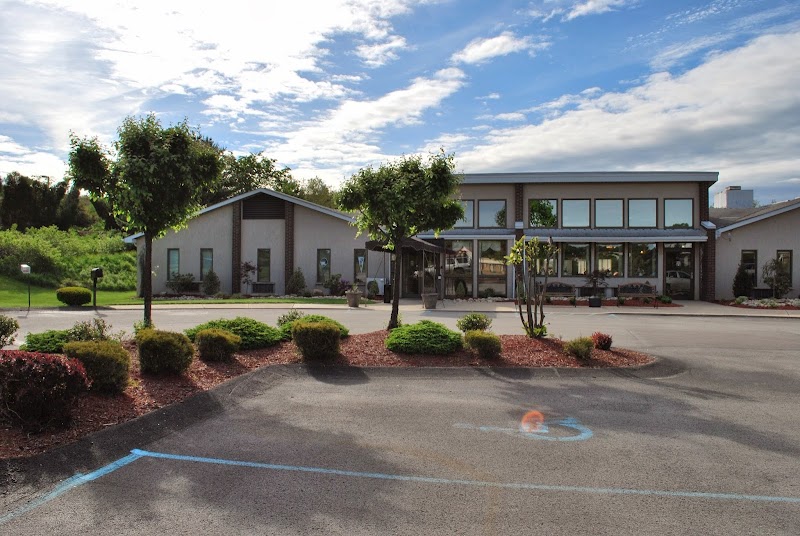
How is Transitions Healthcare North Huntingdon Staffed?

CMS rates TRANSITIONS HEALTHCARE NORTH HUNTINGDON's staffing level at 3 out of 5 stars, which is average compared to other nursing homes. Staff turnover is 48%, compared to the Pennsylvania average of 46%.

What Have Inspectors Found at Transitions Healthcare North Huntingdon?

State health inspectors documented 20 deficiencies at TRANSITIONS HEALTHCARE NORTH HUNTINGDON during 2022 to 2025. These included: 20 with potential for harm.
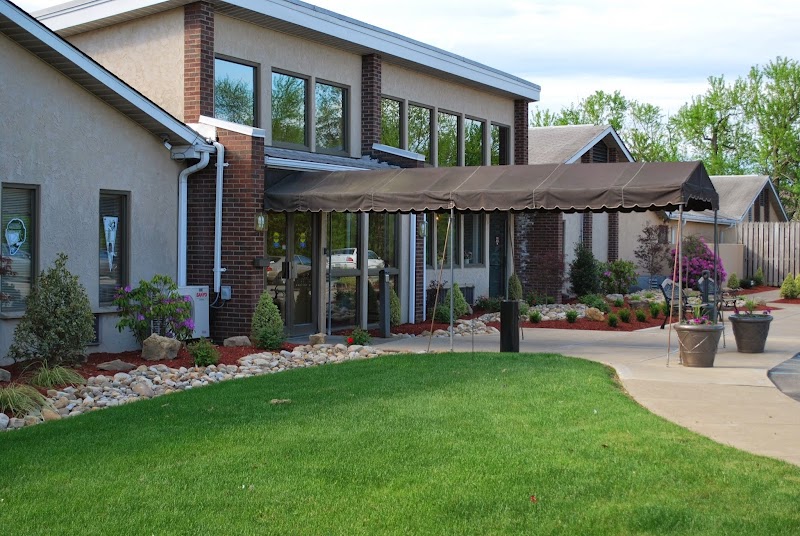
Who Owns and Operates Transitions Healthcare North Huntingdon?

TRANSITIONS HEALTHCARE NORTH HUNTINGDON is owned by a for-profit company. For-profit facilities operate as businesses with obligations to shareholders or private owners. The facility is operated by TRANSITIONS HEALTHCARE, a chain that manages multiple nursing homes. With 120 certified beds and approximately 107 residents (about 89% occupancy), it is a mid-sized facility located in NORTH HUNTINGDON, Pennsylvania.
How Does Transitions Healthcare North Huntingdon Compare to Other Pennsylvania Nursing Homes?

Compared to the 100 nursing homes in Pennsylvania, TRANSITIONS HEALTHCARE NORTH HUNTINGDON's overall rating (3 stars) matches the state average, staff turnover (48%) is near the state average of 46%, and health inspection rating (3 stars) is at the national benchmark.

What Should Families Ask When Visiting Transitions Healthcare North Huntingdon?

Based on this facility's data, families visiting should ask: "Can I visit during a mealtime to observe dining assistance and food quality?" "How do you handle medical emergencies, and what is your hospital transfer rate?" "Can I speak with family members of current residents about their experience?"

Is Transitions Healthcare North Huntingdon Safe?

Based on CMS inspection data, TRANSITIONS HEALTHCARE NORTH HUNTINGDON has a clean safety record: no substantiated abuse findings (meaning no confirmed cases of resident harm), no Immediate Jeopardy citations (the most serious violation level indicating risk of serious injury or death), and is not on the Special Focus Facility watch list (a federal program monitoring the lowest-performing 1% of nursing homes). The facility has a 3-star overall rating and ranks #1 of 100 nursing homes in Pennsylvania. While no facility is perfect, families should still ask about staff-to-resident ratios and recent inspection results during their visit.

Do Nurses at Transitions Healthcare North Huntingdon Stick Around?

TRANSITIONS HEALTHCARE NORTH HUNTINGDON has a staff turnover rate of 48%, which is about average for Pennsylvania nursing homes (state average: 46%). Moderate turnover is common in nursing homes, but families should still ask about staff tenure and how the facility maintains care continuity when employees leave.

Was Transitions Healthcare North Huntingdon Ever Fined?

TRANSITIONS HEALTHCARE NORTH HUNTINGDON has no federal fines on record. CMS issues fines when nursing homes fail to meet care standards or don't correct problems found during inspections. The absence of fines suggests the facility has either maintained compliance or corrected any issues before penalties were assessed. This is a positive indicator, though families should still review recent inspection reports for the full picture.

Is Transitions Healthcare North Huntingdon on Any Federal Watch List?

TRANSITIONS HEALTHCARE NORTH HUNTINGDON is not on any federal watch list. The most significant is the Special Focus Facility (SFF) program, which identifies the bottom 1% of nursing homes nationally based on persistent, serious quality problems. Not being on this list means the facility has avoided the pattern of deficiencies that triggers enhanced federal oversight. This is a positive indicator, though families should still review the facility's inspection history directly.