OIL CITY NURSING AND REHAB
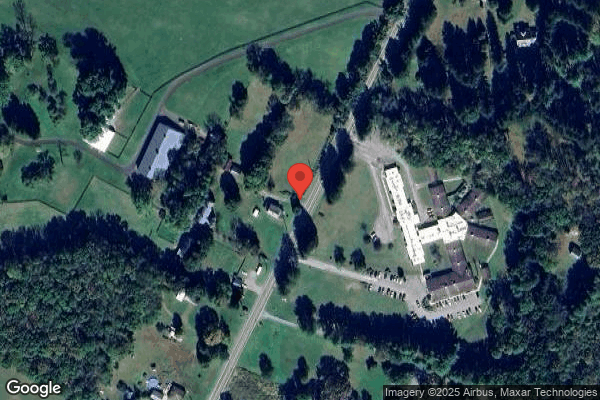

1293 GRANDVIEW ROAD, OIL CITY, PA 16301 (814) 676-8208
For profit - Corporation 95 Beds VALLEY WEST HEALTH Data: November 2025
Trust Grade
73/100
#207 of 653 in PA
Last Inspection: March 2025

Within standard 12-15 month inspection cycle. Federal law requires annual inspections.

Overview

Oil City Nursing and Rehab has a Trust Grade of B, indicating it is a good choice for families seeking care, as it falls within the solid range of 70-79. The facility ranks #207 out of 653 nursing homes in Pennsylvania, placing it in the top half of all state facilities, and it is #2 out of 5 in Venango County, meaning only one local option is rated higher. However, the facility is experiencing a worsening trend, increasing from 2 issues in 2024 to 4 in 2025. Staffing has room for improvement with a rating of 0 out of 5 stars and a turnover rate of 36%, which, while below the state average of 46%, still indicates challenges in staff retention. While the facility's fines of $8,018 are average, there are significant concerns noted in the inspector findings, including a resident suffering an ankle fracture due to inadequate safety measures and failures to update care plans for residents, which can lead to inadequate care. Additionally, a resident was given a psychotropic medication without proper justification for its continued use beyond the recommended timeframe. Overall, while Oil City Nursing and Rehab has strengths in its overall rating, it also faces critical areas that require attention for better resident safety and care.

Trust Score
B
73/100
In Pennsylvania
#207/653
Top 31%
Safety Record
Moderate
Needs review
Inspections
Getting Worse
2 → 4 violations
Staff Stability
○ Average
36% turnover. Near Pennsylvania's 48% average. Typical for the industry.
Penalties
✓ Good
$8,018 in fines. Lower than most Pennsylvania facilities. Relatively clean record.
Skilled Nurses
○ Average
RN staffing data not reported for this facility.
Violations
○ Average
7 deficiencies on record. Average for a facility this size. Mostly minor or procedural issues.
★★★★☆
4.0
Overall Rating
☆☆☆☆☆
0.0
Staff Levels
★★★★☆
4.0
Care Quality
★★★★☆
4.0
Inspection Score
Stable
2024: 2 issues
2025: 4 issues

The Good

  • 4-Star Quality Measures · Strong clinical quality outcomes
  • Full Sprinkler Coverage · Fire safety systems throughout facility
  • No fines on record
  • Staff turnover below average (36%)

    12 points below Pennsylvania average of 48%

Facility shows strength in quality measures, fire safety.

The Bad

Staff Turnover: 36%

10pts below Pennsylvania avg (46%)

Typical for the industry

Federal Fines: $8,018

Below median ($33,413)

Minor penalties assessed

Chain: VALLEY WEST HEALTH

Part of a multi-facility chain

Ask about local staffing decisions and management

The Ugly 7 deficiencies on record

1 actual harm
Mar 2025 4 deficiencies
CONCERN (D)

Potential for Harm - no one hurt, but risky conditions existed

Deficiency F0657 (Tag F0657)

Could have caused harm · This affected 1 resident

**NOTE- TERMS IN BRACKETS HAVE BEEN EDITED TO PROTECT CONFIDENTIALITY** Based on review of facility policy and clinical records, and staff interview, it was determined that the facility failed to revi...

Read full inspector narrative →
**NOTE- TERMS IN BRACKETS HAVE BEEN EDITED TO PROTECT CONFIDENTIALITY** Based on review of facility policy and clinical records, and staff interview, it was determined that the facility failed to review and revise comprehensive care plans to reflect the current necessary care and services for one of 19 residents reviewed (Resident R60). Findings include: A facility policy entitled, Care Plans, Comprehensive Person-Centered dated 10/29/24, indicated that assessments of residents are on-going and care plans are revised as information about the resident and the resident's condition changes, and the interdisciplinary team must review and update the care plan at least quarterly, in conjunction with the required quarterly Minimum Data Set (MDS- standardized assessment tool that measures health status in nursing home residents). Resident R60's clinical record revealed an admission date of 4/09/24, with diagnoses that included long-term kidney disease, sudden kidney failure, and high blood pressure. Review of Resident R60's clinical record revealed a physician's order dated 6/18/24, for removal of his/her dialysis (a procedure to remove waste products and excess fluid from the blood when the kidneys stop working properly) catheter (a soft, flexible tube used to access a patient's blood for hemodialysis). A departmental progress note dated 6/21/24, indicated that the dialysis catheter was removed due to Resident R60 no longer requiring dialysis treatment. A care plan entitled end stage renal disease initiated 6/05/24, with the most recent target date of 11/16/24, included interventions to transport Resident R60 to dialysis on Tuesdays and Saturdays at 10:30 a.m., coordinate dialysis care with the dialysis treatment facility, arrange for transportation to and from dialysis, and confer with physician and/or dialysis treatment facility regarding changes in medication administration times/dosages pre-dialysis as needed. Review of Resident R60's MDS's revealed the following: Quarterly MDS dated [DATE], Section O - Special Treatments and Programs, O0110-J2 was coded as not receiving dialysis services. Quarterly MDS dated [DATE], Section O - Special Treatments and Programs, O0110-J2 was coded as not receiving dialysis services. Quarterly MDS dated [DATE], Section O - Special Treatments and Programs, O0110-J2 was coded as not receiving dialysis services. Significant Change in Status Assessment MDS dated [DATE], Section O - Special Treatments and Programs, O0110-J2 was coded as not receiving dialysis services. Significant Change in Status Assessment MDS dated [DATE], Section O - Special Treatments and Programs, O0110-J2 was coded as not receiving dialysis services. Interview on 3/12/25, at 12:57 p.m. the Registered Nurse Assessment Coordinator confirmed that Resident R60's care plan lacked evidence of being updated to reflect the current necessary care and services. 28 Pa. Code 211.5(f)(ii) Medical records 28 Pa. Code 211.10(c) Resident care policies 28 Pa. Code 211.12(d)(1)(5) Nursing services
CONCERN (D)

Potential for Harm - no one hurt, but risky conditions existed

Medication Errors (Tag F0758)

Could have caused harm · This affected 1 resident

Based on review of clinical records and staff interview, it was determined that the facility failed to provide a clinical rationale for the continued use of a PRN (as needed) psychotropic (affecting t...

Read full inspector narrative →
Based on review of clinical records and staff interview, it was determined that the facility failed to provide a clinical rationale for the continued use of a PRN (as needed) psychotropic (affecting the mind) medication beyond 14 days for one of seven residents reviewed for psychotropic medications (Resident R58). Findings include: Resident R58's clinical record revealed an admission date of 4/26/24, with diagnoses that included Alzheimer's Disease (brain condition that causes a progressive decline in memory, thinking, learning and organizing skills), Psychosis (when people lose some contact with reality), anxiety, and high blood pressure. A physician's order dated 2/08/25, instructed staff to administer Lorazepam 0.5 mg by mouth every eight hours PRN for anxiety or agitation, and lacked the required stop date within 14 days or a clinical rationale for continued use beyond 14 days. Review of Resident R58's MAR revealed he/she received the Lorazepam once on 2/25/25 and 3/04/25. During an interview on 3/13/25, at 8:46 a.m. the Social Worker confirmed that Residents R11 and R58's Lorazepam orders lacked the required stop date within 14 days or a clinical rationale for continued use beyond 14 days. 28 Pa. Code 211.5(f)(i) Medical records 28 Pa. Code 211.12(d)(1)(3)(5) Nursing services
CONCERN (D)

Potential for Harm - no one hurt, but risky conditions existed

Deficiency F0761 (Tag F0761)

Could have caused harm · This affected 1 resident

Based on review of facility policy, observations, and staff interview, it was determined that the facility failed to store Schedule II-V medications in a separately locked, permanently affixed compart...

Read full inspector narrative →
Based on review of facility policy, observations, and staff interview, it was determined that the facility failed to store Schedule II-V medications in a separately locked, permanently affixed compartment in one of two medication rooms (Units A, C, and D medication room). Findings include: A facility policy entitled, Medication Storage in the Facility-Controlled Substance Storage dated 10/29/24, indicated that Schedule II-V (controlled substances that have an increased risk of resulting in addiction and/or substance use disorder) medications and other medications subject to abuse or diversion are stored in a permanently affixed, double-locked compartment separated from all other medications. Observation on 2/26/25, at 1:26 p.m. of the Unit A, C, and D medication refrigerator revealed one locked compartment that contained two boxes of injectable Lorazepam (controlled substance used to treat anxiety disorders) was affixed to the rack of the refrigerator and that the rack was not permanently affixed inside the refrigerator. During an interview at that time, the Assistant Director of Nursing confirmed that the refrigerator rack was not permanently affixed to the refrigerator. 28 Pa. Code 201.18(b)(1) Management 28 Pa. Code 201.14(a) Responsibility of licensee 28 Pa. Code 211.9(a)(1) Pharmacy services
CONCERN (D)

Potential for Harm - no one hurt, but risky conditions existed

Medical Records (Tag F0842)

Could have caused harm · This affected 1 resident

Based on review of facility policies and clinical records, and staff interview, it was determined that the facility failed to ensure fluid intake and urinary output were documented as per physician's ...

Read full inspector narrative →
Based on review of facility policies and clinical records, and staff interview, it was determined that the facility failed to ensure fluid intake and urinary output were documented as per physician's orders in the Treatment Administration Record (TAR) and in the Tasks Record for two of three residents reviewed with foley catheters (a medical device with tubing that drains urine from the bladder) (Residents R49 and R83). Findings include: The facility policy entitled Emptying a Urinary Drainage Bag, dated 10/29/24, revealed to empty the urinary drainage bag at least every eight hours and document the amount of urine emptied from the drainage bag. The facility policy entitled Intake, Measuring and Recording, dated 10/29/24, revealed the amount of liquids consumed should be recorded in the resident's medical record. Resident R49's clinical record revealed an admission date of 1/4/25, with diagnoses that included chronic obstructive pulmonary disease (a group of diseases in the lungs that block airflow making it difficult to breath), hypertension (high blood pressure), and chronic kidney disease. Review of Resident R49's physician's orders dated 1/7/25, revealed an order to document fluid intake and foley output every shift. Review of R49's TAR which is completed by the Licensed Nurses for January 2025, February 2025, and March 2025 revealed his/her fluid intake and urinary output were not documented every shift per physician's orders on 1/7/25, 1/8/25, 1/10/25, 1/11/25, 1/12/25, 1/13/25, 1/15/25, 1/17/25, 1/19/25, 1/20/25, 1/22/25, 1/25/25, 1/28/25, 2/13/25, 2/14/25, 2/17/25, 2/18/25, 2/20/25, 2/21/25, 2/22/25, 2/24/25, 3/3/25, and 3/11/25. Review of R49's Tasks Record which is completed by Nursing Assistants from 2/11/25 through 3/11/25, revealed his/her fluid intake was not documented every shift per physician's orders on 2/14/25, 2/17/25, 2/22/25, 2/25/25, and 3/5/25, and urinary output was not documented every shift per physician's orders on 2/14/25, 2/28/25, 3/1/25, 3/4/35, and 3/5/25. Resident R83's clinical record revealed an admission date of 1/31/25, with diagnoses that included rhabdomyolysis (muscle breakdown that damages kidneys due to protein in the blood), weakness, and malignant neoplasm of prostate (cancer of the prostate gland). Review of Resident R83's physician's orders dated 1/31/25, revealed an order to document fluid intake and output every shift. Review of R83's Treatment Administration Record (TAR) which is completed by the Licensed Nurses for February 2025 and March 2025 revealed his/her fluid intake and urinary output were not documented every shift per physician's orders on 2/1/25, 2/7/25, 2/13/25, 2/14/25, 2/15/25, 2/17/25, 2/18/25, 2/20/25, 2/21/25, 2/22/25, 2/24/25, 3/3/25, and 3/11/25. Review of R83's Tasks Record which is completed by Nursing Assistants from 2/11/25 through 3/11/25, revealed his/her fluid intake was not documented every shift per physician's orders on 2/14/25, 2/17/25, 2/22/25, 2/25/25, 3/5/25, and urinary output was not documented every shift per physician's orders on 2/14/25, 2/28/25, 3/1/25, 3/4/25, and 3/5/25. During an interview on 3/12/25, at 10:46 a.m. the Director of Nursing confirmed that the clinical records lacked evidence that the TAR and Tasks Record documentation were completed per physician's orders for fluid intake and urinary output for Residents R49 and R83 on the dates listed above. 28 Pa. Code 201.14(a) Responsibility of licensee 28 Pa. Code 211.12(d)(1)(5) Nursing services
Apr 2024 2 deficiencies 1 Harm
SERIOUS (G)

Actual Harm - a resident was hurt due to facility failures

Accident Prevention (Tag F0689)

A resident was harmed · This affected 1 resident

**NOTE- TERMS IN BRACKETS HAVE BEEN EDITED TO PROTECT CONFIDENTIALITY** Based on review of facility policy, clinical records, and facility documentation, and staff interviews, it was determined that t...

Read full inspector narrative →
**NOTE- TERMS IN BRACKETS HAVE BEEN EDITED TO PROTECT CONFIDENTIALITY** Based on review of facility policy, clinical records, and facility documentation, and staff interviews, it was determined that the facility failed to implement appropriate safety measures in a manner that protected a resident from injury of unknown origin and resulted in actual harm when the resident received an ankle fracture that required medical treatment at a hospital for one of 18 residents reviewed (Resident R15). Findings include: Review of a facility policy entitled Investigating Injuries dated 2/20/24, revealed that an Injury of unknown source is defined as an injury that meets both of the following conditions: a. The source of the injury was not observed by any person or the injury could not be explained by the resident; and b. The injury is suspicious because of: (1) The extent of the injury The policy also indicated with the help of the staff and management, the investigator will compile a list of all personnel, including consultants, contract employees, visitors, family members, etc., who have had contact with the resident during the past 48 hours. Review of facility policy entitled Lifting Machine, Using a Mechanical dated 2/20/24, indicated that at least two staff are needed to safely move a resident with a mechanical lift. Review of the Job Description Nurse Aide (NA) revealed that the nurse aide will provide quality routine daily nursing care to residents according to the residents' care plan. Review of Resident R15's clinical record revealed an admission date of 1/04/24, with diagnoses that included fractured left hip, pressure ulcer left heel, and atrial fibrillation (abnormal heart rhythm). Review of Resident R15's quarterly Minimum Data Set (MDS-periodic assessment of resident care needs), assessment dated [DATE], revealed that Resident R15 was cognitively impaired and his/her transfer status was an extensive assist, two-person physical assist. Review of a Physical Therapy Treatment Encounter Note dated 3/14/24, revealed Resident R15 was a maximal assist of two for standing. During an interview on 4/4/24, at 10:35 a.m. with the Director of Physical Therapy Employee E1 confirmed Resident R15 was a maximal assist of two for all transfers. Review of Resident R15's physician's orders dated 3/15/24, revealed an order for extensive assist times two, stand and pivot for transfers and showers. The physician orders lacked any orders for the use of any mechanical lift. Review of a nurse's note dated 3/19/24, at 1:18 p.m. by Assistant Director of Nursing (ADON) revealed that Resident R15 had increased pain, bruising and swelling to the left lower extremity, physician notified, and orders received for x-ray of left foot and ankle. Nursing note written by Registered Nurse (RN) Employee E2 at 5:02 p.m. x-ray results revealed acute bimalleolar fracture deformity of the left ankle, orders received to send Resident R15 to the emergency room. Review of the Employee Witness Statement Form written on 3/19/24, by NA Employee E3 revealed that he/she had transferred Resident R15 on 3/17/24, using the sit-to-stand mechanical lift in the shower area with only an assist of one. Review of the Employee Witness Statement Form written on 3/19/24, by NA Employee E4 revealed that he/she was providing care at 8:45 a.m. on 3/18/24, and noticed a bruise on Resident R15's ankle. Review of the Employee Witness Statement Form written by the ADON on 3/22/24, revealed that NA Employee E5 was providing care for Resident R15's roommate with the curtain closed and stated that NA employee E6 transferred Resident R15 from chair to bed alone using the sit-to-stand mechanical lift. When NA Employee E5 finished caring for the roommate he/she helped NA Employee E6 with care for Resident R15 who was in bed at that time. Review of the Employee Witness Statement form written on 3/19/24, by NA Employee E6 revealed that he/she transferred Resident R15 into bed with assist of two at approximately 7:15 p.m. and that around 9:55 p.m. Resident R15 wanted out of bed due to foot pain, NA Employee E6 indicated that he/she would inform the nurse regarding the resident's complaint of pain. During an interview on 4/4/24, at 2:45 p.m. NA Employee E6 indicated that he/she transferred Resident R15 from chair to bed using an assist of two but could not recall who assisted and NA Employee E6 could also not recall whom he/she notified of Resident R15's complaint of foot pain. Review of Resident R15's clinical record revealed no documentation regarding the resident's complaint of foot pain or any bruising until 3/19/24, at 1:55 p.m. The only other statements in the investigation were written by Licensed Practical Nurse (LPN) Employee E7 who worked the day shift on 3/18/24 and the NA Employee E8 who had never gotten the resident out of bed since the resident's admission. Review of an incident report dated 3/19/24, at 1:21 p.m. revealed that Resident R15 complained of left lower leg pain and had bruising. The resident had no falls or incidents of rolling out of bed. Resident is cognitively impaired and unable to state how the injury happened. Review of an x-ray completed at the hospital on 3/19/24, revealed an acute bimalleolar fracture deformity of the left ankle. Review of information submitted by the facility dated 3/19/24, identified that Resident R15 is identified as a two-person assist with transfers. Investigation with staff and resident revealed no inconsistencies of how care was provided, and staff witness statements did not indicate where or how the injury occurred. Review of Resident R15's clinical record and documentation of incident investigation lacked evidence that a full investigation was completed. The information lacked statements from all staff working during the timeframe when the alleged incident may have occurred from 3/17/24 until 3/19/24, at 1:55 p.m. when Resident R15's left lower leg had bruising and swelling documented. During an interview on 4/5/2024, at 9:45 a.m. the Nursing Home Administrator confirmed that the investigation completed on Resident R15's incident with injury of unknown origin was incomplete and had inconsistent statements that should have been further investigated. The NHA also confirmed that the investigation did not reveal how Resident R15 sustained an ankle fracture and there was no physician's order for a sit-to-stand lift. The facility failed to provide safety measures that resulted in actual harm of an ankle fracture to Resident R15. 28 Pa. Code 201.18(b)(1) Management 28 Pa. Code 201.18(b)(3)(e)(1) Management 28 Pa. Code 211.10(d) Resident care policies 28 Pa. Code 211.12(d)(1)(5) Nursing services 28 Pa. Code 201.14(a) Responsibility of licensee
CONCERN (D)

Potential for Harm - no one hurt, but risky conditions existed

Investigate Abuse (Tag F0610)

Could have caused harm · This affected 1 resident

**NOTE- TERMS IN BRACKETS HAVE BEEN EDITED TO PROTECT CONFIDENTIALITY** Based on review of facility policy and clinical records and facility documentation, and staff interviews, it was determined that...

Read full inspector narrative →
**NOTE- TERMS IN BRACKETS HAVE BEEN EDITED TO PROTECT CONFIDENTIALITY** Based on review of facility policy and clinical records and facility documentation, and staff interviews, it was determined that the facility failed to fully investigate an incident with injury of unknown origin for one of 18 residents reviewed (Resident R15). Findings include: Review of a facility policy entitled Investigating Injuries dated 2/20/24, revealed that an Injury of unknown source is defined as an injury that meets both of the following conditions: a. The source of the injury was not observed by any person or the injury could not be explained by the resident; and b. The injury is suspicious because of: (1) The extent of the injury The policy also indicated with the help of the staff and management, the investigator will compile a list of all personnel, including consultants, contract employees, visitors, family members, etc., who have had contact with the resident during the past 48 hours. Review of Resident R15's clinical record revealed an admission date of 1/04/24, with diagnoses that included fractured left hip, pressure ulcer left heel, and atrial fibrillation (abnormal heart rhythm). Review of Resident R15's quarterly Minimum Data Set (MDS-periodic assessment of resident care needs), assessment dated [DATE], revealed that Resident R15 was cognitively impaired and his/her transfer status was an extensive assist, two-person physical assist. Review of a Physical Therapy Treatment Encounter Note dated 3/14/24, revealed Resident R15 was a maximal assist of two for standing. During an interview on 4/4/24, at 10:35 a.m. the Director of Physical Therapy Employee E1 confirmed Resident R15 was a maximal assist of two for all transfers. Review of a nurse's note dated 3/19/24, at 1:18 p.m. by Assistant Director of Nursing (ADON) revealed that Resident R15 had increased pain, bruising and swelling to the left lower extremity, physician notified, and orders received for x-ray of left foot and ankle. Nursing note written by Registered Nurse (RN) Employee E2 at 5:02 p.m. for x-ray results revealed acute bimalleolar fracture deformity of the left ankle, orders received to send Resident R15 to the emergency room. Review of the Employee Witness Statement Form written on 3/19/24, by Nursing Assistant (NA) Employee E3 revealed that he/she had transferred Resident R15 on 3/17/24, using the sit-to-stand lift in the shower area with only an assist of one. Review of the Employee Witness Statement Form written on 3/19/24, by NA Employee E4 revealed that he/she was providing care at 8:45 a.m. on 3/18/24, and noticed a bruise on Resident R15's ankle. Review of the Employee Witness Statement Form written by the ADON on 3/22/24, revealed that NA Employee E5 was providing care for Resident R15's roommate with the curtain closed and stated that NA employee E6 transferred Resident R15 from chair to bed alone using the sit-to-stand lift. When NA Employee E5 finished caring for the roommate, he/she helped NA Employee E6 with care for Resident R15 who was in bed at this time. Review of the Employee Witness Statement form written on 3/19/24, by NA Employee E6 revealed that he/she transferred Resident R15 into bed with assist of two at approximately 7:15 p.m. and that around 9:55 p.m. Resident R15 wanted out of bed due to foot pain. NA Employee E6 indicated that he/she would inform the nurse regarding the resident's complaint of pain. During an interview on 4/4/24, at 2:45 p.m. NA Employee E6 indicated that he/she transferred Resident R15 from chair to bed using assist of two but could not recall who assisted and NA Employee E6 could also not recall whom he/she notified of Resident R15's complaint of foot pain. Review of Resident R15's clinical record revealed no documentation regarding the resident's complaint of foot pain or any bruising until 3/19/24, at 1:55 p.m. The only other statements in the investigation were written by Licensed Practical Nurse (LPN) Employee E7 who worked the day shift on 3/18/24 and the NA Employee E8 who had never gotten the resident out of bed since the resident's admission. Review of an incident report dated 3/19/24, at 1:21 p.m. revealed that Resident R15 complained of left lower leg pain and had bruising. The resident had no falls or incidents of rolling out of bed. Resident R15 was cognitively impaired and unable to state how the injury happened. Review of an x-ray completed at the hospital on 3/19/24, revealed an acute bimalleolar fracture deformity of the left ankle. Review of information submitted by the facility dated 3/19/24, identified that Resident R15 was identified as a two-person assist with transfers; investigation with staff and resident revealed no inconsistencies of how care was provided, and staff witness statements did not indicate where or how the injury occurred. Review of Resident R15's clinical record and documentation of incident investigation lacked evidence that a full investigation was completed. The information lacked statements from all staff working during the timeframe when the alleged incident may have occurred from 3/17/24 until 3/19/24, at 1:55 p.m. when Resident R15's left lower leg had bruising and swelling documented. During an interview on 4/5/2024, at 9:45 a.m. the Nursing Home Administrator confirmed that the investigation completed on Resident R15's incident with injury of unknown origin was incomplete and had inconsistent statements that should have been further investigated. The NHA also confirmed that the investigation should have been more thorough with additional staff witness statements. 28 Pa. Code 201.14(a) Responsibility of licensee 28 Pa. Code 211.12(d)(1)(5) Nursing services
Apr 2023 1 deficiency
CONCERN (D)

Potential for Harm - no one hurt, but risky conditions existed

Respiratory Care (Tag F0695)

Could have caused harm · This affected 1 resident

Based on review of facility policy and clinical records, observations, and staff interviews, it was determined that the facility failed to provide oxygen for one of three residents reviewed for respir...

Read full inspector narrative →
Based on review of facility policy and clinical records, observations, and staff interviews, it was determined that the facility failed to provide oxygen for one of three residents reviewed for respiratory services according to a physician's orders (Resident R30). Findings include: Review of a facility policy entitled Oxygen Administration dated 1/24/23, stated Verify that there is a physician's order and Review physician's order for oxygen administration. Review of Resident R30's clinical record revealed an admission date of 1/17/22, with diagnoses that included pneumonia, high blood pressure, and chronic obstructive pulmonary disease (COPD - a lung disease that causes difficulty breathing) Observation of Resident R30's oxygen flow meter (a medical device used for oxygen flow measurement) on 4/12/23, at 11:23 a.m. revealed the oxygen flow measurement was at four liters per minute through a nasal cannula (a tube that delivers oxygen to your nose through soft prongs). Observation of Resident R30's oxygen flow meter on 4/14/23, at 9:23 a.m. revealed the oxygen flow measurement was at four liters per minute through a nasal cannula. During an interview on 4/14/23, at 9:23 a.m. Licensed Practical Nurse (LPN) Employee E1 confirmed the oxygen administration level was set at four liters per minute through a nasal cannula. During review of the clinical record with LPN Employee E1 on 4/14/23, at 9:26 a.m. it was confirmed that the clinical record lacked a physician's order for oxygen therapy for Resident R30. 28 Pa. Code 211.12(d)(1)(3)(5) Nursing services 28 Pa. Code 211.5(f)(g)(h) Clinical records
Understanding Severity Codes (click to expand)
Life-Threatening (Immediate Jeopardy)
J - Isolated K - Pattern L - Widespread
Actual Harm
G - Isolated H - Pattern I - Widespread
Potential for Harm
D - Isolated E - Pattern F - Widespread
No Harm (Minor)
A - Isolated B - Pattern C - Widespread

Questions to Ask on Your Visit

  • "Can I speak with families of current residents?"
  • "What's your RN coverage like on weekends and overnight?"

Our Honest Assessment

Strengths
  • • 36% turnover. Below Pennsylvania's 48% average. Good staff retention means consistent care.
Concerns
  • • 7 deficiencies on record, including 1 serious (caused harm) violation. Ask about corrective actions taken.
Bottom line: Mixed indicators with Trust Score of 73/100. Visit in person and ask pointed questions.

About This Facility

What is Oil City Nursing And Rehab's CMS Rating?

CMS assigns OIL CITY NURSING AND REHAB an overall rating of 4 out of 5 stars, which is considered above average nationally. Within Pennsylvania, this rating places the facility higher than 99% of the state's 100 nursing homes. This rating reflects solid performance across the metrics CMS uses to evaluate nursing home quality.

How is Oil City Nursing And Rehab Staffed?

Staff turnover is 36%, compared to the Pennsylvania average of 46%. This relatively stable workforce can support continuity of care. RN turnover specifically is 58%, which is notably high. RNs provide skilled clinical oversight, so turnover in this role can affect medical care quality.

What Have Inspectors Found at Oil City Nursing And Rehab?

State health inspectors documented 7 deficiencies at OIL CITY NURSING AND REHAB during 2023 to 2025. These included: 1 that caused actual resident harm and 6 with potential for harm. Deficiencies causing actual harm indicate documented cases where residents experienced negative health consequences.

Who Owns and Operates Oil City Nursing And Rehab?

OIL CITY NURSING AND REHAB is owned by a for-profit company. For-profit facilities operate as businesses with obligations to shareholders or private owners. The facility is operated by VALLEY WEST HEALTH, a chain that manages multiple nursing homes. With 95 certified beds and approximately 0 residents (about 0% occupancy), it is a smaller facility located in OIL CITY, Pennsylvania.

How Does Oil City Nursing And Rehab Compare to Other Pennsylvania Nursing Homes?

Compared to the 100 nursing homes in Pennsylvania, OIL CITY NURSING AND REHAB's overall rating (4 stars) is above the state average of 3.0, staff turnover (36%) is significantly lower than the state average of 46%, and health inspection rating (4 stars) is above the national benchmark.

What Should Families Ask When Visiting Oil City Nursing And Rehab?

Based on this facility's data, families visiting should ask: "Can I visit during a mealtime to observe dining assistance and food quality?" "How do you handle medical emergencies, and what is your hospital transfer rate?" "Can I speak with family members of current residents about their experience?"

Is Oil City Nursing And Rehab Safe?

Based on CMS inspection data, OIL CITY NURSING AND REHAB has a clean safety record: no substantiated abuse findings (meaning no confirmed cases of resident harm), no Immediate Jeopardy citations (the most serious violation level indicating risk of serious injury or death), and is not on the Special Focus Facility watch list (a federal program monitoring the lowest-performing 1% of nursing homes). The facility has a 4-star overall rating and ranks #1 of 100 nursing homes in Pennsylvania. While no facility is perfect, families should still ask about staff-to-resident ratios and recent inspection results during their visit.

Do Nurses at Oil City Nursing And Rehab Stick Around?

OIL CITY NURSING AND REHAB has a staff turnover rate of 36%, which is about average for Pennsylvania nursing homes (state average: 46%). Moderate turnover is common in nursing homes, but families should still ask about staff tenure and how the facility maintains care continuity when employees leave.

Was Oil City Nursing And Rehab Ever Fined?

OIL CITY NURSING AND REHAB has been fined $8,018 across 1 penalty action. This is below the Pennsylvania average of $33,159. While any fine indicates a compliance issue, fines under $50,000 are relatively common and typically reflect isolated problems that were subsequently corrected. Families should ask what specific issues led to these fines and confirm they've been resolved.

Is Oil City Nursing And Rehab on Any Federal Watch List?

OIL CITY NURSING AND REHAB is not on any federal watch list. The most significant is the Special Focus Facility (SFF) program, which identifies the bottom 1% of nursing homes nationally based on persistent, serious quality problems. Not being on this list means the facility has avoided the pattern of deficiencies that triggers enhanced federal oversight. This is a positive indicator, though families should still review the facility's inspection history directly.