KADIMA REHABILITATION & NURSING AT CAMPBELLTOWN
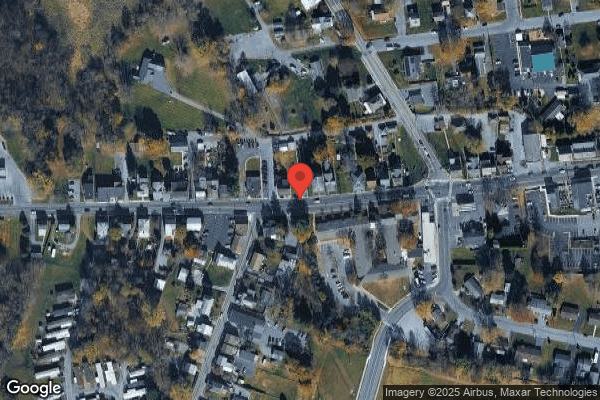
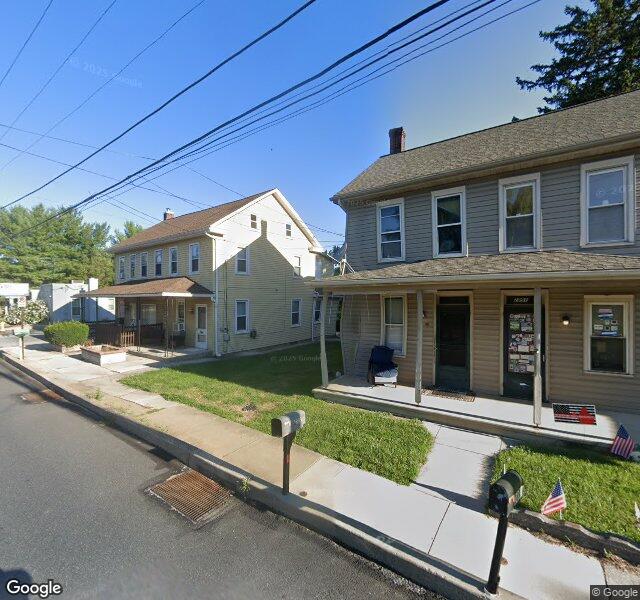
2880 HORSESHOE PIKE, PALMYRA, PA 17078 (717) 838-2231
For profit - Limited Liability company 53 Beds KADIMA HEALTHCARE GROUP Data: November 2025 1 Immediate Jeopardy citation
Trust Grade
0/100
#584 of 653 in PA
Last Inspection: June 2025

Inspected within the last 6 months. Data reflects current conditions.

Overview

Kadima Rehabilitation & Nursing at Campbelltown has a Trust Grade of F, indicating poor performance with significant concerns about resident care. They rank #584 out of 653 facilities in Pennsylvania, placing them in the bottom half of nursing homes statewide, and #8 out of 10 in Lebanon County, suggesting limited better local options. The facility's trend is worsening, with issues increasing from 28 in 2024 to 33 in 2025. Staffing is a weak point, with a rating of 2 out of 5 stars and a concerning turnover rate of 100%, far exceeding the state average. Furthermore, the facility has faced $319,411 in fines, indicating serious compliance problems. While they do have more RN coverage than 91% of Pennsylvania facilities, critical incidents have occurred, including a failure to provide necessary supervision for a resident with suicidal tendencies, leading to a life-threatening situation, and inadequate staffing that left a resident unable to get out of bed as desired. Overall, this facility has significant strengths in RN coverage but alarming weaknesses in care and compliance.

Trust Score
F
0/100
In Pennsylvania
#584/653
Bottom 11%
Safety Record
High Risk
Review needed
Inspections
Getting Worse
28 → 33 violations
Staff Stability
⚠ Watch
100% turnover. Very high, 52 points above average. Constant new faces learning your loved one's needs.
Penalties
⚠ Watch
$319,411 in fines. Higher than 76% of Pennsylvania facilities, suggesting repeated compliance issues.
Skilled Nurses
✓ Good
Each resident gets 59 minutes of Registered Nurse (RN) attention daily — more than average for Pennsylvania. RNs are trained to catch health problems early.
Violations
⚠ Watch
76 deficiencies on record. Higher than average. Multiple issues found across inspections.
★☆☆☆☆
1.0
Overall Rating
★★☆☆☆
2.0
Staff Levels
★☆☆☆☆
1.0
Care Quality
★☆☆☆☆
1.0
Inspection Score
Stable
2024: 28 issues
2025: 33 issues

The Good

  • Full Sprinkler Coverage · Fire safety systems throughout facility
  • No fines on record

Facility shows strength in fire safety.

The Bad

1-Star Overall Rating

Below Pennsylvania average (3.0)

Significant quality concerns identified by CMS

Staff Turnover: 100%

53pts above Pennsylvania avg (47%)

Frequent staff changes - ask about care continuity

Federal Fines: $319,411

Well above median ($33,413)

Significant penalties indicating serious issues

Chain: KADIMA HEALTHCARE GROUP

Part of a multi-facility chain

Ask about local staffing decisions and management

Staff turnover is very high (100%)

52 points above Pennsylvania average of 48%

The Ugly 76 deficiencies on record

1 life-threatening 1 actual harm
Jul 2025 1 deficiency
CONCERN (D) 📢 Someone Reported This

A family member, employee, or ombudsman was alarmed enough to file a formal complaint

Potential for Harm - no one hurt, but risky conditions existed

Safe Environment (Tag F0584)

Could have caused harm · This affected 1 resident

Based on observation and resident interview, it was determined that the facility failed to ensure that a safe, clean, and comfortable environment was maintained on one of one nursing units.Observation...

Read full inspector narrative →
Based on observation and resident interview, it was determined that the facility failed to ensure that a safe, clean, and comfortable environment was maintained on one of one nursing units.Observation on July 30, 2024, at 10:15 a.m., 11:51 a.m., and 12:20 p.m., revealed black residue throughout the floors of rooms 3, 5, 6, 21, 23, 27, 29, 36, and the bath across from the nurse's station. In an interview on July 30, 2025, at 11:52 a.m., Resident 3 stated the equipment in the facility was rusty. In an interview on July 30, 2025, at 12:00 p.m., Resident 6 stated that housekeeping staff do not clean and only dispose of trash. 28 Pa. Code 207.2(a) Administrator's responsibility.
Jun 2025 1 deficiency
CONCERN (D) 📢 Someone Reported This

A family member, employee, or ombudsman was alarmed enough to file a formal complaint

Potential for Harm - no one hurt, but risky conditions existed

Notification of Changes (Tag F0580)

Could have caused harm · This affected 1 resident

**NOTE- TERMS IN BRACKETS HAVE BEEN EDITED TO PROTECT CONFIDENTIALITY** Based on facility policy review, clinical record review, and resident interview, it was determined that the facility failed to n...

Read full inspector narrative →
**NOTE- TERMS IN BRACKETS HAVE BEEN EDITED TO PROTECT CONFIDENTIALITY** Based on facility policy review, clinical record review, and resident interview, it was determined that the facility failed to notify each resident's physician and responsible party of a change in condition for one of three sampled residents. (Resident 1) Findings include: Review of the facility policy entitled, Protocol - When to call the physician or physician extender, revealed that nursing staff were to make an assessment and notify the physician of changes in condition, including abnormal vital signs. Clinical record review revealed that Resident 1 had diagnoses that included congestive heart failure and bradycardia (slow heart rate). Review of the Minimum Data Set assessment dated [DATE], revealed the resident had no cognitive impairment. In an interview on June 23, 2025, at 10:30 a.m., Resident 1 stated that she went to the hospital on June 16, 2025, around 10:30 p.m Review of the resident's clinical record revealed a nurse's note dated June 17, 2025, at 3:35 a.m., stating that the resident was away at the hospital for an elevated blood pressure. There was no documented evidence that Resident 1 was assessed and that the resident's responsible party and physician were notified of the elevated blood pressure and transfer to the hospital. 28 Pa. Code 211.12(d)(1)(5) Nursing services.
Jun 2025 1 deficiency
CONCERN (E) 📢 Someone Reported This

A family member, employee, or ombudsman was alarmed enough to file a formal complaint

Potential for Harm - no one hurt, but risky conditions existed

Quality of Care (Tag F0684)

Could have caused harm · This affected multiple residents

Based on observation, and resident and staff interview, it was determined that the facility failed to administer medications in accordance with physician orders for three of 12 sampled residents. (Res...

Read full inspector narrative →
Based on observation, and resident and staff interview, it was determined that the facility failed to administer medications in accordance with physician orders for three of 12 sampled residents. (Residents 3, 9, 10) Findings include: Clinical record review revealed that Resident 3 had diagnoses that included chronic obstructive pulmonary disease (COPD) and diabetes. A review of Resident 3's current Medication Administration Record (MAR) for June 2025, revealed that staff were to administer the following medications at 9:00 a.m. daily: Allopurinol 100 milligrams (mg) (a gout medication), ferrous sulfate 325 mg (iron), glipizide 2.5 mg (diabetic medication), fluticasone-umeclidinium-vilanterol one puff (COPD inhaler), cyanocobalamin (vitamin B12) 500 micrograms (mcg), cholecalciferol (vitamin D) 4000 international units (IU), bumetanide 3 mg (diuretic), apixaban 5 mg (blood thinner), ipratropium-albuterol solution 3 milliliter (COPD mist inhaler), lansoprazole 30 mg (stomach acid reducing medication), and probiotic one capsule. Staff were to administer insulin glargine 30 units at 8:00 a.m. In an interview on June 16, 2025 at 10:50 a.m., Resident 3 stated she still had not received her morning medications. Review of Resident 3's clinical record revealed she still had not received her medications as of 12:30 p.m. Clinical record review revealed that Resident 9 had diagnoses that included end stage renal disease and diabetes. A review of Resident 9's current MAR for June 2025, revealed that staff were to administer the following medications at 9:00 a.m. daily: amlodipine 5 mg (a medication for high blood pressure), ascorbic acid 500 mg (a vitamin), Flonase two sprays (a nasal allergy medication), fluoxetine 70 mg (an antidepressant medication), lorazepam 0.25 mg (an antianxiety medication), carvedilol 6.25 mg (a medication for high blood pressure), Colace 100 mg (stool softener), apixaban 5 mg, gabapentin 300 mg (pain medication), lacosamide 100 mg (antiseizure medication), levetiracetam 500 mg (antiseizure medication), senna 8.6 mg (stool softener), and acetaminophen 500 mg. Observation on June 16, 2025, revealed that the Director of Nursing did not administer the medications until 11:48 a.m. Clinical record review revealed that Resident 10 had diagnoses that included atrial fibrillation (irregular heartbeat) and hypertension (high blood pressure). A review of Resident 10's current MAR for June 2025, revealed that staff were to administer the following medications at 9:00 a.m. daily: metoprolol succinate 50 mg (a medication for high blood pressure), miralax 17 gram (stool softener), senna 8.6 mg, and apixaban 5 mg. Staff were to administer midodrine 5 mg (blood pressure medication) with meals. Observation on June 16, 2025, revealed that the Director of Nursing did not administer the medications until 11:36 a.m. Review of the clinical record revealed a nurses note that the midodrine was not administered with breakfast as ordered. In an interview on June 16, 2025, at 12:10 p.m., the Administrator confirmed that the medications were administered late due to staffing. 28 Pa. Code 211.12(d)(1)(5) Nursing services.
Jun 2025 22 deficiencies
CONCERN (D)

Potential for Harm - no one hurt, but risky conditions existed

Deficiency F0604 (Tag F0604)

Could have caused harm · This affected 1 resident

Based on facility policy review, clinical record review, observation and staff interview, it was determined the facility failed to assess a resident for a physical restraint and conduct an on-going as...

Read full inspector narrative →
Based on facility policy review, clinical record review, observation and staff interview, it was determined the facility failed to assess a resident for a physical restraint and conduct an on-going assessment of a restraint for one of 19 sampled residents. (Resident 3) Findings include: Review of the facility policy entitled Physical Restraints, revealed that the need for restraints would be reevaluated monthly and that the interdisciplinary assessment team would develop a comprehensive care plan for the resident. Clinical record review revealed that Resident 3 had diagnoses that included severe intellectual disabilities, anxiety, and lack of coordination. Observations on June 3, 2025 from 11:28 a.m. through 1:30 p.m., June 4, 2025 from 9:00 a.m. through 1:00 p.m., and on June 5, 2025 from 9:37 a.m. through 12:30 p.m., revealed Resident 3 in her wheelchair with a seat belt intact. In an interview on June 5, 2025, at 11:31 a.m., Nurse Aide 1 stated Resident 3 could not self remove the seat belt. There was no documented evidence that the facility obtained a physician's order or rationale for use, or did an initial restraint evaluation and continued restraint assessments to determine if the restraint was needed per facility policy. 28 Pa. Code 211.8(d)(e)(f) Use of restraints.
CONCERN (D)

Potential for Harm - no one hurt, but risky conditions existed

Assessment Accuracy (Tag F0641)

Could have caused harm · This affected 1 resident

**NOTE- TERMS IN BRACKETS HAVE BEEN EDITED TO PROTECT CONFIDENTIALITY** Based on clinical record review and staff interview, it was determined that the facility failed to complete an accurate Minimum ...

Read full inspector narrative →
**NOTE- TERMS IN BRACKETS HAVE BEEN EDITED TO PROTECT CONFIDENTIALITY** Based on clinical record review and staff interview, it was determined that the facility failed to complete an accurate Minimum Data Set (MDS) assessment for one of 19 sampled residents. (Resident 28) Findings include: Clinical record review revealed that Resident 28 had diagnoses that included end stage renal disease, diabetes, and dependence on renal dialysis. Review of Resident 28's clinical record revealed a physician's order dated December 19, 2023, for dialysis three time per week. Review of Resident 28's MDS dated [DATE], did not indicate that Resident 28 was dependent on renal dialysis. In an interview on June 5, 2025, at 9:57 a.m., the Administrator confirmed Resident 28's MDS was inaccurate. CFR 483.20(g) Accuracy of Assessments Previously cited 7/18/24
CONCERN (D)

Potential for Harm - no one hurt, but risky conditions existed

Deficiency F0645 (Tag F0645)

Could have caused harm · This affected 1 resident

**NOTE- TERMS IN BRACKETS HAVE BEEN EDITED TO PROTECT CONFIDENTIALITY** Based on clinical record review and staff interview, it was determined that the facility failed to complete a Preadmission Scree...

Read full inspector narrative →
**NOTE- TERMS IN BRACKETS HAVE BEEN EDITED TO PROTECT CONFIDENTIALITY** Based on clinical record review and staff interview, it was determined that the facility failed to complete a Preadmission Screening to identify a mental disorder for one of 19 sampled residents. (Resident 14) Findings include: Clinical record review revealed that Resident 14 was admitted to the facility on [DATE], with diagnoses that included borderline personality disorder, schizoaffective disorder, intermittent explosive disorder, major depressive disorder, and generalized anxiety. There was a lack of evidence that the facility completed or obtained a Preadmission Screening for Resident 14. In an interview on June 6, 2025, at 11:37 a.m., the Administrator confirmed that there was a lack of evidence that the facility completed or obtained a Preadmission Screening for Resident 14.
CONCERN (D)

Potential for Harm - no one hurt, but risky conditions existed

ADL Care (Tag F0677)

Could have caused harm · This affected 1 resident

Based on clinical record review and resident interview, it was determined that the facility failed to provide services to maintain adequate grooming and hygiene, and assistance with eating for one of ...

Read full inspector narrative →
Based on clinical record review and resident interview, it was determined that the facility failed to provide services to maintain adequate grooming and hygiene, and assistance with eating for one of 19 sampled residents. (Resident 9) Findings include: Clinical record review revealed that Resident 9 had diagnoses that included multiple sclerosis, muscle weakness, adult failure to thrive, and dysphagia. Review of the care plan revealed that staff were to check the resident's nail length, trim, and clean on bath day and as necessary, and report to the nurse with any changes. On June 3, 2025, at 1:44 p.m., the resident was observed in her room. Her nails were long, dirt was observed under the nails. She stated that she preferred her nails to be short, staff have not offered to provide nail care, and she has not refused. On June 5, 2025, at 11:53 a.m., the resident was observed in bed, her nails remained long. She stated that staff had not offered to provide nail care, and she would like her nails to be cut. Review of the care plan revealed that the resident required assistance from staff with eating. A physician's order dated March 22, 2024, directed staff to assist the resident with feeding at all meals. On June 4, 2025, at 12:36 p.m., the resident was observed in her room with her meal tray on her bedside table. At 12:46 p.m., the resident was observed having difficulty obtaining her utensil that was placed on her meal tray. The resident stated, I am trying to get it, my arms are just too short. The resident was subsequently observed to be using red, built-up foam handles on the utensils. The foam handles continued to slide down the utensils which required the resident to bang the utensils on the table and pull them through the handle with her mouth to continue eating. Staff did not offer or provide the resident with any assistance with the meal until 1:12 p.m., 36 minutes after she was observed with the meal tray. 28 Pa. Code 211.12(d)(1)(5) Nursing services.
CONCERN (D)

Potential for Harm - no one hurt, but risky conditions existed

Incontinence Care (Tag F0690)

Could have caused harm · This affected 1 resident

Based on facility policy review, clinical record review, and staff interview, it was determined that the facility failed to ensure that adequate catheter care was provided for two of two sampled resid...

Read full inspector narrative →
Based on facility policy review, clinical record review, and staff interview, it was determined that the facility failed to ensure that adequate catheter care was provided for two of two sampled residents with an indwelling urinary catheter. (Residents 24 and 31) Findings include: Review of the facility policy entitled, Urinary Catheter Care, last revised January 31, 2013, revealed that staff would perform perineal care to the resident every eight hours to prevent skin rashes and breakdown, empty the collection bag at least every eight hours and as needed (PRN), cleanse the catheter from the insertion site to approximately four inches outward, and check the drainage tubing and bag to ensure that the catheter was draining properly and kept off of the floor. Clinical record review revealed that Resident 24 had diagnoses that included urogenital implants. The resident required the use of a urinary catheter. On May 1, 2025, a physician's order for foley catheter care every shift was discontinued. There was no new order for catheter care placed and the resident continued with a foley catheter. There was a lack of evidence that catheter care was provided to the resident since May 1, 2025. Clinical record review revealed that Resident 31 had diagnoses that included diabetes mellitus and urinary retention. On October 6, 2023, the physician ordered for the resident to have an indwelling catheter. Observations on June 3, 2025, at 10:30 a.m., June 4, 2025, at 12:50 pm, and June 5, 2025, at 11:15 a.m., revealed Resident 31 was lying in bed with his indwelling catheter in place. There was no documented evidence that staff provided catheter care per facility policy. In an interview on June 6, 2025, at 11:53 a.m., the Infection Preventionist confirmed that there was no documented evidence that Resident 24's and 31's catheter care was provided per facility policy. 28 Pa. Code 211.12(d)(1)(5) Nursing services.
CONCERN (D)

Potential for Harm - no one hurt, but risky conditions existed

Deficiency F0697 (Tag F0697)

Could have caused harm · This affected 1 resident

Based on clinical record review and staff interview, it was determined that the facility failed to ensure that as needed pain medication was administered per the physician's order and that nonpharmaco...

Read full inspector narrative →
Based on clinical record review and staff interview, it was determined that the facility failed to ensure that as needed pain medication was administered per the physician's order and that nonpharmacological interventions were attempted prior to the administration of as needed pain medication for one of 19 sampled residents. (Resident 24) Findings inlcude: Clinical record review revealed that Resident 24 had diagnoses that included muscle weakness, low back pain, and neuropathy. Review of the care plan revealed that the resident was on pain medication therapy and that pain medication was to be administered as ordered. A physician's order dated May 5, 2025, directed staff to administer oxycodone (a narcotic pain medication) every four hours as needed for severe pain at pain levels seven through ten. Review of the Medication Administration Record (MAR) for May 2025, revealed that staff administered the oxycodone when the resident's pain was noted at a level less than seven on 24 occasions in May 2025. Review of a physician's order dated May 31, 2025, directed staff to administer oxycodone every four hours as needed for severe pain at pain levels seven through ten, and to ensure that at least two non-pharmacological interventions were attempted before the pain medication was administered. Review of the June 2025 MAR revealed that staff administered the oxycodone when the resident's pain level was less than seven on four occasions in June 2025. In addition, there was no evidence that staff attempted two nonpharmacological interventions prior to the administration of the as needed pain medication on eight of nine occasions in June 2025. In an interview on June 6, 2025, the Infection Preventionist confirmed that the as needed pain medication was administered outside of the physician ordered parameters. 28 Pa. Code 211.12(d)(1)(5) Nursing services.
CONCERN (D)

Potential for Harm - no one hurt, but risky conditions existed

Deficiency F0761 (Tag F0761)

Could have caused harm · This affected 1 resident

Based on observation and clinical record review, it was determined that the facility failed to ensure that medications/biologicals were securely stored in a medication or treatment cart in on one of o...

Read full inspector narrative →
Based on observation and clinical record review, it was determined that the facility failed to ensure that medications/biologicals were securely stored in a medication or treatment cart in on one of one nursing units. Findings include: Observations on June 3, 2025, at 12:19 p.m., in Resident 14's revealed a tube of medicated cream on the bed. Clinical record review revealed no assessments for medication self administration or bedside storage of medications. Observations on June 4, 2025, at 8:37 a.m., and on June 5, at 10:15 a.m. and 12:00 p.m., in Resident 43's room revealed two bottles of nasal medications on the bedside table. Clinical record review revealed no assessments for medication self administration or bedside storage of medications. CFR 438.45(H) Storage of Drugs and Biologicals Previously cited 7/18/24 28 Pa. Code 211.12(d)(1)(5) Nursing services.
CONCERN (E)

Potential for Harm - no one hurt, but risky conditions existed

Deficiency F0565 (Tag F0565)

Could have caused harm · This affected multiple residents

Based on facility policy review, resident group interviews, review of facility grievance forms, and staff interview, it was determined that the facility failed to act promptly upon resident grievances...

Read full inspector narrative →
Based on facility policy review, resident group interviews, review of facility grievance forms, and staff interview, it was determined that the facility failed to act promptly upon resident grievances. Findings include: Review of a facility policy entitled, Grievance Policy, revealed that the reasonable timeframe the resident could expect a completed review of a grievance was within five days. The grievance official would issue written grievance decisions to the resident. The written grievance decision would include a statement as to whether the grievance was confirmed or not confirmed, any corrective action taken or to be taken by the facility as a result of the grievance, and the date the written decision was issued. During a confidential group interview conducted on June 4, 2025, at 1:30 p.m., six of 12 residents reported that the facility did not act promptly upon resident grievances. Review of resident grievance forms revealed that grievances were completed and submitted on the following dates: December 31, 2024, February 3, 2025 (three grievances for this date), March 26, 2025, April 8, 2025 (four grievances for this date), and May 1, 2025. There was a lack of evidence that the facility reviewed or investigated the grievances. There was a lack of evidence that the facility determined if corrective action was necessary or issued a written decision to the residents within the reasonable timeframe, per facility policy. In an interview on June 6, 2025, at 10:43 a.m., the Administrator confirmed that there was no evidence the grievances were addressed. 28 Pa. Code 201.14(a) Responsibility of licensee.
CONCERN (E)

Potential for Harm - no one hurt, but risky conditions existed

Deficiency F0628 (Tag F0628)

Could have caused harm · This affected multiple residents

**NOTE- TERMS IN BRACKETS HAVE BEEN EDITED TO PROTECT CONFIDENTIALITY** Based on clinical record review and staff interview, it was determined that the facility failed to notify the resident and the r...

Read full inspector narrative →
**NOTE- TERMS IN BRACKETS HAVE BEEN EDITED TO PROTECT CONFIDENTIALITY** Based on clinical record review and staff interview, it was determined that the facility failed to notify the resident and the resident's representative of the bed hold and transfer, including the reasons for the move, and Ombudsman information, in writing upon transfer from the facility for seven of seven sampled residents who were transferred to the hospital. (Residents 21, 31, 36, 38, 39, 49, 201) Findings include: Clinical record review revealed that Resident 21 was transferred and admitted to the hospital on [DATE], after a change in condition. There was no documentation to support that the resident's representative was provided written information regarding a bed hold or the transfer to the hospital. Clinical record review revealed that Resident 31 was transferred and admitted to the hospital on [DATE], after a change in condition. There was no documentation to support that the resident's representative was provided written information regarding a bed hold or the transfer to the hospital. Clinical record review revealed that Resident 36 was transferred and admitted to the hospital on [DATE], after a change in condition. There was no documentation to support that the resident's representative was provided written information regarding a bed hold or the transfer to the hospital. Clinical record review revealed that Resident 38 was transferred and admitted to the hospital on [DATE], after a change in condition. There was no documentation to support that the resident's representative was provided written information regarding a bed hold or the transfer to the hospital. Clinical record review revealed that Resident 39 was transferred and admitted to the hospital on [DATE], after a change in condition. There was no documentation to support that the resident's representative was provided written information regarding a bed hold or the transfer to the hospital. Clinical record review revealed that Resident 49 was transferred and admitted to the hospital on [DATE], after a change in condition. There was no documentation to support that the resident's representative was provided written information regarding a bed hold or the transfer to the hospital. Clinical record review revealed that Resident 201 was transferred and admitted to the hospital on [DATE], after a change in condition. There was no documentation to support that the resident's representative was provided written information regarding a bed hold or the transfer to the hospital. In an interview on June 6, 2025, at 9:10 a.m., the Administrator confirmed there was no documentation to support that the above notices were sent.
CONCERN (E) 📢 Someone Reported This

A family member, employee, or ombudsman was alarmed enough to file a formal complaint

Potential for Harm - no one hurt, but risky conditions existed

Pressure Ulcer Prevention (Tag F0686)

Could have caused harm · This affected multiple residents

Based on facility policy review, clinical record review, and staff interview, it was determined that the facility failed to assess and document the status of wounds or provide physician ordered treatm...

Read full inspector narrative →
Based on facility policy review, clinical record review, and staff interview, it was determined that the facility failed to assess and document the status of wounds or provide physician ordered treatments to prevent new or worsened pressure ulcers for six of six sampled residents with wounds. (Residents 9, 24, 28, 36, 38, 201) Findings include: Review of the facility policy entitled, Skin and Wound Management Policy, last revised April 3, 2025, revealed that residents identified with skin impairments, their wound status would be assessed and documented in the electronic medical record, on the Wound Evaluation Flow Record by the Registered Nurse; for residents followed by contracted wound physician services or wound clinic physician, the facility would utilize the physician wound progress note to monitor wound status in addition to the in house Registered Nurse assessment. Clinical record review revealed that Resident 9 had diagnoses that included multiple sclerosis and adult failure to thrive. Review of wound consultation notes revealed that the resident had a stage four pressure ulcer to the sacrum (a bone at the base of the spine). A physician's order dated May 3, 2025, directed staff to apply calcium alginate (a wound dressing) and cover with a dressing every evening (3:00 p.m. to 11:00 p.m.) shift. Review of the Treatment Administration Record (TAR) for May 2025, revealed that there was a lack of evidence that staff provided the treatment as ordered on May 8, 10, 11, 17, and 21, 2025. A physician's order dated May 22, 2025, directed staff to apply calcium alginate and Santyl (a medication that removes dead tissue from wounds) to the wound and cover with a dressing every day (7:00 a.m. to 3:00 p.m.) shift. Review of the TAR for May 2025, revealed no evidence that staff provided the treatment as ordered on May 24 and 26, 2025. Clinical record review revealed that Resident 24 had diagnoses that included end stage renal disease, protein calorie malnutrition. Review of wound consultation notes revealed that the resident had a stage four pressure ulcer to the sacrum. On May 13, 2025, a nurse noted that the resident reported her wound care was not completed regularly. In an interview on June 5, 2025, at 12:30 p.m., the resident stated that staff are not always providing her wound care as ordered. A physician's order dated May 7, 2025, directed staff to cleanse the sacral wound with saline, pack the wound with a gauze soaked in 1/4 strength dakins, apply skin prep to the peri wound and cover with a gauze island dressing on the day shift, and evening shift daily. Review of the TAR for May 2025, revealed a lack of evidence that staff provided wound care as ordered on the evening shift on May 8 and 11, 2025, and the day shift on May 11, 13, and 15, 2025. There were no documented refusals. On May 20, 2025, the resident was assessed and treated by the wound care consultation company. The treatment orders to be implemented at that time were to continue with the 1/4 strength dakins solution with gauze island dressing and apply skin prep twice daily. There was no evidence that any wound treatment was ordered or completed on any shift from May 16 through 28, 2025. In an interview on June 6, 2025, at 1:00 p.m., the Infection Preventionist confirmed that there was no evidence that any wound care was completed for Resident 24 from May 16 through 28, 2025. Clinical record review revealed that Resident 28 had diagnoses that included end stage renal disease and a below the knee amputation. Review of the wound consultant note dated April 24,2025, revealed that Resident 28 had a pressure ulcer to the buttocks. There was no documented evidence that a Registered Nurse assessed or evaluated the wound per policy. Clinical record review revealed that Resident 36 had diagnoses that included lymphedema (accumulation of protein-rich fluid in the soft tissues, most frequently the arms and legs) and cellulitis (bacterial infection of the skin) of the left lower leg. Review of the wound consultant notes revealed that Resident 36 had an infected wound on the left leg. A physician's order dated April 23, 2025, directed staff to cleanse the left leg wound with normal saline solution (NSS), apply collagen silver soaked gauze and cover with bordered gauze. Review of Resident 36's May 2025 treatment administration record (TAR) revealed a lack of documentation to support that the treatment to her leg had been completed on May 8, 10, 11, 13, and 17, 2025. There was no documented evidence that a weekly skin assessment was completed since April 25, 2025. Clinical record review revealed that Resident 38 had diagnoses that included metabolic encephalopathy (change in brain function) and multiple sclerosis (autoimmune disease that affects the central nervous system). A physician's order dated May 16, 2025, directed staff to cleanse the left buttock open area with NSS and apply a foam dressing three times per week. There was no documented evidence that a Registered Nurse assessed or evaluated the wound per policy. Clinical record review revealed that Resident 201 had diagnoses that included osteomyelitis (infection in the bone) and peripheral vascular disease (a circulatory condition in which narrowed blood vessels reduce blood flow to the limbs). Review of the wound consultant notes revealed that Resident 201 had stage 4 pressure sores (full-thickness skin and tissue loss, exposing muscle, tendon, or bone) on his left heel, right heel, and right medial foot, with the right foot having osteomyelitis. A physician's order dated April 25, 2025, directed staff to cleanse the both heels and lateral foot wounds with NSS, dry, apply med-honey, and then border dressings, and wrap with kling every evening shift. Review of Resident 201's April 2025 TAR revealed a lack of documentation to support that the treatment to his feet had been completed on April 28, 2025. On May 8, 2025, the physician's order changed to twice daily. Review of Resident 201's May 2025 TAR revealed a lack of documentation to support that the treatment to his feet had been completed on May 8, 11, and 30, 2025. A physician's order dated June 4, 2025, directed staff to cleanse the left heel with NSS, apply 1/4 strength Dakin's soaked gauze, apply an abdominal (ABD) gauze pad and wrap in Kerlix (bandage roll) three times a day. Review of Resident 201's June 2025 TAR revealed a lack of documentation to support that the treatment to his left heel had been completed on June 4, 2025. There was no documented evidence that a weekly skin assessment was completed since May 3, 2025. In an interview on June 6, 2025, at 12:43 p.m., the Infection Preventionist confirmed that there was no documented evidence that the residents' wound treatments had been completed as ordered on the above dates and skin assessments should have been performed weekly and documented in the residents' electronic medical record. 28 Pa Code 211.12 (d)(1)(5) Nursing services.
CONCERN (E)

Potential for Harm - no one hurt, but risky conditions existed

Deficiency F0692 (Tag F0692)

Could have caused harm · This affected multiple residents

**NOTE- TERMS IN BRACKETS HAVE BEEN EDITED TO PROTECT CONFIDENTIALITY** Based on facility policy review, clinical record review, and staff interview, it was determined that the facility failed to adeq...

Read full inspector narrative →
**NOTE- TERMS IN BRACKETS HAVE BEEN EDITED TO PROTECT CONFIDENTIALITY** Based on facility policy review, clinical record review, and staff interview, it was determined that the facility failed to adequately monitor and assess the nutritional status for seven of seven sampled residents at nutritional risk. (Residents 2, 9, 13, 18, 24, 28, and 38) Findings include: Review of the faiclity policy entitled, Nutrition Management, revealed that the facility would view bilateral edema and muscle wasting as potential indicators for malnutrition. The facility would also consider depression, dementia, and therapeutic and mechanically altered diets as potential risk factors for malnutrition. Clinical record review revealed that Resident 2 had diagnosis that included diabetes and feeding difficulties. Review of the Minimum Data Set assessment dated [DATE], revealed the resident had no cognitive impairment and required supervision or touching assistance with eating. Review of the current care plan revealed Resident 2 had a nutritional problem with an intervention to monitor and record weights. A physician's order dated March 2, 2024, directed staff to weight the resident monthly. There was no documented evidence that the resident was weighed as ordered in October or November 2024, or February or March 2025. There was no documented evidence that Resident 2 was evaluated by a dietitian or qualified nutrition professional. Clinical record review revealed that Resident 9 had diagnoses that included muscle weakness, dysphagia, pressure ulcers, and adult failure to thrive. Review of the current care plan revealed that the resident was at nutritional risk due to a history of weight loss, and impaired skin integrity. There was no evidence that a registered dietitian or qualified nutrition professional assessed the resident's nutritional status and risk for malnutrition since July of 2024. A physician's order dated November 10, 2023, directed staff to weigh the resident once per month. There was a lack of evidence that staff weighed the resident in February of 2025. There was no documented refusal. Clinical record review revealed Resident 13 had diagnosis that included diabetes. Review of the current care plan revealed Resident 13 had a nutritional risk with an intervention to monitor and record weights. A physician's order dated July 6, 2023, directed staff to weigh the resident monthly. There was no documented evidence that the resident was weight in May 2025. There was no documented evidence that Resident 2 was evaluated by a dietitian or qualified nutrition professional. Clinical record review revealed Resident 18 was admitted to the facility April 15, 2025, with diagnoses that included diabetes, hypertension (high blood pressure), and irritable bowel syndrome. Review of the current care plan revealed Resident 18 had a nutritional risk. There was no documented evidence that Resident 18 was evaluated by a dietitian or qualified nutrition professional since admission. Clinical record review revealed that Resident 24 had diagnoses that included major depressive disorder, end stage renal disease with hemodialysis, protein calorie malnutrition, and pressure ulcers. Review of physician's orders dated May 2, 2025, directed staff to weigh the resident daily at 6:00 a.m. on Tuesday, Thursday, Saturday, and Sunday, and on the night shift on Monday, Wednesday, and Fridays, due to congestive heart failure. Review of the Treatment Administration Record (TAR) for May 2025, revealed that there was a lack of evidence that staff weighed the resident on May 5, 11, 16, 17, 18, 21, 22, 25, 28, and 29, of 2025. There were no documented refusals. Further review of the clinical record revealed no evidence that a registered dietitian or qualified nutrition professional assessed the resident's nutritional status between August 17, 2024, and March 14, 2025. Clinical record review revealed Resident 28 had diagnoses that included end stage renal disease, diabetes, and dependence on renal dialysis. Review of the current care plan revealed Resident 28 had a nutritional risk with an intervention for the dietitian to evaluate. There was no documented evidence that Resident 28 was evaluated by a dietitian or qualified nutrition professional since 2023. Clinical record review revealed Resident 38 was admitted to the facility on [DATE], with diagnosis that included metabolic encephalopathy (change in brain function), multiple sclerosis (autoimmune disease that affects the central nervous system), and dysphagia (difficulty swallowing). Review of the current care plan revealed Resident 38 had a nutritional risk and required a feeding tube with an intervention for the dietitian to evaluate quarterly. There was no documented evidence that Resident 38 was evaluated by a dietitian or qualified nutrition professional. In an interview on June 6, 2025, at 10:27 a.m., the Administrator confirmed that there was no evidence that the residents' nutritional status was assessed and that the residents should have been reviewed monthly. CFR 483.25(g)(1) Maintain acceptable parameters of nutritional status. Previously cited 7/18/24 28 Pa. Code 211.12(d)(1)(3)(5) Nursing services.
CONCERN (E)

Potential for Harm - no one hurt, but risky conditions existed

Deficiency F0698 (Tag F0698)

Could have caused harm · This affected multiple residents

Based on facility policy review, clinical record review, and staff interview, it was determined that the facility failed to ensure that staff provided services consistent with professional standards, ...

Read full inspector narrative →
Based on facility policy review, clinical record review, and staff interview, it was determined that the facility failed to ensure that staff provided services consistent with professional standards, including monitoring and ongoing communication, for two of two sampled residents receiving dialysis (process of removing excess toxins and water from the blood). (Residents 24, 28) Findings include: Review of the facility policy entitled, Hemodialysis Policy and Procedure, revealed a communication notebook with relevant information regarding the resident's medication, condition, and treatment would be shared between the facility and the dialysis provider. In addition, nursing staff would check the access site to ensure appropriate function, prevent infection, and prevent coagulation (blood clotting) at the site each shift. Clinical record review revealed that Resident 24 had a diagnosis of end stage renal disease which required dialysis. Review of the resident's dialysis communication forms revealed no evidence that staff had completed and obtained dialysis communication forms with information from the dialysis center for any dialysis sessions completed during the week of May 4, 2025, or between the dates of May 26, 2025, and June 4, 2025. A physician's order dated January 27, 2024, directed staff to monitor the resident's dialysis catheter site every shift. Review of the resident's treatment administration record (TAR) for May 2025, revealed no evidence that staff monitored the catheter site on the night shift (11:00 p.m. to 7:00 a.m.) on May 2, 2025, or on the evening shift (3:00 p.m. to 11:00 p.m.) on May 17, 2025. In an interview on June 5, 2025, at 2:31 p.m., the resident stated that staff do not always monitor her dialysis catheter site. On May 5, 2025, a physician ordered for staff to document the post dialysis weight obtained at the facility every day shift (7:00 a.m. to 3:00 p.m.), every Monday, Wednesday, and Friday. Review of the TAR for May 2025, revealed that there was a lack of evidence that the facility obtained and documented the post dialysis weights on May 16, 19, and 21, 2025. Clinical record review revealed that Resident 28 had diagnoses that included end-stage renal disease and had a physician's order for hemodialysis three times a week. There was no documented evidence to support that the facility monitored Resident 28's access site each shift per policy. During an interview on June 6, 2025, at 9:57 a.m., the Infection Control Nurse confirmed that there was no documented evidence that Resident 28's access was monitored per policy. CFR 483.25(I) Dialysis Previously cited 7/18/24 28 Pa. Code 211.12(1)(3)(5) Nursing services.
CONCERN (E)

Potential for Harm - no one hurt, but risky conditions existed

Drug Regimen Review (Tag F0756)

Could have caused harm · This affected multiple residents

**NOTE- TERMS IN BRACKETS HAVE BEEN EDITED TO PROTECT CONFIDENTIALITY** Based on facility policy review, clinical record review, and staff interview, it was determined that the facility failed to ensu...

Read full inspector narrative →
**NOTE- TERMS IN BRACKETS HAVE BEEN EDITED TO PROTECT CONFIDENTIALITY** Based on facility policy review, clinical record review, and staff interview, it was determined that the facility failed to ensure that pharmacy recommendations were reviewed by the physician in a timely manner for four of five sampled residents. (Residents 14, 24, 44, 47) Findings include: Review of the facility policy entitled, Pharmacy Services, revealed that a licensed pharmacist would review the drug regimen of each resident at least once per month. The pharmacist would report any irregularities to the attending physician, the Director of Nursing, and the Medical Director. The reports would be acted upon, signed off, and addressed in the physician's progress note. Clinical record review revelaed that Resident 14 was admitted to the facility on [DATE], with diagnoses that inlcuded schizoaffective disorder, intermittent explosive disorder, major depressive disorder, and anxiety. Review of monthly drug regimen reviews revealed that the pharmacist made recommendations regarding Resident 14's medications on February 28, 2025, and April 30, 2025. There was no evidence that the recommendations were addressed by the physician. Clinical record review revelaed that Resident 24 had diagnoses that included anxiety and depression. Review of monthly drug regimen reviews revealed that the pharmacist made recommendations regarding Resident 24's medications on January 17, 2025, February 28, 2025, and April 30, 2025. There was no evidence that the recommendations were addressed by the physician. Clinical record review revealed that Resident 44 was admitted to the facility on [DATE], with diagnoses that included emphysema and a left femur fracture (broken leg). Review of the clinical record revealed that the pharmacist made recommendations regarding Resident 44's medications on March 31, 2025. There was no documentation to indicate what the recommendations were or that they were addressed by the physician. Clinical record review revealed that Resident 47 was admitted to the facility on [DATE], with diagnoses that included cerebral infarction (occurs when blood supply to part of the brain is blocked or reduced), dementia, and dysphagia (difficulty swallowing). Review of the clinical record revealed that the pharmacist made recommendations regarding Resident 47's medications on January 28 and February 28, 2025. There was no documentation to indicate what the recommendations were for January or February, or that they were addressed by the physician. In an interview on June 6, 2025, at 10:33 a.m., the Administrator confirmed that there was no documentation regarding specific pharmacy recommendations noted above and/or that they were acted upon in a timely manner. CFR 483.45 Drug Regimen Review (c)(1)(4)(ii)(iii) Previously cited 7/18/24 28 Pa. Code 211.12(d)(1)(3)(5) Nursing services.
CONCERN (E) 📢 Someone Reported This

A family member, employee, or ombudsman was alarmed enough to file a formal complaint

Potential for Harm - no one hurt, but risky conditions existed

Deficiency F0804 (Tag F0804)

Could have caused harm · This affected multiple residents

Based on observation, review of facility documentation, resident interview, staff interview, and results of a test tray audit, it was determined that the facility failed to provide food that was palat...

Read full inspector narrative →
Based on observation, review of facility documentation, resident interview, staff interview, and results of a test tray audit, it was determined that the facility failed to provide food that was palatable and at an appetizing temperature on the nursing unit. Findings include: Review of the facility's Meal Test Tray, form revealed that hot foods were to be above 135 degrees Fahrenheit (F) when served. In an interview on June 3, 2025, at 11:30 a.m., resident 28 stated that the food was often served cold. A test tray conducted on June 4, 2025, at 12:36 p.m., on the nursing unit, revealed mixed vegetables at a service temperature of 116.6 degrees F. The Director of dining stated that the hot foods should be served at a temperature of 135-140 degrees F. In an interview during the lunch meal on June 4, 2025, at 12:43 p.m., Resident 201 stated that the mixed vegetables were cold when served. 28 Pa. Code 201.14 Responsibility of licensee.
CONCERN (F) 📢 Someone Reported This

A family member, employee, or ombudsman was alarmed enough to file a formal complaint

Potential for Harm - no one hurt, but risky conditions existed

Deficiency F0725 (Tag F0725)

Could have caused harm · This affected most or all residents

**NOTE- TERMS IN BRACKETS HAVE BEEN EDITED TO PROTECT CONFIDENTIALITY** Based on clinical record review, resident interview, and a review of facility documentation it was determined that the facility ...

Read full inspector narrative →
**NOTE- TERMS IN BRACKETS HAVE BEEN EDITED TO PROTECT CONFIDENTIALITY** Based on clinical record review, resident interview, and a review of facility documentation it was determined that the facility failed to provide care in accordance with resident preference and plan of care due to insufficient staffing. Findings include: Clinical record review revealed Resident 18 was admitted to the facility on [DATE] with diagnosis that included difficulty in walking and weakness. Review of the Minimum Data Set (MDS) assessment dated [DATE], revealed Resident 18 was alert and oriented. Review of the care plan revealed Resident 18 required assistance from staff with transferring. In an interview on June 3, 2025, at 12:19 p.m., Resident 18 stated she wanted to get out of bed on Sunday but could not because there was not enough staff. Review of Resident 18's clinical record revealed a lack of documentation that she was transferred out of bed on Sunday. Review of the facility staffing documentation for Sunday, June 1, 2025, revealed the facility failed to meet the required Nurse Aide ratios, Licensed Practical Nurse ratios, Registered Nurse ratios, and minimum direct care hours per resident. 28 Pa. Code 201.18(b)(1) Management. 28 Pa. Code 211.12(d)(4)(5) Nursing services.
CONCERN (F)

Potential for Harm - no one hurt, but risky conditions existed

Deficiency F0726 (Tag F0726)

Could have caused harm · This affected most or all residents

Based on review of facility personnel files and staff interview, it was determined that the facility failed to ensure that licensed nursing staff demonstrated competencies and skill sets necessary to ...

Read full inspector narrative →
Based on review of facility personnel files and staff interview, it was determined that the facility failed to ensure that licensed nursing staff demonstrated competencies and skill sets necessary to care for residents' needs. Findings include: In an interview on June 6, 2025, at 9:23 a.m. the Administrator confirmed that the facility did not conduct any in-service training or skills competency evaluations for licensed nursing staff. 28 Pa. Code 201.20(a)(b) Staff development. 28 Pa. Code 211.12(d)(1)(5) Nursing services.
CONCERN (F)

Potential for Harm - no one hurt, but risky conditions existed

Deficiency F0730 (Tag F0730)

Could have caused harm · This affected most or all residents

Based on review of facility personnel files and staff interview, it was determined that the facility failed to ensure that nurse aides received annual education necessary to care for residents' needs....

Read full inspector narrative →
Based on review of facility personnel files and staff interview, it was determined that the facility failed to ensure that nurse aides received annual education necessary to care for residents' needs. Findings include: In an interview on June 6, 2025, at 9:23 a.m. the Administrator confirmed that the facility did not conduct any in-service training or skills competency evaluations for nurse aides. 28 Pa. Code 201.20(a)(b) Staff development. 28 Pa. Code 211.12(d)(1)(5) Nursing services.
CONCERN (F)

Potential for Harm - no one hurt, but risky conditions existed

Deficiency F0801 (Tag F0801)

Could have caused harm · This affected most or all residents

Based on staff interview, it was determined that the facility failed to employ a full-time, qualified dietary services manager in the absence of a full-time qualified dietitian. Findings include: Du...

Read full inspector narrative →
Based on staff interview, it was determined that the facility failed to employ a full-time, qualified dietary services manager in the absence of a full-time qualified dietitian. Findings include: During an interview on June 3, 2025, at 11:43 a.m., the Director of dining stated that the facility did not employ a certified dietary manager or a full-time qualified dietitian. In an interview on June 6, 2025, at 12:57 p.m., the Administrator confirmed that there was not a full-time dietitian employed onsite at the facility and there were no regularly scheduled consultations with a qualified dietitian in the absence of a qualified certified dietary manager. CFR 483.60 (a)(2) Staffing Previously cited 12/17/24 28 Pa. Code 201.18(b)(3) Management
CONCERN (F)

Potential for Harm - no one hurt, but risky conditions existed

Food Safety (Tag F0812)

Could have caused harm · This affected most or all residents

Based on observation and staff interview, it was determined that the facility failed to store and serve food under sanitary conditions in the kitchen and on the nursing unit. Findings include: Obser...

Read full inspector narrative →
Based on observation and staff interview, it was determined that the facility failed to store and serve food under sanitary conditions in the kitchen and on the nursing unit. Findings include: Observations in the kitchen on June 3, 2025, at 10:27 a.m., revealed the following: There was an accumulation of debris, which included food particles, under the dish machine. There were flies in the dishwashing area. There was a disconnected hose on the back of the ice machine that was leaking water onto the floor. There was an accumulation of water on the floor under the hose. The floor under the clean dish racks was dirty with an accumulation of debris. The inside of the microwave was soiled with various colored substances. There was an accumulation of dust on the grate cover of the juice machine. There was a bin of sugar with a measuring cup stored inside of the bin, in contact with the sugar. There was an open box of orange apple juice that was connected to the hose for the juice machine. The box was bulging and stained. The box of juice was dated March 6, there was no year noted. The Director of dining stated that the juice should be used or discarded within one month of opening. There were two other boxes of juice that were open and connected to the juice machine; they were not dated. The plastic pieces that connect the juice bag and hose to the juice machine were soiled with dried juice and particles of debris. In the walk-in refrigerator, there was a box of raw ground beef stored above ready to eat ham lunch meat. There was a container of prepared green beans dated May 27. The Director of dining stated that prepared items were to be used or discarded within three days. There was a container of strawberry jelly without a legible date. The latch on the top of the refrigerator door was not in working order. The door did not latch closed on its own and remained propped open if it was not manually lifted to latch shut and form a seal. In the walk-in freezer, there was a significant accumulation of ice inside of the entry way. The ice accumulated on the floor, shelves, and boxes of food products. There were two cooling neck rings stored on the shelf with resident food. In the food preparation area, there were dirty ceiling tiles above a food preparation table. There were flies in this same area. There was a broom and a dust pan stored next to a food preparation and storage table. There was a leaking pipe behind the same table. There was an accumulation of dust and debris on the surface of the cooking utensil storage drawers. In the dry storage room, there were dented cans of applesauce and pears. There were five bags of yellow cake mix dated February 17, and ten bags of chocolate cake mix dated January 15. All of the bags had been removed from the original boxes, there was no manufacturer use by date on the bags and the written date did not include a year. There were six bottles of prune juice dated April 4, 2025. There was a large hole in the wall of the dry storage room. Observation of the tray line service on June 3, 2025, at 12:05 p.m., revealed flies in the areas where resident trays were being assembled. There were flies on the clean cooking tools hanging from the storage rack. During this observation period, Dietary Aide (DA) 1, was observed using gloved hands to place potato fries on resident meal trays. DA 1 was then left the trayline, obtained bread and cheese, assembled and prepared grilled cheese sandwiches for resident trays. DA 1 then returned to the tray line and continued to place potato fries on resident meal trays. DA 1 did not change gloves or perform hand hygiene between tasks. During this same observation period, the refrigerator door was not properly latched closed and remained open for a total of seven minutes. Observation of the kitchen on June 4, 2025, at 11:56 a.m., revealed that there was debris and moisture on the drain grate and floor tiles under the sink in the food preparation table. There were small flies observed in that area. The dish machine sanitizer concentration log was observed to be incomplete for the morning of June 4, 2025. In an interview, DA 1 stated that although not documented, the concentration was tested for the morning of that date using a test strip that resulted in a green colored strip. Observation of the dish machine revealed that the machine used a chlorine based sanitizing solution, which are tested with chemical test strips that show a purple result. DA 1 used the incorrect tests strips that would not have properly indicated the concentration of that chemical sanitizer. Observation of the microwave on the nursing unit on June 5, 2025, at 12:00 p.m., revealed an accumulation of various colored substances adhered to the inside top if the microwave. 28 Pa. Code 210.14(a) Responsibility of licensee. 28 Pa. Code 201.18(e)(2.1) Management.
CONCERN (F)

Potential for Harm - no one hurt, but risky conditions existed

Deficiency F0868 (Tag F0868)

Could have caused harm · This affected most or all residents

Based on review of facility documentation and staff interview, it was determined that the facility's Quality Assurance Committee failed to meet on a quarterly basis. Findings include: Review of the fa...

Read full inspector narrative →
Based on review of facility documentation and staff interview, it was determined that the facility's Quality Assurance Committee failed to meet on a quarterly basis. Findings include: Review of the facility documentation revealed no record that the facility's Quality Assurance Committee had met since January 2024. In an interview on June 5, 2025, at 11:59 a.m., the Administrator confirmed that there was no record that the facility's Quality Assurance Committee had met. CFR 483.75(g) Quality assessment and assurance. Previously cited 7/18/24 28 Pa code 201.18(b)(3) Management.
CONCERN (F)

Potential for Harm - no one hurt, but risky conditions existed

Infection Control (Tag F0880)

Could have caused harm · This affected most or all residents

Based on facility policy review, clinical record review, and observation, it was determined that the facility failed to follow policies and procedures to prevent the spread of infection for three of 1...

Read full inspector narrative →
Based on facility policy review, clinical record review, and observation, it was determined that the facility failed to follow policies and procedures to prevent the spread of infection for three of 19 sampled residents. (Residents 28, 38, 201) In addition, the facility failed to have a documented water management program for Legionella. Failure to have a water management program had the potential to affect 45 of 45 residents in the facility. Findings include: Review of the facility policy entitled, Enhanced Barrier Precautions, revealed that enhanced barrier precautions (EBP) were to be used with any resident with a wound or indwelling medical device during encounters when contact was expected, including during wound care and the care of feeding tubes. Precautions included the use of protective gowns and gloves during high-contact care activities. Observations made during all days of the survey revealed none of the residents with chronic wounds or indwelling medical devices had signs posted to indicate that personal protective equipment (PPE) was required and no PPE was observed to have been available for use. Clinical record review revealed that Resident 28 had diagnoses that included a history of end stage renal disease with dependence on renal dialysis (a machine that filters wastes, salts, and fluid from your blood when your kidneys are no longer healthy enough to do this work adequately). He received dialysis through a central venous catheter (a flexible tube inserted into a large vein in the neck, chest, or groin to provide access for dialysis treatments). On June 4, 2025, at 11:37 a.m., a nurse aide (NA 1) was observed entering resident 29's room to provide care. NA 1 did not use a protective gown in accordance with facility policy. Clinical record review revealed that Resident 38 had diagnoses that included a history of metabolic encephalopathy (a disorder that affects brain function) with difficulty swallowing. She received all nutrition through a feeding tube. On June 4, 2025, at 9:37 a.m., a licensed practical nurse (LPN 1) was observed flushing the feeding tube without wearing a gown as required by facility policy. Clinical record review revealed that Resident 201 had diagnoses that included a Stage 4 pressure sore on his left heel. On June 5, 2025, at 10:06 a.m., LPN 1 was observed entering Resident 201's room to provide wound care. LPN 1 did not use a protective gown in accordance with facility policy. In an interview on June 5, 2025, at 10:45 a.m., the Infection Preventionist confirmed that the Enhanced Barrier Precautions policy had not yet been implemented and was not being followed by staff. Review of the facility's Emergency Preparedness Plan and Infection Control Policies revealed no evidence of a water management program for Legionella. In an interview on June 6, 2025, at 12:43 p.m., the Administrator confirmed that there was no documented evidence that the water had been tested for Legionella. 28 Pa. Code 201.18(b)(1)(d) Management. 28 Pa. Code 211.10(b)(d) Resident care policies. 28 Pa. Code 211.12(d)(1)(5) Nursing services.
CONCERN (F)

Potential for Harm - no one hurt, but risky conditions existed

Deficiency F0925 (Tag F0925)

Could have caused harm · This affected most or all residents

**NOTE- TERMS IN BRACKETS HAVE BEEN EDITED TO PROTECT CONFIDENTIALITY** Based on observation, it was determined that the facility failed to maintain an effective pest control program in the kitchen an...

Read full inspector narrative →
**NOTE- TERMS IN BRACKETS HAVE BEEN EDITED TO PROTECT CONFIDENTIALITY** Based on observation, it was determined that the facility failed to maintain an effective pest control program in the kitchen and on the nursing unit. Findings include: Observations in the kitchen on June 3, 2025, at 10:27 a.m. and 12:05 p.m., revealed flies in the dishwashing and food preparation areas. Observations on the nursing unit on June 3, 2025, from 10:28 a.m. through 12:40 p.m., revealed flies in resident rooms [ROOM NUMBER], at the nurses station, and in the resident shower room. Observations on the nursing unit on June 4, 2025, from 10:10 a.m. through 1:00 p.m., revealed flies in resident rooms [ROOM NUMBERS], and in the hallway by the food cart that was holding resident meal trays during the tray service. 28 Pa. Code 201.18(b)(3)(e)(2.1) Management
May 2025 1 deficiency
CONCERN (E) 📢 Someone Reported This

A family member, employee, or ombudsman was alarmed enough to file a formal complaint

Potential for Harm - no one hurt, but risky conditions existed

Quality of Care (Tag F0684)

Could have caused harm · This affected multiple residents

Based on clinical record review and resident interview, it was determined that the facility failed to treat a fungal infection timely for one of three sampled residents. (Resident 1) Findings include:...

Read full inspector narrative →
Based on clinical record review and resident interview, it was determined that the facility failed to treat a fungal infection timely for one of three sampled residents. (Resident 1) Findings include: Clinical record review revealed that Resident 1 had diagnoses that included heart failure and a history of cancer. According to the Minimum Data Set assessment, dated March 20, 2025, the resident was able to clearly communicate and understand others and had no memory impairments. On April 29, 2025, a nurse noted that the resident was examined by an ear, nose, and throat specialist. According to a nurse's note dated May 7, 2025 (a late entry), the specialist's office informed the facility that the resident had a fungal infection in her mouth and required antifungal lozenges (clotrimazole). There was no documented evidence that the resident received the medication until May 12, 2025. In an interview on May 27, 2025, at 12:00 p.m., Resident 1 stated that she had discomfort in her mouth and didn't receive the medicated lozenges until five days after they were ordered by the specialist. 28 Pa. Code 211.12(d)(1)(3)(5) Nursing services.
Apr 2025 3 deficiencies 1 IJ (1 affecting multiple)
CRITICAL (K) 📢 Someone Reported This

A family member, employee, or ombudsman was alarmed enough to file a formal complaint

Immediate Jeopardy (IJ) - the most serious Medicare violation

Accident Prevention (Tag F0689)

Someone could have died · This affected multiple residents

**NOTE- TERMS IN BRACKETS HAVE BEEN EDITED TO PROTECT CONFIDENTIALITY** Based on clinical record review, policy review, and resident and staff interview, it was determined that the facility failed to ...

Read full inspector narrative →
**NOTE- TERMS IN BRACKETS HAVE BEEN EDITED TO PROTECT CONFIDENTIALITY** Based on clinical record review, policy review, and resident and staff interview, it was determined that the facility failed to provide necessary supervision and services for a resident who had a history of suicidal ideation (thoughts centered around death or suicide) and attempted suicide for one of five sampled residents. This failure resulted in an Immediate Jeopardy situation. (Resident 1) Additionally, the facility failed to ensure that the environment was free from accident hazards in a resident room (Resident 2) and on the nursing unit. Findings include: Review of the facility policy entitled, Suicide Threats, last reviewed September 19, 2024, revealed that resident threats of suicide would be reported immediately to the charge nurse/supervisor. Staff was to remain with the resident until the charge nurse/supervisor arrived to assess the resident. The resident was to be placed on one-to-one observation until the episode resolved if they were capable of self-injury. The one-to-one observation was to continue until the resident was transferred out to another facility for acute intervention or until a nurse assessment determined that the resident was no longer a safety risk. The charge nurse or designee was to immediately notify the resident's physician and responsible party of such threats. The nursing supervisor would assess the resident's physical and mental abilities to act on such threat and implement appropriate precautions. The nurse supervisor would assess the resident to determine if acute interventions were required. All attempts would be made to transfer the resident to a more appropriate setting for emergency intervention and care when they indicated that they had a suicide plan. The Director of Nursing and Administrator would be notified. Social services would be notified to provide psychosocial support as appropriate. If a resident remained in the facility, an assessment of the resident's behavior would be assessed by the interdisciplinary care team within 72 hours of such incident to determine interventions that may be necessary to prevent the reoccurrence of such threats. A revised care plan would be developed to reflect such interventions. A behavioral health professional consultation was indicated whenever the resident made a suggestion of suicide. Clinical record review revealed that Resident 1 was admitted to the facility on [DATE], did not have cognitive impairment, and had diagnoses that included suicide attempt, major depressive disorder, generalized anxiety, bipolar disorder (a mental health disorder that causes extreme mood swings), agoraphobia (an anxiety disorder that causes a fear of places or situations that cause panic and a fear of being trapped or helpless) with panic disorder, and insomnia. Review of hospital records dated November 5 and 8, 2024, revealed that the resident was at risk for suicide and required one to one supervision during her hospital admission. On November 18, 2024, a nurse noted that the resident told staff that she was feeling really bad and wanted to hurt herself. There was no evidence that staff remained with the resident, provided one-to-one observation until the episode resolved, assessed to determine if she was no longer a safety risk, transferred to a higher level of care, assessed for acute interventions, reassessed within 72 hours after the resolution of the episode to implement interventions to prevent reoccurrence, or that the resident's care plan was revised to reflect such interventions, per facility policy. On November 19, 2024, the resident's physician noted that the resident reported feeling extremely anxious about the previous hospital stay and change in environment. There was a lack of evidence to support that a behavioral health professional was contacted, per facility policy. On December 11, 2024, staff noted that the resident requested psychological services. On December 12, 2024, staff noted that a referral to the behavioral health services provider had been sent. On February 10, 2025, staff noted the resident reported feeling bad and wished to see a therapist. On February 11, 2025, the resident's practitioner noted that the resident reported increased anxiety and depression, she could not turn her mind off, and felt overwhelmed. The practitioner noted that the resident was followed by psychological services. There was a lack of evidence to support that the resident was ever assessed or followed by psychological services. Review of the behavioral health services provider's documentation revealed no evidence that the resident had been assessed or treated by behavioral health services since admission to the facility on November 15, 2024. On February 13, 2025, the resident's practitioner noted that the resident had suicidal ideation. She reported that her anxiety was still not controlled, she verbalized suicidal ideation, and stated, I just want to die, I do not want to live anymore. The resident was transferred to the hospital for evaluation. The resident returned to the facility on February 14, 2025, at 2:30 a.m. There was a lack of evidence that the facility implemented safety interventions or increased supervision to ensure the resident's safety upon return from the hospital. On February 14, 2025, at 9:00 a.m., staff noted that the resident was found with blood on her bed. She reported taking a sharp object from her roommate, who was sleeping, and sliced her neck multiple times. The resident continued to state that she, wanted to die and did not have anyone to connect with. The resident was transferred out of the facility with emergency medical services. Clinical Record review revealed that Resident 2 did not have cognitive impairment. In an interview on April 21, 2025, at 12:52 p.m., Resident 1's previous roommate, Resident 2, stated that she has ordered sharp objects online for personal use, these items included a knife, and had been kept on the top of her bedside table. The resident confirmed that Resident 1 obtained a sharp object from her side of the room. During this interview period, the resident's key to her drawer lock was observed in the lock, accessible to anyone who entered the room. In an interview on April 21, 2025, at 1:15 p.m., licensed practical nurse (LPN) 1 stated that Resident 2 had a history of ordering sharp objects, such as knives and scissors, that were delivered to her room. LPN 1 confirmed that Resident 1 was found to have cut her neck with scissors that she obtained from her roommate while her roommate was sleeping. Resident 1 stated to LPN 1 that it was an attempted suicide. LPN 1 confirmed that the resident had a history of suicidal ideation and suicide attempts, had expressed feelings of exacerbated depression and anxiety, and thoughts of self-harm. She confirmed that the resident was not placed on one to one observation and was not seen by behavioral health services since admission to the facility. Observation of the back hall on the nursing unit on April 21, 2025, from 1:44 p.m. through 2:10 p.m., and again at 2:20 p.m., revealed an unattended treatment cart that was unlocked. The cart contained various items for resident treatments and button batteries. Observation of two unattended medication carts for the nursing unit on April 21, 2025, at various times between 1:46 p.m. and 3:13 p.m., revealed a pair of scissors stored on top of each medication cart. An ambulatory resident and visitors were present in the area during the observation period. In an interview at 1:49 p.m., LPN 1 stated the scissors are typically stored on the top of the medication carts. In an interview on April 21, 2025, at 4:43 p.m., the Administrator confirmed that there was a lack of evidence to support that the facility had implemented safety interventions or staff education related to the incident involving Resident 1's suicide attempt in order to prevent a reoccurrence of a similar incident. Review of a facility matrix dated April 21, 2025, revealed that nine of 44 residents had a diagnosis of Alzheimer's disease or dementia, and 34 of 44 residents were prescribed psychotropic medications. On April 21, 2025, at 3:21 p.m., the Administrator was notified that the failure to provide adequate safety interventions and supervision for a resident who expressed suicidal ideation constituted an Immediate Jeopardy situation at F689-K, and the Immediate Jeopardy template was provided. The facility was informed that a corrective action plan was required. The facility presented an acceptable action plan for removal of the Immediate Jeopardy on April 21, 2025, at 9:03 p.m. The facility's action plan contained the following: 1. The facility educated staff onsite regarding the management of a resident who presented with signs of suicidal ideation, which included adequate supervision of the resident, notification to supervisory staff, and implementing immediate interventions. Education also included ensuring that resident accessible areas, which included resident rooms and common areas, were free from accident hazards, and appropriate action when a hazard(s) was identified. 100 percent(%) of all staff will be educated by April 23, 2025. 2. A safety audit of resident areas and any area within resident reach was conducted to determine the presence of accident hazards, such as unlocked medication and treatment carts and sharp objects. This audit was completed on April 21, 2025. Resident and family education will include information regarding items not deemed safe for resident possession and will be completed on April 22, 2025. 3. An audit of nine-item patient health questionnaire (PHQ-9, a tool used to identify major depression) scores of all residents in the facility was completed to identify any residents who may have been or was at risk for suicidal ideation or actions. Residents identified to be at risk were reviewed to determine if immediate intervention was required. The audits and resident reviews were completed on April 21, 2025. Updated PHQ-9 interviews would be completed for all residents in the facility. Behavioral health services would be requested to conduct an audit of all residents in the facility to determine any resident who may be at risk for suicidal ideation. These audits and interviews would be completed by April 28, 2025. PHQ-9 interviews will continue to be conducted as scheduled, which included at admission, quarterly, with significant changes in condition, and as needed. 4. An assessment of residents who presented with suicidal ideation and were determined to no longer be at risk, will be completed within 72 hours by the interdisciplinary care team. Immediate action and interventions will be implemented as needed, and the supervisor will be notified of the interventions. 5. Facility administration was educated on incidents required to be reported to the state agency. 100% of administration will be educated by April 22, 2025. 6. Newly admitted residents will be reviewed at morning meetings to determine risk for suicidal ideation and appropriate interventions. Daily review of the 24-hour report will be conducted to identify any resident with suicidal ideation, and interventions will be implemented as indicated. 7. Newly hired members of administration will be educated on reporting events to the state agency and the facility's policy entitled, Suicide Threats, by the company's main office. The Administrator assumes responsibility for compliance with reporting incidents to the State Agency. The survey team validated the Immediate Jeopardy was removed on April 21, 2025, at 9:03 p.m., through observation, reviewing the facility training, and staff interviews following the facility's implementation of the plan of removal of the Immediate Jeopardy. The deficient practice remained at an E (pattern with potential for more than minimal harm) scope and severity following the removal of the Immediate Jeopardy. 28 Pa. Code 201.18(b)(1)(3) Management. 28 Pa. Code 211.10(d) Resident care policies. 28 Pa. Code 211.12(d)(1)(3)(5) Nursing services.
SERIOUS (G) 📢 Someone Reported This

A family member, employee, or ombudsman was alarmed enough to file a formal complaint

Actual Harm - a resident was hurt due to facility failures

Deficiency F0742 (Tag F0742)

A resident was harmed · This affected 1 resident

**NOTE- TERMS IN BRACKETS HAVE BEEN EDITED TO PROTECT CONFIDENTIALITY** Based on clinical record review and staff interview, it was determined that the facility failed to provide behavioral health ser...

Read full inspector narrative →
**NOTE- TERMS IN BRACKETS HAVE BEEN EDITED TO PROTECT CONFIDENTIALITY** Based on clinical record review and staff interview, it was determined that the facility failed to provide behavioral health services for one of five residents reviewed which resulted in multiple lacerations to the neck from a suicide attempt, actual harm, to the resident. (Resident 1) Findings include: Clinical record review revealed that Resident 1 was admitted to the facility on [DATE], and had diagnoses that included suicide attempt, major depressive disorder, generalized anxiety, bipolar disorder, agoraphobia (an anxiety disorder that causes a fear of places or situations that cause panic and a fear of being trapped or helpless) with panic disorder, and insomnia. Review of hospital records dated November 5 and 8, 2024, revealed that the resident was at risk for suicide and required one to one supervision during the hospital admission. Review of the care plan revealed that the resident was at risk for mood problems due to suicide attempts prior to admission. The intervention was for behavioral health consultations (consults) as needed. A physician's order dated November 15, 2024, directed staff to obtain psychiatric consults as needed. On November 18, 2024, a nurse noted that the resident told staff that she was feeling really bad and wanted to hurt herself. On November 19, 2024, the resident's provider noted that the resident reported feeling extremely anxious with her previous hospitalization and change in environment. On December 11, 2024, staff noted that the resident requested psychological services. On December 12, 2024, staff noted that a referral to the behavioral health services provider had been sent. On February 10, 2025, staff noted the resident reported feeling bad and wished to see a therapist. On February 11, 2025, the resident's practitioner noted that the resident reported increased anxiety and depression, she could not turn her mind off, and felt overwhelmed. The practitioner noted that the resident was followed by behavioral health services. There was a lack of evidence to support that the resident was ever assessed or followed by a behavioral health provider. Review of the behavioral health services provider's documentation revealed no evidence that the resident had been assessed or treated by behavioral health services since admission to the facility on November 15, 2024. On February 13, 2025, the resident was seen by the provider for continued anxiety and suicidal ideation. The resident stated, I just want to die, I do not want to live anymore. The resident was sent to the hospital for evaluation. The resident returned to the facility at 3:00 a.m., on February 14, 2025. On February 14, 2025, staff noted that the resident was found to have slit her neck multiple times with a sharp object that she obtained from her roommate. In an interview on April 21, 2025, at 1:15 p.m., licensed practical nurse (LPN) 1 stated that Resident 1 had expressed feelings of depression and anxiety. She confirmed that the resident was not seen by behavioral health services since admission to the facility. LPN 1 stated that on February 14, 2025, the resident was observed with multiple lacerations to her neck after she cut her neck with scissors that she obtained from her roommate in an attempt to commit suicide. In an interview on April 21, 2025, at 2:25 p.m., Registered Nurse (RN) 1 stated that there was a lack of documented evidence that the resident was seen by a behavioral health specialist since admission. 28 Pa. Code 201.18(b)(1)(3) Management. 28 Pa. Code 211.12(d)(1)(3)(5) Nursing services.
CONCERN (E) 📢 Someone Reported This

A family member, employee, or ombudsman was alarmed enough to file a formal complaint

Potential for Harm - no one hurt, but risky conditions existed

Medical Records (Tag F0842)

Could have caused harm · This affected multiple residents

**NOTE- TERMS IN BRACKETS HAVE BEEN EDITED TO PROTECT CONFIDENTIALITY** Based on clinical record review and staff interview, it was determined that the facility failed to maintain medical records that...

Read full inspector narrative →
**NOTE- TERMS IN BRACKETS HAVE BEEN EDITED TO PROTECT CONFIDENTIALITY** Based on clinical record review and staff interview, it was determined that the facility failed to maintain medical records that were accurate for three of five sampled residents. (Residents 3, 4, and 5) Findings include: Clinical record review revealed that Resident 3 was admitted to the facility on [DATE], with diagnoses that included schizoaffective disorder, intermittent explosive disorder, anxiety, depressive disorder, and borderline personality disorder. Review of the care plan revealed that the resident had a problem with mood and the intervention was for staff to obtain behavioral health consultations (consults) as needed. On January 7, 2025, the resident's practitioner noted that she was feeling overwhelmed with placement in a new facility. The practitioner noted that the resident was referred for behavioral health services. On February 3, 2025, staff noted that the resident requested to speak to a mental health provider as she had been feeling manic and depressed. On February 4, 2025, the resident's provider noted that she was seen for anxiety and reported feeling very anxious. The practitioner note indicated that the resident was referred to behavioral health services and would be seen by that nurse practitioner on that date. On February 18, 2025, the resident's practitioner noted that the resident reported speaking with the behavioral health nurse practitioner had been of help to her. Despite the physician's notation that the resident spoke to the behavioral health nurse practitioner and was referred to behavioral health services on January 7, 2025, there was a lack of evidence in the resident's medical record that the resident was seen by behavioral health providers until March 25, 2025. Clinical record review revealed that Resident 4 had diagnoses that included anxiety, intellectual disability, persistent mood disorder, and psychosis. Review of the care plan revealed that the resident used psychotropic medications and the intervention was to follow up with behavioral health consults as needed. Clinical record review revealed that the resident was seen by Vital Health (a behavioral health care provider) on September 17, 2024. The assessment indicated follow-up services would be in six weeks. There was a lack of evidence in the medical record that any behavioral health assessment had been received, reviewed, and added to the resident's record until March 25, 2025, more than six months after the anticipated follow-up. There was a lack of documented evidence in the medical record that scheduled services had been rescheduled. Clinical record review revealed that Resident 5 had diagnoses that included major depressive disorder. Clinical record review revealed that the resident was seen by Vital Health on November 26, 2024. The assessment indicated follow-up services would be in four to six weeks. There was a lack of evidence in the medical record that any behavioral health assessment had been received, reviewed, and added to the resident's record until March 25, 2025, four months after the anticipated follow-up. There was a lack of documented evidence in the medical record that scheduled services had been rescheduled. In an interview at 3:07 p.m., on April 21, 2025, Registered Nurse 1 stated that behavioral health assessments were sent to the facility electronically and they were to be printed out and scanned into the residents' medical records. She confirmed that additional behavioral health care assessments were not available in the residents' medical records. 28 Pa. Code 201.14(a) Responsibility of licensee. 28 Pa. Code 211.12(d)(1)(5) Nursing services.
Apr 2025 4 deficiencies
CONCERN (D) 📢 Someone Reported This

A family member, employee, or ombudsman was alarmed enough to file a formal complaint

Potential for Harm - no one hurt, but risky conditions existed

Report Alleged Abuse (Tag F0609)

Could have caused harm · This affected 1 resident

**NOTE- TERMS IN BRACKETS HAVE BEEN EDITED TO PROTECT CONFIDENTIALITY** Based on facility policy review, facility documentation, clinical record review, resident interview, and staff interview, it was...

Read full inspector narrative →
**NOTE- TERMS IN BRACKETS HAVE BEEN EDITED TO PROTECT CONFIDENTIALITY** Based on facility policy review, facility documentation, clinical record review, resident interview, and staff interview, it was determined that the facility failed to immediately report an allegation of abuse or injury of unknown origin to the Administrator/Abuse Prevention Coordinator of the facility and the State Survey Agency for one of six sampled residents. (Resident 6) Findings include: Review of the facility policy, Abuse Reporting and Investigation, last reviewed November 9, 2024, revealed that all suspected or alleged incidents of abuse, neglect, or exploitation would be reported to the Administrator immediately. The State Agency would be notified of the alleged or actual event of abuse within two hours. Clinical record review revealed that Resident 6 had diagnoses that included Parkinsonism. The Minimum Data Set assessment dated [DATE], indicated that the resident was not cognitively impaired and needed substantial/maximal staff assistance with showering or bathing. Resident 6 stated in an interview on April 17, 2025, at 11:10 a.m., that she had reported to nursing staff that on March 28, 2025, two nurse aides treated her in an abusive and humiliating manner during her shower by forcefully removing her clothing, shoving her under first cold, then hot water, and roughly scrubbing her while making derogatory remarks about her skin. Review of facility documentation revealed that Resident 6 reported the incident in writing on April 1, 2025. There was no documented evidence that facility staff reported the allegation to the Administrator as required. There was no evidence that the facility reported the incident to the State Survey Agency. In an interview on April 17, 2025, at 2:21 p.m., the Administrator confirmed that there was no evidence the incident alleged by Resident 6 was reported as required. 28 Pa. Code 201.18(e)(1) Management. 28 Pa. Code 211.10(d) Resident care policies. 28 Pa. Code 211.12(d)(1)(5) Nursing services.
CONCERN (D) 📢 Someone Reported This

A family member, employee, or ombudsman was alarmed enough to file a formal complaint

Potential for Harm - no one hurt, but risky conditions existed

Investigate Abuse (Tag F0610)

Could have caused harm · This affected 1 resident

**NOTE- TERMS IN BRACKETS HAVE BEEN EDITED TO PROTECT CONFIDENTIALITY** Based on facility policy review, clinical record review, review of facility documentation, resident interview, and staff intervi...

Read full inspector narrative →
**NOTE- TERMS IN BRACKETS HAVE BEEN EDITED TO PROTECT CONFIDENTIALITY** Based on facility policy review, clinical record review, review of facility documentation, resident interview, and staff interview, it was determined that the facility failed to thoroughly investigate an allegation of abuse for one of six sampled residents. (Resident 6) Findings include: Review of the facility policy, Abuse Reporting and Investigation, last reviewed November 9, 2024, revealed that all suspected or alleged incidents of abuse, neglect, or exploitation would be investigated. Clinical record review revealed that Resident 6 had diagnoses that included Parkinsonism. The Minimum Data Set assessment dated [DATE], indicated that the resident was not cognitively impaired and needed substantial/maximal staff assistance with showering or bathing. In an interview on April 17, 2025, at 11:10 a.m Resident 6 reported that on March 28, 2025, two aides treated her in an abusive and humiliating manner during her shower by forcefully removing her clothing, shoving her under first cold, then hot water, and roughly scrubbing her while making derogatory remarks about her skin. Resident 6 stated she reported the incident verbally on March 28th to facility staff. Review of facility documentation revealed that Resident 6 also reported the incident in writing on April 1, 2025. There was no documented evidence that the facility completed an investigation of Resident 6's allegation of abuse. In an interview on April 17, 2025, at 2:21 p.m., the Administrator confirmed that there was no evidence of an investigation. 28 Pa. Code 211.10(d) Resident care policies. 28 Pa. Code 211.12(d)(1)(5) Nursing services.
CONCERN (D) 📢 Someone Reported This

A family member, employee, or ombudsman was alarmed enough to file a formal complaint

Potential for Harm - no one hurt, but risky conditions existed

Deficiency F0740 (Tag F0740)

Could have caused harm · This affected 1 resident

Based on clinical record review, resident interview, and staff interview, it was determined that the facility failed to provide behavioral health services for one of three sampled residents with mood ...

Read full inspector narrative →
Based on clinical record review, resident interview, and staff interview, it was determined that the facility failed to provide behavioral health services for one of three sampled residents with mood and behavior concerns. (Resident 6) Findings include: Clinical record review revealed that Resident 6 had diagnoses that included schizoaffective disorder, borderline personality disorder, intermittent explosive disorder, and anxiety disorder. Review of the care plan dated January 21, 2025, revealed the resident had a history of mood problems and used anti-anxiety and anti-depressant medications. The interventions included notification of the resident's physician of mood changes and behavioral problems and referral to behavioral health services as needed. On March 25, 2025, the psychiatric nurse practitioner recommended referral to outpatient mental health therapy for increased anxiety. On April 3, 2025, notes indicated the resident had requested referral to outpatient therapy for increased anxiety. There was no evidence that staff notified the resident's physician of the alteration in the resident's mood or of the referral recommendation. In an interview on April 17, 2025 at 11:10 a.m., the resident stated that her anxiety had been increasing and she had requested a referral to outpatient therapy. In an interview on April 17, 2025, at 2:55 p.m., the Director of Nursing confirmed that there had been no referral to outpatient mental health therapy as requested by Resident 6 and the psychiatric nurse practitioner. 28 Pa. Code 201.14(a) Responsibility of licensee. 28 Pa. Code 211.12(d)(1)(5) Nursing services.
CONCERN (E) 📢 Someone Reported This

A family member, employee, or ombudsman was alarmed enough to file a formal complaint

Potential for Harm - no one hurt, but risky conditions existed

Safe Environment (Tag F0584)

Could have caused harm · This affected multiple residents

**NOTE- TERMS IN BRACKETS HAVE BEEN EDITED TO PROTECT CONFIDENTIALITY** Based on observation, it was determined that the facility failed to provide a safe, clean, and comfortable environment on one of...

Read full inspector narrative →
**NOTE- TERMS IN BRACKETS HAVE BEEN EDITED TO PROTECT CONFIDENTIALITY** Based on observation, it was determined that the facility failed to provide a safe, clean, and comfortable environment on one of one nursing units. Findings include: On April 17, 2025, from 10:00 a.m. to 3:25 p.m., the following was observed: The right-side swinging glass door of the facility front door is did not open. In the dining room, the interior entrance door handle and windows were dirty with a white substance. There was garbage on the floor under the dining room exterior windows. There was a reddish stain on the door frame of the linen closet across from the nurse station. In the hallway, there was damage on the wall's wallboard and wallpaper at rooms 1, 3, 8, 24, 27, and 30. In room [ROOM NUMBER], the floor was sticky with a black residue between the door and A bed. There was a urine smell. In room [ROOM NUMBER], the floor was sticky with a black residue between the door and the bed. In room [ROOM NUMBER], there was a damaged spot on the wall behind the A bed. In room [ROOM NUMBER], the floor was sticky around the resident's bed. There was dust in the room's corners. In room [ROOM NUMBER], there was garbage under the heater. In room [ROOM NUMBER], the floor was sticky with a black residue around both residents' beds and along the interior walls. CFR: 483.10(i) Safe, Clean, Comfortable, and Homelike Environment. Previously cited 7/18/24 and 8/28/24 28 Pa. Code 201.18(b)(1)(e)(2.1) Management.
Dec 2024 3 deficiencies
CONCERN (D) 📢 Someone Reported This

A family member, employee, or ombudsman was alarmed enough to file a formal complaint

Potential for Harm - no one hurt, but risky conditions existed

Pharmacy Services (Tag F0755)

Could have caused harm · This affected 1 resident

Based on clinical record review it was determined that the facility failed to ensure that a physcian ordered medication was available from the pharmacy for one of six sampled residents. (Resident 1) F...

Read full inspector narrative →
Based on clinical record review it was determined that the facility failed to ensure that a physcian ordered medication was available from the pharmacy for one of six sampled residents. (Resident 1) Findings include: Clinical record review revealed that Resident 1 had diagnoses that included an open wound of the left lower leg and lymphedema. Review of nursing documentation dated December 4, 2024, revealed that the resident was alert and oriented and able to make her needs known. On December 12, 2024, a physican ordered for staff to administer a narcotic medication, Oxycontin, every 12 hours for pain. Review of the medication administration record for December 2024, revealed that the medication was not administered on December, 14, 15, and 16 for a total of six doses. Further review of nursing documentation revealed that the medication had not been administered due to the medication being unavailable from the pharmacy. 28 Pa Code 211.12(d)(5) Nursing services.
CONCERN (E) 📢 Someone Reported This

A family member, employee, or ombudsman was alarmed enough to file a formal complaint

Potential for Harm - no one hurt, but risky conditions existed

Deficiency F0801 (Tag F0801)

Could have caused harm · This affected multiple residents

Based on staff interview, it was determined that the facility failed to employ a full-time qualified dietary services manager in the absence of a full-time qualified dietitian. Findings include: In a...

Read full inspector narrative →
Based on staff interview, it was determined that the facility failed to employ a full-time qualified dietary services manager in the absence of a full-time qualified dietitian. Findings include: In an interview conducted on December 17, 2024, at 11:00 a.m., the Administrator stated that there was not a full-time dietitian employed onsite at the facility and that the facility did not employ a qualified certified dietary manager in the absence of a full-time dietitian. 28 Pa. Code 201.18(b)(3) Management.
CONCERN (F) 📢 Someone Reported This

A family member, employee, or ombudsman was alarmed enough to file a formal complaint

Potential for Harm - no one hurt, but risky conditions existed

Deficiency F0882 (Tag F0882)

Could have caused harm · This affected most or all residents

Based on policy review and staff interview, it was determined that the facility did not have a credentialed Infection Preventionist (IP). Findings include: Review of the facility policy entitled, Infe...

Read full inspector narrative →
Based on policy review and staff interview, it was determined that the facility did not have a credentialed Infection Preventionist (IP). Findings include: Review of the facility policy entitled, Infection Control, last reviewed August 21, 2023, revealed that the facility staff was to report all infections to the IP, who would then conduct routine surveillance. In an interview on December 17, 2024, at 11:00 a.m., the Administrator stated that the facility did not have staff that was a credentialed Infection Preventionist. CFR 483.80 (b) Infection Preventionist Previously cited 7/18/24 28 Pa. Code 211.10(d) Resident care policies. 28 Pa. Code 211.12 (d)(1)(3)(5) Nursing services
Dec 2024 1 deficiency
CONCERN (E) 📢 Someone Reported This

A family member, employee, or ombudsman was alarmed enough to file a formal complaint

Potential for Harm - no one hurt, but risky conditions existed

Deficiency F0809 (Tag F0809)

Could have caused harm · This affected multiple residents

Based on a review of the facility's meal schedule, observation, and resident and staff interview, it was determined that the facility failed to ensure that meals were served at regularly scheduled tim...

Read full inspector narrative →
Based on a review of the facility's meal schedule, observation, and resident and staff interview, it was determined that the facility failed to ensure that meals were served at regularly scheduled times in accordance with resident preferences on the nursing unit. Findings include: Review of the facility's meal schedule revealed that the scheduled mealtime for the back hall of the nursing unit was 12:15 p.m., and mealtime for the front hall was 12:30 p.m. During interviews on December 13, 2024, from 9:57 a.m. through 11:31 a.m., Residents 1, 2, 3, 4, 5, and 6, stated that they usually received their meals late. Observation of the back hall on December 13, 2024, revealed that Residents 4 and 5 received their lunch trays between 12:45 and 12:59 p.m., over 30 minutes past the scheduled mealtime. Observation of the front hall on December 13, 2024, revealed that Residents 1, 2, 3, and 6, received their lunch trays between 1:14 p.m. and 1:30 p.m., over 44 minutes past the scheduled mealtime. In an interview on December 13, 2024, at 1:26 p.m., the Administrator confirmed that meals were served late. 28 Pa. Code 201.14(a) Responsibility of licensee.
Nov 2024 3 deficiencies
CONCERN (D) 📢 Someone Reported This

A family member, employee, or ombudsman was alarmed enough to file a formal complaint

Potential for Harm - no one hurt, but risky conditions existed

Resident Rights (Tag F0550)

Could have caused harm · This affected 1 resident

Based on clinical record review, review of the facility shower schedule, and staff and resident interview, it was determined that the facility failed to provide services that enhanced each resident's ...

Read full inspector narrative →
Based on clinical record review, review of the facility shower schedule, and staff and resident interview, it was determined that the facility failed to provide services that enhanced each resident's quality of life by offering showers as scheduled for four of seven sampled residents. (Residents 1, 2, 3, 4) Findings include: Clinical record review revealed that Resident 1 had diagnoses that included difficulty walking and muscle weakness. Review of the care plan revealed that the resident required assistance from staff for activities of daily living (ADLs). Review of the facility shower schedule revealed that the resident was to be offered a shower weekly on Thursdays. In an interview on November 25, 2024, at 11:30 a.m., the resident stated that staff had not offered to provide a shower weekly per her preference. There was no documentation to support that Resident 1 received any showers in November 2024. There were no documented refusals. Clinical record review revealed that Resident 2 had diagnoses that included muscle weakness and anxiety. Review of the care plan revealed that the resident had impaired mobility. Review of the facility shower schedule revealed that the resident was to be offered a shower weekly on Fridays. In an interview on November 25, 2024, at 3:45 p.m., the resident stated that staff had not offered to provide a shower weekly per her preference. There was a lack of documentation to support that Resident 2 was provided a weekly shower as scheduled on November 1, 8, or 22, 2024. There were no documented refusals. Clinical record review revealed that Resident 3 had diagnoses that included muscle weakness and anxiety. Review of the care plan revealed that the resident required assistance from staff for ADLs. Review of the facility shower schedule revealed that the resident was to be offered a shower weekly on Wednesday. There was a lack of documentation to support that Resident 3 received any showers in November 2024. There were no documented refusals. Clinical record review revealed that Resident 4 had diagnoses that included anxiety and muscle weakness. Review of the care plan revealed that the resident required assistance from staff for ADLs. Review of the facility shower schedule revealed that the resident was to be offered a shower weekly on Thursdays. There was a lack of documentation to support that Resident 4 received any showers in November of 2024. There were no documented refusals. In an interview on November 25, 2024, at 3:50 p.m., Nurse Aide (NA) 1 stated that residents had not received showers as scheduled. In an interview on November 26, 2024, at 9:57 a.m., NA 2 stated that residents had not received showers as scheduled. In an interview on November 26, 2024, at 11:09 a.m., the Administrator confirmed that there was no evidence the residents received their showers as scheduled. 28 Pa. Code 211.12(d)(1)(5) Nursing services.
CONCERN (D) 📢 Someone Reported This

A family member, employee, or ombudsman was alarmed enough to file a formal complaint

Potential for Harm - no one hurt, but risky conditions existed

Quality of Care (Tag F0684)

Could have caused harm · This affected 1 resident

Based on clinical record review and staff interview, it was determined that the facility failed to ensure physician's orders were implemented for two of seven sampled residents. (Residents 3, 4) Findi...

Read full inspector narrative →
Based on clinical record review and staff interview, it was determined that the facility failed to ensure physician's orders were implemented for two of seven sampled residents. (Residents 3, 4) Findings include: Clinical record review revealed that Resident 3 had diagnoses that included protein calorie malnutrition, anemia, and muscle weakness. Review of a wound care consultation dated November 19, 2024, revealed that the resident had a stage three pressure ulcer to her sacrum. A physician's order dated September 26, 2024, directed staff to cleanse the sacral wound with normal saline solution (NSS), apply calcium alginate, and cover with a foam dressing once daily on day shift. Review of the November 2024 treatment administration record (TAR) revealed no evidence that staff provided the treatment as ordered on six of 24 days. Clinical record review revealed that Resident 4 had diagnoses that included muscle weakness, chronic kidney disease, and required hemodialysis. Review of a wound care consultation dated November 19, 2024, revealed that the resident had a non-pressure wound to the left foot. A physician's order dated October 16, 2024, directed staff to cleanse the wound with NSS, apply Mupirocin cream (a treatment to prevent growth of bacteria), Santyl (a wound treatment), cover with calcium alginate, secure with a border foam dressing and wrap with Kling (a stretched dressing), every evening shift. Review of the November 2024 TAR revealed no evidence that staff administered the treatment as ordered on November 8, 2024. Review of physician's orders dated April 27, 2024, May 23, 2024, July 17, 2024, and August 16, 2024, directed staff to apply Miconazole antifungal cream to abdominal folds once daily, Nystatin (an antifungal) powder under bilateral breasts once daily, and ammonium lactate lotion to lower legs and feet every day and evening shift. In addition, staff were to check the dialysis access site (used to reach the blood during dialysis) for bruit and thrill every shift, and visualize the dialysis site for abnormalities every shift. Review of the November 2024 TAR revealed no evidence that staff applied the Miconazole antifungal cream on three of 24 days, applied the Nystatin powder on three of 24 days, applied the ammonium lactate lotion on nine of 49 shifts, or monitored the dialysis site for bruit and thrill and checked the dialysis site for abnormalities on eight of 72 shifts. In an interview on November 26, 2024, at 9:53 a.m., the Administrator stated that there was no evidence that the treatments were administered per the physicians' orders. CFR 483.25 Quality of Care Previously Cited 07/18/2024 28 Pa. Code 211.12(d)(1)(5) Nursing services.
MINOR (C) 📢 Someone Reported This

A family member, employee, or ombudsman was alarmed enough to file a formal complaint

Minor Issue - procedural, no safety impact

Staffing Information (Tag F0732)

Minor procedural issue · This affected most or all residents

Based on observation and interview, it was determined that the facility failed to post accurate and current staffing information. Findings include: Observation during a tour of the facility on Novem...

Read full inspector narrative →
Based on observation and interview, it was determined that the facility failed to post accurate and current staffing information. Findings include: Observation during a tour of the facility on November 25, 2024, at 9:44 a.m., revealed that there was no nurse staffing information posted in the facility. In an interview on November 25, 2024, at 10:00 a.m., the Administrator confirmed there was no nurse staffing information posted in the facility on that date. CFR 483.35(g)(2) Posting Requirements Previously Cited 7/18/2024 28 Pa. Code 201.18(b)(3) Management.
Jul 2024 14 deficiencies
CONCERN (D)

Potential for Harm - no one hurt, but risky conditions existed

Assessment Accuracy (Tag F0641)

Could have caused harm · This affected 1 resident

**NOTE- TERMS IN BRACKETS HAVE BEEN EDITED TO PROTECT CONFIDENTIALITY** Based on review of the Resident Assessment Instrument (RAI) User's Manual, clinical record review and staff interview, it was de...

Read full inspector narrative →
**NOTE- TERMS IN BRACKETS HAVE BEEN EDITED TO PROTECT CONFIDENTIALITY** Based on review of the Resident Assessment Instrument (RAI) User's Manual, clinical record review and staff interview, it was determined that the facility failed to document why information was not coded and failed to complete an accurate Minimum Data Set (MDS) assessment for two of 15 sampled residents. (Residents 17, 24) Findings include: Review of the Long-Term Care Facility RAI User's Manual dated October 2023, which provided instructions and guidelines for completing MDS assessments (federally mandated assessment tool that evaluates a resident's functional capabilities and helps nursing home staff identify health problems), revealed for section K that if a resident cannot be weighed, the standard no information code should be used and then the reason should be documented on the resident's clinical record. Clinical record review revealed that Resident 17's section K in the MDS assessment dated [DATE], had the no information code entered for height and weight. Review of the clinical record revealed no rationale regarding why there was no height or weight obtained as per RAI manual instructions. In an interview on July 18, 2024, at 10:45 a.m., the interim Nursing Home Administrator confirmed that there was no height or weight entered into Section K and it should have been. Clinical record review revealed that Resident 24 had diagnoses that included Parkinson's disease and Alzheimer's disease. According to the resident's weight records, she weighed 147.8 pounds on August 7, 2023, and on February 1, 2024, she weighed 120.5 pounds, an 18.4 percent weight loss. Documentation indicated that on February 1, 2024, the resident weighed 120.5 pounds, which was a 21.6 percent weight loss in six months. The MDS assessment, dated February 13, 2024, inaccurately indicated that the resident did not have a significant weight loss of 10 percent in the previous six months. CFR 483.20(g) Accuracy of Assessments Previously cited 8/30/23
CONCERN (D)

Potential for Harm - no one hurt, but risky conditions existed

Comprehensive Care Plan (Tag F0656)

Could have caused harm · This affected 1 resident

**NOTE- TERMS IN BRACKETS HAVE BEEN EDITED TO PROTECT CONFIDENTIALITY** Based on clinical record review and staff interview, it was determined that the facility failed to develop a comprehensive care ...

Read full inspector narrative →
**NOTE- TERMS IN BRACKETS HAVE BEEN EDITED TO PROTECT CONFIDENTIALITY** Based on clinical record review and staff interview, it was determined that the facility failed to develop a comprehensive care plan to meet each resident's needs identified in the comprehensive assessment for two of 15 sampled residents. (Residents 17, 46) Findings include: Clinical record review revealed Resident 17 was admitted to the facility on [DATE], and had diagnoses that included end stage renal disease. The Minimum Date Sat (MDS) Care Area Assessment (CAA) summary dated November 3, 2023, noted that the resident's nutritional status was to be addressed in the care plan. There was no documented evidence that interventions to address Resident 17's nutritional status were included in the current care plan. Clinical record review revealed Resident 46 was admitted to the facility on [DATE], and had diagnoses that included psychological problems, an enlarged prostate and difficulty walking. The MDS CAA summary dated March 20, 2024, noted that the resident's occasional incontinence was to be addressed in the care plan. There was no documented evidence that interventions to address Resident 46's incontinence status were included in the current care plan prior to July 18, 2024. In an interview on July 18, 2024, at 12:18 p.m., the interim Nursing Home Administrator confirmed there was no documented evidence that the residents' care plans included interventions as identified above. CFR 483.21(b)(1) Comprehensive Care Plans previously cited 8/30/23 28 Pa. Code 211.12(d)(1)(5) Nursing services.
CONCERN (D)

Potential for Harm - no one hurt, but risky conditions existed

Quality of Care (Tag F0684)

Could have caused harm · This affected 1 resident

**NOTE- TERMS IN BRACKETS HAVE BEEN EDITED TO PROTECT CONFIDENTIALITY** Based on clinical record review and staff interview, it was determined that the facility failed to schedule a follow-up doctor's...

Read full inspector narrative →
**NOTE- TERMS IN BRACKETS HAVE BEEN EDITED TO PROTECT CONFIDENTIALITY** Based on clinical record review and staff interview, it was determined that the facility failed to schedule a follow-up doctor's appointment for one of 15 sampled residents. (Resident 2) Findings include: Clinical record review revealed that Resident 2 was admitted to the facility on [DATE], following a hospitalization with diagnoses that included a urinary tract infection and diabetes. Resident 2's discharge instructions from the hospital noted the presence of a salivary gland tumor and recommended the resident follow-up with an oncologist. A nurse practitioner's admission note, dated March 4, 2024, noted that Resident 2 had a salivary gland tumor that was most likely cancerous and oncology follow-up was scheduled. Subsequent progress notes by the physician between March 4 and May 20, 2024, continued to note the same information regarding the tumor. There was lack of evidence to support the resident had been evaluated by an oncologist or that an appointment was scheduled. In an interview on July 18, 2024, at 1:50 p.m., the Director of Nursing confirmed there was no follow-up appointment scheduled. 28 Pa. Code 211.12(d)(1)(3)(5) Nursing services.
CONCERN (D)

Potential for Harm - no one hurt, but risky conditions existed

Deficiency F0692 (Tag F0692)

Could have caused harm · This affected 1 resident

**NOTE- TERMS IN BRACKETS HAVE BEEN EDITED TO PROTECT CONFIDENTIALITY** Based on facility policy review, clinical record review, and staff interview, it was determined that the facility failed to asse...

Read full inspector narrative →
**NOTE- TERMS IN BRACKETS HAVE BEEN EDITED TO PROTECT CONFIDENTIALITY** Based on facility policy review, clinical record review, and staff interview, it was determined that the facility failed to assess significant weight changes in accordance with facility policy for two of 15 sampled residents. (Residents 2, 24) Findings include: According to the facility policy entitled, Nutrition Management and Weight Policy, last reviewed [DATE], facility staff was to monitor resident weights and report any significant changes (5 percent in a month, 7.5 percent in 3 months, or 10 percent in 6 months) to the dietitian. The dietitian and the interdisciplinary team were to evaluate the weight changes and discuss them at a nutrition meeting. These meeting were to be held at least quarterly. Clinical record review revealed that Resident 2 had diagnoses that included diabetes and heart disease. According to the Minimum Data Set (MDS) assessment, dated [DATE], the resident was cognitively impaired, required assistance from staff for eating, and had significant weight loss. The Care Area Assessment, dated [DATE], identified that the resident was at risk for nutritional problems due to his medical diagnoses. On [DATE], a physician ordered that staff weigh the resident every month. According to the resident's monthly weight record between [DATE] and [DATE], the resident's weight decreased from 286.1 pounds to 235 pounds, a significant weight loss of 17.9 percent. The resident continued to lose weight though [DATE], when he weighed 228.8 pounds. There was no documented evidence between April and July, 2024, that the dietitian assessed the resident's weight loss, nor were any nutrition meetings held to discuss Resident 2's significant weight loss. Clinical record review revealed that Resident 24 had diagnoses that included Parkinson's disease and Alzheimer's disease. The comprehensive care plan identified that the resident had been at risk for weight loss since [DATE], due to her medical diagnoses. Since then, there were interventions in the care plan including that staff monitor the resident's weight and report changes to the dietitian. According to the MDS assessment, dated [DATE], the resident was cognitively impaired, required assistance from staff for eating, and was at risk for weight loss. On [DATE], the dietitian noted that the resident weighed 123.8 pounds, a significant loss from previous assessments. The dietitian noted that staff needed to continue to monitor the resident's weight. According to the resident's monthly weight record between [DATE], and [DATE], the resident's weight trended downward and significant weight losses were identified every month (either 5 percent in a month or 10 percent in 6 months) as defined by facility policy. On [DATE], the resident weighed 110 pounds. There was no documented evidence between January and [DATE], that the dietitian assessed the resident's weight loss, nor were any nutrition meetings held to discuss Resident 24's significant weight loss. In an interview on [DATE], at 9:30 a.m. and again at 1:51 p.m., the Director of Nursing confirmed that the dietitian did not assess these residents' significant weight changes and that no nutrition meetings had been held in 2024. CPR 483.25(g) Assisted nutrition and hydration Previously cited [DATE] 28 Pa. Code 211.12(d)(1)(3)(5) Nursing services.
CONCERN (D)

Potential for Harm - no one hurt, but risky conditions existed

Deficiency F0698 (Tag F0698)

Could have caused harm · This affected 1 resident

**NOTE- TERMS IN BRACKETS HAVE BEEN EDITED TO PROTECT CONFIDENTIALITY** Based on policy review, staff interview, and clinical record review, it was determined that the facility failed to provide servi...

Read full inspector narrative →
**NOTE- TERMS IN BRACKETS HAVE BEEN EDITED TO PROTECT CONFIDENTIALITY** Based on policy review, staff interview, and clinical record review, it was determined that the facility failed to provide services consistent with professional standards of practice and the facility failed to develop and implement a care plan for one of three sampled residents receiving dialysis (process of removing excess toxins and water from the blood). (Resident 17) Findings include: A review of the facility policy entitled, Hemodialysis, last reviewed August 21, 2023, revealed that all residents receiving hemodialysis would have their access site (a way to reach the blood for hemodialysis) assessed every shift. The nurse was to check the access site for bleeding, signs of infection, and bruit and thrill (sight and sound of blood flow at the site). In an interview on July 17, 2024, at 1:30 p.m., the Director of Nursing stated this access site monitoring by nursing should be documented on the Treatment Administration Record (TAR) every shift, that there should be physician's orders for hemodialysis, and that there should be a hemodialysis care plan. Clinical record review revealed that Resident 17 was admitted on [DATE], and had diagnoses that included end stage renal disease. A physician's note dated October 30, 2023, indicated that Resident 17 required hemodialysis three times a week. Review of the clinical record, including the TAR for June and July 2024, revealed no evidence that staff assessed the resident's access site for bleeding, signs of infection, and bruit and thrill every shift per facility policy. Further review of the clinical record revealed there were no physician's orders or care plan for hemodialysis. In an interview on July 18, 2024, at 9:30 a.m., the Director of Nursing confirmed that Resident 17 was to get hemodialysis, that there was no documented evidence that staff assessed the access site, that there were no physician's orders for dialysis, and that no hemodialysis care plan had been developed. 28 Pa. Code 211.12(1)(3)(5)Nursing services.
CONCERN (D)

Potential for Harm - no one hurt, but risky conditions existed

Drug Regimen Review (Tag F0756)

Could have caused harm · This affected 1 resident

Based on clinical record review and staff interview, it was determined that the facility failed to ensure the physician acknowledged the pharmacist's recommendations for one of 15 sampled residents. (...

Read full inspector narrative →
Based on clinical record review and staff interview, it was determined that the facility failed to ensure the physician acknowledged the pharmacist's recommendations for one of 15 sampled residents. (Resident 17) Findings include: Clinical record review revealed that Resident 17 had diagnoses that included reflux disease, constipation, and chronic respiratory failure. On March 16, 2024, the consultant pharmacist made recommendations regarding Resident 17's medication regimen that included adding the amount of liquid to add to the Miralax dose, changing the timing of the dose of pantoprazole, and adding the instruction to rinse out mouth after use of albuterol. On May 15, 2024, the consultant pharmacist made a recommendation regarding Resident 17's medication regimen to include a risk versus benefit analysis if the resident was to continue on Montelukast. There was no documented evidence that the attending physician had acknowledged or acted upon the recommendations. In an interview on July 18, 2024, at 12:50 p.m., the interim Nursing Home Administrator confirmed that the medication review recommendations were not addressed by the physician. 28 Pa.Code 201.18(e)(1)(3)Management. 28 Pa.Code 211.12(d)(3)(5)Nursing services.
CONCERN (D)

Potential for Harm - no one hurt, but risky conditions existed

Deficiency F0761 (Tag F0761)

Could have caused harm · This affected 1 resident

Based on facility policy review, observation, and staff interview, it was determined that the facility failed to ensure that medications were securely stored in a medication storage room on one of one...

Read full inspector narrative →
Based on facility policy review, observation, and staff interview, it was determined that the facility failed to ensure that medications were securely stored in a medication storage room on one of one nursing units. (Skilled Nursing unit) Findings include: Review of the facility policy entitled, Medication Storage in the Facility, Storage of Medication, last reviewed August 21, 2023, revealed that drugs and biologicals were to be stored in locked compartments and only persons authorized to administer medications were to have access to locked medications. Controlled substances were to be stored separately from other medications in a designated locked drawer or compartment. Observation of the medication room on the Skilled Nursing unit on July 18, 2024, at 10:49 a.m., revealed that a controlled substance was stored in a locked box inside an unlocked refrigerator and the box was not permanently affixed to the refrigerator wall. The portable medication box contained one bottle with 30 milliliters of Ativan, which is a controlled substance. In an interview on July 18, 2024, at 11:21 a.m., the interim Nursing Home Administrator confirmed there that the medication box should have been permanently affixed. 28 Pa. Code 211.12(d)(1)(5) Nursing services.
CONCERN (D)

Potential for Harm - no one hurt, but risky conditions existed

Deficiency F0883 (Tag F0883)

Could have caused harm · This affected 1 resident

**NOTE- TERMS IN BRACKETS HAVE BEEN EDITED TO PROTECT CONFIDENTIALITY** Based on facility policy review, clinical record review, and staff interview, it was determined that the facility failed to offe...

Read full inspector narrative →
**NOTE- TERMS IN BRACKETS HAVE BEEN EDITED TO PROTECT CONFIDENTIALITY** Based on facility policy review, clinical record review, and staff interview, it was determined that the facility failed to offer pneumococcal disease vaccines in accordance with facility policy to two of five residents whose vaccines were reviewed. (Residents 26, 34) Findings include: Review of the facility policy entitled, Infection Control, last reviewed August 21, 2023, revealed that upon admission, the facility would assess each resident to determine if they had been previously vaccinated for pneumococcal disease and offer the vaccine if the resident had not received it. Clinical record review revealed that Resident 26 was admitted to the facility on [DATE]. There was no documented evidence that the facility offered a pneumococcal disease vaccine or determined if the resident had received it prior to admission. Clinical record review revealed that Resident 34 was admitted to the facility on [DATE]. There was no documented evidence that the facility offered a pneumococcal disease vaccine or determined if the resident had received it prior to admission. In an interview on July 18, 2024, at 2:30 p.m., the Director of Nursing confirmed that there was no documentation related to pneumococcal disease vaccines for these two residents. 28 Pa. Code 211.10(d) Resident care policies. 28 Pa. Code 211.12(d)(1)(5) Nursing services.
CONCERN (E)

Potential for Harm - no one hurt, but risky conditions existed

Safe Environment (Tag F0584)

Could have caused harm · This affected multiple residents

**NOTE- TERMS IN BRACKETS HAVE BEEN EDITED TO PROTECT CONFIDENTIALITY** Based on observation, it was determined that the facility failed to provide a clean, homelike, and comfortable environment on on...

Read full inspector narrative →
**NOTE- TERMS IN BRACKETS HAVE BEEN EDITED TO PROTECT CONFIDENTIALITY** Based on observation, it was determined that the facility failed to provide a clean, homelike, and comfortable environment on one of one nursing units. (Skilled Nursing Unit) Findings include: During a tour of the Skilled Nursing Unit on July 16, 2024, between 10:45 a.m. and 1:20 p.m., and again on July 18, 2024, between 10:25 a.m. and 10:50a.m., the following were observed: In the shared bathroom between rooms [ROOM NUMBERS], there was peeling paint on the walls behind and beside the sink. Outside of room [ROOM NUMBER], there was peeling paint on both sides of the doorway. In room [ROOM NUMBER], a black substance covered the floor from the entrance and extended under A bed. The curtain for bed A had a large stain on it. At the nursing station entrance there was a hard piece of wall molding that was peeling off the wall and sticking out into the hallway. In the bathroom across the hallway from the nurses' station, a black substance was noted around the perimeter of the room on the grout lines and tiles adjacent to the walls. On the left side of the shower stall, a large black mark extended up the lower portion of the shower tile wall. In the main shower room on the unit, a black substance was observed on the grout at the intersections of the walls and floor to the right. The curtain near the shower had a large stain on it. CFR 483.10(i) Safe Environment Previously cited 8/30/23 28 Pa. Code 201.18(b)(1)(e)(2.1) Management.
CONCERN (F)

Potential for Harm - no one hurt, but risky conditions existed

Deficiency F0868 (Tag F0868)

Could have caused harm · This affected most or all residents

Based on a review of documentation, policy review, and staff interview, it was determined that the facility failed to ensure that all required staff persons were in attendance at quarterly Quality Ass...

Read full inspector narrative →
Based on a review of documentation, policy review, and staff interview, it was determined that the facility failed to ensure that all required staff persons were in attendance at quarterly Quality Assurance and Performance Improvement (QAPI) Committee meetings for four of four quarters reviewed. In addition, the facility failed to ensure that QAPI meetings were held on a quarterly basis for three of four quarters between June 2023 through June 2024. Findings include: A review of Quality Assurance and Performance Improvement (QAPI) Committee meeting sign-in sheets for the period of July 2023 through June 2024, revealed no documentation of meetings was available for the third quarter 2023, July - September, 2023; first quarter 2024, January - March, 2024; and second quarter 2024, April - June, 2024. The Infection Preventionist was not present for the fourth quarter 2023, October - December, 2023, meeting held on January 18, 2024. In an interview on July 18, 2024, at 11:24 a.m., the interim Administrator confirmed there has been only one QAPI meeting since the last survey in 2023 and no Infection Preventionist was present at the meeting on January 18, 2024. 28 Pa. Code 201.18(e)(1)(2)(3) Management
CONCERN (F)

Potential for Harm - no one hurt, but risky conditions existed

Deficiency F0882 (Tag F0882)

Could have caused harm · This affected most or all residents

Based on policy review and staff interview, it was determined that the facility did not have a credentialed Infection Preventionist (IP). Findings include: Review of the facility policy entitled, Infe...

Read full inspector narrative →
Based on policy review and staff interview, it was determined that the facility did not have a credentialed Infection Preventionist (IP). Findings include: Review of the facility policy entitled, Infection Control, last reviewed August 21, 2023, revealed that the facility staff was to report all infections to the IP, who would then conduct routine surveillance. In an interview on July 18, 2024, at 9:30 a.m., the Director of Nursing stated that the facility had no staff that were credentialed infection preventionists. 28 Pa. Code 211.10(d) Resident care policies. 28 Pa. Code 211.12 (d)(1)(3)(5) Nursing services.
MINOR (B)

Minor Issue - procedural, no safety impact

Transfer Notice (Tag F0623)

Minor procedural issue · This affected multiple residents

Based on clinical record review and staff interview, it was determined that the facility failed to notify the resident and the resident's representative(s) of transfer(s), including the reasons for th...

Read full inspector narrative →
Based on clinical record review and staff interview, it was determined that the facility failed to notify the resident and the resident's representative(s) of transfer(s), including the reasons for the moves, and Ombudsman information, in writing upon transfer from the facility for six of six sampled residents who were transferred to the hospital. (Residents 15, 17, 27, 43, 46, 54) Findings include: Clinical record review revealed that Resident 15 was transferred to the hospital on June 8, 2024, after a change in condition. There was no documentation to support that the resident and/or the resident's responsible party or legal representative was provided written information regarding the transfer to the hospital. Clinical record review revealed that Resident 17 was transferred to the hospital on April 22, 2024, after a change in condition. There was no documentation to support that the resident and/or the resident's responsible party or legal representative was provided written information regarding the transfer to the hospital. Clinical record review revealed that Resident 27 was transferred to the hospital on November 3, 2023, after a change in condition. There was no documentation to support that the resident and/or the resident's responsible party or legal representative was provided written information regarding the transfer to the hospital. Clinical record review revealed that Resident 43 was transferred to the hospital on May 9, 2024, after a change in condition. There was no documentation to support that the resident and/or the resident's responsible party or legal representative was provided written information regarding the transfer to the hospital. Clinical record review revealed that Resident 46 was transferred to the hospital on March 30, 2024, after a change in condition. There was no documentation to support that the resident and/or the resident's responsible party or legal representative was provided written information regarding the transfer to the hospital. Clinical record review revealed that Resident 54 was transferred to the hospital on April 24, 2024, after a change in condition. There was no documentation to support that the resident and/or the resident's responsible party or legal representative was provided written information regarding the transfer to the hospital. In an interview on July 18, 2024, at 12:15 p.m., the interim Nursing Home Administrator confirmed that notifications of transfers were not sent for these residents.
MINOR (B)

Minor Issue - procedural, no safety impact

Deficiency F0625 (Tag F0625)

Minor procedural issue · This affected multiple residents

**NOTE- TERMS IN BRACKETS HAVE BEEN EDITED TO PROTECT CONFIDENTIALITY** Based on clinical record review and staff interview, it was determined that the facility failed to provide a written notice of t...

Read full inspector narrative →
**NOTE- TERMS IN BRACKETS HAVE BEEN EDITED TO PROTECT CONFIDENTIALITY** Based on clinical record review and staff interview, it was determined that the facility failed to provide a written notice of the facility's bed-hold policy (an agreement for the facility to hold a bed for an agreed rate during a hospitalization) to the resident, family member, or legal representative at the time of the transfer out of the facility for three of six sampled residents with transfers to a hospital. (Residents 27, 46, 54) Findings include: Clinical record review revealed that resident 27 was transferred and admitted to the hospital on [DATE], after a change in condition. There was no documented evidence that the resident or responsible party was provided written information about the facility's bed-hold policy at the time of the transfer. Clinical record review revealed that resident 46 was transferred and admitted to the hospital on [DATE], after a change in condition. There was no documented evidence that the resident or responsible party was provided written information about the facility's bed-hold policy at the time of the transfer. Clinical record review revealed that resident 54 was transferred and admitted to the hospital on [DATE], after a change in condition. There was no documented evidence that the resident or responsible party was provided written information about the facility's bed-hold policy at the time of the transfer. In an interview on July 18, 2024, at 9:30 a.m., the Interim Administrator confirmed no bed-hold notices were provided to the residents or representatives in the cases listed above.
MINOR (C)

Minor Issue - procedural, no safety impact

Staffing Information (Tag F0732)

Minor procedural issue · This affected most or all residents

Based on observation and interview, it was determined that the facility failed to post accurate and current nurse staffing information. Findings include: During a tour of the facility on July 16, 2024...

Read full inspector narrative →
Based on observation and interview, it was determined that the facility failed to post accurate and current nurse staffing information. Findings include: During a tour of the facility on July 16, 2024, at 9:59 a.m., the staffing information that was posted in the lobby was dated July 2, 2024. During a tour of the facility conducted on July 17, 2024, at 3:00 p.m., the staffing information that was posted in the lobby was dated July 16, 2024. During a tour of the facility conducted on July 18, 2024, at 12:16 p.m., the staffing information that was posted in the lobby was dated July 17, 2024. In an interview on July 18, 2024, at 1:25 p.m., the interim Administrator confirmed that incorrect staffing data was posted. 28 Pa. Code 201.18(b)(3) Management.
May 2024 1 deficiency
MINOR (C) 📢 Someone Reported This

A family member, employee, or ombudsman was alarmed enough to file a formal complaint

Minor Issue - procedural, no safety impact

Staffing Information (Tag F0732)

Minor procedural issue · This affected most or all residents

Based on observation and interview, it was determined that the facility failed to post accurate and current nurse staffing information. Findings include: During a tour of the facility conducted on May...

Read full inspector narrative →
Based on observation and interview, it was determined that the facility failed to post accurate and current nurse staffing information. Findings include: During a tour of the facility conducted on May 20, 2024, at 10:00 a.m., there was no nursing staffing information posted in the facility. In an interview at that time, the Director of Nursing stated that the facility does not post its daily staffing information.
May 2024 4 deficiencies
CONCERN (E) 📢 Someone Reported This

A family member, employee, or ombudsman was alarmed enough to file a formal complaint

Potential for Harm - no one hurt, but risky conditions existed

Resident Rights (Tag F0550)

Could have caused harm · This affected multiple residents

**NOTE- TERMS IN BRACKETS HAVE BEEN EDITED TO PROTECT CONFIDENTIALITY** Based on clinical record review and resident interview, it was determined that the facility failed to provide services to enhanc...

Read full inspector narrative →
**NOTE- TERMS IN BRACKETS HAVE BEEN EDITED TO PROTECT CONFIDENTIALITY** Based on clinical record review and resident interview, it was determined that the facility failed to provide services to enhance each resident's quality of life by offering showers as scheduled to three of six sampled residents. (Residents 1, 2, 3) Findings include: Clinical record review revealed that Resident 1 had diagnoses that included congestive heart failure and diabetes mellitus. The Minimum Data Set (MDS) assessment dated [DATE], indicated that the resident was oriented and was dependent on staff assistance for bathing. The resident was to receive a shower once per week on Friday evenings. During an interview on May 2, 2024, at 11:00 a.m., the resident reported that she preferred to take a shower and was not offered the opportunity to do so. Review of documentation in the clinical record revealed that the resident was not offered a shower four of four scheduled times in the past 30 days. Clinical record review revealed that Resident 2 had diagnoses that included diabetes mellitus and depression. The MDS assessment dated [DATE], indicated the resident was oriented and required staff assistance for bathing. The resident was to receive a shower once per week on Tuesdays. During an interview on May 2, 2024, at 11:10 a.m., Resident 2 stated that he preferred to take a shower and was not offered the opportunity to do so. Review of documentation in the clinical record revealed that the resident was not offered a shower four of four scheduled times in the past 30 days. Clinical record review revealed that Resident 3 had diagnoses that included diabetes mellitus. The MDS assessment dated [DATE], indicated that the resident was oriented and required staff assistance for bathing. The resident was to receive a shower once per week on Thursday evenings. During an interview on May 2, 2024, at 12:00 p.m., Resident 3 stated that she preferred to take a shower and was not offered the opportunity to do so. Review of documentation in the clinical record revealed that the resident was not offered a shower four of four scheduled times in the past 30 days. 28 Pa. Code 211.12(d)(5) Nursing services.
CONCERN (E) 📢 Someone Reported This

A family member, employee, or ombudsman was alarmed enough to file a formal complaint

Potential for Harm - no one hurt, but risky conditions existed

Deficiency F0801 (Tag F0801)

Could have caused harm · This affected multiple residents

Based on staff interview, it was determined that the facility failed to employ a full-time qualified dietary services manager in the absence of a full-time qualified dietitian. Findings include: Durin...

Read full inspector narrative →
Based on staff interview, it was determined that the facility failed to employ a full-time qualified dietary services manager in the absence of a full-time qualified dietitian. Findings include: During an interview on May 2, 2024, at 10:00 a.m., the Director of Nursing, stated that the facility did not employ a certified dietary manager (CDM). In an interview on May 2, 2024, at 10:11 a.m. Employee 1 stated that there was not a full time registered dietitian at the facility. In an interview on May 2, 2024, at 12:20 p.m. Employee 2 and Employee 3 stated that they were the only staff in the kitchen and neither were a CDM or registered dietitian. There was no evidence that the facility employed a certified dietary manager in the absence of a full time qualified dietitian. CFR. 483.60(a)(1) Staffing. Previously cited 6/28/23 28 Pa. Code 211.6(c) Dietary services. 28 Pa Code 201.18(e)(1)(6) Management.
CONCERN (E) 📢 Someone Reported This

A family member, employee, or ombudsman was alarmed enough to file a formal complaint

Potential for Harm - no one hurt, but risky conditions existed

Deficiency F0804 (Tag F0804)

Could have caused harm · This affected multiple residents

Based on resident interviews, review of facility documentation, observation, and results of a test tray evaluation, it was determined that the facility failed to provide food that was palatable and at...

Read full inspector narrative →
Based on resident interviews, review of facility documentation, observation, and results of a test tray evaluation, it was determined that the facility failed to provide food that was palatable and at acceptable temperatures on the nursing unit. Findings include: In interviews on May 2, 2024, at 11:00 a.m. through 1:00 p.m., Residents 1, 2, 3, and 4 stated that food was often served cold. Review of the facility's Meal Test Tray, form revealed that the temperature for the hot entree, starch, and vegetable should be greater than 135 degrees Fahrenheit when served. A test tray conducted on May 2, 2024, at 1:10 p.m., on the nursing unit, revealed macaroni and cheese at a service temperature of 121.6 degrees Fahrenheit, and stewed tomatoes at a service temperature of 114.2 degrees Fahrenheit. 28 Pa. Code 201.29(j) Resident rights.
CONCERN (E) 📢 Someone Reported This

A family member, employee, or ombudsman was alarmed enough to file a formal complaint

Potential for Harm - no one hurt, but risky conditions existed

Deficiency F0809 (Tag F0809)

Could have caused harm · This affected multiple residents

Based on observation, and resident and staff interview, it was determined that the facility failed to ensure that meals were served at regularly scheduled times in accordance with the resident needs o...

Read full inspector narrative →
Based on observation, and resident and staff interview, it was determined that the facility failed to ensure that meals were served at regularly scheduled times in accordance with the resident needs on the nursing unit. Findings include: In an interview on May 2, 2024, Employee 2 stated that meal delivery times on the nursing unit were 12:15 p.m for the first cart and 12:30 p.m. for the second cart. On May 2, 2024, from 11:00 a.m., through 12:05 p.m., Residents 1, 2, 3, and 4 stated that their meals usually arrived late. Observation on the nursing unit, on May 2, 2024, revealed Residents 1, 2, 3, and 4 received their lunch trays at 12:50 p.m. through 1:20 p.m., over 35 minutes past their scheduled meal time. CFR 483.60(f)(1) Frequency of meals. Previously cited 1/14/24
Jan 2024 2 deficiencies
CONCERN (E) 📢 Someone Reported This

A family member, employee, or ombudsman was alarmed enough to file a formal complaint

Potential for Harm - no one hurt, but risky conditions existed

Deficiency F0809 (Tag F0809)

Could have caused harm · This affected multiple residents

Based on a review of the facility's meal schedule, observation, and resident and staff interview, it was determined that the facility failed to ensure that meals were served at regularly scheduled tim...

Read full inspector narrative →
Based on a review of the facility's meal schedule, observation, and resident and staff interview, it was determined that the facility failed to ensure that meals were served at regularly scheduled times in accordance with the resident needs on the nursing unit. Findings include: Review of the facility's meal schedule revealed that the scheduled times for lunch delivery on the nursing unit was 11:15 a.m. and 11:30 a.m. In an interview on January 13, 2024, Employee 1 stated that meal delivery times on the nursing unit was 11:15 a.m for the first cart and 11:30 a.m. for the second cart. On January 13, 2024, from 10:55 a.m., through 12:30 p.m., Residents 1,3, 5, 6, 7, and 8 stated that their meals usually arrived late. Observation on the nursing unit, on January 13, 2024, revealed Residents 1, 3, 5, 6, 7, and 8 received their lunch trays at 12:30 p.m. through 1:10 p.m., over an hour past the scheduled meal delivery times.
CONCERN (F) 📢 Someone Reported This

A family member, employee, or ombudsman was alarmed enough to file a formal complaint

Potential for Harm - no one hurt, but risky conditions existed

Food Safety (Tag F0812)

Could have caused harm · This affected most or all residents

Based on observation it was determined that the facility failed to store food under sanitary conditions in the kitchen. Findings include: Observation of the kitchen during a tour on January 13, 2023...

Read full inspector narrative →
Based on observation it was determined that the facility failed to store food under sanitary conditions in the kitchen. Findings include: Observation of the kitchen during a tour on January 13, 2023, at 10:40 a.m. revealed a case of milk with a sell by date of January 5, 2024, and a gallon of milk with a sell by date of December 30, 2023, in the walk-in refrigerator. The floor of the walk-in refrigerator had various food debris and trash on the floor. In the dry storage area there was food debris and trash on the floor. CFR 483.60 Food Procurement Store/Prepare/Serve-Sanitary. Previously cited 8/30/23 28 Pa. Code 201.18(b)(3) Management. 28 Pa. Code 207.2(A) Administrator's responsibility.
Aug 2023 12 deficiencies
CONCERN (D)

Potential for Harm - no one hurt, but risky conditions existed

Safe Environment (Tag F0584)

Could have caused harm · This affected 1 resident

Based on observation and staff interview, it was determined that the facility failed to provide a clean, safe, and home-like environment in a resident's room for one of 21 sampled residents reviewed. ...

Read full inspector narrative →
Based on observation and staff interview, it was determined that the facility failed to provide a clean, safe, and home-like environment in a resident's room for one of 21 sampled residents reviewed. (Resident 31) Findings include: Observation of Resident 31's room on August 27, 2023, at 11:53 a.m., August 28, 2023, at 1:01 p.m., and August 29, 2023, at 9:35 a.m., revealed a broken electrical outlet cover and holes in the wall between the door and the corner. There were scratches in the paint on the walls and exposed wallboard beneath. The bottom dresser drawer handle was broken. The floor was sticky. In an interview on August 30, 2023, at 11:00 a.m., the Administrator confirmed that the walls required repair and the floor needed to be cleaned. 28 Pa. Code 201.18(e)(2.1) Management
CONCERN (D)

Potential for Harm - no one hurt, but risky conditions existed

Assessment Accuracy (Tag F0641)

Could have caused harm · This affected 1 resident

**NOTE- TERMS IN BRACKETS HAVE BEEN EDITED TO PROTECT CONFIDENTIALITY** Based on clinical record review, observation, and staff interview, it was determined that the facility failed to complete assess...

Read full inspector narrative →
**NOTE- TERMS IN BRACKETS HAVE BEEN EDITED TO PROTECT CONFIDENTIALITY** Based on clinical record review, observation, and staff interview, it was determined that the facility failed to complete assessments to accurately reflect the resident's status for three of 21 sampled residents. (Residents 15, 21, 27) Findings include: Clinical record review revealed that Resident 15 had diagnoses that included multiple sclerosis and neuromuscular dysfunction of bladder. The Minimum Data Set (MDS) assessment dated [DATE], indicated that the resident had an indwelling catheter. Review of the nursing notes revealed that on April 9, 2023, Resident 15's catheter was removed and a Bladder Assessment completed on April 10, 2023, revealed that she had functional incontinence of her bladder. Resident 15 was observed from August 27, through 30, 2023, and she did not have an indwelling catheter. In an interview on August 30, 2023, at 10:44 a.m. the Director of Nursing confirmed that Resident 15's catheter was removed and not in place at the time of the MDS assessment. Clinical record review revealed that Resident 21 had diagnoses that included hypertension and chronic obstructive pulmonary disease. The MDS assessment dated [DATE], indicated that the resident had fallen two times without injury, two times with an injury, and one time with a major injury. Review of the nursing notes from February 2023, through August 30, 2023, revealed that there was no documentation that the resident fell. In an interview on August 30, 2023, at 10:42 a.m., the Nursing Home Administrator stated that the resident did not fall as indicated by the MDS assessment. Clinical record review revealed that Resident 27 was admitted to the facility on [DATE], with diagnoses that included diabetes and dementia. On August 3, 2023, a physician ordered for hospice to evaluate and provide treatment. Review of Resident 27's MDS assessment dated [DATE], did not identify that Resident 27 received hospice services. In an interview on August 30, 2023, at 11:05 a.m., the Administrator confirmed that Resident 27's MDS assessment was inaccurate.
CONCERN (D)

Potential for Harm - no one hurt, but risky conditions existed

Comprehensive Care Plan (Tag F0656)

Could have caused harm · This affected 1 resident

**NOTE- TERMS IN BRACKETS HAVE BEEN EDITED TO PROTECT CONFIDENTIALITY** Based on clinical record review and staff interview, it was determined that the facility failed to develop a comprehensive care ...

Read full inspector narrative →
**NOTE- TERMS IN BRACKETS HAVE BEEN EDITED TO PROTECT CONFIDENTIALITY** Based on clinical record review and staff interview, it was determined that the facility failed to develop a comprehensive care plan to meet each resident's needs identified in the comprehensive assessment for one of 21 sampled residents. (Resident 2) Findings include: Clinical record review revealed that Resident 2 was admitted to the facility on [DATE], and had diagnoses that included anxiety, depression, and hypertension. The Minimum Data Set (MDS) Care Area Assessment (CAA) worksheet dated May 20, 2023, noted that the resident's cognitive impairment, psychotropic drug use, urinary incontinence, and potential for rehabilitation of activities of daily living were to be addressed in the care plan. There was no evidence that interventions to address the above areas were included in the current care plan. In an interview on August 30, 2023, at 10:46 a.m., the Nursing Home Administrator confirmed there was no documented evidence that the above mentioned areas were addressed in Resident 2's current care plan. CFR. 483.21(b)(1) Comprehensive Care Plans. Previously cited 9/1/22
CONCERN (D)

Potential for Harm - no one hurt, but risky conditions existed

Deficiency F0687 (Tag F0687)

Could have caused harm · This affected 1 resident

**NOTE- TERMS IN BRACKETS HAVE BEEN EDITED TO PROTECT CONFIDENTIALITY** Based on clinical record review, observation, and staff interview, it was determined that the facility failed to provide nail ca...

Read full inspector narrative →
**NOTE- TERMS IN BRACKETS HAVE BEEN EDITED TO PROTECT CONFIDENTIALITY** Based on clinical record review, observation, and staff interview, it was determined that the facility failed to provide nail care to maintain good foot health for one of 21 sampled residents. (Resident 40) Findings include: Clinical record review revealed that Resident 40 was admitted to the facility on [DATE], and had diagnoses that included Alzheimer's disease and depression. The Minimum Data Set assessment dated [DATE], indicated that the resident required extensive staff assistance for care and was totally dependent on staff for bathing. Observation on August 28, 2023, at 12:00 p.m. revealed that the resident's toenails were long and in need of nail care. Observation on August 30, 2023, at 11:10 a.m. with the Director of Nursing revealed that the resident's toes nails were long and in need of care. During an interview on August 30, 2023, at 11:15 a.m. the Director of Nursing stated that staff were to check residents' toenails and if care was needed, they were to report it so that the podiatrist could be consulted. In an interview on August 30, 2023, at 11:18 a.m. the Nursing Home Administrator stated that the podiatrist was last in the facility last week and that Resident 40 was not on the list to be seen. 28 Pa. Code 211.12(d)(1)(3)(5) Nursing services.
CONCERN (D)

Potential for Harm - no one hurt, but risky conditions existed

Deficiency F0688 (Tag F0688)

Could have caused harm · This affected 1 resident

**NOTE- TERMS IN BRACKETS HAVE BEEN EDITED TO PROTECT CONFIDENTIALITY** Based on clinical record review, and staff interview, it was determined that the facility failed to provide restorative nursing ...

Read full inspector narrative →
**NOTE- TERMS IN BRACKETS HAVE BEEN EDITED TO PROTECT CONFIDENTIALITY** Based on clinical record review, and staff interview, it was determined that the facility failed to provide restorative nursing services to increase or prevent a reduction in range of motion and/or to improve or maintain mobility for two of 21 sampled residents. (Residents 15, 21) Findings include: Clinical record review revealed that Resident 15 had diagnoses that included multiple sclerosis. The Minimum Data Set (MDS) assessment dated [DATE], indicated that the resident had limitation in range of motion of both legs. Review of an occupational therapy Discharge summary dated [DATE], revealed that the resident was to be discharged to a restorative nursing program to maintain her current level of performance and prevent a decline. Review of the current care plan revealed that Resident 15 was on a restorative nursing program for passive range of motion for both of her legs and staff were to complete the exercises daily. Review of restorative nursing documentation July 31, 2023, through August 29, 2023, revealed there was a lack of documentation to support that the resident received restorative nursing services 15 of 30 days. Clinical record review revealed that Resident 21 had diagnoses that included a history of falling and hypertension. The MDS assessment dated [DATE], indicated that the resident required extensive assistance from staff for activities of daily living. The current care plan revealed that the resident was on a restorative nursing program for active range of motion to her arms and legs and staff were to complete the exercises daily. Review of restorative nursing documentation July 30, 2023, through August 28, 2023, revealed a lack of evidence to support that the resident received restorative nursing services 14 of 30 days. In an interview on August 30, 2023, at 11:00 a.m. the Nursing Home Administrator, stated that there was no documentation to support that Resident 15 and 21 received restorative nursing services as ordered. 28 Pa. Code 211.12(d)(1)(3)(5) Nursing services.
CONCERN (D)

Potential for Harm - no one hurt, but risky conditions existed

Incontinence Care (Tag F0690)

Could have caused harm · This affected 1 resident

**NOTE- TERMS IN BRACKETS HAVE BEEN EDITED TO PROTECT CONFIDENTIALITY** Based on facility policy review, clinical record review, and staff interview, it was determined that the facility failed to accu...

Read full inspector narrative →
**NOTE- TERMS IN BRACKETS HAVE BEEN EDITED TO PROTECT CONFIDENTIALITY** Based on facility policy review, clinical record review, and staff interview, it was determined that the facility failed to accurately assess bladder continence to provide services to restore or maintain continence to the extent possible for one of 21 sampled residents. (Resident 2) Findings include: Review of the facility policy entitled, Incontinence Management Protocol, last review August 21, 2023, revealed that based on the resident's comprehensive assessment, the facility was to ensure that a resident who was incontinent would be evaluated for appropriate interventions to regain or maintain their ability to control bowel and bladder function and that a resident who was incontinent of bladder received appropriate treatment and services to promote continence. Clinical record review revealed that Resident 2 was admitted to the facility on [DATE], and had diagnoses that included anxiety and depression. The Minimum Data Set assessment, dated May 20, 2023, indicated that the resident required supervision from staff to use the toilet and was occasionally incontinent of urine. Bowel and bladder evaluations dated May 12, 2023, and August 12, 2023, revealed that Resident 2 was continent of urine. Review of Resident 2's voiding documentation from July 29, 2023, through August 21, 2023, revealed that the resident was incontinent on 11 of 30 days. Review of Resident 2's current care plan revealed that the resident's bladder incontinence was not identified and interventions were not developed. In an interview on August 30, 2023, at 10:35 a.m., the Director of Nursing and Nursing Home Administrator confirmed that Resident 2 was occasionally incontinent of urine and that there were no interventions to address the resident's incontinence in her care plan. 28 Pa. Code 211.12(d)(1)(5) Nursing services.
CONCERN (D)

Potential for Harm - no one hurt, but risky conditions existed

Deficiency F0810 (Tag F0810)

Could have caused harm · This affected 1 resident

Based on clinical record review, observation, and resident interview, it was determined that the facility failed to provide adaptive equipment to assist with eating meals for one of 21 sampled residen...

Read full inspector narrative →
Based on clinical record review, observation, and resident interview, it was determined that the facility failed to provide adaptive equipment to assist with eating meals for one of 21 sampled residents. (Resident 15) Findings include: Clinical record review revealed that Resident 15 had diagnoses that included multiple sclerosis and dysphagia. On January 28, 2022, the physician ordered for staff to provide Resident 15 with red foam (padded handle) utensils and a plate guard with all meals. The care plan indicated that the resident was to receive red foam utensils and a plate guard at all meals to assist with eating. Observation on August 27, 2023, at 12:40 p.m., revealed that the resident was in the dining room for lunch. She did not have a plate guard or red foam utensils on her meal tray. Observation on August 28, 2023, at 12:45 p.m., revealed that the resident did not receive a plate guard with her lunch meal. In an interview at that time, Resident 15 stated that the red foam utensils and plate guard made it easier for her to eat her meals. 28 Pa. Code 211.12(d)(1)(3)(5) Nursing services.
CONCERN (D)

Potential for Harm - no one hurt, but risky conditions existed

Food Safety (Tag F0812)

Could have caused harm · This affected 1 resident

Based on observation, it was determined that the facility failed to store food in a sanitary manner on the nursing unit. Findings include: Observation of the resident refrigerator at the nurse's stat...

Read full inspector narrative →
Based on observation, it was determined that the facility failed to store food in a sanitary manner on the nursing unit. Findings include: Observation of the resident refrigerator at the nurse's station on August 28, 2023, at 12:00 p.m. revealed that there was a container of yogurt with a use by date of July 27, 2023, and a container of milk with a use by date of August 26, 2023. The refrigerator shelves had multiple brown stains and puddles of water on them. CFR. 483.60(i)(2) Food Storage. Previously cited 9/1/22
CONCERN (E)

Potential for Harm - no one hurt, but risky conditions existed

Abuse Prevention Policies (Tag F0607)

Could have caused harm · This affected multiple residents

Based on a review of facility policy, review of personnel files, and staff interview, it was determined that the facility failed to document completion of orientation and abuse prevention training for...

Read full inspector narrative →
Based on a review of facility policy, review of personnel files, and staff interview, it was determined that the facility failed to document completion of orientation and abuse prevention training for three of five new employees (E2, E4, E5). Findings include: A review of the facility policy entitled Abuse Protection, last reviewed August 21, 2023, revealed that the facility mandated that new hires complete a training/orientation program. Training was to be provided at time of hire, annually and as needed. Employee E2 had been working as a dietary aide since May 3, 2023. Review of E2's employee file revealed there was no evidence of an orientation or completion of abuse prevention training. Employee E4 had been working as a registered nurse since July 26, 2023. Review of E4's employee file revealed there was no evidence of an orientation or completion of abuse prevention training. Employee E5 had been working as a nurse aide since July 26, 2023. Review of E5's employee file revealed there was no evidence of an orientation or completion of abuse prevention training. In an interview on August 30, 2023, at 12:51 p.m., the Administrator confirmed that there was no evidence that E2, E4, and E5's orientation or abuse prevention training had been completed per facility policy. 28 Pa. Code 201.19(6)(7) Personnel policies and procedures. 28 Pa. Code 201.20(b) Staff development.
CONCERN (E)

Potential for Harm - no one hurt, but risky conditions existed

Accident Prevention (Tag F0689)

Could have caused harm · This affected multiple residents

**NOTE- TERMS IN BRACKETS HAVE BEEN EDITED TO PROTECT CONFIDENTIALITY** Based on clinical record review, policy review, observation, resident interview, and staff interview, it was determined that the...

Read full inspector narrative →
**NOTE- TERMS IN BRACKETS HAVE BEEN EDITED TO PROTECT CONFIDENTIALITY** Based on clinical record review, policy review, observation, resident interview, and staff interview, it was determined that the facility failed to provide adequate supervision for one resident who wandered (Resident 40) and failed to reassess, implement, and/or monitor safety measures related to smoking, elopment, falls, and injuries (skin tears) for four of 21 sampled residents. (Residents 3, 6, 13, 51) Findings include: Clinical record review revealed Resident 40 had diagnoses that included Alzheimer's disease and psychosis. Review of the Minimum Data Set (MDS) assessment dated [DATE], revealed that Resident 40 had cognitive impairment, needed extensive assistance from staff for transfers, and needed staff supervision with walking. Review of the current care plan revealed the resident had a behavior problem due to wandering and entering other residents rooms and had interventions to distract him with diversions, activities, food, conversation, television or books. The care plan also revealed that Resident 40 was at risk for falls with interventions to ensure the resident was wearing appropriate non-skid footwear, to offer him diversional activity when attempting to get up unassisted, and for staff to assist to walk him if he appeared restless. Observations on all days of the survey, at various times revealed Resident 40 entering other residents' rooms without staff redirecting him. Observations on August 27, 2023, at 11:00 a.m. revealed Resident 40 walking in the hallway without staff assistance or supervision. On August 27, 2023, at 12:40 p.m., Resident 40 was observed walking in the hallway unsupervised and entering Resident 42's room. At that time, Resident 42 stated that Resident 40 entered her room multiple times a day unassisted and staff did not always intervene. Observations on August 28, 2023, at 10:38 a.m. and 10:45 a.m., revealed Resident 40 in the vestibule of the courtyard banging on and attempting to open the doors. On August 28, 2023, at 11:45 a.m., the resident was observed only wearing one non-skid sock. At 12:50 p.m. the resident was observed unsupervised in the dining room, going through a drawer that contained various kitchen utensils and metal screws. Observation on August 30, 2023, at 9:30 a.m., revealed Resident 40 pulling on the drawers of the medication cart in the hallway. The medication cart was unlocked and unattended by staff at that time. There was a lack of supervision and/or interventions provided to Resident 40 to prevent him from entering other resident rooms, walking unsupervised, or engaging with items not for resident use. Clinical record review revealed that Resident 3 was admitted to the facility on [DATE], with diagnoses that included left femur fracture (broken thigh bone), dementia, and anxiety. Review of the MDS assessment dated [DATE], revealed Resident 3 had cognitive impairment and required limited assistance with bed mobility. Review of the current care plan revealed Resident 3 was at risk for falls with an intervention for fall mats on both sides of the bed. On August 27, 2023, from 9:40 a.m. through 2:00 p.m., Resident 3 was observed in bed with her left fall mat not in place. Review of the facility policy entitled, Accidents and Incidents, last reviewed August 21, 2023, revealed that the facility would maintain documentation if incidents and accidents occurred and that documentation and an investigation would begin immediately. An analysis, preventive plan, summary, determination, and follow-up would be completed in a timely manner. Clinical record review revealed that Resident 6 had diagnoses that included diabetes mellitus and end stage renal disease. Review of the nursing notes revealed that on March 24, 2023, Resident 6 had a skin tear on her right arm and reported that she frequently hit or rubbed her forearms on the arm rest of her wheelchair. On May 31, 2023, Resident 6 was noted to have a skin tear on her left arm and stated that she hit it on the side of the door to her room. On August 1, 2023, it was noted that the skin tear to her right arm reopened. On August 25, 2023, the nursing notes revealed that skin tears to both of Resident 6's arms reopened. There were no documented incident reports or investigations to determine interventions to prevent further injury to Resident 6's skin. Review of the current care plan revealed no interventions developed to address Resident 6's skin tears. In an interview on August 30, 2023, at 10:52 a.m. the Director of Nursing confirmed there was no documentation to support that the facility investigated Resident 6's skin tears to develop preventive interventions. Clinical record review revealed that Resident 13 had diagnoses that included peripheral vascular disease. According to the care plan, the resident smoked cigarettes with an intervention for smoking materials to be provided by staff at appropriate times. There was no smoking policy to address safety and interventions. There was no documentation in the clinical record that the resident's smoking safety was evaluated by the facility since February 9, 2023. In a interview on August 30, 2023, at 10:30 a.m., the Administrator confirmed that there was no policy related to smoking safety and assessment and that Resident 13 had not been reassessed in a timely manner. Review of the facility policy entitled Resident Elopement, last reviewed August 21, 2023, revealed that electronic monitoring devices would be checked for function at least once every 24 hours and residents would be assessed on admission and then at least quarterly related to elopement risk. Clinical record review revealed that Resident 51 was admitted to the facility on [DATE], with diagnoses that included alcohol dependence, anxiety, and delusional disorder. Review of the MDS assessment, dated July 21, 2023, revealed that the resident had no cognitive impairments and could walk throughout the facility independently with supervision and used a wander/elopement alarm daily. Review of the current care plan revealed that Resident 51 was at risk for elopement with a wander guard (electronic monitoring device) to be placed on his left ankle. Review of the nurse's notes dated April 23, 2023, revealed that Resident 51 had self removed his wander guard, and a note dated July 30, 2023, revealed that Resident 51 was exit seeking. There was no documented evidence that Resident 51's electronic monitoring device was checked for function daily or that he was reassessed for elopement risk on admission and at least quaterly. In an interview on August 30, 2023, at 10:25 a.m., the Director of Nursing confirmed the electronic monitoring device was not checked and the resident was not assessed per facility policy. CFR. 483.25 Accidents. Previously cited 9/1/22, 5/8/23 28 Pa. Code 211.12(d)(1)(3)(5) Nursing services. 28 Pa. Code 201.14(a) Responsibility of licensee. 28 Pa Code 211.10(a) Resident care policies.
CONCERN (E)

Potential for Harm - no one hurt, but risky conditions existed

Deficiency F0692 (Tag F0692)

Could have caused harm · This affected multiple residents

**NOTE- TERMS IN BRACKETS HAVE BEEN EDITED TO PROTECT CONFIDENTIALITY** Based on facility policy review, clinical record review, and staff interview, it was determined that the facility failed to adeq...

Read full inspector narrative →
**NOTE- TERMS IN BRACKETS HAVE BEEN EDITED TO PROTECT CONFIDENTIALITY** Based on facility policy review, clinical record review, and staff interview, it was determined that the facility failed to adequately monitor and assess significant weight changes for three of 21 sampled residents. (Residents 3, 6, 50) Findings include: Review of the facility policy entitled, Resident Weights, last reviewed August 21, 2023, revealed that the re-weights would be obtained within 72 hours if a weight change was greater than three percent and that the licensed nurse would notify the interdisciplinary team for further assessment if the weight change was significant. Clinical record review revealed that Resident 3 was admitted to the facility on [DATE], with diagnoses that included diabetes mellitus, dementia, and dysphagia (difficulty swallowing). Review of the Minimum Data Set (MDS) assessment dated [DATE], revealed the resident had cognitive impairment and required supervision with eating. Review of the current care plan revealed that Resident 3 was at nutritional risk due to her cognitive status with an intervention to monitor weights and consult the dietitian as needed. Review of the resident's weights revealed that on June 30, 2023, the resident weighed 139.2 pounds (lbs) and on August 16, 2023, she weighed 127 lbs, a difference of 12.2 lbs or an 8.76 percent weight loss. There was no documented evidence that staff had obtained re-weights per facility policy or that the dietitian addressed the significant weight loss. Clinical record review revealed that Resident 6 had diagnoses that included end stage renal disease and diabetes mellitus. Review of the current care plan revealed that the resident was at nutritional risk and interventions were to record and monitor weights and consult the dietitian as needed. Review of the resident's weights revealed that on May 1, 2023, the resident weighed 201.7 lbs and on June 5, 2023, she weighed 183.6 lbs, a difference of 18.1 lbs or an 8.97 percent weight loss. There was no documented evidence that the dietitian addressed the significant weight loss. On July 6, 2023, the resident weighed 186.2 lbs and on July 15, 2023, she weighed 163.3 lbs, a difference of 22.9 lbs or a 12.29 percent weight loss. There was no documented evidence that staff had obtained a re-weight per facility policy or that the dietitian addressed the significant weight loss. Clinical record review revealed that Resident 50 had diagnoses that included diabetes mellitus and gastro-esophageal reflux disease. Review of the MDS assessment dated [DATE], revealed the resident had no cognitive impairment and required supervision with eating. Review of the current care plan revealed that Resident 50 was at nutritional risk due to diabetes with an intervention to monitor weights and refer to the dietitian for evaluation and recommendations. Review of the resident's weights revealed that on August 2, 2023, the resident weighed 136 lbs and on August 16, 2023, he weighed 120.8 lbs, a difference of 15.2 lbs or an 11.18 percent weight loss. There was no documented evidence that staff had obtained re-weights per facility policy or that the dietitian addressed the significant weight loss. In an interview on August 30, 2023, at 11:05 a.m., the Administrator confirmed that there was no documented evidence that re-weights were completed per policy or that the dietitian addressed the significant weight losses. 28 Pa. Code 211.12(d)(1)(3)(5) Nursing services.
CONCERN (F)

Potential for Harm - no one hurt, but risky conditions existed

Infection Control (Tag F0880)

Could have caused harm · This affected most or all residents

Based on a review of facility policy, review of facility documentation, and staff interview, it was determined that the facility failed to perform infection surveillance in accordance with facility po...

Read full inspector narrative →
Based on a review of facility policy, review of facility documentation, and staff interview, it was determined that the facility failed to perform infection surveillance in accordance with facility policy. In addition, the facility also failed to develop an antibiotic stewardship program that included antibiotic use protocols. Findings include: Review of the facility policy entitled, Infection Control Surveillance, last reviewed August 21, 2023, revealed that the infection control nurse or designee would systematically collect data related to infections. That data would be collected throughout the month and utilized for compiling the monthly infection control report. Review of the facility policy entitled, Prevention, Control and Antibiotic Stewardship, last reviewed August 21, 2023, revealed that the program aimed to improve antibiotic use and frequency with a commitment to quality improvement. During the review of the facility infection control program on August 30, 2023, there was no documented evidence of any infection surveillance or antibiotic stewardship program prior to July 2023. In an interview on August 30, 2023, at 10:29 a.m., the Director of Nursing confirmed that the monthly infection surveillance and the antibiotic stewardship program were not done per facility policy prior to July 2023. 28 Pa. Code 211.10(d) Resident care policies. 28 Pa. Code 211.12(d)(1)(5) Nursing services.
Jun 2023 1 deficiency
CONCERN (E) 📢 Someone Reported This

A family member, employee, or ombudsman was alarmed enough to file a formal complaint

Potential for Harm - no one hurt, but risky conditions existed

Deficiency F0801 (Tag F0801)

Could have caused harm · This affected multiple residents

Based on staff interview, it was determined that the facility failed to employ a full-time qualified dietary services manager in the absence of a full-time qualified dietitian. Findings include: Durin...

Read full inspector narrative →
Based on staff interview, it was determined that the facility failed to employ a full-time qualified dietary services manager in the absence of a full-time qualified dietitian. Findings include: During an interview on June 28, 2023, at 9:50 a.m., the Nursing Home Administrator (NHA), stated that the facility did not employ a certified dietary manager. The NHA also stated that there was not a full time registered dietitian at the facility. There was no evidence that the facility employed a certified dietary manager in the absence of a full time qualified dietitian. 28 Pa. Code 211.6(c) Dietary services. 28 Pa Code 201.18(e)(1)(6) Management.
May 2023 1 deficiency
CONCERN (D) 📢 Someone Reported This

A family member, employee, or ombudsman was alarmed enough to file a formal complaint

Potential for Harm - no one hurt, but risky conditions existed

Accident Prevention (Tag F0689)

Could have caused harm · This affected 1 resident

**NOTE- TERMS IN BRACKETS HAVE BEEN EDITED TO PROTECT CONFIDENTIALITY** Based on clinical record review and observation, it was determined that the facility failed to ensure that the resident care are...

Read full inspector narrative →
**NOTE- TERMS IN BRACKETS HAVE BEEN EDITED TO PROTECT CONFIDENTIALITY** Based on clinical record review and observation, it was determined that the facility failed to ensure that the resident care areas were free of potential accident hazards on the nursing unit for one of three sampled residents with wandering behaviors. (Resident 1) Findings include: Clinical record review revealed that Resident 1 had diagnoses that included Alzheimer's, major depressive disorder and dysphagia (impairment of speech). The Minimum Data Set assessment dated [DATE], indicated that the resident had memory impairment, required extensive assistance with activities of daily living and that he utilized a wheelchair for mobility. A review of the care plan revealed that the resident was at risk for elopement/wandering. There was an intervention for staff to distract the resident from wandering by using diversions. On March 20, 2023, a nurse noted that the resident had been in his chair with a piece of plain white paper and a crayon. The resident was caught putting the paper in his mouth. On May 2, 2023, a nurse noted that the resident was restless, searching for his wife, he was unredirectable and was standing independently to walk. Observation on May 8, 2023, on the nursing unit at 10:15 a.m., 10:33 a.m., 11:02 a.m,. and 12:00 p.m., revealed that there was a treatment cart located between resident rooms [ROOM NUMBERS]. There were multiple items on top and on the side of the cart that included two large bottles of hydrogen peroxide. There was one bottle of saline wound wash and one bottle of Dakins Solution. Both of these bottles had directions that indicated for external use only, not injection. There was one tube of Aspercreme, pain relief cream, and one tube of Santyl, wound cleanser. There were two packets of Vitamin A&D ointment and one packet of triple antibiotic ointment. There were two tubes of Dermasyn hydrogel wound dressing that indicated it was for the management of dry wounds. There were two tubes of Clotrimazole and Betamethasone cream that indicated they were topical creams not for oral use. This cart was accessible to wandering residents in the hallway. Observation of Resident 1 revealed the resident self propelling in his wheelchair and in the vicinity of the treatment cart at 10:33 a.m., 10:45 a.m 11:02 a.m., 12:00 p.m The resident had access to the items that were on the cart. In an interview on May 8, 2023, at 12:45 p.m., the Director of Nursing confirmed that R1 was a confused resident who had wandering behaviors and was able to self propel on the nursing unit. CFR 483.25(d)(1)(2) Free of Accident Hazards/Supervision/Devices Previously cited 9/1/22 28 Pa. Code 211.12(d)(1)(5) Nursing services.
Nov 2022 1 deficiency
CONCERN (F) 📢 Someone Reported This

A family member, employee, or ombudsman was alarmed enough to file a formal complaint

Potential for Harm - no one hurt, but risky conditions existed

Food Safety (Tag F0812)

Could have caused harm · This affected most or all residents

Based on observation, review of facility policy and staff interview, it was determined that the facility failed to store food under sanitary conditions in the kitchen: Findings include: Review of the ...

Read full inspector narrative →
Based on observation, review of facility policy and staff interview, it was determined that the facility failed to store food under sanitary conditions in the kitchen: Findings include: Review of the facility policy entitled Food Storage dated August 2021 revealed the food storage area should be maintained in a clean, safe, and sanitary manner. All food stored in refrigerators and freezers should be dated as to the time of receipt. Unserved items should be labeled, dated and stored for a period not to exceed seven days. Observation of the kitchen during a tour on November 7, 2022, at 9:45am., revealed the following: Dry storage area: Sign on the door to the entrance to the storage area revealed that the door must be kept closed at all times. Obseravtion from 9:45 a.m., until 12:00 p.m. revealed that the door was propped open. A box of bananas dated October 27, 2022, were brown and had mold on several of the bananas. The floor in the dry storage area was dusty and packets of salt and pepper were observed on the floor. A package of spaghetti noodles was opened and not dated. Reach in refrigerator: A white sheet was placed in front of the unit on the floor to collect moisture and liquid spillage. There were two ham sandwiches without a date and a pack of while American cheese with no date. There were three peeled hard boiled eggs with no date. An open undated bag of Mozzarella cheese. A ham roll that was not fully covered nor dated. Walk in freezer: An opened package of pre made hamburger patties with no date. Two chocolate desserts in blue cups with no date. Janitors closet: Three fruit flies observed in the enclosed closet area. Dishroom: A fan that was dusty and dirty. Four beverage carriers that were stored directly on the floor. There was no documented evidence that the water temperatures of the wash and rinse cycles of breakfast and lunch were recorded on November 3, 2022. Additionally on November 6, 2022, the recorded temperatures for the wash and rinse cycles of the dishmachine did not meet the minimum temperature requirement for sanitation during the breakfast and lunch meal. In an interview on November 7, 2022, at 1:00 p. m., the Administator was unaware of the incomplete monitoring of dish machine for November 3, 2022 and was also unaware that the wash and rinse temperature was not met for breakfast and lunch on November 6, 2022. CFR 483.60 Food Procurement Store/Prepare/Serve-Sanitary Previously cited 9/1/22 28 Pa. Code 211.6(c) Dietary services
Understanding Severity Codes (click to expand)
Life-Threatening (Immediate Jeopardy)
J - Isolated K - Pattern L - Widespread
Actual Harm
G - Isolated H - Pattern I - Widespread
Potential for Harm
D - Isolated E - Pattern F - Widespread
No Harm (Minor)
A - Isolated B - Pattern C - Widespread

Questions to Ask on Your Visit

  • "What changes have you made since the serious inspection findings?"
  • "Why is there high staff turnover? How do you retain staff?"
  • "Can I speak with families of current residents?"
  • "What's your RN coverage like on weekends and overnight?"

Our Honest Assessment

Strengths
  • • Licensed and certified facility. Meets minimum state requirements.
Concerns
  • • Multiple safety concerns identified: 1 life-threatening violation(s), Special Focus Facility, 1 harm violation(s), $319,411 in fines, Payment denial on record. Review inspection reports carefully.
  • • 76 deficiencies on record, including 1 critical (life-threatening) violation. These warrant careful review before choosing this facility.
  • • $319,411 in fines. Extremely high, among the most fined facilities in Pennsylvania. Major compliance failures.
  • • Grade F (0/100). Below average facility with significant concerns.
Bottom line: This facility is on CMS's Special Focus list for poor performance. Consider alternatives strongly.

About This Facility

What is Kadima Rehabilitation & Nursing At Campbelltown's CMS Rating?

CMS assigns KADIMA REHABILITATION & NURSING AT CAMPBELLTOWN an overall rating of 1 out of 5 stars, which is considered much below average nationally. Within Pennsylvania, this rating places the facility higher than 0% of the state's 100 nursing homes. A rating at this level reflects concerns identified through health inspections, staffing assessments, or quality measures that families should carefully consider.

How is Kadima Rehabilitation & Nursing At Campbelltown Staffed?

CMS rates KADIMA REHABILITATION & NURSING AT CAMPBELLTOWN's staffing level at 2 out of 5 stars, which is below average compared to other nursing homes. Staff turnover is 100%, which is 53 percentage points above the Pennsylvania average of 47%. High turnover can affect care consistency as new staff learn residents' individual needs. RN turnover specifically is 100%, which is notably high. RNs provide skilled clinical oversight, so turnover in this role can affect medical care quality.

What Have Inspectors Found at Kadima Rehabilitation & Nursing At Campbelltown?

State health inspectors documented 76 deficiencies at KADIMA REHABILITATION & NURSING AT CAMPBELLTOWN during 2022 to 2025. These included: 1 Immediate Jeopardy (the most serious level, indicating potential for serious harm or death), 1 that caused actual resident harm, 69 with potential for harm, and 5 minor or isolated issues. Immediate Jeopardy findings are rare and represent the most serious regulatory concerns. They require immediate corrective action.

Who Owns and Operates Kadima Rehabilitation & Nursing At Campbelltown?

KADIMA REHABILITATION & NURSING AT CAMPBELLTOWN is owned by a for-profit company. For-profit facilities operate as businesses with obligations to shareholders or private owners. The facility is operated by KADIMA HEALTHCARE GROUP, a chain that manages multiple nursing homes. With 53 certified beds and approximately 47 residents (about 89% occupancy), it is a smaller facility located in PALMYRA, Pennsylvania.

How Does Kadima Rehabilitation & Nursing At Campbelltown Compare to Other Pennsylvania Nursing Homes?

Compared to the 100 nursing homes in Pennsylvania, KADIMA REHABILITATION & NURSING AT CAMPBELLTOWN's overall rating (1 stars) is below the state average of 3.0, staff turnover (100%) is significantly higher than the state average of 47%, and health inspection rating (1 stars) is much below the national benchmark.

What Should Families Ask When Visiting Kadima Rehabilitation & Nursing At Campbelltown?

Based on this facility's data, families visiting should ask: "What changes have been made since the serious inspection findings, and how are you preventing similar issues?" "How do you ensure continuity of care given staff turnover, and what is your staff retention strategy?" "Can you walk me through typical staffing levels on day, evening, and night shifts?" "Can I visit during a mealtime to observe dining assistance and food quality?" These questions are particularly relevant given the facility's Immediate Jeopardy citations, the facility's high staff turnover rate, and the below-average staffing rating.

Is Kadima Rehabilitation & Nursing At Campbelltown Safe?

Based on CMS inspection data, KADIMA REHABILITATION & NURSING AT CAMPBELLTOWN has documented safety concerns. Inspectors have issued 1 Immediate Jeopardy citation (the most serious violation level indicating risk of serious injury or death). The facility is currently on the Special Focus Facility watch list (a federal program monitoring the lowest-performing 1% of nursing homes nationwide). The facility has a 1-star overall rating and ranks #100 of 100 nursing homes in Pennsylvania. Families considering this facility should ask detailed questions about what corrective actions have been taken since these incidents.

Do Nurses at Kadima Rehabilitation & Nursing At Campbelltown Stick Around?

Staff turnover at KADIMA REHABILITATION & NURSING AT CAMPBELLTOWN is high. At 100%, the facility is 53 percentage points above the Pennsylvania average of 47%. Registered Nurse turnover is particularly concerning at 100%. RNs handle complex medical decisions and coordinate care — frequent RN changes can directly impact care quality. High turnover means new staff may not know residents' individual needs, medications, or preferences. It can also be disorienting for residents, especially those with dementia who rely on familiar faces. Families should ask: What is causing the turnover? What retention programs are in place? How do you ensure care continuity during staff transitions?

Was Kadima Rehabilitation & Nursing At Campbelltown Ever Fined?

KADIMA REHABILITATION & NURSING AT CAMPBELLTOWN has been fined $319,411 across 1 penalty action. This is 8.8x the Pennsylvania average of $36,273. Fines at this level are uncommon and typically indicate a pattern of serious deficiencies, repeated violations, or failure to correct problems promptly. CMS reserves penalties of this magnitude for facilities that pose significant, documented risk to resident health or safety. Families should request specific documentation of what issues led to these fines and what systemic changes have been implemented.

Is Kadima Rehabilitation & Nursing At Campbelltown on Any Federal Watch List?

KADIMA REHABILITATION & NURSING AT CAMPBELLTOWN is currently an SFF Candidate, meaning CMS has identified it as potentially qualifying for the Special Focus Facility watch list. SFF Candidates have a history of serious deficiencies but haven't yet reached the threshold for full SFF designation. The facility is being monitored more closely — if problems continue, it may be added to the official watch list. Families should ask what the facility is doing to address the issues that led to this status.