KADIMA REHABILITATION & NURSING AT PALMYRA
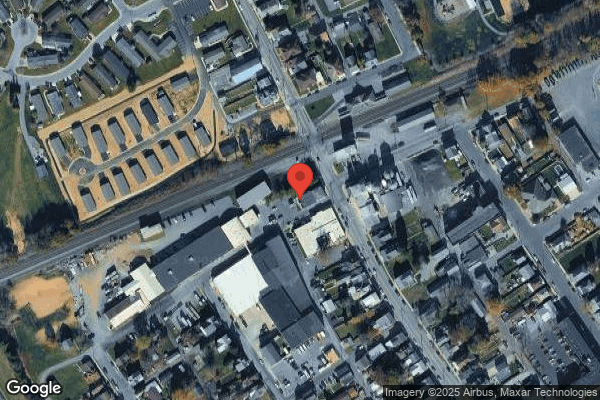
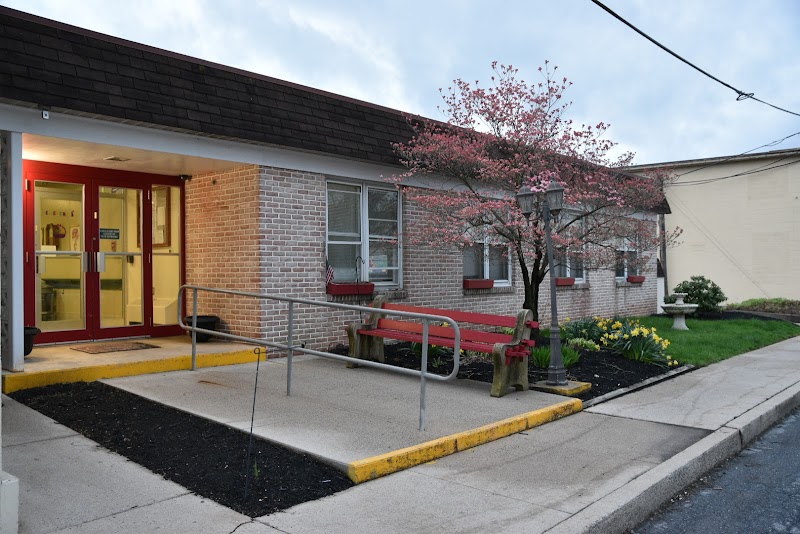
341 NORTH RAILROAD ST, PALMYRA, PA 17078 (717) 838-3011
For profit - Limited Liability company 39 Beds KADIMA HEALTHCARE GROUP Data: November 2025 2 Immediate Jeopardy citations
Trust Grade
0/100
#590 of 653 in PA
Last Inspection: July 2025

Inspected within the last 6 months. Data reflects current conditions.

Overview

Kadima Rehabilitation & Nursing at Palmyra has received a Trust Grade of F, indicating significant concerns about its care and operations. With a state rank of #590 out of 653, it falls in the bottom half of facilities in Pennsylvania, and it is ranked #9 out of 10 in Lebanon County, meaning only one local option is better. The facility is worsening, with the number of issues increasing from 25 in 2024 to 28 in 2025. Staffing is a weakness, with a rating of 2 out of 5 stars and a concerning 100% turnover rate, far above the Pennsylvania average of 46%. While the facility does have good RN coverage, which is better than 90% of state facilities, it has faced serious issues, including critical failures in food safety and sanitation that posed Immediate Jeopardy to all residents, as well as inadequate monitoring of residents at nutritional risk. Overall, families should weigh these strengths and weaknesses carefully when considering this nursing home for their loved ones.

Trust Score
F
0/100
In Pennsylvania
#590/653
Bottom 10%
Safety Record
High Risk
Review needed
Inspections
Getting Worse
25 → 28 violations
Staff Stability
⚠ Watch
100% turnover. Very high, 52 points above average. Constant new faces learning your loved one's needs.
Penalties
✓ Good
$47,514 in fines. Lower than most Pennsylvania facilities. Relatively clean record.
Skilled Nurses
✓ Good
Each resident gets 64 minutes of Registered Nurse (RN) attention daily — more than 97% of Pennsylvania nursing homes. RNs are the most trained staff who catch health problems before they become serious.
Violations
⚠ Watch
67 deficiencies on record. Higher than average. Multiple issues found across inspections.
★☆☆☆☆
1.0
Overall Rating
★★☆☆☆
2.0
Staff Levels
★★☆☆☆
2.0
Care Quality
★☆☆☆☆
1.0
Inspection Score
Stable
2024: 25 issues
2025: 28 issues

The Good

  • Full Sprinkler Coverage · Fire safety systems throughout facility
  • No fines on record

Facility shows strength in fire safety.

The Bad

1-Star Overall Rating

Below Pennsylvania average (3.0)

Significant quality concerns identified by CMS

Staff Turnover: 100%

53pts above Pennsylvania avg (47%)

Frequent staff changes - ask about care continuity

Federal Fines: $47,514

Above median ($33,413)

Moderate penalties - review what triggered them

Chain: KADIMA HEALTHCARE GROUP

Part of a multi-facility chain

Ask about local staffing decisions and management

Staff turnover is very high (100%)

52 points above Pennsylvania average of 48%

The Ugly 67 deficiencies on record

2 life-threatening
Jul 2025 25 deficiencies 2 IJ (2 facility-wide)
CRITICAL (L)

Immediate Jeopardy (IJ) - the most serious Medicare violation

Deficiency F0802 (Tag F0802)

Someone could have died · This affected most or all residents

⚠️ Facility-wide issue

Based on clinical record review and observation, it was determined that the facility failed to employ sufficient support personnel who were competent to carry out the functions of dietary services whi...

Read full inspector narrative →
Based on clinical record review and observation, it was determined that the facility failed to employ sufficient support personnel who were competent to carry out the functions of dietary services which included safe food preparation for all resident meals, proper sanitation of resident dishes and cookware, and proper preparation of a mechanically altered diet for one of 16 sampled residents. (Resident 17) This failure resulted in an Immediate Jeopardy situation for all residents. Findings include: Observation of the kitchen on July 1, 2025, at 10:51 a.m., revealed that the only two staff members working were a nurse aide (NA) 1 and activities aide (AA) 1. NA 1 and AA 1 were the only two staff members present in the kitchen. They were preparing resident meals, meal trays, and washing resident dishes. NA 1 and AA 1 confirmed that they have had no specialized training on food preparation, safety, or sanitation. NA 1 and AA 1 confirmed that they did not check the water temperature or sanitizer concentration of the dish machine before or during use on this date or when they worked in the kitchen. NA 1 and AA 1 confirmed that they assist with the dietary department and work in the kitchen often. There were no dietary staff in the facility to provide oversight.NA 1 confirmed that she did cook resident meals and had no training related to the preparation of therapeutic diets, mechanically altered diets, or the safe internal cooking or holding temperatures of food. Clinical record review revealed that Resident 17 had diagnoses that included dysphagia and dementia. A physician's order dated November 16, 2024, directed staff to provide the resident a mechanically altered diet. On July 1, 2025, at 12:18 p.m., Resident 17 was observed in the dining room with her meal tray. The resident's tray ticket indicated that she was to have a mechanically soft, ground diet. The resident had consumed >75 % of the meal. The pieces of cut meat on her tray were observed to be large, they were not ground or mechanically soft. In an interview, Registered Nurse (RN) 1 stated that the piece of meat were large and confirmed that the resident's tray ticket indicated she was to have a mechanical soft, ground diet. At 12:52 p.m., NA 1 stated that Resident 17 was ordered for a mechanically soft diet and the meat should have been mechanically altered in a food processor. NA 1 confirmed that she did not mechanically alter the meat in the food processor, the meat was only cut using a rocker knife. There were no competent support personnel providing oversight in the kitchen to ensure that any foods were prepared or served under safe and sanitary conditions or that they were mechanically altered to the appropriate texture before service to residents. In an interview on July 1, 2025, at 3:54 p.m., the Director of Rehabilitation services confirmed that the Resident 17's meat should have been ground which would have resembled a ground or crumbled texture. On July 1, 2025, at 4:23 p.m., the Administrator was notified that the failure to employ sufficient support personnel who were competent to carry out the functions of dietary services resulted in an Immediate Jeopardy situation at F802-L, and the Immediate Jeopardy template was provided. The facility was informed that a corrective action plan was required. The facility presented an acceptable action plan for removal of the Immediate Jeopardy on July 1, 2025, at 9:56 p.m. The facility's action plan contained the following: 1. The dish machine was taken out of use and the three-compartment sink was used to wash dishes. Resident meals would be served on paper products starting July 2, 2025, and until the dish machine was verified to be in working order. 2. All residents were assessed for signs and symptoms of food borne illness. 3. 100 percent (%) of dietary staff was trained on testing and identifying the proper sanitizer concentration in parts per million (ppm) in the dish machine and three compartment sink, cross contamination prevention, and proper diet textures. The education included demonstration and teach back methods. Competencies were verified by the Regional Certified Dietary Manager. 100% of staff who would support the dietary department, including members of the interdisciplinary team were trained by July 2, 2025.4. A designated supervisor, dietary manager, Infection Preventionist, and/or Administrator will observe and document sanitizer concentration testing three times per day for seven days and daily for 30 days, review and initial test strip logs every shift, perform random checks of sanitized dishware for cleanliness and residue, culinary specialist and culinary assistants positions have been posted to Indeed, Zip Recruiter, and LinkedIn, job flyers have been sent to trade schools, sign on bonus offered at $500 with competitive wages. The Administrator will oversee the dietary department in the absence of the Certified Dietary Manager. 5. The facility determined a staffing compliment for the dietary department that included a cook and dietary aide for breakfast, lunch, and dinner meals seven days per week. The projected schedules included cook shifts from 6:00 a.m. until 6:00 p.m., dietary aide shifts from 7:00 a.m. until 7:00 p.m., with competent staff recruited as needed to complete the roster. The survey team validated that the Immediate Jeopardy was removed on July 1, 2025, at 10:58 p.m., through observation, reviewing the facility training, and staff interviews following the facility's implementation of the plan of removal of the Immediate Jeopardy. The deficient practice remained at an F (widespread with potential for more than minimal harm) scope and severity following the removal of the Immediate Jeopardy. 201.14(a) Responsibility of licensee. 201.18(b)(1)(3) Management.
CRITICAL (L)

Immediate Jeopardy (IJ) - the most serious Medicare violation

Food Safety (Tag F0812)

Someone could have died · This affected most or all residents

⚠️ Facility-wide issue

Based on observation, review of facility documentation, and staff interview, it was determined that the facility failed to serve food under sanitary conditions in the kitchen. This failure resulted in...

Read full inspector narrative →
Based on observation, review of facility documentation, and staff interview, it was determined that the facility failed to serve food under sanitary conditions in the kitchen. This failure resulted in an Immediate Jeopardy situation for all residents. Additionally, the facility failed to prepare and store food under sanitary conditions in the kitchen and dry storage areas. Findings include: Observation of the kitchen on July 1, 2025, at 10:51 a.m. revealed the following: The two staff members working were a nurse aide (NA) 1 and an activities aide (AA) 1. In an interview, NA 1 and AA 1 were the only two staff members present in the kitchen. They were preparing resident meals, meal trays, and washing resident dishes. NA 1 and AA 1 confirmed that they have had no specialized training on food preparation, safety, or sanitation. NA 1 and AA 1 confirmed that they assisted with the dietary department and worked in the kitchen often. NA 1 and AA 1 confirmed that they do not check the water temperature or sanitizer concentration of the dish machine before or during use. It was determined that the dish machine was a low temperature machine that relied on an adequate concentration of a chemical solution to sanitize the dishes during a cycle. A test run of the dish machine determined that the water temperature was below the minimum requirement of 120 degrees Fahrenheit (F), and the test strip did not indicate that any sanitizer solution had been distributed into the machine. Two subsequent cycles were observed, sanitizer test strips remained white after contact with the water, which indicated that there was no sanitizing solution distributed into the machine to sanitize the resident dishes. There were no logs available to provide evidence that staff had been monitoring the water temperature of the machine or concentration of the sanitizer solution. In an interview, NA 1 stated that she did use the three-compartment sink to wash dishes, she did not test the sanitizer concentration in the sink prior to use on this date or when she worked in the kitchen, and that she was not aware of a log where staff were to document the concentration of the sanitizer in the three-compartment sink. At 2:05 p.m., the Certified Dietary Manager stated that there was no log(s) available for staff to document the tests of the water temperature or the concentration of the sanitizer solution during a dish washing cycle. Staff were not monitoring the water temperature or sanitizer concentration regularly, and there was no evidence of the last time the machine was tested by staff and determined to be in working order. At 2:15 p.m., the dish machine was observed, a test strip again remained white after contact with the water at the completion of a cycle, which indicated no sanitizer solution was distributed to sanitize the dishes. At 2:30 p.m., the Administrator stated that an order for sanitizer solution was placed, was never fulfilled, and there was no additional sanitizer solution for the machine in the building. Review of the purchase order revealed that sanitizer solution was ordered on June 16, 2025. Review of a work order dated June 14, 2025, revealed that a service technician was onsite to service the dish machine on this date. There was no evidence that the facility monitored the machine following that service, or that the dish machine was in working order after June 14, 2025. During the tours of the kitchen at 10:51 a.m., and 12:52 p.m., the dish machine was being used for resident dishes.The handwashing sink was observed to be covered in plastic and filled with various items which included an adhesive pest trap. NA 1 and AA 1 confirmed that the handwashing sink was out of order and could not be used to wash their hands, it was the only hand washing sink available and had been out of service for an unknown amount of time, at least more than one month. NA 1 stated that staff must leave the kitchen to go to an operational sink in another area to wash their hands. Additionally, tours of the kitchen and dry storage areas on July 1, 2025, at 10:51 a.m., and 12:52 p.m., revealed the following: The spray nozzle on the hose to the dish machine was continuously leaking water. The back splash and hose had an accumulation of a black substance on the surfaces. There was a significant accumulation of wet food particles in the trap of the dish machine. During a cycle, water would spray out of the drain and trap onto the floor. There was an odor in this area of the kitchen. There was a set of measuring spoons hanging from a screw on a cord covering on the wall. There was a rolling rack that contained an accumulation of crumbs and debris, towels, hot pads, food wrap, and plastic lids. The shelf under the steam table was soiled with debris. There were metal shelves that contained various items that were unorganized and not contained which included parchment paper, spatulas, brown sugar, and rolls. There was an opened box of gluten free pasta that was stored next to an opened bag of all-purpose flour. There was an opened package of gluten free bread that was stored next to regular bread. There was only one toaster that was used for all bread types. There was an opened container of peanut butter that was not labeled with an open date. In the freezer, there were opened bags of frozen omelettes and diced carrots that had been removed from the original boxes and not dated. There was an unlabeled plastic bag that contained a gallon of ice cream and a Ziplock bag that contained an ice cream scoop. There was still ice cream in the scoop, it had not been removed to be washed. There was a pile of floor mats and towels next to the freezer. There was condensation dripping from the duct above the freezer. The condensation dripped onto a box of dry cereal. There was an accumulation of a black substance along the doorframe of the door to the outside. In the refrigerator, there was an opened box of chocolate frosting that was not dated and soiled with frosting on the outside of the container. There was a box of margarine that was wet and had adhered to the bottom of the refrigerator. There was a bag that contained an opened bag of shredded cheese and there was an unidentified liquid on the surface of the bag. In the walk-in freezer, there was an accumulation of debris on the floor. In the second dry storage area, there was a shipment box of dry cereal stored on top of a shipment box of detergent.In the chemical storage area that was off of the dry storage room, there was water leaking onto the floor. There was an accumulation of debris on the floor that included cardboard pieces, lids, and a metal bar. On July 1, 2025, at 4:23 p.m., the Administrator was notified that the failure to serve food under sanitary conditions with resident dishes that had not been properly sanitized and lack of evidence that staff had monitored the operation of the dish machine resulted in an Immediate Jeopardy situation at F812-L, and the Immediate Jeopardy template was provided. The facility was informed that a corrective action plan was required. The facility presented an acceptable action plan for removal of the Immediate Jeopardy on July 1, 2025, at 9:56 p.m. The facility's action plan contained the following: 1. The handwashing sink in the kitchen was repaired.2. The dish machine was taken out of use and the three-compartment sink was used to wash dishes. Resident meals would be served on paper products starting July 2, 2025, and until the dish machine was verified to be in working order. 3. All residents were assessed for signs and symptoms of food borne illness. 4. An onsite assessment of the dish machine was scheduled with the vendor to assess and correct the sanitizer delivery system for July 2, 2025. 5. 100 percent (%) of dietary staff was trained on testing and identifying the proper sanitizer concentration in parts per million (ppm) in the dish machine and three compartment sink, cross contamination prevention, and proper diet textures. The education included demonstration and teach back methods. Competencies were verified by the Regional Certified Dietary Manager. 100% of staff who would support the dietary department, including members of the interdisciplinary team were trained by July 2, 2025.6. A designated supervisor, dietary manager, Infection Preventionist, and/or Administrator will observe and document sanitizer concentration testing three times per day for seven days and daily for 30 days, review and initial test strip logs every shift, perform random checks of sanitized dishware for cleanliness and residue, culinary specialist and culinary assistants positions have been posted to Indeed, Zip Recruiter, and LinkedIn, job flyers have been sent to trade schools, sign on bonus offered at $500 with competitive wages. The Administrator will oversee the dietary department in the absence of the Certified Dietary Manager. 7. The facility determined a staffing compliment for the dietary department that included a cook and dietary aide for breakfast, lunch, and dinner meals seven days per week. The projected schedules included cook shifts from 6:00 a.m. until 6:00 p.m., dietary aide shifts from 7:00 a.m. until 7:00 p.m., with competent staff recruited as needed to complete the roster. The survey team validated that the Immediate Jeopardy was removed on July 1, 2025, at 10:58 p.m., through observation, reviewing the facility training, and staff interviews following the facility's implementation of the plan of removal of the Immediate Jeopardy. The deficient practice remained at an F (widespread with potential for more than minimal harm) scope and severity following the removal of the Immediate Jeopardy. CFR 483.60(i)(2) Food Safety RequirementPreviously cited 8/9/2428 Pa. Code 201.14(a) Responsibility of licensee. 28 Pa. Code 201.18(b)(3)(e)(2.1) Management.
CONCERN (D)

Potential for Harm - no one hurt, but risky conditions existed

Deficiency F0552 (Tag F0552)

Could have caused harm · This affected 1 resident

Based on clinical record review, staff interview, and a confidential interview, it was determined that the facility failed to inform a resident's responsible party of treatment options that may affect...

Read full inspector narrative →
Based on clinical record review, staff interview, and a confidential interview, it was determined that the facility failed to inform a resident's responsible party of treatment options that may affect the resident's well being for one of 16 sampled residents. (Resident 17) Findings include: Clinical record review revealed that Resident 17 had diagnoses that included dementia. A physician's order dated May 16, 2025, directed staff to administer an antidepressant medication, sertraline, 75 milligrams (mg) once daily. This was an increase from the previously ordered dose of 50 mg. There was no evidence that the resident's responsible party was notified of the increased dose of the medication or alternate treatment options. In a confidential interview on July 1, 2025, at 4:50 p.m., it was reported that Resident 17's responsible party was not notified of the increased sertraline dose and if they were made aware, would have declined the change. In an interview on July 3, 2025, at 11:44 a.m., the Director of Nursing confirmed that the resident's responsible party was not notified of the physician's order to increase the dose of Sertraline to 75 mg. 28 Pa. Code 201.14(a) Responsibility of licensee.
CONCERN (D)

Potential for Harm - no one hurt, but risky conditions existed

Deficiency F0565 (Tag F0565)

Could have caused harm · This affected 1 resident

Based on a review of facility resident council meeting minutes and resident interview, it was determined that the facility failed to address grievances voiced by the resident group. Findings include:...

Read full inspector narrative →
Based on a review of facility resident council meeting minutes and resident interview, it was determined that the facility failed to address grievances voiced by the resident group. Findings include: In a group interview conducted on July 2, 2025, at 10:23 a.m., seven of seven residents stated that call bells were not answered in a timely manner and that there had been no hairdresser in months. Review of resident council meeting minutes dated March 7, 2025, revealed that multiple residents reported that call bells were not answered timely and they would like to see a hairdresser. Review of resident council meeting minutes dated June 11, 2025, revealed that multiple residents reported that call bells were not answered timely. There was a lack of evidence that the facility had addressed the residents' ongoing concerns of call bell response times or access to a hairdresser. 28 Pa. Code 201.14(a) Responsibility of licensee.
CONCERN (D)

Potential for Harm - no one hurt, but risky conditions existed

Quality of Care (Tag F0684)

Could have caused harm · This affected 1 resident

Based on clinical record review and staff interview, it was determined that the facility failed to implement physician's orders for one of 16 sampled residents. (Resident 17) Findings include: Clinic...

Read full inspector narrative →
Based on clinical record review and staff interview, it was determined that the facility failed to implement physician's orders for one of 16 sampled residents. (Resident 17) Findings include: Clinical record review revealed that Resident 17 had diagnoses that included dementia and hypertension (high blood pressure). A physician's order dated December 10, 2024, directed staff to administer a medication for high blood pressure (carvedilol) twice daily. Staff were to hold the medication if the resident's heart rate was less than 60 beats per minute. Review of the Medication Administration Record for June 2025, revealed that staff administered the medication when the resident's heart rate was less than 60 beats per minute on June 14, 23, and 27, 2025. In an interview on July 3, 2025, at 12:38 p.m., the Director of Nursing confirmed that the medication was given outside of parameters on those dates. 28 Pa. Code 211.12(d)(1)(5) Nursing services.
CONCERN (D)

Potential for Harm - no one hurt, but risky conditions existed

Pressure Ulcer Prevention (Tag F0686)

Could have caused harm · This affected 1 resident

Based on facility policy review, clinical record review, and staff interview, it was determined that the facility failed to provide treatment and services to promote healing and prevent pressure ulcer...

Read full inspector narrative →
Based on facility policy review, clinical record review, and staff interview, it was determined that the facility failed to provide treatment and services to promote healing and prevent pressure ulcers for one of 16 sampled residents. (Resident 16) Findings include: Review of a facility policy entitled, Skin and Wound Management Policy, last reviewed May 16, 2025, revealed that staff were to provide ongoing monitoring and evaluation to ensure optimal resident outcomes for residents with wounds or pressure areas or at risk for skin compromise. Clinical record review revealed that Resident 16 had diagnoses that included muscle weakness. On June 21 and 27, 2025, staff noted that the resident had newly identified open areas to the sacrum. Review of weekly skin assessments dated June 23 and 30, 2025, revealed no evidence that staff adequately assessed and measured the areas. There was no evidence that staff performed a complete weekly assessment and measurements of the resident's open areas. In interviews on July 3, 2025, at 11:51 a.m. and 2:17 p.m., the Director of Nursing stated that staff were to assess and measure the resident's open areas and document the findings in the weekly skin assessment. She confirmed that there was no evidence that staff adequately measured or assessed the resident's open areas. 28 Pa. Code 211.12(d)(1)(5) Nursing services.
CONCERN (D)

Potential for Harm - no one hurt, but risky conditions existed

Incontinence Care (Tag F0690)

Could have caused harm · This affected 1 resident

Based on facility policy review, clinical record review, and observation, it was determined that the facility failed to ensure that adequate catheter care was provided for one of 14 sampled residents....

Read full inspector narrative →
Based on facility policy review, clinical record review, and observation, it was determined that the facility failed to ensure that adequate catheter care was provided for one of 14 sampled residents. (Resident 20) Findings include: Review of the facility policy entitled, Urinary Catheter Care, last reviewed May 16, 2025, revealed that the urinary drainage bag must be held or positioned lower than the bladder at all times and that the catheter tubing and drainage bag must be kept off of the floor. Clinical record review revealed that Resident 20 had diagnoses that included sepsis, hematuria (blood in urine), kidney failure, and urinary retention. The resident required the use of a urinary catheter. On March 20, 2025, the physician ordered for the resident to have an indwelling catheter. Observations on July 1, 2025, at 4:51 p.m. and 5:30 p.m., revealed Resident 20 in his wheelchair with his urinary catheter drainage bag on his lap, above the level of his bladder. At 5:50 p.m. and 6:30 p.m., Resident 20 was observed at the dining room table with his urinary drainage bag on the floor. Observations on July 3, 2025, revealed Resident 20 in his wheelchair with his urinary drainage bag hooked to the arm of his chair, above the level of his bladder. 28 Pa. Code 211.12(d)(1)(5) Nursing services.
CONCERN (D)

Potential for Harm - no one hurt, but risky conditions existed

Tube Feeding (Tag F0693)

Could have caused harm · This affected 1 resident

**NOTE- TERMS IN BRACKETS HAVE BEEN EDITED TO PROTECT CONFIDENTIALITY** Based on clinical record review, observation, and staff interview, it was determined that the facility failed to provide enteral...

Read full inspector narrative →
**NOTE- TERMS IN BRACKETS HAVE BEEN EDITED TO PROTECT CONFIDENTIALITY** Based on clinical record review, observation, and staff interview, it was determined that the facility failed to provide enteral nutrition (delivery of nutrition by a feeding tube) in accordance with resident needs for one of one sampled resident who received enteral nutrition. (Resident 35) Findings include: Clinical record review revealed that Resident 35 was readmitted to the facility on [DATE], and had a diagnosis of gastrostomy. Review of the care plan revealed that the resident required a feeding tube. A physician's order dated May 22, 2025, directed staff to administer a tube feed formula, Nutren 2.0, at 55 milliliters (ml) per hour for 18 hours. Physician's orders dated May 23 and 27, 2025, directed staff to administer a tube feed formula, Jevity 1.5, for 20 hours. There was no rate noted in the physicians order. On July 2, 2025, at 2:10 p.m., the resident was observed in bed. The tube feed pump was on and administered Jevity 1.5. The screen displayed the rate of 50 ml per hour. In an interview at 2:13 p.m., licensed practical nurse (LPN) 1 was not able to identify a rate in the tube feed order in the resident's electronic medical record. In an interview at 2:50 p.m., the Director of Nursing (DON) confirmed that there was no rate in the physician's order to direct staff to how much Jevity 1.5 formula should be administered to the resident and the 50 ml per hour rate was initiated in error. Additionally, on May 23, 2025, the dietitian recommended a rate of 66 ml per hour of Jevity 1.5 to meet the resident's nutritional needs. There was no evidence that the tube feed formula, Jevity 1.5, was ever administered at a rate of 66 ml per hour which was needed to meet the residents nutritional needs. In an interview on July 2, 2025, at 3:45 p.m., the DON confirmed that Registered Nurse (RN) 2 transcribed the order incorrectly on May 23, 2025, and the order did not include a rate. 28 Pa. Code 211.12(d)(1)(5) Nursing services.
CONCERN (D)

Potential for Harm - no one hurt, but risky conditions existed

Deficiency F0710 (Tag F0710)

Could have caused harm · This affected 1 resident

Based on clinical record review and staff interview, it was determined that the facility failed to ensure that a physician supervised care in a timely manner for one of 14 sampled residents. (Resident...

Read full inspector narrative →
Based on clinical record review and staff interview, it was determined that the facility failed to ensure that a physician supervised care in a timely manner for one of 14 sampled residents. (Resident 15) Findings include: Clinical record review revealed that Resident 15 had diagnoses that included polyneuropathy, congestive heart failure, and cirrhosis of the liver. Review of the care plan revealed Resident 15 had an altered cardiovascular status related to congestive heart failure with an intervention for staff to report weight changes to the physician. Review of the clinical record revealed Resident 15 weighed 135 pounds (lbs.) on April 8, 2025, and 163.7 lbs. on May 4, 2025, a 28.7 lb. difference. On June 2, 2025, Resident 15 weighed 184.2 lbs., a 20.5 lb. difference from the previous month. There was no documented evidence that the physician was aware of the significant weight changes. In a interview on July 3, 2025 at 11:42 a.m., the Administrator confirmed that the physician was unaware of the weight changes. 28 Pa. code 211.2(d)(3) Medical director.
CONCERN (D)

Potential for Harm - no one hurt, but risky conditions existed

Deficiency F0805 (Tag F0805)

Could have caused harm · This affected 1 resident

Based on clinical record review, observation, and staff interview, it was determined that the facility failed to serve food in a form that meets the residents needs for two of 16 sampled residents. (R...

Read full inspector narrative →
Based on clinical record review, observation, and staff interview, it was determined that the facility failed to serve food in a form that meets the residents needs for two of 16 sampled residents. (Resident 17 and 21) Findings include: Clinical record review revealed that Resident 17 had diagnoses that included dysphagia and dementia. A physician's order dated November 16, 2024, directed staff to provide the resident a mechanically altered diet. On June 29, 2025, staff noted that the resident was shoveling food into her mouth, pocketing the food, and coughing, and became agitated with redirection. On July 1, 2025, at 12:18 p.m., Resident 17 was observed in the dining room with her meal tray. The resident's tray ticket indicated that she was to have a mechanically soft, ground diet. The resident had consumed >75 % of the meal. The pieces of cut meat on her tray were observed to be large, they were not ground or mechanically soft. In an interview, Registered Nurse (RN) 1 stated that the pieces of meat were large and confirmed that the resident's tray ticket indicated she was to have a mechanical soft, ground diet. At 12:52 p.m., NA 1 stated that Resident 17 was ordered for a mechanically soft diet and the meat should have been mechanically altered in a food processor. NA 1 confirmed that she did not mechanically alter the meat in the food processor, the meat was only cut using a rocker knife. In an interview on July 1, 2025, at 3:54 p.m., the Director of Rehabilitation services confirmed that the Resident 17's meat should have been ground which would have resembled a ground or crumbled texture. Clinical record review revealed that Resident 21 had diagnoses that included dysphagia, dementia, and stricture of esophagus. A physician's order dated June 24, 2024, directed staff to provide the resident with a pureed diet. Review of the care plan revealed that the resident was at nutrition risk, required a mechanically altered diet, and required supervision from staff due to eating too fast. On June 20, 2025, staff noted that the resident vomited while being fed dinner. It was noted that the resident received a regular texture meal and ate a few bites prior to vomiting. 28 Pa code. 211.12(d)(1)(3)(5) Nursing services. 28 Pa Code. 201.14(a) Responsibility of licensee.
CONCERN (D)

Potential for Harm - no one hurt, but risky conditions existed

Deficiency F0810 (Tag F0810)

Could have caused harm · This affected 1 resident

Based on clinical record review, observation, and staff and resident interview, it was determined that the facility failed to ensure that adaptive equipment was provided for one of two sampled residen...

Read full inspector narrative →
Based on clinical record review, observation, and staff and resident interview, it was determined that the facility failed to ensure that adaptive equipment was provided for one of two sampled residents who required adaptive equipment for meals. (Resident 12) Findings include: Clinical record review revealed that Resident 12 had diagnoses that included tremor and muscle weakness. Review of the care plan revealed that the resident was at nutrition risk and required the use of red foam handles on silverware. A physician's order dated May 6, 2025, directed staff to provide red foam handles on silverware at all meals. On July 2, 2025, at 12:28 p.m., the resident was observed in her room with her lunch tray. The red foam handles were not in place. The resident reported that she was not provided the red foam handles at the breakfast meal that morning either. In an interview on July 3, 2025, at 11:44 a.m., the Director of Nursing confirmed that the resident should have been provided with the red foam handles for the silverware with her meal. 483.60(g) Assistive devices. Previously cited 8/9/24 28 Pa. Code 211.12(d)(1)(3)(5) Nursing Services.
CONCERN (D)

Potential for Harm - no one hurt, but risky conditions existed

Medical Records (Tag F0842)

Could have caused harm · This affected 1 resident

Based on clinical record review and staff interview it was determine the facility failed to maintain clinical records that were complete and accurate for three of 11 sampled residents. (Residents 1, 9...

Read full inspector narrative →
Based on clinical record review and staff interview it was determine the facility failed to maintain clinical records that were complete and accurate for three of 11 sampled residents. (Residents 1, 9, 11)Findings include: Clinical record review revealed that Resident 1 had diagnoses that included iron deficiency anemia, muscle wasting, and osteomyelitis. In an interview on August 22, 2025, at 4:05 p.m., the Administrator stated that the resident was seen by the wound consultant on August 12 and 19, 2025, and the assessments should have been scanned into the resident's clinical record. There was a lack of evidence in the resident's clinical record that the resident was seen by the wound consultant on those dates. Clinical record review revealed that Resident 9 had diagnoses that included Parkinson's disease. In an interview on August 22, 2025, at 4:05 p.m., the Administrator stated Resident 9 was seen by the wound consultant on August 12 and 19, 2025, and that the assessments should have been scanned into the clinical record. There was a lack of evidence in the resident's clinical record that the resident was seen by the wound consultant on those dates. Clinical record review revealed that Resident 11 had diagnoses that included hypertension (high blood pressure). In an interview on August 22, 2025, at 4:05 p.m., the Administrator stated Resident 11 was seen by the wound consultant on August 19, 2025, and that the assessment should have been scanned into the clinical record. There was a lack of evidence in the resident's clinical record that the resident was seen by the wound consultant on that date. 28 Pa. Code 201.14(a) Responsibility of licensee. 28 Pa. Code 211.12(d)(1)(5) Nursing services.
CONCERN (E)

Potential for Harm - no one hurt, but risky conditions existed

Resident Rights (Tag F0550)

Could have caused harm · This affected multiple residents

**NOTE- TERMS IN BRACKETS HAVE BEEN EDITED TO PROTECT CONFIDENTIALITY** Based on facility policy review, clinical record review, observation, resident and staff interview, and group interview it was d...

Read full inspector narrative →
**NOTE- TERMS IN BRACKETS HAVE BEEN EDITED TO PROTECT CONFIDENTIALITY** Based on facility policy review, clinical record review, observation, resident and staff interview, and group interview it was determined that the facility failed to provide care and services in a manner that respected the resident's dignity and preferences to promote quality of life for three of 16 sampled residents (Residents 9, 24, and 35). Findings include: Clinical record review revealed that Resident 9 had diagnoses that included hemiplegia and hemiparesis (paralysis) of the left side and depression. On July 2, 2025, at 11:10 a.m., the resident stated that there were no chairs in her room for visitors to sit in. At 11:30 a.m., there were no chairs observed in the resident's room. Clinical record review revealed that Resident 24 had diagnoses that included overactive bladder, age related nuclear cataract (vision impairment), and depression. On July 1, 2025, at 10:15 a.m., the resident was observed in her room in bed. She stated that she would like to be able to watch her television but no one gave her the remote control. The remote control was observed on a table behind her bed, out of reach. At 12:35 p.m., the resident was again observed in bed, the remote control remained out of reach. Clinical record review revealed that Resident 35 was readmitted to the facility on [DATE], and had diagnoses that included history of stroke, muscle weakness, and depression. On July 2, 2025, at 2:10 p.m., the resident was observed in his room in bed. He stated that he would like to be able to watch his television but it is not visible from his bed. The television was mounted behind the resident's headboard. He stated that the television had been in that place and he could not watch it since he was readmitted to the facility. On July 3, 2025, at 11:17 a.m., the resident was again observed in bed, the television remained in the same place, behind the resident and out of his field of vision. In a group interview conducted on July 2, 2025, at 10:23 a.m., seven of seven residents in attendance reported that they often do not know what they are getting for their meals. Observation on July 1, 2025, at 10:49 a.m., revealed that the menus posted on the nursing unit were labeled Monday, and listed meal items of meatloaf, mashed sweet potatoes, creamed style corn, and banana bread. Review of the facility menus for Tuesday July 1, 2025, revealed that the lunch menu for that date included pork chops, potato wedges, and apple crisp. The menus that were posted on the nursing unit were not updated to reflect the current date or meal. 483.10(a)(1) Resident rights. Previously cited 8/9/24 28 Pa. Code 201.14(a) Responsibility of licensee 28 Pa. Code 211.6(a) Dietary Services.
CONCERN (E)

Potential for Harm - no one hurt, but risky conditions existed

Deficiency F0576 (Tag F0576)

Could have caused harm · This affected multiple residents

Based on resident interview and staff interview, it was determined that the facility failed to provide reasonable access to mail services as available in the community to all residents of the facility...

Read full inspector narrative →
Based on resident interview and staff interview, it was determined that the facility failed to provide reasonable access to mail services as available in the community to all residents of the facility. Findings include: An interview with the resident council group conducted on July 2, 2025, at 10:23 a.m., revealed that seven of seven residents reported that the facility did not deliver mail or provide mail services on Saturdays. In an interview on July 3, 2025, at 11:56 a.m., the Nursing Home Administrator and Director of Nursing stated that although mail was delivered to the front foyer Mondays through Saturdays, the business office only delivers during their scheduled work hours.
CONCERN (E)

Potential for Harm - no one hurt, but risky conditions existed

Deficiency F0628 (Tag F0628)

Could have caused harm · This affected multiple residents

**NOTE- TERMS IN BRACKETS HAVE BEEN EDITED TO PROTECT CONFIDENTIALITY** Based on clinical record review and staff interview, it was determined that the facility failed to notify the resident and the r...

Read full inspector narrative →
**NOTE- TERMS IN BRACKETS HAVE BEEN EDITED TO PROTECT CONFIDENTIALITY** Based on clinical record review and staff interview, it was determined that the facility failed to notify the resident and the resident's representative of the bed hold and transfer, including the reasons for the move, and Ombudsman information, in writing upon transfer from the facility for five of six sampled residents who were transferred to the hospital. (Residents 12, 20, 28, 32, 33) Findings include: Clinical record review revealed that Resident 12 was transferred and admitted to the hospital on [DATE], after a change in condition. There was no documentation to support that the resident's representative was provided written information regarding a bed hold or the transfer to the hospital. Clinical record review revealed that Resident 20 was transferred and admitted to the hospital on [DATE] and May 7, 2025, after changes in condition. There was no documentation to support that the resident's representative was provided written information regarding a bed hold or the transfer to the hospital. Clinical record review revealed that Resident 28 was transferred and admitted to the hospital on [DATE] and March 16, 2025, after changes in condition. There was no documentation to support that the resident's representative was provided written information regarding a bed hold or the transfer to the hospital. Clinical record review revealed that Resident 32 was transferred and admitted to the hospital on [DATE] and May 24, 2025, after changes in condition. There was no documentation to support that the resident's representative was provided written information regarding a bed hold or the transfer to the hospital. Clinical record review revealed that Resident 33 was transferred and admitted to the hospital on [DATE], after a change in condition. There was no documentation to support that the resident's representative was provided written information regarding a bed hold or the transfer to the hospital. In an interview on July 3, 2025, at 9:19 a.m., the Administrator confirmed there was no documentation to support that the above notices were sent.
CONCERN (E)

Potential for Harm - no one hurt, but risky conditions existed

Accident Prevention (Tag F0689)

Could have caused harm · This affected multiple residents

**NOTE- TERMS IN BRACKETS HAVE BEEN EDITED TO PROTECT CONFIDENTIALITY** Based in facility policy review, clinical record review, observation, review of facility documentation, and staff interview, it ...

Read full inspector narrative →
**NOTE- TERMS IN BRACKETS HAVE BEEN EDITED TO PROTECT CONFIDENTIALITY** Based in facility policy review, clinical record review, observation, review of facility documentation, and staff interview, it was determined that the facility failed to develop and implement interventions to prevent accident hazards for two of 16 sampled residents. (Residents 16 and 17) Findings include: Review of a facility policy entitled, Fall Prevention Policy and Procedures, last reviewed May 16, 2025, revealed that the interdisciplinary team would update care plan interventions promptly after fall events. Post fall management would include notification to the physician and family and completion of an incident report. Nursing was responsible to assess, document, and monitor interventions. Clinical record review revealed that Resident 16 had diagnoses that included history of stroke, difficulty walking, and muscle weakness. Review of the care plan revealed that the resident had a history of falls and staff were to ensure that the resident had non skid footwear in place at all times. Review of facility documentation dated June 15, 2025, revealed that the resident was found on the floor in his room after an unwitnessed fall. On June 15, 2025, staff noted that the resident was admitted to the hospital with a left femoral neck fracture. The resident was readmitted to the facility on [DATE]. On July 1, 2025, at 4:49 p.m., and July 2, 2025, at 1:28 p.m., the resident was observed in bed. The resident was observed to be wearing regular socks at that time, non skid footwear was not in place. In an interview on July 3, 2025, at 11:44 a.m., the Director of Nursing confirmed that the resident should have been wearing non skid footwear. Clinical record review revealed that Resident 17 had diagnoses that included dementia, glaucoma, muscle weakness, lack of coordination, muscle wasting, and a history of falls. Review of the care plan revealed that the resident was at risk for falls. Review of facility documentation revealed that the resident sustained falls on April 14, 2025, May 16, 2025, June 2, 21, and 23, 2025. There was no evidence that the facility had implemented new interventions to prevent ongoing falls until June 23, 2025. On June 6, 2025, staff noted that the resident was observed to have tripped over her own feet and stumbled to the floor in her room and also in the bathroom. There was no evidence that staff completed incident reports or notified the resident's physician or responsible party of the falls. There was no evidence that any new interventions were implemented as a result of the falls. In an interview on July 3, 2025, at 2:17 p.m., the Director of Nursing confirmed that there was no evidence of new interventions following the falls. In an interview on July 3, 2025, at 3:01 p.m., the Infection Preventionist confirmed that there was no incident report(s) completed for the falls documented on June 6, 2025. 28 Pa. Code 211.12(d)(1)(5) Nursing services.
CONCERN (E)

Potential for Harm - no one hurt, but risky conditions existed

Deficiency F0698 (Tag F0698)

Could have caused harm · This affected multiple residents

Based on facility policy review, clinical record review, and staff interview, it was determined that the facility failed to ensure that staff provided services consistent with professional standards, ...

Read full inspector narrative →
Based on facility policy review, clinical record review, and staff interview, it was determined that the facility failed to ensure that staff provided services consistent with professional standards, including monitoring, for one of two sampled residents receiving dialysis (process of removing excess toxins and water from the blood). (Resident 28) Findings include: Review of the facility policy entitled, Hemodialysis Policy and Procedure, last reviewed May 16, 2025, revealed staff would weigh the resident daily. Clinical record review revealed that Resident 28 had a diagnosis of end stage renal disease which required dialysis. Review of Resident 28's care plan revealed he was a risk for fluid volume changes due to dialysis with an intervention to monitor weight. Review of Resident 28's clinical record revealed a lack of evidence that Resident 28 was weighed daily. In an interview on July 3, 2025, at 1:25 p.m., the Infection Preventionist confirmed there was no documented evidence that daily weights were obtained per facility policy. 28 Pa. Code 211.12(1)(3)(5) Nursing services.
CONCERN (E)

Potential for Harm - no one hurt, but risky conditions existed

Drug Regimen Review (Tag F0756)

Could have caused harm · This affected multiple residents

Based on facility policy review, clinical record review, and staff interview, it was determined that the facility failed to ensure that pharmacy recommendations were reviewed by the physician in a tim...

Read full inspector narrative →
Based on facility policy review, clinical record review, and staff interview, it was determined that the facility failed to ensure that pharmacy recommendations were reviewed by the physician in a timely manner for five of five sampled residents. (Residents 15, 17, 20, 21, 32) Findings include: Review of the facility policy entitled, Pharmacy Services, last reviewed May 16, 2025, revealed that a licensed pharmacist would review the drug regimen of each resident at least once per month. The pharmacist would report any irregularities to the attending physician, the Director of Nursing, and the Medical Director. The reports would be acted upon, signed off, and addressed in the physician's progress note. Clinical record review of the monthly drug regimen reviews revealed that the pharmacist made recommendations regarding Resident 15's medications on February 28, 2025. There was no evidence that the recommendations were addressed by the physician. Clinical record review of the monthly drug regimen reviews revealed that the pharmacist made recommendations regarding Resident 17's medications on February 28, 2025, and March 28, 2025. There was no evidence that the recommendations were addressed by the physician. Clinical record review of the monthly drug regimen reviews revealed that the pharmacist made recommendations regarding Resident 20's medications in February, March, and April 2025. There was no evidence that the recommendations were addressed by the physician. Clinical record review of the monthly drug regimen reviews revealed that the pharmacist made recommendations regarding Resident 21's medications on April 29, 2025. There was no evidence that the recommendations were addressed by the physician. Clinical record review of the monthly drug regimen reviews revealed that the pharmacist made recommendations regarding Resident 32's medications in January, March, and May 2025. There was no evidence that the recommendations were addressed by the physician. In an interview on July 3, 2025, at 11:54 a.m., the Director of Nursing confirmed that there was no documentation regarding the specific pharmacy recommendations noted above and/or that they were acted upon in a timely manner. CFR 483.45 Drug Regimen Review (c)(1)(4)(ii)(iii) Previously cited 8/9/24 28 Pa. Code 211.12(d)(1)(3)(5) Nursing services.
CONCERN (F)

Potential for Harm - no one hurt, but risky conditions existed

Deficiency F0692 (Tag F0692)

Could have caused harm · This affected most or all residents

**NOTE- TERMS IN BRACKETS HAVE BEEN EDITED TO PROTECT CONFIDENTIALITY** Based on facility policy review, clinical record review, and staff interview, it was determined that the facility failed to adeq...

Read full inspector narrative →
**NOTE- TERMS IN BRACKETS HAVE BEEN EDITED TO PROTECT CONFIDENTIALITY** Based on facility policy review, clinical record review, and staff interview, it was determined that the facility failed to adequately monitor and assess the nutritional status of six of six sampled residents at nutritional risk. (Residents 2, 9, 15, 19, 20, and 28) Findings include: Review of the facility policy entitled, Resident Weights, last reviewed May 16, 2025, revealed that reweighs would be obtained within 72 hours for a weight change of three percent (%) or greater in one month. All weights, which included reweights, would be transcribed into the resident's electronic medical record. Review of the facility policy entitled, Nutrition Management, last reviewed May 16, 2025, revealed that the facility would view muscle wasting, depression, dementia, and need for therapeutic or mechanically altered diets as potential indicators or risk factors for malnutrition. Clinical record review revealed that Resident 2 had diagnoses that included muscle weakness, dementia, and dysphagia. Review of the care plan revealed that the resident was at risk for impaired nutrition and required a mechanically altered diet. On May 4, 2025, the resident weighed 165.2 pounds (lbs.). On June 4, 2025, the resident weighed 154.6 lbs., which reflected a significant weight loss of 6.4 percent (%). There was no evidence that staff obtained a reweigh, per the facility policy, or that the resident was evaluated by a dietitian or qualified nutrition professional. Clinical record review revealed that resident 9 had diagnoses that included muscle weakness, depression, and dysphagia. Review of the care plan revealed that the resident was at risk for impaired nutrition. On May 4, 2025, the resident weighed 102.0 lbs., on June 4, 2025, the resident weighed 96.4 lbs., which reflected a significant weight loss of 5.4%. There was no evidence that staff obtained a reweigh, per the facility policy, or that the resident was evaluated by a dietitian or qualified nutrition professional since May 2025. A physician's order dated January 17, 2023, directed staff to obtain a monthly weight. There was no evidence that the resident was weighed in March of 2025. There was no documented refusal. Clinical record review revealed that Resident 15 was admitted to the facility on [DATE] and had diagnoses that included polyneuropathy, congestive heart failure, and cirrhosis of the liver. Review of the care plan revealed that the resident was at risk for impaired nutrition with an intervention for staff to refer to the dietitian for evaluation. On April 8, 2025, the resident weighed 135 lbs. On May 4, 2025, the resident weighed 163.7 lbs., which reflected a significant weight gain of 21.26 %. On June 2, 2025, the resident weighed 184.2 lbs., which reflected a significant weight gain of 11.13 %. There was no evidence that staff obtained a reweigh, per the facility policy, or that the resident was evaluated by a dietitian or qualified nutrition professional since admission. Clinical record review revealed that Resident 19 had diagnoses that included pressure ulcer of the sacral region, diabetes, and edema (swelling). Review of the care plan revealed that the resident was at risk for impaired nutrition with an intervention for the dietitian to evaluate. There was no evidence that the resident was evaluated by a dietitian or qualified nutrition professional. Clinical record review revealed that Resident 20 had diagnoses that included metabolic encephalopathy (brain impairment), diabetes, anemia, and dysphagia (difficulty swallowing). On May 20, 2025, the resident weighed 133.3. lbs. On June 4, 2025, the resident weighed 150.6 lbs., which reflected a significant weight gain of 12.98 %. There was no evidence that staff obtained a reweigh, per the facility policy, or that the resident was evaluated by a dietitian or qualified nutrition professional since March 2023. Clinical record review revealed that Resident 28 had diagnoses that included end stage renal disease and dependence on renal dialysis. On May 20, 2025, the resident weighed 118.3 lbs. On June 4, 2025, the resident weighed 145.5 lbs., which reflected a significant weight gain of 22.99 %. There was no evidence that staff obtained a reweigh, per the facility policy, or that the resident was evaluated by a dietitian or qualified nutrition professional since October 2024. 28 Pa. Code 211.12(d)(1)(3)(5) Nursing services.
CONCERN (F)

Potential for Harm - no one hurt, but risky conditions existed

Deficiency F0725 (Tag F0725)

Could have caused harm · This affected most or all residents

Based on group interview, and review of facility documentation, it was determined that the facility failed to provide sufficient nursing staff to meet resident needs. Findings include: During a grou...

Read full inspector narrative →
Based on group interview, and review of facility documentation, it was determined that the facility failed to provide sufficient nursing staff to meet resident needs. Findings include: During a group interview on July 2, 2025, at 10:23 a.m., seven of seven residents reported that staff typically did not respond to call bells for an extended period of time due to low staffing levels. Review of facility staffing documentation from June 11, 2025, through July 1, 2025, revealed that the facility failed to meet the minimum nurse aide to resident ratios on 17 of 21 days reviewed. Review of facility staffing documentation from June 11, 2025, through July 1, 2025, revealed that the facility failed to meet the minimum licensed practical nurse ratios on 18 of 21 days reviewed. Review of facility staffing documentation from June 11, 2025, through July 1, 2025, revealed that the facility failed to meet the minimum registered nurse ratio on nine of 21 days reviewed Review of facility staffing documentation from June 11, 2025, through July 1, 2025, revealed that the facility failed to meet the minimum the minimum direct care hours per resident on three of 21 days reviewed. 28 Pa. Code 201.18(b)(1) Management. 28 Pa. Code 211.12(d)(4)(5) Nursing services.
CONCERN (F)

Potential for Harm - no one hurt, but risky conditions existed

Deficiency F0801 (Tag F0801)

Could have caused harm · This affected most or all residents

Based on interview, it was determined that the facility failed to employ a qualified dietitian or clinically qualified nutrition professional to provide frequently scheduled consultations in the absen...

Read full inspector narrative →
Based on interview, it was determined that the facility failed to employ a qualified dietitian or clinically qualified nutrition professional to provide frequently scheduled consultations in the absence of a full-time qualified dietitian or clinically qualified nutrition professional. Findings include: In an interview on July 3, 2025, at 11:42 a.m., the Administrator confirmed that the facility did not employ a qualified dietitian or clinically qualified nutrition professional. CFR 483.60(a)(2) Staffing Previously cited 8/9/24 28 Pa. Code 201.18(b)(3) Management.
CONCERN (F)

Potential for Harm - no one hurt, but risky conditions existed

Deficiency F0806 (Tag F0806)

Could have caused harm · This affected most or all residents

**NOTE- TERMS IN BRACKETS HAVE BEEN EDITED TO PROTECT CONFIDENTIALITY** Based on observation, group interview, and staff interview, it was determined that the facility failed to accommodate resident p...

Read full inspector narrative →
**NOTE- TERMS IN BRACKETS HAVE BEEN EDITED TO PROTECT CONFIDENTIALITY** Based on observation, group interview, and staff interview, it was determined that the facility failed to accommodate resident preferences on the nursing unit. Findings include: Review of facility menus for the lunch meal on July 1, 2025, revealed that the meal included a dessert of apple crisp. During observation in the kitchen on July 1, 2025, at 10:51 a.m., nurse aide (NA) 1 stated that the facility did not have the ingredients to prepare apple crisp for the lunch meal. Residents were to be served applesauce as a substitute. In a group meeting on July 2, 2025, at 10:23 a.m., seven of seven residents reported they typically do not know what food was to be served with each meal. Clinical record review revealed that Resident 15 had diagnoses that included depression, anxiety, and protein calorie malnutrition. Review of the Minimum Data Set assessment dated [DATE], revealed that the resident did not have cognitive impairment. In an interview on July 2, 2025, at 12:25 p.m., Resident 15 was observed with her lunch tray. The tray contained a small cup of applesauce. The resident's tray ticket indicated the meal was to include apple crisp. The resident stated that she often does not get what is on her tray ticket or the facility menu, and residents are not notified of substitutions. There was a lack of evidence that the facility notified residents of the substitution of apple sauce for apple crisp for the lunch meal. 201.14(a) Responsibility of licensee
CONCERN (F)

Potential for Harm - no one hurt, but risky conditions existed

Deficiency F0836 (Tag F0836)

Could have caused harm · This affected most or all residents

Based on observations and staff interview, it was determined that the facility failed to employ nutrition and physical therapy staff to promote the wellbeing of it's residents. Findings include: Revie...

Read full inspector narrative →
Based on observations and staff interview, it was determined that the facility failed to employ nutrition and physical therapy staff to promote the wellbeing of it's residents. Findings include: Review of clinical records revealed a lack of documentation to support that residents were being evaluated by a registered dietitian or offered physical therapy services. In an interview on July 3, 2025, at 11:29 a.m., the Administrator confirmed the facility did not employ a registered dietitian or physical therapist and that the services those positions provide were not being offered or provided to residents. 28 Pa Code 201.18(e) Management.
CONCERN (F)

Potential for Harm - no one hurt, but risky conditions existed

Deficiency F0838 (Tag F0838)

Could have caused harm · This affected most or all residents

Based on review of the facility's assessment, facility provided documentation, and staff interview, it was determined that the facility failed to conduct and document a facility-wide assessment, using...

Read full inspector narrative →
Based on review of the facility's assessment, facility provided documentation, and staff interview, it was determined that the facility failed to conduct and document a facility-wide assessment, using evidence-based methods, which identified the specific resources necessary to care for it's specific resident population. Findings include: Review of the Facility Assessment, last reviewed by the facility on April 30, 2025, failed to accurately identify the specific needs and services required by the various subsets and characteristics of the resident population. The Facility Assessment was incomplete after page one and failed to include the resources needed, including an evaluation of the overall number of facility staff and the capabilities needed to ensure a sufficient and competent number of qualified staff are available to meet each resident's needs. During an interview on July 3, 2025 at 11:58 a.m., the Administrator confirmed that the Facility Assessment did not contain all of the required information. 28 Pa. Code 201.14(a) Responsibility of licensee 28 Pa. Code 201.18 (b)(1)(3)(e)(1)(2) Management
CONCERN (F)

Potential for Harm - no one hurt, but risky conditions existed

Deficiency F0868 (Tag F0868)

Could have caused harm · This affected most or all residents

Based on review of facility documentation and staff interview, it was determined that the facility's Quality Assurance Committee failed to meet on a quarterly basis. Findings include: Review of faci...

Read full inspector narrative →
Based on review of facility documentation and staff interview, it was determined that the facility's Quality Assurance Committee failed to meet on a quarterly basis. Findings include: Review of facility documentation revealed no evidence that the facility's Quality Assurance Committee had met since January 2025. In an interview on July 3, 2025, at 3:32 p.m., the Administrator confirmed that there was no evidence that the facility's Quality Assurance Committee had met quarterly prior to January 2025 or between January 2025 and June 2025. CFR 483.75(g) Quality assessment and assurance. Previously cited 8/9/24 28 Pa. Code 201.18(b)(3) Management.
May 2025 1 deficiency
CONCERN (D) 📢 Someone Reported This

A family member, employee, or ombudsman was alarmed enough to file a formal complaint

Potential for Harm - no one hurt, but risky conditions existed

Deficiency F0627 (Tag F0627)

Could have caused harm · This affected 1 resident

Based on clinical record review, staff interview, and review of hospital records, it was determined that the facility failed to readmit a resident after a transfer to the hospital for one of three sam...

Read full inspector narrative →
Based on clinical record review, staff interview, and review of hospital records, it was determined that the facility failed to readmit a resident after a transfer to the hospital for one of three sampled residents. (Resident 1) Findings include: Clinical record review revealed that Resident 1 resided in the facility since October 29, 2024, and had diagnoses that included heart failure, kidney disease, diabetes, depression, and a history of suicidal behavior. On April 29, 2025, a nurse noted that the resident was found biting on the cord to her bed control and that she stated, I want to kill myself. The resident was transferred to the hospital for a psychiatric evaluation. According to the hospital records, the resident was evaluated in the hospital by the psychiatrist and was deemed safe to return to the facility on May 3, 2025. Hospital records further indicated that the facility informed them that they would not take the resident back. In an interview on May 30, 2025, at 9:50 a.m., the Regional Director of Operations for the facility confirmed that they failed to readmit the resident back to the facility. 28 Pa. Code 201.14(a) Responsibility of licensee.
Mar 2025 1 deficiency
MINOR (C) 📢 Someone Reported This

A family member, employee, or ombudsman was alarmed enough to file a formal complaint

Minor Issue - procedural, no safety impact

Staffing Information (Tag F0732)

Minor procedural issue · This affected most or all residents

Based on observation it was determined that the facility failed to post current nurse staffing information. Findings include: On March 1, 2024, at 9:30 a.m., there was no nurse staffing information p...

Read full inspector narrative →
Based on observation it was determined that the facility failed to post current nurse staffing information. Findings include: On March 1, 2024, at 9:30 a.m., there was no nurse staffing information posted in the facility. 28 Pa Code 201.18(b)(3) Management.
Feb 2025 1 deficiency
CONCERN (E) 📢 Someone Reported This

A family member, employee, or ombudsman was alarmed enough to file a formal complaint

Potential for Harm - no one hurt, but risky conditions existed

Infection Control (Tag F0880)

Could have caused harm · This affected multiple residents

Based on facility policy review, clinical record review, and observation, it was determined that the facility failed to follow policies and procedures to prevent the spread of infection for three of f...

Read full inspector narrative →
Based on facility policy review, clinical record review, and observation, it was determined that the facility failed to follow policies and procedures to prevent the spread of infection for three of four sampled residents. (Residents 2, 3, and 4) Findings include: Review of the facility policy entitled, Covid-19 Policy and Procedure, last reviewed February 5, 2025, revealed personal protective equipment (PPE) was to be worn when caring for residents who tested positive or had potentially been exposed to Coronavirus Disease 2019 (COVID-19). PPE was to include gloves, a gown, a face mask, and a face shield. Precautions were to remain in place for at least 14 days and up to 20 days, depending on severity of the residents' symptoms. Observations on February 14, 2025, at 10:00 a.m., revealed one cart containing PPE supplies was centrally located in each of the three resident occupied hallways. Two signs hung on the room doors of Residents 2, 3, and 4, indicating droplet and contact precautions were to be followed when entering the room. The signs instructed staff to clean hands before entering and when leaving, cover eyes, nose, and mouth fully before entering, remove face protection before exiting, and put gown, gloves on before entering and take off before exiting. Clinical record review revealed that Resident 2 tested positive for COVID-19 on February 11, 2025, according to a nursing note. On February 14, 2025, from 10:28 a.m. to 10:48 a.m., nurse aide (S4) and nurse aide (S5) entered the resident's room and provided care without wearing gowns. Clinical record review revealed that Resident 3 tested positive for COVID-19 on February 13, 2025, according to a physician's note. On February 14, 2025, from 10:35 a.m. to 10:50 a.m., occupational therapist (S6) was observed entering and exiting the room and providing care without wearing a gown. Clinical record review revealed that Resident 4 had a diagnosis of COVID-19 on February 8, 2025. On February 14, 2025, from 9:55 a.m. to 10:10 a.m., S6 was observed providing care in Resident 4's room while wearing a gown, gloves, and face mask. S6 exited the room and walked through the residents areas before removing the gown at the front door. In an interview on February 14, 2025, at 11:50 a.m., the Nursing Home Administrator, Director of Nursing, and Infection Preventionist confirmed that S4, S5, and S6 were providing care to Resident 2 and Resident 3 without wearing the required PPE, and that S6 was observed walking from Resident 4's room to the front door of the facility wearing a gown that was worn while providing care. 28 Pa. Code 211.10(d) Resident care policies. 28 Pa. Code 211.12(d)(1)(5) Nursing services.
Aug 2024 20 deficiencies
CONCERN (D)

Potential for Harm - no one hurt, but risky conditions existed

Abuse Prevention Policies (Tag F0607)

Could have caused harm · This affected 1 resident

Based on review of facility policy, personnel file review, and staff interview, it was determined that the facility failed to provide abuse training upon hire as per facililty policy for one of five s...

Read full inspector narrative →
Based on review of facility policy, personnel file review, and staff interview, it was determined that the facility failed to provide abuse training upon hire as per facililty policy for one of five sampled employees. (Employee 3) Findings include: Review of the facility policy entitled, Abuse Protection, last reviewed August 1, 2024, revealed that residents had the right to be free from verbal, sexual, physical, and mental abuse, corporal punishment, involuntary seclusion, neglect, and misappropriation of property. The facility was to have processes in place that included mandated staff training/orientation programs that included topics such as abuse prevention, identification, and reporting of abuse at the time of hire, annually, and as needed. Review of the personnel file for newly hired Employee 3, who was hired July 8, 2024, revealed that there was no documented evidence that the employee had abuse training or orientation upon hire. In an interview on August 9, 2024, at 12:55 p.m., the Administrator confirmed that there was no documented evidence that Employee 3 had received abuse training and orientation as per facility policy. 28 Pa. Code 201.14(a) Responsibility of licensee. 28 Pa Code 201.19 Personnel policies and procedures.
CONCERN (D)

Potential for Harm - no one hurt, but risky conditions existed

Respiratory Care (Tag F0695)

Could have caused harm · This affected 1 resident

Based on observation, clinical record review, facility policy review, and staff interview, it was determined that the facility failed to store respiratory equipment appropriately for one of 14 sampled...

Read full inspector narrative →
Based on observation, clinical record review, facility policy review, and staff interview, it was determined that the facility failed to store respiratory equipment appropriately for one of 14 sampled residents. (Resident 12) Findings include: Review of the facility policy entitled, Departmental (Respiratory Therapy) - Prevention of Infection, last reviewed August 1, 2024, revealed that medication nebulizers were to be stored in a plastic bag marked with the resident's name and date between uses. The tubing and medication administration equipment was to be discarded every seven days. Clinical record review revealed that Resident 12 had diagnoses that included asthma. On October 31, 2023, the physician ordered that staff administer an inhalation nebulization solution via a nebulizer two times a day. Observations on August 6, 2024, through August 9, 2024, at various times revealed Resident 12's nebulizer was unbagged in a basin with other items on the floor. In an interview on August 9, 2024, at 11:00 a.m., the Director of Nursing confirmed that nebulizers were to be stored in a plastic bag when not in use. 28 Pa. Code 211.12(d)(5) Nursing services.
CONCERN (D)

Potential for Harm - no one hurt, but risky conditions existed

Drug Regimen Review (Tag F0756)

Could have caused harm · This affected 1 resident

Based on clinical record review and staff interview, it was determined that the facility failed to ensure that the pharmacist's recommendations were acknowledged by the physician for one of 14 sampled...

Read full inspector narrative →
Based on clinical record review and staff interview, it was determined that the facility failed to ensure that the pharmacist's recommendations were acknowledged by the physician for one of 14 sampled residents. (Residents 12) Findings include: Clinical record review revealed that Resident 12 had diagnoses that included depression and insomnia. On November 1, 2023, the physician ordered that staff administer sertraline (an antidepressant) twice a day. On April 9, 2024, the pharmacist noted that Resident 12's sertraline was due for an assessment to see if the dose could be gradually reduced and if not a rationale was to be provided. There was no documented evidence that the physician responded to the pharmacist's recommendation. In an interview on August 9, 2024, at 11:15 a.m. the Director of Nursing confirmed that there was no documented evidence that the physician acknowledged the pharmacist's recommendation. CFR 483.45(c)(iii) Drug Regimen Review. Previously cited 9/7/23 28 Pa. Code 211.12(d)(3)(5) Nursing services.
CONCERN (D)

Potential for Harm - no one hurt, but risky conditions existed

Dental Services (Tag F0791)

Could have caused harm · This affected 1 resident

**NOTE- TERMS IN BRACKETS HAVE BEEN EDITED TO PROTECT CONFIDENTIALITY** Based on clinical record review, and resident and staff interviews, it was determined that the facility failed to offer routine ...

Read full inspector narrative →
**NOTE- TERMS IN BRACKETS HAVE BEEN EDITED TO PROTECT CONFIDENTIALITY** Based on clinical record review, and resident and staff interviews, it was determined that the facility failed to offer routine annual dental services and emergency dental care for one of 14 sampled residents. (Resident 25) Findings include: Clinical record review revealed that Resident 25 was admitted to the facility on [DATE], with diagnoses that included diabetes mellitus, dysphagia (difficulty swallowing), and aphasia (difficulty communicating) following a stroke. Review of the Minimum Data Set assessment, dated May 3, 2024, revealed the resident was mildly cognitively impaired. On March 19, 2024, the physician ordered a dental evaluation and treatment for the resident. In an interview on August 6, 2024, at 11:14 a.m., Resident 25 stated that he had not been seen by a dentist while at the facility and would like a dental appointment. There was a lack of documentation to support that the resident received dental services as ordered. In an interview on August 8, 2024, at 11:35 a.m., the Administrator confirmed that no dental care had been provided for Resident 25. 28 Pa. Code 211.12(d)(3)(5) Nursing services. 28 Pa. Code 211.15 Dental services.
CONCERN (D)

Potential for Harm - no one hurt, but risky conditions existed

Deficiency F0807 (Tag F0807)

Could have caused harm · This affected 1 resident

Based on clinical record review, observations, and resident interview, it was determined that the facility failed to provide sufficient and fresh fluids consistent with resident needs and preferences ...

Read full inspector narrative →
Based on clinical record review, observations, and resident interview, it was determined that the facility failed to provide sufficient and fresh fluids consistent with resident needs and preferences for four of 14 sampled residents. (Residents 1, 8, 10, 12) Findings include: Clinical record review revealed that Resident 1 had diagnoses that included Alzheimer's disease and depression. Review of Resident 1's current care plan revealed that she was nutritionally at risk and that staff was to monitor for signs and symptoms of dehydration. On August 8, 2024, at 12:30 p.m., Resident 1 was observed in her room with a cup containing warm water dated 8/7 in front of her on her bedside table. Clinical record review revealed that Resident 8 had diagnoses that included dehydration and urine retention. Review of Resident 8's current care plan revealed that she was at risk for dehydration and urinary tract infections. An intervention was for staff to promote and encourage fluid consumption. On August 8, 2024, at 12:35 p.m., Resident 8 was observed in her room with a cup containing warm water dated 8/7 in front of her on her bedside table. Clinical record review revealed that Resident 10 had diagnoses that included heart failure and anxiety. Review of Resident 10's current care plan revealed that she had the potential for fluid deficit and an intervention was to have ice water at her bedside. On August 8, 2024, at 12:25 p.m., Resident 10 was observed in her room with a cup containing warm water dated 8/7 in front of her on her bedside table. In a interview at that time, Resident 10 stated that she had not received any fresh water for the day and that she frequently did not receive fresh water. Clinical record review revealed that Resident 12 had diagnoses that included hypertension and depression. Review of Resident 12's current care plan revealed that she was at risk for constipation and an intervention was to increase her fluid intake. On August 8, 2024, at 12:15 p.m., Resident 12 stated that she had not received fresh water for the day and that she frequently did not receive fresh water. Resident 12 had a cup on her nightstand that contained warm water. 28 Pa. Code 211.12 (d)(5) Nursing services.
CONCERN (D)

Potential for Harm - no one hurt, but risky conditions existed

Deficiency F0808 (Tag F0808)

Could have caused harm · This affected 1 resident

Based on clinical record review, observation, and resident and staff interview, it was determined that the facility failed to provide therapeutic diets as ordered by the physician for two of 14 sample...

Read full inspector narrative →
Based on clinical record review, observation, and resident and staff interview, it was determined that the facility failed to provide therapeutic diets as ordered by the physician for two of 14 sampled residents. (Residents 8, 12) Findings include: Clinical record review revealed that Resident 8 had diagnoses that included dysphagia and hypertension. A physician's order dated March 11, 2023, directed staff to provide a mechanical soft diet. Review of the care plan revealed that the resident received a mechanically altered diet. Review of a speech therapy evaluation dated July 1, 2024, revealed that the resident received a mechanical soft chopped meat and ground texture diet. Observation on August 8, 2024, at 12:20 p.m., revealed that the resident was served Salisbury steak, mashed potatoes, and California blend vegetables. The Salisbury steak was in a whole patty form. Review of the Resident 12's meal ticket revealed that she was to receive ground Salisbury steak. In an interview on August 8, 2024, at 12:40 p.m. the speech therapist stated that Resident 12 should have received the Salisbury steak ground into small pieces. Clinical record review revealed that Resident 12 had diagnoses that included celiac disease. A physician's order dated April 10, 2024, directed staff to provide a regular diet with an allergy to wheat. On August 6, 2024, at 12:25 p.m., Resident 6 was served pork with gravy covering the pork. Review of the resident's meal ticket revealed that she had a wheat allergy, and that a substitution was needed for the main entree. In an interview at that time, Resident 12 stated that she frequently received foods that contain wheat with her meals. In an interview on August 6, 2024, at 12:45 p.m. Employee 3 stated that he had only made one type of gravy for the lunch meal. Observation of the gravy packet used at that time revealed that it contained wheat. 28 Pa Code: 201.14(a) Responsibility of licensee. 28 Pa Code: 211.12(d)(3)(5) Nursing services.
CONCERN (D)

Potential for Harm - no one hurt, but risky conditions existed

Deficiency F0810 (Tag F0810)

Could have caused harm · This affected 1 resident

Based on clinical record review and observation, it was determined that the facility failed to provide adaptive equipment to assist with eating meals for one of 14 sampled residents. (Resident 12) Fin...

Read full inspector narrative →
Based on clinical record review and observation, it was determined that the facility failed to provide adaptive equipment to assist with eating meals for one of 14 sampled residents. (Resident 12) Findings include: Clinical record review revealed that Resident 12 had diagnoses that included tremors and depression. On April 10, 2024, the physician ordered for staff to provide a plate guard with all meals. The care plan indicated that the resident was at nutrition risk and staff was to provide a plate guard with all meals. On August 6, 2024, August 7, 2024, and August 8, 2024, from 12:15 p.m. through 12:30 p.m. Resident 12 was observed eating her lunch in her room. She did not have a plate guard. In an interview on August 6, 2024, at 12:20 p.m. Resident 12 stated that the plate guard helped her with self-feeding and that she rarely received it. 28 Pa. Code 211.12(d)(1)(3)(5) Nursing services.
CONCERN (E)

Potential for Harm - no one hurt, but risky conditions existed

Resident Rights (Tag F0550)

Could have caused harm · This affected multiple residents

**NOTE- TERMS IN BRACKETS HAVE BEEN EDITED TO PROTECT CONFIDENTIALITY** Based on observation, it was determined that the facility failed to ensure that a dignified environment and services were provid...

Read full inspector narrative →
**NOTE- TERMS IN BRACKETS HAVE BEEN EDITED TO PROTECT CONFIDENTIALITY** Based on observation, it was determined that the facility failed to ensure that a dignified environment and services were provided to promote quality of life on the nursing unit. Findings include: Observation on the nursing unit revealed a bulletin board outside of the dining room displaying the menus for breakfast, lunch, and dinner. On Tuesday August 6, 2024, and Wednesday August 7, 2024, the menus posted were labeled Monday and incorrectly identified what was to be served at each meal. Observations on August 6, 2024, from 10:30 a.m. through 12:45 p.m., and on August 7, 2024, from 11:00 a.m., through 12:45 p.m. revealed that the clock in room [ROOM NUMBER] above Resident 8's bed displayed the incorrect time.
CONCERN (E)

Potential for Harm - no one hurt, but risky conditions existed

Safe Environment (Tag F0584)

Could have caused harm · This affected multiple residents

**NOTE- TERMS IN BRACKETS HAVE BEEN EDITED TO PROTECT CONFIDENTIALITY** Based on observation, it was determined that the facility failed to ensure that a safe, clean, and comfortable environment was m...

Read full inspector narrative →
**NOTE- TERMS IN BRACKETS HAVE BEEN EDITED TO PROTECT CONFIDENTIALITY** Based on observation, it was determined that the facility failed to ensure that a safe, clean, and comfortable environment was maintained on one of one nursing units. Findings include: Observation of the ice machine on August 6, 2024, at 10:09 a.m., revealed an electrical outlet pulled out from the wall, ripped siding on the ice machine and a dirty floor. Observations on August 6, 2024, at various times, revealed a bulletin board in the hallway next to room [ROOM NUMBER] with peeling cork, stained ceiling tiles outside of room [ROOM NUMBER], and a missing cover from the baseboard heater in room [ROOM NUMBER]. Observations on August 8, 2024, at various times, revealed a floor tile missing by the bathroom door in room [ROOM NUMBER], the paint was scratched and marred behind bed 'D' in room [ROOM NUMBER], a tear in the linoleum floor at the foot of bed 'A,' and a white substance on the wall by the soap dispenser in room [ROOM NUMBER]. CFR 483.10(1)(iii) Clean, safe, comfortable environment Previously cited 9/7/2023
CONCERN (E)

Potential for Harm - no one hurt, but risky conditions existed

Deficiency F0658 (Tag F0658)

Could have caused harm · This affected multiple residents

Based on observation, policy review, and staff interview, it was determined that the facility failed to ensure that licensed nurses (a licensed practical nurse) maintained professional standards of qu...

Read full inspector narrative →
Based on observation, policy review, and staff interview, it was determined that the facility failed to ensure that licensed nurses (a licensed practical nurse) maintained professional standards of quality care in the administration of medications set forth in the Pennsylvania Code Title 49, Professional and Vocational Standards for one of two medication carts. (West hall) Findings include: Review of the facility policy entitled, Specific Medication Administration Procedures and eMAR Backup, last reviewed August 1, 2024, revealed that nurses were to use the Medication Administration Record (MAR) to verify medication and document when medications were administered. If the facility's electronic MAR (eMAR) was not functioning, staff was to print a paper MAR to ensure accurate administration and documentation of medications. On August 7, 2024, LPN2 was observed administering medication to the residents in the [NAME] hall. At that time, she stated that the eMAR was not working when she began her medication pass and she administered all the oral medications without using a backup paper MAR. LPN2 failed to demonstrate the provision of care as set forth under Title 49, Professional and Vocational Standards, Department of State, Section 21.145(b) Functions of the LPN of Title 49, Professional and Vocational Standards. 28 Pa. Code 211.10(c) Resident care policies. 28 Pa. Code 211.12(d)(1)(5) Nursing services.
CONCERN (E)

Potential for Harm - no one hurt, but risky conditions existed

Deficiency F0761 (Tag F0761)

Could have caused harm · This affected multiple residents

Based on facility policy review and observation, it was determined that the facility failed to ensure that medications/biologicals were securely stored in one of two medication carts on the nursing un...

Read full inspector narrative →
Based on facility policy review and observation, it was determined that the facility failed to ensure that medications/biologicals were securely stored in one of two medication carts on the nursing unit. (East cart) Findings include: Review of the facility policy entitled, Storage of Medication, last reviewed August 1, 2024, revealed that the medications were to be stored securely and accessible only to licensed nursing personnel, pharmacy personnel, or staff members lawfully authorized to administer medications. Medication rooms, carts, and medication supplies were to be locked or attended by persons with authorized access. Observations on August 8, 2024, from 9:20 a.m. through 9:45 a.m. revealed the licensed nurse (LPN1) passing medications on the nursing unit. At various times throughout the observation LPN1 left the medication cart unlocked, unattended, and accessible to anyone in the vicinity. 28 Pa. Code 211.12(d)(1)(5) Nursing services.
CONCERN (F)

Potential for Harm - no one hurt, but risky conditions existed

Deficiency F0801 (Tag F0801)

Could have caused harm · This affected most or all residents

Based on staff interview, it was determined that the facility failed to employ a full-time qualified dietary services manager in the absence of a full-time qualified dietitian. Findings include: Durin...

Read full inspector narrative →
Based on staff interview, it was determined that the facility failed to employ a full-time qualified dietary services manager in the absence of a full-time qualified dietitian. Findings include: During an interview on August 6, 2024, at 10:50 a.m., the Administrator stated that the facility did not employ a certified dietary manager. The Administrator also stated that there was not a full-time registered dietitian at the facility. There was no evidence that the facility employed a certified dietary manager in the absence of a full-time qualified dietitian. 28 Pa Code 201.18(e)(1)(6) Management.
CONCERN (F)

Potential for Harm - no one hurt, but risky conditions existed

Food Safety (Tag F0812)

Could have caused harm · This affected most or all residents

Based on observation and review of facility policy, it was determined that the facility failed to store food under sanitary conditions in the kitchen. Findings include: Review of the facility policy...

Read full inspector narrative →
Based on observation and review of facility policy, it was determined that the facility failed to store food under sanitary conditions in the kitchen. Findings include: Review of the facility policy entitled, Food Storage, last reviewed August 1, 2024, revealed that food storage areas should be maintained in a clean, safe, and sanitary manner. Observation of the kitchen during a tour on August 6, 2024, at 9:30 a.m., revealed a container of sugar with a plastic cup stored inside the container, directly touching the sugar in the dry storage area. In refrigerator 1 there were four heads of lettuce in a bag dated July 17, 2024, that were turning brown and an opened, undated container of ice cream with a soiled spoon next to it. The walk-in freezer contained a large accumulation of ice buildup that was covering food items and there was trash on the floor. CFR 483.60 Food Procurement Store/Prepare/Serve-Sanitary. Previously cited 9/3/23 28 Pa. Code 201.18(b)(3) Management.
CONCERN (F)

Potential for Harm - no one hurt, but risky conditions existed

Deficiency F0882 (Tag F0882)

Could have caused harm · This affected most or all residents

Based on policy review and staff interview, it was determined that the facility did not have a credentialed Infection Preventionist (IP). Findings include: Review of the facility policy entitled, Infe...

Read full inspector narrative →
Based on policy review and staff interview, it was determined that the facility did not have a credentialed Infection Preventionist (IP). Findings include: Review of the facility policy entitled, Infection Control, last reviewed August 1, 2024, revealed that the facility staff was to report all infections to the IP, who would then conduct routine surveillance. In an interview on August 6, 2024, at 9:47 a.m., the Director of Nursing stated that the facility had no staff that were credentialed infection preventionists. 28 Pa. Code 211.10(d) Resident care policies. 28 Pa. Code 211.12 (d)(1)(3)(5) Nursing services.
MINOR (B)

Minor Issue - procedural, no safety impact

Deficiency F0565 (Tag F0565)

Minor procedural issue · This affected multiple residents

Based on a review of facility resident council minutes, and resident and staff interviews, it was determined that the facility failed to address grievances voiced by the resident group. (Residents 1, ...

Read full inspector narrative →
Based on a review of facility resident council minutes, and resident and staff interviews, it was determined that the facility failed to address grievances voiced by the resident group. (Residents 1, 4, 8, 10, 22, 23, 27, 29, 30, 32) Findings include: In a group interview conducted on August 7, 2024, at 11:24 a.m., Residents 1, 4, 8, 10, 22, 23, 27, 29, 30, and 32 stated that items were often lost in the laundry, snacks and water were not offered regularly, and call bells were not answered timely. They also stated the facility did not assist with organizing regular resident council meetings. Review of Resident Council minutes dated April 26, 2024, June 13, 2024, and July 9, 2024, revealed that multiple residents had reported issues with lost clothing, a lack of water and snacks, and slow call bell responses. In an interview on August 7, 2024, at 1:30 p.m. the Administrator confirmed that the resident council had met three times in the last eight months and the facility had not followed up on Resident Council grievances. 28 Pa. Code 201.14(a) Responsibility of licensee.
MINOR (B)

Minor Issue - procedural, no safety impact

Deficiency F0583 (Tag F0583)

Minor procedural issue · This affected multiple residents

Based on observation, it was determined that the facility failed to maintain confidentiality in regards to residents' health information on the nursing unit. Findings include: Observation on August ...

Read full inspector narrative →
Based on observation, it was determined that the facility failed to maintain confidentiality in regards to residents' health information on the nursing unit. Findings include: Observation on August 8, 2024, from 9:20 a.m. through 9:45 a.m., revealed LPN1 passing medications to residents on the nursing unit. Multiple times during this observation LPN1 left the medication cart unattended with the computer opened and unlocked displaying resident names and medications that they received. This information was visible to anyone in the hallway.
MINOR (C)

Minor Issue - procedural, no safety impact

Deficiency F0574 (Tag F0574)

Minor procedural issue · This affected most or all residents

Based on observation and the resident group interview, it was determined that the facility failed to post contact information in the facility for regulatory and advocacy group including (but not limit...

Read full inspector narrative →
Based on observation and the resident group interview, it was determined that the facility failed to post contact information in the facility for regulatory and advocacy group including (but not limited to) the State Survey Agency and State Long-Term Care Ombudsman. Findings include: During a tour of the facility on August 6, 2024, at 11:00 a.m., there was no information posted in the facility regarding the State Survey Agency and the State Long-Term Care Ombudsman. On August 7, 2024, at 10:30 a.m., ten alert and oriented residents in the group interview stated that they were unaware of how to contact the State Survey Agency and State Long-Term Care Ombudsman. 28 Pa. Code 201.29(c.1) Resident rights.
MINOR (C)

Minor Issue - procedural, no safety impact

Deficiency F0577 (Tag F0577)

Minor procedural issue · This affected most or all residents

Based on observation it was determined that the facility failed to make Department of Health survey results available to all residents. Findings include: Observation on August 7, 2024, at 11:00 a.m., ...

Read full inspector narrative →
Based on observation it was determined that the facility failed to make Department of Health survey results available to all residents. Findings include: Observation on August 7, 2024, at 11:00 a.m., revealed that the binder containing the Department of Health survey results was on the wall near the dining room. The binder did not contain the results of the abbreviated surveys conducted on November 19, 2023, December 10, 2023, December 19, 2023, February 15, 2024, February 25, 2024, March 7, 2024, April 27, 2024, and June 20, 2024. 28 Pa. Code 201.14(a) Responsibility of licensee.
MINOR (C)

Minor Issue - procedural, no safety impact

Transfer Notice (Tag F0623)

Minor procedural issue · This affected most or all residents

Based on clinical record review and staff interview, it was determined that the facility failed to notify the resident and the resident's representative(s) of transfer(s), including the reasons for th...

Read full inspector narrative →
Based on clinical record review and staff interview, it was determined that the facility failed to notify the resident and the resident's representative(s) of transfer(s), including the reasons for the moves, and Ombudsman information, in writing upon transfer from the facility for five of five sampled residents who were transferred to the hospital. (Residents 25, 30, 31, 33, 39) Findings include: Clinical record review revealed that Resident 25 was transferred to the hospital on February 15 and March 16, 2024, after a changes in condition. There was no documentation to support that the resident and/or the resident's responsible party or legal representative was provided written information regarding the transfers to the hospital. Clinical record review revealed that Resident 30 was transferred to the hospital on January 13, 2024, after a change in condition. There was no documentation to support that the resident and/or the resident's responsible party or legal representative was provided written information regarding the transfer to the hospital. Clinical record review revealed that Resident 31 was transferred to the hospital on April 14, 2023, after a change in condition. There was no documentation to support that the resident and/or the resident's responsible party or legal representative was provided written information regarding the transfer to the hospital. Clinical record review revealed that Resident 33 was transferred to the hospital on June 7, 2024, after a change in condition. There was no documentation to support that the resident and/or the resident's responsible party or legal representative was provided written information regarding the transfer to the hospital. Clinical record review revealed that Resident 39 was transferred to the hospital on May 16, 2024, after a change in condition. There was no documentation to support that the resident and/or the resident's responsible party or legal representative was provided written information regarding the transfer to the hospital. In an interview on August 8, 2024, at 10:49 a.m., the Administrator confirmed that notifications of transfers were not sent for these residents.
MINOR (C)

Minor Issue - procedural, no safety impact

Deficiency F0868 (Tag F0868)

Minor procedural issue · This affected most or all residents

Based on facility documentation review and staff interview, it was determined that the facility Quality Assurance and Performance Improvement (QAPI) committee failed to meet at least quarterly. Additi...

Read full inspector narrative →
Based on facility documentation review and staff interview, it was determined that the facility Quality Assurance and Performance Improvement (QAPI) committee failed to meet at least quarterly. Additionally, the facility failed to ensure that all required staff persons were in attendance at quarterly QAPI committee meetings for four of four quarters reviewed. Findings include: A review of QAPI committee meeting minutes revealed that the committee met only twice between July 2023, and August 2024, and did not meet quarterly. According to the QAPI committee minutes, the Infection Preventionist was not present for any meetings. In an interview on August 9, 2024, at 9:30 a.m., the Administrator confirmed there were only two QAPI meetings in the previous calendar year and that there no Infection Preventionist was present. 28 Pa. Code 201.18(e)(1)(2)(3) Management.
Apr 2024 3 deficiencies
CONCERN (D) 📢 Someone Reported This

A family member, employee, or ombudsman was alarmed enough to file a formal complaint

Potential for Harm - no one hurt, but risky conditions existed

Deficiency F0620 (Tag F0620)

Could have caused harm · This affected 1 resident

**NOTE- TERMS IN BRACKETS HAVE BEEN EDITED TO PROTECT CONFIDENTIALITY** Based on clinical record review, facility policy review, and staff interview, it was determined that the facility failed to prov...

Read full inspector narrative →
**NOTE- TERMS IN BRACKETS HAVE BEEN EDITED TO PROTECT CONFIDENTIALITY** Based on clinical record review, facility policy review, and staff interview, it was determined that the facility failed to provide necessary equipment to a resident on admission for one of five sampled residents. (Resident CL1) Findings include: Review of the the facility policy entitled, Pre-admission Process Procedure, last reviewed July 1, 2023, revealed that when a referral was received the Clinical Director of Admissions and Marketing would pre-screen the referral. The Director of Nursing would review the referral clinically for staff education needs and to ensure all necessary equipment was ordered. If there were additional needs identified, they would be communicated to the Clinical Director of Admissions and Marketing so they could be addressed before admission. Clinical record review revealed that Resident CL1 was admitted to the facility on [DATE], with diagnoses that included chronic obstructive pulmonary disease, dependence on supplemental oxygen, and morbid obesity. Review of pre-admission documentation received by the facility from the hospital revealed that the resident was dependent on four liters of continuous oxygen and used an average volume-assured pressure support (AVAPS) machine (a machine that facilitates non-invasive ventilation to support people with respiratory failure) daily prior to admission and during her hospitalization. Review of Resident CL1's admission assessment and nurse's notes revealed that the resident was admitted to the facility on [DATE], and the facility did not have an AVAPS machine for the resident to use through April 22, 2024, when the resident was transferred to the hospital. In an interview on April 27, 2024, at 2:00 p.m., the Nursing Home Administrator, confirmed that the facility did not have the needed equipment to support Resident CL1 and that the Pre-admission Process Policy had not been followed. 28 Pa Code 201.24 (c) admission policy.
CONCERN (D) 📢 Someone Reported This

A family member, employee, or ombudsman was alarmed enough to file a formal complaint

Potential for Harm - no one hurt, but risky conditions existed

Quality of Care (Tag F0684)

Could have caused harm · This affected 1 resident

Based on clinical record review and staff interview, it was determined that the facility failed to ensure that physician's orders were implemented for one of five sampled residents. (Resident CL1 ) Fi...

Read full inspector narrative →
Based on clinical record review and staff interview, it was determined that the facility failed to ensure that physician's orders were implemented for one of five sampled residents. (Resident CL1 ) Findings include: Clinical record review revealed that Resident CL1 had diagnoses that included chronic obstructive pulmonary disease, congestive heart failure, and morbid obesity. A physician's order dated April 21, 2024, directed staff to administer an inhaler (Symbicort) two times a day to treat the resident's wheezing. A review of the April 2024 Medication Administration Records revealed that there was no evidence that staff administered the inhaler as ordered on April 21 and 22, 2024. In an interview on April 27, 2024, at 2:05 p.m., the Nursing Home Administrator confirmed that there was no documented evidence that Resident CL1 received the inhaler as ordered by the physician. 28 Pa. Code 211.12(d)(1)(5) Nursing services.
CONCERN (E) 📢 Someone Reported This

A family member, employee, or ombudsman was alarmed enough to file a formal complaint

Potential for Harm - no one hurt, but risky conditions existed

Safe Environment (Tag F0921)

Could have caused harm · This affected multiple residents

**NOTE- TERMS IN BRACKETS HAVE BEEN EDITED TO PROTECT CONFIDENTIALITY** Based on observation and resident interview, it was determined that the facility failed to provide a safe, sanitary, and comfort...

Read full inspector narrative →
**NOTE- TERMS IN BRACKETS HAVE BEEN EDITED TO PROTECT CONFIDENTIALITY** Based on observation and resident interview, it was determined that the facility failed to provide a safe, sanitary, and comfortable environment in nine of 16 resident rooms on the nursing unit. (Rooms 104, 106, 107, 108, 114, 115, 116, 117, 118) Findings include: Observation on the nursing unit on April 27, 2024, at 1:30 p.m. revealed the following: In room [ROOM NUMBER] the paint was chipped and peeling on the radiator cover. In room [ROOM NUMBER] there was an area of mismatched floor tiles and large ruts in the floor in the area of the D bed. Resident 2 stated that her wheelchair frequently gets stuck in the ruts in the floor. The call light notification outside of room [ROOM NUMBER] did not light up when the residents in the room rang their call bell. The door of room [ROOM NUMBER] had peeling paint. In room [ROOM NUMBER] there were stained ceiling tiles. Outside of room [ROOM NUMBER] on the wall underneath the hand sanitizer was an area missing paint. In room [ROOM NUMBER] the paint was peeling on the radiator cover and a part of the cover was missing with a pipe exposed. The corner of the wall near the bathroom door had chipped paint with a jagged edge. In room [ROOM NUMBER] the closet doors and drawers contained mismatched paint and the wall above the sink had an area where old wallpaper was exposed. In room [ROOM NUMBER] the wall by the sink contained areas of mismatched paint and areas with unfinished exposed spackle. In room [ROOM NUMBER] the radiator cover was heavily marred. The window blinds in room [ROOM NUMBER] had multiple broken blinds. 28 Pa. Code 201.14(a) Responsibility of licensee. 28 Pa. Code 201.18(b)(1) Management.
Mar 2024 1 deficiency
CONCERN (D) 📢 Someone Reported This

A family member, employee, or ombudsman was alarmed enough to file a formal complaint

Potential for Harm - no one hurt, but risky conditions existed

Comprehensive Care Plan (Tag F0656)

Could have caused harm · This affected 1 resident

Based on clinical record review, and staff interview, it was determined that the facility failed to implement care planned interventions for two of three sampled residents. (Residents 1, 3) Findings i...

Read full inspector narrative →
Based on clinical record review, and staff interview, it was determined that the facility failed to implement care planned interventions for two of three sampled residents. (Residents 1, 3) Findings include: Clinical record review revealed that Resident 1 had diagnoses that included diabetes and peripheral vascular disease (a circulation disorder). On January 29, 2024, the resident received diabetic foot support sneakers. The foot specialist recommended frequent foot examinations to identify pressure areas and for foot health. A review of the care plan revealed that staff were to check the resident's feet for signs of pressure or indentation and to relieve pressure on the resident's feet every two hours. Review of the clinical record revealed there was a lack of documentation to support that staff checked the resident's feet as per the care plan. In addition, the care plan indicated that the resident had the potential for impaired skin integrity, and staff were to check the resident's skin every shift for the development of open areas, scratches, cuts, and/or bruises and report changes to the nurse. There was a lack of documentation to support that the resident's skin was checked 14 of 87 times in February 2024, and three of nine times in March 2024. Clinical record review revealed that Resident 3 had diagnoses that included dementia, cerebrovascular disease, and congestive heart failure. A review of the care plan revealed that the resident had the potential for impaired skin integrity, and staff were to check the resident's skin every shift for the development of open areas, scratches, cuts, and/or bruises and report changes to the nurse. There was a lack of documentation to support that the resident's skin was checked 16 of 87 times in February 2024, and four of nine times in March 2024. During an interview on March 7, 2024, at 3:05 p.m., the Administrator stated that there was no evidence to support that the identified care plan interventions were implemented. CFR. 483.21(b)(1) Comprehensive Care Plans Previously cited 9/7/23. 28 Pa. Code 211.12(d)(1)(5) Nursing services.
Feb 2024 1 deficiency
CONCERN (D) 📢 Someone Reported This

A family member, employee, or ombudsman was alarmed enough to file a formal complaint

Potential for Harm - no one hurt, but risky conditions existed

Deficiency F0698 (Tag F0698)

Could have caused harm · This affected 1 resident

**NOTE- TERMS IN BRACKETS HAVE BEEN EDITED TO PROTECT CONFIDENTIALITY** Based on clinical record review and staff interview, it was determined that the facility failed to develop and implement a care ...

Read full inspector narrative →
**NOTE- TERMS IN BRACKETS HAVE BEEN EDITED TO PROTECT CONFIDENTIALITY** Based on clinical record review and staff interview, it was determined that the facility failed to develop and implement a care plan, and to provide ongoing assessment and monitoring for one of two sampled residents receiving dialysis (process of removing excess toxins and water from the blood). (Resident 1) Findings include: Clinical record review revealed that Resident 1 was admitted to the facility on [DATE], and had diagnoses that included end-stage renal disease. On February 8, 2024, a physician ordered for the resident to receive dialysis three times a week at an offsite facility. Review of the resident's current care plan revealed that dialysis was not an included care area and no interventions were developed to address Resident 1's dialysis three times a week. In a confidential interview, staff stated that residents who receive dialysis are to have a book with dialysis communication forms. The forms included pre and post dialysis weights, vital signs and recommendations from the center. There was a lack of documented evidence to support that the facility had any communication with dialysis regarding Resident 1 since his admission to the facility on February 8, 2024, through February 23, 2024. 28 Pa. Code 211.12(1)(3)(5) Nursing services.
Dec 2023 1 deficiency
CONCERN (D) 📢 Someone Reported This

A family member, employee, or ombudsman was alarmed enough to file a formal complaint

Potential for Harm - no one hurt, but risky conditions existed

Pressure Ulcer Prevention (Tag F0686)

Could have caused harm · This affected 1 resident

**NOTE- TERMS IN BRACKETS HAVE BEEN EDITED TO PROTECT CONFIDENTIALITY** Based on clinical record review, staff and resident interview, and observation, it was determined that the facility failed to pr...

Read full inspector narrative →
**NOTE- TERMS IN BRACKETS HAVE BEEN EDITED TO PROTECT CONFIDENTIALITY** Based on clinical record review, staff and resident interview, and observation, it was determined that the facility failed to provide wound treatments for one of four sampled residents. (Resident 1) Findings include: Clinical record review revealed that Resident 1 was admitted to the facility on [DATE], with diagnoses that included chronic obstructive pulmonary disease and diabetes mellitus. Review of the wound consultant's notes revealed that the resident had a pressure wound to his left posterior thigh. On December 15, 2023, the physician ordered for staff to apply a treatment and dressing daily to Resident 1's wound. In an interview on December 19, 2023, at 11:10 a.m., Resident 1 stated that staff do not always complete treatments to his wound. On December 19, 2023, at 11:30 a.m., Resident 1's left leg was observed with a dressing applied to his left posterior thigh. The dressing did not contain a date. Review of Resident 1's December 2023, treatment administration record revealed a lack of documentation that the treatment to his left thigh had been completed from December 15, through December 19, 2023. In an interview on December 19, 2023, at 12:05 p.m., the Director of Nursing stated that wound dressings were to be dated when applied and confirmed that there was no documented evidence that Resident 1's wound treatments to his left thigh had been completed as ordered. CFR. 483.25(b)(1)(ii) Pressure Ulcers. Previously cited 9/7/23 28 Pa Code 211.12 (d)(1)(3)(5) Nursing services.
Dec 2023 1 deficiency
CONCERN (D) 📢 Someone Reported This

A family member, employee, or ombudsman was alarmed enough to file a formal complaint

Potential for Harm - no one hurt, but risky conditions existed

Deficiency F0676 (Tag F0676)

Could have caused harm · This affected 1 resident

**NOTE- TERMS IN BRACKETS HAVE BEEN EDITED TO PROTECT CONFIDENTIALITY** Based on clinical record review and observation, it was determined that the facility failed to provide services to maintain adeq...

Read full inspector narrative →
**NOTE- TERMS IN BRACKETS HAVE BEEN EDITED TO PROTECT CONFIDENTIALITY** Based on clinical record review and observation, it was determined that the facility failed to provide services to maintain adequate grooming and personal hygiene for residents who need assistance with activities of daily living for two of four sampled residents. (Residents 1, 2) Findings include: Clinical record review revealed that Resident 1 had diagnoses that included diabetes mellitus and osteoarthritis. The Minimum Data Set assessment dated [DATE], indicated that the resident required staff assistance and/or supervision for personal hygiene. The care plan identified that Resident 1 had difficulty caring for himself and interventions included that staff assist with activities of daily living. Observation on December 10, 2023, at 10:45 a.m., revealed that Resident 1's fingernails on both hands were long and jagged with dirt underneath. In an interview at that time, Resident 1 stated that his nails are longer than he would like and that they needed to be trimmed. Clinical record review revealed that Resident 2 had diagnoses that included Parkinson's disease and chronic obstructive pulmonary disease. The MDS assessment dated [DATE], indicated that the resident required staff assistance an/or supervision for personal hygiene and bathing. The care plan identified that Resident 2 had difficulty caring for himself due to Parkinson's disease and interventions included that staff assist with activities of daily living. Observation on December 10, 2023, at 11:00 a.m., revealed that Resident 2's fingernails on both hands were long and jagged with dirt underneath. In an interview at that time, Resident 2 stated that his nails were long and that he would like them trimmed. Resident 2 also stated that he did not always receive his showers as scheduled twice a week. Review of the facility shower schedule indicated that Resident 2 was to receive a shower on Tuesdays and Fridays. Further review of Resident 2's clinical record revealed that he did not receive a shower five out of eight scheduled times in the past 30 days. In an interview on December 10, 2023, at 12:00 p.m., the DON stated that nail care was expected to be completed on resident shower days. 28 Pa. Code 211.12(d)(1)(5) Nursing services.
Nov 2023 2 deficiencies
CONCERN (D) 📢 Someone Reported This

A family member, employee, or ombudsman was alarmed enough to file a formal complaint

Potential for Harm - no one hurt, but risky conditions existed

Quality of Care (Tag F0684)

Could have caused harm · This affected 1 resident

**NOTE- TERMS IN BRACKETS HAVE BEEN EDITED TO PROTECT CONFIDENTIALITY** Based on clinical record review and staff interview, it was determined that the facility failed to ensure that physician's order...

Read full inspector narrative →
**NOTE- TERMS IN BRACKETS HAVE BEEN EDITED TO PROTECT CONFIDENTIALITY** Based on clinical record review and staff interview, it was determined that the facility failed to ensure that physician's orders were implemented for one of five sampled residents. (Resident 1) Findings include: Clinical record review revealed that Resident 1 was admitted to the facility on [DATE], with diagnoses that included diabetes mellitus and congestive heart failure. On August 10, 2023, the physician ordered for staff to check Resident 1's blood glucose weekly. Review of the current care plan indicated that the resident had the potential for hypoglycemia and hyperglycemia with an intervention to check his blood glucose as ordered. There was no documented evidence that the physician order was ever implemented. Further review of Resident 1's clinical record revealed that on August 31, 2023, the nurse practitioner assessed the resident and noted that he had bilateral knee pain and ordered an orthopedist consult. There was no documented evidence that Resident 1's orthopedist consult was ever completed. In an interview on November 19, 2023, at 11:00 a.m. the Director of Nursing confirmed that there was no documented evidence that Resident 1's blood glucose was checked weekly or that the resident had seen an orthopedist. 28 Pa. Code 211.12(d)(1)(5) Nursing services.
CONCERN (D) 📢 Someone Reported This

A family member, employee, or ombudsman was alarmed enough to file a formal complaint

Potential for Harm - no one hurt, but risky conditions existed

Accident Prevention (Tag F0689)

Could have caused harm · This affected 1 resident

Based on clinical record review and staff interview, it was determined that the facility failed to follow safety measures for one of five sampled residents. (Resident 3) Findings include: Clinical r...

Read full inspector narrative →
Based on clinical record review and staff interview, it was determined that the facility failed to follow safety measures for one of five sampled residents. (Resident 3) Findings include: Clinical record review revealed that Resident 3 was admitted to the facility with diagnoses that included diabetes mellitus, dementia, and a history of falling. Review of the current care plan revealed that the resident had impaired cognitive function, was at risk for falls and skin impairment, and needed assistance from staff for activities of daily living. Interventions were for staff to have Resident 3's bed in the lowest position while he was in bed and to apply a pressure relieving cushion to his wheelchair. Review of the nursing notes indicated that the resident fell from bed on November 13, 2023. It was noted that the resident's bed was not in the lowest position at the time of the fall. On November 15, 2023, Resident 3 fell from his wheelchair in the dining room. The nurse's note indicated that upon inspection the resident's cushion was not properly secured to his wheelchair. In an interview on November 19, 2023, at 11:13 a.m., the Director of Nursing confirmed that staff did not follow implemented safety measures for Resident 3. CFR. 483.25(d)(2)Accidents. Previously cited 9/7/23 28 Pa. Code 211.12(d)(1)(5) Nursing services.
Sept 2023 10 deficiencies
CONCERN (D)

Potential for Harm - no one hurt, but risky conditions existed

Deficiency F0637 (Tag F0637)

Could have caused harm · This affected 1 resident

Based on clinical record review and staff interview, it was determined that the facility failed to ensure that a significant change Minimum Data Set assessment was completed for one of 13 sampled resi...

Read full inspector narrative →
Based on clinical record review and staff interview, it was determined that the facility failed to ensure that a significant change Minimum Data Set assessment was completed for one of 13 sampled residents. (Resident 27) Findings include: Clinical record review revealed that Resident 27 experienced a decline in her overall status and was evaluated and hospice services began on June 22, 2023. There was no Minimum Data Set assessment completed to reflect the significant change in the resident's condition. In an interview on September 7, 2023, at 12:30 p.m., Employee 2 confirmed that a comprehensive significant change in status assessment was not completed upon change in the resident's condition. 28 Pa. Code 211.12(c)(d)(3)(5) Nursing services.
CONCERN (D)

Potential for Harm - no one hurt, but risky conditions existed

Assessment Accuracy (Tag F0641)

Could have caused harm · This affected 1 resident

**NOTE- TERMS IN BRACKETS HAVE BEEN EDITED TO PROTECT CONFIDENTIALITY** Based on clinical record review and staff interview, it was determined that the facility failed to complete an accurate Minimum ...

Read full inspector narrative →
**NOTE- TERMS IN BRACKETS HAVE BEEN EDITED TO PROTECT CONFIDENTIALITY** Based on clinical record review and staff interview, it was determined that the facility failed to complete an accurate Minimum Data Set (MDS) assessment for two of 13 sampled residents. (Residents 30, 40) Findings include: Clinical record review revealed that Resident 30 was admitted to the facility on [DATE]. Review of Resident 30's nurse's notes revealed he was discharged to the hospital on September 2, 2023. Review of Resident 30's MDS assessment dated [DATE] indicated a death in the facility. In an interview on September 7, 2023, at 12:20 p.m., Employee 2 confirmed Resident 30's MDS assessment was inaccurate. Clinical record review revealed that Resident 40 was admitted to the facility on [DATE]. Review of Resident 40's nurse's notes revealed she discharged to home on June 9, 2023. Review of Resident 40's MDS assessment dated [DATE], indicated a death in the facility. In an interview on September 7, 2023, at 10:13 a.m., Employee 1 confirmed that Resident 40's MDS assessment was inaccurate. CFR 483.20 Accuracy of Assessments. Previously cited 8/30/22
CONCERN (D)

Potential for Harm - no one hurt, but risky conditions existed

Comprehensive Care Plan (Tag F0656)

Could have caused harm · This affected 1 resident

**NOTE- TERMS IN BRACKETS HAVE BEEN EDITED TO PROTECT CONFIDENTIALITY** Based on clinical record review and staff interview, it was determined that the facility failed to develop a comprehensive care ...

Read full inspector narrative →
**NOTE- TERMS IN BRACKETS HAVE BEEN EDITED TO PROTECT CONFIDENTIALITY** Based on clinical record review and staff interview, it was determined that the facility failed to develop a comprehensive care plan to meet each resident's needs identified in the comprehensive assessment for two of 13 sampled residents. (Resident 13, 37) Findings include: Clinical record review revealed that Resident 13 was admitted to the facility on [DATE], and had diagnoses that included traumatic brain injury and depression. The Minimum Data Set (MDS) Care Area Assessment (CAA) summary dated July 29, 2023, noted that the resident's visual function was to be addressed in the care plan. There was no evidence that interventions to address Resident 13's visual status was included in the current care plan. Clinical record review revealed that Resident 37 was admitted to the facility on [DATE], and had diagnoses that included major depressive disorder, muscle weakness, and fracture of the lower end of the left femur (broken leg). The MDS CAA summary dated August 8, 2023, noted that the resident's nutritional status, psychotropic drug use, urinary incontinence, and return to the community were to be addressed in the care plan. There was no evidence that interventions to address Resident 37's nutritional status, psychotropic drug use, urinary incontinence, or return to the community were included in the current care plan. In an interview on September 7, 2023, at 12:31 p.m., Employee 2 confirmed there was no documented evidence that the care areas were addressed in the residents' current care plans. CFR. 483.21(b)(1) Comprehensive Care Plans. Previously cited 8/30/22 28 Pa. Code 211.12(d)(1)(5) Nursing services.
CONCERN (D)

Potential for Harm - no one hurt, but risky conditions existed

Pressure Ulcer Prevention (Tag F0686)

Could have caused harm · This affected 1 resident

**NOTE- TERMS IN BRACKETS HAVE BEEN EDITED TO PROTECT CONFIDENTIALITY** Based on facility policy review, clinical record review, and staff interview it was determined that the facility failed to asses...

Read full inspector narrative →
**NOTE- TERMS IN BRACKETS HAVE BEEN EDITED TO PROTECT CONFIDENTIALITY** Based on facility policy review, clinical record review, and staff interview it was determined that the facility failed to assess and document the status of a wound for two of 13 sampled residents. (Resident 11, 27) Findings include: Review of the facility policy entitled, Skin and Wound Management Policy, last reviewed July 1, 2023, revealed that staff was complete an assessment of skin integrity for each resident upon admission. The policy further indicates that staff was to evaluate and document wound status in the electronic medical record for residents with identified skin impairments. Clinical record review revealed that Resident 11 was readmitted to the facility on [DATE], with diagnoses that included open wound of penis, cutaneous abscess of left lower limb, and diabetes mellitus with a foot ulcer. Review of the care plan revealed that the resident had actual skin impairment/pressure ulcers with interventions to assess, record and monitor wound healing, and to monitor and document location, size and treatment of skin injuries. On September 5 and 7, 2023, at various times, Resident 11 was observed in bed with treatments in place on his right elbow and right leg. There was no documented evidence that Resident 11's wounds were assessed and documented upon readmission to the facility. In an interview on September 7, 2023, at 12:32 p.m., Employee 2 confirmed that Resident 11's skin integrity should have been assessed and documented upon readmission to the facility. Clinical record review revealed that Resident 37 was admitted to the facility with diagnoses that included dementia and obesity. Review of the current care plan revealed that the resident was at risk for developing a pressure sore and that staff was to document any new areas of skin breakdown. On August 31, 2023, the physician ordered daily wound treatments to Resident 37's sacrum. There was no documented assessment of Resident 37's wound in the clinical record. Review of the August and September 2023, treatment administration record revealed that there was no documented evidence that staff completed Resident 37's wound treatments as ordered from August 31, through September 7, 2023. In an interview on September 7, 2023, at 12:28 p.m., Employee 2 confirmed that Resident 37 did have a pressure sore to her sacrum and that there was no documented evidence that staff assessed the wound or provided treatments as ordered. CFR. 483.25(b)(1)(ii) Pressure Ulcers. Previously cited 8/30/22 28 Pa Code 211.10(a)(d) Resident care policies. 28 Pa Code 211.12 (d)(1)(3)(5) Nursing services.
CONCERN (D)

Potential for Harm - no one hurt, but risky conditions existed

Deficiency F0692 (Tag F0692)

Could have caused harm · This affected 1 resident

**NOTE- TERMS IN BRACKETS HAVE BEEN EDITED TO PROTECT CONFIDENTIALITY** Based on facility policy review, clinical record review and staff interview, it was determined that the facility failed to adequ...

Read full inspector narrative →
**NOTE- TERMS IN BRACKETS HAVE BEEN EDITED TO PROTECT CONFIDENTIALITY** Based on facility policy review, clinical record review and staff interview, it was determined that the facility failed to adequately monitor and assess significant weight changes for two of 13 sampled residents. (Residents 10, 37) Findings include: Review of facility policy entitled, Resident Weights, last reviewed July 1, 2023, revealed that facility staff was to confirm any weight changes greater than three percent with a re-weigh within 72 hours. The licensed nurse was to notify the interdisciplinary team for further assessment if the weight change was significant. Clinical record review revealed that Resident 10 was admitted to the facility with diagnoses that included heart failure and dysphagia (difficulty swallowing). Review of the Minimum Data Set (MDS) assessment dated [DATE], revealed the resident was not cognitively impaired. In an interview on September 5, 2023, at 12:30 p.m., Resident 10 stated that she felt like she lost weight. Review of the current care plan revealed that Resident 10 was at nutritional risk with an intervention to monitor weights and consult the dietitian as needed. Review of the resident's weights revealed that on February 1, 2023, the resident weighed 125.8 pounds (lbs) and on August 4, 2023, she weighed 111.6 lbs, a difference of 14.2 lbs or an 11.2 percent significant weight loss. There was no documented evidence that staff had obtained re-weights per facility policy or that the dietitian addressed the significant weight loss. Clinical record review revealed that Resident 37 was admitted to the facility on [DATE] with diagnoses that included major depressive disorder, muscle weakness, and fracture of the lower end of the left femur (broken leg). Review of the MDS assessment dated [DATE], revealed the resident was not cognitively impaired. Review of the resident's weights revealed that on August 9, 2023, the resident weighed 164.2 lbs and on August 17, 2023, she weighed 182.2 lbs, a difference of 18 lbs or an 10.96 percent significant weight gain. There was no documented evidence that staff had obtained re-weights per facility policy or that the dietitian addressed the significant weight gain. In an interview on September 7, 2023, at 10:10 a.m., Employee 1 confirmed that there was no documented evidence that re-weights were completed per policy or that the dietitian addressed the significant weight changes. CFR 483.25(g)(1) Maintain acceptable parameters of nutritional status. Previously cited 8/30/22 28 Pa. Code 211.12(d)(1)(3)(5) Nursing services.
CONCERN (D)

Potential for Harm - no one hurt, but risky conditions existed

Drug Regimen Review (Tag F0756)

Could have caused harm · This affected 1 resident

Based on clinical record review and staff interview, it was determined that the facility failed to ensure that pharmacy recommendations were acknowledged timely by the physician for one of 13 sampled ...

Read full inspector narrative →
Based on clinical record review and staff interview, it was determined that the facility failed to ensure that pharmacy recommendations were acknowledged timely by the physician for one of 13 sampled residents. (Resident 27) Findings include: Clinical record review revealed that Resident 27 had diagnoses that included dementia, depression, and psychosis. Review of the monthly medication regimen review's revealed that the pharmacist made recommendations regarding Resident 27's medications on May 8, 2023. There was no documented evidence of the recommendations or that they were addressed by the physician. On August 8, 2023, the pharmacist noted that the resident was ordered a topical antipsychotic medication, while they were capable of taking other medications by mouth. The pharmacist requested that the physician review and document the risks versus benefits and the reason for the medication. There was no documented evidence that Resident 27's physician acknowledged the pharmacist's recommendation. In an interview on September 7, 2023, at 11:23 a.m., Employee 2 confirmed that there was no documented evidence that the physician acknowledged Resident 27's recommendations from the pharmacist. CFR 483.45(c)(iii) Drug Regimen Review. Previously cited 8/30/22 28 Pa. Code 211.12(d)(1)(3)(5) Nursing Services.
CONCERN (E)

Potential for Harm - no one hurt, but risky conditions existed

Safe Environment (Tag F0584)

Could have caused harm · This affected multiple residents

**NOTE- TERMS IN BRACKETS HAVE BEEN EDITED TO PROTECT CONFIDENTIALITY** Based on observation and resident interview, it was determined that the facility failed to ensure that a safe, clean, and comfor...

Read full inspector narrative →
**NOTE- TERMS IN BRACKETS HAVE BEEN EDITED TO PROTECT CONFIDENTIALITY** Based on observation and resident interview, it was determined that the facility failed to ensure that a safe, clean, and comfortable environment was maintained on one of one nursing units. Findings include: Observations of the central shower room on September 5, 2023, at 10:24 a.m., revealed the coating on the weight scale was ripped and peeling, the tub was covered with clothes on hangers, there was a curling iron on the sink and a blow dryer on the shower bed. There was a black substance on the lower walls of the shower stall and the privacy curtain was stained. Observations on September 5, 2023, at various times, revealed a handle missing on the second drawer of the resident's closet and a missing floor tile near the bathroom door in room [ROOM NUMBER]. In room [ROOM NUMBER], there was a missing handle on the resident's bottom closet drawer. In room [ROOM NUMBER], to the right of the D bed, there were floor tiles that were cracked with pieces missing. There was a hole in the wall behind the A bed, damaged walls around the sink and paint peeling off the bathroom door in room [ROOM NUMBER]. In room [ROOM NUMBER], there was a large hole in the wall under the sink and the sink had no running water. In room [ROOM NUMBER], the privacy curtains around A bed were stained and the sink had no running water. The shared bathroom between room [ROOM NUMBER] and 120 had damaged and marred walls with no toilet paper holder. In an interview on September 5, 2023, at 9:52 a.m., Resident 37 stated there has been no running water in the sink for four weeks. Observation on September 5, 2023 at various times revealed one missing and one broken dresser drawer handle, a dirty floor and deep scrapes in the wall of room [ROOM NUMBER], peeling paint and deep scratches in the dresser, and a dirty floor in room [ROOM NUMBER]. Observation on September 6, 2023 at 9:32 a.m. revealed used examination gloves and trash on the floor in room [ROOM NUMBER] and a dirty floor. CFR 483.10(1)(iii) Clean, safe, comfortable environment Previously cited 8/30/22 28 Pa. Code 207.2(a) Administrator's responsibility.
CONCERN (E)

Potential for Harm - no one hurt, but risky conditions existed

Accident Prevention (Tag F0689)

Could have caused harm · This affected multiple residents

Based on observation and staff interview, it was determined that the facility failed to ensure that the environment remained free of accident hazards on the nursing unit. Findings include: Observatio...

Read full inspector narrative →
Based on observation and staff interview, it was determined that the facility failed to ensure that the environment remained free of accident hazards on the nursing unit. Findings include: Observation on September 6, 2023, at 3:05 p.m., revealed a medication cart in the hallway, unlocked and unattended by staff while cognitively impaired, mobile residents were in the hallway with access to the cart. Observation on September 7, 2023, at 8:15 a.m. through 9:30 a.m. revealed two medications carts in the hallway that were unlocked and unattended by staff multiple times, while cognitively impaired, mobile residents were in the hallway with access to the cart. In an interview on September 7, 2023, at 12:45 p.m., Employee 1 confirmed that medication carts were to be locked when unattended by staff. CFR. 483.25(d)(2) Accidents. Previously cited 8/30/22 28 Pa. Code 211.12(d)(5) Nursing services.
CONCERN (F)

Potential for Harm - no one hurt, but risky conditions existed

Food Safety (Tag F0812)

Could have caused harm · This affected most or all residents

Based on observation and review of facility policy it was determined that the facility failed to store food under sanitary conditions in the kitchen. Findings include: Review of the facility policy ...

Read full inspector narrative →
Based on observation and review of facility policy it was determined that the facility failed to store food under sanitary conditions in the kitchen. Findings include: Review of the facility policy entitled, Food Storage, last reviewed July 1, 2023, revealed that food storage areas should be maintained in a clean, safe, and sanitary manner. Unserved leftovers should be labeled, dated and stored for a period not to exceed three days. All foods in walk in freezers would be stored above the floor. Observation of the kitchen during a tour on September 5, 2023, at 9:45 a.m. revealed two undated opened bags of cereal and an opened bag of Oreo pieces dated March 1, 2023, in the dry storage area. In refrigerator 1 there were ten cups of scooped pudding, two cups of dished fruit that did not contain a date. There was ham dated August 19, 2023, turkey bacon dated August 25, 2023, and turkey dated August 3, 2023. In the walk in freezer there were two boxes of food stored directly on the floor. In the second dry storage area there were multiple areas where the paint was peeling from the wall. CFR 483.60 Food Procurement Store/Prepare/Serve-Sanitary. Previously cited 8/30/22 28 Pa. Code 201.18(b)(3) Management. 28 Pa. Code 207.2(A) Administrator's responsibility.
MINOR (C)

Minor Issue - procedural, no safety impact

Staffing Information (Tag F0732)

Minor procedural issue · This affected most or all residents

Based on observation and staff interview, it was determined that the facility failed to post accurate and current nursing staffing. Findings include: Observations during a tour of the facility on Sept...

Read full inspector narrative →
Based on observation and staff interview, it was determined that the facility failed to post accurate and current nursing staffing. Findings include: Observations during a tour of the facility on September 5, 2023 at 9:40 a.m. revealed that there was no nurse staffing information posted in the facility. In an interview on September 7, 2023, at 12:45 p.m., Employee 1 confirmed that staff schedules were not posted.
Understanding Severity Codes (click to expand)
Life-Threatening (Immediate Jeopardy)
J - Isolated K - Pattern L - Widespread
Actual Harm
G - Isolated H - Pattern I - Widespread
Potential for Harm
D - Isolated E - Pattern F - Widespread
No Harm (Minor)
A - Isolated B - Pattern C - Widespread

Questions to Ask on Your Visit

  • "What changes have you made since the serious inspection findings?"
  • "Why is there high staff turnover? How do you retain staff?"
  • "Can I speak with families of current residents?"
  • "What's your RN coverage like on weekends and overnight?"

Our Honest Assessment

Strengths
  • • Licensed and certified facility. Meets minimum state requirements.
Concerns
  • • Multiple safety concerns identified: 2 life-threatening violation(s), Special Focus Facility, $47,514 in fines, Payment denial on record. Review inspection reports carefully.
  • • 67 deficiencies on record, including 2 critical (life-threatening) violations. These warrant careful review before choosing this facility.
  • • $47,514 in fines. Higher than 94% of Pennsylvania facilities, suggesting repeated compliance issues.
  • • Grade F (0/100). Below average facility with significant concerns.
Bottom line: This facility is on CMS's Special Focus list for poor performance. Consider alternatives strongly.

About This Facility

What is Kadima Rehabilitation & Nursing At Palmyra's CMS Rating?

CMS assigns KADIMA REHABILITATION & NURSING AT PALMYRA an overall rating of 1 out of 5 stars, which is considered much below average nationally. Within Pennsylvania, this rating places the facility higher than 0% of the state's 100 nursing homes. A rating at this level reflects concerns identified through health inspections, staffing assessments, or quality measures that families should carefully consider.
How is Kadima Rehabilitation & Nursing At Palmyra Staffed?

CMS rates KADIMA REHABILITATION & NURSING AT PALMYRA's staffing level at 2 out of 5 stars, which is below average compared to other nursing homes. Staff turnover is 100%, which is 53 percentage points above the Pennsylvania average of 47%. High turnover can affect care consistency as new staff learn residents' individual needs. RN turnover specifically is 100%, which is notably high. RNs provide skilled clinical oversight, so turnover in this role can affect medical care quality.

What Have Inspectors Found at Kadima Rehabilitation & Nursing At Palmyra?

State health inspectors documented 67 deficiencies at KADIMA REHABILITATION & NURSING AT PALMYRA during 2023 to 2025. These included: 2 Immediate Jeopardy (the most serious level, indicating potential for serious harm or death), 57 with potential for harm, and 8 minor or isolated issues. Immediate Jeopardy findings are rare and represent the most serious regulatory concerns. They require immediate corrective action.
Who Owns and Operates Kadima Rehabilitation & Nursing At Palmyra?

KADIMA REHABILITATION & NURSING AT PALMYRA is owned by a for-profit company. For-profit facilities operate as businesses with obligations to shareholders or private owners. The facility is operated by KADIMA HEALTHCARE GROUP, a chain that manages multiple nursing homes. With 39 certified beds and approximately 36 residents (about 92% occupancy), it is a smaller facility located in PALMYRA, Pennsylvania.
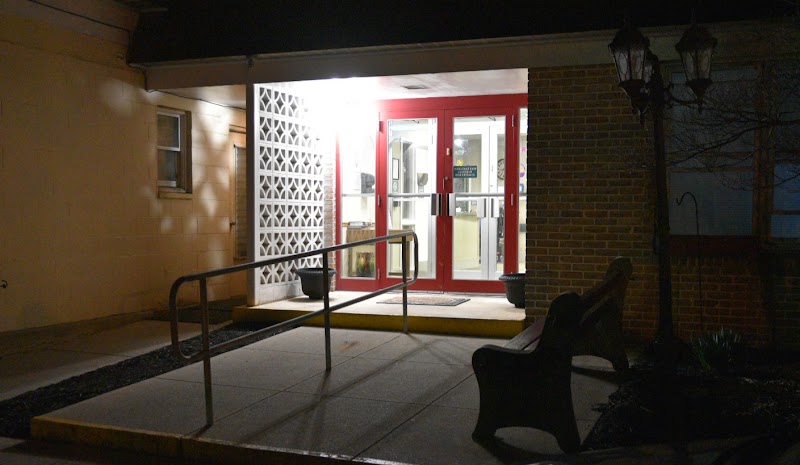
How Does Kadima Rehabilitation & Nursing At Palmyra Compare to Other Pennsylvania Nursing Homes?

Compared to the 100 nursing homes in Pennsylvania, KADIMA REHABILITATION & NURSING AT PALMYRA's overall rating (1 stars) is below the state average of 3.0, staff turnover (100%) is significantly higher than the state average of 47%, and health inspection rating (1 stars) is much below the national benchmark.

What Should Families Ask When Visiting Kadima Rehabilitation & Nursing At Palmyra?

Based on this facility's data, families visiting should ask: "What changes have been made since the serious inspection findings, and how are you preventing similar issues?" "How do you ensure continuity of care given staff turnover, and what is your staff retention strategy?" "Can you walk me through typical staffing levels on day, evening, and night shifts?" "Can I visit during a mealtime to observe dining assistance and food quality?" These questions are particularly relevant given the facility's Immediate Jeopardy citations, the facility's high staff turnover rate, and the below-average staffing rating.

Is Kadima Rehabilitation & Nursing At Palmyra Safe?

Based on CMS inspection data, KADIMA REHABILITATION & NURSING AT PALMYRA has documented safety concerns. Inspectors have issued 2 Immediate Jeopardy citations (the most serious violation level indicating risk of serious injury or death). The facility is currently on the Special Focus Facility watch list (a federal program monitoring the lowest-performing 1% of nursing homes nationwide). The facility has a 1-star overall rating and ranks #100 of 100 nursing homes in Pennsylvania. Families considering this facility should ask detailed questions about what corrective actions have been taken since these incidents.

Do Nurses at Kadima Rehabilitation & Nursing At Palmyra Stick Around?

Staff turnover at KADIMA REHABILITATION & NURSING AT PALMYRA is high. At 100%, the facility is 53 percentage points above the Pennsylvania average of 47%. Registered Nurse turnover is particularly concerning at 100%. RNs handle complex medical decisions and coordinate care — frequent RN changes can directly impact care quality. High turnover means new staff may not know residents' individual needs, medications, or preferences. It can also be disorienting for residents, especially those with dementia who rely on familiar faces. Families should ask: What is causing the turnover? What retention programs are in place? How do you ensure care continuity during staff transitions?

Was Kadima Rehabilitation & Nursing At Palmyra Ever Fined?

KADIMA REHABILITATION & NURSING AT PALMYRA has been fined $47,514 across 1 penalty action. The Pennsylvania average is $33,554. While any fine indicates a compliance issue, fines under $50,000 are relatively common and typically reflect isolated problems that were subsequently corrected. Families should ask what specific issues led to these fines and confirm they've been resolved.

Is Kadima Rehabilitation & Nursing At Palmyra on Any Federal Watch List?

KADIMA REHABILITATION & NURSING AT PALMYRA is currently an SFF Candidate, meaning CMS has identified it as potentially qualifying for the Special Focus Facility watch list. SFF Candidates have a history of serious deficiencies but haven't yet reached the threshold for full SFF designation. The facility is being monitored more closely — if problems continue, it may be added to the official watch list. Families should ask what the facility is doing to address the issues that led to this status.