AVENTURA AT TERRACE VIEW
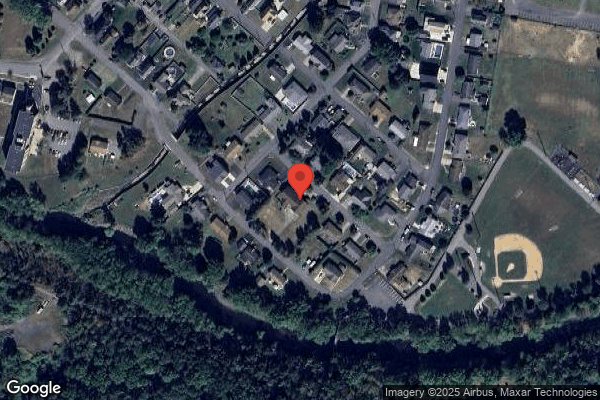

260 TERRACE DRIVE, PECKVILLE, PA 18452 (570) 489-8611
For profit - Corporation 272 Beds AVENTURA HEALTH GROUP Data: November 2025 2 Immediate Jeopardy citations
Trust Grade
0/100
#531 of 653 in PA
Last Inspection: March 2025

Within standard 12-15 month inspection cycle. Federal law requires annual inspections.

Overview

Aventura at Terrace View has received a Trust Grade of F, indicating significant concerns about the care provided at this nursing home. Ranking #531 out of 653 facilities in Pennsylvania places it in the bottom half, and #13 out of 17 in Lackawanna County means only a few local options are worse. The facility is showing signs of improvement, with the number of issues decreasing from 61 in 2024 to 43 in 2025, but it still has a troubling history, including over $441,000 in fines, which is higher than 96% of facilities in Pennsylvania. While staffing turnover is impressively low at 0%, suggesting stability, there have been serious safety lapses, such as failing to properly supervise a resident at risk of wandering, leading to an elopement, and inadequate fall prevention measures resulting in injuries for other residents. Families should carefully weigh these strengths and weaknesses when considering this facility for their loved ones.

Trust Score
F
0/100
In Pennsylvania
#531/653
Bottom 19%
Safety Record
High Risk
Review needed
Inspections
Getting Better
61 → 43 violations
Staff Stability
○ Average
Turnover data not reported for this facility.
Penalties
✓ Good
$441,835 in fines. Lower than most Pennsylvania facilities. Relatively clean record.
Skilled Nurses
○ Average
RN staffing data not reported for this facility.
Violations
⚠ Watch
164 deficiencies on record. Higher than average. Multiple issues found across inspections.
★☆☆☆☆
1.0
Overall Rating
★☆☆☆☆
1.0
Staff Levels
★☆☆☆☆
1.0
Care Quality
★☆☆☆☆
1.0
Inspection Score
Stable
2024: 61 issues
2025: 43 issues

The Good

  • Full Sprinkler Coverage · Fire safety systems throughout facility
  • No fines on record

Facility shows strength in fire safety.

The Bad

1-Star Overall Rating

Below Pennsylvania average (3.0)

Significant quality concerns identified by CMS

Federal Fines: $441,835

Well above median ($33,413)

Significant penalties indicating serious issues

Chain: AVENTURA HEALTH GROUP

Part of a multi-facility chain

Ask about local staffing decisions and management

The Ugly 164 deficiencies on record

2 life-threatening 13 actual harm
Apr 2025 4 deficiencies 1 Harm
SERIOUS (G) 📢 Someone Reported This

A family member, employee, or ombudsman was alarmed enough to file a formal complaint

Actual Harm - a resident was hurt due to facility failures

Accident Prevention (Tag F0689)

A resident was harmed · This affected 1 resident

**NOTE- TERMS IN BRACKETS HAVE BEEN EDITED TO PROTECT CONFIDENTIALITY** Based on review of clinical records, select policy and select resident investigative reports and staff interview, it was determi...

Read full inspector narrative →
**NOTE- TERMS IN BRACKETS HAVE BEEN EDITED TO PROTECT CONFIDENTIALITY** Based on review of clinical records, select policy and select resident investigative reports and staff interview, it was determined the facility failed to implement effective interventions to prevent falls to include the provision of supervision necessary to prevent falls and serious injury, closed head injury with intracranial bleeding,(Resident 4) and lacerations requiring sutures (Resident 3) for two residents of 21 sampled. Findings include: A review of a select facility policy for Falls and Fall Risk Management, reviewed July 2024 revealed, it is the policy of the facility that based on evaluations and current data, the staff will identify interventions related to the resident's specific risks and causes to try to prevent the resident from falling and to attempt to minimize the complications from falling. Clinical record review revealed that Resident 4 was admitted to the facility on [DATE] with diagnosis to include, dementia (a condition in which a person loses the ability to think, remember, learn, make decisions, and solve problems) with behavioral disturbance, anoxic brain damage (brain injuries are characterized by brain damage from a lack of oxygen to the brain) and a history of falling. A review of a quarterly Minimum Data Set Assessment (MDS - a federally mandated standardized assessment completed at specific times to identify resident care needs) dated March 17, 2025, revealed the resident's cognition was severely impaired with a BIMS score of 3 (Brief Interview for Mental Status- a tool within the Cognitive Section of the MDS that is used to assess the resident's attention, orientation, and ability to register and recall new information; a score of 0-7 indicates severe cognitive impairment ) and required assistance with activities of daily living and had repeated falls. A review of the resident's fall risk care plan-initiated September 9, 2024, indicated the resident was at risk for falls related to the need for staff assistance with activities of daily living, incontinence, and the use of high-risk psychoactive medication. Interventions to include, the resident to be out of bed and dressed during 11-7 shift, maintain a safe, well-lit clutter free environment, non-skid footwear, offer naps after dinner, and safety interventions per physician's order An additional care plan-initiated September 10, 2024, addressed potential distressed mood and behavioral symptoms related to anxiety and depression as evidenced by restlessness, tearfulness, yelling out, with interventions including verbal support and medication administration as needed. Documentation from February 2025 through the survey revealed ongoing behaviors of wandering, agitation, crying, and yelling. A physician's order dated February 6, 2025, prescribed Geodon (an antipsychotic medication) 20 mg by mouth in the morning and 40 mg by mouth twice daily for unspecified dementia with behavioral disturbance. A physician's order dated December 30, 2024, also prescribed Ativan (an antianxiety medication) 1 mg three times daily with the same diagnosis. A review of facility documentation dated April 3, 2025, at 6:00 AM revealed that Resident 4 was found on the floor with dark discoloration noted to her forehead. The physician was contacted, and the resident was transferred to the hospital for evaluation. Documentation indicated the resident had last been seen and toileted at approximately 5:30 AM, at which time she was awake in her wheelchair and noted to be combative with staff. A review of a witness statement from Employee 12 (no time indicated) revealed that Resident 4 had been assigned to Employee 12 for the 11:00 PM to 7:00 AM shift. Employee 12 documented the resident was observed asleep on the floor near the nurses' station during the night. Upon awakening, the resident was toileted, provided a snack, and returned to bed at approximately 2:00 AM. At 5:30 AM, the resident was described as very combative, uncooperative, yelling, hitting, and scratching, and was attempting to get out of her chair. Staff attempted to redirect her, but she scratched Employee 12's arm. Employee 12 reported that she left the resident unattended to inform the nurse, during which time the resident's alarm sounded, and she was found on the floor. A review of a witness statement from Employee 13 (LPN), dated April 3, 2025, at 6:30 AM, indicated that while passing medications, Employee 13 was made aware that Resident 4 was sitting on the floor in front of her room, holding her head. Upon moving her hand, a hematoma was noted to be developing on her forehead. A review of a nurse's note dated April 3, 2025, at 8:15 AM documented that Resident 4 was transferred to the hospital for evaluation following the fall. Hospital documentation dated April 3, 2025, revealed the resident arrived at the emergency department at 7:39 AM for evaluation following the fall. A CT scan (computed tomography scan a medical imaging technique that uses X-rays and a computer to create detailed cross-sectional images of the body) of the brain was performed, and the results identified a scalp hematoma (a collection of blood) overlaying the frontal bone. A review of a nurse's note dated April 3, 2025, at 12:34 PM indicated that Resident 4 returned from the hospital. The resident was noted to have a bump on the right side of her forehead with associated bruising. She was reported to have some pain and discomfort in the area. A Certified Registered Nurse Practitioner (CRNP) assessed the resident, and no new medical orders were issued at that time. Further review of a nurse's note dated April 3, 2025, at 2:09 PM revealed that Resident 4 continued to exhibit agitation and crying behaviors, attempting to get up without assistance. Multiple redirection attempts were documented as ineffective. Staff continued to monitor the resident. There was no documented evidence that new or revised interventions were implemented following this fall to address the resident's ongoing fall risk and behavioral symptoms. Later, the same day, on April 3, 2025, a review of nursing documentation at 10:40 PM revealed that Resident 4 was observed wandering around the nurses' station when she fell out of her wheelchair, striking the right side of her forehead. The resident's fall alarm was sounding at the time of the incident. The RN Supervisor was called to assess the resident, and the physician was notified. Resident 4 was subsequently transferred to the hospital for further evaluation. An investigative progress note dated April 3, 2025, at 10:55 PM documented that Resident 4 was found sitting on the floor with her back against the wall. A dark, raised area was noted to the right side of her forehead, and a laceration approximately 0.5 centimeters in length was observed beneath her right eyebrow, with minimal bleeding. A review of a witness statement dated April 3, 2025 (no time indicated) from Employee 14 (LPN) revealed that while working at the nurses' station, Employee 14 heard a thud. Upon investigation, Resident 4's fall alarm was sounding, and the resident was found on the floor next to her wheelchair. Hospital documentation reviewed for April 3, 2025, indicated that Resident 4 was evaluated in a local emergency department following the fall. Assessment and imaging were completed at that time. Due to the need for advanced imaging, the resident was subsequently transferred on April 5, 2025, at 6:05 PM to a second hospital. During this evaluation, Resident 4 underwent a Magnetic Resonance Imaging (MRI) scan (a diagnostic procedure that uses powerful magnets, radio waves, and a computer to create detailed images of the body). The MRI of the cervical spine was negative for fracture. The resident continued to be noted with a frontal scalp hematoma and a small laceration below the right eyebrow, which was cleaned during the hospital stay. Despite sustaining 2 falls on April 3, 2025, resulting in a scalp hematoma and laceration, there was no evidence the facility implemented revised or enhanced fall prevention interventions for Resident 4. On April 5, 2025, two days after the prior incidents, Resident 4 experienced a third fall result resulting in an additional injury. Following two falls sustained by Resident 4 on April 3, 2025, a review of nursing documentation dated April 5, 2025, at 3:41 AM revealed that the resident was readmitted to the facility from the hospital. Documentation noted the resident was crying, whining, fighting sleep, and attempting to wiggle off the stretcher. Upon transfer to bed, interventions included placing the bed in the lowest position, ensuring the resident's alarm was intact, and positioning floor mats at the bedside. Bruising was observed on the resident's left hand and forearm. Resident 4 was placed on 1:1 supervision at that time. A subsequent nursing note dated April 5, 2025, at 4:45 PM documented that Resident 4 was witnessed by staff falling out of her wheelchair and striking the left side of her forehead on the floor. The resident was noted to have a large contusion to the left side of the forehead. While the skin remained intact and no bleeding was observed, the resident's neurological status was noted to be abnormal, as she was not opening her eyes or responding to verbal prompts. The physician was notified, and Resident 4 was transferred to the hospital for evaluation. There was no documented evidence that active 1:1 supervision was in place at the time of the fall. No employee was identified in facility documentation as supervising Resident 4 when the fall occurred. During an interview conducted on April 23, 2025, at 1:00 PM, the Director of Nursing stated that the aide assigned to Resident 4's 1:1 supervision had left her unsupervised to assist another resident who had fallen and was noted to be bleeding in the same hallway. During the aide's absence, Resident 4 stood up from her wheelchair and fell to the floor. A review of hospital emergency documentation dated April 5, 2025, indicated that Resident 4 underwent assessments, including a CT scan of the head and neck. The scan showed no new injuries compared to imaging obtained after her previous falls on April 3, 2025. A nursing note dated April 6, 2025, at 2:15 AM documented that Resident 4 returned to the facility via ambulance accompanied by two attendants. The only intervention noted following this third fall was an adjustment to the resident's psychotropic medication, with an order to increase Geodon to 40 mg twice daily (total daily dose of 80 mg). There was no documented evidence that additional fall prevention measures or effective interventions were implemented at the time of the survey to address Resident 4's continued high risk for falls. A review of the clinical record for Resident 3 revealed that the resident was admitted to the facility on [DATE], with diagnoses that included dementia, macular degeneration (a progressive eye disease leading to vision loss), diabetes, brain aneurysm (a bulge in a blood vessel in the brain that can rupture and cause life-threatening bleeding), and a history of repeated falls. A review of a quarterly Minimum Data Set Assessment (MDS - a federally mandated standardized assessment completed at specific times to identify resident care needs) dated February 14, 2025, indicated that Resident 3 had severely impaired cognition, required assistance with activities of daily living, and had experienced repeated falls. A review of the physician's orders dated September 2, 2022, revealed an order for Eliquis 5 mg (an anticoagulant or blood thinning medication), to be administered orally twice daily due to the resident's diagnosis of brain aneurysm. A review of the resident's care plan, initiated September 1, 2022, identified the resident as being at risk for falls related to ambulatory dysfunction, impaired cognition, weakness, and a history of multiple falls. Interventions initiated August 29, 2023, included assistance of two staff for transfers, assistance of one staff member for bed mobility, use of a wheelchair with a ROHO cushion (a cushion designed to prevent pressure ulcers) and anti-rollback tippers (safety devices that prevent wheelchairs from tipping backward), a clip alarm (alerts staff of resident movement) at all times, and placement of Dycem (a non-slip material) on the top and bottom of the wheelchair cushion. A review of nursing documentation dated April 12, 2025, at 5:37 PM, revealed that Resident 3 was found sitting on the floor in front of her wheelchair in the activity room. Employee 10 (Licensed Practical Nurse) stated the resident had been seated in her wheelchair and slid onto the floor despite the foam cushion being in place. The resident sustained a left posterior forearm skin tear, measuring 4.8 cm x 2.2 cm x 0.1 cm. The physician was notified, and treatment orders were received to cleanse the wound with normal saline, apply Xeroform and a non-adherent dressing, wrap with Kling (gauze wrap), and secure with paper tape. Additional interventions included reinforcing the Dycem application to the wheelchair pad. A witness statement dated April 12, 2025 (time not documented), provided by Employee 10 (LPN), indicated that at approximately 5:30 PM, Resident 3 was seated in her wheelchair in the day room watching television when she slid from the wheelchair onto the floor, landing on her buttocks. The RN Supervisor was notified, and an assessment was completed. Review of nursing documentation dated April 14, 2025, at 8:45 PM, revealed that Resident 3 experienced another fall at 7:55 PM. Employee 11 (Nursing Assistant) reported that while transporting the resident into her room for evening care, the resident fell forward from her wheelchair, striking her forehead and nose on the floor. The resident was observed to be bleeding from the forehead and nose. The physician was notified, and the resident was transferred to the hospital for evaluation. A witness statement dated April 14, 2025 (time not documented), provided by Employee 11 (NA), indicated that while turning the resident's wheelchair parallel to the bed, the resident fell forward quickly from the wheelchair. A subsequent interview with the Director of Nursing (DON) confirmed that upon further clarification with Employee 11, the resident had been stationary next to the bed when the nursing assistant turned away to gather supplies for evening care, at which time the resident lurched forward and fell before assistance could be rendered. A witness statement dated April 14, 2025 (time not documented) by Employee 2 (RN Supervisor) corroborated that upon entering the room, the resident was observed lying on the floor between two beds, bleeding from her forehead. Employee 11 reported that the resident had lurched forward while seated in her wheelchair. A telephone interview conducted with Employee 11 (NA) on April 23, 2025, at 2:00 PM, further confirmed the resident was positioned next to the bed and that Employee 11 had turned away to gather supplies when the resident independently lurched forward out of the wheelchair and fell, striking her face on the floor. Employee 11 stated she could not recall the exact position of the wheelchair in relation to the bed or whether the resident struck any objects during the fall. A review of hospital documentation revealed that Resident 3 was admitted to the emergency room on April 14, 2025, at 8:52 PM. The resident initially complained of head and nasal pain and was noted to have sustained a large stellate-shaped (star-shaped) forehead laceration measuring 3 cm and a nasal laceration. The forehead laceration was repaired with six sutures, and the nasal laceration was repaired with two sutures. Resident 3 returned to the facility on April 15, 2025, at 12:50 AM. An interview conducted with the Director of Nursing on April 23, 2025, at approximately 3:00 PM, confirmed that Resident 3 had experienced a prior fall two days earlier from her wheelchair, had a known history of falls in the facility, and that consistent supervision had not been provided to prevent falls with injury. At the time of the survey, there was no documented evidence that the facility had implemented effective interventions, including consistent supervision, to prevent further falls with injury for Resident 3. The facility's failure to implement and maintain effective fall prevention and supervision practices resulted at repeated falls and actual harm to two residents, Resident 3 and Resident 4. 28 Pa. Code 211.12 (d)(1)(5) Nursing services.
CONCERN (D) 📢 Someone Reported This

A family member, employee, or ombudsman was alarmed enough to file a formal complaint

Potential for Harm - no one hurt, but risky conditions existed

Deficiency F0573 (Tag F0573)

Could have caused harm · This affected 1 resident

Based on review of select facility policy, clinical records and staff interviews, it was determined the facility failed to provide a copy of a discharged resident's clinical record within two working ...

Read full inspector narrative →
Based on review of select facility policy, clinical records and staff interviews, it was determined the facility failed to provide a copy of a discharged resident's clinical record within two working days as requested by the legal representative for one of 4 residents sampled (Resident 18). Findings include: Review of the facility policy titled Access to Residents' Medical Records Policy and Procedure last reviewed by the facility on January 22, 2025, indicated that written consent of the resident or the resident representative is required for release of information and the facility shall assign overall supervisory responsibility for the medical record service to the medical records practitioner and the facility shall employ sufficient personnel competent to carry out the functions of the medical record service. Review of the facility policy titled Medical Records Fee Policy and Procedure last reviewed by the facility on January 22, 2025, indicated the facility shall charge a reasonable, cost-based fee to fulfill medical records request. The facility's fee schedule shall be as follows: $20 per hour for the cost of labor; and $0.15 per page. The facility shall not charge a per page fee for copies of personal health information (PHI) that are maintained electronically (ePHI). However, the facility shall charge a reasonable, cost-based fee for the medium on which is provided ePHI. Review of Resident 18's clinical record revealed admittance to the facility on November 19, 2024, and discharged from the facility on December 27, 2024. Review of a letter dated January 14, 2025, revealed that Resident 18's resident representative (RP) submitted a formal written request for an electronic copy of the resident's complete medical record, specifically requesting Adobe Acrobat (.pdf) format on a CD. Review of the facility form Authorization for Use or Disclosure of Protected Health Information dated February 18, 2025, revealed a signed request for release of Resident 18's medical record by Resident 18's RP. As of the survey ending April 23, 2025, Resident 18's RP had not been provided with the requested medical records. Interview with the Medical Records Director on April 23, 2025, at 2:00 PM, confirmed that the signed authorization was received in February 2025 and forwarded to the Director of Nursing and Corporate Risk Compliance for review. for review. The Medical Records Director acknowledged the RP was verbally advised of a paper-based fee structure but was not provided a written fee schedule. The Medical Records Director also admitted she was unaware of the federal requirement mandating record production within two working days and confirmed the facility's failure to produce the requested records. Further interview revealed that although the facility maintains electronic health records, the Medical Records Director was unaware of how to fulfill electronic requests, and facility practice does not include providing electronic records despite specific requests. Interview with the Medical Records Director on April 23, 2025, at 2:00 PM revealed that Resident 18's authorization for medical records request was received in February 2025. After receiving the authorization form it was forward to the Director of Nursing and Corporate Risk Compliance for review. The RP called the facility a few days later to see if the records were ready. At that time, the RP was verbally informed that there was a fee, and she would need to pay for the records. The RP was verbally quoted an amount based on the number of paper copies. The RP responded that she was not notified there was a cost and that she would be getting a lawyer. Medical Records Director called the RP on March 10, 2025, to determine if she still wanted the records but there was no answer. The Medical Records Director could not recall if she left a voicemail message. Further interview revealed the Medical Records Director was unaware of the federal requirement to provide copies of medical records with 2 working days advanced notice. The Medical Records Director revealed that the facility does not provide electronic copies of medical records even when a request is made for an electronic copy. She indicated she does not know how to provide an electronic copy of the records despite the facility utilizing an electronic health record system for all the residents' medical/personal health information. Interview with the Director of Nursing on April 23, 2025, at 2:15 PM confirmed the electronic health record system allows for records to be converted into a .pdf format for delivery electronically, demonstrating the facility had the technical capability but failed to comply. Interview with the Nursing Home Administrator (NHA) on April 23, 2025, at approximately 2:30 PM confirmed that the facility failed to provide Resident 18's RP with access to the complete clinical record as requested several months earlier. The facility was unable to provide documentation that a written fee schedule was presented to Resident 18's RP prior to quoting fees, or that reasonable efforts were made to fulfill the electronic record request as submitted. 28 Pa. Code 201.29(a)Resident rights.
CONCERN (D) 📢 Someone Reported This

A family member, employee, or ombudsman was alarmed enough to file a formal complaint

Potential for Harm - no one hurt, but risky conditions existed

Pressure Ulcer Prevention (Tag F0686)

Could have caused harm · This affected 1 resident

**NOTE- TERMS IN BRACKETS HAVE BEEN EDITED TO PROTECT CONFIDENTIALITY** Based on observations, review of select facility policies, facility investigative documentation, clinical record review, and sta...

Read full inspector narrative →
**NOTE- TERMS IN BRACKETS HAVE BEEN EDITED TO PROTECT CONFIDENTIALITY** Based on observations, review of select facility policies, facility investigative documentation, clinical record review, and staff interviews, it was determined the facility failed to consistently provide care and services to prevent the development of pressure ulcers and to promote healing of existing wounds for one resident (Resident 2) out of 21 sampled residents. Findings include: According to the US Department of Health and Human Services, Agency for Healthcare Research & Quality, the pressure ulcer (a localized area of skin damage that develops when prolonged pressure is applied to the body) best practice bundle incorporates three critical components in preventing pressure ulcers: Comprehensive skin assessment, Standardized pressure ulcer risk assessment and care planning and implementation to address areas of risk. ACP (The American College of Physicians is a national organization of internists, who specialize in the diagnosis, treatment, and care of adults. The largest medical-specialty organization and second-largest physician group in the United States) Clinical Practice Guidelines indicate that the treatment of pressure ulcers should involve multiple tactics aimed at alleviating the conditions contributing to ulcer development (i.e., support surfaces, repositioning and nutritional support); protecting the wound from contamination and creating and maintaining a clean wound environment; promoting tissue healing via local wound applications, debridement and wound cleansing; using adjunctive therapies; and considering possible surgical repair. A review of facility policy entitled Pressure Ulcer/Injury Care and Management last reviewed January 22, 2025, revealed residents will receive care consistent with professional standards of practice, to prevent pressure ulcer/injury unless the individual's clinical condition demonstrates they were unavoidable. Residents will receive necessary treatment and services, consistent with professional standards of practice, to promote healing, prevent infection, and prevent new ulcers from developing. Residents with a pressure ulcer will have wound measurements weekly by the physician or registered nurse. Observation of the wound should be completed with each dressing change and should include at a minimum: A. Location and staging B. Size, depth, the presence and location of any undermining or tunneling C. Exudate if present the type, color, odor, and amount D. If pain is present the nature and frequency E. Wound bed to include the color and type of tissue F. Description of the wound edges A review of Resident 2's clinical record revealed admission to the facility on May 12, 2021, with diagnoses, which included dementia, a history of blood clots in the lower legs and peripheral insufficiency (decreased blood flow to the lower legs) and has been receiving hospice services since October 17, 2024, for a diagnosis of senile degeneration of the brain (dementia). A review of a Quarterly Minimum Data Set assessment dated [DATE], (MDS - a federally mandated standardized assessment process completed periodically to plan resident care) revealed the resident was severely cognitively impaired and was at risk for developing pressure ulcers. A review of a quarterly Braden scale for predicting pressure sore risk assessment dated [DATE], revealed the resident responded to verbal commands but cannot always communicate discomfort or the need to be turned or has some sensory impairment which limits the ability to feel pain or discomfort. The resident walks occasionally and was at risk for pressure ulcer development. A review of Resident 2's comprehensive care plan, initially developed on May 13, 2021, identified the resident as being at risk for skin breakdown related to incontinence and the need for extensive assistance with activities of daily living. The care plan included a goal that the resident would have no additional skin breakdown. Interventions to address this risk included: monitoring the resident's skin condition daily during care and reporting any areas of redness or open skin to nursing and medical staff; use of a pressure-reducing mattress on the resident's bed (identified as the facility's standard pressure-reducing mattress); use of a pressure-reducing cushion in the resident's chair (a chair pad); and completion of biweekly skin assessments in conjunction with showers. However, a review of the facility's Documentation Survey Report for April 2025 revealed that Resident 2 experienced daily episodes of bowel and bladder incontinence. Despite this, there was no documented evidence that incontinence care was consistently provided with each episode or that a barrier cream was applied as required by the resident's needs and consistent with professional standards of practice. This lack of documentation suggests that interventions identified in the resident's care plan were not consistently implemented to prevent the development or worsening of skin breakdown. A nurse's note dated April 11, 2025, at 10:43 AM, documented that Employee 5 (LPN) was called to Resident 2's room by another staff member to evaluate a potential wound. Upon assessment, Employee 5 noted the presence of an open area located in the intergluteal cleft (the area between the right and left buttocks, only visible when the skin is separated). The wound bed contained light yellow slough (occlusive dead tissue), and the area was moist with no observable drainage. The surrounding peri-wound skin appeared flesh-toned and intact. The resident, who was incontinent of bowel and bladder, was also noted to intermittently refuse incontinence care, repositioning/offloading, and showers. The resident expressed no pain or discomfort at the time of assessment. The physician was notified, and new treatment orders were received for the application of calcium alginate with silver, a dry cover dressing, and the addition of a low air loss mattress to the resident's bed. A review of a witness statement dated April 11, 2025, at 11:30 AM, revealed that Employee 5 (LPN) stated he had been informed by another unidentified staff member (no witness statement available at the time of the survey to identify this staff member) of a possible area of skin concern on the resident's buttocks. Following this notification, Employee 5 assessed the resident and confirmed the presence of a small slit-like open area in the intergluteal cleft. The RN Supervisor was also notified and conducted an additional assessment of the area. A review of the initial skin assessment completed by Employee 5 (LPN) on April 11, 2025, described the wound in the intergluteal cleft as unstageable (defined as full-thickness tissue loss in which the base of the ulcer is covered by slough-yellow or white dead tissue). The slough measured 3.5 cm x 0.5 cm, and the surrounding skin remained flesh-toned and intact. Further review of the clinical record revealed subsequently, documented at 10:43 AM on the same day, the Infection Preventionist (LPN) was called to evaluate Resident 2's wound. The LPN documented a wound in the intergluteal cleft, only found when the skin was pulled apart, with light yellow slough in the wound bed, moist but without drainage. The peri-wound skin was flesh-toned and intact. The resident was noted to be incontinent of bowel and bladder and occasionally refused incontinence care, repositioning, and showers. The Certified Registered Nurse Practitioner (CRNP) and the contracted wound physician were notified, and new recommendations included the application of calcium alginate with silver covered with a dry dressing and the use of a low air loss mattress. At 11:02 AM, the facility CRNP evaluated the resident's wound, noting the presence of a wound in the intergluteal cleft, only found when the skin was pulled apart. The area was open with light yellow slough in the wound bed, moist but without drainage. The peri-wound skin was flesh-toned and intact. The resident was incontinent of bowel and bladder and occasionally refused incontinence care, repositioning, and showers. The physician was notified, and new recommendations included the application of calcium alginate with silver covered with a dry dressing and the use of a low air loss mattress. A review of the shower records indicated that Resident 2 received a shower on April 12, 2025, during the 3 PM to 11 PM shift. Documentation from this time did not note any skin impairments. On April 13, 2025, at 8:30 AM, Employee 7 (CNA) reported discovering skin openings on Resident 2's right side near the hip area during routine brief changing. The nurse was promptly notified. Subsequently, at 8:50 AM, Employee 5 (LPN) documented in the nursing notes that during morning care, two small, reddened areas were observed on Resident 2's right buttock. The first area measured 2 cm x 2 cm, and the second measured 1.5 cm x 1.5 cm. These areas were not present during the skin assessment conducted during the resident's shower on April 12, 2025. The physician was notified, and treatment orders were obtained. The resident was scheduled to be seen by the consultant wound physician during weekly wound rounds. A witness statement from Employee 5 (LPN), dated April 13, 2025, at 11:00 AM, corroborated the earlier findings, stating that during morning care, the nurse aide reported two small, reddened areas on Resident 2's right buttocks. The right proximal buttock had an open area measuring 2 cm x 2 cm, and the right distal buttock measured 1.5 cm x 1.5 cm. These areas were not present during the skin assessment completed by Employee 5 during the resident's shower on April 12, 2025. A skin assessment completed by Employee 8 (Agency RN Supervisor) on April 13, 2025, revealed that the proximal right buttock exhibited Moisture Associated Skin Damage (MASD), measuring 2 cm x 2 cm x 0.5 cm, with surrounding skin noted as normal tissue. The distal right buttock also exhibited MASD, measuring 1.5 cm x 1.5 cm x 0.5 cm, with surrounding skin noted as normal tissue. A physician's order was noted to cover the area with a foam border daily and as needed and consult wound care team. A review of a consultant wound assessment dated [DATE] (two days after identification of the wounds), revealed the following pressure injuries for Resident 2: Coccyx Area: A Stage 2 pressure ulcer (open area through layer of skin creating shallow open wound) measuring 2.3 cm (length) x 0.5 cm (width) x 0.2 cm (depth) was observed. The wound bed exhibited exposed dermis with moderate serosanguinous drainage. Right Superior Buttock: A Stage 2 pressure ulcer measuring 0.6 cm x 0.6 cm x 0.1 cm was noted, presenting with an open wound bed, exposed dermis, and moderate serosanguinous drainage. Right Inferior Buttock: A Stage 2 pressure ulcer measuring 0.6 cm x 0.5 cm x 0.1 cm was identified, also displaying an open wound bed with exposed dermis and moderate serosanguinous drainage. In response to these findings, the wound consultant ordered the application of calcium alginate with silver dressings to all three pressure ulcers. The treatment plan specified that the dressings be covered with gauze and changed daily and as needed. Calcium alginate with silver dressings are recognized for their high absorbency and antimicrobial properties, making them suitable for managing moderate to heavily exuding wounds and reducing the risk of infection. After the identification of pressure areas on April 11 and April 13, 2025, the following wound prevention interventions were documented: On April 13, 2025, prompted toileting was initiated at 7 AM, 10 AM, 6 PM, 9 PM, and as needed. On April 17, 2025, the application of barrier cream to the buttocks with each incontinence episode was implemented. On April 18, 2025, a turning and repositioning schedule every 2-3 hours was established. However, a continence evaluation was not completed until April 23, 2025, despite the resident's increased incontinence. Additionally, there was no evidence that the physician-ordered low air loss mattress was placed on the resident's bed until April 13, 2025. Observations conducted on April 22nd, 2025, revealed that Resident 2 was seated in his wheelchair at multiple times: at 9:30 AM outside of his room, at 11 AM in the activity room, and at 12:30 PM prior to being returned to bed for evaluation by the contracted wound consultant. During all three observations, the resident was utilizing the gel cushion on his wheelchair. The resident utilized a gel cushion on his wheelchair, which was noted to be very worn, uneven, and lacking support. The cushion was also dirty with dried food and liquid stains. These observations were confirmed by the infection control/wound nurse. An observation conducted on April 22, 2025, of Resident 2's sacral wound, in the presence of the contracted wound physician, measured 1.8 cm x 0.3 cm. The physician stated that the depth could not be measured due to the presence of dermal skin in the center of the wound, which was white in color. A scant amount of serosanguinous drainage was noted, with the wound bed appearing pink/red and the surrounding skin blanchable. Further observations of the upper and lower right buttock areas revealed wounds measuring 0.3 cm x 0.4 cm and 0.4 cm x 0.3 cm, respectively. Both wound beds were white, with surrounding skin blanchable and a scant amount of serosanguinous drainage noted. There was no evidence of a thorough investigation into the development of these pressure areas to identify possible causes and corresponding interventions. Additionally, interventions were not timely implemented to prevent the pressure areas for this resident, who was at risk for pressure sore development. During an interview conducted on April 23, 2025, at 2:00 PM, the Director of Nursing confirmed that an investigation was not completed into the development of the noted pressure areas and further confirmed that interventions were not timely implemented for this resident to prevent the development of pressure areas. 28 Pa code 211.12 (d)(1)(3)(5) Nursing services
CONCERN (D) 📢 Someone Reported This

A family member, employee, or ombudsman was alarmed enough to file a formal complaint

Potential for Harm - no one hurt, but risky conditions existed

Medication Errors (Tag F0758)

Could have caused harm · This affected 1 resident

**NOTE- TERMS IN BRACKETS HAVE BEEN EDITED TO PROTECT CONFIDENTIALITY** Based on clinical record review and staff interviews, it was determined the facility failed to ensure that medication regimens w...

Read full inspector narrative →
**NOTE- TERMS IN BRACKETS HAVE BEEN EDITED TO PROTECT CONFIDENTIALITY** Based on clinical record review and staff interviews, it was determined the facility failed to ensure that medication regimens were managed and monitored to promote or maintain the residents' highest practicable physical, mental, and psychosocial well-being, as evidenced by the lack of resident-specific rationale to support the increase for an antipsychotic medication and the use of psychoactive medications for one resident out of 21 residents sampled (Resident 4). Findings include: A review of clinical records revealed Resident 4 was admitted to the facility on [DATE], with diagnoses to included dementia with mood disturbances (problems with reasoning, planning, judgment, memory, and other thought processes caused by brain damage from impaired blood flow to the brain), anxiety and a history of falling. A review of a quarterly Minimum Data Set assessment (MDS-a federally mandated standardized assessment process conducted periodically to plan resident care) dated March 17, 2025, revealed that Resident 4 was severely cognitively impaired with a BIMS score of 4 (Brief Interview for Mental Status-a tool within the Cognitive Section of the MDS that is used to assess the resident's attention, orientation, and ability to register and recall new information; a score of 0 -7 indicates severe cognitive impairment). The resident's care plan, initiated September 10, 2024, identified the potential for distressed mood and behavioral symptoms, such as restlessness, tearfulness, and yelling out. Interventions included medicating per physician order, observing for effectiveness, and conducting gradual dose reduction (GDR) per facility policy. A physician's order dated February 6, 2025, prescribed Geodon (an antipsychotic medication) 20 mg by mouth in the morning and 40 mg by mouth twice daily for unspecified dementia with behavioral disturbance. A physician's order dated December 30, 2024, also prescribed Ativan (an antianxiety medication) 1 mg three times daily with the same diagnosis. Between April 3 and April 5, 2025, Resident 4 sustained three falls with injury, requiring emergency room visits. Following the third fall and return to the facility, the CRNP documented on April 7, 2025, the resident continued to experience behavioral symptoms and had received multiple medications for behaviors without success. On that same day, the Geodon dosage was increased to 40 mg twice daily (a total of 80 mg daily), despite no documented behavioral evaluations, psychiatric reassessments, or other non-pharmacological interventions preceding the increase. Review of the clinical record failed to reveal a psychiatric diagnosis that would specifically justify the concurrent use of both an antipsychotic (Geodon) and an antianxiety medication (Ativan). Additionally, the CRNP's April 7, 2025, note did not include a resident-specific rationale for the increase of Geodon or for the continued administration of Ativan. There was also no documentation reflecting consideration of gradual dose reduction or evidence of interdisciplinary team discussion supporting the medication changes. An observation April 23, 2025 at 11:30 AM, Resident 4 was seated in a chair in the activity room. She was noted to be sleeping at this time. There were 10 additional residents in the room participating in an activity. During an interview on April 23, 2025, at approximately 1:00 PM, the Director of Nursing confirmed that the clinical record lacked resident-specific documentation to support the increase in antipsychotic medication or the continued use of both psychoactive medications for Resident 4. Cross refer F689 28 Pa. Code 211.12 (d)(1)(3)(5) Nursing Services 28 Pa. Code 211.9(a) (1) Pharmacy Services
Mar 2025 24 deficiencies 1 Harm
SERIOUS (G) 📢 Someone Reported This

A family member, employee, or ombudsman was alarmed enough to file a formal complaint

Actual Harm - a resident was hurt due to facility failures

Pressure Ulcer Prevention (Tag F0686)

A resident was harmed · This affected 1 resident

**NOTE- TERMS IN BRACKETS HAVE BEEN EDITED TO PROTECT CONFIDENTIALITY** Based on observations, select facility policy, facility investigative reports, a review of clinical records, and staff interview...

Read full inspector narrative →
**NOTE- TERMS IN BRACKETS HAVE BEEN EDITED TO PROTECT CONFIDENTIALITY** Based on observations, select facility policy, facility investigative reports, a review of clinical records, and staff interviews it was determined the facility failed to consistently provide care and services to prevent the development and promote healing of a pressure sore resulting in harm for one resident (Resident 93) out of 24 sampled residents. Findings include: According to the US Department of Health and Human Services, Agency for Healthcare Research & Quality, the pressure ulcer (a localized area of skin damage that develops when prolonged pressure is applied to the body) best practice bundle incorporates three critical components in preventing pressure ulcers: Comprehensive skin assessment, Standardized pressure ulcer risk assessment and care planning and implementation to address areas of risk. ACP (The American College of Physicians is a national organization of internists, who specialize in the diagnosis, treatment, and care of adults. The largest medical-specialty organization and second-largest physician group in the United States) Clinical Practice Guidelines indicate that the treatment of pressure ulcers should involve multiple tactics aimed at alleviating the conditions contributing to ulcer development (i.e., support surfaces, repositioning and nutritional support); protecting the wound from contamination and creating and maintaining a clean wound environment; promoting tissue healing via local wound applications, debridement and wound cleansing; using adjunctive therapies; and considering possible surgical repair. A review of facility policy entitled Pressure Ulcer/Injury Care and Management last reviewed January 22, 2025, revealed residents will receive care consistent with professional standards of practice, to prevent pressure ulcer/injury unless the individual's clinical condition demonstrates they were unavoidable. Residents will receive necessary treatment and services, consistent with professional standards of practice, to promote healing, prevent infection, and prevent new ulcers from developing. Residents with a pressure ulcer will have wound measurements weekly by the physician or registered nurse. Observation of the wound should be completed with each dressing change and should include at a minimum: A. Location and staging B. Size, depth, the presence and location of any undermining or tunneling C. Exudate if present the type, color, odor, and amount D. If pain is present the nature and frequency E. Wound bed to include the color and type of tissue F. Description of the wound edges A review of Resident 93's clinical record revealed admission to the facility on May 1, 2024, with diagnoses, which included radiculopathy (a condition where the nerve roots become compressed or irritated. This compression or irritation can lead to pain, numbness, tingling, weakness), hypotension (low blood pressure), and peripheral vascular disease (a group of conditions that affect the blood vessels outside the heart and brain, primarily in the legs). A review of a Quarterly Minimum Data Set assessment dated [DATE], (MDS - a federally mandated standardized assessment process completed periodically to plan resident care) revealed the resident was moderately cognitively impaired and was at risk for developing pressure ulcers. A review of a quarterly Braden scale for predicting pressure sore risk assessment dated [DATE], revealed the resident responds to verbal commands but cannot always communicate discomfort or the need to be turned or has some sensory impairment which limits the ability to feel pain or discomfort. The resident's ability to walk is severely limited or nonexistent and was at risk for pressure ulcers. A review of the resident's plan of care for potential for skin breakdown related to decreased mobility initially dated May 1, 2024, revealed a goal that the resident will have no additional skin breakdown. Planned interventions included assist with bed mobility to prevent shearing (rubbing friction) of skin, provided incontinence care (the management and treatment of involuntary loss of urine or stool) and apply barrier cream (a topical product that forms a protective layer on the skin, shielding it from irritation and damage caused by prolonged contact with urine or feces) as ordered, and a pressure reducing device to the bed and chair. A review of the Documentation Survey Report for February 2025 revealed that Resident 93 was incontinent daily, yet there was no documented evidence that incontinence care and barrier cream were provided with each episode of incontinence. On February 26, 2025, at 10:15 PM, a facility investigative report revealed that Resident 93 was found to have an open area on the coccyx (bottom of the spine) measuring 2.5 cm x 2 cm. It was noted the area was cleaned and a dressing was applied. Further it was indicated the resident will be checked for incontinence and changed every two hours and as needed to prevent any further skin alterations. A review of a Weekly Skin Observation completed on February 27, 2025, at 6:10 AM, Employee 1, a licensed practical nurse (LPN) documented that Resident 93 had moisture-associated skin damage (MASD) on the coccyx measuring 2.5cm x 2cm but failed to describe wound characteristics such as shape, color, and drainage. There was no evidence that a registered nurse (RN) assessed the wound and provided documentation to the type of wound, location, size, color, odor, or drainage. There was no documented evidence the resident had any treatment, or a dressing applied to the wound on the evening shift on February 26, 2025, after the wound was identified. Further there was no evidence that a treatment or dressing was applied or in place on the night shift on February 27, 2025, or the day shift on February 27, 2025. A review of an onsite note dated February 27, 2025, at 3:58 PM by Employee 2 CRNP (certified registered nurse practitioner) revealed the resident was seen for a new open area to the coccyx. Employee 2 indicated the resident had a pressure ulcer of the sacral region (base of spine). No further assessment was documented of the wound. The employee indicated she wrote a new order for Zinc Oxide paste 20% apply to the coccyx every shift for wound care. A review of the February 2025 Treatment Administration Record (TAR) revealed the first treatment to the resident's newly developed pressure ulcer wasn't completed until February 27, 2025, on the evening shift. There was no documented evidence the facility implemented the two-hour check and change for Resident 93 to prevent further skin alterations. A physician's order dated February 28, 2025 (two days after the wound was identified) directed that Resident 93 be turned and repositioned every two to three hours. A review of the clinical record revealed the nurse aides who are responsible to turn and reposition the resident failed to document they were turning and repositioning the resident as indicated in the physician's order. A review of the Medication Administration Audit Report for the month of February 2025 revealed the licensed staff were signing out once a shift that the resident was offered to be turned and repositioned. Further review indicted staff were signing off the turning and repositioning was completed for the entire shift prior to the task being completed. A review of an Initial Wound Evaluation and Management Summary competed by the consultant wound practitioner dated March 3, 2025, noted it had deteriorated into an unstageable deep tissue injury (DTI a pressure injury where the full depth of tissue damage is obscured by slough, layer of dead, yellow or gray tissue that separates from the underlying healthy skin, or eschar, thick, dry crust of dead tissue that forms over a wound, making it impossible to determine the underlying stage). The wound now measured 9 cm x 6. 5cm and had a depth of 0. 2cm. The wound was noted to have a moderate amount of serosanguineous drainage (a type of fluid that is discharged from a wound which is a mixture of clear, watery fluid and blood). Plan of care recommendations included offload the wound and turn side to side in bed every one to two hours. Despite recommendations to offload pressure and turn the resident side to side every 1-2 hours, facility documentation revealed that this intervention was never consistently implemented. A review of the Medication Administration Audit Report for the month of March 2025 revealed the licensed staff were signing out once a shift that the resident was offered to be turned and repositioned. Further review indicted staff were signing off that the turning and repositioning was completed for the entire shift prior to the task being completed. A review of a wound consultant note dated March 11, 2025, revealed an increased wound size to 9.5 cm x 7.5 cm x 0.6 cm, moderate serosanguineous drainage, and the wound bed was covered with thick necrotic tissue (dead, dry, black, leathery tissue that can cover a wound bed and hinders healing) all indications the wound had worsened rather than improved. A review of a progress note dated March 12, 2025, at 5:28 PM revealed the resident was transported out of the facility to the hospital for progressive wound deterioration, abnormal lab values and signs of systemic infection. A review of hospital documentation dated March 13, 2025, revealed Resident 93 was sent to the hospital for abnormal lab work and a progressive sacral wound. The resident stated at the hospital the wound was very painful. A CT scan (a medical imaging procedure that uses X-rays to create detailed, cross-sectional images of the body's internal structures, such as bones, organs, and blood vessels) was completed and confirmed a deep fissuring pressure ulcer penetrating the soft tissue. Sepsis (a life-threatening condition that occurs when the body's immune system overreacts to an infection, causing widespread inflammation and damage to multiple organs) secondary to the wound infection and a surgical consult was recommended. Further Review of hospital paperwork revealed the resident had a surgical procedure on March 13, 2025. The resident's wound had a sharp excisional debridement (a method of wound care where a healthcare professional uses sharp instruments like scalpels, scissors, or curettes to remove dead or damaged tissue) down to the bone. On March 18, 2025, the resident required a diverting loop colostomy surgery (a surgical procedure that creates a temporary or permanent opening in the colon to divert fecal material away from a specific section). This procedure was only completed to divert fecal matter away from the wound on the resident's coccyx and promote healing. An observation of the resident on March 25, 2025, at 10:00 AM revealed the resident was lying on his back and bottom in bed. The resident was not turned onto his side to offload the pressure on his wound. An observation of the resident on March 25, 2025, at 1:45 PM revealed the resident was lying on his back and bottom in bed. The resident was not turned onto his side to offload the pressure on his wound. An observation of the resident on March 26, 2025, at 8:56 AM revealed the resident was lying on his back and bottom in bed. The resident was not turned onto his side to offload the pressure on his wound. The resident appeared to be uncomfortable in bed. The resident arms were flailing around. Resident was mumbling but unable to identify what he was saying. An observation of the resident on March 26, 2025, at 9:57 AM revealed the resident was lying on his back and bottom in bed. The resident was not turned onto his side to offload the pressure on his wound. An observation of the resident on March 26, 2025, at 11:30 AM revealed the resident was lying on his back and bottom in bed. The resident was not turned onto his side to offload the pressure on his wound. An observation of the resident on March 27, 2025, at 8:26 AM revealed the resident was lying on his back and bottom in bed. The resident was not turned onto his side to offload the pressure on his wound. The resident appeared to be uncomfortable in bed. The resident arms were flailing around. When asked if the resident was in pain he stated yes. An observation of the resident on March 27, 2025, at 10:14 AM revealed the resident was lying on his back and bottom in bed. The resident was not turned onto his side to offload the pressure on his wound. An observation of the resident on March 27, 2025, at 11:00 AM revealed the resident was lying on his back and bottom in bed. The resident was not turned onto his side to offload the pressure on his wound. Further observations revealed the incontinence pad underneath the resident was noted to be saturated with a yellow substance and the dressing was visibly wet. The resident's wound was observed with Employee 3 LPN and Employee 4 RN (registered nurse) and revealed a stage 4 pressure ulcer (the most severe, characterized by full-thickness tissue loss, exposing muscle, tendon, cartilage, or bone, and potentially leading to serious complications like infection) measuring 9. 5cm x 7 cm x 2cm. The wound bed appeared large and deep with a red beefy wound base with some slough noted in the middle. An observation of the resident on March 28, 2025, at 8:36 AM revealed the resident was lying on his back and bottom in bed. The resident was not turned onto his side to offload the pressure on his wound. The resident appeared to be uncomfortable in bed. The resident arms were flailing around. An interview with the Nursing Home Administrator and Director of Nursing on March 28, 2025, at approximately 1:45 PM confirmed the facility failed to develop and implement planned measures to prevent the development and promote healing of a pressure ulcer. 28 Pa. Code 211.12(c)(d)(1)(3)(5) Nursing services. 28 Pa. Code 211.18(b)(1) Management
CONCERN (D)

Potential for Harm - no one hurt, but risky conditions existed

Respiratory Care (Tag F0695)

Could have caused harm · This affected 1 resident

**NOTE- TERMS IN BRACKETS HAVE BEEN EDITED TO PROTECT CONFIDENTIALITY** Based on observations, select facility policy, a review of clinical records, and staff interviews, it was determined the facilit...

Read full inspector narrative →
**NOTE- TERMS IN BRACKETS HAVE BEEN EDITED TO PROTECT CONFIDENTIALITY** Based on observations, select facility policy, a review of clinical records, and staff interviews, it was determined the facility failed to provide supplemental oxygen administration and care consistent with professional standards of practice for two of 24 residents reviewed (Resident 114 and 93). Findings include: A review of facility policy entitled Oxygen Management last reviewed January 22, 2025, indicated it is the policy of the facility to provide safe oxygen management. The facility will obtain physician orders for oxygen therapy to include prescribed flow rates, when to change the humidifier bottle, and when to change the tubing or mask. Further it is indicated that the maintenance and cleaning of oxygen equipment are consistent with federal, state, and local laws and regulations. Review of Resident 114's clinical record revealed the resident was admitted to the facility on [DATE], with diagnoses, which included acute respiratory failure (a condition in which your blood doesn't have enough oxygen) with hypoxia (low levels of oxygen in your body tissues). An observation on March 25, 2025, at 9:45 AM and March 26, 2025, at 10:06 AM revealed the resident was receiving oxygen at 4.5 liters per minute. A review of the resident's physician's orders revealed no orders for the resident to receive oxygen on a continuous or as needed basis. A review of Resident 93's clinical record revealed admission to the facility on May 1, 2024, with diagnoses, which included radiculopathy (a condition where the nerve roots become compressed or irritated. This compression or irritation can lead to pain, numbness, tingling, weakness), hypotension (low blood pressure), and peripheral vascular disease (a group of conditions that affect the blood vessels outside the heart and brain, primarily in the legs). A review of physician's orders initially dated March 20, 2025, revealed the resident was to receive oxygen at 2 liters per minute per nasal cannula every eight hours as needed for shortness of breath or an oxygen level below 94% initially dated March 8, 2023. Further review of Resident 93's physician's orders revealed no orders as to when or how often the tubing should be changed per the facility policy. An observation of Resident 93 on March 26, 2025, at 8:50 AM revealed the resident was lying in bed receiving 2 liters of oxygen. The oxygen tubing was not dated to indicate when the tubing was put into use to alert staff as to when the oxygen tubing should be changed. An observation of Resident 93 on March 27, 2025, at 10:14 AM revealed the resident was lying in bed. The resident's oxygen tubing was observed lying on the floor. A subsequent observation of the resident on March 27, 2025, at 11:00 AM revealed the resident now had the oxygen tubing that was seen on the floor during the prior observation present and was receiving 2 liters of oxygen. The tubing remained undated at that time. An interview with Nursing Home Administrator and Director of Nursing on March 28, 2025, at approximately 1:45PM revealed oxygen tubing should be changed weekly and confirmed the facility failed to provide supplemental oxygen administration and care consistent with professional standards of practice. 28 Pa. Code 211.12 (c)(d)(1)(5) Nursing services
CONCERN (D)

Potential for Harm - no one hurt, but risky conditions existed

Medication Errors (Tag F0758)

Could have caused harm · This affected 1 resident

**NOTE- TERMS IN BRACKETS HAVE BEEN EDITED TO PROTECT CONFIDENTIALITY** Based on clinical record review and staff interviews, it was determined the facility failed to ensure that medication regimens w...

Read full inspector narrative →
**NOTE- TERMS IN BRACKETS HAVE BEEN EDITED TO PROTECT CONFIDENTIALITY** Based on clinical record review and staff interviews, it was determined the facility failed to ensure that medication regimens were managed and monitored to promote or maintain the residents' highest practicable physical, mental, and psychosocial well-being, as evidenced by the lack of resident-specific rationale to support the continued use of psychoactive medications for two residents out of 5 residents sampled (Resident 11 and 30). Findings include: A review of clinical records revealed Resident 30 was admitted to the facility on [DATE], with diagnoses to included dementia with mood disturbances (problems with reasoning, planning, judgment, memory, and other thought processes caused by brain damage from impaired blood flow to your brain). A review of a quarterly Minimum Data Set assessment (MDS-a federally mandated standardized assessment process conducted periodically to plan resident care) dated February 12, 2025, revealed that Resident 30 is severely cognitively impaired with no BIMS score noted in the form(Brief Interview for Mental Status-a tool within the Cognitive Section of the MDS that is used to assess the resident's attention, orientation, and ability to register and recall new information; a score of 0 -7 indicates severely impaired cognition). A physician's order dated May 13, 2024, revealed, Xanax 0.25 mg (an antianxiety medication) by mouth at bedtime for anxiety. A physician's order dated April 24, 2024, revealed, Zoloft 100 mg by mouth every day, later increased to 150 mg daily on November 21, 2024, by the physician. A review of documentation by the Certified Registered Nurse Practitioner (CRNP) dated March 21, 2025, failed to provide resident-specific rationale for the continued use of these psychoactive medications. At the time of the survey ending March 28, 2025, no documentation was found that supported the ongoing clinical justification for both the antianxiety and antidepressant medications. A review of clinical records revealed Resident 11 was admitted to the facility on [DATE], with diagnoses to included dementia with mood disturbances. A review of an annual Minimum Data Set assessment dated [DATE], revealed that Resident 11 is severely cognitively impaired with no BIMS score recorded. A physician's order dated October 25, 2024, revealed, Prozac 10 mg (antidepressant) by mouth every day for depression. The CRNP documentation dated March 21, 2025, again failed to demonstrate a clinically relevant, individualized rationale supporting the continued use of the psychoactive medication. No further documentation was available at the time of the survey ending March 28, 2025, to support the appropriateness of the medication regimen. During an interview with the Director of Nursing on March 28, 2025, at approximately 12:00 PM, the DON confirmed that documentation lacked resident-specific justification for the continued use of the psychoactive medications for Residents 11 and 30. 28 Pa. Code 211.12 (c)(d)(1)(3)(5) Nursing Services 28 Pa. Code 211.9(a) (1) Pharmacy Services 28 Pa. Code 211.2(3) Medical Director
CONCERN (D)

Potential for Harm - no one hurt, but risky conditions existed

Deficiency F0804 (Tag F0804)

Could have caused harm · This affected 1 resident

Based on observation, staff and resident interviews, and test tray temperature results, the facility failed to ensure that food was served at palatable and appetizing temperatures for one (1) of three...

Read full inspector narrative →
Based on observation, staff and resident interviews, and test tray temperature results, the facility failed to ensure that food was served at palatable and appetizing temperatures for one (1) of three (3) nursing units observed (First Floor D Unit). Findings include: According to the federal regulation 483.60(i)-(2) Food safety requirements - the definition of Danger Zone, found under the Definitions section, is food temperatures above 41 degrees Fahrenheit and below 135 degrees Fahrenheit that allow rapid growth of pathogenic microorganisms that can cause foodborne illness. On March 25, 2025, at 12:00 PM, observation of the lunch tray line revealed the planned lunch meal included: baked chicken patty, roasted potatoes, corn, milk, lemon drink, ice cream, and coffee. A test tray was requested for the First Floor-D Unit. The tray included a regular diet chicken patty, roasted potatoes, corn, lemon drink, and coffee. Review of meal service revealed the trays were delivered in an enclosed cart to the First Floor D Unit at 11:25 AM. However, staff were still assisting residents to the dining area, and tray distribution did not begin until 11:50 AM. The last tray was served at 12:15 PM, approximately 45 minutes after the trays arrived on the unit. At 12:15 PM, a test tray revealed the following food temperatures: Chicken patty: 104.5°F Roasted potatoes: 107.5°F Corn: 106.7°F These items were observed to be cool and not palatable, falling within the Danger Zone as defined by regulation, and failing to meet the requirement for appetizing temperature. In addition, the ice cream on the test tray measured 35°F and was melted, rendering it not palatable at the time it was served. An interview with the Nursing Home Administrator on March 25, 2025, at 3:00 PM, confirmed the facility did not consistently serve food at acceptable and appetizing temperatures. 28 Pa Code 201.18(1) Management
CONCERN (E) 📢 Someone Reported This

A family member, employee, or ombudsman was alarmed enough to file a formal complaint

Potential for Harm - no one hurt, but risky conditions existed

Deficiency F0565 (Tag F0565)

Could have caused harm · This affected multiple residents

Based on a review of select facility policy, facility grievance forms, and resident and staff interviews, it was determined the facility failed to make ongoing efforts to resolve grievances and the pr...

Read full inspector narrative →
Based on a review of select facility policy, facility grievance forms, and resident and staff interviews, it was determined the facility failed to make ongoing efforts to resolve grievances and the provision of timely follow up with residents regarding the status update on the resolution process of the grievance for one out of 24 residents interviewed (Resident 27). A review facility policy entitled Complaints and Grievances, Filing and Investigating Resident/Family last reviewed by the facility on January 22, 2025, indicated that upon receipt of an oral, written, or anonymous grievance submitted by a resident, the grievance official will take immediate action to prevent further potential violations of any resident rights while the alleged violation is being investigated. If the grievance committee/grievance official determines that the resident rights violation has occurred, then the violation must be corrected within 5 working days. Upon completion of the review, the grievance official will complete a written grievance decision. The grievance official will meet with the resident and inform the resident of the results of the investigation and how the resident's grievance was resolved or will be resolved within 10 working days. The facility will keep evidence of the resolution of all grievances for a period of three years from the date the grievance decision is issued. A review of resident council notes from a meeting held on March 18, 2025, revealed a complaint from the residents in relation to call bell response times. The notes reveal the activities director would assist with submitting a grievance about the call bell response times. An interview with the Activities Director on March 27, 2025, at 9:00 AM revealed the employee submitted a verbal grievance to the grievance official on March 19, 2025 in regard to the call bell response time. An interview with the grievance official (Employee 11) conducted on March 28, 2025, at 10:00 AM revealed the call bell response times were added to an unresolved grievance from November 22, 2024. Further the employee stated that call bell response times continued to be an issue brought up in resident council and instead of starting a new grievance he just continues with the old one. The employee indicated call bell response time continues to be a concern and has not yet been resolved. A review of the uploaded grievance about the call bell response time initially submitted on November 22, 2024, revealed during resident council meeting the residents' indicated concerns with staff response to call bells. Further it was indicated on that grievance on February 18, 2025, the residents continued to complain of call bell response times. The grievance remains unresolved as of the date of the survey ending on March 28, 2025. A review of paper grievances submitted between January 2025 and March 2025 revealed Resident 27 submitted a grievance on February 25, 2025, in reference to missing clothing and blankets. A review of the facility's grievance report submitted electronically for the grievance, revealed the resident's grievance was not filed and reviewed until March 4, 2025 six days after the resident filed his grievance about his missing items. On March 7, 2025, faciltiy staff conducted an interview with the resident and confirmed his clothes were missing. Follow up information revealed as of March 13, 2025, the items were still being searched for and no resolution has been obtained. An interview with Resident 27 on March 28, 2025, at 8:43 AM revealed the facility could not find his pants nor his two blankets. The resident stated he had to buy more pants out of his own money because he could not go without pants. As of the time of the interview no resolution had been provided to the resident. The resident stated he was not satisfied with how the facility was handling his missing items. An interview on March 28, 2025, at 11:30 AM the Nursing Home Administrator confirmed the facility failed to resolve grievances as per their policy. 28 Pa Code 201.18 (e)(1) Management
CONCERN (E)

Potential for Harm - no one hurt, but risky conditions existed

Deficiency F0569 (Tag F0569)

Could have caused harm · This affected multiple residents

**NOTE- TERMS IN BRACKETS HAVE BEEN EDITED TO PROTECT CONFIDENTIALITY** Based on interview, and record review of clinical records and resident trust account records, it was determined the facility fai...

Read full inspector narrative →
**NOTE- TERMS IN BRACKETS HAVE BEEN EDITED TO PROTECT CONFIDENTIALITY** Based on interview, and record review of clinical records and resident trust account records, it was determined the facility failed to ensure residents' personal funds held by the facility were refunded within 30 days of discharge or death for forty-two of 42 residents sampled (Residents CR1, CR2, CR3, CR4, CR5, CR6, CR7, CR8, CR9, CR10, CR11, CR12, CR13, CR14, CR15, CR16, CR17, CR18, CR19, CR20, CR21, CR22, CR23, CR24, CR25, CR26, CR27, CR28, CR29, CR30, CR31, CR32, CR33, CR34, CR35, CR36, CR37, CR38, CR39, CR40, CR41 and CR42 ). Findings include: Review of clinical and financial records revealed that the following residents had remaining balances in their resident trust accounts at the time of discharge, and that those funds had not been refunded within 30 days. Clinical record review revealed that Resident CR1 was admitted to the facility on [DATE], and discharged on August 6, 2024. A review of a document provided by the Nursing Home Administrator on March 26, 2025; the resident had $1642.00 remaining in his resident trust account (personal bank account facilitated by the facility) at the time of his discharge from the facility. Clinical record review revealed that Resident CR2 was admitted to the facility on [DATE], and discharged on January 3, 2025. A review of a document provided by the Nursing Home Administrator on March 26, 2025; the resident had $894.83 remaining in his resident trust account at the time of his discharge from the facility. Clinical record review revealed that Resident CR3 was admitted to the facility on [DATE], and discharged on January 7, 2022. A review of a document provided by the Nursing Home Administrator on March 26, 2025; the resident had $83.98 remaining in his resident trust account at the time of his discharge from the facility. Clinical record review revealed that Resident CR4 was admitted to the facility on [DATE], and discharged on August 15, 2024. A review of a document provided by the Nursing Home Administrator on March 26, 2025; the resident had $824.55 remaining in his resident trust account at the time of his discharge from the facility. Clinical record review revealed that Resident CR5 was admitted to the facility on [DATE], and discharged on July 28, 2022. A review of a document provided by the Nursing Home Administrator on March 26, 2025; the resident had $1978.40 remaining in his resident trust account at the time of his discharge from the facility. Clinical record review revealed that Resident CR6 was admitted to the facility on [DATE], and discharged on July 5, 2023. A review of a document provided by the Nursing Home Administrator on March 26, 2025; the resident had $2487.72 remaining in his resident trust account at the time of his discharge from the facility. Clinical record review revealed that Resident CR7 was admitted to the facility on [DATE], and discharged on June 10, 2023. A review of a document provided by the Nursing Home Administrator on March 26, 2025; the resident had $18.87 remaining in his resident trust account at the time of his discharge from the facility. Clinical record review revealed that Resident CR8 was admitted to the facility on [DATE], and discharged on August 15, 2024. A review of a document provided by the Nursing Home Administrator on March 26, 2025; the resident had $898.00 remaining in his resident trust account at the time of his discharge from the facility. Clinical record review revealed that Resident CR9 was admitted to the facility on [DATE], and discharged on August 21, 2024. A review of a document provided by the Nursing Home Administrator on March 26, 2025; the resident had $1203.80 remaining in his resident trust account at the time of his discharge from the facility. Clinical record review revealed that Resident CR10 was admitted to the facility on [DATE], and discharged on October 14, 2022. A review of a document provided by the Nursing Home Administrator on March 26, 2025; the resident had $9.00 remaining in his resident trust account at the time of his discharge from the facility. Clinical record review revealed that Resident CR11 was admitted to the facility on [DATE], and discharged on March 20, 2023. A review of a document provided by the Nursing Home Administrator on March 26, 2025; the resident had $2616.00 remaining in his resident trust account at the time of his discharge from the facility. Clinical record review revealed that Resident CR12 was admitted to the facility on [DATE], and discharged on March 29, 2024. A review of a document provided by the Nursing Home Administrator on March 26, 2025; the resident had $3933.37 remaining in his resident trust account at the time of his discharge from the facility. Clinical record review revealed that Resident CR13 was admitted to the facility on [DATE], and discharged on February 13, 2024. A review of a document provided by the Nursing Home Administrator on March 26, 2025; the resident had $809.00 remaining in his resident trust account at the time of his discharge from the facility. Clinical record review revealed that Resident CR14 was admitted to the facility on [DATE], and discharged on December 6, 2022. A review of a document provided by the Nursing Home Administrator on March 26, 2025; the resident had $950.39 remaining in his resident trust account at the time of his discharge from the facility. Clinical record review revealed that Resident CR15 was admitted to the facility on [DATE], and discharged on June 29, 2024. A review of a document provided by the Nursing Home Administrator on March 26, 2025; the resident had $10,949.30 remaining in his resident trust account at the time of his discharge from the facility. Clinical record review revealed that Resident CR16 was admitted to the facility on [DATE], and discharged on February 14, 2022. A review of a document provided by the Nursing Home Administrator on March 26, 2025; the resident had $1440.42 remaining in his resident trust account at the time of his discharge from the facility. Clinical record review revealed that Resident CR17 was admitted to the facility on [DATE], and discharged on April 12, 2023. A review of a document provided by the Nursing Home Administrator on March 26, 2025; the resident had $936.10 remaining in his resident trust account at the time of his discharge from the facility. Clinical record review revealed that Resident CR18 was admitted to the facility on [DATE], and discharged on April 5, 2023. A review of a document provided by the Nursing Home Administrator on March 26, 2025; the resident had $2229.80 remaining in his resident trust account at the time of his discharge from the facility. Clinical record review revealed that Resident CR19 was admitted to the facility on [DATE], and discharged on June 2, 2024. A review of a document provided by the Nursing Home Administrator on March 26, 2025; the resident had $349.40 remaining in his resident trust account at the time of his discharge from the facility. Clinical record review revealed that Resident CR20 was admitted to the facility on [DATE], and discharged on November 20, 2022. A review of a document provided by the Nursing Home Administrator on March 26, 2025; the resident had $1418.19 remaining in his resident trust account at the time of his discharge from the facility. Clinical record review revealed that Resident CR21 was admitted to the facility on [DATE], and discharged on January 6, 2023. A review of a document provided by the Nursing Home Administrator on March 26, 2025; the resident had $2971.45 remaining in his resident trust account at the time of his discharge from the facility. Clinical record review revealed that Resident CR22 was admitted to the facility on [DATE], and discharged on January 12, 2024. A review of a document provided by the Nursing Home Administrator on March 26, 2025; the resident had $1749.00 remaining in his resident trust account at the time of his discharge from the facility. Clinical record review revealed that Resident CR23 was admitted to the facility on [DATE], and discharged on May 11, 2024. A review of a document provided by the Nursing Home Administrator on March 26, 2025; the resident had $2238.69 remaining in his resident trust account at the time of his discharge from the facility. Clinical record review revealed that Resident CR24 was admitted to the facility on [DATE], and discharged on August 11, 2023. A review of a document provided by the Nursing Home Administrator on March 26, 2025; the resident had $1143.17 remaining in his resident trust account at the time of his discharge from the facility. Clinical record review revealed that Resident CR25 was admitted to the facility on [DATE], and discharged on October 29, 2024. A review of a document provided by the Nursing Home Administrator on March 26, 2025; the resident had $2175.00 remaining in his resident trust account at the time of his discharge from the facility. Clinical record review revealed that Resident CR26 was admitted to the facility on [DATE], and discharged on February 16, 2023. A review of a document provided by the Nursing Home Administrator on March 26, 2025; the resident had $1764.32 remaining in his resident trust account at the time of his discharge from the facility. Clinical record review revealed that Resident CR27 was admitted to the facility on [DATE], and discharged on September 17, 2024. A review of a document provided by the Nursing Home Administrator on March 26, 2025; the resident had $524.05 remaining in his resident trust account at the time of his discharge from the facility. Clinical record review revealed that Resident CR28 was admitted to the facility on [DATE], and discharged on December 1, 2022. A review of a document provided by the Nursing Home Administrator on March 26, 2025; the resident had $1359.00 remaining in his resident trust account at the time of his discharge from the facility. Clinical record review revealed that Resident CR29 was admitted to the facility on [DATE], and discharged on April 1, 2024. A review of a document provided by the Nursing Home Administrator on March 26, 2025; the resident had $2510.00 remaining in his resident trust account at the time of his discharge from the facility. Clinical record review revealed that Resident CR30 was admitted to the facility on [DATE], and discharged on August 19, 2021. A review of a document provided by the Nursing Home Administrator on March 26, 2025; the resident had $792.63 remaining in his resident trust account at the time of his discharge from the facility. Clinical record review revealed that Resident CR31 was admitted to the facility on [DATE], and discharged on May 3, 2024. A review of a document provided by the Nursing Home Administrator on March 26, 2025; the resident had $3523.01 remaining in his resident trust account at the time of his discharge from the facility. Clinical record review revealed that Resident CR32 was admitted to the facility on [DATE], and discharged on December 9, 2024. A review of a document provided by the Nursing Home Administrator on March 26, 2025; the resident had $1496.20 remaining in his resident trust account at the time of his discharge from the facility. Clinical record review revealed that Resident CR33 was admitted to the facility on [DATE], and discharged on January 4, 2022. A review of a document provided by the Nursing Home Administrator on March 26, 2025; the resident had $2789.71 remaining in his resident trust account at the time of his discharge from the facility. Clinical record review revealed that Resident CR34 was admitted to the facility on [DATE], and discharged on October 1, 2023. A review of a document provided by the Nursing Home Administrator on March 26, 2025; the resident had $2032.40 remaining in his resident trust account at the time of his discharge from the facility. Clinical record review revealed that Resident CR35 was admitted to the facility on [DATE], and discharged on January 18, 2023. A review of a document provided by the Nursing Home Administrator on March 26, 2025; the resident had $127.35 remaining in his resident trust account at the time of his discharge from the facility. Clinical record review revealed that Resident CR36 was admitted to the facility on [DATE], and discharged on January 20, 2023. A review of a document provided by the Nursing Home Administrator on March 26, 2025; the resident had $5632.79 remaining in his resident trust account at the time of his discharge from the facility. Clinical record review revealed that Resident CR37 was admitted to the facility on [DATE], and discharged on October 24, 2024. A review of a document provided by the Nursing Home Administrator on March 26, 2025; the resident had $398.10 remaining in his resident trust account at the time of his discharge from the facility. Clinical record review revealed that Resident CR38 was admitted to the facility on [DATE], and discharged on December 4, 2022. A review of a document provided by the Nursing Home Administrator on March 26, 2025; the resident had $20.25 remaining in his resident trust account at the time of his discharge from the facility. Clinical record review revealed that Resident CR39 was admitted to the facility on [DATE], and discharged on August 14, 2024. A review of a document provided by the Nursing Home Administrator on March 26, 2025; the resident had $511.26 remaining in his resident trust account at the time of his discharge from the facility. Clinical record review revealed that Resident CR40 was admitted to the facility on [DATE], and discharged on May 26, 2022. A review of a document provided by the Nursing Home Administrator on March 26, 2025; the resident had $621.15 remaining in his resident trust account at the time of his discharge from the facility. Clinical record review revealed that Resident CR41 was admitted to the facility on [DATE], and discharged on August 7, 2024. A review of a document provided by the Nursing Home Administrator on March 26, 2025; the resident had $2368.60 remaining in his resident trust account at the time of his discharge from the facility. Clinical record review revealed that Resident CR42 was admitted to the facility on [DATE], and discharged on August 27, 2023. A review of a document provided by the Nursing Home Administrator on March 26, 2025; the resident had $291.28 remaining in his resident trust account at the time of his discharge from the facility. Review of a document provided by the Nursing Home Administrator (NHA) on March 26, 2025, revealed that each of these residents had remaining balances in their resident trust accounts (facility-managed personal funds) at the time of discharge. Individual resident account balances ranged from $9.00 to $10,949.30, and the total amount not refunded to the residents, or their representatives was $72,312.54. During an interview on March 26, 2025, at 11:00 AM, the Temporary Manager confirmed the above-listed residents had not received refunds of their trust account balances within 30 days of discharge. In a follow-up interview on March 26. 2025 at 11:15 AM, the Nursing Home Administrator verified the facility had not issued required refunds within 30 days of death or discharge to any of the 42 residents or their estate representatives. 28 Pa. Code: 201.18 (b)(2)(e)(1) Management. 28 Pa. Code 201.29(a) Resident rights
CONCERN (E)

Potential for Harm - no one hurt, but risky conditions existed

Deficiency F0570 (Tag F0570)

Could have caused harm · This affected multiple residents

Based on review of the residents' personal funds account and facility surety bond, and staff interview, it was determined the facility failed to ensure the surety bond coverage met or exceeded the bal...

Read full inspector narrative →
Based on review of the residents' personal funds account and facility surety bond, and staff interview, it was determined the facility failed to ensure the surety bond coverage met or exceeded the balance for the total residents' personal funds account for four months (October 2024, November 2024, December 2024 and January 2025) and failed to assure that the obligee (the bond's beneficiary) of the surety bond was in favor of the residents of the facility. Findings include: Review of the facility's surety bond dated January 21, 2024, indicated the amount of surety was $150,000 on this date. The obligee was noted as The Pennsylvania Department of Health. A review of the balance of the resident fund accounts deposited with the facility from October 1, 2024 through January 16, 2025 the total amount in the resident account exceeded $150,000 on the following dates: October 1, 2024--162,970.68 October 2, 2024--160,05403 October 3, 2024--207,236.26 October 7, 2024--167,168.26 October 8, 2024--161,681.02 October 9, 2024--170,357.23 October 10, 2024-175,054.13 October 11, 2024-162,750.93 October 15, 2024-162,869.86 October 16, 2024-168,440.35 October 21, 2024-162,548.35 October 23, 2024-164,082.35 October 24, 2024-160,136.12 October 28, 2024-160,097.12 October 30, 2024-162,893.36 October 31, 2024-162,727.56 November 1, 2024-164,365.56 November 4, 2024-164,890.53 November 5, 2024-164,846.21 November 6, 2024-164,419.40 November 7, 2024-164,424.40 November 12, 2024-179,760.62 November 13, 2024-172,731.50 November 14, 2024-164,771,40 November 18, 2024-164,981.40 November 20, 2024-170,812.40 November 21, 2024-165,062.40 November 27, 2024-173,189.34 November 29, 2024-172,429.74 December 2, 2024-169,043.23 December 3, 2024-207,226.57 December 4, 2024-166,041.78 December 10, 2024-166,464.78 December 11, 2024-174,474.88 December 16, 2024-166,164.78 December 17, 2024-166,101.78 December 18, 2024-171,949.78 December 20, 2024-166,209.78 December 24, 2024-167,818.78 December 26, 2024-168,941.02 December 27, 2024-166,557.78 December 30, 2024-157,565.56 December 31, 2024-163,759.01 January 2, 2025-163,976.24 January 3, 2025-199,988.23 January 6, 2025-162,516.03 January 7, 2025-165,100.14 January 8, 2025-173,301.04 January 10, 2025-165,302.43 January 13, 2025-163,094.03 January 14, 2025-162,781.03 January 15, 2025-168,841.03 January 16, 2025-163,311.03 Interview with the business office manager on March 25, 2025, at approximately 10 a.m., confirmed the facility administrative staff failed to acquire a surety bond with coverage that met or exceeded the balance in the residents' personal funds account for that time period. A review of the facility surety bond also confirmed the obligee of the bond, who would collect in case of loss, was The Pennsylvania Department of Health. Upon interview with the nursing home administrator on March 25, 2025, it was confirmed the facility failed to assure the residents of the facility would be compensated in case of loss. 28 Pa. Code 201.18 (b)(2)Management 28 Pa Code 201.14(a) Responsibility of licensee.
CONCERN (E)

Potential for Harm - no one hurt, but risky conditions existed

Safe Environment (Tag F0584)

Could have caused harm · This affected multiple residents

**NOTE- TERMS IN BRACKETS HAVE BEEN EDITED TO PROTECT CONFIDENTIALITY** Based on a review of select facility policy, observations, and staff interview, it was determined the facility failed to provide...

Read full inspector narrative →
**NOTE- TERMS IN BRACKETS HAVE BEEN EDITED TO PROTECT CONFIDENTIALITY** Based on a review of select facility policy, observations, and staff interview, it was determined the facility failed to provide housekeeping services necessary to maintain a clean and sanitary environment and resident care equipment for one resident out of 24 sampled (Resident 114). Findings include: A review of a facility policy entitled Tube Feeding Management last reviewed January 22, 2025, indicated staff should maintain and clean the feeding pump and equipment. Review of Resident 114's clinical record revealed the resident was admitted to the facility on [DATE], with diagnoses which included dysphagia (difficulty swallowing) and unspecified severe protein calorie malnutrition (a condition characterized by a severe deficiency of both protein and calories resulting in significant wasting of muscle and fat, and potentially leading to life-threatening complications). Resident 114 required a PEG tube (Percutaneous endoscopic gastrostomy an endoscopic medical procedure in which a tube is passed into the patient's stomach through the abdominal wall, most commonly to provide a means of feeding when oral intake is not adequate) for enteral feeding (enteral nutrition generally refers to any method of feeding that uses the gastrointestinal (GI) tract to deliver part or all of a person's caloric requirements). An observation on March 25, 2025, at 9:45 AM revealed dried tube feed solution was noted on the pump, pole, stand, wall, and floor. An observation on March 26, 2025, at 10:06 AM revealed a large amount of dried tube feed noted on the floor . The dried tube feeding solution was still noted on the pump, pole, stand, and wall. An observation on March 27, 2025, at 10:05 AM revealed dried tube feed solution was noted on the pump, pole, stand, wall, and floor. Interview with the Nursing Home Administrator and Director of Nursing on March 28, 2025, at approximately 1:45 PM, confirmed resident equipment and the environment was to be maintained in a clean and sanitary manner. 28 Pa. Code 211.12 (c)(d)(1)(5) Nursing services. 28 Pa. Code 201.14(a) Responsibility of Licensee 28 Pa. Code 201.14(b)(1) Management
CONCERN (E)

Potential for Harm - no one hurt, but risky conditions existed

Grievances (Tag F0585)

Could have caused harm · This affected multiple residents

Based on observations, a review of a select facility policy, and resident and staff interviews, it was determined the facility failed to provide and/or make information regarding the facility's grieva...

Read full inspector narrative →
Based on observations, a review of a select facility policy, and resident and staff interviews, it was determined the facility failed to provide and/or make information regarding the facility's grievance policy and the residents' rights to file a grievance readily available in prominent locations on the nursing units for two of five units as reported by five of six residents interviewed. (Residents 25, 47, 49, 80, 81) Findings include: A review of select facility policy entitled Complaints and Grievances, Filing and Investigating Resident/Family last reviewed January 22, 2025, indicated a copy of the facility's grievance forms and grievance procedures are posted on the B1, C1, C2,and D unit across from the nurse's station on the bulletin boards. On the B2 unit the grievance forms and grievance procedures are located in the meditation room. During a group interview conducted on March 26, 2025, at approximately 11:00 AM, six alert and oriented residents participated. Of those six residents, five (Residents 25, 47, 49, 80, and 81) reported that they did not know how to file a grievance without assistance from the Resident Council President. An observation of the B2 nursing unit on March 26, 2025, at approximately 1:20 PM revealed there were no posted grievance procedures or instructions on how to file a grievance in the meditation room. An observation of the C1 nursing unit on March 26, 2025, at approximately 1:45 PM revealed there were no posted grievance procedures or instructions on how to file a grievance in the area across from the nursing station. During an interview conducted on March 28, 2025, at approximately 1:45 PM, the Nursing Home Administrator and Director of Nursing confirmed the facility had failed to post and provide residents with the procedures for filing a grievance. 28 Pa. Code 201.29 (a)(c.1) Resident rights.
CONCERN (E) 📢 Someone Reported This

A family member, employee, or ombudsman was alarmed enough to file a formal complaint

Potential for Harm - no one hurt, but risky conditions existed

Deficiency F0602 (Tag F0602)

Could have caused harm · This affected multiple residents

**NOTE- TERMS IN BRACKETS HAVE BEEN EDITED TO PROTECT CONFIDENTIALITY** Based on interview, record review, and review of facility policy and investigative reports, the facility failed to ensure that o...

Read full inspector narrative →
**NOTE- TERMS IN BRACKETS HAVE BEEN EDITED TO PROTECT CONFIDENTIALITY** Based on interview, record review, and review of facility policy and investigative reports, the facility failed to ensure that one of 24 sampled residents (Resident 79) was free from misappropriation of property, monetary, by a facility staff member. Findings include: A review of the facility's Abuse policy, last revised January 2025, revealed it is the policy of the facility that acts of physical, verbal, psychological and financial abuse directed against residents are absolutely prohibited. Each resident has the right to be free from verbal, sexual, physical and mental abuse, corporal punishment, involuntary seclusion, mistreatment, neglect exploitation and misappropriation of property. Misappropriation of resident property is defined as the deliberate misplacement, exploitation, or wrongful, (temporary or permanent) use of a resident's belongings or money without the resident's consent. Clinical record review revealed Resident 79 was admitted to the facility on [DATE], with diagnoses of multiple sclerosis (a progress neurological disorder). An annual Minimum Data Set assessment dated [DATE] (Minimum Data Set - a federally mandated standardized assessment conducted at specific intervals to plan resident care) revealed the resident was cognitively intact with a BIMS score of 15 (brief interview for mental status, a tool to assess the residents attention, orientation and ability to register and recall new information, a score of 13-15 equates to being cognitively intact). A review of facility documentation dated March 26, 2025, at 3:35 PM, Resident 79 reported to the Director of Social Services that approximately two years prior, a facility nurse aide (Employee 11) transported him to a bank to cash a check totaling $2,800.00 (from his employment prior to admission). He stated that Employee 11, whom he knew prior to his admission, advised him not to retain such a large sum of money at the facility and offered to hold $2,000.00 for him. Resident 79 stated that the money was never returned. The Social Worker, Nursing Home Administrator (NHA), and Director of Nursing (DON) met with the resident to discuss the concern. When asked why he had not reported the incident sooner, the resident stated that he did not think to mention it until now and was planning to be discharged soon and needed the money. Employee 11 was suspended from duty on March 27, 2025, and the matter was referred to local law enforcement. A written statement dated March 27, 2025 (no time documented), provided by Employee 11, indicated that she denied ever having seen, handled, or taken possession of Resident 79's money. She stated that after a period of about seven months without contact, she began receiving text messages from the resident referencing money under my mattress. Employee 11 stated that other staff members told her the resident had made similar allegations to them. She reported informing the resident that she did not have his money and that making such accusations was inappropriate. Employee 11 stated that she notified nursing supervisors and the scheduler that she was uncomfortable with the accusations and requested not to work on the resident's unit. She denied taking any money from the resident. A written statement dated March 26, 2025, provided by the Social Services Director (SSD), indicated that Resident 79 approached him on that date to report the alleged misappropriation. The resident stated that Employee 11 took him to the bank, assisted him in cashing a check from previous employment, and advised him that it was unsafe to keep a large amount of money at the facility. He reported that the aide offered to hold $2,000.00 for him but never returned the funds. The resident stated that Employee 11 now denies the incident ever occurred. In another statement from March 26, 2025 (no time documented), Resident 79 reiterated that Employee 11 had taken him to a check cashing facility where he cashed a check for $2,800.00. He stated that she offered to hold $2,000.00 for him for a rainy day but now denies any knowledge of the transaction. A review of a local police incident report dated March 26, 2025, at 5:24 PM revealed that the DON contacted the police at approximately 5:20 PM to report the incident. According to the report, Employee 11 had taken Resident 79 to a bank to cash a $2,800.00 check and advised him to give her $2,000.00 for safekeeping, stating it was not safe to keep that amount of money at the facility. The aide reportedly told the resident she would keep it under her mattress. The DON informed the police that Employee 11 had resigned from the facility in February 2024 and was re-hired in February 2025. She further stated that the resident had recently confronted Employee 11, who denied any knowledge of the money, after which the resident began reporting to other staff that she had stolen money from him. On March 27, 2025, the police officer conducted interviews at the facility. Resident 79 confirmed the allegation that Employee 11 had taken $2,000.00 after accompanying him to a check cashing facility. The officer contacted the local business, which confirmed that Resident 79 cashed a check on August 1, 2023, in the amount of $3,925.77, issued from an investment company. Employee 11 was interviewed at the police station. She acknowledged taking Resident 79 from the facility on multiple occasions, including to cash the referenced check, but stated she did not seek formal approval from the facility. She indicated the incident occurred in the summer of 2023. After the resident cashed the check, she expressed concern about him having so much money and offered to hold $2,000.00 for him. The resident agreed, and she accepted the money. She reported that several weeks later, the resident began sending text messages accusing her of stealing the money and requesting its return. Employee 11 admitted that she did not return the money because she was scared. She further stated that after facility staff became aware of the situation, the resident stopped asking for the money, and she did not attempt to return it. Employee 11 was taken into custody and charged with theft. Employee 11 was suspended on March 27, 2025, and later terminated. During interviews on March 28, 2025, the DON and Nursing Home Administrator (NHA) confirmed the incident constituted misappropriation of the resident's property. 28 Pa. Code 201.29 (a)(b) Resident rights 28 Pa. Code 211.12 (c)(d)(1)(3)(5) Nursing services
CONCERN (E)

Potential for Harm - no one hurt, but risky conditions existed

Deficiency F0604 (Tag F0604)

Could have caused harm · This affected multiple residents

**NOTE- TERMS IN BRACKETS HAVE BEEN EDITED TO PROTECT CONFIDENTIALITY** Based on observations, review of select facility policy, clinical record review, and staff interview, it was determined the faci...

Read full inspector narrative →
**NOTE- TERMS IN BRACKETS HAVE BEEN EDITED TO PROTECT CONFIDENTIALITY** Based on observations, review of select facility policy, clinical record review, and staff interview, it was determined the facility failed to ensure that residents were free from physical restraints for one of 24 residents reviewed (Resident 74). Findings include: Review of facility policy entitled Right to be Free from Restraints last reviewed January 22, 2025, indicated the purpose is for each resident to attain and maintain his/her highest practical well-being in an environment that prohibits the use of physical restraints for discipline or convenience, prohibits the use of physical restraints to unnecessarily inhibit a resident's freedom of movement or activity, and limits physical restraint use to circumstances in which the resident has medical symptoms that may warrant the use of restraints. Further it is indicated when a physical restraint must be used, the facility will use the least restrictive restraint for the least amount of time and provide ongoing re-evaluation of the need for the physical restraint. A review of the clinical record revealed Resident 74 was admitted to the facility on [DATE], with diagnoses which included end stage renal disease (a condition where the kidneys can no longer adequately filter waste and excess fluid from the blood), bipolar disorder (a mental health condition characterized by extreme mood swings), and obsessive compulsive disorder (a disorder marked by uncontrollable and recurring thoughts and/or repetitive and excessive behaviors). A review of physician's orders initially dated March 15, 2024, revealed an order for protective mittens (a type of physical restraint) on at bedtime and during times of agitation to prevent the resident from pulling at her dialysis catheter (a soft, flexible tube inserted into a large vein, typically in the neck or chest, that allows blood to be accessed for dialysis treatments). The mittens were to be removed every 2 hours for a skin assessment. An observation of the resident on March 25, 2025, at 9:45 AM revealed the resident was calm and no agitation was noted. The resident was in her Broda chair ( tilt-in-space positioning chair) sleeping by the nursing station. Further observation revealed the resident's physical restraints (mittens) were in place despite the resident being calm and resting. An observation of the resident on March 25, 2025, at 1:20 PM revealed again the resident was calm and no agitation observed. The resident was in her Broda chair sleeping by the nursing station. Further observation revealed the resident's physical restraints (mittens) were in place despite the resident being calm and resting. An observation of the resident on March 26, 2025, at 12:45 PM revealed the resident was sitting calmly in the dining room being fed by staff. The resident did not appear to be agitated. Further observation revealed the resident's physical restraints were in place despite the resident being calm and resting. An observation of the resident on March 27, 2025, at approximately 10:00 AM revealed the resident was calm and no agitation was noted. The resident was once again in her Broda chair sleeping by the nursing station. Further observation revealed the resident's physical restraints were in place despite the resident being calm and resting. An interview with the Nursing Home Administrator and Director of Nursing on March 28, 2025, at approximately 1:45 PM confirmed the facility failed to ensure that Residents 74 was free from physical restraints and the use of the mittens was limited to the least amount of time necessary. 28 Pa. Code 201.29 (a) Resident Rights 28 Pa. Code 211.8(c.1) Use of Restraints 28 Pa. Code 211.12 (c)(d)(1)(5) Nursing services.
CONCERN (E)

Potential for Harm - no one hurt, but risky conditions existed

Abuse Prevention Policies (Tag F0607)

Could have caused harm · This affected multiple residents

Based on a review of the facility's abuse prohibition policy and employee personnel files and staff interviews, it was determined the facility failed to implement abuse prohibition procedures to fully...

Read full inspector narrative →
Based on a review of the facility's abuse prohibition policy and employee personnel files and staff interviews, it was determined the facility failed to implement abuse prohibition procedures to fully screen five out of five sampled employees (Employees 12, 13, 1, 15 and 16) to ensure they were eligible for employment in a long term care nursing facility. Findings include: A review of the facility's policy titled Resident Abuse (reviewed January 2025) indicated that all potential employees are to be screened prior to hire. This includes contacting references and obtaining pertinent information from former and current employers to assess for any past history of abuse, neglect, or professional misconduct. However, a review of personnel files revealed the following: Employee #12 (housekeeper), hired February 3, 2025, had previous employment listed in the application. There was no evidence that the facility attempted to contact prior employers. Employee #13 (nurse aide), hired February 21, 2025, lacked documentation of any reference checks or employment verification. Employee #1 (LPN), hired February 15, 2025, lacked evidence of attempts to contact former employers or verify prior employment. Employee #15 (RN), hired March 7, 2025, had no documentation indicating prior work references were contacted. Employee #16 (van driver), hired March 19, 2025, had no evidence of reference checks or employment history verification. In an interview conducted on March 27, 2025, at 11:15 a.m., the Human Resources Director confirmed the above findings. She acknowledged she had not contacted previous employers for the five employees and stated, I'm new to this job and didn't know that I had to call prior work references as part of the employment process. 28 Pa. Code 201.18 (e)(1) Management 28 Pa. Code 201.14(a) Responsibility of Licensee 28 Pa. Code 201.19 (1) Personnel records
CONCERN (E) 📢 Someone Reported This

A family member, employee, or ombudsman was alarmed enough to file a formal complaint

Potential for Harm - no one hurt, but risky conditions existed

ADL Care (Tag F0677)

Could have caused harm · This affected multiple residents

**NOTE- TERMS IN BRACKETS HAVE BEEN EDITED TO PROTECT CONFIDENTIALITY** Based on clinical record reviews, resident interviews, and observations, the facility failed to ensure that dependent residents ...

Read full inspector narrative →
**NOTE- TERMS IN BRACKETS HAVE BEEN EDITED TO PROTECT CONFIDENTIALITY** Based on clinical record reviews, resident interviews, and observations, the facility failed to ensure that dependent residents received the necessary services to maintain personal hygiene for 2 of 24 residents reviewed for activities of daily living (ADLs) (Residents #23 and #96). Findings include: A review of the facility's Activities of Daily Living Policy last reviewed January 22, 2025, revealed it is the facility's responsibility to provide the necessary services to maintain good grooming/personal hygiene to residents who are unable to carry out activities of daily living. The policy then goes on to state the facility is responsible to provide bathing, dressing, grooming, and oral care to residents who are unable to carry out these activities themselves. A review of the clinical record revealed that Resident 23 was admitted to the facility on [DATE], and had diagnoses, which included spastic quadriplegic cerebral palsy, (a type of cerebral palsy where arms and legs are affected by muscle stiffness making movement difficult) contractures (a condition of hardening muscles leading to deformities) of the right and left knees, and neuromuscular dysfunction of the bladder(loss of bladder control). A review of the resident's Annual Minimum Data Set assessment (MDS- a federally mandated standardized assessment process conducted periodically to plan resident care) dated February 2, 2025, revealed the resident was unable to shower/bathe self, further defining the resident was unable to wash, rinse, and dry self. The MDS revealed the resident is completely dependent on staff for transfers in and out of the tub or shower. The resident's care plan, revised on February 12, 2025, indicated a preference for bed baths due to her mobility limitations. Her scheduled bed baths were to occur every Monday and Thursday during the 3PM-11PM shift. A review of the resident's shower Documentation indicated the last recorded bed bath was provided on March 24, 2025. Observations on March 25, 2025, at 10:00AM showed the resident had dirt under her nails, unkempt, greasy hair with visible dandruff, and food stains on her hospital gown. The resident could not recall the last time her hair was washed and stated, they just wash me up in bed sometimes, but they do not wash my hair. A second observation conducted on March 25, 2025, at 1:00PM, revealed the resident to still have food particles on her hospital gown that were previously observed at 10:00AM, the resident's condition prevents the resident from removing the food particles herself. A clinical record review revealed documentation the resident was given a bed bath again on March 27, 2025, at 10:00AM. An interview with the resident conducted March 27, 2025, at 11:30AM revealed a statement from the resident stating that she was not given a bed bath, the resident's hair was still unwashed and greasy. An observation conducted March 28, 2025, at 11:00AM revealed the resident to have food particles left on her hospital gown from the morning meal. An interview with the resident conducted March 28, 2025, at 11:00AM confirmed the staff frequently leaves food particles on her chest area after assisting her with eating, the resident stated she has not had her hair washed and that she would like to have her hair washed each time she receives a bed bath. There was no documented evidence in the resident's clinical record or care plan of any resident refusals or reasons for not washing the resident's hair as scheduled and as requested. Clinical record review revealed Resident 96 was admitted to the facility on [DATE], with diagnosis to include dementia (a condition that cause a progressive decline in cognitive abilities, such as memory, thinking, reasoning, and judgment) and anxiety (a feeling of fear, dread, and uneasiness). A quarterly Minimum Data Set assessment dated [DATE], revealed he was moderately, cognitively impaired with a BIMS score of 8 (brief interview for mental status, a tool to assess the resident's attention, orientation and ability to register and recall new information, a score of 8-12, indicating moderately, cognitive impairment) and required staff assistance with activities of daily living (ADL). A review of the resident's care plan initiated: March 22, 2024, for potential for skin breakdown related to, decreased mobility, revealed interventions to include, skin checks to be completed bi-weekly with showers, shower days scheduled Mondays and Thursdays 3PM to 11PM shift. The care plan also included interventions for refusals, including re-education and reattempting care, as well as physician and social work notification. Shower documentation for March 2025 for Resident 96, showed only two recorded bed baths on March 20 and 24, 2025. There was no documentation of additional bathing or required skin assessments. Observation on March 26, 2025, at 12:00 PM, in the presence of the resident's sister, revealed the resident's feet were covered in white sloughing (shedding) skin, with thick, mycotic (fungal) toenails and debris between the toes. His fingernails were jagged, long, and dirty. Interview with the Director of Nursing and Nursing Home Administrator on March 28, 2025, at approximately 12:00 PM confirmed the facility failed to provide adequate services for personal hygiene to meet the residents' needs and preferences. 28 Pa Code 211.12 (d)(5) Nursing services.
CONCERN (E)

Potential for Harm - no one hurt, but risky conditions existed

Deficiency F0679 (Tag F0679)

Could have caused harm · This affected multiple residents

**NOTE- TERMS IN BRACKETS HAVE BEEN EDITED TO PROTECT CONFIDENTIALITY** Based on review of clinical records, resident council meeting minutes, and resident and staff interviews, it was determined the ...

Read full inspector narrative →
**NOTE- TERMS IN BRACKETS HAVE BEEN EDITED TO PROTECT CONFIDENTIALITY** Based on review of clinical records, resident council meeting minutes, and resident and staff interviews, it was determined the facility failed to provide an ongoing program of activities designed to meet the needs, interests, and preferences of residents as expressed by seven out of seven individuals interviewed during resident interviews. (Residents 3, 23, 27, 49, 80, 81). Findings include: A resident group interview was held March 27, 2025, at approximately 1:00PM, 6 out of 6 residents (3, 25, 47, 49, 80, 81) present reported that many activities they enjoyed such as trips to Walmart and gardening have been removed from the activities schedule. The residents reveal there is no change in activities and that the activities are the same each week. A review of the activity calendars for January, February, and March of 2025 revealed no change in activities each month. The activities specified on each unit revealed no variety in activities from week to week. A review of the clinical record revealed that Resident 23 was admitted to the facility on [DATE], and had diagnoses which included spastic quadriplegic cerebral palsy, (a type of cerebral palsy where arms and legs are affected by muscle stiffness making movement difficult) contractures (a condition of hardening muscles leading to deformities) of the right and left knees, and neuromuscular dysfunction of the bladder(loss of bladder control). A review of a yearly Minimum Data Set assessment (MDS-a federally mandated standardized assessment process conducted periodically to plan resident care) dated February 2, 2025, revealed that Resident 23 is cognitively intact with a BIMS score of 15 (Brief Interview for Mental Status- a tool within the Cognitive Section of the MDS that is used to assess the resident's attention, orientation, and ability to register and recall new information; a score of 13-15 indicates cognition is intact). An interview conducted with Resident #23 on March 27, 2025, at approximately 9:00 AM, revealed that her favorite leisure activity is coloring. However, she stated that she has not been given the opportunity to engage in this activity for some time. A subsequent review of Resident #23's activity participation records showed no documentation indicating that coloring had been offered as an option. Instead, the activity log noted her participation in physical, sport-like activities, including bowling, volleyball, bean bag toss, and an exercise club. However, a review of the resident's physical therapy evaluation, completed on January 31, 2025, indicated that Resident #23 has physical limitations that prevent her from participating in any sport-like activities. This suggests a disconnect between the activities recorded and the resident's actual physical capabilities. During an interview with the Activity Director on March 28, 2025, at 9:00 AM, it was clarified that Resident #23 did not actively participate in the sports activities listed in the records, but rather observed while other residents took part in activities such as bowling, volleyball, and bean bag toss. The Activity Director further explained that the facility currently has no allocated budget for resident activities. Staff members are reportedly purchasing activity-related prizes using their own personal funds, without reimbursement. In response to these limitations, the Activity Director stated that she organizes fundraiser's to support the activity department and is doing her best to develop engaging programs within the constraints of the available resources. Observations conducted on the D Unit throughout the survey period, from March 25 through March 28, 2025, revealed groups of residents sitting in front of a television that was playing an old western movie. During these observations, residents were neither offered nor encouraged to participate in any structured activities. In a follow-up interview with the Nursing Home Administrator (NHA) on March 28, 2025, at 1:00 PM, the NHA confirmed that the facility does not currently maintain a budget for resident activities. The Administrator acknowledged the facility's obligation to provide an ongoing program of activities tailored to meet the individual needs, interests, and preferences of each resident. 28 Pa. Code 201.29 (a) Resident rights.
CONCERN (E) 📢 Someone Reported This

A family member, employee, or ombudsman was alarmed enough to file a formal complaint

Potential for Harm - no one hurt, but risky conditions existed

Deficiency F0687 (Tag F0687)

Could have caused harm · This affected multiple residents

**NOTE- TERMS IN BRACKETS HAVE BEEN EDITED TO PROTECT CONFIDENTIALITY** Based on observation, review of clinical records, and staff and resident interview, it was determined the facility failed to con...

Read full inspector narrative →
**NOTE- TERMS IN BRACKETS HAVE BEEN EDITED TO PROTECT CONFIDENTIALITY** Based on observation, review of clinical records, and staff and resident interview, it was determined the facility failed to consistently provide timely and necessary foot care for one of 24 residents sampled (Resident 23). Findings include: A review of the Facility's Foot Care Policy revealed that residents will be provided with foot care and treatment in accordance with professional standards of practice. The policy revealed residents with foot disorders or medical conditions associated with foot complication will be referred to qualified professionals. A review of the clinical record revealed that Resident 23 was admitted to the facility on [DATE], and had diagnoses, which included spastic quadriplegic cerebral palsy, (a type of cerebral palsy where arms and legs are affected by muscle stiffness making movement difficult) contractures (a condition of hardening muscles leading to deformities) of the right and left knees, and neuromuscular dysfunction of the bladder(loss of bladder control). A review of a quarterly Minimum Data Set assessment (MDS-a federally mandated standardized assessment process conducted periodically to plan resident care) dated January 17, 2025, revealed that Resident 23 is cognitively intact with a BIMS score of 15 (Brief Interview for Mental Status- a tool within the Cognitive Section of the MDS that is used to assess the resident's attention, orientation, and ability to register and recall new information; a score of 13-15 indicates cognition is intact). On March 25, 2025, at 9:00 AM, an observation of Resident 23 revealed that the toenails on the left foot were excessively long, extending beyond the tips of the toes. There was evidence of dried blood beneath and along the cuticle line, and the toenails appeared yellow and encrusted with debris. During the observation on March 25, 2025, Resident 23 stated that she had not received podiatry services while at the facility. A review of Resident #23's clinical record showed no documented evidence indicating that podiatry services had been provided during her stay at the facility. An interview with the Director of Nursing (DON) on March 25, 2025, at approximately 1:00 PM, confirmed Resident 23 had not received routine podiatry care as of March 25, 2025. 28 Pa. Code 211.12 (c)(d)(3)(5) Nursing Services
CONCERN (E)

Potential for Harm - no one hurt, but risky conditions existed

Deficiency F0697 (Tag F0697)

Could have caused harm · This affected multiple residents

**NOTE- TERMS IN BRACKETS HAVE BEEN EDITED TO PROTECT CONFIDENTIALITY** Based on review of clinical records and staff interviews it was determined that the facility failed to develop and implement ind...

Read full inspector narrative →
**NOTE- TERMS IN BRACKETS HAVE BEEN EDITED TO PROTECT CONFIDENTIALITY** Based on review of clinical records and staff interviews it was determined that the facility failed to develop and implement individualized pain management programs, consistent with professional standards of practice, to meet the pain management needs and attempt non-pharmacological interventions to alleviate pain prior to the administration of a narcotic pain medication prescribed on an as needed basis for one resident out of 24 reviewed (Resident 114). Findings include: According to the US Department of Health and Human Services, Interagency Task Force, Executive Summary Draft Final Report May 6, 2021, for Pain Management Best Practices the development of an effective pain treatment plan after proper evaluation to establish a diagnosis with measurable outcomes that focus on improvements including quality of life (QOL), improved functionality, and Activities of Daily Living (ADLs). Achieving excellence in acute and chronic pain care depends on the following: An emphasis on an individualized patient-centered approach for diagnosis and treatment of pain is essential to establishing a therapeutic alliance between patient and clinician. Acute pain can be caused by a variety of different conditions such as trauma, burn, musculoskeletal injury, neural injury, as well as pain due to surgery/procedures in the perioperative period. A multi-modal approach that includes medications, nerve blocks, physical therapy and other modalities should be considered for acute pain conditions. A multidisciplinary approach for chronic pain across various disciplines, utilizing one or more treatment modalities, is encouraged when clinically indicated to improve outcomes. A review of Resident 114's clinical record revealed the resident was admitted to the facility on [DATE], with diagnoses, which included alcoholic cirrhosis of the liver (a chronic liver disease caused by long-term excessive alcohol consumption). A review of a physician order initially dated February 18, 2025, revealed the resident was ordered Oxycodone (narcotic pain medication) 5MG give one via G-Tube(a tube inserted into the stomach to administer nutrition and medication) every six hours as needed for increased pain. A review of the resident's February 2025 Medication Administration Record (MAR) revealed staff administered the as needed Oxycodone 23 times for the month of February. Of the 23 doses given, 18 were administered with no non-pharmacological interventions attempted prior to giving the pain medication. A review of the resident's March 2025 MAR revealed staff administered the as needed Oxycodone 74 times for the month of March. Of the 74 doses given, 60 were administered with no non-pharmacological interventions attempted prior to giving the pain medication. An interview with the Nursing Home Administrator and Director of Nursing on March 28, 2025, at approximately 1:45 PM confirmed there was no evidence that non-pharmacological interventions were consistently attempted and proved ineffective prior to administration of a as needed pain medication. 28 Pa. Code 211.12 (c)(d)(3)(5) Nursing services.
CONCERN (E)

Potential for Harm - no one hurt, but risky conditions existed

Deficiency F0729 (Tag F0729)

Could have caused harm · This affected multiple residents

**NOTE- TERMS IN BRACKETS HAVE BEEN EDITED TO PROTECT CONFIDENTIALITY** Based on a review of facility job descriptions, personnel files, and staff interviews, it was determined the facility failed to ...

Read full inspector narrative →
**NOTE- TERMS IN BRACKETS HAVE BEEN EDITED TO PROTECT CONFIDENTIALITY** Based on a review of facility job descriptions, personnel files, and staff interviews, it was determined the facility failed to ensure that staff renewed their nurse aide registration to allow individuals to work as a nurse aide for one of five nurse aides reviewed (Employee 5). Findings include: The facility's undated job description for the Nurse Aide position indicated that an active nurse aide registration was necessary to perform the duties of the role. Review of Employee 5's personnel file showed that their Pennsylvania Nurse Aide Registration expired on February 25, 2025. The facility was unaware that Employee 5's registration was expired until it was discovered on [DATE]. Despite the expired registration, Employee 5 continued to work the following day shifts from February 25, 2025, to [DATE]: 2/25, 2/26, 2/28, 3/1, 3/2, 3/4, 3/5, 3/6, 3/7, 3/10, 3/11, 3/12, 3/14, 3/15, 3/16, and 3/18 - totaling 127.25 hours. Interview with the Nursing Home Administrator on [DATE], at 1:30 PM confirmed the facility was unaware of the expired registration until [DATE], and acknowledged that Employee 5 should not have been permitted to work during that time. 28 Pa. Code 201.29 Personnel Policies and Procedures.
CONCERN (E)

Potential for Harm - no one hurt, but risky conditions existed

Deficiency F0730 (Tag F0730)

Could have caused harm · This affected multiple residents

Based on review of facility documentation and staff interview, it was determined the facility failed to ensure nurse aides received the required yearly 12 hours of in-service training and failed to en...

Read full inspector narrative →
Based on review of facility documentation and staff interview, it was determined the facility failed to ensure nurse aides received the required yearly 12 hours of in-service training and failed to ensure that nurse aides received an annual performance review for 5 out of 5 employees (Employee 6, 7, 8, 9, 10). The findings include: Review of the facility nurse aide training records revealed that Employees 6, 7, 8, 9, and 10 did not receive 12 hours of in-service training for the year 2024. The facility failed to provide any documentation the above-mentioned employees received a performance review in the last 12 months. An interview with the Director of Nursing and Nursing Home Administrator on March 28, 2025, at approximately 1:45 PM, confirmed the facility did not have documentation that Employee 6, 7, 8, 9, and 10 had received the required 12 hours of annual in-service training or a completed performance review for 2024. 28 Pa. Code 201.19(2)(7) Personnel policies and procedures
CONCERN (E)

Potential for Harm - no one hurt, but risky conditions existed

Dental Services (Tag F0791)

Could have caused harm · This affected multiple residents

**NOTE- TERMS IN BRACKETS HAVE BEEN EDITED TO PROTECT CONFIDENTIALITY** Based on clinical record review, payor source data, and staff interview, it was determined the facility failed to provide timely...

Read full inspector narrative →
**NOTE- TERMS IN BRACKETS HAVE BEEN EDITED TO PROTECT CONFIDENTIALITY** Based on clinical record review, payor source data, and staff interview, it was determined the facility failed to provide timely and necessary dental services for one resident who is a Medicaid recipient (Resident 25) out of 24 residents reviewed. Findings included: Review of the clinical record indicated Resident 25 was admitted to the facility on [DATE], with diagnoses to include diabetes (high blood sugars). Review of a Quarterly Minimum Data Set assessment (MDS-standardized assessment completed at specific intervals to identify specific resident care needs) dated February 3, 2025, revealed Resident 25 was cognitively intact with a BIMS score of 15 (Brief Interview for Mental Status, which assesses cognition, a tool to assess the resident's attention, orientation, and ability to register and recall new information, a score of 13-15 equates to being cognitively intact). Review of a nurses note dated December 16, 2024, at 9:05 AM revealed, Resident 25 informed staff that her lower dentures had fallen out of her mouth and broken. The resident also stated she informed the dentist of the incident. Documentation indicated the social services worker was notified via voicemail, but no evidence of follow-up or action taken by the facility was found at that time. Further nursing documentation dated December 31, 2024, at 7:41 AM revealed, Resident 25 again reported her dentures were missing, and a search by staff was unsuccessful. Social services were notified again; however, there was no documentation of timely dental referral or follow-up action between this date and the eventual dental appointment on January 27, 2025. Nursing documentation dated January 27, 2025, at 2:35 PM 42 days after the initial report revealed the resident was seen by the dentist, who completed a full exam and noted that Resident 25 was fully edentulous and had lost her dentures. Impressions were taken for new upper and lower dentures. Continued dental documentation on March 3, 2025, indicated the denture fabrication process was ongoing, yet by March 28, 2025, during the survey, the resident remained without dentures. During an interview March 27, 2025, at 12:00 PM, Resident 25 stated that she had been without dentures since December 2024. She reported she coped by cutting food into smaller pieces and asked staff for assistance when needed. During an interview on March 28, 2025, at approximately 11:00 AM the Nursing Home Administrator (NHA) was unable to produce documentation to demonstrate that timely and appropriate dental services were provided following the resident's reports on December 16. 2024 and December 31, 2024. The NHA could not explain the delay in the dental referral or the prolonged timeline for denture replacement. 28 Pa Code 211.12 (c)(d)(3)(5) Nursing services
CONCERN (E)

Potential for Harm - no one hurt, but risky conditions existed

Deficiency F0946 (Tag F0946)

Could have caused harm · This affected multiple residents

**NOTE- TERMS IN BRACKETS HAVE BEEN EDITED TO PROTECT CONFIDENTIALITY** Based on record review and staff interviews, the facility failed to implement an effective compliance and ethics program, includ...

Read full inspector narrative →
**NOTE- TERMS IN BRACKETS HAVE BEEN EDITED TO PROTECT CONFIDENTIALITY** Based on record review and staff interviews, the facility failed to implement an effective compliance and ethics program, including providing required training to 6 of 6 employees reviewed (Employees 11, 12, 13, 14, 15, and 16), and failed to uphold standards of ethical conduct, as evidenced by the lack of staff training and an incident of theft involving Employee 11 and Resident 79. Findings include: A review of the facility's Corporate Compliance and Ethics Plan, last updated July 2024, revealed the facility had established written policies intended to promote compliance with legal and ethical standards. The plan specified that employees must receive training on the facility's Code of Conduct, including expectations related to ethical behavior and reporting of misconduct. According to 42 CFR §483.85, the facility must develop, implement, and maintain an effective compliance and ethics program that includes: Standards, policies, and procedures to prevent and detect criminal, civil, and administrative violations, a designated compliance officer, effective training and education for all staff, and a Code of Conduct made available to all staff. However, during the survey the facility was unable to produce a copy of its Code of Conduct or policies related to the compliance and ethics program. The facility assessment, last reviewed July 15, 2024, did not identify the Compliance and Ethics Program or related staff training as a component of risk or operations. Employee files for Employees 12, 13, 14, 15, and 16, hired between February and March 2025, contained no evidence of ethics or compliance training. The personnel file for Employee 11, who was rehired in February 2025, also lacked documentation of any such training. Resident 79 was admitted on [DATE], with a diagnosis of multiple sclerosis. An annual MDS assessment dated [DATE], revealed the resident was cognitively intact (BIMS score of 15). On March 26, 2025, Resident 79 reported to the Director of Social Services that approximately two years earlier, Employee 11, nurse aide (NA) took him to a bank to cash a $2,800 check and then offered to hold $2,000 of the funds for him. The resident stated that Employee 11 NA never returned the money. A police report dated March 26, 2025, confirmed the incident had been reported. On March 27, 2025, law enforcement confirmed with a local financial institution that Resident 79 cashed a check in the amount of $3,925.77 on August 1, 2023. Employee 11 NA later admitted during police questioning that she took the money for safekeeping but did not return it, stating she was scared and made no effort to correct the issue even after the resident confronted her. Employee 11 NA was arrested and charged with theft. The facility failed to prevent this ethical violation through the implementation of a functioning compliance program and failed to detect or respond to unethical conduct in a timely manner. Interviews with facility leadership confirmed the compliance and ethics program was not part of orientation or ongoing training for staff, and documentation to support its implementation could not be produced. Refer F607, F 838 28 Pa. Code 201.14(a) Responsibility of licensee 28 Pa. Code 201.18(b)(1)(e)(2) Management
CONCERN (F)

Potential for Harm - no one hurt, but risky conditions existed

Food Safety (Tag F0812)

Could have caused harm · This affected most or all residents

Based on observation and staff interview, it was determined that the facility failed to maintain acceptable practices for the storage and service of food to prevent the potential for contamination and...

Read full inspector narrative →
Based on observation and staff interview, it was determined that the facility failed to maintain acceptable practices for the storage and service of food to prevent the potential for contamination and microbial growth in food, which increased the risk of food-borne illness in the dietary department. Findings include: Food safety and inspection standards for safe food handling indicate that everything that comes in contact with food must be kept clean and food that is mishandled can lead to foodborne illness. Safe steps in food handling, cooking, and storage are essential in preventing foodborne illness. You cannot always see, smell, or taste harmful bacteria that may cause illness according to the USDA (The United States Department of Agriculture, also known as the Agriculture Department, is the U.S. federal executive department responsible for developing and executing federal laws related to food). The initial tour of the dietary department was conducted with the facility's Certified Dietary Manager (CDM)/Food Service Manager on March 25, 2025, at 9:25 AM, revealed the following unsanitary practices with the potential to introduce contaminants into food and increase the potential for food-borne illness, were identified: Observations inside of the walk-in refrigerator revealed that there were three cooked meats that were each wrapped in clear plastic wrap with a bright green label that noted deli d/c (discard). Further observation revealed two brownish-pink colored cook meat that was sitting in a reddish liquid that was wrapped in plastic wrap, dated March 22, 2025, with a discard date of April 10, 2025, the CDM reported that it was cooked roast beef. Additionally, observed another whitish-tan colored meat wrapped in plastic wrap and dated March 22, 2025, with a discard date of April 10, 2025, the CDM reported that it was cooked ham. The CDM stated the items did not have the proper discard dates noted on the labels and the items should be discarded after seven days or March 29, 2025, and not April 10, 2025. A review of a facility policy entitled Food Storage and Retention Guide last reviewed by the facility on January 22, 2025, indicated that ready-to-eat/prepared foods, in a form that is edible without additional preparation to achieve food safety (examples: leftovers, deli salads, cut produce) and stored in a refrigerator at less than or equal to 41 degrees Fahrenheit for up to seven days. Day one is the day of preparation. Observations of the walk-in freezer, sections of the plastic strip air curtain were broken or missing, and ice buildup was observed on the floor. The damaged air curtain compromises temperature control and sanitation. A ceiling tile above the three-compartment sink had a hole approximately 4.25 inches in diameter. This structural deficiency poses a risk of dust or debris falling into the sink area used for cleaning and sanitizing dishware and equipment. Further observation of the dietary department revealed two doors, one leading into the dish room (used to bring in soiled meal carts) and another leading from the dish machine to the corridor (used for cleaned dishware), had peeling paint with rust underneath and failed to close properly. The disrepair impedes adequate separation of clean and dirty areas, increasing the risk of cross-contamination. The above findings were confirmed during the tour of the dietary department with the CDM on March 25, 2025, at 10:15 AM, who acknowledged the conditions and confirmed the dietary department should be maintained in a sanitary manner to prevent the potential for food contamination and foodborne illness. 28 Pa. Code 201.18 (e) (2.1) Management 28 Pa. Code 211.6 (f) Dietary Services
CONCERN (F)

Potential for Harm - no one hurt, but risky conditions existed

Deficiency F0838 (Tag F0838)

Could have caused harm · This affected most or all residents

Based on staff interviews and a review of facility documentation, it was determined the facility failed to timely review and update its facility-wide assessment to identify the specific needs of resid...

Read full inspector narrative →
Based on staff interviews and a review of facility documentation, it was determined the facility failed to timely review and update its facility-wide assessment to identify the specific needs of residents, including those with dementia and behavioral health needs. The facility also failed to develop and maintain a plan to maximize recruitment and retention of direct care staff, which is necessary to ensure care for the current resident population. At the time of the survey ending March 28, 2025, the most recent documented facility-wide assessment was dated July 15, 2024. While the assessment included general population data, it failed to reflect changes in the resident population and staffing levels, including those required to care for the 39 residents on the locked D1 Dementia/Memory Care Unit and the 21 residents on the C1 Male Behavioral Health Unit. The assessment failed to describe the facility's specific strategies or resources needed to care for residents with dementia, Alzheimer's disease, and behavior-related diagnoses. The assessment tool provided to the survey team on March 25, 2025, did not include the activity needs or psychosocial needs of residents residing in the specialty units (D1 and C1). No documentation was found indicating a dedicated or tailored activities program or corresponding budget for these units. As a result, the facility failed to demonstrate it had the capacity to meet the unique needs of residents with cognitive and behavioral health diagnoses. A review of the January 23, 2025, state survey indicated previous citations related to inadequate services for residents with dementia and behavioral health needs. Despite this, the facility's assessment was not updated to reflect needed improvements or resource allocation to address these findings. The facility assessment did not include a documented plan to maximize the recruitment and retention of direct care staff. Facility documentation reviewed during the survey showed ongoing reliance on agency staff to meet basic staffing needs, with no evidence of initiatives or strategies to reduce agency dependency or enhance permanent staff retention. The assessment did not inform or guide budget decisions, staffing allocations, or operational adjustments necessary to ensure compliance with licensure and certification standards. There was no documented evidence the facility used the assessment to plan for or provide the necessary resources to safely care for its resident population. Refer F679 28 Pa. Code 201.14(a) Responsibility of licensee 28 Pa. Code 201.18(b)(1)(e)(2) Management
MINOR (B)

Minor Issue - procedural, no safety impact

Deficiency F0577 (Tag F0577)

Minor procedural issue · This affected multiple residents

Based on observation and resident interview, it was determined the facility failed to ensure the Department of Health's most recent survey results were readily accessible to residents and visitors on ...

Read full inspector narrative →
Based on observation and resident interview, it was determined the facility failed to ensure the Department of Health's most recent survey results were readily accessible to residents and visitors on two units out of 5 units observed. Findings Include: During a resident council interview on March 26,2025, at 10:00 AM, 6 alert and oriented residents (Residents 49, 25, 3, 80, 47 and 81) in attendance indicated they did not know where the facility posted the Department of Health survey results. During an observation on March 27, 2025, at 10:00AM on the C2 Unit, the survey results binder was located behind the nurses' station where residents were prohibited to enter. An observation on March 27, 2025, on the B2 Unit Nursing Station revealed the survey results were not posted or accessible to residents and visitors. Residents and visitors were not able to access the survey results without asking staff for assistance. During an interview on March 28, 2025, at approximately 11:00 AM, the Nursing Home Administrator (NHA) confirmed it is the facility's responsibility to ensure the most recent Department of Health survey results were posted in a manner that was readily accessible to residents, family members, and legal representatives of residents. 28 Pa. Code 201.14(a) Responsibility of licensee.
MINOR (B)

Minor Issue - procedural, no safety impact

Transfer Notice (Tag F0623)

Minor procedural issue · This affected multiple residents

Based on review of clinical records, facility initiated transfer notices and staff interview it was determined the facility failed to provide sufficiently detailed written notices of facility initiate...

Read full inspector narrative →
Based on review of clinical records, facility initiated transfer notices and staff interview it was determined the facility failed to provide sufficiently detailed written notices of facility initiated transfers to the resident and the residents' representative for one out of 24 residents reviewed (Residents 114). Findings include: Regulatory requirements indicate that before a facility transfers or discharges a resident, the facility must, notify the resident and the resident's representative(s) of the transfer or discharge and the reasons for the move in writing and in a language and manner the resident or responsible party understand. A review of the clinical record of Resident 114 revealed the resident was transferred to the hospital on February 27, 2025, and returned to the facility on February 28, 2025. A review of the resident's Notice of Transfer/Discharge letter revealed the resident was transferred to the hospital due to epistaxis (a nose bleed). The written notice lacked the reason for the transfer in a language and manner the resident and resident representative would understand. During an interview with the Nursing Home Administrator and Director of Nursing on March 28, 2025, at approximately 1:45 PM, confirmed the facility was unable to provide documented evidence the facility provided written notices of discharge to the resident and resident representative in a language they would understand . 28 Pa. Code 201.14(a) Responsibility of Licensee
Jan 2025 15 deficiencies
CONCERN (D) 📢 Someone Reported This

A family member, employee, or ombudsman was alarmed enough to file a formal complaint

Potential for Harm - no one hurt, but risky conditions existed

Grievances (Tag F0585)

Could have caused harm · This affected 1 resident

**NOTE- TERMS IN BRACKETS HAVE BEEN EDITED TO PROTECT CONFIDENTIALITY** Based on a review of select facility policy, clinical records, grievances filed with the facility, and staff interviews, it was ...

Read full inspector narrative →
**NOTE- TERMS IN BRACKETS HAVE BEEN EDITED TO PROTECT CONFIDENTIALITY** Based on a review of select facility policy, clinical records, grievances filed with the facility, and staff interviews, it was determined that the facility failed to demonstrate timely and adequate efforts to resolve resident grievances for one out of 34 residents sampled (Residents C1). The findings include: A review of facility policy entitled Complaints and Grievances, Filing and Investigating Resident and Family last revised [DATE] revealed the resident or person filing the complaint on behalf of the resident will be informed of the findings of the investigation and the actions that will be taken to correct any identified problem. Such report will be made orally by the grievance official or their designee within five working days of the filing of the grievance. A review of clinical record revealed Resident C1 was admitted to the facility on [DATE], with diagnoses which included overactive bladder and muscle weakness. A Grievance Summary filed by Resident C1's responsible party on [DATE], on behalf of the resident revealed the resident was urine soaking three to four pairs of pants a day and the resident's responsible party was concerned the resident was not being changed frequently enough. Further review of the Grievance Summary revealed the complaint was not resolved until [DATE], 73 days after the grievance was filed. The summary of the investigation, findings, and actions taken to resolve the grievance just indicate resident deceased . The resolved note stated the resident is deceased and no further follow up can be completed. There was no indication the facility had timely evaluated the resident's complaints regarding improper incontinence care. There was no documented evidence at the time of the survey ending [DATE], the resident's grievance was addressed or investigated by the facility. At the time of the survey ending [DATE], the facility was unable to provide documented evidence that it had determined if the resident and the resident's responsible party felt that the grievance had been resolved through any efforts taken by the facility in response to the responsible party's expressed concerns about proper incontinence care. An interview with the Nursing Home Administrator (NHA) and Director of Nursing (DON) on [DATE], at approximately 3:00 PM, confirmed the facility failed to demonstrate timely and adequate efforts to resolve resident grievances. Cross refer F585 28 Pa. Code 201.18 (e)(1) Management 28 Pa. Code 211.12 (c)(d)(3)(5) Nursing services
CONCERN (D) 📢 Someone Reported This

A family member, employee, or ombudsman was alarmed enough to file a formal complaint

Potential for Harm - no one hurt, but risky conditions existed

Investigate Abuse (Tag F0610)

Could have caused harm · This affected 1 resident

Based on a review of clinical records, selected facility policies, and staff interviews, it was determined the facility failed to thoroughly investigate an injury of unknown origin (a bruise) and an a...

Read full inspector narrative →
Based on a review of clinical records, selected facility policies, and staff interviews, it was determined the facility failed to thoroughly investigate an injury of unknown origin (a bruise) and an allegation of physical abuse to rule out abuse, neglect, or mistreatment as the potential cause for one of 34 sampled residents (Resident A 16). Findings include: A review of facility policy entitled Abuse last reviewed July 10, 2024, revealed, upon receiving an incident or suspected incident of resident abuse, neglect, misappropriation of resident property or injury of unknown source, the Administrator/DON/designee will conduct an investigation to include but not limited to the following: interview the persons reporting the incident interview any witnesses to the incident interview the resident interview the resident's attending Physician and review of the resident's record interview staff members (across all shifts) having contact with the resident during the period of the alleged incident interview the resident's roommate, family members and visitors interview other residents to which the accused employee provides care or services and review all circumstances surrounding the incident witness statements shall be in writing or typed. Witnesses will be required to sign and date such reports. The policy also indicated the facility's residents have the right to be free from abuse, neglect, misappropriation of their property, and exploitation. A review of the clinical record of Resident A 16 revealed admission to the facility on November 20, 2024, with diagnoses, which included vascular dementia with mood disturbances (problems with reasoning, planning, judgment, memory, and other thought processes caused by brain damage from impaired blood flow to the brain). A review of an annual Minimum Data Set assessment (MDS-a federally mandated standardized assessment process conducted periodically to plan resident care) dated November 26, 2024, revealed that Resident A 16 is severely cognitively impaired with a BIMS score of 5 (Brief Interview for Mental Status-a tool within the Cognitive Section of the MDS that is used to assess the resident's attention, orientation, and ability to register and recall new information; a score of 0 -7 indicates severely impaired cognition) A review of the resident's preadmission hospital paperwork dated November 19, 2024, revealed the resident required 1:1 supervision (direct observation by one staff to one resident), due to aggressive and disruptive behaviors. A review of a facility investigative report dated December 27, 2024, at 6:30 P.M. revealed that Resident A 16 was sitting at the nurse's station. Employee A3 (nurse aide) physically restrained Resident A 16 by grabbing the resident's arms and holding them above his head while attempting to remove the resident from behind the nurses' station. Employee A4 (agency LPN) intervened, informing Employee A3 that their treatment of the resident was unacceptable. An altercation ensued between Employees A3 and A4, involving yelling and profanity in the presence of residents and staff. The RN supervisor was notified the incident. Employee A3, NA left the building immediately without speaking to anyone. Administrative staff attempted to contact Employee A3 by phone immediately after the incident, but Employee A3 did not answer or return calls. The facility failed to suspend Employee A3 immediately pending an investigation as required by the facility's abuse prevention policy. A review of a witness statement dated December 27, 2024, at 11:11 P.M., revealed Employee A4 documented that upon returning from break at approximately 3:15 PM, she observed. Employee A3 NA behind the nurses' station with resident A 16. Employee A3 was reportedly holding resident A 16 in a chokehold. Employee A. agency LPN stated that she immediately instructed Employee A3 to release the resident and not to touch him. Employee A3 continued to restrain resident A 16 and stated the resident was not allowed behind the nurses' station. Employee A4 informed Employee A3, that Resident A 16 had been behind the nurses' station throughout the day and was pleasant and compliant with care. Employee A3 reportedly responded with profanity, calling employee. A4 names and continued to curse. Employee A4 also reported that Employee A5 NA and another unidentified nurse aide attempted to move Resident A 16 by pulling /dragging him by his arms. Employee A4 directed them to stop and instructed them not to touch the resident. The RN supervisor arrived and intervened to deescalate the situation. As the RN supervisor escorted Employee A4, LPN to her office, Employee A3 NA allegedly threatened Employee A4 stating You're lucky you're a woman, I will beat you're a** and I will kill you and your husband!, this was said in the presence of the RN supervisor. Employee A4 (agency LPN) was scheduled continue to work on the 2nd shift on December 27, 2024, and requested to leave the facility following the incident. This request was denied by nursing administration and Employee A4 was reassigned to work in a different resident unit, after completing the shift, Employee A4 was prohibited from working at the facility in the future. In a telephone interview conducted on January 8, 2025, at 1:00 PM, Employee A4 (agency LPN) stated that on December 27, 2024, she was scheduled to work both the 7:00 AM to 3:00 PM and the 3:00 PM to 11:00 PM shifts. She took a break between the shifts and left the C1 (dementia) unit at approximately 3:00 PM. Employee A4 reported returning to the unit at approximately 3:10 PM and observed Resident A 16 behind the nurses' station. Employee A3 (nurse aide) was reportedly holding Resident A 16' s' arms above his head and had his hands around the resident's neck in what Employee A4 described as a choke hold. This was reportedly an attempt to remove the resident from the nurses' station. Employee A4 stated that Resident A 16 had been seated behind the nurses' station with her during the day shift without issue. Upon observing the incident, Employee A4 immediately directed Employee A3 to release the resident. According to Employee A4, Employee A3 began cursing at and threatening her in front of other residents and staff members on the C1 unit. Shortly thereafter, Employee A3 left the unit and the facility. In a witness statement dated December 31, 2024, Employee A3 (nurse aide) provided their account of the events on December 27, 2024. Employee A3 stated he entered the building to work an overtime shift and returned to their usual unit. Upon arrival, he observed Resident A 16 behind the nurses' station. Employee A3 reported asking Resident A 16 to leave the area, at which point the resident rudely pushed past them. Employee A3 stated that they turned around and asked the resident to leave again. According to Employee A3, Employee A4 (agency LPN) approached shortly afterward and accused them of abusing the resident. Employee A3 alleged that Employee A4 began cursing at them and continued until Employee A3 left the building. Employee A3 stated they did not observe a 1:1 staff member supervising Resident A 16 at the time and that, as a regular staff member familiar with the resident, they were aware that Resident A 16 had a history of elopement attempts and often sought ways to leave the unit. Employee A3 asserted that Employee A4, as an agency nurse, did not know the resident's history. Employee A3 denied making physical contact with the resident, stating he never would allow their hands to touch the resident at all. He alleged that Employee A4 had accused them of abuse without directly witnessing any contact and refused to listen to other nurse aides on the unit. Employee A3's statement highlighted concerns regarding inconsistent 1:1 supervision for Resident A 16, as required by preadmission documentation due to the resident's cognitive impairments and history of elopement and disruptive behaviors. The survey team attempted to contact Employee A3 during the investigation but was unable to reach him for a statement. Additional interviews were conducting during an onsite visit on January 23, 2025, which resulted in the following telephone and in person interviews.: During a telephone interview January 23, 2025, at 1 P.M., Employee A6 agency LPN was assigned to 1 to 1 supervision for resident A 16 on December 27, 2024, from 7:00 AM to 3:00 PM. He reported that resident A-16 wandered throughout most of the day attempting to walk behind the nurse's station multiple times. He stated when redirection was attempted, Resident A16, became aggressive. At 3:00 PM, employee A6 left, resident A16, seated in a chair outside of the resident's room, which is located near the nurse's station. This employee handed off the 1 to 1 supervision responsibility to Employee A7, the agency nurse aide, at 3:00 PM. After completing his shift, Employee A6 left the floor and saw Employee A4 Agency LPN in the parking lot taking a break between shifts. During an interview January 23, 2025, at 2 P.M., Employee A3 NA arrived at the facility around 2:50 PM on December 27th, 2024, even though he was not scheduled to work, he chose to show up and ask if he could work. The scheduler allowed him to work and directed him to report to the nursing supervisor. He arrived at his usual unit around 3:05 PM and went behind the nurse's station to put his belongings away. As he exited the room and entered the area behind the nurse's station, Resident A16 approached and walked towards him. Employee A3 stated the resident put his hands on him, prompting him to pivot away from the resident. Employee A3 described himself as a boxer and knew how to avoid the situation. Employee A3 stated that Resident A16, was angry and yelling at staff when the resident pushed him. Employee A3 claimed he did not touch the resident. Employee A4, the agency LPN, then approached yelling at Employee A3 to get his hands off the resident. Employee A3 described Employee A4 as threatening and cursing at him. Employee A3 left the floor and the facility not returning to complete his shift. Employee A3 described the unit as his home floor and stated he knew the residents and their routines. In contrast, he claimed Employee A 4 was an agency nurse who didn't know the residents and allowed resident A 16 to sit behind the nurse's station, which he said was against facility policy. He also noted that regular staff members are more familiar with the residents and routines, while agency staff often do not listen to regular staff. A telephone interview, January 23, 2025, at 1:15 P.M., Employee A 5 (NA) stated that on December 27, 2024, she was seated behind the nurse's desk around 3:05 PM, while Employee A7, the agency LPN, was on the other side of the nursing station. Resident A 16 had wandered behind the nurse's station. Employee A3 then approached and told Resident A 16 to leave the area. Resident A16 became aggressive, grabbing Employee A3's arms Employee A3 tried to move away. At that moment employee A4, the agency nurse, started yelling and cursing at Employee A3 telling him to get his hands off the resident. Employee A 5 confirmed that employee A3 did not push the resident and stated that Employee A3 left the floor immediately after the incident. Multiple attempts to contact Employee A 7 (agency NA) were made but no contact was successful. The lack of immediate protective measures, such as suspending Employee A3 pending investigation, allowed for conflicting staff accounts and failure to ensure a timely and thorough investigation. The absence of clear, consistent supervision and staff awareness of Resident A 16' s' care plan further demonstrated systemic deficiencies in the facility's ability to safeguard residents from abuse and prevent escalation of incidents among staff. The conflicting statements from Employee A3 and other witnesses, combined with the facility's failure to ensure appropriate supervision and staff adherence to abuse prevention policies, illustrate a breakdown in the facility's systems to protect Resident A 16 from the potential of abuse, ensure a safe environment, and maintain professional staff. A nursing note dated December 30, 2024, at 11:00 A.M. documented that during Resident A 16' s' shower, a nurse aide reported the presence of a bruise on the resident's right hip to licensed nursing staff. Documentation indicated that the Director of Nursing (DON), the Nurse Practitioner, and the resident's responsible party were notified, and a stat X-ray was ordered. At the time of the survey ending January 8, 2025, there was no documented evidence the facility had conducted an investigation into the potential origin of the bruise. Specifically, the facility failed to: Interview the staff member who discovered the bruise. Interview other staff members who had contact with the resident. Interview the resident's attending physician. Document witness statements, as required by the facility's abuse policy. During an interview with the Director of Nursing on January 8, 2025, at 12:00 P.M., the DON was unable to provide evidence that an investigation was conducted to rule out abuse, neglect, or mistreatment as the potential cause of Resident A 16' s' injury of unknown origin. This failure to investigate injuries of unknown origin compromises the facility's ability to identify and address potential abuse, neglect, or mistreatment, thereby jeopardizing the safety and well-being of residents under the facility's care. The facility failed to properly investigate an injury of unknown origin and failed to conduct a thorough investigation into the allegation of abuse. Despite the presence of conflicting staff statements and concerns regarding the supervision of Resident A 16. The facility did not take appropriate action to determine the cause of the unknown injury (bruise) or to rule out abuse, neglect or mistreatment. 28 Pa. Code 201.29(a)(c) Resident rights 28 Pa. Code 201.18(1)(3) Management 28 pa. code 211.12(c)(d)(1)(2)(5) Nursing services.
CONCERN (D) 📢 Someone Reported This

A family member, employee, or ombudsman was alarmed enough to file a formal complaint

Potential for Harm - no one hurt, but risky conditions existed

Comprehensive Care Plan (Tag F0656)

Could have caused harm · This affected 1 resident

**NOTE- TERMS IN BRACKETS HAVE BEEN EDITED TO PROTECT CONFIDENTIALITY** Based on review of clinical records and staff interview it was determined the facility failed to develop and implement a compreh...

Read full inspector narrative →
**NOTE- TERMS IN BRACKETS HAVE BEEN EDITED TO PROTECT CONFIDENTIALITY** Based on review of clinical records and staff interview it was determined the facility failed to develop and implement a comprehensive person-centered care plan that included specific and individualized interventions to address the resident's needs for pressure sore prevention for one out 3 residents with pressure areas sampled. (Resident A 17). Findings include: A review of clinical record revealed that Resident A 17 was admitted to the facility on [DATE], with diagnoses which included dementia (a condition characterized by progressive or persistent loss of intellectual functioning, especially with impairment of memory and abstract thinking, and often with personality change, resulting from organic disease of the brain). A review of a quarterly Minimum Data Set assessment (MDS - a federally mandated standardized assessment process completed periodically to plan resident care) dated December 12, 2024, revealed that the resident had a BIMS score of 7 (brief interview of mental status test is used to get a quick snapshot of cognitive function. A score of 0 to 7 indicates severe cognitive impairment) was severely cognitively impaired. The resident was identified as at risk for skin breakdown due to decreased mobility and required staff assistance for activities of daily living. A review of the resident's plan of care for, potential for skin breakdown related to decreased mobility was initiated on March 31, 2022, and was revised and discontinued on June 06, 2024. No preventative interventions were documented in the care plan from June 6, 2024, to December 12, 2024, prior to the development of pressure-related skin issues. A review of clinical documentation dated December 12, 2024, at 10:25 P.M. revealed, an area was found on the resident's left heel measuring 2.5 cm by 2cm, red non blanchable (when you push the skin, the normal reaction would be that the area turns white and then returns to its original skin color, indicating circulation), scant amount of dry blood noted on bed sheets. A bruise was also documented on the great toe, although the specific toe was not identified in the clinical record. No documentation regarding the great toe bruise was available during the survey. On December 13, 2024, the physician-initiated treatment orders for the left heel and first toe, including wound care with normal saline, application of calcium alginate with silver, and a low-air-loss mattress. The treatment plan was revised on December 17, 2024, and updated on December 18, 2024, for continued wound management. Preventative measures such as repositioning, use of pressure-relieving devices, or routine skin assessments were not implemented or documented prior to the development of the noted skin issues, despite the resident's documented risk for pressure sore development. During an interview January 8, 2025, at 2:00 PM the Director of Nursing confirmed the facility failed to ensure that comprehensive care plans included preventative interventions tailored to the resident's risk for pressure sore development. 28 Pa Code 211.12 (d)(1)(5) Nursing services
CONCERN (D) 📢 Someone Reported This

A family member, employee, or ombudsman was alarmed enough to file a formal complaint

Potential for Harm - no one hurt, but risky conditions existed

Quality of Care (Tag F0684)

Could have caused harm · This affected 1 resident

**NOTE- TERMS IN BRACKETS HAVE BEEN EDITED TO PROTECT CONFIDENTIALITY** determined the facility failed to provide nursing services consistent with professional standards of practice by failing to foll...

Read full inspector narrative →
**NOTE- TERMS IN BRACKETS HAVE BEEN EDITED TO PROTECT CONFIDENTIALITY** determined the facility failed to provide nursing services consistent with professional standards of practice by failing to follow physician's orders and ensure that licensed nurses accurately administered prescribed medication to one resident of three residents sampled for medication administration. (Resident B4). Findings include: According to the Pennsylvania Code, Title 49, Professional and Vocational Standards, State Board of Nursing, 21.11 (a)(1)(2)(4) indicates that the registered nurse was to carry out nursing care actions that promote, maintain, and restore the well-being of individuals. The Pennsylvania Code, Title 49, Professional and Vocational Standards, State Board of Nursing, 21.145 Functions of the Licensed Practical Nurse (LPN) (a) The LPN is prepared to function as a member of the health-care team by exercising sound judgement based on preparation, knowledge, skills, understandings, and past experiences in nursing situations. The LPN participates in the planning, implementation, and evaluation of nursing care in settings where nursing takes place. 21.148 Standards of nursing conduct (a) A licensed practical nurse shall: (5) Document and maintain accurate records. Review of the facility policy titled, Administering Medications, last reviewed by the facility in June 2024, revealed the individual administering the medication checks the label THREE (3) times to verify the right resident, right medication, right dosage, right time, and right method (route) of administration before giving the medication. A review of the clinical record revealed Resident B4 was admitted to the facility on [DATE], with diagnoses to include metabolic encephalopathy (chemical imbalance in the blood that affects the brain which can cause loss of memory and difficulty coordinating motor tasks), pneumonia (infection that inflames air sacs in one or both lungs, which may fill with fluid or pus, causing symptoms such as cough, fever, chills and trouble breathing), and dementia (a chronic or persistent disorder of the mental processes caused by brain disease or injury and marked by memory disorders, personality changes, and impaired reasoning). An admission Minimum Data Set assessment (MDS-standardized assessment completed at specific intervals to identify specific resident care needs) dated December 2, 2024, revealed the resident was severely cognitively impaired with a BIMS score of 3 (BIMS-Brief Interview for Mental Status, section of the MDS which assesses cognition, a tool to assess the resident's attention, orientation, and ability to register and recall new information. A score of 0-7 indicates severe cognitive impairment). A review of facility provided investigation documentation indicated the incident occurred on Sunday, December 1, 2024, at 9:33 AM. The type of incident was identified as a medication incident which was reported by Employee B16 (licensed practical nurse) on December 1, 2024, at 9:33 AM. The medication incident details indicated the type of error was the wrong resident. Resident B4 was administered Seroquel 25 mg. (antipsychotic medication that balances the levels of dopamine and serotonin in the brain), Xanax 1 mg (antianxiety medication), and Gabapentin 300 mg (anticonvulsant medication used to treat seizures and nerve pain). The effect the medication error had on the resident was increased fatigue. Resident B4 did not have physician orders for any of these medications. A review of the witness statement provided by Employee B16 (no date or time indicated) revealed that while administering medications in the morning, Employee B16 accidently administered the wrong medications to Resident B4. Employee B16 stated that she relied on the names and photos on the doorway and failed to independently verify the resident's identity before administering medications. Employee B16 stated that she relied on the names and photos on the doorway and failed to independently verify the resident's identity before administering medications. The error was discovered when Resident B15, the intended recipient, alerted the nurse that he had not received his morning medications. Following the medication error, neurochecks were initiated, and Resident B4 exhibited increased fatigue but no immediate adverse effects. The physician and the resident's family were notified, and the resident was monitored throughout the shift. Interview with the Director of Nursing (DON) on January 8, 2025, at approximately 1:30 PM confirmed that Employee B16 failed to follow professional standards and physician orders during medication administration. The DON acknowledged that Resident B4 was incorrectly given Resident B15's medications, which constituted a medication error and a failure to follow acceptable nursing practices. 28 Pa. Code 211.9 (a)(1)(d) Pharmacy services 28 Pa. Code 211.12 (c)(d)(1)(3)(5) Nursing services 28 Pa. Code 211.5 (f)(i) Medical records
CONCERN (D) 📢 Someone Reported This

A family member, employee, or ombudsman was alarmed enough to file a formal complaint

Potential for Harm - no one hurt, but risky conditions existed

Deficiency F0688 (Tag F0688)

Could have caused harm · This affected 1 resident

**NOTE- TERMS IN BRACKETS HAVE BEEN EDITED TO PROTECT CONFIDENTIALITY** Based on clinical record review, review of select facility policy, and staff interview, it was determined the facility failed to...

Read full inspector narrative →
**NOTE- TERMS IN BRACKETS HAVE BEEN EDITED TO PROTECT CONFIDENTIALITY** Based on clinical record review, review of select facility policy, and staff interview, it was determined the facility failed to consistently provide restorative nursing services as planned to maintain mobility to the extent possible for two residents out of 34 residents sampled (Residents B1 and B2). Findings include: Review of the facility Restorative Nursing Services Policy last reviewed by the facility on June 19, 2024, indicated that residents will receive restorative nursing care as needed to help promote optimal safety and independence. Restorative nursing care consists of nursing interventions that may or not be accompanied by formalized rehabilitative services (e.g., physical, occupational or speech therapies). Residents may be started on a restorative nursing program upon admission, during the course of stay, or when discharged from rehabilitative care. Restorative goals and objectives are individualized and resident-centered and are outlined in the resident's plan of care. The resident or resident representative will be included in determining goals and the plan of care. A review of the clinical record revealed Resident B1 was admitted to the facility on [DATE], with diagnoses which included heart failure (a chronic, progressive condition in which the heart muscle is unable to pump enough blood to meet the body's needs for blood and oxygen), hypertension (high blood pressure), and asthma (airways of the lungs become inflamed, narrow and swell, and produce extra mucus, making it difficult to breathe). An admission Minimum Data Set assessment (MDS-standardized assessment completed at specific intervals to identify specific resident care needs) dated November 23, 2024, revealed the resident was severely cognitively impaired with a BIMS score of 2 (BIMS-Brief Interview for Mental Status, section of the MDS which assesses cognition, a tool to assess the resident's attention, orientation, and ability to register and recall new information. A score of 0-7 indicates severe cognitive impairment) and required partial/moderate assistance for transfers and mobility. Review of Resident B1's Physical Therapy Discharge summary dated [DATE], revealed the resident had made consistent progress with skilled intervention and her prognosis to maintain her current level of functioning was excellent with participation in a RNP (Restorative Nursing Program). Resident B1 was referred for a RNP upon discharge from PT. The RNP recommendation on the Physical Therapy Discharge Summary stated, to facilitate patient maintaining current level of performance and in order to prevent decline, development of and instruction in the following RNPs has been completed with the IDT (Interdisciplinary Team): ambulation. Review of resident B1's care plan, in effect at the time of the survey ending January 8, 2025, revealed a focus area of ambulation dysfunction related to hypertension, bipolar disorder, anxiety disorder, congestive heart failure and seizures with the goal for the resident to ambulate 25-50 feet using a rolling walker (walker with wheels on the front) with assistance of one staff member. Interventions included: document the distance the resident ambulates on the restorative nursing flow record; explain the ambulation task to the resident and provide assistance of a rolling walker, verbal cueing and encouragement as needed; notify the charge nurse of any changes in her gait patterns/balance or any other problems related to his ambulation goal; and report any statements given of discomfort or any nonverbal signs/symptoms of discomfort while ambulating; and restorative nursing program for ambulation. Review of the facility [NAME] (a nursing information system used to obtain specific care information for each resident) in effect at the time of survey ending January 8, 2025, revealed a task for Nursing Rehab: ambulate 25-50 feet using a rolling walker with assistance of one staff member. Review of the Documentation Survey Report v2 dated January 2025 , revealed the nursing rehab (restorative nursing program) for ambulation was not provided to the resident on 5 days out of 7 days ordered, with staff documenting NA (not applicable) as a response. A review of the clinical record revealed Resident B2 was admitted to the facility on [DATE], with diagnoses to include cerebral infarction (stroke), Parkinson's disease (a disorder of the central nervous system that affects movement, often including tremors), muscle weakness, and unsteadiness on feet. An Annual Minimum Data Set assessment dated [DATE], revealed Resident B2 was severely cognitively impaired with a BIMS score of 5, and required partial/moderate staff assistance for mobility and transfers. Review of Resident B2's Physical Therapy Discharge summary dated [DATE], revealed the resident made consistent progress with skilled intervention and his prognosis to maintain his current level of functioning was excellent with participation in RNP. Resident B2 was referred for a RNP upon discharge from PT. The RNP recommendation on the Physical Therapy Discharge Summary stated, to facilitate patient maintaining current level of performance and in order to prevent decline, development of and instruction in the following RNPs has been completed with the IDT (Interdisciplinary Team): ambulation. Review of Resident B2's current care plan, in effect at the time of the survey ending January 8, 2025, revealed a focus area of ambulation dysfunction related to transient ischemic attack (brief stroke-like attack), diabetes, moderate protein-calorie malnutrition (a condition caused by not getting enough calories or the right amount of protein and nutrients needed for health), tremors, GERD, depressive disorder, alcohol abuse, tobacco abuse, osteoarthritis (a degenerative joint disease that occurs when tissues that cushion the ends of bones within the joints break down), and tardive dyskinesia (condition affecting the nervous system that results in involuntary repetitive muscle movements in the face, neck, arms, and legs, often caused by long-term use of some psychiatric drugs) with the goal for the resident to ambulate 50-75 feet using a rolling walker with assistance of one staff member. Interventions included: document the distance the resident ambulates on the restorative nursing flow record; explain the ambulation task to the resident and provide assistance of a rolling walker, verbal cueing and encouragement as needed; notify the charge nurse of any changes in her gait patterns/balance or any other problems related to his ambulation goal; and report any statements given of discomfort or any nonverbal signs/symptoms of discomfort while ambulating; and restorative nursing program for ambulation. Review of the facility [NAME] in effect at the time of survey ending January 8, 2025, revealed a task for Restorative Nursing for ambulation. Review of the Documentation Survey Report v2 dated January 2025, revealed the nursing rehab (restorative nursing program) for ambulation was not provided to the resident on 6 days out of the 7 days ordered for the month of January, with staff documenting NA as a response. Interview with the Director of Rehab (DOR) on January 7, 2025, at 2:00 PM, verified that NA was not an appropriate response to document in the Documentation Survey Report v2. Interview with the Nursing Home Administrator on January 8, 2025, at approximately 12:35 PM confirmed the facility failed to consistently implement the planned restorative nursing program for Residents B1 and B2 to maintain their functional abilities and deter declines to the extent possible. 28 Pa. Code: 211.5(f)(viii) Medical records 28 Pa Code 211.12(c)(d)(5) Nursing services
CONCERN (D) 📢 Someone Reported This

A family member, employee, or ombudsman was alarmed enough to file a formal complaint

Potential for Harm - no one hurt, but risky conditions existed

Incontinence Care (Tag F0690)

Could have caused harm · This affected 1 resident

**NOTE- TERMS IN BRACKETS HAVE BEEN EDITED TO PROTECT CONFIDENTIALITY** Based on review of clinical records, and staff interview, it was determined that the facility failed to implement individualized...

Read full inspector narrative →
**NOTE- TERMS IN BRACKETS HAVE BEEN EDITED TO PROTECT CONFIDENTIALITY** Based on review of clinical records, and staff interview, it was determined that the facility failed to implement individualized approaches to provide maintenance care to the extent possible for one out of 34 sampled residents (Resident C1). Findings include: A review of Resident C1's clinical record revealed the resident was admitted to the facility on [DATE], with diagnoses which included overactive bladder and muscle weakness. A review of Resident C1's quarterly Minimum Data Set assessment (MDS- a federally mandated standardized assessment process conducted periodically to plan resident care) dated September 20, 2024, revealed that the resident was always incontinent of bladder and bowel. A review of the resident's Elimination Continence Care Screen dated September 20, 2024, revealed the the facility failed to identify the type of incontinence the resident had and failed to identify treatment options for the resident. A review of the resident's plan of care for Incontinence Management initially dated May 31, 2024, revealed an intervention dated November 20, 2024, for the to be checked and changed as needed at least every hour while awake. A review of the resident's clinical record revealed no documentation the resident was being checked and changed every hour and as needed as outline in her plan of care. An interview with the Director of Nursing on January 8, 2025, at approximately 3:00 PM confirmed that the facility failed to provide failed to provide documented evidence that incontinence care was provided to Resident C1. 28 Pa. Code 211.12(c)(d)(1)(3)(5) Nursing services
CONCERN (D) 📢 Someone Reported This

A family member, employee, or ombudsman was alarmed enough to file a formal complaint

Potential for Harm - no one hurt, but risky conditions existed

Deficiency F0744 (Tag F0744)

Could have caused harm · This affected 1 resident

Based on a review of clinical records and select investigative reports provided by the facility, observations, and staff interviews, it was determined that the facility failed to fully develop and con...

Read full inspector narrative →
Based on a review of clinical records and select investigative reports provided by the facility, observations, and staff interviews, it was determined that the facility failed to fully develop and consistently implement an individualized person-centered plan to address and manage dementia-related behaviors for one resident out of 34 sampled residents. (Resident A 16). Findings include: A review of the clinical record of Resident A16 revealed admission to the facility on November 20, 2024, with diagnoses, which included vascular dementia with mood disturbances (problems with reasoning, planning, judgment, memory, and other thought process caused by brain damage from impaired blood flow to your brain). A review of an annual Minimum Data Set assessment (MDS-a federally mandated standardized assessment process conducted periodically to plan resident care) dated November 26, 2024, revealed Resident A16 was severely cognitively impaired with a BIMS score of 5 (Brief Interview for Mental Status-a tool within the Cognitive Section of the MDS that is used to assess the resident's attention, orientation, and ability to register and recall new information; a score of 0 -7 indicates severely impaired cognition) A review of the resident's preadmission hospital paperwork dated November 19, 2024, revealed the resident required 1:1 supervision (direct observation by one staff to one resident), due to aggressive and disruptive behaviors. A review of a care plan for, Impaired cognitive function/dementia or impaired thought processes related to Vascular Dementia, short term memory loss, was initiated on November 21, 2024. Interventions included: Communicating basic needs daily. Administering medications as ordered. Using the resident's preferred name and making eye contact. Reducing distractions and providing simple directive sentences. Addressing concerns with the resident's guardian. There were no specific interventions to address Resident A16's dementia-related aggressive and wandering behaviors. A review of a Facility documentation dated November 21, 2024, at 12:33 AM revealed, Resident A16 eloped from the facility through an open hallway window. Facility documentation and nursing notes from December 2024 through January 2025 documented multiple instances of verbal and physical aggression by Resident A16 toward staff and other residents, as well as continuous wandering within the unit. Despite a physician's order for 1:1 supervision, there was no evidence of consistent implementation of this intervention. A review of facility documentation dated December 27, 2024, at 6:30 P.M revealed that Resident A16 was physically restrained by a nurse aide and other staff while behind the nurses' station, including being grabbed around the neck to remove him from the area. During an interview January 8, 2025, at 1:00 PM, the Nursing Home Administrator (NHA) confirmed the facility had 2 separate dementia units, one female the D unit and one male unit C1, which both operated under the facility Dementia program that was updated after the October 13, 2024, survey. The facility's Dementia Program, updated after the October 13, 2024, survey, described dementia care units as safe, homelike environments with individualized dining and activities. Staff were noted to be trained to direct care appropriately. The program outlined the use of individualized, person-centered interventions to manage residents' dementia-related behaviors. Resident A16's care plan lacked specific, individualized dementia-care interventions to manage aggressive or wandering behaviors. Interview with the Nursing Home Administrator (NHA) on January 8, 2025, at 1:00 PM, confirmed the facility failed to Implement appropriate, individualized interventions for Resident A16 to address his documented aggressive and wandering behaviors and develop a person-centered care plan in accordance with the facility's dementia program. Cross refer F600 28 Pa. Code 201.18 (e)(1) Management. 28 Pa. Code 211.12 (c)(d)(5) Nursing services 28 Pa. Code 211.10 (a)(c)(d) Resident care policies
CONCERN (D) 📢 Someone Reported This

A family member, employee, or ombudsman was alarmed enough to file a formal complaint

Potential for Harm - no one hurt, but risky conditions existed

Pharmacy Services (Tag F0755)

Could have caused harm · This affected 1 resident

**NOTE- TERMS IN BRACKETS HAVE BEEN EDITED TO PROTECT CONFIDENTIALITY** Based on a review of clinical records, controlled drug medication sheets, controlled drug shift count records, and staff intervi...

Read full inspector narrative →
**NOTE- TERMS IN BRACKETS HAVE BEEN EDITED TO PROTECT CONFIDENTIALITY** Based on a review of clinical records, controlled drug medication sheets, controlled drug shift count records, and staff interview, it was determined that the facility failed to implement procedures to promote accurate accounting of narcotic medications for one of 34 residents sampled (C2) and failed to implement procedures to promote accurate controlled medication records on one of two medication carts observed. Findings include: A review of Resident C2's clinical record revealed the resident was admitted to the facility on [DATE], with diagnoses which included chest pain, and alcoholic cirrhosis of the liver (a late stage of liver disease that occurs when the liver is permanently damaged by alcohol and replaced with scar tissue). A review of the resident's clinical record revealed that Resident C2 had a physician order initially dated December 27, 2024, for Oxycodone HCL (a narcotic opioid pain medication) 5 mg tablet every 6 hours as needed for chronic pain. A review of the resident's controlled substance records accounting for the above narcotic medication revealed on January 2, 2025, at 12:50 PM, and January 4, 2025, at 2:00 PM revealed that nursing staff signed out a dose of the resident's supply of Oxycodone 5 mg. However, the administration of the controlled drug to the resident was not recorded on the resident's Medication Administration Record on those dates and times. A review of the facility Control Substance Shift to Shift Count Sheet from the B2 medication cart revealed the following: January 2, 2025, the first shift off going nurse failed to sign that the narcotic count was completed and correct. January 3, 2025, the second shift off going nurse failed to sign that the narcotic count was completed and correct. January 6, 2025, the first shift off going nurse failed to sign that the narcotic count was completed and correct. January 7, 2025, the second shift on coming nurse failed to sign that the narcotic count was completed and correct. January 7, 2025, the third shift off going nurse failed to sign that the narcotic count was completed and correct. An interview on January 8, 2025, at approximately 3:00 PM the Director of Nursing confirmed the inconsistencies in the accounting and administration of the opioid pain medications for C2 and confirmed the facility failed to demonstrate consistent implementation of procedures for promoting accurate controlled drug records . 28 Pa Code 211.12 (c)(d)(1)(3)(5) Nursing service 28 Pa Code 211.9 (c)(k) Pharmacy services
CONCERN (D) 📢 Someone Reported This

A family member, employee, or ombudsman was alarmed enough to file a formal complaint

Potential for Harm - no one hurt, but risky conditions existed

Medication Errors (Tag F0758)

Could have caused harm · This affected 1 resident

Based on clinical record review and staff interviews, it was determined that the facility failed to ensure that medication regimens are managed and monitored to promote or maintain the resident's high...

Read full inspector narrative →
Based on clinical record review and staff interviews, it was determined that the facility failed to ensure that medication regimens are managed and monitored to promote or maintain the resident's highest practicable well being in regards to documented medical diagnosis related to psychoactive medications for one residents out of 30 residents sampled (Resident A 16). Findings include: A review of the clinical record of Resident A16 revealed admission to the facility on November 20, 2024, with diagnoses, which included vascular dementia with mood disturbances (problems with reasoning, planning, judgment, memory, and other thought processes caused by brain damage from impaired blood flow to your brain). A review of an annual Minimum Data Set assessment (MDS-a federally mandated standardized assessment process conducted periodically to plan resident care) dated November 26, 2024, revealed that Resident A16 is severely cognitively impaired with a BIMS score of 5 (Brief Interview for Mental Status-a tool within the Cognitive Section of the MDS that is used to assess the resident's attention, orientation, and ability to register and recall new information; a score of 0 -7 indicates severely impaired cognition) A physicians order dated November 22, 2024 for Ativan (an antianxiety medication)0.5 mg by mouth twice a day for vascular dementia with mood disturbance. A physician's order dated November 25, 2024, was noted for Seroquel [an antipsychotic medication used to treat severe agitation associated with certain mental/mood conditions such as schizophrenia and bipolar mania], give 50 mg by mouth two times per day related to vascular dementia with mood disturbance. A Physicians order dated December 13, 2024 revealed Trazadone HCL (an antidepressant medication) 50 mg by mouth at bedtime for vascular dementia with mood disturbance. The trazodone dose was increased to 100 mg by mouth at bedtime for vascular dementia with mood disturbance. Review of the physician documentation, completed by the attending physician, dated November 25, 2024 failed to meet the criteria for use of the noted psychoactive medications. There was no documentation at the time of the survey ending January 8, 2025, that the physician had provided resident-specific rationale for the continued use and of psychoactive medication. During an interview with the Director of Nursing on January 8, 2025, at approximately 1:00 p.m., she confirmed that the current physician documentation failed to include accurate resident specific details in support of the use of the psychoactive medications. 28 Pa. Code 211.12 (c)(d)(1)(3)(5) Nursing Services 28 Pa. Code 211.9(a) (1) Pharmacy Services 28 Pa. Code 211.2(3) Medical Director
CONCERN (D) 📢 Someone Reported This

A family member, employee, or ombudsman was alarmed enough to file a formal complaint

Potential for Harm - no one hurt, but risky conditions existed

Deficiency F0761 (Tag F0761)

Could have caused harm · This affected 1 resident

**NOTE- TERMS IN BRACKETS HAVE BEEN EDITED TO PROTECT CONFIDENTIALITY** Based on review of select facility policy, clinical record review, medication error report, and staff interview, it was determin...

Read full inspector narrative →
**NOTE- TERMS IN BRACKETS HAVE BEEN EDITED TO PROTECT CONFIDENTIALITY** Based on review of select facility policy, clinical record review, medication error report, and staff interview, it was determined the facility failed to ensure accurate labeling of medication for one resident of three residents sampled for medication administration (Resident B3). Findings include: Review of the facility policy titled, Administering Medications, last reviewed by the facility in June 2024, revealed that the individual administering the medication checks the label THREE (3) times to verify the right resident, right medication, right dosage, right time, and right method (route) of administration before giving the medication. A review of the clinical record revealed that Resident B3 was admitted to the facility on [DATE], with diagnoses which included irritable bowel syndrome (IBS, an intestinal disorder causing pain in the belly, gas, diarrhea, and constipation), and chronic pain syndrome. An Annual Minimum Data Set assessment (MDS-standardized assessment completed at specific intervals to identify specific resident care needs) dated September 3, 2024, revealed the resident was cognitively intact with a BIMS score of 15 (BIMS-Brief Interview for Mental Status, section of the MDS which assesses cognition, a tool to assess the resident's attention, orientation, and ability to register and recall new information. A score of 13-15 indicates cognitively intact responses). A review of a physician's order dated October 31, 2024, revealed an order to administer Dicyclomine HCl capsule 10 mg (treats IBS by relaxing the muscles of the stomach and bowel, which reduces cramping), give 20 mg by mouth every 6 hours related to irritable bowel syndrome. Review of a nurse's note dated November 14, 2024, at 1:26 AM revealed that Resident B3 refused her nighttime dose of Dicyclomine, stating the prior dose caused vomiting. The Licensed Practical Nurse (LPN) observed that the medication labeled as Dicyclomine was Doxycycline, an antibiotic with a similar capsule appearance but larger size. Pharmacy and the on-call physician were notified immediately, and the resident was monitored for adverse reactions. Review of facility's investigative documentation indicated the medication error occurred on November 13, 2024, at 11:45 PM. The report stated that Resident B3 was administered Doxycycline Hyclate 100 mg (antibiotic) instead of Dicyclomine 20 mg (antispasmodic) due to a pharmacy packaging error. The incident caused the resident to experience nausea and vomiting. Review of the witness statement provided by the administering nurse (Employee B17), no date or time indicated, identified the medication appeared larger than usual and verified with the resident that a prior dose caused adverse effects. Upon investigation, it was determined the medication package labeled as Dicyclomine contained Doxycycline. Review of the witness statement provided by Resident B3 (no date or time indicated) reported vomiting twice after the afternoon dose and subsequently refused her 6:00 PM dose. Further review of the facility investigation revealed the conclusion was the resident was administered mislabeled medication. Pharmacy was immediately notified about packaging of wrong medication and the mislabeled mediation was immediately returned and replaced with the correct medication. Pharmacy arrived and performed an audit on all medication carts in the facility. Facility performed audits on all medication carts. Staff education was provided on verifying medication labels on both the front and back of the packaging. During an interview on January 8, 2024, at 12:50 PM, the Nursing Home Administrator (NHA) confirmed that the pharmacy mislabeled the medication and that the facility failed to ensure the accuracy of medication labeling prior to administration to Resident B3. 28 Pa. Code 211.9(a)(1)(d)(k) Pharmacy services 28 Pa. Code 211.12(d)(1)(3)(5) Nursing services
CONCERN (E) 📢 Someone Reported This

A family member, employee, or ombudsman was alarmed enough to file a formal complaint

Potential for Harm - no one hurt, but risky conditions existed

Deficiency F0807 (Tag F0807)

Could have caused harm · This affected multiple residents

Based on observation, clinical record review, and staff and resident interviews, the facility failed to provide drinking water consistent with resident needs and preferences for one out of four units ...

Read full inspector narrative →
Based on observation, clinical record review, and staff and resident interviews, the facility failed to provide drinking water consistent with resident needs and preferences for one out of four units sampled. (D unit) Findings include: Facility protocol indicates night shift nursing staff, 11:00 PM to 7:00 AM are responsible for replacing residents' Styrofoam water cups and labeling them with the current date. Observation on January 7, 2025, at approximately 12:00 PM the following resident rooms on the D-female dementia unit were observed without water cups or accessible drinking water: Rooms: 115, 123 D, 126 W and 127. On January 7, 2025, at approximately 12:00 P.M., the following resident rooms were observed with Styrofoam water cups marked with outdated dates (January 6, 2025). Some cups were empty, and others contained warm water: Rooms: 116, one cup dated January 5 and a second cup dated January 6, 123 W, 118 D, 126 D and 119 W. Employee A1 (LPN): Interviewed on January 7, 2025, at 12:15 P.M., Employee A1 stated that night shift nursing staff (11:00 P.M.-7:00 A.M.) is responsible for replacing Styrofoam cups and filling them with fresh water. She could not explain why the dates on the cups were not current or why some residents did not have water. Employee A 2 (Agency Nurse Aide): Interviewed on January 7, 2025, at 12:20 PM, Employee A 2 stated that night shift staff are tasked with replacing and dating the Styrofoam cups. She also stated that nurse aide staff are expected to refill water cups during each shift. Employee A 2 confirmed that water had not been passed that morning and was unaware that cups had not been timely changed. Resident A 11' s' Daughter: Interviewed on January 7, 2025, at 12:10 PM, Resident A 11' s' daughter stated that her mother does not consistently receive fresh water in her room. She expressed concern that her mother requires encouragement to drink and would not have access to water if it was not readily available. During an interview January 8, 2025, at approximately 2:00 PM the Nursing Home Administrator confirmed that nursing staff are to provide residents fresh water on each shift of nursing duty. He stated that on the night shift the disposable Styrofoam cups are dated and replaced by the nursing staff. The facility failed to ensure the availability of drinking water consistent with resident needs and preferences. 28 Pa. Code 211.12 (d)(1)(5) Nursing services
CONCERN (E) 📢 Someone Reported This

A family member, employee, or ombudsman was alarmed enough to file a formal complaint

Potential for Harm - no one hurt, but risky conditions existed

Deficiency F0809 (Tag F0809)

Could have caused harm · This affected multiple residents

Based on observation, review of facility scheduled mealtimes, select facility policy, and resident and staff interview it was determined the facility failed to ensure the provision of a nourishing (sa...

Read full inspector narrative →
Based on observation, review of facility scheduled mealtimes, select facility policy, and resident and staff interview it was determined the facility failed to ensure the provision of a nourishing (satisfying to the resident) evening snack when greater than 14 hours elapses from the dinner meal to breakfast the next day for residents including nine residents of 10 sampled (Residents B15, B 6, B 7, B8, B 9, B150, B 11, B12, and B 13). Findings include: Review of the facility's policy entitled Frequency of Meal last reviewed by the facility in June 2024, indicated it is the facility's policy to provide at least three meals daily, at regular times comparable to normal mealtimes in the community. The time between a substantial evening meal and breakfast the following day will not exceed 14 hours, except when a nourishing snack is served at bedtime. A nourishing snack is defined as items from the basic food groups, whether singly or in combination with each other. Review of the facility's scheduled mealtimes revealed 14.83 hours between the evening meal and the next day's breakfast meal (D wing-1: dinner 5:25 PM, breakfast 8:15 AM) During an interview on January 8, 2025, at 10:40 AM Resident B15 stated that staff do not provide or offer a nighttime snack. He stated, they used to bring a tray (of snacks) and put it on the nurses station, but not anymore, not for months. During an interview on January 8, 2025, at 10:54 AM Resident B 6 stated staff do not provide or offer a nighttime snacks. She stated that her family brings her food, so she has something to snack on. During an interview on January 8, 2025, at 10:57 AM Resident B 7 stated that snacks are provided sometimes, it's hit or miss, but mostly miss. During an interview on January 8, 2025, at 11:00 AM Resident B8 stated that staff do not provide or offer snacks at bedtime and added I would like one if they gave it to me. During an interview on January 8, 2025, at 11:02 AM Resident B 9 stated that the dietary staff bring a snack tray and leave it at the nurses station, but the snacks are not passed out to the residents. During an interview on January 8, 2025, at 11:05 AM Resident B150 stated that the snack tray is left on top of the counter at the nurses station, but the snacks are not passed out to the residents. She added that when she asked for a snack, a staff member provided one but only when she asked. Snacks are not provided or offered otherwise. During an interview on January 8, 2025, at 11:10 AM Resident B 11 stated that snacks are not provided or offered. During an interview on January 8, 2025, at 11:25 AM Resident B12 stated Snacks used to be provided, but not anymore. I enjoy a nighttime snack. I wish they would start that again; I'd like a snack at night. During an interview on January 8, 2025, at 11: 32 AM Resident B 13 stated , Sometimes they do (pass snacks) and sometimes they don't. But mostly they don't. During an interview on January 8, 2025, at approximately 12:40 PM the Nursing Home Administrator was unable to explain why the residents were not routinely offered and provided with an evening/bedtime snack. 28 Pa. Code 211.12 (d)(3)(5) Nursing Services
CONCERN (E) 📢 Someone Reported This

A family member, employee, or ombudsman was alarmed enough to file a formal complaint

Potential for Harm - no one hurt, but risky conditions existed

Deficiency F0810 (Tag F0810)

Could have caused harm · This affected multiple residents

**NOTE- TERMS IN BRACKETS HAVE BEEN EDITED TO PROTECT CONFIDENTIALITY** Based on observations, clinical record review, and staff and family interviews, the facility failed to ensure the provision of a...

Read full inspector narrative →
**NOTE- TERMS IN BRACKETS HAVE BEEN EDITED TO PROTECT CONFIDENTIALITY** Based on observations, clinical record review, and staff and family interviews, the facility failed to ensure the provision of appropriate assistive devices for dining as prescribed, affecting 1 of 34 residents sampled. (Resident A11) Findings include: Clinical record review revealed that Resident A11 was admitted to the facility on [DATE], with diagnosis to include dementia and dysphagia (difficulty swallowing). An annual Minimum Data Set assessment (Minimum Data Set - a federally mandated standardized assessment conducted at specific intervals to plan resident care) dated December 27, 2024, revealed a BIMS score of 6 (Brief Interview for Mental Status, a structured evaluation aimed at evaluating aspects of cognition in elderly patients. A score of 0-7, indicating severe cognitive impairment) and required staff assistance for activities of daily living to include eating. Physician's orders dated January 3, 2025, revealed, regular diet, dysphagia/advanced consistency with extra sauce/gravy (chopped, bite sized foods ordered for difficulty chewing/swallowing), thin liquids, spouted, sip cup for all liquids and no use of straws. On January 7, 2025, at 12:00 PM, during lunch in the D Unit dining room, Resident A11 was observed seated at a table with her meal tray in front of her. The tray contained a 4-ounce hard plastic cup with red juice, a 6-ounce plastic cup with a liquid nutritional supplement, and a straw. A spouted sippy cup, as ordered by the physician, was not present. The resident did not attempt to feed herself during this observation. During an interview on January 7, 2025, at 12:00 PM, Resident A11's daughter stated that her mother had been having trouble drinking at mealtimes and required a handled sippy cup as per the physician's order. The daughter reported that nursing staff had been providing a straw to the resident, despite the resident's inability to use a straw. She further stated that she had informed facility administration of the issue, but no corrective actions had been taken. During a tour of the facility kitchen, the following adaptive equipment was available for resident use: 1 Kennedy cup (spill-proof drinking cup) 1 sippy cup (plastic cup with a spout, lid, and handles) 3 nosey cups (cups with a nose cutout for proper head and neck positioning) Facility documentation revealed the following adaptive equipment requirements for residents: 4 residents required two-handled cups (2 cups per meal per resident, 8 cups total). 6 residents required Kennedy cups at all meals. 3 residents required nosey cups. The current inventory of adaptive equipment was insufficient to meet the needs of all residents requiring such devices. During an interview on January 8, 2025, at 11:00 AM, the corporate dietary manager confirmed that the facility did not maintain an adequate supply of adaptive dining equipment. She stated that the dietary services were outsourced to an external vendor, but the facility remained responsible for obtaining necessary equipment. The dietary manager was unable to provide information on how the dietary department ensured quality assurance for adaptive equipment availability. During an interview on January 8, 2025, at 11:00 AM, the corporate dietary manager confirmed that the facility did not maintain an adequate supply of adaptive dining equipment. She stated that the dietary services were outsourced to an external vendor, but the facility remained responsible for obtaining necessary equipment. The dietary manager was unable to provide information on how the dietary department ensured quality assurance for adaptive equipment availability. 28 Pa Code 208.18(b) (1) Management
CONCERN (E) 📢 Someone Reported This

A family member, employee, or ombudsman was alarmed enough to file a formal complaint

Potential for Harm - no one hurt, but risky conditions existed

QAPI Program (Tag F0867)

Could have caused harm · This affected multiple residents

Based on a review clinical records, facility provided documents, the facility's plan of correction from the survey ending October 13, 2024, and the outcome of the activities of the facility's quality ...

Read full inspector narrative →
Based on a review clinical records, facility provided documents, the facility's plan of correction from the survey ending October 13, 2024, and the outcome of the activities of the facility's quality assurance committee it was determined the facility failed to develop and implement a quality assurance plan, which was able to identify and correct ongoing quality deficiencies related to the implementation of interventions to prevent resident abuse, dementia care and use of psychoactive medications and to ensure that plans were designed and implemented to improve the delivery of care and services were in place and to deter future quality deficiencies. Findings include: During the survey ending October 13, 2024, deficient facility practice was identified related to the facility's failure to prevent resident abuse, dementia care and unnecessary psychiatric medications. The facility developed a plan of correction that was to be completed and functioning by November 11, 2024, that included a QA (quality assurance) monitoring plan to ensure that solutions were sustained. However, during this revisit survey completed on January 8, 2025, continued deficiencies were identified under these same requirements. Deficient practice was identified under this same requirement at the time of this survey ending January 8, 2025, whereas the facility failed to implement procedures to prevent resident abuse, dementia care and unnecessary psychoactive medications. The facility did not implement effective interventions to prevent incidents of abuse, as evidenced by an incident involving Resident A16 on December 27, 2024, where the resident was physically mishandled by staff. The incident, which escalated into verbal threats and inappropriate staff conduct, was not identified as abuse or appropriately addressed by the QAPI committee. Quality assurance interventions to include staff education to include abuse and neglect. Nursing staff training regarding following the residents plan of care. A directed plan of correction was to be conducted by the facility for all staff regarding abuse and neglect training. Audits to include observations and interviews to be completed daily for 30 days. Resident A16, who exhibited aggressive and disruptive behaviors with documented cognitive impairments, did not receive care aligned with his plan of care, including 1:1 supervision. Facility interventions were inadequate to address the resident's behaviors and care needs, resulting in repeated incidents of wandering, aggression, and unsafe situations. Quality assurance interventions to ensure dementia care for residents included a policy update defining dementia programing, staff reeducation regarding dementia care and behaviors and audit 10 % of care plans for residents residing on dementia units monthly for 2 months. Nursing staff training regarding following the residents plan of care. The facility failed to ensure physician documentation met criteria for the continued use of psychoactive medications prescribed to Resident A16. There was no resident-specific rationale or evidence of compliance with gradual dose reduction requirements. Quality assurance interventions to ensure residents are free of unnecessary psychoactive medications for residents included a review of all residents on antianxiety/mood stabilizer medications was conducted to assure the attending physician has documented clinical justification/rational for the continued administration of antianxiety/mood stabilizers. An audit of gradual dose reduction justification will be conducted monthly times two months by nursing administration. There was no indication on the plan of correction that the criteria for the use of psychoactive medications was met. Despite implementing a directed plan of correction after the survey ending October 13, 2024, the facility failed to sustain corrective measures as indicated such as, monitoring plans to audit abuse prevention, dementia care interventions, and psychoactive medication use did not identify ongoing deficiencies. Staff re-education, policy updates, and audits were not effectively implemented, resulting in repeated failures to ensure compliance with regulatory requirements and quality care standards. Interviews with the Director of Nursing (DON) and Nursing Home Administrator (NHA) on January 8, 2025, at 1:00 PM, confirmed the QAPI committee did not adequately identify root causes, analyze trends, or implement sustained corrective actions to address the continued deficiencies related to abuse prevention, dementia care, and psychoactive medication management. As a result, the facility's failure to develop and maintain effective QAPI processes placed residents at risk of harm and failed to prevent recurrence of quality deficiencies. The facility's quality assurance monitoring plans designed to ensure solutions were sustained, failed to identify the continuing deficient practice with these quality requirements and prevent recurrence of similar deficient practice as cited during the survey of October 13, 2024 Refer F600, F744, F758 28 Pa. Code 211.12(c) Nursing services 28 Pa. Code 201.18(e)(1) Management
CONCERN (E) 📢 Someone Reported This

A family member, employee, or ombudsman was alarmed enough to file a formal complaint

Potential for Harm - no one hurt, but risky conditions existed

Infection Control (Tag F0880)

Could have caused harm · This affected multiple residents

Based on clinical record review, facility policy, facility infection control documents and staff interview, it was determined that the facility failed to timely implement effective interventions to pr...

Read full inspector narrative →
Based on clinical record review, facility policy, facility infection control documents and staff interview, it was determined that the facility failed to timely implement effective interventions to prevent the spread of infections for 15 of 34 residents reviewed. (Residents A1, A2, A3, A4, A5, A6, A7, A8, A9, A10, A11, A12, A13, A14 and A15) Findings include: A review of facility infection control logs dated January 2025 revealed the following residents exhibited gastro/intestinal symptoms (vomiting and diarrhea): Thursday January 2, 2025, D unit Resident A1, C unit Resident A2 Friday January 3, 2025, D unit Resident A3, A4, A5, A6 Saturday January 4, 2025,D unit Resident A7, A8, A9 Sunday January 5, 2025,D unit Resident A10, A11 Monday January 6, 2025, D unit Resident A12, A13, A14 Tuesday January 7, 2025, B unit Resident A15 A review of the facility's infection prevention interventions dated January 6, 2025, revealed the following actions were implemented on that date: Resident activities, therapy services, and dining were restricted to each unit. Housekeeping services were increased, focusing on high-touch surfaces. Staff inservicing regarding handwashing and hand hygiene was conducted for D Unit staff. It was noted that the D Unit is a locked dementia unit, self-contained with residents receiving most services, including dining, activities, and therapy, on the unit. A review of infection control prevention interventions dated January 6, 2025, revealed that on this date, resident activities, therapy services and dining moved to on unit, an increase in housekeeping services to high touch surfaces and staff education regarding handwashing and hand hygiene to staff on the D unit staff. There was no evidence that timely and effective interventions were implemented to prevent the spread of gastrointestinal symptoms to other residents in the facility. Although symptoms were first identified on January 2, 2025, the documented interventions were not initiated until January 6, 2025, when the symptoms had already affected additional residents. During an interview on January 7, 2025, at 3:00 PM the facility's Infection Preventionist (IP) stated she had assumed the role in mid-December 2024 and was still learning the position. The IP reported that a consultant nurse was primarily performing infection prevention duties, including maintaining infection logs. She stated she was not on duty during the weekend when most gastrointestinal symptoms were reported. When she returned to work on January 6, 2025, she became aware of the symptoms and conducted in servicing on the D Unit. The IP could not explain why interventions were not initiated on Friday, January 3, 2025, when the symptoms began. 28 Pa code 211.12 (c)(d)(1)(5) Nursing services
Nov 2024 2 deficiencies 1 IJ (1 affecting multiple)
CRITICAL (K) 📢 Someone Reported This

A family member, employee, or ombudsman was alarmed enough to file a formal complaint

Immediate Jeopardy (IJ) - the most serious Medicare violation

Accident Prevention (Tag F0689)

Someone could have died · This affected multiple residents

Based on observations, review of clinical records, select facility policy, facility investigative reports, and staff interviews, it was determined the facility failed to ensure adequate staff supervis...

Read full inspector narrative →
Based on observations, review of clinical records, select facility policy, facility investigative reports, and staff interviews, it was determined the facility failed to ensure adequate staff supervision and effective safety measures for a newly admitted resident who expressed exit seeking behaviors and was identified as a wandering risk. The failure resulted in the elopement for one resident (Resident 1) out of 10 residents reviewed. Following this elopement the facility further failed to promptly identify the resident's absence and identify supervisory, and safety needs to prevent unsupervised exits from the facility, which placed residents in immediate jeopardy of unsupervised exits from the facility and the potential for serious bodily injury or death. Findings included: A review of facility policy entitled Wandering and Elopements last revised September 2022 revealed the facility will identify residents who are at risk for unsafe wandering and strive to prevent harm while maintaining the least restrictive environment for residents. A review of the clinical record of Resident 1 revealed admission to the facility on November 20, 2024, with diagnoses, which included vascular dementia with mood disturbances (problems with reasoning, planning, judgment, memory, and other thought processes caused by brain damage from impaired blood flow to your brain). A review of an annual Minimum Data Set assessment (MDS-a federally mandated standardized assessment process conducted periodically to plan resident care) dated November 26, 2024, revealed that Resident 1 is severely cognitively impaired with a BIMS score of 5 (Brief Interview for Mental Status-a tool within the Cognitive Section of the MDS that is used to assess the resident's attention, orientation, and ability to register and recall new information; a score of 0 -7 indicates severely impaired cognition) A review of the resident's preadmission hospital paperwork dated November 19, 2024, revealed the resident required 1:1 supervision (direct observation by one staff to one resident), was aggressive, and had disruptive behaviors. A review of a Wandering Risk Assessment, completed by the facility, dated November 20, 2024, revealed the resident was at high risk for wandering behaviors. A review of Resident 1's plan of care initially dated November 20, 2024, revealed the resident has the potential to wander and is at risk for elopement. Further review revealed planned interventions which included; staff to be aware of the resident's tendency to wander, attempt to redirect wandering behavior by initiating conversation, observe the resident's whereabouts throughout the day, use of a wander guard (a device that will alarm and alert staff if the resident tries to exit the unit through an alarmed door) to his right wrist, and to ensure a safe environment. A review of a nursing progress note written by Employee 1 (LPN 3:00 PM to 11:00 PM and 11:00 PM to 7:00 AM) dated November 20, 2024, at 6:19 PM revealed the resident's wander guard was found on his bedside table. Staff indicated they placed it back on his right wrist. The resident was noted to be wandering around the unit asking staff about his truck stating he needs to park it elsewhere. A review of a nursing progress note written by Employee 1 (LPN) dated November 21, 2024, at 12:33 AM indicated a call was received from Employee 5, (RN supervisor 11:00 PM to 7:00 AM) informing the staff the resident was in the custody of the police. Staff went to the resident's room and the resident could not be located. The staff proceeded to search the unit to attempt to locate the resident. Staff found a window fully opened at the end of the hallway of the nursing unit, with the screen pushed to the outside of the building. A review of a nursing progress note written by Employee 5 (RN) November 21, 2024, at 1:15 AM revealed at 12:33 AM the facility received a call from 911 dispatch inquiring if Resident 1 resided at the facility, she confirmed Resident 1 did reside at the facility and subsequently checked his bed and discovered he was not present, but he had arranged the blankets to give the appearance that someone was lying in the bed. The resident was returned to the facility escorted by two police officers at approximately 12:55AM. Upon his return, the resident was noted to be wet from the rainy weather conditions and he admitted to exiting the facility through a window. A review of a facility investigative report dated November 21, 2024, at 12:33 AM revealed the resident was last seen walking around the unit at 11:45 PM on November 20, 2024, the staff on the unit received a phone call from Employee 5 (RN) that the resident was in custody of the police. Staff went to the resident's room, and he was not there. Staff then went to search the unit and observed an open window at the end of the hallway with the screen pushed out, leading directly to the outside of the building. A review of a witness statement from Employee 1 LPN (licensed practical nurse 3:00 PM to 11:00 PM and 11:00 PM to 7:00AM) dated November 21, 2024, revealed around 11:45 PM on November 20, 2024, the resident had been walking around the unit looking to move his furniture and asking where his truck was. The resident became upset the employee did not have his truck. The employee tried to redirect the resident by offering him a snack, but the resident refused. The employee indicated the resident went to his room and closed his door and did not see him again after the interaction. A review of a witness statement from Employee 2 NA (nurse aide 3:00 PM to 11:00 PM and 11:00 PM to 7:00 AM) dated November 21, 2024, revealed the employee stated the resident was pacing back and forth on the unit asking about his truck saying he needed to call someone about getting the truck. The employee indicated the resident began getting loud and walked behind the nursing station. The employee stated at that time the resident was told that his truck was not at the facility, and he should try to get some rest. At that time the resident went to his room. The employee further stated the last time she saw the resident was at 11:45 PM. A review of a witness statement from Employee 3 NA (11:00 PM to 7:00 AM) dated November 21, 2024, revealed the employee stated the resident was pacing the floor asking about his truck saying he needed to call someone to get it for him. The employee indicated the resident began to get loud and walked behind the nursing station. The employee indicated the resident was told at that time that his truck was not there and to go to his room to rest. The employee stated he went to his room then came out shortly after and was walking around the unit around midnight and that was the last time she saw the resident. A review of a witness statement from Employee 4 (RN 3:00 PM to 11:00 PM) no date or time indicated as to when the statement was received, revealed the employee stated the oncoming nursing supervisor, Employee 5 (RN) informed her that Resident 1 was missing from the C1 unit. Employee 4 (RN) indicated by her statement she went to help search for the resident and was informed the resident had left the facility through a hallway window. An interview with Employee 4 (RN) conducted on November 26, 2024, at approximately 8:30 AM revealed when the employee first came on shift on November 20, 2024, the resident was wandering around the unit going in and out of rooms. The employee stated during shift change she was notified by Employee 5 (RN) that Resident 1 was missing. She indicated she went to the C1 unit to help look for the resident and noticed the window was opened in the hall and the screen was broken. The employee stated two police officers had found the resident and brought him back to the unit late that night. An observation of the C1 unit on November 26, 2024, at approximately 8:35 AM revealed 2 large windows at the end of the hallway on the nursing unit. The windows lead to an outside ramp in the back of the building. Measurements from the windowsill to the ground measured 62 inches. An interview with the Maintenance Director on November 26, 2024, at approximately 10:30 AM revealed he received a call from the facility at approximately 1:00 AM on November 20, 2024, informing him a resident had eloped from the facility through a window. The Maintenance Director indicated he came to the facility that night to check all the doors and windows in the facility. The Maintenance Director conducted an inspection of the facility's, doors and windows and determined that all windows in the C1 and B1 units and three windows on the B2 unit were not secured. It was noted the windows could be opened completely, creating a potential risk for residents to exit through them. A telephone interview with Employee 5 (RN) on November 26, 2024, at 10:54 AM revealed the employee was the oncoming (11:00 PM to 7:00 AM) RN supervisor on November 20, 2024. The employee stated she was on another unit assessing another resident when she received a call from 911 dispatch inquiring if Resident 1 belonged to the facility. She indicated that she had to verify the information and subsequently realized the resident had been admitted earlier in the day, prior to her coming on duty, and did reside in the facility. Employee 5 went to the resident's unit to inquire with staff if they were aware the resident was missing, but none of the staff knew the resident had left the facility. She admitted she did not initiate the facility's Code Purple policy, which is the alert procedure for an elopement, because she was aware the police had already located the resident and were returning him to the facility. She also reported that when the resident returned, he was wearing pajama pants, a shirt, a sweater, and was wet due to the rain. A telephone interview with Employee 1 (LPN) on November 26, 2024, at 12:45 PM revealed the employee stated during the evening shift the resident was wandering the unit trying to open doors. She indicated the resident kept asking about his truck throughout the night. The employee stated he continued to wander around the unit and the last time she saw him was 11:45 PM when he went to his room and shut his door. Employee 1 stated she received a phone call later from the nursing supervisor, Employee 5, that the police had Resident 1 in custody. The employee indicated after receiving information the resident was not in the building, she went to the resident's room to check for him but found that he was not there. She observed that pillows and blankets had been arranged on the bed to make it appear as though the resident was lying there. She then searched the unit and discovered a garbage can turned upside down near the windows at the end of the hallway, which she believed the resident may have used to climb out of the window. Upon closer inspection, she observed the window was fully open and the screen had been pushed out to the outside of the building. Employee 1 (LPN) further stated the resident was returned to the unit by two police officers who did not disclose where they had found him. She noted the resident was wearing scrub type/pajama pants and a sweater and was wet and cold upon his return. The staff changed the resident out of his wet clothing and provided him with warm drinks to help him recover. A telephone interview with Employee 3 (NA) on November 26, 2024, at 1:26 PM revealed the employee stated the resident was pacing the unit and asking about his truck. The employee further stated the resident was asking her to take him out of the facility to get his truck. The employee indicated the resident was confused with his new environment. The employee stated he just continued to wander around the unit and around 11:40 PM the resident went into his room, came back out briefly and then returned to his room, shutting the door behind him. She believed the resident had remained in his room until she was later informed by Employee 5 that police were escorting the resident back to the facility. She stated that she also went to the resident's room and observed a makeshift body in the bed made with pillows and blankets. Upon further inspection of the unit, she also observed a small trash can placed in front of the window at the end of the hallway, and discovered the window fully opened with the screen pushed out. She waited for the police to return the resident, and when he arrived, he was wearing scrub pants/pajamas and a sweater, and he appeared cold and wet. He required to be changed into dry clothing upon his return. A review of a weather report for November 21, 2024, revealed at midnight the weather was 46 degrees Fahrenheit and raining. A review of a law enforcement communication record revealed on November 21, 2024, at 12:13 AM a call came in to 911 from a bystander that an older male was walking in the rain wearing pajamas. The resident was located approximately 1 mile away from the facility by the police. The communication record indicated the resident was picked up by two police officers and returned to the facility at 12:56 AM. Immediate Jeopardy was called on November 26, 2024, due to the facility's failure to timely identify a resident's absence from the facility and prevent an elopement and failed to provide a safe environment with having secured windows beginning on November 21, 2024, at 12:30 AM when the facility received a call from the police stating Resident 1 was located outside of the facility. The facility was notified of the Immediate Jeopardy on November 26, 2024, at 11:30 AM and the IJ template was provided to the facility. The facility's corrective action plan included: 1. Upon return to facility on November 21, 2024, resident was given a full RN assessment and placed on 1:1. 2. Wandering risk assessments were completed by Unit Managers on November 21, 2024, for all residents and updated where necessary. 3. The window identified as the residents exit point was immediately secured so it could not be open more than 7 inches. All other facility windows were checked and/or secured to ensure they could not be opened more than 7 inches on November 21, 2024. 4. Environmental rounds will be conducted 5 days per week by maintenance department to ensure all windows remain secure. 5. At 1:30pm November 26, 2024, facility began staff education for the 7am-3pm shift and 3pm-11pm shift on the updated facility elopement policy and resident safety checks. The 11pm-7am shift will be educated when they arrive before their scheduled shift. This education will be completed by 11/27/2024. All nonscheduled staff will be educated prior to their next scheduled shift, and no staff will be permitted to work until they have received the education. 6. All new admissions assessed as high risk for elopement will be placed on 15-minute safety checks for the first 24 hours. 7. Facility QAPI committee will convene on November 27, 2024, to review and complete this plan. This plan will be fully completed by November 27, 2024. Following verification of the implementation of the corrective action plan, a tour of the facility and review of education, the Immediate Jeopardy was lifted at on November 27, 2024, at 10:15 AM. 28 Pa. Code 201.18 (e)(1) Management 28 Pa. Code 211.12 (c)(d)(5) Nursing services 28 Pa. Code 211.10 (a)(c)(d) Resident care policies
CONCERN (D) 📢 Someone Reported This

A family member, employee, or ombudsman was alarmed enough to file a formal complaint

Potential for Harm - no one hurt, but risky conditions existed

Administration (Tag F0835)

Could have caused harm · This affected 1 resident

Based on a review of clinical records, select investigative reports, and employee job descriptions and staff interview it was determined the facility's administration failed to effectively use its res...

Read full inspector narrative →
Based on a review of clinical records, select investigative reports, and employee job descriptions and staff interview it was determined the facility's administration failed to effectively use its resources to promote resident safety and maintain the highest practicable physical and mental functioning of residents in the facility by failing to monitor one resident's whereabouts (Resident 1) and prevent an elopement for one out of 10 sampled residents. Findings included: Based on review of clinical records and select facility policy, observations, and staff and resident interviews it was determined the facility failed to provide necessary supervision and effective safety measures to monitor a resident's whereabouts and prevent an elopement by one resident (Resident 1) out of 10 sampled residents, placing the 29 residents out of 146 residents residing in the facility, identified at risk for elopement, in immediate jeopardy to their health and safety. A review of the job description for the Administrator (undated) revealed the administrator is responsible for directing day-to-day functioning of the facility in accordance with current federal, state, and local standards governing long term care facilities to ensure that the highest degree of quality resident care and services are delivered and maintained. He we'll ensure all personnel are treated fairly and consistent with company policy and applicable laws. The position responsibilities include, create, and maintain an atmosphere of warmth and personal interest by ensuring a positive and calm environment throughout the facility. Ensure that each resident receives the necessary nursing, medical, and psychological services to attain and maintain highest possible mental and physical functional status. Ensure compliance with all facility policies and procedures by all employees, residents, families, visitors, governing agencies, and public. Ensure the facility and surrounding grounds are maintained and are in good repair. The Job Description for Direction of Nursing Services (undated) noted the director of nursing is responsible for assisting the executive director and the implementation and attainment of nursing department goals and objectives. She will direct the operations and staff of the nursing department, provide leadership, direction, and evaluation of the delivery of nursing care and services within program models and ensuring strict compliance with federal, state, and local regulatory requirements. The position responsibilities include assist the executive director in the development of short- and long-term goals in collaboration with other direct care departments. Establish and implement action plans to ensure the attainment of departments goals and objectives. Develop, implement, and maintain a continuous performance improvement program and tools to remain in compliance with customer satisfaction objectives and governmental regulations. Provide leadership and direction for the delivery of nursing care and services and directs the overall operation and ongoing activities of the nursing department. Ensures that all individual care plans are instituted and updated according to regulatory guidelines. Maintains and promotes high standards of professional nursing and long-term care in accordance with standards of practice. The deficiency cited under the Code of Federal Regulatory Groups for Long Term Care, Quality of Care (F689) 483.25(d)(1)(2) Accidents, revealed that the NHA and DON failed to fulfill the essential job duties for ensuring the safety of the residents and adherence to regulatory guidelines. Refer F689 28 Pa. Code: 201.14 (a) Responsibility of licensee 28 Pa. Code: 201.18 (e)(1) Management 28 Pa. Code 211.12 (c) Nursing services
Oct 2024 17 deficiencies 4 Harm
SERIOUS (G) 📢 Someone Reported This

A family member, employee, or ombudsman was alarmed enough to file a formal complaint

Actual Harm - a resident was hurt due to facility failures

Free from Abuse/Neglect (Tag F0600)

A resident was harmed · This affected 1 resident

**NOTE- TERMS IN BRACKETS HAVE BEEN EDITED TO PROTECT CONFIDENTIALITY** Based on a review of the facility's abuse prohibition policy, select investigative reports and clinical records, and interview w...

Read full inspector narrative →
**NOTE- TERMS IN BRACKETS HAVE BEEN EDITED TO PROTECT CONFIDENTIALITY** Based on a review of the facility's abuse prohibition policy, select investigative reports and clinical records, and interview with staff it was determined the facility neglected to provide the care and services necessary to avoid physical harm and maintain physical health for one resident out of 26 residents sampled, resulting in the resident receiving lacerations to her head and a subsequent hospitalization with an allergic reaction. (Resident 224). Findings include: A review of the facility's Resident Abuse policy, last revised July 2024, revealed the facility's residents have the right to be free from abuse, neglect, misappropriation of their property, and exploitation as defined in the policy. A review of the clinical record revealed that Resident 224 was admitted to the facility on [DATE], with diagnoses, which included dementia, and atrial fibrillation (an abnormal heart rhythm characterized by rapid and irregular beating of the atrial chambers of the heart) and the need for assistance with personal care. A quarterly Minimum Data Set assessment (MDS- a federally mandated standardized assessment process conducted at specific intervals to plan resident care) dated August 27, 2024, indicated the resident required the assistance of two staff members for activities of daily living (ADL's), including bed mobility. A review of a physician's order dated September 9, 2024 revealed, Warfarin Sodium (blood thinning medication) 2 MG, by mouth one time a day for atrial fibrillation. A review of a care plan for decreased ADLs self care performance initiated: March 10, 2015 and revised on May 23, 2024 revealed, Resident 224 is an assist of two staff with a Hoyer lift (a mechanical lift) for transfers to and from a bed to chair, and an assist of two staff for bed mobility. A review of a witness statement dated September 13, 2024 (no time identified) Employee 1, NA stated I was doing care on Resident 224. I pulled the pad that was underneath her and when I pulled her, she continued to roll onto her side. I was not able to stop her from falling from the bed. On her way to the ground, she hit her head on the table next to the bed. She landed on the floor mat next to her bed. I got the nurse and went back to the resident to apply pressure to the wound. The RN Supervisor came to assess the resident. I waited with the resident until the ambulance came. A review of a witness statement dated September 13, 2024, Employee 2 NA stated, I was giving care to another resident at the time of the incident, indicating she did not assist Employee 1 with Resident 224. A review of a witness statement dated September 13, 2024 Employee 3, licensed practical nurse (LPN) stated unaware. This employee was noted to be on duty on the unit Resident 224 resided at the time of the resident's fall. A review of nursing documentation dated September 13, 2024 at 7:50 PM revealed, Resident 224 had rolled on to floor out of bed while PM care was being provided. The resident was observed laying on the floor on her back next to her bed. Employee 1, NA who was assigned to the resident, witnessed the fall and stated Resident 224 fell on to her right side. Two lacerations were noted to resident's right side of her head. Employee 1 NA and the resident stated she hit her head off of the bed side table. First aid was administered to the resident's lacerations. A review of a facility transfer form (form used to communicate condition of resident prior to transfer to hospital or other entity) dated September 13, 2024 at 7:58 PM, revealed Resident 224 had a witnessed fall with head trauma. She is currently taking Warfarin Sodium. She incurred a laceration measuring 3 cm x 0. 1cm x 0. 1cm to the right side of her head and was transferred to the hospital. A review of hospital documentation dated September 13, 2024 at 9:41 PM revealed, the resident was admitted to the emergency department with a 1.5 cm laceration to scalp and a second area measuring 1 cm superficial laceration to her scalp. The hospital trauma team applied 3 staples to the resident's laceration. A CT scan (computed tomography scan is a medical imaging technique used to obtain detailed internal images of the body) of the brain with contrast (scans with contrast use a special dye called contrast material. The dye appears bright on images, making certain areas of the body easier to see) was performed and completed by 10:53 PM. Shortly after the completion of the CT scan, hospital emergency room documentation dated September 14, 2024 at 12:18 AM revealed the physician was called to the bedside by nursing staff and was informed the resident had an episode of rapid atrial fibrillation with RVR (A-fib with RVR have disorganized electrical signals that make their upper heart chambers/atria contract in an uncoordinated way. These signals travel down to the lower chambers/ventricles and tell them to beat in an irregular way. People who have A-fib with RVR also have an issue in their lower heart chambers. They have a heart rate of 100 beats per minute or more). The resident was started on a cardiac medication IV (intravenous) to slow down and regulate her heart rate and Oxygen was also administered via BIPAP (bilevel positive airway pressure a machine that pushes air at a higher pressure into the airway to assist in breathing during an emergency situation). Additional hospital documentation indicated at 1:18 AM the physician reassessed the resident. At that time it was discussed with the resident's daughter that her mother may be having an allergic reaction to IV contrast (dye). The resident was treated for an allergic reaction as follows: At 1:21 AM, 0.3 mg of Epinephrine (medication is used in emergencies to treat very serious allergic reactions to insect stings/bites, foods, drugs, or other substances) was given to the resident. At 1:22 AM 125 mg of Solumedrol (a steroid injection provides relief for inflamed areas of the body. It is used to treat a number of different conditions, such as inflammation/swelling or severe allergies) was administered to the resident. At 1:23 AM a Norepinephrine drip (Norepinephrine, also known as noradrenaline, is both a neurotransmitter and a hormone. It plays an important role in the body ' s fight-or-flight response. As a medication, norepinephrine is used to increase and maintain blood pressure in limited, short-term serious health situations) was implemented. On September 14, 2024 at 5:13 AM the resident was admitted to the PCU (Progressive Care Units, also known as step-down units or intermediate care units, are specialized healthcare settings designed to accommodate patients who require a level of care between that of a general medical-surgical unit and an ICU). Upon admission to the PCU, the resident's physician ordered Levophed (similar to adrenaline. It is used to treat life-threatening low blood pressure/hypotension that can occur with certain medical conditions or surgical procedures. This medicine is often used during CPR -cardio-pulmonary resuscitation). The resident continued to deteriorate while in the PCU and subsequently ceased to breathe at 11:50 PM on September 17, 2024. Facility staff failed to utilize sufficient staff during bed mobility for Resident 224 resulting in fall from bed and resulting in two head lacerations requiring testing. She was transported to the emergency where she received 3 sutures to her head. A CT scan with IV contrast dye was performed subsequently the resident developed A-FIB with RVR possibly caused by an allergic reaction to the CT contrast IV dye. The resident continued to deteriorate and subsequently expired. An interview with the Director of Nursing on October 3, 2024, at approximately 1:00 PM confirmed Resident 224 required assistance of two staff members for bed mobility. She confirmed that Employee 1, NA rolled Resident 224 out of bed during care, resulting in the resident receiving lacerations to her head and a subsequent hospitalization with an allergic reaction. 28 Pa. Code 211.12 (d)(1)(5) Nursing Services
SERIOUS (G)

Actual Harm - a resident was hurt due to facility failures

Pressure Ulcer Prevention (Tag F0686)

A resident was harmed · This affected 1 resident

**NOTE- TERMS IN BRACKETS HAVE BEEN EDITED TO PROTECT CONFIDENTIALITY** Based on a review of clinical records, review of select facility policy, hospital records, observation and staff interview it wa...

Read full inspector narrative →
**NOTE- TERMS IN BRACKETS HAVE BEEN EDITED TO PROTECT CONFIDENTIALITY** Based on a review of clinical records, review of select facility policy, hospital records, observation and staff interview it was determined that the facility failed to timely and consistently provide person-centered care and planned services to include timely and thorough assessments of pressure ulcers to promote healing and prevent worsening of existing pressure ulcers to the extent possible for one resident resulting in harm as evidenced by infection, osteomyelitis and hospitalization (Resident 24) and failed to implement adequate interventions to prevent the development of a pressure ulcer for one resident (Resident 27) out of four sampled residents with skin integrity concerns. Findings include: According to the US Department of Health and Human Services, Agency for Healthcare Research & Quality, the pressure ulcer best practice bundle incorporates three critical components in preventing pressure ulcers: Comprehensive skin assessment, Standardized pressure ulcer risk assessment and care planning and implementation to address areas of risk. ACP (The American College of Physicians is a national organization of internists, who specialize in the diagnosis, treatment, and care of adults. The largest medical-specialty organization and second-largest physician group in the United States) Clinical Practice Guidelines indicate that the treatment of pressure ulcers should involve multiple tactics aimed at alleviating the conditions contributing to ulcer development (i.e., support surfaces, repositioning and nutritional support); protecting the wound from contamination and creating and maintaining a clean wound environment; promoting tissue healing via local wound applications, debridement and wound cleansing; using adjunctive therapies; and considering possible surgical repair. Review of the facility Wound Care Management Policy dated June 19, 2024, indicated that all residents that sustain a loss of skin integrity will be assessed and monitored for the effectiveness of treatment and the plan of care adjusted to optimize healing. Physician document weekly on wounds seen in facility. If the physician is unable to see the resident facility will document on progress of wound. Documentation will include the length, width, depth, and appearance of the wound. If any changes in the wound or treatment orders, resident or resident representative will be notified. Care plan will be updated to include current treatments and interventions. A review of the clinical record revealed that Resident 24 was admitted to the facility on [DATE], and had diagnoses which included spastic quadriplegic cerebral palsy (a permanent neuromuscular disorder causing limitation on all four limbs following a lesion on the developing brain). A review of a quarterly Minimum Data Set assessment (MDS - a federally mandated standardized assessment process completed periodically to plan resident care) dated June 6, 2024, revealed that the resident was cognitively intact with a BIMS (Brief Interview Mental Screener) score of 15 (a score of 13-15 indicates cognitively intact), required extensive assistance with the assistance of two people with bed mobility (how the resident moves about in bed) and transferring (how the resident moves between the bed and the chair), was at risk for developing pressure sores, had three Stage 3 pressure ulcers [Full-thickness loss of skin, in which subcutaneous fat may be visible in the ulcer and granulation tissue and epiboly (rolled wound edges) are often present. Slough (non-viable yellow, tan, gray, green or brown tissue; usually moist, can be soft, stringy and mucinous in texture) and/or eschar (dead or devitalized tissue that is hard or soft in texture; usually black, brown, or tan in color, and may appear scab-like) may be visible but does not obscure the depth of tissue loss. The depth of tissue damage varies by anatomical location; areas of significant adiposity can develop deep wounds. Undermining and tunneling may occur. Fascia, muscle, tendon, ligament, cartilage and/or bone are not exposed] present upon admission, and had a pressure reducing device for the chair and bed. Review of the resident's Wound Outpatient Follow-up Note dated July 31, 2024, noted that the resident was evaluated for follow-up of bilateral buttock and right ischial (bone in lower pelvis that absorbs weight when sitting) wounds. The right buttock was a Stage 3 pressure ulcer and measured 7 cm length by 2cm width by 0.3 cm in depth, with 1-25% fibrinous slough, 51-75% granulation tissue, mild sanguineous (bloody) drainage, peri-wound intact; erythematosus (reddened), and no evidence of infection. The right ischium wound was 3.5 cm in length by 6 cm in width by 0.1 cm in depth, with 100% granulation tissue, mild sanguineous drainage, intact peri-wound, and no evidence of infection. The left buttock wound was 14 cm in length by 4 cm in width by 0.1 cm in depth, with 100% granulation tissue, mild sanguineous drainage, and no evidence of infection. The Wound Outpatient note further noted that no debridement (removal of devitalized/necrotic tissue and foreign matter from a wound to improve or facilitate the healing process) was performed and that two of the three ulcers have decreased in size and the third remains the same. The assessment/plan included to continue Xeroform gauze (pressure ulcer treatment) with ABD (high absorbency pad) and Hypafix tape (flexible tape used to secure wound dressings) on all of the ulcers. Dressings are to be changed three times per week. Follow-up with resident in four weeks. Review of the clinical record revealed no further detailed assessment other than a weekly measurement on every Tuesday of the resident's pressure ulcers between the dates of the outpatient wound noted on July 31, 2024, and August 14, 2024. Review of a Wound Outpatient Note dated August 14, 2024, noted that the resident was seen for follow-up of bilateral buttock and right ischial pressure ulcers. The right buttock measured 5 cm in length by 6.5 cm in width by 0.1 cm in depth with moderate serosanguinous (liquid part of blood) drainage, 100% granulation tissue, and no evidence of infection. The right ischium measured 5 cm in length by 3 cm in width by 0.1 cm depth, 100% granulation tissue, and moderate serosanguinous drainage. The left buttock wound was 17 cm length by 5 cm in width by 0.1 cm depth, 100% granulation tissue, moderate serosanguinous drainage, and no signs of infection. The Wound Outpatient Note further noted to continue dressing the ulcers with Xeroform gauze, 4 x 4 ABD, and tape. Dressings to be changed three times per week. Follow-up in four weeks. A review of a quarterly MDS dated [DATE], indicated that Resident 24 now had three Stage 4 pressure ulcers [Full-thickness skin and tissue loss with exposed or directly palpable fascia, muscle, tendon, ligament, cartilage or bone in the ulcer. Slough and/or eschar may be visible on some parts of the wound bed. Epiboly (rolled edges), undermining and/or tunneling often occur. Depth varies by anatomical location]. A CRNP progress note dated September 10, 2024, noted that the resident had a Stage 4 pressure ulcer of the right buttock, chronic ulcer of the buttock. Review of the resident's Outpatient Wound Note on September 11, 2024, noted that the resident was seen for Stage 3 pressure injury of the buttock and Stage 3 right ischial pressure ulcer. A note to return in about four weeks (around October 9, 2024) was noted. There were no measurements or assessment of the resident's pressure ulcers included. A nurses note dated September 11, 2024, noted that the resident returned from wound care. A new order was noted to discontinue Xeroform. Apply Aquacel AG (pressure ulcer treatment) to bilateral buttocks and right ischium wounds on Monday, Wednesday, and Fridays and as needed. Cover with ABD. Follow-up appointment on October 9, 2024. Resident representative made aware of new orders. Review of the Resident's September and October 1 through October 2, 2024 Treatment Administration Record (TAR) revealed that staff continued to sign off that the treatment of Xeroform was completed in addition to the Aquacel AG treatment being completed despite the Xeroform treatment being discontinued. Further review of the resident's October TAR noted that on October 1, 2024, employee 10 (LPN) measured the resident's pressure ulcers and the measurements were as follows: Left buttock 12 cm length by 5 cm width by 0.1 cm depth Right buttock 11 cm length by 2cm width by 0.1 cm depth Right ischium 4 cm length by 3 cm width by 2 cm depth. Interview with employee 5 (LPN) on October 4, 2024, at 9:30 AM confirmed that wound measurements for the resident are completed weekly by the licensed practical nurse but a detailed assessment, description, and evaluation of the wound for improvement or worsening is not documented. Employee 5 (LPN) confirmed that pressure ulcer measurements were completed on days that do not coincide with physician ordered treatment changes. As a result, staff must gently remove the treatments, complete the measurement, and then reapply the physician ordered treatment. Employee 5 confirmed that the Xeroform gauze treatment was discontinued on September 11, 2024, despite staff signing that it was still being completed in addition to the current treatment order. An interview with the Director of Nursing (DON) on October 4, 2024, at approximately 10:00 AM confirmed the facility was unable to demonstrate that the facility effectively monitored and evaluated Resident 24's pressure ulcers to prevent worsening and promote healing to the extent possible. The DON was unable to demonstrate the involvement of the registered nurse in the assessment of Resident 24's pressure ulcers. The resident remained hospitalized at the conclusion of the survey on October 4, 2024. Review of current physician orders revealed the resident had a physician order dated May 31, 2024, for urology surgery on October 3, 2024. A nurses note dated October 3, 2024, at 9:05 AM noted that Resident 24 departed the facility for a urology appointment. A nurses note dated October 3, 2024, at 12:35 PM noted that Resident 24's resident representative contacted the facility to state that urology could not complete the scheduled procedure due to the resident's bilateral buttock wounds. The resident was transferred from urology to the hospital for evaluation. A nurses note dated October 3, 2024, at 3:47 PM noted that the emergency department staff noted the resident is admitted with diagnosis of buttock ulceration. The residents hospital record was requested for review on October 4, 2024 but was not obtained until October 13, 2024. A review of the medical records for this resident obtained from the hospital reviewed on October 13, 2024 revealed the following: The report stated: Resident 24 was admitted to the out patient hospital operating room for preoperative care. Upon arrival, nursing staff attempted to roll the resident over to remove additional sheets that were underneath her. While rolling the resident, she started to yell out in pain. An adult brief with blood on it as well as an incontinence pad that was covered in drainage was underneath her. Nursing staff then started to remove the brief to find multiple, dried, crusted dressings that were adhered to the buttocks area of the resident. The dressing was pulled off slowly and her skin started bleeding. The dressings had foul smelling, old dried and new green drainage noted. The resident was crying that she was in pain and stated, Please don't make me go back there(to the facility). Patient remained tearful and in pain. Nursing applied dressings to all affected areas. An IV was placed in resident's right hand and she was medicated for pain. The physician was made aware of the cancellation on October 3, 2024 for an outpatient urological procedure (urinary bladder related). The case was canceled and she was transferred to the ED (emergency department). The resident was diagnosed with osteomyelitis (infection in the bone) meeting sepsis (an infection spreading throughout the body) criteria and admitted to the hospital for further management. The resident reported she still has pain when she was placed on her right side. A review of progress notes written by the consulting urologist ( the appointment for the urology procedure that was canceled on October 3, 2024) revealed, Resident 24 on was seen October 03, 2024 1355. At 10:25 A.M the resident was admitted for a urological procedure today. The resident presented writhing in pain and nursing staff discovered stage 4/unstagable decubitus ulcers (sacral). The resident's surgery was immediately canceled and steps were taken to stabilize the resident and address her pain prior to transferring her to the ED for further treatment. Protective agencies were contacted regarding the residents status. A CT scan ( computed tomography scan is a medical imaging technique used to obtain detailed internal images of the body) of the abdomen, pelvis with IV (intravenous) contrast was ordered (October 3, 2024 at 1:05 P.M. Results to include: 1. Evidence of a right gluteal soft tissue ulcer extending to the right inferior pubic ramus with evidence of acute osteomyelitis of the right inferior pubic ramus. No soft tissue abscess of the right gluteal soft tissues. 2. Evidence of left gluteal and sacral decubitus ulcers without evidence of associated soft tissue abscess or definitive acute osteomyelitis of the sacrum or left inferior pubic ramus. The resident was subsequently admitted to the hospital and did not return to the facility as of October 4, 2024. Review of Resident 27's clinical record revealed that the resident was admitted to the facility on [DATE], with diagnoses of a dementia (a loss of memory, language, problem-solving and other thinking abilities that are severe enough to interfere with daily life), dysphagia (difficulty swallowing), hypertension. A review of a quarterly MDS dated [DATE], revealed that Resident 27 had pressure reducing devices for her bed and chair, did not have any pressure ulcers, was not on a turning/repositioning program, and was at risk for pressure ulcer development. Further review revealed that the resident was on hospice services, was dependent on staff for all activities of daily living (turning/repositioning, bathing, toileting), and required supervision or touching assistance with eating (helper provides verbal cues or touching/steadying assistance as resident completes activity). A review of the resident's care plan initiated March 27, 2019, revealed that the facility identified that the resident was at risk for skin alteration related to end of life process, impaired mobility, and poor oral intake. Interventions planned at that time were to encourage fluids with and between meals, keep environment well lit and clutter free, keep nails trimmed and filed, lotion to extremities as needed for dryness, move resident using palms of hands not fingers, treatments as ordered, to use a life sheet for turning and positioning, dietary supplements per physician order, provide incontinence care as needed and apply barrier cream as ordered, and observe skin condition daily during care and report skin issues/reddened, open areas to physician/nurse. Further review of the resident's care plan revealed additional interventions implemented on May 2024, which included Prostat (oral liquid nutritional supplement) for wound healing, a low air-loss mattress (a mattress designed to distribute the patent's body weight over a broad surface area and help prevent skin breakdown), and a L hand carrot on at all times, remove for hygiene and range of motion, check skin integrity every shift. A review of facility incident report dated September 3, 2024, at 2:30 a.m., revealed that Resident 27 had a new skin issue identified. According to the report, the resident had an intact blister to the lower right back by upper buttock crack which measured 2cm x 2cm and another intact blister to the lower left back by the inner buttock crack which measured 1cm x 1cm. Physician orders were received to apply skin prep to the blisters every shift and cover with a dry dressing. A review of Wound Consultant documentation dated September 3, 2024, indicated that Resident 27 had a stage 2 partial thickness pressure wound (an open wound or blister that occurs when the skin's epidermis or dermis is partially damaged) to the sacrum that measured 3.7 cm x 3.8 cm x 0. 1cm, exudate was light serous (clear to yellow fluid that's a little bit thicker than water), and the dermis was exposed recommendations included to off-load wound, reposition per facility protocol, turn side to side in bed every 1-2 hours if able, cleanse with soap and water, and apply zinc ointment every shift. A review of Wound Consultant documentation dated October 1, 2024, indicated that the resident's stage 2 sacral pressure wound measured 0.8 cm x 1cm x 0. 2cm and required debridement (a procedure that removes dead or unhealthy tissue from a wound to help it heal), and change the treatment to the wound from zinc ointment to Santyl (an ointment used to remove damaged tissue from skin ulcers) daily and cover with a gauze dressing. Interview with the Director of Nursing on October 4, 2024, at approximately 11:00 a.m. confirmed that there was no evidence that the facility had implemented adequate interventions to prevent the development of Resident 27's sacral pressure ulcer. 28 Pa. Code 211.5(f)(ii)(iii)(iv)(viii)([NAME]) Medical records 28 Pa. Code 211.12(c)(d)(1)(2)(3)(5) Nursing services
SERIOUS (G) 📢 Someone Reported This

A family member, employee, or ombudsman was alarmed enough to file a formal complaint

Actual Harm - a resident was hurt due to facility failures

Accident Prevention (Tag F0689)

A resident was harmed · This affected 1 resident

**NOTE- TERMS IN BRACKETS HAVE BEEN EDITED TO PROTECT CONFIDENTIALITY** Based on a review of clinical records and facility investigative reports and staff interview, it was determined the facility fai...

Read full inspector narrative →
**NOTE- TERMS IN BRACKETS HAVE BEEN EDITED TO PROTECT CONFIDENTIALITY** Based on a review of clinical records and facility investigative reports and staff interview, it was determined the facility failed to implement necessary individualized safety measures and staff supervision of resident identified with poor safety awareness and a history of falls to prevent a fall with serious injury, laceration to the head and traumatic subarachnoid bifrontal hemorrhage, for one of 26 sampled residents (Resident 89). Findings include: A review of Resident 89's quarterly Minimum Data Set (MDS- a federally mandated standardized assessment process conducted periodically to plan resident care) assessment dated [DATE], indicated the resident was cognitively impaired with a BIMS of 4 (brief interview for mental status a tool to assess cognitive status. A score of 00 - 07 indicates severe cognitive impairment.) and was always incontinent of bladder and bowel and was not on a bladder or bowel retraining program. Clinical record review revealed that Resident 89 was admitted to the facility on [DATE], with diagnoses to include Alzheimer's disease (decline in brain function which causes memory loss and causes brain tissue to breakdown), abnormalities of gait and mobility, and muscle weakness and was severely cognitively impaired. The resident's care plan, initiated December 16, 2023, indicated Resident 89 is at risk for falls related to Alzheimer's disease. Interventions planned were to encourage resident to lie down on her own bed when she appears tired, the resident's name sign placed on the door of her room, non-skid footwear (sneakers or non-skid socks) to be worn at all times, offer to go to bed around 10 p.m., place call bell within reach and answer promptly. As of a care plan initiation date of April 15, 2024 the resident prefers late bedtime and prefers to get back to bed late, scoop mattress, wheelchair prn (as needed) for fatigue, and wheelchair with anti-roll backs and gel cushion. Further review of Resident 89's care plan revealed a focus area which was initiated January 8, 2024, that identified the resident as an elopement risk and has the potential to wander. Interventions planned were for all staff to be aware of the resident's tendency to wander, staff are to attempt to redirect wandering behavior by initiating conversation with the resident, code alert bracelet (bracelet that alarms to alert staff if resident laves the unit) ensure safe environment which enables free movement around the unit, involve resident in exercise program to help with excess energy, take on walks whenever possible, and observe behavior, redirect to activity of choice/interest when wandering, and observe resident's whereabouts throughout the day. A review of a Morse Fall Scale (a method of assessing a patient's likelihood of falling) dated August 1, 2024, indicated Resident 89 was at high risk for falling. According to the assessment, the resident had a history of falls, and overestimates or forgets her limits. A review of Resident 89's Documentation Survey Report v2 (document that records the completion of activities of daily living by a certified nursing assistant) dated September 2024, revealed Resident 89 required the assistance of two staff members for transfers, and assistance of two staff members with a rollator walker for ambulation. According to information documented by nurse aide staff, Resident 89's need for staff assistance with ambulation and/or transfers fluctuated each day and each shift. There was no evidence that facility staff consistently provided the required assistance with ambulation as indicated on the Documentation Survey Report. A review of a facility investigative documentation dated September 14, 2024, at 9:20 p.m., completed by Employee 6, registered nurse (RN), revealed Resident 89 was on the floor in the hallway laying on her left side. Resident 89 was assessed by Employee 6, RN and found to have a large open laceration to the center of her forehead that measured 3 cm x 3 cm x 0.5cm with moderate amount of bleeding. According to the investigative statement, the fall was not witnessed by staff, but staff heard a bang and another resident yelled that someone was on the floor. The staff applied pressure and ice to the wound and staff remained with the resident on floor in hallway until the ambulance arrived. Further review of the investigative statement completed by Employee 6 indicated that Resident 89 had rubber soled sneakers on at the time of the incident, is independent for transfers and resident is non-compliant with use of wheelchair. A review of hospital encounter dated September 15, 2024 at 1:46 a.m. revealed Resident 89 presented to the emergency room after an unwitnessed fall with a large forehead laceration. A repeat CT of the head/brain was completed which indicated the resident had a traumatic subarachnoid bifrontal hemorrhage (bleeding between the space between the brain and the surrounding tissue). According to the report, the resident was safe for discharge back to the facility at 10:14 a.m. with final diagnostic impression of Traumatic subarachnoid bifrontal hemorrhage which was resolving,forehead laceration, severe dementia, and acute delirium, requiring sedation. A review of documentation dated September 15, 2024, at 1:04 p.m., revealed Resident 89 returned from the hospital with sutures to her forehead laceration and was combative with any attempts to render care. Despite the initial investigative statement completed by Employee 6, the facility's investigation conclusion indicated Resident 89's socks were rotated to the side, not allowing the grippy part of the socks to grip the floor properly. The resident fell, hitting her head off the door between the D and C1 units. The intervention to be implemented upon return from hospital is for staff to ensure the resident's grippy socks are on properly throughout the day. When possible and when the resident allows, and the resident should have shoes on when out of bed. There were no additional staff witness statements obtained and/or provided related to Resident 89's unwitnessed fall with injury. Interview with the interim Director of Nursing on October 3, 2024, at approximately 2:30 p.m. failed to provide evidence that Resident 89's fall with head laceration was adequately investigated and confirmed that individualized fall prevention interventions had were not implemented to prevent the resident's fall with serious injury. 28 Pa. Code 211.12(a)(c)(d)(3)(5) Nursing services 28 Pa. Code 211.11 (d) Resident care plan
SERIOUS (G)

Actual Harm - a resident was hurt due to facility failures

Deficiency F0692 (Tag F0692)

A resident was harmed · This affected 1 resident

**NOTE- TERMS IN BRACKETS HAVE BEEN EDITED TO PROTECT CONFIDENTIALITY** Based on review of clinical records and select facility policy, and resident and staff interview it was determined the facility ...

Read full inspector narrative →
**NOTE- TERMS IN BRACKETS HAVE BEEN EDITED TO PROTECT CONFIDENTIALITY** Based on review of clinical records and select facility policy, and resident and staff interview it was determined the facility failed to monitor weight and evaluate nutritional and hydration requirements to ensure acceptable parameters of nutritional status are maintained to the extent possible for three residents (Resident 324, 70, and 103), resulting in harm when Resident 324 suffered a significant weight loss in one month, and failed to ensure a physician ordered fluid restriction was maintained for one of 26 sampled residents (Resident 78). Findings include: Review of the facility Weight Assessment and Intervention Policy dated June 19, 2024, indicated resident weights are monitored for undesirable or unintended weight loss or gain. Residents are weighed upon admission and at intervals established by the interdisciplinary team. Weights are recorded in each unit's weight record chart and in the resident's medical record. Any weight change of 5% or more since the last weight assessment is retaken the next day for confirmation. If the weight is verified, nursing will immediately notify the dietitian, The physician and power of attorney (resident representative) will also be notified. Unless notified of significant weight change the dietitian will review the unit weight record monthly to follow individual weight trends over time. Interview with the Director of Nursing (DON) on October 4, 2024, at 10:00 AM verified the intervals established by the interdisciplinary team for weighing a resident are as follows: Upon admission, the resident will be weighed each day for two days. After the admission weights are obtained, the resident will be weighed weekly for four weeks. After the first 4 weeks, the interdisciplinary team will determine the need for continuation of weekly weights or a change to monthly weights. A review of the clinical record revealed that Resident 324 was admitted to the facility on [DATE], with diagnoses to include immunodeficiency infection, and Hepatitis B (serious liver infection) and Hepatitis C (infection caused by a virus that attacks the liver and leads to inflammation). An admission Minimum Data Set Assessment (MDS- standardized assessment process conducted at periodic intervals to plan resident care) dated September 9, 2024, revealed the resident had a BIMS (brief interview to aid in detecting cognitive impairment, a score of 13-15 equates to being cognitively intact) score of 15, indicating that his cognition was intact. Review of a physician order dated September 3, 2024, revealed an order to weigh resident as needed. A review of Resident 324's weights revealed the resident was weighed upon admission and the day after admission. Weights were as follows: September 3, 2024 133 lbs. September 4, 2024 133.8 lbs. Review of the admission Nursing Evaluation dated September 3, 2024, revealed the resident had a fair appetite, had a swallowing problem and was receiving a mechanically altered diet (foods that are easy to swallow because they are blended, chopped, grounded or mashed so that they are easy to chew and swallow). Review of Resident 324's Nutritional Risk Assessment completed by the Registered Dietician, dated September 10, 2024, indicated the resident's height was 72 inches, and weight was 133 pounds with a BMI of 18.1 (a BMI, or body mass index, of 18 or lower is considered underweight, a BMI of 18.5 to 24.9 is considered a normal, healthy weight). Resident 324's usual body weight was reported as 160 pounds. Further review of the clinical record revealed no documented evidence that weekly weights were obtained (weeks of September 10, September 17, September 24 and October 1, 2024) as per facility policy and confirmed by the DON. During an interview with Resident 324 on October 2, 2024, at 12:33 PM, he reported during his oncology appointment on September 30, 2024, his weight was 120 pounds. He stated he knew he lost weight even before the oncology appointment because he was not eating much of the food because the food isn't appetizing. Interview with the Registered Dietician on October 3, 2024, at 9:00 AM confirmed that Resident 324's weights were not obtained as per facility policy. At the time of the survey ending October 4, 2024, the facility had not obtained the resident's weight and only did so after repeated requests were made by the surveyor. Review of Resident 324's weight on October 4, 2024, was 119.8 pounds. Resident 324 lost 14 pounds or a 10% loss in one month, since admission to the facility on September 3, 2024. Interview with the Director of Nursing (DON) on October 4, 2024, at 10:00 AM confirmed that Resident 324's weight was not obtained as per facility policy to provide the necessary information to accurately assess the resident's nutritional status and needs and evaluate the adequacy of the resident's nutritional intake and plan nutritional support as necessary to prevent weight loss. A review of the clinical record revealed that Resident 70 was admitted to the facility on [DATE], with diagnoses which included cardiovascular accident (stroke- damage to the brain from interruption of its blood supply) with left hemiplegia (paralysis of one side of the body) and dysphagia (difficult swallowing). Resident 70's weight record revealed: July 25, 2024 169.6 pounds August 15, 2024 169.1 pounds pounds September 2024 No weight recorded October 2, 2024 167.4 pounds The clinical record revealed that Resident 70 was discharged to the hospital on August 19, 2024, and readmitted to the facility on [DATE]. There was no documented evidence of a weight upon Resident 70's readmission to the facility. Review of current monthly physician orders noted an order initially dated August 22, 2024, to weigh resident as needed. Further review of the clinical record revealed no documented evidence to justify the order to weigh resident as needed. There was no documented evidence that the order to weigh the resident as needed was a decision made by the interdisciplinary team as per facility policy. Interview with the registered dietitian (RD) on October 3, 2024, at approximately 11:00 AM confirmed the order to weigh the resident as needed was a mistake. The RD confirmed that Resident 70 should have been weighed upon readmission from the hospital on August 22, 2024, and that a monthly weight should have been obtained in September. A review of the clinical record revealed that Resident 103 was admitted to the facility on [DATE], with diagnoses which included Parkinson's disease (disorder of the central nervous system that affects movements, often including tremors) and dementia (chronic or persistent disorder of the mental processes caused by brain disease or injury and marked by memory disorders, personality changes, and impaired thinking). A physician order dated August 8, 2024, noted an order for weekly weights. Resident 103's weight record revealed: August 6, 2024 120.5 pounds August 15, 2024 120 pounds August 22, 2024 119.6 pounds Week of August 29, 2024 weekly weight not completed September 5, 2024 113.4 pounds (no reweights completed per policy; 5.1% weight loss in 14 days) September 12, 2024 111.6 pounds Week of September 19, 2024 weekly weight not completed Week of September 26, 2024 weekly weight not completed October 2, 2024 112.5 pounds Further review of the clinical record revealed no evidence that the physician was notified of the resident's significant weight loss on September 5, 2024. A dietary note dated September 14, 2024, noted the significant weight change which occurred on September 5, 2024 (9 days prior). The weight loss was noted to be undesirable. Etiology related to variable intake. BMI (body mass index- estimates body fat based on person's weight and height) 16.2 (underweight). The resident is ordered a regular diet with dietary intakes of 25 to 75%. Decline and inconsistent intakes noted. Receives super pudding (pudding with extra calories and protein) twice daily and Ensure (nutritional beverage supplement) three times daily. Mashed potatoes and ham and cheese sandwich with lunch and dinner. Weekly weights. Goals of weight stability with a gradual gain towards ideal body weight, intakes greater than 50%, diet tolerance, and maintain good skin integrity. Interview with the registered dietitian (RD) on October 3, 2024, at approximately 11:00 AM confirmed that Resident 103's weekly weights were not completed as ordered. Interview with the Director of Nursing on October 3, 2024, at approximately 1:00 PM failed to provide documented evidence that Resident 103's significant weight loss which occurred on September 5, 2024, was promptly addressed by the facility. Review of the facility policy titled Fluid Restriction Policy last reviewed by the facility on June 19, 2024, indicated the facility will provide an appropriate amount of fluid to residents who have a prescribed physician order for fluid restriction. Fluid restrictions will be based upon individual needs and will be effectively monitored. Residents with fluid restriction orders will be reviewed for compliance by the dietician, with clinical follow up to the physician for exceeding intakes. If the resident is receiving dialysis, the clinical nutrition staff will communicate excessive intakes to the dialysis unit. Clinical record review revealed that Resident 78 was admitted to the facility on [DATE], with diagnoses to include end stage renal disease (kidneys lose the ability to remove waste and balance fluids in the blood), and dependence on renal dialysis (process of removing waste products and excess fluid from the body when the kidneys are not able to adequately filter the blood). A quarterly Minimum Data Assessment (MDS- a federally mandated standardized assessment conducted at specific intervals to plan resident care) dated July 6, 2024, indicated the resident is cognitively intact with a BIMS (brief interview for mental status) score of 13 (13-15 indicates cognitively intact responses), has impairments on both sides of her upper extremities (arms), required substantial/maximal assistance from staff for eating, and received dialysis treatments. A physician order dated June 4, 2024, noted an order for 1000 cc per 24 hour fluid restriction with the breakdown as follows: 7 AM - 3 PM: Breakfast: 240 cc Lunch 240 cc Snack 40 cc Medications 80 cc 3 PM- 11 PM: Dinner 240 cc Snack 40 cc Medications 80 cc 11 PM - 7 AM:Medications 40 cc A review of Resident 78's Medication Administration Record (MAR) from August 1 through September 30, 2024, revealed Resident 78 exceeded the physician ordered fluid restriction on the following days: August 7, 2024 1320 cc daily total August 8, 2024 1800 cc daily total August 9, 2024 1240 cc daily total August 11, 2024 1240 cc daily total August 13, 2024 1200 cc daily total August 15, 2024 1440 cc daily total August 16, 2024 1320 cc daily total August 18, 2024 1320 cc daily total August 19, 2024 1320 cc daily total August 20, 2024 1320 cc daily total August 21, 2024 1240 cc daily total August 25, 2024 1150 cc daily total August 26, 2024 1320 cc daily total August 29, 2024 1800 cc daily total August 30, 2024 1240 cc daily total September 1, 2024 1560 cc daily total September 2, 2024 1240 cc daily total September 3, 2024 1320 cc daily total September 4, 2024 1800 cc daily total September 5, 2024 1560 cc daily total September 6, 2024 1240 cc daily total September 8, 2024 1320 cc daily total September 10, 2024 1320 cc daily total September 12, 2024 1200 cc daily total September 17, 2024 1320 cc daily total September 19, 2024 1320 cc daily total September 21, 2024 1320 cc daily total September 23, 2024 1240 cc daily total September 24, 2024 1560 cc daily total September 26, 2024 1320 cc daily total September 28, 2024 1240 cc daily total September 29, 2024 1560 cc daily total September 30, 2024 1240 cc daily total Further review of the clinical record revealed no documented evidence the physician was notified of the resident exceeding the fluid restriction as per facility policy. There was no documented evidence the nutrition staff communicated the excessive intakes to the dialysis center as per facility policy. There was no documented evidence the fluid restriction was evaluated for reasons to explain how the resident, who is dependent on staff to provide fluids was exceeding the fluid restriction. Interview with the Nurse Consultant and Assistant Director of Nursing (ADON) on October 3, 2024, at 1:15 PM failed to provide documented evidence that Resident 78's fluid restriction was maintained as per physician order. The ADON failed to provide documented evidence the physician and dialysis center was notified of the resident exceeding the fluid restriction as per facility policy. 28 Pa. Code 211.5 (f)(iii) Medical Records. 28 Pa. Code 211.12 (c)(d)(1)(3)(5) Nursing services.
CONCERN (D)

Potential for Harm - no one hurt, but risky conditions existed

Assessment Accuracy (Tag F0641)

Could have caused harm · This affected 1 resident

Based on a review of clinical records and the Resident Assessment Instrument (RAI) and staff interviews, it was determined the facility failed to ensure the Minimum Data Set Assessments (MDS - a feder...

Read full inspector narrative →
Based on a review of clinical records and the Resident Assessment Instrument (RAI) and staff interviews, it was determined the facility failed to ensure the Minimum Data Set Assessments (MDS - a federally mandated standardized assessment conducted at specific intervals to plan resident care) accurately reflected the status of one resident out of 26 sampled (Resident 68). Findings include: According to the RAI User's Manual ( helps facility staff to gather definitive information on a resident ' s strengths and needs, which must be addressed in an individualized care plan. It also assists staff to evaluate goal achievement and revise care plans accordingly by enabling the facility to track changes in the resident ' s status) dated October 2023, Section A 1500 Preadmission Screening and Resident Review (PASRR a federally required assessment that helps decide if a nursing facility is the best place for a person with a behavioral, intellectual or developmental disability) is to be completed if the type of assessment is an admission assessment, significant change, or annual assessment. The annual MDS Assessment of Resident 68 dated May 2, 2024, revealed Section A 1500 was coded as 0, indicating the resident was not considered by the state to require a Level II PASRR process, to have serious mental illness, and/or intellectual disability, mental retardation, or a related condition. A review of Resident 68's clinical record revealed that a Level I PASRR (identifies whether an individual applying for admission into an nursing facility has or is suspected of having an serious mental illness or intellectual disability,or both. was completed on April 11, 2019, indicating the resident met the criteria for a Level II PASRR indicating the resident requires specialized rehabilitation services A further review of the resident's clinical record, revealed a letter of determination dated April 23, 2019, indicating the resident met the criteria for specialized services. An interview with the director of nursing on October 4, 2024, at 12:50 PM confirmed that Resident 68's annual MDS Assessment Section A 1500 related to the PASRR, dated May 2, 2024, was inaccurate. 28 Pa. Code 211.12(c)(d)(1)(5) Nursing services
CONCERN (E)

Potential for Harm - no one hurt, but risky conditions existed

Deficiency F0565 (Tag F0565)

Could have caused harm · This affected multiple residents

Based on a review of grievances filed with the facility and minutes from the Resident Council meetings, and resident and staff interviews, it was determined the facility failed to put forth sufficient...

Read full inspector narrative →
Based on a review of grievances filed with the facility and minutes from the Resident Council meetings, and resident and staff interviews, it was determined the facility failed to put forth sufficient efforts to promptly resolve continued resident complaints and grievances expressed during resident group meetings, including those voiced by five of the five residents (Residents 84, 48, 79, 26, and 85) attending a group meeting. Findings include: A review of Resident Council meetings minutes from the July 2024 through September 2024, revealed that residents in attendance at these meetings voiced their concerns regarding the facility's nursing services. During the July 23, 2024, Resident Council meeting, the residents relayed concerns that evening snacks are neither being received nor being offered to residents. Residents reported snacks are left at the nurses station. It was documented in the meeting minutes the administrator would look into the issue. During the August 20, 2024, Resident Council meeting, the residents stated the nighttime snacks are not being passed to their rooms, but instead, are being left at the nurses station. They stated staff were passing snacks and then stopped. They reported that receiving snacks is sporadic, sometimes they are passed and sometimes they are not. It was documented in the meeting minutes that nursing administration would investigate the concern and find a solution to the issue. Review of a grievance report dated August 22, 2024, revealed that a grievance was filed by the Director of Social Services on behalf of the Resident Council regarding the nighttime snacks not being passed out consistently. Snacks are often left at the nurses station. Actions taken to address the concern: The concern was discussed in morning meeting on August 27, 2024. the dietary department will provide the HS (hour of sleep) snack for each resident and nursing will be responsible to pass out the HS snacks. The dietary manager has a signature sheet where nursing will sign when the HS snacks have been received by the dietary department. This was discussed with the Resident Council President who expressed satisfaction with the plan. Follow up will occur at the September Resident Council meeting. During the September 17, 2024, Resident Council Meeting, the residents stated snacks are being delivered to the units but are not being passed out to the residents. This ongoing concern was documented on the grievance report by the Director of Social Services. During a group meeting, with the survey team, held on October 2, 2024, at 10:30 AM with five alert and oriented residents (Residents 84, 48, 79, 26, and 85), all residents in attendance stated they have attended Resident Council Meetings in the past. All residents in attendance stated evening snacks are not consistently offered or received over the last few months. The residents reported this issue has continued without resolution to date. At the time of the survey ending October 4, 2024, the facility was unable to provide documented evidence that it had determined if the residents felt that their complaint or grievance had been resolved through any efforts taken by the facility in response to the residents expressed concerns regarding not consistently being offered and receiving evening snacks raised during Resident Council Meetings. During an interview on October 4, 2024, at approximately 1:00 PM., the Director of Nursing (DON) was unable to provide documented evidence the facility had followed up with the residents to ascertain the effectiveness of the facility's efforts in resolving their complaint regarding nursing services and provision of HS snacks. 28 Pa. Code 201.29 (a) Resident rights
CONCERN (E)

Potential for Harm - no one hurt, but risky conditions existed

Deficiency F0604 (Tag F0604)

Could have caused harm · This affected multiple residents

**NOTE- TERMS IN BRACKETS HAVE BEEN EDITED TO PROTECT CONFIDENTIALITY** Based on review of clinical records and select facility policy, and staff interview, it was determined the facility failed to co...

Read full inspector narrative →
**NOTE- TERMS IN BRACKETS HAVE BEEN EDITED TO PROTECT CONFIDENTIALITY** Based on review of clinical records and select facility policy, and staff interview, it was determined the facility failed to conduct periodic re-evaluations to continue to clinically justify the continued use of physician restraints for one resident of 26 sampled (Resident 78). Findings Include: A review of the facility's policy titled Right to be Free from Restraints Policy and Procedure last reviewed by the facility on June 19, 2024, revealed when a physical restraint must be used, the facility will use the least restrictive restraint for the least amount of time, and provide on-going re-evaluation on the need for the physical restraint. The physician shall document the reason for the initial restraint order and shall review the continued need for the use of the restraint order by evaluating the resident. If the order is to be continued, the order shall be renewed by the physician every 30 days, or sooner, if necessary, the interdisciplinary team shall review and re-evaluate the use of all restraints ordered by a physician. Clinical record review revealed that Resident 78 was admitted to the facility on [DATE], with diagnoses to include end stage renal disease (kidneys lose the ability to remove waste and balance fluids in the blood), dependence on renal dialysis (process of removing waste products and excess fluid from the body when the kidneys are not able to adequately filter the blood), and bipolar disorder (a mental health condition that causes extreme mood swings that include emotional highs such as mania or hypomania and lows such as depression). A quarterly Minimum Data Assessment (MDS- a federally mandated standardized assessment conducted at specific intervals to plan resident care) dated July 6, 2024, indicated the resident is cognitively intact with a BIMS (brief interview for mental status) score of 13 (13-15 indicates cognitively intact responses), has impairments on both sides of her upper extremities (arms), requires maximal assistance from staff for activities of daily living, uses a limb restraint daily, and receives dialysis treatments. Review of a physician order dated March 4, 2024, revealed an order to monitor left upper chest hemodialysis catheter site (dialysis access site) for bleeding/infection and document in PCC (Point Click Care- electronic medical record). Review of a physician order dated March 15, 2024, revealed an order for protective mittens on at hours of sleep and during times of agitation related to bipolar disorder and conduct disorders (aggressive, destructive and deceptive behavior) to prevent resident from pulling at dialysis catheter. The mittens are to be removes every 2 hours for a skin assessment. Clinical record review revealed a re-evaluation titled Physical Restraint Reduction Evaluation dated June 13, 2024, indicating the last date the facility evaluated the resident's restraint. A review of the facility regulatory compliance history, revealed the same deficient practice involving the same resident was cited by the State Survey Agency during a survey on February 9, 2024, whereas the facility failed to ensure ongoing evaluation of a resident's need and use of restraints, including evaluation of the least restrictive measure needed to treat the resident's medical symptoms. At that time, the facility reported that the problem was corrected by assessing all residents to determine the least restrictive method and audits and education regarding restraint evaluations implementation and monitoring. There was no documented evidence the physical restraints, mittens worn on both hands, were re-evaluated by the facility every 30 days to clinically justify the continued use of physical restraints as per facility policy. During an interview with the Director of Nursing (DON) on October 2, 2024, at 2:00 PM the facility was unable to provide documented evidence the interdisciplinary team conducted a re-evaluation of the physical restraints worn by resident 78 every 30 days as per facility policy. The DON confirmed the facility failed to implement their restraint policy accordingly. 28 Pa. Code 211.8 (c.1)(1)(2)(3)(i)(ii)(f) Use of restraints 28 Pa. Code 211.12(d)(1)(5) Nursing services 28 Pa. Code 211.10 (a) Resident care policies 28 Pa. Code 201.29 (a) Resident rights.
CONCERN (E)

Potential for Harm - no one hurt, but risky conditions existed

Deficiency F0688 (Tag F0688)

Could have caused harm · This affected multiple residents

**NOTE- TERMS IN BRACKETS HAVE BEEN EDITED TO PROTECT CONFIDENTIALITY** Based on clinical record review, review of select facility policy, and resident and staff interview, it was determined the facil...

Read full inspector narrative →
**NOTE- TERMS IN BRACKETS HAVE BEEN EDITED TO PROTECT CONFIDENTIALITY** Based on clinical record review, review of select facility policy, and resident and staff interview, it was determined the facility failed to consistently provide restorative nursing services as planned to maintain mobility for one resident (Resident 57) and to maintain range of motion to the extent possible for one resident (Resident 5) out of three residents sampled. Findings include: Review of the facility Restorative Nursing Services Policy last reviewed June 19, 2024, indicated that residents will receive restorative nursing care as needed to help promote optimal safety and independence. Restorative nursing care consists of nursing interventions that may or not be accompanied by formalized rehabilitative services (e.g., physical, occupational or speech therapies). Residents may be started on a restorative nursing program upon admission, during the course of stay, or when discharged from rehabilitative care. Restorative goals and objectives are individualized and resident-centered and are outlined in the resident's plan of care. The resident or resident representative will be included in determining goals and the plan of care. A review of the clinical record revealed Resident 57 was admitted to the facility on [DATE], with diagnoses to include Parkinson's disease (a disorder of the central nervous system that affects movement, often including tremors), unsteadiness on feet, and muscle weakness. A Quarterly Minimum Data Set assessment (MDS-standardized assessment completed at specific intervals to identify specific resident care needs) dated July 12, 2024, revealed the Brief Interview for Mental Status (BIMS section of the MDS which assesses cognition, a tool to assess the resident's attention, orientation, and ability to register and recall new information. A score of 13-15 equates to being cognitively intact) indicated the resident scored a 14, which indicated that he was cognitively intact. During an interview with Resident 57 on October 2, 2024, at 8:50 AM, the resident voiced concerns that he was not provided with a restorative nursing program since being discharged from physical therapy (PT). Resident 57 stated that the only time anyone walks with me is when I'm in therapy. Review of Resident 57's Physical Therapy Discharge summary dated [DATE], revealed the resident had reached his maximum potential with skilled services and the resident's prognosis to maintain his current level of functioning was excellent with consistent staff support. Resident 57 was referred for a restorative nursing program (RNP) upon discharge from PT. The RNP recommendation on the Physical Therapy Discharge Summary stated to facilitate patient maintaining current level of performance and in order to prevent decline, development of and instruction in the following RNPs has been completed with the IDT (Interdisciplinary Team): ambulation. Review of resident 57's care plan, in effect at the time of the survey ending October 4, 2024, revealed a focus area of ambulation dysfunction related to transient ischemic attack (brief stroke-like attack), diabetes, moderate protein-calorie malnutrition (a condition caused by not getting enough calories or the right amount of protein and nutrients needed for health), tremors, GERD (acid reflux), depressive disorder, alcohol abuse, tobacco abuse, osteoarthritis (a degenerative joint disease that occurs when tissues that cushion the ends of bones within the joints break down), and tardive dyskinesia (medication-induced movement disorder) with the goal for the resident to ambulate 50-100 feet using a rolling walker (walker with wheels on the front) with assistance of one staff member for 5-7 days per week. Interventions included: document the distance the resident ambulates on the restorative nursing flow record; explain the ambulation task to the resident and provide a walker, verbal cueing and encouragement as needed; notify the charge nurse of any changes in his gait patterns/balance or any other problems related to his ambulation goal; and report any statements given of discomfort or any nonverbal signs/symptoms of discomfort while ambulating. Review of the facility Tasks for Resident 57's revealed a task for Nursing Rehab: ambulate 50-100 feet using a rolling walker with assistance of one staff member for 5-7 days per week. Review of the Documentation Survey Report v2 dated September 2024 , revealed the restorative program for ambulation was not provided to the resident on 18 times out of the ordered 30 times, with staff documenting NA (not applicable) as a response. Interview with the Director of Rehab (DOR) on October 3, 2024, at 2:00 PM, verified that NA was not an appropriate response to document in the Documentation Survey Report v2. The DOR and confirmed the facility failed to consistently implement the planned restorative nursing program for Resident 57 to maintain his functional abilities and deter declines. A review of the clinical record revealed Resident 5 was admitted to the facility on [DATE], with diagnoses to include chronic respiratory failure (a condition that occurs when the lungs cannot get enough oxygen into the blood or eliminate enough carbon dioxide from the body), osteoarthritis (a chronic disease that causes the breakdown of cartilage and other tissues in the joints, leading to pain, stiffness, and swelling), muscle weakness, and diabetes. A Quarterly Minimum Data Set assessment dated [DATE], revealed Resident 5 was cognitively intact with a BIMS score of 13, required extensive staff assistance for mobility and transfers, and had impairment of both lower extremities (part of the body that includes the hip, thigh, knee, leg, ankle, and foot). Review of Resident 5's Physical Therapy Discharge summary dated [DATE], revealed the highest practical level was achieved for the resident. Discharge recommendations noted the prognosis to maintain current level of function good with consistent staff follow-through. Interventions provided included passive stretches (staff assistance provided to complete a stretch) to the bilateral lower extremities, prolonged static stretches (staff assistance provided to hold joint in lengthened position for period of time) to improve range of motion and decrease muscle tightness and reports of pain. The resident was also noted to have improved bilateral lower extremity knee flexion (bending the knee) and ankle dorsiflexion (the movement of the foot towards the shin) allowing for decrease in reports of pain with movement. Instructed resident and primary caregivers in positioning maneuvers in order to facilitate improved functional abilities and preserve current level of function with 100% carryover demonstrated by primary caregivers. A restorative nursing program was not recommended upon discharge. Interview with the Director of Rehab (DOR) on October 3, 2024, at 10:45 AM confirmed that Resident 5 was not referred for a restorative nursing passive range of motion program upon conclusion of therapy. The DOR stated that therapy evaluates the resident every two to three months. The DOR confirmed that Resident 5 does require staff assistance to move her lower extremities. The DOR indicated that although Resident 5 was not recommended for a formal restorative nursing program staff were educated and that PROM (passive range of motion movement to a joint by an external force) exercises were to be provided during care to the resident to maintain the resident's range of motion of the lower extremities. Review of Resident 5's current care plan initially dated April 2, 2024, indicated the resident has chronic pain related to neuropathy (nerve disorder that causes pain, numbness, tingling, swelling, or muscle weakness in various parts of the body) and lower extremity contractures (permanent tightening of the muscles, tendons, skin, and nearby tissues that cause the joints to shorten and become very stiff). The goal included to not have an interruption in normal activities due to pain. Review of planned interventions failed to include passive range of motion restorative exercises which were to be provided to the resident to maintain the resident's current level of function and prevent worsening of contractures when the resident was discharged from physical therapy on July 29, 2024. Review of Resident 5's August through October 2024 Survey Documentation Report failed to provide documented evidence of any passive range of motion exercises to Resident 5. Interview with Resident 5 on October 3, 2024, at approximately 11:45 AM confirmed she no longer goes to therapy. Resident 5 confirmed she requires staff assistance for movement of her lower extremities. Resident 5 stated since therapy stopped, she is no longer receiving range of motion exercises. Resident 5 stated she would like staff to provide stretching and range of motion exercises. Interview with the director of nursing on October 3, 2024, at approximately 2:00 PM failed to provide documented evidence that Resident 5 was receiving appropriate treatment and services to prevent a decrease in range of motion to the extent possible. 28 Pa. Code: 211.5(f)(viii) Medical records 28 Pa Code 211.12(c)(d)(5) Nursing services
CONCERN (E)

Potential for Harm - no one hurt, but risky conditions existed

Deficiency F0697 (Tag F0697)

Could have caused harm · This affected multiple residents

**NOTE- TERMS IN BRACKETS HAVE BEEN EDITED TO PROTECT CONFIDENTIALITY** Based on clinical record review, select facility review and staff and resident interview, it was determined that the failed to r...

Read full inspector narrative →
**NOTE- TERMS IN BRACKETS HAVE BEEN EDITED TO PROTECT CONFIDENTIALITY** Based on clinical record review, select facility review and staff and resident interview, it was determined that the failed to reassess a resident's pain and daily use of an opioid pain medication to ensure effective individualized pain management plans are developed and implemented for one of 26 residents sampled (Resident 108). Findings include: A review of a facility for Pain-Clinical Protocol reviewed July 2024, revealed, the nursing staff will assess each individual for pain upon admission to the facility, at the quarterly review, whenever there is a significant change in condition and when there is an onset of new pain or worsening of existing pain. If pain is stable, and the underlying cause is resolved or it is unclear whether a source of pain remains, the physician will consider a trial reduction or elimination of analgesic medication. Clinical record revealed that Resident 108 was admitted to the facility on [DATE] with diagnosis to include dementia and chronic pain syndrome. Resident 1 had a current physician orders dated March 25, 2024 Tramadol ( an opioid pain medication and a Serotonin-norepinephrine Reuptake inhibitor used to treat moderately severe pain) 50 MG give one by mouth every 8 related to chronic pain syndrome. A review of medication administration records dated April, May, June, July, August and September 2024 revealed that Resident 108 received the Tramadol three times a day. A review of an annual Minimum Data Set assessment (Minimum Data Set - a federally mandated standardized assessment conducted at specific intervals to plan resident care) dated July 1, 2024, revealed Resident 1 was severly, cognitively impaired, with a BIMS score (BIMS Brief Interview for Mental Status a quick snapshot of how well you are functioning cognitively at the moment) of 6 ( a score of 0 to 7 indicated severe, cognitive impairment), required staff assistance for activities of daily living and had no pain and a pain assessment should be be conducted. A review the resident's initial care plan for, pain related to age related health conditions, indicated the resident was a boxer and complained of various pain areas, ex; neck, date Initiated: March 07, 2024 with interventions to include; Administer pain medication as per MD orders and note the effectiveness; Acknowledge presence of pains and discomfort; Listen to resident's concerns; Document/Report complaints & non-verbal signs of pain. A review of a facility pain tool dated May 28, 2024, April 21,2024 and September 14, 2024 revealed that Resident 108 had no pain'. During an interview August 3, 2024 at 1 P.M., the Director of Nursing (DON) stated that resident pain assessments are conducted with MDS assessments. She further confirmed that Resident 108 received three times a day doses of the Tramadol, daily with no further assessment for the resident's continued daily use of the opioid pain medication. There was no evidence at the time of the survey that a comprehensive evaluation of the resident's pain had been conducted in response to the resident's daily use of the opioid drug to include evaluating the existing pain and the causes and developing and implementing a pain management regimen to prevent pain, consistent with the comprehensive assessment and plan of care, current professional standards of practice, and the resident's goals and preferences. 28 Pa Code 211.12 (d)(1)(3)(5) Nursing services
CONCERN (E)

Potential for Harm - no one hurt, but risky conditions existed

Deficiency F0726 (Tag F0726)

Could have caused harm · This affected multiple residents

**NOTE- TERMS IN BRACKETS HAVE BEEN EDITED TO PROTECT CONFIDENTIALITY** Based on a review of clinical records, and a facility investigative report and staff interviews it was determined the facility f...

Read full inspector narrative →
**NOTE- TERMS IN BRACKETS HAVE BEEN EDITED TO PROTECT CONFIDENTIALITY** Based on a review of clinical records, and a facility investigative report and staff interviews it was determined the facility failed to provide nursing staff with the appropriate competencies and skills sets to provide nursing services to maintain safety, determined by the resident's assessments and care plan, during the provision of nursing care, and medication administration for two of 26 residents sampled. (Resident 324 and 101). Findings include: A review of the clinical record revealed that Resident 324 was admitted to the facility on [DATE], with diagnoses to include Hepatitis B (serious liver infection) and Hepatitis C (infection caused by a virus that attacks the liver and leads to inflammation) along with being immunocompromised. Resident 324 had a physician order dated September 5, 2024, for Midodrine HCl (medication used to treat low blood pressure) Oral Tablet 5 MG. Give one tablet by mouth before meals for Hypotension (low blood pressure). Hold for SBP greater 120 (systolic blood pressure) and DBP greater 90 (diastolic blood pressure). A review of the Medication Administration Record (MAR) for September 2024, revealed Resident 324's Midodrine was scheduled for 8:00 AM. The resident's blood pressure was 89/60. Nursing staff failed to administer the medication to the resident on September 21, 2024, as the medication was not signed out but instead, the code 16 was entered in the MAR for September 21, 2024. Code 16 on the MAR indicated hold/see nurse notes. Review of nursing documentation on September 21, 2024, at 8:01 AM revealed the nurse documented BP (blood pressure) 89/60. Held as per parameters. Review of the facility incident report dated September 21, 2024, at 5:30 PM indicated that Employee 9 (registered nurse supervisor) was called to nursing care by Employee 7 (licensed practical nurse) to discuss a possible medication error that occurred on September 21, 2024, at 8:00 AM. Resident 324's Midodrine 5 MG dose scheduled for 8:00 AM was held with a BP noted to be 89/60. Employee 9 was made aware at approximately 5:30 PM and advised Employee 7 to follow policy and procedure and to complete an incident report. The physician and resident were made aware of the omission. Assistant Director of Nursing notified at 7:11 PM. Review of a witness statement from Employee 8 (licensed practical nurse) dated September 22, 2024, (no time indicated) revealed Employee 8 stayed over to 7-3 shift due to no nurse arriving until later in the AM. Misread parameter directions for Midodrine and held medication due at 8AM Interview with the Director of Nursing on October 1, 2024, at 1:30 PM confirmed that Resident 324 missed a dose of his prescribed Midodrine 5 MG on September 21, 2024, and revealed that Employee 8 misread the dosing parameters, resulting in a significant medication error. A review of the clinical record revealed that Resident 101 was admitted to the facility on [DATE], with diagnoses to included NEUROCOGNITIVE DISORDER WITH LEWY BODIES (A progressive dementia that results from protein deposits in nerve cells of brain. It affects movement, thinking skills, mood, memory, and behavior). A quarterly MDS (Minimum Data Set - a federally mandated standardized assessment conducted at specific intervals to plan resident care) assessment dated [DATE] revealed the resident was severly cognitively impaired, unable to complete the BIMS testing and required staff assistance for activities of daily living. A review of Physicians orders dated August 14, 2024 revealed Lamotrigine ER, extended release (Lamotrigine ER is used alone or with other medications to prevent and control seizures. It may also be used to help prevent the extreme mood swings of bipolar disorder in adults, currently used to treat patients with Lewy Body Dementia) in increasing dosage; -August 15 2024, - Lamotrigine ER 25 mg, oral tablet one every day for 14 days then, - Lamotrigine ER 50 mg, oral tablet one every day for 14 days then, - Lamotrigine ER 100 mg, oral tablet one every day for 14 days then, - Lamotrigine ER 200 mg, oral tablet one every day for 7 days then, - Lamotrigine ER 250 mg, oral tablet one every day. A review of a facility investigation report dated August 19, 2024 at 8 A.M, revealed that on August Employee 13 LPN transcribed the above Physicians orders into the electronic clinical record (PCC). The LPN entered the order incorrectly and attempted to correct the error. On August 14, 2024 the pharmacy dispensed Lamotrigine ER 250 mg, 15 tabs. A review of an August 2024 medication administration record (MAR) indicated that a dose of Lamotrigine ER 25 mg was given to Resident 101 on August 15, 16, 17 and 18, 2024. However, 250 mg tabs were given to the resident on those dates. Nursing documentation dated August 16, 2024 at 5:27 P.M. revealed, the RN supervisor received a phone call from pharmacy related to the resident's new Lamotrigine order. Pharmacy reports the medication is currently out of stock but should be available in 2-3 days. Contacted the RN nurse practioner and she stated it would be ok to put the medication on hold until it came in. Medication was placed on hold and the responsible party was contacted. There was no evidence of a call from the pharmacy, notification of the nurse practioner or that the medication was on hold until received from the pharmacy. A review of a witness statement dated August 20, 2024 at 1:30 P.M., Employee 14 (RN Supervisor) stated that she received a call from the pharmacy on August 16, 2024 stating that Resident 101's Lamotrigine 25 mg tabs are out of stock and they would send them when they became available. The Physician and responsible party were notified. A note was put into the resident's clinical record and clicked the button to hold the medication. Again, there was no evidence at the time of the survey the pharmacy had contacted the facility, the Physician was notified or the medication had been put on hold. At the time of this witness statement, the wrong dosage of the medication was given to this resident on two days, August 15 and 16, 2024 at 9 AM each day. A review of witness statements dated August 19, 2024 indicated that Employee's 15, 16, 17 anf 18 (all LPN's) admitted they all gave the incorrect dose of the medication to Resident 101 despite the dose on the medication card reading 250 mg instead of 25 mg. During an interview October 2, 2024 at 1:00 PM the Director of Nursing confirmed the incorrect dose of the Lamotrigine was given to Resident 101 on 4 consecutive days. She stated that Employee 13 (LPN) transcribed the initial Physicians order into the electronic record incorrectly and instead of discontinuing the order, as the pharmacy policy states, he attempted to correct the order. The DON further confirmed the facility was unable to demonstrate that Employee 13, 15, 16, 17 and 18's competencies and skill sets were evaluated when the employee began working in the facility to prevent this adverse event. The facility failed to ensure that Employee 13 demonstrated knowledge of the techniques and skills to maintain resident safety regarding Physician order transcription and that Employee's 15, 16, 17 and 18 demonstrated safe medication administration. At the time of the survey the facility failed to demonstrate that this agency/contract and facility staff members were evaluated to ensure competencies and skills to care for the resident population. 28 Pa. Code 211.12 (d)(1)(5) Nursing Services.
CONCERN (E)

Potential for Harm - no one hurt, but risky conditions existed

Deficiency F0744 (Tag F0744)

Could have caused harm · This affected multiple residents

**NOTE- TERMS IN BRACKETS HAVE BEEN EDITED TO PROTECT CONFIDENTIALITY** Based on a review of clinical records and select reports, observations, and staff interviews, it was determined that the facilit...

Read full inspector narrative →
**NOTE- TERMS IN BRACKETS HAVE BEEN EDITED TO PROTECT CONFIDENTIALITY** Based on a review of clinical records and select reports, observations, and staff interviews, it was determined that the facility failed to fully develop and consistently implement an individualized person-centered plans to address residents' dementia-related behavioral symptoms and provide the necessary care to manage dementia related behaviors for two residents out of 26 sampled residents (Resident 63 and Resident 72). Findings include: During an interview September 28, 2024 at 11 A.M, the Nursing Home Administrator (NHA)confirmed that two of the four resident units were designated as Dementia units with the D unit all female and the C1 unit, all male units. The NHA confirmed there was no dementia program in use at the facility for either the male or female designated dementia units. A review of the facility facility assessment (nursing facilities will conduct, document, and annually review a facility-wide assessment, which includes both their resident population and the resources the facility needs to care for their residents. The purpose of the assessment is to determine what resources are necessary to care for residents competently during both day-to-day operations and emergencies. The assessment is used to make decisions about direct care staff needs, as well as capabilities to provide services to the residents in the facility, at least annually) updated July 15, 2024 included a section entitled Locked Units. The locked units were described as, Units C1(an all female dementia unit) and D (an all male dementia unit) units to provide a safe, homelike environment for male/female residents with a dementia diagnosis. These units are staffed with individuals who are utilizing their training to appropriately direct staff to care for them in a positive direction. Dining and activities in these units are curtailed and directed to meet their specific needs. There was no policy or procedure regarding either dementia care unit available at the time of the survey. In addition, there was no dementia related activities provided on either dementia unit. A review of activities posted daily at 9 A.M. October 1 through 4, 2024, noted that at 9 A.M., individual resident room visits was noted as the only daily activity provided on the units. During an interview October 2, 2024 at 11 A.M., the activity director confirmed that there were no specific dementia related activities provided for either the D or the C1 dementia units. She stated that there was one morning and one afternoon activity for all residents held off unit in the first floor common area. She stated that all residents were invited to attend, however few residents on the dementia units attend. Clinical record review revealed that Resident 72 was admitted to the facility on [DATE] with diagnosis to include, Alzheimers disease, anxiety and psychotic disorder. She resided on the D (locked dementia unit). Resident 72's annual Minimum Data Set Assessment (MDS - a federally mandated standardized assessment conducted at specific intervals to plan resident care) assessment dated [DATE], revealed that she had severe cognitive impairment, unable to complete the BIMS testing and frequently had physical and verbal behavioral symptoms towards other residents, and exhibited wandering behavior. She required limited assistance of staff for activities of daily living and ambulated independently. A review of a care plan for Cognitive Impairment: Disorganized thinking, Alzheimer's Disease date Initiated October 20, 2020 and Revised on March 28, 2023, withinterventions to include, the resident will make daily decisions & choices as able, orient to person, place and time as needed, provide cues and reminders as needed, provide cues and reminders as needed, provide reassurance during periods of confusion, speak slowly & clearly & repeat if needed. A review of a care plan for, elopement risk and the potential to wander, date Initiated, October 20, 2020 and revised on May 22, 2024 revealed interventions to include, all staff be aware of the resident's tendency to wander, attempt to redirect wandering behavior by initiating conversation, ensure safe environment which enables free movement around unit, involve the resident in an exercise program to help with excess energy. Take on walks whenever possible, observe behavior and redirect to activity of choice/interest when wandering There was no evidence provided at the time of the survey that Resident 72's care plan included interventions regarding specific dementia behavior interventions or activities specific for this resident. A review of a a facility incident investigation dated August 10, 2024 at 9:50 PM revealed the resident was sitting in a chair in the hallway, stood up and tripped and fell to the ground. A witness statement dated August 10, 2024 at 10:00 PM Employee 11 stated, Resident 72 was unsteady on her feet. I assisted her to a chair (in the hallway). I turned around. I saw her fall out of the chair. A review of a facility incident investigation date September 2, 2024 at 8:45 PM revealed, Resident 72 was sitting in a chair in the hallway. The resident fell out of her chair, hitting her head on the cart next to her. She received a laceration to her left outer eyebrow measuring 2cm x 1 cm x 0.1 cm, with bleeding noted. A review of a nurses note dated September 8,2024 1:38 AM revealed the resident was found with a hematoma ( a collection of blood under the skin) on her left forehead. The doctor aware and neuro checks ( a series of checks preformed after hitting the head to monitor neurological status) were in place. A review of a facility incident report dated September 8, 2024 at 3 PM revealed Resident 72 had a fall in her room. The investigation conclusion (no date noted) indicated after further investigation Resident 72 was noted to have bumped her head on the bedside table in her room when attempting to return back to bed. It could not be determined by the investigation report what time the fall occurred. A review of a witness statement dated September 8, 2024, no time indicated, Employee 12 stated, noticed a bump on Resident 72's head at 3:00 PM, I notified the nurse. A review of resident 72's nurses notes dated from August 1, 2024 through the date of the survey October 4, 2024 revealed the resident wandered in the hallways of the D unit. Multiple observations October 1 through 4, 2024, Resident 72 was noted to be wandering on the D unit. There was no evidence the facility had implemented an individualized person-centered plan to address, modify, and manage Resident 72's dementia-related behaviors. Interview with the Nursing Home Administrator (NHA) on October 3, 2024, at 1:30 PM, confirmed the facility failed to fully develop and implement a dementia-care plan that included specific interventions to manage Resident 62's behaviors. A review of Resident 63's clinical record revealed the resident was admitted to the facility on [DATE], with diagnoses to include unspecified dementia (cognitive communication deficit is a difficulty with communication that is caused by a cognitive impairment) and anxiety. The resident resided on the C1 locked dementia unit. A review of the resident's annual MDS assessment dated [DATE], revealed the resident had severe cognitive impairment, and was unable to participate in BIMS testing, required limited assistance with activities of daily living and independently ambulated. A review of nursing documentation indicated this resident exhibited wandering behaviors daily, often wandering into other residents rooms. The notes also noted that this resident exhibited physical aggression towards staff and other residents. A review of Resident 63's plan of care initiated September 16, 2021 revealed that Resident 63 has the potential to wander. Interventions to include: All staff be aware of the resident's tendency to wander, attempt to redirect wandering behavior by initiating conversation with the resident. Ensure safe environment which enables free movement around unit. If wandering must place in close supervision until behavior de-escalates. Involve the resident in exercise program to help with excess energy. Take on walks whenever possible. Observe behavior and redirect to activity of choice/interest when wandering. Observe the resident's whereabouts throughout day. Allow ample time for the resident to absorb & respond to information. Allow and encourage the resident to make needs known, decisions and choices as able. A review of Resident 63's plan of care initiated on September 17,2021 Resident 63 has potential to exhibit distressed mood & behavioral symptoms as evidenced by tearfulness, territorial, anxiety, repetitive speech\questions, resistance of care, swearing & swinging at staff, agitation and uncooperative, pacing related to diagnosis of Major Depressive Disorder and anxiety. Resident 63 does pack up his belongings several times a week in a clear plastic bag. The resident had potential to be verbally and physically aggressive towards staff and other residents. Interventions to include, 15 minute checks, Approach from the front in a calm and unhurried manner, encourage activities of choice/interest (ie: Music, watching sports, reading the newspaper,discussions, encourage and allow time for expression of feelings, medicate per physician order and observe for effectiveness, offer newspaper and snacks). A review of Resident 63's clinical record through survey ending October 4, 2024, revealed that he was the aggressor in verbal and physical incidents with other cognitively impaired residents and staff members. Additionally, the clinical record revealed that the resident exhibited aggressive, threatening, and abusive behaviors towards other residents and staff members. Observations during survey that began on October 1, 2024, and ended on October 4, 2024, revealed that Resident 63 was observed wandering about the unit and displaying intrusive behaviors with other cognitively impaired residents. A review of a nurses note dated October 1, 2024 at 9:34 PM revealed yelling was heard from Resident 39's room ( which is noted to be in a different hallway from Resident 63). Upon entering the room, Resident 63 was laying in Resident 39's bed. Resident 39 physically assaulted Resident 63. A bruised area was noted to Resident 39's right middle knuckle and small abrasion noted to Resident 63's forehead. Resident 63 was removed from the room. The Physician and Responsible party were notified. The facility failed to develop and implement an individualized person-centered plan to address, modify, and manage Resident 63's dementia-related behaviors. The resident's care plan for behavioral symptoms failed to include individualized interventions based on an assessment of the resident's preferences, social/past life history, customary routines, and interests in effort to manage the resident's dementia-related behavioral symptoms to promote the resident's psychosocial well-being. The facility failed to demonstrate the use of qualified staff that demonstrate the competencies and skills to support residents through the implementation of individualized approaches to care, including direct care and activities, that are directed toward understanding, preventing, relieving, and/or accommodating the residents' distress or loss of abilities. Interview with the Nursing Home Administrator (NHA) and Director of Nursing on October 3, 2024, at 1:30 PM, confirmed that the facility failed to fully develop and consistently implement care and services to treat the resident's dementia related behaviors. 28 Pa Code 211.12 (d)(3)(5) Nursing services.
CONCERN (E)

Potential for Harm - no one hurt, but risky conditions existed

Pharmacy Services (Tag F0755)

Could have caused harm · This affected multiple residents

**NOTE- TERMS IN BRACKETS HAVE BEEN EDITED TO PROTECT CONFIDENTIALITY** Based on review of controlled drug records, pharmacy receipts and select facility policy and staff interview, it was determined ...

Read full inspector narrative →
**NOTE- TERMS IN BRACKETS HAVE BEEN EDITED TO PROTECT CONFIDENTIALITY** Based on review of controlled drug records, pharmacy receipts and select facility policy and staff interview, it was determined the facility failed to implement procedures to assure accurate administration and maintain records of controlled drug administration for two of 26 residents sampled (Residents 6 and 121). Finding include: A review of the clinical record revealed that Resident 6 had a physician order dated [DATE], for Norco (narcotic pain medication) 5/325mg by mouth three times a day related to a displaced fracture (a displaced or unstable fracture happens when the broken bone ends are out of alignment) of the right wrist. A review of a pharmacy provided packing slip revealed the pharmacy dispensed 89 Norco 5/325 tablets (29 days' worth of medication provided in 3 cards with a maximum of 30 tablets per card) to the facility for administration to Resident 6 as ordered by the physician. The medication was received by the facility on [DATE], and signed as received by Employee 13, registered nurse. The medication received from the pharmacy should have lasted from [DATE], through [DATE]. A review of Individual Patient Controlled Substance Administration Record provided by the pharmacy for use by the facility, revealed that 29 of the 89 tablets were administered as of [DATE], at 2:45 p.m., and a new Individual Patient Controlled Substance Administration Record was initiated for an additional 30 of the 89 tablets on [DATE], at 9:00 p.m. A review of the Individual Patient Controlled Substance Administration Record initiated [DATE], at 9:00 p.m. through [DATE], at 1:15 p.m. revealed the medication was available and administered according to the physician's order. A total of 59 of the 89 tablets received from pharmacy on [DATE], had been administered to Resident 6 as of [DATE], at 1:15 p.m. and 30 tablets should have been remaining. A review of the Controlled Substance Count sheet for medication cart D low, indicated that on [DATE]. 2024, Resident 6 had completed a card of Norco medication and the Individual Administration Record was removed from the cart. According to instructions on the count sheet, removal of a completed controlled substance card is to include the resident's first initial and last name, medication name and strength, signature of nurse and witness. Further review of the count sheet revealed there was no signature of a witnessing nurse when Resident 6's medication card was completed and removed on [DATE]. A review of the Individual Patient Controlled Substance Administration Records for Resident 6's Norco, the form that should have accounted for doses administered from [DATE], at 10 :00 p.m., through [DATE], at 2:00 p.m. was not available for review. A review of documentation dated [DATE], at 8:00 a.m. completed by the Nurse Practitioner, indicated that a script was needed for Resident 6's Norco and one was completed as requested. A review of the pharmacy emergency supply log dated [DATE], revealed that Norco 5/325mg was removed from the supply on [DATE], at 8:52 p.m., [DATE], at 5:23 a.m., [DATE], at 1:05 p.m., [DATE], at 5:49 p.m., [DATE], at 6:08 a.m., [DATE], at 1:45 a.m., [DATE], at 7:09 p.m., [DATE], at 4:40 a.m., and [DATE], at 12:57 p.m. On [DATE], a facility investigation was initiated for the 30 tablets of Norco not accounted for. There was no evidence the facility nursing staff and/or pharmacy identified a discrepancy in Resident 6's Norco pain medication prior to [DATE], when an investigation was initiated. A review of facility policy entitled Medication Disposal/Destruction, provided by the facility on [DATE], indicated the facility will adhere to all federal, state, and local regulations related to medication destruction/disposal when discarding any medication and medical waste. Schedule II Controlled Substances are to be disposed of in accordance with federal regulations. Review of Resident 121's clinical record revealed admission to the facility on [DATE], and expired at the facility on [DATE]. Review of clinical record revealed that Resident 121 had a physician order dated [DATE], for Morphine Sulfate oral solution 20mg/5mL give 4mg by mouth every four hours as needed for discomfort. A review of Resident 121's Medication Administration Record dated [DATE], revealed that Morphine Sulfate was administered on [DATE], at 10:19 p.m. Interview with the Director of Nursing on [DATE], at approximately 9:30 a.m. revealed the resident's ordered Morphine Sulfate had not been received from the pharmacy. The nursing staff used the emergency supply of medication for administration on [DATE]. Review of pharmacy report dated [DATE], revealed that on [DATE], at 9:32 p.m., Morphine sulfate solution 10mg/0.5mL was removed from the emergency supply for administration to Resident 121. The resident required administration of 0.2mL to equal the physician ordered 4mg. Interview with the Director of Nursing on [DATE], at 10:00 a.m. confirmed there was no accountability for the remaining medication that would have had to be wasted (0.3mL) after administration. Review of Resident 121's clinical record failed to provide evidence of receipt and/or disposition of the narcotic medication. During an interview, [DATE], at approximately 2 PM the Director of Nursing confirmed the facility failed to implement effective procedures to prevent diversion of controlled substance medications and inaccurate administration of the antianxiety medication for the above resident. At time of survey ending on [DATE], the facility investigation into the missing narcotic pain medication remained ongoing to identify a perpetrator 28 Pa Code 211.12 (a)(c)(d)(1)(3)(5) Nursing services. 28 Pa Code 211.9(a)(1)(k)Pharmacy services. 28 Pa Code 211.5(f)(x) Medical records
CONCERN (E)

Potential for Harm - no one hurt, but risky conditions existed

Medication Errors (Tag F0758)

Could have caused harm · This affected multiple residents

**NOTE- TERMS IN BRACKETS HAVE BEEN EDITED TO PROTECT CONFIDENTIALITY** Based on clinical record review and staff interviews, it was determined that the facility failed to ensure the presence of physi...

Read full inspector narrative →
**NOTE- TERMS IN BRACKETS HAVE BEEN EDITED TO PROTECT CONFIDENTIALITY** Based on clinical record review and staff interviews, it was determined that the facility failed to ensure the presence of physician documentation of the clinical rationale for the continued administration of an antipsychotic medication for one resident out of five sampled residents for unnecessary medication use (Resident 108). Findings included: A review of Resident 108's clinical record revealed the resident was admitted to the facility on [DATE], with diagnoses to include unspecified Alzheimers disease and dementia. A review of current Physicians orders dated January 8, 2024 revealed, Ativan (an antianxiety medication) Oral Tablet 0.5 mg, Give 0.5 mg by mouth every 8 hours for Agitation;anxiety and Depakote Sprinkles ( an antiseizure medication used for mood stabilization) Oral Capsule Delayed Release Sprinkle 125 MG, give 250 mg by mouth every 8 hours related to dementia with behavioral disturbance. A review of a pharmacist's recommendation to the physician/prescriber dated May 20, 2024 revealed psychotropic medication management, a request to the Physician for a gradual dose reduction(GDR) for Resident 108's Ativan and Depakote. The form stated, please consider an attempted dose reduction or trial discontinuation as you deem appropriate. If this cannot be accomplished, please document risk vs benefit of continued therapy with current regimen'. The Physician's response dated May 30, 2024 revealed, A GDR of the above medications (Ativan and Depakote) is not warranted at this time, will put resident at risk for psych instability. Benefits vs. risks discussed and documented. The facility certified registered nurse practioner disagreed with the Pharmacist request for a GDR. There was no documented evidence of any additional documentation regarding the GDR request in the resident's clinical record. A review of the attending physician's response dated May 30, 2024, failed to include a resident specific rationale to justify the continued use of the antianxiety medication Ativan and the mood stabilization medication Depakote In an interview with the Director of Nursing (DON), on September 30, 2024, at approximately 1 PM, confirmed the facility failed to ensure that Resident 108's attending physician provided clinical justification/rationale for the continued administration of antianxiety and mood stabilizer medication. 28 Pa. Code 211.9 (k) Pharmacy services. 28 Pa. Code 211.12 (5) Nursing services. 28 Pa. Code 211.2 (d)(3) Medical Director
CONCERN (E) 📢 Someone Reported This

A family member, employee, or ombudsman was alarmed enough to file a formal complaint

Potential for Harm - no one hurt, but risky conditions existed

Deficiency F0760 (Tag F0760)

Could have caused harm · This affected multiple residents

**NOTE- TERMS IN BRACKETS HAVE BEEN EDITED TO PROTECT CONFIDENTIALITY** Based on review of clinical records, facility investigation, select policy review and staff interview it was determined the faci...

Read full inspector narrative →
**NOTE- TERMS IN BRACKETS HAVE BEEN EDITED TO PROTECT CONFIDENTIALITY** Based on review of clinical records, facility investigation, select policy review and staff interview it was determined the facility failed to assure that two residents out of 26 sampled were free of a significant medication errors. (Resident 324 and 101). Findings include: A review of the clinical record revealed that Resident 324 was admitted to the facility on [DATE], with diagnoses to include, Hepatitis B (serious liver infection) and Hepatitis C (infection caused by a virus that attacks the liver and leads to inflammation) the resident was also immunocompromised. Resident 324 had a physician order dated September 5, 2024, for Midodrine HCl (medication used to treat low blood pressure) Oral Tablet 5 MG. Give one tablet by mouth before meals for Hypotension (low blood pressure). Hold for SBP > 120 (systolic blood pressure) and DBP > 90 (diastolic blood pressure). A review of the Medication Administration Record (MAR) for September 2024, revealed Resident 324's Midodrine was scheduled for 8:00 AM. The resident's blood pressure was 89/60. Nursing staff failed to administer the medication to the resident on September 21, 2024, as the medication was not signed out but instead, the code 16 was entered in the MAR for September 21, 2024. Code 16 on the MAR indicated hold/see nurse notes. Review of nursing documentation on September 21, 2024, at 8:01 AM revealed the nurse documented BP (blood pressure) 89/60. Held as per parameters. Review of the facility incident report dated September 21, 2024, at 5:30 PM indicated that Employee 9 (registered nurse supervisor) was called to nursing care by Employee 7 (licensed practical nurse) to discuss a possible medication error that occurred on September 21, 2024, at 8:00 AM. Resident 324's Midodrine 5 MG dose scheduled for 8:00 AM was held with a BP noted to be 89/60. Employee 9 was made aware at approximately 5:30 PM and advised Employee 7 to follow policy and procedure and to complete an incident report. The physician and resident were made aware of the omission. Assistant Director of Nursing notified at 7:11 PM. Review of a witness statement from Employee 8 (licensed practical nurse) dated September 22, 2024, (no time indicated) revealed that Employee 8 stayed over to 7-3 shift due to no nurse arriving until later in the AM. Misread parameter directions for Midodrine and held medication due at 8AM Interview with the Director of Nursing on October 1, 2024, at 1:30 PM confirmed that Resident 324 missed a dose of his prescribed Midodrine 5 MG on September 21, 2024, and revealed that Employee 8 misread the dosing parameters, resulting in a significant medication error. A review of a facility, pharmacy policy for Physicians ordering system, last reviewed July 2024, revealed, All new orders, discontinued orders or changes should be written on a telephone order or Physician interim sheet and sent to the pharmacy via fax or sent electronically on a daily basis. To change an order, the order as it is currently written should be discontinued and the entire order incorporating the change should be written as a new order. A review of the clinical record revealed that Resident 101 was admitted to the facility on [DATE], with diagnoses to included Neurocognitive disorder with Lewy bodies(A progressive dementia that results from protein deposits in nerve cells of brain. It affects movement, thinking skills, mood, memory, and behavior). A quarterly MDS (Minimum Data Set - a federally mandated standardized assessment conducted at specific intervals to plan resident care) assessment dated [DATE] revealed the resident was severly cognitively impaired, unable to complete the BIMS testing and required staff assistance for activities of daily living. A review of Physicians orders dated August 14, 2024 revealed Lamotrigine ER, extended release (Lamotrigine ER is used alone or with other medications to prevent and control seizures. It may also be used to help prevent the extreme mood swings of bipolar disorder in adults, currently used to treat patients with Lewy Body Dementia) in increasing dosage; -August 15 2024, - Lamotrigine ER 25 mg, oral tablet one every day for 14 days then, - Lamotrigine ER 50 mg, oral tablet one every day for 14 days then, - Lamotrigine ER 100 mg, oral tablet one every day for 14 days then, - Lamotrigine ER 200 mg, oral tablet one every day for 7 days then, - Lamotrigine ER 250 mg, oral tablet one every day. A review of a facility investigation report dated August 19, 2024 at 8 A.M, revealed that on August Employee 13 LPN transcribed the above Physicians orders into the electronic clinical record. The LPN entered the order incorrectly and attempted to correct the error. On August 14, 2024 the pharmacy dispensed Lamotrigine ER 250 mg, 15 tabs. A review of an August 2024 medication administration record (MAR) indicated that a dose of Lamotrigine ER 25 mg was given to Resident 101 on August 15, 16, 17 and 18, 2024. However, 250 mg tablets were administered to the resident on those dates. Nursing documentation dated August 16, 2024 at 5:27 P.M. revealed, (the RN supervisor) received phone call from pharmacy related to the resident's new Lamotrigine order. Pharmacy reports med currently out of stock should be in in 2-3 days. Contacted the RN nurse practioner and she stated it would be ok to put med on hold until it came in. Med placed on hold and RP contacted. There was no evidence of a call from the pharmacy, notification of the nurse practioner or that the medication was on hold until received from the pharmacy. It could not be determined why the pharmacy dispensed Lamotrigine ER 250 mg instead of 25 mg tablets. A review of a witness statement dated August 20, 2024 at 1:30 P.M., Employee 14 (RN supervisor) stated that she received a call from the pharmacy on August 16, 2024 stating that Resident 101's Lamotrigine 25 mg tabs are out of stock and they would send them when they became available. The Physician and responsible party were notified. A note was put into the resident's clinical record and clicked the button to hold the medication. Again, there was no evidence at the time of the survey that the pharmacy had contacted the facility, the Physician was notified or the medication had been put on hold. At the time of this witness statement, a dose of the wrong doseage was given to the resident on two days, August 15 and 16, 2024 at 9 AM each day. A review of witness statements dated August 19, 2024 indicated that Employee's 15, 16, 17 anf 18 (all LPN's) admitted that they all gave the incorrect dose of the medication to Resident 101 despite the dose on the medication card reading 250 mg instead of 25 mg. During an interview October 2, 2024 at 1 PM the Director of Nursing confirmed that the incorrect dose of the Lamotrigine was given to Resident 101 on 4 consecutive days, resulting in significant medication error. She stated that Employee 13(LPN) transcribed the initial Physicians order into the electronic record incorrectly and instead of discontinuing the order, as the pharmacy policy states, he attempted to correct the order. The DON could not state why the pharmacy sent 25 doses of Lamotrigine 250mg as this dose would not have been given to the resident for 49 days (following the original Physicians increasing dosing) resulting in significant medication error. The facility was unable to provide any documentation from the pharmacy at the survey team's request at the time of the survey. 28 Pa. Code 211.10(c) Resident care policies. 28 Pa. Code 211.12 (c)(d)(1)(3)(5) Nursing Services.
CONCERN (F)

Potential for Harm - no one hurt, but risky conditions existed

Deficiency F0730 (Tag F0730)

Could have caused harm · This affected most or all residents

Based on interview with administrative staff and a review of employee personnel records and facility provided documentation, it was determined the facility failed to show that annual performance evalu...

Read full inspector narrative →
Based on interview with administrative staff and a review of employee personnel records and facility provided documentation, it was determined the facility failed to show that annual performance evaluation of nurse aides were conducted at least once every 12 months for those nurse aides employed by the facility for longer than one year. Findings include: On October 1, 2024, at 11:00 AM the surveyors requested the facility provide evidence of the completed performance evaluations for nurse aides who have been employed by the facility for longer than one year. As of the conclusion of the survey ending October 1, 2024, the facility was unable to locate any performance evaluations for nurse aides employed by the facility for longer than one year. During an interview on October 1, 2024 at 1:00 p.m. the Director of Nursing confirmed the facility failed to complete annual performance evaluations for nurse aides at least once every 12 months 28 Pa. Code 201.19 (2) Personnel records.
CONCERN (F)

Potential for Harm - no one hurt, but risky conditions existed

QAPI Program (Tag F0867)

Could have caused harm · This affected most or all residents

**NOTE- TERMS IN BRACKETS HAVE BEEN EDITED TO PROTECT CONFIDENTIALITY** Based on a review clinical records, facility provided documents, the facility's plan of correction from the survey ending Februa...

Read full inspector narrative →
**NOTE- TERMS IN BRACKETS HAVE BEEN EDITED TO PROTECT CONFIDENTIALITY** Based on a review clinical records, facility provided documents, the facility's plan of correction from the survey ending February 9, 2024, and the outcome of the activities of the facility's quality assurance committee it was determined that the facility failed to develop and implement a quality assurance plan, which was able to identify and correct ongoing quality deficiencies related to the implementation of pharmacy procedures to promote accurate medication administration, and the accuracy of physician orders and failed to identify quality issues related to increased resident falls and to ensure that plans were designed and implemented to improve the delivery of care and services and promote resident safety were in place to deter additional falls and future quality deficiencies (Resident 89). Findings include: A review of Resident 89's quarterly Minimum Data Set (MDS- a federally mandated standardized assessment process conducted periodically to plan resident care) assessment dated [DATE], indicated the resident was cognitively impaired with a BIMS of 4 (brief interview for mental status a tool to assess cognitive status. A score of 00 - 07 indicates severe cognitive impairment.) and was always incontinent of bladder and bowel and was not on a bladder or bowel retraining program. Clinical record review revealed that Resident 89 was admitted to the facility on [DATE], with diagnoses to include Alzheimer's disease (decline in brain function which causes memory loss and causes brain tissue to breakdown), abnormalities of gait and mobility, and muscle weakness and was severely cognitively impaired. The resident's care plan, initiated December 16, 2023, indicated Resident 89 is at risk for falls related to Alzheimer's disease. Interventions planned were to encourage resident to lie down on her own bed when she appears tired, the resident's name sign placed on the door of her room, non-skid footwear (sneakers or non-skid socks) to be worn at all times, offer to go to bed around 10 p.m., place call bell within reach and answer promptly. As of a care plan initiation date of April 15, 2024 the resident resident prefers late bedtime and prefers to get back to bed late, scoop mattress, wheelchair prn (as needed) for fatigue, and wheelchair with anti-roll backs and gel cushion. Further review of Resident 89's care plan revealed a focus area which was initiated January 8, 2024, that identified the resident as an elopement risk and has the potential to wander. Interventions planned were for all staff to be aware of the resident's tendency to wander, staff are to attempt to redirect wandering behavior by initiating conversation with the resident, code alert bracelet (bracelet that alarms to alert staff if resident laves the unit) ensure safe environment which enables free movement around the unit, involve resident in exercise program to help with excess energy, take on walks whenever possible, and observe behavior, redirect to activity of choice/interest when wandering, and observe resident's whereabouts throughout the day. A review of a Morse Fall Scale (a method of assessing a patient's likelihood of falling) dated August 1, 2024, indicated Resident 89 was at high risk for falling. According to the assessment, the resident had a history of falls, and overestimates or forgets her limits. A review of Resident 89's Documentation Survey Report v2 (document that records the completion of activities of daily living by a certified nursing assistant) dated September 2024, revealed Resident 89 required the assistance of two staff members for transfers, and assistance of two staff members with a rollator walker for ambulation. According to information documented by nurse aide staff, Resident 89's need for staff assistance with ambulation and/or transfers fluctuated each day and each shift. There was no evidence that facility staff consistently provided the required assistance with ambulation as indicated on the Documentation Survey Report. A review of a facility investigative documentation dated September 14, 2024, at 9:20 p.m., completed by Employee 6, registered nurse (RN), revealed Resident 89 was on the floor in the hallway laying on her left side. Resident 89 was assessed by Employee 6, RN and found to have a large open laceration to the center of her forehead that measured 3 cm x 3 cm x 0.5cm with moderate amount of bleeding. According to the investigative statement, the fall was not witnessed by staff, but staff heard a bang and another resident yelled that someone was on the floor. The staff applied pressure and ice to the wound and staff remained with the resident on floor in hallway until the ambulance arrived. Further review of the investigative statement completed by Employee 6 indicated that Resident 89 had rubber soled sneakers on at the time of the incident, is independent for transfers and resident is non-compliant with use of wheelchair. A review of hospital encounter dated September 15, 2024 at 1:46 a.m. revealed Resident 89 presented to the emergency room after an unwitnessed fall with a large forehead laceration. A repeat CT of the head/brain was completed which indicated the resident had a traumatic subarachnoid infront hemorrhage (bleeding between the space between the brain and the surrounding tissue). According to the report, the resident was safe for discharge back to the facility at 10:14 a.m. with final diagnostic impression of Traumatic subarachnoid bifrontal hemorrhage which was resolving,forehead laceration, severe dementia, and acute delirium, requiring sedation. A review of documentation dated September 15, 2024, at 1:04 p.m.,revealed Resident 89 returned from the hospital with sutures to her forehead laceration and was combative with any attempts to render care. Despite the initial investigative statement completed by Employee 6, the facility's investigation conclusion indicated Resident 89's socks were rotated to the side, not allowing the grippy part of the socks to grip the floor properly. The resident fell, hitting her head off the door between the D and C1 units. The intervention to be implemented upon return from hospital is for staff to ensure the resident's grippy socks are on properly throughout the day. When possible and when the resident allows, and the resident should have shoes on when out of bed. There were no additional staff witness statements obtained and/or provided related to Resident 89's unwitnessed fall with injury. A review of the facility's monthly incident/accident logs and analysis dated April 2024 through September 2024 revealed that during April 2024, 48 resident falls had occurred. During May 2024, 33 resident falls had occurred. During June 2024, 46 resident falls had occurred. During July 2024, 44 resident falls had occurred. During August 2024, 23 resident falls had occurred. During September 2024, 32 resident falls had occurred. There was no documented evidence at the time of the survey ending October 4, 2024, that the facility's quality assurance committee had identified the significant increase in resident falls occuring had not developed and implemented corrective action plans to address the quality deficiency and identify the care or service areas associated with this significant risk to the health or safety of residents Interview with the DON (director of nursing) and the Nursing Home Administrator, on October 4, 2024 at 1 PM confirmed that the number of resident falls had maintained at a high number From April through September 2024, and that this qualify deficiency was not identified and addressed by the facility's QAPI committee. The DON and NHA confirmed that no attempts were made to identify the root cause and any trends and to develop and implement plans to address the quality issue of multiple resident falls to promote resident safety and prevent quality deficiencies. The facility failed to explore the potential causes for the increased falls and show the actions taken to correct the issue. During the survey ending July 31, 2024, deficient facility practice was identified related to the facility's failure to prevent significant medication errors. The facility developed a plan of correction that was to be completed by August 14, 2024, that included a QA monitoring plan to ensure that solutions were sustained. Compliance was noted during the revisit survey of August 14, 2024 and continued quality assurance audits were maintained through the current survey ending October 4, 2024. Deficient practice was identified under this same requirement at the time of this survey ending October 4, 2024, whereas the facility failed to implement pharmacy procedures for the accurate ordering and administration of resident medications. A review of the clinical record revealed that Resident 324 was admitted to the facility on [DATE], with diagnoses to included, Hepatitis B (serious liver infection) and Hepatitis C (infection caused by a virus that attacks the liver and leads to inflammation). Resident 324 had a physician order dated September 5, 2024, for Midodrine HCl (medication used to treat low blood pressure) Oral Tablet 5 MG. Give one tablet by mouth before meals for Hypotension (low blood pressure). Hold for SBP > 120 (systolic blood pressure) and DBP > 90 (diastolic blood pressure). A review of the Medication Administration Record (MAR) for September 2024, revealed Resident 324's Midodrine was scheduled for 8:00 AM. The resident's blood pressure was 89/60. Nursing staff failed to administer the medication to the resident on September 21, 2024, as the medication was not signed out but instead, the code 16 was entered in the MAR for September 21, 2024. Code 16 on the MAR indicated hold/see nurse notes. Review of nursing documentation on September 21, 2024, at 8:01 AM revealed the nurse documented BP (blood pressure) 89/60. Held as per parameters. Review of the facility incident report dated September 21, 2024, at 5:30 PM indicated that Employee 9 (registered nurse supervisor) was called to nursing care by Employee 7 (licensed practical nurse) to discuss a possible medication error that occurred on September 21, 2024, at 8:00 AM. Resident 324's Midodrine 5 MG dose scheduled for 8:00 AM was held with a BP noted to be 89/60. Employee 9 was made aware at approximately 5:30 PM and advised Employee 7 to follow policy and procedure and to complete an incident report. The physician and resident were made aware of the omission. Assistant Director of Nursing notified at 7:11 PM. Review of a witness statement from Employee 8 (licensed practical nurse) dated September 22, 2024, (no time indicated) revealed that Employee 8 stayed over to 7-3 shift due to no nurse arriving until later in the AM. Misread parameter directions for Midodrine and held medication due at 8AM Interview with the Director of Nursing on October 1, 2024, at 1:30 PM confirmed that Resident 324 missed a dose of his prescribed Midodrine 5 MG on September 21, 2024, and revealed that Employee 8 misread the dosing parameters, resulting in a significant medication error. A review of a facility, pharmacy policy for Physicians ordering system, last reviewed July 2024, revealed, All new orders, discontinued orders or changes should be written on a telephone order or physician interim sheet and sent to the pharmacy via fax or sent electronically on a daily basis. To change an order, the order as it is currently written should be discontinued and the entire order incorporating the change should be written as a new order. A review of the clinical record revealed that Resident 101 was admitted to the facility on [DATE], with diagnoses to included Neurocognitive disorder with Lewy bodies(A progressive dementia that results from protein deposits in nerve cells of brain. It affects movement, thinking skills, mood, memory, and behavior). A quarterly MDS (Minimum Data Set - a federally mandated standardized assessment conducted at specific intervals to plan resident care) assessment dated [DATE] revealed the resident was severly cognitively impaired, unable to complete the BIMS testing and required staff assistance for activities of daily living. A review of Physicians orders dated August 14, 2024 revealed Lamotrigine ER, extended release (Lamotrigine ER is used alone or with other medications to prevent and control seizures. It may also be used to help prevent the extreme mood swings of bipolar disorder in adults, currently used to treat patients with Lewy Body Dementia) in increasing dosage; -August 15 2024, - Lamotrigine ER 25 mg, oral tablet one every day for 14 days then, - Lamotrigine ER 50 mg, oral tablet one every day for 14 days then, - Lamotrigine ER 100 mg, oral tablet one every day for 14 days then, - Lamotrigine ER 200 mg, oral tablet one every day for 7 days then, - Lamotrigine ER 250 mg, oral tablet one every day. A review of a facility investigation report dated August 19, 2024 at 8 A.M, revealed that on August Employee 13 LPN transcribed the above Physicians orders into the electronic clinical record. The LPN entered the order incorrectly and attempted to correct the error. On August 14, 2024 the pharmacy dispensed Lamotrigine ER 250 mg, 15 tabs. A review of an August 2024 medication administration record (MAR) indicated that a dose of Lamotrigine ER 25 mg was given to Resident 101 on August 15, 16, 17 and 18, 2024. However, 250 mg tabs were given to the resident on those dates. Nursing documentation dated August 16, 2024 at 5:27 P.M. revealed, (the RN supervisor) Received phone call from pharmacy related to the resident's new lamotrigine order. Pharmacy reports med currently out of stock should be in in 2-3 days. Contacted the RN nurse practioner and she stated it would be ok to put med on hold until it came in. Med placed on hold and RP contacted. There was no evidence of a call from the pharmacy, notification of the nurse practioner or that the medication was on hold until received from the pharmacy. It could not be determined why the pharmacy dispensed Lamotrigine ER 250 mg instead of 25 mg tablets. A review of a witness statement dated August 20, 2024 at 1:30 P.M., Employee 14 (RN supervisor) stated that she received a call from the pharmacy on August 16, 2024 stating that Resident 101's Lamotrigine 25 mg tablets are out of stock and they would send them when they became available. The Physician and responsible party were notified. A note was put into the resident's clinical record and clicked the button to hold the medication. Again, there was no evidence at the time of the survey that the pharmacy had contacted the facility, the Physician was notified or the medication had been put on hold. At the time of this witness statement, a dose of the wrong doseage was given to the resident on two days, August 15 and 16, 2024 at 9 AM each day. A review of witness statements dated August 19, 2024 indicated that Employee's 15, 16, 17 anf 18 (all LPN's) admitted that they all gave the incorrect dose of the medication to Resident 101 despite the dose on the medication card reading 250 mg instead of 25 mg. During an interview October 2, 2024 at 1 PM the Director of Nursing confirmed that the incorrect dose of the Lamotrigine was given to Resident 101 on 4 consecutive days. She stated that Employee 13(LPN) transcribed the initial Physicians order into the electronic record incorrectly and instead of discontinuing the order, as the pharmacy policy states, he attempted to correct the order. The DON could not state why the pharmacy sent 25 doses of Lamotrigine 250mg as this dose would not have been given to the resident for 49 days (following the original Physicians increasing dosing). The facility was unable to provide any documentation from the pharmacy at the survey team's request at the time of the survey. Continued deficient practice was identified under this same requirement at the time of this survey ending October 4, 2024, whereas the facility failed to ensure residents were free from significant medication errors. During an interview October 4, 2024 the DON and NHA could not produce ongoing audits regarding the prior significant medication error deficiency. The facility's quality assurance monitoring plans designed to ensure solutions were sustained, failed to identify the continuing deficient practice with these quality requirements and prevent recurrence of similar deficient practice as cited during the survey of July 31, 2024. Refer F689, F760 28 Pa. Code 211.12(c) Nursing services 28 Pa. Code 201.18(e)(1) Management
MINOR (B)

Minor Issue - procedural, no safety impact

Transfer Notice (Tag F0623)

Minor procedural issue · This affected multiple residents

**NOTE- TERMS IN BRACKETS HAVE BEEN EDITED TO PROTECT CONFIDENTIALITY** Based on review of clinical records, facility-initiated transfer notices, and staff interview, it was determined the facility fa...

Read full inspector narrative →
**NOTE- TERMS IN BRACKETS HAVE BEEN EDITED TO PROTECT CONFIDENTIALITY** Based on review of clinical records, facility-initiated transfer notices, and staff interview, it was determined the facility failed to provide copies of written notices of facility-initiated hospital transfers of residents to a representative of the Office of the State Ombudsman for two out of 26 residents reviewed (Residents 102 and 70). Findings include: Regulatory requirements indicate that before a facility transfers or discharges a resident, the facility must notify the resident and the resident's representative(s) of the transfer or discharge and the reasons for the move in writing and in a language and manner they understand. The facility must send a copy of the notice to the resident and/or resident's representative and to a representative of the Office of the State Long-Term Care Ombudsman. A review of the clinical record revealed that Resident 102 was transferred to the hospital on July 20, 2024, and returned to the facility on July 25, 2024. Resident 102 was also transferred to the hospital on July 28, 2024, and returned to the facility on August 7, 2024. A review of the clinical record revealed that Resident 70 was transferred to the hospital on August 19, 2024, and was readmitted to the facility on [DATE]. Although written notices were provided to the residents and resident representatives of the facility-initiated transfers, there was no documented evidence the facility sent copies of written notices of these facility-initiated transfers to the representative of the Office of the State Long-Term Care Ombudsman. An interview with the Nursing Home Administrator (NHA) on October 3, 2024, at approximately 2:00 PM failed to provide documented evidence that copies of the facility-initiated transfers notices were sent to a representative of the Office of the State Long-Term Care Ombudsman. The NHA further confirmed there was no evidence that copies were sent to a representative of the Office of the State Long-Term Care Ombudsman during the months of July through September 2024. 28 Pa. Code 201.14(a) Responsibility of Licensee
Aug 2024 3 deficiencies 1 Harm
SERIOUS (G) 📢 Someone Reported This

A family member, employee, or ombudsman was alarmed enough to file a formal complaint

Actual Harm - a resident was hurt due to facility failures

Deficiency F0658 (Tag F0658)

A resident was harmed · This affected 1 resident

**NOTE- TERMS IN BRACKETS HAVE BEEN EDITED TO PROTECT CONFIDENTIALITY** Based on a review of clinical record review, the nurse practice act, and resident and staff interviews, it was determined that t...

Read full inspector narrative →
**NOTE- TERMS IN BRACKETS HAVE BEEN EDITED TO PROTECT CONFIDENTIALITY** Based on a review of clinical record review, the nurse practice act, and resident and staff interviews, it was determined that the facility failed to provide care and services according to accepted standards of clinical practice in the medication procurement and administration for residents with a noted allergy which resulted in harm as evidenced by a rash for one of 11 residents reviewed (Resident 9). Findings Include: According to the Pennsylvania Code, Title 49, Professional and Vocational Standards, State Board of Nursing, 21.145 Functions of the Licensed Practical Nurse (LPN) (a) The LPN is prepared to function as a member of the health-care team by exercising sound judgement based on preparation, knowledge, skills, understanding and past experiences in nursing situations. The LPN participates in the planning, implementation, and evaluation of nursing care in settings where nursing takes place. 21.148 Standards of nursing conduct (a) A licensed practical nurse shall: (1) undertake a specific practice only if the licensed practical nurse has the necessary knowledge, preparation, experience, and competency to properly execute the practice. Clinical record review revealed that Resident 9 was admitted to the facility on [DATE], with diagnoses that included diabetes mellitus. A review of a quarterly Minimum Data Set assessment (Minimum Data Set - a federally mandated standardized assessment conducted at specific intervals to plan resident care) dated August 2, 2024, revealed her to be cognitively intact with a BIMS (Brief Interview for Mental Status - a mandatory tool used to screen and identify the cognitive condition of residents upon admission into a long-term care facility) score of 14 indicating that the resident is cognitively intact. A review of nurse's note dated August 9, 2024, at 2:26 PM, revealed Resident 9 complained of burning/itching to the vaginal area, and that the nurse practioner was made aware. A Physician's order dated August 9, 2024, included an order for Diflucan (an oral antifungal medicine that treats and prevents fungal infections in various parts of the body) 200 mg one time dose by mouth. A review of Resident 9's August 2024 medication administration record (MAR) revealed that Diflucan 200 mg by mouth was administered to Resident 9 on August 9, 2024, at 5:55 PM. A review of nurse's note dated August 11, 2024, at 6:31 AM, revealed Resident 9 received Diflucan on August 9, 2024, at 6 PM. The Resident was allergic to Diflucan as listed in her chart. The Resident approached the writer with signs and symptoms of an allergic reaction, including pruritic circular rash areas located on left upper extremity, posterior trunk (back side of the body), anterior (front side of the body) trunk, bilateral legs. Resident stated she first noticed the areas on August 10, 2024, shortly after waking, and was told that nursing staff would look into getting an order for hydrocortisone cream due to pruritus (itchy rash). It was noted that the Supervisor assessed the Resident as well, multiple failed attempts were made to reach the attending Physician, and noted to notify oncoming staff (7 AM to 3 PM) and encourage staff to contact attending Physician for appropriate orders for allergic reaction. A review of a nurse's note dated August 11, 2024 at 11:20 AM, revealed that the licensed nurse called the Attending Physician regarding the Resident's reaction to Diflucan given the prior night at 6:00 PM. The Physician ordered Benadryl (antihistamine medication) 50 mg three times a day for one day and Hydrocortisone (steroid cream) 1% for three days. Review of the MAR revealed that Benadryl 25 mg, give two tabs (50 mg) was administered to Resident 9 on August 11, 2024, at 4:00 PM. There was no evidence at the time of the survey that the Resident was given the additional two doses of the Benadryl that was Physician ordered. A review of a facility investigation dated August 9, 2024, at 5:00 PM, revealed Resident 9 had a documented allergy to the medication Diflucan. The medication was ordered by the Nurse Practioner on August 9, 2024. The Resident's care plan and the electronic face sheet indicated that the Resident had the noted allergy, however, when a medication is entered into the electronic clinical record as a verbal Physician order, the expected warning from the system did not appear. Employee 3 (LPN) entered the Physicians order for the diflucan into the electronic physician's ordering system without checking for an allergy. The medication was scheduled to be given Friday August 9, 2024, at 5:00 PM. The medication needed to be accessed from the electronic emergency system (PYXIS) located on the B2 resident unit. Employee 5 ( LPN) accessed the Diflucan 200 mg tablet from the PYXIS system and brought it to the floor. She did not check for allergies as the PYXIS system did not alert the nurse of the noted allergy prior to removing the medication from the machine. Employee 4 (LPN) administered the medication to the Resident August 9, 2024, at 5:55 PM. This Employee failed to check the Resident's allergies prior to administering the medication. A review of a witness statement dated August 9, 2024 at 12:30 PM, Employee 3 (LPN) stated, I received the order for Diflucan and entered it into the system. I asked another LPN to pull the med for me (from the PYXIS). I didn't verify the resident's allergies upon receiving the order was entered. I passed the medication on to the next shift (3 PM to 11 PM). A review of a witness statement dated August 9, 2024, (no time indicated) Employee 5 (LPN) stated, [Employee 3] asked me to pull the medication (Diflucan) from the PYXIS and bring it over to him. I pulled the med, no warning/alert was given in the PYXIS. Took the med over to [Employee 2 (LPN)]. I did not look at the allergies prior to pulling the med out of the machine. During an interview August 14, 2024, at 1:00 PM, Resident 9 stated that when she received the medication on Friday August 9, 2024, the nurse did not tell her what the medication was that she was receiving. She stated that she told nursing staff on August 10, 2024, that she had an itchy rash all over. She stated that nursing staff stated that they would get her something for it. She stated that she received benadryl one time and was still receiving the hydrocortisone cream, but some of the itchy rash was still there. An observation at the time of the interview revealed patchy red spots remained on the Resident's legs, arms, and torso. She stated that the areas were a little itchy. An interview August 14, 2024, at 2:00 PM, the Assistant Director of Nursing (ADON) stated that upon discovery of this event, it was noted that the allergy alerts in both the electronic clinical records and in the PYXIS system for all the Residents in the facility had been turned off by a previous Director of Nursing (DON) at the facility. It could not be determined at the time of the survey how long these alerts were not functioning. During an interview August 14, 2024, at 2:15 PM, the DON and the Nursing Home Administrator (NHA) stated that upon discovery of the event, the pharmacy was notified and made an immediate visit to the facility to rectify the issue. Interview with the DON and NHA failed to ensure that licensed nursing staff possessed the skills and competencies related medication procurement and administration. cross refer F755 28 Pa. Code 211.12(d)(1)(2)(5) Nursing Services 28 Pa. Code 211.10(a)(d) Staff development
CONCERN (D) 📢 Someone Reported This

A family member, employee, or ombudsman was alarmed enough to file a formal complaint

Potential for Harm - no one hurt, but risky conditions existed

Menu Adequacy (Tag F0803)

Could have caused harm · This affected 1 resident

Based on clinical record and document review, observations, and staff interviews, it was determined that the facility failed to ensure that planned food portions are served at meals for one meal obser...

Read full inspector narrative →
Based on clinical record and document review, observations, and staff interviews, it was determined that the facility failed to ensure that planned food portions are served at meals for one meal observed. Findings included: A review of resident clinical records indicated that there was 13 residents with Physician ordered puree diets in the facility at the time of survey. An observation of the lunch meal tray service line on August 14, 2024, at approximately from 11:45 AM to 12:30 PM, revealed that Employee 1 (Cook) was serving residents food behind the steam table. The puree vegetables were being served with a blue handled scoop. Employee 2 (Cook) stated that the blue handled scoop was a 3.5 oz portion. She confirmed that the puree vegetables should be served with grey handled scoop (4 ounces [oz]). A review of kitchen production sheets indicated for the lunch meal August 14, 2024, the puree vegetables portion size was noted as 4 oz. During an interview August 14, 2024, at 3:00 PM, the Certified Dietary Manager confirmed that the grey handled scoop (4 oz) should have been utilized for serving puree vegetables at lunch that day. 28 Pa Code 211.6(f) Dietary services
CONCERN (F) 📢 Someone Reported This

A family member, employee, or ombudsman was alarmed enough to file a formal complaint

Potential for Harm - no one hurt, but risky conditions existed

Pharmacy Services (Tag F0755)

Could have caused harm · This affected most or all residents

Based on select policy review, clinical record review and staff interviews, it was determined that the facility failed to ensure current pharmacy policy and procedures were in the facility available t...

Read full inspector narrative →
Based on select policy review, clinical record review and staff interviews, it was determined that the facility failed to ensure current pharmacy policy and procedures were in the facility available to staff for use and failed to ensure safety features were functioning to ensure safe medication administration for one of 11 residents reviewed (Resident 9). Finding include: A review of a facility investigation dated August 9, 2024, at 5:00 PM, revealed Resident 9 had a documented allergy to the medication Diflucan. The medication was ordered by the Nurse Practioner on August 9, 2024. The Resident's care plan and the electronic face sheet indicated that the Resident had the noted allergy, however, when the medication was entered into the electronic clinical record as a verbal Physician order, the expected warning from the system did not appear. Employee 3 (Licensed Practical Nurse [LPN]) entered the Physician's order for the diflucan into the electronic physician's ordering system without checking for an allergy. The medication was scheduled to be given Friday August 9, 2024, at 5:00 PM. The medication needed to be accessed from the electronic emergency system (PYXIS) located on the B2 resident unit. Employee 5 ( LPN) accessed the Diflucan 200 mg tablet from the PYXIS system and brought it to the floor. She did not check for allergies as the PYXIS system did not alert the nurse of the noted allergy prior to removing the medication from the machine. Employee 4 (LPN) administered the medication to the Resident August 9, 2024, at 5:55 PM. This Employee failed to check the Resident's allergies prior to administering the medication. A review of a witness statement dated August 9, 2024, at 12:30 PM, Employee 3 (LPN) stated, I received the order for Diflucan and entered it into the system. I asked another LPN to pull the med for me (from the PYXIS). I didn't verify the resident's allergies upon receiving the order was entered. I passed the medication on to the next shift (3 PM to 11 PM). A review of a witness statement dated August 9, 2024, (no time indicated) Employee 5 stated, [Employee 3] asked me to pull the medication (Diflucan) from the PYXIS and bring it over to him. I pulled the med, no warning/alert was given in the PYXIS. Took the med over to [Employee 2 (LPN)]. I did not look at the allergies prior to pulling the med out of the machine. An interview August 14, 2024, at 3:00 PM, the Assistant Director of Nursing (ADON) stated that upon discovery of this event, it was noted that the allergy alerts in both the electronic clinical records and in the PYXIS system for all the Residents in the facility had been turned off by a previous Director of Nursing (DON) at the facility. It could not be determined at the time of the survey how long these alerts were not functioning. An interview August 14, 2024, at approximately 3:00 PM, the ADON confirmed that there were no current pharmacy policies and procedures in the facility at the time of the survey. When the surveyor asked for facility pharmacy policies, a binder with pharmacy policy dated 2018 was received. This policy and procedure manual did not include any information concerning the electronic medical system or the Pyxis system. The ADON stated that he inservices nursing staff to the PYXIS system by bringing them to the machine and verbally educating them. An interview August 14, 2024, at 3:15 PM, the DON confirmed that the most current issue of facility pharmacy's policies should be in the facility and available to staff. cross refer F658 28 Pa. Code 211.12(d)(1)(2)(5) Nursing Services 28 Pa. Code 211.10(a)(d) Staff development 28 Pa Code 211.9(a)(1) Pharmacy services
Jun 2024 3 deficiencies
CONCERN (D) 📢 Someone Reported This

A family member, employee, or ombudsman was alarmed enough to file a formal complaint

Potential for Harm - no one hurt, but risky conditions existed

Deficiency F0583 (Tag F0583)

Could have caused harm · This affected 1 resident

Based on observations and staff interviews, it was determined the facility failed to maintain a resident's right to privacy and confidentiality during a physician visit for one resident (Resident 4) a...

Read full inspector narrative →
Based on observations and staff interviews, it was determined the facility failed to maintain a resident's right to privacy and confidentiality during a physician visit for one resident (Resident 4) and failed to provide personal privacy during a transfer in a mechanical lift for one resident (Resident 5) out of five sampled residents Findings include: During an observation of the C2 unit dining room at 11:51 PM multiple residents were observed assembled in this dining room awaiting lunch. Resident 4 was observed seated in a reclining chair near the window in the back of the room with another resident seated next to her in a reclining chair. There were also multiple residents seated at tables also awaiting their lunch service. Resident 4's physician arrived in the dining room to greet the resident, the resident replied that she was happy to see him. The physician was observed to ask the resident about her her recent hospitalization and the was heard asking the resident in a loud voice how are your bowels? The physician continued to ask the resident questions and check her abdomen in the presence and hearing distance of other residents. A review of nursing documentation dated June 25, 2024 at 12:57 indicated the physician was in and examined the resident. The physician visited this resident in the common area and asked personal health questions while in the presence of other residents. The physician failed to ensure the resident's personal privacy was maintained during this visit. A review of Resident 5's clinical record revealed this resident had a diagnosis of quadriplegia (condition in which both the arms and legs are paralyzed and lose normal motor function) and cerebral palsy (group of conditions that affect movement and posture. It's caused by damage that occurs to the developing brain, most often before birth) and required the use of a mechanical lift for transfers in and out of bed as per her comprehensive care plan of June 24, 2022. During an observation on the C2 unit at 1:30 PM while walking past Resident 4's room the door was open and two staff members were transferring the resident in a mechanical lift. The privacy curtain was not drawn nor the door closed. This resident could be viewed, elevated in the lift, from the hallway by any residents or visitors passing by the room. The facility failed to ensure this resident was provided with privacy while staff were providing care and transferring her in a mechanical lift. The facility administrative staff confirmed the door to the residents room should be closed or a privacy curtain should be used when residents are provided personal care. 28 Pa. Code 201.18 (e)(1) Management 28 Pa. Code 211.2 (d)(4) Medical director 28 Pa. Code 211.12 (c) Nursing services
CONCERN (E) 📢 Someone Reported This

A family member, employee, or ombudsman was alarmed enough to file a formal complaint

Potential for Harm - no one hurt, but risky conditions existed

Safe Environment (Tag F0584)

Could have caused harm · This affected multiple residents

Based on observation and staff interview, it was determined the facility failed to maintain a safe and orderly environment for residents, including comfortable temperatures. Findings include: During o...

Read full inspector narrative →
Based on observation and staff interview, it was determined the facility failed to maintain a safe and orderly environment for residents, including comfortable temperatures. Findings include: During observations on June 25, 2024, at 8:30 AM it was determined the facility air conditioning was not functioning. Interview with the facility's director of maintenance at 10:00 AM revealed the hallway air conditioning was not functioning on the D unit since before June 10, 2024, and the air conditioner that supplied the two large activity rooms on the D unit were also not functioning. Each area required two separate repairs. The D units air conditioners were not functioning as of June 25, 2025, and alternate sources of portable air were placed in the halls and in the window of one activity room when the temperatures exceeded 90 degrees F Fahrenheit outside, which began on June 17, 2024. One activity room was closed due to the excessively hot temperature. A review of the temperatures obtained from the facility on the D unit that were provided for review ranged as follows: June 19, 2024 74 degrees Fahrenheit to 84 degrees Fahrenheit June 21, 2024 74 degrees Fahrenheit to 80 degrees Fahrenheit June 22, 2024 72 degrees Fahrenheit to 84 degrees Fahrenheit June 23, 2024 70 degrees Fahrenheit to 86 degrees Fahrenheit Outside environmental temperatures for the above dates were upwards from 93 to 97 degrees Fahrenheit. A review of facility temperatures for the C2 unit obtained by the facility on the following dates revealed: June 19, 2024 79 degrees Fahrenheit to 85 degrees Fahrenheit June 21, 2024 79 degrees Fahrenheit to 80 degrees Fahrenheit June 22, 2024 77 degrees Fahrenheit to 88 degrees Fahrenheit June 23, 2024 75 degrees Fahrenheit to 86 degrees Fahrenheit Interview with the director of maintenance and NHA on June 25, 2024, at approximately 10:00 AM revealed the facility was aware the rooftop air conditioner that cooled the C1 and C2 units was not working and needed to be repaired. An observation of Resident 1's room at 8:00 AM revealed a portable air conditioner vented through the window to the outside. The air conditioner was plugged into an extension cord which ran along the floor and around the wall in the back of Resident 2's bed and was plugged into the outlet. Resident 1 stated her daughter brought the air conditioner in because it was too hot in her room. An observation of Resident 3's room revealed three fans. One free standing fan in the middle of the floor between the two beds in the room, plugged in an outlet next to the sink, creating a tripping and accident hazard. A second large tabletop fan was on top of the dresser against the wall. A smaller third fan was located on the dresser near the mirror. The resident stated that he purchased all three fans. These fans were not secured in any manner to prevent accidental tippage or impediments to safe mobility. Observation on June 25, 2024 at 7:50 AM on the C2 unit the following was observed: A free standing air conditioning unit was observed in the doorway of a closet in the hallway, connecting both side of the hallways, with the ventilation tube extending up into the ceiling of hallway, next to the resident dining room. The closet door remained open and the air conditioning unit was not secured and the plugged into an extension cord which extended across the floor to the wall outlet creating a potential tripping hazard. The open door allowed for access to the inside of this closet, which housed an inoperable ice machine the drainage tube from the air conditioner went into the drain on the floor of the room. This open closet door was now positioned between two hand rails impeding continued to access to the handrails. Observation on June 25, 2024, revealed a resident bathroom in the corner of the the dining room on the C2 unit. The door was open and a free standing air conditioning unit was positioned in the doorway to the resident bathroom. The ventilation tubing went through a hole in the ceiling and the unit was plugged into a cord into the outlet next to the sink. The condensation tubing was placed through the support bar/handrail of the toilet under the toilet seat to drain into the toilet. This rendered the bathroom inaccessible to residents and created a tripping hazard if a resident were to enter this bathroom. There was an unidentified staff member in the dining room at the time of the observation and when asked if residents used this bathroom he indicated yes. An observation of the D unit, a secured unit for residents with impaired cognition and behaviors, at 8:15 AM on June 25, 2024, revealed multiple residents ambulating up and down the hallway and self-propelling in their wheelchairs. Upon entry to the unit on the right side of the hallway in front of the handrails, a portable free standing air conditioning unit and small fan (in use) were plugged into an outlet. The ventilation tubing went into a hole in the ceiling and the condensation hose was draining into a large bucket. The items were freely moveable and not secured in anyway and obstructed the handrails on that side of the corridor. A second setup was located around the corner of the nursing station, to the left in the hallway on the right hand side of this hallway obstructing access to the handrails and were also not secured in any manner to prevent tipping. Throughout the day of the survey on June 25, 2024, a small portable fan was observed plugged into an outlet and running in the middle of the hallway on the C2 unit. The fan was also not secured with the potential to cause a tripping hazard or risk of tipping over. Interview the nursing home administrator (NHA) and maintenance director on June 25, 2024 at approximately 10:00 AM revealed the facility air conditioning which cooled the C unit failed on approximately June 18, 2024. The D unit hallway air conditioning unit was also not working since approximately since June 10, 2024, and the facility was awaiting parts to repair. The D unit activity room air conditioner was also not working and awaiting repair. The facility placed portable cooling units and fans throughout the facility due to elevated temperatures in the facility but failed to do so in safe manner. 28 Pa. Code 201.18 (e)(2.1) Management
CONCERN (F) 📢 Someone Reported This

A family member, employee, or ombudsman was alarmed enough to file a formal complaint

Potential for Harm - no one hurt, but risky conditions existed

Room Equipment (Tag F0908)

Could have caused harm · This affected most or all residents

Based on observations and staff interviews it was determined the facility failed to maintain essential electrical and mechanical equipment in safe operating condition, to include central air condition...

Read full inspector narrative →
Based on observations and staff interviews it was determined the facility failed to maintain essential electrical and mechanical equipment in safe operating condition, to include central air conditioning on the C and D units and failed to inspect electrical equipment brought in from outside of the facility to ensure it was in safe operating condition. Findings include: During observations on June 25, 2024, it was determined that the facility's air conditioning was not functioning. Interview with the facility's director of maintenance at 10:00 AM revealed the hallway air conditioning on the D unit had not been functioning since before June 10, 2024 and the air conditioner that supplied the two large activity rooms on the D unit were also not functioning. Each unit required two separate repairs according to the interview with the director of maintenance. As of June 25, 2025, the facility attempted to use alternate sources for cooling the air, to include portable air conditioners and fans placed in the halls and in the window of one activity room when the temperature outside exceeded 90 degrees Fahrenheit beginning on June 17, 2024. One activity room was closed due to the excessive warm temperature. A review of the interior temperatures obtained by facility staff on the D unit provided for review during the survey revealed that the temperatures ranged as follows: June 19, 2024 74 degrees Fahrenheit to 84 degrees Fahrenheit June 21, 2024 74 degrees Fahrenheit to 80 degrees Fahrenheit June 22, 2024 72 degrees Fahrenheit to 84 degrees Fahrenheit June 23, 2024 70 degrees Fahrenheit to 86 degrees Fahrenheit Outside environmental temperatures on the above dates were greater than 93 to 97 degrees Fahrenheit. According to the director of maintenance, during interview on June 25, 2024, the D unit hallway air conditioning was being repaired. However, during this survey the facility was awaiting a repair technician to visit to make repairs to D unit activity room air conditioning. At the time of the survey, the facility was unable to provide a date the visit was scheduled or or estimated date when repairs will be made. A review of the interior temperatures obtained by facility staff on the C unit provided for review during the survey revealed that the temperatures ranged as follows: June 19, 2024 79 degrees Fahrenheit to 85 degrees Fahrenheit June 21, 2024 79 degrees Fahrenheit to 80 degrees Fahrenheit June 22, 2024 77 degrees Fahrenheit to 88 degrees Fahrenheit June 23, 2024 75 degrees Fahrenheit to 86 degrees Fahrenheit Interview with the director of maintenance and NHA on June 25, 2024 at approximately 10:00 AM revealed the facility was aware the rooftop air conditioner that cooled the C1 and C2 units was not working and needed to be repaired. The director of maintenance obtained a quote for repair of this system on June 20, 2024, from a local company but this quote was not approved by the corporate office. The facility's corporate office then obtained a second quote. The second quote for repair was approved during the survey on June 25, 2024.The facility did not timely act upon making the repairs of the cooling system until a week after extremely hot temperatures. An observation of Resident 1's room at 8:00 AM revealed a portable air conditioner vented through the window to the outside. The air conditioner was plugged into an extension cord which ran along the floor and around the wall in the back of Resident 2's bed and was plugged into the outlet. Resident 1 stated during interview at that time that her daughter brought the air conditioner in to the facility because it was too hot in her room. An observation of Resident 3's room revealed three fans positioned about the room. One free standing floor fan in the middle of the room between the two beds in the room, plugged into an electrical outlet next to the sink. A second large tabletop fan was observed on top of the dresser against the wall. A smaller third fan was located on the dresser near the mirror. The resident stated that he purchased all three fans for use in the facility. Interview with the NHA on June 25, 2024, at 11 AM revealed that the facility had no established policy or functioning protocol that ensures electronics, such as portable AC units and fans, brought into the facility by an outside source were inspected for safety for use in the facility. Observation of each of the above electrical revealed no indication that the facility had checked and inspected to ensure they were properly maintained and safe for use in the facility. 28 Pa. Code 201.18 (e)(2.1) Management
Jun 2024 26 deficiencies 4 Harm
SERIOUS (G)

Actual Harm - a resident was hurt due to facility failures

Free from Abuse/Neglect (Tag F0600)

A resident was harmed · This affected 1 resident

Based on observation, a review of clinical records and facility documentation and staff interviews, it was determined that the facility failed to ensure that one resident (Resident 35) was free from p...

Read full inspector narrative →
Based on observation, a review of clinical records and facility documentation and staff interviews, it was determined that the facility failed to ensure that one resident (Resident 35) was free from physical abuse, which resulted in a rib fracture and failed to implement sufficient measures necessary to protect residents from abusive behavior perpetrated by one resident (Resident 72) out of 33 sampled residents. Findings include: Review of Resident 72's clinical record revealed admission to the facility on September 16, 2021, with diagnoses, which included Alzheimer's disease, anxiety, and major depression. The resident was significantly cognitively impaired with a BIMS (Brief Interview for Mental Status a tool to assess cognitive function) score of 3. Review of Resident 72's care plan, initiated September 16, 2021, identified that the resident has the potential to wander with a goal for the resident to be safe in his environment, resident will not leave secured unit without staff/family, and resident will not leave building without escort x 90 days. Planned interventions directed that staff be aware of the resident's tendency to wander, apply code alert bracelet, attempt to redirect wandering behavior by initiating conversation with resident, ensure safe environment which enables free movement around unit, if wandering must place in close supervision until behavior de-escalates, involve resident in exercise program to help with excess energy, take on walks whenever possible, observe behavior and redirect to activity of choice/interest when wandering, last revised on May 3, 2024. The resident care plan, initiated June 19, 2023, also identified that the resident has potential to exhibit verbal/physical aggression toward others and that the resident had a physical altercation with another resident on June 19, 2023. Identified goal for the resident is that resident will not exhibit any physical aggression toward others x 90 days. Planned interventions included that if exhibiting agitation/frustration then keep distant from others until calm, keep distance from residents who are exhibiting agitation or behavioral changes, maintain safe environment, and psych consult as needed, last revised June 19, 2023. A review of Resident 35's clinical record revealed admission to the facility on November 30, 2023, with diagnoses which included dementia. Review of resident care plan, dated March 12, 2024, identified that the resident has the potential to wander and was an elopement risk with a goal for the resident to not leave the building without escort, resident will be safe in his environment, and resident will not leave secured unit without staff/family member. Planned interventions were to ensure safe environment which enables free movement around unit, all staff be aware of resident's tendency to wander, apply code alert bracelet, observe resident's whereabouts throughout the day, and observe behavior and redirect to activity of choice/interest when wandering, last revised June 13, 2024. A review of documentation dated June 10, 2024, at 9:04 PM, indicated that the nurse heard a noise come from Resident 35's room. Upon entering, the nurse observed Resident 35 laying on the floor of his room between bed one and bed two. Resident 72 stated that Resident 35 was trying to kill him. Resident 72 had to be escorted out of Resident 35's room and was placed on every 15-minute monitoring. Review of an incident report dated June 10, 2024, at 8 PM revealed that Resident 35 told staff that Resident 72 had hit him with a yellow book and it hurts. It was later determined that the Resident 72 hit Resident 35 with a plastic wet floor sign because he thought Resident 35 was going to kill him. A review of witness statement completed by Employee 2, nurse aide, dated June 10, 2024, at 8:30 PM revealed that she saw Resident 72 holding the neck of Resident 35's gown. He pushed him down between bed 1 and bed 2. Resident 35 fell on the floor. When asked why he did that, Resident 72 told Employee 2 he {Resident 35} was trying to kill me. Review of documentation dated June 10, 2024, at 10:37 PM indicated that Resident 35 was assisted to bed after altercation with Resident 72 and that he had refused to be assessed for injuries by the nurse. Resident 35 then complained of pain later and an x-ray was ordered. Results of x-ray received on June 11, 2024, identified that Resident 35 had sustained a fracture involving the lateral portion of the left 3rd rib with minimal displacement as a result of Resident 72's physical altercation. Observation of Resident 35 on June 13, 2024, at approximately 9:15 AM revealed that the resident was seated in a stationary chair in the hallway outside of his room. When interviewed, the resident stated that he felt sore when asked how he was feeling, then got up out of chair and walked into his room. Observations of Resident 72 on June 11, 2024, at approximately 12:40PM revealed that the resident was wandering unsupervised in the halls, testing each exit door for a means of egress. Observations of Resident 72 on June 13, 2024, at approximately 10AM again found Resident 72 wandering unsupervised in the halls, searching for an exit. Interview with the Nursing Home Administrator and Director of Nursing on June 14, 2024, at 3 PM failed to provide evidence that the facility had implemented effective measures to prevent Resident 72, a resident with known wandering and physically and verbally abusive behavioral symptoms, from physically abusing Resident 35, which resulted in serious physical injury to Resident 35. 28 Pa. Code 201.18 (e)(1) Management 28 Pa. Code 201.29 (a) Resident Rights 28 Pa. Code 211.12 (d)(5) Nursing Services
SERIOUS (G) 📢 Someone Reported This

A family member, employee, or ombudsman was alarmed enough to file a formal complaint

Actual Harm - a resident was hurt due to facility failures

ADL Care (Tag F0677)

A resident was harmed · This affected 1 resident

**NOTE- TERMS IN BRACKETS HAVE BEEN EDITED TO PROTECT CONFIDENTIALITY** Based on clinical record review, staff and physician interview it was determined that the facility failed to provide services ne...

Read full inspector narrative →
**NOTE- TERMS IN BRACKETS HAVE BEEN EDITED TO PROTECT CONFIDENTIALITY** Based on clinical record review, staff and physician interview it was determined that the facility failed to provide services necessary to maintain good personal hygiene and grooming of residents' requiring assistance with activities of daily living for one out of 26 residents reviewed (Resident A5) resulting in the failure to timely identify declines in the resident's physical condition, wound deterioration and complications, maggots, and unhygienic appearance and condition. Findings include: A review of the clinical record revealed that Resident A5 was admitted to the facility on [DATE], and had diagnoses to include dementia, basal cell carcinoma of the right ear, heart disease and chronic kidney disease. The resident's representative was a court appointed legal guardian, a local county non-profit agency. A review of a quarterly Minimum Data Set assessment (MDS - a federally mandated standardized assessment conducted at specific intervals to plan resident care) dated June 28, 2024, revealed that the resident was severely cognitively impaired with BIMS score of 3 (Brief Interview for Mental Status - is a tool to screen and identify the cognitive condition of long-term care residents, a score of 1 to 7 indicates severe impairment) and the resident required maximum assistance with activities of daily living. The resident's care plan, initiated August 25, 2022, indicated that the resident had decreased ADLs (activities of daily living) self-care performance related to infection. The resident's goal was to have ADL needs met by staff. Interventions planned were to conduct skin checks to be completed bi-weekly with showers; anticipate and meet all ADL needs; consults as ordered; dermatology consult for mass to right ear; encourage use of call bell for assistance; and labs as ordered. The resident's care plan indicated the resident preferred showers. Provide encouragement to participate to fullest extent possible with each interaction A review of the resident's clinical record revealed that the resident was to be showered on Mondays and Thursdays during the 7 AM to 3 PM shift. A review of the resident's bathing record for June 2024 revealed the following bathing services were noted as provided to the resident: - June 3, 2024- a bed bath --June 6, 2024 - no documentation of any bathing --June 10, 2024 - bed bath --June 13, 2024 - bed bath --June 17, 2024- bed bath --June 20, 2024 - staff documented not applicable --June 24, 2024 - staff documented not applicable --June 27, 2024 - bed bath There was no evidence at the time of the survey ending July 31, 2024, that this resident was showered during the month of June 2024. A review of the resident's bathing record for July 2024 revealed that on Monday July 1, 2024, during the 7 AM to 3 PM shift staff provided the resident a bed bath instead of a shower. According to the resident's bathing records, the resident was showered on Thursday July 4, 2024, and Monday July 8, 2024, during the 7 AM to 3 PM shift. The record indicated that the resident refused a shower on Thursday July 11, 2024, 7 AM to 3 PM shift. There was no evidence at the time of the survey that the resident was reapproached at later time or shift for a shower. There was no evidence that the resident was provided a a bed bath from July 9, 2024 through his admission to the hospital July 13, 2024. A review of a care plan, initiated June 15, 2023, revealed that the resident exhibits non-compliant behaviors as evidenced by: refusing showers, bedbaths, refusing care, refusing MD appointments, refusing medications, refusing meals, refusing to be seen by wound care MD. Interventions planned were to discuss with family-when appropriate-with resident's permission non-compliant behaviors, encourage resident to verbalize, if able, reason for non-compliant behavior, notify MD of recurrent non-compliance and possible alternatives to treatments, meds, recommendations etc, notify Social Worker of non-compliant behavior, resident will be informed of risk vs. benefits of non-compliance, resident will be offered appropriate alternatives when possible. According to regulatory guidance under §483.24(a)(2) in some cases, residents with dementia may resist the manner in which care is being provided, or attempted, which can be misinterpreted as declination of care. In some cases the resident with dementia does not understand what is happening, or may be fearful of unfamiliar staff, or may be anxious or frustrated due to inability to communicate. There was no documented evidence that the facility consistently implemented the resident's care plan for refusals of care and non-compliance and consistently attempted to determine the resident's reasons for declining care in order to review and revise the resident's care plan with different approaches and interventions that may promote the resident's compliance and assure that the resident maintains good personal grooming and hygiene. A review of a nurses note dated December 8, 2023 at 02:46 AM revealed, that Resident A5 was seen this morning at Dermatology. A biopsy to his right ear was performed. Treatment ordered. There was no consultation documentation in the resident's clinical record at the time of the survey ending July 31, 2024. A nurses note dated March 11, 2024, at 2:45 P.M. revealed that a new order was noted for a follow up appointment with Dermatologist. A review of a nurse's note April 5, 2024 12:35 PM revealed that the resident refused to go to doctors appt (dermatology appointment) today, guardian made aware. There was no documented evidence of the reason for the resident's refusal or the facility's efforts to encourage the resident's attendance at the appointment for treatment of the resident's skin concern. A nurses note dated April 10, 2024, at 10:06 AM revealed that the dermatology office called the facility to reschedule the appointment for the resident's right ear. A nurses note dated April 15, 2024 at 11:57 A.M. revealed that nursing noted Spoke with guardian about recommended appointments. Per guardian, schedule the appointments and let her know when they are and she will plan to be here to see if she can facilitate him going to them as scheduled. A nurses note dated April 22, 2024, at 7:17 PM revealed that the resident's right ear growth had increased in size measuring 5.8 cm from 4.2 cm prior. MD is aware and an order in place to be seen by dermatologist. The facility noted that there were still awaiting a call back from the resident's guardian for authorization of the derm appointment. Nursing noted that Dermatology contacted us stating patient need pre-approval from guardian to be seen. A nurses note dated April 23, 2024, at 10:40 AM revealed that the resident's guardian notified of all currently scheduled appointments and of dermatology's request to have the guardian contact them directly to finish scheduling the dermatology appointment. Guardian reports she will give them a call later this afternoon to make the appointment and will update us once that is done. A nursing note dated May 2, 2024 at 1:43 P.M. revealed that no dermatology appointment had yet been scheduled at this time. A nurses note dated May 10, 2024 at 2:40 PM revealed that the resident's attending physician was in to see resident and requested consult dermatology. A nurses note dated May 30, 2024, at 2:19 PM revealed that the resident had an appointment at the dermatologist on July 2, 2024 at 9:30 AM. Guardian was updated on same. A nurses note dated June 13, 2024, at 2:53 PM revealed that the attending physician was in to see the resident and was concerned about his fatigue and loss of appetite the last few days new order noted to obtain lab work. MD also concerned about resident's ear and stated that resident must go to dermatology appt July 2nd. If resident refuses and guardian does not answer, staff were to call the MD immediately (at number given). A review of the consultant wound physician weekly notes, which are also the facility's wound tracking mechanism, dated from February 20, 2024, through February 20, 2024, though June 26, 2024, revealed that the resident's ear wound was noted as 5.1 cm x 3.5 cm x 1 cm Exudate: Moderate Sero - sanguineous (Serosanguineous fluid is a type of wound drainage, or exudate, secreted by an open wound in response to tissue damage); thick adherent black necrotic tissue (eschar, dead tissue): 10 % Thick adherent devitalized necrotic tissue (dead tissue): 50 % Slough (dead skin adhered to the wound): 10 % Granulation tissue: 30 % Nursing documentation indicated that the resident was sent out for the dermatology appointment July 2, 2024 at 9 A.M. He returned to the facility with new physicians orders for a treatment for his ear. The most recent biopsy completed July 2, 2024, revealed skin helix right ear Squamous cell carcinoma in situ. A physician order was noted July 2, 2024, to cleanse the resident's right ear with soap and water twice daily, pat dry, apply Vaseline to wound bed twice daily, apply band aide twice daily (9 AM and 5 PM) and as needed soilage/dislodgement, until healed. This treatment remained current from July 2, 2024, through the time of the resident's transfer to the ER on [DATE], for a change in mental status. This resident refused the dermatology appointment April 5, 2024. The resident did not have a follow up dermatology appointment until July 2, 2024, 3 months later despite the deterioration of the right ear cancerous wound. The resident had severe cognitive impairments and lacked the cognitive ability to make an informed medical decision. Interview with the resident's attending physician on July 31, 2024, at 9:15 AM revealed that the physician stated that the facility did not inform her of the resident's refusals to attend the dermatology appointment and follow-up care. A nurses note dated April 12, 2024. at 3:30 P.M. revealed that the resident's attending physician was in the facility to discuss patient condition as of last shift. Resident had hematemesis and refused to go to the emergency room. It was noted that the physician has ordered for all future emergencies that guardian needs to be notified and patient needs to go seek medical attention as patient has dementia and is a full code. Per attending Physician, patient has a list of orders to include, follow up with dermatology for cancer of ear with current specialist. A nurses note dated June 11, 2024, at 2:26 PM revealed, attempted to do resident's treatment to right ear, resident refused stating you do that then it starts bleeding, you're not doing that. Physician and guardian made were aware. There was no documented evidence of revised or alternate interventions designed to promote the resident's acceptance of dressing the open cancerous wound on the resident's right ear. A review of the resident's July 2024 Treatment Administration Record (TAR) revealed nursing staff documented that the resident's treatment to the right ear was completed on July 13, 2024, at 2:11 PM (ordered BID and scheduled for 9 AM and 5 PM) A nurses note dated July 13, 2024 at 2:14 PM. revealed that the resident was lethargic during this shift. Nursing also noted that the resident removed the Band-Aid from his ear and would not allow the nurse to redress the wound. It was noted that the physician was called and the facility was awaiting a return call. There was no documented evidence that nursing staff reapproached the resident in an attempt to re-apply the Band-Aid to is ear wound prior to the resident's transfer to the ER on [DATE], at approximately 5:30 PM A review of a nurses note dated July 13, 2024, at 5:11 PM. revealed that at 3:45 PM. staff observed the resident seated in a chair outside of room with a blank stare. Vitals were obtained and the physician contacted and an order received to transfer the resident to the hospital. A review of a nursing transfer form dated July 13, 2024 at 4:44 P.M. revealed that Resident A5 was being transferred to the hospital due to altered mental status. The form indicated that the resident had active cancer (no further description) with treatment, however, did not mention the open draining right ear wound. A review of hospital documentation dated July 13, 2024, at 6:10 PM revealed that Resident A5 was admitted to the emergency room. The resident's condition deteriorated. His head was wrapped in a kerlix gauze. His potassium level at that time was noted to be 6.2 mmol/l. He was intubated, given emergency medications, placed on a ventilator and sent to the intensive care unit. While in the ICU, nursing removed his gauze head wrap and noted, the dressing taken down to assess right ear wound. Wound was found to be foul smelling with purulent/ sanguineous drainage. There were live maggots approximately 20. Wound care of ear completed. Maggots were removed with peroxide soaked gauze. They were contained to posterior ear and on occipital scalp. The hospital nurse noted Nursing home updated by nurse. A facility nursing note dated July 13, 2024, at 8:18 P.M. revealed that the resident's guardian called the facility inquiring about the resident's code status. The facility informed the resident's guardian that the resident was a full code. The guardian also informed the facility nurse that the hospital was concerned about the wound to the resident' right hear. Facility nursing documentation, noted that the hospital nurse was also made aware that many times resident does not allow staff to clean the wound and put a dressing on it and if he does he rips the dressing off shortly then after and refuses to allow staff to redress it. Hospital documentation revealed that the hospital notified the long term care nursing facility of the presence of the maggots in the resident's ear wound, but the facility did not document that report in the resident's clinical record. The hospital documentation, dated July 13, 2024, revealed that Dressing to right ear removed, upon removal multiple live maggots fell from dressing. All maggots removed and wound cleaned multiple times with soap, NSS, and peroxide - left open to air, wound draining large amount of purulent/sanguineous drainage. Full bed bath and skin inspection completed at this time. Infection prevention updated and patient placed in contact isolation. Nursing home updated of situation. The resident was cognitively impaired and unable to understand the potential negative consequences of his decisions, and unable to make informed medical and care decisions. The facility repeatedly failed to attempt to determining the underlying causes and reasons for the resident's refusals and declinations, and revise interventions, to promote the resident's compliance with care and treatment. Interview with the resident's attending physician on July 31, 2024 at 9:30 AM revealed the resident required an examination of his scrotum on February 16, 2024, due to his history of cancer. The physician stated the resident did not want her to examine him and refused to let her complete the examination, but she said she calmly spoke with the resident and tried to explain to him what she was going to do. She stated he eventually allowed her to examine his scrotum. The physician stated she had to peel dried pieces of feces off his scrotum. She stated she had tears in her eyes and was very upset with the condition of his skin. After examining the resident, she recommended that the facility leave the brief off at times and change him more frequently. She also ordered zinc oxide for the area. She stated that she was very concerned that the facility simply allows him to refuse care and treatment without reapproaching him at a later time. Again she stressed that he lacks the mental capacity to make informed decisions. A review of the resident's bathing record, prior to the February 16, 2024, physician examination revealed that the resident refused a shower on February 5, 2024 and on February 8, 2024. The facility failed to demonstrate that they had attempted to inform and educate the resident's representative regarding the risk of the resident's decisions to refuse personal care and treatment, which were necessary for the resident's physical health. There was no evidence that the facility had educated the resident's guardian about the risks of the resident's refusals, and offered alternatives and options to address the resident's refusals. The facility staff did not document interventions attempted to promote compliance and prevent physical harm to the resident due to the lack of personal care. Interview with the Director of Nursing on July 30, 2024, at approximately 2 PM confirmed the facility failed to demonstrate that residents, dependent on staff for assistance with activities of daily living, were consistently provided services to maintain good personal hygiene and that there was no evidence that the facility attempted to educate the resident's representative of the risks of the resident's refusing care to the resident's physical health and well-being. 28 Pa Code 211.12 (c)(d)(5) Nursing services.
SERIOUS (G)

Actual Harm - a resident was hurt due to facility failures

Accident Prevention (Tag F0689)

A resident was harmed · This affected 1 resident

**NOTE- TERMS IN BRACKETS HAVE BEEN EDITED TO PROTECT CONFIDENTIALITY** Based on a review of clinical records and select investigation reports and staff and resident interviews, it was determined that...

Read full inspector narrative →
**NOTE- TERMS IN BRACKETS HAVE BEEN EDITED TO PROTECT CONFIDENTIALITY** Based on a review of clinical records and select investigation reports and staff and resident interviews, it was determined that the facility failed to provide timely and necessary supervision, and effective safety measures for a resident with known unsafe behaviors and unwitnessed falls, to prevent a fall with multiple serious injuries, shoulder and rib fractures, and a subdural hematoma, for one resident out of 33 sampled residents (Resident 121). Findings include: Clinical record review revealed that Resident 121 was admitted to the facility on [DATE], with diagnoses of adult failure to thrive, chronic kidney disease and a history of falls. An admission MDS (Minimum Data Set - a federally mandated standardized assessment conducted at specific intervals to plan resident care) dated February 19, 2024, revealed that the resident was moderately cognitively impaired with a BIMS score of 9 ( a score of 8 to 12 indicates moderate cognitive impairment). The resident required staff assistance with activities of daily living and utilized a walker and wheelchair for mobility and ambulation. A review of a current care plan initiated February 16, 2024, for at risk for falls related to the diagnosis of at risk for falls, weakness and impaired mobility, with the noted goal of having no fall related injuries in the next 90 days. Interventions were the use of a chair seating equipment as ordered, encourage frequent rest periods, call bell in reach and answer promptly, proper fitting footwear and clothing, safety interventions as per physician order and transfer/ambulation as ordered. A review of nursing documentation and a facility investigation report dated March 7, 2024, at 8:57 PM revealed that staff found the resident on the floor of his room. Prior to the fall, the resident had been seated in a wheelchair, and was attempting to throw garbage away and slipped out of the wheelchair. The resident's roommate witnessed the fall. Resident 121 was receiving therapy services at the time of this fall. Planned interventions to prevent future falls included the addition of a dycem (non slip material placed on the seat of the wheelchair), placed on the seat of his wheelchair. A review of nursing documentation and facility investigation revealed that on April 3, 2024, at 7:05 AM the resident again fell from his wheelchair. He had bent over in his chair, attempting to pick up a piece of paper. The planned intervention after this fall was to provide the resident with a reacher device. A review of nursing documentation and facility investigation report dated May 3, 2024 at 11:15 PM Resident 121 was found on the floor near his bed. He stated I was trying to get my hat that was on the wall. A review of a witness statement (no date or time indicated) from Employee 1, a nurse aide, stated that she last saw Resident 121 about 10:20 PM -10:30 PM and the resident was sleeping in bed. Staff found the resident at the change of shift, between the off-going 3 PM to 11 PM staff and the oncoming shift on 11 PM - 7 AM. There was no documented evidence to confirm the last time staff provided care to Resident 121, including toileting, on the 3 PM to 11 PM shift on May 3, 2024, only reference was Employee 1's statement that the resident was last seen sleeping in bed between 10:20 PM and 10:30 PM, approximately 45 minutes prior to being found on the floor. The resident was assessed for any injuries. A small skin tear was noted to his left elbow measuring 2.2. cm x 1 cm. The resident was assisted back to bed. The area was cleaned and dressed. The MD and responsible party were notified. Neurological checks started. After this third fall, the facility initiated every 15 minutes checks of the resident. A review of nursing documentation dated May 4, 2024, at 7:12 P.M. revealed Resident 121 complained of pain to his left shoulder and left arm. The physician was contacted and an order was received for a STAT (immediate) x-ray of the left forearm, left wrist and hand. The x-rays were completed on May 5, 2024 at 10:24 A M. A nurses note dated May 5, 2024, at 10:33 P.M. revealed that the results of the x-ray was that Resident 121, had sustained a left arm fracture of the acromion (shoulder). The physician was contacted and ordered an orthopedic consult. A nurses note dated May 6, 2024, at 10:23 P.M., vital signs stable, neuro checks within normal limits post fall. He was out of bed most of the shift, but resting in bed at present. Medicated at 6 PM with Tylenol 650 mg for complaints of left shoulder pain with effect. Nursing documentation dated May 7, 2024 at 10:01 A.M. revealed that the physician called the facility and gave a new order to send the resident to the local hospital for evaluation of the left shoulder due to the resident's continued complaints of pain. On May 7, 2024 at 1:42 PM nursing called the hospital and was informed that Resident 121 was diagnosed with a left shoulder fracture, second and third rib fractures and a left side subdural hematoma. The resident was being transferred to a different hospital as a trauma alert. A review of hospital documentation dated May 7, 2024 at 2:45 PM revealed that the resident had a history of Left Shoulder Pain and admitted to trauma with orthopedic surgery input for left scapula abnormality. A arm sling was provided to the resident. The hospital documentation indicated that the resident was involved in unwitnessed fall at a nursing home and presents with a chief complaint of left shoulder pain. Patient fell at his nursing last night and was sent to a different hospital for evaluation. {Patient} Reports falling backwards and striking his head. Upon further workup at the initial hospital, he was found to have a Subdural [NAME] Hematoma and multiple left side rib fractures so transfer to the hospital with a trauma center was arranged. Hospital documentation dated May 7, 2024, revealed Resident 121's clinical testing and results of stable thin bilateral subdural hematomas, comminuted slightly displaced fracture deformity of the anterior left scapula and into the coracoid process, fluid seen anterior to the left scapula which could represent hematoma, nondisplaced left anterolateral 2nd rib fracture, and left lateral fourth, fifth and sixth rib fractures. The resident was readmitted to the facility May 10, 2024. During an interview June 13, 2024 at 12 P.M., Resident 121 stated that his shoulder still hurts and that the doctors could not do anything for him but have him wear the arm sling. An observation at the time of the interview revealed that he was wearing the sling incorrectly, as it was not positioned correctly to maintain supportive comfort and alignment. He stated that that was the way nursing had applied it that morning. Resident 121 had a history of unwitnessed falls occurring in his room and increased supervision, every 15 minute checks of the resident, was not initiated until after the third fall with injuries. The facility failed to demonstrate the provision of necessary staff supervision, at the level and frequency required, and the timely implementation of safety measures to prevent this fall resulting in multiple serious injuries to the resident, which was confirmed during interview with the interim DON on June 13, 2024 at 2:30 P.M. 28 Pa Code 211.12 (d)(3)(5) Nursing services
SERIOUS (G) 📢 Someone Reported This

A family member, employee, or ombudsman was alarmed enough to file a formal complaint

Actual Harm - a resident was hurt due to facility failures

Deficiency F0773 (Tag F0773)

A resident was harmed · This affected 1 resident

**NOTE- TERMS IN BRACKETS HAVE BEEN EDITED TO PROTECT CONFIDENTIALITY** Based on a review of select facility policy and clinical records and staff interviews it was determined that the facility failed...

Read full inspector narrative →
**NOTE- TERMS IN BRACKETS HAVE BEEN EDITED TO PROTECT CONFIDENTIALITY** Based on a review of select facility policy and clinical records and staff interviews it was determined that the facility failed to promptly notify the physician of abnormal lab results, and timely notify the physician when orders to obtain clinically necessary lab studies were not followed, for one resident out of 26 sampled (Resident A5), which compromised the resident's clinical condition and delayed treatment. Findings included: A review of the clinical record revealed that Resident A5 was admitted to the facility on [DATE], and had diagnoses to include dementia, basal cell carcinoma of the right ear, heart disease and chronic kidney disease. The resident's responsible party was a court appointed legal guardian, a local county non-profit organization. The resident's quarterly minimum data set assessment (MDS - a federally mandated standardized assessment conducted at specific intervals to plan resident care) dated [DATE], revealed that the resident was severely cognitively impaired with a BIMS ( Brief Interview for Mental Status - a tool to screen and identify the cognitive condition of long-term care residents of 3 (a score of 1 to 7 indicates severe impairment) and the resident required maximum assistance with activities of daily living. The resident's care plan, initiated [DATE], revealed that the resident was non-compliant with care. His behaviors included refusing showers, bed baths, refusing care, refusing MD appointments, refusing medications, refusing meals, refusing to be seen by wound care MD. Planned interventions included to discuss with family (resident has a son) when appropriate, with resident's permission non-compliant behaviors; encourage resident to verbalize, if able, the reason for non-compliant behavior. Notify MD of recurrent non-compliance and possible alternatives to treatments, meds, recommendations etc; Notify Social Worker of non compliant behavior. Resident will be informed of risk vs. benefits of non-compliance. Resident will be offered appropriate alternatives when possible. The resident's care plan was updated [DATE], to include a cognitive Impairment/Dementia diagnosis, with interventions to include allowing the resident to ample time to absorb & respond to information. Allow and encourage the resident to make needs known, decisions and choices as able; establish and maintain eye contact; introduce self and role during interaction; needs will be anticipated and met by staff daily prn. Observe for changes in cognition. Orient to person, place and time prn. Provide cues and reminders prn. Provide reassurance during periods of confusion. Provide simple step by step directions prn. Speak slowly & clearly & repeat if needed. A review of a nurses note dated [DATE] at 11:49 AM. revealed that the resident's both lower legs had increased edema (swelling). A call was placed to the resident's physician. At 12:32 PM the physician returned the call and ordered to obtain a BMP (basic metabolic profile blood work to include electrolytes, including potassium). Interview with the resident's attending physician on [DATE] at 9:30 AM revealed after receiving information from the facility she asked for blood work to be completed a BMP (basic metabolic panel) due to a fear that he would have a blood clot due to his history of taking blood thinners. A review of blood work results dated [DATE] revealed that the resident's potassium level was elevated at 5.6 mmol/L (normal level 3.5-5.1) This level was flagged on the lab report as high. In response to receipt of these results, the physician gave an order to the facility on [DATE], to obtain another potassium level. A review of a nurses note dated [DATE] at 06:00 AM revealed, Resident A5 refused to have the repeat bloodwork drawn to obtain the potassium level this AM. There was no documented evidence that the facility implemented the resident's care plan, and had reapproached the resident in an attempt to obtain the physician ordered lab test. There was no documented evidence that the facility informed the physician or the resident's guardian of the resident's refusal. Interview with the physician on [DATE] at 9:30 AM revealed she was not aware of the resident's refusal for the repeat potassium level. She stated she had informed the facility to contact her with any resident refusals, but they never did regarding the failure to repeat the lab work and obtain a current potassium leve. She stated that she was concerned that the resident does not understand, and cannot make an informed decision, and that he must be reapproached after the initial refusal. A review of electronic communication between the attending Physician and the nursing department at the facility dated [DATE] at 3:56 P.M. revealed, potassium level 5.6 mmol/l, which was still elevated, recommend to repeat it if he is having heart palpitation, chest pain or lightheaded or dizziness then advised to go to the Emergency room. There was no physicians order directly related to the [DATE] Potassium lab draw. The initial physicians order from [DATE], was not completed until [DATE]. Interview with the physician on [DATE] at 9:30 AM revealed that the facility failed to inform her that the resident refused the labwork that she had wanted repeated on [DATE] During an interview [DATE] at 10 A.M., the Assistant Director of Nursing could not state why the potassium level was not drawn timely. A review of a laboratory report dated [DATE], revealed that a potassium level was drawn and the results received indicating that resident's potassium remained elevated at 5.4 mmol/L (normal value 3.5-5.1) and was again flagged as high. A nurses note dated [DATE], at 5:11 PM revealed, at 3:45 PM revealed that staff observed Resident A5 in a chair outside of room with blank stare. The resident's vital signs were obtained: temperature 94.1, pulse 5, respirations 16, blood pressure 120/60, oxygen saturation level 90% on room air. Lung sounds were diminished. The resident was noted to have slight right sided weakness but not following commands well related to lethargy. The physician was called and a new order was obtained to send resident to hospital for further evaluation and treatment. The resident was sent to the hospital at that time. A review of hospital documentation revealed that upon arrival to the ER, the resident was hypotensive (low blood pressure)and bradycardic (low pulse rate) on arrival. Patient given 2.8 liters fluid. Labs with hyperkalemia (high potassium level) 6.1 critical high level, AGMA(metabolic acidosis, Metabolic acidosis is a serious electrolyte disorder characterized by an imbalance in the body's acid-base balance.) , acute on chronic chronic kidney disease, leukocytosis. Started on Levophed. Patient tachypnea and when laid flat, became cyanotic. Decision to intubate in ED. ICU (intensive care unit) admission for septic shock likely. The resident was intubated ( a tube placed in his throat to keep his airway open ) he was then placed on a ventilator) and transferred to the ICU. He went into cardiac arrest in the ICU. CPR (cardio pulmonary resuscitation ) preformed for three minutes and the resident was revived. During an interview with the assistant Director of Nursing (DON) on [DATE], at approximately 1 PM the ADON stated that the laboratory results are sent to nursing and should be relayed to the physician when received at the facility. He stated that the resident refused the lab draw on [DATE], and was not reapproached because the resident had the right to refuse treatment. The ADON was unable to explain the lab drawn and potassium level obtained on [DATE], 7 days later. The ADON confirmed that the resident's refusal to have the blood drawn was not communicated to the resident's physician. Interview with the physician on [DATE] at 9:30 AM revealed that the facility failed to inform her that the resident's potassium lab work was not repeated on [DATE], when ordered. The physician continued to state that the lab work was clinically necessary for the resident's care, and the resident did not have the mental capacity to under the implications of his refusing the blood draw and the risk to his health. The resident's physician stated that the delay in obtaining this labwork placed this resident in a medical crisis and subsequently he suffered a cardiac arrest with a critically high potassium level in the ER. 28 Pa. Code 211.12 (d)(3)(5) Nursing services
CONCERN (D)

Potential for Harm - no one hurt, but risky conditions existed

Resident Rights (Tag F0550)

Could have caused harm · This affected 1 resident

Based on review of select facility policy, and resident and staff interviews, it was determined that the facility failed to provide an environment, which promotes each resident's quality of life by fa...

Read full inspector narrative →
Based on review of select facility policy, and resident and staff interviews, it was determined that the facility failed to provide an environment, which promotes each resident's quality of life by failing to accommodate a cognitively intact resident's smoking for one resident out of one sampled smoking residents (Resident 71). Findings include: A review of Resident 71's clinical record revealed admission to the facility on August 18, 2023, with diagnoses that included cerebral infarction [also known as an ischemic stroke, is the pathologic process that results in an area of necrotic tissue in the brain (cerebral infarct) and is caused by disrupted blood supply (ischemia) and restricted oxygen supply (hypoxia)] affecting non-dominant side, traumatic subdural hemorrhage [an abnormal collection of blood under the dura mater] without loss of consciousness, and asthma [is a chronic respiratory condition which is caused by inflammation of the airway that causes narrowing of the airway with symptoms that include cough, shortness of breath and wheeze]. The resident was cognitively intact with a BIMS score of 15 (Brief Interview for Mental Status- a tool within the Cognitive Section of the MDS that is used to assess the resident's attention, orientation, and ability to register and recall new information; a score of 13-15 indicates cognition is intact). At the time of the survey ending June 14, 2024, the facility identified this resident as the only smoker at the facility. A review of facility developed contract entitled Tobacco Products and The Use of Vape Devices and e-Cigarettes contract between the facility and signed by Resident 71 on August 29, 2023, indicated that the smoking contract governs the regulations for the use and possession of tobacco products in any form and the use of vapor devises or e-cigarettes at the facility. For residents deemed independent per smoking assessment, they will utilize the designated smoking location to use tobacco products in any form and use the use of vapor devices or e-cigarettes. A review of a facility's smoking policy that was last reviewed by the facility February 2024, indicated that the facility was a smoke free and that resident's grandfathered-in may smoke outside in the designated smoking area outside of the building. The guidelines noted that the current smoking residents would be assessed quarterly by the MDS coordinator and reviewed by the interdisciplinary team to determine appropriate and safest manner to smoke. Residents deemed safe to smoke independently, would be supervised by staff during designated smoking times: 9:30 a.m., 1:00 p.m., 4:00 p.m., and 7:30 p.m. The assigned staff need only to provide minimal supervision, from a distance at the designated smoking area. A review of a social services progress note dated March 26, 2024, at 6:55 p.m., revealed that social worker visited with the resident to discuss and review the facility's smoking policy. Capable resident expressed understanding of same. A review of Resident 71's smoking safety screen completed March 28, 2024, at 2:39 p.m., revealed that the resident's score was one (1) noting that the resident was safe to smoke without supervision. A social service progress notes dated April 3, 2024, at 4:19 p.m., revealed that the social worker met with Resident 71 on April 2, 2024, to discuss and educate the resident on facility smoking policy. Worker reviewed the entire smoking policy with resident and provided him with copy of same. Resident expressed understanding. During an interview with Resident 71 on June 12, 2024, at 11:00 a.m., the resident stated that he was upset that the facility would only allow him to smoke with staff supervision and at designated times. He expressed that he didn't understand why he needed staff to babysit him while he smoked because he was cognitively intact. Resident 71 stated that he went outside to the designated smoking area ad lib (as he wished) and that now he had to smoke at the times set by the facility and that it wasn't his preference to go outside during at those times. The resident stated that he was a night owl and liked to stay up late and didn't like to get up and out of bed early to make the 9:30 a.m. facility smoke time. Additionally, Resident 71 stated that sometimes his lunch didn't arrive to his room until 1:00 p.m. and would miss the 1:30 p.m. set smoke time because he was still eating his lunch and currently wasn't smoking because of the restricted times. Resident 71 stated that he didn't understand why the facility would complete a safe smoking screen and deeming him safe to smoke without supervision, and then suddenly require staff to observe him from a distance during times convenient for staff and not him {the resident}. Resident 71 stated that he would like to smoke independently and at times that accommodated his preferences, as he once did. An interview with the Nursing Home Administrator (NHA) on June 13, 2024, at 2:30 p.m., confirmed that Resident 71 was the facility's only smoker and that he could only go outside to smoke with staff supervision (from a distance) and only at the times established by the facility at 9:30 a.m., 1:00 p.m., 4:00 p.m., and 7:30 p.m. The NHA did not provide the reason or explanation for no longer permitting Resident 71 to smoke as per his preference and why he required staff supervision while smoking. 28 Pa. Code 201.18 (e)(1) Management. 28 Pa. Code 201.29 (a) Resident Rights.
CONCERN (D) 📢 Someone Reported This

A family member, employee, or ombudsman was alarmed enough to file a formal complaint

Potential for Harm - no one hurt, but risky conditions existed

Notification of Changes (Tag F0580)

Could have caused harm · This affected 1 resident

**NOTE- TERMS IN BRACKETS HAVE BEEN EDITED TO PROTECT CONFIDENTIALITY** Based on a review of clinical records and staff interview, it was determined that the facility failed to notify the resident's i...

Read full inspector narrative →
**NOTE- TERMS IN BRACKETS HAVE BEEN EDITED TO PROTECT CONFIDENTIALITY** Based on a review of clinical records and staff interview, it was determined that the facility failed to notify the resident's interested representative of a change in condition which resulted in need for diagnostic testing for one out of 33 residents sampled (Resident 117). Findings include: A review of Resident 117's clinical record revealed that the resident was admitted to the facility on [DATE], with diagnoses to include, Alzheimer's disease, anxiety, and hypertension. Review of documentation dated May 1, 2024, at 12:43 PM indicated that Resident 117 complained of abdominal pain and the physician ordered an abdominal x-ray. There was no documented evidence that the resident's interested representative was notified of the change in condition and need for diagnostic testing. 28 Pa. Code 211.12 (d)(3)(5) Nursing services 28 Pa. Code 201.29 (a) Resident rights
CONCERN (D)

Potential for Harm - no one hurt, but risky conditions existed

Safe Environment (Tag F0584)

Could have caused harm · This affected 1 resident

Based on observation and staff interview, it was determined that the facility failed to maintain a clean, safe, and orderly environment in the resident dining room area on the C1 Unit. Findings includ...

Read full inspector narrative →
Based on observation and staff interview, it was determined that the facility failed to maintain a clean, safe, and orderly environment in the resident dining room area on the C1 Unit. Findings include: During an observation of the C1 Unit resident dining room on June 13, 2024, at 11:55 a.m., a three-compartment dirty linen cart was observed along the left side of the wall in the dining area while residents were eating their lunch. Observation also revealed that the dining area was was cluttered with activity equipment to include a large slot machine on a dining table, portable radio, and three yellow wet floor signs propped against the wall and partially obstructing a dining room entryway. Several dining chairs were positioned in dining area in a manner that made it difficult for residents in wheelchairs to maneuver around the room. During an interview with the Nursing Home Administrator (NHA) on June 14, 2024, at 12:30 p.m., confirmed that all dining areas should be maintained in a safe, sanitary, and orderly manner. 28 Pa. Code 201.18 (e)(2.1) Management
CONCERN (D)

Potential for Harm - no one hurt, but risky conditions existed

Deficiency F0602 (Tag F0602)

Could have caused harm · This affected 1 resident

**NOTE- TERMS IN BRACKETS HAVE BEEN EDITED TO PROTECT CONFIDENTIALITY** Based on a review of clinical records, select facility policy and investigative reports and staff interview, it was determined t...

Read full inspector narrative →
**NOTE- TERMS IN BRACKETS HAVE BEEN EDITED TO PROTECT CONFIDENTIALITY** Based on a review of clinical records, select facility policy and investigative reports and staff interview, it was determined that the facility failed to implement procedures to identify and prevent potential misappropriation of resident property, medications, for one resident out of 33 sampled (Resident 121). Findings include: The facility policy for Abuse Protection, reviewed by the facility February 2024 revealed, it is the policy of the facility that act of physical, verbal, psychological, and financial abuse directed against residents are absolutely prohibited. Each resident has the right to be free from verbal, sexual, physical, mental abuse and misappropriation of property. A review of the clinical record revealed Resident 121 was admitted to the facility on [DATE], with diagnoses of Multiple sclerosis ( a progressive neurological disease) and attention deficit hyperactivity disorder (ADHD is a neuro developmental disorder of childhood. It may last till adulthood in some cases. Persons will have trouble paying attention, controlling impulsive behaviors or be overly active). The resident had a current physician order dated February 1, 2024, for Adderall ER, extended release (Adderall is central nervous system stimulant that affect chemicals in the brain and nerves that contribute to hyperactivity and impulse control) 20 mg by mouth every morning and Adderall ER 10 mg by mouth in the evening (5 P.M.). A review of a controlled drug sign-out record revealed that the pharmacy dispensed 14 Adderall (amphetamine/Dextr) ER 20 to the facility on May 20, 2023, for administration to Resident 121 (once dispensed medications are the property of the resident). The medication card containing the 14 Adderall 20 mg caps as well as the controlled drug sign-out sheet went missing on May 29, 2024, at 10 AM. A review of a facility investigation dated May 29, 2024, at 10 AM nursing staff notified facility administration that Resident 121's Adderall 20 mg capsules (14 caps) and the controlled drug sign out sheet were missing from the medication cart and an investigation was initiated. A witness statement dated May 30, 2024, (no time indicated) from Employee 7 (LPN) revealed that the nurse stated When I left work on Monday May 27, 2024, there were approximately 7-8 days supply (of the Adderall) left. I worked Monday May 27, 2024, until 11 PM (I worked a double shift). I passed the medication cart keys to Employee 8 (agency LPN). The med and card count were correct at that time. I was looking at the controlled substance shift to shift count shift when I noticed on the sheet, on the date May 27, 2024, I reviewed another resident's narcotic medication as well as the narcotic sign out sheet and marked the count as 23 cards of meds ( in the count, there was previously 22, one received and the count increased to 23). Someone changed the form, from 23 to 22. I know the signature to be Employee 8 (agency LPN). When I returned to work on Wednesday May 29, 2024, I was asked by a supervisor about the incident and that is when I noticed my 23 was written over with the 22. A witness statement dated June 2, 2024 at 8:32 PM from Employee 8 (agency LPN) stated I am writing in response to allegations of narcotic misconduct. I was made aware of the concerns through my nurse staff agency. I am concerned that I was initially only told that my do not return (the facility told the agency that this employee can no longer work at the facility) stemmed from a violation of policy. Had I been told of this serious allegation, I would have immediately reported for the drug screen. I do acknowledge having pulled a medication in error while attempting to complete the assignment on time. I also recall leaving the floor after ringing the supervisors extension and simply writing a note assistance needed when this supervisor was not in the office at the time or readily available to me and leaving on the desk and not following up. While I am guilty of a violation of policy, I am not guilty of misconduct. A review of a controlled substance shift to shift count sheet revealed that on May 27, 2024, 11 PM to 7 AM shift, Employee 7 (LPN) the off going 3 P.M. to 11 P.M. nurse signer and Employee 8 (agency LPN) the oncoming 11 P.M. to 7 A.M. nurse signer, the 23 was written over to appear as 22 cards of narcotic medication in the cart. Resident 121 did not miss any doses of medication as the resident was on Adderall 10 mg by mouth at 5 P.M. daily and had a supply of this dose until the correct was obtained from pharmacy. The investigation conclusion dated May 30, 2024, at 5 PM revealed that the facility determined that the agency LPN in question did not respond to requests for a statement and a drug screen test. The misappropriation of property was confirmed, however the perpetrator was not verified/identified. 28 Pa. Code 201.29 (a)(c) Resident rights 28 Pa. Code 201.18 (e)(1) Management 28 Pa. Code 211.9 (a)(1)(b)(d)(k) Pharmacy services
CONCERN (D)

Potential for Harm - no one hurt, but risky conditions existed

Report Alleged Abuse (Tag F0609)

Could have caused harm · This affected 1 resident

**NOTE- TERMS IN BRACKETS HAVE BEEN EDITED TO PROTECT CONFIDENTIALITY** Based on a review of select facility policy and clinical records and staff interviews it was determined that the facility failed...

Read full inspector narrative →
**NOTE- TERMS IN BRACKETS HAVE BEEN EDITED TO PROTECT CONFIDENTIALITY** Based on a review of select facility policy and clinical records and staff interviews it was determined that the facility failed to report a serious injury, a comminuted hip fracture, of unknown origin to the State Survey Agency for one (Resident 137) and the physical abuse of one resident with resultant injury (Resident 35) out of 33 residents sampled. Findings include: A review of facility policy entitled Abuse last reviewed February 2024 revealed all incidents of abuse will be reported electronically to the [NAME] Field Office Pennsylvania Department of Health (the State Survey Agency). Local law enforcement is to be notified of any instances of resident abuse, mistreatment, neglect, involuntary seclusion, or misappropriation of personal property. Further review of this policy revealed, under section 4. Identification: since the following signs and symptoms may possibly indicate the presence of abuse, attention will be given to: the resident might have bruises, burns, cuts, or more serious injuries like a broken hip or cracked rib. A review of clinical record revealed that Resident 137 was admitted to the facility on [DATE], with diagnoses which included dementia (a condition characterized by progressive or persistent loss of intellectual functioning, especially with impairment of memory and abstract thinking, and often with personality change, resulting from organic disease of the brain). A review of clinical record revealed that Resident 137 was admitted to the facility on [DATE], with diagnoses which included dementia (a condition characterized by progressive or persistent loss of intellectual functioning, especially with impairment of memory and abstract thinking, and often with personality change, resulting from organic disease of the brain). A review of an admission Minimum Data Set assessment (MDS - a federally mandated standardized assessment process completed periodically to plan resident care) dated March 20, 2024, revealed that the resident was severely cognitively impaired. A review of the resident's clinical record conducted during the survey ending June 14, 2024, revealed that on May 5, 2024, Resident 137 began exhibiting signs of pain at approximately 8:00 PM. On May 5, 2024, at approximately 8:30 PM staff administered Tylenol (analgesic) according to the resident's May 2024 Medication Administration Record (MAR). Nursing progress notes dated May 5, 2024 at 10:30 PM revealed that the Resident 137 continued crying and screaming, more than her normal, and staff observed increased swelling and redness in her right upper leg. A review of a progress note dated May 5, 2024, at 10:24 p.m., indicated that Resident 137 was in severe pain. Resident holding onto right leg and loud cry. Transferred to bed from wheelchair not able to bear weight on the right leg, area swollen and warm. Resident was transferred to the hospital at approximately 12:30 a.m., on May 6, 2024. A review of the resident's hospital records revealed that it was determined the resident had a comminuted (comminuted fracture happens when you break a bone into three or more pieces) intertrochanteric fracture right femur (broken hip at the points where the muscles of the thigh and hip attach). The hospital records revealed that the hospital received information that the resident was found on the floor of her room after a fall. This account of the resident's fall was noted multiple times in the resident's hospital records, along with a note from hospital physician Patient came with fall X-ray evaluated by myself showing Acute mildly comminuted and displaced right intertrochanteric femur fracture. During the survey ending June 14, 2024, the survey team requested evidence of the facility's follow up or investigation into the circumstances of the resident's fall and serious injury. Interviews with Nursing Home Administrator and Director of Nursing on June 12, 2024, revealed that the facility did not report or investigate any fall related to this injury or unknown origin related to Resident 137's hip fracture. The NHA and DON that they not believe the resident fell because she would not have been able to get rise from the floor unassisted, but verified that the facility had not timely investigated to rule out abuse, neglect or mistreatment or to determine whether a fall had occurred. The facility investigation did not begin until brought to their attention by surveyors during survey ending June 14, 2024. The facility failed to report this serious injury of unknown origin requiring a transfer to the hospital to the State Survey Agency. An interview with the Nursing Home Administrator and Director of Nursing on June 13, 2024, at approximately 1:45 PM confirmed that the facility had failed to report the injury of unknown origin requiring hospitalization of Resident 137 to the State Survey Agency, [NAME] Field Office of Pennsylvania Department of Health Review of clinical record revealed that Resident 35 was admitted to the facility on [DATE], with diagnoses which included dementia and anxiety and was severely cognitively impaired with a BIMS of 7. Review of Resident 72's clinical record revealed admission to the facility on September 16, 2021, with diagnoses which included Alzheimer's disease, anxiety, and major depression and was significantly cognitively impaired with a BIMS score of 3. A review of documentation dated June 10, 2024, at 9:04 PM, indicated the nurse heard a noise come from Resident 35's room. Upon entering, the nurse observed Resident 35 laying on the floor of his room between bed one and bed two. Resident 72 stated that Resident 35 was trying to kill him. Resident 72 had to be escorted out of Resident 35's room and was placed on every 15-minute monitoring. Review of documentation dated June 10, 2024, at 10:37 PM indicated that Resident 35 was assisted to bed after altercation with Resident 72 and that he had refused to be assessed for injuries by the nurse. Resident 35 then complained of pain and an x-ray was ordered. Review of incident report dated June 10, 2024, at 8 PM revealed that Resident 35 told staff that Resident 72 had hit him with a yellow book and it hurts. It was later determined that the Resident 72 had hit Resident 35 with a plastic wet floor sign because he thought Resident 35 was going to kill him. Review of clinical record revealed that Resident 35 had sustained a fracture of the lateral portion of the left third rib after an altercation with Resident 72. Resident 35 did not require hospitalization for treatment. An interview with the Nursing Home Administrator on June 13, 2024, at approximately 11:51 AM confirmed that the facility had failed to report the physical abuse which resulted in an injury to the State Survey Agency, [NAME] Field Office of Pennsylvania Department of Health. 28 Pa. Code 201.14 (a)(c) Responsibility of licensee 28 Pa. Code 201.18(e)(1) Management 28 Pa. Code 201.29(a)(c) Resident Rights
CONCERN (D)

Potential for Harm - no one hurt, but risky conditions existed

Investigate Abuse (Tag F0610)

Could have caused harm · This affected 1 resident

**NOTE- TERMS IN BRACKETS HAVE BEEN EDITED TO PROTECT CONFIDENTIALITY** Based on review of clinical records and select facility policies and staff interviews, it was determined that the facility faile...

Read full inspector narrative →
**NOTE- TERMS IN BRACKETS HAVE BEEN EDITED TO PROTECT CONFIDENTIALITY** Based on review of clinical records and select facility policies and staff interviews, it was determined that the facility failed to thoroughly investigate injuries of unknown origin, a broken hip, to rule out abuse, neglect or mistreatment as the potential cause for one out of 33 sampled residents (Resident 137). Findings include: A review of facility policy entitled Abuse last reviewed February 2024 revealed under section 4. Identification: since the following signs and symptoms may possibly indicate the presence of abuse, attention will be given to: the resident might have bruises, burns, cuts, or more serious injuries like a broken hip or cracked rib. Further review revealed an injury of unknown origin should be investigated including, interviewing any witnesses, staff on all shifts having contact with the resident during period of alleged incident, and reviewing all circumstances surrounding the incident. A review of clinical record revealed that Resident 137 was admitted to the facility on [DATE], with diagnoses which included dementia (a condition characterized by progressive or persistent loss of intellectual functioning, especially with impairment of memory and abstract thinking, and often with personality change, resulting from organic disease of the brain). A review of an admission Minimum Data Set assessment (MDS - a federally mandated standardized assessment process completed periodically to plan resident care) dated March 20, 2024, revealed that the resident was severely cognitively impaired. A review of the resident's clinical record conducted during the survey ending June 14, 2024, revealed that on May 5, 2024, Resident 137 began exhibiting signs of pain at approximately 8:00 PM. On May 5, 2024, at approximately 8:30 PM staff administered Tylenol (analgesic) according to the resident's May 2024 Medication Administration Record (MAR). Nursing progress notes dated May 5, 2024 at 10:30 PM revealed that the Resident 137 continued crying and screaming, more than her normal, and staff observed increased swelling and redness in her right upper leg. A review of a progress note dated May 5, 2024, at 10:24 p.m., indicated that Resident 137 was in severe pain. Resident holding onto right leg and loud cry. Transferred to bed from wheelchair not able to bear weight on the right leg, area swollen and warm. Resident was transferred to the hospital at approximately 12:30 a.m., on May 6, 2024. A review of the resident's hospital records revealed that it was determined the resident had a comminuted (comminuted fracture happens when you break a bone into three or more pieces) ntertrochanteric fracture right femur (broken hip at the points where the muscles of the thigh and hip attach). The hospital records revealed that the hospital received information that the resident was found on the floor of her room after a fall. This account of the resident's fall was noted multiple times in the resident's hospital records, along with a note from hospital physician Patient came with fall X-ray evaluated by myself showing Acute mildly comminuted and displaced right intertrochanteric femur fracture. During the survey ending June 14, 2024, the survey team requested evidence of the facility's follow up or investigation into the circumstances of the resident's fall and serious injury. Interviews with Nursing Home Administrator and Director of Nursing on June 12, 2024, revealed that the facility did not investigate any fall surrounding this injury of unknown origin to determine the source of Resident 137's hip fracture. The NHA and DON that they not believe the resident fell because she would not have been able to get rise from the floor unassisted, but verified that the facility had not timely investigated to rule out abuse, neglect or mistreatment or to determine whether a fall had occurred. The facility investigation did not begin until brought to their attention by surveyors during survey ending June 14, 2024. During interview with the Director of Nursing (DON) on June 14, 2024, at 12:00 PM, were unable to provide evidence that the facility investigated the resident's injury of unknown injury to rule out abuse. At the time of the survey ending June 14, 2024, there was no documented evidence that the facility had investigated the potential origin of Resident 137's broken hip to rule out abuse, neglect or mistreatment as the potential cause of the injuries. During an interview with the Director of Nursing (DON) on June 14, 2024, at 11:25 a.m., the DON was unable to provide evidence that the facility implemented the facility's abuse prevention policy related to investigating Resident 137's broken hip. 28 Pa. Code 201.29(a)(c)(d) Resident rights 28 Pa. Code 201.14(a) Responsibility of Licensee 28 Pa. Code 201.18(e)(1) Management
CONCERN (D) 📢 Someone Reported This

A family member, employee, or ombudsman was alarmed enough to file a formal complaint

Potential for Harm - no one hurt, but risky conditions existed

Respiratory Care (Tag F0695)

Could have caused harm · This affected 1 resident

**NOTE- TERMS IN BRACKETS HAVE BEEN EDITED TO PROTECT CONFIDENTIALITY** Based on review of clinical records and related documentation and physician interview it was determined that the facility failed...

Read full inspector narrative →
**NOTE- TERMS IN BRACKETS HAVE BEEN EDITED TO PROTECT CONFIDENTIALITY** Based on review of clinical records and related documentation and physician interview it was determined that the facility failed to ensure that a resident received necessary respiratory care, at the level required, due to the resident's worsening respiratory status for one resident out of 26 sampled (Resident A6) Findings include: A review of the clinical record revealed that Resident A6 was admitted to the facility on [DATE], with diagnoses of dysphagia, falls, and insertion an PEG tube (percutaneous endoscopic gastrostomy (PEG) is an endoscopic medical procedure in which a tube (PEG tube) is passed into a patient's stomach through the abdominal wall, most commonly to provide a means of feeding when oral intake is not adequate because of dysphagia which is difficulty swallowing) feeding tube as of November 22, 2023 and does not receive food by mouth. A review of a quarterly (MDS- a federally mandated standardized assessment conducted at specific intervals to plan resident care) dated June 7, 2024, revealed that the resident was cognitively intact with a BIMS score of 15 (brief interview for mental status, a tool to assess the residents attention, orientation and ability to register and recall new information, a score of 13-15 equates to being cognitively intact). According to an interview with the resident's primary care physician on July 31, 2024, the resident fell in the facility and hit her head on July 25, 2024, at 6:10 PM. The resident was on a blood thinner so the physician recommended the resident's transfer to the hospital. When reviewed during the survey ending July 31, 2024, there was no documentation in the resident's clinical record to indicate the resident had a fall or the circumstances of the fall as reported by the resident's physician during this interview. A review of the resident's transfer form revealed that it did not indicate the reason for resident's transfer or the medications the resident was receiving. The resident returned to the facility on July 26, 2024, at 10:20 AM with no injuries identified. Facility documentation on July 26, 2024, at 11:15 AM revealed that the resident's oxygen saturation was 68% to 74% on room air (normal 97-99). The resident's presented bluish color lips and finger tips, indicating poor oxygenation. As per physician interview on July 31, 2024, at 9:30 AM she was very concerned about the circumstances surrounding the resident's change in condition upon the resident's readmission to the facility on July 26, 2024, and stated that the resident needed to be transferred to the hospital. The physician provided correspondence between her and the facility indicating that the physician directed the facility to send the resident to hospital. Review of a transcription note from the physician dated July 26, 2024 at 11:24 AM indicated Employee 3, LPN (licensed practical nurse) called the physician screaming that the resident's vital signs were not stable and reported that the resident's oxygen saturation was 60%. Employee 3 indicated that the resident would not keep the oxygen on. Employee 3, LPN, stated that the resident was receiving supplemental oxygen at 4 Liters and her oxygen saturation only went to 80%. Employee 3 demanded to speak with the doctor. According to the transcription the physician advised the facility to call 911 immediately and have someone sit with the resident to keep her oxygen flowing. As per physician transcription documentation at 12:04 PM on July 26, 2024, Employee 3 was arguing with the physician over the phone as to why the resident was readmitted with such low oxygenation. The physician documented she tried to explain it was very important for the resident to go back to the emergency room and to call 911. According to physcian transcription notes at 12:42 PM on July 26, 2024, Employee 4, Registered Nurse supervisor, contacted the physician service again and asked what the facility could do instead of sending the resident to the hospital. The physician spoke with Employee 4, RN Supervisor, immediately after Employee 4 contacted the physician service and a transcription note at 1:37 PM on July 26, 2024, revealed that the physician advised him once again to call 911 and have someone stay with the resident to ensure her oxygen stays on. Employee 4, RN supervisor, informed the physician that the resident's oxygen level was in the low 80's and she was currently on 6 liters of oxygen. The physician explained to Employee 4 that it's very dangerous for the resident that she could have a stroke, a heart attack or brain death. The physician indicated that she advised facility nursing staff, multiple times, to call EMS (emergency medical services) and 911 for this resident and transfer her to the hospital. She also advised the facility to have someone sit with the resident so she did not take her oxygen off. Transcription documentation dated July 26, 2024, from the Registered Nurse compliance Officer from the physician's office, revealed the physician notified this nurse that she contacted the facility via telephone at 12:51 PM due to the facility not calling 911 in a timely manner to transfer this resident to the hospital. At 12:55 PM, this compliance nurse from the physician's office contacted Employee 3 the LPN caring for Resident A6, who stated that she reported to Employee 4, the RN supervisor, who relayed the information to the ADON (assistant director of nursing) that the physician wanted this resident transferred to the hospital. The ADON (assistant director of nursing) wanted the resident to be kept at the facility and allow the facility to do something for her. Interview with the physician on July 31, 2024, at 9:30 AM revealed that the physician stated that the facility refused to promptly call 911 to have this resident transferred to the ER due to the resident's respiratory status and increased need for oxygen. The facility did not transfer the resident to the hospital until approximately 1:30 PM on July 26, 2024. The resident was subsequently admitted to the hospital on [DATE], with pneumonitis (inflammation of the walls of the lungs usually caused by a virus) acute hypoxic respiratory failure (not enough oxygen in the blood) treated with antibiotics . The facility failed to follow physician direction to ensure the resident was treated promptly, at the level required, for respiratory distress. 28 Pa Code 211.12 (c)(d)(1)(3)(5) Nursing services
CONCERN (D) 📢 Someone Reported This

A family member, employee, or ombudsman was alarmed enough to file a formal complaint

Potential for Harm - no one hurt, but risky conditions existed

Deficiency F0726 (Tag F0726)

Could have caused harm · This affected 1 resident

Based on a review of clinical records and facility investigative reports and staff and family interviews it was determined the facility failed to provide nursing staff with the appropriate competencie...

Read full inspector narrative →
Based on a review of clinical records and facility investigative reports and staff and family interviews it was determined the facility failed to provide nursing staff with the appropriate competencies and skills sets necessary to conduct necessary assessments of a resident's clinical status after a fall for one resident, (Resident 96), out of 33 sampled residents. Findings include: A review of a facility policy entitled Neurological Assessment that was last reviewed by the facility February 2024, indicated that neurological assessments are completed upon physician order, when following an unwitnessed fall, subsequent to a fall with a suspected head injury; or when indicated by resident condition. When assessing neurological status, always include frequent vital signs. Particular attention should be paid to widening pulse pressure (difference between systolic and diastolic pressure). This may be indicative of increasing intracranial pressure. Any change in vital sign or neurological status in a previously stable resident should be reported to the physician. Neuro checks should be completed as ordered per the falls protocol or as per physician's order. A review of Resident 96's clinical record revealed that the resident was admitted to the facility of March 4, 2022, with diagnoses that included dementia, protein calorie malnutrition, and muscle weakness. According to an annual Minimum Data Set Assessment (MDS - a federally mandated standardized assessment process conducted periodically to plan resident care) dated March 14, 2024, the resident had severe cognitive impairment based on a BIMS (brief interview for mental status - a tool to assess cognitive function) and was dependent on staff for all ADLs (activities of daily living such as toileting, turning and repositioning, and transferring). A review of Resident 96's care plan dated March 22, 2024, identified that the resident was at risk for falls due to dementia, weakness, and GAIT (walking pattern) dysfunction with planned interventions for the use of a bed and chair sensor alarms, bilateral fall mats, ensure that supplies required for care were gathered prior to providing care due to the resident known to stand without assistance. A review of an unwitnessed fall incident report completed by Employee 8, a licensed practical nurse (LPN) dated May 4, 2024, at 9:36 p.m., revealed that she was called to Resident 96's room and found the resident lying on floor, between the beds. Alert and oriented to self. VSS (vital signs): temperature 97.6-74-18 BP (blood pressure) 156/110 O2 sats (oxygen saturation) 97% on room air. Able to move all extremities without signs or symptoms of pain or discomfort. RN Supervisor aware and assessed and noted 0.5 cm by 0.3 cm skin tear noted on right forearm at end of purpura. Attending physician made aware and responsible party made aware. The incident report indicated that the resident stated, I hit my head. Staff assisted with two persons to her wheelchair and was taken to her room and assisted with PM care and into bed. Neuro checks were within normal limits and the immediate intervention was to assist the resident to bed between 7 and 8 PM due to tired after meal. Following the initial neurocheck conducted at the time of the resident's fall, a review of Resident 96's clinical record failed to reveal that licensed professional nursing staff continued to conduct, and document, neurological assessments of the resident after an unwitnessed fall with head strike. Nursing progress notes completed by Employee 9, a LPN, dated May 5, 2024, at 7:52 a.m., revealed that she was called to the dining room and the resident was unresponsive but breathing. Vital signs BP (blood pressure) 81/57 L (left) arm, rechecked R (right) arm BP (blood pressure) 106/80 T (temperature) 97.9 P (pulse) 80 O2 (oxygen saturation) 97% on RA (room air) R (respiration)14 and the nursing supervisor was called to the unit to assess. After several attempts at arousing resident via sternum rub, she raised head to yell then her head dropped back down. MD notified and gave orders to transfer the resident to the hospital, but the RP declined transfer and wanted her {resident} to remain at the facility. MD aware, with plan to continue to observe and monitor and initiate neuro checks. Resident 96's clinical record failed to reveal documented evidence that licensed nursing staff completed neurological checks post this second unwitnessed fall. During an interview with the Director of Nursing (DON) on June 13, 2024, at 2:00 p.m., confirmed that licensed nursing staff failed to conduct and document neurochecks after the above falls to monitor the resident's status. 28 Pa. Code 211.12 (c)(d)(1)(5) Nursing Services. 28 Pa. Code 211.5 (f) Medical records
CONCERN (D)

Potential for Harm - no one hurt, but risky conditions existed

Deficiency F0740 (Tag F0740)

Could have caused harm · This affected 1 resident

**NOTE- TERMS IN BRACKETS HAVE BEEN EDITED TO PROTECT CONFIDENTIALITY** Based on review of clinical records and staff interview it was determined that the facility failed to consistently provide neces...

Read full inspector narrative →
**NOTE- TERMS IN BRACKETS HAVE BEEN EDITED TO PROTECT CONFIDENTIALITY** Based on review of clinical records and staff interview it was determined that the facility failed to consistently provide necessary services to meet the behavioral health needs of one of 33 sampled residents (Resident 43). Findings include: Review of the clinical record revealed that Resident 43 was admitted to the facility on [DATE], and had diagnoses, which included Alzheimer's disease (a group of symptoms affecting memory, thinking and social abilities severely enough to interfere with your daily life) and depression. Resident 43's clinical record revealed the resident had a new onset of delusions on May 18, 2024. A nursing progress note dated May 18, 2024, 11:53 a.m., revealed the resident had increased confusion and told nursing There are bats in my vagina. Further review of the clinical record revealed Resident 43 made allegations that a male resident had put his hands in her pockets and attempted to touch her pubic area on May 19, 2024, at approximately 9:30 p.m. Review of Resident 43's care plan in place at time of survey ending June 14, 2024, revealed a focus area related to the resident's potential to exhibit distressed mood & behavioral symptoms related to diagnosis of depression. An intervention was noted for MediTeleCare (outside telehealth psychiatric services) to evaluate and treat for psychiatric and psychological services. A review of psychiatric/psychological services documentation, dated May 24, 2024, revealed that the resident required services for treatment of depression, and Alzheimer's. Review of the documentation provided by Meditelecare dated May 24, 2024, revealed the resident was difficult to communicate with due to the resident being very hard of hearing. Resident told Meditelecare staff that she needed hearing aid batteries. There was no indication that the resident's new onset of behavioral issues and allegations of potential sexual abuse noted above were addressed or discussed with the resident during that telehealth psych visit. There was no documented evidence that Resident 43 was provided follow-up psych services treatment thru the time of the survey ending June 14, 2024. During an interview with the Nursing Home Administrator (NHA), on June 14, 2024, at approximately 11:00 a.m., the NHA was unable to provide evidence that Resident 43 had received psychological/psychiatric services as recommended. 28 Pa. Code 211.2 (d)(8) Medical director
CONCERN (D) 📢 Someone Reported This

A family member, employee, or ombudsman was alarmed enough to file a formal complaint

Potential for Harm - no one hurt, but risky conditions existed

Deficiency F0760 (Tag F0760)

Could have caused harm · This affected 1 resident

**NOTE- TERMS IN BRACKETS HAVE BEEN EDITED TO PROTECT CONFIDENTIALITY** Based on review of resident clinical records and select facility reports and staff interview it was revealed that the facility f...

Read full inspector narrative →
**NOTE- TERMS IN BRACKETS HAVE BEEN EDITED TO PROTECT CONFIDENTIALITY** Based on review of resident clinical records and select facility reports and staff interview it was revealed that the facility failed to ensure that two of 26 residents reviewed were free of significant medication errors (Residents A3 and A1). Findings include: A review of the clinical record revealed that Resident A3 was admitted to the facility on [DATE], with diagnoses of cerebral infarction (stroke), dementia and diabetes. Resident A3 resided on the D unit (locked dementia unit). Resident A3 had a current physicians order at the time of the survey. initiated April 30, 2024, for Lantus Solostar solution (long acting insulin in a pen injector delivery system) 100 U/ml, inject 6 units subcutaneously twice a day. A review of a facility medication incident dated July 8, 2024 at 7:50 AM revealed on that a medication incident occurred on that date and time, and actions taken in response, were to check the resident's blood glucose (fingersticks). The report included no further details or description of the incident or identification of the cause. An employee witness statement dated July 8, 2024, (no time indicated) from Employee 2, a licensed practical nurse employed by a staffing agency, revealed that During morning med pass, around 8 AM I had Lantus (insulin) prepared for 2 residents on my med cart. One was a pen containing 6 units for {Resident A3} and the other, a syringe containing 20 units of Lantus for {Resident A4}. I mistakenly grabbed the syringe (containing 20 units of Lantus insulin) and brought it to Resident A3's room. I administered 12 units of the 20 units into the right lower abdomen before I realized it was the wrong dose. A review of Resident A3's blood glucose levels after the medication error on July 8, 2024 revealed: - 8:03 A.M. 106 mg/dl - 12:08 A.M. 97 mg/dl - 3:52 P.M. 78 mg/dl - 4:22 P.M. 83 mg/dl - 7:09 P.M. 97 mg/dl - 9:52 P.M. 118 mg/dl - 10:39 P.M. 140 mg/dl Employee 2, an agency LPN drew up insulin for Resident A3 and A4 at the same time and took both insulin pens with her into Resident A3's room. Employee 2 picked up the wrong insulin pen (intended for Resident 4) and administered the wrong dose of insulin to Resident 3. Resident 3 received 12 units of insulin instead of the six prescribed. There was no evidence that Employee 2 attempted to identify Resident 3 to assure accurate medication administration. A review of the clinical record revealed that Resident A1 was admitted to the facility on [DATE], with diagnoses to include Alzheimers disease, diabetes and anxiety. Resident A1 resided on the D unit, locked dementia unit. A review of a facility medication incident report dated July 10, 2024, at 10 AM revealed that Employee 1, an agency LPN, administered Resident A1 the incorrect medications. The was no documentation of the medications that were administered in error. A review of a witness statement dated July 10, 2024, Employee 1 (agency LPN) stated I was passing out medications and I gave medicine to the wrong resident. Surveyor investigation on July 30, 2024, revealed that Employee 1, agency LPN, erroneously adminstered the medications prescribed for Resident A2 to Resident A1 on July 10, 2024 at approximately 9 AM. These medications were Eliquis ( a blood thinning medication) 5 mg, Amlodipine ( a calcium channel blocker, used to treat high blood pressure, Donepezil HCL ( a medication to treat Alzheimers disease) 10 mg and Depakote delayed release oral tab ( an antiseizure medication, enteric coated tablet has a coating the prevents dissolution in the stomach and releases in the stomach), 125 mg tablet. Employee 1 crushed all the above medications and placed them in chocolate milk, which was given to Resident A1. Resident A1 drank the chocolate milk. The facility's med report did not identify how much of the milk the resident had consumed. An observation on July 31, 2024 of Resident A2' pharmacy card, containing the prescribed Depakote 10 mg delayed released medication, revealed a sticker placed by the pharmacy, indicating to take the medication whole, do not crush. Employee 1, agency LPN, crushed a delayed release enteric coated medication and administered the incorrect medications to Resident A1. During an interview July 31, 2024 at 1 P.M., the assistant Director of Nursing confirmed that Employees 1 and 2 administered the incorrect medications to the residents, resulting in significant medication errors. 28 Pa. Code 211.12 (c)(d)(1)(5) Nursing Services. .
CONCERN (D)

Potential for Harm - no one hurt, but risky conditions existed

Menu Adequacy (Tag F0803)

Could have caused harm · This affected 1 resident

**NOTE- TERMS IN BRACKETS HAVE BEEN EDITED TO PROTECT CONFIDENTIALITY** Based on observations, review of the facility's planned written menus, menu extensions, and select facility policy, and staff in...

Read full inspector narrative →
**NOTE- TERMS IN BRACKETS HAVE BEEN EDITED TO PROTECT CONFIDENTIALITY** Based on observations, review of the facility's planned written menus, menu extensions, and select facility policy, and staff interviews, it was determined that the facility failed to adhere to planned written menus for two residents out of 33 residents sampled (Residents 7 and 72). Findings included: A review of a facility policy entitled Double Portion Diet Policy last reviewed by the facility February 2024 indicated that all residents ordered/requested double entrée unless requested otherwise. Special requested double portion would include but not limited to, double portion vegetable, double portion fruit, double portion starch, etc. Example: two pieces of lasagna, two slices of pizza, two 4-ounce portions of chicken, and two 8-ounce scoops of macaroni and cheese. A review of Resident 7's clinical record revealed that he was admitted to the facility on [DATE], with a diagnosis of a traumatic brain injury [A head injury causing damage to the brain by external force or mechanism and can result with long term complications or death. A review of Resident 7's plan of care initiated on December 6, 2019, and revised on April 19, 2021, identified that the resident was nutritionally at risk due to hypertension. Planned interventions included: diet as per physician order - regular/ ground / thin, double portions per resident request, and to honor food preferences within prescribed diet. A review of the facility's menu extension dated June 13, 2024, revealed that the standard/regular portion for the ground hot turkey was a #10 scoop (equivalent to 3.25 fluid ounces or 3/8 cup) ground meat. A double portion should consist of two #10 scoops of ground hot turkey as indicated in the facility's double portions policy. An observation of meal service on the C1 Unit on June 13, 2024, at 12:25 p.m., revealed Resident 7's tray card/ticket menu dated June 13, 2024, lunch meal, revealed that the resident's daily items were to include 4-ounces of super pudding (higher calorie and protein pudding), 8-ounces Ensure Clear (a clear-liquid high protein nutrition supplement), ½ cup fortified mashed potatoes (enhanced recipe to offer increased calories and protein), double portion entrée, salt packet (1-each), pepper packet (1-each), 2 sugar packets, and the main menu included one #10 scoop (equivalent to 3.25 fluid ounces or 3/8 cup) ground meat - hot turkey with gravy (1-ounce), bread stuffing (4-ounces), chopped #8 scoop (1/2 cup) green beans, chilled pears (4-ounces), coffee/cream (6-ounces), and apple juice cup (4-ounces). Further observation of Resident 7's lunch tray revealed that the resident's plate consisted of a single portion of ground hot turkey and side accompaniments and the not double portions as care planned. An interview with Employee 6, a nurse aide, on June 13, 2024, at 12:25 p.m., confirmed that the resident did not receive a double portion of ground hot turkey as indicated on his tray card. A review of Resident 72's clinical record revealed that the resident was admitted to the facility on [DATE], with diagnoses that included Alzheimer's dementia. A review of a physician order dated December 4, 2021, at 3:30 a.m., revealed that the resident was prescribed a no added salt (NAS - no salt packet) double portion diet regular texture with thin liquids. A review of the facility's menu extension date June 13, 2024, revealed that the standard/regular portion for the hot turkey was 3-ounces EP (edible portion - is the amount of usable food/ingredients that can be used in food preparation after removing trimmings or waste from the original AP form). A double portion should consist of 6-ounces EP as indicated in the facility's double portions policy. An observation of meal service on the C1 Unit on June 13, 2024, at 12:30 p.m., revealed Resident 72's tray card/ticket [is a printed document for resident meal trays to help dietary departments and their staff organize and serve foods to their residents according to their prescribed diets] menu dated June 13, 2024, lunch meal, revealed that the resident's daily items were to include 4-ounces of yogurt, double portion entrée, pepper packet (1-each), 2 sugar packets, and the main menu included hot turkey with gravy (3-ounces), bread stuffing (4-ounces), green beans (4-ounces), chilled pears (4-ounces), coffee/cream (6-ounces), and apple juice cup (4-ounces). Observation of Resident 72's lunch tray revealed that the resident's plate consisted of a single portion of hot turkey and side accompaniments and not the double portions as ordered. Resident 72 stated during interview at that time that he was still hungry after consuming one hundred percent of the meal and requested another meal. Interview with Employee 6 confirmed that Resident 72 was served only a single portion and that his tray card indicated that he should receive a double portion. Interview with the dietary manager on June 13, 2024, at 12:45 p.m., confirmed that residents were to receive double portions as ordered by the physician or per their preference/care plan and that the facility failed to provide double portions to Residents 7 and 72. 28 Pa. Code 211.6 (a) Dietary services.
CONCERN (D)

Potential for Harm - no one hurt, but risky conditions existed

Deficiency F0805 (Tag F0805)

Could have caused harm · This affected 1 resident

**NOTE- TERMS IN BRACKETS HAVE BEEN EDITED TO PROTECT CONFIDENTIALITY** Based on observations, and review of clinical records, select facility policy and select reports and staff interview, it was det...

Read full inspector narrative →
**NOTE- TERMS IN BRACKETS HAVE BEEN EDITED TO PROTECT CONFIDENTIALITY** Based on observations, and review of clinical records, select facility policy and select reports and staff interview, it was determined that the facility failed to ensure that food was served in a form to meet the individual needs of one resident out of 33 sampled residents (Resident 28). Findings include: A review of the facility's Chopped Diet Policy that was last reviewed February 2024, indicated that a chopped diet consisted of foods cut into small, bite-sized pieces (approximately ¼ inch to ½ inch) and was intended for patients with difficulty chewing and swallowing. When serving, clearly label all trays and meal components for patients on a chopped diet, verify the correct diet order before serving meals to ensure accuracy, and serve meals attractively to enhance the dining experience. A review of Resident 28's clinical record revealed that she was admitted to the facility on [DATE] and was prescribed a mechanically altered, chopped diet. A review of the facility's menu extension date June 13, 2024, revealed that the chopped diet was to consist of a #10 scoop (equivalent to 3.25 fluid ounces or 3/8 cup) ground meat on one piece of white bread. A review of Resident 28's tray ticket/card [is a printed document for resident meal trays to help dietary departments and their staff organize and serve foods to their residents according to their prescribed diets] dated June 13, 2024, lunch meal, revealed that the resident's main menu was to consist of chopped #10 scoop (equivalent to 3.25 fluid ounces or 3/8 cup) hamburger on a bun (double portion). An observation of Resident 28's served lunch on June 13, 2024, at 11:30 a.m., revealed that the resident received two hamburgers that were not chopped as indicated on her tray ticket/card and diet order. During an interview with the Food Service Manager on June 13, 2024, at 11:33 a.m., confirmed that Resident 28's hamburger was served whole and not chopped. The manager stated, she always gets her hamburgers that way, her brother does not want her to have chopped food. The Food Service Manager was unable however to provide documented evidence that supported that the resident could safely consume the whole foods, and meats that were not chopped.
CONCERN (D)

Potential for Harm - no one hurt, but risky conditions existed

Deficiency F0920 (Tag F0920)

Could have caused harm · This affected 1 resident

Based on observation and interview, it was determined that the facility failed to provide adequate dining/activity space one one of four occupied resident units (Resident unit, C1). Findings include: ...

Read full inspector narrative →
Based on observation and interview, it was determined that the facility failed to provide adequate dining/activity space one one of four occupied resident units (Resident unit, C1). Findings include: The current census for the C1 male only locked dementia unit at the time of the survey was 24 residents. The resident capacity for the unit is 57. There was one dining /activity room on the locked unit. The room measured 24 feet x 24 feet, 576 square feet. An observation of the C1 dining/activity room, June 11, 2024 at 12 P.M. revealed 9 dining tables with 4 chairs, a video game machine, a poker machine placed on a dining table, an over the bed table, and 4 stationary high back chairs. There were 6 residents seated in wheelchairs at the time of the observation. Several residents were observed having difficulty passing each other and maneuvering about in the room due to space constraints. There room did not provide adequate space to accommodate the number of residents currently residing on this unit and the necessary dining and activity equipment/supplies. During an interview June 12, 2024 at approximately 1 P.M. the interim Director of Nursing (DON) stated that there was only one seating for each meal and most of the residents eat in this dining room. She stated that it was a tight fit in the room during meals. She confirmed that this room is the only dining/activity on the male locked unit for residents use as these residents do not leave the unit for any meals or activities. 28 Pa Code 201.18 (e)(2.1) Management
CONCERN (D) 📢 Someone Reported This

A family member, employee, or ombudsman was alarmed enough to file a formal complaint

Potential for Harm - no one hurt, but risky conditions existed

Deficiency F0925 (Tag F0925)

Could have caused harm · This affected 1 resident

Based on observation, a review of facility pest service records and staff interview, it was determined that the facility failed to maintain an effective pest control program. Findings include: A revie...

Read full inspector narrative →
Based on observation, a review of facility pest service records and staff interview, it was determined that the facility failed to maintain an effective pest control program. Findings include: A review of the facility's contracted pest management company service inspection report dated June 11, 2024, at 3:22 p.m., revealed that staff made verbal reports that mice activity was observed in resident rooms D106, D115, and D-wing dining room. The logbooks (the facility's method of communicating pests with the pest management company) were checked and no written reports of pest activity were noted in the logbooks. The pest management service inspection report revealed that RTU (ready-to-use) pesticide and glue boards [trays that are coated with a potent adhesive that prevents the escape of any animal that touches it] were placed throughout. Treated common areas, nurse's stations, lounge rooms, dinning rooms, employee breakrooms, restrooms, and lobby for general pest control. Observation of the D-Unit dining room on June 13, 2024, at 8:29 a.m., revealed that inside a cabinet underneath the sink there was a dead decomposing mouse stuck to a glue trap. A yellow-colored substance was smeared on the floor of the cabinet, and small black/brown speckles, that appeared to be rodent droppings, were observed on the bottom floor of the cabinet along with debris and dead bugs. Interview with the Nursing Home Administrator (NHA) on June 13, 2024, at 8:50 a.m., reported that that pest management company was just in on Tuesday to take care of the mice and that they {pest company} check the traps. The NHA confirmed that the facility failed to perform environmental maintenance and checks to remove dead rodents from pest traps and deter unsanitary dining conditions that increase the risk of infestation. 28 Pa. Code 201.18 (e)(2.1) Management
CONCERN (E)

Potential for Harm - no one hurt, but risky conditions existed

Deficiency F0552 (Tag F0552)

Could have caused harm · This affected multiple residents

Based on clinical record review and staff interview, it was determined that the facility filed to ensure that resident's rights were maintained in regards to bathing preference for three of four resid...

Read full inspector narrative →
Based on clinical record review and staff interview, it was determined that the facility filed to ensure that resident's rights were maintained in regards to bathing preference for three of four residents reviewed (Residents 6, 7, and 8). Findings include: A review of Resident 6's clinical record revealed admission to the facility on December 22, 2023, with diagnoses that included dementia (persistent loss of intellectual functioning, especially with impairment of memory and abstract thinking, and often with personality change, resulting from organic disease of the brain). Further review revealed the Resident required assistance with activities of daily living, including personal hygiene, showers, and bathing; and that the Resident was to be showered on Monday and Thursdays during the 3 PM to 11 PM shift. A review of the Resident's bathing record for August 2024 revealed that on August 12, 2024, during the 3 PM to 11 PM shift, staff provided the Resident a bed bath instead of a shower. According to the Resident's plan of care, he preferred a shower and required assistance for bathing. There was no documentation in the clinical record that this Resident was offered a shower and the reason for receiving a bed bath. A review of Resident 7's clinical record revealed admission to the facility on October 26, 2018, with diagnoses that included dementia. Further review revealed that the Resident required assistance with activities of daily living, including personal hygiene, showers, and bathing; and that the Resident was to be showered on Tuesday and Fridays during the 7 AM to 3 PM shift. A review of the Resident's bathing record for August 2024 revealed that on August 13, 2024, during the 7 AM to 3 PM shift, staff provided the Resident a bed bath instead of a shower. According to the Resident's plan of care, she preferred a shower and required assistance for bathing. There was no documentation in the clinical record that this Resident was offered a shower and the reason for receiving a bed bath. A review of Resident 8's clinical record revealed admission to the facility on December 13, 2022, with diagnoses that included dementia. Further review revealed that the Resident required assistance with activities of daily living, including personal hygiene, showers, and bathing; and that the Resident was to be showered on Monday and Fridays during the 3 PM to 11 PM shift. A review of the Resident's bathing record for August 2024 revealed that on August 12, 2024, during the 3 PM to 11 PM shift, the staff provided the Resident a bed bath instead of a shower. According to the Resident's plan of care, he preferred a shower and required assistance for bathing. There was no documentation in the clinical record that this Resident was offered a shower and the reason for receiving a bed bath. An interview August 14, 2024 at 3:00 PM, the Director of Nursing confirmed that residents bathing preferences should be honored. 28 PA code 201.29 (a) Resident rights
CONCERN (E)

Potential for Harm - no one hurt, but risky conditions existed

Abuse Prevention Policies (Tag F0607)

Could have caused harm · This affected multiple residents

Based on a review of the facility's abuse prohibition policy and employee personnel files and staff interviews, it was determined that the facility failed to implement their established procedures for...

Read full inspector narrative →
Based on a review of the facility's abuse prohibition policy and employee personnel files and staff interviews, it was determined that the facility failed to implement their established procedures for screening four of five employees for employment (Employee 2, 3, 4, and 5). Findings include: A review of the facility's Resident Abuse policy last reviewed by the facility February 2024, revealed procedures for screening potential employees that included obtaining references from current/previous employers. Review of employee personnel files revealed that Employee 2 (Nurse Aide) was hired May 14, 2024. The employee's application indicated that she had previous employers. There was no indication that the facility obtained any references for this employee's previous employers. Review of employee personnel files revealed that Employee 3 (Registered Nurse) was hired April 2, 2024. The employee's application indicated that she had previous employers. There was no indication that the facility obtained any references from the prior employers. Review of employee personnel files revealed that Employee 4 (Activities Aide) was hired May 14, 2024. The employee's application indicated that she had previous employers. There was no indication that the facility obtained references from any prior employers. Review of employee personnel files revealed that Employee 5 (LPN) was hired April 4, 2024. The employee's application indicated that she had previous employers. There was no indication that the facility obtained references for this employee from any prior employers. Interview with the Administrator on January 11, 2024, at 12:15 p.m. the NHA verified that there was no evidence that previous employers were contacted for references according to the facility's Resident Abuse policy procedures for screening employees. 28 Pa. Code 201.19 (1)(9) Personnel records
CONCERN (E) 📢 Someone Reported This

A family member, employee, or ombudsman was alarmed enough to file a formal complaint

Potential for Harm - no one hurt, but risky conditions existed

Deficiency F0679 (Tag F0679)

Could have caused harm · This affected multiple residents

**NOTE- TERMS IN BRACKETS HAVE BEEN EDITED TO PROTECT CONFIDENTIALITY** Based on a review of the facility's activities programming and clinical records and resident and staff interviews, it was determ...

Read full inspector narrative →
**NOTE- TERMS IN BRACKETS HAVE BEEN EDITED TO PROTECT CONFIDENTIALITY** Based on a review of the facility's activities programming and clinical records and resident and staff interviews, it was determined that the facility failed to provide an ongoing program of activities designed to meet the needs, interests, preferences, and functional abilities of at least two residents out of 24 residents residing on the C1 male locked dementia unit (Residents 117, and 61). Findings include: A review of the facility census at the time of survey ending June 14, 2024, revealed a census of 134 residents. Review of the facility census of residents residing on the designated dementia units indicated that 71 residents required designated dementia care activities on secured dementia care units; 24 male residents on the facility designated male dementia unit and 47 female residents on the facility designated female dementia unit. Interview with Employee 10, registered nurse/unit manager, on June 11, 2024, at approximately 12:40 PM revealed that the determination for residents to reside on the facility designated male dementia unit is based on cognitive status and/or behaviors, which include those behaviors of a sexual nature. Employee 10 stated that the staff providing care and services to residents on the C1 unit did not have any additional training related to providing care and services to the male residents with cognitive deficits and/or behaviors, which included verbal and physical aggression toward others and sexual behaviors. Interview with the Nursing Home Administrator and Director of Nursing on June 11, 2024, at 2:15 PM indicated that the criteria for placement on the the facility designated male locked dementia unit (C1) is no different than a standard dementia care unit. According to both the NHA and DON, the care and services required and/or provided on the C1 unit is no different than what is provided on the facility designated female dementia unit (D Unit). Observation of the posted Activity Posting for activities scheduled for June 11, 2024, revealed that there were activities scheduled specifically for the residents residing on the C1 male dementia unit. According to the posted schedule, at 10:15 AM on the C1 Unit there were pet visits scheduled, and at 6:30 PM an evening busy room was planned. Interview with facility staff on June 11, 2024, who requested anonymity, stated that evening busy room activities usually consisted of word puzzles for the residents to do if they chose. A review of Resident 117's clinical record revealed that the resident was admitted to the facility on [DATE], with diagnoses of Alzheimer's disease, anxiety, and hypertension, and was significantly cognitively impaired with a BIMS [Brief Interview of Mental Status-a tool to assess cognitive function] score of 5 (a score of 0-7 indicates severe cognitive impairment). The resident resided on the male locked dementia unit. Review of Resident 117's Individual Activity log dated May 2024, revealed that the resident participated in one-to-one visits, one-to-one discussion/reminiscence, mail delivery, spiritual visit, self-propelling/independent mobility, and pet visits on 11 of the 31 days in the month. The Individual Activity Log revealed that May 11, 2024, was the only day that the resident was provided/offered more than one activity during the day/evening. A review of Resident 61's clinical record revealed that the resident was admitted to the facility on [DATE], with diagnoses of dementia with behavioral disturbances, heart disease, and skin cancer and was significantly cognitively impaired with a BIMS score of 3. The resident resided on the male dementia unit. Review of Resident 61's Group Activity Log dated May 2024, revealed that the resident participated in group activities on 18 of the 31 days in the month, which consisted of men's/ladies group, trivia, games, movies, exercise club, social event/party, and bingo. All of which take place off the secured men's dementia unit during the 7 AM to 3 PM hours. Review of Resident 61's Individual Activity Log dated May 2024, revealed that the resident participated in pet visits, one-to-one visits, and self-propelling/independent mobility on 8 of the 31 days available. There was no evidence that the above residents were provided and/or offered evening activities on or off the secured men's dementia unit. Review of the June 2024 Activity Calendar revealed that there were 21 days out of 30 with scheduled events for the C1 men's dementia unit, all of which were scheduled for the morning hours. Further review of the activity calendar revealed that 4 of the 21 days with designated activities for the C1 unit consisted of Independent Leisure. Observation of the C1 unit on June 14, 2024, revealed posted activities for the day. According to the posting, the residents on the C1 unit would have activities provided on the unit at 10AM, 2:30 PM, and again at 6:30PM which consisted of Friday Night Freestyle and Cognitive Games. Interview with the facility's Activity Director on June 14, 2024, at approximately 9:30AM revealed that the activities department did not have an adequate number of staff to provide specialized dementia care activities to both the male and female dementia care units. The Activity Director further stated that the intention was to provide appropriate activities to an all male dementia/behavioral unit, but the lack of activity staff prevents that type of specialized dementia activities programming on the locked male unit. The Activity Director further confirmed that there were little to no activities provided on the C1 unit during the evening hours. Only select residents residing on the locked dementia units leave the unit to attend activities programming off the locked units, according to the Activity's Director, but the Director was unable to state how those residents are selected. The facility failed to develop and implement a program of meaningful activities to residents with dementia and failed to demonstrate the provision of engaging activities to decrease distress and agitation. The facility failed to develop individualized and customized activities based on the resident's previous lifestyle, occupation, family, hobbies, preferences and comfort. 28 Pa. Code 201.29 (a) Resident rights 28 Pa. Code 201.18 (e)(1)(2)(3)(6) Management
CONCERN (E) 📢 Someone Reported This

A family member, employee, or ombudsman was alarmed enough to file a formal complaint

Potential for Harm - no one hurt, but risky conditions existed

Incontinence Care (Tag F0690)

Could have caused harm · This affected multiple residents

**NOTE- TERMS IN BRACKETS HAVE BEEN EDITED TO PROTECT CONFIDENTIALITY** Based on a review of clinical records, select facility policy and investigative reports and staff interviews it was determined t...

Read full inspector narrative →
**NOTE- TERMS IN BRACKETS HAVE BEEN EDITED TO PROTECT CONFIDENTIALITY** Based on a review of clinical records, select facility policy and investigative reports and staff interviews it was determined that the facility failed to assess and implement individualized measures to meet the toileting needs of two residents out of four sampled with a decline in continence (Residents 119 and 129). Findings included: A review of a facility policy entitled Urinary Incontinence - Clinical Protocol that was last reviewed by the facility February 2024, indicated that for incontinent individuals that the nursing staff would identify and document circumstances related to the incontinence. As appropriate, based on assessment of the category and cause of incontinence, the staff would provide a scheduled toileting, prompted toileting, or other intervention to try to improve the individual's continence status. A review of Resident 119's clinical revealed that the resident was admitted to the facility on [DATE], with diagnoses that included cervical cancer [is a tumor that occurs in cervix, the lower part of the uterus] and hemiplegia (refers to the severe or complete loss of motor function on one side of the body) and hemiparesis [is one-sided muscle weakness that happens because of disruptions in the brain, spinal cord or the nerves that connect to the affected muscles] post cerebral infarction [also known as an ischemic stroke, is the pathologic process that results in an area of necrotic tissue in the brain (cerebral infarct)] impacting right dominant side. A review of Resident 119's quarterly Minimum Data Set (MDS - a federally mandated standardized assessment process conducted periodically to plan resident care) assessment dated [DATE], indicated that the resident cognitively intact impaired with a BIMS (brief interview for mental status - a tool to assess cognitive status) of 13 and was occasionally incontinent of bladder and always continent of bowel and was not on a bladder or bowel retraining program. A significant change assessment dated [DATE], indicated that Resident 119 was now always incontinent of urine and always incontinent of bowel and was not on a toileting program. Resident 119 had a decline in bladder and bowel continence from the quarterly MDS completed on April 18, 2024, and the significant change MDS completed on May 2, 2024. The Schedule of Toileting form dated May 1, 2024, through May 31, 2024, revealed that a check and change every two-hours would be implemented for the resident. A review of a nursing progress note completed by Employee 7, Nursing Unit Manager, dated May 31, 2024, at 5:15 p.m., revealed that Resident 119's toileting schedule was evaluated and that the resident was primarily incontinent, and would be removed from a toileting schedule and placed on every two-hour check and change. However, at the time of the survey ending June 14, 2024, the facility unable to provide evidence that every two-hour check and change program was implemented for this resident as the intervention to address the resident's decline in bowel and bladder continency. During an interview with the Director of Nursing (DON) on June 13, 2024, at 10:45 a.m., confirmed that the facility was unable to provide evidence of the implementation of an every two-hour check and change program due to decline in bladder and bowel incontinence. A review of Resident 129's clinical record revealed that the resident was admitted to the facility on [DATE], with diagnoses that included Alzheimer's dementia and UTI (urinary tract infection). A review of Resident 129's 5-day MDS assessment dated [DATE], indicated that had sever cognitive impairment with a BIMS of 2 and was frequently incontinent of bladder and frequently incontinent of bowel and was not on a bladder or bowel retraining program. Resident 129's clinical record failed to reveal that the facility evaluated the resident for appropriateness of a bladder and bowel retraining program or continence check and changes to prevent incontinence related conditions. The resident was admitted to the hospital on [DATE], due to a UTI and was readmitted to the facility on [DATE], with antibiotic treatment for UTI. A quarterly MDS assessment dated [DATE], revealed that Resident 129 was always incontinent of bladder and always incontinent of bowel, which was a decline from the February 23, 2023, MDS assessment. A review of Resident 129's Bowel/Bladder Pattern Assessment dated as completed April 13, 2024, through April 15, 2024, indicated that the resident required a check and change every two-hours. Resident 129's clinical record failed to reveal documented evidence that check and change every two-hour was implemented. During an interview with the Director of Nursing (DON) on June 13, 2024, at 10:47 a.m., confirmed that the facility was unable to provide documented evidence that every two-hour check and change program was implemented. 28 Pa. Code 211.10 (a)(c)(d) Resident care policies 28 Pa. Code 211.12 (d)(3)(5) Nursing services
CONCERN (E) 📢 Someone Reported This

A family member, employee, or ombudsman was alarmed enough to file a formal complaint

Potential for Harm - no one hurt, but risky conditions existed

Deficiency F0712 (Tag F0712)

Could have caused harm · This affected multiple residents

Based on clinical record review and staff interview, it was determined that the facility failed to ensure timely physician visits for three of 33 sampled residents (Residents 117, 72, and 35). Finding...

Read full inspector narrative →
Based on clinical record review and staff interview, it was determined that the facility failed to ensure timely physician visits for three of 33 sampled residents (Residents 117, 72, and 35). Findings included: A review of Resident 117's clinical record revealed admission to the facility on August 4, 2023. A review of physician's progress notes, conducted during the survey of June 14, 2024, indicated that the resident had not been seen by his attending physician in the last 6 months. There was no documented evidence that Resident 117 was seen by a physician at least once at least once every 60 days. Further review of Resident 117's clinical record revealed that on June 11, 2024, the resident's representative requested a change in the resident's attending physician which was granted. A review of Resident 35's clinical record revealed admission to the facility on November 30, 2023. A review of physician's progress notes, conducted during the survey of June 14, 2024, indicated that the resident had not been seen by is attending physician in the last 6 months. A review of Resident 72's clinical record revealed admission to the facility on September 16, 2021. A review of physician's progress notes, conducted during the survey of June 14, 2024, indicated that the resident had not been seen by is attending physician in the last 6 months. Interview with the Nursing Home Administrator on June 14, 2024, at approximately 1:00 p.m. confirmed that there was no evidence in the resident's clinical record that the physician had visited the above residents as required, and that it had been more than six months since the resident had been seen by the physician according to the clinical record. 28 Pa Code 211.2 (d)(3)(8) Medical Director
CONCERN (E) 📢 Someone Reported This

A family member, employee, or ombudsman was alarmed enough to file a formal complaint

Potential for Harm - no one hurt, but risky conditions existed

Deficiency F0744 (Tag F0744)

Could have caused harm · This affected multiple residents

Based on observations, a review of clinical records, and resident and staff interviews, it was determined that the facility failed to ensure that a resident's individualized dementia care needs are co...

Read full inspector narrative →
Based on observations, a review of clinical records, and resident and staff interviews, it was determined that the facility failed to ensure that a resident's individualized dementia care needs are consistently met and that the facility assessed, developed, and implemented interdisciplinary care planned approaches and provided resources necessary for management of dementia related behaviors on one of two secured dementia care units (C1 Unit). Findings include: Interview with Employee 10, registered nurse/unit manager, on June 11, 2024, at approximately 12:40 PM revealed that the determination for residents to reside on the facility designated male dementia unit is based on cognitive status and/or behaviors. According to Employee 10, behaviors include those of a sexual nature. Employee 10 stated the staff providing care and services to residents on the C1 unit were not provided, and do not possess any additional training related to providing care and services male residents with dementia related behaviors which included verbal and physical aggression toward others and sexual behaviors. Review of Resident 72's clinical record revealed admission to the facility on September 16, 2021, with diagnoses which included Alzheimer's disease, anxiety, and major depression and was significantly cognitively impaired with a BIMS score of 3. Resident 72's care plan, dated September 17, 2021, identified that the resident has potential to exhibit distressed mood and behavioral symptoms as evidenced by tearfulness, territorial, anxiety, resistance to care, swearing and swinging at staff, agitated and uncooperative, pacing related to major depressive disorder and anxiety. Identified goals for the resident are to become more accepting of care, speech/questions and swearing and swinging at staff will decrease x 90 days, and the resident's agitation and uncooperativeness will decrease x 90 days (August 28, 2024). Planned interventions are to explain all routines and procedures to decrease potential tearfulness and anxiety as evidenced by repetitive speech/questions, swearing and resistance to care, if exhibiting behaviors then initiate conversation with him about his supportive wife, and children and his past occupation as housekeeper, encourage activities of choice/interest, and approach in a calm and unhurried manner. The resident care plan, initiated June 19, 2023, also identified that the resident has potential to exhibit verbal/physical aggression toward other and that the resident had a physical altercation with another resident on June 19, 2023. Identified goal for the resident is that resident will not exhibit any physical aggression toward others x 90 days. Planned interventions included that if exhibiting agitation/frustration then keep distant from others until calm, keep distance from residents who are exhibiting agitation or behavioral changes, maintain safe environment, and psych consult as needed, last revised June 19, 2023. A review of documentation dated June 10, 2024, at 9:04 PM, indicated the nurse heard a noise come from another resident's room. Upon entering, the nurse noticed Resident 35 laying on the floor of his room between bed one and bed two. Resident 72 stated that Resident 35 was trying to kill him. Resident 72 had to be escorted out Resident 35's room and was placed on every 15-minute monitoring. Review of documentation dated June 10, 2024, at 10:37 PM indicated that Resident 35 was assisted to bed after altercation with Resident 72 and that he had refused to be assessed for injuries by the nurse. Resident 35 then complained of pain and an x-ray was ordered. Review of incident report dated June 10, 2024, at 8 PM revealed that Resident 35 told staff that Resident 72 had hit him with a yellow book and it hurts. It was later determined that the Resident 72 had hit Resident 35 with a plastic wet floor sign because he thought Resident 35 was going to kill him. Observations of Resident 72 on June 11, 2024, at approximately 12:40PM found the resident wandering unsupervised in the halls, testing each exit door for a means of egress. Observations of Resident 72 on June 13, 2024, at approximately 10AM again found Resident 72 wandering unsupervised in the halls, searching for an exit. There was no indication that the facility had reviewed the effectiveness of the interventions planned to address the resident's dementia related behavioral symptoms and modified and revised the approaches that staff were to employ in response to the resident's dementia related behaviors, including intrusive wandering, and/or physical aggression, in an attempt to manage or modify the resident's behavioral symptoms, which was confirmed during interview with DON on June 13, 2024, at approximately 11:51 AM. The Nursing Administrator confirmed during an interview on June 14, 2024, at approximately 2:30 PM that there was no additional training provided to the staff assigned to the C1 male dementia unit related to dementia related physically aggressive behaviors. Refer F600 & F679 28 Pa Code 211.12 (d)(3)(5) Nursing services
CONCERN (F)

Potential for Harm - no one hurt, but risky conditions existed

Garbage Disposal (Tag F0814)

Could have caused harm · This affected most or all residents

Based on observation and staff interview, it was determined that the facility failed to properly contain and dispose of garbage and provide a sanitary environment on the facility grounds. Findings in...

Read full inspector narrative →
Based on observation and staff interview, it was determined that the facility failed to properly contain and dispose of garbage and provide a sanitary environment on the facility grounds. Findings include: Observation of the dietary department's receiving dock and cardboard receptacle on June 14, 2024, at 12:07 p.m., revealed one of two outside dumpsters, used for cardboard only, was overflowing with cardboard boxes. The area surrounding the dietary dumpster was cluttered with a large broken cart and other maintenance equipment cluttering the refuse area. Interview with the Nursing Home Administrator (NHA) on June 14, 2023, at 1:30 p.m., confirmed that the facility's dumpsters and surrounding areas should be maintained in a sanitary manner and garbage contained. 28 Pa. Code (e)(2.1) Management
CONCERN (F)

Potential for Harm - no one hurt, but risky conditions existed

Infection Control (Tag F0880)

Could have caused harm · This affected most or all residents

Based on review of select facility policies, the facility's infection control tracking log and staff interview, it was determined that the facility failed to maintain and implement a comprehensive pro...

Read full inspector narrative →
Based on review of select facility policies, the facility's infection control tracking log and staff interview, it was determined that the facility failed to maintain and implement a comprehensive program to monitor and prevent infections in the facility. Findings include: A review of the facility's current infection control policy dated as reviewed by the facility February 2024, revealed that it is the policy of this facility to establish and maintain an infection prevention and control program designed to provide a safe, sanitary and comfortable environment and to help prevent the development and transmission of communicable diseases and infections. A review of the facility's infection control data provided at the time of the survey ending June 14, 2024, revealed that the facility's infection control program failed to reflect an operational system to monitor and investigate causes of infection and manner of spread. There was no evidence of a functional system, which enabled the facility to analyze clusters, changes in prevalent organisms, or increases in the rate of infection in a timely manner. A review of a facility form entitled Outbreak Case-Patient Line List dated March 2024 revealed 6 resident cases of influenza A and 2 cases of Influenza B; April 2024 revealed 2 cases of influenza B and 6 cases of RSV, and April 16, 2024 through May 2, 2024, 27 residents with GI symptoms. There was a notation on the April line listing of residents with respiratory symptoms which stated 3 cases of employee flu, confirmed and 1 symptomatic employee, not confirmed. There was no documentation of any staff infections in the infection control logs. A review of facility infection control logs for June 2024, as of June 14, 2024, revealed that the facility had not yet started tracking infections for the month of June as of the time of the survey. Threw was no documentation of any staff or resident education provided after the upper respiratory or GI outbreaks in the facility noted on the line listings. There was no documentation of any evaluation or interventions designed to prevent the spread of the infections in response to the outbreaks of flu, RSV and GI illnesses that occurred. There was also no documented evidence that the facility tracked and trended these infections to identify the potential need for intervention with staff and residents to deter similar infections. There was no indication that the limited data that was compiled was then evaluated to determine what could be done to prevent the spread or recurrence of infection. Interview with the Infection Preventionist on June 13, 2024, at 11 AM confirmed that the facility infection control tracking logs were incomplete and that the facility was unable to demonstrate a fully functioning comprehensive program to monitor and prevent infections. 28 Pa. Code 211.12 (c)(d)(5) Nursing services. 28 Pa. Code 211.10(a)(d) Resident care policies
May 2024 2 deficiencies 1 IJ (1 facility-wide)
CRITICAL (L) 📢 Someone Reported This

A family member, employee, or ombudsman was alarmed enough to file a formal complaint

Immediate Jeopardy (IJ) - the most serious Medicare violation

Food Safety (Tag F0812)

Someone could have died · This affected most or all residents

⚠️ Facility-wide issue

Based on a review of facility policies, manufacturer instructions for use, observations, and staff interviews, it was determined the facility failed to follow proper sanitation practices while washing...

Read full inspector narrative →
Based on a review of facility policies, manufacturer instructions for use, observations, and staff interviews, it was determined the facility failed to follow proper sanitation practices while washing and sanitizing cooking equipment, dishware, tableware, and utensils in the Main Kitchen, which created increased potential for food borne illness and placed 135 out of 141 residents in Immediate Jeopardy to their health and well-being. Finding include: Food safety and inspection standards for safe food handling indicate that everything that comes in contact with food must be kept clean and food that is mishandled can lead to foodborne illness. Safe steps in food handling, cooking, and storage are essential in preventing foodborne illness. You cannot always see, smell, or taste harmful bacteria that may cause illness according to the USDA (The United States Department of Agriculture, also known as the Agriculture Department, is the U.S. federal executive department responsible for developing and executing federal laws related to food). During a tour of the dietary department on May 29, 2024, at 7:50 AM it was observed that the the facility's dishwasher was not functioning. Interview with the dietary manager at this time confirmed that the facility's dishwashing machine has not been functioning since May 12, 2024, which was also confirmed by the maintenance director at this time. The dietary manager and NHA stated that the facility was waiting for parts to repair the dishmachine. The NHA stated during interview at that time, that he did not consider the inoperable dish machine to be a disruption in service at the facility and as result did not notify the State Survey Agency of the facility's interim measures because he assumed the facility staff were properly sanitizing kitchen equipment, dishes, and utensils. Observations during a tour of the kitchen on May 29, 2024, revealed a posting was present on a bulletin board outside of the dish room noting the procedure for the inoperable dish machine which indicated the process of how trays and equipment are be cleaned and sanitized and the staff member position responsible. The policy entitled Inoperable Dish Machine Procedure read: Breakfast-Lunch-Dinner Food trucks will come from units and trays scraped; Using Utility Carts trays, plates, bottoms, lids, all must be organized into neat piles; When Utility cart is filled with items (after each truck is scraped) Nourishment aide will bring utility cart to the Pot Sink; Staff will wash, rinse, properly sanitize and dry all dishes, silverware etc. from food carts and put away in appropriate place. A three compartment pot sink was being utilized for washing and sanitation of all cooking and eating utensils. The three sink method is the manual procedure for cleaning and sanitizing dishes in commercial settings. Rather than providing additional workspace to perform the same function, the three compartments allow kitchen staff to wash, rinse, and sanitize dishes. Each step has its own set of rules and requirements. The FDA requires commercial foodservice establishments to both clean and sanitize their dishes in their manual washing process. Three compartment sinks have a logical order to help you properly clean and sanitize dishes. While those who misunderstand the terms use them interchangeably, cleaning and sanitizing refer to two separate functions. Cleaning is the act of removing surface debris, and sanitizing is the act of using a chemical agent or hot water to kill invisible bacteria. Label each sink to help staff remember the FDA required three compartment sink order. Sink 1 = Wash, Sink 2 = Rinse, Sink 3 = Sanitize While there are only three sinks, there are five essential steps needed to complete when using the three compartment sink. Remove food: Scrape leftover food off the dishes. Scrub: Use the first sink to scrub the dishes in soapy, warm water (minimum temperature of 110 degrees Fahrenheit required). Rinse: Use the second sink to rinse the dishes in clean, warm water (minimum temperature of 110 degrees Fahrenheit). Soak: Use the third sink to soak the dishes in a chemical sanitizing solution. The facility used a sanitizing solution which required 200-400 ppm (parts per million) active quaternary solution to soak for at least 60 seconds. Dry: Always air-dry the dishes. Otherwise, you risk recontamination. An observation of the three-compartment pot sink at 8:00 AM on May 29, 2024, reveled the 3-compartment sink was in use. There were two pans in the wash portion of the sink, and one cup, a whisk and two ladles in the rinse compartment. The sanitizer compartment was filled. The surveyor asked the dietary supervisor the level of sanitizer PPMs (PPM's parts per million) and the dietary supervisor stated she did not know and did not have the results on the test strip log. The test strips were not readily available at that time. When the surveyor asked the dietary supervisor to test the sanitizer while in the presence of the surveyor, the test strip read 0 ppm. The dietary supervisor then drained the sanitizer sink and refilled it with the proper amount of sanitizer. Interviews with multiple dietary staff on May 29, 2024, responsible for washing and sanitizing the dishes, revealed that these staff members were not aware of the proper concentration of sanitizer, and they did not know to test the concentration to determine if it was adequate to properly sanitize the dishware/cookware/cooking equipment. Interviews at 8:46 AM on May 29, 2024, with Employee 1, 2 and 3, all dietary staff, who wished to remain anonymous due to fear of retribution by the facility, indicated that they were unaware of how to ensure the proper concentration of sanitizer in the 3-compartment sink. When asked about staff education on the proper use of the 3-compartment sink, the dietary manager provided a sign-in sheet dated May 21, 2024, indicating that staff were educated on how to use the 3-compartment sink. However, the dish machine had been inoperable since May 12, 2024, and multiple dietary staff members identified as responsible for the task, were not listed on the sign-in sheet for the in-service education provided. The dietary employees interviewed on May 29, 2024, also stated that on May 18, 2024, the dietary supervisor instructed them to just spray the lids and put them through the inoperable dish machine. Dietary staff confirmed that they knew this was not not the proper way to sanitize the dishware, eating or cooking equipment. Interview with the maintenance director on May 29, 2024 at 8:50 AM revealed that on May 12, 2024 the dish machine was not working. On May 13, 2024 a service company was onsite and provided an estimate for repair and installation of the necessary parts. The facility did not approve this repair or agree that the company was to order the parts or complete the repair on that date. The director of maintenance was on vacation at that time and upon his return on May 20, 2024, he was made aware that the parts for repair were never ordered or installed from the company who provided an estimate on May 13, 2024 immediately after the machine became inoperable. The maintenance director then contacted the supply company that he frequently dealt with and ordered the parts. According to a purchase order reviewed by the surveyor the parts from this company were listed as shipped on May 22, 2024 at 5:22 PM. This company only shipped the parts and the director of maintenance was to install the parts and make the repairs himself. The parts arrived on May 24, 2024, and May 28, 2024 and repairs scheduled to be installed by the facility maintenance director on May 29, 2024. The facility took 17 days to complete the process of obtaining the parts and beginning repairs. Additional observations in the dietary department during the survey of May 29, 2024 revealed: At 8:10 AM the cook was observed to carry a knife from the middle of the kitchen and dip it into the sanitizer then proceed to utilize it on food prep; At 8:51 AM a large mixing bowl, tin pan, spatula and whisk were observed in a prep sink in the middle of the kitchen with remnants of eggs, crumbled eggs, and sausage in another sink in the kitchen; a large pan with egg remnants was observed on a cart with 3 scoopers and two spatulas all soiled with food debris; An observation at 9:30 AM revealed staff lining washed food trays with paper liners while the trays were still wet: At 9:34 after a large volume of items were sanitized and placed to dry, the sanitizer solution appeared cloudy and the water felt cool. Staff were asked to ensure the sanitizer was correct at that time, and an employee was observed placing a sanitizer strip into the solution which read 150 PPM, which was not an adequate level for proper sanitation. At 10:09 AM and at 1:50 PM stacked trays with liners were observed wet with paper liner sticking to the trays. Immediate Jeopardy was called on May 29, 2024, at 9:45 AM due to the facility's failure to follow proper sanitation practices while sanitizing equipment, tableware, and cooking and eating utensils resulting in improper sanitizing of food preparation and cooking equipment, tableware, and utensils utilized in the preparation and service of food products to the residents. The facility was notified of the Immediate Jeopardy on May 29, 2024, at 9:45 AM and an immediate corrective action plan was received on May 29, 2024 at 12:30 PM. The plan included: Facility dishwasher system was repaired by maintenance man and was in use at 1:30pm. With a visual presentation, all dietary staff will be educated on the back-up process for sanitizing dishware/cooking vessels when dishwasher is out of service by the Certified Dietary Manager and Registered Dietician by end of day 5/29/2024. This will include use of the 3-part sink. Education included: soapy water is changed after each food truck is completed, when water is visibly soiled, or soapy suds are not visible. Sanitizer to be changed after every food truck, and when the PPM is below 200 ppm or becomes visibly cloudy. Rinse water is changed when the water is visibly dirty by dietary staff. Certified Dietary Manager and Registered Dietician will re-educate dietary staff regarding the instillation of dish sanitizing solution and the monitoring of sanitizing solution fill chamber to ensure proper levels at all times. Completed 5/29/2024. Policies and procedures that are involved in the alleged compliance will be reviewed and revised as needed. On 5/29/2024, facility reviewed policy and procedure for sanitization of dishes and cooking vessels in light of dishwasher failure in coordination with the Nursing Home Administrator, Certified Dietary Manager, and Infection Control Nurse to ensure the current policy meets current standard of practice. Policy will be updated with any omitted practices essential to ensure the prevention of food-borne illness throughout the facility by end of day 5/29/2024. Dietary staff understanding of the policy and procedure for back-up sanitization of dishes and cooking vessels, and the proper instillation and monitoring of sanitizer will be audited by the Certified Dietary Manager and Dietician with visual return demonstrations in the kitchen completed 5/29/2024. The Immediate Jeopardy was lifted on May 29, 2024 at 3:30 PM when completion of the implementation of the plan of correction was verified. 28 Pa. Code 201.18 (e)(1)(2.1) Management 28 Pa. Code 211.6 (f) Dietary Services
CONCERN (F) 📢 Someone Reported This

A family member, employee, or ombudsman was alarmed enough to file a formal complaint

Potential for Harm - no one hurt, but risky conditions existed

Deficiency F0809 (Tag F0809)

Could have caused harm · This affected most or all residents

Based on observations and interview with residents and staff, it was determined the facility failed to reasonably accommodate residents who may wish to eat outside of scheduled meal time services, inc...

Read full inspector narrative →
Based on observations and interview with residents and staff, it was determined the facility failed to reasonably accommodate residents who may wish to eat outside of scheduled meal time services, including Residents 1, 2, and 3). Findings include: During an observation of the lunch meal in the main dining room on May 29, 2024, eight resident were observed eating their meal. Interview with Resident 1 at that time revealed that she often asks staff if she may take a part of her meal or just a sandwich back to her room to eat later because she cannot eat all of her lunch and would like to eat her sandwich later, when she feels like it. Resident 1 stated however, that the facility will not allow her to take food or a sandwich back to her room to consume later. Interview with Resident 2 and Resident 3 at that time also confirmed that the facility does not allow them to bring any food items back to their room to eat later if they wish. Resident 1 stated she is aware that she cannot store a large amount of food in her room, for extended periods of time, but she said on one recent occasion, the staff took a sandwich away from her after only one hour. An interview with the dietary manager at 2:00 PM on May 29, 2024, revealed that residents are not allowed to bring any food items back to their rooms at any time because of infection control. The Dietary Manager stated that there is no written facility policy prohibiting residents from taking food back to their rooms, but it is the facility's practice. Interview with Dietary employees 1, 2, and 3 (who wish to remain anonymous due to retaliation) confirmed residents are not allowed to bring food back to their rooms to later if they wish. The facility failed to allow residents to choose when they wanted to consume their meals and snacks consistent with their preferences. 28 Pa. Code 201.29 (a)(b)(c) Resident rights
Apr 2024 2 deficiencies
CONCERN (E) 📢 Someone Reported This

A family member, employee, or ombudsman was alarmed enough to file a formal complaint

Potential for Harm - no one hurt, but risky conditions existed

Deficiency F0725 (Tag F0725)

Could have caused harm · This affected multiple residents

Based on observations, a review of nurse staffing and staff interviews it was determined that the facility failed to provide and/or efficiently deploy sufficient nursing staff to consistently provide ...

Read full inspector narrative →
Based on observations, a review of nurse staffing and staff interviews it was determined that the facility failed to provide and/or efficiently deploy sufficient nursing staff to consistently provide timely care, including assistance with meals, to meet the physical needs and promote the psychosocial well-being of each resident including residents that reside on the D Wing dementia unit. Findings include: Observation of the D Wing dementia care nursing unit on April 17, 2024, at approximately 7:20 AM, revealed 53 residents were residing on the unit. There were two LPNs and 4 nurse aides assigned to the unit. At time of observation, one nurse aide was assigned to 1:1 supervision of one resident which left three nurse aides to provide care to the additional 52 residents on the unit. Interview with the Registered Nurse Manager on April 17, 2024, at 7:20 AM revealed that 12 of the 53 residents residing on the unit were currently ill with a stomach virus with symptoms that included vomiting. During interview with the unit manager, another resident began vomiting and required immediate care from one of the three nurse aides assigned to the unit. At 7:40 AM, the first breakfast meal cart was delivered to the unit and 10 residents were assembled waiting in the dining room. One LPN, and the nurse aide that was assigned to provide 1:1 supervision began the meal pass for those residents in the dining room. The nurse and nurse aide set up meals for those residents able to feed themselves. At approximately 8:10 AM the second nurse assigned to the unit came to the dining room to assist with passing meal trays. The three nurse aides continued to provide morning care to the residents, that included providing showers to the residents scheduled for showers that AM, incontinence care, personal hygiene, and getting dressed for the day, and transport residents to the dining room for breakfast. At 8:35 AM meal tray pass was interrupted by one nurse feeding a dependent resident, the second nurse providing medication to a resident per resident request, and the nurse aide providing 1:1 supervision leaving the dining room since the resident requiring 1:1 was ready to leave the dining room. At 8:35 AM nurse aide staff continued to get residents up and bring them to the dining room for breakfast. Observation of meal carts revealed that at 8:45 AM 27 residents were still waiting to be served breakfast, approximately 1 hour after meal service began. Results of a test tray performed at 9:10 AM revealed that the breakfast meal which included toast, egg and sausage bake, prune juice, and coffee was no longer palatable. Temperatures of the items were as follows: egg and sausage bake was 92 degrees Fahrenheit, prune juice was 65 degrees Fahrenheit, and the coffee was 97.3 degrees Fahrenheit. The hot food items were cold and the juice was warm. Interview with the Director of Nursing on April 18, 2024, at approximately 2:30 p.m. confirmed that the meal service was not provided in a timely manner on the dementia unit, but the it was the facility's expectation that the assigned nursing staff compliment on the unit to provide all activities of daily living to those residents that resided on the dementia unit, distribute meal trays and feed residents, despite the care and services not being provided in a timely manner. The DON further confirmed that the facility was aware of the stomach illness on the dementia unit and that no additional staff were assigned to assist on the unit to provide the necessary care and services in a timely manner. A review of nurse staffing and resident census and staff interview, it was determined that the facility failed to consistently provide minimum general nursing care hours to each resident daily as required by PA state licensure regulations. A review of the facility's weekly staffing records and punch detail reports revealed that on the following dates the facility failed to provide the state minimum nurse staffing of 2.87 hours of general nursing care to each resident: A review of the facility's calculated total nursing care hours per resident day for February 12, 2024, was at 415.50 total hours for a maximum resident census of 149 and the facility required 427.63 total hours for a maximum resident census of 149. Further review of PPD for February 12, 2024, revealed that the facility provided only 2.79 hours of direct nursing care to each resident and failed to provide the minimum of 2.87 hours of direct nursing care daily to each resident daily. A review of the facility's calculate total nursing care hours per resident day for February 13, 2024, was at 366.50 total hours for a maximum resident census of 147 and the facility required 421.89 total hours for a maximum resident census of 147. Further review of PPD for February 13, 2024, revealed that the facility provided only 2.49 hours of direct nursing care to each resident and failed to provide the minimum of 2.87 hours of direct nursing care daily to each resident daily. An interview with the Nursing Home Administrator (NHA) on February 21, 2024, at 2:35 PM, confirmed that the facility failed to provide the state minimum of 2.87 hours of direct nursing care daily for each resident. 28 Pa. Code 201.18 (b)(1)(2)(3) Management 28 Pa. Code 211.12 (c)(d)(1)(3)(4)(5)(f.i)(3)(4)(i)(1) Nursing services
CONCERN (E) 📢 Someone Reported This

A family member, employee, or ombudsman was alarmed enough to file a formal complaint

Potential for Harm - no one hurt, but risky conditions existed

Deficiency F0806 (Tag F0806)

Could have caused harm · This affected multiple residents

Based on observations and resident and staff interviews it was determined that the facility failed to provide residents with food that accommodates their preferences for three residents out of 19 samp...

Read full inspector narrative →
Based on observations and resident and staff interviews it was determined that the facility failed to provide residents with food that accommodates their preferences for three residents out of 19 sampled (Resident F1, F2, and T1). Findings included: Observation of the breakfast meal on April 17, 2024, revealed that Resident F1's tray card [is a menu-based document that provides essential information about a resident ' s meal such as diet order, preferences, food allergies, dislikes, dining location, supplements, and adaptive equipment (if required) and helps staff accurately prepare and serve meals to residents based on their individual needs and preferences] indicated that her daily breakfast items were to include hot tea, banana, 4-ounce Health Shake (high calorie/high protein supplement), scrambled eggs and the planned main breakfast menu for Wednesday, April 17, 2024, was to include 6-ounces of oatmeal, 6-ounce egg and sausage bake, 8-ounce skim milk, and no crust toast. Resident F1's breakfast tray was missing the banana, oatmeal, and scrambled eggs as noted on the tray card. During an interview with facility staff, who requested to remain anonymous for fear of retaliation by the facility, revealed that frequently residents ask staff for the missing items that are not present on their meals trays requested The staff stated that residents report that the meals were visually unappealing and portion sizes looked like a child's portion and when staff contact the kitchen for seconds, (an extra serving), that are not always available for the residents. Interview with Resident F2 on April 17, 2024, at 9:30 a.m., revealed that the resident frequently requested food/beverage preferences missing from his meal trays. The resident state that the kitchen sometimes runs out of items and that protein items on the menu were repetitive and sparse on the plate. Resident F2 stated that the present week's menu had a lot of beef entrees on the menu. A review of Resident T1's tray card revealed that the planned menu was 8oz of Ensure Plus, Prune juice, 6 oz of oatmeal, 6 oz of egg and sausage bake, one slice of toast, 6 oz of coffee, 8 oz of milk, and 4 oz of orange juice. The meal tray did not include oatmeal as indicated on the meal ticket. Interview with the NHA on April 17, 2024, revealed that residents' identified food preferences should be honored to the extent possible. 28 Pa. Code 201.29 (a) Resident rights 28 Pa. Code 211.6 (a) Dietary services
Feb 2024 6 deficiencies 1 Harm
SERIOUS (G) 📢 Someone Reported This

A family member, employee, or ombudsman was alarmed enough to file a formal complaint

Actual Harm - a resident was hurt due to facility failures

Accident Prevention (Tag F0689)

A resident was harmed · This affected 1 resident

**NOTE- TERMS IN BRACKETS HAVE BEEN EDITED TO PROTECT CONFIDENTIALITY** Based on observations, review of clinical records and select facility incident reports and resident and staff interviews it was...

Read full inspector narrative →
**NOTE- TERMS IN BRACKETS HAVE BEEN EDITED TO PROTECT CONFIDENTIALITY** Based on observations, review of clinical records and select facility incident reports and resident and staff interviews it was determined that the facility failed to provide necessary staff assistance and supervision with activities of daily living and plan for the use of necessary individualized safety measures to prevent injury, a second-degree burn, to one resident out of 30 sampled (Resident 63). Findings include: Clinical record review revealed that Resident 63 was admitted to the facility on [DATE], with diagnoses to include chronic kidney disease, hypertension, muscle weakness, and lack of coordination, and history of right radial neck fracture (are a common type of elbow fracture that typically occurs after a fall on an outstretched arm). A review of Resident 63's current plan of care, initiated September 28, 2016, and revised November 11, 2021, revealed that the resident had decreased ADL (activity of daily living) self-care performance. The care plan noted that the resident ambulated independently in his room. Interventions to include, staff to set up and assist the resident with ADLs. A review of a quarterly MDS (Minimum Data Set - a federally mandated standardized assessment process conducted periodically to plan resident care) dated January 15, 2024, revealed that the resident was cognitively intact with a BIMS score of 15 (Brief Interview for Mental Status section of the MDS which assesses cognition, a tool to assess the resident's attention, orientation, and ability to register and recall new information) and required assistance for activities of daily living. A review of a nurses note dated February 3, 2024 at 9:00 AM revealed that Resident 63 approached the nurse and asked for something for a burn. The nurse asked where his burn was and he raised his shirt to show, the nurse an oval shaped burn to his lower mid abdomen. The resident stated he spilled hot tea on himself yesterday (February 2, 2024). The entry indicated I asked him why he didn't tell anyone yesterday when it happened, he replied it wasn't bothering him then but he would like a cream to put on it today. RN Supervisor made aware and arrived on unit to assess resident. An incident report completed by Employee 1 (LPN) on February 3, 2024, at 10:00 AM, revealed that the Resident 63 sustained a first-degree burn (a mild burn injury of the outermost layer that make up the skin (epidermis). First-degree burns affect only the epidermis, or outer layer of skin. The burn site is red, painful, dry, and with no blisters. Mild sunburn is an example. Long-term tissue damage is rare and usually consists of an increase or decrease in the skin color) to the mid-center abdomen that measured 4.0 cm in length by 1.5 cm in width by 0.01 cm in depth and base color was red, no drainage, no odor, with intact skin and closed tissue. The attending physician was notified with new orders noted to cleanse the area with mild soap/water or normal saline (NSS), apply a thin layer of Silvadene (fights bacteria and yeast on the skin. Silvadene (for the skin) is used to treat or prevent serious infection on areas of skin with second- or third-degree burn) to wound bed, cover, with dressing twice daily and as needed for soilage. The incident report concluded that the resident made staff aware that he spilled a cup of tea on himself Friday evening (February 2, 2024) and did not think much of it. Resident 63 was educated not to use the microwave and to request assistance when needing food or drink to be heated. The facility removed the microwave from the pantries on the resident units to prevent recurrence. During an interview on February 6, 2024, at approximately 8:26 pm Resident 63 stated that it was his usual morning routine to go into the resident pantry room and make himself a cup of tea. He stated that yesterday (February 2, 2024) he used a 16-fluid ounce Styrofoam cup filled with water and placed the cup into the microwave for one-minute, then placed his tea bag in the cup and heated for another minute and walked back to his room. He stated that he sat down on his bed and spilled the hot tea on himself, causing a burn on his stomach. The resident stated that there was no lid on the cup when he walked back to his room with the tea. He stated that the pantry is across the hall from his room and the room is always locked. He stated that staff gave him the code to the keypad on the door and he goes in the room when he wants. Resident 63 stated that he makes a cup of tea for himself every morning in the pantry and brings the tea back to his room. The resident stated that the preparation of the hot tea was his daily routine, of which staff were aware. He stated that facility staff never instructed him on the microwave use. He confirmed that he does not have a plastic cup to use for his tea, and uses a styrofoam cup. There was no evidence at the time of the survey ending February 9, 2024, any heating instructions had been or were presently posted in the resident pantries for guidance on safe heating practices, length of time to reheat items, etc. Observation of the resident pantry on Resident 63's unit on February 9, 2024, at approximately 7 PM revealed that there were no lids for the styrofoam cups present and the microwave oven had been removed from the pantry. There was no thermometer noted in the pantry at the time of the observation. Observation of Resident 63's burn to his abdomen with Employee 5, agency LPN, on February 6, 2024, at 8:30 p.m., revealed that the area on his abdomen (burn) measured 6.5 cm x 1.5 cm x 0.1 cm with a large amount of white exudate (a liquid produced by the body in response to tissue injury) covering the wound bed with pink surrounding skin and a moderate amount of yellow drainage present on the dressing. The injury appeared to be a second-degree burn, which involved the epidermis and part of the dermis layer of skin. During an interview on February 6, 2024, at 8:45 p.m., the DON (with the Director of Nursing) confirmed that staff did not provide adequate supervision or assistance to the resident in preparing his tea, which resulted in a second degree burn. The DON also verified that she did not observe Resident 63's burn and was not aware of the status of the resident's injury. The facility was unable to provide evidence that the facility had assisted or supervised Resident 63 with preparing and serving himself the hot tea, and provided any necessary adaptive equipment that may assist the resident with drinking and handling the hot beverage that he preferred on a daily basis. The facility failed to incorporate the resident's preference for daily hot tea into the resident's care plan and plan to provide staff assistance or supervision to the resident to prevent injury, a second degree burn. Refer F684 28 Pa. Code 211.12 (d)(3)(5) Nursing services.
CONCERN (E) 📢 Someone Reported This

A family member, employee, or ombudsman was alarmed enough to file a formal complaint

Potential for Harm - no one hurt, but risky conditions existed

Resident Rights (Tag F0550)

Could have caused harm · This affected multiple residents

**NOTE- TERMS IN BRACKETS HAVE BEEN EDITED TO PROTECT CONFIDENTIALITY** Based on a review of grievances lodged with the facility, clinical records and select reports, observations and staff and reside...

Read full inspector narrative →
**NOTE- TERMS IN BRACKETS HAVE BEEN EDITED TO PROTECT CONFIDENTIALITY** Based on a review of grievances lodged with the facility, clinical records and select reports, observations and staff and resident interviews, it was determined that the facility failed to provide care in a manner that respects and enhances each resident's quality of life as evidenced by the removal of devices to heat/reheat food from the resident pantries and preventing resident access to the pantries as desired and reported by seven of nine residents interviewed (Residents 36, 63, 56, 6, 67, 49, and 111) and failing to respond timely to residents' requests for assistance as reported by three residents (Residents 48, 75, and 81) Findings include: According to the Title 28 Pa. Code §205.25 Kitchen. (b) A service pantry shall be provided for each nursing unit. The pantry shall contain a refrigerator, device for heating food, sink, counter and cabinets. For existing facilities, a service pantry shall be provided for a nursing unit unless the kitchen is sufficiently close for practical needs and has been approved by the Department. A review of a Resident/Family Complaint/Grievance Investigation Form completed by Resident 36 dated February 4, 2024, and reported to Employee 6, social services, revealed a complaint that the Nursing Home Administrator (NHA) removed the microwaves from the resident unit pantry/kitchenette rooms and that he would not put them back in the areas due to a resident getting burned (Resident 63). In addition to Resident 36, residents 63, 56, 6, 67, 49, and 111 signed the grievance form because they were upset that their units did not have a microwave to reheat their food/beverages as they preferred. A review of Resident 56's clinical record revealed that she was admitted to the facility on [DATE], with diagnoses that included generalized osteoarthritis, hypothyroidism, and history of transient ischemic attacks and cerebral attacks without residual [occurs when a person suddenly experiences muscle weakness, difficulty walking, and coordination problems (all of which are symptoms of stroke) and may be having a TIA (sometimes called a mini stroke) is a medical emergency and has the same symptoms and causes as a stroke]. Resident 56 was cognitively intact with a BIMS of 15. An interview with Resident 56 on February 6, 2024, at 7:02 p.m., revealed that she was frustrated and angry that the microwave was removed from their pantry/kitchenette area. She stated, my roommate and I like to have our food reheated later in the evening, now we can't have the items we normally like to eat because there isn't a microwave available on the unit. A review of Resident 49's clinical record revealed that she was admitted to the facility on [DATE], with diagnoses that included depression, osteoarthritis, and gastroesophageal reflux [(GERD) is a chronic digestive disease where the liquid content of the stomach refluxes into the esophagus, the tube connecting the mouth and stomach]. Resident 49 was cognitively intact with a BIMS of 13. An interview with Resident 49 on February 6, 2024, at 7:15 p.m., revealed that she liked to reheat food after dinner to eat before she goes to bed and that she was very upset that the unit microwave had been removed from the unit. She indicated that other residents were upset with the facility's actions and that she and other residents voices their concerns to Employee 6 via a grievance form. A tour of the facility on February 6, 2024, at 7:25 p.m. revealed that there were no microwaves present in the resident pantry/kitchenette areas on all units B2, C1, C2, and D. During a resident group interview on February 7, 2024, at 10:30 AM, with nine alert and oriented residents in attendance Residents 36, 48, 56, 63, 67, 75, 81, 111 and 112, indicated that the facility recently removed the resident microwaves from the pantries on their units. Residents 36, 63, and 111 reported that they were upset, angry, and frustrated that the facility had recently removed all the microwaves from their unit pantry/kitchenettes. Resident 63 explained that he was upset and felt guilty because he spilled hot tea on himself, and following the incident, the facility removed all the microwaves from the resident pantries. He stated that he was frustrated that the resident pantries' locks were changed and that residents no longer had access to them. During the resident group interview Resident 36 indicated that she was angry and upset about the microwave being removed from the resident pantries and that the resident pantries' locks were changed, and residents no longer had access. She also reported that she filed a grievance a few days ago with other residents, but the facility had not yet responded to her concerns. Resident 111 indicated that she was upset that facility staff removed the microwaves from the resident pantries and that the locks were changed on the pantries preventing resident access to the pantries. The facility removed devices for reheating foods/beverages from the resident pantries and established a policy that negatively affected the residents' quality of life and failed to respect the residents' rights and preferences. An interview with the Nursing Home Administrator (NHA) on February 8, 2024, at 2:15 p.m., confirmed that microwaves were removed from the resident pantry/kitchenette areas due to Resident 63 sustaining a burn after preparing his own cup of hot tea and thought that it was reasonable for staff to use the microwave located in the facility's kitchen/dining room to reheat items for the residents. During a group interview on February 7, 2024, at 10:30 AM, three alert and oriented residents in attendance (Residents 48, 75, and 81) stated that they experience long waits for nursing staff to respond to their requests for assistance via the nurse call bell system. During the group interview on February 7, 2024, at 10:30 AM, Resident 48 stated that she has recently waited over 2 hours for nursing staff to provide needed assistance after ringing her call bell for help from nursing staff. Resident 48 explained that the wait time for staff to respond to her call bell is usually about an hour. She stated that she becomes frustrated and upset when nursing staff pass by her room and tell her that they can't assist her because that staff member is not assigned to her care. Resident 48 further stated that she believes the wait times are long because the facility is low on nursing staffing. During the group interview on February 7, 2024, at 10:30 AM, Resident 81 stated that he waits about 25 minutes on average for nursing staff to respond to he rings his call bell for assistance from nursing staff. During the group interview on February 7, 2024, at 10:30 AM, Resident 75 indicated that he waits at least 20 minutes for nursing staff to respond to his call bell when he rings for assistance. The resident stated that there are not enough nurse aides working to help the residents that need care. The facility failed to timely respond to residents' requests for assistance, which was negatively impacting their quality of life in the facility. 28 Pa. Code 201.18 (e)(1) Management. 28 Pa. Code 201.29 (a) Resident Rights. 28 Pa. Code 205.25 (b) Kitchen 28 Pa. Code 211.12 (c)(d)(4)(5) Nursing services
CONCERN (E) 📢 Someone Reported This

A family member, employee, or ombudsman was alarmed enough to file a formal complaint

Potential for Harm - no one hurt, but risky conditions existed

Free from Abuse/Neglect (Tag F0600)

Could have caused harm · This affected multiple residents

**NOTE- TERMS IN BRACKETS HAVE BEEN EDITED TO PROTECT CONFIDENTIALITY** Based on a review of clinical records, select facility policy and investigative reports and staff and resident interviews it was...

Read full inspector narrative →
**NOTE- TERMS IN BRACKETS HAVE BEEN EDITED TO PROTECT CONFIDENTIALITY** Based on a review of clinical records, select facility policy and investigative reports and staff and resident interviews it was determined that the facility failed to consistently implement sufficient measures to protect three residents (Resident 7, 83 and 137) out of 18 sampled from physical, sexual verbal abuse perpetrated by another resident (Resident 198). Findings included: A review of a facility policy for Abuse last reviewed by the facility on June 2022, revealed, It is the policy of the facility that acts of physical, verbal, psychological and financial abuse directed against residents are absolutely prohibited. Each resident has the right to be free from verbal, sexual, physical and mental abuse, corporal punishment, involuntary seclusion, mistreatment, neglect, exploitation and misappropriation of property. Clinical record review revealed that Resident 198 was admitted to the facility on [DATE], with diagnosis to include dementia, alcohol abuse with unspecified alcohol induced disorder, anxiety and Wernicke's encephalopathy (Wernicke-Korsakoff syndrome is an unusual type of memory disorder due to a lack of thiamin (vitamin B1) requiring immediate treatment. It most often happens in people with alcohol use disorder and malnutrition). A review of an admission Minimum Data Set assessment (MDS, is part of the U.S. federally mandated process for clinical assessment of all residents in Medicare or Medicaid certified nursing homes) dated January 4, 2024, revealed Resident 198 was moderately cognitively impaired with a BIMS score of 8 ( BIMS a test administered to all residents in skilled nursing facilities to assess patient cognitive patterns, behavior, and mood, a score of 8-12 suggests moderate cognitive impairment) and required staff assistance with activities of daily living. A review of the resident's care plan revealed that Resident 198 has potential to exhibit physical and verbal aggression toward others. May seek unwanted sexual contact with other female residents (kissing), initiated January 02, 2024. Interventions to included: · 1:1 visits for support prn. · Approach in a calm/unhurried manner. · Attempt to determine problem causing stimuli; remove stressors as identified. · Encourage appropriate behaviors with others and educate on appropriate behaviors with others. · Encourage resident to express feelings and offer emotional support and reassurance with effect. · If exhibiting agitation/frustration then keep distant from others until calm. Keep distance from residents who are exhibiting agitation or behavioral changes. - Keep distance from residents who are exhibiting agitation or behavioral changes · Maintain safe environment. · Observe for any changes in mood, · Remove resident from environment as needed. Nursing documentation dated January 14, 2024 at 10:02 AM revealed that the nurse was informed of an incident involving Resident 198 witnessed by an agency nursing staff member. Resident 198 placed his lips against another resident in the hallway. A review of a facility investigation report dated January 14, 2024 at 3 PM revealed that Resident 7, a severly cognitively impaired resident, was seated in her wheelchair at the nurses station. Resident 198 was next to her and Employee 18, a nurse aide, observed Resident 198 lean over and kiss Resident 7 on her lips. Staff immediately separated the resident and assessed them for injuries. Resident 198 was placed on every 15 minutes watch. A review of a facility investigation dated January 19, 2024 at 5:30 PM revealed that Resident 198 became involved in a verbal altercation with Resident 137 in the dining room just prior to lunch. The argument escalated quickly and Resident 198 approached Resident 137 and placed is hands around her neck (Resident 137) and said I'm going to strangle you. Additional staff intervened and separated the residents. A review of a nurses note dated February 3, 2024 at 1:30 P.M. Resident 198 was observed kissing Resident 83. Staff members immediately removed both residents and redirected Resident 198. 1:1 supervision of Resident 198 was initiated for safety. This incident was not reported to the State Survey Agency or investigated as potential sexual abuse of Resident 83. A nurses note dated February 7, 2024 at 12:18 PM revealed, Resident 198 left facility to hospital via ambulance. He returned to the facility the dame day. The DON confirmed during interview on February 9, 2024 at 11 A.M, that the facility was aware of Resident 198's aggressive and sexual behaviors and failed to demonstrate that Residents 7, 83, and 137 were free from abuse perpetrated by Resident 198. Refer F742 and F605 28 Pa. Code 201.29 (a)(c) Resident rights 28 Pa. Code 211.12 (d)(1)(3) Nursing services 28 Pa. Code 201.18 (e)(1) Management
CONCERN (E) 📢 Someone Reported This

A family member, employee, or ombudsman was alarmed enough to file a formal complaint

Potential for Harm - no one hurt, but risky conditions existed

Deficiency F0694 (Tag F0694)

Could have caused harm · This affected multiple residents

**NOTE- TERMS IN BRACKETS HAVE BEEN EDITED TO PROTECT CONFIDENTIALITY** Based on review of clinical records and staff interviews it was determined that the facility failed to provide person-centered c...

Read full inspector narrative →
**NOTE- TERMS IN BRACKETS HAVE BEEN EDITED TO PROTECT CONFIDENTIALITY** Based on review of clinical records and staff interviews it was determined that the facility failed to provide person-centered care as prescribed to meet the current clinical needs by failing to follow physician orders for management of a PICC line [(Percutaneously Inserted Central Catheter) for one resident out of one sampled resident with a PICC line (Resident M2). Findings include: A review of clinical records revealed Resident M2 was most recently admitted to the facility on [DATE], with diagnoses to include sepsis (a condition in which the immune system has a dangerous reaction to an infection). A progress note dated March 25, 2024, at 9:30 PM, indicated that the resident was sent to hospital for evaluation. A progress note dated April 2, 2024, at 9:47 AM, revealed that the resident remained at the hospital receiving intravenous (IV) antibiotic for sepsis. A review of a progress note dated April 3, 2024, at 11:58 AM, revealed that the resident returned to the facility with readmission orders and a PICC line intact to right upper extremity (RUE). No bleeding or drainage noted from same. An admission Nursing Screening/History dated April 3, 2024, at 7:55 PM, indicated that the resident had a PICC line intact to right upper arm, right arm PICC line 18 gauge. There was no documentation as to the measurement, length of the PICC line. The resident had a current physician order dated April 4, 2024, for Ampicillin (an antibiotic) Sodium Intravenous (IV) Solution Reconstituted 2 GM, use 2 gram intravenously every 4 hours for sepsis until April 9, 2024. A resident also had a physician order dated April 4, 2024, to assess PICC / Midline Catheter: total catheter length ______ centimeter (cm), external length_______ cm, every shift for IV Maintenance, no change in external length. No signs or symptoms of any infusion-related complications. Dressing is adherent and intact, catheter and tubing properly secured. Needleless connectors present and secure. This order was discontinued April 10, 2024. A review of the resident's Treatment Administration Record (TAR) for April 2024, documenting staff's completion of the physician order task to assess and measure the resident's PICC line every shift for IV maintenance, revealed that from April 4, through April 10, 2024, nursing staff solely documented wnl (within normal limits) for the measurements of the total catheter length/external length. Also there was no documented evidence that nursing staff completed the task as ordered on the evening shift on April 6, 7, 8, and 9, 2024. There was no documented evidence that nursing had measured and recorded the PICC line catheter length either on admission or every shift as ordered. Interview with the Director of Nursing on April 18, 2024, at approximately 9:51 AM confirmed at the time the survey ended, there was no documented evidence that the physician's order was followed for measuring and recording the PICC line catheter length. 28 Pa. Code 211.12 (c)(d)(1)(3)(5) Nursing services 28 Pa. Code 211.5 (f) Medical records
CONCERN (E) 📢 Someone Reported This

A family member, employee, or ombudsman was alarmed enough to file a formal complaint

Potential for Harm - no one hurt, but risky conditions existed

Deficiency F0804 (Tag F0804)

Could have caused harm · This affected multiple residents

Based on observation, resident and staff interview, test tray results, and a review of select facility policy, it was determined that the facility failed to serve meals at safe and palatable temperatu...

Read full inspector narrative →
Based on observation, resident and staff interview, test tray results, and a review of select facility policy, it was determined that the facility failed to serve meals at safe and palatable temperatures. The findings include: According to the federal regulation 483.60(i)-(2) Food safety requirements - the definition of Danger Zone, found under the Definitions section, is food temperatures above 41 degrees Fahrenheit and below 135 degrees Fahrenheit that allow rapid growth of pathogenic microorganisms that can cause foodborne illness. Review of the current facility policy entitled Temperatures indicated that all hot food items must be held and served at a temperature of at least 135 degrees Fahrenheit and cold food items must be maintained at served at a temperature of 41 degrees Fahrenheit or below. A test tray was performed on the D-unit on February 8, 2024, at 9:30 AM. Observation revealed that the first breakfast tray delivery cart arrived on the unit at 7:46 AM and nursing staff began passing the trays at at 7:50 AM. The second breakfast tray delivery cart arrived on the unit at 8:06 AM. The final tray was passed at 9:30 AM, a test tray was tested. Acceptable temperature for hot foods should be >/= 135 degrees Fahrenheit and cold food should be </= 41 degrees Fahrenheit. The test tray food temperatures results were as follows: omelet was at 98.6 degrees Fahrenheit, toast was at 86 degrees Fahrenheit, oatmeal was at 119 degrees Fahrenheit, and coffee was at 107.6 degrees Fahrenheit. Taste assessment of these food and beverages revealed that the foods and beverages were luke warm and not palatable at the temperatures served. Interview with the Nursing Home Administrator on February 9, 2024, at 3:30 PM, confirmed that the above food and beverage temperatures were not served at palatable temperatures.
CONCERN (E) 📢 Someone Reported This

A family member, employee, or ombudsman was alarmed enough to file a formal complaint

Potential for Harm - no one hurt, but risky conditions existed

QAPI Program (Tag F0867)

Could have caused harm · This affected multiple residents

Based on a review clinical records, facility provided documents, the facility's plan of correction from the survey ending February 9, 2024, and the outcome of the activities of the facility's quality ...

Read full inspector narrative →
Based on a review clinical records, facility provided documents, the facility's plan of correction from the survey ending February 9, 2024, and the outcome of the activities of the facility's quality assurance committee it was determined that the facility failed to develop and implement a quality assurance plan, which was able to identify and correct ongoing quality deficiencies related to the implementation of pharmacy procedures to promote accurate controlled drug records, labeling of medications, and the accuracy of physician orders and implementation of dietary procedures to promote timely, safe, and palatable meals, and snacks available to offer residents. Findings include: During the survey ending February 9, 2024, deficient facility practice was identified related to the facility's failure to implement pharmacy procedures for accurately recording the administration of controlled drugs prescribed. The facility developed a plan of correction that was to be completed by April 9, 2024, that included a QA monitoring plan to ensure that solutions were sustained. Continued deficient practice was identified under this same requirement at the time of this revisit survey ending April 18, 2024, whereas the facility failed to implement pharmacy procedures for the reconciliation of controlled drugs on seven of seven medication carts (B 2 high/low, C 1, C 2 high/low, and D high/low). During the survey ending February 9, 2024, deficient facility practice was identified related to the facility's failure to ensure adherence to medication expiration/beyond use by dates for multidose medication on one of six medication carts (C1 and C2 Low side carts), timely disposition of discontinued medications, and failed to secure one of four medication rooms to prevent unauthorized access (C2 unit). The facility developed a plan of correction that was to be completed by April 9, 2024, which included a QA monitoring plan to ensure that solutions were sustained. Continued deficient practice was identified under this same requirement at the time of this revisit survey ending April 18, 2024, whereas the facility failed to adhere to acceptable storage and use by dates for multi-dose medication on one of four medication carts observed (C 2 low med cart - Resident M1). During the survey ending February 9, 2024, deficient facility practice was identified related to the facility's failure to provide nursing services consistent with professional standards of practice by failing to ensure that licensed and professional nursing staff conducted a thorough assessment of resident's injury for one resident (Resident 63). The facility developed a plan of correction that was to be completed by April 9, 2024, that included a QA monitoring plan to ensure that solutions were sustained. Continued deficient practice was identified under this same requirement at the time of this revisit survey ending April 18, 2024, whereas the facility failed to provide nursing services consistent with professional standards of practice by failing to follow physician orders for one resident (Resident M3). During survey ending February 9, 2024, deficient facility practice was identified related to the facility's failure to serve meals at safe and palatable temperatures. The facility developed a plan of correction that included a new facility process identified as all hands-on deck dining would be implemented for the D Unit. This process would be announced five minutes before D-Wing served meals and identified staff would be prompted to go to D-Wing and assist with tray service. The training will be done by Certified Dietary Manager (CDM) and Registered Dietitian (RD). Education would be done by the CDM and RD to dietary staff regarding service and temperatures. Audits would be done by CDM/designee on D-Wing randomly and at staggered meals times four days per week for four weeks. Audits included test trays at the completed point of service as well as temperature monitoring. Results of the audit will be discussed/reported by the CDM/ or RD at the QAPI meetings and if necessary, addressed, and updated plan of correction to address trends. This corrective active plan was to be in place by April 9, 2024. However, continued deficient practice was identified under this same requirement at the time of this revisit and complaint surveys that began on April 17, 2024, and ending on April 18, 2024, whereas the facility failed to implement the all-hands on deck dining based on observations conducted of the D-Wing breakfast service April 17, 2024. Observations of breakfast services on the D Unit/Dementia Care Unit revealed that first cart was scheduled to arrive on the unit at 7:45 a.m., and the cart arrived on the unit at approximately 7:55 a.m., and the staff available began tray pass. The test tray was removed from the cart at 9:10 a.m., when the last resident was served and began eating. Results of the test tray revealed that the egg and sausage bake was 92.1 degrees Fahrenheit (acceptable temperature >/= 135 degrees Fahrenheit), prune juice was at 65 degrees Fahrenheit (acceptable temperature >/= </= 41 degrees Fahrenheit), and coffee was 97 degrees. The egg and sausage bake with toast felt ice cold and unpalatable, and the juice felt like it was room temperature and unpalatable. During survey ending February 9, 2024, deficient facility practice was identified related to the facility's failure to ensure that bedtime snacks were provided to residents when the time between the evening meal and breakfast is greater than 14-hours. The facility developed a plan of correction that included for the resident rooms to have a list of items available in the pantry and during morning announcements resident would be reminded to ask for assistance in procuring items from the pantry when desired. A designated dietary employee would be assigned every evening to pass out snacks on each floor and document residents' acceptance or refusal. In addition, announcements would be made prior to passing out of snacks on the floors to alert residents of snack pass. The CDM/designee would audit four residents per day for four days a week for four weeks regarding the receiving of nighttime snacks. Audit results of resident evening snack programs will be discussed and reported at the QAPI meeting as well as resident council and food committee. This corrective active plan was to be in place by April 9, 2024. However, continued deficient practice was identified under this same requirement at the time of this revisit and complaint surveys that began on April 17, 2024, and ending on April 18, 2024, whereas the facility failed to ensure that the D-Wing resident pantry area had snacks available to offer each resident a bedtime snack. During an observation of the D-Wing resident pantry on April 17, 2024, at 7:50 a.m., revealed that there was only an opened loaf of bread, eleven cups of cereal, six 4-ounce ice cream cups, condiments, and beverages used for med pass available. During interviews with facility staff that requested to remain anonymous on April 17, 2024, at 9:45 a.m., revealed that when they work on the D-Wing/dementia care unit that there were no available snacks to offer the residents. Staff reported that some of the residents didn't sleep well during the night, and express that they were hungry. Staff try to offer snacks to meet their needs and behaviors but stated that snacks were often not available in the resident pantry area. Additionally, anonymous staff reported that they save the uneaten sandwiches from the dinner trays to give to the residents that requested something to eat during the night due snacks unavailable in the D-Wing resident pantry. During survey ending February 9, 2024, deficient facility practice was identified related to the facility's failure to maintain acceptable practices for the storage and service of food to prevent the potential for contamination and microbial growth in food, which increased the risk of food-borne illness, in the dietary department, D-Unit Resident Pantry, and C1 -Unit Resident Pantry. The facility developed a plan of correction that include the CDM and Maintenance Manager would develop a monthly preventative maintenance schedule and identified items for preventative maintenance in the dietary department would be reviewed at the monthly QAPI meeting. Additionally, the CDM/RD educated all dietary staff on identifying expiration dates and proper temperatures of food and thawing procedures of foods and beverages. Audits would be done once a month by CDM/designee to ensure compliance is met with expiration dates and the results of the audits would be discussed/reported at the monthly QAPI meetings. This corrective active plan was to be in place by April 9, 2024. However, continued deficient practice was identified under this same requirement at the time of this revisit and complaint surveys that began on April 17, 2024, and ending on April 18, 2024, whereas the C1 Unit Resident Pantry and D-Unit Resident Pantry areas were not maintained in a sanitary manner. The facility's quality assurance monitoring plans designed to ensure solutions were sustained, failed to identify the continuing deficient practice with these quality requirements and prevent recurrence of similar deficient practice as cited during the surveys of February 9, 2024. Refer F684, F755, F761, F804, F809, F812 28 Pa. Code 211.12 (c) Nursing services 28 Pa. Code 201.18 (e)(3)(4) Management.
Dec 2023 5 deficiencies
CONCERN (D) 📢 Someone Reported This

A family member, employee, or ombudsman was alarmed enough to file a formal complaint

Potential for Harm - no one hurt, but risky conditions existed

ADL Care (Tag F0677)

Could have caused harm · This affected 1 resident

**NOTE- TERMS IN BRACKETS HAVE BEEN EDITED TO PROTECT CONFIDENTIALITY** Based on a review of clinical records and select facility policy and staff and resident interviews, it was determined that the f...

Read full inspector narrative →
**NOTE- TERMS IN BRACKETS HAVE BEEN EDITED TO PROTECT CONFIDENTIALITY** Based on a review of clinical records and select facility policy and staff and resident interviews, it was determined that the facility failed to ensure that residents dependent on staff for assistance with activities of daily living consistently received showers as planned to maintain good personal hygiene of two of 14 residents sampled (Residents A1, A3). Findings include: A review of the facility's policy entitled Shower/Bathing Policy provided by the facility on December 28, 2023, revealed that the purpose of the procedure is to promote cleanliness, provide comfort to the resident and to observe the condition of the resident's skin and nails. The documentation to include, the date and time the shower or bed bath was performed. Shower or bath should be completed at least once a week per resident preference. If the resident refused the shower or tub bath, the reasons why and the intervention taken. Notify the unit manager/charge nurse if the resident refuses the shower and document the reason for the refusal and education provided. A review of Resident A1's clinical record revealed that the resident admitted to the facility on [DATE], with diagnoses that included abnormalities of gait and mobility, muscle weakness (generalized), unspecified fracture of left femur and rheumatoid arthritis. Resident A1's quarterly Minimum Data Set (MDS) assessment (a federally mandated standardized assessment conducted at specific intervals to plan resident care) dated September 8, 2023, indicated that the resident was dependent on staff for bathing/showers, and the resident was cognitively intact. According to the resident's clinical record, she was to receive showers on Wednesdays and Saturdays on the 3:00 p.m. to 11:00 p.m. shift. A review of the Documentation Survey Report (record of the tasks nursing staff completed for each resident daily) dated December 2023, revealed that Resident A1 was provided only a bed bath on Wednesday December 20, 2023, Saturday December 23, 2023, and Wednesday December 27, 2023. There was no evidence at the time of the survey ending December 28, 2023, that the resident had been offered and/or refused to have a shower on the above scheduled shower dates. An interview with Resident A1 on December 28, 2023, at approximately 10:34 AM revealed that she had not received a shower during the month of December 2023. Resident A1 further stated that she would prefer a shower and had requested that staff give her a shower instead of a bed bath. A review of Resident A3's clinical record revealed that the resident was admitted to the facility on [DATE], with diagnoses which included Alzheimer's Disease. An admission MDS Assessment of Resident A3 dated December 5, 2023, indicated that the resident required supervision and assistance from staff for bathing/showers and the resident was moderately cognitively impaired. The resident was scheduled to receive showers on Mondays during the 7:00 AM to 3:00 PM shift. A review of Resident A3's Documentation Survey Report dated December 2023, revealed that Resident A3 was not showered during the month of December 2023. According to the report, the resident last received a bed bath on December 4, 2023. On December 18, 2023, and December 25, 2023, there was no evidence that a shower or bed bath had been offered and/or provided to the resident. There was no documentation of any bathing method provided to the resident on Monday December 25, 2023. During an interview with Resident A3 on December 28, 2023, at approximately 10:45 AM the resident stated that she had received one shower since admission to the facility on November 28, 2023. According to the resident, staff told her on December 25, 2023, which was her scheduled shower day, that she could just shower when she went home. The resident further stated that if you miss your shower day for some reason, you will have to wait until your next scheduled day. During an interview on December 28, 2023, at approximately 2:30 PM, the Director of Nursing (DON) and Nursing Home Administrator (NHA) confirmed that the facility has not been able to consistently provide residents' showers as scheduled in their individualized care plans schedules. The NHA and DON confirmed that it is the facility's responsibility to ensure necessary staff are provided to assist residents with activities of daily living to maintain good personal grooming and hygiene for resident's dependent on staff for assistance. 28 Pa. Code 211.12 (c)(d)(5) Nursing services.
CONCERN (E) 📢 Someone Reported This

A family member, employee, or ombudsman was alarmed enough to file a formal complaint

Potential for Harm - no one hurt, but risky conditions existed

Resident Rights (Tag F0550)

Could have caused harm · This affected multiple residents

**NOTE- TERMS IN BRACKETS HAVE BEEN EDITED TO PROTECT CONFIDENTIALITY** Based on observations, clinical record review and resident and staff interview it was determined that the facility failed to pro...

Read full inspector narrative →
**NOTE- TERMS IN BRACKETS HAVE BEEN EDITED TO PROTECT CONFIDENTIALITY** Based on observations, clinical record review and resident and staff interview it was determined that the facility failed to provide care and services in a manner to promote each resident's quality of life in the facility by failing to respond timely to residents' requests for care and assistance as evidenced by four residents out of 14 sampled (Resident A1, A2, B1, and B2). Findings include: A clinical record review revealed that Resident A1 was admitted to the facility on [DATE]. A review of a quarterly comprehensive Minimum Data Set assessment (MDS - a federally mandated standardized assessment process conducted periodically to plan resident care) dated September 8, 2023 revealed that Resident A1 is cognitively intact with a BIMS score of 15 (Brief Interview for Mental Status- a tool within the Cognitive Section of the MDS that is used to assess the resident's attention, orientation, and ability to register and recall new information; a score of 13-15 indicates cognition is intact). A review of Resident A1's current plan of care for the problem of activities of daily life deficits revised on June 16, 2023, that the resident has limited mobility and required extensive assistance from staff and the use of a Hoyer lift (mobile floor lift system) for transfers. Interview with Resident A1 on December 28, 2023, at approximately 10:40 AM, revealed that the resident stated that nursing staff could respond timelier to residents' requests for assistance. The resident stated that there she has experienced long waits for staff to respond to the resident's requests for assistance with care. The resident stated that on average the wait time for staff to respond and meet resident needs is over 30 minutes. The resident stated that when staff do respond to the call bell, they tell her that they need to go get help from other staff and then the wait is even longer. Resident A1 stated that she has waited up to two hours for assistance from staff. An observation on December 28, 2023, at approximately 10:25 AM, revealed Resident A2, was lying in bed. The resident's call bell was observed to be out of her reach. The resident informed the surveyor at that time that she needed to be cleaned up and was incontinent of bowel and bladder. The resident explained that 30 minutes prior to this observation, a staff member was in the room responding to her call for assistance, but that she continues to wait for staff to provide the care needed. The resident remained waiting for staff to provide incontinence care. A clinical record review revealed that Resident B2 was admitted to the facility November 15, 2023, with diagnosis of diabetes, left BKA (below the knee amputation), and chronic kidney disease (is a condition where the kidneys lose their ability to filter blood and remove wastes and fluids). A review of Resident B2's baseline care plan dated November 15, 2023, identified that the resident was at risk for falls due impaired mobility and wore a left leg prosthetic with planned interventions to prevent falls were to place the resident's call bell within reach and answer promptly, transfers/ambulation with staff assistance of one-person, and to anticipate and meet the resident's needs. Resident B2's Minimum Data Set assessment (MDS - a federally mandated standardized assessment process conducted periodically to plan resident care) dated December 19, 2023, revealed that Resident B1 had mild cognitive impairment with a BIMS score of 12 (Brief Interview for Mental Status- a tool within the Cognitive Section of the MDS that is used to assess the resident's attention, orientation, and ability to register and recall new information; a score of 10-13 indicates mild cognitive impairment). During an interview with Resident B2 on December 28, 2023, at 9:10 AM, revealed that the resident stated that he has to wait over an hour for staff to respond to his call bell and provide needed care. Resident B2 stated he fell yesterday, December 27, 2023, at approximately 6:30 AM, after attempting to take himself to the bathroom without staff assistance. The resident stated that he couldn't transfer wheelchair by himself and fell. He stated that he grabbed the siderail on his bed to try to get himself off the floor, but couldn't get back up, I was yelling out for help for over thirty minutes and no one responded. Resident B2 also stated that his roommate, Resident B1, activated his call bell for staff to come to their room to help get Resident B2 back into bed. Resident B2 stated that staff finally responded at 7:15 AM, 45-minutes after he fell and had been yelling out for help. A review of the clinical record revealed that Resident B1 was admitted to the facility on [DATE], with diagnoses that included hemiplegia (paralysis of one side of the body) and hemiparesis (is a common after-effect of stroke that causes weakness on one side of the body) following cerebral infarction (localized necrosis of brain tissue caused by impaired blood flow) affecting left non-dominant side, history of respiratory failure {is a syndrome in which the respiratory system fails in one or both of its gas exchange functions: oxygenation and carbon dioxide elimination} with ventilator dependence {used to move air in and out of a patient's lungs when lung capacity decreases or stops altogether}, and sepsis { an infection of the blood stream resulting in a cluster of symptoms such as drop in a blood pressure, increase in heart rate and fever}. A review of Resident B1's baseline care plan initiated on November 28, 2023, identified that the resident was dependent for care and transfers due to impaired mobility with planned interventions for bed mobility and transfers with assistance of two persons and to anticipate and meet all ADL (activities of daily living) needs. Further review of Resident B1's Minimum Data Set assessment dated [DATE] revealed that Resident B1 had mild cognitive impairment with a BIMS score of 11. During interviews with Resident B1 and his visiting representative (power of attorney) on December 28, 2023, at 9:15 AM, the resident voiced concerns with staff's untimely call-bell response that resulted in him soiling himself and laying/sitting in feces and urine for extended periods of time. Resident B1 reported that the prior evening that he pressed his call bell at 10:00 PM to request staff assistance to be taken to the bathroom. He reported that he waited so long for staff that he urinated and had a bowel movement (BM) in his brief because he could not hold it any longer. He stated that when he woke up the next morning, he realized that he had dried feces up his back. Resident B1 stated that his skin felt tight, itchy, and tightened {due to the feces drying on his skin}, itchy, and, and uncomfortable. Resident B1 stated that staff finally tended to his incontinence at 6:00 AM (approximately 8-hours after activating his call bell to be toileted). During an interview with Resident B2 {Resident B1's roommate} on December 28, 2023, at 9:40 AM, the resident also stated that he and his roommate {Resident B1} wait for staff to assist with toileting at a minimum of 30 minutes and reported that it takes hours for staff to respond to their call bells and provided needed care, leaving the residents' incontinent. An interview with Resident B1's representative revealed that he stated that the staff do not respond to resident's requests for assistance timely and the resident is sitting in his own waste for long periods. Resident B1's representative stated that this has been an on-going concern since the resident's at the end of November 2023, and that the complaint was reported to facility staff. During an interview with the Director of Nursing (DON) and the Nursing Home Administrator (NHA) on December 28, 2023, at approximately 2:30 PM, confirmed that nursing staff should respond to the resident's call bells and provide the needed/requested care and services in a timely manner to maintain each resident's personal dignity and quality of life. 28 Pa. Code 201.18 (e)(1) Management. 28 Pa. Code 201.29 (a) Resident Rights. 28 Pa. Code 211.12 (c)(d)(4)(5) Nursing Services.
CONCERN (E) 📢 Someone Reported This

A family member, employee, or ombudsman was alarmed enough to file a formal complaint

Potential for Harm - no one hurt, but risky conditions existed

Safe Environment (Tag F0584)

Could have caused harm · This affected multiple residents

**NOTE- TERMS IN BRACKETS HAVE BEEN EDITED TO PROTECT CONFIDENTIALITY** Based on observations and staff interview it was determined that the facility failed to provide housekeeping and maintenance ser...

Read full inspector narrative →
**NOTE- TERMS IN BRACKETS HAVE BEEN EDITED TO PROTECT CONFIDENTIALITY** Based on observations and staff interview it was determined that the facility failed to provide housekeeping and maintenance services to maintain a clean and orderly environment on two out of five resident care units (Unit B2 and Unit C1) Findings include: Observations conducted during a tour of the facility and resident rooms on December 28, 2023, at approximately 9:45 AM revealed the following: In resident room [ROOM NUMBER], dirty plastic food covers were observed on wheelchairs and bedside table, soiled tissues and several used drinking cups were on the nightstands and bedside tables. Debris was observed scattered on the floor along with papers and dirty clothing. The floor was sticky. Observations during the initial tour of the B-2 unit on December 28, 2023, at approximately 10:00 AM, dirty breakfast meal trays on a cart outside resident rooms on a cart. Additional observation at approximately 1:00 PM, revealed the dirty meal trays remained in the hallway. Observations performed on the Unit C1 resident care unit on December 28, 2023, at approximately 12:45 PM revealed the following environmental concerns: In resident Room C172, the nightstand located by the window bed, was missing sections of the laminate surface, exposing rough edges and particle board. The foot board of the bed located by the door had broken plastic molding and exposed particle board. In resident Room C173 the heating unit top screen guard was broken in several places. The bed located by the window had exposed particle board, the large dresser unit had a broken dresser top/drawer, and the footboard of the bed located by the door had broken plastic molding and a large area of exposed particle board. During an interview December 28, 2023, at 2:30 PM, the Nursing Home Administrator (NHA) confirmed that the facility should be maintained in an orderly, clean and safe manner. 28 Pa. Code 201.18 (e) (2.1) Management
CONCERN (E) 📢 Someone Reported This

A family member, employee, or ombudsman was alarmed enough to file a formal complaint

Potential for Harm - no one hurt, but risky conditions existed

Food Safety (Tag F0812)

Could have caused harm · This affected multiple residents

Based on observation and staff interview, it was determined that the facility failed to maintain acceptable practices for the storage and service of food to prevent the potential for contamination and...

Read full inspector narrative →
Based on observation and staff interview, it was determined that the facility failed to maintain acceptable practices for the storage and service of food to prevent the potential for contamination and microbial growth in food, which increased the risk of food-borne illness on the D-Unit Resident Pantry and B2 Nursing Care Unit. Findings include: Food safety and inspection standards for safe food handling indicate that everything that comes in contact with food must be kept clean and food that is mishandled can lead to foodborne illness. Safe steps in food handling, cooking, and storage are essential in preventing foodborne illness. You cannot always see, smell, or taste harmful bacteria that may cause illness according to the USDA (The United States Department of Agriculture, also known as the Agriculture Department, is the U.S. federal executive department responsible for developing and executing federal laws related to food). During observations of the D-Unit resident pantry room on December 28, 2023, at 11:28 AM, revealed that inside of the microwave there was rust at the top and sides of the unit and food splatter. Observations of the resident refrigerator in the D-Unit resident pantry revealed that was a sticky red substance splattered on shelving door surface, two containers of cream cheese that were opened and not dated, a squeeze bottle of grape jelly that was opened and not dated, and food remnants left on the bottom shelf of the refrigerator. Observations of the resident freezer revealed that there were crumbs and debris inside, a yellow substance frozen to the surface, three resident frozen supplements that were not dated, an opened box of waffles that did not have an open date listed, and a frozen pre-made pot pie that was not labeled or dated. Observed that inside the pantry cupboards that there were crumbs, clutter, and debris on the inside. Further observations revealed a dirty breakfast tray that on the second shelf of a pushcart with the resident ice chest on the top shelf. Observations on the B2 unit on December 28, 2023, at 11:38 AM, revealed that next to the nurse's station there was a pushcart with three dirty breakfast trays. Behind the nurse's station there was an ice chest with an ice scoop on top of the chest and not covered. During lunch meal tray delivery observations on the B2 unit on December 28, 2023, at 12:05 PM, staff removed a dirty breakfast tray from a resident's room and placed it on the top of the clean cart containing uneaten meals waiting for delivery. Further observation of the lunch meal tray delivery revealed that the cake served on the trays were not uncovered and left open to air while staff traveled through the hallways to deliver to the dining area and resident rooms. During an interview with the dietary manager on December 28, 2023, at 12:15 PM, confirmed that the cake served on the resident trays should have been covered to prevent contamination. An interview with the Nursing Home Administrator (NHA) on December 28, 2023, at 2:15 PM, confirmed that the resident pantry areas should be maintained in a sanitary manner and that resident meals should be served in a sanitary manner. 28 Pa. Code 201.18 (e) (2.1) Management 28 Pa. Code 211.6 (f) Dietary Services
CONCERN (E) 📢 Someone Reported This

A family member, employee, or ombudsman was alarmed enough to file a formal complaint

Potential for Harm - no one hurt, but risky conditions existed

QAPI Program (Tag F0867)

Could have caused harm · This affected multiple residents

Based on a review of the statement of deficiencies from the surveys ending November 15, 2023, and December 5, 2023, and the outcome of the activities of facility's quality assurance committee and staf...

Read full inspector narrative →
Based on a review of the statement of deficiencies from the surveys ending November 15, 2023, and December 5, 2023, and the outcome of the activities of facility's quality assurance committee and staff interviews it was determined that the facility failed to implement effective corrective action plans to correct quality deficiencies related to assistance with activities of daily living for dependent residents and food service safety and sanitation to improve the delivery of care and services and deter future quality deficiencies. Findings included: During a standard survey completed at the facility on November 15, 2023, deficient facility practice was identified under the requirement for ADLs provided for dependent residents, whereas the facility failed to ensure that facility staff provided showers to residents as planned to maintain good personal hygiene for two out of 12 sampled residents. In response to the deficiency cited during the survey of November 15, 2023, the facility developed a plan of correction to include a quality assurance monitoring component to ensure that solutions were sustained. This plan was to be completed by December 12, 2023, and indicated that the following would be performed: The facility's plan of correction included the facility to continue to bath/shower residents as per their shower/ bath schedule and per their request. The facility acknowledged that all residents had the potential to be affected by the alleged deficient practice and the facility planned to audit eight residents per week to ensure shower/bathing preference was provided as planned in their plan of care until full census was completed. Additionally, nursing staff would be educated on the shower and bathing policy and resident preferences by the DON or Designee and the DON or designee would audit at least five resident shower documentation to ensure completion as per resident preference were meet weekly time four, then monthly times two. Audit results would be reviewed by monthly QA meeting. However, during a revisit survey completed December 28, 2023, a review clinical records and staff interview revealed that the facility failed to provide ADL care (showers) as planned for two out of 14 sampled residents. During an abbreviated complaint survey completed on December 5, 2023, it was determined that deficient facility practice was identified under the requirement management of food procurement, storage, preparation, and serve in a sanitary manner revealed that during a tour of the C1 unit resident pantry, sanitation concerns were in the resident refrigerator. It was observed that there were three containers of Thick n Easy beverage thickener with an expiration date of October 2023, three containers of thickened apple juice with a use by date of October 2023, and two unlabeled pitchers containing a brown liquid. In response to the deficiency cited during the survey of December 5, 2023, the facility developed a plan of correction to include a quality assurance monitoring component to ensure that solutions were sustained. This plan was to be completed by December 18, 2023, and indicated that the following would be performed: The facility indicated that facility Director and designee for any expired items and discarded if found a policy for expired food items reviewed and updated. The dietitian/DON (director of nursing) wound educate nursing and dietary staff on disposal of expired food item policy. Also, the Dietitian would complete refrigerator audit four times weekly for two weeks, and then times two, then monthly times four, and findings would be reported to QA&A committee monthly. During a follow-up survey conducted at the facility on December 28, 2023, revealed that the facility failed to maintain sanitary food storage on the D Unit resident pantry and on the B2 Unit failed to distribute/serve resident meal trays in a sanitary manner. The facility's quality assurance monitoring plans failed to identify ongoing deficit practices, which was confirmed during interview with the Nursing Home Administrator (NHA) and Director of Nursing (DON) on December 28, 2023. Refer F677 & F812 28 Pa. Code 211.12 (c) Nursing services 28 Pa. Code 201.18(e)(3)(4) Management
Dec 2023 4 deficiencies
CONCERN (D) 📢 Someone Reported This

A family member, employee, or ombudsman was alarmed enough to file a formal complaint

Potential for Harm - no one hurt, but risky conditions existed

Infection Control (Tag F0880)

Could have caused harm · This affected 1 resident

Based on observation and staff interview, it was determined that the facility failed to maintain infection control practices during medication administration to prevent spread of infection for one of ...

Read full inspector narrative →
Based on observation and staff interview, it was determined that the facility failed to maintain infection control practices during medication administration to prevent spread of infection for one of five sampled residents. (Resident 1) Findings include: Observation on December 5, 2023, at approximately 10:07 AM revealed Employee 1 (LPN) poured Resident 1's medications into a plastic cup. She then poured the medications onto the medication cart. With bare hands and without performing hand hygiene, she picked up each pill and placed them into a plastic bag to be placed into the pill crusher to crush the pills. Employee 1 crushed the pills then poured the crushed meds back into the plastic cup. Without performing hand hygiene or donning gloves, Employee 1 (LPN) then picked up 2 capsules with her bare hands and poured the medications into the cup containing the crushed meds, added applesauce then administered the contents of the plastic cup to Resident 1. Interview with the Director of Nursing on October 5, 2023, at approximately 12 P.M. confirmed that the above observations revealed that Employee 1 failed to maintain infection control practices during the administration of medications 28 Pa. Code 211.12 (d)(5) Nursing Services.
CONCERN (E) 📢 Someone Reported This

A family member, employee, or ombudsman was alarmed enough to file a formal complaint

Potential for Harm - no one hurt, but risky conditions existed

Accident Prevention (Tag F0689)

Could have caused harm · This affected multiple residents

**NOTE- TERMS IN BRACKETS HAVE BEEN EDITED TO PROTECT CONFIDENTIALITY** Based on observation, clinical record review and staff interview, it was determined that the facility failed to maintain an envi...

Read full inspector narrative →
**NOTE- TERMS IN BRACKETS HAVE BEEN EDITED TO PROTECT CONFIDENTIALITY** Based on observation, clinical record review and staff interview, it was determined that the facility failed to maintain an environment free of potential accident hazards to the extent possible on one of four resident units (Resident 2). Findings include: Observations made during an environmental tour of the C1 unit accompanied by the Director of Maintenance on December 5, 2023 at approximately 11 A.M. revealed in room C 111 a large hole in the wall, where a sink had previously been installed, exposing the plumbing and crumbling plaster. The floor below the hole in the wall revealed that the surface was damaged and the cement sub floor was exposed, creating an uneven floor surface. The support wall on which the sink and the accompanying bathroom fixtures had been mounted, including the towel bar, the soap dispenser, the mirror and shelf, (measuring ceiling to floor) was removed from the wall and propped up against the opposite wall. This supporting sink wall had broken areas and jagged plastic pieces exposed. There was a broken wall light feature, used plumbing piping, screws, electrical outlet covers multiple fixtures from the sink, light fixtures and electrical outlets observed on a resident dresser in the room. The sink was placed in the middle of the floor of the resident room. The door to this room was observed to be open at the time of the observation. There were pieces of baseboard as well as large containers of building material on a shelf in the room. Resident 2 was observed outside this room at the time of the potential hazardous materials and conditions were observed. Observations in resident room C 172, revealed that the cover of the heating unit was off the front and top of the unit, exposing the inner electrical workings of the unit. The cover was located across the room leaning up against the wall. There were multiple loose screws on the dresser. Further observation of the resident rooms on the C1 unit during this tour on December 5, 2023, revealed loose screws observed on the dressers in multiple resident rooms. The observations were confirmed by the Director of Maintenance at the time of the tour. At the time of the observation, there were 7 residents residing on the C1 unit. All of these residents had been transferred from other units in the facility to the C1 unit on November 29, 2023, four residents residing in room room [ROOM NUMBER], 2 residents residing in room [ROOM NUMBER] and 1 resident residing in room [ROOM NUMBER]. Clinical record revealed that Resident 2 was admitted to the facility on [DATE], with a diagnosis of dementia and resided on the C1 unit in room [ROOM NUMBER] bed 1. A quarterly minimum data set assessment (Minimum Data Set - a federally mandated standardized assessment conducted at specific intervals to plan resident care) dated September 29, 2023, revealed that the resident was severely cognitively impaired with a BIMS (The Brief Interview for Mental Status (BIMS) is a structured evaluation aimed at evaluating aspects of cognition in elderly patients) score of 5 (0 to 7 indicating severe cognitive impairment) and ambulated independently with a roller walker. An observation on December 5, 2023, at 9:30 AM revealed that Resident 2 ambulated out of his room, which was located next to the nurses station, in the middle of the hallway and turned left. Resident 2 was observed to independently ambulate to the end of the hallway and entered the opposite hallway that was directly outside room room [ROOM NUMBER]. The doors to most of the unoccupied resident rooms on the unit were opened exposing ambulating residents to the contents of the rooms and potential accident hazards. At the time of the observation there were 2 staff on the floor, one LPN and 1 nurse aide. The LPN was administering medications to residents and the nurse aide was performing morning care to residents. There was no supervision provided to Resident 2 while ambulating in the hallways out of the vision of the staff on duty and in the vicinity of the rooms under repair and potential hazardous materials and conditions in the unoccupied resident rooms. An observation of the medication rooms on the C1 unit, December 5, 2023, at 9:30 A.M. and again at 11 AM revealed that the door to the medication rooms were wide open. Inside Medication room [ROOM NUMBER] was a medication refrigerator containing an unopened vial of insulin. Inside medication room [ROOM NUMBER] was an unlocked cabinet containing multiple containers of over the counter medications and 2 boxes of insulin syringes were observed on the counter. During an interview December 5, 2023 at approximately 1 P.M., the Director of Nursing confirmed the potential accident hazards on the C1 unit and the presence of independently mobile residents on the unit. 28 Pa. Code 211.12 (d)(4)(5)Nursing Services. 28 Pa. Code 201.18 (e)(2.1) Management
CONCERN (E) 📢 Someone Reported This

A family member, employee, or ombudsman was alarmed enough to file a formal complaint

Potential for Harm - no one hurt, but risky conditions existed

Food Safety (Tag F0812)

Could have caused harm · This affected multiple residents

Based on observation and staff interview, it was determined that the facility failed to maintain acceptable practices for the storage and service of food to prevent the potential for contamination and...

Read full inspector narrative →
Based on observation and staff interview, it was determined that the facility failed to maintain acceptable practices for the storage and service of food to prevent the potential for contamination and microbial growth in food, which increased the risk of food-borne illness. Findings include: Food safety and inspection standards for safe food handling indicate that everything that comes in contact with food must be kept clean and food that is mishandled can lead to foodborne illness. Safe steps in food handling, cooking, and storage are essential in preventing foodborne illness. You cannot always see, smell, or taste harmful bacteria that may cause illness according to the USDA (The United States Department of Agriculture, also known as the Agriculture Department, is the U.S. federal executive department responsible for developing and executing federal laws related to food). Initial tour of the C1 resident unit pantry on December 5, 2023, at 9 AM, revealed the following sanitation with the potential for food-borne illness: In the resident refrigerator, 3 containers of Thick n Easy beverage thickener with an expiration date of October 2023, 3 containers of thickened apple juice with a use by date of October 2023 and 2 unlabeled pitchers containing a brown liquid. Interview with the certified dietary manager (CDM) on October 5, 023 at 12:00 PM confirmed that the above items should have been discarded and labeled appropriately to ensure acceptable storage times.
CONCERN (E) 📢 Someone Reported This

A family member, employee, or ombudsman was alarmed enough to file a formal complaint

Potential for Harm - no one hurt, but risky conditions existed

Deficiency F0909 (Tag F0909)

Could have caused harm · This affected multiple residents

Based on observation and staff interview it was determined that the facility failed to ensure the availability of a functioning bed for all current licensed and certified resident beds on the C1 resid...

Read full inspector narrative →
Based on observation and staff interview it was determined that the facility failed to ensure the availability of a functioning bed for all current licensed and certified resident beds on the C1 resident unit. Findings include: Observations made during an environmental tour October 5, 2023 at 9:30 A.M. revealed multiple broken beds on the two hallways of a partially occupied C1 unit in the facility. At the time of the observation there were 3 occupied resident rooms, C 159 (4 residents), C 168 (2 residents) and C 170 (1 resident). All residents currently residing on the C1 unit were transferred to this floor on November 29, 2023, and the remaining rooms on the unit were unoccupied at the time of the survey. Observation of resident room C 172 revealed both the door and window to be non functioning. In room C 173, a triple bedded room, were 7 non functioning beds. In room C 111 and 113, there were no beds. During the tour of the resident rooms there were multiple rooms without beds or the beds were broken with no bed controls. Interview with the Nursing Home Administrator on December 5, 2023, at approximately 10 a.m. confirmed that the facility failed to ensure that all licensed and certified resident beds were readily available in safe and working order. 28 Pa. Code 205.71 Bed and furnishing 28 Pa. Code 201.18 (e)(2.1) Management
Nov 2023 10 deficiencies
CONCERN (D) 📢 Someone Reported This

A family member, employee, or ombudsman was alarmed enough to file a formal complaint

Potential for Harm - no one hurt, but risky conditions existed

Grievances (Tag F0585)

Could have caused harm · This affected 1 resident

Based on review of select facility policies and review of grievances lodged with the facility it was determined that the facility failed to demonstrate timely response and efforts to resolve resident ...

Read full inspector narrative →
Based on review of select facility policies and review of grievances lodged with the facility it was determined that the facility failed to demonstrate timely response and efforts to resolve resident complaints/grievances. Findings include: Review of the facility's policy entitled Complaints and Grievances, Filing and Investigating Resident/Family dated as reviewed by the facility October 2021, revealed that upon the receipt of a complaint and/or grievance report, the Grievance Official will begin an investigation into the allegations. The Grievance Official will review the findings with person investigating the complaint to determine whether the grievance was confirmed or not confirmed and what corrective actions, if any need to be taken within 3 working days of receipt of the complaint/grievance. The resident, or person filing the complaint on behalf of the resident, will be informed of the findings of the investigation and the actions that will be taken to correct any identified problems. Such report will be made orally by the Grievance Official, or his/her designee within 5 working days of the filing of the complaint/grievance. A review conducted on November 15, 2023, of grievances submitted to date during the month of November 2023, revealed that Resident B9 filed a grievance with the facility on November 3, 2023. The resident complained that she was not getting enough to drink throughout the day, that she was not being turned and repositioned as she should be, and that staff are not ensuring that her call bell is clipped to her shirt prior to leaving the room. On November 9, 2023, Resident B8's resident representative submitted a grievance with the facility, on behalf of the resident. The resident's representative complained that the family was told that the resident refused her shower because the water failed to warm up. Additionally, the representative complained that the resident's clothes, sheet, and pillowcase had multiple blood stains from what appeared to be a bloody nose. The family further stated that they expect the resident to have a clean bed and warm shower. At the time of the survey ending November 15, 2023, there was no indication that the facility had timely addressed the above complaints and had evaluated the residents' satisfaction with any efforts taken to resolve the grievances. There was no indication that the residents' complaints were promptly addressed, in the time frame as noted in facility policy. Interview with the Nursing Home Administrator on November 15, 2023, at 3:00 p.m., was unable to provide evidence of the facility's efforts to ascertain resident awareness and/or satisfaction with any actions taken by the facility to resolve or respond to the complaints and concerns raised by the residents, within 5 business days, per facility policy. Refer F584, F677 28 Pa Code 211.12 (d)(1)(3)(5)Nursing services
CONCERN (D) 📢 Someone Reported This

A family member, employee, or ombudsman was alarmed enough to file a formal complaint

Potential for Harm - no one hurt, but risky conditions existed

ADL Care (Tag F0677)

Could have caused harm · This affected 1 resident

**NOTE- TERMS IN BRACKETS HAVE BEEN EDITED TO PROTECT CONFIDENTIALITY** Based on a review of clinical records and resident and staff interview it was determined that the facility failed to ensure that...

Read full inspector narrative →
**NOTE- TERMS IN BRACKETS HAVE BEEN EDITED TO PROTECT CONFIDENTIALITY** Based on a review of clinical records and resident and staff interview it was determined that the facility failed to ensure that a resident dependent on staff for assistance with activities of daily living consistently received showers as planned to maintain good personal hygiene for two out of 12 residents sampled (Residents A1 and A5). Findings include: A review of Resident A1's clinical record revealed that the resident was admitted to the facility on [DATE], with diagnoses that included dementia (chronic or persistent disorder of the mental processes caused by brain disease or injury and marked by memory disorders, personality changes, and impaired reasoning). A quarterly Minimum Data Set Assessment (MDS - a federally mandated standardized assessment conducted at specific intervals to plan resident care) dated August 4, 2023, indicated that the resident was totally dependent on staff for bathing/showers. The resident was moderately cognitively impaired with a BIMS score of 8 (brief interview for mental status, a tool to assess the residents' attention, orientation, and ability to register and recall new information, a score of 8 indicates the resident is moderately cognitively impaired. A review of the November 2023 Task Documentation Report (care tasks completed for the resident) revealed that the resident was to be showered on Saturdays and Wednesdays, and as needed, on the 7:00 AM to 3:00 PM shift. Further review of the Task Documentation report from November 1, 2023, through November 15, 2023, revealed that Resident A1 received a shower on November 8, 2023, and November 15, 2023. The resident received a bed bath on November 1, 2023 and November 11, 2023 though it was noted that Resident A1 preferred showers. A review of Resident A5's clinical record revealed that the resident was admitted to the facility on [DATE], with diagnoses that included heart disease. A quarterly Minimum Data Set assessment dated [DATE], indicated that the resident was totally dependent on staff for bathing/showers. The resident was cognitively intact with a BIMS score of 15. During an interview with the resident, on November 15, 2023 at approximately 9:00 a.m., the resident stated she has not been showered for three weeks, her days to shower are Wednesday's and Saturdays, she has been having bed baths to wash up, but has not had an actual shower for three weeks and states that it is not the staff's fault they are wonderful it is that there is no staff. A review of the November 2023 Task Documentation Report (care tasks completed for the resident) revealed that the resident was to be showered on Saturdays and Wednesday, on the 7:00 AM to 3:00 PM shift. Further review of the Task Documentation report from November 1, 2023, through November 15, 2023, revealed that Resident A5 received a bed bath on November 9, 2023. The resident did not receive any other bathing during the month of November 2023, as of the date of the survey. There was documented evidence that the facility showered the resident twice each week as planned. During interview with the director of nursing (DON) on November 15, 2023, at approximately 2:00 PM the DON confirmed that residents should be showered at the frequency planned and preferred by the resident. 28 Pa. Code 211.12 (c)(d)(5) Nursing services.
CONCERN (D) 📢 Someone Reported This

A family member, employee, or ombudsman was alarmed enough to file a formal complaint

Potential for Harm - no one hurt, but risky conditions existed

Pressure Ulcer Prevention (Tag F0686)

Could have caused harm · This affected 1 resident

**NOTE- TERMS IN BRACKETS HAVE BEEN EDITED TO PROTECT CONFIDENTIALITY** Based on a review of clinical records and select facility incident reports, observation and resident and staff interview it was ...

Read full inspector narrative →
**NOTE- TERMS IN BRACKETS HAVE BEEN EDITED TO PROTECT CONFIDENTIALITY** Based on a review of clinical records and select facility incident reports, observation and resident and staff interview it was determined that the facility failed to consistently provide care and services to prevent the development and promote healing of a pressure sore for one of two residents sampled (Resident A1). Findings include: According to the US Department of Health and Human Services, Agency for Healthcare Research & Quality, the pressure ulcer best practice bundle incorporates three critical components in preventing pressure ulcers: Comprehensive skin assessment, Standardized pressure ulcer risk assessment and care planning and implementation to address areas of risk. ACP (The American College of Physicians is a national organization of internists, who specialize in the diagnosis, treatment, and care of adults. The largest medical-specialty organization and second-largest physician group in the United States) Clinical Practice Guidelines indicate that the treatment of pressure ulcers should involve multiple tactics aimed at alleviating the conditions contributing to ulcer development (i.e., support surfaces, repositioning and nutritional support); protecting the wound from contamination and creating and maintaining a clean wound environment; promoting tissue healing via local wound applications, debridement and wound cleansing; using adjunctive therapies; and considering possible surgical repair. A review of facility policy titled prevention of pressure injuries last revised September 2022, revealed that the facility would inspect the skin on a daily basis when performing or assisting with adl's, and residents at risk of pressure would be repositioned based on risk factors. A review of the clinical record revealed that Resident A1 was admitted to the facility on [DATE], with diagnoses to include dementia. The resident's most recent Braden scale (a tool for predicting pressure sore risk, scores range 6 to 23) dated August 23, 2023, indicated that the resident's score was 15 (score 15 to 18 low risk) and was a low risk for developing pressure sores. A review of an admission Minimum Data Set assessment dated [DATE], (MDS - a federally mandated standardized assessment process completed periodically to plan resident care) revealed that the resident required extensive assistance of two people with bed mobility (how the resident moves about in bed), and extensive two person physical assistance with dressing, toilet use, and transfers (how the resident moves between the bed and the chair), had no pressure sores, was at risk for developing pressure sores, and current interventions included a pressure reducing device for the chair. Review of Resident A1's care plan in place at time of survey ending November 15, 2023, revealed that the resident was at risk of skin breakdown due to limited mobility with planned interventions to conduct skin checks weekly during resident showers. The resident's care plan did not included interventions for repositioning the resident. Further review of Resident A1's clinical record revealed a weekly skin check conducted on August 26, 2023, which identified pressure sores or other skin issues. There were no documented weekly skin checks on September 2, 2023, September 9, 2023, or September 16, 2023. A nursing progress notes dated September 21, 2023, revealed a new physician order was noted for an open area; NON: Hydrogel to open area mid spine, cover with foam pad. RP (name) made aware. Review of an initial wound evaluation from an outside wound care provider, dated September 25, 2023, revealed a new wound on Resident A1's upper back over a bony prominence, which measured 3 cm x 2.5 cm x .2 cm. There was no documented evidence the resident was being turned and repositioned prior to the development of the pressure area to her upper spine and no evidence weekly skin checks were being completed during showers as indicated on resident's care plan. During an interview on November 15, 2023, at approximately 1:00 PM the director of nursing (DON) was unable to provide documented evidence that the facility had consistently conducted effective skin monitoring, assessment, and implemented timely interventions and treatment to prevent the pressure injury to Resident A1's upper back. 28 Pa. Code 211.5 (f) Medical records 28 Pa. Code 211.12 (c)(d)(1)(3)(5) Nursing services
CONCERN (D) 📢 Someone Reported This

A family member, employee, or ombudsman was alarmed enough to file a formal complaint

Potential for Harm - no one hurt, but risky conditions existed

Pharmacy Services (Tag F0755)

Could have caused harm · This affected 1 resident

**NOTE- TERMS IN BRACKETS HAVE BEEN EDITED TO PROTECT CONFIDENTIALITY** Based on a review of clinical records, resident and staff interviews it was determined that the facility failed to provide pharm...

Read full inspector narrative →
**NOTE- TERMS IN BRACKETS HAVE BEEN EDITED TO PROTECT CONFIDENTIALITY** Based on a review of clinical records, resident and staff interviews it was determined that the facility failed to provide pharmacy services, routine drugs, and pharmaceuticals, to ensure timely medication administration as prescribed for two residents out of 18 sampled (Residents B3 and B4). Findings included: A review of the clinical record revealed that Resident B3 was admitted to the facility on [DATE], with diagnoses which included dementia, depression, and anxiety. A review of the resident's November 2023 Medication Administration Record (MAR) revealed that the resident was prescribed Psyllium 28% daily for constipation and was scheduled for administration at 9 AM on November 14, 2023. However, there was no evidence that it was administered on that date and time. The MAR noted to see progress notes. Review of progress note dated November 14, 2023, at 9:35 AM revealed that the medication was not administered as scheduled and noted that the medication was awaiting pharmacy. A review of the clinical record revealed that Resident B4 was admitted to the facility on [DATE], with diagnoses which included depression, diabetes, and anxiety. A review of the resident's November 2023 MAR revealed that Nicoderm CQ 21 mg/24 hr for nicotine dependence scheduled to be applied at 9 AM on November 11, 2023, was not applied, noting to see progress notes. A progress note dated November 11, 2023, at 14:59 PM revealed that the medication was awaiting delivery. According to the November MAR, the Nicoderm patch was not available for application until November 13, 2023. Interview with the Director of Nursing on November 15, 2023, at 3:15 PM confirmed that the facility failed to administer medications as prescribed due to not being available from the pharmacy. Refer F867 28 Pa. Code 211.12 (d)(3)(5) Nursing Services 28 Pa. Code 211.9 (a)(1)(k) Pharmacy services
CONCERN (D) 📢 Someone Reported This

A family member, employee, or ombudsman was alarmed enough to file a formal complaint

Potential for Harm - no one hurt, but risky conditions existed

Deficiency F0804 (Tag F0804)

Could have caused harm · This affected 1 resident

Based on observation, resident and staff interviews, and test tray results it was determined that the facility failed to serve food that is attractive and at palatable temperatures on one of three nur...

Read full inspector narrative →
Based on observation, resident and staff interviews, and test tray results it was determined that the facility failed to serve food that is attractive and at palatable temperatures on one of three nursing units. Findings include: According to the federal regulation 483.60(i)-(2) Food safety requirements - the definition of Danger Zone, found under the Definitions section, is food temperatures above 41 degrees Fahrenheit and below 135 degrees Fahrenheit that allow rapid growth of pathogenic microorganisms that can cause foodborne illness. Observation of lunch on November 15, 2023, at 12 PM on the C-2 unit, a test tray was requested. The test tray contained an alternate meal, including a hot dog, frosted cake, coffee, milk, and apple juice. The meal trays for the residents along with the test tray arrived in an enclosed delivery cart on the C-2 Unit at 12:03 PM. The test tray was pulled at 12:12 p.m. The test tray revealed the following temperatures: Hot dog 117.6 Fahrenheit Coffee 127.4 Fahrenheit Apple juice 43 degrees Fahrenheit Milk - 43.3 degrees Fahrenheit The hot dog was cold to the taste and touch, mushy in texture and appearance, and not palatable, the hot dog bun was observed to have an unknown black residue on the back. Interview with the Nursing Home Administrator on November 15, 2023, at 2 PM, confirmed that the facility failed to consistently serve palatable foods at acceptable temperatures and appetizing appearance.
CONCERN (E) 📢 Someone Reported This

A family member, employee, or ombudsman was alarmed enough to file a formal complaint

Potential for Harm - no one hurt, but risky conditions existed

Resident Rights (Tag F0550)

Could have caused harm · This affected multiple residents

Based on observations and resident and staff interviews, it was determined that the facility failed provide care in a manner that promotes each resident's quality of life by failing to respond timely ...

Read full inspector narrative →
Based on observations and resident and staff interviews, it was determined that the facility failed provide care in a manner that promotes each resident's quality of life by failing to respond timely to residents' requests for assistance including one resident out of 18 sampled (Residents A5) Findings included: An interview conducted on November 15, 2023, at approximately 10:20 AM with an alert and oriented resident, who wished to remain anonymous in fear of retaliation by staff, revealed that the resident stated that do not respond timely to resident call bells. The resident stated that the staff are wonderful but there is not enough staff to care for the residents in the facility in a timely manner. The resident stated residents wait 30 minutes or longer for staff to answer their call bells. The resident stated that the longest wait time she has recently experienced was at least an hour and 20 minutes. The resident stated that she will hold bowel movements and constipate herself because staff take so long to meet her toileting needs and the resident does not want to have to sit in feces for an extended period of time while waiting for staff. Observations on the C2 nursing unit on November 15, 2023, at approximately 10:20 AM revealed C-wing staff were inattentive to resident calls and were not observed timely responding to call bells. Observation revealed the call bell in resident room C256 (Resident A5) was observed ringing for 33 minutes, from approximately 10:20 AM until 10:53 AM, with no staff observed to respond. An interview with the Nursing Home Administrator and Director of Nursing on November 15, 2023, at approximately 2:50 PM, confirmed that the staff are expected to respond to residents' requests for assistance in a timely manner. 28 Pa. Code 211.12 (c)(d)(1)(3)(5) Nursing services. 28 Pa. Code 201.18 (e)(1) Management.
CONCERN (E) 📢 Someone Reported This

A family member, employee, or ombudsman was alarmed enough to file a formal complaint

Potential for Harm - no one hurt, but risky conditions existed

Safe Environment (Tag F0584)

Could have caused harm · This affected multiple residents

Based on a review of grievances lodged with the facility, observation, and resident and staff interviews, it was determined that the facility failed to provide a comfortable environment by failing to ...

Read full inspector narrative →
Based on a review of grievances lodged with the facility, observation, and resident and staff interviews, it was determined that the facility failed to provide a comfortable environment by failing to maintain comfortable water temperatures for resident bathing/shower/personal hygiene on the one of three resident units (C2). Findings include: A review of a grievance lodged with the facility dated November 9, 2023, revealed that Resident B8 was being prepared for a shower, but never made it to the shower because the water failed to warm up. The resident did not receive her scheduled shower for that day. The grievance indicated that for the amount of money that is paid for her room and board the facility should have a warm shower. An interview with a resident, who wished to remain anonymous in fear of retaliation by facility staff, conducted on November 15, 2023, at 10:21 AM revealed that she has not received a shower in weeks and only has received bed baths. She stated that there is a problem with the water in the facility and the shower water does is cold and that is why she can't get showers as desired. Observations of the water temperatures on the C2 nursing unit on November 15, 2023, at 1:10 PM revealed the following hot water temperatures were obtained: Room C256 shower hot water temperature was 92.2 degrees Fahrenheit. Room C219 shower hot water temperature was 84 degrees Fahrenheit. C2 Shower room shower hot water temperature was 92.4 degrees Fahrenheit. Interview with the nursing home administrator on November 15, 2023, at approximately 2:45 PM confirmed that the facility failed to maintain a comfortable environment for residents and were unable to shower residents as desired due to an issue with the hot water on the C2 unit. 28 Pa. Code 205.37(e) Equipment for bathrooms
CONCERN (E) 📢 Someone Reported This

A family member, employee, or ombudsman was alarmed enough to file a formal complaint

Potential for Harm - no one hurt, but risky conditions existed

Free from Abuse/Neglect (Tag F0600)

Could have caused harm · This affected multiple residents

**NOTE- TERMS IN BRACKETS HAVE BEEN EDITED TO PROTECT CONFIDENTIALITY** Based on review of clinical records, select facility policy and investigative reports, and staff interview, it was determined th...

Read full inspector narrative →
**NOTE- TERMS IN BRACKETS HAVE BEEN EDITED TO PROTECT CONFIDENTIALITY** Based on review of clinical records, select facility policy and investigative reports, and staff interview, it was determined that the facility failed to ensure that two residents were free from sexual abuse out of 18 residents sampled (Resident C1 and C2). Findings include: A review of facility policy titled Abuse Policy last revised April 20, 2023, revealed that it is the policy of the facility that acts of physical, verbal, psychosocial, and financial abuse directed against residents is absolutely prohibited. each resident has the right to be free from verbal, sexual, physical, and mental abuse, corporal punishment, involuntary seclusion, mistreatment, neglect, exploitation, and misappropriation of property. Further it was indicated residents shall not be subjected to abuse by anyone including but not limited to staff, other residents, consultants, volunteers, family members, friends, or other individuals. A review of Resident C1's clinical record revealed that the resident was admitted to the facility on [DATE], with diagnoses, which included dementia (a chronic or persistent disorder of the mental processes caused by brain disease or injury and marked by memory disorders, personality changes, and impaired reasoning. A review of the resident's Quarterly Minimum Data Set Assessment (MDS - a federally mandated standardized assessment conducted at specific intervals to plan resident care) dated October 25, 2023, revealed that the resident was severely cognitively impaired with a Brief Interview for Mental Status (BIMS section of the MDS which assesses cognition). A review of Resident C2's clinical record revealed that the resident was admitted to the facility on [DATE], with diagnoses, which included metabolic encephalopathy (an alteration in consciousness caused due to brain dysfunction). A review of the resident's Quarterly Minimum Data Set assessment dated [DATE], revealed that Resident 2 was severely cognitively impaired. A review of Resident C3's clinical record revealed the resident was admitted to the facility on [DATE], with diagnoses, which included dementia. A review of the resident's Quarterly Minimum Data Set assessment dated [DATE], revealed that the resident was severely cognitively impaired. A review of a facility investigation report dated October 20, 2023, at 1:45 AM revealed Resident C1 was walking down the hall, walked past Resident C3, and extended her hand to Resident C3. Resident C3 took Resident C1's hand and put it on his groin. A review of Employee 1's, a nurse aide, witness statement dated October 20, 2023, revealed that Employee 1 was in the hallway and witnessed Resident C3 take Resident C1's hand and place it on his penis. The employee indicated she told Resident C3 to let go of Resident C1 and removed her from the area. Employee 1 further indicated that Resident C3 said to her, I'm the General and I can do anything. A review of a Report Form for Investigation of Alleged Abuse, Neglect, or Misappropriation of Property (PB-22) submitted to by the facility to the Pennsylvania Department of Health on October 20, 2023, revealed that the facility completed their investigation and concluded that Resident C3 took Resident C1's hand and placed it on his genitals. The report noted that Resident C3's room was moved and 15 minute checks in place. A review of Resident C3's current plan of care, in effect at the time of the survey ending November 29, 2023, revealed that the facility failed to identify the resident's sexually inappropriate behaviors following the incident that occurred with Resident C1 on October 20, 2023. There was no documented evidence that the had developed and implemented interventions to monitor the resident's behaviors to prevent further incidents of sexual abuse or harrassment of other residents from occurring. There was also no documented evidence that Resident C3 remained on the 15 minute safety checks planned after the incident on October 20, 2023. During the survey ending November 15, 2023, the facility was unable to provide evidence of the interventions implemented after the incident occurred on October 20, 2023, and documented evidence that staff were conducting every minute checks of Resident C3 following the incident. A review of a facility investigation report dated October 26, 2023, at 2:45 PM revealed Resident C3 was walking in the hall where he encountered Resident C2. Staff observed that Resident C3 and C2 were standing close together and Resident C3 had his hand up Resident C2's shirt feeling her breast. A review of Employee 2's, COTA (certified occupational therapy assistant), witness statement dated October 26, 2023, revealed that Employee 2 observed Resident C3 and C2 standing close together in the hallway and Resident C3 with his hand up Resident C2's shirt feeling her breast. The facility failed to development and implement interventions to prevent Resident C3, with a known history of inappropriate sexual behaviors, from perpetrating this second incident of sexual abuse in a six day period. A review of Resident C4's clinical record revealed that the resident was admitted to the facility on [DATE], with diagnoses, which included Alzheimer's Disease (A progressive disease that destroys memory and other important mental functions). A review of the resident's admission Minimum Data Set assessment dated [DATE], revealed that the resident was severely cognitively impaired. A review of the resident's current plan of care initially dated August 14, 2023, revealed that the resident has problematic manners in which the resident acts are characterized by inappropriate sexual behavior (verbal and physical) related to the resident making remarks to staff, sexually inappropriate comments, resident masturbates in front of staff, grabs at female staff and can be affectionate towards females. Interventions planned were for staff to document a summary of each episode of behavior and protect other resident's if they are unable to protect themselves. A review of facility behavior tracking dated from August 2023 through November 2023, revealed that the facility failed to demonstrate active monitoring and tracking Resident C4's sexual inappropriate behaviors. A progress note dated August 10, 2023, at 9:20 AM revealed that Resident C4 continues to make sexual inappropriate comments to female staff with his sister present. The resident's sister encourages and laughs at the resident according to the entry. A review of a skilled progress note dated September 24, 2023, at 2:40 AM revealed that the resident showed sexual behaviors towards a female staff member. A progress note dated October 4, 2023, at 3:15 PM revealed that the resident was sexually inappropriate towards staff providing care. The resident was making sexual comments and grabbing the staff member. A progress note dated October 12, 2023, at 4:28 AM revealed that Resident C4 was sexually inappropriate with staff during perineal care (washing the genitals and rectal area). Documentation dated October 20, 2023, at 10:37 AM indicated that the resident's sister was made aware of the resident's increased aggressive sexual behaviors. The resident's sister refused to allow the resident to be treated for his behaviors at that time. A review of a facility investigation report dated November 4, 2023, at 11:00 AM revealed Resident C4 was witnessed pulling Resident C1 down holding her shoulders and kissing her on the lips. A witness statement from Employee 3, a nurse aide, dated November 4, 2023, revealed that Employee 3 came out of a room and saw Resident C4 grab Resident C1 by her shirt, pulling her down to him and kissed Resident C1 on the lips. The facility failed to protect Resident C1 from Resident C4's sexual inappropriate behaviors, which was known to facility staff An interview with the Nursing Home Administrator and Director of Nursing on November 15, 2023, at approximately 2:50 PM confirmed the facility failed to ensure that Resident C1 and C2 were free from sexual abuse and harrassment perpetrated by Residents C3 and C4. 28 Pa. Code 201.14(a) Responsibility of licensee 28 Pa. Code 201.18(e)(1) Management 28 Pa. Code 201.29 (a)(c) Resident Rights 28 Pa. Code 211.12(c)(d)(5) Nursing Services
CONCERN (E) 📢 Someone Reported This

A family member, employee, or ombudsman was alarmed enough to file a formal complaint

Potential for Harm - no one hurt, but risky conditions existed

QAPI Program (Tag F0867)

Could have caused harm · This affected multiple residents

Based on observations, review of the statement of deficiencies from the survey ending October 18, 2023, and the activities of facility's quality assurance committee and staff interviews it was determi...

Read full inspector narrative →
Based on observations, review of the statement of deficiencies from the survey ending October 18, 2023, and the activities of facility's quality assurance committee and staff interviews it was determined that the facility failed to implement plans to correct quality deficiencies related to medication administration and food palatability and to ensure that corrective action plans designed to improve the delivery of care and services were consistently implemented to effectively deter future quality deficiencies. Findings included: During a revisit survey completed at the facility on October 18, 2023, deficient facility practice was identified under the requirement for availability of, and administration of resident medications/pharmacy products as prescribed and palatability of food. In response to that quality deficiency the facility developed a plan of correction, to include a quality assurance monitoring component to ensure that solutions to the deficiency were sustained. This plan was to be completed by November 7, 2023. According to the facility's plan of correction for the deficiency cited under pharmacy services during the survey of October 18, 2023, the facility conducted a Medication Administration Record (MAR) to medication cart audit to ensure all ordered medications were available. Facility will audit 20 MARs to ensure medications are administered as ordered. Licensed staff were educated on ordering and administering medications as ordered. Pharmacy provided education on process of ordering medication to receive in a timely manner. Director of Nursing and/or designee will audit 5 resident MARs to ensure medications are available and administered as ordered five times a week for two weeks and then on time a week for two weeks and one time a month for two months. Audits will be reviewed monthly in Quality Assurance Performance Meeting. According to the facility's plan of correction for the deficiency cited under Food and Nutrition Services during the survey of October 18, 2023, the facility educated staff by the Director of Nursing and/or designee. Nursing staff educated on timely tray passing. Dietary will do a test tray for each meal to ensure temperatures are within the proper range. The Director of Nursing and/or designee will audit tray pass to ensure the doors on the food cart are closed during meal pass five times a week for two weeks, then one time a week for two weeks, and one time a month for two months. The Dietary Manager will conduct test trays 3 times/day x 5 days a week for 2 weeks, then for three meals a week for 2 weeks, and three times a month for 2 months. Audits will be reviewed monthly in the Quality Assurance Performance Meeting. However, at the time of this revisit survey ending November 15, 2023, findings revealed that resident medications/pharmacy products were not consistently available from pharmacy and administered as prescribed by the physician. Observations and a test tray completed during the revisit survey ending November 15, 2023, revealed that the facility failed to ensure that food served at meals had an appetizing appearance and was served at palatable temperatures. The facility's quality assurance monitoring plan failed to prevent ongoing deficient practice in pharmacy and food and nutrition services and their plans of correction failed to ensure that solutions to the problems were sustained. Refer F755, F804 28 Pa Code 211.12 (d)(1)(3)(5) Nursing services 28 Pa. Code 201.18 (b)(1) Management
CONCERN (E) 📢 Someone Reported This

A family member, employee, or ombudsman was alarmed enough to file a formal complaint

Potential for Harm - no one hurt, but risky conditions existed

Room Equipment (Tag F0908)

Could have caused harm · This affected multiple residents

Based on review of facility audits, observation, and staff interview, it was determined the facility failed to ensure that essential equipment was in safe operating condition in the facility's kitchen...

Read full inspector narrative →
Based on review of facility audits, observation, and staff interview, it was determined the facility failed to ensure that essential equipment was in safe operating condition in the facility's kitchen. Findings include: Review of facility audits completed as part of the facility's plan of correction in response to deficiencies cited during abbreviated complaint/revisit survey of October 18, 2023, revealed that staff observed concerns with food delivery trucks. According to the audits, the doors on food trucks number 4 and number 6 would not close properly to maintain food temperature during meal tray pass on the units. Observation of meal tray distribution on November 15, 2023, at approximately 12 PM, revealed that food truck number 6 had three metal doors. The middle door of the food truck did not close properly. Facility staff struggled to close the middle door each time they removed a meal tray. Observation of additional food delivery trucks on November 15, 2023, at approximately 3 PM in the presence of Food Service Manager, revealed that the doors on three out of the five metal food delivery trucks failed to close properly to maintain temperatures of the meal trays during transport and delivery. At the time of the survey, interview with the NHA failed to provide evidence that the facility had acted upon the issue with the food delivery carts to maintain safe and palatable food temperatures during meal service to residents. Refer F804 28 Pa. Code 201.18 (e)(2)(3)(4) Management
Oct 2023 6 deficiencies 1 Harm
SERIOUS (G) 📢 Someone Reported This

A family member, employee, or ombudsman was alarmed enough to file a formal complaint

Actual Harm - a resident was hurt due to facility failures

Deficiency F0726 (Tag F0726)

A resident was harmed · This affected 1 resident

**NOTE- TERMS IN BRACKETS HAVE BEEN EDITED TO PROTECT CONFIDENTIALITY** Based on a review of clinical records, employee personnel records and a facility investigative report and staff and resident int...

Read full inspector narrative →
**NOTE- TERMS IN BRACKETS HAVE BEEN EDITED TO PROTECT CONFIDENTIALITY** Based on a review of clinical records, employee personnel records and a facility investigative report and staff and resident interviews it was determined that the facility failed to provide nursing staff with the appropriate competencies and skills sets to provide nursing services to maintain safety, determined by the resident's assessments and care plan, resulting in serious injury, an impacted fracture, during the provision of nursing care for one of 16 residents sampled. (Resident 2). Findings include: A review of Resident 2's clinical record revealed that the resident was admitted to the facility on [DATE], with diagnoses to include, polyosteoarthritis, spinal stenosis, and anxiety. The resident had a history of falling and a prior right total knee replacement in 1984. The resident was cognitively intact with a BIMS score of 15 (brief interview for mental status - a tool to assess cognitive function, a score of 13 to 15 indicates the resident is cognitively intact) according a Minimum Data Set Assessment (MDS - a federally mandated standardized assessment process conducted periodically to plan resident care) dated August 22, 2023. The resident required the extensive assistance of two people for activities of daily living, including bathing, bed mobility and transfers and did not ambulate. The resident's initial care plan for activities of daily living revised August 24, 2021, and current comprehensive care plan in effect at the time of the survey ending October 18, 2023, indicated that the resident required the assistance of two staff for transfers. A clinical record review revealed physician orders initiated on May 12, 2023, indicating that Resident 2 required the assistance of two staff for transfers. According to the resident's clinical record and ADL (activities of daily living) record, on September 22, 2023, nursing staff showered Resident 2 with the assistance of only one person. A review of a facility investigation report dated September 23, 2023, at 8 AM it was noted that on September 23, 2023, at 8 AM, Resident 2 complained of pain in the right knee and swelling and edema were observed. Resident 2 stated that she felt a sharp pain and a pop when being transferred from the shower chair to the bed on September 22, 2023 at 8 PM by one nursing staff member. The report noted that the resident is assessed to require the assistance of two staff for transfers. A review of an employee witness statement dated September 22, 2023, 3 PM to 11 PM shift, from Employee 1, an agency nurse aide, revealed that Employee 1 stated that {Resident 2} was in the shower. She wanted to go to bed after her shower, while transferring her into bed she said her knee hurt her. I got the nurse and explained what happened. I provided care and ice while the nurse gave her Tylenol. A review of an employee witness statement dated September 22, 2023, 3 PM to 11 PM shift, Employee 4, nurse aide, revealed that Employee 4 stated that at 9 P.M., another nurse aide (Employee 1) asked me to help her give care to {Resident 2.} Resident 2 said her knee was in pain. When asked, {Resident 2} said her nurse aide bumped it (the resident's knee) while giving her a shower. The nurse aide gave her an ice pack on her knee. The two nurse aides told the licensed nurse (Employee 2) she said she would go and look at it. A review of an employee witness statement dated September 22, 2023, no time indicated, from Employee 2, LPN, revealed that Employee 2 stated I was notified by {Employee 1, agency nurse aide} that {Resident 2} was complaining of right knee pain after being assisted to bed. I noticed that the resident's right knee was slightly swollen and the resident stated that her right knee is always slightly bigger. Administered 650 mg of Tylenol ( a non narcotic pain medication). At 9 PM ice was applied to the right knee. This was the only time the resident complained on my shift (3 PM to 11 PM). A review of an employee witness statement, dated September 26, 2023, time indicated, from Employee 3, a nurse aide on the 11 PM to 7 AM shift, revealed that Employee 3 stated that {Resident 2} rang her call bell at 12 AM and asked if there was anything we could do for her right knee pain, it's really sore. She was already given Tylenol and an ice pack. I looked at her leg and it was really swollen. Notified the nurse. On rounds when changed resident with co-worker, {Resident 2} told us that after her shower, her knee gave out. A review of an employee witness statement dated September 22, 2023 3 PM to 11 PM Employee 5, nurse aide, stated {Resident 2} was on my assignment but it wasn't me that put her into bed. At 8:30 P.M. her call light was on and I answered it. She told me she hurt her knee and explained to me how she hurt her knee. I explained everything to the licensed nurse and asked for Tylenol. A review of a witness statement, no date or time indicated from Employee 6, RN, 11 PM to 7 AM shift, revealed that Employee 6 stated at the start of my shift (September 22, 2023 at 11 P.M. into September 23, 2023, at 7 AM shift) I wasn't informed of any incident that may have occurred prior. {Resident 2} did complain of right knee pain. Tylenol was given, ice pack in place prior to my shift. I did apply another ice pack to help relieve the pain. A review of a nurses note dated September 23, 2023 at 8:17 AM revealed that the physician was made aware of the swelling to the resident's right knee and pain. A new order was received for a stat x-ray to the right knee/leg. A review of an x-ray of the right knee report dated September 23, 2023 at 12:55 P.M. revealed, right knee arthroplasty shows an impacted fracture (impacted fracture occurs when the broken ends of the bone are jammed together by the force of the injury) of the distal femur (thigh bone) with posterior displacement of the distal femoral component. Arthroplasty (prior knee surgical repair hardware) appears intact. The conclusion was noted as an acute recent fracture, impacted, of the distal femur. A nurses note dated September 24, 2023 at 11:09 A.M revealed that nursing called the hospital for a status update report on Resident 2. The facility was notified that she was admitted to the hospital with a diagnosis of closed, distal fracture to the right femur and scheduled for surgery this week. A review of late entry nursing note dated September 25, 2023 at 8:08 A.M. (written to reflect the effective date and time of September 23, 2023 at 11:45 A.M. revealed Reported that {Resident 2} had increased swelling and pain to the right upper leg that began the previous evening. Upon inspection {Resident 2} noted to have a deformity and large amount of edema from the knee that extends to upper thigh. Resident able to wiggle toes but unable to move leg. Complaint of pain in right upper extremity with any movement or palpation. Resident reported that the previous evening around 8 PM she had just received her shower in her bedroom bathroom and was sitting in the shower chair. Resident was assisted to a standing position with the help of an aide and took one step forward and felt a sharp pain and a pop in her right leg. Resident was assisted back to her bed. Resident stated she reported having pain and received Tylenol by the evening shift nurse and an ice pack applied. She continued to have pain throughout the evening and ice was applied and another dose of Tylenol. When morning shift arrived her leg was assessed and the attending physician's office notified. Orders placed for stat x-ray. A surgical report dated September 27, 2023, revealed Resident 2 underwent a total right knee arthroplasty and was readmitted to the facility September 29, 2023. During an interview on October 18, 2023, at 10:35 a.m., Resident 2 stated that on September 22, 2023, she immediately felt pain in her right leg when Employee 1 had her stand from the chair. Resident 2 explained that her leg was very sore throughout that night, and staff provided ice packs and Tylenol, but the interventions were only minimally effective. A review of facility human resources documentation regarding employment of agency nursing staff revealed that Employee 1 was first employed at the facility as an agency nurse aide on August 19, 2023. A review of facility orientation and training records for external agency staff from June 2023 through September 2023 revealed that Employee 1 was not oriented to the facility or facility procedures and protocols prior to the incident during which Resident 2 was injured while being transferred by Employee 1 on September 22, 2023. Employee 1's employee file at the facility revealed no documented evidence that the facility had confirmed the employee's demonstrated ability to perform nursing activities the employee was certified to perform. During an interview October 18, 2023 at approximately 1 PM the Director of Nursing (DON) confirmed that Resident 2 required the assistance of two staff members for transfers and on September 22, 2023, Employee 1 transferred the resident by herself during which the resident sustained a fractured femur. The DON stated she interviewed Employee 1 during the 3 PM to 11 PM shift on September 22, 2023, regarding the incident, and Employee 1 stated that she did not check Resident 2's care card to ascertain the resident's transfer status prior to giving her a shower and attempting to transfer her back to bed that evening. The DON further confirmed that the facility was unable to demonstrate that Employee 1's competencies and skill sets were evaluated when the employee began working in the facility to prevent this adverse event. The facility failed to ensure that Employee 1 demonstrated knowledge of the resident's individual needs and used techniques and skills to maintain resident safety identified on the resident's care plan for providing assistance with transferring. At the time of the survey the facility failed to demonstrate that this agency/contract staff member was evaluated to ensure competencies and skills to care for the resident population. 28 Pa. Code 211.12 (c)(d)(1)(5) Nursing Services. 28 Pa. Code 201.19 (6)(7) Personnel records
CONCERN (D) 📢 Someone Reported This

A family member, employee, or ombudsman was alarmed enough to file a formal complaint

Potential for Harm - no one hurt, but risky conditions existed

Deficiency F0760 (Tag F0760)

Could have caused harm · This affected 1 resident

**NOTE- TERMS IN BRACKETS HAVE BEEN EDITED TO PROTECT CONFIDENTIALITY** Based on a review of clinical records and medication error reports and facility policy and staff interview, it was determined th...

Read full inspector narrative →
**NOTE- TERMS IN BRACKETS HAVE BEEN EDITED TO PROTECT CONFIDENTIALITY** Based on a review of clinical records and medication error reports and facility policy and staff interview, it was determined that the facility failed to ensure that one resident was free from significant medication errors out of 16 residents (Resident 16). Findings include: A review of clinical record revealed that Resident 16 was admitted to the facility on [DATE], at approximately 7:30 PM, with diagnoses which included urinary tract infection, seizures, history of heart attack, and congestive heart failure. Resident 16 had admission physician orders for Prazosin HCL 1 mg daily in the morning for hypertension, Prazosin HCL 2 mg daily at bedtime for hypertension, prednisone 50 mg in the morning for 5 days, Doxycycline hyclate (antibiotic) 100 mg two times a day for urinary tract infection (UTI) for 10 days (20 doses), Eliquis 5 mg two times a day for anticoagulant, Amoxicillin (antibiotic) 500 mg three times a day for 6 days (18 doses) for UTI and Gabapentin 800 mg three times a day for anticonvulsant. Review of Resident 16's October 2023 MAR revealed that on October 13, 2023, Prazosin 1 mg for HTN, prednisone (steroid) 50 mg, doxycycline 100 mg for urinary infection, Eliquis 5 mg for anticoagulation, carvedilol 6.25 mg for angina, amoxicillin 500 mg for urinary tract infection, and gabapentin 800 mg for seizures, was not administered at 9 AM because the medications were unavailable in the facility for administration to the resident. Further review of the resident's October 2023 MAR revealed that on October 13, 2023, Amoxicillin scheduled for 1 PM and Gabapentin scheduled for 12 PM, were again not administered as ordered due to their unavailability from pharmacy. There was no evidence that the residents' physician was made aware that the prescribed antibiotic and seizure medications were not available from the pharmacy and were not administered as ordered. There was no evidence that the physician was made aware that Resident 16 missed two out of 18 prescribed doses of prescribed course of antibiotic therapy During an interview conducted on October 18, 2023, at approximately 4 PM, the Director of Nursing confirmed that the resident missed doses of the above medication and the resident did not receive the full course of antibiotic therapy prescribed for treatment of a urinary tract infection, consistent administration of medications to prescribed to prevent seizures and anticoagulation therapy to prevent cardiac complications on October 13, 2023. Refer F755 28 Pa. Code 211.12 (d)(1)(3)(5) Nursing Services 28 Pa. Code 211.9 (k)(l)(1)(2) Pharmacy services
CONCERN (D) 📢 Someone Reported This

A family member, employee, or ombudsman was alarmed enough to file a formal complaint

Potential for Harm - no one hurt, but risky conditions existed

Deficiency F0804 (Tag F0804)

Could have caused harm · This affected 1 resident

Based on observation, resident and staff interviews, and test tray results it was determined that the facility failed to serve food and beverages that were palatable, appetizing and at served at palat...

Read full inspector narrative →
Based on observation, resident and staff interviews, and test tray results it was determined that the facility failed to serve food and beverages that were palatable, appetizing and at served at palatable temperatures for one of three nursing units. Findings include: According to the federal regulation 483.60(i)-(2) Food safety requirements - the definition of Danger Zone, found under the Definitions section, is food temperatures above 41 degrees Fahrenheit and below 135 degrees Fahrenheit that allow rapid growth of pathogenic microorganisms that can cause foodborne illness. Observation of the lunch trayline on October 18, 2023 at 12 PM revealed the planned main entrée for the lunch meal was cold turkey sandwich, chicken noodle soup, cake with frosting, milk, apple juice, and coffee. A test tray was requested for the First Floor-D unit Nursing Unit. The test tray included both a regular turkey sandwich and puree turkey sandwich. The meal trays for the residents along with the test tray arrived in an enclosed delivery cart on the First-Floor Nursing D Unit at 12:09 PM. The last tray was passed at 12:30 PM (20 minutes after the trays arrived on the unit). A test tray was conducted, on October 18, 2023, on First Floor Nursing D Unit at 12:30 PM, at the time the last resident began eating, revealed the following temperature results: regular turkey sandwich was at 60.5 degrees Fahrenheit and puree turkey sandwich 60 degrees Fahrenheit were warm and very salty to taste. The chicken noodle soup was 109.5 degrees Fahrenheit, cool to taste and not palatable at the temperature served. Interview with the Nursing Home Adminstrator on October 18, 2023, at 3 PM, confirmed that the facility failed to consistently serve palatable foods at acceptable temperatures. 28 Pa. Code 211.6 (f) Dietary services
CONCERN (D) 📢 Someone Reported This

A family member, employee, or ombudsman was alarmed enough to file a formal complaint

Potential for Harm - no one hurt, but risky conditions existed

Deficiency F0940 (Tag F0940)

Could have caused harm · This affected 1 resident

**NOTE- TERMS IN BRACKETS HAVE BEEN EDITED TO PROTECT CONFIDENTIALITY** Based on a review of clinical records, employee personnel files, training and orientation records, and select incident reports a...

Read full inspector narrative →
**NOTE- TERMS IN BRACKETS HAVE BEEN EDITED TO PROTECT CONFIDENTIALITY** Based on a review of clinical records, employee personnel files, training and orientation records, and select incident reports and staff and resident interviews, it was determined that the facility failed to provide staff with the necessary training to safely carry out their job duties and functions, as evidenced by one employee out of three sampled (Employee 1). Findings include: A review of facility employee records revealed that Employee 1, an agency nurse aide, began working in the facility on August 19, 2023, as an external agency certified nurse aide. A review of facility orientation and training records for external agency staff from June 2023 through September 2023 revealed that Employee 1 was not oriented to the facility or facility procedures and protocols until September 26, 2023, after she unsafely transferred Resident 2 resulting in the resident sustaining a fractured femur. A clinical record review revealed physician orders initiated on May 12, 2023, indicating that Resident 2 required the assistance of two staff for transfers. A review of facility investigation documents revealed a witness statement provided by Employee 1 (an external agency certified nurse aide) indicating that on September 22, 2023, at approximately 8:00 p.m., Employee 1 transferred Resident 2 from a shower chair to bed without the assistance of a second staff member. Employee 1 indicated that Resident 2 reported pain in her leg, and Employee 1 reported this information to the nurse. During an interview on October 18, 2023, at 10:35 a.m., Resident 2 stated that on September 22, 2023, she immediately felt pain in her right leg when Employee 1 had her stand from the chair. Resident 2 explained that her leg was very sore throughout that night, and staff provided ice packs and Tylenol, but the interventions were only minimally effective. Resident 2 was admitted to the hospital on [DATE], with a diagnosis of a right femur closed fracture and subsequently underwent a total right knee arthroplasty (a surgical procedure to restore the function of a joint) and right distal femur repair. Resident 2 returned to the nursing facility on September 29, 2023. During an interview on October 18, 2023, at approximately 1:30 p.m., the Director of Nursing provided an educational in-service document indicating Employee 1 was educated following the incident on September 23, 2023, regarding the facility policy for transfers, with instructions for staff to follow physician orders for all resident transfers and to utilize the resident's plan of care for reference. The Director of Nursing was unable to provide evidence that Employee 1 received training, demonstrated competencies, or received orientation to the facility or facility systems to ensure the safe care of residents prior to Employee 1 transferring Resident 2 on September 22, 2023, resulting in a fracture to the resident's right femur. Refer to F726 28 Pa. Code 201.18 (e)(6) Management 28 Pa. Code 201.19(6) Personnel records 28 Pa. Code 201.20(b) Staff development 28 Pa. Code 211.12 (c)(d)(5) Nursing services
CONCERN (E) 📢 Someone Reported This

A family member, employee, or ombudsman was alarmed enough to file a formal complaint

Potential for Harm - no one hurt, but risky conditions existed

Pharmacy Services (Tag F0755)

Could have caused harm · This affected multiple residents

**NOTE- TERMS IN BRACKETS HAVE BEEN EDITED TO PROTECT CONFIDENTIALITY** Based on a review of clinical records, resident and staff interviews it was determined that the facility failed to provide pharm...

Read full inspector narrative →
**NOTE- TERMS IN BRACKETS HAVE BEEN EDITED TO PROTECT CONFIDENTIALITY** Based on a review of clinical records, resident and staff interviews it was determined that the facility failed to provide pharmacy services, routine drugs and pharmaceuticals, to ensure timely medication administration as prescribed for five residents out of 16 sampled (Residents 7, 13, 14, 15 and 16). Findings included: A review of the clinical record revealed that Resident 7 was admitted to the facility on [DATE], at approximately 10 AM, with diagnoses, which included hypertension (HTN), PTSD (post-traumatic stress disorder), and anxiety and was cognitively intact. A review of the resident's September 2023 Medication Administration Record (MAR) revealed that the resident was prescribed Amitiza 8 mcg for constipation that was scheduled for administration at 6 PM on September 12, 2023. However, there was no evidence that it was administered on that date and time. The MAR noted to see progress notes. Review of progress note dated September 12, 2023, at 5:28 PM revealed that the medication was not administered as scheduled and noted that the medication was awaiting pharmacy delivery. Further review of Resident 7's September 2023 MAR revealed that additional medications scheduled for administration on September 12, 2023, the resident's prescribed medications were not administered as scheduled because they were unavailable. The resident did not receive Hydrocortisone topically at 6 PM, Losartan potassium 50 mg for HTN at 9 PM, Omeprazole 20 mg for reflux at 4:30 PM, Clonazepam 0.5 mg for anxiety at both 2 PM and 9 PM, and Sucralfate 1 gm to treat and prevent ulcers at both 5 PM and 9 PM. Resident 7's September 2023 MAR revealed that on September 13, 2023, at 9 PM, on September 15, 2023, at 10 PM, and again on September 20, 2023, at 10 PM, Clonazepam was not administered due to awaiting pharmacy delivery. There was no documented evidence that resident's physician was made aware that the medications were not administered as ordered because they were unavailable. Interview with Resident 7 on October 18, 2023, at approximately 11 AM revealed that she had concerns that her medications were not being administered as ordered. Review of Resident 7's October 2023 MAR revealed that on October 1, 2023, at 10 PM, clonazepam was not administered as ordered due to waiting on pharmacy delivery. Additionally, the medication was not administered on October 2, 2023, at 6 AM, 2 PM, or at 10 PM because it was unavailable. On October 9, 2023, at 2 PM, the medication was again not administered because the medication was unavailable from pharmacy. A review of the clinical record revealed that Resident 13 was admitted to the facility on [DATE], at approximately 6 PM, with diagnoses, which included hypertension (HTN), atrial fibrillation, and NSTEMI (non-ST-elevation Myocardial infarction; a form of heart attack) and was moderately cognitively impaired. A review of the resident's October 2023 MAR revealed that Nicoderm CQ 21 mg/24 hr for smoking cessation scheduled to be applied at 8 AM on October 4, 2023, was not applied, noting to see progress notes. A progress note dated October 4, 2023, at 10:28 AM revealed that the medication was not in from pharmacy. Further review of Resident 13's October 2023 MAR revealed that additional medications scheduled for administration on October 4, 2023, were not administered as scheduled because they were unavailable. The resident did not receive Methylphenidate HCL 20 mg for ADHD at 8 AM and 12 PM, and Wellbutrin SR 50mg for depression at 8 AM. Additional review of Resident 13's October 2023 MAR revealed that on October 5, 2023, at 8 AM and 12 PM, Methylphenidate was not administered due to being unavailable from pharmacy. On October 5, 2023, at 8 AM, on October 6, 2023, at 8 PM, on October 8, 2023, at 8 AM and 8 PM, Wellbutrin 50 mg was not administered due to their unavailability. On October 5, 2023, Resident 13 received physician order for Oxycodone HCL 5mg to be administered three times a day for pain management. According to the October 2023 MAR, the medication was unable to be administered at 2 PM and 9 PM due to waiting for delivery from pharmacy. Review of grievance report submitted to the facility on October 8, 2023, Resident 13 expressed concern that he had not received his medication. According to the investigation completed by the facility's Regional Nurse Consultant, Resident 13, had refused medications and treatments at times and had received his medication per MD order. There was no evidence available in the resident's clinical record that from October 3 through October 8, 2023, the resident had refused medications. A review of clinical record revealed that Resident 14 was admitted to the facility on [DATE], at approximately 10 PM, with diagnoses which included heart failure, wedge compression fracture of first lumbar vertebra, and diabetes, and was mildly cognitively impaired. Review of the resident's October 2023 MAR revealed that on October 5, 2023, gabapentin 30mg for nerve pain and baclofen 5mg for pain ordered to be administered at bedtime were not administered because they were unavailable from pharmacy. A review of clinical record revealed that Resident 15 was admitted to the facility on [DATE], at approximately 5:30 PM, with diagnoses which included chronic obstructive pulmonary disease, bipolar disorder, and osteoarthritis, and was cognitively intact. Review of Resident 15's September 2023 MAR revealed that on September 29, 2023, Advair inhalation for shortness of breath and Buspirone HCL 5 mg for anxiety scheduled for 9 PM were not administered because they were not available from the pharmacy. A review of clinical record revealed that Resident 16 was admitted to the facility on [DATE], at approximately 7:30 PM, with diagnoses which included urinary tract infection, seizures, and congestive heart failure, and was cognitively intact. Review of Resident 16's October 2023 MAR revealed that on October 13, 2023, atorvastatin 40mg for high cholesterol, diltiazem 240 mg for angina, furosemide 40 mg for diuretic, loratadine 10 mg for allergies, galcanezumab-gnim monthly injection for migraines, nicotine transdermal patch for smoking cessation, oxybutynin 10 mg for urinary spasms, Prazosin 1mg HTN, prednisone (steroid) 50mg, doxycycline 100 mg for urinary infection, Eliquis 5 mg for anticoagulation, carvedilol 6.25 mg for angina, amoxicillin 500 mg for urinary tract infection, and gabapentin 800 mg for seizures, was not administered at 9 AM due to not being available from the pharmacy. Further review of the resident's October 2023 MAR revealed that on October 13, 2023, Amoxicillin scheduled for 1 PM and Gabapentin scheduled for 12 PM, were not administered as ordered because they were not available from pharmacy. Resident 16 missed two out of 18 prescribed doses of prescribed antibiotic therapy due to not being delivered from the pharmacy. There was no evidence that the residents' physicians were made aware that the prescribed medications were not available from the pharmacy and were not administered as ordered. Interview with the Director of Nursing on October 18, 2023, at 3:25 PM revealed that the facility receives pharmacy deliveries twice a day: one delivery between 5 AM and 7 AM, and a second delivery between 8 PM and 11 PM. According to the DON, the pharmacy must receive any new medication orders by 3 PM to receive the medications on the second delivery. The DON stated that the facility's emergency supply of medications does not always have the necessary medications on-hand to administer medications while waiting for delivery from pharmacy. Additional interview with the Director of Nursing on October 18, 2023, at 3:30 PM confirmed that the facility experiences issues receiving medications timely for newly admitted residents to the facility. The Director of Nursing further confirmed that the residents' physicians should have been informed that the medications were unavailable and not being administered as prescribed. Refer F760 28 Pa. Code 211.12 (d)(1)(3)(5) Nursing Services 28 Pa. Code 211.9 (k)(l)(1)(2) Pharmacy services
CONCERN (E) 📢 Someone Reported This

A family member, employee, or ombudsman was alarmed enough to file a formal complaint

Potential for Harm - no one hurt, but risky conditions existed

Deficiency F0809 (Tag F0809)

Could have caused harm · This affected multiple residents

Based on review of select facility policy and the minutes from Residents' Council meetings, and resident and staff interviews, it was determined that the facility failed to routinely offer evening sna...

Read full inspector narrative →
Based on review of select facility policy and the minutes from Residents' Council meetings, and resident and staff interviews, it was determined that the facility failed to routinely offer evening snacks to residents. Findings include: A review of facility policy titled Snacks between meal and bedtime, dated September 2023, revealed that the purpose of this procedure is to provide the resident with adequate nutrition. During an interview on October 18, 2023 at 10:45 a.m., Resident 7, a cognitively intact resident, stated that the facility does not offer snacks at bedtime. During an interview on October 18, 2023 at 11 a.m., Resident 3, a cognitively intact resident stated that the facility does not offer snacks at bedtime. During an interview on October 18, 2023 at 11:15 a.m., Resident 8, a cognitively intact resident stated that the facility does not offer snacks at bedtime. A review of the minutes from the September 2023 Resident Council meeting dated September 26, 2023 at 2:15 P.M. revealed that 12 alert and oriented residents, all residing on the C-2 resident unit, expressed concerns that they are not offered evening snacks and that they would like to receive bedtime snacks. During an interview October 18, 2023 at 1 PM the Activity Director confirmed that residents complained during the September 26, 2023, Resident Council meeting that they were not offered bedtime snacks. He further stated that during the October 17, 2023, Resident Council meeting, that all the residents in attendance at that meeting complained of not being offered bedtime snacks. He stated that these residents resided on all three units in the facility. During an interview on October 18, 2023, at 2 p.m., the Nursing Home Administrator and Director of Nursing were unable to verify that residents are routinely offered and provided snacks at bedtime as preferred by each resident on nightly basis. 28 Pa. Code 211.12 (d)(3)(5) Nursing Services
Sept 2023 4 deficiencies
CONCERN (D) 📢 Someone Reported This

A family member, employee, or ombudsman was alarmed enough to file a formal complaint

Potential for Harm - no one hurt, but risky conditions existed

Free from Abuse/Neglect (Tag F0600)

Could have caused harm · This affected 1 resident

**NOTE- TERMS IN BRACKETS HAVE BEEN EDITED TO PROTECT CONFIDENTIALITY** Based on a review of clinical records, information submitted by the facility and select investigative reports and staff intervie...

Read full inspector narrative →
**NOTE- TERMS IN BRACKETS HAVE BEEN EDITED TO PROTECT CONFIDENTIALITY** Based on a review of clinical records, information submitted by the facility and select investigative reports and staff interviews it was determined that the facility failed to consistently implement sufficient measures to protect two residents (Residents 3 and 10) out of 10 sampled from physical abuse perpetrated by another resident (Resident CR1). Findings included: A review of the current facility policy titled Abuse of Residents no revision date noted, revealed that residents have the right to be free from abuse, neglect, misappropriation of property, corporal punishment, and involuntary seclusion. Residents shall not be subjected to abuse by anyone, including but not limited to staff, other residents, consultants, volunteers, and staff from other agencies, family members or legal guardians, friends or other individuals. A review of Resident CR1's clinical record revealed that the resident was admitted to the facility on [DATE], with diagnoses, which included dementia (chronic or persistent disorder of the mental processes caused by brain disease or injury and marked by memory disorders, personality changes, and impaired reasoning). An admission Minimum Data Set assessment dated [DATE], indicated that the resident was moderately cognitively impaired with a BIMS (brief interview for mental status - a tool to assess cognitive status) of 7. According to the MDS Section E. Behavior, Resident CR1 displayed verbal behaviors such as threatening others, screaming at others, cursing at others on 1-3 days during the assessment look back period. A review of a facility investigation report dated August 31, 2023, at 1:30 p.m., revealed that Employee 3 (RN) was summoned to the hallway outside room D125, Resident CR1's room. Resident 10 was found seated on her buttocks on the hallway floor, outside room D125. Resident 10 was removed from the area of Resident CR1's room. The conclusion of this facility investigation was that there was no abuse identified. However, a review of Employee 1's (nurse aide) witness statement revealed that she was in the room next door providing toileting care to another resident, when she heard Resident 10 yelling stop hitting me and Resident CR1 yelling get out of my room. Employee 1 stated that Then I heard several bangs and found Resident 10 on the floor in front of Resident CR1's room. Review of Employee 2's witness statement revealed that Employee 2 was at the nurses' station and heard Resident 10 yelling stop hitting me. Employee 2 then stated Then I heard many banging noises as I was headed to direction of screams. I found Resident 10 on floor in doorway, yelling 'she pushed me.' {Resident CR1} said 'I pushed her because she was trying to shut my door.' A review of Resident 10's clinical record revealed that the resident was admitted to the facility on [DATE], with diagnoses, which included Alzheimer's disease (chronic or persistent disorder of the mental processes caused by brain disease or injury and marked by memory disorders, personality changes, and impaired reasoning). Resident 10 has a history of wandering and wanting to help other residents. A review of Resident 10's Annual Minimum Data Set assessment dated [DATE], revealed that the resident was severely cognitively impaired, with no BIMS score due to cognitive impairment. A review of information submitted by the facility and a facility incident investigation dated September 1, 2023, at 7:50 a.m., revealed that Employee 4 was standing by the nurses' station and heard Resident CR1 yelling. Employee 4 looked down the hallway and saw Resident CR 1 push Resident 3 and as result of the being pushed, saw Resident 3 hit the ground in front of room D125. Resident 3 was sent to the hospital and had sustained a minor laceration, no further injury noted. The facility reported that prior to the incident on September 1, 2023, Resident CR1 was at the facility for a short time and had been displaying behaviors of paranoia and being verbally aggressive. Further review of resident's clinical record revealed nursing progress notes dated August 30 and 31, 2023, noting a drastic increase in Resident CR1's behaviors including following a nurse into to the nurses' station threatening harm to staff, yelling and being unable to be redirected. On August 31, 2023, Resident CR1 was involved in another similar incident, was was the perpetrator in an incident of resident abuse. Review of Resident CR1's care plan, dated August 8, 2023, revealed a focus for behavioral symptoms such as being abusive to staff. The resident's behavior with other residents and increase in behavior was not addressed on the care plan and the care plan was not updated following the first incident of the altercation with Resident 10 on August 31, 2023, when reviewed during the survey of September 21, 2023. The facility failed to ensure that Residents 10 and 3 were free from physical abuse perpetrated by Resident CR1. An interview with the DON (director of nursing) and NHA (nursing home administrator) on September 21, 2023, at approximately 2:00 p.m., confirmed that Resident CR1 was the perpetrator in the incidents of resident to resident abuse noted above. 28 Pa. Code 211.12(d)(5) Nursing Services 28 Pa. Code 201.29(a)(c) Resident rights 28 Pa. Code 201.14(a) Responsibility of Licensee 28 Pa. Code 201.18(e)(1) Management
CONCERN (D) 📢 Someone Reported This

A family member, employee, or ombudsman was alarmed enough to file a formal complaint

Potential for Harm - no one hurt, but risky conditions existed

Report Alleged Abuse (Tag F0609)

Could have caused harm · This affected 1 resident

**NOTE- TERMS IN BRACKETS HAVE BEEN EDITED TO PROTECT CONFIDENTIALITY** Based on review of the facility's abuse prohibition policy and procedures and employee statements it was determined that facilit...

Read full inspector narrative →
**NOTE- TERMS IN BRACKETS HAVE BEEN EDITED TO PROTECT CONFIDENTIALITY** Based on review of the facility's abuse prohibition policy and procedures and employee statements it was determined that facility staff failed to timely report alleged resident abuse of one out of 10 residents sampled to the State Survey Agency (Resident 7). Findings include: The facility's Abuse Reporting Policy, no revision date noted provided during the survey of September 21, 2023, indicated that all personnel must promptly report any incident or suspected incident of resident abuse. State Licensing and Certification agency within 24 hours. If sexual assault, serious bodily injury or death must be reported within 2 hours. A review of Resident 4's clinical record revealed a nursing progress note dated August 21, 2023, at 11:10 p.m., which indicated that Residents 4 and 7 were found in bed together. The entry noted that Both parties were inappropriately touching each other. Redirected both patients with no further issues. Supervisor made aware of same. A quarterly Minimum Data Set assessment dated [DATE], indicated that Resident 4 was cognitively intact with a BIMS (brief interview for mental status - a tool to assess cognitive status) of 14. A quarterly Minimum Data Set assessment dated [DATE], indicated that Resident 7 was cognitively impaired with a BIMS (brief interview for mental status - a tool to assess cognitive status) of 10. Further review of both Resident 4 and 7's clinical records revealed no further information regarding this incident on August 21, 2023. During an interview with the Director of Nursing on September 21, 2023, at approximately 1:00 p.m., she stated that both have a consensual relationship. However, there was no documented evidence in the clinical record to support this statement and Resident 7's cognition was moderately impaired affecting the resident's ability to consent to participate in a sexual relationship. The facility failed to timely report the alleged sexual abuse of Resident 7 to the State Survey Agency. An interview with the Director of Nursing on September 21, 2023, at approximately 2:30 PM confirmed that the facility failed to timely report an allegation of potential sexual abuse of Resident 7 to the State Survey Agency. Refer 610 28 Pa. Code 201.18 (e)(1) Management 28 Pa. Code 201.29 (a)(c) Resident rights 28 Pa. Code 201.14 (c) Responsibility of Licensee
CONCERN (D) 📢 Someone Reported This

A family member, employee, or ombudsman was alarmed enough to file a formal complaint

Potential for Harm - no one hurt, but risky conditions existed

Investigate Abuse (Tag F0610)

Could have caused harm · This affected 1 resident

**NOTE- TERMS IN BRACKETS HAVE BEEN EDITED TO PROTECT CONFIDENTIALITY** Based on a review of clinical records and staff interviews it was determined that the facility failed to submit a timely and tho...

Read full inspector narrative →
**NOTE- TERMS IN BRACKETS HAVE BEEN EDITED TO PROTECT CONFIDENTIALITY** Based on a review of clinical records and staff interviews it was determined that the facility failed to submit a timely and thorough investigation of alleged sexual abuse of one resident out of 10 sampled to the State Survey Agency (Resident 7). Findings included: The facility's Abuse Policy, no revision date noted provided during the survey ending September 21, 2023, indicated that an investigation must be directed to the administrator or designee immediately and no later than twenty-four hours of the alleged incident. Review of Resident 4's clinical record revealed a nursing progress note dated August 21, 2023, at 11:10 p.m., noting that Residents 4 and 7 were found in bed together. The nursing note indicated that Both parties were inappropriately touching each other. Redirected both patients with no further issues. Supervisor made aware of same. A quarterly Minimum Data Set assessment dated [DATE], indicated that Resident 4 was cognitively intact with a BIMS (brief interview for mental status - a tool to assess cognitive status) score of 14. A quarterly Minimum Data Set assessment dated [DATE], indicated that Resident 7 was moderately cognitively impaired with a BIMS (brief interview for mental status - a tool to assess cognitive status) score of 10. Further review of both Resident 4 and 7's clinical records, conducted during the survey ending September 21, 2023, revealed no further information regarding this incident on August 21, 2023. During an interview with the Director of Nursing on September 21, 2023, at approximately 1:00 p.m., she stated that both residents have a consensual relationship. However, there was no documented evidence in the residents' clinical record to support this statement. The DON confirmed that the facility had not conducted an investigation into the incident of potential sexual abuse, despite Resident 7's cognitive impairments, affecting the resident's ability to consent to a sexual relationship. There was no documented evidence at the time of survey ending September 21, 2023, that the facility had completed an abuse investigation and submitted the results to the State Survey Agency within 5 working days of the incident. An interview with the Director of Nursing on September 21, 2023, at approximately 2:30 PM confirmed the facility did not have documented evidence that the facility had completed an abuse investigation and submitted the results to the State Survey Agency, within 5 working days of the incident and assure the appropriate corrective action taken to prevent the potential for further sexual abuse of Resident 7. 28 Pa. Code 201.18 (e)(1) Management 28 Pa. Code 201.29 (a)(c) Resident rights 28 Pa. Code 201.14 (a) Responsibility of Licensee
CONCERN (D) 📢 Someone Reported This

A family member, employee, or ombudsman was alarmed enough to file a formal complaint

Potential for Harm - no one hurt, but risky conditions existed

Accident Prevention (Tag F0689)

Could have caused harm · This affected 1 resident

**NOTE- TERMS IN BRACKETS HAVE BEEN EDITED TO PROTECT CONFIDENTIALITY** Based on review of information submitted by the facility, select facility policy, select facility reports and clinical records a...

Read full inspector narrative →
**NOTE- TERMS IN BRACKETS HAVE BEEN EDITED TO PROTECT CONFIDENTIALITY** Based on review of information submitted by the facility, select facility policy, select facility reports and clinical records and staff interviews it was determined that the facility failed to provide necessary supervision and effective safety measures to prevent an elopement by one resident (Resident 1) with exit seeking behaviors out of 11 sampled residents. Findings include: Review of facility policy entitled Elopement/ Missing Resident, last revised by the facility April 2022, revealed that residents exhibiting exit seeking behavior should be placed on close supervision and offered activities to distract resident. Close supervision can be discontinued once behavior has subsided. If resident was not previously assessed as an elopement risk, elopement risk assessment should be completed and wanderguard applied, if applicable. A review of the clinical record revealed that Resident 1 was admitted to the facility on [DATE], with diagnoses, which included cerebral infarction (stroke), bipolar disorder, and alcohol abuse. Review of Resident 1's Elopement Risk assessment dated [DATE], indicated that the resident was cognitively impaired, was independently mobile, has poor decision-making skills, and had the ability to exit the facility. According to the assessment, Resident 1 did not demonstrate exit seeking behavior, did not wander oblivious to safety needs, or had a history of elopement. Resident 1 was determined not to be at risk for elopement at that time. A review of nursing documentation dated September 6, 2023, at 2:45 PM revealed that the resident had increased behaviors and hallucinations. Exiting seeking behaviors also displayed this shift. Attempted to exit out of the back of the unit exit door and the front of the unit exit door. Nursing noted that Resident 1 was able to be redirected without difficulty. A review of nursing documentation dated September 7, 2023, at 3:05 AM revealed that Resident 1 has been displaying exit seeking behaviors throughout the night. One on One interventions put in place, interventions ineffective. A nursing progress note dated September 17, 2023, at 5:31 PM indicated that Resident 1 attempted to elope, went out through the fire exit and he was tracked down. The progress note indicated that a wanderguard monitor was placed on the resident. Review of the facility Elopement event investigation dated September 17, 2023, revealed that at 5 PM, the alarmed door to the stairwell in the back of B2 unit sounded. A visitor informed staff that she saw a tall man open the door and go through it. Code purple (code for a missing resident) was announced. Staff searched for Resident 1 and found him in the front of the building. Staff led resident back to the B2 unit. According to the report, Resident 1 was trying to meet up with his brother for work and staff led the resident back inside. The resident had sustained an abrasion on the right knee and a skin tear measuring 1 cm x 2 cm during his elopement. The area was cleaned with saline and dressed. Review of a witness statement dated September 17, 2023, written by Employee 5, nurse aide, revealed that staff heard a door alarm during dinner tray pass. Staff then immediately went to fire door and another resident said a very tall man went out the door. According to the statement, we looked for him until we found him outside trying to get to the roadway and we brought him back in the facility. The facility failed to provide consistent necessary supervision, at the frequency and level required, by a resident actively displaying exit seeking behavior to prevent an elopement. The facility failed to implement their Elopement/ Missing Resident policy once Resident 1 displayed active exit seeking behaviors. Interview with the Director of Nursing and Nursing Home Administrator on September 21, 2023, at approximately 3:00 PM, confirmed that the facility failed to provide necessary supervision and implement effective safety measures for this resident, who was actively exit seeking and exhibited wandering behavior to prevent this elopement. 28 Pa. Code 211.12 (d)(3)(5) Nursing services
May 2023 1 deficiency
CONCERN (D) 📢 Someone Reported This

A family member, employee, or ombudsman was alarmed enough to file a formal complaint

Potential for Harm - no one hurt, but risky conditions existed

Assessment Accuracy (Tag F0641)

Could have caused harm · This affected 1 resident

**NOTE- TERMS IN BRACKETS HAVE BEEN EDITED TO PROTECT CONFIDENTIALITY** Based on observations a review of clinical records and the Resident Assessment Instrument and staff interviews, it was determine...

Read full inspector narrative →
**NOTE- TERMS IN BRACKETS HAVE BEEN EDITED TO PROTECT CONFIDENTIALITY** Based on observations a review of clinical records and the Resident Assessment Instrument and staff interviews, it was determined the facility failed to ensure that the Minimum Data Set Assessments (MDS - a federally mandated standardized assessment conducted at specific intervals to plan resident care) accurately reflected the status of one resident out of three residents sampled for skin impairment. (Resident 1). Findings include: A review of the Resident 1's Braden Scale ( assessment to determine risk of pressure ulcers/injury) dated March 1, 2023, indicated that the resident was at high risk for pressure ulcers/injury scoring an 11 (high risk 10-12). Multiple factors for high risk include exposed skin to moisture, bedfast, immobility and potential for friction and shearing of skin due to requiring assistance in bed mobility. A review of progress notes in Resident 1's clinical record dated March 1, 2023, revealed that the resident had an open area measuring 2 cm x 2 cm, to his upper right back. Progress notes dated April 8, 2023, indicated that the physician requested a low air loss mattress be placed on the resident's bed to assist with healing of the wounds on the resident's back. According to the Resident Assessment Instrument (RAI) User's Manual Section M Skin Conditions indicate the risk, presence, appearance and change of pressure ulcers/injuries. A review Resident 1's quarterly MDS dated [DATE], revealed that the Section M0150 Risk of developing pressure ulcers/injuries was coded at 0 indicating the resident was not at risk. Section M0210 of the MDS assessment revealed that the resident had no pressure sores The section to reflect one or more unhealed pressure ulcers/injuries was coded as 0 indicating none. Observation of the resident's back on May 4, 2023, revealed that the resident currently had a pressure sore. The director of nusing confirmed during interview on May 4, 2023, the MDS Sections M0150 and M0210 were not accurately completed and the resident's MDS was inaccurate. 28 Pa. Code 211.5 (g)(h) Clinical records 28 Pa. Code 211.12 (c)(d)(5) Nursing services
Apr 2023 8 deficiencies
CONCERN (D) 📢 Someone Reported This

A family member, employee, or ombudsman was alarmed enough to file a formal complaint

Potential for Harm - no one hurt, but risky conditions existed

Deficiency F0557 (Tag F0557)

Could have caused harm · This affected 1 resident

Based on observations and staff interviews, it was determined that the facility failed to conduct meal service in a manner respectful of each resident's personal dignity for one of four residents obse...

Read full inspector narrative →
Based on observations and staff interviews, it was determined that the facility failed to conduct meal service in a manner respectful of each resident's personal dignity for one of four residents observed at the breakfast meal (Resident 2). Findings include: Observations on April 27, 2023, at 8:20 AM of the D nursing unit dining room revealed Resident 2 seated at a table with three other residents. At the time of the observation, Resident 2 was the only resident at the table without a breakfast meal and not eating. The three other residents at this dining table were almost finished with their breakfast meal at that time. Resident 2 was observed repeatedly asking staff where her breakfast was and stating that she was hungry. Staff was observed informing Resident 2 that her meal tray was not yet on the unit for service and that she would eat soon. The resident continued to ask for food and state she was hungry. Continued observation revealed that approximately 15 minutes later, at 8:35 AM Resident 2 was served her breakfast meal and began eating. The other three residents had finished eating their meals at that time. An interview with the Director of Nursing on April 27, 2023, at approximately 3:30 PM confirmed that Resident 2 should have been served her breakfast at the same time as her tablemates and should not have had to watch the other residents eat and request her meal. The DON confirmed that the facility failed to provide a dignified dining experience for Resident 2. Refer F800 28 Pa. Code 201.29(j) Resident rights.
CONCERN (D) 📢 Someone Reported This

A family member, employee, or ombudsman was alarmed enough to file a formal complaint

Potential for Harm - no one hurt, but risky conditions existed

Pharmacy Services (Tag F0755)

Could have caused harm · This affected 1 resident

**NOTE- TERMS IN BRACKETS HAVE BEEN EDITED TO PROTECT CONFIDENTIALITY** Based on review of clinical records, observations, and staff interview it was determined that the facility failed to provide rou...

Read full inspector narrative →
**NOTE- TERMS IN BRACKETS HAVE BEEN EDITED TO PROTECT CONFIDENTIALITY** Based on review of clinical records, observations, and staff interview it was determined that the facility failed to provide routine drugs prescribed for one resident out of two residents reviewed (Resident 1). Findings include: Review of clinical record revealed that Resident 1 was admitted to the facility on [DATE], with diagnoses to congestive heart failure and gout. Further review of the clinical record revealed a physician order initially dated March 10, 2023, and revised on April 4, 2023, for oxycodone 10 mg tablet give one every six hours for pain management at 12:00 AM, 6:00 AM, 12:00 PM, and 6:00 PM. A review of a medication administration note dated April 16, 2023, at 11:43 AM revealed that the resident's 12:00 PM scheduled dose of Oxycodone 10 mg was not administered because it was unavailable. The entry indicated that the the drug was not available and pharmacy was aware and the staff were unable to access the medication from the Pixis system (electronic dispensing system). Interview with the Director of Nursing on April 27, 2023, at approximately 3:30 PM confirmed the facility failed to provide routine drugs as prescribed. 28 Pa. Code 211.9 (a)(l)(d)(k) Pharmacy Services.
CONCERN (E) 📢 Someone Reported This

A family member, employee, or ombudsman was alarmed enough to file a formal complaint

Potential for Harm - no one hurt, but risky conditions existed

Deficiency F0692 (Tag F0692)

Could have caused harm · This affected multiple residents

**NOTE- TERMS IN BRACKETS HAVE BEEN EDITED TO PROTECT CONFIDENTIALITY** Based on observations, review of clinical records and interviews with staff it was determined the facility failed to consistentl...

Read full inspector narrative →
**NOTE- TERMS IN BRACKETS HAVE BEEN EDITED TO PROTECT CONFIDENTIALITY** Based on observations, review of clinical records and interviews with staff it was determined the facility failed to consistently provide physician ordered nutritional supplements planned to promote and/or maintain acceptable nutritional parameters for 14 out of 25 residents reviewed (Resident 3, 4, 5, 6, 7, 8, 9, 10, 11, 12, 13, 14, 15, 16) . Findings include: A review of the clinical records revealed the following: Resident 3 was admitted to the facility on [DATE]. The resident had a current physician order dated May 3, 2022, for nutritious dessert, a Magic Cup (a commercial nutritional supplement served as a frozen dessert, similar to to ice cream when frozen, but is a pudding after thawing, designed to add calories and protein) in the afternoon and evening for nutritional support. Resident 4 was admitted to the facility on [DATE]. The resident had a current physician order dated December 28, 2021, for a Magic cup with meals. Resident 5 was admitted to the facility on [DATE]. The resident had a current physician order dated December 16, 2022, for a Magic Cup, once daily, and an order dated May 10, 2022, for a nutritious shake with meals. Resident 6 was admitted to the facility on [DATE]. The resident had a current physician order dated April 5, 2023, for Ensure plus (a commercial nutritional supplement) four times a day. Resident 7 was admitted to the facility on [DATE]. The resident had a current physician order dated February 8, 2022, for a Magic Cup three times a day. Resident 8 was admitted to the facility on [DATE]. The resident had a current physician order dated August 25, 2022, for a Magic Cup with meals. Resident 9 was admitted to the facility on [DATE]. The resident had a current physician order dated June 2, 2022, for a Magic Cup with meals. Resident 10 was admitted to the facility on [DATE]. The resident had a current physician order dated June 2, 2022, for a Magic Cup with meals. Resident 11 was admitted to the facility on [DATE]. The resident had a current physician order dated February 2, 2023, for a Magic Cup with meals and an order dated April 18, 2022, for Ensure three times a day. Resident 12 was admitted to the facility on [DATE]. The resident had a current physician order dated January 10, 2023, for Glucerna 1.2 (a commercial nutritional supplement designed to assist with glucose control) with meals and an order dated November 14, 2022, for a Magic Cup with meals. Resident 13 was admitted to the facility on [DATE]. The resident had a current physician order dated May 6, 2022, for a Magic Cup in the afternoon and evening. Resident 14 was admitted to the facility on [DATE]. The resident had a current physician order dated May 3, 2022, for Glucerna 1.2 with meals. Resident 15 was admitted to the facility on [DATE]. The resident had a current physician order dated September 7, 2022, for a Magic Cup once daily. Resident 16 was admitted to the facility on [DATE]. The resident had a current physician order dated November 11, 2022, for a Magic Cup with meals. Observations of the lunch meal service tray line on April 27, 2023, at 11:28 AM revealed the following: Resident 3's meal ticket indicated that Magic Cup nutritious dessert cup supplement was to be provided on the resident's lunch tray, which was not present on the resident's lunch meal tray. Resident 4's meal ticket indicated that a Magic Cup was to be provided on the resident's lunch tray, but the supplement was not present on the resident's lunch meal tray. Resident 5's meal ticket indicated that a Magic Cup and nutritious shake supplements were to be provided on the resident's lunch tray, but neither supplement was provided with the resident's lunch meal. Resident 6's meal ticket indicated that Ensure Plus and a Magic Cup, nutritious dessert cup supplement were to be provided on the resident's lunch tray, but neither nutritional supplement was present on the resident's lunch meal tray. Resident 7's meal ticket indicated that a Magic Cup nutritious dessert cup supplement was to be provided on the resident's lunch tray. However, the supplement was not provided as ordered on the resident's lunch tray. Resident 8's meal ticket indicated that a Magic Cup nutritious dessert cup supplement was to be provided on the resident's lunch tray, but the supplement was not served as ordered by the physician on his lunch tray. Resident 9's meal ticket indicated that a Magic Cup nutritious dessert cup supplement was to be provided on the resident's lunch tray, but the supplement was not provided as ordered by the physician. Resident 10's meal ticket indicated that a Magic Cup nutritious dessert cup supplement was to be provided on the resident's lunch tray, but was not provided on his lunch tray as ordered by the physician. Resident 11's meal ticket indicated that Ensure Clear supplement was to be provided on the resident's lunch tray, but the physician ordered supplement was not present on his lunch tray. Resident 12's meal ticket indicated a Magic Cup and Glucerna supplement were to be provided on the resident's lunch tray, but were not provided on her lunch tray. Resident 13's meal ticket indicated that a Magic Cup supplement was to be provided on the resident's lunch tray, but the physician ordered supplement was not present on his lunch tray. Resident 14's meal ticket indicated that Glucerna supplement was to be provided on the resident's lunch tray, but the physician ordered supplement was not present on his lunch tray. Resident 15's meal ticket indicated the a Magic Cup nutritious dessert cup supplement was to be provided on the resident's lunch tray, but the facility failed to provide the physician ordered supplement on his lunch tray. Resident 16's meal ticket indicated that a Magic Cup nutritious dessert cup supplement was to be provided on the resident's lunch tray, however, the supplement was not served to the resident at this lunch meal as ordered. Interview with Employee 1, Dietary Manager, on April 27, 2023, at approximately 2:25 PM revealed that the facility did not have any Ensure Clear and Glucerna since Thursday or Friday of the week prior. Employee 1 also stated that the facility has not had Magic Cups, the nutritious dessert cups, since the new vendor took over in July 2022 or August of 2022. Employee 1 stated that the facility did not provide the resident any other similar comparable nutritional supplementation to ensure the residents' nutritional needs were met. Interview with the Nursing Home Administrator on April 27, 2023, at approximately 3:30 PM confirmed that the facility was not providing the residents with with the physician ordered nutritional supplements and that many of the ordered nutritional supplements were not available in the facility nor were any comparable nutritional supplements provided to the residents. 28 Pa Code 211.6 (b)(c)(d) Dietary services. 28 Pa Code 211.12 (a)(c)(d)(3)(5) Nursing services.
CONCERN (E) 📢 Someone Reported This

A family member, employee, or ombudsman was alarmed enough to file a formal complaint

Potential for Harm - no one hurt, but risky conditions existed

Deficiency F0805 (Tag F0805)

Could have caused harm · This affected multiple residents

**NOTE- TERMS IN BRACKETS HAVE BEEN EDITED TO PROTECT CONFIDENTIALITY** Based on observation, review of clinical records and staff interview, it was determined that the facility failed to ensure that ...

Read full inspector narrative →
**NOTE- TERMS IN BRACKETS HAVE BEEN EDITED TO PROTECT CONFIDENTIALITY** Based on observation, review of clinical records and staff interview, it was determined that the facility failed to ensure that food was served in a form to meet the individual needs of one of 25 residents reviewed (Resident 20). Findings include: A review of the clinical record revealed that Resident 20 was admitted to the facility on [DATE], with diagnoses to included dementia (a condition characterized by progressive or persistent loss of intellectual functioning, especially with impairment of memory and abstract thinking, and often with personality change). A current physician order dated January 20, 2022, revealed that the resident was prescribed a No Added Salt diet, Mechanical soft/Ground texture (a diet for someone who has trouble chewing), with thin consistency liquids An observation of the lunch meal service tray line on April 27, 2023, at 11:28 AM revealed that the resident's meal tray ticket indicated that the resident was to be served ground chicken with gravy. The cook prepared the resident's lunch and placed chopped chicken instead of ground on the plate. The chicken on the plate was observed to be cut into large chunks and was not ground as indicated by her tray ticket and diet order. There was no gravy available on the trayline to place on the chicken. The food was plated and placed into the cart and sent to the nursing unit for service to the resident. During an interview April 27, 2023, at approximately 1:00 PM, Employee 1 (dietary manager) confirmed that the chicken served to Resident 20 was ground into the correct consistency according to the resident's diet order and the verified that the chicken should have been ground into smaller pieces as noted on the resident's tray ticket and not cut into chunks. Interview with the Nursing Home Administrator on April 27, 2023, at approximately 3:30 PM confirmed that residents are to be served food in the form to meet their needs according to the physician order and as noted on their individual meal tray ticket to meet their individualized needs to facilitate safe chewing and swallowing. Refer F800 28 Pa. Code 211.6 (c) Dietary Services.
CONCERN (F) 📢 Someone Reported This

A family member, employee, or ombudsman was alarmed enough to file a formal complaint

Potential for Harm - no one hurt, but risky conditions existed

Deficiency F0800 (Tag F0800)

Could have caused harm · This affected most or all residents

Based on observations, review of the facility's menus, staff and resident interviews, it was determined the facility failed to ensure effective management and execution of the facility's food and nutr...

Read full inspector narrative →
Based on observations, review of the facility's menus, staff and resident interviews, it was determined the facility failed to ensure effective management and execution of the facility's food and nutrition department to provide consistent planned meals, snacks and nutritional supplements to meet the nutritional needs and dietary preferences of each resident. Findings included: Observations on April 27, 2023, at approximately 8:30 AM of the D nursing unit dining room revealed Resident 2 seated at a table with three other residents. At the time of the observation, Resident 2 was the only resident at the table without a breakfast meal and not eating. The three other residents at this dining table were almost finished with their breakfast meal at that time. Resident 2 was observed repeatedly asking staff where her breakfast was and stating that she was hungry. Staff was observed informing Resident 2 that her meal tray was not yet on the unit for service and that she would eat soon. The resident continued to ask for food and state she was hungry. Observations on April 27, 2023, a review of clinical records and interviews with staff it was determined the facility failed to consistently provide physician ordered nutritional supplements planned to promote and/or maintain acceptable nutritional parameters for 14 out of 25 residents reviewed (Resident 3, 4, 5, 6, 7, 8, 9, 10, 11, 12, 13, 14, 15, 16) . Interview with Employee 1, Dietary Manager, on April 27, 2023, at approximately 2:25 PM revealed that the facility did not have any Ensure Clear and Glucerna since Thursday or Friday of the week prior. Employee 1 also stated that the facility has not had Magic Cups, the nutritious dessert cups, since the new vendor took over in July 2022 or August of 2022. Employee 1 stated that the facility did not provide the resident any other similar comparable nutritional supplementation to ensure the residents' nutritional needs were met. Interview with the Nursing Home Administrator on April 27, 2023, at approximately 3:30 PM confirmed that the facility was not providing the residents with with the physician ordered nutritional supplements and that many of the ordered nutritional supplements were not available in the facility nor were any comparable nutritional supplements provided to the residents. Observations on April 27, 2023, a review of the facility's planned cycle menus, and resident and staff interviews it was determined that the facility failed follow written planned menus The facility census at the time of the survey ending April 27, 2023, was 131 residents currently residing in the facility. A review of the current weekly menu beginning on Sunday April 23, 2023, and running through Saturday April 29, 2023, revealed that juice was planned on the menu every day of the week for the breakfast meal. Milk was planned on the menu every day during the week at breakfast, lunch, and dinner. Yogurt was not on the planned menu for the week, but was noted as always available an option for residents to receive as preferred or indicated on their meal tray ticket. A review of the nourishments and snack listing that are to be provided to all the nursing units on a daily basis included cookies, graham crackers, ice cream, pudding, fruit, jello, danish, chips, and fig bars. The facility's dietary department is to supply to each nursing unit pitchers of juice, pitchers of water, deli sandwiches, soft salad sandwiches, peanut butter and jelly sandwiches, puddings, and yogurts on a daily basis. Observations in the facility's dietary department on April 27, 2023, at 8:04 AM revealed only six cases of juice and 8 crates of milk. A crate of milk hold 50 eight ounce milks. One crate contained four one gallon jugs of milk. The other seven crates contained eight ounce milks. Of the seven, three appeared to be less then half full. There was only a half case of yogurt. A case of yogurt contains 48 four ounce yogurts. An interview with Employee 2, Dietary Supervisor, on Thursday April 27, 2023, at the time of the observations revealed that the facility frequently runs out of juice, milk, and yogurt during the week. Employee 2 stated that facility also frequently runs of condiments such as salt, pepper, ketchup, and creamers. Employee 2 stated that the facility will not have enough juice or milk to make it through the rest of the week. The employee stated the facility gets food deliveries once a week and the next delivery is expected on Monday May 1, 2023. The employee stated they will take the corporate credit card and purchase food at a local grocery store if needed. An interview with Employee 1, Dietary Manager, on April 27, 2023, at approximately 1:00 PM confirmed that the facility was unable to consistently serve food in accordance with written planned menus and that the facility does often run out of certain food and beverages. Employee 1 also stated that the facility does not maintain a substitution log to account for the items substituted to demonstrate that the substitutions are of similar nutritive value. A current physician order dated January 20, 2022, revealed that Resident 20 was prescribed a No Added Salt diet, Mechanical soft/Ground texture (a diet for someone who has trouble chewing), with thin consistency liquids An observation of the lunch meal service tray line on April 27, 2023, at 11:28 AM revealed that the resident's meal tray ticket indicated that the resident was to be served ground chicken with gravy. The cook prepared the resident's lunch and placed chopped chicken instead of ground on the plate. The chicken on the plate was observed to be cut into large chunks and was not ground as indicated by her tray ticket and diet order. There was no gravy available on the trayline to place on the chicken. The food was plated and placed into the cart and sent to the nursing unit for service to the resident. During an interview April 27, 2023, at approximately 1:00 PM, Employee 1 (dietary manager) confirmed that the chicken served to Resident 20 was ground into the correct consistency according to the resident's diet order and the verified that the chicken should have been ground into smaller pieces as noted on the resident's tray ticket and not cut into chunks. Interview with the Nursing Home Administrator on April 27, 2023, at approximately 3:30 PM confirmed that residents are to be served food in the form to meet their needs according to the physician order and as noted on their individual meal tray ticket to meet their individualized Interviews with employees who wish to remain anonymous in fear of retaliation on April 27, 2023, indicated that the facility frequently has no snacks available for the residents. The employees stated that the facility has run out of snacks, milk, juices, yogurts, and condiments on multiple occasions and staff had to use their own personal funds to purchase food for residents. Observations of the food storage areas on April 27, 2023, at approximately 8:00 AM revealed no snacks available for the residents. An observation of the D nursing unit pantry on April 27, 2023, at 8:37 AM revealed there was only 26 packets of graham crackers, one loaf of bread, and a half empty container of peanut butter and jelly. There were no other snacks observed in this pantry. An interview with Resident 17 on April 27, 2023, at 8:51 AM revealed the that weekly the facility runs out of certain food and beverages. Resident 17 explained that the often the facility runs out of milk and juice. The resident stated that snacks are not delivered to the resident units daily and that nursing staff have been using their own money and buying food for snacks for the residents. An interview with Resident 18 on April 27, 2023, at 8:54 AM revealed that the resident voiced the same complaints as Resident 17 regarding frequent issues with running out of certain food and drinks. Resident 18 stated that snacks are not always available and staff are buying snacks for the residents. An observation of the B nursing unit pantry on April 27, 2023, at 8:57 AM revealed 4 bags of animal crackers, 5 cookies, a third of a loaf of bread and a container of peanut butter. An observation of the C nursing unit pantry on April 27, 2023, at 9:17 AM revealed one loaf of bread and peanut butter. An interview with Resident 19 on April 27, 2023, at 9:22 AM revealed that the resident stated they often the facility runs out of drinks, snacks and foods planned on the menu. The resident stated the facility often does not have lunch meat to make a sandwich for the residents if they wanted one. The resident stated that they often have no snacks on the resident units and staff will buy snacks for the residents with their own money just to make sure the residents have snacks. An interview with Employee 1, Dietary Manager, on April 27, 2023, at 9:30 AM revealed that the facility gets an food order once a week and that the facility does run out of some food and drinks before the next order is received the following week. The employee stated that there are presently limited food, aside from crackers, bread, and peanut butter and jelly to provide snacks for the resident. Employee 1 stated that he will need to go to a store to purchase snacks for the residents to meet their needs until the next food delivery. An interview with the Nursing Home Administrator on April 27, 2023, at 3:30 PM, confirmed that the facility failed to consistently offer and provide snacks to residents according to their preferences. Observation and staff interview, it was determined that the facility failed to maintain acceptable practices for the storage of food and supplements to prevent the potential for microbial growth in food or contamination, which increased the risk for foodborne illness. An observation of the D Nursing Unit pantry on April 27, 2023, at 8:37 AM revealed food particles, plastic lids, papers, and straws on the floor. There was a sticky purple substance observed on the floor. There were open containers of milk in the refrigerator undated. One defrosted health shake dated March 28, 2023, and ten defrosted undated health shakes were observed in the refrigerator. The product directions on the label of the health shakes indicate to discard the product after 14 days from thawing. There was a one plastic glove filled with meat was on the shelf in the refrigerator that was undated. A Ziplock bag of cooked french fries were observed in the refrigerator that were not dated. A container of peanut butter was observed on the counter with a discard date of April 24, 2023. The ice scoop was was observed laying on top of the ice machine. Inside the ice machine there was a brown substance observed at the site where the ice dispenses from the machine and within the collection bin where the ice dispenses. An observation of the B Nursing unit pantry on April 27, 2023, at 8:57 AM revealed a brown substance in the ice machine at the site where the ice is made and is dispensed. There was one container of opened nectar thick milk dated April 9, 2023, and one container of honey thick milk dated March 13, 2023. The manufacturer's directions indicate to dispose of the product within four days of opening. There was one undated defrosted health shake. The manufacturer's directions on the health shakes indicate to discard the product after 14 days from thawing. An observation of the C Nursing Unit pantry on April 27, 2023, at 9:17 AM revealed an open container thickened milk that was not dated. The manufacturer's product instructions indicate to dispose of the product within four days of opening. There was one opened container of ready-care thickened water that not dated. The manufacturer's directions for use indicate to dispose of the product within seven days of opening. An interview with Director of Nursing on April 27, 2023, at approximately 3:330 PM confirmed the facility failed to maintain acceptable practices for the storage of food, making and distributing ice and storing nutritional supplements Refer F557, F692, F803, F809, and F812 28 Pa. Code 211.6(c)(f) Dietary Services
CONCERN (F) 📢 Someone Reported This

A family member, employee, or ombudsman was alarmed enough to file a formal complaint

Potential for Harm - no one hurt, but risky conditions existed

Menu Adequacy (Tag F0803)

Could have caused harm · This affected most or all residents

Based on observations, a review of the facility's planned cycle menus, and resident and staff interviews it was determined that the facility failed follow written planned menus. Findings included: A r...

Read full inspector narrative →
Based on observations, a review of the facility's planned cycle menus, and resident and staff interviews it was determined that the facility failed follow written planned menus. Findings included: A review of the current facility census at the time of the survey ending April 27, 2023, revealed 131 residents were currently residing in the facility. A review of the current weekly menu beginning on Sunday April 23, 2023, and running through Saturday April 29, 2023, revealed that juice was planned on the menu every day of the week for the breakfast meal. Milk was planned on the menu every day during the week at breakfast, lunch, and dinner. Yogurt was not on the planned menu for the week, but was noted as always available an option for residents to receive as preferred or indicated on their meal tray ticket. A review of the nourishments and snack listing that are to be provided to all the nursing units on a daily basis included cookies, graham crackers, ice cream, pudding, fruit, jello, danish, chips, and fig bars. The facility's dietary department is to supply to each nursing unit pitchers of juice, pitchers of water, deli sandwiches, soft salad sandwiches, peanut butter and jelly sandwiches, puddings, and yogurts on a daily basis. Observations in the facility's dietary department on April 27, 2023, at 8:04 AM revealed only six cases of juice and 8 crates of milk. A crate of milk hold 50 eight ounce milks. One crate contained four one gallon jugs of milk. The other seven crates contained eight ounce milks. Of the seven, three appeared to be less then half full. There was only a half case of yogurt. A case of yogurt contains 48 four ounce yogurts. An interview with Employee 2, Dietary Supervisor, on Thursday April 27, 2023, at the time of the observations revealed that the facility frequently runs out of juice, milk, and yogurt during the week. Employee 2 stated that facility also frequently runs of condiments such as salt, pepper, ketchup, and creamers. Employee 2 stated that the facility will not have enough juice or milk to make it through the rest of the week. The employee indicated the facility gets food deliveries once a week and the next delivery is expected on Monday May 1, 2023. The employee stated they will take the corporate credit card and purchase food at a local grocery store that is needed. An observation of the D nursing unit pantry on April 27, 2023, at 8:37 AM revealed there was only 26 packets of graham crackers, one loaf of bread, and half empty containers of peanut butter and jelly. There were no other snacks noted in the pantry. An interview with Resident 17 on April 27, 2023, at 8:51 AM revealed that the facility runs out of specific food items and certain drinks on a weekly basis. The resident stated that there are times there is no juice or milk available. The resident stated that condiments are frequently missing from the meal trays. The resident stated that, at times, what is on your meal ticket is not what is served the residents and there are frequent substitutions to the planned menus. The resident stated the facility does not consistently have enough food to prepare and serve what is one the planned menu and she has observed that when they run out of one thing then they start giving other residents something different food than what is on the planned menu. An interview with Resident 18 on April 27, 2023, at 8:54 AM revealed that the resident expressed similar concerns as Resident 17, stating that the facility often runs out of the planned meal options and select beverages. Resident 18 stated that what he is supposed to get is listed on his meal ticket, but at times, that is not what he is served. An observation of the B nursing unit pantry on April 27, 2023, at 8:57 AM revealed 4 bags of animal crackers, 5 cookies, a third of a loaf of bread and a container of peanut butter. There were no other snacks noted in the pantry. An observation of the C nursing unit pantry on April 27, 2023, at 9:17 AM revealed one loaf of bread and peanut butter. No other snacks were noted in the pantry. An interview with Resident 19 on April 27, 2023, at 9:22 AM revealed that the resident stated that it's the resident's impression that the facility does not consistently have enough food to serve the planned menus. Resident 19 stated that the facility frequently runs out of drinks and snacks, and often does not have creamer, salt, pepper, ketchup, or lunch meat. Observations of the lunch service tray line on April 27, 2023, at 11:28 AM revealed that there was no pepper or creamer to include with the residents' meal trays according to the menu for that meal. As a result, no residents in the facility received pepper to season their meal or creamers for their coffee or tea. Continued observations revealed that Residents 4, 21, 22, 23, 24, and 25 were supposed to receive sour cream with their mashed potatoes. However, the facility did not have sour cream and the menu and resident meal tickets were not followed. Resident 26 was to receive a ham and cheese sandwich as indicated on her meal ticket, but the facility had no ham/lunch meat and the resident did not receive the preferred meal as planned. Resident 27 was to receive mechanical soft diet with extra gravy on his food. However, the cook did not prepare gravy for meal service. The dietary supervisor was observed to leave the tray line to prepare gravy for the meal service. The resident did not receive extra gravy on his food as indicated on his meal ticket. Resident 9 was to receive a chopped ham sandwich for lunch as indicated on her tray ticket. Again, the dietary stated that there was no lunch meat available and the resident did not receive her planned lunch. Resident 10's meal ticket indicated that she was to receive a soft salad sandwich for lunch. The facility did not have any soft salad sandwiches to provide the resident as indicated on her tray ticket and planned for the resident's lunch. The residnet was served chili con carne. Resident 28's tray ticket indicated that the resident was to be served a puree diet with extra gravy. However, extra gray was not provided on the resident's food. Resident 14's meal ticket indicated that the resident was supposed to receive a tuna salad for lunch, but the facility did not have tuna. The resident's meal ticket was not followed, and the resident did not receive the tuna sandwich as planned. The residnet was served chili con carne. An interview with Employee 1, Dietary Manager, on April 27, 2023, at approximately 1:00 PM confirmed that the facility was unable to consistently serve food in accordance with written planned menus and that the facility does often run out of certain food and beverages. Employee 1 also stated that the facility does not maintain a substitution log to account for the items substituted to demonstrate that the substitutions are of similar nutritive value. Refer F800 28 Pa. Code 211.6 (a)(b)(c) Dietary Services
CONCERN (F) 📢 Someone Reported This

A family member, employee, or ombudsman was alarmed enough to file a formal complaint

Potential for Harm - no one hurt, but risky conditions existed

Deficiency F0809 (Tag F0809)

Could have caused harm · This affected most or all residents

Based on observations and resident and staff interviews, it was determined that the facility failed to routinely offer bedtime snacks to residents including three of three residents interviewed. (Resi...

Read full inspector narrative →
Based on observations and resident and staff interviews, it was determined that the facility failed to routinely offer bedtime snacks to residents including three of three residents interviewed. (Residents 17, 18, and 19). Findings include: Observations of the food storage areas on April 27, 2023, at approximately 8:00 AM revealed no snacks available for the residents. An observation of the D nursing unit pantry on April 27, 2023, at 8:37 AM revealed there was only 26 packets of graham crackers, one loaf of bread, and a half empty container of peanut butter and jelly. There were no other snacks observed in this pantry. An interview with Resident 17 on April 27, 2023, at 8:51 AM revealed the that weekly the facility runs out of certain food and beverages. Resident 17 explained that the often the facility runs out of milk and juice. The resident stated that snacks are not delivered to the resident units daily and that nursing staff have been using their own money and buying food for snacks for the residents. An interview with Resident 18 on April 27, 2023, at 8:54 AM revealed that the resident voiced the same complaints as Resident 17 regarding frequent issues with running out of certain food and drinks. Resident 18 stated that snacks are not always available and staff are buying snacks for the residents. An observation of the B nursing unit pantry on April 27, 2023, at 8:57 AM revealed 4 bags of animal crackers, 5 cookies, a third of a loaf of bread and a container of peanut butter. An observation of the C nursing unit pantry on April 27, 2023, at 9:17 AM revealed one loaf of bread and peanut butter. An interview with Resident 19 on April 27, 2023, at 9:22 AM revealed that the resident stated they often the facility runs out of drinks, snacks and foods planned on the menu. The resident stated the facility often does not have lunch meat to make a sandwich for the residents if they wanted one. The resident stated that they often have no snacks on the resident units and staff will buy snacks for the residents with their own money just to make sure the residents have snacks. Interviews with employees who wish to remain anonymous in fear of retaliation on April 27, 2023, indicated that the facility frequently has no snacks available for the residents. The employees stated that the facility has run out of snacks, milk, juices, yogurts, and condiments on multiple occasions and staff had to use their own personal funds to purchase food for residents. An interview with Employee 1, Dietary Manager, on April 27, 2023, at 9:30 AM revealed that the facility gets an food order once a week and that the facility does run out of some food and drinks before the next order is received the following week. The employee stated that there are presently limited food, aside from crackers, bread, and peanut butter and jelly to provide snacks for the resident. Employee 1 stated that he will need to go to a store to purchase snacks for the residents to meet their needs until the next food delivery. An interview with the Nursing Home Administrator on April 27, 2023, at 3:30 PM, confirmed that the facility failed to consistently offer and provide snacks to residents according to their preferences. Refer F800 28 Pa. Code: 211.6 (b)(c) Dietary services 28 Pa. Code 211.2(a) Nursing Services 28 Pa. Code 201.29(i) Resident rights
CONCERN (F) 📢 Someone Reported This

A family member, employee, or ombudsman was alarmed enough to file a formal complaint

Potential for Harm - no one hurt, but risky conditions existed

Food Safety (Tag F0812)

Could have caused harm · This affected most or all residents

Based on observation and staff interview, it was determined that the facility failed to maintain acceptable practices for the storage of food and supplements to prevent the potential for microbial gro...

Read full inspector narrative →
Based on observation and staff interview, it was determined that the facility failed to maintain acceptable practices for the storage of food and supplements to prevent the potential for microbial growth in food or contamination, which increased the risk for foodborne illness. Findings include: Food safety and inspection standards for safe food handling indicate that everything that comes in contact with food must be kept clean and food that is mishandled can lead to foodborne illness. Safe steps in food handling, cooking, and storage are essential in preventing foodborne illness. You cannot always see, smell, or taste harmful bacteria that may cause illness according to the USDA (The United States Department of Agriculture, also known as the Agriculture Department, is the U.S. federal executive department responsible for developing and executing federal laws related to food). Observation and staff interview, it was determined that the facility failed to maintain acceptable practices for the storage of food and supplements to prevent the potential for microbial growth in food or contamination, which increased the risk for foodborne illness. An observation of the D Nursing Unit pantry on April 27, 2023, at 8:37 AM revealed food particles, plastic lids, papers, and straws on the floor. There was a sticky purple substance observed on the floor. There were open containers of milk in the refrigerator undated. One defrosted health shake dated March 28, 2023, and ten defrosted undated health shakes were observed in the refrigerator. The product directions on the label of the health shakes indicate to discard the product after 14 days from thawing. There was a one plastic glove filled with meat was on the shelf in the refrigerator that was undated. A Ziplock bag of cooked french fries were observed in the refrigerator that were not dated. A container of peanut butter was observed on the counter with a discard date of April 24, 2023. The ice scoop was was observed laying on top of the ice machine. Inside the ice machine there was a brown substance observed at the site where the ice dispenses from the machine and within the collection bin where the ice dispenses. An observation of the B Nursing unit pantry on April 27, 2023, at 8:57 AM revealed a brown substance in the ice machine at the site where the ice is made and is dispensed. There was one container of opened nectar thick milk dated April 9, 2023, and one container of honey thick milk dated March 13, 2023. The manufacturer's directions indicate to dispose of the product within four days of opening. There was one undated defrosted health shake. The manufacturer's directions on the health shakes indicate to discard the product after 14 days from thawing. An observation of the C Nursing Unit pantry on April 27, 2023, at 9:17 AM revealed an open container thickened milk that was not dated. The manufacturer's product instructions indicate to dispose of the product within four days of opening. There was one opened container of ready-care thickened water that not dated. The manufacturer's directions for use indicate to dispose of the product within seven days of opening. An interview with Director of Nursing on April 27, 2023, at approximately 3:330 PM confirmed the facility failed to maintain acceptable practices for the storage of food, making and distributing ice and storing nutritional supplements Refer F800 28 Pa. Code 211.6 (c)(d) Dietary services. 28 Pa. Code 207.2 (a) Administrator's responsibility.
Mar 2023 5 deficiencies
CONCERN (D) 📢 Someone Reported This

A family member, employee, or ombudsman was alarmed enough to file a formal complaint

Potential for Harm - no one hurt, but risky conditions existed

Notification of Changes (Tag F0580)

Could have caused harm · This affected 1 resident

**NOTE- TERMS IN BRACKETS HAVE BEEN EDITED TO PROTECT CONFIDENTIALITY** Based on a review of select facility policy, clinical records, resident, staff and family interview, it was determined that the ...

Read full inspector narrative →
**NOTE- TERMS IN BRACKETS HAVE BEEN EDITED TO PROTECT CONFIDENTIALITY** Based on a review of select facility policy, clinical records, resident, staff and family interview, it was determined that the facility failed to timely consult with the resident's physician regarding changes in condition displayed by two residents of five sampled residents (Resident 1 and CR1) Findings include: A review of the current facility policy entitled Change in a Resident's Condition or Status provided at the time of the survey ending March 23, 2023, revealed it is the facility policy to promptly notify the resident, his or her attending physician, and the resident representative of changes in the resident's medical/ mental condition and /or status (e.g., changes in level of care, billing/payments, resident rights, etc.) The nurse will notify the resident's attending physician or physician on call when there has been a significant change in the resident's physical/emotional/ mental condition and need to alter the resident's medical treatment significantly or refusal or treatment of medication for two or more consecutive times. Prior to notifying the physician or healthcare provider, the nurse will make detailed observations and gather relevant and pertinent information for the provider. A review of the clinical record revealed that Resident 1 was admitted to the facility on [DATE], with Chronic Obstructive Pulmonary Disease (COPD) with acute exacerbation and difficulty walking not elsewhere classified. A nursing progress note in Resident 1's clinical record dated February 6, 2023, at 06:54 AM noted that Patient experiencing more frequent amount of pain in left leg. Requested an orthopedic consult with [NAME] (an area health care system). A nursing progress note dated February 8, 2023, at 4:55 PM indicated that the Resident would like an ortho consult at [NAME]. Call placed to the [NAME] Center (a local area health care provider). Awaiting call back. Further review of Resident 1's clinical record revealed no documented evidence that the resident's attending physician was notified of the resident's increased pain in the left leg and the resident's request for an orthopedic consultation. At the time of the survey ending March 23, 2023, there was no documented evidence of a current orthopedic consult completed for Resident 1. During an interview on March 3, 2023, at 10:30 am, Resident 1 stated that he would like to see an orthopedic doctor to address a leg length discrepancy, as the resident was motioning to the surveyor, pointing to shoes in his room. The resident stated that he needed a lift in one of his shoes, which he had used prior to admission to facility but no longer had during his stay at the facility. The resident stated that he currently did not have appropriate footwear. Observation of the resident at that time revealed that there was an observable difference in the length of the resident's leg. The resident relayed to the surveyor that the facility had not assisted him in obtaining the necessary shoe lift and proper footwear. A review of the clinical record revealed that Resident CR1 was admitted to the facility on [DATE], with a diagnosis to include heart failure, unspecified and localized edema. Interview with CR 1's Resident Representative, via telephone, on March 23, 2023, at approximately 12:00 PM revealed that the resident's family member stated that she had discussed swelling and redness she had observed on her mother's leg during a care conference meeting last month and had been informed that the facility would take a look at it and notify the physician. A review of Resident CR1's clinical record revealed an IDT (Interdisciplinary Team) note dated February 23, 2023, at 10:45 a.m. indicating that the resident's representative attended via telephone, discussed slight lower extremity edema present and made (the resident's family) aware the [physician name] would be contacted regarding the same. However, there was no documented evidence in the resident's clinical record that the resident's physician was made aware of the family member's concerns regarding the lower extremity edema reported during the care conference on February 23, 2023. A nursing progress note dated February 25, 2023, at 11:17 AM indicated that resident c/o (complained) of leg weakness and minor pain. The left leg was noted to be swollen, red in color and warm to touch. The physician was made aware at this time and a new order was received for an antibiotic for cellulitis. The facility did not consult with the physician until two days after the concern regarding lower extremity edema was reported during the care conference on February 23, 2023. During an interview with on March 23, 2023, at approximately 2:45 PM the Nursing Home Administrator confirmed there was no documented evidence that the physician was timely consulted to address the residents' changes in condition. 28 Pa Code 211.12 (a)(c)(d)(1)(3)(5) Nursing Services 28 Pa Code 211.5 (d)(f) Clinical Records 28 Pa. Code 211.10(a) Resident care policies
CONCERN (D) 📢 Someone Reported This

A family member, employee, or ombudsman was alarmed enough to file a formal complaint

Potential for Harm - no one hurt, but risky conditions existed

Laboratory Services (Tag F0770)

Could have caused harm · This affected 1 resident

**NOTE- TERMS IN BRACKETS HAVE BEEN EDITED TO PROTECT CONFIDENTIALITY** Based on clinical record review and staff interview it was determined that the facility failed to timely obtain prescribed labor...

Read full inspector narrative →
**NOTE- TERMS IN BRACKETS HAVE BEEN EDITED TO PROTECT CONFIDENTIALITY** Based on clinical record review and staff interview it was determined that the facility failed to timely obtain prescribed laboratory services for one resident out of five sampled (Resident CR2). Findings included: A review of clinical record revealed Resident CR2 was admitted to the facility on [DATE], with diagnoses, which included end stage renal disease, muscle weakness, and heart disease. A CRNP (certified registered nurse practitioner) dated January 10, 2023, at 2:05 PM revealed that the CRNP examined the resident. The CRNP noted that the resident had increased confusion and lethargy and the CRNP was requesting laboratory tests and a urine sample. Physician order dated January 10, 2023, were noted for the resident to have a CBC (complete blood count), CMP (comprehensive metabolic panel), U/A C&S (urinalysis and culture and sensitivity) on January 11, 2023. The order noted that the facility may collect the U/A C&S by straight catheter if needed. A progress note dated January 11, 2023, at 6:54 AM revealed that staff were unable to collect the urine sample for the U/A C&S, noting that the resident did not void this shift. Staff offered to straight catheterize the resident to obtain the sample, but the resident refused. A progress note dated January 12, 2023, at 6:24 AM revealed that staff were unable to collect the urine sample for the U/A C&S, noting that the resident did not void this shift. Staff offered to straight catheterize the resident to obtain the sample, but the resident refused There was no documented evidence that the facility staff had attempted to obtain the urine sample on another shift of nursing duty to complete the prescribed lab studies or had notified the prescribing practitioner that the resident refused the straight catheterization and nursing staff could not obtain a urine sample to complete the required diagnostic testing. During an interview with on March 23, 2023, at approximately 2:45 PM the Nursing Home Administrator confirmed that the lab studies were not completed timely as ordered. 28 Pa. Code 211.12(a)(c)(d)(3)(5) Nursing services
CONCERN (D) 📢 Someone Reported This

A family member, employee, or ombudsman was alarmed enough to file a formal complaint

Potential for Harm - no one hurt, but risky conditions existed

Medical Records (Tag F0842)

Could have caused harm · This affected 1 resident

**NOTE- TERMS IN BRACKETS HAVE BEEN EDITED TO PROTECT CONFIDENTIALITY** Based on review of clinical records and resident and staff interview, it was determined that the facility failed to maintain acc...

Read full inspector narrative →
**NOTE- TERMS IN BRACKETS HAVE BEEN EDITED TO PROTECT CONFIDENTIALITY** Based on review of clinical records and resident and staff interview, it was determined that the facility failed to maintain accurate and complete clinical records, according to professional standards of practice, by failing to accurately document changes in resident condition, skin intergrity and wounds for one of five sampled resident (Resident CR2). Findings include: According to the American Nurses Association Principles for Nursing Documentation, nurses document their work and outcomes and provide an integrated, real-time method of informing the health care team about the patient status. Timely documentation of the following types of information should be made and maintained in a patient record to support the ability of the health care team to ensure informed decisions and high quality care in the continuity of patient care: Assessments, Clinical problems, Communications with other health care professionals regarding the patient, Communication with and education of the patient, family, and the patient's designated support person and other third parties. A review of clinical record revealed Resident CR2 was admitted to the facility on [DATE], with diagnoses which included end stage renal disease, muscle weakness, and heart disease. A review of a skin monitoring sheet dated [DATE], indicated that the resident's skin was intact and no skin issues were found. Ten days later, on [DATE], Employee 1, LPN, completed a skin monitoring sheet noting that the resident had a weeping wound on his right lower leg. However, there was no documentation in the resident's clinical record at this time of an RN assessment of the resident's weeping wound, to include the type of wound, size, appearance, amount or type of drainage, or odor. A nursing progress note on [DATE], at 3:30 AM revealed that copious amounts of drainage were present to the resident's right leg. There was no documented nursing assessment of the resident's wound at this time. A nursing progress note dated [DATE], at 2:21 PM revealed Employee 2 RN assessed the resident's wound on his right shin. The employee indicated the wound measured 3 in (inches) x 1 in. The employee further indicated it appeared to be an old scab that reopened, but the progress note did not include any further description of the wound to include the color, drainage, or if an odor was present to accurately depict the wound in the clinical record. A review of a progress note dated [DATE], at 6:26 AM indicated the treatment was completed to the right lower leg due excessive weeping. There was no further nursing documentation regarding the resident's wound on the right lower leg until February 1, 2023. The nursing entry on February 1, 2023, at 1:15 PM indicated that the wound now had purulent drainage (a white, yellow, or brown fluid thick in texture which is a sign of infection). The physician was notified, and Keflex (antibiotic) was ordered for wound infection/pneumonia. Nursing did not document any further description or assessment of the wound at that time to indicate the size or appearance of the wound to include an accurate assessment of the resident's wound in the clinical record . A review of a consultant wound care physician report dated February 2, 2023, revealed that the resident had a full thickness venous wound of the right shin. The wound measured 10cm (centimeter) in length x 2 cm in width x 0.1 cm in depth. 30% of the wound contained Slough (a white yellow film covering the wound) and had serous drainage (thin fluid). The consult report noted that the resident had also a new unstageable deep tissue injury (DTI) of the right heel. This wound was classified as a pressure wound measuring 3.5 cm x 1.8. cm The depth could not be measured. The wound was noted to have light serous drainage. There was no nursing documentation in the resident's clinical record as to when the resident developed the DTI on the right heel. There was no documented nursing assessment of the DTI on right heel prior to the wound care physician evaluation of the area on February 2, 2023. A review of physician wound consult report dated February 9, 2023, indicated that a third wound (in addition to the resident's right leg and heel) was found during the consult. A full thickness arterial wound of the right first toe was noted to measure 4 cm x 2cm x 0.2 cm. This wound on the right first toe was debrided to remove necrotic tissue. There was no nursing documentation in the resident's clinical record regarding when the resident's wound on the right toe had developed and a nursing assesment of the wound prior to the consultant wound care physician evaluation on February 9, 2023. A review of a nursing progress note dated February 13, 2023, at 3:51 PM revealed Resident CR2 was sent out for scheduled dialysis treatment. Subsequently, the dialysis center called the facility informing them that the resident required transfer to the hospital due to the resident's right lower leg wound. The resident's physician was notified that the resident was being transferred to the hospital for an evaluation of the resident's right lower leg wound. A progress note dated February 14, 2023, at 5:32 AM revealed the resident was admitted to the hospital with an infection of the right lower leg. An interview conducted on [DATE], at 12:25 PM with a clinical staff member from the dialysis center at which the resident received dialysis treatment on February 13, 2023, prior to the resident's hospitalization on February 13, 2023, revealed that the the resident pointed out to dialysis staff that his leg was painful on that date. The dialysis clinical staff stated that upon observation of the resident's right leg, the resident's leg was observed to be wrapped, but weeping through the dressing. The dialysis clinical staff stated that resident's wounds had a foul odor on the date, but stated a foul smell emanated from the resident's wounds during prior visits to the dialysis center for treatment in the recent past. The dialysis staff stated that by the time the resident's dialysis treatment had been completed on that date, the drainage from the resident's wounds had saturated the dressing and was leaking onto the sheets. The dialysis clinical staff contacted the resident's attending physician to inform the physician about the condition of the resident's wounds. The physician requested that the resident be sent to the hospital at that time. The resident wanted to return to the skilled nursing facility to get some personal belongings before going to the hospital. The dialysis staff member stated that they assumed the resident was transferred to the hospital after his stop at the skilled nursing facility. A review of Resident CR2's hospital records revealed the resident was transferred to the emergency room on February 13, 2023. The resident was examined revealing a right leg wound infection resulting from wounds on the resident's shin, heel, and toe. The resident was experiencing pain, redness, and swelling in the leg. The resident stated he had been dealing with this infection for the last 2 to 3 weeks and it became worse. The hospital diagnosed the resident with cellulitis of the right lower leg and initiated intravenous (IV) antibiotics for treatment. It was noted that the necrosis (dead tissue) was too severe after days of antibiotics and the resident had an operation to remove his right lower leg, an above the knee amputation. The operative report indicated the resident had extensive gangrene (localized death and decomposition of body tissue from a bacterial infection). A review of a surgical pathology report for the above survey revealed the resident's right leg was examined after the resident's above the knee amputation. The specimen was from the right lower leg. There were black gangrenous ulcerations that measured 4 x 3 centimeters on the medial surface (the side where the first toe is located) of the right foot. In addition, there were 2 black ulcerated areas and the front surface of the shin and underneath surface of the right foot measuring 15 x 6 centimeters each. Further review of the resident's hospital records revealed that the resident expired in the hospital on February 23, 2023. The resident's clinical record failed to include nursing documentation accurately and completely reflecting the status and condition of the resident's wounds as described in the resident's hospital records or reported during interview with clinical staff at the dialysis center. The resident's clinical record did not contain nursing documentation regarding the amount and ongoing presence excessive drainage from the resident's wound since [DATE]. Licensed professional nursing staff did not accurately and fully document the physical condition and appearance of the resident's wounds and the facility clinical record was not consistent with the documentation by hospital staff noting that the resident's leg was red, swollen, and painful. An interview with the Nursing Home Administrator on [DATE], at approximately 2:45 PM confirmed that the facility's nursing staff failed to consistently and accurately document assessments and monitoring of changes in resident's condition and wounds resulting in inaccurate and incomplete clinical records. Refer F658 28 Pa. Code 211.5 (f)(h) Clinical records. 28 Pa. Code 211.12 (a)(c)(d)(1)(5) Nursing services.
CONCERN (E) 📢 Someone Reported This

A family member, employee, or ombudsman was alarmed enough to file a formal complaint

Potential for Harm - no one hurt, but risky conditions existed

Deficiency F0658 (Tag F0658)

Could have caused harm · This affected multiple residents

**NOTE- TERMS IN BRACKETS HAVE BEEN EDITED TO PROTECT CONFIDENTIALITY** Based on review of Pennsylvania's Nursing Practice Act, select facility policies and clinical records, and interviews with staff...

Read full inspector narrative →
**NOTE- TERMS IN BRACKETS HAVE BEEN EDITED TO PROTECT CONFIDENTIALITY** Based on review of Pennsylvania's Nursing Practice Act, select facility policies and clinical records, and interviews with staff, it was determined the facility failed to provide nursing services, consistent with professional standards by failing to conduct and document nursing assessments, carry out physician orders, and provide treatments to a resident's wounds for one resident out of two sampled (Resident CR2) Findings include: The Pennsylvania Code, Title 49, Professional and Vocational Standards, State Board of Nursing, 21.11 (a)(1)(2)(4) indicated that the registered nurse was to collect complete and ongoing data to determine nursing care needs, analyze the health status of individuals and compare the data with the norm when determining nursing care needs, and carry out nursing care actions that promote, maintain and restore the well-being of individuals. The Pennsylvania Code, Title 49, Professional and Vocational Standards, State Board of Nursing, 21.145 Functions of the LPN (licensed practical nurse) (a) The LPN is prepared to function as a member of the health-care team by exercising sound judgement based on preparation, knowledge, skills, understandings, and past experiences in nursing situations. The LPN participates in the planning, implementation, and evaluation of nursing care in settings where nursing takes place. 21.148 Standards of nursing conduct (a) A licensed practical nurse shall: (5) Document and maintain accurate records. The facility policy entitled Wound Care Management dated as reviewed by the facility February 2023, revealed that the facility is to ensure that all residents are assessed on a mission, quarterly, and with change in condition for potential skin breakdown and to ensure interventions are in place to maintain skin integrity. All residents have sustained a loss of skin integrity will be assessed and monitored for effectiveness of treatment and the plan of care adjusted to optimize healing. Further it is indicated that if any changes in the wound or treatment orders are noted the resident or the residents responsible party will be notified. The care plan will be updated to include current treatments and interventions. A review of clinical record revealed Resident CR2 was admitted to the facility on [DATE], with diagnoses, which included end stage renal disease, muscle weakness, and heart disease. A quarterly Minimum Data Set (MDS -a federally mandated assessment of a resident's abilities and care needs) dated [DATE], revealed that the resident was moderately cognitively impaired, required limited assistance of two staff for transfers, dressing, and hygiene, and was at risk for developing pressure ulcers. A review of a skin monitoring sheet dated [DATE], indicated the resident's skin was intact and no skin issues were found. There was no documented evidence of any further skin check completed for the resident until until [DATE], ten days later. The skin monitoring sheet signed, which Employee 1, an LPN (licensed practical nurse) signed, revealed that the resident had a weeping wound on his right lower leg. There was no documented evidence that a Registered Nurse was made aware of the new weeping wound on the resident's right leg Employee 1 noted on [DATE]. There was no documented RN nursing assessment to identify the any other characteristics of the wound including size, appearance, amount or type of drainage, or odor. There was no documented evidence that the physician was made aware of the resident's weeping wound when it was discovered during the skin monitoring check on [DATE]. A review of physician orders revealed no physician ordered treatments obtained/received in response to the discovery of the weeping wound on [DATE], or documented evidence of the nursing treatment provided to clean and/or dress the wound to promote healing and prevent infection. A review of a progress note dated [DATE], at 3:30 AM revealed that the resident had copious amounts of drainage present to the right leg. A new dressing was applied due to the bandage that was in place becoming saturated. There was no documented evidence that nursing staff had consulted with the physician at that time to report the excessive drainage from the wound on the resident's right lower leg. A review of a progress note dated [DATE], at 2:21 PM revealed Employee 2, RN, assessed the resident's wound on his right shin. Employee 2 noted at this time that the resident's leg wound measured 3 in (inches) x 1 in. Employee 2 noted that the area appeared to be an old scab that reopened. There was no further assessment documented at that time to include color, drainage, or if an odor was present. A new physician order was noted [DATE], for Xeroform, ADB pad, and gauze to the right open shin area daily for an open wound and to conduct skin checks twice weekly was to on Tuesdays and Fridays on the 3 PM to 11 PM shift. A progress note dated [DATE], at 6:26 AM indicated that the treatment was completed to the right lower leg due excessive weeping. There was no documented evidence that nursing informed the physician of the excessive drainage coming from the resident's right leg wound. Employee 3, Certified Registered Nurse Practitioner (CRNP) entered documentation in the resident's clinical record, on [DATE], at 3:00 PM revealed no documented evidence that the CRNP had examined the resident's wound on the right lower leg. Employee 3 noted that the resident's skin was intact despite the presence of the weeping wound on his right lower leg. A review Resident CR2's [DATE] Medication Administration Record (MAR) and Treatment Administration Records (TAR) revealed no evidence that the treatment to the resident's right shin wound was completed as ordered on [DATE]. There was no documented evidence that staff were conduct the weekly skin checks as ordered on Tuesdays and Fridays. A nursing progress note dated February 1, 2023, at 1:15 PM revealed that the resident's wound now had purulent drainage (a white, yellow, or brown fluid thick in texture which is a sign of infection). The physician was notified and Keflex (antibiotic) was ordered for wound infection/pneumonia. There was no further documented assessment by licensed professional nursing staff of the resident's wound at that time to indicate the size or appearance of the wound. The physician did not order a culture of the resident's wound at that time to ascertain the presence of infectious microorganisms and the most effective medication/antibiotic for treatment of the infection. A review of a physician wound consult report dated February 2, 2023, revealed that the wound care physician assessed the resident's wound for the first time since its discovery on [DATE]. The consult report indicated that the resident had a full thickness venous wound of the right shin. The wound measured 10 cm (centimeter) in length x 2 cm in width x 0.1 cm in depth. The wound was described as 30% of the wound contained Slough (a white yellow film covering the wound) and had serous drainage (thin fluid). The resident also had developed a new unstageable deep tissue injury (DTI) of the right heel. This wound was classified as a pressure wound measuring 3.5 cm x 1.8. cm The depth could not be measured. The pressure wound was noted to have light serous drainage. The physician recommended treatment orders of Xeroform gauze and rolled gauze should be applied to both wounds on the right shin and right heel. A review of the resident's clinical record revealed no documentation as to when this new pressure wound had developed on the resident's right heel or that it was assessed by licensed and professional nursing staff when found. There was no documented evidence of the specific interventions were put in to place to promote healing of this newly developed pressure wound to the resident's right heel, other than the physician ordered treatment. However, the facility failed to carry out the treatment orders recommended by the consultant wound physician for care to the resident's right heel noted on February 2, 2023. There were no physician's orders for Xeroform gauze and rolled gauze to the resident's right heel as recommended by the wound care physician on February 2, 2023. A review of physician wound consult report dated February 9, 2023, indicated that the resident's wounds were assessed by the wound care physician. The consult report indicated the venous wound to the right shin increased in size now measuring 13 cm x 4 cm x 0.2 cm. The wound was noted to have a moderate amount of serous drainage and had to be debrided (removing dead tissue from a wound) due to necrotic (dead) tissue present. The unstageable pressure DTI to the right heel had also increased in size. The wound now measured 16 cm x 4 cm x 0.1 cm. The wound had a moderate amount of serous drainage. A third wound was also found during this consult. A full thickness arterial wound of the right first toe was noted to measuring 4 cm x 2 cm x 0.2 cm. This wound on the right first toe was also debrided to remove necrotic tissue. The physician recommended that all three wounds be treated with Alginate Calcium, Xeroform gauze, and rolled gauze applied. A review of the resident's clinical record revealed no documentation as to when this new wound developed on the resident's right first toe or that it was assessed by licensed and professional nursing staff when it first presented. A review of physician's orders revealed that the treatments recommended by the consulting wound care physician on February 9, 2023, were not ordered by the physician and there was no evidence that the recommended treatments to the three wounds, Alginate Calcium, Xeroform gauze, and rolled gauze, were carried out. A review of the resident's February 2023 MAR and TAR revealed that the resident did not receive any treatment to the wound on his right heel or his right first toe since their discovery. The treatment to the resident's right shin, remained Xeroform and was not updated to include the new orders the consultant wound physician documented on February 9, 2023, to include Alginate Calcium. A review of the resident's plan of care initially dated [DATE], revealed that the facility staff failed to revise the resident' care plan to address the three wounds the resident developed while residing in the facility and failed to develop and implement interventions to promote healing. A review of a progress note dated February 13, 2023, at 3:51 PM revealed Resident CR2 was sent out for scheduled dialysis treatment. Subsequently, the dialysis center called the facility informing them that the resident required transfer to the hospital due to the resident's right lower leg wound. The resident's physician was notified that the resident was being transferred to the hospital for an evaluation of the resident's right lower leg wound. A progress note dated February 14, 2023, at 5:32 AM revealed the resident was admitted to the hospital with an infection of the right lower leg. An interview conducted on [DATE], at 12:25 PM with a clinical staff member from the dialysis center at which the resident received dialysis treatment on February 13, 2023, prior to the resident's hospitalization on February 13, 2023, revealed that the the resident pointed out to dialysis staff that his leg was painful on that date. The dialysis clinical staff stated that upon observation of the resident's right leg, the resident's leg was observed to be wrapped, but weeping through the dressing. The dialysis clinical staff stated that resident's wounds had a foul odor on the date, but stated a foul smell emanated from the resident's wounds during prior visits to the dialysis center for treatment in the recent past. The dialysis staff stated that by the time the resident's dialysis treatment had been completed on that date, the drainage from the resident's wounds had saturated the dressing and was leaking onto the sheets. The dialysis clinical staff contacted the resident's attending physician to inform the physician about the condition of the resident's wounds. The physician requested that the resident be sent to the hospital at that time. The resident wanted to return to the skilled nursing facility to get some personal belongings before going to the hospital. The dialysis staff member stated that they assumed the resident was transferred to the hospital after his stop at the skilled nursing facility. A review of Resident CR2's hospital records revealed the resident was transferred to the emergency room on February 13, 2023. The resident was examined revealing a right leg wound infection resulting from wounds on the resident's shin, heel, and toe. The resident was experiencing pain, redness, and swelling in the leg. The resident stated he had been dealing with this infection for the last 2 to 3 weeks and it became worse. The hospital diagnosed the resident with cellulitis of the right lower leg and initiated intravenous (IV) antibiotics for treatment. It was noted that the necrosis (dead tissue) was too severe after days of antibiotics and the resident had an operation to remove his right lower leg, an above the knee amputation. The operative report indicated the resident had extensive gangrene (localized death and decomposition of body tissue from a bacterial infection). A review of a surgical pathology report for the above survey revealed the resident's right leg was examined after the resident's above the knee amputation. The specimen was from the right lower leg. There were black gangrenous ulcerations that measured 4 x 3 centimeters on the medial surface (the side where the first toe is located) of the right foot. In addition, there were 2 black ulcerated areas and the front surface of the shin and underneath surface of the right foot measuring 15 x 6 centimeters each. Further review of the resident's hospital records revealed that the resident expired in the hospital on February 23, 2023. An interview with the Director of Nursing (DON) on [DATE], at approximately 11:15 AM revealed that the DON confirmed that nursing staff should have conducted an assessment and notified the physician when the wound on the right lower leg was first identified on [DATE]. The DON also verified that nursing staff should have obtained a physician order for treatment and dressing applied on [DATE], when the weeping wound was first found. The DON also confirmed that a registered nurse (RN) should have been present with the consultant wound care physician during assessment of the resident's wounds on February 2, 2023, and February 9, 2023, and that RN should then have entered the physician's orders and implemented the treatments recommended during each consultation. The DON stated that the RN responsible for those assessments and ordering and implementing the recommended treatments was Employee 4, RN. The DON verified that that the facility was unable to demonstrate that licensed and professional nursing staff had timely and fully assessed the resident's wounds and assured that recommended treatments were promptly initiated and consistently provided to promote healing and prevent complications, such as infections, with the resident's vascular wounds. The DON further confirmed that the resident's care plan was not revised to reflect the resident's wounds and the treatments and interventions developed and implemented to promote healing and prevent worsening to the extent practicable for this resident. Interview with the Nursing Home Administrator on [DATE], at approximately 2:45 PM confirmed that there was no documented evidence that a registered nurse had assessed Resident CR2 upon discovery of his wounds and had assured timely and necessary treatment and services were provided, in coordination and consultation, with the resident's attending physician, to promote healing and prevent infection. 28 Pa. Code 211.12 (a)(c)(d)(1)(3)(5) Nursing services. 28 Pa. Code 211.5(f)(g)(h) Clinical records
MINOR (B) 📢 Someone Reported This

A family member, employee, or ombudsman was alarmed enough to file a formal complaint

Minor Issue - procedural, no safety impact

Staffing Information (Tag F0732)

Minor procedural issue · This affected multiple residents

Based on observation, review of posted daily nurse staffing data and staff interview, it was determined that the facility failed to ensure accurate and complete daily nursing time posting. Findings in...

Read full inspector narrative →
Based on observation, review of posted daily nurse staffing data and staff interview, it was determined that the facility failed to ensure accurate and complete daily nursing time posting. Findings include: During an observation on March 23, 2023, at approximately 7:50 AM the facility's posted nursing time was observed at the entrance of the facility. A review of the prior posted forms from the following dates: February 27, 2023, March 1, 2023, March 2, 2023, March 4, 2023, March 5, 2023, March 6, 2023, March 7, 2023, March 8, 2023, March 9, 2023, March 11, 2023, March 13, 2023, March 18, 2023, March 19, 2023, and March 21, 2023, revealed that the posting did not include the total number and actual hours worked by licensed and unlicensed nursing staff on each tour of duty on those dates. An interview with the Director of Nursing, at approximately 11:00 AM confirmed that the nursing time is to include the required data from all three shifts of nursing duty and the postings on the above dates were not complete. 28 Pa. Code 211.12 (c) Nursing services 28 Pa. Code 201.18(e)(3) Management
Feb 2023 12 deficiencies
CONCERN (D) 📢 Someone Reported This

A family member, employee, or ombudsman was alarmed enough to file a formal complaint

Potential for Harm - no one hurt, but risky conditions existed

Comprehensive Assessments (Tag F0636)

Could have caused harm · This affected 1 resident

Deficiency Text Not Available

Read full inspector narrative →
Deficiency Text Not Available
CONCERN (D) 📢 Someone Reported This

A family member, employee, or ombudsman was alarmed enough to file a formal complaint

Potential for Harm - no one hurt, but risky conditions existed

Deficiency F0655 (Tag F0655)

Could have caused harm · This affected 1 resident

**NOTE- TERMS IN BRACKETS HAVE BEEN EDITED TO PROTECT CONFIDENTIALITY** Based on clinical record review and staff interview it was determined that the facility failed to address a resident's behaviora...

Read full inspector narrative →
**NOTE- TERMS IN BRACKETS HAVE BEEN EDITED TO PROTECT CONFIDENTIALITY** Based on clinical record review and staff interview it was determined that the facility failed to address a resident's behavioral symptoms on the baseline care plan of one of 29 sampled residents (Resident 189). Findings include: Clinical record review revealed Resident 189 was admitted to the facility on [DATE], with diagnoses to include a history of a stroke, diabetes and chronic kidney disease from a sister facility. A review of the resident's preadmission paperwork from the prior facility revealed the following the nursing documentation: On January 10, 2023, at 3:22 PM Resident 189 splashed a drink at the nurse in the hallway and made derogatory remarks towards care workers and other residents. On January 12, 2023, at 3:15 PM Resident 189 threatened to throw coffee at the nurse, verbal redirection made. Resident continued to exhibit non-compliant behaviors and continued to threaten to splash coffee according to the nursing entry. On January 12, 2023, at 3:26 PM revealed Resident 189 continued to antagonize staff when in the hall. On January 13, 2023, at 3:29 PM Resident 189 threatened care workers stating, I'm going to knock you the f.**k out. Grabs the nurses wrist while changing bandages and refuses to let go while continuing to make threatening statements. On January 13, 2023, at 4:26 PM revealed that Resident 189 splashed milk at the nurse and claimed to have dumped milk on the medication cart. There was milk found on the med cart, but not witnessed. A review of an addission MDS assessment (Minimum Data Set - a federally mandated standardized assessment conducted at specific intervals to plan resident care) dated January 26, 2023, revealed that Resident 189 was moderately, cognitively impaired with a BIMS score of 8 ( a score of 8-12 indicating moderate impairment). There were no noted behavioral symptoms identified on this MDS assessment although known to the facility as evidenced by the nursing documentation from the facility's sister facility prior to the resident's admission. A review of the resident's baseline admission care plan, dated January 18, 2023, revealed no reference to any psychosocial or behavioral issues. did not contain any mention of psycho social or behavioral issues. There was no documented evidence at the time of the survey ending February 15, 2023, that the resident's behavioral symptoms, that were known to the facility based on the resident's pre-admission nursing documentation from the facility's sister facility, had been identified and addressed on the resident's care plan. During an interview February 13, 2023, at 1 PM the Social Services director confirmed the resident's known and documented behaviors were not identified on the resident's MDS assessment and were not addressed on the resident's care plan. 28 Pa Code 211.12 (c)(d)(1)(3)(5) Nursing Services 28 Pa. Code 211.11 (d)(e) Resident care plan
CONCERN (D) 📢 Someone Reported This

A family member, employee, or ombudsman was alarmed enough to file a formal complaint

Potential for Harm - no one hurt, but risky conditions existed

Comprehensive Care Plan (Tag F0656)

Could have caused harm · This affected 1 resident

**NOTE- TERMS IN BRACKETS HAVE BEEN EDITED TO PROTECT CONFIDENTIALITY** Based on clinical record review and staff interview it was determined that the facility failed to address a resident's behaviora...

Read full inspector narrative →
**NOTE- TERMS IN BRACKETS HAVE BEEN EDITED TO PROTECT CONFIDENTIALITY** Based on clinical record review and staff interview it was determined that the facility failed to address a resident's behavioral symptoms on the comprehensive care plan of one of 29 sampled residents (Resident 189). Findings include: Clinical record review revealed Resident 189 was admitted to the facility on [DATE], with diagnoses to include a history of a stroke, diabetes and chronic kidney disease from a sister facility. A review of the resident's preadmission paperwork from the prior facility revealed the following the nursing documentation: On January 10, 2023, at 3:22 PM Resident 189 splashed a drink at the nurse in the hallway and made derogatory remarks towards care workers and other residents. On January 12, 2023, at 3:15 PM Resident 189 threatened to throw coffee at the nurse, verbal redirection made. Resident continued to exhibit non-compliant behaviors and continued to threaten to splash coffee according to the nursing entry. On January 12, 2023, at 3:26 PM revealed Resident 189 continued to antagonize staff when in the hall. On January 13, 2023, at 3:29 PM Resident 189 threatened care workers stating, I'm going to knock you the f.**k out. Grabs the nurses wrist while changing bandages and refuses to let go while continuing to make threatening statements. On January 13, 2023, at 4:26 PM revealed that Resident 189 splashed milk at the nurse and claimed to have dumped milk on the medication cart. There was milk found on the med cart, but not witnessed. A review of an addission MDS assessment (Minimum Data Set - a federally mandated standardized assessment conducted at specific intervals to plan resident care) dated January 26, 2023, revealed that Resident 189 was moderately, cognitively impaired with a BIMS score of 8 ( a score of 8-12 indicating moderate impairment). There were no noted behavioral symptoms identified on this MDS assessment although known to the facility as evidenced by the nursing documentation from the facility's sister facility prior to the resident's admission. A review of the resident's baseline admission care plan, dated January 18, 2023, revealed no reference to any psychosocial or behavioral issues. did not contain any mention of psycho social or behavioral issues. There was no documented evidence at the time of the survey ending February 15, 2023, that the resident's behavioral symptoms, that were known to the facility based on the resident's pre-admission nursing documentation from the facility's sister facility, had been identified and addressed on the resident's care plan. During an interview February 13, 2023, at 1 PM the Social Services director confirmed the resident's known and documented behaviors were not identified on the resident's MDS assessment and were not addressed on the resident's care plan. 28 Pa Code 211.12 (c)(d)(1)(3)(5) Nursing Services 28 Pa. Code 211.11 (d)(e) Resident care plan
CONCERN (E) 📢 Someone Reported This

A family member, employee, or ombudsman was alarmed enough to file a formal complaint

Potential for Harm - no one hurt, but risky conditions existed

Quality of Care (Tag F0684)

Could have caused harm · This affected multiple residents

**NOTE- TERMS IN BRACKETS HAVE BEEN EDITED TO PROTECT CONFIDENTIALITY** Based on a review of clinical records, select facility policy and incident reports and staff interviews it was determined that t...

Read full inspector narrative →
**NOTE- TERMS IN BRACKETS HAVE BEEN EDITED TO PROTECT CONFIDENTIALITY** Based on a review of clinical records, select facility policy and incident reports and staff interviews it was determined that the facility failed to consistently conduct ongoing nursing assessments of a resident physical status and potential signs of head injury after unwitnessed falls, in accordance with facility policy and standards of practice, for one resident out of 29 sampled (Resident 93) and failed to provide person-centered care in coordination outside medical providers to meet the treatment goals of one of 29 sampled resident (Resident 48). Findings included: A review of the facility policy entitled Neurological Assessment last reviewed by the facility February 2023 revealed a neurological assessment are performed following an unwitnessed fall. A review of Resident 93's clinical record revealed that the resident was admitted to the facility on [DATE], with diagnoses which included metabolic encephalopathy (chemical imbalance in the blood that affects the brain which can cause loss of memory and difficulty coordinating motor tasks) and muscle weakness. A review of a progress note dated November 29, 2022, 2:27 AM indicated that the resident had an unwitnessed fall at approximately 1:00 AM. The incident and accident report dated November 29, 2022, revealed that the resident was found on the floor in front of the door lying on his right side. There was documented evidence that nursing staff conducted neurological assessments according to the fall protocol and standards of practice for unwitnessed falls. A review of a progress note dated December 2, 2022, at 5:18 AM, revealed that staff found the resident sitting on the floor after attempting to self-transfer to his wheelchair unassisted. The incident and accident report dated December 2, 2022, indicated that the resident had an unwitnessed fall and was found sitting on the floor after attempting to self-transfer to his wheelchair. There was no documented evidence that nursing staff conducted the neurological assessments according to fall protocol and standards of practice for unwitnessed falls. During an interview on February 14, 2023, at approximately 2:00 PM, the Director of Nursing (DON) verified that the facility failed to conduct neurological assessments after unwitnessed falls according to facility policy and consistent with professional standards of practice. Clinical record review revealed Resident 48 was admitted to the facility on [DATE] with diagnoses to include coronary artery disease, unstable angina and atrial fibrillation. A physician order dated August 22, 2022, was noted for the resident to have a a follow-up appointment with the cardiologist on February 8, 2023, at 9:15 A.M. at cardiology office. There was no documented evidence in the resident's clinical record Resident 48, at the time of the survey ending February 15, 2023, attended the cardiology appointment on February 8, 2023, as ordered by the physician. A physician order dated February 24, 2023, at 11:13 A.M. revealed that the resident had an appointment scheduled on March 8, 2023 at 3:30 PM with hospital cardiology with a cardiologist. There was no documented evidence at the time of the survey ending February 15, 2023, to indicate whey the resident did not attend the cardiology appointment February 8, 2023. There was no documented evidence at the time of the survey why the resident's cardiology appointment was not rescheduled until February 24, 2023, 16 days after the first missed appointment. During an interview on February 15, 2023 at 11 AM the Director of Nursing was unable to explain why the resident did not attend the cardiology appointment on February 8, 2023, or the delay in rescheduling the missed appointment to ensure the resident received timely cardiology care to meet the resident's treatment goals. 28 Pa. Code 211.12 (a)(c)(d)(1)(5) Nursing services 28 Pa. Code 211.10(a)(d) Resident care policies 28 Pa. Code 201.21 (b) Use of outside resources
CONCERN (E) 📢 Someone Reported This

A family member, employee, or ombudsman was alarmed enough to file a formal complaint

Potential for Harm - no one hurt, but risky conditions existed

Incontinence Care (Tag F0690)

Could have caused harm · This affected multiple residents

**NOTE- TERMS IN BRACKETS HAVE BEEN EDITED TO PROTECT CONFIDENTIALITY** Based on observations, review of clinical records and select facility policy, resident and staff interview, it was determined th...

Read full inspector narrative →
**NOTE- TERMS IN BRACKETS HAVE BEEN EDITED TO PROTECT CONFIDENTIALITY** Based on observations, review of clinical records and select facility policy, resident and staff interview, it was determined that the facility failed to thoroughly assess and evaluate bladder function and implement individualized approaches to restore normal bladder function to the extent possible for one resident with urinary incontinence (Resident 63) out of 29 sampled residents and failed to provide services to prevent complications related to the use of indwelling urinary catheters for three residents ( Resident 10, 13, and 76) out of 29 sampled. Findings include: Review of facility policy entitled, Urinary Continence and Incontinence- Assessment and Management , last reviewed February 2023, revealed the staff and practitioner will appropriately screen for, and manage, individuals with urinary incontinence. The policy indicates as part of its assessment, nursing staff will seek, and document details related to continence. Relevant derails include the following: a. Voiding patterns (frequency, volume, nighttime or daytime, quality of stream etc.) b. Associated pain or discomfort(dysuria); and c. Types of incontinence: 1. Stress- occurs with coughing, sneezing, laughing, lifting, etc. 2. Urge-overactive or spastic bladder 3. Mixed- stress incontinence with urgency 4. Overflow-related to blocked urethra or weak bladder muscle 5. Transient-temporary related to a potentially reversible or improvable condition 6. Functional- related to inability to get to the toilet in time due to physician or cognitive impairment or external obstacles. A review of the clinical record revealed that Resident 63 was admitted to the facility on [DATE], with diagnoses to include MONOPLEGIA OF LOWER LIMB FOLLOWING CEREBRAL INFARCTION AFFECTING RIGHT DOMINANT SIDE and muscle weakness. An admission Minimum Data Set Assessment (MDS -a federally mandated standardized assessment completed at specific intervals to define resident care needs) dated February 2, 2022, indicated that the resident was cognitively intact, dependent on staff for activities of daily living (ADLs- the basic tasks of everyday life, such as eating, bathing, dressing, toileting, and transferring and repositioning) and was frequently incontinent of urine. Resident 63's admission Bladder Evaluation, Section J., dated January 26, 2022, was blank and there was no documented assessment of the resident's bladder function. Interview with the Director of Nursing on February 14, 2023, at approximately 10:30 AM revealed that upon admission, an assessment of bladder function should be performed and a 3-day Bowel and Bladder should be completed to document trends. However, there was no 3-day Bowel and Bladder available at the time of the survey ending February 15, 2023, upon Resident 63's admission on [DATE]. Resident 63's current plan of care, dated February 23, 2022, indicated that the resident had functional bladder incontinence related to activity intolerance, disease process and impaired mobility. Interventions planned were to use size XL disposable brief, check the resident every 2 hours, and as required, for incontinence and monitor and document for signs symptoms of a urinary tract infection. Interview with Resident 63 on February 13, 2023, at 9:38 AM revealed that the resident stated that do not check her every two hours for toileting needs and that she is incontinent because staff do not respond timely to her toileting needs when she activates the call bell requesting staff assistance with toileting. The resident stated when she feels to urge to urinate, she rings the call bell, and then waits anywhere from 30 minutes to over an hour. The resident stated so of course, I'm incontinent. I can't hold it that long and I need staff assistance with toileting. A review of Resident 63's every 2 hour check in change dated February 2023 revealed no documented evidence that staff had performed this task on 100 occassions out of 168 opportunities as scheduled from February 1, 2023, to February 14, 2023. Interview with the Director of Nursing on February 15, 2023, at 3:30 p.m. confirmed that the facility failed to provide this resident with timely staff assistance and necessary care and services to maintain urinary continence and prevent decline in bladder function. A review of clinical record revealed Resident 10 was admitted to the facility on [DATE], with diagnoses which, included obstructive and reflux uropathy (urine cannot drain through the urinary tract). A physician orders initially dated April 12, 2022, was noted for the resident's use of a Foley catheter (tube inserted into the bladder to drain urine) to straight drainage. Observations of the resident on February 12, 2023, at approximately 8:30 AM revealed the resident was lying in bed. The resident's Foley catheter bag was lying directly on the floor and was not in a privacy bag. An additional observation of the resident on February 13, 2023, at 7:57 AM revealed the resident's Foley catheter bag was again lying directly on the floor and not in a privacy bag. A review of the clinical record of Resident 13 revealed admission to the facility on January 2, 2023, with orthopedic aftercare, bladder disorder, and muscle weakness. A review of physican's orders, initially dated January 2, 2023, indicated that the resident had a Foley catheter to straight drainage. Observations of the resident on February 12, 2023 at approximately 9:00 AM and 12:45 PM revealed the residents Foley catheter bag was lying on the floor, a privacy bag was in place, however the catheter bag was not completely contained within the bag and was lying directly on the floor. A review of clinical record revealed Resident 76 was admitted to the facility on [DATE], with diagnoses, which included obstructive and reflux uropathy and chronic kidney disease. A physician order was noted January 13, 2023, for a Foley catheter to straight drainage. Observations of the resident on February 12, 2023, at 11:40 AM revealed that the resident was lying in bed. The resident's Foley catheter drainage bag was lying directly on the floor and was not in a privacy bag. An additional observation of the resident on February 13, 2023, at 8:12 AM revealed that the resident's urinary catheter drainage bag was again lying on the floor and not in a privacy bag. Interview with the Director of Nursing on February 14, 2023, at approximately 10:00 AM revealed that urinary catheter drainage bags should not be lying on the floor and uncovered and confirmed that the facility failed to provide services to prevent complications related to the use of indwelling urinary catheters 28 Pa. Code 211.10(a)(d) Resident care policies. 28 Pa. Code 211.12(a)(c)(d)(1)(3)(5) Nursing services
CONCERN (E) 📢 Someone Reported This

A family member, employee, or ombudsman was alarmed enough to file a formal complaint

Potential for Harm - no one hurt, but risky conditions existed

Deficiency F0694 (Tag F0694)

Could have caused harm · This affected multiple residents

**NOTE- TERMS IN BRACKETS HAVE BEEN EDITED TO PROTECT CONFIDENTIALITY** Based on review of clinical records and select facility policy, and staff and resident interviews it was determined that the fac...

Read full inspector narrative →
**NOTE- TERMS IN BRACKETS HAVE BEEN EDITED TO PROTECT CONFIDENTIALITY** Based on review of clinical records and select facility policy, and staff and resident interviews it was determined that the facility failed to ensure that physician ordered intravenous antibiotics were administered and intravenous access sites were assessed as consistent with professional standards of quality for three out of 29 residents sampled (Resident's 58, CR6 and 113). Findings include: Review of a facility policy entitled Infusion Therapy Responsibilities and Scope of Practice that was reviewed by the facility on February 10, 2023, indicated that nursing responsibilities include to administer medications within specified times, starting treatments within a reasonable time after the order is written, and administering medications in a safe, responsible manner and performing ongoing assessments of resident's during infusion therapy. Nursing should perform functions and procedures that are consistent with current standards of care, facility policies and procedures, and that are within the scope of state nurse practice act. Additionally, nursing is responsible for maintaining adequate documentation. Review of Resident 58's clinical record revealed that the resident was admitted to the facility on [DATE], with diagnoses to have included bacterial meningitis [is an infection of the membranes (meninges) that protect the spinal cord and brain that can be caused by a bacterial, fungal or viral infection], dementia without behavioral disturbance, dysphagia (difficulty swallowing, and history of left sided colitis [is an inflammation of the inner lining of the colon (large intestine)]with unspecified complications. A physician order dated January 16, 2023, at 7:51 AM, was noted for a central tunneled [(also called a tunneled central venous catheter) is a catheter (thin tube) that is placed under the skin in a vein, allowing long-term access to the vein that is most commonly placed in the neck (internal jugular) but may also be placed in the groin (femoral), liver (transhepatic), chest (subclavian) or back (trans-lumbar)]/non-tunneled [is inserted directly into the vein, without passing under the skin and only have entry sites, not exit sites] IV heparin lock flush, use 1 applicator intravenously every shift for maintenance flush after each use, (after 0.9% sodium chloride flush) Heparin (5ml) (No heparin needed for closed tip/valved catheter). Physician orders dated January 17, 2023, at 10:16 AM, were noted for cefazolin [is an antibiotic that is used to treat bacterial infections, including severe or life-threatening forms] sodium intravenous solution reconstituted with 2 grams given intravenously every 12-hours for cerebral spinal fluid infection until January 21, 2023, at 11:59 PM. Further review of physician's orders dated January 24, 2023, at 12:00 PM, revealed an order remove midline. Review of Resident 58's Treatment Administration Record (TAR) for January 2023 and clinical record failed to reveal evidence of the initial assessment and care of the resident's access site. The resident's care plan did not include the care of the IV ATB infusion site. Review of Resident CR6's clinical record revealed that she was admitted to the facility on [DATE], with diagnoses to have included cerebral infarction [is a medical condition that occurs when the blood flow to the brain is disrupted due to issues with the arteries that supply it] with hemiparesis [weakness of one entire side of the body] and hemiplegia [paralysis that affects only one side of the body] to the left non-dominant side, staphylococcus aureus infection [is a gram-positive bacteria that cause a wide variety of clinical diseases with treatments being challenging to treat due to the emergence of multi-drug resistant strains such as MRSA (Methicillin-Resistant Staphylococcus aureus)], dysphagia (difficulty swallowing), and speech and language deficits following stroke. A physician orders dated January 18, 2023, at 12:43 PM, was noted to assess PICC /Midline Catheter and document the total catheter length in cm (centimeters) and document the external length in cm every shift for IV maintenance and document any changes in external length, any signs or symptoms of any infusion-related complications, if the treatment dressing was adherent and intact, if the catheter and tubing were properly secured, and if the needless connectors were present and secure. Physician orders dated January 18, 2023, at 2:37 PM, were noted for for cefazolin [is an antibiotic that is used to treat bacterial infections, including severe or life-threatening forms] sodium intravenous solution reconstituted with 2 grams given intravenously three times a day for diagnosis of staph aureus for nineteen days. Review of Resident CR6's care plan dated on January 18, 2023, indicated that the resident received IV [(Intravenous therapy) is a medical technique that administers fluids, medications, and nutrients directly into a person's vein] via PICC line [(Percutaneously Inserted Central Catheter) is a medical device that is placed into a vein to allow access to the bloodstream. A type of vascular access device that allows fluids and medications to be given to a patient] to the right upper extremity for IV ATB (antibiotics) with a noted intervention to administer the medication as per the physician's orders. The resident's plan of care identified that the MRSA infection site was bacteremia with noted interventions to medicate per MD order and observe for side effects of medication. Resident CR6's Medication Administration Record (MAR) for January 2023 revealed that the physician prescribed ATB was not administered on the following dates: January 18, 2023, at 10:00 PM, January 19, 2023, at 10:00 PM, January 21, 2023, at 2:00 PM, January 22, 2023, at 2:00 PM, January 22, 2022, at 10:00 PM, January 23, 2023, at 6:00 AM, January 25, 2023, at 10:00 PM, January 26, 2023, at 10:00 PM, January 27, 2023, at 2:00 PM, and January 27, 2023, at 10:00 PM. The facility failed to administer eleven (11) doses of IV cefazolin that was prescribed by the attending physician. Further review of the January 2023 MAR and TAR (treatment administration record) revealed no documented evidence that staff assessed Resident CR6's PICC line site as indicated by the physician's orders. Interview with the Director of Nursing (DON) on February 15, 2023, at 2:15 PM, confirmed that the facility failed to assess IV access sites, facility failed to administer 11 doses of IV ATB therapy prescribed for CR6, and failed notify the attending physician of the missed doses. Clinical record review revealed that Resident 113 was admitted to the facility on [DATE], with diagnoses to include chronic osteomyelitis and intercranial abscess. Physician orders dated January 20, 2023, were noted for Cefepimine HCL (an antibiotic medication) IV (intravenous) solution 1 gm/50 ml, 1 gm every 6 hours until February 17, 2023. A review of a MAR (medication administration record) dated January 2023 revealed no documented evidence that the IV antibiotics were administered to the resident as ordered on the following dates: -January 20, 2023, 6 P.M. -January 21, 2023, 12 A.M. -January 22, 2023, 12 P.M. -January 23, 2023, 6 A.M. -January 28, 2023, 12 P.M. -January 29, 2023, 6 A.M and 12 P.M. -January 30, 2023, 6 P.M. There was no documented evidence at the time of the survey ending February 15, 2023, that Resident 113 received the IV antibiotic as per the Physicians orders, which was confirmed during interview with the DON on February 14, 2023 at 1 PM, the DON. 28 Pa. Code 211.9(a)(1)(k) Pharmacy services 28 Pa. Code 211.12(a)(c)(d)(1)(3)(5) Nursing Services
CONCERN (E) 📢 Someone Reported This

A family member, employee, or ombudsman was alarmed enough to file a formal complaint

Potential for Harm - no one hurt, but risky conditions existed

Deficiency F0712 (Tag F0712)

Could have caused harm · This affected multiple residents

Based on clinical record review and staff interview, it was determined that the facility failed to ensure that one of 29 sampled residents was seen timely by a physician (Resident 51). Findings includ...

Read full inspector narrative →
Based on clinical record review and staff interview, it was determined that the facility failed to ensure that one of 29 sampled residents was seen timely by a physician (Resident 51). Findings include: A review of the clinical record of Resident 51 revealed admission to the facility December 17, 2022, with diagnoses which included hemiplegia (paralysis on one side of the body) following cerebral infarction (stroke). The resident's payor source at the time of admission was Medicare. A review of the resident's clinical record revealed Employee 9, certified registered nurse practitioner (CRNP) visited the resident on December 19, 2022, December 29, 2022, January 26, 2023, and February 6, 2023. There was no documented evidence the resident's attending physician visited the resident every 30 days for the first 90 days after admission. Interview with the Director of Nursing on February 15, 2023, at approximately 2:30 PM confirmed that the physician did not visit Resident 51 as required. Refer F840 28 Pa. Code 201.18 (e)(3) Management 28 Pa. Code 211.2 (a)(d)(2) Physician services
CONCERN (E) 📢 Someone Reported This

A family member, employee, or ombudsman was alarmed enough to file a formal complaint

Potential for Harm - no one hurt, but risky conditions existed

Deficiency F0800 (Tag F0800)

Could have caused harm · This affected multiple residents

**NOTE- TERMS IN BRACKETS HAVE BEEN EDITED TO PROTECT CONFIDENTIALITY** Based on observations, review of the facility's menus and corresponding recipes, and resident interviews, it was determined the ...

Read full inspector narrative →
**NOTE- TERMS IN BRACKETS HAVE BEEN EDITED TO PROTECT CONFIDENTIALITY** Based on observations, review of the facility's menus and corresponding recipes, and resident interviews, it was determined the facility failed to ensure effective management and execution of the facility's food and nutrition department to provide consistent planned meals to meet the nutritional needs and dietary preferences of each resident including Resident 5. Findings included: Observations on June 13, 2023, and a review of the facility's planned cycle menus and staff interviews it was determined that the facility failed follow written planned menus. The facility census at the time of the survey ending June 14, 2023, was 123 residents currently residing in the facility. A review of the current weekly menu beginning on Sunday June 11, 2023, and running through Saturday June 17, 2023, revealed that that a baked omelet, Chicken, broccoli and rice casserole, cake of the day, beef macaroni and cheese and baked cheese omelet was planned on the menu during the week for the breakfast, lunch and dinner meal. A review of associated facility recipes revealed that flour was an ingredient in all of the above noted recipes. Further review of the weekly menu revealed that: cake of the day was planned several times during this week for lunch and dinner meal. A review of associated facility recipes revealed that sugar was an ingredient in the cake recipes. During a tour of the kitchen on June 13, 2023, including the dry storage areas no flour or bulk sugar was observed to be available. During an interview at the time of the observation, the food service manager confirmed that there was no flour or sugar in the kitchen or storage for use in food preparation. The food service manager stated the cook would substitute corn starch for the flour in the recipes, and offered no substitute for the sugar in the recipes. An observation of the lunch meal on June 13, 2023 at 12 PM, revealed that during service, multiple residents were observed to request soft sandwiches, but none were readily available to serve to the residents. A dietary staff member left the lunch tray line service to make sandwiches. Further observation of the lunch meal revealed that the cook had not prepared any gravy to serve over the mechanical chopped chicken according to the recipe and menu. The cook was plating the chopped chicken for the mechanically altered diet and putting the chicken broccoli rice casserole on top of the meat as a substitute for the planned gravy. There were no puree dinner rolls to be served to the mechanically altered diets as per the lunch meal menu. During an interview at the time of the observation, the food service manager confirmed that soft sandwiches should be available for every lunch and dinner meal as an alternate. In addition, he stated that the cook should have made gravy as noted on the menu and should not have substituted the chicken broccoli rice casserole to flavor/moisten the chopped chicken for the mechanically altered diet. A review of the clinical record revealed that Resident 5 was admitted to the facility on [DATE], with diagnoses to include end stage renal disease on dialysis. The resident had a current physician order dated September 9, 2022, for a regular texture renal diet. An observation of the lunch meal service tray line on June 14, 2023, at 11:50 AM revealed that the resident's meal tray ticket indicated that the resident was to be served a chicken breast, broccoli, rice and a dinner roll. The cook prepared the resident's lunch and placed chicken rice and broccoli casserole and carrots instead of the chicken breast, rice and broccoli on the plate. There was no dinner roll available on the trayline. The food was plated and placed into the cart and sent to the nursing unit for service to the resident. An interview June 13, 2023 at 12:15 P.M., the corporate dietary manager confirmed that Resident 5 did not receive the correct diet as per the physician order. Interview with the Nursing Home Administrator on June 14, 2023, at approximately 2 PM confirmed that residents are to be served food in the form to meet their needs according to the physician order and as noted on their individual meal tray ticket, recipes are to be followed, food prepared as planned on the menu and flour and sugar should be available in the kitchen for meal preparation. Refer F804, F805, F808 and F812 28 Pa. Code 211.6 (a)(b)(c)(d) Dietary Services 28 Pa. Code 201.18 (e)(3) Management
CONCERN (E) 📢 Someone Reported This

A family member, employee, or ombudsman was alarmed enough to file a formal complaint

Potential for Harm - no one hurt, but risky conditions existed

Deficiency F0804 (Tag F0804)

Could have caused harm · This affected multiple residents

Based on observation, resident and staff interview, test tray results, and a review of minutes from the facility's food committee meeting, it was determined that the facility failed to provide meals t...

Read full inspector narrative →
Based on observation, resident and staff interview, test tray results, and a review of minutes from the facility's food committee meeting, it was determined that the facility failed to provide meals that are served at safe and palatable temperatures. Findings include: Interviews with Residents 7 and Resident 116 during a group meeting conducted on February 14, 2023, at 10:26 AM, revealed that residents complained that their meals were not served hot and they receive foods they dislike on their meal trays. The residents reported that are only able to eat meals in the facility's main dining room at lunch, Mondays through Fridays due to the lack of staff. Resident 7 stated that his meal ticket says no gravy, but he often received gravy on his foods. During an observation in the kitchen of the lunch meal service on February 14, 2023, at 11:55 AM, revealed that the temperatures of the meal items prior to service were as follows: spaghetti was at 178 degrees Fahrenheit, meatballs were at 186 degrees Fahrenheit, cucumber salad was at 34 degrees Fahrenheit, strawberry short cake was at 35 degrees Fahrenheit, and hot water was at 180 degrees Fahrenheit. Observation of D-Unit's lunch meal service on February 14, 2023, at 12:20 PM, revealed that the lunch cart arrived on the nursing unit at 12:18 PM and tray distribution began at that time. The final tray was passed at 12:31 PM. A test tray was completed at 12:32 PM revealing spaghetti with meatballs was at 128.5 degrees Fahrenheit, cucumber salad was at 62.4 degrees Fahrenheit, strawberry short cake was at 74.7 degrees Fahrenheit, and hot water for tea was at 125.8 degrees ( Acceptable temperature for hot foods should be 135 F degrees or greater and cold food should 41 F degrees or less) The temperatures were confirmed by the Employee 27, an agency nurse aide. The hot food was luke warm and not palatable at the temperatures served. The cold food was warm and not palatable. Interview with the Dietary Manger on February 14, 2023, 12:50 PM, confirmed that the lunch meal was not served at acceptable and palatable temperatures . 28 Pa. Code 201.29(j) Resident rights. 28 Pa. Code 211.6(c) Dietary services.
CONCERN (E) 📢 Someone Reported This

A family member, employee, or ombudsman was alarmed enough to file a formal complaint

Potential for Harm - no one hurt, but risky conditions existed

Deficiency F0805 (Tag F0805)

Could have caused harm · This affected multiple residents

Based on observations and a review of planned menus and staff interview, it was determined that the facility failed to ensure that food was prepared and served in a form to meet the individual needs f...

Read full inspector narrative →
Based on observations and a review of planned menus and staff interview, it was determined that the facility failed to ensure that food was prepared and served in a form to meet the individual needs for food texture and consistency for residents prescribed mechanically altered diets. Findings include: Observation of the lunch service tray line service on June 13, 2023, revealed that residents prescribed mechanical soft diets were to be served, ground chicken broccoli and rice with gravy. Observation revealed that the cook plated regular chicken, broccoli and rice casserole instead of the planned ground chicken and no gravy was added. The residents prescribed puree diets were to be served pureed chicken, rice and broccoli casserole with gravy and puree biscuit. The cook was observed to plate chopped chicken, pureed rice and chopped carrots. There was no gravy available on the trayline to place on the chicken. The cook placed a scoop of the regular chicken rice broccoli casserole on top of the chicken instead of gravy. There was no puree biscuit available on the tray line. During an interview June 13, 2023, at approximately 12:30 PM, the food service manager confirmed that the residents on mechanical soft and puree diets were not served the correct consistency food items during this lunch meal. He stated that the cook should not have placed the regular consistency casserole on top of the chopped chicken stating that those residents should not receive regular rice, but should have been served ground and puree consistency food. Interview with the Nursing Home Administrator on June 14, 2023, at approximately 1 PM confirmed that residents are to be served food in the form to meet their needs according to the physician order for mechanically altered diets. 28 Pa. Code 211.6 (c) Dietary Services.
CONCERN (E) 📢 Someone Reported This

A family member, employee, or ombudsman was alarmed enough to file a formal complaint

Potential for Harm - no one hurt, but risky conditions existed

QAPI Program (Tag F0867)

Could have caused harm · This affected multiple residents

Based on review of the facility's plan of correction from the survey ending February 15, 2023, the directed plan of correction planned by the State Survey Agency and the findings of the revisit survey...

Read full inspector narrative →
Based on review of the facility's plan of correction from the survey ending February 15, 2023, the directed plan of correction planned by the State Survey Agency and the findings of the revisit survey ending June 14, 2023, it was determined that the facility's Quality Assurance Performance Improvement (QAPI) committee failed to assure that effective plans are developed and implemented to correct identified quality deficiencies in infection control and nutrition services. The facility further failed to complete the remedy of the directed plan of correction as required to correct and prevent further quality deficiencies in infection control. Findings include: A review of the statement of deficiencies and facility's plan of correction for the survey ending February 15, 2023, revealed that the facility developed a plan of correction that included quality assurance monitoring systems to ensure that solutions were sustained. The results of the current survey ending June 14, 2023, identified continued quality deficiencies related to infection control and food and nutrition services. Additionally, it was identified that the facility failed to complete and implement their directed plan of correction for the infection control imposed as a remedy by the State Survey Agency following the survey ending February 15, 2023. Quality deficiencies were cited during the surveys of February 15, 2023, and April 27, 2023, under the requirements for food and nutriton services department including sanitary practices for the preparation, storage and service of food, therapeutic diets, following planned menus, food served in a form to meet individual needs, palatable temperatures and overall management and supervision of the operations of the facility's food and nutrition services department continued at the time of the the current revisit survey ending June 14, 2023. During an interview June 14, 2023 at approximately 1 P.M., the Nursing Home Administrator confirmed that the facility's plan of correction, required dietary staff to clean and sanitize the kitchen per the schedule. In addition the dietary staff were to be re-educated on the facility's dietary cleaning policy and these administrative staff members were unable to state why the quality deficiencies continued in the food and nutrition services department. The facility's quality assurance monitoring plans failed to identify the continuing deficient practice. In response to deficiency cited under infection control cited during the survey ending February 15, 2023, the facility was directed to complete the following paln of correction: The facility's Infection Preventionist and Director of Nursing will complete CDC-NHSN training to Use the Long Term Care Facility (LTCF) Component to track infections and prevention process measures, systematically, to identify problems, improve care, and determine progress toward national healthcare-associated infection goals. Completion Date identified by the facility was March 24, 2023 The Infection Preventionist and Director of Nursing, each day and more often as necessary, will review infection prevention tracking and trending. Any unexpected increases in infection will result in communication with the Medical Director, Public Health Department and the state survey agency in order to obtain further assistance to control infection. Such monitoring will continue until the facility has been COVID infection free for at least four weeks. Completion Date identified by the facility was April 11, 2023 The comprehensive program to monitor and prevent infections in the facility will be audited weekly x 4 and monthly x2. Completion Date identified by the facility April 11,2023 The Infection Preventionist, Director of Nursing and other nursing leadership, will conduct rounds throughout the facility to ensure staff is exercising appropriate use of personal protective equipment and to ensure infection control procedures are followed on the unit. Ad hoc education will be provided to persons who are not correctly utilizing equipment and/or infection prevention/control practices. Such monitoring will continue until the facility has been infection free for at least four weeks. Will review infection prevention tracking and trending, and any unexpected increases in infection will result in communication with the Medical Director and The State Survey Agency in order to obtain further assistance to control infection. Completion Date identified by the facility- April 11,2023 Conduct a root cause analysis of the non-compliance cited, which will be done with assistance from the Infection Preventionist, Quality Assurance and Performance Improvement (QAPI) committee and Governing Body. The RCA will include identifying a system for preventing, identifying, reporting, investigating, and controlling infections and communicable diseases for all residents, staff, and visitors following accepted standards and guidelines. Completion Date identified by the facility March 14,2023 There was no documented evidence at the time of the revisit survey ending June 14, 2023, that the facility had completed any of the components noted above to fulfill the required directed plan of correction. During an interview June 14, 2023 at approximately 1 P.M., the Director of Nursing confirmed that the directed plan of correction imposed by the State Survey Agency following the February 13, 2023 survey for the deficiency in infection control had not been completed directed by the State Survey Agency. The facility's QAPI committee failed to identify that the facility had failed to complete the directed plan of correction as directed by the State Survey Agency. Continued deficient practice was identified in the area of infection control during this revisit survey ending June 14, 2023. The facility's QAPI committee failed to identify that the facility had failed to implement their plan of correction, in a manner consistent with the regulatory guidelines for the deficiencies cited, to ensure that solutions to the problem were sustained and to improve the delivery of care to residents. Refer F800, F804, F805, F808, F812, F880 28 Pa. Code 211.12(c) Nursing services 28 Pa. Code 201.18 (d)(3)(e)(1) Management. 28 Pa. Code 201.14 (e) Responsibility of Licensee
CONCERN (F) 📢 Someone Reported This

A family member, employee, or ombudsman was alarmed enough to file a formal complaint

Potential for Harm - no one hurt, but risky conditions existed

Deficiency F0725 (Tag F0725)

Could have caused harm · This affected most or all residents

Based on a review of clinical records, the minutes from Resident Council Meetings, grievances and nursing staffing hours, observations and staff and resident interviews it was determined that the faci...

Read full inspector narrative →
Based on a review of clinical records, the minutes from Resident Council Meetings, grievances and nursing staffing hours, observations and staff and resident interviews it was determined that the facility failed to provide and/or efficiently deploy sufficient nursing staff to consistently provide timely quality of care, services, and supervision necessary to maintain the physical and mental well-being of the residents in the facility including Residents 38, 116, 33, 7, 63, 105, and 111. Findings include: A review of the facility's weekly staffing levels revealed that on the following dates the facility failed to provide minimum nurse staffing of 2.7 hours of general nursing care to each resident: January 14, 2023, -2.35 direct care nursing hours per resident January 15, 2023, -2.61 direct care nursing hours per resident January 28, 2023, -2.35 direct care nursing hours per resident January 29, 2023, -2.61 direct care nursing hours per resident February 11, 2023, -2.35 direct care nursing hours per resident February 12, 2023, -2.61 direct care nursing hours per resident February 14, 2023, -2.61 direct care nursing hours per resident On the above noted dates, the facility failed to provide 2.7 hours of direct nursing care daily. During the week of February 8, 2023, through February 14, 2023, the facility provided an average of 2.67 hours of general nursing care per resident per day during the 7 day period. The facility failed to meet the minimum state regulatory requirement for nursing time on these days. A review of the census for the C2 nursing unit during the time of the survey revealed the unit had 53 residents residing on this unit. Observation of the C2 nursing unit on February 12, 2023, at approximately 8:15 AM revealed two LPNs (license practical nurse) passing medications to the residents. There were four nurse aides, two on each hall of the unit, passing meal trays and trying to assist residents with their meals. Multiple call bells were ringing on the nursing unit and going unanswered. There were multiple residents in the dining room eating their breakfast unsupervised as staff were performing other duties at this time leaving the dining room unsupervised. A review of the census for the B2 nursing unit during the time of the survey revealed the unit had 39 residents residing on this unit Interview with Resident 63 on February 13, 2023, at 9:38 AM revealed that the resident stated that do not check her every two hours for toileting needs according to her care plan. The resident stated that she is incontinent because staff do not respond timely to her toileting needs when she activates the call bell requesting staff assistance with toileting. The resident stated when she feels to urge to urinate, she rings the call bell, and then waits anywhere from 30 minutes to over an hour. The resident stated so of course, I'm incontinent. I can't hold it that long and I need staff assistance with toileting. An interview with Employee 3, Agency LPN, on February 14, 2023, at approximately 4:40 PM revealed that this nurse stated that herself, another LPN, and one nurse aide were working on the unit at the time. Employee 3 stated she doesn't know how all the work will get done because they have to pass medications and perform their duties while trying to help the one nurse aide on the floor caring for the residents. She stated there are multiple residents on the unit that need the assistance of two nursing staff to provide their care. Review of Resident 105's care plan, initiated on February 25, 2022, and revised on September 12, 2022, identified that the resident had potential to exhibit physical aggression and sexual attention towards others with a goal that Resident 105 would not have any physical aggression or sexual attention towards others. Planned interventions were to avoid crowded, noisy groups due to exacerbation of anxiety and aggressiveness, encourage appropriate behaviors with others and educate on appropriate behaviors with others, and every 15 - checks as per protocol. The resident's care plan also noted behavioral problems characterized by inappropriate verbal sexual behavior, making inappropriate remarks towards others. The planned intervention were for staff to conduct every 15-minute checks to prevent wandering in others' rooms, especially at night. During interview with Employee 22, a nurse aide, on February 13, 2023, at 10:30 AM, related that staff are to record their observations when performing every 15-minute checks of Resident 105, but , revealed staff wasn't always able to complete the checks as planned, especially on the weekends, due to limited staff working on the D-Unit. The facility failed ensure adequate staffing to conduct Resident 105's planned every 15-minute checks to manage unsafe behaviors. Review of Resident 111's care plan, initiated February 25, 2022, and revised September 12, 2022, identified that the resident had potential to wander/elope as evidence by previous elopement history from prior facility window, impaired judgement/decision making, poor safety awareness, exit seeking, and behavioral disturbances/non-compliance. Planned interventions were that all staff be aware of the resident's tendency to wander, apply code alert bracelet and check tag alert every shift for placement at beginning or end of shift and check tag alert transmitter testing every month, and 1:1 until further notice due to a recent elopement event. A nursing progress note by Employee 26, a LPN, on January 7, 2023, at 6:41 PM, revealed that every 15 - minute checks were to be conducted that evening due to no staff available to provide for 1:1 and that the supervisor was made aware and stated that 1:1 with Resident 111 would continue when staff becomes available. Interview with Employee 22 on February 13, 2023, at 10:30 AM, revealed that 1:1 supervision was not consistently provided Resident 111, but staff attempted to have Resident 111 in line of sight. Employee 22 stated that due to limited nurse staffing on the D-unit staff are not available to provide 1:1 supervision of Resident 111. At the time of the survey ending February 15, 2023, at 3:00 PM, the facility failed to consistently provide 1:1 Resident 111 as planned due to insufficient staffing, which was confirmed during interview with the NHA on February 15, 2023, at 3:00 PM. A review of the minutes from Resident Council Meetings dated September 29, 2022, revealed that the residents attending voiced complaints that nursing staff are not answering their call bells in a timely manner on all shifts of nursing duty. A review of grievances lodged from the September 29, 2022, Resident Council meeting revealed that residents had concerns with call bells not being answered timely and not receiving showers. According to the grievance the facility would provide in-services and education to staff about answering call bells and providing showers. A review of the minutes from the Residents Council meeting dated October 20, 2022, revealed that the residents in attendance remained dissatisfied with the untimeliness of staff's response to their call bells and this problem remained an unresolved issue from last month's meeting. The facility noted that the it is still being worked on, with evidence as to how the facility was working on this issue to satisfactorily resolve the residents' continued complaints regarding untimely staff response to call bells and meeting their needs for assistance in a timely a manner. The facility did not complete a grievance in response to the residents' complaints voiced during the October 20, 2022, Resident Council meeting. A review of the minutes from the Resident Council meeting dated November 15, 2022, revealed that the residents continued to have concerns with the untimeliness of nursing staff's response to their call bells. A grievance from the November 15, 2022, Resident Council meeting noted that the residents complained that their call bells are not being answered timely and the facility's response was to initiate call bell audits. A review of the minutes from the Resident Council meeting dated December 27, 2022, revealed that the residents in attendance stated that they are unsatisfied with their care and call bells are not being answered timely. The grievance from the December 27, 2022, Resident Council meeting revealed that the residents complaint that call bells are still not being answered in a timely manner. The facility's response was to continue call bell audits. The minutes from the Resident Council meeting dated January 26, 2023, again indicated that residents were not satisfied with their care in the facility and nursing staff were not answering their call bells timely. The residents complained that there was not enough staff on various shifts of nursing duty during the week and call bells are not being answered timely on the second and third shifts of nursing duty. A review of grievances from the January 26, 2023, Resident Council meeting revealed that the residents complained that their call bells are still a problem and staff are not answering them timely. The facility noted that education was provided to staff and they will continue call bell audits. The grievance also noted that the residents were concerned that there was not enough staff during the week to provide their care, to which the facility responded that they would monitor the nursing hours to ensure their meeting the requirement each day. During a group interview with residents, Resident 38, 116, 33, and 7 on February 14, 2023, at 10:30 AM, revealed that all residents stated that nursing staff do not answer their call bells in a timely manner and provide timely care when requested. The residents stated that the problem has continued for months and remains unresolved by the facility. The residents stated that the facility is short staffed and call bells are not being answered timely, and the is worse on the weekends and on second shift of nursing duty. The residents stated that, at times, there is only one nurse aide to work an entire resident unit and they cannot meet all the residents needs because there's just too much work for one person. The residents stated these same concerns are ongoing issues that have been brought up during Resident Council meeting for months. The residents also stated that at times that staff won't help and provide assistance to select residents because the aides have lists of their residents for which they are responsible or they are too busy providing care for other residents. The residents stated that they have to wait long periods of time to get assistance from their assigned nurse aide. The residents also stated they believe sometimes food is cold because there is not enough nursing staff to pass the meal trays timely once dietary staff deliver them to the resident unit. The residents stated they believe their care would be better if the facility had more nursing staff to meet the residents' needs timely. Interviews with Residents 7 and Resident 116 during a group meeting conducted on February 14, 2023, at 10:26 AM, revealed that residents complained that their meals were not served hot and they receive foods they dislike on their meal trays. The residents also reported that are only able to eat meals in the facility's main dining room at lunch, Mondays through Fridays due to the lack of staff to provide necessary assistance with transporting. Interviews with nursing staff members, who did not wish to be identified due to fear of retaliation by the facility, during the survey ending February 15, 2023, revealed that the facility is often shorthanded of nursing staff. The nursing staff members interviewed stated that they often work at critically low staffing levels, as confirmed by the direct care nursing hours per resident per day noted above. The facility failed to provide sufficient nursing staff to provide the necessary services to meet the clinical, safety and care needs of the residents residing in the facility. Refer F689, F690, F744 28 Pa. Code 211.12(a)(c)(d)(1)(4)(5)(g)(i) Nursing services 28 Pa. Code 201.18(e)(1)(2)(3)(6) Management
Nov 2022 5 deficiencies
CONCERN (D) 📢 Someone Reported This

A family member, employee, or ombudsman was alarmed enough to file a formal complaint

Potential for Harm - no one hurt, but risky conditions existed

Deficiency F0565 (Tag F0565)

Could have caused harm · This affected 1 resident

Based on review of select facility policy and minutes from a Resident Council meeting and staff interview it was determined that the facility failed to put forth sufficient efforts to promptly resolve...

Read full inspector narrative →
Based on review of select facility policy and minutes from a Resident Council meeting and staff interview it was determined that the facility failed to put forth sufficient efforts to promptly resolve resident complaints/grievances expressed during a Resident Council Meeting including those voiced by three of four residents (Residents 39, 63, and 40). Findings include: Review of the facility's current Grievance policy last reviewed by the facility November 1, 2022, indicated that it is the facility's policy to promptly investigate all grievances and complaints filed with the facility. The grievance official will review the findings with person investigating the complaint to determine whether the grievance was confirmed or not confirmed and what corrective actions, if any need to be taken within three working days of receipt of the complaint/grievance. Review of the minutes from the Resident Council meeting held on November 15, 2022, revealed that Residents 39, 63, and 40 voiced concerns regarding their care and facility services provided to them at this meeting. The facility was unable to provide documented evidence at the time of the survey ending November 22, 2022, that the facility had promptly initiated a written grievance and investigated the residents' concerns to determine what corrective actions, if any, were needed within three days as per the facility policy. Interview with the social services director on November 22, 2022 at 12:30 PM failed to provide documented evidence that the facility had promptly followed-up with the residents to ascertain the effectiveness of the facility's efforts in resolving their complaints regarding facility services and resident care expressed during resident group meetings. The social services director confirmed that grievance investigation forms should have been completed following the Resident Council meeting on November 15, 2022. 28 Pa. Code 201.18(e)(1)(3)(4) Management 28 Pa. Code 201.29(i)(j) Resident Rights
CONCERN (D) 📢 Someone Reported This

A family member, employee, or ombudsman was alarmed enough to file a formal complaint

Potential for Harm - no one hurt, but risky conditions existed

Notification of Changes (Tag F0580)

Could have caused harm · This affected 1 resident

**NOTE- TERMS IN BRACKETS HAVE BEEN EDITED TO PROTECT CONFIDENTIALITY** Based on a review of clinical records and staff interview, it was determined that the facility failed to timely consult with the...

Read full inspector narrative →
**NOTE- TERMS IN BRACKETS HAVE BEEN EDITED TO PROTECT CONFIDENTIALITY** Based on a review of clinical records and staff interview, it was determined that the facility failed to timely consult with the resident's physician regarding the potential need to alter treatment of one of nine sampled residents (Resident 19). Findings include: A review of the clinical record revealed that Resident 19 was admitted to the facility on [DATE], with a diagnosis of end stage renal disease and required hemodialysis. A review of Resident 19's clinical record revealed a progress note dated November 19, 2022 at 11:15 a.m. noting, spoke to nurse at [dialysis center name] due to being unable to provide transportation to dialysis, they are requesting resident get sent to ER (emergency room) to get treatment. Further review of Resident 19's clinical record failed to reveal that the physician or interested resident representative was made aware of the recommendation to transfer the resident to the emergency room for dialysis treatment. The resident's clinical record contained no physician order to transfer the resident to the ER on [DATE], to receive dialysis treatment. Interview with the Director of Nursing on November 22, 2022, at approximately 4:00 p.m. confirmed there was no documented evidence that the resident's physician was consulted or resident representative informed of the need to transfer the resident to an acute care facility for dialysis treatment. Refer F698 28 Pa Code 211.12 (a)(d)(1)(3)(5) Nursing Services 28 Pa Code 211.5 (d)(f) Clinical Records 28 Pa. Code 211.2 (a) Physician services
CONCERN (E) 📢 Someone Reported This

A family member, employee, or ombudsman was alarmed enough to file a formal complaint

Potential for Harm - no one hurt, but risky conditions existed

ADL Care (Tag F0677)

Could have caused harm · This affected multiple residents

Based on a review of clinical records and resident and staff interview it was determined that the facility failed to ensure that residents dependent on staff for assistance with activities of daily li...

Read full inspector narrative →
Based on a review of clinical records and resident and staff interview it was determined that the facility failed to ensure that residents dependent on staff for assistance with activities of daily living consistently received showers as planned to maintain good personal hygiene for two of three residents sampled (Residents 123 and 118). Findings include: During an interview on November 22, 2022, at 1:00 PM, the assistant administrator stated that it was the policy of the facility for residents to receive a shower twice weekly. A review of Resident 123's clinical record revealed that the resident had diagnoses which included heart failure and depression. Resident 123's quarterly Minimum Data Set Assessment (MDS - a federally mandated standardized assessment conducted at specific intervals to plan resident care) dated August 18, 2022, indicated that the resident required the assistance of one staff member for bathing/showers. The resident was cognitively intact with a BIMS score of 15 (brief interview for mental status, a tool to assess the residents' attention, orientation, and ability to register and recall new information, a score of 15 indicates the resident is cognitive intact). A review of the resident's November 1, 2022 through November 21, 2022 shower record revealed that Resident 123 received a shower on November 3 and November 7, 2022. At the time of the survey ending November 22, 2022, there was no evidence that the resident had been showered since November 7, 2022. There was no documented evidence that the facility showered the resident twice each week as planned and according to facility policy. There was no documented evidence in the resident's clinical record or care plan of any resident refusals or reasons for not showering this resident as scheduled. Interview with Resident 123 on November 22, 2022 at approximately 10:30 AM confirmed that she does enjoy a shower twice a week. Resident 123 stated that at times staff do not always provide her shower twice a week and her shower is skipped. A review of Resident 118's clinical record revealed that the resident had diagnoses, which included cerebral infarction (stroke). Resident 118's significant change Minimum Data Set Assessment (MDS - a federally mandated standardized assessment conducted at specific intervals to plan resident care) dated November 2, 2022, indicated that the resident required the assistance of one staff member for bathing/showers. The resident was moderately cognitively impaired with a BIMS score of 9 (brief interview for mental status, a tool to assess the residents' attention, orientation, and ability to register and recall new information, a score of 8-12 indicates the resident is moderately cognitively impaired). A review of the resident's November 1, 2022, through November 21, 2022 shower record revealed that revealed that Resident 118 was showered on November 8, 2022, and had a bed bath on November 11, 2022. At the time of the survey ending November 22,2022, there was no documented evidence that the resident had been showered or provided a bed bath since November 11, 2022. There was no documented evidence that the facility showered the resident twice each week as planned and according to facility policy. There was no documented evidence in the resident's clinical record or care plan of any resident refusals or reasons for not showering this resident as scheduled. Interview with the assistant administrator on November 22, 2022 at 1:00 PM confirmed that staff were to document on the residents' shower record when a shower or bed bath are completed. 28 Pa. Code 211.12 (a)(c)(d)(5) Nursing services. 28 Pa. Code 211.10(a)(d) Resident care policies
CONCERN (E) 📢 Someone Reported This

A family member, employee, or ombudsman was alarmed enough to file a formal complaint

Potential for Harm - no one hurt, but risky conditions existed

Deficiency F0925 (Tag F0925)

Could have caused harm · This affected multiple residents

Based on review of the facility's pest management contract, select facility policy, and pest control logs, observations, and resident, family and staff interviews it was determined that the facility f...

Read full inspector narrative →
Based on review of the facility's pest management contract, select facility policy, and pest control logs, observations, and resident, family and staff interviews it was determined that the facility failed to maintain an effective pest control program. Findings include: Review of the Pest Management Proposal dated, October 31, 2019, provided at the time of the survey ending December 20, 2022, indicated that the pest management proposal included having a fixed schedule for regular services, at a time when you are present, the Scope of Service includes: Service will be provided on a consistent schedule, weekdays between 8:00 AM and 5:00 PM. The same technician will perform all services with the exception of emergencies. The kitchen, dining room, staff cafeteria, vending machine areas, and nursing stations will be serviced on a regular basis; all other areas will be services as necessary. Covered pests include mice, rats, ants and roaches. Interior and exterior deficiencies will be noted and reported to your maintenance personnel. These deficiencies may include structural concerns, gaps under doors, holes in walls, screens, around pipes, crevices around windows or doorways, faulty downspouts, etc. These areas of concern will need to be addressed by your maintenance staff in order to reduce the potential of ongoing pest problems. Further review of the Pest management proposal indicated that that terms of the Service Fee is a weekly service to the facility which is Service Fee of $145.00 dollars per service and a monthly service, which includes bait stations and the Service Fee of $75.00 per service and the Payment terms: Net 90 days. Review of the facility policy entitled Pest Control provided at the time of the survey ending December 20, 2022, indicated that it is the policy of this facility to maintain an effective pest control program that eradicates and contains common household pests and rodents. The definition of Effective pest control program is defined as measures to eradicate and contain common household pests (e.g. bed bugs, lice, roaches, ants, mosquitos, flies, mice and rats). The procedure notes, the Maintenance Director is the designated pest management coordinator for the facility and will act as liaison between the facility and the pest management professionals. Any sightings of pests or evidence of their existence should be reported to Maintenance Director immediately. The facility will maintain a report system of issues that may arise in between scheduled visits with the outside pest service and treat as indicated. Review of weekly facility pest management documentation from the contracted pest management company dated from September 2022 to time of the survey ending December 20, 2022, revealed no evidence of weekly pest control visits from October 7, 2022 through December 5, 2022. Review of facility pest log check (facility documentation which includes a pest control log book, placed on each unit in which staff note any observations of pests, a check on each unit and a walk through the unit) revealed no documented evidence of monitoring of the B-1 resident unit from October 5, 2022 through December 5, 2022. Interview with Resident 1 and the resident's visiting family member present on December 20, 2022, at approximately 10:00 AM revealed that the resident and family reported complaints of flies in the resident's room and bathroom. Resident 1 stated that there are flies in his room, in his window and in his bathroom. The resident's family member stated Resident 1 had told her about the flies approximately a month ago. Observations in Resident 1's room and bathroom at that time revealed small flies were observed on the wall, living flies flying about in the window along with dead flies observed on the windowsill. Observation in the resident's bathroom revealed flies were observed on the wall and flies coming up from the shower drain. Observations of the B-1 resident unit on December 202, 2022, revealed flies and dead fly remains in the following rooms were observed: 110,111, 121, 153, 155, 156, 158, 159, 161, 164, 165, 167, 168 and 170. Review of facility email communication provided during the survey of December 20, 2022, revealed that the facility's contracted pest control management company had not provided services to the facility since October 2022, due to non-payment. The facility eventually paid the pest control management company the outstanding balance of $3, 457.60 on November 29, 2022. The company resumed providing pest control services to the facility on December 6, 2022. Interview with the Nursing Home Administrator on December 20, 2022, at approximately 1:00 PM confirmed that the pest control management company ceased visits to the facility due to untimely payment of the facility's account and confirmed there was no documented evidence of routine monitoring of the resident units for pests in the absence of services from the contracted pest control company. 28 Pa. Code 207.2 (a) Administrator's responsibility 28 Pa. Code 201.14 (g) Responsibility of Licensee 28 Pa. Code 201.18 (a)(c)(e)(2) Management
CONCERN (F) 📢 Someone Reported This

A family member, employee, or ombudsman was alarmed enough to file a formal complaint

Potential for Harm - no one hurt, but risky conditions existed

Administration (Tag F0835)

Could have caused harm · This affected most or all residents

Based on a review of select facility policy and clinical records, observations and staff interviews it was determined that the facility failed to ensure the effective use of resources designed to main...

Read full inspector narrative →
Based on a review of select facility policy and clinical records, observations and staff interviews it was determined that the facility failed to ensure the effective use of resources designed to maintain residents' highest practicable physical well-being by failing to efficiently implement procedures to continue resident care during a disruption in internet services, which resulted in significantly late or missed medications for residents on two of three units (C2 and D). Findings include: Review of facility policy Computer Downtime provided at the time of the survey ending November 22, 2022, revealed the facility shall have procedures designed to alert personnel to computer downtime regarding applications whether scheduled of unscheduled. The purpose of the policy if to provide guidelines designed to manage computer downtime, reduce interruption of patient care services and assure a continuous flow of clinical information. Additionally, the policy noted, Unscheduled Downtime is when a computer is down, appropriate staff (i.e.: IT, Maintenance director) will respond to inquires regarding the unscheduled downtime. When an estimate for the length of downtime is determined it will be made when available. Durin the short-term downtime, departments shall continue with the hard copy system of documentation for various aspects of the patient encounter, entering data once the computer is on-line. Hotspots will be utilized to print hard copies of necessary patient information (I.E. TAR [treatment administration record] MAR [medication administration record]) which is scanned into the electronic record. Upon surveyor arrival at the facility on November 22, 2022, at 7:40 AM it was determined that the facility's internet service was not working. Interview with the Maintenance Director at 7:45 a.m. on November 22, 2022, revealed he was called at home and informed the internet was down and he was working on determining the cause. The facility utilized an online software program (Point Click Care) for the documentation of resident care and medication administration. Observations on the C-2 housing unit medication carts (2 carts) at 9:05 a.m. on November 22, 2022, revealed that staff were unable to use the computer based online programs because of the lack of internet services. Review of medication admistration times for morning medications on the C-2 housing unit were timed for 8:00 a.m. and 9:00 a.m. There was no back-up or hard copy system being utilized to ensure timely medication administration . The C-2 unit census provided at the time of the survey was 45 residents. Nursing staff was unable to provide AM medications as scheduled for the residents due to the lack of internet services and their inability to access PCC. As a result, 43 residents received their morning medications untimely (late-beyond one hour) according to the medication audit reports. The late administration of medications on the C-2 housing unit ranged from 1 hour to 2 hours and 17 minutes, according to the medication audit reports. Observations on the D unit medication carts (2 carts) at 9:10 a.m. on November 22, 2022, revealed that staff were unable to use the computer based online programs because of the lack of internet services. Review of the medication administration times for morning medications on the D- housing unit were timed for 9:00 a.m. There was no back-up or hard copy system being utilized to ensure timely medication administration. The late admistration of medication on the D- housing unit ranged from 1 hour to 2 hours and 50 minutes, according to the medication administration audit. The D unit census on the day of the survey was 52 residents. Nursing staff was unable to provide AM medications as scheduled for the residents that morning due to the lack of internet services and their inability to access PCC. As a result, 52 residents received their morning medications untimely (late-beyond one hour) according to the medication audit reports. The internet was restored at approximately 10:00 a.m. Interview with the Regional Clinical Registered Nurse on November 22, 2022, at 13:47 p.m. confirmed the facility policy was not implemented which resulted in untimely administration of medications. 28 Pa code 201.18(3) Management 28 Pa code 211.12(5) Nursing Services
Understanding Severity Codes (click to expand)
Life-Threatening (Immediate Jeopardy)
J - Isolated K - Pattern L - Widespread
Actual Harm
G - Isolated H - Pattern I - Widespread
Potential for Harm
D - Isolated E - Pattern F - Widespread
No Harm (Minor)
A - Isolated B - Pattern C - Widespread

Questions to Ask on Your Visit

  • "What changes have you made since the serious inspection findings?"
  • "What safeguards are in place to prevent abuse and neglect?"
  • "Can I speak with families of current residents?"
  • "What's your RN coverage like on weekends and overnight?"

Our Honest Assessment

Strengths
  • • Licensed and certified facility. Meets minimum state requirements.
Concerns
  • • Multiple safety concerns identified: Federal abuse finding, 2 life-threatening violation(s), Special Focus Facility, 13 harm violation(s), $441,835 in fines, Payment denial on record. Review inspection reports carefully.
  • • 164 deficiencies on record, including 2 critical (life-threatening) violations. These warrant careful review before choosing this facility.
  • • $441,835 in fines. Extremely high, among the most fined facilities in Pennsylvania. Major compliance failures.
  • • Grade F (0/100). Below average facility with significant concerns.
Bottom line: This facility has a substantiated abuse finding. Extreme caution advised. Explore alternatives.

About This Facility

What is Aventura At Terrace View's CMS Rating?

CMS assigns AVENTURA AT TERRACE VIEW an overall rating of 1 out of 5 stars, which is considered much below average nationally. Within Pennsylvania, this rating places the facility higher than 0% of the state's 100 nursing homes. A rating at this level reflects concerns identified through health inspections, staffing assessments, or quality measures that families should carefully consider.

How is Aventura At Terrace View Staffed?

CMS rates AVENTURA AT TERRACE VIEW's staffing level at 1 out of 5 stars, which is much below average compared to other nursing homes.

What Have Inspectors Found at Aventura At Terrace View?

State health inspectors documented 164 deficiencies at AVENTURA AT TERRACE VIEW during 2022 to 2025. These included: 2 Immediate Jeopardy (the most serious level, indicating potential for serious harm or death), 13 that caused actual resident harm, 145 with potential for harm, and 4 minor or isolated issues. Immediate Jeopardy findings are rare and represent the most serious regulatory concerns. They require immediate corrective action.

Who Owns and Operates Aventura At Terrace View?

AVENTURA AT TERRACE VIEW is owned by a for-profit company. For-profit facilities operate as businesses with obligations to shareholders or private owners. The facility is operated by AVENTURA HEALTH GROUP, a chain that manages multiple nursing homes. With 272 certified beds and approximately 83 residents (about 31% occupancy), it is a large facility located in PECKVILLE, Pennsylvania.

How Does Aventura At Terrace View Compare to Other Pennsylvania Nursing Homes?

Compared to the 100 nursing homes in Pennsylvania, AVENTURA AT TERRACE VIEW's overall rating (1 stars) is below the state average of 3.0 and health inspection rating (1 stars) is much below the national benchmark.

What Should Families Ask When Visiting Aventura At Terrace View?

Based on this facility's data, families visiting should ask: "What changes have been made since the serious inspection findings, and how are you preventing similar issues?" "What safeguards and monitoring systems are in place to protect residents from abuse or neglect?" "Can you walk me through typical staffing levels on day, evening, and night shifts?" "Can I visit during a mealtime to observe dining assistance and food quality?" These questions are particularly relevant given the facility's Immediate Jeopardy citations, the substantiated abuse finding on record, and the below-average staffing rating.

Is Aventura At Terrace View Safe?

Based on CMS inspection data, AVENTURA AT TERRACE VIEW has documented safety concerns. The facility has 1 substantiated abuse finding (meaning confirmed case of resident harm by staff or other residents). Inspectors have issued 2 Immediate Jeopardy citations (the most serious violation level indicating risk of serious injury or death). The facility is currently on the Special Focus Facility watch list (a federal program monitoring the lowest-performing 1% of nursing homes nationwide). The facility has a 1-star overall rating and ranks #100 of 100 nursing homes in Pennsylvania. Families considering this facility should ask detailed questions about what corrective actions have been taken since these incidents.

Do Nurses at Aventura At Terrace View Stick Around?

AVENTURA AT TERRACE VIEW has not reported staff turnover data to CMS. Staff turnover matters because consistent caregivers learn residents' individual needs, medications, and preferences. When staff frequently change, this institutional knowledge is lost. Families should ask the facility directly about their staff retention rates and average employee tenure.

Was Aventura At Terrace View Ever Fined?

AVENTURA AT TERRACE VIEW has been fined $441,835 across 4 penalty actions. This is 11.8x the Pennsylvania average of $37,497. Fines at this level are uncommon and typically indicate a pattern of serious deficiencies, repeated violations, or failure to correct problems promptly. CMS reserves penalties of this magnitude for facilities that pose significant, documented risk to resident health or safety. Families should request specific documentation of what issues led to these fines and what systemic changes have been implemented.

Is Aventura At Terrace View on Any Federal Watch List?

AVENTURA AT TERRACE VIEW is currently an SFF Candidate, meaning CMS has identified it as potentially qualifying for the Special Focus Facility watch list. SFF Candidates have a history of serious deficiencies but haven't yet reached the threshold for full SFF designation. The facility is being monitored more closely — if problems continue, it may be added to the official watch list. Families should ask what the facility is doing to address the issues that led to this status.