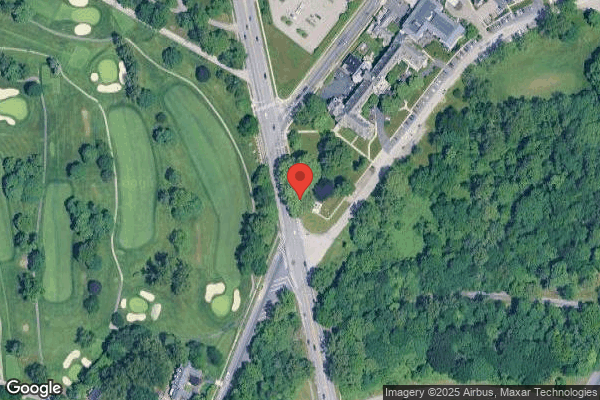
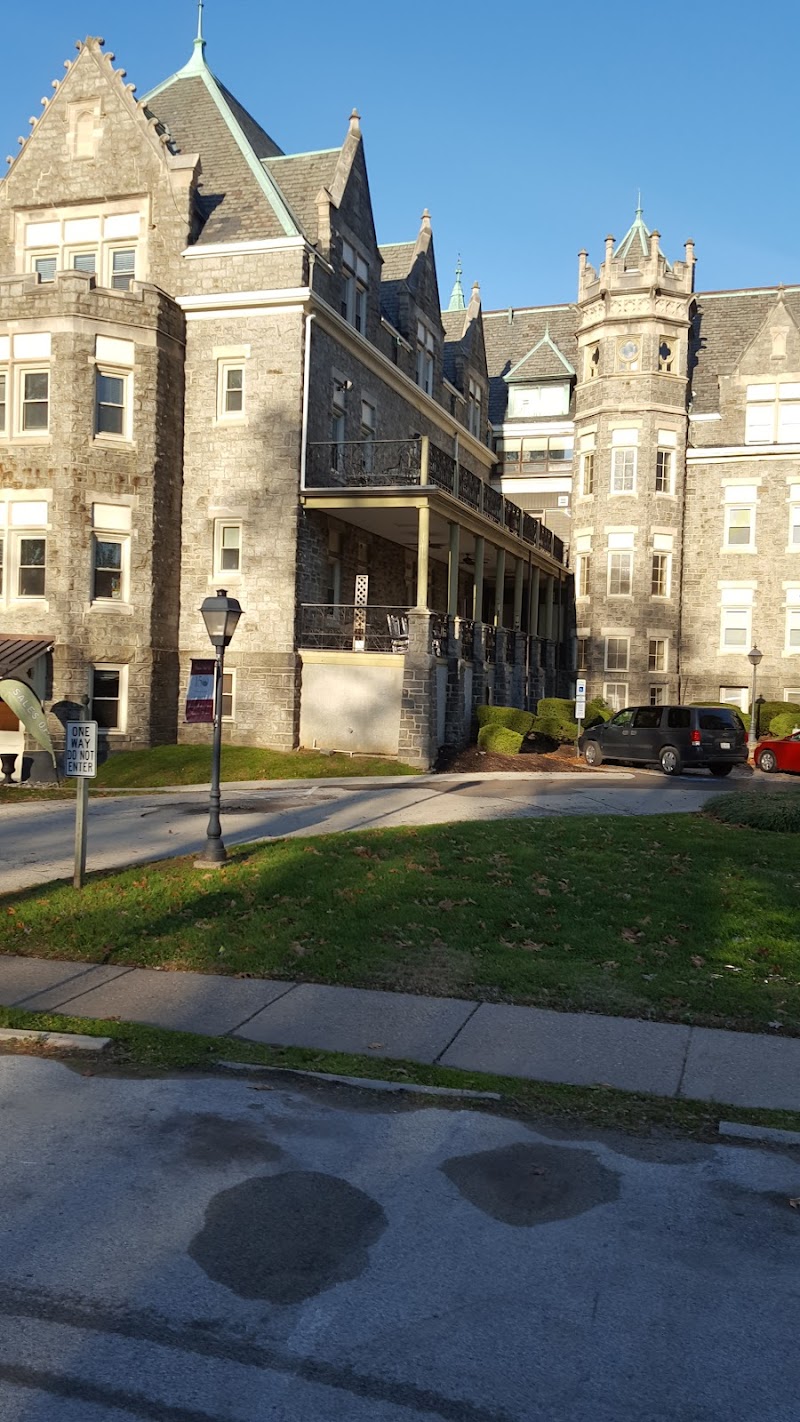

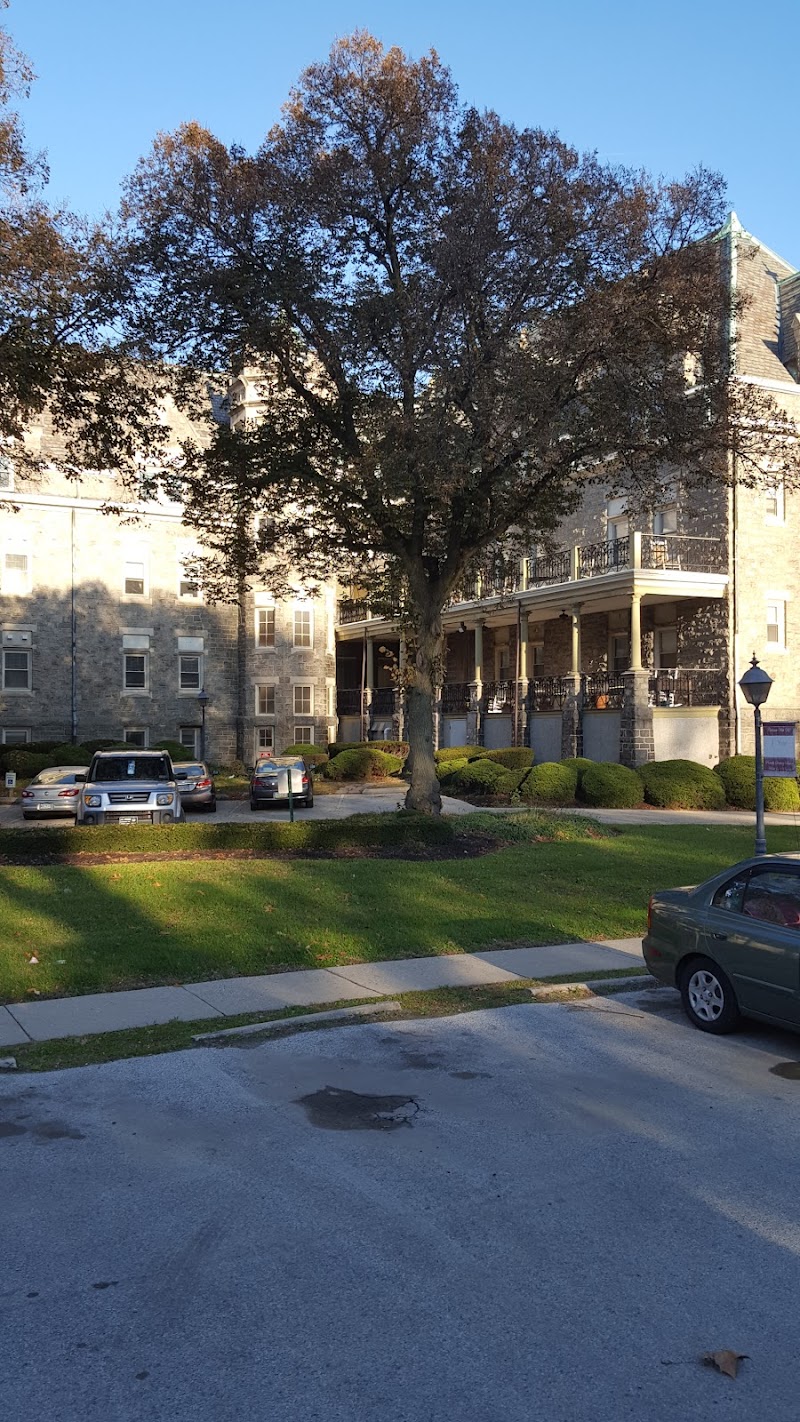
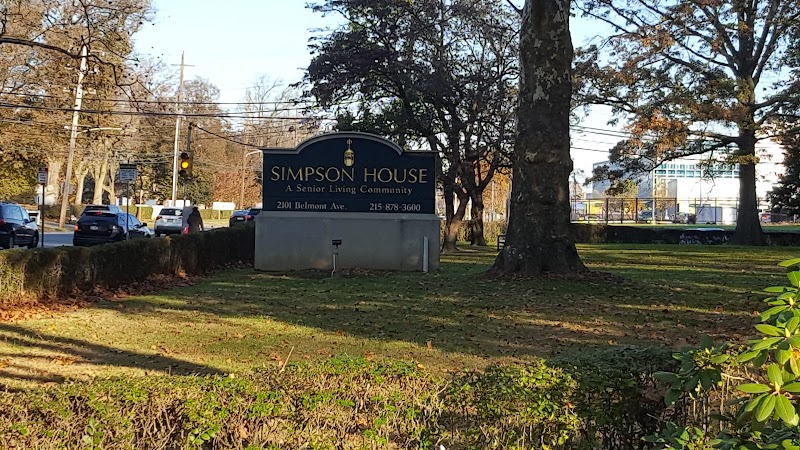
SIMPSON HOUSE INC

2101 BELMONT AVENUE, PHILADELPHIA, PA 19131 (215) 878-3600
Non profit - Corporation 142 Beds Independent Data: November 2025
Trust Grade
90/100
#121 of 653 in PA
Last Inspection: April 2025

Within standard 12-15 month inspection cycle. Federal law requires annual inspections.

Overview

Simpson House Inc in Philadelphia has received a Trust Grade of A, which indicates excellent quality and is highly recommended for families seeking care. Ranking #121 out of 653 facilities in Pennsylvania places it in the top half, while its county ranking at #4 of 46 shows that only three other local facilities are better. However, the facility's trend is concerning as it has worsened, increasing from 2 to 3 issues over the last year. Staffing is a strength, with a 3 out of 5 rating and an impressive 0% turnover, indicating that staff are stable and familiar with residents. On the downside, the facility has faced issues such as failing to submit required staffing information and not implementing enhanced barrier precautions for some residents, both of which could impact care quality.

Trust Score
A
90/100
In Pennsylvania
#121/653
Top 18%
Safety Record
Low Risk
No red flags
Inspections
Getting Worse
2 → 3 violations
Staff Stability
○ Average
Turnover data not reported for this facility.
Penalties
✓ Good
No fines on record. Clean compliance history, better than most Pennsylvania facilities.
Skilled Nurses
✓ Good
Each resident gets 48 minutes of Registered Nurse (RN) attention daily — more than average for Pennsylvania. RNs are trained to catch health problems early.
Violations
○ Average
7 deficiencies on record. Average for a facility this size. Mostly minor or procedural issues.
★★★★★
5.0
Overall Rating
★★★☆☆
3.0
Staff Levels
★★★★★
5.0
Care Quality
★★★★☆
4.0
Inspection Score
Stable
2024: 2 issues
2025: 3 issues

The Good

  • 5-Star Quality Measures · Strong clinical quality outcomes
  • Full Sprinkler Coverage · Fire safety systems throughout facility
  • No fines on record

Facility shows strength in quality measures, fire safety.

The Bad

No Significant Concerns Identified

This facility shows no red flags. Among Pennsylvania's 100 nursing homes, only 0% achieve this.

The Ugly 7 deficiencies on record

Apr 2025 3 deficiencies
CONCERN (D)

Potential for Harm - no one hurt, but risky conditions existed

Respiratory Care (Tag F0695)

Could have caused harm · This affected 1 resident

**NOTE- TERMS IN BRACKETS HAVE BEEN EDITED TO PROTECT CONFIDENTIALITY** Based on review of clinical record, observations, and staff interviews, it was determined that the facility failed to provide ap...

Read full inspector narrative →
**NOTE- TERMS IN BRACKETS HAVE BEEN EDITED TO PROTECT CONFIDENTIALITY** Based on review of clinical record, observations, and staff interviews, it was determined that the facility failed to provide appropriate respiratory care related to oxygen therapy for one of two residents reviewed receiving oxygen therapy (Resident R45) Findings include: Clinical record review revealed Resident R45 was admitted to the facility on [DATE] with a diagnoses that included pulmonary hypertension (type of high blood pressure that affects the arteries in the lungs and the right side of the heart), chronic obstructive pulmonary disease (lung disease causing restricted airflow and breathing problems), and chronic respiratory failure (not enough oxygen or too much carbon dioxide in the body) . Review of Resident R45's physician orders, dated March, 2025, revealed an order for oxygen 1 Liter via nasal cannula continuous to maintain spo2 (blood oxygen level) above 92%. Observation on April 21, 2025 at 11:05 a.m. revealed Resident R45 was being administered 2 liters of oxygen via nasal cannula and Resident R45's oxygen tubing was not dated. Continued observation on April 22, 2025 at 12:45 p.m. revealed Resident R45 continued to have 2lLiters of oxygen being administered via nasal cannula and Resident R45's oxygen tubing was not dated. Interview on April 22, 2025 at 12:48 p.m. with Licensed nurse, Employee E3 confirmed Resident R45's oxygen concentrator was set at 2 liters and was being administered via nasal cannula and Resident R45's oxygen tubing was not dated. 28 Pa. Code 211.12(1)(d)(5) Nursing services.
CONCERN (E)

Potential for Harm - no one hurt, but risky conditions existed

Infection Control (Tag F0880)

Could have caused harm · This affected multiple residents

**NOTE- TERMS IN BRACKETS HAVE BEEN EDITED TO PROTECT CONFIDENTIALITY** Based on review of facility policy, observations, and staff interviews it was determined that the facility failed to implement e...

Read full inspector narrative →
**NOTE- TERMS IN BRACKETS HAVE BEEN EDITED TO PROTECT CONFIDENTIALITY** Based on review of facility policy, observations, and staff interviews it was determined that the facility failed to implement enhanced barrier precautions for four of seventeen residents reviewed (Resident R36, R50, R24, R48). Findings Include: Review of facility policy Enhanced Barrier Precautions - Skilled Nursing reviewed July 2, 2024, revealed the facility will utilize enhanced barrier precautions to prevent the spread of multidrug resistant organisms (MDRO). Enhanced barrier precautions (EBP) expand the use of personal protective equipment (PPE) beyond situations in which exposure to blood and bodily fluids is anticipated. Enhanced barrier precautions include the use of a gown and gloves during high-contact resident care activities for residents with, but not limited to, wounds and/or indwelling medical devices regardless of infection status and MDRO colonization. Further review of facility policy revealed gloves, and gown should be available immediately outside the resident room, a waste container should be near the exit of the resident room, and EBP signage should be posted for the resident room. Review of Resident R36's quarterly Minimum Data Set (MDS - federally mandated resident assessment and care screening) dated April 1, 2025, revealed the resident had an indwelling catheter (also known as foley catheter - a flexible tube placed through the urethra into the bladder to help urinate and collect urine into a drainage bag). Review of Resident R50's quarterly MDS dated [DATE], revealed the resident had pressures ulcers (an open ulcer, the appearance of which will vary depending on the stage). Review of facility wound report dated April 13, 2025, confirmed Resident R50 had an arterial ulcer (open wounds caused by poor blood flow) on the right heel, and a stage III pressure ulcer (characterized by full thickness skin loss and visible fat tissue) on the sacrum. Review of Resident R36's and R50's clinical records, including physician orders and comprehensive care plans, revealed no documented evidence enhanced barrier precautions were implemented in the plan of care. Observations on April 21, 2025, at 11:00 a.m. revealed no evidence that signage was placed on Resdient R36's and R50's door to indicate that the resident's required enhanced barrier precautions. Further observations revealed no gowns or a waste container were available immediatey outside/near the exit of Resdient R36's and R50's doors. Interview and observation on April 21, 2025, at 11:02 a.m. with Resident R36 confirmed the resident still had a catheter. When questioned, Resident R36 denied that staff wear a gown when providing care. Interview on April 21, 2025, at 11:07 a.m. with Licensed Nurse, Employee E3, revealed the employee was unaware of any residents on the ground floor nursing unit that were on enhanced barrier precautions. Observations on April 21, 2025, at 11:24 a.m. revealed Nurse Aide, Employee E4, was in room [ROOM NUMBER] making Resident R50's bed. When questioned, Nurse Aide, Employee E4, was unaware that Resident R50 was on enhanced barrier precautions. Review of Resident R24's quarterly MDS dated [DATE], revealed the resident had an indwelling catheter. Observation on April 21, 2025 at 10:45 a.m. revealed no signage on Resident R24's door to indicate that the resident required enhanced barrier precautions. Interview on April 21, 2025, at 10:45 a.m. with Resident R24 confirmed the resident still had a catheter and Resident R24 and family member denied that staff wear a gown when providing care. Review of Resident R48's quarterly MDS dated [DATE], revealed the resident had an indwelling catheter. Observation on April 21, 2025 at 10:55 a.m. revealed no signage on Resident R48's door to indicate that the resident required enhanced barrier precautions. Interview on April 21, 2025, at 10:57 a.m. with Resident R48 confirmed the resident still had a catheter. Further observations revealed no gowns were available immediately outside of Resident R24's and R48's doors. Interview on April 21, 2025, at 11:10 a.m. with Unit Manager, Employee E5, confirmed no enhanced barrier precaution signage was posted on Resident R24's and Resident R48's doors and no gowns were immediately available outside Resident R24's and Resident R28's doors. 28 Pa. Code 211.10 (d) Resident care policies. 28 Pa. Code 211.12 (d)(5) Nursing services.
CONCERN (F)

Potential for Harm - no one hurt, but risky conditions existed

Staffing Data (Tag F0851)

Could have caused harm · This affected most or all residents

Based on review of Center for Medicare and Medicaid Services (CMS) Payroll Based Journal (PBJ) staffing data report and staff interview, it was determined that the facility failed to electronically su...

Read full inspector narrative →
Based on review of Center for Medicare and Medicaid Services (CMS) Payroll Based Journal (PBJ) staffing data report and staff interview, it was determined that the facility failed to electronically submit direct care staffing information for one of one quarter reviewed (Fiscal Year Quarter 1 2025 - October 1, 2024, to December 31, 2024). Findings include: According to Section 6106 of the Affordable Care Act (ACA), facilities are required to electronically submit direct care staffing information (including agency and contract staff) based on payroll and other auditable data. The data, when combined with census information, can then be used to report on the level of staff in each nursing home, as well as employee turnover and tenure, which can impact the quality of care delivered. Review State Operations Manual, under section 483.70(q), revealed Mandatory submission of staffing information based on payroll data in uniform format. Long-term care facilities must electronically submit to CMS complete and accurate direct care staffing information, including information for agency and contract staff, based on payroll and other verifiable and auditable data in a uniform format according to specifications established by CMS. Under section 483.70(q)(4), The facility must submit direct care staffing information in the uniform format specified by CMS. Under section 483.70(q)(5), The facility must submit direct care staffing information on the schedule specified by CMS, but no less frequently than quarterly. Review of PBJ staffing data report for Fiscal Year Quarter 1 2025 - October 1, 2024, to December 31, 2024 revealed the facility triggered for Failed to Submit Data for the Quarter. Interview with the Director of Nursing, Employee E2, revealed no other information or documentation was available for review. 28 Pa. Code 201.18(a) Management
Jul 2024 2 deficiencies
CONCERN (D)

Potential for Harm - no one hurt, but risky conditions existed

Comprehensive Care Plan (Tag F0656)

Could have caused harm · This affected 1 resident

**NOTE- TERMS IN BRACKETS HAVE BEEN EDITED TO PROTECT CONFIDENTIALITY** Based on clinical record review and interview with staff, it was determined that the facility did not develop a comprehensive ca...

Read full inspector narrative →
**NOTE- TERMS IN BRACKETS HAVE BEEN EDITED TO PROTECT CONFIDENTIALITY** Based on clinical record review and interview with staff, it was determined that the facility did not develop a comprehensive care plan related to hospice care for one of 15 records reviewed (Resident R40). Findings include: Review of clinical documentation for Resident R40 revealed that she was admitted to the facility on [DATE], and had diagnoses of dementia, chronic kidney disease, anemia, heart failure, hypertension (high blood pressure), and polyneuropathy (damage to multiple peripheral nerves). Review of physician orders for Resident R40 revealed an order for Hospice consult evaluate and treat as indicated entered on [DATE]. Review of notes for the resident revealed a note dated [DATE], which stated Hospice nurse for evaluation and resident was signed out as of today, indicating that the resident was admitted to hospice services on that date. Continued review revealed that the resident had died in the facility on [DATE]. Review of the resident's care plan revealed that no care plan had been developed for hospice services between her admittance to the service on [DATE], and her death. Interview with Employee E2, the Director of Nursing, on [DATE], at 2:30 p.m. confirmed that no care plan had been developed by the facility related to hospice care for Resident R40. 28 Pa. Code 211.10(b) Resident care policies 28 Pa. Code (d)(1) Nursing services
CONCERN (D)

Potential for Harm - no one hurt, but risky conditions existed

Deficiency F0730 (Tag F0730)

Could have caused harm · This affected 1 resident

Based on a review of facility documentation and interviews with staff, it was determined that the facility failed to complete inservice education based on the outcome of an annual performance review f...

Read full inspector narrative →
Based on a review of facility documentation and interviews with staff, it was determined that the facility failed to complete inservice education based on the outcome of an annual performance review for one of three nurse aides reviewed. (Employee E10) Findings Include: Review of facility documentation, titled, Standard Job Requirements dated December 13, 2023 revealed four sections of rating; Exceeds Expectations, Meets Expectations, Needs Improvement, and Unsatisfactory. Further review of the facility documentation revealed Employee E10 received a score of Needs Improvement for Maintains confidentiality of all information including resident, employee, operations data and health information. Under the comments section of this document that was a written comment stating, Please be mindful of discussing nursing concerns in front of residents and family members. Appropriate conversation in common areas. Review of inservices for the year of 2023 and 2024 for Nurse aide Employee E10 revealed that the employee was found to need improvement in the area confidentiality during performance evaluation. Continue review of inservices revealed there was no documention of any re-training that occurred for nurse aide, Employee E10 regarding confidentiality after the performance evaluation. Interview on July 3, 2024 at 12:12 p.m. revealed the nurse aide, Employee E10 had no documented re-education of confidentiality after the performance evaluation was completed on December 13, 2023. 28 Pa. Code 201.19 (2) Personnel policies and procedures
Aug 2023 2 deficiencies
CONCERN (D)

Potential for Harm - no one hurt, but risky conditions existed

Quality of Care (Tag F0684)

Could have caused harm · This affected 1 resident

Based on observations, interviews with staff and residents, review of facility policy and review of clinical records, it was determined the facility failed to obtain a medication order from the reside...

Read full inspector narrative →
Based on observations, interviews with staff and residents, review of facility policy and review of clinical records, it was determined the facility failed to obtain a medication order from the resident's physician and that a resident did not self-administer medications for one of sixteen residents reviewed. (Resident R268) Findings Include: Review of facility policy, Medication Administration dated November 22, 2022 states, Medication will be administered to residents according to their physician's order by licensed nursing personnel, residents who are cognitively intact with appropriate BIMS score may self-administer their medication. The purpose to safely administer medication to residents for treating and preventing medical illness or condition. Number 10. Administer oral medication and remain with resident while he/she takes the medication. Number 11. Document in the eMAR (electronic medical record) immediately following giving the medication to the resident. Review of Resident R268's clinical record revealed the diagnosis of nonrheumatic aortic (valve) stenosis, presence of prosthetic heart valve, hemoperitoneum (a type of internal bleeding in which blood gathers in your peritoneal cavity), Type 2 diabetes mellitus (failure of the body to produce insulin), paroxysmal atrial fibrillation (irregular hear beat), anemia, acute embolism and thrombosis, gastrointestinal hemorrhage and acute kidney failure. Interview with Resident R268 on August 22, 2023 at 10:43 a.m. revealed the resident had recently been to her renal doctor and she was prescribed two new medications. Upon observation of the room there was a small pill bottle and one loose pill on a napkin on the resident's table in her bedroom. The resident stated she had gotten Torsemide 20 milligrams and Potassium Chloride that the facility will not give to her. The resident indicated that she administers it one time a day with lunch. Interview with Unit Manager, Employee E3 on August 22, at 11:57 a.m. revealed that he did not know the resident currently had the medications in her possession. Review of Resident R268's nursing progress note revealed a note from August 15, 2023 Resident returned from renal appointment. New order Potassium Chloride and Torsemide, scripts sent to [local pharmacy] pharmacy. Resident will be dropping meds off. Continued review of Resident R268's clinical record revealed no documented evidence that an order was obtained from the physcian from Torsemeide and Potassuin Chloride, and no medication administration record on file for the new orders of Potassium Chloride and Torsemide. 28 Pa. Code 211.12(d)(3)(5) Nursing Services
CONCERN (D)

Potential for Harm - no one hurt, but risky conditions existed

Deficiency F0804 (Tag F0804)

Could have caused harm · This affected 1 resident

Based on observations of the Food and Nutrition Services, review of policy and procedures, and interviews with staff, it was determined that the facility failed to ensure that each resident received f...

Read full inspector narrative →
Based on observations of the Food and Nutrition Services, review of policy and procedures, and interviews with staff, it was determined that the facility failed to ensure that each resident received food at safe temperatures. Findings Include: Review of facility policy titled Section 7: Meal Services Microwaves, Established methods for the safe reheating of foods in the microwave by staff will be followed to minimize the risk of food borne illness and serve food that is safe for residents to handle. Procedure reads, 1. Cover items to retain surface moisture. 2. Rotate or stir product during cooking time for even distribution of heat. 3. Reheat foods to a temperature of at least 165 degrees Fahrenheit and allow to stand covered for 2 minutes after heating to achieve temperature equilibrium. 4. Beverages/liquids heated in microwave should not exceed temperature of 150 degrees Fahrenheit to minimize the risk of burns. Cool as needed prior to serving to resident. Observation of lunch on August 22, 2023 at 12:04 p.m. revealed that Dietary aide, Employee E11 was observed reheating individual plates of food for each resident. At 12:11p.m Employee E11 was seen reheating a burger and she did not check the temperature of the food or let it stand for two minutes before serving it. At 12:13p.m. Employee E11 was observed reheating lasagna for a resident, she did not take the temperature of the food or let it stand for two minutes before serving it. At 12:22p.m. Employee E11 was seen reheating chicken, and she did not check the temperature of the chicken or let it stand for two minutes before serving it. Observation of the lunch meal on August 23, 2023 at 12:05 p.m. revealed Dietary aide, Employee E11 observed re-heating food taken off of the hot tray line. Food Service Manager, Employee E12 observed Employee E11, reheat a mac and cheese with tomatoes stew in the microwave. Interview with Food Service Manager, Employee E12 revealed that it's their normal reheating practice and they only measure temperature once food comes on the floor initially from the kitchen, but not after reheating in the microwave. Interview with Dietary aide, Employee E11 on August 23, 2023 at 12:07 p.m. revealed the staff was unaware of the reheating food policy. Dietary aide, Employee E11 stated she heats up the resident's food due to the food cooling off and resident's preferring their food hot. 28 Pa. Code 201.14(a) Responsibility of licensee 28 Pa. Code 201.18 (b)(3) Management 28 Pa Code 211.6(f) Dietary services
Understanding Severity Codes (click to expand)
Life-Threatening (Immediate Jeopardy)
J - Isolated K - Pattern L - Widespread
Actual Harm
G - Isolated H - Pattern I - Widespread
Potential for Harm
D - Isolated E - Pattern F - Widespread
No Harm (Minor)
A - Isolated B - Pattern C - Widespread

Questions to Ask on Your Visit

  • "Can I speak with families of current residents?"
  • "What's your RN coverage like on weekends and overnight?"

Our Honest Assessment

Strengths
  • • Grade A (90/100). Above average facility, better than most options in Pennsylvania.
  • • No major safety red flags. No abuse findings, life-threatening violations, or SFF status.
  • • No fines on record. Clean compliance history, better than most Pennsylvania facilities.
Concerns
  • • No significant concerns identified. This facility shows no red flags across CMS ratings, staff turnover, or federal penalties.
Bottom line: Generally positive indicators. Standard due diligence and a personal visit recommended.

About This Facility

What is Simpson House Inc's CMS Rating?

CMS assigns SIMPSON HOUSE INC an overall rating of 5 out of 5 stars, which is considered much above average nationally. Within Pennsylvania, this rating places the facility higher than 99% of the state's 100 nursing homes. This rating reflects solid performance across the metrics CMS uses to evaluate nursing home quality.

How is Simpson House Inc Staffed?

CMS rates SIMPSON HOUSE INC's staffing level at 3 out of 5 stars, which is average compared to other nursing homes.

What Have Inspectors Found at Simpson House Inc?

State health inspectors documented 7 deficiencies at SIMPSON HOUSE INC during 2023 to 2025. These included: 7 with potential for harm.

Who Owns and Operates Simpson House Inc?

SIMPSON HOUSE INC is owned by a non-profit organization. Non-profit facilities reinvest revenue into operations rather than distributing to shareholders. The facility operates independently rather than as part of a larger chain. With 142 certified beds and approximately 47 residents (about 33% occupancy), it is a mid-sized facility located in PHILADELPHIA, Pennsylvania.

How Does Simpson House Inc Compare to Other Pennsylvania Nursing Homes?

Compared to the 100 nursing homes in Pennsylvania, SIMPSON HOUSE INC's overall rating (5 stars) is above the state average of 3.0 and health inspection rating (4 stars) is above the national benchmark.

What Should Families Ask When Visiting Simpson House Inc?

Based on this facility's data, families visiting should ask: "Can I visit during a mealtime to observe dining assistance and food quality?" "How do you handle medical emergencies, and what is your hospital transfer rate?" "Can I speak with family members of current residents about their experience?"

Is Simpson House Inc Safe?

Based on CMS inspection data, SIMPSON HOUSE INC has a clean safety record: no substantiated abuse findings (meaning no confirmed cases of resident harm), no Immediate Jeopardy citations (the most serious violation level indicating risk of serious injury or death), and is not on the Special Focus Facility watch list (a federal program monitoring the lowest-performing 1% of nursing homes). The facility has a 5-star overall rating and ranks #1 of 100 nursing homes in Pennsylvania. While no facility is perfect, families should still ask about staff-to-resident ratios and recent inspection results during their visit.

Do Nurses at Simpson House Inc Stick Around?

SIMPSON HOUSE INC has not reported staff turnover data to CMS. Staff turnover matters because consistent caregivers learn residents' individual needs, medications, and preferences. When staff frequently change, this institutional knowledge is lost. Families should ask the facility directly about their staff retention rates and average employee tenure.

Was Simpson House Inc Ever Fined?

SIMPSON HOUSE INC has no federal fines on record. CMS issues fines when nursing homes fail to meet care standards or don't correct problems found during inspections. The absence of fines suggests the facility has either maintained compliance or corrected any issues before penalties were assessed. This is a positive indicator, though families should still review recent inspection reports for the full picture.

Is Simpson House Inc on Any Federal Watch List?

SIMPSON HOUSE INC is not on any federal watch list. The most significant is the Special Focus Facility (SFF) program, which identifies the bottom 1% of nursing homes nationally based on persistent, serious quality problems. Not being on this list means the facility has avoided the pattern of deficiencies that triggers enhanced federal oversight. This is a positive indicator, though families should still review the facility's inspection history directly.