ASBURY HEALTH CENTER
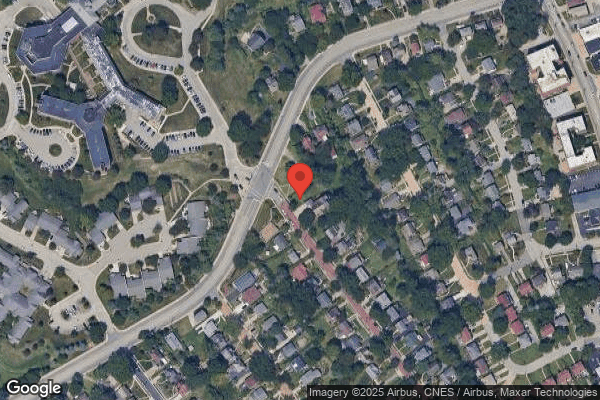
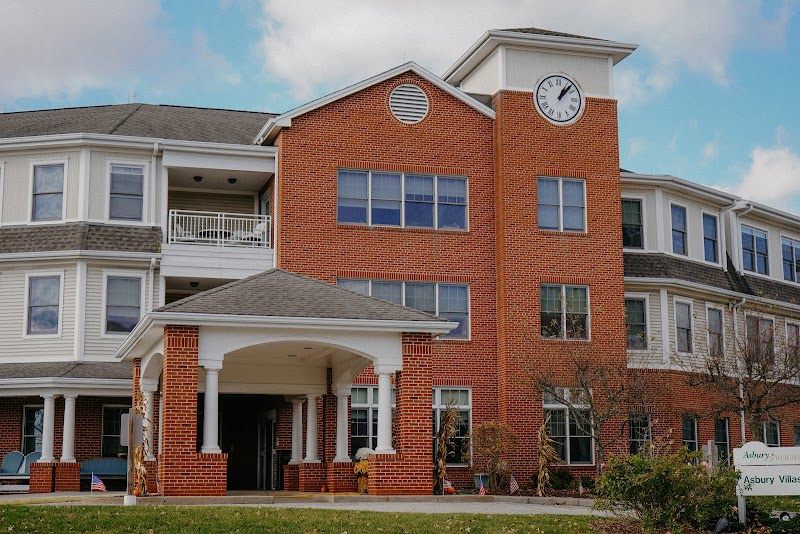
700 BOWER HILL ROAD, PITTSBURGH, PA 15243 (412) 341-1030
Non profit - Corporation 139 Beds BONCREST RESOURCE GROUP Data: November 2025
Trust Grade
40/100
#525 of 653 in PA
Last Inspection: June 2025

Inspected within the last 6 months. Data reflects current conditions.

Overview

Asbury Health Center in Pittsburgh has a Trust Grade of D, which indicates below-average performance with some significant concerns. They rank #525 out of 653 facilities in Pennsylvania, placing them in the bottom half, and #32 out of 52 in Allegheny County, meaning there are only a few better local options. Unfortunately, the facility is worsening, with the number of issues increasing from 7 in 2024 to 11 in 2025. Staffing is a strength, rated at 4 out of 5 stars, with a turnover rate of 54%, which is about average for the state, and they have more registered nurse coverage than 96% of facilities in Pennsylvania. However, there are serious concerns, including incidents where proper sanitation practices were not followed during food preparation, leading to a risk of foodborne illness, and a lack of effective infection control measures, which could jeopardize resident health. While there have been no fines reported, the overall quality and health inspection ratings are poor, indicating room for significant improvement.

Trust Score
D
40/100
In Pennsylvania
#525/653
Bottom 20%
Safety Record
Low Risk
No red flags
Inspections
Getting Worse
7 → 11 violations
Staff Stability
⚠ Watch
54% turnover. Above average. Higher turnover means staff may not know residents' routines.
Penalties
✓ Good
No fines on record. Clean compliance history, better than most Pennsylvania facilities.
Skilled Nurses
✓ Good
Each resident gets 85 minutes of Registered Nurse (RN) attention daily — more than 97% of Pennsylvania nursing homes. RNs are the most trained staff who catch health problems before they become serious.
Violations
⚠ Watch
23 deficiencies on record. Higher than average. Multiple issues found across inspections.
★☆☆☆☆
1.0
Overall Rating
★★★★☆
4.0
Staff Levels
★☆☆☆☆
1.0
Care Quality
★★☆☆☆
2.0
Inspection Score
Stable
2024: 7 issues
2025: 11 issues

The Good

  • 4-Star Staffing Rating · Above-average nurse staffing levels
  • Full Sprinkler Coverage · Fire safety systems throughout facility
  • No fines on record

Facility shows strength in staffing levels, fire safety.

The Bad

1-Star Overall Rating

Below Pennsylvania average (3.0)

Significant quality concerns identified by CMS

Staff Turnover: 54%

Near Pennsylvania avg (46%)

Higher turnover may affect care consistency

Chain: BONCREST RESOURCE GROUP

Part of a multi-facility chain

Ask about local staffing decisions and management

The Ugly 23 deficiencies on record

Jun 2025 10 deficiencies
CONCERN (D)

Potential for Harm - no one hurt, but risky conditions existed

Report Alleged Abuse (Tag F0609)

Could have caused harm · This affected 1 resident

**NOTE- TERMS IN BRACKETS HAVE BEEN EDITED TO PROTECT CONFIDENTIALITY** Based on review of facility policy, clinical records, facility documents, and staff interviews, it was determined that the facil...

Read full inspector narrative →
**NOTE- TERMS IN BRACKETS HAVE BEEN EDITED TO PROTECT CONFIDENTIALITY** Based on review of facility policy, clinical records, facility documents, and staff interviews, it was determined that the facility failed to report an allegation of neglect to the State Agency for one of four residents (Resident R325). Finding include: Review of facility policy Abuse, Neglect, Exploitation and Misappropriation Prevention Program dated 3/26/25, indicated residents have the right to be free from abuse, neglect, misappropriation of resident property and exploitation. This includes but is not limited to freedom from corporal punishment, involuntary seclusion, verbal, mental, sexual, or physical abuse, and physical or chemical restraints not required to treat the resident's symptoms. Review of the facility policy Abuse, Neglect, Exploitation or Misappropriation-Reporting and Investigating dated 3/26/25, indicated if resident abuse, neglect, exploitation, misappropriation of resident property or injury of unknown source is suspected, the suspicion must be reported immediately to the administrator and to other officials according to state law. The administrator or the individual making the allegation immediately reports his or her suspicion to the following persons or agencies: state licensing/certification agency responsible for surveying/licensing the facility; local/state ombudsman, resident's representative, adult protective services, law enforcement officials, resident's attending physician and the facility medical director. Review of Resident R325's admission record indicated the resident was admitted on [DATE] , with diagnoses that included high blood pressure, diabetes (blood sugar too high or too low), muscle weakness and cognitive communication deficit (difficulties in communication due to impairments in cognitive processes like attention, memory, and problem-solving, rather than primary speech or language disorders). Review of Resident R325's Minimum Data Set (MDS- a periodic assessment of care needs) dated 6/13/25, indicated the diagnoses remained current. Review of Resident R325's progress note dated 6/15/25. indicated that Registered Nurse (RN) Employee E8 came to RN Employee E9 stating that the resident wanted to speak with the supervisor on duty. Upon entering the resident's room, resident was sitting in the wheelchair watching TV. When asked, how may I help you, resident stated that the certified nursing aide (CNA) Employee E10 was abusing an old lady. This RN Employee E8 asked resident to explain what had happened, the resident explained that the CNA Employee E10 told her to use the wheelchair to go to the bathroom instead of walking, which the resident didn't want to do, then the CNA Employee E10 pushed my chair hard and on purpose. Resident stated she wanted something done about this immediately and in writing. Resident R325 requested for this CNA Employee E10 not to be assigned to her or come in her room again. Director of Nursing (DON) and Nursing Home Administrator (NHA) were made aware of situation. RN Employee E8 was made aware that going forward there will have to be two aides going into her room to provide care. Review of documentation provided to the State Agency from 6/1/25, to 6/22/25, did not include Resident R325's incident of abuse. During an interview on 6/24/25, at 2:50 p.m. the Director of Nursing confirmed the facility failed to report an allegation of abuse to the State Agency for one of four residents (Resident R325). 28 Pa. Code:201.14(a) Responsibility of licensee. 28 Pa. Code:201.18(e)(1) Management. 28 Pa. Code:207.2(a) Administrator's responsibility. 28 Pa. Code: 211.10(d) Resident care policies.
CONCERN (D)

Potential for Harm - no one hurt, but risky conditions existed

Assessment Accuracy (Tag F0641)

Could have caused harm · This affected 1 resident

**NOTE- TERMS IN BRACKETS HAVE BEEN EDITED TO PROTECT CONFIDENTIALITY** Based on review of facility clinical records, observations and staff interview, it was determined that the facility failed to ma...

Read full inspector narrative →
**NOTE- TERMS IN BRACKETS HAVE BEEN EDITED TO PROTECT CONFIDENTIALITY** Based on review of facility clinical records, observations and staff interview, it was determined that the facility failed to make certain that resident assessments were accurate for one of five residents (Resident R71). Findings include: Review of facility policy Resident Assessments reviewed 4/1/24 and 3/26/25, indicated a comprehensive assessment of every resident ' s needs is made at intervals designated by OBRA and PPS requirements. A comprehensive assessment includes completion of the Minimum Data Set (MDS - a mandated assessment of a resident's abilities and care needs), completion of the care area assessment (CAA) process, and development of the comprehensive care plan. Review of the clinical record indicated that Resident R71 was re-admitted to the facility on [DATE], with diagnoses that included diabetes, dementia (group of symptoms affecting memory, thinking and social abilities), and repeated falls. Review of a physician order dated 7/12/24, indicated Resident R71 was admitted to hospice services. Review of the MDS dated [DATE], indicated the diagnoses remain current. Further review of the MDS dated [DATE], Section O: Special Treatments, Procedures, and Programs, O0110 K1 Hospice Care failed to indicate Resident R71 was receiving hospice care at the facility. Review of the MDS dated [DATE], Section O: Special Treatments, Procedures, and Programs, O0110 K1 Hospice Care indicated Resident R71 was not receiving hospice care at the facility. During an interview on 2/14/25, at 12:05 p.m. the Registered Nurse Assessment Coordinator (RNAC) Employee E7 confirmed the facility failed to complete an accurate assessment for Resident R58.
CONCERN (D)

Potential for Harm - no one hurt, but risky conditions existed

Comprehensive Care Plan (Tag F0656)

Could have caused harm · This affected 1 resident

**NOTE- TERMS IN BRACKETS HAVE BEEN EDITED TO PROTECT CONFIDENTIALITY** Based on a review of facility policy, clinical records, and staff interview, it was determined that the facility failed to devel...

Read full inspector narrative →
**NOTE- TERMS IN BRACKETS HAVE BEEN EDITED TO PROTECT CONFIDENTIALITY** Based on a review of facility policy, clinical records, and staff interview, it was determined that the facility failed to develop care plans that included instructions to provide person centered care for one of three residents (Resident R57). Findings include: Review of facility's policy Care Plans, Comprehensive Person-Centered dated 3/26/25, indicated the facility will develop a comprehensive care plan for each resident that includes measurable objectives and timetables to meet a resident's medical, nursing, and mental and psychosocial needs that are identified in the comprehensive assessment. Review of the clinical record face sheet revealed that Resident R57 was admitted to the facility on [DATE], with a diagnosis of dementia. Review of the comprehensive Minimum Data Set (MDS - periodic assessment of resident care needs) dated 11/14/24, indicated Resident R57 had a diagnosis of dementia. Review of Resident R57's care plan dated 5/22/25, failed to reveal a care plan with goals and interventions for dementia. During an interview on 6/26/25, at 12:30 p.m. the Director of Nursing confirmed that the facility failed to ensure that a comprehensive resident care plan was complete for resident care needs for Resident R57. 28 Pa. Code 211.12(d)(5) Nursing Services.
CONCERN (D)

Potential for Harm - no one hurt, but risky conditions existed

Quality of Care (Tag F0684)

Could have caused harm · This affected 1 resident

**NOTE- TERMS IN BRACKETS HAVE BEEN EDITED TO PROTECT CONFIDENTIALITY** Based on review of facility policy, clinical records, and staff interviews, it was determined that the facility failed to assess...

Read full inspector narrative →
**NOTE- TERMS IN BRACKETS HAVE BEEN EDITED TO PROTECT CONFIDENTIALITY** Based on review of facility policy, clinical records, and staff interviews, it was determined that the facility failed to assess, document, and notify physicians of increased and decreased Capillary Blood Glucose (CBG) levels for three of nine residents reviewed (Residents R58, R64, and R111). Findings include: The Centers for Disease Control defines diabetes as: Diabetes Mellitus is a chronic (long-lasting) health condition that affects how your body turns food into energy. Most of the food you eat is broken down into sugar (also called glucose) and released into your bloodstream. When your blood sugar goes up, it signals your pancreas to release insulin. Insulin acts like a key to let the blood sugar into your body's cells for use as energy. If you have diabetes, your body either doesn't make enough insulin or can't use the insulin it makes as well as it should. When there isn't enough insulin or cells stop responding to insulin, too much blood sugar stays in your bloodstream. Over time, that can cause serious health problems, such as heart disease, vision loss, and kidney disease. Hypoglycemia is a condition that occurs when blood glucose is lower than normal, usually below 70 milligrams per deciliter (mg/dl). If left untreated, hypoglycemia may lead to weakness, confusion, unconsciousness, arrhythmias and even death. People with Diabetes Mellitus may be prescribed injectable insulin to assist in maintaining acceptable levels of CBG's. Hyperglycemia, or high blood glucose, occurs when there is too much sugar in the blood. This happens when your body has too little insulin. Hyperglycemia is blood glucose greater than 125 mg/dL while fasting (not eating for at least eight hours, or a blood glucose greater than 180 mg/dL one to two hours after eating. If you have hyperglycemia and it ' s untreated for long periods of time, you can damage your nerves, blood vessels, tissues and organs. Damage to blood vessels can increase your risk of heart attack and stroke, and nerve damage may also lead to eye damage, kidney damage and non-healing wounds. Review of the facility policy Obtaining a Fingerstick Glucose Level reviewed 4/1/24 and 3/26/25, indicated the documentation after the procedure should contain all assessment data obtained during the procedure. Document the blood sugar results. Follow facility policies and procedures for appropriate nursing interventions regarding blood sugar results (if resident is on sliding scale coverage, and/or physician intervention is needed to adjust insulin or oral medication dosages), etc. Review of the facility policy Change in Resident ' s Condition or Status reviewed 4/1/24 and 3/26/25, indicated the nurse will notify the resident ' s attending physician or physician on call when there has been a need to alter the resident ' s medical treatment significantly. A significant change of condition is a major decline or improvement in the resident ' s status that will not normally resolve itself without intervention by staff or by implementing standard disease-related clinical interventions. Prior to notifying the physician or healthcare provider, the nurse will make detailed observations and gather relevant and pertinent information for the provider. Review of the care plan Charting and Documentation reviewed 4/1/24 and 3/26/25, indicated the following information is to be documented in the resident medical record: (a) Objective observations; and (d) Change ' s in resident ' s condition. Documentation of procedures and treatments will include care-specific details, including the assessment data and/or unusual findings obtained by the procedure and notification of family, physician, or other staff, if indicated. Review of the facility policy Care Plans, Comprehensive Person-Centered reviewed 4/1/24 and 3/26/25, states a comprehensive, person-centered care plan that includes measurable objectives and timetables to meet the resident ' s physical, psychosocial, and functional needs is developed and implemented for each resident. The comprehensive, person-centered care plan describes the services that are to be furnished to attain or maintain the resident ' s highest practicable physical, mental, and psychosocial well-being. When possible, interventions address underlying source(s) of the problem area(s), not just symptoms or triggers. The facility was unable to provide a policy regarding care of the diabetic resident. Review of the clinical record revealed Resident R58 was admitted to the facility on [DATE], with diagnoses that included dementia (group of symptoms affecting memory, thinking and social abilities), diabetes, and aphasia (an impairment in a person's ability to comprehend or formulate language because of dysfunction in specific brain regions). Review of Minimum Data Set (MDS - a mandated assessment of a resident's abilities and care needs) dated 5/28/25, indicated the diagnoses remain current. Review of Resident R58 physician ' s order revealed the following orders: - On 12/31/24, Humalog (a fast-acting insulin that starts to work about 15 minutes after injection, peaks in about 1 hour, and keeps working for 2 to 4 hours) insulin per sliding scale with meals; For blood sugar 331 and greater, give six units then call MD (doctor). Review of the clinical record, and electronic Medication Administration Record (eMAR) revealed that the resident's CBG's were as follows: - On 5/6/25, at 5:58 p.m. the CBG was noted to be 413. Recheck CBG at 5:59 p.m. was noted to be 413. - On 5/9/25, at 5:50 p.m. the CBG was noted to be 393. Recheck CBG at 6:28 p.m. was noted to be 393. - On 5/12/25, at 7:58 p.m. the CBG was noted to be 397. Recheck CBC at 7:59 p.m. was noted to be 397. - On 5/18/25, at 6:08 p.m. the CBG was noted to be 359. Recheck CBG at 6:14 p.m. was noted to be 359. - On 5/26/25, at 5:52 p.m. the CBG was noted to be 354. Recheck CBG at 5:52 p.m. was noted to be 354. - On 5/27/25, at 8:47 a.m. the CBG was noted to be 350. - On 6/1/25, at 6:52 p.m. the CBG was noted to be 438. Recheck CBG at 6:54 p.m. was noted to be 438. - On 6/6/25, at 5:37 p.m. the CBG was noted to be 438. Recheck CBG at 6:54 p.m. was noted to be 438. - On 6/17/25, at 7:36 a.m. the CBG was noted to be 368. - On 6/23/25, at 6:28 p.m. the CBG was noted to be 349. Recheck CBG at 6:31 p.m. was noted to be 349 Review of Resident's eMAR and clinical progress notes indicated the resident was not assessed for hyperglycemia, the blood glucose was not monitored for effectiveness of treatment, and the physician was not notified of abnormal results on the above listed date. Review of a clinical record indicated Resident R64 was admitted to the facility on [DATE], with diagnoses that included diabetes, depression, and lymphedema (accumulation of protein-rich fluid that's usually drained through the body's lymphatic system, most commonly affects the arms and legs). Review of the MDS dated [DATE], indicated the diagnoses remain current. Review of Resident R64 physician ' s orders revealed the following orders: - On 7/16/24, Humalog insulin per sliding scale. For blood sugar 331 and greater, cover with 7 units and call MD for further orders. Review of Resident 64's eMAR revealed that the resident's CBG's were as follows: - On 3/26/25, at 11:43 a.m. the CBG was noted to be 334. - On 4/16/25, at 12:41 p.m. the CBG was noted to be 350. - On 5/28/25, at 7:57 a.m. the CBG was noted to be 374. - On 5/29/25, at 8:33 a.m. the CBG was noted to be 375. - On 6/1/25, at 6:58 p.m. the CBG was noted to be 367. Review of the care plan dated 6/17/24, indicated the following interventions: - Diabetes medication as ordered by doctor. Monitor/document for side effects and effectiveness. - Monitor/document/report PRN (as needed) any psychosocial problem areas - Monitor/document/report PRN compliance with diet and document any problems. - Monitor/document/report PRN any sign/symptoms of infection to any open area. Review of the care plan revised on 6/5/25, failed to reveal a person-centered care plan with interventions specific to Resident R64. Review of Resident R64's eMAR and clinical progress notes indicated the resident was not assessed for hyperglycemia, the blood glucose was not monitored for effectiveness of treatment, and the physician was not notified of abnormal results on the above listed dates. Review of the clinical record indicated Resident R111 was admitted to the facility on [DATE], with diagnoses that included diabetes, aphasia (an impairment in a person's ability to comprehend or formulate language because of dysfunction in specific brain regions), and dysphagia (difficulty swallowing). Review of Resident R111 physician ' s order revealed the following orders: - On 4/3/25 through 5/8/25, Humalog insulin per sliding scale. If blood sugar is 341 and greater, give six units and call MD. Review of the clinical record, and electronic Medication Administration Record (eMAR) revealed that the resident's CBG's were as follows: - On 4/4/25, at 12:37 p.m. the CBG was noted to be 408. Recheck CBG at 12:49 p.m. was noted to be 408. - On 5/3/25, at 5:43 p.m. the CBG was noted to be 434. Recheck CBG at 5:43 p.m. was noted to be 434. Review of the care plan dated 1/30/24, indicated the following interventions: - Diabetes medication as ordered by doctor. Monitor/document for side effects and effectiveness. - Monitor/document/report PRN (as needed) any psychosocial problem areas - Monitor/document/report PRN compliance with diet and document any problems. - Monitor/document/report PRN any sign/symptoms of infection to any open area. Review of the care plan revised on 4/4/25, failed to reveal a person-centered care plan with interventions specific to Resident R111. Review of Resident's eMAR and clinical progress notes indicated the resident was not assessed for hyperglycemia, the blood glucose was not monitored for effectiveness of treatment, and the physician was not notified of abnormal results on the above listed date. During an interview on 6/25/25, at 10:15 a.m. Licensed Practical Nurse (LPN) Employee E1 stated it depends on the resident ' s order for when to notify the doctor. If the blood sugar was below 70, they would provide juice or snack depending on their signs and symptoms. If the blood sugar was greater that 300, they would give the resident water, the ordered insulin, and assess the resident to see if signs and symptoms were present, they would notify the doctor. They stated they would document in the eMAR and progress notes. During an interview on 6/25/25, at 10:05 a.m. Registered Nurse (RN) Employee E2 stated for blood sugar less than 70, they would call the doctor and give a snack or juice. If the blood sugar was over 330, they would give the ordered insulin, call the doctor, check the resident ' s vital signs. They would document in the eMAR and a progress note. During an interview on 6/25/25, at 10:08 a.m. RN Employee E3 stated if the blood sugar was less that 70 or over 400, they would notify the doctor. If the blood sugar was less than 70, they would provide a snack or juice and recheck the blood sugar in 15 minutes. If the blood sugar was over 400, they would check the resident ' s vital signs, assess the resident for any signs and/or symptoms, and call the doctor. They would document in the eMAR and progress notes. During an interview on 6/25/25, at 10:10 a.m. LPN Employee E4 stated if the resident ' s blood sugar was less than 60, they would provide a snack or juice and call the doctor if the blood sugar did not During an interview on 6/25/25, at 10:15 a.m. RN Employee E5 stated they would check the doctor ' s orders to check when to notify the doctor. If the blood sugar was less than 70, they would assess the resident for signs and symptoms and provide a snack or juice. For blood sugar over 140, they would monitor the resident. They would document in the eMAR and progress notes. During an interview on 6/26/25, at 10:00 a.m. the Director of Nursing confirmed the facility failed to notify the doctor of a change in condition, failed to document an assessment or interventions used related to blood glucose, and failed to follow physicians orders for Residents R58, R64, and R111. 28 Pa. Code 201.18 (b)(1) Management 28 Pa. Code 201.29(d) Resident rights 28 Pa. Code 211.10 (c)(d) Resident care policies 28 Pa. Code 211.12 (d)(1)(2)(3)(5) Nursing services
CONCERN (D)

Potential for Harm - no one hurt, but risky conditions existed

Incontinence Care (Tag F0690)

Could have caused harm · This affected 1 resident

**NOTE- TERMS IN BRACKETS HAVE BEEN EDITED TO PROTECT CONFIDENTIALITY** Based on review of facility policies, observations, clinical records, and staff interviews it was determined that the facility f...

Read full inspector narrative →
**NOTE- TERMS IN BRACKETS HAVE BEEN EDITED TO PROTECT CONFIDENTIALITY** Based on review of facility policies, observations, clinical records, and staff interviews it was determined that the facility failed to make certain that appropriate treatments and services were provided for the use of an indwelling urinary catheter as required for two of four residents (Resident R51 and R331). Findings include: Review of the facility policy Indwelling (Foley) Catheter Removal dated 3/26/25, indicated documentation in the medical record should consist of the following: date and time the procedure was performed, name and title of the individual who performed the procedure, all assessment data (urine amount, color, clarity, etc.) obtained during procedure, time and amount of first void after catheter removal, how the resident tolerated the procedure, if resident refused the procedure, reason and interventions taken, signature and title of person recording data. Review of the facility policy Output, Measuring and Recording dated 3/26/25, indicated this procedure is to accurately determine the amount of urine that a resident excretes in a 24 hour period. Review of the facility policy Urinary Continence and Incontinence-Assessment and Management dated 3/26/25, indicated the staff and practitioner will appropriately screen for, and manage individuals with urinary incontinence. Management of incontinence will follow relevant clinical guidelines. The physician and staff will provide appropriate services and treatments to help residents restore or improve bladder function and prevent urinary tract infections to the extent possible. Indwelling urinary catheters will be used sparingly, for appropriate indications only. Identification and management of urinary tract infections will follow relevant clinical guidelines. Antibiotics will be used appropriately. Review of Resident R51's medical record indicated admission to the facility on 6/2/25, with diagnoses that include history of falling, chronic kidney disease (longstanding disease of the kidneys leading to kidney failure), urinary tract infection, and obstructive and reflux uropathy (two distinct conditions of the urinary tract where one causes a blockage allowing for normal flow and the other causing urine in the bladder to the back up into the kidneys). Review of Resident R51's Minimum Data Set (MDS-a periodic assessment of care needs) dated 6/9/25, indicates the diagnoses are current. Review of Resident R331's medical record indicated admission to the facility on 6/9/25, with diagnoses that include history of falling, obstructive and reflux uropathy, urinary tract infection, and cognitive communication deficit (difficulties in communication due to impairments in cognitive processes like attention, memory, and problem-solving, rather than primary speech or language disorders). Review of Resident R331's MDS dated [DATE], indicates the diagnoses are current. Review of Resident R331's clinical record indicated the foley catheter was to be discontinued on 6/23/25, review of the record revealed that bladder scans were ordered every shift for 72 hours with resident to receive a straight catheter (temporary catheter used once to empty the bladder and then removed immediately) for residual of greater than 450 milliliters. Review of Resident R331's clinical record indicated the resident was not offered attempts to toilet more frequently per policy for post removal of catheter, incontinent without measurement (resident also had order to push fluid of 250 milliliters every 2 hours while awake), and no documentation of staff's assistance in resident's continence/incontinence per policy. Review of Resident R331's clinical record indicated resident had to have foley replaced on 6/24/25, due to inability to empty bladder completely. Observation on 6/23/25 at approximately 1:30 p.m. Resident R51 was noted up in wheelchair with foley bag hanging on side of wheelchair with no dignity bag for privacy. Resident R331 was noted to be in bed with foley bag hanging on side of bed with no dignity bag for privacy. Observation on 6/25/25 at 12:40 p.m., noted Resident R51 sitting in wheelchair with foley hanging on walker with dignity bag next to it. Resident R331 was noted in bed with foley hanging on side of bed with no dignity bag in place. Interview with Nurse Aide (NA) Employee E12 on 6/25/25 at 12:40 p.m. confirmed the catheter drainage bag facing entrance door on the walker and bed frame were not covered with a dignity bag for privacy as required. Interview with Director of Nursing (DON) on 6/26/25, at 10:15 a.m. confirmed the facility failed to ensure that appropriate treatment and services were provided for two of four residents (Resident R51 and R331) with an indwelling urinary catheter. 28 Pa. Code 201.18(b)(1) Management. 28 Pa. Code 211.10(c)(d) Resident care policies. 28 Pa. Code 211.12(a)(c)(d)(1)(2)(5) Nursing services.
CONCERN (D)

Potential for Harm - no one hurt, but risky conditions existed

Drug Regimen Review (Tag F0756)

Could have caused harm · This affected 1 resident

**NOTE- TERMS IN BRACKETS HAVE BEEN EDITED TO PROTECT CONFIDENTIALITY** Based on review of facility policy, clinical record review and staff interview, it was determined that the facility failed to en...

Read full inspector narrative →
**NOTE- TERMS IN BRACKETS HAVE BEEN EDITED TO PROTECT CONFIDENTIALITY** Based on review of facility policy, clinical record review and staff interview, it was determined that the facility failed to ensure the pharmacy completed a Medication Regime Review (MRR) at least monthly for one of five residents (Resident R58). Findings: Review of facility policy Medication Regimen Review reviewed 4/1/24 and 3/26/25, indicated the consultant pharmacist performs a MRR for every resident in the facility receiving medications. Medication regimen reviews are done upon admission and at least monthly thereafter, or more frequently if indicated. Copies of MRR reports, including physician responses, are maintained as part of the permanent medical record. Review of the clinical record revealed Resident R58 was admitted to the facility on [DATE], with diagnoses that included dementia (group of symptoms affecting memory, thinking and social abilities), diabetes, and aphasia (an impairment in a person's ability to comprehend or formulate language because of dysfunction in specific brain regions). Review of Minimum Data Set (MDS - a mandated assessment of a resident's abilities and care needs) dated 5/28/25, indicated the diagnoses remain current. Review of Resident R58 clinical record failed to indicate a MRR was completed for February 2025, March 2025, and May 2025. During an interview on 6/26/25, at 10:15 a.m. the Nursing Home Administrator (NHA) confirmed the facility failed to complete monthly pharmacy MRR's for Resident R58.
CONCERN (D)

Potential for Harm - no one hurt, but risky conditions existed

Deficiency F0836 (Tag F0836)

Could have caused harm · This affected 1 resident

**NOTE- TERMS IN BRACKETS HAVE BEEN EDITED TO PROTECT CONFIDENTIALITY** Based on a review of facility documents and interviews with staff it was determined that the facility failed to provide the Stat...

Read full inspector narrative →
**NOTE- TERMS IN BRACKETS HAVE BEEN EDITED TO PROTECT CONFIDENTIALITY** Based on a review of facility documents and interviews with staff it was determined that the facility failed to provide the State Agency with access to facility information, causing a delay in the survey process. Findings include: During the entrance conference on [DATE], the Nursing Home Administrator(NHA) and Director of Nursing(DON) were provided information requesting a list of new hires in the last four months as identified on the state entrance conference form including any contracted employees and also an all house employee list and their date of hire for annual education purposes. Review of the five new hire personnel files requested on [DATE], at 10:40 a.m., were not received until 1:30 p.m. a second request for Human Resources(HR) Employee E16 at 2:15 p.m., due to information related to expired licenses on file, documentation of employee physicals, employees reference checks and documention of employees receiving facility orientation was made. On [DATE], at 8:20 a.m., the New Employee Files were not provided until 9:20 a.m. New Employee file review again still incomplete with new hire orientation documentation still not identified. The State Agency (SA) had to find the information with another new employee file review as HR Employee E16 did not provide the information., adding another hour to the review. Review of 10 employees annual educational records requested on [DATE], at 10:40 a.m., were received at 1:30 p.m., and did not include 12 hours of annual trainings for the five Nurse Aides and for all 10 employees did not include all required trainings. The NHA was asked again for complete documentation of their education's and any additional information to assist in producing the trainings and the 12 hour need for Nurse Aides as required. on [DATE], at 2:15 p.m., the second request for the information was placed. On [DATE], at 9:20 a.m., the information was reviewed and documentation for four employees including two Nurse Aides(NA), a Therapy staff person and a Registered Nurse(RN) was not included. Additional information was not provided until 1:43 p.m. At this time the facility Executive Director stated We are at 100 percent compliance, we have emails from two staff (one NA and the RN)stating they completed the trainings, they were here at the time of trainings onsite but did not complete them and did them at home, why are you picking this apart?. Additional information was not provided. During an interview on 6/26, at 9:16 a.m., the NHA was asked to provide an investigation for Resident R39 and a staffing deployment sheet for [DATE], the documentation for Resident R39 was not provided until 10:16 a.m., an hour later. During the exit conference, the facility was made aware that the surveyor completing the tasks for new employee files and employee education had stated the multiple requests for information that should readily be available due to the annual process being unchanged was delaying the survey process. 28 Pa.Code 201.14(a) Responsibility for licensee. 28 Pa.Code 201.18(d)(e)(1) Management.
CONCERN (D)

Potential for Harm - no one hurt, but risky conditions existed

Deficiency F0883 (Tag F0883)

Could have caused harm · This affected 1 resident

**NOTE- TERMS IN BRACKETS HAVE BEEN EDITED TO PROTECT CONFIDENTIALITY** Based on a review of select facility policies and procedures, current Centers for Disease Control (CDC) guidelines, clinical rec...

Read full inspector narrative →
**NOTE- TERMS IN BRACKETS HAVE BEEN EDITED TO PROTECT CONFIDENTIALITY** Based on a review of select facility policies and procedures, current Centers for Disease Control (CDC) guidelines, clinical record review, and staff interview, it was determined that the facility failed to document each resident was offered an influenza and/or pneumococcal immunization and the resident or resident's representative was provided education regarding the benefits and potential side effects of immunizations, for one of five residents reviewed for influenza and pneumococcal immunizations (Resident R53). Findings include: A review of facility policies, Pneumococcal Vaccine and Influenza Vaccine, dated 4/1/24, indicated vaccines are administered in accordance with Centers for Disease Control and Prevention (CDC) recommendations. All residents are offered pneumococcal and influenza vaccines to aid in preventing infections. The resident or resident's legal representative will be provided information and education regarding the benefits and potential side effects of the vaccines and will be documented in the medical record. A review of the clinical record indicated Resident R53 was admitted to the facility on [DATE], with diagnoses that included dementia and high blood pressure. A review of the Minimum Data Set (MDS - periodic assessment of care needs) dated 4/15/24, indicated the resident had severely impaired cognition, did not receive the influenza vaccine, and was not offered the pneumococcal vaccine. A review of the electronic clinical record Immunizations documentation on 6/25/25 at 11:00 a.m., did not include information that the influenza or pneumococcal vaccines were offered or declined. A review of a nurse progress note dated 10/18/24, indicated the resident refused the flu vaccine. There was no documentation in the clinical record that the resident's legal representative was provided information and education regarding the benefits and potential side effects of the vaccines or notification that the vaccines were offered or declined. During an interview on 6/25/25 at 11:45 a.m., the Director of Nursing confirmed the above findings, and that the facility failed to document each resident was offered an influenza and/or pneumococcal immunization and the resident or resident's representative was provided education regarding the benefits and potential side effects of immunizations, for Resident R53. 28 Pa. Code 211.5(f)(i)-(xi) Medical records. 28 Pa. Code 211.12(d)(1)(5) Nursing services
CONCERN (E)

Potential for Harm - no one hurt, but risky conditions existed

Accident Prevention (Tag F0689)

Could have caused harm · This affected multiple residents

**NOTE- TERMS IN BRACKETS HAVE BEEN EDITED TO PROTECT CONFIDENTIALITY** Based on review of the facility policy, observations, clinical record review, review of facility document and staff interviews, ...

Read full inspector narrative →
**NOTE- TERMS IN BRACKETS HAVE BEEN EDITED TO PROTECT CONFIDENTIALITY** Based on review of the facility policy, observations, clinical record review, review of facility document and staff interviews, it was determined that the facility failed to provide an environment free from potential accident hazards due to uncovered electrical plugs, accessible potential hazardous materials, foods and sharps that had potential to cause injury and actual removal of a elopement bracelet for one resident (Resident R225) on one of four nursing units( Memory Care Unit). Findings include: Review of the facility policy Accidents and Incidents-Investigating and Reporting dated 3/26/25, with a previous review date of 3/1/24, indicated that all accidents or incidents involving residents occuring on the premises shall be investigated and reported. the investigation shall be initiated promptly and documented on the Report of Incident/Accident Form. During an observation of the Secured Memory Care Nursing Unit on 6/23/25, from 11:26 a.m., through 11:48 a.m., the following was identified: Three plug outlets in the right wing hallway had no covers with exposed wiring. An unsecured room identified as the Activity Room had shelving/drawer units with five unsecured drawers four of which had packages of wipes, two pretzels, clips, hand sanitizer packs and sugar packs, paper files which the sharp file holder metal bar fell off, within the drawer also was a roll of tape, paperclips and binding clips and other unidentifiable items. The cabinet contained two electrical extension cords and a coiled wire for an unidentified item. During the observation, Resident R97 was in the hall attempting to wheel his wheelchair throughout the hallway. During an interview on 6/23/25, at 11:33 a.m., Registered Nurse Employee E11 confirmed that the facility failed to provide an environment free from potential accident hazards. During a clinical record review Resident R225 was admitted to the facility on [DATE], with diagnoses which included dementia, anxiety, insomnia and kidney disease. Resident R225 was identified as requiring placement on the memory care secured unit. Review of a physician order dated 6/14/25, indicated placement of a wanderguard bracelet and placement checked each shift for security. Review of a progress noted dated 6/18/25, at 1:34 p.m., indicated Resident R225 had cut off the wanderguard bracelet with nail clippers and the nurse had taken the clippers and replaced the bracelet. During an interview on 6/24/25, at 2:50 p.m., the Nursing Home Administrator(NHA) and Director of Nursing stated that the incident was put the information on a Incident Statement Form by the nurse however, the incident investigation did not take place. The NHA confirmed that the facility failed to provide an environment free from potential accidents hazards. 28 Pa. Code 201.14(a)(c)(e) Responsibility of licensee 28 Pa. Code 201.18(b)(1)(3)(e)(1) Management 28 Pa. Code 211.10(d) Resident care policies
CONCERN (F)

Potential for Harm - no one hurt, but risky conditions existed

Food Safety (Tag F0812)

Could have caused harm · This affected most or all residents

Based on review of facility policies, observations and staff interview, it determined the facility failed to maintain sanitary conditions to prevent the potential for cross contamination during lunch ...

Read full inspector narrative →
Based on review of facility policies, observations and staff interview, it determined the facility failed to maintain sanitary conditions to prevent the potential for cross contamination during lunch time tray line. Findings include: Review of a facility policy Food Preparation and Service dated 3/26/25, indicated that food preparation staff adhere to proper hygiene and sanitary practices to prevent the spread of food borne illness. Bare hand contact with food is prohibited. Gloves are to be worn when handling food directly and changed between tasks. During an observation on 6/23/25, from 10:48 a.m., through 11:28 a.m., the following was identified: Dietary Aide Employee E13 had three racks/trays of bowls leaning over food items on the steam table while food was being plated. Dietary Aide Employee E14 had gloves on touching the outer surfaces of bags of buns, removing a bun, plating it then with same gloved hands picking up lettuce and tomatoes and placing it on the burger, was also turning around opening packages of buns and cheese then returning and placing them on burgers with no glove change and/or hand washing between tasks. During an interview on 6/23/25, at 11:28 a.m., Interim Dietary Manager Employee E15 confirmed that the facility failed to maintain sanitary conditions to prevent the potential for cross contamination during lunch time tray line. 28 Pa. Code: 211.6 (c)(f) Dietary services.
Jun 2025 1 deficiency
CONCERN (D) 📢 Someone Reported This

A family member, employee, or ombudsman was alarmed enough to file a formal complaint

Potential for Harm - no one hurt, but risky conditions existed

Medical Records (Tag F0842)

Could have caused harm · This affected 1 resident

**NOTE- TERMS IN BRACKETS HAVE BEEN EDITED TO PROTECT CONFIDENTIALITY** Based on review of facility policies, clinical records and staff interviews, it was determined that the facility failed to make ...

Read full inspector narrative →
**NOTE- TERMS IN BRACKETS HAVE BEEN EDITED TO PROTECT CONFIDENTIALITY** Based on review of facility policies, clinical records and staff interviews, it was determined that the facility failed to make certain medical records on each resident are complete and accurately documented for one of ten residents. (Resident R1). Finding include: A review of the facility policy Change in Condition dated 3/26/25, indicated to promptly notify the resident, his or her attending physician, and the resident representative of changes in the resident's medical/mental condition and/or status. A review of the facility policy Charting and Documentation dated 3/26/25, indicated all services provided to the resident, progress toward the care plan goals, or any changes in the resident's medical, physical, functional or psychosocial condition shall be documented in the resident's medical record. The medical record should facilitate communication between the interdisciplinary team regarding the resident's condition and response to care. A review of the clinical record indicated Resident R1 was admitted to the facility on [DATE] and readmitted [DATE] with diagnoses that included Alzheimer's (progressive disease that destroys memory and other important mental functions), diabetes (too high or too low blood sugar), dysphagia (difficulty swallowing), heart failure (chronic condition in which the heart doesn't pump blood as well as it should). A review of the Minimum Data Set (MDS-periodic assessment of resident care needs) dated 5/5/25, indicated the diagnoses remained current. On 5/11/25, the resident became hyperglycemic (high blood sugar) with no order for insulin, the physician had to be notified and orders placed. A review of the clinical record revealed that on admission the resident was receiving two types of insulin (Lantus-long acting insulin given at bedtime, Humalog-short acting-given four times a day) and it was noted that these insulins were stopped on 5/6/25 with no documentation pertaining to stoppage of these medications. A review of the progress note on 5/11/25, revealed the physician note stating about a previous incident with insulins being discontinued and needing to be restarted, the note read, Resident did have an order for sliding scale and Lantus insulin at bedtime on 4/28/25, but was discontinued on 4/30/25, without notation. There was no documentation as to why the orders were discontinued on 4/30/25 or if there was a change in condition that prompted this, the review of orders noted that the insulins were immediately reordered at that time with no issues to care. During an interview on 6/3/25, at 2:10 p.m. the Director of Nursing and Nursing Home Administrator confirmed the above findings, and the facility failed to document a change in condition and that the medical records on each resident are complete and accurately documented for Resident R1. 28 Pa. Code: 211.5 (f)(g)(h) Clinical Records
Jul 2024 7 deficiencies
CONCERN (D) 📢 Someone Reported This

A family member, employee, or ombudsman was alarmed enough to file a formal complaint

Potential for Harm - no one hurt, but risky conditions existed

Deficiency F0760 (Tag F0760)

Could have caused harm · This affected 1 resident

**NOTE- TERMS IN BRACKETS HAVE BEEN EDITED TO PROTECT CONFIDENTIALITY** Based on review of facility policy and clinical record, and staff interview, it was determined that the facility failed to make ...

Read full inspector narrative →
**NOTE- TERMS IN BRACKETS HAVE BEEN EDITED TO PROTECT CONFIDENTIALITY** Based on review of facility policy and clinical record, and staff interview, it was determined that the facility failed to make certain significant medications are administered as ordered by the physician for one of three residents (Resident R155). Findings include: Review of the facility policy Administration Procedures for all Medications, last reviewed on 4/1/24, with a previous review date of 3/15/23, indicated that medications are administrated in a safe manner. Review of the facility policy Medication and Treatment Orders medications shall be given upon written order from the person duly licensed and authorized to prescribe such medications. All medications orders will be consistent with principles of safe and effective order writing. Review of the clinical record indicated that Resident R155 was admitted to the facility on [DATE], with diagnoses that included Atrial Fibrillation (A fib- abnormal heart rhythm), history of venous thrombosis (blood clots) and embolism (blockage of an artery) of her right lower leg requiring surgery and history of having a heart stent due to a heart attack. A review of a physician order dated 7/9/24, indicated Rivaroxaban (Xarelto) 20mg give one tablet in the evening for Afib. A review of the Medication Administration Record (MAR) log dated 7/1/24 through 7/31/24, indicated the Rivaroxaban was not provided to Resident R155 for the dates 7/9/24, 7/10/24 and 7/11/24. Review of a progress note dated 7/11/24, indicated that the physician was notified regarding the medication not being provided. During an interview on 7/15/24, at 1:24 p.m., the Director of Nursing confirmed that the facility failed to make certain significant medications are administered as ordered by the physician. 28 Pa. Code: 201.14(a) Responsibility of licensee. 28Pa. Code:211.9(e)(f)(g)(h) Pharmacy services. 28 Pa. Code: 211.10(c) Resident care policies.
CONCERN (D)

Potential for Harm - no one hurt, but risky conditions existed

Deficiency F0761 (Tag F0761)

Could have caused harm · This affected 1 resident

Based on review of facility policy, observation, and staff interviews, it was determined that the facility failed to properly secure one of four medications carts reviewed (Hickory Nursing Units back ...

Read full inspector narrative →
Based on review of facility policy, observation, and staff interviews, it was determined that the facility failed to properly secure one of four medications carts reviewed (Hickory Nursing Units back hall medication cart). Findings include: Review of the facility policy Security of Medication Cart, last reviewed 4/1/24, with previous review date of 3/15/24, indicated the medication cart shall be secured at all times when out of nurses view. During an observation on 7/14/24, at 9:10 a.m., the Hickory back hall medication cart was observed unlocked and unattended near the nurses station. During an interview on 7/14/24, at 9:16 a.m., Licensed Practical Nurse (LPN) Employee E3 confirmed that the medication cart was unattended and unlocked and that the facility failed to properly secure one of four medications carts reviewed ( Hickory Nursing Units back hall medication cart). 28 Pa. Code: 211.9(a)(1)(h)(k)(l)(1) Pharmacy services. 28 Pa. Code:211.12(d)(1)(2)(3)(5) Nursing services.
CONCERN (E)

Potential for Harm - no one hurt, but risky conditions existed

ADL Care (Tag F0677)

Could have caused harm · This affected multiple residents

**NOTE- TERMS IN BRACKETS HAVE BEEN EDITED TO PROTECT CONFIDENTIALITY** Based on review of facility policy, clinical records, and resident and staff interviews, it was determined that the facility fai...

Read full inspector narrative →
**NOTE- TERMS IN BRACKETS HAVE BEEN EDITED TO PROTECT CONFIDENTIALITY** Based on review of facility policy, clinical records, and resident and staff interviews, it was determined that the facility failed to make certain that showers were consistently provided for four of eight residents (Resident R7, R91, R110 and R111). Findings include: Review of the facility policy Activities of Daily Living (ADLs) dated 4/1/24, indicated that residents will be provided with care and services as appropriate to maintain or improve their ability to carry out activities of daily living (ADL) abilities are maintained. Activities of daily living include hygiene care and will be recorded in the medical record, and the residents response to the interventions will be monitored, evaluated and revised as appropriate. During the Resident Council meeting held on 7/15/24, at 10:00 a.m., Resident R 91 stated that he had not had a shower because occupational therapy had stopped giving him them. Resident R91 stated that he got them daily, then all of a sudden no one was helping him. He liked showers daily at home, he was there for therapy. Review of the clinical record record indicated that Resident R91 was admitted to the facility on [DATE], with diagnoses that included kidney failure, heart failure and placement of a pacemaker. Review of Resident R91's [NAME] dated July 2024, identified as tasks in the electronic record indicated Resident R91 had not had a shower documented since 7/4/24, eleven days ago. Review of the clinical record indicated Resident R7 was admitted on [DATE], with diagnoses which included traumatic brain injury without loss of consciousness, convulsions and abnormal posture. Review of Resident R7's [NAME] dated July 2024, indicated he had a shower last on 7/4/24, eleven days ago. Review of he clinical record indicated that Resident R110 was admitted [DATE], with diagnoses which included right shoulder and left foot fractures from a fall. Review of Resident R110's [NAME] dated July 2024, indicated Resident R110 had not had any showers since admission or documented refusals of showers. Review of he clinical record indicated that Resident R111 was admitted to the facility on [DATE], with diagnoses that included a fractured right lower extremity from a fall. Review of Resident R111's [NAME] dated July 2024, did not include documentation of a shower being provided since 7/4/24, eleven days ago. During an interview on 7/16/24, at 12:25 p.m., Registered Nurse Unit Manager Employee E22 stated that she attempted to find shower information on the residents identified and could not provide any additional information regarding why residents were not provided showers and confirmed that the facility failed to make certain that showers were consistently provided for four of eight residents (Resident R7, R91, R110 and R111). 28 Pa. Code: 211.11(d) Resident care plan. 28 Pa. Code: 211.12(d)(1)(3)(5) Nursing services.
CONCERN (E) 📢 Someone Reported This

A family member, employee, or ombudsman was alarmed enough to file a formal complaint

Potential for Harm - no one hurt, but risky conditions existed

Quality of Care (Tag F0684)

Could have caused harm · This affected multiple residents

**NOTE- TERMS IN BRACKETS HAVE BEEN EDITED TO PROTECT CONFIDENTIALITY** Based on review of facility policy, clinical records and staff interviews, it was determined that the facility failed to notify ...

Read full inspector narrative →
**NOTE- TERMS IN BRACKETS HAVE BEEN EDITED TO PROTECT CONFIDENTIALITY** Based on review of facility policy, clinical records and staff interviews, it was determined that the facility failed to notify physicians of increased and decreased Capillary Blood Glucose (CBG) levels and failed to assess residents for hyperglycemia (high blood glucose) and hypoglycemia (low blood glucose) and failed to follow physician orders for 3 of 6 residents receiving insulin (Residents R93, R7, and R58). Findings include: The Centers for Disease Control defines diabetes as: Diabetes Mellitus is a chronic (long-lasting) health condition that affects how your body turns food into energy. Most of the food you eat is broken down into sugar (also called glucose) and released into your bloodstream. When your blood sugar goes up, it signals your pancreas to release insulin. Insulin acts like a key to let the blood sugar into your body's cells for use as energy. If you have diabetes, your body either doesn't make enough insulin or can't use the insulin it makes as well as it should. When there isn't enough insulin or cells stop responding to insulin, too much blood sugar stays in your bloodstream. Over time, that can cause serious health problems, such as heart disease, vision loss, and kidney disease. Hypoglycemia is a condition that occurs when blood glucose is lower than normal, usually below 70 milligrams per deciliter (mg/dl). If left untreated, hypoglycemia may lead to weakness, confusion, unconsciousness, arrhythmias and even death. People with Diabetes Mellitus may be prescribed injectable insulin to assist in maintaining acceptable levels of CBG's. Hyperglycemia, or high blood glucose, occurs when there is too much sugar in the blood. This happens when your body has too little insulin. Hyperglycemia is blood glucose greater than 125 mg/dL while fasting (not eating for at least eight hours, or a blood glucose greater than 180 mg/dL one to two hours after eating. If you have hyperglycemia and it ' s untreated for long periods of time, you can damage your nerves, blood vessels, tissues and organs. Damage to blood vessels can increase your risk of heart attack and stroke, and nerve damage may also lead to eye damage, kidney damage and non-healing wounds. Review of facility policy Nursing Care of the Older Adult with Diabetes Mellitus dated 4/1/24, indicated the provider will order the frequency of glucose monitoring and establish appropriate glycemic targets for individual residents. Review of facility policy Change in Resident ' s Condition or Status dated 4/1/24, indicated the nurse will notify the resident's attending physician or physician on call when there has been a significant change in the resident's physical/emotional/mental condition. The nurse will record in the resident ' s medical record information relative to the changes in resident's medical/mental condition or status. Review of facility policy Documentation of Medication Administration dated 4/1/24, indicated a nurse shall document all medications administered to each resident on the resident ' s medication administration record (MAR). A review of facility policy Physician Services dated 4/1/24, indicated orders for the care of residents are provided by the physician and physician extenders, and are maintained in accordance with federal regulations and facility policy. Review of facility policy Charting and Documentation dated 4/1/24, indicated all services provided to the resident, progress toward the care plan goals, or any changes in the resident ' s medical, physical, functional or psychosocial condition shall be documented in the resident ' s medical record. The following information is to be documented in the resident medical record: objective observations; medications administered; treatments or services performed; changes in resident ' s condition; events, incidents or accidents involving the resident; and progress toward or changes in the care plan and objectives. Review of the clinical record revealed Resident R93 was admitted to the facility on [DATE], with diagnoses that included diabetes. Review of the Minimum Data Set (MDS - a mandated assessment of a resident's abilities and care needs) dated 6/4/24, indicated the diagnoses remain current. Review of a physician order dated 6/25/24, revealed Fiasp Flex Touch 100 unit/ML (milliliter) solution pen injector (fast-acting insulin that starts to work about 15 minutes after injection, peaks in about 1 hour, and keeps working for 2 to 4 hours), inject per sliding scale (according to blood sugar levels), subcutaneously (under the skin) in the morning. Review of the clinical record Medication Administration Record (MAR) revealed that Resident R93 did not receive the above medication as ordered on 7/3, 7/4, and 7/10/24. There was no further documentation in the clinical record. During an interview on 7/16/24 at 9:31 a.m., the Nursing Home Administrator (NHA) conformed the above findings and that the facility failed to follow a physician order for medication administration of insulin for Resident R93. Review of the clinical record indicated Resident R7 was admitted to the facility on [DATE], with diagnoses which included a traumatic brain injury, muscle wasting and diabetes. Review of a Physician order dated 2/13/24, indicated Humalog Injection Solution 100 unit/ml (insulin Lispro) inject as per sliding scale if 70-140=0, 141-180=1, 181-220=2, 221-260=3, 261-300=4, 301-340=5, >340=6 units and call MD, <70 initiate Hypoglycemic protocol, four times a day for Diabetes Mellitus. Review of the clinical record MAR revealed that Resident R7 did not have blood glucose checks completed as ordered on 6/13/24 at 2100 and on 7/5/24 at 1700. During an interview on 7/15/24, at 1:24 p.m., the Director of Nursing confirmed that the facility failed to follow a physician order for Resident R7 blood sugar checks. Review of the clinical record indicated Resident R58 was admitted to the facility on [DATE], with diagnoses that included diabetes, depression, and anxiety. Review of the MDS dated [DATE], revealed the diagnoses remain current. Review of a physician order dated 4/29/24, indicated Humalog (fast-acting insulin that starts to work about 15 minutes after injection, peaks in about 1 hour, and keeps working for 2 to 4 hours) per sliding scale and for BS (blood sugar) 331 and greater, cover with 7 units and call MD (doctor) for further orders. Review of Resident R58's MAR revealed that the resident's CBG's were as follows: On 5/1/24, at 7:41 a.m. the CBG was noted to be 377. On 5/6/24, at 7:26 a.m. the CBG was noted to be 351. On 5/7/24, at 8:34 a.m. the CBG was noted to be 337. On 5/7/24, at 11:51 a.m. the CBG was noted to be 349. On 5/8/24, at 8:34 a.m. the CBG was noted to be 341. On 5/8/24, at 8:22 p.m. the CBG was noted to be 335. On 5/14/24, at 8:49 p.m. the CBG was noted to be 358. On 5/15/24, at 8:12 a.m. the CBG was noted to be 362. On 5/20/24, at 8:35 p.m. the CBG was noted to be 331. On 5/23/24, at 8:49 a.m. the CBG was noted to be 444. On 5/29/24, at 8:14 a.m. the CBG was noted to be 353. On 6/4/24, at 7:50 a.m. the CBG was noted to be 333. On 6/5/24, at 11:37 a.m. the CBG was noted to be 333. On 6/6/24, at 8:28 a.m. the CBG was noted to be 350. On 6/7/24, at 8:54 p.m. the CBG was noted to be 331. On 6/13/24, at 8:48 a.m. the CBG was noted to be 335. On 6/16/24, at 9:08 a.m. the CBG was noted to be 374. On 6/24/24, at 8:02 a.m. the CBG was noted to be 343. On 7/4/24, at 7:35 a.m. the CBG was noted to be 334. On 7/5/24, at 8:45 p.m. the CBG was noted to be 332. A review of Resident R58's care plan dated 5/2/24, indicated diabetes medication as ordered by doctor. Monitor/document for side effects and effectiveness. Monitor/document/report as needed compliance with diet and document any problems. Review of Resident R58's MAR and clinical progress notes indicated the resident was not assessed for hyperglycemia, failed to follow interventions of the care plan, blood sugar was not rechecked, and the physician was not notified of abnormal results as ordered. During an interview on 7/16/24, at 11:55 a.m. Registered Nurse (RN) Employee E4 stated for diabetic residents with blood glucose less than 70, they would give orange juice with sugar or glucose gel, review the resident chart, and call the doctor. For blood sugar greater than 180 and not on medication they would call the doctor. They would document in the medical record under the Vitals tab and in the progress notes. During an interview on 7/16/24, at 12:00 p.m. Licensed Practical Nurse (LPN) Employee E5 stated they would be concerned if the blood glucose was less than 70 or greater than 350. For less that 70, they would provide the resident with a snack or juice. For greater that 350, they would get the resident to drink water, monitor for signs and symptoms, and call the doctor. They would document in the progress notes. During an interview on 7/16/24, at 12:05 p.m. LPN Employee E6 stated they would be concerned with blood glucose levels less than 70 or greater than 150. If less than 70, they would give a snack, call the doctor, and recheck the blood glucose in 15-30 minutes. If grater than 150, they would call the doctor. They would document in the progress notes. During an interview on 7/16/24, at 12:10 p.m. RN Employee E7 stated they would be concerned with blood glucose levels less than 70 or greater than 400. If less than 70, they would give the resident a snack and call the doctor. If greater than 400, they would check the resident ' s orders and call the doctor. They would document in the progress notes. During an interview on 7/16/24, at 12:20 p.m. LPN Employee E8 stated they would be concerned with blood glucose levels less than 70 or greater than 300. If less than 70, they would give the resident juice and recheck the blood glucose in 15 minutes. If greater than 300, they would check the resident ' s orders and call the doctor. They would document in the progress notes and the MAR. During an interview on 7/16/24, at 12:25 p.m. LPN Employee E9 stated they would be concerned with blood glucose levels less than 70 or greater than 340. If less than 70, they would give the resident juice with added sugar and crackers and recheck the blood glucose in 15 minutes. If greater than 340, they would check the resident ' s orders, assess for signs and symptoms, and call the doctor. They would document in the progress notes and the MAR. During an interview on 7/16/24, at 1:20 p.m. the Director of Nursing confirmed the facility failed to document in the medical record information related to resident ' s change in condition, and failed to notify the doctor of a change in condition related to blood glucose for Resident R58. 28 Pa. Code 201.18 (b)(1) Management 28 Pa. Code 201.29(d) Resident rights 28 Pa. Code 211.10 (c)(d) Resident care policies 28 Pa. Code 211.12 (d)(1)(2)(3)(5) Nursing services
CONCERN (E)

Potential for Harm - no one hurt, but risky conditions existed

Accident Prevention (Tag F0689)

Could have caused harm · This affected multiple residents

Based on observations and staff interview it was determined that the facility failed to maintain an environment free of potential accident hazards on the secured Dementia nursing unit (Willow). Findi...

Read full inspector narrative →
Based on observations and staff interview it was determined that the facility failed to maintain an environment free of potential accident hazards on the secured Dementia nursing unit (Willow). Findings include: Review of the facility policy Accidents and Incidents- Investigating and Reporting: last reviewed 4/1/24, with a previous review date of 3/15/23, indicated that the facility is in compliance with current rules and regulations governing accidents and/or incidents. Review of the facility policy Safety and Supervision of Residents last reviewed 4/1/24, with a previous review date of 3/15/24, indicated the facility strives to make he environment as free from accident hazards as possible. Resident safety and supervion and assistance to prevent accidents are facility- wide priorities. During an observation on 7/15/24, from 9:05 a.m., through 9:30 a.m. the following was observed: The residents rooms throughout the nursing unit had personal care items such as body creams, hair and body cleansers, mouth wash and soaps on their sinks in their rooms. The resident lounge/dining room had a bottle of hand soap by the sink, the unlocked cabinet near the sink had a bottle of skin cream, another cabinet had Clorox wipes, under the sink was a soiled gown, a cup, and a brown substance spilled. A drawer had a bag of hand sanitizer. During an interview on 7/15/24, at 9:30 a.m., Registered Nurse Employee E2 confirmed the facility failed to maintain an environment free of potential accident hazards on the secured Dementia nursing unit (Willow). During a second observation with the Director of Nursing (DON) on 7/15/24, at 9:53 a.m., personal care items were also identified in the drawers of the residents sink areas and in the bathrooms. During an interview on 7/15/24, at 9:53 a.m., the DON confirmed that the facility failed to maintain an environment free of potential accident hazards on the secured Dementia nursing unit (Willow). 28 Pa. Code 201.14(a) Responsibility of licensee. 28 Pa. Code: 201.18 (e)(1) Management. 28 Pa. Code 207.2(a) Administrator's responsibility. 28 Pa. Code: 211.10(d) Resident care policies.
CONCERN (F)

Potential for Harm - no one hurt, but risky conditions existed

Infection Control (Tag F0880)

Could have caused harm · This affected most or all residents

Based on review of facility policies, facility infection control documentation, observations, and staff interviews, it was determined that the facility failed to maintain and implement a comprehensive...

Read full inspector narrative →
Based on review of facility policies, facility infection control documentation, observations, and staff interviews, it was determined that the facility failed to maintain and implement a comprehensive program to monitor and prevent infections in the facility for 11 of 11 months. (September 2023 through July 2024). Findings include: A review of the facility's IC Policy and Procedure reviewed 4/1/24, indicated the facility will identify, and reduce the risk of acquiring and transmitting infections among residents, employees, physicians, and other licensed independent practitioners, contract service workers, volunteers, students, and visitors. Review of infection control information from September 2023 through July 2024, failed to reveal an infection prevention tracking infections inside the facility and failed to reflect an operational system to monitor and investigate causes of infection and manner of spread. There was no evidence of a system, which enabled the facility to analyze clusters, changes in prevalent organisms, or increases in the rate of infection in a timely manner. During an interview on 7/17/24, at 9:30 a.m. the Director of Nursing confirmed the facility failed to continue an infection control program for tracking infections inside the facility from September 2023 through July 2024. 28 Pa. Code 211.12 (d)(1)(2)(3)(5) Nursing services. 28 Pa. Code 211.10(d) Resident care policies. 28 Pa Code 201.14(a) Responsibility of licensee. 28 pa code 201.18 (b)(1)(e)(1) Management. 28 Pa code 201.20(c) Staff development.
CONCERN (F)

Potential for Harm - no one hurt, but risky conditions existed

Antibiotic Stewardship (Tag F0881)

Could have caused harm · This affected most or all residents

Based on a review of the facility's antibiotic stewardship policy, infection control documentation and staff interview, it was determined that the facility failed to implement an antibiotic stewardshi...

Read full inspector narrative →
Based on a review of the facility's antibiotic stewardship policy, infection control documentation and staff interview, it was determined that the facility failed to implement an antibiotic stewardship program to include a system to monitor antibiotic use and conduct ongoing review of the treatment of infections (September 2023 through July 2024). Findings include: Review of the facility policy Antibiotic Stewardship reviewed 3/15/23 and 4/1/24, indicated antibiotics will be prescribed and administered to residents under the guidance of the facility's antibiotic stewardship program. The purpose is to monitor the use of antibiotics. The facility's infection control program had no documentation of antibiotic use for September 2023 through July 2024. The facility's antibiotic use tracking system failed to provide feedback reports on specific antibiotic use in the absence of criteria being met for active infection, recommended length of time prescribed, appropriateness, and antibiotic resistance patterns. The facility's antibiotic stewardship program failed to include necessary documentation and components or evidence that the program was in use within the facility at the time of the survey. During an interview on 7/17/24, at 9:25 a.m., the Director of Nursing confirmed the facility was unable to locate the antibiotic stewardship information from September 2023 through July 2024. 28 Pa. Code 211.12 (d)(5) Nursing services 28 Pa. Code 211.10(d) Resident care policies 28 Pa Code 201.14(a) Responsibility of licensee.
Nov 2023 1 deficiency
CONCERN (D) 📢 Someone Reported This

A family member, employee, or ombudsman was alarmed enough to file a formal complaint

Potential for Harm - no one hurt, but risky conditions existed

Grievances (Tag F0585)

Could have caused harm · This affected 1 resident

Based on review of facility policy, resident grievances for prior 60 days and resident and staff interviews, it was determined that the facility failed to effectively resolve and provide responses to ...

Read full inspector narrative →
Based on review of facility policy, resident grievances for prior 60 days and resident and staff interviews, it was determined that the facility failed to effectively resolve and provide responses to residents and/or their responsible parties in a timely manner in relation to concerns documented via Grievance procedure and complete the reports in their entirety for four of nine grievances. Findings include: The facility policy entitled Grievance Policy dated 3/15/23, indicated that the facility grievance process will address resident concerns and seek to resolve them in a prompt and fair manner. The facility will complete written grievance resolutions/decisions to the resident involved. The Grievance Officer will complete a written response to the resident or resident representative which includes date of grievance, summary of grievance, investigation steps, findings, and resolution outcome and actions taken and date decision was issued. Review of the facility's Grievance/Complaint Logs for October and November 2023 indicated there were a total of nine grievances as of 11/13/23. Further review of the grievance logs indicated the following grievances that had not been responded to in a timely manner. Date Parties Informed of Findings Response Letter column of the log was blank for the following responses: -10/2/23 Resident R1's daughter filed a Grievance via email in relation to chronically experiencing a lack of care regarding Resident R1's toileting. This was requested in May 2023 but we have received little to no response or cooperation and requested a meeting with the Director of Nursing and Social Services Director. -10/23/23 Resident R2's daughter reported resident has requested to get up between 5:00-6:00 a.m. every morning. Resident will ask to go to the bathroom but waits a few hours until she is assisted out of bed and bed is saturated at that point. -10/23/23 Resident R3's daughter reported resident is not being toileted, restorative programs are not consistently being completed, resident moved from one unit to another due to Covid symptoms causing increased confusion, and feels that there needs to be more staff for the Dementia (memory impaired) Residents. (The Date Parties Informed of Findings Response Letter column indicated it was completed on 10/12/23. The grievance wasn't created until 10/23/23). -10/24/23 Resident R4's family reported concern with lack of staff. Feels more staff is needed for the Dementia population. Feel positioning devices would not be needed if staff would recline the resident when he falls asleep in the chair. They've witnessed altercations between residents in the dining area between residents and residents standing from wheelchairs and walking about, and when they visit, nobody checks on the resident. Resident R4 has called family and indicated there is no staff around in the evening at 8:00 p.m. Interview with the Nursing Home Administrator on 11/13/23, at 2:45 p.m. indicated what the facility provided the Survey Agency (SA) was not the entire four page grievance. A second review of the four page grievances provided by the Nursing Home Administrator indicated the following: Resident R1, Resident R2, Resident R3, and Resident R4 all had incomplete reports. Investigation completed by and the Grievance officer signatures failed to be present for Resident R1, R2, R3, and R4). Nursing Home Administrator signature failed to be present for Resident R3's report. Interview with the Nursing Home Administrator on 11/13/23, at 3:00 p.m. confirmed the facility failed to effectively resolve and provide responses to residents and/or their responsible parties in a timely manner in relation to concerns documented via Grievance procedure and complete the reports in their entirety for four of nine grievances. 28 Pa. Code 201.29(a) Resident rights.
Sept 2023 3 deficiencies
CONCERN (D)

Potential for Harm - no one hurt, but risky conditions existed

Deficiency F0582 (Tag F0582)

Could have caused harm · This affected 1 resident

**NOTE- TERMS IN BRACKETS HAVE BEEN EDITED TO PROTECT CONFIDENTIALITY** Based on a review of facility provided documentation and staff interview, it was determined the facility failed to timely issue ...

Read full inspector narrative →
**NOTE- TERMS IN BRACKETS HAVE BEEN EDITED TO PROTECT CONFIDENTIALITY** Based on a review of facility provided documentation and staff interview, it was determined the facility failed to timely issue the Skilled Nursing Facility Advanced Beneficiary Notice form (SNF ABN CMS-10055) for one of three residents (Resident R31). Findings include: Review of the Skilled Nursing Facility Advanced Beneficiary Notice (SNF ABN CMS-10055) form provides information to residents/resident representatives that skilled nursing services may not be paid by Medicare and so that the resident/resident representative can decide if they wish to continue receiving skilled nursing services and assume financial responsibility. Review of Resident R31's clinical record documented the resident was admitted to the facility on [DATE], and remained in the facility. Review of the facility provided Beneficiary Notice list, which includes residents who were discharged from Medicare Part A with benefit days remaining, and remained in the facility indicated Resident R31's last covered day was 4/21/23. Review of Resident R31's record did not include a SNF ABN CMS-10055 form and was not notified of the last day of Medicare Part A coverage. During an interview on 9/14/23, at 1:15 a.m. the Nursing Home Adminstrator confirmed the facility failed to timely issue the Skilled Nursing Facility Advanced Beneficiary Notice form (SNF ABN CMS-10055). 28 Pa. Code 201.18(e)(1) Management.
CONCERN (D)

Potential for Harm - no one hurt, but risky conditions existed

Quality of Care (Tag F0684)

Could have caused harm · This affected 1 resident

**NOTE- TERMS IN BRACKETS HAVE BEEN EDITED TO PROTECT CONFIDENTIALITY** Based on review of clinical records and staff interview, it was determined that the facility failed to make certain that residen...

Read full inspector narrative →
**NOTE- TERMS IN BRACKETS HAVE BEEN EDITED TO PROTECT CONFIDENTIALITY** Based on review of clinical records and staff interview, it was determined that the facility failed to make certain that residents were provided appropriate treatment and services for one of four residents (Resident R91). Findings include: Review of Brief Interview for Mental Status (BIMS, a screening test that aides in detecting cognitive impairment). The BIMS total score suggests the following distributions: 13-15: cognitively intact 8-12: moderately impaired 0-7: severe impairment Review of Resident R91's clinical record revealed the resident was admitted to the facility on [DATE]. Review of Resident R91's Minimum Data Set (MDS - periodic assessment of care needs) dated 1/26/23, included diagnoses of dementia (a group of symptoms that affects memory, thinking and interferes with daily life), muscle wasting and atrophy (loss of muscle leading to its shrinking and weakening), and cognitive communication deficit (difficulties with how someone thinks and uses language). Section C: Cognitive Patterns, Question C0500 BIMS Summary Score revealed a score of 3, indicating the resident had a severe cognitive impairment. Review of Resident R91's progress note dated 7/31/23, 11:09 p.m. stated Pt c/o (complained of) sore throat for several days and occasional dry cough. Pt states the pain goes across front of anterior neck but sometimes felt when swallowing. VS 141/69 temp 98.1, 93% on RA, 70 HR, Resp 20. No c/o pain with palpation of neck. Some fullness noted to left side of neck. (Medical provider) notified via email. Review of Resident R91's follow up note dated 8/1/23, 11:44 a.m. stated Spoke with (Medical provider) in regard to patients symptoms. New orders for Tylenol 500 mg every 6hrs for 3 days. Mouth wash gargle with Listerine every 4 hrs PRN (as needed). CBC (complete blood count) and BMP (basic metabolic panel) tomorrow 8/2. Orders placed; patient aware. Vital signs stable, covid negative. Review of Resident R91's change in condition note dated 8/5/23, at 11:36 a.m. stated Resident c/o body ache, malaise. V/S 136/64-92-98.4-20- 82% on RA. 3L O2 (oxygen) start to bring sat (saturation) to 92%. Resident has occasionally dry cough. No abnormal lung sound noted at this time. Rapid covid test negative. Spoken to (Medical provider) on the phone, Dr. wants staff to monitor her, and states he may come today to see her. Supervisor notified. Review of Resident R91's Incident-Trauma-Falls note dated 8/5/23, at 4:36 p.m. Stated CNA (nurse aide) found resident sitting with legs crossed on the floor at her room resident is confusion denies pain or discomfort, no injury note, with two assists back to her bed, V/S 136/71 98.2 98 20 90% 4L, called (Medical provider) sent resident to (hospital) for evaluation. Review of Resident R91's progress notes from 7/31/23, through 8/5/23, failed to reveal that a medical provider assessed Resident R91 for respiratory symptoms. Review of Resident R91's progress note dated 8/5/23, 10:35 p.m. stated that Call received from hospital. Resident is admitted to hospital with DX (diagnosis) of pneumonia. Review of Resident R91's progress note dated 8/10/23, at 5:45 p.m. indicated that Resident R91 was readmitted to the facility, five days later. During an interview on 9/14/23, the Director of Nursing confirmed Resident R91 was sent to the hospital due to the fall, not for respiratory issues, and further confirmed that the facility failed to make certain that residents were provided appropriate treatment and services for one of four residents. 28 Pa. Code 201.14(a) Responsibility of Licensee. 28 Pa. Code 201.29(a) Resident rights. 28 Pa. Code 211.10(c)(d) Resident care policies 28 Pa Code 211.12(d)(1)(5) Nursing services.
CONCERN (D)

Potential for Harm - no one hurt, but risky conditions existed

Deficiency F0761 (Tag F0761)

Could have caused harm · This affected 1 resident

**NOTE- TERMS IN BRACKETS HAVE BEEN EDITED TO PROTECT CONFIDENTIALITY** Based on review of observations and staff interviews, it was determined that the facility failed to properly dispose of expired ...

Read full inspector narrative →
**NOTE- TERMS IN BRACKETS HAVE BEEN EDITED TO PROTECT CONFIDENTIALITY** Based on review of observations and staff interviews, it was determined that the facility failed to properly dispose of expired and/or opened medical supplies in one of two medication rooms (Willow nursing unit). Findings include: Review of the facility policy Medication Storage dated [DATE], indicated all medications are stored and maintained under strict conditions according to accepted standard of practice. During an observation of the [NAME] medication room on [DATE], at 9:54 a.m. the following was observed: -Two sterile suture removal kits open to air, no longer sterile. -One sterile catheter insertion tray open to air, no longer sterile. -One dressing change kit, with an expiration date of [DATE]. -Eight PICC line securement devices, with an expiration date of [DATE]. During an interview on [DATE], at 10:13 a.m. Licensed Practical Nurse Employee E3 confirmed the above items were expired or opened and no longer sterile. During an interview on [DATE], at 2:40 p.m. the Nursing Home Administrator confirmed the facility failed to properly dispose of expired and/or opened medical supplies in one of two medication rooms. 28 Pa. Code: 211.10(c) Resident care policies. 28 Pa. Code: 211.12(d)(1)(2)(5) Nursing services.
Mar 2023 1 deficiency
CONCERN (D) 📢 Someone Reported This

A family member, employee, or ombudsman was alarmed enough to file a formal complaint

Potential for Harm - no one hurt, but risky conditions existed

ADL Care (Tag F0677)

Could have caused harm · This affected 1 resident

**NOTE- TERMS IN BRACKETS HAVE BEEN EDITED TO PROTECT CONFIDENTIALITY** Based on review of facility policies, resident observations, resident record reviews, resident interview, and staff interviews, ...

Read full inspector narrative →
**NOTE- TERMS IN BRACKETS HAVE BEEN EDITED TO PROTECT CONFIDENTIALITY** Based on review of facility policies, resident observations, resident record reviews, resident interview, and staff interviews, it was determined the facility failed to provide assistance with eating as ordered for two of 14 residents (Residents R1 and R2). Findings include: Review of facility policy titled Meal Service in Dining Room effective 12/1/16, informed if resident requires assistance with eating, do not serve trays to the table until you are able to stay and give that assistance. Assistance with eating [and] provide supervision and level of assistance needed by resident's current level of self-performance in eating. Review of facility policy titled Processing Diet Orders last revised 9/2022, informed upon admission and for each subsequent change, the resident's/patient's current diet order in the medical record shall be the same as the meal served by dining services. The diet order should include therapeutic restrictions, nutritional supplements, labeled snacks, food allergies, food intolerances, adaptive equipment, feedings, feeding rates and specialty formulas. The diet order is communicated to dining services as soon as possible by utilizing My Unity. Review of Nursing Assistant job description tilted 'Professional CNA (Certified Nursing Assistant)' informed a nursing assistant responsibilities are to provide routine resident care and support services in accordance with established policies and procedures to assure the highest degree of quality resident care can be provided at all times. The Nursing Assistant is to provide direct resident care such as delivering resident nourishment's and assist with feeding as needed. Review of Resident R1's record indicated the resident was admitted to the facility on [DATE]. Diagnoses included dementia, muscle wasting and atrophy, need for assistance with personal care, nutritional deficiency, dysphagia, adult failure to thrive, depression, anxiety, protein calorie malnutrition, anemia, and lack of coordination. Review of Resident R1's physician orders dated 3/30/23, prescribed a regular diet, soft and bite size texture, with staff to feed effective 1/27/23. Review of Resident R1's care plan effective 6/27/23, addressed risk of weight fluctuations with interventions including staff to feed. Review of Resident R1's lunch meal ticket dated 3/30/23, listed Staff Feed. During an observation on 3/30/23, at 12:10 p.m. Resident R1 was seated alone in the unit dining room attempting to put the spoon into the chopped roasted beef tenderloin but was only able to have the edge of the spoon touch the beef without successfully getting any beef on the spoon. During an observation on 3/30/23, at 12:15 p.m. Resident R1 was in the unit dining room drinking a small carton of milk. Nursing Assistant Employee E1 was seated adjacent to the resident and not actively attempting to feed the resident. During an observation on 3/30/23, at 12:32 p.m. Resident R1 was seated alone at the table in the unit dining room with a lunch meal in front of them that was not eaten. Nursing Assistant Employee E1 returned and removed the lunch meal from the resident and returned it to the meal cart. During an interview on 3/30/23, at 12:35 p.m. Registered Nurse Unit Manager Employee E1 confirmed Resident R1's lunch meal was not eaten, and the resident's meal ticket indicated Staff Feed. Review of Resident R2's record indicated the resident was admitted to the facility on [DATE]. Diagnoses included cerebral infarction affecting right dominant side, lack of coordination, aphasia (language disorder caused by damage in the brain), need for assistance with personal care, dysphagia, vitamin deficiency, and glaucoma. The resident receives hospice services. Review of Resident R2's physician orders dated 3/30/23, prescribed a regular diet, minced and moist consistency, adaptive equipment of scoop dish, built up utensils, built up angled utensils for left hand, Kennedy cup for drinks, and staff to feed effective 3/29/23. Review of Resident R2's care plan effective 3/16/21 addressed risk for weight fluctuations with interventions to include set up with adaptive equipment and staff to feed. Review of Nutrition Note dated 3/27/23, informed 'per hospice nurse, [resident] often needs assistance with with meals. To aid with self-feeding, receives the following with all meals - Kennedy cup, scoop dish, built up utensils and built up left hand utensils.' Review of Resident R2's lunch meal ticket dated 3/30/23, list adaptive equipment of Kennedy cup, Blue Left Angeled Utensils, Scoop Dish, and Staff Feed. During an observation on 3/30/23, at 12:38 p.m. Resident R2 was in bed with the lunch meal on the tray table and within reach. The resident had traditional utensils on the meal tray and did not have blue left angeled utensils. The lunch meal was not eaten. During an interview on 3/30/23, at 12:38 p.m. Resident R2 reported the blue left angled utensils are usually on the tray. The resident reported sometimes staff helps to feed [resident]. During an interview on 3/30/23, at 12:40 p.m. Registered Nurse Unit Manager Employee E1 confirmed Resident R2's meal tray did not have the blue left angled utensils, staff were not present to provide feeding assistance, the resident's lunch meal was uneaten, and the lunch meal ticket indicated blue left angled utensils and staff feed. During an interview on 3/30/23, at 2:40 p.m. Director of Rehabilitation Employee E2 explained Resident R2 is receives hospice services and hospice wanted to keep the adaptive equipment for the resident to use, but also to have staff assist with feeding when the resident became fatigued. During an interview on 3/30/23, at 12:40 p.m. Registered Nurse Unit Manager Employee E1 confirmed the facility failed to provide adaptive equipment and assistance with eating necessary to prevent a decline in weight and maintain nutritional status. 28 Pa. Code: 211.10(a)(c)(d) Resident care policies. 28 Pa. Code: 211.12(d)(1)(2)(3)(5) Nursing services.
Understanding Severity Codes (click to expand)
Life-Threatening (Immediate Jeopardy)
J - Isolated K - Pattern L - Widespread
Actual Harm
G - Isolated H - Pattern I - Widespread
Potential for Harm
D - Isolated E - Pattern F - Widespread
No Harm (Minor)
A - Isolated B - Pattern C - Widespread

Questions to Ask on Your Visit

  • "Can I speak with families of current residents?"
  • "What's your RN coverage like on weekends and overnight?"

Our Honest Assessment

Strengths
  • • No major safety red flags. No abuse findings, life-threatening violations, or SFF status.
  • • No fines on record. Clean compliance history, better than most Pennsylvania facilities.
Concerns
  • • 23 deficiencies on record. Higher than average. Multiple issues found across inspections.
  • • Grade D (40/100). Below average facility with significant concerns.
Bottom line: Trust Score of 40/100 indicates significant concerns. Thoroughly evaluate alternatives.

About This Facility

What is Asbury's CMS Rating?

CMS assigns ASBURY HEALTH CENTER an overall rating of 1 out of 5 stars, which is considered much below average nationally. Within Pennsylvania, this rating places the facility higher than 0% of the state's 100 nursing homes. A rating at this level reflects concerns identified through health inspections, staffing assessments, or quality measures that families should carefully consider.

How is Asbury Staffed?

CMS rates ASBURY HEALTH CENTER's staffing level at 4 out of 5 stars, which is above average compared to other nursing homes. Staff turnover is 54%, compared to the Pennsylvania average of 46%.

What Have Inspectors Found at Asbury?

State health inspectors documented 23 deficiencies at ASBURY HEALTH CENTER during 2023 to 2025. These included: 23 with potential for harm.

Who Owns and Operates Asbury?

ASBURY HEALTH CENTER is owned by a non-profit organization. Non-profit facilities reinvest revenue into operations rather than distributing to shareholders. The facility is operated by BONCREST RESOURCE GROUP, a chain that manages multiple nursing homes. With 139 certified beds and approximately 130 residents (about 94% occupancy), it is a mid-sized facility located in PITTSBURGH, Pennsylvania.
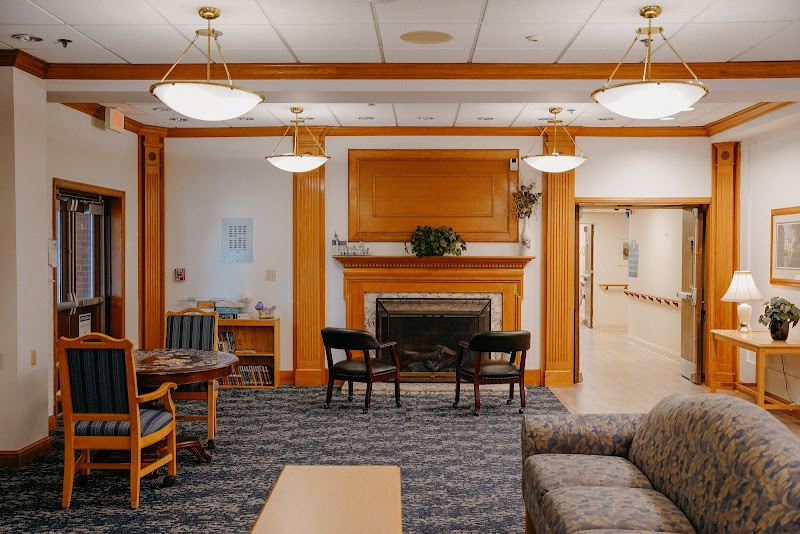
How Does Asbury Compare to Other Pennsylvania Nursing Homes?

Compared to the 100 nursing homes in Pennsylvania, ASBURY HEALTH CENTER's overall rating (1 stars) is below the state average of 3.0, staff turnover (54%) is near the state average of 46%, and health inspection rating (2 stars) is below the national benchmark.

What Should Families Ask When Visiting Asbury?

Based on this facility's data, families visiting should ask: "Can I visit during a mealtime to observe dining assistance and food quality?" "How do you handle medical emergencies, and what is your hospital transfer rate?" "Can I speak with family members of current residents about their experience?"

Is Asbury Safe?

Based on CMS inspection data, ASBURY HEALTH CENTER has a clean safety record: no substantiated abuse findings (meaning no confirmed cases of resident harm), no Immediate Jeopardy citations (the most serious violation level indicating risk of serious injury or death), and is not on the Special Focus Facility watch list (a federal program monitoring the lowest-performing 1% of nursing homes). The facility has a 1-star overall rating and ranks #100 of 100 nursing homes in Pennsylvania. While no facility is perfect, families should still ask about staff-to-resident ratios and recent inspection results during their visit.

Do Nurses at Asbury Stick Around?

ASBURY HEALTH CENTER has a staff turnover rate of 54%, which is 8 percentage points above the Pennsylvania average of 46%. Moderate turnover is common in nursing homes, but families should still ask about staff tenure and how the facility maintains care continuity when employees leave.

Was Asbury Ever Fined?

ASBURY HEALTH CENTER has no federal fines on record. CMS issues fines when nursing homes fail to meet care standards or don't correct problems found during inspections. The absence of fines suggests the facility has either maintained compliance or corrected any issues before penalties were assessed. This is a positive indicator, though families should still review recent inspection reports for the full picture.

Is Asbury on Any Federal Watch List?

ASBURY HEALTH CENTER is not on any federal watch list. The most significant is the Special Focus Facility (SFF) program, which identifies the bottom 1% of nursing homes nationally based on persistent, serious quality problems. Not being on this list means the facility has avoided the pattern of deficiencies that triggers enhanced federal oversight. This is a positive indicator, though families should still review the facility's inspection history directly.