BALDWIN HEALTH CENTER
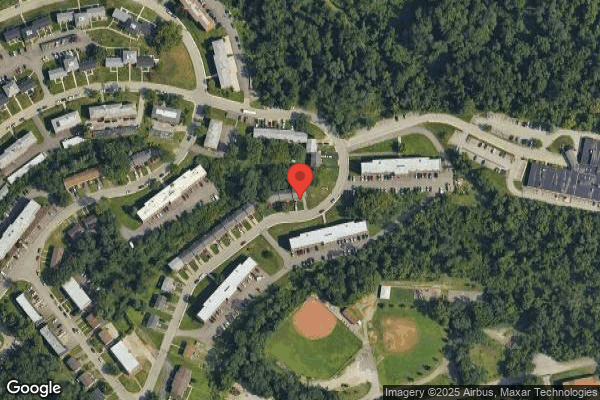
1717 SKYLINE DRIVE, PITTSBURGH, PA 15227 (412) 885-8400
For profit - Corporation 200 Beds COMMUNICARE HEALTH Data: November 2025 3 Immediate Jeopardy citations
Trust Grade
0/100
#383 of 653 in PA
Last Inspection: November 2024

Within standard 12-15 month inspection cycle. Federal law requires annual inspections.

Overview

Baldwin Health Center has received a Trust Grade of F, indicating significant concerns about the quality of care provided. Ranked #383 out of 653 facilities in Pennsylvania places it in the bottom half, while its county rank of #20 out of 52 means there are only 19 local options that are worse. The facility has shown some improvement, reducing issues from 27 in 2023 to 12 in 2024. Staffing is rated average with a 3/5 star rating, but a 55% turnover rate is concerning, and the facility has a significant fine of $283,966, higher than 94% of Pennsylvania facilities, suggesting ongoing compliance problems. Specific incidents reported include a staff member physically abusing a resident and the failure to provide adequate supervision, leading to a resident leaving the facility without authorization, which raises serious concerns about resident safety and care.

Trust Score
F
0/100
In Pennsylvania
#383/653
Bottom 42%
Safety Record
High Risk
Review needed
Inspections
Getting Better
27 → 12 violations
Staff Stability
⚠ Watch
55% turnover. Above average. Higher turnover means staff may not know residents' routines.
Penalties
○ Average
$283,966 in fines. Higher than 65% of Pennsylvania facilities. Some compliance issues.
Skilled Nurses
⚠ Watch
Each resident gets only 26 minutes of Registered Nurse (RN) attention daily — below average for Pennsylvania. Fewer RN minutes means fewer trained eyes watching for problems.
Violations
⚠ Watch
39 deficiencies on record. Higher than average. Multiple issues found across inspections.
★★☆☆☆
2.0
Overall Rating
★★★☆☆
3.0
Staff Levels
★★★★★
5.0
Care Quality
★☆☆☆☆
1.0
Inspection Score
Stable
2023: 27 issues
2024: 12 issues

The Good

  • 5-Star Quality Measures · Strong clinical quality outcomes
  • Full Sprinkler Coverage · Fire safety systems throughout facility
  • No fines on record

Facility shows strength in quality measures, fire safety.

The Bad

2-Star Overall Rating

Below Pennsylvania average (3.0)

Below average - review inspection findings carefully

Staff Turnover: 55%

Near Pennsylvania avg (46%)

Higher turnover may affect care consistency

Federal Fines: $283,966

Well above median ($33,413)

Significant penalties indicating serious issues

Chain: COMMUNICARE HEALTH

Part of a multi-facility chain

Ask about local staffing decisions and management

The Ugly 39 deficiencies on record

3 life-threatening 1 actual harm
Nov 2024 5 deficiencies
CONCERN (D)

Potential for Harm - no one hurt, but risky conditions existed

Infection Control (Tag F0880)

Could have caused harm · This affected 1 resident

Based on review of facility policy, observations and staff interviews, it was determined that the facility failed to maintain infection control practices to prevent the potential for cross contaminati...

Read full inspector narrative →
Based on review of facility policy, observations and staff interviews, it was determined that the facility failed to maintain infection control practices to prevent the potential for cross contamination during a dressing change. Findings include: Review of the facility policy Skin Care & Wound Management Overview reviewed 4/18/24, indicated each resident is evaluated upon admission and weekly thereafter for changes in skin condition. Application of treatment protocols based on clinical best practice standards for promoting wound healing. Review of the facility policy Infection Control Program reviewed 4/18/24, indicated residents have a right to reside in a safe environment that promotes health and reduces the risk of acquiring infections. Policies, procedures, and aseptic practices are followed by employees in performing procedures and in disinfection of equipment. During an observation on 9/19/24, at 1:30 p.m. with Licensed Practical Nurse (LPN) Employee E1 the following occurred during a dressing change: -supplies gathered, scissors removed from treatment cart, scissors were not cleansed -table cleansed with wipe, allowed to dry, and towel placed as barrier, supplies placed on barrier -ABHS (alcohol-based hand sanitizer) used, gloves donned -scissors used to cut tape to size, initials/date wrote on tape , scissors again ot cleansed prior to use -soiled gloves removed, ABHS used, clean gloved donned LEFT LEG wounds: -soiled dressing removed with scissors, these were again not cleansed prior to use. -drape placed under leg -soiled gloves removed, ABHS used, clean gloves donned -wounds cleansed with wound cleanser spray, dried with gauze 4x4's -Vaseline dressing opened and cut to size with scissors that remained uncleaned -dressing placed on wounds -ABD pad placed over wound, wrapped with cling gauze -gauze cut with scissors, same scissors, not cleansed -cling gauze secured with dated/initialed tape -gloves removed, ABHS used, clean gloves donned RIGHT LEG wounds: -scissors used to removed soiled dressing, same scissors used, remained not cleansed -towel placed under right leg -cleansed with wound cleanser spray, dried with gauze 4x4 -soiled gloves removed, ABHS used, clean gloves donned -scissors used to cut Vaseline dressing to wound sizes, same scissors remained not cleansed -ABD pad cut in half with scissors and placed over dressings. scissors continue to remain uncleaned -wrapped with cling gauze, gauze cut to shorten with the continued use of uncleaned scissors -tape placed to secure SACRAL wound: -soiled gloves removed, ABHS used, clean gloves donned -cleansed with wound spray and dried with gauze 4x4's -hydrophilic wound dressing cream placed on gloved hand and wiped onto buttocks -soiled gloves removed, ABHS used, clean gloves donned -zinc oxide ointment placed on ABD pad and placed on buttocks -soiled supplies gathered in bag and placed in soiled utility -hands washed with soap. During an interview on 11/14/24, at 2:15 p.m. LPN Employee E1 confirmed she failed to cleanse the scissors in between soiled and clean items. During an interview on 11/14/24, at 2:25 p.m. the Director of Nursing confirmed the facility failed to prevent cross contamination during a dressing change, 28 Pa. Code: 201.20(c) Staff development. 28 Pa. Code: 201.14(a) Responsibility of licensee. 28 Pa. Code: 201.18(b)(1)(e)(1) Management. 28 Pa. Code: 211.10(d) Resident care policies. 28 Pa. Code: 211.12(d)(1)(2)(3)(5) Nursing services.
CONCERN (E)

Potential for Harm - no one hurt, but risky conditions existed

Free from Abuse/Neglect (Tag F0600)

Could have caused harm · This affected multiple residents

**NOTE- TERMS IN BRACKETS HAVE BEEN EDITED TO PROTECT CONFIDENTIALITY** Based on review of facility policies, facility provided documents, clinical records and staff interview, it was determined that ...

Read full inspector narrative →
**NOTE- TERMS IN BRACKETS HAVE BEEN EDITED TO PROTECT CONFIDENTIALITY** Based on review of facility policies, facility provided documents, clinical records and staff interview, it was determined that the facility failed to make certain a resident was free from abuse, neglect or misappropriation of property for two of three residents reviewed (Resident R190 and R400). Findings include: Review of the facility policy Abuse, Neglect and Misappropriation dated 4/18/24, with a previous review date of 8/21/23, indicated that the facility will provide resident centered care and prevent the abuse, mistreatment, or neglect of residents or the misappropriation of their property. Neglect is identified as the failure of the facility or it's employees to provide care or services to a resident that is necessary to avid physical harm, pain, mental anguish or emotional distress. Review of the facility provided documentation dated 8/27/24, indicated that Resident 190's room mate, Resident R119 had stated that Resident R 190 had not been provided care from Nurse Aide Employee E2 on 8/26/24, during the 7:00 a.m., through 3:00 p.m shift. Review of statements obtained during the investigation, Resident R119 was interviewed on 8/26/24 at 4:00 p.m., and stated that she did not believe her room mate received care on the 7-3 shift. Statements from other residents were not provided. The facility investigation indicated they were unable to determine whether the neglect had actually occurred. The investigation indicated that staff were re- educated on abuse. The documentation related to the training did not include Nurse Aide Employee E2. Review of the clinical record indicated that Resident R190 had been admitted to the facility on [DATE], with diagnoses which included encephalopathy, dementia, bacteriuria(bacteria in urine), heart failure, and heart disease. A MDS dated [DATE], indicated the diagnoses remained current. Resident R190 was in isolation due to positive COVID. Review of the facility Documentation Survey Report (the electronic clinical document indicating care provided or the resident) dated August 2024 did not include documentation indicating care had been provided on 8/26/24, until approximately 9:00 p.m., including ADL care, incontinence care, and a bath/ shower. Review of the facility provided documentation dated 10/14/24, indicated that Resident R400 reported to social services that Licensed Practical Nurse (LPN) Employee E9 had stretched out her hand causing discomfort when looking for a pill in her hand. Review of the statement written and signed by Resident R400 stated on 10/13/24, LPN Employee E9 was asked if Resident R400's pills were in her food, LPN Employee E9 responded that they have to watch her take her pills. LPN Employee E9 handed her the cup and then after Resident R400 took the meds in the cup, LPN Employee E9 stretched out Resident R400's pointer finger and thumb of her right hand and when Resident R400 said stop, it was painful , it went on as Resident R400 swallowed her pills. Review of the statement from LPN Employee E9 indicated she asked Resident R400 to open her hand and found Bupropion pill and picked up the pill and put it in Resident R400's mouth and watched her swallow it. Review of the clinical record indicated Resident R400 was admitted to the facility on [DATE], with diagnoses which included Diabetes, lung disease, acute pancreatitis, kidney failure, falls and depression. Resident R400 had been found in her apartment by the apartment manager unresponsive. Review of he clinical record indicated that on 10/22/24, Resident R400 was discharged back to her apartment with ACCESS transport to be followed by AHN Home health. During an interview on 11/14/24, at 9:45 a.m., the Director of Nursing confirmed that the facility failed to make certain a resident was free from abuse, neglect or misappropriation of property for two of three residents reviewed (Resident R190 and R400). 28 Pa. Code: 207.2(a) Administrator's responsibility. 28 Pa. Code 201.18(b)(1)(3) Management. 28 Pa. Code 211.10(d) Resident care policies. 28 Pa. Code 211.12(d)(1)(5) Nursing services.
CONCERN (E)

Potential for Harm - no one hurt, but risky conditions existed

Investigate Abuse (Tag F0610)

Could have caused harm · This affected multiple residents

**NOTE- TERMS IN BRACKETS HAVE BEEN EDITED TO PROTECT CONFIDENTIALITY** Based on review of facility policy, review of facility incident/accident reports, clinical records, and staff interviews, it was...

Read full inspector narrative →
**NOTE- TERMS IN BRACKETS HAVE BEEN EDITED TO PROTECT CONFIDENTIALITY** Based on review of facility policy, review of facility incident/accident reports, clinical records, and staff interviews, it was determined that the facility failed to identify and/or investigate and/or report potential abuse and/or neglect for four of five residents (Resident R4, R13, R57 and R116). Findings include: Review of the facility policy Abuse, Neglect and Misappropriation, dated 4/18/24, with a previous review date of 8/21/23, indicated that the facility will provide resident centered care and the intent of the facility is to prevent the abuse, mistreatment or neglect of residents. The accurate and timely identification of any event which would place our residents at risk for potential abuse is the primary concern. Each occurrence of resident incident, bruise, etc., will be identified and reported to the supervisor and investigated immediately. In the event a situation is identified as abuse, neglect, etc., an investigation by the executive leadership will follow. Review of a grievance placed by Resident R4's mother dated 10/28/24, indicated that Resident R4 was sent to an appointment not appropriately dressed and with a bib on. Review of the facility action form dated 10/29/24, indicated that an investigation identified staff had not freshened up Resident R4 before leaving for the appointment. Review of a grievance placed by Resident R13's daughter dated 9/20/24, indicated that Resident R13 was not provided care on 9/17/24. Review of the facility action form dated 9/23/24, indicated that the assigned nurse aide (NA) was caring for another resident and that Resident R13 was provided care by another NA. Review of a grievance placed by Resident R57 dated 6/22/24, indicated staff would not get him out of bed because they had no lift pad. Review of the facility action form dated 6/26/24, indicated that the facility has plenty of lift pads and staff were re-educated in regards to checking laundry other units and in central supply. Review of a grievance placed by Resident R57 dated 8/7/24, indicated resident identified poor customer service. The facility did not indicate what poor service was identified. Review of he facility action form dated 8/7/24, indicated that the facility verbally discussed poor customer service with staff and Relias training was available. Review of a grievance placed by Resident R116 dated 10/21/24, indicated that he had asked his aide to put him into bed about 2:00 p.m., the NA stated she would, but never returned. Review of the facility action form dated 10/21/24, indicated his NA went on break and the nurse put him back into bed. Not his assigned NA. Review of Resident R116's MDS dated [DATE], indicated he was a transfer of two with the hoyer lift. Review of Resident R116's plan of care indicated Resident R116 is a transfer of two with a total lift. During an interview on 11//13/24, at 1:58 p.m., the DON confirmed that the facility failed to identify and/or investigate and/or report potential abuse and/or neglect for four of five residents (Resident R4, R13, R57 and R116). 28 Pa. Code: 201.14(a) Responsibility of licensee. 28 Pa. Code: 201.18(b)(1)(3) Management. 28 Pa. Code: 211. 10(d) Resident care policies. 28 Pa. Code: 211.12(d)(3) Nursing services.
CONCERN (E)

Potential for Harm - no one hurt, but risky conditions existed

Quality of Care (Tag F0684)

Could have caused harm · This affected multiple residents

**NOTE- TERMS IN BRACKETS HAVE BEEN EDITED TO PROTECT CONFIDENTIALITY** Based on review of facility policy, clinical records, and staff interviews, it was determined that the facility failed to notify...

Read full inspector narrative →
**NOTE- TERMS IN BRACKETS HAVE BEEN EDITED TO PROTECT CONFIDENTIALITY** Based on review of facility policy, clinical records, and staff interviews, it was determined that the facility failed to notify physicians of increased and decreased Capillary Blood Glucose (CBG) levels, failed to assess residents for hyperglycemia (high blood glucose) and hypoglycemia (low blood glucose), for three of six residents reviewed (Residents R6, R20, and R72), and failed to document results accurately in blood glucose summary and medication administration record for three of five residents (Residents R52, R69, and R91). Findings include: The Centers for Disease Control defines diabetes as: Diabetes Mellitus is a chronic (long-lasting) health condition that affects how your body turns food into energy. Most of the food you eat is broken down into sugar (also called glucose) and released into your bloodstream. When your blood sugar goes up, it signals your pancreas to release insulin. Insulin acts like a key to let the blood sugar into your body's cells for use as energy. If you have diabetes, your body either doesn't make enough insulin or can't use the insulin it makes as well as it should. When there isn't enough insulin or cells stop responding to insulin, too much blood sugar stays in your bloodstream. Over time, that can cause serious health problems, such as heart disease, vision loss, and kidney disease. Hypoglycemia is a condition that occurs when blood glucose is lower than normal, usually below 70 milligrams per deciliter (mg/dl). If left untreated, hypoglycemia may lead to weakness, confusion, unconsciousness, arrhythmias and even death. People with Diabetes Mellitus may be prescribed injectable insulin to assist in maintaining acceptable levels of CBG's. Hyperglycemia, or high blood glucose, occurs when there is too much sugar in the blood. This happens when your body has too little insulin. Hyperglycemia is blood glucose greater than 125 mg/dL while fasting (not eating for at least eight hours, or a blood glucose greater than 180 mg/dL one to two hours after eating. If you have hyperglycemia and it ' s untreated for long periods of time, you can damage your nerves, blood vessels, tissues and organs. Damage to blood vessels can increase your risk of heart attack and stroke, and nerve damage may also lead to eye damage, kidney damage and non-healing wounds. Review of the facility policy Blood Glucose Point of Care Testing reviewed 4/18/24, indicated the importance of ongoing glucose monitoring is necessary to detect extremes of high and low blood glucose levels to evaluate the effectiveness of the treatment plan. Review of the facility policy Notification of Change in Condition reviewed 4/18/24, revealed the facility is required to have processed in place for notifications of acute changes such as cardio/respiratory failure, choking, and poor glycemic control, falls, onset of delirium, and falls with head injuries or fractures. The attending practitioner is promptly notified of significant changes in condition, and the medical record must reflect the notification, response, and interventions implemented to address the resident's condition. Review of the facility policy Clinical Documentation Standards reviewed 4/18/24, indicated nurses will follow basic standard of practice for documentation including, but not limited to providing a timely and accurate account of resident information in the medical record. Document accurately and truthfully to the best of his/her knowledge. Document the status of the resident including changes. Review of the clinical record revealed Resident R6 was re-admitted to the facility on [DATE], with diagnoses that included diabetes, heart failure (progressive heart disease that affects pumping action of the heart muscles), and depression. Review of the Minimum Data Set (MDS - a mandated assessment of a resident's abilities and care needs) dated 8/23/24, indicated the diagnoses remain current. Review of a physician order dated 2/13/24, revealed hypoglycemia protocol - able to swallow: follow 15/15 rule. Give 15 grams of fast acting carbohydrate for blood sugar less that 70. May repeat in 15 minutes. Review of the clinical record electronic Medication Administration Record (eMAR) revealed that the resident's CBG's were as follows: On 7/2/24, at 7:34 a.m. CBG was noted to be 60. On 10/31/24, at 7:48 a.m. CBG was noted to be 60. Review of the care plan dated 7/21/22, included administer insulin per medical provider;s orders. Observe for effectiveness and side effects. Report abnormal findings to medical provider. Observe for signs and symptoms of hypoglycemia. Obtain blood sugars per orders. Review of Resident's eMAR and clinical progress notes indicated the resident was not assessed for hypoglycemia, the blood glucose was not monitored for effectiveness of treatment, failed to follow interventions of the care plan, failed to follow physician's orders, and the physician was not notified of abnormal results on the above listed dates. Review of the clinical record indicated Resident R20 was re-admitted to the facility on [DATE], with diagnoses that included diabetes, dementia (group of symptoms affecting memory, thinking and social abilities), and high blood pressure. Review of the MDS dated [DATE], revealed the diagnoses remain current. Review of a physician's order dated 5/20/24, indicated to monitor for signs and symptoms of hypo/hyperglycemia. Review of the clinical record eMAR revealed that the resident's CBG's were as follows: On 11/2/24, at 8:42 a.m. CBG was noted to be 64. Review of the care plan dated 3/28/23, included administer medications per medical provider;s orders. Observe for effectiveness and side effects. Report abnormal findings to medical provider. Observe for signs and symptoms of hypoglycemia. Obtain blood sugars per orders. Review of Resident's eMAR and clinical progress notes indicated the resident was not assessed for hypoglycemia, the blood glucose was not monitored for effectiveness of treatment, failed to follow interventions of the care plan, failed to follow physician's orders, and the physician was not notified of abnormal results on the above listed dates. Review of the clinical record revealed Resident R72 was admitted to the facility on [DATE], with diagnoses that included diabetes, dementia, and repeated falls. Review of the MDS dated [DATE], revealed the diagnoses remain current. Review of a physician's order dated 8/30/24, indicated to inject Novolog insulin (fast-acting) per sliding scale before meals. If blood sugar is 341 - 999, inject six units, call MD. Further review of a physician's order dated 9/2/24, indicated to monitor for signs and symptoms of hypo/hyperglycemia. Review of the clinical record eMAR revealed that the resident's CBG's were as follows: On 10/16/24, at 4:25 p.m. CBG was noted to be 359. Review of the care plan dated 3/18/21, included administer medications per medical provider;s orders. Observe for effectiveness and side effects. Report abnormal findings to medical provider. Observe for signs and symptoms of hyperglycemia. Obtain blood sugars per orders. Review of Resident's eMAR and clinical progress notes indicated the resident was not assessed for hypoglycemia, the blood glucose was not monitored for effectiveness of treatment, failed to follow interventions of the care plan, failed to follow physician's orders, and the physician was not notified of abnormal results on the above listed dates. During an interview on 11/13/24, at 12:34 p.m. Licensed Practical Nurse (LPN) Employee E6 stated for blood sugars below 60, they would give juice and snacks, call the doctor, and recheck the blood sugar per doctor's orders. If blood sugar was elevated, they would check the physician's orders for sliding scale parameters. Follow the orders, recheck the blood glucose in 20 minutes and document in the nurses notes. During an interview on 11/13/24, at 12:37 p.m. LPN Employee E3 stated any blood sugar under 70, they would for sure call the doctor, give juice and snack, assess the resident and recheck the blood sugar in 45 minutes. If the blood glucose was elevated, usually around 350 - 400, they would check the physician orders for sliding scale parameters. Call the doctor, and document in the eMAR. During an interview on 11/13/24, at 12:42 p.m. LPN Employee E7 stated anything below 70 or above 400, they would call the doctor. They would follow the received orders and document in the eMAR and nurses notes. During an interview on 11/13/24, at 12:46 p.m. Registered Nurse (RN) Employee E8 stated if blood sugar was between 70-80, they would give juice or snack. They would assess the resident. If blood sugar was greater than 400, they would check the orders for parameters, and call the doctor. They would document in the nurses notes. During an interview on 11/15/24, at 11:00 a.m. the Director of Nursing confirmed the facility failed to document hypo-/hyperglycemic episodes, failed to follow physician orders, and failed to notify the MD of changes in condition for Residents R6, R20, and R72. Review of the clinical record revealed Resident R52 was admitted to the facility on [DATE], with diagnoses that included diabetes, bilateral below knee amputations, chronic kidney disease(The kidneys filter waste and excess fluid from the blood, as the kidneys fail they no longer filter waste). Review of the MDS dated [DATE], indicated the diagnoses remain current. Review of a physician order dated 10/4/24, revealed Lispro (fast-acting insulin that starts to work about 15 minutes after injection, peaks in about 1 hour, and keeps working for 2 to 4 hours) insulin, 3 units with meals, if blood sugar less than 120 to hold and notify physician. Review of the clinical record eMAR revealed that the resident's CBG's were as follows: On 11/1/24, at 8:01 a.m. CBG was noted to be 81. On 11/12/24, at 7:56 a.m. CBG was noted to be 90. On 11/13/24, at 7:36 a.m. CBG was noted to be 92. Review of Resident's eMAR and clinical progress notes indicated the resident was not assessed for hypoglycemia, the blood glucose was not monitored for effectiveness of treatment, failed to follow interventions of the care plan, and the physician was not notified of abnormal results on the above listed dates. Review of the care plan dated 9/8/24, included diabetes medication as ordered by doctor. Monitor/document for side effects and effectiveness, monitor/document/report to MD as needed for signs and symptoms of hypo-/hyperglycemia. Review of the clinical record revealed Resident R69 was admitted to the facility on [DATE], with diagnoses that included diabetes, obesity, and dementia (a group of thinking and social symptoms that interferes with daily functioning). Review of the MDS dated [DATE], indicated the diagnoses remain current. Review of a physician order dated 10/26/23, revealed Novolog insulin sliding scale with result less than 130 to be held. A physician order dated 8/19/22, revealed an order for blood sugars to be checked in early AM every day. Review of the clinical record electronic Medication Administration Record (eMAR) revealed that the resident's CBG's were as follows: On 11/13/24, No results documented for AM glucose or insulin dosage On 11/3/24, 10:57 p.m. CBG was noted to be 6.0 On 11/2/24, 2:51 a.m. CBG was noted to be 62. On 8/30/24, 6:38 a.m. CBG was noted to be 68. Review of Resident's eMAR and clinical progress notes indicated the resident was not assessed for hyperglycemia, the blood glucose was not monitored for effectiveness of treatment, failed to follow interventions of the care plan, and the physician was not notified of abnormal results on the above listed dates. Review of the care plan dated 9/27/24, included diabetes medication as ordered by doctor. Monitor/document for side effects and effectiveness, monitor/document/report to MD as needed for signs and symptoms of hypo-/hyperglycemia. Review of the clinical record revealed Resident R91 was admitted to the facility on [DATE], with diagnoses that included diabetes, dysphagia (difficulty swallowing), and Schizophrenia (a disorder that affects a person's ability to think, feel, and behave clearly). Review of the MDS dated [DATE], indicated the diagnoses remain current. Review of a physician order dated 2/13/24, indicated to inject Aspart insulin (fast acting insulin) as per sliding scale with blood sugar results between 70-140 insulin to be held. On 11/13/24 Insulin Aspart inject 4 units subcutaneously with meals for DM hold if blood sugar less than 120 or skipping meals. Review of the clinical record electronic Medication Administration Record (eMAR) and blood glucose summary(BGS) revealed that the resident's CBG's were inconsistent and documented as follows: On 11/9/24, at 11:13 a.m. CBG was noted to be 82 in BGS summary and 106 in eMAR. On 11/9/24, at 9:47 p.m. CBG was noted to be 74 in BGS summary and 174 in eMAR. On 11/10/24, at 8:17 a.m. CBG was noted to be 115 in BGS summary and 137 in eMAR. On 11/10/24, at 12:05 p.m. CBG was noted to be 115 in BGS summary and 143 in eMAR. On 11/11/24, at 11:01 a.m. CBG was noted to be 90 in BGS summary and 171 in eMAR. On 11/13/24 there is no documentation of a BGS in either the summary or eMAR or that insulin was given. Review of Resident's eMAR and clinical progress notes indicated the resident received insulin for documented blood sugar results and as per order with no interventions required. Review of the care plan dated 9/3/24, included diabetes medication as ordered by doctor. Monitor/document for side effects and effectiveness, monitor/document/report to MD as needed signs and symptoms of hypo-/hyperglycemia. During an interview on 11/13/24, at approximately 8:50 a.m. Licensed Practical Nurse (LPN) Employee E5 stated for residents without diabetic parameters they would notify the doctor for blood glucose levels under 70, assess if unresponsive give Glucagon (medicine to increase blood sugar), if responsive give glucose gel, or over 400, give insulin per order, call doctor and document in progress notes. LPN Employee E5 stated that if order for insulin states to hold insulin for levels less than 120 would hold the insulin, document that it was not given and notify the physician. During an interview on 11/14/24, at 11:30 a.m. the Director of Nursing (DON) confirmed the facility failed to provide timely and complete communication to a physician when there was a change in condition. The DON confirmed the facility failed to recognize, assist and document the treatment of complications commonly associated with diabetes. Documentation should reflect the carefully assessed diabetic resident for vital signs, skin (color, temperature, dryness, sweating, irritation or abrasions), percentage of meals consumed, mood changes, pain, restlessness, numbness/tingling, results of any fingerstick, interventions to stabilize the blood glucose levels and response, notification of physician of unstable or significant variances from base line per physician order. The DON confirmed that documentation should be checked for accuracy in results so that no confusion will occur in the administration of medication. 28 Pa. Code: 201.18 (b)(1) Management. 28 Pa. Code: 201.29(d) Resident rights. 28 Pa. Code: 211.10 (c)(d) Resident care policies. 28 Pa. Code: 211.12 (d)(1)(2)(3)(5) Nursing services.
CONCERN (E)

Potential for Harm - no one hurt, but risky conditions existed

Deficiency F0760 (Tag F0760)

Could have caused harm · This affected multiple residents

**NOTE- TERMS IN BRACKETS HAVE BEEN EDITED TO PROTECT CONFIDENTIALITY** Based on review of facility policy, manufacturers recommendations,resident interviews, clinical records, and staff interviews, i...

Read full inspector narrative →
**NOTE- TERMS IN BRACKETS HAVE BEEN EDITED TO PROTECT CONFIDENTIALITY** Based on review of facility policy, manufacturers recommendations,resident interviews, clinical records, and staff interviews, it was determined that the facility failed to make certain medications were administered as ordered by the physician for two of five residents (Residents R52 and R69) and failed to make certain that residents are free of significant medication errors for two of three residents observed (Resident R301, and R24.) Findings include: A review of facility policy Medication Administration dated 8/21/23, and 4/18/24, indicated facility staff should comply with facility policy to provide guidance of general medication administration to be provided by personnel recognized as legally able to administer medications only as prescribed by the provider. Observe the five rights in giving medication: (i) the right resident, (ii) the right time, (iii) the right medicine, (iv) the right dose, (v) the right route. A review of the manufacturers guideline for glargine insulin (Lantus - long-acting type of insulin that works slowly, over about 24 hours) Solostar prefilled pen, November 2000, specified to perform a safety test before each injection. Select a dose of two units, hold the pen with the needle pointing upwards, gently tap the reservoir to remove air bubbles, press the injection button all the way in and check if insulin comes out of the needle tip. A review of the manufacturers guideline for a fast-acting insulin (Novolog/Humalog - starts to work about 15 minutes after injection, peaks in about 1 hour, and keeps working for two to four hours) Flextouch prefilled pen indicated priming the pen by turning the dose selector to select two units, hold the pen with the tip facing upwards, gently tap the top of the reservoir to remove air bubbles, press the dose button until the dose counter returns to zero, a drop of insulin should be seen at the needle tip. A review of the clinical record indicated that Resident R52 was admitted to the facility on [DATE], with diagnoses that included diabetes, bilateral below knee amputations, chronic kidney disease (The kidneys filter waste and excess fluid from the blood, as the kidneys fail they no longer filter waste). A review of a physician order dated 10/4/24, indicated to check blood sugar (BS) before meals and give Lispro flex pen (short-acting insulin) inject 3 units subcutaneously with meals, hold if blood sugar is less than 120. A review of the medication administration record (MAR) dated November 2024 indicated that Resident R52 received insulin on 11/1/24, 11/12/24, and 11/13/24 against order to hold if blood sugar is less than 120. A review of the clinical record, blood glucose summary, showed that on 11/1/24 at 8:01 a.m., BS was 81, 11/12/24 at 7:56 a.m , BS was 90, and on 11/13/24 at 7:36 a.m , BS was 92. A review of the clinical record indicated that Resident R69 was admitted to the facility on [DATE], with diagnoses that included diabetes, obesity, dementia (a group of thinking and social symptoms that interferes with daily functioning). A review of a physician order dated 8/19/22, indicated to check BS early AM every day. On 10/26/23 an order for Novolog insulin (short-acting insulin) to be given per sliding scale, if BS result less than 130 to hold. A review of the MAR dated November 2024, indicated that Resident R69 did not have a documented result on 11/13/24, or that insulin was given as ordered. A review of the clinical record indicated that Resident R69 blood sugar summary showed a result on 11/13/24, at 8:20 a.m to be 80, which was not carried over to the eMAR and no documentation was made to hold the insulin. During an interview on 11/14/24 at 11:30 a.m., the Director of Nursing confirmed the above findings and that the facility failed to make certain medications were administered as ordered by the physician for Residents R52 and R69. A review of a clinical record indicated Resident R301 was admitted to the facility on [DATE], with diagnoses that included diabetes, repeated falls, and muscle weakness. A review of a physician orders dated 11/6/24, indicated to inject insulin Lispro (fast-acting) per sliding scale. If blood glucose was between 141 - 180, give two units of insulin. Further review of a physician order dated 11/6/24, indicated to inject insulin glargine 18 units one time a day. During an observation on 11/13/24, at 8:42 a.m. of Resident R301's medication administration Licensed Practical Nurse (LPN) Employee E4 indicated Resident R301's blood sugar was 158. LPN Employee E4 set the Lispro insulin pen to two units and set the glargine insulin pen to 18 units, failed to prime either insulin pen and administered the medications. A review of a clinical record indicated Resident R24 was re-admitted to the facility on [DATE], with diagnoses that included diabetes, high blood pressure, and obesity. A review of a physician order dated 9/2/24, indicated to inject insulin Aspart (short-acting) per sliding scale before meals. If blood glucose was between 181 - 220, give four units of insulin. During an observation on 11/13/24, at 12:18 p.m. of Resident R24's medication administration LPN Employee E3 indicated Resident R24 ' s blood sugar was 182, set the insulin pen to four units of insulin, failed to prime the pen, and administered the medication. During an interview on 11/13/24, at 12:40 p.m. LPN Employee E3 confirmed she failed to prime the insulin pen prior to administering the medication. During an interview on 11/13/24, at 1:15 p.m. the Director of Nursing confirmed that facility failed to administer the correct dose of insulin by failing to prime the insulin pen needle for Residents R301, and R24. 28 Pa. Code 211.12 (c)(1)(3) Nursing Services. 28 Pa. Code 201.29 (j) Resident rights. 28 Pa Code: 201.18 (b)(1)(3) Management. 28 Pa Code: 211.10 (d) Resident care policies.
Jan 2024 7 deficiencies
CONCERN (D)

Potential for Harm - no one hurt, but risky conditions existed

Deficiency F0583 (Tag F0583)

Could have caused harm · This affected 1 resident

Based on review of facility policy, observation and staff interviews, it was determined the facility failed to provide privacy and confidentiality of resident health information on one of two electron...

Read full inspector narrative →
Based on review of facility policy, observation and staff interviews, it was determined the facility failed to provide privacy and confidentiality of resident health information on one of two electronic health records systems (B2 Unit). Findings include: Review of facility policy titled Routine Resident Care last reviewed 6/23/23, informed licensed staff will include the following services based upon their scope of practice, but not limited to, maintain confidentiality of resident information at all times. During an observation on 1/16/24, at 12:34 p.m. the electronic health record system on the medication cart on the B2 Unit was open and displayed confidential resident information. During an interview on 1/16/24, at 12:36 p.m. Graduate Practical Nurse Employee E12 confirmed the electronic health record system on the medication cart on the B2 Unit was open and displayed confidential resident information. During an interview on 1/17/24, at 12:00 p.m. Registered Nurse Unit Manager Employee E9 confirmed the facility failed to facility failed to provide privacy and confidentiality of resident health information. 28 Pa. Code: 211.5(b) Clinical records. 28 Pa. Code: 201.29(j) Resident rights.
CONCERN (D)

Potential for Harm - no one hurt, but risky conditions existed

Deficiency F0657 (Tag F0657)

Could have caused harm · This affected 1 resident

**NOTE- TERMS IN BRACKETS HAVE BEEN EDITED TO PROTECT CONFIDENTIALITY** Based on a review of facility policy, resident record review, and staff interview, it was determined the facility failed to revi...

Read full inspector narrative →
**NOTE- TERMS IN BRACKETS HAVE BEEN EDITED TO PROTECT CONFIDENTIALITY** Based on a review of facility policy, resident record review, and staff interview, it was determined the facility failed to review and revise a resident care plan to reflect current status and needs for one of eight residents (Resident R47). Findings include: Review of facility policy titled Plan of Care Overview last reviewed 6/23/23, informed the purpose of this policy the Plan of Care, also Care Plan, is the written treatment provided for a resident that is resident-focused and provides for optimal personalized care. The facility will provide an Registered Nurse assessment of the resident as an on-going, periodic review that provides the foundation for resident focused care and the care planning process. The facility will review care plans quarterly and/or with significant changes of care. Review of Resident R47's record indicated the resident was admitted to the facility on [DATE]. Diagnoses included diabetes, dementia, schizophrenia (a serious mental disorder in which a person interprets reality abnormally), cognitive communication deficit (difficulty in thinking and use of language), dysphagia (difficulty in swallowing liquids and food), depression, and has a need for personal care. Review of Resident R47's Minimum Data Set (MDS - a periodic assessment of needs) dated 11/20/23, indicated the diagnoses remained current. Review of Resident R47's current physician orders dated 12/1/23, included staff to feed meals effective 12/17/23, and a dysphagia pureed texture meal effective 12/18/23. Review of Resident R47's care plan dated 12/30/23, addressed nutritional problem with the intervention of staff to provide assistance with meals, and an activities of daily living deficit with the intervention of staff to assist with meals. Review of Resident R47's meal ticket for the lunch meal on 1/17/24, included Staff Feed and a pureed meal of roast pork, bread, brown gravy, green beans, mashed potatoes, and lemon cake. During an observation on 1/17/24 at 12:40 p.m. through 12:59 p.m. Resident R47 had their lunch meal, uncovered and on the tray table in front of them. Staff were not present to feed the resident. The resident was observed multiple times attempting to put their finger in the food and placing their finger to their lips. During an interview on 1/17/24, at 4:40 p.m. Registered Nurse Assessment Coordinator (RNAC) Employee E13 informed order reports are reviewed every morning and care plans are updated accordingly. During an interview on 1/17/24, at 4:45 p.m. the Registered Nurse Assessment Coordinator confirmed the facility failed to review and revise a resident care plan to reflect current status and needs. 28 Pa. Code 211.5(f) Clinical records. 28 Pa. Code 211.11(a) Resident care plan. 28 Pa. Code 211.12(d)(1)(3)(5) Nursing services
CONCERN (D)

Potential for Harm - no one hurt, but risky conditions existed

ADL Care (Tag F0677)

Could have caused harm · This affected 1 resident

**NOTE- TERMS IN BRACKETS HAVE BEEN EDITED TO PROTECT CONFIDENTIALITY** Based on a review of facility policy, resident record reviews, resident interviews, observations, and staff interviews, it was d...

Read full inspector narrative →
**NOTE- TERMS IN BRACKETS HAVE BEEN EDITED TO PROTECT CONFIDENTIALITY** Based on a review of facility policy, resident record reviews, resident interviews, observations, and staff interviews, it was determined the facility failed to ensure that a resident who is unable to carry out activities of daily living in eating receives the necessary services to maintain good nutrition for one of four residents (Resident R47). Findings Include: Review of facility policy titled Routine Resident Care last reviewed 6/23/23, informed it is the policy of this facility to provide resident centered care by attending to the total medical, nursing, physical, emotional, mental, social and spiritual needs and to provide routine daily care by a certified nursing assistant including but not limited to maintaining adequate fluid and nutritional intake. Review of Resident R47's record indicated the resident was admitted to the facility on [DATE]. Diagnoses included diabetes, dementia, schizophrenia (a serious mental disorder in which a person interprets reality abnormally), cognitive communication deficit (difficulty in thinking and use of language), dysphagia (difficulty in swallowing liquids and food), depression, and has a need for personal care. Review of Resident R47's Minimum Data Set (MDS - a periodic assessment of needs) dated 11/20/23, indicated the diagnoses remained current. The Brief Inventory for Mental Status (BIMS - a test to determine cognitive ability) recorded a score of 06, indicating the resident had a severe cognitive impairment. Review of Resident R47's current physician orders dated 12/1/23, included staff feed effective 12/17/23, and a dysphagia pureed texture meal effective 12/18/23. Review of Resident R47's care plan dated 12/30/23, addressed nutritional problem with the intervention of staff to provide assistance with meals, and an activities of daily living deficit with the intervention of staff to assist with meals. Review of Resident R47's meal ticket for the lunch meal on 1/17/24, included Staff Feed and a pureed meal of roast pork, bread, brown gravy, green beans, mashed potatoes, and lemon cake. During an observation on 1/17/24, at 12:40 p.m. through 12:59 p.m. Resident R47 had their lunch meal, uncovered and on the tray table in front of them. The resident could be seen multiple times attempting to put their finger in the food and placing their finger to their lips. During an interview on 1/17/24, at 1:00 p.m. Registered Nurse (RN) Unit Manager Employee E9 confirmed the lunch meal arrived on the unit at 12:30 p.m. RN Unit Manager Employee E9 also confirmed the meal ticket stated Staff Feed and approximately two bites of mashed potatoes and lemon cake was consumed. RN Employee E9 commented the resident doesn't eat much, and the Nursing Assistant assigned to Resident R47 was busy feeding another resident. During an interview on 1/17/24, at 1:00 p.m. the RN Unit Manager Employee E9 confirmed the facility failed to ensure that a resident who is unable to carry out activities of daily living in eating receives the necessary services to maintain good nutrition. 28 Pa. Code: 201.18(b)(1)(e)(1) Management. 28 Pa. Code 201.29(j) Resident Rights. 28 Pa. Code: 211.12(d)(1)(2)(3)(5) Nursing services.
CONCERN (D)

Potential for Harm - no one hurt, but risky conditions existed

Deficiency F0761 (Tag F0761)

Could have caused harm · This affected 1 resident

Based on review of facility policy, observations, and staff interviews, it was determined the facility failed to secure medications in a locked compartment and allowed access to unauthorized persons a...

Read full inspector narrative →
Based on review of facility policy, observations, and staff interviews, it was determined the facility failed to secure medications in a locked compartment and allowed access to unauthorized persons and residents for one of two medication carts (B Unit). Findings include: Review of facility policy titled Storage of Medications last reviewed on 6/23/23, informed only licensed nurses, pharmacy personnel, and those lawfully authorized to administer medications are permitted to access medications. Medication rooms, carts, and medication supplies are locked when they are not attended by persons with authorized access. During an observation on 1/16/24, at 12:34 p.m. the medication cart on the B-2 wing was left unlocked and unattended. During an interview on 1/16/24, at 12:36 p.m. Graduate Practical Nurse Employee E12 confirmed the medication cart was left unlocked and unattended while they attended to a resident two rooms from the medication cart location. During an interview on 1/17/24, at 12:00 p.m. Registered Nurse (RN) Unit Manager Employee E9 confirmed the facility failed to secure medications in a locked compartment and allowing access to unauthorized persons and residents. 28 Pa. Code: 201.14(a) Responsibility of licensee. 28 Pa. Code: 211.12(d)(1)(e) Nursing services.
CONCERN (E)

Potential for Harm - no one hurt, but risky conditions existed

Grievances (Tag F0585)

Could have caused harm · This affected multiple residents

**NOTE- TERMS IN BRACKETS HAVE BEEN EDITED TO PROTECT CONFIDENTIALITY** Based on a review of facility policy, resident interviews, clinical record reviews, family interview, and staff interviews it wa...

Read full inspector narrative →
**NOTE- TERMS IN BRACKETS HAVE BEEN EDITED TO PROTECT CONFIDENTIALITY** Based on a review of facility policy, resident interviews, clinical record reviews, family interview, and staff interviews it was determined the facility failed to ensure the resident's right to voice grievances and to act promptly in the resolution of grievances for two of two residents (Resident R55 and Resident R163). Findings include: A review of the facility policy Resident Grievance last reviewed 6/26/23, indicated a grievance is an official statement of a complaint over something believed to be wrong or unfair. Complaint is defined as knowledge someone believes they have been wronged or treated unfairly. The policy indicated the facility will provide resident centered care that meets psychosocial, physical, and emotional needs and concerns of the residents. The grievance official will complete an investigation of the resident's grievance. This may include a review of facility processes, programs and policies, as well as interviews with staff, residents and visitors, as indicated, and any other review deemed necessary by the Grievance Official. The grievance review will be completed in a reasonable time frame. Upon completion of the review, the Grievance Official will complete a written grievance decision that includes the date the grievance was received, a summary of the statement of the resident's grievance, the steps taken to investigate the grievance, a summary of the pertinent findings or conclusions regarding the resident(s) concerns, a statement as to whether the grievance was confirmed or not, whether any corrective action was or will be taken, and the date the written decision was issued. Residents will be notified, and the grievance official will meet with the resident and inform the resident of the investigation and how the resident's grievance will be resolved. A copy of the written grievance decision will be provided to the resident, upon request. The facility's Social Service Director (SSD) is the Grievance Offical, SSD/Grievance Official Employee E10. Review of Resident R55's clinical record indicated the resident was admitted to the facility on [DATE]. Diagnoses included chronic obstructive pulmonary disease (COPD - chronic lung disease that leads to difficulty in breathing, shortness of breath and wheezing), diabetes, asthma, chronic kidney disease and major depression-single episode (an individual experiencing only one major depressive episode in their lifetime, with no history of previous depressive episodes.) Review of Resident R55's current physician orders dated 1/19/24, included Mirtazapine for depression and Venlafaxine for depression. Review of Resident R55's Minimum Data Set (MDS - a periodic assessment of needs) dated 12/7/23, indicated the diagnoses remained current. The Brief Interview for Mental Status (BIMS - a screening tool to determine cognition) recorded a score of 15, indicating the resident is cognitively intact. Review of Resident R55's care plan dated 11/20/23, addressed care needs relating to depression with interventions of psychological counseling, suicidal ideations resulting from the loss of her husband with interventions of behavioral health counseling, and anxiety with interventions of behavioral health counseling. Review of Resident R55's psychological consultant note dated 1/10/24, documented while she was out [at] hospital, apparently some items were stolen from her room, including a necklace that had great sentimental value as it was a gift from her husband almost 50 years ago. Discussed her frustration in efforts to discuss this issue with nursing and administrative staff. During an interview on 1/17/24, at 1:45 p.m. Resident R55 disclosed her diamond solitaire necklace went missing when she was being transferred to the hospital in early January, 2024. Resident R55 stated she had reported the missing item to several staff members and has not heard any developments from an investigation for the lost item from any staff. During an interview on 1/18/24, at 4:19 p.m. Resident Family RF1 informed that Resident R55 was transferred to the hospital on [DATE]. Resident Family RF1 reported meeting Resident R55 at the hospital and the only jewelry items the resident had on were a silver bracelet and a watch and was not wearing a 16 gold chain with diamond solitaire pendant. Resident R55 returned from the hospital to the facility late in the evening on 1/6/24. Resident Family RF1 visited the the resident on 1/7/24 and reported the resident's room was a mess. Resident Family RF1 spoke with Registered Nurse Unit Manager (RNUM) Employee E9 about the missing necklace. Resident Family RF1 reported phoning the Emergency Medical Service that transported Resident R55 to the hospital, and they reported the only jewelry the resident had on was a watch and silver bracelet. Resident Family RF1 informed the resident did not have the dexterity to remove the necklace herself and the necklace was sentimental as it was given to Resident R55 by her late husband. Resident Family RF1 ask RNUM Employee E9 if she could investigate the loss further. Resident Family RF1 also spoke to SSD/Grievance Official Employee E10 and Social Worker (SW) Employee E11 and told Resident Family RF1 to file a police report. During an interview on 1/18/24, at 4:33 p.m. SSD/Grievance Official Employee E10 and SW Employee E11 confirmed a grievance form was not filed on behalf of Resident R55 for the missing necklace. During an interview on 1/18/24, at 5:25 p.m. RNUM Employee E9 confirmed seeing Resident R55 wearing the necklace in the facility and that Resident R55 did not have the dexterity to remove the necklace. RNUM Employee E9 reported she placed a call to the hospital about the necklace, and the hospital had no knowledge of it. RNUM Employee E9 also reported the missing necklace to SW Employee E11. Review of Resident R163's record indicated the resident was admitted to the facility on [DATE]. Diagnoses included compression fracture of vertebrae (small bones of the backbone) with surgical aftercare, diabetes, cirrhosis of the liver, pressure ulcer of the sacral region (above the tailbone region), muscle weakness and difficulty in walking. Review of Resident R163's current physician orders dated 1/19/24, included pressure reducing/relieving mattress, physical therapy, occupational therapy, Hoyer lift (a device used to transfer persons with serious mobility issues) for all transfers, and wound care. Review of Resident R163's MDS dated [DATE], indicated the diagnoses remained current. The BIMS recorded a score of 15, indicating the resident was cognitively intact. Review of Resident R163's care plan dated 12/22/23, addressed a self care deficit with interventions to include a Hoyer lift for transfers, and compression fracture of the vertebrae with interventions to include assistance with activites of daily living (ADLs - bathing/showering, dressing, eating, mobility, and personal hygiene and grooming). Review of Resident R163's record indicated they had a room change on 11/10/23. During an interview on 1/16/24, at 1:30 p.m. Resident R163 reported their green blanket had been missing since their room change in November, 2023. The resident informed they told everyone about it - nursing staff and social workers, and has not heard any developments from an investigation for the lost item from any staff. During an interview on 1/18/24, at 5:58 p.m. SSD/Grievance Official Employee E10 confirmed a grievance form was not filed on behalf of Resident R163 for the missing green blanket. During an interview on 1/18/24, at 6:00 p.m. the SSD/Grievance Official Employee E10 confirmed the facility failed to ensure the resident right to voice grievances and the facility failed to act promptly in the resolution of grievances. 28 Pa. Code: 201.29(i)(j) Resident Rights. 28 Pa. Code: 201.18(e)(4) Management.
CONCERN (E)

Potential for Harm - no one hurt, but risky conditions existed

Quality of Care (Tag F0684)

Could have caused harm · This affected multiple residents

**NOTE- TERMS IN BRACKETS HAVE BEEN EDITED TO PROTECT CONFIDENTIALITY** Based on review of facility policy, clinical records, and staff interviews, it was determined that the facility failed to notify...

Read full inspector narrative →
**NOTE- TERMS IN BRACKETS HAVE BEEN EDITED TO PROTECT CONFIDENTIALITY** Based on review of facility policy, clinical records, and staff interviews, it was determined that the facility failed to notify physicians of increased and decreased Capillary Blood Glucose (CBG) levels and failed to assess residents for hyperglycemia (high blood glucose) and hypoglycemia (low blood glucose), for six of eight residents reviewed (Residents R34, R69, R70, R97, R106 and R134). Findings include: The Centers for Disease Control defines diabetes as: Diabetes Mellitus is a chronic (long-lasting) health condition that affects how your body turns food into energy. Most of the food you eat is broken down into sugar (also called glucose) and released into your bloodstream. When your blood sugar goes up, it signals your pancreas to release insulin. Insulin acts like a key to let the blood sugar into your body's cells for use as energy. If you have diabetes, your body either doesn't make enough insulin or can't use the insulin it makes as well as it should. When there isn't enough insulin or cells stop responding to insulin, too much blood sugar stays in your bloodstream. Over time, that can cause serious health problems, such as heart disease, vision loss, and kidney disease. Hypoglycemia is a condition that occurs when blood glucose is lower than normal, usually below 70 milligrams per deciliter (mg/dl). If left untreated, hypoglycemia may lead to weakness, confusion, unconsciousness, arrhythmias and even death. People with Diabetes Mellitus may be prescribed injectable insulin to assist in maintaining acceptable levels of CBG's. Hyperglycemia, or high blood glucose, occurs when there is too much sugar in the blood. This happens when your body has too little insulin. Hyperglycemia is blood glucose greater than 125 mg/dL while fasting (not eating for at least eight hours, or a blood glucose greater than 180 mg/dL one to two hours after eating. If you have hyperglycemia and it ' s untreated for long periods of time, you can damage your nerves, blood vessels, tissues and organs. Damage to blood vessels can increase your risk of heart attack and stroke, and nerve damage may also lead to eye damage, kidney damage and non-healing wounds. Review of the facility policy Blood Glucose Point of Care Testing reviewed 6/26/23, indicated the facility would provide resident centered care that meets the psychosocial, physical, and emotional needs and concerns of the resident. Step G of the procedure indicated to record the results and contact the provider per physician ' s orders if out of range. Review of the facility policy Notification of Change in Condition reviewed 6/26/23, indicated the facility must inform the resident, consult with the resident's physician and the resident's representative when there is a change requiring such notification. The attending practitioner is promptly notified of significant changes in condition, and the medical record must reflect the notification, response, and interventions implemented to address the resident's condition. Review of the clinical record indicated Resident R34 was re-admitted to the facility on [DATE], with diagnoses that included diabetes, cerebral palsy (group of disorders that affect movement, muscle tone, balance, and posture), and high blood pressure. Review of Resident R34's Minimum Data Set (MDS - a mandated assessment of a resident's abilities and care needs) dated 12/12/23, indicated the diagnoses remain current. Review of a physician orders dated 8/24/23 and 11/18/23, indicated to inject Lispro (fast-acting insulin that starts to work about 15 minutes after injection, peaks in about 1 hour, and keeps working for 2 to 4 hours) per sliding scale, if less than 70, notify doctor, if greater that 400, notify doctor. Further review of physician orders dated 10/11/23, indicated to give Glucose gel 40% by mouth if blood sugar less than 70 recheck blood sugar every 15 minutes and repeat is blood sugar remains less than 70. Hypoglycemia Protocol: Continue to check glucose every 15 minutes until blood sugar is over 80. Review of the clinical record electronic Medication Administration Record (eMAR) revealed that the resident's CBG's were as follows: On 1/12/24, at 6:28 p.m. CBG was noted to be 44. On 12/29/23, at 9:05 p.m. CBG was noted to be 487. On 11/9/23, at 12:52 p.m. CBG was noted to be 410. Review of Resident R34's eMAR and clinical progress notes indicated the resident was not assessed for hyper-/hypoglycemia, the blood glucose was not monitored for effectiveness of treatment, failed to follow interventions of the care plan, failed to follow facility protocol, and the physician was not notified of abnormal results on the above listed dates. Review of the care plan revised 2/2/23, indicated to administer medications as ordered by physician, report abnormal findings to medical provider. Observe for signs of hyperglycemia and hypoglycemia. Obtain blood sugars per orders, report abnormal findings to medical provider. Review of a clinical record indicated Resident R69 was admitted to the facility on [DATE], with diagnoses that included diabetes, high blood pressure, and sepsis (infection of the blood stream). Review of the MDS dated [DATE], indicated the diagnoses remain current. Review of a physician order dated 10/24/23, indicated to inject Novolog (fast-acting insulin that starts to work about 15 minutes after injection, peaks in about 1 hour, and keeps working for 2 to 4 hours) per sliding scale with meals. If blood sugar is 0-70 initiate hypoglycemia protocol and call doctor. If blood sugar over 450 give 14 units and call doctor. A physician order dated 11/22/23 and 11/29/23, indicated to inject Novolog insulin per sliding scale; notify doctor is less than 70 or greater than 340. Review of Resident R69's eMAR revealed that the resident's CBG's were as follows: On 12/11/23, at 6:04 p.m. CBG was noted to be 62. On 11/15/23, at 5:48 a.m. CBG was noted to be 405. On 11/13/23, at 12:42 p.m. CBG was noted to be 437. On 11/10/23, at 1:28 p.m. CBG was noted to be 419. On 11/3/23, at 6:00 a.m. CBG was noted to be 430. A review of Resident R69's eMAR and clinical progress notes indicated the resident was not assessed for hypo/hyperglycemia, failed to follow interventions of the care plan, blood sugar was not rechecked, and the physician was not notified of abnormal results. A review of Resident R69's care plan dated 1/14/23, indicated to administer insulin injections per orders. Observe for signs and symptoms of hypo/hyperglycemia. Obtain blood sugars per orders. Review of the clinical record indicated Resident R70 was re-admitted to the facility on [DATE], with diagnoses that included diabetes, heart failure (progressive heart disease that affects pumping action of the heart muscles), and difficulty in walking. Review of Resident R70's MDS dated [DATE], indicated the diagnoses remain current. Review of physician orders dated 3/7/23, indicated to inject Novolog insulin per sliding scale. If less than 70 initiate hypoglycemia protocol and call doctor, and if blood sugar is 401-600 inject 20 units and call doctor. Review of the clinical record electronic Medication Administration Record (eMAR) revealed that the resident's CBG's were as follows: On 10/12/23, at 6:25 a.m. CBG was noted to be 417. On 10/8/23, at 12:38 p.m. CBG was noted to be 414. On 10/4/23, at 4:30 p.m. CBG was noted to be 471. On 10/3/23, at 11:45 p.m. CBG was noted to be 404. Review of Resident R70's eMAR and clinical progress notes indicated the resident was not assessed for hyperglycemia, the blood glucose was not monitored for effectiveness of treatment, failed to follow interventions of the care plan, and the physician was not notified of abnormal results on the above listed dates. Review of the care plan dated 7/9/21, indicated observe for signs and symptoms of hyper/hypoglycemia. Administer medications per medical provider's orders. Report abnormal findings to medical provider. Obtain blood sugars per orders. Review of the clinical record indicated Resident R97 was admitted to the facility on [DATE], with diagnoses that included diabetes, muscle weakness, and high blood pressure. Review of Resident R97's MDS dated [DATE], indicated the diagnoses remain current. Review of physician orders dated 10/25/23, indicated to inject Humalog (fast-acting insulin that starts to work about 15 minutes after injection, peaks in about 1 hour, and keeps working for 2 to 4 hours) insulin per sliding scale before meals. If blood sugar is over 400 give 20 units and notify doctor. Review of the clinical record electronic Medication Administration Record (eMAR) revealed that the resident's CBG's were as follows: On 11/13/23, at 12:47 p.m. CBG was noted to be 477. Review of a progress note dated 11/13/23, at 12:47 p.m. revealed the Licensed Practical Nurse (LPN) gave 16 units. Review of Resident R97's eMAR and clinical progress notes indicated the resident was not assessed for hyperglycemia, the blood glucose was not monitored for effectiveness of treatment, and the physician was not notified of abnormal results on the above listed dates and failed to follow the physician ' s order. Review of the care plan dated 11/2/23, indicated to observe for signs and symptoms of hyper-/hypoglycemia. Administer insulin injections per orders. Administer medication per medical provider's order. Obtain blood sugars per orders. Review of the clinical record indicated Resident R106 was re-admitted to the facility on [DATE], with diagnoses that included diabetes, anxiety, and high blood pressure. Review of Resident R106's MDS dated [DATE], indicated the diagnoses remain current. Review of physician orders dated 12/28/23, indicated to inject Novolog insulin per sliding scale. If blood sugar less than 70 notify doctor, and if greater than 400, give 20 units and notify the doctor. Review of the clinical record electronic Medication Administration Record (eMAR) revealed that the resident's CBG's were as follows: On 1/5/24, at 10:12 p.m. CBG was noted to be 403. On 9/17/23, at 12:43 p.m. CBG was noted to be 69. Review of Resident R106's eMAR and clinical progress notes indicated the resident was not assessed for hypo-/hyperglycemia, the blood glucose was not monitored for effectiveness of treatment, failed to follow physician's order, and the physician was not notified of abnormal results on the above listed dates. Review of the clinical record indicated Resident R134 was re-admitted to the facility on [DATE], with diagnoses that included diabetes, high blood pressure, and muscle weakness. Review of Resident R70's MDS dated [DATE], indicated the diagnoses remain current. Review of physician orders dated 10/11/23, indicated to give one tube of glucose gel, recheck blood sugar every 15 minutes and repeat treatment is blood sugar remains under 70. Administer 1 mg glucagon as needed for blood sugar less than 70. Call provider after first dose. A physician order dated 9/11/23, indicated to inject Lantus (long-acting type of insulin that works slowly, over about 24 hours) 18 units in the evening. Review of the clinical record electronic Medication Administration Record (eMAR) revealed that the resident's CBG's were as follows: On 11/23/23, at 8:37 a.m. CBG was noted to be 62. On 10/11/23, at 12:52 p.m. CBG was noted to be 45. On 10/11/23, a t 12:05 p.m. CBG was noted to be 45. On 10/11/23, at 8:35 a.m. CBG was noted to be 63. Review of Resident R134's eMAR and clinical progress notes indicated the resident was not assessed for hypoglycemia, the blood glucose was not monitored for effectiveness of treatment, failed to follow interventions of the care plan, and the physician was not notified of abnormal results on the above listed dates. Review of the care plan dated 7/9/21, indicated observe for signs and symptoms of hyper/hypoglycemia. Administer medications per medical provider's orders. Report abnormal findings to medical provider. Obtain blood sugars per orders. During an interview on 1/17/24, at 1:50 p.m. LPN Employee E8 stated for blood sugar under 70, they would notify the doctor and provide a snack. If the blood sugar was over 200, they would check the orders for parameters, and call the doctor accordingly. During an interview on 1/17/24, at 1:53 p.m. LPN Employee E7 stated for blood sugars over 400, they would check the parameters, call the provider or on-call service. If the blood sugar was less than 70 they would offer a snack, call the doctor, and recheck in one hour. During an interview on 1/17/24, at 2:00 p.m. LPN Employee E6 stated for blood sugars over 300, they would check the orders for parameters, give the ordered insulin, and call the doctor or on-call service. If the blood sugar was less than 70, they would check the orders, tell the supervisor. During an interview on 1/17/24, at 2:08 p.m. LPN Employee E5 stated for blood sugars less than 70 she would give juice. notify the supervisor and recheck in two hours. For blood sugars over 230, she would call the doctor to get orders, notify the supervisor, and recheck in one to two hours. During an interview on 1/17/24, at 2:10 a.m. LPN Employee E4 stated for blood sugars under 70 she would give juice, recheck in 10-15 minutes, and call the doctor. For blood glucose over 300 without ordered parameters, she would call the doctor, monitor the resident, and document in the progress notes. During an interview on 1/17/24, at 10:20 a.m. LPN Employee E3 stated for blood sugars less than 70, she would call the provider to get orders for glucose gel and monitor the resident for signs and symptoms of hypoglycemia. If the blood sugar was over 400, she would call the provider, recheck in 30 minutes, notify the supervisor and Director of Nursing, and document in the progress notes. During an interview on 1/18/24, at 3:00 p.m. the Director of Nursing (DON) confirmed the facility failed to notify the doctor of a change in condition related to blood glucose for Residents R34, R69, R70, R97, R106, and R134. 28 Pa. Code 201.18 (b)(1) Management. 28 Pa. Code 201.29(d) Resident rights. 28 Pa. Code 211.10 (c)(d) Resident care policies. 28 Pa. Code 211.12 (d)(1)(2)(3)(5) Nursing services.
CONCERN (E)

Potential for Harm - no one hurt, but risky conditions existed

Food Safety (Tag F0812)

Could have caused harm · This affected multiple residents

Based on observations and staff interview, it was determined that the facility failed maintain sanitary conditions to prevent the potential for food borne illness during trayline service in the Main k...

Read full inspector narrative →
Based on observations and staff interview, it was determined that the facility failed maintain sanitary conditions to prevent the potential for food borne illness during trayline service in the Main kitchen. Findings include: During tray line observation on 1/16/24, from 11:30 a.m. through 12:00 p.m. the following was observed: During trayline service Dietary [NAME] Employee E1 left trayline to obtain a sandwich from the refrigerator with gloves, returned to the tray line and placed cheese on hamburgers, left trayline and obtained buns and opened buns from plastic wrapping and placed buns on plate and placed lettuce and tomatoes on buns, with no handwashing and glove change between tasks. During an interview on 1/16/24, at 12:00 p.m. Dietary Manager Employee E2 confirmed that the facility failed to maintain practices to prevent the potential for food borne illness in the Main kitchen. 28 Pa. Code: 211.6(c)(d)(f) Dietary services.
Dec 2023 2 deficiencies
CONCERN (D) 📢 Someone Reported This

A family member, employee, or ombudsman was alarmed enough to file a formal complaint

Potential for Harm - no one hurt, but risky conditions existed

Deficiency F0557 (Tag F0557)

Could have caused harm · This affected 1 resident

**NOTE- TERMS IN BRACKETS HAVE BEEN EDITED TO PROTECT CONFIDENTIALITY** Based on review of facility records, resident and staff interview it was determined that the facility failed to respect resident...

Read full inspector narrative →
**NOTE- TERMS IN BRACKETS HAVE BEEN EDITED TO PROTECT CONFIDENTIALITY** Based on review of facility records, resident and staff interview it was determined that the facility failed to respect resident rights in the handling and protection of personal property an packages being delivered upon receipt and unopened for one of three residents reviewed Resident R1. Findings include: Resident R1 was admitted to the facility on [DATE], and has a readmission date of 10/31/18, Resident R1 has a BIMS (brief interview mental status) score of14 which indicated he is alert and oriented. Resident R1 has a diagnosis of type 2 diabetes mellitus (problem in the way the body regulates and uses sugar as fuel) , COPD ( a condition involving constriction of the airways and difficulty/discomfort breathing), and spinal stenosis (space in the spine narrow and create pressure on the spinal cord and nerve roots). Which remain current as of the MDS (minimum data set - a brief periodic review of resident needs), dated 11/13/23. Review of facility documentation concern form, dated 12/11/23, indicated Missing package delivered by FedEx on 11/21, for all personal items ordered through his insurance. The actions section of the form indicated items in UM (Unit Manager) of. During an interview on 12/12/23 at 9:50 a.m. Resident R1 indicated that they had ordered a package online and received a text telling him his package was delivered by mail carrier to the facility. Resident R1 indicated that the package was not delivered to him for several days after receipt of the text. Resident R1 also indicated that when he got the package it was open with no explanation as to why it had been opened. During a review of Resident R1 clinical record there was no mention of the missing package. Review of the concern form failed to indicate why Resident R1 did not receive the package timely and why it was opened. During an interview on 12/12/23, at 3:50 p.m. Registered Nurse Unit Manager Employee E3 confirmed that the package was opened prior to Resident R12 receiving it, and that it sat in the office (unit managers) for days prior to Resident R1 receiving the package. During an interview on 12/12/23, at 3:55 p.m. Director of Nursing (DON) confirmed that there was no further documentation about the package and why there was a delay in the resident receiving the package. During an interview on 12/12/23, at 3:56 p.m. DON confirmed that the facility failed to respect resident rights in the handling and protection of personal property for Resident R1 package being deliver opened and not upon receipt in the facility. 28 Pa. Code 201.18 Euro(1)(h)Management. 28 Pa. Code 201.29(a)c(i)(k)Resident rights.
CONCERN (E) 📢 Someone Reported This

A family member, employee, or ombudsman was alarmed enough to file a formal complaint

Potential for Harm - no one hurt, but risky conditions existed

ADL Care (Tag F0677)

Could have caused harm · This affected multiple residents

**NOTE- TERMS IN BRACKETS HAVE BEEN EDITED TO PROTECT CONFIDENTIALITY** Based on facility policy, facility submitted reports, clinical record review and staff interviews, it was determined that the fa...

Read full inspector narrative →
**NOTE- TERMS IN BRACKETS HAVE BEEN EDITED TO PROTECT CONFIDENTIALITY** Based on facility policy, facility submitted reports, clinical record review and staff interviews, it was determined that the facility failed to make certain that assistance for activities of daily living were consistently provided for 16 of 93 residents (R2, R3, R4, R5, R6, R7, R8, R9, R10, R11, R12, R13, R14, R15, R16 and R17). Review of the facility policy Routine Resident Care, last reviewed 8/21/23, indicated that routine care by a nursing assistant includes assisting or providing for personal care including timely incontinence care. Review of three facility provided documents indicated Residents R2, R3, R4, R5, R6, R7, R8, R9, R10, R11, R12, R13, R14, R15 and R16 had not been provided assistance with incontinence care timely and Resident R17 had been left on a bedpan but had refused care when staff attempted to provide care. All residents had complete assessments completed with no identified skin issues. Review of the clinical record indicated Resident R2 was admitted to the facility on [DATE], with diagnoses of dementia and agitation. An MDS (Minimum Data Set- a periodic assessment of resident needs) dated 12/7/23, indicated the diagnoses remained current and that Resident R2 requires assistance with ADL's (activities of daily living). Review of the clinical record indicated that Resident R3 was admitted to the facility on [DATE], with a diagnosis of dementia. An MDS dated [DATE], indicated the diagnosis remained current and that Resident R3 required assistance with ADL's. Review of the clinical record indicated that Resident R4 was admitted to the facility on [DATE], with diagnosis of dementia. An MDS dated [DATE], indicated the diagnosis remained current and that Resident R4 required assistance with ADL's. Review of the clinical record indicated that Resident R5 was admitted to the facility on [DATE], with diagnosis of dementia. A MDS dated [DATE], indicated the diagnosis remained current and that Resident R5 required assistance with ADL's. Review of the clinical record indicated that Resident R6 was admitted to the facility on [DATE], with a diagnosis of dementia. A MDS dated [DATE] indicated the diagnosis remained current and that Resident R6 required assistance with ADL's. Review of the clinical record indicated that Resident R7 was admitted to the facility on [DATE], with a diagnosis of dementia. A MDS dated [DATE], indicated the diagnosis remained current and that Resident R7 required assistance with ADL's. Review of the clinical record indicated that Resident R8 was admitted to the facility on [DATE], with a diagnosis of dementia. A MDS dated [DATE], indicated the diagnosis remained current and the Resident R8 required assistance with ADL's. Review of the clinical record indicated that Resident R9 was admitted to the facility on [DATE], with a diagnosis of dementia. A MDS dated [DATE], indicated the diagnosis remained current and that Resident R9 required assistance with ADL's. Review of the clinical record indicated that Resident R10 was admitted to the facility on [DATE], with diagnosis of dementia. A MDS dated [DATE]. indicated the diagnosis remained current and that Resident R10 required assistnace with ADL's. Review of the clinical record indicated that Resident R11 was admitted to the facility on [DATE], with a diagnosis of dementia. A MDS dated [DATE], indicated the diagnosis remained current and that Resident R11 required assistance with ADLs. Review of the clinical record indicated that Resident R12 was admitted to the facility on [DATE], with a diagnosis of dementia. A MDS dated [DATE], inidcated the diagnosis remained current and that Resident R12 required assistance with ADL's. Review of the clinical record indicated that Resident R13 was admitted to the facility on [DATE], with a diagnosis of dementia. A MDS dated [DATE], indicated the diagnosis remained current and that Resident R13 required assistance with ADL's. Review of the clinical record indicated that Resident R14 was admitted to the facility on [DATE], with a diagnosis of a fracture thoracic spine. A MDS dated [DATE], indicated the diagnosis remained current and that Resident R14 required assistance with ADL's. Review of the clinical record indicated that Resident R15 was admitted to the facility on [DATE], with a diagnosis of pneumonia and lung disease. A MDS dated [DATE], indicated the diagnosis remained current and that Resident R15 required assistance with ADL's. Review of the clinical record indicated that Resident R16 was admitted to the facility on [DATE], with a diagnosis of a fracture left leg. A MDS dated [DATE], indicated that the diagnosis remained current and that Resident R16 required assistance with ADL's. Resident R16 has been discharged . Review of the clinical record indicated that Resident R17 was admitted to the facility on [DATE], with a diagnosis of Multiple Sclerosis and inability to use both lower extremities. A MDS dated [DATE], indicated the diagnosis remained current and that Resident R17 required assistance with ADL's. During an interview on 12/12/23, at 2:50 p.m., the Nursing Home Administrator confirmed that the reports indicated staff had not provided timely assistance with ADL's and that the staff had been removed from care and/or terminated due to the lack of providing timely care to the residents identified. 28 Pa. Code: 211.10(a)(c)(d) Resident care policies. 28 Pa. Code: 211.12(d)(1)(2)(3)(5) Nursing services.
Nov 2023 7 deficiencies 2 IJ (2 affecting multiple)
CRITICAL (K) 📢 Someone Reported This

A family member, employee, or ombudsman was alarmed enough to file a formal complaint

Immediate Jeopardy (IJ) - the most serious Medicare violation

Free from Abuse/Neglect (Tag F0600)

Someone could have died · This affected multiple residents

**NOTE- TERMS IN BRACKETS HAVE BEEN EDITED TO PROTECT CONFIDENTIALITY** Based on review of facility provided policies and documentation, clinical records, and resident and staff interviews, it was det...

Read full inspector narrative →
**NOTE- TERMS IN BRACKETS HAVE BEEN EDITED TO PROTECT CONFIDENTIALITY** Based on review of facility provided policies and documentation, clinical records, and resident and staff interviews, it was determined that the facility failed to protect residents from staff-initiated abuse and/or neglect. This failure resulted in a staff member physically abusing a resident and multiple staff neglecting care of 18 of 184 residents reviewed. This failure created an Immediate Jeopardy situation for 18 of 184 residents (R1, R2, R3, R4, R5, R6, R7, R8, R9, R10, R11, R12, R13, R14, R15, R16, R17, and R18). Findings include: Review of facility policy Abuse, Neglect, & Misappropriation, reviewed 6/6/23, revealed that it is the policy of the facility to provide resident centered care that meets the psychosocial, physical, and emotional needs and concerns of the residents. It is the intent of the facility to prevent abuse, mistreatment, or neglect of residents and to provide guidance to direct staff to manage any concerns or allegations of abuse, neglect, or misappropriation of their property. The policy further defined abuse as the willful infliction of injury, unreasonable confinement, intimidation, or punishment with resulting physical harm, pain, or mental anguish. Neglect was defined as the failure of the facility, its employees or services providers to roved goods and services to a resident that are necessary to avoid physical harm, pain, mental anguish, or emotional distress. Review of the clinical record indicated Resident R1 was admitted to the facility on [DATE]. Review of the Minimum Data Set (MDS - federally mandated assessment of a resident's abilities and care needs) dated 8/3/23, included diagnoses of Alzheimer's disease (a type of brain disorder that causes problems with memory, thinking and behavior) and osteoporosis (condition when the bones become brittle and fragile). Review of Section C: Cognitive Patterns revealed Resident R1 to be severely cognitively impaired. Review of Section D: Behavior indicated that Resident R1 is known to have behavioral symptoms. Review of Resident R1 ' s care plan for behavior problems initiated 10/21/22, included the intervention for staff to approach and speak in a calm manner. Review of a progress note written by Registered Nurse (RN) Employee E12 dated 9/13/23, at 6:56 p.m. indicated Was informed of an incident at 5:30 of an incident by the Unit Manager (Employee E22), that there was an incident involving RN Employee E1 and Resident R1. RN Employee E1 was sent home, 911 was called at 5:50 p.m. Review of facility submitted information dated 9/14/23, indicated that on 9/13/23, Nurse Aide (NA) Employee E2 reported that RN Employee E1 had called Resident R1 a bitch and moved around the desk towards the resident. NA Employee E2 stepped between the resident and the nurse. No physical contact occurred between the nurse and the resident. Review of an employee statement written by RN Employee E1 dated 9/13/23, indicated This RN was at nurse's station trying to get the two residents apart from one another. We (staff) had been trying this for a length of time and the two were not moving/separating. I was telling them to go to their rooms or the dining room and Resident R1 grabbed the pen from my hand and threw it at me. I then went from behind the desk to get them to move. The NA thought I was going to harm the resident, but I was attempting to get her to move from the nurse's station. I did mumble under my breath and called her a bitch. Resident was never touched or harmed. Staff continued to work to get them apart. They then moved to the dining room. NA Employee E2 went downstairs to find supervisor. I did tell NA Employee E2 my supervisor was (the Director of Nursing). NA Employee E2 did not contact (the DON), however she did tell Licensed Practical Nurse Employee E15 that she recorded the abuse stated on her phone. She was also recording other staff while in the dining rooom that were addressing the two residents. Review of an undated employee statement written by NA Employee E2 indicated While sitting at the nurse's station I began to hear Resident R1 become upset about being alone with Resident R54. The Unit Manager (UM - RN Employee E1) began to explain why she couldn't and Resident R1 started getting more frustrated, the UM became angry and started to yell back in a mean tense. At this moment I became concerned, and recorded for my resident's safety as well as myself. The UM called the resident a little bitch and charged towards (Resident R1) as if she wanted to hit her. At this moment I stepped in between and let the UM know she was out of line and to remember she was on a dementia unit. I also stated that she needed to apologize to the resident. I asked her if she had another supervisor present, and I went to speak with him. I felt unsafe for my resident, the UM apologized but that shouldn't have occurred. I understand recording is not permitted, but needed to be able to support my statement. Review of an employee statement written by NA Employee E3 dated 9/13/23, indicated I was the one-on-one with Resident R54 when issue happened. I was standing between Resident R1 and Resident R54. Resident R1 was not listening (to) me and (NA Employee E4) both kept redirecting Resident R1 to go back to dining room and sit down she was not easily redirected at all. RN Employee E1(UM) heard us having a hard time came out her office to redirect Resident R1. Resident R1 then grabbed her pen out of her and hit RN Employee E1(UM) in the face with it. Yes, RN Employee E1(UM) did call her a little bitch but it wasn't loud she kinda muttered it. She was a little angry at the situation but we know she would never put her hand on any resident. RN Employee E1 (UM) also wanted NA Employee E2 to come talk in her office and she wouldn't go. NA Employee E2 started scolding RN Employee E1(UM) like she was a child. Review of an employee statement written by NA Employee E4 dated 9/13/23, indicated NA Employee E3 was standing in between Resident R54 and Resident R1 trying to get her to go into the dining room. Resident R1 kept getting angrier and we kept trying to redirect her. RN Employee E1 (UM) came over and told her to go to her room or go sit in the dining room. Resident R1 grabbed the pen out of RN Employee E1's (UM) hand and threw it at her and hit her in the face. RN Employee E1(UM) came from behind the desk. NA Employee E2 stared scolding RN Employee E1(UM) like she was a little child. RN Employee E1 (UM) asked her to go into her office and talk but she wouldn't go. NA Employee E2 was being very unprofessional. Review of the clinical record indicated Resident R2 was admitted to the facility on [DATE]. Review of the MDS dated [DATE], included diagnoses of cirrhosis (chronic damage leading to scarring and failure) of the liver and a seizure disorder. Review of Section C revealed Resident R2 to be cognitively intact. Review of Section H - Bladder and Bowel revealed that Resident R2 is occasionally incontinent. Review of the clinical record indicated Resident R3 was admitted to the facility on [DATE]. Review of the MDS dated [DATE], included diagnoses of diabetes (a metabolic disorder in which the body has high sugar levels for prolonged periods of time) and chronic obstructive pulmonary disease (COPD, a group of progressive lung disorders characterized by increasing breathlessness). Review of Section C revealed Resident R3 to be cognitively intact. Review of Section G: Activities of Daily Living (ADL) Assistance indicated Resident R3 required staff assistance for bed mobility, toilet use, and personal hygiene. Resident R3 ' s care plan for ADL assistance initiated 5/17/23, indicated Resident R3 ' s assistance required with ADLs may fluctuate based on time-of-day, mood, pain, or fatigue. Review of the clinical record indicated Resident R4 was admitted to the facility on [DATE]. Review of the MDS dated [DATE], included diagnoses of diabetes and an anoxic brain injury (injury to the brain caused by a complete lack of oxygen). The facility diagnosis list included Review of Section C revealed Resident R4 to be moderately cognitively impaired. Review of Section G: indicated Resident R4 required staff assistance for bed mobility, transfers, dressing, eating, toilet use, and personal hygiene. Review of Section H indicated that Resident R4 is always incontinent of bladder and bowel. Review of Resident R4 ' s care plan initiated 12/21/21, and revised on 9/21/23, revealed that he has impaired cognitive function, and the care plan for incontinence revised on 11/15/22, revealed that Resident R4 should be checked for incontinence and for his brief to be changed as needed. Review of the clinical record indicated Resident R5 was admitted to the facility on [DATE]. Review of the MDS dated [DATE], included diagnoses of diabetes and atrial fibrillation (disease of the heart characterized by irregular and often faster heartbeat). Review of Section C revealed Resident R5's BIMS score to be 12, moderately cognitively impaired. Review of Section G: indicated Resident R5 required staff assistance for bed mobility, transfers, dressing, toilet use, and personal hygiene. Review of Section H indicated that Resident R5 is frequently incontinent of bladder and bowel. Review of Resident R5 ' s care plan initiated 7/26/23, revealed that she has impaired cognitive function, and the assistance required with ADLs may fluctuate based on time-of-day, mood, pain, or fatigue. Review of the clinical record indicated Resident R6 was admitted to the facility on [DATE]. Review of the MDS dated [DATE], included diagnoses of bipolar disorder (a mental condition marked by alternating periods of elation and depression) and a seizure disorder. Review of Section C revealed Resident R6 to be moderately cognitively impaired. Review of Section G indicated Resident R6 required staff assistance for bed mobility, dressing, toilet use, and personal hygiene. Review of Section H indicated that Resident R6 is always incontinent of bladder and bowel. Resident R6 ' s care plan for ADL assistance initiated 5/17/23, indicated Resident R6 ' s assistance required with ADLs may fluctuate based on time-of-day, mood, pain, or fatigue. Review of Resident R6 ' s care plan for incontinence initiated 7/19/21, revealed that Resident R6 should be checked for incontinence and that briefs should be changed as needed. Review of the clinical record indicated Resident R7 was admitted to the facility on [DATE]. Review of the MDS dated [DATE], included diagnoses of metabolic encephalopathy (alteration in consciousness caused by a chemical imbalance affecting the brain) and diabetes. Review of Section C revealed Resident R7 to be moderately cognitively impaired. Review of Section G indicated Resident R7 required staff assistance for bed mobility, transfers, dressing, eating, toilet use, and personal hygiene. Review of Section H indicated that Resident R7 has a urinary catheter and is always incontinent of bowel. Resident R7 ' s care plan for bowel incontinence initiated 7/13/23, indicated for staff to provide assistance as needed, and to provide peri-care (cleaning the genitalia and surrounding area) after each incontinent episode. Review of the clinical record indicated Resident R8 was originally admitted to the facility on [DATE], and readmitted on [DATE]. Review of the MDS dated [DATE], included diagnoses of a seizure disorder and history of a stroke. Review of Section C revealed Resident R8 to be moderately cognitively impaired. Review of Section G indicated Resident R8 required staff assistance for bed mobility, transfers, dressing, eating, toilet use, and personal hygiene. Review of Section H indicated that Resident R8 is always incontinent of bladder and bowel. Resident R8 ' s care plan for ADL assistance initiated 2/21/23, revealed Resident R8 ' s assistance required with ADLs may fluctuate based on time-of-day, mood, pain, or fatigue. Resident R8 ' s care plan for bowel incontinence initiated 2/28/23, indicated for staff to provide assistance as needed, and to provide peri-care (cleaning the genitalia and surrounding area) after each incontinent episode. Review of the clinical record indicated Resident R9 was originally admitted to the facility on [DATE], and readmitted on [DATE]. Review of the MDS dated [DATE], included diagnoses of dementia (a group of symptoms that affects memory, thinking and interferes with daily life) and osteoporosis (condition when the bones become brittle and fragile). Review of Section C revealed Resident R9 to be severely cognitively impaired. Review of Section G indicated Resident R9 required staff assistance for bed mobility, transfers, dressing, eating, toilet use, and personal hygiene. Review of Section H indicated that Resident R9 was frequently incontinent of bladder and bowel. Resident R9 ' s care plan for ADL assistance initiated 5/12/23, revealed Resident R9 ' s assistance required with ADLs may fluctuate based on time-of-day, mood, pain, or fatigue. Resident R9 ' s care plan for bladder incontinence initiated 5/22/23, revealed staff should check resident for incontinence. Wash, rinse, and dry perineum. Change clothes as needed after incontinent episodes. Change briefs as needed. Review of the clinical record indicated Resident R10 was admitted to the facility 10/10/19. Review of the MDS dated [DATE], included diagnoses of atrial fibrillation and heart failure (a progressive heart disease that affects pumping action of the heart muscles). Review of Section C revealed Resident R10 to be severely cognitively impaired. Review of Section G indicated Resident R10 required staff assistance for bed mobility, transfers, dressing, toilet use, and personal hygiene. Review of Section H indicated that Resident R10 is frequently incontinent of bladder and bowel. Resident R ' s care plan for ADL assistance initiated 7/1/21, revised 1/30/23, revealed that staff should observe and anticipate Resident R10 ' s needs: food, thirst, body positioning, pain, and toileting needs. Resident R10 ' s care plan for bowel incontinence initiated 8/5/22, revealed that staff should provide peri-care after each incontinence episode. Resident R10 ' s care plan for bladder incontinence initiated 8/5/22, staff should check Resident R10 for incontinence. Wash, rinse, and dry perineum. Change clothing after each incontinent episode. Review of the clinical record indicated Resident R11 was admitted to the facility 3/10/23. Review of the MDS dated [DATE], included diagnoses of COPD and schizophrenia (a mental disorder characterized by delusions, hallucinations, disorganized speech and behavior). Review of Section C revealed Resident R11 to be moderately cognitively impaired. Review of Section G indicated Resident R11 required staff assistance for bed mobility, transfers, dressing, toilet use, and personal hygiene. Review of Section H indicated that Resident R11 is always incontinent of bladder and bowel. Resident R11 ' s care plan for ADL assistance initiated 6/15/23, revealed Resident R11 ' s assistance required with ADLs may fluctuate based on time-of-day, mood, pain, or fatigue. Resident R11 ' s care plan for bowel incontinence initiated 3/21/23, revealed that staff should provide peri-care after each incontinence episode. Resident R11 ' s care plan for bladder incontinence initiated 3/21/23, staff should check Resident R11 for incontinence. Wash, rinse, and dry perineum. Change clothing after each incontinent episode. Review of the clinical record indicated Resident R12 was admitted to the facility 5/31/23. Review of the MDS dated [DATE], included diagnoses of heart failure and muscle weakness. Review of Section C revealed Resident R12 to be cognitively intact. Review of Section G indicated Resident R12 required staff assistance for bed mobility, transfers, dressing, toilet use, and personal hygiene. Review of Section H indicated that Resident R12 is frequently incontinent of bladder and bowel. Resident R12 ' s care plan for ADL assistance initiated 6/1/23, revealed Resident R12 ' s assistance required with ADLs may fluctuate based on time-of-day, mood, pain, or fatigue. Resident R12 ' s care plan for bowel incontinence initiated 6/5/23, revealed that staff should provide peri-care after each incontinence episode. Resident R12 ' s care plan for bladder incontinence initiated 3/21/23, staff should check Resident R12 for incontinence. Wash, rinse, and dry perineum. Change clothing after each incontinent episode. Review of the clinical record indicated Resident R13 was admitted to the facility 1/14/23. Review of the MDS dated [DATE], included diagnoses of chronic kidney disease (gradual loss of kidney function) and dementia. Review of Section C revealed Resident R13 to be severely cognitively impaired. Review of Section G indicated Resident R13 required staff assistance for bed mobility, transfers, dressing, toilet use, and personal hygiene. Review of Section H indicated that Resident R13 is frequently incontinent of bladder and bowel. Resident R12 ' s care plan for ADL assistance initiated 1/16/23, revealed Resident R13 ' s assistance required with ADLs may fluctuate based on time-of-day, mood, pain, or fatigue. Resident R13 ' s care plan for frequent bowel incontinence initiated 1/23/23, revealed that staff should provide peri-care after each incontinence episode. Resident R11 ' s care plan for bladder incontinence initiated 3/21/23, staff should check Resident R11 for incontinence. Wash, rinse, and dry perineum. Change clothing after each incontinent episode Review of the clinical record indicated Resident R14 was admitted to the facility 11/22/22. Review of the MDS dated [DATE], included diagnoses of heart failure and muscle weakness. Review of Section C revealed Resident R14 to be moderately cognitively impaired. Review of Section G indicated Resident R14 required staff assistance for bed mobility, transfers, dressing, eating, toilet use, and personal hygiene. Review of Section H indicated that Resident R14 is always incontinent of bladder and bowel. Resident R14 ' s care plan for history of a cerebral vascular accident (CVA, stroke) initiated 12/5/22, revealed staff should assist with ADL and provide passive range of motion with care. Resident R14 ' s care plan for bowel incontinence initiated 12/5/22, revealed that staff should provide peri-care after each incontinence episode. Resident R14 ' s care plan for bladder incontinence initiated 8/5/22, staff should check Resident R14 for incontinence. Wash, rinse, and dry perineum. Change clothing after each incontinent episode. Review of facility staffing information indicated that NA Employee E5 was responsible for ADL care for Residents R2, R3, R4, R5, R6, R7, R8, R9, R10, R11, R12, R13, and R14. Review of a report dated 10/2/23, indicated the local police were dispatched to the facility and they had been called by the facility to report neglect. The Director of Nursing (DON) provided the officer with four sworn statements dated 10/1/23. The DON also provided a list of highlighted patients (Residents R2, R3, R4, R5, R6, R7, R8, R9, R10, R11, R12, R13, and R14) that were named in the allegation. Review of an employee statement written by Licensed Practical Nurse (LPN) Employee E6, this nurse expressed concerns with the nursing supervisor throughout the shift. This NA (NA Employee E5) was missing for over 30 minutes. The call lights were going off. The nursing supervisor made an announcement. The NA sat at the nursing station. This nurse encouraged this NA to change the resident. The NA kept disappearing. The NA was asked to do walking rounds. The NA was late. The residents were complete [sic]. NA Employee E5 told this nurse she could not get residents up because of it by six hoyers. Review of an employee statement written by RN Employee E7 indicated that the B-1 unit 3:00 pm to 11:00 p.m. aide and the assigned nurse for 7:00 a.m. to 7:00 p.m. reported NA Employee E5 who worked that none of the residents were changed and all the residents were soaked, and their briefs were torn due to excess voiding. 3:00 pm to 11:00 p.m. aide had to change every bed also. Review of an employee statement written by LPN Employee E8 indicated .had (list of room numbers) on the 3:00 p.m. to 11:00 p.m. shift .whoever was the 7:00 a.m. to 3:00 p.m. daylight aid did not do no last rounds at all. Resident R4 was laying in his own BM (bowel movement) it was everywhere from his head to feet covered in his own BM. Resident R5 was wet with old urine ring stains in the sheets. Resident R6 was soaking wet in urine. Resident R7 was sitting wet in urine. Resident R9 was soaking wet in urine. Resident R11 was soaking wet, also Resident R12. Everyone total bed changes with old urine rings on the sheet. Review of an employee statement written by NA Employee E5: I didn't get some up because one of them refused. It was only three people and a busy day so I couldn't get help with Hoyer for all six people. For the people I didn't change in the afternoon I got a really bad pain in my knee from slipping in the shower room the previous day. It got so bad to the point I couldn't move but I tried my best to finish up it just got unbearable, and I didn't want to go home and leave only two aides on the floor. During an interview on 11/8/23, at 11:12 a.m. NA Employee E5 confirmed she did not provide care to her unit (Resident R2, R3, R4, R5, R6, R7, R8, R9, R10, R11, R12, R13, and R14). NA Employee E5 confirmed she did not previously inform facility staff of her injury on 10/1/23, that she stated prevented her from providing care. NA Employee E5 confirmed she did not inform facility management or a charge nurse on 10/2/23, that she was unable to provide care, and that multiple of her residents were left in soiled briefs, clothing, and linen. The facility failed to remove this aide from the schedule until further investigations were completed putting these residents at risk for continued neglect. Review of the clinical record indicated Resident R15 was admitted to the facility 7/3/23. Review of the MDS dated [DATE], included diagnoses of obstructive uropathy (condition where the flow of urine is blocked), reduced mobility, and the need for assistance with personal care Review of Section C revealed Resident R15 to be cognitively intact. Review of Section G indicated Resident R15 required staff assistance for bed mobility, transfers, dressing, toilet use, and personal hygiene. Review of Section H indicated that Resident R15 has a urinary catheter and is always frequently of bowel. Resident R15 ' s care plan for ADL assistance initiated 7/5/23, revealed that Resident R15 is extensive to total assistance with toileting and that Resident R15 ' s assistance required with ADLs may fluctuate based on time-of-day, mood, pain, or fatigue. Resident R15 ' s care plan for bowel incontinence initiated 7/5/23, revealed that staff should provide peri-care after each incontinence episode. Review of facility submitted information dated 10/3/23, indicated that on 10/3/23, Resident R15 stated that the NA on the 3:00 p.m. - 11:00 p.m. shift had yelled at her because she had to call her back into the room after an incontinent episode. Resident R15 stated that the NA was very rough with her. Resident stated that her vagina was still burning and sore hours after the incident. Review of a progress note dated 10/4/23, at 12:34 p.m. indicated Resident assessed with LPN Employee E23, resident was incontinent of BM, cleaned, new brief applied. Resident's peri/ buttocks are excoriated, bright red, multiple wounds present. No new wounds were noted. Review of a transcribed employee statement to the DON from NA Employee E9 on 10/4/23, indicated, Took care of Resident R15 last night every time you clean her up, she is in pain. I was not being rough with her on the way out she offered me candy. Am I being rough with her, no I am not. Review of an employee statement written by NA Employee E10 dated 10/4/23, indicated Resident R15 called me into the room at 11:30 p.m. and asked to be changed because the aide before (NA Employee E9) didn't clean her well enough. While I was helping her, Resident R15 began to tell me what NA Employee E9 did to her. Resident R15 called NA Employee E9 into the room the first time because Resident R15 needed a blanket and Employee E9 obliged her. About five minutes later Resident R5 put her call light on again because she moved her bowels and asked to be changed and Resident R15 stated that NA Employee E9 screamed at her and while she (NA Employee E9) was attempting to clean her up, scrubbed Resident R15's vagina so roughly that she hurt hours after the fact. Resident R15 waited until 11:30 p.m. to put on the call bell again because she wanted to make sure that NA Employee E9 wasn't in the facility. Review of an employee statement written by LPN Employee E24 dated 10/4/23, indicated NA Employee E10 made this nurse aware at 11:30 p.m. that resident wanted to speak to me. Resident told this nurse that NA Employee E9 on 3:00 p.m. - 11:00 p.m. had yelled at her because she had to call her back into the room after an incontinent episode. She stated that NA Employee E9 was very rough with doing her incontinence care. She stated her vagina was still burning and sore hours after incident. Resident had waited to report this incident until after 11:00 p.m. when she knew NA had left. She staed that she had never been treated so roughly. She said that she had called the main number of the facility but was not able to get anyone to give me the message that she needed me to help. NA Employee E10 provided incontinence care at this time. Resident positioned for comfort. RN Supervisor made aware of incident. During an interview on 11/9/23, at 11:00 a.m. Resident R15 described the incident. It was about nine (9:00 p.m.) I asked NA Employee E9 to cover me with a blanket. Right after, I needed to be changed. She yelled and screamed at me, she hurt me when she was changing me. After that the man aide (NA Employee E10) took good care of me and cleaned me up. When asked if she felt scared, Resident R15 responded, Oh, yeah. It was an assault. Definitely was. When she stuck her hand in between my legs so hard, I was hurting for a couple days. It was painful what she did to me. Seemed like she was ready to kill me. It was really nasty. Review of the clinical record indicated Resident R16 was admitted to the facility 12/14/21. Review of the MDS dated [DATE], included dementia and high blood pressure. Review of Section C revealed Resident R16 to be severely cognitively impaired. Review of Section G indicated Resident R16 required staff assistance for bed mobility, transfers, dressing, eating, toilet use, and personal hygiene. Review of Section H indicated that Resident R16 is always incontinent of bladder and bowel. Resident R16 ' s care plan for bowel incontinence initiated 12/27/21, revealed that staff should provide peri-care after each incontinence episode. Resident R16 ' s care plan for bladder incontinence initiated 12/27/21, staff should check Resident R16 for incontinence. Wash, rinse, and dry perineum. Change clothing after each incontinent episode. Review of facility submitted information dated 10/5/23, indicated that on 10/5/23, at 2:00 p.m. Resident R16 was moved from one wing of the facility to a different wing. He was noted with a ring of wet urine on the fitted sheet with a dry brief. Review of a progress note written by RN Employee E12 dated 10/5/23, at 5:55 p.m. indicated Resident had urine-soaked bed, resident sound asleep, no injuries noted. Resident and resident's bed changed. Review of an employee statement written by LPN Employee E25 on 10/5/23, indicated Nurse aides reported that when patient (Resident R16) one wing to the other, he was noted with a round ring, wet fitted sheet with dry brief. Review of an employee statement written by NA Employee E26 on 10/5/23, indicated Resident R16 came downstairs after being upstairs for a few days and his bed was dirty with a big dirty ring around the butt area and the brief was dry. Review of an employee statement written by NA Employee E11 on 10/5/23, indicated I never got the chance to wash and change Resident R16 yet because I had showers to do this morning. I'm always on the back of (unit) everyday and it's heavy and don't nobody want to work back so I'm stuck working back there every day. I was going to change and wash him after lunch before he went downstairs. Review of the clinical record indicated Resident R17 was admitted to the facility 6/3/22. Review of the MDS dated [DATE], included psychotic disorder (mental disorder characterized by a disconnection from reality) and intellectual disabilities. Review of Section C revealed Resident R17 to be severely cognitively impaired. Review of Section G indicated Resident R17 required staff assistance for bed mobility, transfers, dressing, toilet use, and personal hygiene. Review of Section H indicated that Resident R17 is always incontinent of bladder and bowel. Resident R17 ' s care plan for bladder incontinence initiated 6/15/22, revealed staff should check Resident R11 for incontinence. Wash, rinse, and dry perineum. Change clothing after each incontinent episode. Review of facility submitted information dated 10/11/23, indicated that on 10/10/23, at 11:30 p.m. NA Employee E14 stated that on 10/10/23, at 6:30 a.m. he had written the date, time, and his initials on Resident R17's brief. When NA Employee E14 came on duty on 10/10/23, at 11:30 p.m. he went to change Resident R17's brief which still had on the date, time, and his initials. Review of facility staffing information indicated that NA Employee E5 was responsible for Resident R17's care on 10/10/23, day shift; NA Employee E14 was responsible for Resident R17's care on 10/10/23, evening shift, Review of an employee statement written by NA Employee E14 on 10/10/23, at 11:30 p.m. indicated Resident is consistently overly saturated. Date, timed, and initial briefs for 10/10/23, at 6:30 a.m. when resident was changed on last rounds. Came in tonight to resident stating My pee-pee hurts and asked to change him he complied. Pulled the same brief off that I put on. Let the nurse know, went and got supervisor, advised her of it. Supervisor did ask me why I was dating briefs, to cause problems. I stated no, it's because residents are being abused and neglected. Supervisor escalated to DON. Review of an employee statement written by NA Employee E5 on 10/11/23, indicated Resident R17 did not get changed because he was already irritated and screaming and yelling when I asked him, he started to scream and yell more and left unit. Review of an employee statement written by LPN Employee E27 on 10/11/23, indicated Around 8:30 p.m. NA Employee E28 approached this nurse and said that resident was refusing to be changed and put in bed and was barricading himself inside the dining room. Resident was in the dining room at the end of shift. Review of behavior charting completed by NA Employees E5 and E13 both documented that Resident R17 had not displayed behaviors on 10/10/23. Review of a progress note written by RN Employee E12 dated 10/11/23, at 6:01 p.m. indicated Resident assessed post complaint from previous shift. Peri area is reddened with two open areas, right groin and left lower groin area. Resident also has reddened areas under breast folds, red and yeast like. Resident's thighs and lower legs are also reddened. During an interview on 11/8/23, at 11:12 a.m. NA Employee E5 confirmed she did not provide incontinence care to Resident R17 on 10/10/23. When asked the reason why, she stated that Resident R17 had been displaying behaviors that day. NA Employee E5 confirmed that she had documented Resident R17 as having no behaviors, as this level of behavior was his normal. NA Employee E5 was unable to explain why, if this level of behavior is normal, he is able to be provided incontinence care[TRUNCATED]
CRITICAL (K) 📢 Someone Reported This

A family member, employee, or ombudsman was alarmed enough to file a formal complaint

Immediate Jeopardy (IJ) - the most serious Medicare violation

Abuse Prevention Policies (Tag F0607)

Someone could have died · This affected multiple residents

**NOTE- TERMS IN BRACKETS HAVE BEEN EDITED TO PROTECT CONFIDENTIALITY** Based on review of facility provided policies and documentation, provided reports, clinical records, and resident and staff inte...

Read full inspector narrative →
**NOTE- TERMS IN BRACKETS HAVE BEEN EDITED TO PROTECT CONFIDENTIALITY** Based on review of facility provided policies and documentation, provided reports, clinical records, and resident and staff interviews, it was determined that the facility failed to ensure abuse and neglect prevention training was completed for all facility staff after substantiated abuse incidents, resulting in an Immediate Jeopardy for 18 of 184 residents. (Residents R1, R2, R3, R4, R5, R6, R7, R8, R9, R10, R11, R12, R13, R14, R15, R16, R17, and R18). Findings include: Review of facility policy Abuse, Neglect, & Misappropriation, reviewed 6/6/23, revealed that it is the policy of the facility to provide resident centered care that meets the psychosocial, physical, and emotional needs and concerns of the residents. It is the intent of the facility to prevent abuse, mistreatment, or neglect of residents and to provide guidance to direct staff to manage any concerns or allegations of abuse, neglect, or misappropriation of their property. The policy further stated the facility will provide education and training upon hire, annually, and as needed for retraining. Education and training in-services documentation of attendance will be maintained. Review of a facility submitted report dated 9/14/23, indicated that on 9/13/23, Nurse Aide (NA) Employee E2 reported that RN Employee E1 had called Resident R1 a bitch and moved around the desk towards the resident. NA Employee E2 stepped between the resident and the nurse. No physical contact occurred between the nurse and the resident. Review of the Report Form for Investigation of Alleged Abuse, Neglect, Misappropriation of Property completed 9/19/23, indicated verbal abuse was substantiated. Review of facility provided education sign-in sheets dated 9/21/23, 63 staff members of the 200 staff current at the time of the education, who remained employed at the facility at the time of the survey, were documented as having received education. Review of a provided report dated 10/2/23, indicated the local police were dispatched to the facility, after the facility had called to report an allegation of abuse/neglect. The Director of Nursing (DON) was noted to have provided provided the officer with four sworn statements dated 10/1/23. The DON also provided a list of highlighted patients. These statements alleged neglect of Residents R2, R3, R4, R5, R6, R7, R8, R9, R10, R11, R12, R13, and R14 by Nurse Aide (NA) Employee E5. A facility submitted report and a Report Form for Investigation of Alleged Abuse, Neglect, Misappropriation of Property were not completed. Review of a facility submitted report dated 10/4/23, indicated that on 10/3/23, Resident R15 stated that the NA (NA Employee E9) on the 3:00 p.m. - 11:00 p.m. shift had yelled at her because she had to call her back into the room after an incontinent episode. Resident R15 stated that the NA was very rough with her. Resident stated that her vagina was still burning and sore hours after the incident. Review of the Report Form for Investigation of Alleged Abuse, Neglect, Misappropriation of Property for NA Employee E9 completed 10/4/23, indicated the investigation was ongoing. Review of NA Employee E9's personnel file on 11/4/23, indicated that NA Employee E9 was terminated from employment at the facility, related to substantiated abuse. Review of a facility submitted incident dated 10/5/23, indicated that on 10/5/23, at 2:00 p.m. Resident R16 was moved from one wing of the facility to a different wing. He was noted with a ring of wet urine on the fitted sheet with a dry brief. NA Employee E11 was immediately suspended. A Report Form for Investigation of Alleged Abuse, Neglect, Misappropriation of Property was not completed. Review of the education provided for the above-mentioned incident on 9/13/23, failed to include reeducation for the alleged perpetrators NA Employee E5 (10/2/23), NA Employee E9 (10/3/23), and NA Employee E11 (10/5/23). Review of facility provided education sign-in sheets dated 10/2/23, through 10/6/23, 64 staff members of the 214 staff current at the time of the education, who remained employed at the facility at the time of the survey, were documented as having received education. Review of a facility submitted incident dated 10/11/23, indicated that on 10/10/23, at 11:30 p.m. NA Employee E14 stated that on 10/10/23, at 6:30 a.m. he had written the date, time, and his initials on Resident 17's brief. When NA Employee E14 came on duty on 10/10/23, at 11:30 p.m. he went to change Resident R17's brief which still had on the date, time, and his initials. Review of facility staffing information indicated that NA Employee E5 was responsible for Resident R17's care on 10/10/23, day shift; NA Employee E13 was responsible for Resident R17's care on 10/10/23, evening shift. Review of the Report Form for Investigation of Alleged Abuse, Neglect, Misappropriation of Property for NA Employee E5 completed 10/11/23, indicated the investigation was ongoing. A Report Form for Investigation of Alleged Abuse, Neglect, Misappropriation of Property for NA Employee E13 was not completed. Review of NA Employee E5's personnel record included a corrective action. Employee had a report of neglect (this is the 2nd report of this since the start of employment). The investigation was unsubstantiated but this employee will be brought back to work and will need to complete her Relias (electronic educational program) to 100% and will be retrained by a senior aide. Suspended 10/12/23, and 10/13/23, back to work on 10/16/23. Review of the facility reeducation provided to NA Employee E5 after this second incident (10/2/23, 10/11/23) included: Bathing, urinary drainage bag maintenance, care of indwelling urinary catheter care, skin check, and shaving - electric razor. During an interview with NA Employee E34, responsible retraining NA Employee E5, on 11/5/23, at 5:13 p.m. NA Employee E34 confirmed that she provided hands-on reeducation on how to change a brief, hand-washing, and other hands-on care issues. When asked if she felt NA Employee E5 needed retraining, NA Employee E34 responded, Absolutely needed retraining. Even when I retrained her, she was having a rough time to be involved in the care. Maybe she didn't want to do it, maybe she was uncomfortable. It didn't seem like she cared or was getting it. Further review of facility provided investigation documentation failed to include reeducation on abuse or neglect for NA Employee E5 related to the incident on 10/11/23. During an interview on 11/8/23, at 11:12 a.m. NA Employee E5 confirmed she did not received in-person abuse and neglect retraining based on the 10/2/23, and 10/11/23, incidents. Review of a facility submitted report dated 11/5/23, indicated that on 11/5/23, at 6:00 a.m. Resident R18 was found to have a bedpan underneath her for an unknown amount of time. Evening shift staff stated that a bedpan had been placed under Resident R18 at approximately 7:00 p.m. on 11/4/23. The assigned nurse aide stated that she checked when Resident R18 wasn't sure if there was a bedpan underneath her or that she might be dreaming. The nurse aide put her hand underneath Resident R18's left buttock and between her legs and did not feel a bedpan. The nurse aide didn't completely roll the resident to check. Review of the Report Form for Investigation of Alleged Abuse, Neglect, Misappropriation of Property for LPN Employee E29 initiated 11/5/23, indicated the investigation was ongoing. During an interview on 11/7/23, at 11:00 a.m. the Nursing Home Administrator stated that for the above incidents, facility staff education was completed at 100% due to a text blast that included all facility staff members. The Nursing Home Administrator confirmed that while it could be verified that the education was sent out via text message to all employees, there was no capability or process in place to ensure that the receiving staff member opened, read, or understood the education. On 11/7/23, at 11:04 a.m. the Nursing Home Administrator was made aware that an Immediate Jeopardy situation existed and the Immediate Jeopardy template was provided to facility administration. On 11/7/23, at 5:24 p.m. an acceptable Corrective Action Plan was received which included the following interventions: -Ad hoc QAPI (Quality Assurance and Performance Improvement) will be conducted by facility QAPI committee to report allegations of noncompliance during the survey on 11/7/23. -RDO will provide abuse education to facility leadership, including a posttest. Facility leadership will administer same education and posttest to employees and contracted employees of the facility. This will be completed by 11/7/23. -Any employee that is not available to come into the facility will be educated regarding abuse over the phone and will not be permitted to return to the active work schedule until they come into the facility and satisfactorily complete the posttest. -The front desk of the facility will be staffed by facility, leadership around the clock to ensure compliance with education for all employees unable to come to the facility on [DATE]. -Random skin sweeps and abuse questionnaires on five residents five times a week for the next two weeks and weekly for eight weeks of the residents of the facility by the DON/designee. -Random education audits will be conducted by the employees utilizing the same abuse posttest to ensure retention of knowledge. This will be contacted with 10 staff members five times a week for the next two weeks and weekly, eight for eight weeks of the employees of the facility by the DON/designee. -Additional abuse education will be completed monthly for three months to be completed by the DON/designee. Compliance will be monitoring and ensuring completion of this education will be done by the HR manager/designee. -Facility will reach out to (directed in-service provider) regarding the scheduling of a directed in-service for all employees and contracted employees of the facility. This will be scheduled with (directed in-service provider) within the next 30 days. -All abuse training will be certified complete by the HR manager/designee against an active employee/ contracted employee roster, starting at 11/7/233 and ongoing. -All findings regarding the IJ citation reported monthly in the facility's QAPI meeting for the next three months. During observations completed on 11/8/23, between 9:30 a.m. and 4:00 p.m. the Director of Nursing was observed providing confirmatory education to staff who had received education via telephone, and education to agency staff prior to the start of the shift. During staff interviews conducted on 11/8/23, between 9:30 a.m. and 4:00 p.m. 25 staff members confirmed they received education on abuse prevention. During staff interviews conducted on 11/9/23, between 9:30 a.m. and 11:30 a.m. 16 staff members confirmed they received education on abuse prevention. The Immediate Jeopardy was lifted on 11/9/23, at 11:55 a.m. when the action plan implementation was verified. During an interview on 11/9/23, at approximately 12:15 p.m. the Nursing Home Administrator confirmed that the facility failed to ensure abuse and neglect prevention training was completed for all facility staff after substantiated abuse incidents, resulting in an Immediate Jeopardy for 18 of 184 residents. (Residents R1, R2, R3, R4, R5, R6, R7, R8, R9, R10, R11, R12, R13, R14, R15, R16, R17, and R18). 28 Pa. Code 201.14(a)(c)(e) Responsibility of licensee. 28 Pa. Code 201.18(b)(1) Management. 28 Pa. Code 201.18(e)(1) Management.
SERIOUS (G) 📢 Someone Reported This

A family member, employee, or ombudsman was alarmed enough to file a formal complaint

Actual Harm - a resident was hurt due to facility failures

Deficiency F0726 (Tag F0726)

A resident was harmed · This affected 1 resident

**NOTE- TERMS IN BRACKETS HAVE BEEN EDITED TO PROTECT CONFIDENTIALITY** Based on a review of nursing job description, facility policy, clinical record, and staff interview, it was determined that the ...

Read full inspector narrative →
**NOTE- TERMS IN BRACKETS HAVE BEEN EDITED TO PROTECT CONFIDENTIALITY** Based on a review of nursing job description, facility policy, clinical record, and staff interview, it was determined that the facility failed to assure that licensed nurses displayed the appropriate competencies and skills sets to provide nursing services to maintain safety for two of thirteen residents (Resident R19 and R20), and actual harm resulting increased pain during the provision of nursing care for one of thirteen residents. (Resident R20). Findings include: Review of the facility provided Licensed Practical Nurse (LPN) job description titled, Charge Nurse dated 6/6/23, indicated the LPN/charge nurse must be knowledgeable of nursing and medical practices and procedures, as well as laws, regulations, and guideline that pertain to long-term care. Review of the facility policy Colostomy Appliance Bag Change dated 6/26/23, indicated that staff will cleanse surrounding skin area and stoma with mild soap and water - rinse. Review of the facility policy Medication Administration dated 6/26/23, indicated for transdermal patches, Remove old patch and dispose of properly. Review of the clinical record indicated Resident R20 was admitted to the facility on [DATE]. Review of the Minimum Data Set (MDS - periodic assessment of resident's care needs) dated 8/21/23, revealed diagnoses of chronic obstructive pulmonary disease (COPD, a group of progressive lung disorders characterized by increasing breathlessness) and Alzheimer's disease (a type of brain disorder that causes problems with memory, thinking and behavior). Section H - Bladder and Bowel indicated the presence of an ostomy (an artificial opening in an organ of the body, created during an operation). Review of a physician's order dated 8/14/23, indicated for staff to clean Resident R20's ostomy site with soap and water. Review of Resident R20's care plan for alteration in bowel elimination initiated 4/5/23, indicated for staff to cleanse area around stoma/colostomy site with soap and water. pat dry. Apply skin prep non sting. During an interview and observation on 11/4/23, at 1:35 p.m. Resident R20 stated to the surveyor that the nurse was coming to provide colostomy care to him. Surveyor exited the room at 1:36 p.m. when Licensed Practical Nurse (LPN) Employee E20 entered the room. Resident R20 could be heard to be screaming loudly It burns, it burns for the next few minutes. On 11/4/23, at 1:41 p.m. the surveyor reentered the room to observe the care that was causing Resident R20 to scream loudly. Resident R20 was observed to be holding a towel over his stoma site. After about a minute he removed the towel, and LPN Employee E20 said she needed to finish cleaning the stoma. With a spray bottle in her hand, she began to spray directly onto the stoma and the surrounding area. Resident R20 immediately began screaming that it was burning him again. The surveyor asked LPN Employee E20 what she was using to clean the stoma and surrounding area. LPN Employee E20 stated that it was peri-cleaner (perineal cleanser that gently cleans urine, emesis and fecal matter) and displayed the bottle to the surveyor. The surveyor took the bottle from LPN Employee E20's hand. The bottle was labeled Bye-Bye Odor and stated on the front of the bottle ODOR ELIMINATOR, neutralizes odors and freshens the air. The surveyor informed LPN Employee E20 that she had been using air freshener to clean Resident R20's stoma and surrounding skin. During an interview on 11/4/23, at 1:43 p.m. LPN Employee E20 confirmed that she was unaware she was using air freshener rather than peri-cleaner. During an interview on 11/4/23, at 1:49 p.m. the Director of Nursing (DON) confirmed that the facility failed to assure nursing competency in relation to stoma care. Review of the clinical record indicated Resident R19 was admitted to the facility on [DATE]. Review of the MDS dated [DATE], revealed diagnoses of coronary artery disease (damage or disease in the heart's major blood vessels) and quadriplegia (paralysis of all four limbs). Review of a physician's order dated 3/24/22, indicated for staff to apply one Nitroglycerin Patch 24 Hour 0.1 MG/HR (medication used to prevent episodes of chest pain in people who have coronary artery disease) transdermally (providing a medication in a form for absorption through the skin) one time a day, and remove per schedule. Review of Resident R19's Medication Administration Record (MAR) for November 2023 indicated the nitroglycerin patch is ordered to be removed at 8:59 a.m. and the new patch applied at 9:00 a.m. Review of a facility reported incident indicated When the medication nurse (LPN Employee E17) was administering (Resident R19's) nitroglycerin patch she noted 1 patch on the right chest wall, and three on the left chest wall. Review of Resident R19's MAR for 11/1/23, through 11/6/23. indicated the nitroglycerin patch was documented as removed prior to administration by LPN Employees E18, E19, and E20. During an interview on 11/9/23, at approximately 12:15 p.m. the Nursing Home Administrator and the Director of Nursing confirmed that the facility failed to assure that licensed nurses displayed the appropriate competencies and skills sets to provide nursing services to maintain safety for two of thirteen residents, resulting in actual harm of increased pain during the provision of nursing care for one of thirteen residents (Resident R20). 28 Pa. Code: 201.14(1) Responsibility of licensee. 28 Pa. Code: 201.18(a)(3) Management.
CONCERN (E) 📢 Someone Reported This

A family member, employee, or ombudsman was alarmed enough to file a formal complaint

Potential for Harm - no one hurt, but risky conditions existed

Report Alleged Abuse (Tag F0609)

Could have caused harm · This affected multiple residents

**NOTE- TERMS IN BRACKETS HAVE BEEN EDITED TO PROTECT CONFIDENTIALITY** Based on review of state laws, facility policies, police reports, clinical records, and staff interviews, it was determined that...

Read full inspector narrative →
**NOTE- TERMS IN BRACKETS HAVE BEEN EDITED TO PROTECT CONFIDENTIALITY** Based on review of state laws, facility policies, police reports, clinical records, and staff interviews, it was determined that the facility failed to implement policies and procedures for covered individuals to report the suspicion, observation, or knowledge of staff to resident neglect for thirteen of eighteen residents (Resident R2, R3, R4, R5, R6, R7, R8, R9, R10, R11, R12, R13, and R14). Findings include: Review of facility policy Abuse, Neglect, & Misappropriation, reviewed 6/6/23, indicated a covered individual is obligated to report any reasonable suspicion of a crime against a resident, or one who is receiving care from a long-term care facility. A covered individual is defined as anyone who is an owner, operator, employee, manager, agent or contractor of the facility. The report further stated that a report will be sent to the Pennsylvania Department of Health for alleged violations concerning neglect no later than 24 hours. Review of the Resident Assessment Instrument 3.0 User's Manual effective October 2019, indicated that a Brief Interview for Mental Status (BIMS) is a screening test that aides in detecting cognitive impairment. The BIMS total score suggests the following distributions: 13-15: cognitively intact 8-12: moderately impaired 0-7: severe impairment Review of the clinical record indicated Resident R2 was admitted to the facility on [DATE]. Review of the MDS dated [DATE], included diagnoses of cirrhosis (chronic damage leading to scarring and failure) of the liver and a seizure disorder. Review of Section C revealed Resident R2's BIMS score to be 14. Review of the clinical record indicated Resident R3 was admitted to the facility on [DATE]. Review of the MDS dated [DATE], included diagnoses of diabetes (a metabolic disorder in which the body has high sugar levels for prolonged periods of time) and chronic obstructive pulmonary disease (COPD, a group of progressive lung disorders characterized by increasing breathlessness). Review of Section C revealed Resident R3's BIMS score to be 13. Review of the clinical record indicated Resident R4 was admitted to the facility on [DATE]. Review of the MDS dated [DATE]/23, included diagnoses of diabetes and an anoxic brain injury (injury to the brain caused by a complete lack of oxygen). Review of Section C revealed Resident R4's BIMS score to be 10. Review of the clinical record indicated Resident R5 was admitted to the facility on [DATE]. Review of the MDS dated [DATE], included diagnoses of diabetes and atrial fibrillation (disease of the heart characterized by irregular and often faster heartbeat). Review of Section C revealed Resident R5's BIMS score to be 12. Review of the clinical record indicated Resident R6 was admitted to the facility on [DATE]. Review of the MDS dated [DATE], included diagnoses of bipolar disorder (a mental condition marked by alternating periods of elation and depression) and a seizure disorder. Review of Section C revealed Resident R6's BIMS score to be 11. Review of the clinical record indicated Resident R7 was admitted to the facility on [DATE]. Review of the MDS dated [DATE], included diagnoses of metabolic encephalopathy (alteration in consciousness caused by a chemical imbalance affecting the brain) and diabetes. Review of Section C revealed Resident R7's BIMS score to be 8. Review of the clinical record indicated Resident R8 was originally admitted to the facility on [DATE], and readmitted on [DATE]. Review of the MDS dated [DATE], included diagnoses of a seizure disorder and history of a stroke. Review of Section C revealed Resident R8's BIMS score to be 12. Review of the clinical record indicated Resident R9 was originally admitted to the facility on [DATE], and readmitted on [DATE]. Review of the MDS dated [DATE], included diagnoses of dementia (a group of symptoms that affects memory, thinking and interferes with daily life) and osteoporosis (condition when the bones become brittle and fragile). Review of Section C revealed Resident R9's BIMS score to be 5. Review of the clinical record indicated Resident R10 was admitted to the facility 10/10/19. Review of the MDS dated [DATE], included diagnoses of atrial fibrillation and heart failure (a progressive heart disease that affects pumping action of the heart muscles). Review of Section C revealed Resident R10's BIMS score to be 6. Review of the clinical record indicated Resident R11 was admitted to the facility 3/10/23. Review of the MDS dated [DATE], included diagnoses of COPD and schizophrenia (a mental disorder characterized by delusions, hallucinations, disorganized speech and behavior). Review of Section C revealed Resident R11's BIMS score to be 8. Review of the clinical record indicated Resident R12 was admitted to the facility 5/31/23. Review of the MDS dated [DATE], included diagnoses of heart failure and muscle weakness. Review of Section C revealed Resident R12's BIMS score to be 13. Review of the clinical record indicated Resident R13 was admitted to the facility 1/14/23. Review of the MDS dated [DATE], included diagnoses of chronic kidney disease (gradual loss of kidney function) and dementia. Review of Section C revealed Resident R13's BIMS score to be 7. Review of the clinical record indicated Resident R14 was admitted to the facility 11/22/22. Review of the MDS dated [DATE], included diagnoses of heart failure and muscle weakness. Review of Section C revealed Resident R14's BIMS score to be 12. Review of a police report dated 10/2/23, the local police were dispatched to the facility. The Director of Nursing (DON) provided the officer with four sworn statements dated 10/1/23. The DON also provided a list of highlighted patients. Sworn statement/written statement from Licensed Practical Nurse (LPN) Employee E6, this nurse expressed concerns with the nursing supervisor throughout the shift. This NA (NA Employee E5) was missing for over 30 minutes. The call lights were going off. The nursing supervisor made an announcement. The NA sat at the nursing station. This nurse encouraged this NA to change the resident. The NA kept disappearing. The NA was asked to do walking rounds. The NA was late. The residents were complete [sic]. NA Employee E5 told this nurse she could not get residents up because of it by six hoyers. Sworn statement from RN Employee E7. B-1 unit 3:00 pm to 11:00 p.m. aide and the assigned nuse for 7:00 a.m. to 7:00 p.m. reported NA Employee E5who worked. None of the residents were changed and all the residents were soaked and their briefs were torn due to excess voiding. 3:00 pm to 11:00 p.m. aide had to change every bed also. Sworn statement from LPN Employee E8. I had (list of room numbers) on the 3:00 pm to 11:00 p.m. shift. Whoever was the 7:00 a.m. to 3:00 p.m. daylight aid did not do no last rounds at all. Resident R4 was laying in his own BM (bowel movement) it was everywhere from his head to feet covered in his own BM. Resident R5 was wet with old urine ring stains in the sheets. Resident R6 was soaking we in urine. Resident R7 was sitting wet in urine. Resident R9 was soaking we in urine. Resident R11 was soaking wet, also Resident R12. Everyone total bed changes with old urine rings on the sheet. Sworn statement from NA Employee E5 I didn't get some up because one of them refused. It was only three people and a busy day so I couldn't get help with hoyer for all six people. For the people I didn't change in the afternoon I got a really bad pain in my knee from slipping in the shower room the previous day. It got so bad to the point I couldn't move but I tried my best to finish up it just got unbearable and I didn't want to go home and leave only two aides on the floor. Review of facility submitted information to the Pennsylvania Department of Health failed to include a report for an allegation of neglect. During an interview on 11/9/23/23, at approximately 12:15 p.m. the Nursing Home Administrator confirmed that facility failed to implement policies and procedures for covered individuals to report the suspicion, observation, or knowledge of staff to resident neglect for thirteen of eighteen residents. 28 Pa Code: 201.14 (a)(c)(e) Responsibility of management 28 Pa Code: 201.18 (b)(1)(e)(1) Management.
CONCERN (E) 📢 Someone Reported This

A family member, employee, or ombudsman was alarmed enough to file a formal complaint

Potential for Harm - no one hurt, but risky conditions existed

Quality of Care (Tag F0684)

Could have caused harm · This affected multiple residents

**NOTE- TERMS IN BRACKETS HAVE BEEN EDITED TO PROTECT CONFIDENTIALITY** Based on a review of nursing job description, facility policy, clinical record, and staff interview, it was determined that the ...

Read full inspector narrative →
**NOTE- TERMS IN BRACKETS HAVE BEEN EDITED TO PROTECT CONFIDENTIALITY** Based on a review of nursing job description, facility policy, clinical record, and staff interview, it was determined that the facility staff failed to provide treatments as ordered by the physician for seven of twelve residents (R23, R36, R47, R13, R48, R42, and R10). Findings include: Review of the Resident Assessment Instrument 3.0 User's Manual effective October 2019, indicated that a Brief Interview for Mental Status (BIMS)assessment is a screening test that aides in detecting cognitive impairment). The BIMS total score suggests the following distributions: 13-15: cognitively intact 8-12: moderately impaired 0-7: severe impairment Review of the facility policy Wound Care dated 6/26/23, indicated Residents admitted with or develop skin integrity issues will receive treatment as indicated. Review of the clinical record indicated Resident R23 was admitted to the facility on [DATE]. Review of the Minimum Data Set (MDS - periodic assessment of resident's care needs) dated 10/4/23, revealed diagnoses of chronic respiratory failure with hypercapnia (inadequate respiration resulting in high levels of carbon dioxide in the blood) and diabetes (a metabolic disorder in which the body has high sugar levels for prolonged periods of time). Section C: Cognitive Patterns indicated that a BIMS score of 15. Review of a physician's order dated 1/7/23, indicated for staff to clean Resident R23's left abdomen with NSS (normal saline solution) and cover with border gauze every 48 hours. During an interview and observation on 11/4/23, at 10:16 a.m. Resident R23's left abdomen dressing was noted to have a date of 10/28/23. Review on 11/7/23, of Resident R23's Treatment Administration Record (TARs) for October and November 2023 indicated the dressing change was completed on 10/28/23. The scheduled dressing change for 10/30/23, was not documented on, either as provided or refused. The scheduled dressing changes for 11/1/23, 11/3/23, and 11/5/23 were not documented on, either as provided or refused. During an interview and observation on 11/7/23, at 1:57 p.m. Resident R23's left abdomen dressing was dated 11/5/23. Resident R23 confirmed that the dressing was not changed from 10/28/23, until 11/5/23. Review of the clinical record indicated Resident R36 was admitted to the facility on [DATE]. Review of the MDS dated [DATE], revealed diagnoses of Alzheimer's disease (a type of brain disorder that causes problems with memory, thinking and behavior) and a seizure disorder. Section C: Cognitive Patterns indicated that a BIMS score of 11. Review of a physician's order dated 11/2/23, indicated for staff to clean Resident R36's right foot great toe with normal saline solution, dry, apply Iodosorb (antibacterial gel medication) to site. Cover with 4x4 border gauze (a gauze of approximately 2 to 2.5 inches square, surrounded by an adhesive border measuring 4 x 4 inches square). To be changed daily. During an observation on 11/5/23, at 9:56 a.m. Resident R36's right great toe had a 2 x 2 inch square of non-adherent gauze, with adhesive tape wrapped around the toe. This dressing was not dated. Review on 11/5/23, of Resident R36's TAR for November 2023 indicated the dressing change was completed on 11/2/23, and not again until 11/6/23. The scheduled dressing changes for 11/3/23, 11/4/23, and 11/5/23 were not documented on, either as provided or refused. Review of a nurse practitioner skin and wound note dated 11/6/23, at 5:44 p.m. indicated that resident R36 was seen on weekly wound rounds. At this time, Resident R36's wound care order was changed to: cleanse with normal saline, apply Betadine (an antiseptic solution) to base of the wound, leave open to air, change twice daily. Review of the clinical record indicated Resident R47 was admitted to the facility on [DATE]. Review of the MDS dated [DATE], revealed diagnoses of dementia (a group of symptoms that affects memory, thinking and interferes with daily life) and dementia. Section C: Cognitive Patterns indicated that a BIMS score of 08. Review of a physician's order dated 9/7/23, indicated for staff apply ACE wraps to bilateral lower extremities, from toes to knees in the morning for edema, DVT (deep vein thrombosis, blood clot in a deep vein). Remove at HS (hour of sleep). During an observation on 11/5/23, at 10:18 a.m. Resident R47's legs did not have ACE wraps applied. Review of the clinical record indicated Resident R13 was admitted to the facility on [DATE]. Review of the MDS dated [DATE], revealed diagnoses of dementia and high blood pressure. Section C: Cognitive Patterns indicated that a BIMS score of 07. Review of a physician's order dated 5/1/23, indicated for staff to apply ace wraps to be applied in the AM and off at bedtime; every morning and at bedtime for reduce swelling. During an observation on 11/5/23, at 12:52 p.m. Resident R13's legs were noted to be wrapped with ACE wraps, starting at the knees, and progressing downward. During an observation on 11/9/23, at 10:48 a.m. Resident R13's legs did not have ace wraps applied. Review of the clinical record indicated Resident R48 was admitted to the facility on [DATE]. Review of the MDS dated [DATE], revealed diagnoses of hemiplegia (paralysis on one side of the body) and high blood pressure. Section C: Cognitive Patterns indicated that a BIMS score of 05. Review of a physician's order dated 6/20/23, indicated for staff to apply ace wraps for every hour OOB (out of bed). Remove for QHS (hour of sleep). During an observation on 11/5/23, at 1:13 p.m. Resident 48's legs were noted to be wrapped with ACE wraps, starting at the knees, and progressing downward. Review of the clinical record indicated Resident R42 was admitted to the facility on [DATE]. Review of the MDS dated [DATE], revealed diagnoses of chronic obstructive pulmonary disease (COPD, a group of progressive lung disorders characterized by increasing breathlessness) and heart failure. Section C: Cognitive Patterns indicated that a BIMS score of 14. Review of a physician's order dated 10/13/23, indicated for staff to apply ace wraps to be applied in the AM and off at night; every shift for edema. During an interview and observation on 11/7/23, at 2:06 p.m. Resident R42's legs did not have ace wraps applied. When asked if staff normally applied the ace wrap, Resident R42 stated, Not as a rule. I have to ask for it. I'd like to get it. During an observation on 11/9/23, at 10:45 a.m. Resident R42's legs did not have ace wraps applied. Review of the Medication Administration Record (MAR) revealed documentation that the ace wraps were applied. Review of the clinical record indicated Resident R10 was admitted to the facility on [DATE]. Review of the MDS dated [DATE], revealed diagnoses of heart failure (a progressive heart disease that affects pumping action of the heart muscles) and high blood pressure. Section C: Cognitive Patterns indicated that a BIMS score of 06. Review of a physician's order dated 19/23, indicated for staff to apply ace wraps to be applied in the AM and removed at bedtime; in the morning for edema ([NAME] caused by too much fluid trapped in the body's tissues). During an observation on 11/7/23, at 2:13 p.m. Resident 10's legs did not have ace wraps applied. Review of the Medication Administration Record (MAR) revealed documentation that the ace wraps were applied. During an interview on 11/7/23, at 2:16 p.m. LPN Employee E21 confirmed that she had been told in nurse to nurse report that they had been applied, and further confirmed that they were not applied. During an interview on 11/7/23, at approximately 4:30 p.m. the Director of Nursing (DON) confirmed that ACE wraps are to be applied beginning at the lower end of the leg, then progressing upward. During an interview on 11/7/23, at 2:16 p.m. LPN Employee E21 confirmed that she had been told in nurse to nurse report that they had been applied, and further confirmed that they were not applied. During an interview on 11/9/23, at approximately 12:15 p.m. the Nursing Home Administrator and the Director of Nursing confirmed that the facility staff failed to provide treatments as ordered by the physician for seven of twelve residents.
CONCERN (E) 📢 Someone Reported This

A family member, employee, or ombudsman was alarmed enough to file a formal complaint

Potential for Harm - no one hurt, but risky conditions existed

Deficiency F0725 (Tag F0725)

Could have caused harm · This affected multiple residents

Based on review of facility policy, resident observations, resident interviews and confidential staff interviews, and grievance review, it was determined that the facility failed to have sufficient nu...

Read full inspector narrative →
Based on review of facility policy, resident observations, resident interviews and confidential staff interviews, and grievance review, it was determined that the facility failed to have sufficient nursing staff to provide nursing and related services to attain or maintain the highest practicable physical, mental, and psychosocial well-being for 31 of 63 residents (R2, R11, R12, R21, R22, R23, R24, R25, R26, R27, R29, R30, R31, R32, R33, R34, R35, R36, R37, R38, R39, R40, R41, R42, R43, R44, R45, R50, R51, and R52). Findings Include: Review of the Facility Assessment Tool dated 10/1/23, indicated the facility will have the overall number of facility staff needed to ensure enough qualified staff are available to meet each resident's needs. During an interview on 11/4/23, at 9:57 a.m. Resident R21, when asked if he felt the facility maintained sufficient staff stated, There could be more. During an interview on 11/4/23, at 9:59 a.m. Resident R22, when asked if she felt the facility maintained sufficient staff, she stated loudly, Hell no. Sometimes you wait for a couple hours. Definitely need more aides. I've been left wet a couple times. A girl will come in, say they will be right back, and you never see them again. On 11/5/22, at 12:18 p.m. Resident R22 stated that night shift is especially bad for call light response, and that she tries to use the bed pan as much as possible, but they take a while and sometimes she soils the bed. During an interview on 11/4/23, at 10:03 a.m. Resident R43, when asked if she felt the facility maintained sufficient staff stated, No, I do not. During an interview on 11/4/23, at 10:07 a.m. Resident R50, when asked if she felt the facility maintained sufficient staff stated, No way in the world. Resident R50 stated that she has timed call lights lasting up to 40 minutes. When asked if she is ever left in a wet brief or bed, Resident R50 stated, Oh yes, I'm on a water pill. Get told to just go. Resident R50 stated she has missed a lot of showers. During an interview and observation on 11/4/23, at 10:16 a.m. Resident R23 when asked if he felt the facility maintained sufficient staff stated, No, they have too much agency and what not. When asked about call light response, Resident R23 stated A couple weeks ago I had to wait 3-4 hours. Resident R23 confirmed that he has been left in bowel movement. When asked about bathing, Resident R23 stated, When I can get someone to do it. Staff pretend they don't know how. Resident R23 was observed with greasy appearing hair and unclean fingernails. During an interview on 11/4/23, at 10:25 a.m. Resident R24, when asked if he felt the facility maintained sufficient staff stated, No. Resident R24 confirmed he has waited up to an hour for call light response. During a second interview and observation on 11/9/23, at 10:10 a.m. Resident R24, stated, No, they are very short. I've asked for pain medication in the morning, and don't get it until 2:00 p.m. Resident R24 was observed to have long fingernails and an unkempt beard. When asked if he preferred the long nails, Resident R24 stated, I hate them. I've been trying to get them cut. When asked about the beard, Resident R24 stated, I would like a mustache, but I would like the rest trimmed down to the skin. During an interview on 11/4/23, at 10:26 a.m. Resident R25, when asked if he felt the facility maintained sufficient staff stated, No, it's terrible care. Resident R25 confirmed he has waited up to an hour for call light response, and further stated, They only change me once every eight hours. I sit in the chair from noon until 8:00 p.m. When asked if he wanted to stay in the chair that long, Resident R25 stated that he didn't, but if they put me back in bed earlier than that, they won't get me back up. Resident R25 confirmed that facility staff do not assist him in brushing his teeth. During a second interview on 11/9/23, at 10:12 a.m. Resident R25, stated, They take a long time. And to be ignorant, they say I'll be back, and don't plan on coming back. During an observation on 11/4/23, at 11:28 a.m. Resident R26 was noted to be unshaven, with bushy hair growing from his ears. During an observation on 11/4/23, at 11:29 a.m. Resident R27 was noted to be not dressed for the day and unshaven. During an observation on 11/4/23, at 11:31 a.m. Resident R29 was noted to have greasy appearing hair. During a second observation on 11/5/23, at 12:49 p.m. Resident R29 was again noted to have unbrushed hair. During an interview and observation on 11/4/23, at 11:34 a.m. Resident R11, when asked if she felt the facility maintained sufficient staff stated, No, we need more nurses. When asked about call light response, Resident R11 stated Sometimes very long. Resident R11 confirmed that she has been in a soiled brief/clothing when they are busy. Resident R11 was observed with unbrushed hair. During a second observation on 11/5/23, at 12:50 p.m. Resident R11 was observed with unbrushed hair. During an interview and observation on 11/4/23, at 11:35 a.m. Resident R12, when asked if she felt the facility maintained sufficient staff stated, Oh, they definitely need more people. Resident R12 was observed wearing a shirt and brief, with no pants. During an interview an observation on 11/4/23, at 11:40 a.m. Resident R31 was noted to have facial hair. When asked if he prefers a beard, Resident R31 stated he prefers to be clean shaven. During an observation on 11/4/23, at 1:35 p.m. Resident R28 was noted to have unbrushed, greasy-appearing hair and was unshaven. During an observation on 11/4/23, at 1:37 p.m. Resident R32 was noted long, dirty fingernails. During an observation on 11/5/23, at 1:02 p.m. Resident R32 was noted to be dressed in a gown, with messy hair. During an observation on 11/4/23, at 1:40 p.m. Resident R33 was noted to have greasy-appearing hair. During an interview and observation on 11/4/23, at 4:57 p.m. Resident R34, when asked if he felt the facility maintained sufficient staff stated, No. When asked about call light response, Resident R34 stated, About a half an hour. Resident R34 confirmed that he has been in a soiled brief/clothing stating, I get stuck in it. When asked about showers, Resident R34 stated he cannot shower. When asked if staff assisted in washing him up, Resident R34 stated, No, I wish they did, but they don't. Resident R34 was noted to have facial hair extending down his neck. When asked if he prefers a beard, Resident R34 stated, I want shaved. Resident R34 was observed wearing an unclean gown, with unbrushed hair, and fingernails with a brownish-red substance underneath them. During an observation on 11/4/23, at 5:01 p.m. Resident R35 was noted to have extremely messy hair. During an interview and observation on 11/4/23, at 5:03 p.m. Resident R51, when asked if she felt the facility maintained sufficient staff stated, They don't have enough staff here, I don't give a poop what they say. When asked about call light response, Resident R51 confirmed that they were long. When asked about showers, Resident R51 stated, Yes, I chase them down. Resident R51 stated she has been told by a nurse aide, I'm the only one here, I don't know if you are getting up today. During an interview and observation on 11/4/23, at 5:07 p.m. Resident R2, when asked if she felt the facility maintained sufficient staff stated, No, not on this hallway. This unit doesn't have help The other day, there was no nurse from 7-11 (7:00 p.m. - 11:00 p.m.). The aides didn't get to us until really late. During an interview on 11/5/23, at 9:56 a.m. Resident R36, when asked about call light response times stated, Sometimes long. During an interview on 11/5/23, at 10:02 a.m. Resident R37, when asked if she felt the facility maintained sufficient staff stated, No. I feel bad because the staff are under stress. When asked about call light response, Resident R37 confirmed that they were long during the night shift. It varies. I've had 20 minutes, I've had two hours. Resident R37 stated she only receives one shower per week. During an interview on 11/5/23, at 10:05 a.m. Resident R44, when asked if she felt the facility maintained sufficient staff stated, Sometimes yes, sometimes no. When asked about call light response, Resident R37 confirmed that they were worse during the night shift. During an interview and observation on 11/5/23, at 10:11 a.m. Resident R38, when asked if she felt the facility maintained sufficient staff stated, Nope. When asked about call light response, Resident R37 stated, Too long sometimes. During an observation on 11/5/23, at 11:22 a.m. Resident R52 was noted to have greasy appearing hair and food-soiled bed linen. During an interview and observation on 11/5/23, at 12:21 p.m. Resident R39, when asked about call light response, Resident R39 stated, About an hour. During an interview and observation on 11/5/23, at 12:25 p.m. Resident R45, when asked if she felt the facility maintained sufficient staff stated, Depends on the day. Weekends, ehh. When asked about call light response, Resident R37 confirmed she has experienced long wait times. During an interview and observation on 11/5/23, at 12:59 p.m. Resident R40, when asked if he felt the facility maintained sufficient staff stated, No. When asked about call light response, Resident R40 stated, Sometimes a little while, sometimes a lot. The longest was an hour and a half, to two hours. Resident R40 was noted to have long fingernails and facial hair. Resident R40 confirmed he prefers to be clean shaven. During an interview and observation on 11/5/23, at 1:16 p.m. Resident R41, when asked if she felt the facility maintained sufficient staff stated, They never have enough staff. Resident R41 was noted to have messy hair. 0 During an interview and observation on 11/7/23, at 2:06 p.m. Resident R42, when asked if she felt the facility maintained sufficient staff stated, There are times when they are really short from call-offs. When asked about call light response, Resident R37 stated, Depends on who is working, sometimes an hour. During an interview on 11/7/23, at 2:13 p.m. Resident R30 stated, The night nurse doesn't do anything. Confidential staff interviews conducted during the survey about sufficient facility staffing indicated the following: -It's good as long as there aren't a bunch of call offs. -There's supposed to be five (aides), but usually there is only four. There are a lot of feeds (residents needing fed by staff) and no one to answer call lights. -There always has to be an aide in the dining room, and that leaves us short too. -There have been a time or two when I've come in and the beds are all wet. -There are more problems on 3-11 shift (3:00 p.m. - 11:00 p.m.). -There is not enough staff. We don't have time to do charting, give showers, take breaks. -There's not enough for the demand. During an interview on 11/9/23, at approximately 12:15 p.m. the Nursing Home Administrator confirmed that the facility failed to have sufficient nursing staff to provide nursing and related services to attain or maintain the highest practicable physical, mental, and psychosocial well-being for 31 of 63 residents. 28 Pa. Code: 201.14(a) Responsibility of licensee. 28 Pa. Code 201.18(e)(6) Management. 28 Pa. Code: 201.20(a) Staff development. 28 Pa. Code: 211.12(a)(c)(d)(1)(2)(3)(4) Nursing services.
CONCERN (E) 📢 Someone Reported This

A family member, employee, or ombudsman was alarmed enough to file a formal complaint

Potential for Harm - no one hurt, but risky conditions existed

Deficiency F0943 (Tag F0943)

Could have caused harm · This affected multiple residents

Based on review of Federal regulation, facility documents, and staff interviews, it was determined that the facility failed to develop, implement, and permanently maintain a training program for all s...

Read full inspector narrative →
Based on review of Federal regulation, facility documents, and staff interviews, it was determined that the facility failed to develop, implement, and permanently maintain a training program for all staff which included training on abuse and neglect, as determined by staff need for 121 of 204 employees (Employees E4, E5, E8, E12, E13, E16, E20, E21, E27, E33, E35, E36, E37, E38, E39, E40, E41, E42, E43, E44, E45, E46, E47, E48, E49, E50, E51, E52, E53, E54, E55, E56, E57, E58, E59, E60, E61, E62, E63, E64, E65, E66, E67, E68, E69, E70, E71, E72, E73, E74, E75, E76, E77, E78, E79, E80, E81, E82, E83, E84, E85, E86, E87, E88, E89, E90, E91, E92, E93, E94, E95, E96, E97, E98, E99, E100, E101, E102, E103, E104, E105, E106, E107, E108, E109, E110, E111, E112, E113, E114, E115, E116, E117, E118, E119, E120, E121, E122, E123, E124, E125, E126, E127, E128, E129, E130, E131, E132, E133, E134, E135, E136, E137, E138, E139, E140, E141, E142, E143, E144, and E145). Findings include: Review of the United States Code of Federal Regulations, §483.95 Training requirements, the guidance indicated facilities must develop, implement and permanently maintain an effective training program for all staff, which includes, at a minimum, training on abuse, neglect, that is appropriate and effective, as determined by staff need. The guidance further stated there should be a process in place to track staff participation in the required trainings. Review of facility policy Abuse, Neglect, & Misappropriation, reviewed 6/6/23, revealed that it is the policy of the facility to provide resident centered care that meets the psychosocial, physical, and emotional needs and concerns of the residents. It is the intent of the facility to prevent abuse, mistreatment, or neglect of residents and to provide guidance to direct staff to manage any concerns or allegations of abuse, neglect, or misappropriation of their property. The policy further stated the facility will provide education and training upon hire, annually, and as needed for retraining. Education and training in-services documentation of attendance will be maintained. Review of a facility submitted report dated 9/14/23, indicated that on 9/13/23, Nurse Aide (NA) Employee E2 reported that RN Employee E1 had called Resident R1 a bitch and moved around the desk towards the resident. NA Employee E2 stepped between the resident and the nurse. No physical contact occurred between the nurse and the resident. Review of a provided report dated 10/2/23, indicated the local police were dispatched to the facility, after the facility had called to report an allegation of abuse/neglect. The Director of Nursing (DON) was noted to have provided the officer with four sworn statements dated 10/1/23. Review of a facility submitted report dated 10/4/23, indicated that on 10/3/23, Resident R15 stated that the NA (NA Employee E9) on the 3:00 p.m. - 11:00 p.m. shift had yelled at her because she had to call her back into the room after an incontinent episode. Resident R15 stated that the NA was very rough with her. Resident stated that her vagina was still burning and sore hours after the incident. Review of a facility submitted incident dated 10/5/23, indicated that on 10/5/23, at 2:00 p.m. Resident R16 was moved from one wing of the facility to a different wing. He was noted with a ring of wet urine on the fitted sheet with a dry brief. Review of the educational records for staff members currently employed at the time of the survey, with hire dates previous to 9/13/23, failed to reveal at least one documented Abuse and Neglect reeducation training that was provided by the facility on the following dates: 9/13/23 – 9/17/23, 10/2/23, or 10/5/23, for the following employees: Employees E4, E5, E8, E12, E13, E16, E20, E21, E27, E33, E35, E36, E37, E38, E39, E40, E41, E42, E43, E44, E45, E46, E47, E48, E49, E50, E51, E52, E53, E54, E55, E56, E57, E58, E59, E60, E61, E62, E63, E64, E65, E66, E67, E68, E69, E70, E71, E72, E73, E74, E75, E76, E77, E78, E79, E80, E81, E82, E83, E84, E85, E86, E87, E88, E89, E90, E91, E92, E93, E94, E95, E96, E97, E98, E99, E100, E101, E102, E103, E104, E105, E106, E107, E108, E109, E110, E111, E112, E113, E114, E115, E116, E117, E118, E119, E120, E121, E122, E123, E124, E125, E126, E127, E128, E129, E130, E131, E132, E133, E134, E135, E136, E137, E138, E139, E140, E141, E142, E143, E144, and E145) During an interview on 11/9/23, at approximately 12:15 p.m. the Nursing Home Administrator confirmed that the facility failed to ensure abuse and neglect prevention training was completed for all facility staff after substantiated abuse incidents for 121 of 204 staff members. 28 Pa. Code: 201.14(a) Responsibility of Licensee. 28 Pa. Code: 201.18 (b)(1) Management. 28 Pa. Code: 201.19 Personnel Policies and Procedures 28 Pa. Code: 201.20(a)(c) Staff Development 28 Pa. Code: 201.29 (d) Resident Rights
Aug 2023 7 deficiencies
CONCERN (D)

Potential for Harm - no one hurt, but risky conditions existed

Resident Rights (Tag F0550)

Could have caused harm · This affected 1 resident

**NOTE- TERMS IN BRACKETS HAVE BEEN EDITED TO PROTECT CONFIDENTIALITY** Based a review of facility policy, nursing job descriptions, resident clinical records, obervations, and staff interviews, it wa...

Read full inspector narrative →
**NOTE- TERMS IN BRACKETS HAVE BEEN EDITED TO PROTECT CONFIDENTIALITY** Based a review of facility policy, nursing job descriptions, resident clinical records, obervations, and staff interviews, it was determined the facility failed to provide a dignified and respectful dining experience for one of four residents. Findings include: Review of facility policy titled Routine Resident Care last reviewed 6/26/23, informed routine resident care is defined as care that is not necessarily medically or clinically based but necessary for quality of life promoting dignity and independence, as appropriate. Licensed staff will include the following services based upon their scope of practice, but not limited to, providing an environment that contributes to a positive self image, preserves dignity, and promotes privacy. Review of the RN Charge Nurse job description included job duties and responsibilities to provide professional nursing care to residents and ensure that all resident care is provided in a dignified and respectful manner Review of the Nursing Assistant job description included job duties and responsibilities to ensure that resident's food service needs are met in a timely and compassionate manner Review of Resident R7's clinical record revealed the resident was admitted to the facility on [DATE]. Diagnoses included dementia, gastro-esophageal reflux disorder (GERD), abnormal posture, and dysphagia (difficulty or discomfort when swallowing). Review of Resident R7's current physician orders included a mechanical textured diet (chopped, ground and pureed foods), and staff feed with meals. Review of Resident R7's care plan dated 7/4/23 included the resident was at risk for nutrition related problems with an intervention of staff to provide assistance with meals, as needed. During an observation on 7/24/23, at 12:45 p.m. Nursing Assistant Employee E21 was observed standing while providing feeding assistance to Resident R7. Review of Resident R131's clinical record revealed the resident was admitted to the facility on [DATE]. Diagnoses included Alzheimer's disease (a form of dementia), pseudobulbar affect (inappropriate and involuntary laughing or crying due to a nervous system disorder), GERD, and dysphagia. Review of Resident R131's current physician orders included a mechanical texture diet with double portions, and staff assist with prompting for all meals. Review of Resident R131's care plan dated 6/15/23, included the resident is at risk for nutrition and hydration problems related to impaired cognition with an intervention of staff to provide assistance with feeding as needed. During an observation on 7/24/23, at 12:50 p.m. Registered Nurse Unit Manager Employee E22 was observed standing while performing feeding assistance to Resident R131. During an interview on 7/25/23, at 8:35 a.m. the Regional Director of Clinical Operations Employee E1 confirmed the facility failed to provide a dignified and respectful dining experience for residents. 28 Pa. Code 201.29(j) Resident rights. 28 Pa. Code: 211.12(d)(1)(2)(3) Nursing services.
CONCERN (D) 📢 Someone Reported This

A family member, employee, or ombudsman was alarmed enough to file a formal complaint

Potential for Harm - no one hurt, but risky conditions existed

Investigate Abuse (Tag F0610)

Could have caused harm · This affected 1 resident

**NOTE- TERMS IN BRACKETS HAVE BEEN EDITED TO PROTECT CONFIDENTIALITY** Based on a review of facility policies, resident clinical record reviews, resident interviews, staff interviews, and facility pr...

Read full inspector narrative →
**NOTE- TERMS IN BRACKETS HAVE BEEN EDITED TO PROTECT CONFIDENTIALITY** Based on a review of facility policies, resident clinical record reviews, resident interviews, staff interviews, and facility provided documents, it was determined the facility failed to provide evidence that allegations of abuse, neglect, misappropriation and mistreatment were thoroughly investigated and reported to the State Survey Agency within five working days for one of five residents (Resident R32). Findings include: Review of facility policy titled Abuse, Neglect & Misappropriation last reviewed 6/26/23, Section V Investigations of Incidents informed in the event a situation is identified as abuse, neglect, or misappropriation, an investigation by executive leadership will immediately follow. Statements will be obtained from the staff related to the incident, the victim, person reporting the incident and witnesses. Findings and conclusions of the investigation are then reported to the physician and resident representative and documented on the investigation form. Section VII Reporting of Incidents and Facility Response informed the results of the facility's investigation must be reported to the survey agency within five working days of the incident. Review of facility policy titled Occurrence of Incident Reporting last reviewed 6/26/23, informed it is the policy of this facility to provide resident care centered care that meets the psychosocial, physical and emotional needs and concerns of residents. Safety is a primary concern for our residents. Occurances are entered, reported, tracked, and investigated. The administrator is responsible for the oversight of timely reporting to Federal, State, and local authorities as appropriate. Review of Resident R32's clinical recorded included the resident was admitted to the facility on [DATE]. Diagnoses included spinal stenosis (narrowing of the spinal canal that can include pain, numbness, muscle weakness, and impaired bowel and bladder control), diabetes, right and left knee contractures, adjustment disorder (excessive reaction to stress that involve negative thoughts and strong emotions), major depressive disorder, anxiety, and osteoarthritis (degeneration of joint [NAME] causing pain and stiffness). Review of Resident R32's Minimum Data Set (MDS - a periodic assessment of resident care needs) dated 5/29/23, indicated the diagnoses remained current. Review of the Resident Assessment Instrument 3.0 User's Manual effective October 2019, indicated that a Brief Interview for Mental Status (BIMS) is a screening test that aides in detecting cognitive impairment. The BIMS total score suggests the following distributions: 13-15: cognitively intact 8-12: moderately impaired 0-7: severe impairment Review of Resident R32's BIMS score dated 5/29/23, recorded a score of 13, indicating the resident is cognitively intact. Review of Resident R32's current physican orders dated 8/1/23 included fentanyl patch for pain, Ativan for anxiety, Cymbalta for depression, Lexapro for depression, Lyrica for neuropathy (nerve damage causing pain and numbness in hands and feet, Oxycodone for pain, and Tylenol for pain. Review of Resident R32's care plan dated 6/26/23, included care needs of activities of daily living (ADL - fundamental skills required for independent care such as bathing, toileting, eating, etc.) self performance deficit with interventions of extensive staff assistance of 1 and required assistance may fluctuate with time-of-day, mood, pain or fatigue, bowel and bladder incontinence with interventions to check resident for incontinence and wash, rinse, and dry perineum, and observe for signs and symptoms of urinary tract infection, and limited physical mobility with interventions of letting resident accomplish tasks at own pace, gentle range of motion with daily care, and supportive care. During an interview on 7/26/23, at 12:40 p.m. Resident R32 reported an allegation of abuse that occurred 'a couple months ago' when a Nursing Assistant (NA) came to the room to help them get dressed. In describing the incident, the resident was upset and angry, speaking in a firm tone and with voice cracking. The NA told the resident they did not wipe themselves well after a bowel movement. The NA began to wipe the resident with a dry cloth and the resident told the NA it hurts. The resident then began to call out help me, help me and another NA and a Nursing Supervisor came to the room. The staff persons put Resident R32 on the toilet and the resident reported there was blood on the toilet seat and in the toilet water. Blood had also dripped on the floor. Resident R32 reported contacting the Nursing Home Administrator (NHA) about the incident. During an interview with the NHA on 7/31/23, at 9:45 a.m. the State Survey Agency requested the investigation report for the allegation of abuse incident that occurred in the April/May time frame for Resident R32 that involved rough incontinence care. The NHA returned with an incident investigation report dated 7/7/23, and involved a verbal abuse investigation. During an interview with the NHA on 7/31/23, at 12:30 p.m. the State Survey Agency again requested the investigation report for the allegation of abuse incident that occurred in the April/May time frame for Resident R32 that involved rough incontinence care. The NHA again referenced the 7/7/23, verbal abuse report. During an interview on 7/31/23, at 1:30 p.m. Licensed Practical Nurse (LPN) Employee E18 reported an incident around the April/May time frame where Resident R32 had a bowel movement and complained of being wiped too hard. The LPN observed the buttocks area to be raw and tender and had healing buttocks wounds. The LPN disclosed submitting a witness statement, along with NA Employee E19 and NA Employee E20, to the NHA. During an interview on 7/31/23, at 1:55 p.m. NA Employee E19 reported NA Employee E20 went to assist the Resident R32 and discovered the resident was covered in bowel movement. NA Employee E20 sought out NA Employee E19 for assistance. NA Employee E19 reported the bowel movement had dried to the resident. NA Employee E19 reported Resident R32 had buttocks wounds. NA Employee E19 reported Resident R32 was yelling they were hurting her. NA Employee E19 reported NA Employee E20 got LPN Employee E18 for assistance. NA Employee E19 reported the NHA requested witness statements from NA Employee E18, NA Employee E19 and LPN Employee E20. Review of NA Employee E20 witness statement dated 4/26/23, reported hearing help me, help me and it was Resident R32. The resident was standing between their electric wheelchair and the bed and there was bowel movement caked on the back of the legs, feet and on the floor. She had sores on her buttocks with bowel in it. She needs to be taken care of because she is not independent in care at all. During an interview with the NHA on 7/31/23, at 2:40 p.m. the State Survey Agency again asked for the investigation report for the allegation of abuse and neglect incident that occurred in the April/May time frame for Resident R32 that involved rough incontinence care. The NHA again referred to the verbal abuse incident that happened on 7/7/23. The State Survey Agency disclosed to the NHA that three witness statements were submitted to the NHA regarding the allegation of abuse that involved rough incontinence care for Resident R32. During an interview on 7/31/23, at 3:00 p.m. the Regional Director of Clinical Operations (RDCO) Employee E1 reported the facility did not have an investigation report for the allegation of abuse and neglect that involved rough incontinence care for Resident R32. The NHA commented to the RDCO Employee E1 he 'didn't investigate and didn't think it was a big deal.' During an interview on 7/31/23, at 3:20 p.m. the RDCO Employee E1 presented three witness statements regarding the allegation of abuse and neglect incident involving rough incontinence care for Resident R32. During an interview on 7/31/23, at 8:40 a.m. the NHA and RDCO Employee E1 confirmed the facility failed to provide evidence that allegations of abuse, neglect, misappropriation and mistreatment were thoroughly investigated and reported to the State Survey Agency. 28 Pa. Code 28: 201.14 Responsibility of Licensee. 28 Pa Code 201.18(e)(1) Management.
CONCERN (D)

Potential for Harm - no one hurt, but risky conditions existed

Respiratory Care (Tag F0695)

Could have caused harm · This affected 1 resident

**NOTE- TERMS IN BRACKETS HAVE BEEN EDITED TO PROTECT CONFIDENTIALITY** Based on a review of facility policy, resident clinical records, observations and staff interviews, it was determined the facili...

Read full inspector narrative →
**NOTE- TERMS IN BRACKETS HAVE BEEN EDITED TO PROTECT CONFIDENTIALITY** Based on a review of facility policy, resident clinical records, observations and staff interviews, it was determined the facility failed to ensure respiratory care is provided and consistent with professional standards and practices for two of three residents (Resident R84, Resident R88). Findings include: Based on a review of facility policy titled Oxygen - Medical Gas Use last reviewed 6/26/23, informed oxygen therapy will be provided to residents in a safe manner and will be monitored by licensed personnel. Review of Resident R88's clinical record indicated the resident was admitted to the facility on [DATE]. Diagnoses included COPD (chronic obstructive pulmonary disease), chronic respiratory failure with hypoxia (low levels of oxygen in the body tissues), and primary pulmonary hypertension (high blood pressure that affects the arteries in the lungs and heart). Review of Resident R88's current physician orders dated 8/1/23, included oxygen therapy at 2-4 liters via nasal cannula, change oxygen tubing every week and as needed, and clean oxygen concentrator filter with soap and water weekly and as needed. Review of Resident R88's care plan dated 5/1/23, include the care need of COPD with the intervention of administer medications per medical provider's orders. During an observation on 7/24/23 at 10:20 a.m. the oxygen tubing for Resident R88 was dated 7/10/23, and the humidification bottle was empty. During an interview on 7/24/23, at 10:20 a.m. Licensed Practical Nurse/Unit Manager Employee E2 reported the tubing and humidification bottle are to be changed Sunday on the overnight shift. Review of Resident R84's clinical record indicated the resident was admitted to the facility on [DATE]. Diagnoses included heart failure and dyspnea (labored breathing). Review of Resident R84's current physician orders dated 8/1/23, included oxygen at 2 liters via nasal cannula, change oxygen tubing every week and as needed, and clean oxygen concentrator and filter with soap and water weekly and as needed. Review of Resident R84's care plan dated 6/26/23, included the care need of oxygen therapy and heart failure with the intervention of change tubing per facility policy. During an observation on 7/24/23, at 10:30 a.m. the oxygen tubing for Resident R84 was dated 7/10/23. During an interview on 7/24/23, at 10:35 a.m. Licensed Practical Nurse/Unit Manager Employee E2 confirmed the facility failed to ensure respiratory care is provided and consistent with professional standards and practices. 28 Pa. Code: 201.14(a) Responsibility of licensee. 28 Pa. Code 211.12(d)(1)(2)(3)(5) Nursing services.
CONCERN (D)

Potential for Harm - no one hurt, but risky conditions existed

Deficiency F0760 (Tag F0760)

Could have caused harm · This affected 1 resident

**NOTE- TERMS IN BRACKETS HAVE BEEN EDITED TO PROTECT CONFIDENTIALITY** Based on clinical record review, facility documentation, facility policy review, and staff interview, it was determined that the...

Read full inspector narrative →
**NOTE- TERMS IN BRACKETS HAVE BEEN EDITED TO PROTECT CONFIDENTIALITY** Based on clinical record review, facility documentation, facility policy review, and staff interview, it was determined that the facility failed to ensure that only the appropriate medications, as ordered by the physician, were administered to a resident, for two of eight residents reviewed (Resident R86, and CRR1). Findings include: Review of the facility policy Medication Administration reviewed 10/17/22 and 6/26/23, indicated to administer medication only as prescribed by the provider. To observe the five rights in giving medications including: (1) the right resident, (2) the right time,(3) the right medicine, (4) the right dose, and (5) the right route. Read medication label three times before administering medication: first, when pulling the medications from the drawer; second, when comparing label to the MAR (Medication Administration Record); and third, when preparing to administer the medication. Documentation of medications will be current for medications administered. Review of the facility policy Missed Medication/Medication Error reviewed 10/17/22 and 6/26/23, defines a medication error/incident as any physician/provider prescribed mediation that is not administered to the resident as prescribed regardless of the category or the reason. Medication errors/incidents may include medications given incorrectly (wrong dose, wrong resident, wrong time, wrong route, wrong drug). An investigation into each medication not administered will be completed with follow up. Review of the facility policy Physician Orders reviewed 10/17/22 and 6/26/23, indicated the MAR should automatically be updated with new orders if a schedule has been assigned. The resident/resident representative will be notified of changes or new orders as appropriate. The Long-Term Care Facility Resident Assessment Instrument (RAI) User's Manual, which provides instructions and guidelines for completing required Minimum Data Set (MDS) assessments (mandated assessments of a resident's abilities and care needs), dated October 2019, indicated that a BIMS (Brief Interview of Mental Status) is a brief screener that aids in detecting cognitive impairment. Scores from a BIMS assessment suggests the following distributions: 13 - 15: cognitively intact 8 - 12: moderately impaired 0 - 7: severe impairment Review of the clinical record revealed Resident R86 was admitted to the facility on [DATE], with diagnoses that included diabetes, Parkinson's Disease (progressive brain disorder that affects movement), and chronic obstructive pulmonary disease (COPD - group of disease that cause airflow blockage and breathing-related problems). Review of the Minimum Data Set (MDS - periodic assessment of residents abilities and needs) dated 7/20/23, indicated the diagnoses remain current. Further review of the MDS revealed a BIMS score of 08, indicating moderate impairment. Review of a physician order dated 3/24/23, indicated to give oxycodone (OxyContin - medication to help relieve moderate to sever pain) 5 milligram (mg) one tablet every six hours for pain. The order was discontinued on 4/5/23. Review of a progress note dated 4/21/23, at 5:35 a.m. revealed Agency Licensed Practical Nurse (LPN) Employee E11 reported she made a medication error by giving Resident R86 two doses of oxycodone, one at the start of her shift and another six hours later. The medication, although discontinued, was still in the locked narcotic drawer of the medication cart. An assessment was completed at that time, and the provider and resident representative were notified. Review of the facility medication Controlled Drug Administration Record revealed LPN Employee E11 signed out an oxycodone 5 mg tablet on 4/20/23, at 8:30 p.m. and 4/21/23, at 5:00 a.m. During an interview on 7/27/23, at 10:00 a.m. Resident R86 was unable to recall the incident. During an interview on 7/28/23, at 8:00 a.m. the Director of Nursing revealed LPN Employee E11 had clocked out at 7:45 a.m. that morning from working the 11:00 p.m. to 7:00 a.m. shift that day. During a telephone interview on 7/28/23, at 1:20 p.m. LPN Employee E11 stated she received a telephone call from the facility on 7/27/23, requesting her training records, when she was unable to provide them, she stated the facility told her they didn't follow up with the incident and it was all water under the bridge. LPN Employee E11 stated, I don't remember. When asked about the incident on 4/21/23, Review of the care plan dated 4/25/22, indicated Resident R86 had potential for acute/chronic pain, to administer non-pharmacological interventions, to complete a pain assessment as needed, provide medication per order, evaluate for effectiveness, and notify the medical provider if interventions are unsuccessful. Further review revealed on 11/1/22, Resident R86 has impaired cognitive function and is legally blind. During an interview on 7/27/23, at 11:27 a.m. LPN Employee E8 stated if a resident requested PRN (as needed) medications, she would assess the resident, check the eMAR (electronic Medication Administration Record) to see when the medication was last given and check the order. During an interview on 7/27/23, at 11:30 a.m. LPN Employee E5 stated she would look at the eMAR to see when the medication was last given, give the medication if it was time, and document in the eMAR that it was given. She would not give the medication without checking the chart. During an interview on 7/27/23, at 11:35 a.m. LPN Employee E7 stated if a resident requested a PRN medication, she would complete an assessment for the reason for the medication, check the physician orders to see what the resident had ordered, give the medication, and recheck the resident to assess the effectiveness and document. She would not give the medications without checking the chart and the order. During an interview on 7/27/23, at 11:40 a.m. LPN Employee E6 stated for PRN medication requests, she would assess the resident, look in the chart to see when the medication was due, document, and re-check the resident in one hour. She would not give the medications without checking the chart. During an interview on 7/28/23, at 2:05 p.m. Staff Scheduler Employee E14 indicated the facility did not have re-education documents for LPN Employee E11. She stated that if any training or disciplinary actions were completed, they would be in the facility and agency employee file. Review of the clinical record indicated Resident CRR1 was re-admitted to the facility on [DATE], with diagnoses that included COPD, and repeated falls. He was discharged on 7/6/23, to home. Review of the MDS dated [DATE], indicated the diagnoses remain current. Further review of the MDS indicated Resident CRR1's BIMS score was 09 and indicated moderate cognitive impairment. A review of a physician order dated 12/16/21, indicated to give melatonin 5 mg (a natural hormone in your body that helps maintain your wake-sleep cycle) by mouth at bedtime. An order dated 2/24/22, indicated to give Trazadone 75 mg (used to treat depression and sleep disorders) by mouth at bedtime. Review of a progress noted dated 3/17/23, at 5:06 a.m. revealed LPN Employee E2 administered the wrong medication to Resident CRR1. The physician was notified, and an assessment of the resident was completed. Review of facility documents dated 3/17/23, at 2:42 a.m. revealed Resident CRR1 received insulin glargine 6 units (long-acting insulin that starts to work several hours after injection), Lacosamide 150 mg (used to prevent and control seizures - sudden, uncontrolled electrical disturbance in the brain which can cause changes in behavior, movements, feelings, and consciousness), gabapentin 300mg (used with other medications to prevent and control seizure and relieve nerve pain), atorvastatin 40 mg (used to help lower cholesterol and fates in the blood), senna plus (used to treat constipation), and Latanoprost (used to treat high pressure in the eye due to glaucoma or other eye disease). Review of the care plan dated 11/17/21, indicated Resident CRR1 had a communication problem related to impaired hearing, to allow adequate time to respond, repeat as necessary, do not rush, request clarification from the resident, to ensure understanding, face when speaking and make eye contact, ask yes/no questions if appropriate, and use simple, brief consistent words/cues. Further review of the care plan dated 11/2/22, indicated to provide antidepressant medication per medical provider's order. During an interview on 7/16/23, at 8:17 a.m. LPN Employee E2 stated on her third day of employment at the facility, she went to give medications and Resident CRR1 was sitting in a wheelchair in the hallway beside the resident room she was entering. She asked the resident if his name was [NAME] or [NAME], she was unable to recall the roommates name at the time of interview, the resident in the wheelchair shook his head 'yes'. She stated she checked the photo on the computer with the resident sitting in the wheelchair, the resident was wearing a hat and his hair was longer. She thought maybe he was just due for a haircut. She gave the resident the medications. When she realized the mistake, she reported it right away to the shift supervisor, completed an assessment with vital signs, and called the doctor. The doctor told her to monitor Resident CRR1's vital signs throughout the night, keep an eye on him and notify him if anything changes. LPN Employee E2 stated she completed vital signs every one to two hours throughout the night. Review of facility documents dated 3/17/23, indicated LPN Employee E2 was re-educated on Six Rights for Medication Pass, following the medication error. During an interview on 7/30/23, at 2:25 p.m. Regional Director of Operations Employee E15 confirmed the facility failed to prevent significant medication errors for Residents R86, and CRR1, and failed to re-educate LPN Employee E11 after the medication error occurred. 28 Pa. Code 201.14(a) Responsibility of Licensee. 28 Pa. Code: 211.10(c)(d) Resident care policies. 28 Pa. Code: 211.12(d)(1)(5) Nursing services.
CONCERN (D)

Potential for Harm - no one hurt, but risky conditions existed

Infection Control (Tag F0880)

Could have caused harm · This affected 1 resident

**NOTE- TERMS IN BRACKETS HAVE BEEN EDITED TO PROTECT CONFIDENTIALITY** Based on facility policy, observation, and staff interview, it was determined that the facility failed to maintain infection con...

Read full inspector narrative →
**NOTE- TERMS IN BRACKETS HAVE BEEN EDITED TO PROTECT CONFIDENTIALITY** Based on facility policy, observation, and staff interview, it was determined that the facility failed to maintain infection control practices during a dressing change for one of two residents observed (Resident R8). Findings include: Review of the facility policy Wound Care reviewed 10/17/22 and 6/26/23, indicated residents/patients admitted with or develop skin integrity issues will receive treatment as indicated based on location, stage and drainage. Review of the facility policy Infection Prevention Program reviewed 10/17/22 and 6/26/23, indicated residents have the right to reside in a safe environment that promotes health and reduces the [NAME] of acquiring infections. Prevention of spread of infections is accomplished by education and implementation for the use of hand hygiene, and standard precautions. During an observation of a dressing change on 7/27/23, at 11:40 a.m. the following was observed: - supplies gathered and placed on bedside table - curtain pulled for privacy - resident's brief was lowered to expose wound - old dressing was removed - without changing gloves and washing hands, the wound was cleansed - hands washed and gloves changed - treatment was applied to wound - border gauze applied - trash gathered - without cleansing the table, the resident's belongings were placed back on the bedside table - trash removed from the room - hands washed with soap. During an interview on 7/27/23, at 12:00 p.m. Licensed Practical Nurse Employee E9 confirmed the failure to follow infection control procedures during Resident R8's dressing change which created the potential for cross contamination. 28 Pa. Code: 201.14(a) Responsibility of licensee. 28 Pa. Code: 211.12(d)(1)(5) Nursing services.
CONCERN (E)

Potential for Harm - no one hurt, but risky conditions existed

Deficiency F0578 (Tag F0578)

Could have caused harm · This affected multiple residents

**NOTE- TERMS IN BRACKETS HAVE BEEN EDITED TO PROTECT CONFIDENTIALITY** Based on review of facility policy and clinical records and staff interview, it was determined that the facility failed to provi...

Read full inspector narrative →
**NOTE- TERMS IN BRACKETS HAVE BEEN EDITED TO PROTECT CONFIDENTIALITY** Based on review of facility policy and clinical records and staff interview, it was determined that the facility failed to provide the opportunity to formulate an advance directive (a written instruction such as a living will or durable power of attorney for health care for when the individual is incapacitated) for 16 of 18 residents reviewed (Resident R8, R9, R28, R42, R57, R72, R75, R80, R82, R84, R86, R88, R99, R101, R121, and R127). Findings include: A review of the facility policy Advanced Directive last reviewed 10/17/22 and 6/26/23, indicated on admission, the facility will determine if the resident has executed an Advance directive and if not, determine whether the resident would like to formulate an Advance Directive. The center will periodically assess the resident for decision-making abilities and approach the health care proxy or legal representative if the resident is determined to not have decision making capacities. A review of the medical record indicated Resident R8 was re-admitted to the facility on [DATE], with diagnoses that included diabetes, depression, and high blood pressure. A review of the clinical record failed to reveal an advanced directive or documentation that Resident R8 was given the opportunity to formulate an Advanced Directive. A review of the clinical record indicated Resident R9 was re-admitted to the facility on [DATE], with diagnoses that included diabetes, anxiety, history of transient ischemic attack (temporary blockage of blood flow to the brain, causing stroke-like symptoms that last less than five minutes) and cerebral infarction (condition where an area of the brain tissue dies due to lack of blood and oxygen supply). A review of the clinical record failed to reveal an advanced directive or documentation that Resident R9 was given the opportunity to formulate an Advanced Directive. A review of the clinical record indicated Resident R28 was re-admitted to the facility on [DATE], with diagnoses that included dementia (group of symptoms that affects memory, thinking and interferes with daily life), diabetes, and difficulty walking. A review of the clinical record failed to reveal an advance directive or documentation that Resident R28 was given the opportunity to formulate an Advance Directive. A review of the clinical record indicated Resident R42 was re-admitted to the facility on [DATE], with diagnoses that included high blood pressure, anxiety, and depression. A review of the clinical record failed to reveal an advance directive or documentation that Resident R42 was given the opportunity to formulate an Advance Directive. A review of the clinical record indicated Resident R57 was admitted to the facility on [DATE], with diagnoses that included atrial fibrillation (an irregular and often very rapid heart rhythm that can lead to blood clots in the heart), lymphedema (condition that results in swelling of the leg or arm and occurs due to blockage in the lymphatic system which is part of the immune system), and high blood pressure. A review of the clinical record failed to reveal an advance directive or documentation that Resident R57 was given the opportunity to formulate an Advance Directive. A review of the clinical record indicated Resident R72 was admitted to the facility on [DATE], with diagnoses that included anxiety, depression, and low back pain. A review of the clinical record failed to reveal an advance directive or documentation that Resident R72 was given the opportunity to formulate an Advance Directive. A review of the clinical record indicated Resident R75 was re-admitted to the facility on [DATE], with diagnoses that included diabetes, depression, and muscle weakness. A review of the clinical record failed to reveal an advance directive or documentation that Resident R75 was given the opportunity to formulate an Advance Directive. A review of the clinical record indicated Resident R80 was admitted to the facility on [DATE], with diagnoses that included high blood pressure, kidney stones, and epilepsy (neurological disorder that causes seizures or unusual sensations and behaviors). A review of the clinical record failed to reveal an advance directive or documentation that Resident R80 was given the opportunity to formulate an Advance Directive. A review of the clinical record indicated Resident R82 was re-admitted to the facility on [DATE], with diagnoses that included depression, diabetes, and dementia. A review of the clinical record failed to reveal an advance directive or documentation that Resident R82 was given the opportunity to formulate an Advance Directive. A review of the clinical record indicated Resident R84 was admitted to the facility on [DATE], with diagnoses that included atrial fibrillation, muscle weakness, and difficulty walking. A review of the clinical record failed to reveal an advance directive or documentation that Resident R84 was given the opportunity to formulate an Advance Directive. A review of the clinical record indicated Resident R86 was admitted to the facility on [DATE], with diagnoses that included Parkinson's Disease (progressive brain disorder that affects movement), diabetes, and legal blindness. A review of the clinical record failed to reveal an advance directive or documentation that Resident R86 was given the opportunity to formulate an Advance Directive. A review of the clinical record indicated Resident R88 was admitted to the facility on [DATE], with diagnoses that included muscle weakness, depression, and shortness of breath. A review of the clinical record failed to reveal an advance directive or documentation that Resident R88 was given the opportunity to formulate an Advance Directive. A review of the clinical record indicated Resident R99 was re-admitted to the facility on [DATE], with diagnoses that included dementia, anxiety, and cancer. A review of the clinical record failed to reveal an advance directive or documentation that Resident R99 was given the opportunity to formulate an Advance Directive. A review of the clinical record indicated Resident R101 was re-admitted to the facility on [DATE], with diagnoses that included Parkinson's Disease, high blood pressure, and anxiety. A review of the clinical record failed to reveal an advance directive or documentation that Resident R101 was given the opportunity to formulate an Advance Directive. A review of the clinical record indicated Resident R121 was re-admitted to the facility on [DATE], with diagnoses that included diabetes, muscle weakness, and schizophrenia (serious mental disorder in which people interpret reality abnormally). A review of the clinical record failed to reveal an advance directive or documentation that Resident R121 was given the opportunity to formulate an Advance Directive. A review of the clinical record indicated Resident R127 was admitted to the facility on [DATE], with diagnoses that included anxiety, high blood pressure, and depression. A review of the clinical record failed to reveal an advance directive or documentation that Resident R127 was given the opportunity to formulate an Advance Directive. During an interview on 7/31/23, at 10:50 a.m. Social Worker Employee E17 confirmed that the clinical record did not include documentation that Resident R8, R9, R28, R42, R57, R72, R75, R80, R82, R84, R86, R88, R99, R101, R121, and R127 were afforded the opportunity to formulate Advanced Directives. 28 Pa. Code: 201.29(b)(d)(j) Resident rights.
CONCERN (E)

Potential for Harm - no one hurt, but risky conditions existed

Quality of Care (Tag F0684)

Could have caused harm · This affected multiple residents

**NOTE- TERMS IN BRACKETS HAVE BEEN EDITED TO PROTECT CONFIDENTIALITY** Based on review of facility policy, clinical records, and staff interviews, it was determined that the facility failed to notify...

Read full inspector narrative →
**NOTE- TERMS IN BRACKETS HAVE BEEN EDITED TO PROTECT CONFIDENTIALITY** Based on review of facility policy, clinical records, and staff interviews, it was determined that the facility failed to notify physicians of increased and decreased Capillary Blood Glucose (CBG) levels and failed to assess residents for hyperglycemia (high blood glucose) and hypoglycemia (low blood glucose), for four of six Residents (Residents R8, R9, R28, and R86). Findings include: The Centers for Disease Control defines diabetes as: Diabetes Mellitus is a chronic (long-lasting) health condition that affects how your body turns food into energy. Most of the food you eat is broken down into sugar (also called glucose) and released into your bloodstream. When your blood sugar goes up, it signals your pancreas to release insulin. Insulin acts like a key to let the blood sugar into your body's cells for use as energy. If you have diabetes, your body either doesn't make enough insulin or can't use the insulin it makes as well as it should. When there isn't enough insulin or cells stop responding to insulin, too much blood sugar stays in your bloodstream. Over time, that can cause serious health problems, such as heart disease, vision loss, and kidney disease. Hypoglycemia is a condition that occurs when blood glucose is lower than normal, usually below 70 milligrams per deciliter (mg/dl). If left untreated, hypoglycemia may lead to weakness, confusion, unconsciousness, arrhythmias and even death. People with Diabetes Mellitus may be prescribed injectable insulin to assist in maintaining acceptable levels of CBG's. Hyperglycemia, or high blood glucose, occurs when there is too much sugar in the blood. This happens when your body has too little insulin. Hyperglycemia is blood glucose greater than 125 mg/dL while fasting (not eating for at least eight hours, or a blood glucose greater than 180 mg/dL one to two hours after eating. If you have hyperglycemia and it's untreated for long periods of time, you can damage your nerves, blood vessels, tissues and organs. Damage to blood vessels can increase your risk of heart attack and stroke, and nerve damage may also lead to eye damage, kidney damage and non-healing wounds. Review of the facility policy Blood Glucose Point of Care Testing last reviewed 10/17/22 and 6/26/23, indicated once the testing is complete the results are recorded and contact provider per physician's order if out of range. Review of the facility policy Notification of Change in Condition last reviewed 10/17/22 and 6/26/23, indicated the facility must inform the resident, consult with the resident's physician and/or notify the resident's representative when there is a change requiring such notification. The attending practitioner is promptly notified of significant changes in condition, and the record must reflect the notification, response, and interventions implemented to address the resident's condition. A review of the facility policy Clinical Documentation Standards last reviewed 10/17/22 and 6/26/23, indicated the primary purpose of the medical record is to provide continuity of care, the nurse is expected to document accurately and truthfully what is heard or seen during assessments or encounters that concern the resident, and document the status of the resident including changes. The facility was unable to provide a hypoglycemic protocol. Review of the clinical record indicated Resident R8 was re-admitted to the facility on [DATE], with diagnoses that included diabetes, high blood pressure, and anxiety. Review of Resident R8's Minimum Data Set (MDS - a mandated assessment of a resident's abilities and care needs) dated 5/15/23, indicated the diagnoses remain current. Review of physician orders dated 10/6/22, indicated to inject Novolog (fast-acting insulin that starts to work about 15 minutes after injection, peaks in about 1 hour, and keeps working for 2 to 4 hours) insulin per sliding scale four times a day and to notify the doctor if blood glucose was less than 70 or greater than 349. A review of a physician order dated 4/10/23 indicated the sliding scale remained the same. Review of the clinical record electronic Medication Administration Record (eMAR) revealed that the resident's CBG's were as follows: On 3/17/23, at 6:21 p.m. the CBG was noted to be 62, confirmed at 6:29 p.m. On 6/10/23, at 4:23 p.m. the CBG was noted to be 68, confirmed at 4:23 p.m. On 7/19/23, at 5:41 p.m. the CBG was noted to be 67, confirmed at 5:49 p.m. Review of Resident R8's eMAR and clinical progress notes indicated the resident was not assessed for hypoglycemia, the blood glucose was not monitored for effectiveness of treatment, and the physician was not notified of abnormal results on the above listed dates. Review of the care plan dated 7/12/21, indicated to administer insulin injections per ordered. Observe resident for signs and symptoms of hyperglycemia, observe for signs and symptoms of hypoglycemia, and provide insulin coverage as per resident's individual order. Obtain blood sugars per orders, report abnormal findings to medical provider, resident/resident representative. Review of a clinical record indicated Resident R9 was re-admitted to the facility on [DATE], with diagnoses that included diabetes, high blood pressure, and dementia (group of symptoms that affects memory, thinking, and interferes with daily life). Review of Resident R9's MDS dated [DATE], indicated the diagnoses remain current. Review of a physician order dated 3/13/23, indicated to inject Novolog insulin per sliding scale with meals, notify the doctor if blood glucose is less than 70. Review of Resident R2's eMAR revealed that the resident's CBG's were as follows: On 4/21/23, at 12:15 p.m. the CBG was noted to be 60. A review of Resident R9's eMAR and clinical progress notes indicated the resident was not assessed for hypoglycemia, interventions were not documented, blood sugar was not rechecked, and the physician was not notified of abnormal results. A review of Resident R9's care plan dated 7/21/22, indicated to administer insulin per medical providers order, observe for side effects and effectiveness, report findings to medical provider. Observe for sign and symptoms of hyperglycemia, observe for signs and symptoms of hypoglycemia. Obtain blood sugars per orders and report abnormal findings to medical provider. Review of the clinical record indicated Resident R28 was re-admitted to the facility on [DATE], with diagnoses that included diabetes, high blood pressure, and dementia. Review of Resident R28's MDS dated [DATE], indicated the diagnoses remain current. Review of physician orders dated 3/21/23, indicated to check blood glucose two times a day, and to inject Lantus (glargine insulin - long-acting insulin that starts to work several hours after injection) 15 units two times a day. Review of the clinical record electronic Medication Administration Record (eMAR) revealed that the resident's CBG's were as follows: On 4/11/23, at 4:15 p.m. the CBG was noted to be 412. On 4/8/23, at 4:39 p.m. the CBG was noted to be 410. On 4/8/23, at 7:28 a.m. the CBG was noted to be 406. On 4/6/23, at 5:15 p.m. the CBG was noted to be 452. On 4/3/23, at 6:00 p.m. the CBG was noted to be 440. Review of Resident R28's eMAR and clinical progress notes indicated the resident was not assessed for hyperglycemia, the blood glucose was not monitored for effectiveness of treatment, and the physician was not notified of abnormal results on the above listed dates. Review of the care plan dated 3/28/23, indicated administer insulin injections per orders. Observe for signs and symptoms of hyperglycemia, observe for signs and symptoms of hypoglycemia. provide insulin coverage as per resident's individual order, and sliding scale as ordered. Obtain blood sugars per orders. Report abnormal findings to medical provider, resident/resident representative. Review of the clinical record indicated Resident R86 was admitted to the facility on [DATE], with diagnoses that included diabetes, high blood pressure, and Parkinson's Disease (progressive brain disorder that affects movement). Review of Resident R86's Minimum Data Set (MDS - a mandated assessment of a resident's abilities and care needs) dated 7/20/23, indicated the diagnoses remain current. Review of physician orders dated 4/5/23, indicated to inject glargine insulin 4 units at bedtime. Review of the clinical record electronic Medication Administration Record (eMAR) revealed that the resident's CBG's were as follows: On 7/13/23, at 9:13 p.m. the CBG was noted to be 60. Review of Resident R86's eMAR and clinical progress notes indicated the resident was not assessed for hypoglycemia, the blood glucose was not monitored for effectiveness of treatment, and the physician was not notified of abnormal results on the above listed dates. Review of the care plan dated 4/21/21, indicated to administer insulin injections per ordered. Observe resident for signs and symptoms of hyperglycemia, observe for signs and symptoms of hypoglycemia, and provide insulin coverage as per resident's individual order. Obtain blood sugars per orders, report abnormal findings to medical provider, resident/resident representative. During an interview on 7/18/23, at 3:22 p.m. Licensed Practical Nurse (LPN) Employee E3 stated for residents on insulin, it depends on the order. If the order states to call for blood glucose greater than 400, she would give the prescribed insulin, call the doctor, recheck the blood glucose in 15 minutes, report it to the supervisor, and document in the progress notes. For blood glucose less than 60 she would give juice/snack and call the doctor. During an interview on 7/27/23, at 8:18 a.m. Registered Nurse (RN) Employee E3 stated for blood glucose levels under 70, they would start the hypoglycemic protocol, recheck the blood glucose in 15 - 30 minutes and call the doctor if needed. For blood glucose greater than 400 they would get vital signs, call the doctor, and document in the progress notes. During an interview on 7/27/23, at 8:20 a.m. RN Employee E4 stated they would call the doctor for blood glucose less than 60, and was unable to state a greater than number that sticks out for calling the doctor, and they would document in the progress notes. During an interview on 7/27/23, at 8:25 a.m. Licensed Practical Nurse (LPN) Employee E5 stated for blood glucose less than 70 they would give ensure, crackers, juice, or milk. For blood glucose greater than 400 they would call the doctor and document in the progress notes. During an interview on 7/27/23, at 8:30 a.m. LPN Employee E6 stated for blood glucose under 60 she would give orange juice with added sugar and crackers. For blood glucose greater than 300, with no ordered parameters, she would call the doctor, give the ordered insulin, monitor the resident, and document in the progress notes. During an interview on 7/27/23, at 8:35 a.m. LPN Employee E7 stated for blood glucose less that 70 she would give the resident orange juice, call the doctor, recheck the glucose level in 15-30 minutes. If the blood glucose was greater that 350-400 she would give the ordered insulin, call the doctor and document in the eMAR and progress notes. During an interview on 7/27/23, at 8:40 a.m. LPN Employee E8 stated for blood glucose levels less than 68 she would assess the resident and initiate hypoglycemic protocol. For blood glucose levels greater that 400 she would call the doctor, get vital signs, assess the resident and document in the eMAR and progress notes. During an interview on 7/31/23, at 10:40 a.m. Assistant Director of Nursing Employee E13 confirmed the facility failed to notify the doctor of a change in condition related to blood glucose for Residents R8, R9, R28, and R86. 28 Pa. Code 201.18 (b)(1) Management 28 Pa. Code 201.29(d) Resident Rights 28 Pa. Code 211.10 (c)(d) Resident Care policies 28 Pa. Code 211.12 (d)(1)(2)(3)(5) Nursing services
Jun 2023 3 deficiencies
CONCERN (D) 📢 Someone Reported This

A family member, employee, or ombudsman was alarmed enough to file a formal complaint

Potential for Harm - no one hurt, but risky conditions existed

Safe Environment (Tag F0584)

Could have caused harm · This affected 1 resident

Based on observations, and resident and staff interviews, it was determined that the facility failed to provide a safe, clean and comfortable environment for 12 of 176 residents (R1, R2, R3, R4, R5, R...

Read full inspector narrative →
Based on observations, and resident and staff interviews, it was determined that the facility failed to provide a safe, clean and comfortable environment for 12 of 176 residents (R1, R2, R3, R4, R5, R6, R7, R8, R9, R10, R11 and R12). Findings include: During an onsite visit on 6/14/23, the following was observed: Residents R1 and R2 had a Heat Ventilation and Air Conditioning (HVAC) unit had a vent filled with a white fuzzy substance. Residents R3 and R4 had a HVAC unit had a vent filled with a white fuzzy substance. Resident R5 had a HVAC unit had a vent filled with a white fuzzy substance. Residents R6 and R7 had a HVAC unit had a vent filled with a white fuzzy substance. Resident R8 had a HVAC unit with a vent filled with a white fuzzy substance and had a floor tile that had been removed near the unit. The floor in the room had food debris and a yellow fluid by the door. Residents R9 and R10 had a HVAC unit had a vent filled with a white fuzzy substance. Residents R11 and R12 had a HVAC unit had a vent filled with a white fuzzy substance. During an interview on 6/14/23, at 12:01 p.m. the Housekeeping manager Employee E1 confirmed the facility failed to provide a safe. clean comfortable homelike environment for Residents R1, R2, R3, R4, R5, R6, R7, R8, R9, R10, R11 and R12. 28 Pa. Code: 207.2(a) Administrator's responsibility. 201.29(j) Resident rights.
CONCERN (D) 📢 Someone Reported This

A family member, employee, or ombudsman was alarmed enough to file a formal complaint

Potential for Harm - no one hurt, but risky conditions existed

Infection Control (Tag F0880)

Could have caused harm · This affected 1 resident

Based on facility policy, observation and staff interview, it was determined that the facility failed to maintain infection control practices and a sanitary environment for the management of wound car...

Read full inspector narrative →
Based on facility policy, observation and staff interview, it was determined that the facility failed to maintain infection control practices and a sanitary environment for the management of wound care products and equipment to prevent the potential for cross contamination for one of four units (A2 treatment cart) . Findings include: Review of te facility policy Infection Prevention Program last reviewed 10/17/22, indicated that the facility program is comprehensive and staff are educated on the risk of infections and practices to decrease the risk of the spread of infections and aseptic policies are followed by employees in performing procedures and disinfecting equipment. During an observation on 6/14/23, at 8:59 a.m., the Wound Nurse Practitioner was exiting Resident R14's room with the wound care treatment cart, creating the potential to contaminate the whole cart. During an interview on 6/14/23, at 9:00 a.m., the Wound Nurse Practitioner confirmed the the facility failed to maintain infection control practices and a sanitary environment for the management of wound care products and equipment to prevent the potential for cross contamination. 28 Pa. Code: 201.14(a) Responsibility of licensee. 28 Pa. Code: 201.18(b)(1)(e)(1) Management. 28 Pa. Code: 201.20(c) Staff development. 28 Pa. Code: 211.10(d) Resident care policies. 28 Pa. Code: 211.12(d)(1)(2)(3)(5) Nursing services.
CONCERN (E) 📢 Someone Reported This

A family member, employee, or ombudsman was alarmed enough to file a formal complaint

Potential for Harm - no one hurt, but risky conditions existed

Deficiency F0761 (Tag F0761)

Could have caused harm · This affected multiple residents

Based on review of facility policies, observations, and staff interviews, it was determined that the facility failed to properly and securely store medications in two of three medications carts ( Nurs...

Read full inspector narrative →
Based on review of facility policies, observations, and staff interviews, it was determined that the facility failed to properly and securely store medications in two of three medications carts ( Nursing units A1 and C1 medication carts) and failed to secure biologicals in two of two treatments carts (A wing treatment carts). Findings include: Review of the facility policy Storage of Medications last reviewed on 10/17/22, indicated that medications and biologicals are stored safely, securely, and properly following manufacturer's guidelines. The supplies are only accessible to licensed staff or pharmacy personnel. During an observation on 6/14/23, at 8:25 a.m., the two treatments carts for the A wing nursing unit were sitting in the hall and both were opened and unsecured with staff not in the area which would have allowed any access the carts. During an interviw on 6/14/23, at 8:30 a.m., the Director of Nursing confirmed the facility failed to make certain biologicals were maintained in a secured manner. During an observation on 6/14/23, at 8:35 a.m. the A1 Medication cart was left unsecured in the hall which would have allowed any passerby access to the medications. During an interview on 6/14/23, at 8:40 a.m. Licensed Practical Nurse (LPN) Employee E2 confirmed that the facility failed to secure medications on the A1 Wing medication cart. During an observation on 6/14/23, at 12:19 p.m., the C1 Medication cart was left opened and unsecured in the hall which would have allowed any passerby access to the medications. During an interview on 6/14/23, at 12:23 p.m., LPN Employee E3 confiremd that te facility failed to secure the medications on the C1 Wing medication cart. 28 Pa. Code: 211.9(a)(1)(h)(k)(l)(1) Pharmacy services. 28 Pa. Code:211.12(d)(1)(2)(3)(5) Nursing services.
Jun 2023 1 deficiency 1 IJ
CRITICAL (J) 📢 Someone Reported This

A family member, employee, or ombudsman was alarmed enough to file a formal complaint

Immediate Jeopardy (IJ) - the most serious Medicare violation

Accident Prevention (Tag F0689)

Someone could have died · This affected 1 resident

**NOTE- TERMS IN BRACKETS HAVE BEEN EDITED TO PROTECT CONFIDENTIALITY** Based on review of facility policy, clinical records, facility documents, resident interviews, and staff interviews, it was dete...

Read full inspector narrative →
**NOTE- TERMS IN BRACKETS HAVE BEEN EDITED TO PROTECT CONFIDENTIALITY** Based on review of facility policy, clinical records, facility documents, resident interviews, and staff interviews, it was determined that the facility failed to make certain each resident received adequate supervision that resulted in an elopement (resident exits to an unsupervised or unauthorized area without the facility's knowledge) for one resident. This failure created an immediate jeopardy situation for one of 176 residents (Resident R1). Findings include: Review of facility policy Elopement Prevention reviewed 10/18/22, indicated that elopement is defined as when a resident leaves the premises or a safe area without authorization and/or a supervision and places the resident at harm or risk for injury. Any resident admitted who is cognitively impaired and can self-ambulate is considered an elopement risk until determined otherwise. Review of the clinical face sheet indicated that Resident R1 was admitted on [DATE]. A review of the Minimum Data Set Assessment (MDS-periodic assessment of care needs) dated 4/23/23, included diagnoses of cerebrovascular accident (an event that occurs when something blocks blood supply to part of the brain or when a blood vessel in the brain burst), cognitive social or emotional deficit (problems with the ability to think, learn, remember, use judgement, and make decisions and an inability to regulate their responses to certain emotions) and cognitive communication deficit (difficulty with thinking and how someone uses language). Review of medical record revealed a document dated 4/30/18, from the Court of Common Pleas, Orphans ' Court Division, that was entitled Final Order of Court Determining Incapacity and Appointing Plenary Guardian of the Person and/or Estate. This document awarded guardianship to Resident R1's aunt (Resident Representative) based on, but not limited to, the following statement: Resident R1 suffers from vascular cognitive disorder, stemming from a brain aneurysm rupture on May 17, 2017, a condition or disability which totally impairs her capacity to receive and evaluate information effectively and to make and communicate decisions concerning her management of financial affairs or to meet essential requirements to her physical health and safety. Review of Resident R1's medical record revealed a Care Plan initiated 7/1/21, for behavior problems that included removing her roommate's oxygen and throwing it on the floor, approaching other residents with a closed fist, unfastening other resident clothing, collecting other residents' food and drinks from their rooms, taking food out of the nourishment room, trying to smoke in the facility, inappropriate sexual behaviors towards other residents and staff (e.g. smacks staff on the buttocks), and entering other rooms without invitation and will take items. Review of medical record revealed a physician's order dated 1/27/22, that stated Resident R1 may not go out on LOA (leave of absence) with anyone unless approved by guardian. Review of Resident R1's medical record revealed a progress note dated 3/8/22, that stated Resident R1 was noted at bedtime going into patients' rooms, and noted going into resident room bathrooms this shift as well. Patient redirected multiple times. Review of Resident R1's medical record revealed an additional progress note dated 3/23/22, that stated Resident R1 was walking halls, and went into the lounge and was witnessed attempting to open a beg left in there. She was stopped, educated, and redirected. Review of Resident R1's physician orders dated 4/19/22, to apply Wanderguard (a monitoring device worn on the wrist or ankle that alerts staff when a resident leaves a safe area.) Review of Resident R1's care plan initiated 4/20/22, for elopement risk, with goal that Resident R1 will not exit property if unsafe to navigate community. Review of the Wandering Observation Tool, (an assessment meant to determine risk of resident wandering or eloping) for Resident R1, dated 8/23/22, contained the following information: 1) Does resident have a history of wandering and /or a pattern tied to the resident ' s past? Yes 2) Is the resident accepting of current stay/living arrangements? Yes 3) Has the family/responsible party voiced concerns that would indicate the resident may have wandering tendencies or try to leave? Yes 4) Has the resident expressed anxiety/apprehension to leave the facility, packed personal belongings, pacing with no course of action or direction, or attempted to exit doors? Yes 5) Does the resident have a history of elopement? Yes 6) Does the resident wander without a sense of purpose? (i.e., confused, may enter others ' rooms, and explore other ' s belongings? Yes 7) Does resident have any additional risk factors for elopement or unsafe wandering? No 8) Based on the responses above, is the resident at risk for elopement or unsafe wandering? Yes Based on this evaluation, the resident has been identified as a risk for elopement or unsafe wandering, proceed to care plan. Further review of Resident R1's medical records and subsequent Wandering Observation Tool assessments dated 11/23/22, and 2/24/23, contained similar content, but all concluding with the statement, Based on this evaluation, the resident has been identified as a risk for elopement or unsafe wandering, proceed to care plan. Review of a nurses note for Resident R1 written on 5/4/23, at 6:45 p.m. that stated the following: Resident R1 cut off her Wanderguard on this shift. When asked where she put it, she said I threw it in the trash can. A new Wanderguard was put on her right ankle. Also found a nail cutter in her pocket. This nurse took the nail cutter from her and put it in the nurse cart. Review of a nurses note for Resident R1 written on 5/6/23, at 8:45 p.m. that stated the following: Resident R1 was found on locked down unit by another nurse. Resident was redirected back to her unit and tolerated the redirection well. Review of a nurses note for Resident R1 written on 5/10/23, at 7:59 a.m. notified by another resident that (Resident R1) had entered her room and taken a pop out of her fridge, entered Resident R1's room and resident was seated on her bed with an opened cold Pepsi on her tray table. Resident R1 denied taking it. Advised Resident R1 not to enter anyone's room and not to take items that didn't belong to her. Advised her she is welcome to buy pop from the vending machine or ask her family to provide them for her. Resident shook her head in understanding. Social Services notified. Police arrived spoke to both parties, no charges were filed. Review of an order written on 5/17/23, to discontinue Wanderguard, and elopement risk was removed from Resident R1's care plan. Review of Resident R1's medical record revealed an additional Wandering Observation Tool completed 5/24/23, that contained the following information: 1) Does resident have a history of wandering and /or a pattern tied to the resident ' s past? Yes 2) Is the resident accepting of current stay/living arrangements? Yes 3) Has the family/responsible party voiced concerns that would indicate the resident may have wandering tendencies or try to leave? No 4) Has the resident expressed anxiety/apprehension to leave the facility, packed personal belongings, pacing with no course of action or direction, or attempted to exit doors? No 5) Does the resident have a history of elopement? No 6) Does the resident wander without a sense of purpose? (i.e., confused, may enter others ' rooms, and explore other ' s belongings? Yes 7) Does resident have any additional risk factors for elopement or unsafe wandering? No 8)Based on the responses above, is the resident at risk for elopement or unsafe wandering? No This assessment did not place Resident R1 at risk for elopement or unsafe wandering. Review of a nurses note written on 5/27/23, at 2:40 a.m., that stated the following: Resident R1 returned to [NAME] Health Center at 0225 (2:25 a.m.) this morning. Stated that she is unharmed and feeling okay. VS (vital signs) obtained, and WNL (within normal limits). HS (bedtime) medications were given on arrival. Will continue to monitor. Review of medical record revealed an additional note written on 5/27/23, at 3:59 a.m., stated that following: Resident R1 was brought back to the facility by two [NAME] police officers at about 0225 (2:25 a.m.), ambulatory, escorted back to her room by this nurse. Alert and oriented times three. Not in any distress. Denied any pain. Stated she had a bus pass, walked through the front entrance, and walked to the bus stop where she entered a bus. Family notified of resident's return to the facility. During an interview on 5/31/23, at 10:54 a.m., Resident Representative, Resident Family RF1, recounted the above events and stated that she received a phone call on 5/26/23 at approximately 6:30 p.m. from the Nursing Home Administrator (NHA) informing her that Resident R1 was unable to be located and her whereabouts were unknown. Resident Family RF1 stated that she was told that the police had not yet been notified and she advised that this should be done as the resident has a bus pass. Resident Family RF1 stated that she called the police and that her family conducted a search of their own. Resident R1's son was able locate Resident R1 unaccompanied on 5/27/23, at approximately 1:30 a.m. walking in downtown Pittsburgh (approximately eight miles and 24 minutes by car from the facility). Resident R1's son then took her back to his house. Resident Family RF1 explained that police retrieved Resident R1 at 2:04 a.m. and transported her back to the facility. When Resident Family RF1 was asked if Resident R1 had a history of elopement she stated Yes. At her last facility. She used the code to get out of the door and she said she did it because 'my son needed me . Resident Family RF1 stated that resident often expresses interest in trying to get to her house and car, however she hasn't owned either in many years. During an interview on 5/31/23, at 11:15 a.m., Resident R1 ' s roommate, Resident R2, stated that she was aware of the elopement and had last seen Resident R1 at approximately 2:00 p.m. that day. Resident R2 stated that she (Resident R1) has an alarm but takes it off. She is an escape risk. During an interview on 5/31/23, at 2:35 p.m., Regional Director of Clinical Operations Employee E1 stated that the Corporate Director of Behavioral Programming, Employee E2, had reviewed Resident R1's chart and provided documentation that stated, repeated sexual demands or behaviors may be a person's way of expressing they need intimacy- also maybe an attempt to be freed from a restrained environment. Therefore, the decision was made to discontinue Resident R1's Wanderguard. During an interview on 5/31/23, at 3:04 p.m., Social Worker Employee E3, stated I agree that she (Resident R1) would need supervision with taking a bus and going out of the facility. During an interview on 5/31/23, at 3:24 p.m., Nurse Aide (NA) Employee E4 was asked how she would identify any resident that would be at risk for elopement and NA Employee E4 replied that they have Wanderguards and are in an Elopement Book at the front desk. NA Employee E4 also stated that she was working the evening that Resident R1 was returned to the facility by the police, and she had asked Resident R1 why she had left the building and that Resident R1 replied that she was 'going to Clairton to get my car and see my son.' NA Employee E4 also stated that Resident R1 walks all around the building and that I don't think she can make that decision to be able to leave the building unattended. During an interview on 5/31/23, at 3:26 p.m. NA Employee E5 was asked how she monitors residents at risk for elopement and stated, they have Wanderguards, but that Resident R1's was taken off and that she tries to keep an eye on her, but she walks all over so it's hard. NA Employee E5 stated that she asked Resident R1 where she went the evening of the elopement and Resident R1 stated that she was ' trying to get to Clairton but got on the wrong bus.' NA Employee E5 added that she shouldn't have been out that late. During an interview on 5/31/23, at 3:30 p. m. Resident R1 was asked if the above interviews were accurate, and she said yes. When Resident R1 was asked what kind of car she owned she had stated I don't know. During an observation on 5/31/23, at 3:36 p.m., State Agency noted that no receptionist was at the front desk and attempted to exit out of the front door. However, the door was secured, and egress was not successful. During an interview on 5/31/23, at 3:40 p.m. Receptionist Employee E6 explained that someone is at the front desk from 6:00 a.m. until 8:30 p.m. and that no one can enter or exit the facility without being buzzed in by staff. Receptionist Employee E6 explained she has a button under her desk that once pressed, opens the doors and after 8:30 p.m. she puts a lock box over the button so that it cannot be accessed. Receptionist Employee E6 explained that after she leaves at 8:30 p.m. it is then nursing staff's responsibility to let people in and out of the building. She further explained that there is a keypad at the front door that requires a code. Once the correct code is entered the doors will open. Receptionist Employee E6 also displayed the Elopement Book which is utilized to help her identify residents that have been deemed an elopement risk. The Elopement Book contains Face Sheets of residents that reside on the locked unit and of two people that have Wanderguards. The Face sheet contains a small black and white photo of the resident in the upper left-hand corner of the page. Receptionist Employee E6 stated that Resident R1 was no longer in the book because she no longer had a Wanderguard and does not reside in the locked unit. Receptionist Employee E6 stated she had seen Resident R1 by the front door the day before the elopement and had to redirect her back to her unit. She also stated that she was on duty the evening of the elopement but was unable to explain how resident may have gotten out of the building. Receptionist Employee E6 offered an explanation that Resident R1 may have exited within a larger group of people and was not identified but that it's easy to let them out when they don't have a Wanderguard. On 6/1/23, at 11:29 a.m., the Regional Director of Clinical Operations Employee E1 was made aware that Immediate Jeopardy existed for one of 176 residents, which resulted in an elopement from the facility, and a corrective action plan was requested. During an interview on 6/1/23, at 2:25 p.m. the Regional Director of Operations Employee E9 stated that there was a system failure when a Wandering Assessment was done. On 6/1/23, at 4:32 p.m. an acceptable Corrective Action Plan was received which included the following interventions: Immediate Action: -Possible elopement was identified on 5/26/23, by approximately 6:00 p.m., staff had conducted a full accountability census (head count) of all residents, verifying only one resident was not found. A complete search of property interior and exterior had been engaged without success in findings, with repeated searched each hour through 12:30 a.m. on 5/27/23. -Police were contacted at approximately 7:05 p.m. on 5/26/23, reporting a potential elopement. -Allegheny County Port Authority Bus Line was also contacted. -Resident R1 was returned to the facility on 5/27/23 at 2:40 a.m. and assessed by nurse for injuries with no adverse findings. -Staff education was implemented on elopement prevention policy and ways to identify residents at risk for elopement. Education was completed on 6/2/23 at 12:00 p.m. -Specific training provided to front desk individual who let Resident R1 out of the front door, to identify potential elopement risk. Education was completed on 5/31/23. -An Interdisciplinary Team Meeting was held on 6/1/23 to review Resident R1's care plan interventions regarding risk for elopement and care plan adjustments were made and Wanderguard was reapplied. Residents: -A review of all current residents wandering assessments were audited for accuracy and any risk factors identified from these assessments will have care plan interventions to reflect these changes. These were completed by 6/2/23, at 8:45 a.m. System Correction: -System change implemented for changing front door code every month to prevent unwanted egress. -Changed system for receptionist for the wander photo book to incorporate only those residents not on the behavior unit. This will include residents that have access to the front door and have been determined to be at-risk for elopement. Monitoring: -Audit all wander assessment by 6/1/23, then three times per week for five weeks, then five times per month for 3 months. -Audit daily nurse notes for signs and symptoms of wandering behavior each business day (five times per week) for five weeks, then three per week for three months. -Five times a week for two weeks for resident elopement risk with appropriate care plan interventions. The Director of Nursing or designee will audit five staff members five times per week for two weeks then two times a week for two weeks for ability to identify residents at increased risk for elopement. -All audits will be referred to Quality Assurance Performance Improvement (QAPI) committee for review of results and continuation as results indicate. During interviews on 6/2/23, from 9:30 a.m. through 11:30 a.m. 19 employees confirmed they had received education on the new facility elopement policy and procedures, which included identification of exit-seeking behaviors, and interventions to reduce risks. During a medical record review on 6/2/23, it was verified that all residents had received updated wandering assessments. During an interview on 6/2/23, at 10:00 a.m., Licensed Practice Nurse (LPN) Employee E7 stated that she was Resident R1's nurse the evening of the elopement and had also completed the Wandering Observation Tool dated 5/24/23 that marked Resident R1 to not be at risk for wandering or elopement. LPN Employee E7 explained that she was unaware of Resident R1's history of elopement and that when she completed the Wandering Observation Tool, she referred to Resident R1's care plan to see if she had been categorized as a risk for elopement and that the care plan did not contain any interventions for wandering or elopement. She further stated that she was aware that Resident R1 no longer had a Wanderguard and this, along with the care plan information led her to mark that Resident R1 was not at risk for wandering or elopement. LPN Employee E7 stated that she was first aware of Resident R1's absence at 6:00 p.m., as Resident R1 usually stops to see her at that time for her medication. LPN Employee E7 then asked other staff if they had seen her, and the last confirmed sighting had been between 5:00 p.m. and 5:30 p.m. LPN Employee explained that she and other staff members began looking for her and attempted to call Resident R1 on her cell phone, however Resident R1 had left her cell phone in her room. LPN Employee E7 stated that she got in her car and drove around the neighborhood to look for Resident R1 but was unsuccessful. LPN Employee E7 had also notified a nursing supervisor. During an interview on 6/2/23, at 1138 a.m., NA Employee E8 stated that she also was present on the evening of the elopement and assisted in her search. NA Employee E8 stated that she was surprised that she (Resident R1) wasn't on a Wanderguard anymore because she does wander. Why would you take it off? She's always gone. The Immediate Jeopardy was lifted on 6/2/23, at 1:08 p.m. when the action plan implementation was verified. During an interview on 6/2/23, at 1:19 p.m. the Nursing Home Administrator and Regional Director of Clinical Operations Employee E1 confirmed that the facility failed to provide adequate supervision for Resident R1 which resulted in an elopement from the facility. This failure created an immediate jeopardy situation for one of 176 residents. 28 Pa. Code 201.14(a) Responsibility of licensee. 28 Pa. Code 201.18(b)(e)(1) Management. 28 Pa. Code 211.10(c)(d) Resident care policies. 28 Pa. Code 211.12(d)(1)(2)(3)(5) Nursing services.
Apr 2023 6 deficiencies
CONCERN (D) 📢 Someone Reported This

A family member, employee, or ombudsman was alarmed enough to file a formal complaint

Potential for Harm - no one hurt, but risky conditions existed

Deficiency F0602 (Tag F0602)

Could have caused harm · This affected 1 resident

**NOTE- TERMS IN BRACKETS HAVE BEEN EDITED TO PROTECT CONFIDENTIALITY** Based on a review of facility policy, clinical records, and incident investigations, it was determined that the facility failed ...

Read full inspector narrative →
**NOTE- TERMS IN BRACKETS HAVE BEEN EDITED TO PROTECT CONFIDENTIALITY** Based on a review of facility policy, clinical records, and incident investigations, it was determined that the facility failed to ensure that residents are free from misappropriation of property for one of three residents (Resident R5). Findings include: The facility policy Abuse, Neglect, & Misappropriation dated 10/18/22, indicated misappropriation of resident property is the deliberate misplacement, exploitation, or wrongful, temporary, or permanent use of a resident's belongings or money without the resident's consent. Review of the clinical record revealed that Resident R1 was admitted to the facility on [DATE]. Review of the Minimum Data Set (MDS - periodic assessment of care needs) dated 2/18/23, included diagnoses of fractures and other multiple trauma, ulcerative colitis (a chronic, inflammatory bowel disease that causes inflammation in the digestive tract), pain in the right hip, and pain in the right leg. Review of Resident R5's diagnosis list included: fracture of T11 and T12 vertebra, fracture of a rib, fracture of a lumbar vertebra. Review of a physician's order dated 2/16/23, and reordered on 4/15/23, indicated Resident R5 received Oxycodone HCL 5 mg tablet (a narcotic pain medication), to take one tablet mouth every 6 hours as needed for pain. Review of Resident R5's Medication Administration Record (MAR) for April 2023, indicated that from 4/1/23, through 4/16/23, Resident R5 had received Oxycodone 19 times. At each administration, Resident R5's pain was assessed on a 0-10 scale, with all assessments having scored between 5-8. Review of the April 2023, MAR indicated that Resident R5 received no Oxycodone from 4/16/23, at 5:32 p.m. through 4/21/23, at 6:55 p.m. Review of facility submitted documentation on 4/20/23, indicated that on 4/15/23, 30 pills of Oxycodone 5mg, belonging to Resident R5 were missing from the narcotic drawer. During an interview on 4/20/23, at approximately 12:00 p.m. the Director of Nursing confirmed that an alleged perpetrator was identified, and further confirmed that the facility failed to ensure that residents are free from misappropriation of property, for one of three residents. 28 Pa. Code 211.5(f)(g) Clinical records 28 Pa. Code 211.9(a)(1)(k) Pharmacy services 28 Pa. Code 211.12(a)(c)(d)(1)(3)(5) Nursing Services
CONCERN (D) 📢 Someone Reported This

A family member, employee, or ombudsman was alarmed enough to file a formal complaint

Potential for Harm - no one hurt, but risky conditions existed

Report Alleged Abuse (Tag F0609)

Could have caused harm · This affected 1 resident

**NOTE- TERMS IN BRACKETS HAVE BEEN EDITED TO PROTECT CONFIDENTIALITY** Based on review of clinical record and facility incident/accident reports and staff interview, it was determined that the facili...

Read full inspector narrative →
**NOTE- TERMS IN BRACKETS HAVE BEEN EDITED TO PROTECT CONFIDENTIALITY** Based on review of clinical record and facility incident/accident reports and staff interview, it was determined that the facility failed to report to the state survey agency of a reportable incident that resulted in an injury for one of four residents (Resident R1). Findings include: The facility's Abuse Neglect, and Misappropriation policy dated 10/18/22, indicated that each occurrene of injury of unknown origin will be identified and reported to the supervisor and investigated timely. The policy further stated that instances of what could possibly be abuse and/or neglect are required to be reported to the state survey agency within 24 hours. Resident R1 was admitted to the facility on [DATE]. Review of the Minimum Data Set (MDS, periodic assessment of care needs) dated 2/12/23, indicated diagnoses of chronic kidney disease (gradual loss of kidney function) and diabetes (disease that results in too much sugar in the blood). Review of a nursing note dated 4/13/23, at 11:02 p.m. indicated Notified that resident had a skin tear on right forearm during care. The skin tear measures 5 centimeters x 1 centimeter. The wound is cleaned and dressing placed. Review of the incident reporting system failed to include a report for the 4/13/23, injury of unknown origin for Resident R1. During an interview on 4/20/23, at 4:00 p.m. the Regional Director of Clinical Operations Employee E3 confirmed that the facility failed to notify the appropriate state agency of the incident regarding Resident R1 that resulted in an injury.
CONCERN (D) 📢 Someone Reported This

A family member, employee, or ombudsman was alarmed enough to file a formal complaint

Potential for Harm - no one hurt, but risky conditions existed

Deficiency F0687 (Tag F0687)

Could have caused harm · This affected 1 resident

Based on facility policy, review of clinical records, review of resident representative concern and staff interview, it was determined that the facility failed to provide appropriate foot care for one...

Read full inspector narrative →
Based on facility policy, review of clinical records, review of resident representative concern and staff interview, it was determined that the facility failed to provide appropriate foot care for one of five residents (Resident R2). Findings include: Review of the facility policy Nail and Hair Hygiene last reviewed on 10/18/22, indicated that nail care for diabetic residents will be completed by a licensed nurse. Review of Resident R2's clinical record revealed an admission date of 10/6/16, with diagnoses including but not limited to diabetes (a metabolic disorder in which the body has high sugar levels for prolonged periods of time), dementia (a group of symptoms that affects memory, thinking and interferes with daily life), and dysphagia (difficulty swallowing). Review of MDS (Minimum Data Set- periodic assessment of care needs) dated 1/27/23, indicated the diagnoses remained current. Review of resident representative concern stated that resident had grossly overgrown toenails. Review of Certified Nurse Practitioner notes on 3/21/23, stated toenails are long and are curled inward. Review of medical records did not reveal any documentation that facility staff had trimmed Resident R2's toenails in the past 12 months. During an interview on 4/20/23, at 4:15 p.m. Director of Nursing confirmed that the facility failed to provide diabetic foot care to Resident R2. 28 Pa. Code 201.21(b) Use of outside resources. 28 Pa. Code 211.12(d)(1)(3)(5) Nursing services.
CONCERN (D) 📢 Someone Reported This

A family member, employee, or ombudsman was alarmed enough to file a formal complaint

Potential for Harm - no one hurt, but risky conditions existed

Deficiency F0726 (Tag F0726)

Could have caused harm · This affected 1 resident

**NOTE- TERMS IN BRACKETS HAVE BEEN EDITED TO PROTECT CONFIDENTIALITY** Based on reviews of facility education documents and staff interview it was determined that the facility failed to ensure that n...

Read full inspector narrative →
**NOTE- TERMS IN BRACKETS HAVE BEEN EDITED TO PROTECT CONFIDENTIALITY** Based on reviews of facility education documents and staff interview it was determined that the facility failed to ensure that nurse aides (NA) demonstrate competency and skills necessary to safely transfer a resident according to the resident's assessed needs and care plan for four of seven nurse aides (NA Employee E5, E6, E8, and E9). Findings include: Review of the facility provided staff education document Personal Care Home Direct Staff Person Training (undated) indicated transferring is the ability to get in and out of bed, a chair, or on and off a toilet. An additional checklist was provided which assessed competency with wheelchair transfers. Review of the facility policy Staff Education and Competency Testing dated 10/18/22, indicated it is the policy of the facility to provide resident centered cart that meets the physical needs and concerns of the residents. Safety is a primary concern for our residents, staff, and visitors. Education needs ad competencies are evaluated/measured through clinical observation /skill demonstrations to maintain safe and effective nursing practice skills in are delivery to residents. During an interview on 4/20/23, at 4:40 p.m. NA Employee E4 stated, when asked how she learned the transfer status of a resident, We use the [NAME] (paper or electronic document that outlines the patients' ADLs, continence levels, and behaviors, as well as physician, advanced directives, diet, and allergies) on the POC (point of care) system. At that time, NA [NAME] demonstrated how to navigate to the [NAME] screen on the hallway wall mounted kiosk During an interview on 4/20/23, at 4:46 p.m. NA Employee E5 stated, when asked how she learned the transfer status of a resident, We use the papers at the nurse's station. During an interview on 4/20/23, at 4:55 p.m. NA Employee E6 stated, when asked how she learned the transfer status of a resident, I think it's right here where we chart. Otherwise I'm sure it's in the books. NA Employee E6 confirmed she had worked at the facility approximately six months. During an interview on 4/20/23, at 5:01 p.m. NA Employee E7 stated, when asked how she learned the transfer status of a resident, It's only my second day. During an interview on 4/20/23, at 5:05 p.m. NA Employee E8 stated, when asked how she learned the transfer status of a resident, The communication book or the computer). During an interview on 4/20/23, at 5:12 p.m. NA Employee E9 stated, when asked how he learned the transfer status of a resident, he described what the different assistance levels meant. When encourage to describe where he would learn it in the electronic system, Employee E displayed the section of the electronic system to document what level of assistance was provided during each episode of care provided. Employee E [NAME] was unable to navigate to the [NAME] to review the appropriate assistance level the resident requires. During a telephone interview on 4/20/23, at 6:33 p.m. when asked how she had performed a transfer on a resident who was care planned to require extensive assistance of two person assistance with transfers, NA Employee E10 stated, I picked her up under her arms and sat her on the bed, then I lifted her legs onto the bed. When asked how she knows the appropriate assistance level for a resident, NA Employee E10 stated, Usually I will ask someone and we do have papers. During an interview on 4/21/23, at 3:00 p.m. the Nursing Home Administrator and the Director of Nursing confirmed that the facility failed to ensure that nurse aides (NA) demonstrate competency and skills necessary to safely transfer a resident according to the resident's assessed needs and care plan for four of seven nurse aides. 28 Pa. Code 211.11(d) Resident care plan
CONCERN (E) 📢 Someone Reported This

A family member, employee, or ombudsman was alarmed enough to file a formal complaint

Potential for Harm - no one hurt, but risky conditions existed

Deficiency F0761 (Tag F0761)

Could have caused harm · This affected multiple residents

Based on review of facility policy, manufacturer's instructions, observation and staff interviews, it was determined that the facility failed to make certain that out-of-date medications were discarde...

Read full inspector narrative →
Based on review of facility policy, manufacturer's instructions, observation and staff interviews, it was determined that the facility failed to make certain that out-of-date medications were discarded and failed to maintain a temperature log on two of four nursing units (Nursing Unit B and Unit D). Findings include: Review of facility policy Storage of Medications dated 10/18/22, stated that outdated, contaminated, or deteriorated are immediately removed from inventory, and further stated medications requiring refrigeration are kept in a refrigerator at temperatures between 36°F (2°C) and 46°F (8°C) with a thermometer to allow temperature monitoring. The facility should maintain a temperature log in the storage area to record temperatures at least once a day or in accordance with facility policy Review of the manufacturer's instructions for the Flovent inhaler (inhaled medication used to treat respiratory conditions) dated August 2021, indicated to dispose of the medication six weeks after opening. Review of the manufacturer's instructions for the Spiriva Handihaler (inhaled medication used to treat chronic obstructive pulmonary disease (COPD, a group of progressive lung disorders characterized by increasing breathlessness) dated February 2018, indicated to dispose of the medication 12 months after opening. Review of the product label for ProHeal liquid protein supplement, indicated to dispose of any unused liquid 60 days after opening date. During an observation on 4/20/23, at 11:30 a.m. of the First Floor Nursing Unit B, B-2 medication cart, the following was observed: The medication cart was unlocked. One Flovent discus, partially used and undated. One bottle of potassium chloride, partially used and undated. One bottle of amantadine liquid, partially used and undated. One Spiriva inhale, partially used and undated. One bottle of ProHeal liquid, partially used and undated. Two vials of insulin, partially used and undated. Three vials/pens of insulin, beyond the use date. During an interview on 4/20/23, at 11:39 a.m. Registered Nurse Employee E1 confirmed the observation, and confirmed that insulins are required to be disposed of 28 days after opening. During an observation on 4/20/23, at 12:40 p.m. the medication refrigerator in the D-Unit medication room had the following days without temperatures assessed: March 1-31, 2023: 5, 6, 8, 9, 10, 11, 13, 15, 19, 20, 21, 22, 23, 24, 25, 26, 27, 28, 29, 30, 31. April 1-20, 2023: 2, 3, 6, 7, 8, 9, 10, 11, 12, 13, 15, 18, 19. During an interview on 4/20/23, at 4:00 p.m. Regional Director of Clinical Operations Employee E3 confirmed the facility failed to make certain that out-of-date medications were discarded and failed to maintain a temperature log on two of four nursing units. 28 Pa. Code: 201.14 (a) Responsibility of licensee. 28 Pa. Code: 201.18 (b)(1)(e)(1) Management. 28 Pa. Code: 211.9 (a)(1) Pharmacy services. 28 Pa. Code: 211.12 (d)(1)(3)(5) Nursing services.
CONCERN (E) 📢 Someone Reported This

A family member, employee, or ombudsman was alarmed enough to file a formal complaint

Potential for Harm - no one hurt, but risky conditions existed

Medical Records (Tag F0842)

Could have caused harm · This affected multiple residents

**NOTE- TERMS IN BRACKETS HAVE BEEN EDITED TO PROTECT CONFIDENTIALITY** Based on a review of staff-generated documents, physician's orders, and care plan interventions, it was determined the facility ...

Read full inspector narrative →
**NOTE- TERMS IN BRACKETS HAVE BEEN EDITED TO PROTECT CONFIDENTIALITY** Based on a review of staff-generated documents, physician's orders, and care plan interventions, it was determined the facility failed to properly convey the transfer requirements of residents to staff providing care for 12 of 25 residents (Resident R1, R3, R4, R5, R6, R7, R8, R9, R10, R11, R12, and R13). Findings Include: During interviews completed with seven nurse aides (NA Employee E4, E5, E6, E7, E8, E9, and E10) on 4/20/23, between 4:46 p.m. and 6:33 p.m. revealed that three of the seven nurse aides (Employees E5, E6, E8, and E10) stated they used a staff created sheet located on each unit at the nurse's station. Review of the facility provided sheets revealed the following: -Resident R1's physician's order dated 4/17/23, indicated Hoyer lift for all transfers via two staff assist, the staff-created sheet failed to indicate an assistance level. -Resident R3's physician's order dated 4/19/23, indicated May transfer stand-pivot x2 assist, the staff-created sheet indicated a Hoyer lift. -Resident R4's physician's order dated 1/23/23, indicated Mechanical lift for transfers with assist of two, the staff-created sheet failed to indicate an assistance level. -Resident R5's physician's orders did not include a transfer order. A plan of care dated 2/12/23, included the intervention of Assist x one, the staff-created sheet failed to indicate an assistance level. -Resident R6's physician's orders did not include a transfer order. A plan of care dated 2/13/23, included the intervention of Two person Assist, Pivot and Sit to Stand, the staff-created sheet failed to indicate an assistance level. -Resident R7's physician's orders did not include a transfer order. A plan of care dated 3/10/23, included the intervention of Total two assistance with transfers, the staff-created sheet failed to indicate an assistance level. -Resident R8's physician's order dated 4/19/23, indicated All transfer assist of 1, the staff-created sheet failed to indicate an assistance level. -Resident R9's physician's order dated 12/28/21, indicated Transfers with Hoyer lift, the staff-created sheet failed to indicate an assistance level. -Resident R10's physician's order dated 4/19/23, indicated Transferring with assist x 1 and wheeled walker, the staff-created sheet indicated a Hoyer lift. -Resident R11's physician's order dated 11/11/22, indicated Transfer via Hoyer lift and assist x2, the staff-created sheet failed to indicate an assistance level. -Resident R12's physician's order dated 9/6/18, indicated Transfer with assist x2, the staff-created sheet failed to indicate an assistance level. -Resident R13's physician's orders did not include a transfer order. A plan of care dated 3/1/23, included the intervention of Requires two assist with a mechanical lift with transfers, the staff-created sheet failed to indicate an assistance level. During an interview on 4/20/23, at 6:00 p.m. the [NAME] confirmed that the facility failed to properly convey the transfer requirements of residents to staff providing care for 12 of 25 residents.
Mar 2023 1 deficiency
CONCERN (D) 📢 Someone Reported This

A family member, employee, or ombudsman was alarmed enough to file a formal complaint

Potential for Harm - no one hurt, but risky conditions existed

Free from Abuse/Neglect (Tag F0600)

Could have caused harm · This affected 1 resident

**NOTE- TERMS IN BRACKETS HAVE BEEN EDITED TO PROTECT CONFIDENTIALITY** Based on review of facility policies, clinical records, incident reports, employee statements and resident and staff interview, ...

Read full inspector narrative →
**NOTE- TERMS IN BRACKETS HAVE BEEN EDITED TO PROTECT CONFIDENTIALITY** Based on review of facility policies, clinical records, incident reports, employee statements and resident and staff interview, it was determined that the facility failed to ensure that a resident was free from neglect by not providing the necessary services of incontinence care, for one of six residents reviewed (Resident R18). Findings include: Review of the facility policy Abuse, Neglect, and Misappropriation dated 10/18/22 indicated neglect is the failure of the facility to provide goods and services to a resident that are necessary to avoid physical harm, pain, mental anguish, or emotional distress. The facility will provide centered care that meets the needs of the residents. Review of the clinical record indicated Resident R18 was admitted to the facility on [DATE], with diagnoses that included quadriplegia (paralysis of all four limbs) and bladder dysfunction. Review of Resident R18's MDS assessment (MDS-Minimum Data Set Assessment: periodic assessment of resident care needs) dated 1/25/23, indicated that the diagnoses remained current. Resident R18 is alert and oriented and able to make needs known. Resident R18 is frequently incontinent of urine. Review of Resident R18's care plan dated revised 11/28/22, indicated that Resident R18 was incontinent of urine related to neurogenic (disfunction caused by nervous system) bladder. The resident uses briefs and is to be checked for incontinence as needed. Review of Resident R1's [NAME] (document that provides resident level of assistance for nursing staff) dated January 2023, indicated that the resident requires briefs and incontinent care. Review of an incident report dated 3/1/23, indicated Resident R18 was left soaked and not changed all night. Review of a Certified Registered Nurse Practitioner (CRNP) note dated 3/6/23, indicated Resident R18 was left wet in brief all night and no new skin issues. Review of NA (Nursing Aide) Employee E1 Witness Statement dated 3/1/23, indicated that the Nurse Aide completed her rounds on the third shift of 2/28/23 into 3/1/23. NA Employee E1 no longer works at the facility and did not return request for interview via voice mail. Review of Resident R18's Witness Statement dated 3/1/23, indicated he was left soaked all night. During an interview on 3/10/23 at 2:00 p.m., Resident R18 confirmed that he was left wet on third shift 2/28/23 into the morning of 3/1/23. During an interview on 3/10/23, at 9:50 a.m. the Director of Nursing (DON) confirmed the facility's investigation of the incident found that it involved a substantiated neglect of service against NA Employee E1 as they did not provide centered care that met the needs of Resident R18. 483.13 - Resident Behavior and Facility Practices, 10-1-1998 edition 28 Pa Code 201.14(a) Responsibility of licensee. 28 Pa Code 201.18(b)(1)(e)(1) Management. 28 Pa Code 201.29(a)(j) Resident rights. 28 Pa Code 211.12(d)(1)(5) Nursing services. 28 Pa Code 211.12(d)(3) Nursing services.
Understanding Severity Codes (click to expand)
Life-Threatening (Immediate Jeopardy)
J - Isolated K - Pattern L - Widespread
Actual Harm
G - Isolated H - Pattern I - Widespread
Potential for Harm
D - Isolated E - Pattern F - Widespread
No Harm (Minor)
A - Isolated B - Pattern C - Widespread

Questions to Ask on Your Visit

  • "What changes have you made since the serious inspection findings?"
  • "What safeguards are in place to prevent abuse and neglect?"
  • "Can I speak with families of current residents?"
  • "What's your RN coverage like on weekends and overnight?"

Our Honest Assessment

Strengths
  • • Licensed and certified facility. Meets minimum state requirements.
Concerns
  • • Multiple safety concerns identified: Federal abuse finding, 3 life-threatening violation(s), 1 harm violation(s), $283,966 in fines. Review inspection reports carefully.
  • • 39 deficiencies on record, including 3 critical (life-threatening) violations. These warrant careful review before choosing this facility.
  • • $283,966 in fines. Extremely high, among the most fined facilities in Pennsylvania. Major compliance failures.
  • • Grade F (0/100). Below average facility with significant concerns.
Bottom line: This facility has a substantiated abuse finding. Extreme caution advised. Explore alternatives.

About This Facility

What is Baldwin's CMS Rating?

CMS assigns BALDWIN HEALTH CENTER an overall rating of 2 out of 5 stars, which is considered below average nationally. Within Pennsylvania, this rating places the facility higher than 0% of the state's 100 nursing homes. A rating at this level reflects concerns identified through health inspections, staffing assessments, or quality measures that families should carefully consider.

How is Baldwin Staffed?

CMS rates BALDWIN HEALTH CENTER's staffing level at 3 out of 5 stars, which is average compared to other nursing homes. Staff turnover is 55%, compared to the Pennsylvania average of 46%.

What Have Inspectors Found at Baldwin?

State health inspectors documented 39 deficiencies at BALDWIN HEALTH CENTER during 2023 to 2024. These included: 3 Immediate Jeopardy (the most serious level, indicating potential for serious harm or death), 1 that caused actual resident harm, and 35 with potential for harm. Immediate Jeopardy findings are rare and represent the most serious regulatory concerns. They require immediate corrective action.
Who Owns and Operates Baldwin?

BALDWIN HEALTH CENTER is owned by a for-profit company. For-profit facilities operate as businesses with obligations to shareholders or private owners. The facility is operated by COMMUNICARE HEALTH, a chain that manages multiple nursing homes. With 200 certified beds and approximately 138 residents (about 69% occupancy), it is a large facility located in PITTSBURGH, Pennsylvania.
How Does Baldwin Compare to Other Pennsylvania Nursing Homes?

Compared to the 100 nursing homes in Pennsylvania, BALDWIN HEALTH CENTER's overall rating (2 stars) is below the state average of 3.0, staff turnover (55%) is near the state average of 46%, and health inspection rating (1 stars) is much below the national benchmark.

What Should Families Ask When Visiting Baldwin?

Based on this facility's data, families visiting should ask: "What changes have been made since the serious inspection findings, and how are you preventing similar issues?" "What safeguards and monitoring systems are in place to protect residents from abuse or neglect?" "Can I visit during a mealtime to observe dining assistance and food quality?" "How do you handle medical emergencies, and what is your hospital transfer rate?" These questions are particularly relevant given the facility's Immediate Jeopardy citations and the substantiated abuse finding on record.

Is Baldwin Safe?

Based on CMS inspection data, BALDWIN HEALTH CENTER has documented safety concerns. The facility has 1 substantiated abuse finding (meaning confirmed case of resident harm by staff or other residents). Inspectors have issued 3 Immediate Jeopardy citations (the most serious violation level indicating risk of serious injury or death). The facility has a 2-star overall rating and ranks #100 of 100 nursing homes in Pennsylvania. Families considering this facility should ask detailed questions about what corrective actions have been taken since these incidents.

Do Nurses at Baldwin Stick Around?

BALDWIN HEALTH CENTER has a staff turnover rate of 55%, which is 9 percentage points above the Pennsylvania average of 46%. Moderate turnover is common in nursing homes, but families should still ask about staff tenure and how the facility maintains care continuity when employees leave.

Was Baldwin Ever Fined?

BALDWIN HEALTH CENTER has been fined $283,966 across 2 penalty actions. This is 7.9x the Pennsylvania average of $35,919. Fines at this level are uncommon and typically indicate a pattern of serious deficiencies, repeated violations, or failure to correct problems promptly. CMS reserves penalties of this magnitude for facilities that pose significant, documented risk to resident health or safety. Families should request specific documentation of what issues led to these fines and what systemic changes have been implemented.

Is Baldwin on Any Federal Watch List?

BALDWIN HEALTH CENTER is not on any federal watch list. The most significant is the Special Focus Facility (SFF) program, which identifies the bottom 1% of nursing homes nationally based on persistent, serious quality problems. Not being on this list means the facility has avoided the pattern of deficiencies that triggers enhanced federal oversight. This is a positive indicator, though families should still review the facility's inspection history directly.