
Canterbury Place

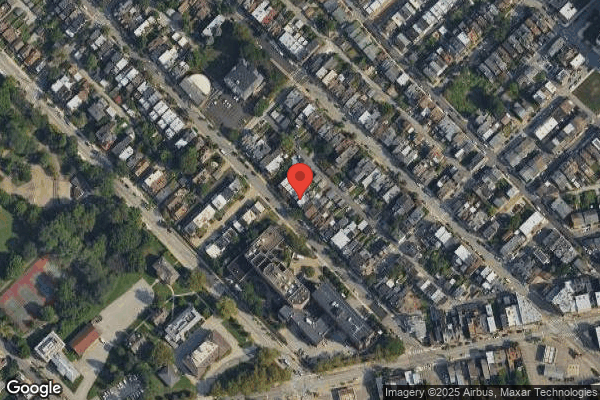
310 FISK STREET, PITTSBURGH, PA 15201 (412) 622-9000
Non profit - Corporation 115 Beds UPMC SENIOR COMMUNITIES Data: November 2025
Trust Grade
35/100
#404 of 653 in PA
Last Inspection: January 2025

Within standard 12-15 month inspection cycle. Federal law requires annual inspections.

Overview

Canterbury Place in Pittsburgh, Pennsylvania has received a Trust Grade of F, indicating poor quality and significant concerns about care. It ranks #404 out of 653 facilities in the state, placing it in the bottom half, and #22 out of 52 in Allegheny County, suggesting there are better local options available. Unfortunately, the facility is worsening, with issues increasing from 8 in 2024 to 16 in 2025. While staffing is a strength with a rating of 4 out of 5 stars and good RN coverage, the high turnover rate at 72% is concerning, as it exceeds the state average of 46%. Recent inspection findings revealed serious incidents, including a failure to follow a physician's order for a breathing device, which led to a resident's ICU admission, and a lack of background checks on staff, raising potential safety concerns. Overall, families should weigh these strengths and weaknesses carefully when considering this facility for their loved ones.

Trust Score
F
35/100
In Pennsylvania
#404/653
Bottom 39%
Safety Record
Moderate
Needs review
Inspections
Getting Worse
8 → 16 violations
Staff Stability
⚠ Watch
72% turnover. Very high, 24 points above average. Constant new faces learning your loved one's needs.
Penalties
✓ Good
No fines on record. Clean compliance history, better than most Pennsylvania facilities.
Skilled Nurses
✓ Good
Each resident gets 72 minutes of Registered Nurse (RN) attention daily — more than 97% of Pennsylvania nursing homes. RNs are the most trained staff who catch health problems before they become serious.
Violations
⚠ Watch
28 deficiencies on record. Higher than average. Multiple issues found across inspections.
★★☆☆☆
2.0
Overall Rating
★★★★☆
4.0
Staff Levels
★★☆☆☆
2.0
Care Quality
★★☆☆☆
2.0
Inspection Score
Stable
2024: 8 issues
2025: 16 issues

The Good

  • 4-Star Staffing Rating · Above-average nurse staffing levels
  • Full Sprinkler Coverage · Fire safety systems throughout facility
  • No fines on record

Facility shows strength in staffing levels, fire safety.

The Bad

2-Star Overall Rating

Below Pennsylvania average (3.0)

Below average - review inspection findings carefully

Staff Turnover: 72%

25pts above Pennsylvania avg (46%)

Frequent staff changes - ask about care continuity

Chain: UPMC SENIOR COMMUNITIES

Part of a multi-facility chain

Ask about local staffing decisions and management

Staff turnover is very high (72%)

24 points above Pennsylvania average of 48%

The Ugly 28 deficiencies on record

1 actual harm
Jul 2025 1 deficiency
CONCERN (D) 📢 Someone Reported This

A family member, employee, or ombudsman was alarmed enough to file a formal complaint

Potential for Harm - no one hurt, but risky conditions existed

Quality of Care (Tag F0684)

Could have caused harm · This affected 1 resident

**NOTE- TERMS IN BRACKETS HAVE BEEN EDITED TO PROTECT CONFIDENTIALITY** Based on review of facility policy, clinical records, and staff interview it was determined that the facility failed to notify a...

Read full inspector narrative →
**NOTE- TERMS IN BRACKETS HAVE BEEN EDITED TO PROTECT CONFIDENTIALITY** Based on review of facility policy, clinical records, and staff interview it was determined that the facility failed to notify a physician of abnormal glucose readings as per order for one out of three residents (Resident R1).Findings include: Review of the facility policy Diabetes - Clinical Protocol dated 1/2/25, indicated the physician will order desired parameters for monitoring and reporting information related to blood sugar management. The staff will incorporate such parameters into the Medication Administration Record (MAR).Review of the admission record indicated Resident R1 was admitted on [DATE]. Review of Resident R1's Minimum Data Set (MDS - a periodic assessment of care needs) dated 5/27/25, indicated the diagnoses of diabetes (a long-term condition in which the body has trouble controlling blood sugar and using it for energy), anemia (the blood doesn't have enough healthy red blood cells), and high blood pressure.Review of Resident R1's physician orders dated 5/25/25, indicated Insulin Lispro (a short acting, manmade version of human insulin) inject subcutaneously as per sliding scale: If 50 - 199 =1 unit (less than 80 call MD)200 - 249 = 2units;250 - 299 = 3units; 300 - 349 = 4 units; 350 - 399 = 5 units; 400 - 449 = 6 unitsgreater than 400 call MD or CRNP, with meals for diabetes, hold if resident does not eat.Review of Resident R1's care plan dated 3/12/25, indicated the resident's blood glucose level will be within desired range.Review of Resident R1's glucose log indicated the following:6/7/25, at 8:00 a.m. glucose was 404.6/9/25, at 8:00 a.m. glucose was 407.6/21/25, at 8:00 a.m. glucose was 431.6/21/25, at 9:00 p.m. glucose was 4426/22/25, at 9:00 p.m. glucose was 440.6/26/25, at 8:00 a.m. glucose was 432.7/6/25, at 8:00 a.m. glucose was 429.7/7/25, at 8:00 a.m. glucose was 448.7/14/25, at 8:00 a.m. glucose was 449.7/21/25, at 9:00 p.m. glucose was 439.Review of Resident R1's progress notes did not include notification to the physician for the glucose levels above 400 as per physician's order.Interview on 7/22/25, at 1:30 p.m. the Director of Nursing confirmed that the facility failed to notify a physician of abnormal glucose readings as per order for Resident R1 as required.28 Pa. Code: 201.14(a) Responsibility of licensee.28 Pa. Code 211.12(d)(1)(2)(3)(5) Nursing services
Jun 2025 2 deficiencies 1 Harm
SERIOUS (G) 📢 Someone Reported This

A family member, employee, or ombudsman was alarmed enough to file a formal complaint

Actual Harm - a resident was hurt due to facility failures

Respiratory Care (Tag F0695)

A resident was harmed · This affected 1 resident

**NOTE- TERMS IN BRACKETS HAVE BEEN EDITED TO PROTECT CONFIDENTIALITY** Based on review of facility policy, clinical records, and staff interview it was determined that the facility failed to follow a...

Read full inspector narrative →
**NOTE- TERMS IN BRACKETS HAVE BEEN EDITED TO PROTECT CONFIDENTIALITY** Based on review of facility policy, clinical records, and staff interview it was determined that the facility failed to follow a physician order for a Bipap device (a positive airway pressure machine when breathing in and breathing out) and failed to act on a malfunctioning Bipap in a timely manner for one of three residents (Resident R2) which resulted in actual harm of dyspnea (difficulty breathing), hypoxemia (a low level of oxygen in the blood), hypercapnia (too much carbon dioxide in the blood stream), requiring an intensive care unit (ICU - specialized hospital department where critically ill patients receive intensive, round-the-clock care) admission for Bipap. Findings include: Review of the facility policy CPAP/Bipap Support dated 1/2/25, indicated Bipap delivers continuous positive airway pressure, but allows separate pressure settings for expiration (EPAP -breathing out) and inspiration (IPAP- breathing in). Document in the resident's medical record how the resident tolerated the procedure. Review of facility provided education from April 2025, indicated Cpap vs Bipap which defined each term and compared differences in the equipment. Section titled What are the potential problems? indicated if the machine malfunctions, seek professional assistance. Review of the admission record indicated Resident R2 was admitted on [DATE]. Review of Resident R2's Minimum Data Set (MDS - a periodic assessment of care needs) dated 5/4/25, indicated the diagnoses of chronic obstructive pulmonary disease (COPD- a group of diseases that block airflow and make it hard to breathe), acute and chronic respiratory failure (when the lungs can't properly exchanges gases causing abnormal levels of carbon dioxide and/or oxygen in the arteries), and heart failure (heart doesn't pump blood as well as it should). Section C0500 indicated a Brief Interview for Mental Status (BIMS - is a screening test that aides in detecting cognitive impairment) as 15 - cognitively intact. Review of Resident R2's physician order dated 4/28/25, indicated Bipap settings (IPAP/EPAP) 18/5 with oxygen bleed at 2 liters/minute. Please fill the reservoir with sterile water. Apply Bipap at 9:00 p.m. Remove Bipap at 6:00 a.m. Review of Resident R2's care plan dated 1/7/25, indicated problem - resident is having difficulty adjusting to nursing home and is experiencing loneliness as evidenced by refusing Bipap and demanding family come in. Goal - resident will have increased compliance with Bipap use. Support calls with family as needed and assist with putting Bipap on. Monitor and document changes in orientation, increased restlessness, anxiety, and air hunger. Notify physician of signs of respiratory distress. Interventions dated 9/3/24, indicated BiPap settings as ordered, and failed to identify the specific settings required. The plan of care failed to identify steps to follow in the event the machine malfunctioned or required service. Review of Resident R2's progress notes indicated the following: -Licensed Practical Nurse (LPN) Employee E6's note on 5/9/25, at 9:15 p.m. - no significant changes at this time. -Registered Nurse (RN) Employee E7's note on 5/10/25, at 3:48 p.m. - issues with the Bipap throughout the night. Evening shift nurse left note that it was not working when was placed on resident. Resident placed on 2liters of oxygen via nasal cannula (two thin prongs that sit below the nose to administer oxygen) oxygen saturation at 96 percent. Respirations at 16 breaths a minute and resident denies shortness of breath or discomfort at this time. -LPN Employee E8's note on 5/11/25, at 12:56 a.m. - no significant changes at this time. -LPN Employee E9's note on 5/13/25, at 7:04 p.m. - resident complained of shortness of breath. Oxygen water changed, inhaler given, repositioned in bed, other nurse has been in her room to fix the phone, will continue to monitor. -LPN Employee E10's note on 5/13/25, at 10:00 p.m. - at the beginning of this shift resident was complaining of shortness of breath while on the phone with the son. This nurse checked the oxygen saturation, and it was 93 percent on 2 liters of oxygen. Resident indicated their bottom hurt and legs from sitting up in the chair yesterday. This nurse offered to reposition resident, and resident said it was okay then changed their mind. Tylenol given with evening medication. Resident was changed, Bipap placed. No issues noted at this time. -LPN Employee E11's note on 5/15/25, at 2:00 a.m. from the start of shift resident constantly complaining of everything possible. Staff constantly in and out the room. Pulled up in bed numerous times vital signs taken. Oxygen saturation 99 percent on 2 liters of oxygen. Resident is calling staff saying I'm awake now and currently is screaming help calling the desk phone. When staff go in the room resident is quiet saying I'm awake, what do I do now. Resident complained of shortness of breath oxygen saturation was 99 percent, but her Bipap has not been working. Has a history where carbon dioxide rises but resident is full alert and saturations are fine at the moment. -LPN Employee E11's note on 5/15/25, at 2:14 a.m. resident ringing now, wanting to know if it's time to get out of bed. It's 2:15 a.m., redirected resident who didn't have complaints of shortness of breath at all. Saturation 99 percent. -LPN Employee E11's note on 5/15/25, at 2:57 a.m. called the On-Call doctor regarding complaints and the son. Nurse aide that is working currently said Bipap wasn't put on in the evening. The nurse stated it would just cut off. This nurse put Bipap on and water in and oxygen bleed into Bipap so far working fine. Physician stated if Bipap stops or malfunctions it's ok to send to resident to the emergency room. Resident was yelling at top of the lungs help me. Earlier in the night and became slightly sweaty. Heart rate maintained in the 80's - 90's and saturation was 99 percent. Physician also made aware of that. Son called back for update. Son is mad and on the way to the facility. -LPN Employee E11's note on 5/15/2025, at 3:08 a.m. resident's sons are here and upset about Bipap not working. They had a backup Bipap and are hooking it up right now. -LPN Employee E11's note on 5/15/25, at 3:23 a.m. the sons left secondary Bipap on and working. They apologized to this nurse and was appreciative of letting them know about resident's condition and the Bipap issues. -LPN Employee E11's note on 5/15/25, 6:01 a.m. resident responds to name answers questions still seems slightly off, such as hypercapnic like symptoms. Mentioned this to the sons when they were here about going to the hospital now. They declined and wanted to try to wear the secondary Bipap first for an extended period of time. RN Supervisor aware and physician. -RN Employee E12's note on 5/15/25, at 9:52 a.m. - resident was sent to the hospital at 9:45 a.m. Vital signs were taken. Resident was in respiratory distress. Skin diaphoretic (sweaty). Loose black stools. This writer requested to have resident go to local hospital. The paramedics took resident to a different local hospital instead, due to the resident having loose black stools. -RN Employee E4's note on 5/15/25, at 3:39 p.m. resident at hospital, the carbon dioxide is ranging from 56, 51, 44 (normal range is 35 -45). Resident will be admitted to hospital. -RN Employee E4's note on 5/15/25, at 4:51 p.m. call placed to son for update on resident. Son responded her carbon dioxide was elevated, and resident kept twitching and falling asleep intermittently. The son was also asked when here this morning at 3:00 a.m. to swap out the Bipap machine the resident uses, if the Bipap by the bedside was working upon arrival to resident's bedside. Son responded at this point I don't even know. Review of the hospital record dated 5/15/25, indicated Resident R2 with history of chronic hypercapnia (on nighttime Bipap) COPD, obstructive sleep apnea, obesity hypoventilation syndrome, who presented on 5/15/25 from skilled nursing facility due to dyspnea, hypoxemia, hypercapnia, requiring ICU admission for Bipap. Interview on 6/3/25, at 9:42 a.m. LPN Employee E11 indicated remembering a note that said the Bipap wasn't working right for Resident R2, recalled resident not being their normal self on 5/14/25, I called the resident's son to update them and asked if they knew the Bipap was broken. The son indicated not being aware. The other nurses were saying when putting the Bipap on Resident R1 in about 30 minutes it would shut off. One day the sons pulled another Bipap out and hooked that one up instead. The sons are familiar with the resident's carbon dioxide levels being elevated and didn't want Resident R2 to go to the hospital until wearing the second Bipap for a while to see if it would blow off the carbon dioxide. Later that day she had bloody stools and went to the hospital. Further indicated they've had training on the Bipap recently. Interview on 6/3/25, at 1:08 p.m. Infection Preventionist Employee E13 and Materials Manager Employee E14 indicated they checked the Bipap machine on 5/15/25, as Resident was in the hospital at this time, and it worked fine. The respiratory company checked the Bipap and indicated nothing was wrong with it. When asked how they knew which Bipap machine the vendor checked the original or secondary machine brought from family, they could not answer or provide documentation that the vendor checked the machine. Telephonic interview on 6/3/25, at 1:24 p.m. LPN Employee E8 indicated if they found the Bipap to be malfunctioning or questionable a call to the doctor and family would be made, and the respiratory company to come look at the machine. Telephonic interview on 6/3/25, at 1:47 p.m. RN Employee E7 indicated being familiar with Resident R2 and that the Bipap was not liked by Resident R2. Indicated upon arrival to Resident R2's room the tube that connects to the mask and to the machine itself whenever in the room the tube would be off, and they would reconnect it. The only issue with the Bipap for RN Employee E7 was with the tubing. Further indicated they've had training on the Bipap recently. Interview on 6/3/25, at 1:52 p.m. LPN Employee E6 indicated Everyone says it's not broke, but sometimes you'll turn it on, and it turns itself back off. You try to put it back on and it stops blowing and turns off again. This happens once in a while not all the time. The day I left the note I turned the Bipap on, and I stood there to make sure the numbers were right, and the air was blowing, it didn't blow, and it shut itself off, and kept shutting off after I turned it back on. I told the next shift to keep a good eye on it. When asked if the physician or family was notified, LPN Employee E6 indicated No, I'm sorry, I did not. Interview on 6/3/25, at 2:45 p.m. the Nursing Home Administrator and Director of Nursing confirmed the facility failed to make certain the facility failed to follow a physician order for a Bipap device, failed to act on a malfunctioning Bipap in a timely manner which resulted in actual harm of dyspnea, hypoxemia, hypercapnia, and requiring intensive care unit admission for Bipap. 28 Pa. Code 201.14(b) Responsibility of licensee. 28 Pa. Code 201.18(b)(1)(e)(1) Management. 28 Pa. Code: 211.10(c)(d) Resident care policies. 28 Pa. Code: 211.12(d)(1)(3)(5) Nursing services.
CONCERN (D) 📢 Someone Reported This

A family member, employee, or ombudsman was alarmed enough to file a formal complaint

Potential for Harm - no one hurt, but risky conditions existed

Free from Abuse/Neglect (Tag F0600)

Could have caused harm · This affected 1 resident

**NOTE- TERMS IN BRACKETS HAVE BEEN EDITED TO PROTECT CONFIDENTIALITY** Based on review of facility policy, facility provided documents, clinical records and staff interviews, it was determined that t...

Read full inspector narrative →
**NOTE- TERMS IN BRACKETS HAVE BEEN EDITED TO PROTECT CONFIDENTIALITY** Based on review of facility policy, facility provided documents, clinical records and staff interviews, it was determined that the facility failed to make certain residents were free from mental abuse, including abuse facilitated or enabled through the use of technology for one of five residents reviewed (Residents R1). Findings include: Review of the facility policy Abuse, Neglect, Exploitation and Misappropriation Prevention Program dated 1/2/25, indicated to establish and maintain a culture of compassion and caring for all residents and particularly those with behavioral, cognitive or emotional problems. Review of admission record indicated Resident R13 was admitted to the facility on [DATE]. Review of Resident R13's Minimum Data Set (MDS - a periodic assessment of care needs) dated 2/11/25, indicated the diagnoses of coronary artery disease (damage or disease in the heart's major blood vessels), hypertension (the force of the blood against the artery walls is too high), and peripheral vascular disease (a condition in which narrowed blood vessels reduce blood flow to the limbs), and dementia (a general term for loss of memory, language, problem solving and other thinking abilities that are severe enough to interfere with daily life). Review of admission record indicated Resident R1 was admitted to the facility on [DATE]. Review of Resident R1's Minimum Data Set (MDS - a periodic assessment of care needs) dated 2/19/25, indicated the diagnoses of dementia (a general term for loss of memory, language, problem solving and other thinking abilities that are severe enough to interfere with daily life), atrial fibrillation (irregular heart rhythm), diabetes (a long-term condition in which the body has trouble controlling blood sugar and using it for energy). Section C0500 indicated a Brief Interview for Mental Status (BIMS - is a screening test that aides in detecting cognitive impairment) as six - severe impairment. Review of facility provided documentation dated 5/4/25, indicated a staff member reported to nursing that Resident R1 was in a video that was sent to her by another staff member. The staff member who received the video is NA Employee E1. The staff member reported as recording the video is Nurse Aide (NA) Employee E2. Review of Registered Nurse (RN) Employee E3's witness statement signed and dated 5/4/25, indicated being approached by NA Employee E1 who wanted to show the nurse a video on the NA's cell phone. It was of a female resident with a blue gown on making a statement with a smiley face halfway covering the face. NA Employee E1 pointed to the name in the left corner of the video and indicated that was NA Employee E2. When asked how NA Employee E1 knew this, NA Employee E1 indicated because it's a Tic/Toc on Instagram friend group. Review of NA Employee E1's witness statement signed and dated 5/5/25, indicated On May 4, 2025, I got a video sent to my phone of Resident R1. NA Employee E2 recorded Resident R1 on Instagram in close friends. Resident R1 was in bed and talking nasty and NA Employee E2 was laughing at her. I showed it the nurse and we reported it to the supervisor. Review of RN Employee E5's witness statement signed and dated 5/4/25, indicated at approximately 10:00 p.m. RN Employee E3 and NA Employee E1 approached me to report something that disturbed them that they had seen on a social media site. The video was a person in what appeared to be a hospital gown with an enlarged laughing emoji superimposed over the face in an attempt to obstruct the person's face, at a point the emoji moved and the face of Resident R1 could be recognized who is a resident of the facility. The person recording the video could be heard to speak to Resident R1. The voice sounded like NA Employee E2. NA Employee E1 was asked if it was posted by NA Employee E2, and NA Employee E1 confirmed it was posted by NA Employee E2. Review of Human Resource Director Employee E15's witness statement signed and dated 5/5/25, indicated Management was made aware of a video on social media that one of the staff made showing a resident of the facility. Upon interviewing NA Employee E1, who still had the video and showed it to Management. NA Employee E1 explained what Resident R1 said in the video and confirmed Resident R1 does make sexual comments frequently. Interview on 6/3/25, at 2:45 p.m. the Nursing Home Administrator and the Director of Nursing confirmed the facility failed to make certain residents were free from mental abuse, including abuse facilitated or enabled through the use of technology for one of five residents reviewed (Residents R1). 28 Pa. Code 201.18(b)(1)(2)(3) Management. 28 Pa. Code 201.29 Responsibility of licensee. 28 Pa. Code 211.10(a)(d) Resident care policies. 28 Pa. Code 211.12(d)(1)(2)(5) Nursing services.
Apr 2025 1 deficiency
CONCERN (D) 📢 Someone Reported This

A family member, employee, or ombudsman was alarmed enough to file a formal complaint

Potential for Harm - no one hurt, but risky conditions existed

Respiratory Care (Tag F0695)

Could have caused harm · This affected 1 resident

**NOTE- TERMS IN BRACKETS HAVE BEEN EDITED TO PROTECT CONFIDENTIALITY** Based on review of facility policy, observations, staff interviews, and clinical record review, it was determined that the facil...

Read full inspector narrative →
**NOTE- TERMS IN BRACKETS HAVE BEEN EDITED TO PROTECT CONFIDENTIALITY** Based on review of facility policy, observations, staff interviews, and clinical record review, it was determined that the facility failed to provide appropriate respiratory care for two of four residents (Resident R1 and R2). Findings include: Review of facility policy Respiratory Therapy dated 1/2/25, indicated the purpose of this procedure is to guide prevention of infection associated with respiratory therapy tasks and equipment. Change the oxygen nasal cannula (a medical device that provides supplemental oxygen to patients through two prongs inserted into the nostrils) every seven days, or as needed. Store the mask and plastic tubing from the nebulizer (small machine that turns liquid medicine into a mist that can be easily inhaled) in a plastic bag, marked with date and resident ' s name, between uses. Review of the clinical record indicated Resident R1was admitted to the facility on [DATE]. Review of Resident R1's Minimum Data Set (MDS - a periodic assessment of care needs) dated 3/20/25, indicated diagnoses of heart failure (a progressive heart disease that affects pumping action of the heart muscles), chronic obstructive pulmonary disease (COPD, a group of progressive lung disorders characterized by increasing breathlessness), and respiratory failure (occurs when the lungs can not properly exchange gases). MDS Section O-Special treatments, procedures and program C1 is marked, indicating oxygen therapy. Section G1 is marked, indicating BiPAP (Bi-level Positive Airway Pressure-a non-invasive ventilation method that uses pressurized air to assist in breathing). Review of a physician's active orders dated 4/28/25, indicated to administer oxygen at 2 liters per minute per nasal cannula. Change oxygen tubing every week. Review of a physican's active orders dated 4/28/25, indicated BiPAP with Oxygen at 2 liters per minute. Apply at bedtime and remove in the morning. During an observation on 4/29/25, at 10:30 a.m. Resident R1 was laying in her bed receiving two liters per minute of oxygen via nasal cannula. No date was present on the oxygen nasal cannula. Two BiPAP masks were laying on the bedside nightstand and failed to be stored in a bag, when not in use. During an interview on 4/29/25, at 10:45 a.m. Licensed Practical Nurse (LPN) Employee E1 confirmed that no date was present on Resident R1's nasal cannula tubing and that two BiPAP mask were not properly stored in a bag. Review of the clinical record indicated Resident R2 was admitted to the facility on [DATE]. Review of Resident R2's MDS dated [DATE], indicated diagnoses of heart failure, high blood pressure, and dementia (a group of symptoms that affects memory, thinking and interferes with daily life). MDS Section O-Special treatments, procedures and program C1 is marked, indicating oxygen therapy. Review of a physician's active orders dated 7/31/24, indicated to administer oxygen via nasal cannula to maintain pulse ox (a non-invasive method used to measure the percentage of blood that is saturated with oxygen) greater than 90 percent. Change and date oxygen tubing weekly. Review of a physician's active order dated 3/30/25, indicated to administer Albuterol Sulfate (medication used in a nebulizer machine to help with breathing). During an observation on 4/29/25, at 10:47 a.m. Resident R2 was laying in her bed receiving two liters per minute of oxygen via nasal cannula. The oxygen tubing was dated 4/18/25. The nebulizer tubing failed to have a date on it, and the nebulizer mask was laying on the bedside nightstand and failed to be stored in a bag, when not in use. During an interview on 4/29/25, at 11:02 a.m. LPN Employee E1 confirmed that the oxygen tubing was not changed per physician order and that the resident's nebulizer was not properly stored in a bag. During an interview on 4/29/25, at 2:45 p.m. the Director of Nursing confirmed that the facility failed to provide appropriate respiratory care for two of two residents (Resident R1 and R2). 28 Pa. Code: 201.14(a) Responsibility of licensee. 28 Pa. Code 211.12(d)(1)(2)(3)(5) Nursing services
Jan 2025 12 deficiencies
CONCERN (D)

Potential for Harm - no one hurt, but risky conditions existed

Investigate Abuse (Tag F0610)

Could have caused harm · This affected 1 resident

**NOTE- TERMS IN BRACKETS HAVE BEEN EDITED TO PROTECT CONFIDENTIALITY** Based on review of facility policy, clinical record, and staff interview it was determined that the facility failed to conduct a...

Read full inspector narrative →
**NOTE- TERMS IN BRACKETS HAVE BEEN EDITED TO PROTECT CONFIDENTIALITY** Based on review of facility policy, clinical record, and staff interview it was determined that the facility failed to conduct a thorough investigation for one of three residents (Resident R77). Findings include: Review of facility policy Abuse Neglect Exploitation General Policy dated 1/3/25, indicated Investigation - The facility is responsible for investigating and reporting cases of possible abuse, neglect including involuntary seclusion, exploitation, and misappropriation of property to external agencies in accordance with laws and regulations. Review of facility policy Abuse Investigation and Reporting, Protection and Response dated 1/??/25, indicated skilled nursing facilities are responsible for the investigation and reporting of allegation of abuse, neglect, or misappropriation of a resident's property. Review of Resident R77 clinical record was admitted on [DATE]. Review of Resident R77 MDS (minimum data set - a periodic assessment of resident needs) dated 11/26/24, indicated diagnosis of renal insufficiency (kidneys functioning poorly) and diabetes mellitus (when your blood sugar is to high). During a review of Resident R77 clinical record progress note dated 12/21/24, indicated 2 cups of meds from different times unknown days found at bedside hidden. During a review of facility documentation a concern form about the incident was noted, but failed to include documentation of the investigation to include - what the pills were, if the pills were the facilities or brought in from outside the facility, if medication that was documented as being taken by resident was noted in the medication found by the bedside, , interviews with staff , etc. During an interview on 1/3/25, at 2:25 p.m. Director of Nursing confirmed that the investigation was incomplete and that the facility did not document nor investigate what the medication was, where it came from, complete interviews with staff from various recent shifts and that the facility failed to complete a thorough investigation for Resident R77 medication found by bedside. 28 Pa. Code 201.14(a) (c) (e) Responsibility of licensee. 28 Pa. Code 201.18 (e) (1) Management.
CONCERN (D)

Potential for Harm - no one hurt, but risky conditions existed

Deficiency F0657 (Tag F0657)

Could have caused harm · This affected 1 resident

**NOTE- TERMS IN BRACKETS HAVE BEEN EDITED TO PROTECT CONFIDENTIALITY** Based on review of facility policy, clinical records, and staff interview, it was determined the facility failed to update a car...

Read full inspector narrative →
**NOTE- TERMS IN BRACKETS HAVE BEEN EDITED TO PROTECT CONFIDENTIALITY** Based on review of facility policy, clinical records, and staff interview, it was determined the facility failed to update a care plan for two of seven residents (Residents R8 and R316) to accurately reflect the current status of the resident and care needs. Findings include: Review of the facility policy Care Plans, Comprehensive Person-Centered dated 1/2/25, indicated the facility must develop a comprehensive Person-Centered Care Plan for each resident that includes measurable objectives and timeframes and describes the services that are to be furnished to attain or maintain the resident's highest practicable physical, mental, and psychosocial well-being. Review of the admission record indicated Resident R8 was admitted to the facility on [DATE]. Review of Resident R8's Minimum Data Set (MDS - a periodic assessment of care needs) dated 12/23/24, indicated the diagnoses of heart failure, mild cognitive impairment, and anxiety disorder. Review of Resident R8's physician order dated 11/19/24, indicated FreeStyle Libre 3 Reader Device (Continuous Glucose System Receiver) Apply 1 unit transdermally one time a day every 14 days. Review of Resident R8's current care plan on 1/8/25, at 11:55 a.m., failed to include the use, as well as the care and services interventions related to the FreeStyle Libre 3 Continuous Glucose monitoring system. During an interview on 1/8/25, at 2:37 p.m., the Director of Nursing (DON) confirmed that Resident R8's current care plan failed to include the use, and care and service interventions for her FreeStyle Libre 3 Continuous Glucose Monitoring system. Review of the admission record indicated Resident R316 admitted to the facility on [DATE]. Review of Resident R316's MDS dated [DATE], indicated the diagnoses of high blood pressure, Multiple Sclerosis (immune system eats away at protective covering of nerve cells), and diabetes(a long-term condition in which the body has trouble controlling blood sugar and using it for energy). Review of Resident R316's physician order dated 12/5/24, indicated Wound Vac (a negative pressure wound therapy device) to sacral (above the tail bone) wound. Wound vac to function at 125mm/hg (millimeters of mercury) continuously. Change on Monday, Wednesday, Friday, and as needed for displacement. Review of Resident R316's current plan of care on 1/10/25, at 9:24 a.m. failed to include the wound vac to the sacral wound. Interview on 1/10/25, at 10:00 a.m. the Director of Nursing (DON) confirmed Resident R316's care plan failed to include the wound vac to the sacral wound as required. Interview on 1/10/25, at 3:00 p.m. the DON confirmed the facility failed to update a care plan for two of seven residents (Residents R8 and R316) to accurately reflect the current status of the resident and care needs. 28 Pa. Code: 211.11 (a).(c)(d) Resident care plan. 28 Pa. Code: 211.12(d)(1)(5) Nursing services.
CONCERN (D)

Potential for Harm - no one hurt, but risky conditions existed

Quality of Care (Tag F0684)

Could have caused harm · This affected 1 resident

**NOTE- TERMS IN BRACKETS HAVE BEEN EDITED TO PROTECT CONFIDENTIALITY** Based on review of facility policy, clinical records, and staff interview it was determined that the facility failed to notify a...

Read full inspector narrative →
**NOTE- TERMS IN BRACKETS HAVE BEEN EDITED TO PROTECT CONFIDENTIALITY** Based on review of facility policy, clinical records, and staff interview it was determined that the facility failed to notify a physician of abnormal glucose readings as per order for one out of three residents (Resident R108). Findings include: Review of the facility policy Diabetes - Clinical Protocol dated 1/2/25, indicated the physician will order desired parameters for monitoring and reporting information related to blood sugar management. The staff will incorporate such parameters into the Medication Administration Record (MAR). Review of the admission record indicated Resident R108 was admitted on [DATE]. Review of Resident R108's Minimum Data Set (MDS - a periodic assessment of care needs) dated 12/16/24, indicated the diagnoses of benign prostatic hyperplasia (BPH- age related prostate gland enlargement that can cause urination difficulties), obstructive uropathy (a structural or functional hindrance of normal urine flow), and diabetes (a long-term condition in which the body has trouble controlling blood sugar and using it for energy). Review of Resident R108's physician orders dated 12/26/24, indicated Insulin Lispro (a short acting, manmade version of human insulin) inject subcutaneously as per sliding scale: if 0 - 140 = 0; 141 - 180 = 1; 181 - 220 = 2; 221 - 260 = 3; 261 - 300 = 4; 301 - 340 = 5; 341+ = 6 >340 administer 6 units and notify the physician. Review of Resident R108's care plan dated 12/30/24, indicated the resident will be free from signs and symptoms of hyperglycemia (elevated glucose levels). Monitor, document, and report as needed, any symptoms of hyperglycemia. Review of Resident R108's glucose log indicated the following: 12/30/24, at 5:19 p.m. glucose result was 398. 12/25/24, at 12:02 p.m. glucose result was 415. 12/24/24, at 10:41 a.m. glucose result was 431. 12/17/24, at 8:10 p.m. glucose result was 446. 12/17/24, at 5:13 p.m. glucose result was 374. 12/13/24, at 12:52 p.m. glucose result was 354. Review of Resident R108's progress notes did not include notification to the physician for the glucose levels above 340 as per physician's order. Interview on 1/9/25, at 10:03 a.m. the Director of Nursing confirmed that the facility failed to notify a physician of abnormal glucose readings as per order for Resident R108 as required. 28 Pa. Code: 201.14(a) Responsibility of licensee. 28 Pa. Code 211.12(d)(1)(2)(3)(5) Nursing services
CONCERN (D)

Potential for Harm - no one hurt, but risky conditions existed

Pressure Ulcer Prevention (Tag F0686)

Could have caused harm · This affected 1 resident

**NOTE- TERMS IN BRACKETS HAVE BEEN EDITED TO PROTECT CONFIDENTIALITY** Based on review of facility policy, clinical records, observation, and interviews with staff, it was determined that the facilit...

Read full inspector narrative →
**NOTE- TERMS IN BRACKETS HAVE BEEN EDITED TO PROTECT CONFIDENTIALITY** Based on review of facility policy, clinical records, observation, and interviews with staff, it was determined that the facility failed to make certain that residents received the necessary services to prevent/treat pressure ulcers/wounds for two of six residents (Residents R317 and Resident R51). Findings include: Review of the facility policy Prevention of Pressure Injuries dated 1/3/24, indicated review the resident's care plan and identify the risk factors as well as the interventions designed to reduce or eliminate those considered modifiable. Use a standardized pressure injury screening tool to determine and document risk factors. Conduct a comprehensive skin assessment. Implement preventative skin care interventions. Select appropriate support surfaces based on the resident's risk factors. Review the interventions and strategies for effectiveness on an ongoing basis. Review of the facility policy Care Plans, Comprehensive Person-Centered dated 1/3/24, indicates the facility must develop a comprehensive Person-Centered Care Plan for each resident that includes measurable objectives and timeframes, and describes the services that are to be furnished to attain or maintain the resident ' s highest practicable physical, mental, and psychosocial well-being. Review of the admission record indicated Resident R317 was admitted to the facility on [DATE]. Review of Resident R317's Minimum Data Set (MDS- a periodic assessment of care needs) dated 12/24/24, indicated the diagnoses of atrial fibrillation (irregular heart rhythm), anxiety (intense, excessive, and persistent worry and fear about everyday situations), and Section M indicated Stage 3 pressure injury (full thickness tissue loss). Section GG indicated resident requires substantial/maximal assistance to roll left and right in the bed and required full dependence for sitting to lying flat on the bed and lying to sitting on the side of the bed with no back support. Review of Resident R317's Braden Scale for Predicting Pressure Sore Risk dated 1/8/25, indicated a score of 16 - mild risk of developing pressure ulcers. Review of Resident R317's Wound Consult Note dated 12/30/24, indicated right gluteal fold (the horizontal crease of skin at the inferior border of the buttocks) is an acute Stage 3 pressure injury. Pressure ulcer/injury has received a status of not healed. Review of Resident R317's physician orders on 1/9/25, at 9:00 a.m. failed to include preventative measures of a low air loss mattress (prevent pressure ulcers) and to assist resident with turning and repositioning on a routine schedule. Review of Resident R317's care plan dated 12/27/24, indicated bed mobility: the resident is totally dependent on staff for repositioning and turning in bed and as necessary. The care plan failed to include care and management of the Stage 3 pressure injury to the right gluteal fold and failed to include use of the low air loss mattress. Review of the admission record indicated Resident R51 was admitted on [DATE]. Review of Resident R51 MDS, dated [DATE] indicated diagnosis of dementia ( loss of memory, language, problem-solving and other thinking abilities that are severe enough to interfere in daily life) and depression (mood disorder that causes serious persistent feeling of sadness and loss of interest and can interfere with daily life). Review of Resident R51 clinical record progress notes dated 10/15/24, indicated: Right big toe noted to have increased redness to the tip, potentially as a result of the boot having been too tight. Nursing staff to continue to monitor and call the MD if it does not resolve. Additional progress notes indicated: 10/15/2024, Note Text: 2.5cm round red/ purple area to R Great toe- no drainage, no edema, no open area noted, no s/s of pain with light palpation to area, and res denies discomfort. 10/15/2024,Purple area of discoloration about 2.5cm on medial aspect of R great toe. NA noticed this She wears soft bunny boots. Unsure if this area was bumped. Will observe for now and observe Will have my CRNP see her tomorrow Additional review of Resident R51 clinical record failed to include follow up information of area on right great toe. During an interview on 1/8/25, at 10:23 a.m. Registered Nurse RN Employee E21 confirmed that the facility failed to include progression of the injury, how the injury occurred, when it healed or any follow up information and the facility failed to prevent/treat a wound. During an interview on 1/9/25, at 9:21 a.m. the Director of Nursing confirmed the facility failed to develop a pressure ulcer care plan, implement preventative measures, and failed to make certain that residents received the necessary services to prevent/treat pressure ulcers/wounds for two of six residents (Residents R317). During an interview on 1/8/25, at 10:23 a.m. Registered Nurse (RN) Employee E21 confirmed that the facility failed to include progression of the injury, how the injury occurred, when it healed or any follow up information. 28 Pa. Code: 201.14(a) Responsibility of licensee. 28 Pa. Code: 211.11 (a).(c)(d) Resident care plan. 28 Pa. Code 211.12(d)(1)(2)(3)(5) Nursing services.
CONCERN (D)

Potential for Harm - no one hurt, but risky conditions existed

Tube Feeding (Tag F0693)

Could have caused harm · This affected 1 resident

**NOTE- TERMS IN BRACKETS HAVE BEEN EDITED TO PROTECT CONFIDENTIALITY** Based on review of facility policy, clinical record review, observation, and staff interview, it was determined that the facilit...

Read full inspector narrative →
**NOTE- TERMS IN BRACKETS HAVE BEEN EDITED TO PROTECT CONFIDENTIALITY** Based on review of facility policy, clinical record review, observation, and staff interview, it was determined that the facility failed to ensure that residents with an enteral feeding tube (a tube inserted in the stomach through the abdomen) received appropriate treatment and services to prevent potential complications for one of three residents (Residents R14). Findings include: Review of facility policy Enteral Nutrition dated 1/2/25, indicated adequate nutritional support through enteral nutrition is provided to residents as ordered. The use of enteral nutrition is based on the results of the comprehensive nutritional assessment, and is consistent with current standards of practice, the resident's advance directives, treatment goals and facility policy. Review of Resident R14's clinical record indicated the resident was admitted to the facility on [DATE]. Review of Resident R14's Minimum Data Set (MDS - a periodic assessment of care needs) dated 12/11/24, indicated diagnoses of cerebral infarction (necrotic tissue in the brain resulting loss of blood and oxygen to the brain), dependance on renal dialysis (a blood purifying treatment given when kidney function is not optimum), and aphasia (an acquired communication disorder that impairs a person's ability to process language). MDS Section K0520 indicated a feeding tube present. Review of current physician orders indicated an enteral feed order continuous for feeding is to be down at 1330 (1:30 p.m.) up at 1830 (6:30 p.m.) Nepro @85 ml (milliliters)/hr (per hour) * 19 hours (1615 ml) with 60 ml water flush every 4 hours. During an observation on 1/7/25, at 10:45 a.m., Resident R14's enteral feeding and water flush bag were hanging on a pole at bedside, both undated. During a follow-up observation, and interview on 1/7/25, at 10:55 a.m., Registered Nurse (RN) Employee E6 confirmed that Resident R14's enteral feeding and water flush bag were undated as observed, and confirmed that the facility failed to ensure that residents with an enteral feeding tube received appropriate treatment and services to prevent potential complications for one of three residents (Residents R14). 28 Pa. Code: 201.18(b)(1) Management. 28 Pa. Code: 211.10(c) Resident care policies. 28 Pa. Code: 211.12(d)(1) Nursing services.
CONCERN (D)

Potential for Harm - no one hurt, but risky conditions existed

Deficiency F0849 (Tag F0849)

Could have caused harm · This affected 1 resident

Based on a review of facility policy, resident clinical records, and staff interview, it was determined the facility failed to ensure the coordination of hospice services with facility services to mee...

Read full inspector narrative →
Based on a review of facility policy, resident clinical records, and staff interview, it was determined the facility failed to ensure the coordination of hospice services with facility services to meet the needs of each resident for end-of-life care for one of three residents (Resident R59). Findings include: Review of the facility policy Hospice Services dated 1/2/25, indicated that hospice services are available to residents at the end of life. The facility is responsible for collaborating with hospice representatives and coordinating facility staff participation in the hospice care planning process for residents receiving these services; obtaining the following information from the hospice: - the most recent hospice plan of care - hospice election form - physician certification and recertification of the terminal illness - names and contact information for hospice personnel involved in hospice care - instruction on how to access the hospice's 24-hour on-call system Coordinated care plan for residents receiving hospice services will include the most recent hospice plan of care as well as the care and services provided by the facility. The coordinated care plan will be revised and updated as necessary. Review of Resident R59's clinical admission record indicated that she was admitted to the facility 3/11/22, with diagnoses of heart failure, dysphagia (a condition with difficulty swallowing food or liquid), and high blood pressure. Review of Resident R59's MDS assessment (MDS-Minimum Data Set assessment: periodic assessment of resident care needs) dated 11/2/24, indicated diagnoses remain current upon review. Section O-0110 Special treatments indicated an x for hospice services. Review of Resident R59's physician order dated 10/7/24, indicated hospice services were to be provided as of this date. Further review of Resident R59's current physician orders failed to indicate a diagnosis for hospice care, which hospice provider was providing this service, and this hospice providers contact information. Review of Resident R59's current care plan on 1/10/25, failed to indicate a plan of care for hospice care and services by facility. During an interview on 1/10/25, at 9:00 a.m., Registered Nurse Assessment Coordinator (RNAC) Employee E7 confirmed that the facility failed to provide appropriate physician orders for hospice to contain hospice diagnosis, hospice provider, and contact information, and at 9:05 a.m., RNAC Employee E7 confirmed that the facility failed to provide a comprehensive care plan to address facility care and services for hospice for Resident R59. During an interview on 1/10/25, at 3:10 p.m., the Nursing Home Administrator (NHA) and Director of Nursing (DON) confirmed that the facility failed to ensure the coordination of hospice services with facility services to meet the needs of each resident for end-of-life care for one of three residents (Resident R59). 28 Pa Code: 211.12 (d)(3)(5) Nursing services
CONCERN (D)

Potential for Harm - no one hurt, but risky conditions existed

Infection Control (Tag F0880)

Could have caused harm · This affected 1 resident

**NOTE- TERMS IN BRACKETS HAVE BEEN EDITED TO PROTECT CONFIDENTIALITY** Based on facility policy, clinical record review, observation, and staff interview, it was determined that the facility failed t...

Read full inspector narrative →
**NOTE- TERMS IN BRACKETS HAVE BEEN EDITED TO PROTECT CONFIDENTIALITY** Based on facility policy, clinical record review, observation, and staff interview, it was determined that the facility failed to follow enhanced barrier precautions for two of seven residents (Residents R22, and R315), failed to have proper interventions carried out by staff for one of two positive Covid residents (Resident R34). Findings include: Review of the facility policy Transmission Based Precautions dated 1/3/24, indicated enhanced barrier precautions (EBP) are in place for residents with an infection or colonization of a multi-drug resistant organism (MDRO), wounds and/or indwelling medical devices, such as an indwelling catheter, trach/vent, central line, and feeding tube. Gowns and gloves are to be on and used when providing high contact care with a resident who is in EBP. Review of the facility policy Covid -19 Identification and Management of Ill Residents dated 1/3/24, indicated newly identified Covid-19 infection in a resident is evaluated as a potential outbreak. Symptomatic residents are restricted to their rooms and cared for by staff with N95 or higher-level respirator, eye protection, gloves, and a gown. They are placed in Transmission-based precautions with contact isolation for 10 days. Review of the admission record indicated Resident R22 was admitted to the facility on [DATE]. Review of Resident R22's MDS dated [DATE], indicated the diagnoses of renal failure (condition where the kidneys lose the ability to remove waste and balance fluids) with dialysis, stroke (damage to the brain from an interruption of blood supply), and hemiplegia (paralysis of one side of the body). Review of physician order dated 12/22/24, indicated Resident R22 attends dialysis on Monday and Sunday. Review of physician order dated 10/2/24, indicated check AV Fistula (arteriovenous a surgical connection between an artery and a vein creating a natural pathway for blood flow) every shift for bruit (heard with a stethoscope) and thrill (a palpated vibration caused by flood flowing through fistula). Notify physician if either is absent. The orders failed to include an order for enhanced barrier precautions (EBP) for indwelling medical devices as required. Review of Resident R22's care plan failed to include interventions and management of EBP relating to dialysis access devices as required. Observation on 1/8/25, at 10:09 a.m. Resident R22's door was adorned with EBP signage. Interview on 1/8/25, at 10:09 a.m. Registered Nurse (RN) Employee E14 was asked to show Survey Agency (SA) Resident R33's tunneled catheter and AV fistula site. SA had to stop and instruct RN Employee E14 that a gown and gloves were required for the EBP. Observation on 1/8/25, at 10:10 a.m. RN Employee E14 proceeded to don gown. He tied the arms of the gown around his neck leaving his arms and upper body exposed. The built in hole for the head to go through was not utilized. Both arms were not inside the sleeves of the gown. Interview on 1/8/25, at 10:11 a.m. RN Employee E14 indicated he thought these gowns were the apron type and admitted he was not familiar with donning these gowns. Review of the admission record indicated Resident R315 was admitted to the facility 12/25/24. Review of Resident R315's MDS dated [DATE] indicated the diagnoses of breast cancer with secondary bone cancer, pain, and anxiety. Review of Resident R315's physician orders 1/4/25, indicated Isolation-Contact and Droplet Precautions. In private room due to respiratory symptoms on 1/3/25. Care and services to be provided in the resident's room. Review of Resident R315's care plan failed to include interventions and management of isolation- contact and droplet precautions. Observation on 1/8/25, at 9:22 a.m. the sign on Resident R315's door indicated EBP. Nurse Aide (NA) Employee E15 was observed assisting resident out of the bed and transferring her into the bathroom. NA Employee E15 did not have a gown on as required for EBP and did not have a N95 respirator on for Droplet precautions as required by physician orders. Interview on 1/8/25, at 9:30 a.m. RN Employee E8 confirmed the signage was not appropriate for Resident R315 and that the NA Employee was not wearing the appropriate PPE as required. Review of the admission record indicated Resident R34 admitted to the facility on [DATE]. Review of Resident R34's MDS dated [DATE], indicated diagnoses of Down's Syndrome (a genetic chromosome 21 disorder causing developmental and intellectual delays), heart failure (heart doesn ' t pump blood as well as it should), and renal insufficiency (condition where the kidneys lose the ability to remove waste and balance fluids). Review of Resident R34's physician orders dated 1/7/24, indicated vital signs every shift for ten days due to covid positive testing. Covid isolation-contact and airborne precautions in private room due to positive for covid on 1/7/25. Care and services to be provided in the residents room until 1/16/25. Review of Resident R34's care plan dated 1/8/25, indicated the resident has covid, airborne contact isolation initiated on 1/7/25. Observation on 1/8/25, at 9:20 a.m. Resident R34's door was wide open, NA Employee E15 was inside the room with a regular surgical mask in place, no gloves, no eye protection, no N95, and no gown. Signage on door indicated airborne precautions. Interview on 1/8/25, at 9:30 a.m. RN Employee E8 confirmed the signage on the door only listed airborne, and that NA Employee E15 was not wearing the appropriate PPE as required. Interview on 1/8/25, at 2:00 p.m. the Infection Preventionist Employee E16 confirmed the facility failed to follow enhanced barrier precautions for two of seven residents (Residents R22, and R315), failed to have proper interventions carried out by staff for one of two positive Covid residents (Resident R34). 28 Pa. Code: 211.5(f) Clinical records 28 Pa. Code: 211.12(c)(d)(1)(3)(5) Nursing services
CONCERN (D)

Potential for Harm - no one hurt, but risky conditions existed

Deficiency F0943 (Tag F0943)

Could have caused harm · This affected 1 resident

Based on review of facility policy, employee personnel records, and staff interview, it was determined that the facility failed to provide training on Abuse, Neglect, and Exploitation on the date of o...

Read full inspector narrative →
Based on review of facility policy, employee personnel records, and staff interview, it was determined that the facility failed to provide training on Abuse, Neglect, and Exploitation on the date of orientation for one out of five sampled records (Nurse aide Employee E3). Findings include: The Safety-01 Abuse, Neglect, Exploitation general policy dated 5/1/22, last reviewed 1/3/24, indicated that all employees and contracted staff will be educated upon orientation, annually, and as indicated on topics to include resident rights,privacy and confidentiality , and abuse prevention. Staff will be educated on recognizing the signs of abuse, neglect and exploitation. Review of Nurse aide (NA) Employee E3's personnel record indicated she was hired 10/2/24. Review of nurse deployment documents (form indicating the name and number of nursing staff working a specific date), indicated that Nurse aide (NA) Employee E3 first worked on the floor starting 10/7/24. After her orientation was completed, Nurse aide (NA) Employee E3 worked on 10/13/24 and continued to work at the facility. Review of Nurse aide (NA) Employee E3's personnel record did not indicate that she was trained on Abuse, Neglect, and Exploitation policies and procedures until 12/6/24, two months after her date of hire. During an interview on 1/10/25, at 1:12 p.m. the Nursing Home Administrator (NHA) confirmed that the facility failed to provide training on Abuse, Neglect, and Exploitation to Nurse aide (NA) Employee E3 on the date of orientation as required. 28 Pa Code: 201.14 (a) Responsibility of licensee. 28 Pa Code: 201.18 (b)(1) Management. 28 Pa Code: 201.20 (a)(c) Staff development.
CONCERN (E)

Potential for Harm - no one hurt, but risky conditions existed

Abuse Prevention Policies (Tag F0607)

Could have caused harm · This affected multiple residents

**NOTE- TERMS IN BRACKETS HAVE BEEN EDITED TO PROTECT CONFIDENTIALITY** Based on review of facility policy, employee personnel records, and staff interview, it was determined that the facility failed ...

Read full inspector narrative →
**NOTE- TERMS IN BRACKETS HAVE BEEN EDITED TO PROTECT CONFIDENTIALITY** Based on review of facility policy, employee personnel records, and staff interview, it was determined that the facility failed to implement their written procedures to prohibit and prevent abuse, neglect, and exploitation of residents by failing to perform criminal history background checks prior to the date of hire for five of six sampled records (Registered Nurse (RN) Employee E2, Nurse Aide (NA) Employee E17, Licensed Practical Nurse (LPN) Employee E18, NA Employee E19, and RN Employee E20). Findings include: The Safety-01 Abuse, Neglect, Exploitation general policy dated 5/1/22, last reviewed 1/3/24, indicated that the facility will obtain criminal and FBI background checks. Prior to the employee's first day of employment, the facility will make reasonable efforts to obtain personal and professional reference information. Documentation will note conducted attempts. Review of Registered Nurse (RN) Employee E2's was hired to the facility on 9/3/24. Review of Registered Nurse (RN) Employee E2's personnel record did not include a copy of the employee's State background check. Review of nurse deployment documents (a document indicating the name and number of nursing staff working a specific date), indicated that Registered Nurse (RN) Employee E2 worked 9/17/24, and was no longer on orientation. She continued to work for the facility. Review of Nurse Aide (NA) Employee E17 was hired to the facility on [DATE]. Review of Nurse Aide (NA) Employee E17 personnel record did not include a copy of the employee's State background check. Review of nurse deployment documents, indicated that Nurse Aide (NA) Employee E17 worked 10/21/24, and was no long on orientation. NA Employee E17 continued to work for the facility. Review of Licensed Practical Nurse (LPN) Employee E18 was hired to the facility on [DATE]. Review of Licensed Practical Nurse (LPN) Employee E18 personnel record did not include a copy of the employee's State background check. Review of nurse deployment documents, indicated that Licensed Practical Nurse (LPN) Employee E18 worked on 11/29/24, and was no longer on orientation. LPN continued to work for the facility. Review of NA Employee E19 was hired to the facility on [DATE]. Review of NA Employee E19 personnel record did not include a copy of the employee's State background check. Review of nurse deployment documents, indicated that NA Employee E19 worked on 11/04/24, and was no longer on orientation. NA continued to work for the facility. Review of RN Employee E20 was hired to the facility on [DATE]. Review of RN Employee E20 personnel record did not include a copy for the employee's State background check. Review of nurse deployment documents, indicated that RN Employee E20 worked on 11/19/24, and was no longer on orientation. RN continued to work for the facility. During an interview on 1/10/25, at 1:12 p.m. the Nursing Home Administrator (NHA) confirmed that the facility failed to implement their written procedures to prohibit and prevent abuse, neglect, and exploitation of residents by failing to perform criminal history background checks prior to the date of hire for Registered Nurse (RN) Employee E2 as required, Nurse Aide (NA) Employee E17, Licensed Practical Nurse (LPN) Employee E18, NA Employee E19, and RN Employee E20). 28 Pa. Code 201.14(a) Responsibility of licensee 28 Pa. Code 201.18(b)(1) Management 28 Pa. Code 201.19(3) Personnel policies and procedures
CONCERN (E)

Potential for Harm - no one hurt, but risky conditions existed

Incontinence Care (Tag F0690)

Could have caused harm · This affected multiple residents

**NOTE- TERMS IN BRACKETS HAVE BEEN EDITED TO PROTECT CONFIDENTIALITY** Based on review of facility policy, clinical records and staff interview, it was determined that the facility failed to ensure t...

Read full inspector narrative →
**NOTE- TERMS IN BRACKETS HAVE BEEN EDITED TO PROTECT CONFIDENTIALITY** Based on review of facility policy, clinical records and staff interview, it was determined that the facility failed to ensure that the physician order for a urinary catheter (insertion of a tube into the bladder to remove urine) included the size of the suprapubic catheter, balloon sizing, and the amount of fluid needed to insert for balloon inflation/securement (the balloon keeps catheter in the bladder) for three out of seven sampled residents (Residents R53, R58, and R316 ) and failed to ensure catheter bags were covered as required for two of seven sampled residents (Residents R58, and R316). Findings include: Review of the facility policy Suprapubic Catheter Replacement dated 1/3/24, indicated verify that there is a physician's order. Review the resident's care plan to assess for any special needs of the resident. Supplies needed indicated catheter of proper size and composition (ordered by the physician). Review of the facility policy Dignity dated 1/3/24, indicated staff are expected to promote dignity and assist residents; for example: helping the resident to keep urinary catheter bags covered. Review of Resident R53's admission record indicated he was originally admitted [DATE]. Review of Resident R53's MDS assessment (Minimum Data Set assessment: MDS -a periodic assessment of resident care needs) dated 11/28/24, indicated he had diagnoses that included chronic obstructive pulmonary disease (COPD: a disease characterized by persistent respiratory symptoms involving breathlessness, coughing, and obstructed airflow to the lungs), dementia (a condition characterized by memory loss and progressive or persistent loss of intellectual functioning), and benign prostatitis hyperplasia (age-associated prostate gland enlargement that can cause urination difficulty). The diagnoses were the most recent upon review. Section H (Bladder and Bowel) H0100A indicated an X for the use of an indwelling catheter. Review of Resident R53's care plans dated 11/11/24, indicated he had suprapubic catheter and to monitor for pain and discomfort. Review of Resident R53's physician orders dated 11/16/24, indicated to provide catheter bag to gravity drainage below level of bladder, irrigate suprapubic catheter, and maintain suprapubic catheter in place. Resident R53's suprapubic catheter order did not indicate sizing of the catheter. Review of Resident R53's physician progress notes, other physician orders, nurse clinical notes, and certified nurse practitioner notes did not include the size of catheter in use. During observations on 1/8/25, at 10:04 a.m. Resident R53 observed being assisted to common area on Renaissance Hall (dementia unit). Resident R53 observed with catheter bag and catheter line in use. During an interview completed on 1/8/25, at 2:07 p.m. Registered Nurse (RN) Employee E4 confirmed that the facility failed to indicate the size of the suprapubic catheter in the physician order for Resident R53 as required. Review of the admission record indicated Resident R58 admitted to the facility on [DATE]. Review of Resident R58's MDS dated [DATE], indicated the diagnoses of End Stage Renal Disease (kidneys cease to function on a permanent basis leading to the need for a regular course of long-term dialysis or a kidney transplant to maintain life), obstructive uropathy (a structural or functional hindrance of normal urine flow), and gastric reflux (stomach acid). Section H (Bladder and Bowel) H0100A indicated an X for the use of an indwelling catheter. Review of Resident R58's care plan dated 11/4/24, indicated resident is dependent for suprapubic catheter care. Catheter: last changed (specify date). Change catheter (Frequency specify size and type). Catheter: The resident has (SPECIFY Size) (SPECIFY Type of Catheter). Position catheter bag and tubing below the level of the bladder and away from entrance room door. Review of Resident R58's physician order dated 11/13/24, indicated apply dignity bag and check placement each shift. Exchange suprapubic catheter monthly for chronic urinary retention. The physician order failed to include the size and type of catheter to be utilized for the exchange. Observation on 1/7/25, at 10:03 a.m. Resident R58 observed in bed with catheter drainage bag facing the door entrance and not covered with a dignity bag as required. Interview on 1/7/25, at 10:05 a.m. Registered Nurse (RN) Employee E8 confirmed Resident R58 was in bed with catheter drainage bag facing the door entrance and not covered with a dignity bag as required. Review of the admission record indicated Resident R316 admitted to the facility on [DATE]. Review of Resident R316's MDS dated [DATE], indicated the diagnoses of high blood pressure, Multiple Sclerosis (immune system eats away at protective covering of nerve cells), and Diabetes(a long-term condition in which the body has trouble controlling blood sugar and using it for energy). Review of Resident R316's care plan dated 12/5/24, indicated the resident has suprapubic catheter. Position catheter bag and tubing below the level of the bladder and away from entrance door. The plan of care failed to include the type and size of catheter being utilized. Review of Resident R316's physician orders on 1/9/25, at 9:00 a.m. failed to indicate the size and type of catheter to be utilized. Observation on 1/7/25, at 12:05 p.m. Resident R316 observed in bed with catheter drainage bag facing the door entrance and not covered with a dignity bag as required. Interview on 1/7/25, at 12:05 p.m. Registered Nurse (RN) Employee E8 confirmed Resident R316 was in bed with catheter drainage bag facing the door entrance and not covered with a dignity bag as required. Observation on 1/9/25, at 9:30 a.m. Resident R316 observed in bed with catheter drainage bag facing the door entrance and not covered with a dignity bag as required. Interview on 1/10/25, at 3:00 p.m. the Director of Nursing confirmed the facility failed to ensure that the physician order for a urinary catheter included the size of the suprapubic catheter, balloon sizing, and the amount of fluid needed to insert for balloon inflation/securement for four out of seven sampled residents (Residents R53, R58, R316) and failed to ensure catheter bags were covered as required for two of seven sampled residents (Residents R58, and R316). 28 Pa. Code: 201.29(j) Resident rights. 28 Pa. Code: 211.5(f) Clinical records 28 Pa. Code: 211.12(c)(d)(1)(3)(5) Nursing services
CONCERN (E)

Potential for Harm - no one hurt, but risky conditions existed

Deficiency F0698 (Tag F0698)

Could have caused harm · This affected multiple residents

**NOTE- TERMS IN BRACKETS HAVE BEEN EDITED TO PROTECT CONFIDENTIALITY** Based on review of facility policy, clinical record and staff interview it was determined that the facility failed to make certa...

Read full inspector narrative →
**NOTE- TERMS IN BRACKETS HAVE BEEN EDITED TO PROTECT CONFIDENTIALITY** Based on review of facility policy, clinical record and staff interview it was determined that the facility failed to make certain consistent dialysis communication was maintained for four of five residents (Residents R14, R22, R58, and R314) and failed to maintain an accurate care plan for dialysis access site for two of five (Resident R22, and R314). Findings include: Review of the facility policy End-Stage Renal Disease, Care of a Resident with dated 1/3/24, indicated communication between the dialysis provider and facility staff will occur, and staff will be knowledgeable of the care of grafts and fistulas. The resident's comprehensive care plan will reflect the resident's needs related to End Stage Renal Disease and dialysis care. Review of Resident R14's clinical record indicated the resident was admitted to the facility on [DATE]. Review of Resident R14's Minimum Data Set (MDS - a periodic assessment of care needs) dated 12/11/24, indicated diagnoses of cerebral infarction (necrotic tissue in the brain resulting loss of blood and oxygen to the brain), dependance on renal dialysis (a blood purifying treatment given when kidney function is not optimum), and aphasia (an acquired communication disorder that impairs a person's ability to process language). Review of current physician orders on 1/9/25, indicated Resident R14 attends dialysis on Monday, Wednesday, and Friday each week. A review of the clinical record did not include complete communication forms for the month of December 2024. There were nine incomplete communication sheets (Portion Completed by Nursing Home was incomplete) for the following dates: 12/2/24, 12/4/24, 12/6/24, 12/9/24, 12/13/24, 12/18/24, 12/26/24, 12/28/24, and 12/30/24; and there were 4 communication sheets that were unable to be found for 12/11/24, 12/16/24, 12/20/24, and 12/23/24. During an interview on 1/9/25, at 10:38 a.m., Registered Nurse (RN) Employee E6 confirmed that the above dates did not include completed communication forms as required. Review of the admission record indicated Resident R22 was admitted to the facility on [DATE]. Review of Resident R22's MDS dated [DATE], indicated the diagnoses of renal failure (condition where the kidneys lose the ability to remove waste and balance fluids) with dialysis, stroke (damage to the brain from an interruption of blood supply), and hemiplegia (paralysis of one side of the body). Review of physician order dated 12/22/24, indicated Resident R22 attends dialysis on Monday and Sunday. Review of physician order dated 10/2/24, indicated check AV Fistula (arteriovenous a surgical connection between an artery and a vein creating a natural pathway for blood flow) every shift for bruit (heard with a stethoscope) and thrill (a palpated vibration caused by flood flowing through fistula). Notify physician if either is absent. Review of Resident R22's care plan failed to include monitoring of the AV fistula for bruit and thrill. A review of Resident R22's clinical record did not include complete dialysis communication forms. Communications in the book were incomplete dated: 12/30/24 before dialysis blank no date form before dialysis blank 12/23/24 before and after dialysis incomplete 12/26/24 before dialysis incomplete 12/9/24 before and after dialysis incomplete 10/25/24 before dialysis incomplete 10/21/24 before dialysis incomplete 10/18/24 before dialysis incomplete 10/14/24 before dialysis incomplete 10/11/24 before dialysis incomplete 10/7/24 before dialysis incomplete Interview on 1/7/25, at 2:43 p.m. Registered Nurse (RN) Employee E6 confirmed the dialysis communication forms were incomplete on the 11 forms reviewed. Review of the admission record indicated Resident R58 was admitted to the facility on [DATE]. Review of Resident R58's MDS dated [DATE], indicated the diagnoses of renal insufficiency (condition where the kidneys lose the ability to remove waste and balance fluids), obstructive uropathy (a structural or functional hindrance of normal urine flow), and dependence on dialysis. Review of Resident R58's current physician orders indicated Dialysis Monday, Wednesday, Friday at 5:00 a.m. Check hemodialysis catheter dressing every shift. Review of Resident R58's care plan dated 10/24/14 indicated do not take blood pressure in arm with graft. Monitor access site for redness. Review of Resident R58's clinical record did not include complete dialysis communication forms. Communications in the book were incomplete dated: 1/6/25, 1/2/25, 12/30/24, 12/28/24, and 12/23/24. Interview on 1/7/24, at 1:10 p.m. Registered Nurse (RN) Employee E8 confirmed the dialysis communication forms were incomplete on the five forms reviewed. Review of the admission record indicated Resident R314 was admitted to the facility on [DATE], with the diagnoses of anemia (the blood doesn ' t have enough healthy red blood cells), heart failure (heart doesn ' t pump blood as well as it should), and end stage renal disease (kidneys cease to function on a permanent basis leading to the need for a regular course of long-term dialysis or a kidney transplant to maintain life) Review of physician order dated 1/6/25, indicated renal dialysis on Monday, Wednesday, and Friday. Right tunneled dialysis catheter for dialysis. Review of Resident R314's care plan did not include a nursing plan of care for dialysis monitoring of access device or communication with the dialysis center. Simply stated he goes Monday, Wednesday, and Friday to dialysis. Review of Resident R314's clinical record did not include complete dialysis communication forms for 1/6/25. Interview on 1/7/25, at 1:10 p.m. Health Unit Coordinator (HUC) Employee E9 confirmed there was not a sheet from 1/6/25, as he just made the dialysis book today, 1/7/25. Interview on 1/10/25, at 3:00 p.m. the Director of Nursing confirmed the facility failed to make certain consistent dialysis communication was maintained for four of five residents (Residents R14, R22, R58, and R314) and failed to maintain an accurate care plan for dialysis access site for two of five (Resident R22, and R314). 28 Pa. Code: 211.5(f) Clinical records 28 Pa. Code: 211.12(c)(d)(1)(3)(5) Nursing services
CONCERN (E)

Potential for Harm - no one hurt, but risky conditions existed

Deficiency F0730 (Tag F0730)

Could have caused harm · This affected multiple residents

**NOTE- TERMS IN BRACKETS HAVE BEEN EDITED TO PROTECT CONFIDENTIALITY** Based on review of personnel records and staff interview it was determined that the facility failed to complete annual performan...

Read full inspector narrative →
**NOTE- TERMS IN BRACKETS HAVE BEEN EDITED TO PROTECT CONFIDENTIALITY** Based on review of personnel records and staff interview it was determined that the facility failed to complete annual performance evaluations for three out of four nurse aide personnel records (Nurse Aide (NA) Employee E10, NA Employee E11, and NA Employee E12). Findings include: Review of CFR (Code of Federal Regulations) §483.35(d)(7) Regular in-service education. The facility must complete a performance review of every nurse aide at least once every 12 months and must provide regular in-service education based on the outcome of these reviews. In-service training must comply with the requirements of §483.95(g). Review of NA Employee E10's personnel record indicated she was hired to the facility on 8/25/14. Review of NA Employee E11's personnel record indicated she was hired to the facility on 3/2/09. Review of NA Employee E12's personnel record indicated he was hired to the facility on [DATE]. Review of personnel records did not include an annual performance evaluations based on the date of hire for NA Employee E10, NA Employee E11, and NA Employee E12. Interview on 1/10/25, at 2:21 p.m. the Nursing Home Administrator confirmed that the facility failed to complete annual performance evaluations based on date of hire for NA Employee E10, NA Employee E11, and NA Employee E12. 28 Pa Code: 201.14 (a ) Responsibility of licensee 28 Pa Code: 201.18 (b)(1)(3) Management
Oct 2024 1 deficiency
MINOR (C) 📢 Someone Reported This

A family member, employee, or ombudsman was alarmed enough to file a formal complaint

Minor Issue - procedural, no safety impact

Transfer Notice (Tag F0623)

Minor procedural issue · This affected most or all residents

Based on a review of facility documents, an audit conducted by the State Ombudsman Office and staff interviews, it was determined that the facility failed to notify the State Ombudsman Office of resid...

Read full inspector narrative →
Based on a review of facility documents, an audit conducted by the State Ombudsman Office and staff interviews, it was determined that the facility failed to notify the State Ombudsman Office of resident transfers and discharges for 30 of 30 months (4/22, 5/22, 6/22, 7/22, 8/22, 9/22, 10/22, 11/22, 12/22, 1/23, 2/23, 3/23, 4/23, 5/23, 6/23, 7/23, 8/23, 9/23, 10/23, 11/23, 12/23, 1/24, 2/24, 3/24, 4/24, 5/24, 6/24, 7/24, 8/24, and 9/24) as required. Findings include: A request to review facility documents on 10/25/24, of the facility's compliance in notifying the State Ombudsman Office revealed the facility failed to provide documented evidence of notifying the State Ombudsman Office of residents transfers and discharged for the time period of 4/22, through 9/24, A review of an audit conducted 8/1/24, by the State Ombudsman Office revealed that the facility failed to notify the State Ombudsman Office of resident transfers and discharges since 3/22, During an interview on 10/25/24, at 11:30 am the Director of Nursing confirmed that the facility failed to report resident transfers and discharges to the State Ombudsman Office for 30 months from 4/22, through 9/24, as required. PA Code: 201.29(f)(g) Resident Rights
Feb 2024 1 deficiency
CONCERN (D) 📢 Someone Reported This

A family member, employee, or ombudsman was alarmed enough to file a formal complaint

Potential for Harm - no one hurt, but risky conditions existed

Notification of Changes (Tag F0580)

Could have caused harm · This affected 1 resident

**NOTE- TERMS IN BRACKETS HAVE BEEN EDITED TO PROTECT CONFIDENTIALITY** Based on clinical record and interview, it was determined that the facility failed to notify the resident's responsible party of...

Read full inspector narrative →
**NOTE- TERMS IN BRACKETS HAVE BEEN EDITED TO PROTECT CONFIDENTIALITY** Based on clinical record and interview, it was determined that the facility failed to notify the resident's responsible party of changes in condition for one of six sampled residents (Resident R1). Findings include: Review of the Resident R1 admission record indicates she was admitted on [DATE]. Review of Resident R1 quarterly MDS assessment (MDS-Minimum Data Set Assessment. Periodic assessment of resident care needs) dated 1/5/2024, indicated that the resident current diagnoses were Alzheimers (progressive mental deterioration due to generation of the brain), rheumatoid arthritis, hypertension, and obesity. Review of Resident R1 medical records indicated that in 12/13/2023 a new guardian was appointed for the resident. Review of Resident R1 nurse progress dated 1/31/2024 indicated that a message was left with the POA regarding the physician recommendation. Review of Resident R1 nurse progress dated 2/4/2024 indicated that a message was left with the son regarding a fall the resident sustained. During an interview on February 22, 2024 at 2:00 p.m., the Nursing Home Administrator confirmed the guardian was not notified in the above changes in condition as required. 28 Pa. Code 211.12(d)(1)(5) Nursing Services.
Jan 2024 6 deficiencies
CONCERN (D)

Potential for Harm - no one hurt, but risky conditions existed

Deficiency F0558 (Tag F0558)

Could have caused harm · This affected 1 resident

**NOTE- TERMS IN BRACKETS HAVE BEEN EDITED TO PROTECT CONFIDENTIALITY** Based on review of facility policy, observations, and staff interview, it was determined that the facility failed to accommodate...

Read full inspector narrative →
**NOTE- TERMS IN BRACKETS HAVE BEEN EDITED TO PROTECT CONFIDENTIALITY** Based on review of facility policy, observations, and staff interview, it was determined that the facility failed to accommodate the call bell needs of one of five residents (Resident R69). Findings include: Review of facility policy 2.3 Call Lights dated 1/3/24, indicated all residents have a standard call light or alternative communication device within their reach at all times when unattended. Review of the clinical record indicated Resident R69 was admitted to the facility on [DATE]. Review of Resident R69's Minimum Data Set (MDS - a periodic assessment of care needs) dated 11/23/23, indicated diagnoses of hypertension (high blood pressure), depression (a constant feeling of sadness and loss of interest), and osteoarthritis (degeneration of the joints causing pain and stiffness). During an observation on 1/22/24, at 9:29 a.m. Resident R69 was observed lying in bed with his soft touch call light placed on the left top corner of the mattress, completely out of the resident's visual sight and reach. During an interview on 1/22/24, at 9:34 a.m. Registered Nurse (RN) Employee E2 confirmed Resident R69's soft touch call light was not accessible and unavailable for use to the resident. During an interview on 1/25/24, at 9:45 a.m. the Director of Nursing confirmed that the facility failed to accommodate the call bell needs for one of five residents. 28 Pa. Code: 201.29(j) Resident rights. 28 Pa. Code: 211.10(d) Resident care policies. 28 Pa. Code: 211.12(d)(3)(5) Nursing services.
CONCERN (D)

Potential for Harm - no one hurt, but risky conditions existed

Deficiency F0578 (Tag F0578)

Could have caused harm · This affected 1 resident

**NOTE- TERMS IN BRACKETS HAVE BEEN EDITED TO PROTECT CONFIDENTIALITY** Based on the review of facility policy, clinical records, and staff interviews it was determined that the facility failed to mai...

Read full inspector narrative →
**NOTE- TERMS IN BRACKETS HAVE BEEN EDITED TO PROTECT CONFIDENTIALITY** Based on the review of facility policy, clinical records, and staff interviews it was determined that the facility failed to maintain proper Advanced Directives on one of five residents ( Resident R95). Findings include: The facility POLST (Physician's Order for Life Sustaining Treatment) policy, last reviewed 1/3/24, indicated that all residents will have a POLST form completed or reviewed within 14 days of admission, if there is a change in the resident's status, and annually with the annual MDS schedule. In emergency life-saving treatment situations, consent is presumed for full treatment if a decision has not been made and minimum requirements for POLST are not completed. Review of Resident R95's admission record indicated resident was admitted on [DATE]. Review of Resident R95's MDS assessment ( Minimum Data Set Assessment: A periodic assessment of resident care needs ) dated 1/10/24, indicated he was admitted with the following diagnoses Parkinson's disease (neuromuscular disorder causing tremors and difficulty walking), coronary artery disease (damage or disease in the heart's major blood vessels), Cerebrovascular Accident (necrotic tissue in the brain resulting loss of blood and oxygen to the brain). Resident R95's MDS assessment section C0200 Brief Interview for Mental Status (BIMS, a screening test that aides in detecting cognitive impairment). The BIMS total score suggests the following distributions: 13-15: cognitively intact, 8-12: moderately impaired, 0-7: severe impairment. Resident R95's BIMS score was a seven. Review of Resident R95's POLST dated 12/13/23, indicated a signature from the resident. The POLST did not indicate the staff that prepared the form with the resident. The POLST indicated resident wished for a DNR ( Do Not Attempt Resuscitation, Allow Natural Death ). Review of Resident R95's physican orders starting 12/13/23, did not include the resident wishes for DNR. Review of Resident R95's POLST dated 1/10/24, indicated no signature from residents representative. During an interview on 1/24/24, at 1:15 p.m. with Registered Nurse (RN) Employee E5, stated I think we are waiting for his family to sign. During an interview on 1/25/24, at 10:42 a.m. with Director of Nursing (DON) confirmed that the facility failed to maintain proper Advanced Directives for resident R95. 28 Pa. Code 201.29(a)(b)(c)(I) Resident rights.
CONCERN (D)

Potential for Harm - no one hurt, but risky conditions existed

Respiratory Care (Tag F0695)

Could have caused harm · This affected 1 resident

**NOTE- TERMS IN BRACKETS HAVE BEEN EDITED TO PROTECT CONFIDENTIALITY** Based on review of facility policy, observations, staff interviews, and clinical record review, it was determined that the facil...

Read full inspector narrative →
**NOTE- TERMS IN BRACKETS HAVE BEEN EDITED TO PROTECT CONFIDENTIALITY** Based on review of facility policy, observations, staff interviews, and clinical record review, it was determined that the facility failed to provide appropriate respiratory care for one of three residents (Resident R69). Findings include: Review of facility policy 15.7 Oxygen Therapy Via Nasal Cannula reviewed 1/5/23, and 1/3/24, indicated oxygen therapy via nasal cannula (a lightweight tube placed in the nostrils to provide oxygen) will be administered as ordered by a physician and will include correct flow rate, concentration, mode of delivery, and frequency. Replace cannula every seven days, date, and store in plastic bag when note in use. Review of facility policy SRC-Quality of Care-15.12 Small Volume Nebulizer-Breathing Treatment reviewed 15/23, and 1/3/24, indicated to date connecting tubing, change PRN (as needed) and as indicated. Review of the clinical record indicated Resident R69 was admitted to the facility on [DATE]. Review of Resident R69's Minimum Data Set (MDS - a periodic assessment of care needs) dated 11/23/23, indicated diagnoses of hypertension (high blood pressure), depression (a constant feeling of sadness and loss of interest), and osteoarthritis (degeneration of the joints causing pain and stiffness). Review of Resident R69's active physician orders failed to reveal an order for oxygen use or an order to change respiratory tubing. Review of a physician's order dated 1/1/24, indicated to administer sodium chloride 3% (an inhaled medication used to loosen mucous) for nebulization three times daily. Review of a nursing progress note dated 1/20/24, stated, O2 (oxygen) via N/C (nasal cannula) as ordered for comfort. Review of a nursing progress note dated 1/24/24, stated, O2 via N/C as ordered for comfort. During an observation on 1/22/24, at 9:27 a.m. Resident R69 was observed receiving 4 liters per minute of oxygen via a nasal cannula. No date was present on the nasal cannula tubing. During this observation it was noted that a nebulizer machine was present on a table next to Resident R69 with an aerosol mask (a mask the covers the nose and mouth) and medication cup assembled while not in use and placed in a plastic bag. No date was present on the nebulizer tubing and the plastic bag was dated 1/12. During an interview on 1/22/24, at 9:34 a.m. Registered Nurse (RN) Employee E2 confirmed that no date was present on Resident R69's nasal cannula tubing or the nebulizer tubing. During an interview on 1/25/24, at 1:45 p.m. the Director of Nursing confirmed that Resident R69 did not have an order for oxygen or for the respiratory tubing to be changed and that the facility failed to provide appropriate respiratory care for one of three residents. 28 Pa. Code: 201.14(a) Responsibility of licensee. 28 Pa. Code 211.12(d)(1)(2)(5) Nursing services 28 Pa. Code: 211.12(d)(3) Nursing services.
CONCERN (D)

Potential for Harm - no one hurt, but risky conditions existed

Deficiency F0761 (Tag F0761)

Could have caused harm · This affected 1 resident

Based on review of facility policy, observation, and staff interviews, it was determined that the facility failed to label open medications with a date in two of four medication carts (2nd Floor Cart ...

Read full inspector narrative →
Based on review of facility policy, observation, and staff interviews, it was determined that the facility failed to label open medications with a date in two of four medication carts (2nd Floor Cart A and 3rd Floor High Side). Findings include: Review of facility policy SRC-Pharmacy-12.21 Medication Storage-AB dated 1/3/24, indicated all medications are maintained under strict conditions according to accepted standards of practice. An observation on 1/24/24, at 9:30 a.m. of the 2nd Floor Cart A medication cart revealed the following medications not dated upon opening: - Resident R69's Humalog pen (prefilled pen to inject rapid acting insulin under the skin). - Resident R85's NovoLog pen (prefilled pen to inject rapid acting insulin under the skin). - Resident R85's Lantus pen (prefilled pen to inject long acting insulin under the skin). During an interview on 1/24/24, at 9:32 a.m. Licensed Practical Nurse (LPN) Employee E3 confirmed the findings noted above. An observation on 1/24/24, at 9:41 a.m. of the 3rd Floor High Side medication cart revealed the following medications not dated upon opening: - Two separate bottles of Resident R28's Cosopt eyedrops (a medication used to treat glaucoma), both bottles were open and neither bottle had an open date. - Two separate bottles of Resident R28's Brimonidine eye drops (a medication used to treat glaucoma), both bottles were open and neither bottle had an open date. During an interview on 1/24/24, at 9:46 a.m. Registered Nurse (RN) Employee E4 confirmed the findings noted above. During an interview on 1/24/24, at 10:28 a.m. the Director of Nursing confirmed that the facility failed to label open medications with a date in two of four medication carts. 28 Pa. Code: 211.9(a)(1)(h)(k)(l)(1) Pharmacy services. 28 Pa. Code:211.12(d)(1)(2)(3)(5) Nursing services.
CONCERN (D)

Potential for Harm - no one hurt, but risky conditions existed

Deficiency F0868 (Tag F0868)

Could have caused harm · This affected 1 resident

Based on facility policy review, review of Quality Assurance attendance records, and staff interview, it was determined that the facility failed to conduct Quality Assessment and Assurance (QAA) meeti...

Read full inspector narrative →
Based on facility policy review, review of Quality Assurance attendance records, and staff interview, it was determined that the facility failed to conduct Quality Assessment and Assurance (QAA) meetings at least quarterly with all of the required committee members for two of four quarterly meeting (February 2023 thru December 2023). Findings Include: The facility Quality assurance and performance improvement (QAPI) policy dated 10/31/21 and last reviewed 1/3/24, indicated that the facility utilizes a quality assurance and performance improvement program. to comprehensively address systems of care and management practices. The administrator and the Medical director of each facility is responsible for implementation of the QAPI program. At minimum, the standing members of this committee are the Administrator, Medical director, Director of Nursing and the clinical staff responsible for infection control. Review of Quality assurance and performance improvement sign in sheets and attendance records from February 13, 2023 through December 14, 2023 did not indicate that the facility Medical director attended a quarterly meeting. During an interview on 1/24/24, at 1:52 p.m. the Nursing Home Administrator (NHA) confirmed that the facility failed to conduct Quality Assessment and Assurance (QAA) meetings at least quarterly with all of the required committee members as required. 28 Pa Code: 201.18(e )(1)(2)(3)(4) Management.
CONCERN (E)

Potential for Harm - no one hurt, but risky conditions existed

Deficiency F0655 (Tag F0655)

Could have caused harm · This affected multiple residents

**NOTE- TERMS IN BRACKETS HAVE BEEN EDITED TO PROTECT CONFIDENTIALITY** Based on review of facility baseline care plan summary, clinical record review, and staff interview, it was determined that the ...

Read full inspector narrative →
**NOTE- TERMS IN BRACKETS HAVE BEEN EDITED TO PROTECT CONFIDENTIALITY** Based on review of facility baseline care plan summary, clinical record review, and staff interview, it was determined that the facility failed to ensure that a baseline care plan was completed and implemented within 48 hours of admission for four of eight residents (Residents R95, R105, R333, and R262). Findings include: The facility Baseline Care Plan Summary , last reviewed 1/3/24, indicated that all residents will have a Baseline Care Plan Summary completed within 48 hours of admission. A baseline careplan should include the minimum healthcare information necessary to properly care for a resident including physician orders, dietary orders, therapy services, social services, and PASARR recommendation, if applicable. Review of Resident R95's admission record indicated resident was admitted on [DATE]. Review of Resident R95's MDS assessment ( Minimum Data Set Assessment: A periodic assessment of resident care needs ) dated 1/10/24, indicated he was admitted with the following diagnoses , Parkinson's disease (neuromuscular disorder causing tremors and difficulty walking), coronary artery disease (damage or disease in the heart's major blood vessels), Cerebrovascular Accident (necrotic tissue in the brain resulting loss of blood and oxygen to the brain). Review of Residents R95's clinical record failed to produce a completed baseline care plan that included social service within 48 hours from the admission date of 12/13/23. Review of Resident R105's admission record indicated resident was admitted on [DATE]. Review of Resident R105's MDS assessment dated on 1/8/24, indicated she was admitted with the following diagnoses, Stroke (necrotic tissue in the brain resulting loss of blood and oxygen to the brain), hypertension (high blood pressure in the arteries), and arthritis (inflammation of one or more joints, causing pain and stiffness). Review of Resident R105's clinical record failed to indicate a completed baseline care plan within 48 hours for the admission date of 1/2/24. Review of Resident R333's admission record indicated resident was admitted on [DATE]. Review of Resident R333's MDS assessment dated on 1/12/24, indicated she was admitted with the following diagnoses, Stroke (necrotic tissue in the brain resulting loss of blood and oxygen to the brain), diabetes (a metabolic disorder in which the body has high sugar levels for prolonged periods of time) , and depression. Review of Resident R333's clinical record failed to indicate a completed baseline care plan within 48 hours from the admission date of 1/6/24. Review of Resident R262's admission record indicated resident was admitted on [DATE]. Review of Resident R262's MDS assessment dated on 1/20/24, indicated she was admitted with the following diagnoses, Stroke (necrotic tissue in the brain resulting loss of blood and oxygen to the brain), hypertension (high blood pressure in the arteries), and dysphagia (difficulty swallowing). Review of Resident R262's clinical record failed to indicate a completed baseline care plan within 48 hours from the admission date of 1/13/24. During an interview on 1/25/24, at 2:23 p.m. with Director of Nursing (DON) confirmed that the facility failed to ensure that a baseline care plan, that included the minimum healthcare information necessary to properly care for a resident, was completed and implemented within 48 hours of admission for Residents R95, R105, R333, and Resident R262 as required. 28 Pa. Code: 211.11 (a)(c) Resident care plan. 28 Pa. Code: 211.11 (d) Resident care plan. 28 Pa. Code: 211.12(d)(1)(5) Nursing services
Feb 2023 4 deficiencies
CONCERN (D)

Potential for Harm - no one hurt, but risky conditions existed

Grievances (Tag F0585)

Could have caused harm · This affected 1 resident

Based on a review of facility policy, observations, and staff interview, it was determined the facility failed to make available grievance forms for filing anonymous grievances on one of three units (...

Read full inspector narrative →
Based on a review of facility policy, observations, and staff interview, it was determined the facility failed to make available grievance forms for filing anonymous grievances on one of three units (Renaissance Unit). Findings include: Facility policy titled Grievance Policy, last reviewed on 1/1/23, informed the facility will provide a mechanism for filing a grievance/complaint [and] will provide residents, resident representatives, and others information about the mechanisms and procedure to file a grievance. Grievances may be given to any staff member who will forward the grievance to the Grievance Office or the may file the grievances anonymously in a facility designated location. During an observation on 2/6/23, at 9:58 a.m. the grievance form receptacle on the Renaissance Unit did not have forms available for residents, resident representatives, and others to file an anonymous grievance. During an interview on 2/6/23, at 10:05 a.m. Social Service Employee E10 confirmed the facility failed to make available grievance forms for filing anonymous grievances for residents, resident representatives and others. 28 Pa. Code: 201.18(e)(4) Management 28 Pa. Code: 201.29(i) Resident Rights
CONCERN (D)

Potential for Harm - no one hurt, but risky conditions existed

Investigate Abuse (Tag F0610)

Could have caused harm · This affected 1 resident

**NOTE- TERMS IN BRACKETS HAVE BEEN EDITED TO PROTECT CONFIDENTIALITY** Based on review of facility policy, clinical records, facility documents, and staff interview, it was determined that the facili...

Read full inspector narrative →
**NOTE- TERMS IN BRACKETS HAVE BEEN EDITED TO PROTECT CONFIDENTIALITY** Based on review of facility policy, clinical records, facility documents, and staff interview, it was determined that the facility failed to fully investigate a potential allegation of abuse/neglect for two of four residents (Resident R12 and R60). Findings include: Review of the facility policy Abuse, Investigation and Reporting, Protection and Response dated August 2016, last reviewed on 1/1/23, indicated the following guidelines serve as steps to investigate alleged abuse, neglect, or misappropriation of property. Should no witness be identified the guidelines requires interviews of staff and/or others who were involved with the resident during the suspected timeframe. Review of the facility policy Accidents and Incidents (Residents) dated 12/1/06, last reviewed on 1/1/23, indicated all accidents and incidents involving residents will be reported and investigated as indicated. It is indicated the Charge Nurse or designee will complete and assessment noting witnesses, if applicable, and that the family and physician were notified. Review of admission record indicated that Resident R60 was admitted to the facility on [DATE]. Review of Resident R60's Minimum Data Set (MDS - a periodic assessment of care needs) dated 11/2/22, indicated diagnoses of Alzheimer's Disease (gradual decline in memory, thinking, behavior and social skills), dysphagia (condition with difficulty in swallowing food or liquid) and muscle wasting and atrophy (loss of muscle leading to its shrinking and weakening.) Review of the facility documentation Incident/Accident Evaluation dated 12/22/22 indicated Resident R60 had an incident during lunch where the resident was found with their head bent over and was cyanotic. The Incident/Accident Evaluation failed to include witness statements from the residents and staff members that were present during the incident. Review of admission record indicated that Resident R12 was admitted to the facility on [DATE]. Review of Resident R12's Minimum Data Set (MDS - a periodic assessment of care needs) dated 2/2/23, indicated the diagnoses of diabetes, high blood pressure, and heart failure (the heart doesn't pump blood as well as it should). Section G dated 11/22/22 indicated Bed mobility, transfers, and toilet use to require extensive assistance of two people. Review of Resident R12's care plan dated 10/11/22, indicated to toilet resident before or after meals and as needed. Review of progress noted dated 11/29/2022, indicated that at 1:10 p.m. Resident R12 had an unwitnessed fall in bathroom resulting in bruising to left posterior thigh and coccyx area and was sent out to hospital for further evaluation due to anticoagulation therapy and low back pain five out of ten. Review of facility submitted documentation dated 11/29/22, indicated statements have been obtained from staff involved. A CT scan (diagnostic imaging exam that uses X-ray technology to produce images of the inside of the body), of the abdomen and pelvis revealed a subcutaneous hematoma to the posterior sacrum measuring 87 mm. (millimeter) x 21 mm in the axial plane and 103 mm craniocaudal. Trauma surgery consulted due to concern for large sacral hematoma and to evaluate extravasation of the hematoma. Surgery was not recommended unless a sudden drop in hemoglobin occurs. Review of facility submitted documentation dated 11/29/22, also indicated Resident R12 was transfer status of one assist at time of fall; however, per MDS above transfers were extensive assist of two on 11/22/22. Interview with the Director of Nursing on 2/9/23, at 2:25 p.m. indicated the investigation the facility conducted consisted of one incident report, the aforementioned statements have been obtained from staff involved were not produced for review and the facility failed to fully investigate a potential allegation of abuse/neglect for two of four residents (Resident R12 and R60). 28 Pa Code: 201.14 (a ) Responsibility of licensee 28 Pa Code: 201.18 (b)(1)(3) Management 28 Pa Code: 211.10 (d) Resident care policies 28 Pa Code 211.12 (d)(3) Nursing services
CONCERN (D)

Potential for Harm - no one hurt, but risky conditions existed

Deficiency F0805 (Tag F0805)

Could have caused harm · This affected 1 resident

**NOTE- TERMS IN BRACKETS HAVE BEEN EDITED TO PROTECT CONFIDENTIALITY** Based on review of facility policies, clinical records, observations, and staff interviews it was determined that the facility f...

Read full inspector narrative →
**NOTE- TERMS IN BRACKETS HAVE BEEN EDITED TO PROTECT CONFIDENTIALITY** Based on review of facility policies, clinical records, observations, and staff interviews it was determined that the facility failed to make certain that a resident received the correct diet as ordered (Resident R47). Finding include: Review of Resident R47's Minimum Data Set (periodic review of care needs) dated 3/2/22, indicated an admission date of 10/15/20 and readmission of 12/20/22, and diagnosis included coronary artery disease (condition where the major blood vessels supplying the heart are narrowed), non-Alzheimer's dementia ( a neurological disorder that affects memory, thinking and interferes with daily life.) The Cognitive Patterns Section C0500, Brief Interview for Mental Status (BIMS-assessment tool used to identify a resident's current cognition and to help determine if any interventions need to occur) indicated the resident had a BIMS score of 3, cognitively impaired. The Functional Status Section G01110H, activities of daily living assistance for eating, indicated the resident required a set up help only when eating and drinking. The Swallowing/Nutritional Status Section K0100, swallowing disorder, indicated the resident has coughing or choking during meals or when swallowing medications. Review of Resident R47's care plan dated 11/17/21, through 2/9/23, indicated the resident has an alteration in nutrition and hydration due to dysphagia and interventions include no straws. Review of Resident R47's [NAME] (summary of patient care needs) dated 2/9/23 indicated Resident R29 requires mildly thick (nectar) liquids and no straws. Review of Resident R47's Speech Therapy-SLP Evaluation and Plan of Treatment with a discharge date of 10/4/22 indicates recommendations of no straws and strict aspiration precautions. During an observation on 2/7/23 at 2:08 p.m., Nurse Aide, Employee E11 answered Resident R47's call bell and went to get the resident a drink. During an observation on 2/7/23 at 2:12 p.m., Nurse Aide, Employee E11 was observed giving Resident R47 a can of soda with a straw. It was observed in writing behind Resident R47's bed to not give straws and liquids are to be nectar thick. Nurse Aide, Employee E11 stated I didn't know, I didn't see that and confirmed she failed to give Resident R47 the correct ordered diet (Resident R29). 28 Pa. Code 211.6(c) Dietary services. 28 Pa. Code 211.12(d)(1)(3)(5) Nursing services.
CONCERN (E) 📢 Someone Reported This

A family member, employee, or ombudsman was alarmed enough to file a formal complaint

Potential for Harm - no one hurt, but risky conditions existed

ADL Care (Tag F0677)

Could have caused harm · This affected multiple residents

**NOTE- TERMS IN BRACKETS HAVE BEEN EDITED TO PROTECT CONFIDENTIALITY** Based on review of facility policy, staff job description, resident clinical record reviews, resident interviews, facility griev...

Read full inspector narrative →
**NOTE- TERMS IN BRACKETS HAVE BEEN EDITED TO PROTECT CONFIDENTIALITY** Based on review of facility policy, staff job description, resident clinical record reviews, resident interviews, facility grievance records, Resident Council minutes, observations, and staff interviews it was determined the facility failed to provide Activity of Daily Living (ADL) assistance for nine of nine residents (Residents R10, R52, R88, R61, R5, R4, R32, R35, and R27). Findings include: Review of the facility policy titled Activities of Daily Living last reviewed 1/1/23, indicated that residents will be provided with care, treatment and services as appropriate to maintain or improve their ability to carry out activities of daily living. Residents will be assisted with hygiene, dressing, feeding, elimination and ambulation in accordance with their assessed needs and plan of care. Frequent baths or showers are scheduled and assistance provided when required. Review of the facility job description for Professional CNA (Certified Nursing Assistant) indicated the responsibilities are to provide direct resident care as directed by the RN (Registered Nurse) and LPN (Licensed Practical Nurse) including all activities of daily living such as bathing, feeding, dressing, transporting, toileting and ambulating residents. Review of grievances filed from 1/2022, through 2/2023, revealed Resident R27, Resident R35, and an advocate for Resident R61 filed grievances for not receiving showers as scheduled and ADL care. Review of Resident Council Minutes dated 8/16/22, documented Resident R4 has not had a shower in three weeks. Said when [resident] asked on the day [resident] thought was [resident] shower day [resident] was told it was too late to ask and would have to wait until the next time [resident] was on the schedule. During a Resident Council group meeting on 2/7/23, at 2:00 p.m. Resident R4, Resident R32, and Resident R88 reported not receiving showers when scheduled. Review of the admission record indicated Resident R10 was admitted to the facility on [DATE]. Review of Resident R10's Minimum Data Set (MDS - a periodic assessment of care needs) dated 1/31/23, indicated the diagnoses high blood pressure, deafness (inability to hear), and renal failure (condition where the kidneys lose the ability to remove waste and balance fluids). Review of the first floor nursing assistant (NA) assignment sheet on 2/6/23, indicated Resident R10's shower schedule as Wednesdays during daylight shift and Mondays during the evening shift each week. Review of Resident R10's Bathing Monitor (a task sheet that indicates if a resident was bathed/showered, received a bed bath, or refused), documentation revealed the resident did not receive a bed bath or shower on 12/5/22, 12/7/22, 12/12/22, 12/14/22, 12/21/22, 12/26/22, 12/28/22, 1/2/23, 1/4/23, 1/9/23, 1/11/23, 1/16/23, 1/18/23, 1/23/23, 1/30/23, 2/1/23 and 2/6/23. Observation of Resident R10 on 2/6/23, at 10:13 a.m. indicated long finger nails with dark debris underneath. Interview on 2/6/23, at 10:15 a.m. Resident R10 indicated he wanted a tub bath and he hadn't received a shower in a while. This was communicated via writing on tablet as Resident R10 is deaf and mute. Interview on 2/8/23, at 1:15 p.m. Nursing assistant (NA) Employee E1 indicated the tub doesn't work and has been broken for a while and Resident R10's nails were unkempt. Review of the admission record indicated Resident R52 was admitted to the facility on [DATE]. Review of Resident R52's MDS dated [DATE], indicated the diagnoses renal failure, diabetes (too much sugar in the blood), and depression. Review of the first floor nursing assistant (NA) assignment sheet on 2/6/23, indicated Resident R52's shower schedule as Fridays during daylight shift and Tuesdays during the evening shift each week. Review of Resident R52's Bathing Monitor documentation revealed the resident did not receive a bed bath or shower on 12/2/22, 12/6/22, 12/9/22, 12/13,22, 12/23/22, 12/27/22, 1/3/23, 1/6/23, 1/10/23, 1/13/23, 1/17/23, 1/20/23, 1/24/23, 1/31/23, 2/3/23, and 2/7/23. Interview on 2/7/23, at 8:35 a.m. Resident R52 indicated he hasn't had a shower and that it's rare that the nursing assistants ask him. Review of admission record indicated Resident R88 admitted to the facility on [DATE]. Review of Resident R88's MDS indicated the diagnoses brain necrosis (devastating side effect of radiation treatments that results in death of brain tissue), diabetes, and hemiplegia (weakness on one side). Review of the first floor nursing assistant (NA) assignment sheet on 2/6/23, indicated Resident R88's shower schedule as Saturdays during daylight shift and Wednesdays during the evening shift each week. Review of Resident R88's Bathing Monitor documentation revealed the resident did not receive a bed bath or shower on 12/3/22, 12/7/22, 12/10/22, 12/14/22, 12/17/22, 12/21/22, 12/24/22, 12/28/22, 12/31/22, 1/4/23, 1/7/23, 1/11/23, 1/14/23, 1/18/23, 1/21/23, 1/25/23, 2/1/23, and 2/4/23. Review of Resident R61's recorded indicated the resident was admitted to the facility on [DATE]. Diagnoses included dementia, muscle wasting and atrophy, diabetes, chronic kidney disease, bipolar disorder, heart disease with heart failure, and depression. Review of Resident R61's Minimum Data Set 1/30/23, indicated the resident had a Brief Interview for Mental Status (BIMS - a screening tool to determine cognition) score of 01, indicating a severe cognitive impairment. Review of Resident R61's scheduled shower days effective 12-2022, documented shower days are Monday and Thursday during the 7:00 a.m.-3:00 p.m. shift. Review of Resident R61's Bathing Monitor documentation revealed the resident did not receive a shower on 12/1/22, 12/5/22, 12/8/22, 12/12/22, 12/15/22, 12/26/22, 12/29/22, 1/2/23, 1/5/23, 1/9/23, 1/12/23, 1/19/23, 1/23/23, 1/26/23, 2/2/23, and 2/6/23. Review of Resident R5's admission Record indicated the resident was admitted to the facility on [DATE]. Review of Resident R5's Minimum Data Set, dated [DATE], indicated diagnoses that included high blood pressure, kidney failure and malnutrition (condition that results from lack of sufficient nutrients in the body. Review of Resident R5's scheduled shower days effective 12-2022, documented shower days are Tuesday 7:00 a.m. - 3 p.m. shift and Thursday 3 p.m. - 11:00 p.m. shift. Review of Resident R5's Bathing Monitor documentation revealed the resident did not receive a shower on 12/1/22, 12/3/22, 12/8/22, 12/13/22, 12/15/22, 12/22/22, 12/27/22, 12/29/22, 1/3/23, 1/5/23, 1/10/23, 1/12/23, 1/19/23, 1/24/23, 1/26/23, 2/2/23, and 2/7/23. Review of Resident R4's recorded indicated the resident was admitted to the facility on [DATE]. Diagnoses included a history of falling, fracture of left femoral neck (hip fracture), muscle wasting and atrophy, atrial fibrillation (irregular heartbeat), degenerative joint disease, diplopia (double vision), mild cognitive impairment, hermathrosis (bleeding into a joint cavity causing pain, swelling, and decreased range of motion of the joint), and difficulty with walking and ambulating. During an interview on 2/6/23 at 10:20 a.m., Resident R5 indicated she has not had a shower for about a month and the staff have been giving her a bed bath. She stated she is a hoyer lift and she is told there is not enough staff or the water isn ' t warm enough. Review of Resident R4's Minimum Data Set, dated [DATE], indicated the resident had a Brief Interview for Mental Status score of 15, indicating the resident is cognitively intact. Review of Resident R4's scheduled shower days effective 12-2022, documented shower days are Thursday during the 7:00 a.m.-3:00 p.m. shift and Saturday during the 3:00 p.m.-11:00 p.m. shift. Review of Resident R4's Bathing Monitor documentation revealed the resident did not receive a shower on 12/1/22, 12/3/22, 12/10/22, 12/17/22, 12/22/22, 12/24/22, 12/29/22, 12/31/22, 1/5/23, 1/7/23, 1/14/23, 1/21/23, 1/26/23, 1/28/23, 2/2/23, and 2/4/23. Review of Resident R32's recorded indicated the resident was admitted to the facility on [DATE]. Diagnoses included muscle wasting and atrophy, history of falling, history of pelvic fractures, depression, anxiety, degenerative joint disease, vertigo, left foot drop, and vitreous opacities (condition where the eye goes from clear to cloudy causing mild to severe vision loss) Review of Resident R32's Minimum Data Set, dated [DATE], indicated the resident had a Brief Interview for Mental Status score of 15, indicating the resident is cognitively intact. Review of Resident R32's scheduled shower days effective 12-2022, documented shower days are Thursday during the 7:00 a.m.-3:00 p.m. shift and Saturday during the 3:00 p.m.-11:00 p.m. shift. Review of Resident R32's Bathing Monitor documentation revealed the resident did not receive a shower on 12/1/22, 12/3/22, 12/17/22, 12/22/22, 12/24/22, 12/29/22, 12/31/22, 1/5/23, 1/7/23, 1/14/23, 1/19/23, 1/26/23, 2/2/23, and 2/4/23. Review of Resident R35's recorded indicated the resident was admitted to the facility on [DATE]. Diagnoses included dementia, diabetes with hyperglycemia (can cause blurred vision), history of falling, age related physical debility, muscle wasting and atrophy, depression, anxiety, arthritis, and vertigo. Review of Resident R35's Minimum Data Set, dated [DATE], indicated the resident had a Brief Interview for Mental Status score of 09, indicating a moderate cognitive impairment. Review of Resident R35's scheduled shower days effective 12-2022, documented shower days are Saturday during the 7:00 a.m.-3:00 p.m. shift and Wednesday during the 3:00 p.m.-11:00 p.m. shift. Review of Resident R35's Bathing Monitor documentation revealed the resident did not receive a shower on 12/14/22, 12/21/22, 12/24/22, 12/28/22, 12/31/22, 1/4/23, 1/7/23, 1/11/23, 1/14/23, 1/18/23, 1/21//23, 1/25/23, 1/28/23, and 2/1/23. Review of Resident R27's recorded indicated the resident was admitted to the facility on [DATE]. Diagnoses included muscle wasting and atrophy, age related physical debility, pacemaker, arthritis, legal blindness, depression, degenerative joint disease, history of falling, chronic kidney disease, pain, and an automatic cardiac defibrillator (an implantable heart monitor that delivers an electrical shock to restore heartbeat to normal) Review of Resident R27's Minimum Data Set, dated [DATE], indicated the resident had a Brief Interview for Mental Status score of 12, indicating a moderate cognitive impairment. Review of Resident R27's scheduled shower days effective 12-2022, documented shower days are Friday during the 7:00 a.m.-3:00 p.m. shift and Tuesday during the 3:00 p.m.-11:00 p.m. shift. Review of Resident R27's Bathing Monitor documentation revealed the resident did not receive a shower on 12/2/23, 12/6/22, 12/9/22, 12/13/22, 12/20/22, 12.23.22, 12/27/22, 12/30/22, 1/3/23, 1/10/23, 1/20/23, 1/24/23, 1/27/23, 1/31/23, 2/3/23, and 2/7/23. Interview on 2/6/23, at 9:54 a.m. NA Employee E2 indicated I'm not usually up here but the showers are listed on the assignment sheet. Interview on 2/6/23, at 10:05 a.m. NA Employee E1 indicated We do the best we can to get their showers done. Interview on 2/8/23, at 2:15 p.m. Resident R88's mother indicated Resident R88 did not consistently receive her showers and there are many days she wears the same clothes for two days in a row. Interview on 2/9/23, at 11:00 a.m. the Director of Nursing confirmed the facility failed to provide ADL assistance for nine of nine residents. (Residents R10, R52, R88, R61, R5, R4, R32, R35, and R27) 28 Pa. Code: 201.18(e)(4) Management. 28 Pa. Code: 201.29(j) Resident rights. 28 Pa. Code 211.5(b) Clinical records.
Understanding Severity Codes (click to expand)
Life-Threatening (Immediate Jeopardy)
J - Isolated K - Pattern L - Widespread
Actual Harm
G - Isolated H - Pattern I - Widespread
Potential for Harm
D - Isolated E - Pattern F - Widespread
No Harm (Minor)
A - Isolated B - Pattern C - Widespread

Questions to Ask on Your Visit

  • "Why is there high staff turnover? How do you retain staff?"
  • "Can I speak with families of current residents?"
  • "What's your RN coverage like on weekends and overnight?"

Our Honest Assessment

Strengths
  • • No fines on record. Clean compliance history, better than most Pennsylvania facilities.
Concerns
  • • 28 deficiencies on record, including 1 serious (caused harm) violation. Ask about corrective actions taken.
  • • Grade F (35/100). Below average facility with significant concerns.
  • • 72% turnover. Very high, 24 points above average. Constant new faces learning your loved one's needs.
Bottom line: Trust Score of 35/100 indicates significant concerns. Thoroughly evaluate alternatives.

About This Facility

What is Canterbury Place's CMS Rating?

CMS assigns Canterbury Place an overall rating of 2 out of 5 stars, which is considered below average nationally. Within Pennsylvania, this rating places the facility higher than 0% of the state's 100 nursing homes. A rating at this level reflects concerns identified through health inspections, staffing assessments, or quality measures that families should carefully consider.

How is Canterbury Place Staffed?

CMS rates Canterbury Place's staffing level at 4 out of 5 stars, which is above average compared to other nursing homes. Staff turnover is 72%, which is 25 percentage points above the Pennsylvania average of 46%. High turnover can affect care consistency as new staff learn residents' individual needs. RN turnover specifically is 55%, which is notably high. RNs provide skilled clinical oversight, so turnover in this role can affect medical care quality.

What Have Inspectors Found at Canterbury Place?

State health inspectors documented 28 deficiencies at Canterbury Place during 2023 to 2025. These included: 1 that caused actual resident harm, 26 with potential for harm, and 1 minor or isolated issues. Deficiencies causing actual harm indicate documented cases where residents experienced negative health consequences.

Who Owns and Operates Canterbury Place?

Canterbury Place is owned by a non-profit organization. Non-profit facilities reinvest revenue into operations rather than distributing to shareholders. The facility is operated by UPMC SENIOR COMMUNITIES, a chain that manages multiple nursing homes. With 115 certified beds and approximately 110 residents (about 96% occupancy), it is a mid-sized facility located in PITTSBURGH, Pennsylvania.

How Does Canterbury Place Compare to Other Pennsylvania Nursing Homes?

Compared to the 100 nursing homes in Pennsylvania, Canterbury Place's overall rating (2 stars) is below the state average of 3.0, staff turnover (72%) is significantly higher than the state average of 46%, and health inspection rating (2 stars) is below the national benchmark.

What Should Families Ask When Visiting Canterbury Place?

Based on this facility's data, families visiting should ask: "How do you ensure continuity of care given staff turnover, and what is your staff retention strategy?" "Can I visit during a mealtime to observe dining assistance and food quality?" "How do you handle medical emergencies, and what is your hospital transfer rate?" "Can I speak with family members of current residents about their experience?" These questions are particularly relevant given the facility's high staff turnover rate.

Is Canterbury Place Safe?

Based on CMS inspection data, Canterbury Place has a clean safety record: no substantiated abuse findings (meaning no confirmed cases of resident harm), no Immediate Jeopardy citations (the most serious violation level indicating risk of serious injury or death), and is not on the Special Focus Facility watch list (a federal program monitoring the lowest-performing 1% of nursing homes). The facility has a 2-star overall rating and ranks #100 of 100 nursing homes in Pennsylvania. While no facility is perfect, families should still ask about staff-to-resident ratios and recent inspection results during their visit.

Do Nurses at Canterbury Place Stick Around?

Staff turnover at Canterbury Place is high. At 72%, the facility is 25 percentage points above the Pennsylvania average of 46%. Registered Nurse turnover is particularly concerning at 55%. RNs handle complex medical decisions and coordinate care — frequent RN changes can directly impact care quality. High turnover means new staff may not know residents' individual needs, medications, or preferences. It can also be disorienting for residents, especially those with dementia who rely on familiar faces. Families should ask: What is causing the turnover? What retention programs are in place? How do you ensure care continuity during staff transitions?

Was Canterbury Place Ever Fined?

Canterbury Place has no federal fines on record. CMS issues fines when nursing homes fail to meet care standards or don't correct problems found during inspections. The absence of fines suggests the facility has either maintained compliance or corrected any issues before penalties were assessed. This is a positive indicator, though families should still review recent inspection reports for the full picture.

Is Canterbury Place on Any Federal Watch List?

Canterbury Place is not on any federal watch list. The most significant is the Special Focus Facility (SFF) program, which identifies the bottom 1% of nursing homes nationally based on persistent, serious quality problems. Not being on this list means the facility has avoided the pattern of deficiencies that triggers enhanced federal oversight. This is a positive indicator, though families should still review the facility's inspection history directly.