CARNEGIE PARK POST ACUTE
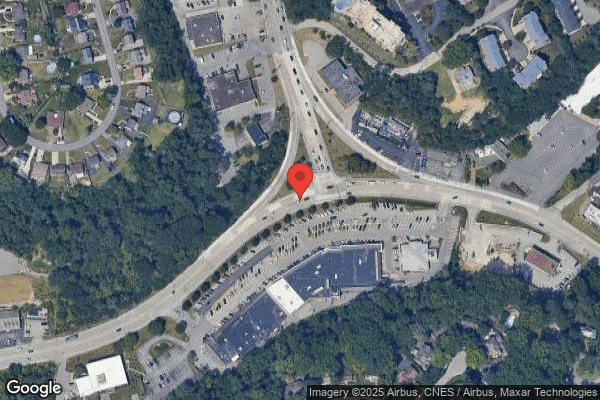
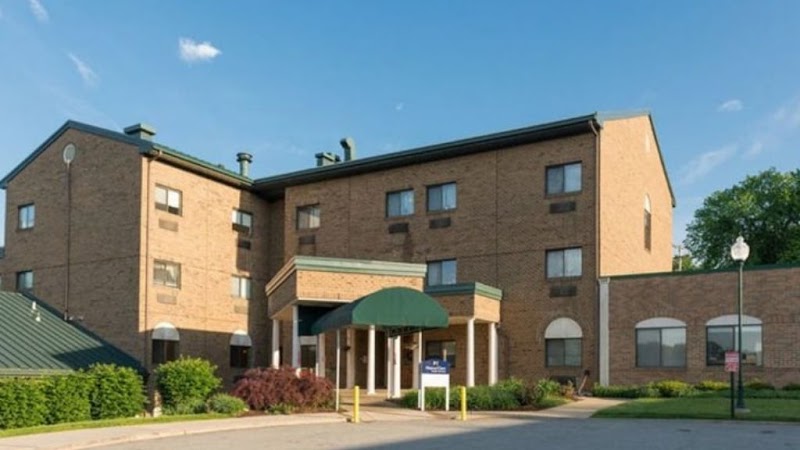
1848 GREENTREE ROAD, PITTSBURGH, PA 15220 (412) 344-7744
Government - Federal 180 Beds PACS GROUP Data: November 2025 2 Immediate Jeopardy citations
Trust Grade
9/100
#541 of 653 in PA
Last Inspection: April 2025

Within standard 12-15 month inspection cycle. Federal law requires annual inspections.

Overview

Carnegie Park Post Acute has received an F trust grade, indicating significant concerns about the quality of care provided at this facility. It ranks #541 out of 653 nursing homes in Pennsylvania, placing it in the bottom half of all facilities in the state, and #35 out of 52 in Allegheny County, suggesting limited local options that are better. The situation is worsening, with the number of reported issues increasing from 16 to 23 over the last year. Staffing is rated average at 3 out of 5 stars, but the 61% turnover rate is concerning, as it exceeds the state average. The facility has faced critical incidents, including failing to initiate CPR on an unresponsive resident and not providing adequate supervision, leading to a resident leaving the premises without staff knowledge. While there is good RN coverage, the overall quality of care is poor, highlighting significant weaknesses alongside some staffing strengths.

Trust Score
F
9/100
In Pennsylvania
#541/653
Bottom 18%
Safety Record
High Risk
Review needed
Inspections
Getting Worse
16 → 23 violations
Staff Stability
⚠ Watch
61% turnover. Above average. Higher turnover means staff may not know residents' routines.
Penalties
○ Average
$19,563 in fines. Higher than 65% of Pennsylvania facilities. Some compliance issues.
Skilled Nurses
✓ Good
Each resident gets 51 minutes of Registered Nurse (RN) attention daily — more than average for Pennsylvania. RNs are trained to catch health problems early.
Violations
⚠ Watch
50 deficiencies on record. Higher than average. Multiple issues found across inspections.
★☆☆☆☆
1.0
Overall Rating
★★★☆☆
3.0
Staff Levels
★★☆☆☆
2.0
Care Quality
★☆☆☆☆
1.0
Inspection Score
Stable
2024: 16 issues
2025: 23 issues

The Good

  • Full Sprinkler Coverage · Fire safety systems throughout facility
  • No fines on record

Facility shows strength in fire safety.

The Bad

1-Star Overall Rating

Below Pennsylvania average (3.0)

Significant quality concerns identified by CMS

Staff Turnover: 61%

15pts above Pennsylvania avg (46%)

Frequent staff changes - ask about care continuity

Federal Fines: $19,563

Below median ($33,413)

Minor penalties assessed

Chain: PACS GROUP

Part of a multi-facility chain

Ask about local staffing decisions and management

Staff turnover is elevated (61%)

13 points above Pennsylvania average of 48%

The Ugly 50 deficiencies on record

2 life-threatening
May 2025 1 deficiency
CONCERN (D) 📢 Someone Reported This

A family member, employee, or ombudsman was alarmed enough to file a formal complaint

Potential for Harm - no one hurt, but risky conditions existed

Deficiency F0760 (Tag F0760)

Could have caused harm · This affected 1 resident

**NOTE- TERMS IN BRACKETS HAVE BEEN EDITED TO PROTECT CONFIDENTIALITY** Based on review of facility policy, clinical record review, and staff interview, it was determined that the facility failed to m...

Read full inspector narrative →
**NOTE- TERMS IN BRACKETS HAVE BEEN EDITED TO PROTECT CONFIDENTIALITY** Based on review of facility policy, clinical record review, and staff interview, it was determined that the facility failed to make certain that residents are free of significant medication errors for one of three residents (Resident R1). Review of facility policy Medication Monitoring dated 3/14/25, indicated staff monitor and document events including medication error. Review of the clinical record indicated Resident R1 was admitted to the facility on [DATE]. Review of the Minimum Data Set (MDS - periodic assessment of resident care needs) dated 3/12/25, included diagnoses of peritoneal abscess (abscess near the large bowel), colitis (inflammation in the colon), and high blood pressure. Review of the provider orders reveal the residents Total Parenteral Nutrition (TPN) is to run a cycle for twelve hours from 9 p.m. to 9 a.m. daily. Review of the clinical record on 5/9/25 revealed Resident R1 received the incorrect TPN. This was reportedly discovered and hour later when Resident R4 was to have TPN prepared and administered. The infusion was stopped, the provider was notified. During an interview with the Resident R1 on 5/29/25 at 11:30 a.m., she reported no ill effects or concerns with her daily TPN infusions. During an interview on 5/29/21 at 2:20 p.m., Licensed Practical Nurse (LPN) Employee E1 confirmed the wrong TPN was administered to the resident. During an interview with LPN Employee E1 on 5/29/25 at approximately 2:20 p.m., stated the TPN was administered by the shift supervisor, Registered Nurse (RN) Employee E2 on 5/10/25. The TPN is to run a cycle for twelve hours from 9 p.m. to 9 a.m. At approximately 5:00 a.m. the infusion pump read complete, and the pump stopped the infusion with medication remaining. The pump was reported to be set at the incorrect rate. Review of employee statement 5/29/25 at 2:46 p.m. RN Employee E 3 confirmed she mixed the incorrect TPN. Review of the TPN storage on 5/29/25 at 3:30 p.m. revealed the TPN products are packaged, labeled, sealed, and in a dedicated bin for the individual residents on TPN. Review of the facility record on date 5/11/25 revealed Resident R1 did not receive the complete dose of TPN. During an interview on 5/29/25 at approximately 2:50 p.m., with the Assistant Director of Nursing the investigation concluded that the pump was set at the incorrect rate. During an interview on 5/29/25, at approximately 4:30 p.m. the Nursing Home Administrator and the Assistant Director of Nursing confirmed the facility failed to make certain that residents are free of significant medication errors for two of three residents.
Apr 2025 22 deficiencies
CONCERN (D) 📢 Someone Reported This

A family member, employee, or ombudsman was alarmed enough to file a formal complaint

Potential for Harm - no one hurt, but risky conditions existed

Notification of Changes (Tag F0580)

Could have caused harm · This affected 1 resident

**NOTE- TERMS IN BRACKETS HAVE BEEN EDITED TO PROTECT CONFIDENTIALITY** Based on review of facility policy, clinical records, and resident and staff interviews, it was determined that the facility fai...

Read full inspector narrative →
**NOTE- TERMS IN BRACKETS HAVE BEEN EDITED TO PROTECT CONFIDENTIALITY** Based on review of facility policy, clinical records, and resident and staff interviews, it was determined that the facility failed to notify the resident representative of changes in appointment and transportation times for one of four residents (Resident R69). Findings include: Review of the facility policy, Notification for Medical Appointments dated 3/14/25, previously dated 8/13/24, indicated when a medical appointment is scheduled: - Document the appointment details in the resident's medical record. - Notify the responsible party at least 48 hours in advance, unless the appointment is emergent. - Use the resident's preferred communication method (e.g., phone, email, written notice). The notification to the responsible party should include: - Date and time of the appointment. - Name and specialty of the healthcare provider. - Purpose of the appointment. - Any special instructions or preparations required. Review of the clinical record indicated Resident R69 was admitted to the facility on [DATE]. Review of Resident R69's Minimum Data Set (MDS - periodic assessment of resident care needs) dated 4/6/25, included diagnoses diabetes (a metabolic disorder in which the body has high sugar levels for prolonged periods of time) and multiple fractures. Review of Resident R69's demographic profile indicated her son as her emergency contact and medical power-of-attorney. Review of a physician's progress note dated 4/8/25, at 6:54 p.m. indicated, Spoke with patient's son regarding her appointment with plastics and the outcome of that appointment which was a referral to an orthopedic surgeon for her shoulder and otherwise no new orders. Patient's son voiced frustration over not being made aware of the appointment ahead of time which I passed along to administrative staff. During an interview on 4/16/25, at 2:15 p.m. Resident R69's son stated he was upset that his mother had gone to her appointment by herself soon after she was admitted . The son stated that it should be in the record that he is notified of all appointments and any time that Resident R69 was to be taken out of the facility, to which Resident R69 agreed. Resident R69's son stated that he had previously voiced concern to with facility administration, and was assured it would never happen again, but that it had just happened again. Resident R69's son stated that he was going to accompany his mother to her appointment (4/15/25), with her traveling in wheelchair transportation. Resident R69's son said when he arrived at the facility, his mother had already departed, as there had been a change in the transportation time that he had not been informed of. Resident R69's son stated, I don't want my [resident's age, greater than 90 years] old mother having to go anywhere by herself. During an interview on 4/18/25, at approximately 1:00 p.m. the Nursing Home Administrator confirmed that this concern had been previously brought to facility administration and further confirmed that the facility failed to notify resident representative of changes in appointment and transportation times for one of four residents. 28 Pa. Code 201.18 (b)(1) Management. 28 Pa. Code 201.29(d) Resident rights. 28 Pa. Code 211.10 (c)(d) Resident care policies. 28 Pa. Code 211.12 (d)(1)(2)(3)(5) Nursing services.
CONCERN (D)

Potential for Harm - no one hurt, but risky conditions existed

Safe Environment (Tag F0584)

Could have caused harm · This affected 1 resident

Based on review of facility policy , observations, and staff interviews it was determined that the facility failed to maintain a homelike environment in the facility (resident dining rooms) for one of...

Read full inspector narrative →
Based on review of facility policy , observations, and staff interviews it was determined that the facility failed to maintain a homelike environment in the facility (resident dining rooms) for one of four resident dining locations (first floor nursing unit). Findings include: A review of the facility Homelike Environment Policy dated 3/14/25, indicated residents are provided with a safe, clean, comfortable environment and encouraged to use their personal belongings to the extent possible. During an observation of the facility on 4/14/25, at 10:00 a.m., the following was revealed: First floor resident dining room had a bed, mattress, and two treatment carts stored in this location. During an interview on 4/14/25 at 10:32 a.m. Employee E1 unit manager confirmed the bed, mattress, and two treatment carts were stored in this location. During an interview on 4/15/25, at 10:30 a.m., the Nursing home Administrator and Director of Nursing confirmed that the facility failed to maintain the facility in a homelike environment for one of four resident dining locations (first floor nursing unit). Pa Code: 207.2 (a) Administrator's responsibility
CONCERN (D)

Potential for Harm - no one hurt, but risky conditions existed

Deficiency F0680 (Tag F0680)

Could have caused harm · This affected 1 resident

Based on staff interviews and review of facility provided documentation, it was determined the facility failed to provide a qualified professional to direct the activities program as required for one ...

Read full inspector narrative →
Based on staff interviews and review of facility provided documentation, it was determined the facility failed to provide a qualified professional to direct the activities program as required for one of 12 months (3/3/25 through 4/14/25). Findings include: Review of the Activities Director job description required Qualifications Certificates, Licenses, Registrations - Activity Director certificate. During an interview on 4/16/25, at 1:30 p.m. the Nursing Home Administrator (NHA) confirmed the facility failed to provide a qualified professional to direct the activities program for one of 12 months (3/3/25 through 4/14/25). 28 Pa Code 201.18(b)(3) Management. 28 Pa Code 201.18(e)(6) Management
CONCERN (D)

Potential for Harm - no one hurt, but risky conditions existed

Quality of Care (Tag F0684)

Could have caused harm · This affected 1 resident

**NOTE- TERMS IN BRACKETS HAVE BEEN EDITED TO PROTECT CONFIDENTIALITY** Based on review of facility policies and documents, clinical records, and staff interviews, it was determined that the facility ...

Read full inspector narrative →
**NOTE- TERMS IN BRACKETS HAVE BEEN EDITED TO PROTECT CONFIDENTIALITY** Based on review of facility policies and documents, clinical records, and staff interviews, it was determined that the facility failed to provide care and services after hospitalization for one of three residents (Resident R68). Review of the clinical record indicated that Resident R68 was admitted to the facility on [DATE]. Review of the Minimum Data Set (MDS - periodic assessment of resident care needs) dated 3/24/25, included diagnoses of anemia (too little iron in the body causing fatigue), chronic kidney disease (gradual loss of kidney function), and osteomyelitis (inflammation of bone or bone marrow, usually due to infection). Review of hospital discharge instructions dated 3/19/25, indicated for the facility to reinforce the dressing. No direction for changing the dressing was documented. Review of a progress note dated 3/20/25, at 9:07 a.m. indicated, Pt (patient) has dressing intact to RLE (right lower extremity). Orders state to reinforce only, DO not change until F/U (follow-up) appointment in 2 weeks. Review of a progress note dated 3/21/25, at 2:44 p.m. indicated, this nurse spoke with dr. office regarding right foot wound care. per md office do not remove dressing only reinforce until f/u pt in 1 1/2 weeks. Review of a physician's order dated 3/21/25, indicated, DO NOT REMOVE RIGHT LEG DRESSING PER SURGEON. ONLY REINFORCE CALL OFFICE IF EXCESSIVE DRAINAGE. Review of a progress note dated 3/22/25 at 6:29 p.m. indicated, The resident has an excessive amount of drainage to the right leg. He has orders in the system not to remove surgical dressing to reinforce and notify Dr of excessive drainage to site. Current CNA (nurse aide) stated she told [Unit Manager Employee E1 and Registered Nurse (RN) Employee E3] the Nurse cut off the white cast and wrapped the wound with the dirty ace wrap. And nothing was done. The dirty ace wrap has been on since Wednesday. Today on my shift 3-11 the wound has excessive drainage when checking the system the order states do not remove call reinforce dressing call the doctor for excessive drainage when reading off the order my hall partner called [Unit Manager Employee E1] if he was aware the cast had been removed since Wednesday he stated no, told her to tell [LPN Employee E4]. [RN Employee E3] told us that she had told both [Unit Manager Employee E1 and [RN Employee E3] the cast was cut off and that she wrapped the fresh dressing with a soiled bandage. He said [LPN Employee E5] to take pictures with her phone send it to him he was going to call, the Dr. As I was writing the note in the system. And calling the Dr. I have been asked to leave. During an interview on 4/18/24, at 10:40 a.m. Unit Manager Employee E1 confirmed that Resident R68's dressing was changed without an order. During an interview on 4/18/24, at approximately 1:00 p.m. the Nursing Home Administrator confirmed that the facility failed to provide care and services after hospitalization for one of three residents. 28 Pa. Code: 201.18(b)(1) Management. 28 Pa. Code: 211.10(c)(d) Resident rights. 28 Pa. Code: 211.12(d)(1)(3)(5) Nursing services.
CONCERN (D) 📢 Someone Reported This

A family member, employee, or ombudsman was alarmed enough to file a formal complaint

Potential for Harm - no one hurt, but risky conditions existed

Pharmacy Services (Tag F0755)

Could have caused harm · This affected 1 resident

**NOTE- TERMS IN BRACKETS HAVE BEEN EDITED TO PROTECT CONFIDENTIALITY** Based on review of facility policy, clinical records, and staff interview, it was determined that the facility failed to impleme...

Read full inspector narrative →
**NOTE- TERMS IN BRACKETS HAVE BEEN EDITED TO PROTECT CONFIDENTIALITY** Based on review of facility policy, clinical records, and staff interview, it was determined that the facility failed to implement procedures to ensure availability of prescribed medications for one of five residents (Residents R244). Findings include: Review of the facility policy, Pharmacy Services Overview dated 3/14/25, the facility shall accurately and safely provide or obtain pharmaceutical services, including the provision of routine and emergency medications and biologicals, and the services of a licensed consultant pharmacist. Review of the clinical record indicated Resident R244 was admitted to the facility on [DATE]. Review of the facility diagnosis list included chronic obstructive pulmonary disease (COPD - a group of progressive lung disorders characterized by increasing breathlessness), spinal stenosis (a narrowing of the spaces within the spine, which causes pain and weakness), and chronic pain syndrome. Review of a physician's orders dated 4/11/25, indicated Resident R244 was to receive oxycodone (a narcotic pain medication to treat moderate to severe pain) 10 mg (milligrams), 1.5 tablet (15 mg) by mouth every four hours as needed for severe pain. Review of a physician's orders dated 4/11/25, indicated Resident R244 was to receive Methocarbamol (muscle relaxant that works by calming overactive nerves in the body) 1000 mg four times a day for muscle spasms for ten days. Review of a physician's orders dated 4/11/25, indicated Resident R244 was to receive Ketorolac Tromethamine (nonsteroidal anti-inflammatory drug (NSAID) specifically recommended for moderate to severe pain) 10 mg, one tablet by mouth four times a day. Review of Resident R244 ' s documented pain levels indicated the following levels based on a zero to ten scale with zero being no pain and ten being the worst: 4/12/25, at 9:10 a.m. - 8 4/12/25, at 5:09 p.m. - 7 4/12/25, at 9:38 p.m. - 8 4/13/25, at 5:59 a.m. - 7 4/13/25, at 12:22 p.m. - 9 4/14/25, at 9:10 a.m. - 8 4/14/25, at 8:38 a.m. - 10 Review of Resident R1's Medication Administration Record (MAR) for April 2025, indicated: 4/11/25: No documentation of oxycodone provided. 4/11/25: Ketorolac, documented as 9 (9 is code for order Other/See Nurse Notes). The pain level noted with this scheduled administration was 10. Review of the associated progress note dated 4/11/25, at 11:07 p.m. indicated, per [physician] ok to give when arrives from pharmacy. 4/12/25: Methocarbamol, documented as 9. Review of the associated progress note dated 4/12/25, at 11:55 a.m. indicated, indicated that the medication was on order from the pharmacy. Review of an admission progress note dated 4/11/2025, at 10:13 p.m. indicated, explained to us she has several bone fractures on the right side of her lumbar spine and 8 pins and 8 rods on left side of spine. c/o pain of 10. Review of the facility provided inventory for the automated medication dispensing machine included oxycodone 5 and 10 mg tablets and Methocarbamol 500 mg tablets. During a follow-up communication on 4/18/25, at 1:30 p.m. the Director of Nursing was made aware that the facility failed to implement procedures to ensure availability of prescribed medications for one of five residents. 28 Pa. Code 211.12(d)(1)(3)(5) Nursing services.
CONCERN (D)

Potential for Harm - no one hurt, but risky conditions existed

Deficiency F0919 (Tag F0919)

Could have caused harm · This affected 1 resident

Based on review of facility policy, observations, and staff interviews, it was determined that the facility failed to ensure that the call bell system was in full working order for one of four nursing...

Read full inspector narrative →
Based on review of facility policy, observations, and staff interviews, it was determined that the facility failed to ensure that the call bell system was in full working order for one of four nursing units (Second Floor Nursing unit). Findings include: Review of the facility policy Call System, Residents 3/14/25, indicated that the call system communication will be audible and visual and the resident call system will be functional at all times. During an observation of the Second Floor Nursing Unit, central call bells identified in the A, B, and C halls did not illuminate when resident call bells in their rooms of each hall had been activated. During an interview on 4/15/25, at 9:10 a.m., the Director of Nursing confirmed that the central call bells were not functioning to provide unobstructed visual communication of which hall the call bell was coming from due to the ceiling bulkhead. 28 Pa. Code 201.14 (a) Responsibility of licensee. 28 Pa. Code 201.18 (b) (1) Management.
CONCERN (D)

Potential for Harm - no one hurt, but risky conditions existed

Safe Environment (Tag F0921)

Could have caused harm · This affected 1 resident

Based on observation and staff interview, it was determined that the facility failed to ensure a safe, functional and clean environment for two of 33 residents of the Third floor B wing nursing unit (...

Read full inspector narrative →
Based on observation and staff interview, it was determined that the facility failed to ensure a safe, functional and clean environment for two of 33 residents of the Third floor B wing nursing unit (Resident R99 and R112). Findings include: During an observation on 4/16/25, at 8:50 a.m., of the Third Floor Nursing Unit, two maintenance workers were observed exiting Resident R99 and R112's resident room. Upon entering the resident room, a four foot by four foot area (approximately) wall behind Resident R99's bed had been removed exposing wires and insulation. When asked, Maintenance Director Employee E7 stated that the wall had pulled away, from the television being too heavy and it needed repaired. Resident R99 and R112's belongings were scattered all over the room allowing debris to fall onto them and into their personal items. During an interview on 4/16/25, at 9:25 a.m., the Nursing Home Administrator confirmed that the facility failed to provide a safe, functional resident room for Residents R99 and R112. 28 Pa. Code: 207.2(a) Administrator's responsibility.
CONCERN (D)

Potential for Harm - no one hurt, but risky conditions existed

Deficiency F0943 (Tag F0943)

Could have caused harm · This affected 1 resident

Based on review of facility policy, personnel in-service training records, and staff interview, it was determined that the facility failed to provide training on Prevention of Abuse and Neglect for on...

Read full inspector narrative →
Based on review of facility policy, personnel in-service training records, and staff interview, it was determined that the facility failed to provide training on Prevention of Abuse and Neglect for one of ten staff members (Employee E18). Findings include: Review of the facility policy, In-Service Training, All Staff most recently reviewed 3/14/25, indicated all personnel will receive education and training related to resident care. Required training topics include the following: a. Effective communication with residents and family (direct care staff); b. Resident rights and responsibilities; c. Preventing abuse, neglect, exploitation, and misappropriation of resident property including: d. Elements and goals of the facility QAPI program; e. The infection prevention and control program standards, policies and procedures; f. Behavioral health; and g. The compliance and ethics program standards, policies and procedures. (Compliance and ethics training is conducted annually when this organization is operating five or more facilities.) Review of facility provided documents and training records revealed the following staff members did not have documented training on Prevention of Abuse and Neglect: Therapy Employee E18 had a hire date of 2/9/09, failed to have Prevention of Abuse and Neglect in-service education between 2/9/24, and 2/9/25. During an interview on 4/18/25, at approximately 1:00 p.m. the Nursing Home Administrator confirmed that the facility failed to provide training on Prevention of Abuse and Neglect for one of ten staff members. 28 Pa Code: 201.14 (a) Responsibility of licensee. 28 Pa Code: 201.18 (b)(1) Management. 28 Pa Code: 201.20 (a)(c) Staff development.
CONCERN (D)

Potential for Harm - no one hurt, but risky conditions existed

Deficiency F0947 (Tag F0947)

Could have caused harm · This affected 1 resident

Based on review of facility policy, staff education records, and staff interviews, it was determined that the facility failed to conduct at least 12 hours of in-service education, within 12 months of ...

Read full inspector narrative →
Based on review of facility policy, staff education records, and staff interviews, it was determined that the facility failed to conduct at least 12 hours of in-service education, within 12 months of their hire date anniversary, for nurse aides as required for two of five nurse aides (Employees Employee E11 and E15). Findings include: Review of the facility policy, In-Service Training, All Staff most recently reviewed 3/14/25, indicated all personnel will receive education and training related to resident care. Review of Nurse Aide (NA) Employees Employee E11 and E15 ' s education records, with hire date greater than 12 months, revealed the following: NA Employee E11 had a hire date of 3/26/23, with approximately four of in-service education between 3/26/24, and 3/26/25. NA Employee E15 had a hire date of 4/14/14, with approximately four hours of in-service education between 4/14/24, and 4/14/25. During an interview on 4/18/25, at approximately 1:00 p.m. confirmed that the facility failed to provide the required 12 hours annual in-service education within 12 months of their hire date anniversary for two of five nurse aides. 28 Pa. Code: 201.14(a) Responsibility of Licensee. 28 Pa. Code: 201.20(c) Staff Development.
CONCERN (E)

Potential for Harm - no one hurt, but risky conditions existed

Resident Rights (Tag F0550)

Could have caused harm · This affected multiple residents

**NOTE- TERMS IN BRACKETS HAVE BEEN EDITED TO PROTECT CONFIDENTIALITY** Based on facility policy, resident interviews, observation, and staff interviews, it was determined that the facility failed to ...

Read full inspector narrative →
**NOTE- TERMS IN BRACKETS HAVE BEEN EDITED TO PROTECT CONFIDENTIALITY** Based on facility policy, resident interviews, observation, and staff interviews, it was determined that the facility failed to provide prompt assistance to meet residents care needs for three of fourteen residents who require care (Residents R63, R67, and R8). Findings included: Review of facility policy Resident Rights last reviewed 3/14/25, indicated employees shall treat all residents with kindness, respect, and dignity. Federal and state laws guarantee certain basic rights to all residents of this facility. The Long-Term Care Facility Resident Assessment Instrument (RAI) User's Manual, which provides instructions and guidelines for completing required Minimum Data Set (MDS) assessments (mandated assessments of a resident's abilities and care needs), dated October 2023, indicated that a BIMS (Brief Interview of Mental Status) is a brief screener that aids in detecting cognitive impairment. Scores from a BIMS assessment suggests the following distributions: 13 - 15: cognitively intact 8 - 12: moderately impaired 0 - 7: severe impairment Review of the clinical record revealed Resident R67 was originally admitted to the facility on [DATE]. Review of the MDS dated [DATE], included diagnoses of coronary artery disease (reduced blood flow to the heart muscle) and heart failure (heart cannot keep up with its workload). Review of Section C: Cognitive Patterns, indicated, intact cognition with a BIMS Score of 15. Review of Section GG: 0130 Functional Abilities, indicated Resident R67 required partial/moderate assistance with toileting hygiene. During an interview with Resident R67 on 4/16/25, at 1:34 p.m., the following was stated: I have sat in a dirty brief for more than an hour. Last week was the most recent time it happened to me. It regularly takes them an hour to answer the call lights no matter what you need. Review of the clinical record revealed Resident R63 was originally admitted to the facility on [DATE]. Review of the MDS dated [DATE], included diagnoses of seizure disorder (abnormal electrical activity in the brain) and bipolar disorder (extreme mood swings). Review of Section C: Cognitive Patterns, indicated, intact cognition with a BIMS Score of 15. Review of Section GG: 0130 Functional Abilities, indicated Resident R63 was independent for toileting hygiene. Review of Section GG: 0170 Mobility toilet transfer, indicated Resident R63 requires supervision or touch assistance (helper provides verbal cues and/or touching/steadying and/or contact guard assistance as resident completes activity. Assistance may be provided throughout the activity or intermittently). During an interview with Resident R63 on 4/16/25, at 1:45 p.m., the following was stated: I can change my brief myself, I need some help in the bathroom. I have had accidents in bed and need help getting things cleaned up. I can only do so much of it and the bed needs changed. Sometimes the staff come in and wake me up at 2:00 a.m. for me to change my brief so I don't have an accident, and I don't like them waking me at 2:00 a.m . Monday night (4/14/25) it happened to me again. I had an accident and had to wait for more than an hour for help to get things cleaned up. Waiting an hour or longer when you call for help is normal here. Review of the clinical record revealed Resident R8 was admitted to the facility on [DATE]. Review of the MDS dated [DATE], included diagnoses of heart failure and sepsis (infection in the bloodstream). Review of Section C: Cognitive Patterns, indicated, intact cognition with a BIMS Score of 15. Review of Section GG: 0130 Functional Abilities, indicated Resident R8 required partial/moderate assistance for lower body dressing. During an interview and observation on 4/15/25, at 2:20 p.m., Resident R8 was observed dressed in a shirt and a brief. Resident R8 stated that he did not like not having any pants on. During an interview on 4/17/25, at approximately 9:00 a.m. the Nursing Home Administrator and the Director of Nursing confirmed the facility failed to provide an environment and care to promote dignity for each resident's quality of life for three of fourteen residents. 28 Pa. Code 211.12 (a)(c)(d)(4)(5) Nursing Services 28 Pa. Code 201.29 (j) Resident Rights
CONCERN (E) 📢 Someone Reported This

A family member, employee, or ombudsman was alarmed enough to file a formal complaint

Potential for Harm - no one hurt, but risky conditions existed

ADL Care (Tag F0677)

Could have caused harm · This affected multiple residents

Based on review of facility policy, facility records, and resident and staff interviews, it was determined that the facility failed to provide Activity of Daily Living (ADL) assistance for 15 of 22 re...

Read full inspector narrative →
Based on review of facility policy, facility records, and resident and staff interviews, it was determined that the facility failed to provide Activity of Daily Living (ADL) assistance for 15 of 22 residents as required (Resident R500, R501, R502, R503, R504, R505, R506, R507, R508, R509, R8, R68, R69, R125, and R243). Findings include: The facility policy Call System, Residents dated 3/14/25, indicated calls for assistance are answered as soon as possible, but no later than 5 minutes. Urgent requests for assistance are addressed immediately. The Long-Term Care Facility Resident Assessment Instrument (RAI) User's Manual, which provides instructions and guidelines for completing required Minimum Data Set (MDS) assessments (mandated assessments of a resident's abilities and care needs), dated October 2023, indicated that a BIMS (Brief Interview of Mental Status) is a brief screener that aids in detecting cognitive impairment. Scores from a BIMS assessment suggests the following distributions: 13 - 15: cognitively intact 8 - 12: moderately impaired 0 - 7: severe impairment During a resident group interview on 4/14/25, at 1:30 p.m., ten of fourteen residents in attendance stated that they consistently wait one hour or longer for their call light to be responded to. (Residents R500, R501, R502, R503, R504, R505, R506, R507, R508, and R509). The residents in attendance expressed frustration regarding the wait time. The residents stated they have reported this at their resident council meeting. Review of the 2/26/25, resident council meeting minutes, under the nursing section, reveals complaints regarding the agency staff they don't care. If you need help no one answers, they are always on their phones. During an interview on 4/18/25, at 8:00 a.m. Director of Nursing (DON) confirmed the facility failed to make certain call bells were answered timely for ten of fourteen residents as required (Resident R500, R501, R502, R503, R504, R505, R506, R507, R508, and R509). During an interview on 4/14/25, at 12:59 p.m. Resident R243 stated that the call light response time is long. During an interview on 4/14/25, at 1:16 p.m. Resident R68 stated that he waits a long time for his clothes to be returned from being laundered. Stated staff keeps saying they will look, but he doesn't have his clothes back. Stated he is wearing facility clothing, and the pants are too tight. Observation at this time revealed long, unkempt fingernails and that Resident R68 was malodorous. During an observation on 4/14/25, at 1:20 p.m. Resident R125 was observed to have long, unkempt fingernails. During an interview and observation on 4/15/25, at 2:20 p.m. Resident R8 was observed dressed in a shirt and a brief. Resident R8 stated that he did not like not having any pants on. During an interview on 4/15/25, at 2:36 p.m. Resident R69 stated that sometimes call lights can be long. Resident R69 stated that she has only had two showers since admission. Resident R69 stated she was given a bed bath, but that she prefers showers. Review of Resident R69's nurse aide task list indicated Resident R69 is scheduled to receive showers on Mondays and Thursdays, during evening shift. Review of Resident R69's bathing record (from 4/2/25, through 4/18/25) Resident R69 did not include a shower for the scheduled shower date of 4/7/25. During an interview on 4/18/25, the Nursing Home Administrator and the Director of Nursing confirmed that the facility failed to provide Activity of Daily Living (ADL) assistance for 15 of 22 residents. 28 Pa. Code: 211.10(c)(d) Resident care policies. 28 Pa. Code: 211.12(d)(1)(2)(3)(5) Nursing services. 28 Pa Code: 201.29 (I)(o) Resident rights.
CONCERN (E)

Potential for Harm - no one hurt, but risky conditions existed

Deficiency F0761 (Tag F0761)

Could have caused harm · This affected multiple residents

Based on review of facility policy, observations, and staff interview, it was determined that the facility failed to make certain that medications were properly stored and/or disposed of in the unused...

Read full inspector narrative →
Based on review of facility policy, observations, and staff interview, it was determined that the facility failed to make certain that medications were properly stored and/or disposed of in the unused dining room on the first floor. Findings include: Review of facility policy Storage of Medications dated 3/14/25, stated that if the facility has discontinued, outdated, or deteriorated medications or biologicals, should be returned to the dispensing pharmacy or destroyed. During an observation of the first-floor dining room(unused) on 4/14/24, at 9:35 a.m. the following was observed: -(1) box of Midline blood glucose test strips expiring 7/8/23. -(1) adult manual resuscitator expiring 7/8/23 During an interview on 4/14/25, at 10:32 a.m. Unit Manager Employee E1 confirmed the above observations. During in observation of the ground floor clean utility room on 4/14/25, at 1:14 p.m. the door was noted to have a keypad lock, but the door was not closed. Within that room, an unlocked treatment cart was observed with the following items inside: -(3) open, partially used tubes of medical honey ointment, without names, date of opening, and allowed to commingle without being individually bagged. -(5) wound dressing packages, with an expiration date of 07/2022. During an interview on 4/14/25, at 1:20 p.m. Licensed Practical Nurse Employee E5 confirmed the above observations. During an interview on 4/15/25, at approximately 10:30 a.m. the Director of Nursing confirmed that the facility failed to make certain that medications were properly stored and/or disposed of in the unused dining room on the first floor. 28 Pa. Code: 201.14 (a) Responsibility of licensee. 28 Pa. Code: 201.18 (b)(1)(e)(1) Management. 28 Pa. Code: 211.9 (a)(1) Pharmacy services. 28 Pa. Code: 211.12 (d)(1)(3)(5) Nursing services.
CONCERN (E)

Potential for Harm - no one hurt, but risky conditions existed

Menu Adequacy (Tag F0803)

Could have caused harm · This affected multiple residents

Based on a review of facility policies, the Four-week Spring Summer (SS) cycle menu diet extension sheets, and staff interviews it was determined that the facility failed to follow a preplanned cycle ...

Read full inspector narrative →
Based on a review of facility policies, the Four-week Spring Summer (SS) cycle menu diet extension sheets, and staff interviews it was determined that the facility failed to follow a preplanned cycle menu (lunch meal on 4/14/25), as required and failed to provide resident's their preferences and standing order food choices (Residents R47 and R90). Findings include: Review of the facility policy Menus, last reviewed on 3/14/25, with a previous review date of 8/13/24, indicated that menus are developed and prepared to meet resident choices while following established national guidelines for nutritional adequacy. Review of the facility policy Resident Food Preferences, last reviewed on 3/14/25, with a previous review date of 8/13/24, indicated individual food preferences are assessed upon admission, and communicated to the interdisciplinary team. The facility has documented food preferences and dislikes on each resident food ticket. During a resident group interview on 4/14/25, at 1:30 p.m., the resident consensus identified that the facility had provided pot pie for lunch on 4/14/25, however, they were expecting chicken tenders which had been on the menu. During an observation of the posted menu for 4/14/25, indicated chicken tenders while the posting on the wall indicated that the pot pie had been substituted however, the residents were not made aware of the change. During an interview on 4/15/25, at 12:35 p.m., the Nursing Home Administrator confirmed that the facility failed to notify the residents of the menu change prior to the date, as required. During an observation on 4/15/25, at 8:20 a.m., Resident R 47 stated that she was provided toast and a bagel and one cup of coffee. Resident R47 stated that she has a preference indicated on her ticket. The ticket shows standing orders of two cups of coffee, orange juice and a boiled egg. Resident R47 had no protein on her breakfast tray. During an observation on 4/15/25, at 8:30 a.m., Resident R90 was provided a scrambled egg. Observation of her standing orders indicated a boiled egg and her dislike is identified as a scrambled egg. The resident stated that they never give her a boiled egg and you never know what you're gonna get. During an interview on 4/15/25, at 1:20 p.m., the Dietary Services Director Employee E6 confirmed that he has made menu changes to see what the residents like. The residents have dislikes and preferences and I could track them easier in a different computer system so if they don't get what they want, I cannot track there preferences. He was shown the incorrect tickets which indicated standing orders and preferences. No comment was made. During an interview on 4/18/25, at approximately 1:00 p.m. the Nursing Home Administrator confirmed that the facility failed to follow a preplanned cycle menu and failed to provide resident's their preferences and standing order food choices. Pa Code: 211.6(a) Dietary services. Pa Code: 201.14(a) Responsibility of licensee
CONCERN (E)

Potential for Harm - no one hurt, but risky conditions existed

Deficiency F0945 (Tag F0945)

Could have caused harm · This affected multiple residents

Based on review of facility policy, personnel in-service training records, and staff interview, it was determined that the facility failed to provide training on Infection Control for seven of ten sta...

Read full inspector narrative →
Based on review of facility policy, personnel in-service training records, and staff interview, it was determined that the facility failed to provide training on Infection Control for seven of ten staff members (Employee E11, E13, E14, E15, E16, E17, and E18). Findings include: Review of the facility policy, In-Service Training, All Staff most recently reviewed 3/14/25, indicated all personnel will receive education and training related to resident care. Required training topics include the following: a. Effective communication with residents and family (direct care staff); b. Resident rights and responsibilities; c. Preventing abuse, neglect, exploitation, and misappropriation of resident property including: d. Elements and goals of the facility QAPI program; e. The infection prevention and control program standards, policies and procedures; f. Behavioral health; and g. The compliance and ethics program standards, policies and procedures. (Compliance and ethics training is conducted annually when this organization is operating five or more facilities.) Review of facility provided documents and training records revealed the following staff members did not have documented training on Infection Control: Nurse Aide Employee E11 had a hire date of 3/26/23, failed to have Infection Control in-service education between 3/26/24, and 3/26/25. Nurse Aide Employee E13 had a hire date of 3/14/05, failed to have Infection Control in-service education between 3/14/24, and 3/14/25. Nurse Aide Employee E14 had a hire date of 1/12/95, failed to have Infection Control in-service education between 1/12/24, and 1/12/25. Nurse Aide Employee E15 had a hire date of 4/14/14, failed to have Infection Control in-service education between 4/14/24, and 4/14/25. Registered Nurse Employee E16 had a hire date of 4/15/22, failed to have Infection Control in-service education between 4/15/24, and 4/15/25. Medical Records Employee E17 had a hire date of 4/6/10, failed to have Infection Control in-service education between 4/6/24, and 4/6/25. Therapy Employee E18 had a hire date of 2/9/09, failed to have Infection Control in-service education between 2/9/24, and 2/9/25. During an interview on 4/18/25, at approximately 1:00 p.m. the Nursing Home Administrator confirmed that the facility failed to provide training on Infection Control for seven of ten staff members. 28 Pa Code: 201.14 (a) Responsibility of licensee. 28 Pa Code: 201.18 (b)(1) Management. 28 Pa Code: 201.20 (a)(c) Staff development.
CONCERN (E)

Potential for Harm - no one hurt, but risky conditions existed

Deficiency F0949 (Tag F0949)

Could have caused harm · This affected multiple residents

Based on review of facility policy, personnel in-service training records, and staff interview, it was determined that the facility failed to provide training on behavioral health for eight of ten sta...

Read full inspector narrative →
Based on review of facility policy, personnel in-service training records, and staff interview, it was determined that the facility failed to provide training on behavioral health for eight of ten staff members (Employee E11, E12, E13, E15, E16, E17, E18, and E19). Findings include: Review of the facility policy, In-Service Training, All Staff most recently reviewed 3/14/25, indicated all personnel will receive education and training related to resident care. Required training topics include the following: a. Effective communication with residents and family (direct care staff); b. Resident rights and responsibilities; c. Preventing abuse, neglect, exploitation, and misappropriation of resident property including: d. Elements and goals of the facility QAPI program; e. The infection prevention and control program standards, policies and procedures; f. Behavioral health; and g. The compliance and ethics program standards, policies and procedures. (Compliance and ethics training is conducted annually when this organization is operating five or more facilities.) Review of facility provided documents and training records revealed the following staff members did not have documented training on behavioral health: Nurse Aide Employee E11 had a hire date of 3/26/23, failed to have behavioral health in-service education between 3/26/24, and 3/26/25. Nurse Aide Employee E12 had a hire date of 3/8/22, failed to have behavioral health in-service education between 3/8/24, and 3/8/25. Nurse Aide Employee E13 had a hire date of 3/14/05, failed to have behavioral health in-service education between 3/14/24, and 3/14/25. Nurse Aide Employee E15 had a hire date of 4/14/14, failed to have behavioral health in-service education between 4/14/24, and 4/14/25. Registered Nurse Employee E16 had a hire date of 4/15/22, failed to have behavioral health in-service education between 4/15/24, and 4/15/25. Medical Records Employee E17 had a hire date of 4/6/10, failed to have behavioral health in-service education between 4/6/24, and 4/6/25. Therapy Employee E18 had a hire date of 2/9/09, failed to have behavioral health in-service education between 2/9/24, and 2/9/25. Registered Nurse Employee E19 had a hire date of 3/12/07, failed to have behavioral health in-service education between 3/12/24, and 3/12/25. During an interview on 4/18/25, at approximately 1:00 p.m. the Nursing Home Administrator confirmed that the facility failed to provide training on behavioral health for eight of ten staff members. 28 Pa Code: 201.14 (a) Responsibility of licensee. 28 Pa Code: 201.18 (b)(1) Management. 28 Pa Code: 201.20 (a)(c) Staff development.
CONCERN (F)

Potential for Harm - no one hurt, but risky conditions existed

Deficiency F0730 (Tag F0730)

Could have caused harm · This affected most or all residents

Based on review of personnel records and staff interview it was determined that the facility failed to provide nursing staff annual performance evaluations based on the date of hire for five of five n...

Read full inspector narrative →
Based on review of personnel records and staff interview it was determined that the facility failed to provide nursing staff annual performance evaluations based on the date of hire for five of five nurse aides (Employees E11, E12, E13, E14, and E15). Findings include: Review of employee personnel files indicated no nursing staff annual performance evaluations. During an interview on 4/16/25, at approximately 1:00 p.m. the Nursing Home Administrator confirmed the facility failed to provide nursing staff annual performance evaluations based on the date of hire for five of five nurse aides. 28 Pa Code: 201.20 (a)(b)(c)(d) Staff development. 28 Pa Code: 201.14 (a) Responsibility of licensee.
MINOR (B)

Minor Issue - procedural, no safety impact

Deficiency F0946 (Tag F0946)

Minor procedural issue · This affected multiple residents

Based on review of facility policy, personnel in-service training records, and staff interview, it was determined that the facility failed to provide training on Compliance and Ethics for four of ten ...

Read full inspector narrative →
Based on review of facility policy, personnel in-service training records, and staff interview, it was determined that the facility failed to provide training on Compliance and Ethics for four of ten staff members (Employee E11, E15, E16, and E19). Findings include: Review of the facility policy, In-Service Training, All Staff most recently reviewed 3/14/25, indicated all personnel will receive education and training related to resident care. Required training topics include the following: a. Effective communication with residents and family (direct care staff); b. Resident rights and responsibilities; c. Preventing abuse, neglect, exploitation, and misappropriation of resident property including: d. Elements and goals of the facility QAPI program; e. The infection prevention and control program standards, policies and procedures; f. Behavioral health; and g. The compliance and ethics program standards, policies and procedures. (Compliance and ethics training is conducted annually when this organization is operating five or more facilities.) Review of facility provided documents and training records revealed the following staff members did not have documented training on Compliance and Ethics: Nurse Aide Employee E11 had a hire date of 3/26/23, failed to have Compliance and Ethics in-service education between 3/26/24, and 3/26/25. Nurse Aide Employee E15 had a hire date of 4/14/14, failed to have Compliance and Ethics in-service education between 4/14/24, and 4/14/25. Registered Nurse Employee E16 had a hire date of 4/15/22, failed to have Compliance and Ethics in-service education between 4/15/24, and 4/15/25. Registered Nurse Employee E19 had a hire date of 3/12/07, failed to have Compliance and Ethics in-service education between 3/12/24, and 3/12/25. During an interview on 4/18/25, at approximately 1:00 p.m. the Nursing Home Administrator confirmed that the facility failed to provide training on Compliance and Ethics for four of ten staff members. 28 Pa Code: 201.14 (a) Responsibility of licensee. 28 Pa Code: 201.18 (b)(1) Management. 28 Pa Code: 201.20 (a)(c) Staff development.
MINOR (C)

Minor Issue - procedural, no safety impact

Deficiency F0577 (Tag F0577)

Minor procedural issue · This affected most or all residents

Based on observation and staff interview, it was determined the facility failed to ensure the Department of Health most recent survey results were readily accessible to residents and visitors, for fou...

Read full inspector narrative →
Based on observation and staff interview, it was determined the facility failed to ensure the Department of Health most recent survey results were readily accessible to residents and visitors, for four of four locations (first floor lobby, nursing units ground, second and third floors). Findings Include: During an observation on 4/14/25, at 9:20 a.m. in the lobby, no survey result book could be located. During an observation on 4/14/25, at 9:25 a.m. on the second floor, no survey result book could be located. During an observation on 4/14/25, at 9:28 a.m. on the third floor, no survey result book could be located. During an observation on 4/14/25, at 9:32 a.m. on the ground floor, no survey result book could be located. During an interview on 2/12/25, at 9:25 a.m. the Nursing Home Administrator (NHA) confirmed the facility failed to ensure the Department of Health most recent survey results were readily accessible to residents and visitors for four of four locations, (first floor lobby, nursing units ground, first, and second floors). 28 Pa. Code 201.14(a) Responsibility of licensee.
MINOR (C)

Minor Issue - procedural, no safety impact

Grievances (Tag F0585)

Minor procedural issue · This affected most or all residents

Based on review of facility policy, posted documents, observations, resident and staff interviews, it was determined that the facility failed to make certain grievance/concern forms can be filed anony...

Read full inspector narrative →
Based on review of facility policy, posted documents, observations, resident and staff interviews, it was determined that the facility failed to make certain grievance/concern forms can be filed anonymously for all residents and/or their representatives on five of five locations where grievance/complaint forms are provided (four nursing units and the lobby). Findings include: A review of the facility policy Grievances/Complaints, Filing last reviewed 3/14/25, indicated grievances and/or complaints may be submitted orally or in writing and may be filed anonymously. During an observation on 4/14/25 approximately 11:00 a.m. revealed no grievance boxes are available in the facility. Posted signage directs completed grievance/complaint forms be provided to social services, in the event the office is closed slide the document under the door. During an interview on 4/14/25, at 11:30 a.m. the Nursing Home Administrator confirmed that grievance boxes do not exist in the facility and confirmed the facility failed to make certain grievance/concern forms can be filed anonymously for all residents and/or their representatives on five of five locations where grievance/complaint forms are provided. 28 PA Code: 201.18(e)(4) Management. 28 PA Code: 201.29(a)(b)(c) Resident rights.
MINOR (C)

Minor Issue - procedural, no safety impact

Deficiency F0941 (Tag F0941)

Minor procedural issue · This affected most or all residents

Based on review of facility policy, personnel in-service training records, and staff interview, it was determined that the facility failed to provide training on Effective Communication for seven of e...

Read full inspector narrative →
Based on review of facility policy, personnel in-service training records, and staff interview, it was determined that the facility failed to provide training on Effective Communication for seven of eight staff members (Employee E11, E12, E13, E14, E15, E16, and E19). Findings include: Review of the facility policy, In-Service Training, All Staff most recently reviewed 3/14/25, indicated all personnel will receive education and training related to resident care. Required training topics include the following: a. Effective communication with residents and family (direct care staff); b. Resident rights and responsibilities; c. Preventing abuse, neglect, exploitation, and misappropriation of resident property including: d. Elements and goals of the facility QAPI program; e. The infection prevention and control program standards, policies and procedures; f. Behavioral health; and g. The compliance and ethics program standards, policies and procedures. (Compliance and ethics training is conducted annually when this organization is operating five or more facilities.) Review of facility provided documents and training records revealed the following staff members did not have documented training on effective communication: Nurse Aide Employee E11 had a hire date of 3/26/23, failed to have Effective Communication in-service education between 3/26/24, and 3/26/25. Nurse Aide Employee E12 had a hire date of 3/8/22, failed to have Effective Communication in-service education between 3/8/24, and 3/8/25. Nurse Aide Employee E13 had a hire date of 3/14/05, failed to have Effective Communication in-service education between 3/14/24, and 3/14/25. Nurse Aide Employee E14 had a hire date of 1/12/95, failed to have Effective Communication in-service education between 1/12/24, and 1/12/25. Nurse Aide Employee E15 had a hire date of 4/14/14, failed to have Effective Communication in-service education between 4/14/24, and 4/14/25. Registered Nurse Employee E16 had a hire date of 4/15/22, failed to have Effective Communication in-service education between 4/15/24, and 4/15/25. Registered Nurse Employee E19 had a hire date of 3/12/07, failed to have Effective Communication in-service education between 3/12/24, and 3/12/25. During an interview on 4/18/25, at approximately 1:00 p.m. the Nursing Home Administrator confirmed that the facility failed to provide training on Effective Communication for of seven of eight staff members. 28 Pa Code: 201.14 (a) Responsibility of licensee. 28 Pa Code: 201.18 (b)(1) Management. 28 Pa Code: 201.20 (a)(c) Staff development.
MINOR (C)

Minor Issue - procedural, no safety impact

Deficiency F0942 (Tag F0942)

Minor procedural issue · This affected most or all residents

Based on review of facility policy, personnel in-service training records, and staff interview, it was determined that the facility failed to provide training on Resident Rights for eight of ten staff...

Read full inspector narrative →
Based on review of facility policy, personnel in-service training records, and staff interview, it was determined that the facility failed to provide training on Resident Rights for eight of ten staff members (Employee E11, E12, E13, E14, E15, E16, E17, E19, and E20). Findings include: Review of the facility policy, In-Service Training, All Staff most recently reviewed 3/14/25, indicated all personnel will receive education and training related to resident care. Required training topics include the following: a. Effective communication with residents and family (direct care staff); b. Resident rights and responsibilities; c. Preventing abuse, neglect, exploitation, and misappropriation of resident property including: d. Elements and goals of the facility QAPI program; e. The infection prevention and control program standards, policies and procedures; f. Behavioral health; and g. The compliance and ethics program standards, policies and procedures. (Compliance and ethics training is conducted annually when this organization is operating five or more facilities.) Review of facility provided documents and training records revealed the following staff members did not have documented training on Resident Rights; Nurse Aide Employee E11 had a hire date of 3/26/23, failed to have Resident Rights in-service education between 3/26/24, and 3/26/25. Nurse Aide Employee E13 had a hire date of 3/14/05, failed to have Resident Rights in-service education between 3/14/24, and 3/14/25. Nurse Aide Employee E14 had a hire date of 1/12/95, failed to have Resident Rights in-service education between 1/12/24, and 1/12/25. Nurse Aide Employee E15 had a hire date of 4/14/14, failed to have Resident Rights in-service education between 4/14/24, and 4/14/25. Registered Nurse Employee E16 had a hire date of 4/15/22, failed to have Resident Rights in-service education between 4/15/24, and 4/15/25. Medical Records Employee E17 had a hire date of 4/6/10, failed to have Resident Rights in-service education between 4/6/24, and 4/6/25. Registered Nurse Employee E19 had a hire date of 3/12/07, failed to have Resident Rights in-service education between 3/12/24, and 3/12/25. Dietary Employee E20 had a hire date of 4/6/17, failed to have Resident Rights in-service education between 4/6/24, and 4/6/25. During an interview on 4/18/25, at approximately 1:00 p.m. the Nursing Home Administrator confirmed that the facility failed to provide training on Resident Rights for eight of ten staff members. 28 Pa Code: 201.14 (a) Responsibility of licensee. 28 Pa Code: 201.18 (b)(1) Management. 28 Pa Code: 201.20 (a)(c) Staff development.
MINOR (C)

Minor Issue - procedural, no safety impact

Deficiency F0944 (Tag F0944)

Minor procedural issue · This affected most or all residents

Based on review of facility policy, personnel in-service training records, and staff interview, it was determined that the facility failed to provide training on Quality Assurance and Performance Impr...

Read full inspector narrative →
Based on review of facility policy, personnel in-service training records, and staff interview, it was determined that the facility failed to provide training on Quality Assurance and Performance Improvement (QAPI) for ten of ten staff members (Employee E11, E12, E13, E14, E15, E16, E17, E18, E19, and E20). Findings include: Review of the facility policy, In-Service Training, All Staff most recently reviewed 3/14/25, indicated all personnel will receive education and training related to resident care. Required training topics include the following: a. Effective communication with residents and family (direct care staff); b. Resident rights and responsibilities; c. Preventing abuse, neglect, exploitation, and misappropriation of resident property including: d. Elements and goals of the facility QAPI program; e. The infection prevention and control program standards, policies and procedures; f. Behavioral health; and g. The compliance and ethics program standards, policies and procedures. (Compliance and ethics training is conducted annually when this organization is operating five or more facilities.) Review of facility provided documents and training records revealed the following staff members did not have documented training on the QAPI program: Nurse Aide Employee E11 had a hire date of 3/26/23, failed to have QAPI in-service education between 3/26/24, and 3/26/25. Nurse Aide Employee E12 had a hire date of 3/8/22, failed to have QAPI in-service education between 3/8/24, and 3/8/25. Nurse Aide Employee E13 had a hire date of 3/14/05, failed to have QAPI in-service education between 3/14/24, and 3/14/25. Nurse Aide Employee E14 had a hire date of 1/12/95, failed to have QAPI in-service education between 1/12/24, and 1/12/25. Nurse Aide Employee E15 had a hire date of 4/14/14, failed to have QAPI in-service education between 4/14/24, and 4/14/25. Registered Nurse Employee E16 had a hire date of 4/15/22, failed to have QAPI in-service education between 4/15/24, and 4/15/25. Medical Records Employee E17 had a hire date of 4/6/10, failed to have QAPI in-service education between 4/6/24, and 4/6/25. Therapy Employee E18 had a hire date of 2/9/09, failed to have QAPI in-service education between 2/9/24, and 2/9/25. Registered Nurse Employee E19 had a hire date of 3/12/07, failed to have QAPI in-service education between 3/12/24, and 3/12/25. Dietary Employee E20 had a hire date of 4/6/17, failed to have QAPI in-service education between 4/6/23, and 4/6/25. During an interview on 4/18/25, at approximately 1:00 p.m. the Nursing Home Administrator confirmed that the facility failed to provide training on QAPI for ten of ten staff members. 28 Pa Code: 201.14 (a) Responsibility of licensee. 28 Pa Code: 201.18 (b)(1) Management. 28 Pa Code: 201.20 (a)(c) Staff development.
Dec 2024 4 deficiencies
CONCERN (D) 📢 Someone Reported This

A family member, employee, or ombudsman was alarmed enough to file a formal complaint

Potential for Harm - no one hurt, but risky conditions existed

Deficiency F0865 (Tag F0865)

Could have caused harm · This affected 1 resident

Based on a review of facility documentation, cited deficiencies from previous surveys, review of plan of correction documentation, and staff interview, it was determined that the facility ' s Quality ...

Read full inspector narrative →
Based on a review of facility documentation, cited deficiencies from previous surveys, review of plan of correction documentation, and staff interview, it was determined that the facility ' s Quality Assurance and Performance Improvement (QAPI) program failed to correct previously cited deficiencies. This has the potential to affect 16 of 140 residents. Findings include: Review of the facility policy Quality Assurance and Performance Improvement (QAPI) Program dated 8/13/24, indicated objectives of the QAPI program include providing a means to establish and implement performance improvement projects to correct identified negative or problematic indicators and to establish systems through which to monitor and evaluate corrective actions. The facility ' s deficiencies and plan of correction for the State Survey and Certification (Department of Health) survey ending 3/22/24, revealed the facility developed a plan of correction that included quality assurance systems to ensure the facility maintained compliance with cited nursing home regulations. Review of the plan of correction for the survey ending 3/22/24, revealed the following: - All residents with compression stockings, ted hose, and ACE wraps (elastic bandages) will be audited for correct application. Identified deficient practice will be corrected upon notation with 1:1 education and return demonstration competency as indicated. To prevent future occurrence, nurses will receive education on maintenance and use of compression stockings, ted hose and ace wraps. - Director of Nursing and/or designee will complete audits of maintenance and use of compression stockings, ted hose and ACE wraps three times per week for two weeks; weekly for two weeks; then monthly thereafter with reporting through Quality Assurance and Process Improvement Committee for review and/or recommendation ongoing. The results of the current survey, ending 12/19/24, identified a repeated deficiency related to the improper placement and/or the lack of placement of elastic bandages for five of ten residents. During the survey process the following was revealed: - Resident R1 has his ACE wraps on both legs applied in the direction from the toes to the knees, and then reversing from the knees to the toes. - Resident R2 had her ACE wrap on her left leg applied in the direction from the toes to the knee, and then reversing from the knee to the toes. - Resident R3 did not have ACE wraps on. - Resident R4 did not have ACE wraps on. - Resident R5 did not have ACE wraps on. During an interview on 12/19/24, at approximately 10:00 a.m. the Nursing Home Administrator and the Director of Nursing confirmed that facility failed to maintain an effective Quality Assurance Committee to ensure that the concerns related to the use of elastic bandages were identified, with the potential to affect 16 of 140 residents. 42 CFR 483.75(a)(2)(h)(i) QAPI Program/Plan, Disclosure/Good Faith Attempt. 28 Pa. Code 201.18(e)(1) Management. 28 Pa. Code 201.18(e)(2)(3)(4) Management.
CONCERN (D) 📢 Someone Reported This

A family member, employee, or ombudsman was alarmed enough to file a formal complaint

Potential for Harm - no one hurt, but risky conditions existed

Infection Control (Tag F0880)

Could have caused harm · This affected 1 resident

Based on observation, manufacturer ' s instructions, and staff interviews, it was determined that the facility failed to consistently maintain an infection prevention and control program, which ensure...

Read full inspector narrative →
Based on observation, manufacturer ' s instructions, and staff interviews, it was determined that the facility failed to consistently maintain an infection prevention and control program, which ensured proper cleaning and disinfecting of glucometers (a device used to test the amount of sugar in a person's blood) to prevent the potential for cross-contamination for one of three medication carts (Third Floor Cart Rooms 308-321). Findings include: Review of the guidance released by the U.S. Food and Drug Administration on 10/29/20, indicated that 70% ethanol solutions are not effective against viral bloodborne pathogens. Review of the Centers for Disease Control and Prevention's document titled Infection Prevention during Blood Glucose Monitoring and Insulin Administration last reviewed 2/6/13, indicated that if blood glucose meters must be shared, the device should be cleaned and disinfected after every use, per manufacturer's instructions, to prevent carry-over of blood and infectious agents. Review of the glucometer manufacturer's recommendation provided by the facility revealed under Cleaning and Disinfecting Procedures for the Meter indicated the meter must be disinfected between patient use by wiping it with an EPA (Environmental Protection Agency) approved disinfecting wipe. During observation of a blood sugar check on 12/11/24, at 11:23 a.m. Licensed Practical Nurse (LPN) Employee E2 cleaned the glucometer after use with a 70% isopropyl alcohol pad. Observation at this time revealed disinfecting wipes containing bleach available on the nurse ' s station counter, approximately five feet from the medication cart. During an interview on 12/11/24, at 2:47 p.m. LPN Employee E2 stated that she used alcohol pads to clean the glucometer because she did not have any disinfecting wipes, and further stated was unaware that the use of alcohol wipes was unacceptable to clean a glucometer. During an interview on 12/19/24, at approximately 10:00 a.m. the Nursing Home Administrator and the Director of Nursing confirmed the facility failed to consistently maintain an infection prevention and control program, which ensured proper cleaning and disinfecting of glucometers to prevent the potential for cross-contamination for one of three medication carts. 42 CFR 483.80(a)(1)(4)(f) Infection Prevention & Control. 28 Pa. Code §201.14(a) Responsibility of licensee. 28 Pa. Code §201.18(b)(1)(3)(e)(1) Management. 28 Pa. Code §201.20(c) Staff development. 28 Pa. Code §201.29(d) Resident rights. 28 Pa. Code §211.12(d)(1)(2)(3)(5) Nursing services.
CONCERN (E) 📢 Someone Reported This

A family member, employee, or ombudsman was alarmed enough to file a formal complaint

Potential for Harm - no one hurt, but risky conditions existed

Quality of Care (Tag F0684)

Could have caused harm · This affected multiple residents

**NOTE- TERMS IN BRACKETS HAVE BEEN EDITED TO PROTECT CONFIDENTIALITY** Based on observations and resident and staff interviews, it was it was determined that the facility failed to make certain that ...

Read full inspector narrative →
**NOTE- TERMS IN BRACKETS HAVE BEEN EDITED TO PROTECT CONFIDENTIALITY** Based on observations and resident and staff interviews, it was it was determined that the facility failed to make certain that residents were provided appropriate treatment and care for five of ten residents (Resident R1, R2, R3, R4, and R5). Findings include: Review of Resident R1's admission record indicated he was admitted to the facility on [DATE]. Review of the Minimum Data Set (MDS, periodic assessment of resident care needs) dated 11/5/24, included diagnoses of heart failure (a progressive heart disease that affects pumping action of the heart muscles), high blood pressure, and edema (swelling caused by too much fluid trapped in the body's tissues). Review of an active physician order dated 9/6/24, indicated Resident R1 should have ACE wraps (stretchable elastic bandages) removed from both legs at the hour of sleep. No active order was noted to place ACE wraps on. During an observation on 12/11/24, at approximately 11:35 a.m. Resident R1 had the ACE wraps on both legs applied in the direction from the toes to the knees, and then reversing from the knees to the toes. Review of Resident R2's admission record indicated she was admitted to the facility on [DATE]. Review of the MDS dated [DATE], included diagnoses of heart failure. high blood pressure, and arthritis (inflammation of one or more joints, causing pain and stiffness). Review of an active physician order dated 7/20/24, indicated Resident R2 should have ACE wraps applied to both legs from toes to knees, on in the morning prior to getting out of bed, and remove nightly. During an observation on 12/11/24, at approximately 2:07 p.m. Resident R2 had the ACE wrap on her left leg applied in the direction from the toes to the knees, and then reversing from the knees to the toes. Review of Resident R3's admission record indicated she was admitted to the facility on [DATE]. Review of the MDS dated [DATE], included high blood pressure, chronic kidney disease (gradual loss of kidney function), and dementia (a group of symptoms that affects memory, thinking and interferes with daily life). Review of a physician order dated 12/2/24, indicated Resident R3 should have ACE wraps applied to her left lower extremity every morning and off at the hour of sleep. During an observation on 12/11/24, at approximately 2:28 p.m. Resident R3 did not have ACE wraps on. During an interview and observation on 3/21/24, at approximately 11:25 a.m. Resident R83 stated that she had removed the ACE wrap on her left leg due to it being painful from being too tight. Observation of the right leg revealed that the ACE wrap was applied tightly, particularly over the ankle, with significant swelling both above and below the ankle. Review of Resident R4's admission record indicated she was admitted to the facility on [DATE]. Review of the MDS dated [DATE], included diagnoses of heart failure, coronary artery disease (damage or disease in the heart's major blood vessels), and history of a stroke. Review of a physician order dated 6/5/24, indicated Resident R4 should have ACE wraps applied to both lower extremities in morning and off in the evening, on Mondays, Wednesdays, and Fridays. During an observation on Wednesday, 12/11/24, at approximately 2:30 p.m. Resident R4 was noted not to have ACE wraps on. Review of Resident R5's admission record indicated he was admitted to the facility on [DATE]. Review of the MDS dated [DATE], included diagnoses of coronary artery disease, high blood pressure, and lymphedema (the build-up of fluid in soft body tissues). Review of a physician order dated 12/6/24, indicated Resident R5 should have ACE wraps applied to both legs from toes to below knees, on in the morning, and off in the evening. During an observation on 12/11/24, at approximately 2:45 p.m. Resident R5 was noted not to have ACE wraps on. During an interview on 12/11/24, at approximately 2:48 p.m. Licensed Practical Nurse Employee E1 confirmed Resident R5 had swollen lower legs, and did not have ACE wraps on. During an interview on 12/11/24, at approximately 3:10 p.m. the Director of Nursing confirmed the facility failed to make certain that residents were provided appropriate treatment and care for five of ten residents. 28 Pa. Code 201.14(a) Responsibility of licensee. 28 Pa. Code 201.29(a)(c)(d)(j) Resident rights. 28 Pa. Code 211.10(c)(d) Resident care policies. 28 Pa. Code 211.12(d)(1)(3)(5) Nursing services.
CONCERN (E) 📢 Someone Reported This

A family member, employee, or ombudsman was alarmed enough to file a formal complaint

Potential for Harm - no one hurt, but risky conditions existed

Deficiency F0725 (Tag F0725)

Could have caused harm · This affected multiple residents

Based on review of facility policy and resident interviews and observations, it was determined that the facility failed to ensure sufficient staffing to meet resident need for ten of thirteen resident...

Read full inspector narrative →
Based on review of facility policy and resident interviews and observations, it was determined that the facility failed to ensure sufficient staffing to meet resident need for ten of thirteen residents (Resident R2, R6, R7, R8, R9, and R10, and four confidential residents: RB, RC, RD, and RE). Findings include: Review of the facility policy, Answering the Call Light dated 7/13/23, indicated the facility will provide timely responses to the resident's requests and needs. During a group interview of five residents who requested confidentiality on 12/11/24, when asked if they felt the facility had sufficient staff, two of the five (Confidential Residents RB and RC) stated No. When asked if call light response times were overlong, four of the five confirmed that they were. Confidential Resident RB stated, We can't sit for hours with a wet diaper. We aren't animals. Confidential Resident RC stated, I've waited six hours. Confidential Resident RC further stated that she has been told by staff that they don't have time to take her to the bathroom, and she needs to have her bowel movement in her brief. Confidential Resident RD stated, I've waited two hours. I couldn't hold it, I had an accident. Confidential Resident RE stated, Those lights be long. During an observation on 12/11/24, at 11:20 a.m. Resident R6 was noted to be malodorous, with unclean smelling breath. Review of Resident R6's shower/bathing record indicated that Resident R6 received showers on Mondays and Thursdays. Review of this record from 11/25/24, through 12/19/24, revealed the following: -11/25/24: The bathing was documented as Not Applicable. -11/28/24: The bathing was documented as Not Applicable. -12/02/24: No documentation. -12/05/24: The bathing was documented as Refused. -12/09/24: The bathing was documented as No. -12/12/24: No documentation. -12/16/24: The bathing was documented as Not Applicable. -12/16/24: The bathing was documented as Yes. During an interview and observation on 12/11/24, at 2:00 p.m. Resident R2 stated the facility, It's neglect. They really need more help. During an interview on 12/11/24, at 2:15 p.m. Resident R7, when asked if he felt the facility had sufficient staff stated, So-so. Resident R7 further stated that his roommate (Resident R8) has to wait a long time for call light responses. During an interview and observation on 12/11/24, at 2:16 p.m. Resident R8 was noted to be seated on the edge of his bed, semi-reclined on his right side, with his legs hanging toward the floor. Resident R8 stated that he is unable to lift his legs, and was currently waiting to be assisted back to bed. When asked how long he had been waiting, Resident R8 stated, Forty minutes. During an interview on 12/11/24, at 2:27 p.m. Resident R9, when asked if she felt the facility had sufficient staff stated, They could use some more aides. When asked about call light response stated, Fifteen to twenty minutes, when they have more than one aide. When asked if she received sufficient showers, Resident R9 stated, I was supposed to get two this week, I only got one. I'm washing myself up. During an observation on 12/11/24, at 2:45 p.m. Resident R10, was observed to be seated in his room. When the room was entered, the smell of urine was very strong. The overbed table had three full urinals on it. The sheets were observed to have a large yellow area, which was felt to be dry. The blanket was wet with urine. Resident R10 has noted to be in wet clothing, with what appared to be urine pooled on the floor underneath him. During an interview on 12/11/24, at 2:50 p.m. Licensed Practical Nurse Employee E1 confirmed that Resident R10 was dressed in wet clothing, with what appeared to be urine on the floor under him, full urinals on the overbed table, and sheets and blanket soiled with what appeared to be urine. During an interview on 12/19/24, at approximately 10:00 a.m. the Nursing Home Administrator and the Director of Nursing confirmed that the facility failed to ensure sufficient staffing to meet resident need for ten of thirteen residents. 28 Pa. Code 201.14(a) Responsibility of licensee. 28 Pa. Code 211.12(d)(1)(3)(5) Nursing services.
Oct 2024 1 deficiency 1 IJ
CRITICAL (J) 📢 Someone Reported This

A family member, employee, or ombudsman was alarmed enough to file a formal complaint

Immediate Jeopardy (IJ) - the most serious Medicare violation

Deficiency F0678 (Tag F0678)

Someone could have died · This affected 1 resident

**NOTE- TERMS IN BRACKETS HAVE BEEN EDITED TO PROTECT CONFIDENTIALITY** Based on review of the American Heart Association (AHA) Guidelines, clinical records, facility policies, and staff interviews it...

Read full inspector narrative →
**NOTE- TERMS IN BRACKETS HAVE BEEN EDITED TO PROTECT CONFIDENTIALITY** Based on review of the American Heart Association (AHA) Guidelines, clinical records, facility policies, and staff interviews it was determined that the facility failed to ensure consistent care by initiating Cardio Pulmonary Resuscitation (CPR) to an unresponsive resident for one of eighty-seven residents (Resident R1), resulting in immediate jeopardy. Findings include: The Pennsylvania Code Title 49, Professional and Vocational Standards through the Department of State indicates under Responsibilities of the Registered Nurse 21.11 General functions (a) The registered nurse assesses human responses and plans, implements, and evaluates nursing care for individuals or families for whom the nurse is responsible. In carrying out this responsibility, the nurse performs all the following functions: (4) Carries out nursing care actions which promote, maintain, and restore the well-being of individuals. Review of AHA Guidelines dated 2024, indicated if a person is unresponsive with no breathing and has no pulse for more than 10 seconds, start CPR. The facility's CPR policy titled. Cardiac and/or Respiratory Arrest reviewed [DATE], indicated the following guidelines are available and are to be utilized in the event of a resident emergency. If a witnessed or unwitnessed arrest for patients without a Do Not Resuscitate (DNR) First, the licensed nurse will evaluate the patient for obvious clinical signs of irreversible death unless not permitted by state regulation. If at least ONE obvious clinical sign of irreversible death is present, do not initiate CPR (Obvious clinical signs of irreversible death include: lividity or pooling of blood in dependent body parts, hardening of muscles or rigidity (rigor mortis) or injuries incompatible with life). If there are no obvious clinical signs of irreversible death, initiate CPR/AED, call 911 and notify primary physician, designate an individual to record events, continue CPR until EMS arrives, notify family health care decision maker of patient's status. Review of Resident R1's clinical record indicated an admission date of [DATE], with diagnoses that included high blood pressure, muscle weakness, atrial fibrillation (irregular, often rapid heart rate that commonly causes poor blood flow), chronic obstructive pulmonary disease (a group of diseases that block airflow and make it difficult to breathe, emphysema and chronic bronchitis are most common conditions). Review of Resident R1's Minimum Data Set (MDS-a periodic assessment of care needs) dated [DATE], indicated the diagnoses were current. Review of Resident R1's physician order dated [DATE], current through [DATE], indicated Resident R1 was a full code (allows for all interventions needed to restore breathing or heart functioning). Resident R1 ceased to breathe on [DATE] at 12:22 p.m. Review of Resident R1's closed record revealed a Physician Order for Life Sustaining Treatment (POLST) form dated [DATE], indicated if the resident has no pulse and is not breathing, attempt resuscitation. The form was signed by Nurse Practitioner E5 and it was indicated a verbal consent was provided from Resident R1's daughter who was listed as emergency contact. Review of Resident R1's care plan dated [DATE], indicated the resident was a full code. Interventions indicated CPR will be performed as ordered. Review of Resident R1's Task list dated [DATE], indicated the resident was a full code. Review of Resident R1's progress note dated [DATE], at 12:37 p.m. entered by Licensed Practical Nurse (LPN) Employee E3, indicated resident ceased to breathe (CTB) at 12:22 p.m. There was no documentation that CPR was administered as ordered. During an interview on [DATE] at approximately 9:00 a.m. the Nursing Home Administrator (NHA) and Registered Nurse (RN) Employee E2 confirmed CPR was not initiated for Resident R1 on [DATE]. RN Employee E2 indicated that the family had arrived at 12:20 p.m. on [DATE], asked for her to evaluate the resident since they found him with his head bent, [employee] ran out of the room to grab her stethoscope to obtain vital signs (apical pulse-pulse point on your chest at the bottom of the heart) and grabbed RN Supervisor Employee E4. LPN Employee E3 also in the room acknowledged that Resident R1 was a full code. RN Employee E2 revealed she did not start CPR because the daughter was too upset and they did not want to start in front of her. RN Employee E2 pronounced Resident R1 CTB at 12:22 p.m. The resident's POLST form was for a Full Code as found in the resident's chart and on the electronic record, placing all residents at risk if they become unresponsive and pulseless, which resulted in an Immediate Jeopardy situation. On [DATE], at 3:32 p.m. the Nursing Home Administrator and the Director of Nursing was notified that an immediate jeopardy was identified and was provided a copy of the completed IJ template. On [DATE], at 6:26 p.m. and Immediate Action Plan was accepted with the following actions: Immediate Action: -Whole house audit was conducted and completed on [DATE], on all code status of all residents' to ensure all orders are out in medical record, care planned and POLST forms are to be uploaded into the medical record and the original form placed in the physical chart. -Any POLST forms not uploaded into the chart will be uploaded to the electronic record on [DATE]. -All primary staff will be educated by end of day [DATE], on code status and recognition of signs of death and proper procedure of notification to nursing staff if there is an occurrence. All agency and PRN staff will be instructed to complete education prior to the start of their next shift. -All primary Nurses prior to the start of their next shift, or by [DATE], will be educated on signs of irreversible death, proper documentation in medical records of the occurrence and Policy NSG208 Cardiopulmonary Resuscitation (CPR) and Procedure: Cardiac and/or Respiratory Arrest. All agency and PRN staff will be instructed to complete education prior to starting next shift. -Primary Licensed staff will be educated to facilitate CPR on residents who have elected such services until EMS arrives and assumes responsibility for the residents by [DATE]. All agency and PRN staff will be instructed to complete education prior to their next scheduled shift. -All new admissions will be audited to ensure code status orders are entered into the medical record accurately, care planned, and uploaded into the medical chart. They will also ensure the physical copy of the advance directive is placed in the physical chart weekly x 4. -Mock codes will be conducted every shift x2 days then randomly daily x1 week, then weekly x 4. -QAPI completed on [DATE]. -Audit completed for nurses CPR cards on [DATE]. -AED/Crash carts verified with stocked and expiration dates of PADS on [DATE]. -Education related to change in condition and notifications NSG122 will be completed by end of day [DATE]. Entering Advance Directives orders are put in the medical record, care planned and Advance Directives are to be uploaded in the medical record and he original form placed in the physical chart by end of day [DATE]. The facility's CPR policy titled Cardiac and/or Respiratory Arrest was revised on [DATE] and reviewed on [DATE], and indicated the center will support the right of every patient to accept or decline cardiopulmonary resuscitation (CPR) in the event of cardiac or respiratory arrest. The center will perform CPR on all patients, except in certain limited circumstances, unless there is a written physician's order agreed to by the patient or health care team representative, in accordance with state regulation/law. The facility's Procedure: Cardiac and/or Respiratory Arrest was revised on [DATE], and reviewed on [DATE], and indicated upon discovery of a patient in cardiopulmonary arrest to first call for assistance, alert licensed nurse and CPR/automated external defibrillator (AED) certified staff, prepare patient for CPR/AED while determining the code status, call 911 and notify primary physician, designate an individual to record events on the CPR/AED flow sheet. Continue CPR until EMS arrives, restoration is effective, rescuer is unable to continue because of exhaustion, and state regulation allows licensed nurse to pronounce/certify death, reliable and valid criteria indicating irreversible death are met or criteria for termination of resuscitation are met. 114 of 139 residents code status, including orders, POLST and care plan were reviewed and accurate as of [DATE]. On [DATE], at 10:07 a.m. 90 of 92 nursing staff (1-Maternity Leave of Absence, 1-Vacation out of country) verified they were educated prior to start of their shift via signature sheet. All nursing staff in facility on [DATE], were interviewed and confirmed training and understanding. All nursing staff were educated on what to do in an event of an emergency. Staff must determine unresponsiveness, notify a licensed nurse immediately, verify resident's code status. If an emergency response is required to activate in-house emergency communication system, and call 911. If necessary, initiate cardiopulmonary resuscitation (CPR) and chart completely all events up to the situation, what transpired during situation, and the events that followed. The physician and healthcare decision maker must be notified. The facility will continue to educate nursing staff prior to the start of the shift. The Director of Nursing (DON) or designee will conduct audits to ensure policy is being followed and findings will be reported in upcoming QAPI meetings. On [DATE], the Immediate Jeopardy was lifted at 2:05 p.m. after ensuring the Immediate Plan of Correction had been implemented. During an interview on [DATE], at 3:47 p.m. RN Unit Manager, Employee E6 stated that they conduct training on CPR, they also stated if a resident is not breathing, she would check the POLST located in the front of the resident's hard chart or in the electronic record and if a full code would begin CPR as per the resident's wishes. During an interview on [DATE], at 3:49 p.m. LPN, Employee E7 stated if a resident ceases to breathe, the resident's code status is checked in the resident's paper chart. During an interview of [DATE], at 3:53 p.m. RN Employee E8 stated she would check the paper chart for the most up to date POLST. During an interview on [DATE], at 4:08 p.m. LPN Employee E9 stated if no respirations or pulse she would check in either the paper chart or electronic record for a code status and if a full code would start CPR. During an interview on [DATE], at 4:11 p.m. Transitional Nurse-RN Employee E10 stated that they would check in the front of the paper chart for the pink paper for the code status. During an interview on [DATE], at 4:13 p.m. Certified Nursing Assistant (CNA) Employee E11 stated that if they walked into a room and the resident was unresponsive they would grab a nurse or the nurse supervisor and then go to the paper chart to obtain the POLST for the nurse for code status. During an interview on [DATE], at 4:15 p.m. CNA Employee E12 stated that if they walked into a room and a resident was unresponsive they would yell for help, get a nurse, call a code, get crash cart if needed and can assist with writing things down. During an interview on [DATE], at 4:17 p.m. RN Unit Manager Employee E13 stated that they educate CNA's on where to find the POLST and about bringing it to the nurse in emergency situations. During an interview on [DATE], at 10:07 a.m. LPN Employee E14 stated that they received education before the start of their shift and know that the POLST is located on the paper chart and in the electronic record. During an interview on [DATE], at 10:09 a.m. LPN Employee E15 stated that they received education before the start of their shift and know that the POLST is located on the paper chart or in the electronic record. Stated she would call for help and if not a DNR would start CPR. During an interview on [DATE], at 10:10 a.m. RN Employee E16 stated if they walked into a resident's room and resident appeared unresponsive would do a sternal rub, check extremities, start CPR and have someone call 911. Employee E16 stated education was reviewed before the start of her shift regarding POLST. During an interview on [DATE], at 10:13 a.m. CNA Employee E17 stated they received training before the start of their shift and if they walked into a room with an unresponsive resident would seek help immediately and obtain the POLST from the paper chart for the nurse. During an interview on [DATE], at 10:16 a.m. LPN Employee E18 stated they received training before the start of their shift and would locate code status by either checking the chart, report sheet, or electronic record. During an interview on [DATE], at 10:19 a.m. LPN stated they received training before the start of their shift and would locate code status in the paper chart. During an interview on [DATE], at 10:22 a.m. CNA Employee E20 stated they received training before the start of their shift and would follow the steps if they are a full code or a DNR. During an interview on [DATE], at 10:26 a.m. CNA Employee E21 stated they received training before the start of their shift and would obtain the POLST from the paper chart for the nurse. During an interview on [DATE], at 10:28 a.m. RN Employee E22 stated they received training before the start of their shift and would obtain the POLST from the paper chart or the electronic record and would start CPR. During an interview on [DATE], at 10:30 a.m. RN Employee E23 stated they received training before the start of their shift. They stated that the POLST is located on the paper chart and the electronic record, If the resident is unresponsive and known Full Code would start CPR and yell for help. During an interview on [DATE], at 10:46 a.m. RN Employee E24 stated they received training before the start of their shift and would obtain the POLST from the paper chart, would also write it on their resident report sheets for quick reference and to know if they needed to start CPR immediately. During an interview on [DATE], at 10:48 LPN Employee E25 stated that they received training before the start of their shift and know that the POLST is located in the paper chart and the electronic record. During an interview on [DATE], at 12:15 p.m. the NHA and DON confirmed that staff failed to follow policy and procedure and failed to administer CPR to Resident R1 as per the POLST and physician order. 28 Pa. Code 201.14(a) Responsibility of licensee. 28 Pa. Code 201.18(b)(1)(e)(1) Management 28 Pa. Code 201.29(d)(j) Resident rights. 28 Pa. Code 211.10(c) Resident care policies.
Jul 2024 1 deficiency
CONCERN (F) 📢 Someone Reported This

A family member, employee, or ombudsman was alarmed enough to file a formal complaint

Potential for Harm - no one hurt, but risky conditions existed

Safe Environment (Tag F0921)

Could have caused harm · This affected most or all residents

Based on observation and staff interviews, it was determined that the facility failed to ensure a clean, sanitary, functional environment in the main laundry room. Findings include: During observation...

Read full inspector narrative →
Based on observation and staff interviews, it was determined that the facility failed to ensure a clean, sanitary, functional environment in the main laundry room. Findings include: During observation of the main laundry room on 7/9/24 at 2:00 p.m., revealed that there are three professional commercial sized washing machines and three commercial sized dryers. Only one of the three washing machines was functional, and two of the three dryers were functional. The soiled linen holding area had approximately eight bags of soiled linen laying in the laundry chute, and over 15 bags of soiled linen, and a large bin of overflowing soiled linen waiting to be laundered. There was a strong odor of feces and urine noted. During an interview with The Director of Housekeeping and Laundry Employee E1 on 7/9/24 at 1:15 p.m., revealed We are getting it done, but not fast enough. Some of the bags that are piled up will have to be thrown out. It has been like this since I started in February. During an interview with laundry aide Employee E2 on 7/9/24, at 2:00 p.m. revealed The washers have been out of service since December 2023. We are doing the best we can. During an interview with the Nursing Home Administrator (NHA) on 7/9/24 at 2:30 p.m., confirmed that the two washing machines and one dryer were not functional. The NHA communicated during the interview that one of the washing machines is waiting repairs and the third has quotes to be replaced. 28 Pa. Code 201.14 (a) Responsibility of licensee. 28 Pa. Code 201.18(b) Management.
Apr 2024 1 deficiency
CONCERN (D) 📢 Someone Reported This

A family member, employee, or ombudsman was alarmed enough to file a formal complaint

Potential for Harm - no one hurt, but risky conditions existed

Accident Prevention (Tag F0689)

Could have caused harm · This affected 1 resident

**NOTE- TERMS IN BRACKETS HAVE BEEN EDITED TO PROTECT CONFIDENTIALITY** Based on clinical and facility record review, facility submitted documents, and staff interviews, it was determined that the fac...

Read full inspector narrative →
**NOTE- TERMS IN BRACKETS HAVE BEEN EDITED TO PROTECT CONFIDENTIALITY** Based on clinical and facility record review, facility submitted documents, and staff interviews, it was determined that the facility failed to provide adequate supervision to be aware of resident's departure from the facility for one of seven residents (Resident R1). Review of the clinical record revealed Resident R1 was admitted to the facility on [DATE]. Review of the Minimum Data Set (MDS - periodic assessment of resident care needs) dated 2/11/24, included diagnoses of high blood pressure and obesity. Review of an Elopement Risk Assessment completed on 11/10/23, indicated Resident R1 was not risk for elopement. Review of Resident R1's plan of care for Potential for Discharge initiated 11/9/23, indicated that Resident R1 will be discharged home when clinical and rehabilitation goals are met. Review of a progress note written by the Director of Nursing, dated 3/31/24, at 1:16 p.m., written on 4/1/24, at 11:20 a.m., indicated Resident returned from LOA (leave of absence) with son around 10:30 pm on Easter (3/21/24), Son packed up all belongings and cleared her room out. Did not sign AMA papers, nor took medications. MD notified, Police asked to do a wellness check. Resident alert and oriented x3. Review of a progress note written by Registered Nurse (RN) Employee E1 dated 4/1/24, at 9:00 a.m. indicated Resident not in room. Per roommate resident packed her belongings and left with her son at approximately 1 AM. Unit Manager notified. During an interview with Resident R2 (roommate of Resident R1) on 4/4/24, at approximately 11:30 a.m., that she was still awake Resident R1 left, at what she thought was about 1:00 a.m. Resident R2 stated She left with her boy, her son. She didn't even say good-bye. During an interview on 4/4/24, at approximately 1:30 p.m. Unit Manager Employee E2 stated that she was notified during morning meeting, by RN Employee E1 that while completing her morning medication pass, Resident R1 was not on the floor. Unit Manager Employee E2 stated she was told by both RN Employee E1 and Nurse Aide (NA) Employee E3 that neither were informed during the report provided by night shift working from 3/31/24, into 4/1/24, that Resident R1 had left the building. Unit Manager Employee E2 further confirmed she called NA Employee E4, who had Resident R1 as part of her assignment on the night shift from 3/31/24, into 4/1/24, and NA Employee E4 stated to her that she was not aware that Resident R1 had left the building. During an interview on 4/4/24, at approximately 3:30. the Nursing Home Administrator was made aware that the facility's failure to provide adequate supervision to be aware of a resident's departure from the facility for one of seven residents. 28 Pa. Code 201.14(a) Responsibility of licensee. 28 Pa. Code 201.18(b)(e)(1) Management. 28 Pa. Code 201.20(b)(1) Staff Development. 28 Pa. Code 201.29(a) Resident rights. 28 Pa. Code 211.10(c)(d) Resident care policies. 28 Pa. Code 211.11(d) Resident care plan. 28 Pa Code 211.12(d)(1)(2)(5) Nursing services.
Mar 2024 9 deficiencies
CONCERN (D)

Potential for Harm - no one hurt, but risky conditions existed

Deficiency F0692 (Tag F0692)

Could have caused harm · This affected 1 resident

**NOTE- TERMS IN BRACKETS HAVE BEEN EDITED TO PROTECT CONFIDENTIALITY** Based on review of clinical records and staff interviews, it was determined that the facility failed to make certain that weight...

Read full inspector narrative →
**NOTE- TERMS IN BRACKETS HAVE BEEN EDITED TO PROTECT CONFIDENTIALITY** Based on review of clinical records and staff interviews, it was determined that the facility failed to make certain that weight loss was identified and addressed and failed to identify needs for increased nutrition for one of five residents (Residents R78). Findings include: Review of Centers for Medicare and Medicaid Services GUIDANCE §483.25(g) indicated that significant weight loss is defined as: 5% or greater in one month 7.5% or greater in three months 10% or greater in six months Altered Nutrient intake, absorption, and utilization: Poor intake, continuing or unabated hunger, or a change in the resident's usual intake that persists for multiple meals, may indicate an underlying condition or illness. Examples of causes include, but are not limited to: -An inadequate amount of food or fluid, including insufficient tube feedings. -Diseases and conditions such as cancer, diabetes mellitus, advanced or uncontrolled heart or lung disease, infection and fever, liver disease, kidney disease, hyperthyroidism, mood disorders, gastrointestinal disorders, pressure injuries or other wounds, and repetitive movement disorders (e.g., wandering, pacing, or rocking). Review of the clinical record indicated Resident R78 was admitted to the facility on [DATE]. Review of the Minimum Data Set (MDS- periodic assessment of resident care needs) dated 2/19/24, included diagnoses of dysphagia following cerebral infarction (difficulty swallowing following a stroke) and malnutrition (lack of sufficient nutrients in the body). Section K: Swallowing / Nutritional Status revealed the use of a feeding tube (a medical device used to provide nutrition to people who cannot obtain nutrition by mouth, are unable to swallow safely, or need nutritional supplementation) while a resident. Review of Resident R78's plan of care for the Need for feeding tube/ potential for complications of feeding tube use related to dysphagia initiated 2/15/24, indicated that Resident R78 is to consume nothing by mouth. Review of Resident R78's plan of care for Alteration in nutritional status initiated 2/19/24, included the goal that Resident R78 will maintain adequate nutritional status as evidenced by maintaining weight within (90)% of (current body weight). On 3/16/24, an order was placed to document Resident R78 ' s weight one time only for three days with the notation that This schedule will appear on the administration record as of the specified start date and will remain until administered or the schedule's end date. Review of a Dietary Screening for Malnutrition, At Risk for Malnutrition, Morbid Obesity dated 2/14/24, indicated Resident R78 was as risk for malnutrition. An additional screening was initiated on 3/1/24, but showing as incomplete. Review of a Nutritional Assessment dated 2/14/24, indicated Resident R78 did not receive any nutrition by mouth, and utilized a nasogastric tube for tube feeding. An additional screening was initiated on 3/1/24, but showing as incomplete. Review of Resident R78's weight record since admission [DATE]) revealed the following weights: 2/13/24 205.0 pounds 3/19/24 171.8 pounds a loss of 16.20% in 35 days. Review of nurse practitioner's progress notes dated 2/14/24, 2/21/24, 2/27/24, 3/1/24, 3/4/24, 3/13/24, and 3/15/24, all included the verbiage, Based on my clinical judgement, the following statements most accurately reflects this patient's current nutritional status. Pt is at risk for protein malnutrition. Dysphagia s/p (status post) CVA (cerebral vascular accident, stroke), currently on TF (tube feed) for nutrition. Current weight is 205# on 2/13/24 with BMI (body mass index) of 27.8. Review of a nutrition note completed by Registered Dietician Employee E3 on 3/18/24, at 4:55 p.m. revealed Weight is 205# on 2/13/24. No weight changes noted. During an interview with the DON and Dietician Employee E6 on 3/21/24, at 2:16 p.m., indicated that weights are generally done on admission then weekly times four then monthly unless there is a concern then adjusted accordingly. During an interview on 3/21/24, at 2:19 p.m., the Director of Nursing and Dietician Employee E6 confirmed that Resident R7,should have been placed on weekly weight assessments upon admission, and further confirmed that Resident R78's weight loss was not addressed in a timely manner. 28 Pa. Code: 201.18(b)(1)(e)(1) Management. 28 Pa. Code: 211.12(d)(1)(3)(5) Nursing services.
CONCERN (E)

Potential for Harm - no one hurt, but risky conditions existed

Deficiency F0565 (Tag F0565)

Could have caused harm · This affected multiple residents

Based on review of facility policy, resident group meeting and resident and staff interview, it was determined that the facility failed to demonstrate a response to grievances for resident group meeti...

Read full inspector narrative →
Based on review of facility policy, resident group meeting and resident and staff interview, it was determined that the facility failed to demonstrate a response to grievances for resident group meeting for five of six residents held during the annual survey (Residents R100, R101, R102, R103, R104). Findings include: A review of the facility grievance procedure policy last reviewed on 1/23/24, with a previous review date of 7/19/23, indicated that all concerns can be written and placed in the concern form collection box and five locations identified or residents can seek out Administration team or staff member with concerns. Concerns presented to the Administrator is typically responded to within 72 hours. During the Resident Council Meeting on 3/20/24, at 10:15 a.m., the resident consensus indicated that they have no idea who the grievance officer is and they do not know where and how to file an anonymous grievance and they have told staff about issues and have never heard back from anyone when they have brought concerns up. Staff just tell them they'll get back to them and don't. During an interview on 3/20/24, at 12:40 p.m., the Nursing Home Administrator (NHA) were made aware of the resident concerns related to resolution of grievances and inability to identify the officer. During this interview, the NHA confirmed she was the grievance officer. 28 Pa. Code: 201.18(e)(4) Management.
CONCERN (E)

Potential for Harm - no one hurt, but risky conditions existed

Deficiency F0578 (Tag F0578)

Could have caused harm · This affected multiple residents

**NOTE- TERMS IN BRACKETS HAVE BEEN EDITED TO PROTECT CONFIDENTIALITY** Based on review of the facility policy and clinical records and staff interviews, it was determined that the facility failed to ...

Read full inspector narrative →
**NOTE- TERMS IN BRACKETS HAVE BEEN EDITED TO PROTECT CONFIDENTIALITY** Based on review of the facility policy and clinical records and staff interviews, it was determined that the facility failed to provide the opportunity to formulate an advance directive (written instructions such as a living will or durable power of attorney for health care for when the individual is incapacitated) for eight of the twelve residents reviewed (Resident R16, R21,R29, R32, R39, R44, R47, R67, R68, R127, R134, R142). Findings Include: A review of the facility policy Advanced Directives on 7/19/2023, 1/23/2024, indicated the facility will comply with the requirements related to maintaining written policies and procedures regarding advance directives, including provisions to inform and provide written information to all adult residents concerning the right to accept or refuse medical or surgical treatment and formulate an advance directive. A review of the medical record indicated Resident R16 was admitted to the facility on [DATE], with diagnoses that included diabetes, high blood pressure and dementia. A review of the clinical record failed to reveal an advance directive or documentation that Resident R16 was given the opportunity to formulate an Advanced Directive. A review of the clinical record indicated Resident R21 was admitted to the facility on [DATE], with diagnoses that include diabetes, high blood pressure and end stage renal disease (ESRD-kidneys no longer work). A review of the clinical record failed to reveal an advance directive or documentation that Resident R21 was given the opportunity to formulate an Advanced Directive. A review of the clinical record indicated Resident R29 was admitted to the facility on [DATE], with diagnoses that include cerebral palsy (difficulty walking and affects muscles), weakness, weight loss. A review of the clinical record failed to reveal an advance directive or documentation that Resident R29 was given the opportunity to formulate an Advanced Directive. A review of the clinical record indicated Resident R32 was admitted to the facility on [DATE], with diagnoses that include diabetes, depression and high blood pressure. A review of the clinical record failed to reveal an advance directive or documentation that Resident R32 was given the opportunity to formulate an Advanced Directive. A review of the clinical record indicated Resident R39 was admitted to the facility on [DATE], with diagnoses that include high blood pressure, muscle weakness and anxiety. A review of the clinical record failed to reveal an advance directive or documentation that Resident R39 was given the opportunity to formulate an Advanced Directive. A review of the clinical record indicated Resident R44 was admitted to the facility on [DATE], with diagnoses that include diabetes, ESRD, heart failure (heart is weak and does not pump blood like it did). A review of the clinical record failed to reveal an advance directive or documentation that Resident R44 was given the opportunity to formulate an Advanced Directive. A review of the clinical record indicated Resident R47 was admitted to the facility on [DATE], with diagnoses that include diabetes, low blood pressure and parkinson's disease (affects movement and can include tremors). A review of the clinical record failed to reveal an advance directive or documentation that Resident R47 was given the opportunity to formulate an Advanced Directive. A review of the clinical record indicated Resident R67 was admitted to the facility on [DATE], with diagnoses that include End stage renal disease (kidneys no longer work), diabetes, dementia. A review of the clinical record failed to reveal an advance directive or documentation that Resident R67 was given the opportunity to formulate an Advanced Directive. A review of the clinical record indicated Resident R68 was admitted to the facility on [DATE], with diagnoses that include diabetes, depression, ESRD. A review of the clinical record failed to reveal an advance directive or documentation that Resident R68 was given the opportunity to formulate an Advanced Directive. A review of the clinical record indicated Resident R127 was admitted to the facility on [DATE], with diagnoses that include depression, anxiety, anemia (not enough blood). A review of the clinical record failed to reveal an advance directive or documentation that Resident R127 was given the opportunity to formulate an Advanced Directive. A review of the clinical record indicated Resident R134 was admitted to the facility on [DATE], with diagnoses that include depression, heart failure and chronic obstructive pulmonary disease (COPD-blocks airflow making it difficult to breathe). A review of the clinical record failed to reveal an advance directive or documentation that Resident R134 was given the opportunity to formulate an Advanced Directive. A review of the clinical record indicated Resident R142 was admitted to the facility on [DATE], with diagnoses that include anemia, orthostatic hypotension (blood pressure drops when standing up), dysphagia (difficulty swallowing). A review of the clinical record failed to reveal an advance directive or documentation that Resident R142 was given the opportunity to formulate an Advanced Directive. During an interview on 3/22/2024, at 12:32 p.m. the DON confirmed that the clinical record did not include documentation that Resident R16, R21, R29, R32, R34, R44, R47, R67, R68, R127, R134, and R142, were not afforded the opportunity to formulate Advance Directives. 28 Pa. Code 201.29 (j) Resident rights.
CONCERN (E)

Potential for Harm - no one hurt, but risky conditions existed

Grievances (Tag F0585)

Could have caused harm · This affected multiple residents

Based on the facility policy, observations, Resident group meeting and staff interview, it was determined that the facility failed to provide residents access to grievance forms, failed to provide the...

Read full inspector narrative →
Based on the facility policy, observations, Resident group meeting and staff interview, it was determined that the facility failed to provide residents access to grievance forms, failed to provide the right to file grievances anonymously, and failed to post the name of the Grievance Official for residents to file a grievance orally (meaning spoken) for 155 of 155 residents at the facility. Findings include: A review of the facility grievance procedure policy last reviewed on 1/23/24, with a previous review date of 7/19/23, indicated that all concerns can be written and placed in the concern form collection box and five locations identified or residents can seek out Administration team or staff member with concerns. Concerns presented to the Administrator is typically responded to within 72 hours. The posted procedure indicated the second previous Administrator as the grievance officer. Review of the facility Resident admission Packet indicated that the facility follows the resident rights of being able to file a grievance. During an observation on 3/19/24, from 9:00 a.m. through 10:00 a.m. throughout the facility there was no grievance forms found in the bins identified as the grievance forms in any of the identified areas on the grievance procedure. During a group interview on 3/20/24, at 10:15 a.m., Residents R100, R101, R102, R103 and R104 indicated they did not know how to file a grievance and were never told they could, where the forms are or how to file an anonymous grievance. During an interview on 3/20/24, at 12:40 p.m., the Nursing Home Administrator and Director of Nursing indicated that the facility currently has no grievance officer information posted and forms are not available to file a grievance. 28 Pa. Code: 201.18(e)(4) Management. 28 Pa. Code: 201.29(a)(j) Resident rights.
CONCERN (E)

Potential for Harm - no one hurt, but risky conditions existed

Investigate Abuse (Tag F0610)

Could have caused harm · This affected multiple residents

**NOTE- TERMS IN BRACKETS HAVE BEEN EDITED TO PROTECT CONFIDENTIALITY** Based on review of facility policy, review of resident council meeting minutes, facility concern/grievance log and clinical reco...

Read full inspector narrative →
**NOTE- TERMS IN BRACKETS HAVE BEEN EDITED TO PROTECT CONFIDENTIALITY** Based on review of facility policy, review of resident council meeting minutes, facility concern/grievance log and clinical records, and resident and staff interviews, it was determined that the facility failed to investigate potential abuse and/or neglect for three of 35 residents(Resident R209, R302 and R37). Findings include: Review of the facility Abuse Prohibition policy reviewed on 1/23/24, with a previous review date of 7/19/23, indicated that the facility Executive Director, or designee, is responsible for operationalizing policies and procedures that prohibit abuse, neglect, injuries of unknown origin, etc. The facility will protect the residents from further abuse during investigation and the investigation will begin within 24 hours. All allegations will be reported to the state agencies in accordance with state law. Review of the clinical record indicated Resident R209 was admitted to the facility on [DATE], with diagnoses which included sepsis(infection), breast cancer, cute kidney failure, acute pulmonary edema (too much fluid in the lungs causing shortness of breath). Resident R209 had required a intravenous line to her heart for her antibiotics for an infection of her chest wall which also required a wound treatment. An MDS(Minimum Data Set-a periodic assessment of resident care needs) dated 2/26/24, indicated the diagnoses remained current. Review of Resident R209's Order Summary Report dated from 2/20/24, through 3/31/24, indicated Resident R209 required her left chest port to be cleansed with saline solution, patted dry, packed with iodoform(a strip embossed with iodine) and covered with s sterile dressing twice a day. Review of Resident R209's Treatment Administration Record (TAR) the treatment had not been completed from 2/23/24, evening shift through 2/27/24, dayshift, missing missing six treatments. Review of the clinical record indicated that Resident R302 was admitted to the facility on [DATE], with diagnoses of a fracture of her left leg, lung disease, malnutrition, communication deficit with constipation and diarrhea both identified. Resident R302 was on stool softeners. An MDS dated [DATE], indicated the diagnoses remained current. Review of a grievance placed by CMS Immediate Advocacy Program dated 2/6/24, indicated that the nursing Home Administrator and Director of Nursing were notified of a concern placed related to Resident R302 being left to sit in a soiled brief for an extended time. During an interview on 3/22/24, at 10:02 a.m., the Director of Nursing confirmed that the facility failed to identify the concern as neglect, failed to investigate the concern and failed to notify the state agencies as required. Review of the clinical record indicated that Resident R37 was admitted to the faiclity on 8/11/22, with diagnoses which included heart failure, traumatic brain injury, cirrhosis of the liver with intermittent ascites related to disease. An MDS dated [DATE], indicated the diagnoses remained current. During the Resident Council meeting on 3/20/24, at 1015 a.m., Resident R37 stated that he had continued neck pain and headaches after he had another resident fall onto him from behind while he was seated in his wheelchair. Resident R37 stated t happened around Christmastime. He went on to state he had xrays which did not show anything and a CT scan that the facility had not told him the results and the doctor had not come back in to review with him. He stated that he feels like his hearing is worse now also. Review of a progress note dated 12/24/23, indicated Resident R37 was examined by the Medical Director and told him about the incident and that's when xrays were ordered. During an interview on 3/20/24, at 2:16 p.m., the Director of Nursing stated that an incident report and investigation was not completed as Resident R37 had a brain injury and we decided his memory could be cloudy. Review of Resident R37's xray report of the cervical spine dated 12/26/23, indicated that a fracture could not be excluded and a repeat xray and CT scan were recommended. During a review of the clinical record, the CT scan report had not been obtained by the facility. During a phone interview with the Medical Director on 3/21/24, at 10:00 a.m., the Medical Director stated that he remembered Resident R37's conversation and that he had reviewed the CT scan at the hospital and it showed arthritis and no fracture. The facility then received the report to provide to the survey team, the CT scan had been completed on 1/26/24. During an interview on 3/21/24, at 10:20 a.m., the DON stated that the facility failed to investigate the incident although Resident R37's continued pain and recollection of the incident never changed. 28. Pa Code 201.14(a) Responsibility of licensee. 28. Pa Code 201.18(b)(1)(e )(1) Management. 28. Pa. Code 211.12(d)(1)(5) Nursing services.
CONCERN (E)

Potential for Harm - no one hurt, but risky conditions existed

Quality of Care (Tag F0684)

Could have caused harm · This affected multiple residents

**NOTE- TERMS IN BRACKETS HAVE BEEN EDITED TO PROTECT CONFIDENTIALITY** Based on observations and resident and staff interviews, it was it was determined that the facility failed to make certain that ...

Read full inspector narrative →
**NOTE- TERMS IN BRACKETS HAVE BEEN EDITED TO PROTECT CONFIDENTIALITY** Based on observations and resident and staff interviews, it was it was determined that the facility failed to make certain that residents were provided appropriate treatment and care for four of four residents (Resident R20, R45, R83, and R145). Findings include: Review of Resident R20's admission record indicated he was admitted to the facility on [DATE]. Review of the Minimum Data Set (MDS, periodic assessment of resident care needs) dated 3/7/24, included diagnoses of coronary artery disease (damage or disease in the heart's major blood vessels) and a seizure disorder. Review of an active physician order dated 3/10/24, indicated Resident R20 should have ACE wraps applied to both legs, on in the morning and off at the hour of sleep. During an observation on 3/20/24, at approximately 11:35 a.m. Resident R20 had his ACE wraps applied in the direction from the knees to the toes. Review of Resident R45's admission record indicated she was admitted to the facility on [DATE]. Review of the MDS dated [DATE], included diagnoses of heart failure (a progressive heart disease that affects pumping action of the heart muscles) and high blood pressure. Review of a physician order dated 1/20/24, indicated Resident R45 should have ACE wraps applied to both lower extremities every morning and off at the hour of sleep. During an observation on 3/20/24, at approximately 11:40 a.m. Resident R45 failed to have ACE wraps applied. Review of Resident R83's admission record indicated she was admitted to the facility on [DATE]. Review of the MDS dated [DATE], included coronary artery disease and high blood pressure. Review of a physician order dated 3/9/24, indicated Resident R83 should have ACE wraps applied to both lower extremities every morning and off in the evening. During an observation on 3/20/24, at approximately 11:43 a.m. Resident R83 had her ACE wraps applied in the direction from the toes to the knees, and then in the direction from the knees to the toes again. During an interview and observation on 3/21/24, at approximately 11:25 a.m. Resident R83 stated that she had removed the ACE wrap on her left leg due to it being painful from being too tight. Observation of the right leg revealed that the ACE wrap was applied tightly, particularly over the ankle, with significant swelling both above and below the ankle. Review of Resident R145's admission record indicated he was admitted to the facility on [DATE]. Review of the MDS dated [DATE], included diagnoses of malnutrition (lack of sufficient nutrients in the body) and high blood pressure. Review of a physician order dated 2/27/24, indicated Resident R145 should have compression stockings applied to both lower extremities every morning and off at the hour of sleep. During an observation on 3/20/24, at approximately 11:42 a.m. Resident R145 was noted to have fluid seeping through his compression stocking on outer side of the lower left leg. Further observation of the stocking revealed a circle of dried fluid larger than the current area of seepage. During an observation on 3/21/24, at approximately 11:15 a.m. Resident R145 was noted to have fluid seeping through his compression stocking on outer side of the lower left leg. Further observation of the stocking revealed areas of dried fluid. During an interview on 3/21/24, at 11:17 a.m. Unit Manager Employee E1 confirmed that Resident R145 had seepage present on his compression stockings and that it appeared that new stockings were not applied when the previous were soiled. During an interview on 3/22/24, at approximately 1:00 p.m. the Nursing Home Administrator confirmed the facility failed to make certain that residents were provided appropriate treatment and care for four of four residents. 28 Pa. Code 201.14(a) Responsibility of licensee. 28 Pa. Code 201.29(a)(c)(d)(j) Resident rights. 28 Pa. Code 211.10(c)(d) Resident care policies. 28 Pa. Code 211.12(d)(1)(3)(5) Nursing services.
CONCERN (E)

Potential for Harm - no one hurt, but risky conditions existed

Deficiency F0761 (Tag F0761)

Could have caused harm · This affected multiple residents

**NOTE- TERMS IN BRACKETS HAVE BEEN EDITED TO PROTECT CONFIDENTIALITY** Based on review of facility policy, Centers for Disease Control (CDC) documents, observations, and staff interview, it was deter...

Read full inspector narrative →
**NOTE- TERMS IN BRACKETS HAVE BEEN EDITED TO PROTECT CONFIDENTIALITY** Based on review of facility policy, Centers for Disease Control (CDC) documents, observations, and staff interview, it was determined that the facility to make certain that medications and medical supplies were properly stored and/or disposed of on one of two nursing units (Second-Floor Nursing Unit). Findings include: Review of the facility policy Storage and Expiration Dating of Medications, Biologicals dated [DATE], indicated the facility should ensure that: -Medications and biologicals are stored in an orderly manner. -External use medications and biologicals are stored separately from internal use medications and biologicals. -Medications and biologicals that have an expired dated on the label are stored separate from other medications until destroyed or returned to the pharmacy or supplier. Review of the CDC's NIOSH (National Institute for Occupational Safety and Health) List of Antineoplastic and Other Hazardous Drugs in Healthcare, 2016 dated [DATE], indicated that conjugated estrogens are Known to be human carcinogens. During an observation of the Second-Floor Nursing Unit on [DATE], at 11:31 a.m. the following was observed in the medication room and in the medical supply room: (13) feeding pump bags, with an expiration date of [DATE]. (20) packages of Xeroform (dressing impregnated with petrolatum and an antimicrobial compound) with an expiration date of 06/2022. (24) packages of Xeroform with an expiration date of 01/2023. (1) package of Xeroform with an expiration date of 08/2023. (7) packages of Xeroform with an expiration date of [DATE]. (13) colostomy bags with an expiration date of [DATE]. (8) colostomy wafers with an expiration date of [DATE]. (1) package of Fibracol (collagen wound dressings) with an expiration date of [DATE]. (7) packages of Fibracol with an expiration date of [DATE]. (2) packages of Fibracol with an expiration date of [DATE]. (1) Molnlycke Melgisorb (gelling fiber dressing) with an expiration date of [DATE]. (1) urethral catheter, with an expiration date of [DATE]. (8) packages of Hydrofera Blue (antibacterial foam dressing) an expiration date of [DATE]. (1) package of Hydrofera Blue an expiration date of [DATE]. (1) Urinary catheter stabilizer with an expiration date of 04/2022. (1) Urinary catheter stabilizer with an expiration date of 02/2023. (25) packages of Steri-strips (skin closure adhesive strip) with an expiration date of 06/2021. (1) Intravenous (IV) access start kit with an expiration date of [DATE]. (1) Sterile field towel with an expiration date of 10/2015. (1) Sterile dressing change kit, open to air, with an expiration date of [DATE]. (1) Sorbaview Shield (clear covering for IV access) with an expiration date of 05/2023. (1) Sorbaview Shield with an expiration date of 05/2023. (7) packages of lubricating jelly with an expiration date of 03/2023. During an observation of the 2nd A/B Hall Treatment Cart stored in the medical supply room, it was noted that the drawer containing treatment supplies was divided into four sections. Top, left section: (1) tube of triamcinolone (prescription skin cream) for Resident R112, opened, undated, not in a bag. (1) tube of triamcinolone for Resident R112, opened and undated. (1) tube of Santyl (prescription wound ointment) for Resident R40, opened, undated, not in a bag. (1) tube of Premarin conjugated estrogen (prescription vaginal cream), for Resident R96, opened, undated, not in a bag. A Hazardous Drug sticker was affixed to the tube. Top, right section: (1) tube of lidocaine cream (prescription pain relief cream) for Resident R300, opened, undated, not in a bag. This resident discharged from the facility on [DATE]. (1) tube of Venelex (prescription ointment for pressure wounds) without a resident name, opened, undated, not in a bag. (1) empty box of Santyl for Resident R40, with the tube next to the box, opened, undated, not in a bag. Bottom, right section: (1) tube of hemorrhoid cream, with a room number written on it for the first floor, opened, undated, not in a bag. (1) tube of hemorrhoid cream, without a name or room number written on it, opened, undated, not in a bag. (1) tube of Santyl for Resident R40, opened, not in a bag. (1) tube of Nystatin (antifungal) cream for Resident R17, opened, undated, not in a bag. Additionally, observed in other drawers in the cart were: (1) tube of Mupirocin ointment (prescription antibacterial ointment), for Resident R301, opened, undated, not in a bag, with an expiration date of 12/2022. This resident discharged from the facility on [DATE]. (1) tube of moisturizing cream for Resident R37, opened, not in a bag. This resident has not resided on the Second-Floor nursing unit since [DATE]. (1) package of rolled gauze, not in packaging. (5) partially used, open to air, packages of Xeroform. During an observation of the B/C Hall Treatment Cart stored in the medical supply room, it was noted that the drawer containing treatment supplies was divided into four sections. Top, left section: (2) tubes of triamcinolone for Resident R100, opened, undated, not in a bag. (2) containers of Nystatin powder for Resident R102, opened, undated, not in a bag. (1) tube of Clotrimazole cream (antifungal cream) for Resident R79, opened, undated, not in a bag. (1) tube of Bacitracin cream (antibacterial cream) for Resident R63, opened, undated, not in a bag. Bottom, left section: (1) tube of Clotrimazole cream (antifungal cream) for Resident R79, opened, undated, not in a bag. (1) tube of ammonium lactate cream (prescription skin cream) for Resident R86, opened, undated, not in a bag. Top, right section: (1) tube of Bacitracin cream for Resident R63, opened, undated, not in a bag. (1) tube of athlete's foot cream, with a room number written on it for the first floor, opened, undated, not in a bag. Bottom, right section: (1) tube of Diclofenac gel (prescription pain relieving gel) for Resident R112, opened, undated, not in a bag. (1) tube of Premarin conjugated estrogen, for Resident R96, opened, undated, not in a bag. A Hazardous Drug sticker was affixed to the tube. Additionally, observed in other drawers in the cart were: (1) tube of antifungal cream, without a name or room number written on it, opened, undated, not in a bag. (1) tube of triamcinolone for Resident R63, opened and undated. (1) tube of stomahesive paste (skin barrier paste used with colostomies), without a name or room number written on it, opened, undated, not in a bag. (1) tube of triple antibiotic ointment, without a name or room number written on it, opened, undated, not in a bag. During an interview on [DATE], at approximately 12:15 p.m. Unit Manager Employee E1 confirmed the above observations. During an interview on [DATE], at approximately 1:00 p.m. the Nursing Home Administrator confirmed that the facility failed to make certain that medications and medical supplies were properly stored and/or disposed of on one of two nursing units. 28 Pa. Code: 201.14 (a) Responsibility of licensee. 28 Pa. Code: 201.18 (b)(1)(e)(1) Management. 28 Pa. Code: 211.9 (a)(1) Pharmacy services. 28 Pa. Code: 211.12 (d)(1)(3)(5) Nursing services.
CONCERN (E)

Potential for Harm - no one hurt, but risky conditions existed

Infection Control (Tag F0880)

Could have caused harm · This affected multiple residents

Based on facility policy, observation, and staff interview, it was determined that the facility failed to provide a safe and sanitary environment to help prevent the potential for cross-contamination ...

Read full inspector narrative →
Based on facility policy, observation, and staff interview, it was determined that the facility failed to provide a safe and sanitary environment to help prevent the potential for cross-contamination for two of four medication carts (2nd A/B Hall Treatment Cart and B/C Hall Treatment Cart). Findings include: Review of the facility policy Storage and Expiration Dating of Medications, Biologicals dated 1/23/24, indicated the facility should ensure that medications and biologicals are stored in an orderly manner and that external use medications and biologicals are stored separately from internal use medications and biologicals. During an observation of the 2nd A/B Hall Treatment Cart stored in the medical supply room, it was noted that the drawer containing treatment supplies was divided into four sections. Top, left section: (1) tube of triamcinolone (prescription skin cream) for Resident R112, not in a bag. (1) tube of Santyl (prescription wound ointment) for Resident R40, not in a bag. (1) tube of Premarin conjugated estrogen (prescription vaginal cream), for Resident R96, not in a bag. Top, right section: (1) tube of lidocaine cream (prescription pain relief cream) for Resident R300, not in a bag. This resident discharged from the facility on 4/13/23. (1) tube of Venelex (prescription ointment for pressure wounds) without a resident name, not in a bag. (1) empty box of Santyl for Resident R40, with the tube next to the box, not in a bag. Bottom, right section: (1) tube of hemorrhoid cream, with a room number written on it for the first floor, not in a bag. (1) tube of hemorrhoid cream, without a name or room number written on it, not in a bag. (1) tube of Santyl for Resident R40, opened, not in a bag. (1) tube of Nystatin (antifungal) cream for Resident R17, not in a bag. Additionally, observed in other drawers in the cart were: (1) tube of Mupirocin ointment (prescription antibacterial ointment), for Resident R301 not in a bag. This resident discharged from the facility on 6/21/23. (1) tube of moisturizing cream for Resident R37, not in a bag. This resident has not resided on the Second-Floor nursing unit since 4/3/23. During an observation of the B/C Hall Treatment Cart stored in the medical supply room, it was noted that the drawer containing treatment supplies was divided into four sections. Top, left section: (2) tubes of triamcinolone for Resident R100, not in a bag. (2) containers of Nystatin powder for Resident R102, not in a bag. (1) tube of Clotrimazole cream (antifungal cream) for Resident R79, not in a bag. (1) tube of Bacitracin cream (antibacterial cream) for Resident R63, not in a bag. Bottom, left section: (1) tube of Clotrimazole cream (antifungal cream) for Resident R79, not in a bag. (1) tube of ammonium lactate cream (prescription skin cream) for Resident R86, not in a bag. Top, right section: (1) tube of Bacitracin cream for Resident R63, not in a bag. (1) tube of athlete's foot cream, with a room number written on it for the first floor, not in a bag. Bottom, right section: (1) tube of Diclofenac gel (prescription pain relieving gel) for Resident R112, not in a bag. (1) tube of Premarin conjugated estrogen, for Resident R96, not in a bag. A Hazardous Drug sticker was affixed to the tube. Additionally, observed in other drawers in the cart were: (1) tube of antifungal cream, without a name or room number written on it, not in a bag. (1) tube of triamcinolone for Resident R63, opened and undated. (1) tube of stomahesive paste (skin barrier paste used with colostomies), without a name or room number written on it, not in a bag. (1) tube of triple antibiotic ointment, without a name or room number written on it, not in a bag. During an interview on 2/21/24, at approximately 12:15 p.m. Unit Manager Employee E1 confirmed the above observations, and further confirmed that the co-mingling of multiple residents' medications and medications with different administrative routes created the potential for cross-contamination. During an interview on 3/22/24, at approximately 1:00 p.m. the Nursing Home Administrator and the Infection Preventionist Employee E2 confirmed that the facility failed to provide a safe and sanitary environment to help prevent the potential for cross-contamination for two of four medication carts. 28 Pa. Code: 201.14(a) Responsibility of licensee. 28 Pa. Code: 211.10(d) Resident care policies. 28 Pa. Code: 201.18 (b) (1) (e) (1) Management. 28 Pa. Code: 211.12 (d) (1) (2) (5) Nursing services.
CONCERN (F)

Potential for Harm - no one hurt, but risky conditions existed

Food Safety (Tag F0812)

Could have caused harm · This affected most or all residents

Based on review of dish machine temperature/sanitation logs, observations, and staff interviews, it was determined that the facility failed to follow proper sanitation and temperature procedures for t...

Read full inspector narrative →
Based on review of dish machine temperature/sanitation logs, observations, and staff interviews, it was determined that the facility failed to follow proper sanitation and temperature procedures for the dish machine operation allowing for the potential for cross contamination in the main kitchen for seven of nine months (July 2023, August 2023, October 2023, November 2023, January 2024, February 2024 and March 2024). Findings include: During a observation of the staff use of the low temperature dish machine, the Assistant Dietary Manager Employee E4 stated that she did not know what the temperatures of the dish machine wash should be or the sanitation level that is required to make certain the dishes and items being washed were sanitized and clean for resident use. During an review of the dish machine temperature logs from January 2024 through March 2024. The previous logs from July 2023 through December 2023 identified wash temperatures required to be 120 degrees and sanitation levels at 50 to 100 parts per million (PPM). Further review of the logs indicated the following: July 2023 6 of 31 days the wash temperature did not reach 120 degrees August 2023 the sanitizer documented level was a line from 8/1 through 8/31. October 2023 two of 31 days the wash temp was below 120 and two of 31 days the documented wash temp was not completed. on 5 of 31 days the sanitization level was not documented. November 2023, the wash temperature was 140 through the 15th then a line indicated the temp, no number. on 1 of 30 days a sanitization level was not indicated. January, February and March 2024, the log had no indication of a value that needed to be met to ensure cleanliness and sanitation levels were met. January log had 3 of 31 days of wash temp not documented or not met for breakfast. There were three days of wash temps documented for lunch and none for dinner. Sanitation levels were documented on 11 days for breakfast only. February log had not sanitation levels documented as being completed. March had no sanitation levels completed. During an interview on 3/19/24, at 9:42 a.m., Dietary Manager Employee E5 confirmed that the facility failed to to follow proper sanitation and temperature procedures for the dish machine operation allowing for the potential for cross contamination in the main kitchen for seven of nine months reviewed. 28 Pa. Code: 211.6(c)(d)(f) Dietary services.
Jul 2023 1 deficiency
CONCERN (F) 📢 Someone Reported This

A family member, employee, or ombudsman was alarmed enough to file a formal complaint

Potential for Harm - no one hurt, but risky conditions existed

Food Safety (Tag F0812)

Could have caused harm · This affected most or all residents

Based on a review of policy, observation and staff interview, it was determined that the facility failed to properly clean and maintain kitchen dinnerware in a sanitary condition creating the potentia...

Read full inspector narrative →
Based on a review of policy, observation and staff interview, it was determined that the facility failed to properly clean and maintain kitchen dinnerware in a sanitary condition creating the potential for cross contamination to the residents of the facility. Findings include: A review of facility Sanitation Guidelines for Food Operations policy, dated 6/1/22, indicated that clean and sanitized kitchen or food production area and hygienic food safety practices are prerequisite to food and safety that prevents potential foodborne illnesses. During an observation made on 7/12/23, at 9:40 a.m., of the main kitchen of the facility revealed that clean dishes ready for use had a build-up of grime, and a white chalky substance on the dishes. This was verified by the kitchen manager and 9:45 a.m., during the visible observation. During an on 7/12/23, at 3:00 p.m., Kitchen Manager Employee E1 indicated that the dishes were put through the dishwasher again and were ready for use. During an observation on 7/12/23, at 3:10 p.m., Kitchen Manager Employee E1 pulled one rack of coffee cups, one rack of bowls and one rack of clear plastic cups as a sample. Ten coffee cups still had a black grime substance left in them, one bowl had oatmeal left in it from breakfast and two clear cups had a chalky white substance still left in them. During an interview made on 7/12/23, at 3:30 p.m., the NHA and Kitchen Manager Employee E1 confirmed that the dishes had a built-up of grime, and a white chalky substance on them, and that the facility failed to maintain clean and sanitary dishes creating the potential for cross contamination to the residents. 28 Pa. Code: 201.14(a) Responsibility of licensee. 28 Pa. Code: 201.18(b)(1) Management. 28 Pa. Code: 211.6(c) Dietary services.
Apr 2023 9 deficiencies 1 IJ
CRITICAL (J)

Immediate Jeopardy (IJ) - the most serious Medicare violation

Accident Prevention (Tag F0689)

Someone could have died · This affected 1 resident

**NOTE- TERMS IN BRACKETS HAVE BEEN EDITED TO PROTECT CONFIDENTIALITY** Based on facility policy review, clinical and facility record review, facility provided documents, and staff interviews, it was ...

Read full inspector narrative →
**NOTE- TERMS IN BRACKETS HAVE BEEN EDITED TO PROTECT CONFIDENTIALITY** Based on facility policy review, clinical and facility record review, facility provided documents, and staff interviews, it was determined that the facility failed to provide adequate supervision for a resident resulting in elopement (resident leaves the premises or a safe area without the facility's knowledge). This failure created an immediate jeopardy situation for one of 12 residents (Resident R340). Findings include: A review of the facility policy Elopement of Resident reviewed 2/7/23, stated that the facility will identify patient's elopement risk upon admission, re-admission, quarterly, or with a significant change in condition. It is indicated for patients identified as a risk; an interdisciplinary elopement prevention patient-centered care plan will be developed. An Elopement Risk Identification form for all patients at risk of elopement is to be completed. It is also indicated if staff witness a confused patient or an identified elopement risk patient attempting to leave the unit, staff will intervene as appropriate to redirect the patient to a safe area and prevent elopement. A review of the facility policy Dementia reviewed 2/7/23, stated if the assessment shows cognitive loss or dementia then the resident will be monitored for elopement risk. A review of the facility policy Accidents/Incidents reviewed 2/7/23, stated if an employee witnesses a patient accident or incident, the employee will provide immediate assistance and remove the individual from immediate harm, if needed. It is also indicated the Administrator, Director of Nursing (DON), or designee will review all accidents and incidents to determine if the accidents or incidents have been appropriately and timely reported, required documentation has been completed, and the accident or incident has been investigated, and interventions to eliminate if possible, and if not, reduce the risk of the accident or incident form reoccurring have been identified and implemented. A review of the admission Record indicated Resident R340 was admitted to the facility on [DATE], with diagnoses that included nicotine dependence, depression, and high blood pressure. A review of Resident R340's clinical record failed to include an elopement risk assessment that was completed upon admission. A review of the Speech Therapy SLP Evaluation form dated 4/20/23, indicated that Resident R340 had a mild cognitive impairment (MCI) and required minimum to close supervision. A Brief Cognitive Assessment Tool (BCAT-provides objective measures to determine cognitive abilities and the impact on function) was completed and Resident R340 scored a 35/50, consistent with mild cognitive impairment (44-50 normal cognitive functioning: independent living, 34-43 MCI: functional decline in instrumental activities of daily living (IADL), 25-33 mild dementia: IADL deficits, memory and cognitive decline, 0-24 moderate to severe dementia: functional deficits, marked decline in memory and executive functions, behavioral and psychological symptoms common; requires complex care). It is indicated MCI is a serious health condition that can have far reaching implications for independence and everyday functioning. Patients with MCI are at risk for developing dementia, especially Alzheimer's disease. A progress note dated 4/18/23, entered by Registered Nurse (RN) Employee E11 indicated that Resident R340 states he has some short-term memory loss and has fallen at home a few times. A progress note dated 4/18/23, entered by RN Employee E12 indicated Resident R340 is awake, alert, forgetful. A progress note dated 4/19/23, entered by Nurse Practitioner, Employee E13, indicated Resident R340 was being seen for alcohol withdrawal and Resident R340 stated he normally drinks approximately six large glasses of wine every day, seven days a week. A progress note dated 4/19/23, entered by Licensed Practical Nurse (LPN) Employee E14, stated wife informed facility that resident drinks 20 out of 24 hours in a day. A progress note dated 4/20/23, entered by Physician Employee E15 indicated Resident R340 was alert and oriented x2 and confused. A progress note dated 4/22/23, entered by Physician Assistant Employee E10 indicated Resident R340 admits to short term memory loss. A review of Resident R340's care plan dated 4/20/23, indicated Resident R340 has cognitive and communitive deficits, interventions included speech therapy and speech therapy group treatment. The baseline care plan failed to show documented risks, goals or interventions related to the risk of elopement or wandering. A review of Resident R340's physician order dated 4/18/23 through the elopement date of 4/23/23, failed to show any documented orders or protocols to follow for Resident R340 in case of elopement or wandering behaviors. A progress note dated 4/23/23, entered by RN Supervisor Employee E18, stated she was called to first floor for resident outside the building. It was indicated Resident R340 stated he was going to the road for his wife to pick him up. A review of the Elopement incident report completed by RN Supervisor Employee E18 entered on 4/23/23 indicated the patient stated he was going to meet his wife up by the road, he just got off phone with her. A progress note dated 4/23/23, entered by LPN Employee E19, stated Resident left the unit and went outside, he stated he was going to see his wife. A review of facility provided documents, dated 4/25/23, indicated that on 4/23/23, at 4:16 a.m. Resident R340 eloped from the facility. During an interview on 4/25/23, at 12:02 p.m., the Director of Nursing stated the facility did not consider Resident R340 an elopement risk because he was alert and oriented x3 and an investigation was not completed. During an interview on 4/25/23, at 1:51 p.m., Speech Therapist, Employee E21 stated I evaluated him on 4/20/23, I have not seen him since the evaluation. When I evaluated him, he scored 35 out 50, which means he is mildly cognitively impaired. The test completed was the B-CAT. It's a group task to determine the level of supervision for the resident. As the Nursing Home Administrator (NHA) said, none of the residents should be outside the front door. He would need minimum to close supervision. During a phone interview on 4/25/23, at 2:09 p.m., Nurse Aide (NA) Employee E16 indicated she observed Resident R340 on 4/23/23, walking down the hall and observed him turning the corner towards the exit. NA, Employee E16, stated she answered a resident's call light and when she went to see where Resident R340 went, he was nowhere to be found. NA Employee E16 stated she looked outside and saw that Resident R340 was outside. NA Employee E16 stated before going outside to retrieve the resident, she went back to get her jacket because it was really cold. NA Employee E16 indicated by the time she returned to retrieve Resident R340 from outside another aide, NA Employee E17 seen Resident R340 was outside and both aides went outside to assist the resident. NA Employee E16 stated Resident R340 was not wearing shoes or a jacket, he had on jeans and a t-shirt. NA Employee E16 stated that Resident R340 stated he wanted to go home. NA Employee E16, confirmed Resident R340 had intermittent periods of confusion. NA Employee E16 confirmed the facility failed to provide adequate supervision for Resident R340 resulting in elopement. A review of the weather forecast on 4/23/23 around 4:00 a.m., indicated it was 42 degrees Fahrenheit. No written statements from NA Employee E16, NA Employee E17, RN Employee E18, or LPN Employee E19 were available. The DON did not complete an investigation and did not consider Resident R340 being found outside on 4/23/23 at 4:16 a.m. as an elopement. The facility provided a Witness Interview Record dated 4/25/23 for NA Employee E16 and NA Employee E17 that was not signed. It was indicated the statement was obtained from over the phone and was signed by the DON. A late entry progress note for 4/24/23, dated 4/25/23, entered by the DON, stated During review of incident, interdisciplinary team did not determine it was an elopement. It also indicated after further review of records, interviews, and incident facility concludes it was not an elopement. During an interview on 4/25/23, at 3:32 p.m. the NHA and the DON were made aware that Immediate Jeopardy (IJ) existed due to Resident R340's elopement on 4/23/23. The IJ template was provided to facility administration at that time and a corrective action plan was requested. Notification on 4/25/23 at 9:22 p.m., an acceptable Corrective Action Plan was received which included the following interventions: Immediate Action: Resident R340 was assessed after the elopement to determine any injury, none at that time. An alert bracelet was applied to Resident R340, a behavior assessment was completed and care plan for elopement risk was implemented to include redirection of resident, the alert bracelet, and educating family and visitors to notify staff when leaving. Residents: A review of residents currently living in the center using the new Elopement Evaluation was completed by the Director of Nursing/Designee to identify other residents who are at risk for wandering and or exit seeking. The review started on 4/25/23 at 6:00 p.m., and it was indicated it would be completed by 4/26/23 at 8:00 a.m. If a resident is identified as exit seeking, an alert bracelet is to be applied and the resident's care plan is updated at the time of identification to address the risk of elopement to include redirection of resident and education of family and visitors. Whole house audit was conducted by the NHA, DON, and Clinical Leader Employee E1 on elopement risks with updated assessments done on every resident. Residents who were identified to be at risk, care plans were updated to include interventions to address elopement risk. System correction: Education with center staff by the director of Nursing/designee on elopements, exit seeking risks, and possible interventions for risk including redirection, verbal reassurance, reminiscing, offering snack and activities was initiated 4/25/23 at 4:40 p.m. Any staff who are not scheduled will be contacted for education. Education will be completed on or before 4/26/23 at 8:00 a.m. Any staff who has not received education at this time will not be permitted to work until the education has been received. New admissions to the center will be evaluated for exit seeking/wandering risk on admission using the elopement evaluation. The admitting nurse is responsible for completing Elopement Risk Assessments upon admission. This will be implemented with new admissions on 4/25/23. Residents who currently reside in the center were reevaluated for exit seeking risks using the elopement evaluation. The review began on 4/25/23 at 6:00 p.m. and the facility indicated it was to be completed on or before 4/26/23 at 8:00 a.m. Current residents were reevaluated for exit seeking rest using the elopement evaluation with change of behavior where resident displays wandering/exit seeking behavior. This review was initiated on 4/25/23 at 6:00 p.m. and completed by 4/26/23 at 8:00 a.m. Current residents and new admissions will be provided supervision. This was initiated 4/25/23 at 4:40 p.m. Current residents and new admissions who identified as an elopement risk had their care plan updated at the time as identification to address risk of elopement to include redirection of resident, any activities as appropriate, and education of family and visitors. Their picture in Elopement Risk Identification form was placed in the center exit seeking binder located at the front desk. The exit seeking information is available to center staff on duty in this location. Monitoring: New admissions will be reviewed daily for one week, then three times a week for two weeks, then weekly for two weeks to ensure they were evaluated for exit seeking risks by the DON/Designee. The monitoring began on 4/26/23 and is to continue daily through 5/2/23. Monitoring is to be conducted three times a week for the weeks of 5/2/23 and 5/9/23, and then weekly for the weeks of 5/16/23 and 5/23/23. Results of the reviews are to be submitted to the center QAPI Committee for review and development of an action plan as needed. A review of Resident R340's care plan on 4/26/23, indicated the plan of care was updated on 4/25/23, after the incident. Continued review of 12 sampled charts verified the part of the plan that residents were re-evaluated for identifying elopement behaviors. During an interview with RN Employee E20 on 4/28/23 at 10:55 a.m., it was confirmed that she had received the education for elopement policy, potential risk factors, interventions for resident care plans, and education on identifying signs and symptoms of resident potential for elopement. During an interview on 4/28/23 at 12:30 p.m., RN Employee E12 confirmed she received education on elopement, potential risk factors, intervention for the resident's care plans, and education on identifying signs and symptoms of a resident's potential for elopement. During an interview on 4/28/23 at 12:45 p.m., RN Employee E7 confirmed she received education on elopement, potential risk factors, intervention for the resident's care plans, and education on identifying signs and symptoms of a resident's potential for elopement. During an interview on 4/28/23 at 1:15 p.m., RN Employee E22 confirmed she received education on elopement, potential risk factors, intervention for the resident's care plans, and education on identifying signs and symptoms of a resident's potential for elopement. During an interview with Registered Nurse Assessment Coordinator (RNAC) Employees E3 and E4, it was confirmed both employees were educated on elopement assessment and determination of risk factors and identification of elopement risks. It was indicated that they were educated and were able to identify how to use the new elopement tool and values associated with risk levels. During interviews on 4/28/23, from 10:55 a.m. through 1:15 p.m. six total staff employees confirmed they had received education on elopement policy, identifying signs and symptoms of residents potential for elopement, and potential risk factors and interventions for residents care plan. Facility provided documentation and sign in sheets verifying 171 out of 172 staff members had received the education via in-person or telephone. The IJ was lifted on 4/28/23, at 1:22 p.m. when the action plan implementation was verified. 28 Pa. Code 201.14(a) Responsibility of licensee. 28 Pa. Code 201.18(b)(e)(1) Management. 28 Pa. Code 211.10(c)(d) Resident care policies. 28 Pa. Code 211.12(d)(1)(2)(3)(5) Nursing services.
CONCERN (D)

Potential for Harm - no one hurt, but risky conditions existed

Assessment Accuracy (Tag F0641)

Could have caused harm · This affected 1 resident

**NOTE- TERMS IN BRACKETS HAVE BEEN EDITED TO PROTECT CONFIDENTIALITY** Based on review of the Minimum Data Set (MDS-a periodic assessment of resident care needs) user's manual, clinical records and s...

Read full inspector narrative →
**NOTE- TERMS IN BRACKETS HAVE BEEN EDITED TO PROTECT CONFIDENTIALITY** Based on review of the Minimum Data Set (MDS-a periodic assessment of resident care needs) user's manual, clinical records and staff interview, it was determined that the facility failed to ensure that MDS assessments accurately reflected the resident's status for one of eight residents (Resident R34) reviewed. Findings include: The Resident Assessment Instrument (RAI) User's Manual, which gives instructions for completing Minimum Data Set (MDS) assessments (periodic assessments of resident care needs), dated October 2019, indicated Section P, Restraints and Alarms, P0200: Alarms, identify all alarms that were used at any time (day or night) during the 7-day look-back period, code the frequency of use: - Code 0, not used: if the device was not used during the 7-day look-back period - Code 1, used less than daily: if the device was used less than daily - Code 2, used daily: if the device was used on a daily basis during the 7-day look-back period. A review of the clinical record indicated that Resident R34 was admitted to the facility 8/11/22, with diagnoses that included heart failure, anemia (deficiency of red blood cells in blood), and obesity (excessive amount of body fat). A review of Quarterly Minimum Data Set (MDS) assessment dated [DATE], indicated these diagnoses to remain current upon review. A review of the clinical record's Behavioral Symptoms Assessment, dated 8/15/22, indicated that Resident R34 was identified as having behavioral symptoms which included exit seeking, wandering without intent or purpose, and unsafe impulsive behaviors. Additional comments section indicated that a wanderguard (alert bracelet) was placed. A review of the clinical record's current active physician orders indicated that Resident R34 was ordered an alert bracelet (a device that monitors a person's location to provide safety support for residents with wandering or exit seeking behaviors) dated 8/16/22, function to be checked every night shift, and placement to be checked every shift. During an observation made on 4/28/23, at 1:44 p.m., with Unit Director Employee E9, Resident R34's alert bracelet was located on his right ankle A review of the clinical records Medication and Treatment Administration Record for the month of March 2023, indicated that Resident R34's alert bracelet was checked for function and placement for 31 of 31 days. A review of Resident R34's Quarterly Minimum Data Set (MDS) assessment dated [DATE], indicated that Section P0200E, Wander/elopement alarm was coded 0, not used. A review of an additional 2 Quarterly MDS assessments for Resident R34, dated 11/18/22 and 12/20/22, indicated that Section P0200E, Wander/elopement alarm was coded 0, not used. During an interview on 4/28/23, at 10:52 a.m., Resident Nurse Assessment Coordinator (RNAC) Employee E4 confirmed that the facility failed to ensure that MDS assessments accurately reflected the resident's status for one of eight residents (Resident R34). 28 Pa. Code: 211.12 (d)(1)(2)(5) Nursing services.
CONCERN (D)

Potential for Harm - no one hurt, but risky conditions existed

Comprehensive Care Plan (Tag F0656)

Could have caused harm · This affected 1 resident

Based on review of facility policies, clinical records and staff interviews, it was determined that the facility failed to develop a comprehensive care plan for one of eight residents (Resident R83) r...

Read full inspector narrative →
Based on review of facility policies, clinical records and staff interviews, it was determined that the facility failed to develop a comprehensive care plan for one of eight residents (Resident R83) reviewed. Findings include: A review of facility policy OPS416 Person-Centered Care plan dated 2/7/23, indicated that a comprehensive, individualized care plan will be developed within seven days after completion of the comprehensive assessment (admission, annual, or significant change in status) and review and revise the care plan after each assessment known as the Resident Assessment Instrument (RAI) or Minimum Data Set (MDS). A review of the clinical record indicated that Resident R83 was admitted to facility 1/24/23, with diagnoses that included pressure ulcer of sacral region, Protein-Calorie Malnutrition, and diabetes mellitus (a metabolic disorder in which the body has high sugar levels for prolonged periods of time). A review of admission Minimum Data Set (MDS - assessment tool which forms the foundation of the comprehensive assessment for all residents of long-term care facilities) dated 1/31/23, indicated diagnosis to remain current upon review. A review of the clinical record's current active physician orders, indicated that on 1/27/2023, Resident R83 was ordered a CHO(Carb) Controlled, regular texture, No Fish diet. A review of clinical progress note, Nutritional Assessment/Recommendations, dated 1/31/23, indicted that Resident R 83's current diet order is CHO Regular/Regular consistency/thin liquids; Food allergy: All Fish. Further review indicated Resident R83's usual body weight approximately 144 lbs, and has lost 20 lbs in the past 3 months. Also noted Resident R83 has an open area (pressure ulcer) to her coccyx and sacrum. A further review of Resident R83's admission Minimum Data Set (MDS - assessment tool which forms the foundation of the comprehensive assessment for all residents of long-term care facilities) dated 1/31/23, indicated that Section K: Swallowing/Nutritional Status, K0510D, Nutritional Approaches indicated Therapeutic diet was checked as being performed in the last 7 days. Section V, Care Area Assessment (CAA) Summary indicated that the Nutritional Status Care Area Triggered and is addressed in the care plan. A review of the clinical record failed to reveal an individualized care plan was developed to address Resident R83's Nutritional status. During an interview on 4/28/23, at 10:52 A.M., Resident Nurse Assessment Coordinator (RNAC) Employee E3 confirmed the facility failed to develop a comprehensive care plan, to include nutritional status, for one of eight residents (Resident R83). 28 Pa. Code 211.11(d) Resident care plan.
CONCERN (D)

Potential for Harm - no one hurt, but risky conditions existed

Deficiency F0696 (Tag F0696)

Could have caused harm · This affected 1 resident

Based on observations, clinical record review, and staff interviews, it was determined that the facility failed to follow physician orders for a resident's stump shrinker for one of two residents (Res...

Read full inspector narrative →
Based on observations, clinical record review, and staff interviews, it was determined that the facility failed to follow physician orders for a resident's stump shrinker for one of two residents (Resident R341). Findings include: Review of the facility's contracted Powerback and Sundance Rehabilitation policy PB CS105 Provision of Specialty Therapy Services last reviewed 2/7/23, indicated that therapy services will be provided in a manner consistent with best practice standards, requirements specified by law, and/or payor policy. Review of Powerback and Sundance Rehabilitation Mission Statement and Scope of Services dated 6/23/22 and last reviewed by the facility on 2/7/23, indicated that the plans of treatment of the Company's clients are the result of a comprehensive customer assessment directed to promote optimal client function, health and wellness, and safety, and are designed to respond to expectations of the clients and their families. It is a coordinated part of the comprehensive assessment and care plan certified by physician, where required. Review of Resident R341's clinical record revealed an admission date of 4/12/23 and the resident's diagnoses included acquired absence of leg above the right knee (above the knee amputation), dementia (a group of symptoms that affects memory, thinking and interferes with daily life), and sarcopenia (loss of muscle mass.) Review of Resident R341's physician orders dated 4/12/23 indicated to apply cyst stump shrinker to right above the knee amputation, every day shift, for stump care. Review of a progress note entered by Nurse Practitioner, Employee E28 on 4/13/23 indicated the resident had a history of right below the knee amputation stump gangrene (death of body tissues due to lack of blood flow) requiring above the knee amputation on 1/13/23. Review of Resident R341's electronic Treatment Administration Record (eTAR), indicated Resident R341's stump shrinker was applied 12 out of 15 times from 4/13/23 through 4/27/23. A further review of Resident R341's eTAR revealed on 4/23/23 Licensed Practical Nurse, Employee E23 did not sign off for completion and indicated Resident stated he does not have his stump shrinker here. During an observation on 4/25/23 at 9:29 a.m., Resident R341 was observed lying in bed without his stump shrinker applied to his right above the knee amputation. During an interview on 4/27/23 at 2:23 p.m., Registered Nurse, Employee E24 confirmed Resident R341 was not wearing his stump shrinker as ordered, and Resident R341 confirmed he does not have a stump shrinker available at this facility. Registered Nurse, Employee E24 confirmed the facility has been signing off his order to apply cyst stump shrinker to right above the knee amputation although the resident does not have a stump shrinker in the facility. During an interview on 4/28/23 at 2:13 p.m., Occupational Therapist, Employee E25 indicated for new admissions a chart review is completed when a resident is assessed for therapy. During the chart review the resident's past medical history, orders, and restrictions are reviewed. It was indicated if a resident does not have an assistive device or appliance such as a stump shrinker available in the facility, then the nurse, physical therapist, nurse practitioner, or physician would be notified. During an interview on 4/28/23 at 2:17 p.m., Director of Therapy, Employee E26 confirmed the therapy department is responsible for a resident's stump shrinker. It was indicated nursing enters orders on the first day of admission for residents, then on day two, physical therapy and/or occupational therapy will complete an evaluation. It was indicated that physical therapist and occupational therapist are to complete a full chart review including orders. Further, review of Resident R341's clinical record revealed no documented evidence that the facility was making efforts to secure the resident's cyst stump shrinker. During an interview on 4/28/23 at 2:20 p.m., Physical Therapy Assistant, Employee E27 confirmed he has worked with Resident R341 and confirmed he does not have a stump shrinker available, and the facility failed to follow physician orders for a resident's stump shrinker for one of two residents (Resident R341). 28 Pa. Code:201.18(a)(b)(1)(3) Management. 28 Pa. Code:211.12(d)(1)(5) Nursing services.
CONCERN (D)

Potential for Harm - no one hurt, but risky conditions existed

Deficiency F0698 (Tag F0698)

Could have caused harm · This affected 1 resident

**NOTE- TERMS IN BRACKETS HAVE BEEN EDITED TO PROTECT CONFIDENTIALITY** Based on review of facility policy, clinical records, resident interview and staff interview, it was determined that the facilit...

Read full inspector narrative →
**NOTE- TERMS IN BRACKETS HAVE BEEN EDITED TO PROTECT CONFIDENTIALITY** Based on review of facility policy, clinical records, resident interview and staff interview, it was determined that the facility failed to notify a physician of a missed dialysis appointment for one of three sampled residents (Resident R39). Findings include: The facility Nursing home dialysis transfer agreement last reviewed 2/27/23, indicated that the facility shall have the responsibility for arranging suitable transportation of the resident to and from the dialysis center. The facility Changes in condition policy last reviewed 2/27/23, indicated that the facility must inform the resident, consult the physician and notify his or her authority where this is a need to alter treatment significantly. Review of Resident R39's admission record indicated he was originally admitted on [DATE]. Review of Resident R39's MDS assessment (MDS - a periodic assessment of resident care needs) dated 4/7/23, indicated he was admitted with diagnoses that included end stage renal failure (a gradual loss of kidney function), diabetes (a metabolic disorder in which the body has high sugar levels for prolonged periods of time), sleep apnea, and hypertension (a condition in which the force of blood against the artery walls is too high) Review of Resident R39's care plans dated 7/2/20, indicated to confer with physician regarding changes in medication administration as needed. Review of Resident R39's physician orders dated 8/5/20, indicated he was to go to dialysis on Mondays, Wednesdays, and Fridays at 10:00 a.m. Review of Resident R39's April 2023 dialysis pre-screen and post-screen communication documentation (forms completed before and after receiving dialysis treatment) indicated no communication form for 4/10/23. Review of Resident R39's Medication Administration Record (MAR) and Treatment Administration Record (TAR) for 4/10/23 (Monday), indicated that Resident R39 was at the facility. Review of Resident R39's physician documentation and clinical nurse notes did not include a notification to the physician about a missed dialysis appointment on 4/10/23. During an interview on 4/25/23, at 11:00 a.m. Resident R39 stated that he missed a dialysis appointment two weeks ago. The facility does not have its own van and he went to my next scheduled appointment During a telephone interview on 4/27/23, at 1:30 p.m. Dialysis Center Registered Nurse (RN) Employee E8 stated that Resident R39 was not at dialysis on 4/10/23. Resident R39 documentation shows that there was a transportation issue, and the nursing facility oversees coordinating his transportation. During an interview on 4/27/23, at 1:49 p.m. interview Registered Nurse (RN) Supervisor Employee E7 confirmed that the facility failed to notify a physician of a missed dialysis appointment for Resident R39 as required. 28 Pa. Code: §211.5(g)(h) Clinical records. 28 Pa. Code: §201.14(a)(e)(1)(b)(3) Management. 28 Pa. Code: §211.10(c) Resident care policies. 28 Pa. Code: §211.12(c)(d)(1)(3)(5) Nursing services.
CONCERN (D)

Potential for Harm - no one hurt, but risky conditions existed

Deficiency F0711 (Tag F0711)

Could have caused harm · This affected 1 resident

**NOTE- TERMS IN BRACKETS HAVE BEEN EDITED TO PROTECT CONFIDENTIALITY** Based on clinical record reviews and staff interviews, it was determined that the facility failed to ensure that the physician w...

Read full inspector narrative →
**NOTE- TERMS IN BRACKETS HAVE BEEN EDITED TO PROTECT CONFIDENTIALITY** Based on clinical record reviews and staff interviews, it was determined that the facility failed to ensure that the physician wrote progress notes with each visit for one of three residents reviewed (Resident R343). Findings include: Review of Resident R343's admission record indicated Resident R343 was admitted to the facility on [DATE] with diagnoses that included diarrhea, muscle weakness, dependance on renal dialysis (a machine filters wastes, salts and fluid from your blood when your kidneys are no longer healthy enough to do this work adequately), and enterocolitis due to Clostridium difficile (inflammation of both the small intestine and the colon due to C. diff-a bacterium that causes an infection of the large intestine.) During a phone interview on 4/28/23 at 7:46 a.m., Medical Director, Employee E29 confirmed she seen Resident R343 for a routine evaluation on 4/25/23. Medical Director, Employee E29 confirmed she failed to review the Resident R343's total program of care, including medications and treatments and stated she only reviewed hospital discharge summary, admission note, and labs. A review of Resident R343's clinical record both electronic and paper chart failed to include documentation of Medical Director, Employee E29's progress note related to the visit and assessment of Resident R343 on 4/25/23. During an interview on 4/28/23 at 1:29 p.m., Registered Nurse, Employee E30 confirmed there was no documented evidence in Resident R343's clinical record that Medical Director, Employee E29 completed a progress note on 4/25/23, related to her visit and assessment for Resident R343 on 4/25/23. 28 Pa. Code 211.5(f) Clinical records.
CONCERN (D)

Potential for Harm - no one hurt, but risky conditions existed

Deficiency F0757 (Tag F0757)

Could have caused harm · This affected 1 resident

**NOTE- TERMS IN BRACKETS HAVE BEEN EDITED TO PROTECT CONFIDENTIALITY** Based on facility policy, clinical record review and staff interview, it was determined that the facility failed to provide a dr...

Read full inspector narrative →
**NOTE- TERMS IN BRACKETS HAVE BEEN EDITED TO PROTECT CONFIDENTIALITY** Based on facility policy, clinical record review and staff interview, it was determined that the facility failed to provide a drug regimen free from unnecessary drugs for one of three residents (Resident R343). Findings include: A review of the facility's Pain Management policy last reviewed 2/7/23 indicated staff will continually observe and monitor patients for comfort and presence of pain and will implement strategies in accordance with professional standards of practice, the patient-centered plan of care, and the patient's choices related to pain management. It is indicated when opioids are used, the lowest possible effective dosage should be prescribed for the shortest amount of time possible after considering all medical needs. The patient should be monitored for effectiveness and any adverse drug reactions. Review of Resident R343's admission record indicated Resident R343 was admitted to the facility on [DATE] with diagnoses that included Non-Alzheimer's Dementia (changes in the brain that affect memory and the ability to perform daily abilities), muscle weakness, and end stage renal disease (occurs when the gradual loss of kidney function reaches an advanced state. In end-stage renal disease, your kidneys no longer work as they should to meet your body's needs.) Review of the MDS dated [DATE], indicated the diagnoses remain current and Section O0100. Special Treatments, Procedures, and Programs indicated the resident receives dialysis. Review of Resident R343's physician order dated 4/13/23 indicated an order to give 650 mg (milligram) Tylenol by mouth every six hours as needed for pain. Review of Resident R343's progress note dated 4/14/23 entered by Nurse Practitioner, Employee E28 indicated the resident had subacute right shoulder pain and that the resident's order for 10 mg oxycodone every four hours for pain, as needed, was discontinued due to somnolence (a state of drowsiness) and hypotension (low blood pressure). The resident was ordered 5 mg oxycodone, every four hours for pain, as needed. Review of April electronic Medication Administration Record (eMAR), indicated Resident R343 received 5 mg oxycodone a total of 20 times from 4/15/23 through 4/25/23 with each administration being effective. Review of Resident R343's progress note dated 4/21/23, entered by Nurse Practitioner, Employee E13 stated Patient reports pain on his right upper abdomen, patient reports this is not new, is aching in nature. Patient reports it is relieved by oxycodone. Review of Resident R343's physician orders dated 4/25/23 indicated the Medical Director, Employee E29 wrote an order for 10 mg oxycodone every four hours, as needed for pain for 14 days. Review of Resident R343's clinical record failed to include an indication for the increase from 5 mg oxycodone to 10 mg oxycodone on 4/25/23. Review of April eMAR, indicated Resident R343 received 10 mg oxycodone on 4/27/23 for a pain level of 2 (on a scale 0-10). Review of April eMAR, indicated Resident R343 received 10 mg oxycodone on 4/28/23 for a pain level of 3 (on a scale 0-10). During an interview on 4/28/23 at 7:00 a.m., Registered Nurse, Employee E18 confirmed 10 mg of oxycodone is not appropriate for a pain level of 3. When Registered Nurse, Employee E18 was asked why Resident's R343's 650 mg of Tylenol was not given she stated That's a good question, I don't have an answer. Registered Nurse, Employee E18 confirmed the facility failed to provide a drug regimen free from unnecessary drugs for Resident R343. During an interview on 4/28/23 at 8:13 a.m., Medical Director, Employee E29 stated she wrote an order for 10mg of oxycodone on 4/25/23 because nurses asked to get 10 mg oxycodone prescription refilled and pharmacy needed authorization. During an interview on 4/28/23 at 10:57 a.m., Nurse Practitioner, Employee E28 indicated for any narcotics that are ordered, the order must include an indication for the level of pain ranging from mild (0-3), moderate (4-6) to severe (8-10). Nurse Practitioner, Employee E28 confirmed she discontinued Resident R343's 10 mg oxycodone on 4/14/23 because of his somnolence and hypotension, and since Resident R343 was on dialysis, she had a concern that the effects of oxycodone were lingering. During this interview, Nurse Practitioner, Employee E28 indicated if a nurse asked her to refill a prescription from a resident's hospital discharge orders, more information would be needed prior to doing so. Nurse Practitioner, Employee E28 indicated she would need more information from the nurse using SBAR communication (Situation, Assessment, Background, Recommendation), review the resident's current medication and its effectiveness, as well as assess the resident. During an interview on 4/28/23 at 1:29 p.m., Unit Manager, RN, Employee E30 stated Resident R343 has not displayed any signs that indicated his pain was not managed appropriately she stated anytime I have been here he is curled up, sleeping. It is indicated Unit Manager, RN, Employee E30 works Monday through Friday 7:00 a.m.-3:30 p.m. During an interview on 4/28/23 at 3:10 p.m., Registered Nurse, Employee E31 confirmed she gave Resident R343 10 mg of oxycodone on 4/25/23 at 4:21 p.m. Registered Nurse, Employee E31 stated Resident R343 was not asking for pain medication, however his wife called and stated his pain was not managed. A review of Resident R343's progress notes dated 4/25/23, failed to include evidence that Resident R343's wife called stating Resident R343's pain was not managed. 28 Pa. Code 201.14(a) Responsibility of licensee. 28 Pa. Code 211.2(a)Physician services. 28 Pa. Code 211.2(c) Physician services. 28 Pa. Code 211.9(a)(1)(d)(k) Pharmacy services 28 Pa. Code 211.12(5) Nursing services. 28 Pa. Code 211.12(c) Nursing services.
CONCERN (D)

Potential for Harm - no one hurt, but risky conditions existed

Deficiency F0761 (Tag F0761)

Could have caused harm · This affected 1 resident

Based on a review of facility policy, observations, and staff interviews, the facility failed to make certain medications were stored in a safe and secure manner for one of three medication rooms (Sec...

Read full inspector narrative →
Based on a review of facility policy, observations, and staff interviews, the facility failed to make certain medications were stored in a safe and secure manner for one of three medication rooms (Second-floor medication room). Findings include: The facility Storage and expiration dating of medications, biologicals policy dated 7/21/22, last reviewed on 2/7/23, indicated that the facility should ensure that medications and biologicals are stored in an orderly manner in cabinets, drawers, carts, and refrigerators. Facility staff should record the date opened on the primary medication container. During observations on 4/27/23, at 10:36 a.m. observations of the Second-floor medication room with Licensed Practical Nurse (LPN) Employee E5 identified the following: -At 10:37 a.m. observations of medication refrigerator found Resident R109's Liquid Gabapentin 250mg/ 5ml liquid medication open and without an open date. During an interview on 4/27/23, at 10:39 a.m. Licensed Practical Nurse (LPN) Employee E5 confirmed that the facility failed to make certain medications were stored in a safe and secure manner as required. During observations on 4/28/23, at 2:21 p.m. of the Second-floor B hall cart the following was observed: -3 mg melatonin bottle not dated. During observation on 4/28/23, at 2:25 p.m. of the Second-floor C cart the following was observed: -One insulin glargine pen undated and one bottle of oxfloxin drops undated. During an observation on 4/28/23, at 2:31 p.m. of the Third-floor A medication cart the following was observed: -Two white loose pills in the second drawer. 28 Pa. Code: 211.9(a)(1)(2)(g)(h)(k)(l)(1) Pharmacy services. 28 Pa. Code: 211.12(d)(1)(2)(3)(5) Nursing services.
CONCERN (F)

Potential for Harm - no one hurt, but risky conditions existed

Food Safety (Tag F0812)

Could have caused harm · This affected most or all residents

Based on a review of policy, observation and staff interview, it was determined that the facility failed to properly maintain kitchen equipment in a sanitary condition creating the potential for cross...

Read full inspector narrative →
Based on a review of policy, observation and staff interview, it was determined that the facility failed to properly maintain kitchen equipment in a sanitary condition creating the potential for cross contamination in the main kitchen of the facility. Findings include: A review of facility Sanitation Guidelines for Food Operations policy, dated 6/1/22, indicated that clean and sanitized kitchen or food production area and hygienic food safety practices are prerequisite to food and safety that prevents potential foodborne illnesses. During an observation made on 4/25/23, at 9:40 a.m., of the walk-in milk cooler in the designated main kitchen of the facility revealed that the cold air condenser fan covers had a build-up of dust, grime, and debris. An additional observation made at 9:45 a.m., of the walk-in combo cooler in the designated main kitchen of the facility revealed that cold air condenser fan covers had a build-up of dust, grime, and debris. General Manager (GM) Employee E2 confirmed observations as accurate as time observed. During an interview made on 4/25/23, at 9:50 a.m., General Manager (GM) Employee E2 confirmed that the walk-in cooler fan covers in the milk and combo walk-in coolers had a built-up of dust, grime, and debris and that the facility failed to maintain clean and sanitary equipment creating the potential for cross contamination in the Main Kitchen. 28 Pa. Code: 201.14(a) Responsibility of licensee. 28 Pa. Code: 201.18(b)(1) Management. 28 Pa. Code: 211.6(c) Dietary services.
Feb 2023 1 deficiency
CONCERN (E) 📢 Someone Reported This

A family member, employee, or ombudsman was alarmed enough to file a formal complaint

Potential for Harm - no one hurt, but risky conditions existed

Deficiency F0804 (Tag F0804)

Could have caused harm · This affected multiple residents

Based on review of facility policy, food temperatures, observation and staff interviews, it was determined that the facility failed to make certain that foods were maintained at temperatures that prev...

Read full inspector narrative →
Based on review of facility policy, food temperatures, observation and staff interviews, it was determined that the facility failed to make certain that foods were maintained at temperatures that prevented bacterial growth and were palatable for one of two lunch delivery carts on the 100 unit (First Floor 13A-20B). Findings include: A review of the facility policies Food Temperatures at Point of Service, dated 11/2020 and last reviewed on 1/25/22, indicated that each patient receives , and the facility provides food and drink that is palatable, attractive, and at a safe and appetizing temperature. The policy further states, Patient acceptance is used as a guide and consideration is given to the time the food sits at temperatures between 135°F and 41°F. During an interview on 2/2/23, at 10:12 a.m., Resident R1 indicated that food is often served cold and not palatable. During an interview on 2/2/23, at 10:21 a.m., Resident R5 indicated that food is always served cold and is poor quality. During an interview on 2/2/23, at 10:34 a.m., Resident R2 indicated that the food is always cold, and could be warmer. During an interview on 2/2/23, at 10:43 a.m. Resident R4 indicated the food is cold and horrible. During an interview on 2/2/23, at 10:55 a.m. Resident R6 indicated the food is nasty and he does not eat lunch and dinner and has a peanut butter and jelly sandwich with chocolate milk as a snack. During an observation of the lunch tray line on 2/2/22, at 12:02 p.m., the following pans of food were noted in the steam table: stewed tomatoes, macaroni and cheese, fish, and green peas. The alternate foods for the meal were hot dogs, hamburgers, and grilled cheese, ham and cheese sandwich, chef salad, and fruit and cottage cheese platter. During an observation on 2/2/23, at 12:09 p.m., the dietary employees were plating the foods. During an observation on 2/2/23, at 12:14 p.m., the cart with resident trays for the First Floor 13A-20B was completed and arrived on the 100 unit at 12:17 p.m. At 12:23 p.m., trays started being delivered by two staff members and was completed at 12:32 p.m., the test tray was then pulled and temperatures were as follows: Stewed tomatoes 109.6 F Macaroni and Cheese 110 F Temperatures were confirmed at 12:39 p.m. with Kitchen Manager, Employee E1 and confirmed that food was not palatable and temperatures were not maintained at temperatures that prevented bacterial growth. 28 Pa. Code: 211.6(b)(c)(d)(f) Dietary services.
Understanding Severity Codes (click to expand)
Life-Threatening (Immediate Jeopardy)
J - Isolated K - Pattern L - Widespread
Actual Harm
G - Isolated H - Pattern I - Widespread
Potential for Harm
D - Isolated E - Pattern F - Widespread
No Harm (Minor)
A - Isolated B - Pattern C - Widespread

Questions to Ask on Your Visit

  • "What changes have you made since the serious inspection findings?"
  • "Why is there high staff turnover? How do you retain staff?"
  • "Can I speak with families of current residents?"
  • "What's your RN coverage like on weekends and overnight?"

Our Honest Assessment

Strengths
  • • Licensed and certified facility. Meets minimum state requirements.
Concerns
  • • Multiple safety concerns identified: 2 life-threatening violation(s). Review inspection reports carefully.
  • • 50 deficiencies on record, including 2 critical (life-threatening) violations. These warrant careful review before choosing this facility.
  • • $19,563 in fines. Above average for Pennsylvania. Some compliance problems on record.
  • • Grade F (9/100). Below average facility with significant concerns.
Bottom line: Trust Score of 9/100 indicates significant concerns. Thoroughly evaluate alternatives.

About This Facility

What is Carnegie Park Post Acute's CMS Rating?

CMS assigns CARNEGIE PARK POST ACUTE an overall rating of 1 out of 5 stars, which is considered much below average nationally. Within Pennsylvania, this rating places the facility higher than 0% of the state's 100 nursing homes. A rating at this level reflects concerns identified through health inspections, staffing assessments, or quality measures that families should carefully consider.
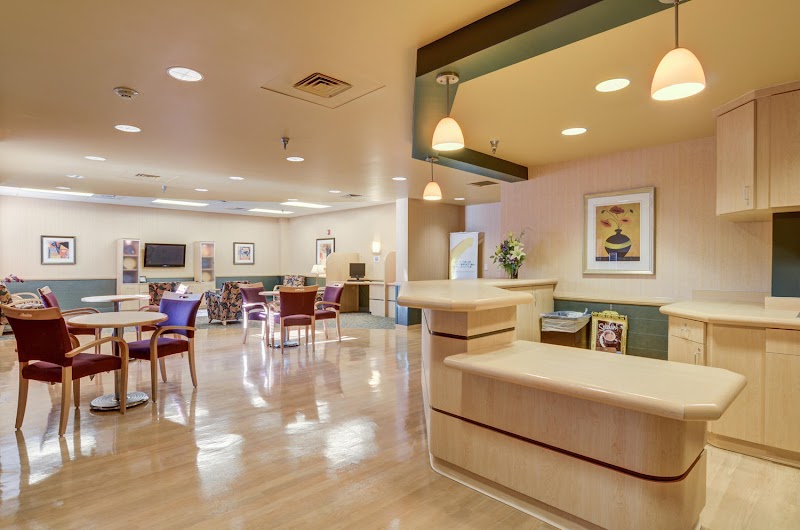
How is Carnegie Park Post Acute Staffed?

CMS rates CARNEGIE PARK POST ACUTE's staffing level at 3 out of 5 stars, which is average compared to other nursing homes. Staff turnover is 61%, which is 15 percentage points above the Pennsylvania average of 46%. High turnover can affect care consistency as new staff learn residents' individual needs. RN turnover specifically is 56%, which is notably high. RNs provide skilled clinical oversight, so turnover in this role can affect medical care quality.

What Have Inspectors Found at Carnegie Park Post Acute?

State health inspectors documented 50 deficiencies at CARNEGIE PARK POST ACUTE during 2023 to 2025. These included: 2 Immediate Jeopardy (the most serious level, indicating potential for serious harm or death), 42 with potential for harm, and 6 minor or isolated issues. Immediate Jeopardy findings are rare and represent the most serious regulatory concerns. They require immediate corrective action.
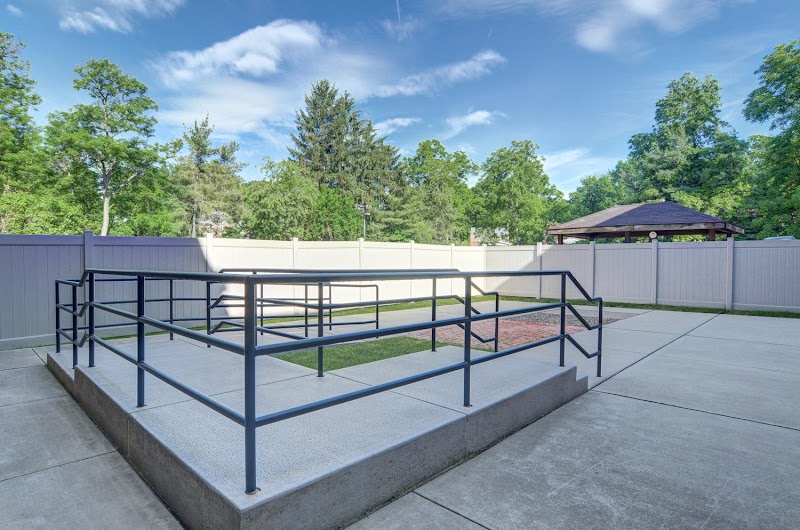
Who Owns and Operates Carnegie Park Post Acute?

CARNEGIE PARK POST ACUTE is owned by a government entity. Government-operated facilities are typically run by state, county, or municipal agencies. The facility is operated by PACS GROUP, a chain that manages multiple nursing homes. With 180 certified beds and approximately 127 residents (about 71% occupancy), it is a mid-sized facility located in PITTSBURGH, Pennsylvania.
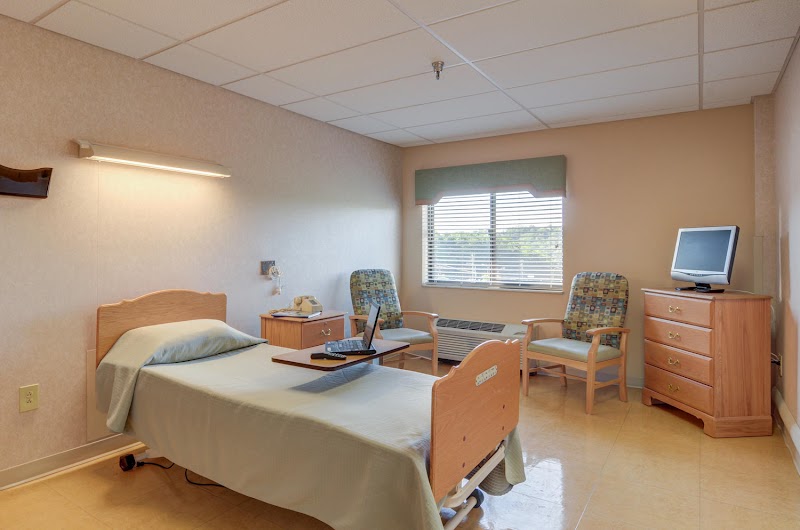
How Does Carnegie Park Post Acute Compare to Other Pennsylvania Nursing Homes?

Compared to the 100 nursing homes in Pennsylvania, CARNEGIE PARK POST ACUTE's overall rating (1 stars) is below the state average of 3.0, staff turnover (61%) is significantly higher than the state average of 46%, and health inspection rating (1 stars) is much below the national benchmark.

What Should Families Ask When Visiting Carnegie Park Post Acute?

Based on this facility's data, families visiting should ask: "What changes have been made since the serious inspection findings, and how are you preventing similar issues?" "How do you ensure continuity of care given staff turnover, and what is your staff retention strategy?" "Can I visit during a mealtime to observe dining assistance and food quality?" "How do you handle medical emergencies, and what is your hospital transfer rate?" These questions are particularly relevant given the facility's Immediate Jeopardy citations and the facility's high staff turnover rate.

Is Carnegie Park Post Acute Safe?

Based on CMS inspection data, CARNEGIE PARK POST ACUTE has documented safety concerns. Inspectors have issued 2 Immediate Jeopardy citations (the most serious violation level indicating risk of serious injury or death). The facility has a 1-star overall rating and ranks #100 of 100 nursing homes in Pennsylvania. Families considering this facility should ask detailed questions about what corrective actions have been taken since these incidents.

Do Nurses at Carnegie Park Post Acute Stick Around?

Staff turnover at CARNEGIE PARK POST ACUTE is high. At 61%, the facility is 15 percentage points above the Pennsylvania average of 46%. Registered Nurse turnover is particularly concerning at 56%. RNs handle complex medical decisions and coordinate care — frequent RN changes can directly impact care quality. High turnover means new staff may not know residents' individual needs, medications, or preferences. It can also be disorienting for residents, especially those with dementia who rely on familiar faces. Families should ask: What is causing the turnover? What retention programs are in place? How do you ensure care continuity during staff transitions?

Was Carnegie Park Post Acute Ever Fined?

CARNEGIE PARK POST ACUTE has been fined $19,563 across 2 penalty actions. This is below the Pennsylvania average of $33,274. While any fine indicates a compliance issue, fines under $50,000 are relatively common and typically reflect isolated problems that were subsequently corrected. Families should ask what specific issues led to these fines and confirm they've been resolved.

Is Carnegie Park Post Acute on Any Federal Watch List?

CARNEGIE PARK POST ACUTE is not on any federal watch list. The most significant is the Special Focus Facility (SFF) program, which identifies the bottom 1% of nursing homes nationally based on persistent, serious quality problems. Not being on this list means the facility has avoided the pattern of deficiencies that triggers enhanced federal oversight. This is a positive indicator, though families should still review the facility's inspection history directly.