EAST END HEALTH & REHAB CENTER
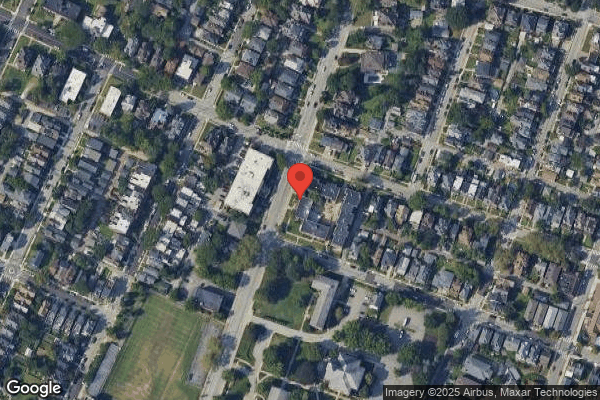
745 NORTH HIGHLAND AVENUE, PITTSBURGH, PA 15206 (412) 362-6622
For profit - Corporation 144 Beds SABER HEALTHCARE GROUP Data: November 2025
Trust Grade
50/100
#407 of 653 in PA
Last Inspection: September 2025

Inspected within the last 6 months. Data reflects current conditions.

Overview

East End Health & Rehab Center has a Trust Grade of C, which means it is average-neither great nor terrible compared to other facilities. It ranks #407 out of 653 in Pennsylvania, placing it in the bottom half, and #23 out of 52 in Allegheny County, indicating that only a few local options are better. Unfortunately, the facility is worsening, with issues increasing from 8 in 2024 to 13 in 2025. Staffing is a moderate strength, with a 3 out of 5 rating and a turnover rate of 53%, which is typical for the state. While there have been no fines, there are notable concerns, including unsanitary conditions in the kitchen that could lead to foodborne illnesses and a lack of an effective antibiotic stewardship program, suggesting potential risks to resident health. Overall, while there are some positive aspects, families should weigh these concerns carefully.

Trust Score
C
50/100
In Pennsylvania
#407/653
Bottom 38%
Safety Record
Low Risk
No red flags
Inspections
Getting Worse
8 → 13 violations
Staff Stability
⚠ Watch
53% turnover. Above average. Higher turnover means staff may not know residents' routines.
Penalties
✓ Good
No fines on record. Clean compliance history, better than most Pennsylvania facilities.
Skilled Nurses
✓ Good
Each resident gets 53 minutes of Registered Nurse (RN) attention daily — more than average for Pennsylvania. RNs are trained to catch health problems early.
Violations
⚠ Watch
32 deficiencies on record. Higher than average. Multiple issues found across inspections.
★★☆☆☆
2.0
Overall Rating
★★★☆☆
3.0
Staff Levels
★★★★☆
4.0
Care Quality
★★☆☆☆
2.0
Inspection Score
Stable
2024: 8 issues
2025: 13 issues

The Good

  • 4-Star Quality Measures · Strong clinical quality outcomes
  • Full Sprinkler Coverage · Fire safety systems throughout facility
  • No fines on record

Facility shows strength in quality measures, fire safety.

The Bad

2-Star Overall Rating

Below Pennsylvania average (3.0)

Below average - review inspection findings carefully

Staff Turnover: 53%

Near Pennsylvania avg (46%)

Higher turnover may affect care consistency

Chain: SABER HEALTHCARE GROUP

Part of a multi-facility chain

Ask about local staffing decisions and management

The Ugly 32 deficiencies on record

Sept 2025 13 deficiencies
CONCERN (D)

Potential for Harm - no one hurt, but risky conditions existed

Assessment Accuracy (Tag F0641)

Could have caused harm · This affected 1 resident

**NOTE- TERMS IN BRACKETS HAVE BEEN EDITED TO PROTECT CONFIDENTIALITY** Based on clinical records, an observation and staff interviews, it was determined that the facility failed to ensure that Minimu...

Read full inspector narrative →
**NOTE- TERMS IN BRACKETS HAVE BEEN EDITED TO PROTECT CONFIDENTIALITY** Based on clinical records, an observation and staff interviews, it was determined that the facility failed to ensure that Minimum Data Set (MDS - a periodic assessment of care needs) assessments accurately reflected the resident's status for one of six residents (Resident R19).Findings include: Review of the clinical record indicated Resident R19 was admitted to the facility on [DATE]. Review of Resident R19's MDS dated [DATE], indicated diagnoses of depression, macular degeneration (an eye disease that affects central vision. This means that people with macular degeneration can't see things directly in front of them.), and muscle wasting. Section B100. Vision was entered as 0, which indicated Resident R19 ability to see in adequate light (with glasses or other visual appliances) was adequate (sees fine detail, such as regular print in newspapers/books.) During an interview on 9/8/25, at 9:58 a.m. Resident R19 stated he was visually impaired and cannot see much. During an observation on 9/9/25, at 12:12 p.m. Resident R19 was sitting in front of their lunch tray and stated I don't know what I have, no one had told me. During an interview on 9/10/25, at 11:13 a.m. Registered Nurse Assessment Coordinator (RNAC), Employee E11 confirmed that the facility failed to ensure that MDS assessments accurately reflected the resident's status for Resident R19. 28 Pa. Code 201.14(a) Responsibility of licensee. 28 Pa. Code 211.5(f) Medical records.
CONCERN (D)

Potential for Harm - no one hurt, but risky conditions existed

Deficiency F0655 (Tag F0655)

Could have caused harm · This affected 1 resident

**NOTE- TERMS IN BRACKETS HAVE BEEN EDITED TO PROTECT CONFIDENTIALITY** Based on review of clinical records, staff and interviews, it was determined that the facility failed to develop and implement a...

Read full inspector narrative →
**NOTE- TERMS IN BRACKETS HAVE BEEN EDITED TO PROTECT CONFIDENTIALITY** Based on review of clinical records, staff and interviews, it was determined that the facility failed to develop and implement a baseline care plan for one out of three residents (Resident R131).Findings include: Review of the facility's Interim/Baseline Care Planning Policy last reviewed 4/1/25, revealed the facility will develop a baseline care plan within 48 hours of admission. The baseline care plan will include the minimum healthcare information necessary to care for a resident. Review of the clinical record indicated Resident R131 was admitted to the facility on [DATE], with diagnoses of left femur fracture, severe protein-calorie malnutrition, and flaccid neuropathic bladder (a condition that disrupts normal bladder function due to nerve damage. This can lead to problems with bladder control, resulting in either an overactive bladder or difficulty emptying the bladder). Review of Resident R131's progress note dated 9/5/25, revealed on 9/4/25, Resident R131 was admitted to the facility with a new nasogastric tube placement. Review of Resident R131's clinical record revealed a Foley Catheter Justification assessment was completed on 9/5/25. The resident was assessed to have a foley catheter due to acute urinary retention or bladder outlet obstruction and the resident had a diagnosis of neurogenic bladder. It was indicated the catheter was maintained. During an interview on 9/11/25, at 10:55 a.m. Registered Nurse Assessment Coordinator (RNAC), Employee E11 confirmed the facility failed to ensure Resident R131's baseline care plan included their catheter and nasogastric tube. 28 Pa. Code: 211.11 (a)(c)(d) Resident care plan. 28 Pa. Code 211.12 (d)(1)(5) Nursing services.
CONCERN (D)

Potential for Harm - no one hurt, but risky conditions existed

ADL Care (Tag F0677)

Could have caused harm · This affected 1 resident

**NOTE- TERMS IN BRACKETS HAVE BEEN EDITED TO PROTECT CONFIDENTIALITY** Based on review of clinical records, staff, and resident interviews, it was determined that the facility failed to provide Activ...

Read full inspector narrative →
**NOTE- TERMS IN BRACKETS HAVE BEEN EDITED TO PROTECT CONFIDENTIALITY** Based on review of clinical records, staff, and resident interviews, it was determined that the facility failed to provide Activity of Daily Living (ADL) assistance for one out of two residents (Resident R19).Findings include: Review of the facility Morning Care/AM Care policy last reviewed 4/1/25, revealed morning care will be offered each day to promote resident comfort, cleanliness, grooming, and general well-being. Review of the clinical record indicated Resident R19 was admitted to the facility on [DATE], with diagnoses of depression, macular degeneration (an eye disease that affects central vision. This means that people with macular degeneration can't see things directly in front of them.), and muscle wasting. Review of Resident R19's MDS dated [DATE], revealed Section GG- Functional Abilities revealed the resident required substantial/maximal assistance (helper does more than half the effort) for toileting hygiene and personal hygiene. The resident requires setup or clean-up assistance with eating. Review of Resident R19's care plan dated 8/15/25, indicated to provide assistance with meals as needed to encourage intake. Review of Resident R19's care plan dated 8/26/25, revealed the resident has limited ability to dress/undress self due to weakness. Interventions included to provide assistance for dressing. During an interview on 9/8/25, at 9:58 a.m. Resident R19 stated he was visually impaired and cannot see much. Resident R19 stated some staff can be unprofessional and they can be disrespectful. During an observation on 9/8/25, at 1:57 p.m. Resident R19 call light was on. During an observation on 9/8/25, at 1:59 p.m. Housekeeper, Employee E13 entered Resident R19's room. Resident R19 asked Housekeeper, Employee E13 if they were Nurse Aide (NA), Employee E14. Resident R19 stated I am legally blind, the nurse aide said I'll be back in ten minutes, that was at 11 a.m. During an interview on 9/8/25, at 2:00 p.m. Resident R19 indicated they put on their call light at 11 a.m. and at 11:20 a.m. NA, Employee E14 answered the call light and stated they would be back. A total of four hours ago. Resident R19 stated the facility is understaffed, and indicated I will need assistance to get on the toilet. During an interview and observation on 9/8/25, at 2:02 p.m. NA, Employee E14 entered Resident R19's room and confirmed they were aware Resident R19 needed assistance earlier in the morning around 11 a.m. NA, Employee E14 told the resident they would return. Resident R19 asked what happened, you told me ten minutes? NA, Employee E14 stated I kind of got caught up, I was on my break. NA, Employee E14 was observed to be argumentative with Resident R19. During an interview on 9/8/25, at 2:05 p.m The Director of Nursing was notified the facility failed to provide Activity of Daily Living (ADL) assistance for one out of two residents (Resident R19). During an observation on 9/9/25, at 12:12 p.m. Resident R19 was sitting in front of their lunch tray and stated I don't know what I have, no one had told me. During an interview on 9/9/25, at 12:13 p.m. Registered Nurse, Employee E14 confirmed the facility failed to assist Resident R19 with meal set up. 28 Pa. Code: 201.14(a) Responsibility of licensee. 28 Pa. Code: 201.18(e)(2.1) Management.
CONCERN (D)

Potential for Harm - no one hurt, but risky conditions existed

Deficiency F0694 (Tag F0694)

Could have caused harm · This affected 1 resident

**NOTE- TERMS IN BRACKETS HAVE BEEN EDITED TO PROTECT CONFIDENTIALITY** Based on review of facility policy, observations, and staff interviews, it was determined that the facility failed to provide ad...

Read full inspector narrative →
**NOTE- TERMS IN BRACKETS HAVE BEEN EDITED TO PROTECT CONFIDENTIALITY** Based on review of facility policy, observations, and staff interviews, it was determined that the facility failed to provide adequate treatment and care for a peripheral inserted central catheter (PICC - a thin tube that's inserted through a vein in your arm and passed through to the larger veins near your heart) in accordance with professional standards of practice for one of three residents (Resident R84).Findings include: Review of the facility policy Administration of an Intermittent Infusion last reviewed 4/1/25, indicated am intermittent infusion allows the patient to be disconnected from the infusion/administration set between medication doses. Label medication/solution container and administration set with date, time and nurses initials. Review of the facility policy Midline Catheter Dressing Change last reviewed 4/1/25, indicated a sterile dressing change using a transparent dressing is performed upon admission. If transparent dressing is dated, clean, dry and intact the admission dressing change may be omitted and scheduled for seven days from the date on the dressing label. Review of the clinical record indicated Resident R84 was admitted to the facility on [DATE]. Review of Resident R84 's Minimum Data Set (MDS - a periodic assessment of care needs) dated 9/4/25, indicated diagnoses of infection and inflammatory reaction due tointernal right knee prosthesis, atrial fibrillation (irregular and rapid heart rhythm) and high blood pressure. Review of Resident R84's physician orders dated 8/29/25, indicated Cefazolin Solution Reconstituted 2 gram (GM) Use 1 vial intravenously (IV) every eight hours. Review of Resident R84's care plan dated 9/4/25, focus indicates IV Medications/Fluids. The resident is on IV Medications related to infection of internal right knee prothesis and bacterial arthritis. Check dressing at site daily. Monitor/document/report to physician as needed signs and symptoms of infection at the site: drainage, inflammation, swelling, redness, warmth. Change PICC dressing weekly and as needed for soiling or dislodgement During an observation and interview on 9/8/25, at 10:47 a.m. Resident R84's right arm PICC site dressing was labeled with the date of 8/29/25, a large piece of tape was noted on the right side of the dressing with a date of 9/8/25. Resident R84 stated the tape was placed to hold the dressing down. An IV medication solution container was hanging on an IV pole, next to Resident R84's bed the medication solution container failed to be labeled with a date or time. During an interview completed on 9/8/25, 10:50 a.m. Registered Nurse (RN) Employee E3 confirmed the dressing to Resident R84's PICC site was dated 8/29/25 and was reinforced with a piece of tape dated 9/8/25. RN Employee E3 also confirmed the IV medication solution container was not labeled with a date and time and that the facility failed to provide adequate treatment and care for a PICC in accordance with professional standards of practice for one of three residents (Resident R84). 28 Pa. Code: 211.12 (d)(1)(2)(3)(5) Nursing Services.28 Pa. Code: 201.14(a) Responsibility of licensee.
CONCERN (D)

Potential for Harm - no one hurt, but risky conditions existed

Deficiency F0761 (Tag F0761)

Could have caused harm · This affected 1 resident

Based on review of facility policies, observations, and staff interviews, it was determined that the facility failed to store medications and biologicals properly andsecurely in one of five medication...

Read full inspector narrative →
Based on review of facility policies, observations, and staff interviews, it was determined that the facility failed to store medications and biologicals properly andsecurely in one of five medications carts (fourth floor medication cart) and one of three medication rooms (fourth floor medication room).Findings include: Review of the facility policy General Dose Preparation and Medication Administration last reviewed 4/1/25, indicated facility staff should enter the date opened on the label of medication dates. Review of the facility policy Storage and Expiration Dating of Medications and Biologicals last reviewed 4/1/25, indicated the facility should ensure resident medication rooms are locked and do not contain non medication/biological items. Review of the facility policy Returning Medications to the Pharmacy last reviewed 4/1/25, indicated the facility should return medications with any associated paperwork to pharmacy immediately after such medications have been discontinued. Facility should securely store the medications to be returned to pharmacy until they are picked up by pharmacy. During an observation on 9/9/25, at 9:10 a.m. the Fourth-floor medication cart contained the following:-One Lovenox syringe not labeled with name and not stored in a bag.-One Lispro insulin pen not labeled with date opened.-One Lispro pen not stored in a bag and not labeled with date open. -One Lantus insulin pen not stored in a bag.-One bottle of Timolol eye drops opened and not labeled with a date. During an interview completed on 9/9/25, at 9:21 a.m. Registered Nurse (RN) Employee E4 confirmed the above observations and that the facility failed to store medications and biologicals properly and securely in one of five medications carts (fourth floor medication cart). During an observation of the Fourth-floor medication room on 9/9/25, at 9:25 a.m. revealed a grey tote sitting on the countertop that contained the following:-3 medication card packs containing 30 tablets of hydralazine 25 mg-1 medication card packs containing 23 tablets of hydralazine 25mg-1 medication card packs containing 2 tablets of hydralazine 25 mg-1 medication card pack containing 15 tablets of fluoxetine 10mg-1 medication card pack containing 30 tablets of carvedilol 12.5 mg-1 bottle of muscle and joint support-1 medication card pack containing 20 tablets of atorvastatin 20mg-1 medication card pack containing 24 tablets of amantadine 100mg-1 medication card pack containing 20 tablets of duloxetine 60mg-1 medication card pack containing 20 tablets of lisinopril 40mg 20 tabs-1 medication card pack containing 20 tablets of mirabegron ER 50mg-1 medication card pack containing 20 tablets of oxybutynin 15 mg -1 medication card pack containing 21 tablets of clozapine 100mg-1 medication card pack containing 21 1/2 tablets of clozapine 100mg-1 medication card pack containing 23 of Neurontin capsules300mgA clear plastic bag that contained:-1 medication card pack containing 6 tablets of Carbidopa- levodopa 25/100mg-2 medication card pack containing 30 tablets Carbidopa- levodopa 25/100mg-1 medication card pack containing 14 tablets of hydroxychloroquine 200mg-1 medication card pack containing 16 tablets of hydrochlorothiazide 5mg -1 medication card pack containing 23 tablets of sulfasalazine 500mg-1 medication card pack containing 23 tablets of disopyramide 150mg-1 medication card pack containing 1 tablet of disopyramide 150mg Further observation revealed an oxygen tank holder containing 1 black and 1 blue umbrella with a tan sweater hanging off the umbrellas. During an interview completed on 9/9/25, at 9:47 a.m. Registered Nurse (RN) Employee E3 stated the night shift nurse scans them with a hand scanner and places inwhite sealable bags for return to pharmacy, the sweater could possibly be staffs and confirmed that that the facility failed to store medications and biologicals properly andsecurely in one of three medication rooms (fourth floor medication room). 28 Pa. Code: 201.14(a) Responsibility of licensee.28 Pa. Code: 211.9(a)(1)(k) Pharmacy services.28 Pa. Code: 211.12(d)(1)(2)(3)(5) Nursing services.@@@@@@@@@@@@@@@@@@@@@@@@@@@
CONCERN (D)

Potential for Harm - no one hurt, but risky conditions existed

Deficiency F0806 (Tag F0806)

Could have caused harm · This affected 1 resident

**NOTE- TERMS IN BRACKETS HAVE BEEN EDITED TO PROTECT CONFIDENTIALITY** Based on review of clinical records, observations, staff, and resident interviews, it was determined that the facility failed to...

Read full inspector narrative →
**NOTE- TERMS IN BRACKETS HAVE BEEN EDITED TO PROTECT CONFIDENTIALITY** Based on review of clinical records, observations, staff, and resident interviews, it was determined that the facility failed to provide residents food products based on their preferences for one out of four residents (Resident R19).Findings include: Review of the clinical record indicated Resident R19 was admitted to the facility on [DATE], with diagnoses of depression, macular degeneration (an eye disease that affects central vision. This means that people with macular degeneration can't see things directly in front of them), and muscle wasting. Review of Resident R19's MDS dated [DATE], revealed the diagnoses were current. During an observation on 9/9/25, at 12:12 p.m. Resident R19 was sitting in front of their lunch tray and stated I don't know what I have, no one had told me. A biscuit was observed on Resident R19's plate. The resident's meal ticked said NO BREAD/NO PASTA. Resident R19 expressed frustration that the facility continuously fails to honor their food preferences of having no bread products. During an interview on 9/9/25, at 12:13 p.m. Registered Nurse, Employee E14 confirmed the facility served food products with bread. RN, Employee E14 confirmed the facility failed to follow Resident R19's food preferences. During an interview of 9/9/25, at 3:15 p.m. the Director of Nursing confirmed the facility failed to provide residents food products based on their preferences for one out of four residents (Resident R19). Pa Code: 201.14(a) Responsibility of licensee
CONCERN (E)

Potential for Harm - no one hurt, but risky conditions existed

Deficiency F0554 (Tag F0554)

Could have caused harm · This affected multiple residents

**NOTE- TERMS IN BRACKETS HAVE BEEN EDITED TO PROTECT CONFIDENTIALITY** Based on observations, resident, and staff interviews, it was determined that the facility failed to determine the ability to se...

Read full inspector narrative →
**NOTE- TERMS IN BRACKETS HAVE BEEN EDITED TO PROTECT CONFIDENTIALITY** Based on observations, resident, and staff interviews, it was determined that the facility failed to determine the ability to self-administer medications for four of eight residents (Residents R25, R81, R88 and R104). Findings include: Review of the facility policy Self-Administration of Medication last reviewed 4/1/25, indicated the facility, in conjunction with the interdisciplinary care team, should access and determine whether self-administration of medications is safe and clinically appropriate. The facility should ensure that orders for self-administration list the specific medication(s) the resident may self-administer. If a resident self-administers their medication the facility should routinely assess the residents cognitive, physical, and visual ability. Review of the facility policy General Dose Preparation and Medication Administration last reviewed 4/1/25, indicated during medication administration facility staff observe the resident's consumption of the medication(s). Review of the facility policy Storage and Expiration Dating of Medications and Biologicals last reviewed 4/1/25, indicated the facility should not administer/provide bedside medication or biologicals without a Physician/Prescriber order and approval by the interdisciplinary care team and facility administration. Facility should store bedside medications or biologicals in a locked compartment within the resident's room. Review of the clinical record indicated Resident R25 was admitted to the facility on [DATE]. Review of Resident R25's Minimum Data Set (MDS - a periodic assessment of care needs) dated 7/9/25, indicated diagnoses of high blood pressure, diabetes (high sugar in the blood) and constipation. Observation on 9/8/25, at 9:51 a.m. Resident R25 had a pill cup with one pink oblong pill and a white oblong pill in a medicine cup. During an interview on 9/8/25, at 9:53 a.m. Registered Nurse, Employee E8 confirmed Resident R25 was left unattended with medications. RN, Employee E8 confirmed Resident R25 failed to have a care plan for self-administration of medications. Review of the clinical record indicated Resident R81 was admitted to the facility on [DATE], and readmitted [DATE]. Review of Resident R81's Minimum Data Set (MDS - a periodic assessment of care needs) dated 7/14/25, indicated diagnoses of dementia (the loss of cognitive functioning — thinking, remembering, and reasoning, to such an extent that it interferes with a person's daily life and activities), dependence on renal dialysis, and high blood pressure. Observation on 9/8/25, at 9:44 a.m. a pill cup with four pills were left unattended at Resident R81's bedside. During an interview on 9/8/25, at 9:47 a.m. the Assistant Director of Nursing (ADON), Employee E9 confirmed Resident R81's was left unattended with medications. The ADON confirmed Resident R81 failed to have a care plan for self-administration of medications. Review of the clinical record indicated Resident R88 was admitted to the facility on [DATE]. Review of Resident R88's Minimum Data Set (MDS - a periodic assessment of care needs) dated 8/5/25, indicated diagnoses of anemia (low iron on the blood), diabetes (high sugar in the blood) and high blood pressure. Observation on 9/8/25, at 10:32 a.m. a tube of Voltaren gel (topical pain reliever) was sitting on Resident R88's over the bed table, a tube of Aspercream (topical medication for minor aches and pains) was on her lap in bed. During an interview completed on 9/8/25, at 10:38 a.m. Registered Nurse (RN) Employee E4 confirmed the topical medications were in Residents R88's room. RN Employee E4 removed the items from the room. Upon asking RN Employee E4 concerning the topical medications stated, I haven't seen an order for the Aspercream, I believe there is one for the Voltaren. Review of Resident R88's physician orders on 9/8/25, at 10:46 a.m. failed to reveal orders for the Voltaren or Aspercream. During an interview completed on 9/10/25 at 12:14 p.m. the Director of Nursing confirmed no orders were in place for Resident R88's Voltaren gel or Aspercream and an assessment for medication self-administration was not completed. Review of the clinical record indicated Resident R104 was admitted to the facility on [DATE]. Review of Resident R104's MDS dated [DATE], indicated diagnosis of diabetes (high sugar in the blood), hyperlipidemia (high fats in the blood) and high blood pressure. Observation on 9/8/25, at 9:51 a.m. Resident R104's bedside stand had a bottle of Flonase nasal spray (reduces inflammation and allergic symptoms) sitting on it. During an interview completed on 9/8/25, at 10:14 a.m. RN Employee E2 confirmed the Flonase was on Resident R104's bedside stand and stated, I gave it to him, he was finishing breakfast, so I left it in room for him to use later. During an interview on 9/8/25, at 3:15 p.m. the Director of Nursing confirmed the facility failed to determine the ability to self-administer medications for four of eight residents (Residents R25, R81, R88 and R104). 28 Pa code: 211.12 (d) (1) (5) Nursing services.
CONCERN (E)

Potential for Harm - no one hurt, but risky conditions existed

Deficiency F0698 (Tag F0698)

Could have caused harm · This affected multiple residents

**NOTE- TERMS IN BRACKETS HAVE BEEN EDITED TO PROTECT CONFIDENTIALITY** Based on review of clinical records, facility policy and staff and interviews it was determined the facility failed to make cert...

Read full inspector narrative →
**NOTE- TERMS IN BRACKETS HAVE BEEN EDITED TO PROTECT CONFIDENTIALITY** Based on review of clinical records, facility policy and staff and interviews it was determined the facility failed to make certain consistent dialysis communication was maintained for two of two residents (Residents R14 and R81), and failed to ensure resident's receiving dialysis received care and treatment as ordered and ensured fluid restrictions were maintained for one of two residents (Resident R81) Findings include: Review of facility Fluid Balance Policy dated 4/1/25, indicated the facility will track intake and/or output with a provider order. The amount of fluid allowed in a 24-hour period will be specified in the provider order. The Nursing and Nutrition Services Team will work together to distribute the restricted fluid amount daily. An allocation for each department will be developed for each level of limitation and will be included in the order. Review of the facility policy Hemodialysis Care Policy last reviewed 4/1/25, indicated licensed staff with demonstrated competence will care for residents who require hemodialysis. Communication between the dialysis provider and facility staff will occur before and after each hemodialysis treatment and as needed. Pre-dialysis process: Document assessment in the dialysis communication tool. Assessment includes but not inclusive to vital signs, medications administered before treatment, time of last meal, fluid intake and any additional alerts or information. Post dialysis process: Receive report from the dialysis provider or review the dialysis communication tool documentation by the dialysis provider. Information post- dialysis will include but not inclusive to vital signs, lab draws and/or results, medication administered after treatment, any new orders additional alerts or information. Review of the admission record indicated Resident R14 was admitted to the facility on [DATE]. Review of Resident R14's MDS dated [DATE], indicated diagnoses of heart failure (heart doesn't pump blood the way it should), renal insufficiency (condition where the kidneys lose the ability to remove waste and balance fluids) and high blood pressure. Review of Resident R14's physician orders dated 9/12/25, indicated dialysis: Monday, Wednesday, and Friday at dialysis vendor. Chair time at 12:00 p.m. Observation completed on 9/10/25, at 1:25 p.m. Resident R14's dialysis communication forms indicated the following: -8/6/25, incomplete form. -9/3/35, incomplete form. -9/8/25, incomplete form. During an interview completed on 9/10/25, at 1:41 p.m. Licensed Practical Nurse (LPN) Employee E6 confirmed the communication sheets failed to be complete as required. Review of the clinical record indicated Resident R81 was admitted to the facility on [DATE], and readmitted [DATE]. Review of Resident R81's Minimum Data Set (MDS - a periodic assessment of care needs) dated 7/14/25, indicated diagnoses of dementia (the loss of cognitive functioning — thinking, remembering, and reasoning, to such an extent that it interferes with a person's daily life and activities), dependence on renal dialysis, and high blood pressure. Review of Resident R81's care plan dated 9/29/24, revealed the resident requires dialysis and receives treatment on Tuesday, Thursday, and Saturday. Interventions included to monitor intake and output. Review of Resident R81's physician's order dated 1/16/25, revealed the resident was ordered a 1000 milliliters (ml) daily fluid restriction. Dietary to give a total of 600 ml and nursing to give up to 400 ml in 24 hours. Review of Resident R81's clinical record revealed the facility failed to adhere to the resident's fluid restriction on the following days: 8/11/25-1,160 ml 8/17/25-1,040 ml 8/18/25-1,070 ml 8/23/25-1,040 ml 8/26/25-1,160 ml 8/28/25-1,080 ml 8/30/25- 5,560 ml 9/8/25- 1,190 ml Review of Resident R81's dialysis communication binder on 9/10/25, at 12:07 p.m. failed to revealed evidence Resident R81's communication sheets were completed for 9/4/25, 9/6/25, and 9/9/25. During an interview on 9/10/25, at 12:08 p.m. Licensed Practical Nurse (LPN), Employee E1 confirmed there was no evidence Resident R81's dialysis communication sheets were completed for 9/4/25, 9/6/25, and 9/9/25. During an interview on 9/10/25, at 12:19 p.m. the Director of Nursing confirmed the facility failed to ensure Resident R81 fluid restriction were maintained as ordered and that the facility failed to ensure that residents who require dialysis receive such services, consistent with professional standards of practice, the comprehensive person-centered care plan, and the residents’ goals and preferences for one of two residents (Resident R81) and failed to make certain consistent dialysis communication was maintained for two of two residents (Residents R14 and R81). 28 Pa. Code: 201.14(a) Responsibility of licensee. 28 Pa. Code: 211.10(c) Resident care policies. 28 Pa. Code: 211.12(d)(1)(3)(5) Nursing services.
CONCERN (E)

Potential for Harm - no one hurt, but risky conditions existed

Deficiency F0847 (Tag F0847)

Could have caused harm · This affected multiple residents

**NOTE- TERMS IN BRACKETS HAVE BEEN EDITED TO PROTECT CONFIDENTIALITY** Based on review of facility documents, resident clinical records and staff interviews it was determined that the facility failed...

Read full inspector narrative →
**NOTE- TERMS IN BRACKETS HAVE BEEN EDITED TO PROTECT CONFIDENTIALITY** Based on review of facility documents, resident clinical records and staff interviews it was determined that the facility failed to ensure resident's had the capacity to understand the terms of a binding arbitration agreement (a binding agreement by the parties to submit to arbitration all or certain disputes which have arisen or may arise between them in respect of a defined legal relationship, whether contractual or not. The decision is final, can be enforced by a court, and can only be appealed on very narrow grounds) for two of three residents (Resident R82, CR315).Findings include:Review of the Resident Assessment Instrument 3.0 User's Manual effective October 2019, indicated that a Brief Interview for Mental Status (BIMS) is a screening test that aides in detecting cognitive impairment. The BIMS total score suggests the following distributions:13-15: cognitively intact8-12: moderately impaired0-7: severe impairment Review of the admission record indicated Resident R82 was admitted to the facility on [DATE]. Review of Resident R82's Minimum Data Set (MDS - a periodic assessment of care needs) dated 1/21/25, indicated the diagnoses of unspecified intellectual disabilities, diabetes mellitus and chronic kidney disease. Resident R82's MDS assessment section C0200 BIMS score was a four, indicating severe impairment. Review of Resident R82s Binding Arbitration Agreement indicated that the resident signed the document on 1/29/25, with a severe cognitive impairment. Review of the admission record indicated Resident CR315 was admitted to the facility on [DATE]. Review of Resident RCR315's Minimum Data Set (MDS - a periodic assessment of care needs) dated 2/22/25 indicated the diagnoses of diabetes mellitus, dementia (group of brain disorders that cause a decline in cognitive functions, such as memory, thinking, reasoning, and judgment) and major depressive disorder. Resident CR315's MDS assessment section C0200 BIMS score was a zero, indicating severe impairment. Review of Resident CR315's Binding Arbitration Agreement indicated that the resident signed the document on 2/28/25, with a severe cognitive impairment. During an interview on 9/10/25, at 11/15 a.m. the admission Director Employee E10 confirmed the facility failed to ensure a resident had the capacity to understand the terms of a binding arbitration agreement for two of three residents (Resident R82, CR315). 28 Pa. Code: 201.14(a)(c) Responsibility of licensee.28 Pa. Code: 201.18(e)(1) Management.
CONCERN (E)

Potential for Harm - no one hurt, but risky conditions existed

Infection Control (Tag F0880)

Could have caused harm · This affected multiple residents

**NOTE- TERMS IN BRACKETS HAVE BEEN EDITED TO PROTECT CONFIDENTIALITY** Based on facility policy, clinical record review, observations, and staff interviews, it was determined that the facility failed...

Read full inspector narrative →
**NOTE- TERMS IN BRACKETS HAVE BEEN EDITED TO PROTECT CONFIDENTIALITY** Based on facility policy, clinical record review, observations, and staff interviews, it was determined that the facility failed to implement COVID monitoring, isolation, tracking, and testing in accordance with state and federal guidance for one of two residents (Resident R31), failed to prevent cross contamination during a dressing change for one of three residents (Resident R86), and failed to ensure enhanced barrier precautions were implemented for one of three residents (Resident R131). The facility failed to implement an infection control program that included a system of surveillance to identify possible communicable diseases or infections for eleven of twelve months (September 2024, thru August 2025).Findings include: Review of the facility Enhanced Barrier Precautions (EBP) Policy last reviewed 4/1/25, revealed enhanced barrier precautions are intended to prevent transmission of multi-drug resistant organisms (MDROs) via contaminate hands and clothing of healthcare workers to high risk residents during high contact activities. Staff engaging in high-contact activities will don both gloves and gown before initiating the activity. Review of the facility policy Hand Hygiene/Handwashing last reviewed 4/1/25, indicated hand hygiene is the most important component for preventing the spread of infections. Healthcare personnel should use an alcohol-based hand rub or wash with soap and water for the following clinical indications that include but not inclusive to after contact with blood, body fluids, or contaminated surfaces. Review of the facility policy Infection Prevention and Control Program last reviewed 4/1/25, indicated to maintain an organized, effective facility-wide program designed to systematically prevent, identify, control and reduce the risk of acquiring and transmitting infections among employees, volunteers, visitors, and contracted healthcare workers; to conduct surveillance of communicable disease and infectious outbreaks; and to monitor employee health. The infection preventionist responsibilities for infection control include but not limited to: Conducts surveillance of staff and residents for the facility-associated infections and/or communicable disease. Infection prevention and control provide education, based on surveillance findings, outbreak analyses or changes in scientific knowledge/guidelines in the areas of infection prevention and control to employees, residents and families. During a review of the infection control program documentation on 9/9/25, it was revealed that no surveillance of infections was completed for eleven of twelve months (September 2024, thru August 2025). Upon asking Infection Preventionist Licensed Practical Nurse (LPN) Employee E5 concerning mapping of infections presented a blank map of the facility rooms and stated we don’t use the maps During an interview completed on 9/9/25, at 2:00 p.m. Infection Preventionist LPN Employee E5 confirmed that no surveillance of infections was completed for eleven of twelve months (September of 2024 thru August of 2025). Review of the clinical record indicated Resident R31 was admitted to the facility on [DATE], with diagnoses dementia (the loss of cognitive functioning — thinking, remembering, and reasoning, to such an extent that it interferes with a person's daily life and activities), Chronic obstructive pulmonary disease (a common lung disease causing restricted airflow and breathing problems.), and high blood pressure. Review of Resident R31's Minimum Data Set (MDS - a periodic assessment of care needs) dated 8/16/25, indicated diagnoses were current. Review of Resident R31's progress note dated 9/3/25, at 1:03 a.m. revealed the resident was short of breath, with wheezing noted. The residents oxygen saturation was 60-70%. Oxygen was applied, and breathing treatment was administered. Resident continued to have wheezing and rhonchi in bilateral lungs. The physician was notified. There was no evidence the resident was tested for COVID. The facility failed to implement droplet precautions upon identification of any COVID-19 symptoms such as cough and shortness of breath. Review of Resident R31's progress note dated 9/3/25, at 7:14 a.m. revealed the resident was observed coughing and wheezing. The residents oxygen saturation was 60-70%. Oxygen was applied, and the resident's pulse saturation went to 97%. The RN supervisor was notified and assessed the resident. The physician was notified. A breathing treatment and cough medication was administered. There was no evidence the resident was tested for COVID. The facility failed to implement droplet precautions upon identification of any COVID-19 symptoms such as cough and shortness of breath. Review of Resident R31's progress note dated 9/3/25, at 10:30 a.m. revealed the resident was seen in follow up to recent reported cough and congestion symptoms. Resident was started on DuoNeb three time a day and as needed Guaifenesin (cough medication) along with supplemental oxygen due to hypoxia on room air. It was documented the resident refused labs and nasal swabs. The facility failed to implement droplet precautions upon identification of any COVID-19 symptoms such as cough and shortness of breath. Review of Resident R31's clinical record failed to include evidence the resident was tested for COVID on Day 1 (9/4/25), Day 2 (9/6/25), and Day 3 (9/8/25). During an observation on 9/9/25, at 11:45 a.m. Resident R31 was observed receiving a breathing treatment with the door open. There were no isolation precautions implemented. During an interview on 9/9/25, at 11:49 a.m. Licensed Practical Nurse, Employee E31 stated I am unaware if Resident R31 was tested for COVID. LPN, Employee E31 indicated they were in training, and this was their second day. During an observation of Resident R31's clinical record on 9/11/25, at 10:10 a.m. failed to include an order for isolation. During an observation on 9/11/25, at 10:11 a.m. Resident R31's was observed wheeling in their wheelchair throughout the unit. No mask was observed on the resident. During an interview on 9/11/25, at 10:11 a.m. Registered Nurse, Employee E2 confirmed Resident R31 failed to have an order for droplet precautions. RN, Employee E2 stated if a resident developed COVID-like symptoms such as cough, fever, or fatigue the next steps would be to isolate, notify physician, and test for COVID using the standing order. If negative, then the resident would be tested every two days until Day 5. During the testing period, the resident must stay in isolation and if they come out of the room, they should wear a mask. During an interview on 9/11/25, at 10:22 a.m. the Director of Nursing confirmed residents should be tested on Day 1, Day 3, and Day 5. The DON confirmed the facility failed to implement COVID monitoring, isolation, tracking, and testing in accordance with state and federal guidance for one of two residents (Resident R31). Review of Resident R86's clinical record indicated admission to the facility on 8/7/23. Review of Resident R86's Minimum Data Set (MDS - a periodic assessment of care needs) dated 6/18/25, indicated diagnoses of anxiety, depression and high blood pressure. Review of Residents R86's physician orders dated 8/12/25, indicate to cleanse sacrum with wound cleanser, pack with quarter strength Dakin's-soaked packing strips and cover with dry dressing daily. During an observation on 9/10/25, at 10:00 a.m. Licensed Practical Nurse (LPN) Employee E16 entered Resident R86's room to complete dressing change. After completing the dressing change LPN Employee E16 continued on and picked up the bottle containing the packing strip and pushed the packing that was out of the bottle back into the bottle, applied the lid, picked up the bottle of Dakins solution and repositioned it on the over bed tray table. LPN Employee E16 then removed gloves and completed hand hygiene. During an interview completed on 9/10/25, at 2:30 p.m. LPN Employee E16 confirmed not removing gloves and completing hand hygiene prior to replacing the packing strip into the bottle, applying the lid and repositioning the bottle of Dakins solution on the over bed tray table. Review of the clinical record indicated Resident R131 was admitted to the facility on [DATE], with diagnoses of left femur fracture, severe protein-calorie malnutrition, and flaccid neuropathic bladder (a condition that disrupts normal bladder function due to nerve damage. This can lead to problems with bladder control, resulting in either an overactive bladder or difficulty emptying the bladder). Review of Resident R131's physician order dated 9/5/25, revealed an order for enhanced barrier precautions. During an observation on 9/8/25, Licensed Practical Nurse, Employee E15 was observed flushing Resident R131's nasogastric tube without a gown. During an interview on 9/8/25, at 10:38 a.m. Licensed Practical Nurse, Employee E15 confirmed they failed to implement enhanced barrier precautions while flushing Resident R131's nasogastric tube. 28 Pa. Code: 211.10(d) Resident Care Policies. 28 Pa. Code: 211.12(d)(1)(5) Nursing Services.
CONCERN (F)

Potential for Harm - no one hurt, but risky conditions existed

Food Safety (Tag F0812)

Could have caused harm · This affected most or all residents

Based on observations and staff interview, it was determined that the facility failed to maintain sanitary conditions in the dish room and kitchen which created the potential for cross contamination i...

Read full inspector narrative →
Based on observations and staff interview, it was determined that the facility failed to maintain sanitary conditions in the dish room and kitchen which created the potential for cross contamination in the designated main kitchen. Findings include: During an observation of the main designated kitchen on 9/08/25, at 9:30 a.m. the following was observed: -Dish room walls, brown debris, paint peeling-Ice machine, brown debris During an interview on at om 9/8/25 at 10:30 a.m. Dietary Manager Employee E7 couldn't provide proof of documentation when the ice machine was last serviced. During an interview on 9/8/25 at 10:45 a.m., Dietary Manager Employee E7 confirmed that the facility failed to maintain sanitary conditions which created the potential for food borne illness. 28 Pa. Code: 201.18(b)(1) Management.28 Pa. Code: 211.6(c) Dietary services.28 Pa. Code: 201.14(a) Responsibility of licensee.
CONCERN (F)

Potential for Harm - no one hurt, but risky conditions existed

Antibiotic Stewardship (Tag F0881)

Could have caused harm · This affected most or all residents

Based on review of the facility's infection control policies and procedures and staff interview, it was determined that the facility failed to implement an antibiotic stewardship program for eleven of...

Read full inspector narrative →
Based on review of the facility's infection control policies and procedures and staff interview, it was determined that the facility failed to implement an antibiotic stewardship program for eleven of eleven months (September 2024 thru August 2025).Findings include: Review of facility policy Antibiotic Stewardship Program last reviewed 4/1/25, indicated the Antibiotic Stewardship will focus on improving antibiotic/antimicrobial use by avoiding unnecessary or inappropriate antibiotics. The antimicrobial stewardship process will be overseen and managed by the Infection Preventionist who works collaboratively with the medical director, pharmacist, nursing and administrative leadership. Review of the facility's Infection Control surveillance for September 2024, thru August 2025, failed to include documentation to indicate that antibiotic monitoring was completed. During an interview completed on 9/9/25, at 2:00 p.m. Infection Preventionist Licensed Practical Nurse (LPN) Employee E5 confirmed that antibiotic monitoring of infections was not completed for eleven of twelve months (September of 2024, thru August of 2025). Further interview revealed that upon asking Infection Preventionist LPN E5 concerning the antibiotic stewardship program stated, I don't have an answer to that you would have to ask the Director of Nursing she would know the answers to that. During an interview on 9/9/25, at 2:29p.m. the Director of Nursing confirmed that the facility failed to implement an antibiotic stewardship program for eleven of eleven months (September 2024, thru August 2025). 28 Pa. Code: 211.10(c)(d) Resident care policies.28 Pa. Code: 211.12(d)(1)(2)(3)(5) Nursing services.
CONCERN (F)

Potential for Harm - no one hurt, but risky conditions existed

Deficiency F0882 (Tag F0882)

Could have caused harm · This affected most or all residents

Based on a review of facility policy and staff interview, it was determined the facility failed to ensure that the Infection Prevention and Control Program (IPCP) was overseen by an individual who ade...

Read full inspector narrative →
Based on a review of facility policy and staff interview, it was determined the facility failed to ensure that the Infection Prevention and Control Program (IPCP) was overseen by an individual who adequately assesses, develops, implements, monitors, manages and has appropriate knowledge, skills and time to perform the IPCP for eleven of twelve months.Findings included: Review of the facility policy Infection Prevention and Control Program last reviewed 4/1/25, indicated to maintain an organized, effective facility-wide program designed to systematically prevent, identify, control and reduce the risk of acquiring and transmitting infections among employees, volunteers, visitors, and contracted healthcare workers; to conduct surveillance of communicable disease and infectious outbreaks; and to monitor employee health.The infection preventionist responsibilities for infection control include but not limited to: Conducts surveillance of staff and residents for the facility-associated infections and/or communicable disease. Provide education, based on surveillance findings, outbreak analyses or changes in scientific knowledge/guidelines in the areas of infection prevention and control to employees, residents and families. Review of facility policy Antibiotic Stewardship Program last reviewed 4/1/25, indicated the Antibiotic Stewardship will focus on improving antibiotic/antimicrobial use by avoiding unnecessary or inappropriate antibiotics. The antimicrobial stewardship process will be overseen and managed by the Infection Preventionist (IP) who works collaboratively with the medical director, pharmacist, nursing and administrative leadership. During an interview completed on 9/9/25, at 2:00 p.m. IP Licensed Practical Nurse (LPN) Employee E5 stated that from September of 2024, thru March of 2025, I worked the floor on a cart, I also do the restorative program, I got caught up in April for the months of September 2024, thru March 2025. We have no mapping of infections, we don't use the maps, can't see if anything is spreading through the building. Upon asking the Infection Preventionist Licensed Practical Nurse (LPN) Employee E5 concerning the antibiotic stewardship program stated, I don't have an answer to that you would have to ask the Director of Nursing she would know the answers to that. During an interview on 9/9/25, at 2:30 p.m. the Director of Nursing confirmed the facility failed to ensure that the Infection Prevention and Control Program (IPCP) was overseen by an individual who adequately assesses, develops, implements, monitors, manages and has appropriate knowledge, skills and time to perform the IPCP for eleven of twelve months. 28 Pa. Code: 201.14(a) Responsibility of licensee.28 Pa. Code: 201.18(b)(1)(e)(1) Management.28 Pa. Code: 201.19(3) Personnel records.28 Pa. Code: 211.12(d)(1)(2)(3)(5) Nursing services.
Oct 2024 8 deficiencies
CONCERN (D)

Potential for Harm - no one hurt, but risky conditions existed

Deficiency F0583 (Tag F0583)

Could have caused harm · This affected 1 resident

**NOTE- TERMS IN BRACKETS HAVE BEEN EDITED TO PROTECT CONFIDENTIALITY** Based on review of facility policy, observation, and staff interviews it was determined that the facility failed to maintain the...

Read full inspector narrative →
**NOTE- TERMS IN BRACKETS HAVE BEEN EDITED TO PROTECT CONFIDENTIALITY** Based on review of facility policy, observation, and staff interviews it was determined that the facility failed to maintain the confidentiality of residents' medical information on one of two medication carts (3 South medication cart). Findings include: A review of the state operations manual dated 8/8/24, Resident Rights section §483.10(h) Privacy and Confidentiality: The resident has a right to personal privacy and confidentiality of his or her personal and medical records. A review of the facility policy General Dose Preparation and Medication Administration dated 4/1/24, indicates observe each resident's privacy and rights in accordance with applicable law (e.g. knocking before entering, pulling the privacy curtains, informing resident what is to occur before administration, blocking unnecessary access to the MAR). During an observation on 10/1/24, at 9:01 a.m. the medication cart outside of resident room [ROOM NUMBER], in the corridor, was left unattended with a resident listing with identifiable and personal information so any passer by could see. During an interview on 10/1/24, at 10:05 a.m. Registered Nurse (RN) Employee E1 confirmed the facility failed to maintain the confidentiality of residents identifiable and personal information on one of two medication carts (3 South medication cart). 28 Pa. code: 211.5(b) Clinical records 28 Pa. Code: 201.29(i) Resident Rights 28 Pa. Code: 211.12(d)(3) Nursing Services
CONCERN (D)

Potential for Harm - no one hurt, but risky conditions existed

Quality of Care (Tag F0684)

Could have caused harm · This affected 1 resident

**NOTE- TERMS IN BRACKETS HAVE BEEN EDITED TO PROTECT CONFIDENTIALITY** Based on review of facility policy, clinical records, and staff interviews, it was determined that the facility failed to notify...

Read full inspector narrative →
**NOTE- TERMS IN BRACKETS HAVE BEEN EDITED TO PROTECT CONFIDENTIALITY** Based on review of facility policy, clinical records, and staff interviews, it was determined that the facility failed to notify physicians of increased and decreased Capillary Blood Glucose (CBG) levels as per physician's order and failed to document appropriate interventions for a resident with hypoglycemia (low blood glucose), for two of four sampled residents (Residents R30 and R63). Findings include: The Centers for Disease Control defines diabetes as: Diabetes Mellitus is a chronic (long-lasting) health condition that affects how your body turns food into energy. Most of the food you eat is broken down into sugar (also called glucose) and released into your bloodstream. When your blood sugar goes up, it signals your pancreas to release insulin. Insulin acts like a key to let the blood sugar into your body's cells for use as energy. If you have diabetes, your body either doesn't make enough insulin or can't use the insulin it makes as well as it should. When there isn't enough insulin or cells stop responding to insulin, too much blood sugar stays in your bloodstream. Over time, that can cause serious health problems, such as heart disease, vision loss, and kidney disease. Hypoglycemia is a condition that occurs when blood glucose is lower than normal, usually below 70 milligrams per deciliter (mg/dl). If left untreated, hypoglycemia may lead to weakness, confusion, unconsciousness, arrhythmias and even death. People with Diabetes Mellitus may be prescribed injectable insulin to assist in maintaining acceptable levels of CBG's. Hyperglycemia, or high blood glucose, occurs when there is too much sugar in the blood. This happens when your body has too little insulin. Hyperglycemia is blood glucose greater than 125 mg/dL while fasting (not eating for at least eight hours, or a blood glucose greater than 180 mg/dL one to two hours after eating. If you have hyperglycemia and it's untreated for long periods of time, you can damage your nerves, blood vessels, tissues, and organs. Damage to blood vessels can increase your risk of heart attack and stroke, and nerve damage may also lead to eye damage, kidney damage and non-healing wounds. The facility Diabetes protocol policy dated 4/1/24, indicated the provider and staff will work together and give appropriate treatment to manage diabetes. The staff will identify and report complications such as foot infections, pressure injury, increased thirst, or hypoglycemia. The facility Hypoglycemia Policy policy dated 4/1/24, indicated once acute hypoglycemia has resolved, notify the provider and document in resident's medical record. Review of Resident R30's admission record indicated he was originally admitted on [DATE]. Review of Resident R30's MDS assessment (MDS-Minimum Data Set assessment: periodic assessment of resident care needs) dated 8/20/24, indicated that he had diagnoses that included chronic kidney disease (a loss of kidney function resulting in the swelling of feet, fatigue, high blood pressure and changes in urination), diabetes (metabolic disorder impacting organ function related to glucose levels in the human body), hypertension (a condition impacting blood circulation through the heart related to poor pressure), and hyperlipidemia (elevated lipid levels within the blood). These diagnoses were the most recent upon review. Review of Resident R30's care plan dated 6/2/24, indicated he had a history of hypoglycemia. Review of Resident R30's physician orders dated 6/7/24, indicated to administer insulin (lispro) subcutaneously with blood glucose monitoring, provide medication when meal is in front of resident/hold if meal is missed, and provide insulin three times per the following protocol: 0-70= call doctor 71-150 = 0 units 151-200 = 1 units 201-250 =2 units 251-300 = 3 units 301-350 = 4 units 351-400 = 6 units if greater than 400= 10 units and call MD Review of Resident R30's vitals records from June 2024 to July 2024, indicated the following blood glucose measurements: 6/13/24= 468 mg/dl 7/20/24= 443 mg/dl Review of Resident R30's clinical records and physician documents did not include notifications to the physician as ordered related to the abnormal blood glucose levels on 6/13/24 and 7/20/24. During an interview on 10/3/24, at 10:27 a.m. the Assistant Director of Nursing (ADON) Employee E5 failed to notify physicians of increased and decreased Capillary Blood Glucose (CBG) levels as per physician's order for Resident R30 as required. Review of Resident R63's admission record indicated he was originally admitted on [DATE]. Review of Resident R63's MDS assessment dated [DATE], indicated diagnoses that included anemia (low iron in the blood), diabetes (high sugar in the blood), and hypertension (high blood pressure). Review of Resident R63's care plan dated 9/26/24, indicated resident has impaired glucose tolerance related to diabetes. Review of R63's physician orders dated 7/20/24, indicate Insulin (lispro) subcutaneous insulin pen amount per sliding scale before meals and at bedtime: Blood Sugar is 151 to 200, give 2 Units. Blood Sugar is 201 to 250, give 4 Units. Blood Sugar is 251 to 300, give 6 Units. Blood Sugar is 301 to 350, give 8 Units. Blood Sugar is 351 to 500, give 10 Units. If Blood Sugar is greater than 500, call MD. Review of Resident R63's clinical record indicated on 8/28/24, a glucometer check was completed at 6:07 a.m. reading 63. Review of Resident R63's clinical records and physician documents did not include clinical interventions and notification to the physician related to the abnormal blood glucose levels of 63 on 8/24/24. During an interview completed on 10/02/24, at 2:04 p.m. Licensed Practical Nurse (LPN) Employee E2 stated low blood sugar is not included in the order parameter for to call physician, over 500 would be high, the order is only built to address the hyperglycemia. We know to call if less than 70. During an interview completed on 10/02/24 at 2:16 p.m. Registered Nurse (RN) Employee E3 stated some are on straight standard orders they are maintained, everybody that has the sliding scale if below or above would call the doctor, every nurse knows to call the doctor. During an interview on 10/03/24, at 10:14 a.m. the ADON Employee E5 stated It depends on the order or if they are symptomatic example if they are over 500, we have an order, there is not always order for hypoglycemia it depends on the symptoms if they are having an issue, if below 70 are considered hypoglycemic. Nurses report to the supervisors. I would have to look it up in the policy. Not everyone has orders for hypoglycemia we use the ongoing education, I think it's in the Relias training. Residents who have hyperglycemia have orders; hypoglycemia are treated as a nursing measure. It should be documented along with the interventions, anything under 70. ADON Employee E5 confirmed the facility failed to document appropriate interventions for a resident with hypoglycemia and failed to notify physicians of a decreased Capillary Blood Glucose (CBG) levels for Resident R63 as required. 28 Pa. Code 201.18 (b)(1) Management 28 Pa. Code 201.29(a) Resident Rights 28 Pa. Code 211.10 (c)(d) Resident Care policies 28 Pa. Code 211.12 (d)(1)(2)(3)(5) Nursing services
CONCERN (D)

Potential for Harm - no one hurt, but risky conditions existed

Pressure Ulcer Prevention (Tag F0686)

Could have caused harm · This affected 1 resident

**NOTE- TERMS IN BRACKETS HAVE BEEN EDITED TO PROTECT CONFIDENTIALITY** Based on review of facility policy, resident clinical records, and staff interviews, it was determined that the facility failed ...

Read full inspector narrative →
**NOTE- TERMS IN BRACKETS HAVE BEEN EDITED TO PROTECT CONFIDENTIALITY** Based on review of facility policy, resident clinical records, and staff interviews, it was determined that the facility failed to properly assess pressure ulcers and update wound treatments for one of three sampled residents (Residents R30). Findings include: The facility Skin and wound management policy dated 9/19/24, indicated that skin care and pressure injury prevention includes providing routine skin care, conducting a full body assessment upon admission, offload heels for at risk residents, licensed nurse will complete a weekly skin check. Review of Resident R30's admission record indicated he was originally admitted on [DATE]. Review of Resident R30's MDS assessment (MDS-Minimum Data Set assessment: periodic assessment of resident care needs) dated 8/20/24, indicated that he had diagnoses that included chronic kidney disease (a loss of kidney function resulting in the swelling of feet, fatigue, high blood pressure and changes in urination), diabetes (metabolic disorder impacting organ function related to glucose levels in the human body), hypertension (a condition impacting blood circulation through the heart related to poor pressure), and hyperlipidemia (elevated lipid levels within the blood). These diagnoses were the most recent upon review. Review of Resident R30's care plan dated 6/3/24, indicated he had a history of skin impairment, assess the pressure ulcer area (length, width, and depth), presence/absence of granulation tissue and condition of surrounding skin weekly. Review of Resident R30's physician orders dated 6/3/24, indicated to provide skin wipe to both heels. Review of Resident R30's wound assessment dated [DATE], indicated he had an unstageable deep tissue injury to his right heel measuring 4 c.m. x 3.5 c.m. x 0 c.m. Review of Resident R30's clinical nurse notes dated 6/5/24, indicated Resident R30 had blood in urine and complaints of abdominal pain. Physician called and ordered he be sent to the emergency room. Review of Resident R30's clinical nurse notes dated 6/7/24, indicated that Resident R30 returned from the hospital. Review of Resident R30's physican orders did not include continued wound treatments for the right heel wound until 6/19/24. Review of Resident R30's wound assessments, clinical nurse progress notes, and physician notes did not include measurements of the right heel wound for the week of 6/12/24. During an interview on 10/3/24, at 10:39 a.m. Registered Nurse (RN) Employee E10 stated that there was a wound consultant for the facility, and she did not see wound assessment for the week of 6/12/24. During an interview on 10/4/24, at 11:22 a.m. Licensed Practical Nurse Assessment Coordinator (LPNAC) Employee E11 stated the following: he came back around June 2024. Before discharge, there was a right heel treatment order in on 6/5/24 and then there is a right heel treatment dated 6/19/24. During an interview on 10/4/24, at 11:40 a.m. the Director of Nursing (DON) confirmed that the facility failed to properly assess pressure ulcers weekly and update wound treatments for Resident R30 as required. 28 Pa. Code 201.18 (b)(1) Management 28 Pa. Code 201.29(d) Resident Rights 28 Pa. Code 211.10 (c)(d) Resident Care policies 28 Pa. Code 211.12 (d)(1)(2)(3)(5) Nursing services
CONCERN (D)

Potential for Harm - no one hurt, but risky conditions existed

Deficiency F0687 (Tag F0687)

Could have caused harm · This affected 1 resident

**NOTE- TERMS IN BRACKETS HAVE BEEN EDITED TO PROTECT CONFIDENTIALITY** Based on review of facility policy, resident clinical records, resident and staff interview, it was determined that the facility...

Read full inspector narrative →
**NOTE- TERMS IN BRACKETS HAVE BEEN EDITED TO PROTECT CONFIDENTIALITY** Based on review of facility policy, resident clinical records, resident and staff interview, it was determined that the facility failed to provide adequate and timely podiatry care treatment for one of two residents (Resident R85). Findings include: The facility Admissions agreement: services of other providers policy dated 4/1/24, indicated that the facility will provide basic services. Routine personal hygeine services include nail hygiene services. The resident may receive services from outside providers in the facility, so long as the outside provider is properly licensed and certified under the law. Review of Resident R85's admission record indicated he was originally admitted on [DATE]. Review of Resident R85's MDS assessment (MDS-Minimum Data Set assessment: periodic assessment of resident care needs) dated 8/5/24, indicated he had diagnoses that included sarcoidosis (an abnormal collection of cells in the lungs and lymph nodes), chronic obstructive pulmonary disease (COPD: a disease characterized by persistent respiratory symptoms involving breathlessness, coughing, and obstructed airflow to the lungs), chronic pain syndrome, and history of urinary tract infection (infection in any part of the kidneys, bladder or urethra) . These are the most current diagnoses upon review. Review of Resident R85's care plan dated 8/29/24, indicated that Resident R85 was at risk of skin breakdown. Review of Resident R85's podiatry visit assessment dated [DATE], indicated Resident R85 had history of Onychomycosis (fungal infection to the nail bed) and skin on his feet was dry, scaly. Review of residents that received facility podiatry services from April 2024 to September of 2024 did not include Resident R85. Review of Resident R85's physician orders and treatments did not include any alternative treatment for Resident R85 feet. During an interview on 9/30/24, at 12:15 p.m. Resident R85 stated: I have a foot fungus. During observations on 9/30/24, at 12:15 p.m. Resident R85 left foot was observed and the left foot skin appeared dry and cracked. Left foot big toe nail appearing to need trimmed. During observations on 10/3/24, at 11:02 a.m. obervations of Resident R85's feet were found cracked, and dry. During an interview on 10/3/24, at 11:03 a.m. Resident R85 stated: I have not seen the podiatrist in three moths. I refused the antifungal pills. I take too many pills already. During an interview on 10/3/24, at 11:05 a.m. License Practical Nurse (LPN) Employee E9 stated that Resident R85 had no treatments for his feet and confirmed that the facility failed to provide adequate and timely podiatry care for Resident R85. 28 Pa. Code 211.12(d)(1)(5) Nursing services.
CONCERN (D)

Potential for Harm - no one hurt, but risky conditions existed

Incontinence Care (Tag F0690)

Could have caused harm · This affected 1 resident

**NOTE- TERMS IN BRACKETS HAVE BEEN EDITED TO PROTECT CONFIDENTIALITY** Based on review facility polices, observations, clinical records, and staff interviews it was determined that the facility faile...

Read full inspector narrative →
**NOTE- TERMS IN BRACKETS HAVE BEEN EDITED TO PROTECT CONFIDENTIALITY** Based on review facility polices, observations, clinical records, and staff interviews it was determined that the facility failed to make certain that appropriate treatments and services were provided for the use of a urinary catheter as required for one of two residents (Resident R84). Findings include: Review of facility policy Indwelling Urinary Catheter Care Procedure dated 6/1/24, indicated that clinical staff with demonstrated competence may provide urinary catheter care. Such care will help to prevent catheter association urinary infections and prolong the life of the catheter system. Ensure drainage bag is covered with a privacy-dignity cover. Review of Resident R84's clinical record indicated the resident was admitted to the facility on [DATE]. Review of Resident R84's MDS (Minimum Data Set, periodic assessment of resident care needs) dated 9/25/24, indicated diagnoses of diabetes (a metabolic disorder in which the body has high sugar levels for prolonged periods of time), heart failure (a progressive heart disease that affects pumping action of the heart muscles), and peripheral vascular disease (PVD, circulatory condition in which narrowed blood vessels reduce blood flow to the limbs). Section H-Bladder and Bowel indicated the utilization of a suprapubic catheter (a special catheter that drains urine from the bladder through a small incision in the lower abdomen into a bag). Review of the clinical record revealed that Resident R84 had a physician's order dated 8/16/24, for suprapubic catheter for neurogenic bladder (urinary bladder problem due to disease or injury of central nervous system or nerves in the control of urination). During an observation on 9/30/24, at 12:10 p.m. Resident R84 was observed sitting in his wheelchair beside his bed with his urinary catheter bag connected to his chair without a privacy-dignity bag. During an interview on 9/30/24, at 12:20 p.m. Registered Nurse Employee E1 confirmed that Resident R84 did not have a privacy-dignity bag on his catheter drainage bag. During an interview on 10/1/24, at 3:15 p.m. the Director of Nursing confirmed that the facility failed to make certain that appropriate treatments and services were provided for the use of a urinary catheter as required for one of two residents (Resident R84). 28 Pa Code: 201.14 (a) Responsibility of licensee. 28 Pa code: 211.10 (c)(d) Resident care policies. 28 Pa. Code 211.12(d)(1)(3)(5) Nursing services.
CONCERN (D)

Potential for Harm - no one hurt, but risky conditions existed

Respiratory Care (Tag F0695)

Could have caused harm · This affected 1 resident

**NOTE- TERMS IN BRACKETS HAVE BEEN EDITED TO PROTECT CONFIDENTIALITY** Based on review of facility policy, observations, staff interviews, and clinical record review, it was determined that the facil...

Read full inspector narrative →
**NOTE- TERMS IN BRACKETS HAVE BEEN EDITED TO PROTECT CONFIDENTIALITY** Based on review of facility policy, observations, staff interviews, and clinical record review, it was determined that the facility failed to provide appropriate respiratory care for two of four residents (Resident R16 and R46). Findings include: Review of facility policy Oxygen Administration dated 4/1/24, indicated licensed clinicians with demonstrated competence will administer oxygen via the specified route as ordered by the provider. Verify provider order. Cleaning: Change oxygen tubing weekly and document accordingly to facility policy. Review of facility policy Non-Invasive Positive Pressure Policy dated 4/1/24, indicated the facility will provide the machines. A licensed clinician trained in the proper setup procedure will make noninvasive positive pressure ventilation setting adjustments and provide ongoing assessment and documentation of the patient ' s condition. Cleaning: Cleanse hose weekly with soap and tap water-air dry. Wash mask with soap and water after each use, let air dry. Once dry store mask in a plastic bag to keep it clean. Review of the clinical record indicated Resident R16 was admitted to the facility on [DATE]. Review of Resident R16's Minimum Data Set (MDS - a periodic assessment of care needs) dated 9/8/24, indicated diagnoses of hypertension (high blood pressure), depression, and diabetes (a metabolic disorder in which the body has high sugar levels for prolonged periods of time). Section O0100, Oxygen therapy was marked. Review of a physician's active orders dated 8/6/24, indicated to administer oxygen via nasal cannula (a medical device that provides supplemental oxygen to patients through two prongs inserted into the nostrils) continuously at 3 liters per minute. Change oxygen tubing every seven days. Review of physician's active orders dated 8/6/24, indicated to administer Ipratropium-albuterol solution (used to help control the symptoms of lung disease via nebulizer (a small machine that turns liquid medicine into a mist that can be easily inhaled) every four hours, as needed, for chronic obstructive pulmonary disease (COPD, a group of progressive lung disorders characterized by increasing breathlessness). Review of physician's active orders dated 9/5/24, indicated Continuous Positive Airway Pressure (CPAP) at bedtime, pressure 20. Special instructions: put distilled water in the chamber and start machine. During an observation on 9/30/24, at 12:20 p.m. Resident R16 was laying in her bed receiving 3 liters per minute of oxygen via nasal cannula. No date was present on the oxygen nasal cannula. The nebulizer hose and mouthpiece that is connected to the nebulizer machine and CPAP mask was laying on the bedside nightstand and failed to be stored in a bag, when not in use. During an interview on 9/30/24, at 12:25 p.m. Registered Nurse (RN) Employee E1 confirmed that no date was present on Resident 16 ' s nasal cannula tubing and that nebulizer equipment and CPAP mask was not properly stored in a bag, when not in use. Review of the clinical record indicated Resident R46 was admitted to the facility on [DATE]. Review of Resident R46's MDS dated [DATE], indicated diagnoses of shortness of breath, COPD, and respiratory failure (inadequate gas exchange by the respiratory system). Section O0100, Oxygen therapy was marked. Review of a physician's active orders dated 9/13/24, indicated to administer oxygen via nasal cannula continuously at 4 liters per minute. During an observation on 9/30/24, at 12:22 p.m. Resident R46 was laying in her bed receiving 4 liters per minute of oxygen via nasal cannula. No date was present on the oxygen nasal cannula. During an interview on 9/30/24, at 12:27 p.m. RN Employee E1 confirmed that no date was present on R46's nasal cannula tubing. During an interview on 9/30/24, at 2:45 p.m. the Director of Nursing confirmed that the facility failed to provide appropriate respiratory care for two of two residents (Resident R16 and R46). 28 Pa. Code: 201.14(a) Responsibility of licensee. 28 Pa. Code 211.12(d)(1)(2)(5) Nursing services. 28 Pa. Code: 211.12(d)(3) Nursing services.
CONCERN (D)

Potential for Harm - no one hurt, but risky conditions existed

Deficiency F0761 (Tag F0761)

Could have caused harm · This affected 1 resident

Based on review of facility policy, observations and staff interview it was determined that the facility failed to label/date opened medications on one of two medication carts (3 South medication cart...

Read full inspector narrative →
Based on review of facility policy, observations and staff interview it was determined that the facility failed to label/date opened medications on one of two medication carts (3 South medication cart) and failed to properly store medical supplies and biologicals in one of two medication carts (3 South medication cart) and failed to secure treatment medications and supplies in one of two treatment carts. (3rd floor treatment cart). Findings include: A review of the facility policy General Dose Preparation and Medication Administration dated 4/1/24, indicates facility staff should enter the date opened on the label of medications with shortened expiration dates (e.g., insulins, irrigation solutions, etc.). A review of the facility policy Storage and Expiration Dating of Medications dated 4/1/24, indicated facility should ensure that food is not to be stored in the refrigerator, freezer, or general storage areas where medications and biologicals are stored. Facility should ensure that medications and biologicals have an expired date on the label. Once any medication or biological package is opened, facility should follow manufacture/supplier guidelines with respect to expiration dates for opened medications. Facility staff should record the date opened on the primary medication container (i.e.,vial, bottle, inhaler). During an observation on 10/1/24, at 9:25 a.m. the three south medication cart top drawer contained one vial of Lispro insulin with no date opened, one medicine cup containing one beige pill with PEN in black lettering. The bottom drawer of the medication cart contained five half individual peanut butter and jelly sandwiches. During an interview on 10/1/24, at 9:33 a.m. Registered Nurse (RN) Employee E1 stated I have no clue who put it in there, it was in there this morning when I took possession of the cart, same with the peanut butter and jelly sandwiches and confirmed that the facility failed to label/date opened medications on one of two medication carts (3 South medication cart) and failed to properly store medical supplies and biologicals in one of two medication carts (3 South medication cart). During an observation of the Third-floor nursing unit on 10/1/24, at 12:20 p.m. the treatment cart was observed unlocked positioned in front of the nursing station, right in front of the elevator no staff was observed near the treatment cart. During an interview on 10/1/24, at 12:22 p.m. Licensed Practical Nurse (LPN) Employee E2, confirmed that the third-floor treatment cart was unlocked, and the facility failed to secure treatment medications and supplies in one of two treatment carts. (3rd floor treatment cart). 28 Pa. Code:211.12(d)(1)(2)(3)(5) Nursing services. 28 Pa. Code: 211.9(a)(1)(h)(k)(l)(1) Pharmacy services. 28 Pa. Code: 211.10(c) Resident care policies.
CONCERN (D)

Potential for Harm - no one hurt, but risky conditions existed

Infection Control (Tag F0880)

Could have caused harm · This affected 1 resident

**NOTE- TERMS IN BRACKETS HAVE BEEN EDITED TO PROTECT CONFIDENTIALITY** Based on review of facility policy, observation, clinical record review, and staff interviews, it was determined that the facili...

Read full inspector narrative →
**NOTE- TERMS IN BRACKETS HAVE BEEN EDITED TO PROTECT CONFIDENTIALITY** Based on review of facility policy, observation, clinical record review, and staff interviews, it was determined that the facility failed to provide a safe and sanitary environment to help prevent the potential for cross contamination for two of two laundry room observations, failed to provide PPE (Personal Protective Equipment) signage which created the potential for cross-contamination and the spread of diseases and infections for one of two residents (Resident R51), failed to prevent cross contamination during a dressing change for one of three residents (Resident R16) and failed to prevent cross contamination during a medication pass for one of two residents (Residents R52). Findings include: Review of the facility policy Linen Management Policy dated 4/1/24, indicated linen will be handled, transported, and processed in a manner which reduces risk of contamination or cross contamination. The facility will handle all used linen as potentially contaminated and use stand precautions when handling, sorting, or rinsing. All linen will be handled, stored, processed, and transported in a safe and sanitary manner. Processes: All linen - Clean and contaminated linens will not be stored in the same location. Laundry Carts - Clean linen carts will be covered unless being restocked or linens are being retrieve. Soiled (dirty) and Contaminated Linen - When handling soiled linen, laundry personnel will wear gloves and gowns. If splashing is likely, mask and eye protection will also be worn. Review of the facility policy Infection Prevention and Control Program Policy dated 4/1/24, indicated the facility will maintain an organized, effective facility-wide program designed to systematically prevent, identify, control, and reduce the risk of acquiring and transmitting infections among employees, volunteers, visitors, and contracted healthcare workers; to conduct surveillance of communicable disease and infectious outbreaks; and to monitor employee health. The Infection Preventionist ' s responsibilities for infection prevention and control include to assures compliance with state-federal regulatory standards as they pertain to infection prevention and control matters within the facility. Review of the facility policy Clean Dressing Change Policy dated 4/1/24, indicates where sterile technique is not ordered or indicated, wounds will be dressed using clean technique which avoids direct contamination of material and supplies. Review of the facility policy General Dose Preparation and Medication Administration dated 4/1/24, indicates medications should not come in contact with any surface except for the medication cup. During a tour of the laundry room on 10/1/24, at 9:55 a.m. no protective gowns were observed to use while sorting and washing dirty laundry. During an interview on 10/1/24, at 10:00 a.m. Laundry personnel Employee E7 stated, We don't wear gowns, we just use gloves while washing the laundry. During an observation on 10/3/24, at 2:00 p.m. two clean linen carts were being stored in the hallway across from the laundry area and failed to have the clean linens covered exposing it to dust and contaminates in the hallway causing potential for cross contamination. During an interview on 10/1/24, at 2:03 p.m. Laundry personnel Employee E7 stated, The linen cart should be covered. During an observation on 10/3/24, at 2:05 p.m. a clean linen cart that had residents clean laundry hanging had a used isolation gown laying on top of the rack. During an interview on 10/1/24, at 2:07 p.m. Laundry personnel Employee E8 stated, I just used that to wash a load of laundry. I'm glad you said something because I should have thrown it away. During an observation on 10/3/24, at 2:10 p.m. approximately ten bags of linen were under the clean table that employees fold linen on. When asked what those bags are, Laundry personnel Employee E7 stated, They are dirty clothes that need washed. During an observation on 10/3/24, at 2:13 p.m. two bins were sitting beside each other by the washer. When asked what was in the bins, Laundry personnel Employee E8 stated, One is dirty rags, and one is clean rags. During an interview on 10/3/24, at 2:15 p.m. Director of Laundry Employee E6 confirmed that the facility failed to provide a safe and sanitary environment to help prevent the potential for cross contamination for two of two laundry room observations. Review of admission record indicated Resident R51 admitted to the facility on [DATE]. Review of Resident R51's Minimum Data Set (MDS - a periodic assessment of care needs) dated 9/3/24, indicated the diagnoses of coronary artery disease (damage or disease in the heart's major blood vessels), Parkinson's disease (neuromuscular disorder causing tremors and difficulty walking), and hypothyroidism (underactive thyroid). Review of Resident R51's clinical record on 9/30/24, at 11:00 a.m. indicated Resident R51 was ordered Enhanced Barrier Precautions (EBP, a special isolation precaution that requires gloves and gowns during certain resident care). During an observation on 9/30/24, at 11:15 a.m. the facility failed to provide signage of EBP on resident's door to ensure that employees, visitors, and family members are utilizing PPE, when indicated. During an interview on 10/1/24, at 12:46 Infection Preventionist Employee E2 stated, The unit managers and me are the ones responsible for implementing and hanging up the EBP signage. During an interview on 10/1/24, at 2:30 p.m. Director of Nursing confirmed that the facility failed to provide PPE signage which created the potential for the cross-contamination and the spread of diseases and infections on one of two residents (Resident R51). Review of Resident R52 medical record indicated an admission date of 3/24/23, with the diagnosis of fibromyalgia (causes widespread musculoskeletal pain), diabetes (high sugar in the blood), and anxiety. Review of Resident R52's Minimum Data Set (MDS) dated [DATE], indicates diagnosis as current. Review of Resident R52's physician orders dated 8/30/24, indicated resident to receive: - Acetaminophen (OTC) tablet 500mg, two tablets twice a day. During an observation on 10/1/24 at 9:08 a.m. Registered Nurse (RN) Employee E1 donned a pair of gloves prior to Resident R52's medication pass. RN Employee E1 pulled the medications from the blister packs and placed into the medication cup. RN Employee E1 dispensed medication from stock Acetaminophen bottle into the lid of container. RN Employee E1 then plucked one pill out of lid and placed back into bottle, then using the lid placed the two pills into the medication cup with the other medications. During an interview on 10/1/24, at 9:22 a.m. RN Employee E1 confirmed that she did not perform hand hygiene and apply a new pair of gloves prior to handling the medications and the facility failed to prevent cross contamination during a medication pass for one of two residents (Resident R52). Review of Resident R16's medical record indicated an admission date of 8/6/24, with the diagnosis of hypertension (high blood pressure), diabetes (high sugar in the blood), and hyperlipidemia (high fats in the blood). Review of Resident R16's Minimum Data Set (MDS) dated [DATE] indicates diagnosis as current. Review of Resident R16's physician orders dated 9/23/24, indicated to cleanse sacrum with wound cleanser apply Medihoney and cover with dry dressing daily. During an observation on 10/2/24, at 10:05 a.m. Licensed Practical Nurse (LPN) Employee E4, LPN Employee E4 entered Resident R16's room to complete dressing change. LPN Employee E4 cleansed bedside table, and placed trashcan next to table, washed her hands, confirmed treatment order, placed Medihoney in medicine cup, gathered the rest of supplies one packet of gauze sponges, one dry cover dressing and one tongue depressor. LPN Employee E4 then donned her Personal Protective Equipment (PPE) placed her treatment supplies onto the left side of bedside table. She returned to sink washed her hands, donned new gloves, and placed two brown paper towels from dispenser by sink onto the table. She then went over to resident R16's dresser and removed a bottle of wound cleanser spray and placed it onto table. LPN Employee E4 positioned Resident R16 to the left and unfastened her brief. After cleansing the wound, LPN Employee E4 released Resident R16's skin allowing the clean wound to touch the inside of the brief. LPN Employee E4 left resident to complete hand hygiene, donned new gloves, and returned to resident, positioned to left side applied the Medihoney and released Resident R16's skin allowing the Medi honey to touch the inside of the brief, she then completed hand hygiene, donned new gloves, returned to Resident R16, and placed her to the left side applied dry dressing and fastened brief. LPN Employee E4 returned to sink completed hand hygiene, donned new gloves, repositioned resident in bed, put the bed in a comfortable position for resident and placed call bell within reach. LPN Employee E4 removed PPE including gloves, picked up the bottle of wound cleanser with bare hands and placed back into Resident R16's dresser drawer. She then returned to the sink and washed her hands. LPN Employee E4 then left room to retrieve a red bag and returned to room, applied gloves put trash into red bag, washed her hands and put bedside table back into Resident R16's reach. During an interview completed on 10/2/24, at 10:39 a.m. LPN Employee E4 confirmed not establishing a clean barrier field prior to dressing change, not placing a clean barrier field under the resident, allowing Resident R16's wound area to touch the brief, and placing the wound cleanser back into Resident R16's top dresser drawer. LPN Employee E4 stated wound cleanser is always kept in room. LPN Employee E4 confirmed that the facility failed to prevent cross contamination during a dressing change for one of three residents (Resident R16). 28 Pa. Code: 201.14(a) Responsibility of licensee. 28 Pa. Code: 211.10(d) Resident care policies. 28 Pa. Code: 201.18 (b) (1) (e) (1) Management. 28 Pa. Code: 211.12 (d) (1) (2) (5) Nursing services.
Nov 2023 11 deficiencies
CONCERN (D)

Potential for Harm - no one hurt, but risky conditions existed

MDS Data Transmission (Tag F0640)

Could have caused harm · This affected 1 resident

**NOTE- TERMS IN BRACKETS HAVE BEEN EDITED TO PROTECT CONFIDENTIALITY** Based on review of the Resident Assessment Instrument User's Manual (RAI), clinical record review and staff interview, it was de...

Read full inspector narrative →
**NOTE- TERMS IN BRACKETS HAVE BEEN EDITED TO PROTECT CONFIDENTIALITY** Based on review of the Resident Assessment Instrument User's Manual (RAI), clinical record review and staff interview, it was determined that the facility failed to complete Minimum Data Set (MDS) assessments in a timely manner for one of six residents (Residents R71). Findings include: The Resident Assessment Instrument (RAI) User's Manual, which provides instructions and guidelines for completing Minimum Data Set (MDS) assessments (mandated assessments of a resident's abilities and care needs), dated [DATE], indicated In accordance with the requirements at 42 CFR §483.20(f)(1), (f)(2), and (f)(3), long-term care facilities participating in the Medicare and Medicaid programs must complete MDS assessments in a timely manner. For a death in facility tracking records, the MDS completion date must be no later than seven days from the event date. Review of Resident R71's clinical record indicated she was admitted to the facility on [DATE]. Review of Resident R71's MDS dated [DATE], indicated diagnoses of high blood pressure, muscle weakness, and peripheral vascular disease (occurs when blood flow is restricted to the tissue because of spasm or narrowing of the vessel.) Review of Resident R71's progress note dated [DATE], indicated the resident was observed at 3:20 p.m. with no breath sounds, pulse, or signs of life. Review of Resident R71's progress note dated [DATE], stated the resident ceased to breath on [DATE]. Review of Resident R71's census report indicated the resident was discharged on [DATE]. Review of Resident R71's clinical record on [DATE], failed to include a discharge MDS assessment. It had been 77 days since Resident R71 expired. During an interview on [DATE], at 2:47 p.m., the Director of Nursing confirmed the facility failed to ensure a discharge MDS assessment was completed in a timely manner for one of six residents reviewed (Residents R71). 28 Pa. Code 211.5(f) Clinical records
CONCERN (D) 📢 Someone Reported This

A family member, employee, or ombudsman was alarmed enough to file a formal complaint

Potential for Harm - no one hurt, but risky conditions existed

Deficiency F0658 (Tag F0658)

Could have caused harm · This affected 1 resident

Based on staff interview, record review, and state scope of practice, it was determined that the facility failed to follow professional standards of practice for to one of six residents reviewed (Resi...

Read full inspector narrative →
Based on staff interview, record review, and state scope of practice, it was determined that the facility failed to follow professional standards of practice for to one of six residents reviewed (Resident R57). Findings include: Review of the facility's Registered Nurse Job Description, last reviewed 7/1/23, indicated the purpose of this position is to provide care to the residents to ensure that the highest quality of care is maintained at all times. Review of Resident R57's clinical record indicated an admission of 11/30/21, with diagnoses that included depression, muscle weakness, and hemiplegia (paralysis of one side of the body) and hemiparesis (weakness of one entire side of the body) following cerebral infarction (occurs when poor blood flow to the brain causes cell death) affecting right dominant side. Resident R57's Minimum Data Set (MDS) assessments (mandated assessments of a resident's abilities and care needs) dated 8/22/23, indicated the diagnoses were current. Review of Resident R57's physician order dated 10/2/23, indicated to administer one tablet of 60 milligrams of Cymbalta (medication used to treat depression) once a day in the morning (7:00 a.m. to 11:00 a.m.). During an observation on 11/1/23, at 8:46 a.m. Registered Nurse (RN) Employee E3 provided Resident R57 with his morning medications and walked out of the resident's room and failed to watch the resident swallow his medication. Resident R57 spit out a pill into his empty milk carton that was left on his bedside tray. RN, Employee E3 was notified that Resident R57 spit out a pill into his milk carton. RN, Employee E3 went back into the resident's room and stated I left the room too early. RN, Employee E3 indicated the pill Resident R57 spit out was the resident's Cymbalta. During an interview on 11/1/23, am 9:36 a.m., Registered Nurse (RN) Employee E13 stated nurses must stay with the resident and observe them swallow their medications to ensure they are taken. During an interview on 11/2/23, at 12:33 p.m. the Director of Nursing and Nursing Home Administrator (NHA) confirmed the facility failed to follow professional standards of practice for to one of six residents reviewed (Resident R57). 28 Pa. Code 211.12(d)(1)(5)Nursing services
CONCERN (D)

Potential for Harm - no one hurt, but risky conditions existed

Deficiency F0730 (Tag F0730)

Could have caused harm · This affected 1 resident

Based on review of facility policy, personnel files and staff interview it was determined that the facility failed to complete annual nurse aid employee evaluations for one of four sampled records (Nu...

Read full inspector narrative →
Based on review of facility policy, personnel files and staff interview it was determined that the facility failed to complete annual nurse aid employee evaluations for one of four sampled records (Nurse aide (NA) Employee E8). Findings include: The facility assessment dated 10/3/23, indicated that required in-service training for nurse aides must be sufficient to ensure the continuing competence of nurse aides, but must be no less than 12 hours per year, and address areas of weakness as determined in nurse aide's performance review. Review of NA Employee E8 personnel record indicated she was hired on 8/17/16. Review of NA Employee E8 personnel record did not include an annual performance evaluation for 2023. During an interview on 11/01/23, at 12:59 p.m. the Director of Human Resources/ Accounts Payable Employee E1 confirmed that the facility failed to complete annual nurse aid employee evaluations as required. 28 Pa Code: 201.20 (a)(b)(c)(d) Staff development.
CONCERN (D)

Potential for Harm - no one hurt, but risky conditions existed

Drug Regimen Review (Tag F0756)

Could have caused harm · This affected 1 resident

**NOTE- TERMS IN BRACKETS HAVE BEEN EDITED TO PROTECT CONFIDENTIALITY** Based upon clinical record review, and staff interview, it was determined that the facility failed to ensure that any irregulari...

Read full inspector narrative →
**NOTE- TERMS IN BRACKETS HAVE BEEN EDITED TO PROTECT CONFIDENTIALITY** Based upon clinical record review, and staff interview, it was determined that the facility failed to ensure that any irregularities submitted in the medication regiment reviews (MRR) by pharmacy were acted upon for one out of two residents (Resident R10). Findings include: Review of Residents R10's admission record indicated he was originally admitted on [DATE], and readmitted on [DATE], with diagnoses that included high blood pressure, heart failure(a progressive heart disease that affects pumping action of the heart muscles), and coronary artery disease (a common term for the buildup of plaque in the heart ' s arteries that could lead to heart attack.) Review of Residents R10's MDS assessment dated [DATE], indicated that the diagnoses were current upon review. Review of Residents R10's care plans dated 9/17/23, indicated that Resident R10 had an alteration in his cardiovascular status due to tachycardia (heart rhythm disorder with heartbeats faster than usual, greater than 100 beats per minute), history of myocardial infarction (damage to the heart muscle caused by a loss of blood supply due to blocks in the arteries), history of cardiogenic shock (condition where the heart is unable to pump enough oxygen-rich blood to the body organs. It causes chest pain, pain or discomfort in left arm, trouble breathing, sweating, and fast or irregular heart beat), atrial fibrillation (irregular heartbeat), cardiomyopathy (disease of the heart muscle which makes it difficult for the heart to pump blood to other parts of the body), and complete heart block (an abnormal rhythm where the heart beats too slowly), and hypertension. Interventions included to administer all cardiac medications per physician order. Review of Resident R10's medication regimen review for 7/12/23, stated the resident receives ticagrelor used along with low-dose aspirin to help prevent heart attack and stroke in people with a history of heart disease, stroke, or at increased risk for heart disease or stroke) without daily aspirin (used to prevent blood clots and risks of heart attack and strokes. Ticagrelor prescribing information states concomitant use of aspirin (75 to 100 mg daily) is necessary. The recommendation was signed and accepted by the physician on 8/18/23, and 81mg of aspirin was ordered daily. A further review indicated the Director of Nursing signed the MMR on 10/2/23, 45 days after the physician accepted the recommendations and ordered Resident R13 to start 81mg of aspirin daily. Review of Resident R10's physician order dated 7/1/23, indicated to give one tablet of 90 mg of ticagrelor two times a day related to myocardial infarction. Review of Residents R10's physician orders from 7/12/23, through 10/2/23, failed to include an order to administer 81 mg of aspirin daily as ordered. During an interview on 11/2/23, at 9:36 a.m. Registered Nurse (RN) Employee E13 confirmed the facility failed to ensure that any recommendations and orders that were submitted in the medication regiment reviews by pharmacy and the physician were acted upon for Resident R10 as required. 28 Pa Code: 201.14 (a ) Responsibility of licensee 28 Pa. Code 211.5(f) Clinical records 28 Pa. Code 211.12(c) Nursing services 28 Pa. Code 211.12(d)(1)(2)(5) Nursing services
CONCERN (D)

Potential for Harm - no one hurt, but risky conditions existed

Deficiency F0761 (Tag F0761)

Could have caused harm · This affected 1 resident

Based on a review of facility policy, resident clinical record review, medication review, and staff interview it was determined the facility failed to label open medications with a date on one of thre...

Read full inspector narrative →
Based on a review of facility policy, resident clinical record review, medication review, and staff interview it was determined the facility failed to label open medications with a date on one of three medication carts (Third floor Medication B-Cart). Findings include: Review of the facility policy Storage and Expiration Dating of Medications, Biologicals last reviewed on 8/7/23, indicated that the facility staff should record the date opened on the primary medication container. During an observation on 10/30/23, at 11:38 a.m., of the Third floor Medication B-cart, the following medications were opened and undated. -B-12 1000mcg -Acetaminophen 500mg -Geri-Kot 8.6 mg -Vitamin D3 125mcg -Fish Oil Soft Gel 1000mg During an interview on 10/30/23, at 11:42 a.m., Licensed Practical Nurse (LPN) Employee E2 confirmed the facility failed to make certain over the counter medications were dated once opened. During an interview on 10/30/23, at 2:20 p.m., the Director of Nursing (DON) confirmed that the facility failed to ensure all medications were stored and labeled properly in one of three medications carts as required. 28 Pa. Code: 211.9(a)(1)(h)(k)(l)(1) Pharmacy services. 28 Pa. Code:211.12(d)(1)(2)(3)(5) Nursing services.
CONCERN (D)

Potential for Harm - no one hurt, but risky conditions existed

Deficiency F0801 (Tag F0801)

Could have caused harm · This affected 1 resident

Based on review of facility documents and staff inteviews, it was determined that the facility failed to employ staff with the required skills and competencies to carry out the daily functions of the ...

Read full inspector narrative →
Based on review of facility documents and staff inteviews, it was determined that the facility failed to employ staff with the required skills and competencies to carry out the daily functions of the Dietary Department for three out of 12 months (August, September and October 2023). Findings include: A review of facility document Director of Dining Services Job Description indicated that a qualified candidate must have a B.S. degree in Dietetics or Foods and Nutrition, or certification as a Dietetic Technician. If a Dietetic Technician, must work under the direction of a Registered Dietitian per State requirement. During an interview on 10/31/23 at 10:56 a.m. Regional Registered Dietitian(RD) Employee E11 confirmed the Dietary Director started August 2023, he has experience in kitchen but not in nursing facilities and did not possess a Certified Dietary Manager certificate. A review of the Director of Dietary Services Employee E12 Personnel File revealed that Director of Dining Employee E12 did not possess a Certified Dietary Manager from the certifying board for dietary managers. During an interview on 10/31/23 at 11:56 a.m. Regional Registered Dietitian(RD) Employee E11 confirmed the Dietary Director Employee E11 failed to meet the state agency requirements for a food service manager. 28 Pa. Code 211.6(c)(d)Dietary services
CONCERN (D)

Potential for Harm - no one hurt, but risky conditions existed

Deficiency F0847 (Tag F0847)

Could have caused harm · This affected 1 resident

**NOTE- TERMS IN BRACKETS HAVE BEEN EDITED TO PROTECT CONFIDENTIALITY** Based on review of facility documents, resident clinical record and staff interview it was determined that the facility failed t...

Read full inspector narrative →
**NOTE- TERMS IN BRACKETS HAVE BEEN EDITED TO PROTECT CONFIDENTIALITY** Based on review of facility documents, resident clinical record and staff interview it was determined that the facility failed to ensure a representative signed a binding arbitration agreement on the behalf of residents lacking capacity to understand the agreement terms for two out of four sampled resident records (Resident R38 and Resident R60). Finding include: The facility Resident rights and facility responsibilities policy dated 7/1/23, indicated the facility policy is to comply with all resident rights. The facility Admissions agreement document dated 7/1/23, indicated that the resident representative to sign any and all documents that are a part of the admissions process to the facility on the resident's behalf. A review of the Resident Assessment Instrument 3.0 User's Manual effective October 2019, indicated that a Brief Interview for Mental Status (BIMS, a screening test that aides in detecting cognitive impairment). The BIMS total score suggests the following distributions: 13-15: cognitively intact 8-12: moderately cognitive impaired 0-7: severe cognitive impairment Review of Resident R38's admission record indicated she was admitted on [DATE], with diagnoses that included fractured pelvis, unspecified dementia(a condition characterized by memory loss and progressive or persistent loss of intellectual functioning), psychotic disturbance (condition involving confused thinking impacting perception of reality), hypertension(a condition impacting blood circulation through the heart related to poor pressure), and hyperlipidemia(elevated lipid levels within the blood),. Review of Resident R38's MDS assessment (Minimum Data Set assessment: MDS -a periodic assessment of resident care needs) dated 9/22/23, indicated the diagnoses were the most current upon review. Review of Resident R38's MDS assessment Section C0500 (BIMS score) indicated a score of 0-severe cognitive impairment. Review of Resident R38's nurse admission assessment dated [DATE], indicated she had memory impairment, disorientation, and disorganized thinking. Resident R38's cognitive impairment was associated with dementia. Review of Resident R38's care plan dated 9/18/23, indicated she had altered cognitive function related to dementia. Review of Resident R38's admission documentation indicated the arbitration agreement was signed 9/22/23. Review of Resident R38's clinical notes and admission records did not indicate an attempt to ensure a representative signed the binding arbitration agreement on Resident R38's behalf. Review of Resident R60's admission record indicated he was admitted on [DATE], and readmitted on [DATE], with diagnoses that included unspecified dementia, anxiety disorder (a medical condition creating a sense of acute fear, restlessness, and worry), and hypertension. Review of Resident R60's MDS assessment dated [DATE], indicated the diagnoses were current upon review. Review of Resident R60's MDS assessment Section C0500 (BIMS score) indicated a score of 2-severe cognitive impairment. Review of Resident R60's care plan dated 8/19/23, indicated Resident R60 had memory problems due to cognitive loss and dementia. Review of Resident R60's nurse admission assessment dated [DATE], indicated Resident R60 had memory problems due to dementia. Review of Resident R60's clinical notes and admission records did not indicate an attempt to ensure a representative signed the binding arbitration agreement on Resident R60's behalf. During an interview on 10/31/23, at 9:31 a.m. the admission Coordinator Employee E10 confirmed that the facility failed to ensure a representative signed a binding arbitration agreement on the behalf of Residents R38 and Resident R60, each lacking capacity to understand the agreement terms. 28 Pa. Code 201.24 (b) admission Policy 28 Pa. Code 201.14(a) Responsibility of Licensee 28 Pa. Code 201.18(b)(2) Management 28 Pa. Code 201.29(a)(j) Resident Rights
CONCERN (D)

Potential for Harm - no one hurt, but risky conditions existed

Deficiency F0849 (Tag F0849)

Could have caused harm · This affected 1 resident

**NOTE- TERMS IN BRACKETS HAVE BEEN EDITED TO PROTECT CONFIDENTIALITY** Based on a review of facility policy, resident clinical records, and staff interview, it was determined the facility failed to o...

Read full inspector narrative →
**NOTE- TERMS IN BRACKETS HAVE BEEN EDITED TO PROTECT CONFIDENTIALITY** Based on a review of facility policy, resident clinical records, and staff interview, it was determined the facility failed to obtain a physician order for hospice services and to ensure the coordination of hospice services with facility services to meet the needs of each resident for end of life care for one of four residents (Resident R13). Findings include: Review of the facility's Hospice Care Policy dated 5/24/23, last reviewed 7/1/23, indicated the facility provides hospice services through collaboration with a Medicare certified hospice agency when ordered by the resident's physician. Review of Resident R13's clinical record indicated the resident was admitted to the facility on [DATE]. Diagnoses included anorexia (abnormal loss of appetite), dementia ( a decline in cognitive abilities that impacts a person's ability to perform everyday activities), and anxiety. Review of Resident R13's admission order from the resident's hospice provider dated 6/24/21, indicated the resident was admitted to their services on 6/24/21. Review of Resident R13's Minimum Data Set assessment (a mandatory review of resident care needs) dated 7/24/23, indicated the resident received hospice services. Review of Resident R13's care plan initiated 9/27/23, indicated the resident has a terminal prognosis and was receiving hospice services. Review of Resident R13's physician order dated 6/28/23, indicated the resident's code status was do not resuscitate, comfort measures only, and no tube feeds. Review of Resident R13's physician orders dated 6/28/23, through 10/31/23, failed to include a physician's order for hospice services. During an interview on 11/1/23, at 11:58 a.m. Licensed Practical Nurse (LPN) Employee E2 confirmed the facility failed to obtain a physician order for hospice services. 28 Pa. Code 211.2(a) Physician services 28 Pa. Code 211.11(d) Resident care plan
CONCERN (E)

Potential for Harm - no one hurt, but risky conditions existed

Infection Control (Tag F0880)

Could have caused harm · This affected multiple residents

Based on review of facility policy, observations, and staff interviews, it was determined that the facility failed to complete a Legionella assessment and plan, implement infection control practices t...

Read full inspector narrative →
Based on review of facility policy, observations, and staff interviews, it was determined that the facility failed to complete a Legionella assessment and plan, implement infection control practices to prevent cross contamination during a dressing change for one of three residents (Resident R279) and the facility failed to maintain a clean dryer filter to ensure linens and laundry are processed in accordance with accepted national standards for one of two dryers (Laundry room). Findings include: Review of the facility Legionella Assessment and Prevention Program policy dated 5/4/22, last reviewed 7/1/23, indicated the facility will ensure a Legionella assessment is conducted in accordance wit state and federal requirements for large, complex water systems. It was indicated the Adminstrator will assign a person responsible to complete the required Legionella assessment. Once the assessment is completed, a plan must be developed for areas identified that require a plan. It was also indicated that the facility will conduct annual testing must be performed annually at four water sources which include the resident room sink faucet, one resident shower head, ice machine and one from the kitchen sink faucet. Review of the facility Skin and Wound Care Best Practices policy dated 6/10/22, last reviewed 7/1/23, indicated the purpose of this policy was to provide wound treatment to prevent unavoidable skin complications. Review of the facility's Legionella Assessment and Control Form undated was left blank and not completed. Review of the facility provided Global Analytical & Microbiology report dated 9/13/23, indicated the facility tested for Legionella. A review of the locations samples were taken from failed to include a sample from the facility's ice machine. During an interview on 10/31/23, at 2:18 p.m. the Director of Maintenance Employee E5 confirmed the legionella assessment was not completed, thus the facility does not have a water mangement plan in place. The Director of Maintenance, Employee E5 confirmed the facility failed to test Legionella locations per policy. The facility failed to test the ice machine. During an interview on 10/31/23, at 2:23 p.m., the Nursing Home Administrator confirmed the facility failed to test one of the facility's ice machines for Legionella, and the facility failed to have measures in place to prevent the growth of Legionella and other opportunistic waterborne pathogens in the building water system. Review of Resident R279's clinical record revealed an admission date of 9/30/23. Review of R279's Minimum Data Set (MDS-periodic assessment of resident care needs) dated 10/7/23, included diagnoses of high blood pressure, stroke (Occurs when the supply of blood to the brain is reduced or blocked completely, which prevents brain tissue from getting oxygen and nutrients), and psychotic disorder. Section M: Skin Conditions indicated the resident had one pressure ulcer on the sacrum. Review of Resident R279's physician order dated 9/30/23, indicated to cleanse coccyx with wound cleanse and apply a foam adhesive dressing every three days. During an observation of Resident R279 dressing change on 10/31/23, at 9:57 a.m. Registered Nurese (RN)Employee E6 failed to place a barrier under the resident's coccyx to prevent cross contamination. The resident had a bowel movement and the nurse failed to clean the resident before she changed the resident's coccyx dressing. During an interview on 10/31/23, at 10:06 a.m. Registered Nurese (RN) Employee E6 confirmed she failed to implement infection control practices to prevent cross contamination during a dressing change for Resident R279. During an interview on 11/1/23, at 11:20 a.m. the Director of Nursing confirmed the facility the facility failed to implement infection control practices to prevent cross contamination during a dressing change for one of three residents. During an observation of the laundry room on 11/2/23, at 10:10 a.m. a thick layer of lint was observed on the filter of the dryer that was not in use. It was written on the dryer to clean the filter after each use. Review of the facility's November Dryer Cleaning Log that was located on the front of the dryer indicated the dryer filter was not cleaned on 11/1/23. It was left blank and not signed off for completion. During an interview on 11/2/23, at 10:16 a.m. Housekeeper Employee E7 stated the dryer filter must be cleaned after each use and must be signed off for completion. During an interview on 11/2/23, at 1:02 p.m. the Director of Maintenance Employee E5 confirmed the facility failed to maintain a clean dryer filters to ensure linens and laundry are processed in accordance with accepted national standards for one of two dryers. 28 Pa. Code 211.10(c)(d) Resident Care Policies 28 Pa. Code 211.12 (d)(2) Nursing Services 28 Pa. Code 211.12(d)(1)(5) Nursing Services
CONCERN (E) 📢 Someone Reported This

A family member, employee, or ombudsman was alarmed enough to file a formal complaint

Potential for Harm - no one hurt, but risky conditions existed

Deficiency F0925 (Tag F0925)

Could have caused harm · This affected multiple residents

Based on facility policy, documents and observations and staff interviews it was determined the facility failed to maintain an effective pest control program related to fruit flies in the kitchen (Mai...

Read full inspector narrative →
Based on facility policy, documents and observations and staff interviews it was determined the facility failed to maintain an effective pest control program related to fruit flies in the kitchen (Main Kitchen). Findings include: Review of the Pest Control Policy dated 7/1/23, indicated routine pest control procedures will be in place to prevent pest infiltration. Fly strips are prohibited in the kitchen areas. Appropriate action will be taken to eliminate any reported pest situation in the department. During an observation on 10/30/23 at approximately 8:50 a.m. in the dishroom of the Main Kitchen there were three gold fly stick traps full of fruit flies, as staff were doing dishes several fruit flies were observed in the area. Review of provided documentation included pest-control logs dated from 7/20/23-10/6/23. Treatments to the dishwash area were provided on the following dates: 7/20/23 Spot treatment for fruit flies in dishwasher area. Floor drain in front of garbage disposal needs cleaned daily and fans left on to circulate air and dry up excess water. 8/3/23 Gold Stick fly traps dropped off 8/16/23 Fruit flies in dishwash area 9/19/23 Breakroom, dishwash area, kitchen inspected and serviced insect monitoring devices 10/6/23 Inspected and serviced insect monitoring devices Interview with Dietetic Technician Employee E9 on 10/31/23 at 9:45 a.m. confirmed the fruits flies in the dishroom and that she did not report it to the maintenance department as required to avoid improper infection control. 28 Pa. Code 201.14(a) Responsibility of licensee 28 Pa. Code 201.18(a)(b)(3) Management 28 Pa. Code 207.2(a) Administrator's responsibility
CONCERN (F) 📢 Someone Reported This

A family member, employee, or ombudsman was alarmed enough to file a formal complaint

Potential for Harm - no one hurt, but risky conditions existed

Food Safety (Tag F0812)

Could have caused harm · This affected most or all residents

Based on a review of facility policy, observations and staff interview, it was determined that the facility failed to properly label food products in the dry storage area and maintain sanitary conditi...

Read full inspector narrative →
Based on a review of facility policy, observations and staff interview, it was determined that the facility failed to properly label food products in the dry storage area and maintain sanitary conditions in the dish room and kitchen which created the potential for cross contamination in the designated main kitchen (Main kitchen). Findings include: A review of the facility Kitchen Sanitation policy dated 7/1/23 , indicated food and nutriton staff will maintain the sanitation of the kitchen. During an observation of the main designated kitchen on 10/30/23, at 8:50 a.m. the following was observed: - 3 bags of cheerios- no label - 2 bags of raisin bran cereal-no label - 1 bag of rice krispies- no label - 1 bag of corn flakes-no label During an observation of the main designated kitchen on 10/30/23, at 9:15 a.m. the following was observed: -Wall fan above clean side of dishwasher, brown debris -Ice machine in the main kitchen and in the dish room contained a brown substances inside the machine During an interview on 10/31/23 at 1:03 p.m. Maintenance Director Employee E5 confirmed the ice machine's were last serviced 4/19/23. During an interview on 10/30/23 at 10:15 a.m., Dietetic Technician Employee E9 confirmed that the facility failed to properly label food products and maintain sanitary conditions which created the potential for food borne illness and cross contamination. 28 Pa. Code: 201.18(b)(1) Management. 28 Pa. Code: 211.6(c) Dietary services. 28 Pa. Code: 201.14(a) Responsibility of licensee.
Understanding Severity Codes (click to expand)
Life-Threatening (Immediate Jeopardy)
J - Isolated K - Pattern L - Widespread
Actual Harm
G - Isolated H - Pattern I - Widespread
Potential for Harm
D - Isolated E - Pattern F - Widespread
No Harm (Minor)
A - Isolated B - Pattern C - Widespread

Questions to Ask on Your Visit

  • "Can I speak with families of current residents?"
  • "What's your RN coverage like on weekends and overnight?"

Our Honest Assessment

Strengths
  • • No major safety red flags. No abuse findings, life-threatening violations, or SFF status.
  • • No fines on record. Clean compliance history, better than most Pennsylvania facilities.
Concerns
  • • 32 deficiencies on record. Higher than average. Multiple issues found across inspections.
  • • Grade C (50/100). Below average facility with significant concerns.
Bottom line: Mixed indicators with Trust Score of 50/100. Visit in person and ask pointed questions.

About This Facility

What is East End Health & Rehab Center's CMS Rating?

CMS assigns EAST END HEALTH & REHAB CENTER an overall rating of 2 out of 5 stars, which is considered below average nationally. Within Pennsylvania, this rating places the facility higher than 0% of the state's 100 nursing homes. A rating at this level reflects concerns identified through health inspections, staffing assessments, or quality measures that families should carefully consider.

How is East End Health & Rehab Center Staffed?

CMS rates EAST END HEALTH & REHAB CENTER's staffing level at 3 out of 5 stars, which is average compared to other nursing homes. Staff turnover is 53%, compared to the Pennsylvania average of 46%.

What Have Inspectors Found at East End Health & Rehab Center?

State health inspectors documented 32 deficiencies at EAST END HEALTH & REHAB CENTER during 2023 to 2025. These included: 32 with potential for harm.

Who Owns and Operates East End Health & Rehab Center?

EAST END HEALTH & REHAB CENTER is owned by a for-profit company. For-profit facilities operate as businesses with obligations to shareholders or private owners. The facility is operated by SABER HEALTHCARE GROUP, a chain that manages multiple nursing homes. With 144 certified beds and approximately 112 residents (about 78% occupancy), it is a mid-sized facility located in PITTSBURGH, Pennsylvania.

How Does East End Health & Rehab Center Compare to Other Pennsylvania Nursing Homes?

Compared to the 100 nursing homes in Pennsylvania, EAST END HEALTH & REHAB CENTER's overall rating (2 stars) is below the state average of 3.0, staff turnover (53%) is near the state average of 46%, and health inspection rating (2 stars) is below the national benchmark.

What Should Families Ask When Visiting East End Health & Rehab Center?

Based on this facility's data, families visiting should ask: "Can I visit during a mealtime to observe dining assistance and food quality?" "How do you handle medical emergencies, and what is your hospital transfer rate?" "Can I speak with family members of current residents about their experience?"

Is East End Health & Rehab Center Safe?

Based on CMS inspection data, EAST END HEALTH & REHAB CENTER has a clean safety record: no substantiated abuse findings (meaning no confirmed cases of resident harm), no Immediate Jeopardy citations (the most serious violation level indicating risk of serious injury or death), and is not on the Special Focus Facility watch list (a federal program monitoring the lowest-performing 1% of nursing homes). The facility has a 2-star overall rating and ranks #100 of 100 nursing homes in Pennsylvania. While no facility is perfect, families should still ask about staff-to-resident ratios and recent inspection results during their visit.

Do Nurses at East End Health & Rehab Center Stick Around?

EAST END HEALTH & REHAB CENTER has a staff turnover rate of 53%, which is 7 percentage points above the Pennsylvania average of 46%. Moderate turnover is common in nursing homes, but families should still ask about staff tenure and how the facility maintains care continuity when employees leave.

Was East End Health & Rehab Center Ever Fined?

EAST END HEALTH & REHAB CENTER has no federal fines on record. CMS issues fines when nursing homes fail to meet care standards or don't correct problems found during inspections. The absence of fines suggests the facility has either maintained compliance or corrected any issues before penalties were assessed. This is a positive indicator, though families should still review recent inspection reports for the full picture.

Is East End Health & Rehab Center on Any Federal Watch List?

EAST END HEALTH & REHAB CENTER is not on any federal watch list. The most significant is the Special Focus Facility (SFF) program, which identifies the bottom 1% of nursing homes nationally based on persistent, serious quality problems. Not being on this list means the facility has avoided the pattern of deficiencies that triggers enhanced federal oversight. This is a positive indicator, though families should still review the facility's inspection history directly.