HERITAGE CARE CENTER
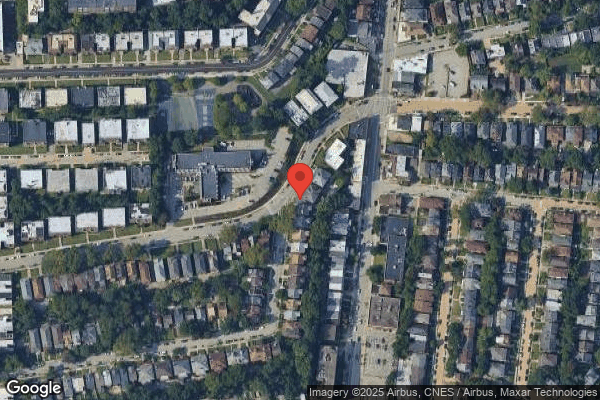
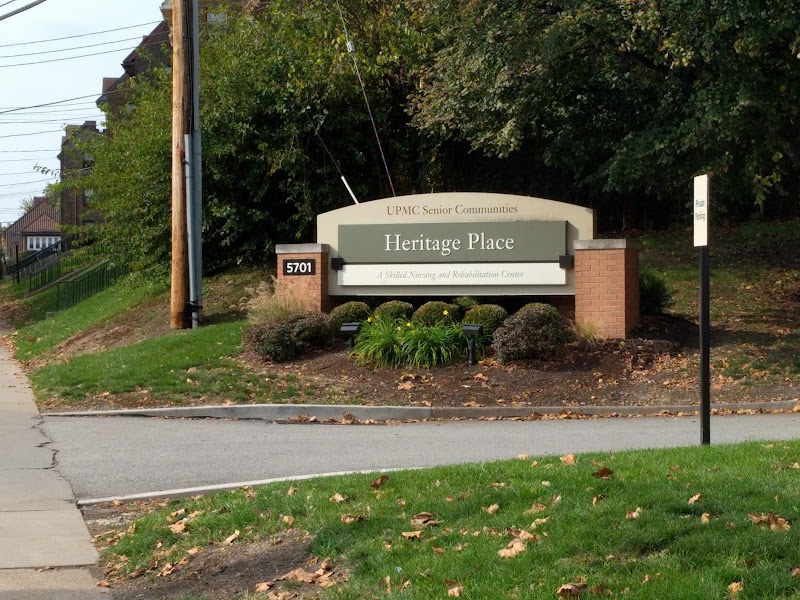
5701 PHILLIPS AVENUE, PITTSBURGH, PA 15217 (412) 422-5100
For profit - Limited Liability company 143 Beds WECARE CENTERS Data: November 2025
Trust Grade
13/100
#571 of 653 in PA
Last Inspection: December 2024

Within standard 12-15 month inspection cycle. Federal law requires annual inspections.

Overview

Heritage Care Center has received a Trust Grade of F, indicating significant concerns about the quality of care provided, which is among the lowest in Pennsylvania. Ranking #571 out of 653 facilities statewide places it in the bottom half, and #38 out of 52 in Allegheny County suggests only a few local options are better. While the facility has shown improvement in reducing issues from 60 in 2024 to just 7 in 2025, it still has serious deficiencies, including cases of neglect that resulted in actual harm to residents, such as dislocated shoulders and other injuries due to inadequate supervision. Staffing is a concern with an 82% turnover rate, significantly above the state average, although RN coverage is better than 79% of facilities, which helps catch issues that other staff might miss. Additionally, the facility has incurred fines totaling $23,055, indicating average compliance problems, and this situation warrants careful consideration for families exploring care options.

Trust Score
F
13/100
In Pennsylvania
#571/653
Bottom 13%
Safety Record
High Risk
Review needed
Inspections
Getting Better
60 → 7 violations
Staff Stability
⚠ Watch
82% turnover. Very high, 34 points above average. Constant new faces learning your loved one's needs.
Penalties
○ Average
$23,055 in fines. Higher than 64% of Pennsylvania facilities. Some compliance issues.
Skilled Nurses
✓ Good
Each resident gets 48 minutes of Registered Nurse (RN) attention daily — more than average for Pennsylvania. RNs are trained to catch health problems early.
Violations
⚠ Watch
96 deficiencies on record. Higher than average. Multiple issues found across inspections.
★☆☆☆☆
1.0
Overall Rating
★★☆☆☆
2.0
Staff Levels
★★★☆☆
3.0
Care Quality
★☆☆☆☆
1.0
Inspection Score
Stable
2024: 60 issues
2025: 7 issues

The Good

  • Full Sprinkler Coverage · Fire safety systems throughout facility
  • No fines on record

Facility shows strength in fire safety.

The Bad

1-Star Overall Rating

Below Pennsylvania average (3.0)

Significant quality concerns identified by CMS

Staff Turnover: 82%

35pts above Pennsylvania avg (46%)

Frequent staff changes - ask about care continuity

Federal Fines: $23,055

Below median ($33,413)

Minor penalties assessed

Chain: WECARE CENTERS

Part of a multi-facility chain

Ask about local staffing decisions and management

Staff turnover is very high (82%)

34 points above Pennsylvania average of 48%

The Ugly 96 deficiencies on record

3 actual harm
Sept 2025 1 deficiency
CONCERN (D) 📢 Someone Reported This

A family member, employee, or ombudsman was alarmed enough to file a formal complaint

Potential for Harm - no one hurt, but risky conditions existed

Deficiency F0627 (Tag F0627)

Could have caused harm · This affected 1 resident

**NOTE- TERMS IN BRACKETS HAVE BEEN EDITED TO PROTECT CONFIDENTIALITY** Based on a review of facility policy, clinical record review, and staff interviews, it was determined that the facility failed t...

Read full inspector narrative →
**NOTE- TERMS IN BRACKETS HAVE BEEN EDITED TO PROTECT CONFIDENTIALITY** Based on a review of facility policy, clinical record review, and staff interviews, it was determined that the facility failed to develop and implement discharge planning processes that focused on residents discharge goals for one out of three discharged residents sampled (Resident R1).Findings Include: Review of facility policy Transfer or Discharge, Preparing a Resident for, dated 9/5/25, previously reviewed 9/25/24, indicated residents will be prepared in advance for discharge. When a resident is scheduled for transfer or discharge, the business office will notify nursing services of the transfer or discharge so that appropriate procedures can be implemented. A post-discharge plan is developed for each resident prior to his or her transfer or discharge. The plan will be reviewed with the resident, and/or his or her family, at least twenty-four (24) hours before the resident's discharge or transfer from the facility. Nursing services is responsible for:- obtaining orders for discharge or transfer, as well as recommended discharge services and equipment;- preparing the discharge summary and post-discharge plan;- preparing the medications to be discharged with the resident (as permitted by law);- providing the resident or representative (sponsor) with required documents (i.e., discharge summary and plan);- completing discharge note in the medical record. Review of facility policy Transfer or Discharge Documentation, dated 9/5/25, previously reviewed 9/25/24, indicated when a resident is transferred or discharged , details of the transfer or discharge will be documented in the medical record and appropriate information will be communicated to the receiving health care facility or provider. When a resident is transferred or discharged from the facility, the followingInformation will be documented in the medical record:- The basis for the transfer or discharge;- That an appropriate notice was provided to the resident and/or legal representative;- The date and time of the transfer or discharge;- The new location of the resident;- A summary of the resident's overall medical, physical, and mental condition;- Disposition of personal effects;- Disposition of medications;- The signature of the person recording the data in the medical record.Should a resident be transferred or discharged for any reason, the following information will communicated to the receiving facility or provider:- The basis for transfer or discharge;- Contact information of the practioner responsible for the care of the residents;- Resident representative information including contact information;- Advance directive information;- All special instructions or precautions for ongoing care, as appropriate;- Comprehensive care plan goals; and- All other necessary information, including a copy of the residents discharge summary, and any other documentation, as applicable, to ensure a safe and effective transition of care. A review of the Resident Assessment Instrument 3.0 User's Manual effective October 2019 indicated that a Brief Interview for Mental Status (BIMS, a screening test that aides in detecting cognitive impairment). The BIMS total score suggests the following distributions:13-15: cognitively intact8-12: moderately impaired0-7: severe impairment Review of the clinical record indicated Resident R1 was admitted to the facility on [DATE]. Review of Resident R1's MDS (Minimum Data Set, periodic assessment of resident care needs) dated 7/31/25, indicated diagnoses cerebral infarction (a stroke, happens when a blood clot or broken vessel prevents blood from getting to the brain), Moyamoya disease (rare, progressive cerebrovascular condition characterized by the narrowing of arteries at the base of the brain, which reduces blood flow) , and diabetes mellitus (group of diseases that affects how your body uses blood sugar (glucose), leading to high blood sugar levels and potential health complications). The Cognitive Patterns Section C0500, Brief Interview for Mental Status (BIMS) revealed that Resident R1 was cognitively intact with a score of 15. The Participation in Assessment and Goal Setting Section Q0130, Resident's Overall Goal for Discharge indicated a 1: Discharge to the Community; Section Q0400, Discharge Plan: Is active discharge planning already occurring for the resident to return to the community?, was coded a 1, indicating yes. Review of Resident R1's clinical progress note date 7/27/25, revealed that he/she would like to be transferred to another facility stating that he/she is familiar with the facility and would like to go tomorrow. Further review of clinical progress notes on 7/31/25, 8/7/25, and 8/14/25, indicated Discharge Plan (location/with who and services needed): home with paid caregiver. Review of Resident R1 comprehensive care plan, initiated 7/28/25, failed to reveal any information related to discharge planning or goals of care to return to the community. Review of Resident R1's physician progress note date 8/18/25, for service date 8/14/25, revealed that goal for him/her to return home with caregivers pending therapy progress and ongoing evaluation by IDT (interdisciplinary team). Further review of physician progress note dated 8/28/25, for service date 8/21/25, revealed that he/she told physician he/she will be going home Saturday and does not have any concerns regarding discharge. Further review of clinical record failed to reveal any progress notes or documentation regarding Resident R1's discharge plans or goals; failed to provide evidence that the facility obtained a physician's order for discharge; and failed to provide evidence that the facility documented and provided resident or caregiver(s) a discharge summary to include a post-discharge plan of care. During an interview on 9/10/25, at 12:40 p.m., the Director of Nursing (DON) confirmed that the facilityfailed to develop and implement discharge planning processes that focused on residents discharge goals for one out of three discharged residents sampled (Resident R1). 28 Pa. Code 201.14(a) Responsibility of licensee28 Pa. Code 201.18(b)(1) Management28 Pa. Code 201.29(a) Resident rights.28 Pa. Code 211.10(a) Resident care policies.28 Pa. Code 211.12(d)(1)(3)(5) Nursing services
Aug 2025 3 deficiencies
CONCERN (D) 📢 Someone Reported This

A family member, employee, or ombudsman was alarmed enough to file a formal complaint

Potential for Harm - no one hurt, but risky conditions existed

Pressure Ulcer Prevention (Tag F0686)

Could have caused harm · This affected 1 resident

**NOTE- TERMS IN BRACKETS HAVE BEEN EDITED TO PROTECT CONFIDENTIALITY** Based on review of resident clinical records and staff interview, it was determined that the facility failed to accurately asses...

Read full inspector narrative →
**NOTE- TERMS IN BRACKETS HAVE BEEN EDITED TO PROTECT CONFIDENTIALITY** Based on review of resident clinical records and staff interview, it was determined that the facility failed to accurately assess pressure ulcers for two of seven residents (Resident R1 and R4).Findings include:Review of the clinical record indicated that Resident R1 was admitted to the facility on [DATE].Review of the Minimum Data Set (MDS - periodic assessment of care needs) dated 7/7/25, indicated that Resident R1 had diagnoses that included history of chronic obstructive pulmonary disease (a progressive lung disease that makes breathing increasingly difficult), hypertension and anxiety.Review of Resident R1 Wound Assessment report dated 8/15/25, resident has an unstageable pressure ulcer on right later half acquired 7/2/25.Review of a physician order dated 7/7/25, indicated to cleanse with wound cleanser, apply betadine to base of thewound, leave open to air, change Q Shift. Review of Resident R1's July TAR indicated the treatment was not documented as completed on 7/11/25, 7/12/25, 713/25, 7/16/25, 7/18/25, 7/19/25, 7/27/25, 7/27/25 and 7/30/25.Review of Resident R1's August TAR indicated the treatment was not documented as completed on8/1/25, 8/3/25, 8/4/25, 8/9/25, 8/10/25 and 8/13/25. Review of the clinical record indicated that Resident R4 was admitted to the facility on [DATE].Review of the Minimum Data Set (MDS - periodic assessment of care needs) dated 5/26/25, indicated that Resident R4 had diagnoses that included history of chronic obstructive postlaminectomy syndrome (a condition characterized by persistent pain in the neck or back following spinal surgery), diabetes mellitus and morbid obesity.Review of Resident R4 Wound Assessment report dated 6/4/25, resident had a lumbar spine surgical wound acquired 5/22/25.Review of a physician order dated 6/1/25, indicated to cleanse with wound cleanser, secure with Bordered gauze, change daily, day shift.Review of Resident R4's June TAR indicated the treatment was not documented as completed on 6/17/25, 6/21/25, 6/22/25, 6/23/25, 6/24/25, 6/25/25 and 6/26/25.During an interview on 8/18/25, at 2:00 p.m. the Director of Nursing confirmed the facility failed to complete treatments as ordered for two of seven residents (Resident R1, R4). 28 Pa. Code: 211.12(d)(1)(5) Nursing services.
CONCERN (E) 📢 Someone Reported This

A family member, employee, or ombudsman was alarmed enough to file a formal complaint

Potential for Harm - no one hurt, but risky conditions existed

Deficiency F0698 (Tag F0698)

Could have caused harm · This affected multiple residents

**NOTE- TERMS IN BRACKETS HAVE BEEN EDITED TO PROTECT CONFIDENTIALITY** Based on review of resident clinical records and staff interview it was determined the facility failed to have active physician ...

Read full inspector narrative →
**NOTE- TERMS IN BRACKETS HAVE BEEN EDITED TO PROTECT CONFIDENTIALITY** Based on review of resident clinical records and staff interview it was determined the facility failed to have active physician orders for dialysis for two of two residents (Resident R2 and R3).Findings include: Review of the clinical record indicated that Resident R2 was admitted to the facility on [DATE].Review of Resident R2's Minimum Data Set (MDS- a periodic assessment of care needs) dated 4/29/25, indicated with the diagnoses of end stage kidney disease (a condition where the kidney reaches advanced state of loss of function), diabetes mellitus (a chronic metabolic disease characterized by high blood sugar levels), and chronic kidney disease. Review of Resident R2's MDS Section O for Special Treatments and Procedures. J1 Dialysis indicated resident was receiving dialysis as a resident at the facility. Review of R2's physician order dated 7/31/25, indicated the resident has no active order for dialysis.Review of the clinical record indicated that Resident R3 was admitted to the facility on [DATE].Review of Resident R3's Minimum Data Set (MDS- a periodic assessment of care needs) dated 7/28/25, indicated with the diagnoses of end stage kidney disease (a condition where the kidney reaches advanced state of loss of function), diabetes mellitus (a chronic metabolic disease characterized by high blood sugar levels), and anxiety disease. Review of Resident Rs's MDS Section O for Special Treatments and Procedures. J1 Dialysis indicated resident was receiving dialysis as a resident at the facility. Review of R3's physician order dated 7/25/25, indicated the resident has no active order for dialysis.Interview on 8/19/25, at 2:00 p.m. the Director of Nursing confirmed Resident R3 and 4's physician orders failed to include an order for dialysis. 28 Pa. Code: 201.14(a) Responsibility of licensee.28 Pa. Code: 211.5(f) Medical records.28 Pa. Code: 211.12(c)(d)(1)(3)(5) Nursing services.
CONCERN (F) 📢 Someone Reported This

A family member, employee, or ombudsman was alarmed enough to file a formal complaint

Potential for Harm - no one hurt, but risky conditions existed

Food Safety (Tag F0812)

Could have caused harm · This affected most or all residents

Based on observations and staff interview, it was determined that the facility failed to properly store food products and failed to maintain sanitary conditions which created the potential for cross c...

Read full inspector narrative →
Based on observations and staff interview, it was determined that the facility failed to properly store food products and failed to maintain sanitary conditions which created the potential for cross contamination (Main Kitchen). Findings include: During an observation of the main designated kitchen on 8/18/25, at 10:30 a.m. the following was observed:- 1 container of mashed potatoes, no cover - 1 container of food thickener, no cover, not labelled, no date - Food Slicer: dried food, brown debris- Roucoup: dried food, debris - Steamer: food debris- bottom storage shelving of steam table: food debris- wall, ceiling beside clean side of dishwasher, brown debris During an interview on 8/18/25, Dietary Manager Employee E1 confirmed that the facility failed to properly store food products and maintain sanitary conditions in the main kitchen which created the potential for cross contamination. 28 Pa. Code: 201.18(b)(1) Management.28 Pa. Code: 211.6(c) Dietary services.28 Pa. Code: 201.14(a) Responsibility of licensee.
Feb 2025 3 deficiencies
CONCERN (E) 📢 Someone Reported This

A family member, employee, or ombudsman was alarmed enough to file a formal complaint

Potential for Harm - no one hurt, but risky conditions existed

Deficiency F0557 (Tag F0557)

Could have caused harm · This affected multiple residents

Based on a review of facility policies,documents, observations and staff interviews it was determined that the facility failed to provide a dignified dining experience on 2/19/25, during the lunch mea...

Read full inspector narrative →
Based on a review of facility policies,documents, observations and staff interviews it was determined that the facility failed to provide a dignified dining experience on 2/19/25, during the lunch meal service to four of seven residents. (Resident R1, R2, R3, and R4). Findings include: A review of facility Dignity policy dated 9/25/24, indicated that residents are treated with dignity and respect at all times. During a review of facility document Residents with staff feed printed on 2/19/25, it was revealed that Resident R1 and R2 required staff to feed the resident. During an observation on 2/19/25, at 12:35 pm it was revealed that Resident R1 was laying in bed being feed by a Nursing Assistant (NA) that was standing over her at the bedside. During an interview on 2/19/25, at 12:39 Registered Dietitian (RD) Employee E1 confirmed that the NA was standing over Resident R1 while she was feeding the resident which failed to provide a dignified dining experience for the resident. During an observation at of tray delivery on 2/19/25, it was observed that the trays arrived on the nursing unit at 12:20 pm at 12:30 pm Resident R 3 was standing at the door of his room asking when he was going to receive his meal tray. He confirmed that his roommate received his meal tray a long time ago. Further observation revealed that Resident R4 had not received her meal tray and her roommate had received her meal. During an observation of meal tray service on 2/19/25, at 12:35 pm during the lunch meal service it was determined that the facility failed to properly place meal trays into the tray delivery cart to make certain that residents roomed together received their meals at the same time. During an interview on 2/19/25, at 12:40 pm RD Employee E1 confirmed that the facility failed to deliver Resident R3 and R4's meal trays on the correct delivery cart resulting in a delay of their meal tray delivery and failed to provide a dignified dining experience to Resident R3 and R4. During an observation on 2/19/25, at 12:50 pm it was revealed that Resident R2 was laying in bed and being feed by a NA that was standing over the resident while the resident was being fed. During an interview on 2/19/25, at 12:55 Registered Nurse Manager Employee E2 confirmed that by standing over the resident while being feed the facility failed to provide a dignified dining experience for the resident. Pa Code: 201.29(k) Resident rights Pa Code: 207.2(a) Administrator's responsibility
CONCERN (E) 📢 Someone Reported This

A family member, employee, or ombudsman was alarmed enough to file a formal complaint

Potential for Harm - no one hurt, but risky conditions existed

Deficiency F0801 (Tag F0801)

Could have caused harm · This affected multiple residents

Based on a review of facility job descriptions and staff interviews it was determined that the facility failed to provide a qualified Food Service Director (FSD) to manage the daily operations of the ...

Read full inspector narrative →
Based on a review of facility job descriptions and staff interviews it was determined that the facility failed to provide a qualified Food Service Director (FSD) to manage the daily operations of the Food Service Department for 99 days (11/22/24, through 2/18/25), Findings include: A review of the facility's Food Service Director job description date 9/25/24, revealed that the purpose of the FSD position is to plan, organize, develop and direct the overall operation of the Food Services department in accordance with established food service standards, policies, procedures and practices of the facility and requirements of current federal, state and local standards governing the facility and as may be directed by the Administrator to assure that quality nutritional services are provided as a daily basis and that the food services department is maintained in a clean, safe and sanitary manner. Education and Qualifications include: be a graduate of an accredited course in dietetic training approved by the American Dietetic Association or must be registered as a Food Service Director in Pennsylvania. During a tour of the Main Kitchen on 2/19/25, at 8:15 am Registered Dietitian (RD) Employee E1 confirmed that the facility currently did not employee a Food Service Director. During an interview with the Nursing Home Administrator on 2/19/25, at 1:30 pm it was confirmed that the facility has failed to provide a Full time Food Service Director to oversee the daily operations of the main kitchen since 11/24/24. During an interview on 2/20/25, at 12:50 pm the Nursing Home Administrator confirmed that the persons sharing responsibility of overseeing the daily operations of the main kitchen failed to meet the education and qualifications of a Food Service Director as required resulting in the facility failing to provide a qualified Food Service Director to oversee the daily operations of the food services department from 11/22/24. through 2/18/25. Pa Code: 211.6(c)(d) Dietary services
CONCERN (F) 📢 Someone Reported This

A family member, employee, or ombudsman was alarmed enough to file a formal complaint

Potential for Harm - no one hurt, but risky conditions existed

Food Safety (Tag F0812)

Could have caused harm · This affected most or all residents

**NOTE- TERMS IN BRACKETS HAVE BEEN EDITED TO PROTECT CONFIDENTIALITY** Based on a review of facility policies, observations and staff interviews, it was determined that the facility failed to properl...

Read full inspector narrative →
**NOTE- TERMS IN BRACKETS HAVE BEEN EDITED TO PROTECT CONFIDENTIALITY** Based on a review of facility policies, observations and staff interviews, it was determined that the facility failed to properly store chemicals, properly label and date food products, properly store food products, monitor and maintain records of refrigeration/freezer temperature logs to make certain refrigeration/freezers function properly, maintain the cleanliness and sanitation of the Main Kitchen. (Main Kitchen). Findings include: A review of facility Food Storage: policy date 9/25/24, revealed that Food storage areas shall be maintained in a clean, safe and sanitary manner. Cold foods will be maintained at temperatures at 41 ° F (degrees Fahrenheit) or below. All foods stored in the walk in refrigeration and freezers will be stored above the floor on shelves. Leftovers will be labeled and dated. Soaps, detergents, cleaning compounds are stored in separate storage areas. The Dining Services Managers, [NAME] or designee will check refrigerators, freezers twice daily for proper temperature maintenance. A review of facility Sanitation policy date 9/25/24, revealed that the food service area shall be maintained in a clean and sanitary manner, A tour of the Main Kitchen on 2/19/25, at 8:15 am revealed: * Dishmachine chemicals stored on the same rack of cans of applesauce and three gallon containers were being used to block the storeroom door from closing. * Food products in the storeroom failed to be dated with receiving dates * Number one cooler contained unlabeled and undated pre portioned containers of pineapple chunks and diced peaches * Number two door cooler contained undated pre portioned containers of chef salads, unlabeled and undated pre portioned containers of fruit cocktail and applesauce, undated opened containers of mayonnaise and [NAME] slaw dressing, and a tray of Indivdual unlabeled ham and cheese and turkey and cheese sandwiches on a tray dated with an expired date of 2/13/25. * Stored on the floor of the walk in refrigerator and marked with a receiving date of 2/13/25, were five cases of juice and six cases of milk. * Stored in the walk in refrigerator and freezer were food products stored out of their original case that the facility failed to properly label and date. * the cook's reach in refrigerator contained an unlabeled and undated pan of soup, an unlabeled and undated pan of cooked hamburgers and unlabeled and undated pre made sandwiches. * the exhaust hood contained a build up of grease and debris * the air vents over the cooking area contained a build up of dust and debris * the bulk head over food preparation tables contained a build up of dust and debris * the stove top and grill contained a build up of food particles, food spillage and grease. * a review of all refrigeration/freezer temperature logs revealed that the facility failed to monitor and record twice daily for proper temperature maintenance. During an interview on 2/19/25, at 8:40 am the Nursing Home Administrator and Register Dietitian Employee E1 confirmed that the facility failed to maintain the Main Kitchen in a clean, safe and sanitary manner, properly label and date food products, properly store chemicals separate from food products, and properly store food products from the floor which created the potential for food borne illness. Pa Code 211.6(c)(d)(f) Dietary services
Dec 2024 24 deficiencies
CONCERN (D)

Potential for Harm - no one hurt, but risky conditions existed

Deficiency F0554 (Tag F0554)

Could have caused harm · This affected 1 resident

**NOTE- TERMS IN BRACKETS HAVE BEEN EDITED TO PROTECT CONFIDENTIALITY** Based on review of observations and staff interview, it was determined that that the facility failed to determine it was safe to...

Read full inspector narrative →
**NOTE- TERMS IN BRACKETS HAVE BEEN EDITED TO PROTECT CONFIDENTIALITY** Based on review of observations and staff interview, it was determined that that the facility failed to determine it was safe to self-administer medications for two of five residents (Resident R19 and R24). Findings include: Review of the facility policy Self-Administration of Medications dated 9/25/24, indicated residents have the right to self-administer medications if the interdisciplinary team has determined it's clinically appropriate and safe for the resident to do so. Review of Resident R19's admission record indicated that she was admitted on [DATE], with diagnoses that included schizoaffective disorder (a mental health condition that is marked by a mix of schizophrenia symptoms, such as hallucinations and delusions, and mood disorder symptoms, such as depression, mania and a milder form of mania called hypomania.), Bipolar disorder (a chronic mood disorder that causes intense shifts in mood, energy levels and behavior) and dementia (is the loss of cognitive functioning- thinking, remembering, and reasoning - to such an extent that it interferes with a person's daily life and activities). Review of Resident R19's MDS assessment (MDS-Minimum Data Set assessment, periodic assessment of resident care needs) dated 11/7/24, indicated that the diagnoses remain current upon review. Review of Resident R19's physician orders dated 10/29/24, indicated to administer 0.5-2.5 mg/ml (milligram/milliliter) Ipratropium-Albuterol Solution (a combination medication used to help control symptoms of lung diseases). 3 ml inhale orally three times a day for COPD (a progressive lung disease causing obstructed airflow and breathing difficulties.) During an observation on 12/2/24, at 12:41 p.m. Licensed Practical Nurse, Employee E4 handed Resident R19 her nebulizer solution and left the room. LPN, Employee E4 was asked if she can administer her nebulizer by herself and LPN, Employee E4 stated she will take it by herself when she's ready. Review of Resident R19's clinical record on 12/2/24, at 12:42 p.m., failed to include a care plan, order for self-administration of treatment, or an interdisciplinary assessment. During an interview on 12/2/24, at 12:43 p.m. Registered Nurse, Employee E3 confirmed Resident R19 does not have a current order, care plan to self-administer a nebulizer treatment, or an interdisciplinary assessment. Review of the admission record indicated Resident R24 was admitted to the facility on [DATE], with diagnosis that include fracture of neck, muscle weakness and fracture of pelvis. Observation on 12/2/24, at 11:55 a.m. Resident R24 was sitting on bed, on bed side table there was a cup with 3 pills and a container of Ensure Plus (a milkshake-style nutritional supplement that provides concentrated calories and protein to help people who are malnourished or at risk of malnutrition). Resident R24 proceeded to take pills. During an interview on 12/2/24, at 12:05 p.m. Registered Nurse Employee E2 stated she did not watch Resident R24 take pills. Registered Nurse Employee E1 confirmed Resident R24 did not have orders for mediation self-administration. During an interview on 12/2/24, at 12:50 p.m. the Nursing Home Administrator confirmed the facility failed to determine it was safe to self-administer medications for two of three residents (Resident R19 and R24). 28 Pa. Code 201. 18(b)(1) Management 28 Pa Code:201.29(a)(d) Resident rights 28 Pa code:211.10(c)(d) Resident care policies 28 Pa Code:211.12(a)(c)(d)(1)(2)(5) Nursing services
CONCERN (D)

Potential for Harm - no one hurt, but risky conditions existed

Deficiency F0583 (Tag F0583)

Could have caused harm · This affected 1 resident

**NOTE- TERMS IN BRACKETS HAVE BEEN EDITED TO PROTECT CONFIDENTIALITY** Based on review of facility policy, observations and staff interview it was determined that the facility failed to uphold privac...

Read full inspector narrative →
**NOTE- TERMS IN BRACKETS HAVE BEEN EDITED TO PROTECT CONFIDENTIALITY** Based on review of facility policy, observations and staff interview it was determined that the facility failed to uphold privacy and dignity of resident information for one of three sampled resident (Resident R77). Findings Include: The facility Resident rights policy dated 9/25/24, indicated that Federal and state law guarantees certain basic rights to all residents of this facility. These rights include the resident's right to privacy and confidentiality. Review of Resident R77's admission record indicated she was originally admitted on [DATE], and readmitted on [DATE]. Review of Resident R77's MDS assessment (MDS-Minimum Data Set assessment: a periodic assessment of resident care needs) dated 11/6/24, indicated she had diagnoses that included dysphagia (difficulty swallowing), congestive heart failure (a progressive heart disease affecting pumping action of the heart muscles impacting circulation, swelling and shortness of breath), Alzheimer's dementia (a chronic or persistent disorder of the mental processes caused by brain disease or injury and marked by memory disorders, personality changes, and impaired reasoning), and hypertension (a condition impacting blood circulation through the heart related to poor pressure). These diagnoses were still current upon review. Review of Resident R77's care plan dated 6/6/24, indicated to provide food that is easy to chew. Review of Resident R77's physician orders dated 10/15/24, indicated Resident R77 was on a regular diet with pureed texture. During observations on 12/2/24, observations of the Third-floor nursing unit found the following: at 8:42 a.m. a sign was observed on Third-floor treatment cart reading: please do not give Resident R77 candy of any kind. she is on pureed diet. During observations on 12/3/24, observations of the Third-floor nursing unit found the following: At 9:34 a.m. a sign was observed on Third floor treatment cart reading: please do not give Resident R77 candy of any kind. she is on pureed diet. At 9:38 a.m. Resident R77's room was observed with a sign above her bed reading: please do not give Resident R77 candy. She is on a pureed diet. During an interview on 12/3/24, at 9:39 a.m. the Registered Nurse (RN) supervisor Employee E3 confirmed that the facility failed to uphold privacy and dignity of resident information for Resident R77 as required. 28 Pa. Code 201.18(b)(1) Management 28 Pa Code:201.29(a)(d) Resident rights 28 Pa code:211.10(c)(d) Resident care policies
CONCERN (D)

Potential for Harm - no one hurt, but risky conditions existed

Abuse Prevention Policies (Tag F0607)

Could have caused harm · This affected 1 resident

Based on review of facility policy, newly hired personnel records and staff interviews it was determined that the facility failed to properly screen an employment by completing a state background chec...

Read full inspector narrative →
Based on review of facility policy, newly hired personnel records and staff interviews it was determined that the facility failed to properly screen an employment by completing a state background check prior to hire for one out of five personnel records (Registered Nurse Employee E2). Findings include: The facility Abuse, Neglect, Exploitation and Misappropriation Prevention policy dated 9/25/24, indicated that the resident have the right to be free from abuse, neglect, misappropriation of resident property, and exploitation. Conduct employee background checks and not knowing employ or otherwise engage any individuals who has been found guilty of abuse or neglect and a disciplinary action in effect against his or her professional license by a state licensure body. The facility Background Screening Investigations policy dated 9/25/24, indicated that facility conducts employment background screening checks, reference checks, and criminal conviction investigation checks on all applicants. Background and criminal checks are completed prior to employment. Review of Registered Nurse (RN) Employee E2's personnel record indicated she was hired on 11/15/24. Review of RN Employee E2's personnel record did not include a completed state criminal background check prior to her date of hire. During an interview on 12/6/24, at 12:55 p.m. the Director of Nursing confirmed that the facility failed to properly screen RN Employee E2 by completing a state criminal background check prior to hire, as required. 28 Pa Code: 201.14(a) (c)(d)(e) Responsibility of licensee 28 Pa Code: 201.19 Personnel policies and procedures 28 Pa Code: 201.20 (a)(b)(c)(d) Staff development 28 Pa Code: 201.29 (d) Resident Rights 28 Pa Code 201.18(b)(1)(2)(e)(1) Management.
CONCERN (D)

Potential for Harm - no one hurt, but risky conditions existed

Transfer Requirements (Tag F0622)

Could have caused harm · This affected 1 resident

**NOTE- TERMS IN BRACKETS HAVE BEEN EDITED TO PROTECT CONFIDENTIALITY** Based on clinical record review and staff interview, it was determined that the facility failed to make certain that the necess...

Read full inspector narrative →
**NOTE- TERMS IN BRACKETS HAVE BEEN EDITED TO PROTECT CONFIDENTIALITY** Based on clinical record review and staff interview, it was determined that the facility failed to make certain that the necessary resident information was communicated to the receiving health care provider for two out of four residents sampled with facility-initiated transfers (Residents R48 and R53). The findings include: Review of policy Transfer or Discharge Documentation dated 9/25/24, indicated when a resident is transferred or discharged , details of the transfer or discharge will be documented in the medical record and appropriate information will be communicated to the receiving health care facility or provider. Review of Resident R48's clinical record indicated the resident was admitted to the facility on [DATE]. Review of Resident R48's MDS (Minimum Data Set, periodic assessment of resident care needs) dated 11/22/24, indicated diagnoses of cancer (a disease that occurs when cells in the body grow and spread uncontrollably), diabetes (a metabolic disorder in which the body has high sugar levels for prolonged periods of time), and depression. Review of Resident R48's clinical record revealed that the resident was transferred to the hospital on 9/23/24, and returned to the facility on 9/24/24. Review of Resident R48's clinical record revealed no documented evidence that the facility had communicated specific information to the receiving health care provider for the residents transferred and expected to return, which included the resident's care plan goals, advanced directive information, specific instructions for ongoing care, resident representative information, and all information necessary to meet the resident's specific needs at the receiving facility. Review of Resident R53's clinical record indicated the resident was admitted to the facility on [DATE]. Review of Resident R53's MDS dated [DATE], indicated the diagnoses of heart failure (a progressive heart disease that affects pumping action of the heart muscles), high blood pressure, and depression. Review of Resident R53's clinical record revealed that the resident was transferred to the hospital on [DATE], and returned to the facility on [DATE]. Review of Resident R53's clinical record revealed no documented evidence that the facility had communicated specific information to the receiving health care provider for the residents transferred and expected to return, which included the resident's care plan goals, advanced directive information, specific instructions for ongoing care, resident representative information, and all information necessary to meet the resident's specific needs at the receiving facility. During an interview on 12/5/24, at 1:26 p.m. the Nursing Home Administrator confirmed that the facility failed to make certain that the necessary resident information was communicated to the receiving health care provider for two out of four residents sampled with facility-initiated transfers (Residents R48 and R53). 28 Pa. Code 201.29 (a)(c.3)(2) Resident rights.
CONCERN (D)

Potential for Harm - no one hurt, but risky conditions existed

Deficiency F0660 (Tag F0660)

Could have caused harm · This affected 1 resident

**NOTE- TERMS IN BRACKETS HAVE BEEN EDITED TO PROTECT CONFIDENTIALITY** Based on review of clinical record review and interview with staff, it was determined that the facility failed to provide discha...

Read full inspector narrative →
**NOTE- TERMS IN BRACKETS HAVE BEEN EDITED TO PROTECT CONFIDENTIALITY** Based on review of clinical record review and interview with staff, it was determined that the facility failed to provide discharge planning that focuses on the resident's discharge goals and preparation of resident to be active partners in the discharge planning process that focuses on the resident's discharge planning and process for one of three residents (CR1). Findings include: Review of Closed Resident Record CR1's admission record indicated CR1 was admitted [DATE]. Review of CR1's Minimum Data Set (MDS-a periodic assessment of care needs) dated 9/3/24, indicated diagnoses of necrotizing fasciitis (rare but serious bacterial infection that causes the death of soft tissue in the body), heart disease, and diabetes mellitus. Review of CR1's progress notes dated 9/12/24, indicated resident left facility with brother, resident left with belongings, medication, medication list, and discharge instruction, nurse educated resident on wound care and follow up appointments. Review of CR1's progress notes dated 9/17/24, stated social worker received two voicemails from resident this afternoon stating he did not receive HHC (home health care) at discharge. Requested an order from physician after discussing. Social Worker apologized for discharge issue and promised to rectify situation for resident. During an interview on 12/4/24, at 2:00 p.m. the Social Service Director Employee E13 confirmed that the facility failed to implement discharge plan for Closed Record CR1 as required. 28. Pa. Code 211.16(a)(b) Social services.
CONCERN (D)

Potential for Harm - no one hurt, but risky conditions existed

Quality of Care (Tag F0684)

Could have caused harm · This affected 1 resident

**NOTE- TERMS IN BRACKETS HAVE BEEN EDITED TO PROTECT CONFIDENTIALITY** Based on review of clinical records, resident and staff interview it was determined that the facility failed to assess a CGM (co...

Read full inspector narrative →
**NOTE- TERMS IN BRACKETS HAVE BEEN EDITED TO PROTECT CONFIDENTIALITY** Based on review of clinical records, resident and staff interview it was determined that the facility failed to assess a CGM (continuous glucose monitoring device), obtain physician orders for care and management of and failed to have a care plan for care and management of the device for one of three residents (Resident R309). Findings include: Interview with the Nursing Home Administrator on 12/6/24, at 10:48 a.m. indicated the facility did not have a policy for CGM. Review of the admission record indicated Resident R309 admitted to the facility on [DATE]. Review of Resident R309's Minimum Data Set (MDS- a periodic assessment of care needs) dated 11/26/24, indicated the diagnoses of knee replacement, high blood pressure, and diabetes (a long-term condition in which the body has trouble controlling blood sugar and using it for energy). Review of Resident R309's current physician orders and care plan failed to include the CGM for care and management of. Interview with Resident R309 on 12/2/24, at 12:09 p.m. indicated she has a CGM in her arm and it is connected to her personal cell phone. Electronic communication with the Nursing Home Administrator on 12/5/24, at 2:34 p.m. indicated the facility does not have any residents with a CGM. Interview on 12/6/24, at 3:00 p.m. the Director of Nursing confirmed the facility failed to assess a CGM (continuous glucose monitoring device), obtain physician orders for care and management of and failed to have a care plan for care and management of the device for one of three residents (Resident R309). 28 Pa. Code 201. 18(b)(1) Management 28 Pa code:211.10(c)(d) Resident care policies 28 Pa. Code 211.11(d) Resident care plan. 28 Pa Code:211.12(a)(c)(d)(1)(2)(5) Nursing services
CONCERN (D)

Potential for Harm - no one hurt, but risky conditions existed

Pressure Ulcer Prevention (Tag F0686)

Could have caused harm · This affected 1 resident

**NOTE- TERMS IN BRACKETS HAVE BEEN EDITED TO PROTECT CONFIDENTIALITY** Based on review of facility policy, clinical records, observation, and interviews with staff, it was determined that the facilit...

Read full inspector narrative →
**NOTE- TERMS IN BRACKETS HAVE BEEN EDITED TO PROTECT CONFIDENTIALITY** Based on review of facility policy, clinical records, observation, and interviews with staff, it was determined that the facility failed to make certain residents were provided necessary treatment and services, consistent with professional standards of practice, for a pressure ulcer (PU/PIs- injuries to skin and underlying tissue resulting from prolonged pressure on the skin) for two of three residents (Resident R4, R35). Findings include: Review of the facility Pressure Ulcers/ Skin Breakdown-Clinical Protocol last reviewed 9/25/24, indicated the nursing staff and practitioner will assess and document an individual's significant risk factors for developing pressure ulcers. The nurse shall describe and document a full assessment of pressure sore including location, stage, length, width, and depth, and presence of exudates or necrotic tissue. The physician will order pertinent wound treatments, including pressure reduction surfaces, wound cleansing and debridement approaches, dressing, and application of topical agents. The physician will guide the care plan as appropriate. Review of the facility Care Plans, Comprehensive Person-Centered, last reviewed 9/25/24, indicated a comprehensive, person-centered care plan that includes measurable objectives and timetables to meet resident's physical, psychosocial, and functional needs is developed and implemented for each resident. Review of the admission record indicated Resident R35 was admitted to the facility on [DATE], with diagnoses of Alzheimer's disease (type of brain disorder that causes problems with memory, thinking and behavior), dementia (the loss of cognitive functioning - thinking, remembering, and reasoning - to such an extent that it interferes with a person's daily life and activities), and muscle wasting and atrophy. Review of Resident R35's Braden Scale Assessment (assessment tool used to predict the risk of developing pressure ulcer in patients. Score ranges from 6-23, with lower score signifying a greater risk for developing pressure ulcers. If less than 15, proceed to Care Plan and initiate intervention.) dated 10/4/24, indicated the resident score was 9.0, very high risk. Review of Resident R35's Minimum Data Set (MDS - a periodic assessment of care needs) dated 10/9/24, indicated the diagnoses were current. Section M-Skin Conditions M0210. Unhealed pressure ulcers indicated the resident does not have any pressure ulcers. Review of Resident R35's progress note dated 11/15/24, entered by Licensed Practical Nurse, Employee E7 indicated she was informed by a nursing instructor that the resident had a skin tear to her upper coccyx area. It was indicated a small open area was noted with no drainage, area was small and pink in color. The physician was notified and ordered for wound care to consult. There was no documentation of measurements of the wound. Review of Resident R35's progress note dated 11/18/24, entered by Nurse Practitioner, Employee E6, indicated the patient was seen for evaluation and management for coccyx wound that was found on routine skin exam. The resident had a stage 3 coccyx wound that measured 1cm (centimeter) x 0.8cm x 0.4cm with a moderate amount of serous (clear to yellow fluid that seeps from a wound) drainage. It was indicated to cleanse the wound with soap and water, pat dry. Apply collagen, calcium alginate (wound treatment) to base of wound. Secure with bordered gauze, change daily and as needed. Review of Resident R35's progress noted dated 11/25/24, entered by Nurse Practitioner, Employee E6 indicated the resident's coccyx wound reopened on 11/18/24. It was indicated to cleanse the wound with soap and water, pat dry. Apply collagen, calcium alginate to base of wound, secure with bordered gauze. Change daily and as needed. NP, Employee E6 stated please make sure there is a dressing on every shift. The wound measured 1 cm x 0.6 cm x 0.4 cm, with a moderate amount of serous. Review of the facility's Pressure Sore List dated 12/2/24, indicated Resident R35 developed a coccyx pressure ulcer on 11/25/24. Review of Resident R35's care plan on 12/3/24, at 10:12 a.m. failed to include a pressure ulcer care plan. Review of Resident R35's progress note dated 11/15/24, entered by Licensed Practical Nurse, Employee E7 indicated she was informed by a nursing instructor that the resident had a skin tear to her upper coccyx area. It was indicated a small open area was noted with no drainage, area was small and pink in color. The physician was notified and ordered for wound care to consult. There was no documentation of measurements of the wound. During an observation of Resident R35's dressing change on 12/3/24, at 11:27 a.m. there was no wound dressing intact on Resident R35's stage three coccyx wound. LPN, Employee E8 confirmed there was no order to change Resident R35's dressing prior to this morning. Observation of Resident R35's buttocks, revealed she developed a left buttock pressure ulcer. Review of the admission record indicated Resident R4 was admitted to the facility on [DATE], with diagnoses of congestive heart failure (heart can't pump enough blood to meet the body's needs), muscle wasting, and diabetes mellitus. Review of Resident R4's MDS dated [DATE], indicated the diagnoses were current. Review of Resident R4's admission assessment dated [DATE], indicated pressure injury on left buttock and coccyx, no measurements. Review of Resident R4's physician orders dated 10/1/24, indicated an order to clean and apply dressing. Resident R4's first documented measurements were 10/14/24, by Wound Vendor. During an interview on 12/3/24, at 10:04 a.m. the Director of Nursing confirmed the facility failed to make certain residents were provided necessary treatment and services, consistent with professional standards of practice, for a pressure ulcer (PU/PIs- injuries to skin and underlying tissue resulting from prolonged pressure on the skin) for two of three residents (Residents R4, and R35). 28 Pa. Code: 201.29(i) Resident Rights. 28 Pa. Code 211.10(c)(d) Resident Care Policies. 28 Pa. Code 211.12(d)(1)(3)(5) Nursing services.
CONCERN (D)

Potential for Harm - no one hurt, but risky conditions existed

Incontinence Care (Tag F0690)

Could have caused harm · This affected 1 resident

**NOTE- TERMS IN BRACKETS HAVE BEEN EDITED TO PROTECT CONFIDENTIALITY** Based on facility policy, clinical record review, and interview, the facility failed to ensure that appropriate treatment and se...

Read full inspector narrative →
**NOTE- TERMS IN BRACKETS HAVE BEEN EDITED TO PROTECT CONFIDENTIALITY** Based on facility policy, clinical record review, and interview, the facility failed to ensure that appropriate treatment and services were provided for one of four residents (Resident R11) with an indwelling urinary catheter. Findings include: Review of facility policy Catheter Care, Urinary dated 9/25/24, indicated to be sure the catheter tubing and drainage bag are kept off the floor and provide privacy. Review of the clinical record indicated Resident R11 was admitted to the facility on [DATE]. Review of Resident R11's Minimum Data Set (MDS - a periodic assessment of care needs) dated 11/7/24, indicated diagnoses of stroke, Non-Alzheimer's Dementia (dementia caused by other diseases with symptoms forgetfulness, limited social skills, and impaired thinking abilities that interfere with daily functioning), and obstructive uropathy (a condition in which flow of urine is blocked). Review of Resident R11's physician orders dated 8/15/24, indicated Foley catheter 16 French (the measure of the outer diameter of a catheter), 10 cc (cubic centimeter) balloon. Change every 30 days. Apply drainage bag when in bed. Review of Resident R11's current care plan indicated position catheter bag and tubing below the level of the bladder and away from entrance room door. Observation on 12/2/24, at 12:01 p.m. Resident R11 was positioned in bed with foley catheter drainage bag facing entrance door on the bed frame. The drainage bag was not covered with a dignity bag for privacy. Observation on 12/3/24, at 10:04 a.m. Resident R11 was positioned in bed with foley catheter drainage bag facing entrance door on the bed frame. The drainage bag was not covered with a dignity bag for privacy. Observation on 12/6/24, at 11:05 a.m. Resident R11 was positioned in bed with foley catheter drainage bag facing entrance door on the bed frame. The drainage bag was not covered with a dignity bag for privacy. Interview and tour with Unit Manager Registered Nurse (RN) Employee E3 on each of the observations above, confirmed the catheter drainage bag facing entrance door on the bed frame and the drainage bag was not covered with a dignity bag for privacy as required. Interview on 12/6/24, at 3:00 p.m. the Director of Nursing confirmed the facility failed to ensure that appropriate treatment and services were provided for one of four residents (Resident R11) with an indwelling urinary catheter. 28 Pa. Code 201. 18(b)(1) Management. 28 Pa code:211.10(c)(d) Resident care policies. 28 Pa Code:211.12(a)(c)(d)(1)(2)(5) Nursing services.
CONCERN (D)

Potential for Harm - no one hurt, but risky conditions existed

Tube Feeding (Tag F0693)

Could have caused harm · This affected 1 resident

**NOTE- TERMS IN BRACKETS HAVE BEEN EDITED TO PROTECT CONFIDENTIALITY** Based on review of facility policy, clinical record review, observation, and staff interview, it was determined that the facilit...

Read full inspector narrative →
**NOTE- TERMS IN BRACKETS HAVE BEEN EDITED TO PROTECT CONFIDENTIALITY** Based on review of facility policy, clinical record review, observation, and staff interview, it was determined that the facility failed to ensure that residents with an enteral feeding tube (a tube inserted in the stomach through the abdomen) received appropriate treatment and services to prevent potential complications for one of four residents (Residents R22). Findings include: Review of facility policy Enteral Tube Feeding via Continuous Pump dated 9/25/24, indicated the purpose of this procedure is to provide a guideline for the use of a pump for enteral feedings. Check the enteral nutrition label before administration. Refrigerate formulas that have been reconstituted in advance and discard within 24 hours. Discard formulas kept at room temperature within four hours. Review of Resident R22's clinical record indicated the resident was admitted to the facility on [DATE]. Review of Resident R22's Minimum Data Set (MDS - a periodic assessment of care needs) dated 11/6/24, indicated diagnoses of coronary artery disease (damage or disease in the heart's major blood vessels), high blood pressure, and cerebral infarction (necrotic tissue in the brain resulting loss of blood and oxygen to the brain). MDS Section K0520 indicated a feeding tube present. Review of current physician order indicated Two-Cal (a type of feeding that will supply a person with nutrients and minerals) to be administered for four hours daily in the evening. During a tour of unit on 12/2/24, at 11:30 a.m. Resident R22's enteral feeding was observed hanging at bedside with the date 11/29/24, written on the bag. Syringe was hanging on the pole in a bag undated, and the water flush bag was undated. During an interview on 12/2/24, at 1:10 p.m. Registered Nurse Employee E 24 stated she had taken down everything (enteral feeding, syringe, water, and tubing ) because she noticed the date of 11/29/24, on it and it should not have been there. During an interview on 12/2/24, at 3:00 p.m. the Director of Nursing confirmed that the facility failed to ensure that residents with an enteral feeding tube received appropriate treatment and services to prevent potential complications as required for one of four residents (Residents R22). 28 Pa. Code: 201.18(b)(1) Management. 28 Pa. Code: 211.10(c) Resident care policies. 28 Pa. Code: 211.12(d)(1) Nursing services.
CONCERN (D)

Potential for Harm - no one hurt, but risky conditions existed

Deficiency F0699 (Tag F0699)

Could have caused harm · This affected 1 resident

**NOTE- TERMS IN BRACKETS HAVE BEEN EDITED TO PROTECT CONFIDENTIALITY** Based on review of facility policy, resident record review, and staff interviews, it was determined that the facility failed to ...

Read full inspector narrative →
**NOTE- TERMS IN BRACKETS HAVE BEEN EDITED TO PROTECT CONFIDENTIALITY** Based on review of facility policy, resident record review, and staff interviews, it was determined that the facility failed to provide a trauma survivor with trauma informed care to eliminate or mitigate triggers that may cause re-traumatization of the resident for one of three residents (Resident R89). Findings include: Review of facility policy Trauma Informed Care and Culturally Competent Care dated 9/25/24, indicated that trauma-informed care is an approach to delivering care that involves understanding, recognizing, and responding to the effects of all types of trauma. A trauma-informed approach to care delivery recognizes the widespread impact and signs and symptoms of trauma in residents, and incorporates knowledge about trauma into care plans, policies, procedures, and practices to avoid re-traumatization. A guide to address the needs of trauma survivors by minimizing triggers and re-traumatization. Review of the clinical record indicated Resident R89 was admitted to the facility on [DATE]. Review of Resident R89's Minimum Data Set (MDS - a periodic assessment of care needs) dated 9/23/24, indicated diagnoses of Post Traumatic Stress Disorder (PTSD- a disorder that develops when a person has experienced or witnessed a scary, shocking, terrifying, or dangerous event), depression, and diabetes (a metabolic disorder in which the body has high sugar levels for prolonged periods of time). Review of Resident R89's care plan indicated that resident had PTSD but failed to identify what the triggers were and how to avoid them. During an interview on 12/4/24, at 10:58 a.m. Social Service Director Employee E13 confirmed that the facility failed to identify PTSD triggers for Resident R89 in order to eliminate or mitigate any triggers that may cause re-traumatization for the resident. 28 Pa. Code: 201.14(a) Responsibility of licensee. 28 Pa. Code: 201.18(b)(1) Management.
CONCERN (D)

Potential for Harm - no one hurt, but risky conditions existed

Drug Regimen Review (Tag F0756)

Could have caused harm · This affected 1 resident

**NOTE- TERMS IN BRACKETS HAVE BEEN EDITED TO PROTECT CONFIDENTIALITY** Based on clinical record review, facility policy review, and staff interviews, it was determined that the facility failed to ens...

Read full inspector narrative →
**NOTE- TERMS IN BRACKETS HAVE BEEN EDITED TO PROTECT CONFIDENTIALITY** Based on clinical record review, facility policy review, and staff interviews, it was determined that the facility failed to ensure Medication Regimen Reviews (MRR) were completed by the facility after the consultant pharmacist recommendations were made for two out of six months (July 2024 and September 2024). Findings include: The facility policy Medication Regimen Review reviewed 9/25/24, indicated that a drug regimen of each resident is reviewed at least once a month by a licensed pharmacist and includes a review of the resident ' s medical chart. Written communication is sent to the attending physician and Director of Nursing. Facility staff shall act upon all recommendations according to procedures for addressing MRR reviews. Review of Resident R53's admission record indicated she was admitted to the facility on [DATE]. Review of Resident R53's MDS assessment (Minimum Data Set assessment: MDS -a periodic assessment of resident care needs) dated 11/13/24, indicated the diagnoses of heart failure (a progressive heart disease that affects pumping action of the heart muscles), high blood pressure, and depression. Review of Resident R53's clinical pharmacy review notes on 12/4/24, at 10:00 indicated the following: June 2024 - no recommendations. July 2024- recommendations made. August 2024- no recommendations. September 2024-recommendations made. October 2024- no recommendations. November 2024 - recommendations made. During an interview on 12/4/24, at 2:10 p.m. the Director of Nursing (DON) stated I could only find November pharmacy review and failed to produce July 2024, and September 2024, pharmacy recommendations. During an interview on 12/4/24, at 2:15 p.m. the DON confirmed that the facility failed to ensure Medication Regimen Reviews were completed by the facility after the consultant pharmacist recommendations were made for two out of six months (July 2024 and September 2024). 28 Pa Code: 201.14 (a) Responsibility of licensee. 28 Pa. Code 211.5(f) Clinical records. 28 Pa. Code 211.9 (k) Pharmacy services.
CONCERN (D)

Potential for Harm - no one hurt, but risky conditions existed

Unnecessary Medications (Tag F0759)

Could have caused harm · This affected 1 resident

Based on observation, clinical record review, review of select manufacture's guidelines, and staff interview, it was determined that the facility failed to ensure a medication error rate below five pe...

Read full inspector narrative →
Based on observation, clinical record review, review of select manufacture's guidelines, and staff interview, it was determined that the facility failed to ensure a medication error rate below five percent (Resident R96, and R80). Findings include: The facility's medication error rate was 7.69% (percent) based on 26 medication opportunities with two medication errors. Observation of a medication administration pass on 12/2/24, at 9:26 a.m. revealed Registered Nurse (RN), Employee 1, failed to administer Resident R96's 17 gram Miralax (laxative medication used to treat occasional constipation or irregular bowel movements) in the morning as ordered. The Miralax was unavailable in the medication cart, and RN Employee E1 indicated he will return to administer Resident R96's Miralax. Review of the resident's clinical record on 12/2/24, at 12:29 p.m. indicated the Miralax was not administered because it was out of stock. Observation of a medication administration pass on 12/2/24, at 9:32 a.m. revealed RN Employee E1, failed to administer Resident R80's 4% topical Lidocaine patch in the morning as ordered. RN, Employee E1 indicated the lidocaine patch was unavailable. Review of the resident's clinical record on 12/2/24, at 12:31 p.m. revealed Resident R80 did not receive his Lidocaine Patch as ordered. Interview with the Nursing Home Administrator on 12/2/24, at 12:50 p.m. confirmed the facility failed to ensure a medication error rate below five percent (Resident R96 and R80). 28 Pa. Code 211.10(a) Resident care policies 28 Pa. Code 211.12(d)(1)(5) Nursing services
CONCERN (D)

Potential for Harm - no one hurt, but risky conditions existed

Deficiency F0809 (Tag F0809)

Could have caused harm · This affected 1 resident

Based on review of facility meal delivery times, observations and staff interview, it was determined that the facility failed to deliver meals in a timely manner for one of two meal observations (Thir...

Read full inspector narrative →
Based on review of facility meal delivery times, observations and staff interview, it was determined that the facility failed to deliver meals in a timely manner for one of two meal observations (Third floor). Findings include: The facility Cart delivery document indicated the following meal delivery times for the Third floor: 328 hallway/3-South meal cart will arrive at 12:10 p.m. 301 hallway/3-East meal cart will arrive at 12:14 p.m. 316 hallway/3-West meal cart will arrive at 12:17 p.m. During dining/meal observations on 12/2/24, the following was observed: at 12:37 p.m. the first lunch cart arrived for the Third floor 328 hallway/3-South. Lunch included caesar salad, roast turkey, tater tots, sherbet, coffee, and juice. at 12:41 p.m. the second lunch cart arrived for the Third floor 301 hallway/3-East. at 1:09 p.m. the third lunch cart arrived for the Third floor 316 hallway/3-West and main dining/common area. During an interview on 12/2/24, at 1:39 p.m. the Nursing Home Administrator (NHA) confirmed that the facility failed to deliver meals in a timely manner for residents on the Third floor as required. 28 Pa. Code: 211.6(a) Dietary services. 28 Pa Code: 201.29 (d) Resident rights
CONCERN (D)

Potential for Harm - no one hurt, but risky conditions existed

Medical Records (Tag F0842)

Could have caused harm · This affected 1 resident

**NOTE- TERMS IN BRACKETS HAVE BEEN EDITED TO PROTECT CONFIDENTIALITY** Based on review of facility policies and clinical records and staff interview, it was determined that the facility failed to mak...

Read full inspector narrative →
**NOTE- TERMS IN BRACKETS HAVE BEEN EDITED TO PROTECT CONFIDENTIALITY** Based on review of facility policies and clinical records and staff interview, it was determined that the facility failed to make certain that medical records on each resident are complete and accurately documented for one of three residents (Resident R53). Findings: Review of policy Medication and Treatment Orders date 9/25/24, indicated that orders for treatments will be consistent with principles of safe and effective order writing. The signing of orders shall be by signature. Review of Resident R53's admission record indicated she was admitted to the facility on [DATE]. Review of Resident R53's MDS assessment (Minimum Data Set assessment: MDS -a periodic assessment of resident care needs) dated 11/13/24, indicated the diagnoses of heart failure (a progressive heart disease that affects pumping action of the heart muscles), high blood pressure, and depression. Review of Resident R53's physician orders indicated to cleanse right posterior thigh with normal saline solution (a mixture of sodium chloride and water), apply Medihoney (a wound gel), and cover with border dressing daily from 11/10/24, through 11/12/24. Review of Resident R53's current physician orders indicated to cleanse right posterior thigh with Hibiclens (an antiseptic, antimicrobial, antibacterial soap used to clean the skin), apply triad (a zinc oxide-based wound dressing) and cover with border dressing daily from 11/13/24, through present. Review of Resident R53's Treatment Administration Record (TAR), dated November 2024, and December 2024, indicated the treatment was not signed off as being completed on 11/18/24, 11/19/24, 11/20/24, 11/21/24, 11/23/24,11/25/24, 11/27/24, and 12/3/24. During an interview on 12/5/24 at 12:05 p.m. Director of Nursing confirmed that the facility failed to make certain that medical records on each resident are complete and accurately documented for one of three residents (Resident R53). 28 Pa. Code: 211.5(f)(g)(h) Clinical records.
CONCERN (D)

Potential for Harm - no one hurt, but risky conditions existed

Deficiency F0847 (Tag F0847)

Could have caused harm · This affected 1 resident

**NOTE- TERMS IN BRACKETS HAVE BEEN EDITED TO PROTECT CONFIDENTIALITY** Based on review of facility documents, resident clinical record and staff interviews it was determined that the facility failed ...

Read full inspector narrative →
**NOTE- TERMS IN BRACKETS HAVE BEEN EDITED TO PROTECT CONFIDENTIALITY** Based on review of facility documents, resident clinical record and staff interviews it was determined that the facility failed to ensure a representative signed a binding arbitration agreement on the behalf of a resident lacking capacity to understand the agreement terms for one of three sampled residents (Resident R96). Findings include: The facility Alternative dispute resolution agreement form last reviewed 9/25/24, indicated that the resident, or the resident's authorized representative, has read this agreement in its entirety and understand the language in which it is written. A review of the Resident Assessment Instrument 3.0 User's Manual effective October 2019, indicated that a Brief Interview for Mental Status (BIMS, a screening test that aides in detecting cognitive impairment). The BIMS total score suggests the following distributions: 13-15: cognitively intact 8-12: moderately cognitive impaired 0-7: severe cognitive impairment Review of Resident R96's admission record indicated he was originally admitted on [DATE], and readmitted on [DATE]. Review of Resident R96's MDS assessment (Minimum Data Set assessment: MDS -a periodic assessment of resident care needs) dated 11/23/24, indicated he had diagnoses that included a history of failing, unspecified dementia (a condition characterized by memory loss and progressive or persistent loss of intellectual functioning), hypertension (a condition impacting blood circulation through the heart related to poor pressure), epilepsy (disorder of the brain characterized by repeated seizures) and bipolar disorder (a disorder associated with episodes of mood swings ranging from depressive lows to manic highs). The MDS assessment indicated that these diagnoses were the most current upon review. Review of Resident R96's MDS assessment Section C0500 (BIMS score) indicated a score of 11-moderately cognitive impairment. Review of Resident R96's hospital referral information dated 7/23/24, indicated a communication to the Admissions department and stated that Resident R96 had dementia, and suspected worsening neurocognitive impairment. Review of Resident R96's admission documentation indicated a signed arbitration agreement. The form was electronically signed by Resident R96 on 8/2/24. Review of Resident R96's care plan dated 11/26/24, indicated Resident R96 has impaired cognitive function/dementia or impaired thought processes related to dementia, provide cuing, reorient and supervise as needed. During an interview on 12/4/24, at 12:28 p.m. the Director of Nursing (DON) stated that Resident R96's 7/24/24, admission record from hospital and pre-admission documentation indicated he had diagnoses of dementia. During an interview on 12/4/24, at 1:08 p.m. Admissions coordinator Employee E23 stated: Resident R96 signed his arbitration agreement. It's in the electronic form. He has been here before. When he first came here, his family did not answer the phone. I believe I was told that if the BIMS is above ten that a resident can sign their arbitration agreement. During an interview on 12/5/24, at 11:18 a.m. the Nursing Home Administrator (NHA) confirmed that the facility failed to ensure a representative signed a binding arbitration agreement on the behalf of a Resident R96, who lacks capacity to understand the agreement terms. 28 Pa. Code 201.14(a) Responsibility of Licensee 28 Pa. Code 201.18(b)(2) Management 28 Pa. Code 201.24 (b) admission Policy 28 Pa. Code 201.29(a)(j) Resident Rights
CONCERN (D)

Potential for Harm - no one hurt, but risky conditions existed

Infection Control (Tag F0880)

Could have caused harm · This affected 1 resident

**NOTE- TERMS IN BRACKETS HAVE BEEN EDITED TO PROTECT CONFIDENTIALITY** Based on review of facility policy, resident clinical records, observation, and staff interviews, it was determined that the fac...

Read full inspector narrative →
**NOTE- TERMS IN BRACKETS HAVE BEEN EDITED TO PROTECT CONFIDENTIALITY** Based on review of facility policy, resident clinical records, observation, and staff interviews, it was determined that the facility failed to implement infection prevention and control monitoring policies for enhanced barrier precautions (EBP- a type of isolation requiring gloves, gowns, and possible face shield to be worn with care) for two of three residents (Resident R16 and R48), and failed to adhere to proper handwashing prior to insulin administratioin for one of two residents (Resident R16). Findings: A review of the facility policy Diabetic Care last reviewed 9/25/24, indicated the first step in the procedure to administering insulin is to wash hands. A review of the facility policy Enhanced Barrier Precautions last reviewed 9/25/24, indicated standard precautions apply to the care of all residents regardless of suspected or confirmed infection or colonization status. Staff are trained prior to caring for residents on EBP. Signs are posted in the door or wall outside the resident room indicated the type of precautions and PPE required. Review of Resident R16's physician order dated 9/21/24, indicated to implement enhanced barrier precautions every shift due to VRE (Vancomycin-resistant Enterococci-an infection with bacteria that are resistant to the antibiotic called vancomycin. and foley catheter. During an observation of Resident R16's medication administration on 12/2/24, at 9:06 a.m. Registered Nurse Employee E1 failed to wash his hands prior to administering the resident's insulin. Occupational Therapist, Employee E9 was observed providing direct care to Resident R16 without a gown. During an interview on 12/2/24, at 9:10 a.m. RN, Employee E1 confirmed he failed to wash his hands prior to administering Resident R16's insulin and the facility failed to implement enhanced barrier precautions. During an interview on 12/2/24, at 12:50 p.m. the Nursing Home Administrator confirmed the facility failed to implement infection prevention and control monitoring policies for enhanced barrier precautions for one of three residents (Resident R16). Review of Resident R48's clinical record indicated the resident was admitted to the facility on [DATE]. Review of Resident R48's Minimum Data Set (MDS - a periodic assessment of care needs) dated 11/22/24, indicated diagnoses of cancer (a disease that occurs when cells in the body grow and spread uncontrollably), diabetes (a metabolic disorder in which the body has high sugar levels for prolonged periods of time), and depression. MDS Section O0110 E1 indicated tracheostomy (an opening surgically created through the neck into the windpipe to allow air to fill the lungs) care. Review of Resident R48's current physician orders indicated Resident R48 was ordered EBP for tracheostomy. During clinical record review on 12/2/24, at 10:55 a.m. Resident R48 care plan indicated gloves and gown are worn for high contact care activities which include tracheostomy care. During an observation on 12/2/24, at 12:40 p.m. Registered Nurse (RN) Employee E24 walked into Resident R48's room, washed hands, applied gloves and provided tracheostomy care and suctioned extra secretions from the site and failed to wear a gown as required. During an interview on 12/2/24, at 12:47 p.m. RN Employee E24 confirmed that she did not wear a gown into an EBP room prior to providing tracheostomy care. During an interview on 12/2/24, at 3:00 p.m. Director of Nursing (DON) confirmed that the facility failed to implement infection prevention and control monitoring policies for enhanced barrier precautions for two of three residents (Resident R16 and R48), and failed to adhere to proper handwashing prior to insulin administratioin for one of two residents (Resident R16). 28 Pa. Code: 201.14(a) Responsibility of licensee. 28 Pa. Code 211.12(d)(1)(2)(3)(5) Nursing services.
CONCERN (E)

Potential for Harm - no one hurt, but risky conditions existed

Deficiency F0657 (Tag F0657)

Could have caused harm · This affected multiple residents

**NOTE- TERMS IN BRACKETS HAVE BEEN EDITED TO PROTECT CONFIDENTIALITY** Based on review of facility policy and clinical records and staff interview, it was determined that the facility failed to updat...

Read full inspector narrative →
**NOTE- TERMS IN BRACKETS HAVE BEEN EDITED TO PROTECT CONFIDENTIALITY** Based on review of facility policy and clinical records and staff interview, it was determined that the facility failed to update a care plan for three of ten residents (Residents R4, R33, and R60) to accurately reflect the current status of the resident. Findings include: Review of the facility policy Care Plans, Comprehensive Person-Centered dated 9/25/24, indicated the person-centered care plan describes services that are to be furnished to attain or maintain the resident's highest practicable physical, mental, and psychosocial well-being including services for each element of care. Review of the admission record indicated Resident R33 was admitted to the facility on [DATE]. Review of the Minimum Data Set (MDS - a periodic assessment of care needs) dated 9/3/24, indicated the diagnoses of high blood pressure, seizure disorder (a person experiences abnormal behaviors, symptoms, and sensations, sometimes including loss of consciousness), and hypothyroidism (thyroid gland doesn't produce enough thyroid hormone). Review of Resident R33's physician orders indicated: 11/22/24, hospice consult, and 10/29/24, do not resuscitate. Review of Resident R33's current POLST (Pennsylvania Orders for Life-Sustaining Treatment) indicated Do Not Attempt Resuscitation. Review of Resident R33's current care plan indicated resident is a full code (resuscitate) and failed to include a care plan for hospice. Review of clinical record indicated Resident R60 was admitted to the facility on [DATE], with diagnoses that included atherosclerotic heart disease (condition that occurs when plaque builds up in the arteries, narrowing them and reducing blood flow), mild protein-calorie malnutrition and abnormal weight loss. Review of Resident R60's MDS assessment, dated 10/16/24, indicated the diagnoses remain current. Review of Resident R60's physician orders dated 10/15/24, indicated No Added Salt, puree texture, thin consistency diet. Review of Resident R60's Resident Care Plan Summary Report (report nurse aides used to know what kind of care to provide) dated 9/2/24, indicated no added salt, minced/moist, regular, thin consistency. Review of clinical record indicated Resident R4 was admitted to the facility on [DATE], with diagnoses that included muscle wasting, congestive heart failure (heart can't pump enough blood to meet the body's needs) and chronic obstructive pulmonary disease (chronic lung disease that causes breathing problems and restricted airflow). Review of Resident R4's MDS assessment, dated 11/19/24, indicated the diagnoses remain current. Review of Resident R4's physician orders dated 10/1/24, indicated Fluid restriction 1.5L (liters) 900 ml (milliliter) from dietary, 600 ml from nursing AM-250 mls PM- 250 mls, HS-100 mls. Review of Resident R4's Resident Care Plan Summary Report dated 10/6/24, indicated to encourage fluids. During an interview on 12/3/24, at 2:00 p.m. Registered Dietitian E12 confirmed the facility failed to revise care plan for Resident R4, and R60 as required. Electronic communication with the Director of Nursing on 12/5/24, at 3:16 p.m. confirmed Resident R33's care plan incorrectly indicated resident is a full code (resuscitate) and failed to include a care plan for hospice. Interview with the Director of Nursing on 12/6/24, at 3:00 p.m. confirmed the facility failed to update a care plan for three of ten residents (Residents R4, R33, and R60) to accurately reflect the current status of the resident. 28 Pa. Code 211.11(d) Resident care plan. 28 Pa Code:211.12(a)(c)(d)(1)(2)(5) Nursing services
CONCERN (E)

Potential for Harm - no one hurt, but risky conditions existed

Respiratory Care (Tag F0695)

Could have caused harm · This affected multiple residents

**NOTE- TERMS IN BRACKETS HAVE BEEN EDITED TO PROTECT CONFIDENTIALITY** Based on review of facility policies, observations, clinical record review, and staff interview, it was determined that the faci...

Read full inspector narrative →
**NOTE- TERMS IN BRACKETS HAVE BEEN EDITED TO PROTECT CONFIDENTIALITY** Based on review of facility policies, observations, clinical record review, and staff interview, it was determined that the facility failed to provide appropriate respiratory care for three of four residents (Residents R19, R42, and R53). Findings include: Review of the facility policy Administering Medications through a Small Volume Nebulizer (a small machine that turns liquid medicine into a mist that can be inhaled) dated 9/25/24, indicated when equipment is completely dry, store in a plastic bag with the resident's name and the date on it. Review of the facility policy Respiratory Therapy-Prevention of Infections dated 9/25/24, indicated the purpose of this procedure is to guide prevention of infection associated with respiratory therapy tasks, equipment among residents. Change the oxygen nasal cannula (a tubing the provides oxygen to a resident through their nose) and tubing every seven days, or as needed. Review of the clinical record indicated that Resident R19 was admitted to the facility on [DATE]. Review of Resident R19's Minimum Data Set (MDS - periodic assessment of care needs) dated 11/7/24, indicated diagnoses of schizoaffective disorder (a mental health condition that is marked by a mix of schizophrenia symptoms, such as hallucinations and delusions, and mood disorder symptoms, such as depression, mania and a milder form of mania called hypomania), Bipolar disorder (a chronic mood disorder that causes intense shifts in mood, energy levels and behavior) and dementia (the loss of cognitive functioning- thinking, remembering, and reasoning - to such an extent that it interferes with a person's daily life and activities). Review of Resident R19's current physician orders indicated Ipratropium-Albuterol Solution (medication that makes it easier to breathe) inhale orally three times a day for (COPD) chronic obstructive pulmonary disease - a group of diseases that block airflow and make it hard to breathe. Review of Resident R19's current care plan indicated give aerosol as ordered. Monitor/document any side effects and effectiveness. Observation on 12/2/24, at 11:59 a.m. Resident R19's nebulizer mask was on the bedside stand without a date and not covered with a bag as required. Review of the clinical record indicated that Resident R42 was admitted to the facility on [DATE]. Review of Resident R42's MDS dated [DATE], indicated the diagnoses of stroke, hemiplegia (paralysis of one side of the body), and Alzheimer's disease (a progressive disease that destroys memory and other important mental functions). Review of Resident R42's current physician orders indicated albuterol sulfate (medication that makes it easier to breathe) inhale orally via nebulizer every eight hours for wheezing. Review of Resident R42's current care plan indicated the resident has altered respiratory status. Difficulty breathing with the need for nebulizers. Observation on 12/2/24, at 9:30 a.m. Resident R42's nebulizer mask was on the bedside stand without a date and not covered with a bag as required. Interview with Unit Manager Registered Nurse (RN) Employee E3 on 12/2/24, at 12:05 p.m. confirmed Resident R19 and Resident R42's nebulizer masks were on the bedside stand without a date, and not covered with a bag as required. Review of Resident R53's clinical record indicated the resident was admitted to the facility on [DATE]. Review of Resident R53's MDS dated [DATE], indicated the diagnoses of heart failure (a progressive heart disease that affects pumping action of the heart muscles), high blood pressure, and depression. Review of Resident R53's current physician orders indicated oxygen four liters via nasal cannula for oxygen dependency. Review of Resident R53's current care plan indicated the resident has altered respiratory status. Provide oxygen as indicated. During an observation on 12/2/24, at 1:05 p.m. Resident R53's was lying in bed with oxygen. The nasal cannula failed to have a date on it when it was last changed. During an Interview on 12/2/24, at 1:10 p.m. RN Employee E1 confirmed Resident R53's nasal cannula failed to have a date on the tubing. Interview on 12/6/24, at 3:00 p.m. the Director of Nursing confirmed the facility failed to provide appropriate respiratory care for three of four residents (Residents R19, R42, and R53). 28 Pa. Code: 201.14(a) Responsibility of licensee 28 Pa. Code 211.12(d)(1)(2)(5) Nursing services
CONCERN (E)

Potential for Harm - no one hurt, but risky conditions existed

Deficiency F0698 (Tag F0698)

Could have caused harm · This affected multiple residents

**NOTE- TERMS IN BRACKETS HAVE BEEN EDITED TO PROTECT CONFIDENTIALITY** Based on review of resident clinical records, facility policy and staff interview it was determined the facility failed to provi...

Read full inspector narrative →
**NOTE- TERMS IN BRACKETS HAVE BEEN EDITED TO PROTECT CONFIDENTIALITY** Based on review of resident clinical records, facility policy and staff interview it was determined the facility failed to provide consistent and complete communication with the dialysis center for two of two residents (Resident R63, and R86), and failed to have a care plan for monitoring of access site for one of two residents (Resident R86). Findings include: Review of the facility policy End-Stage Renal Disease, Care of a Resident with dated 9/25/24, indicated residents with end-stage renal disease (ESRD) will be cared for according to currently recognized standards of care. The agreements between the facility and the ESRD facility will include how information will be exchanged between the facilities; and the resident's care plan will reflect the resident's needs related to ESRD and dialysis (a treatment that removes excess water, waste, and toxins from the blood when the kidneys are no longer functioning properly) care. Review of the admission record indicated Resident R63 admitted to the facility on [DATE]. Review of Resident R63's Minimum Data Set (MDS- a periodic assessment of care needs) dated 10/17/24, indicated the diagnoses of high blood pressure, End Stage Renal Disease (kidneys cease to function on a permanent basis leading to the need for a regular course of long-term dialysis or a kidney transplant to maintain life), and heart failure (heart doesn't pump blood as well as it should). Review of Resident R63's physician orders date 10//16/24, indicated Dialysis three times weekly on Monday, Wednesday, and Friday. Send dialysis (ROV) record of visit to dialysis center on every treatment day. Review of Resident R63's care plan dated 11/14/24, indicated the resident will have immediate intervention should any signs of complications from dialysis occur. Review of Resident R63's dialysis communication sheets indicated missing and/or incomplete documents on the past 13 dialysis visits: 12/2/24, 11/29/24, 11/26/24, 11/22/24, 11/20/24, 11/18/24, 11/15/24, 11/13/24, 11/11/24, 11/8/24, 11/6/24, 11/4/24, and 11/1/24. Interview with Unit Manager Registered Nurse (RN) Employee E3 on 12/2/24, at 2:04 p.m. confirmed the dialysis communication sheets were missing and/or incomplete for Resident R63 for the last 13 dialysis visits. Review of the admission record indicated Resident R86 admitted to the facility on [DATE]. Review of Resident R86's MDS dated [DATE], indicated the diagnoses of heart failure, high blood pressure, and ESRD with dialysis. Review of Resident R86's current physician orders indicated dialysis every Monday, Wednesday, and Friday. Obtain ROV record from dialysis and record weight for each treatment date. AV shunt (AV - arteriovenous shunt or graft - a connection that is made between and artery and vein for dialysis access) right arm. Monitor for bruit (swooshing sound) and thrill (vibration felt over a fistula) every day. Call provider if absent. Review of Resident R86's care plan dated 11/20/24, indicated the resident will have no signs of complication from dialysis. The care plan failed to include care and management of the AV shunt. Review of Resident R86's dialysis communication sheets indicated missing and/or incomplete documents on the past 13 dialysis visits: 11/29/24, 11/27/24, 11/25/24, 11/22/24, 11/20/24, 11/18/24, 11/15/24, 11/13/24, 11/11/24, 11/8/24, 11/6/24, 11/4/24, and 11/1/24. Interview with Unit Manager Registered Nurse (RN) Employee E3 on 12/2/24, at 2:06 p.m. confirmed the dialysis communication sheets were missing and/or incomplete for Resident R86 for the last 13 dialysis visits. Interview on the 12/6/24, at 3:00 p.m. the Director of Nursing confirmed the facility failed to provide consistent and complete communication with the dialysis center for two of two residents (Resident R63, and R86), and failed to have a care plan for monitoring of access site for one of two residents (Resident R86). 28 Pa. Code 201. 18(b)(1) Management 28 Pa code:211.10(c)(d) Resident care policies 28 Pa. Code 211.11(d) Resident care plan. 28 Pa Code:211.12(a)(c)(d)(1)(2)(5) Nursing services
CONCERN (E)

Potential for Harm - no one hurt, but risky conditions existed

Deficiency F0730 (Tag F0730)

Could have caused harm · This affected multiple residents

Based on review of personnel files and staff interview it was determined that the facility failed to complete annual nurse aid employee evaluations for three of three sampled records (Nurse aide (NA) ...

Read full inspector narrative →
Based on review of personnel files and staff interview it was determined that the facility failed to complete annual nurse aid employee evaluations for three of three sampled records (Nurse aide (NA) Employees E14, E15, and E16). Findings include: A request to review the annual performance evaluations for NA Employees E14, E15, and E16 revealed no documented evidence that the facility has completed annual performance appraisals as required. Review of NA Employee E14's personnel record indicated she was hired on 9/28/88. Review of NA Employee E15's personnel record indicated she was hired on 2/8/19. Review of NA Employee E16's personnel record indicated she was hired on 5/9/22. Interview with Human Resource Director Employee E17 on 12/6/24, at 11:59 a.m. indicated the company changed hands on 5/1/24, and the facility was unable to produce annual performance reviews for the NA Employees E14, E15, and E16. Interview on 12/6/24, at 3:00 p.m. the Nursing Home Administrator confirmed the facility failed to complete annual nurse aid employee evaluations as required. 28 Pa Code: 201.14 (a ) Responsibility of licensee. 28 Pa Code: 201.18 (b)(1)(3) Management. 28 Pa. Code: 201.20(a) Staff development.
CONCERN (E)

Potential for Harm - no one hurt, but risky conditions existed

Deficiency F0761 (Tag F0761)

Could have caused harm · This affected multiple residents

Based on review of facility policies, observations, and staff interviews, it was determined that the facility failed to properly store medications on four of four medications carts (2 West, 2 East, 3 ...

Read full inspector narrative →
Based on review of facility policies, observations, and staff interviews, it was determined that the facility failed to properly store medications on four of four medications carts (2 West, 2 East, 3 East and 3 South Medication Cart) and for one of three residents (Resident R87). Findings include: A review of facility policy Medication Storage last reviewed 9/25/24, indicated the facility stores all drugs and biologicals in a safe, secure, and orderly manner. Drugs and biologicals are stored in the packaging, containers, or other dispensing systems in which they are received. The nursing staff is responsible for maintaining medication storage and preparation areas in a clean, safe, and sanitary manner. Drug containers that have missing, incomplete, improper, or incorrect labels are returned to the pharmacy for proper labeling before storing. Compartments containing drugs and biologicals are locked when not in use. During an observation on 12/2/24, at 8:52 a.m. of the Second Floor [NAME] Hall Medication Cart indicated the following medications were not stored properly in a bag and were undated: - Resident R2's Novolog 100 unit/ml (milliliter) pen (prefilled pen used to help control blood sugar and insulin levels). During an interview on 12/2/24, at 8:54 a.m. Registered Nurse (RN), Employee E1 confirmed the above findings. During an interview on 12/2/24, at 12:50 p.m. the Nursing Home Administrator confirmed the facility failed to properly store a medication on one of three medications carts (2nd Floor [NAME] Hall Medication Cart). During an observation on 12/2/24, at 1:17 p.m. the Two East Medication cart was unlocked sitting by the nurses station. During an interview on 12/2/24, at 1:20 p.m. Registered Nurse Employee E24 confirmed that the Two East Medication cart was unlocked. During observations on 12/3/24, the following was observed: at 9:41 a.m. Resident R87's was in his room. His night stand drawer was observed next to his bed with the first drawer opened. Inside the drawer, an opened bottle of medication was identified as Senna 8.6mg (milligram). During an interview on 12/3/24, at 9:43 a.m. Resident R87 stated: Its important that I have that in here. Its my Senna. This place ran out of Senna before and I cannot live without my laxative. During an interview on 12/3/24, at 9:44 a.m. the Registered Nurse (RN) Supervisor Employee E3 confirmed that the facility failed to secure medications for Resident R87. During an observation on 12/3/24, at 11:41 a.m. of the Third Floor East Hall Medication Cart indicated the following medications were not stored properly in a bag and were undated: -Resident R25's Humalog 100 unit/ml pen (prefilled pen used to help control blood sugar and insulin levels). -Resident R21's Insulin Lispro 100 unit/ml pen (prefilled pen used to help control blood sugar and insulin levels). During an interview on 12/3/24, at 11:48 a.m. Licensed Practical Nurse (LPN), Employee E10 confirmed the above findings. During an observation on 12/3/24, at 11:50 a.m. of the 3rd Floor South Hall Medication Cart indicated the following medications were not stored properly in a bag and were undated and unlabeled: -Humalog Insulin Lispro 100 units/ml pen -Lantus Insulin glargine 100 units/ml pen (long-acting insulin used to control high blood sugars). During an observation of the Third floor medication room on 12/3/24, at 11:56 a.m. a sign that stated all insulins should be dated when opened and expire after 30 days. Insulin pens are single resident use and should have the residents name on the pen. During an interview on 12/3/24, at 12:03 p.m. Registered Nurse, Employee E3 confirmed the facility failed to properly store medications on four of four medications carts (2 West, 2 East, 3 East and 3 South Medication Cart) and for one of three residents (Resident R87). 28 Pa. Code: 211.9(a)(1)(h)(k)(l)(1) Pharmacy services. 28 Pa. Code:211.12(d)(1)(2)(3)(5) Nursing services.
CONCERN (E)

Potential for Harm - no one hurt, but risky conditions existed

Deficiency F0810 (Tag F0810)

Could have caused harm · This affected multiple residents

**NOTE- TERMS IN BRACKETS HAVE BEEN EDITED TO PROTECT CONFIDENTIALITY** Based on facility policy, observations, and staff interviews it was determined that the facility failed to provide adaptive feed...

Read full inspector narrative →
**NOTE- TERMS IN BRACKETS HAVE BEEN EDITED TO PROTECT CONFIDENTIALITY** Based on facility policy, observations, and staff interviews it was determined that the facility failed to provide adaptive feeding devices for three of three residents (Resident R6, R33, and R35). Findings include: Review of the facility policy Assisting the Resident with In-Room Meals dated 9/25/24, indicated check the tray before serving it to the resident to be sure that it is the correct diet ordered and that the food consistency is appropriate to the resident's ability to chew and swallow. Ensure that the necessary non-food items (i.e. silverware, napkin, special devices, straw, etc.) are on the tray. Report or replace missing items. Review of the admission record indicated Resident R6 admitted to the facility on [DATE]. Review of Resident R6's Minimum Data Set (MDS- a periodic assessment of care needs) dated 10/9/24, indicated diagnoses of high blood pressure, heart failure (heart doesn't pump blood as well as it should), and coronary artery disease (narrow arteries decreasing blood flow to heart). Review Resident R6's physician order dated 11/11/24, indicated a Regular diet with Puree texture. Nectar thick consistency for liquids. During an observation on 12/2/24, at 12:55 p.m. Resident R6's lunch tray was observed on the bedside table. The meal ticket indicated divided plate. During an interview and observation on 12/2/24, at 12:56 p.m. Registered Nurse (RN) Employee E18 removed the plate cover and revealed the meal was served on a regular plate. RN Employee E18 indicated a divided plate was not served as ordered and the lemon drink on the tray, in a Styrofoam cup, was of regular consistency and not Nectar thick that Resident R6 was ordered. Review of the admission record indicated Resident R33 admitted to the facility on [DATE]. Review of Resident R33's MDS dated [DATE], indicated diagnoses of high blood pressure, seizure disorder (a person experiences abnormal behaviors, symptoms and sensations, sometimes including loss of consciousness), and hypothyroidism (thyroid gland doesn ' t produce enough thyroid hormone). Review Resident R33's physician order dated 11/11/24, indicated a Regular diet with Puree texture. During an observation on 12/2/24, at 9:23 a.m. Resident R33's breakfast tray was observed on the bedside table. The meal ticket indicated divided plate. Review of the admission record indicated Resident R35 admitted to the facility on [DATE]. Review of Resident R35's MDS dated [DATE], indicated diagnoses of Alzheimer's disease (type of brain disorder that causes problems with memory, thinking and behavior), dementia (the loss of cognitive functioning - thinking, remembering, and reasoning - to such an extent that it interferes with a person's daily life and activities), muscle wasting, and atrophy. Review Resident R35's current physician orders indicated a Regular diet with Puree texture. During an observation on 12/2/24, at 12:47 p.m. Resident R35's lunch tray was observed on the bedside table. The meal ticket indicated divided plate. During and observation and interview on 12/2/24, at 12:47 p.m. Nurse Aide Employee E19 was feeding Resident R35, and the meal was served on a regular plate. NA Employee E19 confirmed the ticket indicated divided plate and that it was served on a regular plate. Interview on 12/2/24, at 2:29 p.m. the Nursing Home Administrator confirmed the facility failed to provide adaptive feeding devices for three of three residents (Resident R6, R33, and R35). 28 Pa. Code: 211.6(a) Dietary services. 28 Pa Code: 201.29 (d) Resident rights
CONCERN (E)

Potential for Harm - no one hurt, but risky conditions existed

Deficiency F0917 (Tag F0917)

Could have caused harm · This affected multiple residents

**NOTE- TERMS IN BRACKETS HAVE BEEN EDITED TO PROTECT CONFIDENTIALITY** Based on observation and staff interview, it was determined the facility failed to provide a bed, a mattress and functional furn...

Read full inspector narrative →
**NOTE- TERMS IN BRACKETS HAVE BEEN EDITED TO PROTECT CONFIDENTIALITY** Based on observation and staff interview, it was determined the facility failed to provide a bed, a mattress and functional furniture in resident rooms on the first floor for 13 out of 13 rooms (First Floor). Findings include: Review of facility policy Homelike Environment dated 8/28/24, indicated that residents are provided with a safe, clean, comfortable, and homelike environment. Facility provides furniture, including a clean bed. During a tour on 12/6/24, at 1:00 p.m. revealed the following missing items in each room observed: room [ROOM NUMBER] - missing one bed and mattress. room [ROOM NUMBER] - missing one bed and mattress. room [ROOM NUMBER] - missing one bed and mattress. room [ROOM NUMBER] - missing one bed and mattress. room [ROOM NUMBER] - missing two beds and two mattresses. room [ROOM NUMBER] - missing one chair. room [ROOM NUMBER] - missing two beds, two mattresses and one chair. room [ROOM NUMBER] - missing two beds, two mattresses and one chair. room [ROOM NUMBER] - missing on bed and mattress. room [ROOM NUMBER] - missing two beds and two mattresses. room [ROOM NUMBER] - missing two beds and two mattresses. room [ROOM NUMBER] - missing two beds and two mattresses. room [ROOM NUMBER] - missing two beds and two mattresses. During an interview on 12/6/24, at 12:15 p.m. Nursing Home Administrator (NHA) stated that rental beds from second and third floor had been sent back to the company and replaced with the beds that were supposed to be on the first floor. NHA indicated that since the first floor is closed, they decided to purchase new beds for the first floor, and they have not arrived at the facility. NHA stated that there were no other beds in the building to use on the first floor at this time if needed. During a tour of the unit on 12/6/24, at 1:25 p.m. the Director of Nursing confirmed the above missing and that the facility failed to provide a bed, a mattress and functional furniture in resident rooms on the first floor for 13 out of 13 rooms (First Floor). 28 Pa. Code 201.18 (e) (2.1) Management
CONCERN (F)

Potential for Harm - no one hurt, but risky conditions existed

Food Safety (Tag F0812)

Could have caused harm · This affected most or all residents

Based on review of facility policy, observations, and staff interview, it was determined that the facility failed to properly store food products in the walk-in cooler and failed to maintain sanitary ...

Read full inspector narrative →
Based on review of facility policy, observations, and staff interview, it was determined that the facility failed to properly store food products in the walk-in cooler and failed to maintain sanitary conditions which created the potential for cross contamination (Main Kitchen). Findings include: Review of facility policy Preventative Maintenance and weekly cleaning dated 9/25/24 indicates dietary manager or designer is responsible for checking all equipment listed on the weekly cleaning schedule to maintain a fully functioning hazard-free and clean environment in the kitchen. During an observation of the main designated kitchen on 12/2/24, at 8:50 a.m. the following was observed: -Two packages ground beef thawing on the 3rd shelf. -No dishwasher documentation for verification of temperature. During an observation of the main designated kitchen on 12/2/24, at 2:00 p.m. the following was observed: -Floor fan in dish room, brown debris. -Walls in dish room, food debris. -Ice machine, brown, slimy substance. During an interview on 12/2/24, at 2:30 p.m. Dietary Manager Employee E11 confirmed that the facility failed to properly store food products and maintain sanitary conditions which created the potential for food borne illness and cross contamination in the Main Kitchen. 28 Pa. Code: 201.18(b)(1) Management. 28 Pa. Code: 211.6(c) Dietary services. 28 Pa. Code: 201.14(a) Responsibility of licensee.
Nov 2024 1 deficiency
MINOR (B) 📢 Someone Reported This

A family member, employee, or ombudsman was alarmed enough to file a formal complaint

Minor Issue - procedural, no safety impact

Transfer Notice (Tag F0623)

Minor procedural issue · This affected multiple residents

**NOTE- TERMS IN BRACKETS HAVE BEEN EDITED TO PROTECT CONFIDENTIALITY** Based on clinical record review and staff interview, it was determined that the facility failed to provide a transfer notice to ...

Read full inspector narrative →
**NOTE- TERMS IN BRACKETS HAVE BEEN EDITED TO PROTECT CONFIDENTIALITY** Based on clinical record review and staff interview, it was determined that the facility failed to provide a transfer notice to a representative of the Office of the Long-Term Care Ombudsman Division for three out of nine residents (Residents R1, R2, R3). Findings include: Review of Resident R1's admission record indicated she was originally admitted on [DATE], with diagnoses that included altered mental status, cognitive communication deficit and gastro-esophageal reflux disease. Review of Resident R1's clinical record revealed that the resident was transferred to the hospital on [DATE]/ and returned to the facility on [DATE]. Review of Resident R1's clinical record indicated the facility failed to include documented evidence that the facility provided a written transportation notification to the Office of the Long-Term Care Ombudsman for the hospitalization on 10/18/24. Review of Resident R3's admission record indicated she was originally admitted on [DATE], with diagnoses that included hypertension, hyperlipidemia and morbid obesity. Review of the clinical record indicated Resident R3 was transferred to hospital on [DATE] and did not return to the facility. Review of Resident R3's clinical record indicated the facility failed to include documented evidence that the facility provided a written transportation notification to the Office of the Long-Term Care Ombudsman for the hospitalization on 10/12/24. Review of Resident R2's admission record indicated she was originally admitted on [DATE], with diagnoses that included aftercare following joint replacement surgery, asthma and hyperlipidemia. Review of the clinical record indicated Resident R2 was transferred to hospital on [DATE] and did not return to the facility. Review of Resident R2's clinical record indicated the facility failed to include documented evidence that the facility provided a written transportation notification to the Office of the Long-Term Care Ombudsman for the hospitalization on 10/5/24. During an interview on 11/13/24 at 12:15 p.m. the Nursing Home Administrator confirmed the facility failed to provide a transfer notice to a representative of the Office of the Long-Term Care Ombudsman Division for three out of nine residents (Residents R1, R2, R3). 28 Pa. Code 201.29(a)(c.3)(2) Resident rights.
Oct 2024 2 deficiencies
CONCERN (D) 📢 Someone Reported This

A family member, employee, or ombudsman was alarmed enough to file a formal complaint

Potential for Harm - no one hurt, but risky conditions existed

Deficiency F0805 (Tag F0805)

Could have caused harm · This affected 1 resident

Based on a review of facility policy, observations, and staff interviews it was determined that the facility failed to make certain that residents are served food products that meet their dietary need...

Read full inspector narrative →
Based on a review of facility policy, observations, and staff interviews it was determined that the facility failed to make certain that residents are served food products that meet their dietary needs for one of eight residents (Resident R7). Findings include: A review of facility Therapeutic Diets policy last reviewed 9/25/24, indicated that diets will be determined in accordance with the resident's informed choices, preferences, treatment goals, and wishes. Review of the facility undated Therapeutic Diet Descriptions indicated an easy to chew ground diet consistency is a transition to the regular consistency and is appropriate for residents with mild to moderate dysphagia (difficulty swallowing). The meats are ground and served with a sauce or gravy. Vegetables are cooked until very tender/soft. Difficult to chew fruits, stringy fruits, fresh vegetables, corn, seeds, nuts, coconut, dried fruits, crispy and fried potatoes, dry/tough/crusty breads are avoided. During an observation and interview on 8/16/24, at 10:16 a.m. Resident R1 breakfast meal ticket indicated an easy to chew diet order and white toast. Resident R1 did not have white toast as ordered, a rye toast was provided. An unopened bowl of cornflakes was observed on the resident's tray. Resident R1 stated her food was difficult to eat. During an interview on 8/16/24, at 10:20 a.m. Licensed Practical Nurse Employee E1 confirmed the facility failed to provide Resident R1 with an easy to chew diet. Pa Code: 211.6(b) Dietary services
CONCERN (E) 📢 Someone Reported This

A family member, employee, or ombudsman was alarmed enough to file a formal complaint

Potential for Harm - no one hurt, but risky conditions existed

Deficiency F0806 (Tag F0806)

Could have caused harm · This affected multiple residents

Based on a review of facility policies, documents, menus, observations, and resident family and staff interviews it was determined that the facility failed to follow resident food preferences for six ...

Read full inspector narrative →
Based on a review of facility policies, documents, menus, observations, and resident family and staff interviews it was determined that the facility failed to follow resident food preferences for six of 12 residents (Resident R1, R4, R5, R10, R11, and Resident R12.) Findings include: A review of facility Resident Food Preferences policy, last reviewed 9/25/24, indicated individual food preferences will be assessed upon admission and communicated to the interdisciplinary team. Review of Resident R4's grievance submitted on 8/12/24, indicated he continues to be provided pork items to eat on his tray. It was indicated the Assistant Director of Social Services witnesses the pork bacon on Resident R4's tray along with his meal ticket that states in large red capital letters NO PORK. Review of Resident R5's grievance submitted on 8/12/24, indicated her meal ticket does not match what she is receiving and coffee does not arrive with meal. During an observation conducted for tray accuracy on 8/16/24, for the breakfast and lunch meals it was revealed that the facility failed to provide the residents with their food preferences as follows: Breakfast Meal: · Resident R1 the facility failed to provide white toast During an interview on 8/16/24, at 10:20 a.m. Licensed Practical Nurse Employee E1 confirmed that the facility failed to provide Resident R1 with their food preferences. Lunch Meal · Resident R10 the facility failed to provide lettuce/tomato/pickle · Resident R11 the facility failed to provide lettuce/tomato/pickle · Resident R12 the facility failed to provide two coffees During an interview on 10/17/24, at 12:23 p.m. Nurse Aide, Employee E2 confirmed that the facility failed to provide the residents with their food preferences. During an interview on 10/17/24, 1:11 p.m. the Director of Nursing and Nursing Home Administer confirmed the facility failed to follow resident food preferences for six of 12 residents (Resident R1, R4, R5, R10, R11, and Resident R12). Pa Code: 211.6(a) Dietary Services
Aug 2024 8 deficiencies 2 Harm
SERIOUS (G) 📢 Someone Reported This

A family member, employee, or ombudsman was alarmed enough to file a formal complaint

Actual Harm - a resident was hurt due to facility failures

Free from Abuse/Neglect (Tag F0600)

A resident was harmed · This affected 1 resident

**NOTE- TERMS IN BRACKETS HAVE BEEN EDITED TO PROTECT CONFIDENTIALITY** Based on review of facility documents, facility policy, clinical records, resident interview, and staff interviews, it was deter...

Read full inspector narrative →
**NOTE- TERMS IN BRACKETS HAVE BEEN EDITED TO PROTECT CONFIDENTIALITY** Based on review of facility documents, facility policy, clinical records, resident interview, and staff interviews, it was determined that the facility failed to provide appropriate goods and services to prevent falls, resulting in neglect for one of two residents (Resident R1), which resulted in actual harm of a dislocated shoulder for Resident R1. Findings include: Review of facility policy Abuse and Neglect- Clinical Protocol, review date undetermined, indicated that neglect is defined as the failure of the facility, its employees or service providers to provide goods and services to a resident that are necessary to avoid physical harm, pain, mental anguish or emotional distress. Review of the facility job description for Certified Nursing Assistant, indicated that the purpose of the job position is to provide each resident with routine daily nursing care and services in accordance with the resident's assessment and care plan and as may be directed by your supervisor in accordance with the requirements of the policies and procedures of this facility in accordance with current federal, state, and local standards governing the facility. Job duties include assisting with lifting, turning, moving, positioning, and transporting residents into and out of beds, chairs, bathtubs, wheelchairs, lifts, etc. Review of Resident R1's admission record indicated she was admitted to the facility on [DATE]. Review of Resident R1's Minimum Data Set (MDS) assessment (mandated assessment of a resident's abilities and care needs) dated 6/17/24, indicated diagnoses Vitamin C deficiency, and generalized edema (fluid accumulation that affects the whole body). Review of Resident R1's admission record indicated additional diagnoses of muscle wasting and atrophy (decrease in size). Review of Resident R1's Physical Therapy evaluation dated 7/22/24, indicated that resident requires maximum assistance of two people with a mechanical lift (Hoyer- a device used to safely lift a person with minimal physical effort) for transfers form one surface to another. Review of Resident R1's progress note dated 7/30/24, at 10:42 p.m. revealed; Resident left facility via stretcher by 911 (non-emergent) to hospital for trauma to left bicep. Safety maintained. Review of a written witness statement dated 7/31/24, from NA Employee E1 stated: Resident R1 was in the shower room on shower chair. NA Employee E2 asked me if I can assist her with putting resident in wheelchair. We stood resident up in shower at bar. Once she (Resident R1) stood she said her legs was 'giving out'. We tried to reach for wheelchair but it was too far so we lower her to the floor. Review of documentation provided by the facility dated 8/1/24, stated the following: Resident R1 was admitted to the facility on [DATE]. On 7/29/24 the resident was given a shower and as two nurse aides stood her to dress her in the shower room by standing her up at grab bar. Resident R1's legs gave out and she was assisted to the ground resulting in a fall. Description of Follow-up Action: The resident was immediately assessed by the registered nurse, and she was lifted off the floor. Vital signs were at baseline. No bruising or injuries noted. Doctor and POA (power of attorney- a person who is legally named to act on someone else's behalf) notified. Fall protocol initiated. Increased pain was found in the left arm over the next day. CRNP (Certified Registered Nurse Practitioner) notified of increased pain and came to assess the resident. CRNP gave orders for the resident to be sent out to the ER (emergency room) for possible trauma to the left bicep. On 7/31/24 it was founded that Resident R1's left shoulder was dislocated. They attempted to place shoulder back into place but were unsuccessful. Resident was sent back to the facility with orders for Resident R1 to follow up with ortho (orthopedic- a doctor who treats injuries involving muscles, bones, joints, ligaments, and tendons). Upon investigation it was found that the resident should have been lifted by a mechanical lift for transfers. All of the nursing staff will be re-educated on checking the Task list for transfer requirements prior to moving the resident. Resident R1 had a follow-up appointment with her previous surgeon, and she is scheduled to undergo surgery to replace shoulder. Review of Resident R1's nursing progress note dated 8/2/24, at 10:49 a.m. revealed that Resident R1 left for her surgical procedure appointment for her right arm slightly after 10am. Medicated for pain prior to leaving. Review of documentation provided by the facility dated 8/4/24, indicated that Resident R1's fall that occurred on 7/29/24, had been investigated and the facility determined that due to NA Employee E2 Not adhering to the task list of using the mechanical lift causing the resident to fall, this incident is neglect. Review of a written witness statement dated 8/4/24, from Nurse Aide (NA) Employee E2 stated: I called NA Employee E1 to assist me with Resident R1 as she was standing by the rail. She (Resident R1) stated 'my legs are giving out'. NA Employee E1 and myself lowered her. Review of a written witness statement dated 8/5/24, from NA Employee E3 stated: NA Employee E2 ask me for help and I said Resident R1 was a lift (mechanical lift) and she left and ask help to another NA. Review of Resident R1's [NAME] (a snapshot of a resident's care needs) indicated that resident was to be transferred via a full body mechanical lift as per Physical Therapy instruction. During an interview on 8/15/24, at 11:14 a.m. Physical Therapist (PT) Employee E4 indicated that Resident R1 required a Hoyer for transfers per the evaluation completed on 7/22/24 and that this information was placed into the [NAME] at the time of the evaluation so that it could be communicated to the nurse aides. During an interview on 8/15/24, at 11:20 a.m. Occupational Therapist (OT) Employee E5 stated that if a resident requires a Hoyer for transfers that staff should use the Hoyer to transfer the resident to a shower bed when the resident requires a shower. After the shower, the resident should be dried off while on the shower bed, covered up, and then be transferred back to their room where staff would use the Hoyer to place them back in bed and dress them while they are in bed. During an interview on 8/15/24, at 11:38 a.m. NA Employee E1 confirmed that she was present when Resident R1 was lowered to the ground on 7/29/24, in the shower room. NA Employee E1 stated that she was not familiar with Resident R1 as she had not taken care of her lately, but that NA Employee E2 asked her for help and I was trusting my coworker in regards to how Resident R1 transferred. She added that transfer status if located in the [NAME] and is easily located. NA Employee E1 also confirmed that NA Employee E2 had Resident R1 in a shower chair, and not a shower bed, which is typically used for residents requiring a Hoyer. During an interview on 8/15/24, at 11:48 a.m. NA Employee E3 stated that transfer information is located in the [NAME] and that is how she knew Resident R1's transfer status and that she required a Hoyer. During an interview on 8/15/24, at 11:58 a.m. Resident R1 confirmed that she had her surgery to repair her shoulder. State Agency informed Resident R1 of awareness of fall in the shower room. Resident R1 replied that she first fell a few days prior when An aide was changing my diaper and rolled me onto my side and pushed me too hard and I went over the side of the bed. I tried to brace myself with my arm and hurt my arm. I kept complaining of pain and they sent me to the ER a couple of days later (7/30/24). The CT scan (computed tomography- a medical imaging technique used to obtain detailed internal images of the body) showed my arm was out of socket and they tried twice to put it back in with no success so I needed surgery on Friday (8/2/24). I'm just pissed that this all had to happen. It's been inconvenient going back and forth (for treatment). Review of Resident R1's medical record did not reveal any documentation regarding Resident R1's account of the fall that occurred when she was rolled out of the bed prior to her fall in the shower room. During an interview on 8/15/24, at 12:52 p.m. Nursing Home Administrator (NHA) stated that Resident R1 did fall out of bed on 7/22/24. During an additional interview on 8/15/24, at 12:55 p.m. NHA confirmed that this fall was not documented in Resident R1's medical record and that the fall was not investigated. During an interview on 8/15/24, at 1:30 p.m. Director of Nursing stated that NA Employee E2 was relieved of her duties on 8/8/24, related to the improper transfer of Resident R1 during the fall that occurred on 7/29/24 During an interview on 8/15/24, at 1:40 p.m. NA Employee E6 stated that resident transfer orders are located in the [NAME], and if a resident were ordered a Hoyer for transfer and needed a shower she would Grab another aide and a Hoyer and transfer them onto a shower bed and dress them in their bed. During an interview on 8/15/24, at 3:45 p.m. the Nursing Home Administrator and the Director of Nursing confirmed that the facility failed to provide appropriate goods and services to prevent falls, resulting in neglect for one of two residents (Resident R1), which resulted in actual harm of a dislocated shoulder for Resident R1. 28 Pa Code 201.14(a) Responsibility of licensee. 28 Pa Code 201.18(b)(1)(e)(1) Management. 28 Pa Code 201.29(a)(j) Resident rights. 28 Pa Code 211.12(d)(1)(3)(5) Nursing services.
SERIOUS (G) 📢 Someone Reported This

A family member, employee, or ombudsman was alarmed enough to file a formal complaint

Actual Harm - a resident was hurt due to facility failures

Accident Prevention (Tag F0689)

A resident was harmed · This affected 1 resident

**NOTE- TERMS IN BRACKETS HAVE BEEN EDITED TO PROTECT CONFIDENTIALITY** Based on review of facility documents, clinical records, resident interview, and staff interviews, it was determined that the fa...

Read full inspector narrative →
**NOTE- TERMS IN BRACKETS HAVE BEEN EDITED TO PROTECT CONFIDENTIALITY** Based on review of facility documents, clinical records, resident interview, and staff interviews, it was determined that the facility failed to provide appropriate assistance with an appropriate device to prevent falls for one of two residents (Resident R1), which resulted in actual harm of a dislocated shoulder for Resident R1. Findings include: Review of the facility job description for Certified Nursing Assistant, indicated that the purpose of the job position is to provide each resident with routine daily nursing care and services in accordance with the resident's assessment and care plan and as may be directed by your supervisor in accordance with the requirements of the policies and procedures of this facility in accordance with current federal, state, and local standards governing the facility. Job duties include assisting with lifting, turning, moving, positioning, and transporting residents into and out of beds, chairs, bathtubs, wheelchairs, lifts, etc. Review of Resident R1's admission record indicated she was admitted to the facility on [DATE]. Review of Resident R1's Minimum Data Set (MDS) assessment (mandated assessment of a resident's abilities and care needs) dated 6/17/24, indicated diagnoses Vitamin C deficiency, and generalized edema (fluid accumulation that affects the whole body. Review of Resident R1's admission record indicated additional diagnoses of muscle wasting and atrophy (decrease in size). Review of Resident R1's Physical Therapy evaluation dated 7/22/24, indicated that resident requires maximum assistance of two people with a mechanical lift (Hoyer- a device used to safely lift a person with minimal physical effort) for transfers form one surface to another. Review of Resident R1's medical record revealed a nursing progress note dated 7/30/24, at 10:42 p.m. that stated; Resident left facility via stretcher by 911 (non-emergent) to hospital for trauma to left bicep. Safety maintained. Review of a written witness statement dated 7/31/24, from NA Employee E1 stated: Resident R1 was in the shower room on shower chair. NA Employee E2 asked me if I can assist her with putting resident in wheelchair. We stood resident up in shower at bar. Once she (Resident R1) stood she said her legs was 'giving out'. We tried to reach for wheelchair but it was too far so we lower her to the floor. Review of documentation provided by the facility dated 8/1/24, stated the following: Resident R1 was admitted to the facility on [DATE]. On 7/29/24 the resident was given a shower and as two nurse aides stood her to dress her in the shower room by standing her up at grab bar. Resident R1's legs gave out and she was assisted to the ground resulting in a fall. Description of Follow-up Action: The resident was immediately assessed by the registered nurse, and she was lifted off the floor. Vital signs were at baseline. No bruising or injuries noted. Doctor and POA (power of attorney- a person who is legally named to act on someone else's behalf) notified. Fall protocol initiated. Increased pain was found in the left arm over the next day. CRNP (Certified Registered Nurse Practitioner) notified of increased pain and came to assess the resident. CRNP gave orders for the resident to be sent out to the ER (emergency room) for possible trauma to the left bicep. On 7/31/24 it was founded that Resident R1's left shoulder was dislocated. They attempted to place shoulder back into place but were unsuccessful. Resident was sent back to the facility with orders for Resident R1 to follow up with ortho (orthopedic- a doctor who treats injuries involving muscles, bones, joints, ligaments, and tendons). Upon investigation it was found that the resident should have been lifted by a mechanical lift for transfers. All of the nursing staff will be re-educated on checking the Task list for transfer requirements prior to moving the resident. Resident R1 had a follow-up appointment with her previous surgeon, and she is scheduled to undergo surgery to replace shoulder. Review of Resident R1's nursing progress note dated 8/2/24, at 10:49 a.m. stated that Resident R1 left for her surgical procedure appointment for her right arm slightly after 10am. Medicated for pain prior to prior to leaving. Review of a written witness statement dated 8/4/24, from Nurse Aide (NA) Employee E2 stated: I called NA Employee E1 to assist me with Resident R1 as she was standing by the rail. She (Resident R1) stated 'my legs are giving out'. NA Employee E1 and myself lowered her. Review of a written witness statement dated 8/5/24, from NA Employee E3 stated: NA Employee E2 ask me for help and I said Resident R1 was a lift (mechanical lift) and she left and ask help to another NA. Review of Resident R1's [NAME] (a snapshot of a resident's care needs) indicated that resident was to be transferred via a full body mechanical lift as per Physical Therapy instruction. During an interview on 8/15/24, at 11:14 a.m. Physical Therapist (PT) Employee E4 indicated that Resident R1 required a Hoyer for transfers per the evaluation completed on 7/22/24 and that this information was placed into the [NAME] at the time of the evaluation so that it could be communicated to the nurse aides. During an interview on 8/15/24, at 11:20 a.m. Occupational Therapist (OT) Employee E5 stated that if a resident requires a Hoyer for transfers that staff should use the Hoyer to transfer the resident to a shower bed when the resident requires a shower. After the shower, the resident should be dried off while on the shower bed, covered up, and then be transferred back to their room where staff would use the Hoyer to place them back in bed and dress them while they are in bed. During an interview on 8/15/24, at 11:38 a.m. NA Employee E1 confirmed that she was present when Resident R1 was lowered to the ground on 7/29/24, in the shower room. NA Employee E1 stated that she was not familiar with Resident R1 as she had not taken care of her lately, but that NA Employee E2 asked her for help and I was trusting my coworker in regards to how Resident R1 transferred. She added that transfer status if located in the [NAME] and is easily located. NA Employee E1 also confirmed that NA Employee E2 had Resident R1 in a shower chair, and not a shower bed, which is typically used for residents requiring a Hoyer. During an interview on 8/15/24, at 11:48 a.m. NA Employee E3 stated that transfer information is located in the [NAME] and that is how she knew Resident R1's transfer status and that she required a Hoyer. During an interview on 8/15/24, at 11:58 a.m. Resident R1 confirmed that she had her surgery to repair her shoulder. State Agency informed Resident R1 of awareness of fall in the shower room. Resident R1 replied that she first fell a few days prior when An aide was changing my diaper and rolled me onto my side and pushed me too hard and I went over the side of the bed. I tried to brace myself with my arm and hurt my arm. I kept complaining of pain and they sent me to the ER a couple of days later (7/30/24). The CT scan (computed tomography- a medical imaging technique used to obtain detailed internal images of the body) showed my arm was out of socket and they tried twice to put it back in with no success so I needed surgery on Friday (8/2/24). I'm just pissed that this all had to happen. It's been inconvenient going back and forth (for treatment). Review of Resident R1's medical record did not reveal any documentation regarding Resident R1's account of the fall that occurred when she was rolled out of the bed prior to her fall in the shower room. During an interview on 8/15/24, at 12:52 p.m. Nursing Home Administrator (NHA) stated that Resident R1 did fall out of bed on 7/22/24. During an additional interview on 8/15/24, at 12:55 p.m. NHA confirmed that this fall was not documented in Resident R1's medical record and that the fall was not investigated. During an interview on 8/15/24, at 1:30 p.m. Director of Nursing stated that NA Employee E2 was relieved of her duties on 8/8/24, related to the improper transfer of Resident R1 during the fall that occurred on 7/29/24. During an interview on 8/15/24, at 1:40 p.m. NA Employee E6 stated that resident transfer orders are located in the [NAME], and if a resident were ordered a Hoyer for transfer and needed a shower she would Grab another aide and a Hoyer and transfer them onto a shower bed and dress them in their bed. During an interview on 8/15/24, at 3:45 p.m. the Nursing Home Administrator and the Director of Nursing confirmed that the facility failed to provide appropriate assistance with an appropriate device to prevent falls for one of two residents (Resident R1), which resulted in actual harm of a dislocated shoulder for Resident R1. 28 Pa. Code 201.14(a) Responsibility of licensee. 28 Pa. Code 201.18(b)(1)(e)(1) Management. 28 Pa. Code 201.20(b)(1) Staff Development. 28 Pa. Code 201.29(a) Resident rights. 28 Pa. Code 211.10(c)(d) Resident care policies. 28 Pa. Code 211.11(d) Resident care plan.
CONCERN (D) 📢 Someone Reported This

A family member, employee, or ombudsman was alarmed enough to file a formal complaint

Potential for Harm - no one hurt, but risky conditions existed

Abuse Prevention Policies (Tag F0607)

Could have caused harm · This affected 1 resident

**NOTE- TERMS IN BRACKETS HAVE BEEN EDITED TO PROTECT CONFIDENTIALITY** Based on review of facility documents, facility policy, clinical records, and staff interviews, it was determined that the facil...

Read full inspector narrative →
**NOTE- TERMS IN BRACKETS HAVE BEEN EDITED TO PROTECT CONFIDENTIALITY** Based on review of facility documents, facility policy, clinical records, and staff interviews, it was determined that the facility failed to implement written policies and procedures to conduct a thorough investigation of an incident to rule out neglect for one of two residents (Resident R1) involving a fall sustained while receiving care. Findings include: Review of facility policy Abuse and Neglect- Clinical Protocol, review date undetermined, indicated that neglect is defined as the failure of the facility, its employees or service providers to provide goods and services to a resident that are necessary to avoid physical harm, pain, mental anguish or emotional distress. Review of the facility policy Abuse, Neglect, Exploitation or Misappropriation- Reporting and Investigating, review date undetermined, indicated that All reports of resident abuse (including injuries of unknown origin), neglect, exploitation, or theft/misappropriation or resident property are reported to local, state and federal agencies (as required by current regulation) and thoroughly investigated by facility management, Finding of all investigations are documented and reported. Review of the facility job description for Certified Nursing Assistant, indicated that the purpose of the job position is to provide each resident with routine daily nursing care and services in accordance with the resident's assessment and care plan and as may be directed by your supervisor in accordance with the requirements of the policies and procedures of this facility in accordance with current federal, state, and local standards governing the facility. Job duties include assisting with lifting, turning, moving, positioning, and transporting residents into and out of beds, chairs, bathtubs, wheelchairs, lifts, etc. Review of Resident R1's admission record indicated she was admitted to the facility on [DATE]. Review of Resident R1's Minimum Data Set (MDS) assessment (mandated assessment of a resident's abilities and care needs) dated 6/17/24, indicated diagnoses Vitamin C deficiency, and generalized edema (fluid accumulation that affects the whole body. Review of Resident R1's admission record indicated additional diagnoses of muscle wasting and atrophy (decrease in size). Review of documentation provided by the facility dated 8/1/24, stated the following: Resident R1 was admitted to the facility on [DATE]. On 7/29/24 the resident was given a shower and as two nurse aides stood her to dress her in the shower room by standing her up at grab bar. Resident R1's legs gave out and she was assisted to the ground resulting in a fall. Description of Follow-up Action: The resident was immediately assessed by the registered nurse, and she was lifted off the floor. Vital signs were at baseline. No bruising or injuries noted. Doctor and POA (power of attorney- a person who is legally named to act on someone else's behalf) notified. Fall protocol initiated. Increased pain was found in the left arm over the next day. CRNP (Certified Registered Nurse Practitioner) notified of increased pain and came to assess the resident. CRNP gave orders for the resident to be sent out to the ER (emergency room) for possible trauma to the left bicep. On 7/31/24 it was founded that Resident R1's left shoulder was dislocated. They attempted to place shoulder back into place but were unsuccessful. Resident was sent back to the facility with orders for Resident R1 to follow up with ortho (orthopedic- a doctor who treats injuries involving muscles, bones, joints, ligaments, and tendons). Upon investigation it was found that the resident should have been lifted by a mechanical lift for transfers. All of the nursing staff will be re-educated on checking the Task list for transfer requirements prior to moving the resident. Resident R1 had a follow-up appointment with her previous surgeon, and she is scheduled to undergo surgery to replace shoulder. During an interview on 8/15/24, at 11:58 a.m. Resident R1 confirmed that she had her surgery to repair her shoulder. State Agency informed Resident R1 of awareness of fall in the shower room. Resident R1 replied that she first fell a few days prior when An aide was changing my diaper and rolled me onto my side and pushed me too hard and I went over the side of the bed. I tried to brace myself with my arm and hurt my arm. I kept complaining of pain and they sent me to the ER a couple of days later (7/30/24). The CT scan (computed tomography- a medical imaging technique used to obtain detailed internal images of the body) showed my arm was out of socket and they tried twice to put it back in with no success so I needed surgery on Friday (8/2/24). I'm just pissed that this all had to happen. It's been inconvenient going back and forth (for treatment). Review of Resident R1's medical record did not reveal any documentation regarding Resident R1's account of the fall that occurred when she was rolled out of the bed prior to her fall in the shower room. During an interview on 8/15/24, at 12:52 p.m. Nursing Home Administrator (NHA) stated that Resident R1 did fall out of bed on 7/22/24. During an additional interview on 8/15/24, at 12:55 p.m. NHA confirmed that this fall was not documented in Resident R1's medical record and that the fall was not investigated. During an interview on 8/15/24, at 3:45 p.m. the Nursing Home Administrator and the Director of Nursing confirmed that the facility failed to implement written policies and procedures to ensure a complete and thorough investigation of an incident involving the potential for neglect for one of two residents (Resident R1) involving a fall sustained while receiving care on 7/22/24. 28 Pa. Code 201.14(a) Responsibility of licensee. 28 Pa. Code 201.18(e)(1) Management.
CONCERN (D) 📢 Someone Reported This

A family member, employee, or ombudsman was alarmed enough to file a formal complaint

Potential for Harm - no one hurt, but risky conditions existed

Investigate Abuse (Tag F0610)

Could have caused harm · This affected 1 resident

**NOTE- TERMS IN BRACKETS HAVE BEEN EDITED TO PROTECT CONFIDENTIALITY** Based on review of facility documents, facility policy, clinical records, and staff interviews, it was determined that the facil...

Read full inspector narrative →
**NOTE- TERMS IN BRACKETS HAVE BEEN EDITED TO PROTECT CONFIDENTIALITY** Based on review of facility documents, facility policy, clinical records, and staff interviews, it was determined that the facility failed to conduct a thorough investigation of an incident to rule out neglect for one of two residents (Resident R1) involving a fall sustained while receiving care. Findings include: Review of facility policy Abuse and Neglect- Clinical Protocol, review date undetermined, indicated that neglect is defined as the failure of the facility, its employees or service providers to provide goods and services to a resident that are necessary to avoid physical harm, pain, mental anguish or emotional distress. Review of the facility policy Abuse, Neglect, Exploitation or Misappropriation- Reporting and Investigating, review date undetermined, indicated that All reports of resident abuse (including injuries of unknown origin), neglect, exploitation, or theft/misappropriation or resident property are reported to local, state and federal agencies (as required by current regulation) and thoroughly investigated by facility management, Finding of all investigations are documented and reported. Review of the facility job description for Certified Nursing Assistant, indicated that the purpose of the job position is to provide each resident with routine daily nursing care and services in accordance with the resident's assessment and care plan and as may be directed by your supervisor in accordance with the requirements of the policies and procedures of this facility in accordance with current federal, state, and local standards governing the facility. Job duties include assisting with lifting, turning, moving, positioning, and transporting residents into and out of beds, chairs, bathtubs, wheelchairs, lifts, etc. Review of Resident R1's admission record indicated she was admitted to the facility on [DATE]. Review of Resident R1's Minimum Data Set (MDS) assessment (mandated assessment of a resident's abilities and care needs) dated 6/17/24, indicated diagnoses Vitamin C deficiency, and generalized edema (fluid accumulation that affects the whole body. Review of Resident R1's admission record indicated additional diagnoses of muscle wasting and atrophy (decrease in size). Review of documentation provided by the facility dated 8/1/24, stated the following: Resident R1 was admitted to the facility on [DATE]. On 7/29/24 the resident was given a shower and as two nurse aides stood her to dress her in the shower room by standing her up at grab bar. Resident R1's legs gave out and she was assisted to the ground resulting in a fall. Description of Follow-up Action: The resident was immediately assessed by the registered nurse, and she was lifted off the floor. Vital signs were at baseline. No bruising or injuries noted. Doctor and POA (power of attorney- a person who is legally named to act on someone else's behalf) notified. Fall protocol initiated. Increased pain was found in the left arm over the next day. CRNP (Certified Registered Nurse Practitioner) notified of increased pain and came to assess the resident. CRNP gave orders for the resident to be sent out to the ER (emergency room) for possible trauma to the left bicep. On 7/31/24 it was founded that Resident R1's left shoulder was dislocated. They attempted to place shoulder back into place but were unsuccessful. Resident was sent back to the facility with orders for Resident R1 to follow up with ortho (orthopedic- a doctor who treats injuries involving muscles, bones, joints, ligaments, and tendons). Upon investigation it was found that the resident should have been lifted by a mechanical lift for transfers. All of the nursing staff will be re-educated on checking the Task list for transfer requirements prior to moving the resident. Resident R1 had a follow-up appointment with her previous surgeon, and she is scheduled to undergo surgery to replace shoulder. During an interview on 8/15/24, at 11:58 a.m. Resident R1 confirmed that she had her surgery to repair her shoulder. State Agency informed Resident R1 of awareness of fall in the shower room. Resident R1 replied that she first fell a few days prior when An aide was changing my diaper and rolled me onto my side and pushed me too hard and I went over the side of the bed. I tried to brace myself with my arm and hurt my arm. I kept complaining of pain and they sent me to the ER a couple of days later (7/30/24). The CT scan (computed tomography- a medical imaging technique used to obtain detailed internal images of the body) showed my arm was out of socket and they tried twice to put it back in with no success so I needed surgery on Friday (8/2/24). I'm just pissed that this all had to happen. It's been inconvenient going back and forth (for treatment). Review of Resident R1's medical record did not reveal any documentation regarding Resident R1's account of the fall that occurred when she was rolled out of the bed prior to her fall in the shower room. During an interview on 8/15/24, at 12:52 p.m. Nursing Home Administrator (NHA) stated that Resident R1 did fall out of bed on 7/22/24. During an additional interview on 8/15/24, at 12:55 p.m. NHA confirmed that this fall was not documented in Resident R1's medical record and that the fall was not investigated. During an interview on 8/15/24, at 3:45 p.m. the Nursing Home Administrator and the Director of Nursing confirmed that the facility failed to conduct a thorough investigation of an incident to rule out neglect for one of two residents (Resident R1) involving a fall sustained while receiving care on 7/22/24. 28 Pa Code: 201.18 (e)(1)(2) Management 28 Pa Code: 201.29 (a )(c)(d) Resident Rights 28 Pa Code: 211.12 (a)(c)(d)(1)(3)(5) Nursing services
CONCERN (D) 📢 Someone Reported This

A family member, employee, or ombudsman was alarmed enough to file a formal complaint

Potential for Harm - no one hurt, but risky conditions existed

Assessment Accuracy (Tag F0641)

Could have caused harm · This affected 1 resident

**NOTE- TERMS IN BRACKETS HAVE BEEN EDITED TO PROTECT CONFIDENTIALITY** Based on a review of Resident Assessment Instrument (RAI) User's Manual, clinical records, and staff interviews, it was determin...

Read full inspector narrative →
**NOTE- TERMS IN BRACKETS HAVE BEEN EDITED TO PROTECT CONFIDENTIALITY** Based on a review of Resident Assessment Instrument (RAI) User's Manual, clinical records, and staff interviews, it was determined that the facility failed to ensure that MDS assessments accurately reflected the resident's status for one of two residents (Resident R1). Findings include: The Resident Assessment Instrument (RAI) User's Manual, which gives instructions for completing Minimum Data Set (MDS) assessments (mandated assessments of a resident's abilities and care needs),dated October 2023, indicated the following instructions: -Observation (Look-Back, Assessment) Period is the time period over which the resident's condition or status is captured by the MDS assessment. Most MDS items themselves require an observation period, such as 7 or 14 days, depending on the item. Since a day begins at 12:00 a.m. and ends at 11:59 p.m., the observation period must also cover this time period. A standard 7-day look-back period counts back from and includes the Assessment Reference Date (ARD+6 previous days). -Section C: Resident interview should be conducted because the resident is at least sometimes understood verbally, in writing, or using another method, and if an interpreter is needed, one is available. Review of Resident R1's admission record indicated she was admitted to the facility on [DATE]. Review of Resident R1's MDS assessment dated [DATE], indicated diagnoses Vitamin C deficiency, and generalized edema (fluid accumulation that affects the whole body. Review of Resident R1's admission record indicated additional diagnoses of muscle wasting and atrophy (decrease in size). Review of the MDS assessment completed on 10/16/23, Section B: Hearing, Speech, and Vision, question B0700 measures the resident's ability to express ideas and wants indicated that Resident R1 is understood, and question B0800 measures the resident's ability to understand others indicated that Resident R1 understands. Review of Section C: Cognitive Patterns, Question C0100 indicated that Resident R41 is rarely/never understood, and the BIMS (brief interview for mental status) assessment was not completed. State Agency (SA) conducted an interview on 8/15/24, at 11:58 a.m. with Resident R1 regarding a recent fall and surgery. Resident R1 was very clear in her speech, and answered questions appropriately The following is part of the conversation: An aide was changing my diaper and rolled me onto my side and pushed me too hard and I went over the side of the bed. I tried to brace myself with my arm and hurt my arm. I kept complaining of pain and they sent me to the ER a couple of days later (7/30/24). The CT scan (computed tomography- a medical imaging technique used to obtain detailed internal images of the body) showed my arm was out of socket and they tried twice to put it back in with no success so I needed surgery on Friday (8/2/24). I'm just pissed that this all had to happen. It's been inconvenient going back and forth (for treatment). Review of medical records and interviews with staff confirmed that Resident R1's account of events were accurate. During an interview on 8/15/24, at 12:40 p.m. Director of Nursing (DON) was informed of discrepancy between MDS answer that resident is rarely/never understood, and the clarity of the interview that had just occurred between SA and Resident R1. DON stated that typically a Social Worker would conduct that part of the interview that would be utilized to fill out Section C of the MDS, and BIMS score, however there was a gap in coverage with Social Workers and the RNAC (registered nurse assessment coordinator) was completing this section during this time. During an interview on 8/15/24, at 12:42 p.m. RNAC Employee E7 confirmed that she had completed Section C on the above mentioned MDS completed on 6/17/24. When SA explained the discrepancy between MDS answer that resident is rarely/never understood, and the clarity of the interview that had just occurred between State Agency and Resident R1, RNAC Employee E7 stated it depends on how much medication she has had. During an interview on 8/15/24, at 2:01 p.m. Physical Therapy (PT) Employee E4 stated that she is familiar with Resident R1. When asked about her mental status, PT Employee E4 stated that Resident R1's medication can make her mental status fuzzy sometimes, but that Resident R1 can absolutely make her needs known, and is understood. During an interview on 11/22/23, at 11:30 a.m. the Nursing Home Administrator and DON confirmed that Residents R1 is cognitively intact, and should have had BIMS assessments completed, and that the facility failed to ensure that MDS assessments accurately reflected the resident's status for one of two residents. 28 Pa. Code: 211.12(d)(1)(2)(3)(5) Nursing Services.
CONCERN (D) 📢 Someone Reported This

A family member, employee, or ombudsman was alarmed enough to file a formal complaint

Potential for Harm - no one hurt, but risky conditions existed

Quality of Care (Tag F0684)

Could have caused harm · This affected 1 resident

**NOTE- TERMS IN BRACKETS HAVE BEEN EDITED TO PROTECT CONFIDENTIALITY** Based on review of clinical records, resident interview, and staff interviews, it was determined that the facility failed to doc...

Read full inspector narrative →
**NOTE- TERMS IN BRACKETS HAVE BEEN EDITED TO PROTECT CONFIDENTIALITY** Based on review of clinical records, resident interview, and staff interviews, it was determined that the facility failed to document and/or institute interventions for a fall for one of two residents (Residents R1). Findings include: Review of the facility job description for Certified Nursing Assistant, indicated that the purpose of the job position is to provide each resident with routine daily nursing care and services in accordance with the resident's assessment and care plan and as may be directed by your supervisor in accordance with the requirements of the policies and procedures of this facility in accordance with current federal, state, and local standards governing the facility. Job duties include assisting with lifting, turning, moving, positioning, and transporting residents into and out of beds, chairs, bathtubs, wheelchairs, lifts, etc. Review of Resident R1's admission record indicated she was admitted to the facility on [DATE]. Review of Resident R1's Minimum Data Set (MDS) assessment (mandated assessment of a resident's abilities and care needs) dated 6/17/24, indicated diagnoses Vitamin C deficiency, and generalized edema (fluid accumulation that affects the whole body. Review of Resident R1's admission record indicated additional diagnoses of muscle wasting and atrophy (decrease in size). Review of documentation provided by the facility dated 8/1/24, stated the following: Resident R1 was admitted to the facility on [DATE]. On 7/29/24 the resident was given a shower and as two nurse aides stood her to dress her in the shower room by standing her up at grab bar. Resident R1's legs gave out and she was assisted to the ground resulting in a fall. Description of Follow-up Action: The resident was immediately assessed by the registered nurse, and she was lifted off the floor. Vital signs were at baseline. No bruising or injuries noted. Doctor and POA (power of attorney- a person who is legally named to act on someone else's behalf) notified. Fall protocol initiated. Increased pain was found in the left arm over the next day. CRNP (Certified Registered Nurse Practitioner) notified of increased pain and came to assess the resident. CRNP gave orders for the resident to be sent out to the ER (emergency room) for possible trauma to the left bicep. On 7/31/24 it was founded that Resident R1's left shoulder was dislocated. They attempted to place shoulder back into place but were unsuccessful. Resident was sent back to the facility with orders for Resident R1 to follow up with ortho (orthopedic- a doctor who treats injuries involving muscles, bones, joints, ligaments, and tendons). Upon investigation it was found that the resident should have been lifted by a mechanical lift for transfers. All of the nursing staff will be re-educated on checking the Task list for transfer requirements prior to moving the resident. Resident R1 had a follow-up appointment with her previous surgeon, and she is scheduled to undergo surgery to replace shoulder. During an interview on 8/15/24, at 11:58 a.m. Resident R1 confirmed that she had her surgery to repair her shoulder. State Agency informed Resident R1 of awareness of fall in the shower room. Resident R1 replied that she first fell a few days prior when An aide was changing my diaper and rolled me onto my side and pushed me too hard and I went over the side of the bed. I tried to brace myself with my arm and hurt my arm. I kept complaining of pain and they sent me to the ER a couple of days later (7/30/24). The CT scan (computed tomography- a medical imaging technique used to obtain detailed internal images of the body) showed my arm was out of socket and they tried twice to put it back in with no success so I needed surgery on Friday (8/2/24). I'm just pissed that this all had to happen. It's been inconvenient going back and forth (for treatment). Review of Resident R1's medical record did not reveal any documentation regarding Resident R1's account of the fall that occurred when she was rolled out of the bed prior to her fall in the shower room. During an interview on 8/15/24, at 12:52 p.m. Nursing Home Administrator (NHA) stated that Resident R1 did fall out of bed on 7/22/24. During an additional interview on 8/15/24, at 12:55 p.m. NHA confirmed that this fall was not documented in Resident R1's medical record and that the fall was not investigated. During an interview on 8/15/24, at 3:45 p.m. the Nursing Home Administrator and the Director of Nursing confirmed that the facility failed to document and/or institute interventions for a fall sustained on 7/22/24, for one of two residents (Resident R1). 28 Pa. Code 201.18 (b)(1) Management. 28 Pa. Code 201.29(d) Resident rights. 28 Pa. Code 211.10 (c)(d) Resident care policies. 28 Pa. Code 211.12 (d)(1)(2)(3)(5) Nursing services.
CONCERN (D) 📢 Someone Reported This

A family member, employee, or ombudsman was alarmed enough to file a formal complaint

Potential for Harm - no one hurt, but risky conditions existed

Incontinence Care (Tag F0690)

Could have caused harm · This affected 1 resident

**NOTE- TERMS IN BRACKETS HAVE BEEN EDITED TO PROTECT CONFIDENTIALITY** Based on review of facility policy, clinical records, and staff interviews it was determined that the facility failed to ensure ...

Read full inspector narrative →
**NOTE- TERMS IN BRACKETS HAVE BEEN EDITED TO PROTECT CONFIDENTIALITY** Based on review of facility policy, clinical records, and staff interviews it was determined that the facility failed to ensure that the physician order indicated a catheter size for a urinary catheter (insertion of a tube into the bladder to remove urine) for one of two residents (Residents R2). Findings include: Review of facility policy Indwelling Catheter Insertion, review date undetermined, indicated that a physician's order should be present, and that the size of the catheter and the amount of sterile water sued to inflate the balloon should be documented. Review of admission record indicated that Resident R2 was admitted on [DATE]. Review of Resident R2's Minimum Data Set Assessment (MDS, periodic assessment of resident care needs) dated 6/30/24, indicated diagnoses of obstructive uropathy (restriction in the flow of urine), difficulty swallowing, and pain. Section H - Bladder and Bowel indicated the utilization of an indwelling catheter. Review of Resident R2 's physician order dated 6/27/24, indicated to perform catheter care every shift, and to empty catheter every shift, but did not have a physician's order regarding the size of the foley catheter and balloon. During an interview on 9/15/24, at 9:50 a.m., the Director of Nursing confirmed the facility failed to ensure that the physician order indicated a catheter size for the use urinary catheter and balloon as required for one of two resident (Resident R2). 28 Pa Code: 201.14 (a) Responsibility of licensee. 28 Pa code: 211.10 (c)(d) Resident care policies. 28 Pa. Code 211.12(d)(1)(3)(5) Nursing services.
CONCERN (D) 📢 Someone Reported This

A family member, employee, or ombudsman was alarmed enough to file a formal complaint

Potential for Harm - no one hurt, but risky conditions existed

Deficiency F0761 (Tag F0761)

Could have caused harm · This affected 1 resident

Based on review of facility policies, observations and staff interview it was determined that the facility failed to store all drugs and biologicals in a safe, secure, and orderly manner for one of tw...

Read full inspector narrative →
Based on review of facility policies, observations and staff interview it was determined that the facility failed to store all drugs and biologicals in a safe, secure, and orderly manner for one of two nursing units (Second floor). Findings include: Review of the facility policy Storage of Medications review date undetermined, indicated that only persons authorized to prepare and administer medications have access to locked medications. Compartments (including, but not limited to drawers, cabinets, rooms, refrigerators, carts, and boxes) containing drugs and biologicals are locked when not in use. Unlocked medication carts are not left unattended. During an observation and interview on 8/15/24, at 11:44 a.m. the door to the Second Floor medication room was propped open, and contained a treatment cart containing medications that was unlocked. Assistance Director of Nursing Employee E8 Employee confirmed that the facility failed to store all drugs and biologicals in a safe, and secure manner for one of two nursing units (Second Floor). 28 Pa Code: 211.9 (a) Pharmacy services. 28 Pa code: 211.12 (d) (1) (5) Nursing services.
Aug 2024 9 deficiencies
CONCERN (D) 📢 Someone Reported This

A family member, employee, or ombudsman was alarmed enough to file a formal complaint

Potential for Harm - no one hurt, but risky conditions existed

Safe Transfer (Tag F0626)

Could have caused harm · This affected 1 resident

**NOTE- TERMS IN BRACKETS HAVE BEEN EDITED TO PROTECT CONFIDENTIALITY** Based on review of facility policy, documents and staff interviews it was determined that the facility failed to permit Resident...

Read full inspector narrative →
**NOTE- TERMS IN BRACKETS HAVE BEEN EDITED TO PROTECT CONFIDENTIALITY** Based on review of facility policy, documents and staff interviews it was determined that the facility failed to permit Resident R9 to return to the facility as required. (Resident R9) Findings include: A review of facility Discharging a Resident Without a Physician's Approval policy last review was undetermined indicated that residents that discharge from the facility against medical advice (AMA) follow a protocol of obtaining a physician's order for all discharges unless the resident or representative is discharging the resident himself AMA. The resident is to be educated on the consequences of discharging AMA and presented with a form that indicates his understanding of the consequences and potential hazards. A review of Resident R9's face sheet indicated that the resident was admitted to the facility on [DATE], with the diagnosis of heart failure, high blood pressure, history of leukemia and dementia. A review of facility documents indicated on 7/4/24, the resident and his son notified the nurse on the resident's nursing unit that they were going down stairs for some fresh air. The resident failed to return to the facility and was deemed an elopement by the facility. The facility notified Adult Protective Service (APS) of the elopement and the facility unable to located the resident. On 7/8/24, APS located the resident at his home and had him sent to the ER for an evaluation. The evaluation determined that the resident required 24/7 care and was unable to care for himself. His son and daughter in law voiced concerns that they were unable to provide the level of care required and requested that the resident return to the facility. Hospital records indicate that the hospital notified the facility of the need for the resident to return to the facility. The facility declined readmission and the facility stated that the resident discharged from the facility AMA. A review of the resident's medical record revealed that the resident did not return to the facility and discharge as AMA. There is not documented evidence that the resident was educated regarding AMA and the consequences of discharging AMA. Review of documents submitted to the State agency indicated that the facility classified the resident's discharge as an elopement. During an interview on 6/26/24 at 2:30 pm the Director of Nursing (DON) confirmed that the facility notified the State agency of Resident R9's elopement from the facility on 7/4/24, due to the resident not expressing his desire to discharge from the facility AMA and the facility's failure to properly educate the resident regarding the consequences of AMA discharge. The DON confirmed that the resident did not discharge AMA but eloped and should have been permitted to return to the facility as required. PA Code: 201.14(a) Responsibility of licensee
CONCERN (D) 📢 Someone Reported This

A family member, employee, or ombudsman was alarmed enough to file a formal complaint

Potential for Harm - no one hurt, but risky conditions existed

Accident Prevention (Tag F0689)

Could have caused harm · This affected 1 resident

**NOTE- TERMS IN BRACKETS HAVE BEEN EDITED TO PROTECT CONFIDENTIALITY** Based on a review of facility documents and staff interviews it was determined that the facility failed to provide proper superv...

Read full inspector narrative →
**NOTE- TERMS IN BRACKETS HAVE BEEN EDITED TO PROTECT CONFIDENTIALITY** Based on a review of facility documents and staff interviews it was determined that the facility failed to provide proper supervision to a resident (Resident R9) which resulted in the residents's elopement. (Resident R9) Findings include: A review of Resident R9's face sheet indicated that the resident was admitted to the facility on [DATE], with the diagnosis of heart failure, high blood pressure, history of leukemia and dementia. A review of facility documents indicated on 7/4/24, the resident and his son notified the nurse on the resident's nursing unit that they were going down stairs for some fresh air. A review of a statement from Receptionist Employee E3 indicated that she opened the door for the resident and his son to go outside because she thought they were going outside to walk in the parking lot. At approximately 8:00 pm the nurse entered the resident's room and discovered that he had not returned. The Assistant Director of Nursing was notified due to the facility not knowing the resident's where about's. The facility notified the police and Adult Protective Services (APS). A review of facility documents revealed that the facility notified the State agency of the resident's elopement. APS gained entrance to the resident's home on 7/8/24, and found the resident living in deplorable conditions with no gas utility and an infestation of bugs. The resident was transported to the ER for an evaluation. Hospital records indicated that is was determined that the resident required 24/7 care that his son and daughter in law could not provide. During an interview on 7/26/24, at 1:30 pm the Director of Nursing confirmed that on 7/4/24, Resident R9 eloped from the facility due to the facility's failure to supervise the resident's health and safety. Pa Code: 201.18(b)(1) Management
CONCERN (D) 📢 Someone Reported This

A family member, employee, or ombudsman was alarmed enough to file a formal complaint

Potential for Harm - no one hurt, but risky conditions existed

Deficiency F0805 (Tag F0805)

Could have caused harm · This affected 1 resident

Based on a review of facility policy, observations and staff interviews it was determined that the facility failed to make certain that residents are served food products that meet their dietary needs...

Read full inspector narrative →
Based on a review of facility policy, observations and staff interviews it was determined that the facility failed to make certain that residents are served food products that meet their dietary needs for one of eight residents (Resident R7). Findings include: A review of facility Food and Nutrition Services policy last review date undetermined, indicated that the facility provides meal that meet the resident's nutritional and special dietary needs. During an observation on 7/26/24, at 8:45 am it was revealed that Resident R7's meal ticket indicated that the resident was to receive nectar thickened liquids. The tray card indicated the resident was receiving nectar thick orange juice and hot tea. The tray card also indicated regular consistency 2% milk which resulted resulted in the resident receiving this product. During an interview on 7/26/24, at 8:45 am Nursing Assistant Employee E3 confirmed that Resident R7's special dietary need included nectar thick liquids and she was served regular consistency 2% milk in error due to the tray card inaccuracy. Pa Code: 211.6(b) Dietary services
CONCERN (E) 📢 Someone Reported This

A family member, employee, or ombudsman was alarmed enough to file a formal complaint

Potential for Harm - no one hurt, but risky conditions existed

Grievances (Tag F0585)

Could have caused harm · This affected multiple residents

Based on a review of facility policies, documents and staff interviews it was determined that the facility failed to resolve five of 12 grievances from the time period of 4/1/24 through 7/18/24 (4/1/2...

Read full inspector narrative →
Based on a review of facility policies, documents and staff interviews it was determined that the facility failed to resolve five of 12 grievances from the time period of 4/1/24 through 7/18/24 (4/1/24, 4/28/24, 5/19/24, 6/12/24, and 7/1/24). Findings include: A review of facility WeCare Heritage Care Center (HCC) Grievance Policy and Procedure, last day reviewed undetermined, revealed that the facility investigates and resolves all grievances within a five day period. A review of the facility's grievance log indicated that grievances logged on 4/1/28, 4/28/24, 5/19/24, 6/12/24 and 7/1/24 failed to be resolved. During an interview on 7/26/24, at 11:00 am the Nursing Home Administrator confirmed that facility failed to resolve grievances dated 4/1/24, 4/28/24, 5/18/24, 6/12/24 and 7/1/24 as required. PA Code: 201.18(e)(4) Management
CONCERN (E) 📢 Someone Reported This

A family member, employee, or ombudsman was alarmed enough to file a formal complaint

Potential for Harm - no one hurt, but risky conditions existed

QAPI Program (Tag F0867)

Could have caused harm · This affected multiple residents

Based on a review of facility documents it was determined that the facility failed to assess, analyze and sustain improvements (Plan of Correction (POC) in deficient practices cited for abbreviated su...

Read full inspector narrative →
Based on a review of facility documents it was determined that the facility failed to assess, analyze and sustain improvements (Plan of Correction (POC) in deficient practices cited for abbreviated surveys completed on 5/22/24 and 6/16/24. ( POC for survey completed on 5/22/24 and 6/16/24) Findings include: A review of the facitlty's Quality Assurance Process Improvement (QAPI) committee meeting minutes for 5/24, 6/24, and 7/24 revealed no evidence that the facility assessed and analyzed the improvements for a citation issued on 5/22/24 for failure to provide meals in a timely manner and a citation issued on 6/16/24, for failure to provide alternate meal selections of equal or greater nutrition value and appeal. The POC developed by the facility to correct deficient practice cited on 5/22/24, included that the facility reviewed the cart delivery schedule and made certain that the delivery times were accurate and appropriate. Discrepancies to the delivery schedule were to be reported to Dietary Management. The facility audited the improvement process three times per week for two weeks then monthly for two months. A review of the QAPI committee minutes failed to provide evidence that the Dietary Department submitted information regarding the improvement process for this citation and whether the improvements corrected the deficient practice and sustained the improvements. The POC developed by the facility to correct deficient practice cited on 6/16/24, included that the Food Service Director created a four week cycle menu with an alternate menu selection for lunch/dinner meals that are equal or greater appeal and nutrient value. The Nursing Home Administrator /designee will review the monthly menu prior to it's posting to make certain compliance monthly for three months. A review of the QAPI committee minutes failed to provide evidence that the Dietary Department submitted information regarding the improvement process for this citation and whether the improvements corrected the deficient practice and sustained the improvements. During observations on 7/26/24, it was revealed that the facility continues to deliver meal cart from approximately 50 minutes to and hour and one half late for the breakfast and lunch meals indicating the the facility has failed to sustain the improvements outlined in their POC. Observations revealed that the facility failed to display alternate menu selections for each lunch and dinner meal and currently failed to include a dessert selection on the menu resulting in residents not receiving proper food preferences. During an interview on 8/2/24, at 10:20 am the Nursing Home Administrator confirmed that the facility failed to properly assess, analyze and sustain improvements due to failure to the Dietary Department's maintain compliance and resident satisfaction. Pa Code: 201.18(e)(1)(2)(3) Management
CONCERN (F) 📢 Someone Reported This

A family member, employee, or ombudsman was alarmed enough to file a formal complaint

Potential for Harm - no one hurt, but risky conditions existed

Deficiency F0557 (Tag F0557)

Could have caused harm · This affected most or all residents

Based on a review of facility policies, observations and resident and staff interviews it was determined that that the facility failed to provide the residents a dignified dining experience for the br...

Read full inspector narrative →
Based on a review of facility policies, observations and resident and staff interviews it was determined that that the facility failed to provide the residents a dignified dining experience for the breakfast and lunch meals on 7/26/24. (Breakfast and lunch meals) Findings include: A review of facility Frequency of Meals policy last review date undetermined, revealed that the facility serves three meals at times comparable to meal times of the community or in accordance with the resident's needs, preferences and requests. A review of the facility's meal cart delivery schedule revealed that meal carts for the breakfast meal are delivered to the nursing units beginning at 7:17 am and finishing at 7:57 am. The third floor south nursing unit delivery time is 7:42 am for the breakfast meal. Meal carts for the lunch meal are delivered to the nursing units beginning at 11:48 am and finishing at 12:17 pm. the third floor south nursing unit delivery time is 12:10 pm for the lunch meal During an observation of breakfast meal service on 7/26/24, it was identified that the meal delivery cart arrived on the third floor south nursing unit at 8:35 am, 53 minutes late. During an observation of lunch meal service on 7/26/24, it was identified that the meal delivery cart arrived on the third floor south nursing unit at 1:28 pm, one hour and 18 minutes late. During an interview on 7/26/24, at 1:35 pm Resident R1 voiced a concern that something needs to be done about when meals are being served. She stated that breakfast was over 50 minutes late arriving and lunch now is late over one hour. She never knows when her meals will arrive and certainly hopes something will be done to correct this concern. It has been determined that a reasonable person would expect their meal to be served in a timely manner and would desire to know when their meals were going to be served. During an interview on 7/26/24, at 3:30 pm information regarding Resident R1's concern for timely meal service and a dignified dining experience was addressed with the Nursing Home Administrator and Director of Nursing. PA Code: 201.29(a) Resident Rights
CONCERN (F) 📢 Someone Reported This

A family member, employee, or ombudsman was alarmed enough to file a formal complaint

Potential for Harm - no one hurt, but risky conditions existed

Deficiency F0804 (Tag F0804)

Could have caused harm · This affected most or all residents

Based on a review of facility standardized recipes, observations and staff interviews it was determined that the facility failed to provide alternate menu selections of equal or greater nutrient value...

Read full inspector narrative →
Based on a review of facility standardized recipes, observations and staff interviews it was determined that the facility failed to provide alternate menu selections of equal or greater nutrient value for the chef salad alternate selection. Findings include: During a review of the facility Chef Salad standardized recipe it was revealed that a Chef Salad consisted of one cup of salad greens consisting of lettuce, salad greens, red cabbage, shredded carrots, and radishes. the salad greens are placed on a serving plate and topped with two slices of cucumbers, a green pepper ring, two ounces of turkey, one once of ham, one ounce of swiss cheese and two hard cooked egg wedges. Served with salad dressing of choice. During an observation of the preparation of alternative meal selection Chef Salad on 7/26/24, at 12:00 pm it was revealed that the salad was prepared by placing a handful of tossed salad mix into a cereal size bowl. On top of the salad mix was turkey, ham, American cheese that was not portioned to make certain that the correct portion was served, 2 hard cooked egg wedges, diced tomatoes, and diced cucumbers. During an interview on 7/26/24, at 12:15 pm Interim Food Service Director Employee E1 confirmed that the Chef Salad prepared as an alternative menu selection failed to be prepared properly and failed to meet the criteria of equal or greater nutrient value and appeal. Pa Code: 211.6(b)(c)(d) Dietary services
CONCERN (F) 📢 Someone Reported This

A family member, employee, or ombudsman was alarmed enough to file a formal complaint

Potential for Harm - no one hurt, but risky conditions existed

Deficiency F0806 (Tag F0806)

Could have caused harm · This affected most or all residents

Based on a review of facility policies, documents, menus, observations, and resident family and staff interviews it was determined that the facility failed to follow resident food preferences for seve...

Read full inspector narrative →
Based on a review of facility policies, documents, menus, observations, and resident family and staff interviews it was determined that the facility failed to follow resident food preferences for seven of eight residents (Resident R1, R2, R3, R4, R5. R6. and R8), to make certain all alternative menu selections offered on the Always Available menu are available (food supply Main Kitchen) , and provide an easy process for alternative menu selections be made by the resident or resident representative for the breakfast and lunch meals on 7/26/24. (Breakfast and lunch meals 7/26/24). Findings include: A review of facility Food Preference policy, last review date was undetermined, indicated that resident food preferences will be obtained upon admission to the facility. During an observation conducted for tray accuracy on 7/26/24, for the breakfast and lunch meals it was revealed that the facility failed to provide the residents with their food preferences as follows: Breakfast Meal: * Resident R2 requested two pancakes and received a waffle, and the facility failed to provide Fruit Berry Mix * Resident R3 the facility failed to provide Fruit Berry Mix * Resident R4 the facility failed to provide Fruit Berry Mix * Resident R5 requested two pancakes and received a waffle and the facility failed to provide Fruit Berry Mix Lunch Meal * Resident R1 the facility failed to provide diced carrots and coffee * Resident R6 the facility failed to provide mandarin oranges * Resident R8 the resident refused to eat her meal provided and refused to request an alternative meal. The resident received Boston Cream Pie and dislikes chocolate. During an interview on 7/26/24 at 8:45 am and at 12:30 pm Nursing Assistant Employee E2 confirmed that the facility failed to provide the residents with their food preferences During an observation of the Main Kitchen on 7/26/24, at 11:30 am it was revealed that the facility failed to maintain a supply of alternative menu selections offered on the Always Available Menu. The facility failed to have available egg salad, tuna salad, chicken noodle soup and tomato soup. The facility failed to provide an alternative menu selection Chef salad that was of equal or greater nutrient value and appeal. The facility maintained a frozen stock of baked chicken, chicken tender, baked and breaded fish, hamburgers and hot dogs. During an interview on 7/26/24, at 11:35 m Interim Food Service Director Employee E1 confirmed that the facility failed to maintain a stock of all food items offered on the Always Offered Menu and food items maintained in stock at a frozen state may take at minimum 10 minutes or more to prepare. It is noted that late alternative requests are not prepared until tray line operations are complete for that meal which delays the alternative menu preparation. During an interview on 7/26/24, Resident R8's representative expressed a concern that the facility has changed the process to select alternative menu selections. The new process consists of a menu that outlines the entire month's offerings where in the past it was a weekly menu that menu selections were made and the menu was returned to the kitchen. Currently to select an alternative selection a resident or resident representative must complete a form or call the kitchen before 11:00 am for lunch and 4:00 pm for dinner to order a alternative menu selection. The resident representative states she is not always at the facility to complete that process as a result her mother receives food items she refuses to eat. On this day the resident refused her entire lunch meal and refused to have an alternative ordered. During an interview on 7/26/24 at 3:30 pm the concern regarding the facility's alternative menu selection process was reviewed with the Nursing Home Administrator. Pa Code: 211.6(a) Dietary Services
CONCERN (F) 📢 Someone Reported This

A family member, employee, or ombudsman was alarmed enough to file a formal complaint

Potential for Harm - no one hurt, but risky conditions existed

Deficiency F0809 (Tag F0809)

Could have caused harm · This affected most or all residents

**NOTE- TERMS IN BRACKETS HAVE BEEN EDITED TO PROTECT CONFIDENTIALITY** Based on a review of facility policy, documents, observations and staff interviews it was determined that the facility failed to...

Read full inspector narrative →
**NOTE- TERMS IN BRACKETS HAVE BEEN EDITED TO PROTECT CONFIDENTIALITY** Based on a review of facility policy, documents, observations and staff interviews it was determined that the facility failed to provide two of two meals on 7/26/24, [NAME] timely manner. (Breakfast and Lunch meal service 7/26/24) Findings include: A review of facility Frequency of Meals policy last review date undetermined, revealed that the facility serves three meals at times comparable to meal times of the community or in accordance with the resident's needs, preferences and requests. A review of the facility's meal cart delivery schedule revealed that meal carts for the breakfast meal are delivered to the nursing units beginning at 7:17 am and finishing at 7:57 am. The third floor south nursing unit delivery time is 7:42 am for the breakfast meal. Meal carts for the lunch meal are delivered to the nursing units beginning at 11:48 am and finishing at 12:17 pm. the third floor south nursing unit delivery time is 12:10 pm for the lunch meal During an observation of breakfast meal service on 7/26/24, it was identified that the meal delivery cart arrived on the third floor south nursing unit at 8:35 am, 53 minutes late. During an observation of tray line operations on 7/26/24, it was revealed that at 11:50 am there was no food products in the hot steam wells in preparation for tray line operations. A review of the facility tray delivery cart schedule revealed early trays are to be delivered at 11:48 am. Tray line operations began at 12:35 pm approximately 47 minutes late. During an observation of lunch meal service on 7/26/24, it was identified that the meal delivery cart arrived on the third floor south nursing unit at 1:28 pm, one hour and 18 minutes late. During an interview on 7/26/24, at 3:30 pm information regarding timely meal service was addressed with the Nursing Home Administrator and Director of Nursing. PA Code: 211.6(b)(c) Dietary services
Jun 2024 4 deficiencies
CONCERN (E) 📢 Someone Reported This

A family member, employee, or ombudsman was alarmed enough to file a formal complaint

Potential for Harm - no one hurt, but risky conditions existed

Deficiency F0679 (Tag F0679)

Could have caused harm · This affected multiple residents

Based on a review of facility policy, documents, and resident and staff interviews, it was determined that the facility failed to provide Facility Sponsored Group activities during the evening hours d...

Read full inspector narrative →
Based on a review of facility policy, documents, and resident and staff interviews, it was determined that the facility failed to provide Facility Sponsored Group activities during the evening hours during the week and on weekends for six of six months. (1/24, 2/24, 3/24, 4/24, 5/24, and 6/24) Findings include: A review of facility Activities policy reviewed on 3/1/24, and 5/1/24, indicated that the facility provides activites to residents based on their comprehensive assessment, care plan, and preferences. Facility Sponsored Group, individual, independent activities are designed to meet the interests of each resident. A review of facility activities calendars for the time period of 1/24, through 6/24, provided no evidence that the facility provides Facility Sponsored Group activities during the evening hours during the week and on weekends. Facility Sponsored activities end daily between 3:30 pm and 4:30 pm. During an interview on 6/21/24, at 11:45 am Resident R2 confirmed that activities in the evening consist of a group of residents that started a card club, and working jigsaw puzzles. He stated that he usually does his own individual activity. During an interview on 6/21/24, at 11:30 am Activities Director Employee E2 confirmed that the facility failed to provide Facility Sponsored Group activities during the evening hours during the week and on weekends as required. PA Code: 211.10(d) Resident Care Policies
CONCERN (E) 📢 Someone Reported This

A family member, employee, or ombudsman was alarmed enough to file a formal complaint

Potential for Harm - no one hurt, but risky conditions existed

Menu Adequacy (Tag F0803)

Could have caused harm · This affected multiple residents

Based on a review of facility policies, three week Spring/Summer 2018 cycle menu, and staff interviews it was determined that the facility failed to provide the residents an alternative menu selection...

Read full inspector narrative →
Based on a review of facility policies, three week Spring/Summer 2018 cycle menu, and staff interviews it was determined that the facility failed to provide the residents an alternative menu selection for the lunch and dinner meals that was of equal or greater nutrient value and appeal for the three week menu cycle. (Week One, Week Two, and Week Three) Findings include: A review of the facility Food Services policy dated 3/1/24, and 5/1/24, indicated that each resident is provided with a nourishing, palatable, well balanced diet that meets the resident's daily nutritional needs taking into consideration the preferences of each resident. During a review of the facility's three week Spring/Summer 2018 cycle menu it was revealed that the facility failed to offer an alternative menu selection of equal nutrient value and appeal for the lunch and dinner meals. During an interview on 6/21/24, at 9:55 a.m. Food Service Director Employee E1 confirmed that the facility utilizes a Spring/Summer three week cycle menu dated with an implementation date of 2018. The three week cycle menu failed to offer an alternative menu selection of equal nutrient value and appeal for the lunch and dinner meals as required. PA. Code: 211.6(a)(b) Dietary Services
CONCERN (E) 📢 Someone Reported This

A family member, employee, or ombudsman was alarmed enough to file a formal complaint

Potential for Harm - no one hurt, but risky conditions existed

Safe Environment (Tag F0921)

Could have caused harm · This affected multiple residents

Based on a review of facility policies, observations and staff interviews it was determined that the facility failed to provide a safe, functional environment for residents, staff and visitors on two ...

Read full inspector narrative →
Based on a review of facility policies, observations and staff interviews it was determined that the facility failed to provide a safe, functional environment for residents, staff and visitors on two of two nursing units (Second Floor Nursing Unit and Third Floor Nursing Unit) Findings include: A review of facility Housekeeping policy dated 5/1/24, indicated that all employees keep hallways clean, orderly and free of obstruction. All tools and materials are to be secured and out of the way of traffic. Aisles are provided for exits, fire extinguishers and work areas and are free of clutter and debris. During an observation on 6/21/24 at 9:10 a.m. it was revealed that the facility stored a housekeeping cart that blocked the path to the fire extinguisher on the third floor nursing unit. During an observation on 6/21/24, at 9:20 a.m. it was revealed that the facility stored a wheelchair in front of the fire extinguisher completely blocking immediate access to the fire extinguisher in the event of an emergency. During an observation on 6/21/24, at 9:30 a.m. it was revealed that the facility failed to maintain the south hallway on the second floor nursing unit free of stored equipment and dietary meal delivery carts. This equipment obstructed a clear path for safe egress to an emergency exit and stairwell in the event of an emergency. During and observation on 6/21/24, at 2:30 p.m. it was revealed that the facility failed to maintain the south hallway on the third floor nursing unit free of stored equipment. The equipment obstructed a clear path of safe egress to an emergency exit and stairwell in the event of an emergency. During an interview on 6/26/24, at 1:30 p.m. the above information was reviewed and discussed with the Nursing Home Administrator and Director of Nursing, PA Code: 201.14(a) Responsibility of Licensee
CONCERN (F) 📢 Someone Reported This

A family member, employee, or ombudsman was alarmed enough to file a formal complaint

Potential for Harm - no one hurt, but risky conditions existed

Deficiency F0809 (Tag F0809)

Could have caused harm · This affected most or all residents

Based on a review of facility policies, Resident Council Minutes, and resident and staff interviews it was determined that the facility failed to provide a nourishing evening snacks to all residents. ...

Read full inspector narrative →
Based on a review of facility policies, Resident Council Minutes, and resident and staff interviews it was determined that the facility failed to provide a nourishing evening snacks to all residents. (all residents) Findings include: A review of facility Food and Nutrition Services policy dated 5/24, indicated that residents are provided a nourishing snack 24 hours a day. During resident interviews Resident R1, R2 and R3 voiced concerns regarding evening snacks not being available. A review of Resident Council Minutes dated 4/18/24, revealed that the residents voiced concerns regarding the number of dietary staff and how it is negatively impacting the dietary services offered to the residents. During an interview on 6/21/24, at 10:00 a.m. Food Service Director (FSD) Employee E1 confirmed that due to the dietary department being under staffed the department changed how evening snacks are delivered to the residents. The dietary department assemblies the snacks and delivers them to the nursing units before trayline for the dinner meal service begins. FSD Employee E1 confirmed that the dietary department failed to monitor the delivery of the snacks after delivery to the nursing units and it was determined that the nursing staff consummed the snack and failed to provide the snacks to the residents. During an interview on 6/26/24, at 1:45 p.m. the Director of Nursing confirmed that the dietary department changed procedures for delivery of the evening snack and due to the lack of communication between the nursing units and dietary department the nursing staff assumed the snacks were for the nursing staff which resulted in the facility's failure to provide a nourishing evening snack to the residents. PA Code: 211.6(b)(c) Dietary Services
May 2024 8 deficiencies
CONCERN (D) 📢 Someone Reported This

A family member, employee, or ombudsman was alarmed enough to file a formal complaint

Potential for Harm - no one hurt, but risky conditions existed

Deficiency F0760 (Tag F0760)

Could have caused harm · This affected 1 resident

**NOTE- TERMS IN BRACKETS HAVE BEEN EDITED TO PROTECT CONFIDENTIALITY** Based on review of facility policy, clinical record review, and interviews with staff, it was determined that the facility faile...

Read full inspector narrative →
**NOTE- TERMS IN BRACKETS HAVE BEEN EDITED TO PROTECT CONFIDENTIALITY** Based on review of facility policy, clinical record review, and interviews with staff, it was determined that the facility failed to ensure that a resident was free of a significant medication error for one of four residents (Resident R4). Findings include: Review of facility policy Medication Administration and Charting Guidelines last reviewed October 2023, indicated to chart after administering medication. There are only three acceptable reasons for not administering a medication or treatment: resident is out on pass, medication is held due to medical reason, and refusal by the resident. The resident's MAR (medication administration record) is initialed by the person administering a medication; or, if utilizing an eMAR (electronic) the medication is clicked as administered. Review of the clinical record indicated Resident R4 was admitted to the facility on [DATE]. Review of Resident R4's Minimum Data Set (MDS - a periodic assessment of care needs) dated 5/15/24, indicated diagnoses of high blood pressure, diabetes (too much sugar in the blood), and muscle wasting. Review of a physician order dated 3/25/24, indicated to check capillary blood glucose level and administer Humalog (a rapid acting insulin injected under the skin to lower blood sugar levels) subcutaneously before meals and at bedtime as per sliding scale: 70 - 140 = 0 units 141 - 180 = 1 unit 181 - 220 = 2 units 221 - 260 = 3 units 261 - 300 = 4 units 301 - 340 = 5 units >340 = 6 units and call physician Review of Resident R4's May 2024 MAR indicated insulin was not administered for a CBG reading of 331 during the morning medication pass on 5/12/24. During an interview on 5/22/24, at 3:52 p.m. the Assistant Director of Nursing confirmed that the facility failed to ensure that a resident was free of a significant medication error for one of four residents (Resident R4). 28 Pa. Code: 211.12(d)(1)(3)(5)Nursing services. 28 Pa. Code: 201.29(b)(d)(j) Resident rights. 28 Pa. Code 211.10(c)(d) Resident care policies. 28 Pa. Code 211.9 (k)(l)(1)(2) Pharmacy services.
CONCERN (E) 📢 Someone Reported This

A family member, employee, or ombudsman was alarmed enough to file a formal complaint

Potential for Harm - no one hurt, but risky conditions existed

Quality of Care (Tag F0684)

Could have caused harm · This affected multiple residents

**NOTE- TERMS IN BRACKETS HAVE BEEN EDITED TO PROTECT CONFIDENTIALITY** Based on review of facility policy, clinical record review, and resident and staff interview, it was determined that the facilit...

Read full inspector narrative →
**NOTE- TERMS IN BRACKETS HAVE BEEN EDITED TO PROTECT CONFIDENTIALITY** Based on review of facility policy, clinical record review, and resident and staff interview, it was determined that the facility failed to follow physician orders for medication and treatment administration for four of four residents reviewed (Resident R1, R2, R4, and R5). Findings include: Review of facility policy Medication Administration and Charting Guidelines last reviewed October 2023, indicated to chart after administering medication. There are only three acceptable reasons for not administering a medication or treatment: resident is out on pass, medication is held due to medical reason, and refusal by the resident. The resident's MAR (medication administration record) is initialed by the person administering a medication; or, if utilizing an eMAR (electronic) the medication is clicked as administered. Review of facility policy Wound Dressing Change last reviewed October 2023, indicated to document procedure including any significant findings in the resident's record after performing a wound dressing change. Review of the clinical record indicated Resident R1 was admitted to the facility on [DATE]. Review of Resident R1's Minimum Data Set (MDS - a periodic assessment of care needs) dated 5/2/24, indicated diagnoses of high blood pressure, diabetes (too much sugar in the blood), and non-pressure chronic ulcer of unspecified part of right lower leg. Review of a physician order dated 4/25/24, indicated to wash right lower extremity with soap and water, apply Santyl (an ointment for wound healing) and non-adherent Allevyn (an absorbent dressing) to wick drainage. Cover with Kerlix (gauze wrap) and ACE bandage (an elastic bandage) daily. Only replace Allevyn and Kerlix twice daily. Review of Resident R1's April 2024 Treatment Administration Record (TAR) documentation indicated the ordered wound dressing change was not completed during the day shift on 4/26/24. During an interview on 5/22/24, at 3:52 p.m. the Assistant Director of Nursing (ADON) confirmed Resident R1's wound dressing change was not documented as completed during the day shift on 4/26/24. Review of the clinical record indicated Resident R2 was admitted to the facility on [DATE]. Review of Resident R2's MDS dated [DATE], indicated diagnoses of high blood pressure, diabetes, and hypertrophy of tongue papillae (a condition where the bumps on the tongue become swollen and inflamed). Review of a physician order dated 4/29/24, indicated to cleanse mouth with toothette (swab) soaked in Peroxide Sore Mouth Cleanser 1.5% solution. Pay special attention to black area on her tongue. Cleanse mouth 5 times per day, in morning upon arising, after meals and at bedtime. Review of Resident R2's May 2024 MAR documentation indicated Resident R2 did not receive ordered mouth care after lunch on 5/5/24, and during the morning medication pass on 5/12/24, and 5/15/24. During an interview on 5/22/24, at 3:52 p.m. the ADON confirmed documentation indicated Resident R2 did not receive ordered mouth care on 5/5/24, 5/12/24, and 5/15/24. Review of the clinical record indicated Resident R4 was admitted to the facility on [DATE]. Review of Resident R4's MDS dated [DATE], indicated diagnoses of high blood pressure, diabetes, and muscle wasting. Review of a physician order dated 10/27/23, indicated to apply Nystatin (used to treat fungal infections) one application topically four times daily under breasts and abdominal folds for rash. Review of Resident R4's May 2024 MAR documentation indicated Resident R4 did not receive ordered Nystatin on 5/5/24, 5/12/24, and 5/16/24 during the lunch medication pass. Review of a physician order dated 11/18/23, indicated to apply Calmoseptine ointment (a skin barrier protectant) to groin and thigh twice a day for rash/excoriation. Review of Resident R4's May 2024 MAR documentation indicated Resident R4 did not receive ordered Calmoseptine on 5/12/24 during the day shift. Review of a physician order dated 3/6/24, indicated to administer Artificial Tears one drop to both eyes four times a day for dry eyes. Review of Resident R4's May 2024 MAR documentation indicated Resident R4 did not receive ordered Artificial Tears on 5/5/24 during the lunch medication pass, on 5/12/24 during the morning medication pass, and 5/6/24 during the lunch medication pass. Review of a physician order dated 3/8/24, indicated to administer PreserVision (an eye vitamin) one chewable tablet two times a day for eye health. Review of Resident R4's May 2024 MAR documentation indicated Resident R4 did not receive ordered PreserVision on 5/8/24 during the bedtime medication pass, on 5/12/24 and 516/24 during the morning medication pass. Review of a physician order dated 3/25/24, indicated to check capillary blood glucose level and administer Humalog (a rapid acting insulin injected under the skin to lower blood sugar levels) subcutaneously before meals and at bedtime as per sliding scale: 70 - 140 = 0 units 141 - 180 = 1 unit 181 - 220 = 2 units 221 - 260 = 3 units 261 - 300 = 4 units 301 - 340 = 5 units >340 = 6 units and call physician Review of Resident R4's May 2024 MAR documentation indicated the resident did not receive required insulin coverage for a CBG reading of 331 on 5/12/24, during the morning medication pass. During an interview on 5/22/24, at 3:52 p.m. the ADON confirmed documentation indicated Resident R4 did not receive ordered Nystatin, Calmoseptine, Artificial Tears, PreserVision, and Humalog on the dates listed above. Review of the clinical record indicated Resident R5 was admitted to the facility on [DATE]. Review of Resident R5's MDS dated [DATE], indicated diagnoses of high blood pressure, hyperlipidemia (too much fat in the blood) and depression (a constant feeling of sadness and loss of interest). Review of a physician order dated 5/15/23, indicated to administer Latanoprost 0.005% eye drops one drop to left eye one a day at bedtime for glaucoma (a group of eye conditions that can cause blindness). Review of Resident R5's May 2024 MAR documentation indicated the resident did not receive ordered Latanoprost on 5/8/24 during the bedtime medication pass. Review of a physician order dated 7/15/23, indicated to administer Timolol 0.5% eye drops one drop to left eye twice a day for glaucoma. Review of Resident R4's May 2024 MAR documentation indicated the resident did not receive ordered Timolol on 5/8/24 during the bedtime medication pass. During an interview on 5/22/24, at 3:52 p.m. the ADON confirmed documentation indicated Resident R5 did not receive ordered Latanoprost and Timolol on 5/8/24 during the bedtime medication pass. During an interview on 5/22/24, at 3:52 p.m. the ADON confirmed that the facility failed to follow physician orders for medication and treatment administration for four of four residents reviewed (Resident R1, R2, R4, and R5). 28 Pa. Code 201.18 (b)(1) Management. 28 Pa. Code 201.29(d) Resident Rights. 28 Pa. Code 211.10 (c)(d) Resident Care policies. 28 Pa. Code 211.12 (d)(1)(2)(3)(5) Nursing services.
CONCERN (E) 📢 Someone Reported This

A family member, employee, or ombudsman was alarmed enough to file a formal complaint

Potential for Harm - no one hurt, but risky conditions existed

Deficiency F0725 (Tag F0725)

Could have caused harm · This affected multiple residents

**NOTE- TERMS IN BRACKETS HAVE BEEN EDITED TO PROTECT CONFIDENTIALITY** Based on resident interviews, staff interviews, clinical record review, and grievance review, it was determined that the facilit...

Read full inspector narrative →
**NOTE- TERMS IN BRACKETS HAVE BEEN EDITED TO PROTECT CONFIDENTIALITY** Based on resident interviews, staff interviews, clinical record review, and grievance review, it was determined that the facility failed to have sufficient nursing staff to provide nursing and related services to attain or maintain the highest practicable physical, mental, and psychosocial well-being of ten of 17 residents reviewed (Resident R1, R2, R3, R4, R6, R7, R8, R9, R11, and R12). Findings include: Review of facility policy Activities of Daily Living (ADL) last reviewed October 2023, indicated showers and/or baths are offered and provided as indicated. Review of facility policy Bath: Tub last reviewed October 2023, indicated baths are given according to a pre-determined schedule and as needed. Document bath and personal care on ADL flow sheet. Review of facility policy Call Lights last reviewed October 2023, indicated staff are to respond to call lights and communication devices promptly and in person whenever possible. Review of a greivance dated 5/19/24, Resident R1 stated that she pressed her call button at 7:15 a.m. on 5/19/24, and that at 7:45 a.m. she was still waiting for assistance. During an interview on 5/22/24, at 10:49 a.m. Resident R11 stated, Staff is always short and stretched and, I have to wait 20 - 25 minutes for them to answer my light. During an interview on 5/22/24, at 10:52 a.m. Resident R12 stated that there has been less staff since new ownership and that, I get medicine about an hour later now. Resident R12 also stated, We are human beings. We are elderly, we shouldn't have to live like this. I feel bad for residents who can't do thing for themselves. During an interview on 5/22/24, at 11:00 a.m. Resident R8, when asked if call lights took a long time to be answered, stated, Sometimes it takes a little while to answer, no more than 30 minutes. During an interview on 5/22/24, at 11:20 a.m. Resident R9, when asked if call lights took a long time to be answered, stated, Usually 15 to 20 minutes. This place ain't no good. There used to be enough staff until it got sold and people left, now there aren't enough staff. During an interview on 5/22/24, at 11:22 a.m. Resident R6 stated, I have to wait a long time for my call light to be answered, about 15 minutes. During an interview on 5/22/24, at 11:27 a.m., Resident R7, when asked if call lights took a long time to be answered, stated, I have to wait 30 minutes. During an interview on 5/22/24, at 11:28 a.m. Nurse Aide Employee E6 stated We have less help now. I can't get to showers. It takes me at least 20 minutes or more to answer call bells. I'm not doing my best work. I like to pamper my residents and I can't do extra things for them now like put lotion on them. During an interview on 5/22/24, at 12:40 p.m. Registered Nurse Employee E4 stated, It's been hard to get things done. During an interview on 5/22/24, at 1:10 p.m. Resident R1 stated, I've had two showers since I got here in April. When I first got here, my wound dressing was ordered to be changed twice a day, I was lucky if it was being changed once a day. For the first three weekends I was here, I was told I couldn't get out of bed because there wasn't enough staff. An aide came in yesterday to change me at 2:30 p.m. and told me if I got back into bed now I couldn't get back out because there wasn't enough staff. Review of a resident representative concern dated 5/15/24, stated, Mom has been showered once in three weeks. Review of Resident R1's [NAME] indicated the resident was scheduled to receive showers every Wednesday and Saturday during the evening shift. Review of Resident R1's Bathing Monitor documentation indicated Resident R1 was last showered on 4/27/24. Documentation revealed six missed bathing opportunities (5/1/24, 5/4/24, 5/8/24, 5/11/24, 5/15/24, and 5/18/24). Review of a resident representative concern dated 5/20/24, stated They (residents) are not bathed. Review of Resident R2's [NAME] indicated the resident was scheduled to receive showers every Monday and Thursday during the day shift. Review of Resident R2's Bathing Monitoring documentation indicated Resident R2 was last bathed on 4/29/24. Documentation revealed six missed bathing opportunities (5/2/24, 5/6/24, 5/9/24, 5/13/24, 5/16/24, and 5/20/24). Review of a resident representative concern dated 5/8/24, stated, Resident R3 has not received a shower in over two weeks because she was told there was not enough staff to shower her. She is very upset and is worried that she smells. Review of Resident R3's [NAME] indicated the resident was scheduled to receive showers on Wednesday and Saturday during the day shift. Review of Resident R3's Bathing Monitoring documentation indicated Resident R3 was last showered on 4/24/24. Documentation revealed eight missed bathing opportunities (4/27/24, 5/1/24, 5/4/24, 5/8/24, 5/11/24, 5/15/24, 5/18/24, and 5/22/24) Review of a resident representative concern dated 4/30/24, stated, My mother has not received a shower in over five weeks due to the absence of essential supplies. Review of Resident R4's [NAME] indicated the resident was scheduled to receive showers on Tuesday and Friday evenings. Review of Resident R4's Bathing Monitoring documentation indicated Resident R4 was last bathed on 5/2/24. Documentation revealed six missed bathing opportunities (5/3/24, 5/7/24, 5/9/24, 5/14/24, 5/17/24, and 5/21/24) During an interview on 5/22/24, at 3:46 p.m. the Director of Nursing (DON) confirmed documentation indicated that Residents R1, R2, R3, and R4 have not received showers as scheduled. During an interview on 5/22/24, at 5:55 p.m. the Nursing Home Administrator confirmed that the facility failed to have sufficient nursing staff to provide nursing and related services to attain or maintain the highest practicable physical, mental, and psychosocial well-being of ten of 17 residents reviewed (Resident R1, R2, R3, R4, R6, R7, R8, R9, R11, and R12). 28 Pa. Code: 201.14(a) Responsibility of licensee. 28 Pa. Code 201.18(e)(6) Management. 28 Pa. Code: 201.20(a) Staff development. 28 Pa. Code: 211.12(a)(c)(d)(1)(2)(3)(4) Nursing services.
CONCERN (E) 📢 Someone Reported This

A family member, employee, or ombudsman was alarmed enough to file a formal complaint

Potential for Harm - no one hurt, but risky conditions existed

Deficiency F0804 (Tag F0804)

Could have caused harm · This affected multiple residents

Based on resident interviews, and staff interviews, it was determined that the facility failed to serve food products at palatable temperatures for three weeks. Findings include: Review of a resident...

Read full inspector narrative →
Based on resident interviews, and staff interviews, it was determined that the facility failed to serve food products at palatable temperatures for three weeks. Findings include: Review of a resident representative concern dated 5/8/24, indicated that They have been sending the meals up on Styrofoam plates and plastic utensils. During an interview on 5/22/24, at 9:45 a.m., Food Service Director (FSD) Employee E1 stated that she had 22 staff members working in the kitchen, however once the facility was bought by a different company, she lost a lot of staff and is now down to eight staff members since 5/1/24. FSD Employee E1 stated that they are using a lot of Styrofoam as There is no one to do dishes. FSD Employee E1 confirmed that food has been served cold as it has been served in Styrofoam. During an interview on 5/22/24, at 10:45 a.m. Resident R10 confirmed that she has been receiving food in Styrofoam and added I hate Styrofoam. During an interview on 5/22/24, at 10:49 a.m. Resident R11 stated that food is served in Styrofoam and its cold. During an interview on 5/22/24, at 10:52 a.m. Resident R12 stated that she does receive food in Styrofoam and I hate it because it comes cold During an interview on 5/22/24, at 5:55 p.m. Nursing Home Administrator confirmed that the facility failed to serve food products at palatable temperatures. Pa Code 211.6(b)(c)(d) Dietary Services
CONCERN (E) 📢 Someone Reported This

A family member, employee, or ombudsman was alarmed enough to file a formal complaint

Potential for Harm - no one hurt, but risky conditions existed

Deficiency F0805 (Tag F0805)

Could have caused harm · This affected multiple residents

**NOTE- TERMS IN BRACKETS HAVE BEEN EDITED TO PROTECT CONFIDENTIALITY** Based on facility documents, and staff interviews, it was determined that the facility failed to provide food in a form to meet ...

Read full inspector narrative →
**NOTE- TERMS IN BRACKETS HAVE BEEN EDITED TO PROTECT CONFIDENTIALITY** Based on facility documents, and staff interviews, it was determined that the facility failed to provide food in a form to meet individuals' needs in one of four residents ordered nectar thickened liquids (liquids that are thickened to ease with swallowing difficulties), and one in 20 residents ordered easy to chew diet textures. Findings include: Review of Facility assessment dated [DATE], indicated that individual preferences are met related to diet in conjunction with the medical needs of the resident, Appropriate consistencies are offered in line with physician orders and speech therapy recommendations. Review of a resident representative concern dated 5/8/24, indicated that Many patients have swallowing issues and are not given the appropriate diets which is increasing aspiration (when food or liquids enter a person's airway and eventually the lungs by accident) risks. Review of a resident representative concern dated 5/20/24, indicated that a resident Gets moist meals because of his dysphagia (difficulty swallowing). Sometimes he doesn't get the right meals so he can't eat it. During an interview on 5/22/24, at 1:18 p.m., Speech Therapist (ST) Employee E5 confirmed that she has observed on at least two occasion that residents were not provided the correct liquid or diet texture to address their chewing and or swallowing needs. ST Employee E5 stated that one day last week she observed one resident's lunch tray that was to have nectar thickened liquids, and he received thin liquids instead, and another resident that was to receive easy to chew meats and received regular meats instead. During an interview on 5/22/24, at 5:55 p.m. NHA confirmed that the facility failed to provide food in a form to meet individuals' needs in one of four residents ordered nectar thickened liquids, and one in 20 residents ordered easy to chew diet textures. 28 Pa. Code: 211.6(d) Dietary services.
CONCERN (E) 📢 Someone Reported This

A family member, employee, or ombudsman was alarmed enough to file a formal complaint

Potential for Harm - no one hurt, but risky conditions existed

Deficiency F0806 (Tag F0806)

Could have caused harm · This affected multiple residents

**NOTE- TERMS IN BRACKETS HAVE BEEN EDITED TO PROTECT CONFIDENTIALITY** Based on review of facility documents, resident interviews, and staff interviews, it was determined that the facility failed to ...

Read full inspector narrative →
**NOTE- TERMS IN BRACKETS HAVE BEEN EDITED TO PROTECT CONFIDENTIALITY** Based on review of facility documents, resident interviews, and staff interviews, it was determined that the facility failed to provide menu selections according to the resident's preference for three weeks. Findings include: Review of Facility assessment dated [DATE], indicated that individual preferences are met related to diet in conjunction with the medical needs of the resident. Meal preparations are made with an attempt to meet food preferences of the individual. Review of a resident representative concern dated 5/8/24, indicated that They used to get a weekly menu where they would circle what they wanted. They have not gotten a menu in a week. Residents are served food they did not want. During an interview on 5/22/24, at 9:45 a.m., Food Service Director (FSD) Employee E1 stated that she had 22 staff members working in the kitchen, however once the facility was bought by a different company, she lost a lot of staff and is now down to eight staff members. FSD Employee E1 also stated that she used to pass out menus to residents for them to select what they desired to eat on Wednesdays and then enter the data for Saturday, but now there is no one to pass or enter the preferences. During an interview on 5/22/24, at 10:49 a.m. Resident R11 stated We used to get menus but now we don ' t. I've been getting food I wouldn't order. During an interview on 5/22/24, at 10:52 a.m. Resident R12 stated that You don't get a menu anymore. You get what you get and if you don't like it too bad. During an interview on 5/22/24, at 5:55 p.m. NHA confirmed that the facility failed to provide menu selections in accordance with resident's preferences. 28 Pa Code: 211.6(a)(c ) Dietary service.
CONCERN (E) 📢 Someone Reported This

A family member, employee, or ombudsman was alarmed enough to file a formal complaint

Potential for Harm - no one hurt, but risky conditions existed

Deficiency F0809 (Tag F0809)

Could have caused harm · This affected multiple residents

Based on review of facility documents, meal delivery observations, resident interviews, and staff interviews it was determined that the facility failed to ensure that meals were served at regularly sc...

Read full inspector narrative →
Based on review of facility documents, meal delivery observations, resident interviews, and staff interviews it was determined that the facility failed to ensure that meals were served at regularly scheduled times for three weeks. Findings include: Review of the facility's Cart Delivery Schedule: indicated the following: 2 East is to receive lunch at 11:56 a.m. 3 South is to receive lunch at 12:10 p.m. 3 [NAME] is to receive breakfast at 7:57 a.m., lunch at 12:17 p.m., and dinner at dinner at 5:32 p.m. And that all times are within +/- 5 minutes. Review of a resident representative concern dated 5/13/24, indicated that Breakfast is coming after 9:00 a.m., lunch after 2:00 p.m., and dinner at 6:00 p.m. During an interview on 5/22/24, at 9:45 a.m., Food Service Director (FSD) Employee E1 stated that she had 22 staff members working in the kitchen, however once the facility was bought by a different company on 5/1/24, she lost a lot of staff and is now down to eight staff members. FSD Employee E1 stated that food has been served consistently late. During an interview on 5/22/24, at 10:52 a.m. Resident R12 stated that Meals are late. We get breakfast at 9:00 a.m., Lunch 1:00 p.m. or later, and dinner 7:00 p.m. or after. Review of Cart Delivery Schedule, indicated that Resident R12 should have her breakfast delivered at 7:57 a.m., lunch at 12:17 p.m., and dinner at 5:32 p.m. During an observation on 5/2/24, at 12: 18 p.m. the meal cart was delivered to 2 East. Review of Cart delivery schedule indicated that 2 East was to have meals delivered at 11:56 a.m. During an interview on 5/22/24, at 12:22 p.m. Resident R13 stated that meals have been late at least one hour. During an observation on 5/22/24, at 12:32 p.m. the meal cart was delivered to 3 south. Review of Cart Delivery Schedule indicated that 3 South was to have meals delivered at 12:10 p.m. During an interview on 5/22/24, at 5:55 p.m. NHA confirmed that the facility failed to ensure that meals were served at regularly scheduled times for approximately three weeks. 28 Pa code 211.6(a) - Dietary Services
CONCERN (F) 📢 Someone Reported This

A family member, employee, or ombudsman was alarmed enough to file a formal complaint

Potential for Harm - no one hurt, but risky conditions existed

Deficiency F0802 (Tag F0802)

Could have caused harm · This affected most or all residents

**NOTE- TERMS IN BRACKETS HAVE BEEN EDITED TO PROTECT CONFIDENTIALITY** Based on review of facility documents, and staff interviews, it was determined that the facility failed to have sufficient dieta...

Read full inspector narrative →
**NOTE- TERMS IN BRACKETS HAVE BEEN EDITED TO PROTECT CONFIDENTIALITY** Based on review of facility documents, and staff interviews, it was determined that the facility failed to have sufficient dietary staff to perform essential kitchen duties in the Main Kitchen. Findings include: Review of Facility assessment dated [DATE], indicated that individual preferences are met related to diet in conjunction with the medical needs of the resident, Appropriate consistencies are offered in line with physician orders and speech therapy recommendations. The facility employs a dietitian as well as staff that interacts with the residents daily to obtain preferences, Meal preparations are made with an attempt to meet food preferences of the individual. Review of the facility's Cart Delivery Schedule: indicated the following: 2 East is to receive lunch at 11:56 a.m. 3 South is to receive lunch at 12:10 p.m. 3 [NAME] is to receive breakfast at 7:57 a.m., lunch at 12:17 p.m., and dinner at dinner at 5:32 p.m. And that all times are within +/- 5 minutes. Review of a resident representative concern dated 5/8/24, indicated that They have been sending the meals up on Styrofoam plates and plastic utensils, and many patients have swallowing issues and are not given the appropriate diets which is increasing aspiration (when food or liquids enter a person's airway and eventually the lungs by accident) risks, and They used to get a weekly menu where they would circle what they wanted. They have not gotten a menu in a week. Residents are served food they did not want. Review of a resident representative concern dated 5/13/24, indicated that Breakfast is coming after 9:00 a.m., lunch after 2:00 p.m., and dinner at 6:00 p.m. Review of a resident representative concern dated 5/15/24, indicated that a resident Has tried to talk to nutrition, asking for a more nutrient dense diet. We can't speak to anyone in nutrition, there is no one available. Review of a resident representative concern dated 5/20/24, indicated that a resident Gets moist meals because of his dysphagia (difficulty swallowing). Sometimes he doesn't get the right meals so he can ' t eat it. During an interview on 5/22/24, at 9:45 a.m., Food Service Director (FSD) Employee E1 stated that she had 22 staff members working in the kitchen, however once the facility was bought by a different company, she lost a lot of staff and is now down to eight staff members. FSD Employee E1 stated that food has been served late, and they are using a lot of Styrofoam as There is no one to do dishes. FSD Employee E1 confirmed that food has been served cold as it has been served in Styrofoam. FSD Employee E1 also stated that she used to pass out menus to residents for them to select what they desired to eat on Wednesdays and then enter the data for Saturday, but now there is no one to pass or enter the preferences. FSD Employee E1 stated that she has been trying to fill in some of the duties in the kitchen herself and that I'm overwhelmed. During an interview on 5/22/24, at 9:50 a.m. Dietary Employee E2 stated We don't have enough staff to get my job done. It's the worst it's ever been in 20 years. During an interview on 5/22/24, at 10:40 a.m. Diet Technician Employee E3 stated that the Dietary Department has been short since the new owners took over and that her normal duties are to complete clinical nutrition assignments which involve assessments and visiting residents, however she has had to work the past eight out of eleven days in the kitchen as a dietary aide, and can't complete her own work. During an interview on 5/22/24, at 10:45 a.m. Resident R10 confirmed that she has been receiving food in Styrofoam and added I hate Styrofoam. During an interview on 5/22/24, at 10:49 a.m. Resident R11 stated that The food is late. It's in Styrofoam and its cold. We used to get menus but now we don't. I've been getting food I wouldn't order. During an interview on 5/22/24, at 10:52 a.m. Resident R12 stated that You don't get a menu anymore. You get what you get and if you don't like it too bad, and Meals are late. We get breakfast at 9:00 a.m., Lunch 1:00 p.m. or later, and dinner 7:00 p.m. or after. Resident R12 also stated that she does receive food in Styrofoam and I hate it because it comes cold. Review of Cart Delivery Schedule, indicated that Resident R12 should have her breakfast delivered at 7:57 a.m., lunch at 12:17 p.m., and dinner at 5:32 p.m. During an observation on 5/22/24, at 11:30 p.m. the Nursing Home Administrator (NHA) was delivering dirty breakfast dishes to the Main Kitchen. During an interview on 5/22/4, at 11:30 p.m. FSD Employee E1 stated that the NHA has washed dishes several times due to the dietary staffing shortage. During an observation on 5/2/24, at 12: 18 p.m. the meal cart was delivered to 2 East. Review of Cart delivery schedule indicated that 2 East was to have meals delivered at 11:56 a.m. During an interview on 5/22/24, at 12:22 p.m. Resident R13 stated that meals have been late at least one hour. During an observation on 5/22/24, at 12:32 p.m. the meal cart was delivered to 3 south. Review of Cart Delivery Schedule indicated that 3 South was to have meals delivered at 12:10 p.m. During an interview on 5/22/23, at 12:40 p.m. Registered Nurse (RN) Employee E4 stated that the dietary department has been short and that employees who work in laundry have been working in dietary to help out. During an interview on 5/22/24, at 5:55 p.m. NHA confirmed that the facility failed to have sufficient dietary staff to perform essential kitchen duties in the Main Kitchen. 28 Pa. Code: 211.6(c)(d) Dietary services.
Feb 2024 4 deficiencies
CONCERN (D) 📢 Someone Reported This

A family member, employee, or ombudsman was alarmed enough to file a formal complaint

Potential for Harm - no one hurt, but risky conditions existed

Deficiency F0621 (Tag F0621)

Could have caused harm · This affected 1 resident

Based on a review of facility admission information packet, resident records, and staff interviews, it was determined that the facility failed to provide advanced (48 hours) written notification of ch...

Read full inspector narrative →
Based on a review of facility admission information packet, resident records, and staff interviews, it was determined that the facility failed to provide advanced (48 hours) written notification of changes in the covered services provided to the residents for all payment sources for three of four residents (Resident R1, R2 and R3), Findings include: A review of facility admission Information packet section N: Discharge Planning indicated that each resident's case is reviewed on a regular basis to determine if their medical needs continue to warrant the services provided by the facility. Discharge or transfer to a lesser level may occur when it has be determined that such services are no longer necessary. Residents and family members are notified in advance of the changes in provided services. During a review of facility documents it was determined that the facility failed to provide advanced written notice to Resident R1, R2 and R3 of the determination for the necessity of covered services as provided by the facility. During an interview on 2/7/24, at 10:25 am Registered Nurse Case Manager Employee E2 confirmed that the facility provides advanced written notice of change in covered services to resident's covered by a Medicare provider and failed to provide advance notice of changes in covered services to residents whose insurance provider includes Medicaid and commercial insurance companies. During an interview on 2/7/24, at 2:00 pm the Nursing Home Administrator and Mobile Director of Nursing Employee E5 confirmed that the facility failed to provide advanced written notice of the change in covered services equally to all residents regardless of the resident's payment source. PA Code: 201.25 Discharge Policy
CONCERN (D) 📢 Someone Reported This

A family member, employee, or ombudsman was alarmed enough to file a formal complaint

Potential for Harm - no one hurt, but risky conditions existed

Transfer Requirements (Tag F0622)

Could have caused harm · This affected 1 resident

**NOTE- TERMS IN BRACKETS HAVE BEEN EDITED TO PROTECT CONFIDENTIALITY** Based on a review of facility policies, review of medical records, and insurance provider reviewer and staff interviews it was d...

Read full inspector narrative →
**NOTE- TERMS IN BRACKETS HAVE BEEN EDITED TO PROTECT CONFIDENTIALITY** Based on a review of facility policies, review of medical records, and insurance provider reviewer and staff interviews it was determined that the facility failed to properly implement a facility initiated discharge for one of 10 residents (Resident R1) Findings include: A review of facility Admission, Transfer Discharge - Resident Discharge policy last reviewed October 2023, indicated that the purpose is to promote continuity of care and prepare the resident for discharge. A review of facility face sheet (admission record) for Resident R1 revealed that the resident was admitted to the facility on [DATE] with the diagnosis of total right knee replacement, diabetes, and asthma. A review of Resident R1's progress notes dated 1/11/24, at 14:54 revealed that Social Worker Employee E1 wrote a note indicating the she attempted to meet with Resident R1 to inquire about discharge plans as insurance coverage ends today (1/11/24), During an interview on 2/7/24, at 10:25 am Registered Nurse (RN) Case Manager Employee E2 revealed that her position as case manager is to facilitate facility initiated resident discharges that are based on insurance providers ending coverage of skilled services. She indicated that she had not begun to initiate the discharge process for Resident R1 due to the resident's next medical status review date was scheduled for 1/12/24. She further confirmed that she had not been notified by Resident R1's insurance provider of a date when the insurance company would no longer provide covered services and that she was informed via an email sent to Real Time Census Data for Heritage (email group used to notify staff of census changes) by Social Worker Employee E1 dated 1/11/24 at 11:50 am that Resident R1 was will discharge either on 1/11/24 or 1/12/24 depending on notification of the resident's caregiver. During an interview on 2/7/24, at 1:20 pm Registered Nurse (RN) Reviewer Employee E3 for the insurance provider confirmed that the insurance company began covered services on 1/8/24, and authorized as per company policy for seven days (1/15/24). RN Reviewer Employee E3 further confirmed that she was notified that the resident discharged from the facility on 1/11/24, when she had contacted the facility on 1/15/24, to receive a health condition status assessment for Resident R1. She further confirmed that the insurance provider had not notified the facility of a date when the insurance company would no longer provide Resident R1 with covered skilled services. A review of an email dated 1/11/24, at 3:16 pm sent to Resident R1's physician by Social Worker Employee E1 that due to Resident R1's discharge from the facility requested that the physician sign prescriptions for the resident as well as complete a History and Physical for Resident R1 as the resident had not yet been seen by the physician. During an interview on 2/7/24, at 12:20 pm Occupation Therapist Employee E6 confirmed that based on 1/11/24, Facility Morning Stand Up Meeting communication she completed Resident R1's discharge summary for occupation services. She further confirmed that she did not initiate Resident R1's discharge from the facility During an interview on 2/7/24, at 12:35 Physical Therapist (PT) Employee E7 confirmed that based on 1/11/24, Facillity Morning Stand Up Meeting communication she completed Resident R1's discharge summary for physical therapy. She further confirmed that she did not initiate or recommend that Resident R1 be discharge from the facility. Based on her evaluation of Resident R1 and information provided that Resident R1 was being discharged home with caregiver support in the home three times a week PT Employee E7 confirmed she recommended that Resident R1 be discharged home with Home Health services and a wheeled walker. During an interview on 2/7/24, at 1:50 pm Certified Registered Nurse Practioner (CRNP) Employee E4 revealed that the attending physician requested that she complete an evaluation of Resident R1 due to the resident being discharged . CRNP Employee E4 confirmed that she did not initiate Resident R1's discharge, although she wrote the discharge order based on information that the resident had 24 hour caregiver support at home. During an interview on 2/7/24, at 2:00 pm the Nursing Home Administrator and Mobile Director of Nursing Employee E5 confirmed that Resident R1's discharge from the facility was based on Social Worker Employee E1 inaccurately communicating to Resident R1 and the staff of the facility that the insurance coverage for Resident R1 was ending. Pa Code: 201.25 Discharge Policy Pa Code: 201.29(f)(g)(h) Resident Rights
CONCERN (D) 📢 Someone Reported This

A family member, employee, or ombudsman was alarmed enough to file a formal complaint

Potential for Harm - no one hurt, but risky conditions existed

Transfer Notice (Tag F0623)

Could have caused harm · This affected 1 resident

**NOTE- TERMS IN BRACKETS HAVE BEEN EDITED TO PROTECT CONFIDENTIALITY** Based on a review of facility policies, documents, resident records and staff interviews it was determined that the facility fai...

Read full inspector narrative →
**NOTE- TERMS IN BRACKETS HAVE BEEN EDITED TO PROTECT CONFIDENTIALITY** Based on a review of facility policies, documents, resident records and staff interviews it was determined that the facility failed to properly provide written motivation of discharge from the facility for one of 10 residents (Resident R1), Findings include: A review of facility Admission, Transfer Discharge - Resident Discharge policy last reviewed October 2023, indicated that the purpose is to promote continuity of care and prepare the resident for discharge. A review of facility admission Information packet section N: Discharge Planning indicated that each resident's case is reviewed on a regular basis to determine if their medical needs continue to warrant the services provided by the facility. Discharge or transfer to a lesser level may occur when it has be determined that such services are no longer necessary. Residents and family members are notified in advance of the changes in provided services. A review of facility face sheet (admission record) for Resident R1 revealed that the resident was admitted to the facility on [DATE] with the diagnosis of total right knee replacement, diabetes, and asthma. A review of Resident R1's progress notes dated 1/11/24, at 14:54 revealed that Social Worker Employee E1 wrote a note indicating the she attempted to meet with Resident R1 to inquire about discharge plans as insurance coverage ends today (1/11/24), During a review of Resident R1's medical record provided no evidence that the facility properly provided written notification to Resident R1 or a family member that outlined: * the reason for Resident R's discharge from the facility * the process to appeal the decision of discharge * contact information for the insurance provider's appeal department * contact information for the local Ombudsman's office. as required. During an interview on 2/12/24, at 11:30 am the Director of Nursing confirmed that the facility failed to provide written notification containing pertinent information regarding discharge from the facility to Resident R1 as required. Pa Code: 201.29(f)(g) Resident Rights
CONCERN (D) 📢 Someone Reported This

A family member, employee, or ombudsman was alarmed enough to file a formal complaint

Potential for Harm - no one hurt, but risky conditions existed

Deficiency F0624 (Tag F0624)

Could have caused harm · This affected 1 resident

**NOTE- TERMS IN BRACKETS HAVE BEEN EDITED TO PROTECT CONFIDENTIALITY** Based on a review of facility policies, documents, resident medical records and staff interviews it was determined that the faci...

Read full inspector narrative →
**NOTE- TERMS IN BRACKETS HAVE BEEN EDITED TO PROTECT CONFIDENTIALITY** Based on a review of facility policies, documents, resident medical records and staff interviews it was determined that the facility failed to implement a safe and orderly discharge from the facility for one of 10 residents (Resident R1) Findings include: A review of facility Admission, Transfer Discharge - Resident Discharge policy last reviewed October 2023, indicated that the purpose is to promote continuity of care and prepare the resident for discharge. A review of facility face sheet (admission record) for Resident R1 revealed that the resident was admitted to the facility on [DATE] with the diagnosis of total right knee replacement, diabetes, and asthma. A review of Resident R1's progress notes dated 1/11/24, at 14:54 revealed that Social Worker (SW) Employee E1 wrote a note indicating the she attempted to meet with Resident R1 to inquire about discharge plans as insurance coverage ends today (1/11/24), A review of emails revealed the following: * an email dated 1/11/24 at 11:50 am to Real Time Census Data for Heritage from SW Employee E1 indicated that Resident R1 would discharge from the facility either today (1/11/24) or tomorrow (1/12/24). She further indicated that she would order Home Health services. * an email dated 1/11/24, at 3:16 pm to Resident R1's attending physician indicating that Resident R1 was leaving the facility that evening. SW Employee E1 requested the physician complete the resident's history and physical documentation and orders for home health care and a shower chair. (Note: Resident R1 was not seen by the attending physicial due to the short length of stay). * an email dated 1/11/24, at 3:19 pm to a Home Health Provider 1 from SW Employee E1 indicated that SW Employee E1 had referred Resident R1 to this provider for home health care and requested that the provider notify SW Employee E8 as she was covering for SW Employee E1 who would be out of the office. * an email dated 1/11/24 at 4:06 pm to Home Health Provider 1 from SW Employee E8 revealed that the facility had submitted the physician order to the provider. * an email dated 1/11/24 at 4:12 pm to SW Employee E8 from Home Health Provider 1 indicated that the provider declined accepting Resident R1 as their patient. * an email dated 1/12/24 at 9:28 am to SW Employee E8 from Home Health Provider 2 indicated that this provider would accept Resident R1 as a patient with a start of care on 1/14/24. During an interview on 2/7/24 at 12:35 pm Physical Therapist Employee E7 confirmed that in her discharge summary she recommended Resident R1 be discharged home with Home Health Services and a wheeled walker. During a review of Resident R1's discharge order revealed that Certified Registered Nurse Practioner Employee E4 completed the discharge order that indicated that the resident was to discharge home with Home Health. The was was documented evidence of the services of the durable medical equipment that was necessary for the resident's safe and planned discharge. A review of Resident R1's medical record failed to provide evidence that the facility met and reviewed Resident R1's discharge summary with the resident. The facility failed to provide a written notification to the resident that indicated the name and contact information for the home health provider, the services provided by the home health provider, durable medical equipment that was ordered and the company's name and contact information. The facility also failed to provide the resident with follow up instructions and appointments with the resident's physician. During an interview on 2/7/24 at 2:00 pm The Nursing Home Administrator and Mobile Director of Nursing it was confirmed that the facility failed to arrange home health services and the delivery of durable medical equipment prior to Resident R1's discharge from the facility. The Facility also failed to provide written notification of Resident R1's Discharge Summary to the resident at the time of discharge resulting in an an unplanned, unsafe discharge. Pa Code: 201.25 Discharge Policy Pa Code: 201.29(f)(g) Resident Rights
Dec 2023 11 deficiencies
CONCERN (D)

Potential for Harm - no one hurt, but risky conditions existed

Free from Abuse/Neglect (Tag F0600)

Could have caused harm · This affected 1 resident

**NOTE- TERMS IN BRACKETS HAVE BEEN EDITED TO PROTECT CONFIDENTIALITY** Based on review of facility policies, documents and clinical records and staff interviews, it was determined that the facility f...

Read full inspector narrative →
**NOTE- TERMS IN BRACKETS HAVE BEEN EDITED TO PROTECT CONFIDENTIALITY** Based on review of facility policies, documents and clinical records and staff interviews, it was determined that the facility failed to make certain a resident was free from abuse and neglect for one of three residents reviewed (Resident R6). Findings include: The facility's policy Abuse Neglect Exploitation General Policy last reviewed 3/28/22, and 10/26/23, indicated the goal is to prevent and prohibit all types of abuse, neglect, misappropriation of resident property, and exploitation that achieves but is not limited to identifying, correcting and intervening in situations in which abuse, neglect, exploitation, and/or misappropriation of resident property is more likely to occur. Willful is defined as - the individual must have acted deliberately, not that the individual intended to inflict harm. The facility will employ trained and qualified registered, licensed, and certified staff on each shift in sufficient numbers to meet the needs of the residents, and assure that staff assigned have knowledge of the individual residents' care needs and behavioral symptoms. Review of admission record indicated Resident R6 was admitted to the facility on [DATE]. Review of Resident R6's Minimum Data Set (MDS - a periodic assessment of care needs) dated 10/9/23, indicated the diagnoses of diabetes (too much sugar in the blood), high blood pressure, and heart failure (heart doesn' t pump blood as well as it should). Review of Resident R6's Grievance/Concern Form dated 10/4/23, indicated Resident R6 was out of bed by mechanical lift at 12:00 p.m. on 10/3/23. Occupational Therapy (OT) Employee E6 entered Resident R6's room [ROOM NUMBER]/4/23, at 7:00 a.m. Resident R6 indicated she was not put to bed and was in her chair all night until 5:00 a.m. that morning. Resident R6's chair was saturated with urine including the cushion and back rest cushion. Review of Registered Nurse (RN) Employee E10's Employee Statement Form dated 10/4/23, indicated at 5:00 A.M. an unidentified Nurse Aide (NA) alerted him that Resident R6 was still out of bed in the wheelchair. Upon entering the room Resident R6 was observed sleeping in her wheelchair. Review of NA Employee E11's Employee Statement Form dated 10/4/23, indicated around 5:00 a.m. doing rounds it was realized that Resident R6 was still in her wheelchair it was said that an NA left her there from second shift. When NA Employee E11 came on shift it was said everyone in east hall was good and in bed. Once discovered in the chair in the morning, we assisted her to bed. Review of Grievance Resolution and Response form dated 10/10/23, indicated tapes reviewed of timeline provided and confirmed rounds were not completed on Resident R6. Reported to state as neglect. Interview on 12/7/23, at 2:00 p.m. the Director of Nursing confirmed that the facility failed to make certain a resident was free from abuse and neglect for one of three residents reviewed (Resident R6). 28 Pa Code: 201.14 (a ) Responsibility of licensee 28 Pa Code: 201.18 (b)(1)(3) Management 28 Pa Code: 211.10 (d) Resident care policies 28 Pa Code 211.12 (d)(3) Nursing services
CONCERN (D)

Potential for Harm - no one hurt, but risky conditions existed

Report Alleged Abuse (Tag F0609)

Could have caused harm · This affected 1 resident

Based on review of facility policy, resident record, investigation documents and staff interview, it was determined that the facility failed to report an incident of neglect for one of three sampled r...

Read full inspector narrative →
Based on review of facility policy, resident record, investigation documents and staff interview, it was determined that the facility failed to report an incident of neglect for one of three sampled residents (Resident R113). Findings include: The facility Safety-abuse neglect exploitation general policy dated 5/1/22, last reviewed 10/26/23, indicated that the facility shall report all alleged violations to the state agency. If the event does not result in serious bodily injury, the staff member must report the suspicion no later than 24 hours after forming the suspicion. Review of Resident R113's admission record dated 8/25/23, indicated that Resident R113 was admitted with diagnoses that included dysphagia (difficulty swallowing), brain disorder, cerebrovascular disease, a history of alcohol abuse, Non-traumatic Subarachnoid Hemorrhage (an incident involving bleeding in the area between the brain and the tissue covering the brain causing pain and cognitive decline), and paraplegia. Review of Resident R113's MDS assessment (MDS-Minimum Data Set Assessment: a periodic assessment of resident care needs) dated 9/1/23, indicated that the diagnoses remain current. Review of Resident R113's care plan dated 8/28/23, indicated to keep bed in low position. Review of Resident R113 clinical note dated 11/28/23, stating that R113 was found along with bed in highest position, resident R113 soaking wet, side of face molded, positioned with feed tube under him. Facility investigation documents dated 11/28/23, indicated a statement from Nurse aide (NA) Employee E1 stating when she saw Resident R113, she noticed his gown, sheets and pad were wet. His brief was dry. Resident R113 tube feed frequently opens and closes. Facility investigation documents dated 11/30/23, indicated a statement from Nurse aide (NA) Employee E2. Nurse aide (NA) Employee E2 stated she did not know why his linens would have been wet and she apologized for leaving his bed in a high position. During an interview on 12/05/23, at 11:00 a.m. Agency Licensed Practical Nurse (LPN) Employee E3 stated she recalled writing the note on 11/28/23. She stated: When I came into the shift, an aide told me I had to see this. I went into Resident R113 room. Resident R113 was wet, his face was all molded up. Resident R113 face was smooshed from laying his right side facing the window. I notified RN supervisor. I think it was a lack of staff and neglectful. not enough people. During an interview on 12/05/23, at 12:12 p.m. the Director of Nursing (DON) confirmed that the facility failed to report an incident of neglect involving Resident R113 within 24 hours as required. 28 Pa Code: 201.14 (a) Responsibility of Management 28 Pa Code: 201.18 (e )(1) Management.
CONCERN (D)

Potential for Harm - no one hurt, but risky conditions existed

Assessment Accuracy (Tag F0641)

Could have caused harm · This affected 1 resident

**NOTE- TERMS IN BRACKETS HAVE BEEN EDITED TO PROTECT CONFIDENTIALITY** Based on a review of facility policy and clinical records and staff interviews it was determined that the facility failed to mak...

Read full inspector narrative →
**NOTE- TERMS IN BRACKETS HAVE BEEN EDITED TO PROTECT CONFIDENTIALITY** Based on a review of facility policy and clinical records and staff interviews it was determined that the facility failed to make certain that resident assessments were accurate for four of four residents (Resident R22, R30, R121 and R7). Findings include: The Resident Assessment Instrument (RAI) User's Manual, which gives instructions for completing Minimum Data Set (MDS) assessments (periodic assessments of resident care needs), dated October 2019, indicated that Section C: Cognitive Patterns, Question C0100 Should Brief Interview for Mental Status Be Conducted? (BIMS) should be coded as 0 if the resident is rarely/never understood, and that it should be coded 1, and the BIMS assessment should be completed if the resident is at least sometimes understood. Further review of the RAI indicated under Coding Tips rules for stopping the BIMS before it is complete: 1. All responses up to this point have been nonsensical (making no sense), 2. there has been no verbal or written response to any of the questions up to this point, or 3. there has been no verbal or written response to some questions up to this point and for all others, the resident has given a nonsensical response. The remaining questions would be filled out with a dash (-). Review of the admission record indicated Resident R22 admitted to the facility on [DATE]. Review of Resident R22's MDS dated [DATE], indicated the diagnoses of Huntingdon ' s Disease (an inherited condition in which nerve cells in the brain breakdown over time), anemia (the blood doesn ' t have enough healthy red blood cells), and anxiety. - Section B: Hearing, Speech, and Vision, Question B0700 indicated that Resident R22 sometimes is understood and B0800 and sometimes understands. -Section C: Cognitive Patterns, Question C0100 indicated that Resident R22 should not receive a BIMS interview because they are rarely/never understood. Review of the admission record indicated Resident R30 admitted to the facility on [DATE]. Review of Resident R30's MDS dated [DATE], indicated the diagnoses of high blood pressure, Non-Alzheimer's Dementia (a progressive disease that destroys memory and other important mental functions), and heart failure (the heart doesn't pump blood as well as it should). - Section B: Hearing, Speech, and Vision, Question B0700 indicated that Resident R30 sometimes is understood and B0800 and usually understands. -Section C: Cognitive Patterns, Question C0100 indicated that Resident R30 should not receive a BIMS interview because they are rarely/never understood. Review of the admission record indicated Resident R121 admitted to the facility on [DATE]. Review of Resident R121's MDS dated [DATE], indicated the diagnoses of mouth and head cancer, high blood pressure, and diabetes (too much sugar in the blood). - Section B: Hearing, Speech, and Vision, Question B0700 indicated that Resident R121 is understood and understands. -Section C: Cognitive Patterns, Question C0100 indicated a dash and the BIMS interview was not completed. Interview on 12/6/23, at 11:51 a.m. Social Service Employee E 12 indicated that the RAI instructions for completion of Section B and Section C were not followed for Residents R22, R30, and R121 Review of the admission record indicated Resident R7 admitted to the facility on [DATE]. Review of Resident R7's MDS dated [DATE], indicated the the diagnoses of atrial fibriliation (an irregular heart rate), high blood pressure, septicemia (a complicaton of an infection), and urinary tract infection. - Section H: Bladder and Bowel, Question H0100 Appliances was coded indicating that the resident had an indwelling catheter and ostomy ( a surgical opening in the stomach that allows waste to pass through). During an interview on 12/6/23, at 11:00 a.m. the Director of Nursing confirmed that Resident R7 did not have an indwelling catheter or ostomy. During an interview on 12/6/23, at 11:25 a.m. Registered Nurse Assessment Coordinator (RNAC) Employee E 18 confirmed that Resident R7's MDS dated [DATE], Section H Bladder and Bowel , Question H0100 Appliances was coded incorrectly. Interview on 12/7/23, at 2:00 p.m. the Director of Nursing confirmed that the facility failed to make certain that resident assessments were accurate for four of four residents (Resident R22, R30, R121 and R7). 28 Pa. Code: 211.12(d)(1)(5) Nursing services.
CONCERN (D)

Potential for Harm - no one hurt, but risky conditions existed

Quality of Care (Tag F0684)

Could have caused harm · This affected 1 resident

**NOTE- TERMS IN BRACKETS HAVE BEEN EDITED TO PROTECT CONFIDENTIALITY** Based on a review of facility policy, documents, and staff interviews, it was determined that the facility failed to follow a ph...

Read full inspector narrative →
**NOTE- TERMS IN BRACKETS HAVE BEEN EDITED TO PROTECT CONFIDENTIALITY** Based on a review of facility policy, documents, and staff interviews, it was determined that the facility failed to follow a physician order, and failed to coordinate a diagnostic imaging procedure for one of seven residents (Resident R17), and the facility failed to transcribe and follow a physician order for one of seven residents with skin impairment (Resident R121). Review of Resident R17's admission record indicated he was admitted on [DATE], with diagnoses that included osteomyelitis (bone infection), muscle wasting, morbid obesity and chronic heart failure (heart muscle doesn't pump blood as well as it should). Review of Resident R17's MDS assessment (Minimum Data Set assessment- a periodic assessment of resident care needs) dated 11/7/23 indicated that these diagnoses current upon review. Review of physician's orders dated 8/31/23 indicated Maxillofacial CT (computed tomography) with contrast dx: right parotid gland swelling. Facility provided documentation indicated the following: CT scan ordered for 9/12/23 at 9:15-unable to procure transport 9/29/23 at 9:15-unable to procure transport 10/17/23 at 7:00-unable to procure transport 11/13/23 at 7:30-unable to procure transport 11/16/23 at 12:00-unable to procure transport During an interview on 12/7/23 at 9:47 a.m. the Director of Nursing confirmed the facility failed to follow a physician's order and failed to procure transport. Review of admission record indicated Resident R121 admitted to the facility on [DATE]. Review of Resident R121's Minimum Data Set (MDS- a periodic assessment of care needs) dated 11/3/23, indicated the diagnoses of oral and head cancer, diabetes (too much sugar in the blood), and high blood pressure. - Section B: Hearing, Speech, and Vision, Question B0700 indicated that Resident R121 is understood and understands. Review of admission Report dated 10/28/23, indicated Resident R121 had staples/sutures present to neck, cleanse with normal saline and apply Aquaphor (skin protectant ointment to enhance healing) to neck staples and to remove staples on 11/1/23 at follow up appointment. Review of hospital Discharge Summary dated 10/28/23, indicated a follow up post operative (after surgery) on 11/1/23, at 1:30 p.m., and Postoperative Care order clean neck incision line with saline and apply Aquaphor BID. Review of Resident R121's physician orders from admission [DATE], indicated the facility failed to obtain and transcribe orders for suture removal appointment on 11/1/23, and failed to transcribe orders for postoperative care order to cleanse neck incision line. Review of progress notes dated 11/3/23, at 5:38 p.m. indicated Resident R121 had an incision line from left to right side of the neck with staples intact. Review of Resident R121's care plan dated 10/28/23, indicated to maintain a clean dry incision. Observation of Resident R121 on 12/6/23, at 10:56 a.m. indicated an incision line with staples from right side of the neck to the other. Interview with Resident R121 on 12/6/23, at 10:57 a.m. indicated he wasn't sure when the staples were to come out. Interview with Registered Nurse (RN) Supervisor Employee E7 at 12:45 p.m. confirmed the appointment with post operative on 11/1/23, at 1:30 p.m., and Postoperative Care order clean neck incision line with saline and apply Aquaphor BID were not transcribed from hospital discharge instructions and not implemented by facility. Interview with the Director of Nursing on 12/7/23, at 2:00 p.m. confirmed the facility failed to follow a physician order, and to coordinate a diagnostic imaging procedure for one of seven residents (Resident R17), and the facility failed to transcribe and follow a physician order for one of seven residents with skin impairment (Resident R121). 28 Pa. Code 201. 18(b)(1) Management 28 Pa Code:201.29(a)(d) Resident rights 28 Pa code:211.10(c)(d) Resident care policies 28 Pa Code:211.12(a)(c)(d)(1)(2)(5) Nursing services
CONCERN (D)

Potential for Harm - no one hurt, but risky conditions existed

Tube Feeding (Tag F0693)

Could have caused harm · This affected 1 resident

**NOTE- TERMS IN BRACKETS HAVE BEEN EDITED TO PROTECT CONFIDENTIALITY** Based on review of facility policies, observations, clinical record, communication documents and staff interview it was determin...

Read full inspector narrative →
**NOTE- TERMS IN BRACKETS HAVE BEEN EDITED TO PROTECT CONFIDENTIALITY** Based on review of facility policies, observations, clinical record, communication documents and staff interview it was determined that the the facility failed to coordinate care and acquire a physician's order to modify the route of medication administration for one of six residents receiving medications via a G-tube (Resident R113), and failed to adminster enteral feedings as per pharmacy standards for one of six sampled residents (Resident R30). Findings include: The facility Quality of care-tube feeding management policy dated 8/2023, indicated that it is important that any decision regarding the use of a feeding tube be based on the resident's clinical condition and wishes. A decision to use a feeding tube has a major impact on a residents and his or her quality of life. Use of a feeding tube should not be used unless there is a valid, clinical rationale. The interdisciplinary team is responsible for assuring the ongoing review, evaluation and decision-making regarding the continuation of all treatments. It is recommended to consult the pharmacy to ensure resident's medication regime has been tailored appropriately to ensure compatibility with enteral nutrition. Review of facility policy Liberal Medication Administration Times last reviewed 10/26/23, indicated HS (hours sleep) medication pass was between 7:00 p.m. and 10:00 p.m. Review of the admission record indicated Resident R30 admitted to the facility on [DATE]. Review of Resident R30's MDS dated [DATE], indicated the diagnoses of high blood pressure, Non-Alzheimer's Dementia (a progressive disease that destroys memory and other important mental functions), and heart failure (the heart doesn't pump blood as well as it should). Review of Resident R30's current care plan 12/6/23, indicated tube feedings to maintain nutrition, and potential for injury related to seizures - monitor labs as ordered to monitor drug levels. Review of Resident R30's physician orders dated 4/28/23, indicated Dilantin (a seizure medication) 50 mg (milligrams) three tablets, three times per day via G-tube. Review of Resident R30's physician order dated 11/14/23, indicated tube feeding of Isosource 1.5 (liquid food) via G-tube at 80mls/hr (milliliters/hour) over four hours from 7:00 p.m. to 11:00 p.m. every night. Review of Resident R30's Dilantin level on 7/25/22, was 2.5 below normal range of 10-20. Review of Resident R30's Dilantin level on 2/9/23, was 8 below normal range of 10-20 (this lab was drawn during a stay at the hospital). Interview on 12/7/23, at 9:50 a.m. Registered Nurse (RN) Employee E13 indicated Resident R30's Dilantin is given with the morning medication pass, lunch time medication pass around 2:00 p.m. and at HS bedtime medication pass at 10:00 p.m. Telephonic interview with Consultant Pharmacist Employee E14 on 12/7/23, at 9:50 a.m. indicated that Dilantin should not be given concurrently (at the same time) as tube feeding administration and should be held one hour before and one hour after. Further electronic communication with Consultant Pharmacist Employee E14 on 12/7/23, at 10:43 a.m. indicated, In addition, the recommendations regarding Dilantin and tube feed holding have changed: I have provided excerpt from my up to date pharmacy reference that states if possible hold the feed 1-2 hours prior and 1-2 hours after phenytoin administration, but alternatively suggests increasing the phenytoin dose to overcome the interaction as another option. Interview on 12/7/23, at 1:00 p.m. with Director of Nursing (DON) indicated that the feeding only ran for four hours and it was possible to change the times of the Dilantin administration to prevent malabsorption of the medication given during the tube feeding time but was not. The DON also indicated the medication was not increased in dose, and that the last Dilantin level remained subtherapeutic at the level of 8 on 2/9/23, and has not been re-evaluated since. Review of Resident R113's admission record dated 8/25/23, indicated that Resident R113 was admitted with diagnoses that included dysphagia (difficulty swallowing), brain disorder, cerebrovascular disease, a history of alcohol abuse, Non-traumatic Subarachnoid Hemorrhage (an incident involving bleeding in the area between the brain and the tissue covering the brain causing pain and cognitive decline), and paraplegia. Review of Resident R113's MDS assessment (MDS-Minimum Data Set Assessment: a periodic assessment of resident care needs) dated 9/1/23, indicated that the diagnoses remain current. The MDS assessment Section K0510B-Nutritional Approaches indicated a X for the use of a feeding tube while a resident at the facility. Review of Resident R113's care plan dated 8/28/23, indicated the presence of a Gastro-tube. Review of Resident R113's Speech therapy clinical notes dated 9/13/23, indicated a recommendation to administer medications via mouth, crushed with thin water to wash. Review of electronic communciation documents dated 9/13/23 to 9/15/23, indicated that Speech Therapist Employee E8 requested an order for Resident R113 to receive medications via mouth and his physician agreed to write an order. Review of Resident R113's physician note dated 10/3/23, indicatd that he was swallowing better, and may have pills crushed via mouth as per speech. Physician documents in October 2023 did not indicate an order to modify the route of medication administration from G-tube to mouth. Review of Resident R113's diet ordered 10/20/23 for thin liquids, pureed for meals, and staff to assist with feeding. Review of Resident R113's calorie count assessment (assessment to determine a resident's ability to eat and consume nutrition) dated 10/26/23, indicated Resident R113 did not appear to need tube feeding and will not reorder. Review of Resident R113's November 2023 Medication Adminsitration Record (MAR) indicated the following mediations continued to be provided via G-tube: alendronate 70 mg, lisinopriL 5 mg, multivitamin tablet, polyethylene glyco 17 gram, lexapro 20mg, Ritalin 5 mg, famotidine 20 mg, Celebrex 100 mg, levetiracetam 500 mg, folic acid 1mg, senna 8.6 mg, melatonin 3 mg, gabapentin 300 mg, vitamin B1 100 mg. Review of Resident R113's November 2023 physician documents, clinical nurse notes and physician orders did not indicate an order to modify the route of medication administration from G-tube to mouth. During meal observations on 12/05/23, at 8:48 a.m. Resident R113 was observed being fed by staff at bedside and eating by mouth. During an interview on 12/06/23, at 11:16 a.m. Registered Dietitian Employee E6 stated: resident had a calorie count assessment and he eats pretty well. We were able to end the tube feed. He has a history of dysphagia. During an interview on 12/07/23, at 9:41 a.m. Second Floor Registered Nurse (RN) Supervisor Employee E7 stated: to modify a G-tube resident to recevie medications via mouth, we should make sure that the resident can swallow from a speech stand point. It they are cleared by the doctor, we would call the doctor and ask for an order to switch back to medications by mouth. We would then change orders from G-Tube to mouth, and then send orders with the change to pharmacy. And before the change, make sure the resident understands. During an interview on 12/07/23, at 10:15 a.m. Speech Therapist Employee E8 , interview related to Resident R113, and she stated: I first evaluated him when he first was admitted . I had nursing trial meds with him in pureed carrier. It has been a while. it must of been August 2023. Nursing has to write the medications be administered by mouth. It must have never been changed. It should have been changed when i discharged him from speech therapy and he was off the case load. Once i communicate to the nursing staff, it is there responsibility to update the order that the medication can be provided via mouth. During an interview on 12/07/23, at 11:32 a.m. the Director of Nursing (DON) confirmed that the facility failed to coordinate care and acquire a physician's order to modify the route of medication administration for Resident R113. During an interview on 12/7/23, at 2:00 p.m. the Director of Nursing confirmed the the facility failed to coordinate care and acquire a physician's order to modify the route of medication administration for one of six residents receiving medications via a G-tube (Resident R113), and failed to adminster enteral feedings as per pharmacy standards for one of six sampled residents (Resident R30). 28 Pa Code:201.18(b)(1)(3) Management 28 Pa Code:201.29(a)(d) Resident rights 28 Pa code:211.10(c)(d) Resident care policies 28 Pa Code:211.12(a)(c)(d)(1)(2)(5) Nursing services
CONCERN (D)

Potential for Harm - no one hurt, but risky conditions existed

Deficiency F0760 (Tag F0760)

Could have caused harm · This affected 1 resident

**NOTE- TERMS IN BRACKETS HAVE BEEN EDITED TO PROTECT CONFIDENTIALITY** Based on review of manufacturer's recommendations, observation, clinical record and staff interview, it was determined that the ...

Read full inspector narrative →
**NOTE- TERMS IN BRACKETS HAVE BEEN EDITED TO PROTECT CONFIDENTIALITY** Based on review of manufacturer's recommendations, observation, clinical record and staff interview, it was determined that the facility failed to make certain that residents are free of significant medication errors for one of four residents (Resident R82). Findings include: Review of manufacturers guidelines for Insulin Lispro (a short acting, manmade version of human insulin) indicated to prime the Pen before each injection. Priming the Pen means removing the air from the needle and cartridge that may collect during normal use and ensures that the Pen is working correctly. If the Pen is no primed before each injection, the resident may get too much or too little insulin. Review of admission record indicated Resident R82 admitted to the facility on [DATE]. Review of Resident R82's Minimum Data Set (MDS - a periodic assessment of care needs) dated 11/20/23, indicated the diagnoses of diabetes (too much sugar in the blood), stroke, and Covid - 19. Review of Resident R82's physician order dated 12/4/23, indicated Humalog insulin four units subcutaneously (fat layer) three times a day. During a medication administration observation on 12/5/23, at 12:35 p.m. Registered Nurse (RN) Employee E15 indicated Resident R82 required Humalog four units subcutaneously injected, dialed the Humalog pen to four units, then injected Resident R82, failing to prime the needle prior to administration. During an interview on 12/5/23, at 12:37 p.m. RN Employee E15 indicated she was not aware of the practice to prime the needle prior to drawing up the dose to be administered. During an interview on 12/5/23, at 12:40 p.m. the RN Supervisor Employee E7 confirmed the Humalog quick pen should be primed with two units prior to drawing up dose ordered for administration and that the facility failed to make certain that residents are free of significant medication errors for one of four residents (Resident R82). 28 Pa. Code: 211.12(d)(1)(5) Nursing services.
CONCERN (D)

Potential for Harm - no one hurt, but risky conditions existed

Menu Adequacy (Tag F0803)

Could have caused harm · This affected 1 resident

Based on a review of the facility's three week cycle menu and staff interviews it was determined that the Registered Dietitian (RD) failed to approve the menu prior to implementation for three of thre...

Read full inspector narrative →
Based on a review of the facility's three week cycle menu and staff interviews it was determined that the Registered Dietitian (RD) failed to approve the menu prior to implementation for three of three cycle menu weeks (Week one, Week two and Week three). Findings include: During a review of the facility's three week cycle menu titled Spring/Summer 2018 it was revealed that the facility failed to provide documented evidence that the menus had been approved by the RD prior to the implementation of the menus. During an interview on 12/5/23, at 11:00 a.m. the Food Service Manager Employee E4 revealed that the facility implemented the current Spring/Summer 2018 three week cycle menu in 2018. The facility has made modifications and revisions to the menu since implementation. The facility failed to provide documented evidence that the RD has approved the three week cycle menu prior to implementation and with each modification or revision. During an interview on 12/5/23, at 11:00 a.m. the Food Service Manager Employee E4 confirmed that the RD failed to sign and date the Spring/Summer 2018 three week cycle menu documenting that the menus had been reviewed and approved prior to implementation and with each modification or revision for week one, week two and week three as required. Pa Code: 211.6(b)(c) Dietary Services
CONCERN (D)

Potential for Harm - no one hurt, but risky conditions existed

Deficiency F0804 (Tag F0804)

Could have caused harm · This affected 1 resident

**NOTE- TERMS IN BRACKETS HAVE BEEN EDITED TO PROTECT CONFIDENTIALITY** Based on observations, review of facility documents, and interviews with staff and residents, it was determined that the facilit...

Read full inspector narrative →
**NOTE- TERMS IN BRACKETS HAVE BEEN EDITED TO PROTECT CONFIDENTIALITY** Based on observations, review of facility documents, and interviews with staff and residents, it was determined that the facility failed to serve food that was following resident preference and selections on meal tickets for three of eight residents (Residents R45, R51, and R83). Findings include: Review of admission record indicated Resident R45 was admitted to the facility on [DATE]. Review of the Minimum Data Set (MDS- a periodic assessment of care needs) dated 9/9/23, indicated the diagnoses of anemia (the blood doesn't have enough healthy red blood cells), high blood pressure, and heart failure (heart doesn ' t pump blood as well as it should). Observation on 12/4/23, at 12:08 p.m. Resident R45 was sitting out of bed in her chair and was eating yellow cake with chocolate icing. Main dish noted on bedside table was a slow cooked barbecue pulled pork sandwich and tater tots. The bowl containing coleslaw was consumed. Interview on 12/4/23, at 12:09 p.m. Resident R45 indicated she doesn't eat pork and that's why she did not consume the main entrée of pulled pork, and indicated she never gets what she is supposed to on her trays. She indicated that she asked to have chicken salad and crackers for this lunch meal which was not present at time of observation. Review of the lunch menu for 12/4/23, indicated the meal included slow cooked barbecue pulled pork sandwich and tater tots. Review of Resident R45's menu selection dated 12/4/23, lunch menu included chicken salad, crackers, ginger ale, broccoli, and sweet potatoes. These five items were not on the tray provided to the resident. Observation on 12/5/23, at 1:45 p.m. Resident R45 was out of bed with lunch tray that did not include an egg salad sandwich. Interview on 12/5/23, at 1:46 p.m. Resident R45 indicated I asked for an egg salad sandwich and they didn't send it again. Staff had to call down for it a while ago. Momentarily a staff member entered the room with egg salad sandwich. Interview on 12/5/23, at 1:50 p.m. Food Service Manager Employee E4 confirmed that Resident R45 was not receiving her preferred menu items as indicated on her menu selection. Review of Grievances included two other residents who had concerns with not receiving the items they preferred and what was sent did not match the ticket menu on their trays. Review of Grievance Form dated 10/28/23, indicated Resident R45 was not receiving the items requested on her meal trays. Review of Grievance Form dated 10/30/23, indicated Resident R45 was not receiving the items requested on her meal trays and had to wait a long period for mayonnaise. Review of Grievance Form dated 10/9/23, indicated discharged Resident R83 was on a Kosher diet (strict diet that doesn't eat pork products) and was served tilapia fish for eight days straight. Review of Grievance Form dated 10/19/23, indicated discharged Resident R83 received bacon on his breakfast tray despite not wanting pork as a preference. Interview on 12/7/23, at 2:00 p.m. the Director of Nursing confirmed the facility failed to serve food that was following resident preference and selections on meal tickets for three of eight residents (Residents R45, R51, and R83). 28 Pa. Code: 211.6(a) Dietary services. 28 Pa Code: 201.29 (d) Resident rights
CONCERN (E)

Potential for Harm - no one hurt, but risky conditions existed

Garbage Disposal (Tag F0814)

Could have caused harm · This affected multiple residents

Based on a review of facility policies, observations and staff interviews, it was determined that the facility failed to properly dispose of refuse, properly store soiled linen, and maintain the outdo...

Read full inspector narrative →
Based on a review of facility policies, observations and staff interviews, it was determined that the facility failed to properly dispose of refuse, properly store soiled linen, and maintain the outdoor refuse area in a clean and sanitary manner to prevent the potential for rodent and insect infestation in the outdoor refuse area. (Outdoor Refuse Area) Findings include: A review of the facility's policy Food and Nutrition Garbage and Refuse lasted reviewed on 10/26/23, indicated that dumpster lids are to remain closed at all times. During an observation on 12/4/23, at 8:50 a.m. the following was observed: * the lid to the recycle dumpster was bent and prevented the lid from closing properly. the recycle bin contained cardboard boxes, a bag of metal cans and a pastry box with a donut. * the area surrounding the outdoor refuse area contained leaves, pine needles and pine cones. There was a pile of leaves, pine needles and pine cones behind the compactor, * there were five bins of soiled linen that were covered with only a clear plastic bag. During an interview on 12/4/23, at 8:50 a.m. Housekeeping Supervisor Employee E5 confirmed that the facility failed to properly store the soiled linen in bins that contained lids to prevent the potential for rodent and insect infestation. During an interview on 12/4/23, at 8:55 a.m. Food Service Manager Employee E4 confirmed that lid on the recycle dumpster was bent and prevent the lid to close properly, He also confirmed that the area surrounding the outdoor refuse area contained leaves, pine needles and pine cones, and a pile of debris that failed to prevent the potential for rodent and insect infestation. PA Code: 207.2(a) Administrator's Responsibility
CONCERN (E)

Potential for Harm - no one hurt, but risky conditions existed

Infection Control (Tag F0880)

Could have caused harm · This affected multiple residents

**NOTE- TERMS IN BRACKETS HAVE BEEN EDITED TO PROTECT CONFIDENTIALITY** Based on review of facility policy, observation, and staff interviews, it was determined that the facility failed to use PPE (Pe...

Read full inspector narrative →
**NOTE- TERMS IN BRACKETS HAVE BEEN EDITED TO PROTECT CONFIDENTIALITY** Based on review of facility policy, observation, and staff interviews, it was determined that the facility failed to use PPE (Personal Protective Equipment) appropriately which created the potential for the cross-contamination and the spread of diseases and infections on one of three nursing units (Second floor nursing). Findings include: Review of facility policy Routine Testing For Covid 19, last reviewed 10/26/23, indicated health care personnel (HCP) who enter the room of a patient with suspected or confirmed Covid-19 infection should adhere to Standard Precautions and use a NIOSH (National Institute for Occupational Safety and Health) approved particulate respirator with N95 filters or higher, gown, gloves, and eye protection. PPE not intended for shift use (all red zone) should be doffed (taken off) prior to exiting a Covid infectious resident's room as indicated. Review of facility line listing for Covid outbreak positive infections indicated the facility experienced positive residents and staff from October throughout present date 12/7/23. Residents who are positive are sheltering in place as there is not a Red Zone (all positive resident rooms in an isolated area). Review of admission record indicated Resident R82 admitted to the facility on [DATE]. Review of Resident R82's Minimum Data Set (MDS - a periodic assessment of care needs) dated 11/20/23, indicated the diagnoses of diabetes (too much sugar in the blood), stroke, and Covid - 19. Review of clinical record indicated Resident R82 was diagnosed with positive Covid-19 on 12/4/23, and was transferred to a room with another positive covid resident. Observation on 12/6/23, at 8:50 a.m. indicated Resident R82 was in room [ROOM NUMBER]B with signage of full PPE required with door to room closed. Observation on 12/6/23, at 8:56 a.m. Registered Nurse (RN) Employee E16 went into Covid room with appropriate PPE of gown, gloves, face shield, and N95 respirator. Upon exit of the room RN Employee E16 did not have on a gown, walked to the middle of the hallway with her face shield, N95, and gloves to the sink. Interview on 12/6/23, at 8:57 a.m. RN Employee E16 indicated that the rooms on this hallway were both red (positive covid) and green (negative covid) and was not aware that she needed to doff her N95, gloves, and either cleanse the face shield or dispose of if it is a disposable brand. She confirmed that she walked down the hall without changing the equipment as listed. Interview on 12/6/23, at 9:00 a.m. Infection Preventionist Employee E17 confirmed staff should be changing or disinfecting all equipment prior to leaving the Covid-19 red rooms to prevent cross contamination, and that before they had an entire red zone behind a barrier door that didn't warrant changing or disinfecting all equipment prior to leaving each positive room. This was a new practice since both red and green were in the same hallway. Interview with Director of Nursing on 12/7/23, at 2:00 p.m. confirmed the facility failed to use PPE appropriately which created the potential for the cross-contamination and the spread of diseases and infections on one of three nursing units (Second floor nursing). 28 Pa Code: 201.14 (a ) Responsibility of licensee 28 Pa Code: 201.18 (b)(1)(3) Management 28 Pa Code: 211.10 (d) Resident care policies 28 Pa Code 211.12 (d)(3) Nursing services
CONCERN (F)

Potential for Harm - no one hurt, but risky conditions existed

Food Safety (Tag F0812)

Could have caused harm · This affected most or all residents

Based on a review of facility policies, observations and staff interviews it was determined that the facility failed to properly label and date food products, maintain equipment in a sanitary manner a...

Read full inspector narrative →
Based on a review of facility policies, observations and staff interviews it was determined that the facility failed to properly label and date food products, maintain equipment in a sanitary manner and maintain the appropriate chemical strength for the sanitizing solution in the Main Kitchen. (Main Kitchen) Findings include: A review of facility policy Food and Nutrition Refrigeration and Storage lasted reviewed on 10/26/23, indicated all opened food items are stored in properly covered containers. Each container is labeled with the content and date. The facility maintains a first in first out (FIFO) method of stock rotation. Prepared foods are labeled and dated. A review of facility policy Food and Nutrition Sanitation lasted reviewed on 10/26/23, indicated that the Dietary Team is to keep equipment and the department clean. A review of facility policy Food and Nutrition Dishwashing lasted reviewed on 10/26/23, indicated that manual ware washing is conducted using a three compartment sink system to wash, rinse and sanitize. A quaternary sanitizer is used in the third sink to sanitize items. During an observation of the Main Kitchen on 12/4/23, at 8:50 a.m. the following was revealed: * In the storeroom - foods products were not dated with receiving dated. Items such as all canned good products, cornstarch, salt, capers, cooking spray, peanut butter and jelly were not dated. There were three packages of opened undated gravy mix. * In the storeroom there were 10 loaves of white bread dated 12/2/23, three loaves of wheat bread dated 11/17/23, and two loaves of wheat bread dated 11/27/23. *In the walk in refrigerator there were two undated containers of sliced onions, an undated container of diced watermelon, and unlabeled undated package of leaf lettuce, three undated packages of salad mix, an uncovered, undated and unlabeled pan of soup, and containers of pre- portioned unlabeled cottage cheese. *In the freezer were unlabeled undated packages of pre cooked pasta and an unlabeled undated package of sausage links. * Stored under a work table was an unlabeled, undated bulk container of a white powdered substance that also contained a scoop, unsecured, undated open containers of cream of wheat cereal and cream of rice cereal, and a undated opened container of oatmeal. * In the cook's reach in refrigerator were undated opened containers of beef and chicken base. * Stored on a shelf in the food production area was an undated opened container of peanut butter, open containers of spices, an opened package of wheat bread dated 11/27/23, and an opened package of white bread dated 12/2/23. * In the tray line refrigerator there were unlabeled undated pre- portioned trays of cottage cheese and cake. * The grill and stove contained a build up of grease and debris including the back splash contained a build up of a brown substance. During an interview on 12/4/23, at 9:30 a.m. the Food Service Manager Employee E4 confirmed that the facility failed to properly label and date food products, and maintain the equipment in a clean and sanitary manner. During an observation on 12/6/23, at 9:45 a.m. it was revealed that the chemical strength of the sanitizing solution at the three compartment manual ware washing sinks was 50 parts per million (ppm) which was below the required 200 ppm. During an interview on 12/6/23, at 9:45 a.m. the Food Service Manager Employee E4 confirmed that the facility failed to maintain the proper chemical strength of the sanitizing solution at the three compartment ware washing sinks. PA Code: 211.6(c)(d)(f) Dietary Services
Oct 2023 2 deficiencies
CONCERN (D) 📢 Someone Reported This

A family member, employee, or ombudsman was alarmed enough to file a formal complaint

Potential for Harm - no one hurt, but risky conditions existed

Deficiency F0760 (Tag F0760)

Could have caused harm · This affected 1 resident

**NOTE- TERMS IN BRACKETS HAVE BEEN EDITED TO PROTECT CONFIDENTIALITY** Based on review of facility policy, clinical record review, facility documents and staff interview it was determined the facilit...

Read full inspector narrative →
**NOTE- TERMS IN BRACKETS HAVE BEEN EDITED TO PROTECT CONFIDENTIALITY** Based on review of facility policy, clinical record review, facility documents and staff interview it was determined the facility failed to ensure that residents were free from any significant medication errors for two of five residents. (Resident R1 and R2). Findings include: Review of facility policy Medication Administration General Guidelines dated March 2022, indicated accepted standards of practice will be followed. Verify medication order on Medication Administration Record (MAR) with medication label for: Right resident, right drug, right does, right route, right time, any special instructions, and expiration date. The policy further indicated that nurses administer medications to one resident at a time. Nurse who pours medications must be same nurse administering medication. Review of the admission record indicated Resident R1 was admitted to the facility on [DATE]. Review of the Minimum Data Set (MDS - a periodic assessment of care needs) dated 8/2/23, indicated the diagnoses of stroke (damage to the brain from an interruption of blood supply), high blood pressure, renal insufficiency (condition where the kidneys lose the ability to remove waste and balance fluids), and diabetes (too much sugar in the blood). Review of Resident R1's physician order dated 7/17/23, indicated to obtain capillary blood glucose (a fingerstick for drop of blood) twice daily. Review of Resident R1's incident accident evaluation form dated 9/23/23, at 4:00 p.m. indicated that Licensed Practical Nurse (LPN) Employee E2 took Resident R1's blood sugar at 3:45 p.m. and it was 151. Resident R1 was given four units of Lispro (a short acting, manmade version of human insulin) accidentally. Resident R1 blood sugar rechecked at 4:30 p.m. and was 81. Physician ordered to recheck the blood sugar at 4:30 p.m., 6:00 p.m., and 10:00 p.m. Follow up: Resident R1 given insulin without and order. Review of Resident R1's progress note dated 9/23/23, at 7:18 p.m. LPN Employee E2 indicated blood sugar at 6:00 p.m. was 66. Review of Resident R1's progress note dated 9/23/23, at 8:10 p.m. indicated resident drank 4 ounces of orange juice and blood sugar was 92. Review of LPN Employee E2's Employee Statement Form dated 9/23/23, indicated she took the resident's blood sugar as she normally would (ordered twice daily) and thought she was a different patient and injected four units of Lispro insulin to Resident R1 and created a medication error in doing so. Interview on 10/3/23, at 9:58 a.m. the Director of Nursing confirmed that insulin was provided to Resident R1 in error and Resident R1 did not have an order for insulin. Review of the admission record indicated Resident R2 was admitted to the facility on [DATE]. Review of Resident R2's MDS dated [DATE], indicated the diagnose of diabetes, dementia (a progressive disease that destroys memory and other important mental functions), and anxiety. Review of Resident R2's incident accident evaluation form dated 9/12/23, at 10:20 a.m. indicated that LPN Employee E3 administered Resident R2's roommates medications to her in error. A decrease in blood pressure was noted one hour later at 80/50 (normal range 120/80). The physician was notified and Resident R2 was sent out to the emergency room. Review of Employee Statement form dated 9/12/23, Registered Nurse (RN) Employee E4 indicated Orientee (LPN Employee 3) passing medications, RN gave doorway residents medications to LPN Employee E3, upon entering room with window's resident medications (Resident R2), LPN Employee E3 stated she already medicated window resident. RN Employee E4 confirmed with LPN Employee E3 that the medications were not provided to doorway resident but to window resident, Resident R2 by mistake. Review of progress note dated 9/12/23, at 1:20 p.m. indicated resident sent to emergency room for evaluation after receiving incorrect cardiac medications. Review of progress note dated 9/12/23, at 2:47 p.m. indicated facility was notified by emergency room at 1:26 p.m. that Resident R2 was stable but will be kept for observation over night to receive intravenous fluids (IVF - specially formulated liquids that are injected into a vein to prevent or treat dehydration and other fluid imbalances). Review of the emergency room Evaluation indicated the medications that were incorrectly administered were as follows: Ranexa 500mg (milligrams) - a heart medication that treats chest pain, Gabapentin 300mg - an anticonvulsant medication, Lisinopril 5mg - a heart medication that treats high blood pressure and heart failure, Lasix 60mg - a diuretic (increases the production of urine - water pill), Spironolactone 25 mg - diuretic that treats high blood pressure and fluid retention, Eliquis 5 mg - an anticoagulant (blood thinner) used to prevent blood clots, Flaxseed oil - a supplement used to treat cholesterol and blood pressure, and Daily vitamin with iron - a supplement. Interview with the Director of Nursing on 10/3/23, at 1:30 p.m. confirmed that the medications were not administered appropriately and that Resident R2 received multiple cardiac medications, amongst others listed above, causing her to have a decrease in blood pressure from receiving her roommates medications that were not prescribed to her. Interview with the Nursing Home Administrator and Director of Nursing on 10/3/23, at 2:30 p.m. confirmed the facility failed to ensure that residents were free from any significant medication errors for two of five residents. (Resident R1 and R2). 28 Pa. Code 201.29 (j) Resident rights. 28 Pa Code: 201.18 (b)(1)(3) Management 28 Pa Code: 211.10 (d) Resident care policies
CONCERN (F) 📢 Someone Reported This

A family member, employee, or ombudsman was alarmed enough to file a formal complaint

Potential for Harm - no one hurt, but risky conditions existed

Food Safety (Tag F0812)

Could have caused harm · This affected most or all residents

**NOTE- TERMS IN BRACKETS HAVE BEEN EDITED TO PROTECT CONFIDENTIALITY** Based on a review of policy, observation and staff interview, it was determined that the facility failed to properly maintain ki...

Read full inspector narrative →
**NOTE- TERMS IN BRACKETS HAVE BEEN EDITED TO PROTECT CONFIDENTIALITY** Based on a review of policy, observation and staff interview, it was determined that the facility failed to properly maintain kitchen equipment and floors in a sanitary condition creating the potential for cross contamination in the main kitchen of the facility. Findings include: Review of facility Kitchen Sanitation policy dated 1/06/22, indicated that the dietary department will ensure the proper procedures will be followed when cleaning equipment following each use and that special cleaning assignments will be completed as assigned. Review of facility Sanitation-Refrigerator/Storage policy dated March 2022, indicated the dietary department will ensure that all storage areas are maintained, well lit, and clean. Review of facility Dietary Infection Control policy dated March 2022, indicated food will be protected from contamination and spoilage by proper covering, storage, and dating. Storage of perishable and nonperishable supplies is in accordance with local health regulation. All foods will be clearly labeled and dated. Observations on 10/3/23, at 8:30 a.m., of the dietary department indicated the following: -Double door refrigerator had salmon, egg salad sandwich wrapped in plastic wrap no date, and Ziplock of white shredded cheese no date. -Main Stove had debris on surface and in between grates, grime on base of stove. -Hot plate warmer debris with crumbs inside closed lid. -Double oven convection had grime throughout the outside surface and on windows of inner doors. -One bag of English muffins in a clear bag and two bags of bagels in a clear bag had no date. -Garbage disposal had thick grime on the surface. -[NAME] Stand mixer crumbs and grime along arm. -Walk in refrigerator had one yellow substance and one orange substance in Tupperware with lids no date. Interview with Dietary Manager Employee E1 indicated it's Jello and should be dated. -One roll of hamburger meet with a perforation in the packaging. -Multiple individual containers with lids including nectar vegetable broth, tomato soup no dates. -Robot Coupe with orange substance on arm hinge. -Walk in Freezer dirty debris, grime on floor and under racks. -Dishwasher area floor with grime under dishwasher and under pots/pan sink. Interview on 10/3/23, at 8:41 a.m. Dietary Manager Employee E1 confirmed the observations listed above. Interview on 10/3/23, at 9:00 a.m. the Nursing Home Administrator indicated the Dietary Manager usually completes a deep clean approximately three times a year and has not had the opportunity due to staffing challenges and that the facility failed to properly maintain kitchen equipment and floors in a sanitary condition creating the potential for cross contamination in the main kitchen of the facility. 28 Pa. Code: 201.14(a) Responsibility of licensee 28 Pa. Code: 201.18(b)(1) Management. 28 Pa. Code: 211.6(c) Dietary services.
Jun 2023 1 deficiency
CONCERN (D) 📢 Someone Reported This

A family member, employee, or ombudsman was alarmed enough to file a formal complaint

Potential for Harm - no one hurt, but risky conditions existed

Free from Abuse/Neglect (Tag F0600)

Could have caused harm · This affected 1 resident

**NOTE- TERMS IN BRACKETS HAVE BEEN EDITED TO PROTECT CONFIDENTIALITY** Based on review of facility policies, documents and clinical records and staff interviews, it was determined that the facility f...

Read full inspector narrative →
**NOTE- TERMS IN BRACKETS HAVE BEEN EDITED TO PROTECT CONFIDENTIALITY** Based on review of facility policies, documents and clinical records and staff interviews, it was determined that the facility failed to make certain a resident was identified as being at risk for abuse and free from verbal and physical abuse for one of four residents reviewed (Resident R1). Findings include: The facility's policy Abuse Neglect Exploitation General Policy dated 5/1/22, indicated the goal is to prevent and prohibit all types of abuse, neglect, misappropriation of resident property, and exploitation that achieves but is not limited to identifying, correcting and intervening in situations in which abuse, neglect, exploitation, and/or misappropriation of resident property is more likely to occur. Willful is defined as - the individual must have acted deliberately, not that the individual intended to inflict harm. The facility will employ trained and qualified registered, licensed, and certified staff on each shift in sufficient numbers to meet the needs of the residents, and assure that staff assigned have knowledge of the individual residents' care needs and behavioral symptoms. The policy continued to indicate the identification, ongoing assessment, care planning for appropriate interventions, and monitoring of residents with needs and behaviors which might lead to conflict or neglect, such as: verbally aggressive behavior such as screaming, bossing around/demanding, insulting, intimidating, and physically aggressive behavior, such as hitting, kicking, grabbing, scratching, pushing/shoving, biting, spitting, threatening gestures and throwing objects. Review of admission record indicated Resident R1 was admitted to the facility on [DATE]. Review of Resident R1's Minimum Data Set (MDS - a periodic assessment of care needs) dated 5/15/23, indicated the diagnoses of Cerebral palsy (CP -a congenital disorder of movement, muscle tone or posture due to abnormal brain development), Spastic hemiplegia (a type of CP where the condition of muscle stiffness impacts one full side of the body), autism (a serious developmental disorder that impairs the ability to communicate and interact), anxiety, and cortical blindness (a blindness where patient has zero vision). Section E0600 indicated Resident R1 had behaviors that put others at significant risk for physical injury. BIMS score 13 - cognitively intact. Section G indicated R1 required extensive assist of one or more staff for bed mobility, transfers, dressing, eating, toileting and personal hygiene. Review of care plan dated 5/30/23, indicated Resident R1 has physical behavioral symptoms directed at others, with a goal of not causing injury or harm to himself or others. Interventions include provide medications as ordered, record behaviors on Behavior Tracking Form. Monitor pattern of behavior. Remind resident that behavior is not appropriate. Remove from situation and allow time to calm down. Review of Resident R1's behavior log indicated for the month of June 2023 he had only two episodes of behaviors on night shift 6/4/23, and 6/9/23. Review of progress note dated 6/2/23, at 5:53 a.m. indicated Resident R1 was sitting at nurses station and pinched staff member on left leg, unprovoked. Redirected with music. He apologized for his behavior. Review of the progress note dated 6/10/23, at 12:10 p.m. indicated Resident R1 had multiple episodes (four) of attempting to bite or scratch various staff members. Difficult to redirect. No injuries occurred. Review of facility investigation dated 6/10/23, at 9:00 a.m. indicated Resident R1 is alert and is a care dependent adult. Nursing Assistant (NA) Employee E1 reported that she took Resident R1 to the alleged perpetrator Registered Nurse (RN) Employee E2 because the resident was very agitated at the nurse's station. The aides were not able to monitor him because they engaged in completing their morning assignments. RN Employee E2 got in Resident R1's face and told him that he needed to calm down and stop acting how he's acting because she cannot baby sit him. Resident R1 looked like he was reaching out and RN Employee E2 smacked his hands. Review of NA Employee E1's Employee Statement Form dated 6/11/23, indicated on Saturday, 6/10/23, Resident R1 was wheeled down to the nurse, RN Employee E2 because he was very agitated at the nursing desk and we (nursing assistants) were all trying to do our assignments. RN Employee E2 then got in his face and told Resident R1 he needed to calm down and stop acting how he's acting because she can't baby sit him. Then Resident R1 looked like he was reaching out and RN Employee E2 smacked his hands. Interview on 6/27/23, at 9:00 a.m. NA Employee E1 indicated on Saturday we were so busy, I was watching Resident R1 at the desk because he's blind and is high risk to fall, it was time to go out and work the floor so I took Resident R1 to RN Employee E2 who was passing her meds and left Resident R1 with her. Resident R1 was trying to pinch RN Employee E2 so she said you need to act your age, I ain't babysitting you. And pushed his arm forcefully down. Review of RN Employee E2's Employee Statement Form dated 6/12/23, indicated she was passing morning medications, Resident R1 had previously attempted to scratch and bite another employee. Staff brought Resident R1 to my medication cart in the hall and stated He's acting up, you need to watch him. At some point the Resident R1 was attempting to stand and ambulate. He's blind and a high fall risk. I was holding one of his arms to prevent him from falling and trying to reach his wheelchair to get him seated again. He then used both his arms to attempt to scratch me. Then put his teeth on my right arm to try to bite me. I wiggled away and got resident back in his chair. Uncertain of exact movements during the struggle. Interview on 6/27/23, at 9:35 a.m. the Director of Nursing (DON) indicated the RN Employee E2 who hit Resident R1's hands away felt she was protecting herself. We reviewed it with Corporate and didn't feel it was abuse. She doesn't work with him anymore but on another floor. Resident R1 came from a home, where he fell down the steps, broke his arm, and the hospital sent him here. The previous place would not take him back, he is blind and is constantly verbal and tried to bite me when I went to see him one day he ended up biting the housekeeper through his arm sleeve. The DON indicated video footage was reviewed at the time, which verified that the nurse did smack the residents hands and that the video was no longer available for Survey Agency to view. Telephonic interview on 6/27/23, at 12:20 p.m. RN Employee E2 indicated she worked through an agency in the facility since March 2023. RN Employee E2 indicated Resident R1, first of all, was not appropriate for the facility. He has extreme behaviors, very aggressive and very strong. She was working on his hall and always takes her med cart down the hall and pass meds from there. She was working and aide (NA Employee E1), brought him to my cart and said you have to watch him, he's acting up, the middle of meal pass and med pass, insulins and blood sugar checks. I'm not a babysitter and I'm in the middle of a med pass. He's blind but ambulatory. Then I went into a room, he was sitting in his wheelchair, Okay, Resident R1, I need you to stand guard for me and I'll come right back. She came out of the room and he stood up and was trying to walk down the hall. He's a huge fall risk and has to wear a helmet. I'm [AGE] years old and not strong as a man in his 30's. I was so fearful of him falling I put my belly against his belly to get him to walk backwards towards the chair. He grabbed both of my arms with his fingernails, them he put his mouth on my left forearm, I flailed around able to get him away from me. I leaned down in front of him tapped his hand and said you cannot bite people, or scratch people. I've had abuse training. To verify her actions SA (survey agency) asked Do you think walking him backwards could have increased his anxiety being that he is blind and in a new environment? RN Employee E2 stated Well yes, I guess it could have. Am I supposed to allow another human being to bite me, RN Employee E2 confirmed there are different interventions than smacking a resident like one of your children to deescalate a behavior. A review of the facility provided event timeline investigation indicated RN Employee E2 was removed from the assignment and will not have any contact with Resident R1. Interview on 3/27/23, at 2:45 p. m. the Nursing Home Administrator and Director of Nursing confirmed that the facility failed to make certain a resident was identified as being at risk for abuse and free from verbal and physical abuse for one of four residents reviewed (Resident R1) and that no staff member should ever, under any circumstance hit a resident. 28 Pa Code: 201.14 (a ) Responsibility of licensee 28 Pa Code: 201.18 (b)(1)(3) Management 28 Pa Code: 211.10 (d) Resident care policies 28 Pa Code 211.12 (d)(3) Nursing services
Jan 2023 15 deficiencies 1 Harm
SERIOUS (G)

Actual Harm - a resident was hurt due to facility failures

Accident Prevention (Tag F0689)

A resident was harmed · This affected 1 resident

**NOTE- TERMS IN BRACKETS HAVE BEEN EDITED TO PROTECT CONFIDENTIALITY** Based on review of facility policies, clinical records, incident reports, employee statements and staff interview, it was determ...

Read full inspector narrative →
**NOTE- TERMS IN BRACKETS HAVE BEEN EDITED TO PROTECT CONFIDENTIALITY** Based on review of facility policies, clinical records, incident reports, employee statements and staff interview, it was determined that the facility failed to make certain a resident received adequate supervision and assistance to prevent accident which resulted in actual physical harm (multiple hematomas, redness to multiple areas, and a fractured left arm that was later diagnosed as no definitive fracture and a radial head contusion of left elbow) for one of five residents (Resident R72). Findings include: Review of the facility policy Falls Care During and After, dated March 2022, indicated all residents experiencing a fall will receive appropriate care and investigation of the cause. Review of admission record indicated that Resident R72 was admitted to the facility on [DATE]. Review of the Minimum Data Set (MDS - a periodic assessment of care needs) dated 12/1/22, indicated the diagnoses of Dementia, high blood pressure and stroke. Review of Section G indicated Resident R72 required extensive assistance of two person physical assistance for bed mobility. Review of Resident R72's care plan dated 10/11/22, indicated bed mobility assist of two. Review of Resident R72's incident report dated 12/30/22, indicated Resident R72 was lying face down on the left side of the bed with her head between the night stand and the top leg of the bed where she sustained the following injuries: a hematoma (a pool of clotted blood under the skin) to left forehead measured 4.7 cm x 3.5 cm (centimeter), hematoma to the left forearm 4.2 cm x 3.5 cm, redness to the left thigh, redness to the right side of face, redness to the left face around the eye. Review of incident/accident follow up dated 1/3/22, indicated that Resident R72 had a fracture of the left lower forearm diagnosed as a non-displaced intra-articular fracture (a fracture that crosses a joint surface). Review of office visit dated 1/6/23, at 9:45 a.m. indicated x-rays were completed again and revealed no definitive fracture and a radial head contusion of left elbow. Pain was evaluated at office to the radial head area through facial expression during exam. Review of Employee Statement Form dated 12/30/22, indicated Nursing Assistant (NA) Employee E10 was changing Resident R72 and rolled her onto her side, she was holding on to a chair to steady herself, the chair shifted and Resident R72 rolled onto the floor. She landed face down. Phone interview with NA Employee E10 on 1/10/23, at 12:31 p.m. indicated Resident R72 was incontinent and NA Employee E10 rolled her onto her side toward window, she was holding a wheelchair close to the bed to steady herself, the chair shifted and she rolled out of bed she was wedged between the nightstand and the leg of the bed, Resident R72 doesn't communicate well but she appeared to be in pain with facial grimace. I asked the night nurse heading out for the day and she said I could do her myself. I later found out she was wrong, it should have been two people and I should have looked at the [NAME] in the computer at the desk or the kiosk's in the hallways. She had a big bump on her head and left side. Interview with Registered Nurse (RN) Employee E9 on 1/20/23, at 1:53 p.m. indicated I had a new aide of the floor, NA Employee E10 who did not check the [NAME] for assistance needs resulting in Resident R72 rolling onto the floor face down and moaning. Interview on 1/10/23 at 3:00 p.m. the Director of Nursing confirmed the facility failed to make certain each resident received adequate supervision and assistance to prevent accidents which resulted in actual physical harm (multiple hematomas, redness to multiple areas, and a fractured left arm that was later diagnosed as no definitive fracture and a radial head contusion of left elbow) for one of five residents (Resident R72). 28 Pa Code: 201.14 (a ) Responsibility of licensee 28 Pa Code: 201.18 (b)(1)(3) Management 28 Pa Code: 211.10 (d) Resident care policies 28 Pa Code 211.12 (d)(3) Nursing services
CONCERN (D)

Potential for Harm - no one hurt, but risky conditions existed

Safe Environment (Tag F0584)

Could have caused harm · This affected 1 resident

**NOTE- TERMS IN BRACKETS HAVE BEEN EDITED TO PROTECT CONFIDENTIALITY** Based on observations and staff interview it was determined that the facility failed to maintain a clean, comfortable and homeli...

Read full inspector narrative →
**NOTE- TERMS IN BRACKETS HAVE BEEN EDITED TO PROTECT CONFIDENTIALITY** Based on observations and staff interview it was determined that the facility failed to maintain a clean, comfortable and homelike environment for two of two residents (Resident R15 and R63) and one out of two shower rooms (Third Floor Main central shower room). Findings include: Review of admission record indicated Resident R15 was admitted to the facility on [DATE]. Review of Resident R15's Minimum Data Set (MDS - a periodic assessment of care needs) dated 12/20/22, indicated the diagnoses of high blood pressure, diabetes (a metabolic disorder impacting organ function related to glucose levels in the human body), and depression. Observation on 1/8/23, at 9:02 a.m. revealed Resident R15's bottom drawer of the dresser to be placed on top of the dresser, exposing the inner workings of the drawer's functionality. Interview on 1/8/23, at 9:04 a.m. Nursing Assistant Employee E3 confirmed the status of the dresser. Review of admission Record indicated Resident R63 was admitted to the facility on [DATE]. Review of the Minimum Data Set (MDS - a periodic assessment of care needs) dated 12/22/22, indicated the diagnoses of high blood pressure, diabetes and malnutrition. Observation on 1/8/23, at 9:09 a.m. of Resident R63's Broda chair (a specialty type of wheelchair) indicated dried food substance on bilateral arms, cushion on seat of chair, and back support. Interview on 1/9/23, at 12:32 p.m. Care Giver Employee E26 confirmed the uncleanliness of the chair. During an interview on 1/9/23, at 9:55 a.m. Licensed Practical Nurse (LPN) Employee E8 confirmed the facility failed to maintain a clean, comfortable and homelike environment for two of two residents (Resident R15 and R63). During observations on 1/10/23, at 10:26 a.m. the Third Floor Main central shower room was observed. One of the shower stalls was observed with a black substance at the corner bottom of the shower stall. During an interview on 1/10/23, at 10:29 a.m. interview with Maintenance/housekeeping Staff personnel Employee E15 confirmed that the facility failed to maintain a clean, comfortable and homelike environment for residents using the Third Floor Main central shower room as required. 28 Pa Code: 201.14 (a ) Responsibility of licensee 28 Pa Code: 201.18 (b)(1)(3) Management
CONCERN (D)

Potential for Harm - no one hurt, but risky conditions existed

Grievances (Tag F0585)

Could have caused harm · This affected 1 resident

Based on a review of facility policy, observations, and staff interview, it was determined the facility failed to provide grievance forms for filing anonymous grievances on one of three floors (third ...

Read full inspector narrative →
Based on a review of facility policy, observations, and staff interview, it was determined the facility failed to provide grievance forms for filing anonymous grievances on one of three floors (third floor). Findings include: The facility policy Grievance Policy, last reviewed 3/20/22, informed a grievance or concern can be expressed orally to the Grievance Official or facility staff or in writing using a grievance form which will be located adjacent to the [NAME] of Rights posing located throughout the facility. Grievances may be given to any staff member who will forward the grievance to the Grievance Official or they may file the grievance anonymously in a facility designated location. During an observation on 1/8/23, at 9:10 a.m. the third floor grievance form receptacle did not contain grievance forms available to file an anonymous grievance. During an interview on 1/8/23, at 9:13 a.m. LPN (Licensed Practical Nurse) Employee E2 confirmed the facility failed to make certain grievance forms for filing anonymous grievances were available to residents on the third floor. 28 Pa. Code: 201.18(e)(4) Management 28 Pa. Code: 201.29(i) Resident Rights
CONCERN (D)

Potential for Harm - no one hurt, but risky conditions existed

Report Alleged Abuse (Tag F0609)

Could have caused harm · This affected 1 resident

**NOTE- TERMS IN BRACKETS HAVE BEEN EDITED TO PROTECT CONFIDENTIALITY** Based on review of facility policy, clinical records, facility incident documents, resident and staff interviews, it was determi...

Read full inspector narrative →
**NOTE- TERMS IN BRACKETS HAVE BEEN EDITED TO PROTECT CONFIDENTIALITY** Based on review of facility policy, clinical records, facility incident documents, resident and staff interviews, it was determined that the facility failed to report an alleged allegation of neglect for one of five residents (Resident R72). Findings include: Review of the facility policy Abuse, Neglect, Exploitation dated March 2022, indicated the facility is responsible for investigating and reporting cases of possible abuse, neglect, including involuntary seclusion, exploitation, and misappropriation of property to external agencies in accordance with law and regulations. Review of admission record indicated that Resident R72 was admitted to the facility on [DATE]. Review of the Minimum Data Set (MDS - a periodic assessment of care needs) dated 12/1/22, indicated the diagnoses of Dementia, high blood pressure and stroke. Review of Section G indicated Resident R72 required extensive assistance of two person physical assistance for bed mobility. Review of Resident R72's care plan dated 10/11/22, indicated bed mobility assist of two. Review of Resident R72's incident report dated 12/30/22, indicated Resident R72 was lying face down on the left side of the bed with her head between the night stand and the top leg of the bed where she sustained the following injuries: a hematoma (a pool of clotted blood under the skin) to left forehead measured 4.7 cm x 3.5 cm (centimeter), hematoma to the left forearm 4.2 cm x 3.5 cm, redness to the left thigh, redness to the right side of face, redness to the left face around the eye. Review of incident/accident follow up dated 1/3/22, indicated that Resident R72 had a fracture of the left lower forearm diagnosed as a non-displaced intra-articular fracture (a fracture that crosses a joint surface). Review of office visit dated 1/6/23, at 9:45 a.m. indicated x-rays were completed again and revealed no definitive fracture and a radial head contusion of left elbow. Pain was evaluated at office to the radial head area through facial expression during exam. Review of Employee Statement Form dated 12/30/22, indicated Nursing Assistant (NA) Employee E10 was changing Resident R72 and rolled her onto her side, she was holding on to a chair to steady herself, the chair shifted and Resident R72 rolled onto the floor. She landed face down. Phone interview with NA Employee E10 on 1/10/23, at 12:31 p.m. indicated Resident R72 was incontinent and NA Employee E10 rolled her onto her side toward window, she was holding a wheelchair close to the bed to steady herself, the chair shifted and she rolled out of bed she was wedged between the nightstand and the leg of the bed, Resident R72 doesn't communicate well but she appeared to be in pain with facial grimace. I asked the night nurse heading out for the day and she said I could do her myself. I later found out she was wrong and I should have looked at the [NAME] in the computer at the desk or the kiosk's in the hallways. She had a big bump on her head and left side. Interview with Registered Nurse (RN) Employee E9 on 1/20/23, at 1:53 p.m. indicated I had a new aide on the floor, NA Employee E10 who did not check the [NAME] resulting in Resident R72 rolling onto the floor face down and moaning and it took six of us staff to orchestrate a plan to get her back to bed. Interview with the Director of Nursing and Mobile Director of Nursing Employee E24 on 1/10/23, at 10:00 a.m. indicated the investigation the facility conducted consisted of one witness statement from NA Employee E10 and the incident report. They also stated the incorrect housekeeper to interview regarding the event. Interview with Housekeeping Employee E12 on 1/10/23, at 2:20 p.m. indicated she wasn't at work that day, at least not involved with the event as she doesn't recall it. Interview with the Director of Nursing and Mobile Director of Nursing Employee E24 on 1/10/23, at 2:55 p.m. indicated the investigation the facility conducted consisted of one witness statement from NA Employee E10 and the incident report and that there was no report to the local State field office. During an interview on 1/11/23, the Director of Nursing confirmed the facility failed to report an allegation of neglect for one of five residents (Resident R72). 28 Pa Code: 201.14 (a ) Responsibility of licensee 28 Pa Code: 201.18 (b)(1)(3) Management 28 Pa Code: 211.10 (d) Resident care policies 28 Pa Code 211.12 (d)(3) Nursing services
CONCERN (D)

Potential for Harm - no one hurt, but risky conditions existed

Investigate Abuse (Tag F0610)

Could have caused harm · This affected 1 resident

**NOTE- TERMS IN BRACKETS HAVE BEEN EDITED TO PROTECT CONFIDENTIALITY** Based on review of facility policy, clinical records, facility documents, and staff interview, it was determined that the facili...

Read full inspector narrative →
**NOTE- TERMS IN BRACKETS HAVE BEEN EDITED TO PROTECT CONFIDENTIALITY** Based on review of facility policy, clinical records, facility documents, and staff interview, it was determined that the facility failed to fully investigate alleged allegation of abuse/neglect for one of five residents (Resident R72). Findings include: Review of the facility policy Abuse, Neglect, Exploitation dated March 2022, indicated the facility is responsible for investigating and reporting cases of possible abuse, neglect, including involuntary seclusion, exploitation, and misappropriation of property to external agencies in accordance with law and regulations. Review of admission record indicated that Resident R72 was admitted to the facility on [DATE]. Review of the Minimum Data Set (MDS - a periodic assessment of care needs) dated 12/1/22, indicated the diagnoses of Dementia, high blood pressure and stroke. Review of Section G indicated Resident R72 required extensive assistance of two person physical assistance for bed mobility. Review of Resident R72's care plan dated 10/11/22, indicated bed mobility assist of two. Review of Resident R72's incident report dated 12/30/22, indicated Resident R72 was lying face down on the left side of the bed with her head between the night stand and the top leg of the bed where she sustained the following injuries: a hematoma (a pool of clotted blood under the skin) to left forehead measured 4.7 cm x 3.5 cm (centimeter), hematoma to the left forearm 4.2 cm x 3.5 cm, redness to the left thigh, redness to the right side of face, redness to the left face around the eye. Review of incident/accident follow up dated 1/3/22, indicated that Resident R72 had a fracture of the left lower forearm diagnosed as a non-displaced intra-articular fracture (a fracture that crosses a joint surface). Review of office visit dated 1/6/23, at 9:45 a.m. indicated x-rays were completed again and revealed no definitive fracture and a radial head contusion of left elbow. Pain was evaluated at office to the radial head area through facial expression during exam. Review of Employee Statement Form dated 12/30/22, indicated Nursing Assistant (NA) Employee E10 was changing Resident R72 and rolled her onto her side, she was holding on to a chair to steady herself, the chair shifted and Resident R72 rolled onto the floor. She landed face down. Phone interview with NA Employee E10 on 01/10/23, at 12:31 p.m. indicated Resident R72 was incontinent and NA Employee E10 rolled her onto her side toward window, she was holding a wheelchair close to the bed to steady herself, the chair shifted and she rolled out of bed she was wedged between the nightstand and the leg of the bed, Resident R72 doesn't communicate well but she appeared to be in pain with facial grimace. I asked the night nurse heading out for the day and she said I could do her myself. I later found out she was wrong and I should have looked at the [NAME] in the computer at the desk or the kiosk's in the hallways. She had a big bump on her head and left side. Interview with Registered Nurse (RN) Employee E9 on 1/20/23, at 1:53 p.m. indicated I had a new aide of the floor, NA Employee E10 who did not check the [NAME] resulting in Resident R72 rolling onto the floor face down and moaning and it took six of us staff to orchestrate a plan to get her back to bed. Interview with the Director of Nursing and Mobile Director of Nursing Employee E24 on 1/10/23, at 10:00 a.m. indicated the investigation the facility conducted consisted of one witness statement from NA Employee E10 and the incident report. They also stated the incorrect housekeeper to interview regarding the event. Interview with Housekeeping Employee E12 on 1/10/23, at 2:20 p.m. indicated she wasn't at work that day, at least not involved with the event as she doesn't recall it. Interview with the Director of Nursing and Mobile Director of Nursing Employee E24 on 1/10/23, at 2:55 p.m. indicated the investigation the facility conducted consisted of one witness statement from NA Employee E10 and the incident report and that a singular statement from one individual involved did not constitute a thorough investigation. Mobile Director of Nursing Employee E24 interview on 1/11/23, at 11:00 a.m. confirmed that the investigation was being completed today 1/11/23, and that there were actually seven employees that got resident back to bed and not six. During an interview on 1/11/23 the Director of Nursing confirmed the facility failed to complete a comprehensive investigation for allegations of abuse/neglect including: suspending the employee(s) pending the investigations, interviewing the persons involved, interviewing all potential witnesses and failed to interview other staff members who had contact with Resident R72. 28 Pa Code: 201.14 (a ) Responsibility of licensee 28 Pa Code: 201.18 (b)(1)(3) Management 28 Pa Code: 211.10 (d) Resident care policies 28 Pa Code 211.12 (d)(3) Nursing services
CONCERN (D)

Potential for Harm - no one hurt, but risky conditions existed

Comprehensive Care Plan (Tag F0656)

Could have caused harm · This affected 1 resident

**NOTE- TERMS IN BRACKETS HAVE BEEN EDITED TO PROTECT CONFIDENTIALITY** Based review of facility provided documents and clinical records, observations and staff interviews, it was determined that the ...

Read full inspector narrative →
**NOTE- TERMS IN BRACKETS HAVE BEEN EDITED TO PROTECT CONFIDENTIALITY** Based review of facility provided documents and clinical records, observations and staff interviews, it was determined that the facility failed to develop and implement comprehensive care plans for one of four residents (Resident's R8). Findings include: Review of Resident R8's quarterly Minimum Data Set (MDS - periodic review of care needs) dated 1/13/22, indicated the resident was admitted to the facility on [DATE], and their current diagnoses included COPD (chronic obstructive pulmonary disease), acute posthemorrhagic anemia (condition that develops when a loss of a large amount of blood occurs), and burns involving less than 10% of body surface. Review of Resident R8's orders dated 1/4/23, states that the resident is to receive two liters of oxygen a minute by nasal canula. Review of the Resident R8's care plan showed no care plan set for oxygen therapy, interventions, or goals. Observation and interview with Resident R8 on 1/8/23, at 1:00 p.m., indicated that the resident uses the oxygen continuously. During interview on 1/11/23, at 1:00 p.m. Registered Nurse Assessment Coordinator (RNAC) Employee E1 confirmed there was no care plan made for the Resident R8's oxygen therapy that was ordered and that the facility failed to develop and implement comprehensive care plans for one of four residents (Resident's R8). 28 Pa Code 211.10(d) Resident care policies 28 Pa Code 211.11(d) Resident care plan 28 Pa. Code 211.12(c) Nursing services
CONCERN (D)

Potential for Harm - no one hurt, but risky conditions existed

Quality of Care (Tag F0684)

Could have caused harm · This affected 1 resident

**NOTE- TERMS IN BRACKETS HAVE BEEN EDITED TO PROTECT CONFIDENTIALITY** Based on review of clinical records and staff interviews, it was determined that the facility failed to obtain x-ray results in ...

Read full inspector narrative →
**NOTE- TERMS IN BRACKETS HAVE BEEN EDITED TO PROTECT CONFIDENTIALITY** Based on review of clinical records and staff interviews, it was determined that the facility failed to obtain x-ray results in a timely fashion for one of five residents (Resident R72), resulting in a delay of treatment. Findings include: Review of admission record indicated that Resident R72 was admitted to the facility on [DATE]. Review of the Minimum Data Set (MDS - a periodic assessment of care needs) dated 12/1/22, indicated the diagnoses of Dementia, high blood pressure and stroke. Review of physician order dated 12/30/22, indicated x-ray related to pain, Resident R72 with left arm pain status post a roll out of bed to the floor. Review of Resident R72's progress notes dated 12/30/33, at 10:49 p.m., indicated the left forearm x-ray was completed. Review of Resident R72's x-ray results indicated the date x-ray was finalized as 1/3/23, at 8:02 a.m. Review of Resident R72's progress notes from 12/30/22 to 1/3/23, indicated no evidence of facility attempting to receive results. Interview with Registered Nurse (RN) Employee E9 on 1/20/23, at 1:53 p.m. indicated an x-ray was ordered STAT for the hematoma to the left forearm on 12/30/22, the system is broken, Resident R72 got the x-ray on 12/30/22 and when she came in on 1/3/23, the doctor reviewed the results and there was a non-displaced fracture of the left forearm. An order to follow up with the ortho was made for 1/6/23, but we didn't want to wait three days for Resident R72 to be seen and thought the emergency room might be able to place a soft cast or something to stabilize the arm. The Nurse Practitioner saw her and increased her pain medications from twice daily to four times daily. She did not end up going to the emergency room. We thought therapy could sling it until she was seen by ortho. Review of Occupational Therapy (OT) screed dated 1/4/23, indicated OT Employee E 11 attempted to fit Resident R72 with sling for comfort until seen by Ortho however it was ill fitting. Left elbow was flexed at 90 degrees angle as resident appears to be holding upper extremity in a position of comfort due to fracture. Sling is not recommended due to ill fit. Review of office visit dated 1/6/23, at 9:45 a.m. indicated x-rays were completed again and revealed no definitive fracture and a radial head contusion of left elbow. Pain was evaluated at office to the radial head area through facial expression during exam. Interview with the Director of Nursing on 1/10/23, at 3:00 p.m. confirmed the facility failed to obtain x-ray results in a timely fashion and it took four days before results were obtained. 28 Pa Code: 201.14 (a ) Responsibility of licensee 28 Pa Code: 201.18 (b)(1)(3) Management 28 Pa Code: 211.10 (d) Resident care policies 28 Pa Code 211.12 (d)(3) Nursing services
CONCERN (D)

Potential for Harm - no one hurt, but risky conditions existed

Incontinence Care (Tag F0690)

Could have caused harm · This affected 1 resident

**NOTE- TERMS IN BRACKETS HAVE BEEN EDITED TO PROTECT CONFIDENTIALITY** Based on facility policy, clinical record review, and interview, the facility failed to have a physician's order for the use of ...

Read full inspector narrative →
**NOTE- TERMS IN BRACKETS HAVE BEEN EDITED TO PROTECT CONFIDENTIALITY** Based on facility policy, clinical record review, and interview, the facility failed to have a physician's order for the use of an indwelling catheter for two of five residents (Resident R30 and R70). Findings include: Review of facility policy Urinary indwelling catheter dated March 2022, indicated the nurse should verify physician's order. Review of admission record indicated Resident R30 was admitted to the facility on [DATE]. Review of Resident R30's Minimum Data Set (MDS- a periodic assessment of care needs) dated 11/25/22, indicated diagnoses of anemia, high blood pressure and neurogenic bladder (lack bladder control). Review of progress note dated 1/10/23, at 6:20 a.m. indicated Resident R30's Foley catheter (a tube placed in the bladder to drain urine) was observed displaced with large amount of urine underneath on bed pads, and was reinserted via sterile technique a 16 French Catheter with 15 ml (milliliter) balloon, draining clear, non foul yellow urine. Review of Resident R30's physician orders on 1/11/23, at 10:00 a.m. failed to include an order for use of the indwelling urinary catheter. Review of admission record indicated Resident R70 was admitted to the facility on [DATE]. Review of Resident R70's Minimum Data Set (MDS- a periodic assessment of care needs) dated 12/8/22, indicated diagnoses of metabolic encephalopathy (condition of global cerebral dysfunction), acute and chronic respiratory failure, and fluid overload (condition in which the liquid portion of the blood is too high). Interview with Resident R70 on 1/8/23 at 10:15 a.m., indicated that the indwelling foley catheter has been inserted and used since Resident R70's admission date. Review of Resident R70's physician orders on 1/11/23, at 11:00 a.m. failed to include an order for use of the indwelling urinary catheter. Interview on 1/12/23, at 8:52 a.m. the Infection Preventionist RN Employee E6 confirmed facility failed to obtain a physician's order as required for the urinary indwelling foley catheter. Interview on 1/12/23 at 2:00 p.m., Registered Nurse Assessment Coordinator (RNAC) Employee E1 confirmed that the facility had failed to have a physician's order for the use of an indwelling catheter for two of five residents (Resident R30 and R70). 28 Pa Code: 201.14 (a) Responsibility of licensee 28 Pa code: 211.10 (c)(d) Resident care policies 28 Pa Code: 211.12 (d)(1)(3)(5) Nursing services
CONCERN (D)

Potential for Harm - no one hurt, but risky conditions existed

Deficiency F0849 (Tag F0849)

Could have caused harm · This affected 1 resident

**NOTE- TERMS IN BRACKETS HAVE BEEN EDITED TO PROTECT CONFIDENTIALITY** Based on a review of facility policy, resident clinical records, and staff interview, it was determined the facility failed to o...

Read full inspector narrative →
**NOTE- TERMS IN BRACKETS HAVE BEEN EDITED TO PROTECT CONFIDENTIALITY** Based on a review of facility policy, resident clinical records, and staff interview, it was determined the facility failed to obtain a physician order for hospice services and to ensure the coordination of hospice services with facility services to meet the needs of each resident for end of life care for one of two residents (Resident R94). Findings include: Review of facility policy titled Physician Orders: last reviewed 3/20/22, indicated physician orders are followed in accordance with good nursing principles and practices and are transcribed and carried out by persons legally authorized to do so. All physician orders must be written by the resident's attending physician or covering physician. Medications, diets, therapies, or any other treatments may not be administered to the resident without written approval from the attending physician. Review of Resident R94's clinical record indicated the resident was admitted to the facility on [DATE], from an acute care hospital. Diagnoses included arthropathy (joint disease such as arthritis), encephalopathy (disease such as an infection or toxin which affects the functioning of the brain), malignant neoplasm of unspecified site (abnormal tissue mass), scoliosis (abnormal curvature of the spine), chronic kidney disease stage 3 (mild to moderate kidney damage where they are less able to filter waste from the blood), anxiety, depression, dysphagia oropharyngeal phase (difficulty or abnormality of swallowing), anorexia (abnormal loss of appetite), and hypotension (low blood pressure). Review of Resident R94's Minimum Data Set assessment (a mandatory review of resident care needs) dated 12/11/22, indicated the resident received hospice services. Review of Resident R94's clinical record revealed a hospice referral was made on 12/6/22, and the resident was admitted to Family Hospice on 12/6/22. Review of Resident R94's care plan initiated 5/26/22, was not updated to include hospice services. Review of Resident R94's physician orders dated 1/11/23, did not include a physician's order for hospice services. During an interview on 1/11/23, at 11:30 a.m. Registered Nurse Assessment Coordinator (RNAC) Employee E1 confirmed the facility failed to ensure the coordination of hospice services with facility services to meet the needs of the resident for end of life care by not updating the resident's care plan. During an interview on 1/12/23, the Mobile Director of Nursing Employee E24 confirmed the facility failed to obtain a physician order for hospice services. 28 Pa. Code 211.2(a) Physician services 28 Pa. Code 211.11(d) Resident care plan
CONCERN (E)

Potential for Harm - no one hurt, but risky conditions existed

Resident Rights (Tag F0550)

Could have caused harm · This affected multiple residents

Based on review of facility policy, resident records, observation, and staff interview it was determined that the facility failed to uphold the privacy and dignity of three of four residents utilizing...

Read full inspector narrative →
Based on review of facility policy, resident records, observation, and staff interview it was determined that the facility failed to uphold the privacy and dignity of three of four residents utilizing catheter care (Residents R8, R25, and R70). Findings include: The facility Catheter policy last reviewed 4/27/22, indicates the resident is to use a leg drainage bag to promote mobility and ease of ambulation, for resident dignity and to promote self-esteem. Policy also states if resident is not using a leg bag, keep the drainage bag in a catheter bag cover. During an observation of the second floor on 1/8/23, at 10:00 a.m. Resident R8 was observed in her room utilizing a foley catheter without a privacy cover on the urine collection bag. During an observation of the second floor on 1/8/23, at 10:30 a.m. Resident R25 was observed utilizing a foley catheter without a privacy cover on the urine collection bag. During an observation of the second floor on 1/8/23, at 11:00 a.m. Resident R70 was observed utilizing a foley catheter without a privacy cover on the urine collection bag. During an interview on 1/11/23, at 9:00 a.m., the Second Floor Supervisor Employee E7 confirmed that the facility failed to uphold the privacy and dignity of three residents utilizing catheter care and keep catheter drainage bags in a cover. 28 Pa. Code 201.29 (j) Resident rights. 28 Pa. Code: 211.10 (c) (d) Resident care policies. 28 Pa. Code: 2121.12 (d) (3) (5) Nursing services.
CONCERN (E)

Potential for Harm - no one hurt, but risky conditions existed

Deficiency F0558 (Tag F0558)

Could have caused harm · This affected multiple residents

Based on facility policy, observations, resident interviews, call bell audit, and staff interviews it was determined the facility failed to provide a reasonable accommodation to resident needs in call...

Read full inspector narrative →
Based on facility policy, observations, resident interviews, call bell audit, and staff interviews it was determined the facility failed to provide a reasonable accommodation to resident needs in call bell response times for nine of 15 residents (Resident R5, R10, R33, R39, R55, R57, R70, R76, and R261). Findings include: Review of facility policy titled Call Lights last reviewed on 3/20/22,indicated that residents have a call light or alternative communication device within their reach at all times when unattended. Facility personnel will answer a call light as soon as possible. The purpose is to ensure safety and communication between staff and residents in order to timely meet their needs. [Staff] respond to emergency call lights immediately, and respond to call lights and communication devices promptly. During an observation on 1/8/22, at 10:19 a.m. the second floor nurse's station call bell monitor displayed the call bell for Resident R5 had been engaged for 16 minutes and 10 seconds and counting. Review of the call bell audit dated 1/8/23, recorded the call bell for Resident R5 was placed at 10:03:27 a.m. and staff responded 17 minutes, 21 seconds later. Review of the call bell audit dated 1/8/23, recorded the call bell for Resident R5 was placed at 11:50:09 a.m. and staff responded 20 minutes, 20 seconds later. During an observation on 1/8/22, at 1:27 p.m. the third floor nurse's station call bell monitor displayed the call bell for Resident R10 had been engaged for 31 minutes and 27 seconds and counting. Review of the call bell audit dated 1/8/23, recorded the call bell for Resident R10 was placed at 10:20:58 a.m. and staff responded 27 minutes, 40 seconds later. Review of the call bell audit dated 1/8/23, recorded the call bell for Resident R10 was placed at 10:50:35 a.m. and staff responded 17 minutes, 46 seconds later. Review of the call bell audit dated 1/8/23, recorded the call bell for Resident R10 was placed at 11:57:29 p.m. and staff responded 26 minutes, 25 seconds later. Review of the call bell audit dated 1/8/23, recorded the call bell for Resident R10 was placed at 12:56:33 p.m. and staff responded 31 minutes, 52 seconds later. During an observation on 1/8/22, at 10:45 a.m. the second floor nurse's station call bell monitor displayed the call bell for Resident R33 had been engaged for 23 minutes and 35 seconds and counting. Review of the call bell audit dated 1/8/23, recorded the call bell for Resident R33 was placed at 10:22:23 a.m. and staff responded 54 minutes, 08 seconds later. Review of the call bell audit dated 1/8/23, recorded the call bell for Resident R33 was placed at 13:07:24 a.m. and staff responded 24 minutes, 48 seconds later. Review of the call bell audit dated 1/8/23, recorded the call bell for Resident R33 was placed at 22:48:31 a.m. and staff responded 27 minutes, 09 seconds later. Review of the call bell audit dated 1/8/23, recorded the call bell for Resident R33 was placed at 23:25:26 a.m. and staff responded 20 minutes, 05 seconds later. Review of the call bell audit dated 1/8/23, recorded the call bell for Resident R33 was placed at 23:54:26 a.m. and staff responded 23 minutes, 46 seconds later. During an observation on 1/8/22, at 11:11 a.m. the second floor nurse's station call bell monitor displayed the call bell for Resident R39 had been engaged for 15 minutes and 01 seconds and counting. Review of the call bell audit dated 1/8/23, recorded the call bell for Resident R39 was placed at 10:56:29 a.m. and staff responded 17 minutes, 11 seconds later. Review of the call bell audit dated 1/9/23, recorded the call bell for Resident R39 was placed at 7:56:32 a.m. and staff responded 18 minutes, 53 seconds later. Review of the call bell audit dated 1/9/23, recorded the call bell for Resident R39 was placed at 10:17:37 a.m. and staff responded 40 minutes, 33 seconds later. During an observation on 1/8/22, at 8:52 a.m. the second floor nurse's station call bell monitor displayed the call bell for Resident R55 had been engaged for 18 minutes and 11 seconds and counting. Review of the call bell audit dated 1/8/23, recorded the call bell for Resident R55 was placed at 8:34:07 a.m. and staff responded 21 minutes, 42 seconds later. Review of the call bell audit dated 1/8/23, recorded the call bell for Resident R57 was placed at 8:11:26 a.m. and staff responded 17 minutes, 34 seconds later. During an observation on 1/8/22, at 9:45 a.m. the second floor nurse's station call bell monitor displayed the call bell for Resident R70 had been engaged for 20 minutes and 40 seconds and counting. Review of the call bell audit dated 1/8/23, recorded the call bell for Resident R70 was placed at 9:25:27 a.m. and staff responded 36 minutes, 11 seconds later. Review of the call bell audit dated 1/8/23, recorded the call bell for Resident R70 was placed at 10:19:42 a.m. and staff responded 60 minutes, 38 seconds later. Review of the call bell audit dated 1/8/23, recorded the call bell for Resident R70 was placed at 13:39:54 a.m. and staff responded 34 minutes, 34 seconds later. Review of the call bell audit dated 1/8/23, recorded the call bell for Resident R70 was placed at 22:41:46 a.m. and staff responded 32 minutes, 44 seconds later. During an observation on 1/8/22, at 11:10 a.m. the second floor nurse's station call bell monitor displayed the call bell for Resident R76 had been engaged for 17 minutes and 5 seconds and counting. Review of the call bell audit dated 1/8/23, recorded the call bell for Resident R76 was placed at 10:53:40 a.m. and staff responded 20 minutes, 43 seconds later. During an observation on 1/8/22, at 10:20 a.m. the second floor nurse's station call bell monitor displayed the call bell for Resident R261 had been engaged for 18 minutes and 10 seconds and counting. Review of the call bell audit dated 1/8/23, recorded the call bell for Resident R261 was placed at 10:02:09 a.m. and staff responded 26 minutes, 04 seconds later. During an interview on 1/8/22, at 1:27 p.m. Nurse Assistant Employee E4 confirmed the time displayed on the monitor on 1/8/23, at 1:27 p.m. for Resident R10 was the time the call bell was placed and continued to be unanswered at 31 minutes and 27 seconds, and that the facility failed to provide a reasonable accommodation of needs to residents. During an interview on 1/11/22, at 1:00 p.m. Second Floor Nurse Supervisor Employee E9 confirmed the times displayed on the call bell audit on 1/8/23, and 1/9/23 for Resident R5, R33, R39, R55, R57, R70, R76, and R261 was the time the call bell was placed, and that the facility failed to provide a reasonable accommodation of needs to residents. 28 Pa. Code 201.29(j) Resident Rights
CONCERN (E)

Potential for Harm - no one hurt, but risky conditions existed

Deficiency F0657 (Tag F0657)

Could have caused harm · This affected multiple residents

**NOTE- TERMS IN BRACKETS HAVE BEEN EDITED TO PROTECT CONFIDENTIALITY** Based on review of facility policy, fall tracking documentation, clinical records, observations and staff interviews it was dete...

Read full inspector narrative →
**NOTE- TERMS IN BRACKETS HAVE BEEN EDITED TO PROTECT CONFIDENTIALITY** Based on review of facility policy, fall tracking documentation, clinical records, observations and staff interviews it was determined that the facility failed to ensure that a resident's care plan were updated and revised to reflect the resident's specific care needs for six of 29 sampled residents (Residents R30, R40, R72, R94, R93 and Resident R96). Findings include: The facility Care plan and interdisciplinary care conference policy last reviewed on March 2022, indicated that the care plan is a working tool that is reviewed and revised by the team at specific intervals and as needed to reflect response to care and changing needs. The facility fall tracking documentation (form to track falls and accidents) from 2/2022 to 12/2022 indicated that Resident R93 had falls on 9/20/22, 11/20/22, and 12/3/22. Review of Resident R93's admission record indicated she was admitted on [DATE], with diagnoses that included hypertension (a condition impacting blood circulation through the heart related to poor pressure), diabetes (metabolic disorder impacting organ function related to glucose levels in the human body), left femur fracture and history of falls. Review of Resident R93's MDS assessment (MDS-Minimum Data Set assessment: periodic assessment of resident care needs) dated 10/24/22, indicated that the diagnoses were the most current upon review. Review of Resident R93's care plans reviewed on 12/1/22, did not include the use of fall mats. Review of Resident R93's clinical nurse notes dated 12/3/22, indicated that Resident R93 was overheard from the hallway yelling for help. Resident R93 was observed on the floor with hands up saying help me up. During observations of the Third floor on 1/11/23, at 2:21 p.m. Resident R93's room was observed with fall mats on both the left and right side of her bed. During an interview on 1/12/23, at 8:49 a.m. Licensed Practical Nurse (LPN)/wound nurse Employee E21 confirmed that the facility failed to ensure that Resident R93's care plan was updated and revised as required. Review of admission Record indicated Resident R30 was admitted to the facility on [DATE]. Review of Resident R30's Minimum Data Set (MDS- a periodic assessment of care needs) dated 11/25/22, indicated diagnoses of anemia, high blood pressure and neurogenic bladder (lack of bladder control related to nerve damage). Review of Resident R30's pressure injury documentation dated 1/9/23, indicated a left buttock Stage III pressure injury (ulcers involve full-thickness skin loss potentially extending into the subcutaneous tissue layer) and a coccyx Stage III pressure injury. Review of Resident R30's physician order dated 12/9/22, indicated a treatment to the Stage III pressure injuries of left buttock and coccyx of silver collagen (antimicrobial wound treatment) to wound bed and cover with dry dressing. Review of Resident R30's care plan on 1/12/23, did not reflect the current treatment. Review of progress note dated 1/10/23, at 6:20 a.m. indicated Resident R30's Foley catheter was observed displaced with large amount of urine underneath on bed pads, and was reinserted via sterile technique a 16 French Catheter with 15 ml (milliliter) balloon draining clear non foul yellow urine. Review of Resident R30's care plan on 1/12/23, did not include the use of or care of an indwelling urinary catheter. Review of admission record indicated Resident R40 was admitted to the facility on [DATE]. Review of Resident R40's MDS dated [DATE], indicated diagnoses of high blood pressure, arthritis, and depression. Review of Resident R40's physician order dated 11/14/22, indicated Xarelto 20 mg (milligrams) daily (a drug used to prevent blood clots). Review of Resident R40's care plan on 1/12/23 did not include the use of, or care of, medication. Review of admission Record indicated that Resident R72 was admitted to the facility on [DATE]. Review of Resident R72's MDS dated [DATE], indicated the diagnoses of Dementia, high blood pressure and stroke. Review of Resident R72's incident/accident follow up form dated 12/30/22, at 10:30 a.m. indicated resident has a hematoma to left forearm, left forehead, and a fracture of the left lower arm after rolling out of bed. Review of office visit dated 1/6/23, at 9:45 a.m. indicated x-rays were completed again and revealed no definitive fracture and a radial head contusion of left elbow. Pain was evaluated at office to the radial head area through facial expression during exam. Review of Resident R72's care plan on 1/12/23, did not include a revision or update for the pain care plan in relation to new injuries sustained by rolling out of bed. During an interview on 1/12/23, at 8:41 a.m. Registered Nurse Assessment Coordinator (RNAC) Employee E1 confirmed the facility failed to ensure that residents' care plans were updated and revised to reflect the residents' specific care needs for three of five residents. (Residents R30, R40 and R72) Review of Resident R94's clinical record indicated the resident was admitted to the facility on [DATE], diagnoses included arthropathy (joint disease such as arthritis), encephalopathy (disease such as an infection or toxin which affects the functioning of the brain), malignant neoplasm of unspecified site (abnormal tissue mass), scoliosis (abnormal curvature of the spine), chronic kidney disease stage 3 (mild to moderate kidney damage where they are less able to filter waste from the blood), anxiety, depression, dysphagia oropharyngeal phase (difficulty or abnormality of swallowing), anorexia (abnormal loss of appetite), and hypotension (low blood pressure). Review of Resident R94's MDS dated [DATE], indicated the resident needed one person physical assist for eating and received hospice services. Review of Resident R94's physician orders dated 1/11/23, documented the resident was ordered 'staff to feed' on 12/19/22, an easy to chew diet and continuous aspiration precautions on 1/5/23. Review of Resident R94's Speech Therapy Evaluation dated 1/5/23, indicated the resident had full assistance with all meals. Review of Resident R94's progress note dated 12/7/22, indicated the resident was admitted to hospice on 12/6/22. Review of Resident R94's care plan initiated 5/26/22, did not include the revision that the resident was to receive feeding assistance from staff and the resident was admitted to hospice. During an interview on 1/11/23, at 11:30 a.m. the Registered Nurse Assessment Coordinator Employee E1 confirmed the facility failed to update Resident R94's care plan with the need for feeding assistance and hospice admission. Review of Resident R96's clinical record indicated the resident was admitted to the facility on [DATE], from an acute care facility. Diagnoses included acute pancreatitis with uninfected necrosis (death of most or all cells in an organ), embolism (obstruction of an artery) and thrombosis (clotting of blood in a circulatory system) of the veins, and depression. Review of the facility list of residents who smoke included Resident R96. Review of Resident R96's MDS dated [DATE], indicated the diagnoses remained current. Review of Resident R96's Advance Practice Provider report dated 7/26/22, indicated the resident smokes cigars weekly. Review of Resident R96's progress note dated 9/1/22, documented staff members report the resident has been observed going out of the facility to smoke on facility property. Review of Resident R96's progress note dated 12/22/22, documented the resident has been going out of the building to smoke. Review of Resident R96's care plan dated 7/26/22, did not include smoking. During an interview on 1/11/23, at 1:10 p.m. the Registered Nurse Assessment Coordinator (RNAC) Employee E1 confirmed the facility failed to update Resident R96's care plan to include the resident smokes 28 Pa. Code 211.11(d) Resident care plan.
CONCERN (E)

Potential for Harm - no one hurt, but risky conditions existed

Deficiency F0725 (Tag F0725)

Could have caused harm · This affected multiple residents

**NOTE- TERMS IN BRACKETS HAVE BEEN EDITED TO PROTECT CONFIDENTIALITY** Based on review of facility policy, meal observations, call bell observations, resident interviews and staff interviews it was d...

Read full inspector narrative →
**NOTE- TERMS IN BRACKETS HAVE BEEN EDITED TO PROTECT CONFIDENTIALITY** Based on review of facility policy, meal observations, call bell observations, resident interviews and staff interviews it was determined that the facility failed to have sufficient nursing staff to provide nursing and related services to attain or maintain the highest practicable physical, mental, and psychosocial well-being for three out of five observed days (1/8/23, 1/9/23, and 1/11/23). Findings include: The facility assessment tool document dated 12/29/22, indicated that facility resources needed to provide competent support and care for our resident population every day and during emergencies. Staffing for both licensed nurses are based upon acuity and census. The facility Staffing and scheduling practices guide policy dated April 2016, and last reviewed on March 2022, indicated that the facility utilize scheduling practices that primarily consider resident care needs. Review of the Licensed Practical Nurse (LPN) job description title Senior Professional LPN indicated to provide routine resident care within the scope of the Practical Nurse Act of Pennsylvania and ensure the physical, medical and psychosocial needs of the residents. Review of Nursing Assistant job description tilted Professional CNA (Certified Nursing Assistant) indicated that a nursing assistant responsibilities are to provide routine resident care and support services in accordance with established policies and procedures to assure the highest degree of quality resident care can be provided at all times. The Nursing Assistant is to provide direct resident care such as delivering resident nourishment and assist with feeding as needed. Review of the facility daily staffing roster form (form detailing available nurses and aides for resident care) dated 1/8/23, indicated the following: Second floor: three nurse aides and two nurses Third floor: three nurse aides and two nurses Two nurse staff call offs During an interview on 1/8/23, at 9:02 a.m. Resident R15 stated that the facility did not have enough staff. During an interview on 1/8/23, at 9:30 a.m. Resident R54 stated that sometimes you wait 30 minutes for help. During an interview on 1/8/23, at 11:33 a.m. Resident R305 stated that the facility is understaffed. During an interview on 1/8/23, at 12:32 p.m. Resident R69 stated that he did not get his tray for lunch yet During observations on 1/8/23, at 12:33 p.m. two lunch carts were observed filled with food and residents trays for the 216-227 hall. Observations of the 216-227 rooms found no residents eating their lunch (Resident R24, Resident R5, Resident R69, Resident R17, Resident R58, Resident R16, Resident R257, Resident R258, Resident R90, Resident R49, and Resident R59). No staff were observed passing trays to the residents. During an interview on 1/8/23, at 12:35 p.m. the Registered Nurse (RN) Unit Manager Employee E7 confirmed that the facility failed to have sufficient nursing staff to provide nursing and related services to attain or maintain the highest practicable physical, mental, and psychosocial well-being for residents on 1/8/23 and that no staff were passing lunch trays to the residents on the Two [NAME] hall. Review of Resident R94's clinical record indicated the resident was admitted to the facility on [DATE], from an acute care hospital. Diagnoses included arthropathy (joint disease such as arthritis), encephalopathy (disease such as an infection or toxin which affects the functioning of the brain), malignant neoplasm of unspecified site (abnormal tissue mass), scoliosis (abnormal curvature of the spine), anxiety, depression, dysphagia oropharyngeal phase (difficulty or abnormality of swallowing), and anorexia (abnormal loss of appetite). Review of Resident R94's Minimum Data Set (a mandatory review of resident care needs) dated 12/11/22, recorded a Brief Interview for Mental Status (a screening tool used to determine cognitive function) score of 12 out of 15, indicating moderate cognitive function. The MDS also indicated the resident needed one person physical assist with eating. Review of Resident R94's physician orders dated 1/11/23, documented the resident was ordered 'staff to feed' on 12/19/22, an easy to chew diet and continuous aspiration precautions on 1/5/23. Review of Resident R94's lunch meal tickets (specifies the prescribed diet) for 1/9/23, and 1/11/23, indicated the resident was staff feed. During an observation on 1/9/23, at 12:26 p.m., Resident R94's lunch tray was on the bed tray table positioned in front of the resident and uncovered. Staff was not present to provide feeding assistance as ordered. Continued observations at 12:33 p.m., 12:40 p.m., 12:50 p.m. and 1:06 p.m. supported staff did not enter the resident's room to provide feeding assistance and the meal remained untouched. At 12:55 p.m. the untouched lunch tray was observed in the meal cart in the hallway. During an interview on 1/9/23, at 12:55 p.m. Nursing Assistant Employee E28 confirmed Resident R94 was not provided feeding assistance for the lunch meal. During an interview on 1/9/23, at 1:23 p.m. the Director of Nursing and Dietician Employee E27 confirmed the lunch meal tray for Resident R94 had 0% consumed. During an observation on 1/11/23, at 12:11 p.m. Resident R94's lunch tray was on the bed tray table positioned in front of the resident uncovered. Staff was not present to provide feeding assistance as ordered. Continued observations at 12:15 p.m., 12:30 p.m., 12:45 p.m. and 1:00 p.m. supported staff did not enter the resident's room to provide feeding assistance and the meal remained untouched. During an interview on 1/11/23, at 1:45 p.m. Registered Nurse Unit Manager Employee E9 confirmed Resident R94 was not provided feeding assistance for the lunch meal and that the facility failed to have sufficient nursing staff to provide nursing and related services to attain or maintain the highest practicable physical, mental, and psychosocial well-being for residents on 1/9/23 and 1/11/23. Review of Face Sheet indicated Resident R4 was admitted to the facility on [DATE]. Review of the Minimum Data Set (MDS - a periodic assessment of care needs) dated 11/10/22, indicated diagnoses of high blood pressure, renal insufficiency (a decline in kidney function to filter waste products), and anxiety. Review of the Brief Interview for Mental Status (BIMS, a screening test that aides in detecting cognitive impairment). The BIMS total score suggests the following distributions: 13-15: cognitively intact 8-12: moderately impaired 0-7: severe impairment Resident R4's score was 5, indicating severe cognitive impairment. Observation of Resident R4 on 1/8/23, at 8:55 a.m showed Resident R4 with built up spoon in right hand, tray out of reach, and an empty chair beside bed. Resident R4 stated she wanted more eggs but needs assistance to eat and tray was out of reach. Interview on 1/8/23, at 8:59 a.m. Nursing Assistant (NA) Employee E4 confirmed Resident R4 was not being fed her complete meal. Interview on 1/8/23, at 9:15 a.m. Licensed Practical Nurse (LPN) Employee E2 confirmed the facility did not have enough staff for all the feeding assist residents. Observation on 1/9/23, at 9:00 a.m. Resident R4 was heard yelling out, upon entering the room Resident R4 stated I want more of my breakfast and need help. The tray was in the room and no staff were present. Interview on 1/9/23, at 9:05 a.m. with Unit Clerk Employee E14 confirmed Resident R4's statements and that food remained on the tray and no staff were present. Observation of Resident R4 on 1/9/23, at 12:28 p.m. showed Resident R4 attempting to feed herself lunch. There were no staff in the room, the three beverage containers on the tray were sealed and had not been opened. Resident R4 stated, I'm hungry. Interview on 1/9/23, at 12:35 p.m. Unit Clerk Employee E14 confirmed at this time Resident R4 's care plan stated full assistance with meals and aspiration precautions (used to monitor for choking) related to dysphagia (difficulty swallowing) and the 12:28 p.m. observation noted above. 28 Pa. Code: 201.14(a) Responsibility of licensee. 28 Pa. Code 201.18(b)(1) Management. 28 Pa. Code: 201.20(a) Staff development. 28 Pa. Code: 211.12(a)(c ) Nursing services. 28 Pa. Code: 211.12(d)(1)(2)(3) Nursing services.
CONCERN (E)

Potential for Harm - no one hurt, but risky conditions existed

Deficiency F0761 (Tag F0761)

Could have caused harm · This affected multiple residents

**NOTE- TERMS IN BRACKETS HAVE BEEN EDITED TO PROTECT CONFIDENTIALITY** Based on review of facility policies, observations and staff interview it was determined that the facility failed to store all d...

Read full inspector narrative →
**NOTE- TERMS IN BRACKETS HAVE BEEN EDITED TO PROTECT CONFIDENTIALITY** Based on review of facility policies, observations and staff interview it was determined that the facility failed to store all drugs and biologicals in a safe, secure and orderly manner for four of four residents (Resident R15, R37, R40 and R42) and failed to maintain locked medication carts for two of four carts, and failed to maintain locked treatment carts for two of two treatment carts. Findings include: A review of the facility policy Medications and Biologicals Storage dated March 2022, indicated store all drugs and biologicals in the locked medication cart, treatment cart, medication room or refrigerator as indicated. No medications or biologicals are to be in any area of the nursing unit accessible to residents. Review of admission record indicated Resident R15 was admitted to the facility on [DATE]. Review of Resident R15's Minimum Data Set (MDS - a periodic assessment of care needs) dated 11/15/22, indicated the diagnoses of high blood pressure, diabetes (a metabolic disorder impacting organ function related to glucose levels in the human body), and depression. Observation on 1/8/23, at 9:05 a.m. of Resident R15's bed side stand indicated a container with the lid removed, labeled Vicks VapoRub (a topical ointment used to temporarily relieve cough), and a tube of triple antibiotic ointment, unlocked and unattended. Review of admission record indicated Resident R37 was admitted to the facility on [DATE]. Review of Resident R37's MDS dated [DATE], indicated diagnoses of high blood pressure, stroke and atrial fibrillation (a rhythm disorder of the heart). Observation on 1/8/23, at 9:08 a.m. of Resident R37's nightstand indicated a bottle of Systane eye drops (used for dry eyes), unlocked and unattended. Review of admission record indicated Resident R40 was admitted to the facility on [DATE]. Review of Resident R40's MDS dated [DATE], indicated diagnoses of high blood pressure, arthritis, and depression. Observation on 1/8/23, at 9:10 a.m. of Resident R40's nightstand indicated a bottle medication cup with a Tums tablet (medication used for heart burn), unlocked and unattended. Review of admission record indicated Resident R42 was admitted to the facility on [DATE]. Review of Resident R42's MDS dated [DATE], indicated diagnoses of high blood pressure, stroke and thyroid disorder (abnormal production of thyroid hormone). Observation on 1/8/23, at 9:52 a.m. of Resident R42's nightstand indicated a bottle of re-wetting eye drops, unlocked and unattended. During an interview 1/8/23, at 9:52 a.m. Licensed Practical Nurse (LPN) Employee E8 confirmed above observations and that the facility failed to store all drugs and biologicals in a safe, secure, and orderly manner for four of four residents (Resident R15, R37, R40 and R42) . Observation on 1/8/23, at 8:46 a.m. of treatment cart outside the third floor dining room indicated an unlocked cart and no licensed staff present or in view. Observation on 1/8/23, at 8:50 a.m. of medication cart outside room [ROOM NUMBER] indicated an unlocked cart and no licensed staff present or in view. Observation on 1/8/23, at 9:00 a.m. of treatment cart outside the second floor dining room indicated an unlocked cart and no licensed staff present or in view. Observations on 1/8/23, at 1:00 p.m. and 1:35 p.m. the treatment cart outside the third floor dining room indicated an unlocked cart and no licensed staff present or in view. Observation on 1/10/23, at 8:32 a.m. of medication cart outside room [ROOM NUMBER] indicated an unlocked cart and no licensed staff present or in view. Observations above were confirmed with LPN Employees E2, E5 and E25 upon their return to each cart. 28 Pa. Code: 211.12(d)(1)(5) Nursing services. 28 Pa. Code: 211.9(a)(1) Pharmacy services.
CONCERN (F)

Potential for Harm - no one hurt, but risky conditions existed

Food Safety (Tag F0812)

Could have caused harm · This affected most or all residents

Based on review of facility policy, main dish-room observations and staff interviews it was determined that the facility failed to maintain a clean kitchen for one out of one main dishrooms (Main Dish...

Read full inspector narrative →
Based on review of facility policy, main dish-room observations and staff interviews it was determined that the facility failed to maintain a clean kitchen for one out of one main dishrooms (Main Dishroom area) Findings include The facility Equipment cleaning policy dated March 2022, indicated that the proper procedures will be followed when cleaning equipment following each use and that special cleaning assignments will be completed. Equipment that will be cleaned immediately following use include knives, slicers, mixer, drain boards, and sinks. During observations of the Main kitchen dishroom on 1/11/23, at 08:23 a.m. a black-like substance was observed underneath the three compartment pot sink During an interview on 1/11/23, at 8:28 a.m. Dietary Director Employee E17 confirmed that the facility failed to maintain a clean kitchen for one out of one main dishrooms as required. 28 Pa. Code: 201.14(a) Responsibility of licensee 28 Pa. Code: 201.18(b)(1) Management. 28 Pa. Code: 211.6(c) Dietary services.
Understanding Severity Codes (click to expand)
Life-Threatening (Immediate Jeopardy)
J - Isolated K - Pattern L - Widespread
Actual Harm
G - Isolated H - Pattern I - Widespread
Potential for Harm
D - Isolated E - Pattern F - Widespread
No Harm (Minor)
A - Isolated B - Pattern C - Widespread

Questions to Ask on Your Visit

  • "Why is there high staff turnover? How do you retain staff?"
  • "Can I speak with families of current residents?"
  • "What's your RN coverage like on weekends and overnight?"

Our Honest Assessment

Strengths
  • • Licensed and certified facility. Meets minimum state requirements.
Concerns
  • • Multiple safety concerns identified: 3 harm violation(s). Review inspection reports carefully.
  • • 96 deficiencies on record, including 3 serious (caused harm) violations. Ask about corrective actions taken.
  • • $23,055 in fines. Higher than 94% of Pennsylvania facilities, suggesting repeated compliance issues.
  • • Grade F (13/100). Below average facility with significant concerns.
Bottom line: Trust Score of 13/100 indicates significant concerns. Thoroughly evaluate alternatives.

About This Facility

What is Heritage's CMS Rating?

CMS assigns HERITAGE CARE CENTER an overall rating of 1 out of 5 stars, which is considered much below average nationally. Within Pennsylvania, this rating places the facility higher than 0% of the state's 100 nursing homes. A rating at this level reflects concerns identified through health inspections, staffing assessments, or quality measures that families should carefully consider.
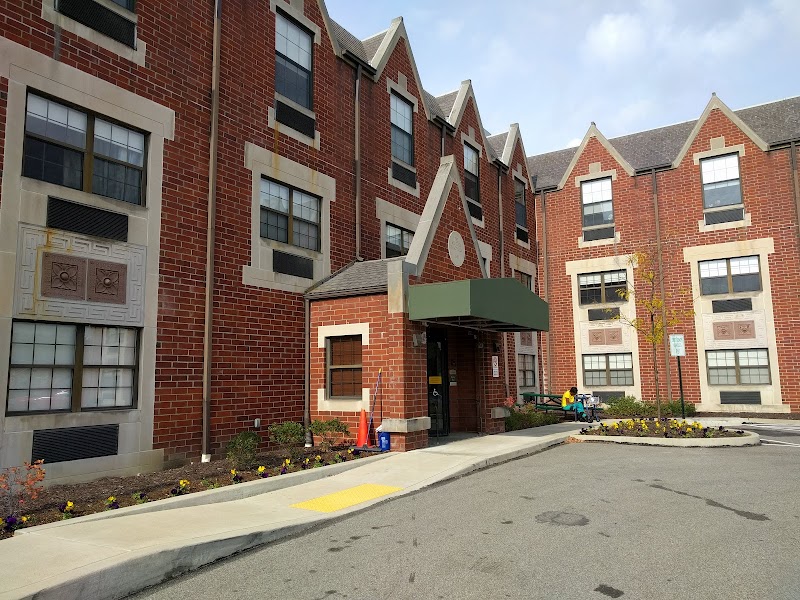
How is Heritage Staffed?

CMS rates HERITAGE CARE CENTER's staffing level at 2 out of 5 stars, which is below average compared to other nursing homes. Staff turnover is 82%, which is 35 percentage points above the Pennsylvania average of 46%. High turnover can affect care consistency as new staff learn residents' individual needs. RN turnover specifically is 80%, which is notably high. RNs provide skilled clinical oversight, so turnover in this role can affect medical care quality.

What Have Inspectors Found at Heritage?

State health inspectors documented 96 deficiencies at HERITAGE CARE CENTER during 2023 to 2025. These included: 3 that caused actual resident harm, 92 with potential for harm, and 1 minor or isolated issues. Deficiencies causing actual harm indicate documented cases where residents experienced negative health consequences.

Who Owns and Operates Heritage?

HERITAGE CARE CENTER is owned by a for-profit company. For-profit facilities operate as businesses with obligations to shareholders or private owners. The facility is operated by WECARE CENTERS, a chain that manages multiple nursing homes. With 143 certified beds and approximately 103 residents (about 72% occupancy), it is a mid-sized facility located in PITTSBURGH, Pennsylvania.

How Does Heritage Compare to Other Pennsylvania Nursing Homes?

Compared to the 100 nursing homes in Pennsylvania, HERITAGE CARE CENTER's overall rating (1 stars) is below the state average of 3.0, staff turnover (82%) is significantly higher than the state average of 46%, and health inspection rating (1 stars) is much below the national benchmark.

What Should Families Ask When Visiting Heritage?

Based on this facility's data, families visiting should ask: "How do you ensure continuity of care given staff turnover, and what is your staff retention strategy?" "Can you walk me through typical staffing levels on day, evening, and night shifts?" "Can I visit during a mealtime to observe dining assistance and food quality?" "How do you handle medical emergencies, and what is your hospital transfer rate?" These questions are particularly relevant given the facility's high staff turnover rate and the below-average staffing rating.

Is Heritage Safe?

Based on CMS inspection data, HERITAGE CARE CENTER has a clean safety record: no substantiated abuse findings (meaning no confirmed cases of resident harm), no Immediate Jeopardy citations (the most serious violation level indicating risk of serious injury or death), and is not on the Special Focus Facility watch list (a federal program monitoring the lowest-performing 1% of nursing homes). The facility has a 1-star overall rating and ranks #100 of 100 nursing homes in Pennsylvania. While no facility is perfect, families should still ask about staff-to-resident ratios and recent inspection results during their visit.

Do Nurses at Heritage Stick Around?

Staff turnover at HERITAGE CARE CENTER is high. At 82%, the facility is 35 percentage points above the Pennsylvania average of 46%. Registered Nurse turnover is particularly concerning at 80%. RNs handle complex medical decisions and coordinate care — frequent RN changes can directly impact care quality. High turnover means new staff may not know residents' individual needs, medications, or preferences. It can also be disorienting for residents, especially those with dementia who rely on familiar faces. Families should ask: What is causing the turnover? What retention programs are in place? How do you ensure care continuity during staff transitions?

Was Heritage Ever Fined?

HERITAGE CARE CENTER has been fined $23,055 across 1 penalty action. This is below the Pennsylvania average of $33,309. While any fine indicates a compliance issue, fines under $50,000 are relatively common and typically reflect isolated problems that were subsequently corrected. Families should ask what specific issues led to these fines and confirm they've been resolved.

Is Heritage on Any Federal Watch List?

HERITAGE CARE CENTER is not on any federal watch list. The most significant is the Special Focus Facility (SFF) program, which identifies the bottom 1% of nursing homes nationally based on persistent, serious quality problems. Not being on this list means the facility has avoided the pattern of deficiencies that triggers enhanced federal oversight. This is a positive indicator, though families should still review the facility's inspection history directly.