HIGHLAND HILLS POST ACUTE
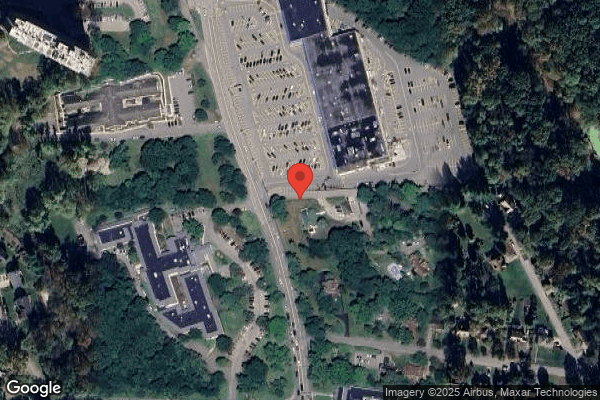
1105 PERRY HIGHWAY, PITTSBURGH, PA 15237 (412) 369-9955
For profit - Corporation 200 Beds PACS GROUP Data: November 2025 2 Immediate Jeopardy citations
Trust Grade
0/100
#573 of 653 in PA
Last Inspection: December 2024

Within standard 12-15 month inspection cycle. Federal law requires annual inspections.

Overview

Highland Hills Post Acute has received a Trust Grade of F, indicating significant concerns about its operations and care quality. Ranking #573 out of 653 facilities in Pennsylvania places it in the bottom half, and #39 out of 52 in Allegheny County suggests there are many better options nearby. Although the facility is improving, with issues decreasing from 47 in 2024 to 19 in 2025, it still has a troubling history, including critical incidents where residents were not adequately supervised, leading to elopement risks, and failures in care related to medical devices that could impact health and safety. Staffing is an average strength, with a 3/5 rating and a 52% turnover rate, while RN coverage is good, exceeding that of 84% of state facilities. However, the facility has incurred $24,706 in fines, reflecting ongoing compliance challenges, and it is essential to weigh these serious weaknesses against the few strengths when considering care for a loved one.

Trust Score
F
0/100
In Pennsylvania
#573/653
Bottom 13%
Safety Record
High Risk
Review needed
Inspections
Getting Better
47 → 19 violations
Staff Stability
⚠ Watch
52% turnover. Above average. Higher turnover means staff may not know residents' routines.
Penalties
○ Average
$24,706 in fines. Higher than 74% of Pennsylvania facilities. Some compliance issues.
Skilled Nurses
✓ Good
Each resident gets 55 minutes of Registered Nurse (RN) attention daily — more than average for Pennsylvania. RNs are trained to catch health problems early.
Violations
⚠ Watch
88 deficiencies on record. Higher than average. Multiple issues found across inspections.
★☆☆☆☆
1.0
Overall Rating
★★★☆☆
3.0
Staff Levels
★★☆☆☆
2.0
Care Quality
★☆☆☆☆
1.0
Inspection Score
Stable
2024: 47 issues
2025: 19 issues

The Good

  • Full Sprinkler Coverage · Fire safety systems throughout facility
  • No fines on record

Facility shows strength in fire safety.

The Bad

1-Star Overall Rating

Below Pennsylvania average (3.0)

Significant quality concerns identified by CMS

Staff Turnover: 52%

Near Pennsylvania avg (46%)

Higher turnover may affect care consistency

Federal Fines: $24,706

Below median ($33,413)

Minor penalties assessed

Chain: PACS GROUP

Part of a multi-facility chain

Ask about local staffing decisions and management

The Ugly 88 deficiencies on record

2 life-threatening
Sept 2025 12 deficiencies 1 IJ
CRITICAL (J) 📢 Someone Reported This

A family member, employee, or ombudsman was alarmed enough to file a formal complaint

Immediate Jeopardy (IJ) - the most serious Medicare violation

Accident Prevention (Tag F0689)

Someone could have died · This affected 1 resident

**NOTE- TERMS IN BRACKETS HAVE BEEN EDITED TO PROTECT CONFIDENTIALITY** Based on facility policy review, clinical and facility record review, facility provided documents, and staff interviews, it was ...

Read full inspector narrative →
**NOTE- TERMS IN BRACKETS HAVE BEEN EDITED TO PROTECT CONFIDENTIALITY** Based on facility policy review, clinical and facility record review, facility provided documents, and staff interviews, it was determined that the facility failed to provide adequate supervision for one resident resulting in elopement (resident exits to an unsupervised and unauthorized location without staff's knowledge). This failure created an immediate jeopardy situation for one of twelve residents (Resident R1) identified as having a high risk for wandering. Findings include: Review of the facility policy Wandering and Elopements dated 11/1/24, indicated if identified as at risk for wandering, elopement, or other safety issues, the resident's care plan will include strategies and interventions to maintain the resident's safety. -If a resident is missing, initiate the elopement/ missing resident procedure;-If the resident was not authorized to leave, initiate a search of the building and premises;-When the resident returns to the facility, the Director of Nursing or Charge nurse shall:a. Examine the resident for injuries;b. Contact the attending physician and report findings and conditions of the resident;c. Notify the resident's legal representative;d. Notify search teams that the resident has been located;e. Complete and file an incident report; and f. Document relevant information in the resident's medical record. Review of the facility policy Accidents and Incidents - Investigating and Reporting dated 11/1/24, indicated all accidents or incidents involving residents, employees, visitors, vendors, etc., occurring on our premises shall be investigated and reported to the administrator. -The nurse supervisor/charge nurse and/or department director of supervisor shall promptly initiate and document investigation of the accident or incident.-The nurse supervisor/charge nurse and/or the department director or supervisor shall complete a Report of the Incident/Accident form and submit the original to the Director of Nursing services within 24 hours of the incident or accident. - The Director of Nursing services shall ensure that the administrator receives a copy of the Report of Incident/Accident form for each occurrence. Review of the facility policy Care Plans, Comprehensive Person-Centered dated 11/1/24, indicated assessments of residents are ongoing and care plans are revised as information about the resident and the resident's condition change. Review of the admission record indicated Resident R1 was admitted to the facility on [DATE]. Review of Resident R1's Minimum Data Set (MDS- a periodic assessment of care needs) dated 8/18/25, indicated the diagnoses of high blood pressure, dementia (a general term for loss of memory, language, problem solving and other thinking abilities that are severe enough to interfere with daily life), and insomnia (persistent problems falling and staying asleep) Section C0500 the Brief Interview for Mental Status (BIMS - is a screening test that aids in detecting cognitive impairment) indicated a score of eight - moderately impaired cognition. Section GG0170 Mobility indicated Section K. Walk 150 feet in a corridor or similar place was independent. Review of Resident R1's Elopement evaluation, upon admission, dated 8/4/24, indicated the following:-History of elopement while at home: No.-Does the resident have a history of elopement or attempted leaving the facility without informing staff: No.-Has the resident verbally expressed the desire to go home, packed belongings to go home or stayed near an exit door: No.-Does the resident wander: Yes-Is the wandering behavior a pattern, goal directed: Yes.-Does the resident wander aimlessly or non-goal directed: No.-Is the resident's wandering behavior likely to affect the safety or well-being of self/others: Yes.-Is the resident's wandering behavior likely to affect the privacy of others: Yes.-Has the resident been recently admitted or re-admitted (within the past 30 days) and is not accepting the situation: No.-Score of one or higher indicates risk of elopement-Risk for wandering/elopement identified: blank. Review of Resident R1's only other Elopement evaluation since admission, entitled Elopement and wandering risk observation/assessment dated [DATE], indicated the following instructions:-Evaluate/Assess the resident status in the seven clinical area listed below. If the total score is ten or greater, the resident would be considered at risk for wandering or elopement. Interventions implemented as determined by the facility Interdisciplinary team (IDT).-A. Mobility Status 4. Does the resident ambulate independently with or without the use of an assistive device? Yes.-B. Cognitive Status 2. Is the resident disoriented or has periods of confusion and/or impaired attention span but does not wander? Yes.-C. Disease Diagnosis: does the resident have a diagnosis that my impact cognition? 4. Two or more are present? Yes-D. Mood/Behavior Status: None-E. Medication: Does the resident take any medications that could increase restlessness or agitation? 4. Takes two or more medications? Yes.-F. History of Elopement Attempts: None-G. Behavior Modification 4. Exhibits unsafe wandering or elopement attempts and is difficult to redirect? Yes.-H Other relevant information-Communication - does the resident have any communication, hearing or vision deficits? Yes. Glasses.-Mood/Behavior known substance abuse - Does the resident exhibit any of the following? Yes. Combative behavior.-Other conditions/concerns? No-I Interventions-Has the care plan been initiated/updated to reflect interventions aimed at reducing the risk of unsafe wandering or an elopement? Yes.-Based on Elopement and Wandering Risk Observation/Assessment findings: Yes, a wander alarm is added. Review of Resident R1's census documentation record, Resident R1 Resided on the secured dementia unit from admission on [DATE], until being transferred to a non-secured long-term care unit on 5/15/25. Review of Resident R1's progress notes indicated the following:-5/15/25, at 3:24 p.m. eINTERACT form for providers indicated a change in condition related to behavioral status evaluation of physical aggression. Nursing observations, evaluation, and recommendations are to transfer Resident R1 to a room on the non-secured long-term care unit.-5/15/25, at 2:59 p.m. Resident was noted to be in the activity room at 1:45 p.m. and was noted by Nurse Aide (NA) to have a hold of a female residents left wrist and struck female resident on the back times two with a closed fist. Resident R1 was redirected away from the situation. Call placed to Resident R1's family to inform of the above. Also notified the provider who saw the resident.-5/15/25, at 4:13 p.m. Resident R1 was noted to have no further behaviors and 15-minute checks initiated. Resident R1 was transferred to long-term care unit with all meds and belongings. Report given to the nurse on the unit.-5/15/25, at 10:00 p.m. Resident R1 had taken some empty pill packets off of med cart and was attempting to take more. When redirected, resident grabbed bag on cart and ripped it; then hit the other nurse in the hand two times with a closed fist. Resident was then asked to return to their room. This writer had shown resident where the new room was, and then resident went in and went to bed with no further issues.-5/15/25, at 11:57 p.m. Resident R1 is alert with confusion. Resident wandering to unit and to other residents' rooms. Becomes combative when told not to touch a bag. Resident redirected after.-5/17/25, at 11:01 p.m. staff reported that resident was going into other residents' rooms and stealing their things. Redirection was attempted and explained those were not resident's belongings and needed to be returned to the owners. Resident said F*** you b*tch, these shoes are classy for you because you are a f*ng whore. The items were eventually returned to the rightful owners. Resident was aggressively charging staff. Ended up hitting staff on the left side of the face, was asked to stop, and hit staff again. Once staff tried to ask resident to please stop, resident hit staff for a third time. Staff was protecting two residents behind them, was scared for their life and pushed Resident R1 out of the way who ended up staggering back and fell to the floor. Staff ran from the room. Resident was assessed and reported no injury or pain.5/18/25, at 9:31 a.m. social services note indicated SW (social worker) contacted the VA (Veteran Affairs) to inquire for services through the VA. emergency room nurse indicated that Resident is eligible for services through the VA. The VA social worker did indicate that they have many behavioral beds. 911 was called to take resident to the VA to have an x-ray and possible 302.-5/18/25, at 9:39 a.m. Resident R1 shows a pattern of behaviors of swearing and threating residents as well as staff. Resident is also hitting staff and going into residents' room. SW did follow the EMS transportation to VA hospital ER in Oakland. The VA did place resident in a behavior emergency room to ensure staff could watch closely. X-rays were negative for fractures. Facility social worker met with Social Worker at VA to see if resident could be admitted under a 201, a voluntary commitment as the 302 could not happen as we had no witness to petition resident this day. -5/18/25, at 9:56 p.m. Resident R1 was swearing and threatening to harm nurse. Emergency medical services, whom just returned resident from the VA Hospital, were still waiting outside the resident's room. They stated that the VA could not 302 him earlier today because no one showed up to petition the 302. Contacted DON and Administrator and was instructed to call Resolve Crisis Center. Resolve Crisis Center contacted, and they will send a team to the facility as soon as they are able to.-5/18/25, at 11:29 p.m. resident was attempting to enter other residents' rooms when redirected resident responded, Well screw you too, I'll have you thrown out of here.-5/19/25, at 2:11 p.m. eINTERACT form indicated behavioral status evaluation for physical aggression, verbal aggression and danger to self or others.-5/19/25, at 2:28 p.m. resident propelling self about the unit.-6/30/25, at 12:05 a.m. Resident R1 punched another resident in the ear. Residents were separated. Provider contacted along with DON and order to send to the hospital was obtained.-6/30/25, at 11:50 p.m. police and EMS stated they are not able to take Resident R1 at this time. Crisis line contacted.-7/1/25, at 12:29 a.m. Resident was calm at the time of the police interview and were unable to take resident due to dementia diagnosis.-7/1/25, 2:49 a.m. Remote Provider note indicated date of service as 6/30/25, at 9:40 p.m. Chief complaint aggressive behavior. Summary resident was in a different lock down unit previously. Resident has been having increasing aggressive behaviors since moving to this unit. Resident hit another resident.-7/9/25, at 11:07 a.m. another nurse reported to this nurse resident was aggressive with her. Reported to supervisor. DON and social workers are in with resident to talk with resident.7/9/25, at 12:01 p.m. resident was verbally abusive and threatening physical violence by swinging punches at staff. At the nursing cart when resident walked up and quickly grabbed the scissors and attempted to harm me with them. Staff grabbed to end of the scissors to take them away from resident and yelled for help. Staff came and helped prevent the resident from physically attacking and assaulting staff with a deadly weapon. Floor nurse, DON, and Administrator were notified of the incident. Resident eligible for 302. 911 was called and picked up patient to take him to a city hospital for psychiatric evaluation and treatment.-7/9/25, at 1:01 p.m. Resolve in and warranted for 302 committal. Family notified via voice message to return the call.-7/9/25, at 2:03 p.m. Provider note the resident was seen and examined this morning at the request of staff after the patient was reported to have grabbed a pair of scissors and attempted to stab a nurse. Reportedly, the patient had increasing agitation throughout the morning and was difficult to redirect. Discussed with DON as well as unit director. Resolve Crisis has been called with a probable petition to 302.-7/9/25, at 9:34 p.m. Resident returned from hospital with diagnosis of urinary tract infection with antibiotics ordered.-7/17/25, at 7:59 p.m. resident swinging fist at another resident on unit. No contact made. Residents were separated.-8/16/25, at 4:37 p.m. nurse supervisor made writer aware that resident opened the side door of unit. Resident is now sitting in the dining room area. Interview on 9/22/25, at 11:10 a.m. Nurse Aide (NA) Employee E1 indicated I heard Resident R1 got out at the carnival, but I wasn't here that day. Back door was open for the carnival. People were telling me it was a big fuss. Interview on 9/22/25, at 11:15 a.m. Registered Nurse (RN) Employee E2 indicated I don't remember. Interview on 9/22/25, at 11:19 a.m. Nurse Aide (NA) Employee E3 indicated I was here that day, but worked a different unit. I know I did hear that Resident R1 got out that day. Interview on 9/22/25, at 11:25 a.m. Nurse Aide (NA) Employee E4 indicated Resident R1 went out the door down the hall by room [ROOM NUMBER]. It's an emergency door. Staff is not to use that door, only central supply and maintenance get deliveries through there. They were bringing supplies in through that door for the carnival. NA Employee E5 had to go out and get resident in the parking lot. Review of the admission record indicated Resident R2 was admitted to the facility on [DATE]. Review of Resident R2's Minimum Data Set (MDS - a periodic assessment of care needs) dated 8/29/25, indicated the diagnoses of lung cancer, chronic obstructive pulmonary disease (COPD- a group of diseases that block airflow and make it hard to breathe), and muscle weakness. Section C0500 indicated the Brief Interview for Mental Status (BIMS - is a screening test that aids in detecting cognitive impairment) score as 15, cognitively intact. Interview on 9/22/24, at 11:35 a.m. Resident R2 indicated I'm the one that saw Resident R1 go out. Resident R1 was always trying to get out that door. A lot of the residents do, that are, you know confused. I try to explain to them the best I can that they can't go out the door. I heard the door open just outside my room, looked out the window and saw Resident R1 in the parking lot walking towards the street by the fire hydrant. When I went in the hallway the door was still partially open but I was afraid to go out to get Resident R1 because Resident R1 can have a temper, so I went to the nurses station, nobody was there, until finally a NA came into the hall and I screamed help, Resident R1 is outside in the parking lot. Per Resident R2, Resident R1 leaned on the door and it just opened, it wasn't locked. Telephonic interview on 9/22/25, at 1:15 p.m. RN Employee E6 indicated being supervisor that day and received a STAT call on the first floor. RN was on the other unit at the time, grabbed another nurse from the floor and went to the unit calling for help. There was Resident R2 who told the RN supervisor Resident R1 got out the door and the door was unlocked. RN indicated the door could not have been locked, when Resident R1 leaned on the door, it opened. NA Employee E5 went and got resident. RN supervisor indicated reporting the incident to Assistant Director of Nursing (ADON) Employee E7 and informed them that Resident R1 got outside. ADON Employee E7 contacted Maintenance Director Employee E8 who arrived fairly quickly and said the door is locked now. Attempted interview on 9/22/25, at 1:20 p.m. with ADON Employee E7 and was informed staff member called off. Interview on 9/22/25, at 2:02 p.m. Maintenance Director Employee E8 indicated There's a bypass code for the door, only nursing can reset the wander alarm themselves. My opinion, I genuinely think Resident R1 guessed the code. I looked at the camera afterward and resident was pacing up and down that hallway. The door would not have been open all day. I saw resident go up to the door on the tv screen, stood at the keypad for a minute and did this a couple times. You can see resident not come back from the door. The code has since been changed. Telephonic interview on 9/22/25, at 2:12 p.m. NA Employee E5 indicated I was in another room taking care of another resident, I stepped outside to find a helper and a resident yelled help, Resident R1 got out. I flew down the hall and resident was probably around 100 yards or so by the fire hydrant. I don't know how resident got through the door, it's for deliveries. Personally, I think if the door wasn't pulled shut it may not latch. We don't know the code. I'm assuming it was left unlatched. Resident R1 has been exit seeking for quite a while. Asks where's the front door and things like that. Review of Resident R1's physician orders dated 4/4/25, indicated alert bracelet to right lower extremity. Check placement every shift for exit seeking. Review of Resident R1' physician orders dated 7/10/25, indicated check function every night shift for monitoring. If alert bracelet test fails, replace transponder. Review of Resident R1's care plan dated 4/4/25, indicated resident is at risk for elopement/exit seeking/wandering related to dementia. Goal - will not wander out of the facility. Interventions allow wandering in safe areas within the facility. Approach in a calm, non-threatening manner. Attempt to refocus when exhibiting behavior. Interview on 9/23/25, at 10:00 a.m. the Director of Nursing indicated Resident R1 was transferred off the secured memory care unit prior to their employment for being flirtatious and aggressive with other residents. Confirmed Resident R1 has not had an elopement evaluation prior to July since admission on [DATE], and no documentation was in the clinical record of interdisciplinary team meeting prior to moving Resident R1 from the secured unit. When asked if the family, or physician were notified, of the elopement, DON indicated I don't know. There is not an incident report for the event, or reportable notification to the Department of Health, and the progress note from 8/16/25, at 4:37 p.m. did not reveal the entire story of Resident R1 getting out of the facility. Interview on 9/23/25, at 10:10 a.m. the Director of Nursing (the Interim Nursing Home Administrator was out of the facility at a conference) confirmed the facility failed to provide adequate supervision for one resident resulting in elopement and were notified that Immediate Jeopardy was called due to the elopement of Resident R1 on 8/16/25, and facility staff were provided an Immediate Jeopardy template, and a corrective action plan was requested. On 9/23/25, at 2:15 p.m. an immediate action plan was received and accepted which included the following interventions:Immediate Action:Upon Resident R2 alerting staff that Resident R1 was outside, staff was unaware Resident R1 was outside but were alerted. Retrieved Resident R1 from the rear parking lot. Resident returned to the unit on 8/16/25. No signs or symptoms of any adverse effects from time off the unit. System Correction:Root cause: the door failed to remain secured. Nursing staff will be re-educated on updating the elopement care plan form immediate interventions and elopement assessment. All residents will be reassessed by the unit manager/designee by 9/24/25, for an elopement risk. All staff will be educated on elopement risk and assessments, care plans and supervision of residents by the unit manager/designee by 9/24/25. A care plan with measurable goals and interventions for residents will be implemented to identify residents at risk for eloping by the unit manager/designee by 9/24/25. Review and revise policies if needed to identify residents who are at risk for eloping. Door will be monitored by staff stationed at the door, until door vendor arrives by 9/24/25, to verify functioning of the door and residents are unable to exit. Facility will review the incidents at an ad hoc QAPI (Quality Assurance and Performance Improvement) meeting on 9/24/25. Monitoring:New admissions, change in condition or any new behavior will be monitored by the DON/designee weekly for four weeks, monthly for two months to ensure elopement assessments are completed and care plans updated as required. Maintenance/designee will audit the doors are secure seven days a week for four weeks. Findings of audits will be submitted through facility QAPI program. Verification of the facility's Corrective Action Plan revealed all elements of plan were met as follows:-Vendor into facility and checked that everything was functioning on the door, the magnetic lock and the keypad to the door itself. The door alarm was not alarming. It's going to alarm instantly instead of 25 second delay. Changing deliveries to the front door. Code is changed to an eight-digit number instead of four digits.-97% of all staff educated on risk, assessments, care plan, and supervision - 201 of 206 total employees verified with signatures.- 51-in-person interviews conducted of all staff confirmed education and understanding.-32 of 32 residents identified as elopement risks were identified. Twenty new residents were identified as at risk for elopement within the dementia secured unit.-Policy reviewed and revised by the Director of Nursing to identify residents who are at risk for eloping.-Door monitor by staff was in place on 9/24/25. - Ad Hoc QAPI held 9/24/25.-Audit tool for new admissions, change in condition or any new behavior will be monitored moving forward will be conducted weekly for four weeks, monthly four two months to ensure elopement assessments are completed and care plans updated as required and reviewed at the QAPI meeting.-Audit by maintenance will be completed on the doors being secure seven days a week for four weeks and reviewed at the QAPI meetings. Next QAPI meeting is at the end of September 2025. The Director of Nursing was made aware that the Immediate Jeopardy was lifted on 9/24/25, at 1:31 p.m. Interview on 9/24/25/25, at 2:35 p.m. the Director of Nursing confirmed the facility failed to provide adequate supervision for one resident resulting in elopement. This failure created an immediate jeopardy situation for one of twelve residents (Resident R1) identified as having a high risk for wandering. 28 Pa. Code 201.18(b)(1)(3) Management.28 Pa. Code 201.29(a) Responsibility of Licensee.28 Pa. Code 211.12(d)(1)(3)(5) Nursing services.28 Pa. Code 211.10(d) Resident care policies.
CONCERN (D) 📢 Someone Reported This

A family member, employee, or ombudsman was alarmed enough to file a formal complaint

Potential for Harm - no one hurt, but risky conditions existed

Free from Abuse/Neglect (Tag F0600)

Could have caused harm · This affected 1 resident

**NOTE- TERMS IN BRACKETS HAVE BEEN EDITED TO PROTECT CONFIDENTIALITY** Based on review of facility policies, clinical records, and facility provided documents, as well as staff interviews, it was det...

Read full inspector narrative →
**NOTE- TERMS IN BRACKETS HAVE BEEN EDITED TO PROTECT CONFIDENTIALITY** Based on review of facility policies, clinical records, and facility provided documents, as well as staff interviews, it was determined that the facility failed to ensure that one of four residents (Resident R3) was free from abuse perpetrated by a resident with aggressive behaviors (Resident R1).Findings include: Review of the facility policy Abuse, Neglect, Exploitation, and Misappropriation Prevention Program dated 11/1/24, indicated residents have the right to be free from abuse. This includes physical abuse. The prevention program consists of a facility wide commitment and resource allocation to support the following objectives: Protect residents from abuse by anyone including facility staff, other residents, etc. Establish and maintain a culture of compassion and caring for all residents and particularly those with behavioral, cognitive or emotional problems. Review of the admission record indicated Resident R1 was admitted to the facility on [DATE]. Review of Resident R1's Minimum Data Set (MDS- a periodic assessment of care needs) dated 8/18/25, indicated the diagnoses of high blood pressure, dementia (a general term for loss of memory, language, problem solving and other thinking abilities that are severe enough to interfere with daily life), and insomnia (persistent problems falling and staying asleep) Section C0500 the Brief Interview for Mental Status (BIMS - is a screening test that aids in detecting cognitive impairment) indicated a score of eight - moderately impaired cognition. Review of Resident R1's current care plan indicated a problem for behavior monitoring related to frustration and aggression. Goal of staff will monitor for changes in behavior and effectiveness of interventions. Interventions use diversional conversation, enjoys discussing hair dressing and salons, hair styles. Redirect resident when needed. Review of the admission record indicated Resident R3 was admitted to the facility on [DATE]. Review of Resident R3's MDS dated [DATE], indicated the diagnoses of dementia (a general term for loss of memory, language, problem solving and other thinking abilities that are severe enough to interfere with daily life), muscle weakness, and coronary artery disease (arteries that supply blood to the heart muscle become narrowed or blocked). Section C0500 the Brief Interview for Mental Status (BIMS - is a screening test that aids in detecting cognitive impairment) indicated a score of seven - severely impaired cognition. Review of Resident R3's current care plan indicated cognitive impairment, resident exhibits cognitive loss related to dementia. Goal of will improve current level of cognitive function as evidenced by ability to problems solve and ask for assistance with needs, locate room and respond to simple directions. Interventions included encourage routine daily decision making, reduce noise/distractions as indicated to provide a calm environment. Review of Resident R1's progress notes indicated the following:-5/11/25, at 10:48 p.m. nurse notified by NA that Resident R1 was in an unidentified females room. The female was trying to get Resident R1 out of the room, Resident R1 refused to leave and Resident R1 was hitting her and pushed her into the wall behind the door. Staff tried to intervene and were struck in the shoulder but then able to get Resident R1 out of the room. On every 15-minute checks.-5/15/25, at 3:24 p.m. eINTERACT form for providers indicated a change in condition related to behavioral status evaluation of physical aggression. Nursing observations, evaluation, and recommendations are to transfer Resident R1 to a room on the non-secured long-term care unit.-5/15/25, at 2:59 p.m. Resident was noted to be in the activity room at 1:45 p.m. and was noted by Nurse Aide (NA) to have a hold of Resident R3's left wrist and struck female resident on the back times two with a closed fist. Resident R1 was redirected away from the situation. Call placed to Resident R1's family to inform of the above. Also notified the provider who saw the resident. Review of Resident R3's progress notes dated 5/15/25, at 1:56 p.m. indicated Resident was struck in the back with a closed fist by Resident R1. Review of facility provided documentation dated 5/15/25, at 1:45 p.m. indicated staff witnessed Resident R3 being struck in the back with a closed fist, by another Resident R1 while attempting to walk past with the walker. No injury observed. Review of Nurse Aide (NA) Employee E13's witness statement dated 5/15/25, indicated when entering dining room, observed Resident R1 holding Resident R3 by the arm and hitting her in the back. Attempting to separate them Resident R1 hit Resident R3 again in the back. Resident R3 was seated into the chair and Resident R1 walked away like nothing had happened. Interview on 9/24/25, at 3:00 p.m. the Director of Nursing confirmed that the facility failed to ensure that one of four residents (Resident R3) was free from abuse perpetrated by a resident with aggressive behaviors (Resident R1). 28. Pa Code 201.14(a) Responsibility of licensee. 28. Pa Code 201.18(b)(1)(e)(1) Management. 28. Pa. Code 211.12(d)(1)(5) Nursing services.
CONCERN (D) 📢 Someone Reported This

A family member, employee, or ombudsman was alarmed enough to file a formal complaint

Potential for Harm - no one hurt, but risky conditions existed

Abuse Prevention Policies (Tag F0607)

Could have caused harm · This affected 1 resident

**NOTE- TERMS IN BRACKETS HAVE BEEN EDITED TO PROTECT CONFIDENTIALITY** Based on review of facility documents, facility policy, clinical records, and staff interviews, it was determined that the facil...

Read full inspector narrative →
**NOTE- TERMS IN BRACKETS HAVE BEEN EDITED TO PROTECT CONFIDENTIALITY** Based on review of facility documents, facility policy, clinical records, and staff interviews, it was determined that the facility failed to implement written policies and procedures to ensure a complete and thorough investigation of two allegations of abuse for two of three residents (Resident R1 and R3).Findings include: Review of facility Abuse, Neglect, Exploitation or Misappropriation-Reporting and Investigating policy dated 11/1/24, indicated all reports of resident abuse, neglect, exploitation or theft/misappropriation of resident property are reported to local, state and federal agencies and thoroughly investigated by facility management. Review of the admission record indicated Resident R1 was admitted to the facility on [DATE]. Review of Resident R1's Minimum Data Set (MDS- a periodic assessment of care needs) dated 8/18/25, indicated the diagnoses of high blood pressure, dementia (a general term for loss of memory, language, problem solving and other thinking abilities that are severe enough to interfere with daily life), and insomnia (persistent problems falling and staying asleep) Section C0500 the Brief Interview for Mental Status (BIMS - is a screening test that aids in detecting cognitive impairment) indicated a score of eight - moderately impaired cognition. Review of the clinical record and staff interviews indicated on 8/16/25, Resident R1 was found in the parking lot outside by the fire hydrant and was discovered by Resident R2 who alerted staff resident eloped. Review of the clinical record failed to include documentation of the event, notification to family, or physician was not completed as required. The facility failed to investigate the elopement and possibility of neglect, failed to report it as required not implementing written policies and procedures to ensure a complete and thorough investigation. Interview on 9/22/25, at 11:25 a.m. Nurse Aide (NA) Employee E4 indicated Resident R1 went out the door down the hall by room [ROOM NUMBER]. It's an emergency door. Staff are not to use that door, only central supply and maintenance get deliveries through there. They were bringing supplies in through that door for the carnival. NA Employee E5 had to go out and get resident in the parking lot. Interview on 9/22/24, at 11:35 a.m. Resident R2 indicated I'm the one that saw Resident R1 go out. Resident R1 was always trying to get out that door. A lot of the residents do, that are, you know, confused. I try to explain to them the best I can that they can't go out the door. I heard the door open just outside my room, looked out the window and saw Resident R1 in the parking lot walking towards the street by the fire hydrant. When I went in the hallway the door was still partially open, but I was afraid to go out to get Resident R1 because resident can have a temper, so I went to the nurses station, nobody was there, until finally a NA came into the hall and I screamed for help, Resident R1 is outside in the parking lot. Per Resident R2, Resident R1 leaned on the door, and it just opened, it wasn't locked. Review of the admission record indicated Resident R3 was admitted to the facility on [DATE]. Review of Resident R3's MDS dated [DATE], indicated the diagnoses of dementia (a general term for loss of memory, language, problem solving and other thinking abilities that are severe enough to interfere with daily life), muscle weakness, and coronary artery disease (arteries that supply blood to the heart muscle become narrowed or blocked). Section C0500 the Brief Interview for Mental Status (BIMS - is a screening test that aids in detecting cognitive impairment) indicated a score of seven - severely impaired cognition. Review of facility provided documentation indicated two witness statements were completed, and the physical abuse was not reported as required, and the facility failed to implement written policies and procedures for abuse. Review of Resident R3's progress notes dated 5/15/25, at 1:56 p.m. indicated Resident was struck in the back with a closed fist by Resident R1. Review of facility provided documentation dated 5/15/25, at 1:45 p.m. indicated staff witnessed Resident R3 being struck in the back with a closed fist, by another Resident R1 while attempting to walk past with the walker. No injury observed. Review of Nurse Aide (NA) Employee E13's witness statement dated 5/15/25, indicated when entering dining room, observed Resident R1 holding Resident R3 by the arm and hitting her in the back. Attempting to separate them Resident R1 hit Resident R3 again in the back. Resident R3 was seated into the chair and Resident R1 walked away like nothing had happened. Interview on 9/24/25, at 1:00 p.m. the Director of Nursing confirmed the facility failed to implement written policies and procedures to ensure a complete and thorough investigation of two allegations of abuse for two of three residents (Resident R1 and R3). 28. Pa Code 201.14(a) Responsibility of licensee.28. Pa Code 201.18(b)(1)(e)(1) Management.28. Pa. Code 211.12(d)(1)(5) Nursing services.
CONCERN (D) 📢 Someone Reported This

A family member, employee, or ombudsman was alarmed enough to file a formal complaint

Potential for Harm - no one hurt, but risky conditions existed

Report Alleged Abuse (Tag F0609)

Could have caused harm · This affected 1 resident

**NOTE- TERMS IN BRACKETS HAVE BEEN EDITED TO PROTECT CONFIDENTIALITY** Based on review of facility policy, resident clinical records, incident reports, reports submitted to the State, and staff inter...

Read full inspector narrative →
**NOTE- TERMS IN BRACKETS HAVE BEEN EDITED TO PROTECT CONFIDENTIALITY** Based on review of facility policy, resident clinical records, incident reports, reports submitted to the State, and staff interview it was determined that the facility failed to report an allegation of abuse for two of three residents (Resident R1, and R3). Findings include: Review of facility Abuse, Neglect, Exploitation or Misappropriation-Reporting and Investigating policy dated 11/1/24, indicated all reports of resident abuse, neglect, exploitation or theft/misappropriation of resident property are reported to local, state and federal agencies and thoroughly investigated by facility management. Findings of all investigations are documented and reported. Review of the admission record indicated Resident R1 was admitted to the facility on [DATE]. Review of Resident R1's Minimum Data Set (MDS- a periodic assessment of care needs) dated 8/18/25, indicated the diagnoses of high blood pressure, dementia (a general term for loss of memory, language, problem solving and other thinking abilities that are severe enough to interfere with daily life), and insomnia (persistent problems falling and staying asleep) Section C0500 the Brief Interview for Mental Status (BIMS - is a screening test that aids in detecting cognitive impairment) indicated a score of eight - moderately impaired cognition. Review of the clinical record and staff interviews indicated on 8/16/25, Resident R1 was found in the parking lot outside by the fire hydrant and was discovered by Resident R2 who alerted staff resident eloped. Review of the clinical record failed to include documentation of the event, notification to family, or physician was not completed as required. The facility failed to investigate the elopement and possibility of neglect, failed to report it as required. Interview on 9/22/25, at 11:25 a.m. Nurse Aide (NA) Employee E4 indicated Resident R1 went out the door down the hall by room [ROOM NUMBER]. It's an emergency door. Staff are not to use that door, only central supply and maintenance get deliveries through there. They were bringing supplies in through that door for the carnival. NA Employee E5 had to go out and get resident in the parking lot. Interview on 9/22/24, at 11:35 a.m. Resident R2 indicated I'm the one that saw Resident R1 go out. Resident R1 was always trying to get out that door. A lot of the residents do, that are, you know, confused. I try to explain to them the best I can that they can't go out the door. I heard the door open just outside my room, looked out the window and saw Resident R1 in the parking lot walking towards the street by the fire hydrant. When I went in the hallway the door was still partially open, but I was afraid to go out to get Resident R1 because resident can have a temper, so I went to the nurses station, nobody was there, until finally a NA came into the hall and I screamed for help, Resident R1 is outside in the parking lot. Per Resident R2, Resident R1 leaned on the door, and it just opened, it wasn't locked. Review of the admission record indicated Resident R3 was admitted to the facility on [DATE]. Review of Resident R3's MDS dated [DATE], indicated the diagnoses of dementia (a general term for loss of memory, language, problem solving and other thinking abilities that are severe enough to interfere with daily life), muscle weakness, and coronary artery disease (arteries that supply blood to the heart muscle become narrowed or blocked). Section C0500 the Brief Interview for Mental Status (BIMS - is a screening test that aids in detecting cognitive impairment) indicated a score of seven - severely impaired cognition. Review of facility provided documentation indicated two witness statements were completed, and the physical abuse was not reported as required. Review of Resident R3's progress notes dated 5/15/25, at 1:56 p.m. indicated Resident was struck in the back with a closed fist by Resident R1. Review of facility provided documentation dated 5/15/25, at 1:45 p.m. indicated staff witnessed Resident R3 being struck in the back with a closed fist, by another Resident R1 while attempting to walk past with the walker. No injury observed. Review of Nurse Aide (NA) Employee E13's witness statement dated 5/15/25, indicated when entering dining room, observed Resident R1 holding Resident R3 by the arm and hitting her in the back. Attempting to separate them Resident R1 hit Resident R3 again in the back. Resident R3 was seated into the chair and Resident R1 walked away like nothing had happened. Interview on 9/24/25, at 2:00 p.m. the Director of Nursing indicated the Administrator was aware of the elopement on 8/16/25, involving Resident R1, and that it was not reported as required; and indicated the resident-to-resident abuse was not reported as required involving Resident R1 and Resident R3. 28 Pa Code: 201.14 (a)(c )(e ) Responsibility of management 28 Pa Code: 201.18 (b)(1) (e)(1) Management.
CONCERN (D) 📢 Someone Reported This

A family member, employee, or ombudsman was alarmed enough to file a formal complaint

Potential for Harm - no one hurt, but risky conditions existed

Investigate Abuse (Tag F0610)

Could have caused harm · This affected 1 resident

**NOTE- TERMS IN BRACKETS HAVE BEEN EDITED TO PROTECT CONFIDENTIALITY** Based on review of facility documents, facility policy, clinical records, and staff interview, it was determined that the facili...

Read full inspector narrative →
**NOTE- TERMS IN BRACKETS HAVE BEEN EDITED TO PROTECT CONFIDENTIALITY** Based on review of facility documents, facility policy, clinical records, and staff interview, it was determined that the facility failed to conduct a thorough investigation of an elopement and possibility of neglect for one of three residents (Resident R1).Findings include: Review of facility Abuse, Neglect, Exploitation or Misappropriation-Reporting and Investigating policy dated 11/1/24, indicated all reports of resident abuse, neglect, exploitation or theft/misappropriation of resident property are reported to local, state and federal agencies and thoroughly investigated by facility management. Findings of all investigations are documented and reported. Review of the admission record indicated Resident R1 was admitted to the facility on [DATE]. Review of Resident R1's Minimum Data Set (MDS- a periodic assessment of care needs) dated 8/18/25, indicated the diagnoses of high blood pressure, dementia (a general term for loss of memory, language, problem solving and other thinking abilities that are severe enough to interfere with daily life), and insomnia (persistent problems falling and staying asleep) Section C0500 the Brief Interview for Mental Status (BIMS - is a screening test that aids in detecting cognitive impairment) indicated a score of eight - moderately impaired cognition. Review of the clinical record and staff interviews indicated on 8/16/25, Resident R1 was found in the parking lot outside by the fire hydrant and was discovered by Resident R2 who alerted staff resident eloped. Review of the clinical record failed to include documentation of the event, notification to family, or physician was not completed as required. The facility failed to investigate the elopement and possibility of neglect, failed to report it as required. Interview on 9/22/25, at 11:25 a.m. Nurse Aide (NA) Employee E4 indicated Resident R1 went out the door down the hall by room [ROOM NUMBER]. It's an emergency door. Staff is not to use that door, only central supply and maintenance get deliveries through there. They were bringing supplies in through that door for the carnival. NA Employee E5 had to go out and get resident in the parking lot. Interview on 9/22/24, at 11:35 a.m. Resident R2 indicated I'm the one that saw Resident R1 go out. Resident R1 was always trying to get out that door. A lot of the residents do, that are, you know confused. I try to explain to them the best I can that they can't go out the door. I heard the door open just outside my room, looked out the window and saw Resident R1 in the parking lot walking towards the street by the fire hydrant. When I went in the hallway the door was still partially open but I was afraid to go out to get Resident R1 because resident can have a temper, so I went to the nurses station, nobody was there, until finally a NA came into the hall and I screamed help, Resident R1 is outside in the parking lot. Per Resident R2, Resident R1 leaned on the door and it just opened, it wasn't locked. Interview on 9/24/25, at 2:00 p.m. the Director of Nursing indicated the Administrator was aware of the elopement on 8/16/25, involving Resident R1, and could not provide an investigation on the event, confirming that the facility failed to conduct a thorough investigation of an elopement and possibility of neglect for one of three residents (Resident R1). 28 Pa Code: 201.18 (e)(1)(2) Management.28 Pa Code: 201.29 (a)(c) Resident Rights.28 Pa Code: 211.12 (a)(c)(d)(1)(3)(5) Nursing services.
CONCERN (D) 📢 Someone Reported This

A family member, employee, or ombudsman was alarmed enough to file a formal complaint

Potential for Harm - no one hurt, but risky conditions existed

Deficiency F0688 (Tag F0688)

Could have caused harm · This affected 1 resident

**NOTE- TERMS IN BRACKETS HAVE BEEN EDITED TO PROTECT CONFIDENTIALITY** Based on review of facility policy, clinical record review, observations, and staff interviews, it was determined that the facil...

Read full inspector narrative →
**NOTE- TERMS IN BRACKETS HAVE BEEN EDITED TO PROTECT CONFIDENTIALITY** Based on review of facility policy, clinical record review, observations, and staff interviews, it was determined that the facility failed to ensure a resident with limited mobility receives appropriate services, equipment, and assistance to maintain or improve mobility for one of four residents (Resident R4).Findings include: Review of facility policy Assistive Devices and Equipment dated 11/1/24, indicated the facility maintains and supervises the use of assistive devices and equipment for residents. Review of the clinical record indicated Resident R4 was admitted to the facility on [DATE]. Review of Resident R4's Minimum Data Set (MDS - a periodic assessment of care needs) dated 7/1/25, indicated diagnoses of stroke (damage to the brain from an interruption of blood supply), hemiplegia (paralysis of one side of the body), and aphasia (difficulty with either language or speech). Observation on 9/24/25, at 9:05 a.m. Resident R4 was observed in bed. A hand splint was noted in the bedside stand. Resident R4 had no splints on either hand. Interview on 9/24/25, at 2:00 p.m. Director of Rehabilitation Employee E12 indicated Resident R4 was discharged from therapy last on 9/4/25, to the Rehab Restorative transition program and a right resting hand splint (device to hold the hand in a functional resting position) on in the evening and off in the morning. Review of Rehab Restorative Transition Program document for Resident R4, provided by Director of Rehabilitation Employee E12, indicated right resting hand splint on in the evening and off in the morning. Review of Resident R4's current physician orders on 9/23/25, failed to indicate an order for use of a right resting hand splint. Review of Resident R4's current care plan on 9/24/25, failed to indicate a plan of care for use of a right resting hand splint. Interview on 9/24/25, at 2:16 p.m. the Director of Nursing confirmed the failure to process the Rehab Restorative Transition Program recommendations and indicated the facility is working on the processes for when a resident transfers from rehab to a long term care unit, and that the facility failed to ensure a resident with limited mobility receives appropriate services, equipment, and assistance to maintain or improve mobility for one of four residents (Resident R4). 28 Pa. Code: 201.14(a) Responsibility of licensee.28 Pa. Code: 201.18 (b)(1) Management.28 Pa. Code: 211.10(a)(c)(d) Resident care policies.28 Pa. Code: 211.12(c)(d)(1)(2)(3)(5) Nursing services.
CONCERN (D) 📢 Someone Reported This

A family member, employee, or ombudsman was alarmed enough to file a formal complaint

Potential for Harm - no one hurt, but risky conditions existed

Deficiency F0745 (Tag F0745)

Could have caused harm · This affected 1 resident

**NOTE- TERMS IN BRACKETS HAVE BEEN EDITED TO PROTECT CONFIDENTIALITY** Based on review of the clinical records and staff interviews, it was determined that the facility failed to provide sufficient a...

Read full inspector narrative →
**NOTE- TERMS IN BRACKETS HAVE BEEN EDITED TO PROTECT CONFIDENTIALITY** Based on review of the clinical records and staff interviews, it was determined that the facility failed to provide sufficient and timely social services related to assistance in transferring to the Veterans Affairs (VA) for a behavioral bed for one of twelve residents (Resident R1).Findings include: Review of the admission record indicated Resident R1 was admitted to the facility on [DATE]. Review of Resident R1's Minimum Data Set (MDS- a periodic assessment of care needs) dated 8/18/25, indicated the diagnoses of high blood pressure, dementia (a general term for loss of memory, language, problem solving and other thinking abilities that are severe enough to interfere with daily life), and insomnia (persistent problems falling and staying asleep) Section C0500 the Brief Interview for Mental Status (BIMS - is a screening test that aids in detecting cognitive impairment) indicated a score of eight - moderately impaired cognition. Section GG0170 Mobility indicated Section K. Walk 150 feet in a corridor or similar place was independent. Review of Resident R1's census documentation record, Resident R1 Resided on the secured dementia unit from admission on [DATE], until being transferred to a non-secured long-term care unit on 5/15/25. Review of Resident R1's progress notes indicated the following:-5/15/25, at 3:24 p.m. eINTERACT form for providers indicated a change in condition related to behavioral status evaluation of physical aggression. Nursing observations, evaluation, and recommendations are to transfer Resident R1 to a room on the non-secured long-term care unit.-5/15/25, at 2:59 p.m. Resident was noted to be in the activity room at 1:45 p.m. and was noted by Nurse Aide (NA) to have a hold of a female residents left wrist and struck female resident on the back times two with a closed fist. Resident R1 was redirected away from the situation. Call placed to Resident R1's family to inform of the above. Also notified the provider who saw the resident.-5/15/25, at 4:13 p.m. Resident R1 was noted to have no further behaviors and 15-minute checks initiated. Resident R1 was transferred to long-term care unit with all meds and belongings. Report given to the nurse on the unit.-5/15/25, at 10:00 p.m. Resident R1 had taken some empty pill packets off of med cart and was attempting to take more. When redirected, resident grabbed bag on cart and ripped it; then hit the other nurse in the hand two times with a closed fist. Resident was then asked to return to their room. This writer had shown resident where the new room was, and then resident went in and went to bed with no further issues.-5/15/25, at 11:57 p.m. Resident R1 is alert with confusion. Resident wandering to unit and to other residents' rooms. Becomes combative when told not to touch a bag. Resident redirected after.-5/17/25, at 11:01 p.m. staff reported that resident was going into other residents' rooms and stealing their things. Redirection was attempted and explained those were not resident's belongings and needed to be returned to the owners. Resident said F*** you b*tch, these shoes are classy for you because you are a f*ng whore. The items were eventually returned to the rightful owners. Resident was aggressively charging staff. Ended up hitting staff on the left side of the face, was asked to stop, and hit staff again. Once staff tried to ask resident to please stop, resident hit staff for a third time. Staff was protecting two residents behind them, was scared for their life and pushed Resident R1 out of the way who ended up staggering back and fell to the floor. Staff ran from the room. Resident was assessed and reported no injury or pain.5/18/25, at 9:31 a.m. social services note indicated SW contacted the VA to inquire for services through the VA. emergency room nurse indicated that Resident is eligible for services through the VA. The VA social worker did indicate that they have many behavioral beds. 911 was called to take resident to the VA to have an x-ray and possible 302.-5/18/25, at 9:39 a.m. Resident R1 shows a pattern of behaviors of swearing and threating residents as well as staff. He is also hitting staff and going into residents' room. SW did follow the EMS transportation to VA hospital ER in Oakland. The VA did place resident in a behavior emergency room to ensure staff could watch closely. X-rays were negative for fractures. Facility social worker met with Social Worker at VA to see if resident could be admitted under a 201, a voluntary commitment as the 302 could not happen as we had no witness to petition resident this day. -5/18/25, at 9:56 p.m. Resident R1 was swearing and threatening to harm nurse. Emergency medical services, whom just returned resident from the VA Hospital, were still waiting outside the resident's room. They stated that the VA could not 302 him earlier today because no one showed up to petition the 302. Contacted DON and Administrator and was instructed to call Resolve Crisis Center. Resolve Crisis Center contacted, and they will send a team to the facility as soon as they are able to.-5/18/25, at 11:29 p.m. resident was attempting to enter other residents' rooms when redirected he responded, Well screw you too, I'll have you thrown out of here.-5/19/25, at 2:11 p.m. eINTERACT form indicated behavioral status evaluation for physical aggression, verbal aggression and danger to self or others.-5/19/25, at 2:28 p.m. resident propelling self about the unit.-6/24/24, at 3:14 p.m. SW Employee E10 contacted Southwestern VA center to obtain fax and referral information. SW will follow up for possible admission/transfer.-6/27/25, at 2:03 p.m. SW Employee E10 spoke to family to communicate the need for VA services in a skilled nursing home. Family is aware of resident's behaviors and did agree that the VA could provide the best services for resident. SW faxed the necessary paperwork to Southwestern VA.-6/30/25, at 12:05 a.m. Resident R1 punched another resident in the ear. Residents were separated. Provider contacted along with DON and order to send to the hospital was obtained.-6/30/25, at 11:50 p.m. police and EMS stated they are not able to take Resident R1 at this time. Crisis line contacted.-7/1/25, at 12:29 a.m. Resident was calm at the time of the police interview and were unable to take resident due to dementia diagnosis.-7/1/25, 2:49 a.m. Remote Provider note indicated date of service as 6/30/25, at 9:40 p.m. Chief complaint aggressive behavior. Summary resident was in a different lock down unit previously. Resident has been having increasing aggressive behaviors since moving to this unit. Resident hit another resident.-7/9/25, at 11:07 a.m. another nurse reported to this nurse resident was aggressive with her. Reported to supervisor. DON and social worker in with resident to talk with resident.7/9/25, at 12:01 p.m. resident was verbally abusive and threatening physical violence by swinging punches at staff. At the nursing cart when resident walked up and quickly grabbed the scissors and attempted to harm me with them. Staff grabbed the end of the scissors to take them away from resident and yelled for help. Staff came and helped prevent the resident from physically attacking and assaulting staff with a deadly weapon. Floor nurse, DON, and Administrator were notified of the incident. Resident eligible for 302. 911 was called and picked up patient to take him to a city hospital for psychiatric evaluation and treatment.-7/9/25, at 1:01 p.m. Resolve in and warranted for 302 committal. Family notified via voice message to return the call.-7/9/25, at 2:03 p.m. Provider note the resident was seen and examined this morning at the request of staff after the patient was reported to have grabbed a pair of scissors and attempted to stab a nurse. Reportedly, the patient had increasing agitation throughout the morning and was difficult to redirect. Discussed with DON as well as unit director. Resolve Crisis has been called with a probable petition to 302.-7/9/25, at 9:34 p.m. Resident returned from hospital with diagnosis of urinary tract infection with antibiotics ordered.-7/17/25, at 7:59 p.m. resident swinging fist at another resident on unit. No contact made. Residents were separated.-9/23/25, at 9:02 a.m. SW Employee E11 called the VA center to obtain information about a transfer for resident and was unable to reach them. Left message and will follow up if SW doesn't receive a call back. Interview on 9/22/25, at 2:00 p.m. the Director of Nursing indicated SW Employee E10 was working on getting Resident R1 transferred to the VA, but SW Employee E10 no longer works here. Interview on 9/24/25, at 3:30 p.m. the Director of Nursing confirmed that documentation indicated active transfer efforts on 6/24/25, and 6/27/25, under the previous SW Employee E10 and that SW Employee E11 did not have active transfer efforts until 9/23/25, almost a three month delay, confirming the facility failed to provide sufficient and timely social services related to assistance in transferring to the Veterans Affairs (VA) for a behavioral bed for one of twelve residents (Resident R1). 28 Pa. Code 201.14(b) Responsibility of licensee.28 Pa. Code 201.18 (b)(1)(3) Management.28 Pa. Code 201.29 (a) Resident rights.28 Pa. Code 211.12(d)(1)(3)(5) Nursing services.Pa Code 211.16. Social Services.
CONCERN (D) 📢 Someone Reported This

A family member, employee, or ombudsman was alarmed enough to file a formal complaint

Potential for Harm - no one hurt, but risky conditions existed

Administration (Tag F0835)

Could have caused harm · This affected 1 resident

Based on a review of a job description, facility and clinical records, and staff interviews, it was determined that the Nursing Home Administrator (NHA) did not effectively manage the facility to make...

Read full inspector narrative →
Based on a review of a job description, facility and clinical records, and staff interviews, it was determined that the Nursing Home Administrator (NHA) did not effectively manage the facility to make certain that proper supervision was provided for residents at high risk for elopement as required, resulting in a resident elopement creating an immediate jeopardy situation.Findings include: The job description for the NHA specified the primary purpose of the job position is to direct the day-to-day functions of the facility in accordance with current federal, state, and local standards, guidelines, and regulations that govern nursing facilities to assure that the highest degree of quality care can be provided to our residents at all times. Based on the findings in this report that identified that the facility failed to effectively manage the facility to make certain that proper supervision was provided for residents at high risk for elopement as required, resulting in a resident elopement creating an immediate jeopardy situation. The facility failed to provide fundamental principal that apply to treatment and care provided to facility residents. The facility failed to ensure that residents receive treatment and care in accordance with professional standards of practice, and facility policies. 28 Pa Code 201.14(a) Responsibility of licensee.28 Pa Code 201.18(b)(1)(e)(1) Management.
CONCERN (D) 📢 Someone Reported This

A family member, employee, or ombudsman was alarmed enough to file a formal complaint

Potential for Harm - no one hurt, but risky conditions existed

Deficiency F0844 (Tag F0844)

Could have caused harm · This affected 1 resident

Based on a review of regulations, documents submitted to the State agency and staff interviews it was determined that the facility failed to notify the State agency of a change in the facility's Nursi...

Read full inspector narrative →
Based on a review of regulations, documents submitted to the State agency and staff interviews it was determined that the facility failed to notify the State agency of a change in the facility's Nursing Home Administrator (NHA) at the time of the change. Findings include: Review of the facility's password agreement document dated 9/16/25, indicated NHA became the Interim Administrator effective 9/5/25, and that they are responsible for submitting a Plan of Correction in response to deficiencies cited by the Pennsylvania Department of Health on CMS Form 2567. During an interview on 9/22/25, at 9:00 am the Director of Nursing confirmed that NHA Employee E14 was on leave and that the administrator for the facility was the Interim NHA. During an interview on 9/22/25, at 9:00 a.m. the Director of Nursing confirmed that on 9/5/25, the facility failed to notify by written letter the State Agency of the change of administrators which failed to meet the requirement of notification at the time of the change. PA Code: 201.14(a) Responsibility of licensee.
CONCERN (D) 📢 Someone Reported This

A family member, employee, or ombudsman was alarmed enough to file a formal complaint

Potential for Harm - no one hurt, but risky conditions existed

Deficiency F0941 (Tag F0941)

Could have caused harm · This affected 1 resident

Based on review of facility education documents, and staff interview, it was determined that the facility failed to provide training on effective communication for two of five staff members (Nurse Aid...

Read full inspector narrative →
Based on review of facility education documents, and staff interview, it was determined that the facility failed to provide training on effective communication for two of five staff members (Nurse Aide (NA) Employee E15, and NA Employee E5). Findings include: Review of facility provided documents and training records for NA Employees E15 and NA Employee E5, failed to include education on effective communication as required. Telephonic interview on 9/25/25, at 9:52 a.m. Human Resource Employee E9 confirmed that the facility failed to provide training on effective communication for two of five staff members (NA Employee E15, and NA Employee E5). 28 Pa Code: 201.14 (a) Responsibility of licensee.28 Pa Code: 201.18 (b)(1) Management.28 Pa Code: 201.20 (a)(6)(d) Staff development.
CONCERN (E) 📢 Someone Reported This

A family member, employee, or ombudsman was alarmed enough to file a formal complaint

Potential for Harm - no one hurt, but risky conditions existed

Deficiency F0944 (Tag F0944)

Could have caused harm · This affected multiple residents

Based on review of facility documents and staff interview, it was determined that the facility failed to provide training on QAPI (Quality Assurance and Performance Improvement) for three of five empl...

Read full inspector narrative →
Based on review of facility documents and staff interview, it was determined that the facility failed to provide training on QAPI (Quality Assurance and Performance Improvement) for three of five employees (Nurse Aide (NA) Employee E15, and NA Employee E5, and Licensed Practical Nurse (LPN) Employee E16). Findings include: Review of the Facility assessment dated Quarter one 2025, indicated staff training/education and competencies will be completed during general orientation upon hire, annually, and as needed. Educations listed included:-Communication, resident rights and facility responsibilities, abuse, neglect and exploitation of residents, quality assurance and performance improvement (QAPI), infection control, compliance and ethics, and behavioral health. Findings include: Review of facility provided documents and training records for NA Employees E15 and NA Employee E5 and LPN Employee E16, failed to include education on QAPI as required. Telephonic interview on 9/25/25, at 9:52 a.m. Human Resource Employee E9 confirmed that the facility failed to provide training on QAPI for three of five staff members (Nurse Aide (NA) Employee E15, and NA Employee E5, and Licensed Practical Nurse (LPN) Employee E16). 28 Pa Code: 201.14 (a) Responsibility of licensee.28 Pa Code: 201.18 (b)(1) Management.28 Pa Code: 201.20 (a)(6)(d) Staff development.
CONCERN (F) 📢 Someone Reported This

A family member, employee, or ombudsman was alarmed enough to file a formal complaint

Potential for Harm - no one hurt, but risky conditions existed

Social Worker (Tag F0850)

Could have caused harm · This affected most or all residents

Based on review of facility files and an interview with the Human Resources Director Employee E9, it was determined that the facility failed to employ a full-time qualified social worker from 7/27/25,...

Read full inspector narrative →
Based on review of facility files and an interview with the Human Resources Director Employee E9, it was determined that the facility failed to employ a full-time qualified social worker from 7/27/25, through 9/2/25.Findings include: Review of facility provided payroll documentation on 9/25/25, at 10:00 a.m. Social Worker Employee E10's last day worked was 7/27/25. Review of facility provided payroll documentation on 9/25/25, at 10:00 a.m. Social Worker Employee E11's first day worked was 9/2/2/25. Interview with the Human Resources Director Employee E9 on 9/24/25, at 10:05 a.m. confirmed that the facility failed to employ a full time qualified social worker from 7/27/25, through 9/2/25. Pa Code 211.16. Social Services. Pa Code 201.14 (a)Responsibility of licensee.
Mar 2025 6 deficiencies 1 IJ
CRITICAL (J) 📢 Someone Reported This

A family member, employee, or ombudsman was alarmed enough to file a formal complaint

Immediate Jeopardy (IJ) - the most serious Medicare violation

Deficiency F0726 (Tag F0726)

Someone could have died · This affected 1 resident

**NOTE- TERMS IN BRACKETS HAVE BEEN EDITED TO PROTECT CONFIDENTIALITY** Based on manufacturer's instructions, clinical record reviews, and staff interviews it was determined that the facility failed t...

Read full inspector narrative →
**NOTE- TERMS IN BRACKETS HAVE BEEN EDITED TO PROTECT CONFIDENTIALITY** Based on manufacturer's instructions, clinical record reviews, and staff interviews it was determined that the facility failed to ensure that nursing staff had the specific competencies and skill sets necessary to provide care for a resident with a Life Vest (a wearable defibrillator designed to protect residents from sudden cardiac death), and placed two of two residents in immediate jeopardy in which health and safety were impacted (Resident R1, and R2). Findings include: Review of the [NAME] Life Vest Patient Manual updated 2021, indicated the following: · Wear all day and all night · Life Vest slides on and off like a backpack. · If the garment fits loosely, call [NAME] (manufacturer). The garment should be snug against the skin. · Remove Life Vest to bathe, shower, or change the garment, · Turn on Life Vest by inserting the battery. Always have the garment on before inserting the battery. · Every 24 hours, change and recharge the batteries. · There are two batteries. Always charge one while using the other. · Place the charger in a safe place where it can be plugged in. · Battery should slide in easily. Do not force the battery into the monitor. · Practice changing the battery. · Act quickly for siren alerts. Press the response buttons. · This alert signals that Life Vest has detected a life -threatening rapid heart rhythm. · Only the patient should press the response button. · If a treatment is received by the Life Vest, leave the Life Vest on and call the doctor. Call [NAME] for a new electrode belt, and check display for any messages and take action. · Read the display for gong alerts and follow the instructions on the screen. · When connecting and disconnecting the electrode belt be careful not to bend the pins. · Remove the battery from the monitor before you remove the garment. · Remove the electrode belt from the garment and insert it into a clean garment. · Make sure the silver sides of the therapy pads (with the green label) face the mesh of the pocket. Snap the pockets closed. · Position and secure the vibration box to the garment. · Attach the round electrodes to the garment. Match the colors on the backs of the electrodes to the colors on the garment. · Electrodes and therapy pads should press against bare skin. The mesh fabric pockets, and silver side of the therapy pads (with green labels) MUST TOUCH BODY for the device to work properly. · Do not put the monitor, electrode belt, battery or charger in water; do not get components wet. · Call [NAME] immediately if a Call for Service- Message Code 102 appears on the Life Vest screen. A replacement device will be provided within 24 hours from your notification to [NAME]. · Wash the garment every 1-2 days. Do not use bleach or fabric softener. · If prompted to download data, follow the instructions to do so. Review of Resident R1's clinical record revealed a Printable Discharge Form dated 2/5/25, that included correspondence between the facility and the discharging hospital, in which the hospital had documented, Will you have a bed for this patient today? Patient will be coming with a Life Vest. On 2/5/25, at 10:15 a.m. the facility responded, I can take. Just let me know what time you get for transport please. Resident was accepted to facility and admitted [DATE]. Review of the clinical record indicated Resident R1 was admitted to the facility on [DATE]. Review of Resident R1's Minimum Data Set (MDS - a periodic assessment of care needs) dated 2/7/25, indicated diagnoses of diabetes (a metabolic disorder in which the body has high sugar levels for prolonged periods of time), coronary artery disease (damage or disease in the heart's major blood vessels), and high blood pressure. Review of Resident R1's physician orders 3/5/25, at 10:30 a.m. included physician orders to change the battery for a Life Vest dialy. During Resident R1's interview and observation on 3/5/25, at 10:47 a.m. a charging station for Life Vest batteries was observed on the bedside stand and resident confirmed that he was wearing a Life Vest. During an interview on 3/5/25, at 10:57 a.m. Registered Nurse (RN) Employee E2 stated, This is my first time at this facility. I was not given any training on a Life Vest. I've never had to change the battery. I'm not to sure what the alarms mean. I would presume that they can shower with it on. During an interview on 3/5/25, at 11:03 a.m. Nursing Assistant (NA) Employee E3 stated, I'm not familiar with the Life Vest. I haven't gotten any training with his Life Vest. I'm not sure if they can get a shower but I'm pretty sure we can wrap something around it. When asked what the alarms mean, NA Employee E3 stated, What alarms. During an interview on 3/5/25, at 11:05 a.m. NA Employee E4 stated, I am not familiar with a Life Vest. I have taken care of him, but I don't know anything about a Life Vest. The resident told me that he could get a shower. I have not been trained on a Life Vest. I don't know anything about alarms. During an interview on 3/5/25, at 11:08 a.m. NA Employee E5 stated, I think I took care of him once. I have not been educated on a Life Vest for this resident. It allows the resident to be supported well and allows their spine to be stable. It's for people with back issues. I don't know if he is allowed to get showers. I do not know about alarms. During an interview on 3/5/25, at 11:14 a.m. NA Employee E6 stated, I did not receive any training on taking care of Resident R1's Life Vest. I wanted to know for my protection what it was, so I googled it. During an interview on 3/5/25, at 11:34 a.m. RN Employee E7 stated, I am here maybe once a week to work. I have not received any training on the Life Vest from the facility. Review of Resident R1's care plan on 3/5/25, at 11:55 a.m. failed to reveal instructions for care and operation of Resident R1's Life Vest. Review of Resident R1's current orders on 3/5/25, at 11:58 a.m. failed to reveal a physician order for the care of and monitoring of a Life Vest. During an interview on 3/5/25, at 12:57 p.m. Director of Nursing (DON) confirmed the facility had two residents with a Life Vest. Review of Resident R2's clinical record revealed a Printable Discharge Form dated 1/20/25, that included correspondence between the facility and the discharging hospital, that stated that Resident R2 was ordered a Life Vest during his previous hospitalization. Review of the clinical record revealed that Resident R2 was admitted to the facility on [DATE]. Review of Resident R2's MDS dated [DATE], indicated diagnoses of high blood pressure, heart failure (a progressive heart disease that affects pumping action of the heart muscles), and diabetes. Review of Resident R2's physician orders 3/5/25, at 12:59 p.m. included physician orders for a Life Vest. During an interview and observation on 3/5/25, at 1:20 p.m. in Resident R2's room, a charging station for Life Vest batteries was noted to be on the bedside stand, which Resident R2 confirmed, and that he was indeed wearing a Life Vest which he had upon admission to the facility. During an interview on 3/5/25, at 1:34 p.m. NA Employee E9 stated, I have not been educated on the Life Vest by the facility. Someone told me you can take it off to shower. I have no idea what the alarms are. During an interview on 3/5/25, at 1:37 p.m. NA Employee E10 stated, I am not familiar with a Life Vest. I was not given any education by the facility. I don't know if the resident can get a shower or what alarms mean. During an interview on 3/5/25, at 1:39 p.m. NA Employee E11 stated, I am not familiar with his Life Vest. This is my first day here. The facility has not provided me with any education on a Life Vest. I don't know what the alarms mean. On 3/5/25, at 3:01 p.m. the DON was made aware that Immediate Jeopardy (IJ) existed, DON was provided the IJ Template, that placed two residents (Resident R1, and R2) in immediate jeopardy in which health and safety were impacted, and a corrective action plan was requested. On 3/5/25, at 7:05 p.m. an acceptable Corrective Action Plan was received which included the following interventions: Immediate Action: - Educate all clinical staff on the care and operation of Life Vests, that includes but is not limited to what the different alarms mean, the dangers of electrical shock, the care of the batteries, the care of the garment for laundering, monitoring and placement of the Life Vest, check skin integrity, and special needs for bathing. All prior to the next shift, by 3/6/25, at 12:00 p.m. in person and/or through witnessed phone calls with signatures. - Clinical staff will complete competencies, pre and posttests by 3/6/25 at 12:00 p.m. - Obtain physician orders and ensure implementation for Resident R1, and R2. - The facility must develop a resident center comprehensive care plan outlining the care of Resident R1 related to the Life Vest by 3/5/25, at 6:00 p.m. - The facility will update Resident R2's comprehensive care plan outlining the care related to the Life Vest by 3/5/25, at 6:00 p.m. - The facility obtained additional physician orders for the implementation of the Life Vest and ensured the orders were complete. - Clinical staff will be educated on updates and policies related to specialty equipment by 3/6/25, at 12:00 p.m. - admission Staff will be educated on updates and policies related to specialty equipment by 3/6/25, at 12:00 p.m. Residents: - Resident R1's physician's orders and care plan were updated. - Resident R2's physician's orders and care plan were updated. System Correction: - The facility must review/develop, and update the policy related to specialty equipment by 3/5/25, at 6:00 p.m. - The facility must review/develop policy and procedure related to the admission of residents with anticipated equipment by 3/5/25, by 6:00 p.m. Monitoring: - The facility will audit 100 percent of residents for Life Vests placement, operation, battery backup, and associated documentation (skin checks, physician orders, and care planning) daily for one week starting 3/6/25, one time a weekly thereafter for three weeks, and monthly thereafter with reporting through Quality Assurance and Process Improvement (QAPI) for review and recommendation. -The facility will conduct random competency audits of two clinical staff per shift starting 3/6/25, that have assignment with Life Vest residents daily for one week, one time weekly thereafter for three weeks, and monthly thereafter with reporting through QAPI for review and recommendations. - The education plan will be reviewed by QAPI and further recommendations in a meeting conducted on 3/6/25. During an interview on 3/6/25, at 10:17 a.m. NA Employee E5 verified that he had received education on the Life Vest and stated, I know now how to care for the Life Vest because of the education. I feel more comfortable taking care of the resident now. During an interview on 3/6/25, at 10:24 a.m. NA Employee E6 verified that she had received education on the Life Vest and stated, The education should have been done prior to them coming to facility but I feel better now. During an interview on 3/6/25, at 10:30 a.m. NA Employee E14 verified that she received education on the Life Vest and added, This is the first time educated. I learned a bunch of stuff. Very educational. During an interview on 3/6/25, at 10:17 a.m. NA Employee E13 verified that she had received education on the Life Vest and stated, I didn't know anything about it (prior to receiving the education). These are things that we should know. During an interview on 3/6/25, at 10:33 a.m. RN Employee E15 verified that she had received education on the Life Vest and stated, I feel comfortable taking care of a Life Vest. During a clinical record review on 3/6/25, at 10:45 a.m. Resident R1, and R2 had new physician orders and care plans for Life Vest. Review of facility documents on 3/6/25, revealed that the facility had 133 clinical employees and that 116 had received Life Vest education. The remaining employees were to receive their education prior to the start of their next shift. 116 employees had received education on Life Vest and had been administered a written test to verify their knowledge. The remaining employees will take the test prior to the start of their next shift. During employee interviews on 3/6/25, from 10:05 a.m. through 11:30 a.m. 32 employees confirmed they had received education on the safe care, operation, and policies of the Life Vest as stated above. 32 of these employees had also completed a written test on Life Vest prior to the start of their next shift. 14 employees verified stated that they had received the education at home but were to take the written test when they came into the facility prior to the start of their next shift. Review of facility documents on 3/6/25, verified that a policy was reviewed and revised for Specialty Equipment that included Life Vest and that policy was reviewed for the admission process of residents with anticipated equipment needs including a Life Vest. Review of facility documents on 3/6/25, verified that audits were conducted for two clinical staff members to demonstrate competency of caring for a resident with a Life Vest. Review of facility documents on 3/6/25, verified that the facility conducted a QAPI meeting on 3/6/25, to review the education plan concerning residents with a Life Vest. The Immediate Jeopardy was lifted on 3/6/25, at 12:24 p.m. when the action plan was verified. During an interview on 3/6/25, at 12:30 p.m. the Nursing Home Administrator confirmed that the facility failed to ensure that nursing staff have the specific competencies, and skill sets necessary to provide care for a resident with a Life Vest, and placed two residents in immediate jeopardy in which health and safety were impacted (Resident R1, and R2). 28 Pa Code 201.14(a) Responsibility of licensee. 28 Pa Code 201.18(b)(1)(e)(1) Management. 28 Pa Code 201.29(a)Resident rights. 28 Pa Code 211.5(f) Clinical records. 28 Pa. Code: 211.10 (c)(d) Resident care policies. 28 Pa Code 211.12(c)(d)(1)(2)(5) Nursing services.
CONCERN (D) 📢 Someone Reported This

A family member, employee, or ombudsman was alarmed enough to file a formal complaint

Potential for Harm - no one hurt, but risky conditions existed

Deficiency F0655 (Tag F0655)

Could have caused harm · This affected 1 resident

**NOTE- TERMS IN BRACKETS HAVE BEEN EDITED TO PROTECT CONFIDENTIALITY** Based on review of clinical record, and staff interview, it was determined that the facility failed to develop a baseline care p...

Read full inspector narrative →
**NOTE- TERMS IN BRACKETS HAVE BEEN EDITED TO PROTECT CONFIDENTIALITY** Based on review of clinical record, and staff interview, it was determined that the facility failed to develop a baseline care plan that included Life Vest (wearable defibrillator designed to protect residents from sudden cardiac death), and interventions needed to provide effective and person-centered care for two of two residents (Resident R1, and R2). Findings include: Review of facility policy Care Plans - Baseline dated 11/1/24, indicated a baseline plan of care should be developed for each resident within 48 hours of admission. The baseline care plan should include instructions needed to provide effective, person-centered care of the resident which includes initial goals based on admission orders. Review of the clinical record indicated Resident R1 was admitted to the facility on [DATE]. Review of Resident R1's Minimum Data Set (MDS - a periodic assessment of care needs) dated 2/7/25, indicated diagnoses of diabetes (a metabolic disorder in which the body has high sugar levels for prolonged periods of time), coronary artery disease (damage or disease in the heart's major blood vessels), and high blood pressure. Review of Resident R1's baseline care plan dated 2/10/25, failed to include that the resident had a Life Vest. Review of the clinical record revealed that Resident R2 was admitted to the facility on [DATE]. Review of Resident R2's MDS dated [DATE], indicated diagnoses of high blood pressure, heart failure (a progressive heart disease that affects pumping action of the heart muscles), and diabetes. Review of Resident R2's baseline care plan dated 1/28/25, failed to include that the resident had a Life Vest. During an interview on 3/6/25, at 12:30 p.m. the Director of Nursing confirmed that the facility failed to develop a baseline care plan that included Life Vest interventions needed to provide effective and person-centered care for two of two residents (Resident R1, and R2). 28 Pa. Code 211.12 (d)(1)(5) Nursing services.
CONCERN (D) 📢 Someone Reported This

A family member, employee, or ombudsman was alarmed enough to file a formal complaint

Potential for Harm - no one hurt, but risky conditions existed

Comprehensive Care Plan (Tag F0656)

Could have caused harm · This affected 1 resident

**NOTE- TERMS IN BRACKETS HAVE BEEN EDITED TO PROTECT CONFIDENTIALITY** Based on a review of facility policy, clinical records, and staff interview, it was determined that the facility failed to devel...

Read full inspector narrative →
**NOTE- TERMS IN BRACKETS HAVE BEEN EDITED TO PROTECT CONFIDENTIALITY** Based on a review of facility policy, clinical records, and staff interview, it was determined that the facility failed to develop care plans that included instructions to provide person centered care for one of two residents (Resident R1). Findings include: Review of facility's policy Care Plans, Comprehensive Person Centered dated 11/1/24, indicated a comprehensive, person-centered care plan that includes measurable objectives and timetables to meet the resident's physical, psychosocial, and functional needs is developed and implemented for each resident. Review of the clinical record indicated Resident R1 was admitted to the facility on [DATE]. Review of Resident R1's Minimum Data Set (MDS - a periodic assessment of care needs) dated 2/7/25, indicated diagnoses of diabetes (a metabolic disorder in which the body has high sugar levels for prolonged periods of time), coronary artery disease (damage or disease in the heart's major blood vessels), and high blood pressure. Review of Resident R1's physician orders 3/5/25, at 10:30 a.m. included physician orders to change the battery for a Life Vest daily. Review of Resident R1's care plan dated 2/8/25, failed to reveal a care plan with goals and interventions for a Life Vest. During an interview on 3/5/25, at 12:30 p.m. the Director of Nursing confirmed that the facility failed to ensure that a comprehensive resident care plan was complete for resident care needs for one of two residents (Resident R1). 28 Pa. Code 211.12(d)(5) Nursing Services.
CONCERN (D) 📢 Someone Reported This

A family member, employee, or ombudsman was alarmed enough to file a formal complaint

Potential for Harm - no one hurt, but risky conditions existed

Deficiency F0712 (Tag F0712)

Could have caused harm · This affected 1 resident

**NOTE- TERMS IN BRACKETS HAVE BEEN EDITED TO PROTECT CONFIDENTIALITY** Based on review of clinical records, as well as staff interviews, it was determined that the facility failed to ensure a physici...

Read full inspector narrative →
**NOTE- TERMS IN BRACKETS HAVE BEEN EDITED TO PROTECT CONFIDENTIALITY** Based on review of clinical records, as well as staff interviews, it was determined that the facility failed to ensure a physician completed the initial comprehensive visit for three of six residents (Residents R3, R4, and R5). Findings include: Review of Resident R3's clinical record indicated the resident was admitted to the facility on [DATE]. Review of Resident R3's Minimum Data Set (MDS - a periodic assessment of care needs) dated 1/28/25, indicated diagnoses of high blood pressure, depression (a constant feeling of sadness, loss of interests), and muscle weakness. Review of Resident R3's clinical record indicated a History and Physical assessment (a comprehensive formal assessment) was completed by Certified Registered Nurse Practitioner (CRNP) Employee E12 on 1/22/25. Review of Resident R4's clinical record indicated the resident was admitted to the facility on [DATE]. Review of Resident R4's MDS dated [DATE], indicated diagnoses of Alzheimer's Disease (a progressive disease that destroys memory and other important mental functions), muscle weakness, and restlessness and agitation. Review of Resident R4's clinical record indicated a History and Physical assessment was completed by CRNP Employee E13 on 1/22/25. Review of Resident R5's clinical record indicated the resident was admitted to the facility on [DATE]. Review of Resident R5's MDS dated [DATE], indicated diagnoses of depression, retention of urine, and arthritis (inflammation of one or more joints, causing pain and stiffness). Review of Resident R5's clinical record indicated a History and Physical assessment was completed by CRNP Employee E12 on 1/16/25. During an interview on 3/6/25, at 2:19 p.m. the Director of Nursing confirmed that the facility failed to ensure a physician completed the initial comprehensive visit as required. 28 Pa. Code 201.14(a) Responsibility of licensee. 28 Pa. Code 211.12(d)(5) Nursing services.
CONCERN (D) 📢 Someone Reported This

A family member, employee, or ombudsman was alarmed enough to file a formal complaint

Potential for Harm - no one hurt, but risky conditions existed

Administration (Tag F0835)

Could have caused harm · This affected 1 resident

Based on review of job descriptions, clinical records and staff interviews, it was determined that the Nursing Home Administrator (NHA) and the Director of Nursing (DON) failed to ensure that nursing ...

Read full inspector narrative →
Based on review of job descriptions, clinical records and staff interviews, it was determined that the Nursing Home Administrator (NHA) and the Director of Nursing (DON) failed to ensure that nursing staff had the specific competencies and skill set necessary to provide care for residents with a Life Vest (a wearable defibrillator designed to protect residents from sudden cardiac death). Findings include: The signed job description for Nursing Home Administrator dated 11/1/24, indicated that this position's purpose is to direct the day-to-day functions of the facility in accordance with current federal, state, and local standards, guidelines, and regulations that govern nursing facilities to assure that the highest degree of quality care can be provided to our residents at all times. The signed job description for Director of Nursing dated 11/1/24, indicated the purpose of this position is to oversee and supervises the care of all the residents. This includes overall management of the entire nursing department, responsible for ensuring resident safety, and conduct in-services for the clinical staff. Based on the findings in this report that identified that the facility failed to make certain that staff was adequately trained and had specific competencies and skill set necessary to provide quality care to residents who wear issued Life Vests. This failure created an immediate jeopardy situation for two of two residents (Resident R1 and R2). During an interview on 3/5/25, at 7:05 p.m. the NHA and DON confirmed they failed to effectively manage the facility to ensure that nursing staff had the specific competencies and skill set necessary to provide care for residents with a Life Vest. 28 Pa. Code 201.14(a) Responsibility of licensee. 28 Pa. Code 201.18(b)(1)(3)(e)(1) Management. 28 Pa. Code 211.12(d)(1)(2)(3)(5) Nursing services.
CONCERN (D) 📢 Someone Reported This

A family member, employee, or ombudsman was alarmed enough to file a formal complaint

Potential for Harm - no one hurt, but risky conditions existed

Deficiency F0838 (Tag F0838)

Could have caused harm · This affected 1 resident

**NOTE- TERMS IN BRACKETS HAVE BEEN EDITED TO PROTECT CONFIDENTIALITY** Based on clinical record review, staff interviews and a review of the facility's assessment it was determined that the facility ...

Read full inspector narrative →
**NOTE- TERMS IN BRACKETS HAVE BEEN EDITED TO PROTECT CONFIDENTIALITY** Based on clinical record review, staff interviews and a review of the facility's assessment it was determined that the facility failed to implement and document a complete facility wide assessment, which identified the specific resources necessary to care for its specific resident population. Findings include: Review of Resident R1's clinical record revealed a Printable Discharge Form dated 2/5/25, that included correspondence between the facility and the discharging hospital, in which the hospital had documented, Will you have a bed for this patient today? Patient will be coming with a Life Vest. On 2/5/25, at 10:15 a.m. the facility responded, I can take. Just let me know what time you get for transport please. Resident was accepted to facility and admitted [DATE]. Review of the clinical record indicated Resident R1 was admitted to the facility on [DATE]. Review of Resident R1's Minimum Data Set (MDS - a periodic assessment of care needs) dated 2/7/25, indicated diagnoses of diabetes (a metabolic disorder in which the body has high sugar levels for prolonged periods of time), coronary artery disease (damage or disease in the heart's major blood vessels), and high blood pressure. During Resident R1's interview and observation on 3/5/25, at 10:47 a.m. a charging station for Life Vest batteries was observed on the bedside stand and resident confirmed that he was wearing a Life Vest. Review of Resident R2's clinical record revealed a Printable Discharge Form dated 1/20/25, that included correspondence between the facility and the discharging hospital, that stated that Resident R2 was ordered a Life Vest during his previous hospitalization. Review of the clinical record revealed that Resident R2 was admitted to the facility on [DATE]. Review of Resident R2's MDS dated [DATE], indicated diagnoses of high blood pressure, heart failure (a progressive heart disease that affects pumping action of the heart muscles), and diabetes. Review of Resident R2's physician orders 3/5/25, at 12:59 p.m. included physician orders for a Life Vest. During an interview and observation on 3/5/25, at 1:20 p.m. in Resident R2's room, a charging station for Life Vest batteries was noted to be on the bedside stand, which Resident R2 confirmed, and that he was indeed wearing a Life Vest which he had upon admission to the facility. Review of the Facility assessment dated Quarter One 25, failed to include the use of a Life Vest as a condition that requires complex medical care and management routinely cared for in the facility. During an interview on 3/6/25, at 9:12 a.m. Nursing Home Administrator (NHA) stated that the facility assessment will be updated to include Life Vest and clinical education competencies. During an interview on 3/6/25, at 12:30 p.m. the NHA confirmed the facility failed to implement and document a complete facility wide assessment, which identified the specific resources necessary to care for its specific resident population. 201.14(a) Responsibility of Licensee. 201.18(b)(1) Management.
Jan 2025 1 deficiency
CONCERN (E) 📢 Someone Reported This

A family member, employee, or ombudsman was alarmed enough to file a formal complaint

Potential for Harm - no one hurt, but risky conditions existed

Pharmacy Services (Tag F0755)

Could have caused harm · This affected multiple residents

**NOTE- TERMS IN BRACKETS HAVE BEEN EDITED TO PROTECT CONFIDENTIALITY** Based on review of facility policy and clinical records and staff interviews it was determined that the facility failed to make ...

Read full inspector narrative →
**NOTE- TERMS IN BRACKETS HAVE BEEN EDITED TO PROTECT CONFIDENTIALITY** Based on review of facility policy and clinical records and staff interviews it was determined that the facility failed to make certain controlled substances were accounted for accurately for four of seven residents (Resident R1, R2, R3, and R4). Findings include: Review of the facility policy, Administering Medications dated 11/1/24, indicated, Medications are administered in a safe and timely manner, and as prescribed. Review of the clinical record indicated Resident R1 was admitted to the facility 11/27/24. Review of the Minimum Data Set (MDS, periodic assessment of resident care needs) dated 11/29/24, included diagnoses of emphysema (a lung disease which results in shortness of breath due to over-swelling of the alveoli) and lung cancer. Review of a physician order dated 12/6/24, discontinued 12/10/24, indicated Resident R1 was to receive oxycodone ER (extended release) 20 mg every twelve hours. Review of a physician order dated 12/6/24, discontinued 12/10/24, indicated Resident R1 was to receive oxycodone (an opioid pain medication) 5 mg, every four hours, as needed for pain. Review of the pharmacy shipping manifest dated 12/6/24, indicated at 5:20 p.m. Registered Nurse (RN) Employee E1 signed that 28 tablets of oxycodone 5 mg were received by the facility. Prescription number 7571023.00. Review of the pharmacy shipping manifest dated 12/7/24, indicated Licensed Practical Nurse (LPN) Employee E2 signed that 30 tablets of Oxycontin (trade name for oxycodone hydrochloride) ER (extended release) 20 mg were received by the facility. This document did not include a time the medication was signed for. Prescription number 7571278.00. Review of the December 2024 Medication Administration Record (MAR) indicated Resident R1 received Oxycodone ER 20 mg on: -12/7/24, 9:00 a.m. scheduled time. -12/8/24, 9:00 a.m. scheduled time. -12/8/24, 9:00 p.m. scheduled time. -12/9/24, 9:00 a.m. scheduled time. Review of the December 2024 Medication Administration Record (MAR) indicated Resident R1 received Oxycodone 5 mg on: -12/6/24, 5:35 p.m. -12/6/24, 10:00 p.m. -12/7/24, 12:06 p.m. -12/7/24, 5:09 p.m. -12/8/24, 3:00 a.m. -12/9/24, 12:03 a.m. Review of a progress note dated 12/9/24, at 2:14 p.m. indicated Resident R1 was admitted to the hospital. Review of facility census information on 1/25/25, indicated Resident R1 did not return to the facility. On 1/25/25, the facility was requested to provide the controlled drug record (narcotic sign-out paper sheets that nurses sign each time a narcotic is administered) for Resident R1's oxycodone and oxycontin. During an interview on 1/25/25, at approximately 1:30 p.m. the Director of Nursing (DON) confirmed that she was unable to provide the narcotic sign-out sheets. Review of the clinical record indicated Resident R2 was admitted to the facility on [DATE]. Review of the MDS dated [DATE], included diagnoses of dementia (a group of symptoms that affects memory, thinking and interferes with daily life), history of a stroke, and osteoarthritis (degeneration of the joint causing pain and stiffness). Review of a physician order dated 11/21/24, discontinued 1/13/25, indicated Resident R2 was to receive tramadol (an opioid pain medication) 50 mg, one time daily for pain. Review of a physician order dated 1/14/25, discontinued 1/15/25, indicated Resident R2 was to receive tramadol 50 mg, one time daily for pain. Review of a physician order dated 1/15/25, discontinued 1/20/25, indicated Resident R2 was to receive tramadol 50 mg, one time daily for pain, and one time in the evening for seven days. Review of a physician order dated 1/20/25, indicated Resident R2 was to receive tramadol 50 mg, twice time daily for pain. Review of a physician order dated 11/20/24, indicated Resident R2 was to receive tramadol 50 mg, every eight hours, as needed for pain. Review of Resident R2's Controlled Drug Record for prescription number 7581806.00 indicated that additional doses of tramadol were signed out, without corresponding documentation of administration to the resident: -1/12/25, at 2:00 a.m. -1/14/25, at 12:30 a.m. Review of Resident R2's Controlled Drug Record for prescription number 7606865.00 indicated that additional doses of tramadol were signed out, without corresponding documentation of administration to the resident: -1/20/25, at 7:50 p.m. Additionally, review of both Controlled Drug Records (7581806.00 and 7606865.00) revealed that the administration for 1/13/25, at 9:00 a.m. was signed out on both records, with the tally showing one tablet removed for each. Review of the clinical record indicated Resident R3 was admitted to the facility on [DATE]. Review of the MDS dated [DATE], included diagnoses of chronic obstructive pulmonary disease (COPD, a group of progressive lung disorders characterized by increasing breathlessness) and hemiplegia (paralysis on one side of the body). Review of a physician order dated 12/27/24, discontinued 1/1/21/25, indicated Resident R3 was to receive Norco (Hydrocodone-Acetaminophen, an opioid and Tylenol combination pain medication) 5-325 mg, every six hours as needed for severe pain. Review of a physician order dated 12/27/24, discontinued 1/1/21/25, indicated Resident R3 was to receive Norco 5-325 mg, every six hours as needed for pain. Review of Resident R3's Controlled Drug Records for prescription numbers 7589810.00, 7589810.01, and 7615405.00 indicated that additional doses of tramadol were signed out, without corresponding documentation of administration to the resident: -1/6/25, at 8:30 (a.m. or pm not listed) -1/7/25, at 2:30 a.m. -1/9/25, at 6:00 a.m. -1/9/25, at 6:00 p.m. -1/10/25, at 12:00 p.m. -1/11/25, at 10:00 p.m. -1/12/25, at 6:00 a.m. -1/12/25, at 12:00 p.m. -1/13/25, at 6:00 a.m. -1/13/25, at 12:00 (a.m./p.m. not listed) -1/15/25, at 4:00 p.m. -1/16/25, at 9:00 (a.m./p.m. not listed) -1/17/25, at 10:00 a.m. -1/17/25, at 4:00 p.m. -1/18/25, at 12:00 N (noon) -1/18/25, at 9:00 p.m. -1/21/25, at what appeared to be a 9 (a.m./p.m. not listed) -1/22/25, at 2:55 p.m. -1/23/25, at 6:00 a.m. -1/23/25, at 12:00 p.m. -1/23/25, at 6:00 p.m. Review of the clinical record indicated Resident R4 was admitted to the facility on [DATE], after a left total knee replacement. Review of the facility diagnosis list included osteoarthritis and acute post-procedural pain. Review of a physician order dated 1/19/25, indicated Resident R4 was to receive one tablet of oxycodone 5 mg every four hours as needed for pain, and two tablets of oxycodone 5 mg every four hours as needed for severe pain. Review of Resident R4's Controlled Drug Records for prescription numbers 7610303.01 and 7610303.02 indicated that additional doses of were signed out, without corresponding documentation of administration to the resident: -1/20/25, at 4:00 p.m., two tablets. -1/20/25, at 9:00 p.m., two tablets. -1/21/25, at 1:45 a.m., two tablets. -1/21/25, at 10:45 p.m., two tablets. -1/22/25, at 2:09 p.m., two tablets. -1/22/25, at 10:00 p.m., two tablets. -1/24/25, at 1:36 p.m., two tablets, documented in the MAR as one tablet. During an interview on 1/25/20, at approximately 3:30 p.m. the NHA and the DON confirmed that the facility failed to make certain controlled substances were accounted for accurately for four of seven residents. 28 Pa. Code: 211.9(a)(1)(j) Pharmacy services. 28 Pa. Code: 211.12(d)(1)(5) Nursing services.
Dec 2024 20 deficiencies
CONCERN (D)

Potential for Harm - no one hurt, but risky conditions existed

Deficiency F0565 (Tag F0565)

Could have caused harm · This affected 1 resident

Based on review of facility policy, facility documentation, and resident and staff interviews, it was determined that the facility failed to address repetitive grievances/concerns voiced during reside...

Read full inspector narrative →
Based on review of facility policy, facility documentation, and resident and staff interviews, it was determined that the facility failed to address repetitive grievances/concerns voiced during resident council meetings and individual grievances for four of six months (August 2024, September 2024, October 2024, and November 2024). Findings include: Review of the facility policy Grievances/Complaints, Filing last reviewed on 3/5/24, and again on 11/1/24, indicated residents have the right to file grievances, either orally or in writing, to the facility staff. The administrator and staff will make prompt efforts to resolve grievances to the satisfaction of the resident. Review of facility provided grievance logs August 2024, through November 2024, indicated the following concerns: -Resident R9's family filed a grievance dated 8/5/24, that the Arcadia unit's appearance was inadequate, along with the cleanliness. -Resident R67 filed a grievance on 9/3/24, regarding availability of linens and washcloths. -Resident R43's family filed a grievance on 9/4/24, that the Arcadia unit floors needed cleaned. -Resident Council filed a grievance on 9/18/24, that they were informed by staff of only being permitted one transfer in or out of bed per shift. -Resident R141 filed a grievance on 10/24/24, requesting a policy for microwaving foods. Review of Resident Council meeting minutes for the meeting on 9/18/24, indicated the following concerns: -Nurse Aides (NA) do not check on them and seeing if they need anything. Some residents feel like they are a big inconvenience to the NA's. -Late meal trays. Trays arrive timely, but staff are bickering and pass them late. -Staff are wearing ear buds and on their cell phones -Staff told the residents that the NA's are not to do anything until the trays are picked up. Review of Resident Council meeting minutes for the meeting on 10/24/24, indicated the following concerns: -Residents - there is no one available for help. It's hard to get ice/water when no one is around. -Staff issues that were brought up included: -Call bell wait times. -Can food be microwaved? -Ear buds and cell phone use by staff is out of control. -When there are two staff in a resident room, they talk over the resident and not to the resident. -Are NA's only allowed to work with their assigned residents or can others assist the resident? -Residents have waited a long time for water. Review of the Resident Council meeting minutes for the meeting on 11/21/24, indicated the following concerns: -A resident stated there were not enough washcloths/towel for care twice in one week. -Staff wearing ear buds and on their cell phones. -A resident stated they need help to get out of bed and the NA's are not helping them. -A resident stated the NA's told them they weren't permitted to do anything until trays are picked up. -Some residents feel as if they are an inconvenience to the staff. Are staff supposed to check on the residents? During a Resident Group interview on 12/9/24, at 11:00 a.m. the groups consensus was: -Things we've asked for have not been improved. Length of time to get a call bell answered, missing clothing, not enough clean laundry, especially towels and wash cloths. The aides are ripping the towels into washcloths to provide care. -Once in bed you have to stay there, one lift in or out of bed per shift, according to the NA's. -Ear pods - you don't know if they're talking to you or somebody else. -If you ask for things, they act like it's a burden to them. -If a NA is not your assignment, they walk right by without helping. -The food carts come and aren't passed timely because staff are bickering about assignments. -There is no way to heat your meals up. There is not a microwave available. -The NA's don't have enough washcloths to take care of us. Interview on 12/11/24, at 2:35 p.m. the Nursing Home Administrator confirmed that the facility failed to address repetitive grievances/concerns voiced during resident council meetings and individual grievances for four of six months (August 2024, September 2024, October 2024, and November 2024). 28 Pa Code: 201.14(a) Responsibility of licensee. 28. Pa Code 201.18 (e)(4) Management.
CONCERN (D)

Potential for Harm - no one hurt, but risky conditions existed

Deficiency F0582 (Tag F0582)

Could have caused harm · This affected 1 resident

**NOTE- TERMS IN BRACKETS HAVE BEEN EDITED TO PROTECT CONFIDENTIALITY** Based on the Code of Federal Regulations (CFR), clinical records, facility documents, and staff interviews, it was determined th...

Read full inspector narrative →
**NOTE- TERMS IN BRACKETS HAVE BEEN EDITED TO PROTECT CONFIDENTIALITY** Based on the Code of Federal Regulations (CFR), clinical records, facility documents, and staff interviews, it was determined that the facility failed to provide timely notice of the Notice of Medicare Non-Coverage (NOMNC) for one of three sampled resident records (Closed Resident Record CR1). Findings include: Review of the CFR indicated at GUIDANCE §483.10(g)(17)-(18), the NOMNC, Form CMS-10123, is given by the facility to all Medicare beneficiaries at least two days before the end of a Medicare covered Part A stay or when all of Part B therapies are ending. The NOMNC informs the beneficiaries of the right to an expedited review by a Quality Improvement Organization. Review of Closed Resident Record CR1's admission record indicated they were admitted on [DATE], with diagnoses that included breast cancer, atrial fibrillation (irregular heart rhythm), and heart failure (heart doesn ' t pump blood as well as it should). Review of Closed Resident Record CR1's Minimum Data Set (MDS - a periodic assessment of care needs) dated 11/8/24, indicated the diagnoses remained current. Review of Closed Resident Record CR1's NOMNC indicated the effective date coverage of skilled services will end as 11/18/24. Review of the same NOMNC indicated the resident discharged to home prior to the NOMNC being presented on 11/18/24, and the facility would mail it to the home address. During an interview on 12/11/24, at 1:00 p.m. the Nursing Home Administrator confirmed that the facility failed to provide timely notice of the NOMNC for one of three sampled resident records (Closed Resident Record CR1). 28 Pa. Code 201.14(a) Responsibility of Licensee. 28 Pa. Code 201.18(e)(1) Management.
CONCERN (D)

Potential for Harm - no one hurt, but risky conditions existed

Free from Abuse/Neglect (Tag F0600)

Could have caused harm · This affected 1 resident

**NOTE- TERMS IN BRACKETS HAVE BEEN EDITED TO PROTECT CONFIDENTIALITY** Based on review of facility policy, clinical record review, and staff interviews, it was determined that the facility failed to ...

Read full inspector narrative →
**NOTE- TERMS IN BRACKETS HAVE BEEN EDITED TO PROTECT CONFIDENTIALITY** Based on review of facility policy, clinical record review, and staff interviews, it was determined that the facility failed to ensure that residents were free from neglect for two of six residents reviewed (Residents R67 and R106). Findings include: Review of facility policy Abuse Prohibition dated 3/5/24, indicated neglect is defined as the failure of the Center, its employees, or service providers to provide goods and services to a patient that are necessary to avoid physical harm, pain, mental anguish, or emotional distress. Review of facility policy Safe Resident Handling/Transfer Equipment dated 3/5/24, indicated safe resident handling involves the use of assistive devices to ensure that patients can be transferred safely and that care providers avoid performing high risk patient handling tasks. The Total Lift is used for those patients who are dependent non-weight bearing or have inconsistent weight bearing. Review of the clinical record indicated Resident R67 was admitted to the facility on [DATE]. Review of Resident R67's Minimum Data Set (MDS - a periodic assessment of care needs) dated 9/13/24, indicated diagnoses of high blood pressure, hyperlipidemia (high levels of fat in the blood), and anemia (too little iron in the blood). Review of Resident R67's care plan dated 7/28/23, indicated to transfer with mechanical lift with blue sling. Review of Resident R67's Lift Transfer Evaluation dated 9/13/24, indicated Resident R67 required a total lift full body sling. Review of Resident R67's [NAME] (a snapshot of resident care needs) dated 10/11/24, indicated to transfer with mechanical lift with blue sling. Review of facility submitted documentation dated 10/11/24, stated, Resident R67 was in her bed getting ready to get her shower. Her Nurse Aide (NA) came into her room to get her out of bed for her shower and the resident stated, I don't use the Hoyer (mechanical lift) anymore, I have been working with therapy for two months and I can stand. So NA proceeded to set everything up for her to stand from her bed to the walker and into the shower chair. She started to stand up and got close to the edge of the bed and began to slip. NA assisted her to the floor and then called for the nurse to come in to perform a head to toe assessment. Resident was ordered a mechanical lift for transfers. Investigation initiated for neglect to read [NAME] and utilize mechanical life for transfer. Review of a nursing progress note dated 10/11/24, stated, When resident was being transferred from bed into shower chair, resident stated her legs were starting to give out. NA Employee E2 lowered her to the floor onto her buttocks. No injuries noted. No complain of discomfort. No change in range of motion. Review of a witness statement dated 10/11/24 indicated Resident R67 stated, I have been working with therapy for two months now and have not been using the Hoyer. So when I got my shower the last time, I went from my bed to the walker to the shower chair and everything was fine. I came back and everything was fine. Today, NA Employee E2 came in and she went and got someone to help. I told her I don't use the Hoyer anymore, so I told her that I had to position my feet in a certain way, but I started to stand and my butt was on the edge of the bed. Someone came in and the process started, but I couldn't feel my feet. I was on the edge of the bed and I was going to transfer to the walker and it didn't work. My feet are dead from the ankles down. I didn't fall, I sort of stepped backwards. NA Employee E2 tried to hold me up, but we needed the other girl that helped her. So I sat on the floor and she went and got the nurse and another staff member and they all helped get me back on the bed. Then I was ok. Nothing hurts, everything is ok. Review of a witness statement dated 10/11/24, indicated NA Employee E2 stated, I was getting her [Resident R67] out of bed for her shower and she stated that she does not use the Hoyer lift anymore because she's been working with therapy. So we were going from her bed to her shower chair, she stood up and started to slowly sit down. I grabbed her to help her so she didn't get hurt. She sat on the ground on her buttocks and I yelled for the nurse to come assess her. The nurse did her assessment and then another aide and I stood her back up to get back into bed. During an interview on 12/12/24, at 9:52 a.m. the Director of Nursing (DON) stated, Resident R67 had been working on transfers with therapy and was transferring without a mechanical lift, but the transfer order had not been updated. Resident R67 should have been transferred using the lift. During an interview on 12/12/24, at 9:52 a.m. the DON confirmed that the facility failed to ensure Resident R67 was free from neglect. Review of facility policy Abuse, Neglect, Exploitation or Misappropriation - Reporting and Investigating dated 11/1/24, indicated all reports of resident abuse (including injuries of unknown origin), neglect, exploitation, or theft/misappropriation of resident property are reported to local, state and federal agencies (as required by current regulations) and thoroughly investigated by facility management. Findings of all investigations are documented and reported. Review of facility policy Wound Care dated 11/1/24, indicated guidelines for the care of wounds to promote healing. Verify that there is a physician for wound care procedure. The following information should be recorded in the resident's medical record: If the resident refused the treatment and the reason(s) why; and the signature and title of the person recording the data. Review of the clinical record indicated Resident R106 was admitted to the facility 10/31/24. Review of Resident R106's Minimum Data Set (MDS - a periodic assessment of care needs) dated 11/7/24, indicated diagnoses of displaced bimalleolar fracture (injury to both the inner side and outer side of the ankle) of left lower leg, alcoholic cirrhosis of liver, and acute kidney failure. Review of physician order dated 11/27/24, indicated for LLE (left lower extremity) Pin care. Cleanse with normal saline (water and salt solution), wrap with xeroform (petrolatum-impregnated gauze dressing with bacteriostatic action for light exudating wounds) then gauze every shift for pin care foot LLE. Review of Resident R106's plan of care indicated that resident is at risk for skin breakdown related to recent left foot surgery with interventions to administer treatments as ordered, check skin during daily care provisions, notify physician of abnormal findings, and surgical follow up as directed. During an observation on 12/8/24, at 11:30 a.m., of Resident R106's lower left extremity/ankle area revealed an external fixator device. During an interview conducted simultaneously to observation, Resident R106 alleged that he did not receive pin care on the night shift last evening. Review of Resident R106's Treatment Administration Record (TAR) for November 2024, failed to indicate that treatment for LLE pin care on day and night shift was completed on 11/29/24. Review of Resident R106's TAR for December 2024, failed to indicate that treatment for LLE pin care was completed on the following days/shifts: - 12/1/24, day shift - 12/2/24, evening shift - 12/3/24, evening shift - 12/5/24, day and evening shift - 12/7/24, night shift Review of facility provided documents on 12/11/24, indicated that in review of Resident R106 allegation, TAR reviewed, wound care pin care is ordered 3 x day (D/E/N) [Day/Evening/Nights], there were 5 shifts not signed off. During an interview on 12/11/24, at 1:20 p.m., the Director of Nursing (DON) confirmed that the facility failed to provide LLE wound care as ordered for Resident 106's external fixator device. During an interview on 12/11/24, at 1:20 p.m., the DON confirmed that the facility failed to ensure Resident 106 was free from neglect. 28. Pa Code 201.14(a) Responsibility of licensee. 28. Pa Code 201.18(b)(1)(e)(1) Management. 28. Pa. Code 211.12(d)(1)(5) Nursing services.
CONCERN (D)

Potential for Harm - no one hurt, but risky conditions existed

Accident Prevention (Tag F0689)

Could have caused harm · This affected 1 resident

**NOTE- TERMS IN BRACKETS HAVE BEEN EDITED TO PROTECT CONFIDENTIALITY** Based on review of facility policy, clinical records, observations, and staff interviews it was determined that the facility fai...

Read full inspector narrative →
**NOTE- TERMS IN BRACKETS HAVE BEEN EDITED TO PROTECT CONFIDENTIALITY** Based on review of facility policy, clinical records, observations, and staff interviews it was determined that the facility failed to ensure that residents received consistent post fall monitoring for two of seven residents (Residents R15 and R79). Findings include: Review of the facility policy Fall Management dated 11/1/24, indicated when a resident is found on the floor, the facility is obligated to investigate into how the resident got there and put into place an intervention to minimize it from recurring. This will be documented in the residents care plan and progress notes. Review of Residents R15's admission record indicated she was admitted on [DATE]. Review of Residents R15's Minimum Data Set (MDS - a periodic assessment of care needs) dated 11/2/24, indicated she had diagnoses that included diabetes (a long-term condition in which the body has trouble controlling blood sugar and using it for energy), renal insufficiency (condition where the kidneys lose the ability to remove waste and balance fluids), and obstructive uropathy (structural or functional hindrance of urine flow). Review of Residents R15's care plan dated 11/20/24, indicated they were at risk of falls. Review of Resident R15's incident report dated 12/7/24, at 6:42 p.m. indicated notified by Nurse Aide (NA) Employee E9 that they lowered resident to the floor while transferring resident to the toilet. No injuries noted. Resident assisted back to the chair with mechanical lift (machine that lifts a resident from point A to point B) and assist of two staff. Review of Resident R15's progress notes failed to include an account of the fall and failed to include ongoing monitoring of the post fall documentation for every shift for seventy-two hours as required. Review of Resident R15's vital signs log failed to include a full set of vital signs for monitoring post fall status for every shift for seventy-two hours as required. Review of Post Fall Review form indicated it was not completed until 12/9/24 at 1:21 p.m. Review of Resident R15's care plan failed to include an updated intervention for post fall changes relating to the fall on 12/7/24. Interview with the Director of Nursing (DON) on 12/10/24, at 11:-00 a.m. indicated the facility should document a progress note and vital signs every shift for seventy-two hours post fall and confirmed that Resident R15's post fall monitoring was not consistently completed as required. Review of the admission record indicated Resident R79 admitted to the facility on [DATE]. Review of Resident R79's MDS dated [DATE], indicated the diagnoses of renal insufficiency, anemia (the blood doesn ' t have enough healthy red blood cells), and peripheral vascular disease (a condition in which narrowed blood vessels reduce blood flow to the limbs). Review of Resident R79's care plan indicated at risk for falls due to unsteady gait. Review of Resident R79's incident report dated 12/7/24, at 6:36 p.m. indicated notified by Nurse Aide (NA) that while transferring resident, his legs gave out and resident was assisted to the floor. Resident stated his legs felt weak. Assessed for injuries by nurse, none noted at this time. Review of Resident R79's progress notes failed to include an account of the fall and failed to include ongoing monitoring of the post fall documentation for every shift for seventy-two hours as required. Review of Resident R79's vital signs log failed to include a full set of vital signs for monitoring post fall status for every shift for seventy-two hours as required. Review of Resident R79's current care plan failed to include an updated intervention for post fall changes relating to the fall on 12/7/24. Interview with Registered Nurse (RN) Employee E8 on 12/11/24, at 10:26 a.m. confirmed that Resident R79's post fall monitoring was not consistently completed as required every shift for seventy-two hours post fall for Resident R79. Interview on 12/12/24, at 1:00 p.m. the DON confirmed the facility failed to ensure that residents received consistent post fall monitoring for two of seven residents (Residents R15 and R79). 28 Pa. Code: 201.14(a) Responsibility of licensee. 28 Pa. Code: 201.18(e)(1) Management. 28 Pa. Code: 207.2(a) Administrator's responsibility. 28 Pa. Code: 211.10(d) Resident care policies.
CONCERN (D)

Potential for Harm - no one hurt, but risky conditions existed

Respiratory Care (Tag F0695)

Could have caused harm · This affected 1 resident

**NOTE- TERMS IN BRACKETS HAVE BEEN EDITED TO PROTECT CONFIDENTIALITY** Based on review of facility policy, observations, staff interviews, and clinical record review, it was determined that the facil...

Read full inspector narrative →
**NOTE- TERMS IN BRACKETS HAVE BEEN EDITED TO PROTECT CONFIDENTIALITY** Based on review of facility policy, observations, staff interviews, and clinical record review, it was determined that the facility failed to provide appropriate respiratory care related to oxygen/nebulizer management for two of three residents (Residents R39 and R121). Findings include: Review of the facility policy Oxygen Therapy - Mask and Cannula dated 11/1/24, indicated when masks and cannulas are not in use, store in a plastic bag obtained from central services. Change the humidifier water bottle every 10 days (Note: humidifier bottle must be dated). Review of the admission record indicated Resident R39 was admitted to the facility on [DATE]. Review of Resident R39's Minimum Data Set (MDS- a periodic assessment of care needs) dated 9/30/24, indicated the diagnoses of anemia (the blood doesn't have enough healthy red blood cells), stroke (damage to the brain from an interruption of blood supply), and high blood pressure. Review of Resident R39's physician orders dated 10/30/24, indicated albuterol sulfate nebulization (turns liquid medicine into a mist that can be inhaled) solution as needed for wheezing. Review of Resident R39's current care plan failed to include goals and interventions for the nebulizer medication and respiratory concerns. Observation on 12/8/24, at 8:59 a.m. Resident R39's nebulizer was noted to be sitting on the bedside table not stored in a plastic bag as required. Interview on 12/8/24, at 9:15 a.m. Registered Nurse (RN) Employee E4 confirmed the nebulizer was not stored in a plastic bag as required. Review of the admission record indicated Resident R121 was admitted to the facility on [DATE]. Review of Resident R121's MDS dated [DATE], indicated the diagnosis of hypertension (high blood pressure), hyperlipidemia (high fat in the blood), and chronic obstructive pulmonary disease (COPD- causes breathing problems and restricts airflow). Section O - Special treatments, Procedures, and Programs, Section C1 oxygen therapy, indicated resident R121 received oxygen. Review of Resident R121's physician orders dated 2/18/24, indicates oxygen at 2 liters per minute (lpm) via nasal cannula (device used to deliver oxygen through two prongs into nostrils) continuously. During an observation on 12/8/24, at 8:58 a.m. Resident R121 was in bed with her oxygen on via nasal canula. The nasal canula and humidifier bottle (adds moisture to the airflow to reduce side effects of dryness) failed to be labeled with a date as required. During an interview on 12/8/24, at 9:03 a.m. Licensed Practical Nurse Employee E23 confirmed Resident R121's oxygen tubing and humidifier bottle failed to be labeled with a date as required. Interview on 12/12/24, at 1:00 p.m. the Director of Nursing (DON) confirmed the facility failed to provide appropriate respiratory care related to oxygen/nebulizer management for two of three residents (Residents R39 and R121). 28 Pa. code: 201.14 (a) Responsibility of licensee. 28 Pa. Code: 201.18 (b) (1) (e) (1) Management. 28 Pa. Code: 211.10 (d) Resident care policies. 28 Pa. Code: 211.12 (d) (1) (2) (5) Nursing services.
CONCERN (D)

Potential for Harm - no one hurt, but risky conditions existed

Deficiency F0699 (Tag F0699)

Could have caused harm · This affected 1 resident

**NOTE- TERMS IN BRACKETS HAVE BEEN EDITED TO PROTECT CONFIDENTIALITY** Based on review of facility policy, resident record review, and staff interviews, it was determined that the facility failed to ...

Read full inspector narrative →
**NOTE- TERMS IN BRACKETS HAVE BEEN EDITED TO PROTECT CONFIDENTIALITY** Based on review of facility policy, resident record review, and staff interviews, it was determined that the facility failed to provide a trauma survivor with trauma informed care to eliminate or mitigate triggers that may cause re-traumatization of the resident for one of two residents (Resident R110). Findings include: Review of the facility policy Care Plans, Comprehensive Person Centered dated 3/5/24, last reviewed 11/1/24, indicates a comprehensive, person-centered care plan that includes measurable objectives and timetables to meet the resident's physical, psychosocial, and functional needs is developed and implemented for each resident. Review of the clinical record indicated Resident R110 was admitted to the facility on [DATE]. Review of Resident R110's Minimum Data Set (MDS - a periodic assessment of care needs) dated 10/16/24, indicated diagnoses of Post Traumatic Stress Disorder (PTSD- a disorder that develops when a person has experienced or witnessed a scary, shocking, terrifying, or dangerous event), anxiety, and depression. Review of Resident R110's care plan dated 6/5/24, indicated that resident had PTSD but failed to identify what the triggers were and how to avoid them. During an interview on 12/10/24, at 12:27 p.m. the Director of Nursing (DON) confirmed that the facility failed to identify PTSD triggers for Resident R110 in order to eliminate or mitigate any triggers that may cause re-traumatization for the resident. 28 Pa. Code: 201.14(a) Responsibility of licensee. 28 Pa. Code: 201.18(b)(1) Management
CONCERN (D)

Potential for Harm - no one hurt, but risky conditions existed

Deficiency F0725 (Tag F0725)

Could have caused harm · This affected 1 resident

Based on review of facility policy, meal observations, resident interviews, and staff interviews it was determined that the facility failed to have sufficient nursing staff to provide nursing and rela...

Read full inspector narrative →
Based on review of facility policy, meal observations, resident interviews, and staff interviews it was determined that the facility failed to have sufficient nursing staff to provide nursing and related services to attain or maintain the highest practicable physical, mental, and psychosocial well-being for five of five breakfast meal observations on the Arcadia Unit (12/8/24, 12/9/24, 12/10/24, 12/11/24, and 12/12/24). Findings include: The Facility Assessment document dated Quarter 4, 2024, indicated that facility has a wide range of cognitive needs including those that are memory impaired, with dementia or Alzheimer's, and mental issues. The facility Staffing, Sufficient and Competent Nursing policy dated 11/1/24, indicated that the facility provides sufficient numbers of nursing staff. Factors considered in determining appropriate staffing ratios and skills include and evaluation of the diseases, conditions, physical or cognitive limitations of the resident population, and acuity. Minimum staffing requirements imposed by the state, are adhered to when determining staff ratios but are not necessarily considered a determination of sufficient and competent staffing. Review of the facility's Licensed Practical Nurse (LPN) job description indicated to provide direct nursing care to the residents, and to supervise the day-to-day nursing activities performed by nursing assistants. Review of the facility's Certified Nursing Assistant (NA) job description indicated that the NA's primary purpose of the position is to provide each of the assigned residents with routine daily nursing care and services. Review of the facility's staffing sheet dated 12/8/24, indicated one LPN and two NA's assigned to the 28 residents. Review of the facility's Food Cart Times indicated the Arcadia unit trays arrived at 8:45 a.m. and 8:50 a.m. During an observation on 12/8/24, at 9:25 a.m. Licensed Practical Nurse (LPN) Employee E18 arrived at the Arcadia Unit dining room and began to prep (open containers, utilize condiments, cut foods) meal trays for service to the residents. Nurse Aide (NA) Employee E19 and NA Employee E20 were bringing the remaining residents into the dining room and started to serve the trays. Interview with NA Employee E19, on 12/8/24, at 9:30 a.m. indicated this was a typical day, as the residents were not permitted to eat in their rooms and needed supervised and help with eating. NA Employee E19 indicated It would be nice if we had three NA's. Review of the facility staffing sheet dated 12/9/24, indicated one LPN and 3 NA's. During an observation on 12/9/24, at 8:59 a.m. the first food cart was delivered and placed inside the dining room by dietary staff. All residents were lined up outside the closed dining room door. During an observation on 12/9/24, at 9:02 a.m. the second food cart was delivered and placed inside the dining room by dietary staff. Residents remained lined up outside the closed dining room door. Further observation on 12/9/24, at 9:15 a.m. the residents had been assisted into the dining room and meal service began. The last meal was served at approximately 9:43 a.m. Interview with NA Employee E21 on 12/9/24, at 9:45 a.m. indicated she was agency, and this was only her fourth shift at the facility, and she didn't really know anybody or where they sat in the dining room. Review of the facility staffing sheet dated 12/10/24, indicated one LPN and 3 NA's. Observations on 12/10/24, at 9:45 a.m. the breakfast meal was still being passed in the dining room. Interview on 12/10/24, at 9:48 a.m. NA Employee E19 indicated being the only regular NA on the floor, which makes things go a lot slower during the process of getting residents out of bed, into the dining room, served and assisted with feeding. Review of the facility staffing sheet dated 12/11/24, indicated one LPN and two NA's. Observations on 12/11/24, at 9:03 a.m. two regular NA's on the floor. Two food carts were sitting full of food, untouched by staff inside the entrance doors to the unit. Review of the Meal Cart Times indicated the carts had arrived at 8:45 a.m. and 8:50 a.m. Observation on 12/11/24, at 9:16 a.m. Office Personnel E22 arrived to assist passing trays in the Arcadia Dining Room and to continue to bring residents in from the hallways of the unit into the dining room. Registered Nurse (RN) Employee E24, arrived at the unit on 12/11/24, at 9:16 a.m. to assist with breakfast on the Arcadia Unit. Interview on 12/11/24, at 9:16 a.m. RN Employee E23 indicated she was not that familiar with the Arcadia unit as she is from the second floor. Since census was lower upstairs, she was helping in Arcadia today. Observation on 12/11/24, at 9:35 a.m. the last resident meal was served. Review of the facility staffing sheet dated 12/12/24, indicated one LPN and two NA's. Observation on 12/12/24, at 9:40 a.m. indicated one regular NA on the floor. Breakfast meal was still in process. Interview on 12/12/24, at 9:40 a.m. NA Employee E20 indicated she was the regular NA for the day, and it was a slower process today with only two aides. We're still getting residents out of bed and bringing them to the dining room. The food carts sat untouched. Interview on 12/12/24, at 9:45 a.m. the Director of Nursing (DON) confirmed the facility failed to have sufficient nursing staff to provide nursing and related services to attain or maintain the highest practicable physical, mental, and psychosocial well-being for five of five breakfast meal observations on the Arcadia Unit (12/8/24, 12/9/24, 12/10/24, 12/11/24, and 12/12/24). 28 Pa. code: 201.14(a) Responsibility of licensee. 28 Pa. Code: 201.18(b)(1)(e)(1) Management. 28 Pa. Code: 211.10(d) Resident care policies. 28 Pa. Code: 211.12(d)(1)(2)(5) Nursing services.
CONCERN (D)

Potential for Harm - no one hurt, but risky conditions existed

Deficiency F0810 (Tag F0810)

Could have caused harm · This affected 1 resident

**NOTE- TERMS IN BRACKETS HAVE BEEN EDITED TO PROTECT CONFIDENTIALITY** Based on observations, and staff interviews it was determined that the facility failed to provide adaptive feeding devices for o...

Read full inspector narrative →
**NOTE- TERMS IN BRACKETS HAVE BEEN EDITED TO PROTECT CONFIDENTIALITY** Based on observations, and staff interviews it was determined that the facility failed to provide adaptive feeding devices for one of three residents (Resident R87). Findings include: Review of the admission record indicated Resident R87 admitted to the facility on [DATE]. Review of Resident R87's Minimum Data Set (MDS- a periodic assessment of care needs) dated 10/14/24, indicated diagnoses of diabetes mellitus, irritable bowel syndrome, and chronic pain. Review Resident R87's physician order dated 10/22/24, indicated a CCD (Controlled Carbohydrate diet), regular texture, thin liquids. During an observation on 12/8/24, at 8:45 a.m. Resident R87's breakfast tray was observed on the bedside table. The meal ticket indicated sippy cup. During an interview and observation on 12/9/24, at 9:05 a.m. Registered Nurse (RN) Employee E17 indicated a sippy cup was not served as ordered on the tray, two regular cups were present. Interview on 12/9/24, at 2:15 p.m. the Nursing Home Administrator (NHA) confirmed the facility failed to provide adaptive feeding devices for one of five residents (Resident R87). 28 Pa. Code: 211.6(a) Dietary services. 28 Pa Code: 201.29 (d) Resident rights.
CONCERN (D)

Potential for Harm - no one hurt, but risky conditions existed

Deficiency F0868 (Tag F0868)

Could have caused harm · This affected 1 resident

Based on review of facility documents and staff interview, it was determined that the facility failed to conduct Quality Assessment and Assurance (QAA) meetings at least quarterly with all of the requ...

Read full inspector narrative →
Based on review of facility documents and staff interview, it was determined that the facility failed to conduct Quality Assessment and Assurance (QAA) meetings at least quarterly with all of the required committee members for one of four quarters (April 2024, through June 2024). Findings include: Review of the CFR (Code of Federal Regulations) §483.75(g) Quality assessment and assurance. §483.75(g) Quality assessment and assurance. §483.75(g)(1) A facility must maintain a quality assessment and assurance committee consisting at a minimum of: (i) The director of nursing services; (ii) The Medical Director or his/her designee; (iii) At least three other members of the facility's staff, at least one of who must be the administrator, owner, a board member or other individual in a leadership role; and (iv) The infection Preventionist. Review of Quality Assurance and Performance Improvement (QAPI) sign-in sheets and attendance records from the period of April 2024, through June 2024, did not reveal that the Medical Director/designee was in attendance. During an interview on 12/12/24, at 8:51 a.m., the Nursing Home Administrator (NHA) confirmed that the facility failed to conduct Quality Assessment and Assurance (QAA) meetings at least quarterly with all of the required committee members as required. 28 Pa Code: 201.18(e)(1)(2)(3)(4) Management.
CONCERN (D)

Potential for Harm - no one hurt, but risky conditions existed

Infection Control (Tag F0880)

Could have caused harm · This affected 1 resident

Based on facility policy, clinical record review, observation, and staff interview, it was determined that the facility failed to follow enhanced barrier precautions and failed to implement a care pla...

Read full inspector narrative →
Based on facility policy, clinical record review, observation, and staff interview, it was determined that the facility failed to follow enhanced barrier precautions and failed to implement a care plan containing interventions for enhanced precautions which created the potential for cross-contamination and the spread of diseases and infections for one of four residents (Resident R139). Findings include: Review of the facilities policy Enhanced Barrier Precautions dated 3/5/24, last reviewed 11/1/24, indicates Enhanced barrier precautions (EBPs) are utilized to reduce the transmission of multi-drug resistant organisms to residents. EBP's are indicated for residents with wounds and /or indwelling medical devices. Review of Resident R139's MDS (Minimum Data Set - periodic assessment of resident care needs) dated 10/15/24, indicates reentry to facility on 10/8/24, with the diagnosis of anemia (low iron in the blood) gastroesophageal reflux disease (GERD- stomach acid repeatedly flows back up into the esophagus causing heartburn and other problems) and anxiety. Section K05208B indicated Resident R139 had a tube feeding. During an observation on 12/10/24, at 10:15 a.m. Resident R139's door did not have signage to ensure that employees, visitors, and family members are utilizing PPE, when indicated. During an observation and interview on 12/10/24, at 10:20 a.m. Registered Nurse (RN) Employee E16 confirmed the facility failed to provide signage of EBP on resident R139's door to ensure that employees, visitors, and family members are utilizing PPE, when indicated. Upon asking RN Employee E16 if EBP's interventions are in Resident R139's care plan, RN Employee E16 stated I don't know where the care plans are in the computer, I'm not computer literate, I would have to ask another nurse to find them. During an interview completed on 12/10/24, at 1:00 p.m. the Director of Nursing (DON) confirmed that the facility failed to follow enhanced barrier precautions and failed to implement a care plan containing interventions for enhanced barrier precautions which created the potential for cross-contamination and the spread of diseases and infections for one of four residents (Resident R139). 28 Pa. code: 201.14 (a) Responsibility of licensee. 28 Pa. Code: 201.18 (b)(1)(e)(1) Management. 28 Pa. Code: 211.10 (d) Resident care policies. 28 Pa. Code: 211.12 (d)(1)(2)(5) Nursing services.
CONCERN (E)

Potential for Harm - no one hurt, but risky conditions existed

Safe Environment (Tag F0584)

Could have caused harm · This affected multiple residents

Based on review of facility policy, observations and staff interviews, it was determined that the facility failed to provide a clean, safe, comfortable, and homelike environment for seven of 15 reside...

Read full inspector narrative →
Based on review of facility policy, observations and staff interviews, it was determined that the facility failed to provide a clean, safe, comfortable, and homelike environment for seven of 15 resident wheelchairs (Residents R4, R5, R9, R49, R69, R89, and R93), failed to maintain structure of wall surface in two area (Resident R144's room and Arcadia Unit Dining Room), failed to maintain an adequate supply of washcloths readily available for staff use on two of four units (LTC and TCC units), and failed to ensure the privacy curtains were clean and sanitary for two of ten resident rooms (Residents R81 and R124). Findings include: Review of the facility policy Cleaning and Disinfecting Residents' Rooms dated 11/1/24, indicated housekeeping surfaces (e.g. floors, tabletops, and wheelchairs) will be cleaned on a regular basis, when spills occur, and when these surfaces are visibly soiled. Review of the facility policy Quality of Life - Homelike Environment dated 11/1/24, indicated residents are provided with a safe, clean, comfortable, and homelike environment. Homelike setting includes cleanliness and order. Observations of the Arcadia Unit (Memory care unit) on 12/8/24, at 9:25 a.m. indicated the following appearance of residents' wheelchairs: -Resident R4 was seated at the breakfast table. The frame, wheels, brake locks and sides of the chair were corroded with dried food substances and corroded in grime. -Resident R5 was seated at the breakfast table. The frame, wheels, and seat of the wheelchair were corroded with dried substance and corroded in grime. -Resident R9 was seated at the breakfast table. The frame, wheels, brakes, and seat of the wheelchair were corroded with dried substance and corroded in grime. -Resident R49 was seated at the breakfast table. The frame, wheels, brakes, and seat of the wheelchair were corroded with dried substance and corroded in grime. -Resident R69 was seated at the breakfast table. The frame, wheels, brakes, foot positioner attachment, and seat of the wheelchair were corroded with dried substance and corroded in grime. -Resident R89 was seated at the breakfast table. The frame, wheels, brake locks and sides of the chair were corroded with dried food substances and corroded in grime. -Resident R93 was seated at the breakfast table. The frame, wheels, seat, and sides of the chair were corroded with dried food substances and corroded in grime. Observation on 12/8/24, at 9:30 a.m. indicated an almost continuous gouge in the wall of the Arcadia Dining room's perimeter. Observation on 12/8/24, at 9:35 a.m. Resident R144's room had a continuous gouge across the side wall to the left of the doorway entrance. Interview on 12/8/24, at 9:36 a.m., Registered Nurse (RN) Employee E4 confirmed Resident R144's room had a continuous gouge across the side wall to the left of the doorway entrance. Interview on 12/08/24, at 9:31 a.m., Registered Nurse (RN) Supervisor Employee E3 confirmed the appearance of dried grime on the above listed residents wheelchairs and the gouge surrounding the dining room walls. Observation on 12/10/24, at 9:10 a.m., an unidentified Nurse Aide (NA) was observed wheeling a resident to the shower room. The NA stated, Wait here, I'll try to find a washcloth for your shower. Observation on 12/10/24, at 9:21 a.m., indicated no washcloths available on either laundry cart for LTC or TCC units. Interview on 12/10/24, at 9:23 a.m., Licensed Practical Nurse (LPN) Employee E5 indicated The laundry guy, the other day said they are low on linen. LPN Employee E5 indicated she asked if the laundry was short on staff and the laundry guy stated no, nobody called off we just don't have enough. Observation of the facility laundry room on 12/10/24, at 9:29 a.m. indicated no clean washcloths available and the emergency linen storage area was full of all linens with the exception of washcloths. Interview on 12/10/24, at 9:30 a.m. District Manager of Housekeeping (DMH) Employee E6, indicated an order was placed last week. The towels have arrived, but the washcloths are on back order with expected delivery not until 12/30/24. DMH Employee E6 further explained the facility was tearing towels in half to facilitate more washcloths being available. Observation on 12/8/24, at 9:38 a.m., the room dividing curtain facing Resident R81 was visibly stained with numerous brown patches. Interview on 12/8/24, at 9:41 a.m., RN Employee E17 confirmed the room dividing curtain facing Resident R81 was visibly stained with numerous brown patches and stated, I will let laundry know. Observation on 12/8/24, at 9:07 a.m., the room dividing curtain facing Resident R124 was visibly stained with numerous brown patches. Interview on 12/8/24, at 9:14 a.m., RN Employee E3 confirmed the room dividing curtain facing Resident R124 was visibly stained with numerous brown patches and stated, we will get that. Interview on 12/10/24, at 3:00 p.m. the Nursing Home Administrator confirmed that the facility failed to provide a clean, safe, comfortable, and homelike environment for seven of 15 resident wheelchairs (Residents R4, R5, R9, R49, R69, R89, and R93), failed to maintain structure of wall surface in two area (Resident R144's room and Arcadia Unit Dining Room), failed to maintain and adequate supply of washcloths readily available for staff use on two of four units (LTC and TCC units), and failed to ensure the privacy curtains were clean and sanitary for two of ten resident rooms (Residents R81 and R124). 28 Pa. Code 201.14(a) Responsibility of Licensee. 28 Pa. Code 201.18(e)(1) Management.
CONCERN (E)

Potential for Harm - no one hurt, but risky conditions existed

Comprehensive Assessments (Tag F0636)

Could have caused harm · This affected multiple residents

Based on review of the Resident Assessment Instrument User's Manual, clinical records, and staff interview, it was determined that the facility failed to make certain that comprehensive Minimum Data S...

Read full inspector narrative →
Based on review of the Resident Assessment Instrument User's Manual, clinical records, and staff interview, it was determined that the facility failed to make certain that comprehensive Minimum Data Set assessments were completed in the required time frame for six of ten residents reviewed (Residents R2, R91, R107, R132, R256, and R259). Findings include: Review of the Long-Term Care Facility Resident Assessment Instrument (RAI) User's Manual, which provides instructions and guidelines for completing required Minimum Data Set (MDS) assessments (mandated assessments of a resident's abilities and care needs), dated October 2024, indicated that an admission MDS assessment was to be completed no later than 14 calendar days following admission (admission date plus 13 calendar days), and an annual MDS assessment was to be completed no later than the Assessment Reference Date (ARD) plus 14 calendar days. Resident R2 had an ARD of 11/14/24, with a complete by date of 11/28/24. A review on 12/10/24, revealed Resident R2's MDS had not been completed. Resident R91 had an admission date of 11/7/24, with an MDS completion date of 11/20/24. A review on 12/10/24, revealed Resident R91's admission MDS had not been completed. Resident R107 had an ARD of 11/19/24, with a complete by date of 12/3/24. A review on 12/10/24, revealed Resident R107's MDS had not been completed. Resident R132 had an ARD of 11/6/24, with a complete by date of 11/20/24. A review on 12/10/24, revealed Resident R132's MDS had not been completed. Resident R256 had an admission date of 11/6/24, with an MDS completion date of 11/19/24. A review on 12/10/24, revealed Resident R256's admission MDS had not been completed. Resident R259 had an admission date of 11/21/24, with an MDS completion date of 12/5/24. A review on 12/10/24, revealed Resident R259's admission MDS was completed on 12/10/24. During an interview on 12/10/24, at 1:31 p.m. Registered Nurse Assessment Coordinator (RNAC) Employee E1 stated, That is correct. When we switched companies our computer system was down for a week and when we got the new system the RNACs were put in incorrectly, so we were unable to chart. It took two weeks to get us the correct access. We are about three weeks behind on completing the assessments. During an interview on 12/10/24, at 2:01 p.m. the Director of Nursing confirmed that the facility failed to make certain that comprehensive Minimum Data Set assessments were completed within the required time frame for six of ten residents reviewed. 28 Pa. Code 211.5(f) Clinical Records.
CONCERN (E)

Potential for Harm - no one hurt, but risky conditions existed

Deficiency F0638 (Tag F0638)

Could have caused harm · This affected multiple residents

Based on review of the Resident Assessment Instrument User's Manual, clinical records, and staff interview, it was determined that the facility failed to make certain that that quarterly Minimum Data ...

Read full inspector narrative →
Based on review of the Resident Assessment Instrument User's Manual, clinical records, and staff interview, it was determined that the facility failed to make certain that that quarterly Minimum Data Set assessments were completed within the required time frame for 21 of 38 residents reviewed (Resident R17, R29, R30, R32, R33, R34, R38, R51, R55, R61, R79, R97, R101, R102, R105, R117, R122, R123, R124, R127, and R136). Findings include: Review of the Long-Term Care Facility Resident Assessment Instrument (RAI) User's Manual, which provides instructions and guidelines for completing required Minimum Data Set (MDS) assessments (mandated assessments of a resident's abilities and care needs), dated October 2024, indicated that quarterly MDS assessments were to be completed no later than 14 calendar days after the Assessment Reference Date (ARD). Resident R17 had an ARD of 11/5/24, with a complete by date of 11/19/24. A review on 12/10/24, revealed Resident R17's MDS had not been completed. Resident R29 had an ARD of 11/3/24, with a complete by date of 11/17/24. A review on 12/10/24, revealed Resident R29's MDS had not been completed. Resident R30 had an ARD of 11/3/24, with a complete by date of 11/17/24. A review on 12/10/24, revealed Resident R30's MDS had not been completed. Resident R32 had an ARD of 11/4/24, with a complete by date of 11/18/24. A review on 12/10/24, revealed Resident R32's MDS had not been completed. Resident R33 had an ARD of 11/2/24, with a complete by date of 11/16/24. A review on 12/10/24, revealed Resident R33's MDS had not been completed. Resident R34 had an ARD of 11/5/24, with a complete by date of 11/19/24. A review on 12/10/24, revealed Resident R34's MDS had not been completed. Resident R38 had an ARD of 11/6/24, with a complete by date of 11/20/24. A review on 12/10/24, revealed Resident R38's MDS had not been completed. Resident R51 had an ARD of 11/6/24, with a complete by date of 11/20/24. A review on 12/10/24, revealed Resident R51's MDS had not been completed. Resident R55 had an ARD of 11/5/24, with a complete by date of 11/19/24. A review on 12/10/24, revealed Resident R55's MDS had not been completed. Resident R61 had an ARD of 11/6/24, with a complete by date of 11/20/24. A review on 12/10/24, revealed Resident R61's MDS had not been completed. Resident R79 had an ARD of 11/24/24, with a complete by date of 12/8/24. A review on 12/10/24, revealed Resident R79's MDS had not been completed. Resident R97 had an ARD of 11/25/24, with a complete by date of 12/9/24. A review on 12/10/24, revealed Resident R97's MDS had not been completed. Resident R101 had an ARD of 11/2/24, with a complete by date of 12/5/24. A review on 12/10/24, revealed Resident R101's MDS had not been completed. Resident R102 had an ARD of 11/6/24, with a complete by date of 11/20/24. A review on 12/10/24, revealed Resident R102's MDS had not been completed. Resident R105 had an ARD of 11/22/24, with a complete by date of 12/6/24. A review on 12/10/24, revealed Resident R105's MDS had not been completed. Resident R117 had an ARD of 11/7/24, with a complete by date of 11/21/24. A review on 12/10/24, revealed Resident R117's MDS had not been completed. Resident R122 had an ARD of 11/2/24, with a complete by date of 11/16/24. A review on 12/10/24, revealed Resident R122's MDS had not been completed. Resident R123 had an ARD of 11/3/24, with a complete by date of 11/17/24. A review on 12/10/24, revealed Resident R123's MDS had not been completed. Resident R124 had an ARD of 11/4/24, with a complete by date of 11/18/24. A review on 12/10/24, revealed Resident R124's MDS had not been completed. Resident R127 had an ARD of 11/2/24, with a complete by date of 11/16/24. A review on 12/10/24, revealed Resident R127's MDS had not been completed. Resident R136 had an ARD of 11/23/24, with a complete by date of 12/7/24. A review on 12/10/24, revealed Resident R136's MDS had not been completed. During an interview on 12/10/24, at 1:31 p.m. Registered Nurse Assessment Coordinator (RNAC) Employee E1 stated, That is correct. When we switched companies our computer system was down for a week and when we got the new system the RNACs were put in incorrectly, so we were unable to chart. It took two weeks to get us the correct access. We are about three weeks behind on completing the assessments. During an interview on 12/10/24, at 2:01 p.m. the Director of Nursing confirmed that the facility failed to make certain that quarterly Minimum Data Set assessments were completed within the required time frame for 21 of 38 residents reviewed. 28 Pa. Code 211.5(f) Clinical Records.
CONCERN (E)

Potential for Harm - no one hurt, but risky conditions existed

Comprehensive Care Plan (Tag F0656)

Could have caused harm · This affected multiple residents

Based on review of facility policies, clinical records, and staff interviews, it was determined that the facility failed to develop and implement comprehensive care plans to meet care needs for two of...

Read full inspector narrative →
Based on review of facility policies, clinical records, and staff interviews, it was determined that the facility failed to develop and implement comprehensive care plans to meet care needs for two of four residents (Resident R139 and R143). Findings include: A review of facility policy Care Plans, Comprehensive Person - Centered dated 3/5/24, last reviewed 11/1/24, indicated a comprehensive, person-centered care plan that includes measurable objectives and timetables to meet the resident's physical, psychosocial and functional needs is developed and implemented for each resident. Review of Resident R139's MDS (Minimum Data Set - periodic assessment of resident care needs) dated 10/15/24, indicates reentry to facility on 10/8/24, with the diagnosis of anemia (low iron in the blood) gastroesophageal reflux disease (GERD- stomach acid repeatedly flows back up into the esophagus causing heartburn and other problems) and anxiety. Section K - Swallowing/Nutritional Status, K0520B indicated Resident R139 had a feeding tube. Review of Resident R139's physician orders 11/25/24, indicated enteral feed five times a day bolus. Jevity 1.5, 360 milliliter (ml) five times a day. Review of Resident R139's December 2024, medication administration record (MAR) indicated bolus feedings given as ordered. Review of Resident R139's care plan failed to include the route of feeding tube administration. Review of clinical record indicated Resident R143 was admitted to facility on 10/15/24. Review of Resident R143's Minimum Data Set (MDS - a periodic assessment of care needs) dated 10/22/24, indicated diagnoses of hemiplegia (one-sided paralysis) and hemiparesis (one-sided weakness) following unspecified cerebrovascular disease affecting left dominant side, chronic obstructive pulmonary disease (progressive lung disease causing obstructive airflow and breathing difficulties), and hydrocephalus (condition characterized by excess fluid build-up in fluid-containing cavities of the brain, which results in developmental, physical, and intellectual impairments). Section K - Swallowing/Nutritional Status, K0520B indicated Resident R143 had a feeding tube. Review of Resident R143's physician order dated 10/15/24, indicated Enteral feed order every shift, Jevity 1.5 CAL Administer bolus via pump 85 ML (milliliters) per hour x 16 hours. Review of Resident R143's, December 2024, medication administration record (MAR) indicated enteral feedings given as ordered. Review of Resident R143's care plan failed to include a focus, goals, and/or interventions for enteral nutrition support via a feeding tube. During an interview on 12/10/24, at 1:10 p.m., Registered Dietician (RD) Employee E27 confirmed that Resident R139's care plan did not include the route of the feeding tube administration, and confirmed that Resident R143 did not have a care plan for enteral nutrition support via a feeding tube, and stated I am updating all of them now. During an interview on 12/12/24, at 2:00 p.m., the Nursing Home Administrator (NHA) and Director of Nursing (DON) confirmed that the facility failed to develop and implement comprehensive care plans to meet care needs for two of four residents (Resident R139 and R143). 28 Pa. Code 211.10(c)(d) Resident Care Policies 28 Pa. Code 211.12(d)(1)(2)(5) Nursing Services
CONCERN (E)

Potential for Harm - no one hurt, but risky conditions existed

Pressure Ulcer Prevention (Tag F0686)

Could have caused harm · This affected multiple residents

**NOTE- TERMS IN BRACKETS HAVE BEEN EDITED TO PROTECT CONFIDENTIALITY** Based on review of facility policy, clinical records, observation, and interviews with staff, it was determined that the facilit...

Read full inspector narrative →
**NOTE- TERMS IN BRACKETS HAVE BEEN EDITED TO PROTECT CONFIDENTIALITY** Based on review of facility policy, clinical records, observation, and interviews with staff, it was determined that the facility failed to make certain that residents were monitored, assessed, and received the necessary services to prevent pressure ulcers/wounds from developing or worsening for three of three residents (Residents R140, R150, and R152). Findings include: Review of the facility policy Pressure Ulcers/Skin Breakdown-Clinical Protocol dated 11/1/24, indicated the nursing staff shall describe and document the following: full assessment of pressure sore including location, stage, length, width and depth, presence of exudate's (fluids released from a wound) or necrotic tissue (death of tissue through disease); pain assessment; resident's mobility status, current treatments, including support surfaces; and all active diagnoses. The staff will examine the skin of a new admission for ulcerations or alterations in skin. Review of the admission record indicated Resident R140 was admitted to the facility on [DATE]. Review of Resident R140's Minimum Data Set (MDS - a periodic assessment of care needs) dated 9/20/24, indicated the diagnoses chronic obstructive pulmonary disease (COPD - condition involving constriction of the airways and difficulty or discomfort in breathing), congestive heart failure (chronic condition in which the heart doesn't pump blood as well as it should), and anemia (the blood doesn't have enough healthy red blood cells). Review of Resident R140's Braden Scale for Predicting Pressure Sore Risk dated 9/20/24, indicated a score of 13 - moderate risk. Review of Resident R140's physician order dated 11/29/24, indicated the following: coccyx - apply Vashe (wound solution for moistening and debriding) soaked compress to wound bed for 10-15 minutes and do not rinse; apply collagen AG (wound treatment that contains collagen and silver to help heal wounds) to wound bed; cover with gauze dressing. Change every other day on night shift. Further review of Resident R140's current physician orders indicated pressure redistribution cushion to chair and bed. Review of Resident R140's current care plan indicated air mattress and pressure redistributing device on bed and chair and an intervention of Vicare (preventative cushion that uses air technology) cushion to wheelchair dated 6/4/24. Observation of Resident R140's bed on 12/11/24, at 10:15 a.m. did not have an air mattress on the frame. Observation of Resident R140 in the wheelchair on 12/10/24, at 9:15 a.m. indicated the wheelchair had a regular cushion, not a Vicare as indicated. During an interview on 12/11/24, at 9:57 a.m. Director of Rehab Employee E7 indicated Resident R140 was discharged from therapy services on 10/3/24, with a Vicare cushion and further indicated that upon assessment of Resident R140's chair the day prior, on 12/10/24, Resident R140 was not seated on the appropriate cushion of a Vicare and was issued a new one by the therapy department. During an interview on 12/11/24, at 10:40 a.m. Registered Nurse (RN) Employee E8 indicated I don't know what happen to her cushion. Therapy came down and gave her a new Vicare yesterday. Review of the admission record indicated Resident R150 was admitted to the facility on [DATE], with diagnoses of diabetes mellitus, and depression. Review of Resident R150's Braden Scale Assessment (assessment tool used to predict the risk of developing pressure ulcer in patients. Score ranges from 6-23, with lower score signifying a greater risk for developing pressure ulcers. If less than 15, proceed to Care Plan and initiate intervention.) dated 10/21/24, indicated the resident score was 15.0, at risk. Review of Resident R150's Minimum Data Set (MDS - a periodic assessment of care needs) dated 10/28/24, indicated the diagnoses were current. Section M-Skin Conditions M0210. Unhealed pressure ulcers indicated the resident has one pressure ulcers. Review of Resident R150's clinical admission note dated 10/21/24, entered by Registered Nurse Employee E28 indicated presence of open area on right Ischium. There was no documentation of measurements of the wound. Review of the facility's Pressure Sore List dated 12/8/24, indicated Resident R150 was admitted with Right ischial wound a coccyx pressure ulcer on 10/21/24, stage three. Review of the admission record indicated that Resident R152 was admitted to facility 10/29/24. Review of Resident R152's Minimum Data Set (MDS - a periodic assessment of care needs) dated 11/5/24, indicated the diagnoses fracture of spine, spinal stenosis (condition where spinal column narrows and compresses the spinal cord), and chronic pulmonary embolism (condition in which one of the pulmonary arteries in the lungs gets blocked by a blood clot). Section M-Skin Conditions, M0210. Unhealed Pressure ulcers/injuries, indicated that Resident R152 was coded No when asked Does this resident have one or more unhealed pressure ulcers/injuries. Section M-Skin Conditions, M1200. Skin and Ulcer/Injury Treatments failed to indicate that pressure ulcer/injury care was provided. Review of Resident R152's clinical admission progress note dated 10/29/24, revealed under Skin, a coccyx pressure injury, present on admission, length 3 cm (centimeters), width 3 cm, depth 0 cm, undermining: No, Tunneling: No. Review of Resident R152's clinical progress notes dated 10/30/24, 11/2/24, and 11/4/24, revealed under Skin, a coccyx pressure injury, present on admission, length 3 cm (centimeters), width 3 cm, depth 0 cm, undermining: No, Tunneling: No. Review of Resident R152's physician order dated 11/2/24, indicated Cleanse R (right) buttocks wound with wound cleanser. Apply medihoney (wound treatment with antibacterial properties) and a bordered foam dressing, every night shift for wound care. During an interview on 12/12/24, at 9:55 a.m., Registered Nurse Assessment Coordinator (RNAC) Employee E1 confirmed that Resident R152's MDS dated [DATE], under Section M-Skin Conditions was coded incorrectly due to resident having a pressure ulcer/injury on admission and as of 11/2/24, treatment orders to care for pressure ulcer/injury. Review of the facility's Pressure Sore List dated 12/8/24, failed to indicate that Resident R152 had a pressure ulcer/injury. Further review of Resident R152's clinical record failed to reveal weekly pressure ulcer/injury documentation by facility from 11/10/24, through 12/7/24. Review of facility provided document dated 12/10/24, revealed documentation that Resident R152's wound was evaluated by Wound Care Nurse Consultant Employee E29, who identified wound location: Right Buttocks, Wound Type: Pressure ulcer, Wound Status: Not healed, Measurements (cm): 3.5x2.5x0.1, Stage: Stage 2 Pressure injury. During an interview on 12/12/24, at 9:05 a.m., the Director of Nursing (DON) confirmed the facility failed to complete weekly pressure ulcer/injury documentation for Resident R152, from 11/10/24, through 12/7/24. During an interview on 12/12/24, at 1:00 p.m. the DON confirmed the facility failed to make certain that residents were monitored, assessed, and received the necessary services to prevent pressure ulcers/wounds from developing or worsening for three of three residents (Residents R140, R150, and R152). 28 Pa. Code 201.18 (b)(1) Management. 28 Pa. Code 211.10 (c)(d) Resident care policies. 28 Pa. Code 211.12 (d)(1)(2)(3)(5) Nursing services.
CONCERN (E)

Potential for Harm - no one hurt, but risky conditions existed

Incontinence Care (Tag F0690)

Could have caused harm · This affected multiple residents

**NOTE- TERMS IN BRACKETS HAVE BEEN EDITED TO PROTECT CONFIDENTIALITY** Based on facility policy, clinical record review, and staff interviews, it was determined that the facility failed to ensure tha...

Read full inspector narrative →
**NOTE- TERMS IN BRACKETS HAVE BEEN EDITED TO PROTECT CONFIDENTIALITY** Based on facility policy, clinical record review, and staff interviews, it was determined that the facility failed to ensure that appropriate treatment and services were provided for two of four with an indwelling urinary catheter (Residents R12 and R97) and one of two residents with an external urinary catheter (R65). Findings include: Review of the facility policy Dignity dated 11/1/24, indicated each resident shall be cared for in a manner that promotes enhances resident sense of well-being, feelings of self-worth and self-esteem. Demeaning practices and standards of care that compromise dignity are prohibited. Staff are expected to help the resident to keep urinary catheter bags covered. Review of the admission record indicated Resident R12 was admitted to the facility on [DATE]. Review of Resident R12's Minimum Data Set (MDS- a periodic assessment of care needs) dated 9/21/24, indicated the diagnoses of anemia (the blood doesn ' t have enough healthy red blood cells), obstructive uropathy (structural or functional hindrance of urine flow), and anxiety (intense, excessive, and persistent worry and fear about everyday situations). Review of Resident R12's physician orders dated 11/5/24, indicated indwelling foley catheter 16 FR with 10 cc (cubic centimeter) balloon to bedside straight drainage. Review of Resident R12's care plan dated 12/2/24, indicated privacy cover to catheter bag as indicated to promote dignity. Observation on 12/8/24, at 9:00 a.m. Resident R12 was lying in the bed. The drainage bag was connected to the bed frame and not covered with a privacy bag. Review of the admission record indicated Resident R97 was admitted to the facility on [DATE] with the diagnoses of multiple sclerosis (immune system eats away at protective covering of nerve cells), atrial fibrillation (irregular heart rhythm), and high blood pressure. Review of Resident R97's physician orders dated 11/19/24, indicated change indwelling foley catheter 16 FR with 10 cc (cubic centimeter) balloon to gravity drainage bag. Change every month on the 15th and catheter is in a privacy bag at all times. Acetic acid (a natural acidic substance used to flush a foley catheter to prevent infection and calcium buildup) 0.25% (percent) use 50 mls (milliliters) as needed to flush foley catheter. Review of Resident R97's care plan dated 11/20/24, indicated resident will have no complications related to indwelling catheter use. Observation on 12/8/24, at 10:00 a.m. Resident R97 was lying in the bed. The drainage bag was connected to the bed frame and not covered with a privacy bag. On the bedside table a bottle of acetic acid 0.25% was noted to be open without a date. An irrigation syringe was in an irrigation bottle, plunger intact, without a date. Interview on 12/8/24, at 10:10 a.m. RN Employee E4 confirmed the privacy bags were not intact for Resident R12 and R97 and that the acetic acid solution was not stored properly and was not dated. Observation on 12/10/24, at 11:15 a.m. Resident R12's catheter was not covered with a privacy bag. Observation on 12/10/24 at 11:16 a.m. Resident R97's catheter was not covered with a privacy bag. Interview on 12/10/24, at 11:18 a.m. with RN Employee E8 confirmed Resident R12 and Resident R97 did not have privacy covers to their catheters as required. Interview on 12/12/24, at 1:00 p.m. the Director of Nursing confirmed the facility failed to ensure that appropriate treatment and services were provided for two of four with an indwelling urinary catheter (Residents R12 and R97). Review of the medical record indicated Resident R65 was admitted to the facility on [DATE]. Review of R65's MDS dated [DATE], indicates the diagnosis of anemia, multiple sclerosis (MS- a neurological disorder that affects the central nervous system), and anxiety. Review of Resident R65's care plan dated 11/6/24, indicated may use Pure Wick external catheter system as desired. Resident R65 is able to place independently. During an interview completed on 12/11/24, at 1:00 p.m. upon asking Resident R65 about using the Pure Wick catheter system Resident R65 stated, it is a God send, my sisters got it for me to use for my son's wedding. The nurse came in and showed me how to use it, there is also a book, and we watched a video. Review of Resident R65's physician orders on 12/11/24, failed to include orders for the usage of the Pure Wick system. During an interview on 12/11/24, at 1:05 p.m. the Director of Nursing (DON) confirmed there were no orders in place for use of the Pure Wick external catheter system and that the facility failed to ensure that appropriate treatment and services were provided for one of two residents with an external urinary catheter (R65). 28 Pa. code: 201.14 (a) Responsibility of licensee. 28 Pa. Code: 201.18 (b) (1) (e) (1) Management. 28 Pa. Code: 211.10 (d) Resident care policies. 28 Pa. Code: 211.12 (d) (1) (2) (5) Nursing services.
CONCERN (E)

Potential for Harm - no one hurt, but risky conditions existed

Tube Feeding (Tag F0693)

Could have caused harm · This affected multiple residents

Based on clinical record review, observations, and staff interview, it was determined the facility failed to provide to provide appropriate care and services to residents receiving tube feedings for t...

Read full inspector narrative →
Based on clinical record review, observations, and staff interview, it was determined the facility failed to provide to provide appropriate care and services to residents receiving tube feedings for three or three residents reviewed (Residents R139, R143, and R259). Findings Include: Review of facility policy Enteral Nutrition dated 11/1/24, indicated that adequate nutritional support through enteral nutrition is provided to residents as ordered. The nurse confirms that orders for enteral nutrition are complete. Complete orders include: a. the enteral nutrition product; b. delivery site (tip placement); c. the specific enteral access device (nasogastric, gastric, jejunostomy tube, etc); d. administration method (continuous, bolus, intermittent); e. volume and rate administration; f. the volume/rate goals and recommendations for advancement towards these; and g. instructions for flushing (solution, volume, frequency, timing and 24 hour volume). Review of Resident R139's MDS (Minimum Data Set - periodic assessment of resident care needs) dated 10/15/24, indicates reentry to facility on 10/8/24, with the diagnosis of anemia (low iron in the blood) gastroesophageal reflux disease (GERD- stomach acid repeatedly flows back up into the esophagus causing heartburn and other problems) and anxiety. Section K - Swallowing/Nutritional Status, K05208B indicated Resident R139 had a tube feeding. Review of Resident R139's physician orders 11/25/24, indicates enteral feed five times a day bolus. Jevity 1.5 360 milliliter (ml) five times a day and failed to indicate specific enteral access device being used to administer enteral nutrition formula. During an interview on 12/10/24, at 1:10 p.m. Registered Dietitian (RD) Employee E27 confirmed that Resident R139's physician order for enteral nutrition failed to contain the specific enteral access device for enteral nutrition support. Review of clinical record indicated Resident R143 was admitted to facility on 10/15/24. Review of Resident R143's Minimum Data Set (MDS - a periodic assessment of care needs) dated 10/22/24, indicated diagnoses of hemiplegia (one-sided paralysis) and hemiparesis (one-sided weakness) following unspecified cerebrovascular disease affecting left dominant side, chronic obstructive pulmonary disease (progressive lung disease causing obstructive airflow and breathing difficulties), and hydrocephalus (condition characterized by excess fluid build-up in fluid-containing cavities of the brain, which results in developmental, physical, and intellectual impairments). Section K - Swallowing/Nutritional Status, K0520B indicated Resident R143 had a feeding tube. Review of Resident R143's physician order dated 10/15/24, indicated Enteral feed order every shift, Jevity 1.5 CAL Administer bolus via pump 85 ml (milliliters) per hour x 16 hours. Physician order failed to indicate total volume of enteral nutrition formula Jevity 1.5 to administer over 16 hour period, and also failed to indicate specific enteral access device being used to administer enteral nutrition formula. Review of clinical record indicated Resident R259 was admitted to facility on 11/21/24. Review of Resident R259's Minimum Data Set (MDS - a periodic assessment of care needs) dated 11/27/24, indicated diagnoses of diabetes mellitus, major depressive disorder and dysphagia (difficulty swallowing). Section K - Swallowing/Nutritional Status, K0520B indicated Resident R259 had a feeding tube. Review of Resident R259's physician order dated 11/26/24, indicated Enteral feed order every shift, Osmolite 1.5 cal, 60 ml per hour. Free water flush 30 ml Q4H. Physician order failed to indicate specific enteral access device being used to administer enteral nutrition formula. During an interview on 12/10/24, at 12:55 p.m., Registered Dietitian (RD) Employee E27 confirmed that Resident R139's, R143's, and R259's physician order for enteral nutrition failed to contain the total volume for administration and specific enteral access device for enteral nutrition support. RD Employee E27 confirmed that the facility failed to provide appropriate care and services to residents receiving tube feedings. 28 Pa. Code: 201.18(b)(1) Management. 28 Pa. Code: 211.10(c) Resident care policies. 28 Pa. Code: 211.12(d)(1) Nursing services.
CONCERN (E)

Potential for Harm - no one hurt, but risky conditions existed

Deficiency F0698 (Tag F0698)

Could have caused harm · This affected multiple residents

**NOTE- TERMS IN BRACKETS HAVE BEEN EDITED TO PROTECT CONFIDENTIALITY** Based on review of facility policy, clinical record and staff interview it was determined that the facility failed to make certa...

Read full inspector narrative →
**NOTE- TERMS IN BRACKETS HAVE BEEN EDITED TO PROTECT CONFIDENTIALITY** Based on review of facility policy, clinical record and staff interview it was determined that the facility failed to make certain consistent dialysis communication was maintained and failed to maintain an accurate care plan for dialysis access site for three of three dialysis resident (Resident R14, R33, and R48). Findings include: Review of the facility policy End-Stage renal disease, how to care for residents with dated, 11/1/24, indicated agreements between this facility and contracted ESRD facility include all aspects of how the resident's care will be managed including how information will be exchanged between facilities. Review of the admission record indicated Resident R14 was admitted to the facility on [DATE]. Review of Resident R14's Minimum Data Set (MDS - a periodic assessment of care needs) dated 10/1/24, indicated the diagnoses of diabetes mellitus, dependance on renal dialysis, and end stage renal disease. Review of current physician orders on 9/24/24, indicated Resident R14 attends dialysis on Monday, Wednesday, and Friday each week. A review of the clinical record did not include complete communication forms since on 10/1/24. There were nine incomplete communication sheets (dialysis portion, and facility medications missing) for the following dates: 10/4/4/24, 10/16/24, 10/25/24, 10/30/24, 11/1/24, 11/8/24, 11/18/24, 11/22/24 and 12/6/24. Review of the admission record indicated Resident R33 was admitted to the facility on [DATE]. Review of Resident R33's MDS dated [DATE], indicated the diagnosis of anemia (low iron in the blood), end stage renal disease (kidneys permanently fail to work), and dependence on renal dialysis. Review of Resident R33's physician orders dated 12/30/22, indicated Resident R33 attends dialysis on Monday, Wednesday, and Friday each week. A review of resident R33's clinical record did not include complete communication dialysis forms since 11/1/24, there were two incomplete forms (not completed by dialysis and not completed by facility on return) dated 11/1/24, and 1/6/24, and three days in which no communication sheets were found 11/4/24, 11/15/24, and 11/20/24. During an interview on 12/11/24, at 12:30 p.m. the Director of Nursing (DON) confirmed the dialysis sheets were incomplete or missing and that the facility failed to make certain consistent dialysis communication was maintained. Review of the admission record indicated Resident R48 was admitted to the facility on [DATE]. Review of Resident R48's Minimum Data Set (MDS - a periodic assessment of care needs) dated 9/7/24, indicated the diagnoses of stage 5 chronic kidney disease. Review of current physician orders on 4/28/24, indicated Resident R48 attends dialysis on Monday, Wednesday, and Friday each week. A review of the clinical record did not include complete communication forms since on 11/1/24. There were four incomplete communication sheets (dialysis portion, and facility medications missing) for the following dates: 11/30/24, 12/3/24, 12/5/24, and 12/7/24. Interview on 11/9/24, at 10:00 a.m. with Unit Manager Employee E8 confirmed incomplete dialysis communication for three of three resident's as required. 28 Pa. Code: 201.14(a) Responsibility of licensee. 28 Pa. Code: 211.10(d) Resident care policies. 28 Pa. Code: 201.18 (b)(1)(e)(1) Management. 28 Pa. Code: 211.12 (d)(1)(2)(5) Nursing services.
CONCERN (E)

Potential for Harm - no one hurt, but risky conditions existed

Deficiency F0761 (Tag F0761)

Could have caused harm · This affected multiple residents

**NOTE- TERMS IN BRACKETS HAVE BEEN EDITED TO PROTECT CONFIDENTIALITY** Based on review of facility policies, observations, and staff interviews, it was determined that the facility failed to store me...

Read full inspector narrative →
**NOTE- TERMS IN BRACKETS HAVE BEEN EDITED TO PROTECT CONFIDENTIALITY** Based on review of facility policies, observations, and staff interviews, it was determined that the facility failed to store medications properly and securely in three of six medications carts (LTC cart 1, LTC cart 2, and Grand Heritage cart) and medications found unsecured at resident's bedside for three of 10 residents (Residents R2, R105, and R110). Findings include: Review of the facility policy Medication Labeling and Storage dated 11/1/24, indicated multi-dose (used more than once) medications that have been opened or accessed are dated and discarded within 28 days unless the manufacturer specifies a shorter or longer date. During an observation on 12/8/24, at 11:00 a.m. of LTC medication cart 1 indicated the following medications opened and undated: -Resident R66's Humalog insulin (a rapid acting insulin). -Resident R32's Solostar (prefilled pen to inject long-acting insulin under the skin). Interview with Licensed Practical Nurse (LPN) Employee E25 confirmed the medications for Resident R66 and Resident R32 were opened and not dated as required. During an observation on 12/8/24, at 11:35 a.m. of Grand Heritage medication cart indicated the following medications opened and undated: -Resident R132's B12 injection (treats forms of anemia and B12 deficiency), and Fluticasone (relieves stuffy, runny nose) nasal spray. -Resident R 98's ipratropium bromide (treats airflow blockage) aerosol, and Albuterol (used for wheezing) inhaler. -Resident R67's ipratropium bromide aerosol. -Resident R11's Albuterol inhaler. -Resident R50's Albuterol inhaler. Interview on 12/8/24, at 11:35 a.m. with LPN Employee E26 confirmed the medications for Resident R132, Resident R98, Resident R67, Resident R11, and Resident R50 were opened and not dated as required. During an observation on 12/8/24, at 11:40 a.m. of LTC medication cart 2 indicated the following medications opened and undated: -Resident R123's albuterol nebulizer. -Resident R85's fluticasone. Interview on 12/8/24, at 11:40 a.m. LPN Employee E25 confirmed the medications for Resident R123, and Resident R85 were opened and not dated as required. Observation on 12/8/24, at 8:57 a.m. Resident R105 had an Albuterol inhaler unsecured on his bedside stand. Observation on 12/8/24, at 9:00 a.m. Resident R2's bedside stand drawer was sitting open. Inside was a bottle of TUMS (antacid medication) unsecured. Interview on 12/8/24, at 9:13 a.m. Registered Nurse (RN) Employee E4 confirmed the medications for Resident R105 and Resident R2 were unsecured and should have been in the locked medication cart. Review of the admission record indicated Resident R110 was admitted to the facility on [DATE]. Review of Resident R110's MDS dated [DATE], indicated the diagnosis of anxiety, depression and post-traumatic stress disorder (PTSD- a mental disorder that develops after a traumatic event). Review of Resident R110's progress notes dated 12/7/24, at 8:43 p.m. indicates alerted to residents room about 35 minutes prior to this note because resident had call bell on. This nurse took residents medications in to him and i was accompanied by a NA. resident requested that his dinner tray be moved to his bed side table, NA provided, resident requested urinal be emptied and this nurse emptied per resident request, resident holding medication cup in his hand and refused to take prior to this nurse leaving room, this nurse explained that i could not leave medication in room , resident became irate asking this nurse and NA where our state validated ids were and that he was going to have us fired for medical malpractice, i explained to resident that we were temporary staff working in the facility to help care for the residents, resident started screaming saying that people were outside of his room playing loud music and banging on his walls and making tik toks, i explained to resident that i had been out in hall for quite some time and i did not observe anyone banging on walls or making tik toks, the resident in room [ROOM NUMBER] was watching a music show on his tv earlier in shift and it was playing loudly, tv was not playing at the time this nurse went into the room to answer resident call bell , resident refused to take his medication and refused to give it back to this nurse, i observed the resident hide his medication under a towel on his bed, resident started screaming STOP over and over, this nurse made sure resident was safe and i exited the room, RN supervisor was made aware of the situation. Interview on 12/11/24, at 11:00 a.m. the Director of Nursing (DON) confirmed that the progress note dated 12/7/24, at 8:43 p.m. indicated Resident R110's medications were left unsecured in his room. Interview on 12/12/24, at 1:00 p.m. the Director of Nursing confirmed the that the facility failed to store medications properly and securely in three of six medications carts (LTC cart 1, LTC cart 2, and Grand cart), and medications found unsecured at resident's bedside for three of 10 residents (Residents R2, R105, and R110). 28 Pa. Code 211.9(a)(1) Pharmacy services. 28 Pa. Code 211.12(d)(1)(5) Nursing services.
CONCERN (F)

Potential for Harm - no one hurt, but risky conditions existed

Food Safety (Tag F0812)

Could have caused harm · This affected most or all residents

**NOTE- TERMS IN BRACKETS HAVE BEEN EDITED TO PROTECT CONFIDENTIALITY** Based on review of facility policy, observations and staff interview, it was determined that the facility failed to properly sto...

Read full inspector narrative →
**NOTE- TERMS IN BRACKETS HAVE BEEN EDITED TO PROTECT CONFIDENTIALITY** Based on review of facility policy, observations and staff interview, it was determined that the facility failed to properly store food products in dry storage, walk in cooler, reach in cooler and failed to maintain sanitary conditions in the dish room which created the potential for cross contamination (Main Kitchen). Findings include: Review of facility policy Sanitation dated 11/1/24 indicates the food service area shall be maintained in a clean and sanitary manner. During an observation of the main designated kitchen on 12/8/24, at 8:45 a.m. the following was observed: Walk in cooler: -ground beef (6) thawing on the 2nd shelf -deli turkey (1)- no date -bag salad mix (1) - no date Dry storage: -metal bowl of raisin bran, no cover, label, date -liquid better (3) - no date -oatmeal cream pies (23) - no date -[NAME] buddies (4) - no date Reach in cooler -American cheese (1) - no label or date -boiled eggs (1) - no label or date -hot dogs (2) - no label or date During an observation of the main designated kitchen on 12/8/24, at 1:30 p.m. the following was observed: -Wall fan in dish room, brown debris -Walls in dish room, food/brown debris -Ice machine, brown, slimy substance During an interview on 12/8/24, at 2:30 p.m. Dietary Manager (DM) Employee E14 confirmed that the facility failed to properly store food products and maintain sanitary conditions which created the potential for food borne illness and cross contamination in the Main Kitchen. 28 Pa. Code: 201.14(a) Responsibility of licensee. 28 Pa. Code: 201.18(b)(1) Management.
Sept 2024 1 deficiency
MINOR (C) 📢 Someone Reported This

A family member, employee, or ombudsman was alarmed enough to file a formal complaint

Minor Issue - procedural, no safety impact

Transfer Notice (Tag F0623)

Minor procedural issue · This affected most or all residents

Based on a review of facility documents, an audit conducted by the State Ombudsman Office and staff interviews it was determined that the facility failed to notify the State Ombudsman Office of reside...

Read full inspector narrative →
Based on a review of facility documents, an audit conducted by the State Ombudsman Office and staff interviews it was determined that the facility failed to notify the State Ombudsman Office of resident transfers and discharges for 24 or 24 months (8/22, 9/22. 10/22, 11/22, 12/22, 1/23, 2/23, 3/23, 4/23, 5/23, 6/23, 7/23, 8/23, 9/23, 10/23, 11/23, 12/23, 1/24, 2/24, 3/24, 4/24, 5/24, 6/24, and 7/24) as required. Findings include: A request to review facility documents on 9/3/24, of the facility's compliance in notifying the State Ombudsman Office revealed that the facility failed to provide documented evidence of notifying the the State Ombudsman Office of resident transfers and discharges for the time period of 8/22 through 7/24. A review an audit conducted on 8/1/24, by the State Ombudsman Office revealed that the facility failed to notify the State Ombudsman Office of transfers and discharges as required since 7/22. During an interview on 9/3/24, at 8:45 am the Nursing Home Administrator confirmed that the facility failed to report resident transfers and discharges to the State Ombudsman Office for a 24 month period from 8/22, through 7/24, as required. PA Code: 201.29(f)(g) Resident Rights
Apr 2024 2 deficiencies
CONCERN (D) 📢 Someone Reported This

A family member, employee, or ombudsman was alarmed enough to file a formal complaint

Potential for Harm - no one hurt, but risky conditions existed

Deficiency F0697 (Tag F0697)

Could have caused harm · This affected 1 resident

**NOTE- TERMS IN BRACKETS HAVE BEEN EDITED TO PROTECT CONFIDENTIALITY** Based on a review of clinical records and resident and staff interviews, it was determined that the facility failed to provide p...

Read full inspector narrative →
**NOTE- TERMS IN BRACKETS HAVE BEEN EDITED TO PROTECT CONFIDENTIALITY** Based on a review of clinical records and resident and staff interviews, it was determined that the facility failed to provide pain management consistent with professional standards of practice, the comprehensive person-centered care plan, and the residents' goals and preferences for one of two residents (Resident R11). Review of the clinical record indicated Resident R11 was admitted to the facility on [DATE], at 2:45 p.m. Review of the Minimum Data Set (MDS, periodic assessment of resident care needs) dated 4/11/24 included diagnoses of fracture of sacrum (bone at bottom of spine), hypertension (high blood pressure), and depression. Review of Section J: Health Conditions revealed resident R11 is on a scheduled pain medication regimen. Review of Resident R 11's clinical admission dated 4/4/24, 2:45 p.m. section As3 indicated resident had vocal complaints of pain and was protective of body movements, location of pain lower back. Review of Resident R11's care plan for Pain related to fracture, back spasms dated 4/4/24, indicated for staff to administer pain medication as ordered. Review of a physician's order dated 4/4/24, 3:45 p.m. indicated for Resident R11 to receive Oxycodone 5mg tablet every four hours as needed for pain. Review of the facility provided request for removal for the Omnicell (automated medication dispensing machine) indicated a request for removal was completed 4/4/24, at 10:00 p.m. Review of Resident R11's Medication Regimen Review (MAR, record of medication administrations) for April 2024, revealed Resident R11 did not receive a dosage oxycodone until 4/5/24 at 12:00 a.m. Review of Medical Practitioner note 4/5/24, at 8:56 a.m. indicate Resident R11 in significant pain this morning 4/5/24. Behind on pain med, did not receive yesterday when arrived and did not get dose until this morning. Suspect this is a big reason. During an interview on 4/30/24, at 2:00 p.m. the Director of Nursing confirmed the facility failed to provide pain management consistent with professional standards of practice, the comprehensive person-centered care plan, and the residents' goals and preferences for one of two residents. 28 Pa. Code 211.12(d)(1)(5) Nursing services
CONCERN (D) 📢 Someone Reported This

A family member, employee, or ombudsman was alarmed enough to file a formal complaint

Potential for Harm - no one hurt, but risky conditions existed

Deficiency F0806 (Tag F0806)

Could have caused harm · This affected 1 resident

Based on observations and staff interviews it was determined that the facility failed to provide accurate meal trays for one of two residents and failed to provide food products based off the resident...

Read full inspector narrative →
Based on observations and staff interviews it was determined that the facility failed to provide accurate meal trays for one of two residents and failed to provide food products based off the resident's food preference for one of two residents (Resident R9). Review of facility policy Resident Rights, dated 2/1/23, last reviewed 3/5/24, indicates to incorporate each residents ' goals, preferences, and choices into care. Review 4/30/24, of Resident R9's breakfast tray card indicated that the resident was to receive two bananas with breakfast daily. Interview 4/30/24, at 11:55 a.m. Dietary manager Employee E14 confirmed Resident R9 has not been receiving bananas as ordered as they are only ordered every 3 weeks on Tuesdays. Interview with Registered Dietician Employee E13 also confirmed that Resident R9 has not received his bananas as ordered. Interview 4/30/24, at 11:57 a.m. the Director of Nursing confirmed the facility failed to provide accurate meal trays for one of two residents. Pa Code: 211.6(a) Dietary services
Mar 2024 1 deficiency
CONCERN (D) 📢 Someone Reported This

A family member, employee, or ombudsman was alarmed enough to file a formal complaint

Potential for Harm - no one hurt, but risky conditions existed

Deficiency F0760 (Tag F0760)

Could have caused harm · This affected 1 resident

**NOTE- TERMS IN BRACKETS HAVE BEEN EDITED TO PROTECT CONFIDENTIALITY** Based on review of facility policy, clinical record review, and interviews with staff, it was determined that the facility faile...

Read full inspector narrative →
**NOTE- TERMS IN BRACKETS HAVE BEEN EDITED TO PROTECT CONFIDENTIALITY** Based on review of facility policy, clinical record review, and interviews with staff, it was determined that the facility failed to ensure that residents are free of significant medication errors for two of seven residents (Resident R1 and R2). Findings include: Review of facility policy General Dose Preparation and Medication Administration dated 7/18/23, indicated facility staff should verify that medication name and dose are correct when compared to the medication order on the mediation administration record (MAR). Facility staff should [NAME] each time a medication is administered that it is the correct medication, at the correct dose, at the correct route, at the correct rate, at the correct time, and for the correct resident. Review of the clinical record indicated Resident R1 was admitted to the facility on [DATE]. Review of Resident R1's Minimum Data Set (MDS - a periodic assessment of care needs) dated 2/23/24, indicated diagnoses of arthritis (inflammation of one or more joints, causing pain and stiffness), chronic pain syndrome, and osteoporosis (a condition when the bones become brittle and fragile). Review of a facility incident report dated 3/6/24 at 9:00 a.m., stated, While nurse was preparing medications, entered wrong resident room and administered medications Isosorbide Mono ER 60 milligrams (mg) (a medication used to prevent chest pain caused by heart disease), Lisinopril 40 mg (a medication that lowers blood pressure), Aspirin 81 mg (a medication used to inhibit platelets from clumping together in the blood), and Propranolol 60 mg (a medication that lowers blood pressure) to Resident R1. Review of a Follow-Up Progress Note completed by a Certified Registered Nurse Practitioner (CRNP) dated 3/6/24, stated, Resident R1's blood pressure dropped to 87/45 mmHg (millimeters of mercury) and heart rate to 55 beats per minute one after receiving incorrect medications. It is also noted that she had an allergy to Atenolol (a medication in the same drug family as Propranolol) in which she stated lead her to the emergency department due to issues with her heart. Discussed with attending physician, patient is at risk for further reduction in heart rate and blood pressure, needed for immediate and constant vital sign monitoring, heart monitor, lab work, need for escalation to higher level of care. Transfer to emergency department. During an interview on 3/18/24, at 9:20 a.m. the Director of Nursing (DON) stated, Resident R1 was transferred to the hospital for observation only. She was discharged to home with her son from the hospital and did not return to the facility. She was scheduled to discharge from the facility with her son on 3/6/24 when the incident occurred. During an interview on 3/18/24, at 1:53 p.m. Licensed Practical Nurse (LPN) Employee E9 stated, It was chaotic as soon as I walked in that morning. I had never worked on that unit before and I was unfamiliar with the residents. I didn't pay attention to the resident room number. I walked in to the wrong room and gave the resident the wrong medications. I don't usually verify resident names before I administer medications. Review of the clinical record indicated Resident R2 was admitted to the facility on [DATE]. Review of Resident R2's MDS dated [DATE], indicated diagnoses of high blood pressure, urinary tract infection, and anemia (too little iron in the body causing fatigue). Review of a physician order dated 2/13/24, indicated to check capillary blood glucose level and administer Humalog (a rapid acting insulin injected under the skin to lower blood sugar levels) subcutaneously before meals and at bedtime as per sliding scale: 0 - 140 = 0 units 141 - 180 = 1 unit 181 - 220 = 2 units 221 - 260 = 3 units 261 - 300 = 4 units 301 - 340 = 5 units 341 - 500 = 6 units and call physician Review of a General Progress Note dated 3/11/24, completed by LPN Employee E10 stated, Patient blood sugar was 152, requiring 1 unit of insulin per sliding scale. The nurse inadvertently administered 5 units instead of 1 unit. Error was acknowledged immediately and patient was given two packets of glucogel (a medication used to raise blood sugar). During an interview on 3/18/24, at 10:58 a.m. the DON stated, LPN Employee E10 works here PRN (as needed) and has worked here for a while, she should know better when administering medication. She immediately caught her error. During an interview on 3/18/24, at 11:37 a.m. LPN Employee E3 stated, I always check the resident picture in the electronic medical record and I ask residents to verify their names fore I administer medications. If I'm not sure, I'll ask another staff member. During an interview on 3/18/24, at 11:57 a.m. Registered Nurse (RN) Employee E5 stated, We rely heavily on the pictures in the electronic medical record to verify residents and sometimes I'll verbally have a resident confirm their name. Most of the residents on this unit are long term care and I just know them. We have a very vocal resident group here and they voted to not have to wear wristbands or have their names posted outside of their rooms. During an interview on 3/18/24, at 11:58 a.m. LPN Employee E4 stated, I look at resident pictures in the electronic medical record. I've work here for a while and know these residents pretty well. I think agency nurses rely heavily on asking other staff members to verify residents if they are unsure. During an interview on 3/18/24, at 12:06 p.m. RN Employee E6 stated, I ask residents to verbally identify themselves before administering medications. Some residents have their names outside of their rooms, some don't because they don't want it there. If I'm ever unsure, I'll ask other staff members to verify who residents are. During an interview on 3/18/24, at 12:09 p.m. LPN Employee E7 stated, Some residents have their names outside of their room and some residents have wrist bands. I verbally ask residents to verify their names before I administer medications. I've worked here for a while, but if I'm not sure, I'll ask another staff member to verify who a resident is. During an interview on 3/18/24, at 2:54 p.m. the Nursing Home Administrator (NHA) and DON confirmed that the facility failed to ensure that residents are free of significant medication errors for two of seven residents (Resident R1 and R2). 28 Pa. Code: 211.12(d)(1)(3)(5)Nursing services. 28 Pa. Code: 201.29(b)(d)(j) Resident rights. 28 Pa. Code 211.10(c)(d) Resident care policies. 28 Pa. Code 211.9 (k)(l)(1)(2) Pharmacy services.
Jan 2024 23 deficiencies
CONCERN (D)

Potential for Harm - no one hurt, but risky conditions existed

Resident Rights (Tag F0550)

Could have caused harm · This affected 1 resident

**NOTE- TERMS IN BRACKETS HAVE BEEN EDITED TO PROTECT CONFIDENTIALITY** Based on a review of facility policy, clinical record review, observations, and resident and staff interviews, it was determined...

Read full inspector narrative →
**NOTE- TERMS IN BRACKETS HAVE BEEN EDITED TO PROTECT CONFIDENTIALITY** Based on a review of facility policy, clinical record review, observations, and resident and staff interviews, it was determined that the facility failed to provide an environment that maintained and enhanced each resident's quality of life for one of eight residents (Resident R153). Findings include: Review of facility policy Communications with Persons with Limited English Proficiency, dated 7/18/23, indicated that the facility will take reasonable steps to ensure that persons with Limited English Proficiency (LEP) have meaningful access and an equal opportunity to participate in the services, activities, programs, and other benefits as provided by skilled nursing facilities. The facility must provide language assistance through the use of external interpretation and translation services, technology and/or telephonic interpretation services. The facility shall not require an LEP person to provide his or her own interpreter. Some LEP persons may prefer or request a patient representative as an interpreter, However, patient representatives of the LEP person will not be used except for: 1) an emergency involving an imminent threat to the safety or welfare of an individual or the public where there is no qualified interpreter for the LEP person immediately available. 2) LEP person specifically requests that the resident representative(s) interpret or facilitate communication, the patient representative(s) agree to provide such assistance, and the reliance on the patient representative(s) for such assistance is appropriate under the circumstances. The request for a patient representative to interpret or facilitate communication will only be approved after the LEP person has understood that an offer of an interpreter at no charge to the person has been made by the facility. Such an offer and the response will be documented in the patient's medical record and on the Interpreter Request Form, as well as in the patient's plan of care. Review of the clinical record indicated that Resident R153 was admitted to the facility on [DATE]. Review of the Minimum Data Set (MDS - periodic assessment of care needs) dated 10/17/23, indicated diagnoses of brain cancer, seizures, and weakness. Section A1110 a) stated preferred language is Russian, and A1110 b) asked: Do you need or want an interpreter to communicate with a doctor or health care staff? answer: yes. Review of nursing admission note dated 10/10/24, at 10:11 p.m. indicated Resident R153 speaks no English so her daughter translates. Review of Resident R153's clinical record failed to reveal an Interpreter Request Form. Review of Resident R153's plan of care failed to include a communication care plan with goals and interventions related to Resident R153's language barrier. During an interview on 1/10/24, at 12:50 p.m. Nurse Aide (NA) Employee E13 stated that Resident R153 has very limited ability to speak English, and only knows a few words, and staff cannot have a conversation with her, and stated She can say 'diaper when she needs changed. When NA Employee E13 was asked how she communicates with Resident R153, she replied Her daughter. She comes in everyday around mealtimes, but she is not here today (at lunch), and that they would wait for daughter if they needed to communicate with Resident R153. During an interview on 1/10/24, at 12:51 p.m. NA Employee agreed with the above statements and confirmed that the facility does not use any other interpretive service for Resident R153. During an attempted interview on 1/11/24, at 10:05 a.m. Resident R153 was asked the following questions: · Is the staff nice to you? yes · Is the staff mean to you? yes · Are you in Pain? yes · Where is your pain? No response. · When is your birthday? No response. · Did you eat breakfast? yes · Are you hungry? yes During an interview on 1/11/24, at 1:21 p.m. the Director of Nursing confirmed that confirmed that the facility failed to provide an environment that maintained and enhanced each resident's quality of life by failing to provide readily accessible interpretive services for a limited English proficiency resident . 28 Pa. Code: 201.29(j) Resident rights.
CONCERN (D) 📢 Someone Reported This

A family member, employee, or ombudsman was alarmed enough to file a formal complaint

Potential for Harm - no one hurt, but risky conditions existed

Deficiency F0553 (Tag F0553)

Could have caused harm · This affected 1 resident

**NOTE- TERMS IN BRACKETS HAVE BEEN EDITED TO PROTECT CONFIDENTIALITY** Based on review of facility policy, clinical records and staff interview, it was determined that the facility failed to make cer...

Read full inspector narrative →
**NOTE- TERMS IN BRACKETS HAVE BEEN EDITED TO PROTECT CONFIDENTIALITY** Based on review of facility policy, clinical records and staff interview, it was determined that the facility failed to make certain that a resident representative was informed, in advance, of changes to the plan of care and failed to ensure a resident representative was notified in advance of care conference meetings for two of three sampled residents (Resident R43 and Closed Resident Record CR166). Findings include: The facility Person-centered care plan policy dated 7/18/23, indicated that the facility has the responsibility to assist residents to participate by facilitating the inclusion of the resident or resident's representative to attend care plan meetings. The resident has the right to be informed in advance of changes to the plan of care. Review of Resident R43's admission record indicated she was originally admitted on [DATE]. Review of Resident R43's MDS assessment Minimum Data Set assessment (MDS- a periodic assessment of resident care needs) dated 12/2/23, indicated she had diagnoses that included Alzheimer's disease (a chronic or persistent disorder of the mental processes caused by brain disease or injury and marked by memory disorders, personality changes, and impaired reasoning), Peripheral vascular disease (PVD- a narrowing of the blood vessels in the legs), major depressive disorder, and Hypothyroidism (a decrease in production of thyroid hormone). The MDS assessment indicated that these diagnoses were the most recent upon review. Review of Resident R43's care plan dated 8/24/23, indicated to elicit family input for best practices. Review of Resident R43's grievance dated 10/9/23, indicated that her daughter had a concern that she was not notified of care conference meetings prior to them taking place. Further review of the grievance did not indicate any follow-up actions. Review of Resident R43's clinical progress documents, nurse documents and social services notes did not include any evidence that family was contacted prior to Resident R43's care conference meetings. During an interview on 1/10/24, at 2:30 p.m the Registered Nurse Assessment Coordinator (RNAC) Employee E10 stated the following about care conference meetings: I generate a list and provide it to social services. The social services department will put times on there and provide it to the receptionist to generate letters. I don't participate in the care conferences myself. I think social services keeps attendance sheet. During an interview on 1/10/24, at 2:48 p.m. the Former Director of Social Services Employee E9 stated she was not sure how the facility would know that families were contacted for care conference meetings. At 2:50 p.m. the Former Director of Social Services Employee E9 also stated that facility staff do not document contact to families regarding care conference meetings. During an interview on 1/11/24, at 11:32 a.m. the Nursing Home Administrator (NHA) confirmed that the facility failed to assure a resident representative was notified in advance of care conference meetings Review of Closed Resident Record CR166's admission record indicated he was admitted on [DATE]. Review of Closed Resident Record CR166's MDS assessment dated [DATE], indicated that he had diagnoses that included dementia (a condition characterized by memory loss and progressive or persistent loss of intellectual functioning), repeated falls and anxiety disorder (a medical condition creating a sense of acute fear, restlessness, and worry). Review of Closed Resident Record CR166's occupational therapy Discharge summary dated [DATE], indicated he reached maximum potential with skilled services and was discharged from occupational therapy. Review of Closed Resident Record CR166's physical therapy Discharge summary dated [DATE], indicated that he made consistent progress with skilled interventions and he will remain at the facility for long-term care. Review of Closed Resident Record CR166's clinical progress note dated 12/27/23, indicated his wife contacted the facility. She was upset that she received notification from the insurance provider that his skilled services were stopped on 12/18/23. Review of Closed Resident Record CR166's therapy notes, clinical nurse records and progress notes did not include a notification to the family of the change in the plan of care, an explanation for Closed Resident Record CR166 removal from skilled therapy, or a discussion of the potential insurance cut. During an interview on 1/8/24, at 1:41 p.m. the Director of Therapy Employee E12 stated asked about insurance cut informationinsurance provider notifies us that therapy is ending. Closed Resident Record CR166 was on a commercial plan. There is no notice to the family from the therapy department about the insurance cut. The plan for him was to remain in the building for long-term care. During an interview on 1/8/24, at 1:48 p.m. the Director of Social Services Employee E3 stated that the facility gives a representative a call after a meeting to discuss the insurance cut. During an interview on 1/8/24, at 2:24 p.m. the Case manager Consultant Employee E11 stated the following: a therapy cut would be an internal process and the insurance provider would notify us. Facility staff have a weekly meeting with the therapy department. The therapy department give us an estimated discharge date . I do that with the facility every Tuesday. I have nothing to do with the managed care company. I am a case manager lead. we took them over on 12/18/23. Closed Resident Record CR166 was on a commercial plan. He was given a commercial denial on 12/17/23. I know he had a review sent on 12/18/23. A commercial plan does not give notice. I do not notify the families of insurance cuts and the facility staff should let the family know. During an interview on 1/8/24, at 2:37 p.m. the Nursing Home Administrator (NHA) confirmed that the facility failed to ensure that a Closed Resident Record CR166's representative was informed, in advance, of changes to the plan of care pertaining to a cut from therapy services. 28 Pa. Code 211.11 (e) Resident care plan .
CONCERN (D)

Potential for Harm - no one hurt, but risky conditions existed

Deficiency F0582 (Tag F0582)

Could have caused harm · This affected 1 resident

**NOTE- TERMS IN BRACKETS HAVE BEEN EDITED TO PROTECT CONFIDENTIALITY** Based on review of facility policy, notice of non-coverage documents, clinical record review and staff interview, it was determi...

Read full inspector narrative →
**NOTE- TERMS IN BRACKETS HAVE BEEN EDITED TO PROTECT CONFIDENTIALITY** Based on review of facility policy, notice of non-coverage documents, clinical record review and staff interview, it was determined that the facility failed to issue a Notice of Medicare Non-Coverage form published by the Centers for Medicare and Medicaid Services (NOMNC CMS-10123), for one of three residents (Resident R293). Findings include: Review of the facilities Managed Care NOMNC (Notice of Medicare Non-Coverage) Process, dated 7/18/23, indicated that the facility is responsible to issue the NOMNC timely to the resident, POA or designated person responsible for the resident for their signatures. Review of the clinical record indicated that Resident R293 was admitted to the facility on [DATE], and remained in the facility. A review of the SNF (Skilled Nursing Facility) Beneficiary Protection Notification Review form CMS-20052 (published by the Centers for Medicare and Medicaid Services and used to determine if nursing care facilities are in compliance with notifying residents/resident representatives of a termination/denial/resident discharge from Medicare Part A services) documented Resident R293 had a Medicare Part A termination date of 8/14/23. Further review of the SNF (Skilled Nursing Facility) Beneficiary Protection Notification Review form CMS-20052 indicated that the facility failed to issue Resident R293 with a Notice of Medicare Non-Coverage form published by the Centers for Medicare and Medicaid Services (NOMNC CMS-10123). During an interview conducted on 1/10/24, at 2:15 p.m., the Nursing Home Administrator confirmed that the facility failed to issue a Notice of Medicare Non-Coverage form published by the Centers for Medicare and Medicaid Services (NOMNC CMS-10123), for one of three residents (Resident R293). 28 Pa. Code 201.18(e)(1) Management.
CONCERN (D) 📢 Someone Reported This

A family member, employee, or ombudsman was alarmed enough to file a formal complaint

Potential for Harm - no one hurt, but risky conditions existed

Free from Abuse/Neglect (Tag F0600)

Could have caused harm · This affected 1 resident

**NOTE- TERMS IN BRACKETS HAVE BEEN EDITED TO PROTECT CONFIDENTIALITY** Based on review of facility policies, clinical records, facility submitted documents, incident reports, and staff interview, it ...

Read full inspector narrative →
**NOTE- TERMS IN BRACKETS HAVE BEEN EDITED TO PROTECT CONFIDENTIALITY** Based on review of facility policies, clinical records, facility submitted documents, incident reports, and staff interview, it was determined that the facility failed to provide services to create an environment free from neglect for one of four sampled residents (Resident R95). Findings include: The facility Abuse prohibition policy dated 2/23/21, and last reviewed on 7/18/23, indicated that the facility prohibits abuse, mistreatment, neglect, misappropriation of resident property, and exploitation for all residents. Neglect is defined as the failure of the facility, its employees, or service providers to provide goods and services to a resident that are necessary to avoid physical harm, pain, mental anguish or emotional distress. Review of Resident R95's originally admitted [DATE]. Review of Resident R95's Minimum Data Set (MDS- a periodic assessment of resident care needs) dated 11/15/23, indicated he had diagnoses that included chronic congestive heart failure (a progressive heart disease affecting the pumping action of the heart impacting circulation and causing shortness of breath), obesity, diabetes (metabolic disorder impacting organ function related to glucose levels in the human body), and hypertension (a condition impacting blood circulation through the heart related to poor pressure). Review of Resident R95's care plan dated 11/17/22, indicated deficits in self-care due to physical limitations, functional decline, and care needs will continue to be met at the facility. Review of Resident R95's physician orders dated 11/16/22, indicated he was to receive hospice services. Review of Resident R95's nurse aide care documentation report dated 12/21/23, between 3:00 p.m. and 8:00 p.m. did not indicate that care was provided to Resident R95. A review of facility submitted documents dated 12/22/23, indicated that on 12/21/23, Resident R95's spouse came to the nurse station around 8:20 p.m. and felt he was neglected. Facility investigation indicated the Alleged perpetrator (Nurse aide (NA) Employee E18) was terminated and the facility substantiated the allegation of neglect. Review of investigation documents dated 12/22/23, indicated that Resident R95's wife provided the following statement: i arrived about 1:45 p.m. An aide changed Resident R95 around 2:00 p.m. Then I waited and waited. At 8:20 p.m. I went to the nurse station and ask who was my husband's aide. Nurse aide (NA) Employee E17 looked at NA Employee E18. NA Employee E18 did not move or respond. NA Employee E17 came in to help change Resident R95. Review of investigation documents dated 12/22/23, NA Employee E17 provided the following statement: Resident R95 wife came to the nurse station and asked who was the aide for her husband. I told Resident R95's wife it was NA Employee E18. I checked on another resident (Resident R120) and she was a mess. I went to NA Employee E18 and asked her 'did you take care of any of your people? They're all a mess!' I then went to the nurse station to chart. A review of NA Employee E18 personnel record indicated she was hired 11/14/23 and was in-serviced on abuse and neglect on 11/14/23. During an interview on 1/12/24, at 10:12 a.m. the Assistant Director of Nursing (ADON) Employee E1 confirmed that the facility failed to provide services to create an environment free from neglect for Resident R95 as required. 28 Pa Code: 201.14 (a) Responsibility of licensee. 28 Pa Code: 201.18 (e)(1) Management. 28 Pa Code: 211.10 (c)(d) Resident care policies. 28 Pa Code: 211.11 Resident care plan.
CONCERN (D)

Potential for Harm - no one hurt, but risky conditions existed

Abuse Prevention Policies (Tag F0607)

Could have caused harm · This affected 1 resident

Based on review of facility policy, newly hired personnel records and staff interviews it was determined that the facility failed to properly screen an employee by completing a State background check ...

Read full inspector narrative →
Based on review of facility policy, newly hired personnel records and staff interviews it was determined that the facility failed to properly screen an employee by completing a State background check prior to hire for one out of five personnel records (Agency Dietary Aide Employee E20). Findings include: The facility Abuse prohibition policy dated 7/18/23, indicated that the facility will implement an abuse prohibition program by screening potential hires, training employees, and identifying possible incidents. The facility will screen potential employees for a history of abuse, neglect, or mistreating residents, including attempting to obtain information. Review of Agency Dietary Aide Employee E20's personnel record indicated she was hired 1/9/24. Review of Agency Dietary Aide Employee E20's personnel record did not include a State background check prior to the date of hire. During an interview on 1/9/24, at 11:05 a.m. Dietary Aide Employee E20 stated today is my first day. During an interview on 1/12/24, at 9:21 a.m. Human Resources/Scheduler Employee E2 confirmed that the facility failed to properly screen Agency Dietary Aide E20 by completing a State background check prior to hire as required. 28 Pa. Code 201.14 (a) Responsibility of licensee. 28 Pa Code 201.18(b)(1)(2)(e)(1) Management.
CONCERN (D) 📢 Someone Reported This

A family member, employee, or ombudsman was alarmed enough to file a formal complaint

Potential for Harm - no one hurt, but risky conditions existed

Investigate Abuse (Tag F0610)

Could have caused harm · This affected 1 resident

Based on review of facility policy, clinical record review, investigation documentation, and staff interviews, it was determined that the facility failed to conduct a thorough investigation to rule ou...

Read full inspector narrative →
Based on review of facility policy, clinical record review, investigation documentation, and staff interviews, it was determined that the facility failed to conduct a thorough investigation to rule out neglect and/or abuse for one of four sampled residents (Resident R123). Findings include: Review of facility policy Abuse Prohibition dated 8/17/23, indicated that neglect is defined as the failure of the Center, its employees, or service providers to provide goods and services to a patient that are necessary to avoid physical harm, pain, mental anguish, or emotional distress. The facility will conduct an investigation that will be thoroughly documented. Review of facility policy Accidents/Incidents dated 8/17/23, indicated the licensed nurse will report accidents/incidents and assist with completion of a timely investigation to determine root cause. Employees witnessing an accident/incident involving a patient will communicate a factual description of his/her findings to the supervisor or the nurse responsible on the unit. The Administrator, DON, or designee will review all accidents/incidents to determine if accidents/incidents or allegations have been appropriately and timely reported, required documentation has been completed, accident/incident has been investigated, and interventions to eliminate if possible and, if not, reduce the risk of the accident/incident have been identified and implemented. When conducting an investigation, the Administrator, DON, or designee will make every effort to ascertain the cause of the accident/incident, conduct witness interviews from all staff and visitors who may have knowledge of the accident/incident, and document the root cause and initiate actions to prevent or reduce recurrence or further accident/incident. Review of the clinical record indicated Resident R123 was admitted to the facility to 6/17/23. Review of Resident R123's Minimum Data Set (MDS - a periodic assessment of care needs) dated 12/8/23, indicated diagnoses of depression (constant feeling of sadness and loss of interest), abnormalities of gait and mobility, and cerebrovascular accident (CVA - a stroke, damage to the brain from interruption of its blood supply). Review of Resident R123's care plan dated 6/19/23, indicated that Resident R123 required staff assistance of one with activities of daily living (ADL) care and required transfer assistance of two with a slide board. Review of a General Progress Note dated 10/3/23, stated, At 3:34 p.m. NA (Nurse Aide) reported to this nurse that resident fell in the shower. Upon entering the shower room, resident was sitting on his buttock. Patient stated that he wasn't having any pain. Staff helped resident into wheelchair via mechanical lift. Skin assessed by RN (Registered Nurse) and no injuries noted. Resident later stated, I'm having back pain 8/10 and was having nose bleed. Physician answering service called and was notified. Resident stated that he wanted to go to the hospital and the physician gave an order to send resident to the hospital. Resident left via stretcher at 5:22 p.m. with 2 EMTs (Emergency Medical Technician). Several phone calls placed for emergency contact to give us a return telephone call. Still awaiting a return call from emergency contact. Nursing supervisor made aware. Review of a witness statement obtained by Assistant Director of Nursing (ADON) Employee E1 dated 10/3/23, NA Employee E6 stated, Resident was in shower chair washing, when he tried to wash and push back in chair and fell. During an interview on 1/11/23 at 10:17 a.m. NA Employee E6 stated, He fell in the shower, I remember he did a lot on his own. I did not see him fall, I pulled the curtain to give him privacy when he was showering, he stood up even though he was told not to stand and the chair went out from underneath him. The chair was locked but he was very soapy. I think he was an assist of one at the time, he transferred himself. During an interview on 1/11/24, at 11:09 a.m. the Director of Nursing (DON) confirmed that NA Employee E6's witness statement obtained by ADON Employee E1 was the entirety of the investigation completed for the fall that Resident R123 sustained while in the shower on 10/3/23. During an interview on 1/12/24, at 10:49 a.m. the DON confirmed that the facility failed to conduct a thorough investigation to rule out neglect and/or abuse as required. 28 Pa. Code: 201.14 (a) Responsibility of licensee. 28 Pa. Code: 201.14 (c)(e) Responsibility of licensee. 28 Pa. Code: 201.18 (e)(1) Management.
CONCERN (D)

Potential for Harm - no one hurt, but risky conditions existed

Deficiency F0655 (Tag F0655)

Could have caused harm · This affected 1 resident

Based on a review of facility policy, resident clinical records, and staff interviews, it was determined that the facility failed develop and implement a base line care plan within 48 hours of the res...

Read full inspector narrative →
Based on a review of facility policy, resident clinical records, and staff interviews, it was determined that the facility failed develop and implement a base line care plan within 48 hours of the resident's admission that includes instructions needed to provide effective and person-centered care of the resident that meet professional standards of quality of care for one of six residents (Resident R292) reviewed. Findings include: Review of facility policy Person-Centered Care Plan, dated 7/18/23, indicated that the facility must develop and implement a baseline person-centered care plan within 48 hours of admission/readmission for each patient/resident that includes the instruction needed to provide effective and person-centered care that meet professional standards of quality care. Review of Resident R292 clinical record indicated that she was admitted to the facility 12/31/23, with diagnoses that include diabetes (a condition that happens because of a problem in the way the body regulates and uses sugar as fuel), heart disease, and malignant neoplasm of cecum (cancer in the beginning part of the colon). Review of Resident R292's Admission/re-admission Evaluation, dated 12/31/23, indicated that resident has a colostomy in the GI/Elimination section. Review of Resident R292's physician order, dated 12/31/23, indicated colostomy care every shift for ostomy care change bag and wafer as needed. Further review of physician order's dated 12/31/23, indicated to empty and record ostomy output every shift. Review of Resident R292's plan of care failed to indicate needed instructions to provided effective and person-centered colostomy care. During an interview conducted 1/10/24, at 11:45 a.m., Registered Nurse Assessment Coordinator (RNAC) Employee E25 confirmed that the facility failed develop and implement a base line care plan for colostomy care within 48 hours of admission that includes instructions needed to provide effective and person-centered care for one of six residents (Resident R292).
CONCERN (D)

Potential for Harm - no one hurt, but risky conditions existed

Pressure Ulcer Prevention (Tag F0686)

Could have caused harm · This affected 1 resident

**NOTE- TERMS IN BRACKETS HAVE BEEN EDITED TO PROTECT CONFIDENTIALITY** Based on review of facility policy, resident records, and staff interview it was determined that the facility failed to identify...

Read full inspector narrative →
**NOTE- TERMS IN BRACKETS HAVE BEEN EDITED TO PROTECT CONFIDENTIALITY** Based on review of facility policy, resident records, and staff interview it was determined that the facility failed to identify a pressure ulcer during the admission evaluation for one of nine sampled residents with a pressure ulcer (Resident R175). Findings include: The facility Skin integrity and wound management policy last reviewed 7/18/23, indicated that an initial and ongoing nurse assessment of intrinsic and extrinsic factors that influence skin health, wound impairment, and the ability of the wound to heal will be performed. Complete a comprehensive evaluation of the resident upon admission and identify the resident's skin intergrity status. Review of Resident R175's admission record indicated she was admitted on [DATE]. Review of Resident R175's MDS assessment (Minimum Data Set assessment--MDS: a periodic assessment of resident care needs) dated 1/5/24, indicated she had diagnoses that included diabetes (metabolic disorder impacting organ function related to glucose levels in the human body), hyperlipidemia (elevated lipid levels within the blood), and anxiety disorder (a medical condition creating a sense of acute fear, restlessness, and worry). Review of Resident R175's hospital records dated 12/30/23, indicated a sacral wound. Review of Resident R175's nurse admission assessment dated [DATE] did not identify Resident R175 having a wound upon admission. Review of Resident R175's wound nurse assessment dated [DATE], indicated a coccyx pressure area measuring 1.5 cm x 0.3 cm x 0.1 cm. During an interview on 1/10/24, at 1:03 p.m. the Registered Nurse (RN) Wound Nurse Employee E4 confirmed that the facility failed to identify a pressure ulcer during the admission evaluation for Resident R175 as required. 28. Pa Code 201.18(b)(1)(e)(1) Management. 28. Pa. Code 211.12(d)(1) Nursing services. 28. Pa. Code 211.12(d)(5) Nursing services.
CONCERN (D) 📢 Someone Reported This

A family member, employee, or ombudsman was alarmed enough to file a formal complaint

Potential for Harm - no one hurt, but risky conditions existed

Accident Prevention (Tag F0689)

Could have caused harm · This affected 1 resident

**NOTE- TERMS IN BRACKETS HAVE BEEN EDITED TO PROTECT CONFIDENTIALITY** Based on review of facility policies, clinical records, facility documents and staff interview, it was determined that the facil...

Read full inspector narrative →
**NOTE- TERMS IN BRACKETS HAVE BEEN EDITED TO PROTECT CONFIDENTIALITY** Based on review of facility policies, clinical records, facility documents and staff interview, it was determined that the facility failed to prevent injury during a shower, resulting in a fall that required transfer to the hospital for one of three residents sampled (Resident R123) and that the facility failed to ensure that a resident received neurological assessment after an incident involving a fall for two of three sampled residents (Closed Resident Record CR166). Findings include: Review of facility policy Accidents/Incidents dated 8/17/23, indicated an accident is defined as an unexpected or unintentional incident which occurred, or allegedly occurred, on or off Center property involving, or allegedly involving, a patient who is receiving services. The facility Falls management policy dated 8/7/23, indicated that a fall is unintentionally coming to rest on the ground. Residents experiencing a fall will receive appropriate care and post-fall interventions will be implemented. Any resident who has an unwitnessed fall will be observed for neurological abnormalities by performing neurological checks. Review of the clinical record indicated Resident R123 was admitted to the facility to 6/17/23. Review of Resident R123's Minimum Data Set (MDS - a periodic assessment of care needs) dated 12/8/23, indicated diagnoses of depression (constant feeling of sadness and loss of interest), abnormalities of gait and mobility, and cerebrovascular accident (CVA - a stroke, damage to the brain from interruption of its blood supply). Review of Resident R123's care plan dated 6/19/23, indicated that Resident R123 required staff assistance of one with activities of daily living (ADL) care and required transfer assistance of two with a slide board. Review of a General Progress Note dated 10/3/23, stated, At 3:34 p.m. NA (Nurse Aide) reported to this nurse that resident fell in the shower. Upon entering the shower room, resident was sitting on his buttock. Patient stated that he wasn't having any pain. Staff helped resident into wheelchair via mechanical lift. Skin assessed by RN (Registered Nurse) and no injuries noted. Resident later stated, I'm having back pain 8/10 and was having nose bleed. Physician answering service called and was notified. Resident stated that he wanted to go to the hospital and the physician gave an order to send resident to the hospital. Resident left via stretcher at 5:22 p.m. with 2 EMTs (Emergency Medical Technician). Several phone calls placed for emergency contact to give us a return telephone call. Still awaiting a return call from emergency contact. Nursing supervisor made aware. Review of a witness statement completed by Nurse Aide (NA) Employee E6 dated 10/3/23, stated, Resident was in shower chair washing, when he tried to wash and push back in chair and fell. Resident lifted his buttocks to wash behind and placed his feet on the floor, he slide and chair went out from under him. During an interview on 1/11/23 at 10:17 a.m. NA Employee E6 stated, He fell in the shower, I remember he did a lot on his own. I did not see him fall, I pulled the curtain to give him privacy when he was showering, he stood up even though he was told not to stand and the chair went out from underneath him. The chair was locked but he was very soapy. I think he was an assist of one at the time, he transferred himself. During an interview on 1/12/24, at 10:49 a.m. the Director of Nursing (DON) confirmed that the facility failed to prevent injury during a shower, resulting in a fall that required transfer to the hospital for one of three residents sampled (Resident R123). Review of Closed Resident Record CR166's admission record indicated he was admitted on [DATE]. Review of Closed Resident Record CR166's MDS assessment dated [DATE], indicated that he had diagnoses that included dementia (a condition characterized by memory loss and progressive or persistent loss of intellectual functioning), repeated falls and anxiety disorder (a medical condition creating a sense of acute fear, restlessness, and worry). Review of Closed Resident Record CR166's care plans dated 12/6/23, indicated that he was at risk of falls due to impaired balance. Review of Closed Resident Record CR166's clinical records dated 12/6/23, indicated that he had a fall on 12/6/23, his care plan was updated and family was notified. Closed Resident Record CR166 was assessed and found without major injury. Review of Closed Resident Record CR166's neuro-checks assessments (assessments completed after an unwitnessed fall) dated 12/6/23, indicated only four neuro-check assessments were completed out of 15 opportunities on 12/6/23. During an interview on 1/10/24, at 9:11 a.m. Registered Nurse (RN) Employee E5 stated: neurochecks and witness statements are on paper. the rest of the documents are on the electronic record. During an interview on 1/10/24, at 10:36 a.m. the Director of Nursing (DON) confirmed that the facility failed to ensure that Closed Resident Record CR166 received neurological assessment after an incident involving a fall as required. 28 Pa. Code: 201.14(a) Responsibility of licensee. 28 Pa. Code: 201.18(e)(1) Management. 28 Pa. Code: 207.2(a) Administrator's responsibility. 28 Pa. Code: 211.10(d) Resident care policies.
CONCERN (D)

Potential for Harm - no one hurt, but risky conditions existed

Deficiency F0692 (Tag F0692)

Could have caused harm · This affected 1 resident

**NOTE- TERMS IN BRACKETS HAVE BEEN EDITED TO PROTECT CONFIDENTIALITY** Based on clinical records and staff interviews, it was determined that the facility failed to monitor a resident's weight for on...

Read full inspector narrative →
**NOTE- TERMS IN BRACKETS HAVE BEEN EDITED TO PROTECT CONFIDENTIALITY** Based on clinical records and staff interviews, it was determined that the facility failed to monitor a resident's weight for one of five residents (Resident R45) Findings include: Review of the facility policy Weights and Height dated 7/18/23, indicated that patients are weighed upon admission and/or re-admission, then weekly for four weeks, and monthly thereafter, and that the purpose of obtaining weights is to identify significant weight change, and determine possible causes of significant weight change. Review of the clinical record revealed that Resident R45 was admitted to the facility on [DATE]. Review of Resident 45's Minimum Data Set (MDS - periodic assessment of resident care needs) dated 12/4/23, indicated diagnoses of end stage renal disease (kidneys are severely damaged and are not working as well as they should to filter waste from blood), dementia ( a group of symptoms that affects memory, thinking, and interferes with daily life), and high blood pressure. Review of weight record for Resident R45 revealed that the last weight obtained was from 10/2/23. Review of nutrition/weight progress note dated 10/26/23, indicated that Resident R45 had a 5.1% weight increase in one month. Checked dialysis (a machine filters wastes, salts and fluid from your blood when your kidneys are no longer healthy enough to do this work) book to compare weight but no recent weight available in book. Review of nutrition/weight progress note dated 11/29/23, indicated that Resident R45 had No new monthly weight for November. Review of nutrition/weight progress note dated 12/5/23, indicated that Resident R45 had no current weight stating weight requested from nursing as no weight since 10/2/23. Review of nutrition/weight progress note dated 12/27/23, indicated that Resident R45 had no current weight stating December weight requested from nursing. During an interview on 1/11/24, at 12:50 p.m. Registered Dietitian (RD) Employee E27 confirmed that Resident R45 had not been weighed since 10/2/23, and was missing weights for over two months, and stated that it is difficult for her to complete her job without weights, especially with a dialysis resident as they can have frequent weight changes that may require nutritional interventions. When asked if she made nursing aware of the missing weights and the need to obtain them, she replied that she provides the nursing department a list every week of the weights that are required, but still has not receive them. During an interview on 1/12/24, at 12:32 p.m. the Director of Nursing confirmed the facility failed to monitor a resident's weight. 28 Pa. Code: 211.10(c) Resident care policies 28 Pa. Code: 211.12(d)(1) Nursing services. 28 Pa. Code: 211.12(d)(5) Nursing services.
CONCERN (D)

Potential for Harm - no one hurt, but risky conditions existed

Respiratory Care (Tag F0695)

Could have caused harm · This affected 1 resident

**NOTE- TERMS IN BRACKETS HAVE BEEN EDITED TO PROTECT CONFIDENTIALITY** Based on review of facility policy, observations, interviews, and clinical record review, it was determined that the facility fa...

Read full inspector narrative →
**NOTE- TERMS IN BRACKETS HAVE BEEN EDITED TO PROTECT CONFIDENTIALITY** Based on review of facility policy, observations, interviews, and clinical record review, it was determined that the facility failed to provide appropriate respiratory care for three of five residents (Resident R13, R39, and R56). Findings include: Review of facility policy Oxygen: Nasal Cannula dated 7/18/23, indicated the facility will date and replace the entire set-up every seven days. Review of facility policy Nebulizer: Small Volume dated 7/18/23, indicated the facility will place equipment in a treatment bag labeled with patient name and date, and replace and date the set-up daily. Review of a facility Grievance/Concern form dated 10/9/23, indicated the facility received a concern that Resident R117's oxygen tubing was dated 9/28/23 and that the change was overdue. Review of the clinical record indicated that Resident R13 was admitted to the facility on [DATE]. Review of Resident R13's Minimum Data Set (MDS - a periodic assessment of care needs) dated 12/14/23, indicated diagnoses of hypertension (high blood pressure), depression (a constant feeling of sadness and loss of interest), and pneumonia (inflammation of the lungs caused by a bacterial or viral infection). Review of a physician's order dated 1/26/23, indicated to apply oxygen at 2 liters per minute via a nasal cannula (a lightweight tube placed in the nostrils to deliver oxygen). Review of a physician's order dated 3/2/23, indicated to change oxygen and nebulizer tubing every night shift Wednesday and as needed. Review of a physician's order dated 5/10/23, indicated to administer Ipratropium-Albuterol 0.5-2.5 milligrams (an inhaled medication used to make breathing easier) every six hours as needed for shortness of breath/wheezing. During an observation on 1/9/24, at 10:44 a.m. it was noted that a nebulizer machine was present on a table next to Resident R13 with the mouthpiece and medication cup assembled while not in use and placed in a plastic bag. The plastic bag was dated 12/2- with the second number of the day written illegibly. The tubing set-up was dated 12/21. During an interview on 1/9/24, at 11:20 a.m. Registered Nurse (RN) Employee E5 confirmed that the date on the plastic bag was illegible and Resident R13's nebulizer tubing was dated 12/21. RN Employee E5 stated, The date on the bag looks like it could be 12/21 or 12/24, it's hard to tell. Respiratory tubing is ordered to be changed every Wednesday on the 11 p.m. to 7 a.m. shift. Review of the clinical record indicated that Resident R39 was admitted to the facility on [DATE]. Review of Resident R39's MDS dated [DATE], indicated diagnoses of hypertension, pneumonia, and chronic obstructive pulmonary disorder (COPD - a group of progressive lung disorders characterized by increasing breathlessness). Review of Resident R39's active physician orders failed to reveal an order for oxygen use or an order to change respiratory tubing. During an observation on 1/8/24, at 9:49 a.m. Resident R39 was observed receiving 3 liters per minute of oxygen via a nasal cannula (a small tube inserted into the nostrils to provide oxygen). The nasal cannula tubing was dated 12/28. During an interview on 1/9/24, at 11:20 a.m. RN Employee E5 confirmed that the date on Resident R39's oxygen tubing was 12/28. Review of the clinical record indicated that Resident R56 was admitted to the facility on [DATE]. Review of Resident R56's MDS dated [DATE], indicated diagnoses of hypertension, difficulty in walking, and end-stage renal disease (ESRD - inability of the kidneys to filter the blood). Review of a physician's order dated 11/29/23, indicated to apply oxygen at 3 liters per minute via nasal cannula every shift. During an observation on 1/9/24, at 11:11 a.m. Resident R56 was observed receiving 3 liters per minute of oxygen via a nasal cannula. No date was present on the nasal cannula tubing or the plastic bag used to store the nasal cannula while not in use. During an interview on 1/9/24, at 11:20 a.m. RN Employee E5 confirmed that no date was present on Resident R56's nasal cannula tubing or the plastic bag. During an interview on 1/12/23, at 12:34 p.m. the Director of Nursing confirmed that the facility failed to provide appropriate respiratory care for three of five residents (Resident R13, R39, and R56). 28 Pa. Code: 201.14(a) Responsibility of licensee. 28 Pa. Code 211.12(d)(1)(2)(5) Nursing services 28 Pa. Code: 211.12(d)(3) Nursing services.
CONCERN (D)

Potential for Harm - no one hurt, but risky conditions existed

Drug Regimen Review (Tag F0756)

Could have caused harm · This affected 1 resident

**NOTE- TERMS IN BRACKETS HAVE BEEN EDITED TO PROTECT CONFIDENTIALITY** Based on review of policies and clinical records, as well as staff interviews, it was determined that the facility failed to ens...

Read full inspector narrative →
**NOTE- TERMS IN BRACKETS HAVE BEEN EDITED TO PROTECT CONFIDENTIALITY** Based on review of policies and clinical records, as well as staff interviews, it was determined that the facility failed to ensure that the physician responded timely pharmacy medication recommendations for two out of five sampled residents (Resident R39 and R92). Findings include: The facility Medication Regimen Review policy dated 8/17/23, indicated the consultant pharmacist will conduct Medication Regimen Review (MRR) and will make recommendations based on the information available in the resident's health record. If an irregularity does not require urgent action, it should be addressed before the consultant pharmacist's next monthly MRR. The facility should alert the Medical Director when MRR's are not addressed by the attending physician in a timely manner. Review of the clinical record indicated Resident R39 was admitted to the facility on [DATE]. Review of Resident R39's Minimum Data Set (MDS - a periodic assessment of care needs) dated 11/2/23, indicated diagnoses of hypertension (high blood pressure), depression (constant feeling of sadness and loss of interest), and Bipolar Disorder (a mental condition marked by alternating periods of elation and depression). Review a physician's order dated 3/27/18, indicated to administer Trazodone (an antidepressant) 100 milligrams (mg) give 200 mg by mouth at bedtime for depression. Review of a physician's order dated 4/24/20, indicated to administer Lithium Carbonate (a mood stabilizer used to treat bipolar disorder) 300 mg by mouth two times a day. Review of a physician's order dated 12/29/21, indicated to administer Celexa (an antidepressant) 10 mg by mouth one time a day for MDDO (depression). Review of a physician's order dated 12/29/21, indicated to administer Quetiapine Fumarate (Seroquel - an antipsychotic) 300 mg by mouth one time a day for bipolar disorder. Review of a physician's order dated 12/29/21, indicated to administer Seroquel 50 mg by mouth one time a day for bipolar disorder, give with 100 mg to equal 150 mg. Review of a physician's order dated 7/7/22, indicated to administer Seroquel 100 mg by mouth one time a day, give with 50 mg to equal 150 mg. Review of Resident R39's care plan dated 11/17/23, indicated to attempt psychotropic drug reduction, and to evaluate effectiveness of medications. Review of a Medication Regimen Review (MRR) dated 8/31/23 indicated the following recommendations from the pharmacist to the physician: - Please attempt a gradual dose reduction (GDR) of Seroquel 150 mg every morning and 300 mg at bedside to Seroquel 100 mg every morning and 300 mg at bedtime. Review of the MRR dated 8/31/23, indicated that the physician declined the pharmacist's recommendation on 10/24/23. Review of a MRR dated 8/31/23, indicated the following recommendations from the pharmacist to the physician: - Lithium 300 mg by mouth two times a day - please provide additional documentation in the medical record that describes why a GDR at this time would likely cause the resident distress, worsen the medical condition, or impair function (i.e., why a GDR may be clinically contraindicated). Review of the MRR dated 8/31/23, indicated that the physician declined the pharmacist's recommendation on 10/24/23. Review of the MRR dated 10/25/23, indicated the following recommends from the pharmacist to the physician: - Celexa 10 mg by mouth one time a day and Trazadone 200 mg by mouth at bedtime, please attempt a GDR or Trazadone to 150 mg by mouth at bedtime. Review of the MRR dated 10/25/23, failed to reveal the physician's response. During an interview on 1/11/24, at 3:03 p.m. the Director of Nursing (DON) confirmed that the facility failed to ensure that the physician responded timely to Resident R39's pharmacy medication recommendations as required. Review of Resident R92's admission record indicated she was originally admitted [DATE]. Review of Resident R92's MDS assessment dated [DATE], indicated she had diagnosed that included dementia (a condition characterized by memory loss and progressive or persistent loss of intellectual functioning), hypertension (a condition impacting blood circulation through the heart related to poor pressure), and anxiety disorder (a medical condition creating a sense of acute fear, restlessness, and worry). Review of Resident R92's physician orders dated 12/3/21, indicated to administer Citalopram (Celexa) 20mg tablet one time a day for depression. Review of Resident R92's care plan dated 8/31/22, indicated to attempt psychotropic drug reduction, and to evaluate effectiveness of medications. Review of Resident R92's pharmacy recommendation dated 10/25/23, indicated that Resident R92 has been on Celexa 20mg for depression since 12/4/21. Recommendation to decrease to 10mg per day. Review of Resident R92's physican record, pharmacy consultation documention and clinical records did not indicate that the pharmacy consultant's recommendation was addressed by the physician. During an interview on 1/11/24, at 2:54 p.m. the Director of Nursing (DON) confirmed that the facility failed to ensure that the physician responded timely to Resident R92's pharmacy medication recommendation as required. During an interview on 1/11/24, at 3:03 p.m. the DON confirmed that the facility failed to ensure that the physician responded timely to pharmacy medication recommendations for two out of five sampled residents (Resident R39 and R92). 28 Pa Code: 201.14 (a ) Responsibility of licensee. 28 Pa. Code 211.5(f) Clinical records. 28 Pa. Code 211.12(c) Nursing services. 28 Pa. Code 211.12(d)(1)(2)(5) Nursing services.
CONCERN (D)

Potential for Harm - no one hurt, but risky conditions existed

Medication Errors (Tag F0758)

Could have caused harm · This affected 1 resident

**NOTE- TERMS IN BRACKETS HAVE BEEN EDITED TO PROTECT CONFIDENTIALITY** Based on clinical record review and staff interviews, it was determined that the facility failed to make certain a resident's me...

Read full inspector narrative →
**NOTE- TERMS IN BRACKETS HAVE BEEN EDITED TO PROTECT CONFIDENTIALITY** Based on clinical record review and staff interviews, it was determined that the facility failed to make certain a resident's medication regimen was free from potentially unnecessary medication for one of five sampled residents (Resident R39). Findings include: Review of facility policy Psychotropic Medication Use dated 8/17/23, indicated psychotropic drugs include but are not limited to antipsychotics, anti-anxiety, antidepressants, or sedative-hypnotics that affect brain activities associated with mental processes and behavior. the facility should comply with the Psychopharmacologic Dosage Guidelines created by the Centers for Medicare and Medicaid Services (CMS), the State Operations Manual, and all other Applicable Law relating to the use of Psychopharmacologic medications including gradual dose reductions. The facility Medication Regimen Review policy dated 8/17/23, indicated the consultant pharmacist will conduct Medication Regimen Review (MRR) and will make recommendations based on the information available in the resident's health record. If an irregularity does not require urgent action, it should be addressed before the consultant pharmacist's next monthly MRR. The facility should alert the Medical Director when MRR's are not addressed by the attending physician in a timely manner. Review of the clinical record indicated Resident R39 was admitted to the facility on [DATE]. Review of Resident R39's Minimum Data Set (MDS - a periodic assessment of care needs) dated 11/2/23, indicated diagnoses of hypertension (high blood pressure), depression (constant feeling of sadness and loss of interest), and Bipolar Disorder (a mental condition marked by alternating periods of elation and depression). Review a physician's order dated 3/27/18, indicated to administer Trazodone (an antidepressant) 100 milligrams (mg) give 200 mg by mouth at bedtime for depression. Review of a physician's order dated 4/24/20, indicated to administer Lithium Carbonate (a mood stabilizer used to treat bipolar disorder) 300 mg by mouth two times a day. Review of a physician's order dated 12/29/21, indicated to administer Celexa (an antidepressant) 10 mg by mouth one time a day for MDDO (depression). Review of a physician's order dated 12/29/21, indicated to administer Quetiapine Fumarate (Seroquel - an antipsychotic) 300 mg by mouth one time a day for bipolar disorder. Review of a physician's order dated 12/29/21, indicated to administer Seroquel 50 mg by mouth one time a day for bipolar disorder, give with 100 mg to equal 150 mg. Review of a physician's order dated 7/7/22, indicated to administer Seroquel 100 mg by mouth one time a day, give with 50 mg to equal 150 mg. Review of Resident R39's care plan dated 11/17/23, indicated to attempt psychotropic drug reduction, and to evaluate effectiveness of medications. Review of a Medication Regimen Review (MRR) dated 8/31/23 indicated the following recommendations from the pharmacist to the physician: - Please attempt a gradual dose reduction (GDR) of Seroquel 150 mg every morning and 300 mg at bedside to Seroquel 100 mg every morning and 300 mg at bedtime. Review of the MRR dated 8/31/23, indicated that the physician declined the pharmacist's recommendation on 10/24/23. Review of a MRR dated 8/31/23, indicated the following recommendations from the pharmacist to the physician: - Lithium 300 mg by mouth two times a day - please provide additional documentation in the medical record that describes why a GDR at this time would likely cause the resident distress, worsen the medical condition, or impair function (i.e., why a GDR may be clinically contraindicated). Review of the MRR dated 8/31/23, indicated that the physician declined the pharmacist's recommendation on 10/24/23. Review of the MRR dated 10/25/23, indicated the following recommends from the pharmacist to the physician: - Celexa 10 mg by mouth one time a day and Trazadone 200 mg by mouth at bedtime, please attempt a GDR or Trazadone to 150 mg by mouth at bedtime. Review of the MRR dated 10/25/23, failed to reveal the physician's response. During an interview on 1/11/24, at 3:03 p.m. the Director of Nursing (DON) confirmed that the facility failed to make certain a resident's medication regimen was free from potentially unnecessary medication for one of five sampled residents (Resident R39). 28 Pa. Code: 201.14(a) responsibility of licensee. 28 Pa. Code 211.9(a)(1) Pharmacy services. 28 Pa. Code 211.12(d)(1)(5) Nursing services.
CONCERN (D)

Potential for Harm - no one hurt, but risky conditions existed

Deficiency F0761 (Tag F0761)

Could have caused harm · This affected 1 resident

**NOTE- TERMS IN BRACKETS HAVE BEEN EDITED TO PROTECT CONFIDENTIALITY** Based on review of facility policies, observations, and staff interviews it was determined that the facility failed to accuratel...

Read full inspector narrative →
**NOTE- TERMS IN BRACKETS HAVE BEEN EDITED TO PROTECT CONFIDENTIALITY** Based on review of facility policies, observations, and staff interviews it was determined that the facility failed to accurately label and date open medications for two sampled medication carts (Arcadia medication cart and Second floor medication cart number one), and failed to secure medications in two out of six medication carts (First floor Skilled Medication Carts One and Two), and failed to ensure that outdated biologicals were discarded in one of two medication rooms (LTC Unit) Findings include: The facility Storage, expiration, and dating of medications, biologicals dated [DATE], indicated that the facility should ensure that medication and biologicals are stored in an orderly manner in cabinets, drawers and carts. The facility should ensure that medication and biologicals are securely stored in a locked cabinet or locked medication room. The facility should ensure that medication and biologicals have an expired date on the label. Facility staff should record the date opened on the primary medication container. During observations of the Arcadia/locked dementia unit on [DATE], the following was observed: At 9:45 a.m. Resident R127 Iron Supplement 45 mg was found open and undated. Resident R35's Aspirin 81 mg was found open and undated. One stock bottle of Pepto Bismol/ pink Bismuth liquid was found open and undated. During an interview on [DATE], at 9:53 a.m. Licensed Practical Nurse (LPN) Employee E14 confirmed that the facility failed to accurately label and date open medications. During observations of the First-floor nursing unit on [DATE], the following was observed: At 9:54 a.m. the First floor medication cart Number-Two for the 119 hallway was observed unlocked and with no staff near the medication cart. During an interview on [DATE], at 9:55 a.m. Registered Nurse (RN) Employee E5 confirmed that the facility failed to properly secure a medication cart. During an observation on [DATE], at 9:55 a.m. the first floor Skilled Medication Cart One was observed outside of resident room [ROOM NUMBER]. The cart was unattended and unlocked during this observation. During an interview on [DATE], at 9:56 a.m. RN Employee E7 confirmed that the first floor Skilled Medication Cart One was left unattended and unlocked. RN Employee E7 stated, I only walked away for a moment. During an interview on [DATE], at 9:56 a.m. RN Employee E7 confirmed that the facility failed to properly secure the first floor Skilled Medication Cart One. During observations of the Second-floor nursing unit on [DATE], the following was observed: At 11:34 a.m. observations of Second floor medication cart number one found Resident R276's Exemestane 25mg (medication to treat breast cancer) open and not dated. During an interview on [DATE], at 11:40 a.m. Licensed Practical Nurse (LPN) Employee E24 confirmed that the facility failed to accurately label and date open medications. During an observation on [DATE], at 1:05 p.m. in the LTC medication room with RN Employee E5 indicated the following: Three needles/syringes with an expiration date of [DATE] Dressing Change Tray with an expiration date of [DATE] During an interview on [DATE], at 1:05 p.m. RN Employee E5 confirmed that the facility failed to ensure that outdated biologicals were discarded. 28 Pa. Code 211.9(a)(1) Pharmacy services. 28 Pa. Code 211.12(d)(1)(5) Nursing services.
CONCERN (D)

Potential for Harm - no one hurt, but risky conditions existed

Deficiency F0868 (Tag F0868)

Could have caused harm · This affected 1 resident

Based on review of facility documents, facility policy review, and staff interview, it was determined that the facility failed to ensure that all required staff persons were in attendance at quarterly...

Read full inspector narrative →
Based on review of facility documents, facility policy review, and staff interview, it was determined that the facility failed to ensure that all required staff persons were in attendance at quarterly Quality Assurance Process Improvement (QAPI) Committee meetings for one of four quarters reviewed (second quarter, April - June 2023). Findings include: Review of the CFR (Code of Federal Regulations) §483.75(g) Quality assessment and assurance. §483.75(g)(1) A facility must maintain a quality assessment and assurance committee consisting at a minimum of: (i) The director of nursing services; (ii) The Medical Director or his/her designee; (iii) At least three other members of the facility's staff, at least one of who must be the administrator, owner, a board member or other individual in a leadership role; and (iv) The infection Preventionist. (i) Meet at least quarterly and as needed to coordinate and evaluate activities under the QAPI program, such as identifying issues with respect to which quality assessment and assurance activities, including performance improvement projects required under the QAPI program, are necessary. A review of Quality Assurance/Performance Improvement (QAPI) Committee meeting sign-in sheets for the period of January 2023 through December 2023, revealed that the following mandatory members were not present at the meeting held in the second quarter, April - June of 2023, on 6/9/23: the Medical Director or his/her designee; and the Infection Preventionist. During an interview on 1/12/24, at 11:05 a.m., the Nursing Home Administrator (NHA) confirmed that the facility failed to ensure that all required staff persons were in attendance at quarterly Quality Assurance Process Improvement (QAPI) Committee meetings for one of four quarters reviewed (second quarter, April - June 2023). 28 Pa. Code 201.18(e)(1)(2)(3) Management.
CONCERN (D) 📢 Someone Reported This

A family member, employee, or ombudsman was alarmed enough to file a formal complaint

Potential for Harm - no one hurt, but risky conditions existed

Antibiotic Stewardship (Tag F0881)

Could have caused harm · This affected 1 resident

Based on review of the facility's infection control policies and procedures and staff interview, it was determined that the facility failed to implement an antibiotic stewardship program for three of ...

Read full inspector narrative →
Based on review of the facility's infection control policies and procedures and staff interview, it was determined that the facility failed to implement an antibiotic stewardship program for three of twelve months (February 2023, March 2023, and December 2023). Findings include: Review of facility policy Antibiotic Stewardship dated 7/18/23, indicated centers will implement an Antibiotic Stewardship Program (ASP) that includes antibiotic use protocols and systems for monitoring antibiotic use. Review of the facility's Infection Control surveillance for January 2023 through December 2023, failed to include documentation to indicate that antibiotic monitoring was completed for February 2023, March 2023, and December 2023. During an interview on 1/11/24, at 10:55 a.m. the Assistant Director of Nursing (ADON) confirmed that the facility was unable to locate and provide documentation to indicate that antibiotic monitoring was completed for February 2023, March 2023, and December 2023. During an interview on 1/11/24, at 10:55 a.m. the ADON confirmed that the facility failed to implement an antibiotic stewardship program for three of twelve months (February 2023, March 2023, and December 2023). 28 Pa. Code: 211.10(c)(d) Resident care policies. 28 Pa. Code: 211.12(d)(1)(2)(3)(5) Nursing services.
CONCERN (D)

Potential for Harm - no one hurt, but risky conditions existed

Deficiency F0943 (Tag F0943)

Could have caused harm · This affected 1 resident

Based on review of facility policy, staff personnel records and staff interviews it was determined that the facility failed to provide newly hired staff with an orientation involving training for resi...

Read full inspector narrative →
Based on review of facility policy, staff personnel records and staff interviews it was determined that the facility failed to provide newly hired staff with an orientation involving training for resident abuse and exploitation for one out of five personnel records (Agency Dietary Aide Employee E20). Findings include: The facility Abuse Prohibition policy last reviewed on 7/18/23, indicated that the facility prohibits abuse, mistreatment, neglect, misappropriation of resident property, and exploitation for all residents. The Facility will implement an abuse prohibition program through training of employees, both new employees and ongoing training for all employees. Training and reporting obligations will be provided to all employees through orientation. Review of Agency Dietary Aide Employee E20's personnel record indicated she was hired 1/9/24. Review of Agency Dietary Aide Employee E20's personnel record did not include documentation for training on resident abuse and exploitation. During an interview on 1/12/24, at 9:25 a.m. Human Resources/Scheduler Employee E2 confirmed that the facility failed to provide an orientation involving training for resident abuse and exploitation as required. 28 Pa Code: 201.14 (a ) Responsibility of licensee 28 Pa Code: 201.18 (b)(1) Management 28 Pa Code: 201.20 (a )(c) Staff development
CONCERN (E) 📢 Someone Reported This

A family member, employee, or ombudsman was alarmed enough to file a formal complaint

Potential for Harm - no one hurt, but risky conditions existed

ADL Care (Tag F0677)

Could have caused harm · This affected multiple residents

**NOTE- TERMS IN BRACKETS HAVE BEEN EDITED TO PROTECT CONFIDENTIALITY** Based on review of facility policy, clinical records, resident group interview, resident interviews and staff interview it was d...

Read full inspector narrative →
**NOTE- TERMS IN BRACKETS HAVE BEEN EDITED TO PROTECT CONFIDENTIALITY** Based on review of facility policy, clinical records, resident group interview, resident interviews and staff interview it was determined that the facility failed to provide assistance with Activity of Daily Living (ADL) involving consistent shower or baths for five out of seven residents (Residents R3, R39, R57, R123, and R125). Findings include: The facility Activities of daily living policy dated 5/1/23, and last reviewed 7/18/23, indicated that activities of daily living include bathing, dressing, oral care, toileting, eating and functional communication. Documentation of ADL care is recorded in the medical record and is reflective of the care provided by nursing staff. ADL care is documented in real time. Review of the clinical record indicated Resident R3 was admitted to the facility on [DATE]. Review of Resident R3's Minimum Data Set (MDS - a periodic assessment of care needs) dated 12/21/23, indicated diagnoses hypertension (high blood pressure), diabetes (high blood sugar levels), and hemiplegia (muscle weakness or partial paralysis on one side of the body). Review of Resident R3's [NAME] (a brief reference of resident care needs) indicated that Resident R3 was scheduled to receive showers/baths every Tuesday and Friday during the 3 p.m. to 11 p.m. shift. Review of Resident R3's shower documentation for December 2023, failed to include documentation to indicate that Resident R3 received or refused a shower or bed bath on 12/12/23, 12/15/23, and 12/29/23. During an interview on 1/12/24 at 10:45 a.m. the Director of Nursing (DON) confirmed that the facility was unable to provide documentation to indicate that Resident R3 had received or refused a shower or bed bath on 12/12/23, 12/15/23, and 12/29/23. Review of the clinical record indicated Resident R39 was admitted to the facility on [DATE]. Review of Resident R39's MDS dated [DATE], indicated diagnoses of hypertension, pneumonia (inflammation of the lungs caused by a bacterial or viral infection), and chronic obstructive pulmonary disorder (COPD - a group of progressive lung disorders characterized by increasing breathlessness). Review of Resident R39's [NAME] indicated that Resident R39 was scheduled to receive showers/baths every Wednesday and Saturday during the 7 a.m. to 3 p.m. shift. Review of Resident R39's shower documentation for December 2023 and January 2024, failed to include documentation to indicate that Resident R39 received or refused a shower or bed bath on 12/20/23, 12/23/23, 1/3/24, and 1/6/24. During an interview on 1/12/24, at 10:45 a.m. the DON confirmed that the facility was unable to provide documentation to indicate that Resident R39 received or refused a shower or bed bath on 12/20/23, 12/23/23, 1/3/24, and 1/6/24. Review of the clinical record indicated Resident R57 was admitted to the facility on [DATE]. Review of Resident R57's MDS dated [DATE], indicated diagnoses of hypertension, schizophrenia (a metal disorder characterized by delusions, hallucinations, disorganized speech and behavior), and dementia (a group of symptoms that affects memory, thinking, and interferes with daily life). Review of Resident R57's [NAME] indicated that Resident R57 was scheduled to receive showers/baths every Tuesday and Friday during the 7 a.m. to 3 p.m. shift. Review of Resident R57's shower documentation for December 2023, failed to include documentation to indicate that Resident R57 received or refused a shower or bed bath on 12/8/23, 12/15/23, 12/22/23, 12/2/6/23, and 12/29/23. During an interview on 1/12/24, at 10:45 a.m. the DON confirmed that the facility was unable to provide documentation to indicate that Resident R57 received or refused a shower or bed bath on 12/8/23, 12/15/23, 12/22/23, 12/2/6/23, and 12/29/23. Review of the clinical record indicated Resident R123 was admitted to the facility on [DATE]. Review of Resident R123's MDS dated [DATE], indicated diagnoses of depression, abnormalities of gait and mobility, and cerebrovascular accident (CVA - a stroke, damage to the brain from interruption of its blood supply). Review of Resident R123's [NAME] indicated that Resident R123 was scheduled to receive showers/baths every Tuesday and Friday during the 3 p.m. to 11 p.m. shift. During an interview on 1/10/24, at 11:34 a.m. Resident R123 stated, I didn't get a shower for a month in October, they always had an excuse to not give me one and they won't give you a shower if you ask and it's not your scheduled day. Review of Resident R123's shower documentation for October 2023, failed to include documentation to indicate that Resident R123 received or refused a shower or bed bath on 10/6/23, 10/10/23, 10/17/23, 10/20/23, 10/24/23, 10/28/23, and 10/31/23. During an interview on 1/12/24, at 10:45 a.m. the DON confirmed that the facility was unable to provide documentation to indicate that Resident R123 received or refused a shower or bed bath on 10/6/23, 10/10/23, 10/17/23, 10/20/23, 10/24/23, 10/28/23, and 10/31/23. Review of Resident R125's admission record indicated she was originally admitted [DATE]. Review of Resident R125's MDS assessment (Minimum Data Set assessment--MDS: a periodic assessment of resident care needs) dated 12/10/23, indicated she had diagnoses that included chronic ischemic heart disease (a condition involving the arteries in the heart being narrowed by plaque), muscle weakness, hyperlipidemia (elevated lipid levels within the blood), and diabetes (metabolic disorder impacting organ function related to glucose levels in the human body). The MDS indicated that these were the most recent diagnoses upon review. Review of Resident R125's care plan dated 8/31/20, indicated to assist with bath or showers. Review of Resident R125's shower documentation for the week of 1/4/24 did not indicate a shower or bed bath had occurred. Additional shower sheets were reviewed and did not indicate a shower was provided on the week of 1/4/24. During a resident council group interview on 1/09/24, at 1:28 p.m. two out of four residents voiced concerns with receiving consistent showers or baths. During an interview on 1/11/24, at 10:57 a.m. Resident R125 stated i did not get a shower last week. During an interview on 1/11/24, at 10:58 a.m Nurse Aide (NA) Employee E13 stated the missed shower are in the computer or a shower sheet is completed. Its always documented, whether there is a shower or not. During an interview on 1/11/24, at 2:59 p.m. the Director of Nursing (DON) confirmed that the facility failed to provide assistance with Activity of Daily Living (ADL) involving consistent shower or baths for Resident R125 as required. During an interview on 1/12/24, at 10:45 a.m. the DON confirmed that the facility failed to provide assistance with Activities of Daily Living (ADL) involving consistent showers or baths for five out of seven residents (Residents R3, R39, R57, R123, and R125). 28 Pa. Code: 211.10(c) Resident care policies. 28 Pa. Code:211.12(d)(1) Nursing services. 28 Pa. Code:211.12(d)(5) Nursing services.
CONCERN (E)

Potential for Harm - no one hurt, but risky conditions existed

Deficiency F0698 (Tag F0698)

Could have caused harm · This affected multiple residents

**NOTE- TERMS IN BRACKETS HAVE BEEN EDITED TO PROTECT CONFIDENTIALITY** Based on review of resident clinical records, facility policy, and staff interviews, it was determined that the facility failed ...

Read full inspector narrative →
**NOTE- TERMS IN BRACKETS HAVE BEEN EDITED TO PROTECT CONFIDENTIALITY** Based on review of resident clinical records, facility policy, and staff interviews, it was determined that the facility failed to provide consistent and complete communication with the dialysis (a machine filters wastes, salts and fluid from your blood when your kidneys are no longer healthy enough to do this work adequately) center for two of three residents (Residents R45 and R56), and failed to have physician orders for monitoring of access sites for one of three residents (Resident R25). Findings include: Review of facility policy Dialysis: Hemodialysis External Catheter and Maintenance dated 7/18/23, indicated the licensed nurse is responsible for evaluating and maintaining the external hemodialysis catheter site for patients with an external hemodialysis catheter. Review of the clinical record indicated Resident R25 was admitted to the facility on [DATE]. Review of Resident R25's Minimum Data Set (MDS - a periodic assessment of care needs) dated 11/16/23, indicated diagnoses of hypertension (high blood pressure), difficulty in walking, and end-stage renal disease (ESRD - inability of the kidneys to filter the blood). Section O: Special Treatments, Procedures, and Programs indicated that Resident R25 received dialysis while a resident. During an observation on 1/8/24, at 9:32 a.m. Resident R25 was noted to have a left lower extremity AV fistula (a connection that is made between an artery and vein for dialysis access). Review of Resident R25's clinical record failed to reveal a physician's order to send Resident R25 out of the facility to receive dialysis. Review of Resident R25's clinical record failed to reveal a physician's order to monitor Resident R25's dialysis access site. Review of Resident R25's care plan dated 12/28/23, failed to include goals and interventions related to dialysis devices or treatment. During an interview on 1/11/24, at 11:24 a.m. the Director of Nursing (DON) confirmed that Resident R25 did not have an order to be sent out of the facility for dialysis and did not have an order for her dialysis access site to be monitored by facility staff. Review of the clinical record revealed that Resident R45 was admitted to the facility on [DATE]. Review of Resident 45's MD dated 12/4/23, indicated diagnoses of end stage renal disease (kidneys are severely damaged and are not working as well as they should to filter waste from blood), dementia ( a group of symptoms that affects memory, thinking, and interferes with daily life), and high blood pressure. Review of a physician's order dated 12/30/23, indicated Resident R45 was to receive dialysis three days a week on Monday, Wednesday, and Friday. Review of a care plan dated 6/22/22, indicated to coordinate dialysis care with dialysis treatment center, and confer with physician and/or dialysis treatment center regarding changes in medication administration times/dosage pre-dialysis as needed. A review of the clinical record failed to reveal dialysis communications sheets for treatment dates from 10/25/23 through 1/8/24, missing 33 of 33 communication sheets. During an interview on 1/11/24, at 11:05 a.m. the Assistant Director of Nursing (ADON) Employee E1 confirmed that the facility failed to ensure the dialysis communication forms for Resident R48 were completed for each dialysis treatment day and returned to the facility following each treatment. Review of the clinical record indicated Resident R56 was admitted to the facility on [DATE]. Review of Resident R56's MDS dated [DATE], with diagnoses of hypertension, difficulty in walking, and end-stage renal disease (ESRD - inability of the kidneys to filter the blood). Section O: Special Treatments, Procedures, and Programs indicated that Resident R56 received dialysis while a resident. p Review of a physician's order dated 11/29/23, indicated Resident R56 receives dialysis at an outside facility on Monday, Wednesday, and Friday. Review of a physician's order dated 11/29/23, indicated to auscultate (listen) for bruit (swooshing sound) and palpate (feel) for thrill (vibration felt over a fistula). Notify physician for absence of bruit/thrill every shift. Review of Resident R56's Hemodialysis Communication Form indicated 20 communication sheets were present and 14 were incomplete either in the facility's report to the dialysis facility or in the dialysis facility's report to the facility on [DATE], 12/8/23, 12/11/23, 12/13/23, 12/15/23, 12/18/23, 12/21/23, 12/22/23, 12/24/23, 12/27/23, 1/3/24, 1/5/24, 1/8/24, and 1/10/24. During an interview on 1/11/24, at 11:05 a.m. the DON confirmed the facility failed to provide complete communication with the dialysis center for Resident R56. During an interview on 1/11/24, at 11:24 a.m. the DON confirmed that the facility failed to provide consistent and complete communication with the dialysis center for two of three residents (Residents R45 and R56), and failed to have physician orders for monitoring of access sites for one of three residents (Resident R25). 28 Pa. Code 211.10(c)(d) Resident Care Policies 28 Pa. Code 211.12 (d)(2) Nursing Services 28 Pa. Code 211.12(d)(1)(5) Nursing Services 28 Pa. Code: 201.14(a) Responsibility of licensee. 28 Pa. Code: 201.18(b)(1) Management.
CONCERN (E) 📢 Someone Reported This

A family member, employee, or ombudsman was alarmed enough to file a formal complaint

Potential for Harm - no one hurt, but risky conditions existed

Deficiency F0726 (Tag F0726)

Could have caused harm · This affected multiple residents

**NOTE- TERMS IN BRACKETS HAVE BEEN EDITED TO PROTECT CONFIDENTIALITY** Based on review of facility policy, nursing staff personnel records, nurse training documentation and staff interview, it was de...

Read full inspector narrative →
**NOTE- TERMS IN BRACKETS HAVE BEEN EDITED TO PROTECT CONFIDENTIALITY** Based on review of facility policy, nursing staff personnel records, nurse training documentation and staff interview, it was determined that the facility failed to ensure that nursing staff received annual in-service education for three out of six nursing personnel (Nurse Aide (NA) Employee E21, Licensed Practical Nurse (LPN) Employee E22, and Registered Nurse (RN) Employee E23). Findings include: The facility In-Service Training policy, dated 7/18/23, indicated that the facility will provide in-service training for all personnel on a regularly scheduled basis. All mandatory in-service requirements must be completed annually as a condition of continued employment. Training topics include effective communication, resident's rights, abuse, neglect, and exploitation, dementia management, infection control, compliance and ethics, quality assurance, and behavioral health. Review of NA Employee E21's personnel record indicated that she was hired to the facility on [DATE]. Review of NA Employee E21's personnel record did not include annual in-service training on communication. Review of LPN Employee E22's personnel record indicated that she was hired to the facility on [DATE]. Review of LPN Employee E22's personnel record did not include annual in-service training on communication. Review of RN Employee E23's personnel record indicated that she was hired to the facility on 9/16/13. Review of RN Employee E23's personnel record did not include annual in-service training on communication. During an interview conducted on 1/12/24, at 11:34 a.m., Human Resources/Scheduler Employee E2 confirmed that the facility failed to ensure that nursing staff received annual in-service education on communication for three out of six nursing personnel (Nurse Aide (NA) Employee E21, Licensed Practical Nurse (LPN) Employee E22, and Registered Nurse (RN) Employee E23). 28 Pa Code: 201.14(a) Responsibility of licensee. 28 Pa Code:201.18(a)(3) Management .
CONCERN (E)

Potential for Harm - no one hurt, but risky conditions existed

Deficiency F0745 (Tag F0745)

Could have caused harm · This affected multiple residents

**NOTE- TERMS IN BRACKETS HAVE BEEN EDITED TO PROTECT CONFIDENTIALITY** Based on facility policy, facility documents, clinical record review and staff interview, it was determined that the facility fa...

Read full inspector narrative →
**NOTE- TERMS IN BRACKETS HAVE BEEN EDITED TO PROTECT CONFIDENTIALITY** Based on facility policy, facility documents, clinical record review and staff interview, it was determined that the facility failed to accurately assess residents for social services needs for three of nine residents (Resident R86, R138, and R153). Review of the facility Social Service Director job description indicated that responsibilities include to complete or ensure that patients, family, and staff interviews are conducted for completion of relevant Minimum Data Set (MDS -periodic assessment of care needs) sections (i.e. cognitive, mood, behavior, patient goal setting) and Care Area Assessments are completed in accordance with regulation. Review of facility policy Communications with Persons with Limited English Proficiency, dated 7/18/23, indicated that the facility will take reasonable steps to ensure that persons with Limited English Proficiency (LEP) have meaningful access and an equal opportunity to participate in the services, activities, programs, and other benefits as provided by skilled nursing facilities. The facility must provide language assistance through the use of external interpretation and translation services, technology and/or telephonic interpretation services. The facility shall not require an LEP person to provide his or her own interpreter. Some LEP persons may prefer or request a patient representative as an interpreter, However, patient representatives of the LEP person will not be used except for: 1) an emergency involving an imminent threat to the safety or welfare of an individual or the public where there is no qualified interpreter for the LEP person immediately available. 2) LEP person specifically requests that the resident representative(s) interpret or facilitate communication, the patient representative(s) agree to provide such assistance, and the reliance on the patient representative(s) for such assistance is appropriate under the circumstances. The request for a patient representative to interpret or facilitate communication will only be approved after the LEP person has understood that an offer of an interpreter at no charge to the person has been made by the facility. Such an offer and the response will be documented in the patient's medical record and on the Interpreter Request Form, as well as in the patient's plan of care. The Social Services Department is the resource for obtaining interpreter services. Review of Resident R86's clinical record indicated that she was admitted to the facility 12/14/23, with diagnoses that include diabetes mellitus (a metabolic disorder in which the body has high sugar levels for prolonged periods of time), chronic kidney disease, and urinary tract infection. Review of Resident R86's MDS (Minimum Data Set- a periodic assessment of resident care needs) dated 12/21/23, indicated that the diagnoses remain current. Further review of Section C: Cognitive Patterns, C0100, Should Brief Interview for Mental Status be Conducted? was coded a 1 indicating that the Brief Interview for Mental Status (BIMS) should be completed. Further review of Sections C0200-C0500 were coded with a - [dash], indicating that no information was entered into the resident's interview items. Review of Section D: Mood, D0100, Should Mood Resident Mood Interview be Conducted? was coded a 1 indicating that Resident Mood Interview (PHQ-2 to 9) should be completed. Review of Section D150, Resident Mood Interview (PHQ-2 to 9) symptoms were coded with a - [dash], indicating that no information was entered into the resident's interview items. Review of Section D160, Total Severity Score indicated a score of 99, indicating that interview was unable to be completed. Review of Resident R138's clinical record indicated that she was admitted to the facility 12/8/23, with diagnoses that include adult failure to thrive, oral (mouth) cancer, and seizure disorder. Review of Resident R138's MDS dated [DATE], indicated that the diagnoses remain current. Further review of Section C: Cognitive Patterns, C0100, Should Brief Interview for Mental Status be Conducted? was coded a 1 indicating that the Brief Interview for Mental Status (BIMS) should be completed. Further review of Sections C0200-C0500 were coded with a - [dash], indicating that no information was entered into the resident's interview items. Review of Section D: Mood, D0100, Should Mood Resident Mood Interview be Conducted? was coded a 1 indicating that Resident Mood Interview (PHQ-2 to 9) should be completed. Review of Section D150, Resident Mood Interview (PHQ-2 to 9) symptoms were coded with a - [dash], indicating that no information was entered into the resident's interview items. Review of Section D160, Total Severity Score indicated a score of 99, indicating that interview was unable to be completed. During an interview on 1/9/24, at 2:07 p.m., Resident Nurse Assessment Coordinator (RNAC) Employee E25 stated that the facility Social Worker(s) is/are assigned to complete MDS Sections C and D, which includes interviews that must be completed within the Assessment Reference Date (ARD - refers to the last day of the observation period that the assessment covers for the resident; typically a 7-day look back period). RNAC Employee E25 further stated that after the ARD, the RNAC reviews the MDS for completion, and if areas that require specific interviews, like Section C and D, have not been completed within the ARD period, dashes [-] are used so that the MDS is not late. Further interviewing RNAC Employee E25 revealed that Sections C and D were not completed due to not having enough Social Workers to complete all of the MDS's. When asked if why these sections cannot be completed by RNAC's, or other nurses in facility, it was revealed by RNAC Employee E25 that there is not enough time in their work day to complete Section C and D interviews when Social Services does not. Review of the clinical record indicated that Resident R153 was admitted to the facility on [DATE]. Review of the MDS dated [DATE], indicated diagnoses of brain cancer, seizures, and weakness. Section A1110 a) stated preferred language is Russian, and A1110 b) asked: Do you need or want an interpreter to communicate with a doctor or health care staff? answer: yes. Review of nursing admission note dated 10/10/24, at 10:11 p.m. indicated Resident R153 speaks no English so her daughter translates. During a review of Resident R153's Social Service Evaluation completed on 10/17/23, the section entitled communication contained the following questions: 1) Patient has the following potential barriers to communication (check all that apply) a. Receptive/expressive deficits b. Language Barriers c. Reading/writing deficits 2) Comments: Review of the above documentation for Resident R153 revealed that the entire communication section of the Social Service Evaluation was left blank. Review of Resident R153's clinical record failed to reveal an Interpreter Request Form. During an interview on 1/10/24, at 12:50 p.m. Nurse Aide (NA) Employee E13 stated that Resident R153 has very limited ability to speak English, and only knows a few words, and staff cannot have a conversation with her, and stated She can say 'diaper when she needs changed. When NA Employee E13 was asked how she communicates with Resident R153, she replied Her daughter. She comes in everyday around mealtimes, but she is not here today (at lunch), and that they would wait for daughter if they needed to communicate with Resident R153. During an interview on 1/10/24, at 12:51 p.m. NA Employee agreed with the above statements and confirmed that the facility does not use any other interpretive service for Resident R153. Review of Resident R153's plan of care failed to include a communication care plan with goals and interventions related to Resident R153's language barrier. During an interview on 1/10/24, at 2:50 p.m. the Former Director of Social Services Employee E9 confirmed that the facility failed to identify the need for interpreter services as part of the Social Service Evaluation process, and failed to accurately assess residents for social service needs. 28 Pa. Code 211.10(a)(d) Resident care policies. 28 Pa. Code 211.16(a) Social services.
CONCERN (E) 📢 Someone Reported This

A family member, employee, or ombudsman was alarmed enough to file a formal complaint

Potential for Harm - no one hurt, but risky conditions existed

Infection Control (Tag F0880)

Could have caused harm · This affected multiple residents

**NOTE- TERMS IN BRACKETS HAVE BEEN EDITED TO PROTECT CONFIDENTIALITY** Based on review of facility policy, resident records, observations and staff interview it was determined that the facility faile...

Read full inspector narrative →
**NOTE- TERMS IN BRACKETS HAVE BEEN EDITED TO PROTECT CONFIDENTIALITY** Based on review of facility policy, resident records, observations and staff interview it was determined that the facility failed to implement measures to prevent the potential for cross contamination during a dressing change for one of three residents (Resident R117), failed to utilize infection control precautions and prevent the potential for cross-contamination in a room with a COVID-19 positive resident (Resident R181), and failed to implement an infection control program that included a system of surveillance to identify possible communicable diseases or infections for four of 12 months (February 2023, March 2023, May 2023, and December 2023), Findings include: Review of facility policy Wound Dressings dated 7/18/23, indicated that wound dressings are performed using aseptic (free from contamination) technique. The purpose is to decrease the risk of wound contamination and cross-contamination during dressing changes. The facility Special droplet and contact precautions policy dated 12/7/22 and last reviewed 7/18/23, indicated that contact precautions will be used to prevent transmission of infectious organisms that can spread. An example of a disease requiring droplet precautions (a special infection control procedures to prevent the spread of germs that are normally spread by coughing and sneezing) and contact precautions is COVID-19. Wear personal protective equipment including respiratory protection (N-95 respirator), eye protection, gown, and gloves prior to entering the room of those requiring contact precautions. Review of the clinical record indicated Resident R117 was admitted to the facility on [DATE]. Review of Resident R117's Minimum Data Set (MDS - a period assessment of care needs) dated 11/22/23, indicated diagnoses of malnutrition (lack of sufficient nutrients in the body), depression (a constant feeling of sadness and loss of interest), and anemia (too little iron in the body causing fatigue). Review of a physician's order dated 12/20/23, indicated to cleanse Resident R117 ' s coccyx (base of spine) wound with wound cleanser, pack with Maxorb Ag (an absorbent dressing used for wounds with moderate to heavy drainage), cover with a foam dressing, change every day and as needed for soiling/displacement. During an observation of a dressing change on 1/11/24, at 1:15 p.m. Wound Nurse Employee E4 removed the old dressing from Resident R117's coccyx and proceeded to cleanse the wound without changing gloves or performing hand hygiene. Wound Nurse Employee E4 removed her gloves and performed hand hygiene after cleansing the wound. Wound Nurse Employee E4 donned a clean pair of gloves and placed a clean drape under Resident R117's coccyx wound. At this time, Wound Nurse Employee E4 stated that she had forgotten the Maxorb on the treatment cart. Wound Nurse Employee E4 removed her gloves and exited the room to retrieve the Maxorb from the treatment cart located outside. Wound Nurse E4 returned to the room and opened the package of Maxorb with ungloved hands. Wound Nurse Employee E4 donned a clean pair of gloves without performing hand hygiene and proceeded to finish Resident R117's coccyx dressing. During an interview on 1/11/24, at 1:32 p.m. Wound Nurse Employee E4 confirmed that she did not perform hand hygiene between removing the old dressing and cleansing the wound and that she did not perform hand hygiene prior to donning clean gloves after retrieving Maxorb from the treatment cart located outside of Resident R117's room. During an interview on 1/12/24, at 12:34 p.m. the Director of Nursing confirmed that the facility ailed to implement measures to prevent the potential for cross contamination during a dressing change for one of three residents (Resident R117). Review of Resident R181's admission record indicated she was admitted on [DATE]. Review of Resident R181's physician orders dated 1/7/24, indicated that she was on droplet precautions. Review of Resident R181's medical practioner admission note dated 1/8/24, indicated she had diagnosed that included diabetes (metabolic disorder impacting organ function related to glucose levels in the human body), COVID-19 (an infectious disease caused by a virus causing respiratory symptoms such as cough, runny nose, sneezing and body aches), and hypertension. Review of Resident R181's clinical note dated 1/8/24, indicated that Resident R181 was COVID-19 positive on 1/2/24. During observations on 1/8/24, at 9:09 a.m. observations of Resident R181's room found her door open and sign on door stating (stop/ Droplet precaution. Must wear N-95 mask or higher, gown, gloves). At 9:10 a.m. Licensed Practical Nurse (LPN) Employee E19 was observed in Resident R181's room speaking to Resident R181, she was observed with no gown, no gloves, no N-95, and wearing a surgical masks. During an interview on 1/8/24, at 9:09 a.m. Licensed Practical Nurse (LPN) Employee E19, she stated I did not have a N95 mask on. I returned to provide Resident R181 her eye drops. During an interview on 1/10/24, at 9:30 a.m. the Registered nurse/ Infection Preventionist Employee E16 confirmed that the facility failed to utilize infection control precautions and prevent the potential for cross-contamination in a room with a COVID-19 positive resident. Review of the facility's Infection Control documentation for the previous 12 months (January 2023 - December 2023), failed to reveal surveillance for tracking infections for residents for four of 12 months (February 2023, March 2023, May 2023, and December 2023). During an interview on 1/11/24, at 10:55 a.m. the Assistant Direct of Nursing (ADON) Employee E1 confirmed that the facility was unable to locate and provide documentation to indicate that surveillance for tracking infections was performed during February 2023, March 2023, May 2023, and December 2023. 28 Pa. code: 201.14 (a) Responsibility of licensee. 28 Pa. Code: 201.18 (b) (1) (e) (1) Management. 28 Pa. Code: 211.10 (d) Resident care policies. 28 Pa. Code: 211.12 (d) (1) (2) (5) Nursing services.
CONCERN (F)

Potential for Harm - no one hurt, but risky conditions existed

Deficiency F0809 (Tag F0809)

Could have caused harm · This affected most or all residents

Based on review of facility policy, facility documents, meal delivery observations, resident group interview, resident and staff interviews it was determined that the facility failed to ensure that me...

Read full inspector narrative →
Based on review of facility policy, facility documents, meal delivery observations, resident group interview, resident and staff interviews it was determined that the facility failed to ensure that meals were served at regularly scheduled times for two out of five days (1/8/24 and 1/9/24). Findings include: The facility Meal times and delivery policy dated 5/1/23, and last reviewed 7/18/23 indicated that meals are provided at predictable times, three times a day, and food is delivered promptly in designated areas. Review of Food Cart Delivery Times indicated the following delivery times and locations: Breakfast is to be delivered to the Arcadia Unit 8:45 a.m.-8:50 a.m. Lunch is to be delivered to the Arcadia Unit 12:45 p.m.- 12:50 p.m. Review of a facility document dated 10/6/23, a resident representative voiced concern over timeliness of meals. Review of a facility document dated 10/13/23, a resident representative stated that dinner was late last night on 10/12/23, and that it is 10:00 a.m. and still has not received breakfast. Review of a facility document dated 11/15/23, stated that during a Town Hall meeting, a resident representative voiced concern over timeliness of meals, and that Arcadia /dementia residents need consistent meal schedule. During meal observations on 1/8/24, at 9:19 AM the Arcadia/ locked dementia unit was found with 25 residents ( Residents R69, R122, R7, R49, R26, R17, R127, R85, R50, R58, R109, R71, R121, R59, R35, R10, R128, R54, R124, R112, R62, R48, R92, R34, and Resident R135) in the main dining room for Arcadia and no breakfast served. During an observation in the Main Kitchen on 1/8/24, at 9:20 a.m. tray line was still in progress. During an interview on 1/8/24, at 9:22 a.m. Licensed Practical Nurse (LPN) Employee E14 stated: Breakfast was not served yet. Breakfast should be here between 8:45 a.m. and 8:55 a.m. During meal observations on 1/8/24, at 9:55 a.m. the Breakfast dining cart arrived for the Arcadia/ locked dementia unit. During meal observations on 1/9/24, at 9:34 a.m. the Arcadia/ locked dementia unit was found with 25 residents (Residents R69, R122, R7, R49, R26, R17, R127, R85, R50, R58, R109, R71, R121, R59, R35, R10, R128, R54, R124, R112, R62, R48, R92, R34, and Resident R135) in the main dining room for Arcadia and no breakfast served. During an interview on 1/9/24, at 9:35 a.m. Nurse aide (NA) Employee E15 stated: breakfast is late. During meal observations on 1/9/24, at 9:43 a.m. the Breakfast dining cart arrived for the Arcadia/ locked dementia unit. During an interview on 1/9/24, at 9:46 a.m., Food Service Supervisor Employee E28 confirmed that breakfast was late. She also stated that lunch tray line is to begin at 11:00 a.m., but was hoping to start at 11:15 a.m. During an observation on 1/9/24, at 11:12 a.m. dietary staff was still doing breakfast dishes, and tray line was not beginning. During an observation on 1/9/24, at 11:39 a.m. tray line had still not begun. During an interview on 1/9/24, at 11:39 a.m. Food Service Supervisor Employee E28 confirmed that lunch tray line had not yet begun, but was almost there. During a group interview on 1/9/24, at 1:28 p.m. three out of four residents voiced concerns that meals were late. During an observation on Arcadia/locked dementia unit on 1/9/24, at 1:32 p.m. a resident was observed walking down the hall stating Is lunch here yet?. During an observation on 1/9/24, at 2:13 p.m. the Lunch dining cart arrived for the Arcadia/locked dementia unit. During an interview on 1/9/24, at 2:13 p.m. LPN Employee 14 confirmed that lunch was late. During an interview on 1/11/24, at 12:50 p.m. Registered Dietitian (RD) Employee E27 confirmed that the facility failed to provide meals at regularly scheduled times on 1/8/24, and 1/9/24. During an interview on 1/12/24, at 10:00 a.m. Resident R38 stated that food Comes at different times. It depends how much staff is up there (kitchen). We've gotten lunch as late as 2:00 p.m. When you're a diabetic like me it makes a big difference. 28 Pa code 211.6(a) - Dietary Services
Nov 2023 2 deficiencies
CONCERN (D) 📢 Someone Reported This

A family member, employee, or ombudsman was alarmed enough to file a formal complaint

Potential for Harm - no one hurt, but risky conditions existed

Deficiency F0582 (Tag F0582)

Could have caused harm · This affected 1 resident

**NOTE- TERMS IN BRACKETS HAVE BEEN EDITED TO PROTECT CONFIDENTIALITY** Based on a review of clinical record review and staff interview, it was determined that the facility failed to timely provide th...

Read full inspector narrative →
**NOTE- TERMS IN BRACKETS HAVE BEEN EDITED TO PROTECT CONFIDENTIALITY** Based on a review of clinical record review and staff interview, it was determined that the facility failed to timely provide the skilled nursing facility Notice of Medicare Non-coverage (NOMNC) form as required for one of five residents (Resident R1). Findings include: Review of Resident R1's admission record indicated that he was admitted on [DATE], with diagosis that included fracture of right lower leg,anemia and coronary artery disease (plaque buildup in the wall of the arteries that supply blood to the heart). Review of Resident R1's MDS assessment (MDS-Minimum Data Set assessment, periodic assessment of resident care needs) dated 10/25/23, indicated that the diagnoses remain current upon review. Review of Resident R1's Notice of Medicare Non-coverage (document indicating an end of skilled services) was provided on 10/27/23, his skilled services ended on 10/27/23. During an interview on 11/7/23, at 1:30 p.m. Social Worker Employee E1 and Director of Nursing confirmed that the facility failed to provide the Notice of Medicare Non-coverage two days before last covered skilled day to Resident R1 as required. 28 Pa. Code 201.29(b)(e)Resident rights
CONCERN (D) 📢 Someone Reported This

A family member, employee, or ombudsman was alarmed enough to file a formal complaint

Potential for Harm - no one hurt, but risky conditions existed

Quality of Care (Tag F0684)

Could have caused harm · This affected 1 resident

**NOTE- TERMS IN BRACKETS HAVE BEEN EDITED TO PROTECT CONFIDENTIALITY** Based on review of clinical records and staff interview, it was determined that the facility failed to administer medications as...

Read full inspector narrative →
**NOTE- TERMS IN BRACKETS HAVE BEEN EDITED TO PROTECT CONFIDENTIALITY** Based on review of clinical records and staff interview, it was determined that the facility failed to administer medications as prescribed by the physician for one of five residents (Resident R2). Findings include: A review of the clinical record indicated Resident R2 was admitted to the facility on [DATE], with diagnoses that included atrial fibrillation (an irregular and often very rapid heart rhythm), hypothyroidism(thyroid gland doesn't make enough thyroid hormones to meet your body's needs) and anemia(condition that develops when your blood produces a lower-than-normal amount of healthy red blood cells). A review of Resident R2's five day MDS assessment(minimum data assessment)- periodic assessment of resident care needs) dated 8/28/23, indicated the diagnosis remained current. A review of R2's physician orders dated 8/24/23, indicated Atenolol 25 mg 1 tablet a day for blood pressure give only for HR (heart rate) over 70 or BP (blood pressure) over 140/70. A review of Resident R2's pulse and blood pressure summary dated August & September 2023, indicated the following pulse and blood pressure levels: 8/24/23 65 bpm 135/82 8/27/23 67 bpm 114/64 8/28/23 68 bpm 98/60 8/29/23 68 bpm 129/66 8/30/23 67 bpm 109/66 9/1/23 66 bpm 112/64 9/3/23 63 bpm 134/69 9/4/23 66 bpm 154/77 9/5/23 57 bpm 123/60 9/6/23 65 bpm 118/61 A review of Resident R2's medication administration record (MAR) indicated that Atenolol was given on the above dates. During an interview on 11/7/23, at 1:30 p.m. the Director of Nursing confirmed the above findings and the facility failed to follow physician's orders for Resident R2. 28 Pa. Code: 211.12 (d)(1)(3)(5) Nursing Services.
Sept 2023 3 deficiencies
CONCERN (D) 📢 Someone Reported This

A family member, employee, or ombudsman was alarmed enough to file a formal complaint

Potential for Harm - no one hurt, but risky conditions existed

Deficiency F0583 (Tag F0583)

Could have caused harm · This affected 1 resident

**NOTE- TERMS IN BRACKETS HAVE BEEN EDITED TO PROTECT CONFIDENTIALITY** Based on review of facility documents, observation, and staff interview, it was determined that the facility failed to ensure co...

Read full inspector narrative →
**NOTE- TERMS IN BRACKETS HAVE BEEN EDITED TO PROTECT CONFIDENTIALITY** Based on review of facility documents, observation, and staff interview, it was determined that the facility failed to ensure confidentiality of personal health information for two of 11 residents (Resident R6, and R7). Findings include: Based on the facility 2023 Welcome Packet, provided to residents at admission, residents have the right to be informed, make their own decisions, and have personal information kept private. Review of clinical record revealed that Resident R6 was admitted to the facility on [DATE], with diagnoses that included malignant melanoma (a serious type of skin cancer), atrial fibrillation (disease of the heart characterized by irregular and often faster heartbeat), and rib fractures. During an observation on 9/28/23, at 10:10 a.m., a sign was posted on Resident R6's bulletin board with a date and time of an upcoming appointment at the [NAME] Cancer Center. Review of clinical record revealed that Resident R7 was admitted to the facility on [DATE]. Review of Resident R7's MDS (Minimum Data Set, periodic assessment of resident care needs) dated 8/24/23, indicated diagnoses that included Crohn ' s Disease (a chronic inflammatory bowel disease that affects the lining of the digestive tract), hypothyroidism (a condition in which the thyroid gland does not produce enough thyroid hormone), and cognitive communication deficit (difficulty with thinking and how someone uses language). During an observation on 9/28/23, at 11:06 a.m., a sign was posted on Resident R7's bulletin board with dates and times to upcoming appointments to an endocrinologist, (a doctor who treats people with a range of condition caused by problems with hormones), an appointment for CT scan (a computer guided X-ray image), and an appointment for a colonoscopy (a diagnostic procedure used to look inside the rectum and large intestine). During an interview on 9/29/23, at 1:07 p.m., with Medical Records Director Employee E6, and Assistant Admissions Coordinator Employee E7, it was stated that they have both made appointments for residents and post the information regarding the appointments in the resident rooms. When it was asked if there was any permission granted from the resident or their representative to display personal health information, or any documentation that supports that permission was granted to do so, Assistant Admissions Coordinator Employee E7 stated no, we have always just posted the information on their boards. During an interview on 9/29/23, at 2:50 p.m., the Nursing Home Administrator confirmed that the facility failed to ensure confidentiality of person health information for residents Resident R6, and R7. 28 Pa. Code: 201.29(j) Resident rights 28 Pa. Code: 211.5(b) Clinical records.
CONCERN (D) 📢 Someone Reported This

A family member, employee, or ombudsman was alarmed enough to file a formal complaint

Potential for Harm - no one hurt, but risky conditions existed

Accident Prevention (Tag F0689)

Could have caused harm · This affected 1 resident

Based on observations, and staff interviews, it was determined that the facility failed to make certain that a resident environment remained free of potential accidents or hazards by padlocking a mean...

Read full inspector narrative →
Based on observations, and staff interviews, it was determined that the facility failed to make certain that a resident environment remained free of potential accidents or hazards by padlocking a means of egress for one of eight units (Arcadia). Findings include: Review of Title 42 Code of Federal Regulations (CFR) §483.25(d)(1) indicated that a resident environment remains as free of accident hazards as is possible; and §483.25(d)(2) Each resident receives adequate supervision and assistance devices to prevent accidents. Review of facility policy titled Fire Drills, dated June 2023, indicated that residents will be able to evacuate the entire building to a public thoroughfare, or to a fire-safe area and within the period of time designated in writing within the past year by a fire safety expert. During an observation on 928/23 at 9;24 a.m. on the Arcadia Dementia unit, residents were gathered in the dining room eating breakfast. A door was noted in the dining room that led to an outside enclosed courtyard. The door was secured by a padlock. During an interview on 9/28/23, at 11:50 a.m., Licensed Practical Nurse (LPN) Employee E1 stated that the door does have a keypad system where a code must be entered for the door to open, however a padlock is also on the door in case the system goes down. RN Employee E1 stated that they do utilize the door to go outside into the enclosed courtyard for activities, and that the following people have a key to the padlock; the nurse on the unit, activities personnel, and the Maintenance Director. During an interview on 9/28/23, at 12:00 p.m., the Maintenance Director Employee E2 stated that the padlock was placed on the door because in the case of a fire or a fire drill, the keypad system becomes inactivated so that all the doors will open for a means of safe egress. When asked if other doors in the building that led to the outside were also padlocked, he replied no, just this unit as the have dementia. During an interview on 9/28/23, at 2:10 p.m., Nurse Aide (NA) Employee E3 stated that all residents are in the dining room most of the day for activities, and that during a fire drill, they close the fire doors in the dining room that lead into the hallway, and a staff member stays in the dining room with the residents. NA Employee E3 stated that she does not have a key to the padlock that would allow safe egress to the outside. During an interview on 9/29/23, at 2:50 p.m., the Nursing Home Administrator confirmed that the facility failed to make certain that a resident environment remained free of a potential accident and hazards by padlocking a means of egress for one of eight units. 28 Pa. Code 201.14(a) Responsibility of licensee. 28 Pa. Code 201.18(b)(1)(3) Management. 28 Pa. Code 211.12(d)(1)(3)(5) Nursing services.
CONCERN (F) 📢 Someone Reported This

A family member, employee, or ombudsman was alarmed enough to file a formal complaint

Potential for Harm - no one hurt, but risky conditions existed

Deficiency F0802 (Tag F0802)

Could have caused harm · This affected most or all residents

Based on facility policy, review of representative concern, and resident and staff interviews, it was determined that the facility failed to have sufficient dietary staff to perform essential kitchen ...

Read full inspector narrative →
Based on facility policy, review of representative concern, and resident and staff interviews, it was determined that the facility failed to have sufficient dietary staff to perform essential kitchen duties in the Main Kitchen. Findings include: The facility Mealtimes and Delivery policy dated June 2023, indicated that meals are provided at predictable times, three times daily, and that food is delivered promptly to designated locations. Review of Food Truck Delivery Times Schedule indicated the following delivery times and locations: Lunch is to be delivered to the TCC unit at 12:15 p.m. Dinner is to be delivered to the Grande 1 unit at 5:45 p.m. Dinner is to be delivered to the TCC unit at 6:15 p.m. Dinner is to be delivered to the Skilled unit at 6:25 p.m. Dinner is to be delivered to the Arcadia unit at 6:45 p. m. and 6:50 p.m. Review of a resident representative ' s concern stated that residents in the Arcadia unit do not receive dinner until 8:00 p.m. or 9 p.m. During an interview on 9/28/23, at 10:05 a.m., Resident R1, who resides on the Skilled unit, stated one day last week we got dinner at 7:45 p.m. During an interview on 9/28/23, at 10:42 a.m., Resident R2, who resides on the TCC unit, stated regarding food service There have been a lot of ups and downs, and Food has been late and if it comes too late, I won't eat. I don't eat after 8 o ' clock. During an interview on 9/28/23, at 10:50 a.m., Resident R3, who resides on the TCC unit, stated The other day we got dinner at 6:45 p.m. During an interview on 9/28/23, at 11:00 a.m., Resident R4, who resides on the TCC unit, stated Food is late. One day we got dinner at 7 o'clock, and lunch at 2 o'clock. During an interview on 9/28/23, at 11:02 a.m., Nurse Aide Employee E4 stated that meal delivery has been very late at times. During an interview on 9/28/23, at 11:15 a.m., Resident R5, who resides on the Grand Heritage (Grande1) unit, stated that Some meals are late. Dinner is late, after 7 o ' clock. During an interview on 9/28/23, at 12:42 p.m., Kitchen Supervisor Employee E5 stated that they have approximately ten to 12 positions open in the kitchen and that one day last week we finished dinner tray line at 8 o ' clock. During an interview on 9/28/23, at 12:53 p.m. Kitchen Supervisor Employee E5 confirmed that the facility failed to have sufficient dietary staff to perform essential kitchen duties in the Main Kitchen. 28 Pa. Code: 211.6 (c) Dietary services.
Jul 2023 1 deficiency
CONCERN (E) 📢 Someone Reported This

A family member, employee, or ombudsman was alarmed enough to file a formal complaint

Potential for Harm - no one hurt, but risky conditions existed

Deficiency F0725 (Tag F0725)

Could have caused harm · This affected multiple residents

**NOTE- TERMS IN BRACKETS HAVE BEEN EDITED TO PROTECT CONFIDENTIALITY** Based on observations, clinical record review, resident and staff interviews, it was determined that the facility failed to have...

Read full inspector narrative →
**NOTE- TERMS IN BRACKETS HAVE BEEN EDITED TO PROTECT CONFIDENTIALITY** Based on observations, clinical record review, resident and staff interviews, it was determined that the facility failed to have sufficient nursing staff to provide nursing and related services to attain or maintain the highest practicable physical, mental, and psychosocial well-being of three of three residents (Residents R1, R2, and R3). Findings Include: Review of facility policy Nursing Scheduling and Timekeeping Process last reviewed on 5/1/23, indicated the Company will staff according to budgeted staffing levels and adjust schedules based on census. Budgeting and adjusted staffing levels are based on a combination of census, acuity levels, and regulatory requirements. Review of job description for Certified Nursing Assistant indicated the position summary delivers efficient and effective nursing care while achieving positive clinical outcomes and patient/family satisfaction. Performs various patient care activities and related non-professional services essential to caring for personal needs and comfort of patients. Review of Resident Assessment Instrument 3.0 User's Manual effective October 2019, indicated that a Brief Interview for Mental Status (BIMS, a screening test that aides in detecting cognitive impairment). The BIMS total score suggests the following distributions: 13-15: cognitively intact 8-12: moderately impaired 0-7: severe impairment Review of Grievance logs from June 2023 - July 2023 , indicated four complaints regarding staffing concerns and needs not being met. Review of Resident Council documents dated May 2023, indicated the residents felt there was not enough nurses and June 2023, felt the facility was short staffed, and agency staff do not know how to take care of residents because they don't know them. Review of Deployment sheet dated 7/11/23, indicated a census of 153 in the facility with 30 residents on the rehab unit and only two Nursing Assistants (NA). The long term care unit had 41 residents and only three NA's. The Grand Heritage unit had 53 residents and only three NA's. The Arcadia unit had 29 residents and only two aides. Review of Census List document indicated Resident R10 admitted to the facility on [DATE]. Review of Diagnoses Report dated 6/30/23 indicated the diagnoses of anemia (the blood doesn ' t have enough healthy red blood cells), heart failure (heart doesn ' t pump blood as well as it should), and pneumonia (infection that inflames air sacs in one or both lungs). Review of Social Service assessment dated [DATE], indicated a BIMS of 13- cognitively intact. Review of Resident R10's care plan dated 7/2/23, indicated activities of daily living assistance of one staff. Interview on 7/11/23, at 8:44 a.m. Resident R10 indicated being at the facility for approximately two weeks and at least four times has waited over an hour, they put me in the bathroom and tell me don't get up until they come back and then they're gone for an hour. I want to go home. Review of Resident R1's admission record indicated admission to the facility on 6/28/23. Review of Resident R1's Diagnoses Report dated 6/28/23, indicated the diagnoses of visual loss of both eyes, diabetes (too much sugar in the blood), and hemiplegia (weakness on one side of body). Review of Social Service assessment dated [DATE], indicated a BIMS of 8 - moderately impaired. Review of Resident R1's care plan dated 7/3/23, indicated activities of daily living assistance of two staff. Review of Shower/Bath Saturday and Wednesday a thirty day look back indicated bed baths were provided only twice on 7/5/23 and 7/8/23. Interview on 7/11/23, at 8:48 a.m. Resident R1 indicated one shower was provided since admission. You put the call bell on and nobody comes for at least 45 minutes to an hour or longer. Review of admission record indicated Resident R2 was admitted to the facility on [DATE]. Review of R2' Minimum Data Set (MDS - a periodic assessment of care needs) dated 4/8/23, indicated diagnoses of anemia, high blood pressure, and osteoarthritis (flexible tissue at the ends of bones wears down causing pain). BIMS score 15 - cognitively intact. Review of Resident R2's care plan dated 7/8/23, indicated to administer pain medication per physician orders. Review of Resident R2's physician order dated 3/30/23, indicated to give oxycodone (narcotic to treat pain) every six hours as requested. Review of Resident R2's Medication administration Record (MAR) for July 2023, indicated oxycodone was provided for pain twice daily for ten of ten daylight shifts and eight of 10 evening shifts (exception of 7/1/23 and 7/8/23). Interview on 7/11/23, at 11:16 a.m. Resident R2 indicated they don't offer showers. Last couple of evenings (7/8/23, and 7/9/23) it's been two hours or longer after dinner to get help. I've been waiting for my pain pill for over two hours because there's only one nurse out there after 8:30 p.m. Interview on 7/11/23, at 8:41 a.m. NA Employee E1 indicated there was only herself and NA Employee E2 on the Rehab unit to care for 30 residents. When asked if they were able to get their work done sufficiently, NA Employee E1 indicated No. It's been a couple of weeks since we've given showers, you just can't get it done and weekends are even worse. Interview on 7/11/23, at 8:42 a.m. NA Employee E2 indicated there's never enough help. Interview on 7/11/23, at 11:29 a.m. Licensed Practical Nurse (LPN) Employee E6 indicated showers most likely won't get done today. We do the best we can. Interview on 7/11/23, at 11: 50 a.m. NA Employee E7 indicated no showers today, we should have four or five NA's and we only have three. We try and do what we can. Interview on 7/11/23, at 11:51 a.m. NA Employee E8 indicated we're working all the time, it's just not fast enough. Interview on 7/11/23, at 11:53 a.m. NA Employee E9 indicated we usually don't have enough help. Interview on 7/11/23, at 11:55 a.m. LPN Employee E10 indicated it's tough. Interview on 7/11/23, at 12:00 p.m. NA Employee E11 indicated she and another NA were the only two NA's for 29 residents who have dementia and behaviors. It's just really busy. Interview on 7/11/23, at 12:01 p.m. LPN Employee E12 indicated she was the only LPN for 29 residents and it is very overwhelming. Interview on 7/11/23, at 1:15 p.m. Staffing Coordinator/Scheduler Employee E13 indicated Corporate gave two spread sheets one with the RNAC's, Unit Managers, and Infection Preventionist and one without. Interview on 7/11/23, at 1:20 p.m. the Nursing Home Administrator indicated Unfortunately, I know our PPD is only 2.3 for today, confirming the lack of staff and indicated requests are made but agencies are unable to fil the needs. Interview on 7/11/23, at 3:15 p.m. the Nursing Home Administrator confirmed that the facility failed to have sufficient nursing staff to provide nursing and related services to attain or maintain the highest practicable physical, mental, and psychosocial well-being for three of three residents (Residents R1, R2, and R3). 28 Pa. Code 201.14(a) Responsibility for licensee. 28 Pa. Code 201.18(b)(3) Management.
May 2023 3 deficiencies
CONCERN (D) 📢 Someone Reported This

A family member, employee, or ombudsman was alarmed enough to file a formal complaint

Potential for Harm - no one hurt, but risky conditions existed

Notification of Changes (Tag F0580)

Could have caused harm · This affected 1 resident

**NOTE- TERMS IN BRACKETS HAVE BEEN EDITED TO PROTECT CONFIDENTIALITY** Based on a review of facility policy, clinical records, and staff interview, it was determined that the facility failed to notif...

Read full inspector narrative →
**NOTE- TERMS IN BRACKETS HAVE BEEN EDITED TO PROTECT CONFIDENTIALITY** Based on a review of facility policy, clinical records, and staff interview, it was determined that the facility failed to notify the resident representative of an attempted facility exit and room change for one of five residents (Resident R1). Findings included: Review of the facility policy Change in Condition Notification dated 2/1/23, indicated the facility must immediately inform the resident, resident's physician, and consult with the resident's Health Care Decision Maker (HCDM), where there is a significant change in the patient's physical mental, or psychosocial status, a need to alter treatment, or a decision to transfer or discharge the resident. Review of Resident R1's admission record indicated he was admitted to the facility on [DATE], with diagnoses of Parkinson's disease (neuromuscular disorder causing tremors and difficulty walking) and Dementia with Lewy bodies (DLB, a type of progressive dementia that leads to a decline in thinking, reasoning and independent function). Review of the admission assessment completed on 5/11/23, at 4:09 p.m. indicated Resident R1 was documented as having confusion, disorientation, rejection of care, and agitation. Review of a progress note dated 5/11/23, at 4:24 p.m. indicated that Resident R1 was alert to self only. Review of a progress note dated 5/12/23, at 8:34 p.m. indicated that Resident R1 was moved to a room in the memory care unit. During an interview on 5/16/23, at 11:45 a.m. Licensed Practical Nurse Employee E10 stated that when Resident R1's family member arrived to visit Resident R1 on 5/13/23, she stated she was not informed of the room move, or the reason why Resident R1 had been moved. During an interview on 5/16/23, at 1:26 p.m. Social Worker Employee E11 stated that Resident R1 had been exit-seeking on 5/12/23, and had succeeded in being assisted by visitors through the facility to the lobby, where he was stopped by the receptionist. During an interview on 5/16/23, at 3:20 p.m. the Nursing Home Administrator (NHA) confirmed that the resident representative for Resident R1 was not informed of his attempted exit from the facility and the room change to the memory care unit. The NHA further confirmed that the facility failed to notify the resident representative of an attempted facility exit and room change for one of five residents (Resident R1). 28 Pa. Code 201.14(a) Responsibility of Licensee.
CONCERN (E) 📢 Someone Reported This

A family member, employee, or ombudsman was alarmed enough to file a formal complaint

Potential for Harm - no one hurt, but risky conditions existed

Deficiency F0802 (Tag F0802)

Could have caused harm · This affected multiple residents

Based on facility policy, observations, staff interviews, and review of facility documents, it was determined that the facility failed to have sufficient dietary staff to provide timely meal service f...

Read full inspector narrative →
Based on facility policy, observations, staff interviews, and review of facility documents, it was determined that the facility failed to have sufficient dietary staff to provide timely meal service for four of four nursing units (Rehab, Grand Heritage, Long Term Care, and Arcadia). Findings include: Review of the facility policy Resident Meal Service Times dated 2/1/23, indicated that meal service times shall meet the approval of the residents. During an interview on 5/16/23, at 12:02 p.m. Nurse Aide (NA) Employee E1 stated that meals are often late, This is why we are all just standing here, waiting for the carts. During an interview on 5/16/23, at 12:03 p.m. NA Employee E2 stated that meals are always late. During an interview on 5/16/23, at 12:06 p.m. NA Employee E3 stated that meals are never on time. During an interview on 5/16/23, at 12:08 p.m. Licensed Practical Nurse Employee E4 stated that trays are supposed to come between 11:15 a.m. to 11:30 a.m. She further confirmed that her unit is the first to receive trays, and they have not gotten them yet. During an interview on 5/16/23, at 12:25 p.m. Dietary Manager Employee E5 stated that the Dietary Department is approximately five employees short, and that they are having to utilize temporary workers, which delays meal preparation and delivery. Observation of the noon/lunch meal delivery on the nursing units revealed the following: Rehab cart 1, scheduled to arrive at 11:15 a.m., arrived on the unit at 12:20 p.m., 55 minutes late. Rehab cart 2, scheduled to arrive at 11:25 a.m., arrived on the unit at 12:35 p.m., 70 minutes late. Grand Heritage cart 1, scheduled to arrive at 11:45 a.m., arrived on the unit at 12:50 p.m., 65 minutes late. Grand Heritage cart 2, scheduled to arrive at 11:55 a.m., arrived on the unit at 12:57 p.m., 62 minutes late. Grand Heritage cart 3, scheduled to arrive at 12:05 p.m., arrived on the unit at 1:00 p.m., 55 minutes late. Long Term cart 1, scheduled time not available, arrived on the unit at 1:16 p.m. Long Term cart 2, scheduled to arrive at 12:15 p.m., arrived on the unit at 1:27 p.m., 72 minutes late. Long Term cart 3, scheduled to arrive at 12:25 p.m., arrived on the unit at 1:32 p.m., 67 minutes late. Arcadia cart 1, scheduled to arrive at 12:35 p.m., arrived on the unit at 1:46 p.m., 71 minutes late. Arcadia cart 2, scheduled to arrive at 12:45 p.m., arrived on the unit at 1:59 p.m., 74 minutes late. During an interview on 5/16/23, at 3:15 p. m. the Nursing Home Administrator confirmed the facility failed to have sufficient dietary staff to provide timely meal service for four of four nursing units. 28 Pa. Code: 211.6 (c) Dietary services.
CONCERN (E) 📢 Someone Reported This

A family member, employee, or ombudsman was alarmed enough to file a formal complaint

Potential for Harm - no one hurt, but risky conditions existed

Food Safety (Tag F0812)

Could have caused harm · This affected multiple residents

Based on review of facility policies and documents, observations, and staff interviews it was determined that the facility failed to properly store, label and date food products, and to distribute foo...

Read full inspector narrative →
Based on review of facility policies and documents, observations, and staff interviews it was determined that the facility failed to properly store, label and date food products, and to distribute food to residents in a sanitary manner to prevent possible cross contamination in the Main Kitchen. Findings include: Review of the facility policy Food Storage dated 2/1/23, It is the policy of the Food Services Department to develop a mechanism to ensure the safe and accurate storage of food and nonfood products. Food storage methods are strictly defined. Dry and staple foods will be stored on shelving at least six inches off floor in clean, well ventilated room. A daily temperature log will be maintained for all refrigeration and freezer units. Temperatures will be recorded once a day or according to established local guidelines. Review of the facility policy Food Safety Fundamentals: Personal Hygiene dated 2/1/23 indicated a hair restraint is a Hairnet, hat or cap that covers the hair sufficiently to prevent it from falling onto food or food equipment and to minimize hand contact with hair. During an observation of the Main Kitchen on 5/16/23, at 12:14 p.m. the following was observed: - Dietary Aide (DA)Employee E6 was observed not wearing a hair net. Upon entry to the kitchen, DA Employee E6 exited the Main Kitchen, and when she returned, she was wearing a hair net. - DA Employee E7 was observed wearing a baseball cap. DA Employee E7 had long hair, loosely pulled into a pony-tail and a full beard, the length greater than one inch. DA Employee E7 ' s baseball cap did not restrain his hair, and he was not wearing a beard net. When asked, he was unaware that he needed to cover his beard. DA Employee E7 was unable to find a beard net, and utilized a surgical mask to partially cover his beard. - DA Employee E8 was observed not wearing a beard net. - DA Employee E9 was observed wearing a bandana-style head scarf. DA Employee E9 ' s hair was not completely under the scarf, with the should length hair on the sides resting against her cheeks. - Food debris scattered on the floor, throughout the tray line area. - Stand mixer not in use, and uncovered. - Slicer not in use, and uncovered. - Clean bowls stored in the food preparation area, not inverted. - Staff personal items stacked on the food preparation counters (cell phones, cigarettes, back pack, keys). - Ice-Cream and walk-in freezer temperature logs not completed since 5/11/23. - Boxes of food directly on the floor of the walk in freezer. - A bag of frozen chicken breasts, opened and undated, with bag not re-closed and the food inside fully exposed. - A bag of frozen beef patties, opened and undated, with bag not re-closed and the food inside fully exposed. - A bag of frozen broccoli, opened and undated, with bag not re-closed and the food inside fully exposed. - A frozen re-wrapped package, with unknown contents, with no date. - A pitcher of tea, with no lid, open to air. During an observation of the Main Kitchen on 5/16/23, at 3:00 p.m. the following was observed: - All temperatures logs were completed though 5/16/23, including the ones only completed through 5/11/23, three hours before. - DA Employee E8 carrying clean dishes against his chest, with no apron on. - DA Employee E6 stacked dirty dishes onto the racks, then removed clean dishes without washing her hands or changing her apron. During an interview on 5/16/23, at 3:20 p.m. the Nursing Home Administrator confirmed that the facility failed to properly store, label and date food products, and to distribute food to residents in a sanitary manner to prevent possible cross contamination in the Main Kitchen. 28 Pa. Code: 211.6(c)(d)(f) Dietary services.
Jan 2023 13 deficiencies
CONCERN (D)

Potential for Harm - no one hurt, but risky conditions existed

Notification of Changes (Tag F0580)

Could have caused harm · This affected 1 resident

**NOTE- TERMS IN BRACKETS HAVE BEEN EDITED TO PROTECT CONFIDENTIALITY** Based on review of clinical documentation and staff interview, the facility failed to notify the physician of one of 11 resident...

Read full inspector narrative →
**NOTE- TERMS IN BRACKETS HAVE BEEN EDITED TO PROTECT CONFIDENTIALITY** Based on review of clinical documentation and staff interview, the facility failed to notify the physician of one of 11 residents missing medications (Resident R24). Findings include: Review of facility policy Medication Shortages/Unavailable Drugs dated 12/22/22, indicated : the nursing center nurse should contact the attending physician to obtain orders or directions. Review of the clinical record indicated that Resident R24 was admitted on [DATE], with the following diagnosis Parkinson's disease ( a disorder of the central nervous system that affects movement, often including tremors) and dystonia (involuntary muscle contractions that cause repetitive or twisting movements). The diagnosis remained current as of the MDS dated [DATE], (minimum data set- a periodic assessment of resident needs). Review of the clinical record physicians orders indicated that Resident R24 was ordered: Rytary (levodpa & carbidopa) Capsule Extended Release 36.25-145 MG Give 1 capsule by mouth five times a day for Parkinson's Medication to be given at exact times. Review of the MAR (medication administration report) for December indicated the following: 12/5/22: 0630 empty (no documentation showing medication as given) 12/23/22: 1500 - 9 (please see progress note) 12/23/22: 2000 - 9 (please see progress note) Review of the MAR (medication administration report) for January indicated the following: 1/12/23: 1500 - empty 1/12/23: 2000 - empty 1/13/23: 0000 - empty 1/13/23: 0630 - empty 1/23/23: 2000 - empty 1/24/23: 0000/0630/1100/2000 - empty 1/25/23: 0000/0630/1100 - empty 1/25/23: 1500 - 9 Review of the MAR for Resident R24 indicated that Rytary was not provided to the resident. Review of the clinical progress notes failed to indicate that the physician was notified of the above days of missed medication for Resident R24. During an interview on 1/30/23, at 9:56 a.m. Director of Nursing confirmed that the facility failed to notify the physician of the missed medications for Resident R24. 28 Pa. Code 201.29(a)Resident rights.
CONCERN (D)

Potential for Harm - no one hurt, but risky conditions existed

Deficiency F0583 (Tag F0583)

Could have caused harm · This affected 1 resident

**NOTE- TERMS IN BRACKETS HAVE BEEN EDITED TO PROTECT CONFIDENTIALITY** Based on review of facility information, observations and staff interviews it was determined that the facility failed to ensure ...

Read full inspector narrative →
**NOTE- TERMS IN BRACKETS HAVE BEEN EDITED TO PROTECT CONFIDENTIALITY** Based on review of facility information, observations and staff interviews it was determined that the facility failed to ensure the confidentiality and privacy of resident clinical records on one of four nursing units (Grand Heritage). Findings include: Review of the facility patient information handbook provided to all residents at admission indicated the facility is required to maintain the privacy of health information. During an observation on 1/24/22, at 8:04 a.m. on the Grand Heritage nursing unit near room [ROOM NUMBER] a medication cart computer screen was left open and unattended with resident health information in full view of any passerby. During an interview on 1/24/22, at 8:06 a.m. Licensed Practical Nurse Employee E3 confirmed the above observation and that the screen should have been locked to ensure resident confidentiality and privacy. During an observation on 1/24/22, at 8:28 a.m. on the Grand Heritage nursing unit Registered Nurse Employee E2 was in front of room [ROOM NUMBER], accessed the medication cart computer screen, then left the screen open and unattended and went to another room to complete medication pass. During an interview on 1/24/22, at 9:00 a.m. RN Employee E2 confirmed the above observation and that the screen should have been locked to ensure resident confidentiality and privacy. During an interview on 1/24/23 at 2:48 p.m. the Employee E1 Clinical Coordinator confirmed that confirmed that facility failed facility failed to ensure the confidentiality and privacy of resident clinical records. 28 Pa. Code 201.14(a) Responsibility of Licensee. 28 Pa. Code: 211.10(c)(d) Resident care policies. 28 Pa. Code: 211.12(d)(1)(5) Nursing services.
CONCERN (D) 📢 Someone Reported This

A family member, employee, or ombudsman was alarmed enough to file a formal complaint

Potential for Harm - no one hurt, but risky conditions existed

Grievances (Tag F0585)

Could have caused harm · This affected 1 resident

**NOTE- TERMS IN BRACKETS HAVE BEEN EDITED TO PROTECT CONFIDENTIALITY** Based on review of clinical records and facility documents, and staff interviews, it was determined that the facility failed to ...

Read full inspector narrative →
**NOTE- TERMS IN BRACKETS HAVE BEEN EDITED TO PROTECT CONFIDENTIALITY** Based on review of clinical records and facility documents, and staff interviews, it was determined that the facility failed to make prompt efforts to resolve resident grievances for one of three residents (Closed Record Resident CR273). Findings include: Review of Resident of CR273's Minimum Data Set (periodic review of care needs) dated 11/4/22, indicated he was admitted on [DATE], and his current diagnosis included high blood pressure, diabetes and malnutrition. Review of Resident CR273's Concern Form dated 11/18/22, indicated a family member had concerns that his Continuous Positive Airway Pressure (C-PAP, treats sleep apnea) device was packed after he discharged and the water was not dumped out of the C-PAP so everything they packed including the C-PAP was covered in an inch of water and his C-PAP does not work, and his glasses and dentures were missing. The grievance failed to contain documentation of facility follow up and resolution of concerns. During an interview on 1/26/23, at 12:19 p.m. Employee E5 Grievance Official and the Director of Nursing confirmed that the facility failed to promptly resolve Resident CR273's grievance. 28. Pa Code 201.18 (e) (4) Management.
CONCERN (D)

Potential for Harm - no one hurt, but risky conditions existed

Report Alleged Abuse (Tag F0609)

Could have caused harm · This affected 1 resident

**NOTE- TERMS IN BRACKETS HAVE BEEN EDITED TO PROTECT CONFIDENTIALITY** Based on review of facility policy, clinical records, and staff interview it was determined that the facility failed to report a...

Read full inspector narrative →
**NOTE- TERMS IN BRACKETS HAVE BEEN EDITED TO PROTECT CONFIDENTIALITY** Based on review of facility policy, clinical records, and staff interview it was determined that the facility failed to report an allegation of abuse for one of eleven residents (Resident R51). Findings include: Review of facility policy Patient Protection, Abuse, Neglect, Mistreatment and Misappropriation dated 12/22/22, indicated that any allegation of abuse must be immediately reported and an investigation must be started. Review of Resident R51 admission record indicated they were admitted on [DATE], with the following diagnosis chronic kidney disease and diabetes mellitus. Which remained current through the MDS dated [DATE], (minimum data set a periodic review of needs). Review of Resident R51 clinical progress notes dated 1/22/23, Mood/Behavior indicated the following: Nurse Aide observed this resident hitting B bed with a pillow about 3 times and leaned over B bed and said Now go the f**k to sleep; you already got your meds. Nurse Aide also observed and heard Resident R51 ask resident in C bed did she see me? Referencing the Nurse Aide. Review of events submitted to the state survey agency dated 1/29/23, failed to include the above incident. During an interview on 1/30/23, at 9:56 am Director of Nursing was interviewed about the incident between the residents and was given opportunity to provide documentation on the incident. During an interview on 1/30/23, at 3:30 pm Director of Nursing failed to provide any information regarding the above incident and confirmed that the facility failed to report an incident of abuse to the state survey agency. 28 Pa. Code 201.14 (a)(c)(e) Responsibility of licensee. 28 Pa. Code 201.18(a)(b)(1) Management
CONCERN (D)

Potential for Harm - no one hurt, but risky conditions existed

Deficiency F0740 (Tag F0740)

Could have caused harm · This affected 1 resident

**NOTE- TERMS IN BRACKETS HAVE BEEN EDITED TO PROTECT CONFIDENTIALITY** Based on review of facility documentation, clinical record review and staff interview it was determined that the facility failed...

Read full inspector narrative →
**NOTE- TERMS IN BRACKETS HAVE BEEN EDITED TO PROTECT CONFIDENTIALITY** Based on review of facility documentation, clinical record review and staff interview it was determined that the facility failed to provide comprehensive psychiatric services and failed to monitor residents behaviors to help residents achieve their highest practicable psycho-social well-being for two of eleven residents (Resident R49 and R76). Findings include: Review of facility policy Behavior Management Guidelines dated 12/22/22, indicated that the facility was to have a process in managing patient behavioral symptoms including risk evaluation and the development of behavioral interventions. Review of Resident R49 admission record indicated they were admitted [DATE], with the following diagnosis Alzheimer's disease (a progressive disease that destroys memory and other important mental functions) , and anxiety disorder (symptoms of intense anxiety or panic that are directly caused by a health problem). Review of the MDS (minimum data set - periodic assessment of care needs) indicated the diagnosis remained current. Review of Resident R49 clinical record indicated the following: Resident R49 has behavior of playing in feces and spitting. Review of clinical record failed to include behavior monitoring for Resident R49. Resident R76 was admitted to the facility on [DATE], with the following diagnosis adjustment disorder with anxiety (stress related conditions- feeling worried anxious and overwhelmed) and unspecified dementia (mental disorder in which a person loses the ability to think). Review of the 8/10/22, indicated the diagnosis remained current. Review of Resident R76 clinical record included the following: Review of the clinical notes - mood/behavior dated 9/10/22, indicated the following Res's son, [NAME], called to inquire as to why his mom was hyperventilating and crying on the phone. He also stated that she had to have someone sit with her all day yesterday, we know what that means don't we, so I just want to know if someone can explain to me what it going on with my mom. This writer and a Nurse Aide (NA) went to residents room, she was sitting in her w/c calm but clearly agitated. Res was unable to tell us why she was upset. There is no documentation of any incidents on any previous shifts, RN supervisor notified. Review of the clinical record medical practioner note: dated 9/28/22, indicated that Resident R76 had a chronic major depressive disorder recurrent and the physician was awaiting a psych eval/new behaviors reported. Review of the clinical record failed to indicate monitoring of Resident R76 behavior from the 9/10/22, incident and failed to show an evaluation by psych as requested from the 9/28/22 physician note. Review of the clinical record medical practioner note: dated 11/16/22, indicated the following: She reports being upset. She expresses her frustration with being here at the facility and wanting to be able to do something. She states she is sick of always being in this room and that she has no one. She denies any pain at this time & remains on Tylenol 1gm TID and PRN tramadol; with topical Biofreeze and lidocaine patch. She has not had any recent falls. She becomes tearful and expresses her frustration with not being able to find words. Review of the Resident R76 clinical record failed to indicate a psych evaluation or monitoring of behaviors for depression, or agitation. During an interview on 1/30/23, at 10:00 am Director of Nursing confirmed that the facility failed to provide additional psych-social interventions, and failed to follow up with behavior monitoring for resident R49 and Resident R76. 28 Pa. Code: 211.10(a)Resident care policies. 28 Pa. Code: 211.16(a)Social services.
CONCERN (D)

Potential for Harm - no one hurt, but risky conditions existed

Unnecessary Medications (Tag F0759)

Could have caused harm · This affected 1 resident

**NOTE- TERMS IN BRACKETS HAVE BEEN EDITED TO PROTECT CONFIDENTIALITY** Based on review of manufacturers recommendations and clinical record review, observation and staff interviews, it was determined...

Read full inspector narrative →
**NOTE- TERMS IN BRACKETS HAVE BEEN EDITED TO PROTECT CONFIDENTIALITY** Based on review of manufacturers recommendations and clinical record review, observation and staff interviews, it was determined that the facility failed to administer medications with a medication error rate that was less than five percent for one of two residents (Resident R22). Findings include: Two medication errors occurred during 30 observed opportunities, which resulted in a 6% medication error rate. Review of facility policy Medication and Treatment Administration Guidelines last reviewed 12/22/22, indicated medications not administered according to medical practitioner's orders are reported to the attending medical practitioner and Medications are administered in accordance with the following rights of medication administration including the right dose. Review of manufacturers guidelines for lantus solostar pen, indicated to always perform a safety test before each injection. To perform a safety test, dial a test dose of two units. Hold the insulin pen with the needle pointing up and lightly tap the insulin reservoir so the air bubbles rise to the top of the needle. This will help you get the most accurate dose. Press the injection button all the way in, and check to see that insulin comes out of the needle. If no insulin comes out repeat the step two more times. Review of Resident R22's Minimum Data Set (periodic review of care needs) dated 12/4/22, indicated she was admitted on [DATE], and her current diagnosis included high blood pressure, diabetes, and asthma. Review Resident R22's physician order dated 1/11/21, indicated to give pulmicort (treats asthma) 180 Micrograms (MCG) flexhaler aerosol powder one puff orally every twelve hours. Review of Resident R22's physician order dated 5/5/22, indicated to give Lantus (treats diabetes long acting insulin) solostar pen injector 10 units subcutaneously (under the skin) one time a day. During an observation of Resident R22's medication administration 1/24/23, at 8:28 a.m. Registered Nurse Employee E2 could not locate the pulmicort 180 MCG flexhaler, then made a notation in the residents electronic Medication Administration Record (documentation of each medication given) that the medication was not here, and documented it as not administered. RN Employee E2 then set the residents Lantus solostar pen to 10 units failed to safety test the pen, then confirmed that she did not know how to safely test the lantus pen. During an interview on 1/24/23, at 1:10 p.m. RN employee E2 confirmed that she failed notify the physician that Resident R22 did not receive pulmicort. During an interview on 1/24/23 at 2:48 p.m. the Employee E1 Clinical Coordinator confirmed that the facility failed to administer the right dose by failing to safety test the lantus solostar pen and failed to administer the residents pulmicort or notify the physician of the omitted dose of pulmicort. 28 Pa. Code 201.14(a) Responsibility of Licensee. 28 Pa. Code: 211.10(c)(d) Resident care policies. 28 Pa. Code: 211.12(d)(1)(5) Nursing services.
CONCERN (D)

Potential for Harm - no one hurt, but risky conditions existed

Deficiency F0868 (Tag F0868)

Could have caused harm · This affected 1 resident

Based on review of facility documents and staff interview, it was determined that the facility failed to make certain that required members of the Quality Assurance Process Improvement (QAPI) Committe...

Read full inspector narrative →
Based on review of facility documents and staff interview, it was determined that the facility failed to make certain that required members of the Quality Assurance Process Improvement (QAPI) Committee met at least quarterly for four quarters of 2022 (July, August and September of 2022). Findings include: Review of facility documents QAPI meeting documentation did not include documentation to indicate a meeting occurred for the third quarter of July, August and September of 2022. During an interview on 1/27/23, at 1:00 p.m the Nursing Home Administrator confirmed that the facility failed to make certain that the QAPI Committee met at least quarterly as required. 28 Pa. Code 201.18(b)(3) Management.
CONCERN (E)

Potential for Harm - no one hurt, but risky conditions existed

Comprehensive Assessments (Tag F0636)

Could have caused harm · This affected multiple residents

**NOTE- TERMS IN BRACKETS HAVE BEEN EDITED TO PROTECT CONFIDENTIALITY** Based on review of the Resident Assessment Instrument User's Manual, clinical record review and staff interview, it was determin...

Read full inspector narrative →
**NOTE- TERMS IN BRACKETS HAVE BEEN EDITED TO PROTECT CONFIDENTIALITY** Based on review of the Resident Assessment Instrument User's Manual, clinical record review and staff interview, it was determined that the facility failed to ensure that the Minimum Data Set assessments were completed in the required time frame for 36 of 148 residents (Residents R73, R72, R45, R89, R11, R29, R50, R75, R2, R132, R63, R13, R40, R114, R7, R20, R33, R35, R37, R38, R46, R61, R85, R92, R93, R94, R95, R98, R109, R111, R119, R139, R147, R149, and R165). Findings include: The Long-Term Care Facility Resident Assessment Instrument (RAI) User's Manual, which provides instructions and guidelines for completing required Minimum Data Set (MDS) assessments (mandated assessments of a resident's abilities and care needs), dated October 2019, indicated that an admission MDS assessment was to be completed no later than 14 days following admission, and annual MDS assessment was to be completed no later than Assessment Reference Date (ARD). Review of Resident R73 clinical record indicated an admit date of 3/26/17, with last MDS being completed 9/3/22. Facility documentation indicated that next MDS was due on 12/2/22. Review of Resident R72 clinical record indicated an admit date of 6/8/17, with last MDS being completed 9/17/22. Facility documentation indicated that the next MDS was due on 12/16/22. Review of Resident R45 clinical record indicated an admit date of 3/4/14, with last MDS being completed 9/12/22. Facility documentation indicated that the next MDS was due on 12/12/22. Review of Resident R89 clinical record indicated an admit date of 5/27/17, with last MDS being completed 9/9/22. Facility documentation indicated that the next MDS was due on 12/1/22. Review of Resident R11 clinical record indicated an admit date of 11/4/12, with last MDS being completed 9/9/22. Facility documentation indicated that the next MDS was due on 12/8/22. Review of Resident R29 clinical record indicated an admit date of 3/3/15, with last MDS being completed 9/9/22. Facility documentation indicated that the next MDS was due on 12/8/22. Review of Resident R50 clinical record indicated an admit date of 5/11/2, with last MDS being completed 9/1/22. Facility documentation indicated that the next MDS was due on 12/1/22. Review of Resident R75 clinical record indicated an admit date of 12/6/14, with last MDS being completed 9/18/22. Facility documentation indicated that the next MDS was due on 12/16/22. Review of Resident R2 clinical record indicated an admit date of 9/20/16, with last MDS being completed 9/3/22. Facility documentation indicated that the next MDS was due on 12/2/22. Review of Resident R132 clinical record indicated an admit date of 8/30/20, with last MDS being completed 9/9/22. Facility documentation indicated that the next MDS was due on 11/22/22. Review of Resident R63 clinical record indicated an admit date of 11/8/20, with last MDS being completed 9/15/22. Facility documentation indicated that the next MDS was due on 11/11/22. Review of Resident R13 clinical record indicated an admit date of 3/3/17, with last MDS being completed 8/24/22. Facility documentation indicated that the next MDS was due on 11/22/22. Review of Resident R40 clinical record indicated an admit date of 10/21/13, with last MDS being completed 9/2/22. Facility documentation indicated that the next MDS was due on 12/2/22. Review of Resident R114 clinical record indicated an admit date [DATE], with last MDS being completed 9/3/22. Facility documentation indicated that the next MDS was due on 12/2/22. Review of Resident R7 clinical record indicated an admit date of 4/22/21, with last MDS being completed 8/26/22. Faciltiy documentation indicated that the next MDS was due on 11/25/22. Review of Resident R20 clinical record indicated an admit date of 5/25/22, with last MDS being completed 9/1/22. Facility documentation indicated that the next MDS was due on 12/1/22. Review of Resident R33 clinical record indicated an admit date of 6/9/21, with last MDS being completed 9/16/22. Facility documentation indicated that the next MDS was due on 12/15/22. Review of Resident R35 clinical record indicated an admit date of 2/11/21, with last MDS being completed 9/16/22. Facility documentation indicated that the next MDS was due on 12/15/22. Review of Resident R37 clinical record indicated an admit date of 8/8/20, with last MDS being completed 9/2/22. Facility documentation indicated that the next MDS was due on 12/2/22. Review of Resident R38 clinical record indicated an admit date of 9/21/21, with last MDS being completed 8/22/22. Facility documentation indicated that the next MDS was due on 11/22/22. Review of Resident R46 clinical record indicated an admit date of 11/5/21, with last MDS being completed 8/15/22. Facility documentation indicated that the next MDS was due on 11/11/22. Review of Resident R61 clinical record indicated an admit date of 6/11/21, with last MDS being completed 9/16/22. Facility documentation indicated that the next MDS was due on 12/9/22. Review of Resident R85 clinical record indicated an admit date of 8/8/20, with last MDS being completed 8/16/22. Facility documentation indicated that the next MDS was due on 11/15/22. Review of Resident R92 clinical record indicated an admit date of 11/11/21, with last MDS being completed 8/18/22. Facility documentation indicated that the next MDS was due on 11/18/22. Review of Resident R93 clinical record indicated an admit date of 6/2/22, with last MDS being completed 9/9/22. Facility documentation indicated that the next MDS was due on 12/8/22. Review of Resident R94 clinical record indicated an admit date of 9/2/21, with last MDS being completed 9/9/22. Facility documentation indicated that the next MDS was due on 11/16/22. Review of Resident R95 clinical record indicated an admit date of 3/23/22, with last MDS being completed 9/16/22. Facility documentation indicated that the next MDS was due on 12/2/22. Review of Resident R98 clinical record indicated an admit date of 12/3/21, with last MDS being completed 9/10/22. Facility documentation indicated that the next MDS was due on 12/9/22. Review of Resident R109 clinical record indicated an admit date of 8/27/21, with last MDS being completed 8/19/22. Facility documentation indicated that the next MDS was due on 11/18/22. Review of Resident R111 clinical record indicated an admit date of 12/16/22, with last MDS being completed 9/18/22. facility documentation indicated that the next MDs was due on 12/16/22. Review of Resident R119 clinical record indicated an admit date of 7/24/19, with last MDS being completed 9/3/22. Facility documentation indicated that the next MDS was due on 12/2/22. Review of Resident R139 clinical record indicated an admit date of 6/8/22, with last MDS being completed 9/15/22. Facility documentation indicated that the next MDS was due on 12/15/22. Review of Resident R147 clinical record indicated an admit date of 1/24/22, with last MDS being completed 9/18/22. Facility documentation indicated that the next MDS was due on 12/18/22. Review of Resident R149 clinical record indicated an admit date of 12/17/21, with last MDS being completed 9/15/22. Facility documentation indicated that the next MDS was due on 12/15/22. Review of Resident R165 clinical record indicated an admit date of 7/7/20, with last MDS being completed 8/24/22. Facility documentation indicated that the next MDS was due on 11/22/22. During an interview on 1/26/23, at 9:00 a.m. RNAC (Registered Nurse Assessment Coordinator) confirmed that the above MDS for the residents were not submitted per the RAI guidelines and were late being completed and submitted. 28 Pa. Code:211.5(f)Clinical records.
CONCERN (E)

Potential for Harm - no one hurt, but risky conditions existed

Deficiency F0680 (Tag F0680)

Could have caused harm · This affected multiple residents

Based on review of federal code and staff interview it was determined that the facility failed to have a qualified activities professional. Findings include: Review of the United States Code of Federa...

Read full inspector narrative →
Based on review of federal code and staff interview it was determined that the facility failed to have a qualified activities professional. Findings include: Review of the United States Code of Federal Regulations (CFR), 483.24c(2) indicated the activities program must be directed by a qualified professional. During an interview on 1/30/23, at 9:56 am with Activities Assistant E11 indicated that the Activity Director resigned from the position last month, and no Activity Professional had been hired. During an interview on 1/30/23, at 10:00 am with Director of Nursing confirmed that the facility failed to have a qualified Activity Professional. 28 Pa. Code: 201.18(b)(3)Management.
CONCERN (E)

Potential for Harm - no one hurt, but risky conditions existed

Deficiency F0761 (Tag F0761)

Could have caused harm · This affected multiple residents

**NOTE- TERMS IN BRACKETS HAVE BEEN EDITED TO PROTECT CONFIDENTIALITY** Based on review of facility policy, observations and staff interviews it was determined that the facility failed to accurately l...

Read full inspector narrative →
**NOTE- TERMS IN BRACKETS HAVE BEEN EDITED TO PROTECT CONFIDENTIALITY** Based on review of facility policy, observations and staff interviews it was determined that the facility failed to accurately label medications as required in two of six medication carts and secure medication carts on one of four unit medication carts (Grand Heritage three, Grand Heritage two and Grand Heritage four, and LTC three cart). Findings include: A review of facility policy Storage of Medications last revised on 8/2018, indicated once any drug or biological package has been opened the nursing center should record the date opened on the medication container. During an observation on 1/24/22, at 8:04 a.m. on the Grand Heritage nursing unit medication cart two was near room [ROOM NUMBER] the medication cart was left unlocked, unattended and out of the nurses line of site. During an interview on 1/24/22, at 8:06 a.m. Licensed Practical Nurse Employee E3 confirmed the above observation and that medication cart was left unlocked, unattended and out of the her line of site. During an observation on 1/24/22, at 8:28 a.m. on the Grand Heritage nursing unit medication cart 4 Registered Nurse Employee E2 was in front of room [ROOM NUMBER], unlocked the medication cart then left went to another room and left the cart unlocked, unattended and out of her line of sight. During an interview on 1/24/22, at 9:00 a.m. RN Employee E2 confirmed the above confirmed the above observation and that medication cart was left unlocked, unattended and out of the her line of site. During an observation on 1/26/23, at 1:00 p.m. the Long Term Care Hall medication cart three had an open in use Lispro insulin pen (a prefilled pen to inject fast acting insulin under the skin) that did not have a date opened. This medication cart also had the following over the counter medication bottles without open dates Theragran M, Tylenol 325 mg, High Potency Multi Vitamin, Spiriva 12.5 mcg per actuation, Albuterol Sulfate inhaler 90 mcg per actuation, Oyster Shell Calcium, and Fiber Tabs. During an interview on 1/26/23, at 1:30 p.m. the Registered Nurse Employee E13 confirmed that the Long-Term Care medication cart three contained an open in use over the counter medications and a Lispro pen that did not have open dates documented on the bottles. During an observation on 1/26/23, at 2:00 p.m. the Grand Heritage Hall medication cart three had an open in use Levemir insulin pen (a prefilled pen to inject long acting insulin under the skin), and a Lispro insulin pen (a prefilled pen to inject fast acting insulin under the skin) that did not have an open date on the pen. The second drawer of Grand Heritage Hall medication cart three had the following over the counter medications bottles without open dates, Albuterol Sulfate inhaler 90 mcg per actuation, Fluticasone 50 mcg per actuation, Tylenol 650 mg, Iron 325 mg, and Tums. During an interview on 1/26/23, at 2:30 p.m. the LPN Employee E14 confirmed that the Grand Heritage Hall medication cart three contained an open in use over the counter medications, Levemir, and Lispro Pens that did not have open dates documented on the bottle. 28 Pa. Code 211.9(a)(1) Pharmacy services. 28 Pa. Code 211.12(d)(1)(5) Nursing services.
CONCERN (E) 📢 Someone Reported This

A family member, employee, or ombudsman was alarmed enough to file a formal complaint

Potential for Harm - no one hurt, but risky conditions existed

Deficiency F0804 (Tag F0804)

Could have caused harm · This affected multiple residents

Based on review of facility policy, observations, group and individual resident interviews, and staff interviews, it was determined the facility failed to provide a palatable meal to five of fourteen ...

Read full inspector narrative →
Based on review of facility policy, observations, group and individual resident interviews, and staff interviews, it was determined the facility failed to provide a palatable meal to five of fourteen residents (Residents R26, R35, R40, R108 and R137). Findings include: Review of facility policy Food Temperatures at Point of Service updated 12/22/22, indicated temperature or range of temperatures is based on patient acceptance is used as guide and consideration is given to the time the food sits at temperatures between 135 and 41 degrees Fahrenheit. Each patient receives, and the facility provides food and drink that is palatable, attractive, and at a safe and an appetizing temperature. A heat support system aids in maintaining hot temperatures during transport of trays with food temperatures. Meal rounds and other patient interviews are used to check satisfaction. During a dining meal observation on 1/24/23, at 12:30 p.m. Resident R35 reported meals are cold, vegetables are overcooked, there is not a lot of variety in meals, and the quality is poor. During a dining meal observation on 1/24/23, at 12:40 p.m. Resident R108 reported the food is cold and terrible. His wife was bringing in lunch. During a meal observation on 1/24/23, at 12:45 p.m. Resident R137 reported the meals are always cold. During a group interview on 1/24/23, at 2:00 p.m. Resident R40 reported meals are cold, and the warming plates don't work and have been repaired multiple times. During a group interview on 1/24/23, at 2:05 p.m. Resident R26 reported condiments are not provided with meals, and the facility uses too much bread and noodles in meals. During an observation on 1/26/23, at 11:42 a.m. a test tray evaluation was conducted with the following temperature observations observed: Milk - 45.9 degrees Fahrenheit (F) During an observation on 1/26/23, at 11:52 a.m. a test tray evaluation on the Grand Heritage unit was conducted with the following temperatures observed: Hot water for tea - 126 degrees Fahrenheit (F) Coffee - 122 degrees Fahrenheit (F) Spinach - 135.9 degrees Fahrenheit (F) Penne pasta - 143.2 degrees Fahrenheit (F) Milk - 45.9 degrees Fahrenheit (F) During an observation on 1/26/23, at 12:02 p.m. a test tray evaluation was conducted with the following temperatures observed: Penne pasta 120 degrees (F) Hot beverage 112 degrees (F) Cold beverage 47.3 degrees (F) During an interview on 1/26/23, at 1:01 p.m. the Food Service Manager Employee E12 confirmed the test tray evaluations and that the facility failed to serve food products at palatable temperatures which created the potential for an unpleasant dining experience. 28 Pa. Code: 211.6 (c) Dietary Services.
CONCERN (E)

Potential for Harm - no one hurt, but risky conditions existed

Deficiency F0836 (Tag F0836)

Could have caused harm · This affected multiple residents

Based on review of electronic resident records, and staff interview it was determined that the facility failed to provide access to electronic resident records causing a delay in survey. Findings incl...

Read full inspector narrative →
Based on review of electronic resident records, and staff interview it was determined that the facility failed to provide access to electronic resident records causing a delay in survey. Findings include: During an interview on 1/23/23, at 8:40 a.m. the Nursing Home Administrator confirmed that the facility was aware they were in their survey window and would not be able to provide the survey team with access to their electronic resident records due to expected downtime for their computer system starting that evening at 7:00 p.m That the facility was aware of the expected downtime in the week prior to the survey. During an interview on 1/25/23, at 1:13 p.m. the Nursing home Administrator confirmed the expected downtime period was completed and that the facility failed to provide electronic access to resident records during the survey causing a delay in survey. 28 Pa. Code 201.14(a) Responsibility for licensee.
CONCERN (E) 📢 Someone Reported This

A family member, employee, or ombudsman was alarmed enough to file a formal complaint

Potential for Harm - no one hurt, but risky conditions existed

Deficiency F0919 (Tag F0919)

Could have caused harm · This affected multiple residents

**NOTE- TERMS IN BRACKETS HAVE BEEN EDITED TO PROTECT CONFIDENTIALITY** Based on a review of facility policy, observation, resident record reviews, resident interviews, grievance reviews, and staff in...

Read full inspector narrative →
**NOTE- TERMS IN BRACKETS HAVE BEEN EDITED TO PROTECT CONFIDENTIALITY** Based on a review of facility policy, observation, resident record reviews, resident interviews, grievance reviews, and staff interviews, it was determined the facility failed to adequately equip a communication system which relayed calls to a staff person or centralized staff work area for five of thirty-six residents (Residents R1,R35, R48, R114 and 135). Findings include: Review of facility policy titled Call Light last reviewed 12/22/22, informed [staff] answer calls lights in prompt, calm, courteous manner, call light should not be turned off until request is met, respond to request or, if unable to do so, refer request to appropriate staff member as soon as possible, and check call lights daily when providing care to ensure light is in working order. Review of Resident R35's record indicated the resident was admitted to the facility on [DATE], with diagnoses that included fibromyalgia, monoclonus (muscle jerks), heart disease, heart failure, pacemaker, history of urinary tract infections, candidal cheilitis (red raw fissures that develop at the corners of the mouth), chronic obstruction pulmonary disease (COPD- constricted airways causing breathing difficulties), anxiety and depression, morbid obesity, abnormalities of gait and mobility, osteoarthritis, diplopia (double vision), and hypertension (high blood pressure). During an interview on 1/24/23, at 12:30 p.m. Resident R35 reported their call bell was not answered at all on 1/22/23, and through to the morning of 1/23/22. The resident reported being prescribed medications that caused a dry mouth and throat, was thirsty and in need of water. During an observation on 1/24/23, at 12:40 p.m. Resident R35's call bell was found to be not working. During an interview on 1/24/23, at 1:50 p.m. Maintenance Director Employee E10 confirmed removing a foreign object (a piece of round plastic) from the wall port of the call bell. During an interview on 1/27/23, at 1:30 p.m. the Nursing Home Administrator, Director of Nursing, Market Resource Nurse Employee E1, Infection Preventionist Employee E6, Grand Heritage Unit Manager Employee E7, and Long Term Care and Arcadia Unit Manager Employee E8 reported on 1/27/23, before lunch time, Nursing Assistant Employee E9 discovered a plastic thermometer probe in the call bell wall port, which disabled the call bell, in Resident R1's room. Three additional residents, Resident R35 (second occurrence), Resident R48, and Resident R114 were also found to have plastic thermometer probes in the call bell wall ports. Review of Resident R1's record indicated the resident was admitted to the facility on [DATE]. Diagnoses included anxiety, depression, mild intellectual disabilities, schizophrenia, chronic kidney disease, hyperlipidemia (high cholesterol), hypertension (high blood pressure), history of urinary tract infections, breast cancer, and osteoarthritis. The resident uses a wheelchair. During an interview on 1/30/23, at 9:45 a.m. Resident R1 reported using their call bell all the time. On 1/27/23, the call bell was pulled from the wall and wasn't working. The resident began to call out for help and kept calling out until someone came. The resident reported needing their brief changed. Review of Resident R48's record indicated the resident was admitted to the facility on [DATE]. Diagnoses included chronic kidney disease, morbid obesity, abnormalities of gait and mobility, major depressive disorder, cellulitis (bacterial skin infection) of left lower limb, heart failure, hypertension, muscle weakness and difficulty in walking, and atrial fibrillation (rapid and irregular heartbeat). During an interview on 1/30/23, at 12:05 p.m. Resident R48 reported on 1/27/23, after lunch, they rang their call bell to have their brief changed and no one came. The resident began to call out for help. Review of Resident R114's record indicated the resident was admitted to the facility on [DATE]. Diagnoses included anemia (low red blood cells), lymphedema (tissue swelling in arms, legs, neck, chest, neck, and abdomen), obesity, colostomy (a surgical procedure where a piece of colon is diverted to an artificial opening), difficulty in walking, depression, and acute kidney failure. During an interview on 1/30/23, at 9:30 a.m. Resident R114 reported they used the call bell over the 1/21/23 through 1/23/23 weekend to have their colostomy bag changed. Staff did not respond to the call bell. Resident R114 also reported using the call bell for water and to have urinals emptied, with no staff responding to the call bell. The resident reported feeling afraid the colostomy bag would burst. Review of grievance concern dated 9/1/22, recorded Resident R135 filed a concern that a staff member became angry and pulled the call bell out of the wall, claiming [the] client used call bell too much. Review of grievance concern dated 10/10/22, recorded Resident R114 filed the concern for staff not emptying colostomy bag when needed and it recently overflowed. During an interview on 1/27/23, at 2:00 p.m. the Nursing Home Administrator confirmed the facility failed to adequately equip a communication system which relayed calls to a staff person or centralized staff work area and prevented residents from having care needs met. 28 Pa. Code: 201.18(b)(1)(3) Management 28 Pa. Code: 201.29(a)(d)(j)(m) Resident Rights 28 Pa. Code: 205.28(c)(1) Nurse's station 28 Pa. Code 205.67(j)(k) Electric requirements for existing and new construction.
Understanding Severity Codes (click to expand)
Life-Threatening (Immediate Jeopardy)
J - Isolated K - Pattern L - Widespread
Actual Harm
G - Isolated H - Pattern I - Widespread
Potential for Harm
D - Isolated E - Pattern F - Widespread
No Harm (Minor)
A - Isolated B - Pattern C - Widespread

Questions to Ask on Your Visit

  • "What changes have you made since the serious inspection findings?"
  • "What safeguards are in place to prevent abuse and neglect?"
  • "Can I speak with families of current residents?"
  • "What's your RN coverage like on weekends and overnight?"

Our Honest Assessment

Strengths
  • • Licensed and certified facility. Meets minimum state requirements.
Concerns
  • • Multiple safety concerns identified: Federal abuse finding, 2 life-threatening violation(s), Special Focus Facility, Payment denial on record. Review inspection reports carefully.
  • • 88 deficiencies on record, including 2 critical (life-threatening) violations. These warrant careful review before choosing this facility.
  • • $24,706 in fines. Higher than 94% of Pennsylvania facilities, suggesting repeated compliance issues.
  • • Grade F (0/100). Below average facility with significant concerns.
Bottom line: This facility has a substantiated abuse finding. Extreme caution advised. Explore alternatives.

About This Facility

What is Highland Hills Post Acute's CMS Rating?

CMS assigns HIGHLAND HILLS POST ACUTE an overall rating of 1 out of 5 stars, which is considered much below average nationally. Within Pennsylvania, this rating places the facility higher than 0% of the state's 100 nursing homes. A rating at this level reflects concerns identified through health inspections, staffing assessments, or quality measures that families should carefully consider.
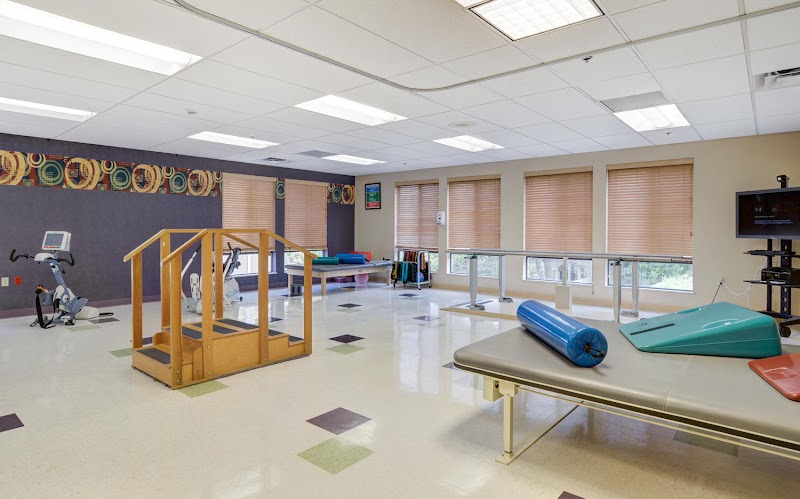
How is Highland Hills Post Acute Staffed?

CMS rates HIGHLAND HILLS POST ACUTE's staffing level at 3 out of 5 stars, which is average compared to other nursing homes. Staff turnover is 52%, compared to the Pennsylvania average of 46%.

What Have Inspectors Found at Highland Hills Post Acute?

State health inspectors documented 88 deficiencies at HIGHLAND HILLS POST ACUTE during 2023 to 2025. These included: 2 Immediate Jeopardy (the most serious level, indicating potential for serious harm or death), 85 with potential for harm, and 1 minor or isolated issues. Immediate Jeopardy findings are rare and represent the most serious regulatory concerns. They require immediate corrective action.
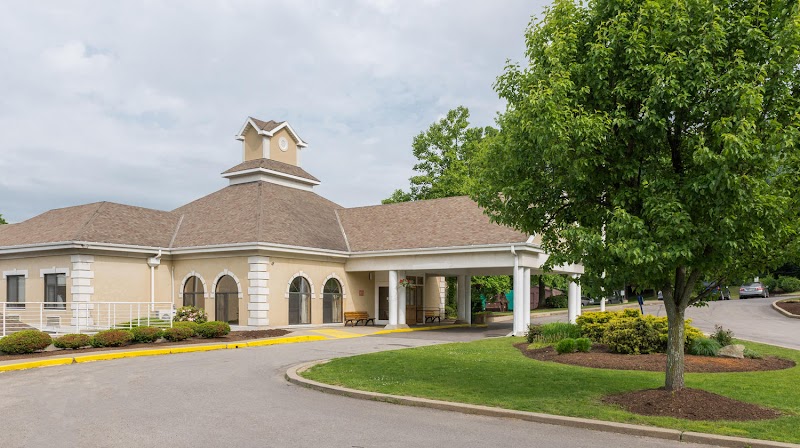
Who Owns and Operates Highland Hills Post Acute?

HIGHLAND HILLS POST ACUTE is owned by a for-profit company. For-profit facilities operate as businesses with obligations to shareholders or private owners. The facility is operated by PACS GROUP, a chain that manages multiple nursing homes. With 200 certified beds and approximately 156 residents (about 78% occupancy), it is a large facility located in PITTSBURGH, Pennsylvania.
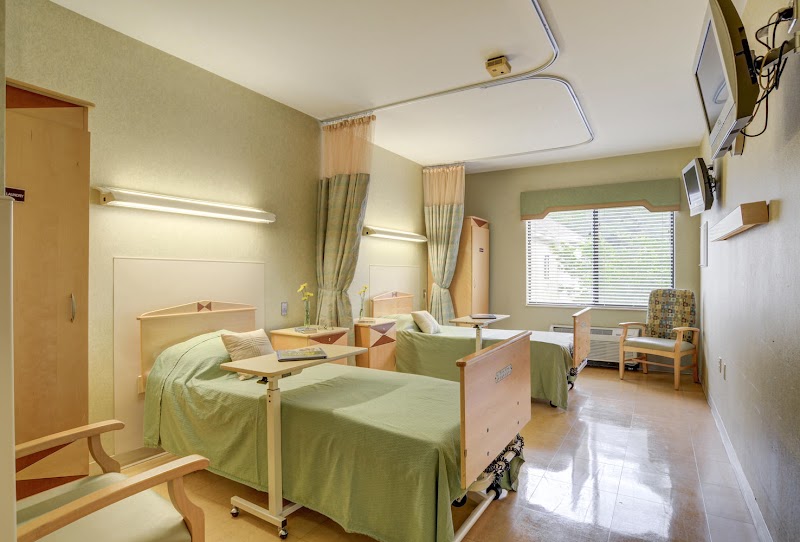
How Does Highland Hills Post Acute Compare to Other Pennsylvania Nursing Homes?

Compared to the 100 nursing homes in Pennsylvania, HIGHLAND HILLS POST ACUTE's overall rating (1 stars) is below the state average of 3.0, staff turnover (52%) is near the state average of 46%, and health inspection rating (1 stars) is much below the national benchmark.

What Should Families Ask When Visiting Highland Hills Post Acute?

Based on this facility's data, families visiting should ask: "What changes have been made since the serious inspection findings, and how are you preventing similar issues?" "What safeguards and monitoring systems are in place to protect residents from abuse or neglect?" "Can I visit during a mealtime to observe dining assistance and food quality?" "How do you handle medical emergencies, and what is your hospital transfer rate?" These questions are particularly relevant given the facility's Immediate Jeopardy citations and the substantiated abuse finding on record.

Is Highland Hills Post Acute Safe?

Based on CMS inspection data, HIGHLAND HILLS POST ACUTE has documented safety concerns. The facility has 1 substantiated abuse finding (meaning confirmed case of resident harm by staff or other residents). Inspectors have issued 2 Immediate Jeopardy citations (the most serious violation level indicating risk of serious injury or death). The facility is currently on the Special Focus Facility watch list (a federal program monitoring the lowest-performing 1% of nursing homes nationwide). The facility has a 1-star overall rating and ranks #100 of 100 nursing homes in Pennsylvania. Families considering this facility should ask detailed questions about what corrective actions have been taken since these incidents.

Do Nurses at Highland Hills Post Acute Stick Around?

HIGHLAND HILLS POST ACUTE has a staff turnover rate of 52%, which is 5 percentage points above the Pennsylvania average of 46%. Moderate turnover is common in nursing homes, but families should still ask about staff tenure and how the facility maintains care continuity when employees leave.

Was Highland Hills Post Acute Ever Fined?

HIGHLAND HILLS POST ACUTE has been fined $24,706 across 3 penalty actions. This is below the Pennsylvania average of $33,326. While any fine indicates a compliance issue, fines under $50,000 are relatively common and typically reflect isolated problems that were subsequently corrected. Families should ask what specific issues led to these fines and confirm they've been resolved.

Is Highland Hills Post Acute on Any Federal Watch List?

HIGHLAND HILLS POST ACUTE is currently an SFF Candidate, meaning CMS has identified it as potentially qualifying for the Special Focus Facility watch list. SFF Candidates have a history of serious deficiencies but haven't yet reached the threshold for full SFF designation. The facility is being monitored more closely — if problems continue, it may be added to the official watch list. Families should ask what the facility is doing to address the issues that led to this status.