IVY PARK POST ACUTE

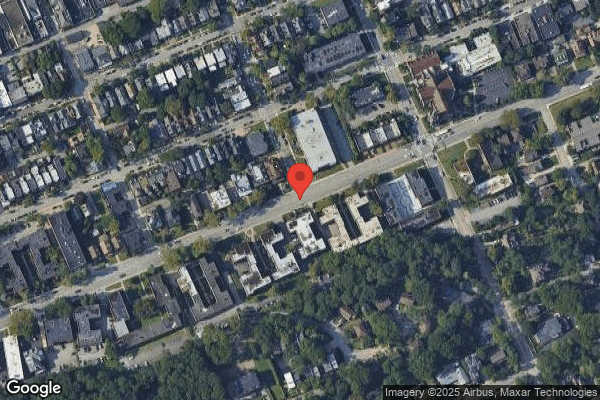
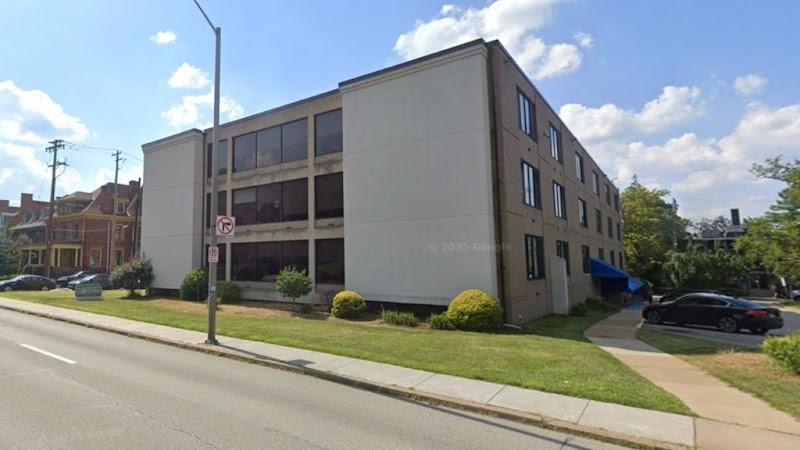
5609 FIFTH AVENUE, PITTSBURGH, PA 15232 (412) 362-3500
For profit - Limited Liability company 150 Beds GENESIS HEALTHCARE Data: November 2025
Trust Grade
35/100
#581 of 653 in PA
Last Inspection: June 2025

Inspected within the last 6 months. Data reflects current conditions.

Overview

Ivy Park Post Acute in Pittsburgh has received a Trust Grade of F, indicating significant concerns about the facility's care and operations. Ranking #581 out of 653 facilities in Pennsylvania places it in the bottom half, and #40 out of 52 in Allegheny County means that there are only a few local options that are better. The facility is improving, with issues decreasing from 43 in 2024 to 22 in 2025, but it still has a high staff turnover rate of 62%, which is concerning compared to the state average of 46%. Although there are no fines on record, which is a positive sign, specific incidents have raised alarms, such as the failure to properly store and label food items, leading to potential foodborne illness risks. Overall, while there are some strengths in staffing and recent improvements, the facility has serious weaknesses that families should carefully consider.

Trust Score
F
35/100
In Pennsylvania
#581/653
Bottom 12%
Safety Record
Low Risk
No red flags
Inspections
Getting Better
43 → 22 violations
Staff Stability
⚠ Watch
62% turnover. Above average. Higher turnover means staff may not know residents' routines.
Penalties
✓ Good
No fines on record. Clean compliance history, better than most Pennsylvania facilities.
Skilled Nurses
○ Average
Each resident gets 30 minutes of Registered Nurse (RN) attention daily — about average for Pennsylvania. RNs are the most trained staff who monitor for health changes.
Violations
⚠ Watch
87 deficiencies on record. Higher than average. Multiple issues found across inspections.
★☆☆☆☆
1.0
Overall Rating
★★★☆☆
3.0
Staff Levels
★★★☆☆
3.0
Care Quality
★☆☆☆☆
1.0
Inspection Score
Stable
2024: 43 issues
2025: 22 issues

The Good

  • Full Sprinkler Coverage · Fire safety systems throughout facility
  • No fines on record

Facility shows strength in fire safety.

The Bad

1-Star Overall Rating

Below Pennsylvania average (3.0)

Significant quality concerns identified by CMS

Staff Turnover: 62%

16pts above Pennsylvania avg (46%)

Frequent staff changes - ask about care continuity

Chain: GENESIS HEALTHCARE

Part of a multi-facility chain

Ask about local staffing decisions and management

Staff turnover is elevated (62%)

14 points above Pennsylvania average of 48%

The Ugly 87 deficiencies on record

Sept 2025 1 deficiency
CONCERN (D) 📢 Someone Reported This

A family member, employee, or ombudsman was alarmed enough to file a formal complaint

Potential for Harm - no one hurt, but risky conditions existed

Notification of Changes (Tag F0580)

Could have caused harm · This affected 1 resident

Based on review of clinical records and staff interview, it was determined that the facility failed to notify the physician of a change in condition for one of five residents (Resident R1).Review of t...

Read full inspector narrative →
Based on review of clinical records and staff interview, it was determined that the facility failed to notify the physician of a change in condition for one of five residents (Resident R1).Review of the clinical face sheet indicated that Resident R1 was admitted to the facility 4/4/24, with diagnoses that included seizures, moyamoya disease (rare blood vessel condition in which the carotid artery in the skull becomes blocked or narrowed) and cerebral infarction. A review of Resident R1's quarterly MDS assessment(minimum data assessment)- periodic assessment of resident care needs) dated 6/18/25, indicated the diagnosis remained current. Review of physician orders dated 8/5/25 indicated an order for valproic acid, cbc w/diff, cmp. Facility provided documentation indicated resident refused bloodwork. Review of clinical progress notes dated 8/5/25-8/25/25 indicated no notification to physician. During an interview on 9/3/25, at 1:35 p.m. Director of Nursing confirmed that the staff failed to notify the physician of Resident R1's lab work refusal. 28 Pa. Code: 211. 12(d)(1) Nursing services.
Jun 2025 21 deficiencies
CONCERN (D)

Potential for Harm - no one hurt, but risky conditions existed

Resident Rights (Tag F0550)

Could have caused harm · This affected 1 resident

**NOTE- TERMS IN BRACKETS HAVE BEEN EDITED TO PROTECT CONFIDENTIALITY** Based on review of facility policy, observations, and staff interviews, it was determined that the facility failed to ensure tha...

Read full inspector narrative →
**NOTE- TERMS IN BRACKETS HAVE BEEN EDITED TO PROTECT CONFIDENTIALITY** Based on review of facility policy, observations, and staff interviews, it was determined that the facility failed to ensure that care was provided in a manner which maintained resident dignity for one of four residents (Residents R120). Findings include: Review of facility policy Dignity dated 5/20/25, indicated each resident shall be cared for in a manner that promotes and enhances his or her sense of well-being, level of satisfaction with life, and feelings of self-worth and self-esteem. Review of Resident R120's clinical record indicated resident was admitted to the facility on [DATE]. Review of Resident R120's Minimum Data Set (MDS - periodic assessment of resident care needs) dated 5/8/25, indicated diagnoses of high blood pressure, diabetes (a metabolic disorder in which the body has high sugar levels for prolonged periods of time), and dementia (a group of symptoms that affects memory, thinking and interferes with daily life). Section M1200 Skin and Ulcer/Injury Treatments indicated pressure ulcer/injury care. Review of Residents R120's physician orders dated 5/21/25, indicated to cleanse right heel with wound cleanser and pat dry. Thera honey (a honey dressing used to treat wounds) to be applied to wound and place silver alginate (a medicated cream) over area and wrap with kling (a type of bandage used to secure dressing) every other day or as needed. Review of the facility provided pressure ulcer list indicated Resident R120 was admitted with a pressure ulcer (injury to skin and underlying tissue resulting from prolonged pressure on the skin) to her right heel on 12/18/24. During an observation of wound care on 6/25/25, from 2:05 p.m. through 2:40 p.m. Registered Nurse (RN) Employee E1 wrote on the dressing after it was placed on Resident R120's right heel. During an interview on 6/25/25, at 2:45 p.m. RN Employee E1 confirmed the facility failed to maintain Resident R120's dignity when writing on the dressings after placement on the resident. 28 Pa. Code: 201.29(j) Resident rights.
CONCERN (D)

Potential for Harm - no one hurt, but risky conditions existed

ADL Care (Tag F0677)

Could have caused harm · This affected 1 resident

**NOTE- TERMS IN BRACKETS HAVE BEEN EDITED TO PROTECT CONFIDENTIALITY** Based on review of facility policy, resident interview and observations, clinical record review, and staff interview it was dete...

Read full inspector narrative →
**NOTE- TERMS IN BRACKETS HAVE BEEN EDITED TO PROTECT CONFIDENTIALITY** Based on review of facility policy, resident interview and observations, clinical record review, and staff interview it was determined that the facility failed to provide Activity of Daily Living (ADL) assistance for one of four residents (Resident R5). Findings include: The facility policy Activities of Daily Living (ADLs) dated 5/20/25, indicated a patient who is unable to carry out ADLs independently will receive the services necessary to maintain good nutrition, grooming, and personal and oral hygiene. Review of admission record indicated Resident R5 was admitted to the facility on [DATE]. Review of Resident R5's Minimum Data Set (MDS - a periodic assessment of care needs) dated 5/14/25, indicated the diagnoses of high blood pressure, heart failure (heart doesn't pump blood as well as it should), and coronary artery disease (damage or disease in the heart's major blood vessels). Section GG0130 Functional Abilities indicated resident was dependent for personal hygiene needs. Observation on 6/23/25, at 9:20 a.m. Resident R5 was resting in bed with a large amount of facial hair to the upper lip and chin. Bilateral hands had black debris underneath the fingernails. Observation on 6/24/25, at 8:45 a.m. Resident R5 was resting in bed with a large amount of facial hair to the upper lip and chin. Bilateral hands had black debris underneath the fingernails. Observation and interview on 6/24/25, at 8:47 a.m. Nurse Aide (NA) Employee E14 confirmed the facial hair and fingernails with debris, and stated I'll let that aide know. Observation on 6/25/25, at 8:37 a.m. Resident R5 was resting in bed with a large amount of facial hair to the upper lip and chin. Bilateral hands had black debris underneath the fingernails. Observation and interview on 6/25/25, at 8:39 a.m. the Assistant Director of Nursing (ADON) Employee E1 confirmed Resident R5 was resting in bed with a large amount of facial hair to the upper lip, chin, and bilateral hands had black debris underneath the fingernails. Interview with the Director of Nursing on 6/27/25, at 12:15 p.m. confirmed the facility failed to provide Activity of Daily Living (ADL) assistance for one of four residents (Resident R5). 28 Pa. Code 211.10(c)(d) Resident Care Policies 28 Pa. Code 211.12(d)(1)(2)(5) Nursing Services 28 Pa. Code: 201.18(b)(1) Management.
CONCERN (D)

Potential for Harm - no one hurt, but risky conditions existed

Deficiency F0679 (Tag F0679)

Could have caused harm · This affected 1 resident

Based on review of facility policy, observation, and staff interviews, it was determined that the facility failed to provide an ongoing program of activities to meet the interests of and support the p...

Read full inspector narrative →
Based on review of facility policy, observation, and staff interviews, it was determined that the facility failed to provide an ongoing program of activities to meet the interests of and support the physical, mental, and psychosocial well-being of each resident for one of three floors (Fourth floor). Findings include: Review of facility policy Activity Programs dated 5/20/25, indicated our activity program are staffed with personnel who have appropriate training and experience to meet the needs and interests of each resident. During a review of activity calendar on 6/25/25, at 10:30 a.m. the following activities were scheduled on the Fourth Floor: - 11:00 a.m. Moovin and Groovin - 2:30 p.m. Connect Four During an observation on 6/25/25, at 11:08 a.m. the Fourth-floor common room had nine residents in the room. Activity aide Employee E21 was sitting at a table with music playing. At 11 :14 a.m. Activity aide Employee E21 was sitting with her head resting on her hand, eating a lollipop and failed to interact with the group of residents at the activity. During an interview on 6/25/25, at 11:20 a.m. Activity aide Employee E21 stated that the activity was Moovin and Groovin. When asked to describe the activity, Employee E21 stated, we play music and get the residents moving around. During an observation on 6/25/25, at 2:36 p.m. the Fourth-floor common room had six residents in the room. Activity aide Employee E21 was sitting at a table with a connect four game on the table with no residents playing game and failed to interact with the group of residents at the activity. During an interview on 6/26/25, at 1:45 p.m. Activity Director Employee E4 stated that Activity Aide Employee E21 should interact with the residents during an activity, attempted to get residents to participate and move their arms around or lift their legs, for example. During an interview on 6/26/25, at 1:53 p.m. Activity Director Employee E4 confirmed that the facility failed to provide an ongoing program of activities to meet the interests of and support the physical, mental, and psychosocial well-being of each resident for one of three floors (Fourth floor). 28 Pa. Code: 201.18 (b)(3) Management
CONCERN (D)

Potential for Harm - no one hurt, but risky conditions existed

Pressure Ulcer Prevention (Tag F0686)

Could have caused harm · This affected 1 resident

**NOTE- TERMS IN BRACKETS HAVE BEEN EDITED TO PROTECT CONFIDENTIALITY** Based on review of facility policy, national accepted guidelines for Pressure Ulcers, and staff interview, it was determined tha...

Read full inspector narrative →
**NOTE- TERMS IN BRACKETS HAVE BEEN EDITED TO PROTECT CONFIDENTIALITY** Based on review of facility policy, national accepted guidelines for Pressure Ulcers, and staff interview, it was determined that the facility failed to accurately assess pressure ulcers for two of five residents (Resident R4 and R94). Findings include: The facility policy Pressure ulcer/skin breakdown reviewed 5/20/25 indicated the nursing staff and practitioner will assess and document and individual's significant risk factors for developing pressure ulcers. The nurse shall describe and document the following: a. full assessment of pressure sore including location, stage, length, width, and depth and presence of extrudes or necrotic tissue b. pain assessment c. resident's mobility status d. current treatments e. all active diagnosis Review of the clinical record revealed that Resident R4 was admitted to the facility on [DATE]. Review of Resident R4's Minimum Data Set (MDS - a periodic assessment of care needs) dated 5/28/25, indicated the diagnoses of coronary artery disease (reduced blood flow to the heart), hypertension (high blood pressure) and acute osteomyelitis right foot and ankle (infection in the bone). During an observation completed on 06/23/25, at 10:07 a.m. Resident R4 was in bed a wound vac (a vacuum-assisted device that uses negative pressure to pull a wound together) was on her right foot. Review of Resident R4's physician orders dated 5/27/25, indicated wound vac to be applied Monday, Wednesday and Friday to right distal amputation site. Site to be cleansed with wound cleanser and pat dry after removal. Wound vac to be changed as needed every day shift and as needed. Further review of Resident R4's clinical record 5/27/25, through 6/26/25, revealed no wound measurements for the right foot amputation site. During an interview completed on 6/27/25, at 10:14 a.m. the Director of Nursing (DON) confirmed there were no weekly measurements for the right foot amputation site. Review of the clinical record indicated Resident R94 was admitted to the facility on [DATE]. Review of the MDS dated [DATE], indicated that Resident R94 had diagnoses that included surgical aftercare of digestive system, peritonitis (inflammation of the membrane lining the abdominal wall and covering the abdominal organs) and alcoholic cirrhosis of liver. Review of the clinical admission assessment dated [DATE], indicated that Resident R94 has a pressure ulcer on the coccyx, no measurements. Further review of Resident R94's clinical record from 4/24/25 through 6/26/25, revealed no measurements. Review of physician orders dated 4/25/25 indicated Resident R94 coccyx stage 4 stage pressure to be cleansed with wound cleanser and pat dry, apply therahoney and BG daily and as needed when soiled or dislodged. During an interview on 6/26/25, at 1:35 p.m. the Assistant Director of Nursing Employee E1 confirmed the facility failed to accurately assess pressure ulcers for two of five residents as required. 28 Pa. Code: 211.12(d)(1)(5) Nursing services.
CONCERN (D) 📢 Someone Reported This

A family member, employee, or ombudsman was alarmed enough to file a formal complaint

Potential for Harm - no one hurt, but risky conditions existed

Deficiency F0687 (Tag F0687)

Could have caused harm · This affected 1 resident

**NOTE- TERMS IN BRACKETS HAVE BEEN EDITED TO PROTECT CONFIDENTIALITY** Based on facility policy, review of clinical record, and staff interview, it was determined that the facility failed to provide ...

Read full inspector narrative →
**NOTE- TERMS IN BRACKETS HAVE BEEN EDITED TO PROTECT CONFIDENTIALITY** Based on facility policy, review of clinical record, and staff interview, it was determined that the facility failed to provide appropriate foot care to two of five residents (Residents R117 and R120). Findings include: The facility's Podiatry Services Policy dated 5/20/25, indicated that podiatry services will be offered on a routine basis (e.g., every six to eight weeks) through a contracted provider. Nursing staff are responsible for coordinating visit schedules and obtaining consents. Review of the admission record indicated Resident R117 was admitted to the facility on [DATE]. Review of Resident R117's Minimum Data Set (MDS - a periodic assessment of care needs) dated 6/12/25, indicated diagnoses of high blood pressure, diabetes (a long-term condition in which the body has trouble controlling blood sugar and using it for energy), and dementia (a general term for loss of memory, language, problem solving and other thinking abilities that are severe enough to interfere with daily life). Review of Resident R117's current care plan indicated Nurse Aide (NA) assess skin integrity daily with care and report abnormalities. Licensed nurse to conduct a comprehensive skin inspection weekly. Observation on 6/26/25, at 12:05 p.m. Resident R117 was lying in bed, with feet exposed from underneath the sheet. Observation and interview with Licensed Practical Nurse (LPN) Employee E15 on 6/26/25, at 12:45 p.m. confirmed Resident R117's toenails were thick, elongated and curved with a length that varied from approximately one-half inch to one inch over the ends of the toes. Review of Resident R120's clinical record indicated resident was admitted to the facility on [DATE]. Review of Resident R120's MDS dated [DATE], indicated diagnoses of high blood pressure, diabetes, and dementia. Section M1200 Skin and Ulcer/Injury Treatments indicated pressure ulcer/injury care. Review of Resident R120's physician orders dated 1/19/25, indicated to consult podiatry. Review of Resident R120's physician orders dated 5/21/25, indicated to cleanse right heel with wound cleanser and pat dry. Thera honey (a honey dressing used to treat wounds) to be applied to wound and place silver alginate (a medicated cream) over area and wrap with kling (a type of bandage used to secure dressing) every other day or as needed. During a wound dressing observation on 6/25/25, at 2:15 p.m. Resident R120 was sitting in a wheelchair in her room. Registered Nurse (RN) Employee E1 took bilateral socks off and Resident R120's toenails were observed. During an observation and interview on 6/25/25, at 2:30 p.m. RN Employee E1 confirmed Resident R120's toenails were thick, long, and curved upwards. Interview on 6/26/25, at 12:58 p.m. the Director of Nursing confirmed that Resident R117 and R120 had not received Podiatry care since admission and that the facility failed to provide appropriate foot care to two of five residents (Residents R117 and R120). 28 Pa. Code 201.21(c) Use of outside resources. 28 Pa. Code 211.12(d)(1)(2)(5) Nursing services.
CONCERN (D)

Potential for Harm - no one hurt, but risky conditions existed

Deficiency F0699 (Tag F0699)

Could have caused harm · This affected 1 resident

**NOTE- TERMS IN BRACKETS HAVE BEEN EDITED TO PROTECT CONFIDENTIALITY** Based on review of resident record review, and staff interviews, it was determined that the facility failed to provide a trauma ...

Read full inspector narrative →
**NOTE- TERMS IN BRACKETS HAVE BEEN EDITED TO PROTECT CONFIDENTIALITY** Based on review of resident record review, and staff interviews, it was determined that the facility failed to provide a trauma survivor with trauma informed care to eliminate or mitigate triggers that may cause re-traumatization of the resident for one of four residents (Resident R125). Findings include: Review of the facility policy Trauma Informed Care and Culturally Competent Care last reviewed 5/20/25, indicated to guide staff in providing care that is culturally competent and trauma-informed in accordance with professional standards of practice. To address the needs of trauma survivors by minimizing triggers and/or re-traumatization. General guidelines that include but not inclusive to: Resident Care Planning develop individualized care plans that address past trauma in collaboration with the resident and family. Identify and decrease exposure to triggers that may re-traumatize the resident Review of the clinical record indicated Resident R125 was admitted to the facility on [DATE]. Review of Resident R125's Minimum Data Set (MDS - a periodic assessment of resident care needs) dated 5/28/25, indicated diagnoses of post-traumatic stress disorder (PTSD-a mental health condition in people who have experienced or witnessed a traumatic event), anemia (low iron in the blood) and hip fracture. Review of Resident R125's care plan dated 5/22/25, indicated -Trauma-informed Care: At risk for decreased psychosocial well-being and adjustment issues, emotional distress and ineffective coping skills, poor impulse control, adverse effects on function, mental, physical, social, or spiritual wellbeing related to assault with a weapon but failed to identify what the triggers were and how to avoid them. Interview completed 6/26/25, 11:10 a.m. Social Services Director Employee E23 confirmed that the facility failed to identify PTSD triggers for Resident R125 in order to eliminate or mitigate any triggers that may cause re-traumatization for the resident. 28 Pa. Code: 201.14(a) Responsibility of licensee. 28 Pa. Code: 201.18(b)(1) Management.
CONCERN (D)

Potential for Harm - no one hurt, but risky conditions existed

Deficiency F0761 (Tag F0761)

Could have caused harm · This affected 1 resident

Based on review of facility policies, observations, and staff interviews, it was determined that the facility failed to store medications properly and securely in two of three medications carts (Third...

Read full inspector narrative →
Based on review of facility policies, observations, and staff interviews, it was determined that the facility failed to store medications properly and securely in two of three medications carts (Third floor Low Cart, and Second floor Low Cart). Findings include: Review of the facility policy Medication Storage dated 5/20/25, indicated all drugs and biologicals will be stored in locked compartments. Certain medications or package types, such as multiple dose and ophthalmic (eye) solutions require an expiration date shorter than the manufacturer's expiration date to insure medication purity and potency. During an observation on 6/23/25, at 11:48 a.m. the Second floor Low Cart contained the following undated medications: -ipratropium nebulizer medication (used to treat respiratory conditions by relaxing muscles around the airways to make breathing easier - a drug delivery device used to administer medications in the form of a mist) three packages opened without a date as required. -Ellipta (a type of dry powder inhaler used for treating respiratory disease) one inhaler opened without a date as required. During an interview on 6/23/25, at 11:49 a.m. Licensed Practical Nurse Employee E11 confirmed that the medications were opened and not dated as required. During an observation on 6/25/25, at 10:40 a.m. the Third floor Low Cart contained the following undated medications: -Ketotifen Fumarate eye drop vial (used to relieve the itching of eyes due to pollen, ragweed, grass, animal hair, and dander) opened and dated January 28, 2025. During an interview on 6/25/25, at 10:41 a.m. LPN Employee E12 confirmed the eye medication was opened and past use by date. Interview on 6/27/25, at 12:15 p.m., the Director of Nursing confirmed that the facility failed to properly and securely store medications in two of three medications carts (Third floor Low Cart, and Second floor Low Cart). 28 Pa. Code: 211.10(c) Resident care policies. 28 Pa. Code: 211.12(d)(2)(3) Nursing services.
CONCERN (D)

Potential for Harm - no one hurt, but risky conditions existed

Deficiency F0805 (Tag F0805)

Could have caused harm · This affected 1 resident

**NOTE- TERMS IN BRACKETS HAVE BEEN EDITED TO PROTECT CONFIDENTIALITY** Based on facility policy, observation, and staff interviews, it was determined that the facility failed to provide drinks in a f...

Read full inspector narrative →
**NOTE- TERMS IN BRACKETS HAVE BEEN EDITED TO PROTECT CONFIDENTIALITY** Based on facility policy, observation, and staff interviews, it was determined that the facility failed to provide drinks in a form to meet individuals' needs in one of four residents (Resident R48). Findings include: Review of the facility policy Therapeutic Diets dated 5/20/25, indicated that therapeutic diets are prescribed by the attending physician to support the resident ' s treatment and plan of care and in accordance with his or her goals and preferences. A therapeutic diet must be prescribed by the resident's physician. Review of the clinical record revealed that Resident R48 was admitted to the facility on [DATE]. Review of Resident R48's Minimum Data Set (MDS - periodic assessment of resident care needs) dated 5/8/25, indicated diagnoses of high blood pressure, diabetes (a metabolic disorder in which the body has high sugar levels for prolonged periods of time), and dysphagia (difficulty swallowing). Section K Swallowing Nutritional Status K0520 C indicated mechanical altered diet and was check marked -while a resident. Review of Resident R48's physician's orders on 11/21/24, indicated that resident was ordered thickened liquids, nectar consistency, no straws. Review of Resident R48's care plan dated 3/14/25, indicated to provide diet as ordered. Nectar thick consistency, no straw. Review of Resident R48's Kardex (plan of care that is available for staff to follow) indicated Eating/Nutrition - Nectar thick consistency, No straw. During an observation on 6/25/25, at 9:07 a.m. Resident R48 was observed laying in his bed with a white Styrofoam cup with clear thin liquids with a straw on his bedside table, within reach. During an interview on 6/25/25, at 9:10 a.m. Registered Nurse Employee stated Resident R48 should not have had that type of drink given to him and that the Nursing Assistant who passed it out failed to look at his ordered diet. During an interview on 6/25/25, at 2:35 p.m. the Director of Nursing confirmed that the facility failed to provide drinks in a form to meet individuals' needs in one of four residents (Resident R48). 28 Pa. Code: 201.18(b)(3) Management 28 Pa Code: 211.10(c) Resident Care Policies
CONCERN (D)

Potential for Harm - no one hurt, but risky conditions existed

Deficiency F0847 (Tag F0847)

Could have caused harm · This affected 1 resident

**NOTE- TERMS IN BRACKETS HAVE BEEN EDITED TO PROTECT CONFIDENTIALITY** Based on review of facility documents, resident clinical records and staff interviews it was determined that the facility failed...

Read full inspector narrative →
**NOTE- TERMS IN BRACKETS HAVE BEEN EDITED TO PROTECT CONFIDENTIALITY** Based on review of facility documents, resident clinical records and staff interviews it was determined that the facility failed to ensure residents had the capacity to understand the terms of a binding arbitration agreement (A binding agreement by the parties to submit to arbitration all or certain disputes which have arisen or may arise between them in respect of a defined legal relationship, whether contractual or not.) for two of five residents (Resident R97 and Resident R104). Findings include: Review of the admission record indicated Resident R97 was admitted to the facility on [DATE]. Review of Resident R97's Binding Arbitration Agreement indicated that the resident signed the document on 4/4/25. Review of Resident R97's Minimum Data Set (MDS - a periodic assessment of care needs) dated 4/10/25, indicated the diagnoses of high blood pressure, dysphagia (difficulty swallowing), and dementia (a general term for loss of memory, language, problem solving and other thinking abilities that are severe enough to interfere with daily life). Section C0500 BIMS (Brief Interview for Mental Status - a screening test that aides in detecting cognitive impairment) indicated a score of six (score 0-7: severe impairment). Review of the admission record indicated Resident R104 was admitted to the facility on [DATE]. Review of Resident R104's Binding Arbitration Agreement indicated that the resident signed the document on 11/27/24. Review of Resident R104's MDS dated [DATE], indicated the diagnoses of high blood pressure, dementia (a general term for loss of memory, language, problem solving and other thinking abilities that are severe enough to interfere with daily life), and anemia (the blood doesn ' t have enough healthy red blood cells). Section C0500 BIMS indicated a score of three (score 0-7: severe impairment). Interview on 6/24/25, at 1:11 p.m. the Nursing Home Administrator confirmed the facility failed to ensure a resident had the capacity to understand the terms of a binding arbitration agreement for two of five residents (Resident R97 and R104). 28 Pa. Code: 201.18(e)(1) Management
CONCERN (D)

Potential for Harm - no one hurt, but risky conditions existed

Infection Control (Tag F0880)

Could have caused harm · This affected 1 resident

**NOTE- TERMS IN BRACKETS HAVE BEEN EDITED TO PROTECT CONFIDENTIALITY** Based on facility policy, clinical record review, observation, and staff interviews, it was determined that the facility failed ...

Read full inspector narrative →
**NOTE- TERMS IN BRACKETS HAVE BEEN EDITED TO PROTECT CONFIDENTIALITY** Based on facility policy, clinical record review, observation, and staff interviews, it was determined that the facility failed to prevent cross contamination during a dressing change for one of three residents (Resident R120). Findings include: Review of the facility policy Wound Care dated 5/20/25, indicated the purpose of this procedure is to provide guidelines for the care of wounds to promote healing. Review of Resident R120's clinical record indicated resident was admitted to the facility on [DATE]. Review of Resident R120's Minimum Data Set (MDS - periodic assessment of resident care needs) dated 5/8/25, indicated diagnoses of high blood pressure, diabetes (a metabolic disorder in which the body has high sugar levels for prolonged periods of time), and dementia (a group of symptoms that affects memory, thinking and interferes with daily life). Section M1200 Skin and Ulcer/Injury Treatments indicated pressure ulcer/injury care. Review of Resident R120's physician orders dated 5/21/25, indicated to cleanse right heel with wound cleanser and pat dry. Thera honey (a honey dressing used to treat wounds) to be applied to wound and place silver alginate (a medicated cream) over area and wrap with kling (a type of bandage used to secure dressing) every other day or as needed. During a wound dressing change observation on 6/25/25, at 2:01 p.m. completed by Registered Nurse (RN) Employee E1, the following observations were made: - RN Employee E1 failed to clean the surface being used to hold supplies being used prior to dressing change - No barrier was laid down under residents ' foot during dressing change - Scissors were taken out of pocket and used without cleaning them prior to use - After cutting off soiled dressing, RN Employee E1 laid the dirty dressing on the floor with empty dressing packaging - RN Employee E1 failed to clean the surface being used to hold supplies being used after completion of dressing change During an interview on 06/25/25, at 2:45 p.m. RN Employee E1 confirmed the above observations and confirmed that the facility failed to prevent cross contamination during a dressing change for one of three residents (Resident R120). 28 Pa. Code: 211.10(d) Resident Care Policies. 28 Pa. Code: 211.12(d)(1)(5) Nursing Services.
CONCERN (D)

Potential for Harm - no one hurt, but risky conditions existed

Deficiency F0882 (Tag F0882)

Could have caused harm · This affected 1 resident

Based on a review of select facility policy and staff interview, it was determined the facility failed to designate a qualified individual(s) onsite, who is responsible for implementing programs and a...

Read full inspector narrative →
Based on a review of select facility policy and staff interview, it was determined the facility failed to designate a qualified individual(s) onsite, who is responsible for implementing programs and activities to prevent and control infections (7/1/24 to 9/30/24). Findings included: During a review of facilities Infection Control Committee meetings for the third quarter, the facility failed to provide signatures of attendees for July, August, and September 2024 infection control committee meeting. During an interview on 6/26/25, at 2:11 p.m. the Director of Nursing (DON) stated, Infection Preventionist (IP) Employee E5 was on leave of absence for the above months and was unable to provide an IP certificate who was completing the Infection Preventionist role during her leave of absence. During an interview on 6/26/25, at 2:40 p.m. the DON confirmed that the facility failed to designate a qualified individual(s) onsite, who is responsible for implementing programs and activities to prevent and control infections from 7/1/25, to 9/30/24. 28 Pa. Code: 201.14(a) Responsibility of licensee. 28 Pa. Code: 201.18(b)(1)(e)(1) Management. 28 Pa. Code: 201.19(3) Personnel records. 28 Pa. Code: 211.12(d)(1)(2)(3)(5) Nursing services.
CONCERN (E) 📢 Someone Reported This

A family member, employee, or ombudsman was alarmed enough to file a formal complaint

Potential for Harm - no one hurt, but risky conditions existed

Safe Environment (Tag F0584)

Could have caused harm · This affected multiple residents

Based on a review of facility documents, observations, and staff interviews, it was determined that the facility failed to maintain a homelike environment for seven of eight residents (Resident R12, R...

Read full inspector narrative →
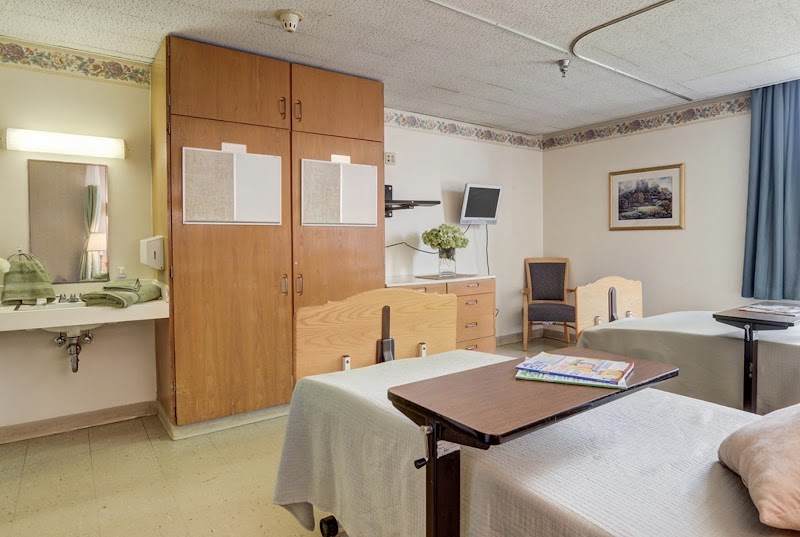
Based on a review of facility documents, observations, and staff interviews, it was determined that the facility failed to maintain a homelike environment for seven of eight residents (Resident R12, R38, R40, R41, R46, R81, and R120). Findings include: A review of facility policy Linen Management dated 5/20/25, indicated to ensure a consistent, sanitary, and efficient process for handling, distribution, and storage of linens used throughout the facility to support resident care. A review of facility policy Homelike Environment dated 5/20/25, indicated residents are provided with a safe, clean, comfortable, and homelike environment. During a tour of the unit on 6/24/25, at 1:00 p.m. the following were observed: - Resident R12's bed had stains on the fitted sheet and pillow case - Resident R38's bed had holes in the fitted sheets - Resident R40's bed had a thin, stretched, see through fitted sheet - Resident R41's bed had holes in the fitted sheets - Resident R46's bed had a dirty, stained blanket - Resident R81's bed had stains on the fitted sheet - Resident R120's bed had a thin, stretched, see through fitted sheet During an interview on 6/24/25, at 1:17 p.m. Licensed Practical Nurse (LPN) Employee E2 confirmed the above findings. During an interview on 6/24/25, at 2:30 p.m. Nursing Home Administrator confirmed that the facility failed to maintain a homelike environment on seven of eight residents. 28 Pa. Code: 201.18(b)(3) Management
CONCERN (E)

Potential for Harm - no one hurt, but risky conditions existed

Deficiency F0628 (Tag F0628)

Could have caused harm · This affected multiple residents

**NOTE- TERMS IN BRACKETS HAVE BEEN EDITED TO PROTECT CONFIDENTIALITY** Based on review of facility policy, clinical record review and staff interview, it was determined that the facility failed to ma...

Read full inspector narrative →
**NOTE- TERMS IN BRACKETS HAVE BEEN EDITED TO PROTECT CONFIDENTIALITY** Based on review of facility policy, clinical record review and staff interview, it was determined that the facility failed to make certain that the necessary resident information was communicated to the receiving health care provider for two of six residents sampled with facility-initiated transfers (Residents R2, R13) and failed to notify the resident or resident's representative of the facility bed-hold policy (an agreement for the facility to hold a bed for an agreed upon rate during a hospitalization) for one of six resident hospital transfers (Resident R13), and failed to obtain a physician order for discharge for one of three residents ( Closed Record Residents R127). Findings include: Review of facility policy Transfer or Discharge last reviewed 5/20/25, indicated transfer and discharges must meet specific criteria and require resident/representative notification, orientation, and documentation in the medical record. Review of the clinical record indicated Resident R13 was admitted to the facility on [DATE]. Review of Resident 13's Minimum Data Set (MDS - a periodic assessment of care needs) dated 3/27/25, indicated diagnoses of dementia(group of brain disorders that cause a progressive decline in cognitive functions, such as memory, thinking, reasoning, and problem-solving), major depressive disorder(mental health condition characterized by persistent feelings of sadness, loss of interest, and changes in mood and behavior that significantly impact daily life) and urinary tract infection. Review of the clinical record indicated Resident R13 was transferred to the hospital on 4/11/25, and returned to the facility on 4/16/25. Review of Resident R13's clinical record revealed no documented evidence that the facility had communicated specific information to the receiving health care provider for the residents transferred and expected return, which included the resident's care plan goals and all information necessary to meet the resident's specific needs at the receiving facility, the clinical record also failed to include documented evidence that the resident or the resident's representative were provided with written information about the facility's bed hold policy at the time of the transfer to the hospital on 4/11/25. Review of the admission record indicated Resident R2 was admitted to the facility on [DATE]. Review of Resident R2's MDS dated [DATE], indicated diagnoses of high blood pressure, anemia (too little iron in the blood), and renal insufficiency (condition where the kidneys lose the ability to remove waste and balance fluids). Review of the clinical record indicated Resident R2 was transferred to the hospital on 4/28/25. Review of Resident R2's clinical record revealed no documented evidence that the facility had communicated specific information to the receiving health care provider for the residents transferred and expected return, which included the resident's care plan goals and all information necessary to meet the resident's specific needs at the receiving facility. Interview with the Director of Nursing on 6/24/25, at 12:43 p.m. confirmed Resident R2 and Resident R13's clinical record did not contain all of the required information prior to transferring to the hospital. Interview with the Director of Nursing on 6/27/25, at 12:15 p.m. confirmed the facility failed to make certain that the necessary resident information was communicated to the receiving health care provider for four of six residents sampled with facility-initiated transfers (Residents R2 and R13). During an interview on 6/25/25, at 2:15 p.m. Director of Nursing confirmed that the facility failed to notify the resident or resident's representative of the facility bed-hold policy for of six resident hospital transfers (Residents R13). Review of the clinical record on 6/25/25, indicated Closed Record (CR) Resident R127 was admitted to the faciltiy on 4/24/25, and was discharged home on 5/29/25. Review of the clinical record revealed that CR Resident R127 failed to have a physician discharge order in the clinical record. During an interview on 6/25/25, at 1:27 p.m. Assistant Director of Nursing Employee E1 confirmed that the facility failed to obtain a physician order for discharge for one of three residents ( CR Resident R127) 28 Pa. Code: 201.29 (a)(c)(3)(2) Resident rights.
CONCERN (E)

Potential for Harm - no one hurt, but risky conditions existed

Comprehensive Care Plan (Tag F0656)

Could have caused harm · This affected multiple residents

**NOTE- TERMS IN BRACKETS HAVE BEEN EDITED TO PROTECT CONFIDENTIALITY** Based on review of policies and clinical records, observations and staff interviews, it was determined that the facility failed ...

Read full inspector narrative →
**NOTE- TERMS IN BRACKETS HAVE BEEN EDITED TO PROTECT CONFIDENTIALITY** Based on review of policies and clinical records, observations and staff interviews, it was determined that the facility failed to develop comprehensive care plans that included specific and individualized interventions and/or goals to address the care needs of residents for three of five residents reviewed (Resident R4, R25, and R120). Findings include: Review of the facility policy Care Plans Comprehensive Person-centered last reviewed 5/20/25, indicated that a comprehensive, person-centered care plan that includes measurable objectives and time frames, to meet a resident's, physical, psychosocial and functional needs is developed and implemented for each resident. The comprehensive, person-centered care plan includes measurable objectives and timeframes, describes the services that are to be furnished to attain or maintain the resident's highest practicable physical, mental, and psychosocial well-being, including but not inclusive to: Services that would otherwise be provided for the above but are not provided due to the resident exercising his or her rights, including but not inclusive to: - The right to refuse treatment. - Which professional services are responsible for each element of care. - Includes the resident's stated goals upon admission and desired outcome. - Builds on the resident's strength. - Reflects currently recognized standards of practice for problem areas and conditions. - Services provided for or arranged by the facility and outlined in the comprehensive care plan are: provided by qualified persons, culturally competent and trauma informed. Review of the clinical record revealed that Resident R4 was admitted to the facility on [DATE]. Review of Resident R4's Minimum Data Set (MDS - a periodic assessment of care needs) dated 5/28/25, indicated the diagnoses of coronary artery disease (reduced blood flow to the heart), hypertension (high blood pressure) and acute osteomyelitis (infection in the bone) right foot and ankle. During an observation completed on 06/23/25, at 10:07 a.m. Resident R4 was in bed a wound vac (a vacuum-assisted device that uses negative pressure to pull a wound together) was on her right foot. Review of Resident R4's physician orders dated 5/27/25, indicated wound vac to be applied Monday, Wednesday and Friday to right distal amputation site. Site to be cleansed with wound cleanser and pat dry after removal. Wound vac to be changed as needed every day shift and as needed. Review of Resident R4's current care plan dated 5/27/25, indicated resident has right foot infection related to right foot amputation and failed to reflect that Resident R4 had a wound vac. During an interview completed on 6/26/25, at 8:28 a.m. the Director of Nursing confirmed the comprehensive care plan did not include interventions for Resident R4's wound vac. Review of the clinical record revealed that Resident R25 was admitted to the facility on [DATE]. Review of Resident R25's MDS dated [DATE], indicated the diagnosis of anemia (low iron in the blood), diabetes (high sugar in the blood) and right leg above the knee amputation. During an observation completed on 6/23/25, at 9:58 a.m. Resident R25 was in his bed a trapeze bar (mobility aid) was noted above his head. Review of Resident R25's current care plan on 6/26/25, failed to include interventions for the over the bed trapeze. During an interview completed 6/26/25, at 12:52 p.m. Licensed Practical Nurse (LPN) Employee E12 confirmed the trapeze above residents bed and stated he uses it to get in and out and confirmed the care plan did not include interventions for the over the bed trapeze. Review of Resident R120's clinical record indicated resident was admitted to the facility on [DATE]. Review of Resident R120's MDS dated [DATE], indicated diagnoses of high blood pressure, diabetes, and dementia (a group of symptoms that affects memory, thinking and interferes with daily life). Review of Residents R120's physician orders dated 1/5/25, indicated resident to wear wander guard/wander elopement device (a device that alarms) due to poor safety awareness, check placement every shift. Review of Resident R120's current care plan on 6/26/25, at 1:04 p.m. failed to include a care plan with interventions, and goals for Wanderguard or elopement. During an interview on 6/26/25, at 1:43 p.m. Registered Nurse Employee E1 confirmed that Resident R120's wanderguard/elopement risk was not care planned. During an interview on 6/25/25, at 2:35 p.m. Director of Nursing confirmed that the facility failed to develop comprehensive care plans that included specific and individualized interventions and/or goals to address the care needs of residents for three of five residents reviewed (Resident R4, R25, and R120). 28 Pa. Code: 211.10(d) Resident care policies. 28 Pa. Code: 211.12 (d)(5) Nursing Services.
CONCERN (E)

Potential for Harm - no one hurt, but risky conditions existed

Quality of Care (Tag F0684)

Could have caused harm · This affected multiple residents

**NOTE- TERMS IN BRACKETS HAVE BEEN EDITED TO PROTECT CONFIDENTIALITY** Based on review of facility policy, clinical records, and staff interviews, it was determined that the facility failed to follow...

Read full inspector narrative →
**NOTE- TERMS IN BRACKETS HAVE BEEN EDITED TO PROTECT CONFIDENTIALITY** Based on review of facility policy, clinical records, and staff interviews, it was determined that the facility failed to follow physician orders for Blood Glucose levels for one of eight residents (Resident R50), failed to provide parameters of when to notify physicians of increased and decreased Capillary Blood Glucose (CBG) levels or notifying physician of results outside parameters ordered for five of eight residents (Residents R25, R34, R53, R75, and R120), failed to document appropriate interventions for a resident with hypoglycemia (low blood glucose) for one of eight residents (Resident R53), failed to provide therapeutic lab monitoring for one of three residents (Resident R58) and failed to ensure timely follow up physician appointments were scheduled for one out of three residents (Residents R111). Findings include: The facilities Nursing Care of the Older Adult with Diabetes Mellitus policy dated 5/20/25, indicated to provide overview of diabetes in the older adult, its symptoms and complications, and the principles of glucose monitoring. The Centers for Disease Control defines diabetes as: Diabetes Mellitus is a chronic (long-lasting) health condition that affects how your body turns food into energy. Most of the food you eat is broken down into sugar (also called blood glucose (BG) and released into your bloodstream. When your blood sugar goes up, it signals your pancreas to release insulin. Insulin acts like a key to let the blood sugar into your body's cells for use as energy. If you have diabetes, your body either doesn't make enough insulin or can't use the insulin it makes as well as it should. When there isn't enough insulin or cells stop responding to insulin, too much blood sugar stays in your bloodstream. Over time, that can cause serious health problems, such as heart disease, vision loss, and kidney disease. Hypoglycemia is a condition that occurs when blood glucose is lower than normal, usually below 70 milligrams per deciliter (mg/dl). If left untreated, hypoglycemia may lead to weakness, confusion, unconsciousness, arrhythmias and even death. People with Diabetes Mellitus may be prescribed injectable insulin to assist in maintaining acceptable levels of CBG's. Hyperglycemia, or high blood glucose, occurs when there is too much sugar in the blood. This happens when your body has too little insulin. Hyperglycemia is blood glucose greater than 125 mg/dL while fasting (not eating for at least eight hours, or a blood glucose greater than 180 mg/dL one to two hours after eating. If you have hyperglycemia and it's untreated for long periods of time, you can damage your nerves, blood vessels, tissues, and organs. Damage to blood vessels can increase your risk of heart attack and stroke, and nerve damage may also lead to eye damage, kidney damage and non-healing wounds. The facilities Change in a Resident's Condition or Status policy dated 5/20/25, indicated the facility will promptly notify the attending physician and the resident representative of changes in the resident ' s medical change. The facilities Specimen Collection policy dated 5/2/25, indicated our facility will collect specimens in accordance with nursing service procedures. Review of Resident R50's admission record indicated resident was admitted on [DATE]. Review of Resident R50's Minimum Data Set (MDS - periodic assessment of resident care needs) assessment dated [DATE], indicated diagnoses of high blood pressure, diabetes (a metabolic disorder impacting organ function related to glucose levels in the human body), and depression. MDS Section N Medications N0300 coded as resident receives insulin injections. Review of Resident R50's physician orders dated 6/26/24, indicated to check blood glucose levels two times a day. Order failed to include parameters as to when to call the physician. Review of Resident R50's physician orders dated 7/22/24, indicated to administer Lantus (a long-acting medication used to treat diabetes) 12 units at bedtime. Review of Resident R50's blood glucose monitoring revealed the facility failed to obtain blood glucose levels from 10/24/24 through 6/24/25. During an interview on 6/25/25, at 12:15 p.m. Director of Nursing confirmed that the order was incorrectly taken off by nursing, failed to include parameters as to when to notify the physician, and failed to obtain blood glucose levels from 10/24/24 through 6/24/25 for Resident R50. Review of the clinical record revealed that Resident R25 was admitted to the facility on [DATE] . Review of Resident R25's MDS dated [DATE], indicated the diagnosis of anemia (low iron in the blood), diabetes (high sugar in the blood) and right leg above the knee amputation. Review of Resident R25's physician orders dated 9/9/24, indicated HumaLOG KwikPen Solution Pen-injector 100 UNIT/ML (Insulin Lispro- fast acting insulin that lowers blood sugar) Inject as per sliding scale: 0 - 70 = 0 units implement diabetic protocol and call physician: 71 - 140 = 2 units; 141 - 180 = 4 units; 181 - 220 = 6 units; 221 - 260 = 8 units; 261 - 300 = 10 units; 301 - 340 = 12 units; 341 - 500 = 14 units over 341, give 14 units and call MD, subcutaneously before meals and at bedtime. Review of resident R25's glucometer readings indicated that on 6/9/25, at 4:30 p.m. the level was 375.0 mg/ml. Review of resident R25's progress notes failed to include notification to the physician for glucometer reading over 341. During an interview completed on 6/26/25 at 10:55 a.m. Licensed Practical Nurse (LPN) Employee E12 confirmed that the physician was not notified of increased glucometer check on 6/9/25, and stated I only see notes for 6/8/25, and 6/20/25, there are no other notes in between that time. Review of Resident R34's admission record indicated resident was admitted on [DATE]. Review of Resident R34's MDS dated [DATE], indicated diagnoses of high blood pressure, diabetes, and dementia (a group of symptoms that affects memory, thinking and interferes with daily life). MDS Section N Medications N0300 coded as resident receives insulin injections. Review of Resident R34's physician orders dated 2/4/25, indicated to administer Humalog (a short acting medication used to treat diabetes) according to a sliding scale and notify physician if BG is less than 70 or greater than 350. Review of Resident R34's physician orders dated 6/24/25, indicated to administer Lantus five units at bedtime. Review of Resident R34's clinical records for April 2025, though May 2025, indicated the following blood glucose measurements: 4/18/25 - 377 mg/dL 5/11/25 - 400 mg/dL 5/16/25 - 400 mg/dL 5/26/25 - 369 mg/dL Review of Resident R34's progress notes from 4/18/25, through 5/26/25, failed to include documentation that a physician was notified of Resident R34's abnormal blood glucose levels on the dates listed above. During an interview on 6/25/25, at 12:20 p.m. Director of Nursing confirmed that the physician was not notified of the blood glucose readings per physician order for Resident R34. Review of Resident R53's admission record indicated resident was admitted on [DATE]. Review of Resident R53's MDS dated [DATE], indicated diagnoses of coronary artery disease (damage or disease in the heart's major blood vessels), diabetes, depression. MDS Section N Medications N0300 coded as resident receives insulin injections. Review of Resident R53's physician orders dated 4/30/25, indicated to administer Lantus 20 units at bedtime. Review of Resident R53's physician orders dated 6/11/25, indicated to check blood glucose levels three times a week. The order failed to indicate parameters as to when to notify the physician. Review of Resident R53's clinical records for May 2025, indicated the following blood glucose measurements: 5/2/25 - 62 mg/dL 5/7/25 - 58 mg/dL 5/14/25 - 60 mg/dL 5/16/25 - 67 mg/dL Review of Resident R53's progress notes from 5/1/25, through 5/31/25, failed to include documentation that a physician was notified of Resident R53's abnormal blood glucose levels on the dates listed above and failed to document interventions used to treat hypoglycemia. During an interview on 6/25/25, at 12:25 p.m. Director of Nursing confirmed that the physician was not notified of the abnormal blood glucose readings per physician order and failed to document interventions used to treat hypoglycemia for Resident R53. Review of Resident R75's admission record indicated resident was admitted on [DATE]. Review of Resident R75's MDS dated [DATE], indicated diagnoses of high blood pressure, diabetes, and dementia. MDS Section N Medications N0300 coded as resident receives insulin injections. Review of Resident R75's physician orders dated 1/30/25, indicated to check blood glucose levels three times a day. The order failed to indicate parameters as to when to notify the physician. Review of Resident R75's physician orders dated 3/12/25, indicated to administer Lantus 8 units at bedtime. Review of Resident R75's clinical records from 4/24/25 through 6/5/25, indicated the following blood glucose measurements: 4/24/25 - 300 mg/dL 4/25/25 - 340 mg/dL 5/5/25 - 350 mg/dL 5/22/25 - 340 mg/dL 6/5/25 - 335 mg/dL Review of Resident R75's progress notes from 4/24/25, through 6/5/25, failed to include documentation that a physician was notified of Resident R75's abnormal blood glucose levels on the dates above. During an interview on 6/25/25, at 12:30 p.m. Director of Nursing confirmed that the physician was not notified of the abnormal blood glucose readings per physician order and failed to include parameters as to when to notify the physician for Resident R75. Review of Resident R120's admission record indicated resident was admitted on [DATE]. Review of Resident R120's MDS dated [DATE], indicated diagnoses of high blood pressure, diabetes, and dementia. MDS Section N Medications N0300 coded as resident receives insulin injections. Review of Resident R120's physician orders failed to indicate how often to check blood glucose readings, and parameters as to when to notify the physician. Review of Resident R120's physician orders dated 4/30/25, indicated to administer Lantus 30 units at bedtime. Review of Resident R120's clinical records from 5/16/25 through 6/17/25, indicated the following blood glucose measurements: 5/16/25 - 416 mg/dL 5/26/26 - 530 mg/dL 5/30/25 - 400 mg/dL 6/6/25 - 400 mg/dL 6/15/25 - 385 mg/dL 6/17/25 - 400 mg/dL Review of Resident R120's progress notes from 5/16/25, through 6/17/25, failed to include documentation that a physician was notified of Resident R120's abnormal blood glucose levels on the dates above. During an interview on 6/25/25, at 12:35 p.m. Director of Nursing confirmed that the physician was not notified of the abnormal blood glucose readings per physician order and failed to include parameters as to when to notify the physician for Resident R120. Review of Resident R58's admission record indicated resident was admitted on [DATE]. Review of Resident R58's MDS dated [DATE], indicated diagnoses of diabetes, bipolar disorder (a mental condition marked by alternating periods of elation and depression), and heart failure (a progressive heart disease that affects pumping action of the heart muscles). Review of Resident R58's physician orders dated 11/24/24, indicated to administer Lithium Carbonate 150 mg by mouth two times a day. The physician orders failed to include therapeutic lab monitoring for Resident R58's Lithium. During an interview on 6/25/25, at 12:37 p.m. Director of Nursing stated resident should have been getting routine Lithium lab work and confirmed that Resident R58 did not have any orders for lab draws to monitor Lithium levels. Review of the clinical record indicated that Resident R111 was admitted to the facility on [DATE]. Review of Resident R111's MDS dated [DATE], indicated diagnosis of anxiety disorder, hypothyroidism (thyroid gland doesn ' t produce enough hormones), gastro-esophageal reflux disorder (GERD- stomach acid flows back up through the esophagus). Section C0500 Brief interview for mental status (BIMS-tool used to screen and identify the cognitive condition of a resident the score of 0-7 severely impaired cognition, 8-12 moderately impaired cognition 13-15 intact cognition) coded as 14 indicating resident has intact cognition. During an interview completed on 6/23/25, at 11:10 a.m. Resident R111 stated we have trouble with our appointments, I missed one on Friday because it was not put on the calendar, now I have to wait longer for it to be rescheduled. During an interview completed on 6/24/25 at 12:32 p.m. upon asking LPN Employee E12 concerning Resident R111's missed appointment stated, it might have been one of the days the transportation company messed up they never showed to pick her up. During an interview completed on 6/24/24 at 1:14 p.m. upon asking Medical Records (MR) Employee E24 about Resident R111's missed appointment stated Resident R111 makes her own appointments and gives it to different staff members there are too many people involved in making appointments. A lot is broken there is no communication, the staff will sometimes text me the information to schedule the transportation. The transport company needs 24-hour notice for a wheelchair transfer and 48 hours for a stretcher transport. There is no process for scheduling. Resident R111 has been rescheduled for 7/22/25. During an interview completed on 6/24/25, at 2:02 p.m. upon asking the Assistant Director of Nursing (ADON) Registered Nurse (RN) Employee E1 concerning the scheduling of resident appointments stated the process on the floor varies from person to person. If the resident has a BIMS score of 13 or above, they can arrange their own transportation and appointments. There have been a few times when an appointment is missed, we try to reschedule as soon as we can. We are working on our own transportation and confirmed that the facility failed to ensure timely physician follow up appointments were scheduled for one out of three residents (Residents R111). 28 Pa. Code 201.18 (b)(1) Management 28 Pa. Code 201.29(a) Resident Rights 28 Pa. Code 211.10 (c)(d) Resident Care policies 28 Pa. Code 211.12 (d)(1)(2)(3)(5) Nursing services
CONCERN (E)

Potential for Harm - no one hurt, but risky conditions existed

Accident Prevention (Tag F0689)

Could have caused harm · This affected multiple residents

**NOTE- TERMS IN BRACKETS HAVE BEEN EDITED TO PROTECT CONFIDENTIALITY** Based on review of facility policy, clinical records, facility documents, resident interviews, and staff interviews, it was dete...

Read full inspector narrative →
**NOTE- TERMS IN BRACKETS HAVE BEEN EDITED TO PROTECT CONFIDENTIALITY** Based on review of facility policy, clinical records, facility documents, resident interviews, and staff interviews, it was determined that the facility failed to make certain residents with behaviors triggering elopement risk were identified timely, failed to assess on an ongoing basis, and failed to provide care plan and physician orders for interventions regarding exit seeking behaviors for three of five residents (Resident R70, R104, and R120). Findings include: Review of facility policy Elopement Risk Assessment Policy dated 5/20/25, indicated all residents will have an elopement risk assessment completed upon admission, quarterly, and with a significant change in condition, such as increased confusion, agitation, or mobility changes. If a resident is identified as an elopement risk, the care plan will include individualized interventions to address safety and monitoring. Review of the Resident Assessment Instrument 3.0 User's Manual effective October 2024, indicated that a Brief Interview for Mental Status (BIMS) is a screening test that aides in detecting cognitive impairment. The BIMS total score suggests the following distributions: 13-15: cognitively intact 8-12: moderately impaired 0-7: severe impairment. Review of the admission record indicated Resident R70 was admitted to the facility on [DATE]. Review of Resident R70's Minimum Data Set (MDS - a periodic assessment of care needs) dated 3/18/25, indicated diagnoses of high blood pressure, anemia (too little iron in the blood),and dementia (a general term for loss of memory, language, problem solving and other thinking abilities that are severe enough to interfere with daily life). Section C0500 indicated a BIMS score of 12 - moderately impaired. Section GG indicated resident able to wheel self independently in manual wheelchair. Review of Resident R70's current care plan indicated Resident exhibits fluctuating mood symptoms related to adjustment disorder with anxiety, dementia, sleeplessness, pain and frustration over residing in a facility. Review of Resident R70's progress note dated 5/27/25, indicated nursing states patient still often fixated on going home. Resident becomes angry when talking about it. Resident denied any pain, chest pain, shortness of breath, or abdominal pain. Resident indicated they can take care of themselves. Resident is a limited historian due to dementia. Review of Resident R70's Elopement Risk Screen dated 8/20/24, was the only Elopement Risk Screen noted in the clinical record. It indicated Resident was not at risk and did not trigger a care plan for wandering. Interview on 6/24/25, at 10:43 a.m. Resident R70 indicated awaiting Social Services assistance to get to the next place. Interview on 6/24/25, at 11:00 a.m. Licensed Practical Nurse (LPN) Employee E13 indicated Resident R70 gets out of bed and into the wheelchair, wanders about the unit, and always talks about going home. Interview on 6/26/25, at 2:00 p.m. the Director of Nursing confirmed Resident R70's elopement risk screen was not completed quarterly as required, or when increased behaviors of wanting to go home and having the ability to wander about the unit in a manual wheelchair were not identified as triggers for elopement risk. Review of the admission record indicated Resident R104 was admitted to the facility on [DATE]. Review of Resident R104's MDS dated [DATE], indicated diagnoses of anemia (low iron on the blood), high blood pressure, and Alzheimer's disease (affects memory, thinking and behavior). Review of Resident R104's current care plan indicated Resident is at risk for elopement/exit seeking/wandering related to dementia or other cognitive behavior. Review of Resident R104's admission elopement and wandering risk observation dated 11/26/24, indicated if the total score is 10 or greater, the resident would be considered At Risk for Wandering or Elopement. Resident R104 scored a 16. Further review of Resident R104's clinical record revealed no further elopement assessments completed. During an interview completed on 6/25/25, at 1:32 p.m. the Assistant Director of Nursing (ADON) Employee E1 confirmed Resident R104's elopement risk assessment was not completed quarterly as required. Review of Resident R120's clinical record indicated resident was admitted to the facility on [DATE]. Review of Resident R120's MDS dated [DATE], indicated diagnoses of high blood pressure, diabetes (a metabolic disorder in which the body has high sugar levels for prolonged periods of time), and dementia. During a review of Resident R120's physician orders dated 1/5/25, failed to include to check function of resident's wanderguard. During an observation on 6/24/25, at 2:15 p.m. Resident R120 was sitting in the common room and failed to have a wanderguard applied to person. During an interview on 6/24/25, LPN Employee E2 stated I checked it this morning, I don't know where its at and I don't have time to look for it right now, and confirmed that Resident R120 did not have a wanderguard on per physician order. Interview on 6/27/25, at 12:15 p.m. the Director of Nursing confirmed the facility failed to make certain residents with behaviors triggering elopement risk were identified timely, failed to assess on an ongoing basis, and failed to provide care plan and physician orders for interventions regarding exit seeking behaviors for three of five residents (Resident R70, R104, and R120). 28 Pa. Code 211.10(c)(d) Resident Care Policies 28 Pa. Code 211.12(d)(1)(2)(5) Nursing Services 28 Pa. Code: 201.18(b)(1) Management.
CONCERN (E)

Potential for Harm - no one hurt, but risky conditions existed

Deficiency F0698 (Tag F0698)

Could have caused harm · This affected multiple residents

**NOTE- TERMS IN BRACKETS HAVE BEEN EDITED TO PROTECT CONFIDENTIALITY** Based on review of facility policy, clinical record and staff interview it was determined that the facility failed to make certa...

Read full inspector narrative →
**NOTE- TERMS IN BRACKETS HAVE BEEN EDITED TO PROTECT CONFIDENTIALITY** Based on review of facility policy, clinical record and staff interview it was determined that the facility failed to make certain consistent dialysis communication was maintained for two of three residents (Residents R2 and R21) and failed to maintain a current dialysis contract with dialysis vendor for two of three (Resident R2, and R61). Findings include: Review of the facility policy End-Stage Renal Disease (ESRD), Care of a Resident with dated 5/20/25, indicated agreements between this facility and the contracted ESRD facility include all aspects of how the resident ' s care will be managed, including: a. how the care plan will be developed and implemented; b. how information will be exchanged between the facilities; and c. responsibility for waste handling, sterilization and disinfection of equipment. Review of the admission record indicated Resident R2 was admitted to the facility on [DATE]. Review of Resident R2's Minimum Data Set (MDS - a periodic assessment of care needs) dated 5/12/25, indicated diagnoses of high blood pressure, anemia (too little iron in the blood), and renal insufficiency (condition where the kidneys lose the ability to remove waste and balance fluids). Review of Resident R2's physician orders dated 6/18/25, indicated dialysis: Monday, Wednesday, and Friday at dialysis vendor. Pick up time at 5:30 a.m. and chair time at 6:30 a.m. Review of Resident R2's current care plan indicated dialysis: Monday, Wednesday, and Friday at dialysis vendor. Pick up time at 5:30 a.m. and chair time at 6:30 a.m. Review of Resident R2's dialysis communication forms indicated the following: -June 2025, failed to be present. -May 2025, had one incomplete form dated 5/28/25. No other forms were present. -April 2025, had one incomplete form with the starting date of 4/2/25, and the ending date of 4/12/25. No other forms were present. -March 2025, had one incomplete form dated 3/19/25. No other forms were present. -February 2025, had one incomplete form dated 2/14/25. No other forms were present. Interview on 6/23/25, at 1:00 p.m. Licensed Practical Nurse (LPN) Employee E22 confirmed the sheets failed to be present and complete as listed. Review of the admission record indicated Resident R21 was admitted to the facility on [DATE]. Review of Resident R21's MDS dated [DATE], indicated the diagnosis of high blood pressure, diabetes (high sugar in the blood) and end stage renal disease (final stage of chronic kidney disease, kidneys can Review of Resident R21's physician orders dated 6/18/25, indicated dialysis: Tuesday, Thursday, and Saturday at dialysis vendor. Pick up 10:00 a.m. and chair time 12:00 p.m. Review of Resident R21's current care plan indicated dialysis Tuesday, Thursday, and Saturday at dialysis vendor. Pick up 10:00 a.m. Review of Resident R2's dialysis communication forms indicated the following: -June 2025, had two complete forms 6/3/25, and 6/17/24. One incomplete form dated 6/19/25. No other forms were present. -May 2025, had three complete forms dated 5/6/25, 5/15/25 and 5/27/25. One incomplete form dated 5/24/25. No other forms were present. -April 2025, had three complete forms dated of 4/1/25, 4/3/25, and 4/22/25. One incomplete form dated 4/22/25. No other forms were present. During an interview completed on 6/26/25, at 10:48 a.m. Licensed Practical Nurse Employee E12 confirmed the sheets failed to be present and complete as listed and stated, we just started the books a few weeks ago. Review of the admission record indicated Resident R61 was admitted to the facility on [DATE]. Review of Resident R61's MDS dated [DATE], indicated diagnoses of high blood pressure, anemia, and renal insufficiency. Review of Resident R61's physician orders dated 6/18/25, indicated dialysis: Monday, Wednesday, and Friday at dialysis vendor. Pick up time at 9:00 a.m. and chair time at 10:00 a.m. Review of Resident R61's current care plan indicated dialysis: Monday, Wednesday, and Friday at dialysis vendor. Review of the facility provided dialysis agreements failed to include an agreement for dialysis vendor for Resident R2 and Resident R61 as required. Interview with the Nursing Home Administrator confirmed the facility did not have a current contract with Resident R2's and Resident R61's dialysis vendor as required. Interview on 6/27/25, at 12:15 p.m. the Nursing Home Administrator and Director of Nursing confirmed that the facility failed to make certain consistent dialysis communication was maintained for two of three residents (Residents R2 and ) and failed to maintain a current dialysis contract with dialysis vendor for two of three (Resident R2, and R61) as required. 28 Pa. Code: 211.5(f) Clinical records 28 Pa. Code: 211.12(d)(2)(3) Nursing services
CONCERN (E)

Potential for Harm - no one hurt, but risky conditions existed

Deficiency F0730 (Tag F0730)

Could have caused harm · This affected multiple residents

Based on review of personnel records and staff interview it was determined that the facility failed to complete annual performance evaluations for three of five nurse aides (NA Employee E17, E18 and E...

Read full inspector narrative →
Based on review of personnel records and staff interview it was determined that the facility failed to complete annual performance evaluations for three of five nurse aides (NA Employee E17, E18 and E19). Findings include: Review of personnel files revealed that Nurse Aide Employee E17 last hire date was 9/27/17, last performance evaluation was completed 12/28/18-12/29/19. Review of personnel files revealed that Nurse Aide Employee E19 last hire date was 4/20/05 , last performance evaluation was completed 7/20/20-7/19/21 . Review of personnel files revealed that Nurse Aide Employee E18 last hire date was 3/27/23, there was no performance evaluations was completed in file. During an interview on 6/27/25, at 8:15 a.m. Human Resource Employee E16 confirmed that the facility does not have up to date performance appraisals completed on NA Employee E17, E18 and E19 as required. 28 Pa Code: 201.20 (a)(b)(c)(d) Staff development. 28 Pa Code: 201.14 (a) Responsibility of licensee.
CONCERN (E)

Potential for Harm - no one hurt, but risky conditions existed

Garbage Disposal (Tag F0814)

Could have caused harm · This affected multiple residents

Based on review of facility policy, observation and staff interview it was determined that the facility failed to properly contain and dispose of garbage in two of three outside dumpsters to prevent t...

Read full inspector narrative →
Based on review of facility policy, observation and staff interview it was determined that the facility failed to properly contain and dispose of garbage in two of three outside dumpsters to prevent the potential for rodent and insect infestation (dumpster one and two). Findings include: Review of facility policy Dumpster Area dated 5/20/25 indicates area will be a clean, safe, and complaint waste disposal area that minimizes infection risks, deters pests, and adheres to Department of Health, Department of Environmental Protection, and local sanitation regulations. During an observation of the facility's outdoor trash receptacles on 6/23/25, at 10:30 a.m. Dietary Manager Employee E20 confirmed that the lid/cover was not closed on dumpster one and two and that there was liquid from the dumpster area collecting in the disposal area. 28 Pa. Code 201.18(b)(3) Management.
CONCERN (E)

Potential for Harm - no one hurt, but risky conditions existed

Deficiency F0947 (Tag F0947)

Could have caused harm · This affected multiple residents

Based on review of facility policy, personnel records, and staff interview it was determined that the facility failed to ensure that three of five sampled Nurse Aides (NA) received a minimum of 12 hou...

Read full inspector narrative →
Based on review of facility policy, personnel records, and staff interview it was determined that the facility failed to ensure that three of five sampled Nurse Aides (NA) received a minimum of 12 hours of in-service education per year (NA Employees E17, E18 and E19). Review of faciliy policy In-Service Training-All Staff dated 5/20/25 indicated all staff must participate in initial orientation and annual in-service training. Review of facility nurse aide training records revealed that nurse aide Employees E17, E18 and E19 did not receive 12 hours of in-service training in the last year. The facility was unable to provide documented evidence that the above nurse aide employees had received a minimum of 12 hours of in-service training yearly. During an interview on 6/25/25 , at 1:15 p.m. Human Resource Employee E16 confirmed that the facility did not have evidence that NA Employee E17, E18 and E19 received the required 12 hours of yearly in-service training. 28 Pa. Code: 201.14(a) Responsibility of Licensee. 28 Pa. Code: 201.20(c) Staff Development.
CONCERN (F)

Potential for Harm - no one hurt, but risky conditions existed

Food Safety (Tag F0812)

Could have caused harm · This affected most or all residents

Based on review of facility policy, observations and staff interview, it was determined that the facility failed to properly store food products in the walk in cooler and reach in cooler which created...

Read full inspector narrative →
Based on review of facility policy, observations and staff interview, it was determined that the facility failed to properly store food products in the walk in cooler and reach in cooler which created the potential for cross contamination (Main Kitchen). Findings include: Review of facility policy Food Receiving and Storage dated 5/20/25 indicates foods shall be received and stored in a manner that complies with safe food handling practices. During an observation of the main designated kitchen on 6/23/25, at 9:15 a.m. the following was observed: Walk in cooler: -cinnamon bread(3)-no date -bagels(2)-no date -deli ham (3)-no date or label Reach in cooler -salads(3)- no label or date -sandwiches(5)-no label or date During an interview on 6/23/25, at 10:00 a.m. Dietary Manager Employee E20 confirmed that the facility failed to properly store food products and maintain sanitary conditions which created the potential for food borne illness and cross contamination in the Main Kitchen. 28 Pa. Code: 201.14(a) Responsibility of licensee. 28 Pa. Code: 201.18(b)(3) Management.
Dec 2024 1 deficiency
CONCERN (D) 📢 Someone Reported This

A family member, employee, or ombudsman was alarmed enough to file a formal complaint

Potential for Harm - no one hurt, but risky conditions existed

Deficiency F0567 (Tag F0567)

Could have caused harm · This affected 1 resident

Based on review of facility policy, grievances and staff and resident interviews, it was determined that the facility failed to provide residents with access to their personal funds/petty cash for thr...

Read full inspector narrative →
Based on review of facility policy, grievances and staff and resident interviews, it was determined that the facility failed to provide residents with access to their personal funds/petty cash for three of four residents (Residents R1, R2, R4). Findings include: Review of the facility policy Management of Residents' Personal Funds last reviewed on 11/1/24, indicated that the facility manages the personal funds of residents who request the facility to do so. Should the facility be appointed the resident's representative payee, and directly receive monthly benefits to which the resident is entitled, such funds are managed in accordance with established polices and federal/state requirements. Review of the Business Office Manager job description reviewed 11/1/24, indicated the BOM is responsible for the overall supervision and management of the business office staff and assists with managing resident trust fund. Review of the facility Resident Council minutes dated 12/5/24, indicated residents would like to know how to set up a trust fund account and how to get money taken out. Review of Resident R2's grievance report dated 12/6/24, it was indicated he was upset that he did not receive his money that was owed to him by social security. The response from facility to the grievance revealed the resident was given cash on 12/19/24, 13 days after he expressed a concern. During an interview on 12/26/24, at 10:02 a.m. Resident R2 indicated he had a concern with accessing his funds from the facility. He indicated it took about two weeks to get his money. Review of Resident R4's grievance dated 12/19/24, indicated family expressed a concern that Resident R4 was not provided his $45 personal allowance for December. Review of Resident R4's Resident Fund Management Service (RFMS) statement revealed his account was opened on 11/7/24. It was indicated on 12/3/24, he had a balance of $1,167.00. Review of Resident R4's progress note dated 12/19/24, at 9:47 a.m. entered by Business Office Manager, Employee E1 indicated the administrator spoke to family again regarding personal allowance, multiple family member have called and made threats about resident allowance, administrator explained the check just came yesterday and the bank is just now opening, and resident will have money by today. Family and resident upset showing erratic behaviors. During an interview on 12/26/24, at 11:33 a.m. Resident R1 stated she has been trying to get her money. She indicated she was told the facility received her check and is waiting for it to process. She indicated she has been waiting since 12/1/24. It was indicated she spoke to someone Tuesday, and she was told she had to wait until Friday for it to be processed. Review of facility RFMS dated 12/26/24, at 11:05 a.m. revealed Resident R1 had an account balance of $0.23. During an interview on 12/26/24, at 11:33 a.m. the Business Office Manager and Nursing Home Administrator, the BOM, Employee E2 stated I have her check, her check just came. When asked why the facility did not receive Resident R1's December check timely, the Nursing Home Administrator stated the facility did not have the access to the Resident Fund Management Service (RFMS) yet. It was indicated the prior owner was managing the account funds for the month of November and indicated Resident R1's check was in transit somewhere. BOM, Employee E2 confirmed Resident R1 check was processed on the first of December. During an interview on 12/26/24, at 2:32 p.m., the Nursing Home Administrator confirmed that the facility failed to provide residents with access to their personal funds/petty cash timely for three of five residents (Resident R1, R2, and R4). 28 Pa. Code 201.14(a) Responsibility of licensee 28 Pa. Code 201.29(a)(d)(e) Resident Rights
Nov 2024 3 deficiencies
CONCERN (D) 📢 Someone Reported This

A family member, employee, or ombudsman was alarmed enough to file a formal complaint

Potential for Harm - no one hurt, but risky conditions existed

Free from Abuse/Neglect (Tag F0600)

Could have caused harm · This affected 1 resident

**NOTE- TERMS IN BRACKETS HAVE BEEN EDITED TO PROTECT CONFIDENTIALITY** Based on review of facility policy, clinical record review, and staff interviews, it was determined that the facility failed to ...

Read full inspector narrative →
**NOTE- TERMS IN BRACKETS HAVE BEEN EDITED TO PROTECT CONFIDENTIALITY** Based on review of facility policy, clinical record review, and staff interviews, it was determined that the facility failed to ensure that a resident was free from neglect by not providing a two-person bed mobility assistance for one of four residents (Resident R1) resulting in a fall. Findings include: Review of facility policy Abuse Prohibition dated 9/30/24, indicated neglect is defined as the failure, indifference, or disregard of the Center, its employees, or service providers to provide care, comfort, safety, goods and services to a patient that are necessary to avoid physical harm, pain, mental anguish, or emotional distress. This includes the failure to implement an effective communication system across all shifts for communicating necessary care and information between Center, patient, practitioners, and patient representatives. Review of facility policy Activities of Daily Living (ADLs) dated 9/30/24, indicated ADLs include bathing, dressing, grooming, transfer and ambulation, toileting, dining, and communication. A patient who is unable to carry out ADLs will receive the necessary level of ADL assistance to maintain good nutrition, grooming, and personal and oral hygiene. Review of the clinical record indicated Resident R1 was admitted to the facility on [DATE]. Review of Resident R1's Minimum Data Set (MDS - a periodic assessment of care needs) dated 10/24/24, indicated diagnoses of high blood pressure, quadriplegia (paralysis of all four limbs), and Multiple Sclerosis (a disease that affects central nervous system). Section GG - Functional Abilities, Question GG0170 Mobility indicated Resident R1 was coded as 1 dependent with the helper doing all of the effort or the assistance of two or more helpers is required to complete roll left and right bed mobility. Review of Resident R1's care plan dated 7/10/23, indicated the resident required an assist of two to complete bed mobility. Review of Resident R1's [NAME] (a snapshot of resident care needs) dated 10/4/24, indicated the resident required an assist of two for ADLs. Review of a progress note dated 10/4/24, completed by Licensed Practical Nurse (LPN) Employee E3 stated, Nurse Aide (NA) staff came out to let this nurse know that resident had accidentally rolled onto floor while she was changing hi. Registered Nurse (RN) Supervisor was called down to the unit right away to assess. Review of a progress note dated 10/4/24, completed by RN Employee E5 stated, Notified by nurse on cart that resident is on the floor. Upon entering the room observed resident laying on his back by the right side of his bed. Head to toe assessment performed on resident no physical injuries noted. Resident stated he had a spasm and it threw him on the floor. Denies pain at this time. Resident was assisted back to bed with a hoyer lift (a mechanical lift). Nurse on cart will follow up with fall protocol. Review of a verbal statement dated 10/7/24, obtained by RN Employee E4 indicated NA Employee E1 stated, I was providing incontinence care alone to Resident R1. I was in the middle of washing him up, I turned him on his side. During the time when he was on his side, I realized that I needed new briefs for him. I left the room to obtain the briefs. On my way back to the room, I heard the resident yell out I am going to fall! The resident also yelled out I am having spasms! I then heard a loud crash and entered the room to see the resident on the floor. He had fallen out of the bed. During an interview on 11/6/24, at 12:13 p.m. the Nursing Home Administrator (NHA) confirmed that Resident R1 was ordered an assist of two people to complete bed mobility and two people should have been in the room while Resident R1 was receiving care and fell out of bed on 10/4/24. During an interview on 11/6/24, at 12:13 p.m. the NHA confirmed that the facility failed to ensure that a resident was free from neglect by not providing a two-person bed mobility assistance as required for one of four residents (Resident R1) resulting in a fall. 28. Pa Code 201.14(a) Responsibility of licensee. 28. Pa Code 201.18(b)(1)(e )(1) Management. 28. Pa. Code 211.12(d)(1)(5) Nursing services.
CONCERN (D) 📢 Someone Reported This

A family member, employee, or ombudsman was alarmed enough to file a formal complaint

Potential for Harm - no one hurt, but risky conditions existed

Accident Prevention (Tag F0689)

Could have caused harm · This affected 1 resident

**NOTE- TERMS IN BRACKETS HAVE BEEN EDITED TO PROTECT CONFIDENTIALITY** Based on review of facility policy, clinical record review, and staff interview, it was determined that the facility failed to p...

Read full inspector narrative →
**NOTE- TERMS IN BRACKETS HAVE BEEN EDITED TO PROTECT CONFIDENTIALITY** Based on review of facility policy, clinical record review, and staff interview, it was determined that the facility failed to provide adequate supervision for bed mobility needs, resulting in an avoidable fall for one of four residents (Resident R1). Findings include: Review of facility policy Accidents/Incidents dated 9/30/24, indicated an accident is defined as any unexpected or unintentional incident which may result in injury or illness to a patient. Review of facility policy Activities of Daily Living (ADLs) dated 9/30/24, indicated ADLs include bathing, dressing, grooming, transfer and ambulation, toileting, dining, and communication. A patient who is unable to carry out ADLs will receive the necessary level of ADL assistance to maintain good nutrition, grooming, and personal and oral hygiene. Review of the clinical record indicated Resident R1 was admitted to the facility on [DATE]. Review of Resident R1's Minimum Data Set (MDS - a periodic assessment of care needs) dated 10/24/24, indicated diagnoses of high blood pressure, quadriplegia (paralysis of all four limbs), and Multiple Sclerosis (a disease that affects central nervous system). Section GG - Functional Abilities, Question GG0170 Mobility indicated Resident R1 was coded as 1 dependent with the helper doing all of the effort or the assistance of two or more helpers is required to complete roll left and right bed mobility. Review of Resident R1's care plan dated 7/10/23, indicated the resident required an assist of two to complete bed mobility. Review of Resident R1's [NAME] (a snapshot of resident care needs) dated 10/4/24, indicated the resident required an assist of two for ADLs. Review of a progress note dated 10/4/24, completed by Licensed Practical Nurse (LPN) Employee E3 stated, Nurse Aide (NA) staff came out to let this nurse know that resident had accidentally rolled onto floor while she was changing hi. Registered Nurse (RN) Supervisor was called down to the unit right away to assess. Review of a progress note dated 10/4/24, completed by RN Employee E5 stated, Notified by nurse on cart that resident is on the floor. Upon entering the room observed resident laying on his back by the right side of his bed. Head to toe assessment performed on resident no physical injuries noted. Resident stated he had a spasm and it threw him on the floor. Denies pain at this time. Resident was assisted back to bed with a hoyer lift (a mechanical lift). Nurse on cart will follow up with fall protocol. Review of a verbal statement dated 10/7/24, obtained by RN Employee E4 indicated NA Employee E1 stated, I was providing incontinence care alone to Resident R1. I was in the middle of washing him up, I turned him on his side. During the time when he was on his side, I realized that I needed new briefs for him. I left the room to obtain the briefs. On my way back to the room, I heard the resident yell out I am going to fall! The resident also yelled out I am having spasms! I then heard a loud crash and entered the room to see the resident on the floor. He had fallen out of the bed. During an interview on 11/6/24, at 12:13 p.m. the Nursing Home Administrator (NHA) confirmed that Resident R1 was ordered an assist of two people to complete bed mobility and two people should have been in the room while Resident R1 was receiving care and fell out of bed on 10/4/24. During an interview on 11/6/24, at 12:13 p.m. the NHA confirmed that the facility failed to provide adequate supervision for bed mobility needs, resulting in an avoidable fall for one of four residents (Resident R1). 28 Pa. Code: 201.14(a) Responsibility of licensee. 28 Pa. Code: 201.18(e)(1) Management. 28 Pa. Code: 207.2(a) Administrator's responsibility. 28 Pa. Code: 211.10(d) Resident care policies.
CONCERN (D) 📢 Someone Reported This

A family member, employee, or ombudsman was alarmed enough to file a formal complaint

Potential for Harm - no one hurt, but risky conditions existed

Deficiency F0713 (Tag F0713)

Could have caused harm · This affected 1 resident

**NOTE- TERMS IN BRACKETS HAVE BEEN EDITED TO PROTECT CONFIDENTIALITY** Based on review of facility policy, clinical record review, and staff interviews, it was determined that the facility failed to ...

Read full inspector narrative →
**NOTE- TERMS IN BRACKETS HAVE BEEN EDITED TO PROTECT CONFIDENTIALITY** Based on review of facility policy, clinical record review, and staff interviews, it was determined that the facility failed to ensure the provision of consistent and timely physician services for one of four residents (Resident R1). Findings include: Review of facility policy Physician/Advanced Practice Practitioner (APP) Notification dated 9/30/24, indicated upon identification of a patient who has a change in condition, abnormal laboratory values, or abnormal diagnostics, a licensed nurse will report to physician/APP. If unable to contact attending physician/APP, the Medical Director will be contacted. Review of the clinical record indicated Resident R1 was admitted to the facility on [DATE]. Review of Resident R1's Minimum Data Set (MDS - a periodic assessment of care needs) dated 10/24/24, indicated diagnoses of high blood pressure, quadriplegia (paralysis of all four limbs), and Multiple Sclerosis (a disease that affects central nervous system). Review of a Resident Representative Concern dated 10/25/24, stated, On Tuesday 10/8 he stated he didn't feel well and needed to go to the ER (emergency room). All the aides and nurses ignored his request for emergency care. On 10/9 I got a call from him and he stated he was feeling awful and needed the ER. I called and spoke to a nurse who stated he wasn't sent the night before because they never heard back from the doctor. I demanded he be sent. The hospital told me his urine was backed up into his kidneys, his BP (blood pressure) was low and his stomach was distended and he went into the ICU (Intensive Care Unit) for 4 days. They delayed emergency treatment for him. Review of a Change In Condition note dated 10/9/24, at 12:49 a.m. completed by Registered Nurse (RN) Employee E2 stated, The Change In Condition (CIC) reported on this CIC Evaluation are/were: functional decline (worsening function and/or mobility) Tired, Weak, Confused, or Drowsy. Nursing observations, evaluation, and recommendations are: Resident in no apparent distress. Complaint of Multiple Sclerosis (MS) flare up states he can't describe the feeling, denies pain. States it's a feeling I get when I need an infusion describes feelings as weakness and mobility impairment less than the normal. Resident is calm and relaxed. Insist on going to ER tonight. Resident insisting on ER visit at this time, MD (physician) notified. Review of a Medical Practitioner Note dated 10/9/24, at 1:09 p.m. completed by Physician Assistant Employee E6 stated, Per nursing, patient has been feeling unwell and requesting to be sent to the hospital. Patient with a history of recurrent MS flares requiring intravenous corticosteroids. Patient is found resting comfortably in bed, reports that he feels very bad. He is weak and tired and has pain from his shoulder all the way down his body. He refuses oral prednisone (a steroid given to suppress inflammation and the normal immune response) treatment here when I discuss alternative treatments instead of going to the hospital. He would really like to go to the hospital because he knows they can get him back to feeling better in a few days. Send to emergency room for evaluation and treatment. Review of a progress note dated 10/9/24, completed by RN Employee E3 stated, 10:45 p.m. emergency room called to check on resident's status, admitted to the Medical ICU with sepsis (the body's extreme response to an infection that can be life threatening). During a telephonic interview on 11/6/24, at 12:29 p.m. RN Employee E2 stated, Resident R1 told me he wasn't feeling good, he said he had a MS flare up. I called the doctor and he didn't answer the phone so I texted him, this was around 1 a.m. on 10/9/24. The doctor texted me back around 6 a.m. on 10/9/24. I told Resident R1 that I would tell the practitioners know in the morning to check on him. During an interview on 11/6/24, at 1:08 p.m. the Nursing Home Administrator (NHA) stated, I'm not sure what the procedure was at that time if staff couldn't get ahold of the physician at night. We have a procedure in place now when a physician does not respond. That physician is usually great about responding. During an interview on 11/6/24, at 1:08 p.m. the NHA confirmed that the facility failed to ensure the provision of consistent and timely physician services as required for one of four residents (Resident R1). 28 Pa. Code 211.2 (a)(d)(2) Physician services.
Oct 2024 3 deficiencies
CONCERN (D) 📢 Someone Reported This

A family member, employee, or ombudsman was alarmed enough to file a formal complaint

Potential for Harm - no one hurt, but risky conditions existed

Quality of Care (Tag F0684)

Could have caused harm · This affected 1 resident

**NOTE- TERMS IN BRACKETS HAVE BEEN EDITED TO PROTECT CONFIDENTIALITY** Based on review of facility policy, review of clinical documentation, staff interviews and review of facility reported events, i...

Read full inspector narrative →
**NOTE- TERMS IN BRACKETS HAVE BEEN EDITED TO PROTECT CONFIDENTIALITY** Based on review of facility policy, review of clinical documentation, staff interviews and review of facility reported events, it was determined the facility failed to ensure that physician orders were properly obtained, failed to identify pain or spasms to warrant medication, and failed to notify family for one of five residents (Resident R1). Findings: Review of facility policy Transcription of Orders dated 9/30/24, indicated orders from an authorized licensed independent practitioner are accepted by a Registered Nurse (RN) or Licensed Practical Nurse (LPN). A RN or LPN must review and verify accuracy and sign off orders. Review of facility policy Resident Rights under Federal Law dated 9/30/24, indicated that residents have the fundamental right to considerate care that safeguards their personal dignity along with respecting cultural, social, and spiritual values. Centers do not discriminate on the basis of race, color, religion, national origin, gender, disability or veteran status. The purpose is to treat each resident with respect and dignity and care for each resident in a manner an in an environment that promotes maintenance or enhancement of his or her self-esteem and self-worth. Review of facility policy Licensure and Certification of Personnel dated 9/30/24, indicated those employees whose jobs require specific licenses or certifications to maintain their credentials in compliance with state and federal laws at all times. Review of facility LPN Job Description indicated that nursing personnel to deliver nursing care and within scope of practice (a range of activities that a licensed health professional is permitted to perform within their profession) coordinates care delivery, which will ensure that patients needs are met in accordance with professional standards of practice through physician orders, center policy and procedures, and federal, state, and local guidelines. (LPN's cannot order medications under their scope of practice). Review of the clinical record indicated Resident R1 was admitted to the facility on [DATE]. Review of Resident R1's Minimum Data Set (MDS - a periodic assessment of care needs) dated 10/2/24, indicated diagnoses of aphasia (a language disorder that affects a person ' s ability to speak), depression, and cerebral infarction (necrotic tissue in the brain resulting loss of blood and oxygen to the brain). Review of employee file on 10/23/24, at 9:30 a.m. indicated that LPN Employee E5 was hired on 6/30/21 and was given an LPN job description. Review of Resident R1's physician orders dated 8/13/24, indicated that Flexeril (a muscle relaxant) 10 mg every eight hours as needed was ordered with a discontinued date of 8/30/24. Review of Resident R1's clinical record on 10/23/24, at 10:00 a.m. revealed resident was sent to the hospital 10/2/24 and returned to facility on 10/3/24, in which Flexeril 10 mg every eight hours as needed was ordered. Review of Resident R1's clinical record on 10/23/24, at 10:15 a.m. revealed that Flexeril was discontinued on 10/4/24. Review of Resident R1's physician orders dated 10/5/24, at 10:18 a.m. revealed that Flexeril 10 mg every eight hours for severe pain was reordered and discontinued on 10/9/24. Review of Resident R1's progress notes on 10/23/24, at 10:20 a.m. failed to reveal any documentation of resident having severe pain in the month of October 2024 and failed to reveal that family was made aware of the order. Review of documentation provided by the facility on 10/23/24, at 10:28 a.m. indicated that RN Employee E2 was reviewing Resident R1's chart when he realized that Flexeril was ordered in which he knew it had been discontinued days prior by the Nurse Practitioner (NP) on his shift. During an interview on 10/23/24, at 12:16 p.m. RN Employee E2 stated I knew the NP discontinued the Flexeril and was talking to his daughter on the last day I worked about it. When I came back to work on 10/9/24, I noticed that it was reordered. When I questioned LPN Employee E5 via the phone, because I noticed she signed the order off, she stated that she thought he needed it so she ordered it without calling the physician or the NP. I let my supervisor know of the conversation and they wanted me to call LPN Employee E5 back to confirm again that she ordered a medication without calling the physician. When I called her back, she stated yes, I ordered it and did not call the physician for the order. During an interview on 10/24/24, at 2:10 p.m. NP stated, I discontinued the medication, and nobody ever called me to reorder it. During a phone interview on 10/24/24, at 2:31 p.m. the Physician stated, I was out of the area on that day. I played back my messages at the office, and no one called me from the facility. I did not get a call about Resident R1 and I never ordered Flexeril for him on 10/5/24. During an interview on 10/24/24, at 3:00 p.m. the Nursing Home Administrator and Director of Nursing confirmed that the facility failed to ensure that physician orders were properly obtained, failed to identify pain or spasms to warrant medication, and failed to notify family for one of five residents (Resident R1). 28 Pa. Code 201.18 (b)(1) Management. 28 Pa. Code 201.29(d) Resident rights. 28 Pa. Code 211.10 (c)(d) Resident care policies. 28 Pa. Code 211.12 (d)(1)(2)(3)(5) Nursing services.
CONCERN (D) 📢 Someone Reported This

A family member, employee, or ombudsman was alarmed enough to file a formal complaint

Potential for Harm - no one hurt, but risky conditions existed

Pharmacy Services (Tag F0755)

Could have caused harm · This affected 1 resident

**NOTE- TERMS IN BRACKETS HAVE BEEN EDITED TO PROTECT CONFIDENTIALITY** Based on review of facility policy, review of clinical documentation. observation and staff interview it was determined the faci...

Read full inspector narrative →
**NOTE- TERMS IN BRACKETS HAVE BEEN EDITED TO PROTECT CONFIDENTIALITY** Based on review of facility policy, review of clinical documentation. observation and staff interview it was determined the facility failed to dispose and reconcile discontinued medication in a timely manner for one of two residents (Resident R1). Findings: Review of facility policy Disposal of Medication Waste dated [DATE], indicated medications will be disposed of in accordance with applicable federal, state, and local regulations for the disposal of chemical and potentially dangerous or hazardous pharmaceuticals. Medications for disposal include medications which are not taken with the patient upon discharge and discontinued, expired, or contaminated medications. Review of the clinical record indicated Resident R1 was admitted to the facility on [DATE]. Review of Resident R1's Minimum Data Set (MDS - a periodic assessment of care needs) dated [DATE], indicated diagnoses of aphasia (a language disorder that affects a person ' s ability to speak), depression, and cerebral infarction (necrotic tissue in the brain resulting loss of blood and oxygen to the brain). Review of Resident R1's physician orders dated [DATE], indicated that Flexeril (a muscle relaxant) 10 mg every eight hours as needed was ordered with a discontinued date of [DATE]. Review of Resident R1's clinical record on [DATE], at 10:00 a.m. reveal resident was sent to the hospital [DATE] and returned to facility on [DATE], in which Flexeril 10 mg every eight hours as needed was reordered. Review of Resident R1's clinical record on [DATE], at 10:15 a.m. reveal that Flexeril was discontinued on [DATE]. Review of Resident R1's physician orders dated [DATE], reveal that Flexeril 10 mg every eight hours for severe pain was ordered and discontinued on [DATE]. During an observation on [DATE], at 2:13 p.m. the facility had a blister pack of Flexeril 10 mg being stored in the medication room. During an interview on [DATE] at 2:15 p.m. the Director of Nursing (DON) stated, The Flexeril should have been sent back to pharmacy or destroyed when the order to discontinue the medication was obtained. During an interview on [DATE], at 2:23 p.m. the DON confirmed that the facility failed to dispose and reconcile discontinued medication in a timely manner for one of two residents (Resident R1). 28 Pa. Code211.12(d)(1)(3)(5)Nursing services.
CONCERN (D) 📢 Someone Reported This

A family member, employee, or ombudsman was alarmed enough to file a formal complaint

Potential for Harm - no one hurt, but risky conditions existed

Deficiency F0836 (Tag F0836)

Could have caused harm · This affected 1 resident

**NOTE- TERMS IN BRACKETS HAVE BEEN EDITED TO PROTECT CONFIDENTIALITY** Based on review of facility policy, review of clinical documentation, staff interviews and review of facility reported events, i...

Read full inspector narrative →
**NOTE- TERMS IN BRACKETS HAVE BEEN EDITED TO PROTECT CONFIDENTIALITY** Based on review of facility policy, review of clinical documentation, staff interviews and review of facility reported events, it was determined the facility failed to ensure that orders were properly obtained by a Physician, Physician Assistant, or Nurse Practitioner (NP) for one of five residents (Resident R1). Findings: Review of facility policy Transcription of Orders dated 9/30/24, indicated orders from an authorized licensed independent practitioner are accepted by a Registered Nurse (RN) or Licensed Practical Nurse (LPN). A RN or LPN must review and verify accuracy and sign off orders. Review of facility policy Resident Rights under Federal Law dated 9/30/24, indicated that residents have the fundamental right to considerate care that safeguards their personal dignity along with respecting cultural, social, and spiritual values. Centers do not discriminate on the basis of race, color, religion, national origin, gender, disability or veteran status. The purpose is to treat each resident with respect and dignity and care for each resident in a manner an in an environment that promotes maintenance or enhancement of his or her self-esteem and self-worth. Review of facility policy Licensure and Certification of Personnel dated 9/30/24, indicated those employees whose jobs require specific licenses or certifications to maintain their credentials in compliance with state and federal laws at all times. Review of facility LPN Job Description indicated that nursing personnel to deliver nursing care and within scope of practice (a range of activities that a licensed health professional is permitted to perform within their profession) coordinates care delivery, which will ensure that patients ' needs are met in accordance with professional standards of practice through physician orders, center policy and procedures, and federal, state and local guidelines. (LPN ' s can not order medications under their scope of practice). Review of the clinical record indicated Resident R1 was admitted to the facility on [DATE]. Review of Resident R1's Minimum Data Set (MDS - a periodic assessment of care needs) dated 10/2/24, indicated diagnoses of aphasia (a language disorder that affects a person ' s ability to speak), depression, and cerebral infarction (necrotic tissue in the brain resulting loss of blood and oxygen to the brain). Review of employee file on 10/23/24, at 9:30 a.m. indicated that LPN Employee E5 was hired on 6/30/21 and was given a LPN job description. Review of Resident R1's physician orders dated 8/13/24, indicated that Flexeril (a muscle relaxant) 10 mg every eight hours as needed was ordered with a discontinued date of 8/30/24. Review of Resident R1's clinical record on 10/23/24, at 10:00 a.m. revealed resident was sent to the hospital 10/2/24 and returned to facility on 10/3/24, in which Flexeril 10 mg every eight hours as needed was ordered. Review of Resident R1's clinical record on 10/23/24, at 10:15 a.m. revealed that Flexeril was discontinued on 10/4/24. Review of Resident R1's physician orders dated 10/5/24, at 10:18 a.m. revealed that Flexeril 10 mg every eight hours for severe pain was reordered and discontinued on 10/9/24. Review of Resident R1's progress notes on 10/23/24, at 10:20 a.m. failed to reveal any documentation of resident having severe pain in the month of October 2024 and failed to reveal that family was made aware of the order. Review of documentation provided by the facility on 10/23/24, at 10:28 a.m. indicated that RN Employee E2 was reviewing Resident R1's chart when he realized that Flexeril was ordered in which he knew it had been discontinued days prior by the NP on his shift. During an interview on 10/23/24, at 12:16 p.m. RN Employee E2 stated I knew the NP discontinued the Flexeril and was talking to his daughter on the last day I worked about it. When I came back to work on 10/9/24, I noticed that it was reordered. When I questioned LPN Employee E5 via the phone, because I noticed she signed the order off, she stated that she thought he needed it so she ordered it without calling the physician or the NP. I let my supervisor know of the conversation and they wanted me to call LPN Employee E5 back to confirm again that she ordered a medication without calling the physician. When I called her back, she stated yes, I ordered it and did not call the physician for the order. During an interview on 10/24/24, at 2:10 p.m. NP stated, I discontinued the medication, and nobody ever called me to reorder it '. During an interview on 10/24/24, at 2:31 p.m. the Physician stated, I was out of the area on that day. I played back my messages at the office, and no one called me from the facility. I did not get a call about Resident R1 and I never ordered Flexeril for him on 10/5/24. During an interview on 10/24/24, at 3:00 p.m. the Nursing Home Administrator and Director of Nursing confirmed that the facility failed to ensure that orders were properly obtained by a Physician, Physician Assistant, or NP for one of five residents (Resident R1). 28 Pa Code: 201.14 (a)(c )(e ) Responsibility of management 28 Pa Code: 201.18 (b)(1) (e)(1) Management.
Oct 2024 1 deficiency
CONCERN (D) 📢 Someone Reported This

A family member, employee, or ombudsman was alarmed enough to file a formal complaint

Potential for Harm - no one hurt, but risky conditions existed

Deficiency F0624 (Tag F0624)

Could have caused harm · This affected 1 resident

**NOTE- TERMS IN BRACKETS HAVE BEEN EDITED TO PROTECT CONFIDENTIALITY** Based on review of facility policy, clinical records and interviews with staff it was determined that the facility failed to imp...

Read full inspector narrative →
**NOTE- TERMS IN BRACKETS HAVE BEEN EDITED TO PROTECT CONFIDENTIALITY** Based on review of facility policy, clinical records and interviews with staff it was determined that the facility failed to implement a safe and orderly discharge from the facility for one of three residents (Closed Record Resident R2). Findings include: Review of facility policy Discharge and Transfer dated 9/30/24, indicated Purpose -To provide guidance that meets federal and state regulations. To meet resident needs. To facilitate a safe transition to an alternate setting. Review of facility admit sheet indicated CR R2 was admitted to the faciltiy on 9/6/24. Review of MDS (minimum data set - a periodic assessment of resident needs) dated 9/14/24, indicated diagnosis of Conversion Disorder (a mental health condition issue that disrupts how your brain works) and Shortness of Breath. Review of CR R2 clinical record indicated the following: Discharge Planning - ongoing indicated home care/Personal Provider Name/ Address and phone number - returning to North Carolina, Physician phone number [PHONE NUMBER]. Progress notes dated 9/26/24, type social service : CR Resident 2 set to discharge 9/26/24, back to North Carolina. CR Resident 2 states friend sent her money via cash app for Greyhound bus ticket which was confirmed. Rx was delivered from (local pharmacy) to nurse at this facility 9/25/26. PCP to set up Home Health Care when she returns to North Carolina can not remember PCP name but will schedule appt when she returns home. During an interview on 10/ 8/24, at 1:54 p.m. Nursing Home Administrator and Director of Nursing confirmed that the facility failed to implement a safe and orderly discharge from the facility for CRR2, and the facility could not provide a home address, personal provider name (doctor's name), address/phone number of resident or physician or where CR Resident 2 was staying. Pa. Code 201.25 Discharge policy. Pa. Code 201.29 (f)(g)Resident rights.
Jul 2024 31 deficiencies
CONCERN (D)

Potential for Harm - no one hurt, but risky conditions existed

Resident Rights (Tag F0550)

Could have caused harm · This affected 1 resident

Based on observation, review of facility documentation, resident and staff interviews it was determined that the facility failed to provide a dignified dining experience for meals for one of three uni...

Read full inspector narrative →
Based on observation, review of facility documentation, resident and staff interviews it was determined that the facility failed to provide a dignified dining experience for meals for one of three units (4th Floor Nursing Unit). Findings include: Review of the facility policy FNS308 Meal Service dated 5/7/24, indicated meals are served accurately, timely, and at the appropriate temperature. It was indicated bases and dinner plates are heated for hot meals. The only exception to the use of disposable dishes are if the dishwasher is broken, or the resident is on suicide precautions. Review of the facility policy NSG270 Meal Service dated 5/7/24, indicated it is the policy of the facility to provide safe, sanitary, and dignified meals services which account for patient preference. Review of a grievance form dated 3/7/24, indicated meals are still coming up at times in Styrofoam containers/bowls. Plastic silverware is sent up, and at times no knife is provided. Review of a grievance form dated 7/11/24, indicated Styrofoam is still being used during meals. Review of the facility's food committee minutes dated 7/11/24, indicated a concern for Styrofoam still being used during some meals. During an observation on 7/22/24, at 9:10 a.m. Resident R47, R122, and R24 received their breakfast served in a Styrofoam container. During an interview on 7/22/24, at 9:11 a.m. Nurse Aide (NA) Employee E21 confirmed Styrofoam containers were being used to serve breakfast for residents. NA Employee E21 stated sometimes the end of the hallway will get Styrofoam. Not sure if they run out or something. NA Employee E21 confirmed the facility failed to provide residents with a dignified dining experience. During an interview on 7/22/24, a 11:20 a.m. Dietary Aide Employee E13 stated, Styrofoam was used for breakfast on the 4th floor as we ran out of plates. Dietary Aide, Employee E13 confirmed the facility failed to provide residents with a dignified dining experience for one of three nursing units (fourth floor). PA Code: 201.29(j) Resident Rights
CONCERN (D) 📢 Someone Reported This

A family member, employee, or ombudsman was alarmed enough to file a formal complaint

Potential for Harm - no one hurt, but risky conditions existed

Notification of Changes (Tag F0580)

Could have caused harm · This affected 1 resident

**NOTE- TERMS IN BRACKETS HAVE BEEN EDITED TO PROTECT CONFIDENTIALITY** Based on review of clinical records, and staff interview it was determined that the facility failed to notify the resident's rep...

Read full inspector narrative →
**NOTE- TERMS IN BRACKETS HAVE BEEN EDITED TO PROTECT CONFIDENTIALITY** Based on review of clinical records, and staff interview it was determined that the facility failed to notify the resident's representative of a change in condition and transfer to the hospital for one of four resident records (Closed Resident Record CR241). Findings include: Review of facility policy Change in Condition: Notification of dated 5/7/24, indicated a Center must immediately notify the patient, consult with the patient's physician, and notify, consistent with their authority, the patient's representative, when there is a significant change in the patient's physical mental, or psychosocial status (that is, a deterioration in health, mental or psychosocial status in either life-threatening conditions on clinical complications), and when there is a decision to transfer of discharge the patient from the Center. Review of the clinical record indicated Closed Resident Record CR241 was admitted to the facility on [DATE]. Review of Closed Resident Record CR241's Minimum Data Set (MDS - a periodic assessment of care needs) dated 7/2/24, indicated diagnoses of high blood pressure, history of falling, and muscle weakness. Review of a clinical progress note dated 7/2/24, stated, Patient found by nurse aide not responsive. Oxygen saturation (percentage of oxygen in the blood) at 63% on room air. Started on 6 liters oxygen non-rebreather mask (a device used to assist in the delivery of oxygen), saturations came up to 72% within one minute. 911 called in the meantime. Emergency Medical Services (EMS) in room at this time, face sheet and Medication Administrator Record printed. Supervisor aware. Physician texted. Review of a Situation, Background, Assessment, and Recommendation (SBAR) form dated 7/2/24 indicated, none listed, other than himself in regards to name of family notified of the change in condition. Review of Closed Resident Record CR241's emergency contact list identified a brother as emergency contact number one and a sister as emergency contact number two. Neither emergency contact had a phone number documented. During an interview on 7/25/24, at 1:04 p.m. Admissions Employee E19 stated, There are no documented phone numbers for his emergency contacts because we couldn't get them. I went over Closed Resident Record CR241's admission packet with him and he could not remember their phone numbers. He said they were saved in his phone but he did not have the phone with him. If phone numbers are present on the referral paperwork sent from the hospital, I will use that and enter the emergency contact information in our system. During an interview on 7/25/24, at 1:04 p.m. admission Employee E19 reviewed Closed Resident Record CR241's hospital face sheet dated 6/27/24. During this interview, it was determined that phone numbers for the emergency contacts were listed on the paperwork provided by the hospital prior to Closed Resident Record CR241's admission to the facility. During an interview on 7/25/24, at 1:04 p.m. admission Employee E19 stated, That's my fault. I didn't realize the phone numbers were listed there, I missed it. During an interview on 7/25/24, at 1:26 p.m. the Nursing Home Administrator confirmed that the facility failed to notify the resident's representative of a change in condition and transfer to the hospital as required. 28 Pa. Code 201.18(b)(1) Management. 28 Pa. Code 201.29 (a) Resident rights.
CONCERN (D)

Potential for Harm - no one hurt, but risky conditions existed

Deficiency F0583 (Tag F0583)

Could have caused harm · This affected 1 resident

Based on review of facility policy, observation, and staff interview it was determined that the facility failed to maintain the confidentiality of residents' medical information on one of six medicati...

Read full inspector narrative →
Based on review of facility policy, observation, and staff interview it was determined that the facility failed to maintain the confidentiality of residents' medical information on one of six medication carts (third floor low hall medication cart assignment two). Findings include: Review of facility policy Resident Rights dated 11/28/16, reviewed 5/7/24, indicates a resident has a right to personal privacy and confidentiality of their personal and medical records. During an observation on 7/24/24, at 9:11 a.m. Registered Nurse (RN) Employee E8 went into Resident R113's room to administer medications. RN Employee E8 left the computer screen open with resident information visible to anyone passing by in the hallway. During an interview on 7/24/24, at 9:19 a.m. RN Employee E8 confirmed the facility failed to provide privacy and confidentiality of resident health information on one of six medication carts (third floor low hall medication cart assignment two). 28 Pa. Code 201.29(j) Resident rights. 28 Pa. Code: 211.5(b) Clinical records.
CONCERN (D)

Potential for Harm - no one hurt, but risky conditions existed

Safe Environment (Tag F0584)

Could have caused harm · This affected 1 resident

Based on observations, and staff interview, it was determined that the facility failed to maintain a clean homelike environment for two of three units (second floor shower room and fourth floor nursin...

Read full inspector narrative →
Based on observations, and staff interview, it was determined that the facility failed to maintain a clean homelike environment for two of three units (second floor shower room and fourth floor nursing unit). Findings include: Review of facility policy Accommodation of Needs dated 5/7/24, indicated the resident/patient has the right to a safe, clean, comfortable, and homelike environment including, but not limited to, receiving treatment and support for daily living safely. Review of the facility policy Cleaning and Disinfecting dated 5/7/24, indicated leaning and disinfecting of frequent touched items and surfaces, resident care items, and the environment, will be conducted routinely and based on risk of infection involved. For durable medical equipment such as feeding pumps, staff shall store used/dirty equipment in soiled utility rooms. Central Supply or designees shall be responsible for terminal cleaning/disinfection in designated locations. During an observation on 7/22/24, at 8:49 a.m. Resident R57's tube feeding pole and floor surrounding the pole were observed dirty with white and yellow stains observed on the floor and pole. During an interview on 7/22/24, at 9:20 a.m. Registered Nurse (RN) Employee E2 confirmed the facility failed to maintain a clean homelike environment for Resident R57. During an observation of the second floor shower room on 7/24/24, at 12:30 p.m. revealed a gray, splotchy substance on the floor where the floor and wall meet. During an interview on 7/24/24, at 12:30 p.m. RN Employee E17 confirmed the presence of a gray, splotchy substance on the floor of the second floor shower room. During an interview on 7/24/24, at 3:15 p.m. the Nursing Home Administrator confirmed that the facility failed to maintain a clean homelike environment for two of three units as required. 28 Pa. Code 207.2(2) Administrator's Responsibility. 28 Pa. Code: 201.18(b)(3)(e)(1) Management. 28 Pa. Code 201.29(j) Resident rights.
CONCERN (D)

Potential for Harm - no one hurt, but risky conditions existed

Investigate Abuse (Tag F0610)

Could have caused harm · This affected 1 resident

**NOTE- TERMS IN BRACKETS HAVE BEEN EDITED TO PROTECT CONFIDENTIALITY** Based on review of facility policy, clinical records, facility documents, and staff interview, it was determined that the facili...

Read full inspector narrative →
**NOTE- TERMS IN BRACKETS HAVE BEEN EDITED TO PROTECT CONFIDENTIALITY** Based on review of facility policy, clinical records, facility documents, and staff interview, it was determined that the facility failed to fully investigate injuries of unknown origin for one of four residents reviewed (Resident R125). Findings include: A review of the facility's Abuse, Neglect, and Exploitation policy dated 5/7/24, indicated immediately upon receiving information concerning a report of suspected or alleged abuse, mistreatment, or neglect the Administrator or designee will initiate a thorough investigation within 24 hours, ensure that documentation of witnessed interviews is included. Review of the clinical record revealed that Resident R125 was admitted to the facility on [DATE], with diagnosis that included high blood pressure, adjustment disorder with anxiety, and muscle weakness. A review of Resident R125's progress note dated 6/5/24, entered by Licensed Practical Nurse (LPN) Employee E32, stated the resident was heard getting up with her canes and walking in the hall, ran to resident and lowered to the floor to prevent injury. A review of the facility's investigation dated 6/5/24, indicated Resident R125 was walking in hallway with two canes, the resident was unstable, approached from behind, and resident began falling, I ran and caught resident prior to hitting the floor. A review of the facility's investigation failed to include any witness statements. A review of Resident R125's physician order dated 6/6/24, indicated to xray the resident's right ankle, right foot, right hip, and right femur due to pain. Review of Resident R125's progress note dated 6/8/24, entered by LPN Employee E33 indicated the resident's xray results were read and indicated the resident has an acute fracture of the intracapsular right femoral neck. The physician was notified and orders were received to transfer resident to hospital. Review of the report submitted to Department of Health on 6/8/24, it was indicated a nurse heard Resident R125 getting up and walking in her room. When the nurse entered the room, she had to lower her to the floor. It was indicated a nurse practitioner assessed the resident the following day, and the resident report right ankle pain. An x-ray was ordered and it was indicated the resident had an acute fracture of the intracapsular right femoral neck (a type of hip fracture of the thigh bone). The resident was transferred to the hospital. Review of Resident R125's hospital Discharge summary dated [DATE], indicated the resident sustained a right femoral neck fracture. During an interview on 7/24/24, at 2:51 p.m., the Nursing Home Administrator confirmed that the facility failed to investigate injuries of unknown origin for one of four residents reviewed. (Resident R125). 28 Pa. Code: 201.14 (a) Responsibility of licensee. 28 Pa. Code: 201.14 (c)(e) Responsibility of licensee. 28 Pa. Code: 201.18 (e)(1) Management.
CONCERN (D)

Potential for Harm - no one hurt, but risky conditions existed

Comprehensive Care Plan (Tag F0656)

Could have caused harm · This affected 1 resident

**NOTE- TERMS IN BRACKETS HAVE BEEN EDITED TO PROTECT CONFIDENTIALITY** Based on review of facility policies, clinical records, and staff interviews, it was determined that the facility failed to deve...

Read full inspector narrative →
**NOTE- TERMS IN BRACKETS HAVE BEEN EDITED TO PROTECT CONFIDENTIALITY** Based on review of facility policies, clinical records, and staff interviews, it was determined that the facility failed to develop comprehensive care plans to meet resident care needs for one of four residents (Residents R19). Findings include: Review of facility policy Person-Centered Care Plan last reviewed on 5/7/24, indicate a comprehensive, individualized care plan will be developed within seven days after completion of the comprehensive assessment (admission, annual, or significant change in status and review and revise the care plan after each assessment. The care plan includes measurable objectives and timetables to meet a patient's medical, nursing, nutrition, and mental and psychosocial needs that are identified in the comprehensive assessments. Review of Resident R19's admission record indicated admission to the facility on [DATE]. Review of the MDS (a periodic assessment of care needs) dated 5/4/24, included diagnoses of heart failure (heart can't pump blood the way it should), hypertension (high blood pressure), and peripheral vascular disease (a condition that reduces blood flow to the arms, legs, or other body parts). Review of Resident R19's physician orders dated 4/27/24, indicated Eliquis tablet 5mg (helps to prevent blood clots) two times a day. Review of Resident R19's physician orders dated 7/11/24, indicated anticoagulant Medication Monitoring: Monitor for discolored urine, black tarry stools, sudden severe headache, N&V, diarrhea, muscle joint pain, lethargy, bruising, sudden changes in mental status and or V/S, SOB, nose bleeds-document Y if monitored and none of the above observed. N if monitored and any of the above was observed, select chart code other/see nurses notes and progress note findings. Review of the Resident R19's care plan revised 7/11/24, failed to include goals and interventions related to anticoagulant use. During an interview on 7/25/24, at 10:11 a.m. the Director of Nursing confirmed the facility failed to develop and implement comprehensive care plans to meet resident care needs for one of four residents. 28 Pa. Code 211.11(d) Resident Care Plan.
CONCERN (D)

Potential for Harm - no one hurt, but risky conditions existed

ADL Care (Tag F0677)

Could have caused harm · This affected 1 resident

**NOTE- TERMS IN BRACKETS HAVE BEEN EDITED TO PROTECT CONFIDENTIALITY** Based on review of facility policy, observations, resident interview and staff interviews it was determined that the facility fa...

Read full inspector narrative →
**NOTE- TERMS IN BRACKETS HAVE BEEN EDITED TO PROTECT CONFIDENTIALITY** Based on review of facility policy, observations, resident interview and staff interviews it was determined that the facility failed to provide Activity of Daily Living (ADL) assistance for two of seven residents (Residents R82 and R100). Findings include: Review of facility policy Activities of Daily Living (ADLs) dated 5/7/24, indicated the facility must provide the necessary care and services to ensure that a patient ' s ADL abilities are maintained or improved and do not diminish unless circumstances of the patient ' s clinical condition demonstrate that a change was unavoidable. ADL ' s include hygiene, bathing, dressings, grooming, and oral care. Review of admission record indicated female Resident R82 was admitted to the facility on [DATE] Review of Resident R82's Minimum Data Set (MDS - a periodic assessment of care needs) dated 5/5/24, indicated the diagnoses of high blood pressure, coronary artery disease (damage or disease in the heart's major blood vessels), and cerebral infarction (necrotic tissue in the brain resulting loss of blood and oxygen to the brain). During an observation on 7/22/24, at 11:22 a.m. female Resident R82 was resting in bed with a large amount of facial hair to the upper lip and chin. During an observation on 7/25/24, at 9:35 a.m. Resident R82 was in the common room sitting with a large amount of facial hair to the upper lip and chin. During an interview on 7/25/24, at 9:37 a.m. Registered Nurse (RN) Employee E14 confirmed that Resident R82 had facial hair to the upper lip and chin. Review of the clinical record indicated that Resident R100 was admitted to the facility on [DATE]. Review of Resident R100's MDS dated [DATE], indicated diagnoses of depression, seizure disorder (a disorder in which nerve cell activity in the brain is disturbed, causing seizures, and hypothyroidism (a condition in which the thyroid gland doesn ' t produce enough thyroid hormone). During an observation on 7/22/24, at 9:25 a.m. female Resident R100 was resting in bed with a large amount of facial hair to the upper lip and chin. During an interview on 7/22/24, at 9:30 a.m. Resident R100 stated, I want it removed and would have it done but they don't do it. During an observation on 7/23/24, at 12:15 p.m. Resident R100 was watching television while laying in bed with a large amount of facial hair to the upper lip and chin. During an interview on 7/23/24, at 12:20 p.m. RN Employee E1 confirmed that Resident R100 had facial hair to the upper lip and chin. During an interview on 7/25/24, at 3:15 the Director of Nursing confirmed the facility failed to provide Activity of Daily Living (ADL) assistance for two of seven residents (Residents R82 and R100). 28 Pa. Code 211.10(c)(d) Resident Care Policies 28 Pa. Code 211.12 (d)(1)(2)(5) Nursing Services 28 Pa. Code: 201.14(a) Responsibility of licensee. 28 Pa. Code: 201.18(b)(1) Management.
CONCERN (D)

Potential for Harm - no one hurt, but risky conditions existed

Deficiency F0685 (Tag F0685)

Could have caused harm · This affected 1 resident

**NOTE- TERMS IN BRACKETS HAVE BEEN EDITED TO PROTECT CONFIDENTIALITY** Based on clinical record review, observations, and staff interviews, it was determined that the facility failed to ensure that r...

Read full inspector narrative →
**NOTE- TERMS IN BRACKETS HAVE BEEN EDITED TO PROTECT CONFIDENTIALITY** Based on clinical record review, observations, and staff interviews, it was determined that the facility failed to ensure that residents receive proper treatment and assistive devices to maintain hearing abilities for one of eight residents (Resident R57). Findings include: Review of the clinical record indicated that Resident R57 was admitted to the facility on [DATE]. Review of the Minimum Data Set (MDS - a period assessment of care needs) dated 2/15/24, indicated diagnoses of hypertension (high blood pressure), muscle weakness, and diabetes (a chronic, disease characterized by elevated levels of blood glucose (or blood sugar). Review of Resident R57's Audiology visit summary dated 3/6/24, indicated the patient was referred by the facility for decreased hearing. It was indicated the resident had excessive ear wax in both ears. Recommendations included to refer for ear wax removal in both ears, follow facility protocol for wax removal, debrox (medication used to treat earwax buildup) and ear canal flush as ordered by facility physician. Follow up indicated to establish the resident hearing exam as needed and complete wax management for 1-3 months. Review of Resident R57's clinical record from 3/6/24, through 7/24/24, failed to include an order for the resident's ear wax drops. During an interview on 7/23/24, at 10:07 a.m. Resident R57 indicated she had an audiology appointment a while back and they ordered her ear wax drops and she never received them. During an interview on 7/24/24, at 2:31 p.m. Scheduler Employee E31 confirmed no follow-up appointment had been made for Resident R57. During an interview on 7/24/24, at 2:51 p.m. the Nursing Home Administrator confirmed that the facility failed to ensure that residents receive proper treatment to maintain hearing abilities for one of five residents. 28 Pa. Code 211.10(a)(c)(d) Resident care policies. 28 Pa. Code 211.12(d)(3) Nursing services.
CONCERN (D)

Potential for Harm - no one hurt, but risky conditions existed

Deficiency F0692 (Tag F0692)

Could have caused harm · This affected 1 resident

**NOTE- TERMS IN BRACKETS HAVE BEEN EDITED TO PROTECT CONFIDENTIALITY** Based on clinical record review and staff interviews, it was determined that the facility failed to properly monitor weight and ...

Read full inspector narrative →
**NOTE- TERMS IN BRACKETS HAVE BEEN EDITED TO PROTECT CONFIDENTIALITY** Based on clinical record review and staff interviews, it was determined that the facility failed to properly monitor weight and nutrition status by failing to obtain weights for one of three residents (Resident R12) and failed to provide necessary services for one of three residents reviewed (Resident R106). Findings include: Review of facility policy Weights and Heights dated 5/7/24, indicated patients are weighed upon admission and/or re-admission, then weekly for four weeks and monthly thereafter. Additional weights may be obtained at the discretion of the interdisciplinary care team. Hospital weight will not service as admission or re-admission weight. Review of facility policy NSG270 Meal Service dated 5/7/24, indicated that person-centered meal service includes the delivery of a safe, sanitary, and comfortable environment for meals. It was indicated if a resident requires assistance with eating, do not deliver the tray until assistance can be provided. Staff will provide assistance during meal services to meet patient needs. Review of the clinical record indicated Resident R12 was admitted to the facility on [DATE]. Review of Resident R12's Minimum Data Set (MDS - a periodic assessment of care needs) dated 6/12/24, indicated diagnoses of adult failure to thrive (seen in older adults with multiple medical conditions resulting in a downward spiral of poor nutrition, weight loss, inactivity, depression, and decrease in functional abilities), cancer (a disease in which abnormal cells divide uncontrollably and destroy body tissue), and abnormal weight loss. Review of Resident R12's care plan dated 6/7/24, indicated the resident is at nutritional risk with a goal of the resident will maintain a stabilized weight without significant changes and improvement in skin integrity through next review date. Interventions include monitor for changes in nutrition status (changes in intake, ability to feed self, unplanned weight loss/gain, abnormal labs) and report to food and nutrition/physician as indicated. Review of Resident R12's weight record on 7/26/24, failed to reveal any documented weights since Resident R12's admission on [DATE]. Review of a High Risk Nutrition Note completed by Registered Dietitian Employee E35, dated 7/25/24, stated, No weights recorded in electronic medical record; noted resident will typically refuse to be weighed until pain medication is provided beforehand. Registered Dietitian spoke to mother upon initial admission in 6/2024 who stated that resident may have lost weight in March/April due to sickness, but since then may have gained some weight back. During an interview on 7/26/24, at 11:37 a.m. the Director of Nursing confirmed that the facility failed to properly monitor weight and nutrition status by failing to obtain weights as required. Review of the clinical record indicated Resident R106 was admitted to the facility on [DATE]. Review of Resident R106's MDS dated [DATE], indicated diagnoses that included Alzheimer's disease (a condition in which nerve cells in the brain drop out, causing a gradual decline in memory and cognitive function), depression, and anxiety. Review of Resident R106's care plan dated 7/11/23, last revised 6/14/24, indicated the resident has the potential for weight loss due to advanced cancer, stroke (occurs when the blood supply to part of the brain is blocked or reduced) with hemiplegia (paralaysis of one side of body), Bipolar disorder (a serious mental illness characterized by extreme mood swings), and history of signficant weight loss. Interventions included to assist the reisdent with meals to encourage oral intake. Review of Resident R106's clinical record revealed a current physician order dated 6/14/24, indicated the resident required feeding assistance at all meals to optimize oral intakes. During an observation on 7/22/24, at 9:16 a.m. Resident R106 indicated she was hungry for breakfast and stated, Can I please eat. During an observation on 7/22/24, at 9:24 a.m. Resident R106 was observed sitting in her room unattended with her breakfast tray. During an interview on 7/22/24, at 9:28 a.m. Registered Nurse, Employee E2 confirmed Resident R106 was on the facility's feeding list and the facility failed to assist Resident R106 with her meal as ordered. During an interview on 7/22/24, at 9:37 a.m. Nurse Aide, Employee E22 stated today was her first day back, and she didn't even know Resident R106 was required assistance with meals. During an interview on 7/24/24, at 12:50 p.m. the Nursing Home Administrator confirmed the facility failed to provide necessary services and feed Resident R106 as ordered. 28 Pa. Code: 211.10(c) Resident care policies. 28 Pa. Code: 211.12(d)(1)(5) Nursing services.
CONCERN (D)

Potential for Harm - no one hurt, but risky conditions existed

Tube Feeding (Tag F0693)

Could have caused harm · This affected 1 resident

**NOTE- TERMS IN BRACKETS HAVE BEEN EDITED TO PROTECT CONFIDENTIALITY** Based on review of clinical records, facility policy, and staff interview, it was determined that the facility failed to obtain ...

Read full inspector narrative →
**NOTE- TERMS IN BRACKETS HAVE BEEN EDITED TO PROTECT CONFIDENTIALITY** Based on review of clinical records, facility policy, and staff interview, it was determined that the facility failed to obtain physician orders for maintenance flushing of a enteral-tube for one of four residents (Resident R41), failed to obtain orders for enteral-tube displacement for one of four residents (Resident R53), failed to label tube feeding flush kit with dates on 2 of 8 residents (R28 and R41), and failed to label tube feeding formula and water flush on one of eight residents (R53). Review of the facility policy Enteral Management dated 5/7/24, indicate to provide safe and effective management of enteral tubes (a tube that is placed directly into the stomach through an abdominal wall incision for administration of food, fluids, and medications). Review of the facility policy Enteral Feeding: Administration by Pump dated 5/7/24, indicate to verify order. Order includes, but is not limited to frequency of water flushes. Evaluate tube and site for damage, leakage, or irritation. If tube is damaged, notify physician for replacement. Label enteral administration set with patients name, room number date, start time and flow rate. Change formula container and administration set and tubing every 24 hours. Rinse and dry syringe, separately store syringe and barrel before storing in labeled or dated plastic bag or container. Syringe can be used for up to 24 hours. Review of Resident R41 clinical records indicated admission to facility on 4/9/24. Review of Resident R41's Minimum Data Set (MDS-periodic assessment of care needs) dated 4/16/24, indicate the diagnosis of anemia (low iron in the blood), atrial fibrillation (irregular heart rhythm), and orthostatic hypotension (low blood pressure that happens when standing after sitting or lying down). Review of physician orders dated 4/10/24, indicate enteral feed enteral feed elevate head of bed 30-45 degrees during feeding &for at least 30-45 minutes after feedings, elevate head of bed 60 min after medication administration via tube. Review of physician orders failed to include orders for frequency of water flushes. During an interview on 7/23/24 at 10:26 a.m. Registered Nurse (RN) E8 stated Resident R41 receives all medications via feeding tube. During an interview 7/23/24, at 10:27 a.m. RN Employee E1 confirmed the facility failed to obtain physician orders for maintenance flushing of a enteral feeding tube for one of four residents. Review of Resident R53's clinical record indicated admission date of 3/2/23. Review of Resident R53's MDS dated [DATE], indicate the diagnosis of anemia (low iron in the blood) hypertension (high blood pressure), and malnutrition (lack of proper nutrition that results from eating too little, too much, or the wrong nutrients). Review of Resident R53's physician orders dated 2/2/24 indicate enteral feed order in the afternoon Start at 8:00 p.m.; flush w/ 30mL water then provide Jevity 1.5 at 60mL/hour x12hrs or until total volume of 720mL is reached. Provide 25mL water flush every one hour while infusing to prevent clogging Keep HOB >30 degree while infusing. Review of physician orders failed to include orders for enteral feeding displacement. During an interview on 7/24/24, at 10:36 a.m. RN Employee E9 confirmed the facility failed to obtain orders for enteral feeding displacement for one of four residents. Review of the clinical record indicated Resident R28 was admitted to facility on 9/21/23. Review of Residents R28 MDS dated [DATE] indicate the diagnosis of stroke (death of a region of brain cells due to poor blood flow), coronary artery disease (limits blood flow to arteries), and hypertension (high blood pressure). Review of Resident R28's physician orders dated 9/22/23 indicate enteral feed, change syringe every 24 hours. During an observation 7/22/24 at 9:18 a.m. a tube feeding flush kit on Resident R28's bedside stand, the kit failed to be labeled with date and time. During an interview 7/22/24 at 9:19 a.m. RN Employee E8 confirmed the facility failed to label Resident R 28's tube feeding flush kit with date and time. Review of Resident R41 clinical records indicated admission to facility on 4/9/24. Review of Resident R41's MDS dated [DATE], indicate the diagnosis of anemia (low iron in the blood), atrial fibrillation (irregular heart rhythm), and orthostatic hypotension (low blood pressure that happens when standing after sitting or lying down). Review of Resident R41's physician orders dated 4/30/24, indicate enteral feed, change syringe daily. During an observation on 7/22/24, at 9:02 a.m. Resident R41's feeding flush kit was on bedside stand, the kit failed to be labeled with date and time During an interview 7/22/24, at 9:08 a.m. RN Employee E8 confirmed the facility failed to label Resident R 41's tube feeding flush kit with date and time. Review of Resident R53's clinical record indicated admission date of 3/2/23. Review of Resident R53's MDS dated [DATE], indicate the diagnosis of anemia (low iron in the blood) hypertension (high blood pressure), and malnutrition (lack of proper nutrition that results from eating too little, too much, or the wrong nutrients). Review of Resident R53's physician orders dated 2/2/24 indicate enteral feed order in the afternoon Start at 8:00 p.m.; flush w/ 30mL water then provide Jevity 1.5 at 60mL/hour x12hrs or until total volume of 720mL is reached. Provide 25mL water flush every one hour while infusing to prevent clogging Keep HOB >30 degree while infusing. During an observation on 7/22/24, at 09:03 AM Resident R53's Jevity and water bag were hanging on tube feeding pole and failed have a label with name, room number date, start time and flow rate. During an interview 7/22/24, at 9:08 a.m. RN Employee E8 confirmed the facility failed to label Resident R 53's tube feeding formula and water flush name, room number date, start time and flow rate. 28 Pa. Code: 201.14(a) Responsibility of licensee 28 Pa. Code 201.18(b)(1)(e)(1) Management. 28 Pa. Code 211.11(d) Resident care policies. 28 Pa. Code 201.29(d) Resident Rights 28 Pa. Code 211.12 (d)(1)(2)(3)(5) Nursing services
CONCERN (D)

Potential for Harm - no one hurt, but risky conditions existed

Respiratory Care (Tag F0695)

Could have caused harm · This affected 1 resident

**NOTE- TERMS IN BRACKETS HAVE BEEN EDITED TO PROTECT CONFIDENTIALITY** Based on review of facility policy, observations, interviews, and clinical record review, it was determined that the facility fa...

Read full inspector narrative →
**NOTE- TERMS IN BRACKETS HAVE BEEN EDITED TO PROTECT CONFIDENTIALITY** Based on review of facility policy, observations, interviews, and clinical record review, it was determined that the facility failed to provide appropriate respiratory care for two of four residents (Residents R94 and R106). Findings include: Review of facility policy Procedure: Oxygen: Nasal Cannula dated 5/7/24, indicated if a humidifier is used it must be labeled with the date. It was indicated the flow rate of oxygen must be set to the prescribed order. Review of the clinical record indicated Resident R94 was admitted to the facility on [DATE], with diagnoses of muscle weakness, high blood pressure, and Chronic Pulmonary Disease (COPD-a chronic inflammatory lung disease that causes obstructed airflow from the lungs). Review of Resident R94's Minimum Data Set (MDS - a periodic assessment of care needs dated 7/16/24, indicated the diagnoses were current. Review of Resident R94's care plan dated 1/14/22, indicated to administer oxygen as per physician order. Review of Resident R94's physician order dated 7/10/24, indicated to change oxygen tubing every Wednesday night shift and to label each component with date and initials. Review of Resident R94's clinical record on 7/22/24, at 8:57 a.m. revealed a current physician order dated 4/1/24, to administer 3 liters oxygen per minute (refers to the flow rate of oxygen provided to a patient. It is measured in liters per minute (LPM)) via nasal cannula (a device that delivers extra oxygen through a tube and into your nose) as needed. During an observation on 7/22/24, at 8:58 a.m. Resident R94 was observed receiving 5.5 liters of oxygen via nasal cannula. The resident's humidification bottle (a medical device that increase the humidity in your oxygen while using supplemental oxygen) was not dated and was empty with a white dry substance located in the humidification container. During an interview on 7/22/24, at 9:10 a.m. Nurse Aide (NA) Employee E21 confirmed Resident R94 was not receiving oxygen as ordered, and the resident's humidification bottle was undated and empty. During an interview on 7/23/24, at 2:34 p.m. the Nursing Home Administrator confirmed the facility failed to provide appropriate respiratory care for Resident R94. Review of the clinical record indicated Resident R106 was admitted to the facility on [DATE], with diagnoses that included Alzheimer's disease, (a condition in which nerve cells in the brain drop out, causing a gradual decline in memory and cognitive function), depression, and anxiety. Review of Resident R106's MDS dated [DATE], indicated diagnoses were current. Review of Resident R106's care plan dated 4/28/24, indicated to administer oxygen as per physician order at 2 liters via nasal cannula. Review of Resident R106's clinical record on 7/22/24, at 8:42 a.m. revealed a current physician order dated 4/12/24, to administer 2 liters of oxygen per minute via nasal cannula. During an observation on 7/22/24, at 8:45 a.m. Resident R106 was observed receiving 6 liters of oxygen via nasal cannula. No date was observed on the tubing, and the resident was not receiving humidification. During an interview on 7/22/24, at 10:30 a.m. NA Employee E21 confirmed Resident R106 was not receiving oxygen as ordered, and the facility failed to date the resident's humidification and nasal canula tubing. 28 Pa. Code: 201.14(a) Responsibility of licensee. 28 Pa. Code 211.12(d)(1)(2)(3)(5) Nursing services.
CONCERN (D)

Potential for Harm - no one hurt, but risky conditions existed

Deficiency F0730 (Tag F0730)

Could have caused harm · This affected 1 resident

**NOTE- TERMS IN BRACKETS HAVE BEEN EDITED TO PROTECT CONFIDENTIALITY** Based on review of facility policy, personnel records and staff interview it was determined that the facility failed to complete...

Read full inspector narrative →
**NOTE- TERMS IN BRACKETS HAVE BEEN EDITED TO PROTECT CONFIDENTIALITY** Based on review of facility policy, personnel records and staff interview it was determined that the facility failed to complete annual performance evaluations for two out of five nurse aide personnel records (Nurse Aide (NA) Employee E25 and NA Employee E26). Findings include: Review of facility policy Performance Appraisal dated 5/7/24, indicated managers will meet with their regular full-time, regular part-time, and regular casual employees at least annually to conduct a performance appraisal or have a performance based conversation. Review of NA Employee E25's personnel record indicated she was hired to the facility on 4/13/05. Review of NA Employee E26's personnel record indicated she was hired to the facility on [DATE]. Review of personnel records did not include an annual performance evaluation based on the date of hire for NA Employee E25 and NA Employee E26. During an interview on 7/26/24, at 9:55 a.m. Scheduler Employee E18 confirmed that the facility failed to complete annual performance evaluations based on date of hire for NA Employee E25 and NA Employee E26 as required. 28 Pa Code: 201.20 (a)(b)(c)(d) Staff development.
CONCERN (D)

Potential for Harm - no one hurt, but risky conditions existed

Deficiency F0742 (Tag F0742)

Could have caused harm · This affected 1 resident

**NOTE- TERMS IN BRACKETS HAVE BEEN EDITED TO PROTECT CONFIDENTIALITY** Based on clinical records and facility policy review, and staff interview, it was determined that the facility failed to ensure ...

Read full inspector narrative →
**NOTE- TERMS IN BRACKETS HAVE BEEN EDITED TO PROTECT CONFIDENTIALITY** Based on clinical records and facility policy review, and staff interview, it was determined that the facility failed to ensure that a resident who displayed mental or psychosocial adjustment difficulties received appropriate treatment and services to correct the problem for one of three residents (Resident R84). Findings include: Review of the facility OPS416 Person-Centered Care Plan dated 5/7/24, indicated a comprehensive person-centered care plan must be developed for each patient and must describe the services that are to be furnished. The care plan must be customized to each individual resident's preferences and needs. Review of the facility policy NSG206 Behaviors: Management of Symptoms dated 5/7/24, indicated residents exhibiting behavioral symptoms will be individually evaluated to determine the behavior. Behaviors and interventions will be addressed in the care plan. The facility will ensure necessary behavioral health services are person-centered and reflect the patient's goal of care, while maximizing the patient's dignity, autonomy, privacy, socialization, independence, choice, and safety. Review of the clinical record indicated Resident R84 was admitted to the facility on [DATE]. Review of Resident R84's Minimum Data Set (MDS- assessment of a resident's abilities and care needs) dated 7/2/24, indicated diagnoses of depressive, auditory hallucinations (when a person hears sounds or voices that are not actually present), and psychotic disorder (a group of serious illnesses that affect the mind, which make it hard for someone to think clearly, make good judgments, respond emotionally, communicate effectively, understand reality, and behave appropriately). Review of the nursing progress notes dated 7/15/24, indicated the resident sometimes feels lonely or isolated from those around her. Review of Resident R84's care plan dated 4/22/24, indicated the resident has paranoia and suspiciousness as evidenced by saying things that are not true and has verbal aggression related to an unknown etiology. Review of Resident R84's care plan revised failed to include a care plan for the resident's depression and psychotic disorder. During an observation on 7/22/24, at 8:34 a.m. Resident R84 was observed lying in bed screaming out indicating she had to go to the bathroom. During an observation on 7/22/24, at 9:35 a.m. Resident R84's call light was on and was observed screaming out, I am not feeling well, and, Please help me, I am not going home today, I will call the police. During an observation on 7/22/24, at 9:36 a.m. Nurse Aide Employee E30 was observed going into Resident R84's room and turning off her call light and removing the resident's breakfast tray. During an observation on 7/22/24, at 9:39 a.m. Resident R84 was observed yelling out. During an interview on 7/25/24, at 9:38 a.m. Registered Nurse Assessment Coordinator Employee E29 confirmed the facility failed to ensure Resident R84 received appropriate treatment and services for mental or psychosocial adjustment difficulties. 28 Pa. Code 201.18(b)(1) Management. 28 Pa. Code 211.12(d)(3)(5) Nursing services.
CONCERN (D)

Potential for Harm - no one hurt, but risky conditions existed

Deficiency F0744 (Tag F0744)

Could have caused harm · This affected 1 resident

**NOTE- TERMS IN BRACKETS HAVE BEEN EDITED TO PROTECT CONFIDENTIALITY** Based on a review of clinical records and staff interview, it was determined that the facility failed to ensure a resident with ...

Read full inspector narrative →
**NOTE- TERMS IN BRACKETS HAVE BEEN EDITED TO PROTECT CONFIDENTIALITY** Based on a review of clinical records and staff interview, it was determined that the facility failed to ensure a resident with dementia receives the appropriate treatment and services to attain or maintain his highest practicable physical, mental, and psychosocial well-being for one of four residents reviewed (Resident R106). Findings include: Review of the facility OPS416 Person-Centered Care Plan dated 5/7/24, indicated a comprehensive person-centered care plan must be developed for each patient and must describe the services that are to be furnished. The care plan must be customized to each individual resident's preferences and needs. Review of Resident R106's clinical record indicated the resident was admitted to the facility on [DATE], with diagnoses that included Alzheimer's disease, (a form of dementia which causes a gradual decline in memory, thinking and reasoning skills), depression, and anxiety. A Minimum Data Set Assessment (MDS, a form completed at specific intervals to determine care needs) dated 6/19/24, indicated the diagnoses were current. Review of Resident R106's care plan dated 7/17/24, indicated the resident exhibits or has the potential to demonstrate verbal behaviors related to cognitive loss and dementia resulting in false accusations. Interventions include to provide care in pairs. No further care interventions were included. The facility failed to implement an individualized care plan for dementia. During an interview on 7/25/24, at 10:26 a.m. the Director of Nursing confirmed the facility failed to ensure a resident with dementia receives the appropriate treatment and services to attain or maintain his highest practicable physical, mental, and psychosocial well-being for one of four residents reviewed (Resident R106). 28 Pa Code 211.12 (d)(1)(2)(3)(5) Nursing services
CONCERN (D)

Potential for Harm - no one hurt, but risky conditions existed

Deficiency F0773 (Tag F0773)

Could have caused harm · This affected 1 resident

**NOTE- TERMS IN BRACKETS HAVE BEEN EDITED TO PROTECT CONFIDENTIALITY** Based on review of clinical records, and staff interview it was determined that the facility failed to ensure that a resident's ...

Read full inspector narrative →
**NOTE- TERMS IN BRACKETS HAVE BEEN EDITED TO PROTECT CONFIDENTIALITY** Based on review of clinical records, and staff interview it was determined that the facility failed to ensure that a resident's laboratory test results were received for one of seven residents (Resident R75). Findings include: Review of facility policy Cultures/Culture Reports dated 5/7/24, indicated the facility that resident culture results will be communicated promptly to the attending physician or advanced practice provider to ensure that all infections are promptly and properly identified through accurate evaluation of culture results for patient care. Practice standards include: Report all culture results promptly to physician and document the results of culture, notification and response of attending physician. Review of the clinical record indicated Resident R75 was admitted to the facility on [DATE]. Review of Resident R75's MDS (Minimum Data Set, periodic assessment of resident care needs) dated 1/10/24, indicated diagnoses of high blood pressure, atrial fibrillation (disease of the heart characterized by irregular and often faster heartbeat), and thyroid disease (any dysfunction of the butterfly-shaped gland at the base of the neck). Review of Resident R75's physician orders revealed an order written on 6/10/24, that indicated Urinalysis with Culture and Sensitivity (a urine test to check for bacteria) due to fatigue (tiredness). Review of Resident R75's clinical record reveal resident had Urinalysis specimen obtained per physician's order on 6/12/24, and the lab was notified for pick up. Review of Resident R75's clinical record reveal that the facility failed to obtain Resident R75's urinalysis results. During an interview on 7/24/24, at 12:45 p.m. Registered Nurse (RN) Employee E1 confirmed that the facility failed to monitor pending urinalysis results, and failed to follow up with lab after a sample was sent to be tested for results. RN Employee E1 stated Someone should have followed up with the lab to get his results so the physician could look at it. During an interview on 7/24/24, at 12:58 p.m. RN Employee E1 confirmed that the facility failed to ensure that a resident's laboratory test results were received for one of seven residents (Resident R75). 28 Pa. Code 211.12(d)(3)(5) Nursing services.
CONCERN (D) 📢 Someone Reported This

A family member, employee, or ombudsman was alarmed enough to file a formal complaint

Potential for Harm - no one hurt, but risky conditions existed

Deficiency F0805 (Tag F0805)

Could have caused harm · This affected 1 resident

**NOTE- TERMS IN BRACKETS HAVE BEEN EDITED TO PROTECT CONFIDENTIALITY** Based on facility documents, clinical records, observations, and staff interviews, it was determined that the facility failed to...

Read full inspector narrative →
**NOTE- TERMS IN BRACKETS HAVE BEEN EDITED TO PROTECT CONFIDENTIALITY** Based on facility documents, clinical records, observations, and staff interviews, it was determined that the facility failed to provide food in a form to meet individuals needs who are ordered easy to chew diet textures for one of five residents (Resident R45). Findings include: Review of facility policy Meal Service dated 5/7/24, indicated that person-centered meal service includes the delivery of a safe, sanitary, and comfortable environment for meals while accommodates patient preference and personal choice. Meal service may occur in dining rooms, patient room, and other suitable locations that promote a homelike environment. The purpose is to provide safe, sanitary, and dignified meal services which account for patient preference. When assisting residents, assure the correct meal is served to the patient. Review of the clinical record indicated Resident R45 was admitted to the facility on [DATE]. Review of Resident R45's Minimum Data Set (MDS - a periodic assessment of care needs) dated 7/12/24, indicated diagnoses of high blood pressure, cerebral infarction (necrotic tissue in the brain resulting loss of blood and oxygen to the brain), and coronary artery disease (damage or disease in the heart's major blood vessels). MDS Section K0520 Nutritional Approaches indicated Resident R45 is coded as mechanically altered diet. Review of Resident R45's physician orders dated 8/15/23, indicated resident to receive regular diet, dysphagia (difficult swallowing) advanced. During an observation on 7/23/24, at 1:14 p.m. Resident R45 was in his room eating lunch. Observed on his tray was a link Italian sausage on a bun, mixed vegetables, red skin potatoes, peanut butter and jelly sandwich with crust, cinnamon applesauce, and drinks. During an observation on 7/23/24, at 1:15 p.m. Resident R45 meal ticket read Regular-Dysphagia Advanced - 2 % milk, Ensure, Ground Italian Sausage, marinara sauce, sauteed peppers and onions, carrots, mashed potatoes with gravy, cinnamon apples, peanut butter and jelly sandwich. During an interview on 7/23/24, at 1:17 p.m. Registered Nurse (RN) Employee E2 stated, His meat should be ground up, like chopped. I'm not sure about the potatoes. I'll get him a new tray. During an interview on 7/23/24, at 1:25 p.m. Speech Language Pathologist Employee E3 stated, A Dysphagia Advanced diet would be the same as mechanical soft (a type of texture-modified diet for people who have difficulty chewing and swallowing). He should not have gotten that tray. During an interview on 7/23/24, at 1:33 p.m. Cook/Chef Employee E4 stated, Resident R45 should have gotten mechanical soft sausage, mashed potatoes, and little dices of carrots. We don't give them red skin potatoes. There are two people on the tray line to check meal tickets. T he cook and the checker should have checked the plate for accuracy. They must not have done that. During an interview on 7/23/24, at 3:15 p.m. Director of Nursing confirmed that the facility failed to provide food in a form to meet individuals needs who are ordered easy to chew diet textures in one of five residents (R45). 28 Pa. Code: 211.6(d) Dietary services.
CONCERN (D)

Potential for Harm - no one hurt, but risky conditions existed

Deficiency F0887 (Tag F0887)

Could have caused harm · This affected 1 resident

**NOTE- TERMS IN BRACKETS HAVE BEEN EDITED TO PROTECT CONFIDENTIALITY** Based on facility policy, clinical record review and staff interview, it was determined that the facility failed to provide accu...

Read full inspector narrative →
**NOTE- TERMS IN BRACKETS HAVE BEEN EDITED TO PROTECT CONFIDENTIALITY** Based on facility policy, clinical record review and staff interview, it was determined that the facility failed to provide accurate and timely documentation related to offering the COVID-19 vaccine and providing education for two of five residents reviewed for immunizations (Resident R53 and R106). Findings include: Review of the Centers for Disease Control (CDC) Staying Up to Date with COVID-19 Vaccines dated 7/3/24, indicated the CDC recommends the 2023-2024 updated COVID-19 vaccines-Pfizer-BioNTech, Moderna, or Novavax-to protect against serious illness from COVID-19. People aged 65 years and older who received 1 dose of any updated 2023-2024 COVID-19 vaccine (Pfizer-BioNTech, Moderna or Novavax) should receive 1 additional dose of an updated COVID-19 vaccine at least 4 months after the previous updated dose. Review of the admission Record indicated that Resident R53 was admitted to the facility on [DATE]. Review of Minimum Data Set (MDS-periodic assessment of care needs) dated 2/4/24, included diagnoses of a seizure disorder and high blood pressure. Review of the clinical record failed to include documentation of that the COVID vaccination and education was provided to Resident R53. Review of the admission Record indicated that Resident R106 was admitted to the facility on [DATE]. Review of MDS dated [DATE], included diagnoses of Alzheimer's disease, (a form of dementia causes a gradual decline in memory, thinking and reasoning skills), depression, and anxiety. Review of the clinical record failed to include documentation of that the COVID vaccination and education was provided to Resident R106. During an interview on 7/26/24 12:45 p.m. the Infection Preventionist Employee E9 confirmed that the facility failed to provide accurate and timely documentation related to offering the COVID-19 vaccine and providing education for two of five residents reviewed for immunizations (Resident R53 and R106). 28 Pa. Code 211.5(f) Clinical records
CONCERN (D)

Potential for Harm - no one hurt, but risky conditions existed

Deficiency F0947 (Tag F0947)

Could have caused harm · This affected 1 resident

**NOTE- TERMS IN BRACKETS HAVE BEEN EDITED TO PROTECT CONFIDENTIALITY** Based on review of facility policy, personnel files and staff interview it was determined that the facility failed to conduct th...

Read full inspector narrative →
**NOTE- TERMS IN BRACKETS HAVE BEEN EDITED TO PROTECT CONFIDENTIALITY** Based on review of facility policy, personnel files and staff interview it was determined that the facility failed to conduct the minimum 12 hours of nurse aide (NA) training per year for two of five NA personnel files (NA Employee E25 and E27) and failed to complete annual training on dementia management for one of five NA personnel files (NA Employee E25) and abuse prevention for two out of five NA personnel files were completed (NA Employee E25 and NA Employee E26). Findings include: Review of facility policy In-service Training dated 5/7/24, indicated that the facility will provide in-service training for all personnel on a regularly scheduled basis. All mandatory in-service requirements must be completed annually as a condition of continued employment. Training topics include dementia management and resident abuse prevention. The facility will ensure continuing competence for no less than 12 hours per year. Review of NA Employee E25's personnel record indicated she was hired to the facility on 4/13/05. Review of NA Employee E26's personnel record indicated she was hired to the facility on [DATE]. Review of NA Employee E27's personnel record indicated he was hired to the facility on 3/31/03. Review of NA Employee E25's personnel record revealed zero hours of in-service education from 6/26/23 through 7/25/24. Review of NA Employee E27's personnel record revealed 11.39 hours of in-service education from 6/26/23 through 7/25/24. Review of annual in-service documentation and personnel records did not include an annual in-service training on dementia management for NA Employee E25. Review of annual in-service documentation and personnel records did not include an annual in-service training on resident abuse prevention for NA Employee E25 and NA Employee E26. During an interview on 7/26/24, at 9:55 a.m. Scheduler Employee E18 confirmed that the facility failed to conduct the minimum 12 hours of NA training per year, and failed to complete annual training on dementia management and abuse prevention as required. 28 Pa. Code: 201.14(a) Responsibility of Licensee. 28 Pa. Code: 201.20(c) Staff Development.
CONCERN (E)

Potential for Harm - no one hurt, but risky conditions existed

Deficiency F0558 (Tag F0558)

Could have caused harm · This affected multiple residents

Based on review of facility policy, observations, resident council group interview, and resident and staff interviews, it was determined that the facility failed to have an ample linen supply at the s...

Read full inspector narrative →
Based on review of facility policy, observations, resident council group interview, and resident and staff interviews, it was determined that the facility failed to have an ample linen supply at the staff's immediate use on two of three units (second floor and third floor). Findings include: Review of the facility Accommodation of Needs policy dated 5/7/24, indicated the resident/patient (hereinafter patient) has the right to a safe, clean, comfortable, and homelike environment including, but not limited to, receiving treatment and support for daily living safely. The Center must provide housekeeping and maintenance services necessary to maintain a sanitary, orderly, and comfortable interior including but not limited to clean bed and bath linens that are in good condition. During an interview 7/22/24, at 8:35 a.m. Resident R101 stated, There were no washcloths or towels last Thursday 7/18/24, the aide had to use paper towels to clean me up. During an interview 7/22/24, at 8:45 a.m. Resident R26 stated, Sometimes I have to wait for care as there are no washcloths or towels available. During an interview on 7/22/24, at 8:57 a.m. Registered Nurse (RN) Employee E8 stated, The aides complain that there is not enough linens, residents also complain that linen carts are not on the floor, all linen is kept in the second floor linen room across from nursing station. During an observation on 7/22/24, at 9:00 a.m. the second-floor linen room revealed barren linen supplies containing one towel and twelve washcloths. During an interview on 7/22/24, at 9:00 a.m. RN Employee E8 confirmed the linen room was barren in linen supplies having only one towel and twelve washcloths available. During Resident Council (a meeting held with residents) on 7/23/24, at 10:02 a.m. five out of eight residents agreed and stated, There is not enough towels and wash towels. The facility doesn't get wipes anymore, they use wash towels for incontinent care or anything they can get their hands on. We don't have enough wash towels and bath towels. During an observation on 7/23/24, at 10:33 a.m. the second-floor linen room revealed barren linen supplies containing no towels of washcloths. During an interview on 7/23/24, at 10:33 a.m. RN Employee E1 confirmed the linen room was barren in linen supplies containing no towels or washcloths and state, The linen supply is hit or miss, you can call the other floors as it is shared, it is an issue. During an interview on 7/24/24, at 12:26 p.m. RN Employee E17 stated, Linens run out all of the time. There are no linens to make beds for new admissions. They have to wait in the hallway for 20 minutes while we run around and go to other floors to find linens to make up their bed. We run out of washcloths and towels all the time, we've had to clean residents with paper towels multiple times because there are not enough linens. During an observation on 7/24/24, at 1:19 the third-floor high linen room had four blankets, four pillow cases, seven flat sheets, no wash towels, and no bath towels. During an interview on 7/24/24, at 1:33 p.m. Nurse Aide (NA) Employee E23 stated, I have to wait on linens to provide care to the residents unless I go to other floors or laundry to look for some and I may not even find any. During an observation on 7/25/24, at 12:25 p.m. the third-floor high linen room had two washtowels and two towels. During an interview on 7/26/24, at 10:44 a.m. Nursing Home Administrator confirmed that the facility failed to have an ample linen supply at the staff's immediate use on two of three units (second floor and third floor). 28 Pa Code: 201.18 (e)(1)(2) Management. 28 Pa Code: 201.29 (a)(c)(d) Resident Rights.
CONCERN (E)

Potential for Harm - no one hurt, but risky conditions existed

Transfer Requirements (Tag F0622)

Could have caused harm · This affected multiple residents

**NOTE- TERMS IN BRACKETS HAVE BEEN EDITED TO PROTECT CONFIDENTIALITY** Based on review of facility policy, clinical record review, and staff interview, it was determined that the facility failed to m...

Read full inspector narrative →
**NOTE- TERMS IN BRACKETS HAVE BEEN EDITED TO PROTECT CONFIDENTIALITY** Based on review of facility policy, clinical record review, and staff interview, it was determined that the facility failed to make certain that the necessary resident information was communicated to the receiving health care provider for four of five residents sampled with facility-initiated transfers (Residents R29, R39, R75, and R82). Findings include: Review of facility policy Discharge and Transfer dated 5/7/24, indicated transfer and discharge includes movement of a patient to a bed outside of the certified Center, whether that bed is in the same physical plant or not. Review of the clinical record indicated Resident R29 was admitted to the facility on [DATE]. Review of Resident R29's Minimum Data Set (MDS - a periodic assessment of care needs) dated 6/5/24, indicated diagnoses of high blood pressure, muscle weakness, and acute cholecystitis (inflammation of the gallbladder). Review of the clinical record indicated Resident R29 was transferred to hospital on 5/9/24 and returned to the facility on 5/19/24. Review of Resident R29's clinical record revealed no documented evidence that the facility had communicated specific information to the receiving health care provider for the residents transferred and expected to return, which included the resident's care plan goals, advanced directive information, specific instructions for ongoing care, resident representative information, and all information necessary to meet the resident's specific needs at the receiving facility. Review of the clinical record indicated Resident R39 was admitted to the facility on [DATE]. Review of Resident R39's MDS dated [DATE], indicated diagnoses of high blood pressure, coronary artery disease (damage or disease in the heart's major blood vessels), and osteoarthritis (degeneration of the joint causing pain and stiffness). Review of the clinical record indicated Resident R39 was transferred to hospital on [DATE] and returned to the facility on [DATE]. Review of Resident R39's clinical record revealed no documented evidence that the facility had communicated specific information to the receiving health care provider for the residents transferred and expected to return, which included the resident's care plan goals, advanced directive information, specific instructions for ongoing care, resident representative information, and all information necessary to meet the resident's specific needs at the receiving facility. Review of the clinical record indicated Resident R75 was admitted to the facility on [DATE]. Review of Resident R75's MDS dated [DATE], indicated diagnoses of high blood pressure, atrial fibrillation (disease of the heart characterized by irregular and often faster heartbeat), and thyroid disease (any dysfunction of the butterfly-shaped gland at the base of the neck). Review of the clinical record indicated Resident R75 was transferred to hospital on 5/7/24 and returned to the facility on 5/31/24. Review of Resident R75's clinical record revealed no documented evidence that the facility had communicated specific information to the receiving health care provider for the residents transferred and expected to return, which included the resident's care plan goals, advanced directive information, specific instructions for ongoing care, resident representative information, and all information necessary to meet the resident's specific needs at the receiving facility. Review of admission record indicated Resident R82 was admitted to the facility on [DATE]. Review of Resident R82's MDS dated [DATE], indicated the diagnoses of high blood pressure, coronary artery disease (damage or disease in the heart's major blood vessels), and cerebral infarction (necrotic tissue in the brain resulting loss of blood and oxygen to the brain). Review of the clinical record indicated Resident R82 was transferred to hospital on [DATE] and returned to the facility on [DATE]. Review of Resident R82's clinical record revealed no documented evidence that the facility had communicated specific information to the receiving health care provider for the residents transferred and expected to return, which included the resident's care plan goals, advanced directive information, specific instructions for ongoing care, resident representative information, and all information necessary to meet the resident's specific needs at the receiving facility. During an interview on 7/26/24, at 8:31 a.m. the Nursing Home Administrator confirmed that the facility failed to make certain that the necessary resident information was communicated to the receiving health care provider as required, for four out of five residents sampled with facility-initiated transfers (Residents R29, R39, R75, and R82). 28 Pa. Code 201.29 (a) (c.3) (2) Resident rights.
CONCERN (E)

Potential for Harm - no one hurt, but risky conditions existed

Transfer Notice (Tag F0623)

Could have caused harm · This affected multiple residents

**NOTE- TERMS IN BRACKETS HAVE BEEN EDITED TO PROTECT CONFIDENTIALITY** Based on review of facility policy, clinical record review, and staff interviews, it was determined that the facility failed to ...

Read full inspector narrative →
**NOTE- TERMS IN BRACKETS HAVE BEEN EDITED TO PROTECT CONFIDENTIALITY** Based on review of facility policy, clinical record review, and staff interviews, it was determined that the facility failed to provide a transfer notice to a representative of the Office of the Long-Term Care Ombudsman Division for four of five residents (Residents R29, R39, R75, and R82). Findings include: Review of facility policy Discharge and Transfer dated 5/7/24, indicated copies of notices for emergency transfers must also be sent to the Ombudsman, but they may be sent when practicable, such as in a list of patients on a monthly basis or per state requirements. Review of the clinical record indicated Resident R29 was admitted to the facility on [DATE]. Review of Resident R29's Minimum Data Set (MDS - a periodic assessment of care needs) dated 6/5/24, indicated diagnoses of high blood pressure, muscle weakness, and acute cholecystitis (inflammation of the gallbladder). Review of the clinical record indicated Resident R29 was transferred to hospital on 5/9/24 and returned to the facility on 5/19/24. Review of Resident R29's clinical record indicated the facility failed to include documented evidence that the facility provided a written transportation notification to the Office of Long-Term Care Ombudsman for the hospitalization on 5/9/24. Review of the clinical record indicated Resident R39 was admitted to the facility on [DATE]. Review of Resident R39's MDS dated [DATE], indicated diagnoses of high blood pressure, coronary artery disease (damage or disease in the heart's major blood vessels), and osteoarthritis (degeneration of the joint causing pain and stiffness). Review of the clinical record indicated Resident R39 was transferred to hospital on [DATE] and returned to the facility on [DATE]. Review of Resident R39's clinical record indicated the facility failed to include documented evidence that the facility provided a written transportation notification to the Office of Long-Term Care Ombudsman for the hospitalization on 10/23/23. Review of the clinical record indicated Resident R75 was admitted to the facility on [DATE]. Review of Resident R75's MDS dated [DATE], indicated diagnoses of high blood pressure, atrial fibrillation (disease of the heart characterized by irregular and often faster heartbeat), and thyroid disease (any dysfunction of the butterfly-shaped gland at the base of the neck). Review of the clinical record indicated Resident R75 was transferred to hospital on 5/7/24 and returned to the facility on 5/31/24. Review of Resident R75's clinical record indicated the facility failed to include documented evidence that the facility provided a written transportation notification to the Office of Long-Term Care Ombudsman for the hospitalization on 5/7/24. Review of admission record indicated Resident R82 was admitted to the facility on [DATE]. Review of Resident R82's Minimum Data Set, dated [DATE], indicated the diagnoses of high blood pressure, coronary artery disease (damage or disease in the heart's major blood vessels), and cerebral infarction (necrotic tissue in the brain resulting loss of blood and oxygen to the brain). Review of the clinical record indicated Resident R82 was transferred to hospital on [DATE] and returned to the facility on [DATE]. Review of Resident R82's clinical record indicated the facility failed to include documented evidence that the facility provided a written transportation notification to the Office of Long-Term Care Ombudsman for the hospitalization on 11/27/23. During an interview on 7/26/24, at 11:11 a.m. the Director of Social Services Employee E20 stated, I didn't know transfers and bed holds are to be on the Ombudsman notification list. I will start including them from now on. During an interview on 7/26/24, at 11:40 a.m. the Nursing Home Administrator confirmed that the facility failed to provide a transfer notice to a representative of the Office of the Long-Term Care Ombudsman Division as required. 28 Pa. Code 201.29 (a) (c.3) (2) Resident rights.
CONCERN (E)

Potential for Harm - no one hurt, but risky conditions existed

Deficiency F0625 (Tag F0625)

Could have caused harm · This affected multiple residents

**NOTE- TERMS IN BRACKETS HAVE BEEN EDITED TO PROTECT CONFIDENTIALITY** Based on review of facility policy, clinical record review, and staff interviews, it was determined that the facility failed to ...

Read full inspector narrative →
**NOTE- TERMS IN BRACKETS HAVE BEEN EDITED TO PROTECT CONFIDENTIALITY** Based on review of facility policy, clinical record review, and staff interviews, it was determined that the facility failed to notify the resident or resident's representative of the facility bed-hold policy (an agreement for the facility to hold a bed for an agreed upon rate during a hospitalization) for four of five resident hospital transfers (Residents R29, R39, R75, and R82). Findings include: Review of facility policy Discharge and Transfer dated 5/7/24, indicated the Bed Hold Notice of Policy & Authorization form will be provided. Review of the clinical record indicated Resident R29 was admitted to the facility on [DATE]. Review of Resident R29's Minimum Data Set (MDS - a periodic assessment of care needs) dated 6/5/24, indicated diagnoses of high blood pressure, muscle weakness, and acute cholecystitis (inflammation of the gallbladder). Review of the clinical record indicated Resident R29 was transferred to hospital on 5/9/24 and returned to the facility on 5/19/24. Review of Resident R29's clinical record failed to include documented evidence that the resident or the resident's representative were provided with written information about the facility's bed hold policy at the time of the transfer to the hospital on 5/9/24. Review of the clinical record indicated Resident R39 was admitted to the facility on [DATE]. Review of Resident R39's MDS dated [DATE], indicated diagnoses of high blood pressure, coronary artery disease (damage or disease in the heart's major blood vessels), and osteoarthritis (degeneration of the joint causing pain and stiffness). Review of the clinical record indicated Resident R39 was transferred to hospital on [DATE] and returned to the facility on [DATE]. Review of Resident R39's clinical record failed to include documented evidence that the resident or the resident's representative were provided with written information about the facility's bed hold policy at the time of the transfer to the hospital on [DATE]. Review of the clinical record indicated Resident R75 was admitted to the facility on [DATE]. Review of Resident R75's MDS dated [DATE], indicated diagnoses of high blood pressure, atrial fibrillation (disease of the heart characterized by irregular and often faster heartbeat), and thyroid disease (any dysfunction of the butterfly-shaped gland at the base of the neck). Review of the clinical record indicated Resident R75 was transferred to hospital on 5/7/24 and returned to the facility on 5/31/24. Review of Resident R75's clinical record failed to include documented evidence that the resident or the resident's representative were provided with written information about the facility's bed hold policy at the time of the transfer to the hospital on 5/7/24. Review of admission record indicated Resident R82 was admitted to the facility on [DATE]. Review of Resident R82's Minimum Data Set, dated [DATE], indicated the diagnoses of high blood pressure, coronary artery disease (damage or disease in the heart's major blood vessels), and cerebral infarction (necrotic tissue in the brain resulting loss of blood and oxygen to the brain). Review of the clinical record indicated Resident R82 was transferred to hospital on [DATE] and returned to the facility on [DATE]. Review of Resident R82's clinical record failed to include documented evidence that the resident or the resident's representative were provided with written information about the facility's bed hold policy at the time of the transfer to the hospital on [DATE]. During an interview on 7/26/24, at 9:55 a.m. admission Employee E19, I contact families about the bed hold policy only if they are private pay to see if they want to continue paying for the bed while at the hospital. During an interview on 7/26/24, at 8:31 a.m. the Nursing Home Administrator confirmed that the facility failed to notify the resident or resident's representative of the facility bed-hold policy as required. 28 Pa. Code: 201.29(b)(d)(j) Resident rights.
CONCERN (E)

Potential for Harm - no one hurt, but risky conditions existed

Deficiency F0655 (Tag F0655)

Could have caused harm · This affected multiple residents

Based on review of facility policy, clinical record review, and staff interview, it was determined that the facility failed to ensure that a baseline care plan that included the minimum healthcare inf...

Read full inspector narrative →
Based on review of facility policy, clinical record review, and staff interview, it was determined that the facility failed to ensure that a baseline care plan that included the minimum healthcare information necessary to properly care for a resident was developed and implemented within 48 hours of admission for 17 of 17 new admissions in the past 30 days. Findings include: A review of facility policy Person-Centered Care Plan last reviewed 5/7/24, indicated the center must develop and implement a baseline person-centered care plan within 48 hours of admission/readmission for each patient/resident that includes the instructions needed to provide effective and person-centered care that meets professional standards of quality care. A review of the facility's new admissions within the past 30 days failed to reveal baseline care plans in the clinical record. During an interview on 7/24/24, at 2:00 p.m. The Nursing Home Administrator stated, The baseline care plans are not being completed, they should be done on admission, however they are not being completed, and confirmed the facility failed to initiate baseline care plans on 17 of 17 new admissions in the past 30 days. 28 Pa. Code: 211.12(d)(1)(5) Nursing services
CONCERN (E)

Potential for Harm - no one hurt, but risky conditions existed

Deficiency F0698 (Tag F0698)

Could have caused harm · This affected multiple residents

**NOTE- TERMS IN BRACKETS HAVE BEEN EDITED TO PROTECT CONFIDENTIALITY** Based on review of resident clinical records, facility policy and staff interview it was determined the facility failed to provi...

Read full inspector narrative →
**NOTE- TERMS IN BRACKETS HAVE BEEN EDITED TO PROTECT CONFIDENTIALITY** Based on review of resident clinical records, facility policy and staff interview it was determined the facility failed to provide consistent and complete communication with the dialysis (a machine that filters wastes, salts, and fluid from your blood when your kidneys are no longer healthy enough to do this work adequately) center for three of three residents (Residents R1, R27, and R41). Findings include: Review of facility policy Dialysis: Hemodialysis (HD) - Communication and Documentation dated 5/7/24, indicated Center staff will communicate with the certified dialysis facility regarding the ongoing assessment of the patient's condition by monitoring for complications before and after hemodialysis treatments received at a certified dialysis facility. To ensure ongoing communication and collaboration with the certified dialysis facility regarding hemodialysis (HD) patient care and services. Practice Standards: 1. Prior to a patient leaving the Center for HD, a licensed nurse will complete the top portion of the Hemodialysis Communication Record or the state required form and send with the patient to his/her HD facility visit. 2. Following completion of the HD, the dialysis facility nurse should complete and return the form and return it or other communication to the Center with the patient. 3. Upon return of the patient to the Center, a licensed nurse will: 3.1 Review the certified dialysis facility communication. 3.2 Evaluate/observe the patient; and 3.3 Complete the post-hemodialysis treatment section on the Hemodialysis. Communication Record or state required form. 4. Notify the certified dialysis facility if the form is not returned with the patient and ask that it be faxed to the Center. 4.1 Document notification of certified dialysis facility regarding return of form or other communication. 5. Maintain the Hemodialysis Communication Record or state required form in the patient ' s medical record. Review of the clinical record indicated Resident R1 was admitted to the facility on [DATE]. Review of Resident R1's MDS (MDS - a periodic assessment of care needs) dated 6/10/24, indicated diagnoses of high blood pressure, end stage renal disease (ESRD - an inability of the kidneys to filter the blood), and diabetes (a metabolic disorder in which the body has high sugar levels for prolonged periods of time). Review of a physician order dated 7/5/23, indicated the resident received dialysis treatments three times a week every Monday, Wednesday, and Friday. Review of Resident R1's Dialysis Communication forms failed to reveal completed forms for four of 16 days (7/1/24, 7/8/24, 7/12/24, and 7/19/24). During an interview on 7/23/24, at 12:26 p.m. Registered Nurse (RN) Employee E1 confirmed that the Dialysis Communication forms were not completed by the facility. Review of the clinical record indicated Resident R27 was admitted to the facility on [DATE]. Review of Resident R27's MDS dated [DATE], indicated diagnoses of high blood pressure, end stage renal disease, and muscle weakness. Review of a physician order dated 7/8/24, indicated the resident received dialysis treatments three times a week every Tuesday, Thursday, and Saturday. Review of Resident R27's Dialysis Communication forms failed to reveal completed forms for 10 of 16 days (6/18/24, 6/20/24, 6/22/24, 6/27/24, 6/29/24, 7/2/24, 7/4/24, 7/6/24, 7/13/24, and 7/20/24). During an interview on 7/24/24, at 12:23 p.m. RN Employee E17 stated, If there were completed forms, they would be in the resident's chart. If they aren't there, they probably weren't completed. During an interview on 7/24/24, at 12:53 p.m. the Nursing Home Administrator confirmed that the facility failed to provide consistent and complete communication with the dialysis center for Resident R27 as required. Review of Resident R41 clinical records indicated admission to facility on 4/9/24. Review of Resident R41's MDS dated [DATE], indicate the diagnosis of anemia (low iron in the blood), atrial fibrillation (irregular heart rhythm), and orthostatic hypotension (low blood pressure that happens when standing after sitting or lying down). A review of a physician's order dated 4/10/24, indicated dialysis three days a week every Tuesday, Thursday, and Saturday. A review of the Resident R41's dialysis communication sheets revealed no sheets were available for 21 of 22 days 4/11/24, through 5/28/24. An incomplete dialysis communication sheet was produced for 5/30/24. No dialysis communication sheets were available for 13 of 22 days (6/1/24, 6/4/24, 6/6/24, 6/8/24, 6/11/24, 6/13/24, 6/15/24, 6/18/24, 6/25/24, 6/27/24. 6/29/24, 7/11/24, 7/18/24). The dialysis communication sheets were incomplete with no facility post dialysis treatment completed for 8 of 22 days (6/20/24 and 6/22/24, 7/2/24, 7/4/24, 7/6/24, 7/13/24, 7/16/24, 7/20/24). During an interview completed on 7/23/24, RN Employee E1 confirmed the facility failed to complete a dialysis communication form or complete accurate dialysis communication forms as above noted for Resident R41. 28 Pa. Code: 211.12(d)(1)(2)(3)(5) Nursing services. 28 Pa. Code: 201.18(b)(e)(1)(2) Management 28 Pa. Code: 201.29(a)(b)(c)(d)(j)(m) Resident rights. 28 Pa. Code: 201.14(a)(c)(d)(e) Responsibility of licensee.
CONCERN (E)

Potential for Harm - no one hurt, but risky conditions existed

Deficiency F0761 (Tag F0761)

Could have caused harm · This affected multiple residents

Based on review of facility policies, observations and staff interview it was determined that the facility failed to store all drugs and biologicals in a safe, secure, and orderly manner for two of th...

Read full inspector narrative →
Based on review of facility policies, observations and staff interview it was determined that the facility failed to store all drugs and biologicals in a safe, secure, and orderly manner for two of three units (third floor medication room and fourth floor medication room). Findings include: Review of the facility policy Medication Administration dated 5/7/24, indicated the nurse shall place a date opened sticker on the medication if one is not provided by the dispensing pharmacy and enter the date opened. Review of the facility policy Medication Storage dated 5/7/24, indicate medications and biologicals are stored properly, following manufacturers or provider pharmacy recommendations, to keep their integrity and to support safe, effective drug administration. Any other foods such as employee lunches and activity department refreshments should not be stored in this refrigerator. The refrigerator should be kept clean and frost-free. Observation on 7/23/24, at 10:17 a.m. the third-floor medication room refrigerator contained one vial of tuberculin solution noted to be opened and without a date. A brown slime was noted on the refrigerator's bottom drawer, a pink sticky/slime was noted in the refrigerator door seal. The freezer contained a pink sticky substance on the bottom shelf and a blue frozen water bottle. During an interview on 7/23/24, at 10:21 a.m. Registered Nurse (RN) Employee E1 confirmed the facility failed to store drugs and biologicals in a safe, secure, and orderly manner for one of three units (third floor medication room). Observation on 7/25/24, at 9:22 a.m. of the fourth floor medication room revealed the following supplies were expired: -(5) Glucose Control Solutions EVENCARE G expired 7/5/24 -(1) 0.9% NSS 100ml expired 5/24 -(1)Universal Viral Transport for viruses, Chlamdiae, Mycoplasmas, and Urea plasmas-swab kit expired 12/31/22 During an interview on 7/25/23, at 9:24 a.m. LPN Employee E33 confirmed the facility failed to store drugs and biologicals in a safe manner for one of three units (fourth floor medication room). 28 Pa. Code: 211.10(c) Resident care policies. 28 Pa. Code: 211.10(d) Resident care policies. 28 Pa. Code: 211.12(d)(1)(5) Nursing services.
CONCERN (E)

Potential for Harm - no one hurt, but risky conditions existed

Deficiency F0849 (Tag F0849)

Could have caused harm · This affected multiple residents

**NOTE- TERMS IN BRACKETS HAVE BEEN EDITED TO PROTECT CONFIDENTIALITY** Based on a review of facility policy, resident clinical records, and staff interview, it was determined the facility failed to e...

Read full inspector narrative →
**NOTE- TERMS IN BRACKETS HAVE BEEN EDITED TO PROTECT CONFIDENTIALITY** Based on a review of facility policy, resident clinical records, and staff interview, it was determined the facility failed to ensure the coordination of hospice services with facility services to meet the needs of each resident for end of life care for two of two residents (Residents R31 and R97). Findings include: Review of facility policy Hospice dated 5/7/24, indicated each patient's written plan of care includes both the most recent hospice plan of care and a description of the services furnished by the Center attain or maintain the patient's highest practicable physical, mental, and psychosocial wellbeing. The Administrator will obtain a written agreement with each hospice that includes a communication process, including the method for documenting the communication between the Center and the hospice provider to ensure that the patient's needs are met 24 hours per day. Review of the clinical record indicated Resident R31 was admitted to the facility on [DATE]. Review of Resident R31's Minimum Data Set (MDS - a periodic assessment of care needs) dated 5/21/24, indicated diagnoses of dementia (a group of symptoms that affects memory, thinking and interferes with daily life), high blood pressure, and cerebrovascular disease (a conditions that affect blood flow to your brain). Review of a physician order dated 4/26/24, indicated to admit to hospice for a diagnoses of cerebral atherosclerosis (the result of thickening and hardening of the walls of the arteries in the brain). During an interview on 7/23/24, at 2:50 p.m. Registered Nurse (RN) Employee E17 confirmed that they were unable to locate a hospice communication binder for Resident R31. Review of the clinical record indicated Resident R97 was admitted to the facility on [DATE]. Review of Resident R97's MDS dated [DATE], indicated diagnoses of dementia, weakness, and need for assistance with personal care. Review of a physician order dated 7/15/24, indicated to admit to hospice for a diagnoses of dementia. During an interview on 7/24/24, at 12:26 p.m. RN Employee E17 confirmed that they were unable to locate a hospice communication binder for Resident R97. During an interview on 7/25/24, at 10:11 a.m. the Nursing Home Administrator confirmed that the facility did not have a hospice communication binder for Resident R97. Review of Resident R97's current comprehensive care plan failed to indicate a plan of care by the facility that displayed the coordination of hospice services by failing to included contact information for the hospice agency and how to access the hospice's 24 hour on-call system. During an interview on 7/26/24, at 11:37 a.m. the Director of Nursing confirmed that the facility failed to ensure the coordination of hospice services with the facility services to meet the needs of Resident R97. 28 Pa. Code 211.2(a) Physician services. 28 Pa. Code 211.11(d) Resident care plan.
CONCERN (E)

Potential for Harm - no one hurt, but risky conditions existed

Deficiency F0868 (Tag F0868)

Could have caused harm · This affected multiple residents

Based on review of facility policy, Quality Assurance attendance records, and staff interview, it was determined that the facility failed to conduct Quality Assessment and Assurance (QAA) meetings at ...

Read full inspector narrative →
Based on review of facility policy, Quality Assurance attendance records, and staff interview, it was determined that the facility failed to conduct Quality Assessment and Assurance (QAA) meetings at least quarterly with all of the required committee members for three of three quarters (October 2023 through December 2023, January 2024 through March 2024, and April 2024 through June 2024). Findings include: Review of facility policy Center Quality Assurance Performance Improvement Process dated 5/7/24, indicated the QAA committee functions under the authority of the Administrator and the Governing Body and is composed of the Administrator, Director of Nursing, Medical Director, Infection Preventionist, consultant pharmacist, patient and/or family representatives, and three additional staff representatives. The QAA committee meets at least quarterly. During an interview on 7/26/24, at 8:15 a.m. the Nursing Home Administrator (NHA) stated that the facility was unable to locate any Quality Assurance and Performance Improvement sign-in sheets and attendance records for October 2023 through December 2023, January 2024 through March 2024, and April 2024 through June 2024. During an interview on 7/26/24, at 8:15 a.m. the NHA confirmed that the facility failed to conduct Quality Assessment and Assurance (QAA) meetings at least quarterly with all of the required committee members as required. 28 Pa Code: 201.18(e )(1)(2)(3)(4) Management.
CONCERN (E)

Potential for Harm - no one hurt, but risky conditions existed

Infection Control (Tag F0880)

Could have caused harm · This affected multiple residents

**NOTE- TERMS IN BRACKETS HAVE BEEN EDITED TO PROTECT CONFIDENTIALITY** Based on review of facility policy, clinical record review, observation, and staff interview, it was determined that the facilit...

Read full inspector narrative →
**NOTE- TERMS IN BRACKETS HAVE BEEN EDITED TO PROTECT CONFIDENTIALITY** Based on review of facility policy, clinical record review, observation, and staff interview, it was determined that the facility failed to prevent cross contamination during a medication pass for two of six residents (Residents R46 and R98), and failed to follow enhanced barrier precautions (EBP) for eight of eight residents with tube feedings (R6, R28, R41, R53, R72, R73, R75, and R109), six of six residents with indwelling urinary catheters (R12, R38, R39, R75, R238, and R240), and two of two residents with indwelling dialysis catheters (R27 and R42). Findings include: Review of facility policy Medication Administration dated 5/7/24, indicated to administer oral medications in an organized, accurate, and safe manner. Pour the correct number of tablets or capsules into the medication cup, taking care to avoid touching any of the mediation unless wearing gloves. Review of the facility policy Enhanced Barrier Precautions (EBP) last reviewed 5/7/24, indicated in addition to Standard Precautions, EBP will be used (when Contact Precautions do not otherwise apply) for novel or targeted multi-drug resistant organisms (MDROs). EBP is based on the Centers for Disease Control & Prevention (CDC) guidance, Implementation of Personal Protective Equipment Use in Nursing Homes to Prevent Spread of Multidrug-resistant Organisms (MDROs). Review of the Center for Disease Control (CDC) and Prevention Enhanced Barrier Precautions in Skilled Nursing Facilities dated 11/15/22 indicates EBP should be used for residents with any of the following: - Infection or colonization with an MDRO when Contact Precautions do not apply - Wounds - Indwelling medical devices (e.g., central line, urinary catheter, feeding tube, tracheostomy, ventilator) Review of the clinical record indicated Resident R46 was admitted to the facility on [DATE]. Review of Resident R46's Minimum Data Set (MDS - a periodic assessment of care needs) dated 6/8/24, indicated diagnoses of depression, cerebral infarction (necrotic tissue in the brain resulting loss of blood and oxygen to the brain), and coronary artery disease (damage or disease in the heart's major blood vessels). Review of Resident R46's physician orders dated 7/3/23, indicated resident to receive: - Baclofen 10mg three times a day (for muscle spasms) dated 7/23/24 During an observation on 7/24/24, at 12:35 p.m. Licensed Practical Nurse (LPN) Employee E5 removed medication from package into hand and put it into the medication cup without wearing gloves. During an interview on 7/24/24, at 12:37 p.m. LPN Employee E5 confirmed that he did not use gloves to handle Resident R46's medication. Review of the clinical record indicated Resident R98 was admitted to the facility on [DATE]. Review of Resident R98's MDS dated [DATE], indicated diagnoses of depression, anemia (too little iron in the body causing fatigue), and orthostatic hypotension (a form of low blood pressure that happens when standing up from sitting or lying down). Review of Resident R98's physician orders indicated resident to receive: - Cyclobenzaprine HCl 7.5 mg three times a day (for muscle spasms) dated 10/18/23 - Baclofen 20mg four times a day (for muscle spasms) dated 5/2/24 - Neurontin 300mg three times a day (for pain) dated 11/20/23 During an observation on 7/24/24, at 12:39 p.m. LPN Employee E5 removed medication from package into hand and put it into the medication cup without wearing gloves. During an interview on 7/24/24, at 12:40 p.m. LPN Employee E5 confirmed that he did not use gloves to handle Resident R98's medication. During an interview on 7/24/24, at 3:00 p.m. Director of Nursing confirmed that the facility failed to prevent cross contamination during a medication pass for two of six residents (Residents R46 and R98). During an interview 7/24/24, at 10:26 a.m. Infection Preventionist Employee E9 confirmed that Enhanced Barrier Precautions (EBP) were not implemented for residents that have tube feedings, indwelling urinary catheters, or indwelling dialysis catheters and stated, I was not aware of all items included in EBP, I missed the update, and confirmed the facility failed to implement EBP on residents that have tube feedings, foley catheters, and dialysis catheters. 28 Pa. Code 201.14(a) Responsibility of Licensee. 28 Pa. Code 201.18(b)(1)(e)(1) Management. 28 Pa. Code 211.12 (d)(1)2)(3) Nursing Services
CONCERN (E)

Potential for Harm - no one hurt, but risky conditions existed

Deficiency F0883 (Tag F0883)

Could have caused harm · This affected multiple residents

**NOTE- TERMS IN BRACKETS HAVE BEEN EDITED TO PROTECT CONFIDENTIALITY** Based on facility policy, clinical record review and staff interview, it was determined that the facility failed to make certain...

Read full inspector narrative →
**NOTE- TERMS IN BRACKETS HAVE BEEN EDITED TO PROTECT CONFIDENTIALITY** Based on facility policy, clinical record review and staff interview, it was determined that the facility failed to make certain that an influenza and pneumococcal immunization was offered to four of five residents (Resident R53, R94, R106, and R112). Findings include: Review of the facility policy IC600 Influenza Immunization dated 5/7/24, indicated influenza immunization history will be obtained and documented upon admission for residents. Review of the facility policy OC601 Pneumococcal Vaccination dated 5/7/24, indicated the facility will provide the opportunity to receive the appropriate pneumococcal vaccine to all residents. Upon admission, obtain the pneumococcal vaccination history of all residents and document in the electronic record. Review of the admission Record indicated that Resident R53 was admitted to the facility on [DATE]. Review of Minimum Data Set (MDS-periodic assessment of care needs) dated 2/4/24, included diagnoses of a seizure disorder and high blood pressure. Section O0250 Influenza Vaccine indicated the resident did not receive the influenza vaccine in the facility, and the reason was not indicated. Section O0300 Pneumococcal Vaccine indicated Resident R53 was not offered the pneumonia vaccination. Review of the clinical record failed to include documentation of that the influenza and pneumonia vaccination and education was provided to Resident R53. Review of the admission Record indicated that Resident R94 was admitted to the facility on [DATE]. Review of MDS dated [DATE], included diagnoses of depression and high blood pressure. Section O0250 Influenza Vaccine indicated the resident was not offered the influenza vaccine in the facility. Review of the clinical record failed to include documentation of that the influenza vaccination and education was provided to Resident R94. Review of the admission Record indicated that Resident R106 was admitted to the facility on [DATE]. Review of MDS dated [DATE], included diagnoses of Alzheimer's disease, (a form of dementia causes a gradual decline in memory, thinking and reasoning skills), depression, and anxiety. Section O0300 Pneumococcal Vaccine indicated Resident R106 was not offered the pneumonia vaccination. Review of the clinical record failed to include documentation of that the pneumonia vaccination and education was provided to Resident R106. Review of the admission Record indicated that Resident R112 was admitted to the facility on [DATE]. Review of MDS dated [DATE], included diagnoses of depression and high blood pressure. Section O0250 Influenza Vaccine indicated the resident was not offered the influenza vaccine in the facility. Section O0300 Pneumococcal Vaccine indicated Resident R112 was not administered the pneumonia vaccination, the reason was not indicated. Review of the clinical record failed to include documentation of that the influenza and pneumonia vaccination and education was provided to Resident R112. During an interview on 7/26/24 12:45 p.m. the Infection Preventionist Employee E9 confirmed that the facility failed to make certain that influenza and pneumococcal immunization was offered to four of five residents (Resident R53, R94, R106, and R112). 28 Pa. Code 211.5(f) Clinical records
CONCERN (E)

Potential for Harm - no one hurt, but risky conditions existed

Deficiency F0940 (Tag F0940)

Could have caused harm · This affected multiple residents

Based on review of facility in-service documentation, personnel records, and staff interviews it was determined that the facility failed to implement and maintain an effective training program for thr...

Read full inspector narrative →
Based on review of facility in-service documentation, personnel records, and staff interviews it was determined that the facility failed to implement and maintain an effective training program for three out of five personnel records (Nurse Aide (NA) Employee E25, NA Employee E26, and NA Employee E27). Findings include: Review of facility policy In-service Training dated 5/7/24, indicated that the facility will provide in-service training for all personnel on a regularly scheduled basis. All mandatory in-service requirements must be completed annually as a condition of continued employment. Training topics include effective communication, resident rights, abuse, neglect, and exploitation, quality assurance and performance improvement (QAPI), infection control, compliance and ethics, and behavioral health. Review of NA Employee E25's personnel record indicated a date of hire on 4/13/05. Review of NA Employee E25's personnel file did not include annual in-service training on effective communication, resident rights, abuse, QAPI, infection control, compliance and ethics, and behavioral health. Review of NA Employee E26's personnel record indicated a date of hire on 12/31/18. Review of NA Employee E26's personnel record did not include annual in-service training on resident rights, abuse, and compliance and ethics. Review of NA Employee E27's personnel record indicated a date of hire on 3/31/03. Review of NA Employee E27's personnel record did not include annual in-service training on effective communication and QAPI. During an interview on 7/26/24, at 9:55 a.m. Scheduler Employee E18 confirmed that the facility failed to implement and maintain an effective training program for three out of five personnel records as required. 28 Pa. Code 201.18(b)(3) Management. 28 Pa. Code: 201.14(a) Responsibility of licensee.
CONCERN (F)

Potential for Harm - no one hurt, but risky conditions existed

Food Safety (Tag F0812)

Could have caused harm · This affected most or all residents

Based on review of facility policy, observations, and staff interview, it was determined the facility failed to properly label and date food products, failed to properly monitor food temperatures, fai...

Read full inspector narrative →
Based on review of facility policy, observations, and staff interview, it was determined the facility failed to properly label and date food products, failed to properly monitor food temperatures, failed to maintain kitchen equipment and dry storage area in a clean sanitary condition, and failed to properly monitor food expiration dates in a manner to prevent foodborne illness in the Main Kitchen. Findings include: Review of the facility policy Food Handling last reviewed 5/7/24, indicated foods are stored, prepared, and served in a safe and sanitary manner to prevent bacterial contamination and possible spread of infection. Food thermometers are available to all employees who are responsible for checking the internal temperature and holding temperature of foods. Tray line holding food temperatures are taken and recorder on the production worksheets at the beginning of each meal service. Foods that are marked with the manufactures use by date that are properly stored can be used until that date as long as the product has not been combined with any other food or prepared in a way including portioning. Foods in dry storage are in closed, labeled, and dated containers. During an observation of the main kitchen on 7/22/24, at 6:20 a.m. the following was observed: -Mixing bowls were stored not inverted on 3rd shelf next to cooler. -Pot rack with pots and pans not inverted. -Black cart with a white substance over the top shelf. -Floors with scattered debris (food and paper items) -Drawer with prep tools with visible brown/rusty substance on drawer edge. During an interview on 7/22/24, at 6:56 a.m. Dietary Employee E12 confirmed the above observations and that the facility failed to properly store kitchen ware/utensils and failed to properly clean and sanitize kitchen area. During an observation and interview on 7/22/24, at 6:30 a.m. the walk-in cooler in the Main Kitchen - the top shelf had a brownish sticky substance - a container on the bottom shelf labeled ham with a red stained lid and use by date of 7/7/24. - A sandwich in a paper bag no label or date. - A bowl of tomato soup with use by date of 7/20/24. - Three bowls of chicken noodle soup with no use by date. - A jar of grape jelly with no opened date or use by date Dietary Employee E12 confirmed the above observations. During an observation and interview on 7/22/24, at 6:40 a.m. the small cooler next to dry goods storage room contained: - Three trays of fruit cups with no prepared dates or use by dates, - An open container labeled cottage cheese with no open or use by date. - Two boxes labeled creamer with the expiration date of 7/20/22. Dietary Employee E12 confirmed the above observations. During an observation and interview on 7/22/24, at 7:34 a.m. the dry goods storage area contained: - Jiff peanut butter no date opened or expiration date. - Four bins containing dry cereal, the lids had a dust like substance on them - bin unlabeled bin containing no opened or use by dates - bin labeled rice krispy with open date of 4/8/24 and use by date of 5/2/24 - bin labeled cheerios no date opened or use by dates. - bin labeled frosted flakes no open date or use by date Food service director Employee E10 confirmed the above observations. During an observation and interview on 7/22/24, at 7:40 am, Dietary Employee E12 was unable to produce temperatures for breakfast items on the steam table. Dietary Employee E12 stated, I took the temperatures, I just don't know where to write them down, I just remember them. During an interview on 7/23/24, at 1:05 p.m. Food Service Director Employee E10 confirmed that the facility failed to properly monitor food temperatures and confirmed food temperatures are not done consistently. Food service director Employee E10 stated, I do them when I am here. 28 Pa. Code: 201.14(a) Responsibility of licensee. 28 Pa. Code: 201.18(b)(1) Management. 28 Pa. Code: 211.6(c) Dietary services.
Jul 2024 4 deficiencies
CONCERN (D) 📢 Someone Reported This

A family member, employee, or ombudsman was alarmed enough to file a formal complaint

Potential for Harm - no one hurt, but risky conditions existed

Quality of Care (Tag F0684)

Could have caused harm · This affected 1 resident

**NOTE- TERMS IN BRACKETS HAVE BEEN EDITED TO PROTECT CONFIDENTIALITY** Based on clinical and facility record review, facility submitted documents and staff interview, it was determined that the facil...

Read full inspector narrative →
**NOTE- TERMS IN BRACKETS HAVE BEEN EDITED TO PROTECT CONFIDENTIALITY** Based on clinical and facility record review, facility submitted documents and staff interview, it was determined that the facility failed to make certain residents were provided appropriate treatment and services for one of forty seven residents (Resident R1). Findings include: Review of the facility policy Post Mortem Care dated [DATE], indicated When funeral home transport arrives: Verify the identification of the funeral home personnel. Verify identity of patient (i.e. identification bracelet or tag) in the presence of the funeral home personnel. Review of clinical record revealed Resident R1 was originally admitted to the facility on [DATE]. Review of the Minimum Data Set (MDS-periodic assessment of resident care needs) dated [DATE], included diagnosis of dementia (a group of thinking and social symptoms that interferes with daily functioning), anxiety disorder (mental health disorder characterized by feelings of worry, anxiety, or fear that are strong enough to interfere with one daily's life), and psychotic disorder (mental disorder characterized by a disconnection form reality). Review of facility provide documentation dated [DATE], indicated that on [DATE], at 5:17 a.m. Resident R1 was asleep in her bed when Resident R2 (Resident R1 roommate) ceased to breathe. When the funeral home transportation arrived at the facility to pick up Resident R2, funeral home transportation was told the room number and that Resident R2 was in bed 2. Funeral home transportation driver went to room without facility staff and secured Resident R1 (instead of Resident R2), who was then wrapped in their sheets from the bed and slide onto the funeral cot. Funeral transportation staff then placed funeral blanket over Resident R1. During a phone interview on [DATE], at 2:15 p.m. Transportation Owner indicated the following: his driver was sent to the facility, went to the floor and was shown the room, told the resident was in bed B. When driver went in to room there were no names or markings indicating which bed was A or B, driver went out in hall and asked for assistance, with no response. Driver then assumed that Resident R1 was Resident R2 and wrapped body, strapped down body on gurney, placed funeral blanket over Resident R1 and wheeled down to elevator. Registered Nurse (RN) Employee E1 let driver on elevator and left building. Upon reaching the funeral home in the garage the driver heard a cough, went to check resident removed funeral blanket and Resident R1 was staring at him. Transportation confirmed with staff that no identification of residents was found on Resident R2 on body (arm identification) or above bed. During interviews with RN Employee E1, Nurse Aide (NA) E2, NA E3, Nursing Home Administrator (NHA) and Director of Nursing (DON) it was confirmed that Funeral Home Transportation driver was directed to the room where two residents live and one ceased to breathe. The Funeral Home Transportation driver was sent to the room without any facility staff to provide verification of the identification for the resident who had died (Resident R2). Transportation Owner confirmed that no staff was present when his transportation drive identifying the resident. Facility during this time realized that Resident R1 was taken instead of Resident R2, based on interviews with facility staff and Transportation Owner both were trying to contact each other. Resident R1 was returned to the facility via funeral home transportation. Funeral Home Transportation then proceeded to with staff to identify Resident R2 (resident who had ceased to breathe) Funeral Home Transportation staff confirmed with staff that there was no identification for Resident R2 over bed or on body. Resident R2 was then transported from the facility to funeral home. During interviews on [DATE], to include phone interviews, and on-site interviews no staff were aware of the post mortem policy and procedure. During an interview on [DATE], from 3:10 pm to 3:45 p.m. DON and Corporate NHA confirmed that the Resident R2 Ceased to Breathe on [DATE], NA Employee E2 notified RN Employee E1, who notified RN Supervisor, called hospice/family. RN Employee E1 was the nurse on duty of the until with over 40 residents and was providing care to residents, RN Employee E1 met driver shown the room told that Resident R2 was in Bed B, and RN Employee E1 went back to providing care to other residents. DON and NHA confirmed that Resident R1 was taken by driver instead of Resident R2, and the facility was unaware of this until NA Employee E2 told RN Employee E1. The DON and NHA confirmed that the facility failed to provide residents were provided appropriate treatment and services for Resident R1. 28 Pa. Code 201.14(a) Responsibility of Licensee. 28 Pa. Code 201.29 (a)(c)(d) Resident Rights. 28 Pa. Code 211.12 (d)(1)(3) Nursing services.
CONCERN (D) 📢 Someone Reported This

A family member, employee, or ombudsman was alarmed enough to file a formal complaint

Potential for Harm - no one hurt, but risky conditions existed

Deficiency F0699 (Tag F0699)

Could have caused harm · This affected 1 resident

**NOTE- TERMS IN BRACKETS HAVE BEEN EDITED TO PROTECT CONFIDENTIALITY** Based on review of facility policy, clinical record review, and staff interview it was determined that the facility failed to pr...

Read full inspector narrative →
**NOTE- TERMS IN BRACKETS HAVE BEEN EDITED TO PROTECT CONFIDENTIALITY** Based on review of facility policy, clinical record review, and staff interview it was determined that the facility failed to provide a trauma survivor with trauma centered care for one of two residents (Resident R3). Findings include: Review of facility policy Trauma Informed Care dated 5/7/24, indicated the following: Centers will provide care and services, which in addition to meeting professional standards, are delivered using approaches, which are culturally competent, account for experiences and preferences and address the needs of trauma survivors by minimizing triggers and or re-traumatization. Review of clinical record indicated Resident R3 was admitted to the facility on [DATE]. Review of Resident R3 admit sheet indicated the following diagnosis PTSD (Post Traumatic Stress Disorder - a disorder in which a person has difficulty recovering after experiencing or witnessing a terrifying event) , anxiety disorder ( a mental health disorder characterized by feelings of worry, anxiety, or fear that are strong enough to interfere with one's daily activities) , and depression ( a mental health disorder characterized by persistently depressed mood or loss of interest in activities, causing significant impairment in daily life). Review of Resident R3 clinical record, failed to include a care plan for PTSD. Further review of the clinical record failed to include clinical treatment for Resident R3 for PTSD. During an interview on 6/21/24, at 3:40 p.m. Nursing Home Administrator and Director of Nursing confirmed that the facility failed to provide trauma centered care for one of two residents. 28 Pa. Code 211.10(a) Resident care policies. 28 Pa. Code 211.12(d)(3)(5) Nursing services.
CONCERN (D) 📢 Someone Reported This

A family member, employee, or ombudsman was alarmed enough to file a formal complaint

Potential for Harm - no one hurt, but risky conditions existed

Deficiency F0725 (Tag F0725)

Could have caused harm · This affected 1 resident

**NOTE- TERMS IN BRACKETS HAVE BEEN EDITED TO PROTECT CONFIDENTIALITY** Based on review of facility documentation, and staff interviews it was determined that the facility failed to have enough staff ...

Read full inspector narrative →
**NOTE- TERMS IN BRACKETS HAVE BEEN EDITED TO PROTECT CONFIDENTIALITY** Based on review of facility documentation, and staff interviews it was determined that the facility failed to have enough staff to supervise and prevent incidents for one of forty-seven residents. Findings include: Review of facility submitted information dated [DATE], indicated that on [DATE], at 5:17 a.m. Resident R1 was asleep in her bed when her Resident R2 expired. When the funeral home transportation showed up to pick up the expired resident, directed to the resident room and Resident R1 was secured onto cot under sheet, and transported out of the facility. Residents to follow identification bands put in place. Review of facility documentation Daily Staffing Sheet for [DATE], 11pm to 7/730 am indicated that there was 1 RN on duty on the unit with 2 nurse aides. Further review of the Daily Staffing Sheet indicated the two other units had 2 nurses with 1 unit having 3 nurse aides. During interview on [DATE], with staff who worked on [DATE], indicated that all 3 staff members were working at the time of the above incident. During an interview on [DATE], between 2:45 pm and 3:00 p.m. employees indicated that typically there are 3 nurse aides on the shifts and/or 2 nurses, and that working with 1 nurse and 2 aides is more difficult to get everything done regardless of shift. During an interview on [DATE], at 3:30 p.m. Director of Nursing (DON) confirmed that the RN for the building was scheduled as one of the other nurses on another nursing unit, who would have had direct care responsibilities for residents. During an interview on [DATE], at 3:32 p.m. DON and Nursing Home Administrator confirmed that there were 3 staff working [DATE] into [DATE] - one nurse and two nurse aides. That all staff on the nursing unit were providing care to residents at the time of the incident, and the facility failed to have enough staff to provide adequate supervision for residents. 28 Pa. Code 201.14(a) Responsibility of licensee. 28 Pa. Code 201.18(e)(6)Mangement. 28 Pa. Code 201.20(a)Staff development. 28 Pa Code 211.12(a)(c)(d)(1)(2)(3)(4)(5)Nursing services.
CONCERN (D) 📢 Someone Reported This

A family member, employee, or ombudsman was alarmed enough to file a formal complaint

Potential for Harm - no one hurt, but risky conditions existed

Deficiency F0760 (Tag F0760)

Could have caused harm · This affected 1 resident

**NOTE- TERMS IN BRACKETS HAVE BEEN EDITED TO PROTECT CONFIDENTIALITY** Based on review of facility policy, clinical record, facility documentation and staff interview it was determined that the facil...

Read full inspector narrative →
**NOTE- TERMS IN BRACKETS HAVE BEEN EDITED TO PROTECT CONFIDENTIALITY** Based on review of facility policy, clinical record, facility documentation and staff interview it was determined that the facility failed to make certain medications were administered as ordered by physician for one of four residents reviewed (Resident R3). Findings include: Review of facility policy Medication Errors dated 5/7/24, indicated Medication Error means the observed or identified preparation or administration of medications or biologicals which is not in accordance with the prescriber's order; manufactures specifications (not recommendations) regarding the preparation and administration of the medication or biological; or accepted professional standards and principals which apply to professionals providing services. Types of errors include; medication omission. Review of clinical record indicated Resident R3 was admitted to the facility on [DATE]. Review of Resident R3 admit sheet indicated the following diagnosis PTSD (Post Traumatic Stress Disorder - a disorder in which a person has difficulty recovering after experiencing or witnessing a terrifying event) , anxiety disorder ( a mental health disorder characterized by feelings of worry, anxiety, or fear that are strong enough to interfere with one's daily activities) , and depression ( a mental health disorder characterized by persistently depressed mood or loss of interest in activities, causing significant impairment in daily life). Review of the clinical record MAR (Medication Administration Record) for June of 2024 indicated that Buspirone HCI oral tablet 5MG - give 5mg by mouth two times a day for PTSD, was prescribed for a start date of 6/22/2024. Observation of the MAR included 3 blank spaces from 6/22/24 to 6/24/24. During an interview on 6/21/24, at 3:40 p.m. Nursing Home Administrator and Director of Nursing confirmed that the facility failed to make certain medications were administered as ordered by physician for one of four residents reviewed (Resident R3). 28 Pa. Code 207.2(a)Administrator's responsibility. 28 Pa. Code 211.10 (c)(d)Resident care policies. 28 Pa. Code 211.12(d)(1)(5)Nursing services.
Oct 2023 1 deficiency
CONCERN (D) 📢 Someone Reported This

A family member, employee, or ombudsman was alarmed enough to file a formal complaint

Potential for Harm - no one hurt, but risky conditions existed

Infection Control (Tag F0880)

Could have caused harm · This affected 1 resident

**NOTE- TERMS IN BRACKETS HAVE BEEN EDITED TO PROTECT CONFIDENTIALITY** Based on facility documents, observations, and staff interview, it was determined that the facility failed to have appropriate p...

Read full inspector narrative →
**NOTE- TERMS IN BRACKETS HAVE BEEN EDITED TO PROTECT CONFIDENTIALITY** Based on facility documents, observations, and staff interview, it was determined that the facility failed to have appropriate personal protective equipment (PPE) to prevent cross-contamination for two of two residents in Covid-19 isolation (respiratory infection Resident R1 and R2) and two of two residents in other isolation precautions (Resident R3 and R4) and failed to clean consistently to prevent infectious spread from items or environment to residents and or staff on three of three units (2nd, 3rd, and 4th floors). Findings include: Review of the facility Infection Control Policies and Procedures Cleaning and Disinfecting last reviewed 8/8/23, indicated cleaning and disinfecting of frequently touched items and surfaces, resident care items and the environment, including common areas of the center, will be conducted routinely and based on risk of infection involved. Review of the facility Infection Control Policies and Procedures Covid-19 last reviewed 8/8/23, indicated Special droplet and contact precautions requires wearing a N95 respirator (protective mask) upon entry into the patient's room, in addition to the recommended PPE. Staff will follow the patient specific PPE signage as indicated. Review of the clinical record indicated Resident R1 was admitted to the facility on [DATE]. Review of Resident R1's Minimum Data Set (MDS - a periodic assessment of care needs) dated 9/25/23, indicated the diagnoses of intellectual disability, seizure disorder (a person experiences abnormal behavior, symptoms and sensations, sometimes including loss of consciousness), and schizophrenia (a disorder that affects a person ' s ability to think, feel, and behave clearly). Review of Resident R1's progress note dated 10/10/23, at 11:43 a.m. indicated resident swabbed for Covid-19. Results positive and to initiate respiratory isolation and maintain through 10/21/23. Review of Resident R1's care plan dated 10/10/23, indicated positive covid-19 and infectious precautions. Observation on 10/19/23, at 9:15 a.m. Resident R1's room had the door closed with a sign to see nurse and a PPE holder that failed to offer N95 mask, surgical mask, protective eye wear. The second drawer had only one gown and the remaining drawers were empty. Review of the clinical record indicated Resident R2 was admitted to the facility on [DATE]. Review of Resident R2's MDS dated [DATE], indicated the diagnoses of anemia, diabetes (too much sugar in the blood), and high blood pressure. Review of Resident R2's progress note dated 10/10/23, at 2:30 p.m. indicated resident swabbed for Covid-19. Results positive and to initiate respiratory isolation and maintain through 10/21/23. Review of Resident R2's care plan dated 10/10/23, indicated positive covid-19 and infectious precautions. Observation on 10/19/23, at 9:15 a.m. Resident R2's room had the door closed with a sign to see nurse and a PPE holder that failed to offer N95 mask, surgical mask, protective eye wear. The second drawer had only one gown and the remaining drawers were empty. Interview on 10/19/23, at 10:15 a.m. Registered Nurse Employee E1 confirmed the PPE holder outside Resident R1 and R2's room failed to include appropriate supplies and that there should be N95 masks, protective eyewear, and gowns. Review of the clinical record indicated Resident R3 was admitted to the facility on [DATE]. Review of Resident R3's MDS dated [DATE], indicated the diagnoses of cancer, heart failure (heart doesn ' t pump blood as well as it should), and high blood pressure. Review of Resident R3's care plan dated 5/18/23, indicated enhanced precautions(an infection control recommendation from the Centers for Disease Control and Prevention (CDC) to protect residents from multidrug-resistant organisms) - direct contact with blood. Observation on 10/19/23, at 10:16 a.m. indicated the door with a sign to see nurse and Resident R3's PPE holder that failed to offer gloves, face shields, surgical or N95 masks and had two gowns. Tour with the Nursing Home Administrator on 10/19/23, at 1:30 p.m. indicated Resident R3's PPE holder that failed to offer gloves, face shields, surgical or N95 masks and two gowns remained the same since the morning observation. Review of the clinical record indicated Resident R4 was admitted to the facility on [DATE]. Review of Resident R4's MDS dated [DATE], indicated the diagnoses of cancer, atrial fibrillation (irregular heart rhythm), and high blood pressure. Review of Resident R4' physician order dated 10/4/23, indicated isolation precautions for VRE/MRSA (resistant microorganisms - vancomycin resistant enterococcus and methicillin resistant staph aureus). Observation on 10/19/23, at 9:15 a.m. indicated the door with a sign contact precautions and Resident R4's PPE holder that failed to offer masks or protective eye wear. Tour with the Nursing Home Administrator on 10/19/23, at 1:35 p.m. indicated Resident R4's PPE holder that failed to offer masks or protective eye wear remained the same since the morning observation. Review of the clinical record indicated R5 was admitted to the facility on [DATE]. Review of Resident R5's MDS dated [DATE], indicated the diagnoses of multiple sclerosis (disease where immune system eats away at the protective covering of nerves), diabetes, and depression. Observation on 10/19/23, at 9:20 a.m. indicated debris under Resident R5's bed and a dirty floor. Interview on 10/19/23, at 9:20 a.m. Resident R5 indicated I've been here for 10 days and nobody has swept or mopped my floor, I clean the sink and had to ask a housekeeper to come clean my toilet. All they do is empty the trash cans. Tour with the Nursing Home Administrator on 10/19/23, at 1:38 p.m. indicated Resident R5's floor remained the same since the morning observation. Review of Grievance/Concern Form, dated 10/5/23, Resident R3 indicated the housekeeper does not mop his room daily and when he does it's only the area in front of his bed. Observation of central shower room on 10/19/23, at 10:15 a.m. indicated the following: trash on the floor in the corner half way up the wall consisting of gloves, paper towels and debris that was not in a bag, a mop head container uncovered with pads soaking on the floor, the bath tub had piles of clean garbage bags in it, soap, deodorant, shampoo and washcloth with brown substance in the shower stall, two different garbage bags on the floor containing soiled briefs, a toothbrush on the sink and an empty box of gloves. Interview on 10/19/23, at 10:19 a.m. Nurse Aide (NA) Employee E2 confirmed the findings and indicated it was a violation of infection control rules. Observation on 10/19/23, at 10:23 a.m. room [ROOM NUMBER]-B's floor had a sticky substance beside the bed. Interview on 10/19/23, at 10:23 a.m. NA Employee E3 confirmed her feet were sticking to the floor. Observation on 10/19/23, at 1:00 p.m. Resident R6's spouse was sitting in the fourth floor solarium with Resident R6 and the table had dried debris on it along with two other tables in the room. Interview on 10/19/23, at 1:00 p.m. Resident R6's spouse indicated she cleans the tables herself sometimes because they are never cleaned by staff. Interview with the Nursing Home Administrator on 10/19/23, at 2:30 p.m. confirmed the findings of the tour and that the facility failed to have appropriate personal protective equipment (PPE) to prevent cross-contamination for two of two residents in Covid-19 isolation (respiratory infection) (Resident R1 and R2) and two of two residents in other isolation precautions (Resident R3 and R4) and failed to clean consistently to prevent infectious spread from items or environment to residents and or staff on three of three units (2nd, 3rd, and 4th floors). 28 Pa. Code: 201.18(b)(3)(e)(1) Management. 28 Pa. Code 201.29(j) Resident rights. 28 Pa. Code: 211.10(c)(d) Resident care policies. 28 Pa. Code: 211.12(d)(1)(2)(3)(5) Nursing services.
Aug 2023 20 deficiencies
CONCERN (D)

Potential for Harm - no one hurt, but risky conditions existed

Deficiency F0554 (Tag F0554)

Could have caused harm · This affected 1 resident

**NOTE- TERMS IN BRACKETS HAVE BEEN EDITED TO PROTECT CONFIDENTIALITY** Based on review of facility policies, observations, resident and staff interviews, it was determined that the facility failed to...

Read full inspector narrative →
**NOTE- TERMS IN BRACKETS HAVE BEEN EDITED TO PROTECT CONFIDENTIALITY** Based on review of facility policies, observations, resident and staff interviews, it was determined that the facility failed to determine the ability to self-administer medications for one of eight residents (Resident R27). Findings include: Review of the facility's policy NSG309 Medications: Self-Administration dated 3/1/22, indicated patients who request to self-administer medications will be evaluated for safe and clinically appropriate capability based on the patient's functionality and health condition. If it is determined that the patient is able to self-administer: a physician/advanced practice provider (APP) order is required; Self-administration and medication self-storage must be care planned; when applicable, patient must be provided with a secure, locked area to maintain medications; patient must be instructed in self-administration; Evaluation of capability must be performed initially, quarterly, and with any significant change in condition. Review of the admission record indicated Resident R27 was admitted to the facility on [DATE]. Review of Resident R27's Minimum Data Set assessment (MDS- a periodic assessment of care needs) dated 5/13/23, indicated a Brief Interview for Mental Status (BIMS- a screening test that aides in detecting cognitive impairment) of 15 indicating R27 is cognitively intact, and the diagnoses of diabetes mellitus (a metabolic disorder in which the body has high sugar levels for prolonged periods of time), heart disease, and renal insufficiency (condition where the kidneys lose the ability to remove waste and balance fluids). The MDS indicated that these diagnoses were current upon review. Review of Resident R27's physician orders failed to include an order for self-administration of medications. Review of Resident R27's care plan on 8/10/23, failed to include self-administration of medication management. Review of Resident R27's clinical record indicated the absence of a Self-Administration of Medication assessment. Observations of Resident R27's bedside storage bin on 8/7/23, at 9:17 a.m., and again on 8/9/23, at 9:40 a.m., revealed a small blue vile labeled as nitroglycerin. During an interview with Resident R27 on 8/9/23, at 9:45 a.m., revealed that Resident R27 was aware that this medication vile of nitroglycerin was at his bedside, is to be used on an as-needed-basis for chest pain, and to notify the nurse when he has taken this medication due to chest pain. Resident R27 also indicted that he wanted this medication at bedside after he had a recent cardiac event which required him being sent to the Emergency Room. During an interview on 8/9/23, at 2:33 p.m., Licensed Practical Nurse (LPN) Employee E6 indicated that she is currently assigned to Resident R27's care, and revealed that she was unaware that he had medication at his bedside. During an additional observation with Unit Manger on 8/10/23, at 2:35 p.m., Registered Nurse (RN) Employee E9 found a small blue vial of medication labeled as Nitroglycerin Tablet Sublingual 0.4 MG (milligrams), one tablet sublingually every 5 minutes as needed for chest pain 3 doses, on Resident R27's bedside storage bin. During an interview on 8/10/23, at 2:40 p.m., RN Employee E9 confirmed that medication was found on the bedside storage bin and indicated that she was unaware that Resident R27's medication was in his room. Employee E9 further indicated that Resident R27 did not have a physician's order, nor was assessed, for self-administration of medications. During an interview on 8/10/23, at 3:30 p.m., the Director of Nursing confirmed that the facility failed to determine the ability to self-administer medications for one of eight residents (Resident R27). 28 Pa. Code 201.14(a) Responsibility of Licensee. 28 Pa. Code: 211.10(c)(d) Resident care policies. 28 Pa. Code: 211.12(d)(1)(5) Nursing services. 28 Pa. Code: 211.9(a)(1) Pharmacy services.
CONCERN (D)

Potential for Harm - no one hurt, but risky conditions existed

Abuse Prevention Policies (Tag F0607)

Could have caused harm · This affected 1 resident

Based on review of facility policy, newly hired personnel records and staff interviews it was determined that the facility failed to properly screen an employment by completing a State background chec...

Read full inspector narrative →
Based on review of facility policy, newly hired personnel records and staff interviews it was determined that the facility failed to properly screen an employment by completing a State background check prior to hire for one out of five personnel records (Cook Employee E12). Findings include: The facility Abuse prohibition policy dated 10/24/22, indicated that the facility will implement an abuse prohibition program by screening potential hires, training employees, and identifying possible incidents. The facility will screen potential employees for a history of abuse, neglect, or mistreating residents, including attempting to obtain information. Review of [NAME] Employee E12's personnel record indicated he was hired 4/17/23. Review of [NAME] Employee E12's did not include a State background check prior to his date of hire. During an interview on 8/8/23, at 2:58 p.m. the Nursing Home Administrator (NHA) confirmed that the facility failed to properly screen [NAME] Employee E12 by completing a State background check prior to hire as required. 28 Pa. Code 201.14 (a) Responsibility of licensee. 28 Pa Code 201.18(b)(1)(2)(e)(1) Management.
CONCERN (D)

Potential for Harm - no one hurt, but risky conditions existed

Quality of Care (Tag F0684)

Could have caused harm · This affected 1 resident

**NOTE- TERMS IN BRACKETS HAVE BEEN EDITED TO PROTECT CONFIDENTIALITY** Based on review of facility policy, clinical records, and staff interview it was determined that the facility failed to notify a...

Read full inspector narrative →
**NOTE- TERMS IN BRACKETS HAVE BEEN EDITED TO PROTECT CONFIDENTIALITY** Based on review of facility policy, clinical records, and staff interview it was determined that the facility failed to notify a physician of abnormal glucose readings via a Capillary Blood Glucose (CBG) level as per order, and failed to provide as needed medications for constipation for two of five residents (Resident R29 and R40). Findings include: The Centers for Disease Control defines diabetes as: Diabetes Mellitus is a chronic (long-lasting) health condition that affects how your body turns food into energy. Most of the food you eat is broken down into sugar (also called glucose) and released into your bloodstream. When your blood sugar goes up, it signals your pancreas to release insulin. Insulin acts like a key to let the blood sugar into your body's cells for use as energy. If you have diabetes, your body either doesn't make enough insulin or can't use the insulin it makes as well as it should. When there isn't enough insulin or cells stop responding to insulin, too much blood sugar stays in your bloodstream. Over time, that can cause serious health problems, such as heart disease, vision loss, and kidney disease. Hypoglycemia is a condition that occurs when blood glucose is lower than normal, usually below 70 milligrams per deciliter (mg/dl). If left untreated, hypoglycemia may lead to weakness, confusion, unconsciousness, arrhythmias and even death. People with Diabetes Mellitus may be prescribed injectable insulin to assist in maintaining acceptable levels of CBG's. Hyperglycemia, or high blood glucose, occurs when there is too much sugar in the blood. This happens when your body has too little insulin. Hyperglycemia is blood glucose greater than 125 mg/dL while fasting (not eating for at least eight hours), or a blood glucose greater than 180 mg/dL one to two hours after eating. Review of the facility's policy General Dose Preparation and Medication Administration dated 1/1/22, indicated that facility staff should refer to facility policy regarding medication administration and should comply with Applicable Law and the State Operations Manual when administering medications. Review of facility's procedure Fingerstick Glucose Measurement dated 6/15/22, indicated to verify order, note blood glucose level on meter, and document: date and time of testing; blood glucose level on Medication Administration Record (MAR); and physician/APP notification and response, as indicated. A review of the admission record indicated Resident R29 was admitted [DATE]. Review of Resident R29's MDS assessment (Minimum Data Set assessment: MDS -a periodic assessment of resident care needs) dated 5/31/23, indicated that he was admitted with diagnoses that included heart disease, diabetes mellitus (a metabolic disorder in which the body has high sugar levels for prolonged periods of time), and depression. The MDS indicated that these diagnoses were current upon review. Review of Resident R29's current care plan on 8/10/23, indicated to administer medication per physician orders, and to obtain glucometer readings and report abnormalities as ordered. Review of Resident R29's physician order dated 1/18/23, indicated to administer insulin subcutaneously via insulin pen before meals and at bedtime using blood glucose monitoring and the following protocol: 71-140 = 0 units 141-180 = 2 units 181-220 = 4 units 221-260 = 6 units 261-300 = 8 units 301-340 = 10 units 341-500 = 12 units, over 341 give 12 units and call MD Review of Resident R29's Medication Administration records from April 2023 to August 2023, indicated the following blood glucose measurements: 4/26/23 - 447 mg/dl 4/28/23 - 371 mg/dl 6/3/23 - 365 mg/dl 6/18/23 - 351 mg/dl 6/23/23 - 353 mg/dl 6/24/23 - 353 mg/dl 6/28/23 - 384 mg/dl 7/19/23 - 352 mg/dl During an interview 8/9/23, at 12:52 p.m., Unit Manager Registered Nurse Employee E9 indicated that good nursing practice would be to document abnormal blood glucose findings and notification to the physician in the clinical progress notes. Review of Resident R29's clinical progress notes did not include physician notifications for the abnormal blood glucose levels for 4/26/23. 4/28/23, 6/3/23, 6/18/23, 6/23/23, 6/24/23, 6/28/23, and 7/19/23. During an interview on 8/10/23, at 3:31 p.m., Director of Nursing stated that there is no documentation of the physician being notified of Resident R29's elevated blood glucose levels on 4/26/23. 4/28/23, 6/3/23, 6/18/23, 6/23/23, 6/24/23, 6/28/23, and 7/19/23. During a follow-up interview on 8/10/23, at 3:35 p.m., Director of Nursing confirmed that the facility failed to notify the physician of abnormal blood glucose readings via a Capillary Blood Glucose (CBG) level as per order for one out of three residents (Resident R29). Review of admission record indicated Resident R40 was readmitted to the facility on [DATE]. Review of Minimum Data Set (MDS - a periodic assessment of care needs) dated 7/4/23, indicated the diagnoses of end stage renal disease (ESRD, an inability of the kidneys to filter the blood), high blood pressure, and muscle wasting and weakness. During an interview on 8/7/23, at 9:32 a.m. Resident R40 stated that his biggest problem is constipation. Review of Resident R40's care plan current on 8/7/23, failed to include a care plan for the management of a tesio catheter or the required staff assistance for toileting. Review of Resident R40's physician's orders current in June 2023 revealed an order for polyethylene glycol (Miralax, a laxative), give 17 grams by mouth every 24 hours as needed for constipation. Review of Resident R40's Medication Administration Record for June 2023, failed to reveal any administrations of Miralax. Review of Resident R40's bowel record indicated that Resident R40 did not have a bowel movement from 6/4/23, at 8:58 p.m., through 6/9/23, at 2:36 p.m. During an interview on 8/10/23, at 9:30 a.m. the Director of Nursing confirmed the facility does not have a set bowel protocol, and it is dependent on the individual resident's physician's orders. During an interview on 8/11/23, at 2:00 p.m. the Nursing Home Administrator confirmed the facility failed to notify a physician of abnormal glucose readings via a Capillary Blood Glucose (CBG) level as per order, and failed to provide as needed medications for constipation for two of five residents. 28 Pa. Code 201.18 (b)(1) Management 28 Pa. Code 201.29(a) Resident Rights 28 Pa. Code 211.10 (c)(d) Resident Care policies 28 Pa. Code 211.12 (d)(1)(2)(3)(5) Nursing services
CONCERN (D)

Potential for Harm - no one hurt, but risky conditions existed

Deficiency F0691 (Tag F0691)

Could have caused harm · This affected 1 resident

**NOTE- TERMS IN BRACKETS HAVE BEEN EDITED TO PROTECT CONFIDENTIALITY** Based on facility policy review, clinical record review, resident, and staff interviews, it was determined that the facility fai...

Read full inspector narrative →
**NOTE- TERMS IN BRACKETS HAVE BEEN EDITED TO PROTECT CONFIDENTIALITY** Based on facility policy review, clinical record review, resident, and staff interviews, it was determined that the facility failed to provide colostomy care and services consistent with professional standards of practice for two of three residents reviewed (Resident R72 and R317). Findings include: Review of facility policy Colostomy and Ileostomy Care dated 6/1/21, last reviewed 8/8/23, indicated to Gather supplies: pouching system (may be disposable or reusable, drainable or closed-ended, and one-piece or two-piece). Document: Date and time pouching system changed or emptied, the type and size of appliance used, and the appearance of the stoma (any opening in the body) and peristomal skin (skin around the stoma). Review of the admission record indicated Resident R72 was admitted to the facility on [DATE]. Review of Resident R72's MDS dated [DATE], indicated the diagnoses of CAD, heart failure, and high blood pressure. Section H indicated a colostomy (a surgical process that diverts bowel through an artificial opening in the abdomen wall) was present. Observation of Resident R72 on 8/8/23, at 9:45 a.m. indicated she had a colostomy. Review of Resident R72's physician order dated 4/24/23, indicated colostomy care every shift for maintenance. Review of Resident R72's care plan dated 6/17/22, failed to include the type of appliance, size of the appliance or wafer, and type of collection bag required for colostomy maintenance. Review of admission record indicated Resident R317 was admitted to the facility on [DATE]. Review of Resident R317's MDS dated [DATE], indicated the diagnoses of anemia (the blood doesn't have enough healthy red blood cells), heart failure, and high blood pressure. Section H indicated a colostomy was present. Review of Resident R317's physician order dated 5/24/23, indicated colostomy care every shift. Review of Resident R317's care plan dated 7/27/22, failed to include the type of appliance, size of the appliance or wafer, and type of collection bag required for colostomy maintenance. Interview on 8/10/23, at 2:52 p.m. the Nursing Home Administrator confirmed the facility failed to provide colostomy care and services consistent with professional standards of practice for two of three residents reviewed (Resident R72 and R317). 28 Pa. Code: 211.11 (a)(c)(d) Resident care plan 28 Pa. Code: 211.10(c) Resident care policies. 28 Pa. Code:211.12(d)(1) Nursing services.
CONCERN (D) 📢 Someone Reported This

A family member, employee, or ombudsman was alarmed enough to file a formal complaint

Potential for Harm - no one hurt, but risky conditions existed

Deficiency F0725 (Tag F0725)

Could have caused harm · This affected 1 resident

**NOTE- TERMS IN BRACKETS HAVE BEEN EDITED TO PROTECT CONFIDENTIALITY** Based on observations, clinical record review, resident and staff interviews, it was determined that the facility failed to have...

Read full inspector narrative →
**NOTE- TERMS IN BRACKETS HAVE BEEN EDITED TO PROTECT CONFIDENTIALITY** Based on observations, clinical record review, resident and staff interviews, it was determined that the facility failed to have sufficient nursing staff to provide nursing and related services to attain or maintain the highest practicable physical, mental, and psychosocial well-being for 18 of 32 residents. (Resident R4, R13, R20, R25, R33, R40, R48, R53, R60, R71, R89, R96, R97, R109, R217, R300, R301, and R302) and for two of five confidential group residents. Findings Include: Review of facility policy Nursing Scheduling and Timekeeping Process dated 8/8/23, previously reviewed 8/30/22, indicated the facility will staff according to budgeted staffing levels and adjust schedules based on census. Budgeting and adjusted staffing levels are based on a combination of census, acuity levels, and regulatory requirements. During an interview on 8/7/23, at 9:32 a.m. Resident R40 stated that he does not get sufficient assistance to the restroom. When asked, Resident R40 confirmed that he has soiled himself due to waiting hours for care. Resident R40 further stated, I need my nails trimmed, they don't do my nails often enough. Observation at this time confirmed Resident R40 had long fingernails. After exiting the room, Resident R40 was heard to begin yelling out to staff, I can't find my pants. During an interview on 8/7/23, at 9:40 a.m. Resident R25 stated, I haven't had a shower since I've been here. I don't get set up to do a sponge bath. Observation at this time revealed long, fingernails, and long hair and beard. When asked if he wanted shaved, Resident R25 stated, I do like a beard, but I definitely need a hair cut and a trim. I have dialysis on the days the beautician is here. During an observation 8/8/23, at 10:15 a.m. of Resident R48 was noted to have long, unkempt, facial hair on chin, mouth, and cheeks. During an observation 8/7/23, at 10:47 a.m. of Resident R60 was noted to have long, unkempt, facial hair on chin, mouth, and cheeks. During an observation 8/8/23, at 10:30 a.m. of Resident R71 was noted to have long, unkempt, facial hair on chin, mouth, and cheeks. During an observation 8/7/23, at 9:47 a.m. of Resident R97 was noted to have long, unkempt, facial hair on chin, mouth, and cheeks. During an interviews and observation on 8/7/23, beginning about 2:08 p.m. 2:08 p.m. Resident R53 asked surveyor for help getting out of bed. Was informed that assistance would be found for her. 2:12 p.m. When looking for staff to assist, Resident R40 asked for assistance. Informed this second resident that assistance would be looked for. 2:13 p.m. Call light for the room of Resident R96 and R4 began alarming. 2:15 p.m. Registered Nurse (RN) Employee E30 and Nurse Aide (NA) Employee E31 were observed providing care together in a room. 2:17 p.m. Observed Housekeeping Employee E32 on the unit, not responding to the call light. When asked if there were nursing staff on the unit, Housekeeping Employee E32 assisted in looking for additional nursing staff, not finding any. 2:15 p.m. - 2:25 p.m. Other rooms were observed, unable to find any additional staff on the unit. 2:25 p.m. Three staff members, Licensed Practical Nurse Employee E26, NA Employees E25 and E27 exited the elevator onto the unit, carrying personal food items. 2:26 p.m. RN Employee E30 confirmed that six nursing staff were assigned to the floor. During an interview on 8/7/23, at 2:35 p.m. the Director of Nursing confirmed that multiple nursing staff are not to leave the unit at the same time for meals. Review on 8/9/23, of the facility provided pressure ulcer list revealed: -Residents R20 had a facility developed, unstageable pressure ulcer on her left heel. -Resident R33 had a facility developed, stage II pressure ulcer on his right knee. -Resident R53 had a stage IV pressure ulcer on her right heel and a stage IV pressure ulcer on her coccyx. Review of the [NAME] (document that outlines the patients' ADLs, continence levels, and behaviors, as well as physician, advanced directives, diet, and allergies) for Residents R20, R33, and R53 indicated for staff to encourage and/or assist the residents to turn and reposition. During observations on 8/10/23, at approximately 10:30 a.m., 12:05 p.m., 1:33 p.m. and 8/11/23, at 7:45 a.m. and 10:00 a.m. the following was observed: Resident R20: During each observation, resident was in bed, lying on her back. Resident R33: During each observation, resident was in bed, lying on his back, with his legs turned to the side. Resident R53: During each observation, resident was in bed, lying on her back. During interviews on 8/11/23, between 10:20 a.m. and 10:40 a.m. NA Employee E28 stated that she does not always have time to reposition residents, NA Employee E27 stated that there is just not enough staff on the floor, and the aides are being run off their feet with not enough time to get everything done, and NA E25 stated that she tries to reposition the residents, but does not always have time to do so. During an interview on 8/11/23, at 7:48 a.m. Resident R109 stated that call light response takes forever. During an observation on 8/11/23, at 7:50 a.m. Resident R89 had unbrushed, matted hair and beard. During an observation on 8/11/23, at 7:55 a.m. Resident R217 had unbrushed, long hair and untrimmed beard, and had long, unkempt nails. During an interview on 8/11/23, at 10:40 a.m. Nurse Aide Employee E25 stated about staffing, It could be better. During an interview on 8/11/23, at 10:42 a.m. Licensed Practical Nurse E26 stated about staffing, Some days we have staff, some days we don ' t. During an interview on 8/11/23, at 10:50 a.m. LPN Employee E2 stated about staffing, I think there could be more nurse aides. During an interview on 8/11/23, at 10:52 a.m. Registered Nurse Employee E8 when asked if there was enough staff stated, No. We need more aides. During a resident council group interview on 8/8/23, at 10:33 a.m. two out of five residents voiced concerns that the facility was insufficiently staffed. Review of facility provided grievances revealed the following: 1/31/23: Resident R300 reported that she was not assisted to get out of bed on 1/30/23, until 3:15 p.m. Resident R300 stated she wanted her teeth brushed, which was not done, and she did not receive her scheduled shower. 4/7/23: Resident R96 reported that she was upset that staff did not get her up today. She wanted to attend the program this afternoon. She said staff told her they were short today. 4/11/23: Resident R301 reported long call light wait times and that staff are not emptying his urinal. Resident R301 further stated that staff are at the nurses ' station and answering the call lights overt the intercom. 6/5/23: Reported on behalf of Resident R13. NA Employee E15 stated she doesn ' t need to go to bathroom when Resident R13 reported that she needed to go. Reported also that call light times were excessive. 6/12/23: Resident R302 stated that over the weekend he was left in a wet brief for over an hour and that call lights were answered over the intercom. During an interview on 8/11/23, at 2:00 p.m. the Nursing Home Administrator confirmed the facility failed to have sufficient nursing staff to provide nursing and related services to attain or maintain the highest practicable physical, mental, and psychosocial well-being for 18 of 32 residents and for two of five confidential group residents. 28 Pa. Code: 201.14(a) Responsibility of licensee. 28 Pa. Code 201.18(b)(1) Management. 28 Pa. Code: 201.20(a) Staff development. 28 Pa. Code: 211.12(d)(1)(2)(3) Nursing services.
CONCERN (D)

Potential for Harm - no one hurt, but risky conditions existed

Deficiency F0745 (Tag F0745)

Could have caused harm · This affected 1 resident

**NOTE- TERMS IN BRACKETS HAVE BEEN EDITED TO PROTECT CONFIDENTIALITY** Based on review of clinical records and staff interviews, it was determined that the facility failed to schedule ordered appoint...

Read full inspector narrative →
**NOTE- TERMS IN BRACKETS HAVE BEEN EDITED TO PROTECT CONFIDENTIALITY** Based on review of clinical records and staff interviews, it was determined that the facility failed to schedule ordered appointments for one of two residents (Resident R93). Findings include: Review of the clinical record indicated that Resident R93 was admitted to the facility on [DATE]. Review of the Minimum Data Set (MDS - periodic assessment of resident care needs) dated 6/1/23, indicated that these diagnoses of diabetes (a metabolic disorder in which the body has high sugar levels for prolonged periods of time), coronary artery disease (damage or disease in the heart's major blood vessels), acquired absence of right leg below knee, and pain in left knee. During an interview on 8/8/23, at 10:33 a.m. Resident R93 stated, I had a doctor appointment a while ago. they forgot to put in for transportation and they had it set and ready to go. and it was not setup. Review of an After Visit Summary from the hospital outpatient Department of Physical Medicine and Rehabilitation dated on 4/13/23, at 9:51 a.m. indicated that Resident R93 was to Return in about 8 weeks (around 6/8/23). The summary further indicated that Resident R93 had an additional appointment scheduled on 7/6/23, at 9:30 a.m. for the outpatient Department of Physical Medicine and Rehabilitation. Review of Resident R93's electronic and paper chart failed to reveal any documentation that indicated Resident R93 attended any out-of-facility appointments after 4/20/23. On 8/10/23, the facility provided a calendar of outside appointments for Resident R93. No appointments were listed after 4/20/23. Review of an undated, unsigned paper physician ' s progress note in Resident R93's chart stated, His left knee is significantly limiting his progress. He has follow up with ortho next week which is imperative. Review of a nurse practitioner note dated 4/26/23, at 10:42 a.m. indicated Resident R93 had uncontrolled left knee pain, and a recommended follow up with the total joint center. The note further indicated consult placed to total joint center. Review of physician's orders revealed an order for this consultation entered on this date. Review of a nurse practitioner note dated 5/4/23, at 11:26 a.m. indicated Resident R93 was seen today for acute on chronic left knee pain starting about 6 weeks ago. X-ray of left knee obtained 3/30/23 showing mild DJD (degenerative joint disease) -is status post cortisone shot with mild relief. Most recently was evaluated by Ortho who did recommend total knee replacement in the future- did give a referral to a specialist due to patient being high risk for this procedure. Appt. for this - TBD (to be determined). Review of a nurse practitioner note dated 5/8/23, at 11:21 a.m. indicated Resident R93 is interested in being evaluated by the total joint center for recommendation of left knee replacement. The note further indicated Order to schedule patient with the total joint center for evaluation of left knee replacement. Review of a nurse practitioner note dated 5/26/23, at 1:00 a.m. indicated Resident R93 Awaiting appt w/ ortho surgeon for eval of possible left tkr (total knee replacement and Appt. with ortho surgeon at Total Joint Center PGH - needs made? Review of a nurse practitioner note dated 7/27/23, at 1:28 p.m. indicated that Resident R93's prosthesis training is difficult due to osteoarthritis pain in his left knee. Last ortho appt recommended follow-up w specialist at TJC for eval of left knee replacement. During an interview on 8/11/23, at 12:15 p.m. Scheduler Employee E18 confirmed that she had been in her position for three weeks, with the first two weeks consisting of orientation. During an interview on 8/11/23, at 12:15 p.m. the Nursing Home Administrator (NHA) confirmed that Resident R93's appointment was not scheduled until 8/11/23, that the previous Scheduler had been terminated due to not completing her job duties, and further confirmed that the facility failed to schedule ordered appointments for one of two residents. 28 Pa. Code: 211.16(a) Social services.
CONCERN (D)

Potential for Harm - no one hurt, but risky conditions existed

Deficiency F0847 (Tag F0847)

Could have caused harm · This affected 1 resident

**NOTE- TERMS IN BRACKETS HAVE BEEN EDITED TO PROTECT CONFIDENTIALITY** Based on review of facility documents, resident clinical record and staff interview it was determined that the facility failed t...

Read full inspector narrative →
**NOTE- TERMS IN BRACKETS HAVE BEEN EDITED TO PROTECT CONFIDENTIALITY** Based on review of facility documents, resident clinical record and staff interview it was determined that the facility failed to ensure a representative signed a binding arbitration agreement on the behalf of a resident lacking capacity to understand the agreement terms for one of four sampled residents (Resident R53). Findings include: The facility Resident rights under federal law policy dated 2/1/23, indicated that the facility residents have the fundamental right to considerate care that safeguards their personal dignity along with respecting cultural, social and spiritual values. When a resident is found by her physician to be medically incapable of understanding these rights, the resident's representative will be informed of these rights and will acknowledge by a signature when receiving a copy of the rights. Review of Resident R53's admission record indicated she was admitted on [DATE], with diagnoses that included dementia (a condition characterized by memory loss and progressive or persistent loss of intellectual functioning), history of traumatic brain injury, depressive disorder, hypertension (a condition impacting blood circulation through the heart related to poor pressure), and toxic encephalopathy (malfunction in the brain due to toxin exposure). Review of Resident R53's MDS assessment (Minimum Data Set assessment: MDS -a periodic assessment of resident care needs) dated 8/5/23, indicated that the diagnoses remained current upon review. A review of the Resident Assessment Instrument 3.0 User's Manual effective October 2019, indicated that a Brief Interview for Mental Status (BIMS, a screening test that aides in detecting cognitive impairment). The BIMS total score suggests the following distributions: 13-15: cognitively intact 8-12: moderately impaired 0-7: severe impairment Review of Resident R53's MDS assessment Section C0200-Cognitive Patterns/BIMS section indicated Resident R53's total score was a 5, indicating a severe impairment. Review of Resident R53's referral information dated 2/27/23, indicated that Resident R53 had a history of lung cancer, delirium and altered mental status. Review of Resident R53's Social Service assessment dated [DATE], indicated a no for the resident making her own medical and financial decisions. Review of Resident R53's arbitration agreement was signed on 3/17/23 by Resident R53. Review of Resident R53's clinical records did not indicate an attempt to have a representative or third party sign the binding arbitration agreement on the behalf of Resident R53. During an interview on 8/10/23, at 1:21 p.m. the Admissions Coordinator Employee E53 confirmed that the facility failed to ensure a representative signed a binding arbitration agreement on the behalf of Resident R53 due to a lack of capacity as required. 28 Pa. Code 201.24 (b) admission Policy 28 Pa. Code 201.14(a) Responsibility of Licensee 28 Pa. Code 201.18(b)(2) Management 28 Pa. Code 201.29(a)(j) Resident Rights
CONCERN (E) 📢 Someone Reported This

A family member, employee, or ombudsman was alarmed enough to file a formal complaint

Potential for Harm - no one hurt, but risky conditions existed

Safe Environment (Tag F0584)

Could have caused harm · This affected multiple residents

**NOTE- TERMS IN BRACKETS HAVE BEEN EDITED TO PROTECT CONFIDENTIALITY** Based on observation, and staff interview, it was determined that the facility failed to maintain a clean homelike environment f...

Read full inspector narrative →
**NOTE- TERMS IN BRACKETS HAVE BEEN EDITED TO PROTECT CONFIDENTIALITY** Based on observation, and staff interview, it was determined that the facility failed to maintain a clean homelike environment for three of three units (second and fourth floor's solariums, third floor shower rooms and solarium) and seven of nine resident rooms observed (Residents R31, R41, R71, R72, R81, R94, and R270). Findings Include: Review of facility policy Accommodation of Needs dated 2/1/23, indicated the resident has a right to a safe, clean, comfortable, and homelike environment including, but not limited to, receiving treatment and support for daily living safely. Observation of the second floor nursing unit, on 8/7/23, at 8:45 a. m. revealed debris on the hallway floors, solarium floors, and tables appeared sticky with food debris (dirt, crumbs, tissues). Review of admission record indicated Resident R270 admitted to the facility on [DATE]. Review of the Minimum Data Set (MDS- a periodic assessment of care needs) dated 7/25/23, indicated the diagnoses of high blood pressure, seizure disorder (sudden, violent, irregular movement of a limb or the entire body caused by a brain disorder), and hyponatremia (low sodium levels). Observation on 8/7/23, at 9:13 a.m. Resident R270 was receiving incontinence care from Nursing Assistant (NA) Employee E10 behind a privacy curtain. Observation at this time noted soiled linens and a soiled brief lying on the floor beside the bed. Interview on 8/7/23, at 9:15 a.m. Licensed Practical Nurse (LPN) Employee E6 confirmed the soiled linens and soiled brief were on the floor and that staff did not handle the soiled linens appropriately. Observation of the fourth floor nursing unit on 8/7/23, at 9:40 a.m. revealed the tables in the Solarium with sticky dirty surface and debris on the floor under the tables. Review of admission record indicated Resident R41 was admitted to the facility on [DATE]. Review of MDS dated [DATE], indicated the diagnoses of anemia (the blood doesn't have enough healthy red blood cells), heart failure (heart doesn't pump blood as well as it should), and high blood pressure. Observation of Resident R41's room on 8/7/23, at 9:45 a.m. revealed a collection of debris, dirt, crumbs, shoe impressions of brown substance (five prints). Resident R41 does not walk, privacy curtains soiled with brown like substance, bathroom with a sharps container holder that was unlocked and empty stuffed with paper towels, and the presence of a foul odor. Review of admission record indicated Resident R71 was admitted to the facility on [DATE]. Review of Resident R71's MDS dated [DATE], indicated the diagnoses of anemia, coronary artery disease (CAD -narrow arteries decreasing blood flow to heart), and high blood pressure. Observation of Resident R71's room on 8/7/23, at 9:48 a.m. revealed the commode in the bathroom of the resident room to have brown substance on the inner bowl and seat, and the floor of the room had debris (dirt, food debris) scattered throughout. Review of the admission record indicated Resident R94 was admitted to the facility on [DATE]. Review of Resident R94's MDS dated [DATE], indicated the diagnoses of anemia, heart failure , and high blood pressure. Observation of Resident R94's room on 8/7/23, at 9:50 a.m. revealed a bedpan on the floor of the bathroom, urine int the commode, and an odor of urine. The floor of the resident room had smears of a brown substance. Review of the admission record indicated Resident R81 admitted to the facility on [DATE]. Review of Resident R81's MDS dated [DATE], indicated the diagnoses of high blood pressure, schizophrenia (a disorder that affects a person's ability to think, feel, and behave clearly), and osteoarthritis (flexible tissue at the ends of bone wears down). Observation of Resident R81's room revealed the sink with brown/black water stains on the counter and inside the sink, and privacy curtains stained with a brown substance. Review of admission record indicated Resident R72 was admitted to the facility on [DATE]. Review of Resident R72's MDS dated [DATE], indicated the diagnoses of CAD, heart failure, and high blood pressure. Observation of Resident R72's room on 8/7/23, at 9:45 a.m. revealed a medical pole (pole that holds medical equipment and pumps) corroded with dried enteral feeding substance (nutritional liquids that are put through an enteral feeding tube) on the feet of the pole. Review of admission record indicated Resident R31 was admitted to the facility on [DATE]. Review of Resident R31's MDS dated [DATE], indicated the diagnoses of anemia, high blood pressure, and Non-Alzheimer's dementia (a group of symptoms that affects memory, thinking and interferes with daily life). Observation of Resident R31 on 8/7/23, at 9:47 a.m. revealed her out of bed to the wheel chair. Also observed was Resident R31's wheel chair frame, brakes, wheels, and seat were corroded in grime and debris. Interview on 8/7/23, at 9:48 a.m. Registered Nurse (RN) Employee E2 confirmed that Resident R31's wheel chair presented as noted above. Interview with Resident family member of the fourth floor on 8/7/23, at 11:11 a.m. indicated Overall cleanliness is a problem. In the solarium for lunch the tables are filthy and the floor they should clean the floor twice a day where they eat. During a tour on 8/7/23, at 10:24 a.m. the Administrator in Training Employee E3 confirmed the above observations noted above and confirmed the facility failed to maintain a clean homelike environment for two of three units (second and fourth units solarium) and six of eight resident rooms observed. Observation of the a resident shower room on the third floor (across from room [ROOM NUMBER]) on 8/7/23, at 2:10 p.m. revealed a large clear garbage bag, not closed, half filled with soiled incontinence briefs, a large bag with what appeared to be resident clothing in it, mildew present on teh shower curtains, and a dried brown substance on the shower floor. Observation of the third floor solarium on 8/7/23, at 2:15 p.m. revealed the floor not swept. Observation of the a resident shower room on the third floor (across from room [ROOM NUMBER]) on 8/10/23, at 10:02 a.m. revealed the garbage can lying on its side, with gloves spilling out of them. The gloves were soiled the what appeared to be feces. Observation of the a resident shower room on the third floor (across from room [ROOM NUMBER]) on 8/10/23, at 10:06 a.m. revealed the entrance to be blocked with an environmental services cart. Three 2-compartment linen carts, five shower chairs, a set of drawers, an overved table, and a small set of shelves blocked all but one shower and commode. During an interview on 8/11/23, at 2:00 p.m. the Nursing Home Administrator confirmed the failed to maintain a clean homelike environment for three of three units and six of eight resident rooms observed. 29 Pa. Code 207.2(2) Administrator's Responsibility. 28 Pa. Code: 201.18(b)(3)(e)(1) Management. 28 Pa. Code 201.29(j) Resident rights.
CONCERN (E) 📢 Someone Reported This

A family member, employee, or ombudsman was alarmed enough to file a formal complaint

Potential for Harm - no one hurt, but risky conditions existed

Grievances (Tag F0585)

Could have caused harm · This affected multiple residents

Based on review of facility policy, observations of resident areas and nursing units, and staff interviews it was determined that the facility failed to make certain anonymous grievance forms are read...

Read full inspector narrative →
Based on review of facility policy, observations of resident areas and nursing units, and staff interviews it was determined that the facility failed to make certain anonymous grievance forms are readily accessible for resident use throughout the facility for three of three nursing units (Second floor, Third floor, and Fourth floor). Findings include: The facility Grievance/concern policy dated 7/19/23, indicated that the resident has the right to voice grievances to the center or other agencies that hear grievances without discrimination or reprisal. A description of the procedure voicing grievances/concerns will be on each unit and include the right to file grievances in writing, the right to file grievances anonymously. During a tour on 8/7/23, at 2:15 p.m. the Third floor nursing unit and resident solarium/common area was observed without grievance forms for resident usage. During a tour on 8/8/23, at 10:30 a.m. the Third floor nursing unit and resident solarium/common area was observed without grievance forms for resident usage. During a tour on 8/9/23, at 1:25 p.m. the Third floor nursing unit and resident solarium/common area was observed without grievance forms for resident usage. During a tour on 8/10/23, at 3:07 p.m. the Second floor nursing unit and resident solarium/common area was observed without grievance forms for resident usage. During a tour on 8/10/23, at 3:09 p.m. the Third floor nursing unit and resident solarium/common area was observed without grievance forms for resident usage. During a tour on 8/10/23, at 3:10 p.m. the Fourth floor nursing unit and resident solarium/common area was observed without grievance forms for resident usage. During an interview on 8/10/23, at 3:10 p.m. the Nursing Home Administrator (NHA) confirmed that the facility failed to make certain anonymous grievance forms are readily accessible for resident use throughout the facility on the Second, Third, and Fourth floor nursing units. 28 Pa Code: 201.29(l) Resident rights 28 Pa Code: 201.18 (e )(4) Management
CONCERN (E)

Potential for Harm - no one hurt, but risky conditions existed

Comprehensive Care Plan (Tag F0656)

Could have caused harm · This affected multiple residents

**NOTE- TERMS IN BRACKETS HAVE BEEN EDITED TO PROTECT CONFIDENTIALITY** Based review of facility provided documents and clinical records, observations and staff interviews, it was determined that the ...

Read full inspector narrative →
**NOTE- TERMS IN BRACKETS HAVE BEEN EDITED TO PROTECT CONFIDENTIALITY** Based review of facility provided documents and clinical records, observations and staff interviews, it was determined that the facility failed to develop and implement comprehensive care plans for two of 16 residents (Resident R40 and R41). Findings include: Review of the facility policy Person Centered Care Plan dated 10/24/22, indicated the Center must develop and implement a person centered care plan for each resident that includes the instructions needed to provide effective and person centered care that meet professional standards of quality care. The interdisciplinary team and resident or patient representative will establish goals and expected outcomes of care, the type, amount, frequency, and duration of care and any other factors related to the effectiveness of the plan of care. Review of admission record indicated Resident R40 was readmitted to the facility on [DATE]. Review of Minimum Data Set (MDS - a periodic assessment of care needs) dated 7/4/23, indicated the diagnoses of end stage renal disease (ESRD, an inability of the kidneys to filter the blood), high blood pressure, and muscle wasting and weakness. During an interview and observation of Resident R40 on 8/7/23, at 9:32 a.m. indicated a tesio chest catheter (two catheters inserted into a central vein) in his chest. Resident R40 stated that he does not get sufficient assistance to the restroom. Review of Resident R40's care plan current on 8/7/23, failed to include a care plan for the management of a tesio catheter or the required staff assistance for toileting. Review of admission record indicated Resident R41 admitted to the facility on [DATE]. Review of MDS dated [DATE], indicated the diagnoses of anemia (the blood doesn't have enough healthy red blood cells), heart failure (heart doesn't pump blood as well as it should), and high blood pressure. Observation of Resident R41 on 8/7/23, at 9:45 a.m. indicated a nasal cannula (light weight tube) in her nose to provide oxygen from a concentrator. Review of Resident R41's physician order dated 6/27/23, indicated one liter via nasal cannula at night. No oxygen needs at rest awake. Use at bedtime for shortness of breath. Review of Resident R41's care plan dated 7/31/23, failed to include a care plan for the management of oxygen administration. Interview on 8/10/23, at 2:52 p.m. the Nursing Home Administrator confirmed that the facility failed to develop and implement comprehensive care plans for three of 16 residents (Resident R40 and R41). 28 Pa. Code: 211.11 (a)(c)(d) Resident care plan.
CONCERN (E)

Potential for Harm - no one hurt, but risky conditions existed

ADL Care (Tag F0677)

Could have caused harm · This affected multiple residents

**NOTE- TERMS IN BRACKETS HAVE BEEN EDITED TO PROTECT CONFIDENTIALITY** Based on review of facility policy, resident interview and observations, clinical record review, and staff interview it was dete...

Read full inspector narrative →
**NOTE- TERMS IN BRACKETS HAVE BEEN EDITED TO PROTECT CONFIDENTIALITY** Based on review of facility policy, resident interview and observations, clinical record review, and staff interview it was determined that the facility failed to provide Activity of Daily Living (ADL) assistance for six of 16 residents (Residents R40, R25 R48, R60, R71 and R97). Findings include: The facility policy Activities of Daily Living (ADLs) dated 5/1/23, last reviewed 8/8/23, indicated a patient who is unable to carry out ADLs will receive the necessary level of ADL assistance to maintain good nutrition, grooming, and personal and oral hygiene. Review of admission record indicated Resident R40 was readmitted to the facility on [DATE]. Review of Minimum Data Set (MDS - a periodic assessment of care needs) dated 7/4/23, indicated the diagnoses of end stage renal disease (ESRD, an inability of the kidneys to filter the blood), high blood pressure, and muscle wasting and weakness. During an interview on 8/7/23, at 9:32 a.m. Resident R40 stated that he does not get sufficient assistance to the restroom. When asked, Resident R40 confirmed that he has soiled himself due to waiting hours for care. Resident R40 further stated, I need my nails trimmed, they don't do my nails often enough. Observation at this time confirmed Resident R40 had long fingernails. After exiting the room, Resident R40 was heard to begin yelling out to staff, I can't find my pants. Review of admission record indicated Resident R25 was admitted to the facility on [DATE]. Review of Minimum Data Set (MDS - a periodic assessment of care needs) dated 7/4/23, indicated the diagnoses of ESRD, diabetes (a metabolic disorder in which the body has high sugar levels for prolonged periods of time), and muscle weakness. During an interview on 8/7/23, at 9:40 a.m. Resident R25 stated, I haven't had a shower since I've been here. I don't get set up to do a sponge bath. Observation at this time revealed long, fingernails, and long hair and beard. When asked if he wanted shaved, Resident R25 stated, I do like a beard, but I definitely need a hair cut and a trim. I have dialysis on the days the beautician is here. Review of the admission record indicated Resident R48 was admitted to the facility on [DATE]. Review of Resident R48's MDS dated [DATE], indicated the diagnoses of anemia, cancer, and high blood pressure. Section G indicated extensive assistance of one staff member for personal hygiene. Observation 8/8/23, at 10:15 a.m. of Resident R48 indicated long, unkempt, facial hair on chin, mouth, and cheeks. Interview 8/8/23, at 10:15 a.m. Resident R48 indicated he wanted shaved and that the staff never ask him. Nursing Assistant (NA) Employee E7 present during conversation. Interview 8/8/23, at 10:20 a.m. Licensed Practical Nurse (LPN) Employee E8 confirmed Resident R48 had not been shaved. Review of the admission record indicated Resident R60 was admitted to the facility on [DATE]. Review of Resident R60's MDS dated [DATE], indicated the diagnoses of seizure disorder (a person experiences abnormal behavior, symptoms and sensations, sometimes including loss of consciousness), thyroid disease, and neurogenic bladder (lack of bladder control due to a brain, spinal cord or nerve problem). Section G indicated extensive assistance of two staff members for personal hygiene. Observation 8/7/23, at 10:47 a.m. of Resident R60 indicated long, unkempt, facial hair on chin, mouth, and cheeks. Interview 8/7/23, at 10:47 a.m. Resident R60 indicated he wanted shaved because the hair gets in his mouth when he eats. Interview 8/8/23, at 10:49 a.m. Registered Nurse (RN) Employee E9 confirmed Resident R60 had not been shaved. Review of the admission record indicated Resident R71 was admitted to the facility on [DATE]. Review of Resident R71's MDS dated [DATE], indicated the diagnoses of anemia, coronary artery disease (CAD -narrow arteries decreasing blood flow to heart), and high blood pressure. Section G indicated extensive assistance of two staff members for personal hygiene. Observation 8/8/23, at 10:30 a.m. of Resident R71 indicated long, unkempt, facial hair on chin, mouth, and cheeks. Interview 8/8/23, at 10:30 a.m. Resident R71 indicated he wanted shaved. Interview 8/8/23, at 10:49 a.m. LPN Employee E8 confirmed Resident R71 had not been shaved. Review of the admission record indicated Resident R97 was admitted to the facility on [DATE]. Review of Resident R97's MDS dated [DATE], indicated the diagnoses of heart failure, high blood pressure, and muscle weakness. Section G indicated total dependence of two staff members for personal hygiene. Observation 8/7/23, at 9:47 a.m. of Resident R97 indicated long, unkempt, facial hair on chin, mouth, and cheeks. Interview 8/7/23, at 9:47 a.m. Resident R97 indicated he wanted shaved, that he'd been here six months and nobody has ever asked him if he wanted shaved. Interview 8/7/23, at 9:47 a.m. RN Employee E2 confirmed Resident R97 had not been shaved. Interview on 8/10/23, at 2:52 p.m. the Nursing Home Administrator and Director of Nursing confirmed the facility failed to provide Activity of Daily Living (ADL) assistance for six of 16 residents (Residents R40, R25 R48, R60, R71 and R97). 28 Pa. Code: 211.10(c) Resident care policies. 28 Pa. Code:211.12(d)(1) Nursing services. 28 Pa. Code:211.12(d)(5) Nursing services.
CONCERN (E)

Potential for Harm - no one hurt, but risky conditions existed

Respiratory Care (Tag F0695)

Could have caused harm · This affected multiple residents

**NOTE- TERMS IN BRACKETS HAVE BEEN EDITED TO PROTECT CONFIDENTIALITY** Based on facility policy review, observations, and staff interviews, it was determined that the facility failed to maintain sani...

Read full inspector narrative →
**NOTE- TERMS IN BRACKETS HAVE BEEN EDITED TO PROTECT CONFIDENTIALITY** Based on facility policy review, observations, and staff interviews, it was determined that the facility failed to maintain sanitary conditions of respiratory equipment for four of seven residents reviewed (Resident R41, R69, R83, and R271). Findings include: Review of the facility policy Oxygen: Nasal Cannula dated 6/15/22, last reviewed on 8/8/23, indicated the nasal cannula (light weight tube in the nose to provide oxygen) labeled with date of initial set-up and to replace disposable set-up every seven days. Date and store cannula in treatment bag when not in use. Review of admission record indicated Resident R41 admitted to the facility on [DATE]. Review of Minimum Data Set (MDS - a periodic assessment of care needs) dated 7/13/23, indicated the diagnoses of anemia (the blood doesn ' t have enough healthy red blood cells), heart failure (heart doesn ' t pump blood as well as it should), and high blood pressure. Review of Resident R41's physician order dated 6/27/23, indicated one liter via nasal cannula at night. No oxygen needs at rest awake. Use at bedtime for shortness of breath. Observation of Resident R41 on 8/7/23, at 9:42 a.m. indicated a nasal cannula (light weight tube) in her nose to provide oxygen from a concentrator. The cannula failed to be labeled with a date. Interview on 8/7/23, at 9:30 a.m. Licensed Practical Nurse (LPN) Employee E5 confirmed R41's nasal cannula failed to be labeled with a date. Review of the admission record indicated Resident R69 was admitted to the facility on [DATE]. Review of Resident R69's MDS dated [DATE], indicated the diagnoses of anemia, atrial fibrillation (irregular heart rhythm), and high blood pressure. Review of Resident R69's physician order dated 12/3/20, indicated oxygen of two liters per minute via nasal cannula every shift for shortness of breath. Observation of Resident R69 on 8/7/23, at 9:44 a.m. indicated use of oxygen via nasal cannula. The cannula failed to be labeled with a date. Interview on 8/7/23, at 9:44 a.m. Registered Nurse (RN) Employee E2 confirmed Resident R69's nasal cannula failed to be labeled with a date. Review of the admission record indicated Resident R83 was admitted to the facility on [DATE]. Review of Resident R83's MDS dated [DATE], indicated the diagnoses of dementia (a group of symptoms that affects memory, thinking and interferes with daily life), high blood pressure, and diabetes (too much sugar in the blood) . Review of Resident R83's physician order on 8/7/23, failed to include an order for oxygen. Review of Resident R83's care plan dated 7/3/23, indicated to administer oxygen per physician order. Observation of Resident R83 on 8/7/23, at 9:25 a.m. indicated use of oxygen via nasal cannula. The cannula failed to be labeled with a date and the filter was missing from concentrator. Interview on 8/7/23, at 9:26 a.m. Licensed Practical Nurse (LPN) Employee E4 confirmed the nasal cannula failed to be labeled with a dated and the filter was missing from the concentrator for Resident R83. Review of the admission record indicated Resident R271 was admitted to the facility on [DATE], and included diagnoses of urinary tract infection, COPD (chronic obstructive pulmonary disease), and diabetes. Review of Resident R271's physician order on 8/2/23, indicated Albuterol Sulfate Inhalation Nebulization Solution (a medication that is inhaled like a mist to assist in breathing) three times a day for breathing. Review of Resident R271's care plan dated 8/2/23, failed to include an intervention in relation to the nebulization solution to assist in breathing. Observation of Resident R271's room on 8/7/23, at 9:13 a.m. indicated a nebulization machine with tubing that was not labeled with the date. Interview on 8/7/23, at 9:13 a.m. LPN Employee E6 confirmed the tubing was not labeled with a date for Resident R71. Interview on 8/8/23, at 10:03 a.m. the Director of Nursing confirmed that the facility failed to maintain sanitary conditions of respiratory equipment for four of seven residents reviewed (Resident R41, R69, R83, and R271). 28 Pa. Code: 211.10(c)(d) Resident care policies. 28 Pa. Code: 211.12(d)(1)(2)(3)(5) Nursing services. 28 Pa. Code: 211.11 (a)(c)(d) Resident care plan.
CONCERN (E)

Potential for Harm - no one hurt, but risky conditions existed

Deficiency F0726 (Tag F0726)

Could have caused harm · This affected multiple residents

Based on review of facility policy, Nursing staff personnel records, nurse training documentation and staff interview, it was determined that the facility failed to ensure that nursing staff received ...

Read full inspector narrative →
Based on review of facility policy, Nursing staff personnel records, nurse training documentation and staff interview, it was determined that the facility failed to ensure that nursing staff received annual in-service education for six out of ten nursing personnel (Nurse Aide (NA) Employee E14, Nurse Aide Employee E15, Nurse Aide Employee E16, Nurse Aide Employee E17, Licensed Practical Nurse (LPN) Employee E21, and Licensed Practical Nurse (LPN) Employee E22). Findings include: The facility In-service training policy dated 7/1/22, indicated that the facility will provide in-service training for all personnel. All mandatory in-service requirements must be completed annually as a condition of continued employment. Training topics include residents rights, abuse, neglect and exploitation, behavioral health, infection control, compliance and ethics, effective communication, and dementia management. Review of NA Employee E14's personnel record indicated she was hired to the facility on 2/20/97. Review of NA Employee E14's personnel record did not include annual in-services on infection prevention and control, fire prevention and safety, disaster preparedness, resident confidential information, resident psychosocial needs, restorative nursing techniques, resident rights, cultural competency, and communication. Review of NA Employee E15's personnel record indicated she was hired to the facility on 4/12/22. Review of NA Employee E15's personnel record did not include annual in-services on infection prevention and control, fire prevention and safety, disaster preparedness, resident confidential information, resident psychosocial needs, restorative nursing techniques, resident rights, communication , and cultural competence. Review of NA Employee E16's personnel record indicated she was hired to the facility on 5/9/11. Review of NA Employee E16's personnel record did not include annual in-services on cultural competence. Review of NA Employee E17's personnel record indicated she was hired to the facility on 4/22/13. Review of NA Employee E17's personnel record did not include annual in-services on resident rights, communication, cultural competence , and accident prevention. Review of LPN Employee E21's personnel record indicated he was hired on 3/12/07. Review of LPN Employee E21's personnel record did not include annual in-services on resident rights, communication, dementia, abuse prevention, cultural competence , and accident prevention. Review of LPN Employee E22's personnel record indicated she was hired on 6/30/21. Review of LPN Employee E22's personnel record did not include infection prevention and control, fire prevention and safety, disaster preparedness, resident confidential information, resident psychosocial needs, restorative nursing techniques, resident rights, communication, and cultural competence. During an interview on 8/9/23, at 2:10 p.m. the Nursing Home Administrator (NHA) confirmed that the facility failed to ensure that nursing staff received annual in-service education for Nurse Aide Employee E14, Nurse Aide Employee E15, Nurse Aide Employee E16, Nurse Aide Employee E17, Licensed Practical Nurse Employee E21, and Licensed Practical Nurse Employee E22. 28 Pa Code: 201.14(a) Responsibility of licensee 28 Pa Code:201.18(a)(3) Management
CONCERN (E)

Potential for Harm - no one hurt, but risky conditions existed

Deficiency F0730 (Tag F0730)

Could have caused harm · This affected multiple residents

Based on review of facility policy, personnel records and staff interview it was determined that the facility failed to complete annual performance evaluations for four out of five nurse aide personne...

Read full inspector narrative →
Based on review of facility policy, personnel records and staff interview it was determined that the facility failed to complete annual performance evaluations for four out of five nurse aide personnel records (Nurse Aide (NA) Employee E14, Nurse Aide Employee E15, Nurse Aide Employee E16, and Nurse Aide Employee E17). Findings include: The facility Human resource: performance appraisal policy dated 7/1/22, indicated that managers will meet with regular full-time, regular part-time, and regular casual employees at least annually to conduct a performance appraisal. Review of NA Employee E14's personnel record indicated she was hired to the facility on 2/20/97. Review of NA Employee E15's personnel record indicated she was hired to the facility on 4/12/22. Review of NA Employee E16's personnel record indicated she was hired to the facility on 5/9/11. Review of NA Employee E17's personnel record indicated she was hired to the facility on 4/22/13. Review of personnel records did not include an annual performance evaluations based on the date of hire for NA Employee E14, NA Employee E15, NA Employee E16, and NA Employee E17. During an interview on 8/9/23, at 3:10 p.m. the Nursing Home Administrator (NHA) and the Director of Nursing (DON) confirmed that facility failed to complete annual performance evaluations based on date of hire for Nurse Aide Employee E14, Nurse Aide Employee E15, Nurse Aide Employee E16, and Nurse Aide Employee E1 as required. 28 Pa Code: 201.20 (a)(b)(c)(d) Staff development.
CONCERN (E)

Potential for Harm - no one hurt, but risky conditions existed

Infection Control (Tag F0880)

Could have caused harm · This affected multiple residents

Based on policy review, record review, observation, documentation and review of Centers for Disease Control (CDC) guidelines for Legionella (bacteria that causes disease found in contaminated water) c...

Read full inspector narrative →
Based on policy review, record review, observation, documentation and review of Centers for Disease Control (CDC) guidelines for Legionella (bacteria that causes disease found in contaminated water) control, and staff interviews it was determined that the facility failed to maintain a clean environment, failed to handle soiled linens properly, and failed to maintain a comprehensive program for water management to monitor the potential development and spread of Legionella and failed to implement control measures for Legionella within the facility for seven of twelve months (January, February, March, April, May, June, July 2023). Findings Include: A review of facility policy Infection Control dated 8/8/23, previously dated 8/30/22, indicated the facility will maintain a safe, sanitary environment for residents. Review of the facility policy Water Management dated 8/8/23, previously dated 8/30/22. indicated the facility will utilize water management practices to reduce the risk of growth and spread of Legionella and other opportunistic pathogens in building water systems. Core Elements of the Water Management Plan are: 1. Establish Water Management Plan team. 2. Describe Center's water system using text and flow diagram. 3. Risk assessment with control methods and corrective actions. 4. Monitoring control measures. 5. Corrective actions. 6. Verification and validation. 7. Documentation and communication. Review of Department of Health and Human services, Centers for Medicare and Medicaid services (CMS) memo Requirement to Reduce Legionella Risk in Healthcare Facility Water Systems to Prevent Cases and Outbreaks of Legionnaires' Disease (LD) dated 7/6/18, revealed, Facilities must develop and adhere to policies and procedures that inhibit microbial growth in building water systems that reduce the risk of growth and spread of Legionella and other opportunistic pathogens in water. This policy memorandum applies to Hospitals, Critical Access Hospitals (CAHs) and Long-Term Care (LTC). However, this policy memorandum is also intended to provide general awareness for all healthcare organizations. Facilities must have water management plans and documentation that, at a minimum, ensure each facility: -Conducts a facility risk assessment to identify where Legionella and other opportunistic waterborne pathogens (e.g., Pseudomonas, Acinetobacter, Burkholderia, Stenotrophomonas, nontuberculous mycobacteria, and fungi) could grow and spread in the facility water system. -Develops and implements a water management program that considers the ASHRAE (American Society of Heating, Refrigerating, and Air Conditioning Engineers) industry standard and the CDC toolkit. -Specifies testing protocols and acceptable ranges for control measures and document the results of testing and corrective actions taken when control limits are not maintained. -Maintains compliance with other applicable Federal, State, and local requirements. Review of the ASHRAE guidance Managing the Risk of Legionellosis Associated with Building Water Systems dated December 2020, indicated the most commonly used supplemental disinfection methods are treatment with chlorine, chlorine dioxide, copper -silver ions, and monochloramine. The guidance further indicated the recommended levels of residual chlorine are 0.50 - 3.00 ppm (parts per million). Review of the facility provided water management information failed to include a description of the facility's water system using text and a flow diagram. Review of the Water Management Program Control Measures Log for Point of Use Disinfectant (the level of chlorine concentration in the water) indicated to measure and record hot water and cold water chlorine concentration as point of use, and to note that chlorine concentration below 0.5 ppm and above 4.0 ppm as outside the control limits. Review of the Control Measures Log between 1/3/23, and 8/7/23, indicates the chlorine levels were tested 458 times. The cold water measurement failed to meet the required minimum on 444 of 458 times. The hot water measurement failed to meet the required minimum on 182 of 458 times. During an interview on 8/9/23, at 10:30 a.m. the Maintenance Director Employee E24 stated that he thought the lower minimum was not 0.5 ppm, but 0.05 ppm. During an interview on 8/11/23, at 9:00 a.m. the Nursing Home Administrator confirmed that the facility failed to maintain a comprehensive program for water management to monitor the potential development and spread of Legionella and failed to implement control measures for Legionella within the facility.
CONCERN (E)

Potential for Harm - no one hurt, but risky conditions existed

Deficiency F0882 (Tag F0882)

Could have caused harm · This affected multiple residents

Based on review of infection control documentation and staff interview, it was determined that the facility failed to have one or more individuals serving as the Infection Preventionist, for three of ...

Read full inspector narrative →
Based on review of infection control documentation and staff interview, it was determined that the facility failed to have one or more individuals serving as the Infection Preventionist, for three of twelve months (September, October, and November 2022). Review of the Pennsylvania Department of Health notice PAHAN #626, dated 2/15/22, PAHAN #663, dated 10/4/22, PAHAN #694, dated 5/11/23, indicated long-term care facilities should Assign one or more individuals with training in IPC (infection preventions and control) to provide on-site management of the IPC program. This should be a full-time role for at least one person in facilities that have more than 100 residents . Review of the QAPI (Quality Assurance and Performance Improvement) committee meeting sign-in sheets indicated that the Director of Nursing had the role of Infection Preventionist from September through November 2022. During an interview on 8/11/23, at 1:13 p.m. the Nursing Home Administrator confirmed that the facility's Infection Preventionist did not begin in that role until December 2022, and confirmed the facility failed to have one or more individuals serving as the Infection Preventionist, for three of twelve months. 28 Pa. Code 201.14(a) Responsibility of licensee 28 Pa. Code 201.18(b)(1)(3)(e)(1) Management. 28 Pa. Code: 211.12(d)(1)(3)Nursing services.
CONCERN (E)

Potential for Harm - no one hurt, but risky conditions existed

Deficiency F0947 (Tag F0947)

Could have caused harm · This affected multiple residents

Based on review of facility policy, personnel records and staff interview it was determined that the facility failed to complete annual training on dementia management and resident abuse prevention fo...

Read full inspector narrative →
Based on review of facility policy, personnel records and staff interview it was determined that the facility failed to complete annual training on dementia management and resident abuse prevention for four out of five nurse aide personnel records (Nurse Aide (NA) Employee E14, Nurse Aide Employee E15, Nurse Aide Employee E16, and Nurse Aide Employee E17). Findings include: The facility In-service training policy dated 7/1/22, indicated that the facility will provide in-service training for all personnel. All mandatory in-service requirements must be completed annually as a condition of continued employment. Training topics include residents rights, abuse, neglect and exploitation and dementia management. Review of NA Employee E14's personnel record indicated she was hired to the facility on 2/20/97. Review of NA Employee E15's personnel record indicated she was hired to the facility on 4/12/22. Review of NA Employee E16's personnel record indicated she was hired to the facility on 5/9/11. Review of NA Employee E17's personnel record indicated she was hired to the facility on 4/22/13. Review of annual in-service documentation and personnel records did not include an annual in-service training on dementia management and resident abuse prevention for Nurse Aide Employee E14, Nurse Aide Employee E15, Nurse Aide Employee E16, and Nurse Aide Employee E17. During an interview on 8/8/23, at 2:20 p.m. the Nursing Home Administrator (NHA) confirmed that facility failed to complete annual training on dementia management and resident abuse prevention for Nurse Aide Employee E14, Nurse Aide Employee E15, Nurse Aide Employee E16, and Nurse Aide Employee E1 as required. 28 Pa. Code 201.18(b)(1) Management 28 Pa. Code 201.20 (a) (c) Staff development 28 Pa. Code 201.29 (d) Resident rights
CONCERN (F)

Potential for Harm - no one hurt, but risky conditions existed

Food Safety (Tag F0812)

Could have caused harm · This affected most or all residents

Based on a review of facility policies, observations, and staff interviews, it was determined that the facility failed to properly monitor food expiration dates in the Main Kitchen creating the potent...

Read full inspector narrative →
Based on a review of facility policies, observations, and staff interviews, it was determined that the facility failed to properly monitor food expiration dates in the Main Kitchen creating the potential for food-borne illness (Main kitchen). Findings include: Review of facility policy FNS505 Dry Storage, dated 5/1/23, indicates products stored in the dry storage areas are maintained in a safe and sanitary manner. During an observation conducted on 8/7/23, at 9:30 a.m., of the bread storage area in the Main Kitchen, revealed 3 loaves of whole wheat bread with Use by date of 8/2/23, with one loaf observed that was covered in a green mold-like substance. Items were immediately discard by Dietary Director (DD) Employee E1. During interview conducted while above observation was made on 8/7/23, at 9:30 a.m., Dietary Director (DD) Employee E1 confirmed the above observation as accurate, and that the facility failed to monitor food expiration dates in the Main Kitchen creating the potential for food-borne illness. 28 Pa. Code 201.14(a) Responsibility of licensee
CONCERN (F) 📢 Someone Reported This

A family member, employee, or ombudsman was alarmed enough to file a formal complaint

Potential for Harm - no one hurt, but risky conditions existed

Deficiency F0837 (Tag F0837)

Could have caused harm · This affected most or all residents

Based on facility policy, documents submitted by the facility, and staff interview it was determined that the governing body of the facility failed to ensure consistent appointment of an administrator...

Read full inspector narrative →
Based on facility policy, documents submitted by the facility, and staff interview it was determined that the governing body of the facility failed to ensure consistent appointment of an administrator licensed by the state for three out of seven days (8/4/23, 8/5/23, and 8/6/23). Findings include: The facility Adherence to the code of conduct policy dated 4/4/22, indicated that all directors, officers, employees must comply with applicable legal requirements, standards, policies, and procedures. The code of conduct is a standard derived from policies and procedures as well as relevant federal and state laws. Review of an electronic notification dated 8/4/23, indicated the Previous NHA Employee E13 notified the local State filed office that she was no longer the Administrator and Administrator in Training (AIT) Employee E3 would be supervising the facility. During an entrance interview on 8/7/23, at 9:04 a.m. Administrator in Training (AIT) Employee E3 and the Director of Nursing (DON) were present and no NHA was present. During an interview on 8/7/23, at 12:47 p.m. the Nursing Home Administrator (NHA) stated this was her first day with the company. During an interview on 8/8/23, at 3:10 p.m. the Nursing Home Administrator (NHA) confirmed that the governing body of the facility failed to ensure consistent appointment of an administrator licensed by the state for 8/4/23, 8/5/23, and 8/6/23 as required and the Previous NHA Employee E13 license was still in use until 8/7/23. 28 Pa. Code 201.18 Management (b)(3)(d)(1)(3)(e)(1)
CONCERN (F)

Potential for Harm - no one hurt, but risky conditions existed

Deficiency F0838 (Tag F0838)

Could have caused harm · This affected most or all residents

Based on review of facility policy, facility documents and staff interview it was determined that the facility failed to complete the Facility Assessment annually (January 2022 to August 2023). Findi...

Read full inspector narrative →
Based on review of facility policy, facility documents and staff interview it was determined that the facility failed to complete the Facility Assessment annually (January 2022 to August 2023). Findings include: The facility Facility assessment policy dated 3/1/22, indicated that the facility will conduct and document a facility-wide assessment. The facility will review and update the assessment annually and when there is a substantial modification. Review of the facility assessment found it last reviewed and dated November 30, 2021. The facility assessment did not indicate an annual review had occurred for 2022 or 2023. During an interview on 8/9/23, at 11:27 a.m. the Nursing Home Administrator (NHA) confirmed that the facility failed to complete the Facility Assessment annually as required. 28 Pa. Code 201.18(b)(3)(e)(2) Management.
Jul 2023 1 deficiency
CONCERN (D) 📢 Someone Reported This

A family member, employee, or ombudsman was alarmed enough to file a formal complaint

Potential for Harm - no one hurt, but risky conditions existed

Safe Environment (Tag F0584)

Could have caused harm · This affected 1 resident

Based on observation, and staff interview, it was determined that the facility failed to maintain a clean homelike environment in two of three nursing units' resident rooms (second and third floors). ...

Read full inspector narrative →
Based on observation, and staff interview, it was determined that the facility failed to maintain a clean homelike environment in two of three nursing units' resident rooms (second and third floors). Findings Include: Review of The Resident's [NAME] of Rights, indicated the resident has the right to a safe, clean comfortable and homelike environment, including but not limited to ensuring that the physical layout of the facility maximizes resident independence and is sanitary, orderly and comfortable. Observation of the second floor nursing unit on 7/26/23, at 8:53 a. m. revealed debris on the hallway floors and elevator grates (dirt, crumbs, tissues, medication cups). Observation of Resident R1's room on 7/26/23, at 8:55 a.m. revealed a collection of debris, dirt, crumbs along the perimeter of the room and between the residents' beds. Overbed table appeared sticky. Interview on 7/26/23, at 8:55 a.m. Resident R1 indicated They don't clean too well here. Observation of Resident R2's room on 7/26/23, at 9:07 a.m. revealed debris on the floor along the perimeter of the room and by the resident bed. A brown semi-wet in appearance smear was noted to the floor to the left of Resident R2's bed. Interview on 7/26/23, at 9:10 a.m. Housekeeping Supervisor Employee E1 confirmed the appearance of the room as stated. Observation of the third floor nursing unit on 7/26/23, at 9:15 a.m. revealed debris in hallway on carpet, dirt, crumbs and very sticky carpet in front of elevator entrance in front of nursing station. Observation on 7/26/23, at 9:18 a.m. Resident R3 had debris on the floor around his oxygen concentrator and along the perimeter of the room. Interview on 7/26/23, at 9:18 a.m. Resident R3 indicated his room was dirty. Interview on 7/26/23, at 9:19 a.m. Licensed Practical Nurse (LPN) E2 confirmed the appearance of the room as stated. Observation of Resident R4's room revealed a collection of debris, dirt, crumbs along the perimeter of the room. Overbed table appeared sticky. Interview on 7/26/23 at 9:30 a.m. Registered Nurse (RN) Employee E3 indicated the housekeeping efforts were lacking and confirmed the debris on the floor. Observations on 7/26/23, at 11:30 a.m. Resident R4 had debris on the floor in the doorway, perimeter of the room and bedside tray was sticky. Interview on 7/26/23, at 11:30 a.m. Resident R4 revealed the housekeepers clean up, but not every day. Tour on 7/26/23, at 11:35 a.m. Regional Housekeeping Employee E4 confirmed the rooms as stated above. Interview on 7/26/23, at 3:315 p.m. the Nursing Home Administrator and Director of Nursing confirmed the facility failed to maintain a clean homelike environment in two of three nursing units' resident rooms (second and third floors). 29 Pa. Code 207.2(2) Administrator's Responsibility. 28 Pa. Code 201.29(j) Resident rights.
Understanding Severity Codes (click to expand)
Life-Threatening (Immediate Jeopardy)
J - Isolated K - Pattern L - Widespread
Actual Harm
G - Isolated H - Pattern I - Widespread
Potential for Harm
D - Isolated E - Pattern F - Widespread
No Harm (Minor)
A - Isolated B - Pattern C - Widespread

Questions to Ask on Your Visit

  • "Why is there high staff turnover? How do you retain staff?"
  • "Can I speak with families of current residents?"
  • "What's your RN coverage like on weekends and overnight?"

Our Honest Assessment

Strengths
  • • No major safety red flags. No abuse findings, life-threatening violations, or SFF status.
  • • No fines on record. Clean compliance history, better than most Pennsylvania facilities.
Concerns
  • • 87 deficiencies on record. Higher than average. Multiple issues found across inspections.
  • • Grade F (35/100). Below average facility with significant concerns.
  • • 62% turnover. Above average. Higher turnover means staff may not know residents' routines.
Bottom line: Trust Score of 35/100 indicates significant concerns. Thoroughly evaluate alternatives.

About This Facility

What is Ivy Park Post Acute's CMS Rating?

CMS assigns IVY PARK POST ACUTE an overall rating of 1 out of 5 stars, which is considered much below average nationally. Within Pennsylvania, this rating places the facility higher than 0% of the state's 100 nursing homes. A rating at this level reflects concerns identified through health inspections, staffing assessments, or quality measures that families should carefully consider.

How is Ivy Park Post Acute Staffed?

CMS rates IVY PARK POST ACUTE's staffing level at 3 out of 5 stars, which is average compared to other nursing homes. Staff turnover is 62%, which is 16 percentage points above the Pennsylvania average of 46%. High turnover can affect care consistency as new staff learn residents' individual needs. RN turnover specifically is 64%, which is notably high. RNs provide skilled clinical oversight, so turnover in this role can affect medical care quality.

What Have Inspectors Found at Ivy Park Post Acute?

State health inspectors documented 87 deficiencies at IVY PARK POST ACUTE during 2023 to 2025. These included: 87 with potential for harm. While no single deficiency reached the most serious levels, the total volume warrants attention from prospective families.

Who Owns and Operates Ivy Park Post Acute?

IVY PARK POST ACUTE is owned by a for-profit company. For-profit facilities operate as businesses with obligations to shareholders or private owners. The facility is operated by GENESIS HEALTHCARE, a chain that manages multiple nursing homes. With 150 certified beds and approximately 126 residents (about 84% occupancy), it is a mid-sized facility located in PITTSBURGH, Pennsylvania.

How Does Ivy Park Post Acute Compare to Other Pennsylvania Nursing Homes?

Compared to the 100 nursing homes in Pennsylvania, IVY PARK POST ACUTE's overall rating (1 stars) is below the state average of 3.0, staff turnover (62%) is significantly higher than the state average of 46%, and health inspection rating (1 stars) is much below the national benchmark.

What Should Families Ask When Visiting Ivy Park Post Acute?

Based on this facility's data, families visiting should ask: "How do you ensure continuity of care given staff turnover, and what is your staff retention strategy?" "Can I visit during a mealtime to observe dining assistance and food quality?" "How do you handle medical emergencies, and what is your hospital transfer rate?" "Can I speak with family members of current residents about their experience?" These questions are particularly relevant given the facility's high staff turnover rate.

Is Ivy Park Post Acute Safe?

Based on CMS inspection data, IVY PARK POST ACUTE has a clean safety record: no substantiated abuse findings (meaning no confirmed cases of resident harm), no Immediate Jeopardy citations (the most serious violation level indicating risk of serious injury or death), and is not on the Special Focus Facility watch list (a federal program monitoring the lowest-performing 1% of nursing homes). The facility has a 1-star overall rating and ranks #100 of 100 nursing homes in Pennsylvania. While no facility is perfect, families should still ask about staff-to-resident ratios and recent inspection results during their visit.

Do Nurses at Ivy Park Post Acute Stick Around?

Staff turnover at IVY PARK POST ACUTE is high. At 62%, the facility is 16 percentage points above the Pennsylvania average of 46%. Registered Nurse turnover is particularly concerning at 64%. RNs handle complex medical decisions and coordinate care — frequent RN changes can directly impact care quality. High turnover means new staff may not know residents' individual needs, medications, or preferences. It can also be disorienting for residents, especially those with dementia who rely on familiar faces. Families should ask: What is causing the turnover? What retention programs are in place? How do you ensure care continuity during staff transitions?

Was Ivy Park Post Acute Ever Fined?

IVY PARK POST ACUTE has no federal fines on record. CMS issues fines when nursing homes fail to meet care standards or don't correct problems found during inspections. The absence of fines suggests the facility has either maintained compliance or corrected any issues before penalties were assessed. This is a positive indicator, though families should still review recent inspection reports for the full picture.

Is Ivy Park Post Acute on Any Federal Watch List?

IVY PARK POST ACUTE is not on any federal watch list. The most significant is the Special Focus Facility (SFF) program, which identifies the bottom 1% of nursing homes nationally based on persistent, serious quality problems. Not being on this list means the facility has avoided the pattern of deficiencies that triggers enhanced federal oversight. This is a positive indicator, though families should still review the facility's inspection history directly.