JOHN J KANE REGIONAL CENTER-GL
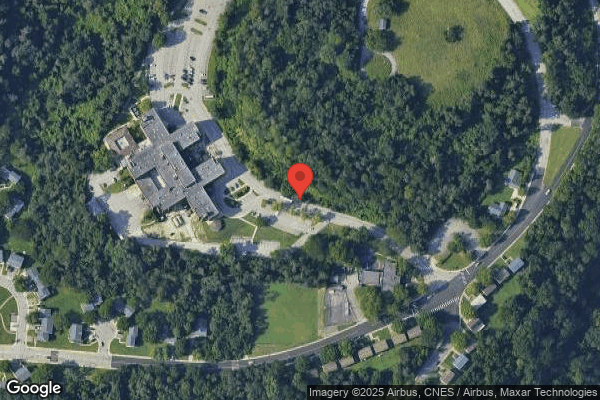

955 RIVERMONT DRIVE, PITTSBURGH, PA 15207 (412) 422-6800
Government - County 255 Beds Independent Data: November 2025
Trust Grade
55/100
#441 of 653 in PA
Last Inspection: June 2025

Inspected within the last 6 months. Data reflects current conditions.

Overview

John J Kane Regional Center-GL has a Trust Grade of C, indicating it is average compared to other nursing homes, meaning it falls in the middle of the pack but is not particularly impressive. It ranks #441 out of 653 facilities in Pennsylvania, placing it in the bottom half, and #26 out of 52 in Allegheny County, suggesting there are few better options nearby. The facility's trend is worsening, with the number of reported issues increasing from 3 in 2024 to 6 in 2025. Staffing is a relative strength with a rating of 4 out of 5 stars and a turnover rate of 50%, which is average but still suggests some staff stability. Though there are no fines on record, there are concerning incidents, including staff not wearing proper hair restraints in the kitchen, a lack of engaging activities for residents, and inadequate training programs for staff, which raises questions about the quality of care residents receive. Overall, while there are strengths in staffing, the facility faces significant challenges that families should consider.

Trust Score
C
55/100
In Pennsylvania
#441/653
Bottom 33%
Safety Record
Low Risk
No red flags
Inspections
Getting Worse
3 → 6 violations
Staff Stability
⚠ Watch
50% turnover. Above average. Higher turnover means staff may not know residents' routines.
Penalties
✓ Good
No fines on record. Clean compliance history, better than most Pennsylvania facilities.
Skilled Nurses
✓ Good
Each resident gets 45 minutes of Registered Nurse (RN) attention daily — more than average for Pennsylvania. RNs are trained to catch health problems early.
Violations
⚠ Watch
13 deficiencies on record. Higher than average. Multiple issues found across inspections.
★★☆☆☆
2.0
Overall Rating
★★★★☆
4.0
Staff Levels
★☆☆☆☆
1.0
Care Quality
★★★☆☆
3.0
Inspection Score
Stable
2024: 3 issues
2025: 6 issues

The Good

  • 4-Star Staffing Rating · Above-average nurse staffing levels
  • Full Sprinkler Coverage · Fire safety systems throughout facility
  • No fines on record

Facility shows strength in staffing levels, fire safety.

The Bad

2-Star Overall Rating

Below Pennsylvania average (3.0)

Below average - review inspection findings carefully

Staff Turnover: 50%

Near Pennsylvania avg (46%)

Higher turnover may affect care consistency

The Ugly 13 deficiencies on record

Jun 2025 6 deficiencies
CONCERN (D)

Potential for Harm - no one hurt, but risky conditions existed

ADL Care (Tag F0677)

Could have caused harm · This affected 1 resident

**NOTE- TERMS IN BRACKETS HAVE BEEN EDITED TO PROTECT CONFIDENTIALITY** Based on review of facility policy and documents, clinical record review, resident, and staff interviews, it was determined that...

Read full inspector narrative →
**NOTE- TERMS IN BRACKETS HAVE BEEN EDITED TO PROTECT CONFIDENTIALITY** Based on review of facility policy and documents, clinical record review, resident, and staff interviews, it was determined that the facility failed to make certain that necessary care and services were provided for two of ten residents (Resident R17 and R400). Findings include: Review of the facility policy All Policy and Procedure: General Guidelines reviewed 1/07/25, indicated to provide the necessary care and services to attain or maintain his or her highest practicable physical, mental, and psychosocial well-being in accordance with their comprehensive person-centered plan of care that is culturally-competent and trauma informed. The Long-Term Care Facility Resident Assessment Instrument (RAI) User's Manual, which provides instructions and guidelines for completing required Minimum Data Set (MDS) assessments (mandated assessments of a resident's abilities and care needs), dated October 2023, indicated that a BIMS (Brief Interview of Mental Status) is a brief screener that aids in detecting cognitive impairment. Scores from a BIMS assessment suggests the following distributions: 13 - 15: cognitively intact 8 - 12: moderately impaired 0 - 7: severe impairment Review of the clinical record indicated Resident R17 was admitted to the facility on [DATE], with diagnoses that included cerebral infarct (stroke), aphasia (difficulty to speak) stroke related, and hemiparesis (reduced ability to move) stroke related. Review of the Minimum Data Set (MDS - comprehensive, standardized assessment of each resident's functional capabilities and health needs) dated 4/09/25, indicated the diagnoses remain current. Resident R17 has a BIMS of 00 and Section GG 130 personal hygiene indicates resident is dependent, caregiver does all of the effort or requires assistance of two or more for care. During an observation on 6/02/25, at 11:28 a.m. Resident R17 was observed to have long, unkempt fingernails. Review of the clinical record indicated Resident R400 was admitted to the facility on [DATE], with diagnoses that included cerebral infarct (stroke), dysarthria (slurred speech) stroke related, and heart failure. Review of the MDS dated [DATE], indicated the diagnoses remain current. Resident R400 has a BIMS of 14 and Section GG 130 personal hygiene indicates resident requires substantial/maximal assistance, caregiver provides more than half the effort for care. During an interview and observation on 6/02/25, at approximately 11:40 a.m. Resident R400 had noticeable facial hair growth on the chin and upper lip area, resembling a goatee. When asked, Resident R400 nodded yes and verbalized she would like assistance in removing her facial hair. During an interview on 6/2/25, at 12:05 p.m. Employee E10 RN confirmed the above findings. During an interview on 6/4/25, at 1:00 p.m. The Nursing Home Administrator confirmed the above findings, and that the facility failed to make certain that necessary care and services were provided for two of ten residents (Resident R17 and R400). 28 Pa. Code: 211.12(1) Nursing services. 28 Pa. Code: 211.10(d) Resident care policies. 28 Pa. Code: 211.12 (2)(5) Nursing services.
CONCERN (D)

Potential for Harm - no one hurt, but risky conditions existed

Quality of Care (Tag F0684)

Could have caused harm · This affected 1 resident

**NOTE- TERMS IN BRACKETS HAVE BEEN EDITED TO PROTECT CONFIDENTIALITY** Based on review of facility policy, clinical records, and staff interviews, it was determined that the facility failed to assess...

Read full inspector narrative →
**NOTE- TERMS IN BRACKETS HAVE BEEN EDITED TO PROTECT CONFIDENTIALITY** Based on review of facility policy, clinical records, and staff interviews, it was determined that the facility failed to assess, document, and notify physicians of increased and decreased Capillary Blood Glucose (CBG) levels for three of nine residents reviewed (Residents R8, R45, and R154), and the facility failed to appropriately respond to a resident's change in condition for one of four residents (Resident R146). Findings include: The Centers for Disease Control defines diabetes as: Diabetes Mellitus is a chronic (long-lasting) health condition that affects how your body turns food into energy. Most of the food you eat is broken down into sugar (also called glucose) and released into your bloodstream. When your blood sugar goes up, it signals your pancreas to release insulin. Insulin acts like a key to let the blood sugar into your body's cells for use as energy. If you have diabetes, your body either doesn't make enough insulin or can't use the insulin it makes as well as it should. When there isn't enough insulin or cells stop responding to insulin, too much blood sugar stays in your bloodstream. Over time, that can cause serious health problems, such as heart disease, vision loss, and kidney disease. Hypoglycemia is a condition that occurs when blood glucose is lower than normal, usually below 70 milligrams per deciliter (mg/dl). If left untreated, hypoglycemia may lead to weakness, confusion, unconsciousness, arrhythmias and even death. People with Diabetes Mellitus may be prescribed injectable insulin to assist in maintaining acceptable levels of CBG's. Hyperglycemia, or high blood glucose, occurs when there is too much sugar in the blood. This happens when your body has too little insulin. Hyperglycemia is blood glucose greater than 125 mg/dL while fasting (not eating for at least eight hours, or a blood glucose greater than 180 mg/dL one to two hours after eating. If you have hyperglycemia and it's untreated for long periods of time, you can damage your nerves, blood vessels, tissues and organs. Damage to blood vessels can increase your risk of heart attack and stroke, and nerve damage may also lead to eye damage, kidney damage and non-healing wounds. Review of the facility policy General Guidelines regarding Nursing care reviewed 1/7/25, indicated the nurse must verify all practitioners orders to ensure all required information/directions are included. Staff must monitor the resident ' s status and condition and respond to significant changes promptly. Staff must document all care and services provided to the resident. Notifies physician of changes, assessment findings and secures treatment and diagnostic direction and orders from the physician. Documents findings and notifications in the nurses notes. Review of the facility policy Notification of Change in Resident Condition and Treatment Changes reviewed 1/7/25, indicated to assess resident's condition including dialogue with the resident and evaluation of findings. Review of the User Guide for Contour Next EZ blood glucose monitoring system indicated under Test Results a Caution: HI results are greater than 600. The facility was unable to provide policies regarding care of a diabetic resident. Review of information provided by the Mayo Clinic dated 10/8/22, indicated that, A normal resting heart rate for adults ranges from 60 to 100 beats per minute. Review of information provided by the Mayo Clinic dated 5/17/22, indicated a normal blood sodium level is between 135 and 145 milliequivalents per liter (mEq/L). Review of National Institute of Health information titled, Dehydration dated June 2020, defined dehydration as a condition caused by the loss of too much fluid from the body. In the Who is more likely to develop dehydration section, the first entry was older adults. Further within the document indicated to get medical help right away if a person has a rapid heartbeat. Review of the clinical record indicated Resident R8 was admitted to the facility on [DATE], with diagnoses that included diabetes, dementia (group of symptoms affecting memory, thinking and social abilities), and depression. Review of Resident R8' s Minimum Data Set (MDS - a mandated assessment of a resident's abilities and care needs) dated 5/21/25, indicated the diagnoses remain current. Review of Resident R8 physician's order revealed the following orders: - Accucheck every morning. If blood sugar less than 60 and symptomatic or greater than 400 call MD (doctor) - Lantus (long-acting type of insulin that works slowly, over about 24 hours) 28 units in morning. - Novolog (a fast-acting insulin that starts to work about 15 minutes after injection, peaks in about one hour, and keeps working for two to four hours) two units with meals - Review of the clinical record, and electronic Medication Administration Record (eMAR) revealed that the resident's CBG's were as follows: - On 2/28/25, at 10:18 a.m. the CBG was noted to be HI. Review of the care plan dated 6/17/24, indicated the following interventions: - Administer medications per MD order. - Monitor for signs and symptoms of hyper/hypoglycemia. - Accuchecks as needed. Notify MD for hypoglycemic/hyperglycemic episodes per order. Review of Resident's eMAR and clinical progress notes indicated the resident was not assessed for hyperglycemia, the blood glucose was not monitored for effectiveness of treatment, staff failed to follow interventions of the care plan, and the physician was not notified of abnormal results on the above listed date. Review of a clinical record indicated Resident R45 was admitted to the facility on [DATE], with diagnoses that included diabetes, high blood pressure, and seizure disorder (abnormal electrical activity in your brain that temporarily causes changes in awareness and muscle control, behavior and senses). Review of the MDS dated [DATE], indicated the diagnoses remain current. Review of Resident R45 physician's orders revealed the following orders: - On 7/23/24 through 2/25/25, Lispro (a fast-acting insulin that starts to work about 15 minutes after injection, peaks in about one hour, and keeps working for two to four hours) two units with meals. - On 8/5/24 through 2/25/25, Lispro per sliding scale. If blood sugar is less than 60, and resident is symptomatic or greater than 400 call MD. Four times a day before meals and at bedtime. - On 11/14/24 through 3/4/25, Lantus six units once a day in AM (morning). - On 2/25/25, Aspart (a fast-acting insulin that starts to work about 15 minutes after injection, peaks in about one hour, and keeps working for two to four hours) - On 4/18/25, Aspart per sliding scale. If blood sugar is less than 60 and resident is symptomatic or greater that 400 call MD. Review of Resident 45's eMAR revealed that the resident's CBG's were as follows: - On 1/14/25, at 7:18 p.m. the CBG was noted to be HI. - On 5/27/25, at 3:36 p.m. the CBG was noted to be 59. Review of the care plan dated 6/17/24, indicated the following interventions: - Administer medications per MD order. - Monitor for signs and symptoms of hyper/hypoglycemia. - Accuchecks as needed. Notify MD for hypoglycemic/hyperglycemic episodes per order. Review of Resident R45's eMAR and clinical progress notes indicated the resident was not assessed for hyper-/hypoglycemia, the blood glucose was not monitored for effectiveness of treatment, staff failed to follow interventions of the care plan, and the physician was not notified of abnormal results on the above listed dates. Review of the clinical record indicated Resident R154 was re-admitted to the facility on [DATE], with diagnoses that included diabetes, depression, and dementia. Review of the MDS dated [DATE], indicated the diagnoses remain current. Review of Resident R154 physician's order revealed the following orders: - Accucheck every morning. No coverage but if blood sugar less than 60 and symptomatic or greater than 400 call MD twice a day. Review of the clinical record, and electronic Medication Administration Record (eMAR) revealed that the resident's CBG's were as follows: - On 11/4/24, at 8:11 p.m. the CBG was noted to be HI. Review of the care plan dated 1/30/24, indicated the following interventions: - Administer medications per MD order. - Monitor for signs and symptoms of hyper/hypoglycemia. - Accuchecks as needed. Notify MD for hypoglycemic/hyperglycemic episodes per order. Review of Resident's eMAR and clinical progress notes indicated the resident was not assessed for hyperglycemia, the blood glucose was not monitored for effectiveness of treatment, staff failed to follow interventions of the care plan, and the physician was not notified of abnormal results on the above listed date. During an interview on 6/5/25, at 10:00 a.m. Licensed Practical Nurse (LPN) Employee E11 stated it depends on the resident ' s order for when to notify the doctor. If the blood sugar was below 70, they would provide juice or snack depending on their signs and symptoms. If the blood sugar was greater that 250, they would give the resident water, the ordered insulin, and is signs and symptoms were present, they would notify the doctor. They stated that each resident should have individualized orders for diabetic care, if necessary. During an interview on 6/5/25, at 10:05 a.m. Registered Nurse (RN) Employee E12 stated it would depend on the signs and symptoms and the resident ' s ordered parameter. They would assess the resident, check the parameters, and give the necessary intervention (snack or ordered insulin). They would report any vital out of range result and the computer charting system prompts the user to make a progress note. During an interview on 6/5/25, at 10:08 a.m. RN Employee E13 stated if the blood sugar was less that 70 or over 250, they would follow the ordered parameters to when to notify the doctor. If the blood sugar was less than 70, they would provide a snack or juice and recheck the blood sugar in 15 minutes. If the blood sugar was over 400, they would give the ordered insulin and encourage the resident to drink water. They would re-assess the resident in 30 minutes. During an interview on 6/5/25, at 10:10 a.m. LPN Employee E14 stated they would assess the resident, if the blood glucose was elevated, they would encourage water, give the ordered insulin, assess the resident, call the doctor, and monitor the resident. If the blood sugar was low, they would provide juice or a snack, tell the supervisor, and reassess the resident in 30 minutes. They would document in the progress notes. They stated that the medical record charting flags the resident for reassessment. During an interview on 6/5/25, at 10:15 a.m. RN Employee E15 stated she would assess the resident for signs and symptoms of hypo-/hyperglycemia and check the resident ' s orders. If the blood sugar was less than 70, they would provide a snack, orange juice, or peanut butter, and recheck the blood sugar within an hour. If the blood sugar was greater than 350-400 they would check the ordered parameters, and notify the doctor if needed. They would document in the progress notes, and eMAR. During an interview on 6/5/25, at 10:20 a.m. LPN Employee E16 stated they would be concerned if the resident ' s blood sugar was less than 70, or greater than 120. They would check the orders for parameters, assess the resident for signs and symptoms of hypo-/hyperglycemia. They would document on the doctor ' s board in the facility, in the progress notes, and they would document the reassessment. During an interview on 6/5/25, at 10:25 a.m. LPN Employee E17 stated they would check the resident ' s orders for the parameters. If the blood sugar was less than 70, they would check the orders and provide a snack or juice. If the blood sugar does not increase after the intervention, they would notify the doctor. If the blood sugar was over 400, the would check the ordered parameters, give the ordered insulin, recheck in five to ten minutes, and call the doctor if needed. They would document in the eMAR, and they would notify the RN supervisor on duty. During an interview on 6/5/25, at 1:00 p.m. the Director of Nursing confirmed the facility failed to notify the doctor of a change in condition, failed to document an assessment or interventions used related to blood glucose, and failed to follow physicians orders for Residents R8, R45, and R154. Review of the clinical record indicated Resident R146 was admitted to the facility on [DATE]. Review of the MDS dated [DATE], included diagnoses of Alzheimer's disease (a type of brain disorder that causes problems with memory, thinking and behavior) and pulmonary hypertension (a type of high blood pressure that affects arteries in the lungs and in the heart). Review of Resident R146's Potential for alteration in nutrition/dehydration care plan initiated 5/6/24, indicated for staff to Monitor fluid intake on an ongoing basis and assess for signs and symptoms of dehydration. Review of Resident R146's heart rate record indicated the highest blood pressure assessed from admission [DATE]) to 2/22/25, indicated on 1/25/25, Resident R146's heart rate was 90 beats per minute, on 12/10/24, Resident R146's heart rate was 94 beats per minutes, and the remainder of the assessments (94) were below 90 beats per minutes. Review of Resident R146's heart rate record from 2/26/25, through 2/28/25, revealed: 2/28/25, 1:55 a.m. Pulse: 137 per minute 2/28/25, 1:49 a.m. Pulse: 150 per minute 2/27/25, 8:22 p.m. Pulse: 138 per minute 2/27/25, 1:57 p.m. Pulse: 126 per minute 2/27/25, 1:22 p.m. Pulse: 125 per minute 2/26/25, 2:34 p.m. Pulse: 100 per minute 2/26/25, 8:44 a.m. Pulse: 110 per minute Review of a progress note dated 2/17/25, at 9:42 p.m. indicated, CNA (nurse aide) informed this writer of blood in brief upon observation small pink tinged area to rear side of soiled brief along with small pink tinged area to wash cloth noted. Review of a progress note dated 2/20/25, at 1:26 p.m. indicated, [Psychiatrist] made aware of resident increase irritability, aggression, agitation. Resident is a two persons caregiver due to her aggressive behavior. Review of a progress note dated 2/20/25, at 4:01 p.m. indicated, Staff called this writer to the room to assist with getting resident into her w/c (wheelchair), stating resident physical aggression escalate as the two caregivers attempt to get resident washed & dressed, resident is two persons caregivers due to her physical aggression, verbal aggression, per staff resident was kicking CNA R (right) knee, choking one of the CNA then grabbed her chest, hitting staff in the face, grabbing CNA neck, grabbing staff breasts causing her breasts to bleed. Staff stated they gave resident time to deescalate, then proceed to get her into her w/c. Resident self-inflicted and re-open a skin tear to her R shin. Area cleanse & dress with band aid. Alert [Psychiatrist] of resident increase agitation. Review of a progress note dated 2/21/25, at 12:01 p.m. indicated, This writer in to assist staff with routine AM care, observed resident using her right hand digging her nails into CNA #1 arm, after staff asked resident to let go of the arm, she took a full swing with her left arm to CNA #2 chest, staff position resident on her side so caregivers can pulled the dirty brief's out to give resident peri care, she used her right leg to kick staff but missed, resident is very quick with her arms & hands, always reaching out to hit, punch, kick, or digging her hands to hurt staff. Resident was medicated with Olanzapine 5MG (antipsychotic medication) prior to care, meds are not effective, unable to redirect resident. [Psychiatrist] is aware of resident behaviors, will be here next week to exam resident. Review of a progress note dated 2/24/25, at 9:31 a.m. indicated, Received orders from [Psychiatrist] CBC-CMP-TSH-UA C&S (blood laboratory tests and a urinalysis with culture and sensitivity testing). Resident is incontinent. Straight cath (one time catheterization) if unable to obtain urine via clean catch. Acetaminophen (Tylenol) 650 MG PO BID DX: pain (by mouth, twice daily for pain). Review of a progress note dated 2/24/25, at 11:15 a.m. indicated, N/O (new order) received start Olanzapine 7. 5MG in AM give prior to care & Olanzapine 5MG in PM. One time order for Ativan 0.5MG (anti-anxiety medication) give prior to straight cath. Review of a progress note dated 2/24/25, at 1:49 p.m. indicated, Straight Cath using sterile technique with immediate return of yellow urine. Assist of 4 staff to obtain urine specimen. Ativan somewhat effective. Review of a progress note dated 2/25/25, at 1:36 p.m. indicated, Staff reported resident with less aggression noted during AM care. Observed resident talking to herself today in the dining room then took her finger pointing to the table questionable if resident is hallucinating. Olanzapine 7. 5MG was started this AM. Will continue to monitor for adverse reaction. Review of a progress note dated 2/26/25, at 2:03 a.m. indicated that the urine sample results are still pending. Review of a progress note dated 2/26/25, at 8:45 a.m. indicated, Resident on charting for increase in Olanzapine 7. 5MG PO in AM. Observed resident with shakiness, stiffness, difficulty with speech, somnolence. Alert MD (doctor of medicine) of noticeable side effects of meds. MD will be in today. Meds held as per nursing measures. Review of a progress note dated 2/26/25, at 1:15 p.m. indicated, [Psychiatrist] in assessed resident due to increase in Olanzapine 7. 5MG in AM started yesterday 2/25. Due to adverse side effects, med was discontinued. N/O decrease Olanzapine 5MG PO BID. Meds held today due to resident having difficulty with her speech, stiffness, somnolence, unable to swallow. Resident did poorly for breakfast, but did manage to consume mostly liquid for lunch, she ate all her pudding. Will continue to monitor & hold meds if she is sedated. Review of a progress note dated 2/26/25, at 2:35 p.m. indicated, Recheck apical pulse now 100. Review of a progress note dated 2/26/25, at 9:40 a.m. indicated, Received a call from [laboratory provider] stating that the collection tube was incorrectly filled and required recollection. Obtained new urine sample using sterile technique. Review of a progress note dated 2/27/25, at 10:57 a.m. indicated the resident started a new order for Ciprofloxacin 500 mg. Review of a progress note dated 2/27/25, at 1:24 p.m. indicated, Resident accept Cipro with much cueing, combative-aggressive while attempt to administer meds. Unable to redirect. HR (heart rate) remains above 120, attempt several times to retake HR, no changes noted. Review of a progress note dated 2/27/25, at 8:29 p.m. indicated, Resident's nurse notified, and supervisor notified about HR. Already aware and Dr aware. Review of a progress note dated 2/28/25, at 1:50 a.m. indicated, peripheral pulse taken while patient was sleeping soundly, snoring, offering no resistance 150. Review of a physician's note dated 2/28/25, at 5:02 a.m. indicated, [Resident R146] is seen in follow-up. She has had delirium of late with a change of mental status. She has been very aggressive towards staff. She has underlying anxiety and she had been ordered a urine study which shows positive nitrites, leukocyte esterase, and many bacteria. She does get delirious with the urinary tract infections typically. She has a history of left humerus fracture and left ulna fracture. She flows (flails) her arms when she gets anxious or delirious from a UTI (urinary tract infection). Review of a progress note dated 2/28/25, at 8:16 a.m. indicated, Resident is being sent to [hospital] for eval. Her heart rate has been elevated with increased confusion. VSS 97.6, 114/76, 161, 95% RA, 17 RR. Resident is in NAD (no apparent distress), but MD wanted an EKG (electrocardiogram, a test that records the electrical signals in the heart, helping to check the heartbeat and diagnose various heart conditions) which was not successful yesterday due to resident being combative and removing leads. Review of a progress note dated 2/28/25, at 8:34 p.m. revealed Resident R146 was admitted to the hospital for a urinary tract infection and dehydration. Review of a progress note dated 3/3/25, at 4:18 p.m. revealed Resident R146 returned to the facility at approximately 3:00 p.m. Review of hospital documentation dated 3/3/25, indicated Resident R146 was treated for: -Urinary tract infection with hematuria (blood in the urine). Patient is a permanent resident of [the facility]. Patient was started on Cipro (ciprofloxacin) on 02/27 for UTI. Unfortunately, the facility did not send urine culture. Urine culture negative but may be skewed by antibiotics will complete treatment. Received vanco (vancomycin, an antibiotic medication) and cefepime (an antibiotic medication) in the emergency room. -Hypernatremia (elevated blood sodium). Likely due to poor intake / severe dehydration. Sodium 153 on admission. Much improved status post aggressive IV (intravenous) hydration. -A-fib (atrial fibrillation, disease of the heart characterized by irregular and often faster heartbeat). Tachycardic likely AFib with RVR (rapid ventricular response) with dehydration. Rate improving. During an interview on 6/6/25, at approximately 10:30 a.m. the Nursing Home Administrator and the Director of Nursing were made aware of concern related to the delay of care in treating Resident R146's initial sign of a urinary tract infection (blood in the brief) and subsequent hospitalization. During this interview, the Nursing Home Administrator and the Director of Nursing confirmed the facility failed to assess, document, and notify physicians of increased and decreased CBG levels for three of nine residents reviewed. 28 Pa. Code: 201.18(b)(1) Management. 28 Pa. Code: 201.29(a) Resident rights. 28 Pa. Code: 201.10(c)(d) Resident care policies. 28 Pa. Code: 211.12(d)(1)(3)(5) Nursing services.
CONCERN (D) 📢 Someone Reported This

A family member, employee, or ombudsman was alarmed enough to file a formal complaint

Potential for Harm - no one hurt, but risky conditions existed

Accident Prevention (Tag F0689)

Could have caused harm · This affected 1 resident

**NOTE- TERMS IN BRACKETS HAVE BEEN EDITED TO PROTECT CONFIDENTIALITY** Based on review of facility documents, clinical record review, and staff interviews, it was determined that the facility failed ...

Read full inspector narrative →
**NOTE- TERMS IN BRACKETS HAVE BEEN EDITED TO PROTECT CONFIDENTIALITY** Based on review of facility documents, clinical record review, and staff interviews, it was determined that the facility failed to provide adequate supervision to prevent a resident from falling from the wheelchair, for one of three residents (Resident R32). Findings include: Review of the facility policy Incident Report dated 1/7/25, indicated it is the facility's policy to provide resident safety and to investigate and report all incidents and initiate appropriate care and services to residents. During an interview on 6/2/25, at 1:05 p.m., the Nursing Home Administrator stated that the facility does not have a policy for transporting residents as it is not required. The residents who propel themselves in wheelchairs are not provided leg rests from therapy as they would be in the way and would not allow residents to maintain their independence. Review of the clinical record indicated that Resident R32 was admitted to the facility on [DATE], with diagnoses which included dementia, anxiety, blindness difficulty walking, cognitive deficit and communication deficit and agitation. Resident R32 is on blood thinners. Review of the Minimum Data Set (MDS - periodic assessment of resident care needs) dated 3/14/25, Section G0110 Functional Status identified an attachment for Section GG Therapy Data Report which identified Resident R32 requiring a manual wheelchair and identified that Resident R32 required partial to moderate assistance to move the wheelchair 50 feet. Review of Resident R32's Occupational Therapy encounter notes dated from 5/5/25, through 5/27/25, indicated that Resident R32 had to be adjusted numerous times for lateral supports due to her leaning to either side and falling asleep in her wheelchair. Review of a facility provided document dated 5/27/25, indicated Nurse Aide(NA) Employee E1 attempted to redirect Resident R32's wheelchair from behind and Resident R32 put her feet down and fell out of her wheelchair. Review of the statement dated 5/27/25, from NA Employee E1, Resident R32 put her feet down when NA Employee E1 attempted to straighten her wheelchair towards Resident R32's room and the wheelchair went fast and the resident was on the floor. Review of progress note dated 5/27/25, at 9:42 p.m., by Licensed Practical Nurse Employee E2 indicated NA was pushing resident's wheelchair to change her brief. Resident put her feet down causing her to lean forward and fell. Review of Resident R32's plan of care prior to the incident was not able to be produced, however, the current plan of care identified the use of leg rests. During an interview on 6/2/25, at 1:02 p.m., the Nursing Home Administrator(NHA) and Director of Nursing(DON) stated that after review of the CCTV video on this date, it appeared that the Nurse Aide continued to push the resident after her feet were down and resident fell forward from wheelchair. The NHA stated that the therapy department does not provide every resident with leg rests if identified that they can propel themselves. Review of the telephone interview from NA Employee E1 on 6/2/25, at 1:15 p.m., documented by the DON indicated that the nurse aide stated that she was pushing her and her feet were up then dropped and she stopped, however, the resident fell forward. During a telephone interview on 6/2/25, at 3:26 p.m., NA Employee E1 stated that she was attempting to take Resident R32 to her room to change her and she was pushing her wheelchair as Resident R32 cannot propel herself, and Resident R32 put her feet down and fell forward from the wheelchair. NA Employee E1 stated that she had asked about leg rests for Resident R32's wheelchair and was told she does not have any. NA Employee E1 stated that other staff stated they roll her backwards. NA Employee E1 indicated that the kardex(information in the electronic record identifying resident care needs) is where each residents information is located to identify each residents specific needs and she had access to Resident R32's information. During an interview on 6/4/25, at 8:45 a.m., Licensed Practical Nurse Employee E3 stated that she has been at the facility and has worked on the unit where Resident R32 resides and that Resident R32 has never been able to propel herself. During an interview on 6/2/25, at 1:02 p. m., the NHA confirmed that the facility failed to provide adequate supervision to prevent a fall from a wheelchair for one of three residents (Resident R32). 28 Pa. Code 201.14(a) Responsibility of licensee. 28 Pa. Code 201.18(b)(e)(1) Management. 28 Pa. Code 201.29(a) Resident rights. 28 Pa. Code 211.10(c)(d) Resident care policies. 28 Pa Code 211.12(d)(1)(2)(5) Nursing services.
CONCERN (E)

Potential for Harm - no one hurt, but risky conditions existed

Deficiency F0679 (Tag F0679)

Could have caused harm · This affected multiple residents

**NOTE- TERMS IN BRACKETS HAVE BEEN EDITED TO PROTECT CONFIDENTIALITY** Based on a review of scheduled activities, observations, and staff interviews, it was determined that the facility failed to pro...

Read full inspector narrative →
**NOTE- TERMS IN BRACKETS HAVE BEEN EDITED TO PROTECT CONFIDENTIALITY** Based on a review of scheduled activities, observations, and staff interviews, it was determined that the facility failed to provide an ongoing program of activities to meet the interests of and support the physical, mental, and psychosocial well-being of residents on one of five nursing units (Nursing Unit 3B). Findings include: Review of the activities calendars for Nursing Unit 3B (secure unit for residents with dementia) from January through June 2025 revealed each weekend had one activity on 24 of 26 Saturdays, and 23 of 25 Sundays the only activity was Social Visits. Review of the Activities calendar for June 2025 revealed the following: 6/15/25: Donuts for Dads 6/16/25: Afternoon Painting 6/17/25: Fine Art Miracles: Music and Movement 6/18/25: Morning Exercise 6/19/25: Juice Break 6/20/25: First Day of Summer Social 6/21/25: Nail Salon During an observation on 6/2/25, at 10:53 a.m. there were approximately 18 residents in the dining room. A movie was playing on the television, which one resident appeared to be watching. One staff member was seated against the wall, not interacting with the residents. During an observation on 6/3/25, between 1:30 p.m. and 1:43 p.m. Nurse Aide (NA) Employee E18 identified all the residents attending Bingo on the second floor. Review of unit census sheets confirmed all the residents that attended resided on the second floor. NA Employee E18 confirmed that residents from Nursing Unit 3B did not attend activities on the second floor. During an observation on 6/3/25, at 1:45 p.m. 20 residents were present in the dining room/lounge on the third floor. The movie [NAME] in Wonderland was playing on the television, which one resident appeared to be watching. One staff member was seated at a table, not interacting with the residents, using a tablet. During an observation on 6/4/25, at 9:53 a.m. 18 residents were present in the dining room/lounge on the third floor. Golden Girls was being played on the television. No activities were occurring. No staff members were interacting with the residents. During an observation on 6/4/25, at 10:23 a.m. no activities were occurring in the dining room/lounge. Two staff members were present, having a personal conversation between themselves. No staff members were interacting with the residents. During an observation on 6/4/25, at 10:30 a.m. one additional staff member entered the dining room/lounge and began using a computer on wheels. No staff members were interacting with the residents. During an observation on 6/4/25, at 10:35 a.m. the Wizard of Oz began playing on the television, and multiple residents were moved into position to watch it. During an observation on 6/5/25, at 9:40 a.m. 22 residents were present in the dining room/lounge on the third floor. Golden Girls was being played on the television. No activities were occurring. During an observation on 6/5/25, at 10:15 a.m. nursing staff dimmed the lights in one side of the room, and spoke of putting a movie on. During an observation on 6/5/25, at 10:20 a.m. Recreation Assistant Employee E19 began setting up for an activity in a smaller resident lounge. During an interview on 6/5/25, at 10:25 a.m. Recreation Assistant Employee E19 confirmed the week of 6/15/25, through 6/21/25, had minimal activities due to her being on vacation. When asked why the Target Toss activity scheduled on 6/4/25, did not occur, Recreation Assistant Employee E19 stated it was due to the residents being taken outside. When asked which residents went, Recreation Assistant Employee E19 provided two names. When asked, Recreation Assistant Employee E19 confirmed that only two of the 37 residents on the unit were provided an activity on the morning of 6/4/25. During an interview on 6/5/25, at 1:04 p.m. Activities Director Employee E20 confirmed that on weekends the residents were only provided one activity per day. Activities Director Employee E20 stated that she is not able to have additional staff to assist in covering vacations unless there are other staff on modified duty who are available to help. During an interview on 6/6/25, at approximately 10:30 a.m. the Nursing Home Administrator confirmed the facility failed to provide an ongoing program of activities to meet the interests of and support the physical, mental, and psychosocial well-being of residents on one of five nursing units. 28 Pa. Code: 201. 18(b)(3) Management. 28 Pa. Code: 207.2(a) Administrators Responsibility.
CONCERN (E)

Potential for Harm - no one hurt, but risky conditions existed

Deficiency F0940 (Tag F0940)

Could have caused harm · This affected multiple residents

Based on review of facility assessment, personnel file reviews, and staff interviews, it was determined that the facility failed to implement, and maintain an effective training program for individual...

Read full inspector narrative →
Based on review of facility assessment, personnel file reviews, and staff interviews, it was determined that the facility failed to implement, and maintain an effective training program for individuals providing services under contractual arrangement, consistent with their expected roles. Findings include: Review of the Facility Assessment reviewed 4/9/25, indicated, All personnel, including managers, nursing and other direct care staff (both employees and those who provide services under contract), and volunteers, as well as their education and/or training and any competencies related to resident care. Included in the list of education provided to new hires, facility staff, contracted staff, and volunteers - as applicable to role in facility were; -Resident Rights -Resident Abuse and Suspicion of a Crime -Compliance, HIPAA, Code of Conduct, and Ethics -Infection Prevention and Control -Psychosocial Needs -Dementia - Positive Approach -Emergency Preparedness and Fire Safety -Accident Prevention and Risk Management -Communication and Customer Service -QAPI - Mission , Vision, Values -Person Centered Care -Trauma Informed Care -Behavioral Health -HR Policy Review of the facility policy In-Service Training dated 1/7/25, indicated the policy applies to all employees, contractual staff, and volunteers. During an interview on 6/6/25, at 9:49 a.m., the Nursing Home Administrator was asked to provide all required training records for the contracted Nursing Staff. Training records were not provided to the survey team for the Contracted Nursing Staff. During an interview on 6/6/25, at 9:49 a.m., the Nursing Home Administrator confirmed the facility failed to implement, and maintain an effective training program for individuals providing services under contractual arrangement, consistent with their expected roles. 28 Pa. Code 201.20(a)(b)(c)(d) Staff development.
CONCERN (F)

Potential for Harm - no one hurt, but risky conditions existed

Food Safety (Tag F0812)

Could have caused harm · This affected most or all residents

Based on observations and staff interview, it was determined that the facility failed to properly restrain hair to prevent the potential for cross contamination in the Main Kitchen. Findings include: ...

Read full inspector narrative →
Based on observations and staff interview, it was determined that the facility failed to properly restrain hair to prevent the potential for cross contamination in the Main Kitchen. Findings include: Review of facility policy Use of Hair Restraints reviewed 1/7/25, indicated hair nets, baseball caps, chef hats, and/or mustache/beard restraints must be worn when any employee is in the food production and kitchen area. Hair restraints and mustache/beard guards must be worn to cover all visible hair. During an observation on 6/4/25, at 11:09 a.m. Food Service Worker Employee E4, Food Service Worker Employee E5, and Food Service Supervisor Employee E6 were observed in the kitchen without beard restraints. During an observation on 6/4/25, at 11:23 a.m. Dietary Manager Employee E7 was observed in the kitchen without a beard restraint. During an observation on 6/4/25, at 11:44 a.m. [NAME] Employee E8 was observed with a hair net on the crown of her head, not covering the front three inches of hair from forehead back. During an observation on 6/5/24, at 9:40 a.m. [NAME] Employee E8, and Dietary Aide Employee E9 were observed in the kitchen with a hair net on, not covering the front two or three inches of hair from forehead back. [NAME] Employee E8 stated, My bad, you caught me again. During an interview on 6/4/25, at 11:25 a.m. the Dietary Manager Employee E9 confirmed the kitchen staff should wear hair nets to cover all hair and/or mustache/beard restraints, if facial hair is present. 28 Pa. Code: 211.6(c)(d)(f) Dietary services.
Jul 2024 3 deficiencies
CONCERN (E)

Potential for Harm - no one hurt, but risky conditions existed

Deficiency F0578 (Tag F0578)

Could have caused harm · This affected multiple residents

**NOTE- TERMS IN BRACKETS HAVE BEEN EDITED TO PROTECT CONFIDENTIALITY** Based on review of facility policy, clinical records and staff interviews, it was determined that the facility failed to provide...

Read full inspector narrative →
**NOTE- TERMS IN BRACKETS HAVE BEEN EDITED TO PROTECT CONFIDENTIALITY** Based on review of facility policy, clinical records and staff interviews, it was determined that the facility failed to provide the opportunity to formulate an advance directive (written instructions such as a living will or durable power of attorney for health care for when the individual is incapacitated) for eleven of nineteen residents reviewed (Resident R3, R21, R38, R43, R89, R100, R105, R117, R147 ,R187, R214). Findings Include: A review of the facility policy Advanced Directives: Patient Self Determination Act and PA Act 169 dated 1/2/2024, indicated the facility will comply with the requirements related to maintaining written policies and procedures regarding advance directives, including provisions to inform and provide written information to all adult residents concerning the right to accept or refuse medical or surgical treatment and formulate an advance directive. A review of the medical record indicated Resident R3 was admitted to the facility on [DATE], with diagnoses that included diabetes(high blood sugar), high blood pressure, congestive heart failure (chronic condition in which the heart doesn't pump blood as well as it should), and morbid (severe) obesity. A review of the clinical record failed to reveal an advance directive or documentation that Resident R3 was given the opportunity to formulate an Advanced Directive. A review of the clinical record indicated Resident R21 was admitted to the facility on [DATE], with diagnoses that included diabetes, hypertensive heart disease (uncontrolled high blood pressure), and dysphagia (difficulty swallowing). A review of the clinical record failed to reveal an advance directive or documentation that Resident R21 was given the opportunity to formulate an Advanced Directive. A review of the medical record indicated Resident R38 was admitted to the facility on [DATE], with diagnoses that included dysphagia, high blood pressure, congestive heart failure(chronic condition in which the heart doesn't pump blood as well as it should), and anemia(not having enough healthy red blood cells). A review of the clinical record failed to reveal an advance directive or documentation that Resident R38 was given the opportunity to formulate an Advanced Directive. A review of the medical record indicated Resident R43 was admitted to the facility on [DATE], with diagnoses that included high blood pressure, chronic obstructive pulmonary disease (COPD-a combination of lung diseases that block airflow and make it difficult to breathe), and dysphagia. A review of the clinical record failed to reveal an advance directive or documentation that Resident R43 was given the opportunity to formulate an Advanced Directive. A review of the medical record indicated Resident R89 was admitted to the facility on [DATE], with diagnoses that included diabetes, high blood pressure, congestive heart failure, and dysphagia. A review of the clinical record failed to reveal an advance directive or documentation that Resident R89 was given the opportunity to formulate an Advanced Directive. A review of the medical record indicated Resident R100 was admitted to the facility on [DATE], with diagnoses that included hemiplegia(loss of motor skills on one side of the body), high blood pressure, peripheral vascular disease(condition in which narrowed blood vessels reduce blood flow to the limbs) and obesity. A review of the clinical record failed to reveal an advance directive or documentation that Resident R100 was given the opportunity to formulate an Advanced Directive. A review of the medical record indicated Resident R105 was admitted to the facility on [DATE], with diagnoses that included high blood pressure and peripheral vascular disease. A review of the clinical record failed to reveal an advance directive or documentation that Resident R105 was given the opportunity to formulate an Advanced Directive. A review of the medical record indicated Resident R117 was admitted to the facility on [DATE], with diagnoses that included diabetes, high blood pressure, dysphagia and morbid (severe) obesity. A review of the clinical record failed to reveal an advance directive or documentation that Resident R117 was given the opportunity to formulate an Advanced Directive. A review of the medical record indicated Resident R147 was admitted to the facility on [DATE], with diagnoses that included diabetes, high blood pressure, congestive heart failure, and dysphagia. A review of the clinical record failed to reveal an advance directive or documentation that Resident R147 was given the opportunity to formulate an Advanced Directive. A review of the medical record indicated Resident R187 was admitted to the facility on [DATE], with diagnoses that included diabetes, high blood pressure, and obesity. A review of the clinical record failed to reveal an advance directive or documentation that Resident R187 was given the opportunity to formulate an Advanced Directive. A review of the medical record indicated Resident R214 was admitted to the facility on [DATE], with diagnoses that included high blood pressure, congestive heart failure, and dysphagia. A review of the clinical record failed to reveal an advance directive or documentation that Resident R214 was given the opportunity to formulate an Advanced Directive. During an interview on 7/25/2024, at 11:32 a.m. the DON confirmed that the clinical record did not include documentation that Resident R3, R21, R38, R43, R89, R100, R105, R117, R147, R187, and R214 were afforded the opportunity to formulate Advance Directives. 28 PA. Code 201.29(b)(d)(j) Resident rights.
CONCERN (E)

Potential for Harm - no one hurt, but risky conditions existed

Quality of Care (Tag F0684)

Could have caused harm · This affected multiple residents

**NOTE- TERMS IN BRACKETS HAVE BEEN EDITED TO PROTECT CONFIDENTIALITY** Based on review of facility policy, clinical records, and staff interviews, it was determined that the facility failed to notify...

Read full inspector narrative →
**NOTE- TERMS IN BRACKETS HAVE BEEN EDITED TO PROTECT CONFIDENTIALITY** Based on review of facility policy, clinical records, and staff interviews, it was determined that the facility failed to notify physicians of increased and decreased Capillary Blood Glucose (CBG) levels and failed to assess residents for hyperglycemia (high blood glucose) and hypoglycemia (low blood glucose), for four of 12 residents reviewed (Residents R13, R89, R147, and R198). Findings include: The Centers for Disease Control defines diabetes as: Diabetes Mellitus is a chronic (long-lasting) health condition that affects how your body turns food into energy. Most of the food you eat is broken down into sugar (also called glucose) and released into your bloodstream. When your blood sugar goes up, it signals your pancreas to release insulin. Insulin acts like a key to let the blood sugar into your body's cells for use as energy. If you have diabetes, your body either doesn't make enough insulin or can't use the insulin it makes as well as it should. When there isn't enough insulin or cells stop responding to insulin, too much blood sugar stays in your bloodstream. Over time, that can cause serious health problems, such as heart disease, vision loss, and kidney disease. Hypoglycemia is a condition that occurs when blood glucose is lower than normal, usually below 70 milligrams per deciliter (mg/dl). If left untreated, hypoglycemia may lead to weakness, confusion, unconsciousness, arrhythmias and even death. People with Diabetes Mellitus may be prescribed injectable insulin to assist in maintaining acceptable levels of CBG's. Hyperglycemia, or high blood glucose, occurs when there is too much sugar in the blood. This happens when your body has too little insulin. Hyperglycemia is blood glucose greater than 125 mg/dL while fasting (not eating for at least eight hours, or a blood glucose greater than 180 mg/dL one to two hours after eating. If you have hyperglycemia and it ' s untreated for long periods of time, you can damage your nerves, blood vessels, tissues and organs. Damage to blood vessels can increase your risk of heart attack and stroke, and nerve damage may also lead to eye damage, kidney damage and non-healing wounds. Review of the facility policy General Guidelines reviewed 3/27/24, indicated the nurse must verify all practitioner orders to ensure all required information/directions are included. Staff must monitor the resident ' s status and condition and respond to significant changes promptly. Staff must document all care and services provided to the resident. Review of the facility policy Notification of Change in Resident Condition and Treatment Changes reviewed 3/27/24, indicated to assess the resident ' s condition, document findings and notifications in the nurses' notes. Review of the facility policy Emergency Care Guidelines: Hypoglycemic Protocol reviewed 3/27/24, indicated blood glucose monitor (BGM) reading less than 70 and symptomatic or less than 60 regardless of symptoms indicated to hold all diabetic medications and insulin until reviewed by physician, administer four ounces of soda or juice followed by four ounces of milk, recheck BGM in 15 minutes, treat according to protocol, and notify physician. Review of the Contour next EZ Blood Glucose Monitoring System User Guide 2020 edition, indicated a HI reading is a test result above 600 mg/dl. Review of the clinical record indicated Resident R13 was re-admitted to the facility on [DATE], with diagnoses that included diabetes, high blood pressure, and congestive heart failure (chronic, progressive condition in which the heart muscle is unable to pump enough blood through the heart to meet the body's needs for blood and oxygen). Review of Resident R13's Minimum Data Set (MDS - a mandated assessment of a resident's abilities and care needs) dated 7/4/24, indicated the diagnoses remain current. Review of a physician ' s order dated 5/23/24, indicated to inject Lispro (fast-acting insulin that starts to work about 15 minutes after injection, peaks in about 1 hour, and keeps working for 2 to 4 hours) per sliding scale, if fingerstick is over 340, give 6 units, call MD (doctor). Review of the clinical record electronic Medication Administration Record (eMAR) revealed that the resident's CBG's were as follows: On 6/7/24, at 8:54 p.m. the CBG was noted to be 52. On 6/8/24, at 10:02 p.m. the CBG was noted to be HI. Review of the care plan dated 4/20/24, indicated to administer medication per MD order. Monitor for signs and symptoms of hyper-/hypoglycemia. Accuchecks as needed. Notify MD for hypo-/hyperglycemic episodes per order. Review of Resident's eMAR and clinical progress notes indicated the resident was not assessed for hyper-/hypoglycemia, the blood glucose was not monitored for effectiveness of treatment, failed to follow interventions of the care plan, and the physician was not notified of abnormal results on the above listed dates. Review of a clinical record indicated Resident R89 was admitted to the facility on [DATE], with diagnoses that included diabetes, difficulty swallowing, and depression. Review of physician's orders dated 6/14/24, indicated Novolog (fast-acting insulin that starts to work about 15 minutes after injection, peaks in about 1 hour, and keeps working for 2 to 4 hours) per sliding scale, if blood sugar is less than 50, call MD. Review of Resident R89's eMAR revealed that the resident's CBG's were as follows: On 6/29/24, at 7:50 a.m. the CBG was noted to be 43. On 7/14/24, at 4:47 p.m. the CBG was noted to be 41. On 7/22/24, at 8:11 a.m. the CBG was noted to be 43. Review of Resident R89's care plan dated 5/7/24, indicated to administer medication per MD order. Monitor for signs and symptoms of hyper-/hypoglycemia. Accuchecks as needed. Notify MD for hypo-/hyperglycemic episodes per order. Review of Resident R89's eMAR and clinical progress notes indicated the resident was not assessed for hypoglycemia, failed to follow interventions of the care plan, blood sugar was not rechecked, and the physician was not notified of abnormal results. Review of the clinical record indicated Resident R147 was re-admitted to the facility on [DATE], with diagnoses that included diabetes, muscle weakness, and open wounds. Review of a physician order dated 4/11/24, indicated Humalog (fast-acting insulin that starts to work about 15 minutes after injection, peaks in about 1 hour, and keeps working for 2 to 4 hours) per sliding scale, if blood sugar is greater than 340, call MD. Review of the clinical record electronic Medication Administration Record (eMAR) revealed that the resident's CBG's were as follows: On 4/16/24, at 8:51 p.m. the CBG was noted to be 359. On 5/6/24, at 9:46 p.m. the CBG was noted to be 377. On 5/7/24, at 10:30 p.m. the CBG was noted to be 346. On 5/8/24, at 10:45 a.m. the CBG was noted to be 360. On 5/11/24, at 9:03 p.m. the CBG was noted to be 398. On 5/12/24, at 4:51 p.m. the CBG was noted to be 349. On 5/12/24, at 9:42 p.m. the CBG was noted to be 342. On 5/29/24, at 11:39 a.m. the CBG was noted to be 350. On 5/30/24, at 1:14 p.m. the CBG was noted to be 352. On 6/28/24, at 8:32 p.m. the CBG was noted to be 352. Review of the care plan dated 10/26/23, indicated to administer medication per MD order. Monitor for signs and symptoms of hyper-/hypoglycemia. Accuchecks as needed. Notify MD for hypo-/hyperglycemic episodes per order. Review of Resident R147's eMAR and clinical progress notes indicated the resident was not assessed for hyperglycemia, the blood glucose was not monitored for effectiveness of treatment, failed to follow interventions of the care plan, and the physician was not notified of abnormal results on the above listed dates. Review of the clinical record indicated Resident R198 was admitted to the facility on [DATE], with diagnoses that included diabetes and high blood pressure. Review of the MDS dated [DATE], indicated the diagnoses remain current. Review of physician orders dated 1/25/24 and 4/22/24, indicated Lispro insulin per sliding scale, if blood glucose is greater than 340 call MD. Review of the clinical record electronic Medication Administration Record (eMAR) revealed that the resident's CBG's were as follows: On 4/6/24, at 10:06 a.m. the CBG was noted to be 401. On 4/16/24, at 11:02 a.m. the CBG was noted to be 434. On 6/2/24, at 8:58 a.m. the CBG was noted to be 372. On 6/4/24, at 9:36 a.m. the CBG was noted to be 428. On 6/5/24, at 9:13 a.m. the CBG was noted to be 346. On 6/6/24, at 8:05 a.m. the CBG was noted to be 351. Review of the care plan dated 1/24/24, indicated to administer medication per MD order. Monitor for signs and symptoms of hyper-/hypoglycemia. Accuchecks as needed. Notify MD for hypo-/hyperglycemic episodes per order. Review of Resident R198's eMAR and clinical progress notes indicated the resident was not assessed for hyperglycemia, the blood glucose was not monitored for effectiveness of treatment, and the physician was not notified of abnormal results on the above listed dates. During an interview on 7/25/24, at 9:36 a.m. Licensed Practical Nurse (LPN) Employee E6 stated for any blood glucose less than 70 they would follow the hypoglycemic protocol and call the doctor. For blood glucose over 200, they would be concerned, follow the ordered sliding scale, check the resident ' s orders, administer ordered insulin, recheck the blood glucose in 30-45 minutes, and monitor the resident. They would document in the eMAR and progress notes. During an interview on 7/25/24, at 9:39 a.m. Registered Nurse (RN) Employee E7 stated if the blood glucose was less than 70, they would give a snack and recheck the blood glucose in 15-30 minutes. If the blood glucose was over 300, they would check the resident ' s chart to see their baseline and notify the doctor. They would document in the eMAR and progress notes. During an interview on 7/25/24, at 9:50 a.m. LPN Employee E8 stated if the blood glucose was under 70, they would give the resident a snack or juice. If the blood glucose was over 300, they would check the orders, follow the parameters, and call the doctor. They would document in the progress notes. During an interview on 7/25/24, at 10:00 a.m. LPN Employee E9 stated if the blood glucose was under 50, they would assess the resident and call the doctor. If the blood glucose was greater than 400, they would check vital signs, assess the resident, notify the supervisor and call the doctor. They would document in the eMAR and progress notes. During an interview on 7/25/24, at 10:05 a.m. LPN Employee E10 stated if the blood glucose was less than 70, they would give glucose gel, notify the supervisor, recheck blood glucose in 15 minutes, and call the doctor. If blood glucose was over 400, they would administer the ordered insulin and call the doctor. They would document in the progress notes, even if the doctor was present and notified verbally. During an interview on 7/25/24, at 1:00 p.m. the Director of Nursing confirmed the facility failed to notify the doctor of a change in condition related to blood glucose for Residents R13, R89, R147, and R198. 28 Pa. Code 201.18 (b)(1) Management. 28 Pa. Code 201.29(d) Resident rights. 28 Pa. Code 211.10 (c)(d) Resident care policies. 28 Pa. Code 211.12 (d)(1)(2)(3)(5) Nursing services.
MINOR (B)

Minor Issue - procedural, no safety impact

Deficiency F0944 (Tag F0944)

Minor procedural issue · This affected multiple residents

Based on review of facility documents, and staff interview, it was determined that the facility failed to provide training on Quality Assurance and Performance Improvement (QAPI) for four of ten staff...

Read full inspector narrative →
Based on review of facility documents, and staff interview, it was determined that the facility failed to provide training on Quality Assurance and Performance Improvement (QAPI) for four of ten staff members (Employees E2, E3, E4, and E5). Findings include: Review of the Facility Assessment dated 7/12/24, previously reviewed 4/2/24, 1/5/24, revealed a list of required educational topics, and included in that list was QAPI - Mission, Vision, and Values. Review of facility provided documents and training records revealed the following staff members did not have documented training on the QAPI program. Nurse Aide Employee E2 had a hire date of 6/16/14, failed to have QAPI in-service education between 6/16/23, and 6/16/24. Environmental Services Employee E3 had a hire date of 6/2/80, failed to have QAPI in-service education between 6/2/23, and 6/2/24. Administrative Employee E4 had a hire date of 5/31/16, failed to have QAPI in-service education between 5/31/23, and 5/31/24. Unit Clerk Employee E5 had a hire date of 7/17/00, failed to have QAPI in-service education between 7/17/23, and 7/17/24. During an interview on 7/26/24, at approximately 12:00 p.m. the Nursing Home Administrator confirmed that the facility failed to provide training on the QAPI program for four of ten staff members. 28 Pa Code: 201.14 (a) Responsibility of licensee. 28 Pa Code: 201.18 (b)(1) Management. 28 Pa Code: 201.20 (a)(c) Staff development.
Sept 2023 4 deficiencies
CONCERN (D)

Potential for Harm - no one hurt, but risky conditions existed

Deficiency F0582 (Tag F0582)

Could have caused harm · This affected 1 resident

**NOTE- TERMS IN BRACKETS HAVE BEEN EDITED TO PROTECT CONFIDENTIALITY** Based on a review of facility documentation and staff interview, it was determined the facility failed to timely issue the Skill...

Read full inspector narrative →
**NOTE- TERMS IN BRACKETS HAVE BEEN EDITED TO PROTECT CONFIDENTIALITY** Based on a review of facility documentation and staff interview, it was determined the facility failed to timely issue the Skilled Nursing Facility Advanced Beneficiary Notice form (SNF ABN CMS-10055), and a Notice of Medicare Non-Coverage form published by the Centers for Medicare and Medicaid Services (NOMNC CMS-10123), for one of three residents (Resident R45). Findings include: Review of Resident R45's clinical record documented the resident was admitted to the facility on [DATE] and remained in the facility. Review of the Skilled Nursing Facility Advanced Beneficiary Notice (SNF ABN CMS-10055) form, which provides information to residents/resident representatives that skilled nursing services may not be paid by Medicare and so that the resident/resident representative can decide if they wish to continue receiving skilled nursing services and assume financial responsibility, indicated Resident R45's last day of Medicare Part A coverage was to end on 6/16/23. Review of Resident R45's SNF ABN CMS-10055 form indicated the resident/resident representative was not notified of the last day of Medicare Part A coverage until 6/28/23. Review of the Notice of Medicare Non-Coverage form published by the Centers for Medicare and Medicaid Services (NOMNC CMS-10123), which provides residents/resident representatives an opportunity to appeal the decision of Medicare Part A non-coverage, indicated Resident R45's last date of coverage was 6/16/23. Review of Resident R45's NOMNC CMS-10123 form indicated the resident/resident representative was not notified of the last day of Medicare Part A coverage until 6/28/23. During an interview on 9/8/23, at 9:30 a.m. Registered Nurse Assessment Coordinator Employee E1 confirmed the facility failed timely to issue the Skilled Nursing Facility Advanced Beneficiary Notice form (SNF ABN CMS-10055) and a Notice of Medicare Non-Coverage form (NOMNC CMS-10123). 28 Pa. Code 201.18(e)(1) Management.
CONCERN (D)

Potential for Harm - no one hurt, but risky conditions existed

Report Alleged Abuse (Tag F0609)

Could have caused harm · This affected 1 resident

**NOTE- TERMS IN BRACKETS HAVE BEEN EDITED TO PROTECT CONFIDENTIALITY** Based on review of facility policy, clinical record review, and staff interview, it was determined that the facility failed to r...

Read full inspector narrative →
**NOTE- TERMS IN BRACKETS HAVE BEEN EDITED TO PROTECT CONFIDENTIALITY** Based on review of facility policy, clinical record review, and staff interview, it was determined that the facility failed to report injuries of unknown source as possible abuse and/or neglect for one of two residents (Resident R108). Findings include: Review of the facility's Abuse - Resident and Reasonable Suspicion of a crime revision dated 2/7/23, stated, Any injury should be classified as an injury of unknown source, when all of the following criteria are met. The source of the injury was not observed by any person, and the source of the injury cannot be explained by the resident, and the injury is suspicious, because of the extent of the injury or the location of the injury. It further stated Alleged violations, whether or not confirmed, must be reported to the administrator, Pennsylvania Department of Health, the Area Agency on Aging, compliance officer, and to the Executive Director, and a full investigation conducted. Review of the clinical record revealed that Resident R108 was admitted to the facility on [DATE]. Review of the Minimum Data Set (MDS- periodic assessment of care needs), indicated diagnoses of dementia (a group of symptoms affecting memory, thinking and social abilities), muscle wasting, and atrophy (loss of muscle leading to its shrinking, weakening, and/or stiffness). Review of progress note dated 9/2/23, at 10:00 a.m. stated that the Resident R108 was found naked in the hallway with the right hand being edematous (abnormally swollen with fluid). Review of a progress noted dated 9/2/23, at 7:40 p.m. stated that the right hand was swollen with +3 edema (when the swollen area pressed with a finger tip, it takes up to 30 seconds for the depression to go away) and bruising from the right thumb down to wrist. The MD (medical doctor) was notified, and an X-ray ordered. Review of a progress note dated 9/2/23, at 10:14 p.m. stated the results showed a fracture to right thumb and resident was sent to the hospital. The physician progress noted dated 9/6/23, stated, The cause of the injury is not known, though R108 does have times where she climbs out of bed and crawls on the floor. During an interview with the Assistant Director of Nursing on 9/7/23, at 11:58 a.m. stated these are behaviors where she throws herself on the floor and were really supposed to ignore it since it's attention seeking behaviors. During an interview with the Director of Nursing (DON) on 9/7/23, at 12:35 p.m. stated that these are behaviors for this resident. After being asked how the facility was able to determine that this was a behavior if the documentation states the cause is unknown and it was unwitnessed she stated what he's saying is starting to make sense. Review of facility submitted reports failed to reveal documentation of reporting of Resident R108's injury of unknown source as possible abuse and/or neglect. During an interview on 9/7/23, at 12:35 p.m. the DON confirmed the facility facility failed to report injuries of unknown source as possible abuse and/or neglect for one of two residents. 28 Pa. Code 201.14(a)(c)(d)(e) Responsibility of licensee. 28 Pa. Code 201.18(b)(1)(3)(e)(1)Management. 28 Pa. Code: 211.10(a) Resident care policies. 28 Pa. Code: 211.12(d)(1)(2)(5) Nursing services.
CONCERN (D)

Potential for Harm - no one hurt, but risky conditions existed

Investigate Abuse (Tag F0610)

Could have caused harm · This affected 1 resident

**NOTE- TERMS IN BRACKETS HAVE BEEN EDITED TO PROTECT CONFIDENTIALITY** Based on review of facility policy, clinical record review, and staff interview, it was determined that the facility failed to f...

Read full inspector narrative →
**NOTE- TERMS IN BRACKETS HAVE BEEN EDITED TO PROTECT CONFIDENTIALITY** Based on review of facility policy, clinical record review, and staff interview, it was determined that the facility failed to fully investigate incidents to rule out neglect and/or abuse for one of two residents (Resident R108). Findings include: Review of the facility's Abuse - Resident and Reasonable Suspicion of a Crime revision dated 2/7/23, stated: all allegations are thoroughly investigated. The policy further stated the individual conducting the investigation take the following actions: 1. Initiates investigation promptly and makes all applicable notifications. Assures that the administrator and DON are notified promptly of allegation and consulting. 2. Interviews and obtains written statements from complaining party and witness using facility form D165 (residents) and workplace investigation form D195 for all others 3. Notifies resident representative allegation 4. Removed alleged perpetrator (AP) immediately from situation 5. Interviews AP and obtains written statement 6. Assures that the individual being interviewed has directly responded to all allegations both in the interview, and then written statements provided 7. Separates the AP from the work and complete indefinite suspension documentation for employee unless it is determined through investigation the allegation is unsubstantiated 8. Complete incident, report event and notify practitioner 9. Obtains practitioner orders as applicable, including but not limited to, hospital, transfer and/or diagnostic testing 10. Updates residence person Centered center to care plan promptly as needed 11. Consult with interdisciplinary te a.m. for person centered care, plan updates to address the residence medical nursing, physical, mental or psychosocial needs or preference changes as a result of the abuse 12. Reviews applicable medical record information and assures, that arrangements are made for a continuation and completion of abuse investigation 13. Complies with, and performs reporting obligations to the State survey agency and law enforcement within the time constraints identified by the type of alleged abuse, and or crime against a resident The facility policy further stated, in regards to reporting an event that causes suspicion for abuse that result in seriously bodily injury (see definition) the individual shall report the suspicion immediately, but not later than two hours after forming the suspicion. Review of the Brief Interview for Mental Status (BIMS, a screening test that aides in detecting cognitive impairment) suggests the following distributions: 13-15: cognitively intact 8-12: moderately impaired 0-7: severe impairment Review of the clinical record revealed that Resident R108 was admitted to the facility on [DATE]. Review of the Minimum Data Set (MDS - periodic assessment of care needs), indicated diagnoses of Dementia (a group of symptoms affecting memory, thinking and social abilities), and muscle wasting and atrophy (loss of muscle leading to its shrinking, weakening, and/or stiffness). Section C, Cognitive Pattern, indicated a BIMS score of 00. Review of Resident R108's care plan initiated 8/1/23, indicated that the resident is at risk for falls/safety risk related to: cognitive impairment, history of falls and non-compliance with POC (plan of care). Review of a progress note dated 9/2/23, at 10:00 a.m. stated that the Resident R108 was found naked in the hallway with the right hand being edematous (abnormally swollen with fluid). Review of a progress noted date 9/2/23, at 7:40 p.m. stated that the right hand was swollen with +3 edema (when the swollen area pressed with a finger tip, it takes up to 30 seconds for the depression to go away) and bruising from the right thumb down to wrist. The MD (medical doctor) was notified, and an X-ray ordered. Review of a progress note dated 9/2/23, 10:14 p.m. stated the results showed a fracture to right thumb and resident was sent to the hospital. The physician progress noted dated 9/6/23 regarding the incident stated The cause of the injury is no known, though R108 does have times where she climbs out of bed and crawls on the floor. During an interview with the Assistant Director of Nursing on 9/7/23, at 11:58 a.m. he stated these are behaviors where she throws herself on the floor and were really supposed to ignore it since its attention seeking behaviors. During an interview with the Director of Nursing (DON) on 9/7/23, at 12:35 p.m. stated that these are behaviors for this resident. After being asked how the facility was able determine that this was a behavior if the documentation states the cause is unknown and it was unwitnessed she stated what he's saying is staring to make sense. Review of facility provided documents failed to reveal documentation investigating Resident R108's injury of known source as possible abuse and/or neglect. During an interview on 9/7/23, at 12:35 p.m. the DON confirmed the facility failed to fully investigate incidents to rule out neglect and/or abuse for one of two residents (Resident R108) 28 Pa. Code 201.14(a)(c)(d)(e) Responsibility of licensee. 28 Pa. Code 201.18(b)(1) )(3)(e)(1)Management. 28 Pa. Code: 211.10(a) Resident care policies. 28 Pa. Code: 211.12(d)(1) )(2)(5)Nursing services.
CONCERN (D)

Potential for Harm - no one hurt, but risky conditions existed

Incontinence Care (Tag F0690)

Could have caused harm · This affected 1 resident

**NOTE- TERMS IN BRACKETS HAVE BEEN EDITED TO PROTECT CONFIDENTIALITY** Based on review of clinical records and staff interview, it was determined that the facility failed to make certain that residen...

Read full inspector narrative →
**NOTE- TERMS IN BRACKETS HAVE BEEN EDITED TO PROTECT CONFIDENTIALITY** Based on review of clinical records and staff interview, it was determined that the facility failed to make certain that residents were provided appropriate treatment and services to maintain bowel function for one of two residents (Resident R131). Findings include: Review of the Resident Assessment Instrument 3.0 User's Manual effective October 2019, indicated that a Brief Interview for Mental Status (BIMS) is a screening test that aides in detecting cognitive impairment). The BIMS total score suggests the following distributions: 13-15: cognitively intact 8-12: moderately impaired 0-7: severe impairment Review of the facility policy Bowel Management dated 1/5/23, indicated facility staff will monitor resident bowel elimination daily and assures that follow up actions are taken by nurses. Review of the clinical record revealed that Resident R131 was admitted to the facility on [DATE]. Review of the Minimum Data Set (MDS - periodic assessment of care needs) dated 8/15/23, included diagnoses of dementia (a group of symptoms that affects memory, thinking and interferes with daily life), bipolar disorder (a mental condition marked by alternating periods of elation and depression), and osteoporosis (condition when the bones become brittle and fragile). -Review of Section C: Cognitive Patterns, Questions C0500 BIMS Summary Score revealed Resident R131's score to be 04. -Section G Function Status, Question G0110 I, Activities of Daily Living (ADL) Assistance, Toilet Use indicated Resident R131 required physical assistance of at least one person. -Section H Bladder and Bowel, Question H0400 Bowel Incontinence indicated that Resident R131 was always continent of bowel. Review of Resident R131's facility diagnosis list failed to include a diagnosis of constipation. Review of Resident R131's plan of care for Potential for constipation related to meds and hydration initiated 7/18/23, indicated for the facility to institute bowel movement protocol for no bowel movement greater than six shifts. Review of the physician orders active in 8/1/23, through 8/17/23, indicated that Resident R131 had orders for: -Polyethylene glycol (Miralax, laxative medication to treat constipation) give 17 grams daily. -Senna tablet (medication used to treat constipation) give one tablet, twice daily for constipation form 8/1/23, through 8/10/23). -Senna tablet (medication used to treat constipation) give two tablets, twice daily for constipation form 8/11/23, through 8/17/23). -Bisacodyl suppository 10mg, give one suppository daily, as needed. Review of Resident R131's bowel record for August 2023 revealed: -No bowel movement from 8/2/23, day shift until 8/6/23, day shift; Four days, 12 shifts with no bowel movement. -No bowel movement from 8/6/23, day shift until 8/10/23, day shift; Four days, 12 shifts with no bowel movement. -One small bowel movement (8/19/23) from 8/13/23, evening shift until 8/24/23, day shift; ten shifts with no bowel movement. The August 2023, medication administration record indicated the following: -Scheduled Miralax and Senna received. -Bisacodyl suppository was not administered: Review of a progress note dated 8/6/23, at 11:43 a.m. indicated that Resident R131's abdomen distended, bowel sounds hypo (hypoactive, less than expected amount of activity). Review of a progress note dated 8/6/23, at 12:51 p.m. indicated that Resident R131 was given 30 ml (milliliters) of MOM (milk of magnesia, a medication to treat constipation). The note further indicated that the MOM was not effective. Review of the physician's orders active on 8/6/23, failed to include an order to provide milk of magnesia. During an interview on 9/8/23, at 8:40 a.m. the Director of Nursing confirmed that the facility does not utilize a set bowel protocol, that each resident's bowel care is based off their physician's orders and their care plan. During an interview on 9/8/23, at 12:30 p.m. the Nursing Home Administrator and the Director of Nursing confirmed that the facility failed to make certain that residents were provided appropriate treatment and services to maintain bowel function for one of two residents 28 Pa. Code 201.14(a) Responsibility of Licensee. 28 Pa. Code 201.29(a)(c)(d)(j) Resident Rights. 28 Pa. Code 211.10(c)(d) Resident Care Policies. 28 Pa. Code 211.12(d)(1)(3)(5) Nursing services.
Understanding Severity Codes (click to expand)
Life-Threatening (Immediate Jeopardy)
J - Isolated K - Pattern L - Widespread
Actual Harm
G - Isolated H - Pattern I - Widespread
Potential for Harm
D - Isolated E - Pattern F - Widespread
No Harm (Minor)
A - Isolated B - Pattern C - Widespread

Questions to Ask on Your Visit

  • "Can I speak with families of current residents?"
  • "What's your RN coverage like on weekends and overnight?"

Our Honest Assessment

Strengths
  • • No major safety red flags. No abuse findings, life-threatening violations, or SFF status.
  • • No fines on record. Clean compliance history, better than most Pennsylvania facilities.
Concerns
  • • 13 deficiencies on record. Higher than average. Multiple issues found across inspections.
  • • Grade C (55/100). Below average facility with significant concerns.
Bottom line: Mixed indicators with Trust Score of 55/100. Visit in person and ask pointed questions.

About This Facility

What is John J Kane Regional Center-Gl's CMS Rating?

CMS assigns JOHN J KANE REGIONAL CENTER-GL an overall rating of 2 out of 5 stars, which is considered below average nationally. Within Pennsylvania, this rating places the facility higher than 0% of the state's 100 nursing homes. A rating at this level reflects concerns identified through health inspections, staffing assessments, or quality measures that families should carefully consider.

How is John J Kane Regional Center-Gl Staffed?

CMS rates JOHN J KANE REGIONAL CENTER-GL's staffing level at 4 out of 5 stars, which is above average compared to other nursing homes. Staff turnover is 50%, compared to the Pennsylvania average of 46%.

What Have Inspectors Found at John J Kane Regional Center-Gl?

State health inspectors documented 13 deficiencies at JOHN J KANE REGIONAL CENTER-GL during 2023 to 2025. These included: 12 with potential for harm and 1 minor or isolated issues.

Who Owns and Operates John J Kane Regional Center-Gl?

JOHN J KANE REGIONAL CENTER-GL is owned by a government entity. Government-operated facilities are typically run by state, county, or municipal agencies. The facility operates independently rather than as part of a larger chain. With 255 certified beds and approximately 202 residents (about 79% occupancy), it is a large facility located in PITTSBURGH, Pennsylvania.

How Does John J Kane Regional Center-Gl Compare to Other Pennsylvania Nursing Homes?

Compared to the 100 nursing homes in Pennsylvania, JOHN J KANE REGIONAL CENTER-GL's overall rating (2 stars) is below the state average of 3.0, staff turnover (50%) is near the state average of 46%, and health inspection rating (3 stars) is at the national benchmark.

What Should Families Ask When Visiting John J Kane Regional Center-Gl?

Based on this facility's data, families visiting should ask: "Can I visit during a mealtime to observe dining assistance and food quality?" "How do you handle medical emergencies, and what is your hospital transfer rate?" "Can I speak with family members of current residents about their experience?"

Is John J Kane Regional Center-Gl Safe?

Based on CMS inspection data, JOHN J KANE REGIONAL CENTER-GL has a clean safety record: no substantiated abuse findings (meaning no confirmed cases of resident harm), no Immediate Jeopardy citations (the most serious violation level indicating risk of serious injury or death), and is not on the Special Focus Facility watch list (a federal program monitoring the lowest-performing 1% of nursing homes). The facility has a 2-star overall rating and ranks #100 of 100 nursing homes in Pennsylvania. While no facility is perfect, families should still ask about staff-to-resident ratios and recent inspection results during their visit.

Do Nurses at John J Kane Regional Center-Gl Stick Around?

JOHN J KANE REGIONAL CENTER-GL has a staff turnover rate of 50%, which is about average for Pennsylvania nursing homes (state average: 46%). Moderate turnover is common in nursing homes, but families should still ask about staff tenure and how the facility maintains care continuity when employees leave.

Was John J Kane Regional Center-Gl Ever Fined?

JOHN J KANE REGIONAL CENTER-GL has no federal fines on record. CMS issues fines when nursing homes fail to meet care standards or don't correct problems found during inspections. The absence of fines suggests the facility has either maintained compliance or corrected any issues before penalties were assessed. This is a positive indicator, though families should still review recent inspection reports for the full picture.

Is John J Kane Regional Center-Gl on Any Federal Watch List?

JOHN J KANE REGIONAL CENTER-GL is not on any federal watch list. The most significant is the Special Focus Facility (SFF) program, which identifies the bottom 1% of nursing homes nationally based on persistent, serious quality problems. Not being on this list means the facility has avoided the pattern of deficiencies that triggers enhanced federal oversight. This is a positive indicator, though families should still review the facility's inspection history directly.