JOHN J KANE REGIONAL CENTER-RO
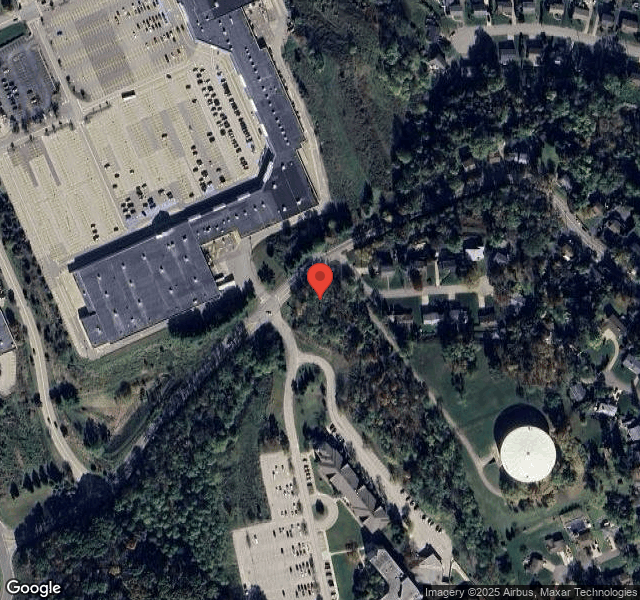

110 MCINTYRE ROAD, PITTSBURGH, PA 15237 (412) 369-2020
Government - County 240 Beds Independent Data: November 2025 1 Immediate Jeopardy citation
Trust Grade
8/100
#442 of 653 in PA
Last Inspection: April 2025

Within standard 12-15 month inspection cycle. Federal law requires annual inspections.

Overview

John J Kane Regional Center-RO has received a Trust Grade of F, indicating significant concerns about the facility's overall care quality. It ranks #442 out of 653 nursing homes in Pennsylvania, placing it in the bottom half of facilities, and #27 out of 52 in Allegheny County, meaning there are only a few local options that perform better. The facility is experiencing some improvement, with the number of reported issues decreasing from 22 to 21 over the past year. Staffing is a notable strength, with a 5 out of 5 star rating, although the turnover rate is at 54%, which is higher than the state average. However, the facility has been fined $114,508, which is concerning and higher than 85% of similar facilities, suggesting ongoing compliance issues. Specific incidents raised during inspections include a critical failure to supervise residents, leading to two individuals wandering unsupervised, as well as serious concerns where one resident choked and required the Heimlich maneuver due to inadequate supervision. Additionally, there was a case of neglect where a resident suffered physical harm due to a lack of necessary services. Overall, while there are strengths in staffing and some improvements noted, the facility's poor performance in health inspections and significant fines raise serious red flags for potential residents and their families.

Trust Score
F
8/100
In Pennsylvania
#442/653
Bottom 33%
Safety Record
High Risk
Review needed
Inspections
Getting Better
22 → 21 violations
Staff Stability
⚠ Watch
54% turnover. Above average. Higher turnover means staff may not know residents' routines.
Penalties
○ Average
$114,508 in fines. Higher than 51% of Pennsylvania facilities. Some compliance issues.
Skilled Nurses
✓ Good
Each resident gets 74 minutes of Registered Nurse (RN) attention daily — more than 97% of Pennsylvania nursing homes. RNs are the most trained staff who catch health problems before they become serious.
Violations
⚠ Watch
58 deficiencies on record. Higher than average. Multiple issues found across inspections.
★★☆☆☆
2.0
Overall Rating
★★★★★
5.0
Staff Levels
★★★☆☆
3.0
Care Quality
★☆☆☆☆
1.0
Inspection Score
Stable
2024: 22 issues
2025: 21 issues

The Good

  • 5-Star Staffing Rating · Excellent nurse staffing levels
  • Full Sprinkler Coverage · Fire safety systems throughout facility
  • No fines on record

Facility shows strength in staffing levels, fire safety.

The Bad

2-Star Overall Rating

Below Pennsylvania average (3.0)

Below average - review inspection findings carefully

Staff Turnover: 54%

Near Pennsylvania avg (46%)

Higher turnover may affect care consistency

Federal Fines: $114,508

Well above median ($33,413)

Significant penalties indicating serious issues

The Ugly 58 deficiencies on record

1 life-threatening 3 actual harm
Aug 2025 1 deficiency
CONCERN (D) 📢 Someone Reported This

A family member, employee, or ombudsman was alarmed enough to file a formal complaint

Potential for Harm - no one hurt, but risky conditions existed

Deficiency F0627 (Tag F0627)

Could have caused harm · This affected 1 resident

**NOTE- TERMS IN BRACKETS HAVE BEEN EDITED TO PROTECT CONFIDENTIALITY** Based on facility policy, clinical records, facility documents, and staff interviews, it was determined that the facility failed...

Read full inspector narrative →
**NOTE- TERMS IN BRACKETS HAVE BEEN EDITED TO PROTECT CONFIDENTIALITY** Based on facility policy, clinical records, facility documents, and staff interviews, it was determined that the facility failed to permit a readmission to the facility after hospitalization and failed to demonstrate in the clinical record that the discharge was appropriate and necessary for one of three sampled closed resident records (Closed Resident Record CR1).Findings include: The facility Discharge and transfer policy dated 4/28/25, indicated that discharge criteria included to discharge as necessary to meet the resident's welfare and when the resident's welfare and physical needs cannot be met in the facility. The Facility assessment last updated 6/30/25, indicted that common diagnoses that residents in facility have are depression, impaired cognition and behaviors that need intervention. The assessment further indicated that staff are trained on specific areas that relate to psychiatric symptoms, provide interventions dealing with depression and anxiety. Review of Closed Resident Record CR1's admission record indicated she was originally admitted on [DATE]. Review of Closed Resident Record CR1's Minimum Data Set (MDS - a periodic assessment of resident care needs) assessment dated [DATE], indicated that she had diagnoses that included right femoral fracture, hypertension (a condition impacting blood circulation through the heart related to poor pressure), and congestive heart failure (a progressive heart disease affecting pumping action of the heart muscles impacting circulation, swelling and shortness of breath). Review of Closed Resident Record CR1's care plans dated 5/23/25, indicated to monitor for signs and symptoms of mood and depression. Facility documents submitted to the State dated 7/21/25, indicated the following: Closed Resident Record CR1 was found during morning rounds at approximately 4:48am lying on the floor (head at the bottom of the bed) with a phone charger cord wrapped around her neck and a plastic bag covering her head. Upon assessment, Closed Resident Record CR1 verbalized multiple times, I want to die. No prior verbalizations of suicidal intent were reported during the most recent rounds. Closed Resident Record CR1 was alert and oriented and very aware of the situation. Vital signs stable. No active bleeding or trauma noted. Mild redness noted around neck observed, no skin breakdown or open wounds at that time. A plastic bag and cord were removed immediately and secured. Closed Resident Record CR1 exhibited clear suicidal ideation with a recent attempt to harm herself. Psychiatric emergency. Safety risk to self. Voice message left for Power of Attorney (POA). Doctor notified with orders to send to the emergency room for further evaluation. Facility documents and staff statements dated 7/21/25, indicated that Registered Nurse (RN) Employee E3 witness summary of incident: I was at my cart and an aide said, ‘Closed Resident Record R1 was on the floor with a bag over her head.' I went into the room and found another aide unwrapping the phone cord from around her neck. The aide said she took the bag off her head when she called for help. Review of Closed Resident Record CR1's behavior and mood event nurse assessment dated [DATE], indicated suicide attempt occurred, she made repeated comments that she wanted to die, and to send her to emergency room for further evaluation. Review of Closed Resident Record CR1's discharge letter dated 7/21/25, indicated that the facility was unable to provide necessary care and services for the Resident's wellbeing. Review of Closed Resident Record CR1's bed hold authorization form dated 7/21/25, indicated that Director of Social Services Employee E2 reviewed the bed hold form and the family wanted her bed held. Review of Closed Resident Record CR1's clinical progress noted dated 7/22/25, indicated that her POA was called and was told the resident would return to the facility. Staff explained that the Closed Resident Record CR1 was officially discharged from the nursing facility. Closed Resident Record CR1's progress notes further indicated that her belongings were packed and placed in the conference room. Review of Closed Resident Record CR1's clinical record, medical history or nurse assessments did not indicate any medical reason that she could not return. The record related to the basis for discharge did not clearly indicate via clinical assessment why the facility could no longer care for Closed Resident Record CR1 needs. During an interview on 8/6/25, at 12:10 p.m. Registered Nurse (RN) Employee E1 stated the following: Closed Resident Record CR1 was here on 2-East about two months. She was doing well with us. I know she had a family member visit, and afterwards she seemed a bit sad. She would go to mass and started to be more social. We had orthopedic appointment follow-up for her setup. When I spoke to her with therapy present, she wanted therapy and wanted to stand again. Overall, she was sweet and agreeable. We would ask her if things were ok, she would say ‘yes'. During an interview on 8/6/25, at 12:40 p.m. Director of Social Services Employee E2 stated: Closed Resident Record CR1 has been here three months. I've seen her here and there. She had no behaviors prior to the incident. I usually check the progress notes. There were no alarming things going on. Nothing out of the ordinary. During an interview on 8/6/25, at 2:29 p.m. the Director of Nursing (DON) was asked if Closed Resident Record CR1 was permitted to return and she stated no. During an exit interview on 8/6/25, at 2:59 p.m. information disseminated to the Director of Nursing (DON) and the Nursing Home Administrator (NHA) that the facility failed to permit a readmission to the facility after hospitalization and failed to demonstrate in the clinical record that the discharge was appropriate and necessary for Closed Resident Record CR1. 28 Pa. Code 201.14(a) Responsibility of licensee. 28 Pa. Code 201.29 (a)(c)(2) Resident rights.
Apr 2025 16 deficiencies 1 IJ
CRITICAL (J) 📢 Someone Reported This

A family member, employee, or ombudsman was alarmed enough to file a formal complaint

Immediate Jeopardy (IJ) - the most serious Medicare violation

Accident Prevention (Tag F0689)

Someone could have died · This affected 1 resident

**NOTE- TERMS IN BRACKETS HAVE BEEN EDITED TO PROTECT CONFIDENTIALITY** Based on review of facility policy, clinical records, facility documents, and staff interviews, it was determined that the facil...

Read full inspector narrative →
**NOTE- TERMS IN BRACKETS HAVE BEEN EDITED TO PROTECT CONFIDENTIALITY** Based on review of facility policy, clinical records, facility documents, and staff interviews, it was determined that the facility failed to make certain each resident received adequate supervision and person-centered care plan interventions that resulted in an elopement (resident exits to an unsupervised or unauthorized area without the facility's knowledge) for two residents. This failure created an immediate jeopardy situation for two of 21 residents who were identified as at risk for elopement (Residents R6, and R111). Findings include: Review of the policy Accident Prevention dated 1/2/25, indicated the facility policy is to prevent resident accidents and injuries to the extent possible by maintaining, as much as possible, an environment free from accident hazards and by assuring residents receive adequate supervision and assistive devices to prevent accidents. Review of the policy Wanderguard and Elopement dated 1/2/25, indicated the facility implements safety measures for residents who wander and/or are at risk for elopement to attempt to prevent elopement. Nursing evaluates resident upon admission and when the resident exhibits an exit seeking behavior in the Electronic Health Record (EHR) - Elopement Observation. Implements person-centered interventions to attempt to prevent elopement. Review of the admission record indicated Resident R6 was admitted to the facility on [DATE]. Review of Resident R6's Minimum Data Set (MDS- a periodic assessment of care needs) dated 1/15/25, indicated the diagnoses of metabolic encephalopathy (a brain disorder caused by metabolic disturbances in the body, leading to impaired brain function), repeated falls, and diabetes (a long-term condition in which the body has trouble controlling blood sugar and using it for energy). Section C0500 indicated a Brief Interview for Mental Status (BIMS - a screening test that aides in detecting cognitive impairment) score of 12 - moderately impaired cognition. Review of Resident R6's Elopement Observation dated 10/24/24, indicated no elopement risk factors identified or verbalized. Review of Resident R6's Elopement Observation dated 10/30/24, indicated new admission who has made statements questioning the need to be here checked yes. Does the resident exhibit any additional elopement risk criteria? - Other -wanting to go outside was checked as yes. Elopement care plan initiated. Review of Resident R6's care plan dated 10/30/24, indicated behavioral symptoms - apply wanderguard (a bracelet that alerts staff if a resident has gone through an alarmed doorway to the outside of the facility) to resident. Check placement of wanderguard every shift. If not on resident, then replace as soon as possible. Check function every night. Review of Resident R6's care plan intervention dated 10/31/24, indicated resident needs supervision to go outside to the courtyard. Review of Resident R6's progress notes indicated 31 occasions of incidents of confusion, resisting care, agitation, self-propelling up and down hallways, being found on the basement level of the facility, seven falling episodes and ultimate elopement from 3West Unit on 3/14/25, as follows: -10/24/24, at 3:00 p.m. indicated resident is alert and oriented at baseline but brother states resident is having some short-term memory issues related to recent urinary tract infections. Resident had fallen at his personal care home and hurt his wrist. Resident enjoys being outside and sitting in the sun. Resident's brother states resident has been doing this for years. -10/25/24, at 2:02 p.m. care conference indicated resident requires this level of care as lesser levels of care were unsuccessful. -10/25/24, at 10:18 p.m. indicated resident transfers with assist of one and self-propels in wheelchair independently. -10/26/24, at 2:43 p.m. Indicated resident is alert, verbal, confused at times. Self-propels in wheelchair around room and unit. -10/27/24, 6:39 a.m. indicated resident gets in and out of bed unassisted and sits in wheelchair. Somewhat confused. -10/27/24, 2:24 p.m. indicated resident alert, verbal, confused at times. -10/28/24, 2:20 p.m. indicated resident presented as alert and oriented times three, with periods of forgetfulness. Resident has short term memory loss and is very social. -10/30/24, at 3:14 p.m. indicated resident verbalized wanting to go outside. Courtyard assessment completed and found resident to be unsafe to do so without supervision. Resident's cognition fluctuates. His confusion increases at different times of the day as well as when resident has a medical issue occurring. Resident's brother reported resident would stay outside for hours on end in extreme heat and not drink or use the restroom which had resulted in multiple infections and episodes of dehydration prior to placement. Resident does lack safety awareness. Residents gets irritated at times when resident is reminded of safety issues including going outside and verbalizing to staff, resident would go regardless of supervised request. A wander guard has also been ordered. -11/6/24, 12:34 p.m. indicated resident was refusing grip socks. Resident's brother indicated resident is impulsive and implored resident that it's easier to call for help to the chair than help off of the floor. Resident is non-compliant. -11/7/24, at 5:29 a.m. resident found in wheelchair dressing himself. Resident indicated he is able to do for himself without help and refused for staff's assistance. After resident dressed, he self-propelled up and down the corridor. Resident is non-compliant. -11/7/24, at 12:47 p.m. indicated resident was seen by therapy, then within the hour was found to be walking around in the room, pants at his ankles and brief around his knees. Resident was very agitated. This has become regular practice that resident exhibits impulsiveness and sudden mood changes. -11/7/24, physician note indicated staff called earlier today because it seems like resident is having a little bit of an adjustment, where resident becomes quickly agitated with staff. Also seemed a little more confused than normal. The staff found resident urinating throughout his room, instead of in the bathroom where resident normally goes. -11/8/24, at 7:48 a.m. indicated resident alert to name only. Confused to time and place. Resident stated sometimes he does feel anxious, agitated, and depressed at times. Resident is often not asking staff for help when he needs help with transfers. Resident does have a history of encephalopathy. Staff noting that resident has periods of increased confusion as well as emotional lability. -11/20/24, physician note indicated staff noting that resident has periods of increased confusion as well as emotional lability. Resident said he likes to do outdoor activities and would previously kayak. IMPRESSION AND PLAN: 1. Normal pressure hydrocephalus (a rare condition that occurs when too much cerebrospinal fluid builds up in the brain) has caused chronic gait abnormality and imbalance. Mostly scoots around in the wheelchair. Also has led to some increased confusion and memory issues. Monitor closely. -12/15/24, at 2:25 a.m. indicated resident found on the floor. Registered Nurse (RN) in to initiate investigation. -12/17/24, at 12:11 p.m. indicated resident continues to transfer independently. -12/26/24, at 1:33 p.m. indicated resident continues to be non-compliant. -12/27/24, physician's note indicated resident incorrectly told me that when he fell, he went to the emergency room and had X-rays, but it was confirmed with the staff that this was simply not true. Resident does have baseline confusion. IMPRESSION AND PLAN: Fall. Again, this was 11 days ago. Resident did not complain of left arm pain initially to the staff. Staff does report that there are times they have discovered that resident has fallen and does not tell people. -1/26/25, at 10:59 a.m. resident with increasing agitation. Staff found stool on the floor and on resident and offered to help clean resident, but resident refused. -1/26/25, at 1:17 p.m. indicated while Nurse Aide (NA) was delivering lunch tray into residents' room, resident was seen in bathroom on the floor, in a sitting position underneath the sink. Resident explained he placed himself on the floor to do plumbing. Water was slowly coming out of the pipes underneath the sink. -2/8/25, 12:33 p.m. indicated resident was found sitting on floor in front of toilet in his bathroom. -2/9/25, at 6:03 a.m. indicated resident observed sitting on the edge of low bed at approximately 4:45 a.m. Assisted into wheelchair per resident request. Resident easily agitated with staff intervention. Remains moderate fall risk with impaired safety awareness. -2/17/25, at 4:15 a.m. physician note indicated a note in the communication book said resident has had some confusion. The resident does admit that he had some confusion last week and starting maybe ten days ago. Resident had a urinary tract infection. -2/19/25, at 6:31 a.m. indicated resident with increased confusion this, and prior shift. Hard time accepting help. Attempting to exercise in the bathroom and refusing to let staff help transfer to wheelchair. -2/19/25, at 11:50 a.m. indicated NA reported resident refused care this morning. Refused to go to orthopedic appointment and refused again to be cleaned up by NA. -2/20/25, physician's note indicated staff reported resident is having increased pain and noted to be more confused. -3/10/25, at 8:12 p.m. indicated resident was moving around the facility at approximately 7:00-7:15 pm. Resident was seen on the first floor (basement) by NA Employee E15, who notified the supervisor. But then resident's nurse Licensed Practical Nurse (LPN) Employee E16 came by, re-oriented resident and took resident back to his unit. Resident was placed safely in resident's room. Wanderguard is on the left wrist. Resident will be monitored every hour until midnight. When supervisor asked resident why he was on the first floor, resident said he wanted to see the sunset. -3/11/25, at 10:20 p.m. indicated resident self-propels throughout facility. Every one-hour checks maintained. -3/12/25, at 4:37 p.m. indicated staff notified that resident can't leave unit without supervision. -3/14/25, at 7:53 p.m. indicated spoke with resident's brother regarding resident wanting to go outside and safety concerns. Resident has wanderguard and needs to be supervised when outside in the courtyard. Resident on every two-hour safety checks due to recent increase in leaving the unit and trying to go outside. Resident's brother explained that resident loves to be outside and will spend most of his time out there if he can. Resident's brother said that he would try to come visit as often as possible to take him outside. -3/14/25, at 9:57 p.m. indicated around 3:45 p.m. NA reported that Resident R6 had eloped to the second floor and that she brought him up in his wheelchair. Review of the clinical record failed to include an Elopement Observation on 3/10/25, when Resident R6 was found in the basement unsupervised. Review of Resident R6's care plan failed to include an update or revision after resident was found in the basement unsupervised on 3/10/25. Review of a submitted facility document dated 3/14/25, at 3:30 p.m. indicated Resident R6's whose orders for level of supervision indicated may not leave third floor without supervision, was found on the second floor of the facility. Resident was seen on closed caption television getting on the elevator alone at 3:29 p.m. Resident attempted to go into the courtyard and was unsuccessful because the wanderguard alarmed. Resident is not permitted in the courtyard unsupervised. At 12:30 p.m. resident heads towards security (who turned the wanderguard alarm off). At 3:33 p.m. resident was observed in the second-floor activity room where activities were doing an activity. Interview on 4/7/25, at 9:50 a.m. Unit Clerk Employee E17 indicated some residents have wanderguards, night shift checks placement and function. When asked if there was a book with high-risk residents who wander on the unit, she replied no. Security has one on the second floor at the facility's entrance. Interview on 4/7/25, at 9:55 a.m. LPN Employee E18 indicated the wanderguard alarm goes off to the outside doors. The wanderguard doesn't stop residents from getting on and using the elevator. Interview on 4/7/25, at 10:00 a.m. Registered Nurse (RN) Employee E6 indicated in the evenings and overnight they have the elevators set so you cannot go to the basement. Staff cannot go from second floor or third floor to the basement on the evening or night shifts. Staff use the stairs. When asked who is in charge of the wander management program, RN Employee E6 indicated she believed it was Security or Administration, and that there was a list of wanderguards but no photographs. There's also a graph in the back of the DEA (narcotic book) book, which she went into the locked medication room to retrieve and brought back to the nursing desk area. Interview on 4/7/25, at 10:15 a.m. NA Employee E19 indicated we try to keep an eye on the ones that wander around. Interview on 4/7/25, at 12:53 p.m. LPN Employee E16 indicated on 3/10/25, she recalled coming back from dinner, and saw Resident R6 on the basement level of the facility where the employee cafeteria is located. LPN Employee E16 indicated she saw Resident R6 with NA Employee E15 who indicated Resident R6's trying to leave. LPN Employee E16 said to Resident R6 You know you're not supposed to be down here. Resident R6 responded with a laugh. Interview on 4/8/25, at 11:00 a.m. with NA Employee E19 indicated she recalled working 3/14/25, when Resident R6 got off the 3rd floor, stated NA Employee E20 was pushing Resident R6 back to the unit as she was coming out of the shower room with the shower bed and another resident. Interview on 4/8/25, at 11:08 a.m. LPN Employee E21 indicated Resident R6 likes to go down to the snack shop in the basement. Interview on 4/8/25, at 12:30 p.m. Unit Clerk Employee E17 pulled a binder out from the nursing desk on 3 [NAME] that had a wander list dated 10/31/24, and was unsure how often it should be updated. When asked how agency staff would know who was at risk for elopement, she indicated the staff would tell them who to watch. Interview on 4/8/25, at 2:30 p.m. NA Employee E22 indicated Resident R6's allowed to second floor but not outside by himself. Resident R6 goes to the vending machine in the basement, and he'll come back up. Interview on 4/8/25, at 10:30 a.m. Security Guard (SG) Employee E23 at the front lobby entrance, indicated security has a book of photographs. When asked if it was available for review SG Employee E23 indicated sure, I'll go get it. It's locked in the security office down the hall. Review of the admission record indicated Resident R111 was admitted to the facility on [DATE]. Review of Resident R111's MDS dated [DATE], indicated the diagnoses of dementia (a general term for loss of memory, language, problem solving and other thinking abilities that are severe enough to interfere with daily life), muscle weakness, and need for assistance with personal care. Section C0500 indicated a BIMS score of six - severely impaired cognition. Review of Resident R111's Elopement Observation dated 9/25/24, indicated no elopement risk factors identified or verbalized. Elopement care plan not needed at this time. Review of Resident R111's care plan dated 9/26/24 (the next day), indicated to monitor safety status on an ongoing basis and intervene immediately if found in an unsafe environment, position, or etc. Apply wanderguard to resident. Review of Resident R111's progress notes indicated the following: -11/24/24, at 3:38 p.m. resident is disoriented today. Resident called her daughter to notify her that she was in downtown Pittsburgh. Resident indicated I've been calling my family to tell them I am in downtown Pittsburgh, and they keep telling me to take a nap. -11/25/24, 9:30 a.m. physician's note indicated resident's daughter was concerned that she visited yesterday at the facility and her mother seemed to be more confused than her baseline. Concerned because resident refuses care at times and thinks she may not be clean and have a urinary tract infection. Informed daughter that Dementia does slowly progress. -11/26/24, at 9:24 p.m. indicated resident observed by staff and other residents as being aggressive and yelling at roommate. Resident did state she was upset with roommate and was yelling at her but would not hurt her. When questioned resident indicated I'm sick of everyone coming into my room to bully me. -12/3/24, at 5:17 a.m. practitioner's note indicated resident has dementia and was seen last week by physician for increased confusion. Behavior is thought likely due to advancing dementia. Resident has had some more behaviors in the last few days as well. -12/15/24, at 1:27 p.m. indicated Medical Records Employee E24 found Resident R111 in the 2 [NAME] breakroom (this unit was closed at the time and without supervision of staff. Employee E24 happened upon Resident R111 only by the need for employee to use the restroom). Resident was easily redirected. Informed the staff on 2 East (Resident R111's unit that is not a locked unit) and suggested resident be checked on regularly. Will inform Administrative staff. -12/17/25, at 11:23 a.m. indicated nursing reports that resident Sundown's (a neurological phenomenon that causes increased confusion and restlessness in people with dementia typically starting in the late afternoon). Staff report that she can be nasty and difficult to redirect in the evenings. Review of the clinical record failed to include an Elopement Observation on 12/15/24, when Resident R111 was found in the closed 2 [NAME] unit's break room. Review of Resident R111's care plan failed to include an update or revision after documented increased confusion on 11/24/24, 11/25/25, 11/26/24, 12/3/24, and 12/17/25 showing concerns about mental status changes, sundowners and advancing Dementia prior to resident being found unsupervised on the closed 2 [NAME] unit's break room on 12/15/24. The care plan failed to be updated or revised after Resident R111 was found on the closed 2 [NAME] unit. The care plan did not reflect a resident centered approach until revisions on 4/9/25, nearly four months post event. Review of a submitted facility document dated 12/15/24, at 1:01 p.m. indicated Resident R111 was found in the staff breakroom on the closed and unsupervised 2 [NAME] unit. Resident wandered there from her unit of 2 East without staff's knowledge. Wander guard was in place; however, would not have alarmed unless Resident R111 wound have gotten to an exit door leading to the outside of the facility. Review of Medical Records Employee E24's witness statement dated 12/17/24, at 10:35 a.m. indicated, I witnessed a resident sitting in the 2 [NAME] bathroom area. I asked her if she was okay. She responded yes. After I used the bathroom, I asked again if she needed anything. I informed the nurse there was a resident sitting in the 2 [NAME] bathroom area. Review of facility provided timeline indicated the following on 12/15/24: (information on timeline was received post event from CCTV.) -12:56 p.m. Resident R111 walks past agency staff member on 2 East nursing station. -12:57 p.m. Resident R111 walks past security guard and dietary worker at the entrance of 2 East and proceeded to the 2 East dining hall. -12:58 p.m. Resident R111 exits dining hall and heads towards 2 West. -1:00 p.m. Resident R111 goes past orange cones on 2 [NAME] in front of nurses station toward the low hall and goes behind the nurses station entering the employee lounge. Interview on 4/9/25, at 9:44 a.m. the Director of Nursing confirmed that the facility failed to make certain each resident received adequate supervision and person-centered care plan interventions that resulted in an elopement for Residents R6 and R111. The Director of Nursing and the Nursing Home Administrator were made aware that an Immediate Jeopardy situation existed for residents on 4/9/25, at 11:05 a.m. and an immediate action plan was requested. On 4/9/25, at 11:05 a.m. the Immediate Jeopardy template was provided to the facility administration. On 4/9/25, at 3:44 p.m. an acceptable Corrective Action Plan was received which included the following interventions: DON/Designee will immediately re-evaluate Resident R6 and Resident R111 for elopement risk on 4/9/25. DON/Designee will re-evaluate all residents for exit seeking behaviors by 4/9/25. Nursing staff/Designee will provide every one-hour safety checks on all residents for 24 hours. Residents who are at risk of elopement will have every one-hour safety checks ongoing to ensure resident safety. DON/Designee will provide appropriate supervision levels for all residents in their orders and person-centered care plans to include interventions such as resident specific activities such as 1:1 interactions, cards, outside to courtyard with supervision, etc. by 4/10/25. Review and update quarterly, annually or with any significant changes or with any event where elopement is an identified risk. DON/Designee will audit appropriate supervision levels for four weeks. DON/Designee will thoroughly investigate all incidents for root cause analysis and follow up with interventions. DON/Designee will audit all incidents for four weeks. DON/Designee will implement interventions for residents identified as an elopement risk to prevent residents from eloping on 4/10/25. DON/Designee will audit all interventions for four weeks. DON/Designee will update elopement assessments quarterly, annually or with any significant change or with any event where elopement is an identified risk. Security/Designee to take photographs of residents upon admission to the facility to ensure updated wander books, if they are at risk of elopement. Security providing all nursing units with wander books, with photographs and names/room numbers of residents by 4/10/25, and will be updated upon resident's admission and/or discharge. Policy for Wanderguard and elopement has been reviewed and facility will add addendum regarding supervision levels and also Security/Designee taking photos of residents upon admission to the facility to ensure resident at risk of elopement are placed in wander books are updated with names/room numbers on 4/10/25. Wander books to be updated upon resident admission/discharge and with room changes. Staff Educator/Designee will educate all staff on policies for Elopements, Assessments, Care Plan, Supervision, and Accidents by 4/10/25. Facility will review incidents at QI/QAPI quarterly. Immediate Jeopardy was lifted on 4/10/25, at 1:28 p.m. and the abatement plan was verified as follows: Both residents have been re-assessed, updated care plans, and physician orders for wandering with patient centered interventions added. 116 of 116 total residents were re-assessed, updated care plans, and physician orders for wandering with patient centered interventions as appropriate. 24 hours of every one-hour safety checks completed on all residents. Photo wander books located and verified 3 west, 3 east, 2 east, Security desk. 26 [NAME] staff are off and will receive education prior to the next shift worked. Total staff of facility is 108 the remaining 15 staff will be educated prior to the next shift worked. 55 agency staff have been trained and 93 regular staff have received education. 44 in person interviews verified education received 4/10/25, at 12:26 p.m. Addendum For [NAME] Ross Facility added to the policy and procedure for Wanderguard and Elopement for the [NAME] Community Living Centers. Next QAPI meeting will be held April 29, 2025. Exit interview on 4/11/25, at 2:30 p.m. information was disseminated to the Director of Nursing and Nursing Home Administrator that the facility failed to make certain each resident received adequate supervision and person-centered care plan interventions that resulted in an elopement for two residents. This failure created an immediate jeopardy situation for two of 21 residents who were identified as at risk for elopement (Residents R6, and R111). 28 Pa. Code: 201.14(a) Responsibility of Licensee. 28 Pa. Code: 211.10(d) Resident care policies. 28 Pa. Code: 211.12 (d)(5) Nursing Services.
CONCERN (D)

Potential for Harm - no one hurt, but risky conditions existed

Resident Rights (Tag F0550)

Could have caused harm · This affected 1 resident

Based on observations and staff interview, it was determined that the facility failed to provide a dignified dining experience for one of three units observed (Three East) and failed to protect and va...

Read full inspector narrative →
Based on observations and staff interview, it was determined that the facility failed to provide a dignified dining experience for one of three units observed (Three East) and failed to protect and value residents' private space for one of three units observed (Three East). Findings include: Review of the facility policy Resident Rights and Responsibilities dated 1/2/25, indicated that each resident have the right to be treated with dignity and respect. During a dining observation of the Three East dining room on 4/7/25, at 11:54 a.m. revealed that Resident R21 was being assisted with lunch by a staff member. Nurse Assistant (NA) Employee E7 was standing beside Resident R21 while feeding him his lunch. During an interview on 4/7/25, at 12:07 p.m. NA Employee E7 stated, I know we are supposed to sit down. During an interview on 4/7/25, at 3:00 p.m. the Director of Nursing confirmed the facility failed to provide a dignified dining experience for Resident R21. During an observation on Three East Unit on 4/7/25, at 12:11 p.m. Housekeeping Employee E26 was seen entering Resident R92's room without knocking or requesting permission to enter. During an observation on Three East Unit on 4/7/25, at 12:12 p.m. Housekeeping Employee E26 was seen entering Resident R41's room without knocking or requesting permission to enter. During an interview on 4/7/25, at 12:12 p.m. Housekeeping Employee E26 confirmed that she failed to knock prior to entering Resident R92's, and R41's rooms which failed to protect and value the residents' private space. 28 Pa. Code: 201.14(a) Responsibility of licensee. 28 Pa. Code: 201.18(b)(1)(e)(1) Management. 28 Pa. Code: 201.29(a)Resident Rights.
CONCERN (D)

Potential for Harm - no one hurt, but risky conditions existed

Safe Environment (Tag F0584)

Could have caused harm · This affected 1 resident

**NOTE- TERMS IN BRACKETS HAVE BEEN EDITED TO PROTECT CONFIDENTIALITY** Based on review of facility policy, observations and staff interviews it was determined that the facility failed to provide a cl...

Read full inspector narrative →
**NOTE- TERMS IN BRACKETS HAVE BEEN EDITED TO PROTECT CONFIDENTIALITY** Based on review of facility policy, observations and staff interviews it was determined that the facility failed to provide a clean, safe, comfortable, and homelike environment for one of three resident areas (room [ROOM NUMBER]). Findings include: Review of the facility policy Resident Rights and Responsibilities dated 1/2/25, indicated Resident Rights are posted on each floor. Review of The Resident's [NAME] of Rights, indicated the resident has the right to a safe, clean comfortable and homelike environment, including but not limited to ensuring that the physical layout of the facility maximizes resident independence and is sanitary, orderly and comfortable. Observation on 4/7/25, 11:22 a.m. of unoccupied Resident room [ROOM NUMBER] revealed a large maintenance cart in the room. There were no beds or furniture in the room. Cart noted with handheld drills, scraping tools, caulk gun supplies, screws, wires and other maintenance tools. The lights above where the beds should be removed on both sides and wires were visibly sticking out of the wall. A light bulb was observed on the floor by the closet. room [ROOM NUMBER] shares a bathroom with room [ROOM NUMBER] which was occupied at the time. Interview on 4/7/25, at 12:10 p.m. Environmental Services Director Employee E4 confirmed the above observation and that the room was unlocked and unattended which posed a safety risk to residents. Interview on 4/7/25, at 2:00 p.m. the Nursing Home Administrator confirmed the facility failed to provide a clean, safe, comfortable, and homelike environment for one of three resident areas (room [ROOM NUMBER]). 28 Pa. Code: 201.14(a) Responsibility of licensee. 28 Pa. Code: 201.18(b)(1)(e)(2.1) Management.
CONCERN (D) 📢 Someone Reported This

A family member, employee, or ombudsman was alarmed enough to file a formal complaint

Potential for Harm - no one hurt, but risky conditions existed

Free from Abuse/Neglect (Tag F0600)

Could have caused harm · This affected 1 resident

**NOTE- TERMS IN BRACKETS HAVE BEEN EDITED TO PROTECT CONFIDENTIALITY** Based on review of facility policy, clinical record review, and staff interviews, it was determined that the facility failed to ...

Read full inspector narrative →
**NOTE- TERMS IN BRACKETS HAVE BEEN EDITED TO PROTECT CONFIDENTIALITY** Based on review of facility policy, clinical record review, and staff interviews, it was determined that the facility failed to ensure that residents were free from neglect for two of four residents reviewed (Residents R35 and R68). Findings include: Review of facility policy Abuse - Resident and Reasonable Suspicion of a Crime dated 1/2/25, indicated neglect is the failure of the facility, the staff, or service providers to provide goods and services to a resident that are necessary to avoid or may result in physical harm, pain, mental anguish, or emotional distress. Review of the clinical record indicated Resident R35 was admitted to the facility on [DATE]. Review of Resident R35's Minimum Data Set (MDS - a periodic assessment of care needs) dated 3/17/25, indicated diagnoses of high blood pressure, dementia (a group of symptoms that affects memory, thinking and interferes with daily life), and diabetes (a metabolic disorder in which the body has high sugar levels for prolonged periods of time). MDS Section K0520-Feeding tube was checked indicating resident received while a resident. Review of current physician orders indicated that Resident R35 was receiving nutrition through an enteral feeding tube (a tube inserted in the stomach through the abdomen) and was NPO (nothing by mouth). During an interview on 4/7/25, at 10:22 a.m. Resident R35 stated that he just ate a cookie a few minutes ago and an empty plate was observed on his bed side table. During an observation on 4/7/25, at 10:25 a.m. Activity Employee E8 was observed going through the hallway with a cart of cookies and drinks offering to residents. During an interview on 4/7/25, at 10:31 a.m. Activity Employee E8 confirmed that she gave Resident R35 a cookie this morning and asked the Speech Therapist who stated he would be ok to have a cookie prior to giving it to him. During an interview on 4/7/25, at 12:19 p.m. Speech Therapist (ST) Employee E9 denied giving permission to Employee E8 to serve Resident R35 a cookie before his evaluation was completed. ST Employee E9 stated, He went out to the hospital, and I have to review his hospital documentation while he was there to see if he had a change of condition during his stay and I have to evaluate him first before making any recommendations. During a review of ST documentation, a referral was made to see Resident R35 indicated reason for referral: Resident with hospital readmission. He was NPO at the hospital and upon return until he can be assessed by ST for recommendations. During an interview on 4/7/25, at 2:29 p.m. Nursing Home Administrator and Director of Nursing confirmed that the facility failed to ensure Resident R35 was free from neglect, as required. Review of the clinical record indicated Resident R68 was admitted to the facility on [DATE]. Review of Resident R68's MDS dated [DATE], indicated diagnoses of high blood pressure, weakness, and dependence on wheelchair. Review of a physician order dated 4/22/24, indicated the resident requires assist of two to complete bathing on shower day. Review of facility submitted documentation dated 3/29/25, stated, Resident R68 received a shower this afternoon, her aide Nurse Aide (NA) Employee E2, did not find a second person to assist her with it, proceeded to shower the resident alone in the shower room. Review of a witness statement dated 3/29/25, indicated NA Employee E2 stated, I was not aware of having two people in the shower. I took Resident R68 anyway no one came to help me. Review of a witness statement dated 3/29/25, indicated Registered Nurse (RN) Employee E27 stated, Around 12:45 p.m. I was standing by room [ROOM NUMBER] pulling meds for 263 and Resident R68 and NA Employee E2 came out of the room. The resident was sitting on a shower chair. She was covered in a bed sheet and part of the bed sheet was tangled on the chair's wheel so I assisted to pull out though I was unable so NA Employee E2 wheeled the resident backwards towards the shower room. As I headed down the hall NA Employee E2 asked you need 2 people? Then stated she is telling me we need 2 people, referring to the resident. I told her definitely it has to be two people during shower. I headed to 263 as I was holding her medications. Then I headed back to the cart after giving medication and readjusted 263D in her wheelchair. When the shower door was open the resident notified the nurse that she was given a shower by one NA. I asked NA Employee E2 and she stated I didn't know but I told her I notified her and also the resident notified her and I educated her that if someone is not available to spot her she should always wait than do what is against the facility's policy. The resident then went ahead and stated I told her and I will report this to the supervisor. I notified the supervisor on duty. During an interview on 4/10/25, at 1:58 p.m. the DON confirmed that the facility failed to ensure Resident R68 was free from neglect as required. 28. Pa Code 201.14(a) Responsibility of licensee. 28. Pa Code 201.18(b)(1)(e)(1) Management. 28. Pa. Code 211.12(d)(1)(5) Nursing services.
CONCERN (D)

Potential for Harm - no one hurt, but risky conditions existed

Quality of Care (Tag F0684)

Could have caused harm · This affected 1 resident

**NOTE- TERMS IN BRACKETS HAVE BEEN EDITED TO PROTECT CONFIDENTIALITY** Based on review of facility policy, clinical record review, and staff interview, it was determined that the facility failed to n...

Read full inspector narrative →
**NOTE- TERMS IN BRACKETS HAVE BEEN EDITED TO PROTECT CONFIDENTIALITY** Based on review of facility policy, clinical record review, and staff interview, it was determined that the facility failed to notify the physician of decreased Capillary Blood Glucose (CBG) levels per physician orders and failed to implement the facility's hypoglycemia protocol for two of four residents (Residents R65 and R66). Findings include: Review of facility policy Hypoglycemia Protocol dated 1/2/25, indicated a CBG reading of less than 70 milligrams per deciliter (mg/dL) and symptomatic or a CBG of less than 60 mg/dL regardless of symptoms, hold all diabetic mediations and insulin until reviewed with physician, provide treatment, recheck CBG in 15 minutes, treat according to protocol, and notify physician. May repeat such administrations of this medication up to 2 times within 30 minutes time period in the event of an acute hypoglycemic episode. The Centers for Disease Control defines diabetes as: Diabetes Mellitus is a chronic (long-lasting) health condition that affects how your body turns food into energy. Most of the food you eat is broken down into sugar (also called glucose) and released into your bloodstream. When your blood sugar goes up, it signals your pancreas to release insulin. Insulin acts like a key to let the blood sugar into your body's cells for use as energy. If you have diabetes, your body either doesn't make enough insulin or can't use the insulin it makes as well as it should. When there isn't enough insulin or cells stop responding to insulin, too much blood sugar stays in your bloodstream. Over time, that can cause serious health problems, such as heart disease, vision loss, and kidney disease. Hypoglycemia is a condition that occurs when blood glucose is lower than normal, usually below 70 mg/dL. If left untreated, hypoglycemia may lead to weakness, confusion, unconsciousness, arrhythmias and even death. People with Diabetes Mellitus may be prescribed injectable insulin to assist in maintaining acceptable levels of CBG's. Review of the clinical records indicated Resident R65 was admitted to the facility on [DATE]. Review of Resident R65's MDS (Minimum Data Set, periodic assessment of resident care needs) dated 2/5/25, indicated diagnoses of depression, coronary artery disease (damage or disease in the heart's major blood vessels), and diabetes (a metabolic disorder in which the body has high sugar levels for prolonged periods of time). Review of a physician order dated 3/3/25, indicated to administer Humalog (a type of insulin) subcutaneously (beneath the skin into the fatty tissue layer) with meals, inject as per sliding scale: - If blood sugar is less than 70 call physician; - If 70 - 140 = 0 units; - 141 - 180 = 2 units; - 181 - 220 = 4 units; - 221 - 260 = 6 units; - 261 - 300 = 8 units; - 301 - 340 = 10 units; - If blood sugar is greater than 340, give 12 units and call physician. Special instructions: If MD called, please document the outcome of the call. Review of Resident R65's Blood Sugar records for March 2025, and April 2025, indicated the following blood glucose measurements: - 3/13/25, at 6:04 p.m. = 63 mg/dL - no progress note - 3/30/25, at 6:20 p.m. = 68 mg/dL - 3/31/25, at 6:30 p.m. = 53 mg/dL - 4/5/15, at 6:40 p.m. = 59 mg/dL During a review of Resident R65's progress notes failed to indicate that the physician was made aware of the above findings. Review of the clinical record indicated Resident R66 was admitted to the facility on [DATE]. Review of Resident R66's MDS dated [DATE], indicated diagnoses of high blood pressure, diabetes, and hyperlipidemia (high levels of fat in the blood). Review of a physician order dated 3/31/25, indicated to administer Humalog subcutaneously before meals, inject as per sliding scale: - If blood sugar is less than 70 call physician; - If 70 - 140 = 0 units; - 141 - 180 = 2 units; - 181 - 220 = 4 units; - 221 - 260 = 6 units; - 261 - 300 = 8 units; - 301 - 340 = 10 units; - If > 340, give 12 units and call physician Review of Resident R66's vitals records for March 2025, indicated the following blood glucose measurements: - 3/29/25 4:51 p.m. = 49 mg/dL - 3/29/25 5:15 p.m. = 61 mg/dL Review of a nursing progress note dated 3/29/25, stated, Residents blood sugar at 4:50 p.m. was 49 resident was alert and verbal, OJ (orange juice) was given along with graham crackers. Blood sugar was rechecked 15 minutes later, reading was 61. Resident was already eating her dinner tray at this time. Blood sugar rechecked around 5:30 p.m., reading was 144. Noted on MD (physician) book for follow up by in-house MD, will monitor the resident. During an interview on 4/9/25, at 10:37 a.m. the DON confirmed that the facility failed to notify the physician of decreased CBG levels per physician order and failed to implement the facility's hypoglycemia protocol for Resident R65 and R66. 28 Pa. Code: 201.14(a) Responsibility of licensee. 28 Pa. Code: 201.18 (b)(1) Management. 28 Pa. Code: 211.10 (c)(d) Resident care policies. 28 Pa. Code: 211.12 (d)(1)(2)(3)(5) Nursing services.
CONCERN (D)

Potential for Harm - no one hurt, but risky conditions existed

Deficiency F0688 (Tag F0688)

Could have caused harm · This affected 1 resident

**NOTE- TERMS IN BRACKETS HAVE BEEN EDITED TO PROTECT CONFIDENTIALITY** Based on review of facility policy, clinical record review, observations, and staff interviews, it was determined that the facil...

Read full inspector narrative →
**NOTE- TERMS IN BRACKETS HAVE BEEN EDITED TO PROTECT CONFIDENTIALITY** Based on review of facility policy, clinical record review, observations, and staff interviews, it was determined that the facility failed to ensure a resident with limited mobility receives appropriate services, equipment, and assistance to maintain or improve mobility for two of five residents (Residents R61 and R98). Findings include: Review of facility policy Contracture Management dated 1/2/25, indicated residents with limited ROM (range of motion) will receive appropriate treatment and services to increase and/or prevent further decrease in ROM. The nurse develops and coordinates an interdisciplinary person-centered plan of care that includes passive and/or active ROM exercises, splints, braces or other devices where applicable that will improve or maintain current ROM except where clinically contraindicated. Review of the admission record indicated Resident R61 was admitted to the facility on [DATE]. Review of Resident R61's Minimum Data Set (MDS- a periodic assessment of care needs) dated 2/27/25, indicated diagnoses of high blood pressure, hemiplegia (paralysis on one side of the body), and stroke (damage to the brain from an interruption of blood supply). Review of a physician order dated 4/4/25, indicated right palm guard (a brace used to prevent finger contractures and skin break down in the palm) to be worn at all times except hygiene. Review of Resident R61's care plan dated 2/26/25, failed to include care and management of the right palm guard. Interview on 4/11/25, at 9:42 a.m. with Registered Nurse Assessment Coordinator (RNAC) Employee E3 confirmed the Resident R61's care plan did not reflect care and management of the right palm guard. Review of the clinical record indicated Resident R98 was admitted to the facility on [DATE]. Review of Resident R98's MDS dated [DATE], indicated diagnoses of high blood pressure, hemiplegia, and anemia (too little iron in the blood). Review of a physician order dated 2/20/25, indicated bilateral (both sides) palm guards to be worn at all times except hygiene. Review of a physician order dated 2/13/25, indicated to clean the palms of both hands with soap and water, rinse, pat dry, re-apply hand braces daily at bedtime. Review of Resident R98's care plan dated 11/22/24, indicated bilateral palm guards to be worn at all times except for hygiene. During an observation on 4/7/25, at 10:11 a.m. Resident R98 was observed without her bilateral palm guards applied. During an observation on 4/8/25, at 9:49 a.m. Resident R98 was observed without her bilateral palm guards applied. During an interview on 4/8/25, at 9:51 a.m. Registered Nurse Employee E1 confirmed Resident R98 did not have her palm guards applied, and that the facility failed to ensure Resident 98 received appropriate services, equipment, and assistance to maintain or improve mobility. Interview on 4/11/25, at 2:30 p.m. the Director of Nursing confirmed the facility failed to ensure a resident with limited mobility receives appropriate services, equipment, and assistance to maintain or improve mobility for two of five residents (Residents R61 and R98). 28 Pa. Code: 201.14(a) Responsibility of licensee. 28 Pa. Code: 201.18 (b)(1) Management. 28 Pa. Code: 211.10(a)(c)(d) Resident care policies. 28 Pa. Code: 211.12(c)(d)(1)(2)(3)(5) Nursing services.
CONCERN (D)

Potential for Harm - no one hurt, but risky conditions existed

Deficiency F0761 (Tag F0761)

Could have caused harm · This affected 1 resident

**NOTE- TERMS IN BRACKETS HAVE BEEN EDITED TO PROTECT CONFIDENTIALITY** Based on review of facility policy, observations, and staff interviews, it was determined that the facility failed to properly s...

Read full inspector narrative →
**NOTE- TERMS IN BRACKETS HAVE BEEN EDITED TO PROTECT CONFIDENTIALITY** Based on review of facility policy, observations, and staff interviews, it was determined that the facility failed to properly store medical supplies in one of three medication carts (Three East Med Cart), and one of three medication rooms (Three [NAME] medication room). Findings: Review of facility Medication Administration General Guidelines policy dated [DATE], indicated that facility will safely administer medications to residents as prescribed by the practitioner and in accordance with current standards of practice and regulatory requirements. The purpose is to provide direction to the licensed staff in the safe and effective administration of medication, including the storing and handling of medication. Check manufactures or pharmacy expiration dates, documentation of date open. During a medication cart review on [DATE], at 11:37 a.m. the following were observed: - Insulin Glargine Pen (used to treat diabetes - a metabolic disorder in which the body has high sugar levels for prolonged periods of time) failed to have an open date or expiration date on it. - Tresiba Insulin Pen (used to treat diabetes) failed to have an open date or expiration date on it. - Humalog Insulin Vial (used to treat diabetes) expired [DATE]. - Humalog Insulin Pen (used to treat diabetes) failed to have an open date or expiration date on it. During an interview on [DATE], at 11:48 a.m. Licensed Practical Nurse (LPN) Employee E10 confirmed that there were expired and undated insulin pens and vial on the mediation cart. During a medication room observation on [DATE], at 11:39 a.m. of the Three [NAME] unit with LPN Employee E18, revealed a tuberculin (a protein extract used to diagnose tuberculosis) multi-dose vial dated [DATE]. Interview on [DATE], at 11:39 a.m. LPN Employee E18 verified the multi-dose vial was past the 28 days permissible after opening. During an interview on [DATE], at 3:00 p.m. the Director of Nursing confirmed that the facility failed to properly store medical supplies in one of three medication carts (Three East Med Cart) and one of three medication rooms (Three [NAME] medication room). 28 Pa Code: 211.9 (a)(1) Pharmacy services. 28 Pa code: 211.12 (d)(1)(5) Nursing services.
CONCERN (D)

Potential for Harm - no one hurt, but risky conditions existed

Medical Records (Tag F0842)

Could have caused harm · This affected 1 resident

**NOTE- TERMS IN BRACKETS HAVE BEEN EDITED TO PROTECT CONFIDENTIALITY** Based on the review of clinical records, and staff interviews, it was determined that the facility failed to maintain and comple...

Read full inspector narrative →
**NOTE- TERMS IN BRACKETS HAVE BEEN EDITED TO PROTECT CONFIDENTIALITY** Based on the review of clinical records, and staff interviews, it was determined that the facility failed to maintain and complete accurate, and appropriate documentation for two of eight residents (Resident R20, and R41). Findings include: Review of Title 42 Code of Federal Regulations (CFR) §483.709(i) Medical records. In accordance with accepted professional standards and practice, the facility must maintain medical records that are complete, accurately documented, readily accessible, and systematically organized. Review of the clinical record indicated Resident R20 was admitted to the facility on [DATE]. Review of Resident R20's Minimum Data Set (MDS) (assessment of a resident's abilities and care needs) dated 2/23/25, indicated diagnoses of high blood pressure, cerebrovascular accident (when blood flow to the brain is disrupted), and muscle weakness. Review of Facility Wound Summary Report provided on 4/7/25, Indicated that Resident R20 had a Stage three pressure injury (an ulcer that has burrowed past the second layer of the skin and reached fat layers beneath) to her coccyx (a small triangular bone at the bottom of the spine), and an unstageable pressure injury (an ulcer that has full thickness tissue loss but is either covered by extensive necrotic tissue or a scab) to her left ankle. Review of Resident R20's clinical record revealed a Nutrition progress note dated 2/19/25, that stated Presents with Gr X area. Review of Resident R20's clinical record revealed a Nutrition progress note dated 2/28/25, that stated Recommend supplement two times per day bmf. Review of Resident R20's clinical record revealed a Nutrition progress note dated 4/8/25, that stated Gr 3 to coccyx. Review of the clinical record indicated Resident R41 was admitted to the facility on [DATE]. Review of Resident R41's MDS dated [DATE], indicated diagnoses of high blood pressure, dementia (a group of symptoms that affects memory, thinking and interferes with daily life), and difficulty swallowing. Review of Facility Wound Summary Report provided on 4/7/25, Indicated that Resident R41 had a Stage two pressure injury ( an ulcer with partial thickness loss of skin presenting as a shallow open injury with a red/pink wound bed or an intact or open/ruptured serum filled blister) to her coccyx, and an unstageable pressure injury (an ulcer that has full thickness tissue loss but is either covered by extensive necrotic tissue or a scab) to her left coccyx. Review of Resident R241s clinical record revealed a Nutrition progress note dated 3/14/25, that stated Continues with area to left coccyx now Gr2. During an interview on 4/11/25, at 11:17 a.m. Registered Dietitian (RD) Employee E11, stated that she uses the term Gr X to define an unstageable pressure injury, the term bmf to define between meal feedings, Gr 3 to define stage three pressure injury, and Gr 2 to define a stage two pressure injury. During an interview on 4/11/25, at 2:12 p.m. Assistant Director of Nursing Employee E28 confirmed that the above terminology is not recognized, or considered to meet acceptable standards of practice, and that the facility failed to use appropriate medical terminology in the medical record for Resident R20, and R41. 28 Pa. Code: 201.14(a)Responsibility of licensee.
CONCERN (D)

Potential for Harm - no one hurt, but risky conditions existed

Infection Control (Tag F0880)

Could have caused harm · This affected 1 resident

**NOTE- TERMS IN BRACKETS HAVE BEEN EDITED TO PROTECT CONFIDENTIALITY** Based on facility policy, clinical record review, observation, and staff interview, it was determined that the facility failed t...

Read full inspector narrative →
**NOTE- TERMS IN BRACKETS HAVE BEEN EDITED TO PROTECT CONFIDENTIALITY** Based on facility policy, clinical record review, observation, and staff interview, it was determined that the facility failed to follow enhanced barrier precautions for one of four residents (Residents R91). Findings include: Review of the facility policy Precautions: Enhanced Barrier Precautions (EBP) dated 1/2/25, indicated EBP is an infection control intervention designed to reduce transmission of multidrug-resistant organisms that employs targeted gown and glove use during high contact resident care activities. Residents with EBP are indicated, use with the following high-contact resident care activities: Device care or use: central line, urinary catheter, feeding tube, and tracheostomy/ventilator care. Review of the admission record indicated Resident R91 admitted to the facility on [DATE]. Review of Resident R91's Minimum Data Set (MDS - a periodic assessment of care needs) dated 1/14/25, indicated the diagnoses of stroke (damage to the brain from an interruption of blood supply), difficulty swallowing, and high blood pressure. Review of Resident R91's physician order 2/24/25, indicated EBP for G tube (a tube inserted in the stomach through the abdomen). Review of Resident R91's care plan dated 3/20/25, indicated EBP for G tube. Observation of Resident R91's doorway on 4/9/25, at 11:29 a.m. indicated enhanced barrier precautions. During observation of medication administration on 4/9/25, at 11:30 a.m. Licensed Practical Nurse (LPN) Employee E21 failed to wear a gown while administering medication through Resident R91's G tube as required. Interview on 4/9/25, at 2:00 p.m. the Director of Nursing confirmed the facility failed to follow enhanced barrier precautions for one of four residents (Residents R91). 28 Pa. Code: 201.14(a) Responsibility of licensee. 28 Pa. Code: 211.10(d) Resident care policies. 28 Pa. Code: 211.12 (d)(1)(5) Nursing services.
CONCERN (D)

Potential for Harm - no one hurt, but risky conditions existed

Deficiency F0944 (Tag F0944)

Could have caused harm · This affected 1 resident

**NOTE- TERMS IN BRACKETS HAVE BEEN EDITED TO PROTECT CONFIDENTIALITY** Based on review of facility documents, and staff interview, it was determined that the facility failed to provide training on Qu...

Read full inspector narrative →
**NOTE- TERMS IN BRACKETS HAVE BEEN EDITED TO PROTECT CONFIDENTIALITY** Based on review of facility documents, and staff interview, it was determined that the facility failed to provide training on Quality Assurance and Performance Improvement (QAPI) for two of eight staff members (Employee E12, and E13). Findings include: Review of the Facility assessment dated [DATE], indicated that all personnel, including manager, staff (both employees and those who provide services under contract), and volunteers, as well as their education and/or training and any competencies related to resident care. During an interview on 4/9/25, at 1:19 p.m. Assistant Director of Nursing (ADON) Employee E14 stated that education is conducted by calendar year running January through December. Review of facility education documents for the year 2024 revealed the following concerns: Review of Registered Nurse (RN) Employee E12's facility provided information did not include training on QAPI education. Review of RN Employee E13's facility provided information did not include training on QAPI education. During an interview on 4/11/25, at 10:05 a.m. the ADON confirmed that the facility failed to provide training on QAPI for two of eight staff members. 28 Pa Code: 201.14 (a) Responsibility of licensee. 28 Pa Code: 201.18 (b)(1) Management. 28 Pa Code: 201.20 (a) Staff development.
CONCERN (E)

Potential for Harm - no one hurt, but risky conditions existed

Comprehensive Care Plan (Tag F0656)

Could have caused harm · This affected multiple residents

**NOTE- TERMS IN BRACKETS HAVE BEEN EDITED TO PROTECT CONFIDENTIALITY** Based on review of facility policy, clinical records, and staff interviews, it was determined that the facility failed to develo...

Read full inspector narrative →
**NOTE- TERMS IN BRACKETS HAVE BEEN EDITED TO PROTECT CONFIDENTIALITY** Based on review of facility policy, clinical records, and staff interviews, it was determined that the facility failed to develop and implement a comprehensive care plan to meet care needs for four of four residents (Residents R7, R42, R66, and R219). Findings include: Review of facility policy Comprehensive Person-Centered Care Planning last reviewed on 1/2/25, indicated that the facility will comply with requirements related to comprehensive person-centered care planning. The services provided to or arrange for residents will meet professional standards of quality, are provided by qualified persons, and are culturally-competent and trauma-informed. Review of the clinical record indicated Resident R7 was admitted to the facility on [DATE]. Review of Resident R7's Minimum Data Set (MDS - a periodic assessment of care needs) dated 2/2/25, indicated diagnoses of high blood pressure, diabetes (a metabolic disorder in which the body has high sugar levels for prolonged periods of time), and muscle weakness. Review of a physician order dated 2/28/25, indicated FreeStyle Libre 2 Plus Sensor (a continuous glucose monitor) change every 14 days. Review of Resident R7's can plan failed to include care and management of the FreeStyle Libre 2 Sensor. Review of Resident R42's clinical record indicated the resident was admitted to the facility on [DATE]. Review of Resident R42's MDS dated [DATE], indicated diagnoses of high blood pressure, diabetes, and heart failure (a progressive heart disease that affects pumping action of the heart muscles). Review of Resident R42's physician order dated 11/12/24, indicated Free Style Libre Reader, changed every two weeks on Saturdays. Review of Resident R42's current care plan failed to include care and management of the FreeStyle Libre Reader. Review of the clinical record indicated Resident R66 was admitted to the facility on [DATE]. Review of Resident R66's MDS dated [DATE], indicated diagnoses of high blood pressure, diabetes, and muscle weakness. Review of a physician order dated 12/23/24, indicated FreeStyle Libre Sensor, change sensor every 2 weeks. Review of Resident R66's can plan failed to include care and management of the FreeStyle Libre 2 Sensor. Review of the admission record indicated Resident R219 admitted to the facility on [DATE]. Review of Resident R219's MDS dated [DATE], indicated the diagnoses of diabetes, arthritis, and high blood pressure. Review of Resident R219's physician order dated 3/31/25, indicated FreeStyle Libre 2 Reader special instructions, change every 14 days on the 12th and 26th of the month. Review of Resident R219's current care plan failed to include care and management of the FreeStyle Libre 2 Reader. During an interview on 4/11/25, at 9:42 a.m. Registered Nurse Assessment Coordinator (RNAC) Employee E3 confirmed the Resident R7, R42, R66, and R219's care plans did not reflect care and management of the FreeStyle Libre 2 Reader, and that the facility failed to develop and implement a comprehensive care plan to meet care needs for four of four residents as required. 28 Pa. Code: 201.14(a) Responsibility of licensee. 28 Pa. Code: 201.18(b)(1)(e)(1) Management. 28 Pa. Code: 211.12(d)(1)(3)(5) Nursing Services.
CONCERN (E)

Potential for Harm - no one hurt, but risky conditions existed

Tube Feeding (Tag F0693)

Could have caused harm · This affected multiple residents

**NOTE- TERMS IN BRACKETS HAVE BEEN EDITED TO PROTECT CONFIDENTIALITY** Based on review of facility policy, clinical record review, observation, and staff interview, it was determined that the facilit...

Read full inspector narrative →
**NOTE- TERMS IN BRACKETS HAVE BEEN EDITED TO PROTECT CONFIDENTIALITY** Based on review of facility policy, clinical record review, observation, and staff interview, it was determined that the facility failed to ensure that residents with an enteral feeding tube (a tube inserted in the stomach through the abdomen) received appropriate treatment and services to prevent potential complications for three of four residents (Residents R35, R91, and R368). Findings include: Review of the facility policy Feeding: Feeding Tubes, dated 1/2/25, indicated that feeding and flush bags are labeled with the resident's name, date, time, and direction. The nurse confirms placement - G tubes - aspirate gastric contents using a 60 cc (cubic centimeter) piston syringe. Review of the facility policy Medication Administration through Gastrostomy Tube dated 1/2/25, indicated nurse pinches off the G tube by kinking and attaches the barrel of the piston syringe to tube. Checks for placement of the tube by following facility policy. Pours 30 milliliters of water into the syringe barrel to flush tube. Review of the clinical record indicated Resident R35 was admitted to the facility on [DATE]. Review of Resident R35's Minimum Data Set (MDS - a periodic assessment of care needs) dated 3/17/25, indicated diagnoses of high blood pressure, dementia (a group of symptoms that affects memory, thinking and interferes with daily life), and diabetes (a metabolic disorder in which the body has high sugar levels for prolonged periods of time). MDS Section K0520-Feeding tube was checked indicating resident received while a resident. Review of current physician orders indicated that Resident R35 was to receive Fiber source HN (a type of liquid feeding that will supply a person with nutrition) to be administered at 60 milliliters an hour for 21 hours per day. During an observation on 4/7/25, at 10:10 a.m. Resident R35's enteral feeding bag was observed to be infusing, however was dated for 4/5/25, and did not include the name of the ordered formula to ensure that the resident was receiving the correct formula. The water bag used for flushes failed to have a current date. During an interview on 4/7/25, at 10:13 a.m. Registered Nurse (RN) Employee stated that the enteral feeding and bags should be changed daily. During an interview on 4/7/25, at 10:22 a.m. RN Employee E6 confirmed that the facility failed to label Resident R35's enteral feeding, and that the formula and bags were outdated. Review of the admission record indicated Resident R91 admitted to the facility on [DATE]. Review of Resident R91's MDS dated [DATE], indicated the diagnoses of stroke (damage to the brain from an interruption of blood supply), difficulty swallowing, and high blood pressure. Review of Resident R91's current care plan indicated check placement and patency of feeding tube before flushes and medication administration. During observation of medication administration on 4/9/25, at 11:30 a.m. Licensed Practical Nurse (LPN) Employee E21 failed to check placement of Resident R91's G tube prior to administering his medication as required. Interview on 4/9/25, at 2:00 p.m. the Director of Nursing confirmed LPN Employee E21 failed to check Resident R91's G tube for placement prior to administering medications as required. Review of the clinical record indicated Resident R368 was admitted to the facility on [DATE], with diagnoses of Alzheimer's disease (a type of brain disorder that causes problems with memory, thinking and behavior), difficulty swallowing, and muscle weakness. Review of current physician order indicated that Resident R368 was to receive Isosource 1.5 (a type of liquid feeding that will supply a person with nutrition) to be administered at 55 milliliters for 21 hours per day. During an observation on 4/7/25, at 10:36 a.m. Resident R368's enteral feeding bag was observed to be infusing, however it was not labeled to ensure that resident was receiving the ordered formula of Isosource 1.5 at the prescribed rate. During an interview on 4/7/25, at 10:41 a.m. RN Employee E6 confirmed that the facility failed to label Resident R368's enteral feeding. During an interview on 4/11/25, at 2:30 p.m. the Director of Nursing confirmed the facility failed to ensure that residents with an enteral feeding tube received appropriate treatment and services to prevent potential complications for three of four residents (Residents R35, R91, and R368). 28 Pa. Code: 201.18(b)(1) Management. 28 Pa. Code: 211.10(c) Resident care policies. 28 Pa. Code: 211.12(d)(1)(5) Nursing services.
CONCERN (E)

Potential for Harm - no one hurt, but risky conditions existed

Respiratory Care (Tag F0695)

Could have caused harm · This affected multiple residents

**NOTE- TERMS IN BRACKETS HAVE BEEN EDITED TO PROTECT CONFIDENTIALITY** Based on review of facility policy, observations, staff interviews, and clinical record review, it was determined that the facil...

Read full inspector narrative →
**NOTE- TERMS IN BRACKETS HAVE BEEN EDITED TO PROTECT CONFIDENTIALITY** Based on review of facility policy, observations, staff interviews, and clinical record review, it was determined that the facility failed to provide appropriate respiratory care for three of seven residents (Residents R5, R102, and R368). Findings include: Review of facility policy Oxygen Guidelines dated 1/2/25, indicated oxygen is a medication and must be ordered by a practitioner. Set-ups (cannulas, face masks, respiratory delivery, humidification bottles) should be changed every 7 days and are labeled with date of change initialed by staff. Set-ups are stored in plastic bag when not in use to avoid contamination. Replace if contamination occurs. Review of Resident R5's Minimum Data Set (MDS - a periodic assessment of care needs) dated 2/27/25, indicated diagnoses of high blood pressure, hyperlipidemia (high levels of fat in the blood), and muscle weakness. Review of a physician order dated 2/26/25, indicated to administer O2 (oxygen) at 2L via NC (two liters per minute via nasal cannula - a lightweight tube that delivers oxygen into the nostrils) - check pulse ox qs (check blood oxygen level every shift) begin to wean resident from O2, maintain O2 saturation above 92%. During an observation on 4/7/25, at 10:16 a.m. Resident R5 was observed receiving oxygen at 3 liters per minute via nasal cannula. The humidification bottle was observed to be empty. During an interview on 4/7/25, at 11:08 a.m. Registered Nurse (RN) Employee E1 confirmed Resident R5 was not receiving oxygen at the rate ordered by the physician and that the humidification bottle was empty. During this interview, RN Employee E1 confirmed that the facility failed to provide appropriate respiratory care for Resident R5. Review of the admission record indicated Resident R102 admitted to the facility on [DATE]. Review of Resident R102' MDS dated [DATE], indicated the diagnoses of chronic obstructive pulmonary disease (COPD - a group of diseases that block airflow and make it hard to breathe), anemia (the blood doesn't have enough healthy red blood cells), and obstructive sleep apnea (a chronic condition in which the throat muscles relax during sleep and the airway may become partially or fully blocked). Review of Resident R102's physician order dated 3/10/25, indicated to apply BiPAP (a positive airway pressure machine when breathing in and breathing out) at 10:00 p.m. settings programmed into machine, at bedtime. Review of Resident R102's care plan dated 3/10/25, indicated apply BiPAP at night. Observation on 4/8/25, at 11:00 a.m. Resident R102 was in bed with his BiPAP mask sitting on the top of his bed, not in a bag as required. Observation and interview on 4/8/25, at 11:02 a.m. with Licensed Practical Nurse (LPN) Employee E21 confirmed the BiPAP mask was not bagged as required. Observation on 4/10/25, at 9:00 a.m. Resident R102 was in bed with his BiPAP mask sitting on the top of his bed, not in a bag as required. Observation and interview on 4/10/25, at 9:05 a.m. LPN Employee E 18 confirmed the BiPAP mask was not bagged as required. Review of the clinical record indicated Resident R368 was admitted to the facility on [DATE], with diagnoses of Alzheimer's disease (a type of brain disorder that causes problems with memory, thinking and behavior), difficulty swallowing, and muscle weakness. Review of Resident R368's clinical record revealed an order to receive two liters of oxygen via nasal cannula as needed to keep oxygen saturations greater than 92%. During an observation on 4/7/25, at 10:36 a.m. Resident R368 was observed receiving oxygen via nasal cannula. The nasal cannula was observed to have not been dated. During an interview on 4/7/25, at 10:41 a.m. Registered Nurse Employee E6 confirmed that the facility failed to date Resident R368's nasal cannula. Interview on 4/11/25, at 2:30 p.m. the Director of Nursing confirmed the facility failed to provide appropriate respiratory care for three of seven residents (Residents R5, R102, and R368). 28 Pa. Code: 201.14(a) Responsibility of licensee. 28 Pa. Code: 211.10(c)(d) Resident care policies. 28 Pa. Code 211.12(d)(1)(2)(3)(5) Nursing services.
CONCERN (E)

Potential for Harm - no one hurt, but risky conditions existed

Room Equipment (Tag F0908)

Could have caused harm · This affected multiple residents

**NOTE- TERMS IN BRACKETS HAVE BEEN EDITED TO PROTECT CONFIDENTIALITY** Based on observations, review of facility documentation, and staff interviews, it was determined that the facility failed to mak...

Read full inspector narrative →
**NOTE- TERMS IN BRACKETS HAVE BEEN EDITED TO PROTECT CONFIDENTIALITY** Based on observations, review of facility documentation, and staff interviews, it was determined that the facility failed to make certain that equipment was in safe operating condition for two of four crash carts and three of six Automated External Defibrillators (AED - a portable, electronic device designed to diagnose and treat life-threatening cardiac arrhythmias). Findings include: Review of facility policy Cardiopulmonary Resuscitation and Automated External Defibrillator: Basic Life Support dated [DATE], indicated the response team leader assures that staff members perform cardiopulmonary resuscitation (CPR-an emergency treatment that is done when someone's breathing or heartbeat has stopped) and utilizes the AED appropriately. The Material Manager Security assures that there is an adequate supply of disposable electrodes available. During an observation of the 2 East crash cart (a cart maintained with equipment used in cardiac emergencies) on [DATE], at 11:33 a.m. revealed a binder on the crash cart containing a Emergency Cart Log for [DATE]. Review of the check list sheet documentation failed to reveal that the cart was checked on [DATE], and [DATE]. Documentation also failed to reveal that the 2 East AED had been tested and operational on [DATE], and [DATE]. During an observation of the 2 [NAME] crash cart on [DATE], at 11:46 a.m. revealed a binder on the crash cart containing a blank Emergency Cart Log. Review of the binder failed to reveal any documentation that the crash cart had been checked and that the 2 [NAME] AED had been tested and operational in [DATE]. During an interview on [DATE], at 2:03 p.m. the Director of Nursing confirmed that the facility failed to make certain that equipment was in safe operating condition for two of four crash carts as required. During an observation of the Three East AED box on [DATE], at 12:45 p.m. revealed an AED with electrodes attached to the machine were present. An extra set of electrodes were in the AED box, however, were expired. The expiration date on the electrodes were dated [DATE]. During an interview on [DATE], at 1:30 p.m. the Nursing Home Administrator (NHA) stated that the county safety officer comes to the facility to service the AED's once a year. During an interview on [DATE], at 1:57 p.m. the NHA confirmed that the AED electrodes were expired, and that the facility failed to make certain that equipment was in safe operating condition for three of six AEDs. 28 Pa Code: 201.14(a) Responsibility of licensee.
CONCERN (F)

Potential for Harm - no one hurt, but risky conditions existed

Food Safety (Tag F0812)

Could have caused harm · This affected most or all residents

Based on a review of facility policies, observations and staff interviews it was determined that the facility failed to properly store, label. and date food and failed to monitor expiration dates of f...

Read full inspector narrative →
Based on a review of facility policies, observations and staff interviews it was determined that the facility failed to properly store, label. and date food and failed to monitor expiration dates of food products in the Main Kitchen which created the potential for food borne illness. Findings Include: Review of the facility policy Storing: Food and Equipment last reviewed 1/2/25, indicated that team members must store food in a manner that ensures quality, freshness, and safeguards against foodborne illness. All team members must follow food and temperature guidelines, labeling, use-by-dates, food storage chart, freezing, and leftover guidelines to ensure food and equipment criteria are met. Label food with name of product, date by which product should be used, and date thawed or frozen if applicable. Food should be discarded or used by the use-by-date. During an observation in the Main Kitchen Walk-in Cooler number one, on 4/7/25, at 9:35 a.m. the following was noted: · An opened bag of French fries, was not sealed, labeled, or dated. · A plastic bag containing bologna was marked with a use-by-date of 3/31/25. · A plastic bag of pepperoni was marked with a use-by-date of 3/16/25. · A plastic bag of turkey was marked with a use-by-date of 3/31/25. · A container of pureed egg salad was marked with a use-by-date of 4/6/25. During an interview completed on 4/7/25, at 9:54 a.m. Food Service Director Employee E25 confirmed the above observations, and that the facility failed to properly store, label, and date food, and failed to monitor expiration dates of food products in the Main Kitchen which created the potential for food borne illness. 28 Pa. Code: 201.14(a)Responsibility of licensee. 28 Pa. Code: 201.18(b)(1) Management.
CONCERN (F)

Potential for Harm - no one hurt, but risky conditions existed

Administration (Tag F0835)

Could have caused harm · This affected most or all residents

Based on review of job descriptions, clinical records, and staff interviews, it was determined that the Nursing Home Administrator and Director of Nursing did not effectively manage the facility to ma...

Read full inspector narrative →
Based on review of job descriptions, clinical records, and staff interviews, it was determined that the Nursing Home Administrator and Director of Nursing did not effectively manage the facility to make certain that necessary care and services were provided to residents requiring adequate supervision to prevent elopement. Findings include: Review of CFR §483.70 Administration. A facility must be administered in a manner that enables it to use its resources effectively and efficiently to attain or maintain the highest practicable physical, mental, and psychosocial well-being of each resident. Based on the findings in this report that identified the facility failed to maintain necessary supervision and person-centered care plan interventions that resulted in an elopement (resident exits to an unsupervised or unauthorized area without the facility's knowledge) for two residents. This failure created an immediate jeopardy situation for two of 21 residents who were identified as at risk for elopement (Residents R6, and R111). Facility failed to provide fundamental principal that applies to treatment and care provided to facility residents. The facility failed to ensure that residents receive treatment and care in accordance with professional standards of practice, facility policies, physician orders, and the comprehensive person-centered policy. 28 Pa Code: 201.14 (a) Responsibility of licensee. 28 Pa Code: 201.18 (b)(1) Management.
Feb 2025 1 deficiency
CONCERN (D) 📢 Someone Reported This

A family member, employee, or ombudsman was alarmed enough to file a formal complaint

Potential for Harm - no one hurt, but risky conditions existed

Food Safety (Tag F0812)

Could have caused harm · This affected 1 resident

Based on a review of facility policy, observation, and staff interview, it was determined that the facility failed to properly reheat food items in the unit pantries creating the potential for cross c...

Read full inspector narrative →
Based on a review of facility policy, observation, and staff interview, it was determined that the facility failed to properly reheat food items in the unit pantries creating the potential for cross contamination and food-borne illness for two of three units (2 East Pantry and 3 East Pantry). Findings include: Review of the facility policy Reheating Food last reviewed on 1/2/25, indicates to assure residents receives food at a temperature that is safe and comfortable for the resident. To provide guidelines to staff to reheat food items when residents/resident representative requests food be warmed. 1. Retrieves thermometer in locked panty cupboard from nurse. 2. Cleans thermometer with alcohol prior to use. 3. Places food item to be warmed into microwave and sets at 30-second increments. 4. Removes food items and stirs 5. Places thermometer into center of food item until it stops registering. Safe food temperature is 140 degrees or less. a. Continues this process until food is at safe temperature. 6. Clean thermometer and returns to nurse for storage. Review of grievance log dated 1/28/25, during resident council the resident's reported that meals are cold by the time they reach the units mostly breakfast and dinner. The facilities response was meal temperature taken; Food temperatures taken on units when delivered. Ensure food leaves kitchen at appropriate temperatures. Order placed for new heated bases. Residents also encouraged to ask staff to heat in unit microwave if cold or cooled off. During an interview completed 2/26/25, at 11:14 a.m. upon asking Resident R9 if his meals were served warm, he stated I'm a late sleeper so sometimes my breakfast gets cold, they will heat it up if I ask. During an interview completed on 2/26/25, at 11:17 a.m. upon asking Resident R5 if her meals are served warm, she replied they are usually warm if not I can ask the staff to heat. During an observation and interview completed on 2/26/25, at 1:07 p.m. upon asking Nurse Aid (NA) Employee E2 how the residents food is reheated replied we don't do it too often, we have a microwave in the pantry Upon asking how do you determine the food is at a safe temperature NA Employee E2 replied we just feel the outside of cup or plate, we don't do temperatures, we do not use a thermometer. During an observation of the two easy unit pantry, it was found to contain a microwave on the counter. NA Employee E2 was not able to produce a thermometer or indicate where a thermometer should be stored. During an observation and interview completed on 2/26/25, at 1:14 p.m. upon asking Licensed Practical Nurse (LPN) Employee E6 how the resident ' s food is reheated and how do you determine the food is at a safe temperature LPN Employee E6 went to the three east pantry and showed a microwave on the counter. LPN Employee E6 stated I don ' t believe there is a thermometer in here looked in the drawers and cupboards and stated, not one in here. During an interview completed on 2/26/25, at 2:00 p.m. upon asking the Director of Nursing about reheating residents food she replied I did go around to make sure there was a thermometer to test the food temperatures and confirmed that the facility failed to properly reheat food items in the unit pantries creating the potential for cross contamination and food-borne illness for two of three units (2 East Pantry and 3 East Pantry). 28 Pa. Code: 201.14(a) Responsibility of licensee. 28 Pa. Code: 201.18(b)(1) Management.
Feb 2025 2 deficiencies
CONCERN (D) 📢 Someone Reported This

A family member, employee, or ombudsman was alarmed enough to file a formal complaint

Potential for Harm - no one hurt, but risky conditions existed

Pharmacy Services (Tag F0755)

Could have caused harm · This affected 1 resident

Based on facility policy review, facility documents, and staff interviews, it was determined that the facility failed to implement procedures to promote accurate accounting of controlled medications a...

Read full inspector narrative →
Based on facility policy review, facility documents, and staff interviews, it was determined that the facility failed to implement procedures to promote accurate accounting of controlled medications and ensure medication cart keys were provided to staff in accordance with professional standards during a shift to shift change on one out of six medication carts (3-West low hall ). Findings include: The facility Medications-narcotics, controlled substances policy last reviewed on 1/2/25, indicated that the medication key exchange included conducting a physical inventory of medications in the locked medication drawer every time medication keys are exchanged, the departing nurse reviewing the inventory form, the receiving nurse visualizing each medication in the drawer, the receiving nurse checking the narcotic disposition record, and both nurses signing the appropriate form. The facility Licensed Practical Nurse (LPN) job description last reviewed on 1/2/25, indicated that the LPN will ensure that medication and narcotics are completed accurately in accordance with established policies. Review of the 3-West low hall medication shift-to-shift change form was signed on 1/23/25, at 3:00 p.m. by Agency Licensed Practical Nurse (LPN) Employee E2 Facility documents dated 2/3/25, indicated that Agency Licensed Practical Nurse (LPN) Employee E2 had a busy day and left her post after giving report. She left the building because her son would be late for work. During an interview on 2/3/25, at 1:16 p.m. Registered Nurse (RN) Supervisor Employee E3 stated the following: I was the supervisor that day on 1/23/25. I got a call from Agency Licensed Practical Nurse (LPN) Employee E2, I went over to 3-West around 4 pm. She stated she left the building and she stated she left the keys in her jacket and the keys were in the car that her son took. She stated she left keys in white lab coat. I did not see her leave. She stated her son had the car and she will be back around 7:00 p.m. Licensed Practical Nurse (LPN) Employee E4 stated that there was no keys for the medication cart. Agency Licensed Practical Nurse (LPN) Employee E2 did not count with Licensed Practical Nurse (LPN) Employee E4 before she left. Around 5:30 p.m. Licensed Practical Nurse (LPN) Employee E4 contacted security, and got a hold of the medication cart keys for the 3-West low hall medication cart. Staff should not just leave after the shift is through. When starting a shift, before you give the medication, a nurse has to count the medication and get the keys for that cart. During an interview on 2/3/25, at 1:34 p.m. Licensed Practical Nurse (LPN) Employee E4 stated the following: On 1/23/25, I was already working 7 a.m. to 7 p.m. I was switching sides to the low side of the 300-hall. I was speaking to a family member. Around 3:40 p.m. As I was walking out of the room, Registered Nurse (RN) Supervisor Employee E3 stated Agency Licensed Practical Nurse (LPN) Employee E2 left with the keys and would be back at a later time. I told him that I would not touch cart until it was counted with another nurse. We counted the cart/Registered Nurse (RN) Supervisor Employee E3 and I , and it was off by two medications. Both were narcotics. Agency Licensed Practical Nurse (LPN) Employee E2 never counted the narcotics in the Medication cart 300 low hall with me. The normal procedure when the nurse comes in, you both count the cards and the number of narcotics in each card. You must make sure they match. And that is kind of the end of the process. And they give you the medication cart keys. Any discrepancies, you must stop and get a supervisor involved until something is corrected. I had already counted with the other nurse on the high 300 hallway. During an interview on 2/3/25, at 3:07 p.m. the Director of Nursing (DON) confirmed that the facility failed to implement procedures to promote accurate accounting of controlled medications and ensure medication cart keys were provided to staff in accordance with professional standards during a shift to shift change on 1/23/25 for the 3-West low hall medication cart as required. 28 Pa. Code 211.12 (d)(3)(5) Nursing services 28 Pa. Code 211.19(a)(1)(k) Pharmacy services
CONCERN (D) 📢 Someone Reported This

A family member, employee, or ombudsman was alarmed enough to file a formal complaint

Potential for Harm - no one hurt, but risky conditions existed

Deficiency F0761 (Tag F0761)

Could have caused harm · This affected 1 resident

Based on review of facility policies, observations, and staff interviews, it was determined that the facility failed to store medications securely in one out of six medications carts (3-West Low hall ...

Read full inspector narrative →
Based on review of facility policies, observations, and staff interviews, it was determined that the facility failed to store medications securely in one out of six medications carts (3-West Low hall medication cart). Findings include: The facility Medication administration general guidelines policy last reviewed 1/2/25, indicated that all medications must be kept secured and in a locked environment. During observations on 2/3/25, at 12:13 p.m. observations of the 3-West unit found the 3-West low hall medication cart was observed unlocked. No registered nurse, licensed practical nurse or any other staff observed securing the cart. During observations on 2/3/25, at 12:17 p.m. observations of the 3-West unit found the 3-West low hall medication cart #1 observed unlocked. No registered nurse, licensed practical nurse or any other staff observed securing the cart. During an interview on 2/3/25, at 12:18 p.m. Assistant Director of Nursing (ADON) Employee E1 confirmed that the facility failed to store medications securely in one out of six medications carts as required. 28 Pa. Code 211.9(a)(1) Pharmacy services. 28 Pa. Code 211.12(d)(1)(5) Nursing services.
Jan 2025 1 deficiency
CONCERN (D) 📢 Someone Reported This

A family member, employee, or ombudsman was alarmed enough to file a formal complaint

Potential for Harm - no one hurt, but risky conditions existed

Infection Control (Tag F0880)

Could have caused harm · This affected 1 resident

Based on review of facility policy, observation, and staff interviews, it was determined that the facility failed to implement infection prevention and control monitoring policies for Respiratory Prec...

Read full inspector narrative →
Based on review of facility policy, observation, and staff interviews, it was determined that the facility failed to implement infection prevention and control monitoring policies for Respiratory Precautions for one of three residents (Resident R1), failed to prevent cross contamination by having dirty linens on the floor for one of eight residents (Resident R1), failed to maintain sanitary commodes in bathrooms for three of eight residents (Residents R2, R3, and R5), and failed to ensure floor mats were clean for four of eight residents (Residents R4, R6, R7, and R8). Findings include: Review of the CDC (Center for Disease Control) Fact Sheet Use Personal Protective Equipment (PPE) When Caring for Patients with Confirmed or Suspected Covid-19 indicated doffing - (taking off the gear) Remove gloves and gown. Healthcare Personnel may now exit patient room. Next, remove face shield or goggles and remove and discard respirator. Perform hand hygiene after removing the respirator and applying a new one. Review of the facility policy Cleaning and Preventative Maintenance, Resident Rooms and Equipment dated 1/2/25, indicated it is the facility's policy to provide housekeeping and maintenance services necessary to maintain a sanitary, orderly, and comfortable environment. This policy is part of the facility's overall Infection Prevention and Control Program. Review of the facility provided Precaution List dated January 2025, indicated the 3East unit had three residents in Respiratory Precautions for either being covid positive or still symptomatic of respiratory illness. During an interview on the 3 East unit, on 1/14/25, at 9:42 a.m. the following staff were asked what PPE was required with a Respiratory Precaution resident? Staff present were Registered Nurse (RN) Employee E1, Licensed Practical Nurse (LPN) Employee E2, LPN Employee E3, and LPN Employee E4. The response was appropriate until the doffing (removal) of the N95 respirator. The group indicated staff should remove the N95 mask inside the Respiratory Precautions room along with the other PPE (gown, gloves, and goggles/face shield), not immediately outside the room as required, and performing hand hygiene before donning (applying) a new N95. Interview on 1/14/25, at 9:44 a.m. RN Employee E1 indicated she was unaware of this practice and inquired if it was new. Observations during a tour of the 3 East unit on 1/14/25, at 10:10 indicated the following: -Resident R1 in 386W had a Precautions sign on the door. Inside the room across from the foot of the bed was a pile of soiled linens on the floor and under the sink by the door entrance had a pile of soiled linens on the floor. -Resident R2 in 385D had dried specs of brown substance in the toilet bowl and on the outside of the commode. -Resident R3 in 392W had dried brown substance at the base of the commode. Interview during a tour with LPN Employee E2 confirmed the findings above for Resident R1, R2 and R3. Observations during a tour of the 2 East unit on 1/14/25, at 11:22 a.m. indicated the following: -Resident R4 in 293W had floor mats (placed on floor beside bed to prevent fall injuries) covered in debris. Interview on 1/14/25, at 11:24 a.m. Nurse Aide (NA) Employee E5 confirmed the floor mat for Resident R4 was not clean. Further observations during a tour of the 2 East unit on 1/14/25, at 11:30 a.m. indicated the following: -Resident R5 in 284W's bathroom commode had brown substance at the base and front edge of the toilet bowl. -Resident R6 in 281D floor mat along with the underside of the bed frame was caked with a thick layer of dried food substance. Interview during a tour with LPN Employee E6 confirmed the findings above for Resident R5 and R6. Continued observations during a tour of the 2 East unit on 1/14/25, at 11:35 a.m. indicated the following: -Resident R7 in 271W floor mat dirty with dirt and dried smudges over the surface. -Resident R8 in 270W floor mat dirty with dirt and dried smudges over the surface. Interview on 1/14/25, at 11:36 a.m. NA Employee E7 confirmed the findings above for Resident R7 and R8. Interview on 1/14/25, at 2:30 p.m. the Director of Nursing confirmed the facility failed to implement infection prevention and control monitoring policies for Respiratory Precautions for one of three residents (Resident R1), failed to prevent cross contamination by having dirty linens on the floor for one of eight residents (Resident R1), failed to maintain sanitary commodes in bathrooms for three of eight residents (Residents R2, R3, and R5), and failed to ensure floor mats were clean for four of eight residents (Residents R4, R6, R7, and R8). 28 Pa Code: 201.14 (a) Responsibility of licensee. 28 Pa Code: 201.18 (b)(1) Management. 28 Pa Code: 201.20 (a)(c) Staff development. 28 Pa. Code: 211.10 (d) Resident care policies. 28 Pa. Code: 211.12 (d)(1)(2)(5) Nursing services.
Dec 2024 2 deficiencies
CONCERN (D) 📢 Someone Reported This

A family member, employee, or ombudsman was alarmed enough to file a formal complaint

Potential for Harm - no one hurt, but risky conditions existed

Comprehensive Care Plan (Tag F0656)

Could have caused harm · This affected 1 resident

**NOTE- TERMS IN BRACKETS HAVE BEEN EDITED TO PROTECT CONFIDENTIALITY** Based on review of facility documentation, clinical record review and staff interview it was determined that the facility failed...

Read full inspector narrative →
**NOTE- TERMS IN BRACKETS HAVE BEEN EDITED TO PROTECT CONFIDENTIALITY** Based on review of facility documentation, clinical record review and staff interview it was determined that the facility failed to follow a care plan and failed to develop a care plan for one of four residents (Resident R1). Findings include: Review of facility policy All Policy and Procedures : General Guidelines dated 1/3/24, indicated Staff must document all care and services provided to the resident. Documentation should - d. Include identification, evaluation, intervention, and attempts to made to implement and revise the plan of care to address the changing needs of the resident. Resident R1 was admitted to the facility on [DATE]. Review of Resident R1 clinical record MDS ( minimum data set - a periodic assessment of resident needs) dated 10/23/24, indicated diagnosis of unspecified dementia ( a general term for memory, language, problem -solving, and other thinking abilities that are sever enough to interfere with daily living) hypertension ( is when the pressure in your blood vessels is too high), and renal insufficiency (kidneys functioning poorly). Review of facility documentation dated 12/8/24, submitted to the State Regional Office indicated that Resident R1 was sent to the ER this morning with elevated blood pressure, increased pulse, heme test positive emesis . Review of Resident R1 clinical record indicated the following: Physician order: Clonidine patch weekly; 0.3mg/24hr Amount to administer:1 patch; transdermal. Review of Resident R1 November MAR (medication administration record - a record documenting residents medication) indicated the following: November 8, 2024 patch applied to lua. November 15, 2024 patch applied to right shoulder. November 22nd and 29th 2024, both blank with indication resident refused. Review of Resident R1 December MAR indicated the following: December 6th 2024, blank no reason for blank indicated. Review of the clinical record for Resident R1 failed to indicate a care plan for high blood pressure - with it being mentioned only in the care plan for nutrition. Review of Resident R1 clinical record indicated a care plan for - identified adverse behaviors 1. As evidence by resisting care behavioral symptoms approach and reapproach resident when they refuse care. Further review of Resident R1 clinical record failed to include documentation from staff of implementation of care plan for behaviors with refusal to apply patch. During an interview on 12/18/24, at 2:21 p.m. Nursing Home Administrator (NHA) confirmed, that the a care plan was in place for Resident R1 regarding behaviors of refusal and the facility staff did not follow this for receiving her patch. During another interview on 12/23/24, at 2:25 p.m. NHA and Director of Nursing confirmed that there was no care plan for High Blood Pressure, and the facility failed to follow a care plan and develop a care plan for Resident R1. 28 Pa. Code 211.11(a)c(d)Resident care plan.
CONCERN (D) 📢 Someone Reported This

A family member, employee, or ombudsman was alarmed enough to file a formal complaint

Potential for Harm - no one hurt, but risky conditions existed

Quality of Care (Tag F0684)

Could have caused harm · This affected 1 resident

**NOTE- TERMS IN BRACKETS HAVE BEEN EDITED TO PROTECT CONFIDENTIALITY** Based on review of facility policy, clinical record, family and staff interview, it was determined that the facility failed to f...

Read full inspector narrative →
**NOTE- TERMS IN BRACKETS HAVE BEEN EDITED TO PROTECT CONFIDENTIALITY** Based on review of facility policy, clinical record, family and staff interview, it was determined that the facility failed to follow the physician order, with missed medication, resulting in a hospitalization for one of four residents (Resident R1). Findings include: Review of facility policy All Policy and Procedure: General Guideline dated 1/3/24, indicated Provide the necessary care and services to each resident to attain or maintain his or her practicable, physical mental, and psychosocial well-being in accordance with their comprehensive person centered care plan that is culturally -competent and trauma informed. Abide by rules and regulations and standards of practice. Ensure that resident obtains optimal improvement or does not deteriorate within the limits of a residents right to refuse treatment, goals of care, and within the limits of recognized pathology and the normal aging process. Review of facility policy Medication Administration General Guidelines dated 1/3/24, indicated It is the policy of [NAME] Community Living Center is to safely administer medications to residents as prescribed by the practitioner and in accordance with current standards of practice and regulatory requirements. Review of medication information for indicated: Clonidine should not be stopped without speaking with your physician. Resident R1 was admitted to the facility on [DATE]. Review of Resident R1 clinical record MDS ( minimum data set - a periodic assessment of resident needs) dated 10/23/24, indicated diagnosis of unspecified dementia ( a general term for memory, language, problem -solving, and other thinking abilities that are sever enough to interfere with daily living) hypertension ( is when the pressure in your blood vessels is too high), and renal insufficiency (kidneys functioning poorly). Review of facility documentation dated 12/8/24, submitted to the State Regional Office indicated that Resident R1 was sent to the ER this morning with elevated blood pressure, increased pulse, heme test positive emesis . Review of Resident R1 clinical record indicated the following: Physician order: Clonidine patch weekly; 0.3mg/24hr Amount to administer:1 patch; transdermal Review of Resident R1: November MAR (medication administration record - a record documenting residents medication) indicated the following: November 8, 2024 patch applied to lua. November 15, 2024 patch applied to right shoulder. November 22nd and 29th 2024, both blank with indication resident refused. Review of Resident R1 December MAR indicated the following: December 6th 2024, blank no reason for blank indicated. Review of Resident R1 progress notes dated 12/8/24, 5:55 a.m. indicated: Pt presenting with dark coffee ground emesis x2 VS 97.8, 125, 18, 255/137. PRN Zofran administered per order. Call place to physician. Awaiting return phone call. HOB elevated. Aspiration precautions maintained. Will continue to monitor. Progress note dated 12/08/24, 6:08 a.m. V/O obtained Physician Hydralazine 10mg poq 6H PRN for SBP >180. Protonix 40mg, PO Q a.m. placed in in NAFM Dr book for follow up Monday morning. Review of December [DATE]/8/24, Hydralazine 10mg, at 6:48 a.m. BP before 255/135 PRN result E. Review of clinical record Vital report dated 12/8/24, 10:00 a.m. indicated Blood Pressure 220/130mmHg, respirations 22 per minute, pulse 130 per minute. Progress note dated 12/8/24, at 10:20 a.m. Pharmacy called the floor and notified RN that resident has allergy to hydralazine MD on call was paged and supervisor was notified. Resident was evaluated. Progress note dated 12/8/24, at 10:51 a.m. Resident was re-evaluated and follow up for hypertensive episode and coffee ground vomitus on previous shift. Residents BP obtained manually VS as follows: 98.6, 220/130, SA O2 92%, ra. MD on call notified and he wanted the family contacted and to determine the family decision, the family was contacted spoke to daughter, and she inquired along with granddaughter who was on the line if she was medicated for high blood pressure, and they were notified that she received hydralazine and allergy status. They wanted the resident sent to hospital. Review of facility documentation, dated 12/8/24, indicated Resident R1's family member called facility (from the hospital with Resident R1) and asked when the last time Resident R1 patch was changed, the physicians discovered one patch and it was dated 11/8/24. Review of Resident R1 hospital documentation indicated the following: Today's date 12/9/24, My Daily Plan of Care My Reason for being here is: Clonidine withdrawal/Uncontrolled HTN, constipation My allergies are: hydralazine; penicillin's, adhesive tape Vital signs reviewed. Patient hypertensive 226/139 and tachycardic 119 Resident presenting to the ED after episode of vomiting felt to be Hematemesis. This occurred last evening. Felt to be constipated, they gave her a bunch of stool softeners last night and ultimately vomited. No reports of whether or not she actually had a bowel movement. This morning blood pressure was noted to be very hypertensive, was given a dose of hydralazine which unfortunately the Resident is allergic to. Because of the elevated blood pressure as well as the vomiting resident was sent here to the ED, on my initial exam resident is significantly hypertensive with blood pressure in the 250s, also tachycardic in the 1 teens. It was not noted until later that there was an old clonidine patch on which would explain why she is significantly hypertensive and very resistant to my ongoing therapy in addition to tachycardic. I do suspect the resident is in clonidine withdrawal because of the lack of clonidine in the last 4 weeks. Impression: Hypertensive urgency/clonidine withdrawal. During an interview on 12/17/24, at Resident Family Member R1 indicated, that she was notified of Resident R1's high blood pressure when the facility called to see if the family wanted Resident R1 sent to the hospital. RFM 1 indicated that she met her family member at the hospital and the hospital staff made her aware; of a old clonidine patch, and she observed a clonidine patch on Resident R1 dated 11/8/24. That Resident R1 has an allergy to hydralazine, and when she was at the hospital with her family member, she was lethargic and did not seem to be communicating as well as usual. During an interview on 12/18/24, at 2:25 p.m. Nursing Home Administrator and ADON (Associate Director of Nursing) confirmed that the facility failed to follow the physician order, and failed to provide a clonidine patch as prescribed for Resident R1, and failed to identify the physician order not being followed until alterted by hospital for admission to the hospital for hypertension. 28 Pa. Code: 201.18(b)(1)Management. 28 Pa. Code: 211.10c(d)Resident care policies. 28 Pa. Code: 211.12(d)(1)(2)(3)(5)Nursing services.
Oct 2024 1 deficiency
CONCERN (D) 📢 Someone Reported This

A family member, employee, or ombudsman was alarmed enough to file a formal complaint

Potential for Harm - no one hurt, but risky conditions existed

Deficiency F0805 (Tag F0805)

Could have caused harm · This affected 1 resident

**NOTE- TERMS IN BRACKETS HAVE BEEN EDITED TO PROTECT CONFIDENTIALITY** Based on clinical record reviews, observations and staff interviews, it was determined that the facility failed to prepare food ...

Read full inspector narrative →
**NOTE- TERMS IN BRACKETS HAVE BEEN EDITED TO PROTECT CONFIDENTIALITY** Based on clinical record reviews, observations and staff interviews, it was determined that the facility failed to prepare food in an appropriate consistency to meet the resident's needs for one of seven residents (Resident R1). Findings include: Review of the clinical record indicated Resident R1 was admitted to the facility on [DATE]. Review of Resident R1's MDS assessment (MDS-Minimum Data Set assessment: periodic assessment of resident care needs) dated 7/24/24, indicated diagnoses of muscle weakness, hemiplegia/hemiparesis following cerebral infarction and dysphagia (difficulty swallowing foods or liquids) . Physician orders for Resident R1, dated 11/8/23, included an order for the resident to receive a pureed diet with thin liquids. Review of reports submitted to the local state field office dated 10/13/24, at 8:45 a.m. revealed Resident R1 had an episode of coughing requiring suctioning after she ate a regular diet instead of pureed diet as ordered. A nurse's note for Resident R1, dated 10/13/24 at 8:57 a.m., revealed that nurse was preparing am medication for pt- as nurse was walking to the room nurse heard help and coughing from pt's room. upon entering the room nurse noted pt coughing, red in the face. Pt is on pureed food and thin liquids- regular consistency food on breakfast tray- including ham, 3 pieces of french toast, oat meal, and yogurt. PT stated that she consumed some of the french toast and oat meal. An interview with the Nursing Home Administrator on 10/16/24, at 1:30 p.m. confirmed that the incorrect food inconsistency was given to the resident prior to her coughing episode. 28 Pa. Code 211.12(d)(3) Nursing services. 28 Pa. Code 211.12(d)(5) Nursing services.
Jun 2024 14 deficiencies 1 Harm
SERIOUS (G)

Actual Harm - a resident was hurt due to facility failures

Accident Prevention (Tag F0689)

A resident was harmed · This affected 1 resident

**NOTE- TERMS IN BRACKETS HAVE BEEN EDITED TO PROTECT CONFIDENTIALITY** Based on review of facility policy, clinical records, and staff interview, it was determined that the facility failed to provide...

Read full inspector narrative →
**NOTE- TERMS IN BRACKETS HAVE BEEN EDITED TO PROTECT CONFIDENTIALITY** Based on review of facility policy, clinical records, and staff interview, it was determined that the facility failed to provide adequate supervision for one of three residents (Resident R52) who had two choking episodes, which resulted in actual harm during the second choking episode that required the Heimlich maneuver (abdominal thrusts that elevate the diaphragm and increase airway pressure, forcing air from the lungs; used to expel a foreign body from the airway). Findings include: Review of facility policy Accident Prevention dated 1/3/24, indicated the interdisciplinary team (IDT) is to assess, observe, and identify environmental and resident risks/hazards. The IDT implements or revise person centered interventions to decrease the potential for accidents by evaluating previous accidents and incidents. The IDT monitors and evaluates effectiveness of interventions and modifies as needed. The IDT provides or revises training and competency as needed, identifies what triggered or contributed to the accident, identifies underlying causes and any risk factors that may have contributed to the accident, and implements interventions promptly to attempt to prevent this from happening again. Review of facility policy Assessment - Comprehensive Person-Centered Care Planning dated 1/3/24, indicated the IDT develops, reviews, revises, and implements a comprehensive person-centered care plan for each resident, consistent with resident rights that includes measurable objectives and timeframes to meet a resident's medical, nursing, and mental and psychosocial needs that are identified in the comprehensive assessment. Review of the clinical record indicated Resident R52 was admitted to the facility on [DATE]. Review of Resident R52's Minimum Data Set (MDS - a periodic assessment of care needs) dated 3/29/24, indicated diagnoses of dementia (a group of symptoms that affects memory, thinking, and interferes with daily life), unspecified intellectual disabilities, and dysphagia (difficulty swallowing). Review of Resident R52's care plan dated 3/27/23, indicated Resident R52 places non-food items in her mouth due to having [NAME] (an eating disorder characterized by a tendency to eat substances that provide no nutritive value such as soil, chalk, hair, paper, etc.). Goals included Resident R52 will not choke or aspirate on non-food items. Interventions included resident is eating tissues and paper towels, request made for housekeeping to remove and will lock the bathroom door. Review of Resident R52's care plan dated 4/1/23, indicated Resident R52 take food from other residents trays, putting herself at risk for choking. Goals included Resident R52 will have fewer episodes of taking food from others trays as evidenced by behavior occurring less than three times monthly. Interventions included staff to closely monitor Resident R52 during meals and that she does not take food from others trays every meal. Report to physician any choking incidents. If food is found in resident's mouth, attempt to remove it immediately. Review of a physician order dated 2/29/24, indicated Resident R52 was ordered a puree diet, fortified foods, liquids by cup only, no straw, puree sandwich on bread, banana, pancakes, coffee cake, donut, muffin, cheerios, soft cookies, cakes, and brownies ok. Review of information received by State dated 5/20/24, indicated, Social Worker alerted nurses at the nurses station that Resident R52 was on the floor bleeding from laceration (a deep cut or tear in skin) to forehead, upon assessment she began vomiting clear brown fluid with strong smell of tobacco and 3-5 pouches of chewing tobacco and paper towel. Resident has a history of Pica. Administrator, Direct of Nursing, and Social Work Supervisor met with Resident R112 the following day and explained we could no longer accommodate his chewing habit as he clearly put another resident at risk for injury. All tobacco products were removed from him, his family was contacted and in agreement with the termination of his chewing habit. Review of a nursing progress note dated 5/20/24, completed by Registered Nurse (RN) Employee E8 stated, Alerted by staff that resident was in a fetal position in the hallway near the nurses station at 10:30 a.m. Resident had fallen out of the wheelchair, upon assessment resident was noted to be bleeding from a laceration on her forehead and cyanotic (bluish skin due to lack of oxygen) in the face. The charge nurse repositioned the resident and she began to vomit, at first it was just clear vomit with brown specks in it. She then proceeded to vomit chewing tobacco pouches which were whole in size and smelled of the tobacco. There was 5 pouches in total. She also vomited a paper towel and some clear/brown vomit. Immediately after vomiting her color returned and resident was placed in her chair, the laceration was irrigated (cleansed). Review of a progress note dated 5/22/24, completed by Physician Assistant (PA) Employee E10 stated, The patient was initially evaluated lying on her right side of the floor. She has a small laceration to her right forehead with a hematoma (a solid swelling of clotted blood within the tissues) forming. On inspection of the right forehead laceration, it is approximately 1 centimeter (cm), irregular. She does have about two cm of surrounding swelling and bruising forming around the laceration. It appears that the patient ingested another resident's tobacco chew pouches. She was seemed to potentially choking and fell out of her wheelchair head first and hit her forehead on the floor. She vomited up three pouches that she had ingested. Staff is potentially going to contact poison control. Pica: the patient is known to do this quite frequently. She often takes a food or other items from other residents' rooms, trays, and wheelchairs and ingests them. Review of a facility event submitted to the State dated 6/18/24, indicated, Resident R52 was being assisted to her room by staff when the staff noticed her choking (her face was noted to be blue/purple). Nursing staff alerted other staff she needed assistance and nurse administered Heimlich maneuver until resident started coughing. LPN swiped residents' mouth and found several long red onions and some other unidentified food substances. Review of a progress note dated 6/18/24, completed by LPN Employee E5 stated, Called into resident's room by NA Employee E9, she came to the door and yelled she's choking. Upon entering the room, resident's face was blue/purple in color and no air was moving. I proceeded to do the Heimlich maneuver until I heard the resident start to cough. LPN Employee E12 swiped her mouth and removed several long onions and some other unidentified food substances. Review of a witness statement dated 6/18/24, completed by NA Employee E9 stated, I seen Resident R52 in the hallway in her wheelchair rolling pass the lunch cart. I took her back to her room to feed her and noticed once in the room she was choking. I called out for the nurses at the nursing station. LPN Employee E5 performed Heimlich and LPN Employee E12 swept her mouth to remove food. Review of a witness statement dated 6/18/24, completed by NA Employee E13 stated, On June 18, around 12:00 p.m. or 12:35 p.m. I was in the dining room. I seen a nurse running back towards another resident, I went to help the nurse with. Resident R52 was grabbing a tray off the table. A nurse and I got the tray from Resident R52, the lid was on the plate. I took Resident R52 back over to 3 East to LPN Employee E12. She was trying to get something. When I looked at her I didn't see anything in her mouth or her choking and she did not have nothing in her hands. Review of Resident R52's care plan dated 6/18/24, indicated the resident is at risk for swallowing problems related to attempting to eat others food or non-food items. Interventions included provide one to one supervision while awake and if resident is found with any food/nonfood items in her mouth besides her food, remove immediately and report to the supervisor. During an interview on 6/26/24, at 1:41 p.m. the Director of Nursing (DON) confirmed that the facility did not contact poison control after Resident R52 ingested tobacco chew pouches on 5/20/24. During an interview on 6/27/24, at 9:38 a.m. Nurse Aide (NA) Employee E4 stated, If I knew a resident had Pica, I would watch them really well and look for signs of choking. If I saw a resident eating a non-food item, I would take it away from them and notify the nurse. During an interview on 6/27/24, at 9:40 a.m. Licensed Practical Nurse (LPN) Employee E5 stated, If I knew a resident had Pica, I would make sure that items are not kept within their reach for them to grab. I would perform frequent mouth checks. If I saw a resident eating a non-food item I would remove it from their mouth and report it to my supervisor. During an interview on 6/27/24, at 9:43 a.m. LPN Employee E6 stated, If I knew a resident had Pica, I would keep non-food items out of their reach. I would expect to perform hourly rounding and I would expect the facility to educate the staff about the disorder. I would attempt to educate the resident frequently. If I saw a resident eating a non-food item, I would remove it from them, notify my supervisor, and re-educate the resident. During an interview on 6/27/24, at 9:10 a.m. Registered Dietitian Employee E7 confirmed that Resident R52 is the only resident in the facility with a [NAME] diagnosis. During an interview on 6/28/24, at 8:49 a.m. the DON confirmed that the facility did not update Resident R52's plan of care after the incident on 5/20/24. The DON stated, I made rounds on the unit and took puzzles away from the common area. Resident R52 is always under someone's feet. She hadn't gone after anything for months, then she suddenly did with the tobacco. I thought we fixed things by removing Resident R112, he had a little office set up in the dining room. I thought the incident occurred because Resident R112 was putting her at risk. No updates were made to Resident R52's plan of care after the incident on 5/20/24. During an interview on 6/28/24, at 12:06 p.m. the Nursing Home Administrator and DON confirmed that the facility failed to provide adequate supervision for a resident with [NAME] and previous choking episodes, which resulted in actual harm during the second choking episode that required the Heimlich maneuver for one of three residents (Resident R52). 28 Pa. Code 201.14(a) Responsibility of licensee. 28 Pa. Code 201.18(b)(1)(e)(1) Management. 28 Pa. Code 201.20(b)(1) Staff Development. 28 Pa. Code 201.29(a) Resident rights. 28 Pa. Code 211.10(c)(d) Resident care policies. 28 Pa. Code 211.11(d) Resident care plan.
CONCERN (D)

Potential for Harm - no one hurt, but risky conditions existed

Abuse Prevention Policies (Tag F0607)

Could have caused harm · This affected 1 resident

**NOTE- TERMS IN BRACKETS HAVE BEEN EDITED TO PROTECT CONFIDENTIALITY** Based on review of facility documents, facility policy, clinical records, and staff interviews, it was determined that the facil...

Read full inspector narrative →
**NOTE- TERMS IN BRACKETS HAVE BEEN EDITED TO PROTECT CONFIDENTIALITY** Based on review of facility documents, facility policy, clinical records, and staff interviews, it was determined that the facility failed to implement written policies and procedures to ensure a complete and thorough investigation of an incident involving the potential for neglect for one of three residents (Resident R52) involving a choking incident. Findings include: Review of facility policy Abuse - Resident and Reasonable Suspicion of a Crime dated 1/3/24, indicated neglect is the failure of the facility, the staff, or service providers to provide goods and services to a resident that are necessary to avoid or may result in physical harm, pain, mental anguish, or emotional distress. Neglect may be the result of a pattern of failures or may be the result of one or more failures involving one resident and one staff person. The House Supervisor or Administrator/Designee interviews and obtains written statements from complaining party and witnesses using a facility form. Review of the clinical record indicated Resident R52 was admitted to the facility on [DATE]. Review of Resident R52's Minimum Data Set (MDS - a periodic assessment of care needs) dated 3/29/24, indicated diagnoses of dementia (a group of symptoms that affects memory, thinking, and interferes with daily life), unspecified intellectual disabilities, and dysphagia (difficulty swallowing). Review of Resident R52's care plan dated 3/27/23, indicated Resident R52 places non-food items in her mouth due to having [NAME] (an eating disorder characterized by a tendency to eat substances that provide no nutritive value such as soil, chalk, hair, paper, etc.). Goals included Resident R52 will not choke or aspirate on non-food items. Review of a facility event submitted to the State dated 5/20/24, indicated, Social Worker alerted nurses at the nurses station that Resident R52 was on the floor bleeding from laceration (a deep cut or tear in skin) to forehead, upon assessment she began vomiting clear brown fluid with strong smell of tobacco and 3-5 pouches of chewing tobacco and paper towel. Resident has a history of Pica. Administrator, Direct of Nursing, and Social Work Supervisor met with Resident R112 the following day and explained we could no longer accommodate his chewing habit as he clearly put another resident at risk for injury. All tobacco products were removed from him, his family was contacted and in agreement with the termination of his chewing habit. Review of a nursing progress note dated 5/20/24, completed by Registered Nurse (RN) Employee E8 stated, Alerted by staff that resident was in a fetal position in the hallway near the nurses station at 10:30 a.m. Resident had fallen out of the wheelchair, upon assessment resident was noted to be bleeding from a laceration on her forehead and cyanotic (bluish skin due to lack of oxygen) in the face. The charge nurse repositioned the resident and she began to vomit, at first it was just clear vomit with brown specks in it. She then proceeded to vomit chewing tobacco pouches which were whole in size and smelled of the tobacco. There was 5 pouches in total. She also vomited a paper towel and some clear/brown vomit. Immediately after vomiting her color returned and resident was placed in her chair, the laceration was irrigated. Review of dictated security footage dated 5/20/24, indicated the following timeline: - 9:36:26: Resident R112 returns to dining room and to his table, gathers his items, goes over to his corner, puts all of his items up on another table including his chew cup. - 9:45:33: Resident R112 backs up and out of his table and down further to another table. He has his items and chew cup. - 10:00:47: Resident R52 starts down hall towards dining hall. - 10:25:27: Resident R52 enters/exits dining hall, goes to nurses station then Resident R112 goes down towards fridge. - 10:32:10: Resident R52 re-enters. - 10:33:33: Resident R52 goes over to Resident R112's chew cup, puts the contents in her mouth at 10:33:35, goes past Resident R122, stay in dining hall till 10:36:28. - 10:36:28: Resident R52 exits dining room and stops in front of recreation office. - 10:36:53: Resident R52 leaves recreation office and goes towards nursing station. Housekeeping is buffing hallway. - 10:37:14: As Resident R52 goes past Nurse Aide (NA) Employee E3, NA Employee E3 puts on a glove and looks to take something from Resident R52. NA Employee E3 continues on transporting another resident. - 10:37:47: Resident R52 stops short of the nursing station. - 10:38:10: Social Services employee gets key to the ladies room, walks in front of Resident R52. - 10:38:37: You can see Resident R52's right arm starting to move, she appears to be moving forward. - 10:38:45: Resident R52 falls forward landing on her right side. - 10:38:45: No one is aware that Resident R52 fell. - 10:39:08: Social Services leaves restroom, calls attention to the fall. - 10:39:14 Licensed Practical Nurse (LPN) E5 responds. Review of a witness statement completed by LPN Employee E5, dated 5/20/24, stated, I was called over by Social Worker that resident was on the floor. When I got to her she was face down on the floor curled in a slight ball. Face was blue in color. She was also bleeding from a bump on her forehead. She began to vomit and cough. Large pieces of paper towel and tobacco sacks came up in vomit. Review of the facility's investigation documentation failed to include a witness statement obtained from NA Employee E3. On 6/27/24, at 10:37 a.m. the State Agency reached out to NA Employee E3 for a statement. NA Employee E3 did not return a phone call to the State Agency. During an interview on 6/26/24, at 12:18 p.m. the Director of Nursing (DON) stated, I'm not sure what NA Employee E3 took from Resident R52. I did not perform this investigation because I was on vacation. If it's not with this investigation, I have to assume a statement was not obtained from NA Employee E3. During an interview on 6/26/24, at 12:18 p.m. the DON confirmed that the failed to implement written policies and procedures to ensure a complete and thorough investigation of an incident involving the potential for neglect for one of three residents (Resident R52). 28 Pa. Code 201.14(a) Responsibility of licensee. 28 Pa. Code 201.18(e)(1) Management.
CONCERN (D)

Potential for Harm - no one hurt, but risky conditions existed

Investigate Abuse (Tag F0610)

Could have caused harm · This affected 1 resident

**NOTE- TERMS IN BRACKETS HAVE BEEN EDITED TO PROTECT CONFIDENTIALITY** Based on review of facility documents, facility policy, clinical records, and staff interview, it was determined that the facili...

Read full inspector narrative →
**NOTE- TERMS IN BRACKETS HAVE BEEN EDITED TO PROTECT CONFIDENTIALITY** Based on review of facility documents, facility policy, clinical records, and staff interview, it was determined that the facility failed to conduct a thorough investigation of a choking incident to rule out neglect for one of three residents (Resident R52). Findings include: Review of facility policy Abuse - Resident and Reasonable Suspicion of a Crime dated 1/3/24, indicated neglect is the failure of the facility, the staff, or service providers to provide goods and services to a resident that are necessary to avoid or may result in physical harm, pain, mental anguish, or emotional distress. Neglect may be the result of a pattern of failures or may be the result of one or more failures involving one resident and one staff person. The House Supervisor or Administrator/Designee interviews and obtains written statements from complaining party and witnesses using a facility form. Review of the clinical record indicated Resident R52 was admitted to the facility on [DATE]. Review of Resident R52's Minimum Data Set (MDS - a periodic assessment of care needs) dated 3/29/24, indicated diagnoses of dementia (a group of symptoms that affects memory, thinking, and interferes with daily life), unspecified intellectual disabilities, and dysphagia (difficulty swallowing). Review of Resident R52's care plan dated 3/27/23, indicated Resident R52 places non-food items in her mouth due to having [NAME] (an eating disorder characterized by a tendency to eat substances that provide no nutritive value such as soil, chalk, hair, paper, etc.). Goals included Resident R52 will not choke or aspirate on non-food items. Review of a facility event submitted to the State dated 5/20/24, indicated, Social Worker alerted nurses at the nurses station that Resident R52 was on the floor bleeding from laceration (a deep cut or tear in skin) to forehead, upon assessment she began vomiting clear brown fluid with strong smell of tobacco and 3-5 pouches of chewing tobacco and paper towel. Resident has a history of Pica. Administrator, Direct of Nursing, and Social Work Supervisor met with Resident R112 the following day and explained we could no longer accommodate his chewing habit as he clearly put another resident at risk for injury. All tobacco products were removed from him, his family was contacted and in agreement with the termination of his chewing habit. Review of a nursing progress note dated 5/20/24, completed by Registered Nurse (RN) Employee E8 stated, Alerted by staff that resident was in a fetal position in the hallway near the nurses station at 10:30 a.m. Resident had fallen out of the wheelchair, upon assessment resident was noted to be bleeding from a laceration on her forehead and cyanotic (bluish skin due to lack of oxygen) in the face. The charge nurse repositioned the resident and she began to vomit, at first it was just clear vomit with brown specks in it. She then proceeded to vomit chewing tobacco pouches which were whole in size and smelled of the tobacco. There was 5 pouches in total. She also vomited a paper towel and some clear/brown vomit. Immediately after vomiting her color returned and resident was placed in her chair, the laceration was irrigated. Review of dictated security footage dated 5/20/24, indicated the following timeline: - 9:36:26: Resident R112 returns to dining room and to his table, gathers his items, goes over to his corner, puts all of his items up on another table including his chew cup. - 9:45:33: Resident R112 backs up and out of his table and down further to another table. He has his items and chew cup. - 10:00:47: Resident R52 starts down hall towards dining hall. - 10:25:27: Resident R52 enters/exits dining hall, goes to nurses station then Resident R112 goes down towards fridge. - 10:32:10: Resident R52 re-enters. - 10:33:33: Resident R52 goes over to Resident R112's chew cup, puts the contents in her mouth at 10:33:35, goes past Resident R122, stay in dining hall till 10:36:28. - 10:36:28: Resident R52 exits dining room and stops in front of recreation office. - 10:36:53: Resident R52 leaves recreation office and goes towards nursing station. Housekeeping is buffing hallway. - 10:37:14: As Resident R52 goes past Nurse Aide (NA) Employee E3, NA Employee E3 puts on a glove and looks to take something from Resident R52. NA Employee E3 continues on transporting another resident. - 10:37:47: Resident R52 stops short of the nursing station. - 10:38:10: Social Services employee gets key to the ladies room, walks in front of Resident R52. - 10:38:37: You can see Resident R52's right arm starting to move, she appears to be moving forward. - 10:38:45: Resident R52 falls forward landing on her right side. - 10:38:45: No one is aware that Resident R52 fell. - 10:39:08: Social Services leaves restroom, calls attention to the fall. - 10:39:14 Licensed Practical Nurse (LPN) E5 responds. Review of a witness statement completed by LPN Employee E5, dated 5/20/24, stated, I was called over by Social Worker that resident was on the floor. When I got to her she was face down on the floor curled in a slight ball. Face was blue in color. She was also bleeding from a bump on her forehead. She began to vomit and cough. Large pieces of paper towel and tobacco sacks came up in vomit. Review of the facility's investigation documentation failed to include a witness statement obtained from NA Employee E3. On 6/27/24, at 10:37 a.m. the State Agency reached out to NA Employee E3 for a statement. NA Employee E3 did not return a phone call to the State Agency. During an interview on 6/26/24, at 12:18 p.m. the Director of Nursing (DON) stated, I'm not sure what NA Employee E3 took from Resident R52. I did not perform this investigation because I was on vacation. If it's not with this investigation, I have to assume a statement was not obtained from NA Employee E3. During an interview on 6/26/24, at 12:18 p.m. the DON confirmed that the facility failed to conduct a thorough investigation of a choking incident to rule out neglect for one of three residents (Resident R52). 28 Pa Code: 201.18 (e)(1)(2) Management 28 Pa Code: 201.29 (a )(c)(d) Resident Rights 28 Pa Code: 211.12 (a)(c)(d)(1)(3)(5) Nursing services
CONCERN (D)

Potential for Harm - no one hurt, but risky conditions existed

Quality of Care (Tag F0684)

Could have caused harm · This affected 1 resident

**NOTE- TERMS IN BRACKETS HAVE BEEN EDITED TO PROTECT CONFIDENTIALITY** Based on review of facility policy, clinical record review, and staff interview, it was determined that the facility failed to n...

Read full inspector narrative →
**NOTE- TERMS IN BRACKETS HAVE BEEN EDITED TO PROTECT CONFIDENTIALITY** Based on review of facility policy, clinical record review, and staff interview, it was determined that the facility failed to notify the physician of increased and decreased Capillary Blood Glucose (CBG) levels, failed to assess a resident for hyperglycemia (high blood glucose) and hypoglycemia (low blood glucose) for one of three residents (Resident R73), and failed to obtain physician orders for one of ten residents (Resident R369). Findings include: Review of facility Emergency Care Guidelines: Hypoglycemia Protocol dated 1/3/24, indicated a CBG reading of less than 70 milligrams per deciliter (mg/dL) and symptomatic or a CBG of less than 60 mg/dL regardless of symptoms, hold all diabetic mediations and insulin until reviewed with physician, provide treatment, recheck CBG in 15 minutes, treat according to protocol, and notify physician. May repeat such administrations of this medication up to 2 times within 30 minutes time period in the event of an acute hypoglycemic episode. The Centers for Disease Control defines diabetes as: Diabetes Mellitus is a chronic (long-lasting) health condition that affects how your body turns food into energy. Most of the food you eat is broken down into sugar (also called glucose) and released into your bloodstream. When your blood sugar goes up, it signals your pancreas to release insulin. Insulin acts like a key to let the blood sugar into your body's cells for use as energy. If you have diabetes, your body either doesn't make enough insulin or can't use the insulin it makes as well as it should. When there isn't enough insulin or cells stop responding to insulin, too much blood sugar stays in your bloodstream. Over time, that can cause serious health problems, such as heart disease, vision loss, and kidney disease. Hypoglycemia is a condition that occurs when blood glucose is lower than normal, usually below 70 mg/dL. If left untreated, hypoglycemia may lead to weakness, confusion, unconsciousness, arrhythmias and even death. People with Diabetes Mellitus may be prescribed injectable insulin to assist in maintaining acceptable levels of CBG's. Hyperglycemia, or high blood glucose, occurs when there is too much sugar in the blood. This happens when your body has too little insulin. Hyperglycemia is blood glucose greater than 125 mg/dL while fasting (not eating for at least eight hours, or a blood glucose greater than 180 mg/dL one to two hours after eating. If you have hyperglycemia and it's untreated for long periods of time, you can damage your nerves, blood vessels, tissues and organs. Damage to blood vessels can increase your risk of heart attack and stroke, and nerve damage may also lead to eye damage, kidney damage and non-healing wounds. Review of facility, All Policy and Procedure General Guidelines policy dated 1/3/24, indicated that the facility will provide the necessary care and services of each resident to attain or maintain his or her highest practicable physical, mental, and psychosocial well-being. The staff must monitor the resident's status and condition and respond to significant changes promptly. Review of facility, Infection Prevention and Control Program and Plan policy dated 1/3/24, indicated that the facility will establish and maintain and infection prevention and control program to provide a safe, sanitary, and comfortable environment and to help prevent the development and transmission of communicable diseases and infections. The facility will determine clusters or outbreaks of infections. Interventions are implemented to prevent further transmissions of infections. Review of the clinical record indicated Resident R73 was admitted to the facility on [DATE]. Review of Resident R73's Minimum Data Set (MDS - a periodic assessment of care needs) dated 5/17/24, indicated diagnoses of diabetes, muscle weakness, and depression (a constant feeling of sadness and loss of interest). Review of a physician order dated 1/12/24, indicated to check Resident R73's blood glucose level before meals and at bedtime. Review of the clinical record electronic Medication Administration Record (eMAR) revealed Resident R13's CBG's were as follows: On 3/7/24, at 8:54 p.m. CBG was noted to be low On 3/12/24, at 4:02 p.m. CBG was noted to be high On 3/15/24, at 9:08 a.m. CBG was noted to be 50 On 4/2/24, at 7:06 p.m. CBG was noted to be low On 4/3/24, at 5:53 pm. CBG was noted to be 57 Review of Resident R73's clinical progress notes indicated the resident was not assessed for hyper-/hypoglycemia, facility policy was not implemented, and the physician was not notified of abnormal results on the above listed dates. During an interview on 6/28/24, at 8:47 a.m. the Director of Nursing (DON) confirmed that the facility failed to notify the physician of increased and decreased Capillary Blood Glucose levels and failed to assess a resident (Resident R73) for hyperglycemia and hypoglycemia. Review of the clinical record indicated Resident R369 was admitted to the facility on [DATE]. Review of Resident R369's MDS dated [DATE], indicated diagnoses of diabetes, chronic kidney disease (gradual loss of kidney function), and osteoarthritis (degeneration of the joint causing pain and stiffness). Review of Resident R369 ' s clinical record on 6/27/24, at 10:35 a.m. indicated that on 6/21/24 resident had three episodes of emesis and her temperature was elevated. The facility performed a Quad swab (nasal swab that can detect respiratory viruses) to rule out Influenza A and B, RSV (Respiratory syncytial virus) and COVID 19. Review of Resident R369 ' s clinical record on 6/27/24, at 10:55 a.m. failed to include a physician's order for the Quad swab. Review of Resident R369 ' s clinical record on 6/27/24, at 11:40 a.m. failed to include a physician's order for isolation (a special plan of care to keep resident away from others to prevent the spread of infection) while waiting for results of Quad swab. During an interview on 6/28/24, at 9:30 a.m. the Director of Nursing confirmed that the facility failed to obtain physician orders for one of ten residents (Resident R369). 28 Pa. Code 201.18 (b)(1) Management 28 Pa. Code 201.29(d) Resident Rights 28 Pa. Code 211.10 (c)(d) Resident Care policies 28 Pa. Code 211.12 (d)(1)(2)(3)(5) Nursing services
CONCERN (D)

Potential for Harm - no one hurt, but risky conditions existed

Incontinence Care (Tag F0690)

Could have caused harm · This affected 1 resident

**NOTE- TERMS IN BRACKETS HAVE BEEN EDITED TO PROTECT CONFIDENTIALITY** Based on review facility polices, observations, clinical records, and staff interviews it was determined that the facility faile...

Read full inspector narrative →
**NOTE- TERMS IN BRACKETS HAVE BEEN EDITED TO PROTECT CONFIDENTIALITY** Based on review facility polices, observations, clinical records, and staff interviews it was determined that the facility failed to make certain that appropriate treatments and services were provided for the use of a urinary catheter as required for two of four residents (Resident R2 and R82). Findings include: Review of facility Catheter, Urinary -Bladder Irrigation: Continuous and Intermittent policy dated 1/3/24, indicated to safely provide care and treatment for bladder infections, inflammation, spasms and irritation as prescribed by the practitioner. Open solutions are discarded after twenty-four hours. Review of facility Catheter care and Drainage Bag policy dated 1/3/24, indicated to promote hygiene, monitor urinary output and minimize the growth and transmission of pathogens for residents with indwelling urinary catheters. Drainage bags are to be covered by a dignity bag. Review of the clinical record indicated Resident R2 was admitted to the facility on [DATE]. Review of Resident R2's MDS (Minimum Data Set, periodic assessment of resident care needs) dated 5/21/24, indicated diagnoses of heart failure (a progressive heart disease that affects pumping action of the heart muscles), hypertension (high blood pressure in the arteries), and anemia (too little iron in the body causing fatigue). Section H-Bladder and Bowel indicated the utilization of an indwelling catheter. Review of Resident R2's physician order dated 6/25/24, indicated to provide catheter care every shift for wound healing. During an observation on 6/25/24, at 10:45 a.m. urinary drainage bag was hanging from bed frame with no dignity bag. During an interview on 6/25/24, at 10:59 a.m. Licensed Practical Nurse, Employee E15 stated, No, I don't see one. Review of admission record indicated that Resident R82 was admitted on [DATE]. Review of Resident R82's MDS dated [DATE], indicated diagnoses diabetes (a metabolic disorder in which the body has high sugar levels for prolonged periods of time), depression, and chronic kidney disease (gradual loss of kidney function). Section H - Bladder and Bowel indicated the utilization of an indwelling catheter. Review of Resident R82 ' s physician order dated 7/6/23, indicated to flush urinary catheter with saline water three times a day. During an observation on 6/24/24, at 11:00 a.m. Resident R82 was in bed with an opened piston and irrigation catheter irrigation tray (sterile water that flushes bladder) sitting on her nightstand, dated 6/22/24. During an interview on 6/24/24, at 11:08 a.m. Licensed Practical Nurse Employee E15 confirmed the irrigation tray was dated 6/22/24 and that a bladder irrigation tray should be changed daily. During an interview on 6/24/24, at 2:55 p.m., the Director of Nursing confirmed the facility failed to make certain that appropriate treatments and services were provided for the use of a urinary catheter as required for two of four residents (Resident R2 and R82). 28 Pa Code: 201.14 (a) Responsibility of licensee. 28 Pa code: 211.10 (c)(d) Resident care policies. 28 Pa. Code 211.12(d)(1)(3)(5) Nursing services.
CONCERN (D)

Potential for Harm - no one hurt, but risky conditions existed

Deficiency F0691 (Tag F0691)

Could have caused harm · This affected 1 resident

**NOTE- TERMS IN BRACKETS HAVE BEEN EDITED TO PROTECT CONFIDENTIALITY** Based on facility policy review, clinical record review, observation, and staff interviews, it was determined that the facility ...

Read full inspector narrative →
**NOTE- TERMS IN BRACKETS HAVE BEEN EDITED TO PROTECT CONFIDENTIALITY** Based on facility policy review, clinical record review, observation, and staff interviews, it was determined that the facility failed to provide colostomy care and services consistent with professional standards of practice for one of three residents reviewed (Resident R41). Findings include: Review of facility policy Colostomy and Ileostomy Care dated 1/3/24, indicated residents who require special services like ostomy (a stoma is surgically created opening from an area inside the body to the outside) care receive such care consistent with professional standards of practice. Staff to notify practitioner when there are changes to the stoma or skin. Review of the admission record indicated Resident R41 was admitted to the facility on [DATE]. Review of Resident R41's MDS (Minimum Data Set, periodic assessment of resident care needs) dated 3/29/24, indicated diagnoses of heart failure (a progressive heart disease that affects pumping action of the heart muscles), hypertension (high blood pressure in the arteries), and depression. Section H indicated a colostomy was present. Observation of Resident R41 on 6/24/24, at 9:45 a.m. indicated he had a colostomy. Review of Resident R41's current physician order reviewed on 6/24/24, failed to include physician orders for colostomy care, type and size of appliance or wafer, type of collection bag, and to monitor the site of the colostomy. During an interview on 6/25/24, at 12:50 p.m. Licensed Practical Nurse Employee E15 stated, no, I don't see any orders. During an interview on 6/25/24, at 1:05 p.m. the Director of Nursing confirmed the facility failed to provide colostomy care and services consistent with professional standards of practice for one of three residents reviewed (Resident R41). 28 Pa. Code: 211.11 (a)(c)(d) Resident care plan 28 Pa. Code: 211.10(c) Resident care policies. 28 Pa. Code:211.12(d)(1) Nursing services.
CONCERN (D)

Potential for Harm - no one hurt, but risky conditions existed

Infection Control (Tag F0880)

Could have caused harm · This affected 1 resident

**NOTE- TERMS IN BRACKETS HAVE BEEN EDITED TO PROTECT CONFIDENTIALITY** Based on review of facility policy, observations, clinical record review, and staff interviews, it was determined that the facil...

Read full inspector narrative →
**NOTE- TERMS IN BRACKETS HAVE BEEN EDITED TO PROTECT CONFIDENTIALITY** Based on review of facility policy, observations, clinical record review, and staff interviews, it was determined that the facility failed to follow Enhanced Barrier Precautions (EBP) for two of four residents (Residents R1 and R65) and failed to track active infections for one out of three residents (R369). Findings include: Review of facility policy Precautions: Enhanced Barrier Precautions dated 1/3/24, indicated Enhanced Barrier Precautions are established for residents during high-contact care activities for residents with chronic wounds or indwelling medical devices. EBP is an infection control intervention designed to reduce transmission of multidrug-resistant organisms that employs targeted gown and glove use during high contact resident care. Indwelling medical devices include central lines, urinary catheters, feeding tubes, tracheostomies. High-contact resident care activities include dressing, bathing/showering, transferring when anticipating close physical contact for long duration of time, providing hygiene, changing linens, changing briefs or assisting with toileting, device care or use, and wound care. Review of facility, All Policy and Procedure General Guidelines policy dated 1/3/24, indicated that the facility will provide the necessary care and services of each resident to attain or maintain his or her highest practicable physical, mental, and psychosocial well-being. The staff must monitor the resident ' s status and condition and respond to significant changes promptly. Review of facility, Infection Prevention and Control Program and Plan policy dated 1/3/24, indicated that the facility will establish and maintain and infection prevention and control program to provide a safe, sanitary, and comfortable environment and to help prevent the development and transmission of communicable diseases and infections. The facility will determine clusters or outbreaks of infections. Interventions are implemented to prevent further transmissions of infections. Review of the clinical record revealed that Resident R1 was admitted to the facility on [DATE]. Review of Resident 1's MDS (Minimum Data Set, periodic assessment of resident care needs) dated 6/1/24, indicated diagnoses of paraplegia (paralysis of the legs), dysphagia (difficulty swallowing), and muscle weakness. Section H: Bladder and Bowel, indicated Resident R1 had an indwelling urinary catheter. Review of a physician's order dated 4/4/22, indicated the presence of a suprapubic catheter (a medical device that drains urine from the bladder via an incision in the abdomen) for Resident R1, related to neuromuscular dysfunction of the bladder. Review of a physician's order dated 4/3/24, inidcated that Resident R1 required Enhanced Barrier Precautions. During an observation on 6/24/24, at 11:40 a.m. a box containing personal protective equipment (PPE - isolation gowns, gloves, masks, etc.) was a present on the door of Resident R1's room. During an observation on 6/24/24, at 11:43 a.m. two employees were observed wheeling Resident R1 out if his room on a shower chair and take him into the shower room Neither employee were wearing a gown. During an interview on 6/24/24, at 11:45 a.m.one of the employees came out of the shower room and was identified as Nurse Aide (NA) Employee E14, who confirmed that she had not been wearing a gown while caring for Resident R1. When NA Employee E14 was asked why she was not wearing a gown as required, she stated she did not know that she was supposed to and also stated that she had not received education regarding Enhanced Barrier Precautions. Review of the clinical record indicated Resident R63 was admitted to the facility 5/19/24. Review of Resident R63's MDS dated [DATE], indicated diagnoses of high blood pressure, neurogenic bladder (bladder problems due to disease or injury of the nervous system involved in the control of urination), and anxiety (a feeling of worry, nervousness, or unease). Section H: Bladder and Bowel, indicated Resident R63 had an indwelling urinary catheter. Review of a physician's order dated 5/19/24, indicated the presence of an indwelling urinary catheter for neurogenic bladder. Review of a physician order dated 5/19/24, indicated Enhanced Barrier Precautions: please wear a gown and gloves for care issues. During an observation on 6/24/24, at 9:43 a.m. a sign was observed on the door of Resident R63's room stating, Gown and gloves before entering room for high-contact resident care activities. A box containing personal protective equipment (PPE - isolation gowns, gloves, masks, etc.) was also present on the door. During an observation on 6/24/24, at 9:45 a.m. Nurse Aide (NA) Employee E2 was observed providing high-contact resident care to Resident R63 and was not wearing an isolation gown. During an interview on 6/24/24, at 9:56 a.m. NA Employee E2 stated, Resident R63 is not in precautions. When asked if Resident R63 had an indwelling urinary catheter, NA Employee E2 stated, Yes she does. When asked if she observed the sign indicating gloves and a gown are needed when entering Resident R63's room, NA Employee E2 stated, That stuff is just there. No one follows that, no one wears a gown. I wear gloves and I know how to take care of a catheter. During an interview on 6/24/24, at 11:26 a.m. Infection Preventionist Employee E1 confirmed that Resident R63 is ordered enhanced barrier precautions and NA Employee E2 should have been wearing a gown and gloves while providing care to Resident R63. Review of the clinical record indicated Resident R369 was admitted to the facility on [DATE]. Review of Resident R369's MDS dated [DATE], indicated diagnoses of diabetes, chronic kidney disease (gradual loss of kidney function), and osteoarthritis (degeneration of the joint causing pain and stiffness). Review of Resident R369 ' s clinical record on 6/27/24, at 10:35 a.m. indicated that on 6/21/24 resident had three episodes of emesis and her temperature was elevated. The facility performed a Quad swab (nasal swab that can detect respiratory viruses) to rule out Influenza A and B, RSV (Respiratory syncytial virus) and COVID 19. Review of Facilities Precaution List record on 6/28/24, at 9:05 a.m. failed to include Resident R369's tracking and precautions taken while waiting for results of Quad swab. During an interview on 6/24/24, at 1:25 p.m. Director of Nursing (DON) confirmed that Resident R1 is ordered enhanced barrier precautions and NA Employee E14 should have been wearing a gown while providing care to Resident R1. During an interview on 6/28/24, at 9:30 a.m. the Director of Nursing confirmed that the facility failed to track active infections for one out of three residents (R369). 28 Pa Code: 201.14 (a) Responsibility of licensee. 28 Pa Code: 201.18 (b)(1) Management. 28 Pa Code: 201.20 (a)(c) Staff development. 28 Pa. Code: 211.10 (d) Resident care policies. 28 Pa. Code: 211.12 (d)(1)(2)(5) Nursing services.
CONCERN (E)

Potential for Harm - no one hurt, but risky conditions existed

Transfer Requirements (Tag F0622)

Could have caused harm · This affected multiple residents

**NOTE- TERMS IN BRACKETS HAVE BEEN EDITED TO PROTECT CONFIDENTIALITY** Based on review of facility policy, clinical record review, and staff interview, it was determined that the facility failed to m...

Read full inspector narrative →
**NOTE- TERMS IN BRACKETS HAVE BEEN EDITED TO PROTECT CONFIDENTIALITY** Based on review of facility policy, clinical record review, and staff interview, it was determined that the facility failed to make certain that the necessary resident information was communicated to the receiving health care provider for four out of four residents sampled with facility-initiated transfers (Residents R2, R41, R81, and R118). Findings include: Review of facility policy Transfer of Resident to Acute Facility dated 1/3/24, indicated the nurse documents in the electronic medical record notification of practitioner, notification of resident representative, and preparation of resident. The nurse sends the following information to the receiving facility: contact information of the practitioner responsible for the care of the resident, contact information for the resident representative, advance directive, all special instructions or precautions for ongoing care, comprehensive care plan goals, all other necessary information including but not limited to residents' overall status, discharge summary, diagnosis, allergies, medications, and recent lab or diagnostic studies. Review of the clinical record indicated Resident R2 was admitted to the facility on [DATE]. Review of Resident R2's MDS (Minimum Data Set, periodic assessment of resident care needs) dated 5/21/24, indicated diagnoses of heart failure (a progressive heart disease that affects pumping action of the heart muscles), hypertension (high blood pressure in the arteries), and anemia (too little iron in the body causing fatigue). Review of the clinical record indicated Resident R2 was transferred to the hospital on 9/29/23 and returned to the facility on [DATE]. Review of Resident R2's clinical record revealed no documented evidence that the facility had communicated specific information to the receiving health care provider for the residents transferred and expected to return, which included the resident's care plan goals, advanced directive information, specific instructions for ongoing care, resident representative information, and all information necessary to meet the resident's specific needs at the receiving facility. Review of the clinical record indicated Resident R41 was admitted to the facility on [DATE]. Review of Resident 41's MDS dated [DATE], indicated diagnoses of heart failure, hypertension, and depression. Review of the clinical record indicated Resident R41 was transferred to the hospital on 1/13/24 and returned to the facility on 1/15/24. Review of Resident R41's clinical record revealed no documented evidence that the facility had communicated specific information to the receiving health care provider for the residents transferred and expected to return, which included the resident's care plan goals, advanced directive information, specific instructions for ongoing care, resident representative information, and all information necessary to meet the resident's specific needs at the receiving facility. Review of the clinical record indicated Resident R81 was admitted to the facility on [DATE]. Review of Resident R81's MDS dated [DATE], indicated diagnoses of high blood pressure, Alzheimer's disease (a progressive disease that destroys memory and other important mental functions), and muscle wasting. Review of the clinical record indicated Resident R81 was transferred to the hospital on [DATE] and returned to the facility on 1/9/24. Review of Resident R81's clinical record revealed no documented evidence that the facility had communicated specific information to the receiving health care provider for the residents transferred and expected to return, which included the resident's care plan goals, advanced directive information, specific instructions for ongoing care, resident representative information, and all information necessary to meet the resident's specific needs at the receiving facility. Review of the clinical record indicated Resident R118 was admitted to the facility on [DATE]. Review of Resident R118's MDS dated [DATE], indicated diagnoses of quadriplegia (paralysis of all four limbs), bipolar disorder (a mental condition marked by alternating periods of elation and depression), and neck pain. Review of the clinical record indicated Resident R81 was transferred to the hospital on 4/3/24. Review of Resident R118's clinical record revealed no documented evidence that the facility had communicated specific information to the receiving health care provider for the residents transferred and expected to return, which included the resident's care plan goals, advanced directive information, specific instructions for ongoing care, resident representative information, and all information necessary to meet the resident's specific needs at the receiving facility. During an interview on 6/25/24, at 2:42 p.m. the Director of Nursing confirmed that the facility failed to make certain that the necessary resident information was communicated to the receiving health care provider for four out of four residents sampled with facility-initiated transfers (Residents R2, R41, R81, and R118). 28 Pa. Code 201.29 (a) (c.3) (2) Resident rights.
CONCERN (E)

Potential for Harm - no one hurt, but risky conditions existed

Transfer Notice (Tag F0623)

Could have caused harm · This affected multiple residents

**NOTE- TERMS IN BRACKETS HAVE BEEN EDITED TO PROTECT CONFIDENTIALITY** Based on review of facility policy, clinical record review, and staff interviews, it was determined that the facility failed to ...

Read full inspector narrative →
**NOTE- TERMS IN BRACKETS HAVE BEEN EDITED TO PROTECT CONFIDENTIALITY** Based on review of facility policy, clinical record review, and staff interviews, it was determined that the facility failed to provide a transfer notice to a representative of the Office of the Long-Term Care Ombudsman Division for three of four residents (Resident R2, R41, and R81). Findings include: Review of Title 42 Code of Federal Regulations §483.15(c)(5) Contents of the notice. The written notice specified in paragraph (c)(3) of this section must include the following: (i) The reason for transfer or discharge; (ii) The effective date of transfer or discharge; (iii) The location to which the resident is transferred or discharged ; (iv) A statement of the resident's appeal rights, including the name, address (mailing and email), and telephone number of the entity which receives such requests; and information on how to obtain an appeal form and assistance in completing the form and submitting the appeal hearing request; (v) The name, address (mailing and email) and telephone number of the Office of the State Long-Term Care Ombudsman; (vi) For nursing facility residents with intellectual and developmental disabilities or related disabilities, the mailing and email address and telephone number of the agency responsible for the protection and advocacy of individuals with developmental disabilities established under Part C of the Developmental Disabilities Assistance and [NAME] of Rights Act of 2000 (Pub. L. 106-402, codified at 42 U.S.C. 15001 et seq.); and (vii) For nursing facility residents with a mental disorder or related disabilities, the mailing and email address and telephone number of the agency responsible for the protection and advocacy of individuals with a mental disorder established under the Protection and Advocacy for Mentally Ill Individuals Act. Review of the clinical record indicated Resident R2 was admitted to the facility on [DATE]. Review of Resident R2's MDS (Minimum Data Set, periodic assessment of resident care needs) dated 5/21/24, indicated diagnoses of heart failure (a progressive heart disease that affects pumping action of the heart muscles), hypertension (high blood pressure in the arteries), and anemia (too little iron in the body causing fatigue). Review of the clinical record indicated Resident R2 was transferred to the hospital on 9/29/23 and returned to the facility on [DATE]. Review of Resident R2's clinical record indicated the facility failed to include documented evidence that the facility provided a written transportation notification to the Office of Long-Term Care Ombudsman for the hospitalization on 9/29/23. Review of the clinical record indicated Resident R41 was admitted to the facility on [DATE]. Review of Resident 41's MDS dated [DATE], indicated diagnoses of heart failure, hypertension, and depression. Review of the clinical record indicated Resident R41 was transferred to the hospital on 1/13/24 and returned to the facility on 1/15/24. Review of Resident R41's clinical record indicated the facility failed to include documented evidence that the facility provided a written transportation notification to the Office of Long-Term Care Ombudsman for the hospitalization on 1/13/24. Review of the clinical record indicated Resident R81 was admitted to the facility on [DATE]. Review of Resident R81's MDS dated [DATE], indicated diagnoses of high blood pressure, Alzheimer's disease (a progressive disease that destroys memory and other important mental functions), and muscle wasting. Review of the clinical record indicated Resident R81 was transferred to the hospital on [DATE] and returned to the facility on 1/9/24. Review of Resident R81's clinical record indicated the facility failed to include documented evidence that the facility provided a written transportation notification to the Office of Long-Term Care Ombudsman for the hospitalization on 12/31/23. During an interview on 6/26/24, at 2:15 p.m. the Social Services Employee E11 confirmed that the facility failed to provide a transfer notice to a representative of the Office of the Long-Term Care Ombudsman Division for three of four residents (Resident R2, R41, and R81). 28 Pa. Code 201.29 (a) (c.3) (2) Resident rights.
CONCERN (E)

Potential for Harm - no one hurt, but risky conditions existed

Deficiency F0625 (Tag F0625)

Could have caused harm · This affected multiple residents

**NOTE- TERMS IN BRACKETS HAVE BEEN EDITED TO PROTECT CONFIDENTIALITY** Based on review of facility policy, clinical record review, and staff interviews, it was determined that the facility failed to ...

Read full inspector narrative →
**NOTE- TERMS IN BRACKETS HAVE BEEN EDITED TO PROTECT CONFIDENTIALITY** Based on review of facility policy, clinical record review, and staff interviews, it was determined that the facility failed to notify the resident or resident's representative of the facility bed-hold policy (an agreement for the facility to hold a bed for an agreed upon rate during a hospitalization) for four of four resident hospital transfers (Resident R2, R41, R81, and R118). Findings Include: Review of facility policy Bed Hold Notice and Procedures dated 1/3/24, indicated written notice of the bed hold policy will be provided to the resident or legal representative upon admission, upon hospital transfer, or at day two or three when resident is admitted to the hospital, and upon therapeutic leave of absences lasting over 24 hours. Review of the clinical record indicated Resident R2 was admitted to the facility on [DATE]. Review of Resident R2's MDS (Minimum Data Set, periodic assessment of resident care needs) dated 5/21/24, indicated diagnoses of heart failure (a progressive heart disease that affects pumping action of the heart muscles), hypertension (high blood pressure in the arteries), and anemia (too little iron in the body causing fatigue). Review of the clinical record indicated Resident R2 was transferred to the hospital on 9/29/23 and returned to the facility on [DATE]. Review of Resident R2's clinical record failed to include documented evidence that the resident or the resident's representative were provided with written information about the facility's bed hold policy at the time of the transfer to the hospital on 9/29/23. Review of the clinical record indicated Resident R41 was admitted to the facility on [DATE]. Review of Resident 41's MDS dated [DATE], indicated diagnoses of heart failure, hypertension, and depression. Review of the clinical record indicated Resident R41 was transferred to the hospital on 1/13/24 and returned to the facility on 1/15/24. Review of Resident 41's clinical record failed to include documented evidence that the resident or the resident's representative were provided with written information about the facility's bed hold policy at the time of the transfer to the hospital on 1/13/24. Review of the clinical record indicated Resident R81 was admitted to the facility on [DATE]. Review of Resident R81's MDS dated [DATE], indicated diagnoses of high blood pressure, Alzheimer's disease (a progressive disease that destroys memory and other important mental functions), and muscle wasting. Review of the clinical record indicated Resident R81 was transferred to the hospital on [DATE] and returned to the facility on 1/9/24. Review of Resident R81's clinical record failed to include documented evidence that the resident or the resident's representative were provided with written information about the facility's bed hold policy at the time of the transfer to the hospital on [DATE]. Review of the clinical record indicated Resident R118 was admitted to the facility on [DATE]. Review of Resident R118's MDS dated [DATE], indicated diagnoses of quadriplegia (paralysis of all four limbs), bipolar disorder (mental condition marked by alternating periods of elation and depression), and neck pain. Review of the clinical record indicated Resident R118 was transferred to the hospital on 4/3/24. Review of Resident R118's clinical record failed to include documented evidence that the resident or the resident's representative were provided with written information about the facility's bed hold policy at the time of the transfer to the hospital on 4/3/24. During an interview on 6/25/24, at 2:41 p.m. the Director of Nursing confirmed that the facility failed to notify the resident or resident's representative of the facility bed-hold policy for four of four resident hospital transfers (Resident R2, R41, R81, and R118). 28 Pa. Code: 201.29(b)(d)(j) Resident rights.
CONCERN (E)

Potential for Harm - no one hurt, but risky conditions existed

Deficiency F0655 (Tag F0655)

Could have caused harm · This affected multiple residents

**NOTE- TERMS IN BRACKETS HAVE BEEN EDITED TO PROTECT CONFIDENTIALITY** Based on review of clinical record review, and staff interview, it was determined that the facility failed to ensure that a resi...

Read full inspector narrative →
**NOTE- TERMS IN BRACKETS HAVE BEEN EDITED TO PROTECT CONFIDENTIALITY** Based on review of clinical record review, and staff interview, it was determined that the facility failed to ensure that a resident and a resident's representative was provided a summary of their completed baseline care plan for three of six residents (Resident R41, R71, and R82). Findings include: Review of Resident R41's clinical record indicated the resident was admitted to the facility on [DATE]. Review of Resident R41's MDS (Minimum Data Set, periodic assessment of resident care needs) dated 3/9/24, indicated diagnoses of heart failure (a progressive heart disease that affects pumping action of the heart muscles), hypertension (high blood pressure in the arteries), and depression. Review of Resident R41's clinical record failed to produce documentation that a resident and resident representative was provided with a summary of the baseline care plan. Review of Resident R71's clinical record indicated the resident was admitted to the facility on [DATE]. Review of Resident R71's MDS dated [DATE], indicated diagnoses of coronary artery disease (damage or disease in the heart's major blood vessels), atrial fibrillation (disease of the heart characterized by irregular and often faster heartbeat), and seizure disorder (a disorder in which nerve cell activity in the brain is disturbed). Review of Resident R71's clinical record failed to produce documentation that a resident and resident representative was provided with a summary of the baseline care plan. Review of Resident R82's clinical record indicated the resident was admitted to the facility on [DATE]. Review of Resident R82's MDS dated [DATE], indicated diagnoses of chronic kidney disease (gradual loss of kidney function), depression, and diabetes (a metabolic disorder in which the body has high sugar levels for prolonged periods of time). Review of Resident R82's clinical record failed to produce documentation that a resident and resident representative was provided with a summary of the baseline care plan. During an interview on 6/26/24, at 9:02 a.m. the MDS Coordinator Employee E16 stated, I do not give the resident or the families a copy of the baseline care plan. During an interview on 6/26/24, at 2:55 p.m. the Director of Nursing confirmed that the facility failed to ensure that a resident and a resident's representative was provided a summary of their completed baseline care plan for three of six residents (Resident R41, R71, and R82). 28 Pa. Code: 211.11 (a)(c)(d) Resident care plan 28 Pa. Code: 211.12(d)(1)(5) Nursing service
CONCERN (E)

Potential for Harm - no one hurt, but risky conditions existed

Deficiency F0699 (Tag F0699)

Could have caused harm · This affected multiple residents

**NOTE- TERMS IN BRACKETS HAVE BEEN EDITED TO PROTECT CONFIDENTIALITY** Based on review of facility policy, resident record review, and staff interviews, it was determined that the facility failed to ...

Read full inspector narrative →
**NOTE- TERMS IN BRACKETS HAVE BEEN EDITED TO PROTECT CONFIDENTIALITY** Based on review of facility policy, resident record review, and staff interviews, it was determined that the facility failed to provide a trauma survivor with trauma informed care to eliminate or mitigate triggers that may cause re-traumatization of the resident for three of three residents (Resident R83, R88, and R99). Findings include: Review of facility policy Behavior Management and Trauma Informed Care dated 1/3/24, indicated that the facility provides behavioral health care services, according to comprehensive assessment and person-centered plan of care to residents who are diagnosed with post-traumatic stress disorder (PTSD- a disorder in which a person has difficulty recovering after experiencing or witnessing a terrifying event). The Interdisciplinary Team will identify and address through resident/resident representative interview, triggers that can lead to expressions or indicators of distress. Review of the clinical record indicated Resident R83 was admitted to the facility on [DATE]. Review of Resident R83's Minimum Data Set (MDS - a periodic assessment of care needs) dated 5/31/24, indicated diagnoses of PTSD, high blood pressure and chronic pain. Review of Resident R83's care plan on 6/26/24, indicated that resident had PTSD, but failed to identify what the triggers were and how to avoid them. Review of the clinical record indicated Resident R88 was admitted to the facility on [DATE]. Review of Resident R88's MDS dated [DATE], indicated diagnoses of PTSD, high blood pressure and dysphagia (difficulty swallowing). Review of Resident R83's care plan on 6/26/24, indicated that resident had PTSD, but failed to identify what the triggers were and how to avoid them. Review of the clinical record indicated Resident R99 was admitted to the facility on [DATE]. Review of Resident R99's MDS dated [DATE], indicated diagnoses of PTSD, high blood pressure and muscle spasm. Review of Resident R99's care plan on 6/26/24, indicated that resident had PTSD, but failed to identify what the triggers were and how to avoid them. During an interview on 6/27/24, at 1:33 p.m., Social Worker Employee E17 confirmed that the facility failed to identify PTSD triggers for Resident R83, R88, and R99 in order to eliminate or mitigate any triggers that may cause re-traumatization for the above residents. 28 Pa. Code: 201.14(a) Responsibility of licensee. 28 Pa. Code: 201.18(b)(1) Management.
CONCERN (E)

Potential for Harm - no one hurt, but risky conditions existed

Deficiency F0849 (Tag F0849)

Could have caused harm · This affected multiple residents

**NOTE- TERMS IN BRACKETS HAVE BEEN EDITED TO PROTECT CONFIDENTIALITY** Based on a review of facility policy, clinical record review, and staff interview, it was determined that the facility failed to...

Read full inspector narrative →
**NOTE- TERMS IN BRACKETS HAVE BEEN EDITED TO PROTECT CONFIDENTIALITY** Based on a review of facility policy, clinical record review, and staff interview, it was determined that the facility failed to obtain a diagnosis for hospice services for four of four residents (Residents R70, R71, R81, and R98) and failed to have a completed hospice communication binder for one of four residents (Resident R71). Findings include: Review of facility policy Hospice Services dated 1/3/24, indicated any level of care above routine requires approval and authorization from the attending physician that he or she concurs that the resident's condition warrants a greater level of care. The attending physician writes an order for hospice services when resident/family agrees to hospice services and is eligible for the service. Review of the clinical record revealed that Resident R70 was admitted to the facility on [DATE]. Review of Resident 70's MDS (Minimum Data Set, periodic assessment of resident care needs) dated 4/14/24, indicated diagnoses of stroke, dysphagia (difficulty swallowing), and muscle wasting. Section O: Special Treatments, Procedures, and Programs indicated hospice care while a resident. Review of a physician order dated 4/3/24, indicated to admit Resident R70 to hospice services, but did not include a diagnosis related to the need of hospice services. Review of Resident R70's care plan dated 4/1/24, indicated she was receiving hospice services Review of the clinical record revealed that Resident R71 was admitted to the facility on [DATE]. Review of Resident R71's MDS dated [DATE], indicated diagnoses of heart failure (a progressive heart disease that affects pumping action of the heart muscles), hypertension (high blood pressure in the arteries), and depression. Review of Resident R71's physician orders dated 4/24/24, indicated to consult hospice services, but did not include an order to admit to hospice and diagnosis related to the need of hospice services. Review of Resident R71's care plan dated 4/26/24, indicated she was receiving hospice service. Review of Resident R71's hospice communication binder between facility and Hospice agency on 6/26/24 at 11:05 a.m. was incomplete. Communication binder did not include residents plan of care, consents, orders and the facility notification of hospice admission form was blank. Review of the clinical record indicated Resident R81 was admitted to the facility on [DATE]. Review of Resident R81's MDS dated [DATE], indicated diagnoses of high blood pressure, Alzheimer's disease (a progressive disease that destroys memory and other important mental functions), and muscle wasting. Section O: Special Treatments, Procedures, and Programs indicated hospice care while a resident. Review of a physician order dated 1/9/24, indicated to admit to hospice services, but did not include a diagnosis related to the need of hospice services. Review of Resident R81's care plan dated 1/9/24, indicated she was receiving hospice services. Review of the clinical record indicated Resident R98 was admitted to the facility on [DATE]. Review of Resident R98's MDS dated [DATE], indicated diagnoses of high blood pressure, muscle wasting, and malnutrition (lack of sufficient nutrients in the body). Section O: Special Treatments, Procedures, and Programs indicated hospice care while a resident. Review of a physician order dated 5/5/23, indicated to admit to hospice services, but did not include a diagnosis related to the need of hospice services. Review of Resident R98's care plan dated 5/21/24, indicated she was receiving hospice services. During an interview on 6/26/24, at 2:55 p.m. the Nursing Home Administrator confirmed that the facility failed to obtain a diagnosis for hospice services for four of four residents (Residents R70, R71, R81, and R98) and failed to have a completed hospice communication binder for one of four residents (Resident R71). 28 Pa Code: 211.5(f)(h) Clinical records 28 Pa Code: 211.12 (d)(3)(5) Nursing services
CONCERN (F)

Potential for Harm - no one hurt, but risky conditions existed

Food Safety (Tag F0812)

Could have caused harm · This affected most or all residents

Based on review of facility policy, observations and staff interview, it was determined the facility failed to properly date and store food products in a manner to prevent foodborne illness in the Mai...

Read full inspector narrative →
Based on review of facility policy, observations and staff interview, it was determined the facility failed to properly date and store food products in a manner to prevent foodborne illness in the Main Kitchen. Findings include: Review of facility policy Food Storage dated 1/3/24, indicated foods products are labeled and dated with the receiving date. Never store chemicals with food and paper supplies. During an observation and interview in walk-in cooler number two in the Main Kitchen on 6/24/24, at 9:44 a.m. an opened gallon of iced tea, and an opened half- gallon container of lemonade had no date, and a plastic container of peaches, had no label or date. Food Service Director (FSD) Employee E18 confirmed that the facility failed to properly label and date opened food packages to prevent foodborne illness. During an observation and interview on 6/25/24, at 1:40 p.m. an opened bottled of iced tea was found in the chemical room in the Main Kitchen amongst the chemicals. FSD Employee E18 confirmed that the facility failed to properly segregate food and chemicals. 28 Pa. Code: 201.14(a) Responsibility of licensee 28 Pa. Code: 201.18(b)(1) Management. 28 Pa. Code: 211.6(c) Dietary services.
May 2024 1 deficiency
CONCERN (D) 📢 Someone Reported This

A family member, employee, or ombudsman was alarmed enough to file a formal complaint

Potential for Harm - no one hurt, but risky conditions existed

Accident Prevention (Tag F0689)

Could have caused harm · This affected 1 resident

**NOTE- TERMS IN BRACKETS HAVE BEEN EDITED TO PROTECT CONFIDENTIALITY** Based on review of facility policy, clinical records, security footage, facility documents, and staff interviews, it was determi...

Read full inspector narrative →
**NOTE- TERMS IN BRACKETS HAVE BEEN EDITED TO PROTECT CONFIDENTIALITY** Based on review of facility policy, clinical records, security footage, facility documents, and staff interviews, it was determined that the facility failed to provide adequate supervision resulting in an elopement (resident exits to an unsupervised or unauthorized area without the facility's knowledge) for one out of four sampled residents (Resident R1). This deficiency is cited as past non-compliance. Finding include: The facility Elopement: missing resident policy dated 12/30/21, indicated that it is the policy of the facility to provide each resident with receive adequate monitoring and interventions to maintain safety. When a resident is unaccounted for all staff will report any suspected unplanned resident absence to the Supervisor or charge nurse. Review of Resident R1's admission record indicated he was admitted on [DATE]. Review of Resident R1's MDS assessment (Minimum Data Set assessment: MDS -a periodic assessment of resident care needs) dated 2/19/24, indicated that Resident R1 had diagnoses that included a history of vertebra fracture, chronic kidney disease (a loss of kidney function resulting in the swelling of feet, fatigue, high blood pressure and changes in urination), coronary artery disease (blood vessels suffer blockages resulting in reduced blood supply to major arteries), Dementia (a condition characterized by memory loss and progressive or persistent loss of intellectual functioning), and a paralytic gait (a person with walking pattern characterized by weakness on one side or other gait abnormalities). Review of Resident R1's care plan dated 3/24/24, indicated to encourage Resident R1 to remain in common areas such as the nursing station and the dining room at all times for increased supervision. Review of Resident R1's clinical progress notes dated 5/6/24, indicated that Resident R1 observed sitting on buttocks in grass outside of facility employee entrance. Wheelchair within close proximity. When asked how he made it outside, Resident R1 replied I walked. Resident R1 remained alert and verbal. Denied any pain. Resident R1 transferred into wheelchair via staff assistance. Resident R1 maintained range of motion in all extremities. Pupils remain equal and reactive. Resident R1 noted to have small skin tear to lower left extremity. Resident R1 was assisted back inside building. Wanderguard placed. Neurological checks initiated. Physician made aware. Call placed to Power of attorney. The security shift report dated 5/6/24, indicated that between 6:36 p.m. and 6:41 p.m. Security guard Employee E5 was assisting staff with a new admission and then helped staff open the respiratory room. Review of Security guard Employee E5 witness statement dated 5/6/24, indicated that at around 6:50 p.m. a lady entered the main building stating Resident R1 was on the ground outside. Security guard Employee E5 checked the camera and went to the scene. Security guard Employee E5 arrived around 6:54 p.m. and told Resident R1 to stay where he was and not to move. Registered Nurse (RN) Supervisor Employee E2 was contacted. Registered Nurse (RN) Supervisor Employee E2 , Nurse aide Employee E3 and Nurse aide Employee E4 came outside, assessed Resident R1 and helped him back inside. Review of security footage showed that if you employee exit was pulled hard enough, the magnetic lock would disengage. Review of Dietary aide Employee E1's witness statement dated 5/7/24, indicated that Dietary aide Employee E1 saw Resident R1 on the first floor, opened the double doors for Resident R1, and did not think anything was wrong because the wander guard alarm did not go off near the double doors. Review of maintenance service request dated 5/7/24, indicated that employee exit magnetic lock disengaged when given a firm push. Review of service provider inservice dated 5/7/24, indicated that rust and debris on employee exit. Magnetic lock now working. Review of security footage on 5/9/24 at 9:23 a.m. with the Nursing Home Administrator (NHA), indicated the following: On 5/6/24, at 6:27 on 3-East, Resident R1 wandered towards elevators. At 6:28 p.m. Resident R1 pushed the elevator button and got on the elevator. He exited the elevator at 6:29 p.m. on the first floor. Resident R1 turned right and proceeded down the hallway past the kitchen. He proceeded through the double doors at 6:31 p.m. Dietary aide Employee E1 walked past the Resident R1 as he wandered through double doors. Dietary aide Employee E1 was observed on his cell phone. Resident R1 proceeded down first floor hallway until he was at an employee exit. Resident R1 pushed on the employee exit multiple times until the door released and Resident R1 exited the facility at 6:32 p.m. Resident R1 then proceeded outside the employee back entrance. He stopped at a concrete walkway at 6:33 p.m. as his wheelchair was stuck in the grass. He then placed himself on his knees at 6:41 p.m. to move and manipulate the wheelchair while in the grass. He began to move the wheelchair while still on his knees from 6:41 p.m. to 6:44 p.m. At 6:44 p.m. he stopped and layed in the grass on his left side. At 6:45 p.m. a bystander from the apartment building located near the facility found him and went to his assistance. She attempted to enter employee entrance/exit, however, it was locked. At 6:48 p.m. a bystander told security that Resident R1 was outside. At 6:52 p.m. Registered Nurse (RN) Supervisor Employee E2 observed the bystander with Resident R1 and entered facility to get assistance. Resident R1 continued laying on the grass. At 6:53 p.m. two other nursing staff (Nurse aide Employee E3 and Nurse aide Employee E4) exited the employee entrance, and spoke to security about the situation. At 6:57 p.m. Registered Nurse (RN) Supervisor Employee E2 observed with nursing staff (Nurse aide Employee E3 and Nurse aide Employee E4) to assist and assess Resident R1. During an interview on 5/9/24, at 10:08 a.m. the Nursing Home Administrator (NHA) stated that security staff were not at the desk at the time of the incident because they were opening respiratory staff door for a LPN. We have had the door latch and magnetic section cleaned and repaired. I believe the door latch failed. On 5/9/24, at 12:14 p.m. Registered Nurse (RN) Supervisor Employee E2 was contacted via phone for her statement. During a phone interview on 5/9/24, at 12:29 p.m. Nurse aide Employee E6 stated: I don't know to much about the elopement. I was sitting at the nurse's station. The 7 p.m. shift supervisor informed us that Resident R1 was outside on the ground. We went outside. The Registered Nurse (RN) Supervisor Employee E8 did an assessment. I was not his caretaker for the day. From what I know, all the doors have locks on them. You cannot get out the building as well as there are cameras. Security does rounds. We have a check list and do rounds. During an interview on 5/9/24, at 12:07 p.m. Nurse aide Employee E7 stated: I was working the evening of 5/6/24. I was in a resident room doing care. A nurse asked who had Resident R1. She told me he was outside on the ground. Me and two other nurse aides went out there. We did the vitals and assisted him upstairs. We did more vitals once he was upstairs. The nurse did an assessment on him. He had a few bruises. Overall, he was o.k. On 5/9/24, at 1:56 p.m. Dietary aide Employee E1 was contacted via phone for his statement. On 5/6/24, the facility initiated plan of correction actions which included: Audits of wander guards to ensure they are working Resident R1 neurochecks after the elopement incident Re-evaluation of all residents for Elopement risk Discipline of dietary aide/termination Security checks to make sure the all doors work properly Staff re-education on elopement, elopement policy Staff re-education to check exits and ensure they lock Staff re-education on elopement policy included: 1)Dialing 444 and calling a code Amber alert 2) Reporting suspected unplanned resident absence 3) Accountability binders with list of wandering residents During staff interviews on 5/10/24, starting at 9:43 a.m. 12 facility staff (Housekeeping aide Employee E9, housekeeping foreman Employee E10, Dietary aide Employee E11, Licensed Practical Nurse Employee E12, Nurse aide Employee E13, Nurse aide Employee E14, Nurse aide Employee E15, Registered Nurse Employee E16, [NAME] Employee E17, Secretary Employee E18, Therapeutic Recreation supervisor Employee E19, and Environmental Service manager Employee E20) were interviewed to determine appropriate re-education was conducted as part of corrective actions. During observations, review of education documents, and staff interviews, it was verified that the facility had implemented a plan of correction to ensure adequate resident supervision and had achieved substantial compliance as of 5/8/24. During an interview on 5/10/24, at 12:03 p.m. the Nursing Home Administrator (NHA) confirmed that the facility failed to provide adequate supervision resulting in Resident R1's elopement, provided verifiable information that the facility had implemented a plan of correction and achieved compliance to make certain that adequate supervision is provided to residents. 28 Pa. Code 201.14(a) Responsibility of licensee 28 Pa. Code 201.18(b)(1)(e)(1) Management 28 Pa. Code 211.12(c)(d)(1)(3)(5) Nursing services
Apr 2024 1 deficiency
CONCERN (E) 📢 Someone Reported This

A family member, employee, or ombudsman was alarmed enough to file a formal complaint

Potential for Harm - no one hurt, but risky conditions existed

Incontinence Care (Tag F0690)

Could have caused harm · This affected multiple residents

**NOTE- TERMS IN BRACKETS HAVE BEEN EDITED TO PROTECT CONFIDENTIALITY** Based on facility policy, clinical record review, and interview, the facility failed to ensure that appropriate treatment and se...

Read full inspector narrative →
**NOTE- TERMS IN BRACKETS HAVE BEEN EDITED TO PROTECT CONFIDENTIALITY** Based on facility policy, clinical record review, and interview, the facility failed to ensure that appropriate treatment and services were provided for six of six residents with an indwelling urinary catheter (Residents R1, R2, R3, R4, R5, and R6). Findings include: Review of facility policy Catheter Care and Drainage Bags dated 1/3/24, indicated the facility will safely and appropriately provide hygiene, monitor urinary output, and minimize the growth and transmission of pathogens for residents with indwelling urinary catheters (tube in bladder to drain urine), and the drainage bags are to be covered with a dignity bag. Review of the Centers for Disease Control guidance Guidelines for Prevention of Catheter-Associated Urinary Tract Infections updated 6/6/19, indicated to keep the collecting bag below the level of the bladder at all times. Review of facility policy Catheter Urinary: Removal dated 1/3/24, indicated physician orders discontinuation of catheter and any follow up treatments when condition is resolved (i.e.: as needed straight catheterization following discontinuation). Resident R1 was admitted to the facility on [DATE]. Review of the Minimum Data Set (MDS - a periodic assessment of care needs) dated 1/29/24, indicated diagnoses of quadriplegia (a symptom of paralysis that affects all of a person's limbs and body from the neck down), bipolar (a disorder associated with episodes of mood swings ranging from depressive lows to manic highs), and neuromuscular dysfunction of the bladder (lack of bladder control due to a brain, spinal cord or nerve problem). Section H indicated an indwelling catheter was present. Review of physician order dated 2/2/24, indicated to change Resident R1's suprapubic (enters the body through an incision in the abdomen) catheter as needed for clogging or dislodgement, and to send to urologist every two weeks to change due to recurrent urinary tract infections. Review of Resident R1's care plan dated 2/1/24, indicated to store collection bag inside a protective dignity pouch. During an observation on 4/2/24, at 10:10 a.m., Resident R1 was in bed with his urinary drainage bag uncovered and laying on the floor. Resident R2 was admitted to the facility on [DATE]. Review of the MDS dated [DATE], indicated diagnoses of hemiplegia (muscle weakness or partial paralysis on one side of the body that can affect arms, legs, and facial muscles), suprapubic catheter, and vascular dementia (brain damage caused by multiple strokes). Section H indicated an indwelling catheter was present. Review of physician order dated 3/27/24, indicated to change Resident R2's suprapubic catheter monthly on the 18th. Review of Resident R2's care plan dated 1/26/24, indicated do not allow tubing or any part of the drainage system to touch the floor. During an observation on 4/2/24, at 10:14 a.m., Resident R2 was in bed with his urinary drainage bag uncovered and laying on the floor. Resident R3 was admitted to the facility on [DATE]. Review of the Continuity of Care document dated 4/2/24, indicated diagnoses of spina bifida (a birth defect in which a developing baby's spinal cord fails to develop properly), heart failure (heart doesn't pump blood as well as it should), and neuromuscular dysfunction of the bladder. Section H indicated an indwelling catheter was present. Review of Resident R3's care plan dated 3/25/24, indicated resident requires a suprapubic catheter, chronically leaks, related to neurogenic bladder. Keep system as closed as possible. During an observation on 4/2/24, at 10:17 a.m., Resident R3 was in bed with his urinary drainage bag uncovered and laying on the floor. Review of Resident Council Minutes dated 2/29/24, and 3/28/24, indicated Resident R4 had a concern in relation to nursing staff's ability to change her foley catheter, and a concern for nail length of agency staff. Resident R4 admitted to the facility on [DATE]. Review of the MDS dated [DATE], indicated diagnoses of paraplegia, cervicalgia (neck pain), and neuromuscular dysfunction of the bladder. Section H indicated an indwelling catheter was present. Review of Resident R4's care plan dated 3/22/24, indicated antibiotics to prevent urinary tract infections, and urinary catheter related to paraplegia. Provide catheter care every shift. During an observation on 4/2/24, at 11:20 a.m., Resident R4 was in the wheelchair with the urinary drainage bag in place and covered. Interview on 4/2/24, at 11:20 a.m. Resident R4 indicated They don't know how to care for my catheter. They don't know how to run the bag through my pants when they dress me. One nurse aide said she can't empty my catheter because her nails are too long, so I have to open the tube for her. I made a complaint about it. Interview with the Nursing Home Administrator on 4/2/24, at 11:22 a.m. confirmed Resident R4 filed a grievance relating to nail length and agency aides not knowing how to take care of her catheter. Resident R5 was admitted to the facility on [DATE]. Review of the MDS dated [DATE], indicated diagnoses of hemiplegia (muscle weakness or partial paralysis on one side of the body that can affect arms, legs, and facial muscles), suprapubic catheter, and vascular dementia (brain damage caused by multiple strokes). Section H indicated an indwelling catheter was present. Review of Resident R5's care plan dated 3/2/24, indicated resident requires a urinary catheter, and will not exhibit signs of a urinary tract infection. Keep system as closed as possible. During an observation on 4/2/24, at 11:25 a.m., Resident R5 was in bed with the urinary drainage on the bed between her feet and above the level of the bladder. Interview on 4/2/24, at 11:25 a.m. Licensed Practical Nurse (LPN) Employee E1 confirmed Resident R5's bag was not placed properly on bed frame to allow proper drainage as required. Resident R6 was admitted to the facility on [DATE]. Review of the MDS dated [DATE], indicated diagnoses of stroke (damage to the brain from an interruption of blood supply), urinary tract infections, and repeated falls. Section H indicated an indwelling catheter was present. Review of Resident R5's care plan dated 3/27/24, indicated resident was positive for a urinary tract infection. During an observation on 4/2/24, at 11:30 a.m., Resident R6 was in bed and did not have an indwelling catheter. Review of progress notes dated 2/12/24, indicated indwelling catheter was discontinued at 2:52 p.m. and staff were to bladder scan (machine that uses ultrasonic reflections within the body to differentiate urinary bladder from surrounding tissues to determine the need for catheterization) every eight hours for three days. Review of the clinical record failed to include any documentation of bladder scan results being completed. Interview with the Acting Director of Nursing on 4/2/24, at 1:41 p.m. confirmed the bladder scans were never completed, and the catheter bags were not covered appropriately. Interview with the Nursing Home Administrator on 4/2/24, at 2:00 p.m. confirmed the facility failed to ensure that appropriate treatment and services were provided for six of six residents with an indwelling urinary catheter. (Residents R1, R2, R3, R4, R5, and R6). 28 Pa. Code: 201.14(a) Responsibility of licensee. 28 Pa. Code: 201.18(b)(1)(e)(1) Management. 28 Pa. Code: 201.20(a)(b)(c)(d) Staff development. 28 Pa. Code: 201.29(j) Resident rights. 28 Pa. Code: 211.10(c)(d) Resident care policies. 28 Pa. Code: 211.12(d)(1)(2)(3)(5) Nursing services.
Mar 2024 1 deficiency
CONCERN (D) 📢 Someone Reported This

A family member, employee, or ombudsman was alarmed enough to file a formal complaint

Potential for Harm - no one hurt, but risky conditions existed

Notification of Changes (Tag F0580)

Could have caused harm · This affected 1 resident

**NOTE- TERMS IN BRACKETS HAVE BEEN EDITED TO PROTECT CONFIDENTIALITY** Based on review of clinical records, and staff interview it was determined that the facility failed to notify the resident's rep...

Read full inspector narrative →
**NOTE- TERMS IN BRACKETS HAVE BEEN EDITED TO PROTECT CONFIDENTIALITY** Based on review of clinical records, and staff interview it was determined that the facility failed to notify the resident's representative of a change in prescribed medication for Resident R1. Findings include: Review of facility policy Notification of Change in Residents Condition and Treatment Changes, last reviewed 1/3/24, indicate it is the policy of the [NAME] J. [NAME] Regional Centers to fully inform residents or responsible parties when applicable, in language that he or she can understand of his or hers health status including significant changes in condition or treatment. Review of Resident R1's clinical record indicate an admission date of 6/29/23, with the diagnosis of acute respiratory failure (not enough oxygen in the body), muscle weakness, dysphagia (difficult swallowing). Review of Resident R1's medication administration record (MAR) indicate orders 2/19/24 -2/21/24, azithromycin 500 milligram tablet, 1 tablet hour of sleep for 3 days diagnosis cough, pneumonia. MAR indicates resident received. Review of Resident R1's progress note 2/19/24, indicate resident was started on antibiotic for pneumonia. No notification to family was noted. During an interview on 2/20/24, 1:53 p.m. the Director of Nursing confirmed that the facility failed to notify the resident's representative of a change in prescribed medications for Resident R1. 28 Pa. Code 201.18(b)(1) Management. 28 Pa. Code 201.29 (a) Resident rights.
Feb 2024 1 deficiency
CONCERN (D) 📢 Someone Reported This

A family member, employee, or ombudsman was alarmed enough to file a formal complaint

Potential for Harm - no one hurt, but risky conditions existed

Report Alleged Abuse (Tag F0609)

Could have caused harm · This affected 1 resident

**NOTE- TERMS IN BRACKETS HAVE BEEN EDITED TO PROTECT CONFIDENTIALITY** Based on review of facility policy, resident record, investigation documents and staff interview, it was determined that the fac...

Read full inspector narrative →
**NOTE- TERMS IN BRACKETS HAVE BEEN EDITED TO PROTECT CONFIDENTIALITY** Based on review of facility policy, resident record, investigation documents and staff interview, it was determined that the facility failed to report an allegation of neglect within 24-hours for one of six sampled residents (Resident R1). Findings include: The facility Abuse-Resident and reasonable suspicion of a crime dated 2/7/23, last reviewed 1/3/24, indicated that neglect is the failure of the facility, staff or service providers, to provide goods and services to a resident that are necessary to avoid or may result in physical harm, pain, mental anguish or emotional distress. Alleged violations, whether or not confirmed, must be reported to the Administrator, Pennsylvania Department of Health, the Area Agency on Aging, Compliance Officer, and to the Executive Director. Timing of the report involving no serious bodily injury shall be reported no later than 24-hours. Review of Resident R1's admission record indicated he was admitted on [DATE], and Resident R1'S diagnoses included quadriplegia (paralysis of all four limbs), neuromuscular dysfunction of the bladder (muscle and nerve concerns impacting bladder control), and peripheral vascular disease (PVD- a narrowing of the blood vessels in the legs). Review of Resident R1's MDS assessment (Minimum Data Set assessment: MDS - a periodic assessment of resident care needs) dated 1/29/24, indicated that the diagnoses on 1/29/24 were the most recent upon review. A review of the Resident Assessment Instrument 3.0 User's Manual effective October 2019, indicated that a Brief Interview for Mental Status (BIMS, a screening test that aides in detecting cognitive impairment). The BIMS total score suggests the following distributions: 13-15: cognitively intact 8-12: moderately impaired 0-7: severe impairment Review of Resident R1's MDS Assessment Section C-Cognitive patterns/BIMS section scored 15, indicating Resident R1 is cognitively intact. Review of Resident R1's care plan dated 2/1/24, indicated to turn and reposition every 2-hours when in bed. Review of Resident R1's clinical nurse note dated 2/3/24, indicated that he wanted Agency Nurse Aide (NA) Employee E1's name and he stated he would report her for not repositioning him. Resident care needs were met. Review of Resident R1's electronic correspondence sent on 2/4/24, at 4:16 p.m. to the Nursing Home Administrator stated the following: Dear Director of Nursing, first, as I've reported numerous times, third shift CNAs are invisible except for the previous examples already mentioned. On Friday's third shift, which began at 11:00 p.m. the nurse handled all of my problems during the night. There was simply no Nurse Aide response. My assigned nurse aide, Agency Nurse Aide (NA) Employee E1, walked into my room for the first time at approximately 6:15 a.m., and did nothing. She proceeded to walk out of my room. I called to her as she was leaving. I'm a quadriplegic and need turned in bed several times during the night. I asked Agency Nurse Aide (NA) Employee E1 to turn me but she refused. Agency Nurse Aide (NA) Employee E1 said she didn't want to hurt her back, and swiftly departed my room. I asked her for her name but she refused to provide it. The Facility investigation documents dated 2/5/24, indicated that video footage found Agency Nurse Aide (NA) Employee E1 was in Resident R1's room around 6:15 a.m. and left a minute after entering. Review of reports submitted to the local State field office from 2/1/24 to 2/14/24 did not include a report related to Resident R1's allegation of neglect. During an interview on 2/15/24, at 12:16 p.m. the Nursing Home Administrator (NHA) confirmed that the facility failed to report an allegation of neglect within 24-hours for Resident R1 as required. 28 Pa Code: 201.14 (a) Responsibility of Management 28 Pa Code: 201.18 (e )(1) Management.
Jan 2024 1 deficiency
CONCERN (D) 📢 Someone Reported This

A family member, employee, or ombudsman was alarmed enough to file a formal complaint

Potential for Harm - no one hurt, but risky conditions existed

Quality of Care (Tag F0684)

Could have caused harm · This affected 1 resident

**NOTE- TERMS IN BRACKETS HAVE BEEN EDITED TO PROTECT CONFIDENTIALITY** Based on facility policy and clinical record review, and staff interview, it was determined that the facility failed to follow p...

Read full inspector narrative →
**NOTE- TERMS IN BRACKETS HAVE BEEN EDITED TO PROTECT CONFIDENTIALITY** Based on facility policy and clinical record review, and staff interview, it was determined that the facility failed to follow physician orders for medication administration for one of eight residents reviewed (Resident R1). Findings include: A review of the facility's policy, Medication Administration General Guidelines, dated 1/4/23 indicated that medications will be safely administered as prescribed by the practitioner and in accordance with current standards of practice and regulatory requirements. A review of the clinical record revealed Resident R1 was admitted to the facility on [DATE], with diagnoses that included, stroke, hemiplegia (paralysis on one side), and high blood pressure. A review of the Minimum Data Set - Resident Assessment and Care Screening (MDS) dated [DATE], indicated the diagnoses remained current and the resident is alert with periods of confusion. A review of a physician order dated 12/6/23, indicated to give Hydralazine (medication that lowers blood pressure) 10 mg (milligrams) one tablet every 12 hours PRN (as needed) for SBP (systolic blood pressure - maximum blood pressure during contraction of the ventricles of the heart) greater than 160 mm Hg (millimeter of mercury.) A review of Resident R1's Medication Administration Record (MAR) dated January 2024, indicated a systolic blood pressure of 175 on 1/3/24 and 188 on 1/6/24. The MAR did not indicate the Hydralazine was given on those days as directed. A review of the nurse progress notes did not include a reason why the medication was not given as ordered on 1/3 and 1/6/24. A review of a physician order dated 1/10/24, indicated give Hydralazine (medication that lowers blood pressure) 10 mg one tablet every 12 hours PRN for SBP greater than 160 mm Hg millimeter of mercury. Special Instructions: Only give this med (medication) if SPB is greater than 160. A review of Resident R1's MAR dated January 2024, indicated a SBP of 136 on 1/10/24 and 146 on 1/13/24. The MAR indicated the Hydralazine was given on those days. There was no documentation in the nurses notes to indicate why the medication was not given as ordered on 1/10 and 1/13/24. During an interview with the Director of Nursing on 1/24/24, at 4:00 p.m. confirmed that the facility failed to follow a physician order for medication administration for Resident R1. 28 Pa. Code 211.12(d)(1)(5) Nursing services. 28 Pa. Code 211.12(d)(3) Nursing services.
Dec 2023 1 deficiency
CONCERN (D) 📢 Someone Reported This

A family member, employee, or ombudsman was alarmed enough to file a formal complaint

Potential for Harm - no one hurt, but risky conditions existed

Deficiency F0760 (Tag F0760)

Could have caused harm · This affected 1 resident

**NOTE- TERMS IN BRACKETS HAVE BEEN EDITED TO PROTECT CONFIDENTIALITY** Based on review of facility policy and clinical records, and staff interview, it was determined that the facility failed to make...

Read full inspector narrative →
**NOTE- TERMS IN BRACKETS HAVE BEEN EDITED TO PROTECT CONFIDENTIALITY** Based on review of facility policy and clinical records, and staff interview, it was determined that the facility failed to make certain medications were administered as ordered by the physician for one of eight residents (Resident R1). Findings include: A review of the facility policy Medication Administration General Guidelines dated 1/4/23, indicated to administer medications as prescribed by the practitioner and in accordance with current standards of practice and regulatory requirements. A review of the clinical record indicated that Resident R1 was admitted to the facility on [DATE], with diagnoses that included anxiety disorder, and insomnia. A review of the Minimum Data Set (MDS - periodic assessment of resident care needs) dated 9/20/23, indicated the diagnoses remain current and the resident is alert and oriented with periods of confusion, and able to make needs known. A review of a physician order dated 10/13/23, indicated to give Temazepam (a controlled substance sedative to treat insomnia) 15 mg (milligrams) one capsule by at bedtime. A review of the Medication Administration Record (MAR) dated November 2023, indicated Resident R1 received Temazepam 15 mg at bedtime. A review of the Controlled Medication Administration log dated 10/14/23, indicated the Temazepam was given on 11/11/23 at 8:00 p.m. and 10:18 p.m. to resident R1. A review of a progress note dated 11/11/23, indicated Resident R1 was given Temazepam at 8:00 p.m. and at 10:15 p.m. During an interview on 12/8/23, at 12:00 p.m., the Nursing Home Administrator confirmed the above findings and the facility failed to make certain medications were administered as ordered by the physician for Resident R1. 28 Pa. Code 211.12 (c)(1)(3) Nursing Services.
Jul 2023 11 deficiencies
CONCERN (D)

Potential for Harm - no one hurt, but risky conditions existed

Deficiency F0567 (Tag F0567)

Could have caused harm · This affected 1 resident

**NOTE- TERMS IN BRACKETS HAVE BEEN EDITED TO PROTECT CONFIDENTIALITY** Based on review of the financial and clinical records, staff and resident interview, it was revealed that the facility failed af...

Read full inspector narrative →
**NOTE- TERMS IN BRACKETS HAVE BEEN EDITED TO PROTECT CONFIDENTIALITY** Based on review of the financial and clinical records, staff and resident interview, it was revealed that the facility failed afford a resident and/or their legal representative the right to manage his own financial affairs for one of six sampled residents (Resident R70). Findings include: The facility Resident rights and responsibilities policy last reviewed on 7/1/23, indicated that the purpose of the guideline is for staff to respect resident's individuality and value the resident's input . All activities and interactions assist the resident in maintaining and enhancing self-esteem and self-worth. Review of Resident R70's admission record indicated he was admitted on [DATE], and Resident R70 diagnoses included quadriplegia (paralysis of all four limbs), neuromuscular dysfunction of the bladder (muscle and nerve concerns impacting bladder control), and peripheral vascular disease (PVD- a narrowing of the blood vessels in the legs). Review of Resident R70's MDS assessment (Minimum Data Set assessment: MDS - a periodic assessment of resident care needs) dated 7/10/23 indicated that the diagnoses on were the most recent upon review. A review of the Resident Assessment Instrument 3.0 User's Manual effective October 2019, indicated that a Brief Interview for Mental Status (BIMS, a screening test that aides in detecting cognitive impairment). The BIMS total score suggests the following distributions: 13-15: cognitively intact 8-12: moderately impaired 0-7: severe impairment Review of Resident R70's MDS Assessment Section C-Cognitive patterns/BIMS section scored 14, indicating Resident R70 is cognitively intact. Review of Resident R70's clinical record indicated a durable power of attorney was completed and signed on 8/19/11 (prior to admission). Review of Resident R70's financial documents indicated a resident fund authorization (form completed to authorize the facility to open and manage a fund account) was signed and dated on 4/16/19. Review of Resident R70's financial documents identified a Physician statement to manage financial affairs form completed 4/10/19, indicated that Resident R70 could not manage his financial affairs due to spinal cord injury and quadriplegia. Review of Resident R70's financial records indicated a form dated 4/11/19, requesting Social Security to grant representative payee (management of personal funds, person designated to receive Social Security benefit checks, who has a strong interest in the resident's well being, usually a family member or close friend) to the facility. The Document was signed by Business Office Manager Employee E10. Review of Resident R70's financial documents did not include a signed authorization for a representative payee by either Resident R70 or his durable power of attorney, a documented conversation explaining to Resident R70 that the facility had representative payee status, or documentation indicating that the facility would receive money on his behalf. During an interview on 7/26/23, at 1:31 p.m. the Assistant Business Office Manager Employee E4 stated that Resident R70 has been seen going to the local bank in his wheelchair. Resident R70 had accused Business Office Manager Employee E10 and Assistant Business Office Manager Employee E4 of stealing his money in the past. During an interview on 7/27/23, 9:09 a.m. Resident R70 stated: I did not set up a representative payee with the facility or any third party. I still don't know who is paying the bill here. I have no documentation telling me where the $3000 was stored in my account. business office managers took my money. During an interview on 7/27/23, at 12:11 p.m. the Nursing Home Administrator (NHA) confirmed that he facility failed afford a resident and/or their legal representative the right to manage his own financial affairs for Resident R70 as required. 28 Pa Code 201.18 (e)(1)(h) Management 28 Pa Code 201.29 (a)(c) Resident Rights
CONCERN (D)

Potential for Harm - no one hurt, but risky conditions existed

Comprehensive Care Plan (Tag F0656)

Could have caused harm · This affected 1 resident

**NOTE- TERMS IN BRACKETS HAVE BEEN EDITED TO PROTECT CONFIDENTIALITY** Based on review of facility policies, clinical records, Emergency Department notes and staff interviews, it was determined that ...

Read full inspector narrative →
**NOTE- TERMS IN BRACKETS HAVE BEEN EDITED TO PROTECT CONFIDENTIALITY** Based on review of facility policies, clinical records, Emergency Department notes and staff interviews, it was determined that the facility failed to develop and implement a comprehensive care plan to meet care needs for one of two residents (Resident R111) related to PTSD (post traumatic stress disorder). Findings include: Review of the facility policy Comprehensive Person-Centered Care Planning last reviewed on 1/4/23, with a previous review date of 1/3/22, indicated that the facility will comply with requirements related to comprehensive person-centered care planning. The services provided to or arrange for residents will meet professional standards of quality and will be provided by qualified persons and are trauma-informed. Practitioner's orders, progress notes which include treatment plans will be part of the whole resident comprehensive person-centered care plan. Review of the clinical record indicated that Resident R111 was admitted to the facility on [DATE] with diagnoses which included a stroke, delirium due to known physiological condition, alcoholic cirrhosis, visual hallucinations, adjustment disorder, disorientation, falls, and syncopal episodes (passing out). Review of a MDS (Minimum Data Set- a periodic assessment of resident care needs) dated 7/17/23, indicated the diagnoses remained current. Review of a progress note dated 7/10/23, indicated that Resident R111 had developed a large skin tear of his right forearm which is beefy red, approximately 3 cm x .5 cm at its widest point with fatty tissue exposed. The facility notified the Nurse Practitioner and Resident R111's daughter who both wanted him sent to the emergency room for treatment and possible suturing. The documentation indicated that Resident R111's daughter stated that she was wondering if her father was experiencing night terrors again. She stated that at home he would have night terrors and they would find him hiding under the bed and other furniture. She stated he had them since WWII. She stated he will not talk about about the war or the night terrors. Review of the Emergency Department Notes dated 7/1023, indicated that Resident R111 stated he fell out of bed this morning after having what he presumes to have been a nightmare. Review of Resident R111's current plan of care did not include any identification of the night terrors or plan for PTSD or trauma informed care for Resident R111. During an interview on 7/28/23, at 2:30 p.m. the Nursing Home Administrator confirmed that the facility failed to develop a plan of care for Resident R111 having PTSD as the facility did not identify Resident R111 had PTSD concerns although documentation as indicated above would indicate otherwise. 28 Pa. Code: 211.11(a)(b)(c)(d) Resident care plan.
CONCERN (D)

Potential for Harm - no one hurt, but risky conditions existed

Quality of Care (Tag F0684)

Could have caused harm · This affected 1 resident

**NOTE- TERMS IN BRACKETS HAVE BEEN EDITED TO PROTECT CONFIDENTIALITY** Based on review of facility policy, clinical records, and staff interviews, it was determined that the facility failed to ensure...

Read full inspector narrative →
**NOTE- TERMS IN BRACKETS HAVE BEEN EDITED TO PROTECT CONFIDENTIALITY** Based on review of facility policy, clinical records, and staff interviews, it was determined that the facility failed to ensure that a resident receive treatment and care in accordance with professional standards of practice, the comprehensive person-centered care plan when the facility failed to notify the physician of a pacemaker device malfunction allowing for the potential for one of two residents (Resident R84) to have had a cardiac event with not providing monitoring of her heart rate via the pacemaker device or physical assessment during the pacemaker monitoring device malfunction time of three days (3/3/23 through 3/6/23). Findings included: Review of the facility policy Pacemaker/Defibrillator last reviewed on 1/4/23, with previous review date of 1/3/22, indicated that the facility will follow the cardiologist and manufacturers recommendations and the Safe Medical Device Act and obtain detailed information about each device, report any malfunctions of the devices and assure the device is checked. Review of the facility policy Notification of Change in Condition and Treatment Changes last reviewed on 1/4/23, with a previous review date of 1/3/22, indicated that he facility will notify the physician of any changes, incidents or assessment findings and secure treatment and diagnostic direction and orders from the physician when a significant change to treatment has occurred. Review of the clinical record indicated that Resident R84 was admitted to the facility on [DATE] with diagnoses which inlcuded Alzheimer's dementia, heart failure, atherosclerosis of the aorta plaque build up inside the wall of a blood vessel to the heart), sick sinus syndrome( a heart rhythm disorder when the heart valve does not work properly, causing slow heart beats and pauses, the treatment for this is a pacemaker), placement of a cardiac pacemaker. A MDS(Minimum Data Set- a periodic assessment of resident care needs) dated 7/18/23, indicated the diagnoses remained current. Review of The plan of care for Resident R84 indicated a pacemaker and goals included that Resident R84 will not experience signs of pacemaker failure and the pacemaker machine indicating monitoring of the pacemaker pulse will be plugged in and monitored and Resident R84 will be observed for signs of pacemaker failure( pulse of less than 60, dizziness, etc). Review of a progress note dated 3/3/23, indicated that the facility staff manager had identified a note left on Resident R84's door from the Hospital Device Clinic technician indicating a problem with Resident R84's pacemaker. The facility staff left a message for staff of the clinic. Review of documentation did not include follow up from the Clinic or the facility staff contact with the Clinic until 3/6/23, three days later, when the Clinic called regarding the pacemaker issue from Friday indicating Resident R84's pacemaker monitor was offline/ not plugged in. Review of the clinical record did not include the facility staff monitoring Resident R84's pulse or checking of the pacemaker monitoring device during this time frame. Review of the clinical record did not include documentation that Resident R84's physician was notified for diagnostic direction and orders from the physician as Resident R84's pacemaker monitoring device had malfunctioned. During an interview on 7/26/23, at 2:45 p.m. the Nursing Home Administrator confirmed that the facility failed to ensure Resident R84 received treatment according to professional standards of practice when the facility failed to notify the physician regarding the pacemaker issue for Resident R84 to obtain diagnostic direction and orders for pacemaker monitoring and failed to assess Resident R84 for change in condition related to the pacemaker malfunction. 28 Pa. Code: 201.14(a) Responsibility of licensee. 28 Pa. Code: 201.18(b)(1)(e)(1) Management. 28 Pa. Code: 201.20(a)(b)(c)(d) Staff development. 28 Pa. Code: 201.29(j) Resident rights. 28 Pa. Code: 211.10(c)(d) Resident care policies. 28 Pa. Code: 211.12(d)(1)(2)(3)(5) Nursing services.
CONCERN (D)

Potential for Harm - no one hurt, but risky conditions existed

Respiratory Care (Tag F0695)

Could have caused harm · This affected 1 resident

**NOTE- TERMS IN BRACKETS HAVE BEEN EDITED TO PROTECT CONFIDENTIALITY** Based on review of facility policy, resident observation, clinical record review, and staff interview, it was determined that th...

Read full inspector narrative →
**NOTE- TERMS IN BRACKETS HAVE BEEN EDITED TO PROTECT CONFIDENTIALITY** Based on review of facility policy, resident observation, clinical record review, and staff interview, it was determined that the facility failed to prove appropriate respiratory care for one of five residents (Residents R101). Findings include: Review of the facility's policy Oxygen Guidelines dated 1/4/23, and previously dated 1/3/22, indicated that the cannulas, face masks, and humidification bottles should be changed at least every seven days and are labeled with date of change initialed by staff. Review of the clinical record indicated that Resident R101 was admitted to the facility on [DATE]. Review of the Minimum Data Set (MDS - periodic assessment of care needs) dated 5/18/23, indicated diagnoses of chronic obstructive pulmonary disease (COPD, a group of progressive lung disorders characterized by increasing breathlessness), heart failure (a progressive heart disease that affects pumping action of the heart muscles), and hypertension (high blood pressure in the arteries). Review of physician's orders dated 4/21/23, indicated to apply oxygen via nasal cannula (a lightweight tube placed in the nostrils to deliver oxygen) at two liters continuous for patient comfort. During an observation on 7/25/23, at 11:34 a.m., revealed an oxygen concentrator in Resident R101's room with the date of 7/12/23, written on the oxygen tubing and the humidification bottle. During an interview on 7/25/23, at 12:19 p.m., Assistant Director of Nursing (ADON) Employee E11 confirmed that the facility failed to change the oxygen tubing and humidification bottle as required for Residents R101. 28 Pa. Code: 201.14(a) Responsibility of licensee 28 Pa. Code 211.12(d)(1)(2)(5) Nursing services 28 Pa. Code: 211.12(d)(3) Nursing services
CONCERN (D)

Potential for Harm - no one hurt, but risky conditions existed

Deficiency F0726 (Tag F0726)

Could have caused harm · This affected 1 resident

**NOTE- TERMS IN BRACKETS HAVE BEEN EDITED TO PROTECT CONFIDENTIALITY** Based on review of facility policy, personnel records and staff interview, it was determined that the facility failed to complet...

Read full inspector narrative →
**NOTE- TERMS IN BRACKETS HAVE BEEN EDITED TO PROTECT CONFIDENTIALITY** Based on review of facility policy, personnel records and staff interview, it was determined that the facility failed to complete timely annual resident rights, communication and infection control competencies for two out of five nurse aide personnel records (Nurse aide Employee E1 and Nurse aide Employee E2). Findings include: The facility Nursing Assistant job description dated 1/29/07, and last reviewed 1/4/23, indicated that the nurse aide provides each assigned resident with routine individualized nursing care in accordance with current applicable Federal, state, and local standards, guidelines and regulations. The facility assessment dated [DATE], indicated that staff competencies are necessary to provide the level and types of care needed for the resident population. Annual mandatory education consist of test to determine competency. Education is formal and informal and includes resident rights, abuse, infection control, dementia, psychosocial needs and customer service. Review of Nurse aide Employee E1's personnel record indicated she was hired on 6/27/16. Review of Nurse aide Employee E1's personnel record did not include an annual in-service training on resident rights, communication, and infection control. Review of Nurse aide Employee E2's personnel record indicated she was hired on 5/23/11. Review of Nurse aide Employee E2's personnel record did not include an annual in-service training on resident rights and infection control. During an interview on 7/27/23, at 12:07 p.m. the Nursing Home Administrator (NHA) confirmed that the facility failed to complete annual in-service training on resident rights, communication and infection control for two out of five nurse aide personnel files as required. 28 Pa. Code 201.20(a)(b)(d) Staff development. 28 Pa. Code: 207.2(a) Administrator's responsibility. 28 Pa. Code: 211.12(d)(1)(5) Nursing services
CONCERN (D)

Potential for Harm - no one hurt, but risky conditions existed

Deficiency F0730 (Tag F0730)

Could have caused harm · This affected 1 resident

**NOTE- TERMS IN BRACKETS HAVE BEEN EDITED TO PROTECT CONFIDENTIALITY** Based on review of facility policy, personnel files and staff interviews it was determined that the facility failed to complete ...

Read full inspector narrative →
**NOTE- TERMS IN BRACKETS HAVE BEEN EDITED TO PROTECT CONFIDENTIALITY** Based on review of facility policy, personnel files and staff interviews it was determined that the facility failed to complete annual performance evaluation based on date of hire for one out of five nurse aide personnel records (Nurse Aide Employee E3). Findings include: The facility Nursing Assistant job description dated 1/29/07, and last reviewed 1/4/23, indicated that the nurse aide provides each assigned resident with routine individualized nursing care in accordance with current applicable Federal, state, and local standards, guidelines and regulations. The facility assessment dated [DATE], indicated that staff competencies are necessary to provide the level and types of care needed for the resident population. Annual evaluations identify opportunities for staff development. Review of Nurse aide Employee E3's personnel record indicated she was hired on 4/4/16. Review of Nurse aide Employee E3's personnel record did not include an annual performance evaluation. During an interview on 7/27/23, at 10:53 a.m. the Nursing Home Administrator (NHA) confirmed that the facility failed to complete annual performance evaluations for Nurse Aide Employee E3 as required. 28 Pa Code: 201.20 (a)(b)(c)(d) Staff development.
CONCERN (D)

Potential for Harm - no one hurt, but risky conditions existed

Infection Control (Tag F0880)

Could have caused harm · This affected 1 resident

Based on review of manufacturer directions, observations and staff interviews, it was determined that the facility failed to implement measures to prevent the potential for cross contamination due to ...

Read full inspector narrative →
Based on review of manufacturer directions, observations and staff interviews, it was determined that the facility failed to implement measures to prevent the potential for cross contamination due to not cleaning the of two hydrocollator units for use on residents requiring moist heat for treatment. Findings include: During an observation on 7/28/23, at 10:17 a.m., of the two hydrocollator units of the therapy department, documentation did not include that the staff emptied cleaned and changed the water of the two hydrocollator's to prevent the potential for cross contamination. During an interview on 7/28/23, at 10:17 a.m., Physical Therapy Aide Employee E14 confirmed that the facility failed to follow the manufacture's directions for cleaning and refilling the two hydrocollator units of the therapy department and implement measures to prevent the potential cross contamination. 28 Pa. Code: 201.14(a) Responsibility of licensee. 28 Pa. Code: 207.2(a) Administrator's responsibility. 28 Pa. Code: 211.10(c)(d) Resident care policies.
CONCERN (D)

Potential for Harm - no one hurt, but risky conditions existed

Deficiency F0947 (Tag F0947)

Could have caused harm · This affected 1 resident

**NOTE- TERMS IN BRACKETS HAVE BEEN EDITED TO PROTECT CONFIDENTIALITY** Based on review of facility policy, personnel files and staff interview it was determined that the facility failed to complete a...

Read full inspector narrative →
**NOTE- TERMS IN BRACKETS HAVE BEEN EDITED TO PROTECT CONFIDENTIALITY** Based on review of facility policy, personnel files and staff interview it was determined that the facility failed to complete annual training on dementia management for two out of five nurse aide personnel files (Nurse aide Employee E1 and Nurse Aide Employee E2). Findings include: The facility Nursing Assistant job description dated 1/29/07, and last reviewed 1/4/23, indicated that the nurse aide provides each assigned resident with routine individualized nursing care in accordance with current applicable Federal, state, and local standards, guidelines and regulations. The facility assessment dated [DATE], indicated that staff competencies are necessary to provide the level and types of care needed for the resident population. Annual mandatory education consist of test to determine competency. Education is formal and informal and includes resident rights, abuse, infection control, dementia, psychosocial needs and customer service. Review of Nurse aide Employee E1's personnel record indicated she was hired on 6/27/16. Review of Nurse aide Employee E1's personnel record did not include an annual in-service training on dementia. Review of Nurse aide Employee E2's personnel record indicated she was hired on 5/23/11. Review of Nurse aide Employee E2's personnel record did not include an annual in-service training on dementia. During an interview on 7/27/23, at 12:07 p.m. the Nursing Home Administrator (NHA) confirmed that the facility failed to complete annual training on dementia management for two out of five nurse aide personnel files as required. 28 Pa. Code 201.18(b)(1) Management 28 Pa. Code 201.20 (a) (c) Staff development 28 Pa. Code 201.29 (d) Resident rights
CONCERN (E)

Potential for Harm - no one hurt, but risky conditions existed

Deficiency F0568 (Tag F0568)

Could have caused harm · This affected multiple residents

**NOTE- TERMS IN BRACKETS HAVE BEEN EDITED TO PROTECT CONFIDENTIALITY** Based on review of facility policy, clinical records, resident fund account statements and staff interview it was determined tha...

Read full inspector narrative →
**NOTE- TERMS IN BRACKETS HAVE BEEN EDITED TO PROTECT CONFIDENTIALITY** Based on review of facility policy, clinical records, resident fund account statements and staff interview it was determined that the facility failed to provide proper accounting of resident funds and prevent commingling of funds for four out of six closed resident records (Closed Resident Records CR125, CR127, CR128, and Closed Resident Record CR173). Findings include: The facility Resident funds authorization form last reviewed 1/4/23, indicated that upon death of a resident, the facility will follow regulatory guidelines with respect to closing out of the resident fund account. Closed Resident Record CR125's admission record indicated she was admitted on [DATE]. Closed Resident Record CR125's MDS assessment (Minimum Data Set assessment: MDS -a periodic assessment of resident care needs) dated 4/26/22, indicated she had diagnoses that included dementia (a condition characterized by memory loss and progressive or persistent loss of intellectual functioning), chronic kidney disease(a loss of kidney function resulting in the swelling of feet, fatigue, high blood pressure and changes in urination), hyperlipidemia (elevated lipid levels within the blood). The MDS assessment indicated that these were the most recent diagnoses upon review. Closed Resident Record CR125's clinical record indicated a release of the body document signed 5/6/22. Closed Resident Record CR125's clinical nurse notes indicated she ceased to breath at 8:45 a.m. Closed Resident Record CR127's admission record indicated he was admitted on [DATE]. Closed Resident Record CR127's MDS assessment dated [DATE], indicated that he had diagnoses that included dementia, hyperlipidemia, peripheral vascular disease (PVD- a narrowing of the blood vessels in the legs), and epilepsy (disorder of the brain characterized by repeated seizures).The MDS assessment indicated that these were the most recent diagnoses upon review. Closed Resident Record CR127's clinical record indicated a release of the body document signed 4/5/22. Closed Resident Record CR127's Discharge summary dated [DATE], indicated that the resident ceased to breath on 4/5/22. Closed Resident Record CR128's admission record indicated he was admitted on [DATE]. Closed Resident Record CR128's MDS assessment dated [DATE], indicated that she had diagnoses that included dementia, dysphagia (difficulty swallowing), and chronic obstructive pulmonary disease (COPD, a group of progressive lung disorders characterized by increasing breathlessness).The MDS assessment indicated that these were the most recent diagnoses upon review. Closed Resident Record CR128's clinical record indicated a release of the body document signed 4/9/20. Closed Resident Record CR128's Discharge summary dated [DATE], indicated that the resident ceased to breath on 4/9/20. Closed Resident Record CR173's admission record indicated she was admitted on [DATE]. Closed Resident Record CR173's MDS assessment dated [DATE], indicated that she had diagnoses that included hypertension, dementia and depression. The MDS assessment indicated that these were the most recent diagnoses upon review. Closed Resident Record CR173's indicated a release of the body document signed 1/16/20. Closed Resident Record CR173's Discharge summary dated [DATE], indicated that the resident ceased to breath on 1/16/20. Review of the Trial Balance (current accounting of resident money on file with the facility) indicated the following: Closed Resident Record CR125's account was open with a balance of $1341.00 Closed Resident Record CR127's account was open with a balance of $7005.00 Closed Resident Record CR128's account was open with a balance of $2915.00 Closed Resident Record CR173's account was open with a balance of $763.00 Each account was observed active and commingling with current resident accounts. During an interview on 7/26/23, at 1:25 p.m. the Assistant Business Office Manager Employee E4 confirmed that the facility failed to provide proper accounting of resident funds and prevent commingling of funds for Closed Resident Records CR125, CR127, CR128, and Closed Resident Record CR173 as required. 28 Pa. Code 201.14(a) Responsibility of licensee 28. Pa. Code 201.18(a) Management 28 Pa. Code 201.18(b)(3) Management 28. Pa. Code 201.18(f) Management
CONCERN (E)

Potential for Harm - no one hurt, but risky conditions existed

Deficiency F0569 (Tag F0569)

Could have caused harm · This affected multiple residents

**NOTE- TERMS IN BRACKETS HAVE BEEN EDITED TO PROTECT CONFIDENTIALITY** Based on review of facility policy, clinical records, resident fund account statements and staff interview it was determined tha...

Read full inspector narrative →
**NOTE- TERMS IN BRACKETS HAVE BEEN EDITED TO PROTECT CONFIDENTIALITY** Based on review of facility policy, clinical records, resident fund account statements and staff interview it was determined that the facility failed to convey resident funds and closed accounts upon discharge or death in a timely manner for four out of eight closed resident records (Closed Resident Records CR125, CR127, CR128, and Closed Resident Record CR173). Findings include: The facility Personal Property policy dated [DATE], indicated to review the accounts of the deceased or discharged and pay the amounts of the difference between any payment made within 30 days. The facility Resident funds authorization form last reviewed [DATE], indicated that upon death of a resident, the facility will follow regulatory guidelines with respect to closing out of the resident fund account. Closed Resident Record CR125's admission record indicated she was admitted on [DATE]. Closed Resident Record CR125's MDS assessment (Minimum Data Set assessment: MDS -a periodic assessment of resident care needs) dated [DATE], indicated she had diagnoses that included dementia (a condition characterized by memory loss and progressive or persistent loss of intellectual functioning), chronic kidney disease(a loss of kidney function resulting in the swelling of feet, fatigue, high blood pressure and changes in urination), hyperlipidemia (elevated lipid levels within the blood). The MDS assessment indicated that these were the most recent diagnoses upon review. Closed Resident Record CR125's clinical record indicated a release of the body document signed [DATE]. Closed Resident Record CR125's clinical nurse notes indicated she ceased to breath at 8:45 a.m. Closed Resident Record CR127's admission record indicated he was admitted on [DATE]. Closed Resident Record CR127's MDS assessment dated [DATE], indicated that he had diagnoses that included dementia, hyperlipidemia, peripheral vascular disease (PVD- a narrowing of the blood vessels in the legs), and epilepsy (disorder of the brain characterized by repeated seizures).The MDS assessment indicated that these were the most recent diagnoses upon review. Closed Resident Record CR127's clinical record indicated a release of the body document signed [DATE]. Closed Resident Record CR127's Discharge summary dated [DATE], indicated that the resident ceased to breath on [DATE]. Closed Resident Record CR128's admission record indicated he was admitted on [DATE]. Closed Resident Record CR128's MDS assessment dated [DATE], indicated that she had diagnoses that included dementia, dysphagia (difficulty swallowing), and chronic obstructive pulmonary disease (COPD, a group of progressive lung disorders characterized by increasing breathlessness).The MDS assessment indicated that these were the most recent diagnoses upon review. Closed Resident Record CR128's clinical record indicated a release of the body document signed [DATE]. Closed Resident Record CR128's Discharge summary dated [DATE], indicated that the resident ceased to breath on [DATE]. Closed Resident Record CR173's admission record indicated she was admitted on [DATE]. Closed Resident Record CR173's MDS assessment dated [DATE], indicated that she had diagnoses that included hypertension, dementia and depression. The MDS assessment indicated that these were the most recent diagnoses upon review. Closed Resident Record CR173's indicated a release of the body document signed [DATE]. Closed Resident Record CR173's Discharge summary dated [DATE], indicated that the resident ceased to breath on [DATE]. Review of the Trial Balance (current accounting of resident money on file with the facility) indicated the following: Closed Resident Record CR125's account was open with a balance of $1341.00 Closed Resident Record CR127's account was open with a balance of $7005.00 Closed Resident Record CR128's account was open with a balance of $2915.00 Closed Resident Record CR173's account was open with a balance of $763.00 Review of Closed Resident records CR125, CR127, CR128, and Closed Resident Record CR173 business office documents did not indicate a final disposition of funds within 30 days. During an interview on [DATE], at 1:25 p.m. the Assistant Business Office Manager Employee E4 confirmed that the facility failed to convey resident funds and closed accounts upon discharge or death in a timely manner for Closed Resident Records CR125, CR127, CR128, and Closed Resident Record CR173 as required. 28 Pa. Code 211.5(d) Clinical records. 28 Pa Code: 201.18(e)(1) Management.
CONCERN (E)

Potential for Harm - no one hurt, but risky conditions existed

Pressure Ulcer Prevention (Tag F0686)

Could have caused harm · This affected multiple residents

**NOTE- TERMS IN BRACKETS HAVE BEEN EDITED TO PROTECT CONFIDENTIALITY** Based on review of facility policy, clinical records, observations, and staff interviews, it was determined that the facility fa...

Read full inspector narrative →
**NOTE- TERMS IN BRACKETS HAVE BEEN EDITED TO PROTECT CONFIDENTIALITY** Based on review of facility policy, clinical records, observations, and staff interviews, it was determined that the facility failed to provide timely treatment and services, consistent with professional standards of practice, to prevent pressure sore development for three of eight residents (Resident R19, R29 and R1), and promote healing, and prevent worsening of pressure injuries. The facility failed to promote healing and provide treatment according to the physician orders for one of eight residents (Resident R70). Findings include: Review of the facility policy Wound Care-Pressure Ulcer/Injury Prevention, last reviewed on [DATE], with a previous review date of [DATE], indicated that the facility is to ensure resident ' s receive care to prevent pressure ulcers/injuries, residents do not develop pressure ulcers unless the clinical condition demonstrates that they were unavoidable and resident ' s with pressure ulcers receive necessary treatment and services to promote healing, prevent infection and prevent new ulcers from developing, The nurses are to evaluate the wound daily or when dressing is ordered to be done, unless the dressing is soiled or dislodged and would require changing and assessment, according to the physician order. Review of the facility Practitioner Orders, last reviewed on [DATE], with a previous review date of [DATE], indicated that the nurse is to accurately obtain and record verbal orders to ensure timely and appropriate treatment and care of residents and are to comply with all regulatory restrictions pertaining to practitioner orders, within their scope of practice. Review of the clinical record indicated that Resident R19 was admitted to the facility on [DATE]. Review of Resident R19's MDS dated [DATE], indicated diagnoses of stroke, multiple sclerosis (a disease that affects central nervous system), and failure to thrive (a syndrome of weight loss, decreased appetite and poor nutrition, and inactivity). Further review of Section G, Activities of Daily Living Assistance Subsection G0110, Bed Mobility, A. Self-performance identifies resident as extensive assistance B. Support provided as one persons' physical assist. Review of a physician's order dated [DATE], stated that Resident R19 is to have a weekly shower and skin assessment on bath day Tuesdays on daylight shift. Special Instructions: complete observation if any areas identified once and evening on Tuesday. Review of Resident R19's Turning and Repositioning documentation for [DATE], revealed that the resident was not turned and repositioned during the month of [DATE]. Review of Resident R19's Turning and Repositioning documentation for [DATE], revealed that the resident was turned and repositioned on [DATE] at 2:28 a.m. Review of Resident R19's Weekly Shower and Skin Assessment for [DATE], indicated that skin was ok on [DATE], and intact on [DATE]. Review of Wound Management Detail Report dated [DATE], indicated that Resident R19 acquired an unstageable deep tissue injury (an injury to the soft tissue under the skin due to pressure and is usually over a bony prominence), on coccyx (base of the spinal column), that measured five centimeters by 4 centimeters on [DATE]. Review of the clinical record indicated that Resident R29 was admitted to the facility on [DATE]. Review of Resident R29's MDS dated [DATE], indicated diagnoses of Alzheimer ' s disease (a type of brain disorder that causes problems with memory, thinking and behavior), malnutrition (lack of sufficient nutrients in the body), and muscle wasting. Review of the MDS dated [DATE], Section G, Activities of Daily Living Assistance Subsection G0110, Bed mobility, A. Self -performance identifies resident as extensive assistance B. support provided as one person ' s physical assist. Review of a physician's order dated [DATE], stated that Resident R29 is to have weekly skin checks on Saturday mornings. Review of Resident R29's Turning and Repositioning documentation for January, and February 2023, revealed that the resident was not turned and repositioned. Review of Resident R29's Weekly Skin Check for February 2023, indicated that skin was checked on [DATE]. Review of Wound Management Detail Report dated [DATE], indicated that Resident R29 acquired a stage three pressure ulcer (pressure injury that have burrowed past the second layer of the skin and reached fat layers beneath), on her sacrum (a bony structure that is located at the base of the lumbar spine that is connected to the pelvis), that measured 2.5 centimeters by 2.6 centimeters on [DATE]. During an Interview on [DATE], at 11:44 a.m., the Director of Nursing (DON)was asked about documentation for turning and repositioning of residents to prevent pressure injuries and replied, we don ' t do that here. During an interview on [DATE], at 12:10 p.m., Nurse Aide (NA) Employee E5 stated that she is aware of residents that require turning and repositioning on the assignment sheets given at the beginning of the shift and per verbal report. She also stated, you have to turn them every two hours, and then it is documented in the computer. During an interview on [DATE], at 12:30 p.m., NA Employee E6 stated that she is aware of residents that require turning and repositioning due to verbal reports given in the morning and then enters that turning and repositioning was completed into the computer system. NA Employee E6 further stated that she is to monitor residents ' skin for any discoloration, bruising or open areas and report findings to the nurse. During an interview on [DATE], at 1:00 p.m., NA Employee E7 stated that she is informed during morning report of the residents that require turning and repositioning and stated, common sense tells you to turn them if they can ' t move, and that she enters that turning and repositioning was completed into the computer system. NA Employee E7 demonstrated how documentation is entered into the computer. During an interview on [DATE], at 1:08 p.m., NA Employee E8 stated if they stay in bed you have to reposition them, so they don ' t break down, and explained that this task is documented in the computer upon completion. During an interview on [DATE], at 2:40 p.m., NA Employee E9 stated that she is made aware of residents that require turning and repositioning in morning report, and that the computer system provides prompts on how to document the process. NA Employee E9 clarified that the computer asks you what side you turned them on. During an interview on [DATE], at 12:35 p.m., the DON confirmed that the facility failed to prevent pressure sore development. Review of the clinical record indicated that Resident R1 was admitted to the facility on [DATE], with diagnoses that included quadriplegia, dementia, dysphagia(difficulty in swallowing), seizures, diabetes, and schizoaffective disorder( combination of schizophrenia and bipolar disorders), and personality disorder. A MDS dated [DATE], indicated the diagnoses remained current . Section G0110 indicated that Resident R1 required total assistance of two staff for bed mobility, required assistance of one staff for eating. Review of a physician order dated [DATE], indicated Resident R1 was to be turned and positioned every two hours with a low bed and utilizing two staff at all times. Review of the facility document Point of Care History, turning and positioning identified that Resident R1 was documented as not turned and positioned at all from [DATE], through [DATE], was turned and positioned on [DATE], at 2:59 a.m., on her right side, on [DATE], at 12:51 a.m. on her left side, and from [DATE], through [DATE], when the document was observed had not been turned and positioned. Review of a Physician note dated [DATE], indicated that Resident R1 was assessed and the facility was aware that Resident R1 lays with her feet externally rotated which would put pressure on the malleolus area(outer side) of each foot. Review of the Wound Management Detail Report indicated that on [DATE], Resident R1 developed an unstageable DTI of her left lateral ankle(malleolus) with edges attached, epithelial tissue(normal tissue), measuring .7 cm x .7 cm A treatment of cleansing feet with soap and water and skin prep would be utilized with feet elevation with pillows. Review of the Wound Management Detail Report indicated that on [DATE], Resident R1's wound had worsened and measured 1 cm x .9 cm with necrotic tissue covering 100 percent of the wound and would now be treated with cleansing area and applying betadine. Review of the Wound Management Detail Report indicated that on [DATE], Resident R1's wound continued to worsen measuring 1.4 cm x 1.5 cm with slough and/ or eschar (necrotic tissue) identified as stable. No care changes occurred. Review of the Wound Management Detail Report indicated that on [DATE], Resident R1's wound now measured 1.8 cm x 1.1 cm, again worsening, no care changes. The wound documentation also indicated Resident R1 developed a 1.9 cm x 1.9 cm DTI unstageable are of her left heel. During an interview on [DATE], at 11:44 a.m., when asked about a turning and positioning schedule, the DON stated the facility does not utilize a turning and repositioning schedule. We don't do that here, we don't have a turning and positioning schedule. During an interview on [DATE], at 12:35 p.m., the DON confirmed that the facility failed to prevent pressure sore development. Review of the clinical record indicated that Resident R111 was admitted to the facility on 4/9?19, with his latest return indicated as [DATE], with diagnoses which included Quadriplegia, Bipolar disorder, delirium, acute respiratory disease, history of pressure ulcers. A MDS dated [DATE], indicated the diagnoses remained current. During review of the Physician order dated [DATE], for a right ischium pressure ulcer indicated cleansing wound with soap and water, rinse, pat dry, apply Fibracol (a collagen/ calcium alginate based dressing for deep wound management that is to be cut to size of deep wound area and used in combination of a occlusive treatment), the rest of the wound is to be filled with a Dakin's( solution made using bleach cut with saline 1/4 strength, used to decease irritation and antisepsis)and covered with a dry dressing every other day and as needed if dressing is soiled or dislodged. During an observation of wound care on [DATE], from 10:30 a.m through 11:40 a.m., the following was observed: Resident R111 was turned to his left side. The dressing dated [DATE], 7-3 shift was completely saturated with stool and soaked through to pad on bed. Licensed Practical Nurse (LPN) Employee E13 stated that Resident R111 had a prn (as needed) order if his dressing gets soiled to change it. Resident R111 stated that he had an enema the night before. During the wound care, LPN Employee E13 cleansed the wound with saline, not soap and water as ordered. When the wound was packed, LPN Employee E13 used only Fibracol to pack wound and a dry dressing. Dakin's solution was not placed prior to the dry dressing. During an interview on [DATE], the During the dressing change LPN [NAME] Valentine cleansed the wound with saline, soap and water was not used, she then packed the whole wound with fibracol patch, not just base and did not apply Dakins soaked gauze prior to placing the dry dressing. During an interview on [DATE], at 11:40 a.m., the Nursing Home Administrator confirmed the dressing change was not performed as per physician order and that Resident R111 does have a prn order and the facility failed to follow a physician order and change the dressing when soiled. The facility failed to promote healing and provide treatment according to the physician orders for one of eight residents (Resident R70). 28 Pa. Code:211.10(a)(c)(d) Resident care policies. 28 Pa. Code: 211.12(d)(1)(2)(3)(5) Nursing services.
Feb 2023 2 deficiencies 2 Harm
SERIOUS (G) 📢 Someone Reported This

A family member, employee, or ombudsman was alarmed enough to file a formal complaint

Actual Harm - a resident was hurt due to facility failures

Free from Abuse/Neglect (Tag F0600)

A resident was harmed · This affected 1 resident

**NOTE- TERMS IN BRACKETS HAVE BEEN EDITED TO PROTECT CONFIDENTIALITY** Based on review of facility policies, clinical records, incident reports, employee statements and staff interview, it was determ...

Read full inspector narrative →
**NOTE- TERMS IN BRACKETS HAVE BEEN EDITED TO PROTECT CONFIDENTIALITY** Based on review of facility policies, clinical records, incident reports, employee statements and staff interview, it was determined that the facility failed to ensure that a resident was free from neglect by not providing the necessary services, which resulted in actual physical harm (large left chest hematoma - collection of blood) for one of three residents reviewed (Resident R1). Findings include: A review of the facility policy Abuse-Resident and Reasonable Suspicion of a Crime dated 1/4/23, indicated the facility will provide a safe environment where residents are protected from all forms of abuse to include neglect. Residents must not be subjected to abuse/neglect by anyone including facility staff. Through elements of screening, training, prevention, identification, investigation, protection, and reporting, the facility will act to prevent abuse. A review of the facility policy Lifting and Moving Residents, Mechanical Lift Transfers dated 1/4/23, indicated mechanical lifts will be used for residents who cannot be transferred comfortably and/or safely by normal transfer techniques. There must always be at least two staff members present when using a mechanical lift for transfers. During an interview with the Director of Nursing (DON) on 2/21/22, at 12:00 p.m. revealed the facility has Hoyer lift (passive mechanical lift-support provided by caregiver alone) and Sit to Stand lift (active mechanical lift-resident requires participation using arms and legs to stand) in use at the facility. A review of the clinical record indicated Resident R1 was admitted to the facility on [DATE], with diagnoses that included heart failure, diabetes, and end stage kidney disease. A review of Resident R1's MDS assessment (MDS-Minimum Data Set Assessment: periodic assessment of resident care needs) dated 1/3/2023, indicated that the diagnoses remained current. Resident R1 is alert and oriented and able to make needs known. A review of Resident R1's care plan dated 1/11/2023, indicated that Resident R1 was at risk of falls due to weakness. Facility staff would provide Resident R1 with appropriate assistive devices for safe transfers. The care plan stated that the resident required assist of two with Hoyer lift for all transfers. A review of Resident R1's physician orders summary dated 1/6/2023, indicated that Resident R1 was to be transferred with a Hoyer lift. A review of an incident report dated 1/20/2023, indicated Resident R1 complained of left shoulder and left breast pain. The resident stated that earlier when she was transferring using the sit to stand, she slumped down and the sit to stand straps pushed up under her arms. A review of Registered Nurse (RN) Employee E3's progress note dated 1/20/23, indicated Resident R1 complained of pain on left shoulder and left chest. A 2 cm x 2 cm abrasion was noted to the left lateral (outer) breast. There was a large swollen area on the left chest/shoulder area that was hard to touch. Resident R1 was sent to the hospital for evaluation. A review of a hospital X-ray report dated 1/21/2023, indicated a large left chest wall hematoma measuring 11.0 x 12.9 x 1.5 cm (centimeters). A review of NA (Nursing Aide) Employee E1 Witness Statement dated 1/20/2023, indicated that the Nurse Aide moved Resident R1 from the wheelchair to the toilet using the sit to stand lift with assistance of NA Employee E2 without incident. A review of NA Employee E2 Witness Statement dated 1/23/2023, indicated that NA Employee E1 asked her to lie and say she helped her with Resident R1's transfer on 1/20/23. During an interview with the Nursing Home Administrator (NHA) on 2/22/23, at 1:00 p.m. revealed NA Employee E1 was not cooperative with the investigation and refused any further questioning on 1/23/23. During an interview on 2/22/23 at 8:30 a.m., NA Employee E2 revealed she did not assist NA Employee E1 with Resident R1's transfer on 1/20/23, and NA Employee E1 asked her to lie. A review of NA Employee E1's employee transcript dated 8/24/22, indicated she had received education on proper body mechanics, transfers, mechanical lift and stand aides, and abuse/neglect annually and last updated 8/1/22. NA Employee E1 was not available for interview as she was terminated on 1/30/23 and did not return a telephone voice message attempt on 2/22/23. During interviews on 2/22/23, at 1:00 p.m. through 1:30 p.m. NA Employees E2, E5, E6, E7, and E8, revealed that all mechanical lift transfers require an assist of two persons and transfer status for all residents is found on the care plan and daily assignment sheets. A review of RN Employee E3 Witness Statement dated 1/20/23, indicated Resident R1 stated she was transferred with assist of one using the sit to stand lift and she got tired and slumped down and the straps pulled up under her arms and her left shoulder was hurting. During an interview on 2/22/23, at 8:55 a.m., RN Employee E3 revealed on 1/20/23, Resident R1 stated she was transferred with assist of one using the sit to stand lift and was unable to stand and hurt her left chest and shoulder. RN Employee E3 further revealed that she questioned NA Employee E1 on 1/20/23, to corroborate, and NA Employee E1 denied any incident during transfer of Resident R1. During an interview on 2/22/23, at 2:00 p.m. the DON confirmed the facility's investigation of the incident found that it involved a substantiated neglect of service against NA Employee E1 as they did not use a mechanical lift as ordered to transfer Resident R1. During an interview on 2/22/23, at 2:30 p.m. the NHA confirmed that the facility failed to ensure that Resident R1 was free from neglect by not providing the necessary services, which resulted in Resident R1 suffering physical harm from a large left chest hematoma injury. 483.13 - Resident Behavior and Facility Practices, 10-1-1998 edition 28 Pa Code 201.14(a) Responsibility of licensee. 28 Pa Code 201.18(b)(1)(e)(1) Management. 28 Pa Code 201.29(a)(j) Resident rights. 28 Pa Code 211.12(d)(1)(5) Nursing services. 28 Pa Code 211.12(d)(3) Nursing services.
SERIOUS (G) 📢 Someone Reported This

A family member, employee, or ombudsman was alarmed enough to file a formal complaint

Actual Harm - a resident was hurt due to facility failures

Accident Prevention (Tag F0689)

A resident was harmed · This affected 1 resident

**NOTE- TERMS IN BRACKETS HAVE BEEN EDITED TO PROTECT CONFIDENTIALITY** Based on review of facility policy, facility documentation, and staff interviews, it was determined that the facility failed to ...

Read full inspector narrative →
**NOTE- TERMS IN BRACKETS HAVE BEEN EDITED TO PROTECT CONFIDENTIALITY** Based on review of facility policy, facility documentation, and staff interviews, it was determined that the facility failed to provide adequate supervision and utilize equipment for the transfer needs that resulted in actual harm (large left chest hematoma - collection of blood in the chest cavity) for one of three residents reviewed (Resident R1). Findings include: Review of facility policy Accident Prevention dated 1/4/23, indicated the facility will prevent accidents and injuries by assuring residents receive adequate supervision and assistive devices to prevent accidents. Review of Resident R1's admission record indicated she was admitted to the facility on [DATE]. Review of Resident R1's Minimum Data Set (MDS-resident assessment and care screening) dated 1/3/23, indicated diagnoses of stroke and hemiplegia (paralysis on one side) affecting the left non-dominant side. Review of Section G - Functional Status, indicated that Resident R1 required total dependence of two staff members for transfers. Review of Resident R1's plan of care for Fall Risk related to weakness initiated 1/11/23, indicated Resident R1 required Assist of two with a Hoyer Lift (mechanical lift used to lift residents who require a total assist with transferring -resident is total dependent) for all transfers. Review of a progress note written by Registered Nurse (RN) Employee E3 dated 1/20/23, at 1:15 p.m., indicated Resident R1 called this nurse into the room and said her left shoulder and left breast area was hurting and stated earlier when transferring off the toilet she slumped down and the straps pushed up under her arms. A 2 cm (centimeter) x 2 cm abrasion was noted to the left breast. Left shoulder was tender to touch and resident stated it was painful. There was a grossly (large) swollen area to the left chest/shoulder area. Hard when touched. The physician was notified and Resident R1 was transferred to the hospital for evaluation. Review of progress note written by Physician Assistant (PA) Employee E4 dated 1/20/23, at 1:35 p.m. indicated Resident R1 had pain to left shoulder after using a sit to stand mechanical lift (lift that requires the resident use of legs and arms to assist - resident participates in transfer) to use the bathroom. Resident reported she started to fall and the strap that was behind her back, underneath both of her arms, pulled on her arms and torso (middle of body) causing an abrasion to her left breast. Resident now complaining of pain in left upper extremity and left chest/ribcage area. Left thorax (rib cage area) appears displaced and swollen. Resident transported to hospital for evaluation. A review of an incident report dated 1/20/2023, indicated Resident R1 complained of left shoulder and left breast pain. The resident stated that earlier when she was transferring using the sit to stand mechanical lift, she slumped down and the straps pushed up under her arms. A review of a hospital X-ray report dated 1/21/2023, indicated a large left chest wall hematoma measuring 11.0 x 12.9 x 1.5 cm (centimeters). A review of NA (Nursing Aide) Employee E1 Witness Statement dated 1/20/2023, indicated that the Nurse Aide moved Resident R1 from the wheelchair to the toilet using the sit to stand lift (mechanical lift that requires resident to assist in transfer) with assistance of NA Employee E2 without incident. A review of NA Employee E2 Witness Statement dated 1/23/2023, indicated that NA Employee E1 asked her to lie and say she helped her with Resident R1's transfer on 1/20/23. A review of RN Employee E3 Witness Statement dated 1/20/23, indicated Resident R1 stated she was transferred with assist of one using a sit to stand mechanical lift and she got tired and slumped down and the straps pulled up under her arms and her left shoulder was hurting. During an interview with the Nursing Home Administrator (NHA) on 2/22/23, at 1:00 p.m. revealed NA Employee E1 was not cooperative with the investigation and refused any further questioning on 1/23/23. NA Employee E1 was not available for interview as she was terminated on 1/30/23, and did not return a telephone voice message attempt on 2/22/23. A review of NA Employee E1's employee transcript dated 8/24/22, indicated she had received education on proper body mechanics, transfers, mechanical lift and stand aides, and abuse/neglect annually and last updated 8/1/22. During an interview on 2/22/23 at 8:30 a.m., NA Employee E2 revealed she did not assist NA Employee E1 with Resident R1's transfer on 1/20/23, and NA Employee E1 asked her to lie. During an interview on 2/22/23 at 8:55 a.m., RN Employee E3 revealed on 1/20/23, Resident R1 stated she was transferred with assist of one using the sit to stand mechanical lift and was unable to stand and hurt her left chest and shoulder. RN Employee E3 further revealed that she questioned NA Employee E1 on 1/20/23, to corroborate, and NA Employee E1 denied any incident during transfer of Resident R1. During interviews on 2/22/23, at 1:00 p.m. through 1:30 p.m. NA Employees E2, E5, E6, E7, and E8, revealed that all mechanical lift transfers require an assist of two persons. All resident's transfer status is found on the care plan and daily assignment sheets. During an interview on 2/22/23, at 2:00 p.m. the DON confirmed the facility's investigation of the incident found that it involved a substantiated neglect of service against NA Employee E1 as they did not use a mechanical lift as ordered and provide appropriate two person assist to transfer Resident R1. During an interview on 2/22/23, at 2:30 p.m. the NHA confirmed that the facility failed to provide adequate supervision and utilize equipment for the transfer needs that resulted in actual harm (large left chest hematoma - collection of blood in the chest cavity) for Resident R1. 28 Pa. Code 201.14(a)(c)(d)(e) Responsibility of licensee. 28 Pa. Code 201.18(b)(1)(3)(e)(1) Management. 28 Pa. Code: 211.10(a) Resident care policies. 28 Pa. Code: 211.12(d)(1)(2)(5) Nursing services.
Dec 2022 1 deficiency
CONCERN (D) 📢 Someone Reported This

A family member, employee, or ombudsman was alarmed enough to file a formal complaint

Potential for Harm - no one hurt, but risky conditions existed

Deficiency F0760 (Tag F0760)

Could have caused harm · This affected 1 resident

**NOTE- TERMS IN BRACKETS HAVE BEEN EDITED TO PROTECT CONFIDENTIALITY** Based on review of facility policy and clinical record and staff and resident interviews, it was determined that the facility fa...

Read full inspector narrative →
**NOTE- TERMS IN BRACKETS HAVE BEEN EDITED TO PROTECT CONFIDENTIALITY** Based on review of facility policy and clinical record and staff and resident interviews, it was determined that the facility failed to make certain that residents are free of significant medication errors for one of six residents (Resident R1) Findings include: The facility policy entitiled Medication Administration General Guidelines dated 1/3/22, indicated it is policy to safely administer medications to residents as prescribed by the practitioner and in accordance with current standards of practice. A review of Resident R1's Minimum Data Set (periodic review of care needs) dated 11/8/22, indicated the resident was admitted on [DATE], and his current diagnosis include quadriplegia (paralysis to all four limbs), anxiety and pain. A review of Resident R1's physician orders dated 2/2/21, indicated to give gabapentin (treats pain) 400 Milligrams (MG) by mouth three times a day at 7:00 a.m., 3:00 p.m., and 7:00 p.m A review of Resident R1's Controlled Drug Declining Inventory Form for gabapentin 400 MG prescription number 3512908 indicated the resident had his last available dose administered on 12/17/22, at 8:00 a.m. A review of Resident R1's Medication Administration Record (documentation of each medication given) indicated the resident was not given gabapentin on 12/17/22, at 3:00 p.m. and 7:00 p.m. and it was on order. During an interview on 12/29/22, at 1:48 p.m. Registered Nurse (RN) Employee E1 indicated she was notified by Licensed Practical Nurse (LPN) Employee E2, that Resident R1's gabapentin was not available on 12/17/22, and she could not get gabapentin due to her not having access to the automated medication dispensing cabinet. During an interview on 12/17/22, at 2:20 p.m. Resident R1 indicated that he was not given two doses of gabapentin on 12/17/22. A review of LPN Employee E2's witness statement dated 12/21/22, indicated Resident R1's gabapentin was not administered on 12/17/22, at 3:00 p.m. and 7:00 p.m., that he told RN Employee E1 and was told to document it as being on order, and the physician was not notified. During an interview on 12/21/22, at 11:05 a.m. The Nursing Home Administrator and Director of Nursing confirmed that Resident R1's last available dose of gabapentin was on 12/17/22, at 8:00 a.m;. that it was not reordered in time for it to be available, and that RN Employee E1 did not have access to the automated medication dispensing cabinet where it was available, the physician was not notified, and the facility failed to make certain medications were administered as ordered by the physician for Resident R1. 28 Pa. Code: 211.10(c) Resident care policies. 28 Pa. Code: 211.10(d) Resident care policies. 28 Pa. Code: 211.12(d)(1)(5) Nursing services.
Understanding Severity Codes (click to expand)
Life-Threatening (Immediate Jeopardy)
J - Isolated K - Pattern L - Widespread
Actual Harm
G - Isolated H - Pattern I - Widespread
Potential for Harm
D - Isolated E - Pattern F - Widespread
No Harm (Minor)
A - Isolated B - Pattern C - Widespread

Questions to Ask on Your Visit

  • "What changes have you made since the serious inspection findings?"
  • "Can I speak with families of current residents?"
  • "What's your RN coverage like on weekends and overnight?"

Our Honest Assessment

Strengths
  • • Licensed and certified facility. Meets minimum state requirements.
Concerns
  • • Multiple safety concerns identified: 1 life-threatening violation(s), 3 harm violation(s), $114,508 in fines, Payment denial on record. Review inspection reports carefully.
  • • 58 deficiencies on record, including 1 critical (life-threatening) violation. These warrant careful review before choosing this facility.
  • • $114,508 in fines. Extremely high, among the most fined facilities in Pennsylvania. Major compliance failures.
  • • Grade F (8/100). Below average facility with significant concerns.
Bottom line: Trust Score of 8/100 indicates significant concerns. Thoroughly evaluate alternatives.

About This Facility

What is John J Kane Regional Center-Ro's CMS Rating?

CMS assigns JOHN J KANE REGIONAL CENTER-RO an overall rating of 2 out of 5 stars, which is considered below average nationally. Within Pennsylvania, this rating places the facility higher than 0% of the state's 100 nursing homes. A rating at this level reflects concerns identified through health inspections, staffing assessments, or quality measures that families should carefully consider.

How is John J Kane Regional Center-Ro Staffed?

CMS rates JOHN J KANE REGIONAL CENTER-RO's staffing level at 5 out of 5 stars, which is much above average compared to other nursing homes. Staff turnover is 54%, compared to the Pennsylvania average of 46%.

What Have Inspectors Found at John J Kane Regional Center-Ro?

State health inspectors documented 58 deficiencies at JOHN J KANE REGIONAL CENTER-RO during 2022 to 2025. These included: 1 Immediate Jeopardy (the most serious level, indicating potential for serious harm or death), 3 that caused actual resident harm, and 54 with potential for harm. Immediate Jeopardy findings are rare and represent the most serious regulatory concerns. They require immediate corrective action.

Who Owns and Operates John J Kane Regional Center-Ro?

JOHN J KANE REGIONAL CENTER-RO is owned by a government entity. Government-operated facilities are typically run by state, county, or municipal agencies. The facility operates independently rather than as part of a larger chain. With 240 certified beds and approximately 112 residents (about 47% occupancy), it is a large facility located in PITTSBURGH, Pennsylvania.

How Does John J Kane Regional Center-Ro Compare to Other Pennsylvania Nursing Homes?

Compared to the 100 nursing homes in Pennsylvania, JOHN J KANE REGIONAL CENTER-RO's overall rating (2 stars) is below the state average of 3.0, staff turnover (54%) is near the state average of 46%, and health inspection rating (1 stars) is much below the national benchmark.

What Should Families Ask When Visiting John J Kane Regional Center-Ro?

Based on this facility's data, families visiting should ask: "What changes have been made since the serious inspection findings, and how are you preventing similar issues?" "Can I visit during a mealtime to observe dining assistance and food quality?" "How do you handle medical emergencies, and what is your hospital transfer rate?" "Can I speak with family members of current residents about their experience?" These questions are particularly relevant given the facility's Immediate Jeopardy citations.

Is John J Kane Regional Center-Ro Safe?

Based on CMS inspection data, JOHN J KANE REGIONAL CENTER-RO has documented safety concerns. Inspectors have issued 1 Immediate Jeopardy citation (the most serious violation level indicating risk of serious injury or death). The facility has a 2-star overall rating and ranks #100 of 100 nursing homes in Pennsylvania. Families considering this facility should ask detailed questions about what corrective actions have been taken since these incidents.

Do Nurses at John J Kane Regional Center-Ro Stick Around?

JOHN J KANE REGIONAL CENTER-RO has a staff turnover rate of 54%, which is 8 percentage points above the Pennsylvania average of 46%. Moderate turnover is common in nursing homes, but families should still ask about staff tenure and how the facility maintains care continuity when employees leave.

Was John J Kane Regional Center-Ro Ever Fined?

JOHN J KANE REGIONAL CENTER-RO has been fined $114,508 across 4 penalty actions. This is 3.3x the Pennsylvania average of $34,224. Fines at this level are uncommon and typically indicate a pattern of serious deficiencies, repeated violations, or failure to correct problems promptly. CMS reserves penalties of this magnitude for facilities that pose significant, documented risk to resident health or safety. Families should request specific documentation of what issues led to these fines and what systemic changes have been implemented.

Is John J Kane Regional Center-Ro on Any Federal Watch List?

JOHN J KANE REGIONAL CENTER-RO is not on any federal watch list. The most significant is the Special Focus Facility (SFF) program, which identifies the bottom 1% of nursing homes nationally based on persistent, serious quality problems. Not being on this list means the facility has avoided the pattern of deficiencies that triggers enhanced federal oversight. This is a positive indicator, though families should still review the facility's inspection history directly.