John J Kane Regional Center-Sc
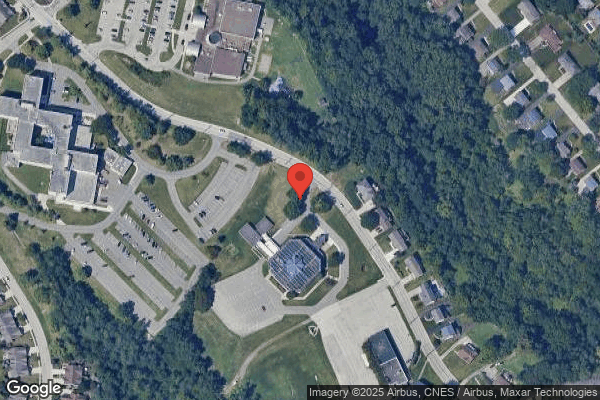
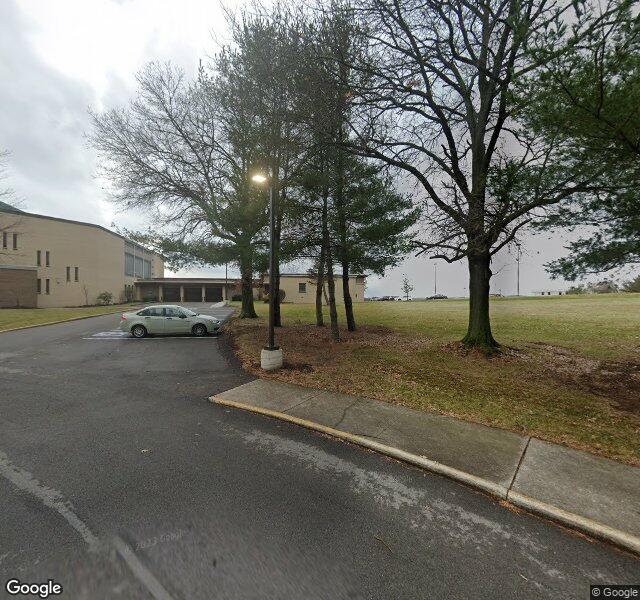
300 KANE BOULEVARD, PITTSBURGH, PA 15243 (412) 429-3020
Government - County 311 Beds Independent Data: November 2025
Trust Grade
45/100
#299 of 653 in PA
Last Inspection: September 2024

Within standard 12-15 month inspection cycle. Federal law requires annual inspections.

Overview

John J Kane Regional Center in Pittsburgh has received a Trust Grade of D, indicating below-average performance with some concerns. Ranking #299 out of 653 facilities in Pennsylvania places it in the top half, while being #13 out of 52 in Allegheny County means only a dozen local options are available. The facility is showing improvement, with issues decreasing from five in 2024 to two in 2025. Staffing is a positive aspect, earning 4 out of 5 stars and with a turnover rate of 40%, which is better than the state average. However, there were serious incidents reported, including a resident suffering a leg fracture due to a lack of proper assistance and neglect, and concerns regarding safety equipment that was not properly maintained, which could have led to dangerous situations. Overall, while there are strengths in staffing and a positive trend, the serious findings indicate areas that need significant attention.

Trust Score
D
45/100
In Pennsylvania
#299/653
Top 45%
Safety Record
High Risk
Review needed
Inspections
Getting Better
5 → 2 violations
Staff Stability
○ Average
40% turnover. Near Pennsylvania's 48% average. Typical for the industry.
Penalties
✓ Good
No fines on record. Clean compliance history, better than most Pennsylvania facilities.
Skilled Nurses
○ Average
Each resident gets 37 minutes of Registered Nurse (RN) attention daily — about average for Pennsylvania. RNs are the most trained staff who monitor for health changes.
Violations
○ Average
10 deficiencies on record. Average for a facility this size. Mostly minor or procedural issues.
★★★☆☆
3.0
Overall Rating
★★★★☆
4.0
Staff Levels
★★★★★
5.0
Care Quality
★★☆☆☆
2.0
Inspection Score
Stable
2024: 5 issues
2025: 2 issues

The Good

  • 4-Star Staffing Rating · Above-average nurse staffing levels
  • 5-Star Quality Measures · Strong clinical quality outcomes
  • Full Sprinkler Coverage · Fire safety systems throughout facility
  • No fines on record
  • Staff turnover below average (40%)

    8 points below Pennsylvania average of 48%

Facility shows strength in staffing levels, quality measures, fire safety.

The Bad

3-Star Overall Rating

Near Pennsylvania average (3.0)

Meets federal standards, typical of most facilities

Staff Turnover: 40%

Near Pennsylvania avg (46%)

Typical for the industry

The Ugly 10 deficiencies on record

2 actual harm
Jul 2025 2 deficiencies
CONCERN (D) 📢 Someone Reported This

A family member, employee, or ombudsman was alarmed enough to file a formal complaint

Potential for Harm - no one hurt, but risky conditions existed

Accident Prevention (Tag F0689)

Could have caused harm · This affected 1 resident

**NOTE- TERMS IN BRACKETS HAVE BEEN EDITED TO PROTECT CONFIDENTIALITY** Based on facility policy review, clinical and facility record review, facility submitted documents, and staff interviews, it was...

Read full inspector narrative →
**NOTE- TERMS IN BRACKETS HAVE BEEN EDITED TO PROTECT CONFIDENTIALITY** Based on facility policy review, clinical and facility record review, facility submitted documents, and staff interviews, it was determined that the facility failed to provide adequate supervision to prevent elopement for one of 41 residents (Resident R1). Review of the facility policy Elopement - Missing Resident dated 1/8/25, indicated the facility will provide to each resident adequate monitoring and interventions to maintain safety. Review of the clinical record revealed Resident R1 was admitted to the facility on [DATE]. Review of the Minimum Data Set (MDS - periodic assessment of resident care needs) dated 6/30/25, included diagnoses of Alzheimer's disease (a type of brain disorder that causes problems with memory, thinking and behavior) and a seizure disorder. Review of Section E: Behavior indicated Resident R1 had displayed wandering behaviors. Review of an Elopement Evaluation completed on 6/18/25, indicated Resident R1 was at risk for elopement. Review of the physician's order dated 6/18/25, indicated Resident R1 was ordered a security bracelet that alerts when an identified resident approaches a monitored door. Review of Resident R1's plan of care for Risk for Elopement initiated 6/18/25, indicated Resident R1 is at risk for elopement due to Alzheimer's disease and a history of wandering. Review of a progress note dated 7/7/25, at 8:43 a.m. indicated Resident R1 was testing door handles and keypads. When lobby door is open, she will start to run for the door. Review of a progress note dated 7/10/25, at 12:59 p.m. indicated Resident R1 was trying to open dining room windows this morning. Any time there is an open door and she notices, she will sprint towards it. Review of a progress note dated 7/15/25, at 11:18 p.m. indicated, At 7:13 p.m. resident was found on the 2nd floor walking up the middle hall from the stairwell. Nursing supervisor notified by security that the resident had gotten out of the locked unit. Upon investigation it was found that the maglocks (electrified magnetic locking mechanism) on the stairwell doors were not engaged due to planned power outage. Resident returned to locked unit without difficulty. Resident had no injury of any kind, did not fall or hurt herself in any way. No s/s (signs or symptoms) of emotional distress upon return to unit. Review of facility submitted information dated 7/16/25, indicated that on 7/15/25, At 7:11pm, During a scheduled facility power outage, the maglock door batteries became disengaged. While monitoring CCTV (closed-circuit television, a type of video surveillance system), Security saw resident enter the stairwell on unit 4A. Resident was identified as [Resident R1]. Security witnessed on camera her carefully safely walk down the stairwell and exit on unit 2A. Total Time 2 mins and 20 seconds. Nursing Supervisor immediately notified by Security and met resident on unit 2A. Resident returned to the unit safely. Resident had no injury. No emotional distress noted. MD (Doctor of Medicine) and NOK (next of kin) notified. During an interview on 7/17/25, at approximately 1:00 p.m. the Assistant Director of Nursing confirmed the facility failed to provide adequate supervision to prevent elopement for one of 41 residents (Resident R1).
CONCERN (F) 📢 Someone Reported This

A family member, employee, or ombudsman was alarmed enough to file a formal complaint

Potential for Harm - no one hurt, but risky conditions existed

Room Equipment (Tag F0908)

Could have caused harm · This affected most or all residents

Based on facility document review and staff interviews, it was determined that the facility failed to ensure that essential equipment was in safe operating condition on five of five nursing units (2A,...

Read full inspector narrative →
Based on facility document review and staff interviews, it was determined that the facility failed to ensure that essential equipment was in safe operating condition on five of five nursing units (2A, 3A, 3B, 4A, and 4B).Review of facility submitted information dated 7/16/25, indicated that on 7/15/25, At 7:11pm, During a scheduled facility power outage, the maglock (electrified magnetic locking mechanism) door batteries became disengaged. While monitoring CCTV (closed-circuit television, a type of video surveillance system), Security saw resident enter the stairwell on unit 4A. Resident was identified as [Resident R1]. Security witnessed on camera her carefully safely walk down the stairwell and exit on unit 2A. Total Time 2 mins and 20 seconds. Nursing Supervisor immediately notified by Security and met resident on unit 2A. Resident returned to the unit safely. Resident had no injury. No emotional distress noted. MD (Doctor of Medicine) and NOK (next of kin) notified. Review of an employee statement dated 7/15/25, written by Security Employee E1, indicated, While reviewing CCTV I noticed a resident enter the stairwell 1 entry on 4A. She was identified as [Resident R1]. I witnessed her walk down the stairwell and exit on 2A middle hall. She walked to the nurses station. I then called [Employee E2] and she and [Employee E3] responded to 2A and addressed it. She was returned to her unit right away. Subsequently upon further investigation the maglocks failed during the planned power outage. Review of an employee statement dated 7/15/25, written by Security Director Employee E4 indicated, At 1930 hrs (7:30 p.m.) on the above date (7/15/25) during a scheduled facility wide power shutdown, I received a call from Security Employee E1 reporting that a resident identified as [Resident R1] had entered stairwell #1 from unit 4A proceeding down to unit 2A. Security Employee E1 stated that the house supervisor was immediately notified of the incident. The resident was assessed by staff and returned to the unit. Under my direction, Security Employee E1 was instructed to check all maglocks on all stairwells, as an extra precaution all mechanical alarm boxes were to be tested and engaged. I advised Security Employee E1 that I was responding to the facility with a 20-30 min ETA (estimated time of arrival). Upon my arrival at 8pm Security Employee E1 informed me that all nursing unit maglocks were down. Nursing had placed a staff member at each door as an extra precaution. Upon investigation found that the battery backups for these doors had failed. Further investigation showed that the power supplies for these doors were not on generator power. ESM (Environmental Service Manager) Employee E5 was notified of the issue. Upon Employee E5's direction the facility electrician [Maintenance Employee E6] rewired the power supplied to a generator electric panel, restoring power to the affected doors at 2130 hrs (9:30 p.m.). the A side maglocks were fully functional. I made a sweep of the A side of the facilty and confirmed that all A side maglocks were again operating as designed. At 2230 (10:30 p.m.) power was restored to all B side maglocks. I again made a sweep of the B side to confirm all doors were working as designed. Upon review of the guard log book these doors were last tested at 1530 hrs (3:30 p.m.) and fully functional. I departed the facility at 2230 hrs (10:30 p.m.). All doors were fully functional. Review of a statement written by Environmental Service Manager Employee E5 stated that:7/15/25, (approximate times):8:00 a.m.: with Electric Maintenance Vendor V1 and V2 onsite, the local power provider terminated outside power and the facility converted to generator power. 4:00 - 4:30 p.m.: Electric Maintenance Vendor V2 advised that the Main Transfer Switch was faulty. At that time Facility Executive Employee E7, Director of Facilities Employee E8, and the County Electrician Employee E9 were contacted about the failed switch and the need to replace it immediately. 5:00 p.m. - Electric Vendor V2 was able to find a replacement switch, located approximately 90 miles away. The part was picked up and delivered at 8:00 p.m. Installation was begun at that time. 8:00 p.m. - Security Employee E1 notified that the maglock doors had failed and a resident got out of 4A. Battery backups were found to be low on power, and replace with new batteries. The decision was made change the maglocks from battery backup to generator power. 10:30 p.m. - All power to the maglock doors on the resident units was converted to generator emergency power. 7/16/25, (approximate times):12:00 a.m. - Electric Maintenance Vendor V2 completed the installation of the replacement part. The local power provider was called to restore service. The local power provider would not send anyone to restore power, due to confusion regarding the work order, with a work order from a sister facility. 2:00 a.m. - Power was restored by the local power provider. 7/17/25:Confirmed that all resident and non-resident area maglocks have backup generator power supply. During an interview on 7/17/25, at approximately 10:40 a.m. ESM Employee E5 confirmed that the facility had been unprepared for the maglock batteries to become too low on power during an extended power outage, and had not planned to have replacements used prior to the batteries completely failing. During an interview on 7/15/25, at approximately 1:00 p.m. the Assistant Director of Nursing confirmed the facility failed to ensure that essential equipment was in safe operating condition on five of five nursing units.
Sept 2024 5 deficiencies 2 Harm
SERIOUS (G)

Actual Harm - a resident was hurt due to facility failures

Free from Abuse/Neglect (Tag F0600)

A resident was harmed · This affected 1 resident

**NOTE- TERMS IN BRACKETS HAVE BEEN EDITED TO PROTECT CONFIDENTIALITY** Based on review of facility policy, resident clinical records, documentation provided by the facility, facility investigation, r...

Read full inspector narrative →
**NOTE- TERMS IN BRACKETS HAVE BEEN EDITED TO PROTECT CONFIDENTIALITY** Based on review of facility policy, resident clinical records, documentation provided by the facility, facility investigation, resident interview, and staff interviews, it was determined that the facility failed to ensure that a resident was free from neglect, which resulted in actual harm as evidenced by a left distal femur (thigh bone closest to the knee bone) fracture for one of three residents (Resident R91) and a head injury for one of three residents (Resident R3). Findings include: Review of the facility policy Abuse- Resident last reviewed on 1/5/24, indicated that the facility treat every resident with respect and dignity. The failure of the facility to provide goods and services to a resident that are necessary to avoid or may result in physical harm is identified as neglect. All complaints/allegations of resident abuse/neglect shall be promptly reported to the administration and investigated. Alleged violations whether or not confirmed, must be reported. Review of the clinical record indicated Resident R91 was admitted to the facility on [DATE], with diagnoses which included right sided (dominant side) hemiplegia and hemiparesis (paralysis of one side of body) due to a stroke, morbid obesity and difficulty swallowing. An Minimum Data Set (MDS - a periodic assessment of resident care needs) dated 7/13/24, indicated the diagnoses remained current, Section GG 0170 Mobility identified Resident R91 as dependent (which requiring one staff to do all the effort or two staff ) for bed mobility. Review of an incident report dated 7/30/24, at 12:30 a.m., indicated that Resident R91 was being provided incontinence care by Nurse Aide (NA) Employee E9 and redness was identified on Resident R91's buttocks. The statement further indicated NA Employee E9 turned away from Resident R91 to get cream and Resident R91 slid off of the bed (away from NA Employee E9) and onto the floor causing a fractured left distal femur. Review of the statement that was attached to the investigation dated 7/30/24, from NA Employee E9 stated that I came into the room and Resident R91 told me she needed to be changed. As I am changing her brief and wiping her backside, I noticed redness in the area I asked her did she have any cream her response was yes, I asked her where was it she told me as I turned my left side to grab the cream she started to roll herself out of bed. I ran over to the other side of bed and sat with her until the ambulance came. Review of the facility investigation dated 7/31/24, contained the Staff Development Referral process dated 12/28/22, that was signed by NA Employee E9. This document includes the statement for resident bed mobility: Residents to be rolled towards you, not away from you (two staff members present when indicated on the assignment sheet). During an interview on 9/23/24, at 1:00 p.m., Resident R91 stated that she recalled the event that resulted in this fall and injury. Resident R91 reported she was rolled away from NA Employee E9 onto her right side that has limited mobility, and she verbalized I am sliding a couple of times before she fell out of the bed. Resident R91 stated the bed was raised to a higher position so that NA Employee E9 could provide care, as Resident R91 tried to reach out with her left arm to stop the slide there was nothing within reach and she fell. During an interview on 9/23/24, at 1:10 p.m., Resident R91's roommate Resident R125 confirmed the details of Resident R91's detail of the fall. During an interview on 9/25/24, at 1:30 p.m. with NA Employee E10, indicated that resident care is identified on the care sheets received at the start of the shift. Employee E10 indicated report is received between shifts for any changes to the resident's care. Employee E10 indicated additional staff is available to assist when requested. Employee E10 indicated the facility policy is to roll a resident toward staff when providing care. During an interview on 9/25/24, at 1:45 p.m. with NA Employee E11, indicated that resident care is identified on the care sheets received at the start of the shift. Employee E11 indicated report is received between shifts for any changes to the resident's care. Employee E11 indicated additional staff is available to assist when requested. Employee E11 indicated Resident R91 had been an assist of one and now is requires two. Employee E11 indicated the facility policy is to roll a resident toward staff when providing care. During an interview on 9/25/24, at 2:00 p.m. with NA Employee E12, indicated that resident care is identified on the care sheets received at the start of the shift. Employee E12 indicated report is received between shifts for any changes to the resident's care. Employee E12 indicated additional staff is available to assist when requested. Employee E12 indicated the facility policy is to roll a resident toward staff when providing care. During an interview on 9/26/24, at 10:22 a.m., the Director of Nursing confirmed NA Employee E9 rolled Resident R91 away from her to provide care then turned away from Resident R91 during this care not providing actual positioning assistance which resulted in actual harm for Resident R91 when a fractured left distal femur was sustained. Review of the clinical record indicated that Resident R3 was admitted to the facility on [DATE], with diagnoses which included anoxic brain injury, quadriplegia, schizoaffective disorder, contractures, anxiety, blindness and dementia. A MDS dated [DATE], indicated the diagnoses remained current, Section GG 0170 Mobility indicated functional abilities of the resident identified Resident R3 required dependent care with rolling left to right which is indicated the helper does all the effort or two staff are required. Review of Resident R3's physican orders dated 10/31/23, prior to the incident and remained current, indicated Resident R3 required bed mobility of assist of two. Resident R3 has no use of his hands or arms due to brain injury and contractures. Review of Resident R3's plan of care, prior to incident and remained current, indicated Resident R3 had behaviors of resistant with care. Review of an incident report dated 8/28/24, indicated that Resident R3 developed a 1.5 c.m. x 2.0 c.m. x 0.1 c.m. head laceration with a bruise requiring steri strips (tape that is used in place of sutures) to close when NA Employee E8 attempted to readjust a sheet around his waist to keep him from picking at his brief with no additional assistance when turning Resident R3 who cannot hold himself or stop himself from rolling, NA Employee E8 hit Resident R3s head off of the overbed table causing the laceration. During an interview on 9/25/24, at 8:15 a.m., NA Employee E5 stated that Resident R3 is rigid and required two staff since he becomes combative with care. NA Employee E5 stated that he frequently is assigned to Resident R3. The Nurse Aides use a care sheet but they also get report between shifts in case there are any changes to determine the assistance required by the residents. During an interview on 9/25/24, at 8:40 with NA Employee E6 and E7 indicated that resident care is identified on the care sheets but they also get report between shifts in case there are any changes. During an interview on 9/26/24, at 10:22 a.m., the Director of Nursing confirmed that the facility failed to make certain that a resident was free from neglect, which resulted in actual harm as evidenced by a left distal femur (thigh bone closest to the knee bone) fracture for one of three residents (Resident R91) and a head injury for one of three residents (Resident R3). 28 Pa. Code 201.14(a) Responsibility of Licensee. 28 Pa. Code 201.18(b)(1)(3) Management. 28 Pa. Code 201.29(a)(c)(d)(j) Resident Rights. 28 Pa. Code 211.10(c)(d) Resident Care Policies. 28 Pa. Code 211.12(d)(1)(3) Nursing services.
SERIOUS (G)

Actual Harm - a resident was hurt due to facility failures

Accident Prevention (Tag F0689)

A resident was harmed · This affected 1 resident

**NOTE- TERMS IN BRACKETS HAVE BEEN EDITED TO PROTECT CONFIDENTIALITY** Based on a review of facility policy, clinical records, facility documents, and staff interviews, it was determined that the fac...

Read full inspector narrative →
**NOTE- TERMS IN BRACKETS HAVE BEEN EDITED TO PROTECT CONFIDENTIALITY** Based on a review of facility policy, clinical records, facility documents, and staff interviews, it was determined that the facility failed to provide appropriate assistance to prevent falls and an injury, resulting in actual harm of a leg fracture for one of three residents reviewed (Resident R91) and a head laceration for one of three residents (Resident R3). Findings include: Review of the facility policy All Policy and Procedure: General Guidelines last reviewed on 1/5/24, indicated that the facility will provide necessary care and services to each resident to attain or maintain his/her highest practicable physical, mental and psychosocial well-being. Staff must properly position the resident [NAME] position of comfort during and after any procedure. All care and services must be provided a prescribed by the practitioner, and according to the resident's person-centered plan of care. Review of the facility policy Fall Risk Evaluation Policy last reviewed on 1/5/24, indicated that residents who are identified as at risk for falls are provided safety measures that would deter falls and provide a safe environment. Review of the American Congress of Rehabilitation Medicine (ACRM) - Caregiver Guide and Instructions for Safe Bed Mobility published 4/28/17, indicated bed mobility refers to activities such as scooting in bed, rolling, side-lying to sitting, and sitting to lying down. Review of the clinical record indicated Resident R91 was admitted to the facility on [DATE], with diagnoses which included right sided (dominant side) hemiplegia and hemiparesis (paralysis of one side of body) due to a stroke, morbid obesity and difficulty swallowing. Review of the Minimum Data Set (MDS - a periodic assessment of resident care needs) dated 7/13/24, indicated the diagnoses remained current, Section GG 0170 Mobility identified Resident R91 as dependent (which requiring one staff to do all the effort or two staff ) for bed mobility. Review of an incident report dated 7/30/24, at 12:30 a.m., indicated that Resident R91 was being provided incontinence care by Nurse Aide (NA) Employee E9 and redness was identified on Resident R91's buttocks. This report stated NA Employee E9 turned away from Resident R91 to get cream and Resident R91 slid off of the bed (away from NA Employee E9) and onto the floor causing a fractured left distal femur (thigh bone closest to the knee bone). Review of the statement that was attached to the investigation dated 7/30/24, from NA Employee E9 stated that I came into the room and Resident R91 told me she needed to be changed. As I am changing her brief and wiping her backside, I noticed redness in the area I asked her did she have any cream her response was yes, I asked her where was it she told me as I turned my left side to grab the cream she started to roll herself out of bed. I ran over to the other side of bed and sat with her until the ambulance came. Review of the facility investigation dated 7/31/24, contained the Staff Development Referral process dated 12/28/2022, that was signed by NA Employee E9. This document includes the statement for resident bed mobility: Residents to be rolled towards you, not away from you (2 staff members present when indicated on the assignment sheet). During an interview on 9/23/24, at 1:00 p.m., Resident R91 stated that she recalled the event that resulted in this fall and injury. Resident R91 reported she was rolled away from NA Employee E9 onto her right side that has limited mobility, and she verbalized I am sliding a couple of times before she fell out of the bed. Resident R91 stated the bed was raised to a higher position so that NA Employee E9 could provide care, as Resident R91 tried to reach out with her left arm to stop the slide there was nothing within reach and she fell. During an interview on 9/23/24, at 1:10 p. m., Resident R91's roommate Resident R125 confirmed the details of Resident R91's detail of the fall. During an interview on 9/25/24, at 1:30 p.m. with NA Employee E10, indicated that resident care is identified on the care sheets received at the start of the shift. Employee E10 indicated report is received between shifts for any changes to the resident's care. Employee E10 indicated additional staff is available to assist when requested. Employee E10 indicated the facility policy is to roll a resident toward staff when providing care. During an interview on 9/25/24, at 1:45 p.m. with NA Employee E11, indicated that resident care is identified on the care sheets received at the start of the shift. Employee E11 indicated report is received between shifts for any changes to the resident's care. Employee E11 indicated additional staff is available to assist when requested. Employee E11 indicated Resident R91 had been an assist of one and now is requires two. Employee E11 indicated the facility policy is to roll a resident toward staff when providing care. During an interview on 9/25/24, at 2:00 p.m. with NA Employee E12, indicated that resident care is identified on the care sheets received at the start of the shift. Employee E12 indicated report is received between shifts for any changes to the resident's care. Employee E12 indicated additional staff is available to assist when requested. Employee E12 indicated the facility policy is to roll a resident toward staff when providing care. During an interview on 9/26/24, at 10:22 a.m., the Director of Nursing confirmed NA Employee E9 rolled Resident R91 away from her to provide care then turned away from Resident R91 during this care causing the resident to roll out of bed which resulted in actual harm for Resident R91 when a fractured left distal femur was sustained. Review of the clinical record indicated that Resident R3 was admitted to the facility on [DATE], with diagnoses which included anoxic brain injury, quadriplegia, schizoaffective disorder, contractures, anxiety, blindness and dementia. A MDS dated [DATE], indicated the diagnoses remained current, Section GG 0170 Mobility indicated functional abilities of the resident identified resident R3 required dependent care with rolling left to right which is indicated the helper does all the effort or two staff are required. Review of Resident R3's Physican orders dated 10/31/23, prior to the incident and remained current, indicated Resident R3 required bed mobility of assist of two. Review of Resident R3 plan of care, prior to incident and remained current, indicated Resident R3 had behaviors of resistant with care. Review of an incident report dated 8/28/24, indicated that Resident R3 developed a 1.5 c.m. x 2.0 c.m. x 0.1 c.m. head laceration with a bruise requiring steri strips (tape that is used in place of sutures) to close when NA Employee E8 attempted to readjust a sheet around his waist to keep him from picking at his brief with no additional assistance when turning Resident R3 who cannot hold himself or stop himself from rolling, NA Employee E8 hit Resident R3s head off of the overbed table causing the laceration. During an interview on 9/25/24, at 8:15 a.m., NA Employee E5 stated that Resident R3 is rigid and required two staff since he becomes combative with care. NA Employee E5 stated that he frequently is assigned to Resident R3. The Nurse Aides use a care sheet (a sheet shown to the surveyor and is on each nursing unit as a quick reference for each residents care needs for the Nurse Aides to utilize) but they also get report between shifts in case there are any changes to determine the assistance required by the residents. During an interview on 9/25/24, at 8:40 with NA Employee E6 and E7 indicated that resident care is identified on the care sheets but they also get report between shifts in case there are any changes. During an interview on 9/26/24, at 10:22 a.m., the Director of Nursing confirmed that the facility failed to provide appropriate assistance to prevent falls and an injury, resulting in actual harm of a leg fracture for one of three residents reviewed (Resident R91) and a head laceration for one of three residents (R3). 28 Pa. Code 201.18(e)(1) Management 28 Pa. Code 201.20(a)(b) Staff development 28 Pa. Code 201.29(a)(c)(d) Resident rights
CONCERN (E)

Potential for Harm - no one hurt, but risky conditions existed

Investigate Abuse (Tag F0610)

Could have caused harm · This affected multiple residents

**NOTE- TERMS IN BRACKETS HAVE BEEN EDITED TO PROTECT CONFIDENTIALITY** Based on review of facility policy, review of facility incident/accident reports, clinical records, and staff interviews, it was...

Read full inspector narrative →
**NOTE- TERMS IN BRACKETS HAVE BEEN EDITED TO PROTECT CONFIDENTIALITY** Based on review of facility policy, review of facility incident/accident reports, clinical records, and staff interviews, it was determined that the facility failed to identify and/or investigate potential abuse and/or neglect for one of three residents (Resident R3). Findings include: Review of the facility policy Abuse- Resident last reviewed on 1/5/24, indicated that the facility treat every resident with respect and dignity. The failure of the facility to provide goods and services to a resident that are necessary to avoid or may result in physical harm is identified as neglect. All complaints/allegations of resident abuse/neglect shall be promptly reported to the administration and investigated. Alleged violations whether or not confirmed, must be reported. Review of the clinical record indicated that Resident R3 was admitted to the facility on [DATE], with diagnoses which included anoxic brain injury, quadriplegia, schizoaffective disorder, contractures, anxiety, blindness and dementia. Review of the Minimum Data Set (MDS, periodic assessment of resident care needs) dated 6/18/24, indicated the diagnoses remained current. Section GG 0170 Mobility indicated functional abilities of the resident identified resident R3 required dependent care with rolling left to right which is indicated the helper does all the effort or two staff are required. Review of Resident R3's physican orders dated 10/31/23, prior to the incident and still current, indicated Resident R3 required bed mobility of assist of two. Review of Resident R3 plan of care, prior to incident and current, indicated resident R3 had behaviors of resistant with care. Review of an incident report dated 8/28/24, indicated that Resident R3 developed a 1.5 c.m. x 2.0 c.m. x 0.1 c.m. head laceration with a bruise requiring steri strips (tape that is used in place of sutures) to close when NA Employee E8 attempted to readjust a sheet around his waist to keep him from picking at his brief with no additional assistance when turning Resident R3 who cannot hold himself or stop himself from rolling, NA Employee E8 hit Resident R3s head off of the overbed table causing the laceration. During an interview on 9/25/24, at 8:15 a.m., NA Employee E5 stated that Resident R3 is rigid and required two staff since he becomes combative with care. NA Employee E5 stated that he frequently is assigned to Resident R3. During an interview on 9/25/24, at 8:40 with NA Employee E6 and E7 indicated that resident care is identified on the care sheets (a sheet shown to the surveyor and is on each nursing unit as a quick reference for each residents care needs for the nurse aides to utilize) but they also get report between shifts in case there are any changes. During an interview on 9/26/24, at 10:22 a.m., the Director of Nursing confirmed that the facility failed to identify and/or investigate potential abuse and/or neglect for one of three residents (Resident R3). 28 Pa Code: 201.14(a) Responsibility of licensee. 28 Pa Code: 201.18 (b)(1)(3) Management. 28 Pa Code: 211.10 (d) Resident care policies. 28 Pa Code: 211.12 (d)(3) Nursing services.
MINOR (B)

Minor Issue - procedural, no safety impact

Deficiency F0943 (Tag F0943)

Minor procedural issue · This affected multiple residents

Based on review of facility documents and staff interview, it was determined that the facility failed to provide training on abuse, neglect, and exploitation prevention for two of ten staff members (E...

Read full inspector narrative →
Based on review of facility documents and staff interview, it was determined that the facility failed to provide training on abuse, neglect, and exploitation prevention for two of ten staff members (Employee E3 and E4). Findings include: Review of the Facility Assessment most recently reviewed 7/12/24, included in the list of training topics, Abuse, Neglect, and Exploitation. Review of facility provided documents and training records revealed the following staff members did not have documented training on abuse, neglect, and exploitation prevention. Unit Clerk Employee E3 had a hire date of 4/16/07, failed to have abuse, neglect, and exploitation prevention in-service education between 4/16/23, and 4/16/24. Nurse Aide Employee E4 had a hire date of 5/19/14, failed to have abuse, neglect, and exploitation prevention in-service education between 5/19/23, and 5/19/24. During an interview on 9/26/24, at approximately 1:09 p.m. the Assistant Director of Nursing confirmed that the facility failed to provide training on abuse, neglect, and exploitation prevention for two of ten staff members. 28 Pa Code: 201.14 (a) Responsibility of licensee. 28 Pa Code: 201.18 (b)(1) Management. 28 Pa Code: 201.20 (a)(c) Staff development.
MINOR (B)

Minor Issue - procedural, no safety impact

Deficiency F0944 (Tag F0944)

Minor procedural issue · This affected multiple residents

Based on review of facility documents and staff interview, it was determined that the facility failed to provide training on Quality Assurance and Performance Improvement (QAPI) for two of ten staff m...

Read full inspector narrative →
Based on review of facility documents and staff interview, it was determined that the facility failed to provide training on Quality Assurance and Performance Improvement (QAPI) for two of ten staff members (Employee E1 and E2). Findings include: Review of facility provided documents and training records revealed the following staff members did not have documented training on the QAPI Program. Nurse Aide (NA) Employee E1 had a hire date of 5/19/14, failed to have QAPI Program in-service education between 5/19/23, and 5/19/24. NA Employee E2 had a hire date of 7/1/02, failed to have QAPI Program in-service education between 7/1/23, and 7/1/24. During an interview on 9/26/24, at approximately 1:09 p.m. the Assistant Director of Nursing confirmed that the facility failed to provide training on the QAPI Program for two of ten staff members. 28 Pa Code: 201.14 (a) Responsibility of licensee. 28 Pa Code: 201.18 (b)(1) Management. 28 Pa Code: 201.20 (a)(c) Staff development.
Sept 2023 2 deficiencies
CONCERN (D)

Potential for Harm - no one hurt, but risky conditions existed

Deficiency F0637 (Tag F0637)

Could have caused harm · This affected 1 resident

**NOTE- TERMS IN BRACKETS HAVE BEEN EDITED TO PROTECT CONFIDENTIALITY** Based on clinical record review and staff interview, it was determined that the facility failed to complete a significant change...

Read full inspector narrative →
**NOTE- TERMS IN BRACKETS HAVE BEEN EDITED TO PROTECT CONFIDENTIALITY** Based on clinical record review and staff interview, it was determined that the facility failed to complete a significant change Minimum Data Set (MDS- assessments completed indicating a change in condition of a resident requiring change in care) assessment for one of four residents reviewed (Residents R20). Findings include: Review of the Resident Assessment Instrument 3.0 User's Manual (reference used to complete an MDS) effective 10/1/2019, indicated that the facility must conduct a comprehensive assessment of a resident within 14 days after the facility determines, or should have determined, that there has been a significant change in the resident's physical or mental condition. A review of the clinical record indicated that Resident R20 was admitted to the facility on [DATE], with diagnoses which included dementia (group of symptoms that affects memory, thinking and interferes with daily life), and high blood pressure. A review of the MDS dated [DATE], indicated the diagnoses remain current. A review of a physician order dated 7/6/23, indicated Resident R20 was admitted to hospice care (a special model of care for patients who are in the late phase of an incurable illness and wish to receive end-of-life care). Review of Resident R20 ' s MDS assessments revealed a MDS significant change was not completed to include Hospice services until 8/3/23. During an interview on 9/28/23, at 10:00 a.m. Registered Nurse Assessment Coordinator Employee E5 confirmed that the clinical record did not include documentation that Resident R20 were afforded the opportunity to formulate Advanced Directives. 28 Pa. Code: 211.5(f) Clinical records.
CONCERN (E)

Potential for Harm - no one hurt, but risky conditions existed

Quality of Care (Tag F0684)

Could have caused harm · This affected multiple residents

**NOTE- TERMS IN BRACKETS HAVE BEEN EDITED TO PROTECT CONFIDENTIALITY** Based on review of facility policy, clinical records, and staff interviews, it was determined that the facility failed to notify...

Read full inspector narrative →
**NOTE- TERMS IN BRACKETS HAVE BEEN EDITED TO PROTECT CONFIDENTIALITY** Based on review of facility policy, clinical records, and staff interviews, it was determined that the facility failed to notify physicians of increased and decreased Capillary Blood Glucose (CBG) levels and failed to assess residents for hyperglycemia (high blood glucose) and hypoglycemia (low blood glucose), for four of seven Residents (Residents R53, R64, R71, and R76). Findings include: The Centers for Disease Control defines diabetes as: Diabetes Mellitus is a chronic (long-lasting) health condition that affects how your body turns food into energy. Most of the food you eat is broken down into sugar (also called glucose) and released into your bloodstream. When your blood sugar goes up, it signals your pancreas to release insulin. Insulin acts like a key to let the blood sugar into your body's cells for use as energy. If you have diabetes, your body either doesn't make enough insulin or can't use the insulin it makes as well as it should. When there isn't enough insulin or cells stop responding to insulin, too much blood sugar stays in your bloodstream. Over time, that can cause serious health problems, such as heart disease, vision loss, and kidney disease. Hypoglycemia is a condition that occurs when blood glucose is lower than normal, usually below 70 milligrams per deciliter (mg/dl). If left untreated, hypoglycemia may lead to weakness, confusion, unconsciousness, arrhythmias and even death. People with Diabetes Mellitus may be prescribed injectable insulin to assist in maintaining acceptable levels of CBG's. Hyperglycemia, or high blood glucose, occurs when there is too much sugar in the blood. This happens when your body has too little insulin. Hyperglycemia is blood glucose greater than 125 mg/dL while fasting (not eating for at least eight hours, or a blood glucose greater than 180 mg/dL one to two hours after eating. If you have hyperglycemia and it ' s untreated for long periods of time, you can damage your nerves, blood vessels, tissues and organs. Damage to blood vessels can increase your risk of heart attack and stroke, and nerve damage may also lead to eye damage, kidney damage and non-healing wounds. Review of the facility policy Medication Administration: Disposable, Pre-filled Insulin Pen reviewed 1/12/23, indicated the nurse monitors resident for adverse reactions, including hypoglycemia, and reports adverse effects to practitioner promptly and documents in EMR (electronic medical record). Review of the facility policy Emergency Care Guidelines: Hypoglycemia Protocol reviewed 1/12/23, indicated for Blood Glucose Monitor (BGM) reading less than 70 and symptomatic or less than 60 regardless of symptoms to recheck BGM in 15 minutes, treat according to protocol, and notify physician. For BGM less than 50, recheck BGM in 15 minutes and notify the physician. Review of the facility policy Notification of Change in Resident Condition and Treatment Changes reviewed 1/12/23, indicated the facility fully informs the resident, or notify the resident ' s representative, when there is a change in condition or treatment. The nurse assesses the resident ' s condition, notifies physician of changes, and documents findings and notifications in the nurse ' s notes. The nurse notifies the resident and responsible party, where applicable, of changes in physician order and documents notification in nurse ' s notes. Review of the clinical record indicated Resident R53 was re-admitted to the facility on [DATE], with diagnoses that included diabetes, high blood pressure, and depression. Review of Resident R53 ' s Minimum Data Set (MDS - a mandated assessment of a resident's abilities and care needs) dated 9/13/23, indicated the diagnoses remain current. Review of physician orders dated 10/6/22, indicated to inject Novolog (fast-acting insulin that starts to work about 15 minutes after injection, peaks in about 1 hour, and keeps working for 2 to 4 hours) insulin per sliding scale with meals and at bedtime and to notify the doctor if blood glucose was less than 70. Review of the clinical record electronic Medication Administration Record (eMAR) revealed that the resident's CBG's were as follows: On 8/25/23, at 8:14 a.m. the CBG was noted to be 69. On 8/9/23, at 7:56 a.m. the CBG was noted to be 62. Review of Resident R53's eMAR and clinical progress notes indicated the resident was not assessed for hypoglycemia, the blood glucose was not monitored for effectiveness of treatment, and the physician was not notified of abnormal results on the above listed dates. Review of the care plan dated 7/18/23, indicated to monitor for hypoglycemia symptoms, administer insulin per order, monitor BGMs and use sliding scale provided for coverage. Review of a clinical record indicated Resident R64 was re-admitted to the facility on [DATE], with diagnoses that included diabetes, high blood pressure, and dementia (group of symptoms that affects memory, thinking, and interferes with daily life). Review of Resident R64 ' s MDS dated [DATE], indicated the diagnoses remain current. Review of a physician order dated 2/12/20, indicated to inject Novolog insulin per sliding scale three times a day, notify the doctor if blood glucose is less than 70. Review of Resident R64's eMAR revealed that the resident's CBG's were as follows: On 8/16/23, at 11:35 a.m. CBG was noted to be 62. On 8/8/23, at 11:25 a.m. CBG was noted to be 60. On 8/7/23, at 12:02 p.m. CBG was noted to be 67. On 8/3/23, at 11: 16 a.m. CBG was noted to be 58. On 8/1/23, at 11:27 a.m. CBG was noted to be 66. On 7/13/23, at 11:29 a.m. CBG was noted to be 51. On 7/8/23, at 6:12 p.m. CBG was noted to be 65. On 7/3/23, at 11:18 a.m. CBG was noted to be 65. On 4/21/23, at 12:20 p.m. CBG was noted to be 54. On 4/9/23, at 12:34 p.m. CBG was noted to be 66. On 3/26/23, at 4:58 p.m. CBG was noted to be 53. On 3/7/23, at 4:24 p.m. CBG was noted to be 49. On 2/26/23, at 5:27 p.m. CBG was noted to be 64. On 2/25/23, at 5:16 p.m. CBG was noted to be 57. On 2/13/23, at 4:12 p.m. CBG was noted to be 53. On 2/12/23, at 5:07 p.m. CBG was noted to be 54. A review of Resident R64's eMAR and clinical progress notes indicated the resident was not assessed for hypoglycemia, interventions were not documented, blood sugar was not rechecked, and the physician was not notified of abnormal results. A review of Resident R64 ' s care plan dated 8/21/22, indicated to administer insulin per doctors order, observe for side effects and effectiveness. Observe for sign and symptoms of hyper- or hypoglycemia. Obtain blood sugars as ordered. Review of the clinical record indicated Resident R71 was re-admitted to the facility on [DATE], with diagnoses that included diabetes, and dementia. Review of Resident R71 ' s MDS dated [DATE], indicated the diagnoses remain current. Review of physician orders dated 5/22/23, indicated to inject Lispro (fast-acting insulin that starts to work about 15 minutes after injection, peaks in about 1 hour, and keeps working for 2 to 4 hours) 4 units with meals, and to inject Lantus (glargine insulin - long-acting insulin that starts to work several hours after injection) 30 units once daily in the morning. Review of the clinical record electronic Medication Administration Record (eMAR) revealed that the resident's CBG's were as follows: On 8/17/23, at 7:43 a.m. the CBG was noted to be 65. On 5/1/23, at 10:55 a.m. the CBG was noted to be 68. Review of Resident R71's eMAR and clinical progress notes indicated the resident was not assessed for hyperglycemia, the blood glucose was not monitored for effectiveness of treatment, and the physician was not notified of abnormal results on the above listed dates. Review of the care plan dated 5/11/23, indicated administer insulin injections per orders. Observe for signs and symptoms of hyper- or hypoglycemia. Review of the clinical record indicated Resident R76 was re-admitted to the facility on [DATE], with diagnoses that included diabetes, and anxiety. Review of Resident R76 ' s Minimum Data Set (MDS - a mandated assessment of a resident's abilities and care needs) dated 7/28/23, indicated the diagnoses remain current. Review of physician orders dated 1/25/23, indicated to inject NovoLog insulin per sliding scale before meals and at bedtime. If BGM is less than 70, or greater then 400, call the doctor. Further review of physician orders dated 5/23/23, indicated to inject Lispro insulin per sliding scale before meals and at bedtime. If BGM is less than 70, or greater than 400, call the doctor. A physician order dated 7/21/23, continued the Lispro insulin per sliding scale and notification parameters of less than 70 or greater than 400. Review of the clinical record electronic Medication Administration Record (eMAR) revealed that the resident's CBG's were as follows: On 9/22/23, at 1:15 p.m. CBG was noted to be 469. On 6/20/23, at 11:58 a.m. CBG was noted to be 40. On 5/10/23, at 11:55 a.m. CBG was noted to be 460. Review of Resident R76's eMAR and clinical progress notes indicated the resident was not assessed for hyper- or hypoglycemia, the blood glucose was not monitored for effectiveness of treatment, and the physician was not notified of abnormal results on the above listed dates. Review of the care plan dated 7/11/23, indicated to administer insulin injections per ordered. Observe resident for signs and symptoms of hyper- or hypoglycemia, notify doctor with results that are out of range as ordered. During an interview on 9/26/23, at 1:20 p.m. Registered Nurse (RN) Employee E1 stated for residents on insulin, the doctor is notified depending on resident orders and test results, usually less than 70 and greater than 400 unless otherwise ordered. There is an on-call service available after 5:00 p.m., if a doctor is notified of results it is documented in the progress notes of the resident ' s clinical record. During an interview on 9/26/23, at 1:40 p.m. Licensed Practical Nurse (LPN) Employee E2 stated for blood glucose levels under 60, they would start the hypoglycemic protocol, and if greater than 400 they would assess the resident, call the doctor, and document in the progress notes. During an interview on 9/26/23, at 1:45 p.m. LPN Employee E3 stated they would follow the hypoglycemic protocol for blood glucose less than 60, and greater than 400 they would call the doctor and document in the progress notes. During an interview on 9/26/23, at 1:55 p.m. RN Employee E4 stated she would call the doctor or the on-call service for blood glucose over 400 and document in the progress notes of the clinical record. During an interview on 9/27/23, at 2:40 p.m. the Director of Nursing confirmed the facility failed to notify the doctor of a change in condition related to blood glucose for Residents R53, R64, R71, and R76. 28 Pa. Code 201.18 (b)(1) Management. 28 Pa. Code 201.29(d) Resident Rights. 28 Pa. Code 211.10 (c)(d) Resident Care policies. 28 Pa. Code 211.12 (d)(1)(2)(3)(5) Nursing services.
Oct 2022 1 deficiency
CONCERN (D)

Potential for Harm - no one hurt, but risky conditions existed

Report Alleged Abuse (Tag F0609)

Could have caused harm · This affected 1 resident

**NOTE- TERMS IN BRACKETS HAVE BEEN EDITED TO PROTECT CONFIDENTIALITY** Based on review of facility policy, employee personnel records, grievance and abuse investigation documents, reports submitted t...

Read full inspector narrative →
**NOTE- TERMS IN BRACKETS HAVE BEEN EDITED TO PROTECT CONFIDENTIALITY** Based on review of facility policy, employee personnel records, grievance and abuse investigation documents, reports submitted to the State field office, resident interview and staff interview it was determined that the facility failed to make certain that all allegations of verbal abuse are reported to the State Agency as required for one of five residents (Resident R96). Findings include: The facility Abuse: protection from abuse policy dated [DATE], indicated that the facility every resident with consideration, respect and full recognition of his/her dignity and individuality. Verbal abuse is defined as the use of oral, written or gestured language that willfully includes disparaging and derogatory terms to residents or their families, or within their hearing distance. Alleged violations, whether or not confirmed, must be reported to the Administrator, PA Department of Health, the Area Agency on Aging, Compliance Officer, and to the Executive Director. Review of Resident R96's admission record indicated she was originally admitted on [DATE], with diagnoses that included Dementia (group of conditions characterized by impairment of at least two brain functions such as memory and loss of judgement). Review of Resident R96's MDS assessment (MDS-Minimum Data Set assessment: periodic assessment of resident care needs) dated [DATE], indicated that the diagnoses were current. Review of Grievances documentation dated [DATE], indicated that a visiting family member for a Resident in the 4B nursing wing submitted an allegation of verbal abuse. The allegation indicated that staff NA Employee E10 was yelling in the hallway about Resident R96Stop bothering us, she died a month ago and we tell you every day that they're dead! Review of interview form from investigation dated [DATE], indicated that the staff Nurse Aide(NA) Employee E10 said How many times do I have to tell you she is dead, dead, dead! I am not going to listen to this all night, go back to your room, in a loud tone. During an interview on [DATE], at 10:57 a.m. the Director of Nursing confirmed that the facility failed to make certain that an allegation of verbal abuse regarding Resident R96 was reported to the State Agency as required. During an interview on [DATE], at 11:06 a.m. the Nursing Home Administrator confirmed that the facility failed to make certain that an allegation of verbal abuse regarding Resident R96 was reported to the State Agency as required. 28 Pa. Code:201.14(a) Responsibility of licensee. 28 Pa. Code: 201.18(e)(1) Management.
Understanding Severity Codes (click to expand)
Life-Threatening (Immediate Jeopardy)
J - Isolated K - Pattern L - Widespread
Actual Harm
G - Isolated H - Pattern I - Widespread
Potential for Harm
D - Isolated E - Pattern F - Widespread
No Harm (Minor)
A - Isolated B - Pattern C - Widespread

Questions to Ask on Your Visit

  • "What safeguards are in place to prevent abuse and neglect?"
  • "Can I speak with families of current residents?"
  • "What's your RN coverage like on weekends and overnight?"

Our Honest Assessment

Strengths
  • • No fines on record. Clean compliance history, better than most Pennsylvania facilities.
  • • 40% turnover. Below Pennsylvania's 48% average. Good staff retention means consistent care.
Concerns
  • • Multiple safety concerns identified: Federal abuse finding, 2 harm violation(s). Review inspection reports carefully.
  • • 10 deficiencies on record, including 2 serious (caused harm) violations. Ask about corrective actions taken.
  • • Grade D (45/100). Below average facility with significant concerns.
Bottom line: This facility has a substantiated abuse finding. Extreme caution advised. Explore alternatives.

About This Facility

What is John J Kane Regional Center-Sc's CMS Rating?

CMS assigns John J Kane Regional Center-Sc an overall rating of 3 out of 5 stars, which is considered average nationally. Within Pennsylvania, this rating places the facility higher than 0% of the state's 100 nursing homes. This mid-range rating indicates the facility meets federal standards but may have areas for improvement.

How is John J Kane Regional Center-Sc Staffed?

CMS rates John J Kane Regional Center-Sc's staffing level at 4 out of 5 stars, which is above average compared to other nursing homes. Staff turnover is 40%, compared to the Pennsylvania average of 46%. This relatively stable workforce can support continuity of care.

What Have Inspectors Found at John J Kane Regional Center-Sc?

State health inspectors documented 10 deficiencies at John J Kane Regional Center-Sc during 2022 to 2025. These included: 2 that caused actual resident harm, 6 with potential for harm, and 2 minor or isolated issues. Deficiencies causing actual harm indicate documented cases where residents experienced negative health consequences.

Who Owns and Operates John J Kane Regional Center-Sc?

John J Kane Regional Center-Sc is owned by a government entity. Government-operated facilities are typically run by state, county, or municipal agencies. The facility operates independently rather than as part of a larger chain. With 311 certified beds and approximately 202 residents (about 65% occupancy), it is a large facility located in PITTSBURGH, Pennsylvania.

How Does John J Kane Regional Center-Sc Compare to Other Pennsylvania Nursing Homes?

Compared to the 100 nursing homes in Pennsylvania, John J Kane Regional Center-Sc's overall rating (3 stars) matches the state average, staff turnover (40%) is near the state average of 46%, and health inspection rating (2 stars) is below the national benchmark.

What Should Families Ask When Visiting John J Kane Regional Center-Sc?

Based on this facility's data, families visiting should ask: "What safeguards and monitoring systems are in place to protect residents from abuse or neglect?" "Can I visit during a mealtime to observe dining assistance and food quality?" "How do you handle medical emergencies, and what is your hospital transfer rate?" "Can I speak with family members of current residents about their experience?" These questions are particularly relevant given the substantiated abuse finding on record.

Is John J Kane Regional Center-Sc Safe?

Based on CMS inspection data, John J Kane Regional Center-Sc has documented safety concerns. The facility has 1 substantiated abuse finding (meaning confirmed case of resident harm by staff or other residents). The facility has a 3-star overall rating and ranks #1 of 100 nursing homes in Pennsylvania. Families considering this facility should ask detailed questions about what corrective actions have been taken since these incidents.

Do Nurses at John J Kane Regional Center-Sc Stick Around?

John J Kane Regional Center-Sc has a staff turnover rate of 40%, which is about average for Pennsylvania nursing homes (state average: 46%). Moderate turnover is common in nursing homes, but families should still ask about staff tenure and how the facility maintains care continuity when employees leave.

Was John J Kane Regional Center-Sc Ever Fined?

John J Kane Regional Center-Sc has no federal fines on record. CMS issues fines when nursing homes fail to meet care standards or don't correct problems found during inspections. The absence of fines suggests the facility has either maintained compliance or corrected any issues before penalties were assessed. This is a positive indicator, though families should still review recent inspection reports for the full picture.

Is John J Kane Regional Center-Sc on Any Federal Watch List?

John J Kane Regional Center-Sc is not on any federal watch list. The most significant is the Special Focus Facility (SFF) program, which identifies the bottom 1% of nursing homes nationally based on persistent, serious quality problems. Not being on this list means the facility has avoided the pattern of deficiencies that triggers enhanced federal oversight. This is a positive indicator, though families should still review the facility's inspection history directly.