LITTLE SISTERS OF THE POOR
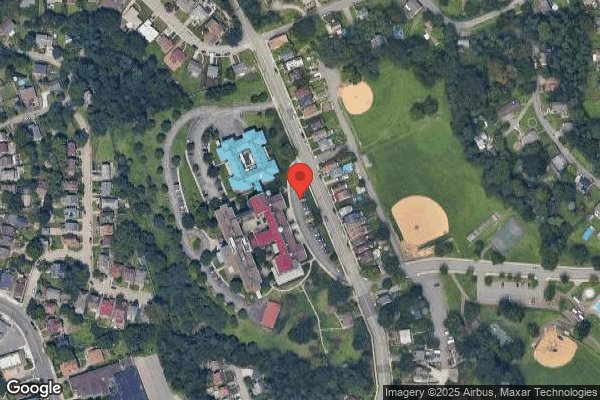
1028 BENTON AVENUE, PITTSBURGH, PA 15212 (412) 307-1100
Non profit - Corporation 48 Beds Independent Data: November 2025
Trust Grade
45/100
#454 of 653 in PA
Last Inspection: November 2024

Within standard 12-15 month inspection cycle. Federal law requires annual inspections.

Overview

Little Sisters of the Poor in Pittsburgh has a Trust Grade of D, indicating below-average performance with some concerns about care quality. They rank #454 out of 653 facilities in Pennsylvania, placing them in the bottom half, and #28 out of 52 in Allegheny County, meaning only a few local options are better. The facility is worsening, with the number of issues reported increasing from 19 in 2023 to 22 in 2024. On a positive note, staffing is a strength, with a 5/5 star rating and a turnover rate of 37%, which is lower than the state average, suggesting experienced staff who know the residents well. However, the facility incurred $25,672 in fines, which is concerning, as it is higher than 86% of similar facilities. There are specific deficiencies noted, such as failing to properly date food items and prevent cross-contamination, as well as not updating COVID-19 policies accurately, which raises concerns about overall safety and health management.

Trust Score
D
45/100
In Pennsylvania
#454/653
Bottom 31%
Safety Record
Low Risk
No red flags
Inspections
Getting Worse
19 → 22 violations
Staff Stability
○ Average
37% turnover. Near Pennsylvania's 48% average. Typical for the industry.
Penalties
⚠ Watch
$25,672 in fines. Higher than 96% of Pennsylvania facilities. Major compliance failures.
Skilled Nurses
✓ Good
Each resident gets 85 minutes of Registered Nurse (RN) attention daily — more than 97% of Pennsylvania nursing homes. RNs are the most trained staff who catch health problems before they become serious.
Violations
⚠ Watch
41 deficiencies on record. Higher than average. Multiple issues found across inspections.
★★☆☆☆
2.0
Overall Rating
★★★★★
5.0
Staff Levels
★★☆☆☆
2.0
Care Quality
★☆☆☆☆
1.0
Inspection Score
Stable
2023: 19 issues
2024: 22 issues

The Good

  • 5-Star Staffing Rating · Excellent nurse staffing levels
  • Full Sprinkler Coverage · Fire safety systems throughout facility
  • No fines on record
  • Staff turnover below average (37%)

    11 points below Pennsylvania average of 48%

Facility shows strength in staffing levels, fire safety.

The Bad

2-Star Overall Rating

Below Pennsylvania average (3.0)

Below average - review inspection findings carefully

Staff Turnover: 37%

Near Pennsylvania avg (46%)

Typical for the industry

Federal Fines: $25,672

Below median ($33,413)

Moderate penalties - review what triggered them

The Ugly 41 deficiencies on record

Nov 2024 22 deficiencies
CONCERN (D)

Potential for Harm - no one hurt, but risky conditions existed

Resident Rights (Tag F0550)

Could have caused harm · This affected 1 resident

**NOTE- TERMS IN BRACKETS HAVE BEEN EDITED TO PROTECT CONFIDENTIALITY** Based on a review of facility policy, observations, and resident and staff interviews, it was determined that the facility faile...

Read full inspector narrative →
**NOTE- TERMS IN BRACKETS HAVE BEEN EDITED TO PROTECT CONFIDENTIALITY** Based on a review of facility policy, observations, and resident and staff interviews, it was determined that the facility failed to provide care in a manner and environment that promotes and maintains quality of life by failing to allow a resident to smoke at requested times for one of three residents reviewed (Resident R17). Findings include: Review of facility policy Residents' [NAME] of Rights dated 11/6/23, last reviewed 11/4/24, indicated the Resident has the right to a dignified existence that will provide and maintain a supportive environment to promote self-esteem and personal dignity and to ensure that the Resident and civil rights are respected and protected. Review of facility policy Smoking dated 11/6/23, last reviewed 11/4/24, indicated residents who are determined by assessment that they are in need of supervision while smoking will be provided supervised smoking breaks in the appropriate designated smoking area. Resident may be supervised by a facility employee, family member and/or volunteer as assigned. Review of the clinical record indicated Resident R17 was admitted to the facility on [DATE]. Review of Resident R17's Minimum Data Set (MDS - a periodic assessment of care needs) dated 11/14/24, indicated diagnoses of depression (a constant feeling of sadness and loss of interest), need for assistance with personal care, and legal blindness. Section B - Hearing, Speech, and Vision, Question B1000 Vision, indicated Resident R17 was coded 4 severely impaired, no vision or sees only light, colors or shapes; eyes do not appear to follow objects. Review of Resident R17's care plan dated 2/3/20, indicated staff or volunteer will transfer her outside via wheelchair to smoking area to smoke, and whomever goes with her will make sure that she knows when to flick the cigarette or extinguish it. Review of progress note dated 8/20/24, stated, Resident R17 had therapy this evening. Remains in bed lying flat. Taking medications while with regular cola. Requested Tylenol with codeine and Ibuprofen this evening. Respirations easy and unlabored. Skin pink and warm. Resident R17 requested to go outside to smoke multiple times this evening, stated a cigarette is the only thing that will help me. Resident R17 was not taken outside on the evening shift. During an interview on 11/25/24, at 11:22 a.m. Resident R17 stated, I only go out to smoke when someone can take me and they don't always have enough help. More likely than not, like today, they don't have enough help. Usually someone from Activities will take me, but she's not here today, she doesn't work every day, and she can't take me if there is an activity scheduled. Sometimes a volunteer will take me out. I only spend about 15 minutes outside. I would like to be able to go outside to smoke at least once a day, that would be more than wonderful, I wouldn't dream of asking for more than once a day. During an interview on 11/26/24, at 11:40 a.m. Resident R17 stated, I did not get to smoke yesterday. A volunteer is here today who could take me but I think I may have missed him this morning because I had a care conference and a therapy session. I think the last time I went out to smoke was on Friday [11/22/24]. During an interview on 11/27/24, at 10:37 a.m. Resident R17 stated, I was able to go outside to smoke once yesterday because there was a volunteer here. It is psychologically important for me to be able to go outside to smoke because I'm blind, my hip is broken, I'm sort of like a rat stuck in this room. During an interview on 11/27/24, at 11:13 a.m. the Assistant Director of Nursing (ADON) Employee E2 stated, The smoking process is that Resident R17 will initiate when she wants to go smoke, she'll ask. There are only a few staff members who smoke who want to take her, the non-smoking staff don't want to take her and get the secondhand smoke, so unfortunately, depending on who is working, she doesn't get to go every day. During an interview on 11/27/24, at 11:13 a.m. the ADON Employee E2 confirmed that the facility failed to provide care in a manner and environment that promotes and maintains quality of life by failing to allow a resident to smoke at requested times for one of three residents reviewed (Resident R17). Pa Code: 201.29(j) Resident Rights
CONCERN (D)

Potential for Harm - no one hurt, but risky conditions existed

Deficiency F0554 (Tag F0554)

Could have caused harm · This affected 1 resident

**NOTE- TERMS IN BRACKETS HAVE BEEN EDITED TO PROTECT CONFIDENTIALITY** Based on observations, resident, and staff interviews, it was determined that the facility failed to determine the ability to se...

Read full inspector narrative →
**NOTE- TERMS IN BRACKETS HAVE BEEN EDITED TO PROTECT CONFIDENTIALITY** Based on observations, resident, and staff interviews, it was determined that the facility failed to determine the ability to self-administer medications for one of three residents (Residents R24). Findings include: Review of the facility policy Medication Administration dated 11/6/23, last reviewed on 11/4/24, indicated remain with resident to ensure that medication is swallowed. Review of the admission record indicated Resident R24 was admitted to the facility on [DATE]. Review of Resident R24's Minimum Data Set (MDS - a periodic assessment of care needs) dated 11/7/24, indicated the diagnoses of hypertension (high blood pressure), hyponatremia (low sodium in the blood), and hyperlipidemia (high fat in the blood). Review of Resident R24's physician orders failed to include medication self-administration. Review of Resident R24's care plan failed to include interventions for medication self-administration. Review of Resident R24's clinical record indicated the absence of a Self-Administration of Medication Assessment. Observation on 11/25/24, at 9:04 a.m. Resident R24 was sitting in her wheelchair in her room. A medication cup containing assorted pills were noted on her overbed table. Registered Nurse (RN) Employee E5 entered the room, picked up the medication cup with assorted pills on the overbed table and stated, they are her morning medications, she likes them in her room and exited the room with the medication cup of assorted pills. During an interview on 11/25/24, at 9:09 a.m. RN Employee E5 stated I don't believe she has an order to keep them in her room, it depends on the medication that it was and confirmed that Resident R24's morning medications were left in the room on the overbed table. During an interview on 11/26/24 at 1:40 p.m. the Director of Nursing stated, there is no policy on medication self-administration, there are no residents in the facility who do, medications should never be left at the bedside, and confirmed that the facility failed to determine the ability to self-administer medications for one of three residents (Residents R24). 28 Pa. Code 201.14(a) Responsibility of Licensee. 28 Pa. Code: 211.10(c)(d) Resident care policies. 28 Pa. Code: 211.12(d)(1)(5) Nursing services. 28 Pa. Code: 211.9(a)(1) Pharmacy services.
CONCERN (D)

Potential for Harm - no one hurt, but risky conditions existed

Safe Environment (Tag F0584)

Could have caused harm · This affected 1 resident

**NOTE- TERMS IN BRACKETS HAVE BEEN EDITED TO PROTECT CONFIDENTIALITY** Based on observation, and staff interview, it was determined that the facility failed to maintain a safe homelike environment in...

Read full inspector narrative →
**NOTE- TERMS IN BRACKETS HAVE BEEN EDITED TO PROTECT CONFIDENTIALITY** Based on observation, and staff interview, it was determined that the facility failed to maintain a safe homelike environment in one of four nursing units (St. [NAME]). Findings include: During an observation of resident room [ROOM NUMBER] on 11/25/24, at 1:01 p.m. it was noted that the door handle was missing, and an exposed, sharp piece of metal was sticking out from the mount where the handle would be placed. During an interview on 11/27/24, at 11:17 a.m. the Director of Nursing (DON) confirmed that the handle was missing from the door of resident room [ROOM NUMBER] and an exposed, sharp piece of a metal was sticking out from the mount where the handle would be placed. During an interview on 11/27/24, at 11:17 a.m. the DON confirmed that the facility failed to maintain a safe homelike environment in one of four nursing units (St. [NAME]). 28 Pa. Code: 201.18(b)(3)(e)(1) Management. 28 Pa. Code 201.29(j) Resident rights. 28 Pa. Code 207.2(2) Administrator's Responsibility.
CONCERN (D)

Potential for Harm - no one hurt, but risky conditions existed

Grievances (Tag F0585)

Could have caused harm · This affected 1 resident

**NOTE- TERMS IN BRACKETS HAVE BEEN EDITED TO PROTECT CONFIDENTIALITY** Based on review of facility policy, resident grievances for 12 months, and resident and staff interviews, it was determined that...

Read full inspector narrative →
**NOTE- TERMS IN BRACKETS HAVE BEEN EDITED TO PROTECT CONFIDENTIALITY** Based on review of facility policy, resident grievances for 12 months, and resident and staff interviews, it was determined that the facility failed to ensure resident grievances were addressed timely for one of two grievances reviewed. Findings include: Review of facility policy Grievance dated 11/6/23, last reviewed 11/4/24, indicated the Home will ensure prompt resolution to all grievances, keeping the Resident and Resident Representative informed throughout the investigation and resolution process. Review of the clinical record indicated Resident R15 was admitted to the facility on [DATE]. Review of Resident R15's Minimum Data Set (MDS - a periodic assessment of care needs) dated 9/17/24, indicated diagnoses of high blood pressure, respiratory failure (a condition where the lungs cannot get enough oxygen into the blood), and shortness of breath. Review of a facility Grievance or Complaint Form indicated Resident R15 filed a grievance on 7/8/24. There was no documentation available that the facility investigated and addressed Resident R15's grievance until 11/8/24. During an interview on 11/25/24, at 1:27 p.m. Resident R15 stated, I don't think they addressed it right away. I can't remember exactly when it happened, but I think it took a little bit of time for the paperwork. During an interview on 11/26/24, at 1:12 p.m. the Director of Nursing and the Nursing Home Administrator confirmed that the facility failed to ensure resident grievances were addressed timely for one of two grievances reviewed. 28 Pa. Code 201.14(a) Responsibility of licensee. 28 Pa. Code 201.18(b)(e)(1) Management. 28 Pa. Code 211.10(c)(d) Resident care policies. 28 PA Code: 201.29(j) Resident rights.
CONCERN (D)

Potential for Harm - no one hurt, but risky conditions existed

Transfer Requirements (Tag F0622)

Could have caused harm · This affected 1 resident

**NOTE- TERMS IN BRACKETS HAVE BEEN EDITED TO PROTECT CONFIDENTIALITY** Based on clinical record review, and staff interview it was determined that the facility failed to make certain that the necessa...

Read full inspector narrative →
**NOTE- TERMS IN BRACKETS HAVE BEEN EDITED TO PROTECT CONFIDENTIALITY** Based on clinical record review, and staff interview it was determined that the facility failed to make certain that the necessary resident information was communicated to the receiving health care provider for two of two residents with facility-initiated transfers (Resident R17 and R35). Findings include: Review of the clinical record indicated Resident R17 was admitted to the facility on [DATE]. Review of Resident R17's Minimum Data Set (MDS - a periodic assessment of care needs) dated 11/14/24, indicated diagnoses of depression (a constant feeling of sadness and loss of interest), need for assistance with personal care, and legal blindness. Review of Resident R17's clinical record revealed that the resident was transferred to the hospital on [DATE]. Review of Resident R17's clinical record revealed no documented evidence that the facility had communicated specific information to the receiving health care provider for the residents transferred and expected to return, which included the resident's care plan goals, advanced directive information, specific instructions for ongoing care, resident representative information, and all information necessary to meet the resident's specific needs at the receiving facility. Review of the clinical record indicated Resident R35 was admitted to the facility on [DATE]. Review of Resident R35's MDS dated [DATE], indicated diagnoses of high blood pressure, reduced mobility, and weakness. Review of Resident R35's clinical record revealed that the resident was transferred to the hospital on [DATE]. Review of Resident R35's clinical record revealed no documented evidence that the facility had communicated specific information to the receiving health care provider for the residents transferred and expected to return, which included the resident's care plan goals, advanced directive information, specific instructions for ongoing care, resident representative information, and all information necessary to meet the resident's specific needs at the receiving facility. During an interview on 11/26/24, at 11:21 a.m. the Assistant Director of Nursing (ADON) Employee E2 confirmed that there was no evidence that the necessary information was communicated to the receiving health care institution or provider upon transfer for two out of two residents sampled with facility-initiated transfers (Residents R17 and R35). 28 Pa. Code 201.29 (a)(c.3)(2) Resident rights.
CONCERN (D)

Potential for Harm - no one hurt, but risky conditions existed

Transfer Notice (Tag F0623)

Could have caused harm · This affected 1 resident

**NOTE- TERMS IN BRACKETS HAVE BEEN EDITED TO PROTECT CONFIDENTIALITY** Based on clinical record review, and staff interview, it was determined that the facility failed to notify the resident/resident...

Read full inspector narrative →
**NOTE- TERMS IN BRACKETS HAVE BEEN EDITED TO PROTECT CONFIDENTIALITY** Based on clinical record review, and staff interview, it was determined that the facility failed to notify the resident/resident representative and/or the representative of the Office of the State Long-Term Care Ombudsman of resident transfers, in writing, to include to include the following: the reason for the transfer or discharge, date of transfer, location of transfer, statement of the resident's appeal rights, and name, address (mailing and email), and telephone number of the Office of the State Long-Term Care Ombudsman for two of two resident records reviewed (Resident R17 and R35) Findings Include: Review of the clinical record indicated Resident R17 was admitted to the facility on [DATE]. Review of Resident R17's Minimum Data Set (MDS - a periodic assessment of care needs) dated 11/14/24, indicated diagnoses of depression (a constant feeling of sadness and loss of interest), need for assistance with personal care, and legal blindness. Review of Resident R17's clinical record revealed that the resident was transferred to the hospital on [DATE]. Review of Resident R17's clinical record, the facility failed to include documented evidence that the facility provided a written transfer notification to the Office of Long-Term Care Ombudsman for the hospitalization on 11/16/24. Review of the clinical record indicated Resident R35 was admitted to the facility on [DATE]. Review of Resident R35's MDS dated [DATE], indicated diagnoses of high blood pressure, reduced mobility, and weakness. Review of Resident R35's clinical record revealed that the resident was transferred to the hospital on [DATE]. Review of Resident R35's clinical record, the facility failed to include documented evidence that the facility provided a written transfer notification to the resident/resident representative and or Office of Long-Term Care Ombudsman for the hospitalization on 11/22/24. During an interview on 11/26/24, at 11:21 a.m. the Assistant Director of Nursing (ADON) Employee E2 confirmed that the facility failed to notify the resident/resident representative and or the representative of the Office of the State Long-Term Care Ombudsman of resident transfers in writing or two out of two residents (Residents R17 and R35). 28 Pa. Code 201.29 (a) (c.3) (2) Resident rights.
CONCERN (D)

Potential for Harm - no one hurt, but risky conditions existed

Deficiency F0625 (Tag F0625)

Could have caused harm · This affected 1 resident

**NOTE- TERMS IN BRACKETS HAVE BEEN EDITED TO PROTECT CONFIDENTIALITY** Based on review of facility policy, clinical records, and staff interviews, it was determined that the facility failed to notify...

Read full inspector narrative →
**NOTE- TERMS IN BRACKETS HAVE BEEN EDITED TO PROTECT CONFIDENTIALITY** Based on review of facility policy, clinical records, and staff interviews, it was determined that the facility failed to notify the resident or resident's representative of the facility bed-hold policy (an agreement for the facility to hold a bed for an agreed upon rate during a hospitalization) for two of two resident hospital transfers (Resident R17, and R35). Findings Include: Review of the facility policy Bed Hold and Return dated 11/4/24, and previously dated 11/6/23, indicated that the facility will provide the resident and resident representative a written notice which specifies the duration of the bed-hold policy at the time of transfer for hospitalization or therapeutic leave. Review of the clinical record indicated Resident R17 was admitted to the facility on [DATE]. Review of Resident R17's Minimum Data Set (MDS - a periodic assessment of care needs) dated 11/14/24, indicated diagnoses of depression (a constant feeling of sadness and loss of interest), need for assistance with personal care, and legal blindness. Review of Resident R17's clinical record revealed that the resident was transferred to the hospital on [DATE]. Review of Resident R17's clinical record failed to include documented evidence that the resident or the resident's representative were provided with written information about the facility's bed hold policy at the time of the transfer to the hospital on [DATE]. Review of the clinical record indicated Resident R35 was admitted to the facility on [DATE]. Review of Resident R35's MDS dated [DATE], indicated diagnoses of high blood pressure, reduced mobility, and weakness. Review of Resident R35's clinical record revealed that the resident was transferred to the hospital on [DATE]. Review of Resident R35's clinical record failed to include documented evidence that the resident or the resident's representative were provided with written information about the facility's bed hold policy at the time of the transfer to the hospital on [DATE]. During an interview on 11/26/24, at 11:21 a.m. the Assistant Director of Nursing (ADON) Employee E2 confirmed that the facility failed to notify the resident or resident's representative of the facility bed-hold policy for Resident R17 and R35. 28 Pa. Code: 201.29(b)(d)(j) Resident rights.
CONCERN (D)

Potential for Harm - no one hurt, but risky conditions existed

Quality of Care (Tag F0684)

Could have caused harm · This affected 1 resident

**NOTE- TERMS IN BRACKETS HAVE BEEN EDITED TO PROTECT CONFIDENTIALITY** Based on review of facility policy, clinical record review, and staff interviews, it was determined that the facility failed to ...

Read full inspector narrative →
**NOTE- TERMS IN BRACKETS HAVE BEEN EDITED TO PROTECT CONFIDENTIALITY** Based on review of facility policy, clinical record review, and staff interviews, it was determined that the facility failed to make certain that residents were provided appropriate treatment and care by failing to implement the facility's hypoglycemia (low blood sugar) protocol, failing to document appropriate hypoglycemia interventions, failing to notify the physician of a resident's refusal of weekly weights, and failing to follow physicians orders for one of five residents reviewed (Resident R21). Findings include: The Centers for Disease Control defines diabetes as: Diabetes Mellitus is a chronic (long-lasting) health condition that affects how your body turns food into energy. Most of the food you eat is broken down into sugar (also called glucose) and released into your bloodstream. When your blood sugar goes up, it signals your pancreas to release insulin. Insulin acts like a key to let the blood sugar into your body's cells for use as energy. If you have diabetes, your body either doesn't make enough insulin or can't use the insulin it makes as well as it should. When there isn't enough insulin or cells stop responding to insulin, too much blood sugar stays in your bloodstream. Over time, that can cause serious health problems, such as heart disease, vision loss, and kidney disease. Hypoglycemia is a condition that occurs when blood glucose is lower than normal, usually below 70 mg/dL (milligrams per deciliter). If left untreated, hypoglycemia may lead to weakness, confusion, unconsciousness, arrhythmias and even death. Review of facility policy Hypoglycemia dated 11/6/23, last reviewed 11/4/24, indicated residents experiencing hypoglycemia are treated according to current standards of practice unless contraindicated by a physician order. Staff treating a conscious resident who is symptomatic or has a blood sugar less than seventy (70) should administer a glass of juice with two added packets of sugar or Glucose gel fifteen (15) milligrams. Review of the facility's Registered Nurse (RN) job description indicated the RN will administer and document prescribed medications/treatments accurately and timely and in compliance with policies/procedures. Review of the facility's Licensed Practical Nurse (LPN) job description indicated the LPN will administer and document prescribed medications/treatments accurately and timely and in compliance with policies/procedures. Review of the clinical record indicated Resident R21 was admitted to the facility on [DATE]. Review of Resident R21's MDS dated [DATE], indicated diagnoses of diabetes, hyperlipidemia (high levels of fat in the blood), and heart failure (a progressive heart disease that affects pumping action of the heart muscles). Review of a physician order dated 12/13/23, indicated to use a FreeStyle Libre 2 Reader Device (Continuous Blood Glucose System Receiver) apply to sensor topically four times a day related to diabetes. Review of Resident R21's vitals records for October 2024, indicated the following blood glucose measurements: 11/1/24 at 9:07 a.m. 59 mg/dL 11/1/24 at 10:00 p.m. 64 mg/dL 11/4/24 at 8:42 a.m. 59 mg/dL 11/11/24 at 7:50 a.m. 61 mg/dL 11/17/24 at 7:08 a.m. 66 mg/dL Review of Resident R21's progress notes from 11/1/24, through 11/27/24, failed to include documentation that the facility's hypoglycemia protocol was implemented for Resident R21's abnormal blood glucose readings on the dates listed above. Review of a progress note dated 11/8/24, completed by LPN Employee E16 stated, Residents blood sugars have been running low in the morning. Having to give her OJ (orange juice) with sugar. This morning at 4 a.m. she was 54. Had to give her OJ with sugar and glucose tablets crushed in pudding. Got blood sugar up to 110. She is alert, oriented and responsive. Review of a progress note dated 11/18/24, completed by RN Employee E17 stated, Resident's blood glucose at 6 a.m. was 60; Resident presented asymptomatic for hypoglycemia and skin was warm and dry to touch. Resident was easy to awaken and was alert upon awakening. Resident was given 120 milliliters OJ with 3 sugar packets, consumed all. Resident has a frequent pattern of blood glucose levels quickly dropping in the early morning hours. Resident states she consumed all of her evening snack offered. Repeat blood glucose at 6:30 a.m. was 82. Follow up with physician is suggested to review insulin dosing as pattern is frequently occurring. Review of a progress note dated 11/23/24, completed by RN Employee E5 stated, Residents blood sugar this morning was 53. OJ with 5 sugars given and blood sugar 127 at 6 a.m. During an interview on 11/27/24, at 12:34 p.m. the Director of Nursing (DON) confirmed that the facility failed to implement the facility's hypoglycemia protocol and failed to document appropriate hypoglycemia interventions for Resident R21 on the dates listed above. Review of a physician order dated 5/22/23, indicated to weigh Resident R21 with bath every evening shift every Monday. Review of Resident R21's August 2024 Medication Administration Record (MAR) indicated Resident R21 refused to be weighed on 8/5/24, and 8/26/24. Review of Resident R21's progress notes from 8/1/24, to 8/31/24, failed to include documentation that the physician was notified of Resident R21's weight refusals on 8/5/24, and 8/26/24. Review of Resident R21's September 2024 MAR indicated Resident R21 refused to be weighed on 9/2/24, 9/9/24, 9/16/24, 9/23/24, and 9/30/24. Review of Resident R21's progress notes from 9/1/24, to 9/30/24, failed to include documentation that the physician was notified of Resident R21's weight refusals on 9/2/24, 9/9/24, 9/16/24, 9/23/24, and 9/30/24. Review of Resident R21's October 2024 MAR indicated Resident R21 refused to be weighed on 10/7/24, 10/14/24, and 10/28/24. Review of Resident R21's progress notes from 10/1/24, to 10/31/24, failed to include documentation that the physician was notified of Resident R21's weight refusals on 10/7/24, 10/14/24, and 10/28/24. During an interview on 11/27/24, at 12:34 p.m. the DON confirmed that the facility failed to notify the physician of Resident R21's refusal of ordered weekly weights. Review of a physician order dated 12/13/23, indicated to administer Metolazone 2.5 mg (milligrams) give one tablet by mouth as needed for weight gain above 240 pounds, give 30 minutes before morning Lasix dose. Review of Resident R21's Weight Summary indicated the following weights: 9/3/24 - 221 pounds 9/20/24 - 222.5 pounds 10/6/24 - 220 pounds 10/21/24 220 pounds 10/29/24 - 220 pounds Review of Resident R21's September 2024 MAR indicated Resident R21 was administered Metolazone 2.5 mg on 9/7/24, at 7:00 a.m. Resident R21's weight was documented as 221 pounds on 9/3/24. Documentation failed to indicate Resident R21 had a weight gain above 240 pounds. Review of Resident R21's October 2024 MAR indicated Resident R21 was administered Metolazone 2.5 mg on 10/5/24, at 7:00 a.m. Resident R21's weight was documented as 222.5 pounds on 9/20/24. Documentation failed to indicate Resident R21 had a weight gain above 240 pounds. During an interview on 11/27/24, at 12:34 p.m. the DON confirmed that the facility failed to follow a physician order for Resident R17. 28 Pa. Code 201.18 (b)(1) Management 28 Pa. Code 201.29(a) Resident Rights 28 Pa. Code 211.10 (c)(d) Resident Care policies 28 Pa. Code 211.12 (d)(1)(2)(3)(5) Nursing services
CONCERN (D)

Potential for Harm - no one hurt, but risky conditions existed

Deficiency F0761 (Tag F0761)

Could have caused harm · This affected 1 resident

Based on review of facility policies, observations, and staff interviews it was determined that the facility failed to properly store medical supplies and biologicals in one of two medication rooms. F...

Read full inspector narrative →
Based on review of facility policies, observations, and staff interviews it was determined that the facility failed to properly store medical supplies and biologicals in one of two medication rooms. Findings include: Review of the facility policy Medication Storage in the Facility dated 11/6/23, last reviewed on 11/4/24, indicated all medications are maintained within the temperature ranges noted in the United States Pharmacopeia (USP and by the Centers for Disease Control (CDC). Refrigerated 36 degrees Fahrenheit to 46 degrees Fahrenheit with a thermometer to allow temperature monitoring. During an observation on 11/26/24, at 9:00 a.m. the first-floor medication room refrigerator temperature log was not completed the following dates: 11/11/24. 11/19/24. 11/21/24. During an interview on 11/26/24, at 9:07 a.m. Registered Nurse (RN) Employee E6 confirmed the above observations and that the facility failed to properly store medical supplies and biologicals in one of two medication rooms. 28 Pa. Code: 211.9(a)(1)(k) Pharmacy services. 28 Pa. Code: 211.10(c) Resident care policies. 28 Pa. Code 211.12(d)(1)(5) Nursing services.
CONCERN (E)

Potential for Harm - no one hurt, but risky conditions existed

Deficiency F0575 (Tag F0575)

Could have caused harm · This affected multiple residents

Based on observations and staff interview it was determined that the facility failed to have required postings for the Medicaid Fraud Control Unit for the facility. Findings include: Observations on t...

Read full inspector narrative →
Based on observations and staff interview it was determined that the facility failed to have required postings for the Medicaid Fraud Control Unit for the facility. Findings include: Observations on the nursing care units on the First and Second Floor bulletin boards failed to include information for the Medicaid Fraud Control Unit throughout the survey from 11/25/24, through 11/27/24. During an observation and interview on 11/27/24, at 11:10 a.m. The Director of Nursing confirmed that the facility failed to post information about the Medicaid Fraud Control Unit. 28 Pa. Code: 201.14(a)Responsibility of licensee. 28 Pa. Code: 201.18e Management.
CONCERN (E)

Potential for Harm - no one hurt, but risky conditions existed

Deficiency F0577 (Tag F0577)

Could have caused harm · This affected multiple residents

Based on observations, Group interview, and staff interview, it was determined that the facility failed to ensure that the Department of Health Survey Results were readily accessible to residents and ...

Read full inspector narrative →
Based on observations, Group interview, and staff interview, it was determined that the facility failed to ensure that the Department of Health Survey Results were readily accessible to residents and visitors, and failed to post notice of the availability of the results on two of two Nursing Floors. (First Floor, and Second Floor) Findings Include: Observations on the nursing care units on the First and Second Floor bulletin boards failed to include information for the Department of Health Survey results throughout the survey from 11/25/24, through 11/27/24. During a group interview on 11/26/24, at 9:59 a.m. ten out of ten residents were unaware of the location where the survey results binder would be located and available to review. During an observation and interview on 11/27/24, at 11:10 a.m. The Director of Nursing was able to locate two Department of Health Survey Results Binders that were out of sight, as they were inside of desks on the First Floor and Second Floor, and confirmed that the facility failed to post notice of availability of these results on two of two Nursing Floors. 28 Pa. Code 201.14 (a) Responsibility of licensee
CONCERN (E)

Potential for Harm - no one hurt, but risky conditions existed

Respiratory Care (Tag F0695)

Could have caused harm · This affected multiple residents

**NOTE- TERMS IN BRACKETS HAVE BEEN EDITED TO PROTECT CONFIDENTIALITY** Based on review of facility policy, observations, interviews, and clinical record review, it was determined that the facility fa...

Read full inspector narrative →
**NOTE- TERMS IN BRACKETS HAVE BEEN EDITED TO PROTECT CONFIDENTIALITY** Based on review of facility policy, observations, interviews, and clinical record review, it was determined that the facility failed to provide appropriate respiratory care for four of seven residents (Residents R15, R25, R27, and R29). Findings include: Review of facility policy Oxygen Nasal Cannulas, Face Mask and Nebulizer Set Ups Protocol dated 11/6/23, last reviewed 11/4/24, indicated the nasal cannulas, face masks, and nebulizer set ups are changed routinely to decrease chance of infections. The date will be written on tape and applied to the tubing. Review of the clinical record indicated Resident R15 was admitted to the facility on [DATE]. Review of Resident R15's Minimum Data Set (MDS - a periodic assessment of care needs) dated 9/17/24, indicated diagnoses of high blood pressure, respiratory failure (a condition where the lungs cannot get enough oxygen into the blood), and shortness of breath. Review of a physician order dated 1/16/24, indicated to administer oxygen via nasal cannula (a lightweight tube placed in the nostrils to deliver oxygen) to maintain pulse oximeter above 92% as needed at 2 liters per minute every shift. Review of a physician order dated 1/17/24, indicated to change oxygen tubing every night shift every Wednesday for protocol. Review of Resident R15's care plan dated 2/28/23, indicated staff will change oxygen tubing weekly and humidification bottle monthly when in use. During an observation on 11/25/24, at 10:59 a.m. Resident R15 was observed receiving oxygen via a nasal cannula. No date was present on the nasal cannula tubing. During an interview on 11/25/24, at 11:04 a.m. Registered Nurse (RN) Employee E1 confirmed there was no date present on Resident R15's nasal cannula tubing and that the facility failed to provide appropriate respiratory care. Review of the clinical record indicated Resident R25 was admitted to the facility on [DATE]. Review of Resident R25's clinical diagnosis sheet dated 6/22/24, indicated the diagnosis of peripheral vascular disease (PVD- causes a reduced blood flow to extremities), diabetes (high sugar in the blood), and hypothyroidism (thyroid gland doesn't make enough hormone). Review of Resident R25's physician order dated 10/26/24, indicated to administer oxygen via nasal cannula at 2 liters per minute for shortness of breath and to maintain pulse oximeter above 92% as needed every shift. Review of Resident R25's physician order dated 5/13/24, indicated to change oxygen tubing every night shift every Tuesday for protocol. During an observation on 11/25/24, at 9:54 a.m. Resident R25 was observed receiving oxygen via a nasal cannula. No date was present on the nasal cannula tubing. During an interview on 11/25/24, at 9:56 a.m. RN Employee E5 confirmed there was no date present on Resident R25's nasal cannula tubing and that the facility failed to provide appropriate respiratory care. Review of the clinical record indicated Resident R27 was admitted to the facility on [DATE]. Review of Resident R27's MDS dated [DATE], indicated diagnoses of hypertension (high blood pressure), diabetes, and hyperlipidemia (high fats in the blood). Review of Resident R27's physician order dated 7/22/24, indicated to administer oxygen via nasal cannula at 2 liters per minute continuously. Review of Resident R27's physician order dated 7/22/24, indicated to change oxygen tubing every night shift every Tuesday for protocol. Review of Resident R27's care plan dated 1/9/23, indicated staff will change oxygen tubing weekly and humidification bottle monthly when in use. During an observation on 11/25/24, at 9:48 a.m. Resident R27 was observed receiving oxygen via a nasal cannula. No date was present on the nasal cannula tubing. During an interview on 11/25/24, at 9:53 a.m. RN Employee E5 confirmed there was no date present on Resident R27's nasal cannula tubing and that the facility failed to provide appropriate respiratory care. Review of the clinical record indicated Resident R29 was admitted to the facility on [DATE]. Review of Resident R29's MDS dated [DATE], indicated diagnoses of hypertension, diabetes, and hyperlipidemia. Review of Resident R29's physician order dated 7/13/24, indicated to administer oxygen via nasal cannula to maintain oxygen saturation greater than 92% as needed. Review of Resident R29's physician order dated 1/23/24, indicated to change oxygen tubing weekly and humidifier monthly when in use. Review of Resident R29's care plan dated 1/24/23, indicated staff will change oxygen tubing weekly and humidification bottle monthly when in use. During an observation on 11/25/24, at 9:19 a.m. Resident R29's oxygen concentrator with tubing was noted in her room the oxygen tubing failed to be labeled with a date. During an interview on 11/25/24, at 9:24 a.m. RN Employee E5 confirmed there was no date present on Resident R29' s oxygen tubing and that the facility failed to provide appropriate respiratory care. 28 Pa. Code: 201.14(a) Responsibility of licensee. 28 Pa. Code: 211.10(c)(d) Resident care policies. 28 Pa. Code: 211.11 (a)(c)(d) Resident care plan. 28 Pa. Code 211.12(d)(1)(2)(3)(5) Nursing services.
CONCERN (E)

Potential for Harm - no one hurt, but risky conditions existed

Deficiency F0700 (Tag F0700)

Could have caused harm · This affected multiple residents

**NOTE- TERMS IN BRACKETS HAVE BEEN EDITED TO PROTECT CONFIDENTIALITY** Based on observations, review of facility policy, clinical record review, and staff interview, it was determined that the facili...

Read full inspector narrative →
**NOTE- TERMS IN BRACKETS HAVE BEEN EDITED TO PROTECT CONFIDENTIALITY** Based on observations, review of facility policy, clinical record review, and staff interview, it was determined that the facility failed to conduct ongoing accurate assessments to ensure that bedrails were used to meet resident needs and the risks associated with bedrail usage for five of five residents (Residents R17, R21, R27, R29, and R30). Findings include: Review of facility policy Bed Rail Use dated 11/6/23, last reviewed 11/4/24, indicated the resident's condition is reassessed at least annually or for a change in condition by Physical Therapy to determine the need for continuing use of half-length rails. Review of the clinical record indicated Resident R17 was admitted to the facility on [DATE]. Review of Resident R17's Minimum Data Set (MDS - a periodic assessment of care needs) dated 11/14/24, indicated diagnoses of depression (a constant feeling of sadness and loss of interest), need for assistance with personal care, and legal blindness. Review of a physician order dated 9/9/19, indicated top two side rails up when in bed to enhance mobility due to blindness. Review of Resident R17's care plan dated 5/28/23, indicated staff will have top two side rails up when she is in bed to aide in mobility. During an observation on 11/25/24, at 9:11 a.m. Resident R17 was observed lying in bed with two top side rails present on her bed. Review of Resident R17's clinical record revealed a PCE - Siderails Assessment dated 9/9/19, and failed to reveal any additional completed siderail assessments for Resident R17. During an interview on 11/26/24, at 2:55 p.m. the Director of Nursing (DON) confirmed Resident R17 had no additional siderail assessments completed. Review of the clinical record indicated Resident R21 was admitted to the facility on [DATE]. Review of Resident R21's MDS dated [DATE], indicated diagnoses of high blood pressure, hyperlipidemia (high levels of fat in the blood), and need for assistance with personal care. Review of a physician order dated 5/15/23, indicated top two side rails up to aide in mobility and transfer. Review of R21's care plan dated 5/15/23, indicated staff will have top two side rails up when in bed to aide in mobility and transfer. During an observation on 11/25/24, at 9:05 a.m. top two side rails were present on Resident R21's bed. Review of Resident R21's clinical record revealed a PCE - Siderails Assessment dated 4/18/22, and failed to reveal any additional completed siderail assessments for Resident R21. During an interview on 11/26/24, at 2:55 p.m. the DON confirmed Resident R21 had no additional siderail assessments completed. Review of the clinical record indicated Resident R27 was admitted to the facility on [DATE]. Review of Resident R27's MDS dated [DATE], indicated diagnoses of hypertension (high blood pressure), diabetes (high sugar in the blood) and hyperlipidemia. Review of Resident R27's physician order dated 3/30/22, indicated top two side rails up when in bed to aide in mobility. Review of Resident R27's care plan dated 6/29/23, indicated staff will have top two side rails up when she is in bed to aide in mobility and transfer. During an observation on 11/26/24, at 1:00 p.m. Resident R27's bed was made, and the two top side rails were present on the bed in the down position. Review of Resident R27's clinical record revealed a PCE - Siderails Assessment dated 4/18/22, and failed to reveal any additional completed siderail assessments for Resident R27. During an interview on 11/26/24, at 2:55 p.m. the DON confirmed Resident R27 had no additional siderail assessments completed. Review of the clinical record indicated Resident R29 was admitted to the facility on [DATE]. Review of Resident R29's MDS dated [DATE], indicated diagnoses of hypertension, diabetes, and anemia (low iron in the blood). Review of Resident R29's physician order dated 1/23/23, indicated top two side rails up when in bed to aide in mobility and transfer. Review of Resident R29's care plan dated 7/24/23, indicated two top side rails up when in bed. During an observation on 11/26/24, at 1:12 p.m. Resident R29's bed was made, and the two top side rails were present on the bed in the down position. Review of Resident R29's clinical record revealed a PCE - Siderails Assessment dated 2/20/23, and failed to reveal any additional completed siderail assessments for Resident R29. During an interview on 11/26/24, at 2:55 p.m. the DON confirmed Resident R29 had no additional siderail assessments completed. Review of the clinical record indicated Resident R30 was admitted to the facility on [DATE]. Review of Resident R30's MDS dated [DATE], indicated diagnoses of hyperlipidemia, dementia (progressive loss of intellectual functioning) and osteoarthritis (joint disease that causes pain, swelling and stiffness). Review of Resident R30's physician order dated 1/8/19, indicated both upper side rails used when in bed to aide in mobility due to osteoarthritis. Review of Resident R30's care plan dated 1/23/19, indicated both upper side rails used when in bed to aide in mobility due to osteoarthritis. During an observation on 11/26/24, at 12:55 p.m. Resident R30's bed was made, and the two top side rails were present on the bed in the down position. Review of Resident R30's clinical record revealed a PCE - Siderails Assessment dated 1/8/19, and failed to reveal any additional completed siderail assessments for Resident R30. During an interview on 11/26/24, at 2:55 p.m. the DON confirmed Resident R30 had no additional siderail assessments completed. During an interview on 11/26/24, at 2:55 p.m. the DON confirmed that the facility failed to conduct ongoing accurate assessments to ensure that bedrails were used to meet resident needs and the risks associated with bedrail usage for five of five residents (Residents R17, R21, R27, R29, and R30). 28 Pa. Code: 201.14 (a) Responsibility of licensee. 28 Pa. Code: 211.12 (d) (1)(3)(5) Nursing services. 28 Pa. Code 211.10(c)(d) Resident care policies.
CONCERN (E)

Potential for Harm - no one hurt, but risky conditions existed

Infection Control (Tag F0880)

Could have caused harm · This affected multiple residents

**NOTE- TERMS IN BRACKETS HAVE BEEN EDITED TO PROTECT CONFIDENTIALITY** Based on review of facility policy, observations, and staff interviews, it was determined that the facility failed to properly m...

Read full inspector narrative →
**NOTE- TERMS IN BRACKETS HAVE BEEN EDITED TO PROTECT CONFIDENTIALITY** Based on review of facility policy, observations, and staff interviews, it was determined that the facility failed to properly monitor resident's personal refrigerators to ensure that food is properly stored and maintained for two of two residents (Residents R17 and R29), failed to implement Enhanced Barrier Precautions (EBP) for two of two residents (Residents R1 and R3), failed to provide a safe and sanitary environment to help prevent the potential for cross contamination for one of two medication rooms (First Floor Medication Room), and failed to implement infection control practices to prevent cross contamination during a dressing change for one of three residents (Resident R29). Findings include: Review of facility policy Food Safety dated 11/6/23, last reviewed 11/4/24, indicated staff will be appointed to check resident refrigerators for proper temperatures, food containment and quality, and disposal of items per facility policy. The Centers for Disease Control defines Enhanced Barrier Precautions as: an infection control intervention designed to reduce transmission of multidrug-resistant organisms (MDROs) in nursing homes. EBP involve gown and gloves during high-contact resident care activities for residents known to be colonized or infected with MDRO as well as those at increased risk of MDRO acquisition (e.g., residents with wounds or indwelling medical devices). Review of the facility policy Medication Storage in the Facility dated 11/6/23, last reviewed on 11/4/24, indicated medications are stored safe, securely and properly. Medication storage areas are to be kept clean, well lit, and free of clutter. Review of the facility policy Dressing, Non-Sterile dated 11/6/23, last reviewed on 11/4/24, indicated to protect, to absorb drainage and to promote healing of wound. Procedures includes but not inclusive to: · Obtain necessary supplies. · Wash hands and apply gloves. · Remove soiled dressing and place in trash bag. · Wash hands and apply new gloves Cleanse wound and surrounding tissue with normal saline solution and dry gauze. · Apply prescribed wound-care product. · Discard gloves and all used supplies. During an observation on 11/25/24, at 9:15 a.m. Resident R17 had a small personal refrigerator in her room. There was a thermometer inside of the refrigerator, however there was no temperature log present. During an interview on 11/27/24, at 9:16 a.m. the Director of Nursing (DON) stated that the household aides are responsible for resident refrigerators. During a review of Resident R17's Resident's Fridge Temperature Logs dated October 2024 and November 2024, revealed the following dates did not have a documented temperature: 10/1/24, 10/2/24, 10/3/24, 10/4/24, 10/9/24, 10/17/24, 10/18/24, 10/23/24, 10/24/24, 11/1/24, 11/4/24, and 11/16/24. During an observation on 11/25/24, at 9:19 a.m. Resident R29 had a small personal refrigerator in her room. There was a thermometer inside of the refrigerator, however there was no temperature log present. During an interview on 11/25/24, at 9:24 a.m. Registered Nurse (RN) Employee E5 confirmed a temperature log was not present. During a review of Resident R29's Resident's Fridge Temperature Logs dated November 2024, indicated in November only two days were logged: November 25, 2024, and November 26, 2024. No other logs were provided for the previous months. During an interview on 11/27/24, at 9:43 a.m. the Assistant Director of Nursing (ADON) Employee E2 confirmed that the facility failed to properly monitor personal refrigerators to ensure that food is properly stored and maintained for two of two residents (Residents R17 and R29). Review of the clinical record indicated Resident R1 was admitted to the facility on [DATE]. Review of Resident R1's Minimum Data Set (MDS - a periodic assessment of care needs) dated 8/27/24, indicated diagnoses of coronary artery disease (CAD- arteries can't deliver enough oxygen to the heart), Parkinson's disease (a brain disorder that causes unintended or uncontrollable movements) and dysphagia (difficult swallowing) Section K - Swallowing - Nutritional Status, indicated Resident R1 has a feeding tube. Review of a physician order dated 12/23/23, indicated Two Cal HN (feeding formula) 240 ml (milliliter) at 80 ml every hour for 3 hours daily with water infusion of 50 ml every hour while formula is being administered. Review of Resident R1's clinical record on 11/26/24, failed to reveal an order or care plan for Enhanced Barrier Precautions in relation to Resident R1's tube feeding usage and care. Review of the clinical record indicated Resident R3 was admitted to the facility on [DATE]. Review of Resident R3's MDS dated [DATE], indicated diagnoses of high blood pressure, weakness, and need for assistance with personal care. Section H - Bladder and Bowel, indicated Resident R1 had an indwelling catheter. Review of a physician order dated 7/5/24, indicated Resident R3 had a suprapubic catheter. Review of Resident R3's clinical record on 11/26/24, failed to reveal an order or care plan for Enhanced Barrier Precautions in relation to Resident R3's suprapubic catheter usage and care. During an interview on 11/26/24, at 1:19 p.m. the DON confirmed that the facility failed to implement Enhanced Barrier Precautions for two of two residents (Residents R1 and R3). During an observation on 11/26/24, at 9:00 a.m. of the First Floor Medication Room the following was observed on the counter: · One blue lunch bag. · One bottle of water The lower cupboard contained a smaller coach purse. During an interview completed on 11/26/24, at 9:04 a.m. RN Employee E6 Stated, these are mine. The medication room freezer contained three blue ice packs and ice buildup. During an interview on 11/26/24, at 9:07 a.m. RN Employee E6 confirmed the above observations and that the facility failed to provide a safe and sanitary environment to help prevent the potential for cross contamination for one of two medication rooms. Review of the clinical record indicated Resident R29 was admitted to the facility on [DATE]. Review of Resident R29's MDS dated [DATE], indicated diagnoses of hypertension (high blood pressure), diabetes (high sugar in the blood) and anemia (low iron in the blood). Review of Resident R29's physician order dated 11/22/24, indicated to apply Medihoney gel to right buttock and cover with foam bordered dressing every day shift. Review of Resident R29's care plan dated 4/17/24, indicated staff will follow wound protocol as ordered. Review of Resident R29's care plan dated 11/22/24, indicated staff to apply Medihoney gel and foam bordered dressing to right buttocks daily. During a wound care observation on 11/26/24, at 10:32 a.m. RN Employee E6 washed her hands, entered Resident R29's room and assisted her to the bathroom with wheelchair, used hand sanitizer, gathered supplies from Resident R29's bathroom closet and prepared dressing supplies on Resident R29's dresser. RN Employee E6 took the supplies and placed on top of a plastic storage cart next to commode, no barrier field was placed, applied gloves. She assisted Resident R29 to stand and removed pants and underwear, cleansed, and dried the area, removed gloves, did not complete hand hygiene and continued to apply skin prep barrier to surrounding area followed with the Medi-honey and covered with dressing. She then helped dress the resident and assisted to wheelchair. Picked up all discarded items and placed into garbage can removed bag, washed hands picked up garbage and disposed of it in receptacle. Applied hand sanitizer. During an interview completed on 11/26/24, at 10:45 a.m. RN Employee E6 confirmed she failed to implement infection control practices to prevent cross contamination during a dressing change for Resident R29 by not initiating a clean barrier field prior to placement of dressing supplies. Not completing hand hygiene after cleansing and patting the wound dry. Completing the wound care without the use of gloves and not cleaning the storage cart surface after dressing was completed. 28 Pa. Code 201.14(a) Responsibility of licensee. 28 Pa. Code 201.18(b)(1)(3)(d)(e)(1) Management. 28 Pa. Code 211.10(d) Resident care policies. 28 Pa. Code 211.12(d)(1)(5) Nursing services.
CONCERN (E)

Potential for Harm - no one hurt, but risky conditions existed

Deficiency F0941 (Tag F0941)

Could have caused harm · This affected multiple residents

Based on review of facility policy, facility documents and staff interviews, it was determined that the facility failed to provide Communication training to four of seven direct care facility staff re...

Read full inspector narrative →
Based on review of facility policy, facility documents and staff interviews, it was determined that the facility failed to provide Communication training to four of seven direct care facility staff reviewed (Employees E1, E10, E12 and E14). Finding include: Review of the facility policy Nursing Education, Mandatory Training and Competency Evaluation dated 11/4/24, and previously dated 11/6/23, indicated that the facility will establish, implement and maintain written policies and procedures for verification of appropriate educational preparation and competency, to include certification and/or licensure in good standing, upon hire and on an ongoing basis while employed. Proficiency in skills and techniques necessary to care for residents' needs includes competencies in areas such as communication and personal skills, personal care skills, mental health and social service needs, basic restorative services and resident rights. During an interview on 11/26/24, at 1:45 p.m. Human Resources Director Employee E15 stated that education is conducted by calendar year running January through December. Review of facility education documents for the year 2023 revealed the following concerns: Review of Registered Nurse (RN) Employee E1's facility provided information did not include training on effective communication. Review of Nurse Aide (NA) Employee E10's facility provided information did not include training on effective communication. Review of NA Employee E12's facility provided information did not include training on effective communication. Review of RN Employee E14's facility provided information did not include training on effective communication. During an interview on 11/27/24, at 9:50 a.m. the Director of Nursing confirmed that the facility failed to provide Communication training to direct care facility staff. 28 Pa. Code: 201.14(a) Responsibility of Licensee 28 Pa. Code: 201.20(c) Staff Development
CONCERN (E)

Potential for Harm - no one hurt, but risky conditions existed

Deficiency F0943 (Tag F0943)

Could have caused harm · This affected multiple residents

Based on review of facility policy, facility documents, and staff interview, it was determined that the facility failed to provide training on resident protection from abuse and neglect for two of sev...

Read full inspector narrative →
Based on review of facility policy, facility documents, and staff interview, it was determined that the facility failed to provide training on resident protection from abuse and neglect for two of seven staff members (Employees E11, and E13). Findings include: Review of the facility policy Nursing Education, Mandatory Training and Competency Evaluation dated 11/4/24, and previously dated 11/6/23, indicated that the facility will establish, implement and maintain written policies and procedures for verification of appropriate educational preparation and competency, to include certification and/or licensure in good standing, upon hire and on an ongoing basis while employed. Review of the facility policy Abuse dated 11/4/24, and previously dated 11/6/23, indicated that all staff shall be trained during orientation and on an on-going basis on issues related to reporting of resident abuse, neglect or mistreatment. During an interview on 11/26/24, at 1:45 p.m. Human Resources Director Employee E15 stated that education is conducted by calendar year running January through December. Review of facility education documents for the year 2023 revealed the following concerns: Review of Nurse Aide (NA) Employee E11's facility provided information did not include training on resident protection from abuse and neglect. Review of NA Employee E13's facility provided information did not include training on resident protection from abuse and neglect. During an interview on 11/27/24, at 9:50 a.m. the Director of Nursing confirmed that the facility failed to provide training on resident protection from abuse and neglect for two of seven staff members. 28 Pa Code: 201.14 (a) Responsibility of licensee. 28 Pa Code: 201.18 (b)(1) Management. 28 Pa Code: 201.20 (a)(c) Staff development.
CONCERN (E)

Potential for Harm - no one hurt, but risky conditions existed

Deficiency F0944 (Tag F0944)

Could have caused harm · This affected multiple residents

Based on review of facility policy, facility documents, and staff interview, it was determined that the facility failed to provide training on Quality Assurance and Performance Improvement (QAPI) for ...

Read full inspector narrative →
Based on review of facility policy, facility documents, and staff interview, it was determined that the facility failed to provide training on Quality Assurance and Performance Improvement (QAPI) for seven of seven staff members (Employee E1, E9, E10, E11, E12, E13, and E14). Findings include: Review of the facility policy Nursing Education, Mandatory Training and Competency Evaluation dated 11/4/24, and previously dated 11/6/23, indicated that the facility will establish, implement and maintain written policies and procedures for verification of appropriate educational preparation and competency, to include certification and/or licensure in good standing, upon hire and on an ongoing basis while employed. During an interview on 11/26/24, at 1:45 p.m. Human Resources Director Employee E15 stated that education is conducted by calendar year running January through December. Review of facility education documents for the year 2023 revealed the following concerns: Review of Registered Nurse (RN) Employee E1's facility provided information did not include training on QAPI education. Review of Nurse Aide (NA) Employee E9's facility provided information did not include training on QAPI education. Review of NA Employee E10's facility provided information did not include training on QAPI education. Review of NA Employee E11's facility provided information did not include training on QAPI education. Review of NA Employee E12's facility provided information did not include training on QAPI education. Review of NA Employee E13's facility provided information did not include training on QAPI education. Review of RN Employee E14's facility provided information did not include training on QAPI education. During an interview on 11/27/24, at 9:50 a.m. the Director of Nursing confirmed that the facility failed to provide training on QAPI for seven of seven staff members. 28 Pa Code: 201.14 (a) Responsibility of licensee. 28 Pa Code: 201.18 (b)(1) Management. 28 Pa Code: 201.20 (a)(c) Staff development.
CONCERN (E)

Potential for Harm - no one hurt, but risky conditions existed

Deficiency F0945 (Tag F0945)

Could have caused harm · This affected multiple residents

Based on review of facility policy, facility documents, and staff interview, it was determined that the facility failed to provide training on Infection Control for five of seven staff members (Employ...

Read full inspector narrative →
Based on review of facility policy, facility documents, and staff interview, it was determined that the facility failed to provide training on Infection Control for five of seven staff members (Employees E1, E9, E10, E12, and E14). Findings include: Review of the facility policy Nursing Education, Mandatory Training and Competency Evaluation dated 11/4/24, and previously dated 11/6/23, indicated that the facility will establish, implement and maintain written policies and procedures for verification of appropriate educational preparation and competency, to include certification and/or licensure in good standing, upon hire and on an ongoing basis while employed. Review of the facility policy Infection Control dated 11/4/24, and previously dated 11/6/23, indicated that initial orientation for new employees covers infection control, universal precautions, and hand washing. This information is reviewed yearly. During an interview on 11/26/24, at 1:45 p.m. Human Resources Director Employee E15 stated that education is conducted by calendar year running January through December. Review of facility education documents for the year 2023 revealed the following concerns: Review of Registered Nurse (RN) Employee E1's facility provided information did not include training on Infection Control education. Review of Nurse Aide (NA) Employee E9's facility provided information did not include training on Infection Control education. Review of NA Employee E10's facility provided information did not include training on Infection Control education. Review of NA Employee E12's facility provided information did not include training on Infection Control education. Review of RN Employee E14's facility provided information did not include training on Infection Control education. During an interview on 11/27/24, at 9:50 a.m. the Director of Nursing confirmed that the facility failed to provide training on Infection Control for five of seven staff members. 28 Pa Code: 201.14 (a) Responsibility of licensee. 28 Pa Code: 201.18 (b)(1) Management. 28 Pa Code: 201.20 (a)(c) Staff development.
CONCERN (E)

Potential for Harm - no one hurt, but risky conditions existed

Deficiency F0946 (Tag F0946)

Could have caused harm · This affected multiple residents

Based on review of facility policy, facility documents, and staff interview, it was determined that the facility failed to provide training on Compliance and Ethics for two of seven staff members (Emp...

Read full inspector narrative →
Based on review of facility policy, facility documents, and staff interview, it was determined that the facility failed to provide training on Compliance and Ethics for two of seven staff members (Employees E11, and E13). Findings include: Review of the facility policy Nursing Education, Mandatory Training and Competency Evaluation dated 11/4/24, and previously dated 11/6/23, indicated that the facility will establish, implement and maintain written policies and procedures for verification of appropriate educational preparation and competency, to include certification and/or licensure in good standing, upon hire and on an ongoing basis while employed. During an interview on 11/26/24, at 1:45 p.m. Human Resources Director Employee E15 stated that education is conducted by calendar year running January through December. Review of facility education documents for the year 2023 revealed the following concerns: Review of Nurse Aide (NA) Employee E11's facility provided information did not include training on Compliance and Ethics education. Review of NA Employee E13's facility provided information did not include training on Compliance and Ethics education. During an interview on 11/27/24, at 9:50 a.m. the Director of Nursing confirmed that the facility failed to provide training on Compliance and Ethics for two of seven staff members. 28 Pa Code: 201.14 (a) Responsibility of licensee. 28 Pa Code: 201.18 (b)(1) Management. 28 Pa Code: 201.20 (a)(c) Staff development.
CONCERN (E)

Potential for Harm - no one hurt, but risky conditions existed

Deficiency F0947 (Tag F0947)

Could have caused harm · This affected multiple residents

Based on review of facility documents, and staff interviews it was determined that the facility failed to ensure that all nurse aide staff received a minimum of twelve hours of in-service education tr...

Read full inspector narrative →
Based on review of facility documents, and staff interviews it was determined that the facility failed to ensure that all nurse aide staff received a minimum of twelve hours of in-service education training each year for five out of five Nurse Aide Employees (Employee E9, E10, E11, E12, and E13) Findings include: Review of the facility policy Nursing Education, Mandatory Training and Competency Evaluation dated 11/4/24, and previously dated 11/6/23, indicated that the facility will establish, implement and maintain written policies and procedures for verification of appropriate educational preparation and competency, to include certification and/or licensure in good standing, upon hire and on an ongoing basis while employed. During an interview on 11/26/24, at 1:45 p.m. Human Resources Director Employee E15 stated that education is conducted by calendar year running January through December. Review of facility education documents for the year 2023 revealed the following concerns: Review of Nurse Aide (NA) Employee E9's facility provided information indicated that she had received 7.75 hours of in-services and did not meet the required 12 hours of in-servicing. Review of NA Employee E10's facility provided information indicated that she had received 2.5 hours of in-services and did not meet the required 12 hours of in-servicing. Review of NA Employee E11's facility provided information indicated that she had received 5.75 hours of in-services and did not meet the required 12 hours of in-servicing. Review of NA Employee E12's facility provided information indicated that she had received 4.0 hours of in-services and did not meet the required 12 hours of in-servicing. Review of NA Employee E13's facility provided information indicated that she had received 7.75 hours of in-services and did not meet the required 12 hours of in-servicing. During an interview on 11/27/24, at 10:35 a.m. the Director of Nursing confirmed that the facility failed to provide the required 12 hours of annual in-service education for five out of five Nurse Aide Employees. 28 Pa. Code 201.19(7) Personnel policies and procedures 28 Pa. Code 201.20(a)(d) Staff development
CONCERN (E)

Potential for Harm - no one hurt, but risky conditions existed

Deficiency F0949 (Tag F0949)

Could have caused harm · This affected multiple residents

Based on review of facility policy, facility documents and staff interviews, it was determined that the facility failed to provide training on Behavioral Health for three of seven staff members (Emplo...

Read full inspector narrative →
Based on review of facility policy, facility documents and staff interviews, it was determined that the facility failed to provide training on Behavioral Health for three of seven staff members (Employees E1, E10, and E14). Findings include: Review of the facility policy Nursing Education, Mandatory Training and Competency Evaluation dated 11/4/24, and previously dated 11/6/23, indicated that the facility will establish, implement and maintain written policies and procedures for verification of appropriate educational preparation and competency, to include certification and/or licensure in good standing, upon hire and on an ongoing basis while employed. During an interview on 11/26/24, at 1:45 p.m. Human Resources Director Employee E15 stated that education is conducted by calendar year running January through December. Review of facility education documents for the year 2023 revealed the following concerns: Review of Registered Nurse (RN) Employee E1's facility provided information did not include training on Behavioral Health education. Review of Nurse Aide (NA) Employee E10's facility provided information did not include training on Behavioral Health education. Review of RN Employee E14's facility provided information did not include training on Behavioral Health education. During an interview on 11/27/24, at 9:50 a.m. the Director of Nursing confirmed that the facility failed to provide training on Behavioral Health for three of seven staff members. 28 Pa Code: 201.14 (a) Responsibility of licensee. 28 Pa Code: 201.18 (b)(1) Management. 28 Pa Code: 201.20 (a)(c) Staff development.
CONCERN (F)

Potential for Harm - no one hurt, but risky conditions existed

Food Safety (Tag F0812)

Could have caused harm · This affected most or all residents

Based on a review of facility policies, observations, and staff interviews, it was determined that the facility failed to properly date food items to ensure proper rotation, and failed to prevent poss...

Read full inspector narrative →
Based on a review of facility policies, observations, and staff interviews, it was determined that the facility failed to properly date food items to ensure proper rotation, and failed to prevent possible cross-contamination while storing food service items, and failed to properly perform handwashing in the Main Kitchen. Findings include: A review of the facility policy Food Safety dated 11/4/24, and previously dated 11/6/23, indicated that the facility will provide safe and sanitary storage, handling, and consumption of all food that includes storage, preparations, distribution, and serving food in accordance with professional standards for food service safety. A review of the facility document Kitchen Porter/Dishwasher/Helper Job Description indicated that the employee must maintain high standards of sanitation, safety, proper storage and handling in accordance with Health Department, State, and Federal Codes. During an observation in the Dry Foods Storage Area of the Main Kitchen on 11/25/24, at 9:25 a.m. it was noted that none of the food items were dated at the time of receiving. During an observation in the Walk- In Refrigerator and Walk-in Freezer on 11/25/24, at 9:30 a.m. it was noted that none of the food items were dated at the time of receiving. During an interview on 11/25/24, at 9:30 a.m. Dietary Supervisor Employee E7 confirmed that the facility failed to date food items when they were received to ensure proper food rotation. During an observation on 11/26/24, at 1:20 p.m. in the Dish Room, six casserole dishes, 12 bowls, eight serving platters, six saucepans, seven frying pans were being stored on shelves in the drying area and were not inverted to prevent cross contamination and proper drying. During an interview on 11/26/24, at 1:22 p.m. Dietary Supervisor Employee E7 confirmed that the facility failed to properly store dishes. During an observation in the Dish Room on 11/26/24, at 1:25 p.m. Kitchen [NAME] (KP) Employee E8 was noted to be wearing gloves and loading dirty dishes into the dish machine. The area of the Dish Room that KP Employee E8 was working is where dirty dishes are loaded into the dish machine. This area has a sink with a water sprayer to remove debris from the dishware prior to being loaded into the dish machine. No hand soap is in this area, but there is a handwashing sink at the opposite end of the Dish Room. When the clean dishes emerged from the other side of the dish machine, KP Employee E8 ran has gloved hands under water for about two seconds before he went to retrieve the clean dishes. During an interview on 11/26/24, at 1:25 p.m. KP Employee E8 was stopped by State Agency and was advised that he did not remove his dirty gloves and wash his hands with soap and water prior to touching clean dishes, to which KP Employee E8 confirmed that he failed to properly wash his hands. During an interview on 11/26/24, at 1:25 p.m. Dietary Supervisor Employee E7 confirmed that the facility failed to properly perform handwashing which created the potential for foodborne illness. 28 Pa. Code: 211.6(c) Dietary services 28 Pa Code 201.14 (a) Responsibility of licensee.
Dec 2023 9 deficiencies
CONCERN (D)

Potential for Harm - no one hurt, but risky conditions existed

Notification of Changes (Tag F0580)

Could have caused harm · This affected 1 resident

**NOTE- TERMS IN BRACKETS HAVE BEEN EDITED TO PROTECT CONFIDENTIALITY** Based on review of facility policy, clinical records, and staff interview it was determined that the facility failed to notify a...

Read full inspector narrative →
**NOTE- TERMS IN BRACKETS HAVE BEEN EDITED TO PROTECT CONFIDENTIALITY** Based on review of facility policy, clinical records, and staff interview it was determined that the facility failed to notify a physician of abnormal glucose readings via a Capillary Blood Glucose (CBG) for one out of three residents (Resident R42). Findings include: The Centers for Disease Control defines diabetes as: Diabetes Mellitus is a chronic (long-lasting) health condition that affects how your body turns food into energy. Most of the food you eat is broken down into sugar (also called glucose) and released into your bloodstream. When your blood sugar goes up, it signals your pancreas to release insulin. Insulin acts like a key to let the blood sugar into your body's cells for use as energy. If you have diabetes, your body either doesn't make enough insulin or can't use the insulin it makes as well as it should. When there isn't enough insulin or cells stop responding to insulin, too much blood sugar stays in your bloodstream. Over time, that can cause serious health problems, such as heart disease, vision loss, and kidney disease. Hypoglycemia is a condition that occurs when blood glucose is lower than normal, usually below 70 milligrams per deciliter (mg/dl). If left untreated, hypoglycemia may lead to weakness, confusion, unconsciousness, arrhythmias and even death. People with Diabetes Mellitus may be prescribed injectable insulin to assist in maintaining acceptable levels of CBG's. The facility Change in Resident Condition or Status policy dated 11/6/23, stated if the resident has a change in condition the resident's physician must be immediately notified. It was indicated the change in health status and any intervention shall be documented in the medical record. The facility Physician Notification policy dated 11/6/23, indicated that the facility will maintain communication between the facility and the physician, regarding any changes that occur with residents. The purpose of the policy is to ensure that all residents issues are addressed in a timely manner. The policy states the physician must be notified for a change in condition and hypoglycemia. The facility Diabetic Resident policy dated 11/6/23, indicated it is the facility policy to provide appropriate medical and nursing care is provided to residents with diabetes. It was indicated if a resident experiences hypoglycemia (below 70mg/dl). the physician and Director of Nursing (DON) must be notified. Review of Resident R42's was admitted to the facility on [DATE]. Review of Resident R42's MDS assessment (Minimum Data Set assessment: MDS -a periodic assessment of resident care needs) dated 8/9/23, indicated that he was admitted with diagnoses that included diabetes (metabolic disorder impacting organ function related to glucose levels in the human body) and high blood pressure. Review of Resident R42's care plan dated 11/6/19, indicated the staff will check the resident's blood glucose before meals and at bedtime with sliding scale coverage with Humalog. Review of Resident R42's physician order dated 3/28/23, indicated to administer insulin subcutaneously via insulin pen three times a day using blood glucose monitoring and the following protocol: 200-240=6 units 241-300=8 units 301-340=10 units 341 or greater =12 units and call the doctor Review of Resident R42's October 2023 Medication Administration Treatment (MAR) record indicated Resident R42's blood sugar was 63 on 10/14/23, at 5:30 p.m. Review of Resident R42's clinical progress notes did not include physician notifications for the abnormal glucose levels for 10/14/23. Review of Resident R42's progress note dated 10/15/23, entered at 12:22 a.m. indicated the resident was resting quietly and lethargic. It was documented the resident had an elevated blood pressure of 188/109 (normal blood pressure is less than 120/80), elevated heart rate of 139 beats per minute (normal pulse is 70 to 100 beats per minute), and an increased respiratory rate of 24 breaths per minute (normal respiratory rate is between 12 to 20 breaths a minutes). Review of Resident R42's progress notes dated 10/15/23, failed to indicate the resident's physician was notified of the resident's change in condition. Review of Resident R42's progress note dated 10/15/23, entered at 8:20 a.m. indicated the resident's blood sugar was 44. A further review of Resident R42's progress notes dated 10/15/23, failed to include documentation that the physician was notified the resident's blood glucose was 44. During an interview on 12/7/23, at 2:19 p.m. Registered Nurse (RN), Employee E5 stated if a resident had low blood sugar and was lethargic, the Director of Nursing (DON) would be notified prior to the physician is called. During an interview on 12/7/23, at 2:26 p.m. RN, Employee E4 stated if a resident has a change in condition the DON and physician must be notified and documented in the clinical record. During an interview on 12/8/23, at 11:44 a.m. the DON confirmed the facility failed to notify a physician for Resident R42's abnormal glucose levels on 10/14/23, change in condition that occurred on 10/15/23, and low blood glucose of 44 on 10/15/23. The DON confirmed the facility failed to notify the physician for a change in condition for one of three residents (Resident R42). 28 Pa. Code 201.14(a) Responsibility of licensee. 28 Pa. Code 201.14(c)(e) Responsibility of licensee. 28 Pa. Code 201.18(b)(1)(e)(1) Management. 28 Pa. Code 201.18(b)(3) Management. 28 Pa. Code 201.20(b) Staff development. 28 Pa. Code 211.10(c) Resident care policies. 28 Pa. Code 211.10(d) Resident care policies.
CONCERN (D)

Potential for Harm - no one hurt, but risky conditions existed

Assessment Accuracy (Tag F0641)

Could have caused harm · This affected 1 resident

**NOTE- TERMS IN BRACKETS HAVE BEEN EDITED TO PROTECT CONFIDENTIALITY** Based on a review of Resident Assessment Instrument (RAI) User's Manual, clinical records, and staff interviews, it was determin...

Read full inspector narrative →
**NOTE- TERMS IN BRACKETS HAVE BEEN EDITED TO PROTECT CONFIDENTIALITY** Based on a review of Resident Assessment Instrument (RAI) User's Manual, clinical records, and staff interviews, it was determined that the facility failed to ensure that MDS assessments accurately reflected the resident's status for two of twelve residents (Resident R26 and R43). Findings include: The Resident Assessment Instrument (RAI) User's Manual, which gives instructions for completing Minimum Data Set (MDS) assessments (mandated assessments of a resident's abilities and care needs), dated October 2023, indicated the following instructions: -Section K0510: Nutritional Approaches, check all of the nutritional approaches that were performed in the last 7 days; K0510C, mechanically altered diet - require change in texture of food or fluid (e.g. puree food, thickened liquids). Review of clinical record revealed that Resident R26 was admitted to the facility 7/5/21. Review of Resident R26's MDS assessment dated [DATE], indicated diagnoses high blood pressure, renal insufficiencies, and dysphagia (a condition with difficulty swallowing food or liquid). -Section K0510C: Mechanically altered diet failed to indicate a check, while a resident in the last 7 days, indicating this nutritional approach was not performed. Review of Resident R26's physician order dated 7/8/21, indicated Regular/General diet, Mechanical Soft textures, thin consistency, chopped meats per resident request. Review of additional MDS assessments for Resident R26, dated 5/15/23, and 8/16/23, indicated that Section K0510C: Mechanically altered diet was indicated with a check, while a resident in the last 7 days, indicating the this nutritional approach was performed. Review of Resident R43's clinical record indicated she was admitted to the facility on [DATE]. Review of Resident R43's MDS dated [DATE], indicated diagnoses of high blood pressure, insomnia (trouble falling and/or staying asleep), and peripheral vascular disease (occurs when blood flow is restricted to the tissue because of spasm or narrowing of the vessel.) It was indicated the resident was discharged to a short-term general hospital. Review of Resident R43's progress note dated 10/20/23, indicated the resident was discharged back to her apartment. During an interview conducted on 12/7/23, at 1:00 p.m., Resident Nurse Assessment Coordinator (RNAC) Employee E2 confirmed that the facility failed to ensure that MDS assessments accurately reflect the resident's status for two of twelve residents (Resident R26 and R43). 28 Pa. Code: 211.12(d)(1)(2)(3)(5) Nursing Services.
CONCERN (D)

Potential for Harm - no one hurt, but risky conditions existed

Quality of Care (Tag F0684)

Could have caused harm · This affected 1 resident

**NOTE- TERMS IN BRACKETS HAVE BEEN EDITED TO PROTECT CONFIDENTIALITY** Based on review of facility policy, clinical records, and staff interview it was determined that the facility failed to provide ...

Read full inspector narrative →
**NOTE- TERMS IN BRACKETS HAVE BEEN EDITED TO PROTECT CONFIDENTIALITY** Based on review of facility policy, clinical records, and staff interview it was determined that the facility failed to provide interventions to treat abnormal glucose readings via a Capillary Blood Glucose (CBG) level and provide treatment as ordered for one out of three residents (Resident R42). Findings include: The Centers for Disease Control defines diabetes as: Diabetes Mellitus is a chronic (long-lasting) health condition that affects how your body turns food into energy. Most of the food you eat is broken down into sugar (also called glucose) and released into your bloodstream. When your blood sugar goes up, it signals your pancreas to release insulin. Insulin acts like a key to let the blood sugar into your body's cells for use as energy. If you have diabetes, your body either doesn't make enough insulin or can't use the insulin it makes as well as it should. When there isn't enough insulin or cells stop responding to insulin, too much blood sugar stays in your bloodstream. Over time, that can cause serious health problems, such as heart disease, vision loss, and kidney disease. Hypoglycemia is a condition that occurs when blood glucose is lower than normal, usually below 70 milligrams per deciliter (mg/dl). If left untreated, hypoglycemia may lead to weakness, confusion, unconsciousness, arrhythmias and even death. People with Diabetes Mellitus may be prescribed injectable insulin to assist in maintaining acceptable levels of CBG's. The facility Physician Notification policy dated 11/6/23, indicated that the facility will maintain communication between the facility and the physician, regarding any changes that occur with residents. The purpose of the policy is to ensure that all residents issues are addressed in a timely manner. The policy states the physician must be notified for a change in condition and hypoglycemia. The facility Change in Resident Condition or Status policy dated 11/6/23, stated if the resident has a change in condition the resident's physician must be immediately notified. It was indicated the change in health status and any intervention shall be documented in the medical record. The facility Diabetic Resident policy dated 11/6/23, indicated it is the facility policy to provide appropriate medical and nursing care is provided to residents with diabetes. It was indicated if a resident experiences hypoglycemia (below 70mg/dl) if conscious, give orange juice with sugar or glucose tablets. If unconscious, place a spoonful of moistened sugar under the tongue. The facility policy stated to have sugar in some form readily available in case of hypoglycemia and to check the emergency box for available medication. Review of Resident R42's was admitted to the facility on [DATE]. Review of Resident R42's MDS assessment (Minimum Data Set assessment: MDS -a periodic assessment of resident care needs) dated 8/9/23, indicated that he was admitted with diagnoses that included diabetes (metabolic disorder impacting organ function related to glucose levels in the human body) and high blood pressure. Review of Resident R42's care plan dated 11/6/19, indicated the staff will check the resident's blood glucose before meals and at bedtime with sliding scale coverage with Humalog. It was indicated staff will re-apply the resident's Free Style Libre glucometer scanner to her arm every other week. Review of Resident R42's physician order dated 3/28/23, indicated to administer insulin subcutaneously via insulin pen three times a day using blood glucose monitoring and the following protocol: 200-240=6 units 241-300=8 units 301-340=10 units 341 or greater =12 units and call the doctor Review of Resident R42's physician order dated 10/13/23, indicated to apply a FreeStyle Lite Device (Blood Glucose Monitoring Device) to alternating arms. Review of Resident R42's October 2023 Treatment Administration Record (TAR) revealed the resident's FreeStyle Lite Device was not reapplied as ordered. It was left blank and not signed off for completion. Review of Resident R42's October 2023 Medication Administration Treatment (MAR) record indicated Resident R42's blood sugar was 63mg/dl on 10/14/23, at 5:30 p.m. Review of Resident R42's clinical progress notes did not include documentation of the interventions implemented to address the resident's low blood sugar of 63mg/dl on 10/14/23. During an interview on 12/8/23, at 11:44 a.m. the Director of Nursing (DON) stated that the facility failed to document interventions that were implemented for the abnormal glucose levels on 10/14/23 and follow physician orders as ordered for one of three residents (Resident R42). 28 Pa. Code: 211.10(c)(d) Resident care policies. 28 Pa. Code: 211.12(d)(1)(2)(3)(5) Nursing services.
CONCERN (D)

Potential for Harm - no one hurt, but risky conditions existed

Deficiency F0692 (Tag F0692)

Could have caused harm · This affected 1 resident

**NOTE- TERMS IN BRACKETS HAVE BEEN EDITED TO PROTECT CONFIDENTIALITY** Based a review of facility policy, clinical record review and staff interview, it was determined that the facility failed to tim...

Read full inspector narrative →
**NOTE- TERMS IN BRACKETS HAVE BEEN EDITED TO PROTECT CONFIDENTIALITY** Based a review of facility policy, clinical record review and staff interview, it was determined that the facility failed to timely assess the nutritional status and develop an individualized care plan after an unplanned weight loss for one resident (Resident R14), and failed to timely assess the nutritional status of one resident (Resident R26). Findings include: Review of facility policy MDS, Completion/Error Corrections, dated 11/6/23, indicates the Minimum Data Set (MDS) will be completed for each resident within fourteen (14) days of admission, annually, quarterly, and whenever a significant change occurs in the resident's condition. Review of facility policy Hydration and Nutrition, dated 11/6/23, indicates the nutrition and hydration status of each resident is maintained as close to optimal levels as possible. The dietary plan of care and progress note is written at least every ninety (90) days. Review of facility policy Medical Nutritional Therapy Documentation, dated 11/6/23, indicates that documentation of medical nutritional therapy (MNT) for each individual is the responsibility of the registered dietitian nutritionist (RDN) with assistance as assigned to the nutrition support staff, as appropriate within each professional's scope of practice and competency level. All documentation will be in accordance with state and federal regulations, using facility-approved electronic health records and/or forms. MNT Re-Assessment/Progress notes should be completed according to facility policy and state and federal guidelines. Generally, progress notes are written at a minimum of every 90 days; and with each significant change in status. Each time a re-assessment or progress note is completed, the care plan should be updated. Review of Resident R14's admission record indicated that she was admitted to the facility 4/14/16. Review of Resident R14's Minimum Data Set (MDS) assessment (mandated assessment of a resident's abilities and care needs) dated 11/3/23, indicated diagnoses of unspecified dementia (a group of symptoms that affects memory, thinking and interferes with daily life), polymyalgia rheumatica (a syndrome experienced as pain or stiffness), and Alzheimer's disease (a neurodegenerative disease that slowly erases memory, thinking and behavior). Review of Section K0300: Weight Loss was coded with Yes, indicating a loss of 5% or more in the last month or loss of 10% or more in last 6 months. Review of Resident R14's weight record indicated the following weights: 5/1/23 118 pounds 10/2/23 120.3 pounds 11/1/23 114 pounds - a loss of 5.5% in one month Review of Resident R14 clinical record failed to reveal any Medical Nutrition Therapy documentation for the significant weight loss of 5.5% in one month that occur in 11/2023, captured by MDS dated [DATE]. Further review of Resident R14's clinical record failed to indicate that her care plan was updated to address identified causes, goals, specific interventions, and time frame for monitoring for current significant loss in weight. Review of clinical record revealed that Resident R26 was admitted to the facility 7/5/21. Review of Resident R26's MDS assessment dated [DATE], indicated diagnoses high blood pressure, renal insufficiencies, and dysphagia (a condition with difficulty swallowing food or liquid). Review of Resident R26's clinical record failed to reveal any Medical Nutritional Therapy documentation since 8/9/23. During an interview on 12/9/23, at 9:43 a.m., RNAC Employee E2 confirmed that there was no Registered Dietitian Nutritionist from 10/30/23 until 11/14/23, and that the facility failed to timely assess the nutritional status and develop an individualized care plan after an unplanned weight loss for one resident (Resident R14), and failed to timely assess the nutritional status of one resident (Resident R26). 28 Pa. Code: 201.18(b)(1)(e)(1) Management. 28 Pa. Code: 211.12(d)(1) Nursing services. 28 Pa. Code: 211.12(d)(3) Nursing services. 28 Pa. Code: 211.12(d)(5) Nursing services.
CONCERN (D)

Potential for Harm - no one hurt, but risky conditions existed

Tube Feeding (Tag F0693)

Could have caused harm · This affected 1 resident

**NOTE- TERMS IN BRACKETS HAVE BEEN EDITED TO PROTECT CONFIDENTIALITY** Based on review of facility policy, observations, resident records and staff interview it was determined that the facility faile...

Read full inspector narrative →
**NOTE- TERMS IN BRACKETS HAVE BEEN EDITED TO PROTECT CONFIDENTIALITY** Based on review of facility policy, observations, resident records and staff interview it was determined that the facility failed to accurately monitor the intake of a enteral feed for one out two residents (Resident R1). Findings include: The facility Tube Feeding policy reviewed on 11/6/23, indicated physician specifies the type of solution, amount, and frequency and feedings are initiated and monitored by a licensed nurse. It stated the purpose is to supply nutrition and hydration to residents unable to take liquid or mouth by normal means. The facility Documentation in Medical Record policy dated 11/6/23, indicated each resident's medical record shall contain an accurate representation of the actual experience of the resident and include enough information to provide a picture of the resident's progress through complete, accurate, and timely documentation. Review of Resident R1's admission record indicated she was admitted on [DATE], with diagnoses that included dysphagia (difficulty swallowing), constipation, and depression. Review of Resident R1's MDS assessment dated [DATE], indicated that the diagnoses were current upon review. Section KO510. Nutritional approaches indicated that Resident R1 had a feeding tube. Review of Resident R1's care plan dated 6/16/23, indicated the resident had a feeding tube for feedings and staff will administer two cal feeding (a liquid nutrition product for patients with volume intolerance or fluid restriction) as ordered via feeding pump. Review of Resident R1's physician orders dated 7/10/23, indicated to administer a total of 240 ml of two cal formula at 80 ml every hour for three hours daily with water infusion of 50ml every hour while formula is being administered, at bedtime. Review of Resident R1's physician orders dated 7/10/23, indicated to administer a total of 160 ml of two cal formula at 80 ml every hour for two hours daily with water infusion of 50ml every hour while formula is being administered, three times a day. Review of Resident R1's progress notes dated 10/25/23, indicated the resident is ordered to receive a total of 720 ml of enteral feed formula. Review of Resident R1's December 2023 Medication Administration Record (MAR), failed to include documentation that Resident R1's ordered tube feed was administered at night, as ordered. It was left blank and not signed off for completion on 12/2/23, and 12/3/23. Resident R1's total intake was marked non-applicable and not documented on 12/4/23, 12/6/23, and 12/8/23. Review of Resident R1's December 2023 Medication Administration Record (MAR), failed to include documentation that Resident R1's ordered tube feed was administered at three times a day, as ordered. It was documented on 12/1/23, the resident received 240ml of her tube feed instead of the ordered 160ml on 12/1/23, and 12/2/23, at 6:00 a.m., 12:00p.m., and 5:00p.m. It was documented the resident received 130ml of tube feed instead of the ordered 160ml on 12/3/23, and 12/4/23,at 6:00 a.m. Resident R1's total intake was marked non-applicable and not documented on 12/3/23, 12/4/23, and 12/6/23, and 12/8/23 at 5:00 p.m. During an observation on 12/8/23, at 8:17 a.m. Resident R1's tube feed pump indicated she received a total of 5240ml of her tube feed. During an interview on 12/8/23, at 8:20 a.m. RN, Employee E4, confirmed the facility staff failed to reset the tube feed pump and stated there was no way of knowing how much of the tube feed was administered to Resident R1. During an interview on 12/8/23, at 8:20 a.m. the Director of Nursing confirmed the facility failed to follow physician orders and accurately monitor the intake of a enteral feed for one out two residents (Resident R1). 28 Pa. Code 201.14(a) Responsibility of Licensee. 28 Pa. Code: 211.10(c) Resident care policies. 28 Pa. Code: 211.10(d) Resident care policies. 28 Pa. Code: 211.12(d)(1) Nursing services. 28 Pa. Code: 211.12(d)(5) Nursing services.
CONCERN (D)

Potential for Harm - no one hurt, but risky conditions existed

Deficiency F0836 (Tag F0836)

Could have caused harm · This affected 1 resident

**NOTE- TERMS IN BRACKETS HAVE BEEN EDITED TO PROTECT CONFIDENTIALITY** Based on clinical record review and staff interviews, it was determined the Director of Nursing failed to follow accepted standa...

Read full inspector narrative →
**NOTE- TERMS IN BRACKETS HAVE BEEN EDITED TO PROTECT CONFIDENTIALITY** Based on clinical record review and staff interviews, it was determined the Director of Nursing failed to follow accepted standards of nursing practice. Findings include: 28 PA Code Commonwealth of Pennsylvania Long Term Care Licensure Regulations, subsection 211.12(d)(5), dated July 1, 2023, indicated general supervision, guidance and assistance for a resident in implementing the resident's personal health program to assure that preventive measures, treatments, medications, diet and other health services prescribed are properly carried out and recorded. Review of the job description titled Director of Nursing (DON) dated 9/1/14, indicated the DON is responsible for the standards of nursing practice. It was indicated the DON assures that nursing documentation is informative, descriptive of care rendered and that is compliant with federal and state regulations. The facility Change in Resident Condition or Status policy dated 11/6/23, stated if the resident has a change in condition the resident's physician must be immediately notified. It was indicated the change in health status and any intervention shall be documented in the medical record. The facility Physician Notification policy dated 11/6/23, indicated that the facility will maintain communication between the facility and the physician, regarding any changes that occur with residents. The purpose of the policy is to ensure that all residents issues are addressed in a timely manner. The policy states the physician must be notified for a change in condition and hypoglycemia. The facility Documentation in Medical Record policy dated 11/6/23, indicated each resident's medical record shall contain an accurate representation of the actual experience of the resident and include enough information to provide a picture of the resident's progress through complete, accurate, and timely documentation. Review of Resident R42's was admitted to the facility on [DATE]. Review of Resident R42's MDS assessment (Minimum Data Set assessment: MDS -a periodic assessment of resident care needs) dated 8/9/23, indicated that she was admitted with diagnoses that included diabetes (metabolic disorder impacting organ function related to glucose levels in the human body) and high blood pressure. A review of Resident R42's late entry progress note entered by the Director of Nursing (DON) dated 10/15/23, at 7:15 a.m. effective for 10/14/23, at 6:11 p.m. indicated she spoke with resident's doctor and gave him an update and that the IV wasn't inserted until 3 pm. The rate of the IV fluids was increased to 200ml until the one liter is infused. Administer Narcan x1 and update him in a couple of hours. A review of Resident R42's physician orders dated 10/14/23, failed to include an order to infuse the resident's IV fluids at 200ml/hr. A review of Resident R42's late entry progress note dated 10/15/23, at 7:20 a.m. effective for 10/14/23, at 8:45 p.m. stated the doctor was updated that she was more alert, blood sugar was 98. She was complaining of pain when moved. He ordered Lidocaine patch to be applied near incision site of her right leg. Staff to encourage thickened liquids. Review of Resident R42's progress note dated 10/15/23, indicated at 12:30 a.m. the DON was updated on the resident's change in condition. It was documented the DON was informed the resident had an elevated pulse and blood pressure, lethargy and cough. It was indicated the DON informed the nurse that her pulse was elevated due to anemia condition in the hospital and receiving Eliquis medication. Has had a buildup of oxycodone medication and treated with Narcan (a drug that can temporarily reverse the potentially deadly effects of opioid overdose during an emergency) on evening shift. It was documented the DON mentioned to the nurse, the resident received normal saline IV fluids which increased resident's alertness. DON stated doctor stated to keep giving nectar thick fluids. During an interview on 12/7/23, at 2:19 p.m. Registered Nurse (RN), Employee E5 stated when a change in condition occurs it is the facility's protocol to touch base with DON or Nursing Home Administrator, and most of the time they notify physician. It was indicated all notification is documented in the progress note. RN, Employee E5 stated the DON makes a quicker call and educated plan of action. During an interview on 12/7/23, at 2;26 p.m. RN, Employee E4 stated if a resident has a change in condition the DON is notified and they typically call the doctor. During an interview on 12/8/23, at 11:44 a.m. the DON confirmed she failed to update Resident R42's physician when the nurse informed her of the resident's change in condition on 10/15/23, at 12:30 a.m. The DON stated sometimes she has the nurses document in their progress that she contacted the doctor. The DON confirmed she failed to complete timely documentation for Resident R47 on 10/14/23. The DON confirmed she failed to follow accepted standards of nursing practice. 28 Pa. Code: 201.13(b)(e) Issuance of license. 28 Pa. Code: 201.14(a) Responsibility of licensee. 28 Pa. Code: 201.18(d)(e)(1) Management.
CONCERN (D)

Potential for Harm - no one hurt, but risky conditions existed

Deficiency F0883 (Tag F0883)

Could have caused harm · This affected 1 resident

**NOTE- TERMS IN BRACKETS HAVE BEEN EDITED TO PROTECT CONFIDENTIALITY** Based on facility policy, clinical record review and staff interview, it was determined that the facility failed to make certain...

Read full inspector narrative →
**NOTE- TERMS IN BRACKETS HAVE BEEN EDITED TO PROTECT CONFIDENTIALITY** Based on facility policy, clinical record review and staff interview, it was determined that the facility failed to make certain that pneumococcal vaccinations were administered in a timely fashion for one of five residents (Resident R34). Findings include: Review of the facility policy dated 11/6/23, indicated the facility follows the most up to date administration schedules for pneumococcal vaccines. Residents who have had Prevnar 13 should have a Prevnar 23 at least one year later. After at least five years elapse since the first Prevnar 23, she is given one more dose of Prevnar 23. Review of the admission Record indicated that Resident R34 was admitted to the facility on [DATE]. Review of R34's Minimum Data Set (MDS-periodic assessment of care needs) dated 11/16/23, included diagnoses of high blood pressure, peripheral vascular disease (a condition in which narrowed blood vessels reduce blood flow to the limbs), and renal insufficiency (condition where the kidneys lose the ability to remove waste and balance fluids). Review of Resident R34's immunization record indicated Prevnar 13 was administered on 7/29/15. Interview with Infection Preventionist Employee E1 on 12/8/23, at 11:01 a.m. indicated she had no documentation of Resident R34 having received the Prevnar 23. Review of Resident R34's Pneumococcal Immunization Informed Consent Dated 2/9/23, indicated the resident's Power of Attorney consented to the resident receiving a pneumococcal vaccination. During an interview on 12/8/23, at 11:30 a.m. the Infection Preventionist Employee E1 confirmed that the facility failed to make certain that pneumococcal vaccinations were administered in a timely fashion for one of five residents (Resident R34) 28 Pa. Code 211.5(f) Clinical records
CONCERN (F)

Potential for Harm - no one hurt, but risky conditions existed

Menu Adequacy (Tag F0803)

Could have caused harm · This affected most or all residents

Based on a review of facility policy, facility's planned cycle menus, observations, and interviews with staff, it was determined that the facility failed to develop therapeutic menu extensions to ensu...

Read full inspector narrative →
Based on a review of facility policy, facility's planned cycle menus, observations, and interviews with staff, it was determined that the facility failed to develop therapeutic menu extensions to ensure a pre-planned nutritionally adequate menu was developed for four of four weeks of their cycle menu. Findings include: Review of the facility's policy Menu Planning, dated 11/3/23, indicated that nutritional needs of individuals will be provided in accordance with the established national standards adjusted for age, gender, activity level and disability, through nourishing, well balanced diets. Regular and therapeutic menus will be written by the facility's food and nutrition professional, in accordance with the facility's approved diet manual. Review of facility's policy Therapeutic Diets, dated 11/3/23, indicated that the facility will provide a therapeutic diet that is individualized to meet the clinical needs and desires of the patient/resident to achieve outcomes/goals of care. Available therapeutic menus should coincide with the therapeutic diets on the facility's menu extensions. The registered dietitian nutritionist (RDN) will approve all therapeutic diet menu extensions. Review of facility's policy Diets Available on Menu, dated 11/3/23, indicated the therapeutic diet orders that will be offered are: a. Regular (or General/House diet) b. Regular/No Salt Packet c. Mechanical Soft, Moist, minced d. Pureed e. Consistent Carbohydrate f. Consistent Carbohydrate Puree g. Other: Review of facility provided document Diet Type Report, dated 12/7/23, included a listing of all diet orders in the facility by resident, which revealed additional therapeutic diets ordered such as No Added Salt (NAS), No Concentrated Sweets (NCS), and No Concentrated Sweets/Controlled Carbohydrates (NCS/CC). Review of facility's planned 4 week cycle menu failed to indicate that therapeutic menu extensions were developed for each therapeutic diet provided or available at the facility. During an interview on 12/8/23, at 10:00 a.m., Food Service Director (FSD) Employee E3 confirmed that the facility failed to develop therapeutic menu extensions to ensure a pre-planned nutritionally adequate menu was developed for four of four weeks of their cycle menu. 28 Pa. Code 211.6(a) Dietary services.
CONCERN (F)

Potential for Harm - no one hurt, but risky conditions existed

Infection Control (Tag F0880)

Could have caused harm · This affected most or all residents

**NOTE- TERMS IN BRACKETS HAVE BEEN EDITED TO PROTECT CONFIDENTIALITY** Based on facility policy, national and state guidance, clinical record review, observations, and staff interviews, it was determ...

Read full inspector narrative →
**NOTE- TERMS IN BRACKETS HAVE BEEN EDITED TO PROTECT CONFIDENTIALITY** Based on facility policy, national and state guidance, clinical record review, observations, and staff interviews, it was determined the facility failed to establish COVID policies updated to national standards, accurately track COVID positive residents, and implement the proper precautions before they can spread to other persons in the facility for one of three residents (Resident R32). Findings include: Review of the CDC COVID-19 Testing: What You Need to Know guidelines dated 9/25/23, indicated if a resident's displays symptoms they should be tested immediately. If a resident does not have symptoms but have been exposed to COVID-19, it was indicated to wait at least 5 full days after your exposure before taking a test. If you are only going to take a single test, a Polymerase Chain Reaction (PCR) test will provide a more reliable negative test result. It was indicated if you use an antigen test, a positive result is reliable, but a negative test is not always accurate. If your antigen test is negative, take another antigen test after 48 hours or take a PCR test as soon as you can. If your second antigen test is also negative, wait another 48 hours and test a third time. Review of the facility's Infection Prevention Policies dated 11/6/23, stated some guidelines are in place for residents that test positive. It was indicated staff on a unit with a positive resident must wear masks until the resident is clear to come out of their room. All care must be provided in the room. Review of Resident R32's clinical record revealed that Resident R32 was admitted to the facility on [DATE], with diagnoses that included asthma, dementia (a group of symptoms that affects memory, thinking and interferes with daily life), and muscle weakness. Review of Resident R32's Minimum Data Set (MDS - periodic assessment of resident's care needs) dated 11/13/23, revealed diagnoses were current. Review of Resident R32's progress note dated 11/28/23, indicated the resident tested positive for COVID. Review of Resident R32's physician order from 11/28/23, through 12/6/23, failed to include an order for droplet precautions (Use of appropriate personal protective equipment (surgical mask always required, apron, gown, gloves, and protective eyewear as appropriate.) Review of the undated facility documented, titled COVID 19 Positive Cases July 2022-December 2023 indicated Resident R32 tested positive for COVID on 12/3/23. During an interview on 12/7/2, at 9:12 a.m. Nurse Aide, Employee E6 confirmed Resident R32 did not have isolation signage located outside the room. During an interview on 12/06/23, at 1:42 p.m. Infection Preventionist, Employee E1 confirmed the facility failed to accurately track COVID positive residents. Infection Preventionist, Employee E1 stated the facility does not conduct outbreak testing and only tests residents if symptomatic. During an interview on 12/6/23, at 2:59 a.m. the Director of Nursing (DON) confirmed the facility failed to establish COVID policies updated to national standards, accurately track COVID positive residents, and implement the proper precautions before they can spread to other persons in the facility for one of three residents (Resident R32). 28 Pa. Code: 201.14(a) Responsibility of licensee. 28 Pa. Code: 211.10(d) Resident care policies. 28 Pa. Code: 201.18 (b) (1) (e) (1) Management.
Jan 2023 10 deficiencies
CONCERN (D)

Potential for Harm - no one hurt, but risky conditions existed

Deficiency F0582 (Tag F0582)

Could have caused harm · This affected 1 resident

Based on review of facility documentation and staff interview, it was determined that the facility failed to provide a Skilled Nursing Facility Advance Beneficiary Notice (SNFABN - a form provided to ...

Read full inspector narrative →
Based on review of facility documentation and staff interview, it was determined that the facility failed to provide a Skilled Nursing Facility Advance Beneficiary Notice (SNFABN - a form provided to residents when the facility identifies that services may not be covered by Medicare which includes choices for continuation or discontinuation of services) that included sufficient information to make an informed decision for two of three residents reviewed (Resident R3 and R42). Findings include: Review of instructions for the completion of an SNFABN indicated that the form was to be provided to residents by the facility when services provided may not be covered by Medicare. The instructions indicated that the SNFABN provided information to the beneficiary (resident receiving services) so that he/she can decide whether or not to get the care that may not be paid for by Medicare and assume the financial responsibility. All sections are to be completed including the specific service/care in question, the reason why the service/care may not be covered, and the estimated cost of the care. A Skilled Nursing Facility (SNF) Beneficiary Protection Notification Review form completed by the facility revealed that the resident's last covered day of Medicare coverage was 4/5/22. The SNF ABN form indicated that Medicare would probably not pay for therapy services; however, there was no documented evidence that Resident R3 was provided with the estimated cost on the ABN to continue therapy services. A Skilled Nursing Facility (SNF) Beneficiary Protection Notification Review form completed by the facility revealed that the resident's last covered day of Medicare coverage was 5/4/22. The SNF ABN form indicated that Medicare would probably not pay for therapy services; however, there was no documented evidence that Resident R42 was provided with the estimated cost on the ABN to continue therapy services. During an interview on 1/5/23, at 1:25 p.m., with Social Service Director Employee E1 confirmed that the facility failed to provide Residents R3 and R42 an estimated cost to continue therapy services on their ABN notices. 28 Pa. Code 201.18(e)(1) Management.
CONCERN (D)

Potential for Harm - no one hurt, but risky conditions existed

Safe Environment (Tag F0584)

Could have caused harm · This affected 1 resident

**NOTE- TERMS IN BRACKETS HAVE BEEN EDITED TO PROTECT CONFIDENTIALITY** Based on record review, observations and a staff interview, it was determined that the facility failed to maintain a homelike en...

Read full inspector narrative →
**NOTE- TERMS IN BRACKETS HAVE BEEN EDITED TO PROTECT CONFIDENTIALITY** Based on record review, observations and a staff interview, it was determined that the facility failed to maintain a homelike environment on one of eight residents (Resident R3). Findings include: Review of Resident R3's admission record indicated that resident was admitted [DATE], with diagnoses that included fusion of spine, viral infection, and high blood pressure. Review of Resident R3's MDS assessment (MDS-Minimum Data Set assessment: periodic assessment of resident care needs) dated 11/18/22, indicated that diagnoses remain current upon review. During an observation on 1/4/23, at 11:15 a.m., of Resident R3's room the following was observed: Under the window, a hole in the wall (drywall) at the floor, extending about 4 inches high, by about 12 inches long, exposing the interior building material. Previously repaired corner (drywall) had 4 inches of vinyl corner bead exposed from the floor, as resulted from additional plaster damage at that corner, since prior repair had taken place. During an interview on 1/6/23, at 11:30 a.m., with Maintenance Director Employee E2 confirmed that the facility failed to maintain a homelike environment for Resident R3. 28 Pa. Code: 207.2(a) Administrator's responsibility.
CONCERN (E)

Potential for Harm - no one hurt, but risky conditions existed

Free from Abuse/Neglect (Tag F0600)

Could have caused harm · This affected multiple residents

**NOTE- TERMS IN BRACKETS HAVE BEEN EDITED TO PROTECT CONFIDENTIALITY** Based on review of facility provided documents, clinical record review, and staff interviews, it was determined that the facilit...

Read full inspector narrative →
**NOTE- TERMS IN BRACKETS HAVE BEEN EDITED TO PROTECT CONFIDENTIALITY** Based on review of facility provided documents, clinical record review, and staff interviews, it was determined that the facility failed to provide an environment free from abuse/neglect for two of three residents reviewed (Residents R18 and R43). Findings include: Review of the facility provided incident and accident reports dated from 1/1/22, through 12/31/22, indicated that Residents R18 and R43 had incidents that occurred that had the potential for neglect and or abuse. Review of the clinical record indicated that Resident R18 was admitted to the facility on [DATE], with diagnoses which included Parkinson's disease(disease of the nervous system that affects movement often including tremors and loss of balance), anxiety, delirium and slow heart rate, diabetes with diabetic neuropathy(decreased feeling in extremities). An MDS(Minimum Data Set- a periodic assessment of resident care needs) dated 11/15/22, indicated the diagnoses remained current. Review of a progress note dated 1/10/22, indicated that Resident R18 was heard calling for help and was found lying on her back on the floor of her room after sliding out of bed. Review of the incident report dated 1/10/22, indicated that Resident R18 call bell was not within reach which did not allow her an opportunity to call for help. During an interview on 1/5/23, at 2:20 p.m. the Director of Nursing (DON) confirmed that the incident should have made certain Resident R18's call bell was in reach to potentially prevent the fall as she had attempted to toilet self and was incontinent of stool which was found on her wheelchair and on the floor under resident. Review of the clinical record indicated that Resident R43 was admitted to the Facillity on 2/28/19, with diagnoses which included diabetes, dementia and glaucoma(poor eyesight). An MDS dated [DATE], indicated the diagnoses remained current. Review of a progress note dated 1/19/22, indicated that a bruise was found on Resident R43's right hand below her thumb. Review of an incident report dated 1/19/22, indicated the bruise however, the facility failed to identify how the bruise occurred and did not protect Resident R43 from the potential for abuse by not identifying how the bruise occurred. During an interview on 1/5/23, at 2:20 p.m., the DON confirmed the cause of the bruise was not identified and that the facility failed to protect the resident from the potential for further abuse. 28 Pa. Code: 201.18(b)(1)(2) Management. 28 Pa. Code: 201.29(a)(c)(d)(j)(m) Resident rights.
CONCERN (E)

Potential for Harm - no one hurt, but risky conditions existed

Investigate Abuse (Tag F0610)

Could have caused harm · This affected multiple residents

**NOTE- TERMS IN BRACKETS HAVE BEEN EDITED TO PROTECT CONFIDENTIALITY** Based on review clinical records, facility documents, and staff interview, it was determined that the facility failed to identif...

Read full inspector narrative →
**NOTE- TERMS IN BRACKETS HAVE BEEN EDITED TO PROTECT CONFIDENTIALITY** Based on review clinical records, facility documents, and staff interview, it was determined that the facility failed to identify and investigate incidents of possible abuse/neglect for three of six residents (Residents R18, R42 and R43). Findings include: Review of the clinical record indicated that Resident R18 was admitted to the facility on [DATE], with diagnoses which included Parkinson's disease(disease of the nervous system that affects movement often including tremors and loss of balance), anxiety, delirium and slow heart rate, diabetes with diabetic neuropathy(decreased feeling in extremities). An MDS(Minimum Data Set- a periodic assessment of resident care needs) dated 11/15/22, indicated the diagnoses remained current. Review of a progress note dated 1/10/22, indicated that Resident R18 was heard calling for help and was found lying on her back on the floor of her room after sliding court of bed. Review of the incident report dated 1/10/22, indicated that Resident R18 call bell was not within reach which did not allow her an opportunity to call for help. During an interview on 1/5/23, at 2:20 p.m. the Director of Nursing (DON) confirmed that the incident should have been identified and investigated as neglect and reported to the state agency. Review of the clinical record indicated that Resident R42 was admitted to the facility on [DATE], with diagnoses which included a pacemaker having been placed after Resident R42 had passing out episodes, hearing loss. Additional diagnoses identified on am MDS dated [DATE], indicated a non displaced fracture of her left wrist from 1/28/22, and a fall and fracture of her right hip dated 3/27/22. Review of the facility provided information for the fractured wrist indicated the facility had not identified the fracture until a month after the incident had occurred and had not reported the fracture after identified as being from an injury while being provided care. Review of an incident report dated 12/28/21,indicated that Resident R42 was in the bathroom receiving care and became combative and swung her arm hitting the wall and causing a laceration and pain of her left forearm. The report indicated the skin tear was 5 cm x .5 cm x .1 cm requiring treatment with steri strips. The physician and family were made aware. Review of a progress note dated 1/2/22, indicated that Resident R42's left arm from upper arm to left hand was swollen and warm to touch. The note also indicated a large amount of swelling on the inner and outer aspect of Resident R42's elbow. The DON was made aware. Review of a Therapy progress note dated 1/3/22, indicated need for positioning devices for Resident R42's left arm. Review of a progress note indicated the skin tear of Resident R42's left arm draining and red. The physician was called and an antibiotic was ordered. Review of a Therapy progress note dated 1/10/22, indicated the need for a left wrist splint and a cushion to keep left hand, wrist and forearm elevated. Review of a progress note dated 1/15/22, indicated family becoming concerned for left arm swelling and that the family was calling the Physician. Review of a progress noted dated 1/22/22, indicated the Physician assessing Resident R42 and ordering xrays of her left wrist and hand. Review of a progress note dated 1/26/22, the xray reports were provided after staff had to call the radiology company and showed fractures of Resident R42's wrist. During an interview on 1/5/23, at 2:20 p.m. the DON confirmed that the facility failed to identify, fully investigate and report Resident R42's incident and fracture. Review of the clinical record indicated that Resident R43 was admitted to the Facillity on 2/28/19, with diagnoses which included diabetes, dementia and glaucoma(poor eyesight). An MDS dated [DATE], indicated the diagnoses remained current. Review of a progress note dated 1/19/22, indicated that a bruise was found on Resident R43's right hand below her thumb. Review of an incident report dated 1/19/22, indicated the bruise however, the facility failed to identify, fully investigate and report the bruise of unknown origin. During an interview on 1/5/23, at 2:20 p.m., the DON confirmed the incident was not identified, investigated and/or reported to the state agency. 28 Pa. Code: 201.14(a)(c)(d)(e) Responsibility of licensee. 28 Pa. Code: 201.18(e)(1)Management. 28 Pa. Code: 211.12(d)(1)(2)(3)(5) Nursing services.
CONCERN (E)

Potential for Harm - no one hurt, but risky conditions existed

Comprehensive Care Plan (Tag F0656)

Could have caused harm · This affected multiple residents

**NOTE- TERMS IN BRACKETS HAVE BEEN EDITED TO PROTECT CONFIDENTIALITY** Based on a review of facility policies, clinical records, and staff interviews, it was determined that the facility failed to de...

Read full inspector narrative →
**NOTE- TERMS IN BRACKETS HAVE BEEN EDITED TO PROTECT CONFIDENTIALITY** Based on a review of facility policies, clinical records, and staff interviews, it was determined that the facility failed to develop a comprehensive care plans to meet resident care needs for six of 14 residents (Resident R3, R16, R24, R25, R31, and R38). Findings include: A review of the facility policy Care Plan dated November 2022, indicated every resident has a comprehensive care plan as part of their medical record. A review of the clinical record indicated that Resident R3 was admitted to the facility on [DATE]. A review of the Minimum Data Set (MDS - periodic assessment of care needs) dated 11/18/22, indicated diagnoses of high blood pressure, anxiety, and depression. Review of the physician order dated 6/15/22, indicated Resident R3 was ordered Abilify (an antipsychotic, medication to treat psychoses) 2 mg (milligram), give two tablets at bedtime. Review of Resident R3's comprehensive care plan dated 10/30/22, failed to include goals and interventions related to Resident R3's use of antipsychotic medication. A review of the clinical record indicated that Resident R16 was admitted to the facility on [DATE]. A review of the MDS dated [DATE], indicated diagnoses of dementia (a group of symptoms that affects memory, thinking and interferes with daily life) and heart failure (a progressive heart disease that affects pumping action of the heart muscles). Review of the physician order dated 12/10/20, indicated Resident R16 was ordered continuous oxygen at 2 liters per minute. Review of Resident R16's comprehensive care plan dated 10/30/22, failed to include goals and interventions related to Resident R16's use of oxygen therapy. A review of the clinical record indicated that Resident R24 was admitted to the facility on [DATE]. A review of the MDS dated [DATE], indicated diagnoses of osteoarthritis (degeneration of the joint causing pain and stiffness), anxiety and depression. Review of the physician order dated 8/17/22, indicated Resident R24 was ordered olanzapine (an antipsychotic medication) 2.5 mg, give two tablets at bedtime. Review of Resident R24's comprehensive care plan dated 10/30/22, failed to include goals and interventions related to Resident R24's use of antipsychotic medication. A review of the clinical record indicated that Resident R25 was admitted to the facility on [DATE]. A review of the MDS dated [DATE], indicated diagnoses of high blood pressure, anxiety, and the presence of visual hallucinations. Review of the physician order dated 9/7/22, indicated Resident R25 was ordered Quetiapine (an antipsychotic medication) 12.5 mg, give every morning and at bedtime. Review of Resident R25's comprehensive care plan dated 10/27/22, failed to include goals and interventions related to Resident R25 ' s use of antipsychotic medication. A review of the clinical record indicated that Resident R31 was admitted to the facility on [DATE]. A review of the MDS dated [DATE], indicated diagnoses of chronic obstructive pulmonary disease (COPD, a group of progressive lung disorders characterized by increasing breathlessness), anxiety, and depression. Review of the physician order dated 8/11/22, indicated Resident R31 was ordered Thiothixene (an antipsychotic medication) 5 mg, give one capsule at bedtime. Review of Resident R31's comprehensive care plan dated 11/12/22, failed to include goals and interventions related to Resident R31's use of antipsychotic medication. A review of the clinical record indicated that Resident R38 was admitted to the facility on [DATE]. A review of the MDS dated [DATE], indicated diagnoses of Alzheimer ' s disease (a type of brain disorder that causes problems with memory, thinking and behavior) and respiratory failure. Review of the physician order dated 8/11/22, indicated Resident R38 was ordered risperidone (an antipsychotic medication) 2.5 mg, give one tablet at bedtime. Review of Resident R38's comprehensive care plan dated 11/22/22, failed to include goals and interventions related to Resident R31's use of antipsychotic medication. During an interview on 1/6/23, at 1:30 p.m. the Director of Nursing confirmed the facility failed to develop a comprehensive care plans to meet resident care needs for six residents. 28 Pa. Code: 211.11(a)(b)(c)(d) Resident care plan.
CONCERN (E)

Potential for Harm - no one hurt, but risky conditions existed

Deficiency F0657 (Tag F0657)

Could have caused harm · This affected multiple residents

**NOTE- TERMS IN BRACKETS HAVE BEEN EDITED TO PROTECT CONFIDENTIALITY** Based on facility policy, review of facility provided documentation, clinical record reviews and staff interviews, it was determ...

Read full inspector narrative →
**NOTE- TERMS IN BRACKETS HAVE BEEN EDITED TO PROTECT CONFIDENTIALITY** Based on facility policy, review of facility provided documentation, clinical record reviews and staff interviews, it was determined that the facility failed to review and revise the comprehensive care plan after a fall for five of six residents. (Resident R15, R18, R36, R42 and R43). Findings include: Review of the facility policy Care Plans last reviewed on 11/22, indicated that every resident has a comprehensive plan of care that includes measurable objectives and timetables. Staff use these objectives to follow resident progress. At least every ninety days the plan of care is updated. Review of the clinical record indicated that Resident R15 was admitted to the facility on [DATE], with diagnoses which included dementia and Alzheimer's disease and psychotic disturbance. An MDS(Minimum Data Set- a periodic assessment of resident care needs) dated 11/9/22, indicated the diagnoses remained current. Review of an incident report and a facility provided documentation Resident R15 developed large lacerations of her right hand and her right lower leg which required transfer to the hospital and sutures. The incident report indicated that Resident R15 had fallen out of bed in the dark. Review of the facility provided document indicated that Resident R15 was provided a bed alarm upon her return form the hospital. Review of Resident R15's plan of care identified a bed alarm was in place at all times to alert staff which was to have been in place since 12/22/16, revised on 12/10/18, with a target date of 11/9/22, no updates identified. Review of Resident R15's current orders indicated that the bed alarm was ordered on 11/15/22, four months after the fall with injury. During an interview on 1/5/23, at 1:41 p.m. the Assistant Director of Nursing Employee E3 confirmed that Resident R15 should have had a bed alarm in place at the time of the fall which may have alerted staff of Resident R15's rising from bed. The plan of care had no indication of the comprehensive plan of care was updated to make certain the bed alarm was in place or any other safety interventions had been placed. Review of the clinical record indicated that Resident R18 was admitted to the facility on [DATE], with diagnoses which included Parkinson's disease( disease that affects nervous system causing tremors and unsteadiness), slow heart beat which led to need for a pacemaker and anxiety. Resident was identified as also having dementia. An MDS dated [DATE], indicated that the diagnoses remained current. Review of a progress note dated 1/10/22, indicated that Resident R18 was heard calling for help and was found lying on her back on the floor of her room after sliding out of bed. Review of the incident report dated 1/10/22, indicated that Resident R18 call bell was not within reach which did not allow her an opportunity to call for help as per her plan of care. The report identified the need for Resident R18 to have a bed alarm placed to alert staff of resident rising from her bed. The current plan of care did not include a bed alarm. During an interview on 1/5/23, at 2:20 p.m. the Director of Nursing (DON) confirmed that the incident should have made certain Resident R18's call bell was in reach to potentially prevent the fall as she had attempted to toilet self and was incontinent of stool which was found on her wheelchair and on the floor under resident. Review of the facility provided documentation related to a transfer to hospital dated 4/18/22, did not include an investigative report identifying a root cause and did not include any care plan changes after the fall from 1/10/22, to potentially prevent fall on 4/18/22, which required hospitalization. During an interview on 1/5/23, at 2:20 p.m. the Director of Nursing (DON) confirmed that the incident should have made certain Resident R18's call bell was in reach to potentially prevent the fall as she had attempted to toilet self and the plan of care was not update after the initial fall to include a bed alarm as an intervention. Review of the clinical record indicated that Resident R36 was admitted to the facility on [DATE], with diagnoses which included Diabetes,dementia, bursitis(inflammation/pain) of right hip. An MDS dated [DATE], also included diagnoses of right hip replacement and hypoxemia(low oxygen level) dated 5/10/22. Review of a fall risk assessment dated [DATE], indicated Resident R36 was a high risk for falls and had 1-2 falls in the past three months. Review of a progress note dated 5/5/22 indicated that Resident R36 was found lying on the floor in ER room and complained of severe pain of her right leg. Upon examination Resident R36's right leg was shorter than the left and Resident R36 was transferred to the hospital. Review of Resident R36's plan of care at the time of the incident did not include any safety measures in place to prevent falls until after the fall of 5/5/22. During an interview on 1/5/23, at 2:20 p.m., the Assistant Director of Nursing Employee E3 confirmed that Resident R36 plan of care should have included safety measures to prevent falls prior to fall. Review of the clinical record indicated that Resident R42 was admitted to the facility on [DATE], with diagnoses which included syncope(passing out), hearing loss, pacemaker, and anxiety disorder. An MDS dated [DATE] also included diagnoses of a fracture of left wrist dated 1/28/22, a fall with fractured leg dated 3/27/22. Review of an incident report dated 12/28/21,indicated that Resident R42 was in the bathroom receiving care and became combative and swung her arm hitting the wall and causing a laceration and pain of her left forearm. The report indicated the skin tear was 5 cm x .5 cm x .1 cm requiring treatment with steri strips. The physician and family were made aware. Review of a progress note dated 1/2/22, indicated that Resident R42's left arm from upper arm to left hand was swollen and warm to touch. The note also indicated a large amount of swelling on the inner and outer aspect of Resident R42's elbow. The DON was made aware. Review of a Therapy progress note dated 1/3/22, indicated need for positioning devices for Resident R42's left arm. During an interview on 1/5/23, at 2:20 p.m. the DON confirmed that the facility failed to make changes in Resident R42's plan of care related to the injury to her arm, OT recommendations and need for more assistance with ADL's. Review of the clinical record indicated that Resident R43 was admitted to the Facillity on 2/28/19, with diagnoses which included diabetes, dementia and glaucoma(poor eyesight). An MDS dated [DATE], indicated the diagnoses remained current. Review of a progress note dated 4/11/22, indicated that Resident R43 was placed at the nurses station in her wheelchair after receiving therapy and fell out of the wheelchair and required a transfer to the hospital. Review of the clinical record did not include a fall assessment and care plan update after the fall. During an interview on 1/6/23, at 9:53 a.m. the Assistant Director of Nursing Employee E3 confirmed the facility failed to update Resident R43's plan of care after her fall from the wheelchair. 28 Pa. Code: 211.11(a) Resident care plan.
CONCERN (E)

Potential for Harm - no one hurt, but risky conditions existed

Accident Prevention (Tag F0689)

Could have caused harm · This affected multiple residents

**NOTE- TERMS IN BRACKETS HAVE BEEN EDITED TO PROTECT CONFIDENTIALITY** Based on a review of the facility policy, clinical records, review of incident reports, facility provided documentation and staf...

Read full inspector narrative →
**NOTE- TERMS IN BRACKETS HAVE BEEN EDITED TO PROTECT CONFIDENTIALITY** Based on a review of the facility policy, clinical records, review of incident reports, facility provided documentation and staff interviews, it was determined the facility failed to demonstrate timely and thorough review of residents' incidents and accidents to develop preventative/corrective action plans for two of six residents (Resident R15 and R18) and failed to make certain that residents were protected from an unsafe chemical in one of three whirlpool rooms (Mother of Perpetual Health whirlpool room). Findings include: Review of the facility policy Accident/Incident Reports, Residents, last reviewed on 11/22, indicated that a completed report will be submitted by the floor nurse immediately after the incident/accident occurs. Provide treatment as indicated for injury, or send to ER if warranted. Update care plan as necessary. Review of the clinical record indicated that Resident R15 was admitted to the facility on [DATE], with diagnoses which included dementia and Alzheimer's disease and psychotic disturbance. An MDS(Minimum Data Set- a periodic assessment of resident care needs) dated 11/9/22, indicated the diagnoses remained current. Review of an incident report and a facility provided documentation Resident R15 was yelling for help and when staff entered the room Resident R15 was on the floor and had developed large lacerations of her right hand and her right lower leg which required transfer to the hospital and sutures. The incident report indicated that Resident R15 had fallen out of bed in the dark. Review of the facility provided document indicated that Resident R15 was provided a bed alarm upon her return form the hospital. Review of Resident R15's plan of care prior to the incident identified a bed alarm was in place at all times to alert staff which was to have been in place since 12/22/16, revised on 12/10/18. Review of Resident R15's current orders indicated that the bed alarm was ordered on 11/15/22, four months after the fall with injury. During an interview on 1/5/23, at 1:41 p.m. the Assistant Director of Nursing Employee E3 confirmed that Resident R15 should have had a bed alarm in place at the time of the fall which may have alerted staff of Resident R15's rising from bed. The facility failed to develop corrective action plans to potentially prevent injury from occurring for Resident R15 and update plan of care. Review of the clinical record indicated that Resident R18 was admitted to the facility on [DATE], with diagnoses which included Parkinson's disease(disease of the nervous system that affects movement often including tremors and loss of balance), anxiety, delirium and slow heart rate, diabetes with diabetic neuropathy(decreased feeling in extremities). An MDS(Minimum Data Set- a periodic assessment of resident care needs) dated 11/15/22, indicated the diagnoses remained current. Review of a progress note dated 1/10/22, indicated that Resident R18 was heard calling for help and was found lying on her back on the floor of her room after sliding out of bed. Review of the incident report dated 1/10/22, indicated that Resident R18 call bell was not within reach which did not allow her an opportunity to call for help. Review of an incident report dated 4/13/22, indicated Resident R18 had slid out of bed again. The incident report did not include the use of a bed alarm. Review of the plan of care did not include any changes in safety interventions had occurred. The bed alarm was not identified. Review of an incident report dated 4/18/22, indicated Resident R18 had fallen and required hospitalization due to possible fractured vertebra in her back, as she complained of severe back pain. During an interview on 1/5/23, at 2:20 p.m. the Director of Nursing (DON) confirmed that the facility failed to make certain Resident R18's call bell was within reach to potentially prevent a fall. Resident R18 should have had a bed alarm placed after first fall as recommended and that the facility failed to develop corrective action plans timely to potentially prevent incidents/accidents from occurring for Resident R18. Review of the Environmental Protection Agency (EPA - a federal agency, that sets and enforces rules and standards that protect the environment) publication, Label Review Manual: Chapter Seven, dated 07/2014, indicated the following: - Toxicity Category 1: Fatal if swallowed. - Toxicity Category 2: May be fatal if swallowed. - Toxicity Category 3: Harmful if swallowed. Review of the SDS for Classis Whirlpool Disinfectant (an ammonium disinfectant/sanitizer) dated 5/1/14, indicated in Section 2: Hazards Identification that Classis Whirlpool Disinfectant is designated to have Toxicity Category of 1, for skin corrosiveness and eye damage. During an observation on 1/4/23, at 9:14 a.m. cabinet under the sink in the Mother of Perpetual Health's whirlpool room was unlocked, with the door opened, and the key hanging from the lock. A large container of whirlpool disinfectant was under the sink, and a spray bottle labeled as only tub disinfectant. During an interview on 1/4/23, at 9:25 a.m. the Medical Secretary Employee E4 confirmed that unsafe items were stored under the sink, and at that time accessible to residents. 28 Pa. Code: 201.14(a) Responsibility of licensee. 28 Pa. Code: 201.18(e)(1) Management. 28 Pa. Code: 207.2(a) Administrator's responsibility. 28 Pa. Code: 211.10(d) Resident care policies.
CONCERN (E)

Potential for Harm - no one hurt, but risky conditions existed

Menu Adequacy (Tag F0803)

Could have caused harm · This affected multiple residents

Based on a review of facility policy, posted menus, and staff interviews, it was determined that the facility failed to provide documentation that a Registered Dietitian (RD) approved the menus prior ...

Read full inspector narrative →
Based on a review of facility policy, posted menus, and staff interviews, it was determined that the facility failed to provide documentation that a Registered Dietitian (RD) approved the menus prior to implementation for four of four weeks in the four-week cycle menu. Findings include: The facility policy Menu Planning, dated 11/22, indicted that the Registered Dietitian (RD) will approve all menus. Review of facility menu dated 1/1/23 through 1/7/23, Cycle 1, did not include a RD signature to indicate the approval of the cycle 1 menu and diet extensions/spreadsheets. During an interview on 1/4/23, at 10:15 a.m., Food Service Director Employee E5 confirmed that a RD failed to sign approval of cycle 1 menu and diet extensions/spreadsheets as required. 28 Pa. Code: 211.6(a)(d) Dietary services.
CONCERN (E)

Potential for Harm - no one hurt, but risky conditions existed

QAPI Program (Tag F0867)

Could have caused harm · This affected multiple residents

**NOTE- TERMS IN BRACKETS HAVE BEEN EDITED TO PROTECT CONFIDENTIALITY** Based on review of the facility-submitted plan of correction documentation and staff interview, it was determined that the facil...

Read full inspector narrative →
**NOTE- TERMS IN BRACKETS HAVE BEEN EDITED TO PROTECT CONFIDENTIALITY** Based on review of the facility-submitted plan of correction documentation and staff interview, it was determined that the facility failed to implement their plan to correct the deficiency that was identified during their annual survey of January 6, 2023 for one of nine citations (F812). Findings include: A review of the staff education for citation F812 revealed that on 1/13/23, six of nine staff were educated. A re-education was provided on 2/13/23 (after the date of compliance of 2/10/23) and five of nine staff were re-educated. A review of the refrigerator and freezer temperature logs for the four neighborhoods revealed the following: Mother of Perpetual Hope: January-15 time slots without documentation; February-22 time slots without documentation with 8 occurring after their date of compliance. Sacred Heart-January-32 time slots without documentation; February-32 time slots without documentation with 14 occurring after their date of compliance. St [NAME]- January-52 time slots without documentation; February- 26 time slots without documentation with 14 occurring after their date of compliance. St. [NAME]- January- 19 time slots without documentation; February- 19 time slots without documentation with 10 occurring after date of compliance. A review of the Cooler/Freezer audit for cleanliness revealed the following: January-16 of 32 observations that indicated the areas were not clean. February-6 of 24 observations that indicated the areas were not clean with 4 occurring after the date of compliance. During an interview on February 24, 2023, at 3:35 p.m. the Director of Nursing confirmed that the plan of correction for F812 was not implemented correctly and did not correct the deficient practice. 28 Pa. Code: 201.14(a) Responsibility of licensee. Previously cited 1/6/23. 28 Pa. Code: 201.18(b)(1) Management. Previously cited 1/6/23. 28 Pa. Code: 211.6(c) Dietary services. Previously cited 1/6/23.
CONCERN (F)

Potential for Harm - no one hurt, but risky conditions existed

Food Safety (Tag F0812)

Could have caused harm · This affected most or all residents

**NOTE- TERMS IN BRACKETS HAVE BEEN EDITED TO PROTECT CONFIDENTIALITY** Based on a review of facility policies, observations and staff interviews, it was determined that the facility failed to properl...

Read full inspector narrative →
**NOTE- TERMS IN BRACKETS HAVE BEEN EDITED TO PROTECT CONFIDENTIALITY** Based on a review of facility policies, observations and staff interviews, it was determined that the facility failed to properly maintain kitchen equipment in a sanitary condition creating the potential for cross contamination in the main kitchen of the facility, and failed to properly monitor refrigerator temperatures on four of four resident households (Saint [NAME], Saint [NAME], Sacred Heart, and Mother of Perpetual Help) creating the potential for food-borne illness, Findings include: A review of facility General Sanitation of Kitchen policy, dated 11/22, indicates that food and nutrition service staff will maintain the sanitation of the kitchen. A review of facility Food Safety policy, dated 11/22, indicates to document the temperature of internal refrigerator gauges. During an observation made on 1/4/23, at 10:00 a.m., of the walk-in produce cooler in the designated main kitchen of the facility revealed that the cooler's cold air condenser fan guards and the ceiling immediately forward of the cooler's condenser fans had a build-up of dust, grime, and debris. During an interview on 1/4/22, at 10:10 a.m., Food Services Director (FSD) Employee E5 confirmed the above observation and that the walk-in produce cooler's fan guards and ceiling immediately forward of the condenser fans had a built-up of dust, grime, and debris and that the facility failed to maintain clean and sanitary storage equipment creating the potential for cross contamination in the Main Kitchen. During an observation on 1/5/23, between 11:00 a.m. and 11:20 a.m., of the resident household kitchen areas, failed to reveal daily documentation of refrigerator temperatures (refrigeration and freezer temperatures) on the Temperature Log prior to 1/4/22, on the St. [NAME], Sacred Heart, and Mother of Perpetual Help households. Request for documentation of refrigeration and freezer monitoring for all four Resident Households prior to 1/23 were unable to be provided as completed. During an interview conducted on 1/5/22, at 1:45 p.m., with Household Supervisor Employee E6 confirmed the above observations, documentation of household refrigeration temperatures prior to 1/23 were not available, and that the facility failed to properly document refrigeration and freezer temperatures on 4 of 4 resident households creating the potential for food-borne illness. 28 Pa. Code: 201.14(a) Responsibility of licensee 28 Pa. Code: 201.18(b)(1) Management. 28 Pa. Code: 211.6(c) Dietary services.
Understanding Severity Codes (click to expand)
Life-Threatening (Immediate Jeopardy)
J - Isolated K - Pattern L - Widespread
Actual Harm
G - Isolated H - Pattern I - Widespread
Potential for Harm
D - Isolated E - Pattern F - Widespread
No Harm (Minor)
A - Isolated B - Pattern C - Widespread

Questions to Ask on Your Visit

  • "Can I speak with families of current residents?"
  • "What's your RN coverage like on weekends and overnight?"

Our Honest Assessment

Strengths
  • • No major safety red flags. No abuse findings, life-threatening violations, or SFF status.
  • • 37% turnover. Below Pennsylvania's 48% average. Good staff retention means consistent care.
Concerns
  • • 41 deficiencies on record. Higher than average. Multiple issues found across inspections.
  • • $25,672 in fines. Higher than 94% of Pennsylvania facilities, suggesting repeated compliance issues.
  • • Grade D (45/100). Below average facility with significant concerns.
Bottom line: Trust Score of 45/100 indicates significant concerns. Thoroughly evaluate alternatives.

About This Facility

What is Little Sisters Of The Poor's CMS Rating?

CMS assigns LITTLE SISTERS OF THE POOR an overall rating of 2 out of 5 stars, which is considered below average nationally. Within Pennsylvania, this rating places the facility higher than 0% of the state's 100 nursing homes. A rating at this level reflects concerns identified through health inspections, staffing assessments, or quality measures that families should carefully consider.

How is Little Sisters Of The Poor Staffed?

CMS rates LITTLE SISTERS OF THE POOR's staffing level at 5 out of 5 stars, which is much above average compared to other nursing homes. Staff turnover is 37%, compared to the Pennsylvania average of 46%. This relatively stable workforce can support continuity of care.

What Have Inspectors Found at Little Sisters Of The Poor?

State health inspectors documented 41 deficiencies at LITTLE SISTERS OF THE POOR during 2023 to 2024. These included: 41 with potential for harm.

Who Owns and Operates Little Sisters Of The Poor?

LITTLE SISTERS OF THE POOR is owned by a non-profit organization. Non-profit facilities reinvest revenue into operations rather than distributing to shareholders. The facility operates independently rather than as part of a larger chain. With 48 certified beds and approximately 42 residents (about 88% occupancy), it is a smaller facility located in PITTSBURGH, Pennsylvania.

How Does Little Sisters Of The Poor Compare to Other Pennsylvania Nursing Homes?

Compared to the 100 nursing homes in Pennsylvania, LITTLE SISTERS OF THE POOR's overall rating (2 stars) is below the state average of 3.0, staff turnover (37%) is near the state average of 46%, and health inspection rating (1 stars) is much below the national benchmark.

What Should Families Ask When Visiting Little Sisters Of The Poor?

Based on this facility's data, families visiting should ask: "Can I visit during a mealtime to observe dining assistance and food quality?" "How do you handle medical emergencies, and what is your hospital transfer rate?" "Can I speak with family members of current residents about their experience?"

Is Little Sisters Of The Poor Safe?

Based on CMS inspection data, LITTLE SISTERS OF THE POOR has a clean safety record: no substantiated abuse findings (meaning no confirmed cases of resident harm), no Immediate Jeopardy citations (the most serious violation level indicating risk of serious injury or death), and is not on the Special Focus Facility watch list (a federal program monitoring the lowest-performing 1% of nursing homes). The facility has a 2-star overall rating and ranks #100 of 100 nursing homes in Pennsylvania. While no facility is perfect, families should still ask about staff-to-resident ratios and recent inspection results during their visit.

Do Nurses at Little Sisters Of The Poor Stick Around?

LITTLE SISTERS OF THE POOR has a staff turnover rate of 37%, which is about average for Pennsylvania nursing homes (state average: 46%). Moderate turnover is common in nursing homes, but families should still ask about staff tenure and how the facility maintains care continuity when employees leave.

Was Little Sisters Of The Poor Ever Fined?

LITTLE SISTERS OF THE POOR has been fined $25,672 across 1 penalty action. This is below the Pennsylvania average of $33,336. While any fine indicates a compliance issue, fines under $50,000 are relatively common and typically reflect isolated problems that were subsequently corrected. Families should ask what specific issues led to these fines and confirm they've been resolved.

Is Little Sisters Of The Poor on Any Federal Watch List?

LITTLE SISTERS OF THE POOR is not on any federal watch list. The most significant is the Special Focus Facility (SFF) program, which identifies the bottom 1% of nursing homes nationally based on persistent, serious quality problems. Not being on this list means the facility has avoided the pattern of deficiencies that triggers enhanced federal oversight. This is a positive indicator, though families should still review the facility's inspection history directly.