Providence Point Healthcare Residence
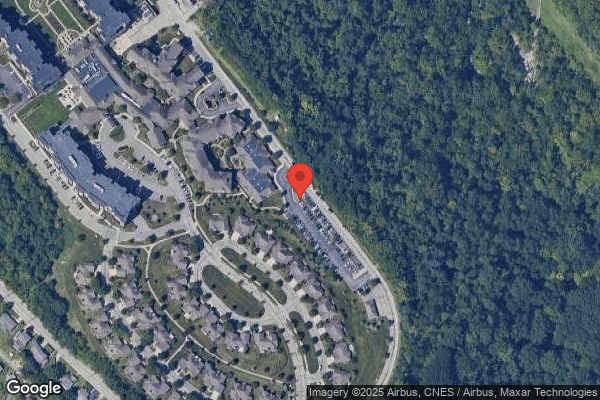

200 ADAMS AVE, PITTSBURGH, PA 15243 (412) 489-3560
Non profit - Corporation 42 Beds Independent Data: November 2025
Trust Grade
73/100
#217 of 653 in PA
Last Inspection: June 2025

Inspected within the last 6 months. Data reflects current conditions.

Overview

Providence Point Healthcare Residence in Pittsburgh has a Trust Grade of B, indicating it is a good choice for families seeking care, though there are areas for improvement. It ranks #217 out of 653 facilities in Pennsylvania, placing it in the top half of the state, and #10 out of 52 in Allegheny County, meaning only nine local options are better. However, the facility's trend is worsening, having increased from 3 issues in 2024 to 11 in 2025, which raises concerns. Staffing is a strong point, with a 5-star rating and a turnover rate of 39%, lower than the state average, while RN coverage is better than 97% of facilities, ensuring residents receive attentive care. On the downside, the facility has had $13,575 in fines, which is higher than 82% of similar facilities, indicating potential compliance issues, and specific incidents include failing to provide advance directives and not completing required assessments for several residents.

Trust Score
B
73/100
In Pennsylvania
#217/653
Top 33%
Safety Record
Low Risk
No red flags
Inspections
Getting Worse
3 → 11 violations
Staff Stability
○ Average
39% turnover. Near Pennsylvania's 48% average. Typical for the industry.
Penalties
⚠ Watch
$13,575 in fines. Higher than 96% of Pennsylvania facilities. Major compliance failures.
Skilled Nurses
✓ Good
Each resident gets 106 minutes of Registered Nurse (RN) attention daily — more than 97% of Pennsylvania nursing homes. RNs are the most trained staff who catch health problems before they become serious.
Violations
⚠ Watch
16 deficiencies on record. Higher than average. Multiple issues found across inspections.
★★★★☆
4.0
Overall Rating
★★★★★
5.0
Staff Levels
★★★★☆
4.0
Care Quality
★★★☆☆
3.0
Inspection Score
Stable
2024: 3 issues
2025: 11 issues

The Good

  • 5-Star Staffing Rating · Excellent nurse staffing levels
  • 4-Star Quality Measures · Strong clinical quality outcomes
  • Full Sprinkler Coverage · Fire safety systems throughout facility
  • No fines on record
  • Staff turnover below average (39%)

    9 points below Pennsylvania average of 48%

Facility shows strength in staffing levels, quality measures, fire safety.

The Bad

Staff Turnover: 39%

Near Pennsylvania avg (46%)

Typical for the industry

Federal Fines: $13,575

Below median ($33,413)

Minor penalties assessed

The Ugly 16 deficiencies on record

Jun 2025 11 deficiencies
CONCERN (D)

Potential for Harm - no one hurt, but risky conditions existed

Deficiency F0558 (Tag F0558)

Could have caused harm · This affected 1 resident

Based on review of facility policy, clinical records, and staff interviews, it was determined that the facility failed to make certain call light tubes were in reach for one of four residents with lim...

Read full inspector narrative →
Based on review of facility policy, clinical records, and staff interviews, it was determined that the facility failed to make certain call light tubes were in reach for one of four residents with limited upper extremity range of motion or contractures (Resident R5). Findings include: The facility policy Call Lights dated 2/26/25, indicated before leaving a resident's room, all staff must make sure that the resident's call light tube is within reach. Review of Resident R5's clinical record indicated admission to the facility on 9/13/20. Review of Resident R5's Minimum Data Set (MDS - a periodic assessment of care needs) dated 3/25/25, indicated diagnoses of stroke, diabetes, and heart disease. Review of Section GG: Functional Abilities, indicated that Resident R5 has range of motion impairment on both sides of her upper and lower body. Review of therapy notes 3/11/25, indicated resident R5 to have an evaluation for appropriate interventions for the resident's contractures. Review of providers orders on 4/17/25, revealed orders for bilateral palm guards for both hands each shift with special instructions right had has divided finger sections, leave index finger out. Review of a providers note on 6/16/25, indicated Resident R5 continues to need total care and assistance with activities of daily living and, feeding and is non-ambulatory. During an interview and observation on 6/16/25, at approximately 11:35 a.m., Resident R5 was asked by the State Agency (SA) to reach for the call light tube that was on his lap. The resident was unable to extend his hands to the level needed to reach the call light tube. The SA then asked the resident if he had activated the call light, and the resident stated, I can't reach it. At this time, there was also a hand bell for the resident to ring on the table, when asked to reach it the resident attempted and could not reach. Review of Resident R5's care plan initiated 2/7/22, only indicated to keep the call light in reach at all times. The plan of care failed to include a plan accounting for Resident R5's hand contractures progression and decreased range of motion that impacts his ability to reach the call light system or other alert device. During an interview and observation with the Director of Nursing on 6/17/25, at approximately 10:30 a.m. Resident R5 was asked by the SA to reach for his call light tube that was on his lap. The resident was unable to extend his hands to the level needed to reach the call light tube. The resident said, I can't. The hand bell was across the room in a location to distant for the resident to reach. 28 Pa. Code: 211.10(c)(d) Resident care policies. 28 Pa. Code: 211.12(d)(1)(2)(3)(5) Nursing services. 28 Pa Code: 201.29 (I)(o) Resident rights.
CONCERN (D)

Potential for Harm - no one hurt, but risky conditions existed

Deficiency F0583 (Tag F0583)

Could have caused harm · This affected 1 resident

**NOTE- TERMS IN BRACKETS HAVE BEEN EDITED TO PROTECT CONFIDENTIALITY** Based on review of facility policy, observations, and resident and staff interview it was determined that the facility failed to...

Read full inspector narrative →
**NOTE- TERMS IN BRACKETS HAVE BEEN EDITED TO PROTECT CONFIDENTIALITY** Based on review of facility policy, observations, and resident and staff interview it was determined that the facility failed to maintain the confidentiality of residents' medical information for one of six residents (Resident R92). Findings include: The Long-Term Care Facility Resident Assessment Instrument (RAI) User's Manual, which provides instructions and guidelines for completing required Minimum Data Set (MDS) assessments (mandated assessments of a resident's abilities and care needs), dated October 2024, indicated that a BIMS (Brief Interview of Mental Status) is a brief screener that aids in detecting cognitive impairment. Scores from a BIMS assessment suggests the following distributions: 13 - 15: cognitively intact 8 - 12: moderately impaired 0 - 7: severe impairment Review of the facility policy, Resident's Rights to Personal Privacy dated 2/26/25, indicated that the facility will ensure the resident's rights to personal privacy and confidentiality of his/her personal and clinical records. Review of the admission record revealed Resident R92 was admitted to the facility on [DATE], with diagnoses of high blood pressure, osteoporosis (condition when the bones become brittle and fragile), and the need for aftercare after joint replacement surgery. Review of a BIMS assessment completed on 6/11/25, indicated Resident R92 had an assessment score of 15. During an interview on 6/16/25, at approximately 1:15 p.m. Resident R92 stated that the ice in her cold therapy device had been running out. When asked if she felt the staff understood how to use the cold therapy device, Resident R92 stated, I think there is something about it over there. At this time, Resident R92 gestured to a paper taped to her wall. Review of the information taped to the wall revealed it to be a copy of a page of hospital discharge information. In addition to highlight information related to Resident R92's care for her shoulder, the following were also displayed: Resident's name Gender Medical Record Number Birth date Hospital Name Medications, with dosage and reasons for use Diet order Follow-up appointment information During an interview at this time, Resident R92 confirmed that she was unaware of all of the information posted and had not given permission for that information to be posted. During an interview on 6/18/25, at approximately 1:30 p.m. the Nursing Home Administrator confirmed that the facility failed to maintain the confidentiality of residents' medical information for one of six residents. 28 Pa. Code 201.29(j) Resident rights. 28 Pa. Code 211.5(b) Clinical records.
CONCERN (D)

Potential for Harm - no one hurt, but risky conditions existed

Deficiency F0605 (Tag F0605)

Could have caused harm · This affected 1 resident

**NOTE- TERMS IN BRACKETS HAVE BEEN EDITED TO PROTECT CONFIDENTIALITY** Based on a review of facility policy, clinical record review, and staff interview, it was determined that the facility failed to...

Read full inspector narrative →
**NOTE- TERMS IN BRACKETS HAVE BEEN EDITED TO PROTECT CONFIDENTIALITY** Based on a review of facility policy, clinical record review, and staff interview, it was determined that the facility failed to make certain that each resident's drug regimen was free from unnecessary psychotropic drugs used without adequate indications for use for one of three residents. (Resident R92). Findings include: Review of the facility, Psychotropic Medication Policy dated 2/26/25, indicated; Psychotropic medication will be given only for a specific diagnosed and documented condition. Review of Resident R10's admission record indicated she was initially admitted to the facility on [DATE]. Review of Resident R10's Minimum Data Set (MDS- periodic assessment of care needs) assessment dated [DATE], included diagnoses of chronic obstructive pulmonary disease (COPD, a group of progressive lung disorders characterized by increasing breathlessness), diabetes (a metabolic disorder in which the body has high sugar levels for prolonged periods of time), and dementia (a group of symptoms that affects memory, thinking and interferes with daily life). No psychotic diagnoses were present on the MDS. Review of Section N: Medications revealed Resident R10 received antipsychotic medications in the seven days prior to the assessment. Review of the facility diagnoses list indicated, Unspecified dementia, unspecified severity, without behavioral disturbance, psychotic disturbance, mood disturbance, and anxiety. Review of a physician order dated 11/26/24, discontinued 6/1/25, indicated Resident R10 received quetiapine (an anti-psychotic medication) 25 mg daily. Within the order, the associated diagnosis was listed as N/A. Review of a physician order dated 6/1/25, indicated Resident R10 received quetiapine 50 mg twice daily. Within the order, the associated diagnosis was listed as N/A. Review of Resident R10's care plan initiated 9/26/24, for the use of Seroquel (quetiapine) included the goal of Resident ' s use of medication will result in maintenance in the resident ' s functional status as evidenced by _____ (specify). Review of Resident R10's care plan initiated 9/26/24, for the use of behavioral symptoms indicated, Resident is known to become verbally aggressive and demanding with staff. No interventions indicated the need to monitor behaviors. Review of behavior monitoring documentation from 4/1/25, through 6/17/25, revealed that Resident R92 was documented as having no behaviors for each shift documented. Review of a psychiatric progress note dated 5/7/25, indicated Resident R92 ' s diagnoses are major depressive disorder, generalized anxiety disorder, dementia, and primary insomnia. Review of a psychiatric progress note dated 6/425, indicated Resident R92 ' s was unable to by fully assessed due to somnolence (excessive sleepiness). During an interview 6/18/25, at approximately 1:30 p.m. Nursing Home Administrator confirmed the facility failed to make certain that each resident's drug regimen was free from unnecessary drugs used without adequate indications for use for two of three residents. 28 Pa. Code: 201.14(a) Responsibility of licensee. 28 Pa. Code: 211.2(a)(c) Physician services. 28 Pa. Code: 211.9(a)(1)(d)(k) Pharmacy services. 28 Pa. Code: 211.12(c)(d)(5) Nursing services.
CONCERN (D)

Potential for Harm - no one hurt, but risky conditions existed

Deficiency F0655 (Tag F0655)

Could have caused harm · This affected 1 resident

**NOTE- TERMS IN BRACKETS HAVE BEEN EDITED TO PROTECT CONFIDENTIALITY** Based on review of Centers for Medicare & Medicaid Services documents, facility policy, clinical record review, and staff interv...

Read full inspector narrative →
**NOTE- TERMS IN BRACKETS HAVE BEEN EDITED TO PROTECT CONFIDENTIALITY** Based on review of Centers for Medicare & Medicaid Services documents, facility policy, clinical record review, and staff interviews, it was determined that the facility failed to develop a comprehensive, person-centered care plan with all requirements, when a comprehensive care plan is being utilized in place of a baseline care plan for one of six residents (Resident R92). Findings include: Review of Centers for Medicare & Medicaid Services, HHS § 483.21 indicated that the facility may develop a comprehensive care plan in place of the baseline care plan if the comprehensive care plan is developed within 48 hours of the resident's admission and meets the requirements set forth (Comprehensive person-centered care plan for each resident, consistent with the resident rights, that includes measurable objectives and timeframes to meet a resident's medical, nursing, and mental and psychosocial needs that are identified). Review of the facility policy Care Plan Process dated 2/26/25, indicated that an individualized, person-centered care plan will be created and maintained on each resident from the time of admission until discharge. Review of the admission record revealed Resident R92 was admitted to the facility on [DATE], with diagnoses of high blood pressure, osteoporosis (condition when the bones become brittle and fragile), and the need for aftercare after joint replacement surgery. Review of a Brief Interview of Mental Status (BIMS( assessment completed on 6/11/25, indicated Resident R92 had an assessment score of '15,' which indicated cognition was intact. Review of a nurse practitioner's note dated 6/10/25, at 3:49 p.m. indicated that Resident R92 was admitted from the hospital after a right shoulder replacement and would be receiving physical and occupational therapy. Review of a progress note dated 6/10/25, at 6:11 p.m. indicated, Ice machine brought with patient and on right shoulder area. During an interview on 6/16/25, at approximately 1:15 p.m. Resident R92 stated that the ice in her cold therapy device had been running out. When asked if she felt the staff understood how to use the cold therapy device, Resident R92 stated, I think there is something about it over there. At this time, Resident R92 gestured to a paper taped to her wall. Review of the comprehensive care plan initiated on 6/10/25, failed to include information on Resident R92's use of a cold therapy device. During an interview on 6/18/25, at approximately 1:30 p.m. the Nursing Home Administrator confirmed the facility failed to develop a comprehensive, person-centered care plan with all requirements, when a comprehensive care plan is being utilized in place of a baseline care plan for one of six residents. 28 Pa. Code 211.11(d) Resident care plan.
CONCERN (D)

Potential for Harm - no one hurt, but risky conditions existed

Comprehensive Care Plan (Tag F0656)

Could have caused harm · This affected 1 resident

**NOTE- TERMS IN BRACKETS HAVE BEEN EDITED TO PROTECT CONFIDENTIALITY** Based on a review of facility policy, clinical records, and staff interview, it was determined that the facility failed to devel...

Read full inspector narrative →
**NOTE- TERMS IN BRACKETS HAVE BEEN EDITED TO PROTECT CONFIDENTIALITY** Based on a review of facility policy, clinical records, and staff interview, it was determined that the facility failed to develop care plans that included instructions to provide person centered care for two of eight residents (Residents R5 and R27). Findings include: Review of facility's policy Care Plan Process dated 2/26/25, indicated a change in the resident's condition requires immediate identification of problem and approaches to assist in managing the change. Staff members are responsible for updating the care plan as changes occur. Review of the clinical record indicated Resident R5 was admitted to the facility on [DATE]. Review of Resident R5's Minimum Data Set (MDS - a periodic assessment of care needs) dated 3/25/25, indicated diagnoses of cerebrovascular disease (stroke), hypothyroidism (body doesn't make enough thyroid hormones), and aphasia (difficulty in communication). Review of therapy notes dated 3/11/25 indicated resident to have an evaluation for appropriate interventions for the resident's contractures. Review of providers orders on 4/17/25 revealed orders for bilateral palm guards for both hands each shift with special instructions right had has divided finger sections, leave index finger out. Review of Resident R5's care plan last updated 6/8/25, only indicated to keep the call light in reach, The plan of care failed to include a plan for hand contractures and ability to use of the call light system or other alert device. Review of a providers note on 6/16/25, indicated Resident R5 continues to need total care and assistance with activities of daily living and, feeding and is non-ambulatory. During an interview and observation on 6/16/25, at approximately 11:35 a.m. Resident R5 was asked by the State Agency (SA) to reach for the call light tube that was on his lap. The resident was unable to extend hands to the level needed to reach the call light tube. The SA then asked the resident if the call was activated, and the resident stated, I can't reach it. At this time, there was also a hand bell for the resident to ring on the table, when asked to reach it the resident attempted and could not reach. During an interview and observation with the Director of Nursing on 6/17/25, at approximately 10:30 a.m. Resident R5 was asked by the SA to reach for his call light tube that was on his lap. The resident was unable to extend hands to the level needed to reach the call light tube. The resident said, I can't. The hand bell was across the room in a location to distant for the resident to reach. Review of Resident R5's care plan initiated 2/7/22, only indicated to keep the call light in reach at all times. The plan of care failed to include a plan accounting for Resident R5's hand contractures progression and decreased range of motion that impacts his ability to reach the call light system or other alert device. Review of the clinical record revealed that Resident R27 was admitted to the facility on [DATE]. Review of the MDS dated [DATE], included diagnoses of Alzheimer's disease (progressive damage to memory, thinking, and learning skills), cerebrovascular disease (stroke), dysphagia (difficulty swallowing). Review of a provider's order on 4/10/24, indicated Resident R27 must be out of bed for all meals. During observational rounding with the Director of Nursing on 6/17/25, at approximately 10:30 a.m., signage was observed on the nursing unit communication board instructing Resident R27 was to be out of bed for all meals. Review of Resident R27's care plan initiated 3/29/24, and edited on 6/10/25, failed to reveal a plan of care developed for resident to be out of bed for all meals. During an interview on 6/17/25, at approximately 10:45 a.m. the Director of Nursing confirmed facility failed to develop care plans that included instructions to provide person centered care for two of eight residents (Residents R5 and R27). 28 Pa. Code 211.12(d)(5) Nursing services.
CONCERN (D)

Potential for Harm - no one hurt, but risky conditions existed

Quality of Care (Tag F0684)

Could have caused harm · This affected 1 resident

**NOTE- TERMS IN BRACKETS HAVE BEEN EDITED TO PROTECT CONFIDENTIALITY** Based on review of manufacturer instructions, facility policy, facility documentation and staff interviews, it was determined th...

Read full inspector narrative →
**NOTE- TERMS IN BRACKETS HAVE BEEN EDITED TO PROTECT CONFIDENTIALITY** Based on review of manufacturer instructions, facility policy, facility documentation and staff interviews, it was determined that the facility failed to provide appropriate treatment and services related to the post-operative care of joint replacement for one of six residents (Resident R92). Findings include: Review of the manufacturer's instructions dated February 2016, for the Breg Polar Care Cube is a cold therapy machine that works by filling a cooler with ice and water. Then, a hose circulates that ice water through a pad that's attached to your body. This can provide motorized cold treatment for roughly eight hours. The instructions further stated, Use only according to your practitioner's instructions regarding the frequency and duration of the cold application. Inspect the skin under the cold therapy pad as prescribed, typically every one to two hours. DO NOT RUN PUMP WITHOUT WATER! The pump in this unit is designed to run with water. Running the unit without water will cause permanent damage to the pump. Review of the facility policy, Staffing Qualifications dated 2/26/25, indicated the facility staff will have the appropriate competencies and skills to provide nursing related services to assure resident safety and attain or maintain the highest practicable mental and psychosocial well-being of each resident. The Long-Term Care Facility Resident Assessment Instrument (RAI) User's Manual, which provides instructions and guidelines for completing required Minimum Data Set (MDS) assessments (mandated assessments of a resident's abilities and care needs), dated October 2024, indicated that a BIMS (Brief Interview of Mental Status) is a brief screener that aids in detecting cognitive impairment. Scores from a BIMS assessment suggests the following distributions: 13 - 15: cognitively intact 8 - 12: moderately impaired 0 - 7: severe impairment Review of the admission record revealed Resident R92 was admitted to the facility on [DATE], with diagnoses of high blood pressure, osteoporosis (condition when the bones become brittle and fragile), and the need for aftercare after joint replacement surgery. Review of a BIMS assessment completed on 6/11/25, indicated Resident R92 had an assessment score of 15. Review of physicians' orders dated from 6/16/25, indicated, Use Ice-man to right shoulder 20 min on 20 min off, with barrier between shoulder. No directions within this note directed staff on how to use the cold therapy device or what safety precautions to take to ensure Resident R92's skin was not injured. Review of the comprehensive care plan initiated on 6/10/25, failed to include information on Resident R92's use of a cold therapy device, or the need to monitor the skin condition of the affected area. Review of a nurse practitioner's note dated 6/10/25, at 3:49 p.m. indicated that Resident R92 was admitted from the hospital after a right shoulder replacement and would be receiving physical and occupational therapy. Review of a progress note dated 6/10/25, at 6:11 p.m. indicated, Ice machine brought with patient and on right shoulder area. During an interview on 6/16/25, at approximately 1:15 p.m. Resident R92 stated that the ice in her cold therapy device had been running out. When asked if she felt the staff understood how to use the cold therapy device, Resident R92 stated, I think there is something about it over there. At this time, Resident R92 gestured to a paper taped to the wall. Observation at this time revealed Resident R92 to have a Breg Polar Care Cube device, in use on the right shoulder. Observation the paper posted on the wall included the following information highlighted, No use of your operative arm to lift anything heavy. Avoid external rotation of your shoulder. Wear your sling at all times except for when showering. Please begin working on motion of your elbow, wrist, and hand to prevent any stiffness and swelling. No further information was present on the correct use and care of a cold therapy machine. During an observation on 6/17/25, at approximately 9:20 a.m. Assistant Therapy Manager Employee E2 was noted be refilling Resident R92's cold therapy machine. Assistant Therapy Manager Employee E2 was heard to tell Registered Nurse Employee E1 that she would be back to provide education on the cold therapy machine's use to Nurse Aide (NA) Employee E4. During an interview on 6/16/25, at 1:54 p.m. Assistant Therapy Manager Employee E2 confirmed that she had evaluated Resident R92 when she was admitted to the facility. Assistant Therapy Manager Employee E2 confirmed that the use of a cold therapy machine is not common in the facility. Assistant Therapy Manager Employee E2 stated she had educated NA Employee E3 on the use of a cold therapy machine on 6/10/25. During an interview on 6/18/25, at 11:22 a.m. Therapy Employee E5 was advised that Resident R92 has expressed concerns that staff were unaware of how to use the cold therapy machine. Therapy Employee E5 stated Resident R92 Also stated that to me as well. Review of therapy notes with Therapy Employee E5 on 6/18/25, at 11:22 a.m. revealed a note dated 6/12/25, indicated, Cnas (nurse aides) were instructed on sling and cold pack simplification of donning and doffing and voiced understanding. During an interview on 6/18/25, at 11:30 a.m. NA Employee E3 stated she received education from therapy on 6/12/25, and stated she provided the information she learned to NA Employee E4, NA Employee E3 confirmed that staff on afternoon shifts and night shifts were not, to her knowledge, provided education on the use and care of a cold therapy machine. During a follow-up review on 6/18/25, of Resident R92's plan of care included an intervention of Utilize [NAME] to right shoulder per MD order initiated 6/18/25. During an interview on 6/20/25, at approximately 1:30 p.m. the Nursing Home Administrator confirmed Resident R92 was admitted with a cold therapy machine but an order was not provided for care until five days after admission, a care plan was not developed until seven days after admission, a plan or orders to monitor skin health were not developed, staff were not educated on the care of a cold therapy machine, and Resident R92 complained of instances of the cold therapy machine running out of ice and not providing comfort. The Nursing Home Administrator further confirmed the facility failed to provide appropriate treatment and services related to the post-operative care of joint replacement for one of six residents. 28 Pa. Code 201.19(7) Personnel policies and procedures. 28 Pa. Code 201.20(a) Staff development.
CONCERN (D)

Potential for Harm - no one hurt, but risky conditions existed

Deficiency F0692 (Tag F0692)

Could have caused harm · This affected 1 resident

**NOTE- TERMS IN BRACKETS HAVE BEEN EDITED TO PROTECT CONFIDENTIALITY** Based on review of facility policy, clinical record review, and staff interviews, it was determined that the facility failed to ...

Read full inspector narrative →
**NOTE- TERMS IN BRACKETS HAVE BEEN EDITED TO PROTECT CONFIDENTIALITY** Based on review of facility policy, clinical record review, and staff interviews, it was determined that the facility failed to properly monitor weight and nutrition status by failing to obtain weights or act upon weight changes for two of six residents (Residents R10 and R21). Findings include: Review of the facility, Weight Policy dated 2/26/25, indicated it is the policy of the facility to obtain resident's weights in a routine systematic fashion to monitor nutritional status. Review of Resident R10's admission record indicated she was initially admitted to the facility on [DATE]. Review of Resident R10's Minimum Data Set (MDS- periodic assessment of care needs) assessment dated [DATE], included diagnoses of chronic obstructive pulmonary disease (COPD, a group of progressive lung disorders characterized by increasing breathlessness), diabetes (a metabolic disorder in which the body has high sugar levels for prolonged periods of time), and dementia (a group of symptoms that affects memory, thinking and interferes with daily life). Review of Resident R10's current plan of care, failed to reveal goals or interventions related to nutrition. Review of a physician's order dated 11/2/24, indicated for the facility to obtain Resident R10's weight monthly, on the second day of the month. Review of Resident R10's weight record from 1/8/25, through 6/17/25, revealed the following: 1/08/25: 184 pounds 2/02/25: 150 pounds 2/10/25: 150.4 pounds 2/11/25: 171.2 pounds 3/02/25: 179 pounds 4/03/25: 166.5 pounds 4/05/25: 173.7 pounds No further notes were documented after 4/5/25. Review of Resident R10's administration record indicated that on 5/2/25, Resident R10's weight was not captured, and the nursing note stated, not done. Review of Resident R10's administration record indicated that on 6/2/25, Resident R10's weight was not captured, and the nursing note stated, too busy. Review of a dietitian order dated 6/16/25, indicated for the facility to June Weight Special Instructions: June weight. This order was scheduled for twice a day, 9:00 a.m. and 6:00 p.m. Review of Resident R10's weight record and progress notes failed to reveal this order was carried out. Review of a physician's order dated 6/17/25, indicated for the facility to OBTAIN WEIGHT AND DOCUMENT. Review of Resident R10's administration record indicated that on 6/17/25, Resident R10's weight was not captured, and the nursing note stated, not charted by evenings. Review of Resident R21's admission record indicated she was initially admitted to the facility on [DATE]. Review of Resident R21's MDS dated [DATE], included diagnoses of lymphedema (the build-up of fluid in soft body tissues), morbid obesity (chronic disease in which a person has a body mass index (BMI) of 40 or higher or a BMI of 35 or higher and is experiencing obesity-related health conditions), and high blood pressure. Review of Resident R21's care plan for My BMI indicates obesity dated 12/28/23, indicated to monitor weight/labs as available. Review of a physician's order dated 2/6/25, indicated for the facility to monitor weights weekly on Sunday and notify MD/CRNP (Doctor of Medicine / certified registered nurse practitioner) if there is an increase of two pounds in 24 hours or five pounds in five days. Review of Resident R21's weight record from 4/1/25, through 6/17/25, revealed the following: 4/06/25: Refused 4/09/25: 335.2 pounds 4/13/25: Will need to do on 3-11 4/20/25: 328.8 pounds 4/27/25: 329 pounds 5/04/25: No documentation 5/11/25: 352.4 pounds 5/18/25: Scale broke 5/25/25: 356.4 pounds 6/01/05: due to big scale needing repair resident does not feel safe in other scale chair 6/08/25: 347 pounds 6/15/25: 342.6 pounds During an interview on 3/14/25, at 12:26 p.m. the Nursing Home Administrator confirmed that the facility failed to properly monitor weight and nutrition status by failing to obtain weights or act upon weight changes for two of six residents. 28 Pa. Code: 211.10(c)(d) Resident care policies. 28 Pa. Code: 211.12(d)(1)(3)(5) Nursing services.
CONCERN (D)

Potential for Harm - no one hurt, but risky conditions existed

Deficiency F0761 (Tag F0761)

Could have caused harm · This affected 1 resident

Based on review of facility policy, observations, and staff interview, it was determined that the facility to make certain that medical supplies were properly stored and/or disposed of on one of two n...

Read full inspector narrative →
Based on review of facility policy, observations, and staff interview, it was determined that the facility to make certain that medical supplies were properly stored and/or disposed of on one of two nursing units (Second-Floor Nursing Unit). Findings include: Review of the facility policy Storage of Medications dated 2/26/25, indicated medications and biologicals are stored safely, securely, and properly, following manufacturer's recommendations or those of the supplier. During an observation of the Second-Floor Nursing Unit medication room on 6/16/25, at 11:26 a.m. the following was observed: (2) IV Administration Set with an expiration date of 6/7/25. (1) IV Administration Set with an expiration date of 2/2/25. (5) IV Administration Set with an expiration date of 10/14/24. (2) Central Line Dressing Change with an expiration date of 5/31/25. (1) Central Line Dressing Change with an expiration date of 12/15/24. (4) Sterilux AMD gauze with an expiration date of 2/28/25. (2) Sterilux AMD gauze not in packaging. (24) Winged IV Catheter with an expiration date of 10/31/23. (2) IV Catheter with an expiration date of 4/30/23. (1) Luer Lok Access Device with an expiration date of 2/29/24. (2) Syringe Tip Caps with an expiration date of 4/30/24 (55) 5 ml sterile 0.9% NaCl Solution for inhalation vials with an expiration date of 5/22/25 (1) opened, should be sterile suture removal tray, with an expiration date of 10/31/24. (1) package of opened non-sterile gloves (should be sterile) During an interview on 6/16/25, at approximately 11:40 a.m. Registered Nurse Employee E1 confirmed the above observations. During an interview on 6/18/25, at approximately 1:00 p.m. the Nursing Home Administrator confirmed that the facility failed to make certain that medical supplies were properly stored and/or disposed of on one of two nursing units. 28 Pa. Code: 201.14 (a) Responsibility of licensee. 28 Pa. Code: 201.18 (b)(1)(e)(1) Management. 28 Pa. Code: 211.9 (a)(1) Pharmacy services. 28 Pa. Code: 211.12 (d)(1)(3)(5) Nursing services.
CONCERN (E)

Potential for Harm - no one hurt, but risky conditions existed

Deficiency F0578 (Tag F0578)

Could have caused harm · This affected multiple residents

**NOTE- TERMS IN BRACKETS HAVE BEEN EDITED TO PROTECT CONFIDENTIALITY** Based on review of the facility policy, clinical records and staff interview, it was determined that the facility failed to prov...

Read full inspector narrative →
**NOTE- TERMS IN BRACKETS HAVE BEEN EDITED TO PROTECT CONFIDENTIALITY** Based on review of the facility policy, clinical records and staff interview, it was determined that the facility failed to provide the opportunity to formulate an advance directive (written instructions for when the individual is incapacitated) or conduct periodic review of instructions, for four of eight residents reviewed (Residents R4, R5, R15 and R25). Findings Include: A review of the facility policy Advance Directives last reviewed 2/26/25, indicated it's the policy of this facility that each resident has the right to formulate and Advance Directive. Review of the Resident Assessment Instrument 3.0 User's Manual, effective October 2023, indicated that a Brief Interview for Mental Status (BIMS) is a screening test that aides in detecting cognitive impairment. The BIMS total score suggests the following distributions: 13-15: cognitively intact 8-12: moderately impaired 0-7: severe impairment Review of the clinical record indicated Resident R4 was admitted to the facility on [DATE]. Review of Resident R4's Minimum Data Set (MDS - periodic assessment of care needs) dated 4/9/25, indicated diagnoses of heart failure, depression, and anxiety, a BIMS of 10. A review of the clinical record failed to reveal evidence of periodic advanced directive review, as part of the comprehensive care planning process, the existing care instructions and whether resident R4's or designated surrogate's wishes to change or continue these instructions. Review of the clinical record indicated Resident R5 was admitted to the facility on [DATE]. Review of Resident R5's MDS dated [DATE], indicated diagnoses of cerebrovascular disease (stroke), hypothyroidism (body doesn't make enough thyroid hormones), and aphasia (difficulty in communication), a BIMS of 3. A review of the clinical record failed to reveal evidence of periodic advanced directive review, as part of the comprehensive care planning process, the existing care instructions and whether resident R5's or designated surrogate's wishes to change or continue these instructions. Review of the clinical record indicated Resident R15 was originally admitted to the facility on [DATE]. Review of Resident R15's MDS dated [DATE], indicated diagnoses of skin cancer, osteoarthritis (cartilage breakdown in the joints), and hypothyroidism (body doesn't make enough thyroid hormones), a BIMS was not scored on Section C, Section B indicates she is usually understood. A review of the clinical record failed to reveal evidence of periodic advanced directive review, as part of the comprehensive care planning process, the existing care instructions and whether resident R15's or designated surrogate's wishes to change or continue these instructions. Review of the clinical record indicated Resident R25 was admitted to the facility on [DATE]. Review of Resident R25's MDS dated [DATE], indicated diagnoses of hypothyroidism (body doesn't make enough thyroid hormones), alzheimer's disease, and depression, a BIMS was not scored on Section C, Section B indicates she is sometimes understood. A review of the clinical record failed to reveal evidence of periodic advanced directive review, as part of the comprehensive care planning process, the existing care instructions and whether resident R25's or designated surrogate's wishes to change or continue these instructions. During an interview on 6/18/25 at 9:50 a.m. the Nursing Home Administrator (NHA) confirmed that the facility failed to provide the opportunity to formulate an advance directive or conduct periodic review of instructions, for four of eight residents reviewed (Resident R4 R5, R15 and R25). 28 Pa. Code: 201.29(b)(d)(j) Resident rights.
CONCERN (E)

Potential for Harm - no one hurt, but risky conditions existed

Assessment Accuracy (Tag F0641)

Could have caused harm · This affected multiple residents

**NOTE- TERMS IN BRACKETS HAVE BEEN EDITED TO PROTECT CONFIDENTIALITY** Based on review of the Resident Assessment Instrument User's Manual (RAI) and clinical records, and staff interview, it was dete...

Read full inspector narrative →
**NOTE- TERMS IN BRACKETS HAVE BEEN EDITED TO PROTECT CONFIDENTIALITY** Based on review of the Resident Assessment Instrument User's Manual (RAI) and clinical records, and staff interview, it was determined that the facility failed to make certain that comprehensive Minimum Data Set (MDS - periodic assessment of resident care needs) assessments were accurate and fully completed for six of fifteen residents (Resident R15, R17, R20, R25, R26, and R27). Findings include: The Long-Term Care Facility RAI User's Manual, which gives instructions for completing the MDS dated [DATE], indicated that Section C: Cognitive Patterns, Question C0100 Should Brief Interview for Mental Status Be Conducted? (BIMS) should be coded as 0 if the resident is rarely/never understood, or it should be coded 1, and the BIMS assessment should be completed if the resident is at least sometimes understood. Section D: Mood, Question D0100 Should Resident Mood Interview Be Conducted? should be coded as 0 if the resident is rarely/never understood, and or it should be coded 1, and the assessment should be completed if the resident is at least sometimes understood. Resident R15 had an MDS completed on 5/6/25. Review of Section B: Hearing, Speech, and Vision, Question B0700 indicated Resident R15 is usually understood. Review of Section C: Cognitive Patterns, Question C0100 indicated that Resident R15 is rarely understood, and the BIMS assessment was not completed. Review of Section D: Mood, Question D0100 indicated that Resident R15 is rarely understood, and the Resident Mood Interview assessment was not completed. Resident R17 had an MDS completed on 3/6/25. Review of Section B: Hearing, Speech, and Vision Question B0700 indicated Resident R17 is sometimes understood. Review of Section C: Cognitive Patterns, Question C0100 indicated that Resident R17 is rarely understood, and the BIMS assessment was not completed. Review of Section D: Mood, Question D0100 indicated that Resident R17 is rarely understood, and the Resident Mood Interview assessment was not completed. Resident R20 had an MDS completed on 3/24/25. Review of Section B: Hearing, Speech, and Vision, Question B0700 indicated Resident R20 is usually understood. Review of Section C: Cognitive Patterns, Question C0100 indicated that Resident R20 is rarely understood, and the BIMS assessment was not completed. Review of Section D: Mood, Question D0100 indicated that Resident R20 is rarely understood, and the Resident Mood Interview assessment was not completed. Resident R25 had an MDS completed on 3/13/25. Review of Section B: Hearing, Speech, and Vision Question B0700 indicated Resident R25 is sometimes understood. Review of Section C: Cognitive Patterns, Question C0100 indicated that Resident R25 is rarely understood, and the BIMS assessment was not completed. Review of Section D: Mood, Question D0100 indicated that Resident R25 is rarely understood, and the Resident Mood Interview assessment was not completed. Resident R26 had an MDS completed on 3/11/25. Review of Section B: Hearing, Speech, and Vision, Question B0700 indicated Resident R20 is usually understood. Review of Section C: Cognitive Patterns, Question C0100 indicated that Resident R26 is rarely understood, and the BIMS assessment was not completed. Review of Section D: Mood, Question D0100 indicated that Resident R26 is rarely understood, and the Resident Mood Interview assessment was not completed. Resident R27 had an MDS completed on 3/13/25. Review of Section B: Hearing, Speech, and Vision Question B0700 indicated Resident R27 is sometimes understood. Review of Section C: Cognitive Patterns, Question C0100 indicated that Resident R27 is rarely understood, and the BIMS assessment was not completed. Review of Section D: Mood, Question D0100 indicated that Resident R27 is rarely understood, and the Resident Mood Interview assessment was not completed. During an interview on 6/18/25, at approximately 11:45 a.m. the Director of Nursing confirmed that the facility failed to make certain that comprehensive MDS assessments were accurate and fully completed for six of fifteen residents (Resident R15, R17, R20, R25, R26, and R27). 28 Pa. Code: 211.5(f) Clinical records.
CONCERN (E)

Potential for Harm - no one hurt, but risky conditions existed

Deficiency F0940 (Tag F0940)

Could have caused harm · This affected multiple residents

**NOTE- TERMS IN BRACKETS HAVE BEEN EDITED TO PROTECT CONFIDENTIALITY** Based on review of facility documentation and staff interviews, it was determined that the facility failed to develop, implement...

Read full inspector narrative →
**NOTE- TERMS IN BRACKETS HAVE BEEN EDITED TO PROTECT CONFIDENTIALITY** Based on review of facility documentation and staff interviews, it was determined that the facility failed to develop, implement, and maintain an effective training program, including additional training topics based on the resident population, outcome of the facility assessment, or non-common procedures for one of six residents (Resident R92) Findings include: Review of the manufacturer's instructions dated February 2016, for the Breg Polar Care Cube is a cold therapy machine that works by filling a cooler with ice and water. Then, a hose circulates that ice water through a pad that's attached to your body. This can provide motorized cold treatment for roughly eight hours. The instructions further stated, Use only according to your practitioner's instructions regarding the frequency and duration of the cold application. Inspect the skin under the cold therapy pad as prescribed, typically every one to two hours. DO NOT RUN PUMP WITHOUT WATER! The pump in this unit is designed to run with water. Running the unit without water will cause permanent damage to the pump. Review of the facility policy, Staffing Qualifications dated 2/26/25, indicated the facility staff will have the appropriate competencies and skills to provide nursing related services to assure resident safety and attain or maintain the highest practicable mental and psychosocial well-being of each resident. The Long-Term Care Facility Resident Assessment Instrument (RAI) User's Manual, which provides instructions and guidelines for completing required Minimum Data Set (MDS) assessments (mandated assessments of a resident's abilities and care needs), dated October 2024, indicated that a BIMS (Brief Interview of Mental Status) is a brief screener that aids in detecting cognitive impairment. Scores from a BIMS assessment suggests the following distributions: 13 - 15: cognitively intact 8 - 12: moderately impaired 0 - 7: severe impairment Review of the admission record revealed Resident R92 was admitted to the facility on [DATE], with diagnoses of high blood pressure, osteoporosis (condition when the bones become brittle and fragile), and the need for aftercare after joint replacement surgery. Review of a BIMS assessment completed on 6/11/25, indicated Resident R92 had an assessment score of 15. Review of a nurse practitioner's note dated 6/10/25, at 3:49 p.m. indicated that Resident R92 was admitted from the hospital after a right shoulder replacement and would be receiving physical and occupational therapy. Review of a progress note dated 6/10/25, at 6:11 p.m. indicated, Ice machine brought with patient and on right shoulder area. During an interview on 6/16/25, at approximately 1:15 p.m. Resident R92 stated that the ice in the cold therapy device had been running out. When asked if the staff understood how to use the cold therapy device, Resident R92 stated, I think there is something about it over there. At this time, Resident R92 gestured to a paper taped to the wall. Observation at this time revealed Resident R92 to have a Breg Polar Care Cube device, in use on the right shoulder. Observation the paper posted on the wall included the following information highlighted, No use of your operative arm to lift anything heavy. Avoid external rotation of your shoulder. Wear your sling at all times except for when showering. Please begin working on motion of your elbow, wrist, and hand to prevent any stiffness and swelling. No further information was present on the correct use and care of a cold therapy machine. Review of physicians' orders dated from 6/16/25, indicated, Use Ice-man to right shoulder 20 min on 20 min off, with barrier between shoulder. During an observation on 6/17/25, at approximately 9:20 a.m. Assistant Therapy Manager Employee E2 was noted be refilling Resident R92's cold therapy machine. Assistant Therapy Manager Employee E2 was heard to tell Registered Nurse (RN) Employee E1 that she would be back to provide education on the cold therapy machine's use to Nurse Aide (NA) Employee E4. During an interview on 6/16/25, at 1:54 p.m. Assistant Therapy Manager Employee E2 confirmed that she had evaluated Resident R92 when she was admitted to the facility. Assistant Therapy Manager Employee E2 confirmed that the use of a cold therapy machine is not common in the facility. Assistant Therapy Manager Employee E2 stated she had educated NA Employee E3 on the use of a cold therapy machine on 6/10/25. During an interview on 6/18/25, at 11:22 a.m. Therapy Employee E5 was advised that Resident R92 has expressed concerns that staff were unaware of how to use the cold therapy machine. Therapy Employee E5 stated Resident R92 Also stated that to me as well. Review of therapy notes with Therapy Employee E5 on 6/18/25, at 11:22 a.m. revealed a note dated 6/12/25, indicated, Cnas (nurse aides) were instructed on sling and cold pack simplification of donning and doffing and voiced understanding. During an interview on 6/18/25, at 11:30 a.m. NA Employee E3 stated she received education from therapy on 6/12/25, and stated she provided the information she learned to NA Employee E4, NA Employee E3 confirmed that staff on afternoon shifts and evening shifts were not, to her knowledge, provided education on the use and care of a cold therapy machine. When asked, NA Employee E3 confirmed that she had never cared for a patient with a cold therapy machine previously. Review of facility nursing assignment sheets revealed the following were assigned to Resident R92's nursing unit between 6/11/25, and 6/17/25: RN Employee E1 RN Employee E6 RN Employee E7 RN Employee E8 RN Employee E9 RN Employee E10 Licensed Practical Nurse (LPN) Employee E11 LPN Employee E12 LPN Employee E13 NA Employee E3 NA Employee E4 NA Employee E14 NA Employee E15 NA Employee E16 NA Employee E17 NA Employee E18 NA Employee E19 NA Employee E20 NA Employee E21 NA Employee E22 Review of a facility provided education document dated 6/17/25, indicated six staff members were educated on the ice of Resident R92's cold therapy machine: NA Employee E3 NA Employee E4 NA Employee E22 LPN Employee E11 RN Employee E23 RN Employee E24 During an interview on 6/18/25, at approximately 1:30 P.m. the Nursing Home Administrator confirmed the facility failed to develop, implement, and maintain an effective training program, including additional training topics based on the resident population, outcome of the facility assessment, or non-common procedures for one of six residents. 28 Pa. Code 201.19(7) Personnel policies and procedures. 28 Pa. Code 201.20(a) Staff development.
Oct 2024 1 deficiency
CONCERN (D) 📢 Someone Reported This

A family member, employee, or ombudsman was alarmed enough to file a formal complaint

Potential for Harm - no one hurt, but risky conditions existed

Quality of Care (Tag F0684)

Could have caused harm · This affected 1 resident

**NOTE- TERMS IN BRACKETS HAVE BEEN EDITED TO PROTECT CONFIDENTIALITY** Based on a review of facility policy, clinical records, and staff interviews, it was determined that the facility failed to prov...

Read full inspector narrative →
**NOTE- TERMS IN BRACKETS HAVE BEEN EDITED TO PROTECT CONFIDENTIALITY** Based on a review of facility policy, clinical records, and staff interviews, it was determined that the facility failed to provide care to a resident who had not received scheduled medication for one of four residents (Resident R1). Findings include: Review of the facility policy Medication Administration dated May 2024, indicated the facility will administer all medications consistent with standard of care and prescribed by the physician/designee. Review of the facility policy Medication Incident Report dated May 2024, indicated the physician will be notified of a medication error and recommendations will be received. Review of the clinical record indicated Resident R1 was readmitted to the facility on [DATE]. Review of the Minimum Data Set (MDS - periodic assessment of resident care needs) dated 5/22/24, included diagnoses of malnutrition (lack of sufficient nutrients in the body) and orthostatic hypotension (a sudden drop in blood pressure upon standing from a sitting or lying position). Review of Section C: Cognitive Patterns indicated Resident R1 had moderate cognitive impairment. Review of the facility diagnosis list included diagnoses of high blood pressure and paroxysmal atrial fibrillation (a type of irregular heartbeat that resolves on its own or with treatment). Review of Resident R1's blood pressure record for August 2024 revealed one assessment completed on 8/1/24. Review of Resident R1's Medication Administration Record (MAR) indicated that on 8/9/24, Registered Nurse (RN) Employee E1 documented that the following scheduled medications (scheduled at 9:00 a.m.) were provded: -2.5 milligrams (mg) Eliquis (medication to prevent blood clot formation). -2 mg Immodium (medication to treat diarrhea). -10 milliequivalents (mEq) Klor-Con (potassium supplement). -5 mg Midodrine (medication to treat orthostatic hypotension). -80 mg Sotalol (medication to treat an irregular heart beat). Review of a facility provided handwritten, Medication Error Report dated 8/9/24, at 4:00 p.m. indicated, All 9am medications in med cart at 4 pm. I asked [RN Employee E1] if there was a reason meds not given. No reply other than Let me see I gave them. Shown [RN Employee E1] the packets. Review of the Physician Notification and Action Taken section of the above report failed to reveal documentation that the provider was notified of the omission of medication. Review of the Safety Events - Medication Error report documented in the electronic medical record dated 8/9/24, at 7:10 p.m. indicated, no medications given found packets in med cart, all medications signed off in MAR as given. The report further indicated, I ask [RN Employee E1] if there was a reason [Resident R1] did not get her morning meds, [RN Employee E1] just stated let me see the package I gave them I showed her the package she wanted to take it to throw away. Review of the Notifications section of the above report revealed Physician notified entry documented as No, and the resident representative entry documented as No. Review of Resident R1's progress notes revealed a progress note completed on 8/2/24, with no further notes documented until 8/15/24. During an interview on 10/2/24, at approximately 1:30 p.m. the Nursing Home Administrator confirmed that there was not documentation in the medical record to indicate Resident R1 had vital signs completed or assessed for possible ill-effects after not receiving medications, specifically medications to regulate her heart rate and blood pressure, and further confirmed that the medical provider was not notified of Resident R1 not receiving her medications. During an interview on 10/2/24, at approximately 1:30 p.m. the Nursing Home Administrator confirmed that the facility failed to provide care to a resident who had not received scheduled medication for one of four residents. 28 Pa. Code: 201.18(b)(1) Management. 28 Pa. Code: 201.29(a) Resident rights. 28 Pa. Code: 201.10(c)(d) Resident care policies. 28 Pa. Code: 211.12(d)(1)(3)(5) Nursing services.
Jul 2024 2 deficiencies
CONCERN (D)

Potential for Harm - no one hurt, but risky conditions existed

Free from Abuse/Neglect (Tag F0600)

Could have caused harm · This affected 1 resident

**NOTE- TERMS IN BRACKETS HAVE BEEN EDITED TO PROTECT CONFIDENTIALITY** Based on review of facility policies, resident clinical records, documentation provided by the facility and staff interview, it ...

Read full inspector narrative →
**NOTE- TERMS IN BRACKETS HAVE BEEN EDITED TO PROTECT CONFIDENTIALITY** Based on review of facility policies, resident clinical records, documentation provided by the facility and staff interview, it was determined that the facility failed to ensure that a resident was free from neglect, which resulted in a skin tear requiring a treatment for one of four residents ( Resident R7). Findings include: Review of the United States Code of Federal Regulations (CFR), 42 CFR §483.12. Freedom from Abuse, Neglect, and Exploitation defined neglect as the failure of the facility, its employees or service providers to provide goods and services to a resident that are necessary to avoid physical harm, pain, mental anguish or emotional distress. Review of facility policy Preventing Resident Abuse last reviewed on 5/24, indicated that residents will not be subject to physical, mental, etc. abuse. Annual training of all employees will be conducted to ensure the knowledge of the abuse policy. Policies and procedures have been developed to document the facilities philosophy regarding the elderly. The policies are reviewed and revised as needed to comply with current regulations and standards of care. Close scrutiny of incident reports for targeted residents or trending is completed. The alleged abuser will be informed of the allegation and removed from the area. They will be asked to prepare a statement and may be placed on leave, pending the outcome of the investigation. Review of the facility policy Incident/ Event Report, last reviewed on 5/24, indicated that the facility will track the treatment and evaluation of incidents such as skin tears, lacerations, bruises and falls to formulate preventive practices. Review of the clinical record indicated that Resident R7 was admitted to the facility on [DATE], with diagnoses which included dementia with other behavioral disturbances, atrial fibrillation( irregular heart beat), a pacemaker, difficulty walking, prescience of an artificial heart valve prescience of artificial knees and left hip and malnutrition. Review of the Minimum Data Set (MDS - periodic assessment of a resident's abilities and care needs) dated 6/4/24, indicated the diagnoses remained current. Review of physician orders indicated Resident R7 requires assistance of two for care provided while she is in bed. Review of a progress note dated 4/18/24, indicated that Nurse Aide (NA) Employee E 1 told Licensed Practical Nurse (LPN) Employee E2 that around 5:30 a.m., doing rounds she was turning resident and realized once she turned resident's back towards her, resident arms had been folded and probably pressure caused some shearing resulting in the skin opening. This nurse observed skin opening to left forearm of 5 x 1.5 cm. Review of an incident report dated 4/18/24, indicated information as above. Review of a written statement by NA Employee E1 dated 4/18/24, indicated at 5:30 a.m., doing rounds, I was turning Resident R7 and realized once I turned her back towards me, her arms had been folded and I think the pressure caused some shearing resulting in the tear. I notified the nurse immediately. Review of a written statement by Registered Nurse Employee E3 dated 4/18/24, indicated, At 5:30 a.m., during am care, Resident R7 sustained a 5 cm x 1.5 c,m, skin tear. The physician was called and a treatment was obtained. A Summary also on the statement form indicated Resident R7 has dementia with poor safety awareness, and a treatment had been ordered. During an interview on 7/31/24, at 8:39 a. m., the Director of Nursing (DON) stated that she had looked into the incident and did not identify it as neglect, but after re- review, she could see how it could be. The DON confirmed that the facility failed to ensure that Resident R7 was free from neglect, which resulted in a skin tear requiring treatment and failed to protect Resident R7 from potential of further neglect/ abuse during the investigation. 28 Pa. Code 201.14(a) Responsibility of licensee. 28 Pa. Code 201.18(b)(1)(3) Management. 28 Pa. Code 201.29(a)(c)(d)(j) Resident rights. 28 Pa. Code 211.10(c)(d) Resident care policies. 28 Pa. Code 211.12(d)(1)(3) Nursing services.
CONCERN (D)

Potential for Harm - no one hurt, but risky conditions existed

Investigate Abuse (Tag F0610)

Could have caused harm · This affected 1 resident

**NOTE- TERMS IN BRACKETS HAVE BEEN EDITED TO PROTECT CONFIDENTIALITY** Based on review of facility policy, facility documents, clinical records, and staff interviews, it was determined that the facil...

Read full inspector narrative →
**NOTE- TERMS IN BRACKETS HAVE BEEN EDITED TO PROTECT CONFIDENTIALITY** Based on review of facility policy, facility documents, clinical records, and staff interviews, it was determined that the facility failed to identify and investigate incidents of possible neglect and abuse for two of seven residents (Residents R7 and R28). Findings include: Review of the facility policy Preventing Resident Abuse, last reviewed May 2024, with a previous review date of May 2023, indicated that every complaint or allegation of resident abuse or neglect will be immediately reported to the Director of Nursing(DON) by the charge nurse and the DON will notify the Administrator The person receiving the report will make investigation a priority in order to protect the resident and gather data in a timely manner. Incidents and accidents are investigated at the time of the discovery. Review of the clinical record indicated that Resident R7 was admitted to the facility on [DATE], with diagnoses which included dementia with other behavioral disturbances, atrial fibrillation (irregular heart beat), a pacemaker, difficulty walking, prescience of an artificial heart valve prescience of artificial knees and left hip and malnutrition. A review of the Minimum Data Set (MDS - periodic assessment of a resident's abilities and care needs) dated 6/4/24, indicated the diagnoses remained current. Review of current physician orders indicated Resident R7 requires assistance of two for care provided while she is in bed. Review of a progress note dated 4/18/24, indicated that Nurse Aide (NA) Employee E 1 told Licensed Practical Nurse (LPN) Employee E2 that around 5:30 a.m., doing rounds she was turning resident and realized once she turned resident's back towards her, resident arms had been folded and probably pressure caused some shearing resulting in the skin opening. This nurse observed skin opening to left forearm of 5 x 1.5 cm. During an interview on 7/31/24, at 8:39 a. m., the Director of Nursing (DON) stated that she had looked into the incident and did not identify it as neglect. The DON confirmed that the facility failed to ensure that Resident R7 was free from neglect, which resulted in a skin tear requiring treatment. Review of the clinical record indicated that Resident R28 was admitted to the facility on [DATE], with diagnoses which included Alzheimer's disease, dementia with behavioral disturbances, Parkinsonism (tremors, rigidity and unstable posture), anxiety disorder and low back pain. A review of the MDS dated [DATE], indicated the diagnoses remained current. Review of a physician order dated 4/4/24, indicated Resident R28 was to be transferred with assistance of two for safety. Review of a Grievance Form dated 6/9/24, indicated Resident R28's family submitted a concern with staff transferring him from his wheelchair into bed by lifting him without a second staff person as ordered. During an interview on 7/29/24, at 1:56 p.m., the Nursing Home Administrator and DON confirmed that the facility failed to identify and investigate the potential of neglect for Resident R28. 28. Pa Code 201.14(a) Responsibility of licensee. 28. Pa Code 201.18(b)(1)(e )(1) Management. 28. Pa. Code 211.12(d)(1)(5) Nursing services.
Aug 2023 2 deficiencies
CONCERN (D)

Potential for Harm - no one hurt, but risky conditions existed

Deficiency F0825 (Tag F0825)

Could have caused harm · This affected 1 resident

**NOTE- TERMS IN BRACKETS HAVE BEEN EDITED TO PROTECT CONFIDENTIALITY** Based on a review of facility documents and clinical records, and staff interview, it was determined that the facility failed to...

Read full inspector narrative →
**NOTE- TERMS IN BRACKETS HAVE BEEN EDITED TO PROTECT CONFIDENTIALITY** Based on a review of facility documents and clinical records, and staff interview, it was determined that the facility failed to provide specialized rehabilitative services for one of five residents (Resident R12). Findings include: Review of the facility Rehabilitation Services Agreement: Skilled Nursing Facility last reviewed 5/29/23, indicated rehabilitation services will be provided in accordance with state and federal regulations and resident needs. Review of the clinical record revealed that Resident R12 was admitted to the facility on [DATE], with diagnoses that included fractured sacral (lower spine), heart failure, and anxiety. A review of the minimum data set (MDS-periodic assessment of care needs) dated 8/17/23, indicated the diagnoses remain current. Review of Resident R12's physician order dated 8/14/23, indicated physical therapy (PT) three times a week for four weeks. Review of the PT daily treatment notes dated 8/13/23 through 8/19/23, indicated Resident R12 received PT only two times. Review of Resident R12 ' s August 2023 PT therapy log indicated PT was initiated on 8/14/23 and from 8/14/23 through 8/20/23, Resident R12 received PT only two times. During an interview on 8/24/23, at 11:00 a.m., the Director of Physical Therapy Employee E2 confirmed the above findings and that the facility failed to provide specialized rehabilitative services as ordered for Resident R12. 28 Pa Code: 201.18(e)(1) Management. 28 Pa. Code: 211.10(c)(d) Resident care policies.
CONCERN (E)

Potential for Harm - no one hurt, but risky conditions existed

Infection Control (Tag F0880)

Could have caused harm · This affected multiple residents

**NOTE- TERMS IN BRACKETS HAVE BEEN EDITED TO PROTECT CONFIDENTIALITY** Based on review of facility policies, review of Centers for Disease Control (CDC) guidelines for Legionella (bacterium that caus...

Read full inspector narrative →
**NOTE- TERMS IN BRACKETS HAVE BEEN EDITED TO PROTECT CONFIDENTIALITY** Based on review of facility policies, review of Centers for Disease Control (CDC) guidelines for Legionella (bacterium that causes Legionnaires Disease found in pipes and heating systems) Control, the facility's infection control tracking logs for water management and staff interviews, it was determined that the facility failed to maintain a comprehensive program for water management to monitor the potential development and spread of Legionella within the facility. Findings include: Review of the facility policy Legionella Water Management last reviewed on 8/1/23, with a previous review date of 5/27/22, indicated that the facility enlisted the services of [NAME] (water treatment experts) to provide their expertise to establish a water program to reduce the risk of Legionella growth and spread within the campus buildings. Review of the water treatment log indicated that on 11/15/22, the facility conducted its annual legionella water testing which resulted in the facility area being identified as having positive results: HC3, IMI (identified as the 3rd floor healthcare ice machine) result 15.0 CFU/ml (colony forming unit per milliters). There was no evidence related to how the facility acted on the positive result, policies for plan of action, and follow up testing. The Maintenance Director Employee E1 revealed a synopsis on 8/23/23, of the action taken after the facility contacted the [NAME] group to find out what the facility had to do once the positive results were identified. The follow up result dated 12/7/22, indicated the positive area as no growth. During an interview on 8/24/23, at 8:30 a.m., the Maintenance Director Employee E1 confirmed that the facility failed to have and maintain a comprehensive program for water management to monitor the potential development and spread of Legionella within the facility. 28 Pa. Code: 201.14(a) Responsibility of licensee. 28 Pa. Code: 201.18(b)(1)(e)(1) Management.
Understanding Severity Codes (click to expand)
Life-Threatening (Immediate Jeopardy)
J - Isolated K - Pattern L - Widespread
Actual Harm
G - Isolated H - Pattern I - Widespread
Potential for Harm
D - Isolated E - Pattern F - Widespread
No Harm (Minor)
A - Isolated B - Pattern C - Widespread

Questions to Ask on Your Visit

  • "Can I speak with families of current residents?"
  • "What's your RN coverage like on weekends and overnight?"

Our Honest Assessment

Strengths
  • • No major safety red flags. No abuse findings, life-threatening violations, or SFF status.
  • • 39% turnover. Below Pennsylvania's 48% average. Good staff retention means consistent care.
Concerns
  • • 16 deficiencies on record. Higher than average. Multiple issues found across inspections.
  • • $13,575 in fines. Above average for Pennsylvania. Some compliance problems on record.
Bottom line: Mixed indicators with Trust Score of 73/100. Visit in person and ask pointed questions.

About This Facility

What is Providence Point Healthcare Residence's CMS Rating?

CMS assigns Providence Point Healthcare Residence an overall rating of 4 out of 5 stars, which is considered above average nationally. Within Pennsylvania, this rating places the facility higher than 99% of the state's 100 nursing homes. This rating reflects solid performance across the metrics CMS uses to evaluate nursing home quality.

How is Providence Point Healthcare Residence Staffed?
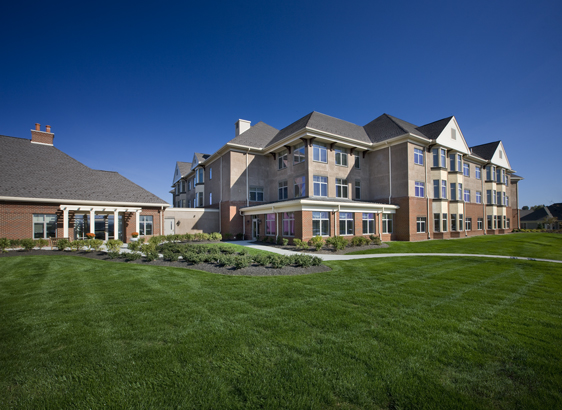
CMS rates Providence Point Healthcare Residence's staffing level at 5 out of 5 stars, which is much above average compared to other nursing homes. Staff turnover is 39%, compared to the Pennsylvania average of 46%. This relatively stable workforce can support continuity of care.

What Have Inspectors Found at Providence Point Healthcare Residence?

State health inspectors documented 16 deficiencies at Providence Point Healthcare Residence during 2023 to 2025. These included: 16 with potential for harm.

Who Owns and Operates Providence Point Healthcare Residence?

Providence Point Healthcare Residence is owned by a non-profit organization. Non-profit facilities reinvest revenue into operations rather than distributing to shareholders. The facility operates independently rather than as part of a larger chain. With 42 certified beds and approximately 36 residents (about 86% occupancy), it is a smaller facility located in PITTSBURGH, Pennsylvania.

How Does Providence Point Healthcare Residence Compare to Other Pennsylvania Nursing Homes?

Compared to the 100 nursing homes in Pennsylvania, Providence Point Healthcare Residence's overall rating (4 stars) is above the state average of 3.0, staff turnover (39%) is near the state average of 46%, and health inspection rating (3 stars) is at the national benchmark.

What Should Families Ask When Visiting Providence Point Healthcare Residence?

Based on this facility's data, families visiting should ask: "Can I visit during a mealtime to observe dining assistance and food quality?" "How do you handle medical emergencies, and what is your hospital transfer rate?" "Can I speak with family members of current residents about their experience?"

Is Providence Point Healthcare Residence Safe?

Based on CMS inspection data, Providence Point Healthcare Residence has a clean safety record: no substantiated abuse findings (meaning no confirmed cases of resident harm), no Immediate Jeopardy citations (the most serious violation level indicating risk of serious injury or death), and is not on the Special Focus Facility watch list (a federal program monitoring the lowest-performing 1% of nursing homes). The facility has a 4-star overall rating and ranks #1 of 100 nursing homes in Pennsylvania. While no facility is perfect, families should still ask about staff-to-resident ratios and recent inspection results during their visit.

Do Nurses at Providence Point Healthcare Residence Stick Around?

Providence Point Healthcare Residence has a staff turnover rate of 39%, which is about average for Pennsylvania nursing homes (state average: 46%). Moderate turnover is common in nursing homes, but families should still ask about staff tenure and how the facility maintains care continuity when employees leave.

Was Providence Point Healthcare Residence Ever Fined?

Providence Point Healthcare Residence has been fined $13,575 across 1 penalty action. This is below the Pennsylvania average of $33,215. While any fine indicates a compliance issue, fines under $50,000 are relatively common and typically reflect isolated problems that were subsequently corrected. Families should ask what specific issues led to these fines and confirm they've been resolved.

Is Providence Point Healthcare Residence on Any Federal Watch List?

Providence Point Healthcare Residence is not on any federal watch list. The most significant is the Special Focus Facility (SFF) program, which identifies the bottom 1% of nursing homes nationally based on persistent, serious quality problems. Not being on this list means the facility has avoided the pattern of deficiencies that triggers enhanced federal oversight. This is a positive indicator, though families should still review the facility's inspection history directly.