REFORMED PRESBYTERIAN HOME
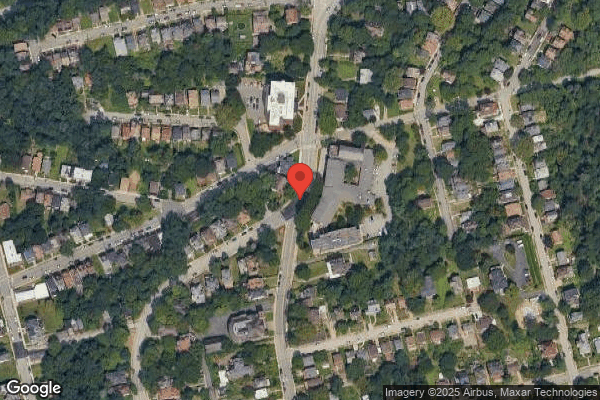
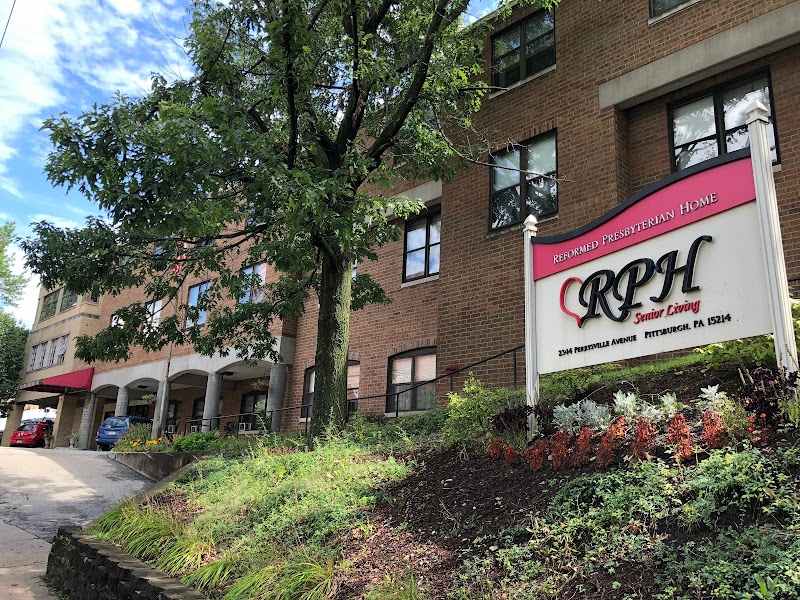
2344 PERRYSVILLE AVENUE, PITTSBURGH, PA 15214 (412) 321-4139
Non profit - Corporation 58 Beds Independent Data: November 2025
Trust Grade
61/100
#343 of 653 in PA
Last Inspection: June 2025

Inspected within the last 6 months. Data reflects current conditions.

Overview

Reformed Presbyterian Home has a Trust Grade of C+, which indicates it is slightly above average but still has room for improvement. It ranks #343 out of 653 nursing homes in Pennsylvania, placing it in the bottom half of facilities in the state, and #16 out of 52 in Allegheny County, meaning there are only 15 local options that are better. The facility has been stable in its performance, with 12 issues reported in both 2024 and 2025. Staffing is a strong point, earning 5 out of 5 stars with a low turnover rate of 28%, significantly better than the state average. However, there have been some concerning incidents, such as failing to properly monitor food temperatures, neglecting to maintain residents' confidential records, and not providing necessary goods and services to residents, which raises questions about care quality. Overall, while there are strengths in staffing and stability, families should be aware of the facility's weaknesses and recent compliance issues.

Trust Score
C+
61/100
In Pennsylvania
#343/653
Bottom 48%
Safety Record
Low Risk
No red flags
Inspections
Holding Steady
12 → 12 violations
Staff Stability
✓ Good
28% annual turnover. Excellent stability, 20 points below Pennsylvania's 48% average. Staff who stay learn residents' needs.
Penalties
✓ Good
$7,446 in fines. Lower than most Pennsylvania facilities. Relatively clean record.
Skilled Nurses
✓ Good
Each resident gets 61 minutes of Registered Nurse (RN) attention daily — more than 97% of Pennsylvania nursing homes. RNs are the most trained staff who catch health problems before they become serious.
Violations
⚠ Watch
31 deficiencies on record. Higher than average. Multiple issues found across inspections.
★★★☆☆
3.0
Overall Rating
★★★★★
5.0
Staff Levels
★☆☆☆☆
1.0
Care Quality
★★★☆☆
3.0
Inspection Score
Stable
2024: 12 issues
2025: 12 issues

The Good

  • 5-Star Staffing Rating · Excellent nurse staffing levels
  • Low Staff Turnover (28%) · Staff stability means consistent care
  • Full Sprinkler Coverage · Fire safety systems throughout facility
  • No fines on record
  • Staff turnover is low (28%)

    20 points below Pennsylvania average of 48%

Facility shows strength in staffing levels, staff retention, fire safety.

The Bad

3-Star Overall Rating

Near Pennsylvania average (3.0)

Meets federal standards, typical of most facilities

Federal Fines: $7,446

Below median ($33,413)

Minor penalties assessed

The Ugly 31 deficiencies on record

Jun 2025 12 deficiencies
CONCERN (D)

Potential for Harm - no one hurt, but risky conditions existed

Deficiency F0583 (Tag F0583)

Could have caused harm · This affected 1 resident

**NOTE- TERMS IN BRACKETS HAVE BEEN EDITED TO PROTECT CONFIDENTIALITY** Based on review of select facility policy, observations and staff interview, it was determined that the facility failed to maint...

Read full inspector narrative →
**NOTE- TERMS IN BRACKETS HAVE BEEN EDITED TO PROTECT CONFIDENTIALITY** Based on review of select facility policy, observations and staff interview, it was determined that the facility failed to maintain residents' confidential personal and medical records for one of five residents (Resident R7). Findings include: A review of the facility policy titled, Notice of Privacy Practices, dated 7/18/20, last reviewed 1/7/25, stated the facility respects the privacy of residents protected health information and are committed to maintaining the resident's confidentiality. It extends to information received or created by our employees, staff, volunteers, and the Medical Director, or employed physicians. The facility is required by law to maintain the privacy of the residents protected health information. Review of the facility Resident Rights to Personal Privacy and Confidentiality dated 9/5/18, last reviewed 1/7/25, revealed it is the policy of the facility to ensure the resident's right it personal privacy and confidentiality of his/her personal and clinical records. Staff will not post signs that include clinical or personal information which is visible to others. Review of the clinical record revealed Resident R7 was admitted to the facility on [DATE], and readmitted [DATE], with diagnoeses of muscle weakness, demenita (loss of cognitive function), and anxiety. Review of Residents R7's Minimum Data Set (MDS - a periodic assessment of care needs) dated 4/30/25, indicated the diagnoses were current. Review of Resident R7's care plan indicated the resident is at risk for aspiration. Review of Resident R7's physician order dated 10/27/24, revealed the resident was ordered honey consistency fluids. During an observation on 6/16/25, at 9:04 a.m. a sign was observed posted on the resident's wall above the head of bed wall that stated Honey Thick and Aspiration Risk During an interview on 6/16/25, at 11:34 a.m. Registered Nurse, Employee E1 confirmed the above observations. During an interview on 6/16/25, at 2:04 p.m. the Nursing Home Administrator was notified the facility failed to maintain residents' confidential personal and medical records for one of five residents (Resident R7). 28 Pa. Code: 201.18(e)(1) Management
CONCERN (D)

Potential for Harm - no one hurt, but risky conditions existed

Free from Abuse/Neglect (Tag F0600)

Could have caused harm · This affected 1 resident

**NOTE- TERMS IN BRACKETS HAVE BEEN EDITED TO PROTECT CONFIDENTIALITY** Based on review of facility policies, facility documents, resident clinical records, resident and staff interviews it was determ...

Read full inspector narrative →
**NOTE- TERMS IN BRACKETS HAVE BEEN EDITED TO PROTECT CONFIDENTIALITY** Based on review of facility policies, facility documents, resident clinical records, resident and staff interviews it was determined that the facility failed to maintain an environment free of neglect and provide necessary goods and services for one of four sampled residents (Resident R26). Findings include: The facility Prevention of abuse and response policy dated 2/28/25, indicated that abuse is the deprivation by an individual, including a caretaker, of goods or services that are necessary to attain or maintain physical, mental, or psychosocial well-being. Neglect is the failure of the faciltiy, its employees or service providers to provide goods and services. Neglect occurs on an individual basis when a resident does not receive care. The Facility safety data sheet (a document indicating manufacturer guidelines to use for cleaners in addition to potential dangers involved chemicals) for germicidal bleach wipes (no date) indicated that first-aide measure are not necessary if direct contact with skin. If irritation occurs, remove clothing and wash all exposed skin with soap and water. Review of Resident R26's admission record indicated she was admitted on [DATE], and re-admitted on [DATE]. Review of Resident R26's MDS assessment (MDS: Minimum Data Set assessment-a periodic assessment of resident care needs) dated 3/25/25, indicated she had diagnoses that included hyperlipidemia (elevated lipid levels within the blood), neuropathy (condition impacting peripheral nerves), and depression (a state of consistent sadness and loss of interest interfering in daily life activities). Review of Resident R26's care plan dated 3/25/25, indicated to monitor adverse effects of pain with participation in ADL care. During a resident council group interview on 6/17/25, at 11:43 a.m. Resident R26 stated that during care on the overnight shift her back was wiped off with a bleach wipe. During an interview on 6/17/25, at 11:54 a.m. Resident R26 was interviewed in private and stated: I told someone after the council meeting. She will come in and examine me. My back and butt are itchy and uncomfortable. I remember what the aide looked like; I cannot recall her name. She used a Clorox wipe. I told her to stop and she kept going. During an interview on 6/17/25, at 11:59 a.m. Resident R26's allegation was relayed to Nursing Home Administrator (NHA). During an interview on 6/17/25, at 1:10 p.m. Resident R26 was asked for appearance of wipes used: the top of the container of wipes was blue. It says do not use on skin. She did not wipe the bed first. She wiped my back. During observations on 6/17/25, at 1:15 p.m. Registered Nurse (RN) Employee E2 provided bleach wipes with blue lid. During an interview on 6/17/25, at 1:18 p.m. Resident R26 was asked to identify the wipes and she confirmed the wipes with the blue lid with written description of bleach wipes was used on her by a nurse aide. During an interview on 6/17/25, at 2:46 p.m. Registered Nurse (RN) Employee E2 stated: Resident R26 peri area was showing mild redness. I checked her buttocks area as well. Review of Nurse aide Employee E4's personnel record involved in incident indicated she was hired on 11/25/29. Nurse aide Employee E4 was trained on abuse and neglect on 11/25/19 and 12/30/24. Facility investigation documents dated 6/17/25, indicated that [NAME] Hunt received allegation from Resident R26. Nurse Aide Employee E3 provided statement: I went into Resident R26's room to giver her care and she said there was burning. Resident R26 stated that the aide on 11-7 shift used bleach wipes on her to clean her bottom. Nurse aide Employee E4 electronic statement dated 6/17/25, indicated the following: I changed Resident R26 bed. She was a complete bed change. As I did a complete bed change I wiped the mattress with bleach wipes and dried the mattress before finishing task. Review of Resident R26's skin evaluation dated 6/17/25, indicated she was assessed after the allegation and the assessment showed mild redness to the peri-area and complaint of burning sensation. During an exit interview on 6/18/25, at 2:50 p.m. information was disseminated to the Nursing Home Administrator (NHA) and the Director of Nursing (DON) that the facility failed to maintain an environment free of neglect and provide necessary goods and services for Resident R26 as required. 28 Pa. Code 201.14(a) Responsibility of Licensee. 28 Pa. Code 201.18(b)(1)(3) Management. 28 Pa. Code 201.29(a)(c)(d)(j) Resident Rights 28 Pa. Code 211.12(d)(1)(3) Nursing services.
CONCERN (D)

Potential for Harm - no one hurt, but risky conditions existed

Deficiency F0628 (Tag F0628)

Could have caused harm · This affected 1 resident

**NOTE- TERMS IN BRACKETS HAVE BEEN EDITED TO PROTECT CONFIDENTIALITY** Based on review of facility policies, resident records and staff interview, it was determined that the facility failed to make c...

Read full inspector narrative →
**NOTE- TERMS IN BRACKETS HAVE BEEN EDITED TO PROTECT CONFIDENTIALITY** Based on review of facility policies, resident records and staff interview, it was determined that the facility failed to make certain that the necessary resident information was communicated to the receiving health care provider for one out of two residents sampled with facility-initiated transfers (Resident R34). Finding include: Review of the facility policy Transfer or Discharge Documentation dated 8/1/24, indicated when a resident is transferred or discharged , the transfer or discharge will be documented in the medical record and appropriate information will be communicated to the receiving facility. A facility will provide and document preparation and orientation to each resident to ensure safe and orderly transfer or discharge from the facility. Information will be provided to the receiving provider regardless if the facility or resident initiated discharge. -Contact information of the practitioner responsible for the care of the resident. -Resident representative information including contact information -Advance Directive information -Instructions for ongoing care -Comprehensive care plan goals; -All other necessary information, including a copy of the resident's discharge summary, to ensure effective transitional care Review of Resident R34's admission record indicated she was admitted [DATE], with diagnosis that included anemia (a problem of not having enough healthy red blood cells or hemoglobin to carry oxygen to the body's tissues), adult failure to thrive, and malnutrition. Review of Resident R34's Minimum Data Set (MDS - a periodic assessment of care needs) dated 2/27/25, indicated the diagnoses were current. Review of Resident R34's progress note dated 6/1/25, indicated the resident complaining of chest pain and right sided weakness. Resident was transferred to the hospital for further evaluation. Review of Resident R34's clinical record revealed no documented evidence that the facility had communicated specific information to the receiving health care provider for the residents transferred and expected to return, which included the resident's care plan goals, advanced directive information, specific instructions for ongoing care, and all information necessary to meet the resident's specific needs at the receiving facility. During an interview on 6/18/25, at 8:45 a.m. the Nursing Home Administrator confirmed that there was no evidence that the necessary information was communicated to the receiving health care institution or provider upon transfer for one out of two residents sampled with facility-initiated transfers (Residents R34). 28 Pa. Code 201.29 (a)(c.3)(2) Resident rights.
CONCERN (D)

Potential for Harm - no one hurt, but risky conditions existed

Deficiency F0657 (Tag F0657)

Could have caused harm · This affected 1 resident

**NOTE- TERMS IN BRACKETS HAVE BEEN EDITED TO PROTECT CONFIDENTIALITY** Based on review of facility documents, facility policy, clinical records, and staff interviews, it was determined that the facil...

Read full inspector narrative →
**NOTE- TERMS IN BRACKETS HAVE BEEN EDITED TO PROTECT CONFIDENTIALITY** Based on review of facility documents, facility policy, clinical records, and staff interviews, it was determined that the facility failed to ensure that a resident's care plan was updated and revised to reflect the resident's specific care needs for one of six residents (Resident R197). Findings include: Review of facility policy Care Management dated 9/4/18, last reviewed 1/7/25, stated management of resident care is conducted systematically and comprehensively by a facility-wide (interdisciplinary) team. Resident care management sha;; be consistent with the medical plan of care. The physician orders shall be considered the part of the plan of care in addition to the formal care plan that is developed from the MDS process. Review of the clinical record indicated Resident R197 was admitted to the facility on [DATE]. Review of Resident R197's Minimum Data Set (MDS - a periodic assessment of care needs) dated 5/23/25, indicated diagnoses of anemia (too little iron in the blood), muscle weakness, and Parkinson's disease (a progressive movement disorder of the nervous system). Review of a physician order dated 3/13/25, revealed the resident was ordered assist of one person with transfers. Review of Resident R197's care plan on 6/16/25, at 12:22 p.m. revealed the resident required assistance of two persons with transfers. During an interview on 6/16/25, at 1:08 p.m. Registered Nurses Assessment Coordinator (RNAC), Employee E5 confirmed Resident R197 was ordered a transfer of one person assist, however the resident's care plan indicated the resident required an assist of two persons. RNAC, Employee E5 stated When things like that happen, I am not made aware, nursing does not let me know it changed. It's not just my responsibility, they can do it. During an interview on 6/16/25, at 2:29 p.m. the Director of Nursing confirmed that the facility failed to revise Resident R197's care plan to reflect the resident's specific care needs as required. 28 Pa. Code: 211.12(d)(1)(5) Nursing services.
CONCERN (D)

Potential for Harm - no one hurt, but risky conditions existed

ADL Care (Tag F0677)

Could have caused harm · This affected 1 resident

**NOTE- TERMS IN BRACKETS HAVE BEEN EDITED TO PROTECT CONFIDENTIALITY** Based on review of clinical records, staff, and resident interviews, it was determined that the facility failed to provide Activ...

Read full inspector narrative →
**NOTE- TERMS IN BRACKETS HAVE BEEN EDITED TO PROTECT CONFIDENTIALITY** Based on review of clinical records, staff, and resident interviews, it was determined that the facility failed to provide Activity of Daily Living (ADL) assistance for one out of two residents (Resident R34). Findings include: Review of Resident R34's admission record indicated she was admitted [DATE], with diagnosis that included anemia (a problem of not having enough healthy red blood cells or hemoglobin to carry oxygen to the body's tissues), adult failure to thrive, and malnutrition. Review of Residents R34's Minimum Data Set (MDS - a periodic assessment of care needs) dated 3/27/25, indicated the diagnoses were current. Section GG- Functional Abilities revealed the resident needed partial/moderate assistance with showering and bathing. Review of Resident R34's care plan dated 2/24/24, last revised 3/26/25, revealed the resident had a decline in the ability to perform dressing and hygiene tasks and is at risk for further decline. Interventions indicated to monitor ability to participate in ADL's and document self-care ability and assistance provided each shift. Provide assistance as needed. During an on 6/17/25, at 1:37 p.m. Resident R34 hair was disheveled and appeared sweaty and greasy. Resident R34 indicated a preference of having showers instead of bed baths. Resident R34 stated it's been weeks since I had a shower. Review of Resident R34's clinical record on 6/17/25, at 1:45 p.m. revealed the resident was scheduled showers on Tuesdays and Fridays on the day shift. During an interview on 6/17/25, at 1:51 p.m. Registered Nurse, Employee E2 stated nurse aides are required to document when showers are completed. RN, Employee E2 conifrmed Resident R34's last documented shower was on 5/13/25. During an interview completed on 6/17/25, at 1:56 p.m. the Nursing Home Administrator was notified of the facility failed to provide Activity of Daily Living (ADL) assistance for one out of two residents (Resident R34). 28 Pa. Code: 201.14(a) Responsibility of licensee. 28 Pa. Code: 201.18(e)(2.1) Management.
CONCERN (D) 📢 Someone Reported This

A family member, employee, or ombudsman was alarmed enough to file a formal complaint

Potential for Harm - no one hurt, but risky conditions existed

Pressure Ulcer Prevention (Tag F0686)

Could have caused harm · This affected 1 resident

**NOTE- TERMS IN BRACKETS HAVE BEEN EDITED TO PROTECT CONFIDENTIALITY** Based on review of facility policies, clinical records, facility documents and staff interviews, it was determined that the faci...

Read full inspector narrative →
**NOTE- TERMS IN BRACKETS HAVE BEEN EDITED TO PROTECT CONFIDENTIALITY** Based on review of facility policies, clinical records, facility documents and staff interviews, it was determined that the facility failed to ensure residents were assessed, and provided necessary treatment and services, consistent with professional standards of practice, for a pressure ulcer (PU/PIs- injuries to skin and underlying tissue resulting from prolonged pressure on the skin) for one of five residents (Resident R147). Findings include: Review of facility policy Wound Management Program, dated 6/30/24, indicated facility is committed to providing a comprehensive wound management program to promote the resident's highest level of functioning and well-being and to minimize the development of in-house acquired pressure injuries, unless the individual's clinical condition demonstrates they are unavoidable. Any resident with a wound receives treatment and services consistent with the resident's goals of treatment. Typically, the goal is one of promoting healing and prevention infection unless a resident's preferences and medical condition necessitates palliative care as the primary focus. A commitment to the Wound Management Program is demonstrated by implementation of the processes founded on accepted standards of practice, research-driven clinical guidelines, and interdisciplinary involvement. Review of the clinical record revealed that Resident R147 was admitted to the facility 3/21/25, and readmitted on [DATE]. Review of Resident R147's Minimum Data Set (MDS, periodic assessment of resident care needs) dated 3/25/25, included diagnoses hypotension (low blood pressure), protein-calorie malnutrition, and diabetes (a metabolic disorder in which the body has high sugar levels for prolonged periods of time). Review of Resident R147's Braden Scale for Predicting Pressure Sore Risk dated 15/2/25, indicated a score of 16 - moderate risk of developing pressure ulcers. Review of Resident R147's Clinical admission assessment, dated 5/2/25, indicated that a new skin issue on coccyx was identified and described as other skin issue open area. Review of Resident R147's physician order dated 5/2/25, indicated Skin assessment weekly (from head to toe) at bedtime every Tuesday. Review of Resident R147's Medication Administration Record (MAR) for May 2025, failed to indicate documentation that weekly skin assessments were completed on 5/6/25, 5/13/25, and 5/20/25 as ordered. Review of Resident R147's clinical nurse progress notes N Adv Skilled Evaluation dated 5/3/25 through 5/8/25, and 5/10/25 through 5/19/25, revealed Skin Issue #001: Skin issue has not been evaluated. Location: coccyx. Other skin issue description: open area Wound was present on admission. Review of Resident R147's Skin Observation Tool - (Licensed Nurse), dated 5/19/25, revealed a right gluteal fold area of MASD (Moisture associated skin damage) measuring 1.0 cm (centimeters) length x 1.5 cm width x 0.1 cm depth. Review of Resident R147's physician order dated 5/20/25, discontinued 5/22/25, indicated Desitin External Paste 40% (zinc oxide topical) apply to right butt open area topically every morning and at bedtime for wound care per wound care consultant recommendation cover with border gauze. Review of Resident R147's Skin Observation Tool - (Licensed Nurse), dated 5/22/25, revealed a coccyx, stage II (partial thickness loss of dermis presenting as a shallow open ulcer with res pink wound bed, without slough. May also present as an intact or open/ruptured serum-filled blister) pressure injury, measuring 1.5 cm length x 1.5 cm width x 0.1 cm depth. Review of Resident R147's physician order dated 5/22/25, discontinued 5/27/25, indicated Desitin External Paste 40% (Zinc oxide topical) apply to right butt open area topically every morning and at bedtime for wound care per wound care consultant recommendations cover with calcium alginate (topical dressing for wounds) and secure with border gauze. Review of Resident R147's physician orders, clinical assessments, nurse and physician progress notes did not include any wound treatment orders or comprehensive wound assessment from 5/2/25, until 5/19/25. During an interview on 6/18/25, at 11:45 a.m., the Nursing Home Administrator (NHA) confirmed that the facility failed to ensure Resident R147 was assessed, and provided necessary treatment and services for a pressure ulcer as reviewed. 28 Pa. Code 201.18 (b)(1) Management. 28 Pa. Code 211.10 (c)(d) Resident care policies. 28 Pa. Code 211.12 (d)(1)(2)(3)(5) Nursing services.
CONCERN (D)

Potential for Harm - no one hurt, but risky conditions existed

Incontinence Care (Tag F0690)

Could have caused harm · This affected 1 resident

**NOTE- TERMS IN BRACKETS HAVE BEEN EDITED TO PROTECT CONFIDENTIALITY** Based on review facility polices, observations, clinical records, and staff and resident interviews it was determined that the f...

Read full inspector narrative →
**NOTE- TERMS IN BRACKETS HAVE BEEN EDITED TO PROTECT CONFIDENTIALITY** Based on review facility polices, observations, clinical records, and staff and resident interviews it was determined that the facility failed to make certain that appropriate treatments and services were provided for the use of a colostomy as required for one of three residents (Resident R20). Findings include: Review of the clinical record indicated Resident R20 was admitted to the facility on [DATE]. Review of Resident R20's Minimum Data Set (MDS - a period assessment of care needs) dated 5/16/25, indicated diagnoses of intellectual disabilities, urinary incontinence, and colostomy status. Review of the clinical record revealed Resident R20 had a physician's order dated 9/12/18, for colostomy care every shift. No directions specified for order. A further review failed to reveal an order to change the colostomy bag and wafer, including size. Review of Resident R20's care plan dated 9/14/18, last reviewed 4/10/25, indicated to assess stoma and surrounding tissue every shift for signs and symptoms of skin impairment including redness, irritation, drainage, and bleeding. During an interview on 6/16/25, at 11:39 a.m. Resident R20 was observed with a colostomy. Resident R20 stated staff help me, nursing empties and cleans it. It was indicated the facility staff puts a new bag on each week. A review of Resident R20's clinical record on 6/17/25, at 10:00 a.m. failed to include evidence the resident's stomas and surrounding skin was assessed every shift as the care plan indicated. During an interview on 6/17/25, at 10:58 a.m. the Director of Nursing stated the resident just does it as needed, if it's leaking, he puts a new one on. The DON confirmed the facility failed to make certain that appropriate treatments and services were provided for the use of a colostomy as required for one of three residents (Resident R20). 28 Pa. Code: 201.14(a) Responsibility of licensee. 28 Pa. Code: 211.10(c)(d) Resident care policies. 28 Pa. Code: 211.12(d)(1)(2)(3)(5) Nursing services.
CONCERN (D)

Potential for Harm - no one hurt, but risky conditions existed

Respiratory Care (Tag F0695)

Could have caused harm · This affected 1 resident

**NOTE- TERMS IN BRACKETS HAVE BEEN EDITED TO PROTECT CONFIDENTIALITY** Based on review of facility policy, clinical records, observations and staff interviews, it was determined that the facility fai...

Read full inspector narrative →
**NOTE- TERMS IN BRACKETS HAVE BEEN EDITED TO PROTECT CONFIDENTIALITY** Based on review of facility policy, clinical records, observations and staff interviews, it was determined that the facility failed to provide appropriate respiratory care and maintain oxygen equipment for one of three sampled residents (Resident R17). Findings include: The facility Oxygen administration policy last reviewed on 6/30/24, indicated that each resident ordered oxygen will follow current best practices including maintenance of best practices for infection control. Review of Resident R17's admission record indicated she was admitted on [DATE]. Review of Resident R17's MDS assessment (MDS: Minimum Data Set assessment-a periodic assessment of resident care needs) dated 4/9/25, indicated that she had diagnoses that included hypertension (a condition impacting blood circulation through the heart related to poor pressure), unspecified chronic obstructive pulmonary disease (COPD: a disease characterized by persistent respiratory symptoms involving breathlessness, coughing, and obstructed airflow to the lungs), and depression. Review of Resident R17's care plans dated 4/9/25, indicated to administer oxygen as ordered and to change oxygen tubing and humidifier bottle as per facility policy. Review of Resident R17's physician orders dated 4/5/25, indicated to change tubing and water for concentrator weekly. During observations on 6/16/25, at 9:33 a.m. Resident R17 was observed in bed and using oxygen. Observations of the oxygen line found it dated 6/1/25. During observations of Resident R17 room on 6/16/25, at 11:10 AM observations with Agency Registered Nurse (RN) Employee E1 found that the oxygen line being used by Resident R17 was dated 6/1/25. During an interview on 6/16/25, at 11:11 a.m. Agency Registered Nurse (RN) Employee E1 was asked if the oxygen Resident R17 was dated 6/1/25? Yes, That is dated 6/1/25. We will change the oxygen line today. During an interview on 6/17/25, at 10:55 a.m. information disseminated to the Nursing Home Administrator (NHA) and Director of Nursing (DON) that the facility failed to provide appropriate respiratory care and maintain oxygen equipment for 28 Pa. Code: 201.29(i) Resident Rights. 28 Pa. Code 211.10(c)(d) Resident Care Policies. 28 Pa. Code 211.12(d)(1)(3)(5) Nursing services.
CONCERN (D) 📢 Someone Reported This

A family member, employee, or ombudsman was alarmed enough to file a formal complaint

Potential for Harm - no one hurt, but risky conditions existed

Pharmacy Services (Tag F0755)

Could have caused harm · This affected 1 resident

**NOTE- TERMS IN BRACKETS HAVE BEEN EDITED TO PROTECT CONFIDENTIALITY** Based on review of facility policy, resident records, medication incident reports, and staff interview, it was determined that t...

Read full inspector narrative →
**NOTE- TERMS IN BRACKETS HAVE BEEN EDITED TO PROTECT CONFIDENTIALITY** Based on review of facility policy, resident records, medication incident reports, and staff interview, it was determined that the facility failed to implement pharmaceutical services to ensure availability and administration of prescribed medications for one of three sampled resident records (Closed Resident Record CR145). Findings include: The facility Resident medication regimen review policy last reviewed 6/30/24, indicated that the pharmacist will perform a prospective review of medications ordered at the time of dispensing. Any problems that are identified are addressed immediately before the medication is dispensed. Medication and pharmacy support includes providing the facility an available supply of contingency and emergency medications for immediate resident needs. Review of Closed Resident Record CR145's admission record indicated she was admitted [DATE]. Review of Closed Resident Record CR145's MDS assessment (MDS: Minimum Data Set assessment-a periodic assessment of resident care needs) dated 5/4/25, indicated she had diagnoses that included diabetes (metabolic disorder impacting organ function related to glucose levels in the human body), bipolar disorder (a disorder associated with episodes of mood swings ranging from depressive lows to manic highs), and hyperlipidemia (elevated lipid levels within the blood). These were the most recent diagnoses upon review. Review of Closed Resident Record CR145's care plans initiated on 4/30/25, indicated to administer medications as ordered. Review of Closed Resident Record CR145's physician orders dated 4/30/25, indicated she was ordered Pregablim 150mg (medication for nerve pain) to be given by mouth once daily. Review of Closed Resident Record CR145's Medication Administration Record (MAR) for April and May of 2025, indicated Pregablim was coded a 9- not available for administration on 4/30/25, 5/1/25, 5/3/25, and 5/4/25. Review of Closed Resident Record CR145's medication incident report dated 5/9/25, indicated her dosage of the Pregablim was missed on 4/30/25, 5/1/25, 5/2/25, 5/3/25, and 5/4/25. During an interview on 6/17/25, at 12:03 p.m. Director of Nursing (DON) confirmed that the facility failed to implement pharmaceutical services to ensure availability and administration of prescribed medications for Closed Resident Record CR145 as required. 28 Pa. Code 211.9(a)(1)(k)(l)(1)(4) Pharmacy services 28 Pa. Code 211.10(c) Resident care policies. 28 Pa Code 211.12(d)(1)(5) Nursing services.
CONCERN (D)

Potential for Harm - no one hurt, but risky conditions existed

Drug Regimen Review (Tag F0756)

Could have caused harm · This affected 1 resident

**NOTE- TERMS IN BRACKETS HAVE BEEN EDITED TO PROTECT CONFIDENTIALITY** Based on review of facility policy, clinical records and staff interviews, it was determined that the facility failed to provide...

Read full inspector narrative →
**NOTE- TERMS IN BRACKETS HAVE BEEN EDITED TO PROTECT CONFIDENTIALITY** Based on review of facility policy, clinical records and staff interviews, it was determined that the facility failed to provide documentation of medication regimen reviews (MRR) were completed at least monthly for two of three sampled resident records (Resident R4 and R20). Finding include: The facility Medication regimen review policy last reviewed 1/7/25, indicated that the drug regimen review of each resident is completed at least monthly by the consultant pharmacist and any irregularities are reported. Review of the clinical record indicated Resident R4 was admitted to the facility on [DATE], and readmitted [DATE]. Review of Resident R4's Minimum Data Set (MDS - a period assessment of care needs) dated 5/25/25, indicated diagnoses of depression, chronic pain due to trauma, and dementia (a loss of thinking, remembering, and reasoning skills.) Review of Resident R4's care plan indicated that the resident requires use of psychotropic medication and is at risk for adverse side effects. Review of Resident R4's clinical progress notes did not include a pharmacy notation or review by a licensed pharmacist for November 2024, December 2024, January 2025, February 2025, March 2025, and May 2025. During an interview on 6/17/25, at 12:01 p.m. Registered Nurse, Employee E2 confirmed facility failed to provide documentation of Resident R4's medication regimen reviews (MRR) completed for November 2024, December 2024, January 2025, February 2025, March 2025, and May 2025. Review of the clinical record indicated Resident R20 was admitted to the facility on [DATE]. Review of Resident R20's MDS dated [DATE], indicated diagnoses of intellectual disabilities, urinary incontinence, and colostomy status. Review of Resident R20's care plan last reviewed 4/10/25, indicated that the resident requires use of psychotropic medication and is at risk for adverse side effects. Review of Resident R20's clinical progress notes did not include a pharmacy notation or review by a licensed pharmacist for October 2024, November 2024, January 2025, February 2025, March 2025, and May 2025. Review of Resident R20's medication regimen reviews did not indicate a review for October 2024, November 2024, January 2025, February 2025, March 2025, and May 2025. During an interview on 6/17/25, at 12:12 p.m. Registered Nurse, Employee E2 confirmed facility failed to provide documentation of Resident R20's medication regimen reviews (MRR) completed for October 2024, November 2024, January 2025, February 2025, March 2025, and May 2025. During an interview on 6/17/25, at 2:09 p.m. the Nursing Home Administrator confirmed that the facility failed to provide documentation of medication regimen reviews (MRR) completed at least monthly for Residents R4 and R20 as required. 28 Pa. Code: 201.14 (a) Responsibility of licensee. 28 Pa. Code 211.5(f) Medical records. 28 Pa. Code: 211.12(d)(1)(3)(5) Nursing services.
CONCERN (D)

Potential for Harm - no one hurt, but risky conditions existed

Deficiency F0761 (Tag F0761)

Could have caused harm · This affected 1 resident

**NOTE- TERMS IN BRACKETS HAVE BEEN EDITED TO PROTECT CONFIDENTIALITY** Based on review of facility policies, observations, and staff interviews, it was determined that the facility failed to properly...

Read full inspector narrative →
**NOTE- TERMS IN BRACKETS HAVE BEEN EDITED TO PROTECT CONFIDENTIALITY** Based on review of facility policies, observations, and staff interviews, it was determined that the facility failed to properly store medications for one of four residents (Resident R34). Findings include: Review of Resident R34's admission record indicated she was admitted [DATE], with diagnosis that included anemia (a problem of not having enough healthy red blood cells or hemoglobin to carry oxygen to the body's tissues), adult failure to thrive, and malnutrition. Review of Resident R34's Minimum Data Set (MDS - a periodic assessment of care needs) dated 2/27/25, indicated the diagnoses were current. Review of Resident R34's physician order dated 1/8/25, instructed to apply two grams of 1% Voltaren Gel to back and bilateral arms topically every shift for pain. During an observation on 6/16/25, at 11:23 a.m., a cup of gel substance was located on Resident R34's bedside dresser. Resident R34 indicated the gel substance in the medicine cup was Voltaren gel (topical pain reliever for arthritis joint pain). Resident R34 stated the nurse left the Voltaren gel at the bedside around 2 a.m. During an interview on 6/16/25, at 11:32 a.m. Registered Nurse, Employee E1 confirmed the above observations and that the facility failed to properly store medications. 28 Pa. Code: 201(a) Responsibility of licensee. 28 Pa. Code: 211.9(a)(1)(k) Pharmacy services. 28 Pa. Code: 211.12(d)(1)(2)(3)(5) Nursing services.
CONCERN (F)

Potential for Harm - no one hurt, but risky conditions existed

Food Safety (Tag F0812)

Could have caused harm · This affected most or all residents

Based on a review of facility policies, observations, and staff interviews, it was determined that the facility failed to properly monitor food temperatures and failed to properly maintain kitchen equ...

Read full inspector narrative →
Based on a review of facility policies, observations, and staff interviews, it was determined that the facility failed to properly monitor food temperatures and failed to properly maintain kitchen equipment in a sanitary condition creating the potential for cross contamination in the main kitchen of the facility. Findings include: A review of facility policy Food Safety and Sanitation, dated 6/30/24, indicated that all local, state and federal standards and regulations will be followed in order to assure a safe and sanitary food and nutrition services department. A review of facility policy Food Temperatures, dated 6/30/24, indicated the temperatures of all food items will be taken and properly recorded prior to service of each meal. During an observation on 6/16/25, at 10:00 a.m., of the walk-in cooler in the main kitchen, conducted with the Director of Food Service (DFS) Employee E6, revealed that the shelving unit immediate left of cooler entrance and a sheet tray pan rack adjacent had a build-up of fuzzy grime and dark colored debris on their surfaces. DFS Employee E6 confirmed observation by surveyor when viewed. During an interview on 6/16/25, at 10:05 a.m., DFS Employee E6 confirmed that the facility failed to properly maintain kitchen equipment in the walk-in cooler, in a sanitary condition creating the potential for cross contamination in the main kitchen of the facility. During an observation in the main kitchen on 6/17/25, at 11:45 a.m., Trayline Temperature Log for June 2025, was noted to have missing data. 50 meals had been served during the month, and 41 meals had no recorded food temperatures. The missing data was as follows: 13 breakfast meals with no recorded food temperatures 14 lunch meals with no recorded food temperatures 14 dinner meals with no recorded food temperatures During an interview on 6/17/25, at 12:02 p.m., DFS Employee E6 confirmed that the facility failed to monitor temperatures of foods to prevent food born illness. During an interview on 6/18/25, at 3:00 p.m., the Nursing Home Administrator (NHA) confirmed that the facility failed to properly monitor food temperatures and failed to properly maintain kitchen equipment in a sanitary condition creating the potential for cross contamination in the main kitchen of the facility. 28 Pa. Code: 201.14(a) Responsibility of licensee. 28 Pa. Code: 201.18(b)(1) Management.
Aug 2024 11 deficiencies
CONCERN (D)

Potential for Harm - no one hurt, but risky conditions existed

Notification of Changes (Tag F0580)

Could have caused harm · This affected 1 resident

**NOTE- TERMS IN BRACKETS HAVE BEEN EDITED TO PROTECT CONFIDENTIALITY** Based on review of clinical records and staff interview, it was determined that the facility failed to document notification of ...

Read full inspector narrative →
**NOTE- TERMS IN BRACKETS HAVE BEEN EDITED TO PROTECT CONFIDENTIALITY** Based on review of clinical records and staff interview, it was determined that the facility failed to document notification of changes in one of three residents reviewed (Resident R36). Findings include: Review the clinical record revealed that Resident R36 was admitted to the facility on [DATE], and readmitted on [DATE]. Review of the Minimum Data Set (MDS- periodic assessment of care needs) dated 7/11/24, , included diagnosis of Diabetes Mellitus (condition that happens when your blood sugar is too high), and hypertension (condition where your pressure in your blood vessels is consistently elevated). Review of Resident R36's clinical record indicated check fingerstick glucose before dinner on Monday, Wednesday, and Friday please report if glucose >200. Review of Resident R36's clinical record MAR (medication administration record for July 2024 and May 2024 showed the following dates with above >200 glucose: July 8th and 17th. May 1st, 17th, and 24th. Additional review of the clinical records failed to show any report or notification of the higher than 200 glucose for Resident R36. During an interview on 8/14/24 at 1:56 p.m. Registered Nurse Unit Manger Employee E6 confirmed that no report/notification was completed for Resident R36 glucose being higher than 200. 28 Pa. Code 201.14(a)Responsibility of licensee. 28 Pa. Code 201.18(b)(1)(3)Management. 28 Pa. Code 211.12(d)(1)(3)(5) Nursing services.
CONCERN (D)

Potential for Harm - no one hurt, but risky conditions existed

Safe Environment (Tag F0584)

Could have caused harm · This affected 1 resident

Based on review of facility policy, observations and staff interviews it was determined that the facility failed to provide a clean, safe, comfortable, and homelike environment for one of five residen...

Read full inspector narrative →
Based on review of facility policy, observations and staff interviews it was determined that the facility failed to provide a clean, safe, comfortable, and homelike environment for one of five resident rooms (Resident R55). Findings include: Review of the facility policy Resident Rights, last reviewed 7/22/24, indicated a resident has the right to a safe, clean comfortable and homelike environment, including but not limited to receiving treatment and supports for daily living safely. During an observation on 8/12/24 at 10:00 a.m. The wall area behind residents R55's headboard was noted to have pieces of drywall missing, large gouges, and denting. During an interview on 8/12/24, at 10:03 a.m. Licensed Practical Nurse Employee E3 confirmed the observation and stated that the facility has started to put protective sheets behind the headboards. 28 Pa Code: 201.18 (e)(1)(2) Management 28 Pa Code: 201.29 (a)(c)(d) Resident Rights
CONCERN (D)

Potential for Harm - no one hurt, but risky conditions existed

Comprehensive Care Plan (Tag F0656)

Could have caused harm · This affected 1 resident

**NOTE- TERMS IN BRACKETS HAVE BEEN EDITED TO PROTECT CONFIDENTIALITY** Based on review of facility policies, clinical records, and staff interviews, it was determined that the facility failed to deve...

Read full inspector narrative →
**NOTE- TERMS IN BRACKETS HAVE BEEN EDITED TO PROTECT CONFIDENTIALITY** Based on review of facility policies, clinical records, and staff interviews, it was determined that the facility failed to develop and implement comprehensive care plans to meet care needs for two of four residents (Resident R9 and R15). Findings include: A review of facility policy Care Management reviewed 7/22/24, indicated the care plan will be developed consistent with each resident's rights and to meet the residents medical, nursing, and mental and psychosocial needs identified in the comprehensive assessment. Review of Resident R9's MDS (Minimum Data Set, periodic assessment of resident care needs) dated 7/25/24, indicates reentry to facility on 7/12/24, with the diagnosis of diagnoses of anemia (low iron in the blood) hypertension (high blood pressure) and Diabetes (high sugar in the blood) Review of physician orders 7/23/24, Indicates FreeStyle Libre 3 reader device (continuous glucose system receiver) check residents blood sugar before meals and at bedtime. Review of Resident R9's July 2024, medication administration record (MAR) indicates in use. Review of Resident R9's care plan did not include interventions for the FreeStyle Libre 3 reader device. During an interview on 8/14/24, Registered Nurse Employee (RN) Employee E5 confirmed the facility failed to develop a care plan to meet the resident R9's medical, nursing, and psychosocial needs. Review of Resident R15's MDS dated [DATE], indicated reentry date of 4/9/24, with the diagnosis of hypertension (high blood pressure) end stage renal disease (last stage of kidney failure) and diabetes (high sugar in the blood) Review of physician orders dated 6/5/24, indicate FreeStyle Libre 3 reader device before meals and at bedtime. Review of Resident R15's June MAR indicates in use. Review of Resident R15's care plan did not include interventions for the FreeStyle Libre 3 reader device. During an interview on 8/14/24, at 1:15 pm RN Employee E5 confirmed the facility failed to develop a care plan to meet the resident R15's medical, nursing, mental and psychosocial needs. 28 Pa. Code 211.10(c)(d) Resident Care Policies 28 Pa. Code 211.12(d)(1)(2)(5) Nursing Services 28 Pa. Code: 201.29(i) Resident Rights 28 Pa. Code: 211.11 (a,c)(d) Resident care plan.
CONCERN (D)

Potential for Harm - no one hurt, but risky conditions existed

Pressure Ulcer Prevention (Tag F0686)

Could have caused harm · This affected 1 resident

**NOTE- TERMS IN BRACKETS HAVE BEEN EDITED TO PROTECT CONFIDENTIALITY** Based on review of facility policy, resident clinical records, and staff interviews, it was determined that the facility failed ...

Read full inspector narrative →
**NOTE- TERMS IN BRACKETS HAVE BEEN EDITED TO PROTECT CONFIDENTIALITY** Based on review of facility policy, resident clinical records, and staff interviews, it was determined that the facility failed to accurately monitor and provide comprehensive assessments of a pressure area for one of three resident (Resident R17). Findings include: The facility Wound management program dated 3/25/24, indicated that the facility is committed to providing a comprehensive wound management program to minimize the development of pressure injuries. A visual skin assessment is completed by the nurse. Results are documented in the skin observation tool. When the nurse observes a wound, he or she will assess the wound and document the findings. The following may be documented such as skin issues, type, length, width, depth, and wound stage. Review of Resident R17's admission record indicated she was admitted on [DATE], and readmitted on [DATE]. Review of Resident R17's MDS assessment (Minimum Data Set assessment: MDS -a periodic assessment of resident care needs) dated 4/26/24, indicated that she had diagnoses that included vascular dementia (a condition characterized by memory loss and progressive or persistent loss of intellectual functioning), hyperlipidemia (elevated lipid levels within the blood), obesity, compression fracture of the lumbar vertebrae, cellulitis (bacterial infection of the skin causing redness, aches, and swelling), and bipolar disorder (a disorder associated with episodes of mood swings ranging from depressive lows to manic highs). The record indicated the diagnoses were still current upon review. Review of Resident R17's physician ordered dated 1/17/22, indicated to complete skin assessments weekly every Monday. Write a note or complete a skin sheet. Review of Resident R17's care plan dated 5/2/24, indicated Resident R17 is at risk for signs of skin integrity impairment/pressure injury due to incontinence. Notify doctor as needed if wound worsened or does not respond to current treatment. Review of Resident R17's physician ordered dated 8/13/24, indicated to cleanse Stage two wound. Hospice nurse to complete on Tuesdays and Thursdays. Facility nurse to complete on Saturdays and as needed. Review of Resident R17's wound assessment, skin observation documents, and nurse progress notes did not include a wound assessment with measurements for the week of 7/4/24. Review of Resident R17's wound assessment dated [DATE], indicated that Resident R17's pressure area was a Stage three wound measuring 4.00cm x 3.00 cm x 0.30cm. The assessment indicated the area to the coccyx began on 5/26/24. Review of Resident R17's skin observation tool dated 7/17/24, indicated that Resident R17 had a Stage two wound to the coccyx area. The assessment tool did not include measurements of the area. During an interview on 8/14/24, at 8:44 a.m. Registered Nurse (RN) Employee E2 stated: Resident R17 still has a wound. All information and assessments should be in the miscellaneous section on the computer. During an interview on 8/14/24, at 8:55 a.m. the Registered Nurse Assessment Coordinator (RNAC)/Infection Control Preventionist Employee E5 stated: the wound team comes once a week. A wound nurse saw Resident R17 upon admission. During an interview on 8/14/24, at 9:51 a.m. the Registered Nurse Assessment Coordinator (RNAC)/Infection Control Preventionist Employee E5 confirmed that the facility failed to accurately monitor and provide comprehensive assessments of a pressure area for Resident R17 as required. 28. Pa Code 201.18(b)(1)(e)(1) Management. 28 Pa. Code: 211.10(d) Resident care policies. 28. Pa. Code 211.12(d)(1)(5) Nursing services.
CONCERN (D)

Potential for Harm - no one hurt, but risky conditions existed

Respiratory Care (Tag F0695)

Could have caused harm · This affected 1 resident

**NOTE- TERMS IN BRACKETS HAVE BEEN EDITED TO PROTECT CONFIDENTIALITY** Based on facility policy review, observations, and staff interviews, it was determined that the facility failed to maintain sani...

Read full inspector narrative →
**NOTE- TERMS IN BRACKETS HAVE BEEN EDITED TO PROTECT CONFIDENTIALITY** Based on facility policy review, observations, and staff interviews, it was determined that the facility failed to maintain sanitary conditions of respiratory equipment for one of three residents(Resident R49). Findings include: A review of the facility policy Respiratory Equipment last reviewed on 7/22/24, indicates to prevent the administration of oxygen or medication through contaminated equipment. Nebulizer sets will be changed weekly or as needed. After treatments units will be rinsed with hot tap water and allowed to dry. Set will be stored in clean plastic bags between treatments. Nebulizer sets will be marked with Resident's name, the date and initials when changed. A review of the admission record indicated Resident R49 was admitted to the facility on [DATE]. A review of R49's Minimum Data Set (MDS-periodic assessment of care needs) dated 7/6/24, included diagnoses of anemia (low iron in the blood), chronic obstructive pulmonary disease (COPD-makes it hard to breathe), and chronic kidney disease (gradual loss of kidney function). A review of Resident R49's physician orders dated 7/19/23, indicate DuoNeb Solution 0.5-2.5 MG/3ML (Ipratropium-Albuterol) 1 dose inhale orally every 6 hours as needed for wheezing. During an observation on 8/12/24 at 9:42 a.m. resident R49 was in her bed, a nebulizer was noted to be sitting on top of dresser not bagged and failed to be labeled with resident ' s name and date. During an interview 8/12/24 at 10:21 a.m. Registered Nurse (RN) Employee E2 E confirmed that Resident R49's nebulizer was not bagged and failed to be labeled with resident ' s name and date. 28 Pa. Code: 211.10(c)(d) Resident care policies. 28 Pa. Code: 211.12(d)(1)(2)(3)(5) Nursing services.
CONCERN (D)

Potential for Harm - no one hurt, but risky conditions existed

Deficiency F0698 (Tag F0698)

Could have caused harm · This affected 1 resident

**NOTE- TERMS IN BRACKETS HAVE BEEN EDITED TO PROTECT CONFIDENTIALITY** Based on review of resident clinical records, facility policy and staff interview, it was determined the facility failed to prov...

Read full inspector narrative →
**NOTE- TERMS IN BRACKETS HAVE BEEN EDITED TO PROTECT CONFIDENTIALITY** Based on review of resident clinical records, facility policy and staff interview, it was determined the facility failed to provide consistent and complete communication with the dialysis (treatment that helps body remove extra fluid and waste products) center for one of one resident receiving hemodialysis (Resident R15). Findings include: A review of the facility policy Dialysis Services dated 7/22/24, indicated to ensure that residents who require dialysis receives such service, consist with professional standards of practice, the comprehensive person-centered care plan and the resident's goals and preferences. Communication between the dialysis staff and nursing staff provide continuity of care will be ongoing via dialysis assessment binder. A review of Resident R15's MDS dated [DATE], indicated reentry date of 4/9/24, with the diagnosis of hypertension (high blood pressure) end stage renal disease (last stage of kidney failure) and diabetes (high sugar in the blood) A review of Resident R15's physician orders last revised on 8/3/24, indicate dialysis Tuesdays, Thursdays, and Saturdays. A review of Resident R15's nursing progress notes indicated attendance to dialysis sessions. A review of Resident R15's dialysis communication binder indicated dialysis sheets completed on 7/20/24, 7/25/24, 7/30/24, 8/8/24, and 8/10/24 were incomplete, the section for the dialysis unit is blank. No dialysis sheets were found for the following days 7/23/24, 7/27/24, and 8/6/24. During an interview on 8/12/24, at 10:29 a.m. Licensed Practical Nurse (LPN) Employee E3 indicated a dialysis assessment binder is a binder that holds a dialysis communication form. The form is to be completed by facility and sent with the resident to the dialysis center, the dialysis center is to complete their portion of the form and return in binder to facility. LPN Employee E3 confirmed the dialysis communication forms were incomplete as the dialysis center had not completed their portion and some days were missing. 28 Pa. Code: §211.5(g)(h) Clinical records. 28 Pa. Code: §201.14(a)(b)(e)(1)(3) Management. 28 Pa. Code: §211.10(c) Resident care policies. 28 Pa. Code: §211.12(c)(d)(1)(3)(5) Nursing services.
CONCERN (D)

Potential for Harm - no one hurt, but risky conditions existed

Deficiency F0726 (Tag F0726)

Could have caused harm · This affected 1 resident

**NOTE- TERMS IN BRACKETS HAVE BEEN EDITED TO PROTECT CONFIDENTIALITY** Based on manufacturer's instructions, clinical record review, and staff interview it was determined that the facility failed to ...

Read full inspector narrative →
**NOTE- TERMS IN BRACKETS HAVE BEEN EDITED TO PROTECT CONFIDENTIALITY** Based on manufacturer's instructions, clinical record review, and staff interview it was determined that the facility failed to ensure that nursing staff have the specific competencies and skill sets necessary to provide care for a resident with a Free Style Libre 3 system (a new way for people with diabetes to check their sugar levels, without a finger stick test, using a sensor that can read changes in the liquid just underneath the skin) for two of two residents (Resident R9 and R15) Findings include: Review of the FreeStyle Libre 3 continuous glucose monitoring system updated 5/2023, indicated the following: . What to know before using the system. . Who should not use the system. . What you should know about wearing a sensor. . How to store the sensor kit. . How to store the unit. . When not to use the system. . What to know about the system. . What to know before applying the sensor. . When is sensor glucose different from blood glucose. . What to know about x rays. . When to remove the sensor. . What to know about the reader. . What to know about charging your reader. . Interfering substances. Review of Resident R9's MDS (Minimum Data Set, periodic assessment of resident care needs) dated 7/25/24, indicates reentry to facility on 7/12/24, with the diagnosis of diagnoses of anemia (low iron in the blood) hypertension (high blood pressure) and Diabetes (high sugar in the blood) Review of Resident R9's physician orders dated 7/23/24, Indicates FreeStyle Libre 3 reader device (continuous glucose system receiver) check residents blood sugar before meals and at bedtime. Review of Resident R9's July 2024, medication administration record (MAR) indicates in use. Review of Resident R15's MDS dated [DATE], indicated reentry date of 4/9/24, with the diagnosis of hypertension (high blood pressure) end stage renal disease (last stage of kidney failure) and diabetes (high sugar in the blood) Review of Resident R15's physician orders dated 6/5/24, indicate FreeStyle Libre 3 reader device before meals and at bedtime. Review of Resident R15's June MAR indicates in use. During an interview on 8/14/24, at 11:05 a.m. Registered Nurse (RN) Employee E E2 stated I know absolutely nothing about the system, a packet comes with the machine, I did educate myself, I have read the instructions, I received no facility in-servicing concerning the system. During an interview on 8/14/24, at 11:33 a.m. Licensed Practical Nurse LPN E3 stated I received no in-service here, I am familiar with the system as I have used them before in different facilities. During an interview 8/14/24, at 11:53 a.m. RN Unit Manager Employee E6 stated no staff in -servicing has been completed concerning the use of the FreeStyle Libre system, we missed the in-service piece, and confirmed the facility failed to ensure that nursing staff have the specific competencies and skill sets necessary to provide care for a resident with a Free Style Libre 3 system. 28 Pa. Code 201.14(a) Responsibility of licensee 28 Pa. Code 211.12(d)(1)(3)(5) Nursing services
CONCERN (D)

Potential for Harm - no one hurt, but risky conditions existed

Deficiency F0730 (Tag F0730)

Could have caused harm · This affected 1 resident

Based on review of facility policy, personnel records and staff interview it was determined that the facility failed to complete annual performance evaluations for two of five nurse aide personnel rec...

Read full inspector narrative →
Based on review of facility policy, personnel records and staff interview it was determined that the facility failed to complete annual performance evaluations for two of five nurse aide personnel records (Nurse aide Employee E8 and Nurse aide Employee E9). Findings include: The facility Certified nursing assistant position description last reviewed 7/22/24, indicated that the performance expectations are that the incumbent must be able to demonstrate the knowledge and skills necessary to provide care. Each employee is to be evaluated based on the standards set forth in the position description. Review of Nurse aide (NA) Employee E8's personnel record indicated she was hired to the facility on 2/4/19. The record indicated that the position description and the employee handbook were both signed on 2/4/19. Review of Nurse aide (NA) Employee E8's performance evaluation for the evaluation period of 3/14/23 to 1/26/24, did not indicate a review with the employee and was observed without a review date. Review of Nurse aide (NA) Employee E9's personnel record indicated she was hired to the facility on 1/13/20. The record indicated that the position description and the employee handbook were both signed on 1/13/20. Review of Nurse aide (NA) Employee E9's performance evaluation for the evaluation period of 7/12/23 to 7/24/24 did not indicate a review with the employee and was observed without a review date. During an interview on 8/13/24, at 12:48 p.m. the Director of human resources Employee E10 confirmed that the facility failed to complete annual performance evaluations for Nurse aide (NA) Employee E8 and Nurse aide (NA) Employee E9 as required. 28 Pa Code: 201.20 (a)(b)(c)(d) Staff development.
CONCERN (D)

Potential for Harm - no one hurt, but risky conditions existed

Deficiency F0742 (Tag F0742)

Could have caused harm · This affected 1 resident

**NOTE- TERMS IN BRACKETS HAVE BEEN EDITED TO PROTECT CONFIDENTIALITY** Based on review of clinical records, and staff interview it was determined that the facility failed to make certain residents re...

Read full inspector narrative →
**NOTE- TERMS IN BRACKETS HAVE BEEN EDITED TO PROTECT CONFIDENTIALITY** Based on review of clinical records, and staff interview it was determined that the facility failed to make certain residents receive appropriate treatment and services for highest practicable mental and psychosocial services for one of three residents (Resident R28). Findings include: Review of facility policy dated 7/11/24, Behavioral Health Services, Trauma Informed Care indicated: It is the goal of the facility to provide necessary behavioral health care and services to attain or maintain the highest practicable physical, mental and psychosocial well-being. Review of Resident R28's indicated was originally admitted on [DATE], and readmitted on [DATE]. Review of the MDS (minimum data set - a periodic assessment of resident needs) dated 4/30/24, with the following diagnosis adjustment disorder with depression (mental condition triggered by a serious event). Review of Resident R28's clinical record indicated the following: 7/4/24: nurses notes : alerted by Resident R28's roommate that resident demonstrating behaviors such as coming into roommates space being exposed. 7/14/24: nurses note: Resident R37 Reported to nurse that Resident R28 exposed himself. Review of the clinical record for Resident R28 failed to include documentation/referral for psych services between 7/4/24 and 7/14/24. During an interview on 8/14/24, at 10:38 a.m. Social service Employee E11 confirmed that the facility had an allegation of Resident R28 acting out sexually on 7/4/24 and again on 7/14/24. Social Service Employee 11 confirmed that psych services were not provided between the first incident on 7/4/24 and 7/14/24, and the facility failed to help Resident R28 receive appropriate treatment and services for highest practicable mental and psychosocial services. 28 Pa. Code 201.18(b)(1)Management. 28 Pa. Code 211.12(d)(3)(5)Nursing services.
CONCERN (D)

Potential for Harm - no one hurt, but risky conditions existed

Deficiency F0761 (Tag F0761)

Could have caused harm · This affected 1 resident

**NOTE- TERMS IN BRACKETS HAVE BEEN EDITED TO PROTECT CONFIDENTIALITY** Based on review of facility policies, observations, and staff interviews it was determined that the facility failed to properly ...

Read full inspector narrative →
**NOTE- TERMS IN BRACKETS HAVE BEEN EDITED TO PROTECT CONFIDENTIALITY** Based on review of facility policies, observations, and staff interviews it was determined that the facility failed to properly store medical supplies and biologicals in one of one medication rooms (third floor medication room) and one of three medication carts (yellow medication cart), properly secure medications in one of three medication carts (green hall medication cart) and failed to date open medications. Findings include: Review of the facility policy Medication Distribution System dated 7/22/24, indicate medications and biologicals are stored safely, securely, and properly. Orally administered medications are kept separate from medication administered by other routes. The facility's medication room is used to ensure an effective medication distribution by availability of a medication only refrigerator limiting access to only authorized personnel, kept clean, well-lit, and free of clutter. During an observation on 8/12/24, at 12:25 p.m. Licensed Practical Nurse (LPN) Employee E3 was completing a medication pass for Resident R261. LPN Employee E3 administered medications for Resident R261, after using the artificial tears eye drops, LPN Employee E3 placed the eye drops back in box and placed on top of the medication cart and returned to the room to inquire about medication and any further needs. The medication cart was placed across the hall from Resident R261 's room and the medication was left unattended. During an interview on 8/12/24, at 12:40 p.m. LPN Employee E3 confirmed the medication for Resident R261 (Artificial Tears eye drops) was left unattended and not properly secured on top of the medication cart accessible to anyone passing by in the hallway. During a review of Resident R15's MDS dated [DATE], indicated reentry date of 4/9/24, with the diagnosis of hypertension (high blood pressure) end stage renal disease (last stage of kidney failure) and diabetes (high sugar in the blood) During a review of physician orders dated 8/5/24, indicate Stiolto Respimat inhalation aerosol 2.5-2.5 mcg/act two puffs inhaled on time a day. During an observation on 8/12/24, 10:00 a.m. a Stiolto inhaler was placed on Resident R15's bedside table. Resident R15 stated they left it here. During an interview 08/12/24, 10:03 a.m. with LPN Employee E3 confirmed Resident R15's Stiolto inhaler was in the room, should not have been left, removed it and stated, I was looking for that. During an observation on 8/12/24 at 9:25 a.m. a opened bottle of saline solution was noted on Resident R52's night stand. During an interview on 8/12/24 at 10:19 a.m. Registered Nurse Employee E2 confirmed the saline solution should not have been on resident R52's night stand and removed it. During an observation 8/13/24, 8:52 a.m. the yellow hall medication cart top drawer contained an unlabeled open tube of diclofenac sodium (topical medication for joint pain). During an interview 8/13/24, at 8:52 a.m. LPN Employee E4 confirmed the unlabeled open tube of diclofenac sodium in the top drawer of the medication cart did not belong in the medication cart and removed it. Observation on 8/13/24, at 8:53 a.m. the third-floor medication room refrigerator contained one vial of tuberculin solution noted to be opened and without a date. The freezer contained a container of chocolate ice cream. The chair in the medication room had a large leopard print tote bag on it. The medication room shelf contained: . One black thermos . One grey travel cup . One green travel cup . One opened can of Celsius sparkling drink, with a cup on top of it. During an interview on 8/13/24, at 8:55 a.m. LPN Employee E4 confirmed the tuberculin solution did not have a date opened, ice cream was in the freezer, and employee personal items were stored in the medication room. 28 Pa. Code: 211.9(a)(1)(k) Pharmacy services. 28 Pa. Code: 211.10(c) Resident care policies. 28 Pa. Code 211.12(d)(1)(5) Nursing services.
CONCERN (D)

Potential for Harm - no one hurt, but risky conditions existed

Infection Control (Tag F0880)

Could have caused harm · This affected 1 resident

**NOTE- TERMS IN BRACKETS HAVE BEEN EDITED TO PROTECT CONFIDENTIALITY** Based on review of facility policy, observations, and staff interviews, it was determined that the facility failed to implement ...

Read full inspector narrative →
**NOTE- TERMS IN BRACKETS HAVE BEEN EDITED TO PROTECT CONFIDENTIALITY** Based on review of facility policy, observations, and staff interviews, it was determined that the facility failed to implement infection control practices to prevent cross contamination during a dressing change for one of three residents (Resident R17) and failed to implement infection control practices during administration of eye drops on one of three residents. (Resident R261) Findings include: A review of the facility policy Dressing Change, Clean Technique, last reviewed 7/22/24 indicates to prevent contamination of wounds such as pressure ulcers procedure includes but not limit to: . Remove the soiled dressing, place in trash bags. . Remove your gloves, wash your hands, and apply new gloves. . Clean the wound with normal saline solution or prescribed cleanser. . Use a dry 4x4 to pat the tissue surrounding the wound dry. . Remove your gloves, wash your hands, and apply new gloves. Review of the facility policy Medication Administration and Charting Guidelines, last reviewed 7/22/24, indicate ophthalmic (eye) drops administration procedure: . Wash hands, apply clean gloves. A review of the facility procedure Hand Hygiene last reviewed 7/22/24 indicates to prevent the transmission of infectious disease, therefore, all personnel working in the facility are required to wash their hands before and after resident contact, before and after performing any procedure, after sneezing or blowing their nose, after using the bathroom, before handling food, and when hands become visibly soiled. Review of the admission record indicated Resident R17 was admitted to the facility on [DATE]. Review of R17's Minimum Data Set (MDS-periodic assessment of care needs) dated 4/26/24, included diagnoses of anemia (the blood doesn't have enough healthy red blood cells), hypertension (high blood pressure), and hyperlipidemia (high fats in the blood) Review of Resident 17's physician order dated 7/13/24 indicates cleanse coccyx with wound cleanser, blot dry, cover with Opti-foam dressing daily. Observation of Resident R17's dressing change on 8/13/24 at 12:56 p.m. Registered Nurse (RN) Employee E7 failed to complete hand hygiene. After cleansing wound, RN Employee E7 continued the pat the wound dry and apply the opti-foam dressing. During an interview on 8/13/24, at 1:37 p.m. RN Employee E7 confirmed she failed to implement infection control practices to prevent cross contamination during a dressing change for Resident R17 by not completing hand hygiene after cleansing and patting the wound dry. During an observation on 8/12/24, at 12:25 p.m. Licensed Practical Nurse (LPN) Employee E3 was completing a medication pass. LPN Employee E3 took Resident R261's Artificial tears (for dry eyes) into room with oral medications, after administering oral medications LPN Employee E3 proceeded to instill the eye drops without utilizing gloves. During an interview on 8/12/24, at 12:40 p.m. LPN Employee E3 confirmed the failure to implement infection control practices during administration of eye drops. 28 Pa. code: 201.14 (a) Responsibility of licensee. 28 Pa. Code: 201.18 (b) (1) (e) (1) Management. 28 Pa. Code: 211.10 (d) Resident care policies. 28 Pa. Code: 211.12 (d) (1) (2) (5) Nursing services.
Mar 2024 1 deficiency
CONCERN (D) 📢 Someone Reported This

A family member, employee, or ombudsman was alarmed enough to file a formal complaint

Potential for Harm - no one hurt, but risky conditions existed

Pressure Ulcer Prevention (Tag F0686)

Could have caused harm · This affected 1 resident

**NOTE- TERMS IN BRACKETS HAVE BEEN EDITED TO PROTECT CONFIDENTIALITY** Based on facility policy and procedure review, clinical record review and staff interview it was determined the facility failed ...

Read full inspector narrative →
**NOTE- TERMS IN BRACKETS HAVE BEEN EDITED TO PROTECT CONFIDENTIALITY** Based on facility policy and procedure review, clinical record review and staff interview it was determined the facility failed to provide care and service for pressure ulcers for one of three residents reviewed. (Resident 1) Findings include: Review of facility policy and procedure titled Wound Management Program, dated January 11, 2019, revealed The C.N.A. will observe resident's skin during care for signs and symptoms of skin breakdown and report concerns with skin integrity to nurse. Documenting findings in Point of Care Documentation. Review of Resident 1's diagnosis list revealed the resident was admitted to the facility on [DATE] with diagnosis of paraplegia (paralysis of the legs and lower body). Review of Resident 1's Braden Scale for Predicting Pressure Score Risk, dated February 15, 2024 revealed the resident to be at high risk for pressure ulcers. Review of Resident 1's Skin Observation tool dated February 16, 2024 revealed the resident was admitted with a Stage 4 pressure ulcer (full skin and tissue loss with muscle, bone or tendon exposed) to the sacrum (a triangular bone in the lower back formed), Stage 3 (full skin loss with fat exposed but no muscle, bone, or tendon exposed) pressure ulcers to the right knee and left heel and a stage 2 pressure ulcer (partial thickness loss of the skin presenting as a shallow open ulcer with a red or pink wound bed) to the scrotum. Review of Resident 1's Wound Assessment Report, dated March 5, 2024 Revealed a stage 3 pressure ulcer to the left thigh 7 centimeters long, 3 centimeters wide and 0.2 centimeters deep that was new and acquired on March 5, 2023. Interview with Licensed Nursing Employee E3 on March 9, 2023 at 11:30 a.m. revealed this wound was first discovered when the Wound CRNP (Certified Registered Nurse Practitioner) performed weekly wound rounds and should have been documented by staff prior to the wound advancing to this late stage. 28 Pa. Code 201.14(a) Responsibility of licensee 28 Pa. Code 201.18(b)(1)(3)(e)(1) Management 28 Pa. Code 211.12(c)(d)(1)(3)(5) Nursing services
Sept 2023 7 deficiencies
CONCERN (D)

Potential for Harm - no one hurt, but risky conditions existed

Resident Rights (Tag F0550)

Could have caused harm · This affected 1 resident

Based on review of resident council minutes and interviews with residents and staff the facility failed to offer residents the opportunity to vote for five of thirteen residents. Findings include: Re...

Read full inspector narrative →
Based on review of resident council minutes and interviews with residents and staff the facility failed to offer residents the opportunity to vote for five of thirteen residents. Findings include: Review of resident council minutes for seven months (February to September 2023) failed to include information of the facility asking residents to vote. During a resident group on 9/28/23, at 10:45 a.m. Residents indicated that they were not offered the opportunity to vote, in the May 2023 election. Five of thirteen residents indicated that they were interested in voting. During an interview on 9/29/23, at 2:07 p.m. Nursing Home Administrator confirmed that the facility could not provide documentation showing that the residents were asked prior to the May 2023 election if they wanted to vote and that the facility failed to offer residents the opportunity to vote. 28 Pa. Code 201.1(i)Resident rights.
CONCERN (D)

Potential for Harm - no one hurt, but risky conditions existed

Comprehensive Care Plan (Tag F0656)

Could have caused harm · This affected 1 resident

**NOTE- TERMS IN BRACKETS HAVE BEEN EDITED TO PROTECT CONFIDENTIALITY** Based on review of clinical records and staff interview it was determined that the facility failed to develop comprehensive care...

Read full inspector narrative →
**NOTE- TERMS IN BRACKETS HAVE BEEN EDITED TO PROTECT CONFIDENTIALITY** Based on review of clinical records and staff interview it was determined that the facility failed to develop comprehensive care plans for one of twelve residents reviewed (Resident R33). Findings include: Review of Resident R33 clinical record was re-admitted on [DATE]. Review of Resident R33 MDS (minimum data set - a brief periodic assessment of resident needs) dated 7/24/23, indicated that Resident R33 had diagnosis of congestive heart failure ( when your heart can't pump blood well enough to your body), and arthritis ( swelling and tenderness of one or more joints). Review of Resident R33 clinical record, listed care plans as cancelled, with no active care plans in place. Review of the MDS Section B0200. Hearing indicates Resident R33 has minimal difficulty hearing - difficulty in certain environments. Review of Resident R33 hospital record dated 4/13/23, indicated that resident has an impacted cerumen, right ear (causes symptoms such as hearing loss). During an interview on 9/27/23, at 10:17 a.m. Resident R33 indicated that they could not hear the surveyor during the interview. Review of the clinical record care plans showed care plans were listed as cancelled with no active care plans in place. During an interview on 9/29/23, at 2:17 p.m. Nursing Home Administrator confirmed that the facility failed to have any active care plans in place for Resident R33. 28 Pa. Code211.11(a)c Resident care policies.
CONCERN (D)

Potential for Harm - no one hurt, but risky conditions existed

Deficiency F0658 (Tag F0658)

Could have caused harm · This affected 1 resident

**NOTE- TERMS IN BRACKETS HAVE BEEN EDITED TO PROTECT CONFIDENTIALITY** Based on facility policy, clinical record review, job description review, observation, and staff interview, it was determined th...

Read full inspector narrative →
**NOTE- TERMS IN BRACKETS HAVE BEEN EDITED TO PROTECT CONFIDENTIALITY** Based on facility policy, clinical record review, job description review, observation, and staff interview, it was determined the facility failed to provide care and services to meet the accepted standards of practice for one of four residents (Resident R100). Review of the facility Licensed Practical Nurse (LPN) job description indicated that it is the responsibility of the LPN to provide care, based on physical, psycho/social, safety, and related criteria, appropriate to the residents served in his/her assigned area. It was indicated the LPN must maintain a current knowledge of federal, state, and other regulations applicable to job. Review of Resident R100's Minimum Data Set (MDS-periodic review of care needs) dated 9/20/23, indicated the resident was admitted on [DATE]. Review of Resident R100's diagnoses dated 9/20/23, indicated a diagnosis of low blood pressure, depression, and hypothyroidism (occurs when the thyroid gland can't make enough thyroid hormone to keep the body running normally). Review of Resident R100's physician order dated 9/25/23, instructed the nurse to give 600mg of gabapentin (medication for nerve pain) by mouth, three times a day, for neuropathy (a form of nerve damage). During an observation of Resident R100's medication administration on 9/27/23, at 9:43 a.m. LPN, Employee E7 administered 600 mg of gabapentin from another resident's card. LPN, Employee E7 stated she used an extra card from someone else because Resident 100's gabapentin was not available. During an interview on 7/19/23, at 10:55 a.m. LPN Employee E7 confirmed she failed to meet accepted standards of clinical practice by administering another resident's medication for one of four residents (R100). 28 Pa. Code: 201.14(a) Responsibility of licensee. 28 Pa. Code 211.12(d)(1)(2)(5) Nursing services 28 Pa. Code: 211.12(d)(3) Nursing services.
CONCERN (D)

Potential for Harm - no one hurt, but risky conditions existed

Deficiency F0685 (Tag F0685)

Could have caused harm · This affected 1 resident

**NOTE- TERMS IN BRACKETS HAVE BEEN EDITED TO PROTECT CONFIDENTIALITY** Based on a review of facility documents, clinical record review and staff interview it was determined that the facility failed t...

Read full inspector narrative →
**NOTE- TERMS IN BRACKETS HAVE BEEN EDITED TO PROTECT CONFIDENTIALITY** Based on a review of facility documents, clinical record review and staff interview it was determined that the facility failed to provide hearing assistive devices, treatment and services to one of two residents reviewed (Resident R33). Findings include: Federal regulations states: §483.25(a) Vision and hearing To ensure that residents receive proper treatment and assistive devices to maintain vision and hearing abilities, the facility must, if necessary, assist the resident- Review of clinical record indicated Resident R33 was admitted to the facility on [DATE]. Review of Resident R33 MDS (minimum data set - a brief periodic assessment of resident needs) dated 7/24/23, indicated that Resident R33 had diagnosis of congestive heart failure (when your heart can't pump blood well enough to your body), and arthritis (swelling and tenderness of one or more joints). Review of the MDS Section B0200. Hearing indicates Resident R33 has minimal difficulty hearing - difficulty in certain environments. Review of Resident R33 hospital record dated 4/13/23, indicated that resident has an impacted cerumen, right ear (causes symptoms such as hearing loss). During an interview on 9/27/23, at 10:17 a.m. Resident R33 indicated that they could not hear the surveyor during the interview. During a review of the clinical record Resident R33 family member requested assistance with Resident R33 for hearing. Review of the clinical record for Resident R33 failed to include assistance for assistive hearing and treatment. During a phone interview with Resident R33 family member indicated that the family member and the resident wanted assistance with hearing services. During an interview on 9/29/23, at 2:07 p.m. the Nursing Home Administrator confirmed that the facility failed to provide hearing assistive devices, treatment and services for Resident R33. 28 Pa. Code 211.10(a)(d)Resident care policies. 28 Pa. Code 211.11(d)Resident care plan. 28 Pa. Code 211.12(d)(1)(3)(5)Nursing services.
CONCERN (D)

Potential for Harm - no one hurt, but risky conditions existed

Unnecessary Medications (Tag F0759)

Could have caused harm · This affected 1 resident

**NOTE- TERMS IN BRACKETS HAVE BEEN EDITED TO PROTECT CONFIDENTIALITY** Based on review of facility policy and clinical record, observation and staff interviews it was determined that the facility fai...

Read full inspector narrative →
**NOTE- TERMS IN BRACKETS HAVE BEEN EDITED TO PROTECT CONFIDENTIALITY** Based on review of facility policy and clinical record, observation and staff interviews it was determined that the facility failed to administer medications with a medication error rate that was less than five percent for two of four residents (Resident R20). Findings include: Two medication errors occurred during 26 observed opportunities, which resulted in a 7.69% medication error rate. Review of Resident R20's Minimum Data Set (MDS-periodic review of care needs) dated 7/15/23, indicated the resident was admitted on [DATE], and diagnosis included depression, chronic pain, and schizophrenia (combination of mood disorder, depression and delusions). Review of Resident R20's physician order dated 7/11/23, instructed the nurse to give one tablet of Senna (stool softener to prevent constipation) one time a day for bowel regularity. During an observation of Resident R20's medication administration on 9/27/23, at 9:26 a.m. Licensed Practical Nurse (LPN), Employee E7 had Resident R20's morning medications signed off for completion prior to administration. During the observation, Resident R20's Senna was unavailable and needed to be refilled. LPN, Employee E7 failed to administer the Senna and struck it out. LPN, Employee E7 failed to use the Omnicell to administer Resident R20's Senna. Review of Resident R100's Minimum Data Set (MDS-periodic review of care needs) dated 9/20/23, indicated the resident was admitted on [DATE]. Review of Resident R100's diagnoses dated 9/20/23, indicated a diagnosis of low blood pressure, depression, and hypothyroidism (occurs when the thyroid gland can ' t make enough thyroid hormone to keep the body running normally). Review of Resident R100's physician order dated 9/25/23, instructed the nurse to give 600mg of gabapentin by mouth, three times a day, for neuropathy (a form of nerve damage). During an observation of Resident R100's medication administration on 9/27/23, at 9:43 a.m. LPN, Employee E7 administered 600 mg of gabapentin from another resident's card. LPN, Employee E7 stated she used an extra card from someone else because Resident 100's gabapentin was unavailable. During an interview on 9/29/23, at 3:22 p.m. the Nursing Home Administrator confirmed that the facility failed to administer medications with less than a 5% error rate. 28 Pa. Code 201.14(a) Responsibility of Licensee. 28 Pa. Code: 211.12(d)(1)(5) Nursing services.
CONCERN (D)

Potential for Harm - no one hurt, but risky conditions existed

Infection Control (Tag F0880)

Could have caused harm · This affected 1 resident

Based on review of facility policies, observations, and staff interviews, it was determined that the facility failed to maintain and implement updated COVID-19 polices based on national standards and ...

Read full inspector narrative →
Based on review of facility policies, observations, and staff interviews, it was determined that the facility failed to maintain and implement updated COVID-19 polices based on national standards and perform hand hygiene for one of four residents (Resident R49). Findings include: Review of the facility Hand Hygiene policy dated 6/9/20, last reviewed 6/23, indicated hand hygiene must be performed before and after resident contact and before and after performing any procedure. Review of the facility COVID-19, Coronavirus Prevention and Response dated 6/6/23, indicated residents are tested on admission Day 1, then if negative, test again 3 Day, then again on Day 5. It was indicated resident who become symptomatic will be tested. Review of the facility COVID-19 Contingency Staffing policy dated 6/6/23, indicated If staffing were to fall below the state required 2.7 hours of staffing per resident per day, the community would notify the Pennsylvania Department of Health, document the reason for inability to maintain 2.7 requirement. The facility policy failed to reflect the updated required 2.87 hours of staffing per resident per day. During an interview on 9/27/23, at 8:57 a.m., the Director of Nursing (DON) stated the facility is in an outbreak for COVID-19 and residents who were exposed are tested every three days. Review of Resident R49's clinical record revealed an admission date of 6/1/23. Review of R49's Minimum Data Set (MDS-periodic assessment of resident care needs) dated 8/15/23, included diagnoses of diabetes (a disease that occurs when your blood glucose, also called blood sugar, is too high) and Human Herpes Virus 6 (a viral infection). Review of Resident R49's physician order dated 9/11/23, indicated to inject Insulin Lispro per sliding scale, subcutaneously every six hours, for diabetes and tube feeds. During an observation of Resident R49's insulin administration on 9/28/23, at 11:52 a.m. Licensed Practical Nurse (LPN), Employee E6 failed to perform hand hygiene prior to preparing the insulin, as well as before and after he administered the insulin. LPN, Employee E6 failed to wear gloves during the administration of insulin. During an interview on 9/28/23, at 11:59 p.m. LPN, Employee E6 confirmed that he failed to perform hand hygiene and apply gloves during insulin administration. During an interview on 9/28/23, at 1:47 p.m. the Nursing Home Administrator (NHA) confirmed the facility failed to have updated COVID-19 policies to reflect current national standards. During an interview on 9/29/23, at 3:22 p.m. the NHA and DON confirmed the facility failed to maintain updated COVID-19 policies to reflect national standards, and the facility staff failed to implement appropriate standards and transmission-based precautions for hand hygiene for one of four residents (Resident R49). 28 Pa. Code 211.10(c)(d) Resident Care Policies 28 Pa. Code 211.12 (d)(2) Nursing Services 28 Pa. Code 211.12(d)(1)(5) Nursing Services
MINOR (B)

Minor Issue - procedural, no safety impact

Deficiency F0582 (Tag F0582)

Minor procedural issue · This affected multiple residents

**NOTE- TERMS IN BRACKETS HAVE BEEN EDITED TO PROTECT CONFIDENTIALITY** Based on review of facility documentation and staff interview it was determined that the facility failed to provide Skilled Nurs...

Read full inspector narrative →
**NOTE- TERMS IN BRACKETS HAVE BEEN EDITED TO PROTECT CONFIDENTIALITY** Based on review of facility documentation and staff interview it was determined that the facility failed to provide Skilled Nursing Facility Advanced Beneficiary Form (SNF ABN CMS 10055) for one of three residents reviewed (Resident CR203) 48 hours before services ended. Findings include: Review of facility documentation showed Resident CR203 was admitted to the facility on [DATE], and remained in the facility as of 4/27/23. Review of the Skilled Nursing Facility Advanced Beneficiary Notice (SNF ABN CMS-10055) form which provides information to residents/resident representatives that skilled nursing services may not be paid by Medicare and so that the resident/resident representatives can decide if they wish to continue receiving skilled nursing services and assume financial responsibility indicated Resident CR203 last day of Medicare Part A coverage was 4/26/23. Review of the Resident CR203's Notice of Medicare Non-Coverage dated 4/25/23, indicated the facility failed to issue the NOMNC within 48 hours. During an interview on 9/28/23, at 10:56 a.m. Social Services, Employee E3 confirmed that the facility failed to provide Resident CR203 with SNF ABN CMS-10055 form within 48 hours. 28 Pa. Code 201.18 e (1) Management.
Understanding Severity Codes (click to expand)
Life-Threatening (Immediate Jeopardy)
J - Isolated K - Pattern L - Widespread
Actual Harm
G - Isolated H - Pattern I - Widespread
Potential for Harm
D - Isolated E - Pattern F - Widespread
No Harm (Minor)
A - Isolated B - Pattern C - Widespread

Questions to Ask on Your Visit

  • "Can I speak with families of current residents?"
  • "What's your RN coverage like on weekends and overnight?"

Our Honest Assessment

Strengths
  • • No major safety red flags. No abuse findings, life-threatening violations, or SFF status.
  • • 28% annual turnover. Excellent stability, 20 points below Pennsylvania's 48% average. Staff who stay learn residents' needs.
Concerns
  • • 31 deficiencies on record. Higher than average. Multiple issues found across inspections.
Bottom line: Mixed indicators with Trust Score of 61/100. Visit in person and ask pointed questions.

About This Facility

What is Reformed Presbyterian Home's CMS Rating?

CMS assigns REFORMED PRESBYTERIAN HOME an overall rating of 3 out of 5 stars, which is considered average nationally. Within Pennsylvania, this rating places the facility higher than 0% of the state's 100 nursing homes. This mid-range rating indicates the facility meets federal standards but may have areas for improvement.

How is Reformed Presbyterian Home Staffed?

CMS rates REFORMED PRESBYTERIAN HOME's staffing level at 5 out of 5 stars, which is much above average compared to other nursing homes. Staff turnover is 28%, compared to the Pennsylvania average of 46%. This relatively stable workforce can support continuity of care.

What Have Inspectors Found at Reformed Presbyterian Home?

State health inspectors documented 31 deficiencies at REFORMED PRESBYTERIAN HOME during 2023 to 2025. These included: 30 with potential for harm and 1 minor or isolated issues.

Who Owns and Operates Reformed Presbyterian Home?

REFORMED PRESBYTERIAN HOME is owned by a non-profit organization. Non-profit facilities reinvest revenue into operations rather than distributing to shareholders. The facility operates independently rather than as part of a larger chain. With 58 certified beds and approximately 51 residents (about 88% occupancy), it is a smaller facility located in PITTSBURGH, Pennsylvania.

How Does Reformed Presbyterian Home Compare to Other Pennsylvania Nursing Homes?

Compared to the 100 nursing homes in Pennsylvania, REFORMED PRESBYTERIAN HOME's overall rating (3 stars) matches the state average, staff turnover (28%) is significantly lower than the state average of 46%, and health inspection rating (3 stars) is at the national benchmark.

What Should Families Ask When Visiting Reformed Presbyterian Home?

Based on this facility's data, families visiting should ask: "Can I visit during a mealtime to observe dining assistance and food quality?" "How do you handle medical emergencies, and what is your hospital transfer rate?" "Can I speak with family members of current residents about their experience?"

Is Reformed Presbyterian Home Safe?

Based on CMS inspection data, REFORMED PRESBYTERIAN HOME has a clean safety record: no substantiated abuse findings (meaning no confirmed cases of resident harm), no Immediate Jeopardy citations (the most serious violation level indicating risk of serious injury or death), and is not on the Special Focus Facility watch list (a federal program monitoring the lowest-performing 1% of nursing homes). The facility has a 3-star overall rating and ranks #1 of 100 nursing homes in Pennsylvania. While no facility is perfect, families should still ask about staff-to-resident ratios and recent inspection results during their visit.

Do Nurses at Reformed Presbyterian Home Stick Around?

Staff at REFORMED PRESBYTERIAN HOME tend to stick around. With a turnover rate of 28%, the facility is 18 percentage points below the Pennsylvania average of 46%. Low turnover is a positive sign. It means caregivers have time to learn each resident's needs, medications, and personal preferences. Consistent staff also notice subtle changes in a resident's condition more quickly. Registered Nurse turnover is also low at 27%, meaning experienced RNs are available to handle complex medical needs.

Was Reformed Presbyterian Home Ever Fined?

REFORMED PRESBYTERIAN HOME has been fined $7,446 across 1 penalty action. This is below the Pennsylvania average of $33,153. While any fine indicates a compliance issue, fines under $50,000 are relatively common and typically reflect isolated problems that were subsequently corrected. Families should ask what specific issues led to these fines and confirm they've been resolved.

Is Reformed Presbyterian Home on Any Federal Watch List?

REFORMED PRESBYTERIAN HOME is not on any federal watch list. The most significant is the Special Focus Facility (SFF) program, which identifies the bottom 1% of nursing homes nationally based on persistent, serious quality problems. Not being on this list means the facility has avoided the pattern of deficiencies that triggers enhanced federal oversight. This is a positive indicator, though families should still review the facility's inspection history directly.