SOUTHWESTERN NURSING AND REHABILITATION CENTER
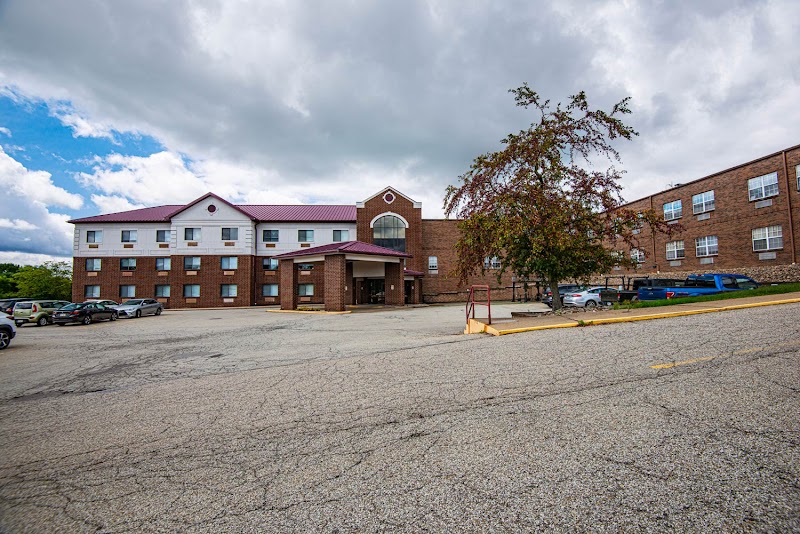
500 NORTH LEWIS RUN ROAD, PITTSBURGH, PA 15122 (412) 466-0600
For profit - Corporation 118 Beds IMPERIAL HEALTHCARE GROUP Data: November 2025 1 Immediate Jeopardy citation
Trust Grade
0/100
#632 of 653 in PA
Last Inspection: January 2025

Within standard 12-15 month inspection cycle. Federal law requires annual inspections.

Overview

Southwestern Nursing and Rehabilitation Center has received a Trust Grade of F, indicating significant concerns about the quality of care provided. With a state rank of #632 out of 653 in Pennsylvania, the facility is in the bottom half, and it ranks #46 out of 52 in Allegheny County, suggesting limited local options for better care. The facility's trend is worsening, with issues increasing from 12 in 2024 to 15 in 2025. Staffing is a major concern, as it has a low rating of 1 out of 5 stars and a turnover rate of 58%, which is higher than the state average. Additionally, the facility has been fined $67,966, which is higher than 87% of other Pennsylvania nursing homes, indicating ongoing compliance problems. Specific incidents highlight serious issues, including a failure to provide adequate supervision that led to a resident leaving the premises unnoticed, and neglect in recognizing and treating symptoms of constipation which resulted in hospital admissions. Furthermore, another resident suffered a leg skin tear due to neglect in providing necessary care. While the facility does have average RN coverage, the overall picture shows significant weaknesses that families should consider carefully when researching care options.

Trust Score
F
0/100
In Pennsylvania
#632/653
Bottom 4%
Safety Record
High Risk
Review needed
Inspections
Getting Worse
12 → 15 violations
Staff Stability
⚠ Watch
58% turnover. Above average. Higher turnover means staff may not know residents' routines.
Penalties
○ Average
$67,966 in fines. Higher than 65% of Pennsylvania facilities. Some compliance issues.
Skilled Nurses
⚠ Watch
Each resident gets only 28 minutes of Registered Nurse (RN) attention daily — below average for Pennsylvania. Fewer RN minutes means fewer trained eyes watching for problems.
Violations
⚠ Watch
64 deficiencies on record. Higher than average. Multiple issues found across inspections.
★☆☆☆☆
1.0
Overall Rating
★☆☆☆☆
1.0
Staff Levels
★★☆☆☆
2.0
Care Quality
★☆☆☆☆
1.0
Inspection Score
Stable
2024: 12 issues
2025: 15 issues

The Good

  • Full Sprinkler Coverage · Fire safety systems throughout facility
  • No fines on record

Facility shows strength in fire safety.

The Bad

1-Star Overall Rating

Below Pennsylvania average (3.0)

Significant quality concerns identified by CMS

Staff Turnover: 58%

12pts above Pennsylvania avg (46%)

Frequent staff changes - ask about care continuity

Federal Fines: $67,966

Well above median ($33,413)

Moderate penalties - review what triggered them

Chain: IMPERIAL HEALTHCARE GROUP

Part of a multi-facility chain

Ask about local staffing decisions and management

Staff turnover is elevated (58%)

10 points above Pennsylvania average of 48%

The Ugly 64 deficiencies on record

1 life-threatening 4 actual harm
Jan 2025 15 deficiencies
CONCERN (D)

Potential for Harm - no one hurt, but risky conditions existed

Deficiency F0578 (Tag F0578)

Could have caused harm · This affected 1 resident

**NOTE- TERMS IN BRACKETS HAVE BEEN EDITED TO PROTECT CONFIDENTIALITY** Based on review of the facility policy and clinical records and staff interviews, it was determined that the facility failed to ...

Read full inspector narrative →
**NOTE- TERMS IN BRACKETS HAVE BEEN EDITED TO PROTECT CONFIDENTIALITY** Based on review of the facility policy and clinical records and staff interviews, it was determined that the facility failed to provide the opportunity to formulate an advance directive (written instructions such as a living will or durable power of attorney for health care for when the individual is incapacitated) for three of the eight residents reviewed (Resident R41, R75, and R77). Findings Include: A review of the facility policy Advanced Directives last reviewed 11/5/24, indicated the facility will comply with the requirements related to maintaining written policies and procedures regarding advance directives, including provisions to inform and provide written information to all adult residents concerning the right to accept or refuse medical or surgical treatment and formulate an advance directive. A review of the medical record indicated Resident R41 was readmitted to the facility on [DATE], with diagnoses that included muscle weakness, high blood pressure, and heart failure (heart cannot pump or fill adequately). A review of the clinical record failed to reveal an advance directive or documentation that Resident R41 was given the opportunity to formulate an Advanced Directive. A review of the clinical record indicated Resident R75 was admitted to the facility on [DATE], with diagnoses that included dyspnea (difficult or labored breathing), muscle weakness, and epilepsy (nerve cells in the brain are disturbed, causing seizures). A review of the clinical record failed to reveal an advance directive or documentation that Resident R75 was given the opportunity to formulate an Advanced Directive. A review of the clinical record indicated Resident R77 was admitted to the facility on [DATE], with diagnoses that include high blood pressure, dysphagia (difficulty swallowing), muscle weakness, and liver transplant status. A review of the clinical record failed to reveal an advance directive or documentation that Resident R77 was given the opportunity to formulate an Advanced Directive. During an interview on 1/24/25, at 9:39 a.m. the Director of Nursing (DON) confirmed that the clinical record did not include documentation that Resident R41, R75, and R77 were not afforded the opportunity to formulate Advance Directives, it was confirmed again with the Admissions Director on 1/24/25 at 10:42 a.m 28 Pa. Code: 201.29(b)(d)(j) Resident rights.
CONCERN (D)

Potential for Harm - no one hurt, but risky conditions existed

Deficiency F0637 (Tag F0637)

Could have caused harm · This affected 1 resident

**NOTE- TERMS IN BRACKETS HAVE BEEN EDITED TO PROTECT CONFIDENTIALITY** Based on clinical record review and staff interview, it was determined that the facility failed to complete a significant change...

Read full inspector narrative →
**NOTE- TERMS IN BRACKETS HAVE BEEN EDITED TO PROTECT CONFIDENTIALITY** Based on clinical record review and staff interview, it was determined that the facility failed to complete a significant change Minimum Data Set (MDS- assessments completed indicating a change in condition of a resident requiring change in care) assessment for one of four residents reviewed (Residents R27). Findings include: Review of the Resident Assessment Instrument 3.0 User's Manual (reference used to complete an MDS) effective October 2024, indicated that the facility must conduct a comprehensive assessment of a resident within 14 days after the facility determines, or should have determined, that there has been a significant change in the resident's physical or mental condition. Review of the clinical record indicated that Resident R27 was admitted to the facility on [DATE]. Review of the MDS dated [DATE], included diagnoses of dementia (a group of symptoms that affects memory, thinking and interferes with daily life), Wernicke's encephalopathy (a neurological disorder caused by thiamine deficiency, and marked by mental confusion, abnormal eye movements, and unsteady gait) and schizophrenia (a mental disorder characterized by delusions, hallucinations, disorganized speech and behavior). Review of Section O: Special Treatments, Procedures, and Programs revealed at the time of the MDS, Resident R27 did not receive hospice services. Review of a physician order dated 11/27/24, indicated Resident R27 was admitted to hospice care (a special model of care for patients who are in the late phase of an incurable illness and wish to receive end-of-life care). Review of Resident R27's MDS assessments revealed a MDS significant change was not completed to include hospice services. During an interview on 1/22/25, at 2:01 p.m. the Director of Nursing confirmed that a Significant Change MDS assessment for Resident R27 was not completed. During an interview on 1/24/25, at approximately 1:00 p.m. the Nursing Home Administrator confirmed the facility failed to complete a Significant Change Minimum Data Set for one of four residents. 28 Pa. Code: 211.5(f) Clinical records.
CONCERN (D)

Potential for Harm - no one hurt, but risky conditions existed

Quality of Care (Tag F0684)

Could have caused harm · This affected 1 resident

**NOTE- TERMS IN BRACKETS HAVE BEEN EDITED TO PROTECT CONFIDENTIALITY** Based on review of facility policies and documents, clinical records, and staff interviews, it was determined that the facility ...

Read full inspector narrative →
**NOTE- TERMS IN BRACKETS HAVE BEEN EDITED TO PROTECT CONFIDENTIALITY** Based on review of facility policies and documents, clinical records, and staff interviews, it was determined that the facility failed to provide care and services after hospitalization for one of three residents (Resident R27). Review of the facility policy, Resident Hydration and Prevention of Dehydration dated 11/5/24, previously dated 11/30/23, indicated the facility will strive to provide adequate hydration and to prevent dehydration. Review of the clinical record indicated that Resident R27 was admitted to the facility on [DATE]. Review of the Minimum Data Set (MDS - periodic assessment of resident care needs) dated 11/14/24, included diagnoses of dementia (a group of symptoms that affects memory, thinking and interferes with daily life), Wernicke's encephalopathy (a neurological disorder caused by thiamine deficiency, and marked by mental confusion, abnormal eye movements, and unsteady gait) and schizophrenia (a mental disorder characterized by delusions, hallucinations, disorganized speech and behavior). Review of Resident R27's plan of care for problem/potential problem with nutrition and/or hydration status dated 2/1/22, with a revision on 9/23/24, failed to include interventions related to hydration status. Review of Resident R27's [NAME] (document that outlines the patients' ADLs, continence levels, and behaviors, as well as physician, advanced directives, diet, and allergies) utilized by nurse aide staff, failed to include instructions on hydration status. Review of hospital discharge paperwork dated 6/13/24, indicated Resident R27 had been admitted for acute metabolic encephalopathy (alteration in consciousness caused by a chemical imbalance affecting the brain, often caused by infections or dehydration) and hypernatremia (high sodium levels in the blood, often caused by dehydration), and a urinary tract infection. The paperwork indicated that while in the hospital, Resident R27 was treated with intravenous fluids for dehydration with hypernatremia, and it was noted: Hypernatremia, secondary to dehydration. Overall, she is not eating and drinking adequately which is contributing to dehydration. Upon discharge nursing will be asked to push oral fluids. It is thought she is having poor intake of food, water. Review of Resident R27's progress notes after her hospitalization with treatment for dehydration failed to reveal any notes related to fluid status. Review of Resident R27's physician's orders after hospitalization with treatment for dehydration failed to reveal any orders related to monitoring fluid status. Review of Resident R27's plan of care failed to reveal any interventions after her hospitalization with treatment for dehydration related to monitoring fluid status. During an interview on 1/24/25, at approximately 1:00 p.m. the Nursing Home Administrator and the Director of Nursing confirmed that the facility failed to provide care and services after hospitalization for one of three residents. 28 Pa. Code: 201.18(b)(1) Management. 28 Pa Code: 211.10(c)(d) Resident rights. 28 Pa. Code: 211.12(d)(1)(3)(5) Nursing services.
CONCERN (D)

Potential for Harm - no one hurt, but risky conditions existed

Medication Errors (Tag F0758)

Could have caused harm · This affected 1 resident

**NOTE- TERMS IN BRACKETS HAVE BEEN EDITED TO PROTECT CONFIDENTIALITY** Based on a review of facility policy, clinical record review, and staff interview, it was determined that the facility failed to...

Read full inspector narrative →
**NOTE- TERMS IN BRACKETS HAVE BEEN EDITED TO PROTECT CONFIDENTIALITY** Based on a review of facility policy, clinical record review, and staff interview, it was determined that the facility failed to make certain that each resident's drug regimen was free from unnecessary drugs used without adequate indications for use for one of five residents. (Resident R23). Findings include: Review of the facility policy, Medication Use: Psychotropic dated 11/5/24, indicated; Residents will not receive medications that are not clinically indicated to treat a specific condition. Review of Resident R23's admission record indicated she was initially admitted to the facility on [DATE], and readmitted on [DATE]. Review of Resident R23's Minimum Data Set (MDS- periodic assessment of care needs) assessment dated [DATE], included diagnoses of multiple sclerosis (a disease that affects central nervous system), dementia (a group of symptoms that affects memory, thinking and interferes with daily life) without behaviors, and anxiety. Review of Section N: Medications revealed Resident R23 received antipsychotic medications in the seven days prior to the assessment. Review of a physician order dated 1/16/25, indicated Resident R23 received Seroquel (an anti-psychotic medication) 25 mg twice per day for anxiety. Review of Resident R23's care plan for the use of psychotropic behaviors initiated 8/13/24, indicated Resident R23 received psychotropic medication related to dementia. Review of Resident R23's progress notes from 7/1/24, through 1/24/25, failed to include documentation of unwanted behaviors. Review of behavior monitoring documentation for November 2024, December 2024, and January 2025 (through 1/24/25), failed to reveal any documented behaviors. During an interview 1/24/25, at approximately 1:00 p.m. Nursing Home Administrator and the Director of Nursing confirmed the facility failed to make certain that each resident's drug regimen was free from unnecessary drugs used without adequate indications for use for one of five residents. 28 Pa. Code: 201.14(a) Responsibility of licensee. 28 Pa. Code: 211.2(a)(c) Physician services. 28 Pa. Code: 211.9(a)(1)(d)(k) Pharmacy services. 28 Pa. Code: 211.12(c)(d)(5) Nursing services.
CONCERN (D)

Potential for Harm - no one hurt, but risky conditions existed

Deficiency F0945 (Tag F0945)

Could have caused harm · This affected 1 resident

Based on review of facility personnel in-service training records, and staff interview, it was determined that the facility failed to provide training on infection control for one of nine staff member...

Read full inspector narrative →
Based on review of facility personnel in-service training records, and staff interview, it was determined that the facility failed to provide training on infection control for one of nine staff members (Employee E13). Findings include: Review of facility provided documents and training records revealed the following staff members did not have documented training on infection control. Registered Nurse Employee E13 had a hire date of 10/6/22, failed to have infection control in-service education between 10/6/23, and 10/6/24. During an interview on 1/24/25, at approximately 1:00 p.m. the Nursing Home Administrator confirmed that the facility failed to provide training on infection control for eight of nine staff members. 28 Pa Code: 201.14 (a) Responsibility of licensee. 28 Pa Code: 201.18 (b)(1) Management. 28 Pa Code: 201.20 (a)(c) Staff development.
CONCERN (E)

Potential for Harm - no one hurt, but risky conditions existed

Assessment Accuracy (Tag F0641)

Could have caused harm · This affected multiple residents

Based on review of the Resident Assessment Instrument User's Manual and clinical records, and staff interview, it was determined that the facility failed to make certain that comprehensive Minimum Dat...

Read full inspector narrative →
Based on review of the Resident Assessment Instrument User's Manual and clinical records, and staff interview, it was determined that the facility failed to make certain that comprehensive Minimum Data Set (MDS - periodic assessment of care needs) assessments were accurate and fully completed for seven of eight residents without a BIMS assessment completed (Resident R7, R21, R22, R24, R38, R43, and R60). Findings include: The Long-Term Care Facility Resident Assessment Instrument (RAI) User's Manual, which gives instructions for completing MDS Assessments dated October 2018, and updated October 2024, indicated that Section C: Cognitive Patterns, Question C0100 Should Brief Interview for Mental Status Be Conducted? (BIMS) should be coded as 0 if the resident is rarely/never understood, or it should be coded 1, and the BIMS assessment should be completed if the resident is at least sometimes understood. Section D: Mood, Question D0100 Should Resident Mood Interview Be Conducted? should be coded as 0 if the resident is rarely/never understood, and or it should be coded 1, and the assessment should be completed if the resident is at least sometimes understood. -Resident R7 had an MDS completed on 12/13/24. Review of Section B: Hearing, Speech, and Vision, Question B0700 indicated that Resident R7 is sometimes understood. Review of Section C: Cognitive Patterns, and Section D: Mood were indicated that Resident R7 is rarely understood, and the BIMS assessment and Resident Mood Interview were not completed. -Resident R21 had an MDS completed on 11/14/24. Review of Section B: Hearing, Speech, and Vision, Question B0700 indicated that Resident R21 is usually understood. Review of Section C: Cognitive Patterns, and Section D: Mood were indicated that Resident R21 is rarely understood, and the BIMS assessment and Resident Mood Interview were not completed. -Resident R22 had an MDS completed on 1/2/25. Review of Section B: Hearing, Speech, and Vision, Question B0700 indicated that Resident R22 is understood. Review of Section C: Cognitive Patterns, and Section D: Mood were indicated that Resident R22 is rarely understood, and the BIMS assessment and Resident Mood Interview were not completed. -Resident R24 had an MDS completed on 1/7/25. Review of Section B: Hearing, Speech, and Vision, Question B0700 indicated that Resident R24 is sometimes understood. Review of Section C: Cognitive Patterns, and Section D: Mood were indicated that Resident R24 is rarely understood, and the BIMS assessment and Resident Mood Interview were not completed. -Resident R38 had an MDS completed on 10/16/24. Review of Section B: Hearing, Speech, and Vision, Question B0700 indicated that Resident R38 is sometimes understood. Review of Section C: Cognitive Patterns, and Section D: Mood were indicated that Resident R38 is rarely understood, and the BIMS assessment and Resident Mood Interview were not completed. -Resident R43 had an MDS completed on 12/27/24. Review of Section B: Hearing, Speech, and Vision, Question B0700 indicated that Resident R43 is sometimes understood. Review of Section C: Cognitive Patterns, and Section D: Mood were indicated that Resident R43 is rarely understood, and the BIMS assessment and Resident Mood Interview were not completed. -Resident R60 had an MDS completed on 12/19/24. Review of Section B: Hearing, Speech, and Vision, Question B0700 indicated that Resident R60 is sometimes understood. Review of Section C: Cognitive Patterns, and Section D: Mood were indicated that Resident R60 is rarely understood, and the BIMS assessment and Resident Mood Interview were not completed. During an interview on 1/24/25, at 11:26 a.m. Registered Nurse Assessment Coordinator Employee E1 confirmed that the above MDS assessments were not accurate. During an interview on 1/24/25, at approximately 1:00 p.m. the Nursing Home Administrator confirmed that the facility failed to make certain that comprehensive Minimum Data Set assessments were accurate for seven of eight residents. 28 Pa. Code: 211.5(f) Clinical records.
CONCERN (E)

Potential for Harm - no one hurt, but risky conditions existed

Deficiency F0943 (Tag F0943)

Could have caused harm · This affected multiple residents

Based on review of facility personnel in-service training records, and staff interview, it was determined that the facility failed to provide training on abuse and neglect prevention for three of nine...

Read full inspector narrative →
Based on review of facility personnel in-service training records, and staff interview, it was determined that the facility failed to provide training on abuse and neglect prevention for three of nine staff members (Employee E9, E13, and E14). Findings include: Review of facility provided documents and training records revealed the following staff members did not have documented training on abuse and neglect prevention. Nurse Aide (NA) Employee E9 had a hire date of 8/15/22, failed to have abuse and neglect prevention in-service education between 8/15/24, and 8/15/24. Registered Nurse Employee E13 had a hire date of 10/6/22, failed to have abuse and neglect prevention in-service education between 10/6/23, and 10/6/24. Licensed Practical Nurse Employee E14 had a hire date of 9/6/22, failed to have abuse and neglect prevention in-service education between 9/6/23, and 9/6/24. During an interview on 1/24/25, at approximately 1:00 p.m. the Nursing Home Administrator confirmed that the facility failed to provide training on abuse and neglect prevention for three of nine staff members. 28 Pa Code: 201.14 (a) Responsibility of licensee. 28 Pa Code: 201.18 (b)(1) Management. 28 Pa Code: 201.20 (a)(c) Staff development.
CONCERN (F)

Potential for Harm - no one hurt, but risky conditions existed

Food Safety (Tag F0812)

Could have caused harm · This affected most or all residents

Based on observations and staff interviews it was determined that the facility failed to verify the dish washing temperature and staff education on the use of chemical sanitation to prevent the potent...

Read full inspector narrative →
Based on observations and staff interviews it was determined that the facility failed to verify the dish washing temperature and staff education on the use of chemical sanitation to prevent the potential for cross contamination and failed to store food products in a manner to prevent foodborne illness in the main kitchen. Findings include: During an observation on 1/21/25 beginning at approximately 10:15 a. m., of the Main Kitchen the following concerns were identified: The dish machine was identified as high temperature, however, according to Dietary Aide(DA) Employee E3 who was assisting in running the dish machine with DA Employee E4 stated that the dish machine elements were not working and the machine was currently functioning as a low temp with chemicals used for sanitation. During an interview on 1/21/25, at 10:20 a.m., Dietary Aides were asked to run a strip through the machine to show the level of sanitation. Neither employee stated that they were not trained how to run the strips and had not done so prior to using the machine. During an interview on 1/21/25, at 10:45 a.m., District Manager Dietary Employee E5 stated that the dish machine had not been functioning since 1/20/25 evening and that EcoLab (dishmachine vendor) staff had set the machine up for chemical use. The District Manager Employee E5 confirmed that staff had not been trained to perform test strip chemical testing. During an interview on 1/21/25, at 11:00 a.m., the Nursing Home Administrator confirmed that the staff were not trained how to perform necessary tasks to prevent the potential for cross contamination while using the dish machine. During an observation on 1/21/25 at 10:55 a. m., of the refrigerator leading to he deep freezer identified a gray fuzzy substance on the fan blades and cover and on the ceiling with food stored underneath which had the potential for food borne illness. During an interview on 1/21/25, at 11:00 a.m., the District Manager confirmed that the substance in the fans and ceiling had the potential for contamination of food which could cause potential for food borne illness. Pa Code: 211.6(c)(d)(f) Dietary services.
CONCERN (F)

Potential for Harm - no one hurt, but risky conditions existed

Deficiency F0947 (Tag F0947)

Could have caused harm · This affected most or all residents

Based on review of staff education records and interviews, it was determined that the facility failed to conduct at least 12 hours of in-service education, within 12 months of their hire date annivers...

Read full inspector narrative →
Based on review of staff education records and interviews, it was determined that the facility failed to conduct at least 12 hours of in-service education, within 12 months of their hire date anniversary, for nurse aides as required for four of four nurse aides (Employees E6, E7, E8, and E9). Finding include: Review of education records for Employees E6, E7, E8, and E9 revealed the following: Nurse Aide (NA) Employee E6 had a hire date of 9/16/21, with approximately 10.25 hours of in-service education between 9/16/23, and 9/16/24. NA Employee E7 had a hire date of 10/4/12, with approximately 9.75 hours of in-service education between 10/4/23, and 10/4/24. NA Employee E8 had a hire date of 10/14/13, with approximately 10.00 hours of in-service education between 10/14/23, and 10/14/24. NA Employee E9 had a hire date of 8/15/22, with approximately 6.75 hours of in-service education between 8/15/23, and 8/15/24. During an interview on 1/24/25, at approximately 1:00 p.m. the Nursing Home Administrator confirmed that the facility failed to provide the required 12 hours annual in-service education within 12 months of their hire date anniversary for four of four nurse aides. 28 Pa. Code: 201.14(a) Responsibility of licensee. 28 Pa. Code: 201.20(c) Staff development.
MINOR (B)

Minor Issue - procedural, no safety impact

Deficiency F0941 (Tag F0941)

Minor procedural issue · This affected multiple residents

Based on review of facility personnel in-service training records, and staff interview, it was determined that the facility failed to provide training on effective communication for eight of nine staf...

Read full inspector narrative →
Based on review of facility personnel in-service training records, and staff interview, it was determined that the facility failed to provide training on effective communication for eight of nine staff members (Employee E6, E7, E8, E9, E10, E11, E13, and E14). Findings include: Review of facility provided documents and training records revealed the following staff members did not have documented training on effective communication. Nurse Aide (NA) Employee E6 had a hire date of 9/16/21, failed to have effective communication in-service education between 9/16/23, and 9/16/24/24. NA Employee E7 had a hire date of 10/4/12, failed to have effective communication in-service education between 10/4/23, and 10/4/24. NA Employee E8 had a hire date of 10/14/13, failed to have effective communication in-service education between 10/14/23, and 10/14/24/24. NA Employee E9 had a hire date of 8/15/22, failed to have effective communication in-service education between 8/15/24, and 8/15/24. Central Supply Employee E10 had a hire date of 11/3/21, failed to have effective communication in-service education between 11/3/23, and 11/3/24. Activities Assistant Employee E11 had a hire date of 1/12/22, failed to have effective communication in-service education between 1/12/24, and 1/12/25. Registered Nurse Employee E13 had a hire date of 10/6/22, failed to have effective communication in-service education between 10/6/23, and 10/6/24. Licensed Practical Nurse Employee E14 had a hire date of 9/6/22, failed to have effective communication in-service education between 9/6/23, and 9/6/24. During an interview on 1/24/25, at approximately 1:00 p.m. the Nursing Home Administrator confirmed that the facility failed to provide training on effective communication for eight of nine staff members. 28 Pa Code: 201.14 (a) Responsibility of licensee. 28 Pa Code: 201.18 (b)(1) Management. 28 Pa Code: 201.20 (a)(c) Staff development.
MINOR (B)

Minor Issue - procedural, no safety impact

Deficiency F0942 (Tag F0942)

Minor procedural issue · This affected multiple residents

Based on review of facility personnel in-service training records, and staff interview, it was determined that the facility failed to provide training on resident rights for eight of nine staff member...

Read full inspector narrative →
Based on review of facility personnel in-service training records, and staff interview, it was determined that the facility failed to provide training on resident rights for eight of nine staff members (Employee E6, E7, E8, E9, E10, E11, E12, and E14). Findings include: Review of facility provided documents and training records revealed the following staff members did not have documented training on resident rights. Nurse Aide (NA) Employee E6 had a hire date of 9/16/21, failed to have resident rights in-service education between 9/16/23, and 9/16/24/24. NA Employee E7 had a hire date of 10/4/12, failed to have resident rights in-service education between 10/4/23, and 10/4/24. NA Employee E8 had a hire date of 10/14/13, failed to have resident rights in-service education between 10/14/23, and 10/14/24/24. NA Employee E9 had a hire date of 8/15/22, failed to have resident rights in-service education between 8/15/24, and 8/15/24. Central Supply Employee E10 had a hire date of 11/3/21, failed to have resident rights in-service education between 11/3/23, and 11/3/24. Activities Assistant Employee E11 had a hire date of 1/12/22, failed to have resident rights in-service education between 1/12/24, and 1/12/25. Maintenance Employee E12 had a hire date of 12/1/xx, failed to have resident rights in-service education between 12/1/23, and 12/1/24. Licensed Practical Nurse Employee E14 had a hire date of 9/6/22, failed to have resident rights in-service education between 9/6/23, and 9/6/24. During an interview on 1/24/25, at approximately 1:00 p.m. the Nursing Home Administrator confirmed that the facility failed to provide training on resident rights for eight of nine staff members. 28 Pa Code: 201.14 (a) Responsibility of licensee. 28 Pa Code: 201.18 (b)(1) Management. 28 Pa Code: 201.20 (a)(c) Staff development.
MINOR (B)

Minor Issue - procedural, no safety impact

Deficiency F0944 (Tag F0944)

Minor procedural issue · This affected multiple residents

Based on review of facility personnel in-service training records, and staff interview, it was determined that the facility failed to provide training on Quality Assurance and Performance Improvement ...

Read full inspector narrative →
Based on review of facility personnel in-service training records, and staff interview, it was determined that the facility failed to provide training on Quality Assurance and Performance Improvement (QAPI) for eight of nine staff members (Employee E6, E7, E8, E9, E10, E11, E13, and E14). Findings include: Review of facility provided documents and training records revealed the following staff members did not have documented training on QAPI. Nurse Aide (NA) Employee E6 had a hire date of 9/16/21, failed to have QAPI in-service education between 9/16/23, and 9/16/24/24. NA Employee E7 had a hire date of 10/4/12, failed to have QAPI in-service education between 10/4/23, and 10/4/24. NA Employee E8 had a hire date of 10/14/13, failed to have QAPI in-service education between 10/14/23, and 10/14/24/24. NA Employee E9 had a hire date of 8/15/22, failed to have QAPI in-service education between 8/15/24, and 8/15/24. Central Supply Employee E10 had a hire date of 11/3/21, failed to have QAPI in-service education between 11/3/23, and 11/3/24. Activities Assistant Employee E11 had a hire date of 1/12/22, failed to have QAPI in-service education between 1/12/24, and 1/12/25. Registered Nurse Employee E13 had a hire date of 10/6/22, failed to have QAPI in-service education between 10/6/23, and 10/6/24. Licensed Practical Nurse Employee E14 had a hire date of 9/6/22, failed to have QAPI in-service education between 9/6/23, and 9/6/24. During an interview on 1/24/25, at approximately 1:00 p.m. the Nursing Home Administrator confirmed that the facility failed to provide training on QAPI for eight of nine staff members. 28 Pa Code: 201.14 (a) Responsibility of licensee. 28 Pa Code: 201.18 (b)(1) Management. 28 Pa Code: 201.20 (a)(c) Staff development.
MINOR (C)

Minor Issue - procedural, no safety impact

Deficiency F0848 (Tag F0848)

Minor procedural issue · This affected most or all residents

Based on review of the facility's admission and financial agreement and staff interviews, it was determined that the facility failed to ensure a neutral and fair arbitration process by ensuring both t...

Read full inspector narrative →
Based on review of the facility's admission and financial agreement and staff interviews, it was determined that the facility failed to ensure a neutral and fair arbitration process by ensuring both the resident or his or her representative, and the facility agree on the selection of a neutral arbitrator. Findings include: Review of facility's admission Agreement packet, which contained the document admission and Financial Agreement indicated that the Indemnification statement in the agreement indicated that the facility will not be indemnified or held harmless from injury to or death of any person or other resident, or for any damage to or loss of the property of any person or resident, caused by the acts or omissions of Resident to the fullest extent of the law. The facility's admission and financial agreement failed to identify the indemnification statement as an arbitration agreement and provide for the selection of a neutral arbitrator agreed upon by both parties as one is designated in the facility arbitration agreement, in accordance with §483.70(n)(2)(iii). Regulatory guidance defined a neutral Arbitrator as an impartial, or unbiased third-party decision maker, contracted with, and agreed to by both parties to resolve their dispute. To ensure a neutral arbitrator is selected, the facility should avoid even the appearance of bias, partiality, or a conflict of interest, and should promptly disclose to the resident or his or her representative the extent of any relationship which exists with an arbitrator or arbitration services company, including how often the facility has contracted with the arbitrator or arbitration service, and when the arbitrator or arbitration service has ruled for or against the facility. During an interview on 1/22/25, at 3:20 p.m. the Nursing Home Administrator confirmed the language of the admission/ financial agreement may appear to not identify the indemnification statement as arbitration and does not to afford a neutral and fair arbitration process by ensuring both the resident or his or her representative, and the facility agree on the selection of a neutral arbitrator. 28 Pa. Code 201.14(a) Responsibility of licensee. 28 Pa. Code 201.18(b)(2) Management. 28 Pa. Code 201.29(a)(j) Resident rights.
MINOR (C)

Minor Issue - procedural, no safety impact

Deficiency F0946 (Tag F0946)

Minor procedural issue · This affected most or all residents

Based on review of facility personnel in-service training records, and staff interview, it was determined that the facility failed to provide training on compliance and ethics for nine of nine staff m...

Read full inspector narrative →
Based on review of facility personnel in-service training records, and staff interview, it was determined that the facility failed to provide training on compliance and ethics for nine of nine staff members (Employee E6, E7, E8, E9, E10, E11, E12, E13, and E14). Findings include: Review of facility provided documents and training records revealed the following staff members did not have documented training on compliance and ethics. Nurse Aide (NA) Employee E6 had a hire date of 9/16/21, failed to have compliance and ethics in-service education between 9/16/23, and 9/16/24/24. NA Employee E7 had a hire date of 10/4/12, failed to have compliance and ethics in-service education between 10/4/23, and 10/4/24. NA Employee E8 had a hire date of 10/14/13, failed to have compliance and ethics in-service education between 10/14/23, and 10/14/24/24. NA Employee E9 had a hire date of 8/15/22, failed to have compliance and ethics in-service education between 8/15/24, and 8/15/24. Central Supply Employee E10 had a hire date of 11/3/21, failed to have compliance and ethics in-service education between 11/3/23, and 11/3/24. Activities Assistant Employee E11 had a hire date of 1/12/22, failed to have compliance and ethics in-service education between 1/12/24, and 1/12/25. Maintenance Employee E12 had a hire date of 12/1/xx, failed to have compliance and ethics in-service education between 12/1/23, and 12/1/24. Registered Nurse Employee E13 had a hire date of 10/6/22, failed to have compliance and ethics in-service education between 10/6/23, and 10/6/24. Licensed Practical Nurse Employee E14 had a hire date of 9/6/22, failed to have compliance and ethics in-service education between 9/6/23, and 9/6/24. During an interview on 1/24/25, at approximately 1:00 p.m. the Nursing Home Administrator confirmed that the facility failed to provide training on compliance and ethics for eight of nine staff members. 28 Pa Code: 201.14 (a) Responsibility of licensee. 28 Pa Code: 201.18 (b)(1) Management. 28 Pa Code: 201.20 (a)(c) Staff development.
MINOR (C)

Minor Issue - procedural, no safety impact

Deficiency F0949 (Tag F0949)

Minor procedural issue · This affected most or all residents

Based on review of facility personnel in-service training records, and staff interview, it was determined that the facility failed to provide training on behavioral health for eight of nine staff memb...

Read full inspector narrative →
Based on review of facility personnel in-service training records, and staff interview, it was determined that the facility failed to provide training on behavioral health for eight of nine staff members (Employee E6, E7, E8, E9, E10, E11, E13, and E14). Findings include: Review of facility provided documents and training records revealed the following staff members did not have documented training on behavioral health. Nurse Aide (NA) Employee E6 had a hire date of 9/16/21, failed to have behavioral health in-service education between 9/16/23, and 9/16/24/24. NA Employee E7 had a hire date of 10/4/12, failed to have behavioral health in-service education between 10/4/23, and 10/4/24. NA Employee E8 had a hire date of 10/14/13, failed to have behavioral health in-service education between 10/14/23, and 10/14/24/24. NA Employee E9 had a hire date of 8/15/22, failed to have behavioral health in-service education between 8/15/24, and 8/15/24. Central Supply Employee E10 had a hire date of 11/3/21, failed to have behavioral health in-service education between 11/3/23, and 11/3/24. Activities Assistant Employee E11 had a hire date of 1/12/22, failed to have behavioral health in-service education between 1/12/24, and 1/12/25. Registered Nurse Employee E13 had a hire date of 10/6/22, failed to have behavioral health in-service education between 10/6/23, and 10/6/24. Licensed Practical Nurse Employee E14 had a hire date of 9/6/22, failed to have behavioral health in-service education between 9/6/23, and 9/6/24. During an interview on 1/24/25, at approximately 1:00 p.m. the Nursing Home Administrator confirmed that the facility failed to provide training on behavioral health for eight of nine staff members. 28 Pa Code: 201.14 (a) Responsibility of licensee. 28 Pa Code: 201.18 (b)(1) Management. 28 Pa Code: 201.20 (a)(c) Staff development.
Jun 2024 11 deficiencies 4 Harm
SERIOUS (G) 📢 Someone Reported This

A family member, employee, or ombudsman was alarmed enough to file a formal complaint

Actual Harm - a resident was hurt due to facility failures

Free from Abuse/Neglect (Tag F0600)

A resident was harmed · This affected 1 resident

**NOTE- TERMS IN BRACKETS HAVE BEEN EDITED TO PROTECT CONFIDENTIALITY** Based on review of facility policies and documents, clinical records and documentation, and staff interviews, it was determined ...

Read full inspector narrative →
**NOTE- TERMS IN BRACKETS HAVE BEEN EDITED TO PROTECT CONFIDENTIALITY** Based on review of facility policies and documents, clinical records and documentation, and staff interviews, it was determined that the facility failed to protect residents from neglect for one of four residents (Resident R2), that resulted in actual harm of a low leg skin tear. Findings include: Review of the United States Code of Federal Regulations (CFR), 42 CFR §483.12. Freedom from Abuse, Neglect, and Exploitation defined neglect as the failure of the facility, its employees or service providers to provide goods and services to a resident that are necessary to avoid physical harm, pain, mental anguish or emotional distress. Review of facility policy Abuse, Neglect, Exploitation and Misappropriation Prevention Program dated 11/30/23, indicated that residents have the right to be free from abuse and neglect. Review of facility policy Activities of Daily Living (ADL), Supporting dated 11/30/23, indicated appropriate care and services will be provided for residents who are unable to carry out ADLs independently, with the consent of the resident and in accordance with the plan of care, including appropriate support and assistance. Review of the facility provided Certified Nurse Aide (nurse aide) job description indicated that nurse aides would provide daily nursing care and services in accordance with the resident's assesment and care plan. Review of Resident R2's admission record indicated she was admitted to the facility on [DATE]. Review of Resident R2's Minimum Data Set (MDS-periodic assessment of a resident's abilities and care needs) dated 3/27/24, included diagnoses of macular degeneration (vision loss in the center of the field of vision) and dementia (a group of symptoms that affects memory, thinking and interferes with daily life). Section G: Functional Abilities and Goals revealed that for Chair/bed-to-chair transfer (the ability to transfer to and from a bed to a chair or wheelchair) and for Lower body dressing (the ability to dress and undress below the waist, including fasteners) Resident R2 was Dependent on staff (meaning that the helper does all of the effort. Resident does none of the effort to complete the activity, or the assistance of two or more helpers is required for the resident to complete the activity). Review of a physician's order dated 10/4/22, and remains current, indicated Transfer status: Transfer assist of 1 with wheeled walker. Assist of 2 with care. Review of Resident R2's plan of care for ADL Self Care Performance Deficit related to Dementia active on 5/28/24, failed to include in the interventions what level of staff assistance Resident R2 required for transferring to bed from her wheelchair and for dressing/undressing. The care plan was not updated to reflect the physician's order for transfer and assistance. Review of Resident R2's plan of care for ADL Self Care Performance Deficit related to dementia updated on 6/2/24, indicated TRANSFER: resident requires total assistance with transfers. Further review of the updated care plan failed to include interventions related to what level of staff assistance Resident R2 required for dressing/undressing. Review of Resident R2's [NAME] (document that outlines the patients' ADLs, continence levels, and behaviors, as well as physician, advanced directives, diet, and allergies) utilized by nurse aide staff dated as of 5/27/24, indicated ADL - Transferring assist times 1 with wheeled walker; Assist of 2 with care. Review of a progress note written by Registered Nurse (RN) Employee E2 dated 5/28/24, at 10:52 p.m. indicated RN supervisor notified by LPN (licensed practical nurse) that resident sustained a skin tear to left shin during care. Per LPN the CNA (nurse aide) providing care for the resident reported that the resident sustained a skin tear to her left shin, and RN supervisor was contacted. Upon entering the room, the resident was observed lying on her bed turned slightly on her right side. Resident did not appear to be in any distress. Resident alert and disoriented at baseline. Resident assessed and wound care provided. Wound measured 6.5 centimeters (cm) x 5.5 cm x 0.3 cm. Resident tolerated wound care well. RN assessment, skin tear measured, cleansed with wound cleanser, patted dry, wound approximated and steri-strips (wound closure strips) applied, in area wound could not be approximated Xeroform (fine mesh gauze) was applied to the wound bed, wound covered with ABD pad (highly absorbent dressing that provides padding and protection for large wounds) and wrapped with Kerlix (absorbent rolled bandage), secured with tape. Notification made to [medical provider], [hospice provider], and resident's daughter. CNA staff reeducated on ensuring safety of resident, disengaging from resident during period of agitation, allowing for resident to have a cool down period prior to reapproaching or having someone else attempt to approach, and reporting of behaviors to nurse for documentation and appropriate treatment of behaviors. Review of a written statement by Nurse Aide (NA) Employee E2 dated 5/28/24, indicated, I was getting her in bed and she was fighting me. I went to pull her pants down and she was trying to kick at me and in the process, she got a skin tear to her lower left leg. Nurse [LPN Employee E4] aware. During an interview on 6/2/24, at 3:32 p.m. NA Employee E10 stated she reviews the resident [NAME] to learn the transfer and care status. During an interview on 6/2/24, at 3:34 p.m. NA Employee E11 stated she reviews the resident chart, point of care documentation system, [NAME], or ask the charge nurse to learn the transfer and care status. During a follow-up interview on 6/4/24, at 7:15 p.m. NA Employee E2 confirmed that she provided care alone to Resident R2. When asked why she provided care alone when Resident R2 is ordered two people for care, NA Employee E2 confirmed she was aware Resident R2 was ordered two person for care, and stated that Resident R2 is usually not combative. During an interview on 6/14/24, at approximately 11:30 a.m. the Nursing Home Administrator confirmed that the facility failed to protect residents from neglect for one of four residents, that resulted in actual harm of a low leg skin tear. 28 Pa. Code 201.14(a) Responsibility of licensee. 28 Pa. Code 201.18(b)(1)(3) Management. 28 Pa. Code 201.29(a)(c)(d)(j) Resident rights. 28 Pa. Code 211.10(c)(d) Resident care policies. 28 Pa. Code 211.12(d)(1)(3) Nursing services.
SERIOUS (G) 📢 Someone Reported This

A family member, employee, or ombudsman was alarmed enough to file a formal complaint

Actual Harm - a resident was hurt due to facility failures

Pressure Ulcer Prevention (Tag F0686)

A resident was harmed · This affected 1 resident

**NOTE- TERMS IN BRACKETS HAVE BEEN EDITED TO PROTECT CONFIDENTIALITY** Based on review of clinical records, observations, and staff interview, it was determined that the facility failed to provide pr...

Read full inspector narrative →
**NOTE- TERMS IN BRACKETS HAVE BEEN EDITED TO PROTECT CONFIDENTIALITY** Based on review of clinical records, observations, and staff interview, it was determined that the facility failed to provide prescribed treatment and services related to the care of pressure ulcers for four of seven residents (Resident R1, R12, R13, and R14) and failed to prevent avoidable pressure ulcer development that resulted in the actual harm of a new pressure ulcer for one of seven residents (Resident R1). Findings include: Review of the United States Department of Health and Human Services, Agency for Healthcare Research & Quality's, Safety Program for Nursing Home: On-Time Pressure Ulcer Prevention dated May 2016, indicated that Pressure ulcers cause pain, disfigurement, and increased infection risk and are associated with longer hospital stays and increased morbidity and mortality. Three critical components in preventing pressure ulcers were listed: comprehensive skin assessments, standardized pressure ulcer risk assessments, and care planning and implementation to address areas of risk. Review of the National Library of Medicine, The Braden Scale for Predicting Pressure Sore Risk indicated the scale was developed to foster early identification of patients at risk for forming pressure ulcers. The scale consists of six subscales and the total range from 6-23, with the following distributions: -Severe Risk: Less than or equal to 9. -High Risk: 10-12. -Moderate Risk: 13-14. -Mild Risk: 15-18. The facility policy Prevention of Pressure Injuries dated 11/30/23, indicated the facility will use this procedure to provide information regarding identification of pressure injury risk factors and interventions for specific risk factors. Listed in the Prevention Section was the following: -Mobility/Repositioning: 1. Reposition all residents with or at risk of pressure injuries on an individualized schedule, as determined by the interdisciplinary care team. 2. Choose a frequency for repositioning based on the resident's risk factors and current clinical practice guidelines. 3. Teach residents who can change positions independently the importance of reposition. Provide support devices and assistance as needed. Remind and encourage residents to change position. -Device Related Injuries: 1. Review and select medical devices with consideration to the ability to minimize tissue damage, including size, shape, its application, and ability to secure the device. 2. Monitor regularly for comfort and signs of pressure-related injury. 3. For prevention measures associated with specific devices, consult current clinical practice guidelines. Review of the clinical record indicated Resident R1 was admitted to the facility on [DATE]. Review of the Minimum Data Set (MDS - periodic assessment of resident care needs) dated 5/20/24, included diagnoses of osteomyelitis (inflammation of bone or bone marrow, usually due to infection), peripheral vascular disease (PVD - circulatory condition in which narrowed blood vessels reduce blood flow to the limbs), and diabetes (a metabolic disorder in which the body has high sugar levels for prolonged periods of time). Review of Section M: Skin Conditions, indicated Resident R1 was at risk of pressure ulcer development, and at the time of the assessment had one Stage IV pressure ulcer (full-thickness skin and tissue loss with exposed or directly palpable fascia (collagen-based connective tissue under the skin), muscle, tendon, ligament, cartilage or bone in the ulcer) and two unstageable pressure ulcers (full-thickness skin and tissue loss in which the extent of tissue damage within the ulcer cannot be confirmed because it is obscured by slough (dead tissue that needs to be removed for wound to heal) or eschar (dry, dark scab or falling away of dead skin)). Review of Resident R1's Braden Scale assessments dated 8/4/23, indicated Resident R1 was at low risk (score of 21) for pressure ulcer development. Assessments completed on 11/15/23, 2/29/24, and 3/5/24, all indicated Resident R1 was at risk (score 15) for pressure ulcer development. Review of a physician order dated 9/12/23, and remained current, indicated for Resident R1 to have a PRAFO (pressure relieving ankle foot orthosis, cushioned bootie worn on the calf, ankle, and foot, used for patients who spend a significant amount of time in bed. Assists in the prevention of pressure ulcers) to the left foot while in bed. No interventions were documented to assess the status of the skin under the PRAFO. Review of a physician order dated 11/15/23, and remained current, indicated for Resident R1 to be assisted to turn and reposition Q2 hour (every two hours), elevate heels with heel elevator boots. Review of a physician order dated 11/21/23, and remained current, indicated that Resident R1 was to receive wound care to his left heel (apply betadine and cover with ABD (large gauze pad to absorb discharge from heavily draining wounds) daily. Review of Resident R1 plan of care for Potential for skin breakdown last updated 2/22/24, included the goals of using the left heel elevator boot (PRAFO) and to turn and reposition every 2-3 hours for comfort. Review of the nurse aide [NAME] (paper or electronic document that outlines the patients' activities of daily living - ADLs, continence levels, and behaviors, as well as physician, advanced directives, diet, and allergies) for Resident R1 as of 2/28/24, indicated for staff to Left heel elevator boot (PRAFO) and Right heel elevated on pillow when in bed. Turn and reposition q 2-3 hours for comfort. Review of Resident R1's Wound Nurse Practitioners (Wound NP) report dated 2/28/24, indicated a new wound, left Achilles (area on the back of the ankle, above the heel) pressure ulcer, unstageable, with measurements of 1.2 cm (centimeters) x 1.6 cm x 0.2 cm. The report further stated the new left Achilles wound was likely from the PRAFO boot. Review of the previous four weeks of wound care documentation (2/1/24, through 2/28/24) of the left heel wound already present revealed missing documentation on 2/1/24, 2/2/24, 2/5/24, 2/7/24, 2/12/24, 2/16/24, 2/21/24, 2/22/24, and 2/27/24. Review of physicians' orders from November 2023, through June 2024, failed to reveal an order directing staff to assess the skin under the PRAFO boot. Review of monthly wound measurements and assessments to the left Achilles wound since development were as follows: 2/28/24: 1.2 cm x 1.6 cm x 0.2 cm, classified as unstageable. 3/06/24: 2.0 cm x 1.9 cm x 0.0 cm, classified as unstageable. 3/13/24: 2.0 cm x 1.5 cm x 0.0 cm, classified as unstageable. 3/20/24: 2.0 cm x 1.5 cm x 0.0 cm, classified as unstageable. 3/27/24: 1.5 cm x 3.5 cm x 0.2 cm, classified as unstageable, malodorous. 4/03/24: 2.0 cm x 2.0 cm x 0.2 cm, classified as unstageable, malodorous. 4/10/24: 3.0 cm x 2.0 cm x 0.3 cm, classified as unstageable, malodorous. 4/17/24: 3.0 cm x 2.0 cm x 0.3 cm, classified as unstageable, malodorous, status worsening. 4/24/24: 2.5 cm x 1.8 cm x 0.3 cm, classified as unstageable. 5/01/24: 2.5 cm x 2.0 cm x 0.3 cm, classified as unstageable. 5/08/24: 4.5 cm x 2.5 cm x 0.3 cm, classified as unstageable, malodorous. 5/15/24: 4.0 cm x 2.5 cm x 1.5 cm, classified as unstageable, malodorous, status worsening. 5/22/24: 3.5 cm x 2.5 cm x 1.0 cm, classified as unstageable, malodorous. 5/29/24: 3.5 cm x 2.0 cm x 0.6 cm, classified as unstageable, malodorous. During an interview on 5/31/24 at 1:21 p.m., Resident R1 stated I don't get my protein drink. Unless [RN Employee E1] or [LPN Employee E5] is here, I don't get nothing done, gesturing to his lower legs that had multiple dressings on them. Observation of Resident R1's Left Achilles wound at this time revealed the dressing to be dated 5/29/24, 2200 (10:00 p.m.). Observation of Resident R1's Right heel wound at this time revealed the dressing to be dated 5/29/24. Observation of Resident R1's Left Heel wound at this time revealed the dressing to be dated 5/29/24. During an interview on 5/31/24, at 1:25 p.m. RN Employee E1 confirmed that Resident R1's left Achilles dressing should have been changed on 5/30/24 on both day and evening shift, and that his left and right heel should have been changed on 5/30/24. Review of the of wound care documentation from 5/1/24, through 6/6/24, revealed the following dates without documentation of wound care completed: -Left Achilles: 5/2/24, 5/21/24 (evening), 5/24/24 (day), 5/30/24 (day and evening). -Left heel: 5/24/24, 5/30/24. -Right heel: 5/24/24, 5/30/24. During an interview on 6/2/24, at approximately 1:00 p.m. the Director of Nursing confirmed that for the left heel wound dressing change, the PRAFO boot would have been removed, allowing visualization of left Achilles area. Review of the wound report dated 6/7/24, indicated that the left heel wound, and the left Achilles wound joined together with measurements of 6.0 cm x 2.0 cm x 0.6 cm, classified as unstageable, malodorous, status worsening. Additionally, the wound report dated 6/7/24, revealed the development of a new right Achilles wound, 1.0 cm x 0.8 cm x 0.1 cm, classified as unstageable. Review of the clinical record indicated Resident R12 was admitted to the facility on [DATE]. Review of the MDS dated [DATE], included the diagnoses of heart failure (a progressive heart disease that affects pumping action of the heart muscles) and lymphedema (the build-up of fluid in soft body tissues). Review of Section M: Skin Conditions, indicated Resident R12 was at risk of pressure ulcer development, and had one Stage 4 pressure ulcer (full-thickness skin and tissue loss with exposed or directly palpable fascia, muscle, tendon, ligament, cartilage, or bone in the ulcer). Review of Resident R12's Braden Scale assessments dated 1/3/24, and 4/4/24, indicated Resident R12 was at high risk (scores of 11, 12) for pressure ulcer development. Review of Resident R12's plan of care for Wound Management updated on 3/14/24, included the intervention of Provide wound care per treatment order. Review of a physician's orders provided by the facility Medical Director for Resident R12's right buttock wound, revealed the following: -1/25/24: Cleanse with NSS (normal saline solution) and pat dry. Apply collagen and calcium alginate and cover with bordered gauze daily and as needed. -3/20: Cleanse with NSS and pat dry. Apply collagen and cover with bordered gauze daily and as needed. -4/11/24, indicated, Flush with 20cc (cubic centimeters, equivalent to milliliters) NSS and pat dry. Pack with collagen and calcium alginate and cover with bordered gauze daily and as needed. This order was active at the time of the survey. Review of the Wound NP's reports and included orders for Resident R12's right buttock wound, revealed the following: -1/31/24: Cleanse with wound cleanser. Treat with collagen, calcium alginate, apply skin prep to periwound (skin around the outer edges of the wound), cover with bordered gauze. Daily and as needed. -2/21/24: Cleanse with wound cleanser. Treat with calcium alginate, cover with bordered gauze. Daily and as needed. -3/20/24: Cleanse with wound cleanser. Treat with collagen, cover with bordered gauze. Daily and as needed. -3/27/24: Cleanse with wound cleanser. Treat with collagen, cover with bordered gauze. Every other day and as needed. -4/3/24: Cleanse with wound cleanser. Treat with collagen, calcium alginate, cover with bordered gauze. Every other day and as needed. -4/10/24, indicated, Flush with 20cc NSS and pat dry. Pack with collagen and calcium alginate and cover with bordered gauze. Every other day and as needed. This order was active at the time of the survey. 4/17/24: Cleanse with soap and water, pat dry. Treat with collagen, calcium alginate, cover with bordered gauze. Every other day and as needed. Review of Resident R12's TAR (treatment administration record) beginning on 3/27/24, through 6/10/24, revealed that wound care was ordered and provided daily. Wound NP orders indicated wound care to be provided every other day and as needed, beginning 3/27/24. Review of the clinical record indicated Resident R13 was admitted to the facility on [DATE]. Review of the MDS dated [DATE], included the diagnoses of atherosclerotic heart disease (build-up of fats, cholesterol, and other substances in and on the artery walls) and coronary artery disease (damage or disease in the heart's major blood vessels). Review of Section M: Skin Conditions, indicated Resident R13 was at risk of pressure ulcer development, and had no unhealed pressure ulcers. Review of Resident R13's Braden Scale assessments dated 3/1/24, 3/21/24, 4/1/24, and 4/23/24, all indicated Resident R13 was at risk (score of 16 for each) for pressure ulcer development. Review of Resident R13's plan of care for Risk for Skin Breakdown initiated on 3/4/24, indicated Resident R13 was at risk for skin breakdown due to incontinence and immobility. Review of a Wound NP's note on 3/8/24, indicated Resident R13 was known to their service from a previous facility, had an unstageable pressure wound to her right heel, and further documented that Resident R13 was receiving hospice care. Treatment orders on this date indicated to cleanse the wound with soap and water, pat dry, apply Betadine to the base of the wound, leave open to air, and change twice daily. Review of a Wound NP's note on 4/3/24, treatment orders on this date indicated to cleanse the wound with normal saline, apply Betadine to the base of the wound, leave open to air, and change twice daily. Review of a Wound NP's note on 5/8/24, treatment orders on this date indicated to cleanse the wound with normal saline, apply Betadine to the base of the wound, leave open to air, and change daily. Review of a physician's order dated 3/8/24, and discontinued on 6/2/24, indicated for Resident R13's right heel wound to apply betadine and leave open to air, every day and evening shift. Review of Resident R13's TAR (treatment administration record) beginning on 5/8/24, through 6/2/24, revealed that wound care was ordered and provided twice daily. Wound NP orders as of 5/8/24 indicated wound care to be provided once daily, beginning on 5/8/24. During an interview on 6/2/24, at approximately 1:00 p.m. the Director of Nursing and the Corporate Nurse stated that orders from hospice providers take precedence over Wound NP and facility physician orders. At this time, the request was made to the facility for confirmation of wound care hospice orders. This information was not provided by the facility by the end of the survey on 6/12/24. Review of a physican's order dated 6/3/24, revealed the update to the right heel wound, changing the frequency to once daily. Review of the clinical record indicated Resident R14 was admitted to the facility on [DATE]. Review of the MDS dated [DATE], included the diagnoses of hemiplegia (paralysis on one side of the body) and dementia (a group of symptoms that affects memory, thinking and interferes with daily life). Review of Section M: Skin Conditions, indicated Resident R14 was at risk of pressure ulcer development, and had four Stage 3 pressure ulcers (full-thickness loss of skin, in which fat is visible in the ulcer and granulation tissue. Slough and/or eschar may be visible). Review of Resident R14's Braden Scale assessments dated 10/21/23 (score of 10), 1/30/24 (score of 11), and 5/7/24 (score of 12), all indicated Resident R14 was at high risk for pressure ulcer development. Review of Resident R14's plan of care for Pressure Injuries left foot initiated on 2/9/24, indicated for staff to monitor/document/report as needed any changes in skin status. Review of a Wound NP's note on 5/15/24, indicated Resident R14's left medial foot wound had resolved. Review of a Wound NP's note on 5/29/24, indicated Resident R14's left medial foot wound had reopened. Treatment orders indicated to cleanse with normal saline, apply calcium alginate to base of wound, secure with bordered gauze, and to change daily and as needed. Review of a Resident R14's physician's order on 6/2/24, failed to include treatment orders for Resident R14's left medial foot wound. During an interview on 5/31/24, at approximately 2:00 p.m. the Medical Director confirmed that orders from the Wound NP should take precedence over his orders as it is her area of expertise. During an interview on 6/2/24, at approximately 1:00 p.m. the Director of Nursing and the Corporate Nurse were advised that no treatment orders were in place. Review of Resident R14's physician's orders revealed a new order for Resident R14's left medial foot, dated 6/2/24, at 2:55 p.m. During an interview on 6/14/24, at approximately 11:00 a.m. the Nursing Home Administrator confirmed the facility failed to provide prescribed treatment and services related to the care of pressure ulcers for four of seven residents and failed to prevent avoidable pressure ulcer development that resulted in the actual harm of a new pressure ulcer for one of seven residents. 28 Pa. Code: 211.12(d)(1)(5) Nursing services.
SERIOUS (G) 📢 Someone Reported This

A family member, employee, or ombudsman was alarmed enough to file a formal complaint

Actual Harm - a resident was hurt due to facility failures

Accident Prevention (Tag F0689)

A resident was harmed · This affected 1 resident

**NOTE- TERMS IN BRACKETS HAVE BEEN EDITED TO PROTECT CONFIDENTIALITY** Based on review of facility policy, facility documentation, and staff interviews, it was determined that the facility failed to ...

Read full inspector narrative →
**NOTE- TERMS IN BRACKETS HAVE BEEN EDITED TO PROTECT CONFIDENTIALITY** Based on review of facility policy, facility documentation, and staff interviews, it was determined that the facility failed to protect residents from injury that resulted in actual harm of a lower leg skin tear for two of four residents (Resident R2 and R10). Findings include: Review of facility policy Safety and Supervision of Residents date d 11/30/23, indicated that, resident safety and supervision and assistance to prevent accidents are facility-wide priorities. Review of facility policy Activities of Daily Living (ADL), Supporting dated 11/30/23, indicated appropriate care and services will be provided for residents who are unable to carry out ADLs independently, with the consent of the resident and in accordance with the plan of care, including appropriate support and assistance. Review of Resident R2's admission record indicated she was admitted to the facility on [DATE]. Review of Resident R2's Minimum Data Set (MDS-periodic assessment of a resident's abilities and care needs) dated 3/27/24, included diagnoses of macular degeneration (vision loss in the center of the field of vision) and dementia (a group of symptoms that affects memory, thinking and interferes with daily life). Section G: Functional Abilities and Goals revealed that for Chair/bed-to-chair transfer (the ability to transfer to and from a bed to a chair or wheelchair) and for Lower body dressing (the ability to dress and undress below the waist, including fasteners) Resident R2 was Dependent on staff (meaning that the helper does all of the effort. Resident does none of the effort to complete the activity, or the assistance of two or more helpers is required for the resident to complete the activity). Review of a physician's order dated 10/4/22, indicated Transfer status: Transfer assist of 1 with wheeled walker. Assist of 2 with care. Review of Resident R2's plan of care for ADL Self Care Performance Deficit related to dementia active on 5/28/24, failed to include in the interventions what level of staff assistance Resident R2 required for transferring to bed from her wheelchair and for dressing/undressing. Review of Resident R2's plan of care for ADL Self Care Performance Deficit related to dementia updated on 6/2/24, indicated TRANSFER: resident requires total assistance with transfers. Further review of the updated care plan failed to include interventions related to what level of staff assistance Resident R2 required for dressing/undressing. Review of Resident R2's [NAME] (document that outlines the patients' ADLs, continence levels, and behaviors, as well as physician, advanced directives, diet, and allergies) utilized by nurse aide staff dated as of 5/27/24, indicated ADL - Transferring assist times 1 with wheeled walker; Assist of 2 with care. Review of a progress note written by Registered Nurse (RN) Employee E2 dated 5/28/24, at 10:52 p.m. indicated RN supervisor notified by LPN (licensed practical nurse) that resident sustained a skin tear to left shin during care. Per LPN the CNA (nurse aide) providing care for the resident reported that the resident sustained a skin tear to her left shin, and RN supervisor was contacted. Upon entering the room, the resident was observed lying on her bed turned slightly on her right side. Resident did not appear to be in any distress. Resident alert and disoriented at baseline. Resident assessed and wound care provided. Wound measured 6.5cm x 5.5cm x 0.3cm. Resident tolerated wound care well. RN assessment, skin tear measured, cleansed with wound cleanser, patted dry, wound approximated and steri-strips (wound closure strips) applied, in area wound could not be approximated Xeroform (fine mesh gauze) was applied to the wound bed, wound covered with ABD pad (highly absorbent dressing that provides padding and protection for large wounds) and wrapped with Kerlix (absorbent rolled bandage), secured with tape. Notification made to [medical provider], [hospice provider], and resident's daughter. CNA staff reeducated on ensuring safety of resident, disengaging from resident during period of agitation, allowing for resident to have a cool down period prior to reapproaching or having someone else attempt to approach, and reporting of behaviors to nurse for documentation and appropriate treatment of behaviors. Review of a written statement by Nurse Aide (NA) Employee E2 dated 5/28/24, indicated, I was getting her in bed and she was fighting me. I went to pull her pants down and she was trying to kick at me and in the process, she got a skin tear to her lower left leg. Nurse [LPN Employee E4] aware. During a follow-up interview on 6/4/24, at 7:15 p.m. NA Employee E2 confirmed that she provided care alone to Resident R2. When asked why she provided care alone when Resident R2 is ordered two people for care, NA Employee E2 stated that Resident R2 is usually not combative. Review of Resident R10's admission record indicated she was admitted to the facility on [DATE]. Review of Resident R10's MDS dated [DATE], included diagnoses of heart failure (a progressive heart disease that affects pumping action of the heart muscles) and dementia (a group of symptoms that affects memory, thinking and interferes with daily life). Section G: Functional Abilities and Goals revealed that for Chair/bed-to-chair transfer Resident R10 required Substantial/maximal assistance meaning that the helper does more than half the effort. Helper lifts or holds trunk or limbs and provides more than half the effort. Review of a progress note dated 5/15/24, at 10:56 a.m. indicated, CNA alerted this nurse that resident obtained a skin tear to her left shin while transferring resident OOB (out of bed) into w/c (wheelchair). It was reported that resident was resistant during transfer and was not following simple commands. Resident remains in stable condition and VS WNL (vital signs within normal limits). Review of a facility provided incident report dated 5/15/24, indicated CNA (nurse aide) alerted nurse that resident obtained a skin tear to left shin while transferring OOB into w/c. The Resident Description section indcated, Unable to give accurate accout, resident is a poor historian. During a follow-up interview on 6/14/24, at 10:48 a.m. NA Employee E17 stated that Resident R10 is confused, and was initially holding onto the wheelchair tightly. Confirmed that she was nervous, but eventually did comply with requests to let go of the wheelchair. During an interview on 6/14/24, at approximately 11:30 a.m., the Nursing Home Administrator confirmed that the facility failed to protect residents from injury that resulted in actual harm of a lower leg skin tear for two of four residents. 28 Pa. Code 201.14(a) Responsibility of Licensee. 28 Pa. Code 201.18(b)(1)(3) Management. 28 Pa. Code 201.29(a)(c)(d)(j) Resident Rights 28 Pa. Code 211.10(c)(d) Resident Care Policies. 28 Pa. Code 211.12(d)(1)(3) Nursing services.
SERIOUS (H) 📢 Someone Reported This

A family member, employee, or ombudsman was alarmed enough to file a formal complaint

Actual Harm - a resident was hurt due to facility failures

Quality of Care (Tag F0684)

A resident was harmed · This affected multiple residents

**NOTE- TERMS IN BRACKETS HAVE BEEN EDITED TO PROTECT CONFIDENTIALITY** Based on review of facility policies clinical records, observations, and staff and resident interviews, it was determined that t...

Read full inspector narrative →
**NOTE- TERMS IN BRACKETS HAVE BEEN EDITED TO PROTECT CONFIDENTIALITY** Based on review of facility policies clinical records, observations, and staff and resident interviews, it was determined that the facility failed to ensure that residents received care and treatment by failing to identify signs and symptoms of constipation in one of five residents reviewed (Resident R28), resulting in actual harm by admissions to the hospital and failed to provide prescribed treatment and services related to the care of wounds for four of six residents (Resident R4, R11, R12, and R29). Findings include: Review of the facility policy Bowel Regimen Protocol dated 11/30/23, indicated the following will be instituted for constipation: (1) bowel movements are to be recorded by nursing staff in the electronic health care record. (2) if there is no bowel movements by the completion of the third day: (a) Milk of Magnesia (MOM- laxative) will be administered at bedtime. (b) if there is no bowel movement following administration of MOM, Dulcolax suppository (solid medication that enters the body through the rectum to help produce a bowel movement) will be given as per MD (doctor) order. (c) if there is no bowel movement after administration of Dulcolax suppository, Fleets enema (liquid inserted through the anus into the large intestine to empty contents of the bowel) will be administered as per MD order. (d) MD will be notified if there is no bowel movement after administration of Fleets enema. The Director of Nursing or designee will review the dashboard each morning at the clinical meeting to identify residents who have not had a bowel movement in the last three days. The bowel protocol will begin. Review of the facility Bowel Regimen Protocol dated 11/30/23, indicated residents will be provided with care, treatment, and services as appropriate to maintain or improve their ability to carry out activities of daily living, including hygiene, mobility, toileting, dining, and communication. Review of the facility policy, Dressings, Dry/Clean dated 11/30/23, indicated staff should review the resident's current orders. The Long-Term Care Facility Resident Assessment Instrument (RAI) User's Manual, which provides instructions and guidelines for completing required Minimum Data Set (MDS) assessments (mandated assessments of a resident's abilities and care needs), dated October 2023, indicated that a BIMS (Brief Interview of Mental Status) is a brief screener that aids in detecting cognitive impairment. Scores from a BIMS assessment suggests the following distributions: 13 - 15: cognitively intact 8 - 12: moderately impaired 0 - 7: severe impairment Review of the clinical record indicated Resident R28 was re-admitted to the facility on [DATE], with diagnoses that included obesity, depression, and muscle weakness. Review of the MDS dated [DATE], indicated the diagnoses remain current. Further review of the MDS revealed a BIMS score or 12, indicating moderate impairment. Review of the physician orders dated 4/14/24, and remained active, indicated the following orders: MOM 30 milliliters (ml) every 24 hours as needed for constipation if no bowel movement in 3 days, give at bedtime. Dulcolax suppository 10 mg, insert one suppository rectally every eight hours as needed for constipation, administer if no BM (bowel movement) after MOM was administered. Administer fleets enema if no result from administering Dulcolax suppository (laxative). If no bowel movement post fleets, notify MD. Review of a doctor's note dated 4/17/24, indicated Resident R28 was admitted to the hospital on [DATE],for fecal impaction with history of constipation, and we will continue aggressive bowel regimen. Review of the clinical record indicated from 5/1/24 - 5/4/24, Resident R28 went four days without a bowel movement. Review of the eMAR revealed a Dulcolax suppository was administered on 5/3/24, at 9:00 p.m. and was ineffective. MOM and fleets enema was not administered per protocol. Review of a progress note dated 5/4/24, at 5:02 a.m. resident observed with large coffee ground emesis, abdomen extremely distended and firm, resident had large episode of diarrhea. Doctor notified and resident sent to the hospital for evaluation. Review of the care plan most recently updated 5/13/24, failed to reveal interventions for prevention of constipation. Review of a doctor's note dated 5/14/24, indicated Resident R28 was admitted to the hospital from [DATE] through 5/10/24, for acute abdominal pain with small bowel obstruction. Review of the eMAR revealed a fleets enema was administered on 5/26/24, at 9:45 a.m. and was effective. Review of the clinical record indicated from 5/28/24, through 6/2/24, Resident R28 went six days without a bowel movement. Resident R28's last documented bowel movement was 5/27/24, at 1:27 a.m. Review of the June eMAR failed to indicate Resident R28 received medication per facility bowel protocol. During an interview on 6/2/24, at 12:05 p.m. Resident R28 stated she did not have a bowel movement in one week. During an interview on 6/2/24, at 3:30 p.m. Licensed Practical Nurse (LPN) Employee E5 stated the facility has a bowel protocol, if residents do not have bowel movement in three days afternoon shift gives MOM. If that's not effective in 24 hours, afternoon shift will give a suppository. If that's not effective in 24 hours, afternoon shift gives an enema. During an interview on 6/2/24, at 3:32 p.m. Nurse Aide (NA) Employee E10 stated if residents don't have a bowel movement in two or three days, they tell the charge nurse. During an interview on 6/2/24, at 3:34 p.m. NA Employee E11 stated if residents don't have bowel movements in three days, they tell the charge nurse. During an interview on 6/2/24, at 3:37 p.m. Registered Nurse (RN) Employee E12 stated residents that did not have a bowel movement is given in shift report so they can be monitored. During an interview on 6/2/24, at 3:42 p.m. LPN Employee E4 stated the facility has a bowel protocol, if residents do not have bowel movement in three days afternoon shift gives MOM. If that's not effective in 24 hours, afternoon shift will give a suppository. If that's not effective in 24 hours, afternoon shift gives an enema. During an interview on 6/2/24, at 3:55 p.m. NA Employee E13 stated if resident does not have a bowel movement in three days, she tells the nurse and monitors the resident. During an interview on 6/2/24, at 4:00 p.m. LPN Employee E14 stated for residents that have not had a bowel movement in three days they are given MOM on day shift, if that wasn't effective then afternoon shift administers a suppository, and if that wasn't effective midnight shift administers an enema. During an interview on 6/2/24, at 4:12 p.m. the Director of Nursing confirmed the facility failed to recognize the signs and symptoms of constipation, failed to implement interventions to prevent constipation, and failed to prevent actual harm by preventing hospital admissions for Resident R28. Review of the clinical record revealed Resident R4 was admitted to the facility on [DATE]. Review of the Minimum Data Set (MDS, periodic assessment of resident care needs) dated 5/15/24, included diagnoses of diabetes (a metabolic disorder in which the body has high sugar levels for prolonged periods of time) and necrotizing fasciitis (also known as flesh-eating disease, is a bacterial infection that affects the skin and the tissue under it). Review of the physician's orders for the treatment of Resident R14's right lateral calf wound from 4/17/24, through 6/2/24, indicated to Cleanse with wound cleanser. Apply Halobetasol 0.05% cream to base of wound and peri wound. on mon/thurs. Apply collagen matrix to wound bed then Hydrofera blue (antibacterial foam dressing) to wound bed. Cover with ABD pad (highly absorbent dressing that provides padding and protection for large wounds) and wrap with rolled gauze daily and as needed. Review of the physician's orders for the treatment of Resident R14's right lateral foot wound from 5/16/24, through 6/2/24, indicated to Cleanse with Dakins 0.25% solution and pat dry. Apply 40% zinc to periwound then Dakin's moistened gauze to wound bed and cover with abd pad, wrap with rolled gauze 2 times daily and as needed. Review of the Wound Nurse Practitioner's (Wound NP) report dated 4/17/24, indicated that Resident R4's right lateral calf wound treatment should be: 1. Cleanse with 0.25% Dakin's solution (a diluted solution of sodium hypochlorite bleach used to disinfect wounds). 2. apply Hydrofera Blue foam, Collagen, Halobetasol cream MR (steroid cream to treat redness, itching, swelling), Collagen to base of the wound. 3. secure with Super absorbent, ABD (large gauze pad to absorb discharge from heavily draining wounds), Rolled gauze, Ace Wrap. 4. change Daily, and PRN (as needed). During an interview on 5/31/24 at 1:30 p.m., Resident R4 stated that he had not had his dressing changed on 5/30/24. Observation of Resident R4's right lateral calf wound at this time revealed the dressing to be dated 5/29/24, 2200 (10:00 p.m.). The dressing was noted to be saturated with drainage. During an interview on 5/31/24, at 1:31 p.m. RN Employee E1 confirmed that Resident R4's right lateral calf dressing should have been changed on 5/30/24, and right later foot dressing should have been changed twice on 5/30/24. Review of a hospital transfer for dated 6/5/24, indicated that Resident R4 was being transferred to the hospital due to an abnormal white blood count (high). Review of a progress note dated 6/6/24, at 4:52 a.m. indicated that Resident R4 was admitted to the hospital with a diagnosis of a diabetic foot infection. Review of the clinical record indicated Resident R11 was admitted to the facility on [DATE]. Review of the Minimum Data Set (MDS, mandated assessment of a resident's abilities and care needs) for Resident R11 dated 3/30/24, included diagnoses of hemiplegia (paralysis on one side of the body), Alzheimer ' s disease (a type of brain disorder that causes problems with memory, thinking and behavior), and aftercare following surgery for neoplasm (a new and abnormal growth of tissue in some part of the body, especially as a characteristic of cancer). Review of a progress note dated 3/28/24, at 7:00 a.m. indicated Resident R11 was transported to the hospital for a scheduled right mastectomy (surgical removal of the breast). Review of a clinical admission assessment dated [DATE], indicated that Resident R24 had a surgical dressing to the right breast. Review of surgical discharge instruction dated 3/27/24, indicated -Use ice for 20 minutes on and off for the next 48 hours. -Do not remove dressing on 3/27/24. -Do not remove dressing until Thursday 3/28. Then, remove top dressing. Allow steri-strips (wound closure strips) to remain and fall off naturally. During an interview with Oncology office nurse on 6/3/24, at 10:44 a.m. she stated that when Resident R11 returned to her post-operative appointment on 4/3/24, her original dressing was still in place. Review of the clinical record indicated Resident R12 was admitted to the facility on [DATE]. Review of the MDS dated [DATE], included the diagnoses of heart failure (a progressive heart disease that affects pumping action of the heart muscles) and lymphedema (the build-up of fluid in soft body tissues). Review of Resident R12's TAR for May 2024, failed to reveal any wound care documentation for 5/23/24, 5/24/24, and 5/25/24. Review of facility census information indicated Resident R12 was present in the facility. Review of progress notes from 5/23/24, through 5/25/24, failed to reveal a reason for the lack of wound care documentation. Review of a physician's order dated 3/14/24, through 6/2/24, indicated Resident R12's right trochanter wound cleansed with NSS and pat dry. Pack with silver alginate and cover with bordered gauze daily and prn. Review of the Wound Nurse Practitioner's report dated 3/27/24, indicated Resident R4's right trochanter wound order was cleanse with wound cleanser, pack with calcium alginate, cover with bordered gauze, daily and prn. Review of a physician's order dated 6/2/24, revealed the update to the right trochanter wound, changing the packing from silver alginate to calcium alginate. Review of the clinical record revealed Resident R29 was admitted to the facility on [DATE]. Review of the MDS dated [DATE], included diagnoses of diabetes and senile degeneration of the brain. Section O: Special Treatments, Procedures, and Programs revealed Resident R29 received hospice services. Review of a physician's order dated 3/14/24, indicated Resident R29's left lower extremity wound should be cleansed with normal saline, Xeroform gauze, cover with ABD pad. Change daily and PRN. Review of the Wound Nurse Practitioner's report dated 3/14/24, indicated Resident R29's left lower extremity wound should be cleansed with wound cleanser. Review of the Wound Nurse Practitioner's report dated 5/22/24, indicated Resident R29's left lower extremity wound should start being changed every other day, and as needed. Review of Resident R29's TAR (treatment administration record) beginning on 5/22/24, through 6/2/24, revealed that wound care was ordered and provided daily. During an interview on 6/2/24, at approximately 1:00 p.m. the Director of Nursing and the Corporate Nurse stated that orders from hospice providers take precedence over Wound NP and facility physician orders. At this time, the request was made to the facility for confirmation of wound care hospice orders. This information was not provided by the facility by the end of the survey on 6/12/24. Review of a physician's order dated 6/2/24, revealed the update to the left lower extremity wound, changing the frequency to every other day. During an interview on 6/14/24, at approximately 11:30 a.m. the Nursing Home Administrator confirmed the facility failed to provide prescribed treatment and services related to the care of pressure ulcers for four of six residents.
CONCERN (D) 📢 Someone Reported This

A family member, employee, or ombudsman was alarmed enough to file a formal complaint

Potential for Harm - no one hurt, but risky conditions existed

Deficiency F0726 (Tag F0726)

Could have caused harm · This affected 1 resident

**NOTE- TERMS IN BRACKETS HAVE BEEN EDITED TO PROTECT CONFIDENTIALITY** Based on a review of nursing job descriptions, facility documents, clinical record, and staff interviews, it was determined that...

Read full inspector narrative →
**NOTE- TERMS IN BRACKETS HAVE BEEN EDITED TO PROTECT CONFIDENTIALITY** Based on a review of nursing job descriptions, facility documents, clinical record, and staff interviews, it was determined that the facility failed to assure that licensed nurses displayed the appropriate competencies and skills sets to provide nursing services for one of two residents (Resident R11). Findings include: Review of the facility provided Registered Nurse (RN) job description titled, Staff Nurse (RN) indicated the RN nurse is responsible for competent administration of care and treatments according to physician orders and facility policy and procedure. Review of the facility provided Licensed Practical Nurse (LPN) job description titled, LPN Supervisor indicated the LPN must demonstrate knowledgeable of nursing and medical practices and procedures. Review of the Facility Assessment dated 11/30/23, indicated surgical drains as a type of care provided by the facility. Review of the [NAME] The Art and Science of Person-Centered Care, 9th edition dated 11/9/18, included in the steps for care for a Jackson Pratt drain (JP drain, a surgical suction drain that gently draws fluid from a wound to help the resident recover after surgery): - Place the graduated collection container under the drain outlet. Without contaminating the outlet valve, pull off the cap. The chamber will expand completely as it draws in air. Empty the chamber's contents completely into the container. Use the gauze pad to wipe the outlet. Fully compress the chamber with one hand and replace the cap with your other hand. Review of the clinical record indicated Resident R11 was admitted to the facility on [DATE]. Review of the Minimum Data Set (MDS, mandated assessment of a resident's abilities and care needs) for Resident R11 dated 3/30/24, included diagnoses of hemiplegia (paralysis on one side of the body), Alzheimer's disease (a type of brain disorder that causes problems with memory, thinking and behavior), and aftercare following surgery for neoplasm (a new and abnormal growth of tissue in some part of the body, especially as a characteristic of cancer). Review of Section C: Cognitive Patterns, Questions C0500 BIMS Summary Score revealed Resident R11's score to be 15. Review of a physician's order dated 3/27/24, indicated for staff to Empty JP drain every shift. Strip the tubing to keep it clear of clots that may form. Record amount of drainage every shift. Review of a progress note dated 3/29/24, at 12:20 a.m. indicated, Resident has had no output from J-Tube (jejunostomy tube (J-tube) is a soft, plastic tube placed through the skin of the abdomen into the midsection of the small intestine. Resident R11 did not have a J-tube). in the last 24 hours. Denies pain or discomfort at this time. Will continue to monitor for pain and or output. Review of a progress note dated 3/29/24, at 10:49 a.m. indicated, [Provider's] office called. Informed on no output in JP drain. Instructed to attempt to strip tubing with fingers. There is no build up in external tubing to be strip at this time. Instructed to call back office by 2pm today to give up date. Review of a progress note dated 3/29/24, at 1:52 p.m. indicated, Approx 2.5 cc (cubic centimeters, equal to milliliters) of drainage in bulb. Tubing with minimal scant drainage in tubing. Review of a telephone encounter note dated, 3/29/24, indicated , I spoke to RN Employee E19, supervisor at the facility. She states the drain had 130 cc's of output since surgery, bu no output over the last 2 shifts. She will go attempt to strip the drain, because she is unsure if anyone has tried that. Review of a surgical provider note dated 4/22/24, indicated, Palpable seroma (buildup of fluid in a place on the body where tissue has been removed) with clot in drain tubing stopping output. Tubing was stripped allowing movement of clot and release of fluid. Fluid accumulated to about 180 mL (milliliters) of SS fluid (serosanguinous fluid, combination of serous fluid and blood). Review of a progress note dated 4/2/24, at 2:34 a.m. indicted, Resident continues to have no output in J-tube (Resident R11 did not have a J-tube). Review of the After Visit Summary of Resident R11 post-operative surgical visit dated 4/3/24, revealed, Apparently the drain has not put significant fluid out for the last 3-4 days although it is difficult to get an accurate assessment from the patient and even more difficult to get input from the nursing home. Under the Exam section of this document, it was noted, drain was not compressed. It was flushed and we were able to get proximally 400 cc between the drain and aspiration. It appears functioning at this time. During interviews with LPN Employee E8 (5/31/24, at 10:59 a.m.), LPN Employee E5 (5/31/24, 11:13 a.m.), and LPN Employee E4 (6/2/24, 342 p.m.) when asked to describe the procedure for care and emptying of a JP drain, each was able to do so successfully. During an interview on 5/31/24, at 11:10 a.m. LPN Employee E15 when asked to describe the procedure for care and emptying of a JP drain, stated that you open the bottom and let the fluid drain out and re-close it. When prompted if the bulb should be compressed before closing the valve, LPN Employee E15 stated, I think so. During an interview on 6/2/24, at 3:37 p.m. RN Employee E12 when asked to describe the procedure for care and emptying of a JP drain, stated that after draining the fluid from the bulb, she allows it to re-inflate prior to closing the valve. During an interview on 6/3/24, at 10:17 a.m. with the oncology nurse, she stated, There was do much drainage built up, it looked like she had another breast on her chest. When asked about how much of the fluid collected was from the JP drain and how much was aspirated, the nurse stated that the majority was from the drain, and the aspiration needle was used not to withdraw fluid, but to clear the blockage that most likely developed from the tubing not being properly stripped, allowed it to coagulate. During an interview on 6/14/24, at approximately 11:30 a.m. the Nursing Home Administrator confirmed that the facility failed to assure that licensed nurses displayed the appropriate competencies and skills sets to provide nursing services for one of two residents. 28 Pa. Code: 201.14(1) Responsibility of licensee. 28 Pa. Code: 201.18(a)(3) Management.
CONCERN (D) 📢 Someone Reported This

A family member, employee, or ombudsman was alarmed enough to file a formal complaint

Potential for Harm - no one hurt, but risky conditions existed

Deficiency F0744 (Tag F0744)

Could have caused harm · This affected 1 resident

**NOTE- TERMS IN BRACKETS HAVE BEEN EDITED TO PROTECT CONFIDENTIALITY** Based on facility documents, clinical record review, and staff interview, it was determined that the facility failed to provide ...

Read full inspector narrative →
**NOTE- TERMS IN BRACKETS HAVE BEEN EDITED TO PROTECT CONFIDENTIALITY** Based on facility documents, clinical record review, and staff interview, it was determined that the facility failed to provide the necessary services and failed to make certain appropriate treatment, and services for dementia were provided to one of four residents (Resident R2). Findings include: Review of the National Library of Medicine document, Sundowning in Dementia dated 12/27/16, defined sundowning as the emergence or worsening of neuropsychiatric symptoms (NPS) in the late afternoon or early evening. It represents a common manifestation among persons with dementia and is associated with several adverse outcomes (such as institutionalization, faster cognitive worsening, and greater caregiver burden). Review of the facility policy, Dementia - Clinical Protocol dated 11/30/23, indicated for the individual with confirmed dementia, the IDT (interdisciplinary care team will identify a resident-centered care plan to maximize remaining function and quality of life. Nursing assistants will receive initial training in the care of residents with dementia and related behaviors. Direct care staff will support the resident in initiating and completing activities of daily living. Review of facility policy Activities of Daily Living (ADL), Supporting dated 11/30/23, indicated appropriate care and services will be provided for residents who are unable to carry out ADLs independently, with the consent of the resident. Review of the Resident Assessment Instrument 3.0 User's Manual effective October 2023, indicated that a Brief Interview for Mental Status (BIMS) is a screening test that aides in detecting cognitive impairment. The BIMS total score suggests the following distributions: 13-15: cognitively intact 8-12: moderately impaired 0-7: severe impairment Review of Resident R2's admission record indicated she was admitted to the facility on [DATE]. Review of Resident R2's Minimum Data Set (MDS-periodic assessment of a resident's abilities and care needs) dated 3/27/24, included diagnoses of macular degeneration (vision loss in the center of the field of vision) and dementia (a group of symptoms that affects memory, thinking and interferes with daily life). Review of Section C: Cognitive Patterns, Questions C0500 BIMS Summary Score revealed Resident R2's score to be 0 . Review of Resident R2's plan of care for Potential to demonstrate physical behaviors combativeness such as kicking related to dementia, impaired decision making, active on 5/28/24, included only one intervention: Assess and anticipate resident's need for food, thirst, toileting needs, comfort level, body positioning, pain, etc. Review of Resident R2's plan of care for Impaired cognitive function/dementia or impaired thought processes related to dementia, impaired decision making, active on 5/28/24, failed to include interventions behavioral disturbances. Review of Resident R2's plan of care for ADL Self Care Performance Deficit related to dementia active on 5/28/24, failed to include in the interventions to address behavioral concerns related to ADL care. Review of Resident R2's [NAME] (document that outlines the patients' ADLs, continence levels, and behaviors, as well as physician, advanced directives, diet, and allergies) utilized by nurse aide staff dated as of 5/27/24, failed to include direction to the nurse aides related to behavioral disturbances. Review of Resident R2's progress notes from May 2023, through May 2024, failed to include any notes documenting a behavioral disturbance. Review of the clinical record failed to include any behavior charting completed by licensed or non-licensed nursing staff. Review of a progress note written by Registered Nurse (RN) Employee E2 dated 5/28/24, at 10:52 p.m. indicated RN supervisor notified by LPN (licensed practical nurse) that resident sustained a skin tear to left shin during care. Per LPN the CNA (nurse aide) providing care for the resident reported that the resident sustained a skin tear to her left shin, and RN supervisor was contacted. Upon entering the room, the resident was observed lying on her bed turned slightly on her right side. Resident did not appear to be in any distress. Resident alert and disoriented at baseline. Resident assessed and wound care provided. Wound measured 6.5 cm x 5.5 cm x 0.3 cm. Resident tolerated wound care well. RN assessment, skin tear measured, cleansed with wound cleanser, patted dry, wound approximated and steri-strips (wound closure strips) applied, in area wound could not be approximated Xeroform (fine mesh gauze) was applied to the wound bed, wound covered with ABD pad (highly absorbent dressing that provides padding and protection for large wounds) and wrapped with Kerlix (absorbent rolled bandage), secured with tape. Notification made to [medical provider], [hospice provider], and resident's daughter. CNA staff reeducated on ensuring safety of resident, disengaging from resident during period of agitation, allowing for resident to have a cool down period prior to reapproaching or having someone else attempt to approach, and reporting of behaviors to nurse for documentation and appropriate treatment of behaviors. Review of a written statement by Nurse Aide (NA) Employee E2 dated 5/28/24, indicated, I was getting her in bed and she was fighting me. I went to pull her pants down and she was trying to kick at me and in the process, she got a skin tear to her lower left leg. Nurse [LPN Employee E4] aware. During a follow-up interview on 6/4/24, at 7:15 p.m. NA Employee E2 stated that she was able to place Resident R2 into bed, with Resident R2 not being combative at that time. NA Employee E2 stated that when she was going to remove Resident R2's pants, she shot back up, like sitting up. I tried to pull her pants down and she tried to kick at me a little bit, and I guess I pulled the pant leg down to fast. NA Employee E2 confirmed that Resident R2 does become combative at times and confirmed that she provided care alone to Resident R2. When asked why she provided care alone when Resident R2 is ordered two people for care, NA Employee E2 stated that Resident R2 is usually not combative. During an interview on 6/14/24, at approximately 11:30 a.m. the Nursing Home Administrator confirmed that facility staff failed to provide the necessary services and failed to make certain appropriate treatment, and services for dementia for one of four residents (Resident R2). 28 Pa. Code 211.12(d)(1)(3)(5) Nursing services. 28 Pa. Code 211.10(d) Resident care policies. 28 Pa. Code: 201.29(a)(b)(c)(i)(n) Resident rights. 28 Pa. Code 201.18(b)(1) Management.
CONCERN (D) 📢 Someone Reported This

A family member, employee, or ombudsman was alarmed enough to file a formal complaint

Potential for Harm - no one hurt, but risky conditions existed

Deficiency F0745 (Tag F0745)

Could have caused harm · This affected 1 resident

**NOTE- TERMS IN BRACKETS HAVE BEEN EDITED TO PROTECT CONFIDENTIALITY** Based on review of the clinical record, physician records, documents, and staff interviews, it was determined that the facility ...

Read full inspector narrative →
**NOTE- TERMS IN BRACKETS HAVE BEEN EDITED TO PROTECT CONFIDENTIALITY** Based on review of the clinical record, physician records, documents, and staff interviews, it was determined that the facility failed to schedule ordered appointments and failed to provide transportation for one of three residents (Resident R11), which resulted in the actual harm of a delay in cancer treatment. Findings include: Review of the Resident Assessment Instrument 3.0 User's Manual effective October 2023, indicated that a Brief Interview for Mental Status (BIMS) is a screening test that aides in detecting cognitive impairment. The BIMS total score suggests the following distributions: 13-15: cognitively intact 8-12: moderately impaired 0-7: severe impairment Review of information provided by the U.S. National Institutes of Health; National Cancer Institute indicated a port (commonly referred to as a port-a-cath) is a device that is usually placed under the skin in the right side of the chest. It is attached to a catheter (a thin, flexible tube) that is threaded into a large vein above the right side of the heart. A port-a-cath is used to give intravenous fluids, blood transfusions, chemotherapy, and other drugs. It is also used for taking blood samples. A port-a-cath may stay in place for a long time and helps reduce the need for repeated needle sticks. Review of the clinical record indicated Resident R11 was admitted to the facility on [DATE]. Review of the Minimum Data Set (MDS, mandated assessment of a resident's abilities and care needs) for Resident R11 dated 3/30/24, included diagnoses of hemiplegia (paralysis on one side of the body), Alzheimer's disease (a type of brain disorder that causes problems with memory, thinking and behavior), and aftercare following surgery for neoplasm (a new and abnormal growth of tissue in some part of the body, especially as a characteristic of cancer). Review of Section C: Cognitive Patterns, Questions C0500 BIMS Summary Score revealed Resident R11's score to be 15. Review of a progress note written by Registered Nurse (RN) Employee E18 dated 1/26/24, at 5:36 p.m. Returned from appt. No new orders. Follow-up appt needs to be scheduled. Review of the physician appointment after visit summary dated 1/26/24, included referrals for: -NM (nuclear medicine) PET/CT (PET, positron emission tomography, an imaging test that uses a radioactive substance to look for disease in the body). Skull-thigh-Initial (First imaging test done, from the skull through mid-thigh). -Echocardiogram (ultrasound test that checks the structure and function of the heart). Paper orders for these tests were included with the discharge paperwork, with directions highlighted at the top, with the phone number to schedule the tests. Review of physician appointment after visit summary dated 1/31/24, included in the Instructions section, handwritten in large letters, 2/16/24 Port Insertion Surgery. A paper orders for the PET scan was again included, with directions circled at the top with the phone number to schedule the tests. Review of a progress note dated 2/15/24, at 10:16 a.m. indicated Resident R11's port placement surgery was confirmed with the facility for the following day. Review of a progress note dated 2/15/24, at 12:01 p.m. indicated the port placement appointment was cancelled due to the PET scan and echocardiogram not being done. Review of a progress note dated 2/15/24, at 12:20 p.m. revealed the PET scan now scheduled for 2/22/24. Review of a progress note dated 2/15/24, at 2:09 p.m. revealed the echocardiogram now scheduled for 2/21/24. Review of a surgical provider note dated 2/28/24, indicated, We have struggled significantly in the past 6 weeks to get her to return for testing. She was scheduled and did not show up for her CT PET scan on at least two occasions and then finally had the test completed last week. She has also failed to show up for blood work and it has been very difficult to have a reliable input from the nursing facility that she resides. After discussing with the medical oncologist, it was felt that proceeding directly to surgery and then making a decision about adjuvant treatment options after she has recovered would be more appropriate rather than having ongoing delays as well as perhaps even multiple missed appointments. Further in this note, I did discuss the concerns about reliable follow-up and maintaining multiple appointments for neoadjuvant chemotherapy (chemotherapy provided to shrink a tumor prior to surgical removal) but also if we were to consider breast conservation which was the original plan to make a daily appointments for radiation and the difficulty with transportation from her facility. Given these problems I had recommended we reconsider a mastectomy and then we can address adjuvant treatment options once she is recovered. We also discussed the role of genetic testing again and although this has been ordered and set up she failed to make that appointment as well. Review of a facility appointment sheet dated 4/15/24, indicated that Resident R11 will need port placement. Review of a surgical provider note dated 4/22/24, indicated, Patient is 3 weeks and 6 days post op. Patient missed her appointment last week. Medical oncology is planning to attempt adjuvant chemotherapy and therefore we will place port next week. Review of a surgical provider note dated 5/6/24, indicated, Patient was evaluated by Medical Oncology postoperatively and they recommended adjuvant chemotherapy. We again scheduled her for an Infuse-A-Port (type of port, often used for chemotherapy) of which she did not show up at the time of her surgery. I discussed this with Medical Oncology about concerns of putting her through an additional surgical procedure only not to have completed therapy therefore we decided to initiate her chemotherapy without the Infuse-A-Port. Major obstacles has been compliance and working with the nursing home to make appointments and schedule surgery. Review of a physician's note dated 5/21/24, indicated that Resident R11 is scheduled to infuse-a-port. During an interview on 6/3/24, at 10:44 a.m. the Oncology Nurse from physician's office confirmed that the care team for Resident R11 is made up of two sides, the surgical team, and the oncology team that is treating the cancer. the Oncology Nurse confirmed that while the pre-op testing is not required for the port placement by the surgical team, the oncology providers were unwilling for the port placement to occur, due to the PET scan and echocardiogram not being done, to allow them to develop a treatment plan and decide if chemotherapy was necessary. The Oncology Nurse definitively stated that the port placement was canceled solely due to the PET scan and echocardiogram not being completed. The Oncology Nurse stated that Resident R11 was not transported to multiple appointments (no-shows), that she was not able to be provided a person at the facility to was responsible for coordinating care, and stated that she informed the facility that they are delaying care of Resident R11's breast cancer. During this interview the Oncology Nurse further confirmed that the original plan was for Resident R11 to have the port placed in February (2024), to be able to provide chemotherapy to be given to shrink Resident R11's tumor, prior to the surgery. The Oncology Nurse stated that due to the missed appointments and testing, the plan was changed from an attempt to conserve Resident R11's breast, to a mastectomy, as the surgical and oncology team did not think Resident R11 would be consistently transported for daily radiation that breast conservation would require. Review of a progress note dated 6/12/24, at 3:16 a.m. indicated that Resident R11 returned from port insertion. During an interview on6/14/24, at approximately 11:30 a.m. the Nursing Home Administrator was made aware of the concerns related to the facility's failure to schedule ordered appointments and failure to provide transportation for one of three residents, which resulted in the actual harm of a delay in cancer treatment. 28 Pa. Code 201.14(a) Responsibility of licensee. 28 Pa. Code 201.18 (b)(1))(3)(e)(1) Management. 28 Pa. Code 201.29 (a)(j) Resident rights. 28 Pa. Code 211.2 (a) Physician services. 28 Pa. Code 211.16 (a) Social services. 28 Pa. Code 211.12(d)(1)(3)(5) Nursing services.
CONCERN (D) 📢 Someone Reported This

A family member, employee, or ombudsman was alarmed enough to file a formal complaint

Potential for Harm - no one hurt, but risky conditions existed

Infection Control (Tag F0880)

Could have caused harm · This affected 1 resident

**NOTE- TERMS IN BRACKETS HAVE BEEN EDITED TO PROTECT CONFIDENTIALITY** Based on facility policy, observation, and staff interview, it was determined that the facility failed to maintain infection con...

Read full inspector narrative →
**NOTE- TERMS IN BRACKETS HAVE BEEN EDITED TO PROTECT CONFIDENTIALITY** Based on facility policy, observation, and staff interview, it was determined that the facility failed to maintain infection control practices to prevent the potential of infection and/or reinfection occurring for one of four residents (Resident R1). Findings include: Review of the facility policy, Infection Prevention and Control Program dated 11/30/23, indicated the facility maintains an Infection Prevention and Control Program to provide a safe, sanitary, and comfortable environment and to help prevent the development and transmission of communicable dieases and infections. Review of the clinical record revealed Resident R1 was admitted to the facility on [DATE]. Review of the Minimum Data Set (MDS, periodic assessment of resident care needs) dated 5/20/24, included diagnoses of osteomyelitis (inflammation of bone or bone marrow, usually due to infection), peripheral vascular disease (PVD, circulatory condition in which narrowed blood vessels reduce blood flow to the limbs), and diabetes (a metabolic disorder in which the body has high sugar levels for prolonged periods of time). Review of a physician's order dated 8/24/23, indicated Wound Care: Every two hours, t/r (turn and reposition) in bed; Elevate heels with bunny boots (cushioned, heel protector booties). Review of the wound nurse practitioner's report dated 5/29/24, indicated Resident R1 had a Stage IV pressure wound (full-thickness skin and tissue loss with exposed or directly palpable fascia, muscle, tendon, ligament, cartilage or bone in the ulcer) on his right heel. The wound was noted to have a moderate amount of sanguineous exudate (leakage of fresh blood from an open wound). During an observation on 5/31/24, at 1:21 p.m. Resident R1's bunny boot and dressing were observed. When the boot was removed for Registered Nurse (RN) Employee E1 to complete the dressing change on Resident R1's right heel, the boot was noted to be very soiled with wound drainage. Large, crusted areas of wound drainage were present, and areas where the drainage had dried into the boot were visible. During an interview on 5/31/24, at 1:23 p.m. RN Employee E1 confirmed that the boot was extremely soiled, and should have been changed to prevent possible infection from developing. During an interview on 5/31/24, at 3:00 p.m. the Nursing Home Administrator confirmed the failed to maintain infection control practices to prevent the potential of infection and/or reinfection occurring for one of four residents. 28 Pa. Code: 201.14(a) Responsibility of licensee. 28 Pa. Code: 201.18(b)(1)(e)(1) Management. 28 Pa. Code: 201.20(c) Staff development. 28 Pa. Code: 211.10(d) Resident care policies. 28 Pa. Code: 211.12(d)(1)(2)(3)(5) Nursing services.
CONCERN (E) 📢 Someone Reported This

A family member, employee, or ombudsman was alarmed enough to file a formal complaint

Potential for Harm - no one hurt, but risky conditions existed

Deficiency F0725 (Tag F0725)

Could have caused harm · This affected multiple residents

**NOTE- TERMS IN BRACKETS HAVE BEEN EDITED TO PROTECT CONFIDENTIALITY** Based on review of facility policies and documents, resident observations, resident and staff interviews, and resident care reco...

Read full inspector narrative →
**NOTE- TERMS IN BRACKETS HAVE BEEN EDITED TO PROTECT CONFIDENTIALITY** Based on review of facility policies and documents, resident observations, resident and staff interviews, and resident care records, it was determined that the facility failed to have sufficient nursing staff to provide nursing and related services to attain or maintain the highest practicable physical, mental, and psychosocial well-being of 22 of 47 residents (R1, R4, R5, R6, R7, R8, R9, R13, R14, R15, R16, R17, R18, R19, R20, R21, R22, R23, R24, R25, R26, and R27). Findings Include: Review of the facility policy Activity of Daily Living (ADLs), Supporting dated 1/30/24, indicated appropriate care and services will be provided for residents who are unable to carry out ADLs independently, with the consent of the resident and in accordance with the plan of care, including appropriate support and assistance with hygiene, mobility, elimination (toileting), dining, and communication. Review of the facility policy Answering the Call Light dated 1/30/24, indicated the facility procedure is to ensure timely responses to the resident's requests and needs, and for staff to answer the call system within ten minutes. Review of the Facility Assessment updated 2/6/24, indicated, The facility follows state and federal regulations and guidelines on sufficiency of daily staffing. During an observation on 5/30/24, at 1:52 p.m. Nurse Aide (NA) Employee E7 was seated at the nurses' station. Lights above room doors for Residents R15/R16, R17/R18, R19/R5, and R20 were noted to be illuminated. During an observation on 5/30/24, at 2:04 p.m. Registered Nurse (RN) Employee E6 was seated at the nurses' station. Lights above room doors for Residents R21 and R22/R23 were noted to be illuminated. During an observation on 5/30/24, at 2:18 p.m. the lights above room doors for Residents R13/R24, R22/R23, and R25 were noted to be illuminated. Licensed Practical Nurse (LPN) Employee E8 walked past the doors without responding. A Therapy Employee walked past the doors without responding. At this point, Environmental Services Director Employee E9 appeared to note the surveyor paying attention to the staff, and began directing staff to respond to illuminated doors, and responded herself. During an observation on 5/31/24, at 11:02 a.m. Resident R14 was noted to be unshaven, with long, unclean fingernails. During an interview on 5/31/24, at 11:03 a.m. Resident R26 stated that call light response is long. Review of the clinical record revealed Resident R1 was admitted to the facility on [DATE]. Review of the Minimum Data Set (MDS, periodic assessment of resident care needs) dated 5/20/24, included diagnoses of osteomyelitis (inflammation of bone or bone marrow, usually due to infection), peripheral vascular disease (PVD, circulatory condition in which narrowed blood vessels reduce blood flow to the limbs), and diabetes (a metabolic disorder in which the body has high sugar levels for prolonged periods of time). Review of a physician's order dated 5/16/24, indicated Cleanse with Dakin's 0.25% solution and pat dry. pack with Dakin's moistened gauze, cover with abd pad, and wrap with rolled gauze 2 times daily and as needed. Review of Resident R1's Treatment Administration Record (TAR) for the previous two weeks (5/16/24 - 5/30/24) revealed the following: -5/21/24: No documentation for evening shift. -5/24/24: No documentation for day shift. -5/30/24: No documentation for day or evening shift. During an interview on 5/31/24 at 1:21 p.m., Resident R1 stated I don't get my protein drink. Unless [RN Employee E1] or [LPN Employee E5] is here, I don't get nothing done, gesturing to his lower legs with had multiple dressings on them. Observation of Resident R1's Left Achilles wound at this time revealed the dressing to be dated 5/29/24, 2200 (10:00 p.m.). During an interview on 5/31/24, at 1:25 p.m. RN Employee E1 confirmed that Resident R1's left Achilles dressing should have been changed on 5/30/24 on both day and evening shift, and that his left and right heel should have been changed on 5/30/24. Review of the clinical record revealed Resident R4 was admitted to the facility on [DATE]. Review of the MDS dated [DATE], included diagnoses of diabetes (a metabolic disorder in which the body has high sugar levels for prolonged periods of time) and necrotizing fasciitis (also known as flesh-eating disease, is a bacterial infection that affects the skin and the tissue under it). During an interview on 5/31/24 at 1:30 p.m., Resident R4 confirmed that he also did not have his dressing changed. Observation of Resident R4's right lateral calf wound at this time revealed the dressing to be dated 5/29/24, 2200 (10:00 p.m.). The dressing was noted to be saturated with drainage. During an interview on 5/31/24, at 1:31 p.m. RN Employee E1 confirmed that Resident R4's right lateral calf dressing should have been changed on 5/30/24, and right later foot dressing should have been changed twice on 5/30/24. During an interview on 5/31/24, at 1:29 p.m. Resident R22 stated that call light response can take up to two hours, and further stated that there are not enough people (staff). During an interview on 6/2/24, at 1:48 p.m. Resident R1 stated, They are so busy, they're understaffed, it's ridiculous. During an interview on 6/2/24, at 1:55 the family member for Resident R27 stated she was concerned with how often here family member is changed. Stated the facility provided marginal care. I'm a nurse, I'm being generous. The aides almost always have a phone in their hand. No one turns or changes him. They just drop his tray off and leave. His care would be zero if she (gesturing to other family member) wasn't here. Review of Resident Council Minutes from February 2024, through April 2024 revealed the following: -2/29/24: Still issues with nurse aides being on phones/earbuds in ears when residents ask for help. Requesting more in house nursing staff. -3/28/24: Nurse aides walk away saying they are getting something then don't come back. Takes too long to answer call lights. -4/28/24: Call light responses. Review of facility provided grievance forms from March 2024, through May 2024, revealed the following: -3/5/24: Resident R5 entered a concern that he felt he was rushed through care and that staff plays on phone rather than answering call bells. -4/17/24: Resident R6 entered a concern that morning staff were not assisting her on and off the toilet, staff stating she can do it herself. Review of Resident R6's MDS dated [DATE], indicated that she required partial/moderate assistance with toileting hygiene. -4/24/24: Resident R7 entered a concern that she pushed the call bell and waited a half an hour to go to the bathroom. -5/10/24: Resident R8's family member entered a concern that Resident R8's meal tray was left on the food cart three times in a two week period, that staff did not ensure that she received a meal. Review of Resident R8's MDS dated [DATE], indicated that she is dependent on staff for eating. -5/15/24: Resident R9's family member entered a concern stating they were unhappy with care, that staff not answering call light timely. During an interview on 6/14/24, at 11:30 a.m. the Nursing Home Administrator confirmed the facility failed to have sufficient nursing staff to provide nursing and related services for 22 of 47 residents. 28 Pa. Code: 201.14(a) Responsibility of licensee. 28 Pa. Code: 201.18(e)(6) Management. 28 Pa. Code: 201.20(a) Staff development. 28 Pa. Code: 211.12(a) (c)(d)(1)(2)(3)(4)(5) Nursing services.
CONCERN (E) 📢 Someone Reported This

A family member, employee, or ombudsman was alarmed enough to file a formal complaint

Potential for Harm - no one hurt, but risky conditions existed

Deficiency F0940 (Tag F0940)

Could have caused harm · This affected multiple residents

Based on review of facility documentation and staff interviews, it was determined that the facility failed to develop, implement, and maintain an effective training program, including additional train...

Read full inspector narrative →
Based on review of facility documentation and staff interviews, it was determined that the facility failed to develop, implement, and maintain an effective training program, including additional training topics based on the resident population, outcome of the facility assessment, or non-common procedures for three of six staff members sampled (RN Employee E12, LPN Employee E15 and E16). Findings include: Review of the Facility Assessment dated 11/30/23, indicated the facility included under the section, Acuity - Frequency of Potentially High-Risk Treatments that surgical drains are a type of care provided. Within the subsequent section, Acuity - Care requirements the assessment indicated staff competencies were required. No further information was available describing what type of education would be provided. Review of physicians' orders dated from 6/1/23, through 5/31/24, revealed two residents had orders provided for the care of a Jackson Pratt drain (JP drain, a surgical suction drain that gently draws fluid from a wound to help the resident recover after surgery). Review of a progress note written by LPN Employee E16, dated 3/29/24, at 12:20 a.m. indicated, Resident has had no output from J-Tube (jejunostomy tube is a soft, plastic tube placed through the skin of the abdomen into the midsection of the small intestine) in the last 24 hours. Denies pain or discomfort at this time. Will continue to monitor for pain and or output. (Resident in this note did not have a J-tube, Resident had a JP drain). Review of a progress note dated 4/2/24, at 2:34 a.m. indicted, Resident continues to have no output in J-tube. (Resident in this note did not have a J-tube, Resident had a JP drain). During interviews with licensed practical nurse (LPN) Employee E8 (5/31/24, at 10:59 a.m.), LPN Employee E5 (5/31/24, 11:13 a.m.), and LPN Employee E4 (6/2/24, 342 p.m.), when asked to describe the procedure for care and emptying of a JP drain, each was able to do so successfully. During an interview on 5/31/24, at 11:10 a.m. LPN Employee E15, when asked to describe the procedure for care and emptying of a JP drain, stated that you open the bottom and let the fluid drain out and re-close it. When prompted if the bulb should be compressed before closing the valve, LPN Employee E15 stated, I think so. During an interview on 6/2/24, at 3:37 p.m. Registered Nurse Supervisor Employee E12, when asked to describe the procedure for care and emptying of a JP drain, stated that after draining the fluid from the bulb, she allows it to re-inflate prior to closing the valve. During an interview on 6/2/24, at approximately 1:00 p.m. when asked what type of education was provided to staff for the care of a JP drain, the Director of Nursing (DON) stated that a paper was put on the medication cart. The DON further confirmed that no evaluation for competency was completed with the nursing staff to ensure understanding of the care of a JP drain. During an interview on 6/14/24, at approximately 11:30 a.m. the Nursing Home Administrator confirmed the care of a JP drain was not a common requirement in the facility, confirmed that the facility did not evaluate staff to ensure competency of the care of a JP drain, and further confirmed that the facility failed to develop, implement, and maintain an effective training program, including additional training topics based on the resident population, outcome of the facility assessment, or non-common procedures for four of six staff members sampled. 28 Pa. Code 201.19(7) Personnel policies and procedures. 28 Pa. Code 201.20(a) Staff development.
CONCERN (F) 📢 Someone Reported This

A family member, employee, or ombudsman was alarmed enough to file a formal complaint

Potential for Harm - no one hurt, but risky conditions existed

Food Safety (Tag F0812)

Could have caused harm · This affected most or all residents

Based on a review of facility policies, observations, and staff interviews, it was determined that the facility failed to properly label and date food, maintain refrigerator temperature logs, and main...

Read full inspector narrative →
Based on a review of facility policies, observations, and staff interviews, it was determined that the facility failed to properly label and date food, maintain refrigerator temperature logs, and maintain cleanliness in two of two nursing unit nutrition rooms (First and Second floor nursing units). Findings include: Review of the facility policy Food Receiving and Storage dated 11/30/23, indicated that all food items are placed in the refrigerator located at the nurse's station and labeled with a use by date. All foods belonging to residents are labeled with the resident's name, the item, and the use by dated. Partially eaten food is not kept in the refrigerator. During an observation of the Second-floor nutrition room on 5/30/24, at 2:09 p.m. revealed the following: -April 2024 refrigerator temperature log was missing daily temperature assessments on 11 of 30 days. -May 2024 refrigerator temperature log was missing daily temperature assessments on 11 of 29 days. -(1) package of breakfast cereal stored under the sink. -(1) partially consumed, undated bottle of apple juice. -(2) partially consumed, undated cartons of nutritional supplement. -(1) partially consumed, undated gallon of milk. -(1) partially consumed, undated gallon of chocolate milk. -(1) partially consumed, undated container of fruit punch. -(1) partially consumed, undated container of iced tea. - A grocery store bag, tied, with items inside, without a name or date. - A partially consumed salad in a plastic container without a name or date. - A plastic bag of strawberries, without a name or date. -(3) partially consumed 20-ounce bottles of soda, without a name or date. During an observation of the First-floor nutrition room on 5/30/24, at 2:22 p.m. revealed the following: -May 2024 refrigerator temperature log was missing daily temperature assessments on five of 30 days. -Ice scoop laying directly on the unclean counter. -Plastic cup of M&Ms on the counter, open to air, without a name or date. -(3) partially consumed, undated cartons of nutritional supplement. -(1) partially consumed, undated half-gallon of lemonade. -(1) partially consumed, undated gallon of iced tea. -(2) partially consumed, undated bottles of dipping sauce. -(1) partially consumed, undated container of iced tea. -(3) grocery store bags, tied, with items inside, without names or dates. -(3) bottles of salad dressing without a name or date. -(2) food storage containers with food inside, without a name or date. During an interview on 6/14/24, at approximately 11:30 a.m. the Nursing Home Administrator confirmed that the facility failed to properly label and date food, maintain refrigerator temperature logs, and maintain cleanliness in two of two nursing unit nutrition rooms. 28 Pa. Code: 211.6(c) Dietary services.
Mar 2024 1 deficiency
CONCERN (D) 📢 Someone Reported This

A family member, employee, or ombudsman was alarmed enough to file a formal complaint

Potential for Harm - no one hurt, but risky conditions existed

Deficiency F0583 (Tag F0583)

Could have caused harm · This affected 1 resident

**NOTE- TERMS IN BRACKETS HAVE BEEN EDITED TO PROTECT CONFIDENTIALITY** Based on a review of facility policy, resident record review, resident interview, and staff interviews, it was determined the fa...

Read full inspector narrative →
**NOTE- TERMS IN BRACKETS HAVE BEEN EDITED TO PROTECT CONFIDENTIALITY** Based on a review of facility policy, resident record review, resident interview, and staff interviews, it was determined the facility failed to protect the right of resident personal privacy and confidentiality of medical records for one of two residents (Resident R1). Findings Include: Review of facility policy titled Protected Health Information (PHI), Safeguarding Electronic last reviewed 11/30/23, informed this facility ensures the confidentiality, integrity and availability of all e-PHI created, maintained, received, or transmitted by our information system. Employees and staff have access to e-PHI only to the degree that such access is appropriate for their job requirements and responsibilities. Review of Resident R1's record indicated the resident was admitted to the facility on [DATE], and discharged on 2/8/24. Diagnoses included spinal stenosis (the space inside of the backbone is too small, causing pressure on the spinal cord and nerves), chronic obstructive pulmonary disease (COPD - a chronic inflammatory lung disease that causes obstructed airflow from the lungs), diabetes, atrial fibrillation (A-Fib - irregular, rapid heartbeat that causes poor blood flow), hypertension (high blood pressure), hyperlipidemia (high cholesterol), and anxiety. Review of Resident R1's Minimum Data Set (MDS - a periodic assessment of needs) dated 1/27/24, indicated the diagnoses remained current. The Brief Interview for Mental Status (BIMS - a screening tool used to determine cognition) indicated a score of 15, indicating the resident was cognitively intact. During an interview on 3/13/24, at 12:20 p.m. Resident R1 informed being discharged from the facility on 2/8/24. When the resident arrived home, they realized they were also given the discharge information belonging to another resident, Resident R2. During an interview on 3/13/24, at 2:20 p.m. the Assistant Director of Nursing confirmed the facility failed to protect the right of resident personal privacy and confidentiality of medical records 28 Pa. Code: 211.5(b) Clinical records. 28 Pa. Code: 201.29(j) Resident rights.
Dec 2023 15 deficiencies
CONCERN (D)

Potential for Harm - no one hurt, but risky conditions existed

Deficiency F0565 (Tag F0565)

Could have caused harm · This affected 1 resident

Based on a review of facility policy, resident interviews and staff interviews, it was determined the facility impeded residents' ability to meet or organize a resident or family group and failed to p...

Read full inspector narrative →
Based on a review of facility policy, resident interviews and staff interviews, it was determined the facility impeded residents' ability to meet or organize a resident or family group and failed to provide a designated staff person responsible for providing assistance and respond to written requests that result from group meetings for 10 of 11 months (1/23, 2/23, 3/23, 4/23, 5/23, 6/23, 7/23, 8/23, 9/23, and 10/23). Findings include: Review of facility policy titled Resident Council last reviewed 11/30/23, informed the facility supports the residents' rights to organize and participate in the resident council. The purpose of the resident council is to provide a forum for residents, families and resident representatives to have input in the operation of the facility, Council meetings are scheduled monthly or more frequently if requested by residents. During a resident group meeting conducted on 12/12/23, at 1:30 p.m. seven residents were in attendance. Resident R500, Resident R502, Resident R503, and Resident R504 voiced concerns that a resident council meeting had not been held in four months, or longer, and there is not a staff person to assist in organizing meetings. The residents voiced they want meetings to be held monthly so they 'know what's going on' and for the opportunity to vote for a new president and vice president. During an interview on 12/15/23, at 9:45 a.m. Social Services Director Employee E2 informed resident council meetings are not organized and conducted on a routine basis. The last meeting was conducted on 11/29/23, and the facility does not have evidence of any other resident council meetings being conducted for the year. During an interview on 12/15/23, at 9:45 a.m. Social Service Director Employee E2 confirmed the facility impeded the residents' ability to meet or organize a resident or family group and failed to provide a designated staff person responsible for providing assistance and respond to written requests that result from group meetings. 28 Pa. Code: 201.29(l) Resident rights. 28 Pa, Code 211.12(d)(3) Nursing services.
CONCERN (D)

Potential for Harm - no one hurt, but risky conditions existed

Deficiency F0575 (Tag F0575)

Could have caused harm · This affected 1 resident

Based on review of facility policy, observations and staff interview, it was determined the facility failed to display the contact information (name, address, email address, and phone number) for the ...

Read full inspector narrative →
Based on review of facility policy, observations and staff interview, it was determined the facility failed to display the contact information (name, address, email address, and phone number) for the local State Survey Agency and a statement that the resident may file a complaint with the State Survey Agency concerning any suspected violation of state or federal nursing facility regulation on 3 of 3 resident information areas (Reception, 100 unit and 200 unit). Findings include: Review of facility policy titled Contact with External Agencies last reviewed 11/30/23, informed residents have unrestricted access to officials from outside agencies. Residents are not prohibited in any way from communicating with officials or agencies that are independent from or have oversight of the facility. These agencies/individuals include (but are not limited to): federal or state surveyors; federal or state health department employees; and/or any adult protection or advocacy agency employees or representatives. Contact information for resident advocacy agencies and services is posted in the resident common area. During an observation on 12/11/23, at 8:30 a.m. contact information was not displayed for the State Survey Agency, and there was no information that the resident may file a complaint with the State Survey Agency concerning any suspected violation of state or federal nursing facility regulation on the 100 unit. During an observation on 12/11/23, at 8:38 a.m. contact information was not displayed for the State Survey Agency, and there was no information that the resident may file a complaint with the State Survey Agency concerning any suspected violation of state or federal nursing facility regulation on the 200 unit. During an observation on 12/11/23, at 8:45 a.m. contact information was not visible, covered with a licensure certificate, for the State Survey Agency, and there was no information that the resident may file a complaint with the State Survey Agency concerning any suspected violation of state or federal nursing facility regulation in the reception area. During an interview on 12/12/23, at 8:45 a.m. the Nursing Home Administrator confirmed the facility failed to display the contact information (name, address, email address, and phone number) for the local State Survey Agency and a statement that the resident may file a complaint with the State Survey Agency concerning any suspected violation of state or federal nursing facility regulation. 28 Pa. Code: §201.29(i) Resident rights.
CONCERN (D) 📢 Someone Reported This

A family member, employee, or ombudsman was alarmed enough to file a formal complaint

Potential for Harm - no one hurt, but risky conditions existed

Notification of Changes (Tag F0580)

Could have caused harm · This affected 1 resident

**NOTE- TERMS IN BRACKETS HAVE BEEN EDITED TO PROTECT CONFIDENTIALITY** Based on facility policy and clinical record review and staff interview, it was determined the facility failed to notify the phy...

Read full inspector narrative →
**NOTE- TERMS IN BRACKETS HAVE BEEN EDITED TO PROTECT CONFIDENTIALITY** Based on facility policy and clinical record review and staff interview, it was determined the facility failed to notify the physician of a change in condition for one of four residents (Resident R59). Findings include: A review of the facility policy Change in a Resident's Condition or Status dated 11/30/23, indicated the nurse will notify the resident's physician when there has been a significant change in the resident's physical/emotional/mental condition. A review of the clinical record indicated Resident R59 was admitted to the facility on [DATE], with diagnoses that included right knee replacement, syncope (fainting caused by low blood pressure), mood disorder, and cognitive impairment. A review of the Minimum Data Set (MDS-periodic assessment of care needs) resident assessment dated [DATE], indicated the diagnoses remain current. A review of a nurse note dated 12/2/23, at 1:26 p.m., indicated resident R96 had been awake for over a day and combative and non-compliant with care and unable to follow simple instructions, at 21:32 Ativan (anti-anxiety medication) was ineffective and the resident continued with behaviors and was unable to be redirected. There was no indication the physician was notified. A review of a nurse note dated 12/3/23, at 04:55 a.m., indicated Resident R56 was extremely combative with staff when attempting to redirect and hitting and kicking staff when they attempt to keep him in his chair or provide care. All medications were administered per physician order but do not appear to be helping with residents behaviors. There was no indication the physician was notified. During an interview on 12/14/23, at 11:53 a.m., the Assistant Director of Nursing (ADON) Employee E1 confirmed the above findings and the physician should have been notified for change in condition. 28 Pa. Code 201.14(a) Responsibility of Licensee.
CONCERN (D)

Potential for Harm - no one hurt, but risky conditions existed

Deficiency F0582 (Tag F0582)

Could have caused harm · This affected 1 resident

**NOTE- TERMS IN BRACKETS HAVE BEEN EDITED TO PROTECT CONFIDENTIALITY** Based on a review of facility documentation and staff interview, it was determined the facility failed to issue the Skilled Nurs...

Read full inspector narrative →
**NOTE- TERMS IN BRACKETS HAVE BEEN EDITED TO PROTECT CONFIDENTIALITY** Based on a review of facility documentation and staff interview, it was determined the facility failed to issue the Skilled Nursing Facility Advanced Beneficiary Notice form published by the Centers for Medicare and Medicaid Services (SNF ABN CMS-10055) which provides information to residents/resident representatives so they can decide if they wish to continue skilled nursing services that may not be paid for by Medicare and assume financial responsibility for one of three residents (Resident R700). Findings include: A review of Resident R700's clinical record documented the resident was admitted to the facility on [DATE] and discharged [DATE]. A review of the SNF (Skilled Nursing Facility) Beneficiary Protection Notification Review form CMS-20052 (published by the Centers for Medicare and Medicaid Services and used to determine if nursing care facilities are in compliance with notifying residents/resident representatives of a termination/denial/resident discharge from Medicare Part A services) documented Resident R700 had a Medicare Part A last day of coverage date of 6/16/23, (the resident remained in the facility as private pay). The facility failed to provide Resident R700 with a Skilled Nursing Facility Advanced Beneficiary Notice form (SNF ABN CMS-10055). During an interview on 12/15/23, at 9:45 a.m. Social Service Director Employee E2 confirmed Resident R700 was not issued a Skilled Nursing Facility Advanced Beneficiary Notice form (SNF ABN CMS-10055). 28 Pa. Code 201.18(e)(1) Management.
CONCERN (D)

Potential for Harm - no one hurt, but risky conditions existed

Grievances (Tag F0585)

Could have caused harm · This affected 1 resident

Based on facility observations and staff interviews, it was determined the facility failed to provide grievance forms for filing anonymous grievances on one of two units (100 unit). Findings include:...

Read full inspector narrative →
Based on facility observations and staff interviews, it was determined the facility failed to provide grievance forms for filing anonymous grievances on one of two units (100 unit). Findings include: During an observation on 12/11/23, at 11:35 a.m. the 100 unit grievance form receptacle did not contain grievance forms available to file an anonymous grievance. During an interview on 12/12/23, at 11:40 a.m. Unit Secretary Employee E5 confirmed confirmed the facility failed to make certain grievance forms for filing anonymous grievances were available to residents on the 100 unit. 28 Pa. Code: 201.18(e)(4) Management 28 Pa. Code: 201.29(i) Resident Rights
CONCERN (D)

Potential for Harm - no one hurt, but risky conditions existed

ADL Care (Tag F0677)

Could have caused harm · This affected 1 resident

**NOTE- TERMS IN BRACKETS HAVE BEEN EDITED TO PROTECT CONFIDENTIALITY** Based on a review of facility policy, resident record, observation, resident interview and staff interview, it was determined th...

Read full inspector narrative →
**NOTE- TERMS IN BRACKETS HAVE BEEN EDITED TO PROTECT CONFIDENTIALITY** Based on a review of facility policy, resident record, observation, resident interview and staff interview, it was determined the facility failed to provide necessary services to maintain good grooming and personal hygiene for thirteen of 43 residents (Resident R28, R22, R40, R29, R46, R201, R200, R250, R50, R81, R1, R90 and R15). Findings include: Based on review of facility policy titled Activities of Daily Living (ADLs) last reviewed 11/30/23, informed residents who are unable to carry out activities of daily living independently will receive the services necessary to maintain good nutrition, grooming and personal and oral hygiene. Review of Resident R28's clinical record indicated she was admitted on [DATE]. Review of the Minimum Data Set (MDS, periodic assessment of resident care needs) dated 11/16/23, included the diagnoses of diabetes (a metabolic disorder in which the body has high sugar levels for prolonged periods of time) and muscle wasting. During an observation on 12/12/23, at 9:18 a.m. Resident R28 was noted to have food spilled on her clothing and a spoon wrapped in the blanket on her stomach. The breakfast tray had already been removed. Review of the clinical record indicated Resident R22 was admitted on [DATE]. Review of the MDS dated [DATE], included the diagnoses of dementia (a group of symptoms that affects memory, thinking and interferes with daily life) and muscle wasting. During an observation on 12/12/23, at 9:18 a.m. Resident R22 was noted to have a beard and mustache. During a second observation on 12/15/23, at 11:40 a.m. Resident R22 was noted to still have a beard and mustache. Review of Resident R40's clinical record indicated he was admitted on [DATE]. Review of the MDS dated [DATE], included the diagnoses of chronic obstructive pulmonary disease (COPD, a group of progressive lung disorders characterized by increasing breathlessness) and atrial fibrillation (disease of the heart characterized by irregular and often faster heartbeat). During an observation on 12/12/23, at 9:22 a.m. Resident R40 was noted to have long fingernails. Review of Resident R29's clinical record indicated she was admitted on [DATE]. Review of the Minimum Data Set (MDS, periodic assessment of resident care needs) dated 11/21/23, included the diagnoses of dementia (a group of symptoms that affects memory, thinking and interferes with daily life) and fracture of the left fibula (lower leg bone). During an interview on 12/12/23, at 9:34 a.m. the family member for Resident R29 stated Resident R29 was wearing the same clothing she had dressed her in the previous day. The family member displayed the soiled brief that she had just removed from Resident R29 that had dried fecal matter in it. Review of Resident R200's clinical record indicated she was admitted on [DATE]. Review of the MDS dated [DATE], included the diagnoses of osteoporosis (condition when the bones become brittle and fragile) and Alzheimer's disease (a type of brain disorder that causes problems with memory, thinking and behavior). During an observation on 12/12/23, at 9:40 a.m. Resident R200 was noted to have a beard and mustache. Review of Resident R46's clinical record indicated she was admitted on [DATE]. Review of the MDS dated [DATE], included the diagnoses of heart failure (a progressive heart disease that affects pumping action of the heart muscles) and lymphedema (the build-up of fluid in soft body tissues). During an observation on 12/14/23, at 9:50 a.m. Resident R46 was noted to have a messy, unbrushed hair. Review of Resident R201's clinical record indicated she was admitted on [DATE]. Review of the facility diagnosis list, included the diagnoses of diabetes and aftercare following joint replacement surgery. During an observation on 12/12/23, at 9:51 a.m. Resident R201 was noted to have a beard and mustache. Review of Resident R90's record indicated the resident was admitted to the facility on [DATE]. Diagnoses included diabetes, peripheral vascular disease (narrowing and hardening of the arteries restricting blood flow to the heart), and heart failure. Review of Resident R90's care plan dated 11/22/23, included the focus of ADL self-care performance deficit. During an observation on 12/14/23, at 12:20 p.m. Resident R90 had fingernails that extended approximately 1/4 to 1/2 over the fingertip. The cuticle areas and under the fingernails were significantly layered with an orange and brown substance. During an interview on 12/14/23, at 12:20 p.m. Resident R90 reported they do not like their fingernails that long, had asked for the past three weeks to have them trimmed, and had attempted to bite them shorter. During an interview on 12/14/23, at 12:35 p.m. Assistant Director of Nursing Employee E1 confirmed the facility failed to provide necessary services to maintain good grooming and personal hygiene Review of Resident R250's clinical record indicated he was admitted on [DATE]. Review of the MDS dated [DATE], included the diagnoses of heart failure and osteoarthritis (degeneration of the joint causing pain and stiffness). During an observation on 12/15/23, at 11:35 a.m. Resident R250 was noted to have long, jagged fingernails. Review of Resident R50's clinical record indicated he was admitted on [DATE]. Review of the MDS dated [DATE], included the diagnoses of spinal stenosis (a narrowing of the spaces within the spine, which causes pain and weakness) and diabetes. During an interview and observation on 12/15/23, at 11:36 a.m. Resident R50 was noted to have a long, unbrushed hair and a long beard. Resident R50 stated that while he does prefer to have a beard, he would like it trimmed up. Review of Resident R81's clinical record indicated she was admitted on [DATE]. Review of the MDS dated [DATE], included the diagnoses of heart failure and COPD. During an observation on 12/15/23, at 11:42 a.m. Resident R81 was noted to have messy, unbrushed hair. Review of Resident R1's clinical record indicated she was admitted on [DATE]. Review of the MDS dated [DATE], included the diagnoses of end stage renal disease (ESRD, an inability of the kidneys to filter the blood) and cerebral palsy (group of disorders that affect a person's ability to move and maintain balance and posture). During an observation on 12/15/23, at 11:43 a.m. Resident R1 was noted to have messy, unbrushed hair. Review of Resident R15's clinical record indicated he was admitted on [DATE]. Review of the MDS dated [DATE], included the diagnoses of ESRD and hemiplegia (paralysis on one side of the body). During an interview and observation on 12/15/23, at 11:50 a.m. Resident R15 was noted to have long fingernails. Resident R15 stated that he would like to have them cut. During an interview on 12/15/23, at 3:30 p.m. the Nursing Home Administrator confirmed that the facility failed to provide necessary services to maintain good grooming and personal hygiene for one of residents. 28 Pa. Code: 211.10(a)(c)(d) Resident care policies. 28 Pa. Code: 211.12(d)(1)(2)(3)(5) Nursing services. 28 Pa. Code: 201.29(j) Resident Rights
CONCERN (D)

Potential for Harm - no one hurt, but risky conditions existed

Deficiency F0680 (Tag F0680)

Could have caused harm · This affected 1 resident

Based on a review of facility policy, staff record review and staff interview it was determined the facility failed to have a qualified Activities Director to oversee the activities department for all...

Read full inspector narrative →
Based on a review of facility policy, staff record review and staff interview it was determined the facility failed to have a qualified Activities Director to oversee the activities department for all 101 current residents in the facility. Findings include: Based on a review of facility policy titled Activity Program last reviewed 11/30/23, informed our activity programs are staffed with personnel who have appropriate training and experience to meet the needs and interests of each resident. Our activities programs are under the direct supervision of a qualified professional who is a qualified therapeutic recreational specialist or an activities professional who is licensed or registered, if applicable, by the state in which practicing: AND is eligible for certification as a therapeutic recreational specialist or as an activities professional by a recognized accrediting body; OR has two years of experience in a social or recreational program within the last 5 years; OR is a qualified occupational therapist or occupational therapy assistant; OR has completed a training course approved by the state. Review of Activity Director Employee E10's personnel record documented the date of hire as 3/16/23. The job application included education of a Bachelor's of Arts degree in Human Development and Family Services awarded on 12/31/22. Past employment included seven months as a Community Living Supervisor and eight months as a case manager Support Coordinator. The personnel record also included a Family Life Educator license/certificate issued in October, 2022. During an interview on 12/12/23, at 10:33 a.m. Regional Human Resource Director Employee E3 confirmed the facility failed to have a qualified Activities Director to oversee the activities department for all 101 current residents in the facility. 28 Pa. Code: 201.18(b)(3) Management.
CONCERN (D)

Potential for Harm - no one hurt, but risky conditions existed

Drug Regimen Review (Tag F0756)

Could have caused harm · This affected 1 resident

**NOTE- TERMS IN BRACKETS HAVE BEEN EDITED TO PROTECT CONFIDENTIALITY** Based on clinical record review, review of facility policy, and staff interview, it was determined that the facility failed to e...

Read full inspector narrative →
**NOTE- TERMS IN BRACKETS HAVE BEEN EDITED TO PROTECT CONFIDENTIALITY** Based on clinical record review, review of facility policy, and staff interview, it was determined that the facility failed to ensure that the resident's attending physician addressed pharmacy recommendations for one of five residents reviewed (Resident R36). Findings include: Review of the facility policy Medication Regimen Review, dated 11/30/23, indicated the consultant pharmacist performs a medication regimen review and provides a written report to the physician for any irregularity. The physician documents in the medical record in a timely manner that the irregularity has been reviewed and what action was taken to address it. Review of the clinical record indicated Resident R36 was admitted to the facility on [DATE], with diagnoses that included dementia and insomnia. Review of the MDS (Minimum data set- resident assessment and care screening) dated 10/27/23, indicated the diagnoses remain current. Review of Resident R36's clinical record revealed that the facility's pharmacist made recommendations to the physician on 8/30/23, and 9/27/23, for the diagnosis and use of an antipsychotic medication. The pharmacy recommendation was not addressed by Resident R36's physician as of the date of review on 12/15/23. During an interview on 12/15/23 at 12:45 p.m. Regional Clinical Consultant Employee E4 revealed the pharmacy irregularities should be addressed monthly, and confirmed the above findings that the facility attending physician failed to address pharmacy recommendations in a timely manner for Resident R36. 28 Pa. Code 211.2(a)(k) Physician services 28 Pa. Code 211.12(d)(3) Nursing services
CONCERN (D)

Potential for Harm - no one hurt, but risky conditions existed

Deficiency F0838 (Tag F0838)

Could have caused harm · This affected 1 resident

Based on review of facility documents and staff interview it was determined that the facility failed to complete the Facility Assessment annually. Findings include: A review of the Facility Assessmen...

Read full inspector narrative →
Based on review of facility documents and staff interview it was determined that the facility failed to complete the Facility Assessment annually. Findings include: A review of the Facility Assessment Tool, dated 10/31/22, through, 10/31/23, revealed the facility did not complete the template to indicate accurate information on: For the sections titled Function Care Requirements instructions for completing the template indicated to address in the description: -Types of care required. -Services required. -Staff/Personnel required. -Staff competencies required. -Physical plant environment required - such as campus buildings and physical structures. -Medical and non-medical equipment required (including vehicles). -Health information technology resources required - such as systems for electronically managing patient records and electronically sharing information with other organizations. -Policies and procedures required in the provision of care to meet current professional standards. A description of this section with this information was not included in the Facility Assessment, and this information was not addressed in any other area of the Facility Assessment. For the sections titled Acuity Care Requirements instructions for completing the template indicated to address in the description: -Types of care required (including trauma and substance abuse disorders as applicable). -Services required (including behavioral health services as applicable). -Staff/Personnel required. -Staff competencies required. -Physical plant environment required - such as campus buildings and physical structures. -Medical and non-medical equipment required (including vehicles). -Health information technology resources required - such as systems for electronically managing patient records and electronically sharing information with other organizations. -Policies and procedures required in the provision of care to meet current professional standards. A description of this section with this information was not included in the Facility Assessment, and this information was not addressed in any other area of the Facility Assessment. For the sections titled Cognitive Care Requirements instructions for completing the template indicated to address in the description: -Types of care required. -Services required. -Staff/Personnel required. -Staff competencies required. -Physical plant environment required - such as campus buildings and physical structures. -Medical and non-medical equipment required (including vehicles). -Health information technology resources required - such as systems for electronically managing patient records and electronically sharing information with other organizations. -Policies and procedures required in the provision of care to meet current professional standards. A description of this section with this information was not included in the Facility Assessment, and this information was not addressed in any other area of the Facility Assessment. For the sections titled Cultural Care Requirements instructions for completing the template indicated to address in the description: -Types of care required. -Services required. -Staff/Personnel required. -Staff competencies required. -Physical plant environment required - such as campus buildings and physical structures. -Medical and non-medical equipment required (including vehicles). -Health information technology resources required - such as systems for electronically managing patient records and electronically sharing information with other organizations. -Policies and procedures required in the provision of care to meet current professional standards. A description of this section with this information was not included in the Facility Assessment, and this information was not addressed in any other area of the Facility Assessment. Review of the Staff, Training, Services, & Personnel section of the Facility Assessment included 68 different skills to be documented for: -Overall Staffing. -Staff Training/Competencies. -Services. -Action/Plan in Place. All 68 skills were blank for each of the four items above. Physical Environment: No contracts, memorandum of understanding, or third-party agreements provided with Facility Assessment for services not directly provided by the facility or in the instance of emergency. Health Information: No information was provided on electronic record management. A facility-based and community-based risk assessment was not provided. During a follow-up interview on 12/19/23, at 6:18 p.m. the Nursing Home Administrator confirmed that the facility failed to complete the Facility Assessment document as necessary. 28 Pa. Code 201.18(b)(3)(e)(2) Management.
CONCERN (E)

Potential for Harm - no one hurt, but risky conditions existed

Quality of Care (Tag F0684)

Could have caused harm · This affected multiple residents

**NOTE- TERMS IN BRACKETS HAVE BEEN EDITED TO PROTECT CONFIDENTIALITY** Based on observations and resident and staff interviews, it was it was determined that the facility failed to correctly apply el...

Read full inspector narrative →
**NOTE- TERMS IN BRACKETS HAVE BEEN EDITED TO PROTECT CONFIDENTIALITY** Based on observations and resident and staff interviews, it was it was determined that the facility failed to correctly apply elastic ACE wraps for one of four residents (Resident R74) and failed to follow physician's orders for two of four residents (Resident R60, R74, and R89). Findings include: Review of Resident R60's admission record indicated he was admitted to the facility on [DATE]. Review of the Minimum Data Set (MDS, periodic assessment of resident care needs) dated 11/6/23, included diagnoses of abnormality of gain and mobility and atherosclerosis of native arteries of extremities, bilateral legs (narrowing of the arteries in both of the legs). Review of an active physician order dated 10/12/23, indicated Resident R60 should have ACE wraps applied to both legs, wrapped from toes to below the knee, on in the morning and off at the hour of sleep. During observations completed on 12/14/23, at 9:50 a.m., 11:30 a.m., 1:40 p.m., and 3:30 p.m. and on 12/15/23, at 9:00 a.m. and 11:45 a.m. all revealed that Resident R60 did not have ACE wraps applied to his legs. Review of Resident R74's admission record indicated she was admitted to the facility on [DATE]. Review of the MDS dated [DATE], included diagnoses of heart failure (a progressive heart disease that affects pumping action of the heart muscles) and pulmonary hypertension (a type of high blood pressure that affects arteries in the lungs and in the heart). Review of an physician order dated 10/7/23, indicated Resident R89 should have ACE wraps applied to both lower extremities every morning and off at bedtime. During observations completed on 12/14/23, at 9:50 a.m., 11:30 a.m., 1:40 p.m., and 3:30 p.m. revealed Resident R74's ACE wraps to have been applied beginning at the knees, and ending at the ankles. Review of Resident R89's admission record indicated he was admitted to the facility on [DATE]. Review of the MDS dated [DATE], included diagnoses of coronary artery disease (damage or disease in the heart's major blood vessels) and high blood pressure. Review of an physician order dated 8/31/23, indicated Resident R89 should have ACE wraps applied to both lower extremities every morning and off at bedtime. During observations completed on 12/14/23, at 9:50 a.m., 11:30 a.m., 1:40 p.m., and 3:30 p.m. and on 12/15/23, at 9:00 a.m. and 11:45 a.m. all revealed that Resident R60 did not have ACE wraps applied to his legs. During the observation at 9:00 a.m., Resident R89's legs were visibly swollen with indentations in the legs from the elastic at the top his socks. During an interview on 12/15/23, at 3:30 p.m. the Nursing Home Administrator confirmed that ACE wraps need to be applied from the foot, then moving toward the knee, and confirmed that the facility failed to follow physicians' orders for two of four residents. 28 Pa. Code: 201.14(a) Responsibility of licensee. 28 Pa. Code: 201.18(a)(b)(3) Management. 28 Pa. Code: 211.12 (d)(1)(3)(5) Nursing services.
CONCERN (E)

Potential for Harm - no one hurt, but risky conditions existed

Pressure Ulcer Prevention (Tag F0686)

Could have caused harm · This affected multiple residents

**NOTE- TERMS IN BRACKETS HAVE BEEN EDITED TO PROTECT CONFIDENTIALITY** Based on review of facility policy, clinical record review, and staff interview, it was determined that the facility failed to c...

Read full inspector narrative →
**NOTE- TERMS IN BRACKETS HAVE BEEN EDITED TO PROTECT CONFIDENTIALITY** Based on review of facility policy, clinical record review, and staff interview, it was determined that the facility failed to consistently provide prescribed treatments for three of four residents (Resident R46, R49 and R63). Findings include: Review of the facility policy Pressure Ulcers/Skin Breakdown - Clinical Protocol last reviewed 11/30/23, indicated the nursing staff will assess and document an individual's significant risk factors for developing pressure ulcers. It also indicated that the nurse will describe and document: full assessment of pressure indicating location, stage, length, width and depth, presence of exudate (drainage) or necrotic (dying) tissue. Review of the clinical record indicated Resident R46 was admitted to the facility on [DATE]. Review of the Minimum Data Set (MDS - periodic assessment of care needs) dated 10/18/23, included the diagnoses of heart failure (a progressive heart disease that affects pumping action of the heart muscles) and lymphedema (the build-up of fluid in soft body tissues). Review of Section GG: Functional Abilities and Goals indicated that Resident R46 had range of motion impairment of both lower extremities. Review Resident R46's care plan dated 1/31/23, indicated that Resident R46 is to have heels protected from friction and pressure by offloading heels (to alleviate pressure against the heels, such as by elevating the heels under the ankle, or by placing heel protector boots on the resident). Review of the nurse aide task list indicated the task dated 7/12/22, of Positioning: float heels in bed if needed. During observations completed on 12/14/23, at 9:50 a.m., 11:30 a.m., 1:40 p.m., and 3:30 p.m. and on 12/15/23, at 9:00 a.m. and 11:45 a.m. revealed that Resident R46 to have her heels flat on the mattress for each observation. Review of the clinical record indicated Resident R49 was admitted to the facility on [DATE]. Review of the MDS dated [DATE], included the diagnoses of chronic obstructive pulmonary disease (COPD, a group of progressive lung disorders characterized by increasing breathlessness) and rheumatoid arthritis (chronic, painful inflammatory disorder affecting many joints, including those in the hands and feet). Review of Section O: Special Treatments, Procedures, and Programs indicated Resident R49 received hospice services while at the facility. Review Resident R49's care plan dated 3/30/23, indicated that Resident R49 is to have heels protected from friction and pressure by offloading heels and Resident R49 is to be turned/repositioned every two hours, more often as needed or requested. Review of the nurse aide task list indicated the task dated 3/29/23, of Monitor: turn and reposition. During observations completed on 12/14/23, at 9:50 a.m., 11:30 a.m., 1:40 p.m., and 3:30 p.m. and on 12/15/23, at 9:00 a.m. and 11:45 a.m. revealed that Resident R49 to be positioned on her back for each observation. Review of the clinical record indicated Resident R63 was admitted to the facility on [DATE]. Review of the MDS dated [DATE], included the diagnoses of peripheral vascular disease (PVD, circulatory condition in which narrowed blood vessels reduce blood flow to the limbs) and muscle weakness. Review of Section O: Special Treatments, Procedures, and Programs indicated Resident R63 received hospice services while at the facility. Review of a physician's order dated 10/1/22, indicated that Resident R63 was to have her legs elevated when in bed when possible. Review Resident R63's care plan dated 7/1/22, indicated that Resident R63 is to have heels protected from friction and pressure by offloading heels and Resident R63 is to be turned/repositioned every two hours, more often as needed or requested. Review of the nurse aide task list indicated the task dated 7/1/22, of Offer and assist with offloading heels while in bed as tolerated. During an observation completed on 12/14/23, at 11:30 a.m., and on 12/15/23, at 9:00 a.m. Resident R49 was in bed with her heels not elevated for both observations. During an interview on 12/16/23, at 3:30 p.m. the Nursing Home Administrator confirmed the facility failed to consistently provide prescribed treatments for pressure ulcers for three of four residents. 28 Pa. Code: 211.12(d)(1)(5) Nursing services.
CONCERN (E)

Potential for Harm - no one hurt, but risky conditions existed

Deficiency F0710 (Tag F0710)

Could have caused harm · This affected multiple residents

**NOTE- TERMS IN BRACKETS HAVE BEEN EDITED TO PROTECT CONFIDENTIALITY** Based on a review of facility policy, observations, resident record reviews, resident interviews and staff interviews, it was de...

Read full inspector narrative →
**NOTE- TERMS IN BRACKETS HAVE BEEN EDITED TO PROTECT CONFIDENTIALITY** Based on a review of facility policy, observations, resident record reviews, resident interviews and staff interviews, it was determined the facility failed to obtain physician orders for smoking and to ensure the medical care of each resident is supervised by a physician for eight of eight residents (Residents R2, R5, R31, R32, R55, R56, R70, and R199). Findings include: Review of facility policy titled Smoking Policy - Residents last reviewed 11/30/23, informed the facility shall establish and maintain safe resident smoking practices. The staff shall consult with the attending physician and the director of nursing services to determine if safety restrictions need to be placed on a resident's smoking privileges based on the safe smoking evaluation. Review of the facility's list of residents who smoke included Residents R2, R5, R31, R32, R55, R56, R67, R70 and R199. Review of Resident R2's record indicated the resident was admitted to the facility 9/6/18. Diagnoses included left side hemiplegia and hemiparesis (paralysis and muscle/weakness/partial paralysis), vascular dementia, schizophrenia (chronic brain disorder that include delusions, hallucinations, disorganized speech and difficulty with thinking) and seizures (a burst of uncontrolled electrical activity between brain cells that causes temporary abnormalities in muscle tone or movements). Review of Resident R2's current physician orders revealed the resident did not have an order for smoking. Review of Resident R5's record indicated the resident was admitted to the facility on [DATE]. Diagnoses included morbid obesity, acquired absence of the right leg above the knee, schizophrenia, corneal ulcer in the left eye, abnormalities of gait and mobility, and muscle weakness. Review of Resident R5's current physician orders revealed the resident did not have an order for smoking. Review of Resident R31's record indicated the resident ws admitted to the facility on [DATE]. Diagnoses included diabetes, abnormalities of gait and mobility, and bipolar disorder (a psychiatric disorder characterized by both manic and depressive episodes). Review of Resident R31's current physician orders revealed the resident did not have an order for smoking. Review of Resident R32's record indicated the resident was admitted to the facility on [DATE]. Diagnoses included muscle weakness, depression, anxiety, and abnormalities of gait and mobility. Review of Resident R32's current physician orders revealed the resident did not have and order for smoking. Review of Resident R55's record indicated the resident was admitted to the facility on [DATE]. Diagnoses included muscle weakness, abnormalities of gait and mobility, acquired absence of right toes, acquired absence of left leg below the knee, seizures, and cognitive communication deficit (difficulty in thinking and use of language). Review of Resident R55's current physician orders revealed the resident did not have an order for smoking. Review of Resident R56's record indicated the resident was admitted to the facility on [DATE]. Diagnoses included muscle weakness, abnormalities of gait and mobility, cognitive communication deficit, and depression. Review of Resident R56's current physician orders revealed the resident did not have an order for smoking. Review of Resident R70's recorded indicated the resident was admitted to the facility on [DATE]. Diagnoses included rheumatoid arthritis (a chronic progressive disease causing inflammation in the joints resulting in deformity and immobility especially in the fingers, wrists, feet and ankles), muscle weakness, abnormalities of gait and mobility, and osteoarthritis (degeneration of joint [NAME]). Review of Resident R70's current physician orders revealed the resident did not have an order for smoking. Review of Resident R199's record indicated the resident was admitted to the facility on [DATE]. Diagnoses included acquired absence of right leg below the knee, epilepsy (seizure disorder), intellectual disability (limited ability in learning and functioning in daily life), paranoid schizophrenia (feelings of distrust and suspiciousness towards others), muscle weakness, and abnormalities of gait and mobility. Review of Resident R199's current physician orders revealed the resident did not have an order for smoking. During an interview on 12/14/23, at 8:50 a.m. the Nursing Home Administrator confirmed the facility failed to obtain physician orders for smoking and to ensure the medical care of each resident is supervised by a physician. 28 Pa. Code: 211.2(a)(b)(c)(d)(1)(2) Physician Services
CONCERN (E)

Potential for Harm - no one hurt, but risky conditions existed

Deficiency F0809 (Tag F0809)

Could have caused harm · This affected multiple residents

Based on review of facility policy, facility observations, facility documentation, resident and staff interviews, it was determined the facility failed to routinely offer evening snacks or provide sna...

Read full inspector narrative →
Based on review of facility policy, facility observations, facility documentation, resident and staff interviews, it was determined the facility failed to routinely offer evening snacks or provide snacks as requested for seven of seven residents (Resident R500, R501, R502, R503, R504, R505 and R506). Findings include: Review of facility policy titled Snacks/Hydration last reviewed 11/30/23, informed it is the [facility's] policy to provide the following: 1) Bulk snacks and beverages to be available for residents upon request located at each resident care area, 2) snacks to residents in which their individual plan of care specifies, and 3) offer all residents a bedtime snack. Food Service Department assembles bulk snack items and beverages and delivers them to resident care areas and to be offered as bedtime snack to each resident care areas. During a resident group meeting conducted on 12/12/23, at 1:30 p.m. Residents R500, R501, R502, R503, R504, R505, and R506 reported snacks are not given at bedtime, or even when they ask for a snack. Resident R501 reported buying their own snacks from the facility's vending machines. During a review of Resident Council Minutes dated 11/29/23, recorded snacks are not available. During an observation on 12/15/23, at 10:00 a.m. the 100 unit pantry had 10 chocolate milks, 2 white milks, and 1 fruit drink. No other snacks were available in the pantry. During an interview on 12/15/23, at 10:00 a.m. Unit Secretary Employee E5 confirmed the snacks in the 100 unit pantry, The Unit Secretary confirmed the 100 unit census was 45 residents, and the 200 unit census was 50 residents. During an observation on 12/15/23, at 10:05 a.m. the 200 unit had 25 jello cups and 16 white milks. During an interview on 12/15/23, at 10:05 a.m. Nurse Aide Employee E8 confirmed the snacks in the 200 unit pantry. The Nurse Aide also reported no snacks were brought to the unit the night before and that it happens often. During an observation on 11/15/23, at 10:10 a.m. the kitchen Chef Employee E9 was observed filling bins with snacks. The kitchen pantry had a variety of snacks and beverages and in sufficient supply. During an interview on 12/15/23, at 10:12 the kitchen Chef Employee E9 reported snacks are delivered to the units every two days or as needed and no one has called the kitchen requesting snacks. During an interview on 12/15/23, at 10:18 a.m. the kitchen Chef Employee E9 confirmed the facility failed to routinely deliver snacks to the units so evening snacks could be offered or provided as requested. 28 Pa. Code: 211.6(b)(c) Dietary services.
CONCERN (E)

Potential for Harm - no one hurt, but risky conditions existed

Infection Control (Tag F0880)

Could have caused harm · This affected multiple residents

**NOTE- TERMS IN BRACKETS HAVE BEEN EDITED TO PROTECT CONFIDENTIALITY** Based on a review of facility policy, clinical records, and staff interview, it was determined that the agency failed to maintai...

Read full inspector narrative →
**NOTE- TERMS IN BRACKETS HAVE BEEN EDITED TO PROTECT CONFIDENTIALITY** Based on a review of facility policy, clinical records, and staff interview, it was determined that the agency failed to maintain surveillance data and analysis for four of ten months (August, September, October, and November 2023) which caused six reportable infections not to be documented for five residents (Resident R5, R12, R23, R67, and R197). Findings include: Review of the facility policy Infection Prevention and Control Program dated 11/30/23, previously reviewed 10/31/22, indicated that surveillance tools are used for recognizing the occurrence of infections, recording their number and frequency, detecting outbreaks and epidemics, monitoring employee infection, monitoring adherence to infection prevention and control practices, and detecting unusual pathogens with infection control implications. Review of the clinical record indicated Resident R67 was admitted to the facility on [DATE], and readmitted on [DATE]. Review of the Minimum Data Set (MDS, periodic assessment of resident care needs), dated 8/25/23, included diagnoses of heart failure (a progressive heart disease that affects pumping action of the heart muscles) and peripheral vascular disease (PVD, circulatory condition in which narrowed blood vessels reduce blood flow to the limbs). Review of a progress noted dated 10/26/23, at 2:20 a.m. resident calling out, help, I can't breathe. vitals temp 98.2, pulse 140, resp 24, BP 118/71 and spo2 94% with O2 via n.c. (nasal canula) resident diaphoretic (sweating) with increased anxiety. abnormal lung sounds. called [provider] and updated with resident status. v.o. (verbal order) stat CXR (chest x-ray)2 views. Called mobile x-ray. Vistaril for increased anxiety. recheck pulse 114. Review of a progress noted dated 10/26/23, at 12:27 p.m. indicated that Resident R67's sister requested resident to be sent to the hospital. Resident R67 was positive for Covid-19, complaining of shortness of breath and cough on overnight shift report. Review of a progress noted dated 10/26/23, at 12:57 p.m. indicated that Resident R67 was admitted to the hospital with acute respiratory failure secondary to active RSV infection (viral infection of the respiratory tract). Review of a progress noted dated 12/9/23, at 4:48 p.m. indicated that Resident R67 complained of shortness of breath and not feeling right. Review of a progress noted dated 12/10/23, at 8:43 p.m. indicated that Resident R67 complained of shortness of breath and had lung congestion. Resident R67's sister requested that the resident be sent to the hospital if he does not feel better. Review of a progress noted dated 12/10/23, at 11:07 p.m. indicated Resident requesting to go to hospital, stating he can't catch his breath VS- 115/77 P-56 R-20 SpO2-97% on 2L T-100.1. RNS (Registered Nurse Supervisor) aware. [Provider] called, awaiting further orders. Review of a progress noted dated 12/10/23, at 11:27 p.m. indicated Resident stated that he is having trouble breathing, and does not want to wait for the provider tomorrow, wants to go to the hospital now. On call provider did not want to send him to the hospital, order DuoNeb's (breathing treatments), Mucinex, (cough medicine) and chest x ray. Resident's sister called and stated that she wants him to be transferred to the hospital immediately. Review of a progress noted dated 12/11/23, at 6:13 a.m. indicated that Resident R67 was admitted to the hospital with influenza. Review of the clinical record indicated Resident R12 was admitted to the facility on [DATE]. Review of the MDS dated [DATE], included diagnoses of heart failure and chronic obstructive pulmonary disease (COPD, a group of progressive lung disorders characterized by increasing breathlessness). Review of a progress noted dated 11/12/23, at 11:06 a.m. indicated the supervisor was called into the room for malaise (vague feeling of being unwell) type symptoms. Resident R12 had a temperature of 101.1° F (degrees Fahrenheit). The on-call provider ordered a chest x-ray, blood work, a one-time dose of antibiotics, and throat lozenges. Review of a progress noted dated 11/12/23, at 11:35 p.m. indicated Resident R12 complained of congestion. Review of a progress noted dated 11/13/23, at 4:42 a.m. indicated that Resident R12 appeared to have severe nasal and chest congestion. Review of a progress noted dated 11/13/23, at 4:54 a.m. indicated Resident R12 requested to go to the emergency room. Complained of chest congestion and painful right lower extremity. Resident scheduled for stat chest x-ray and labs this a.m. resident refusing to wait for diagnostic testing. Requesting hospital transfer at this time. Review of a progress note dated 11/14/23, at 12:14 a.m. indicated Resident R12 was admitted to the hospital with a diagnosis of RSV infection, chest pain, and bilateral lower extremity edema (swelling caused due to excess fluid accumulation). Review of the clinical record indicated Resident R23 was admitted to the facility on [DATE]. Review of the MDS dated [DATE], included diagnoses of end stage renal disease (ESRD, an inability of the kidneys to filter the blood) and COPD. Review of a progress noted dated 11/18/23 at 10:45 p.m. indicated that Resident R23 complained of difficulty breathing, at approximately 8:00 p.m. The provider made aware and new orders were entered. Review of a progress noted dated 11/18/23 at 11:31 p.m. indicated Resident complained of shortness of breath around 8pm. Pulse ox in 80s. PRN (as needed) breathing treatment was given. Pulse increased to 92%, on 4l via nasal cannula. VS at time: 102.3, 165/77, 93, 22, 92%. Optum called. New orders given: Solu-Medrol 80 mg one time stat, Rocephin (antibiotic medication) 1 gram IM (injected into the muscle), one time stat, DuoNeb one tine stat and every 6 hours for 3 days, VS every 4 hours for 3 days, CBC (complete blood count blood test) with differential BMP (basic metabolic panel blood test), flu/covid, RSV, PCR STAT (test for influenza, Covid-19, and RSV), chest X-ray 2 views stat. To continue giving Tylenol for fever and oxygen via nasal cannula, cool compress for fever. Resident's vital signs are stable at this time. Resident reports feeling some improvements. Will monitor. Review of a progress noted dated 11/22/23 at 2:59 a.m. indicated that lab test results were received, and that Resident R23 was positive for Influenza A. Review of the clinical record indicated Resident R197 was admitted to the facility on [DATE]. Review of the MDS dated [DATE], included diagnoses of diabetes (a metabolic disorder in which the body has high sugar levels for prolonged periods of time) and COPD. Review of a progress noted dated 11/27/23 at 1:44 p.m. indicated Resident in bed diaphoretic, clammy, and lethargic. Lung sounds rhonchi and wheezing. Resident slow to respond. The progress note further stated Resident R197 was sent to the hospital. Review of a progress noted dated 11/27/23, at 7:05 p.m. indicated Resident R197 was admitted to the hospital with a diagnosis of RSV. Review of the clinical record indicated Resident R5 was admitted to the facility on [DATE]. Review of the MDS dated [DATE], included diagnoses of coronary artery disease (damage or disease in the heart's major blood vessels) and COPD. Review of a progress noted dated 11/24/23 at 9:31 a.m. indicated Resident was noted to have a harsh, productive cough. Complained of sore throat, shortness of breath, and chest congestions/ discomfort. Bilateral lungs noted to have wheezing and some scattered rhonchi. 99.2 temp and oxygen at 93% on 3 liters. Notified [Provider]. New order to obtain STAT chest x-ray, DuoNebs four times per day, Mucinex DM twice daily x 10 days and cough drops. Will notify RN supervisor. Resident aware of new orders at this time. Will continue to monitor. Review of a progress noted dated 11/24/23, at 6:32 p.m. indicated that the x-ray revealed mild atelectatic changes (atelectasis, the collapse of one or more parts of the lung) or pneumonia at right lobe. The provider was made aware, and began doxycycline (antibiotic medication). Review of a progress noted dated 11/27/23, at 10:33 p.m. indicated Notified [Provider] that increase in Doxycycline has not been effective as resident is still complaining of not feeling well as well as continued chest congestion, harsh cough, and poor lung sounds. Vital signs stable, afebrile (without a fever). New order to obtain IV (intravenous) access and start IV Rocephin (antibiotic medication) 2 grams once daily x 7days and IV push Solu-Medrol (steroid medication) every twelve hours x 5 days. Breathing treatment duration also increased. Resident aware of new orders. Unable to obtain IV access, IV team notified and stated they would be here in the morning to insert PICC (peripherally inserted central catheter, thin tube inserted through a vein in the arm and passed through to the larger veins near the heart). Resident is stable and resting in bed with call light in reach. [Provider] to be in facility tomorrow morning to see resident. Review of a progress noted dated 11/28/23, at 10:53 a.m. indicated Resident R5 continued to experience shortness of breath, cough, chest congestion, increased abdominal firmness, and distention, and was sent to the hospital. Review of a progress noted dated 11/28/23, at 10:10 p.m. indicated Resident R5 tested positive for RSV at the hospital. On 12/15/23, at 10:00 a.m. the facility infection control surveillance data was reviewed to learn the number of residents who were diagnosed with RSV. It was noted at this time that for August, September, October, and November 2023, rather than a line-listing of infections, the surveillance data included only a list of residents with antibiotic orders. This listing did not include residents with infections not treated with antibiotics, including fungal and viral infections (including influenza and RSV). During an interview on 12/15/23, at approximately 12:00 p.m. the Infection Preventionist was unable to provide a reason why the surveillance data only included residents with bacterial infections treated by antibiotics. On 12/15/23, at approximately 12:05 p.m. a list of residents that had been diagnosed with RSV was requested. On 12/15/23, at 12:54 p.m. the Nursing Home Administrator provided a list of three residents (Resident R12, R67, and R197). During clinical record reviews on 12/15/23, beginning at 1:00 p.m. it was revealed that Resident R5 had been diagnosed with RSV, that Resident R22 had been diagnosed with Influenza, and that Resident R67 had been diagnosed with Influenza. During an interview on 12/15/23, at 3:30 p.m. the Nursing Home Administrator confirmed that the facility failed to maintain surveillance data and analysis for four of ten months which caused six reportable infections not to be documented for five residents. 28 Pa. Code: 201.14 (a) Responsibility of licensee. 28 Pa. Code: 201.18 (b)(1)(3)(e)(1) Management. 28 Pa. Code: 201.20 (c) Staff development. 28 Pa. Code: 211.10 (c)(d) Resident care policies. 28 Pa. Code: 211.12 (d)(1)(2)(3)(5) Nursing services.
MINOR (C)

Minor Issue - procedural, no safety impact

Deficiency F0944 (Tag F0944)

Minor procedural issue · This affected most or all residents

Based on review of facility documents and staff interview, it was determined that the facility failed to provide Quality Assurance and Performance Improvement (QAPI) training to facility staff. Findin...

Read full inspector narrative →
Based on review of facility documents and staff interview, it was determined that the facility failed to provide Quality Assurance and Performance Improvement (QAPI) training to facility staff. Finding include: Review of the facility provided education documents and sign-in sheets revealed that the facility did not provide mandatory training that outlines and informs staff of the elements and goals of the facility's QAPI program. During an interview on 12/15/23, at 3:30 p.m. the Nursing Home Administrator confirmed that the facility failed to provide QAPI training to facility staff. 28 Pa. Code: 201.14(a) Responsibility of Licensee. 28 Pa. Code: 201.20(c) Staff Development.
Jun 2023 2 deficiencies
CONCERN (D) 📢 Someone Reported This

A family member, employee, or ombudsman was alarmed enough to file a formal complaint

Potential for Harm - no one hurt, but risky conditions existed

Accident Prevention (Tag F0689)

Could have caused harm · This affected 1 resident

**NOTE- TERMS IN BRACKETS HAVE BEEN EDITED TO PROTECT CONFIDENTIALITY** Based on review of facility policies, clinical records, and staff interview, it was determined that the facility failed to provi...

Read full inspector narrative →
**NOTE- TERMS IN BRACKETS HAVE BEEN EDITED TO PROTECT CONFIDENTIALITY** Based on review of facility policies, clinical records, and staff interview, it was determined that the facility failed to provide adequate bed mobility supervision for one of three residents (Resident R6). Findings include: Review of American Congress of Rehabilitation Medicine - Caregiver Guide and Instructions for Safe Bed Mobility published 4/28/17, indicated bed mobility refers to activities such as scooting in bed, rolling, side-lying to sitting, and sitting to lying down. The Resident Assessment Instrument (RAI) User's Manual, which gives instructions for completing Minimum Data Set (MDS) assessments (mandated assessments of a resident's abilities and care needs), dated October 2018, indicated that Section G: Functional Status, Question G0110 A indicates Bed Mobility is how the resident moves to and from lying position, turns side to side, and positions body while in bed. The RAI User's Manual further defines bathing as solely how the resident takes a full body bath, shower or sponge bath, including transfers in and out of the tub or shower. Review of the facility policy Falls - Clinical Protocol dated 10/31/22, indicated The staff and practitioner will review each resident's risk factors for falling and document in the medical record. Review of Resident R6's admission record indicated she was admitted to the facility on [DATE]. Review of Resident R6's Minimum Data Set (MDS) assessments (mandated assessment of a resident's abilities and care needs) dated 3/6/23, indicated diagnoses of heart failure (a progressive heart disease that affects pumping action of the heart muscles), abnormalities of gait and mobility, and muscle weakness. Review of Resident R6's admission MDS assessments dated 1/2/23, and 3/6/23, Section G - Functional Status, indicated that Resident R6 required extensive physical assistance of two or more persons for bed mobility. Review of Resident R6's current plan of care for ADL self-care performance initiated 12/9/22, failed to reveal any goals or interventions related to bed mobility, or the staff assistance level required. Review of Resident R6's [NAME] (document that outlines the patients' ADLs, continence levels, and behaviors, as well as physician, advanced directives, diet, and allergies) utilized by nurse aide staff dated 4/30/23, failed to include the staff assistance level required for bed mobility. Review of the physical therapy Discharge summary dated [DATE], indicated that Resident R6 required assistance during bed mobility. Review of a progress note written dated 5/1/23, at 2:03 p.m. indicated that a nurse aide informed her that Resident R6 had fallen out of bed during a brief change and hygiene care. No injuries were noted at that time. The note further indicated that Resident R6 was sent to the hospital. Review of a progress note dated 5/1/23, at 6:18 p.m. indicated Resident R6 returned to the facility with no fractures and no new orders. During an interview on 6/4/23, at 3:40 p.m. the Nursing Home Administrator confirmed that the facility failed to provide adequate bed mobility supervision for one of three residents. 28 Pa. Code 201.14(a) Responsibility of licensee. 28 Pa. Code 201.18(b)(1)(e)(1) Management. 28 Pa. Code 201.20(b)(1) Staff Development. 28 Pa. Code 201.29(a) Resident rights. 28 Pa. Code 211.10(c)(d) Resident care policies. 28 Pa. Code 211.11(d) Resident care plan. 28 Pa Code 211.12(d)(1)(2)(5) Nursing services.
CONCERN (E) 📢 Someone Reported This

A family member, employee, or ombudsman was alarmed enough to file a formal complaint

Potential for Harm - no one hurt, but risky conditions existed

Deficiency F0810 (Tag F0810)

Could have caused harm · This affected multiple residents

**NOTE- TERMS IN BRACKETS HAVE BEEN EDITED TO PROTECT CONFIDENTIALITY** Based on facility policy, observations, and staff interviews it was determined that the facility failed to provide adaptive feed...

Read full inspector narrative →
**NOTE- TERMS IN BRACKETS HAVE BEEN EDITED TO PROTECT CONFIDENTIALITY** Based on facility policy, observations, and staff interviews it was determined that the facility failed to provide adaptive feeding devices for five of seven residents (Resident R1, R2, R3, R4, and R5). Findings include: Review of the facility policy Food and Nutrition Services dated 10/31/22, indicated that nursing staff will ensure that assistive devices are available to residents as needed. Review of the clinical record indicated Resident R1 was admitted to the facility on [DATE]. Review of the Minimum Data Set (MDS, periodic assessment of resident care needs) dated 4/27/23, included diagnoses of dementia (a group of symptoms that affects memory, thinking and interferes with daily life) and dysphagia (difficulty swallowing). During an observation of Resident R1 on 6/5/23, at 12:50 p.m. Resident R1's meal ticket indicated that she was to be provided a two-handled cup with a lid. Observation indicated that a lid was not provided on the cup, containing coffee. Review of the clinical record indicated Resident R2 was admitted to the facility on [DATE]. Review of the MDS dated [DATE], included diagnoses of dementia and osteoarthritis (degeneration of the joint causing pain and stiffness). During an observation of Resident R2 on 6/5/23, at 12:54 p.m. Resident R2's meal ticket indicated that she was to be provided built-up utensils. Observation indicated that built up utensils were not provided for the noon meal. Review of the clinical record indicated Resident R3 was admitted to the facility on [DATE]. Review of the MDS dated [DATE], included diagnoses of malnutrition (lack of sufficient nutrients in the body) and muscle weakness. During an observation of Resident R3 on 6/5/23, at 12:59 p.m. Resident R3's meal ticket indicated that she was to be a two-handled cup with a lid. Observation revealed that a two-handled cup was not provided. Review of the clinical record indicated Resident R4 was admitted to the facility on [DATE]. Review of the MDS dated [DATE], included diagnoses of malnutrition and dementia. During an observation of Resident R4 on 6/5/23, at 1:03 p.m. Resident R4's meal ticket indicated that she was to be a two-handled cup with a straw. Observation revealed that a two-handled cup was not provided. Review of the clinical record indicated Resident R5 was readmitted to the facility on [DATE]. Review of the MDS dated [DATE], included diagnoses of heart failure (a progressive heart disease that affects pumping action of the heart muscles) and muscle weakness. During an observation of Resident R5 on 6/5/23, at 1:10 p.m. Resident R5's meal ticket indicated that she was to be a two-handled cup with a lid. Observation revealed that a two-handled cup was not provided. During an interview on 6/5/23, at 3:40 p.m. Nursing Home Administrator confirmed that the facility failed to provide the correct adaptive equipment to five residents. 28 Pa Code: 211.6(a) Dietary service.
Apr 2023 2 deficiencies 1 IJ
CRITICAL (J) 📢 Someone Reported This

A family member, employee, or ombudsman was alarmed enough to file a formal complaint

Immediate Jeopardy (IJ) - the most serious Medicare violation

Accident Prevention (Tag F0689)

Someone could have died · This affected 1 resident

**NOTE- TERMS IN BRACKETS HAVE BEEN EDITED TO PROTECT CONFIDENTIALITY** Based on facility policy review, clinical and facility record review, facility provided documents, and staff interviews, it was ...

Read full inspector narrative →
**NOTE- TERMS IN BRACKETS HAVE BEEN EDITED TO PROTECT CONFIDENTIALITY** Based on facility policy review, clinical and facility record review, facility provided documents, and staff interviews, it was determined that the facility failed to provide adequate supervision for a resident resulting in elopement (resident leaves the premises or a safe area without the facility's knowledge). This failure created an immediate jeopardy situation for one of 93 residents (Resident R1). Findings include: A review of the State Operations Manual (SOM) defines elopement as a situation in which a resident leaves the premises or a safe area without the facility's knowledge. A review of the facility policy Elopement/ Missing Resident reviewed 10/31/22, states that the facility will provide a safe environment for all residents regardless of orientation status and to supervise those residents at risk for elopement based on the comprehensive assessment and specific care plan for each resident. Policy also states the person identifying that a resident is missing or unaccounted for immediately notifies the charge nurse or the RN supervisor. A review of the Resident Assessment Instrument 3.0 User's Manual (tool used for the completing the Minimum Data Set (MDS- periodic assessment of care needs) effective October 2019, indicated that a Brief Interview for Mental Status (BIMS) is a screening test that aides in detecting cognitive impairment. The BIMS total score suggests the following distributions: 13-15: cognitively intact 8-12: moderately impaired 0-7: severe impairment A review of the MDS dated [DATE], indicated that the diagnoses remained current and that Resident R1 had a BIMS score of 6, which indicated severe impairment. Section GG of this MDS, which defines functional abilities, indicated resident was able to utilize a walker with assistance. Resident is mobile in a wheelchair. A review of the admission Record indicated Resident R1 was admitted to the facility on [DATE], with diagnoses that included cerebral atherosclerosis ( a condition of the arteries in the brain becoming hard, thick, and narrow decreasing the blood flow to the brain) and Vascular Dementia (brain damage caused by multiple strokes). Resident admission was scheduled as a hospice respite stay due to increased behaviors, wandering at home, and Resident R1's family having difficulty taking care of Resident R1. Resident R1 then was admitted to long term care on 3/7/23. A review of the Elopement Assessment Form dated 2/23/23, indicated that Resident R1 had zero of nine total factors/contributors indicating elopement risk. Elopement form instructions indicated that just one factor identified the resident at risk for elopement. Factors that are reviewed are: 1. Does the resident have a history of or an attemped elopement while at home? 2. Does the resident have a history of or attempted leaving the facility without informing staff? 3. Has the resident verbally expressed the desire to go home, packed belongings to go home or stayed near an exit or door? 4. Does the resident wander? 5. Is the wandering behavior a pattern, goal directed (i.e. specific destination mind, going home ect)? 6. Does the resident wander aimlessly or non-goal directed (i.e. confused, moves without purpose, may enter others' rooms and explore others' belongings)? 7. Is the residents wandering behavior likely to affect the safety or well being of self/others? 8. Is the residents wandering behavior likely to affect the privacy of others? 9. Has the resident been recently admitted or re-admitted (within the past 30 days) and is not accepting the situation? A review of the resident admission documents and history indicated that the resident did have at least one factor that triggered the resident as an elopement risk, despite the facility indicating there were 0. This was indicated upon admission for the initial stay for respite care prior to the decision to stay long term. A Nurse Practitioner note dated 3/4/23, indicated Resident R1 was very confused at baseline. A review of the clinical record on 4/19/23 at 10:00 a.m. indicated that the nurse practitioner saw Resident R1 on a monthly review dated 3/24/23 and revealed Resident R1's status as very confused at his baseline. A review of Resident R1's care plan dated 2/28/23, failed to show documented risks, goals or interventions related to elopement or wandering. A review of Resident R1's physician order dated 2/23/23 through the elopement date of 4/3/23, failed to show any documented orders or protocols to follow for Resident R1 in case of elopement or wandering behaviors. A review of Resident R1's progress notes dated 4/1/23 indicated: Resident does not follow commands. A review of facility provided documents, dated 4/3/23, indicated that on 4/3/23, at 10:07 a.m. the facility had a resident elopement. A review of a statement from Registered Nurse Employee E2 dated 4/3/23, indicated that Therapy Employee E1 was looking for Resident R1 for therapy. RN Employee E2 looked around the second floor nursing station then down the halls and then into the second floor rooms. Resident R1 was not able to be located. Then Registered Nurse Employee E2 went to the third floor to see if the Resident R1 was at activities. Once Resident R1 was not able to be located, RN Employee E2 notified the Assistant Director of Nursing (ADON) as directed in the policy. A review of the facility Elopement Sheet documentation dated 4/3/23, indicated that the elopement code was called at 10:07 a.m. This documentation also indicated that the Nursing Home Administrator (NHA) and Director of Nursing (DON) were notified at 10:15 a.m. A call was placed to 911 at 10:32 a.m. when Resident R1 was still unable to be located. Documentation stated that Resident R1 was found at 10:42 a.m. in the hallway between the locked second floor doors and the kitchen. Directly outside these coded doors is a long hallway that is not part of the physical layout of the nursing home. A left out of these doors would lead to a set of double doors that would exit to a back parking lot; a right would lead down a long hallway, past a set of staff lockers, an exit to an enclosed courtyard that is staff access only, and then the kitchen. A person in this area may not come into contact with any staff until the next meal or if the nursing center would call the kitchen for a food request. During an interview on 4/19/23, at 2:00 p.m. RN Employee E2 indicated on 4/3/23, Resident R1was last seen at the end of the short hall and was brought back to the second floor nursing station and on 4/3/23, RN Employee E2 also indicated that it was witnessed that NA Employee E3 was talking with Resident R1 at 9:40 a.m. by the nurses station. During an interview on 4/19/23, at 2:45 p.m., the NHA indicated the facility does not have a wander guard system in place just locking doors that are coded and the doors do not have alarms. During an interview on 4/19/23, at 3:50 p.m., the Maintenance Director Employee E4 stated that the second floor doors that lead to the hallway that Resident R1 exited was slow closing. Maintenance Director Employee E4 also stated that after the elopement the doors were adjusted to close faster. A review of the maintenance log from 4/1/23 through 4/3/23 shows the facility did daily checks and indicated the maintenance department just checks that the doors lock; not how long the doors take to close. A review of a written statement from Nurse Aide (NA) Employee E5 dated 4/3/23, indicated they did not see Resident R1. A review of a written statement from Nurse Aide (NA) Employee E6 dated 4/3/23, indicated they did see Resident R1 by the nurses station at 8:30 a.m. A review of a written statement from Nurse Aide (NA) Employee E7 dated 4/3/23, indicated they did not see Resident R1 at all. A review of a written statement from NA Employee E8 dated 4/3/23, indicated they observed Resident R1 at 7:30 a.m., before starting to give care in a different room. During an interview on 4/20/23, at 12:00 p.m. with Resident Family RF1 indicated that she was notified on 4/3/23, by phone stating Resident R1 was missing; Resident Family RF1 was worried about Resident R1 getting into a stairwell. Resident Family RF1 also stated that this was one of the reasons why the hospice respite stay was given, due to the increased confusion. During an interview on 4/20/23, at 1:20 p.m., the NHA stated the facility did an investigation into the elopement and found the incident happened due to one of the kitchen/dietary staff going through the door and not making sure the door closed and the door not closing fast enough to limit the risk of residents eloping out of the doors. During an interview on 4/19/23, at 11:20 a.m. the NHA confirmed the facility failed to provide adequate supervision for Resident R1 resulting in elopement. This failure created an immediate jeopardy situation. During an interview on 4/19/23, at 4:18 p.m. the NHA and the DON were made aware that Immediate Jeopardy (IJ) existed for one of six residents (Resident R1) residing in the facility. The IJ template was provided to facility administration at that time and a corrective action plan was requested. Notification on 4/19/23, at 7:52 p.m. an acceptable Corrective Action Plan was received which included the following interventions: Immediate Action: Resident R1 was assessed after the elopment to determine any injury, none at that time. Resident R1 elopement assessment was updated and care plan was updated accordingly. Resident Family RF1 was offered alternate placement but refused for Resident R1. Residents: Facility will re evaluate all residents to ensure elopement behaviors are identified; update the care plan as needed. Audit will be completed by 4/19/23. Facility will ensure adequate supervision/monitoring of residents identified at risk for elopement by educating staff on potential risk factors and implementing interventions per residents care plan. Education will be completed with all in house staff by 4/20/23, and all new hires and contracted staff prior working their next shift. Facility will review and/or revise elopement policy with all staff. Whole house audit was conducted by the NHA and DON on elopement risk with updated assessments done on every resident. No further residents identified to be at risk. System correction: Whole house education for all departments including nursing, maintenance, therapy, housekeeping, laundry, dietary, administrative, social services, and activities, also to include agency and hospice staff was conducted and completed regarding elopement policy, identifying signs and symptoms of residents potential for elopement, and potential risk factors and interventions for residents care plan. The maintenance department updated daily work sheet on door functioning. Education was conducted by DON or designee via telephone or in person meetings. In person education was completed on 4/19/23 through 4/20/23, with any remaining staff getting a voice message to see the DON or designee before starting shift. Elopement policy and elopement binder was updated on 4/19/23. Monitoring: Audits and timed closing of the doors were initiated by Maintenance staff and documented daily. Audits and monitoring, supervision, and interventions will be completed daily for five days, weekly for three weeks, and monthly for two months. Results and audits will be presented at the Quality Assurance Improvement Committee meeting for review and recommendations. A review of Resident R1's care plan on 4/20/23, indicated the plan of care was updated on 4/3/23, after the incident. Continued review of ten sampled charts verified the part of the plan that residents were re-evaluated for identifying elopement behaviors. During an interview with RN Employee E2 on 4/20/23 at 10:00 a.m. it was confirmed that she had received the education for elopement policy, potential risk factors, interventions for resident care plans, and education on identifying signs and symptoms of resident potential for elopement. During an interview with RN Employee E4 on 4/20/23 at 10:05 a.m. confirmed that she had received the education for elopement policy, potential risk factors, interventions for resident care plans, and education on identifying signs and symptoms of resident potential for elopement. During an interview with RN Employee E5 on 4/20/23 at 10:10 a.m. confirmed that she had received the education for elopement policy, potential risk factors, interventions for resident care plans, and education on identifying signs and symptoms of resident potential for elopement. During an interview with RN Employee E6 on 4/20/23 at 10:15 a.m. confirmed that she had received the education for elopement policy, potential risk factors, interventions for resident care plans, and education on identifying signs and symptoms of resident potential for elopement. During a phone interview with License Practical Nurse (LPN) Employee E7, that works overnight 7:00 p.m. to 7:00 a.m. shift, on 4/20/23 at 1:00 p.m. confirmed that she had received the education for elopement policy, potential risk factors, interventions for resident care plans, and education on identifying signs and symptoms of resident potential for elopement. During a phone interview with NA Employee E8, that works on the 3:00 p.m. to 11:00 p.m. shift, on 4/20/23 at 1:10 p.m. confirmed that she had received the education for elopement policy, potential risk factors, interventions for resident care plans, and education on identifying signs and symptoms of resident potential for elopement. During interviews on 4/20/23, from 9:00 a.m. through 2:00 p.m. 42 total staff employees confirmed they had received education on elopement policy, identifying signs and symptoms of residents potential for elopement, and potential risk factors and interventions for residents care plan. Total of nine staff members was called for phone interviews and all staff interviewed by phone confirmed they had received the education via phone call. Facility provided documentation and sign in sheets verifying 80 staff members have received the education in person and 41 staff members received a phone call about the education . The IJ was lifted on 4/20/23, at 2:38 p.m. when the action plan implementation was verified. During an interview on 4/20/23, at 3:00 p.m. the NHA confirmed the facility failed to provide adequate supervision for one resident resulting in elopement. This failure created an immediate jeopardy situation for one of 93 residents (Resident R1). 28 Pa. Code 201.14(a) Responsibility of licensee. 28 Pa. Code 201.18(b)(e)(1) Management. 28 Pa. Code 211.10(c)(d) Resident care policies. 28 Pa. Code 211.12(d)(1)(2)(3)(5) Nursing services.
CONCERN (D) 📢 Someone Reported This

A family member, employee, or ombudsman was alarmed enough to file a formal complaint

Potential for Harm - no one hurt, but risky conditions existed

Comprehensive Care Plan (Tag F0656)

Could have caused harm · This affected 1 resident

**NOTE- TERMS IN BRACKETS HAVE BEEN EDITED TO PROTECT CONFIDENTIALITY** Based on review of facility policies, clinical record review and staff interview, it was determined that the facility failed to ...

Read full inspector narrative →
**NOTE- TERMS IN BRACKETS HAVE BEEN EDITED TO PROTECT CONFIDENTIALITY** Based on review of facility policies, clinical record review and staff interview, it was determined that the facility failed to develop a person-centered care plan related to elopement and wandering/exit-seeking behavior which resulted in a resident who subsequently eloped from the facility for one of six residents (Resident R1). Findings include: The facility Care plans: comprehensive person-centered policy last reviewed on 10/31/22, indicated that a comprehensive, person-centered care plan that includes measurable objectives and timetables to meet the residents' physical, psychosocial and functional needs is developed and implemented for each resident. Care plan interventions are derived from a thorough analysis of the information gathered as part of the comprehensive assessment. The care plan will reflect treatment goals, reflect currently recognized standards of practice, aid in preventing or reducing declining in function, and incorporate identified problem areas. The facility policy Elopement of Patient reviewed 10/31/22, indicated patients/residents will be provided a safe environment regardless of orientation status and to supervise those residents at risk for elopement based on the comprehensive care plan of each resident. Review of the clinical face sheet indicated that Resident R1 was admitted on [DATE]. Review of the admission MDS dated [DATE], included diagnoses of Cerebral Atherosclerosis (condition of the arteries in the brain becoming hard and narrow) and Vascular Dementia (type of brain degenration that contributes to problems with reasoning, planning, judgement, memory and other thought processes). Review of the admission assessment completed on 2/23/23, indicated that Resident R1 was not documented as having behavioral symptoms such as physical aggression, rejection of care, anxiety about surroundings, restlessness, history of exit seeking, history of wandering, and verbalization of desire to exit. Review of a medical practitioner progress note dated 3/24/23, at 11:03 a.m. indicated that Resident R1 was alert and confused at his baseline. Review of Resident R1's plan of care initiated 2/23/23, failed to include a care plan with goals and interventions related to elopement/wandering Review of Resident R1's admission MDS dated [DATE], Section C: Cognitive Patterns, revealed the Resident R1 had a BIMS score of 6. Brief Interview for Mental Status is a screening test that aides in detecting cognitive impairment. The BIMS total score suggests the following distributions: 13-15: cognitively intact 8-12: moderately impaired 0-7: severe impairment Review of facility submitted documents, dated 4/3/23, incident report investigation indicated Resident R1 eloped from the facility 4/3/23, at approximately 10:07 a.m. Continued review indicated that Resident R1 exited out the second-floor locked door, went down the hallway towards the kitchen. Resident was later found on 4/3/23, at 10:42 a.m. (approximately 35 minutes later). During an interview on 4/19/23, at 10:00 a.m. Registered Nurse (RN) Employee E2 stated the day Resident R1 eloped, he was wandering and found by the doors down the hallway; information was not added to the care plan for potential for elopement risk. During an interview on 4/20/23, at 12:00 p.m. with Resident Family RF1 indicated that she was notified on 4/3/23, by phone stating Resident R1 was missing; Resident Family RF1 was worried about Resident R1 getting into a stairwell. Resident Family RF1 also stated that this was one of the reasons why the hospice respite stay was given, due to the increased confusion During an interview conducted on 4/19/23, at 2:30 p.m., Nursing Home Administrator (NHA) and Director of Nursing (DON) confirmed the events of the facility submitted documents and confirmed Resident R1 had a diagnosis of cerebral atherosclerosis and vascular dementia, but that no wander risk was identified on admission. Elopement assessment was completed but did not identify the Resident R1 at risk for elopement. Due to this finding the Resident R1 care plan was not implemented to reflect the diagnosis of vascular dementia. The facility failed to develop a person-centered care plan related to dementia and wandering/exit- seeking behavior related to Resident R1. This failure resulted in Resident R1 subsequently eloping from the facility. 28 Pa. Code 211.10(c) Resident care polies. 28 Pa. Code: 211.11(a)(b)(c)(d) Resident care plan. 28 Pa. Code: 211.12 (c)(d)(1) Nursing services.
Feb 2023 14 deficiencies
CONCERN (D)

Potential for Harm - no one hurt, but risky conditions existed

Deficiency F0576 (Tag F0576)

Could have caused harm · This affected 1 resident

**NOTE- TERMS IN BRACKETS HAVE BEEN EDITED TO PROTECT CONFIDENTIALITY** Based on resident and staff interviews, it was determined that the facility failed to ensure all residents were granted privacy ...

Read full inspector narrative →
**NOTE- TERMS IN BRACKETS HAVE BEEN EDITED TO PROTECT CONFIDENTIALITY** Based on resident and staff interviews, it was determined that the facility failed to ensure all residents were granted privacy in opening their mail for one of three residents in resident council (Resident R900), and for one of four residents reviewed (Resident R51). Findings include: The facility policy Resident Rights dated 2/17/21, and 10/31/22, states that residents have the right to communicate in person and by mail, email, and telephone with privacy. During the resident council meeting on 2/11/23, at 11:10 a.m. Resident R900 reported that the facility has previously opened his mail from the credit union without his permission. A review of the clinical record revealed that Resident R51 was admitted to the facility on [DATE]. The Minimum Data Set (MDS - a periodic assessment of care needs) dated 12/26/22, indicated the diagnoses of heart failure (a progressive heart disease affecting pumping action of the heart muscles impacting circulation, swelling and shortness of breath), high blood pressure, and depression. During an interview on 2/10/23, at 4:45 p.m. Resident R25 indicated that the facility opened her mail from the credit union and removed checks and she did not give consent for them to do so. During an interview on 2/12/23, at 3:10 p.m. the Nursing Home Administrator confirmed that a facility employee opened the mail without the residents permission. 28 Pa. Code 201.29(j) Resident rights.
CONCERN (D)

Potential for Harm - no one hurt, but risky conditions existed

Deficiency F0582 (Tag F0582)

Could have caused harm · This affected 1 resident

Based on facility policy, facility documents, and staff interviews, it was determined that the facility failed to provide the Notice of Medicare Non-Coverage in a timely manner, for one of three resid...

Read full inspector narrative →
Based on facility policy, facility documents, and staff interviews, it was determined that the facility failed to provide the Notice of Medicare Non-Coverage in a timely manner, for one of three residents (Resident R52). Findings include: Review of Centers for Medicare & Medicaid Services (CMS), Form Instructions for the Notice of Medicare Non-Coverage (NOMNC) CMS-10123, (a notice that informs the recipient when care receive from skilled nursing facility is ending and how you can contact a Quality Improvement Organization (QIO) to appeal) dated 1/1/20, indicated that A Medicare provider or health plan must deliver a completed copy of the Notice of Medicare Non-Coverage (NOMNC) to beneficiaries/enrollees receiving covered skilled nursing, home health (including psychiatric home health), comprehensive outpatient rehabilitation facility, and hospice services. The NOMNC must be delivered at least two calendar days before Medicare covered services end or the second to last day of service if care is not being provided daily. Review of the facility provided NOMNC form indicated that the resident has a right to appeal non-payment of services, your request must be made no later than noon of the day before the effective date of non-coverage. Review of the facility provided NOMNC form for Resident R52 indicated payment for skilled nursing services will end 12/31/22. Handwritten documentation on the form indicated this information was communicated to Resident R52's resident representative on 12/31/22. During an interview on 2/12/23, at 6:45 p.m. the Nursing Home Administrator and the Director of Nursing confirmed that the facility failed to provide the Notice of Medicare Non-Coverage in a timely manner, for one of three residents (Resident R52). 28 Pa. Code 201.29(a): Resident rights.
CONCERN (D)

Potential for Harm - no one hurt, but risky conditions existed

Safe Environment (Tag F0584)

Could have caused harm · This affected 1 resident

**NOTE- TERMS IN BRACKETS HAVE BEEN EDITED TO PROTECT CONFIDENTIALITY** Based on observations and staff interview it was determined that the facility failed to provide a homelike environment for one o...

Read full inspector narrative →
**NOTE- TERMS IN BRACKETS HAVE BEEN EDITED TO PROTECT CONFIDENTIALITY** Based on observations and staff interview it was determined that the facility failed to provide a homelike environment for one of four resident room hallways (2nd floor 207 hallway) Findings include: During an observation on 2/10/23, from 4:50 through 5:30 p.m., the following was noted: -paint scuffs along both side of the hallway at wheelchair level -missing paint along the handrails on both sides of the hallway -the tile floor outside and between room [ROOM NUMBER]-213 is cracked and uneven in the middle of the hallway. During an interview on 2/10/23, at 5:45 p.m., Licensed Practical Nurse Employee E4, confirmed the above findings. 28 Pa. Code 207.2(a) Administrators responsibility.
CONCERN (D)

Potential for Harm - no one hurt, but risky conditions existed

Free from Abuse/Neglect (Tag F0600)

Could have caused harm · This affected 1 resident

**NOTE- TERMS IN BRACKETS HAVE BEEN EDITED TO PROTECT CONFIDENTIALITY** Based on facility policy, facility provided documentation and resident and staff interviews, the facility failed to ensure resid...

Read full inspector narrative →
**NOTE- TERMS IN BRACKETS HAVE BEEN EDITED TO PROTECT CONFIDENTIALITY** Based on facility policy, facility provided documentation and resident and staff interviews, the facility failed to ensure residents were free from misappropriation of funds for one of two residents reviewed (Resident R51). Findings include: Review of the facility Resident Abuse and Neglect Prevention Program dated 2/17/21, defines misappropriation of resident property as the deliberate misplacement, exploitation, or wrongful, temporary, or permanent use of a resident's belongings or money without the resident's consent. Examples include but are not limited to: stealing, cashing checks without permission. A review of the clinical record revealed that Resident R51 was admitted to the facility on [DATE]. The Minimum Data Set (MDS - a periodic assessment of care needs) dated 12/26/22, indicated the diagnoses of heart failure (a progressive heart disease affecting pumping action of the heart muscles impacting circulation, swelling and shortness of breath), high blood pressure, and depression. During an interview on 2/10/23 at 4:45 p.m. Resident R51 reported that the facility opened her mail from the credit union and removed checks and she did not give consent for them to do so. Resident R51 reported that she had contacted her credit union inquiring about the status of the checks and the credit union provided copies of the cashed checks to her. Review of the correspondence indicated that the checks dated 11/22/21, and 10/25/22, had been cashed by the facility on 11/26/21, and 10/28/22 respectively. Resident R51 reported that she had never received or agreed to sign the checks over to the facility. During an interview on 2/12/23, at 3:10 p.m. the Nursing Home Administrator confirmed that the former Business Office Manager misappropriated Resident R51's funds by opening the mail, removing the checks, and posting them to Resident R51's facility balance due account without obtaining consent from Resident R51. 28 Pa. Code 201.14(a) Responsibility of licensee 28 Pa. Code 201.18(e)(1) Management
CONCERN (D)

Potential for Harm - no one hurt, but risky conditions existed

Pressure Ulcer Prevention (Tag F0686)

Could have caused harm · This affected 1 resident

**NOTE- TERMS IN BRACKETS HAVE BEEN EDITED TO PROTECT CONFIDENTIALITY** Based on review of facility policy, national accepted guidelines for Pressure Ulcers, and staff interview, it was determined tha...

Read full inspector narrative →
**NOTE- TERMS IN BRACKETS HAVE BEEN EDITED TO PROTECT CONFIDENTIALITY** Based on review of facility policy, national accepted guidelines for Pressure Ulcers, and staff interview, it was determined that the facility failed to prevent the development and accurately assess pressure ulcers for two of five residents (Resident R2 and Resident R56). Findings include: The facility policy entitled Pressure Ulcers/Skin Breakdown - Clinical Protocol last reviewed 10/31/22, indicated the nursing staff will assess and document an individual's significant risk factors for developing pressure ulcers. It also indicated that the nurse will describe and document: full assessment of pressure indicating location, stage, length, width and depth, presence of exudate (drainage) or necrotic (dying) tissue. The National Pressure Ulcer Advisory Panel (NPUAP) defines Moisture Associated Skin Damage (MASD) as inflammation and erosion of the skin caused by prolonged exposure to moisture and its contents, including, urine, stool, perspiration, wound exudate, mucus or saliva; occurs in the perineum (area between anus and vulva or scrotum), groin, buttocks, gluteal cleft and possibly down the thighs. Review of the Minimum Data Set (MDS - periodic assessment of care needs) dated 8/22/22, indicated that Resident R2 had diagnoses that included history of stroke, cancer, anemia, heart failure, high blood pressure, diabetes, and cellulitis of the right and left lower limb. Review of the MDS dated [DATE], Section GG 0170 Mobility, indicated Resident R2 was partial/moderate assistance for bed mobility. Review of the care plan dated 8/29/22, indicated that Resident R2 has the potential for skin breakdown and interventions to include a pressure relieving mattress, float heels while in bed and to provide incontinence care after each incontinent episode. Review of a nurses note dated 9/16/22, indicated a new skin issue to the left lower leg, noting Moisture Associated Skin Damage (MASD). The note does not give any further description of this wound to include, length, width, depth, or presence or absence of drainage. Review of a nurse note dated 9/20/22, refers to the skin area now as erythema (superficial reddening of the skin, usually in patches as a result of injury or irritation). The note does not give any further description of the wound or why it has changed from MASD to erythema. Further review of Resident R2's clinical record from 9/27/22, through 12/22/22, indicated this area as erythema with no other clinical indicators. Review of a nurses note dated 12/22/22, indicated the left lower leg area has scabs. No further clinical description is noted. Review of Resident R2's clinical record from 12/22/22, through 2/10/23, refered to Resident R2's skin area as scabs, erythema, or cellulitis. Review of a physician's order dated 12/1/22, indicated to give Resident R2 Bactrium 400-80 mg (antibiotic) for cellulitis. During an interview on 2/11/23, at 1:20 p.m., Resident R2 indicated he always has some problem going on with his legs. During an interview on 2/12/23, at 12:00 p.m., the Director of Nursing (DON), stated the nurse (no longer employed) probably called Resident R2's lower leg wound MASD because he pees a lot down his leg. A statement was unable to be obtained from the former employee. During an interview on 2/12/23, at 12:10 p.m. the DON confirmed that the facility policy on pressure ulcers does not contain information on MASD, and that the facility failed to prevent and accurately assess a wound to Resident R2's left lower leg. Review of the clinical record indicated Resident R56 was admitted to the facility on [DATE]. Review of the MDS dated [DATE], included diagnoses of coronary artery disease (damage or disease in the heart's major blood vessels), diabetes (a metabolic disorder in which the body has high sugar levels for prolonged periods of time), and muscle weakness. Section G - Functional Status indicated that Resident R56 required assistance of at least one staff member for bed mobility, and two or more staff members for transfers. Section M - Skin Conditions indicated that Resident R56 was at risk for pressure ulcer development, but had no current pressure ulcers. Review of the admission skin assessment completed on 12/3/22, at 1:15 p.m. indicated that Resident R56 had one skin issue upon admission (excoriation on his throat). Review of Resident R56's plan of care for skin breakdown due to incontinence and decreased mobility initiated 12/12/22, and resolved 1/19/23, failed to inlcude interventions related to repositioning. Further review of Resident R56's plan of care did not include an intervention of assisting to reposition until 1/31/23. Review of Resident R56's care record, between 1/10/23, through 1/31/23, included 66 opportunities for documentation that Resident R56, with care being documented 42 times (approximately 64%). During an interview on 2/12/23, at 6:15 p.m. the Director of Nursing confirmed the facility failed to prevent the development and accurately assess pressure ulcers for two of five residents. 28 Pa. Code: 211.12(d)(1)(5) Nursing services.
CONCERN (D)

Potential for Harm - no one hurt, but risky conditions existed

Deficiency F0805 (Tag F0805)

Could have caused harm · This affected 1 resident

Based on clinical record review, review of facility provided documents, review of facility diet manual and staff interview, it was determined that the facility failed to provide the appropriate diet t...

Read full inspector narrative →
Based on clinical record review, review of facility provided documents, review of facility diet manual and staff interview, it was determined that the facility failed to provide the appropriate diet to meet the needs for one of eight residents reviewed. (Resident R11). Findings include: Review of the facility approved diet manual indicated a Mechanical Soft Meat and Mechanical Soft Ground Meat diet contain foods of an appropriate consistency of foods that have been altered in which can be more easily chewed and managed by a person with dysphagia. Review of the clinical record indicated Resident R11 was admitted to the facility 10/26/10. Review of the Minimum Data Set (MDS - periodic assessment of care needs)dated 8/8/22, included diagnoses of cerebral palsy (condition of impaired muscle conditions), aphasia (language disorder affecting the ability to communicate), and dysphagia (difficulty swallowing), Review of a physician order dated 11/14/21, indicated Resident R11 was to receive a regular mechanical soft diet with thin liquids, puree fruits, to be fed in an upright position with small bites and sips. Review of a nurses note dated 8/19/22, indicated that .resident was choking .breakfast tray ticket revealed a mechanical soft diet and the dietary had placed regular sausage links on the tray. Review of facility provided documents dated 8/23/22, indicated the aide feeding Resident R11 cut up the sausage with a fork and fed it to the resident. Ground sausage should have been served to the resident. The facility did not provide Resident R11 food consistent with Resident R11's diet order and according to the facility diet manual. During an interview on 2/12/23, at 11:30 a.m., Registered Dietitian Employee E5, confirmed that the kitchen served Resident R11 the wrong food consistency on 8/19/22, that was not consistent with the physician order and the facility approved diet manual. 28 Pa. Code: 211.6(c) Dietary services. 28 Pa. Code: 211.12(d)(1)(3)(5) Nursing services.
CONCERN (D)

Potential for Harm - no one hurt, but risky conditions existed

Deficiency F0849 (Tag F0849)

Could have caused harm · This affected 1 resident

**NOTE- TERMS IN BRACKETS HAVE BEEN EDITED TO PROTECT CONFIDENTIALITY** Based on review of hospice contracts, clinical record review and staff interviews, it was determined that the facility failed to...

Read full inspector narrative →
**NOTE- TERMS IN BRACKETS HAVE BEEN EDITED TO PROTECT CONFIDENTIALITY** Based on review of hospice contracts, clinical record review and staff interviews, it was determined that the facility failed to ensure that the facility received the required information from and communicated with the contracted hospice provider for one of two residents receiving hospice services (Resident R92) Findings include: An agreement between the facility and a hospice provider (provider of end-of-life services), dated 12/30/15, revealed that the hospice will designate an interdisciplinary group and ensure services as furnished in accordance with the Hospice plan of care. The Hospice shall furnish the facility with a copy of the plan of care and that hospice shall maintain the Hospice Plan of Care, including services provided by the hospice staff, in a separate section in the nursing facility clinical record and ensure it contains the following information: Election of Hospice Care Form, MDS assessments, physician certification of terminal illness form, Election Statement, Hospice Interdisciplinary Assessments, Hospice plan of care, and current interdisciplinary notes including nurses notes and summaries, physician orders and progress notes, and medication and treatment sheets during the hospice period. A review of the clinical record revealed that R92 was admitted to the facility on [DATE]. The minimum Data Set (MDS- a periodic assessment of care needs) dated 7/31/22 included diagnoses of Cerebrovascular Accident (stroke), Dysphagia (difficulty swallowing) and muscle weakness. On 8/22/22 Resident R92 was admitted to hospice services. Upon inquiry, facility staff reported that hospice information was kept in separate binders behind the nurse ' s station. Review of the facility's hospice binder for Resident R92 revealed that the binder failed to contain a Hospice Election of Benefits (EOB) form, a current care plan, and recent visit notes. During an interview on 2/11/23, at 8:48 p.m. the Director of Nursing confirmed that the documentation failed to contain the required EOB, a current care plan, and that there were no hospice progress notes since 11/7/22. Further discussion revealed that hospice staff was documenting visits on a sign in log with vague information such as Routine Visit and RN visit which failed to identify in detail what services were performed, any findings, or that communication occurred between the hospice and the facility.
CONCERN (D)

Potential for Harm - no one hurt, but risky conditions existed

Deficiency F0883 (Tag F0883)

Could have caused harm · This affected 1 resident

**NOTE- TERMS IN BRACKETS HAVE BEEN EDITED TO PROTECT CONFIDENTIALITY** Based on facility policy, clinical record review and staff interview, it was determined that the facility failed to make certain...

Read full inspector narrative →
**NOTE- TERMS IN BRACKETS HAVE BEEN EDITED TO PROTECT CONFIDENTIALITY** Based on facility policy, clinical record review and staff interview, it was determined that the facility failed to make certain that a pneumococcal immunization was offered to two of seven residents (R45 and R90). Findings include: The facility policy Pneumococcal Vaccine dated 10/31/22, indicated Residents will be assessed for eligibility to receive the pneumococcal vaccine series, and when indicated, will be offered the vaccine series within thirty (30) days of admission to the facility unless medically contraindicated or the resident has already been vaccinated. Review of the Centers for Disease Control (CDC) document, Pneumococcal Vaccination: Summary of Who and When to Vaccinate last reviewed 1/24/22, indicated that CDC recommends pneumococcal vaccination for all adults 65 years or older, and for adults 19 through [AGE] years old who have certain chronic medical conditions or other risk factors. Included in this list were: alcoholism, chronic liver disease, chronic lung disease, chronic renal failure, cigarette smoking, diabetes, and heart failure. Review of the admission Record indicated that Resident R45 was admitted to the facility on [DATE]. At the time of the survey, Resident R14 was less than [AGE] years old. Review of Minimum Data Set (MDS-periodic assessment of care needs) dated 12/5/22, included diagnoses of dementia (a group of symptoms that affects memory, thinking and interferes with daily life) and [NAME] ' s encephalopathy (a neurological disorder caused by thiamine deficiency due to alcohol abuse, and marked by mental confusion, abnormal eye movements, and unsteady gait). Section O0300 Pneumococcal Vaccine indicated Resident R45 was offered the pneumonia vaccine, but declined. Review of hospital discharge paperwork dated 12/24/21, indicated that Resident R45's pneumococcal immunization status was documented as No or unknown. Review of the clinical record revealed a blank document titled, Pneumococcal Vaccine Consent Form. Review of Resident R45's progress notes dated 12/24/21, through 2/12/23, failed to reveal if Resident R45 was provided an opportunity to receive the pneumonia vaccination or education on refusing. Review of Resident R45's MARs from 12/24/21, through 2/12/23, failed to reveal an administration of the pneumonia vaccination for Resident R45. Review of the admission Record indicated that Resident R90 was admitted to the facility on [DATE]. At the time of the survey, Resident R90 was less than [AGE] years old. Review of MDS dated [DATE], included diagnoses of cardiomyopathy (disease of the heart muscle), peripheral vascular disease (circulatory condition in which narrowed blood vessels reduce blood flow to the limbs), and a seizure disorder. Section O0300 Pneumococcal Vaccine indicated Resident R90 was offered the pneumonia vaccine, but declined. Review of the clinical record revealed a blank document titled, Pneumococcal Vaccine Consent Form. Review of Resident R90's progress notes dated 4/8/22, through 2/12/23, failed to reveal if Resident R90 was provided an opportunity to receive the pneumonia vaccination or education on refusing. Review of Resident R90's MARs from 4/8/22, through 2/12/23, failed to reveal an administration of the pneumonia vaccination for Resident R90. During an interview on 2/12/23, at 4:49 p.m. the Director of Nursing confirmed that the facility failed to make certain that a pneumococcal immunization was offered to two of seven residents. 28 Pa. Code 211.5(f) Clinical records
CONCERN (D)

Potential for Harm - no one hurt, but risky conditions existed

Deficiency F0924 (Tag F0924)

Could have caused harm · This affected 1 resident

**NOTE- TERMS IN BRACKETS HAVE BEEN EDITED TO PROTECT CONFIDENTIALITY** Based on observations and staff interviews it was determined that the facility failed to provide handrails in a safe and functio...

Read full inspector narrative →
**NOTE- TERMS IN BRACKETS HAVE BEEN EDITED TO PROTECT CONFIDENTIALITY** Based on observations and staff interviews it was determined that the facility failed to provide handrails in a safe and functional environment for residents use in corridors in one four resident room hallways (2nd floor 207 hallway) Findings include: During an observation on 2/10/23, from 4:45 p.m. through 5:30 p.m. the handrail outside of room [ROOM NUMBER] was separated at the connector adjoining the wall and the handrail outside of room [ROOM NUMBER] was uneven. During an interview on 2/10/23, at 5:45 p.m Licensed Practical Nurse Employee E4, confirmed the above finding. 28 Pa. Code 205.9(a) Corridors.
CONCERN (E)

Potential for Harm - no one hurt, but risky conditions existed

Deficiency F0679 (Tag F0679)

Could have caused harm · This affected multiple residents

Based on review of activity calendars, resident group interview, observations, and staff interviews, it was determined that the facility failed to meet the activity needs for two of two nursing units ...

Read full inspector narrative →
Based on review of activity calendars, resident group interview, observations, and staff interviews, it was determined that the facility failed to meet the activity needs for two of two nursing units (First and Second Floor) Findings include: During the resident group meeting on 2/11/23, at 1:00 a.m., revealed that three out of three residents agreed that there is not much to do, most evening activites do not occur, and there is not a way to go on any outings outside of the facility. During a review of the resident council meeting minutes for the last six months showed that the residents wished for more things to do. During a review of the facility provided activity calendar for 2/10/23, the 6:00 p.m. activity was to be a movie. During an observation of the activity room on the second floor from 6:00 p.m., through 7:30 p.m., revealed that no one was in the activity room and the television was off. During a review of the facility provided activity calendar for 2/11/23, the 2:00 p.m. activity was to be a craft (unspecified) and the 6:30 p.m. activity was to be a card game of UNO. During an observation of the activity room on 2/11/23, at 2:10 p.m. revealed that the Activity Room had a family in visiting a resident but no activity was taking place. During an observation of the activity room on 2/11/23, at 6:45 p.m., revealed the room to be empty. During an interview on 2/12/23, at 12:00 p.m., Resident R11 stated, there is not much to do for the residents who do not get out of bed. During an interview on 2/12/23, 5:17 p.m., the Nursing Home Administrator (who is overseeing the program) was unaware that evening activities were not being done and that the residents were unhappy with the current activity program. 28Pa. Code 211.10(d) Resident Care Policies.
CONCERN (E)

Potential for Harm - no one hurt, but risky conditions existed

Deficiency F0680 (Tag F0680)

Could have caused harm · This affected multiple residents

Based on a review of federal code, facility documentation and staff interview, it was determined that the facility failed to ensure that the Activities Department had a qualified director to oversee t...

Read full inspector narrative →
Based on a review of federal code, facility documentation and staff interview, it was determined that the facility failed to ensure that the Activities Department had a qualified director to oversee the activities program. The findings include: Review of the United States Code of Federal Regulations (CFR), §483.24(c)(2) indicted the activities program must be directed by a qualified professional. Review of facility documentation and an interview indicated that the facility has not had an Activity Director employed since 8/8/22. During an interview on 2/11/23, at 4:00 p.m., the Nursing Home Administrator confirmed she is filling in until the faiclity can hire an Activity Director. During an interview on 2/12/23, at 1:45 p.m., Nursing Home Administrator confirmed that the facility did not employ an Activity Director to oversee the Activites Department. 28 Pa. Code: 201.18(b)(3) Management.
CONCERN (E)

Potential for Harm - no one hurt, but risky conditions existed

Deficiency F0761 (Tag F0761)

Could have caused harm · This affected multiple residents

Based on review of facility policy, observation, and staff interview, it was determined that the facility failed to store drugs and biological properly on one of two medication rooms (100 Unit) and on...

Read full inspector narrative →
Based on review of facility policy, observation, and staff interview, it was determined that the facility failed to store drugs and biological properly on one of two medication rooms (100 Unit) and one of two medication carts (F Hall Cart). Findings include: Review of a facility policy entitled Medication Storage, dated 10/31/22, indicated that the facility stores all drugs and biologicals in a safe, secure, and orderly manner including Drugs and biologicals used in the facility are stored in locked compartments under proper temperature, light and humidity controls. Drug containers that have missing, incomplete, improper, or incorrect labels are returned to the pharmacy for proper labeling before storing. Discontinued, outdated, or deteriorated drugs or biologicals are returned to the dispensing pharmacy or destroyed. Manufacturer recommendations for pneumococcal vaccine indicate that the biological should be refrigerated between 36-46 degrees Fahrenheit and is only stable at temperatures up to 77 degrees Fahrenheit for up to 4 days. Manufacturer guidelines for Lantus, Humalog, Novolog and Insulin Aspart indicate that once accessed or no longer refrigerated, the insulin should be dated and discarded after 28 days. Manufacturer guidelines for Lantaprost eye drops indicate that once opened the medication should be discarded after six weeks. Manufacturer guidelines for Tubersol (tuberculin Purified Protein Derivative) instruct a vail of Tubersol which has been entered and in use for 30 days should be discarded. During an observation on 2/10/23, at 5:06 p.m. in the 100 Unit medication room the following was observed: Seven doses of Prevnar Pneumococcal Vaccine were noted to be sitting on the countertop unrefrigerated and undated. Two bottes of Tubersol were noted to be in the medication refrigerator opened and undated. One vial of Lantus insulin was noted to be in the refrigerator opened and undated. During an interview at that time, Registered Nurse Employee E6 confirmed the above findings and that the medications were not being stored properly. During an observation on 2/10/23, at 8:43 p.m. in the F Hall medication cart the following was observed: Two vials of Lantus insulin, undated. One vial of Insulin Aspart, undated. One vial of Humalog, undated, One Novolog pen with no name or date. 2 bottles of latanoprost eye drops, opened and undated. During an interview at that time, Licensed Practical Nurse Employee E7 confirmed the above findings. 28 Pa. Code 211.9(a)(1)(i) Pharmacy services 28 Pa. Code 201.18(b)(1)(d) Management.
CONCERN (E)

Potential for Harm - no one hurt, but risky conditions existed

Deficiency F0809 (Tag F0809)

Could have caused harm · This affected multiple residents

Based on resident and staff interviews, it was determined that the facility failed to routinely offer bedtime snacks for seven of seven residents (Resident R3, R26, R57, R59, R 500, R 501, and R 502)....

Read full inspector narrative →
Based on resident and staff interviews, it was determined that the facility failed to routinely offer bedtime snacks for seven of seven residents (Resident R3, R26, R57, R59, R 500, R 501, and R 502). Findings include: During a resident group interview on 12/11/23, at 11:10 a.m., the residents indicated that that they do not receive bedtime snacks. Residents stated that there are snacks available in the vending machine but that it is expensive. During an interview on 12/12/23, at 9:37 a.m., Dietary Manager Employee E1 stated that dietary provides a bin of snacks daily to the nursing units at approximately 8:30 p.m., and that nursing is responsible for offering and passing the snacks. During an observation on 12/12/23, at 10:05 a.m., of the First floor and Second floor Pantry, bins of snacks were available and in large supply. During an interview on 2/12/23, at 1:15 p.m. Resident R3 stated she does not consistently receive a snack at bedtime but that she would like to have one. I only got a snack about five times in the past month. During an interview on 2/12/23, at 1:18 p.m. Resident R57 stated she does not receive snacks at bedtime, and that it would be nice if I did. During an interview on 2/12/23, at 1:19 p.m. Resident R59 stated he does not receive snacks at bedtime and that I have my family bring me snacks. During an interview on 2/12/23, at 1:22 p.m., Resident R26 stated that he does not receive bedtime snacks consistently, and when I ask them for a snack, sometimes they don ' t ever come back with one. During an interview on 2/12/23, at 1:30 p.m., Licensed Practical Nurse (LPN) Employee E2 was shown the full bin of snacks from the Second-Floor unit pantry. When asked if it appeared that the bedtime snacks were passed, the reply was it doesn ' t look like it. LPN Employee E2 also confirmed that it is nursing ' s responsibility to offer and pass bedtime snacks. During an interview on 2/12/23, at 2:35 p.m. Nursing Home Administrator confirmed that the facility failed to routinely offer residents a bedtime snack. 28 Pa. Code: 211.6(b)(c) Dietary services.
CONCERN (E)

Potential for Harm - no one hurt, but risky conditions existed

Food Safety (Tag F0812)

Could have caused harm · This affected multiple residents

**NOTE- TERMS IN BRACKETS HAVE BEEN EDITED TO PROTECT CONFIDENTIALITY** Based on review of facility policy, observations, and staff interview, it was determined that the facility failed to maintain a ...

Read full inspector narrative →
**NOTE- TERMS IN BRACKETS HAVE BEEN EDITED TO PROTECT CONFIDENTIALITY** Based on review of facility policy, observations, and staff interview, it was determined that the facility failed to maintain a sanitary environment and store foods in accordance with professional standards for food service safety for one of two nursing units (100 Unit.) Findings include: The facility policy Foods Brought by Family/Visitors dated 10/31/22, states food or beverage brought in to consume later will be labeled, sealed in containers and containers will be labeled with the resident ' s name, the item, and a use by date. During an observation on 2/10/23 at 5:10 p.m. of the 100-unit pantry revealed the following: Five packets of thick-n-easy (a drink thickening agent) in drawer dated best by 7/9/22. In the upper cabinet, an opened bag of cheese crackers, unlabeled or dated, and a loaf of bread with a best by date of [DATE]. In the refrigerator was a container marked pork with no date. A container marked chicken with no date. Two styrofoam bowls of cake with no dates. A container with shrimp in it with no date. A container with chicken in it with no date. Three open containers of thickened beverages with no dates with manufacturer guidelines to discard after 7 days of opening. An opened container of almond [NAME] dated 12/29/22 with manufacturer guidelines to discard within 7 days of opening. During an interview on 2/10/23 at 5:16 p.m. Registered Nurse Employee E6 confirmed the above findings and that the items were not being stored according to accepted standards. 28 Pa. Code 211.6(c) Dietary Services.
Dec 2022 1 deficiency
CONCERN (D) 📢 Someone Reported This

A family member, employee, or ombudsman was alarmed enough to file a formal complaint

Potential for Harm - no one hurt, but risky conditions existed

Deficiency F0658 (Tag F0658)

Could have caused harm · This affected 1 resident

**NOTE- TERMS IN BRACKETS HAVE BEEN EDITED TO PROTECT CONFIDENTIALITY** Based on review of facility policy, observation and interviews it was determined that the facility failed to provide care and se...

Read full inspector narrative →
**NOTE- TERMS IN BRACKETS HAVE BEEN EDITED TO PROTECT CONFIDENTIALITY** Based on review of facility policy, observation and interviews it was determined that the facility failed to provide care and services to meet the accepted standards of clinical practice for one of four residents (Resident R1). Findings include: A review of the facility policy Administration of Medications dated 2/16/22, indicated medications will be administered in a safe manner and in accordance to standards of practice. Review of the facility policy Smoking Policy - Residents dated 2/16/22, indicated a resident's ability to smoke safely will be re-evaluated quarterly, upon a significant change (physical or cognitive) and as determined by the staff. Review of admission Record indicated Resident R1 was admitted to the facility on [DATE]. Review of Resident R1's Minimum Data Set (MDS - a periodic assessment of care needs) dated 11/17/22, indicated diagnoses of high blood pressure, diabetes, and hemiplegia (partial paralysis on one side of the body affecting arms, legs and facial muscles). Review of Resident R1's care plan dated 11/23/22, indicated no plan of care for smoking or self-administration of medications. Review of Resident R1's physician orders indicated no order for self-administration of the Combivent inhaler found at bedside on 12/29/22, at 11:10 a.m. During an observation on 12/29/22 at 11:10 a.m., Resident R1 was observed to be sitting in the wheelchair with a medicine cup containing one pill on the bedside stand, a Combivent inhaler, and a cigarette lighter. During an interview 12/29/22, at 11:15 a.m. the Director of Nursing confirmed that Resident R1 had a pill in a medication cup on bedside stand, a Combivent inhaler, and a cigarette lighter, and the medication should not have been left unattended. Review of Resident R1's clinical record indicated a smoking assessment dated [DATE] that stated facility is to store lighter and cigarettes for Resident R1. A more current smoking assessment was not available. During an interview 12/29/22, at 11:15 a.m. the Director of Nursing confirmed that Resident R1 had a pill in a medication cup on bedside stand, a Combivent inhaler, a cigarette lighter, and the medication should not have been left unattended and failed to meet accepted standards of clinical practice for one of four residents (Resident R1) 28 Pa. Code: 201.14(a) Responsibility of licensee. 28 Pa. Code 211.12(d)(1)(2)(5) Nursing services 28 Pa. Code: 211.12(d)(3) Nursing services.
Nov 2022 3 deficiencies
CONCERN (D) 📢 Someone Reported This

A family member, employee, or ombudsman was alarmed enough to file a formal complaint

Potential for Harm - no one hurt, but risky conditions existed

Free from Abuse/Neglect (Tag F0600)

Could have caused harm · This affected 1 resident

**NOTE- TERMS IN BRACKETS HAVE BEEN EDITED TO PROTECT CONFIDENTIALITY** Based on review of facility policy, clinical records, and staff interview it was determined that the facility failed to provide ...

Read full inspector narrative →
**NOTE- TERMS IN BRACKETS HAVE BEEN EDITED TO PROTECT CONFIDENTIALITY** Based on review of facility policy, clinical records, and staff interview it was determined that the facility failed to provide goods and services in the form of Activities Daily Living (ADLs) care for one of seven residents reviewed (Resident R3). Findings include: Review of the facility policy Abuse and Neglect Clinical Protocol dated 1/31/22, indicated that the facility will identify Neglect, as defined at §483.5, means the failure of the facility, its employees or service providers to provide goods and services to a resident that are necessary to avoid physical harm, pain, mental anguish or emotional distress. The policy also indicates that the facility will assess the resident, document the findings, and report findings. Review of the RAI manual (Resident Assessment Instrument - a manual for the assessment tool for residents periodic needs) indicated the following for Section G ADLs: Residents should be allowed to perform activities as independently as possible as long as they are safe. Decision tree: If helper assistance is required because the resident's performance is unsafe or of poor quality; score according to the amount of assistance provided. Toileting hygiene includes managing undergarments, clothing, and incontinence products and performing perineal cleansing before and after voiding or having a bowel movement. Toileting hygiene takes place before and after use of the toilet commode, bed pan, or urinal. Toileting hygiene based on the resident's need for assist in managing clothing and perineal cleaning. Resident R3 was admitted to the facility on [DATE], with the following diagnosis of unspecified gait and mobility (instability while walking), muscle weakness (when your full effort doesn't produce a normal muscle contraction) , and morbid obesity ( a serious health condition that results from an abnormally high body mass). These diagnosis remained current as of the MDS (minimum data set - a brief periodic assessment of resident care needs). Review of Resident R3 clinical record MDS Section G ADL's Functional Status indicated that Resident is an 1/2 for toilet use, personal hygiene and dressing which needs supervision and a one person assist. Review of the care plans did not include a care plan that addressed supervision during toileting. Review of the clinical record ADLs for October indicated: on the 26th a 0/0 for Day and Evening shift and the night shift was blank. On the 27th the day shift was left blank. Review of Resident R3 clinical record nurses note dated 10/27/22, indicated Nurse Aide alerted nurse that while having resident on toilet, a partial pull-up was found still on resident. The top part of pull-up was adhered under her ABD (a layer of fat on the abdomen covered by skin on the anterior wall of obese and formally obese residents) folds and a piece of the pull-up was stuck in between her buttocks. Resident had a second pull-up over top of this. Resident stated her buttocks have been sore for a few days but did not realize she still had part of a pull-up on. Only the elastic part around her waist and a small piece in the back were the only parts of the pull-up found on resident. CNA showered resident and changed linens in room. Excoriated, reddened areas were found in between buttocks and bilateral ABD folds were also very excoriated with the left side being more severe. Several small opened areas were also found on the left side where pull-up waist band was found. During an interview on 10/ 28/22, at 3:00 p.m. Nursing Home Administrator (NHA) indicated that she was not made aware of the clinical note nor the incident. During an interview on 11/1/22, at 4:00 p.m. NHA confirmed that the MDS indicated that Resident R3 is to be supervised and a one person assist during personal hygiene, toilet use and dressing. During an additional interview the NHA confirmed that the facility does not always supervise the resident during toileting. During an interview on 11/1/22, at 4:15 p.m. NHA and DON confirmed that the facility failed to provide goods and services to Resident R3 in the form of ADL care for toileting, which was identified but not reported when staff found resident with previous top part of pull-up adhered under ABD folds and a piece of the pull up stuck in between the buttocks. 28. Pa. Code 201.14(a) Responsibility of licensee. 28. Pa. Code 201.18 (b)(1)(e)(1)Management. 28 Pa. Code 201.29(d)Resident rights. 28 Pa. Code 211.10 c(d)Resident care policies. 28 Pa. Code 211.12(d)(1)(5)Nursing services.
CONCERN (D) 📢 Someone Reported This

A family member, employee, or ombudsman was alarmed enough to file a formal complaint

Potential for Harm - no one hurt, but risky conditions existed

ADL Care (Tag F0677)

Could have caused harm · This affected 1 resident

**NOTE- TERMS IN BRACKETS HAVE BEEN EDITED TO PROTECT CONFIDENTIALITY** Based on review of the clinical records and resident and staff interviews it was determined that the facility failed to provide ...

Read full inspector narrative →
**NOTE- TERMS IN BRACKETS HAVE BEEN EDITED TO PROTECT CONFIDENTIALITY** Based on review of the clinical records and resident and staff interviews it was determined that the facility failed to provide Activities of Daily Living (ADL) assistance of showers/bathing and toileting personal hygiene for three of seven residents (Resident R2, Resident R3 and Resident R4). Findings include: Review of facility policy Activities of Daily Living (ADLs), Supporting dated 1/31/22, indicated that Residents will be provided with care, treatment, and services as appropriate to maintain or improve their ability to carry out activities of daily living (ADLs). Resident who are unable to carry out activities of daily living independently will receive the services necessary to maintain good nutrition, grooming, and personal oral hygiene. Review of Resident Council meeting notes dated 10/20/22, indicated that Residents indicated Aides need to be educated on proper incontinence care. During an interview on 10/28/22, at 10:58 a.m. Resident R300 indicated that he/she likes to take showers and was not offered a shower during their stay at the facility. Review of Resident R2 clinical record was admitted to the facility on [DATE], with the following diagnosis of other internal vertebrae disc degeneration ( breakdown of one or more of the disc) , muscle weakness (when your full effort doesn't produce a normal muscle contraction), abnormalities gait and mobility. Review of the Minimum Data Set ( a brief periodic assessment of resident needs) indicated that Resident R2 was 4/2 (total dependence with a one person physical assist) for bathing. Review of Resident R2 clinical record Documentation survey v2 report (a report that details ADLs) indicated that the resident had no showers for the month of September. Resident R3 was admitted to the facility on [DATE], with the following diagnosis of unspecified gait and mobility (instability while walking), muscle weakness (when your full effort doesn't produce a normal muscle contraction) , and morbid obesity ( a serious health condition that results from an abnormally high body mass). These diagnosis remained current as of the MDS (minimum data set - a brief periodic assessment of resident care needs). Review of the clinical record Documentation Survey V2 Report ( a report for Activities of Daily Living) indicated that on October the 26th Resident R3 was independent for ADL's for the morning and evening shift and no information was found for the night shift or the day shift on 10/27/22. Resident R4 was admitted to the facility on [DATE], with the following diagnosis cerebral palsy ( a group of disorders that affect a person's ability to move and maintain balance and posture), COPD (constriction of the airways), and spina bifida (defect of the spine), which remained current. A review of the Minimum Data Set ( a brief periodic assessment of resident needs) Section G ADLs indicated that Resident R4 was a : 3/2 ( extensive assistance with a one person assist)for dressing, a 4/2 ( total dependence with a one person assist) for toilet use, a 4/3 (total assist with two person physical assist)for bathing . Review of Resident R4 clinical documentation Documentation Survey V2 Report indicated that Resident R3 did not receive assistance with bathing on the ninth and 20th of October. During an interview on 11/1/22, at 4:10 p.m. Nursing Home Administrator and Director of Nursing confirmed that the facility had missing pieces of documentation for the activities daily living and the facility could not provide documentation showing that the ADLs had been completed and the facility failed to provide Residents with ADL's. 28 Pa. Code: 211.10 (a)(d) Resident care policies. 28 Pa. Code: 211.12(d)(1) Nursing services
CONCERN (D) 📢 Someone Reported This

A family member, employee, or ombudsman was alarmed enough to file a formal complaint

Potential for Harm - no one hurt, but risky conditions existed

Deficiency F0710 (Tag F0710)

Could have caused harm · This affected 1 resident

**NOTE- TERMS IN BRACKETS HAVE BEEN EDITED TO PROTECT CONFIDENTIALITY** Based on clinical record review and staff interview it was determined that the facility failed to follow the physician orders fo...

Read full inspector narrative →
**NOTE- TERMS IN BRACKETS HAVE BEEN EDITED TO PROTECT CONFIDENTIALITY** Based on clinical record review and staff interview it was determined that the facility failed to follow the physician orders for one of seven residents (Resident R4). Findings include: Resident R4 was admitted to the facility on [DATE], with the following diagnosis cerebral palsy ( a group of disorders that affect a person's ability to move and maintain balance and posture), COPD (constriction of the airways), and spina bifida (defect of the spine), which remained current. Review of Resident R4's clinical record included discharge instructions from the hospital dated 9/30/22, indicated that: sulfamethoxazole-trimethoprim 800-160mg per tablet Commonly known as Bactrim DS Take 1 tablet by mouth every other day for 3 days. With start tonight written next to the orders. Review of the Medication Administration Record for September did not show the medication starting on 9/30/22. Further review of the MAR's indicated Resident R4 started the medication on 10/1/22. Review of the clinical record failed to show notification to the physician for a change of start date. During an interview on 11/1/22, at 4:15 p.m. Nursing Home Administrator and Director of Nursing confirmed that the facility failed to follow the physician orders for Resident R4.
Understanding Severity Codes (click to expand)
Life-Threatening (Immediate Jeopardy)
J - Isolated K - Pattern L - Widespread
Actual Harm
G - Isolated H - Pattern I - Widespread
Potential for Harm
D - Isolated E - Pattern F - Widespread
No Harm (Minor)
A - Isolated B - Pattern C - Widespread

Questions to Ask on Your Visit

  • "What changes have you made since the serious inspection findings?"
  • "Why is there high staff turnover? How do you retain staff?"
  • "Can I speak with families of current residents?"
  • "What's your RN coverage like on weekends and overnight?"

Our Honest Assessment

Strengths
  • • Licensed and certified facility. Meets minimum state requirements.
Concerns
  • • Multiple safety concerns identified: 1 life-threatening violation(s), 4 harm violation(s), $67,966 in fines. Review inspection reports carefully.
  • • 64 deficiencies on record, including 1 critical (life-threatening) violation. These warrant careful review before choosing this facility.
  • • $67,966 in fines. Extremely high, among the most fined facilities in Pennsylvania. Major compliance failures.
  • • Grade F (0/100). Below average facility with significant concerns.
Bottom line: Trust Score of 0/100 indicates significant concerns. Thoroughly evaluate alternatives.

About This Facility

What is Southwestern's CMS Rating?

CMS assigns SOUTHWESTERN NURSING AND REHABILITATION CENTER an overall rating of 1 out of 5 stars, which is considered much below average nationally. Within Pennsylvania, this rating places the facility higher than 0% of the state's 100 nursing homes. A rating at this level reflects concerns identified through health inspections, staffing assessments, or quality measures that families should carefully consider.
How is Southwestern Staffed?

CMS rates SOUTHWESTERN NURSING AND REHABILITATION CENTER's staffing level at 1 out of 5 stars, which is much below average compared to other nursing homes. Staff turnover is 58%, which is 12 percentage points above the Pennsylvania average of 46%. High turnover can affect care consistency as new staff learn residents' individual needs. RN turnover specifically is 64%, which is notably high. RNs provide skilled clinical oversight, so turnover in this role can affect medical care quality.

What Have Inspectors Found at Southwestern?

State health inspectors documented 64 deficiencies at SOUTHWESTERN NURSING AND REHABILITATION CENTER during 2022 to 2025. These included: 1 Immediate Jeopardy (the most serious level, indicating potential for serious harm or death), 4 that caused actual resident harm, 52 with potential for harm, and 7 minor or isolated issues. Immediate Jeopardy findings are rare and represent the most serious regulatory concerns. They require immediate corrective action.

Who Owns and Operates Southwestern?

SOUTHWESTERN NURSING AND REHABILITATION CENTER is owned by a for-profit company. For-profit facilities operate as businesses with obligations to shareholders or private owners. The facility is operated by IMPERIAL HEALTHCARE GROUP, a chain that manages multiple nursing homes. With 118 certified beds and approximately 80 residents (about 68% occupancy), it is a mid-sized facility located in PITTSBURGH, Pennsylvania.
How Does Southwestern Compare to Other Pennsylvania Nursing Homes?

Compared to the 100 nursing homes in Pennsylvania, SOUTHWESTERN NURSING AND REHABILITATION CENTER's overall rating (1 stars) is below the state average of 3.0, staff turnover (58%) is significantly higher than the state average of 46%, and health inspection rating (1 stars) is much below the national benchmark.

What Should Families Ask When Visiting Southwestern?

Based on this facility's data, families visiting should ask: "What changes have been made since the serious inspection findings, and how are you preventing similar issues?" "How do you ensure continuity of care given staff turnover, and what is your staff retention strategy?" "Can you walk me through typical staffing levels on day, evening, and night shifts?" "Can I visit during a mealtime to observe dining assistance and food quality?" These questions are particularly relevant given the facility's Immediate Jeopardy citations, the facility's high staff turnover rate, and the below-average staffing rating.

Is Southwestern Safe?

Based on CMS inspection data, SOUTHWESTERN NURSING AND REHABILITATION CENTER has documented safety concerns. Inspectors have issued 1 Immediate Jeopardy citation (the most serious violation level indicating risk of serious injury or death). The facility has a 1-star overall rating and ranks #100 of 100 nursing homes in Pennsylvania. Families considering this facility should ask detailed questions about what corrective actions have been taken since these incidents.

Do Nurses at Southwestern Stick Around?

Staff turnover at SOUTHWESTERN NURSING AND REHABILITATION CENTER is high. At 58%, the facility is 12 percentage points above the Pennsylvania average of 46%. Registered Nurse turnover is particularly concerning at 64%. RNs handle complex medical decisions and coordinate care — frequent RN changes can directly impact care quality. High turnover means new staff may not know residents' individual needs, medications, or preferences. It can also be disorienting for residents, especially those with dementia who rely on familiar faces. Families should ask: What is causing the turnover? What retention programs are in place? How do you ensure care continuity during staff transitions?

Was Southwestern Ever Fined?

SOUTHWESTERN NURSING AND REHABILITATION CENTER has been fined $67,966 across 2 penalty actions. This is above the Pennsylvania average of $33,759. Fines in this range indicate compliance issues significant enough for CMS to impose meaningful financial consequences. Common causes include delayed correction of deficiencies, repeat violations, or care failures affecting resident safety. Families should ask facility leadership what changes have been made since these penalties.

Is Southwestern on Any Federal Watch List?

SOUTHWESTERN NURSING AND REHABILITATION CENTER is not on any federal watch list. The most significant is the Special Focus Facility (SFF) program, which identifies the bottom 1% of nursing homes nationally based on persistent, serious quality problems. Not being on this list means the facility has avoided the pattern of deficiencies that triggers enhanced federal oversight. This is a positive indicator, though families should still review the facility's inspection history directly.