SOUTHWESTERN VETERANS CENTER
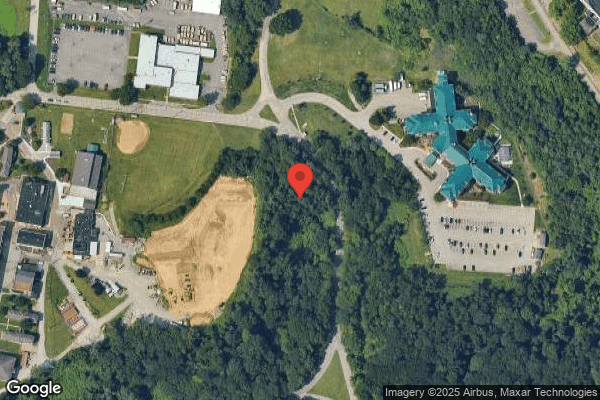

7060 HIGHLAND DRIVE, PITTSBURGH, PA 15206 (412) 665-6706
Government - State 236 Beds Independent Data: November 2025 1 Immediate Jeopardy citation
Trust Grade
33/100
#355 of 653 in PA
Last Inspection: April 2025

Within standard 12-15 month inspection cycle. Federal law requires annual inspections.

Overview

Southwestern Veterans Center has a Trust Grade of F, indicating significant concerns about the quality of care provided. They rank #355 out of 653 in Pennsylvania, placing them in the bottom half of all facilities in the state, and #18 out of 52 in Allegheny County, meaning only a few local options are worse. The facility's situation is worsening, with reported issues increasing from 9 in 2024 to 16 in 2025. While staffing is a strength with a 5/5 star rating and a turnover rate of 44%, the home has alarming fines totaling $245,564, which is higher than 92% of facilities in Pennsylvania, suggesting recurring compliance issues. Specific incidents of concern include a resident suffering serious harm and eventual death due to a lack of supervision, as well as failures to provide accessible grievance boxes and to communicate essential health information during hospital transfers, which raises significant red flags about the quality of care and resident safety.

Trust Score
F
33/100
In Pennsylvania
#355/653
Bottom 46%
Safety Record
High Risk
Review needed
Inspections
Getting Worse
9 → 16 violations
Staff Stability
○ Average
44% turnover. Near Pennsylvania's 48% average. Typical for the industry.
Penalties
⚠ Watch
$245,564 in fines. Higher than 100% of Pennsylvania facilities. Major compliance failures.
Skilled Nurses
✓ Good
Each resident gets 83 minutes of Registered Nurse (RN) attention daily — more than 97% of Pennsylvania nursing homes. RNs are the most trained staff who catch health problems before they become serious.
Violations
⚠ Watch
30 deficiencies on record. Higher than average. Multiple issues found across inspections.
★★★☆☆
3.0
Overall Rating
★★★★★
5.0
Staff Levels
★★★★☆
4.0
Care Quality
★★☆☆☆
2.0
Inspection Score
Stable
2024: 9 issues
2025: 16 issues

The Good

  • 5-Star Staffing Rating · Excellent nurse staffing levels
  • 4-Star Quality Measures · Strong clinical quality outcomes
  • Full Sprinkler Coverage · Fire safety systems throughout facility
  • No fines on record
  • Staff turnover below average (44%)

    4 points below Pennsylvania average of 48%

Facility shows strength in staffing levels, quality measures, fire safety.

The Bad

3-Star Overall Rating

Near Pennsylvania average (3.0)

Meets federal standards, typical of most facilities

Staff Turnover: 44%

Near Pennsylvania avg (46%)

Typical for the industry

Federal Fines: $245,564

Well above median ($33,413)

Significant penalties indicating serious issues

The Ugly 30 deficiencies on record

1 life-threatening
Apr 2025 16 deficiencies
CONCERN (D)

Potential for Harm - no one hurt, but risky conditions existed

Deficiency F0558 (Tag F0558)

Could have caused harm · This affected 1 resident

**NOTE- TERMS IN BRACKETS HAVE BEEN EDITED TO PROTECT CONFIDENTIALITY** Based on review of facility policy, observations, and staff interview, it was determined that the facility failed to accommodate...

Read full inspector narrative →
**NOTE- TERMS IN BRACKETS HAVE BEEN EDITED TO PROTECT CONFIDENTIALITY** Based on review of facility policy, observations, and staff interview, it was determined that the facility failed to accommodate the call bell needs for one of five residents (Resident R88). Findings include: Review of the clinical record indicated Resident R88 was admitted to the facility on [DATE]. Review of Resident R88's Minimum Data Set (MDS - a periodic assessment of care needs) dated 3/13/25, indicated diagnoses of hemiplegia (paralysis on one side of the body), anxiety, and constipation. During an observation on 4/21/25, at 12:18 p.m. Resident R88's call bell was observed on the floor under the resident's bed. During an interview on 4/21/25, at 12:19 p.m. Licensed Practical Nurse Employee E2 confirmed Resident R88's call bell was not accessible and unavailable for use to the resident and that the facility failed to accommodate Resident R88's call bell needs. 28 Pa. Code: 201.14(a) Responsibility of licensee. 28 Pa. Code: 211.10(d) Resident care policies. 28 Pa. Code: 211.12(d)(1)(5) Nursing services.
CONCERN (D)

Potential for Harm - no one hurt, but risky conditions existed

Assessment Accuracy (Tag F0641)

Could have caused harm · This affected 1 resident

**NOTE- TERMS IN BRACKETS HAVE BEEN EDITED TO PROTECT CONFIDENTIALITY** Based on a review of facility policy, Resident Assessment Instrument (RAI) User's Manual, clinical records, and staff interviews...

Read full inspector narrative →
**NOTE- TERMS IN BRACKETS HAVE BEEN EDITED TO PROTECT CONFIDENTIALITY** Based on a review of facility policy, Resident Assessment Instrument (RAI) User's Manual, clinical records, and staff interviews, it was determined that the facility failed to ensure that Minimum Data Set (MDS - a periodic assessment of care needs) assessments accurately reflected the resident's status for two of six residents (Residents R51 and R113). Findings include: Review of facility policy MDS 3.0 Completion, Maintenance, and Submission dated 1/16/25, indicated all disciplines shall follow the guidelines in Chapter 3 of the current RAI Manual for coding each assessment. The Resident Assessment Instrument (RAI) User's Manual, which gives instructions for completing Minimum Data Set (MDS) assessments (mandated assessments of a resident's abilities and care needs), dated October 2024, indicated the following instructions: - Section O: Special Treatments, Procedures, and Programs - Question O0110C1, Oxygen therapy: Code continuous or intermittent oxygen administered via mask, cannula, etc., delivered to a resident to relieve hypoxia in this item. Code oxygen used in Bi-level Positive Airway Pressure/Continuous Positive Airway Pressure (BiPAP/CPAP) here. Do not code hyperbaric oxygen for wound therapy in this item. This item may be coded if the resident places or removes their own oxygen mask, cannula. O0110C3, Intermittent: check if oxygen therapy was intermittent (i.e., not delivered continuously for at least 14 hours per day). - Section O: Special Treatments, Procedures, and Programs - Question O0110G1, Non-invasive Mechanical Ventilator: Code any type of CPAP or BiPAP respiratory support devices that prevent airways from closing by delivering slightly pressurized air through a mask or other device continuously or via electronic cycling throughout the breathing cycle. The BiPAP/CPAP mask/device enables the individual to support their own spontaneous respiration by providing enough pressure when the individual inhales to keep their airways open, unlike ventilators that breathe for the individual. If a ventilator or respirator is being used as a substitute for BiPAP/CPAP, code here. This item may be coded if the resident places or removes their own BiPAP/CPAP mask/device. O0110G3, CPAP: check if the non-invasive mechanical ventilator support was CPAP. -Section O Special Treatments, Procedures, and Programs - Question O0110K1, Hospice Care: Code residents identified as being in a hospice program for terminally ill persons where an array of services is provided for the management of terminal illness and related conditions. Review of the clinical record indicated Resident R51 was admitted to the facility on [DATE]. Review of Resident R51's MDS dated [DATE], indicated diagnoses of high blood pressure, Chronic Obstructive Pulmonary Disease (COPD, a group of progressive lung disorders characterized by increasing breathlessness), and Post Traumatic Stress Disorder (PTSD - a disorder in which a person has difficulty recovering after experiencing or witnessing a terrifying event and may have triggers that can bring back memories of trauma accompanied by intense emotional and physical reactions). Review of a physician order dated 7/12/24, indicated to administer oxygen up to 6 liters via nasal cannula as needed to maintain oxygen saturation levels between 88% to 92%. Review of a physician order dated 2/27/25, indicated Auto CPAP 15/6 pressure. Assist resident with donning (applying) every night. Fill humidifier chamber with distilled water. Check mask seal for air leaks, adjust headgear straps as needed. Apply chin strap. Resident to be assisted to lateral sleeping position with wedge pillow. Review of Resident R51's March 2025 Vitals - O2 (Oxygen) Saturation documentation revealed the resident received intermittent oxygen therapy for ten days of the 14-day look-back period. Review of Resident R51's March 2025 Treatment Administration Record revealed documentation to indicate the resident used his CPAP machine twice within the 14-day look-back period. Review of Resident R51's quarterly MDS dated [DATE], Section O - Special Treatments, Procedures, and Programs: Question O0110C1 was not checked to indicate the resident received oxygen therapy during the 14-day look-back period. Question O0110G1 was not checked to indicate the resident received non-invasive mechanical ventilator therapy during the 14 day look-back period. During an interview on 4/23/25, at 12:15 p.m. Registered Nurse Assessment Coordinator (RNAC) Employee E6 confirmed Resident R51's quarterly MDS dated [DATE], was coded incorrectly and should have been coded to capture the resident's oxygen and non-invasive mechanical ventilator therapy. Review of clinical record indicated that Resident R113 was admitted to the facility on [DATE]. Review of Resident R113's MDS dated [DATE], indicated diagnosis of high blood pressure, dementia (a group of symptoms that affects memory, thinking and interferes with daily life), and bipolar disorder (a mental condition marked by alternating periods of elation and depression). Section O - Special Treatments, Procedures, and Programs: Question O0110K1 was checked to indicate that resident received hospice care while a resident. Review of Resident R113's clinical record failed to reveal that resident was ordered hospice services. During an interview on 4/23/25, at 11:47 a.m. RNAC Employee E6 confirmed that resident R113 has never received hospice services and that the MDS dated [DATE], was marked incorrectly. 28 Pa. Code 201.14(a)(c) Responsibility of licensee. 28 Pa. Code 211.5(f) Clinical records. 28 Pa. Code 211.12(c)(d)(5) Nursing services.
CONCERN (D)

Potential for Harm - no one hurt, but risky conditions existed

Comprehensive Care Plan (Tag F0656)

Could have caused harm · This affected 1 resident

**NOTE- TERMS IN BRACKETS HAVE BEEN EDITED TO PROTECT CONFIDENTIALITY** Based on review of facility policy, clinical records, and staff interviews, it was determined that the facility failed to develo...

Read full inspector narrative →
**NOTE- TERMS IN BRACKETS HAVE BEEN EDITED TO PROTECT CONFIDENTIALITY** Based on review of facility policy, clinical records, and staff interviews, it was determined that the facility failed to develop and implement a comprehensive care plan to meet care needs for two of eight residents (Residents R40 and R89). Findings include: Review of facility policy Comprehensive Care Plans last reviewed on 1/16/25, indicated that facility will develop and implement a comprehensive person-centered care plan for each resident, consistent with resident rights, that includes measurable objectives and timeframes to meet a resident's medical, nursing, and mental and psychosocial needs that are identified in the resident's comprehensive assessment. Review of the clinical record indicated Resident R40 was admitted to the facility on [DATE]. Review of Resident R40's Minimum Data Set (MDS - a periodic assessment of care needs) dated 4/3/25, indicated diagnoses of anemia (low levels of iron in the blood), high blood pressure, and Parkinson's Disease (neuromuscular disorder causing tremors and difficulty walking). Review of a physician order dated 9/23/24, indicated to administer mirtazapine (an antidepressant) 7.5 mg (milligrams) by mouth at bedtime. Review of a physician order dated 9/23/24, indicated to administer ramelteon (a sedative/hypnotic) 8 mg by mouth at bedtime. Review of a physician order dated 2/5/25, indicated to administer Trintellix (an antidepressant) 20 mg by mouth every morning. Review of Resident R40's current care plan failed to include the development of goals and interventions related to the resident's antidepressant and sedative/hypnotic medication therapy. During an interview on 4/24/25, at 10:51 a.m. the Director of Nursing confirmed Resident R40's care plan did not reflect the use of antidepressant and sedative/hypnotic medications, and that the facility failed to develop and implement a comprehensive care plan to meet care needs for Resident R40 as required. Review of Resident R89's clinical record indicated the resident was admitted to the facility on [DATE]. Review of Resident R89's MDS dated [DATE], indicated diagnoses of difficulty swallowing, vitamin deficiency, and Alzheimer's disease (a type of brain disorder that causes problems with memory, thinking and behavior). Review of Resident R89's physician order dated 4/30/20, indicated to apply bilateral lower knee TED hose (compression stockings designed to prevent blood clots, and swelling in the legs) daily at 2:30 p.m. for PVD (peripheral vascular disease, a circulatory condition in which narrowed blood vessels reduce blood flow to the limbs). Review of Resident R89's current care plan failed to include use of TED hose. During an interview on 4/23/25, at 11:42 a.m. Registered Nurse Assessment Coordinator Employee E6 confirmed Resident R89's care plan did not reflect the use of TED hose, and that the facility failed to develop and implement a comprehensive care plan to meet care needs for Resident R89 as required. 28 Pa. Code: 201.14(a) Responsibility of licensee. 28 Pa. Code: 201.18(b)(1)(e)(1) Management. 28 Pa. Code: 211.12(d)(1)(3)(5) Nursing Services.
CONCERN (D)

Potential for Harm - no one hurt, but risky conditions existed

Deficiency F0657 (Tag F0657)

Could have caused harm · This affected 1 resident

**NOTE- TERMS IN BRACKETS HAVE BEEN EDITED TO PROTECT CONFIDENTIALITY** Based on facility policy, clinical record review and interviews with staff, it was determined that the facility failed to revise...

Read full inspector narrative →
**NOTE- TERMS IN BRACKETS HAVE BEEN EDITED TO PROTECT CONFIDENTIALITY** Based on facility policy, clinical record review and interviews with staff, it was determined that the facility failed to revise the comprehensive care plan to reflect resident's current needs for three of six residents (Residents R29, R85, and R88). Findings include: Review of facility policy Comprehensive Care Plans (Nursing Care) dated 1/16/25, indicated the care plan will describe, at a minimum, the services that are to be furnished to attain or maintain the resident's highest practicable physical, mental, and psychosocial well-being. Review of the admission record indicated Resident R29 admitted to the facility on [DATE]. Review of Resident R29's Minimum Data Set (MDS - a periodic assessment of care needs) dated 3/20/25, indicated diagnoses of end stage renal disease (kidneys cease to function on a permanent basis leading to the need for a regular course of long-term dialysis or a kidney transplant to maintain life), hypertension (the force of the blood against the artery walls is too high), and diabetes (a long-term condition in which the body has trouble controlling blood sugar and using it for energy). Review of Resident R29's physician order dated 6/26/24, indicated sulfamethoxazole-trimethoprim (antibiotic) tablet; 400-80 milligrams twice daily for bacteremia (infection of the blood). Review of Resident R29's current care plan on 4/24/25, failed to include interventions, goals or management of the long-term antibiotic or bacteremia. Review of the admission record indicated Resident R85 admitted to the facility on [DATE]. Review of Resident R85's MDS dated [DATE], indicated diagnoses of dementia (a general term for loss of memory, language, problem solving and other thinking abilities that are severe enough to interfere with daily life), atrial fibrillation (irregular heart rhythm), and pain. Review of Resident R85's physician order dated 7/25/24, indicated check resident wander guard (a bracelet that alerts staff if a resident attempts to go beyond a supervised area) every shift for placement and functionality every night shift. Review of Resident R85's current care plan on 4/24/25, indicated the wander guard ordered 7/25/24, was not care planned timely. The care plan intervention was not initiated until 11/7/24. Interview on 4/23/25, at 12:01 p.m. Registered Nurse Assessment Coordinator (RNAC) Employee E6 confirmed Resident R29 and Resident R85's care plans were not revised to reflect the resident's current status as required. Review of the clinical record indicated Resident R88 was admitted to the facility on [DATE]. Review of Resident R88's MDS dated [DATE], indicated diagnoses of hemiplegia (paralysis on one side of the body), anxiety, and constipation. Review of a physician order dated 4/11/25, indicated to administer Glucerna 1.5 (a type of tube feeding formula) at 40 mL (milliliters)/hour via gastric tube (a tube surgically inserted via the abdomen into the stomach to provide nutrition). Review of Resident R88's care plan dated 6/4/24, revealed an intervention to administer Glucerna 1.5 at 35mL/hour via gastric tube continuously. During an interview on 4/23/25, at 2:59 p.m. Registered Dietitian Employee E7 confirmed that the facility failed to revise Resident R88's care plan to reflect the resident's current status as required. 28 Pa. Code: 211.12(d)(1)(5) Nursing services.
CONCERN (D)

Potential for Harm - no one hurt, but risky conditions existed

Deficiency F0658 (Tag F0658)

Could have caused harm · This affected 1 resident

**NOTE- TERMS IN BRACKETS HAVE BEEN EDITED TO PROTECT CONFIDENTIALITY** Based on the review of facility job descriptions, clinical records, and staff interviews, it was determined that the facility fa...

Read full inspector narrative →
**NOTE- TERMS IN BRACKETS HAVE BEEN EDITED TO PROTECT CONFIDENTIALITY** Based on the review of facility job descriptions, clinical records, and staff interviews, it was determined that the facility failed to follow standards of professional practice for two of five residents (Residents R21 and R104). Findings include: Review of the facility job description Registered Nurse (RN) indicated the RN is to record daily care performed for the residents on the appropriate forms and the approved electronic medical record and establish and maintain effective communication with resident, family, and staff. Review of the clinical record indicated Resident R21 was admitted to the facility on [DATE]. Review of Resident R21's Minimum Data Set (MDS - a periodic assessment of care needs) dated 3/6/25, indicated diagnoses of constipation, hypocalcemia (low levels of calcium in the blood), and Vitamin D deficiency. Review of a progress note dated 4/6/25, completed by RN Employee E16 stated, Resident continues to have menial tasks for staff that she requests one at a time. She first had RN go to her room on her way back in her wheelchair. Then, 2 minutes after RN left her room, she rang the call light. Resident seems to be anxious and incessantly wants staff in her room. In addition to the call bell, resident calls the nurses station from her phone. She flags down staff as they are walking down the hall near her. Her request are for the staff to take whatever food as a snack, she wants to talk/tell stories, she wants pulled up (even though she is a good foot and a half from the bottom of the bed and would hit her head if she were laying down and not sitting up), then she complains about her brief after she is pulled up (staff will continuously fix her location in the bed and then her brief (when one is fixed, the other bothers her and it is a continuous cycle). Resident just continuously has small requests, one at a time, continuously calling staff, or hunting them down. Resident continuously asked to make all needs known at one time. Review of a progress note dated 4/19/25, completed by RN Employee E17 stated, Resident continues to seek staff assistance/attention each time she sees someone. If resident sees someone near the door, walk by, or hears a voice, she will yell for them repeatedly. When staff acknowledge that they will be over when they are finished assisting the resident they are currently with, she acts like she does not hear it and continues to yell. However, she can hear fine other times. Then if another staff member is seen or heard, she continues to yell for them. All needs are met each time. She is fed, has a variety of drinks, is comfortable, clean and dry. She asks for multiple tasks to be completed at the same time. She will wait right beside the medication cart, resident, phone, or nurse's station while nursing is assisting another resident or on the phone and obsessively find a reason for attention. Most of the time, it is a request that could have waited until it was her turn again. She continues to monopolize each staff members time to the extent of her ability to do so. Review of the clinical record indicated Resident R104 was admitted to the facility on [DATE]. Review of Resident R104's MDS dated [DATE], indicated diagnoses of high blood pressure, hyperlipidemia (high levels of fat in the blood), and End-Stage Renal Disease (ESRD, an inability of the kidneys to filter the blood). Review of a progress note dated 4/21/25, completed by RN Employee E17 stated, Resident has excessively rang the call bell this morning. Each time staff enter, he whines with something he wants done. Multiple staff have assisted resident and asked if there is anything else they can do prior to leaving the room. Resident states no and then would ring the call bell very soon again. Resident is Clean and dry, he has been fed and provided with beverages, he has been repositioned, he had PRN (as needed) analgesics this AM. During an interview on 4/25/25, at 9:35 a.m. the Director of Nursing confirmed that the facility failed to follow standards of professional practice for Residents R21 and R104. 28 Pa. Code: 201.14(a) Responsibility of licensee. 28 Pa. Code: 201.18(b)(1) Management. 28 Pa. Code: 201.29(a) Resident rights. 28 Pa. Code: 211.12(d)(1)(5) Nursing services.
CONCERN (D)

Potential for Harm - no one hurt, but risky conditions existed

Pressure Ulcer Prevention (Tag F0686)

Could have caused harm · This affected 1 resident

**NOTE- TERMS IN BRACKETS HAVE BEEN EDITED TO PROTECT CONFIDENTIALITY** Based on review of facility policy, clinical records, observations, and interviews with staff, it was determined that the facili...

Read full inspector narrative →
**NOTE- TERMS IN BRACKETS HAVE BEEN EDITED TO PROTECT CONFIDENTIALITY** Based on review of facility policy, clinical records, observations, and interviews with staff, it was determined that the facility failed to make certain that residents received proper treatment for pressure ulcers for two of four residents (Residents R21 and R88) and failed to make certain that residents received the necessary services to prevent pressure ulcers/wounds from developing for one of four residents (Resident R133). Findings include: Review of the facility policy Management of Pressure Injuries dated 1/16/25, indicated the facility will use a standardized plan for defining, assessing, documenting, and implementing strategies for the prevention and treatment of pressure injuries on all residents. Braden Scale will be the instrument used to determine the potential or actual risk for pressure ulcers. Residents who score between 15-18 are at risk. Utilization of pressure relieving devices, including special mattresses, elbow, and heel protectors may be used. Residents with pressure ulcers shall receive dressing changes based upon stage and severity of the wounds. Review of facility policy Management of Pressure Injuries dated 1/16/25, indicated residents with pressure ulcers shall receive dressing changes based upon stage and severity of the wounds. Review of the facility Licensed Practical Nurse (LPN) job description indicated the LPN will administer medications and treatments timely and accurately as ordered by a physician. Review of the clinical record indicated Resident R21 was admitted to the facility on [DATE]. Review of Resident R21's Minimum Data Set (MDS - a periodic assessment of care needs) dated 3/6/25, indicated diagnoses of constipation, hypocalcemia (low levels of calcium in the blood), and Vitamin D deficiency. Review of a physician order dated 1/2/25, indicated to cleanse sacral (base of spinal column) wound with 1/4 strength Dakin's solution (an antiseptic cleanser) - lightly packing undermining and tunneling with Calcium Alginate AG (a highly absorbent dressing). Cover wound bed with collagen (used to promote new tissue growth). Cover with foam dressing every other day and PRN (as needed). Review of Resident R21's March 2025 Medication Administration Record (MAR) indicated the treatment was not documented as completed on the following shift: - 3/30/25 6:30 a.m. to 2:30 a.m., the documented reason was, done by night staff Review of Resident R21's clinical record failed to include additional documentation that the treatment was performed on 3/30/25. Review of a physician order dated 3/31/25, indicated to wash coccyx (tailbone) with soap/water. Apply prisma (a type of dressing that promotes wound healing while preventing infection) to wound base with exufiber (a highly absorbent dressing) to surrounding tunneling and remaining wound, cover with foam dressing QOD (every other day) and PRN. Review of Resident R21's April 2025 MAR indicated the treatment was not documented as completed on the following shift: - 4/20/25 2:30 p.m. to 10:30 p.m., the documented reason was, done 4/19 Review of Resident R21's clinical record failed to include additional documentation that the treatment was performed on 4/19/25. Review of the clinical record indicated Resident R88 was admitted to the facility on [DATE]. Review of Resident R88's MDS dated [DATE], indicated diagnoses of hemiplegia (paralysis on one side of the body), anxiety, and constipation. Review of a physician order dated 11/7/23, indicated to apply Dakin's 0.25% soaked gauze packed to sacral wound daily. Cover with foam dressing. Review of Resident R88's April 2025 MAR indicated the treatment was not documented as completed on the following shifts: - 4/18/25, 6:30 a.m. to 2:30 p.m., the documented reason was, prior shift - 4/19/25, 6:30 a.m. to 2:30 p.m., the documented reason was, previous shift did Review of Resident R88's clinical record failed to include additional documentation that the treatment was performed on 4/18/25, and 4/19/25. During an interview on 4/24/25, at 2:45 p.m. the Director of Nursing confirmed that the facility failed to make certain that Residents R21 and R88 received proper treatment for pressure ulcers as required. Review of Resident R133's clinical record indicated the resident was admitted to the facility on [DATE]. Review of Resident R133's MDS dated [DATE], indicated diagnoses of high blood pressure, depression, and cancer (an uncontrolled growth and division of abnormal cells). MDS Section GG Functional Abilities, Line H labeled- putting on/taking off footwear is coded as a 1, dependent, helper does all of the effort. Review of Resident R133's Braden scale dated 1/8/25, revealed resident scored an 18, high risk for pressure injury. Review of Resident R133's physician order dated 1/8/25, indicated bilateral Prevalon boots (padded boot that Velcro's around the foot to stay in place) while in bed. Review of Resident R133's care plan dated 1/9/25, indicated resident is to wear bilateral Prevalon boots while in bed due to impaired mobility to prevent pressure injury/impaired skin integrity. During an observation on 4/21/25, at 10:50 a.m. resident was lying in bed and failed to have Prevalon boots on. During an interview on 4/21/25, at 10:55 a.m. Registered Nurse (RN) Employee E8 confirmed that Resident R133's Prevalon boots were sitting at bedside and resident failed to have them on per physician orders. RN Employee E8 confirmed that the failed to make certain that Resident R133 received the necessary services to prevent pressure ulcers/wounds from developing. During an observation on 4/25/25, at 9:25 a.m. resident was lying in bed and failed to have Prevalon boots on. During an interview on 4/25/25, at 9:31 a.m. LPN Employee E11 confirmed that Resident R133's Prevalon boots were sitting near the window and resident failed to have them on per physician orders. LPN Employee E11 confirmed that facility failed to make certain that Resident R133 received the necessary services to prevent pressure ulcers/wounds from developing. 28 Pa. Code 201.18 (b)(1) Management. 28 Pa. Code 211.10(c)(d) Resident Care Policies. 28 Pa. Code: 211.12(d)(1)(3)(5) Nursing services.
CONCERN (D)

Potential for Harm - no one hurt, but risky conditions existed

Deficiency F0698 (Tag F0698)

Could have caused harm · This affected 1 resident

**NOTE- TERMS IN BRACKETS HAVE BEEN EDITED TO PROTECT CONFIDENTIALITY** Based on review of facility policy and clinical record and staff interview it was determined that the facility failed to make ce...

Read full inspector narrative →
**NOTE- TERMS IN BRACKETS HAVE BEEN EDITED TO PROTECT CONFIDENTIALITY** Based on review of facility policy and clinical record and staff interview it was determined that the facility failed to make certain consistent dialysis communication was maintained for two of three residents. (Residents R33 and R104). Findings include: Review of the facility policy Pre and Post Dialysis dated 1/16/25, indicated prior to departing the unit for transfer to dialysis (the clinical purification of blood by dialysis as a substitute for the normal function of the kidney), the licensed staff will complete the Dialysis Communication Form with each transfer to the dialysis clinic. Upon return to the unit, the licensed staff will complete the return portion of the Dialysis Communication Form and file in the appropriate section of the chart. If no communication form is received, please call dialysis, and have one faxed to the facility. Review of the admission record indicated Resident R33 was admitted to the facility on [DATE]. Review of Resident R33's Minimum Data Set (MDS - a periodic assessment of care needs) dated 2/13/25, indicated the diagnoses of renal failure (condition where the kidneys lose the ability to remove waste and balance fluids) with dialysis, stroke (damage to the brain from an interruption of blood supply), and hemiplegia (paralysis of one side of the body). Review of the physician order dated 3/24/25, indicated that Resident R33 goes to dialysis on Monday, Wednesday and Friday. Review of Resident R33's current care plan indicated dialysis communication sheet to be sent with resident for completion by dialysis clinic to return to facility on days treatment to include: any problems, new orders, dialysis treatment, dialysis duration, pre-weight and blood pressure, and temperature. Post treatment weight, blood pressure, temperature, any adverse effects (fever, prolonged bleeding), bleeding, and any labs performed with signature and contact information. Review of the clinical record did not include complete communication forms for thirteen days during the period of 2/3/25, through 4/16/25. The incomplete forms were on the following dates: 2/3/25, 2/5/25, 2/7/25, 2/10/25, 2/17/25, 2/19/25, 2/28/25, 3/12/25, 3/19/25, 3/31/25, 4/11/25, 4/14/25, and 4/16/25. Interview on 4/21/25, at 12:19 p.m. Registered Nurse (RN) Employee E15 confirmed the above dates did not include complete communication forms as required for Resident R33. Review of the clinical record indicated Resident R104 was admitted to the facility on [DATE]. Review of Resident R104's MDS dated [DATE], indicated diagnoses of high blood pressure, hyperlipidemia (high levels of fat in the blood), and End-Stage Renal Disease (ESRD, an inability of the kidneys to filter the blood). Review of a physician order dated 3/24/25, indicated the resident receives dialysis treatment at an outside facility every Monday, Wednesday, and Friday. Review of Resident R104's care plan dated 11/28/23, indicated to prepare Dialysis Communication Form for daylight shift by completing the ENTIRE first page of the form. Special instructions: pass form to daylight nurse at change of shift. Review of Resident R104's clinical record did not include complete communication forms for three days during the period of 3/1/25, through 4/22/25. The incomplete forms were on the following dates: 4/4/25, 4/7/25, and 4/16/25. During an interview on 4/22/25, at 10:47 a.m. Licensed Practical Nurse Employee E3 confirmed the above dates did not include complete dialysis communication forms and that the facility failed to make certain consistent dialysis communication was maintained for Resident R104. 28 Pa. Code: 201.14(a) Responsibility of licensee. 28 Pa. Code 211.5(f) Medical records. 28 Pa. Code: 211.12(c)(d)(1)(3)(5) Nursing services.
CONCERN (D)

Potential for Harm - no one hurt, but risky conditions existed

Deficiency F0699 (Tag F0699)

Could have caused harm · This affected 1 resident

**NOTE- TERMS IN BRACKETS HAVE BEEN EDITED TO PROTECT CONFIDENTIALITY** Based on review of facility policy, resident record review, and staff interviews, it was determined that the facility failed to ...

Read full inspector narrative →
**NOTE- TERMS IN BRACKETS HAVE BEEN EDITED TO PROTECT CONFIDENTIALITY** Based on review of facility policy, resident record review, and staff interviews, it was determined that the facility failed to provide a trauma survivor with trauma informed care to eliminate or mitigate triggers that may cause re-traumatization of the resident for two of four residents (Residents R7 and R51). Findings include: Review of facility policy Culturally Competent, Trauma Informed Care dated 1/16/25, indicated the purpose of this protocol is to provide guidance to the facility to guide staff in providing appropriate, culturally competent care to residents who have experienced a trauma and to safeguard re-traumatization by employing supportive services related to minimizing triggers. The facility will assess each resident for a history of trauma and cultural preferences, upon admission, annually and with significant change. This will include asking the resident about triggers that may be stressors or may prompt recall of a previous traumatic event, discussing cultural needs and social history. The resident's Plan of Care will be implemented with individualized interventions that include trigger specific interventions addressing ways to decrease re-traumatization, as well as identifying ways to mitigate or decrease the effect of the trigger on the resident. In situations where a trauma survivor is reluctant to share their history, the facility will try to identify triggers which may re-traumatize the resident, and develop care plan interventions which minimize or eliminate the effect of the trigger on the resident. Review of the clinical record indicated Resident R7 was admitted to the facility on [DATE]. Review of Resident R7's Minimum Data Set (MDS - a periodic review of a care needs) dated 3/6/25, indicated diagnoses of hemiplegia (paralysis on one side of the body), Post Traumatic Stress Disorder (PTSD - a disorder in which a person has difficulty recovering after experiencing or witnessing a terrifying event and may have triggers that can bring back memories of trauma accompanied by intense emotional and physical reactions), and pain in left hip. Review of Resident R7's care plan dated 12/6/24, indicated the resident has an increased risk of behavior and emotional distress related to post traumatic stress disorder stemming from an automobile accident and assault/shooting by a neighbor. Review of Resident R7's PTSD assessment dated [DATE], indicated the resident's reported triggers were loud noises. Review of a progress note dated 12/6/24, completed by Social Work (SW) Employee E14 stated, SW completed PCL-5 Assessment for PTSD with resident in his room. He has a current score of 58, and reports that the PTSD stemmed from an automobile accident and an assault by a neighbor in which he was attacked and shot. His score does support his PTSD diagnosis and indicates ongoing symptoms of that condition. SW will review his PTSD care plan to be sure it is accurate and takes appropriate steps to avoid resident's triggers. A copy of the PCL-5 completed today will be stored in resident's clinical documents. During an interview on 4/24/25, at 11:32 a.m. Social Work Director Employee E4 stated PTSD assessments are completed within 30 days of admission. During an interview on 4/24/25, at 11:32 a.m. Social Work Director Employee E4 confirmed Resident R7 should have had a PTSD assessment performed and care plan developed within 30 days of the resident's admission to the facility on 9/12/24, and that the facility failed to provide a trauma survivor with trauma informed care to eliminate or mitigate triggers that may cause re-traumatization of the resident for Resident R7. Review of the clinical record indicated Resident R51 was admitted to the facility on [DATE]. Review of Resident R51's MDS dated [DATE], indicated diagnoses of high blood pressure, Chronic Obstructive Pulmonary Disease (COPD, a group of progressive lung disorders characterized by increasing breathlessness), and Post Traumatic Stress Disorder. Review of Resident R51's care plan dated 4/25/24, indicated the resident has an increased risk for of behavioral and emotional distress related to post traumatic stress disorder due to experiences in combat during Vietnam War. The resident's care plan failed to include identified triggers or documentation indicating the resident declined to identify triggers related to the resident's PTSD. During an interview on 4/24/25, at 11:25 a.m. Social Work Director Employee E4 confirmed that the facility failed to provide a trauma survivor with trauma informed care to eliminate or mitigate triggers that may cause re-traumatization of the resident for Resident R51. 28 Pa. Code: 201.14(a) Responsibility of licensee. 28 Pa. Code: 201.18(b)(1) Management.
CONCERN (D)

Potential for Harm - no one hurt, but risky conditions existed

Deficiency F0730 (Tag F0730)

Could have caused harm · This affected 1 resident

Based on review of personnel records and staff interview it was determined that the facility failed to complete annual performance evaluation for one of three nurse aide (NA) personnel records (NA Emp...

Read full inspector narrative →
Based on review of personnel records and staff interview it was determined that the facility failed to complete annual performance evaluation for one of three nurse aide (NA) personnel records (NA Employee E18). Findings include: Review of CFR (Code of Federal Regulations) §483.35(d)(7) Regular in-service education. The facility must complete a performance review of every nurse aide at least once every 12 months and must provide regular in-service education based on the outcome of these reviews. In-service training must comply with the requirements of §483.95(g). Review of NA Employee E18's personnel record indicated she was hired to the facility on 5/2/22. Review of personnel records did not include an annual performance evaluation based on the date of hire for NA Employee E18. Interview on 4/22/25, at 1:16 p.m. Human Resource's Employee E5 confirmed that the facility failed to complete annual performance evaluation based on date of hire for NA Employee E18. 28 Pa Code: 201.14 (b) Responsibility of licensee 28 Pa Code: 201.18 (b)(1)(3) Management
CONCERN (D)

Potential for Harm - no one hurt, but risky conditions existed

Infection Control (Tag F0880)

Could have caused harm · This affected 1 resident

**NOTE- TERMS IN BRACKETS HAVE BEEN EDITED TO PROTECT CONFIDENTIALITY** Based on review of facility policy, observations, and staff interviews, it was determined that the facility failed to maintain p...

Read full inspector narrative →
**NOTE- TERMS IN BRACKETS HAVE BEEN EDITED TO PROTECT CONFIDENTIALITY** Based on review of facility policy, observations, and staff interviews, it was determined that the facility failed to maintain proper infection control practices related to the care of indwelling urinary catheters (tube inserted in the bladder to drain urine) for one of three residents reviewed (Residents R107). Findings include: Review of facility policy Urinary Catheter Procedures dated 1/16/25, indicated the purpose is to promote a healthy urinary tract, promote continence, and to maintain healthy skin integrity. To achieve free flow of urine the collection bags, tubing is never to touch the floor. Review or facility policy Infection Control Plan dated 1/16/25, indicated policy is to maintain a consistent, comprehensive approach to the prevention and management of infections. The goal of the program is to provide a safe and sanitary environment, decrease the risk of infection to residents, and correct problems relating to infection control practices. Review of Resident R107's clinical record indicated the resident was admitted to the facility on [DATE]. Review of Resident R107's MDS (Minimum Data Set, periodic assessment of resident care needs) dated 3/6/25, indicated diagnoses of high blood pressure, cancer (an uncontrolled growth and division of abnormal cells), and diabetes (a metabolic disorder in which the body has high sugar levels for prolonged periods of time). Review of a physician order dated 6/14/24, indicated the resident has a foley catheter for obstructive uropathy (a blockage in the flow of urine). During an observation on 4/21/25, at 10:50 a.m. Resident R107 was sitting in a wheelchair beside his bed watching tv and his catheter bag was lying directly on the floor beside him. During an interview on 4/21/25, at 10:53 a.m. a.m. Registered Nurse (RN) Employee E8 confirmed Resident R107's catheter collection bag was on the floor and that the facility failed to maintain proper infection control practices related to Resident R107's indwelling urinary catheter as required. 28 Pa. code: 201.14 (a) Responsibility of licensee. 28 Pa. Code: 201.18 (b) (1) (e) (1) Management. 28 Pa. Code: 211.10 (d) Resident care policies. 28 Pa. Code: 211.12 (d) (1) (2) (5) Nursing services
CONCERN (E)

Potential for Harm - no one hurt, but risky conditions existed

Grievances (Tag F0585)

Could have caused harm · This affected multiple residents

Based on review of facility policy, group interview, observations of resident areas and nursing units, and staff interviews it was determined that the facility failed to ensure anonymous grievance box...

Read full inspector narrative →
Based on review of facility policy, group interview, observations of resident areas and nursing units, and staff interviews it was determined that the facility failed to ensure anonymous grievance boxes are readily accessible for resident use on three of three floors (Second, Third, and Fourth Nursing Floor). Findings include: The facility Resident Rights policy dated 1/16/25, indicated that the resident has the right to make a complaint to the staff of the nursing home, or any other person, without fear of punishment or reprisal. The nursing home must address the issue promptly. During an observation on 4/21/25, at 2:30 p.m. no grievance boxes were located on the Second Nursing Floor where residents, resident representatives, or visitors could utilize, if needed. During an observation on 4/21/25, at 2:36 p.m. no grievance boxes were located on the Third Nursing Floor where residents, resident representatives, or visitors could utilize, if needed. During an observation on 4/21/25, 2:41 p.m. no grievance boxed were located on the Fourth Nursing Floor were residents, resident representatives, or visitors could utilize, if needed. During an observation on 4/21/25, at 2:45 p.m. an anonymous grievance box was observed in the lobby hall sitting on a ledge with six wheelchairs being stored in front of it. The anonymous grievance box was not readily accessible to anyone at this time. During an interview on 4/21/25, at 2:49 p.m. the Assistant Nursing Home Administrator Employee E10 confirmed that the anonymous grievance box was in the lobby hallway and that there are no other grievance boxes throughout the facility that are readily accessible to residents, resident representatives, or visitors. During an interview on 4/21/25, at 2:51 the Assistant Nursing Home Administrator Employee E10 confirmed that the anonymous grievance box in the lobby hallway was blocked by six wheelchairs and was not readily accessible. During an interview on 4/22/25, at 9:31 a.m. Social Worker, Grievance Officer, Employee E4 stated, I'm not familiar with any grievance boxes on the nursing floors. There is something down on the first floor but I'm not sure where its at. Residents usually come to me to file a grievance. During a group interview on 4/22/25, at 11: 00 a.m. three out of seven residents during a group meeting did not know where to find a grievance box in the facility, stated no grievance boxes were on the units, all you do is give your grievance to the social worker, and were unsure of how to file a grievance anonymously. During an interview on 4/22/25, at 3:00 p.m. the Nursing Home Administrator confirmed that the facility failed to ensure anonymous grievance boxes are readily accessible for resident, resident representative, and visitor use on three of three floors (Second, Third, and Fourth Nursing Floor). 28 Pa. Code 201.18e(4)Management. 28 Pa. Code 201.29(a)Resident rights.
CONCERN (E)

Potential for Harm - no one hurt, but risky conditions existed

Transfer Requirements (Tag F0622)

Could have caused harm · This affected multiple residents

**NOTE- TERMS IN BRACKETS HAVE BEEN EDITED TO PROTECT CONFIDENTIALITY** Based on clinical record review and staff interview, it was determined that the facility failed to make certain that the necessa...

Read full inspector narrative →
**NOTE- TERMS IN BRACKETS HAVE BEEN EDITED TO PROTECT CONFIDENTIALITY** Based on clinical record review and staff interview, it was determined that the facility failed to make certain that the necessary resident information was communicated to the receiving health care provider for three of five residents sampled with facility-initiated transfers (Residents R16, R19, and R38). Findings include: Review of the clinical record indicated Resident R16 was admitted to the facility on [DATE]. Review of Resident R16's Minimum Data Set (MDS - a periodic assessment of care needs) dated 3/27/25, indicated diagnoses of high blood pressure, anemia (too little iron in the blood), and hyperlipidemia (high levels of fat in the blood). Review of the clinical record indicated Resident R16 was transferred to the hospital on 4/14/25. Review of Resident R16's clinical record revealed no documented evidence that the facility had communicated specific information to the receiving health care provider for the residents transferred and expected to return, which included the resident's care plan goals, advanced directive information, specific instructions for ongoing care, resident representative information, and all information necessary to meet the resident's specific needs at the receiving facility. Review of the clinical record indicated Resident R19 was admitted to the facility on [DATE]. Review of Resident R19's MDS dated [DATE], indicated diagnoses of atrial fibrillation (irregular heart rhythm), diabetes (a long-term condition in which the body has trouble controlling blood sugar and using it for energy), and peripheral vascular disease (a condition in which narrowed blood vessels reduce blood flow to the limbs). Review of the clinical record indicated Resident R19 was transferred to the hospital on 1/28/25. Review of Resident R19's clinical record revealed no documented evidence that the facility had communicated specific information to the receiving health care provider for the residents transferred and expected to return, which included the resident's care plan goals, advanced directive information, specific instructions for ongoing care, resident representative information, and all information necessary to meet the resident's specific needs at the receiving facility. Review of Resident R38's clinical record indicated the resident was admitted to the facility on [DATE]. Review of Resident R38's MDS (Minimum Data Set, periodic assessment of resident care needs) dated 3/17/25, indicated diagnoses of cancer (an uncontrolled growth and division of abnormal cells), heart failure (a progressive heart disease that affects pumping action of the heart muscles), and, diabetes. Review of the clinical record indicated Resident R38 was transferred to the hospital on 2/15/25. Review of Resident R38's clinical record revealed no documented evidence that the facility had communicated specific information to the receiving health care provider for the residents transferred and expected to return, which included the resident's care plan goals, advanced directive information, specific instructions for ongoing care, resident representative information, and all information necessary to meet the resident's specific needs at the receiving facility. During an interview on 4/24/25, at 2:46 p.m. the Director of Nursing confirmed that the facility failed to make certain that the necessary resident information was communicated to the receiving health care provider for three of five residents as required. 28 Pa. Code: 201.29 (a)(c.3)(2) Resident rights.
CONCERN (E)

Potential for Harm - no one hurt, but risky conditions existed

Transfer Notice (Tag F0623)

Could have caused harm · This affected multiple residents

**NOTE- TERMS IN BRACKETS HAVE BEEN EDITED TO PROTECT CONFIDENTIALITY** Based on clinical record review and staff interviews, it was determined that the facility failed to provide a transfer notice to...

Read full inspector narrative →
**NOTE- TERMS IN BRACKETS HAVE BEEN EDITED TO PROTECT CONFIDENTIALITY** Based on clinical record review and staff interviews, it was determined that the facility failed to provide a transfer notice to a representative of the Office of the Long-Term Care Ombudsman Division for five of five residents (Residents R16, R38, R104, R128, and R166). Findings include: Review of the clinical record indicated Resident R16 was admitted to the facility on [DATE]. Review of Resident R16's Minimum Data Set (MDS - a periodic assessment of care needs) dated 3/27/25, indicated diagnoses of high blood pressure, anemia (too little iron in the blood), and hyperlipidemia (high levels of fat in the blood). Review of the clinical record indicated Resident R16 was transferred to the hospital on 4/14/25. Review of Resident R16's clinical record, the facility failed to include documented evidence that the facility provided a written transfer notification to the Office of Long-Term Care Ombudsman for the hospitalization on 4/14/25. Review of Resident R38's clinical record indicated the resident was admitted to the facility on [DATE]. Review of Resident R38's MDS dated [DATE], indicated diagnoses of cancer (an uncontrolled growth and division of abnormal cells), heart failure (a progressive heart disease that affects pumping action of the heart muscles), and, diabetes (a metabolic disorder in which the body has high sugar levels for prolonged periods of time). Review of the clinical record indicated Resident R38 was transferred to the hospital on 2/15/25. Review of Resident R38's clinical record, the facility failed to include documented evidence that the facility provided a written transfer notification to the Office of Long-Term Care Ombudsman for the hospitalization on 2/15/25. Review of the clinical record indicated Resident R104 was admitted to the facility on [DATE]. Review of Resident R104's MDS dated [DATE], indicated diagnoses of high blood pressure, hyperlipidemia, and End-Stage Renal Disease (ESRD, an inability of the kidneys to filter the blood). Review of the clinical record indicated Resident R104 was transferred to the hospital on 3/26/24. Review of Resident R104's clinical record, the facility failed to include documented evidence that the facility provided a written transfer notification to the Office of Long-Term Care Ombudsman for the hospitalization on 3/26/25. Review of Resident R128's clinical record indicated the resident was admitted to the facility on [DATE]. Review of Resident R128's MDS dated [DATE], indicated diagnoses of dry eye syndrome, hearing loss, and repeated falls. Review of the clinical record indicated Resident R128 was transferred to the hospital on 3/3/25. Review of Resident R128's clinical record, the facility failed to include documented evidence that the facility provided a written transfer notification to the Office of Long-Term Care Ombudsman for the hospitalization on 3/3/25. Review of Resident R166's clinical record indicated the resident was admitted to the facility on [DATE]. Review of Resident R166's MDS dated [DATE], indicated diagnoses of high blood pressure, anemia (too little iron in the body causing fatigue), and heart failure (a progressive heart disease that affects pumping action of the heart muscles). Review of the clinical record indicated Resident R166 was transferred to the hospital on 2/23/25. Review of Resident R166's clinical record, the facility failed to include documented evidence that the facility provided a written transfer notification to the Office of Long-Term Care Ombudsman for the hospitalization on 2/23/25. During an interview on 4/22/25, at 12:27 p.m. Social Work Director Employee E4 stated that the facility only notifies the local ombudsman of resident transfers. During an interview on 4/22/25, at 12:27 p.m. Social Work Director Employee E4 confirmed that the facility failed to provide a transfer notice to a representative of the Office of the Long-Term Care Ombudsman Division for five of five residents as required. 28 Pa. Code 201.29 (a)(c.3)(2) Resident rights.
CONCERN (E)

Potential for Harm - no one hurt, but risky conditions existed

Deficiency F0625 (Tag F0625)

Could have caused harm · This affected multiple residents

**NOTE- TERMS IN BRACKETS HAVE BEEN EDITED TO PROTECT CONFIDENTIALITY** Based on clinical record review and staff interviews, it was determined that the facility failed to notify the resident or resid...

Read full inspector narrative →
**NOTE- TERMS IN BRACKETS HAVE BEEN EDITED TO PROTECT CONFIDENTIALITY** Based on clinical record review and staff interviews, it was determined that the facility failed to notify the resident or resident's representative of the facility bed-hold policy (an agreement for the facility to hold a bed for an agreed upon rate during a hospitalization) for five of six resident hospital transfers (Residents R16, R19, R38, R128, and R166). Findings include: Review of the clinical record indicated Resident R16 was admitted to the facility on [DATE]. Review of Resident R16's Minimum Data Set (MDS - a periodic assessment of care needs) dated 3/27/25, indicated diagnoses of high blood pressure, anemia (too little iron in the blood), and hyperlipidemia (high levels of fat in the blood). Review of the clinical record indicated Resident R16 was transferred to the hospital on 4/14/25, and remained out to the hospital during review on 4/24/25. Review of Resident R16's clinical record failed to include documented evidence that the resident or the resident's representative were provided with written information about the facility's bed hold policy at the time of the transfer to the hospital, or within 24 hours of the transfer to the hospital on 4/14/25. Review of the clinical record indicated Resident R19 was admitted to the facility on [DATE]. Review of Resident R19's MDS dated [DATE], indicated diagnoses of atrial fibrillation (irregular heart rhythm), diabetes (a long-term condition in which the body has trouble controlling blood sugar and using it for energy), and peripheral vascular disease (a condition in which narrowed blood vessels reduce blood flow to the limbs). Review of the clinical record indicated Resident R19 was transferred to the hospital on 1/28/25. Review of Resident R19's clinical record failed to include documented evidence that the resident or the resident's representative were provided with written information about the facility's bed hold policy at the time of the transfer to the hospital, or within 24 hours of the transfer to the hospital on 1/28/25. Review of Resident R38's clinical record indicated the resident was admitted to the facility on [DATE]. Review of Resident R38's MDS dated [DATE], indicated diagnoses of cancer (an uncontrolled growth and division of abnormal cells), heart failure (a progressive heart disease that affects pumping action of the heart muscles), and, diabetes. Review of the clinical record indicated Resident R38 was transferred to the hospital on 2/15/25. Review of Resident R38's clinical record failed to include documented evidence that the resident or the resident's representative were provided with written information about the facility's bed hold policy at the time of the transfer to the hospital, or within 24 hours of the transfer to the hospital on 2/15/25. Review of Resident R128's clinical record indicated the resident was admitted to the facility on [DATE]. Review of Resident R128's MDS dated [DATE], indicated diagnoses of dry eye syndrome, hearing loss, and repeated falls. Review of the clinical record indicated Resident R128 was transferred to the hospital on 3/3/25. Review of Resident R128's clinical record failed to include documented evidence that the resident or the resident's representative were provided with written information about the facility's bed hold policy at the time of the transfer to the hospital, or within 24 hours of the transfer to the hospital on 3/3/25. Review of Resident R166's clinical record indicated the resident was admitted to the facility on [DATE]. Review of Resident R166's MDS dated [DATE], indicated diagnoses of high blood pressure, anemia (too little iron in the body causing fatigue), and heart failure (a progressive heart disease that affects pumping action of the heart muscles). Review of the clinical record indicated Resident R166 was transferred to the hospital on 2/23/25. Review of Resident R166's clinical record failed to include documented evidence that the resident or the resident's representative were provided with written information about the facility's bed hold policy at the time of the transfer to the hospital, or within 24 hours of the transfer to the hospital on 2/23/25. During an interview on 4/24/25, at 2:46 p.m. the Director of Nursing confirmed that the facility failed to notify the resident or resident's representative of the facility bed-hold policy for five of six resident hospital transfers as required. 28 Pa. Code: 201.29 (a)(c.3)(2) Resident rights.
CONCERN (E)

Potential for Harm - no one hurt, but risky conditions existed

Respiratory Care (Tag F0695)

Could have caused harm · This affected multiple residents

**NOTE- TERMS IN BRACKETS HAVE BEEN EDITED TO PROTECT CONFIDENTIALITY** Based on review of facility policy, observations, staff interviews, and clinical record review, it was determined that the facil...

Read full inspector narrative →
**NOTE- TERMS IN BRACKETS HAVE BEEN EDITED TO PROTECT CONFIDENTIALITY** Based on review of facility policy, observations, staff interviews, and clinical record review, it was determined that the facility failed to provide appropriate respiratory care for three of five residents (Residents R13, R31, and R51). Findings include: Review of facility policy Supplemental Oxygen Therapy dated 1/16/25, indicated used cannulas, masks, and tubing shall be stored in a plastic bag, off the floor, labeled with the Resident's name, when not in use. Review of facility policy Noninvasive Ventilation: BiPAP, CPAP dated 1/16/25, indicated when not in use, assembled headgear, masks, and tubing shall be stored in a plastic bag, labeled with the resident's name and date. Review of Resident R13's clinical record indicated the resident was admitted to the facility on [DATE]. Review of Resident R13's Minimum Data Set (MDS - a periodic assessment of care needs) dated 4/3/25, indicated the diagnoses of coronary artery disease (narrow arteries decreasing blood flow to heart), hypertension (the force of the blood against the artery walls is too high), and diabetes (a long-term condition in which the body has trouble controlling blood sugar and using it for energy). Review of Resident R13's physician order dated 3/4/25, indicated BiPAP equipment care to be completed every week on Sundays, on daylight shift, that includes replacing the storage bag for mask, tubing, and headgear and label with resident' s name and current date. During an observation on 4/21/25, at 9:27 a.m. Resident R13's BiPAP machine was observed on the nightstand beside the bed with the BiPAP mask sitting beside it, not in the storage bag as required. During an interview on 4/21/25, at 10:00 a.m. Registered Nurse (RN) Employee E15 confirmed Resident 13's BiPAP was not properly stored in a plastic bag while not in use and the facility failed to provide appropriate respiratory care for Resident R13. Review of Resident R31's clinical record indicated the resident was admitted to the facility on [DATE]. Review of Resident R31's MDS dated [DATE], indicated diagnoses of peripheral vascular disease (PVD, circulatory condition in which narrowed blood vessels reduce blood flow to the limbs), depression, and sleep apnea (a condition when you stop breathing while your sleeping). Review of a physician order dated 3/4/25, indicated a BiPAP with six liters of oxygen to be administered every night at bedtime. Review of a physician order dated 3/4/25, indicated BiPAP equipment care to be completed every week on Sundays, on daylight shift, that includes replacing the storage bag for mask, tubing, and headgear and label with resident ' s name and current date. During an observation on 4/21/25, at 10:25 a.m. Resident R31's BiPAP machine was observed on the nightstand beside the bed with the BiPAP mask sitting beside it. No storage bag was observed. During an interview on 4/21/25, at 10:29 a.m. Licensed Practical Nurse Employee E9 confirmed Resident R31's BiPAP was not properly stored in a plastic bag while not in use and the facility failed to provide appropriate respiratory care for Resident R31. Review of the clinical record indicated Resident R51 was admitted to the facility on [DATE]. Review of Resident R51's MDS dated [DATE], indicated diagnoses of high blood pressure, Chronic Obstructive Pulmonary Disease (COPD, a group of progressive lung disorders characterized by increasing breathlessness), and Post Traumatic Stress Disorder (PTSD - a disorder in which a person has difficulty recovering after experiencing or witnessing a terrifying event and may have triggers that can bring back memories of trauma accompanied by intense emotional and physical reactions). Review of a physician order dated 7/12/24, indicated to administer oxygen up to 6 liters via nasal cannula as needed to maintain oxygen saturation levels between 88% to 92%. Review of a physician order dated 7/12/24, indicated to clean oxygen concentrator filter and change and label the following with date weekly on Sunday evening shift. 1. Nasal cannula tubing/mask/neb tubing. 2. Distilled water container. 3. Plastic storage bag(s), label with resident name in addition. Review of a physician order dated 2/27/25, indicated to assist resident with doffing (removing) CPAP upon awakening. Empty humidifier chamber of any remaining water. Place mask/tubing/headgear into plastic labeled storage bag. During an observation on 4/21/25, at 10:10 a.m. Resident R51's nasal cannula was observed lying on the floor to the left of the resident's bed. During this observation, Resident R51's CPAP machine was observed on a bedside table to the right of the bed. The CPAP mask was observed sitting on top of the machine. During an observation on 4/21/25, at 10:38 a.m. Resident R51's nasal cannula tubing was observed wrapped around the oxygen flow meter, now off of the floor. During this observation, Infection Preventionist Employee E1 was informed that the nasal cannula was previously observed on the floor. During an interview on 4/21/25, at 10:38 a.m. Infection Preventionist Employee E1 confirmed Resident R51's nasal cannula and CPAP were not properly stored in a plastic bag while not in use and that the facility failed to provide appropriate respiratory care for Resident R51. Review of Resident R51's care plan on 4/22/25, failed to include the development of a plan of care and interventions for the resident's oxygen therapy and CPAP therapy. During an interview on 4/23/25, at 12:09 p.m. Registered Nurse Assessment Coordinator Employee E6 confirmed that the facility failed to develop a plan of care and interventions related to Resident R51's oxygen and CPAP therapy. 28 Pa. Code: 201.14(a) Responsibility of licensee. 28 Pa. Code: 211.10(c)(d) Resident care policies. 28 Pa. Code 211.12(d)(1)(2)(3)(5) Nursing services.
CONCERN (E)

Potential for Harm - no one hurt, but risky conditions existed

Medical Records (Tag F0842)

Could have caused harm · This affected multiple residents

**NOTE- TERMS IN BRACKETS HAVE BEEN EDITED TO PROTECT CONFIDENTIALITY** Based on clinical record review and staff interview, it was determined that the facility failed to maintain complete and accurat...

Read full inspector narrative →
**NOTE- TERMS IN BRACKETS HAVE BEEN EDITED TO PROTECT CONFIDENTIALITY** Based on clinical record review and staff interview, it was determined that the facility failed to maintain complete and accurate documentation for five of eight residents (Residents R13, R16, R21, R91, and R104). Findings include: Review of the facility policy Permitted Charges for Medical Records dated 1/16/25, indicated the medical record is an accounting of events and interactions between an individual and a healthcare provider. Medical records assist in analyzing trends in healthcare use, an individual's characteristics and quality of care. Review of the facility job description Registered Nurse (RN) indicated the RN is to record daily care performed for the residents on the appropriate forms and the approved electronic medical record and establish and maintain effective communication with resident, family, and staff. Review of Resident R13's clinical record indicated the resident was admitted to the facility on [DATE]. Review of Resident R13's Minimum Data Set (MDS - a periodic assessment of care needs) dated 4/3/25, indicated the diagnoses of coronary artery disease (narrow arteries decreasing blood flow to heart), hypertension (the force of the blood against the artery walls is too high), and diabetes (a long-term condition in which the body has trouble controlling blood sugar and using it for energy). Review of Resident R13's current physician orders on 4/23/25, indicated check and record vitals (temperature, pulse, blood pressure, oxygen saturation, respirations, and weight) on the fifth of each month per facility policy. Special instructions - weights can be started at the beginning of each month; weight and vitals are due to be completed and recorded by the fifth of each month. Review of Resident R13's weight record in the Electronic Medical Record (EMR) on 4/23/25, at 1:15 p.m., failed to include a documented weight for the month of April 2025. Interview on 4/24/25, at 3:05 p.m. Registered Dietitian Employee E7 confirmed that the weights should be entered into the EMR, and the facility failed to maintain complete and accurate documentation for Resident R13. Review of the clinical record indicated Resident R16 was admitted to the facility on [DATE]. Review of Resident R16's MDS dated [DATE], indicated diagnoses of high blood pressure, anemia (too little iron in the blood), and hyperlipidemia (high levels of fat in the blood). Review of a physician order dated 2/13/23, indicated to check and record vitals (temperature, pulse, blood pressure, oxygen saturation, respirations, and weight) on the 5th of each month, per facility policy. Weights can be started at the beginning of each month; weights and vitals are due to be completed and recorded by the 5th of each month. Review of Resident R16's weight record in the EMR on 4/23/25, failed to include a documented weight for the month of December 2024. Review of Resident R16's December 2024 Medication Administration Record (MAR) indicated the resident's weight was not performed on 12/5/24, as ordered. The documented reason was, already complete. During an interview on 4/23/25, at 2:57 p.m. Registered Dietitian Employee E7 confirmed Resident R16's weight was not documented in the EMR and that the facility failed to maintain complete and accurate documentation for Resident R16. Review of the clinical record indicated Resident R21 was admitted to the facility on [DATE]. Review of Resident R21's MDS dated [DATE], indicated diagnoses of constipation, hypocalcemia (low levels of calcium in the blood), and Vitamin D deficiency. Review of a progress note dated 4/6/25, completed by RN Employee E16 stated, Resident continues to have menial tasks for staff that she requests one at a time. She first had RN go to her room on her way back in her wheelchair. Then, 2 minutes after RN left her room, she rang the call light. Resident seems to be anxious and incessantly wants staff in her room. In addition to the call bell, resident calls the nurses station from her phone. She flags down staff as they are walking down the hall near her. Her request are for the staff to take whatever food as a snack, she wants to talk/tell stories, she wants pulled up (even though she is a good foot and a half from the bottom of the bed and would hit her head if she were laying down and not sitting up), then she complains about her brief after she is pulled up (staff will continuously fix her location in the bed and then her brief (when one is fixed, the other bothers her and it is a continuous cycle). Resident just continuously has small requests, one at a time, continuously calling staff, or hunting them down. Resident continuously asked to make all needs known at one time. Review of a progress note dated 4/19/25, completed by RN Employee E17 stated, Resident continues to seek staff assistance/attention each time she sees someone. If resident sees someone near the door, walk by, or hears a voice, she will yell for them repeatedly. When staff acknowledge that they will be over when they are finished assisting the resident they are currently with, she acts like she does not hear it and continues to yell. However, she can hear fine other times. Then if another staff member is seen or heard, she continues to yell for them. All needs are met each time. She is fed, has a variety of drinks, is comfortable, clean and dry. She asks for multiple tasks to be completed at the same time. She will wait right beside the medication cart, resident, phone, or nurse's station while nursing is assisting another resident or on the phone and obsessively find a reason for attention. Most of the time, it is a request that could have waited until it was her turn again. She continues to monopolize each staff members time to the extent of her ability to do so. During an interview on 4/25/25, at 9:35 a.m. the Director of Nursing (DON) confirmed that the facility failed to chart accurately and appropriately for Resident R21 as required. Review of Resident R91's clinical record indicated the resident was admitted to the facility on [DATE]. Review of Resident R91's MDS dated [DATE], indicated the diagnoses of Alzheimer's Disease (a progressive disease that destroys memory and other important mental functions), Parkinson's Disease (disorder of the nervous system that results in tremors), and depression. Review of Resident R91's current physician orders on 4/23/25, indicated check and record vitals (temperature, pulse, blood pressure, oxygen saturation, respirations, and weight) on the fifth of each month per facility policy. Special instructions - weights can be started at the beginning of each month; weight and vitals are due to be completed and recorded by the fifth of each month. Review of Resident R91's weight record in the Electronic Medical Record (EMR) on 4/23/25, at 2:00 p.m., failed to include a documented weight for the month of April 2025. Interview on 4/24/25, at 3:05 p.m. Registered Dietitian Employee E7 confirmed that the weights should be entered into the EMR, and the facility failed to maintain complete and accurate documentation for Resident R91. Review of the clinical record indicated Resident R104 was admitted to the facility on [DATE]. Review of Resident R104's MDS dated [DATE], indicated diagnoses of high blood pressure, hyperlipidemia, and End-Stage Renal Disease (ESRD, an inability of the kidneys to filter the blood). Review of a physician order dated 11/28/23, indicated to obtain monthly weight. Special instructions: monthly weights are to be completed by the 5th day of every month and reweighed if +5 or -5 pound difference. Review of Resident R104's weight record in the EMR on 4/23/25, failed to include a documented weight for the month of November 2024. Review of Resident R104's November 2024 MAR indicated the resident's weight was not performed on 11/5/24, as ordered. The documented reason was, already done. During an interview on 4/23/25, at 2:57 p.m. Registered Dietitian Employee E7 confirmed Resident R104's weight was not documented in the EMR and that the facility failed to maintain complete and accurate documentation for Resident R104. Review of a progress note dated 4/21/25, completed by RN Employee E17 stated, Resident has excessively rang the call bell this morning. Each time staff enter, he whines with something he wants done. Multiple staff have assisted resident and asked if there is anything else they can do prior to leaving the room. Resident states no and then would ring the call bell very soon again. Resident is Clean and dry, he has been fed and provided with beverages, he has been repositioned, he had PRN (as needed) analgesics this AM. During an interview on 4/25/25, at 9:35 a.m. the DON confirmed that the facility failed to chart accurately and appropriately for Resident R104 as required. 28 Pa. Code: 201.14(a) Responsibility of licensee. 28 Pa. Code: 211.5(f) Medical records. 28 Pa. Code: 211.12(d)(1)(2)(3)(5) Nursing services.
May 2024 6 deficiencies
CONCERN (D) 📢 Someone Reported This

A family member, employee, or ombudsman was alarmed enough to file a formal complaint

Potential for Harm - no one hurt, but risky conditions existed

Deficiency F0573 (Tag F0573)

Could have caused harm · This affected 1 resident

Based on review of facility documents and staff interview, it was determined that the facility failed to provide access to medical records to a resident or representative within a 24 hour period and/o...

Read full inspector narrative →
Based on review of facility documents and staff interview, it was determined that the facility failed to provide access to medical records to a resident or representative within a 24 hour period and/or to provide copies of medical records to the resident or representative within 48 hours for one of three residents (Resident R202). Findings include: Review of facility documents indicated that a request for a copy of medical records by a representative of Resident R202 was received on 11/21/23 and was never sent. During an interview on 5/8/24, at 1:15 p.m. Medical Records Employee E2 stated that she received the signed request from Resident R202's representative on 11/21/23, but did not send them, she misunderstood the regulation. 28 Pa. Code 201.29(a) Resident rights.
CONCERN (D)

Potential for Harm - no one hurt, but risky conditions existed

Deficiency F0657 (Tag F0657)

Could have caused harm · This affected 1 resident

**NOTE- TERMS IN BRACKETS HAVE BEEN EDITED TO PROTECT CONFIDENTIALITY** Based on facility policy, clinical record review and interviews with staff, it was determined that the facility failed to revise...

Read full inspector narrative →
**NOTE- TERMS IN BRACKETS HAVE BEEN EDITED TO PROTECT CONFIDENTIALITY** Based on facility policy, clinical record review and interviews with staff, it was determined that the facility failed to revise the comprehensive care plan after a diet update for one of four residents (Resident R119). Findings include: A review of facility policy Support Plans/Comprehensive Care reviewed 4/19/24 , indicated it shall be revised within 30 days upon completion of the annual assessment or upon changes in the resident's needs as indicated on the current assessment. A review of the clinical record indicated Resident R119 was admitted to the facility on [DATE], with diagnoses that included chronic atrial fibrillation (irregular, often rapid heart rate that commonly causes poor blood flow), malaise and dry eye syndrome. A review of the Minimum Data Set (MDS-a mandated assessment of a resident's abilities and care needs) dated 2/12/24, indicated the diagnosis remained current. A review of resident physician's orders dated 4/9/24 indicated that Resident R119s tube feeding was discontinued. Review of Resident R 119's current careplan has tube feeding as being active. During an interview on 5/9/24, at 1:45 p.m. Registered Dietitian Employee E1 confirmed Resident 119's care plan was not revised to reflect the resident's current status. 28 Pa. Code: 211.11(d) Resident Care Plans 28 Pa. Code: 211.12(d)(1)(5) Nursing Services
CONCERN (D)

Potential for Harm - no one hurt, but risky conditions existed

Deficiency F0688 (Tag F0688)

Could have caused harm · This affected 1 resident

**NOTE- TERMS IN BRACKETS HAVE BEEN EDITED TO PROTECT CONFIDENTIALITY** Based on observation, clinical record review and staff interview, it was determined that the facility failed to provide treatmen...

Read full inspector narrative →
**NOTE- TERMS IN BRACKETS HAVE BEEN EDITED TO PROTECT CONFIDENTIALITY** Based on observation, clinical record review and staff interview, it was determined that the facility failed to provide treatment and services to prevent further decrease in range of motion for two of four residents (Residents R2 and R25). Findings include: Review of Title 42 Code of Federal Regulations (CFR) §483.25(c)(2) A resident with limited range of motion receives appropriate treatment and services to increase range of motion and/or to prevent further decrease in range of motion. Interview with the Director of Nursing on 5/8/24, at 1:25 p.m. indicated the facility does not have a policy on assistive devices or palm guards (a splint for the hand). Review of the admission record indicated Resident R2 was admitted to the facility on [DATE]. Review of the Minimum Data Set (MDS- a periodic assessment of care needs) dated 4/18/24, indicated the diagnoses of diabetes (a long-term condition in which the body has trouble controlling blood sugar and using it for energy), peripheral vascular disease (a condition in which narrowed blood vessels reduce blood flow to the limbs), and hemiplegia (paralysis of one side of the body). Review of Resident R2's current physician orders on 5/6/24, indicated left palm guard, on at 6:00 a.m. and off at 8:00 p.m. Review of Resident R2's current care plan on 5/6/24, indicated resident will maintain current level of range of motion (ROM) through use of left hand/wrist splint. Check for skin break down daily. Observation 5/6/24, at 9:35 a.m. Resident R2 was in bed and did not have a left palm guard in place. It was noted on the bedside dresser. Interview on 5/6/24, at 9:40 a.m. Licensed Practical Nurse (LPN) Employee E9 confirmed Resident R2's left palm guard was not in place as ordered. Observation 5/7/24, at 9:38 a.m. Resident R2 was in bed and did not have left palm guard in place. Interview on 5/7/24, at 9:45 a.m. LPN Employee E9 confirmed Resident R2's left palm guard was not in place as ordered. Review of the admission record indicated Resident R25 was admitted to the facility on [DATE]. Review of Resident R25's MDS dated [DATE], indicated the diagnoses of functional quadriplegia (complete immobility due to severe disability or frailty from another medical condition without injury to the brain or spinal cord), contracture of muscles, multiple sites (occurs when muscles, tendons, joints, or other tissues tighten or shorten causing a deformity), and dementia (a general term for loss of memory, language, problem solving and other thinking abilities that are severe enough to interfere with daily life). Review of Resident R25's current physician orders on 5/8/24, indicated resident to wear bilateral (both sides) palm guards up to four hours with skin checks before and after wear in order to maintain skin integrity and reduce risk for contracture formation every shift - days, evenings, and nights. Review of Resident R25's current care plan on 5/8/24, indicated resident requires splint/brace assistance of bilateral palm guards daily. Check for skin break down daily. Observation on 5/8/24, at 9:30 a.m., and 1:00 p.m. Resident R25 was observed out of bed in Broda chair (specialty chair that tilts for positioning purposes) and did not have bilateral palm guards in place as ordered. Interview on 5/8/24, at 12:55 p.m. Registered Nurse (RN) Employee E10 indicated I guess they just communicate to know when the four hours starts or ends. Interview on 5/8/24, at 1:00 p.m. Nurse Aide (NA) Employee E11 indicated she thought the palm guards were to be worn only while resident was in bed and confirmed they were not in place as ordered. Interview on 5/8/24, at 1:25 p.m. the Director of Nursing indicated there was not a system to ensure the wear schedule of up to four hours for Resident R25 and that the facility failed to provide treatment and services to prevent further decrease in range of motion for two of four residents (Residents R2 and R25). 28 Pa. Code 211.5(f) Clinical records. 28 Pa. Code 211.11(a) Resident care plan. 28 Pa. Code 211.12(d)(1)(3)(5) Nursing services 28 Pa. Code 201.29(d) Resident Rights
CONCERN (D)

Potential for Harm - no one hurt, but risky conditions existed

Accident Prevention (Tag F0689)

Could have caused harm · This affected 1 resident

**NOTE- TERMS IN BRACKETS HAVE BEEN EDITED TO PROTECT CONFIDENTIALITY** Based on review of facility policy, clinical records, incident reports and staff interviews, it was determined that the facility...

Read full inspector narrative →
**NOTE- TERMS IN BRACKETS HAVE BEEN EDITED TO PROTECT CONFIDENTIALITY** Based on review of facility policy, clinical records, incident reports and staff interviews, it was determined that the facility failed to make certain each resident received adequate supervision that resulted in an elopement (resident exits to an unsupervised or unauthorized area without the facility's knowledge) for one of three residents (Resident R140) and resulted in a cat bite for two of three residents (Residents R14 and R119). Findings include: Review of the facility policy Incidents and Accidents dated 4/19/24, indicated the protocol is to provide guidance to assist with maintaining the Residents' safety and prevention of serious injury to the extent possible. Root Cause Analysis (RCA) is a method of problem solving used for identifying the root cause of faults or problems. It includes the process of learning from consequences wherein healthcare providers take a step back and gain knowledge from near misses, or adverse events to prevent recurrence. Review of the facility policy Wandering/Elopement Assessment dated 4/19/24, indicated Elopement Risk Assessment will be completed on admission to the facility, quarterly, annually, and as needed with change in condition for episodes of wandering. Review of the facility policy Elopement Prevention Policy and Procedure dated 4/19/24, indicated ensure compliance that every resident is assessed for exit seeking and wandering behavior by the interdisciplinary team and that any unusual events will be reported to the Nursing Supervisor and Security. All staff will maintain a heightened awareness of their surroundings, the residents in the facility's care and environmental issues that might lead to a resident' s elopement. Review of the admission record indicated Resident R140 was admitted to the facility on [DATE]. Review of the Minimum Data Set (MDS - a periodic assessment of care needs) dated 2/1/24, indicated the diagnoses of Non-Alzheimer's Dementia (a condition in which symptoms of Alzheimer's disease and Parkinson's disease are present at the same time), depression, and hyperlipidemia (a condition in which there are high levels of fat particles in the blood). Section E indicated delusions (misconceptions or beliefs that are firmly held, contrary to reality). Review of the clinical record indicated Resident R140 had an Elopement Assessment completed on 5/17/23, that indicated he was not at risk for elopement. Quarterly Elopement Assessments were not completed in August 2023, November 2023, or February 2024. Interview on 5/8/24, at 1:00 p.m. the Director of Nursing confirmed the Elopement Assessments were not completed quarterly as required. Review of Resident R140's care plan dated 2/9/24, indicated resident is unable to make daily decisions without cues/supervision related to Autistic Disorder (a spectrum disorder that affects the nervous system common symptoms include difficulty with communication, social interaction, obsessive interests, and repetitive behaviors). Review of progress note dated 4/8/24, at 2:17 p.m. indicated the Interdisciplinary team met today to discuss recent behaviors/falls. Review of the facility provided Elopement/Wander Report and Investigation Check List dated 4/16/24, indicated that at 6:05 p.m. Resident R140 exited the front lobby door, unnoticed by Security. Review of Registered Nurse Supervisor Employee E19's progress note dated 4/16/24, at 6:00 p.m. indicated I was notified by the security officer of the following. Activity staff alerted security that Resident R140 was seen by activity staff walking out of the main entrance towards the administration parking lot. Per witness he had walked to the end of the road where there is a road bump. Review of Activity Assistant Employee E12's note dated 4/16/24, at 8:28 p.m. indicated I was in the lobby in the drawer of face masks and noticed Resident R140 walking/sprinting out the front door and I notified security. Review of Security Guard Employee E13's witness statement dated 4/16/24, indicated Resident has no wander guard (a bracelet that alerts staff when a resident attempts to leave an unauthorized area). At approximately 6:00 p.m. I opened the FIT Test (a process to fit N95 respirators securely without air gaps)/Mailroom door. As I was walking back to the security desk Resident R140 was quickly walking out the front door. Interview with Activity Assistant Employee E12 on 5/6/24, at 2:38 p.m. indicated I was getting a fit test done. I was in the drawer in front lobby looking for the mask to use, as I pulled the mask out of the drawer I turned and thought I saw somebody walk by, but they were so fast. I realized it was a resident. There was another resident and a family member outside on the patio, I thought he may have been with them and maybe he had to use the restroom. I reported it to Security. He's been very confused recently. After the bingo he tried to leave again, and the security guard was in the doorway. I've seen him down here walking aimlessly and ask him where he's going and he'd say oh, I think he forgot where he was going. Interview with Security Guard Employee E13 on 5/7/24, at 2:43 p.m. indicated I know Resident R140 very well. I was at the desk and an employee came up and asked if I had time to do a FIT test. I said, yes, go pick out a mask. I went the opposite direction to grab the papers from the FIT Room door and was out of sight of the front door. Out of the corner of my eye I saw Resident R140 four steps from the door and caught him going toward the seat he always sits in when he uses his cell phone, he didn't keep the same path and I thought the wander guard would alarm, but it didn't. I was not aware that he no longer had a wander guard device on. Interview on 5/8/24, at 11:30 a.m. Security Guard Employee E16 indicated we (security) keep track of the book with the resident photos. Interview with Institutional Fire and Safety Specialist Employee E17 on 5/8/24, at 8:30 a.m. indicated the front area of the facility that no residents are allowed out unless a staff member is with them. All staff know that a resident cannot go out without someone. Review of the facility provided Root Cause Analysis dated 4/17/24, indicated the first cause of elopement was security guard left desk unattended. The second cause of the elopement was staff inattentiveness. Review of the admission record indicated Resident R14 was admitted to the facility on [DATE]. Review of the Minimum Data Set (MDS - a periodic assessment of care needs) dated 1/11/24, indicated the diagnoses of diabetes mellitus (disease in which the body ' s ability to produce or respond to the hormone insulin is impaired), diabetic retinopathy (abnormal blood vessels in the retina) and osteoarthritis. Review of facility provided documents indicated on 10/4/23 at 1:15 p.m. that Resident R14 sustained two puncture wound to right index finger from feeding the cats outside. CRNP notified, bite treated and resident ordered tetanus booster. Review of the admission record indicated Resident R119 was admitted to the facility on [DATE]. Review of the Minimum Data Set (MDS - a periodic assessment of care needs) dated 1/11/24, indicated the diagnoses of chronic atrial fibrillation (heart arrhythmia that causes the top chambers of your heart, the atria, to quiver and beat irregularly), malaise (general feeling of discomfort, illness, or uneasiness whose exact cause is difficult to identify) and depression. Review of facility provided documents indicated on 4/27/24 at 5:00 p.m. Resident R119 sustained two cat bites on left wrist while outside feeding the cats. Physician on call notified. Resident sent out for preventative management. Resident R119 receiving rabies series for cat bites. Interview on 5/10/24, at 1:30 p.m. the Director of Nursing confirmed the facility failed to make certain each resident received adequate supervision that resulted in an elopement for one of three residents (Resident R140) and resulted in a cat bite for two of three residents (Residents R14 and R119 ). 28 Pa. Code 211.5(f) Clinical records. 28 Pa. Code 211.11(a) Resident care plan. 28 Pa. Code 211.12(d)(1)(3)(5) Nursing services. 28 Pa. Code 201.29(d) Resident Rights.
CONCERN (D)

Potential for Harm - no one hurt, but risky conditions existed

Deficiency F0698 (Tag F0698)

Could have caused harm · This affected 1 resident

**NOTE- TERMS IN BRACKETS HAVE BEEN EDITED TO PROTECT CONFIDENTIALITY** Based on review of resident clinical records, facility policy and staff interview, it was determined the facility failed to prov...

Read full inspector narrative →
**NOTE- TERMS IN BRACKETS HAVE BEEN EDITED TO PROTECT CONFIDENTIALITY** Based on review of resident clinical records, facility policy and staff interview, it was determined the facility failed to provide consistent, and complete communication with the dialysis center for three of three residents reviewed (Residents R35, R81, and R106), and failed to have accurate physician orders and care plan for one of three residents reviewed (Resident R106). Findings include: Review of the facility policy Pre and Post Dialysis dated 4/19/24, indicated prior to departing the unit for transfer to dialysis (the clinical purification of blood by dialysis as a substitute for the normal function of the kidney), the licensed staff will complete the Dialysis Communication Form with each transfer to the dialysis clinic. Upon return to the unit, the licensed staff will complete the return portion of the Dialysis Communication Form and file in the appropriate section of the chart. If no communication form is received, please call dialysis, and have one faxed to the facility. Check thrill by palpating the shunt, then bruit with the bell of a stethoscope until a whoosh sound is heard. Report any absence of sound at the site. A review of clinical record indicated that Resident R35 was re-admitted to the facility on [DATE], with diagnoses that include end stage renal disease (kidneys no longer filter waste), anemia (deficiency of healthy red blood cells in the blood), and diabetes (a long-term condition in which the body has trouble controlling blood sugar and using it for energy). A review of the Minimum Data Set (MDS-periodic assessment of care needs) dated 3/7/24, indicated the diagnoses remain current. A review of a physician's order dated 5/5/22, indicated Resident R35 was to receive dialysis three days a week on Monday, Wednesday, and Friday. A review of a care plan updated 3/11/24, indicated dialysis communication sheet to be sent with resident for completion by dialysis clinic to return to facility on treatment days. A review of the dialysis communication sheets from 3/25/24 through 5/8/24, indicated nine communication sheets were incomplete on 3/25/24, 4/1/24, 4/19/24, 4/22/24, 4/24/24, 4/26/24, 4/29/24, 5/1/24, 5/3/24, and 5/8/24, and two more incomplete sheets that were not dated. An interview on 5/10/24, at 9:22 a.m., Registered Nurse (RN) Employee E18 confirmed the dialysis communication sheets were incomplete. A review of the clinical record indicated that Resident R81 was re-admitted to the facility on [DATE], with diagnoses that include end stage renal disease (kidneys no longer filter waste), anemia, and high blood pressure. A review of the Minimum Data Set (MDS-periodic assessment of care needs) dated 2/8/24, indicated the diagnoses remain current. A review of a physician's order dated 6/29/22, indicated Resident R81 was to receive dialysis three days a week on Monday, Wednesday, and Friday. Review of a care plan dated 6/23/22, indicated provide dialysis communication form to be sent with and returned with resident. Review of the dialysis communication sheets from 4/1/24 through 5/7/24, indicated five communication sheets for April 2024, missing (4/1/24, 4/5/24, 4/8/24, 4/10/24, 4/19/24). Interview 5/7/24 at 1:46 p.m. Registered Nurse (RN) Employee E5 confirmed the dialysis communication book was incomplete. A review of the clinical record indicated Resident R106 admitted to the facility on [DATE], with diagnoses that include diabetes (a long-term condition in which the body has trouble controlling blood sugar and using it for energy), heart failure (heart doesn't pump blood as well as it should), and high blood pressure. A review of Resident R106's MDS dated [DATE], indicated the diagnoses remain current. A review of a physician's order dated 11/28/23, indicated Resident R106 was to receive dialysis three days a week on Monday, Wednesday, and Friday. Port (a thin flexible tube that is threaded into a large vein above the right side of the heart) right upper chest. A physician order for Resident R106's AV (arteriovenous) fistula (a procedure that connects an artery to a vein in preparation for dialysis) was not present. Review of a care plan dated 3/4/24, indicated assess right upper chest dialysis port site for abnormal findings every shift and failed to include a plan of care for management of the AV fistula. Review of the dialysis communication sheets from 2/14/24 through 4/5/24, indicated seven communication sheets incomplete on 2/14/24, 3/18/24, 3/22/24, 4/5/24, and three more forms that were not dated. Interview on 5/6/24, at 11:58 a.m. Registered Nurse (RN) Employee E15 confirmed the seven communication sheets were incomplete, that Resident R106 did not have a port to the upper right chest, and had an AV fistula which was not included in the physician orders or plan of care. Interview on 5/10/24, at 1:30 p.m. the Director of Nursing confirmed the facility failed to provide consistent, and complete communication with the dialysis center for three of three residents reviewed (Residents R35, R81, and R106), and failed to have accurate physician orders and care plan for one of three residents reviewed (Resident R106). 28 Pa. Code 211.5(f) Clinical records. 28 Pa. Code 211.11(a) Resident care plan. 28 Pa. Code 211.12(d)(1)(3)(5) Nursing services 28 Pa. Code 201.29(d) Resident Rights
CONCERN (E)

Potential for Harm - no one hurt, but risky conditions existed

Quality of Care (Tag F0684)

Could have caused harm · This affected multiple residents

Based on observations and resident and staff interviews, it was it was determined that the facility failed to obtain physician's orders for five of seven residents (Resident R25, R88, R89, R90, and R9...

Read full inspector narrative →
Based on observations and resident and staff interviews, it was it was determined that the facility failed to obtain physician's orders for five of seven residents (Resident R25, R88, R89, R90, and R94) failed to develop comprehensive care plans to meet resident care needs for three of five resident records (Residents R88, R89, and R90) and failed to complete a bed safety risk assessment for three of four resident (R88, R89, and R90). Findings Include: Review of facility policy Simple Dressing Change last reviewed 4/19/24, indicated to clean wound with normal saline or prescribed cleanser. Follow procedure for wound cleansing/irrigation. Review of facility policy Wound Care last reviewed 4/19/24, indicated the implementation of medication procedures according to physician orders and established facility guidelines to ensure the standards of resident care are delivered in wound therapy. Review of facility policy Bed Entrapment Zone Inspection last reviewed 4/19/24, indicated entrapment is an event in which a resident is caught, trapped, or entangled in the space in or about the bed assist rails, mattress, or bed frame. Review of the facility policy Support Plans/Comprehensive Care last reviewed 4/19/24, indicated to ensure accurate, written, medical and comprehensive assessment of each resident medical and functional capacity upon admission, annually, and as required by change in a resident's condition. A review of the clinical record indicated that Resident R25 was re-admitted to facility on 4/24/24, with diagnosis of dementia, depression, and functional quadriplegia (inability to move without spinal cord injury). A review of the Minimum Data Set (MDS-periodic assessment of care needs) date 2/22/24, indicated the diagnoses remain current. A review of physician order dated 5/7/24, indicated apply Medi honey and foam dressing to left buttock wound daily and as needed. Interview 5/8/24, at 9:07 a.m. Employee E4 confirmed the orders did not include direction for cleansing of the wound. A review of the clinical record indicated that Resident R94 was re-admitted to facility on 4/13/24, with diagnosis of Alzheimer's disease (type of dementia), hypothyroidism (thyroid gland does not produce enough hormones affecting metabolism), and epilepsy (neurological disease-causing seizures). A review of physician order dated 4/22/24, indicated clean dry dressing to left ankle deep tissue injury daily and as needed. Interview 5/9/24, at 11:26 a.m. Employee E4 confirmed the orders did not include direction for cleansing of the wound. Review of the clinical record indicated Resident R89 was admitted to facility on 4/26/18, with the diagnosis of coronary artery disease (CAD- limits blood flow in arteries), hyperlipidemia (high fats in the blood), and depression. A review of the Minimum Data Set (MD -periodic assessment of care needs) date 3/29/24, indicated the diagnoses remain current. Observation 5/8/24, at 1:25 p.m. revealed Resident R89 had thick blue fall matts placed on both sides of bed, a silent bed alarm was also noted. Review of Resident R89's physician orders failed to include thick blue fall matts and silent bed alarm. Review of Resident R89's facility safety assessment, failed to include a bed safety risk assessment with the use of thick fall mats. Interview 5/8/24, at 1:41 p.m. Registered Nurse (RN) Employee E3 confirmed no orders were obtained for the thick blue fall mats or silent bed alarm alarms and confirmed the thick blue fall mats did not have a current care plan. Interview 5/10/24, at 9:29 a.m. the Director of Nursing (DON) confirmed the facility failed to complete a bed safety risk assessment for Resident R89. Review of the clinical record indicated Resident R88 was re-admitted to facility on 7/15/22, with the diagnosis of heart failure, high blood pressure, and Alzheimer's disease (type of dementia), A review of the Minimum Data Set (MDS - periodic assessment of care needs) date 4/11/24, indicated the diagnoses remain current. Observation 5/9/24, at 10:07 a.m. revealed Resident R88 had thick blue fall matts placed on both sides of bed. Review of Resident R88's physician orders failed to include thick blue fall matt. Review of Resident R88's facility safety assessment, failed to include a bed safety risk assessment with the use of thick fall matts. Interview 5/9/24, at 10:39 a.m. RN Employee E14 confirmed no orders were obtained for the thick blue fall matts and confirmed the thick blue fall matts did not have a current care plan. Interview 5/10/24, at 9:29 a.m. the Director of Nursing (DON) confirmed the facility failed to complete a bed safety risk assessment for Resident R88. Review of the clinical record indicated Resident R90 was readmitted to facility on 5/7/24. with diagnosis of heart failure, dementia, and Parkinson's disease (affects the nervous system). A review of the Minimum Data Set (MDS - periodic assessment of care needs) date 4/4/24, indicated the diagnoses remain current. Observation 5/9/24, at 10:45 a.m. revealed Resident R90 had thick blue fall matts placed on both sides of bed. Review of Resident R90's physician orders failed to include thick blue fall matt. Review of Resident R90's facility safety assessment, failed to include a bed safety risk assessment with the use of thick fall matts. Interview 5/9/24, at 10:07 a.m. RN Employee E3 confirmed no orders were obtained for the thick blue fall matts and confirmed the blue thick fall matts did not have a current care plan. Interview 5/10/24, at 9:29 a.m. the Director of Nursing (DON) confirmed the facility failed to complete a bed safety risk assessment for Resident R90. Interview 5/10/24, at 9:29 a.m. the Director of Nursing (DON) confirmed the facility failed to obtain physician's orders for five of seven residents (Resident R25, R88, R89, R90, and R94) failed to develop comprehensive care plans to meet resident care needs for three of five resident records (Residents R88, R89, and R90 ) and failed to complete a bed safety risk assessment for three of four resident (R88, R89, and R90). 28 Pa. Code 201.18(b)(1) Management 28 Pa. Code: 211.10(c)(d) Resident care policies 28 Pa. Code: 211.12(d)(1)(2)(3)(5) Nursing services
Jan 2024 3 deficiencies 1 IJ
CRITICAL (J) 📢 Someone Reported This

A family member, employee, or ombudsman was alarmed enough to file a formal complaint

Immediate Jeopardy (IJ) - the most serious Medicare violation

Accident Prevention (Tag F0689)

Someone could have died · This affected 1 resident

**NOTE- TERMS IN BRACKETS HAVE BEEN EDITED TO PROTECT CONFIDENTIALITY** Based on review of facility policy, clinical records, facility documentation, facility investigation and staff interviews, it wa...

Read full inspector narrative →
**NOTE- TERMS IN BRACKETS HAVE BEEN EDITED TO PROTECT CONFIDENTIALITY** Based on review of facility policy, clinical records, facility documentation, facility investigation and staff interviews, it was determined that the facility failed to provide adequate supervision for one of three residents (Resident R1), which resulted in actual harm when an unsupervised fall occurred, and Resident R1 sustained multiple rib fractures, punctured lung and hospitalization which resulted in death. This failure created an Immediate Jeopardy situation for one of three residents (Resident R1). Findings include: Review of facility policy Fall Prevention Program dated 4/21/23, indicated the purpose of this protocol is to provide guidance to the department of Military and Veterans Affairs (DMVA), Bureau of Veterans Homes (BVH), State Veterans Homes (SVHs) to assist in fall management and prevention reducing the risk of serious injury from falls. Review of Resident R1's admission record indicated he/she was admitted on [DATE]. Review of Resident R1's MDS (minimum data set - a brief periodical assessment of resident needs) dated 11/16/23, indicated diagnosis of psychotic disorder with delusions (presence of one or more delusions- psychosis lost touch with reality), repeated falls, and unspecified dementia with behavioral disturbances (dementia affects your thinking, memory, reasoning, personality, mood and behavior with behavioral disturbances). Review of the MDS Section J 1700 dated 9/14/23, indicated: the resident has had a history of falls with injury. Review of progress notes dated 11/5/23, indicated writer at nurses station, charting heard a loud thump. Looked down the hallway and observed resident lying on the floor between wall and housekeepers cart with head of resident facing the nurses station. Resident C/O pain in head, left arm, left shoulder and generalized pain. Resident states he hurts everywhere and yelled out in pain anytime he was touched to assess. Resident R1 was sent out to the hospital and returned with arm in sling with fracture of shoulder. Review of Resident R1's care plan initiated 11/6/23, revealed Resident R1 is at risk for falls with the goal to remain injury free. Approach initiated 11/5/23 staff supervision 1:1 when a staffing allows (person sits with a resident to maintain their safety) due to high fall risk and frequent falls. Approach initiated 11/6/23, when unable to provide 1:1 supervision, resident is to be q15 minute safety checks due to high fall risk and frequent falls. Approach initiated 11/7/23, indicated 1 person assist, to utilize w/c for mobility when out of bed. Approach initiated 11/1/23, indicated to increase intensity of visual observation when resident is in room. No documentation could be provided for 15 minute safety checks due to high fall risk and frequent falls. Review of the clinical record failed to include further documentation of 1:1 supervision. Review of additional facility documentation daily staffing sheet failed to identify a 1:1 for Resident R1. Review of the clinical record showed inconsistent documentation of any type of supervision for Resident R1 to prevent fall or injury. Review of the MDS Section J 1700 dated 11/16/23, indicated: the resident has had falls that are more recent with injury and major injury. Review of progress notes dated 11/18/23, 6:00 p.m. (for incident at 5:15 per clinical note) indicated: As we got too Resident R1 room we heard the bed alarm then a loud thump, Both the writer of this note and the Nurse Aide rushed into the room. Resident found face down with head facing the window and feet facing the bed. Resident moaning in pain and repeatedly saying my back hurts, please don't leave me. Resident R1 initial assessment in the facility was completed on 11/18/23, at 5:15 p.m. ambulance was called for an emergency transfer (5:22 p.m.) and left facility at 5:50 p.m. MD was notified of fall at 5:15 p.m. Review of facility documentation signature page event report incident report indicated: Resident R1 fall 11/18/23, 5:30 p.m. Fall risk assessment: Description: unwitnessed fall with injury, Observation details: actual fall Mental status/level of consciousness - disoriented x3 diminished safety awareness Balance and Gait: Balance problem while standing, while walking change in gait pattern when walking through doorway, decreased muscular coordination, jerking or unstable when making turns, requires use of assistive devices, Ambulation/Elimination status: impaired mobility/incontinent Does resident have a history of falls in last 3 months: three or more falls Evaluation Fall risk score - Score of 10 or higher represents a high risk for falls - total fall risk score = 21.0000 Level: At Risk Possible contributing factors: indicated resident has poor safety recall, and that the resident tis impulsive and that Resident R1 is unsafe on their own. Review of hospital record history of present illness dated 11/18/23, 11:13 p.m. indicated: Resident R1 presented to level 2 trauma following a unwitnessed ground level fall. Of note, Resident R1 is on warfarin (blood thinner). Resident R1 previously fell last week and fractured his left clavicle (break in the collarbone). Impression and Plan: CT (x-ray) trauma pan scans obtained which demonstrate multiple rib fractures, and a small hemothorax (blood collects between chest wall and lungs). Plan for trauma surgery service admission. Diagnosis: Fall, multiple rib fractures, small pneumothorax (collapsed lung). Review of hospital record dated 11/24/23, indicated: Imaging (x-rays) revealed multiple right posterior medial rib fractures. Resident R1 was admitted to the hospital in the ICU (Intensive Care Unit) for pain control and pulmonary care (care for diseases affecting lungs). Repeat CT (x-ray) chest revealed moderate to large right hemothorax (with complete collapse of the right lower lobe), and near complete collapse of the right middle lobe (collapse of the right lung). Chest tube (tube inserted through chest into lung to reinflate or drain fluid) was placed on 11/20/23. Review of Certificate of Death, dated 12/4/23, Time of Death approximate 18:17 p.m. (6:17 pm.) p.m. revealed Resident R1 had ceased to breath on 12/3/23, with the immediate cause listed as Complications of Blunt Force Trauma of the Trunk and subsequent conditions as Fall. Review of facility video of nursing care unit hallway revealed a facility nurse walked by the room and looked in roughly 4 1/2 minutes prior to the fall. She walked by the rooms and looked in the doors. She did not stop to check to see if Resident R1 needed anything, was positioned correctly, had call bell accessible, etc. During interviews on 12/20/23, between 3:14 p.m. and 5:00 p.m., the following was indicated by employees: Employee E1: Resident R1 was declining and had been on 1:1 after a previous fall where he/she broke their collar bone. Administration determines who has 1:1 - staff was told that we would not be doing a 1:1 that day of Resident R1 fall. Resident R1 needed a 1:1 he/she was a fall risk. Employee E2: Resident R1 care plan does say 1:1 when staffing allows, and administration decides who gets the 1:1. Not aware of any criteria for 1:1. Employee E3: Resident R1 was on a 1:1 had behaviors. Staff was told he/she would not be a 1:1 and another resident was provided a 1:1. Staff working thought Resident R1 was still a fall risk. Employee E4: Administration makes decisions on 1:1, decided in the morning and gets told to staff working on nursing units who will need a 1:1. Employee E5: has never done a 1:1 at the facility but has worked on the nursing unit prior (the nursing unit in question had three 1:1). Employee was unaware of 1:1 for any residents on the unit. Employee E6: Resident R1 use to have a sitter but didn't have one that day, was a fall risk. Doesn't know why 1:1 not provided. On 1/4/23, at 12:34 p.m. the Nursing Home Administrator (NHA) was made aware that an Immediate Jeopardy situation existed, and the Immediate Jeopardy template was provided to the NHA. On 1/4/23, at 4:45 p.m. an acceptable Corrective Action Plan was received which included the following interventions: -All residents will be assessed utilizing the fall risk acuity observation by 1/5/24, resident fall care plans will be updated accordingly. -The process Evaluating Increased Observations for Residents with Behaviors or High Risk for Falls was developed, and education was initiated to nursing staff 1/2/24, which included providing care and services to meet resident needs and interventions related to falls including 1:1. -All clinical staff will be educated on the Bureau of Veterans Homes policy for Freedom of Abuse, Neglect, Exploitation, and Misappropriation of Resident property, Fall prevention program policy the process, of evaluating increased observations, for residents with behaviors for high risk falls, the fall risk assessment, fall risk care plans and fall interventions used for fall precautions. -Facility will conduct audits on residents who are requiring any fall interventions weekly for 4 weeks and then monthly for 2 months to ensure that interventions are in place to meet resident needs and interventions related to falls, including 1:1 observation. Bureau of Veterans Homes policy for Fall Prevention Program was reviewed on 1/4/24. Results of these audit will be reviewed at monthly Quality Assurance meetings to maintain ongoing compliance. The facility did the following for the plan of correction: -All residents were assessed for fall risk acuity assessments by 1/5/24. -1:1 residents were identified as needing updated fall prevention care plans and received fall prevention care plans by 1/5/24. -Facility implemented process Evaluating Increased Observations for Residents with Behaviors or High Risk for Falls was developed and education was initiated to nursing staff 1/2/24, which included providing care and services to meet resident needs and interventions related to falls including 1:1. -Substantial number of staff were trained on new process by 1/6/24. -Tools were implemented for QA process of identifying residents with fall risk and staff have been trained on using new forms. -Staff received training on fall prevention program, policy, process of evaluating increased observations, for residents with behaviors for high-risk falls, the fall risk assessment, fall risk care plan and fall interventions used for fall precautions. -Staff received training on Abuse, Neglect, Exploitation, and Misappropriation of Resident property. -Staff have been trained via email or in-person training. During interviews of staff working on-site on 1/6/24, between 10:00 a.m. and 11:00 a.m. all clinical staff (31 of 31) confirmed they were trained on fall risk acuity assessment/fall prevention and Neglect. The Immediate Jeopardy was lifted on 1/6/24, at 2:00 p.m. During interviews on 12/21/23, at 11:30 a.m. Director of Nursing (DON) confirmed that Resident R1 was a fall risk, had a care plan for 1:1 as staffing permitted. There was a 1:1 on the nursing unit the day of the fall but, it was not for Resident R1. That the cause of death for Resident R1 is listed as Complications of Blunt Force Trauma of the Trunk and subsequent conditions as Fall. During an interview on 1/6/24, at 2:05 p.m. the NHA and DON confirmed that the facility failed to provide adequate supervision and interventions for Resident R1 to prevent an unwitnessed fall, which resulted in actual harm when an fall occurred, and Resident R1 sustained multiple rib fractures, punctured lung and hospitalization which resulted in death. This failure created an Immediate Jeopardy situation for one of three residents (Resident R1). 28 Pa. Code201.18e(1) Management. 28 Pa. Code201.20(a)(b) Staff development. 28 Pa. Code201.29(a)c(d) Resident rights.
CONCERN (D) 📢 Someone Reported This

A family member, employee, or ombudsman was alarmed enough to file a formal complaint

Potential for Harm - no one hurt, but risky conditions existed

Deficiency F0725 (Tag F0725)

Could have caused harm · This affected 1 resident

**NOTE- TERMS IN BRACKETS HAVE BEEN EDITED TO PROTECT CONFIDENTIALITY** Review of facility documentation and interviews with staff determined that the facility failed to have enough staff to meet resi...

Read full inspector narrative →
**NOTE- TERMS IN BRACKETS HAVE BEEN EDITED TO PROTECT CONFIDENTIALITY** Review of facility documentation and interviews with staff determined that the facility failed to have enough staff to meet residents needs for one of three residents reviewed (Resident R1). Findings include: Review of Resident R1's admission record indicated he/she was admitted on [DATE]. Review of Resident R1's MDS (minimum data set - a brief periodical assessment of resident needs) dated 11/16/23, indicated diagnosis of psychotic disorder with delusions (presence of one or more delusions- psychosis lost touch with reality), repeated falls , and unspecified dementia with behavioral disturbances (dementia affects your thinking, memory, reasoning, personality, mood and behavior with behavioral disturbances). Review of Resident R1 care plan initiated 11/6/23, revealed Resident R1 problem resident is at risk for falls with the goal of remain injury free, and the approach was to have staff supervison 1:1 due to high fall risk and frequent falls. Review of the clinical record failed to include further documentation of 1:1 supervison. Review of additional facility documentation daily staffing sheet failed to identify a 1:1 for Resident R1. Employee E1 : Resident R1 was declining and had been on 1:1 after a previous fall where he/she broke their collar bone. Administration determines who has 1:1 - staff was told that we would not be doing a 1:1 that day of Resident R1 fall. Resident R1 needed a 1:1 he/she was a fall risk. Other resident had a 1:1 instead of Resident R1, 1:1 based on staffing. Employee E2: Resident R1 care plan does say 1:1 when staffing allows and administration decides who gets the 1:1. Not aware of any criteria for 1:1 to determine who gets the 1:1 or how and why it would be implemented. Employee E3: Resident R1 was on a 1:1 had behaviors. Staff was told he/she would not be a 1:1 and another resident was provided a 1:1. Staff working thought Resident R1 was still a fall risk and needed the 1:1. Employee E4: Administration makes decisions on 1:1, decided in the morning and gets told to staff working on nursing units who will need a 1:1. Employee E5: has never done a 1:1 at the facility, but has worked on the nursing unit prior (the nursing unit in question had three 1:1). Employee E6: Resident R1 use to have a sitter but didn't have one that day, was a fall risk. Doesn't know why 1:1 not provided. During an interview on 12/27/23, at 11:30 a.m. Director of Nursing at 11:30 a.m. confirmed that resident had a care plan for 1:1 supervision. 1:1 supervision was not provided when Resident R1 had the fall. Resident R1 failed to have adequate supervision for resulting in a fall, and the facility failed to have adequate staff to meet resident physical needs. 28. Pa Code 201.14(a)Responsibility of licensee.
CONCERN (D) 📢 Someone Reported This

A family member, employee, or ombudsman was alarmed enough to file a formal complaint

Potential for Harm - no one hurt, but risky conditions existed

Administration (Tag F0835)

Could have caused harm · This affected 1 resident

Based on review of job descriptions, facility documents and staff interviews, it was determined that the Nursing Home Administrator (NHA) and Director of Nursing (DON) failed to effectively manage the...

Read full inspector narrative →
Based on review of job descriptions, facility documents and staff interviews, it was determined that the Nursing Home Administrator (NHA) and Director of Nursing (DON) failed to effectively manage the facility to make certain that the residents were protected from neglect in the facility which placed the residents in Immediate Jeopardy situations. Findings include: Review of job description Veterans Extended Care Facility Commandant (Nursing Home Administrator/NHA) last dated 2/1/22, stated The employee in this position is responsible for managing, directing and controlling all health - care activities and management functions at the Southwestern Veterans Center (SWVC), Department of Military and Veterans Affairs (DMVA). The facility provides nursing, personal and Domiciliary care, treatment, and restorative and rehabilitative services for veterans requiring long - term care. Direct and coordinate administrative functions with therapeutic functions to support resident care and treatment. Develop and maintain, with input from staff managers and department heads, written policies to enable the facility to comply with federal, state and/or local standards for nursing and Domiciliary care and to meet residents' needs. Review of job description Clinical Service Manger DMVA (Director of Nursing DON) stated This position participates in the administration of the multidisciplinary and nonclinical aspects of a veterans' extended care facility's overall operations. This position also directs all nursing care activities at the facility. Track all direct care costs to ensure that the certified public expenditure approach to calculating, reporting and charging costs is consistent with applicable federal and state laws and regulations. Provide direction for nursing care and treatment provided to all residents in the facility to ensure continuity of patient care and compliance with policies, standards, and procedures. Based on the findings in this report that identified that the NHA and The DON failed to fulfill their essential job duties to ensure that the federal and state guidelines and regulations were followed. The facility staff failed to effectively manage the facility to make certain that the residents were protected from neglect in the facility which placed the residents in Immediate Jeopardy situations. 28 Pa. Code 201.14(a)Responsibility of licensee. 28 Pa. Code 201.18(b)(1)(3)e(1) Management. 28 Pa. Code 207.2(a)Administrator's responsibility.
Nov 2023 3 deficiencies
CONCERN (D) 📢 Someone Reported This

A family member, employee, or ombudsman was alarmed enough to file a formal complaint

Potential for Harm - no one hurt, but risky conditions existed

Resident Rights (Tag F0550)

Could have caused harm · This affected 1 resident

**NOTE- TERMS IN BRACKETS HAVE BEEN EDITED TO PROTECT CONFIDENTIALITY** Based on a review of clinical records, observations and resident and staff interviews it was determined that the facility failed...

Read full inspector narrative →
**NOTE- TERMS IN BRACKETS HAVE BEEN EDITED TO PROTECT CONFIDENTIALITY** Based on a review of clinical records, observations and resident and staff interviews it was determined that the facility failed to provide care in a manner and environment that promotes each resident's quality of life by failing to provide requested sleeping arrangements for two of two residents. (Resident R1 and Resident R2) Findings include: Review of Resident R1's clinical records indicated that Resident R1 was admitted to the facility on [DATE], with the following diagnosis: rheumatoid arthritis (a chronic inflammatory disease affecting many joints, including those in the hands and feet), high blood pressure, intercostal pain - left lateral ribs (symptoms include tightness of the muscle, pain usually occurs with movement), abnormal posture - postural instability of trunk trunk control impairment) , age related osteoporosis without current fracture, insomnia Review of Resident R2's clinical records indicated that Resident R2 was admitted to the facility on [DATE], with the following diagnosis: mild cognitive impairment, dementia, and glaucoma During an interview on 11/21/23, at 8:45 am the Deputy Commandant and Director of Nursing confirmed that the facility was aware of Resident R1 and Resident R2's desire to continue to sleep together as they had prior to admission to the facility. Resident R1 voiced a concern that she would like to sleep with her husband Resident R2 and requested that the facility push the residents' beds together so that the couple could sleep together. Due to the facility failing to document this concern as a grievance it is uncertain the date and time this first request was made by Resident R1 and the facility's response to the concern. During an interview with Social Service Director Employee E3 on 11/21/23, it was confirmed that the facility notified Resident R1 that it was unsafe for the beds to be pushed together. As well as the room configuration prohibited this request. She also confirmed that Resident R1 had notified the Ombudsman's office for assistance in the matter and she was waiting on his response to the matter. During a review of Resident R1's progress notes it was indicated that facility nursing staff observed the resident sleeping with her husband (Resident R2) in his bed on 10/26/23, 11/3/23 and 11/10/23. During an interview on 11/21/23, Resident R1 and Resident R2 confirmed that they were sleeping together on a nightly basis as they had for their 60 years of marriage. Resident R1 confirmed that she was sleeping with Resident R2 in his bed and intended to continue to sleep with her husband. She further stated that she has pain due to the current sleeping arrangements. Resident R2 indicated that he felt they needed between 6 inches to 12 inches additional width in the bed to be comfortable. A review of Resident R1's progress notes revealed an entry created on 11/22/23, by Social Service Director Employee E3 indicating that the facility requested a meeting with Resident R1, Resident R2 and their son (Power of Attorney (POA)) to discuss the facility's response to Resident R1's request. The facility outlined why is was not permissible for another bed to be provided which included room configuration, movement of the bed through the doorway, and manufacture guidelines. The resolve of this meeting included the facility would provide fall mats on Resident R1's side of Resident R2's bed. During an interview on 11/28/23, at 9:00 am the Director of Nursing confirmed that the facility was aware that Resident R1 had expressed she would continue to sleep with her husband in his bed. The facility would provide fall mats on Resident R1's side of Resident R2's bed and that this arrangement continued to fail to provide care in a manner and environment that promotes each resident's quality of life by failing to provide requested sleeping arrangements for Resident R1 and Resident R2. Pa Code: 201.29(j) Resident Rights
CONCERN (E) 📢 Someone Reported This

A family member, employee, or ombudsman was alarmed enough to file a formal complaint

Potential for Harm - no one hurt, but risky conditions existed

Grievances (Tag F0585)

Could have caused harm · This affected multiple residents

Based on a review of facility policies, documents, resident council minutes and staff interviews it was determined that the facility failed to implement the grievance process in accordance with Federa...

Read full inspector narrative →
Based on a review of facility policies, documents, resident council minutes and staff interviews it was determined that the facility failed to implement the grievance process in accordance with Federal regulations for one of one resident concern (Resident R1) and for three of three months of resident concerns voiced during resident council meetings (8/23, 9/23, and 10/23). Findings include: A review of facility policy Resident Grievance Process last reviewed 5/17/23, indicated that the facility has a standardized system to resolve resident grievances in a timely manner. The facility will ensure conformity to Federal and State regulations for resident rights. The facility will guarantee all residents have the Right to complain, including the right to: present grievances to the staff of the facility, or any other person without fear of reprisal, prompt efforts by the facility to resolve grievances, and register a complaint with the survey agency and or local ombudsman. A review of the facility's grievance log and resident council minutes including concern resolutions failed to provide evidence that the facility implemented a grievance process that included making certain that all written grievance decisions include the date the grievance was received, a summary statement of the resident's grievance, the steps taken to investigate the grievance, a summary of the pertinent findings or conclusions regarding the resident's concerns, a statement as to whether the grievance was confirmed or not confirmed, any corrective action taken or to be taken by the facility and maintain evidence demonstrating the result of all grievance for a period of no less than three years from the issuance of the grievance decision. On an undetermined, undocumented date Resident R1 voiced a concern that she want to be able to sleep with her husband (Resident R2) in the same bed and requested that their beds be pushed together. On 11/21/23, a review of the facility's grievance log failed to provide evidence that the facility had started the grievance process. The facility failed to provide documented evidence of the initial date of the resident's concern and the steps the facility had taken to resolve the concern. The facility failed to provide documented evidence that the resident had been informed of the pertinent findings and conclusion regarding the resident's concern During an interview on 11/21/23, at 11:00 am Social Service Director Employee E3 confirmed that the facility failed to document the resident's concern as required. During an review of the facility's Resident Council Minutes for the months of 8/23, 9/23 and 10/23, it was revealed that during the meeting residents voiced concerns. These concerns although not inclusive included: cold food, unavailable television stations and possible improper installed handrails in the bathrooms. Further review of the Resident Council Minutes revealed that the facility's method of response to the resident's concerns included the Activities Director Employee E4 sending an email to the facility department heads requesting their investigation into the concern. The department head responded to the email by sending another email to the Activities Director Employee E4 that would outline the department's response. During an interview on 11/28/23, at 1:00 pm Activities Director Employee E4 and Social Services Director Employee E3 revealed that the facility's process to respond to resident concerns voiced at the Resident Council meetings did not include Indvidual documenting the resident's concern including the initial date of the concern, the steps to investigate the concern, a summary of the findings, whether the concern was confirmed or not confirmed, corrective action taken, the individual date that the concern was resolved and the document retained for a period of three years from the issuance of the grievance decision. During an interview on 11/28/23, at 1:00 pm Activities Director Employee E4 confirmed that the facility failed to implement the grievance process and properly document individually the resident's concerns voiced during the Resident Council Meetings. Pa Code: 201.18(e)(4) Management
CONCERN (E) 📢 Someone Reported This

A family member, employee, or ombudsman was alarmed enough to file a formal complaint

Potential for Harm - no one hurt, but risky conditions existed

Report Alleged Abuse (Tag F0609)

Could have caused harm · This affected multiple residents

Based on a review of facility policies, documents, facility provided documents of incidents and staff interviews it was determined that the facility failed to report allegations of resident abuse to t...

Read full inspector narrative →
Based on a review of facility policies, documents, facility provided documents of incidents and staff interviews it was determined that the facility failed to report allegations of resident abuse to the state agencies in a timely manner for two of two reporting opportunities. (11/3/23, and 11/4/23) Finding include: A review of facility policy Freedom from Abuse, Neglect, Exploitation and Misappropriation of Resident Property last reviewed on 5/17/23, indicated in Section 3 Reporting of alleged violations number 4 the facility will ensure that each covered individual shall report immediately the suspicion, A review of of the State Agency's facility provide documents dated 11/6/23, revealed that the facility reported two alleged abuse incidents that occurred on 11/3/23. A review of Nurse Aide Employee E 1's (NA) Due Process Conference documents date 11/15/23, it was revealed that NA Employee E1 notified the Director of Nursing on Saturday 11/4/23, of two alleged incidents of resident abuse that occurred on Friday 11/3/23. At this time, NA Employee E1 was instructed to report the incident to the Human Resources Department on Monday 11/6/23. During an interview on 11/28/23, at 9:00 am the Director of Nursing (DON) confirmed that NA Employee E1 called her at home on Saturday 11/4/23, to report two alleged incidents of resident abuse that occurred on Friday 11/3/23. The DON further confirmed that NA Employee E1 was required to report the incidents immediately to administration and failed to report the incidents in a timely manner for the first missed opportunity to report. The DON stated that she was uncertain she failed to take NA Employee E1's statement regarding the alleged incidents at the time of the call and instructed her to report the alleged incidents to Human Resources on Monday 11/6/23, resulting in the second missed opportunity to immediately report the alleged incidents. The DON stated that she dropped the ball with reporting the alleged incidents. During an interview on 11/28/23, at 9:30 am the Deputy Commandant confirmed that the Director of Nursing failed to report two alleged incidents of resident abuse to the required state agencies in a timely manner. Pa Code: 201.14(a)(c)(d)(e) Responsibility of Licensee Pa Code: 201.20(b)(d) Staff Development
Jun 2023 2 deficiencies
CONCERN (D)

Potential for Harm - no one hurt, but risky conditions existed

Deficiency F0657 (Tag F0657)

Could have caused harm · This affected 1 resident

**NOTE- TERMS IN BRACKETS HAVE BEEN EDITED TO PROTECT CONFIDENTIALITY** Based on review of facility policy, clinical records, and staff interviews, it was determined that the facility failed to ensure...

Read full inspector narrative →
**NOTE- TERMS IN BRACKETS HAVE BEEN EDITED TO PROTECT CONFIDENTIALITY** Based on review of facility policy, clinical records, and staff interviews, it was determined that the facility failed to ensure that a resident care plans were updated and revised to reflect the resident's specific care needs for three of six residents (Residents R61, R137, and R341). Findings include: Review of the facility policy Care Plan-Interdisciplinary Team dated 4/21/23, indicated the care plan for each resident includes the instructions needed to provide effective and person-centered care of the resident. Plans of care will be reviewed, and updated as applicable, at minimum on a quarterly basis. Additional reviews and updates will also occur as applicable for significant changes in care needs. Review of admission Record indicated Resident R61 was admitted to the facility 8/11/15, with diagnoses that include Parkinson's disease (a progressive disorder that affects the nervous system and the parts of the body controlled by the nerves), high blood pressure, and a cerebrovascular accident. A review of Resident R61's Quarterly MDS assessment (MDS-Minimum Data Set assessment: periodic assessment of resident care needs) dated 5/4/23, indicated that diagnoses remain current upon review. Further review of Resident R61's Quarterly MDS assessment dated [DATE], Section K0300, Weight Loss was coded as a 2, yes, not on physician-prescribed weight-loss regimen, which indicated significant weight loss of 5% or more in the last month or loss of 10% or more in last 6 months. Review of clinical record, Dietary Progress Notes, date 5/5/23, indicated that significant weight loss was identified at 1 month (-13%) and 6 months (-13%) from current weight on 5/2/23, of 172.4 lbs. Per Dietary progress note, fortified shakes with each meal to be added to supplement adequate intake of protein, calories, and fluid. Review of Resident R61's Dietary tray tickets, for Thursday, Week 5, Day 33, which indicated R61's food items to be provided for each meal (breakfast, lunch, and dinner) on 6/29/23, included a fortified shake for each meal. Review of Resident R61's Nutritional Status Plan of Care, initiated 8/13/2015, updated 5/5/23, failed to indicated significant weight loss as a problem, and failed to include interventions for use of fortified shakes with meals. During an interview on 6/29/23, at 1:25 p.m., Registered Dietitian Employee E7 confirmed that she failed to update Resident R61's plan of care to include significant weight loss and new intervention for fortified shakes with meals. Review of admission Record indicated Resident R341 was admitted to the facility 5/18/23, diagnoses include Dementia (progressive loss of intellectual functioning), benign prostatic hyperplasia (prostate gland enlargement) and anemia. Review of Resident R341's physician order dated 5/27/23 indicated foley to remain in place until follow up with urology. Review of Resident R 341's care plan dated 5/19/23 failed to include foley catheter. Review of admission Record indicated Resident R137 was admitted to the facility 6/8/23. Review of Resident R137's Minimum Data Set (MDS-a periodic assessment of resident care needs) dated 6/14/23, indicated the diagnoses of hypertension, neurogenic bladder (lack of bladder control due to a spinal cord or nerve problem) and benign prostatic hyperplasia( prostate gland enlargement). Review of Resident R137's physician orders dated 6/19/23 indicated to empty suprapubic catheter q 6 hours and record output. Review of Resident R137's care plan failed to include supra catheter. During an interview on 6/29/23, at 2:23 p.m., Registered Nurse Assessment Coordinator (RNAC) Employee E6 confirmed the facility failed to ensure that resident care plans were updated and revised to reflect the resident specific care needs for three of six residents (Residents R61, R137, and R341). 28 Pa. Code 211.5(f) Clinical records. 28 Pa. Code 211.11(a) Resident care plan. 28 Pa. Code 211.12(d)(1)(3)(5) Nursing services
CONCERN (D)

Potential for Harm - no one hurt, but risky conditions existed

Quality of Care (Tag F0684)

Could have caused harm · This affected 1 resident

**NOTE- TERMS IN BRACKETS HAVE BEEN EDITED TO PROTECT CONFIDENTIALITY** Based on review of facility policy, clinical records, and staff interviews, it was determined that the facility failed to notify...

Read full inspector narrative →
**NOTE- TERMS IN BRACKETS HAVE BEEN EDITED TO PROTECT CONFIDENTIALITY** Based on review of facility policy, clinical records, and staff interviews, it was determined that the facility failed to notify physicians of increased and decreased Capillary Blood Glucose (CBG) levels and failed to assess residents for hyperglycemia (high blood glucose) and hypoglycemia (low blood glucose), for three of ten Residents (Residents R13, R27, and R52). Findings include: The Centers for Disease Control defines diabetes as: Diabetes Mellitus is a chronic (long-lasting) health condition that affects how your body turns food into energy. Most of the food you eat is broken down into sugar (also called glucose) and released into your bloodstream. When your blood sugar goes up, it signals your pancreas to release insulin. Insulin acts like a key to let the blood sugar into your body's cells for use as energy. If you have diabetes, your body either doesn't make enough insulin or can't use the insulin it makes as well as it should. When there isn't enough insulin or cells stop responding to insulin, too much blood sugar stays in your bloodstream. Over time, that can cause serious health problems, such as heart disease, vision loss, and kidney disease. Hypoglycemia is a condition that occurs when blood glucose is lower than normal, usually below 70 milligrams per deciliter (mg/dl). If left untreated, hypoglycemia may lead to weakness, confusion, unconsciousness, arrhythmias and even death. People with Diabetes Mellitus may be prescribed injectable insulin to assist in maintaining acceptable levels of CBG's. Hyperglycemia, or high blood glucose, occurs when there is too much sugar in the blood. This happens when your body has too little insulin. Hyperglycemia is blood glucose greater than 125 mg/dL while fasting (not eating for at least eight hours, or a blood glucose greater than 180 mg/dL one to two hours after eating. If you have hyperglycemia and it's untreated for long periods of time, you can damage your nerves, blood vessels, tissues and organs. Damage to blood vessels can increase your risk of heart attack and stroke, and nerve damage may also lead to eye damage, kidney damage and non-healing wounds. Review of the facility policy Hypoglycemia Management last reviewed 5/23/22 and 4/21/23, indicated the purpose was to establish guidelines to recognize signs and symptoms of residents experiencing hypoglycemia and to provide safe and timely treatment. Blood glucose levels should be monitored every 15 minutes until they return to values above 70. The physician should be notified directly if blood glucose is less than 70 and if over 400 a message is placed in the physician message book for review. Review of the medical record indicated Resident R13 was re-admitted to the facility on [DATE], with diagnoses that included diabetes, high blood pressure, and dementia (group of symptoms that affects memory, thinking and interferes with daily life). Review of Resident R13's Minimum Data Set (MDS - a mandated assessment of a resident's abilities and care needs) dated 6/15/23, indicated the diagnoses remain current. Review of a physician order dated 9/26/22, indicated blood glucose testing before twice a day, and Humulin insulin (short-acting insulin that starts to work within 30 minutes after injection, peaks in 2 to 3 hours, and keeps working for up to 8 hours) inject 18 units every morning and 16 units at dinner. Review of the clinical record electronic Medication Administration Record (eMAR) revealed that the resident's CBG's were as follows: On 12/30/22, at 4:31 p.m., CBG was noted to be 432. On 5/20/233, at 3:09 p.m., CBG was noted to be 429. Review of Resident R13's eMAR and clinical progress notes indicated the resident was not assessed for hyperglycemia, the blood glucose was not monitored for effectiveness of treatment, and the physician was not notified of abnormal results on the above listed dates. Review of the care plan dated 9/26/22, indicated to administer medications as ordered as ordered, glucometer checks as ordered, and assess for signs of hyper- and hypoglycemia. Review of a clinical record indicated Resident R27 was re-admitted to the facility on [DATE], with diagnoses that included diabetes, depression, and difficulty swallowing. Review of Resident 27's MDS dated 61/23, indicated the diagnoses remain current. Review of a physician order dated 8/12/22, indicated to check blood glucose three times a day before before meals and at bedtime with sliding scale insulin coverage. Review of Resident R5's eMAR revealed that the resident's CBG's were as follows: On 12/5/22, at 8:07 p.m., CBG was noted to be 435. On 12/6/22, at 7:36 a.m., CBG was noted to be 472. On 12/15/22, at 7:31 a.m., CBG was noted to be 411. On 12/16/22, at 5:10 p.m., CBG was noted to be 442. On 1/3/23, at 4:36 p.m., CBG was noted to be 476. On 1/3/23, at 11:49 a.m., CBG was noted to be 427. On 1/8/23, at 4:31 p.m., CBG was noted to be 56. On 2/4/23, at 8:23 p.m., CBG was noted to be 63. On 2/9/23, at 5:30 p.m., CBG was noted to be 415. On 2/15/23, at 9:39 a.m., CBG was noted to be 504. On 2/15/23, at 9:43 a.m., CBG was noted to be 504. On 2/23/23, at 5:05 p.m., CNG was noted to be 404. On 2/24/23, at 4:22 p.m., CBG was noted to be 418. On 3/1/23, at 6:00 p.m., CBG was noted to be 431. On 3/7/23, at 8:06 a.m., CBG was noted to be 401. On 3/7/23, at 8:53 p.m., CBG was noted to be 567. On 3/7/23, at 8:54 p.m., CBG was noted to be 567. On 3/7/23, at 9:56 p.m., CBG was noted to be 454. On 3/8/23, at 12:43 a.m., CBG was noted to be 441. On 3/28/23, at 4:44 p.m., CBG was noted to be 543. On 3/28/23, at 9:04 p.m., CBG was noted to be 463. On 4/1/23, at 4:37 p.m., CBG was noted to be 452. On 4/13/23, at 4:18 p.m., CBG was noted to be 529. On 5/28/23, at 7:09 a.m., CBG was noted to be 493. On 6/8/23, at 4:34 p.m., CBG was noted to be 445. A review of Resident R27's eMAR and clinical progress notes indicated the resident was not assessed for hyperglycemia, interventions were not documented, and the physician was not notified of abnormal results. Review of a clinical record indicated Resident R52 was re-admitted to the facility on [DATE], with diagnoses that included diabetes, depression, and difficulty swallowing. Review of Resident 52's MDS dated [DATE], indicated the diagnoses remain current. Review of a physician order dated 2/17/23, indicated to check blood glucose three times a day before before meals with sliding scale insulin coverage. Review of Resident R52's eMAR revealed that the resident's CBG's were as follows: On 2/18/23, at 11:18 a.m., CBG was noted to be 481. On 2/18/23, at 5:07 p.m., CBG was noted to be 422. On 2/19/23, at 11:31 a.m., CBG was noted to be 463. On 2/28/23, at 11:32 a.m., CBG was noted to be 475. On 3/1/23, at 4:23 p.m., CBG was noted to be 401. On 3/2/23, at 11:18 a.m., CBG was noted to be 470. On 3/3/23, at 11:08 a.m., CBG was noted to be 421. A review of Resident R52's eMAR and clinical progress notes indicated the resident was not assessed for hyperglycemia, interventions were not documented, and the physician was not notified of abnormal results. During an interview on 6/27/23, at 10 a.m. Registered Nurse RN Employee E8 stated if the resident does not have ordered glucose parameters, she would call the doctor for blood glucose levels under 70 or over 350. She would complete an assessment, call the doctor, and document in the clinical record. If the resident was under 70, she would initiate the hypoglycemic protocol and give juice and/or a snack. During an interview on 6/27/23, at 10:10 a.m. RN Employee E9 stated if the resident does not have ordered glucose parameters she would call the doctor is blood glucose was under 60 or over 400. She would complete an assessment, call the doctor, and document in the clinical record. If the resident was under 60 she would start the hypoglycemic protocol. During an interview on 6/27/23, at 10:15 a.m. RN Employee E10 stated if the resident does not have ordered glucose parameters she would notify the doctor for blood glucose under 60 or over 200, and she would document in the clinical record. During an interview on 6/27/23, at 10:40 a.m. Licensed Practical Nurse LPN Employee E11 stated if the resident does not have ordered glucose parameters she would notify the doctor for any blood glucose under 70, or over 400. If the resident was under 70, she would give juice, if the resident was over 400 she would give water, and document in the clinical record. During an interview on 6/27/23, at 11:15 a.m. LPN Employee E12 stated if the resident does not have ordered glucose parameters and they were under 70, she would give juice and a snack, if they were over 400 she would assess the resident, call the doctor, and document in the clinical record. During an interview on 6/27/23, at 11:35 a.m. LPN Employee E13 stated if the resident does not have ordered glucose parameters she would call the doctor if the blood glucose was under 70 or over 400 and document in the clinical record. During an interview on 6/27/23, at 11:45 a.m. LPN Employee E14 stated if the resident does not have ordered glucose parameters and the resident was under 60 he would give juice and a snack, if they were over 400 he would give fluids, complete an assessment, call the doctor, document in the clinical record, and monitor the resident. During an interview on 6/28/23, at 9:35 a.m. the Director of Nursing confirmed the facility failed to document hypo-/hyperglycemic episodes, failed to follow hypoglycemic protocols, and failed to notify the MD of changes in condition for Residents R13, R27, and R52. 28 Pa. Code 201.18 (b)(1) Management 28 Pa. Code 201.29(d) Resident Rights 28 Pa. Code 211.10 (c)(d) Resident Care policies 28 Pa. Code 211.12 (d)(1)(2)(3)(5) Nursing services
Understanding Severity Codes (click to expand)
Life-Threatening (Immediate Jeopardy)
J - Isolated K - Pattern L - Widespread
Actual Harm
G - Isolated H - Pattern I - Widespread
Potential for Harm
D - Isolated E - Pattern F - Widespread
No Harm (Minor)
A - Isolated B - Pattern C - Widespread

Questions to Ask on Your Visit

  • "What changes have you made since the serious inspection findings?"
  • "Can I speak with families of current residents?"
  • "What's your RN coverage like on weekends and overnight?"

Our Honest Assessment

Strengths
  • • 44% turnover. Below Pennsylvania's 48% average. Good staff retention means consistent care.
Concerns
  • • Multiple safety concerns identified: 1 life-threatening violation(s), $245,564 in fines. Review inspection reports carefully.
  • • 30 deficiencies on record, including 1 critical (life-threatening) violation. These warrant careful review before choosing this facility.
  • • $245,564 in fines. Extremely high, among the most fined facilities in Pennsylvania. Major compliance failures.
  • • Grade F (33/100). Below average facility with significant concerns.
Bottom line: Trust Score of 33/100 indicates significant concerns. Thoroughly evaluate alternatives.

About This Facility

What is Southwestern Veterans Center's CMS Rating?

CMS assigns SOUTHWESTERN VETERANS CENTER an overall rating of 3 out of 5 stars, which is considered average nationally. Within Pennsylvania, this rating places the facility higher than 0% of the state's 100 nursing homes. This mid-range rating indicates the facility meets federal standards but may have areas for improvement.

How is Southwestern Veterans Center Staffed?

CMS rates SOUTHWESTERN VETERANS CENTER's staffing level at 5 out of 5 stars, which is much above average compared to other nursing homes. Staff turnover is 44%, compared to the Pennsylvania average of 46%. This relatively stable workforce can support continuity of care.

What Have Inspectors Found at Southwestern Veterans Center?

State health inspectors documented 30 deficiencies at SOUTHWESTERN VETERANS CENTER during 2023 to 2025. These included: 1 Immediate Jeopardy (the most serious level, indicating potential for serious harm or death) and 29 with potential for harm. Immediate Jeopardy findings are rare and represent the most serious regulatory concerns. They require immediate corrective action.

Who Owns and Operates Southwestern Veterans Center?

SOUTHWESTERN VETERANS CENTER is owned by a government entity. Government-operated facilities are typically run by state, county, or municipal agencies. The facility operates independently rather than as part of a larger chain. With 236 certified beds and approximately 165 residents (about 70% occupancy), it is a large facility located in PITTSBURGH, Pennsylvania.

How Does Southwestern Veterans Center Compare to Other Pennsylvania Nursing Homes?

Compared to the 100 nursing homes in Pennsylvania, SOUTHWESTERN VETERANS CENTER's overall rating (3 stars) matches the state average, staff turnover (44%) is near the state average of 46%, and health inspection rating (2 stars) is below the national benchmark.

What Should Families Ask When Visiting Southwestern Veterans Center?

Based on this facility's data, families visiting should ask: "What changes have been made since the serious inspection findings, and how are you preventing similar issues?" "Can I visit during a mealtime to observe dining assistance and food quality?" "How do you handle medical emergencies, and what is your hospital transfer rate?" "Can I speak with family members of current residents about their experience?" These questions are particularly relevant given the facility's Immediate Jeopardy citations.

Is Southwestern Veterans Center Safe?

Based on CMS inspection data, SOUTHWESTERN VETERANS CENTER has documented safety concerns. Inspectors have issued 1 Immediate Jeopardy citation (the most serious violation level indicating risk of serious injury or death). The facility has a 3-star overall rating and ranks #1 of 100 nursing homes in Pennsylvania. Families considering this facility should ask detailed questions about what corrective actions have been taken since these incidents.

Do Nurses at Southwestern Veterans Center Stick Around?

SOUTHWESTERN VETERANS CENTER has a staff turnover rate of 44%, which is about average for Pennsylvania nursing homes (state average: 46%). Moderate turnover is common in nursing homes, but families should still ask about staff tenure and how the facility maintains care continuity when employees leave.

Was Southwestern Veterans Center Ever Fined?

SOUTHWESTERN VETERANS CENTER has been fined $245,564 across 1 penalty action. This is 6.9x the Pennsylvania average of $35,535. Fines at this level are uncommon and typically indicate a pattern of serious deficiencies, repeated violations, or failure to correct problems promptly. CMS reserves penalties of this magnitude for facilities that pose significant, documented risk to resident health or safety. Families should request specific documentation of what issues led to these fines and what systemic changes have been implemented.

Is Southwestern Veterans Center on Any Federal Watch List?

SOUTHWESTERN VETERANS CENTER is not on any federal watch list. The most significant is the Special Focus Facility (SFF) program, which identifies the bottom 1% of nursing homes nationally based on persistent, serious quality problems. Not being on this list means the facility has avoided the pattern of deficiencies that triggers enhanced federal oversight. This is a positive indicator, though families should still review the facility's inspection history directly.