SPRING HILL REHABILITATION AND NURSING CENTER
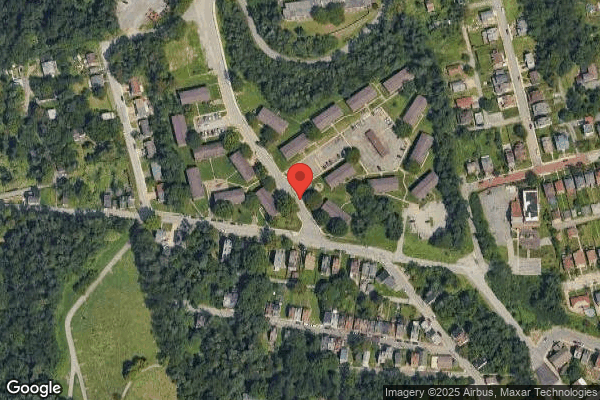
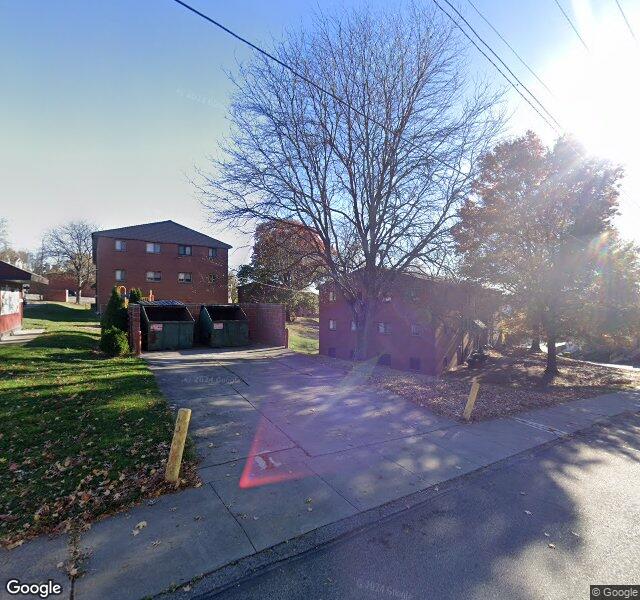
2170 RHINE STREET, PITTSBURGH, PA 15212 (412) 323-0420
For profit - Limited Liability company 100 Beds POLLAK HOLDINGS Data: November 2025
Trust Grade
43/100
#496 of 653 in PA
Last Inspection: April 2025

Within standard 12-15 month inspection cycle. Federal law requires annual inspections.

Overview

Spring Hill Rehabilitation and Nursing Center has received a Trust Grade of D, indicating below-average performance with some concerns about the quality of care. It ranks #496 out of 653 nursing homes in Pennsylvania, placing it in the bottom half of facilities statewide, and #30 out of 52 in Allegheny County, suggesting limited local options for better care. The facility is worsening, with issues increasing from 23 in 2024 to 44 in 2025, highlighting a troubling trend. Staffing is below average with a 62% turnover rate, which is concerning compared to the state average of 46%. While the facility has good RN coverage, exceeding that of 83% of Pennsylvania facilities, there have been serious issues including inadequate food safety practices and failure to meet residents' linen needs, raising potential health and comfort concerns.

Trust Score
D
43/100
In Pennsylvania
#496/653
Bottom 25%
Safety Record
Low Risk
No red flags
Inspections
Getting Worse
23 → 44 violations
Staff Stability
⚠ Watch
62% turnover. Above average. Higher turnover means staff may not know residents' routines.
Penalties
○ Average
$19,366 in fines. Higher than 57% of Pennsylvania facilities. Some compliance issues.
Skilled Nurses
○ Average
Each resident gets 41 minutes of Registered Nurse (RN) attention daily — about average for Pennsylvania. RNs are the most trained staff who monitor for health changes.
Violations
⚠ Watch
79 deficiencies on record. Higher than average. Multiple issues found across inspections.
★★☆☆☆
2.0
Overall Rating
★★☆☆☆
2.0
Staff Levels
★★★★★
5.0
Care Quality
★☆☆☆☆
1.0
Inspection Score
Stable
2024: 23 issues
2025: 44 issues

The Good

  • 5-Star Quality Measures · Strong clinical quality outcomes
  • Full Sprinkler Coverage · Fire safety systems throughout facility
  • No fines on record

Facility shows strength in quality measures, fire safety.

The Bad

2-Star Overall Rating

Below Pennsylvania average (3.0)

Below average - review inspection findings carefully

Staff Turnover: 62%

16pts above Pennsylvania avg (46%)

Frequent staff changes - ask about care continuity

Federal Fines: $19,366

Below median ($33,413)

Minor penalties assessed

Chain: POLLAK HOLDINGS

Part of a multi-facility chain

Ask about local staffing decisions and management

Staff turnover is elevated (62%)

14 points above Pennsylvania average of 48%

The Ugly 79 deficiencies on record

Jul 2025 7 deficiencies
CONCERN (D) 📢 Someone Reported This

A family member, employee, or ombudsman was alarmed enough to file a formal complaint

Potential for Harm - no one hurt, but risky conditions existed

Safe Environment (Tag F0584)

Could have caused harm · This affected 1 resident

**NOTE- TERMS IN BRACKETS HAVE BEEN EDITED TO PROTECT CONFIDENTIALITY** Based on a review of facility documents, observations, and staff interviews, it was determined that the facility failed to maint...

Read full inspector narrative →
**NOTE- TERMS IN BRACKETS HAVE BEEN EDITED TO PROTECT CONFIDENTIALITY** Based on a review of facility documents, observations, and staff interviews, it was determined that the facility failed to maintain a homelike environment for one of two floors (First Floor). Findings include: A review of facility policy Safe and Homelike Environment dated 12/9/24, indicated in accordance with residents' rights, the facility will provide a safe, clean, comfortable and homelike environment. This includes ensuring that the resident can receive care and services safely. Environment includes any environment in the facility that is frequented by residents, including, but not limited to, the residents' room, bathrooms, hallway, dining area. During a tour of the unit on 7/1/25, at 8:58 a.m. the following were observed: - room [ROOM NUMBER] - Hole in the wall located by the air conditioner unit - room [ROOM NUMBER] - Bathroom vent had dust build up, bathroom plaster on the ceiling was peeling - room [ROOM NUMBER] - Bathroom vent had dust build up - room [ROOM NUMBER] - Bathroom plaster on the ceiling was peeling - room [ROOM NUMBER] - Bathroom vent had dust build up, bathroom ceiling patched but not fixed with brown stains, and bathroom wallpaper peeling. - room [ROOM NUMBER] - Bathroom vent had dust build up and bathroom had brown stains on the ceiling - East Wing Shower - Observed a sign on the door that stated Do not use at all on the door. In the shower room, above a shower stall, a part of the ceiling had plastic duct taped up to the ceiling to cover an opening and the light fixture was improperly hanging. - [NAME] wing fire pull station was not secured to the wall and had unpainted plaster directly behind it. During a tour of the unit on 7/1/25, at 10:21 a.m. Registered Nurse (RN) Employee E1 confirmed the above findings. During an interview on 7/1/25, at 3:00 p.m. Nursing Home Administrator confirmed that the facility failed to maintain a homelike environment for one of two floors (First Floor). 28 Pa. Code: 201.18(b)(3) Management
CONCERN (D) 📢 Someone Reported This

A family member, employee, or ombudsman was alarmed enough to file a formal complaint

Potential for Harm - no one hurt, but risky conditions existed

Free from Abuse/Neglect (Tag F0600)

Could have caused harm · This affected 1 resident

**NOTE- TERMS IN BRACKETS HAVE BEEN EDITED TO PROTECT CONFIDENTIALITY** Based on review of facility policy, facility documents, clinical records, and resident and staff interviews, it was determined t...

Read full inspector narrative →
**NOTE- TERMS IN BRACKETS HAVE BEEN EDITED TO PROTECT CONFIDENTIALITY** Based on review of facility policy, facility documents, clinical records, and resident and staff interviews, it was determined that the facility failed to make certain residents were free from neglect and mistreatment by giving the wrong medication to a resident after resident refusal for one of three residents (Resident R4). Findings include: The facility policy Abuse, Neglect, Mistreatment Education dated 12/9/24, indicated the facility prohibits mistreatment, neglect, and abuse of residents by anyone including staff, family friends, etc. Neglect - Failure to provide goods and services necessary to avoid physical harm, pain, mental anguish, or emotional distress. Neglect of goods or services may occur when staff are aware, or should be aware, of residents' care needs, but are unable to get the identified needs due to other circumstances, such as lack of training to perform an intervention, lack of supplies, or lack of staff knowledge of the needs of the resident. Review of the facility policy Medication Administration dated 12/9/24, indicated if a dose of medication is refused the physician and the responsible party will need to be notified. A reason is documented in a progress note. Review of admission record indicated Resident R4 admitted to the facility on [DATE]. Review of Resident R4's Minimum Data Set (MDS - a periodic assessment of care needs) dated 4/3/25, indicated the diagnoses of renal insufficiency (condition where the kidneys lose the ability to remove waste and balance fluids), sepsis (a life-threatening complication of an infection), and lymph edema (swelling in an arm or leg caused by a lymphatic system blockage). Review of facility provided documentation dated 6/24/25, indicated Resident R4's family reported to nurse that resident had been given insulin on 6/24/25, at approximately 12:56 p.m. Director of Nursing received notification on 6/25/25, at 7:30 a.m. Vitals and blood sugar taken and were within normal limits. Provider notified of alleged medication error and ordered vital signs and blood sugar checks every three hours for 24 hours. Nurse wrote statement stating that she gave Resident R4 insulin on 6/24/2025. Further review of the facility provided documentation dated 6/24/25, indicated Resident R4 does not have diabetes (a long-term condition in which the body has trouble controlling blood sugar and using it for energy), is not ordered insulin, and received a long-acting insulin (either Lantus or Soliqua which is a combination of Lantus and a GLP-1 agonist) at approximately 12:56 p.m. on 6/24/25, of an unknown amount. Review of Register Nurse (RN) Employee E5's signed witness statement dated 6/25/24, indicated that RN gave her insulin, after meeting Resident R4 again on 6/25/25, with administration, RN confirmed that they in fact did give Resident R4 insulin and admitted to a medication error. Interview on 7/1/25, at 1:00 p.m. the Director of Nursing indicated RN Employee E5 admitted to giving the insulin to Resident R4, despite her verbal refusal. (Resident R4 speaks minimal English and speaks primarily French). The Director of Nursing confirmed the insulin was given against the resident's wishes. Review of Resident R4's progress notes dated 6/25/25, at 7:00 a.m. indicated upon start of today's shift Licensed Practical Nurse (LPN) Employee E1 was made aware by staff members that Resident R4 had received insulin yesterday morning. This nurse immediately assessed resident and confirmed via translator (device use to translate different languages) that resident had received insulin. Resident appears to have no physical distress but is afraid of any potential side effects. Interview on 7/1/25, at 10:10 a.m. LPN Employee E6 indicated to verify who a resident was they would check the photo in the computer. Interview on 7/1/25, at 10:20 a.m. LPN Employee E7 indicated they would check the photo in the computer, ask another staff member, or ask the resident their name. Interview on 7/1/25, at 11:00 a.m. LPN Employee E8 indicated they identify the residents by name, were unsure if all residents have an ID band with their name on, but there are pictures in the computer and names on the doors. Interview on 7/1/25, at 11:14 a.m. RN Employee E1 indicated they do not have arm bands, but have pictures in the computer, names on the wall, and ask the residents who they are. Interview on 7/1/25, at 4:00 p.m. the Director of Nursing confirmed the facility failed to make certain residents were free from neglect and mistreatment by proceeding to give a worng medication to a resident after refusal for one of three residents (Resident R4). 28 Pa. Code: 201.14(c) Responsibility of licensee. 28 Pa. Code: 201.18(b)(1)(e)(1) Management. 28 Pa. Code: 201.19(6) Personnel policies and procedures. 28 Pa. Code: 201.20(a)(1)(5)(b)(d) Staff development. 28 Pa. Code: 201.29(a) Resident rights.
CONCERN (D) 📢 Someone Reported This

A family member, employee, or ombudsman was alarmed enough to file a formal complaint

Potential for Harm - no one hurt, but risky conditions existed

Deficiency F0628 (Tag F0628)

Could have caused harm · This affected 1 resident

**NOTE- TERMS IN BRACKETS HAVE BEEN EDITED TO PROTECT CONFIDENTIALITY** Based on review of facility policies, resident records and staff interview, it was determined the facility failed to make certai...

Read full inspector narrative →
**NOTE- TERMS IN BRACKETS HAVE BEEN EDITED TO PROTECT CONFIDENTIALITY** Based on review of facility policies, resident records and staff interview, it was determined the facility failed to make certain that the necessary resident information was communicated to the receiving health care provider for one of three residents (Resident R5). Finding include: Review of the facility policy Transfer and Discharge (including AMA) dated 12/9/24, indicated for a transfer to another provider, for any reason, the following information must be provided to the receiving provider: specific information to the receiving health care provider which includes the resident's care plan goals, advanced directive information, specific instructions for ongoing care, and all information necessary to meet the resident's specific needs at the receiving facility. Review of the admission record indicated Resident R5 was admitted to the facility on [DATE]. Review of Resident R5's Minimum Data Set (MDS - a periodic assessment of care needs) dated 4/3/25, indicated the diagnosis of stroke (damage to the brain from an interruption of blood supply), diabetes (a long-term condition in which the body has trouble controlling blood sugar and using it for energy), and high blood pressure. Section K0520-B indicated feeding tube for greater than 51% of total calories and greater than 500 milliliters of fluids received via the tube. Review of Resident R5's progress notes dated 6/19/25, at 10:48 a.m. indicated resident is being transferred to local hospital to have a gastro tube (a tube inserted through the abdomen into the stomach used for long-term feeding and medications) replaced. Review of Resident R5's clinical record revealed no documented evidence that the facility had communicated in writing specific information to the receiving health care provider for the residents transferred and expected to return, which included the resident's care plan goals, advanced directive information, specific instructions for ongoing care, and all information necessary to meet the resident's specific needs at the receiving facility. Interview on 7/1/25, at 12:38 p.m. the Director of Nursing confirmed the facility failed to make certain that the necessary resident information was communicated to the receiving health care provider for one of three residents (Resident R5). 28 Pa. Code 201.29 (a) (c.3) (2) Resident rights.
CONCERN (D) 📢 Someone Reported This

A family member, employee, or ombudsman was alarmed enough to file a formal complaint

Potential for Harm - no one hurt, but risky conditions existed

Deficiency F0760 (Tag F0760)

Could have caused harm · This affected 1 resident

**NOTE- TERMS IN BRACKETS HAVE BEEN EDITED TO PROTECT CONFIDENTIALITY** Based on review of facility policy, observation, clinical record, and staff interview, it was determined that the facility faile...

Read full inspector narrative →
**NOTE- TERMS IN BRACKETS HAVE BEEN EDITED TO PROTECT CONFIDENTIALITY** Based on review of facility policy, observation, clinical record, and staff interview, it was determined that the facility failed to make certain that residents are free of significant medication errors for one of three residents (Resident R4). Findings include: Review of the facility policy Medication Administration dated 12/9/24, indicated medications are administered by licensed nurses, as ordered by the physician and in accordance with professional standards or practice. Identify resident by photo in the Medication Administration Record (MAR). Review MAR to identify medication to be administered. Compare medication source (pack, vial, etc.) with MAR to verify resident's name medication name, form, dose, route, and time. Administer medication as ordered. Sign MAR after administration. Review of the facility policy Medication Administration dated 5/1/24, indicated medications ordered for one resident are never administered to another resident. Review of admission record indicated Resident R4 admitted to the facility on [DATE]. Review of Resident R4's Minimum Data Set (MDS - a periodic assessment of care needs) dated 4/3/25, indicated the diagnoses of renal insufficiency (condition where the kidneys lose the ability to remove waste and balance fluids), sepsis (a life-threatening complication of an infection), and lymph edema (swelling in an arm or leg caused by a lymphatic system blockage). Review of facility provided documentation dated 6/24/25, indicated Resident R4's family reported to nurse that resident had been given insulin on 6/24/25, at approximately 12:56 p.m. Director of Nursing received notification on 6/25/25, at 7:30 a.m. Vitals and blood sugar taken and were within normal limits. Provider notified of alleged medication error and ordered vital signs and blood sugar checks every three hours for 24 hours. Nurse wrote statement stating that she gave Resident R4 insulin on 6/24/2025. Further review of the facility provided documentation dated 6/24/25, indicated Resident R4 does not have diabetes (a long-term condition in which the body has trouble controlling blood sugar and using it for energy), is not ordered insulin, and received a long-acting insulin (either Lantus or Soliqua which is a combination of Lantus and a GLP-1 agonist) at approximately 12:56 p.m. on 6/24/25, of an unknown amount. Interview on 7/1/25, at 11:00 a.m. the Director of Nursing confirmed the facility failed to make certain that residents are free of significant medication errors for one of three residents (Resident R4). 28 Pa. Code: 211.10(c.)(d) Resident care policies. 28 Pa. Code: 211.12(d)(1)(2)(5) Nursing services.
CONCERN (D) 📢 Someone Reported This

A family member, employee, or ombudsman was alarmed enough to file a formal complaint

Potential for Harm - no one hurt, but risky conditions existed

Infection Control (Tag F0880)

Could have caused harm · This affected 1 resident

**NOTE- TERMS IN BRACKETS HAVE BEEN EDITED TO PROTECT CONFIDENTIALITY** Based on facility policy, clinical record review, observation, and staff interviews, it was determined that the facility failed ...

Read full inspector narrative →
**NOTE- TERMS IN BRACKETS HAVE BEEN EDITED TO PROTECT CONFIDENTIALITY** Based on facility policy, clinical record review, observation, and staff interviews, it was determined that the facility failed to prevent cross contamination with residents' personal toiletries for two of five bathrooms on the First Floor (Rooms 107, and 118). Findings include: A review of facility policy Safe and Homelike Environment dated 12/9/24, indicated in accordance with residents' rights, the facility will provide a safe, clean, comfortable and homelike environment. This includes ensuring that the resident can receive care and services safely. Environment includes any environment in the facility that is frequented by residents, including, but not limited to, the residents' room, bathrooms, hallway, dining area. A review of facility policy Infection Prevention and Control Programs dated 12/9/24, indicated the facility has established and maintains an infection prevention and control program designed to provide a safe, sanitary, and comfortable environment and to help prevent the development and transmission of communicable diseases and infections. During a tour of the facility on 7/1/25, at 8:58 a.m. the following were observed: - room [ROOM NUMBER] - Resident bathroom had unlabeled deodorant, skin protectant, body wash, shampoo, and toothpaste in the bathroom that is shared by multiple residents. - room [ROOM NUMBER] - Resident bathroom had unlabeled body wash, shampoo, and peri-wash cleanser in the bathroom that is shared by multiple residents. During an interview on 7/1/25, at 9:37 a.m. Nursing Assistant (NA) Employee E2 stated that residents should have their own toiletries with their names on it and should not be kept in the bathroom. Sometimes we run out of supplies, and we have to share items between the residents. During an interview on 7/1/25, at 10:15 a.m. NA Employee E3 stated that residents are to have their own items, marked with their names and should not be shared amongst each other. During an interview on 7/1/25, at 3:00 p.m. Nursing Home Administrator confirmed that the facility failed to prevent cross contamination with residents' personnel toiletries for two of five bathrooms on the First Floor (Rooms 107, and 118). 28 Pa. Code: 211.10(d) Resident Care Policies. 28 Pa. Code: 211.12(d)(1)(5) Nursing Services.
CONCERN (E) 📢 Someone Reported This

A family member, employee, or ombudsman was alarmed enough to file a formal complaint

Potential for Harm - no one hurt, but risky conditions existed

Deficiency F0558 (Tag F0558)

Could have caused harm · This affected multiple residents

**NOTE- TERMS IN BRACKETS HAVE BEEN EDITED TO PROTECT CONFIDENTIALITY** Based on review of facility policy, observations, and staff interviews, it was determined that the facility failed to accommodat...

Read full inspector narrative →
**NOTE- TERMS IN BRACKETS HAVE BEEN EDITED TO PROTECT CONFIDENTIALITY** Based on review of facility policy, observations, and staff interviews, it was determined that the facility failed to accommodate the proper linen needs for three of five residents (Residents R2, R3, and R9). Findings include: A review of facility policy Safe and Homelike Environment dated 12/9/24, indicated in accordance with residents ' rights, the facility will provide a safe, clean, comfortable and homelike environment. This includes ensuring that the resident can receive care and services safely. Environment includes any environment in the facility that is frequented by residents, including, but not limited to, the residents' room, bathrooms, hallway, dining area. A review of facility policy Accommodation of Needs dated 12/9/24, indicated the facility will treat each resident with respect and dignity and will evaluate and make reasonable accommodations for the individual needs and preferences of a resident, except when the health and safety of the individual or other residents would be endangered. During a tour of the facility on 7/1/25, at 9:03 a.m. the clean linen rack on the first floor failed to have any towels or wash towels on the rack for use. During an interview on 7/1/25, at 9:26 a.m. Nursing Assistant (NA) Employee E2 stated that the facility does not have enough towels and wash towels to be able to wash residents and stated I have to pick and choose sometimes as to who is going to get washed. It's sad to say but I have to prioritize residents as to who I wash up and who I don't. That's not right and it's not my fault. During an interview on 7/1/25, at 10:01 a.m. NA Employee E3 stated When I got here at seven o clock today, there were no towels or wash towels on the linen rack. I went to laundry and was able to get around eight towels and six wash towels for 30 residents. NA Employee E3 stated that facility does not have enough linen to provide care to the residents. I can only wash up certain residents. During an observation on 7/1/25, at 11:14 a.m. clean utility cart was stocked with six towels and two wash towels. Review of clinical record indicated Resident R2 was admitted to the facility on [DATE]. Review of Resident R2's Minimum Data Set (MDS - a periodic assessment of care needs) dated 6/18/25, indicated diagnoses of high blood pressure, depression, and heart failure (a progressive heart disease that affects pumping action of the heart muscles). During an interview on 7/1/25, at 1:11 p.m. Resident R2 stated she got washed up herself a little bit but did not have any towels or wash towels. Resident R2 stated I had to use paper towels. Review of clinical record indicated Resident R3 was admitted to facility on 1/2/25. Review of Resident R2's MDS dated [DATE], indicated diagnoses of depression, coronary artery disease (damage or disease in the heart's major blood vessels), depression, and diabetes (a metabolic disorder in which the body has high sugar levels for prolonged periods of time). During an observation on 7/1/25, at 1:20 p.m. a towel and wash towel was hanging on the foot board of his bed. During an interview on 7/1/25, at 1:22 p.m. Resident R3 stated that he got cleaned up by himself using the towels observed on his foot board of his bed. Resident R3 stated I used them yesterday to, they were dirty, but I didn't have any other ones to use. I don't get cleaned up sometimes because they don't have towels or wash towels. During a tour of the facility on 7/1/25, at 9:13 a.m. the clean linen rack on the second floor had one half torn wash cloth on the rack for use and no towels. During a tour of the facility on 7/1/25, at 9:18 a.m. the clean linen rack on the second floor by room [ROOM NUMBER] had two towels and no washcloths. Review of the clinical record indicated Resident R9 was admitted to the facility on [DATE]. Review of Resident R9's MDS dated [DATE], indicated seizure disorder (a person experiences abnormal behaviors, symptoms and sensations, sometimes including loss of consciousness), chronic pain, and osteoarthritis (flexible tissue at the ends of bone wears down). During an interview on 7/1/25, at 9:21 a.m. Resident R9 indicated the only concern they had was there are not enough towels and washcloths. When asked what they use when they run out, Resident R9 indicated those disposable wipes, they are like paper towels. Resident R9 indicated I'd offer to pay more money if it would help them order linens. During a tour of the laundry room on 7/1/25, at 9:46 a.m. the clean rack of linen that was being prepared to send to the units for a total of 70 residents included 12 towels and 10 washcloths. During an interview on 7/1/25, at 9:48 a.m. Environmental Service (ES) Employee E10 and ES Employee E11 indicated they arrive at 7:00 a.m. to linen in the washers and everything that soiled. There are two washers and only one dryer working at this time. During a tour and interview of the laundry room with the Nursing Home Administrator on 7/1/25, at 9:50 a.m. the amount of linen available on the cart was confirmed. During an interview on 7/1/25, at 3:00 p.m. Nursing Home Administrator confirmed that the facility failed to accommodate the proper linen needs for three of five residents (Residents R2, R3, and R9). 28 Pa. Code: 201.14(a) Responsibility of licensee. 28 Pa. Code: 211.10(d) Resident care policies. 28 Pa. Code: 211.12(d)(1)(5) Nursing services.
CONCERN (E) 📢 Someone Reported This

A family member, employee, or ombudsman was alarmed enough to file a formal complaint

Potential for Harm - no one hurt, but risky conditions existed

Tube Feeding (Tag F0693)

Could have caused harm · This affected multiple residents

**NOTE- TERMS IN BRACKETS HAVE BEEN EDITED TO PROTECT CONFIDENTIALITY** Based on review of facility policy, clinical record review, observations, and staff interview, it was determined the facility fa...

Read full inspector narrative →
**NOTE- TERMS IN BRACKETS HAVE BEEN EDITED TO PROTECT CONFIDENTIALITY** Based on review of facility policy, clinical record review, observations, and staff interview, it was determined the facility failed to provide to provide appropriate care and services to residents receiving tube feedings for four of five residents reviewed (Residents R6, R7, R5, and R8) and failed to adhere to tube site dressing care for one of four residents (R8). Findings include: Review of the facility policy Care and Treatment of Feeding Tubes (delivery of food or medication via tube surgically inserted into stomach) dated 12/9/24, indicated the facility must utilize feeding tubes in accordance with current clinical standards of practice, with interventions to prevent complications to the extent possible. Review of the facility policy Enteral Medication Administration dated 12/9/24, indicated to reconnect tube or clamp as indicated. Rinse the syringe and allow it to air dry. Store in a plastic bag. Change syringe every 24 hours. Review of the clinical record revealed that Resident R6 was admitted to the facility on [DATE], with the diagnoses of Adult Failure to Thrive (the end stage of frailty syndrome, a broader term for age-related decline), hypothyroid (thyroid gland doesn't produce enough thyroid hormone), and glaucoma (a group of eye conditions that can cause blindness). Review of Resident R6's physician orders dated 4/15/25, indicated Osmolite 1.5 (a nutritional supplement) via pump at 95 cc/hr (cubic centimeters/hour) for 16 hours daily for total of 1520 mls (milliliters). Observation on 7/1/25, at 8:58 a.m. Resident R6 was observed in bed. The pole holding the feeding tube pump was dirty with dried tube feeding substance on the base. A cup with unknown fluid on windowsill, stained dried feeding substance. Review of the clinical record revealed that Resident R7 was admitted to the facility on [DATE], with diagnoses of traumatic brain injury (brain dysfunction caused by an outside force, usually a violent blow to the head), convulsions (sudden, violent, irregular movement of a limb or the entire body caused by a brain disorder), and progressive neuropathy (peripheral nerve damage worsens over time). Review of Resident R7's physician orders dated 4/15/25, indicated water flush via G-tube 60 milliliters every shift to maintain patency. Observation on 7/1/25, at 9:08 a.m. Resident R7's bedside stand had a cup with liquid in it along with a syringe that was not air drying or in a plastic bag as directed. Review of the clinical record revealed that Resident R5 was admitted to the facility on [DATE], with diagnoses of stroke (damage to the brain from an interruption of blood supply), hemiplegia (paralysis of one side of the body), and Convulsions. Review of Resident R5's physician orders dated 6/26/25, indicated Glucerna 1.2 (nutritional supplement) via G-tube at 80 ml/hr for 20 hours a day for a total volume of 1600 mls. Start at noon and stop at 8:00 a.m. Observation on 7/1/25, at 9:13 a.m. Resident R5 was lying in bed with a blue printed shirt on. The feeding pump beside the bed was turned off and the feeding bag tubing was still connected to the G-tube. Syringe was noted in a large Styrofoam cup, no date, sitting in water. Not air drying or in a plastic bag as required. Review of the clinical record revealed that Resident R8 was admitted to the facility on [DATE], with diagnoses of systemic lupus (immune system attacks health tissues and organs), fibromyalgia (a long-term condition that involves widespread body pain and tiredness), and history of traumatic brain injury. Review of Resident R8's current physician orders indicated Osmolite 1.2 continuous via pump at 70 ml/hr for 20 hours per day or for total volume of 1400 mls. Up at 12:00 p.m. and down at 8:00 a.m. Change G-tube site with normal saline, pat dry, and apply clean drain sponge every day shift. Observation on 7/1/25, at 9:18 a.m. Resident R8 was lying in bed with her hands around upper body exposing the abdominal area underneath the shirt. The G-tube drain dressing was noted to have a date of 6/29/25. The floor in the room beside the bed had liquid, fresh tube feeding and water substance all over the floor, two cups on the floor, the pump was dirty with dried feeding. Tour and interview on 7/1/25, at 9:52 a.m. the Director of Nursing confirmed the above findings relating to the syringes not stored properly, dried and wet feeding stains in rooms, and that the drain sponge for Resident R8 was not changed per resident's physician orders. Interview on 7/1/25, at 4:00 p.m. the Director of Nursing confirmed the facility failed to provide to provide appropriate care and services to residents receiving tube feedings for four of five residents reviewed (Residents R6, R7, R5, and R8) and failed to adhere to tube site dressing care for one of four residents (R8). 28 Pa. Code: 201.18(b)(1)(2) Management. 28 Pa. Code: 211.12(d)(1)(5) Nursing services. 28 Pa. Code: 211.10(c) Resident care policies.
Apr 2025 30 deficiencies
CONCERN (D)

Potential for Harm - no one hurt, but risky conditions existed

Deficiency F0569 (Tag F0569)

Could have caused harm · This affected 1 resident

**NOTE- TERMS IN BRACKETS HAVE BEEN EDITED TO PROTECT CONFIDENTIALITY** Based on review of facility policy, closed clinical records, resident fund account statements and staff interview it was determi...

Read full inspector narrative →
**NOTE- TERMS IN BRACKETS HAVE BEEN EDITED TO PROTECT CONFIDENTIALITY** Based on review of facility policy, closed clinical records, resident fund account statements and staff interview it was determined that the facility failed to convey resident funds in accordance with State law and closed accounts upon discharge in a timely manner for one out of two sampled records (Closed Resident Record CR984). Findings include: The facility Resident personal funds policy last reviewed 12/9/24, indicated that upon discharge, eviction or death of a resident with a personal fund deposited with the facility, the facility will convey within 30 days the resident's funds and a final account of those funds. Review of Closed Resident Record CR984's admission record indicated he was admitted on [DATE]. Review of Closed Resident Record CR984's MDS assessment (MDS: Minimum Data Set assessment-a periodic assessment of resident care needs) dated 10/8/24, indicated he had diagnoses that included chronic obstructive pulmonary disease (COPD: a disease characterized by persistent respiratory symptoms involving breathlessness, coughing, and obstructed airflow to the lungs), diabetes (metabolic disorder impacting organ function related to glucose levels in the human body), and schizophrenia (a type of mental condition involving a breakdown in the relation between thought, emotion, and behavior leading to a faulty perception inappropriate action and feelings, withdrawal from reality and personal relationships into fantasy and delusion). These diagnoses were the most recent upon review. Review of Closed Resident Record CR984's clinical nurse progress note dated 11/7/24, indicated that he was discharged from facility at 10:00am. in a private vehicle. Medication reviewed with resident along with doctors appointments. Spoke with sister and she stated she would meet him at his new apartment. Review of facility trust fund account (account with current account open with facility resident funds) dated 4/17/25, indicated that Closed Resident Record CR984 still had an open account with a balance of $41.02. During an interview on 4/17/25, at 11:39 a.m. the Regional Business Office Manager Employee E30 confirmed that the facility failed to convey resident funds in accordance with State law and closed accounts upon discharge for Closed Resident Record CR984 as required. 28 Pa. Code 211.5(d) Clinical records.
CONCERN (D) 📢 Someone Reported This

A family member, employee, or ombudsman was alarmed enough to file a formal complaint

Potential for Harm - no one hurt, but risky conditions existed

Investigate Abuse (Tag F0610)

Could have caused harm · This affected 1 resident

**NOTE- TERMS IN BRACKETS HAVE BEEN EDITED TO PROTECT CONFIDENTIALITY** Based on review of facility policy, review of facility provided documents, clinical records, and staff interview, it was determi...

Read full inspector narrative →
**NOTE- TERMS IN BRACKETS HAVE BEEN EDITED TO PROTECT CONFIDENTIALITY** Based on review of facility policy, review of facility provided documents, clinical records, and staff interview, it was determined that the facility failed to thoroughly investigate to rule out potential neglect for two of four residents (Resident R23 and R24). Findings include: Review of facility policy Abuse, Neglect, Mistreatment Education last reviewed 12/9/24, indicated that the facility prohibits the mistreatment and neglect of residents. The facility has designed and implemented processes, which strive to ensure the prevention and reporting of suspected or alleged resident neglect and mistreatment. Neglect is the failure to provide goods and services necessary to avoid physical harm, pain, mental anguish, or emotional distress. The Administrator and Director of Nursing are responsible for investigating and reporting incidents of neglect. Upon receiving an incident or suspected incident of abuse or neglect, the Administrator/DON/designees will conduct an investigation to include interviews of any witnesses, the resident, the attending physician, and staff members (on all shifts) having contact with the resident during the period of the alleged incident. Review of the clinical record revealed that Resident R23 was admitted to the facility on [DATE], and readmitted [DATE]. Review of Resident R23's Minimum Data Set (MDS - a periodic assessment of care needs) dated 1/21/25, indicated diagnoses of high blood pressure, peripheral vascular disease, and diabetes. Review of Resident R23's physician order dated 4/12/25, indicated to cleanse the vascular wound on the left shin with normal saline, pat dry, apply collagen (used to stimulate new tissue growth), calcium alginate highly absorbent dressings ideal for wounds with moderate to heavy exudate) to wound bed, cover with gauze island dressing daily and as needed. May cover with abdominal pad (pas that absorb fluid and create a moisture barrier for wounds) and wrap with kerlix (gauze bandage roll) if island dressing will not stick, every day shift for peripheral vascular disease. Review of Resident R23's April 2025 Treatment Administration Record (TAR) revealed Resident R23's left shin wound was changed as ordered on 4/13/25, 4/14/25, and 4/15/25. During an observation on 4/15/25, at 11:40 a.m. Resident R23 left lower leg wound dressing was dated 4/12/25. Resident R23 indicated staff were notified it needed to be changed. During an interview on 4/15/25, at 11:41 a.m. LPN, Employee E6 confirmed Resident R23's left lower leg wound dressing was not changed as ordered and dated 4/12/25. During an interview on 4/15/25, at 11:47 a.m. the Nursing Home Administrator (NHA) confirmed the facility failed to change Resident R23's wound dressing as ordered. The NHA indicated an investigation will be completed. Review of Resident R23's neglect investigation on 4/17/25, at 9:39 a.m. failed to include witness statements from staff who signed of the resident's dressing change was completed as ordered on 4/13/25, 4/14/25, and 4/15/25. Review of the clinical record revealed that Resident R24 was admitted to the facility 2/21/25. Review of Resident 24's Minimum Data Set (MDS - a periodic assessment of care needs) dated 3/4/25, indicated diagnoses sepsis (condition that occurs when the body's immune system has an extreme response to an infection, leading to inflammation that can damage its own tissues and organs), hydrocephalus (buildup of fluid in the brain ventricles that can damage brain tissue and cause various symptoms), and seizures. Review of clinical record progress note dated 3/15/25, at 3:46 a.m., revealed a Nurse Aide (NA) reported to nurse that Resident R24 was crawling around on the floor in a puddle of blood behind roommates bed. Assessment found an open cut above right eye that is heavily bleeding. Unsure what resident hit her head on. Resident R24 sent to the hospital, message left for daughter, physician notified. Review of facility submitted documents dated 3/17/25, indicated that a NA reported to unit nurse that Resident R24 was crawling around floor in a puddle of blood behind roommate's bed. Resident R24 was assessed and had an open cut above right eye that was heavily bleeding. First aid was provided. Call placed to 911, resident being sent to hospital for evaluation. Review of facility provided investigation on 4/17/25, at 8:30 a.m., failed to include signed and dated witness statements from the resident's roommate and/or all staff members who had contact with the resident during the shift incident occurred. During an interview on 4/17/25, at 9:44 a.m., the Director of Nursing (DON) confirmed that Resident R24's incident investigation failed to include witness statements to rule out potential neglect. During an interview on 4/17/25, at 3:17 p.m., the Nursing Home Administrator (NHA) confirmed the facility failed to thoroughly investigate potential neglect for two of four residents (Resident R23 and R24). 28 Pa. Code: 201.14(c)(d)(e) Responsibility of licensee. 28 Pa. Code: 201.18(b)(1)(2)(e)(1) Management. 28 Pa. Code: 201.19 Personnel policies and procedures. 28 Pa. Code: 201.20(a)(b)(c)(d) Staff development. 28 Pa. Code: 201.29(a)(c)(d)(j)(m) Resident rights.
CONCERN (D)

Potential for Harm - no one hurt, but risky conditions existed

Deficiency F0620 (Tag F0620)

Could have caused harm · This affected 1 resident

**NOTE- TERMS IN BRACKETS HAVE BEEN EDITED TO PROTECT CONFIDENTIALITY** Based on review of facility policy, resident records, admissions documentation, billing documents, resident and staff interviews...

Read full inspector narrative →
**NOTE- TERMS IN BRACKETS HAVE BEEN EDITED TO PROTECT CONFIDENTIALITY** Based on review of facility policy, resident records, admissions documentation, billing documents, resident and staff interviews it was determined that the facility failed to maintain admission documentation for two of four sampled residents (Resident R32 and Resident R57) and failed to provide a comprehensive review of resident admission rights, policies, and payment requirements for two of four residents (Resident R62 and R66). Findings include: The facility Resident rights policy reviewed 12/9/24, indicated that the facility will inform the resident both orally and in writing of his or her rights and regulations governing resident conduct and responsibilities during the stay in the facility. Review of Resident R32's admission record indicated she was admitted on [DATE]. Review of Resident R32's MDS assessment (MDS: Minimum Data Set assessment-a periodic assessment of resident care needs) dated 4/6/25, indicated she had diagnoses that included diabetes (metabolic disorder impacting organ function related to glucose levels in the human body), muscle weakness and depression (a state of sadness and loss of interest interfering in daily life activities). Section C0200 BIMS (Brief interview for mental status) revealed that Resident R32 s BIMS score of 12 which indicated that she was cognitively intact. Review of Resident R32's nurse admission assessment dated [DATE], indicated she was fully alert and oriented. Review of Resident R32's clinical record did not include her admissions records. Review of Resident R57's admission record indicated he was admitted on [DATE]. Review of Resident R57's MDS assessment dated [DATE], indicted that he had diagnoses that included heart failure, diabetes, and hyperlipidemia (elevated lipid levels within the blood). These diagnoses were the most recent upon review. Review of Resident R57's clinical notes indicated that family was involved with his care. Review of Resident R57's clinical record did not include signed admissions records. Further review of Resident R32 and Resident R57's documentation did not include an admissions packet or discussion upon admission that included patient portion liability, the daily rate cost structure, resident rights, representative/resident appeal rights, consent to receive treatment, Medicare process, Medicaid process, right to choose ancillary services, bed hold policy, and the consequences for failure to pay. Review of Resident R62's admission record indicated he was originally admitted [DATE]. Review of Resident R62's MDS assessment dated [DATE], indicated he had diagnoses that included schizophrenia (a type of mental condition involving a breakdown in the relation between thought, emotion, and behavior leading to a faulty perception inappropriate action and feelings, withdrawal from reality and personal relationships into fantasy and delusion), general weakness and abnormal gait. Review of Resident R66's admission record indicated he was originally admitted on [DATE]. Review of Resident R66's MDS assessment dated [DATE], indicated he had diagnoses that included diabetes, peripheral vascular disease (a progressive narrowing of the blood vessels impacting blood flow to the limbs), and hypertension (a condition impacting blood circulation through the heart related to poor pressure). Review of the facility admissions packet information (documents completed upon admission) did not include per diem cost for resident stay, Medicaid pending portion payment information, or a description of fees for services. Review of facility billing documents indicated that Resident R62 had a Medicaid pending portion bill for $2000, and Resident R66 had a bill for Medicaid pending portion of $5000. During an interview on 4/16/25, at 11:05 a.m. the Regional Business Office Manager Employee E30 stated: If a residents comes in Medicaid pending or they are an insurance cut and apply for Medicaid, our office will try to find out their income. If family is doing it, they might not know the income. We have a default amount we bill at $1000 per month known as the Medicaid pending pay rate. The facility billing company determined the rate. Families may get the bill for $1000, but for some people that is over. We let them know that we look at income, and resident may get $60. If the family or resident happen to know the income, and we found out that amount and the bill is not adjusted and the facility is paid the difference. We have an Medicaid estimate paper. Medicaid pending rate is not in the admissions packet. Its has been like that since the facility was bought. The facility can credit the bill and adjust it and we only use the resident's money to bill. We do not ask the family to use their money to pay the bill. It is not written anywhere. We do this at all four of our facilities. During an interview on 4/17/25, at 9:02 a.m. Resident R66 stated the following: I've been here since July 2024. I was involved in a car accident, went to the hospital and had surgery. I do not know anything about a Medicaid pending bill. I didn't receive any bills. I'm on a Medicaid insurance plan. They did not review any payment responsibility or payment/bill schedule with me. During an interview on 4/17/25, at 9:16 a.m. Resident R62 stated the following: I was admitted around September 2024. My family and wife visit me. My insurance pays for my stay. I have not gotten any bills while I was here. I think I signed admissions paper work but no one reviewed what I had to pay. During an interview on 4/17/25, at 10:29 a.m. the facility Admissions Coordinator Employee E9 she does not reviews admission packet with resident as she works from home and does the insurance. She stated she was the only admissions staff. She stated she did not know what Medicaid pending portion bill was and she hands that off to the financial department. If the resident is Medicaid pending, she reaches out to the financial department and they run a financial screen and we go from there for the approval. She stated she has not seen the admissions packet and that the Nursing Home Administrator should be asked about reviewing admissions with residents. During an interview on 4/17/25, at 10:59 a.m. the Registered Nurse (RN) Employee E10 confirmed that the facility failed to provide a comprehensive review of resident admission rights and maintain admission documentation for Resident R32 and Resident R57 as required. During an interview on 4/17/25, at 1:34 p.m. information disseminated to the Nursing Home Administrator (NHA) facility the facility failed to maintain admission documentation for two of two sampled residents (Resident R32 and Resident R57) and failed to provide a comprehensive review of resident admission rights, policies, and payment requirements for two of two residents (Resident R62 and R66) as required. 28 Pa Code: 201.18 (b)(2) Management. 28 Pa Code: 201.24 (a) admission policy. 28 Pa Code: 201.19 (i) Resident rights.
CONCERN (D)

Potential for Harm - no one hurt, but risky conditions existed

Transfer Requirements (Tag F0622)

Could have caused harm · This affected 1 resident

**NOTE- TERMS IN BRACKETS HAVE BEEN EDITED TO PROTECT CONFIDENTIALITY** Based on review of facility policies, resident records and staff interview, the facility failed to make certain that the necessa...

Read full inspector narrative →
**NOTE- TERMS IN BRACKETS HAVE BEEN EDITED TO PROTECT CONFIDENTIALITY** Based on review of facility policies, resident records and staff interview, the facility failed to make certain that the necessary resident information was communicated to the receiving health care provider for two out of three residents sampled with facility-initiated transfers (Resident R47 and R76). Finding include: Review of Resident R47's clinical record indicated the resident was admitted to the facility on [DATE], and readmitted on [DATE], with diagnoses of intellectual disabilities, dementia (the loss of cognitive functioning, thinking, remembering, and reasoning, to such an extent that it interferes with a person's daily life and activities), and major depressive disorder (a mood disorder that causes a persistent feeling of sadness and loss of interest). Review of Resident R47's progress note dated 3/17/25, indicated the resident was heard making grunting noises from his room at 3:25 a.m. The resident was sitting upright at his bedside pointing to his chest and throat, unable to speak. The resident's blood pressure was elevated, had a right sided facial droop, left arm weakness, fatigues, unstable gait, and light headedness. The nurse called 911 and the resident was transferred out to the hospital. Review of Resident R47's clinical record revealed no documented evidence that the facility had communicated specific information to the receiving health care provider for the residents transferred and expected to return, which included the resident's care plan goals, advanced directive information, specific instructions for ongoing care, and all information necessary to meet the resident's specific needs at the receiving facility. Review of Resident R47's progress note dated 3/17/25, at 11:01 a.m. revealed staff received a call from the hospital treating the resident and inquired about the resident's baseline. Review of the clinical record indicated Resident R76 was admitted to the facility on [DATE]. Review of Resident R76's MDS dated [DATE], indicated diagnoses of high blood pressure, depression, and dementia. Review of Resident R76's clinical record revealed that the resident was transferred to the hospital on 1/16/25 and did not return to the facility. Review of Resident R76's progress note dated 1/16/25, at 7:07p.m. revealed the resident continued to have elevated blood pressure and now complaining of a headache. It was indicated the on call provider was called again, and ordered the resident to be transferred to the hospital. Review of Resident R76's clinical record revealed no documented evidence that the facility had communicated specific information to the receiving health care provider for the residents transferred and expected to return, which included the resident's care plan goals, advanced directive information, specific instructions for ongoing care, resident representative information, and all information necessary to meet the resident's specific needs at the receiving facility. During an interview on 4/17/25, at 11:07 a.m. the Nursing Home Administrator confirmed that there was no evidence that the necessary information was communicated to the receiving health care institution or provider upon transfer for two out of three residents sampled with facility-initiated transfers (Residents R47 and R76). 28 Pa. Code 201.29 (a)(c.3)(2) Resident rights.
CONCERN (D)

Potential for Harm - no one hurt, but risky conditions existed

Transfer Notice (Tag F0623)

Could have caused harm · This affected 1 resident

**NOTE- TERMS IN BRACKETS HAVE BEEN EDITED TO PROTECT CONFIDENTIALITY** Based on review of resident clinical records, and staff interviews, it was determined that the facility failed to provide a tran...

Read full inspector narrative →
**NOTE- TERMS IN BRACKETS HAVE BEEN EDITED TO PROTECT CONFIDENTIALITY** Based on review of resident clinical records, and staff interviews, it was determined that the facility failed to provide a transfer notice to a representative of the Office of the Long-Term Care Ombudsman Division for two of two residents (Resident R47, and R76). Findings Include: Review of Resident R47's clinical record indicated the resident was admitted to the facility on [DATE], and readmitted on [DATE], with diagnoses of intellectual disabilities, dementia (the loss of cognitive functioning, thinking, remembering, and reasoning, to such an extent that it interferes with a person's daily life and activities), and major depressive disorder (a mood disorder that causes a persistent feeling of sadness and loss of interest). Review of Resident R47's clinical record revealed that the resident was transferred to the hospital on 3/17/25, and returned to the facility on 3/20/25. A review of Resident R47's clinical record indicated the facility failed to include documented evidence that the facility provided a copy of the written notice that includes the reason for the transfer to the Office of Long-Term Care Ombudsman for the hospitalization on 3/17/25. Review of Resident R76's clinical record indicated the resident was admitted to the facility on [DATE], with diagnoses of high blood pressure, depression, and dementia. Review of Resident R76's clinical record revealed that the resident was transferred to the hospital on 1/16/25 and did not return to the facility. A review of Resident R76's clinical record indicated the facility failed to include documented evidence that the facility provided a copy of the written notice that includes the reason for the transfer to the Office of Long-Term Care Ombudsman for the hospitalization on 1/16/25. During an interview on 4/17/25, at 11:07 a.m. information disseminated to the Nursing Home Administrator, regarding the notice to a representative of the Office of the Long-Term Care Ombudsman Division was not provided for two of two residents (Resident R47 and R76). 28 Pa. Code 201.29 (a) (c.3) (2) Resident rights.
CONCERN (D)

Potential for Harm - no one hurt, but risky conditions existed

Deficiency F0625 (Tag F0625)

Could have caused harm · This affected 1 resident

**NOTE- TERMS IN BRACKETS HAVE BEEN EDITED TO PROTECT CONFIDENTIALITY** Based on review of resident clinical records, and staff interviews, it was determined that the facility failed to provide eviden...

Read full inspector narrative →
**NOTE- TERMS IN BRACKETS HAVE BEEN EDITED TO PROTECT CONFIDENTIALITY** Based on review of resident clinical records, and staff interviews, it was determined that the facility failed to provide evidence that a written notification of the facility bed hold policy was provided to the resident upon transfer to the hospital for two of two residents (Resident R47 and R76). Findings Include: Review of Resident R47's clinical record indicated the resident was admitted to the facility on [DATE], and readmitted on [DATE], with diagnoses of intellectual disabilities, dementia (the loss of cognitive functioning, thinking, remembering, and reasoning, to such an extent that it interferes with a person's daily life and activities), and major depressive disorder (a mood disorder that causes a persistent feeling of sadness and loss of interest). Review of Resident R47's clinical record revealed that the resident was transferred to the hospital on 3/17/25, and returned to the facility on 3/20/25. A review of Resident R47's clinical record failed to include documented evidence that the resident or the resident's representative were provided with written information about the facility's bed hold policy at the time of the transfer to the hospital on 3/17/25. Review of Resident R76's clinical record indicated the resident was admitted to the facility on [DATE], with diagnoses of high blood pressure, depression, and dementia. Review of Resident R76's clinical record revealed that the resident was transferred to the hospital on 1/16/25 and did not return to the facility. A review of Resident R76's clinical record failed to include documented evidence that the resident or the resident's representative were provided with written information about the facility's bed hold policy at the time of the transfer to the hospital on 1/16/25. During an interview on 4/17/25, at 11:07 a.m. the Nursing Home Administrator confirmed that there was no evidence that a written notification of the facility bed hold policy was provided to the resident upon transfer to the hospital for two of two residents (Resident R47 and R76). 28 Pa. Code 201.29 (a) (c.3) (2) Resident rights.
CONCERN (D)

Potential for Harm - no one hurt, but risky conditions existed

Deficiency F0676 (Tag F0676)

Could have caused harm · This affected 1 resident

**NOTE- TERMS IN BRACKETS HAVE BEEN EDITED TO PROTECT CONFIDENTIALITY** Based on review of facility policy, clinical record review, observations and staff interviews, it was determined that the facili...

Read full inspector narrative →
**NOTE- TERMS IN BRACKETS HAVE BEEN EDITED TO PROTECT CONFIDENTIALITY** Based on review of facility policy, clinical record review, observations and staff interviews, it was determined that the facility failed to provide language assistance services to maintain activities of daily living (ADLs) for communication for one of two residents (Resident R177). Findings include: The facility Language assistance services policy reviewed 12/9/24, indicated that the facility will take responsible steps to ensure that individuals with limited English proficiency have access to language assistance services and meaningful communication involving their medical treatment. Review of Resident R177's admission record indicated she was admitted on [DATE]. Review of Resident R177's initial nurse assessment dated [DATE], indicated she had diagnoses that included hypotension (low blood pressure), wound of the left heel and cellulitis (bacterial infection of the skin causing redness, aches, and swelling) of both lower extremities. The assessment identified Resident R177 primary language as French. Review of Resident R177's care plan dated 3/28/25, indicated a language barrier. Review of Resident R177's clinical nurse progress note dated 4/8/25, indicated she only speaks French. During observations on 4/14/25, at 10:17 a.m. Resident R177 was observed in her room and only speaking French. During an interview on 4/15/25, at 9:54 a.m. Licensed Practical Nurse (LPN) Employee E6 stated: Nurse Aide (Na) Employee E7 is assigned to Resident R177. She has an application on her phone to communicate and she should know how to use it. We were told to get the app on our phone and that is how we communicate. During an interview on 4/15/25, at 9:56 a.m. Nurse Aide (NA) Employee E7 stated: I do not have an app on my phone. Resident R177 usually points to what she wants. This is my first time having her. She does not have a communication board. During an observations and interview on 4/15/25, at 10:00 a.m. an interview was attempted with Resident R177. Nurse aide (NA) Employee E8 present trying to use electronic phone application. Nurse aide (NA) Employee E8 stated: I have a translator app. All attempts to communicate with Resident R177 did not succeed. During an interview on 4/15/25, at 2:39 p.m. information disseminated to the Nursing Home Administrator (NHA) that the facility failed that the facility failed to provide language assistance services to maintain activities of daily living (ADLs) for communication for Resident R177 as required. 28 Pa. Code: 211.12(d)(5) Nursing services.
CONCERN (D)

Potential for Harm - no one hurt, but risky conditions existed

Tube Feeding (Tag F0693)

Could have caused harm · This affected 1 resident

**NOTE- TERMS IN BRACKETS HAVE BEEN EDITED TO PROTECT CONFIDENTIALITY** Based on review of facility policy, clinical record review, observation, and staff interview, it was determined that the facilit...

Read full inspector narrative →
**NOTE- TERMS IN BRACKETS HAVE BEEN EDITED TO PROTECT CONFIDENTIALITY** Based on review of facility policy, clinical record review, observation, and staff interview, it was determined that the facility failed to ensure that residents with an enteral feeding tube (a tube inserted in the stomach through the abdomen) received appropriate treatment and services to prevent potential complications for two of three residents (Residents R13 and Resident R35). Findings include: Review of facility policy Care and Treatment of Feeding Tubes dated 12/9/24, indicated the facility will utilize feeding tubes in accordance with current clinical standards of practice, with interventions to prevent complications to the extent possible. Feeding tubes will be utilized according to physician orders. The resident's care plan will address the use of feeding tube, including strategies to prevent complications. In accordance with facility protocol, licensed nurses will monitor and check that the feeding tube is in the right location; tube placement will be verified before beginning a feeding and before administering medications. Review of Resident R13's clinical record indicated the resident was admitted to the facility on [DATE]. Review of Resident R13's Minimum Data Set (MDS - a periodic assessment of care needs) dated 2/4/25, indicated diagnoses of high blood pressure, heart failure (heart doesn't pump the way it should) and chronic obstructive pulmonary disease (COPD- difficulty in breathing). Section K- Swallowing/Nutritional Status indicated the resident had a feeding tube while a resident. Review of Resident R13's physician orders dated 2/11/25, indicate nothing by mouth diet (NPO). Review of Resident R13's physician orders dated 2/12/25, indicate Enteral Feed every shift for nutrition Glucerna: 1.2 Calorie administer continuous via Pump at 70 milliliter (ML) per hour flush with 25ml per hour for 20 Hours per day or until total nutrient delivered (1400ml), Downtime: 4:00 p.m. back up at 8:00 p.m. Review of Resident R13's medication administration record (MAR) for April 2025, failed to reveal enteral feeding tube orders prior to 4/15/25, which addressed appropriate treatment and services related to checking for tube feeding residuals, and elevate the head of bed during enteral feeding administration. Review of Resident R13's MAR for March 2025, failed to reveal enteral feeding tube orders prior to 4/15/25, which addressed appropriate treatment and services related to checking for tube feeding residuals, and elevate the head of bed during enteral feeding administration. During an interview on 4/18/25, at 9:18 a.m., the Director of Nursing (DON) confirmed that prior to physician orders for enteral feeding treatment and services entered on 4/15/25, Resident R13 did not have physician orders to check residuals, or to elevate the head of bed during enteral feeding administration. Review of clinical record revealed Resident R35 was admitted to facility initially 2/11/18, with current admission date of 1/12/21. Review of Resident 35's MDS dated [DATE], indicated diagnoses major depressive disorder (mental disorder characterized by a persistent low mood, loss of interest or pleasure in activities, and a range of emotional and physical problems), adult failure to thrive (condition characterized by a decline in physical and mental health, often seen in older adults), and dysphagia (difficulty swallowing foods or fluids). Section K- Swallowing/Nutritional Status indicated the resident had a feeding tube while a resident. Review of Resident R35's physician order dated 10/31/23, indicated nothing by mouth diet, NPO texture. Review of Resident R35's MAR for April 2025, indicated an enteral feed order every shift for feeding administer Osmolite 1.5 (a type of feeding formula that will supply a person with nutrients and minerals) via pump at 95 ml (milliliters) per hour for 16 hours daily for total 1620 ml, start at 6:00 p.m. every day, initiated 4/12/25, and discontinued 4/15/25. During an observation made on 4/14/25, at 12:45 p.m., enteral feeding tube formula of Osmolite 1.2 was hanging at Resident R35's bedside and failed to have a date written on the container when opened. During an interview conducted on 4/14/25, at 12:50 p.m., Registered Nurse (RN) Employee E27 confirmed that Resident R35's enteral tube feeding formula found hanging was incorrect per physician order and was undated when opened. Review of Resident R35's physician orders dated 4/15/25, indicated: - enteral feed order as needed verify placement. Flush enteral tube with at least 15 ml of water. Then flush with 15 ml of water after administration of each medication. - enteral feed order every shift check residual, signs/symptoms intolerance every shift. Hold and notify of signs/symptoms intolerance. - enteral feed order every shift for feeding administer Osmolite 1.5 (Jevity 1.5 if Osmolite not available) via pump at 95 ml per hour for 16 hours daily for total 1520 ml. Start 6:00 p.m., down at 10:00 a.m. - enteral feed order every shift verify placement. Flush enteral tube with at least 15 ml of water. Then flush with 15 ml of water after administration of each medication. - enteral feed: elevate head of bed 30-45 degrees during feeding and for 30-45 minutes after every shift. During a follow-up observation conducted on 4/16/25, at 11:58 a.m., Resident R35's enteral feeding pole and floor area underneath were found dirty with what appeared to be spilled or leaked enteral formula which was dried covering the surface of the pole, 4 legs above the casters, and floor below where pole was located. During an interview on 4/16/25, at 12;21 p.m., RN Employee E27 confirmed the above observation of Resident R35's dirty enteral pole and floor below with what appeared to be spilled or leaked enteral formula. Further review of Resident R35's MAR for April 2025, failed to reveal enteral feeding tube orders prior to 4/15/25, which addressed appropriate treatment and services related to verifying tube feeding placement, checking for tube feeding residuals, and elevate the head of bed during enteral feeding administration. Review of Resident R35's MAR for March 2025, failed to reveal enteral feeding tube orders prior to 4/15/25, which addressed appropriate treatment and services related to verifying tube feeding placement, checking for tube feeding residuals, and elevate the head of bed during enteral feeding administration. During an interview on 4/18/25, at 9:18 a.m., the DON confirmed that prior to physician orders for enteral feeding treatment and services entered on 4/15/25, Resident R35 did not have physician orders to verify tube feeding placement, to check residuals, or to elevate the head of bed during enteral feeding administration. During an interview on 4/18/25, at 2:30 p.m., the Nursing Home Administrator (NHA) and DON confirmed that the facility failed to ensure that residents with an enteral feeding tube (a tube inserted in the stomach through the abdomen) received appropriate treatment and services to prevent potential complications for two of three residents (Residents R13 and Resident R35). 28 Pa. Code: 201.18(b)(1) Management. 28 Pa. Code: 211.10(c) Resident care policies. 28 Pa. Code: 211.12(d)(1)(5) Nursing services.
CONCERN (D)

Potential for Harm - no one hurt, but risky conditions existed

Deficiency F0697 (Tag F0697)

Could have caused harm · This affected 1 resident

**NOTE- TERMS IN BRACKETS HAVE BEEN EDITED TO PROTECT CONFIDENTIALITY** Based on review of facility policies and clinical records, observations, and resident and staff interviews, it was determined th...

Read full inspector narrative →
**NOTE- TERMS IN BRACKETS HAVE BEEN EDITED TO PROTECT CONFIDENTIALITY** Based on review of facility policies and clinical records, observations, and resident and staff interviews, it was determined that the facility failed to provide effective pain management for one of four residents reviewed (Resident R16). Findings include: Review of the clinical record revealed that Resident R16 was admitted to the facility on [DATE], with diagnoses of right below the knee amputation, diabetes (a chronic disease that occurs either when the pancreas does not produce enough insulin or when the body cannot effectively use the insulin it produces), and peripheral vascular disease (a slow and progressive disease that impacts the blood vessels in the body outside the heart.) Review of Resident R16's care plan dated 1/3/25, revealed the resident was care planned for pain. Interventions included to administer medication per physician orders. Review of Resident R16's MDS (Minimum Data Set, periodic assessment of resident care needs) dated 1/7/25, indicated diagnoses were current. Review of Resident R16's physician order dated 4/11/25, indicated to administer 15 milligram of MS Contin (also known as morphine, a strong opioid pain medication for moderate to severe pain), one tablet by mouth, three times a day. During an interview on 4/14/25, at 2:20 p.m. it was revealed Resident R16 was experiencing phantom pain. Resident R16 stated the oxycodone was lowered, and morphine was ordered. Resident R16 had not received the morphine for pain. Resident R16 stated I am not sure if it is in stock. Review of Resident R16's clinical record on 4/15/25, at 9:02 a.m. revealed Resident R16 failed to receive MS Contin as ordered at the following scheduled times. -4/13/25, at 2:00 p.m. -4/13/25, at 10:00 p.m. -4/14/25, at 6:00 a.m. -4/14/25, at 2:00 p.m. It was indicated there was no medication in stock at this time. Interview with the Director of Nursing on 4/17/25, at 2:19 p.m. confirmed the facility failed to provide effective pain management for one of four residents reviewed (Resident R16). 28 Pa. Code 211.12(d)(3)(5) Nursing Services.
CONCERN (D)

Potential for Harm - no one hurt, but risky conditions existed

Deficiency F0698 (Tag F0698)

Could have caused harm · This affected 1 resident

**NOTE- TERMS IN BRACKETS HAVE BEEN EDITED TO PROTECT CONFIDENTIALITY** Based on review of resident clinical records and staff interviews, it was determined that the facility failed to maintain a comp...

Read full inspector narrative →
**NOTE- TERMS IN BRACKETS HAVE BEEN EDITED TO PROTECT CONFIDENTIALITY** Based on review of resident clinical records and staff interviews, it was determined that the facility failed to maintain a complete record of a dialysis contract for one of two sampled residents (Resident R22). Findings include: Review of Resident R22's admission record indicated she was admitted [DATE]. Review of Resident R22's MDS assessment (MDS: Minimum Data Set assessment-a periodic assessment of resident care needs) dated 2/12/25, indicated she had diagnoses that included end stage renal disease (gradual loss of kidney function), chronic obstructive pulmonary disease (COPD: a disease characterized by persistent respiratory symptoms involving breathlessness, coughing, and obstructed airflow to the lungs), and vascular dementia (a condition characterized by memory loss and progressive or persistent loss of intellectual functioning). Review of Resident R22's care plan dated 2/12/25, indicated she had dialysis three times a week Review of Resident R22's physician orders dated 2/28/25, indicated that she was ordered dialysis Monday, Wednesday and Friday. The location of the dialysis provider was on file. Review of Resident R22's nurse progress notes dated 4/14/25, indicated that she left the facility via wheelchair van to dialysis. Review of Resident R22's clinical records did not include a contract with the dialysis provider. Review of facility documents did not include a contract for the dialysis provider. During an interview on 4/15/25, at 9:24 a.m. the Nursing Home Administrator (NHA) confirmed that the facility failed to maintain a complete record of a dialysis contract for Resident R22 as required. 28 Pa. Code: 201.14(a) Responsibility of licensee. 28 Pa. Code: 201.18 (b)(1)(e)(1) Management. 28 Pa. Code: 211.10(d) Resident care policies.
CONCERN (D)

Potential for Harm - no one hurt, but risky conditions existed

Deficiency F0699 (Tag F0699)

Could have caused harm · This affected 1 resident

**NOTE- TERMS IN BRACKETS HAVE BEEN EDITED TO PROTECT CONFIDENTIALITY** Based on review of facility policy, resident record review, and staff interviews, it was determined that the facility failed to ...

Read full inspector narrative →
**NOTE- TERMS IN BRACKETS HAVE BEEN EDITED TO PROTECT CONFIDENTIALITY** Based on review of facility policy, resident record review, and staff interviews, it was determined that the facility failed to provide a trauma survivor with trauma informed care to eliminate or mitigate triggers that may cause re-traumatization of the resident for one of two residents (Resident R278). Findings include: Review of facility policy Comprehensive Care Plans last reviewed 12/9/24, revealed it is the policy of the facility to develop and implement a comprehensive care plan for each resident, consistent with resident rights, that includes measureable objectives and timeframes to meet a resident's medica;, nursing, mental, and psychosocial needs and all services that are identified in the resident's comprehensive assessment and [NAME] professional standards of quality. Review of the clinical record indicated Resident R278 was admitted to the facility on [DATE]. Review of Resident R278's physician order dated 4/1/25, indicated to consult psychiatry. Review of Resident R278's Minimum Data Set (MDS - a periodic assessment of care needs) dated 4/7/25, indicated diagnoses of Post Traumatic Stress Disorder (PTSD- a disorder that develops when a person has experienced or witnessed a scary, shocking, terrifying, or dangerous event), acquired absence of right leg below knee, and insomnia (difficulty staying or falling asleep). Review of Resident R278's care plan indicated that resident had PTSD but failed to identify what the triggers were and how to avoid them. During an interview on 4/14/25, at 9:55 a.m. Resident R278 stated I have a history of PTSD from losing my leg. Resident R278 stated the facility failed to identify my triggers, and I am afraid of going to hospitals and doctors. It was indicated the facility does not have a social worker. Did they stick me in a zoo? Resident R278 stated I am more traumatized while being here. A review of Resident R278's clinical record on 4/17/25, at 10:57 a.m. revealed the facility failed to complete an assessment and identify Resident R278's PTSD triggers. There was no evidence Resident R278 was evaluated by psychiatry or had a psychology visit. Review of Resident R278's care plan failed to include a care plan for PTSD. During an interview on 4/17/25, at 2:22 p.m. the Director of Nursing confirmed the facility failed to identify Resident R278's PTSD triggers. The DON indicated normally the psychology provider comes in every Tuesday. The DON stated Resident R278 should have been evaluated on 4/6/25. It was indicated the psychology provider that rounds the facility came in on Tuesday and stated I am going to roll. The DON stated she's afraid of you guys. During an interview on 4/17/25, at 3:17 p.m. the Director of Nursing and Nursing Home Administrator confirmed the facility failed to identify PTSD triggers for Resident R278 to eliminate or mitigate any triggers that may cause re-traumatization for one of two residents (Resident R278). 28 Pa. Code: 201.14(a) Responsibility of licensee. 28 Pa. Code: 201.18(b)(1) Management.
CONCERN (D)

Potential for Harm - no one hurt, but risky conditions existed

Deficiency F0710 (Tag F0710)

Could have caused harm · This affected 1 resident

**NOTE- TERMS IN BRACKETS HAVE BEEN EDITED TO PROTECT CONFIDENTIALITY** Based on clinical record review, facility policy and interviews with staff, it was determined that the facility failed to ensure...

Read full inspector narrative →
**NOTE- TERMS IN BRACKETS HAVE BEEN EDITED TO PROTECT CONFIDENTIALITY** Based on clinical record review, facility policy and interviews with staff, it was determined that the facility failed to ensure a medication was signed off by a physician prior to administering, and timely provide care and necessary treatment and services for one of two residents (Resident R52). Findings include: Review of the facility policy Administering Medications last reviewed 12/9/24, revealed medications are administered vin a safe and timely manner, and as prescribe. If dosage is believed to be inappropriate or excessive for a resident, or a medication has been identified as having potential adverse consequences for the resident or is suspected of being associate with adverse consequences, the person preparing or administering the medication will contact the prescriber, the resident's attending physician or the facility's medical director to discuss the concerns. Review of the facility policy Provision of Quality Care last reviewed 12/9/24, revealed the facility will ensure residents receive treatment and care by qualified persons in accordance with professional standards of practice, the comprehensive care plans, and the resident's choices. Review of Cefpodoxime (antibiotic that treats bacterial infections) manufacturer guidelines dated 10/16/13, indicated for patients with severe renal impairment the dosing intervals should be increased to every 24 hours. Adverse interactions include gastrointestinal disturbances such as diarrhea, nausea, and vomiting. Review of Resident R52's admission record indicated he was admitted to the facility on [DATE], and readmitted on [DATE]. Review of the Minimum Data Set (MDS, periodic assessment of resident care needs) dated 2/4/25, included diagnoses of heart failure (a progressive heart disease that affects pumping action of the heart muscles), high blood pressure, and stage 4 chronic kidney disease (severe kidney function loss and high risk of complications and kidney failure). Review of Resident R52's physician order dated 2/2/25, indicated to administer 200 mg cefpodoxime, one tablet, by mouth twice daily related to stage 4 chronic kidney disease for 10 days. The order was created and confirmed by Registered Nurse, Employee E10. A further reviewed failed to indicate a physician reviewed and confirmed the order. Review of Resident R52's February 2025 Treatment Administration Record revealed the resident received cefpodoxime from 2/2/25, through 2/13/25. Review of Resident R52's clinical record revealed CRNP, Employee E20 evaluated Resident R52 on 2/12/25, for acute gastrointestinal pain. The resident had localized right and central region pain worse with palpitation that began that morning. The resident did not eat breakfast, had acute diarrhea, and was bloated. CRNP, Employee E52 indicated the resident's antibiotics may be contributing to the abdominal pain and the resident will remain on the antibiotics until 2/14/25. Review of Resident R52's clinical record revealed CRNP, Employee E20 evaluated Resident R52 on 2/13/25, for acute gastrointestinal pain. It was documented the antibiotics may be a possible contribution and the resident will remain on the antibiotics until 2/14/25. Review of Resident R52's progress note dated 2/13/25, at 9:03 p.m. indicated the resident called 911 5-6 times this evening requesting transport to the hospital for complaint of abdominal pain. Review of Resident R52's progress note dated 2/14/25, at 1:17 a.m. revealed the 911 operator called stating Resident R52 called them to go to the emergency room. RN Supervisor, Employee E24 went to see the resident and Resident R52 complained of severe back and kidney pain with severe diarrhea. Crying to go to hospital. Review of Resident R52's progress note dated 2/14/25, at 2:38 a.m. revealed the resident was transferred to the hospital. Review of Resident R52's progress note dated 2/14/25, at 3:00 a.m. indicated the emergency room nurse called concerned about the resident receiving cefpodoxime. It was confirmed the resident received cefpodoxime from 2/2/25, until 2/13/25. Review of Resident R52's progress note dated 2/14/25, at 8:31 a.m. revealed the resident was admitted to the hospital with diagnoses of pyelonephritis (kidney infection). During an interview on 4/16/25, at 11:22 a.m. CRNP, Employee E20 was asked what is the process for sending a resident out to the hospital, and stated the provider would be notified and orders are obtained to treat or send out to the hospital. When asked who confirms physician orders, CRNP, Employee E20 stated that's a question for the DON. During an interview on 4/16/25, at 11:34 a.m. the Director of Nursing stated each morning an order recap report is reviewed and the DON confirms the orders if nothing stands out. I'm not a pharmacist the DON stated. The DON stated all orders must be signed by a provider. The DON confirmed Resident R52's cefpodoxime was not signed off by a physician. During an interview on 4/18/25, at 8:59 a.m. the NHA confirmed the facility failed to ensure Resident R52's cefpodoxime was signed off by a physician prior to administering, and timely provide care and necessary treatment and services for one of two residents (Resident R52). 28 Pa. Code:211.12(d)(5) Nursing services.
CONCERN (D)

Potential for Harm - no one hurt, but risky conditions existed

Deficiency F0740 (Tag F0740)

Could have caused harm · This affected 1 resident

**NOTE- TERMS IN BRACKETS HAVE BEEN EDITED TO PROTECT CONFIDENTIALITY** Based on clinical record review and staff and resident interview, it was determined that the facility failed to provide behavior...

Read full inspector narrative →
**NOTE- TERMS IN BRACKETS HAVE BEEN EDITED TO PROTECT CONFIDENTIALITY** Based on clinical record review and staff and resident interview, it was determined that the facility failed to provide behavioral health interventions for a resident to maintain the highest practicable mental well-being for one of four residents reviewed for behavioral concerns (Resident 16). Findings include: Review of the clinical record revealed that Resident R16 was admitted to the facility on [DATE]. Review of Resident R16's active physician order dated 1/2/25, indicated to consult psychiatry. Review of Resident R16's MDS (Minimum Data Set, periodic assessment of resident care needs) dated 1/7/25, indicated diagnoses of right below the knee amputation, diabetes (a chronic disease that occurs either when the pancreas does not produce enough insulin or when the body cannot effectively use the insulin it produces) , and peripheral vascular disease (a slow and progressive disease that impacts the blood vessels in the body outside the heart.) Review of Resident R16's care plan dated 1/14/25, revealed the resident uses an antidepressant medication due to major depressive disorder. Interventions included to monitor signs and symptoms of depression and refer to psychology services as appropriate. During an interview on 4/14/25, at 2:25 p.m. Resident R16 was observed with a right leg amputation and expressed God hates me. Resident R16 explained the amputation occurred around Thanksgiving. No one has seen me for psychology services. Review of Resident R16's clinical record on 4/17/25, at 9:17 a.m. failed to provide evidence Resident R16 was evaluated by psychiatry as ordered. During an interview on 4/17/25, at 2:22 p.m. the Director of Nursing indicated normally the psychology provider comes in every Tuesday. It was indicated the psychology provider that rounds the facility came in on Tuesday and stated I am going to roll. The DON stated the psychology provider is afraid of you guys. During an interview on 4/17/25, at 3:17 p.m. the Nursing Home Administrator and DON confirmed the facility failed to provide behavioral health interventions for a resident to maintain the highest practicable mental well-being for one of four residents reviewed for behavioral concerns (Resident 16). 28 Pa. Code 211.12(d)(1)(5) Nursing services
CONCERN (D)

Potential for Harm - no one hurt, but risky conditions existed

Deficiency F0745 (Tag F0745)

Could have caused harm · This affected 1 resident

**NOTE- TERMS IN BRACKETS HAVE BEEN EDITED TO PROTECT CONFIDENTIALITY** Based on review of clinical records and staff interview it was determined that the facility failed to provide medically related ...

Read full inspector narrative →
**NOTE- TERMS IN BRACKETS HAVE BEEN EDITED TO PROTECT CONFIDENTIALITY** Based on review of clinical records and staff interview it was determined that the facility failed to provide medically related social services to one of two residents reviewed (Resident R128). Findings include: Review of the clinical record indicated that Resident R128 was admitted on [DATE]. Review of Resident R128 MDS indicated a diagnosis of depression (a common and serious mental disorder that negatively affects how you feel, think, act, and perceive the world), hypokalemia ( potassium blood level low), and seizure disorder (a brain condition that causes recurring seizures). Review of Resident R128 physician orders dated 1/18/25, indicated to administer Selegeline Transdermal Patch 24 Hour 12 MG/24 HR, one patch transdermally (on top of skin) at bedtime for depression related to major depressive disorder Review of Resident R128 MAR (medication administration record) and review of clinical progress notes indicated missed doses of selegeline for multiple days: 1/18/25 thru 1/26/25. Review of Resident R128 clinical record indicated selegeline was discontinued - with no additional medication for depression prescribed. Additional review of Resident R128 clinical record failed to indicate any referrals for psych services for depression diagnosis. During an interview on 4/17/25, 1:50 p.m. DON (Director of Nursing) confirmed that the medication was discontinued and the facility did not provide referrals for psych services related to the depression diagnosis. 28 Pa. Code 211.16 (a) Social services.
CONCERN (D)

Potential for Harm - no one hurt, but risky conditions existed

Deficiency F0761 (Tag F0761)

Could have caused harm · This affected 1 resident

**NOTE- TERMS IN BRACKETS HAVE BEEN EDITED TO PROTECT CONFIDENTIALITY** Based on review of facility policies, observations, and staff interviews it was determined that the facility failed to properly ...

Read full inspector narrative →
**NOTE- TERMS IN BRACKETS HAVE BEEN EDITED TO PROTECT CONFIDENTIALITY** Based on review of facility policies, observations, and staff interviews it was determined that the facility failed to properly store medical supplies and biologicals in one of two medication rooms (second floor medication room) and two of four medication carts (first floor west and second floor west medication cart) failed to date open medications in two of four medication carts (first floor west and second floor west medication cart) and treatment medications were found unsecured at a resident's bedside for one of four residents (Resident R69). Findings include: Review of the facility policy Medication Storage last reviewed 12/9/24, indicate it is the policy of this facility to ensure all medications housed on premises will be stored in the pharmacy and/or medication rooms according to the manufactures recommendations and sufficient to ensure proper sanitation, temperature, light, ventilation, moisture control, segregation, and security. External products disinfectants and drugs used for external use are stores separately from internal and injectable medications. Review of the facility policy Resident Self-Administration of Medications last reviewed 12/9/24, indicate bedside medication storage is permitted only when it does not present a risk to confused residents who wander into other resident's rooms. Review of Resident R69's clinical record indicated the resident was admitted to the facility on [DATE]. Review of Resident R69's Minimum Data Set (MDS - a periodic assessment of care needs) dated 2/4/25, indicated diagnoses of high blood pressure, anxiety and depression During an observation completed on 4/14/25, at 10:05 a.m. the following items were observed on Resident R69's bedside stand: 1 bottle iodine solution. 3 rolls of medical tape. 1 jar Silvadene cream. 2 bottles saline solution. 1 pair of scissors. During an interview completed on 4/14/25, at 10:09 a.m. Registered Nurse Employee E16 confirmed the above observations and removed items from the room and confirmed the facility failed to secure treatment medications. During an observation completed on 4/14/25, at 12:19 p.m. the second west medication cart contained the following: 1 vial fluphenazine decanoate opened and without a date. 1 box lidocaine patches 1 jar Silvadene cream 1 Lantus insulin vial opened and not labeled with a date. 1 bottle amantadine opened and not labeled with a date. 1 bottle peridex rinse opened and not labeled with a date. During an interview completed on 4/14/25, at 12:46 p.m. Registered Nurse Employee E14 confirmed the above observations. During an observation on 4/15/25 at 10:03 a.m. of the second-floor medication room the following was discovered: Under sink the sink a drug disposal container and clear plastic bag. The refrigerator contained: 1 10ml bottle of sterile water opened without date. 1 2mg bottle of cathflo (a sterile solution used to restore function to a central venous access device) opened and without date. 1 envelope containing cash money. On the floor in the corner across from the refrigerator a gray plastic bag containing four pairs of shoes. During an interview completed on 4/15/25, at 10:18 a.m. Registered Nurse (RN) Employee E14 confirmed the above observations and that the facility failed to properly store medical supplies and biologicals in one of two medication rooms (second floor medication room) and two of four medication carts (second floor west medication cart). During an observation on 4/17/25, at 9:35 a.m. the first-floor west medication cart contained the following: 1 bottle Miralax bottle opened and not labeled with a date. 1 bottle timolol eye drops no name, opened and not labeled with a date. 1 bottle Ammonium Lactate 12% opened and not labeled with a date. 1 bottle Geri -Lanta opened and not labeled with a date. 1 bottle lactulose solution opened and not labeled with a date. 2 bottles Fluphenazine Hydrochloride opened and not labeled with a date. 1 vial Lantus insulin opened and not labeled with a date. 1 tube mupirocin ointment. 1 tube arthritis's relief cream. 1 tube triamcinolone cream. 2 boxes lidocaine patches 1 tube diclofenac sodium tube 1 can spring edition red bull beverage. During an interview completed on 4/17/25, at 9:43 a.m. Licensed Practical Nurse (LPN) Employee E15 confirmed the above observations and stated upon seeing the red bull beverage I would guess it is a staff members, I can't imagine a resident would drink it and confirmed that the facility failed to properly store medical supplies and biologicals in two of four medication carts (first floor west medication cart) 28 Pa. Code: 211.9(a)(1)(k) Pharmacy services. 28 Pa. Code: 211.10(c) Resident care policies. 28 Pa. Code 211.12(d)(1)(5) Nursing services.
CONCERN (D)

Potential for Harm - no one hurt, but risky conditions existed

Deficiency F0883 (Tag F0883)

Could have caused harm · This affected 1 resident

**NOTE- TERMS IN BRACKETS HAVE BEEN EDITED TO PROTECT CONFIDENTIALITY** Based on facility policy, clinical record review and staff interview, it was determined that the facility failed to provide accu...

Read full inspector narrative →
**NOTE- TERMS IN BRACKETS HAVE BEEN EDITED TO PROTECT CONFIDENTIALITY** Based on facility policy, clinical record review and staff interview, it was determined that the facility failed to provide accurate and timely documentation related to the Influenza and Pneumonia vaccine for two of five residents (Resident R13 and R60). Findings include: Review of facility policy Influenza, Prevention and Control of Seasonal last reviewed 12/9/24, indicates this facility follows current guidelines and recommendations for the prevention and control of seasonal influenza. All residents and staff are offered the vaccine prior to the onset of the influenza season. Review of the facility policy Pneumococcal Vaccine last reviewed 12/9/24, indicates all residents will be offered pneumococcal vaccines to aid in preventing pneumonia/pneumococcal infections. Prior to or upon admission, residents will be assessed for eligibility to receive the pneumococcal vaccine series and when indicated will be offered the vaccine series within thirty days of admission to the facility unless medically contraindicated or the resident had already been vaccinated. Review of Resident R13's clinical record indicated the resident was admitted to the facility on [DATE]. Review of Resident R13's Minimum Data Set (MDS - a periodic assessment of care needs) dated 2/4/25, indicated diagnoses of high blood pressure, heart failure (heart doesn't pump the way it should) and chronic obstructive pulmonary disease (COPD-difficulty in breathing) MDS Section O- Special treatment, Procedures, and Programs O0250 indicated Influenza vaccine was coded 9- none of the above. O0300 indicated Pneumonia vaccine was coded a dash -. During a review of Resident R13's clinical record on 4/14/25, indicated that the Influenza and Pneumonia vaccination was not entered and was blank. Review of Resident R60's clinical record indicated the resident was admitted to the facility on [DATE]. Review of Resident R60's MDS dated [DATE], indicated the diagnosis of anemia (low iron in the blood), coronary artery disease (CAD- buildup of plaque in the hearts arteries) and anxiety. MDS Section O- Special treatment, Procedures, and Programs O0250 indicated Influenza vaccine was coded 0- no reason 4-offered and declined. O0300 indicated Pneumonia vaccine was coded a 0- no reason 3-not offered. During a review of Resident R60's clinical record on 4/14/25, indicated that the Influenza and Pneumonia vaccination was not entered and was blank. During an interview completed on 4/17/25, at 1:56 p.m. upon asking Infection Preventionist (IP) Employee E18 the facility procedure for the influenza vaccine she replied I did not participate in it Upon inquiry concerning pneumococcal vaccine IP Employee E18 stated we don't try to get every immunization they missed further query concerning the immunizations for residents in the facility, IP Employee E18 replied we don ' t really have a process, we don ' t document of the refusal for immunizations and confirmed that the facility failed to provide accurate and timely documentation related to the Influenza and Pneumonia vaccine for two of five residents (Resident 13 and R60). 28 Pa. Code 211.5(f) Clinical records 28 Pa. Code: 201.14(a) Responsibility of licensee. 28 Pa. Code 211.12(d)(1)(3) Nursing services.
CONCERN (D)

Potential for Harm - no one hurt, but risky conditions existed

Room Equipment (Tag F0908)

Could have caused harm · This affected 1 resident

Based on observations and staff interviews, it was determined that the facility failed to make certain that equipment was in safe operating condition in the main kitchen and the facility failed to mai...

Read full inspector narrative →
Based on observations and staff interviews, it was determined that the facility failed to make certain that equipment was in safe operating condition in the main kitchen and the facility failed to maintain essential equipment with a dryer not working ( 1 of 2 dryers). Findings include: Review of Code of Federal Regulations §483.90(d)(2) Maintain all mechanical, electrical, and patient care equipment in safe operating condition. During an observation on 4/17/25, at 12:35 p.m., it was revealed that the main kitchens six well steam table (a type of commercial food service equipment that is used to keep foods at optimal serving temperatures) was operating with only three steam wells. During an interview on 4/17/25, at 1:32 p.m., Dietary Manager (DM) Employee E11 confirmed that only three of six steam table wells are functioning time of interview. Further interview revealed that DM Employee E11 was hired in December 2024, and at that time, 2 steam wells were broke and not functioning. DM Employee E11 stated that the third steam well just broke within the last few weeks. During an interview on 4/17/25, at 1:35 p.m., Dietary [NAME] Employee E12 revealed that he was hired nine months ago, and at that time 2 steam wells were broken and not functioning. Employee E12 stated that the third steam well just broke within the last month, and that back in October 2024, Maintenance was made aware of malfunctioning steam table, and service call from an outside food service equipment repair vendor was completed. Employee E12 stated that the vendor identified equipment parts needed to be ordered and replaced in order to fix the 2 broken wells. During an interview on 4/17/25, at 2:30 p.m., Maintenance Director (MD) Employee E13 confirmed that an outside food service equipment vendor came in and looked at the broken steam table wells in October 2024, and provided the facility with an invoice identifying parts needed and cost to repair. MD Employee E13 stated that this invoice for repair was provided to administration for payment. During an interview on 4/18/25, at 11:45 a.m., the Nursing Home Administrator (NHA) confirmed that the facility failed to make certain that equipment was in safe operating condition in the main kitchen. During an observation on 4/16/25, at 11:31 a.m. one dryer was not working and the other dryer was in use in the laundry room. During an interview on 4/16/25, at 11:35 a.m. Laundry Assistant Employee E34 Stated the dryer is down, so we only have one dryer. During an interview on 4/17/25, 10:10 a.m. Director of Maintenance Employee E16 confirmed that the facility has a dryer down and the facility failed to maintain essential equipment. 28 Pa Code: 201.14(a) Responsibility of licensee.
CONCERN (D)

Potential for Harm - no one hurt, but risky conditions existed

Deficiency F0943 (Tag F0943)

Could have caused harm · This affected 1 resident

Based on review of facility policy, employee personnel records, and staff interview, it was determined that the facility failed to provide training on Abuse, Neglect, and Exploitation on the date of o...

Read full inspector narrative →
Based on review of facility policy, employee personnel records, and staff interview, it was determined that the facility failed to provide training on Abuse, Neglect, and Exploitation on the date of orientation for one out of five sampled records (Physical Therapist Employee E3). Findings include: The facility Abuse, neglect, and misappropriation education policy reviewed 12/9/24, indicated to abuse, neglect, and misappropriation of resident funds education is completed upon hire and at least annually for all employees. Review of Physical Therapist Employee E3 personnel record indicated she was hired on 3/31/25. Facility punch detail report (Report indicating which days staff worked) dated 4/17/25, indicated that Physical Therapist Employee E3 worked at the facility for five days in April of 2025. Review of Physical Therapist Employee E3 personnel record did not include abuse training during her orientation to the facility. During an interview on 4/17/25, at 12:34 p.m. the Human Resources Employee E5 confirmed that the facility failed to provide training on Abuse, Neglect, and Exploitation on the date of orientation for Physical Therapist Employee E3 as required. 28 Pa Code: 201.14 (a) Responsibility of licensee. 28 Pa Code: 201.18 (b)(1) Management. 28 Pa Code: 201.20 (a)(c) Staff development.
CONCERN (E)

Potential for Harm - no one hurt, but risky conditions existed

Safe Environment (Tag F0584)

Could have caused harm · This affected multiple residents

Based on facility policy review, observations, resident council group interview, resident and staff interviews, it was determined that the facility failed to maintain a safe, clean, and home-like envi...

Read full inspector narrative →
Based on facility policy review, observations, resident council group interview, resident and staff interviews, it was determined that the facility failed to maintain a safe, clean, and home-like environment for one of two shower rooms (One-West), one clean utility room (One-East) and four out of five resident rooms (Resident R22, R46, R61, and Resident R63) and the facility failed to maintain an adequate supply the following day of wash clothes, towels, and blankets readily available for two of two nursing units. Findings include: The facility Safe and homelike environment policy reviewed 12/9/24, indicated that the facility will provide a safe, clean, comfortable and homelike environment. During a tour on 4/15/25, at 9:30 a.m. the following was observed in the clean utility room on One-East with the Director of Maintenance/ Housekeeping Employee E13: - the ice machine water outlet was observed with brown substance on water outlet. PC-piping behind the ice machine was found with black spotted substance on PC-piping leading to the drain. During an interview on 4/15/25, at 9:31 a.m. the Director of Maintenance/ Housekeeping Employee E13 stated: tubing been here since I've been working here and confirmed the facility failed to maintain a clean, homelike environment in the clean utility room. During an interview on 4/15/25, at 11:00 a.m. three of six residents stated the their bathroom soap dispensers were broken. During observations on 4/16/25, the following was observed: at 9:50 a.m. Resident R61 bathroom was observed with a broken soap dispenser. at 9:51 a.m. Resident R22 bathroom was observed with a broken soap dispenser. at 9:52 a.m. Resident R46 was found with long brown stain on bedside curtain. at 9:56 a.m. Resident R63 bathroom was observed with a broken soap dispenser. During an interview on 4/16/25, at 10:01 a.m. the Director of Maintenance/ Housekeeping Employee E13 confirmed that the facility failed to the facility failed to maintain a safe, clean, and home-like environment for Residents R22, R46, R61, and Resident R63. During observations on 4/17/25, the following was observed: at 10:04 a.m Resident R278 was heard yelling in hall someone please clean the shower room. I can't even take a shower. at 10:06 a.m. the One-West shower room was found with brown substance in small trash can. A horrendous odor was emitting from the trash can and the bathroom. No staff were found cleaning the area. During an interview on 4/17/25, at 1:34 p.m. information was disseminated to the Nursing Home Administrator (NHA) that the facility failed to maintain a safe, clean, and home-like environment as required. Observations on the first and second nursing units linen carts revealed the following: 04/15/25 10:10 AM observation of clean linen - 3 gowns, 7 flat sheet s, 5 fitted, 3 blankets. 2nd floor -04/15/25 10:12 AM low side of 2nd floor - approx 10 gowns, 7 flat sheets, 5 fitted, 6 pillow cases, 4 blankets - Hoyer lift. 4/16/25 11:39 a.m. on first floor nursing unit - 14 gowns. 04/16/25 11:43 AM on 2nd floor - 11 gowns /4 loose sheets/ 3 fitted sheets sweet shirt and pajama bottoms / 1 heavy blanket / 1 pad /1 tennis shoes. 04/16/25 11:47 AM 15 gowns/ 10 loose sheets/ 6 blankets heavy/ 5 fitted/ 2 Hoyer lift / 2 pads. On both days of observations - no wash clothes or towels were observed on the linen carts, and limited heavy blankets were found on linen carts during observations. During observations in Director of Maintenance Employee E13 confirmed that the facility did not have enough linen supplies of wash clothes, towels, and heavy blankets. 28 Pa. Code 201.14(a) Responsibility of licensee 28 Pa. Code 201.18(b)(1)(3) Management
CONCERN (E) 📢 Someone Reported This

A family member, employee, or ombudsman was alarmed enough to file a formal complaint

Potential for Harm - no one hurt, but risky conditions existed

Quality of Care (Tag F0684)

Could have caused harm · This affected multiple residents

**NOTE- TERMS IN BRACKETS HAVE BEEN EDITED TO PROTECT CONFIDENTIALITY** Based on observations and resident and staff interviews, it was it was determined that the facility failed to make certain that ...

Read full inspector narrative →
**NOTE- TERMS IN BRACKETS HAVE BEEN EDITED TO PROTECT CONFIDENTIALITY** Based on observations and resident and staff interviews, it was it was determined that the facility failed to make certain that residents were provided appropriate treatment and care for three of four residents (Resident R16, R23, R52 and R128). Findings include: Review of the clinical record revealed that Resident R16 was admitted to the facility on [DATE]. Review of Resident R16's MDS (Minimum Data Set, periodic assessment of resident care needs) dated 1/7/25, indicated diagnoses of right below the knee amputation, diabetes (a chronic disease that occurs either when the pancreas does not produce enough insulin or when the body cannot effectively use the insulin it produces) , and peripheral vascular disease (a slow and progressive disease that impacts the blood vessels in the body outside the heart.) Review of Resident R16's active physician order dated 3/17/25, indicated to cleanse Resident R16's diabetic left plantar foot ulcer with normal saline solution (wound cleanser), pat dry, apply Mupirocin ointment (topical antibiotic for bacterial skin infections), and cover with a bordered dressing daily. During an observation on 4/14/25, at 2:05 p.m. Resident R16's left plantar foot wound dressing was dated 4/12/15. During an interview on 4/14/25, at 2:16 p.m. Licensed Practical Nurse, Employee E6 confirmed Resident R16's wound dressing was ordered daily and was dated 4/12/25. During an interview on 4/14/25, at 3:14 p.m. the Director of Nursing confirmed the facility failed to change Resident R16's wound dressing as ordered. Review of the clinical record revealed that Resident R23 was admitted to the facility on [DATE], and readmitted [DATE]. Review of Resident R23's MDS dated [DATE], indicated diagnoses of high blood pressure, peripheral vascular disease, and diabetes. Review of Resident R23's physician order dated 4/12/25, indicated to cleanse the vascular wound on the left shin with normal saline, pat dry, apply collagen (used to stimulate new tissue growth), calcium alginate highly absorbent dressings ideal for wounds with moderate to heavy exudate) to wound bed, cover with gauze island dressing daily and as needed. May cover with abdominal pad (pas that absorb fluid and create a moisture barrier for wounds) and wrap with kerlix (gauze bandage roll) if island dressing will not stick, every day shift for peripheral vascular disease. Review of Resident R23's April 2025 Treatment Administration Record (TAR) revealed Resident R23's left shin wound was changed as ordered on 4/13/25, 4/14/25, and 4/15/25. During an observation on 4/15/25, at 11:40 a.m. Resident R23 left lower leg wound dressing was dated 4/12/25. Resident R23 indicated staff were asked to change the dressing and no one has. During an interview on 4/15/25, at 11:41 a.m. LPN, Employee E6 confirmed Resident R23's left lower leg wound dressing was not changed as ordered and dated 4/12/25. During an interview on 4/15/25, at 11:47 a.m. the Nursing Home Administrator (NHA) confirmed the facility failed to change Resident R23's wound dressing as ordered. During an interview on 4/16/25, at 11:11 a.m. Registered Nurse, Employee E10 stated if a resident's wound treatment was not completed, the next shift would be notified. RN, Employee E10 stated the order would not be signed off in the clinical record until it was completed. During an interview on 4/17/25, at 9:41 a.m. the DON confirmed the facility failed to provide necessary treatment as ordered for two of two residents (Resident R16 and R23.) Review of Resident R52's admission record indicated he was admitted to the facility on [DATE], and readmitted on [DATE]. Review of the Minimum Data Set (MDS, periodic assessment of resident care needs) dated 2/4/25, included diagnoses of heart failure (a progressive heart disease that affects pumping action of the heart muscles), high blood pressure, and stage 4 chronic kidney disease (severe kidney function loss and high risk of complications and kidney failure). Review of Resident R52's physician order dated 2/2/25, indicated to administer 200 mg Cefpodoxime (antibiotic that treats bacterial infections), one tablet, by mouth twice daily related to stage 4 chronic kidney disease for 10 days. The order was created and confirmed by Registered Nurse, Employee E10. A further reviewed failed to indicate a physician signed off on the order. Review of Resident R52's February 2025 Treatment Administration Record revealed the resident received Cefpodoxime from 2/2/25, through 2/13/25. Review of Resident R52's clinical record revealed CRNP, Employee E20 evaluated Resident R52 on 2/12/25, for acute gastrointestinal pain. The resident had localized right and central region pain worse with palpitation that began that morning. The resident did not eat breakfast, had acute diarrhea, and was bloated. CRNP, Employee E52 indicated the resident's antibiotics may be contributing to the abdominal pain and the resident will remain on the antibiotics until 2/14/25. An abdominal x-ray and probiotics were ordered. Review of Resident R52's physician order dated 2/12/25, indicated to obtain an abdominal x-ray for left lower quadrant and central gastrointestinal pain, bloating, and diarrhea. Review of Resident R52's physician order dated 2/12/25, indicated to administer one capsule of 250 mg saccharomyces boulardii (probiotic yeast that can help support the digestive system), for probiotic for 14 days. Review of Resident R52's clinical record revealed CRNP, Employee E20 evaluated Resident R52 on 2/13/25, for acute gastrointestinal pain. It was documented the antibiotics may be a possible contribution and the resident will remain on the antibiotics until 2/14/25. The resident was receptive to trial IV fluids and Mylanta. Supportive care, possible viral cause. Review of Resident R52's progress note dated 2/13/25, indicated the resident called 911 5-6 times this evening requesting transport to the hospital for complaint of abdominal pain. The x-ray results from 2/12/25 we normal. There was no evidence a physician was notified. Review of Resident R52's progress note dated 2/14/25, at 1:17 a.m. revealed the 911 operator called stating Resident R52 called them to go to the emergency room. RN Supervisor, Employee E24 went to see the resident and Resident R52 complained of severe back and kidney pain with severe diarrhea. Crying to go to hospital. There was no evidence a physician was notified. Review of Resident R52's progress note dated 2/14/25, at 2:38 a.m. revealed the resident was transferred to the hospital. Review of Resident R52's progress note dated 2/14/25, at 3:00 a.m. indicated the emergency room nurse called concerned about the resident receiving Cefpodoxime. It was confirmed the resident received Cefpodoxime from 2/2/25, until 2/13/25. Review of Resident R52's progress note dated 2/14/25, at 8:31 a.m. revealed the resident was admitted to the hospital with diagnoses of pyelonephritis (kidney infection). During an interview on 4/18/25, at 8:59 a.m. the NHA confirmed the facility failed to ensure Resident R52's Cefpodoxime was signed off by a physician prior to administering, and timely provide care and necessary treatment and services for Resident R52 during a change in condition. During an interview on 4/18/25, at approximately 2:10 p.m. the Director of Nursing and Nursing Home Administrator confirmed the facility failed to make certain that residents were provided appropriate treatment and care for three of four residents (Resident R16, R23, and R52). Review of the clinical record indicated that Resident R128 was admitted on [DATE]. Review of Resident R128 MDS indicated a diagnosis of depression (a common and serious mental disorder that negatively affects how you feel, think, act, and perceive the world), hypokalemia ( potassium blood level low), and seizure disorder (a brain condition that causes recurring seizures). Review of Resident R128 clinical record progress notes indicated the following changes in condition: 2/17/25 Dietary: Note Text : F/u for chewing difficulties. NSG reporting she is still having difficulties with minced texture, suggesting change to purees for improved tolerance/intake. Discussed plan with resident. Will also increase mighty shakes to twice a day (BID) due to ongoing poor intake. Plan: regular diet/puree texture, mighty shakes BID. Will continue to monitor intake/wt trends. 2/17/25 Nursing Regular diet texture. Loss of liquids or solids from mouth when eating or drinking. Holding food in mouth / cheeks or residual food in mouth after meals. Mood appears depressed, sad, tired/has little energy, sluggish, speaking slowly. Abdomen soft with bowel sounds active/normal for resident 2/17/25 Nursing Mechanically altered diet. Holding food in mouth / cheeks or residual food in mouth after meals. 2/18/25 Nursing Regular diet texture. Loss of liquids or solids from mouth when eating or drinking. Holding food in mouth / cheeks or residual food in mouth after meals. Mood appears poor appetite, speaking slowly. 2/18/25 Nursing Resident is not swallowing medications, she is letting medications run out of her mouth, repeated queuing for resident to swallow. 2/19/25 Nursing Resident pocketed medications, continues not swallow, let medications run out of her mouth. 2/19/25 Nursing Appears lethargic.Oriented to person. Skin warm, dry, normal for age and race, wounds with the following treatment: Preventative skin measures in place. Regular diet texture. Loss of liquids or solids from mouth when eating or drinking. Holding food in mouth/cheeks or residual food in mouth after meals. Mood appears tired/has little energy, poor appetite, speaking slowly. 2/20/25 Nursing Nurse called RN to assess resident for change in condition. Resident was lethargic and would not open her eyes. Vitals BP 59/40 Pulse 46 Resp 14 02 73% temp 97.1. Took BP on other arm 120/70. Applied o2 5 liters, resident 02 went up to 78%. Applied non rebreather mask with 10 liters 02. 02 Sat went up to 85%. Resident became more alert and opened her eyes and began moaning. Called provider and EMS. PCMA approved resident to be sent to hospital. When EMS arrived, was unable to get BP from arms and got pressure from left leg BP 190/100 and pulse 46. Resident started having tremors. Resident was transferred to UPMC Mercy per family request. Review of clinical record Blood Pressure Summary indicated resident R128 blood pressure was out of range from 2/17/25 to 2/20/25 eight out of nine times with the following: 2/17/2025 21:26 147/97 mmHg (Lying l/arm) Diastolic High of 89 exceeded Systolic High of 139 exceeded 2/18/2025 21:15 165/90 mmHg (Sitting l/arm) Diastolic High of 89 exceeded Systolic High of 139 exceeded 2/19/2025 00:07 158/88 mmHg (Lying r/arm) Systolic High of 139 exceeded 2/19/2025 11:34 140/84 mmHg (Lying r/arm) Systolic High of 139 exceeded 02/19/2025 11:47 140/84 mmHg (Lying r/arm) Systolic High of 139 exceeded 02/19/2025 16:38 138/96 mmHg (Sitting l/arm) Diastolic High of 89 exceeded 02/19/2025 21:23 119/100 mmHg (Lying l/arm) Diastolic High of 89 exceeded 02/20/2025 04:17 49/40 mm/Hg (Lying l/arm) Diastolic Low of 60 exceeded Systolic Low of 90 exceeded Review of hospital information indicated the following: Hospital Course - final report Nutrition Status: Severe Malnutrition in the context of Social or Environmental Circumstances; Severe protein-calorie malnutrition; >7.5% weight loss in 3 months (31% x 2 months)' Severe body fat loss; Severe muscle mass loss.Weight comorbidity: underweight. [AGE] year old female was found to have AKI (acute kidney injury happens when the kidneys suddenly can't filter waste products from the blood), hypernatremia, and admitted for further management. AM cortisol and B12 slightly elevated. Urine culture grew ESBL Klebsiella. Given IV fluids, with subsequent improvements in Creatine, sodium and calcium levels. Her mentation improved back to baseline. Renal failure, electrolyte derangement were treated however d/t ongoing encephalopathy and FTT Resident R128 did not tolerate adequate to sustain life. During an interview on 4/ 17/25, DON confirmed that the facility is capable of doing IV's or pushing fluids and had not identified hydration as a concern, that Resident R128 was having a change of condition prior to discharge to hospital, that the facility did not initiate labs to determine if there were any additional concerns for Creatine, sodium or calcium levels, and the facility failed to identify concerns for a potential AKI injury and that the facility failed to provide a quality of care for Resident R128. 28 Pa. Code 201.14(a) Responsibility of licensee. 28 Pa. Code 201.29(a)(c)(d)(j) Resident rights. 28 Pa. Code 211.10(c)(d) Resident care policies. 28 Pa. Code 211.12(d)(1)(3)(5) Nursing services.
CONCERN (E)

Potential for Harm - no one hurt, but risky conditions existed

Deficiency F0726 (Tag F0726)

Could have caused harm · This affected multiple residents

Based on review of facility policy, nursing staff personnel records, nurse training documentation and staff interview, it was determined that the facility failed to ensure that nursing staff received ...

Read full inspector narrative →
Based on review of facility policy, nursing staff personnel records, nurse training documentation and staff interview, it was determined that the facility failed to ensure that nursing staff received annual in-service education for three out of five sampled nursing personnel records (Registered Nurse (RN) Employee E16 , Licensed Practical Nurse (LPN) Employee E25, and Registered Nurse (RN) Employee E26). Findings include: The facility Training requirements policy last reviewed on 12/9/24, indicated that the facility will develop, implement and maintain an effective training program for all new and existing staff. Training contents includes, at the minimum communication, resident rights, elements of the facility's QAPI (quality assurance and performance improvement), infection control, ethics, behavioral health, dementia management, abuse/ neglect, and safety and emergency procedures. Review of Registered Nurse (RN) Employee E16 personnel record indicated she was hired on 11/3/10. Review of Licensed Practical Nurse (LPN) Employee E25 personnel record indicated she was hired on 12/1/03. Review of Registered Nurse (RN) Employee E26 personnel record indicated she was hired on 9/4/14. Review of personnel records for Registered Nurse (RN) Employee E16 , Licensed Practical Nurse (LPN) Employee E25, and Registered Nurse (RN) Employee E26 did not include annual in-services for the following subjects: infection prevention and control, fire prevention and safety, disaster preparedness, resident abuse, resident confidential information, Quality assurance, resident psychosocial needs, restorative nursing techniques, resident rights, cultural competency, and communication. During an interview on 4/18/25, at 11:28 a.m . the Human Resources Employee E5 confirmed that the facility failed to ensure that Registered Nurse (RN) Employee E16 , Licensed Practical Nurse (LPN) Employee E25, and Registered Nurse (RN) Employee E26 received annual in-service education as required. 28 Pa. Code: 201.14(1) Responsibility of licensee. 28 Pa. Code: 201.18(a)(3) Management.
CONCERN (E)

Potential for Harm - no one hurt, but risky conditions existed

Pharmacy Services (Tag F0755)

Could have caused harm · This affected multiple residents

**NOTE- TERMS IN BRACKETS HAVE BEEN EDITED TO PROTECT CONFIDENTIALITY** Based on review of facility policy, clinical records, and staff interviews it was determined that the facility failed to impleme...

Read full inspector narrative →
**NOTE- TERMS IN BRACKETS HAVE BEEN EDITED TO PROTECT CONFIDENTIALITY** Based on review of facility policy, clinical records, and staff interviews it was determined that the facility failed to implement pharmaceutical services to ensure accurate provision of medications for one of four residents (Residents R51 and Resident R128). Findings include: Review of the facility policy, Pharmacy Services last reviewed 12/9/24, indicated to ensure pharmaceutical services, whether employed by the facility or under an agreement, are provided to meet the needs of each resident, are consistent with state and federal requirements, and reflect current standards of practice. The facility will maintain a limited supply of medications for emergency or after-hours situations in accordance with facility policy and applicable laws. Review of the facility policy Unavailable Medications last reviewed 12/9/24, indicates the facility maintains a contract with a pharmacy provider to supply the facility with routine, prn, and emergency medications. The facility shall follow established procedures for ensuring residents have a sufficient supply of medication. Review of Residents R51's admission record indicated admission to the facility on 8/28/23. Review of Residents R51's Minimum Data Set (MDS - periodic assessment of resident care needs) dated 3/10/25, indicated the diagnoses of high blood pressure, anxiety and depression. During an observation completed on 4/16/25, at 8:51 a.m. Registered Nurse (RN)Employee E27 was preparing medications for Resident R51. RN Employee E27 was not able to find Resident R51's Zoloft (used to treat depression and anxiety). Upon asking RN Employee E27 the process for unavailable medications she replied I will have to get it pulled from the pyxis (drug distribution system), I will have to get someone who has access to the machine. RN Employee E27 stated the machine was on the first floor. RN Employee E27 asked RN Employee E10 to assist with obtaining the medication. Upon pulling the medication from the pysis machine RN Employee E10 opened the drawer to dispense and discovered only one pill was available at 25 milligram (mg). The machine screen visualized indicated that four 25mg tablets should have been in the drawer. RN Employee E10 stated the screen says four but only one is available in here it looked like we had enough I don ' t know why it's off. RN Employee indicated that pharmacy would have to be called to have it delivered. During an interview completed on 4/16/25, at 9:37 a.m. with the Nursing Home Administrator (NHA) and Director of Nursing (DON) upon asking the procedure for unavailable medications not available in the pyxis machine the DON indicated the pharmacy comes in around 11:00 p.m. our cut off time is 5:00 p.m. Upon inquiring the process for unavailable medications and the utilization of a local backup pharmacy the DON replied we don't have a backup pharmacy if you do a stat they will have a run around 1:00 p.m. or 2:00 p.m. then again at midnight we use Phar -America we need to call at midmorning for the run and stated I'm going to be making some calls now and get the pharmacy here. During an interview completed on 4/16/25 at 10:54 a.m. upon asking the pharmacy director (PD) Employee E28 about a local back up pharmacy she replied we can use any local pharmacy and get it filled. Upon asking PD Employee E28 about the restocking/monitoring of the pyxis machine as well as medication reconciliation concerning off counts/discrepancies replied we pull a report on Mondays and Wednesdays for the restock. The facility can also call and let us know when the medication needs to be refilled and we can send it out on the run, the nurses can then put it in the pyxis Upon further inquiry concerning medication discrepancy concerning the Zoloft stated any time the count is off they should notify the pharmacy and do a discrepancy, we have not received any phone calls. Further inquiry into the Zoloft count PD Employee E28 replied I pulled up the report and it indicated that seven Zoloft tablets were available upon inspection of the Zoloft available in the pyxis the machine at that time showed 0 and stated I don ' t think I can pull anything off this machine to indicate who the user was, they should put in how much they are taking and it is automatically adjusted. Review of the pharmacy provided pyxis inventory reports indicated the following medications at zero (0). Lantus Solostar Insulin Pen (long acting insulin to improve blood sugar control) Levothyroxine 0.088 mg (used to treat hypothyroidism-thyroid gland does not produce enough thyroid hormone) Humalog Insulin Pen (fast acting insulin used to lower blood sugars) Advair Diskus inhaler (prevents asthma attacks and Chronic Obstructive Pulmonary Disease (COPD-difficulty in breathing) flare ups. Ventolin inhaler (helps with trouble breathing) Bumetanide 0.5 mg tablets (diuretic- reduces fluid retention) Bumetanide 1 mg tablets (diuretic- reduces fluid retention) The PD Employee E28 stated someone is coming down now, if the facility made us aware of the empty medications it would have been sent with the run, there is no reason for these to be at zero. During an interview completed on 4/17/25, at 10:12 a.m. the Pharmacy Technician Employee E29 was at the pyxis machine restocking the medications. Upon asking how often the machine is restocked stated it depends on the list and time restraints, and review of the list about once a month, I get the list every Wednesday morning so I lock once a week, I'm only here two days a week , someone else can be looking at it, but I'm not aware of that. I just put the medications in the machine, the facility has not called to request any medications, I don ' t know if that ever happened. Upon asking about medication discrepancies Pharmacy Technician Employee E29 stated any discrepancies in the drawers should be taken care of by the facility and pharmacy director, if it is a controlled substance it should be immediately. During an interview on 4/17/25, at 3:19 p.m. the Nursing Home Administration and Director of Nursing confirmed that the facility failed to implement pharmaceutical services to ensure accurate provision of medications for one of four residents. (Resident R51). Review of the clinical record indicated that Resident R128 was admitted on [DATE]. Review of Resident R128 MDS dated [DATE], indicated a diagnosis of depression (a common and serious mental disorder that negatively affects how you feel, think, act, and perceive the world), hypokalemia ( potassium blood level low), and seizure disorder (a brain condition that causes recurring seizures). Review of Resident R128 physician orders indicted the following: Dorzolamide HCl-Timolol Mal Ophthalmic Solution 2-0.5 % (Dorzolamide HCl-Timolol Maleate) Instill 1 drop in both eyes two times a day for Glaucoma Latanoprost Ophthalmic Solution 0.005 % (Latanoprost) Instill 1 drop in both eyes at bedtime for glaucoma related to UNSPECIFIED GLAUCOMA (H40.9 Selegeline HCl Oral Capsule 5 MG (Selegeline HCl) Give 1 capsule by mouth two times a day related to PARKINSON'S DISEASE WITHOUT DYSKINESIA, WITHOUT MENTION OF FLUCTUATIONS (G20. Selegeline Transdermal Patch 24 Hour 12 MG/24 HR (Selegeline) Apply 1 patch transdermally at bedtime for Depression related to MAJOR DEPRESSIVE DISORDER, RECURRENT, UNSPECIFIED (F33.9) Zonisamide Oral Capsule 25 MG (Zonisamide) Give 25 mg by mouth in the morning for Seizures Pharmacy Review of clinical record progress notes indicated the following medications were not available and not given: 1/19/25 11:13: Dorzolamide HCl-Timolol Mal Ophthalmic Solution 2-0.5 % Instill 1 drop in both eyes two times a day for Glaucoma Awaiting arrival from pharmacy 1/19/25 22:00: Selegeline Transdermal Patch 24 Hour 12 MG/24 HR Apply 1 patch transdermally at bedtime for Depression awaiting arrival from pharmacy 1/20/25 20:40 clonidine HCl Oral Tablet 0.1 MG Give 0.1 mg by mouth two times a day for Hypertension on order 1/20/25 20:41: Dorzolamide HCl-Timolol Mal Ophthalmic Solution 2-0.5 % Instill 1 drop in both eyes two times a day for Glaucoma waiting for medication to be delivered Selegeline Transdermal Patch 24 Hour 12 MG/24 HR Apply 1 patch transdermally at bedtime for Depression related to MAJOR DEPRESSIVE DISORDER, RECURRENT, UNSPECIFIED (F33.9) waiting for medication to be delivered 1/21/25 13:58: Dorzolamide HCl-Timolol Mal Ophthalmic Solution 2-0.5 % Instill 1 drop in both eyes two times a day for Glaucoma on order from pharmacy 1/21/25 20:36: Selegeline Transdermal Patch 24 Hour 12 MG/24 HR Apply 1 patch transdermally at bedtime for Depression related to MAJOR DEPRESSIVE DISORDER, RECURRENT, UNSPECIFIED (F33.9) not avail Review of Resident R128 progress notes dated 1/22/25, signed by NP (Nurse Practioner) failed to include any mention of the missed medication. 1/22/25 21:35: Dorzolamide HCl-Timolol Mal Ophthalmic Solution 2-0.5 % Instill 1 drop in both eyes two times a day for Glaucoma on order, waiting for medication to be delivered 1/22/25 21:36: Selegeline Transdermal Patch 24 Hour 12 MG/24 HR Apply 1 patch transdermally at bedtime for Depression related to MAJOR DEPRESSIVE DISORDER, RECURRENT, UNSPECIFIED (F33.9) on order 1/22/25 21:36: Selegeline Transdermal Patch 24 Hour 6 MG/24 HR Apply 12 mg transdermally at bedtime for Parkinson's related to PARKINSON'S DISEASE WITHOUT DYSKINESIA, WITHOUT MENTION OF FLUCTUATIONS (G20.A1) STAT DELIVERY on order 1/24/25 20:27: Selegeline Transdermal Patch 24 Hour 12 MG/24 HR Apply 1 patch transdermally at bedtime for Depression related to MAJOR DEPRESSIVE DISORDER, RECURRENT, UNSPECIFIED (F33.9) on order 1/24/25 20:49: Dorzolamide HCl-Timolol Mal Ophthalmic Solution 2-0.5 % Instill 1 drop in both eyes two times a day for Glaucoma on order Review of clinical record progress notes dated 1/25/25, indicated Selegeline Transdermal Patch 24 Hour 12 MG/24 HR, was discontinued. Review of clinical record progress notes dated 1/26/25, indicated Resident is alert and oriented x2 with some confusion. Resident is on thin liquids and regular texture diet. Resident will take medications whole, but will sometimes request to have them crushed in pudding. Resident has a history of Parkinson's and does experience tremors from time to time. 1/28/25 20:30: Dorzolamide HCl-Timolol Mal Ophthalmic Solution 2-0.5 % Instill 1 drop in both eyes two times a day for Glaucoma on order 1/29/25 21:59: Dorzolamide HCl-Timolol Mal Ophthalmic Solution 2-0.5 % Instill 1 drop in both eyes two times a day for Glaucoma awaiting arrival from pharmacy 2/1/25 20:17: Selegeline HCl Oral Capsule 5 MG Give 1 capsule by mouth two times a day related to PARKINSON'S DISEASE WITHOUT DYSKINESIA, WITHOUT MENTION OF FLUCTUATIONS (G20.A1) reordered 2/4/25 20:51: Amantadine HCl Oral Capsule Give 100 mg by mouth two times a day for Blood Pressure related to ESSENTIAL (PRIMARY) HYPERTENSION (I10) not on hand, waiting for medication to be delivered. During an interview on 4/17/25, at 2:00 p.m. DON confirmed the above missed doses of selegeline HCI oral capsule, Amantadine, selegeline, dorzolamide, were not in the facility and although ordered resident went without the medication as ordered and the facility failed to provide accurate pharmaceutical services. 28 Pa. Code 201.14 (a) Responsibility of licensee. 28 Pa. Code 211.9 (a)(1)(k)(l)(1)(2)(3)(4) Pharmacy services 28 Pa. Code 211.10 (c) Resident care policies. 28 Pa. Code 211.12 (d)(1)(5) Nursing services.
CONCERN (E)

Potential for Harm - no one hurt, but risky conditions existed

Drug Regimen Review (Tag F0756)

Could have caused harm · This affected multiple residents

**NOTE- TERMS IN BRACKETS HAVE BEEN EDITED TO PROTECT CONFIDENTIALITY** Based upon review of facility policy, clinical record review, and staff interview, it was determined that the facility failed to...

Read full inspector narrative →
**NOTE- TERMS IN BRACKETS HAVE BEEN EDITED TO PROTECT CONFIDENTIALITY** Based upon review of facility policy, clinical record review, and staff interview, it was determined that the facility failed to ensure that any irregularities submitted in the medication regimen reviews (MRR) by pharmacy were acted upon timely for two out of two residents (Resident R2 and R69). Findings include: Review of facility policy Medication Regimen Review last reviewed on 12/9/24, indicated the drug regimen is reviewed at least once a month by a licensed pharmacist and includes a review of the resident's medical chart. The MMR, or drug regimen review, is a thorough evaluation of the medication regimen of a resident, with the goal of promoting positive outcomes and minimizing adverse consequences and potential risk associated with medication. The MMR includes: a. Review of the medical record in order to prevent, identify, report, and resolve medication related problems, medication errors, or other irregularities. b. Collaboration with other members of the interdisciplinary team, including the resident, their family and/or resident representative. The requirements associated with the MRR apply to all residents, whether short or long stay. The pharmacist shall communicate any irregularities to the facility in the following ways: a. Verbal communication to the attending physician, the facilities medical director and or the staff of any urgent needs. b. Written communication to the attending physician, the facilities medical director and the director of nursing. Written communications from the pharmacist shall become a permanent part of the resident's medical record. Review of Resident R2's clinical record indicated the resident was admitted to the facility on [DATE]. Review of Resident 2's Minimum Data Set (MDS - a periodic assessment of care needs) dated 2/3/25, indicated diagnoses of Alzheimer's disease (most common cause of dementia, characterized by a progressive decline in memory, thinking, and behavior), heart failure, and diabetes mellitus (endocrine disease characterized by sustained high blood glucose levels). Section N0415 - Medications high risk drug classes use and indication indicates resident is taking antipsychotic, antianxiety, and antidepressant medications. Review of Resident R2's physician order dated 2/17/25, indicated Escitalopram Oxalate (Lexapro-medication used to increase Serotonin in the brain that influences mood, sleep, digestion and more) oral tablet 10 milligram (MG) Give 1 tablet by mouth at bedtime related to major depressive disorder, recurrent, severe with psychotic symptoms. Review of Resident R2's physician order dated 2/17/25, indicated Quetiapine Fumarate (Seroquel - medication used to balance dopamine and Serotonin levels in the brain, helping to calm psychotic thoughts and improve mood) oral tablet 100 MG Give 1 tablet by mouth three times a day for mood disorder related to major depressive disorder, recurrent, severe with psychotic symptoms. Review of Resident R2's physician order dated 4/11/25, indicated Lorazepam (Ativan - medication used for anxiety disorders) oral concentrate 2 milligram per milliliter (MG/ML) Give 0.25 ML by mouth every four hours as needed for anxiety related to Alzheimer's disease, schizoaffective disorder, anxiety disorder. During a review of Resident R2's medication administration record (MAR) on 4/18/25, the above orders were active. During a review of Resident 2's progress notes on 04/18/25, at 8:39 a.m. indicated: - Pharmacy Drug Regimen Review was completed on 10/15/24, Medical chart reviewed - recommendations made. - Pharmacy Drug Regimen Review was completed on 12/14/24, Medical chart reviewed - recommendations made. - Pharmacy Drug Regimen Review was completed on 1/16/25, Medical chart reviewed - recommendations made. - Pharmacy Drug Regimen Review was completed on 2/10/25, Medical chart reviewed - recommendations made. - Pharmacy Drug Regimen Review was completed on 3/11/25, Medical chart reviewed - recommendations made. A review of Resident R2's clinical record on 4/18/25, failed to include the above information containing the recommendations that were made by pharmacy drug regimen review. A review of Resident R69's clinical record on 4/15/25, failed to include the above information containing the recommendations that were made. Review of Resident R69's clinical record indicated the resident was admitted to the facility on [DATE]. Review of Resident R69's MDS dated [DATE], indicated diagnoses of high blood pressure, anxiety and depression. Section N0415 - Medications high risk drug classes use and indication indicates resident is taking antianxiety and antidepressant medications. Review of Resident R69's physician orders dated 3/4/25, indicated Escitalopram Oxalate (Lexapro-medication used to increase Serotonin in the brain that influences mood, sleep, digestion and more) oral tablet 20 milligram (MG) Give one tablet by mouth one time a day related to major depressive disorder. Review of Resident R69's physician orders dated 3/14/25, indicated Lorazepam (Ativan - used for anxiety disorders) give one tablet by mouth three times a day for anxiety Review of Resident R69's physician order dated 3/29/25, indicated buspirone HCl Oral Tablet 10 MG (Buspar--an antianxiety medication that effects chemicals in the brain) Give one tablet by mouth two times a day for anxiety. During a review of Resident R69's medication administration record (MAR) on 4/15/25, the above orders were active. During a review of Resident R69's progress notes on 04/16/25, at 10:44 a.m. indicated: - Pharmacy Drug Regimen Review was completed on 2/10/25, Medical chart reviewed - recommendations made. - Pharmacy Drug Regimen Review was completed on 3/11/25, Medical chart reviewed - recommendations made. A review of Resident R69's clinical record on 4/15/25, failed to include the above information containing the recommendations that were made. During an interview completed on 4/17/25, at 11:33 a.m. the Director of Nursing (DON) confirmed Resident R69's recommendations for the physician response for the MRR's were not available in resident R69's clinical record. Upon asking what is the procedure in place for the MRR's, the DON stated the pharmacy faxes them over and I hand deliver to the physician, it varies, if I see them in the medication delivery box I grab them upon further asking the DON about monitoring the physician responses he replied I don't know a lot about it, there is not a process in place for the MRR's. During an interview on 4/18/25, at 2:30 p.m., the DON confirmed the facility failed to ensure that any irregularities submitted in the medication regimen reviews (MRR) by pharmacy were acted upon timely for two out of two residents (Resident R2 and R69). 28 Pa Code: 201.14 (a) Responsibility of licensee. 28 Pa. Code 211.5(f) Clinical records. 28 Pa. Code 211.9(a)(1) Pharmacy services. 28 Pa. Code 211.12(c)(d)(1)(2)(5) Nursing services.
CONCERN (E)

Potential for Harm - no one hurt, but risky conditions existed

Medication Errors (Tag F0758)

Could have caused harm · This affected multiple residents

**NOTE- TERMS IN BRACKETS HAVE BEEN EDITED TO PROTECT CONFIDENTIALITY** Based on facility policy, clinical record review, and staff interview it was determined the facility failed to ensure PRN orders...

Read full inspector narrative →
**NOTE- TERMS IN BRACKETS HAVE BEEN EDITED TO PROTECT CONFIDENTIALITY** Based on facility policy, clinical record review, and staff interview it was determined the facility failed to ensure PRN orders for psychotropic drugs are limited to 14 days, and failed to monitor the effectiveness or adverse consequences of psychotropic medication use for one of three residents (Resident R2) reviewed. Findings Include: Review of facility policy Use of Psychotropic Medications dated 12/9/24, indicated this policy is to ensure that residents only receive psychotropic mediations when other nonpharmacological interventions are clinically contraindicated. Additionally, these medication should only be used to treat the resident's medical symptoms and not used for disciple or staff convenience. A psychotropic drug is any drug that affects brain activities associated with mental processes and behavior. Psychotropic drugs include, but are not limited to the following categories: antipsychotics, antidepressants, anti-anxiety, and hypnotics. Psychotropic medications are to be used only when a practioner determines that the medication(s) is appropriate to treat a resident's specific, diagnosed, and documented condition and the medication(s) is beneficial to the resident, as demonstrated by monitoring and documentation of the resident's response to the medication(s). Review of Resident R2's clinical record indicated the resident was admitted to the facility on [DATE]. Review of Resident 2's Minimum Data Set (MDS - a periodic assessment of care needs) dated 2/3/25, indicated diagnoses of Alzheimer's disease (most common cause of dementia, characterized by a progressive decline in memory, thinking, and behavior), heart failure, and diabetes mellitus (endocrine disease characterized by sustained high blood glucose levels). Section N0415 - Medications high risk drug classes use and indication indicates resident is taking antipsychotic, antianxiety, and antidepressant medications. Review of Resident R2's physician order dated 2/17/25, indicated Escitalopram Oxalate (Lexapro-medication used to increase Serotonin in the brain that influences mood, sleep, digestion and more) oral tablet 10 milligram (MG) Give 1 tablet by mouth at bedtime related to major depressive disorder, recurrent, severe with psychotic symptoms. Review of Resident R2's physician order dated 2/17/25, indicated Quetiapine Fumarate (Seroquel - medication used to balance dopamine and Serotonin levels in the brain, helping to calm psychotic thoughts and improve mood) oral tablet 100 MG Give 1 tablet by mouth three times a day for mood disorder related to major depressive disorder, recurrent, severe with psychotic symptoms. Review of Resident R2's physician order dated 4/11/25, indicated Lorazepam (Ativan - medication used for anxiety disorders) oral concentrate 2 milligram per milliliter (MG/ML) Give 0.25 ML by mouth every four hours as needed for anxiety related to Alzheimer's disease, schizoaffective disorder, anxiety disorder. Review of Resident R2's medication administration record (MAR) for April 2025, indicated Lorazepam oral concentrate 2 MG/ML Give 0.25 ML by mouth every twelve hours as needed for anxiety with a start date of 6/7/24, end date (discontinue date) 4/11/25. Review of Resident R2's clinical record from 6/7/24, through 4/10/25, failed to indicate a rationale why the 0.25 ML of 2 MG/ML lorazepam by mouth every twelve hours as needed for anxiety, was ordered for more than 14 days without a stop date. Review of Resident R2's care plan initiated on 11/9/22, identified focus due to antipsychotic medication use; goal - resident will remain free of drug related complications, including movement disorder, discomfort, hypotension, gait disturbances, constipation/impaction, or cognitive/behavioral movement impairment through next review date; and interventions - monitor/record/report side effects and effectiveness. Continued review of Resident R2's care plan initiated 11/14/23, identified focus due to use of antianxiety medication; goal - resident will be free from discomfort or adverse reaction related to antianxiety therapy through next review; and interventions - monitor/document side effects and effectiveness. Continued review of Resident R2's care plan initiated 11/14/23, identified focus due to antidepressant medication use; goal - resident will be free from discomfort or adverse reactions related to antidepressant therapy through next review date; and interventions - monitor/document side effects and effectiveness. Review of Resident R2's clinical record failed to reveal any documented evidence that the facility was monitoring the effectiveness or adverse consequences of psychotropic medication use for antipsychotic, antianxiety, and antidepressant medications. During an interview on 4/18/25, at 10:45 a.m., the Director of Nursing (DON) confirmed that the facility failed to ensure PRN orders for psychotropic drugs are limited to 14 days, and failed to monitor the effectiveness or adverse consequences of psychotropic medication use for one of three residents (Resident R2) reviewed. 28 Pa code 211.10(c) Resident care policies 28 Pa Code 211.5(f) Medical records 28 Pa. 211.12(c)(d)(1)(3)(5) Nursing services
CONCERN (E)

Potential for Harm - no one hurt, but risky conditions existed

Deficiency F0809 (Tag F0809)

Could have caused harm · This affected multiple residents

**NOTE- TERMS IN BRACKETS HAVE BEEN EDITED TO PROTECT CONFIDENTIALITY** Based on review of facility policy, facility scheduled mealtimes, resident council group interview, and staff interviews it was ...

Read full inspector narrative →
**NOTE- TERMS IN BRACKETS HAVE BEEN EDITED TO PROTECT CONFIDENTIALITY** Based on review of facility policy, facility scheduled mealtimes, resident council group interview, and staff interviews it was determined that the facility failed to ensure the provision of a nourishing (satisfying to the resident) evening snack when greater than 14 hours elapsed from the supper meal to breakfast the next day for residents including three of three residents sampled (Residents R73, R377, and R378), and failed to [NAME] resident group acceptance of a meal span of greater than 14 hours. Findings include: A review of facility policy Offering/Serving Bedtime Snacks, dated 12/9/24, indicates that it is the practice of the facility to offer and serve residents with a nourishing snack in accordance with their needs, preferences and requests at bedtime on a daily basis. The nursing staff offers bedtime snacks to all residents in accordance with the resident's needs, preference and requests on a daily basis. Intake of bedtime snack is documented in the medical record. A review of facility's Meal Times Dietary schedule provided revealed greater than 14 hours between dinner and breakfast: Dinner start time: 4:30 p.m.; Breakfast start time: 8:00 a.m., for a total 15.5 hours. - Dinner Cart 1 (first cart) arrives on unit at 4:45 p.m., Breakfast Cart 1 arrives on unit 8:15 a.m., for a total of 15.5 hours. - Dinner Cart 5 arrives (last cart) arrives on unit at 5:25 p.m., Breakfast Cart 5 arrives on unit at 8:55 a.m., for a total of 15.5 hours. During an interview on 4/15/25, at 11:00 a.m. two of six residents stated they infrequently were provided snacks. During an interview on 4/17/25, at 1:32 p.m., Dietary Manager Employee E11 confirmed that more than 14 hours elapse from the supper meal to breakfast the next day per the facility's scheduled mealtimes. During an interview on 4/15/25, at 2:47 p.m., the Nursing Home Administrator (NHA) confirmed that evening snacks are not documented unless a physician order has been placed in the EMR (Electronic Medical Record). Review of the admission record indicated Resident R73 was admitted to the facility on [DATE]. Review of Resident R73's Minimum Data Set (MDS- a periodic assessment of care needs) dated 3/4/25, indicated diagnoses of high blood pressure, diabetes mellitus (endocrine disease characterized by sustained high blood glucose levels), and osteomyelitis (an infection in the bone) of right ankle and foot. Review of R73's current physician orders failed to reveal an order for offering or providing an evening snack. Review of Resident R73's clinical record failed to indicate documentation that a nourishing evening snack was offered or provided. Review of the admission record indicated Resident R377 was admitted to the facility on [DATE], with diagnoses that included diabetes mellitus, dysphagia (difficulty swallowing foods, liquids, or both), and muscle weakness. Review of R377's current physician orders failed to reveal an order for offering or providing an evening snack. Review of Resident R377's clinical record failed to indicate documentation that a nourishing evening snack was offered or provided. Review of the admission record indicated Resident R378 was admitted to the facility on [DATE], with diagnoses that included cognitive social or emotional deficit following cerebral infarction (stroke related impairments leading to cognitive, social, and emotional deficits. These deficits can significant impact an individual's quality of life and their ability to function in daily activities), pulmonary disease, and dementia (group of symptoms affecting memory, thinking and social abilities). Review of R378's current physician orders failed to reveal an order for offering or providing an evening snack. Review of Resident R378's clinical record failed to indicate documentation that a nourishing evening snack was offered or provided. During a review of facility provided Resident Council Minutes since December 2024, failed to indicate resident group acceptance of a meal span greater than 14 hours. During an interview on 4/15/25, at 2:47 p.m., the Nursing Home Administrator (NHA) confirmed that the facility failed to ensure the provision of a nourishing (satisfying to the resident) evening snack when greater than 14 hours elapsed from the supper meal to breakfast the next day for residents including three of three residents sampled (Residents R73, R377, and R378), and failed to [NAME] resident group acceptance of a meal span of greater than 14 hours. 28 Pa. Code: 201.14(a) Responsibility of licensee. 28 Pa. Code 211.12(d)(3) Nursing Services 28 Pa. Code 211.12(d)(5) Nursing Services 28 Pa. Code: 201.18(b)(1) Management. 28 Pa. Code 201.18(b)(3) Management
CONCERN (E)

Potential for Harm - no one hurt, but risky conditions existed

Deficiency F0825 (Tag F0825)

Could have caused harm · This affected multiple residents

**NOTE- TERMS IN BRACKETS HAVE BEEN EDITED TO PROTECT CONFIDENTIALITY** Based on a review of facility documents, and resident and staff interview, it was determined that the facility failed to provide...

Read full inspector narrative →
**NOTE- TERMS IN BRACKETS HAVE BEEN EDITED TO PROTECT CONFIDENTIALITY** Based on a review of facility documents, and resident and staff interview, it was determined that the facility failed to provide specialized rehabilitative services for three of three residents (Resident R16 and R237). Findings Include: Review of the facility policy Therapy Evaluation dated 12/9/24, stated the licensed therapist will perform an initial resident evaluation upon physician referral and any reevaluation where indicated. The Rehabilitation Department will be notified when a physician order is written for therapy evaluation and treatment. Review of the facility policy Therapy Treatment Procedures for Therapeutic Exercise dated 12/9/25, stated it is the facility's policy to provide therapy treatment procedures for therapeutic exercise as necessary. Review of the clinical record revealed that Resident R16 was admitted to the facility on [DATE]. Review of Resident R16's care plan dated 1/2/25, indicated for therapy to evaluate and treat as ordered and as needed. Review of Resident R16's MDS (Minimum Data Set, periodic assessment of resident care needs) dated 1/7/25, indicated diagnoses of right below the knee amputation, diabetes (a chronic disease that occurs either when the pancreas does not produce enough insulin or when the body cannot effectively use the insulin it produces), and peripheral vascular disease (a slow and progressive disease that impacts the blood vessels in the body outside the heart.) Review of Resident R16's clinical record revealed occupational and physical therapy began on 1/7/25, with a frequency of 5x/week. Review of Resident R16's therapy Discharge summary dated [DATE], indicated the resident continues at long term care pending housing and prothesis. Review of Resident R16's active physician order dated 3/1/25, indicated to consult physiatry for prosthetic. During an interview on 4/14/25, at 2:23 p.m. Resident R16 stated I need a stump shrinker, I still don't have one. Review of Resident R16's clinical record on 4/17, 25, at 10:00 a.m. failed to include evidence the facility consulted physiatry for prosthetic as ordered. During an interview on 4/17/25, at 10:45 a.m. Physical Therapist, Employee E32 was asked what is the status of Resident R16 receiving a prosthetic and stated I am happy you are looking into it. I was just made aware two days ago, I am unsure how to obtain, told resident to call physician, it was indicated the physician did not want to talk to the resident. PT, Employee E32 was not aware how to obtain Resident R16's prosthetic. Review of the clinical record indicated Resident R278 was admitted to the facility on [DATE]. Review of Resident R278's physician order dated 4/1/25, for physical therapy screen, evaluate, and treat as indicated. Review of Resident R278's care plan dated 4/1/25, indicated to complete therapy as ordered. Review of Resident R278's physician note dated 4/3/25, indicated the resident had a below the knee amputation on 3/18/25, and is working with therapy to work toward shrinker and prosthetic. Review of Resident R278's Minimum Data Set (MDS - a periodic assessment of care needs) dated 4/7/25, indicated diagnoses of Post Traumatic Stress Disorder (PTSD- a disorder that develops when a person has experienced or witnessed a scary, shocking, terrifying, or dangerous event), acquired absence of right leg below knee, and insomnia (difficulty staying or falling asleep). Review of Resident R278's clinical record revealed physical therapy began on 4/8/25, seven days after admission. During an interview on 4/14/25, at 9:55 a.m. Resident R278 stated I came here for therapy and there was a delay in starting it. During an interview on 4/17/25, at 1:43 p.m. Director of Rehab, Employee E33 confirmed the facility failed to evaluate and treat Resident R16 timely. During an interview on 4/17/25, at 1:58 p.m. Director of Rehab, Employee E33 stated as far as i know, there hasn't been anything in process for Resident R278's stump shrinker. During an interview on 4/17/25, at 3:17 p.m. the Nursing Home Administrator and DON confirmed the facility failed to provide specialized rehabilitative services for three of three residents (Resident R16 R127, and R278). 28 Pa Code: 201.18(e)(1) Management. 28 Pa. Code: 211.10(c)(d) Resident care policies.
CONCERN (E)

Potential for Harm - no one hurt, but risky conditions existed

Social Worker (Tag F0850)

Could have caused harm · This affected multiple residents

Based on review of clinical records and staff interview it was determined that the facility failed to employ a full time social worker. Findings include: Review of clinical records for Resident R16, a...

Read full inspector narrative →
Based on review of clinical records and staff interview it was determined that the facility failed to employ a full time social worker. Findings include: Review of clinical records for Resident R16, and Resident R128, Resident R278 clinical records indicated the NHA was completing social service documentation. During an interview on 4/17/25, at 3:28 p.m. confirmed that the facility did not have a fulltime social worker, and that the NHA has been filling in for the social worker. The facility has been without a social for approximately a month and that the facility failed to employ a full tie social worker to meet residents psychosocial needs. Refer to F699, F740, and F745. 28 Pa.Code: 211.16. (a) Social services.
CONCERN (E)

Potential for Harm - no one hurt, but risky conditions existed

Deficiency F0868 (Tag F0868)

Could have caused harm · This affected multiple residents

Based on review of facility policy, Quality Assurance attendance records, and staff interview, it was determined that the facility failed to conduct Quality Assessment and Assurance (QAA) meetings at ...

Read full inspector narrative →
Based on review of facility policy, Quality Assurance attendance records, and staff interview, it was determined that the facility failed to conduct Quality Assessment and Assurance (QAA) meetings at least quarterly with all of the required committee members for three of four quarters (April 2024 through June 2024 and July 2024 through December 2024). Findings include: Review of facility policy Quality Assessment and Assurance Committee last reviewed 12/9/24, indicated the facility will maintain a QAA Committee to identify quality issues and develop appropriate plans of action to correct quality deficiencies through an interdisciplinary approach. The committee will be composed of the following staff at a minimum. -Director of Nursing -Medical Director or his/her designees -The Infection Preventionist -At least three other facility staff members, one of which will be the Administrator, owner, a board member, or other individual in a leadership role. The facility failed to have the QAPI Committee meeting sign-in sheets from the period of April 2024 through June 2024 available for review. A review of the QAPI Committee meeting sign-in sheets from the period of July 2024 through December 2024, did not reveal that the Infection Preventionist was in attendance. During an interview on 4/18/25, at 12:32 p.m. the Nursing Home Administrator and Director of Nursing confirmed that the facility failed to conduct QAA meetings at least quarterly with all of the required committee members as required. 28 Pa Code: 201.18(e )(1)(2) Management.
CONCERN (E)

Potential for Harm - no one hurt, but risky conditions existed

Infection Control (Tag F0880)

Could have caused harm · This affected multiple residents

Based on review of facility policy, observations, and staff interviews, it was determined that the facility failed to follow enhanced barrier precautions for two of five residents (Resident R13 and R6...

Read full inspector narrative →
Based on review of facility policy, observations, and staff interviews, it was determined that the facility failed to follow enhanced barrier precautions for two of five residents (Resident R13 and R68), failed to prevent cross contamination during a dressing change for one of three residents (Resident R68), and failed to implement an infection control program that included a system of surveillance that included tracking, trending and mapping to identify possible communicable diseases or infections for one of six months (January 2025). Findings include: Review of the facility policy Dressings, Dry/Clean, last reviewed 12/9/24, indicates the purpose of this procedure is to provide guidelines for the application of dry, clean dressings. Steps in the procedure include but are not inclusive to: -Clean bedside stand. Establish a clean field. -Place the equipment on the clean field -Tape a biohazard or plastic bag on the bedside stand or use a waste basket below clean field -Wash and dry hands -Put on clean gloves -Cleanse wound -Discard items -Remove gloves, wash and dry hands -Apply the ordered dressing -Remove gloves, wash and dry hands -Clean bedside stand -Wash and dry hands Review of the facility policy Handwashing/Hand hygiene, last reviewed 12/9/24, indicates this facility considers hand hygiene the primary means to prevent the spread of infection. All personnel shall follow the handwashing/hand hygiene procedures to help prevent the spread of infection. Review of facility policy Care and Treatment of Feeding tubes last reviewed 12/9/24, indicates to utilize feeding tubes in accordance with current clinical standards of practice, with interventions to prevent complication to the extent possible use infection control precautions and related techniques to minimize the risk of contamination. Review of the facility policy Isolation-Categories of Transmission Based Precautions last reviewed 12/9/24, indicates enhanced barrier precautions (EBP's) are utilized to prevent the spread of multi-drug-resistant organism (MDROs). EBP's are in place for residents with wounds and indwelling medical devices. EBP's remain in place for the duration of the residents stay. Review of Center for Disease (CDC) definition for Enhanced Barrier Precautions (EBP, a type of special isolation when providing direct care to a resident): The use of isolation gown and gloves during high-contact resident care activities including wound care. Review of the facility policy Infection Prevention and Control Program last reviewed 12/9/24, indicates a system of surveillance is utilized for prevention, identifying, reporting, investigation, and controlling infections for all residents, staff, volunteers, visitors and other individuals providing service. COVID-19 Testing: Anyone with even mild symptoms of COVID 19 should receive a test as soon as possible. Testing is recommended typically on day 1, day 3, and day 5 (day of exposure is day 0). The facility will have a plan to investigate and manage how contact tracing will be performed. Review of the facility policy Norovirus Prevention and Control, last reviewed 12/9/24, indicates the facility will implement strict infection control measures to prevent the transmission of the norovirus infection. Approaches for cohorting residents during the outbreak may include placing the resident in multi-occupancy rooms, or designated resident care areas or contiguous sections in the facility. Review of the facility policy Outbreak of Communicable Disease last reviewed 12/9/24, indicates outbreaks of communicable diseases within the facility will be promptly identified and appropriately handled. The Infection Preventionist (IP) and Director of Nursing (DON) shall be responsible for including but not inclusive to: Receiving surveillance information and tabulating data, maintaining a line list of identified cases and tracking. Review of Resident R13's clinical record indicates an admission date of 9/4/24. Review of Resident 13's Minimum Data Set (MDS - a periodic assessment of care needs) dated 2/4/25, indicates the diagnosis of heart failure (heart can't pump the way it should), hypertension (high blood pressure), and diabetes (high sugar in the blood) Review of Resident R13's physician orders dated 4/8/25, revealed the resident was ordered Enhanced Barrier Precautions (EBP). Review of Resident R13's physician orders dated 1/10/25, indicated Tylenol Extra Strength Oral Tablet 500 milligrams (MG) Give 2 tablet via G-Tube (a flexible tube placed into the stomach to deliver nutrition or medication) three times a day for pain/discomfort. During a medication administration observation completed on 4/15/25, at 1:10 p.m. Registered Nurse (RN) Employee E13 entered resident R13's room. RN Employee E13 administered Resident R13's Tylenol as ordered. RN employee E13 did not utilize a gown as indicated by EBP signage on the door. During an interview completed on 4/15/25 at 1:13 p.m. RN Employee E13 confirmed not utilizing a gown during the medication administration via g-tube as required. Review of Resident R68's clinical record indicates an admission date of 9/26/24. Review of Resident R68's Minimum Data Set (MDS - a periodic assessment of care needs) dated 1/31/25, indicates the diagnosis of anemia (low iron in the blood), hypertension (high blood pressure) and diabetes (high sugar in the blood). Review of Resident R68's physician orders dated 3/26/25, indicates wound: cleanse left dorsal foot with Normal Saline Solution (NSS), pat dry, apply Medi honey to wound bed, apply oil emulsion dressing, cover with foam border dressing daily and as needed. Review of Resident R68's physician orders dated 4/6/25, indicate Enhanced Barrier precautions (EBP) related to due to wounds every shift. During an observation on 4/17/25, at 11:05 a.m. RN Employee E31 entered Resident R68's room to complete a dressing change. EBP signage was posted on the resident's door entrance. RN Employee E31 did not utilize a gown as indicated. RN Employee E31 placed the dressing supplies on the bed and applied gloves. Resident R68 requested a pad/barrier to be placed under her foot. RN employee E31 did not bring a barrier into the room, Resident R68 handed her a washcloth that was placed under her left foot. RN employee E31 the placed three paper towels on top of the washcloth and placed the heel of the left foot onto the paper towels. RN Employee E31 removed the soiled dressing, placing it into her glove, used another glove as a waste bag and placed onto the bed. Observation of wound revealed a piece of oil emulsion remained on the top surface of the wound. Resident R68 stated a package of the oil emulsion was in her bedside stand. RN Employee E31 retrieved the opened undated package and cut a small square, she removed her gloves and applied new gloves. RN Employee E31 placed the oil emulsion on top of the wound and applied the Medi honey on top of the oil emulsion by squeezing it directly from the tube, removed her gloves and placed new gloves prior to covering the area with a clean dressing. RN Employee E31 removed the paper towels that were under Resident R68's foot exited the room with the soiled supplies and placed all into the trash receptacle on the side of the treatment cart. She removed her gloves and indicated the treatment was completed. During an interview completed on 4/17/25, at 11:26 a.m. RN Employee E31 confirmed not establishing a clean field prior to dressing change, numerous opportunities for hand hygiene were missed. Utilizing undated opened treatment supplies from the bedside stand, dispensing the Medi honey directly onto the wound from the tube, utilizing a glove for her soiled discards and not following enhanced barrier precautions during the dressing change as required. Review of the facility provided Gastrointestinal complaints/Norovirus time line on 4/17/25, indicated that in January of 2025, 27 residents were noted to have had GI complaints. Review of the infection control tracking facility mapping for January 2025, did not include residents who were diagnosed with norovirus. During an interview completed on 4/17/25, at 1:56 p.m. Infection Preventionist (IP) RN Employee E18 confirmed that the residents who were diagnosed with the GI/norovirus in January of 2025, were not included on the infection control mapping. Upon further query IP RN Employee E18 also stated the facility has not kept tract of the residents or employees with signs or symptoms of COVID 19. Upon asking IP RN Employee E18 the process for Covid testing if indicated, she stated we would complete a test if negative no further testing would be needed, she was unable to provide information on testing guidelines and stated, we do what the CDC says to do and further commented Trump took down all the stuff for the CDC guidance, it went away. During an interview completed on 4/17/25, at 3:17 p.m. the Nursing Home Administrator confirmed that the facility failed to follow enhanced barrier precautions for two of five residents (Resident R13 and R68) failed to prevent cross contamination during a dressing change for one of three residents (Resident R68) and failed to implement an infection control program that included a system of surveillance tracking, trending and mapping to identify possible communicable diseases or infections for one of six months (January 2025). 28 Pa. code: 201.14 (a) Responsibility of licensee. 28 Pa. Code: 201.18 (b) (1) (e) (1) Management. 28 Pa. Code: 211.10 (d) Resident care policies. 28 Pa. Code: 211.12 (d) (1) (2) (5) Nursing services.
CONCERN (E)

Potential for Harm - no one hurt, but risky conditions existed

Deficiency F0882 (Tag F0882)

Could have caused harm · This affected multiple residents

Based on a review of select facility policy and staff interview, it was determined the facility failed to designate a qualified individual(s) onsite, who is responsible for implementing programs and a...

Read full inspector narrative →
Based on a review of select facility policy and staff interview, it was determined the facility failed to designate a qualified individual(s) onsite, who is responsible for implementing programs and activities to prevent and control infections (Mid-October 2024, to 2/21/25). Findings included: The Centers for Medicare and Medicaid Services regulation §483.80(b)(3) states the facility must designate one or more individuals as the infection preventionist who are responsible for the facility's Infection Prevention and Control Program. The IP (infection preventionist) must work at least part-time at the facility, physically work onsite in the facility, have primary professional training in nursing, medical technology, microbiology, epidemiology, or other related field, cannot be an off-site consultant or perform the IP work at a separate location. During an interview on 4/17/25, at 1:56 p.m., the IP, Employee E18 stated, I can't tell you an exact start date, I would say sometime in January they combined the wound care position with infection control, the other nurse handed it to the Director of Nursing around mid-October, my certificate date is 2/21/25. During an interview on 4/17/25, at 3:17 p.m. the Nursing Home Administrator and Director of Nursing (DON) confirmed the facility failed to designate a qualified individual(s) onsite, who is responsible for implementing programs and activities to prevent and control infections (Mid-October 2024, to 2/21/25). 28 Pa. Code 211.12 (d)(1)(3)(5) Nursing services. 28 Pa. Code 201.14(a) Responsibility of licensee. 28 Pa. Code 201.18(b)(1) Management.
Mar 2025 7 deficiencies
CONCERN (D) 📢 Someone Reported This

A family member, employee, or ombudsman was alarmed enough to file a formal complaint

Potential for Harm - no one hurt, but risky conditions existed

Deficiency F0660 (Tag F0660)

Could have caused harm · This affected 1 resident

**NOTE- TERMS IN BRACKETS HAVE BEEN EDITED TO PROTECT CONFIDENTIALITY** Based on review of facility policy, clinical record review, and staff interview, it was determined that the facility failed to p...

Read full inspector narrative →
**NOTE- TERMS IN BRACKETS HAVE BEEN EDITED TO PROTECT CONFIDENTIALITY** Based on review of facility policy, clinical record review, and staff interview, it was determined that the facility failed to provide discharge planning that focuses on the resident's discharge goals and preparation of resident to be active partners in the discharge planning process that focuses on the resident's discharge planning and process for one of three residents (Resident R4). Findings include: Review of the clinical record indicated Resident R4 was admitted to the facility on [DATE]. Review of Resident R4's Minimum Data Set (MDS - a periodic assessment of care needs) dated 11/13/24, indicated diagnoses of hyperlipidemia (high levels of fat in the blood), dementia (a group of symptoms that affects memory, thinking and interferes with daily life), and chronic pain syndrome. Review of a physician order dated 12/27/24, indicated to discharge resident home with meds and home care. Resident verbalizes understanding. Review of a Social Services progress note dated 12/27/24, stated, Resident discharged to her daughter's home. DME (Durable Medical Equipment, products prescribed by a health care provider for everyday or extended use) ordered, bari electric bed delivered to daughter's home. Patient was picked up by access to take her home to her daughter's residence. Review a Discharge Summary completed by a Certified Registered Nurse Practitioner dated 12/27/24, stated, Discharge Plan and Follow Up: HH (home health), physical therapy, occupational therapy, Registered Nurse. Follow up with PCP (primary care physician). Review of a Resident Representative Concern dated 2/25/25, indicated the following: Patient was discharged to home on [DATE] and has still not received in home services. Staff failed to submit paperwork needed to start in home services. During an interview on 3/18/25, at 2:59 p.m. the Nursing Home Administrator (NHA) confirmed that the facility was able to provide documentation that home health services had been set up by the facility for Resident R4's discharge on [DATE]. During an interview on 3/18/25, at 2:59 p.m. the NHA confirmed that the facility failed to implement to implement a discharge plan for Resident R4 as required. 28 Pa. Code 201.18 (b)(1) Management. 28 Pa. Code 211.10 (c) Resident care policies. 28 Pa. Code 211.12 (c)(d)(3)(5) Nursing services.
CONCERN (D) 📢 Someone Reported This

A family member, employee, or ombudsman was alarmed enough to file a formal complaint

Potential for Harm - no one hurt, but risky conditions existed

ADL Care (Tag F0677)

Could have caused harm · This affected 1 resident

**NOTE- TERMS IN BRACKETS HAVE BEEN EDITED TO PROTECT CONFIDENTIALITY** Based on review of facility policy, clinical record review, and staff interview, it was determined that the facility failed to p...

Read full inspector narrative →
**NOTE- TERMS IN BRACKETS HAVE BEEN EDITED TO PROTECT CONFIDENTIALITY** Based on review of facility policy, clinical record review, and staff interview, it was determined that the facility failed to provide Activity of Daily Living (ADL) assistance for two of four residents (Residents R2 and R3). Findings include: Review of facility policy Activities of Daily Living dated 12/9/24, indicated the facility will, based on the resident's comprehensive assessment and consistent with the resident's needs and choices, ensure a resident's abilities in ADLs do not deteriorate unless deterioration is unavoidable. Care and services will be provided for the following activities of daily living: - Bathing, dressing, grooming, and oral care; - Transfer and ambulation; - Toileting; - Eating to include meals and snacks; and - Using speech, language or other functional communication systems A resident who is unable to carry out activities of daily living will receive the necessary services to maintain good nutrition, grooming, and personal and oral hygiene. Review of the clinical record indicated Resident R2 was admitted to the facility on [DATE]. Review of Resident R2's Minimum Data Set (MDS - a periodic assessment of care needs) dated 3/3/25, indicated diagnoses of high blood pressure, hemiplegia (paralysis on one side of the body), and Chronic Obstructive Pulmonary Disease (COPD, a group of progressive lung disorders characterized by increasing breathlessness). Review of a physician order dated 10/9/24, indicated biweekly shower every Wednesday and Saturday every day shift. Review of a Resident Representative Concern dated 1/29/25, indicated the following: Patients are not being bathed regularly. My loved one had greasy hair and dirty fingernails. Review of Resident R2's January 2025 shower documentation indicated no shower or bath was provided on: 1/1/25, 1/11/25, 1/15/25, 1/18/25, and 1/29/25. Review of Resident R2's February 2025 shower documentation indicated no shower or bath was provided on: 2/5/25, 2/8/25, and 2/26/25. Review of the clinical record indicated Resident R3 was admitted to the facility on [DATE]. Review of Resident R3's MDS dated [DATE], indicated diagnoses of high blood pressure, anemia (too little iron in the blood), and age-related physical debility. Review of a physician order dated 4/11/23, indicated biweekly showers every Wednesday and Saturday evening shift. Review of Resident R3's January 2025 shower documentation indicated no shower or bath was provided on: 1/8/25, 1/18/25, 1/22/25, 1/25/25. 1/11/25, and 1/15/25, were documented Not Applicable. No further documentation was available to explain why bathing was not applicable for Resident R3. Review of Resident R3's February 2025 shower documentation indicated no shower or bath was provided on: 2/1/25, 2/12/25, and 2/19/25. 2/8/25, 2/15/25, and 2/26/25, were documented Not Applicable. No further documentation was available to explain why bathing was not applicable for Resident R3. Review of Resident R3's March 2025 shower documentation indicated no shower or bath was provided on: 3/5/25, 3/12/25, and 3/15/25. 3/1/25, was documented Not Applicable. No further documentation was available to explain why bathing was not applicable for Resident R3. During an interview on 3/18/25, at 3:24 p.m. the Director of Nursing confirmed that the facility failed to provide activities of daily living assistance for two residents as required. 28 Pa. Code: 211.10(a)(c)(d) Resident care policies. 28 Pa. Code: 211.12(c)(d)(1)(2)(3)(5) Nursing services.
CONCERN (D) 📢 Someone Reported This

A family member, employee, or ombudsman was alarmed enough to file a formal complaint

Potential for Harm - no one hurt, but risky conditions existed

Quality of Care (Tag F0684)

Could have caused harm · This affected 1 resident

**NOTE- TERMS IN BRACKETS HAVE BEEN EDITED TO PROTECT CONFIDENTIALITY** Based on a review of facility policy, clinical record, and staff interview, it was determined that the facility failed to provid...

Read full inspector narrative →
**NOTE- TERMS IN BRACKETS HAVE BEEN EDITED TO PROTECT CONFIDENTIALITY** Based on a review of facility policy, clinical record, and staff interview, it was determined that the facility failed to provide medications as ordered by the physician for one of five residents (Resident R5). Findings include: Review of facility policy Medication Administration dated 12/9/24, indicated medications are administered by licensed nurses, or other staff who are legally authorized to do so in this state, as ordered by the physician and in accordance with professional standards of practice, in a manner to prevent contamination or infection. Sign MAR (medication administration record) after administered. Review of the clinical record indicated Resident R5 was admitted to the facility on [DATE]. Review of Resident R5's Minimum Data Set (MDS - a periodic assessment of care needs) dated 2/5/25, indicated diagnoses of high blood pressure, anxiety, and depression. Review of a physician order dated 3/31/24, indicated to administer Lipitor (used to treat high cholesterol) 40 mg (milligrams) by mouth every bedtime. Review of Resident R5's January 2025 MAR indicated the medication was not administered on 1/19/25. Review of a physician order dated 11/22/24, indicated to administer Trazodone 150 mg by mouth at bedtime for anxiety. Review of Resident R5's January 2025 MAR indicated the medication was not administered on 1/19/25. Review of a physician order dated 1/11/25, indicated to administer Methocarbamol 500 mg by mouth two times a day for neck pain/stiffness. Review of Resident R5's January 2025 MAR indicated the medication was not administered on 1/19/25, at 9 p.m. Review of a physician order dated 1/11/25, indicated to administer Sennosides 17.2 mg by mouth two times a day for constipation. Review of Resident R5's January 2025 MAR indicated the medication was not administered on 1/19/25, at 9 p.m. Review of a physician order dated 1/11/25, indicated to administer Voltaren Gel 1% 2 grams apply to right knee topically two times a day for pain. Review of Resident R5's January 2025 MAR indicated the medication was not administered on 1/19/25, at 9 p.m. Review of Resident R5's March 2025 MAR indicated the medication was not administered on 3/14/25, at 9 a.m. Review of a physician order dated 1/11/25, indicated to administer Gabapentin 400 mg by mouth three times a day for headaches related to migraine. Review of Resident R5's January 2025 MAR indicated the medication was not administered on 1/11/25, at 10 p.m. Review of a physician order dated 1/12/25, indicated to administer Gabapentin 400 mg by mouth three times a day for headaches related to migraine. Review of Resident R5's January 2025 MAR indicated the medication was not administered on 1/19/25, at 9 p.m. and on 1/22/25, at 2:30 p.m. Review of Resident R5's March 2025 MAR indicated the medication was not administered on 3/7/25, at 2:30 p.m., 3/8/25, at 2:30 p.m., 3/14/25, at 2:30 p.m., and 3/18/25, at 2:30 p.m. Review of a physician order dated 1/11/25, indicated to administer Tylenol 1000 mg by mouth three times a day for pain. Review of Resident R5's January 2025 MAR indicated the medication was not administered on 1/11/25, at 10 p.m. and 1/19/25, at 10 p.m. Review of Resident R5's February 2025 MAR indicated the medication was not administered on 2/5/25, at 6 a.m. and 2/8/25, at 6 a.m. Review of Resident R5's March 2025 MAR indicated the medication was not administered on 3/5/25, at 6 a.m., 3/7/25, at 2 p.m., 3/14/25, at 2 p.m. and 10 p.m. and 3/18/25, at 2 p.m. Review of a physician order dated 1/8/25, indicated to administer Nurtec 75 mg by mouth every 48 hours related to migraine. Review of Resident R5's January 2025 MAR indicated the medication was not administered on 1/22/25. Review of a physician order dated 1/8/25, indicated to administer a Scopolamine 1 mg patch, apply transdermally every 72 hours for nausea and remove per schedule. Review of Resident R5's March 2025 MAR indicated the medication was not administered on 3/18/25, at 2:30 p.m. During an interview on 3/19/25, at 3:55 p.m. the Director of Nursing confirmed that the facility failed to provide medications as ordered by the physician for one of five residents as required. 28 Pa. Code 201.18 (b)(1) Management. 28 Pa. Code 211.10 (c)(d) Resident Care policies. 28 Pa. Code 211.12 (d)(1)(2)(3)(5) Nursing services.
CONCERN (D) 📢 Someone Reported This

A family member, employee, or ombudsman was alarmed enough to file a formal complaint

Potential for Harm - no one hurt, but risky conditions existed

Respiratory Care (Tag F0695)

Could have caused harm · This affected 1 resident

**NOTE- TERMS IN BRACKETS HAVE BEEN EDITED TO PROTECT CONFIDENTIALITY** Based on observations, staff interviews, and clinical record review, it was determined that the facility failed to provide appro...

Read full inspector narrative →
**NOTE- TERMS IN BRACKETS HAVE BEEN EDITED TO PROTECT CONFIDENTIALITY** Based on observations, staff interviews, and clinical record review, it was determined that the facility failed to provide appropriate respiratory care for two of four residents (Residents R1 and R2). Findings include: Review of facility policy Oxygen Concentrator dated 12/9/24, indicated to change oxygen tubing and mask/cannula weekly and as needed if it becomes soiled or contaminated. Review of the clinical record indicated Resident R1 was admitted to the facility on [DATE]. Review of Resident R1's Minimum Data Set (MDS - a periodic assessment of care needs) dated 2/27/25, indicated diagnoses of high blood pressure, hyperlipidemia (high levels of fat in the blood), and obstructive sleep apnea. Review of a physician order dated 6/4/24, indicated to change oxygen tubing weekly and label each component with date and initials every night shift every Sunday. Review of a physician order dated 6/14/24, indicated to administer oxygen at 2 liters/minute via nasal cannula (a lightweight tube that delivers oxygen into the nostrils) continuously. During an observation on 3/18/25, at 10:45 a.m. Resident R1 was observed receiving oxygen via a nasal cannula. The date written on the nasal cannula tubing was 2/17. During an interview on 3/18/25, at 10:54 a.m. Registered Nurse RN Employee E1 confirmed the above observation and confirmed that the facility failed to provide appropriate respiratory care for Resident R1. Review of the clinical record indicated Resident R2 was admitted to the facility on [DATE]. Review of Resident R2's MDS dated [DATE], indicated diagnoses of high blood pressure, hemiplegia (paralysis on one side of the body), and Chronic Obstructive Pulmonary Disease (COPD, a group of progressive lung disorders characterized by increasing breathlessness). Review of a physician order date 6/12/24, indicated to administer oxygen at 2 liters via nasal cannula continuously. Review of a physician order dated 6/16/24, indicated to change oxygen tubing weekly and label each component with date and initials every night shift every Sunday. During an observation on 3/18/24, at 9:30 a.m. Resident R2 was observed receiving oxygen via a nasal cannula. The date written on the nasal cannula tubing was 3/3/25. During an interview on 3/18/25, at 9:30 a.m. Licensed Practical Nurse (LPN) Employee E3 confirmed the above observation and confirmed that the facility failed to provide appropriate respiratory care for Resident R2. 28 Pa. Code: 201.14(a) Responsibility of licensee. 28 Pa. Code: 211.10(c)(d) Resident care policies. 28 Pa. Code 211.12(d)(1)(2)(3)(5) Nursing services.
CONCERN (D) 📢 Someone Reported This

A family member, employee, or ombudsman was alarmed enough to file a formal complaint

Potential for Harm - no one hurt, but risky conditions existed

Deficiency F0760 (Tag F0760)

Could have caused harm · This affected 1 resident

**NOTE- TERMS IN BRACKETS HAVE BEEN EDITED TO PROTECT CONFIDENTIALITY** Based on review of facility policy, clinical record review, and interviews with staff, it was determined that the facility faile...

Read full inspector narrative →
**NOTE- TERMS IN BRACKETS HAVE BEEN EDITED TO PROTECT CONFIDENTIALITY** Based on review of facility policy, clinical record review, and interviews with staff, it was determined that the facility failed to ensure that residents are free of significant medication errors for one of five residents reviewed (Resident R5). Findings include: Review of facility policy Medication Administration dated 12/9/24, indicated medications are administered by licensed nurses, or other staff who are legally authorized to do so in this state, as ordered by the physician and in accordance with professional standards of practice, in a manner to prevent contamination or infection. Sign MAR (medication administration record) after administered. Review of the clinical record indicated Resident R5 was admitted to the facility on [DATE]. Review of Resident R5's Minimum Data Set (MDS - a periodic assessment of care needs) dated 2/5/25, indicated diagnoses of hypertension (high blood pressure), anxiety, and depression. Review of a physician order dated 1/11/25, indicated to administer Carvedilol 12.5 mg (milligrams) by mouth two times day for hypertension. Review of Resident R5's January 2025 MAR indicated the medication was not administered on 1/19/25 at 9 p.m. Review of Resident R5's March 2025 MAR indicated the medication was not administered on 3/7/25, at 9 a.m. and 3/14/25, at 9 a.m. Review of a physician order dated 1/11/25, indicated to administer Hydralazine 50 mg by mouth four times a day for hypertension. Review of Resident R5's January 2025 MAR indicated the medication was not administered on 1/13/25, at 6 a.m. Review of Resident R5's February 2025 MAR indicated the medication was not administered on 2/5/25, at 6 a.m., and 2/8/25, at 12 a.m. and 6 a.m. Review of Resident R5's March 2025 MAR indicated the medication was not administered on 3/5/25, at 6 a.m., 3/14/25, at 12 p.m., and 3/18/25, at 12 p.m. During an interview on 3/19/25, at 3:55 p.m. the Director of Nursing confirmed that the facility failed to ensure that residents are free of significant medication errors for one of five residents as required. 28 Pa. Code 211.9 (k)(l)(1)(2) Pharmacy services. 28 Pa. Code 211.10(c)(d) Resident care policies. 28 Pa. Code: 211.12(d)(1)(3)(5)Nursing services.
CONCERN (D) 📢 Someone Reported This

A family member, employee, or ombudsman was alarmed enough to file a formal complaint

Potential for Harm - no one hurt, but risky conditions existed

Menu Adequacy (Tag F0803)

Could have caused harm · This affected 1 resident

Based on menu, observation, and staff interview, it was determined that the facility failed to follow the portion sizes for one of one meal observed. Findings include: A review of the menu indicated t...

Read full inspector narrative →
Based on menu, observation, and staff interview, it was determined that the facility failed to follow the portion sizes for one of one meal observed. Findings include: A review of the menu indicated that the menu for lunch was as follows: 3 oz Beef Tips/gravy 4 oz Rice 4 oz Caramelized Carrots 4 oz Gelatin During an observation of tray line in the main kitchen on 3/18/25, at 11:45 a.m., it was revealed that the following was being served: 4 oz ladle Beef Tips/gravy 2 oz Minced Beef 4 oz Rice Unlabeled pasta scoop for carrots 2 oz Minced Carrots During an interview on 3/18/25, at 12:15 p.m. Dietary Manager Employee E1 confirmed that tray line was using the wrong portion scoops to serve the meal. 28 Pa. Code: 211.6(a)(b) Dietary services
CONCERN (F) 📢 Someone Reported This

A family member, employee, or ombudsman was alarmed enough to file a formal complaint

Potential for Harm - no one hurt, but risky conditions existed

Food Safety (Tag F0812)

Could have caused harm · This affected most or all residents

Based on observations and staff interview, it was determined that the facility failed to properly label and date food products in the walk in freezer and dry storage in the designated main kitchen and...

Read full inspector narrative →
Based on observations and staff interview, it was determined that the facility failed to properly label and date food products in the walk in freezer and dry storage in the designated main kitchen and failed to maintain sanitary conditions which created the potential for cross contamination (Main Kitchen). Findings include: During an observation of the main designated kitchen on 3/18/25, at 9:05 a.m. the following was observed: -2 bags of frozen biscuits-no label -1 bag of chicken nuggets-no label -1 bag of french fries- no label -4 bags of cheerios-no label -3 bags of rice krispies- no label -3 bags of fruit loops- no label -4 bags of corn flakes- no label During an trayline observation of the main designated kitchen on 3/18/25, at 11:45 a.m. the following was observed: -Cook Employee E4 holding clean plates against his shirt two times -Cook Employee E5 touched the convection oven and stove, then touched hamburger buns without changing his gloves During an interview on 3/18/25 at 12:15 p.m. Dietary Manger Employee E2 confirmed that the facility failed to properly label and date food products and maintain proper infection control which created the potential for cross contamination and food borne illness. 28 Pa. Code: 201.18(b)(1) Management. 28 Pa. Code: 211.6(f) Dietary services. 28 Pa. Code: 201.14(a) Responsibility of licensee.
Dec 2024 2 deficiencies
CONCERN (D) 📢 Someone Reported This

A family member, employee, or ombudsman was alarmed enough to file a formal complaint

Potential for Harm - no one hurt, but risky conditions existed

Deficiency F0620 (Tag F0620)

Could have caused harm · This affected 1 resident

Based on review of facility policy, resident records, admission documentation and staff interview it was determined that the facility failed to disclose and provide to a resident or potential resident...

Read full inspector narrative →
Based on review of facility policy, resident records, admission documentation and staff interview it was determined that the facility failed to disclose and provide to a resident or potential resident prior to time of admission, notice of special characteristics or service limitations of the facility for one of three residents (Closed Resident Record CR1). Findings include: Review of the facility policy Admission dated 12/9/24, indicated a nursing facility must disclose and provide to a resident or potential resident, prior to time of admission, notice of special characteristics or service limitations of the facility. Review of the hospital referral for Resident CR1 indicated resident with suspect mild to moderate Alzheimer's dementia (a progressive disease that destroys memory and other important mental functions), delirium (serious disturbance in mental abilities that results in confused thinking and reduced awareness of surroundings) precautions. Further review of the hospital referral for Resident CR1 dated 12/13/24, at 1:41 p.m. indicated a consult for rapidly progressive dementia. On the evening of 12/11/24, a crisis response was called as patient was wandering the hospital halls and walking into other patient rooms. Resident CR1 is known to the Neurology Group after an emergency room visit for altered mental status in June 2024, where she was found wandering and confused walking around PNC Park. She is paranoid, has become verbally aggressive and combative towards others, and has visual hallucinations of adults and children in her home at times. Review of progress notes dated 12/19/24, at 6:23 p.m. indicated Resident CR1 arrived at the facility in an ambulance. Once in building she indicated she was supposed to be going to the Giant Eagle. Refused to go to her room. Resident is alert to self and disoriented to place and time. Resident is delusional and refusing food. Review of progress notes dated 12/19/24, at 8:00 p.m. indicated Emergency Medical Services (EMS) and an EMS physician on site to evaluate Resident CR1 and agreed Resident R1 should return to the Emergency Room. Resident R1 refused to go with EMS in fear they are not who they say they are. Family notified and agreed to come and accompany her back to the hospital. Interview on 12/27/24, at 11:00 a.m. the Nursing Home Administrator and Director of Nursing indicated Resident CR1 was never admitted to the facility, although she was in the facility for over an hour and a half, and they were unaware of her behavioral history, and that the facility failed to disclose and provide to a resident or potential resident prior to time of admission, notice of special characteristics or service limitations of the facility for one of three residents (Resident CR1). 28 Pa. Code: 201.14(a) Responsibility of Licensee. 28 Pa Code: 201.18 (e)(1)(2) Management. 28 Pa. Code: 201.20(c) Staff Development. 28 Pa Code: 201.29 (a)(c)(d) Resident Rights.
CONCERN (E) 📢 Someone Reported This

A family member, employee, or ombudsman was alarmed enough to file a formal complaint

Potential for Harm - no one hurt, but risky conditions existed

Safe Environment (Tag F0584)

Could have caused harm · This affected multiple residents

**NOTE- TERMS IN BRACKETS HAVE BEEN EDITED TO PROTECT CONFIDENTIALITY** Based on observation, and staff interview, it was determined that the facility failed to maintain a clean, safe, and homelike en...

Read full inspector narrative →
**NOTE- TERMS IN BRACKETS HAVE BEEN EDITED TO PROTECT CONFIDENTIALITY** Based on observation, and staff interview, it was determined that the facility failed to maintain a clean, safe, and homelike environment for three of three resident rooms (rooms [ROOM NUMBER]), and failed to have an ample supply of linen at the staff's immediate disposal on four of five hallways (2East, 2West, 1 East, and 1West). Findings Include: Review of the facility policy Safe and Homelike Environment dated 12/9/24, indicated in accordance with resident's rights, the facility will provide a safe, clean, comfortable, and homelike environment. Housekeeping and maintenance services will be provided as necessary to maintain a sanitary, orderly, and comfortable environment. The facility will provide and maintain bed and bath linens that are clean and in good condition. During observations of the Second-floor nursing unit on 12/27/24, at 9:28 a.m. the following was observed: -the Second-floor nursing unit found 12 allocated beds not prepared for resident use as follows: -room [ROOM NUMBER] indicated four bed frames in disrepair with headboards and foot boards removed and air mattresses on the floor. -room [ROOM NUMBER] indicated six headboards and bulletin boards on the floor, air mattress on one bed-stained brown in the center, a cart with side rail and bed parts and a can of interior primer paint, metal mesh like vent on bedside stand, and debris throughout the room. -room [ROOM NUMBER] indicated three head and foot boards resting on a bed, one bed frame without a mattress, air mattresses on the floor and a flat screen TV faced down on the bedside stand, a PTAC unit (packaged terminal air conditioner that heats and cools small areas) with the unit's face removed, exposing the inside. Observation on 12/27/24, at 9:08 a.m. indicated Nurse Aide (NA) Employee E1 with a bottle of soda in hand walking up and down the hallways. Interview on 12/27/24, at 9:30 a.m. NA Employee E1 indicated she was looking for linen and that the staff did not have enough washcloths and towels. Observation on 12/27/24, at 9:31 a.m. 2West had zero wash cloths and zero towels available for staff use. Observation on 12/27/24, at 9:32 a.m. 2East had one wash cloth and zero towels available for staff use. Interview on 12/27/24, at 9:35 a.m. Licensed Practical Nurse (LPN) Employee E2 confirmed the lack of wash cloths and towels and indicated the facility is constantly running out of linen. Observation on 12/27/24, at 9:41 a.m. 1West had zero wash cloths and three towels available for staff use. Observation on 12/27/24, at 9:42 a.m. 1East had zero wash cloths and zero towels available for staff use. Interview on 12/27/24, at 9:43 a.m. Registered Nurse (RN) Employee E3 confirmed the lack of wash cloths and towels and indicated the facility runs out of linens frequently. Interview on 12/27/24, at 9:50 a.m. Environmental Services Employee E4 indicated the facility had cases of wash cloths about four to six weeks ago and they are just gone. Interview on 12/27/24, at 2:30 p.m. the Nursing Home Administrator confirmed the facility failed to maintain a clean, safe, and homelike environment for three of three resident rooms (rooms [ROOM NUMBER]), and failed to have an ample supply of linen at the staff's immediate disposal on four of five hallways (2East, 2West, 1 East, and 1West). 28 Pa. code: 201.14 (a) Responsibility of licensee. 28 Pa Code: 201.18 (e)(1)(2) Management. 28 Pa Code: 201.29 (a)(c)(d) Resident Rights.
Sept 2024 2 deficiencies
CONCERN (D) 📢 Someone Reported This

A family member, employee, or ombudsman was alarmed enough to file a formal complaint

Potential for Harm - no one hurt, but risky conditions existed

Notification of Changes (Tag F0580)

Could have caused harm · This affected 1 resident

Based on facility policy, clinical record review and staff interviews, it was determined the facility failed to notify the physician of a medication error for one of three residents. (Resident R1) Fin...

Read full inspector narrative →
Based on facility policy, clinical record review and staff interviews, it was determined the facility failed to notify the physician of a medication error for one of three residents. (Resident R1) Findings include: A review of the facility policy Medication Administration dated 5/1/24, indicated medications are administered, as prescribed, in accordance with good nursing principles and practices and only by persons legally authorized to do so to comply with Federal Laws governing Medication Administration and in order to ensure the safe, accurate and timely administration of medications. 14. If a dose of regularly scheduled medication is refused or not available the physician and responsible party will need to be notified. A reason is documented in the progress note provided in the E-MAR (electronic Medication Administration Record). A review of the clinical record indicated that Resident R1 was admitted to the facility 3/14/24, with diagnoses interstitial pulmonary disease (a group of disorders that cause scarring and damage to lung tissue, making it harder to breathe and get oxygen), morbid obesity, and high blood pressure. A review of Resident R1's Minimum Data Set (MDS - periodic assessment of resident care needs) dated 8/22/24, indicated the diagnoses remain current upon review. A review of clinical record MAR (Medication Administration Record) dated August of 2024, indicated Hydralazine HCl Oral Tablet 50 mg (milligrams) Give 1 tablet by mouth four times a day for Hypertension (high blood pressure), was prescribed 7/28/24. Observation of MAR on 8/31/24, revealed a number 7 = Sleeping, documented for the scheduled night medication administration. A review of clinical record MAR (Medication Administration Record) dated September of 2024, indicated Hydralazine HCl Oral Tablet 50 mg (milligrams) Give 1 tablet by mouth four times a day for Hypertension (high blood pressure), was prescribed 7/28/24. Observation of MAR included 3 blank spaces; one on 9/1/24, 9/5/24, and 9/8/24. A review of clinical record progress notes for Resident R1, failed to include documentation of notifying the physician of a medication error on 8/31/24, 9/1/24, 9/5/24, or 9/8/24. During an interview on 9/18/24, at 10:10 a.m., the Director of Nursing (DON) confirmed that the facility failed to notify the physician of a medication errors for one of three residents. (Resident R1) 28 Pa. Code 201.14(a) Responsibility of licensee. 28 Pa. Code 201.18(b)(1)(e)(1) Management.
CONCERN (D) 📢 Someone Reported This

A family member, employee, or ombudsman was alarmed enough to file a formal complaint

Potential for Harm - no one hurt, but risky conditions existed

Deficiency F0760 (Tag F0760)

Could have caused harm · This affected 1 resident

Based on review of facility policy and clinical records, and staff interview, it was determined that the facility failed to make certain medications were administered as ordered by the physician for o...

Read full inspector narrative →
Based on review of facility policy and clinical records, and staff interview, it was determined that the facility failed to make certain medications were administered as ordered by the physician for one of four residents (Resident R1). Findings include: A review of the facility policy Medication Administration dated 5/1/24, indicated medications are administered, as prescribed, in accordance with good nursing principles and practices and only by persons legally authorized to do so to comply with Federal Laws governing Medication Administration and in order to ensure the safe, accurate and timely administration of medications. A review of the clinical record indicated that Resident R1 was admitted to the facility 3/14/24, with diagnoses interstitial pulmonary disease (a group of disorders that cause scarring and damage to lung tissue, making it harder to breathe and get oxygen), morbid obesity, and high blood pressure. A review of Resident R1's Minimum Data Set (MDS - periodic assessment of resident care needs) dated 8/22/24, indicated the diagnoses remain current upon review. A review of clinical record MAR (Medication Administration Record) dated August of 2024, indicated Hydralazine HCl Oral Tablet 50 mg (milligrams) Give 1 tablet by mouth four times a day for Hypertension (high blood pressure), was prescribed 7/28/24. Observation of MAR on 8/31/24, revealed a number 7 = Sleeping, documented for the scheduled night medication administration. A review of clinical record MAR (Medication Administration Record) dated September of 2024, indicated Hydralazine HCl Oral Tablet 50 mg (milligrams) Give 1 tablet by mouth four times a day for Hypertension (high blood pressure), was prescribed 7/28/24. Observation of MAR included 3 blank spaces from 9/1/24 to 9/8/24. During an interview on 9/18/24, at 10:10 a.m., the Director of Nursing (DON) revealed that medications should be given and not documented as sleeping, and confirmed that there were 3 blank spaces in Resident R1's MAR for September of 2024. During an interview on 9/18/24, at 2:00 p.m., the Nursing Home Administrator (NHA) and DON confirmed that the facility failed to make certain medications were administered as ordered by the physician for one of four residents (Resident R1). 28 Pa. Code 201.14(a) Responsibility of licensee. 28 Pa. Code 211.10(c)(d)Resident care policies. 28 Pa. Code 211.12(d)(1)(5)Nursing services.
Aug 2024 1 deficiency
CONCERN (D) 📢 Someone Reported This

A family member, employee, or ombudsman was alarmed enough to file a formal complaint

Potential for Harm - no one hurt, but risky conditions existed

Pharmacy Services (Tag F0755)

Could have caused harm · This affected 1 resident

**NOTE- TERMS IN BRACKETS HAVE BEEN EDITED TO PROTECT CONFIDENTIALITY** Based on review of clinical records, and staff interview, it was determined that the facility failed to implement procedures to ...

Read full inspector narrative →
**NOTE- TERMS IN BRACKETS HAVE BEEN EDITED TO PROTECT CONFIDENTIALITY** Based on review of clinical records, and staff interview, it was determined that the facility failed to implement procedures to ensure availability of prescribed medications for two of three residents (Residents R1, and R2) Findings include: A Review of the facility policy Medication Reordering last reviewed 7/29/24, indicated it is the policy of this facility to accurately and safely provide or obtain pharmaceutical services including the provision of routine and emergency medication and biologicals in a timely manner to meet the needs of each resident. A review of facility provided PharMerica Spring Hill General Information Sheet Spring Hill Medication Ordering indicates order refills according to the refill after date on the label. Refill orders received before 3:30 p.m. will be processed the same day. Refill orders received after 3:30 p.m. will be delivered the next pharmacy business day. Control orders can only be delivered upon receipt of a valid script from the prescriber. A review of Resident R1's clinical record indicate admission to facility on 10/12/23, with the diagnosis of coronary artery disease (limits blood flow to the heart), hypertension (high blood pressure), and chronic pain. A review of Resident R1's minimum data set (MDS) dated [DATE], indicate diagnosis current. A review of Resident R1's physician orders dated 6/14/24, indicate MS Contin (Morphine Sulfate) Oral Tablet Extended Release 30 milligram (mg) Give 30 mg by mouth three times a day for pain hold for sedation. A review of Resident R1's medication administration record (MAR) for July 2024, indicated the Morphine Sulfate documented as 9 (9 is code for order Other/See Nurse Note) for 7/16/24, on the night shift and 7/17/24, on the morning and evening shift. A review of R1's progress notes indicate: Nursing progress note completed on 7/17/24, at 12:19 a.m. pending delivery from pharmacy. Nursing progress note 7/17/24, at 10:40 a.m. call placed to pharmacy, new script needed, placed call to physician to inform. Nursing progress note 7/18/24, at 1:56 a.m. morphine not delivered yet. A review of the controlled substance inventory list indicated Morphine Sulfate (MS Contin) extended release 30mg tablet is available in the emergency stock medication machine (pyxis). A review of Resident R2's clinical record indicate admission to the facility on 5/24/24, with the diagnosis of gastroesophageal reflux disease (GERD) (a digestive disorder that causes heartburn and acid indigestion), hyperlipidemia (high fat in the blood) and arthritis (joint inflammation that can cause joint pain, stiffness swelling and redness). A review of Resident R2's MDS dated [DATE], indicate diagnosis current. A review of Resident R2's physician orders dated 5/24/24, indicate Tramadol (opioid pain medication) Oral Tablet 50mg (Tramadol HCl) Give 1 tablet by mouth two times a day for pain. A review of Resident R2's MAR for June 2024 indicate the tramadol documented as 9 for 6/28/24, morning and bedtime dose and 6/29/24, morning and bedtime dose. A review of Resident R2's MAR for 7/3/24, indicate the tramadol documented as 9 for the bedtime dose. A review of resident R2's progress notes indicate: 6/28/24, at 10:23 a.m. medication not available, at 7:21 p.m. awaiting delivery from pharmacy. 6/29/24, at 9:17 a.m. waiting for medication to be delivered from pharmacy at 8:41 p.m. waiting for medication to be delivered. 7/3/24, at 8:14 p.m. medication on order, waiting for delivery. A review of the controlled substance inventory list indicated Tramadol Oral Tablet 50mg (Tramadol HCl) tablet is available in the emergency stock medication machine (pyxis). During an interview on 8/2/24, at 11:35 a.m. the Director of Nursing (DON) stated the emergency stock medication machine (pyxis) has been malfunctioning the pharmacy was first notified of malfunction on 6/6/24, a tech was sent, however still having malfunctions, and confirmed that the facility failed to implement procedures to ensure availability of prescribed medications for two of three residents. 28 Pa. Code 211.12(d)(1)(3)(5) Nursing services.
May 2024 1 deficiency
CONCERN (D) 📢 Someone Reported This

A family member, employee, or ombudsman was alarmed enough to file a formal complaint

Potential for Harm - no one hurt, but risky conditions existed

Safe Environment (Tag F0921)

Could have caused harm · This affected 1 resident

Based on observations and staff interviews, it was determined that the facility failed to provide a safe and comfortable environment in one resident room on the 1st floor. Findings include: Observatio...

Read full inspector narrative →
Based on observations and staff interviews, it was determined that the facility failed to provide a safe and comfortable environment in one resident room on the 1st floor. Findings include: Observations during tour of the first floor on 5/15/24, at 10:30 a.m. revealed the following Resident R1 Room: -three oxygen canister's, 1 secured, 2 unsecured -Resident R2 Broda chair blocking Resident R1 closet door During an interview on 5/15/24, at 1:45 p.m. the Nursing Home Administrator confirmed the facility failed to provide a safe and comfortable environment in one of one resident rooms. 28 Pa. Code 201.18(b)(3) Management
Apr 2024 17 deficiencies
CONCERN (D)

Potential for Harm - no one hurt, but risky conditions existed

Deficiency F0554 (Tag F0554)

Could have caused harm · This affected 1 resident

Based on review of facility policy, observation and staff interview, it was determined that the facility failed to determine it was safe to self-administer medications for one of six residents (Reside...

Read full inspector narrative →
Based on review of facility policy, observation and staff interview, it was determined that the facility failed to determine it was safe to self-administer medications for one of six residents (Resident R36). Findings include: Review of the facility policy, Medication Administration dated 1/18/24, indicated are administered by licensed nurses, or other staff who are legally authorized to do so in this state, as ordered by the physician and in accordance with professional standards of practice, in a manner to prevent contamination or infection. During an observation on 4/22/24, at 9:30 a.m. Resident R36 had Albuterol Sulfate Inhaler on his bedside table. Review of Resident R36's plan of care updated 3/14/24, failed to include a care plan for self-administration of medications. During an interview on 4/22/24, at 10:30 a.m. Licensed Practical Nurse Employee E4 confirmed the Albuterol Inhaler at bedside and the medication should not be left at bedside because he does not have a current order to self administer. 28 Pa. Code 211.12 (d)(1)(2)(3) Nursing Services.
CONCERN (D)

Potential for Harm - no one hurt, but risky conditions existed

Deficiency F0657 (Tag F0657)

Could have caused harm · This affected 1 resident

**NOTE- TERMS IN BRACKETS HAVE BEEN EDITED TO PROTECT CONFIDENTIALITY** Based on facility policy, clinical record reviews and interviews with staff, it was determined that the facility failed to revie...

Read full inspector narrative →
**NOTE- TERMS IN BRACKETS HAVE BEEN EDITED TO PROTECT CONFIDENTIALITY** Based on facility policy, clinical record reviews and interviews with staff, it was determined that the facility failed to review and revise the comprehensive care plan after a fall for two of six residents (Resident R52 and R62). Findings include: A review of facility policy Comprehensive Care Plans reviewed 1/18/24, indicated it is the policy of this facility to develop and implement a person-centered care plan for each resident. A review of the clinical record indicated Resident R52 was admitted to the facility on [DATE], with diagnoses that included Alzheimer's (progressive mental deterioration, due to generalized degeneration of the brain), diabetes (a long-term condition in which the body has trouble controlling blood sugar and using it for energy), and anxiety. A review of the Minimum Data Set (MDS- a mandated assessment of a resident's abilities and care needs) dated 3/5/24, indicated the diagnoses remained current. Review of Resident R52 nurse progress notes indicated she fell on the following dates: 3/28/24, 4/6/24, 4/15/24, 4/22/24. Review of the care plan failed to update for falls on dates: 3/28/24, 4/15/24, and 4/22/24. During an interview on 4/24/24, at 11:40 a.m. Registered Nurse admission Coordinator (RNAC) Employee E13 confirmed Resident R52's care plan was not revised to reflect the resident's current status. A review of the clinical record indicated Resident R62 was admitted to the facility on [DATE], with diagnoses that included Alzheimer's disease, anxiety, and depression. A review of the MDS dated [DATE], indicated the diagnoses remained current. Review of Resident R62's nurse progress notes indicated a falling episode on the following dates: 12/15/23, 3/12/24, 3/31/24, 4/7/24, and 4/12/24. Review of the care plan failed to update for falls on dates: 4/7/24, and 4/12/24. During an interview on 4/25/24, at 11:22 a.m. the Director of Nursing confirmed Resident R62's care plan was not revised to reflect the resident's current status and that the facility failed to review and revise the comprehensive care plan after a fall for two of six residents (Resident R52 and R62). 28 Pa. Code 211.11(d) Resident Care Plans. 28 Pa. Code: 211.12(d)(1)(5) Nursing services.
CONCERN (D)

Potential for Harm - no one hurt, but risky conditions existed

Quality of Care (Tag F0684)

Could have caused harm · This affected 1 resident

**NOTE- TERMS IN BRACKETS HAVE BEEN EDITED TO PROTECT CONFIDENTIALITY** Based on review of facility policies, clinical records, facility documents and staff interview, it was determined that the facil...

Read full inspector narrative →
**NOTE- TERMS IN BRACKETS HAVE BEEN EDITED TO PROTECT CONFIDENTIALITY** Based on review of facility policies, clinical records, facility documents and staff interview, it was determined that the facility failed to notify the physician of missed medication doses and failed to follow physicians orders for medication administration for one of five residents (Resident R61). Findings include: Review of facility policy Medication Administration dated 1/18/24, indicated medications are administered by licensed nurses as ordered by the physician and in accordance with professional standards of practice. Review of facility policy Provision of Quality Care dated 1/18/24, indicated the facility will ensure that residents receive treatment and care by qualified persons in accordance with professional standards of practice, the comprehensive person-centered care plans, and the residents' choices. Review of the facility Registered Nurse job description indicated the Registered Nurse (RN) will ensure that there is adequate stock of medications, supplies, and equipment and notifies appropriate personnel of needs. Review of the clinical record indicated Resident R61 was admitted to the facility on [DATE]. Review of Resident R61's Minimum Data Set (MDS - a periodic assessment of care needs) dated 2/21/24, indicated diagnoses of diabetes (too much sugar in the blood), chronic pain, and respiratory failure with hypoxia (inadequate breathing resulting in low levels of oxygen in the blood). Review of a physician order dated 2/16/24, indicated to administer Ozempic (a medication used to help lower blood sugar levels) 0.5 milligrams (mg) subcutaneously (under the skin) in the morning every Tuesday for diabetes. Review of a physician order dated 2/20/24, indicated to apply Lidocaine 5% (a medication used to treat pain) patches to bilateral (both sides) hips topically in the morning and remove per schedule. During an interview on 4/22/24, at 10:25 a.m. Resident R61 stated, I haven't gotten my Ozempic shot in 10 days, the nurses told me they didn't have it. I hardly ever get my Lidocaine patches, the nurses always tell me that they don't have them in stock or they have to take them from a different resident's supply. Review of Resident R61's April 2024 Medication Administration Record (MAR) indicated that Resident R61 did not receive his Ozempic injection on 4/16/24, and 4/23/24. Review of an eMAR (electronic Medication Administration Record) note dated 4/16/24, stated Ozempic 0.5 mg not administered, medication unavailable. Pharmacy notified stated refill due 5/5. Review of Resident R61's clinical record failed to reveal the physician was notified that Resident R61 did not receive his Ozempic 0.5 mg injection on 4/16/24. Review of an eMAR note dated 4/23/24, stated, Ozempic 0.5 mg not administered, call placed to pharmacy to send medication. Review of Resident R61's clinical record failed to reveal the physician was notified that Resident R61 did not receive his Ozempic 0.5 mg injection on 4/23/24. Review of Resident R61's April 2024 MAR indicated that Resident R61 did not receive his Lidocaine patches on 4/1/24, 4/2/24, 4/3/24, 4/4/24, 4/6/24, 4/7/24, 4/8/24, 4/9/24, 4/11/24, 4/14/24, 4/15/24, 4/16/24, 4/17/24, 4/18/24, 4/19/24, 4/22/24, and 4/24/24. Review of an eMAR note dated 4/16/24, stated, Lidocaine External Patch 5% not administered, on order. Review of Resident R61's clinical record failed to reveal further nursing documentation to indicate why Resident R61 did not receive his Lidocaine patches on the dates listed above. During an interview on 4/25/24, at 10:43 a.m. RN Employee E3 stated, If we didn't have a medication and a resident missed a dose, I would reach out to the doctor and notify them, you have to. During an interview on 4/25/24, at 10:46 a.m. RN Employee E1 stated, If we didn't have a medication and a resident missed a dose, I would call the doctor and the pharmacy to make sure the medication gets here as fast as possible. I would ask the doctor if they want an alternative medication given. During an interview on 4/25/24, at 8:40 a.m. the Director of Nursing (DON) stated, I'm currently investigating why Resident R61 has not been receiving his Ozempic injection. The nurse said that she notified the physician that he missed a dose, but there is no documentation to indicate that the physician was notified. I'm not sure why Resident R61 is not receiving his Lidocaine patches. We have Lidocaine patches available in the medication cart, the documentation is just not there. During an interview on 4/25/24, at 8:40 a.m. the DON confirmed that the facility failed to notify the physician of missed medication doses and failed to follow physicians orders for medication administration for one of five residents (Resident R61). 28 Pa. Code 201.14(a) Responsibility of Licensee. 28 Pa. Code 201.18(b)(1)(3) Management. 28 Pa. Code 201.29(a)(c)(d)(j) Resident Rights. 28 Pa. Code 211.10(c)(d) Resident Care Policies. 28 Pa. Code 211.12(d)(1)(3)(5) Nursing services.
CONCERN (D)

Potential for Harm - no one hurt, but risky conditions existed

Pressure Ulcer Prevention (Tag F0686)

Could have caused harm · This affected 1 resident

**NOTE- TERMS IN BRACKETS HAVE BEEN EDITED TO PROTECT CONFIDENTIALITY** Based on review of facility policies, clinical records, facility documents and staff interview, it was determined that the facil...

Read full inspector narrative →
**NOTE- TERMS IN BRACKETS HAVE BEEN EDITED TO PROTECT CONFIDENTIALITY** Based on review of facility policies, clinical records, facility documents and staff interview, it was determined that the facility failed to provide care and services for a pressure ulcer for one of five residents (Resident R271). Findings include: Review of facility policy Pressure Injury Surveillance dated 1/18/24, indicated a system of surveillance is utilized for preventing, identifying, reporting, and investigating any new or worsened pressure injuries in the facility. Review of the clinical record indicated Resident R271 was admitted to the facility on [DATE]. Review of Resident R271's Minimum Data Set (MDS - a periodic assessment of care needs) dated 4/12/24, indicated diagnoses of end-stage renal disease (ESRD - an inability of the kidneys to filter the blood), history of falling, and diabetes (too much sugar in the blood). Review of Resident R271's admission Nursing assessment dated [DATE], indicated Resident R271 had a pressure ulcer to his sacral area (near the lower back). Review of Resident R271's physician orders on admission revealed there was no order for wound care to this wound. Review of Resident R271's care plan failed to reveal goals and interventions related to wound care for a sacral pressure ulcer. Review of a wound specialist consult note dated 4/10/24, indicated Resident R271 had a stage three pressure ulcer (full thickness tissue loss) on the coccyx (area at the base of the spine) measured at length (L) 8.0 centimeters (cm) x Width (W) 5.0 cm x Depth (D) 0.1 cm. The wound specialist recommended a treatment of cleansing with saline, apply alginate calcium (a highly absorbent dressing), and cover with a gauze island with border dressing (a self-adhering, multilayer foam dressing) daily. Review of Resident R271's physicians orders revealed that the treatment recommended by the wound specialist was not ordered for Resident R271. Review of a wound specialist progress note dated 4/17/24, indicated Resident R271's stage three pressure ulcer on the coccyx measured L 7.5 cm x W 11 cm x D 0.1 cm with a wound progress status of not at goal. The dressing treatment plan indicated to continue to cleanse with saline, apply calcium alginate, cover with a gauze island dressing once a day. Review of Resident R271's physicians orders revealed that the treatment recommended by the wound specialist was not ordered for Resident R271. Review of a nursing progress note dated 4/23/24, indicated that Resident R271 was transferred to the emergency room at a local hospital from his dialysis facility due to Resident R271 having a low blood pressure reading. Review of a nursing progress note dated 4/24/24, indicated Resident R271 was admitted to the hospital for low blood pressure. Review of a wound specialist progress note dated 4/24/24, indicated Resident R271 was not seen by the wound specialist on this date due to the resident being hospitalized . Review of a physician order dated 4/24/24, indicated to cleanse wound with saline, pat dry, apply calcium alginate, and cover with border/island gauze every day shift for wound treatment. During an interview on 4/25/24, at 10:43 a.m. Registered Nurse (RN) Employee E3 stated, If I noticed a resident didn't have an order for a dressing I would reach out to the practitioner and write an order as a nursing measure. During an interview on 4/25/24, at 10:46 a.m. RN Employee E1 stated, If I noticed a resident didn't have an order for a dressing I would reach out to the doctor and get a treatment order. During an interview on 4/25/24, at 11:30 the Director of Nursing (DON) stated, The nurse entered the dressing order under the wrong resident. That's why he didn't have an order or a care plan. During an interview on 4/25/24, the DON confirmed that the facility failed to provide care and services for a pressure ulcer for one of five residents (Resident R271). 28 Pa. Code:211.10(a)(c)(d) Resident care policies. 28 Pa. Code: 211.12(d)(1)(2)(3)(5) Nursing services.
CONCERN (D)

Potential for Harm - no one hurt, but risky conditions existed

Deficiency F0688 (Tag F0688)

Could have caused harm · This affected 1 resident

**NOTE- TERMS IN BRACKETS HAVE BEEN EDITED TO PROTECT CONFIDENTIALITY** Based on facility policy observation, clinical record review and staff interview, it was determined that the facility failed to ...

Read full inspector narrative →
**NOTE- TERMS IN BRACKETS HAVE BEEN EDITED TO PROTECT CONFIDENTIALITY** Based on facility policy observation, clinical record review and staff interview, it was determined that the facility failed to provide treatment and services to prevent further decrease in range of motion for one of three residents (Resident R45). Findings include: Review of the facility policy Use of Assistive Devices dated 1/18/24, indicated the policy is to provide a reliable process for the proper and consistent use of assistive devices for those residents requiring equipment to maintain or improve function and/or dignity and include Orthotic equipment (a device that supports and stabilizes a joint or weakened body part). Review of the admission record indicated Resident R45 was admitted to the facility on [DATE]. Review of the Minimum Data Set (MDS- a periodic assessment of care needs) dated 2/5/24, indicated the diagnoses of stroke (damage to the brain from an interruption of blood supply), high blood pressure, and heart failure (heart doesn't pump blood as well as it should). Review of Resident R45's current physician orders on 4/22/24, indicated right palm guard (a splint for the hand) and a left carrot orthosis (splint that positions the fingers away from the palm to protect the skin from moisture, pressure, and nail puncture) with wear schedule: on after breakfast, off before lunch, on after lunch, off before dinner, every day and evening shift. Review of Resident R45's care plan dated 2/13/24, indicated equipment: divided plate, Broda chair (type of wheelchair), right palm guard, left carrot orthosis (on after breakfast - remove for lunch - on after lunch - remove before dinner). Observation on 4/22/24, at 9:30 a.m. Resident R45 was in the lounge area with his right and left hands visibly contracted (an abnormal thickening of tissues in the palm of the hand that over time can cause the fingers to curl in toward the palm). Resident had no assistive devices on either hand. Observation on 4/23/24, at 2:36 p.m. Resident R45 was in the lounge area without assistive devices on either hand. Interview on 4/23/24, at 2:37 p.m. Nurse Aide (NA) Employee E12 confirmed no devices were in place and that he should have them, but she has not seen them. Observation on 4/24/24, at 9:44 a.m. Resident R45 was in bed after breakfast without assistive devices on either hand. Interview on 4/24/24, at 9:45 a.m. NA Employee E6 indicated Resident R45 has a hand brace, and she searched the room unable to locate it. Observation on 4/25/24, at 10:32 a.m. Resident R45 was in the lounge area without assistive devices on either hand. Interview on 4/25/24, at 10:33 a.m. Licensed Practical Nurse (LPN) Employee E10 verified there were no assistive devices in place to either hand and that she thought therapy had brought him new ones. Interview on 4/25/24, at 2:00 p.m. the Director of Nursing confirmed the facility failed to provide treatment and services to prevent further decrease in range of motion for one of three residents (Resident R45). 28 Pa. Code 211.11(d) Resident Care Plans. 28 Pa. Code: 211.12(d)(1)(5) Nursing services.
CONCERN (D)

Potential for Harm - no one hurt, but risky conditions existed

Tube Feeding (Tag F0693)

Could have caused harm · This affected 1 resident

**NOTE- TERMS IN BRACKETS HAVE BEEN EDITED TO PROTECT CONFIDENTIALITY** Based on review of facility policies, observations, clinical record, and staff interview it was determined that the facility fai...

Read full inspector narrative →
**NOTE- TERMS IN BRACKETS HAVE BEEN EDITED TO PROTECT CONFIDENTIALITY** Based on review of facility policies, observations, clinical record, and staff interview it was determined that the facility failed to acquire a physician's order correctly for the route of medication administration for two of three residents (Residents R21 and R38) receiving medications via a G-tube (tube placed into the stomach surgically). Findings include: Review of the facility policy Enteral Medication Administration dated 1/18/24, indicated to provide a safe, effective enteral medication administration process the nurse will verify medication order on the Medication Administration Record (MAR) with the medication label for the five rights (resident, drug, dose, route, and time). Review of the admission record indicated Resident R21 admitted to the facility on [DATE]. Review of Resident R21's Minimum Data Set (MDS- a periodic assessment of care needs) dated 3/27/24, indicated the diagnoses of stroke (damage to the brain from an interruption of blood supply), high blood pressure, and heart failure (heart doesn't pump blood as well as it should). Review of Resident R21's care plan dated 12/14/23, indicated resident requires tube feeding related to stroke with left side neglect. Review of Resident R21'a physician order dated 12/1/23, indicated to give Milk of Magnesia (stimulant laxative used to treat constipation) give 30 ml (milliliters) by mouth as needed for constipation. Review of the admission record indicated Resident R38 admitted to the facility on [DATE]. Review of Resident R38's MDS dated [DATE], indicated the diagnoses of respiratory failure (a serious condition that makes it difficult to breathe on your own), atrial fibrillation (irregular heart rhythm), and anxiety. Review of Resident R38's care plan dated 1/23/24, indicated resident requires tube feeding related to difficulty swallowing. Review of Resident R38's physician order dated 1/15/24, indicated to give levothyroxine (thyroid medication) by mouth one time a day. Interview on 4/25/24, at 9:30 a.m. the Director of Nursing confirmed the route of medication administration was incorrectly ordered and confirmed the failed to acquire a physician's order for the route of medication administration for two of three residents receiving medications via a G-tube (Residents R21 and R38). 28 Pa. Code: 211.12(d)(1)(5) Nursing services.
CONCERN (D)

Potential for Harm - no one hurt, but risky conditions existed

Deficiency F0698 (Tag F0698)

Could have caused harm · This affected 1 resident

**NOTE- TERMS IN BRACKETS HAVE BEEN EDITED TO PROTECT CONFIDENTIALITY** Based on review of resident clinical records, facility policy and staff interview, it was determined the facility failed to prov...

Read full inspector narrative →
**NOTE- TERMS IN BRACKETS HAVE BEEN EDITED TO PROTECT CONFIDENTIALITY** Based on review of resident clinical records, facility policy and staff interview, it was determined the facility failed to provide consistent and complete communication with the dialysis center for one of two residents reviewed (Resident R43). Findings include: Review of the facility policy Hemodialysis dated 1/18/24, indicated the center will coordinate and collaborate with the dialysis (the clinical purification of blood by dialysis as a substitute for the normal function of the kidney) facility to assure there is ongoing communication and collaboration for the development and implementation of the dialysis care plan by nursing home and dialysis staff. Review of the clinical record indicated Resident R43 admitted to the facility on [DATE]. Review of Resident R43's Minimum Data Set (MDS- a periodic assessment of care needs) dated 3/12/24, indicated the diagnoses of renal insufficiency (condition where the kidneys lose the ability to remove waste and balance fluids), high blood pressure, and atrial fibrillation (irregular heart rhythm). Section O indicated dialysis while a patient. Review of Resident R43's physician order dated 3/20/24, indicated dialysis Monday, Wednesday, and Friday. Review of Resident 43's care plan 3/6/24, indicated resident will not have any complications related to dialysis. Review of Resident R43's Hemodialysis Communication Forms on 4/24/24, at 11:38 a.m. indicated four of four days the communication forms were incomplete 3/20/24, 4/8/24, 4/10/24, and 4/17/24. Interview on 4/24/23, at 1:00 p.m. the Director of Nursing confirmed the communication forms were incomplete and that the facility failed to provide consistent and complete communication with the dialysis center for one of two residents reviewed (Resident R43). 28 Pa. Code: 201.14(a) Responsibility of licensee. 28 Pa. Code: 211.10(c)(d) Resident care policies. 28 Pa. Code: 211.12(d)(1)(2)(3)(5) Nursing services. 28 Pa. Code: 211.11 (a)(c)(d) Resident care plan.
CONCERN (D)

Potential for Harm - no one hurt, but risky conditions existed

Deficiency F0868 (Tag F0868)

Could have caused harm · This affected 1 resident

Based on review of facility documents, facility policy review, and staff interview, it was determined that the facility failed to ensure that all required staff persons were in attendance at quarterly...

Read full inspector narrative →
Based on review of facility documents, facility policy review, and staff interview, it was determined that the facility failed to ensure that all required staff persons were in attendance at quarterly Quality Assurance Process Improvement (QAPI) Committee meetings for one of three quarters reviewed (third quarter, July - September 2023). Findings include: Review of facility policy, Quality Assurance and Performance Improvement dated 1/18/24, indicated that the policy of the facility to develop, implement, and maintain an effective, comprehensive, data-driven QAPI program that focuses on indicators on the outcomes of the care and quality of life and addresses all the care and unique services the facility provides. The QAPI program includes the establishment of a Quality Assessment and Assurance (QAA) Committee and a written QAPI Plan. The QAA Committee shall be interdisciplinary and shall: a. Consist at a minimum of: i. The Director of Nursing ii. The Medical Director or his/her designee iii. At least three other members of the facility's staff, at least one of which must be the Administrator, Owner, a Board Member or other Individual in a leadership role; and iv. The Infection Preventionist b. Meet at least quarterly and as needed to coordinate and evaluate activities under the QAPI program, such as identifying issues with respect to which quality assessment and assurance activities, including performance improvement projects under the QAPI program, as necessary. A review of Quality Assurance and Performance Improvement (QAPI) Committee meeting sign-in sheets for the period of July 2023, through March 2024, revealed that the following mandatory member was not present at the meeting held in the third quarter, July - September of 2023, in August 2023: the Infection Preventionist. During an interview on 4/23/24, at 1:07 p.m., the Nursing Home Administrator (NHA) confirmed that the facility failed to ensure that all required staff persons were in attendance at quarterly Quality Assurance Process Improvement (QAPI) Committee meetings for one of three quarters reviewed (third quarter, July - September 2023). 28 Pa. Code 201.18(e)(1)(2)(3) Management
CONCERN (D)

Potential for Harm - no one hurt, but risky conditions existed

Deficiency F0919 (Tag F0919)

Could have caused harm · This affected 1 resident

**NOTE- TERMS IN BRACKETS HAVE BEEN EDITED TO PROTECT CONFIDENTIALITY** Based on review of facility policy, observations, and staff interviews, it was determined that the facility failed to provide a ...

Read full inspector narrative →
**NOTE- TERMS IN BRACKETS HAVE BEEN EDITED TO PROTECT CONFIDENTIALITY** Based on review of facility policy, observations, and staff interviews, it was determined that the facility failed to provide a working call system for resident use to communicate their needs to staff for one of five residents (Resident R13). Findings include: The facility policy Call Lights: Accessibility and Timely Response dated [DATE], indicated the facility is adequately equipped with a call light at each residents' bedside to allow residents to call for assistance. Staff will report problems with a call light or the call system immediately to the supervisor and or/maintenance director and will provide immediate or alternative solutions until the problem can be remedied. Review of the admission record indicated Resident R13 was admitted to the facility on [DATE]. Review of Resident R13's Minimum Data Set (MDS- a periodic assessment of care needs) dated [DATE], indicated the diagnoses of coronary artery disease (narrow arteries decreasing blood flow to heart), heart failure (heart doesn't pump blood as well as it should), and high blood pressure. Review of Resident R13's care plan dated [DATE], indicated to be sure the resident call light is within reach and encourage to use it for assistance as needed. Observation on [DATE], at 9:27 a.m. Resident R13 was lying in bed with a call light cord lying under the head of the bed pillow and sticking out the other side. The end of the call light cord failed to have a button or device attached for the resident to call for assistance as needed. Observation on [DATE], at 1:25 p.m. Resident R13's call light was in the same condition without the ability for the resident to call for assistance due to lack of button or device. Interview on [DATE], at 1:26 p.m. Nurse Aide (NA) Employee E5 confirmed the call light did not have a button and they were going to notify maintenance after they noticed it this morning. Interview on [DATE], at 11:22 a.m. the Director of Nursing confirmed the facility failed to provide a working call system for resident use to communicate their needs to staff for one of five residents (Resident R13). 28 Pa. Code: 201.14(a) Responsibility of licensee. 28 Pa. Code: 211.10(c)(d) Resident care policies. 28 Pa. Code: 211.12(d)(1)(2)(3)(5) Nursing services. 28 Pa. Code: 211.11 (a)(c)(d) Resident care plan.
CONCERN (E)

Potential for Harm - no one hurt, but risky conditions existed

Deficiency F0558 (Tag F0558)

Could have caused harm · This affected multiple residents

**NOTE- TERMS IN BRACKETS HAVE BEEN EDITED TO PROTECT CONFIDENTIALITY** Based on review of facility policy, observations, resident council group interview, and resident and staff interviews, it was de...

Read full inspector narrative →
**NOTE- TERMS IN BRACKETS HAVE BEEN EDITED TO PROTECT CONFIDENTIALITY** Based on review of facility policy, observations, resident council group interview, and resident and staff interviews, it was determined that the facility failed to have an ample linen supply at the staff 's immediate disposal on 3 of 5 halls (2 East, 2 North, and 2 West). Findings include: Review of the facility Accommodation of Needs policy dated 1/18/24, indicated the facility will treat each resident with respect and dignity and will evaluate and make reasonable accommodations for the individual needs and preferences of a resident to maintain and/or achieve independent functioning, dignity, and wellbeing to the extent possible. Observation of the Second Floor, main linen cart outside of room [ROOM NUMBER] on 4/22/24, at 11:15 a.m. indicated there were barren linen supplies, especially sheets (three fitted sheets and seven flat sheets), towels (eight towels), gowns (three gowns) and wash cloths (seven wash cloths). Interview on 4/22/24, at 11:30 a.m. Nurse Aide (NA) Employee E6 confirmed the linen supplies were minimal and the staff run out frequently. Observation of the Second-Floor linen cart outside room [ROOM NUMBER] on 4/23/24, at 8:44 a.m. indicated six pillowcases and one flat sheet. There were no towels or washcloths present. Interview on 4/23/24, at 8:50 a.m. Licensed Practical Nurse (LPN) Employee E9 confirmed the linen supplies were minimal. Observation of the Second-Floor linen cart outside room [ROOM NUMBER] on 4/23/24, at 8:47 a.m. indicated six washcloths, several of which were torn and made of a bath blanket material, two towels, and three sheets. Interview on 4/23/24, at 8:50 a.m. Environmental Services Director Employee E7 and Laundry Staff Employee E8 indicated the reason they have wash cloths made out of bath blankets is because when the First-Floor unit was opened more linens were needed and ordered. During the time awaiting their arrival, they tore the bath blankets into washcloths to supplement the supply. Interview on 4/23/24, at 11:05 a.m. LPN Employee E10 indicated they cut bath blankets up to make more washcloths because they did not have enough in the facility. Interview on 4/23/24, at 11:06 a.m. NA Employee E12 indicated they use wipes when they run out of linen to clean residents. Resident Group interview on 4/23/24, at 11:00 a.m. with 13 residents indicated that the linen supply is always low, and the washcloths are made out of blankets. Three of three residents who required bariatric gowns indicated they are rare to come by. Interview on 4/23/24, at 2:30 p.m. the Nursing Home Administrator confirmed the facility failed to have an ample linen supply at the staff 's immediate disposal on 3 of 5 halls (2 East, 2 North, and 2 West). 28 Pa Code: 201.18 (e)(1)(2) Management. 28 Pa Code: 201.29 (a)(c)(d) Resident Rights.
CONCERN (E)

Potential for Harm - no one hurt, but risky conditions existed

Deficiency F0565 (Tag F0565)

Could have caused harm · This affected multiple residents

Based on review of facility policy, resident council minutes, group and staff interviews, it was determined that the facility failed to provide written response to resident concerns and grievances ide...

Read full inspector narrative →
Based on review of facility policy, resident council minutes, group and staff interviews, it was determined that the facility failed to provide written response to resident concerns and grievances identified during resident council minutes for six of six months (October 2023, November 2023, December 2023, January 2024, February 2024, and March 2024). Findings include: Review of the facility policy dated 1/18/24, Resident and Family Grievances/Concerns indicated the Grievance Official, or designee will keep the resident appropriately apprised of progress towards resolution of the grievance and issue written grievance decisions to the resident. Review of Resident Council meeting minutes for the meetings on 10/31/23, 11/30/23, 12/28/23, 1/30/24, 2/27/24, and 3/27/24, failed to include communication to the Resident Group any resolution to their concerns included in the meeting minutes. Interview with the Resident Council President, Resident R1 on 4/23/24, at 11:00 a.m. indicated They do not tell us what the resolution is. Interview with the Nursing Home Administrator on 4/23/24, at 1:35 p.m. confirmed the facility failed to provide written response to resident concerns and grievances identified during resident council minutes for six of six months (October 2023, November 2023, December 2023, January 2024, February 2024, and March 2024). 28 Pa Code: 201.18 (e)(1)(2) Management. 28 Pa Code: 201.29 (a)(c)(d) Resident Rights.
CONCERN (E)

Potential for Harm - no one hurt, but risky conditions existed

Safe Environment (Tag F0584)

Could have caused harm · This affected multiple residents

**NOTE- TERMS IN BRACKETS HAVE BEEN EDITED TO PROTECT CONFIDENTIALITY** Based on observation, and staff interview, it was determined that the facility failed to maintain a clean and homelike environme...

Read full inspector narrative →
**NOTE- TERMS IN BRACKETS HAVE BEEN EDITED TO PROTECT CONFIDENTIALITY** Based on observation, and staff interview, it was determined that the facility failed to maintain a clean and homelike environment in two of three nursing hallways on the second floor (2 East and 2 North Hallways). Findings Include: Review of the facility policy Safe and Homelike Environment dated 1/18/24, indicated in accordance with residents' rights, the facility will provide a safe, clean, comfortable, and homelike environment, and that the physical layout of the facility maximizes resident independence and does not pose a safety risk. Observations on 4/22/24, at 9:12 a.m. indicated the lounge across from room [ROOM NUMBER] with sticky tables, linen bruits and carts, a Hoyer lift, and a Geri-chair (a type of reclining wheelchair). The perimeter of the hallway was covered in grime and had splatter paint marks scattered throughout. Interview on 4/22/24, at 9:15 a.m. Nurse Aide (NA) E5 confirmed the items in the lounge and appearance of hallway floor. Observation on 4/22/24, at 9:18 a.m. indicated room [ROOM NUMBER]-B with a bed with a soiled mattress that had a strong odor of urine and multiple stains and areas of stickiness on the surface. A Hoyer lift pad was at the top of the mattress along with belongings of Resident R27 in 220-A. Interview with Resident R27 indicated he used to have a roommate who moved out in January 2024. Further observations on 4/22/24, from 9:29 a.m. through 9:35 a.m. indicated the following: -room [ROOM NUMBER]-A with a brown substance under the bed, -room [ROOM NUMBER]-B with the cove base peeling off behind the bed, and the three-drawer bedside dresser's middle drawer had the face detached and sitting longways inside the drawer space. -room [ROOM NUMBER]-B had a tube feeding pole significantly corroded in dried sticky substance at the base and a garbage can on top of the bedside stand with a brown splattered substance on the outside of the can. -room [ROOM NUMBER] had no signage of the room number or residents who resided there. Interview and tour on 4/22/24, at 9:30 a.m. Licensed Practical Nurse (LPN) Employee E9 confirmed the above observations. Observations of 4/22/24, at 10:10 a.m. through 10:25 a.m. indicated the following: -A white bubbling plaster the entire length of the wall along room [ROOM NUMBER]'s doorway, -room [ROOM NUMBER]-C had a tube feeding pole significantly corroded in dried sticky substance at the base, -The elevator next to room [ROOM NUMBER]'s floor grates were dirty and filled with grime and debris. -room [ROOM NUMBER] had a pungent, very unpleasant odor and floors that were dirty and sticky. -The lounge accross from room [ROOM NUMBER] had six wheel chairs and one hoyer lift stored in it. Interview on 4/22/24, at 10:30 a.m. Registered Nurse (RN) Employee E11 confirmed the above observations. Interview on /23, at 3:315 p.m. the Nursing Home Administrator confirmed the facility failed to maintain a clean homelike environment in two of three nursing hallways on the second floor (2 East and 2 North Hallways). 28 Pa. code: 201.14 (a) Responsibility of licensee. 28 Pa Code: 201.18 (e)(1)(2) Management. 28 Pa Code: 201.29 (a)(c)(d) Resident Rights.
CONCERN (E)

Potential for Harm - no one hurt, but risky conditions existed

Accident Prevention (Tag F0689)

Could have caused harm · This affected multiple residents

**NOTE- TERMS IN BRACKETS HAVE BEEN EDITED TO PROTECT CONFIDENTIALITY** Based on review of facility policies, clinical records, facility documents and staff interview, it was determined that the facil...

Read full inspector narrative →
**NOTE- TERMS IN BRACKETS HAVE BEEN EDITED TO PROTECT CONFIDENTIALITY** Based on review of facility policies, clinical records, facility documents and staff interview, it was determined that the facility failed to ensure that residents received an updated elopement assessment after a discontinued wanderguard, and a neurological assessment after an incident involving a fall for three of six residents (Resident R3, R62 and R271) Findings include: Review of facility policy Fall Prevention Program dated 1/18/24, indicated when any resident experiences a fall, the facility will assess the resident, complete a post-fall assessment, complete an incident report, notify physician and family review the resident's care plan and update as indicated, document all assessments and actions, and obtain witness statements in the case of injury. Review of facility policy Incidents and Accidents dated 1/18/24, indicated in the event of an unwitnessed fall or a blow to the head, the nurse will initiate neurological checks as per protocol and document on the neurological flow sheet. Abnormal findings will be reported to the practitioner. Review of the clinical record indicated Resident R3 was admitted to the facility on [DATE]. Review of Resident R3's Minimum Data Set (MDS - a periodic assessment of care needs) dated 3/12/24, indicated diagnoses of Alzheimers (progressive mental deterioration, due to generalized degeneration of the brain.), congestive heart failure (chronic condition in which the heart doesn't pump blood as well as it should) and diabetes (too much sugar in the blood). Review of physician orders dated 4/12/24 indicated wanderguard was discontinued. Review of Resident R3's last elopement risk assessment dated [DATE] indicated a score of 9, which is at risk for elopement. During an interview on 4/25/24, at 8:45 a.m. the Director of Nursing (DON) confirmed there was not updated elopement assessment indicating Resident R3 was no longer at risk for elopement. Review of the clinical record indicated Resident R271 was admitted to the facility on [DATE]. Review of Resident R271's Minimum Data Set (MDS - a periodic assessment of care needs) dated 4/12/24, indicated diagnoses of end-stage renal disease (ESRD - an inability of the kidneys to filter the blood), history of falling, and diabetes (too much sugar in the blood). Review of a Skilled Nursing note dated 4/10/24, stated, resident rolled out of bed after wound care was performed. Unwitnessed fall, admit to hitting his head. Review of Resident R271's clinical record failed to reveal neurological assessments were performed after Resident R271's unwitnessed fall on 4/10/24. During an interview on 4/25/24, at 10:50 a.m. the Director of Nursing (DON) confirmed that a neurological assessment was not performed after Resident R271's unwitnessed fall on 4/10/24. Review of the clinical record indicated Resident R62 was admitted to the facility on [DATE]. Review of the MDS dated [DATE], indicated the diagnoses of Alzheimer's Disease (a progressive disease that destroys memory and other important mental functions), anxiety, and depression. Review of progress notes dated 12/15/23, indicated resident was found on her knees on the floor picking up the puzzle that was on the floor in her room at 4:40 p.m , vitals sign within normal range, no physical injuries found. Review of Resident R62's Neurological Flow Sheet dated 12/15/23, indicated on five occasions the neurological checks were missed at 5:10 p.m., 5:25 p.m., 5:45 p.m., 6:15 p.m., and 6:45 p.m. Review of progress notes dated 3/12/24, indicated resident was found sitting on the floor in room [ROOM NUMBER] beside 221A bed with no injury noted. Review of Resident R62's Neurological Flow Sheet dated 3/12/24, indicated on five occasions the neurological checks were missed at 11:55 a.m., 12:10 p.m., 12:40 p.m., 1:10 p.m., and 2:10 p.m. The following day 3/13/24, also indicated on five occasions the neurological checks were missed at 7:10 p.m., 11:10 p.m., 7-3 shift, 3-11 shift, and 11-7 shift. Review of progress notes dated 4/12/24, indicated during morning care resident became extremely combative with staff, bit one of the aides and then threw herself to the floor. Review of Resident R62's Neurological Flow Sheet dated 4/12/24, indicated on one occasion the neurological checks were missed at 6:00 p.m. Interview on 4/25/24, at 11:22 a.m. the Director of Nursing confirmed the blank neurological checks listed above and that the facility failed to ensure that residents received neurological assessment after an incident involving a fall for two of six residents (Resident R62 and R271). 28 Pa. Code 211.11(d) Resident Care Plans. 28 Pa. Code: 211.12(d)(1)(5) Nursing services. 28 Pa. Code: 201.14(a) Responsibility of licensee. 28 Pa. Code: 201.18(e)(1) Management. 28 Pa. Code: 207.2(a) Administrator's responsibility. 28 Pa. Code: 211.10(d) Resident care policies.
CONCERN (E)

Potential for Harm - no one hurt, but risky conditions existed

Respiratory Care (Tag F0695)

Could have caused harm · This affected multiple residents

**NOTE- TERMS IN BRACKETS HAVE BEEN EDITED TO PROTECT CONFIDENTIALITY** Based on review of facility policy, observations, staff interviews, and clinical record review, it was determined that the facil...

Read full inspector narrative →
**NOTE- TERMS IN BRACKETS HAVE BEEN EDITED TO PROTECT CONFIDENTIALITY** Based on review of facility policy, observations, staff interviews, and clinical record review, it was determined that the facility failed to provide appropriate respiratory care for three of five residents (Resident R37, R61, and R272). Findings include: Review of facility policy Oxygen Concentrator dated 1/18/24, indicated the nurse shall verify physician's orders for the rate of flow and route of administration of oxygen (mask, nasal cannula, etc.). Change oxygen tubing and mask/cannula weekly and as needed if it becomes soiled or contaminated. Change humidifier bottle when empty, every seventy-two hours, or as recommended by the manufacturer. Review of admission record indicated Resident R37 was admitted to the facility on [DATE]. Review of Resident R37's Minimum Data Set (MDS- a periodic assessment of care needs) dated 3/11/24, indicated the diagnoses of chronic obstructive pulmonary disease (COPD- a group of diseases that block airflow and make it hard to breathe), heart failure (heart doesn't pump blood as well as it should), and high blood pressure. Review of Resident R37's physician order dated 3/12/24, indicated oxygen at 3 liters per minute via nasal cannula (a lightweight tube inserted into the nostrils to deliver oxygen) titrate to keep saturation above 88-92%. Order dated 3/5/24, indicated to administer albuterol nebulizer (medication that is inhaled in a mist to open the lungs) every six hours as needed for shortness of breath. Review of Resident R37's care plan dated 3/6/24, indicated to administer oxygen as prescribed. Observation on 4/22/4, at 11:25 a.m. Resident R37's oxygen filter was covered with a sheet of dust/debris, the humidification bottle was not dated, and the aerosol tubing for the nebulizer was dated 3/26/24. Interview with Licensed Practical Nurse (LPN) Employee E9 confirmed the filter was dirty, the humidifier not dated, and the tubing was past due for changing. Review of the clinical record indicated Resident R61 was admitted to the facility on [DATE]. Review of Resident R61's MDS dated [DATE], indicated diagnoses of diabetes (a long-term condition in which the body has trouble controlling blood sugar and using it for energy), chronic pain, and respiratory failure with hypoxia (inadequate breathing resulting in low levels of oxygen in the blood). Review a physician order dated 1/12/24, indicated to apply three liters of oxygen at all times for shortness of breath/respiratory failure. Review of a physician order dated 10/24/23, indicated to apply BiPAP (non-invasive ventilation therapy used to help with breathing) every evening for obstructive sleep apnea and remove per schedule. Review of Resident R61's care plan failed to reveal the development of a plan of care related to oxygen and BiPAP therapy. During an observation on 4/22/24, at 10:20 a.m. Resident R61 was noted to be receiving oxygen at 3 liters per minute via a nasal cannula. No date was present on the nasal cannula tubing. The humidifier bottle was empty and had no date on it. During this observation, Resident R61 stated, They are frequently out of the humidifier bottles. I had to buy nose spray because I keep getting nose bleeds due to not having humidification. During an interview on 4/22/24, at 10:46 a.m. Registered Nurse (RN) Employee E1 stated, Respiratory supplies are supposed to be changed on Sunday on the night shift. During an interview on 4/22/23, at 10:46 a.m. RN Employee E1 confirmed there was no date on Resident R61's nasal cannula tubing or humidifier bottle and that the humidifier bottle was empty. During an interview on 4/24/24, at 12:41 p.m. the Director of Nursing (DON) confirmed that Resident R61 did not have a plan of care developed for oxygen and BiPAP therapy. Review of the clinical record indicated Resident R272 admitted to the facility on [DATE]. Review of Resident R272's MDS dated [DATE], indicated diagnosis of high blood pressure, chronic obstructive pulmonary disease, and muscle weakness. Review of Resident R272's active physician orders on 4/23/24, failed to reveal an order for oxygen therapy. During an observation on 4/23/24, at 9:14 a.m. Resident R272 was observed receiving oxygen at 3 liters per minute via a nasal cannula. No date was present on the nasal cannula tubing. During this observation, Resident R272 stated, This tubing is pretty old, my boyfriend is bringing a new one in from home. This hasn't been changed since I got here. During an interview on 4/23/24, at 9:16 a.m. RN Employee E1 confirmed there was no date on Resident R272's nasal cannula tubing. During an interview on 4/24/24, at 12:41 p.m. the DON confirmed that Resident R272 did not have a physician order for oxygen therapy. During an interview on 4/24/23, at 12:41 p.m. the DON confirmed that the facility failed to provide appropriate respiratory care for three of five residents (Resident R37, R61, and R272). 28 Pa. Code: 201.14(a) Responsibility of licensee. 28 Pa. Code: 211.10(c)(d) Resident care policies. 28 Pa. Code: 211.12(d)(1)(2)(3)(5) Nursing services. 28 Pa. Code: 211.11 (a)(c)(d) Resident care plan.
CONCERN (E)

Potential for Harm - no one hurt, but risky conditions existed

Drug Regimen Review (Tag F0756)

Could have caused harm · This affected multiple residents

Based on review of the clinical record and staff interview, it was determined that the facility failed to provide documentation that it acted on the pharmacy recommendations for two of five residents ...

Read full inspector narrative →
Based on review of the clinical record and staff interview, it was determined that the facility failed to provide documentation that it acted on the pharmacy recommendations for two of five residents (Resident R21 and R62). Findings include: Review of Resident R21 and Resident R62's clinical records indicated Pharmacist Medication Regimen Reviews were completed at least monthly. Review of Resident R21's reviews completed on the following dates: -1/16/24 indicated Pharmacy Drug Regimen Review -Irregularities noted: Medical Chart Reviewed. Recommendation Made. -2/13/24 indicated Pharmacy Drug Regimen Review - Irregularities noted: Medical Chart Reviewed. Recommendation Made. -3/20/24 indicated Pharmacy Drug Regimen Review - Irregularities noted: Medical Chart Reviewed. Recommendations Made. -4/17/24 indicated Pharmacy Drug Regimen Review - Irregularities noted: Medical Chart Reviewed. No Recommendation Made. Review of Resident R62's reviews completed on the following dates: -1/17/24 indicated Pharmacy Drug Regimen Review - Irregularities noted: Medical Chart Reviewed. No Recommendation Made. -2/13/24 indicated Pharmacy Drug Regimen Review - Irregularities noted: Medical Chart Reviewed. Recommendation Made. -3/20/24 indicated Pharmacy Drug Regimen Review - Irregularities noted: Medical Chart Reviewed. No Recommendations Made. -4/17/24 indicated Pharmacy Drug Regimen Review - Irregularities noted: Medical Chart Reviewed. Recommendation Made. On 4/24/24, the pharmacist reports were requested from the facility. The recommendations were not received as of 4/25/24, at 12:30 p.m. During an interview on 4/25/24, at 2:00 p.m. the Director of Nursing confirmed that the facility failed to provide documentation that it acted on the pharmacy recommendations for two of five residents (Resident R21 and R62). 28 Pa. Code 211.12(d)(1)(3)(5) Nursing services.
CONCERN (E)

Potential for Harm - no one hurt, but risky conditions existed

Infection Control (Tag F0880)

Could have caused harm · This affected multiple residents

**NOTE- TERMS IN BRACKETS HAVE BEEN EDITED TO PROTECT CONFIDENTIALITY** Based on facility policy, clinical record review, observation, and staff interview, it was determined that the facility failed t...

Read full inspector narrative →
**NOTE- TERMS IN BRACKETS HAVE BEEN EDITED TO PROTECT CONFIDENTIALITY** Based on facility policy, clinical record review, observation, and staff interview, it was determined that the facility failed to implement an infection control program that included a system of surveillance to identify possible communicable diseases or infections for seven of ten months (July 2023, August 2023, September 2023, October 2023, November 2023, December 2023, and March 2024) and failed to implement enhance barrier precautions for five of six residents (Resident R6, R21, R59, R271, and R272). Findings include: Review of facility policy Infection Control Plan, Program and Committee dated 1/18/24, indicated the facility will maintain ongoing monitoring for occurrence of infections among residents and staff. Review of facility policy Isolation - Categories of Transmission-Based Precautions dated 1/18/24, indicated enhanced barrier precautions (EBP) are in place for residents with an infection or colonization of a multi-drug resistant organism (MDRO) wounds and/or indwelling medical devices, such as an indwelling catheter, trach/vent, central line, and feeding tube. Gowns and gloves are to be on before entering residents' rooms and used when providing high contact care with a resident who is in EBP. Review of the facility's Infection Control documentation for the previous ten months (June 2023 - March 2024), failed to reveal surveillance for tracking infections for residents for four of ten months (July 2023, August 2023, September 2023, October 2023, November 2023, December 2023, and March 2024). During an interview on 4/25/24, at 9:17 a.m. the Director of Nursing (DON) stated, We verbally discussed who had an infection and had a designated wing for isolation rooms, but we did not document surveillance on paper. I haven't gotten around to documentation for March 2024 yet. During an interview on 4/25/24, at 9:17 a.m. the DON confirmed that the facility failed to implement an infection control program that included a system of surveillance to identify possible communicable diseases or infections for seven of ten months as required. Review of the clinical record indicated Resident R6 was admitted to the facility on [DATE]. Review of Resident R6's Minimum Data Set (MDS - a periodic assessment of care needs) dated 4/1/24, indicated diagnoses of high blood pressure, hemiplegia (paralysis on one side of the body), and diabetes (a long-term condition in which the body has trouble controlling blood sugar and using it for energy). Review of Resident R6's care plan dated 4/15/24, indicated enhanced barrier precautions related to a wound. Gowns and gloves are to be on before entering residents room. Gowns and gloves need to be removed before exiting residents room. During an observation on 4/22/24, at 1:15 p.m. no signage indicating EBP or personal protective equipment (PPE) were not to be available outside of Resident R6's room. During an interview on 4/22/24, at 1:23 p.m. Registered Nurse (RN) Employee E2 confirmed there was no EBP sign or PPE available outside of Resident R6's room. Review of the clinical record indicated Resident R21 was admitted to the facility on [DATE]. Review of Resident R21's MDS dated [DATE], indicated the diagnoses of diabetes, heart failure, and high blood pressure. Review of Resident R21's physician order dated 3/29/24, indicated enteral feed order to bolus (large doses of formula several times a day) Glucerna 1.2 (liquid supplement) 300 mls (milliliters) twice daily. Review of Resident R21's care plan dated 4/15/24, indicated enhanced barrier precautions related to wound and tube feeding. Gowns and gloves are to be on before entering resident's room and removed before exiting the room. During an observation on 4/22/24, at 10:21 a.m. no signage indicating EBP or PPE were noted to be available outside of Resident R21's room. Interview on 4/22/24, at 10:23 a.m. Registered Nurse (RN) Employee E11 confirmed there was no signage indicating EBP or PPE available outside of resident room. Review of the clinical record indicated Resident R59 was admitted to the facility on [DATE]. Review of Resident R59's MDS dated [DATE], indicated the diagnoses of anoxic brain damage (a process that begins with the cessation of cerebral blood flow to brain tissue), heart failure, and high blood pressure. Review of Resident R59's physician order dated 4/21/24, indicated enteral feed order of Osmolite 1.2 Cal via pump at 70 ml/hr (milliliters/hour) for 20 hours a day. Review of Resident R59's care plan dated 2/23/24, indicated tube feeding required due to difficulty swallowing and failed to include any EBP instructions. During an observation on 4/22/24, at 10:25 a.m. no signage indicating EBP or PPE were noted to be available outside of Resident R59's room. Interview on 4/22/24, at 10:26 a.m. Registered Nurse (RN) Employee E11 confirmed there was no signage indicating EBP or PPE available outside of resident room. Review of the clinical record indicated Resident R271 was admitted to the facility on [DATE]. Review of Resident R271's MDS dated [DATE], indicated diagnoses of end-stage renal disease (ESRD - an inability of the kidneys to filter the blood), history of falling, and diabetes. Review of a physician order dated 4/8/24, indicated Resident R271 received dialysis (treatment to filter water and wastes from the blood when the kidneys are no longer healthy enough to do this work adequately) via a right chest dialysis catheter (a central line inserted into the body for dialysis access). During an observation on 4/22/24, at 1:10 p.m. no signage indicating EBP or PPE were noted to be available outside of Resident 271's room. During an interview on 4/22/24, at 1:23 p.m. RN Employee E2 confirmed there was no EBP sign or PPE available outside of Resident R271's room. Review of the clinical record indicated Resident R272 admitted to the facility on [DATE]. Review of Resident R272's MDS dated [DATE], indicated diagnosis of high blood pressure, chronic obstructive pulmonary disease (COPD - a group of progressive lung disorders characterized by increasing breathlessness), and muscle weakness. Review of a physician order dated 4/15/24, indicated that Resident R272 had a percutaneous cholecystostomy tube (PCT - a tube inserted into the gallbladder to drain bile and fluids). During an observation on 4/22/24, at 1:20 p.m. no signage indicating EBP or PPE were noted to be available outside of Resident R272's room. During an interview on 4/22/24, at 1:23 p.m. RN Employee E2 confirmed there was no EBP sign or PPE available outside of Resident R272's room. During an interview on 4/23/24, at 11:07 a.m. the DON confirmed the facility failed to implement enhance barrier precautions for five of six residents (Resident R6, R21, R59, R271, and R272). 28 Pa. code: 201.14 (a) Responsibility of licensee. 28 Pa. Code: 201.18 (b)(1)(e)(1) Management. 28 Pa. Code: 211.10 (d) Resident care policies. 28 Pa. Code: 211.12 (d)(1)(2)(5) Nursing services.
CONCERN (F)

Potential for Harm - no one hurt, but risky conditions existed

Food Safety (Tag F0812)

Could have caused harm · This affected most or all residents

Based on a review of facility policies, observations and staff interviews it was determined that the facility failed to maintain kitchen equipment and dry storage area in a clean, sanitary condition, ...

Read full inspector narrative →
Based on a review of facility policies, observations and staff interviews it was determined that the facility failed to maintain kitchen equipment and dry storage area in a clean, sanitary condition, failed to properly monitor food temperatures, and failed to verify the sanitizing temperature of the dish machine in the Main Kitchen (Main Kitchen), which created the potential for cross-contamination and/or food borne illness. Findings Include: Review of facility policy Food Safety Requirements, dated 1/18/24, stated that it is the policy of the facility to procure food from sources approved or considered satisfactory by federal, state, and local authorities. Food will also be stored, prepared, distributed and served in accordance with professional standards for food service safety. All equipment used in the handling of food shall be cleaned and sanitized, and handled in a manner to prevent contamination. Staff shall adhere to safe hygienic practices to prevent contamination of foods from hands or physical objects. Review of facility policy Food Temperatures, dated 1/18/24, indicated that foods will be maintained at proper temperatures to ensure food safety. The temperature will be taken and recorded for all items at all meals. During an observation made on 4/22/24, at 10:22 a.m., with the Food Service Director (FSD) Employee E14 , the walk-in cooler in the designated main kitchen of the facility revealed that cold air condenser fan covers and the ceiling immediately forward of these cooler fans had a build-up of dust, grime, and debris. FSD Employee E14 confirmed accuracy of the observation with surveyor at this time. During an interview on 4/22/24, at 10:23 a.m., Food Service Director (FSD) Employee E14 confirmed that the facility failed to maintain clean and sanitary equipment creating the potential for cross contamination in the Main Kitchen. During an additional observation made on 4/22/24, at 10:25 a.m., with Food Service Director Employee E14, the dry storage area in the designated main kitchen of the facility revealed personal belongings of a staff member (sweatshirt and pair of shoes) were laying on a stack of two plastic crates, and a purse/fanny bag was hanging on a pole attached to the dry goods shelving unit. FSD Employee E14 confirmed accuracy of the observation with surveyor at this time. During an interview on 4/22/24, at 10:26 a.m., at 10:26 a.m., Food Service Director Employee E14 confirmed that the facility failed to maintain a clean and sanitary storage area creating the potential for cross contamination in the dry storage area. During an observation of lunch tray line on 4/24/24, at 11:15 a.m., in the main kitchen, tray line service began for this meal. During an additional observation on 4/24/24, at 11:30 a.m., the Daily Food Temperature Sheet binder failed to reveal daily (3 meals per day) documentation of tray line food item temperatures for 4 of the past 7 days (4/17/24, 4/18/24, 4/19/24, and 4/20/24) were obtained. During an interview on 4/24/24, at 11:35 a.m., Food Service Director Employee E14 confirmed that the facility failed to properly monitor food temperatures. During an observation in the Main Kitchen dish room, on 4/24/24, at 1:40 p.m., it was revealed that the facility does not verify the final rinse temperature of the dish machine by running a temperature test strip through the dish machine to verify the sanitizing temperature of the dish machine, which was confirmed by the Food Service Director (FSD) Employee E14 at this time. During an interview on 4/24/24, at 2:20 p.m., Nursing Home Administrator (NHA) confirmed that the facility failed to maintain kitchen equipment and dry storage area in a clean, sanitary condition, failed to properly monitor food temperatures, and failed to verify the sanitizing temperature of the dish machine in the Main Kitchen (Main Kitchen), which created the potential for cross-contamination and/or food borne illness. 28 Pa. Code 201.14(a) Responsibility of licensee. 28 Pa. Code 201.18(b)(1) Management. 28 Pa. Code 211.6(c) Dietary services.
Dec 2023 1 deficiency
CONCERN (D) 📢 Someone Reported This

A family member, employee, or ombudsman was alarmed enough to file a formal complaint

Potential for Harm - no one hurt, but risky conditions existed

Deficiency F0761 (Tag F0761)

Could have caused harm · This affected 1 resident

Based on review of facility policy, observation, and staff interview it was determined the facility failed to store drugs and biologicals in locked compartments in accordance with State and Federal la...

Read full inspector narrative →
Based on review of facility policy, observation, and staff interview it was determined the facility failed to store drugs and biologicals in locked compartments in accordance with State and Federal laws for one of two medication carts (Second Floor Unit). Findings: Review of facility policy Medication Storage last reviewed 1/26/23, indicated all drugs and biologicals will be stored in locked compartments (i.e. medication carts, cabinets, drawers, refrigerators, medication rooms) under proper temperature controls. During a medication pass, medications must be under the direct observation of the person administering medications or locked in the medication storage area/cart. During an observation on the Second Floor Unit on 12/7/23, at 2:18 p.m. revealed a medication cart was unlocked and accessible to residents. Staff were not visible in the area. During an interview on 12/7/23, at 12:19 p.m. Registered Nurse (RN) Employee E1 reported they were answering three call bells and left the cart unlocked. During an interview on 12/7/23, at 2:19 p.m. Registered Nurse Employee E1 confirmed the medication cart was unlocked and unattended, and not in accordance with State and Federal laws, and accessible to residents. 28 Pa. Code: 201.14(a) Responsibility of licensee 28 Pa. Code: 205.28(c)(3) Nurses station 28 Pa. Code: 211.12(d)(1) Nursing services
Jul 2023 9 deficiencies
CONCERN (D)

Potential for Harm - no one hurt, but risky conditions existed

Investigate Abuse (Tag F0610)

Could have caused harm · This affected 1 resident

**NOTE- TERMS IN BRACKETS HAVE BEEN EDITED TO PROTECT CONFIDENTIALITY** Based on review of facility policies, clinical record reviews and staff interviews, it was determined that the facility failed t...

Read full inspector narrative →
**NOTE- TERMS IN BRACKETS HAVE BEEN EDITED TO PROTECT CONFIDENTIALITY** Based on review of facility policies, clinical record reviews and staff interviews, it was determined that the facility failed to initiate a thorough investigation that included statements from the witnesses and/or statements from the residents for injuries of unknown origin for two of six residents (Residents R33 and R12). Findings include: The facility Incidents and Accidents policy dated 1/26/23, indicated staff must report, investigate, and review any accidents or incidents that occur. It was indicated if an incident or accident was witnessed, the supervisor or designee will obtain written documentation of the event by those who witnessed it, and submit that documentation to the Director of Nursing (DON) or Nursing Home Administrator (NHA). Review of the clinical record indicated that Resident R33 was admitted to the facility on [DATE], with diagnoses which included stroke (occurs when the blood supply to part of the brain is interrupted or reduced, preventing brain tissue from getting oxygen and nutrients) and hemiplegia and hemiparesis following cerebral infarction affecting right side (total or nearly complete paralysis and weakness of the right side of the body.) A review of Resident R33's Minimum Data Set (MDS- a periodic assessment of resident care needs), dated 5/8/23, indicated the diagnoses remained current. Review of Section G: Functional Status indicated the resident required a physical assist of two or more. A review of Resident R33's care plan dated 3/27/23, indicated to transfer the resident with a mechanical lift with two people. A review of Resident R33's April 2023 Documentation Survey Report v2 indicated Nurse Aide Employee E4 transferred the resident with a Hoyer lift on 4/30/23. Review of Resident R33's investigation report dated 5/1/23 stated she was notified by a nurse aide that the resident had a bruise on her left lower leg. It was documented the resident stated she hit her leg while getting into bed on 4/30/23. A further review of Resident R12's investigation report failed to include witness statements from Nurse Aide Employee E4 or Resident R33. Review of the clinical record indicated that Residents R12 was admitted to the facility on [DATE], with diagnoses which included polyneuropathy (damage to multiple peripheral nerves) and muscle wasting and atrophy (loss of muscle leading to its shrinking and weakening). A review of Resident R12's MDS dated [DATE], indicated the diagnoses remained current. Review of Residents R12's progress notes dated 6/9/23, indicated that Resident R12 had a 1.2 cm x 1 cm area of multiple pinpoint areas on right inner thigh. It was indicated the wound bed was beefy red. It was documented that the patient stated what happened. Review of Resident R12's investigation report dated 6/9/23 stated During weekly skin check, resident stated she had irritation on her thighs. Wound nurse assessed and seen an moisture-associated skin damage on her right inner thigh. It stated resident believed it was due to her briefs. The investigation report failed to include statements from Resident R12 and staff who provided care for the resident. During an interview on 7/13/23, at 9:58 a.m. the Nursing Home Administrator confirmed that the facility failed to complete an thorough investigation that included statements from the witnesses and residents for two of six residents (Residents R33 and R12). 28 Pa Code: 201.18 (e)(1)(2) Management. 28 Pa Code: 201.29 (a)(c)(d) Resident Rights. 28 Pa Code: 211.12 (a)(c)(d)(1)(3)(5) Nursing services.
CONCERN (D)

Potential for Harm - no one hurt, but risky conditions existed

Quality of Care (Tag F0684)

Could have caused harm · This affected 1 resident

**NOTE- TERMS IN BRACKETS HAVE BEEN EDITED TO PROTECT CONFIDENTIALITY** Based on review of facility policies, clinical records and resident and staff interviews, it was determined that facility staff ...

Read full inspector narrative →
**NOTE- TERMS IN BRACKETS HAVE BEEN EDITED TO PROTECT CONFIDENTIALITY** Based on review of facility policies, clinical records and resident and staff interviews, it was determined that facility staff failed to make certain physician orders were followed and a resident received treatment and care in accordance with professional standards of practice for wound care, for one of three residents (Resident CR101). Findings include: A review of the clinical record indicated that Resident CR101 was admitted to the facility on [DATE], with diagnoses that included osteomyelitis (bone infection) of lower leg, muscle wasting and atrophy (loss of muscle leading to its shrinking and weakening), and necrotizing fasciitis a bacterial infection that results in the death of parts of the body's soft tissue.) A review of Resident CR101's hospital Discharge summary dated [DATE], indicated the resident was ordered a wet to dry dressing to the resident's right leg lateral wounds. The wet to dry dressing was ordered to be changed twice a day in absence of the wound vac (vacuum assisted wound therapy dressing used to remove excess exudate and promote healing in wounds.) Additionally, orders for the wound vac indicated the resident must be premedicated 30 minutes to one hour prior to the dressing change for pain management. The dressing was ordered to be removed with an adhesive release spray, soaked with saline (wound irrigation spray) to help with the removal of foam. Then, the wounds cleansed with saline and covered with a VAC drape (adhesive layer spread across the foam dressing, ensuring a closed, moist environment while protecting the skin surrounding the wound.) It was indicated that the two proximal wounds communicated, and the tendon was exposed. [NAME] foam (encourages regeneration of the epidermis over a wound surface) was ordered to be applied to the base of the wounds with two pieces of the white foam touching. Then, the black foam (used to promote wound contraction and the formation of new connective tissue and blood vessels) was ordered to be applied over the top and bridged to the distal large wound bed. The order indicated the wound vac was to be set at 125 mmhg, low continuous suction. The wound vac was ordered to be changed every Monday, Wednesday, and Friday or every 72 hours. A review of Resident CR101's Admission/readmission assessment, dated 7/1/23, indicated the resident had a right lower leg stage IV wounds (full thickness tissue loss with exposed bone, tendon, or muscle.) that measured 3 cm x 2cm x 0.5 cm and a right lower leg wound that measured 4.5 cm x 2.5 cm x 1 cm. It was also documented the resident had a stage IV right lower leg wound that measured 24 cm in length, width or depth was not documented. A review of Resident CR101's physician order from 7/1/23 through 7/4/23, failed to include wound care orders for the resident's right leg wounds. A review of Resident CR101's physician order dated 7/5/23, indicated a wet to dry dressing was ordered to the right leg wounds in absence of the wound vac, as needed, for wound care. A further review of the physician order failed to include an order to change the wet to dry dressing twice a day. A review of Resident CR101's July Treatment Administration Record (TAR), failed to include documentation that the resident's wet to dry dressing was applied as needed in absence of the wound vac. The order to change the wet to dry dressing as needed when the wound vac was not intact was left blank and not signed off for completion from 7/5/23 through 7/11/23. A review of Resident CR101's physician order dated 7/7/23, indicated to change the wound vac dressing and set the pressure to 125mmhg every day shift, Monday, Wednesday, and Friday. A review of the resident's physician order failed to indicate what the resident's wounds were cleaned and covered with. A review of Resident CR101's progress note dated 7/4/23, entered at 12:30 a.m., stated the resident requested for the wound vac to be removed because it was not draining. It was documented the wound vac had only been connected for a half of an hour. A review of CR101's progress note dated 7/4/23 entered at 6:39 a.m., indicated the resident discontinued the wound vac and stated that it wasn't working properly. A review of CR101's progress noted dated 7/4/23, entered at 8:00 pm., indicated the resident stated his wound vac was not working properly. It was documented with the help of another nurse, they tried to reinforce the dressing, but they did not have any orders to follow. A review of Resident CR101's progress note dated 7/5/23, entered by Licensed Practical Nurse Employee E6 stated the resident was complaining this about his wound vac not working, and indicated it has not been working since yesterday. It was documented that this nurse noticed that the tube had been displaced from his wound, and a wet to dry dressing was applied in the interim of figuring out his orders as the resident was having a fit about his wound. It was documented that while the nurse applied the wet to dry dressing, the resident explained that he absolutely must have a wound vac in place, or he was leaving the facility. A review of Resident CR101's progress note dated 7/6/23, documented the resident was afraid he's going to get gangrene like his other leg. It was documented the nurse connected it back up and turned wound vac off and back on, and it was suctioning at 130 mm/hg with drainage coming thru. A review of Resident CR101's progress note dated 7/10/23, entered by Registered Nurse (RN) Employee E5 stated the RN had a concern for the resident's wound status and healing. It was stated during the dressing change a tan foam like substance was noted in the two upper wounds which is believed to be the white foam sponge remnant from the original wound vac application that is no longer there. During an interview on 7/11/23 at 11:17 a.m., Resident CR101 indicated he had issues with his wound vac staying intact, and stated the facility was not changing his wet to dry dressing as ordered. He indicated his wet to dry dressing should be changed every 12 hours and his dressing had not been changed properly. A review of Resident CR101's progress note dated 7/11/23, entered by Nurse Practitioner Employee E1, stated the resident complained of a sharp and throbbing 10/10 constant pain in his right lower leg. It was documented that the patient had small areas of eschar and slough with granulating tissue, the surrounding skin was firm, red, and swollen. The resident's posterior heel was dusky. A review of Resident CR101's physician order dated 7/11/23 indicated to transfer the resident to the emergency department for uncontrolled pain in his right leg with eschar and slough. During an interview on 7/11/23, at 1:58 p.m., Nurse Practitioner Employee E1, stated she examined Resident CR101 for uncontrolled pain and was sent to the emergency room because he had a concern his wound was infected. A progress note dated 7/11/23 indicated the resident was admitted to the hospital for possible wound debridement. During an interview on 7/11/23, at 3:33 p.m. the Director of Nursing confirmed that the facility failed to make certain physician orders were followed and a resident received treatment and care in accordance with professional standards of practice for their wounds, for one of three residents (Resident CR101). 28 Pa. Code: 211.10(c) Resident care policies. 28 Pa. Code: 211.12(d) (1(5) Nursing services.
CONCERN (D)

Potential for Harm - no one hurt, but risky conditions existed

Deficiency F0726 (Tag F0726)

Could have caused harm · This affected 1 resident

**NOTE- TERMS IN BRACKETS HAVE BEEN EDITED TO PROTECT CONFIDENTIALITY** Based on manufacturer's instructions, clinical record review, and staff interview it was determined that the facility failed to ...

Read full inspector narrative →
**NOTE- TERMS IN BRACKETS HAVE BEEN EDITED TO PROTECT CONFIDENTIALITY** Based on manufacturer's instructions, clinical record review, and staff interview it was determined that the facility failed to ensure that licensed nurses have the specific competencies and skill sets necessary to provide care for a resident with a wound VAC (vacuum assisted wound therapy dressing used to remove excess exudate and promote healing in wounds), for one of one resident (Resident CR101). Findings include: A review of the Facility Assessment dated 5/25/23, indicated wound care (surgical and other skin wounds) services can be provided to meet the resident's needs. A review of the Registered Nurse job description dated 5/1/23, indicated it is the responsibility of the nurse to perform wound treatments as per physicians' orders, and observe got adverse effects. A review of the clinical record indicated that Resident CR101 was admitted to the facility on [DATE], with diagnoses that included osteomyelitis (bone infection) of lower leg, muscle wasting and atrophy (loss of muscle leading to its shrinking and weakening), and necrotizing fasciitis a bacterial infection that results in the death of parts of the body's soft tissue.) A review of Resident CR101's hospital Discharge summary dated [DATE], indicated a wound vac was to be applied to the resident's right leg wounds and set at 125 mmHg, low continuous suction. The wound vac was ordered to be changed every Monday, Wednesday, and Friday or every 72 hours. The physician order dated 7/1/23, indicated the dressing was to be removed with an adhesive release spray, soaked with saline (wound irrigation spray) to help with the removal of foam. Then, the wounds were to be cleansed with saline and covered with a VAC drape (adhesive layer spread across the foam dressing, ensuring a closed, moist environment while protecting the skin surrounding the wound.) [NAME] foam, which encourages regeneration of the epidermis over a wound surface, was to be applied to the base of the wounds with two pieces of the white foam touching. Then, black foam (used to promote wound contraction and the formation of new connective tissue and blood vessels) was to be applied over the top and bridged to the distal large wound bed. A review of Resident CR101's progress note dated 7/10/23, entered by Registered Nurse (RN) Employee E5, documented the nurse asked for the other nurses present in the building to take a look at the wound as well as for another opinion and a second set of eyes. Neither nurse was familiar with wound vac care or application. It was documented the RN had a concern for the resident's wound status and healing. It was stated during the dressing change a tan foam like substance was noted in the two upper wounds which is believed to be the white foam sponge remnant from the original wound vac application that is no longer there. During an interview on 7/13/23, at 10:49 a.m. the Director of Nursing confirmed that the facility did not verify education was provided to nursing staff on the care required for a resident with a wound vac. 28 Pa Code: 201.14(a) Responsibility of licensee. 28 Pa Code:201.18(a)(3) Management.
CONCERN (D)

Potential for Harm - no one hurt, but risky conditions existed

Infection Control (Tag F0880)

Could have caused harm · This affected 1 resident

Based on review of facility policies, observation, and staff interview, it was determined that the facility failed to prevent the potential for cross contamination during a dressing change for one of ...

Read full inspector narrative →
Based on review of facility policies, observation, and staff interview, it was determined that the facility failed to prevent the potential for cross contamination during a dressing change for one of one resident (Resident R46). Findings include: Review of the facility policy, Hand Hygiene dated 1/26/23, indicated hand hygiene must be performed when indicated, using proper technique consistent with the accepted standards of practice. Review of Resident R46's clinical record revealed an admission date of 5/2/22. Review of R46's Minimum Data Set (MDS-periodic assessment of resident care needs) dated 7/4/23, included diagnoses of high blood pressure and cellulitis of left lower limb. Section M - Skin Conditions indicated the presence of a stage two pressure ulcer (involves skin loss of the epidermis, dermis, or both.) Review of Resident R46's physician order dated 6/28/23, indicated to cleanse the left buttock with soap and water, pat dry, apply Medi honey (used to promote wound healing) and cover with foam, every day shift. During an observation of Resident R46's dressing change on 7/12/23, at 2:52 p.m. the Director of Nursing (DON), cleaned Resident R46's wound, and applied the clean wound dressing to the wound, without removing soiled gloves or performing hand hygiene. During an interview on 7/12/23, at 3:02 p.m. the DON confirmed that she failed to perform hand hygiene and remove and apply clean gloves while providing wound care. The DON confirmed that the facility failed to prevent the potential for cross contamination during a dressing change for one of one resident. 28 Pa. Code 211.10(c)(d) Resident Care Policies 28 Pa. Code 211.12 (d)(2) Nursing Services 28 Pa. Code 211.12(d)(1)(5) Nursing Services
CONCERN (E)

Potential for Harm - no one hurt, but risky conditions existed

Deficiency F0809 (Tag F0809)

Could have caused harm · This affected multiple residents

Based on review of facility documents, facility policy, and resident and staff interviews, it was determined that the facility failed to routinely provide meals with no more than 14 hours between even...

Read full inspector narrative →
Based on review of facility documents, facility policy, and resident and staff interviews, it was determined that the facility failed to routinely provide meals with no more than 14 hours between evening meal and breakfast the following day and failed to provide a nourishing snack at bedtime for four of four residents (Resident R101, R203, R304, and R307). Findings include: Review of facility policy Frequency of Meals, dated 1/26/23, indicated that the facility will ensure that each resident receives at least three meals daily without extensive time lapses between meals. There will be no more than 14 hours between an evening meal and breakfast the following day, unless a nourishing snack is served at bedtime. Review of facility policy Offering/Serving Bedtime Snacks, dated 1/26/23, indicated the nursing staff offers bedtime snacks to all residents in accordance with the resident's needs, preferences and requests on a daily basis. Nursing staff delivers and serves snacks to residents. Intake of bedtime snacks is documented in the medical record. Review of facility document Meal Service Schedule has the following schedule: Breakfast 8:00 a.m. Lunch 12:00 p.m. Dinner 5:00 p.m. Time elapsed = 15 hours from dinner, until breakfast the following day. During an interview conducted 7/11/23, at 1:45 p.m., Registered Dietitian (RD) Employee E7 confirmed that bedtime snack documentation is to be completed by Nurse Aides on their shift, and unit, along with three meals every day. She further stated that this documentation is located within the Electronic Medical Record section Tasks, which is where Nurse Aides daily shift documentation is located. During a resident group interview on 7/12/23, at 12:10 p.m., Resident R101 stated that snacks sometimes we get them and sometimes not; once a week, snacks are offered. Resident R203 stated that sometimes we get snacks; once per week. Resident R304 stated that when snacks are given, sandwiches are given too often. Resident R307 stated that she is not offered snacks daily. During an interview on 7/12/23, at 9:45 a.m., Dietary Manager Employee E8 stated that bedtime snacks are made daily by dietary staff. Specific snacks per resident preference and/or clinical nutritional needs are printed out of facility's diet software onto labels, and these labels are taken and the snack is made based on items printed on the labels. Employee E8 further stated that bulk snacks are also sent to the units every night after dinner for those residents who do not have label specific snacks defined. Also, Employee E8 stated that the door to the kitchen is left unlocked overnight should there be a need for staff to provide any foods or additional snacks to the residents. Further discussion with Dietary Manager Employee E8 confirmed that the Meal Service Schedule provided as current, and that there are more than 14 hours between the evening meal and breakfast the following day. Review of clinical record documentation for Nurse Aide tasks failed to reveal that bedtime snacks were offered or consumed for Resident R101, R203, R304, and R307 from 6/1/23 to 7/10/23. During an interview on 7/12/23, at 3:22 p.m., RD Employee E7 revealed that documentation for bedtime snack being offered or consumed, was not available for Resident R101, R203, R304, and R307 from 6/1/23 to 7/10/23. During an interview on 7/13/23, at 10:30 a.m., Nursing Home Administrator confirmed that the facility failed to routinely provide meals with no more than 14 hours between evening meal and breakfast the following day and failed to provide a nourishing snack at bedtime for four of four residents (Resident R101, R203, R304, and R307). 28 Pa. Code: 201.14(a) Responsibility of license.
CONCERN (E)

Potential for Harm - no one hurt, but risky conditions existed

Deficiency F0947 (Tag F0947)

Could have caused harm · This affected multiple residents

**NOTE- TERMS IN BRACKETS HAVE BEEN EDITED TO PROTECT CONFIDENTIALITY** Based on review of facility policy, staff education records, and staff interviews, it was determined that the facility failed to...

Read full inspector narrative →
**NOTE- TERMS IN BRACKETS HAVE BEEN EDITED TO PROTECT CONFIDENTIALITY** Based on review of facility policy, staff education records, and staff interviews, it was determined that the facility failed to conduct at least 12 hours of in-service education, within 12 months of their hire date anniversary, for nurse aides as required for four of four nurse aides (Employees E10, E11, E12 and E13). Finding include: Review of the Facility assessment dated [DATE], indicated the required inservice training for nurse aides must be no less than twelve hours per year. Review of Nurse Aide (NA) Employees E10, E11, E12, and E13's education records with hire date greater than 12 months revealed the following: NA Employee E10 had a hire date of 1/4/16, with 0.00 hours in-service education between 1/4/22, and 1/4/23. NA Employee E11 had a hire date of 4/12/17, with 6.00 hours in-service education between 4/12/22, and 4/12/23. NA Employee E12 had a hire date of 6/6/18, with 6.00 hours in-service education between 6/6/22, and 6/6/23. NA Employee E13 had a hire date of 2/14/18, with 2.00 hours in-service education between 2/14/22, and 2/14/23. During an interview on 7/14/2023, at 9:04 a.m. the Nursing Home Administrator confirmed that the facility failed to provide the required 12 hours annual in-service education within 12 months of their hire date anniversary for four of four nurse aides. 28 Pa. Code: 201.14(a) Responsibility of Licensee. 28 Pa. Code: 201.20(c) Staff Development.
MINOR (B)

Minor Issue - procedural, no safety impact

Deficiency F0941 (Tag F0941)

Minor procedural issue · This affected multiple residents

Based on review of facility policy and documents, and staff interview, it was determined that the facility failed to provide training on effective communication for two of seven staff members (Employe...

Read full inspector narrative →
Based on review of facility policy and documents, and staff interview, it was determined that the facility failed to provide training on effective communication for two of seven staff members (Employees E13 and E15). Findings include: Review of the policy Training Requirements dated January 2023, indicated the facility will develop, implement, and maintain an effective training program for all new and existing staff. Training content includes, at a minimum, effective communication for direct care staff, resident rights and facility responsibilities, elements and goals of the facility ' s QAPI (quality assurance and performance improvement) program, infection prevention and control program, compliance and ethics program, behavioral health, dementia management and care of the cognitively impaired, abuse neglect and exploitation, and safety/emergency procedures. Review of Nurse Aide (NA) Employee E13's training record for 2022, through 2023, did not include training on effective communication. Review of Licensed Practical Nurse (LPN) Employee E16's training record for 2022, through 2023, did not include training on effective communication. During an interview on 7/14/23, at 9:03 a.m. the Nursing Home Administrator confirmed that the facility failed to provide training on effective communication for two of seven staff members. 28 Pa Code: 201.14 (a) Responsibility of licensee. 28 Pa Code: 201.18 (b)(1) Management. 28 Pa Code: 201.20 (a)(c) Staff development.
MINOR (B)

Minor Issue - procedural, no safety impact

Deficiency F0942 (Tag F0942)

Minor procedural issue · This affected multiple residents

Based on review of facility policy and documents, and staff interview, it was determined that the facility failed to provide training on resident rights for four of nine staff members (Employees E10, ...

Read full inspector narrative →
Based on review of facility policy and documents, and staff interview, it was determined that the facility failed to provide training on resident rights for four of nine staff members (Employees E10, E15, E17, and E18). Findings include: Review of the policy Training Requirements dated January 2023, indicated the facility will develop, implement, and maintain an effective training program for all new and existing staff. Training content includes, at a minimum, effective communication for direct care staff, resident rights and facility responsibilities, elements and goals of the facility ' s QAPI (quality assurance and performance improvement) program, infection prevention and control program, compliance and ethics program, behavioral health, dementia management and care of the cognitively impaired, abuse neglect and exploitation, and safety/emergency procedures. Review of Nurse Aide (NA) Employee E10's training record for 2022, through 2023, did not include training on resident rights. Review of Licensed Practical Nurse (LPN) Employee E15's training record for 2022, through 2023, did not include training on resident rights. Review of Laundry Employee E17's training record for 2022, through 2023, did not include training on resident rights. Review of Dietary Employee E18's training record for 2022, through 2023, did not include training on resident rights. During an interview on 7/14/23, at 9:03 a.m. the Nursing Home Administrator confirmed that the facility failed to provide training on resident rights for four of nine staff members. 28 Pa Code: 201.14 (a) Responsibility of licensee. 28 Pa Code: 201.18 (b)(1) Management. 28 Pa Code: 201.20 (a)(c) Staff development.
MINOR (C)

Minor Issue - procedural, no safety impact

Deficiency F0944 (Tag F0944)

Minor procedural issue · This affected most or all residents

Based on review of facility policy and documents, and staff interview, it was determined that the facility failed to provide training the facility's QAPI (quality assurance and performance improvement...

Read full inspector narrative →
Based on review of facility policy and documents, and staff interview, it was determined that the facility failed to provide training the facility's QAPI (quality assurance and performance improvement) program for nine of nine staff members (Employees E10, E11, E12, E13, E14, E15, E16, E17, and E18). Findings include: Review of the policy Training Requirements dated January 2023, indicated the facility will develop, implement, and maintain an effective training program for all new and existing staff. Training content includes, at a minimum, effective communication for direct care staff, resident rights and facility responsibilities, elements and goals of the facility's QAPI program, infection prevention and control program, compliance and ethics program, behavioral health, dementia management and care of the cognitively impaired, abuse neglect and exploitation, and safety/emergency procedures. Review of Nurse Aide (NA) Employee E10's training record for 2022, through 2023, did not include training on the QAPI program. Review of NA Employee E11's training record for 2022, through 2023, did not include training on the QAPI program. Review of NA Employee E12's training record for 2022, through 2023, did not include training on the QAPI program. Review of NA Employee E13's training record for 2022, through 2023, did not include training on the QAPI program. Review of Licensed Practical Nurse (LPN) Employee E14's training record for 2022, through 2023, did not include training on the QAPI program. Review of LPN Employee E15's training record for 2022, through 2023, did not include training on the QAPI program. Review of Registered Nurse Employee E16's training record for 2022, through 2023, did not include training on the QAPI program. Review of Laundry Employee E17's training record for 2022, through 2023, did not include training on the QAPI program. Review of Dietary Employee E18's training record for 2022, through 2023, did not include training on the QAPI program. During an interview on 7/14/23, at 9:03 a.m. the Nursing Home Administrator confirmed that the facility failed to provide training on the QAPI program for nine of nine staff members. 28 Pa Code: 201.14 (a) Responsibility of licensee. 28 Pa Code: 201.18 (b)(1) Management. 28 Pa Code: 201.20 (a)(c) Staff development.
Nov 2022 2 deficiencies
CONCERN (E) 📢 Someone Reported This

A family member, employee, or ombudsman was alarmed enough to file a formal complaint

Potential for Harm - no one hurt, but risky conditions existed

Deficiency F0565 (Tag F0565)

Could have caused harm · This affected multiple residents

Based on review of facility policy, grievances, resident council meeting minutes, and resident and staff interviews, it was determined that the facility failed to demonstrate a response to written con...

Read full inspector narrative →
Based on review of facility policy, grievances, resident council meeting minutes, and resident and staff interviews, it was determined that the facility failed to demonstrate a response to written concerns from the resident council for three of three months (8/22, 9/22, and 10/22). Findings include: Review of facility policy Resident Council Meetings dated 9/23/21, indicated the Activity Director shall be designated to serve as a liaison between the group and the facility's administration and any other staff members. Also shall be responsible for providing assistance with facilitating successful group meetings and responding to written requests from the group meetings. The facility shall act upon concerns and recommendations of the Council, make attempts to accommodate recommendations to the extent practicable, and communicate its decisions to the Council. Review of Resident Council Meeting Minutes dated 8/17/22, indicated 11 residents were present and had the following concerns recorded in the minutes: four concerns with housekeeping, 12 concerns with maintenance, three concerns with social services, and six concerns with nursing care and services. Review of Resident council Meeting minutes dated 9/14/22, indicated 12 residents were present and had the following concerns recorded in the minutes: five concerns with housekeeping, five concerns with maintenance, 12 dietary concerns, six requests for Activity Department and 24 concerns with nursing care and services. Review of Resident Council Meeting Minutes dated 10/12/22, indicated an unknown amount of residents were present and had the following concerns recorded in the minutes: one for housekeeping, four concerns with maintenance, 14 concerns with dietary, two concerns with administration and 13 concerns with nursing care and services. During an interview with Activities Director Employee E1 on 11/22/22 at 12:01 p.m. indicated, After I pass it off they don't share what they do with it. During an interview with the Nursing Home Administrator on 11/22/22 at 2:39 p.m., confirmed the facility could only locate four written responses for October's Resident Council Meeting as there were two other Administrators in place for August and September 2022. During an interview on 11/22/22, at 2:39 p.m., the Nursing Home Administrator and Director of Nursing confirmed concerns voiced at resident council not being resolved in a timely manner, and the failure of the facility to demonstrate a response to from the resident council for three of three months (8/22, 9/22, and 10/22). 28 Pa. Code: 201.29(b)(d)(j) Resident rights. 28 Pa. Code 201.14(a) Responsibility of licensee. 28 Pa. Code 201.18(b)(1)(3)(e)(1) Management. 28 Pa. Code 211.10(d) Resident care polices. 28 Pa Code: 201.20 (a)(c) Staff development.
CONCERN (E) 📢 Someone Reported This

A family member, employee, or ombudsman was alarmed enough to file a formal complaint

Potential for Harm - no one hurt, but risky conditions existed

Abuse Prevention Policies (Tag F0607)

Could have caused harm · This affected multiple residents

**NOTE- TERMS IN BRACKETS HAVE BEEN EDITED TO PROTECT CONFIDENTIALITY** Based on clinical record review, review of facility policy, resident and staff interviews, the facility failed to identify and i...

Read full inspector narrative →
**NOTE- TERMS IN BRACKETS HAVE BEEN EDITED TO PROTECT CONFIDENTIALITY** Based on clinical record review, review of facility policy, resident and staff interviews, the facility failed to identify and investigate one possible episode of abuse at the time of the occurrence for seven of seven residents.(Residents R1, R2, R3, R4, R5, R6, and R7). Findings include: The facility policy entitled Freedom from Abuse, Neglect and Exploitation dated 10/22, indicated the facility must develop and implement written policies and procedures that prohibit and prevent abuse, neglect, and exploitation of residents and misappropriation of property and establish policies and procedures to investigate any such allegations. Review of the Interpretive Guidelines for freedom of Abuse and Neglect and Exploitation indicated the identification of who is responsible for the supervision of staff on all shifts and how supervision will occur in order to identify inappropriate staff behaviors, such as using derogatory language, rough handling, ignoring residents while giving care, and directing residents who need assistance with the bathroom to urinate or defecate in their beds. Review of Resident Council documentation dated 8/17/22, indicated the following statements from the group: On 3:00 p.m. - 11:00 p.m. shift and 11:00 p.m. - 7:00 a.m. shift the staff never answer call bells and no one can be found. The aides are slamming the dietary trays down. Resident R4 waited a long time to use the restroom and the aide thinks it's a joke. Meds are not passed timely. Staff are always on their cell phones. Residents get more done with Physical Therapy than they do with Social Services. Review of Resident council documentation dated 9/14/22, indicated the following statements from the group: Aides are not passing ice water on 3:00 p.m. - 11:00 p.m. shift. The residents are getting an attitude from the staff when they ring their call bells. Aides are refusing to get residents oxygen. Residents feel like they are begging for things from staff. Review of Resident council documentation dated 10/12/22 indicated the following statements from the group: Nursing Assistant (NA) Employee E2 is nasty to residents, demands they go back to their rooms, had Resident R1 on the edge of the bed and one more shove would have been on the floor. Resident R2 stated medications are not being given at the proper times. NA Employee E2 sneaked into Resident R3's room at night and shook the bed waking the resident and then flipped her the finger because this resident filed a complaint against her. The staff were screaming at Resident R5 because the urinary catheter bag (device that drains urine) was leaking everywhere. Resident R6 was questioned why they were in the hallway and told to go back to her room at 1:30 a.m. Resident R6 had to empty their own potty chair because the aide refused to do it. A diabetic Resident R7's medication was due at 9:00 a.m. and was not administered until 11:30 a.m. A resident rang for help with no answer, then called their spouse to get help, the spouse called the facility to see what was going on and the staff was not happy about this and were yelling in the resident's face. An aide told a resident that they would rather walk out than take care of the resident. An aide told a resident that they refused to do that side of the hall because the resident was on that hall. A resident was told by a nurse and aide that when the resident got done talking to management and the state, that they hoped they still had a job because of what the resident was reporting. Staff are being rude to the residents. One day 2 [NAME] and 2 North did not receive medications at all. Aides on the second floor at 8:00 p.m. told the residents they had to go to bed and they were not allowed out of their rooms. Residents do not feel safe with NA Employee E2 being at facility. NA Employee E2 sneaked into Resident R3 3:00 p.m. - 11:00 p.m. on the second floor is the worst staff. Review of admission record indicated Resident R1 was admitted to the facility on [DATE]. Review of Resident R1's Minimum Data Set (MDS- periodic assessment of care needs), dated 8/29/22 , indicated the diagnoses of high blood pressure, glaucoma (an eye condition that can cause blindness), and cataracts (clouding of the normally clear lens of the eye). Review of Section C: Cognitive Patterns a Brief Interview for Mental Status (BIMS, a screening test that aides in detecting cognitive impairment). The BIMS total score suggests the following distributions: 13-15: cognitively intact 8-12: moderately impaired 0-7: severe impairment Resident R1's BIMS score was 15 - cognitively intact. Review of Section G indicated that Resident R1 requires extensive assistance of two persons for bed mobility. Review of the Care Plan dated 8/11/22, indicated that Resident R1 had a problem identified related to depression and was to have mood and behavior monitored for changes and report to the physician ongoing signs and symptoms of depression sad, irritable, anger, crying, shame and worthlessness. Review of Resident Council Minutes dated 9/14/22, indicated Resident statements that Nursing Assistant (NA) Employee E2 is nasty to the residents, demands residents to go to bed at 8:00 p.m., and that they were not allowed out of their rooms, residents do not feel safe with NA Employee E2 at the facility. Resident R1 identified a concern with NA Employee E2 had her on the edge of the bed and one more shove she would have been on the floor. Interview on 11/22/22, at 1:30 p.m. Resident R1 indicated NA Employee E2 uses vulgar language, makes her feel emotionally distressed. I was sitting in my room waiting to go to dinner and NA Employee E2 came in and said what the f*** is all this water on the floor? My catheter bag must have torn and urine was all over the floor. I'm visually impaired and wasn't aware it happened. NA Employee E2 told me if I would've kept my ass in bed that wouldn't have happened. I wasn't aware because I can't see well. NA Employee E2 also makes it well know that they are done at 10:00 p.m. and don't ask for anything else. Another time NA Employee E2 ripped gauze from my body and said what is all this for, you don't need this shit, this is ridiculous, I hate the back hall and these mother f***ers. Another time she had me on the edge of my bed and another shove I'd been on the floor, I have a bariatric bed. Interview with Activity Director Employee E1 on 11/22/22, at 12:01 p.m. verified the minutes and statements from Resident R1. Review of admission record indicated Resident R2 was admitted to the facility on [DATE]. Review of Resident R2's Minimum Data Set (MDS- periodic assessment of care needs), dated 8/11/22 , indicated the diagnoses of high blood pressure, coronary artery disease (damage in the heart's major blood vessels), and muscle weakness. Review of Section C: Cognitive Patterns a Brief Interview for Mental Status (BIMS, a screening test that aides in detecting cognitive impairment). The BIMS total score suggests the following distributions: 13-15: cognitively intact 8-12: moderately impaired 0-7: severe impairment Resident R1's BIMS score was 14 - cognitively intact. Interview with Activity Director Employee E1 on 11/22/22, at 12:01 p.m. confirmed the minutes and statements from Resident R2. Review of admission Record indicated Resident R 3 was admitted to the facility on [DATE]. Review of Resident R3's Minimum Data Set (MDS- periodic assessment of care needs), dated 8/30/22 , indicated the diagnoses of high blood pressure, heart failure (Heart does not pump blood properly), and arthritis. Review of Section C: Cognitive Patterns a Brief Interview for Mental Status (BIMS, a screening test that aides in detecting cognitive impairment). The BIMS total score suggests the following distributions: 13-15: cognitively intact 8-12: moderately impaired 0-7: severe impairment Resident R1's BIMS score was 13 - cognitively intact. Interview with Activity Director Employee E1 on 11/22/22, at 12:01 p.m. confirmed the minutes and statements from Resident R3. Review of admission Record indicated Resident R4 was admitted to the facility on [DATE]. Review of Resident R4's Minimum Data Set (MDS- periodic assessment of care needs), dated 8/19/22 , indicated the diagnoses of high blood pressure, heart failure (Heart does not pump blood properly), and arthritis. Review of Section C: Cognitive Patterns a Brief Interview for Mental Status (BIMS, a screening test that aides in detecting cognitive impairment). The BIMS total score suggests the following distributions: 13-15: cognitively intact 8-12: moderately impaired 0-7: severe impairment Resident R1's BIMS score was 15- cognitively intact. Review of Section G indicated Resident R4 requires extensive assistance of one person for toileting. Interview with Activity Director Employee E1 on 11/22/22, at 12:01 p.m. confirmed the minutes and statements from Resident R4. Review of admission Record indicated Resident R5 was admitted to the facility on [DATE]. Review of Resident R5's Minimum Data Set (MDS- periodic assessment of care needs), dated 8/4/22 , indicated the diagnoses of high blood pressure, heart failure (Heart does not pump blood properly), and obstructive uropathy (inability to pass urine without placement of a tube in bladder). Review of Section C: Cognitive Patterns a Brief Interview for Mental Status (BIMS, a screening test that aides in detecting cognitive impairment). The BIMS total score suggests the following distributions: 13-15: cognitively intact 8-12: moderately impaired 0-7: severe impairment Resident R5's BIMS score was 3- severe impairment. Review of Section H indicated resident has a urinary catheter and requires extensive assistance with the catheter care and management. Interview with Activity Director Employee E1 on 11/22/22, at 12:01 p.m. confirmed the minutes and statements made on Resident R5's behalf at the council meeting. Review of admission Record indicated Resident R6 was admitted to the facility on [DATE]. Review of Resident R6's Minimum Data Set (MDS- periodic assessment of care needs), dated 8/8/22 , indicated the diagnoses of high blood pressure, diabetes, and pain to the right knee). Review of Section C: Cognitive Patterns a Brief Interview for Mental Status (BIMS, a screening test that aides in detecting cognitive impairment). The BIMS total score suggests the following distributions: 13-15: cognitively intact 8-12: moderately impaired 0-7: severe impairment Resident R6's BIMS score was 15- cognitively intact. Interview with Activity Director Employee E1 on 11/22/22, at 12:01 p.m. confirmed the minutes and statements from Resident R6. Review of admission Record indicated Resident R7 was admitted to the facility on [DATE]. Review of Resident R7's Minimum Data Set (MDS- periodic assessment of care needs), dated 8/4/22 , indicated the diagnoses of high blood pressure, diabetes, and muscle wasting). Review of Section C: Cognitive Patterns a Brief Interview for Mental Status (BIMS, a screening test that aides in detecting cognitive impairment). The BIMS total score suggests the following distributions: 13-15: cognitively intact 8-12: moderately impaired 0-7: severe impairment Resident R6's BIMS score was 13- cognitively intact. Interview with Activity Director Employee E1 on 11/22/22, at 12:01 p.m. confirmed the minutes and statements from Resident R7. Interview with Activity Director Employee E1 on 11/22/22 at 12:01 p.m. indicated these were potential allegations of abuse and reported them through council minutes to the Nursing Home Administrator at that time each month and there were different Nursing Home Administrators for the months of August, September and October 2022. Interview with Nursing Home Administrator on 11/22/22, at 2:39 p.m. indicated they were not aware of the potential allegations made in October 2022 Council minutes prior to the current survey. During an interview on 11/22/22, at 2:39 p.m. the Administrator confirmed that the facility failed to make certain to complete a comprehensive investigation of potential abuse allegations for seven of seven sampled residents. (Residents R1, R2, R3, R4, R5, R6, and R7). 28 Pa. Code 201.14(a) Responsibility of licensee. 28 Pa. Code 201.18(b)(1)(3)(e)(1) Management. 28 Pa. Code 211.10(d) Resident care policies. 28 Pa. Code 211.12(d)(1) Nursing services. 28 Pa. Code 211.12(d)(3) Nursing services. 28 Pa. Code 211.12(d)(5) Nursing services. 28 Pa. Code 211.12(d)(5) Nursing services.
Understanding Severity Codes (click to expand)
Life-Threatening (Immediate Jeopardy)
J - Isolated K - Pattern L - Widespread
Actual Harm
G - Isolated H - Pattern I - Widespread
Potential for Harm
D - Isolated E - Pattern F - Widespread
No Harm (Minor)
A - Isolated B - Pattern C - Widespread

Questions to Ask on Your Visit

  • "Why is there high staff turnover? How do you retain staff?"
  • "Can I speak with families of current residents?"
  • "What's your RN coverage like on weekends and overnight?"

Our Honest Assessment

Strengths
  • • No major safety red flags. No abuse findings, life-threatening violations, or SFF status.
Concerns
  • • 79 deficiencies on record. Higher than average. Multiple issues found across inspections.
  • • $19,366 in fines. Above average for Pennsylvania. Some compliance problems on record.
  • • Grade D (43/100). Below average facility with significant concerns.
  • • 62% turnover. Above average. Higher turnover means staff may not know residents' routines.
Bottom line: Trust Score of 43/100 indicates significant concerns. Thoroughly evaluate alternatives.

About This Facility

What is Spring Hill Rehabilitation And Nursing Center's CMS Rating?

CMS assigns SPRING HILL REHABILITATION AND NURSING CENTER an overall rating of 2 out of 5 stars, which is considered below average nationally. Within Pennsylvania, this rating places the facility higher than 0% of the state's 100 nursing homes. A rating at this level reflects concerns identified through health inspections, staffing assessments, or quality measures that families should carefully consider.

How is Spring Hill Rehabilitation And Nursing Center Staffed?

CMS rates SPRING HILL REHABILITATION AND NURSING CENTER's staffing level at 2 out of 5 stars, which is below average compared to other nursing homes. Staff turnover is 62%, which is 16 percentage points above the Pennsylvania average of 46%. High turnover can affect care consistency as new staff learn residents' individual needs.

What Have Inspectors Found at Spring Hill Rehabilitation And Nursing Center?

State health inspectors documented 79 deficiencies at SPRING HILL REHABILITATION AND NURSING CENTER during 2022 to 2025. These included: 76 with potential for harm and 3 minor or isolated issues. While no single deficiency reached the most serious levels, the total volume warrants attention from prospective families.

Who Owns and Operates Spring Hill Rehabilitation And Nursing Center?

SPRING HILL REHABILITATION AND NURSING CENTER is owned by a for-profit company. For-profit facilities operate as businesses with obligations to shareholders or private owners. The facility is operated by POLLAK HOLDINGS, a chain that manages multiple nursing homes. With 100 certified beds and approximately 74 residents (about 74% occupancy), it is a mid-sized facility located in PITTSBURGH, Pennsylvania.

How Does Spring Hill Rehabilitation And Nursing Center Compare to Other Pennsylvania Nursing Homes?

Compared to the 100 nursing homes in Pennsylvania, SPRING HILL REHABILITATION AND NURSING CENTER's overall rating (2 stars) is below the state average of 3.0, staff turnover (62%) is significantly higher than the state average of 46%, and health inspection rating (1 stars) is much below the national benchmark.

What Should Families Ask When Visiting Spring Hill Rehabilitation And Nursing Center?

Based on this facility's data, families visiting should ask: "How do you ensure continuity of care given staff turnover, and what is your staff retention strategy?" "Can you walk me through typical staffing levels on day, evening, and night shifts?" "Can I visit during a mealtime to observe dining assistance and food quality?" "How do you handle medical emergencies, and what is your hospital transfer rate?" These questions are particularly relevant given the facility's high staff turnover rate and the below-average staffing rating.

Is Spring Hill Rehabilitation And Nursing Center Safe?

Based on CMS inspection data, SPRING HILL REHABILITATION AND NURSING CENTER has a clean safety record: no substantiated abuse findings (meaning no confirmed cases of resident harm), no Immediate Jeopardy citations (the most serious violation level indicating risk of serious injury or death), and is not on the Special Focus Facility watch list (a federal program monitoring the lowest-performing 1% of nursing homes). The facility has a 2-star overall rating and ranks #100 of 100 nursing homes in Pennsylvania. While no facility is perfect, families should still ask about staff-to-resident ratios and recent inspection results during their visit.

Do Nurses at Spring Hill Rehabilitation And Nursing Center Stick Around?

Staff turnover at SPRING HILL REHABILITATION AND NURSING CENTER is high. At 62%, the facility is 16 percentage points above the Pennsylvania average of 46%. High turnover means new staff may not know residents' individual needs, medications, or preferences. It can also be disorienting for residents, especially those with dementia who rely on familiar faces. Families should ask: What is causing the turnover? What retention programs are in place? How do you ensure care continuity during staff transitions?

Was Spring Hill Rehabilitation And Nursing Center Ever Fined?

SPRING HILL REHABILITATION AND NURSING CENTER has been fined $19,366 across 3 penalty actions. This is below the Pennsylvania average of $33,273. While any fine indicates a compliance issue, fines under $50,000 are relatively common and typically reflect isolated problems that were subsequently corrected. Families should ask what specific issues led to these fines and confirm they've been resolved.

Is Spring Hill Rehabilitation And Nursing Center on Any Federal Watch List?

SPRING HILL REHABILITATION AND NURSING CENTER is not on any federal watch list. The most significant is the Special Focus Facility (SFF) program, which identifies the bottom 1% of nursing homes nationally based on persistent, serious quality problems. Not being on this list means the facility has avoided the pattern of deficiencies that triggers enhanced federal oversight. This is a positive indicator, though families should still review the facility's inspection history directly.