SQUIRREL HILL WELLNESS AND REHABILITATION CENTER
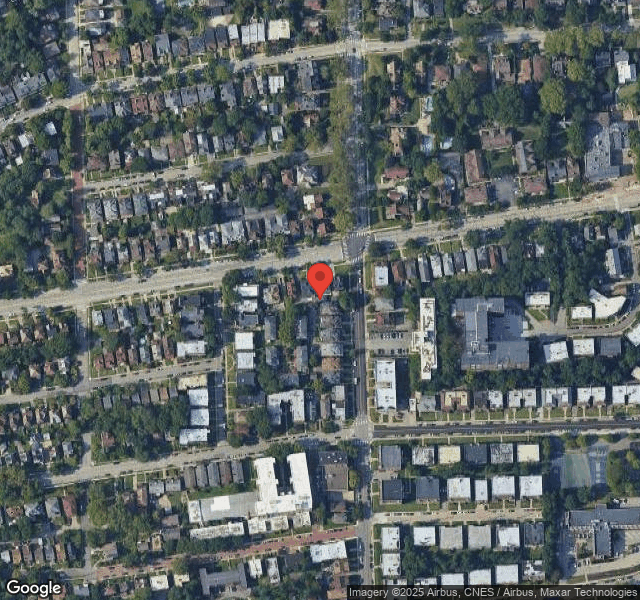
2025 WIGHTMAN STREET, PITTSBURGH, PA 15217 (412) 421-8443
For profit - Corporation 178 Beds POLLAK HOLDINGS Data: November 2025 2 Immediate Jeopardy citations
Trust Grade
0/100
#634 of 653 in PA
Last Inspection: February 2025

Within standard 12-15 month inspection cycle. Federal law requires annual inspections.

Overview

Squirrel Hill Wellness and Rehabilitation Center has received a Trust Grade of F, indicating poor performance with significant concerns about care and safety. They rank #634 out of 653 nursing homes in Pennsylvania, placing them in the bottom half of facilities in the state. While the facility's trend is improving, having reduced issues from 39 to 29, there are still serious concerns, including a troubling record of $200,363 in fines, which is higher than 92% of Pennsylvania facilities. Staffing is a weak point, with only 1 out of 5 stars and less registered nurse (RN) coverage than 94% of state facilities, and a critical incident involved staff physically assaulting a resident, resulting in serious injuries. Strengths include a low staff turnover rate of 0%, but these issues highlight the need for caution when considering this facility for your loved one.

Trust Score
F
0/100
In Pennsylvania
#634/653
Bottom 3%
Safety Record
High Risk
Review needed
Inspections
Getting Better
39 → 29 violations
Staff Stability
○ Average
Turnover data not reported for this facility.
Penalties
✓ Good
$200,363 in fines. Lower than most Pennsylvania facilities. Relatively clean record.
Skilled Nurses
⚠ Watch
Each resident gets only 11 minutes of Registered Nurse (RN) attention daily — below average for Pennsylvania. Fewer RN minutes means fewer trained eyes watching for problems.
Violations
⚠ Watch
100 deficiencies on record. Higher than average. Multiple issues found across inspections.
★☆☆☆☆
1.0
Overall Rating
★☆☆☆☆
1.0
Staff Levels
★★★☆☆
3.0
Care Quality
★☆☆☆☆
1.0
Inspection Score
Stable
2024: 39 issues
2025: 29 issues

The Good

  • Full Sprinkler Coverage · Fire safety systems throughout facility
  • No fines on record

Facility shows strength in fire safety.

The Bad

1-Star Overall Rating

Below Pennsylvania average (3.0)

Significant quality concerns identified by CMS

Federal Fines: $200,363

Well above median ($33,413)

Significant penalties indicating serious issues

Chain: POLLAK HOLDINGS

Part of a multi-facility chain

Ask about local staffing decisions and management

The Ugly 100 deficiencies on record

2 life-threatening 2 actual harm
May 2025 1 deficiency
CONCERN (F) 📢 Someone Reported This

A family member, employee, or ombudsman was alarmed enough to file a formal complaint

Potential for Harm - no one hurt, but risky conditions existed

Deficiency F0925 (Tag F0925)

Could have caused harm · This affected most or all residents

Based on review of facility policy, observations, resident and staff interviews, and review of the pest control documentation it was determined that the facility failed to maintain effective pest cont...

Read full inspector narrative →
Based on review of facility policy, observations, resident and staff interviews, and review of the pest control documentation it was determined that the facility failed to maintain effective pest control programs so that the facility was free of pests in the Main Kitchen. Finding include: Review o the facility policy Pest Control Program dated 2/14/25, indicated it is the policy of this facility to maintain an effective pest control program that eradicates and contains common household pests and rodents. During an observation of the Main Kitchen on 5/20/25, at 8:42 a.m. mouse droppings and mouse traps were observed in the kitchen storage area. During an interview on 5/20/25, at 8:44 a.m. Assistant Kitchen Manager Employee E1 confirmed that there is a current concern with mice in the Main Kitchen. Assistant Kitchen Manager Employee E1 stated that morning she came in to throw tortilla shells away due to mice getting into the package. She keeps a detailed list of all food that needs to be discarded and replaced. During an observation in the Main Kitchen Dry Storage room it was noted that an open box with bags of brown sugar inside had mouse droppings on the top of the box near the opening. There were also two mouse traps located in the room. It was also observed that tortilla shells had to be disposed of due to mice eating through the packaging. During an interview on 5/20/25, at 9:08 a.m. Resident R1 stated, The mice used to be really bad, has gotten a little better but still see them running around. During observations on nursing units on the 4th, 5th, and 6th floors multiple mouse traps were noted in resident ' s rooms. Review of the facility pest control records revealed the following: -4/23/25: Inspection of the kitchen, pantry, storage, breakroom, dining room and common areas, along with bait stations. Changed glue boards as needed. Bait was eaten in the dining room and breakroom areas and replaced as needed. Caught one mouse in glue traps on the 4th floor breakroom area and changed glue trap as needed. -4/29/25: Inspection of the kitchen, pantry, storage, breakroom, dining room, offices, and common areas, along with bait stations. Changed glue boards as needed. Bait was eaten in the dining room area and breakroom area, replaced bait as needed. -5/8/25: Inspection of the kitchen, storage, breakroom, and common areas, along with bait stations. Changed glue boards as needed. Bait was eaten in the 8th floor dining room area, kitchen area and the 2nd floor hallway area, replaced bait as needed. Caught two mice on glue traps in the 8th floor breakroom, changed glue traps as needed. -5/16/25: Inspection of the kitchen, storage, offices, and common areas, along with bait stations. Changed glue boards as needed. Bait was eaten in the storage room areas and the exterior of the building, replaced bait as needed. -5/19/25: Inspection of the kitchen, offices, pantry, storage, and common areas, along with bait stations. Changed glue boards as needed. Added bait stations to the 8th floor kitchen areas and pantry areas. Caught three mice on glue traps; two on the 8th floor pantry area and one on 3rd floor rehab area, changed glue traps as needed. During an interview on 5/20/25, at 11:40 a.m. the Nursing Home Administrator and Director of Nursing confirmed that the facility failed to maintain an effective pest control program. 28 Pa. Code 201.14(a) Responsibility of licensee. 28 Pa. Code 207.2 Administrator ' s responsibility.
Feb 2025 28 deficiencies
CONCERN (D) 📢 Someone Reported This

A family member, employee, or ombudsman was alarmed enough to file a formal complaint

Potential for Harm - no one hurt, but risky conditions existed

Resident Rights (Tag F0550)

Could have caused harm · This affected 1 resident

**NOTE- TERMS IN BRACKETS HAVE BEEN EDITED TO PROTECT CONFIDENTIALITY** Based on observations, review of facility policies and documentation, clinical record review and interviews with residents and s...

Read full inspector narrative →
**NOTE- TERMS IN BRACKETS HAVE BEEN EDITED TO PROTECT CONFIDENTIALITY** Based on observations, review of facility policies and documentation, clinical record review and interviews with residents and staff, it was determined that the facility failed to honor a resident's right to smoke, for 4 of 10 residents reviewed (Residents R11, R19, R28, and R53). Findings include: A review of the facility Smoking Policy dated 10/20/24, indicated the facility follows a supervised smoking policy and smoking is permitted in designated areas. A review of the facility policy Smoke Free Facility dated 2/5/25, indicated that smoking is prohibited in all areas of the facility and facility grounds. A review of Resident R11's clinical record indicated the resident was admitted to the facility on [DATE] with diagnoses that included anxiety, depression, and hypertension (high blood pressure). The resident is alert and able to make needs known. A review of Resident R11's care plan dated 1/15/25, indicated the resident has history of smoking in the community and wishes to continue smoking. A review of a social service progress note dated 2/4/25, indicated Resident R11 was informed that smoking is no longer permitted on the premises. The resident declined to have a smoking patch and wants to transfer to a smoking facility. During an interview on 2/12/25, at 10:30 a.m. Resident R11 stated I want to smoke, and I don't want the patch, if I can't smoke here, I want transferred to a place I can smoke. I am an addict who quit drugs, I shouldn't have to give up my cigarettes. A review of Resident R19's clinical record indicated the resident was admitted to the facility on [DATE] with diagnoses that included paranoid schizophrenia (a type of psychosis where the mind does not agree with reality), diabetes, and tobacco use. The resident is alert and able to make needs known. A review of Resident R19's care plan dated 6/24/24, indicated the resident has history of smoking in the community and wishes to continue smoking. A review of a social service progress note dated 2/3/25, indicated Resident R19 was informed that smoking is no longer permitted on the premises. The resident declined to have a smoking patch or be referred to another smoking facility. During an interview on 2/14/25, at 9:35 a.m. Resident R19 stated I want to smoke, and I don't want the patch or to go anywhere else. A review of Resident R28's clinical record indicated the resident was admitted to the facility on [DATE] with diagnoses that included heart failure, and nicotine dependence. The resident is alert and able to make needs known. A review of Resident R28's care plan dated 11/1/24, indicated the resident has history of smoking in the community and wishes to continue smoking. A review of a social service progress note dated 2/4/25, indicated Resident R28 was informed that smoking is no longer permitted on the premises. The resident declined to have a smoking patch and wanted referred to another smoking facility. During an interview on 2/11/24, at 10:30 a.m. (resident still not transferred to another smoking facility) Resident R28 stated I don't want the patch, I told them if I can't smoke here, I want transferred to a place I can smoke. They said someone would come in and get me moved, no one has come in. Resident 28 repeatedly stated she does not want the patch and wants to go anywhere she can smoke right now. A review of Resident R53's clinical record indicated the resident was admitted to the facility on [DATE] with diagnoses that included heart failure, diabetes, and high blood pressure. The resident is alert and able to make needs known. A review of Resident R53's admission Agreement signed 6/12/23, indicated the facility is a smoking facility. A review of Resident R53's care plan dated 12/8/24, indicated the resident has history of smoking in the community and wishes to continue smoking. A review of a social service progress note dated 2/3/25, indicated Resident R53 was informed that smoking is no longer permitted on the premises. The resident declined to have a smoking patch and wanted referred to another smoking facility. During an interview on 2/14/25, at 9:45 a.m. Resident R53 stated I want to smoke, and I don't want the patch, and I really do not want to go anywhere else. During an interview on 2/14/25 at 1:00 p.m. the Director of Nursing confirmed the above findings and that the facility changed their smoking policy on 2/5/25, and Resident's R11, R19, R28, and R53's right to smoke was no longer honored at the facility. 28 Pa. Code 201.29(a)(j) Resident rights. 28 Pa. Code 209.3(a) Smoking.
CONCERN (D)

Potential for Harm - no one hurt, but risky conditions existed

Deficiency F0565 (Tag F0565)

Could have caused harm · This affected 1 resident

Based on review of facility policy, facility documentation, resident group and staff interviews, it was determined the facility failed to provide Resident Council the opportunity for meetings for thre...

Read full inspector narrative →
Based on review of facility policy, facility documentation, resident group and staff interviews, it was determined the facility failed to provide Resident Council the opportunity for meetings for three of twelve months (September 2024, October 2024, and November 2024). Findings include: Review of the facility policy titled, Resident Council Meetings reviewed 10/20/24, states the council meets at least quarterly but no less than as determined by the group. The Activity Director/designee shall be designated to serve as the group liaison. The designated liaison shall be responsible for providing assistance with facilitating successful group meetings and responding to written requests from the group meetings. During Resident Group, with four alert and oriented residents and the Ombudsman on 2/11/25, at 10:30 a.m., Residents R5, R26 R28 and R52 indicated some months no meetings were arranged. The attendees reported that the activities department had organized the meetings until the activity director and one other activity staff member resigned. Council members reported, now there is only one part time activity aide in the facility. During an interview on 2/12/25, at 12:00 p.m. the Nursing Home Administrator (NHA) confirmed the facility failed to provide Resident Group the opportunity for meetings for three of twelve months (September 2024, October 2024, and November 2024). 28 Pa. Code: 201.14 (a) Responsibility of licensee. 28 Pa. Code: 201.18 (e)(1)(4) Management.
CONCERN (D)

Potential for Harm - no one hurt, but risky conditions existed

Grievances (Tag F0585)

Could have caused harm · This affected 1 resident

Based on review of facility policy, observations, and resident and staff interviews, it was determined that the facility failed to provide and make accessible grievance forms to residents and visitors...

Read full inspector narrative →
Based on review of facility policy, observations, and resident and staff interviews, it was determined that the facility failed to provide and make accessible grievance forms to residents and visitors on one of two nursing units (fourth floor) and failed to make the grievance box accessible on one of two nursing units (fourth floor). Findings include: A review of the facility policy Resident and Family Grievance reviewed 10/20/24, indicated the facility utilizes a grievance form to identify concerns and for tracking. During an observation on 2/12/25, at 9:25 a.m. revealed the grievance box and forms were not accessible due to a trash bin placed in front of the grievance box on the fourth-floor nursing unit. During an observation on 2/12/25, at 9:25 a.m. revealed the grievance forms were not present on the fourth-floor nursing unit. During an interview on 2/12/25, at 9:25 a.m. The Director of Nursing confirmed the facility failed to provide and make accessible grievance forms to residents and visitors on one of two nursing units (fourth floor) and failed to make the grievance box accessible on one of two nursing units (fourth floor). 28 PA Code: 201.18(e)(4) Management. 28 PA Code: 201.29(a)(b)(c) Resident rights.
CONCERN (D)

Potential for Harm - no one hurt, but risky conditions existed

Investigate Abuse (Tag F0610)

Could have caused harm · This affected 1 resident

**NOTE- TERMS IN BRACKETS HAVE BEEN EDITED TO PROTECT CONFIDENTIALITY** Based on review of facility policy, clinical records and staff interviews, it was determined that the facility failed to make ce...

Read full inspector narrative →
**NOTE- TERMS IN BRACKETS HAVE BEEN EDITED TO PROTECT CONFIDENTIALITY** Based on review of facility policy, clinical records and staff interviews, it was determined that the facility failed to make certain allegations of abuse, neglect, exploitation, or mistreatment are thoroughly investigated for one of two residents reviewed. (Resident R46). Findings include: A review of the facility Abuse, Neglect, and Exploitation policy dated 10/20/24, indicated that the facility will provide complete and through documentation of the investigation. Identify and interviewing all involved persons, including the alleged victim, alleged perpetrator, witness and others who might have knowledge of the allegations. A review of Resident R46's admission record indicated the resident was admitted on [DATE]. Resident R46 was transferred to the hospital 2/3/25 for evaluation of a Deep Vein Thrombosis (blood clot). Review of the Resident Assessment Instrument 3.0 User's Manual effective October 2019 indicated that a Brief Interview for Mental Status (BIMS), is a screening test that aides in detecting cognitive impairment. The BIMS total score suggests the following distributions: 13-15: cognitively intact 8-12: moderately impaired 0-7: severe impairment A review of Resident R46 Minimum Data Set assessment (MDS-a periodic assessment of resident care needs) dated 1/23/25, included diagnoses of Cerebrovascular Accident (stroke), anxiety disorder, depression, and chronic osteomyelitis of the left ankle and foot (bone infection). Review of Section C: Cognitive Patterns, Questions C0500 BIMS Summary Score revealed Resident R46's score to be 14, intact cognition. A review of facility submitted documents, indicated Resident R46 and nursing staff, RN Employee E14 and LPN Employee R15 were giving Resident R46 a hard time when the resident asked why his pain medication was late, an escalation between resident and staff occurred. Reportedly LPN Employee E15 stated in fact now I am going to make sure you're the last one who gets medication and Employee E14 was heard saying let him shit and piss on himself and sit in it. The investigation report indicates the resident (victim) was interviewed, (no resident interview was attached) and the report indicates Resident R46 is not a credible source, referencing residence past behaviors and medical history. A review of the personnel files indicates that both RN Employee E14 and LPN Employee E15 were terminated from the facility after this event. There was no documented evidence the facility interviewed Resident R46 for the alleged incident of abuse. During an interview on 2/12/25, at 11:15 a.m. the Nursing Home Administrator (NHA) and Director of Nursing (DON) confirmed that the facility failed to thoroughly investigate an alleged incident of neglect for one of two residents (Resident R46). 28 Pa Code: 201.14(a)(c)(e) Responsibility of licensee 28 Pa Code: 201.18 (b)(1)(e)(1) Management 28 Pa. Code: 201.20 (b) Staff development.
CONCERN (D)

Potential for Harm - no one hurt, but risky conditions existed

Tube Feeding (Tag F0693)

Could have caused harm · This affected 1 resident

**NOTE- TERMS IN BRACKETS HAVE BEEN EDITED TO PROTECT CONFIDENTIALITY** Based on review of facility policy, manufacturer's information, clinical record review, observations, and staff interview, it wa...

Read full inspector narrative →
**NOTE- TERMS IN BRACKETS HAVE BEEN EDITED TO PROTECT CONFIDENTIALITY** Based on review of facility policy, manufacturer's information, clinical record review, observations, and staff interview, it was determined the facility failed to provide to provide appropriate care and services to residents receiving tube feedings for one of two residents reviewed (Residents R20). Findings include: The facility policy entitled Care and Treatment of Feeding Tubes (delivery of food or medication via tube surgically inserted into stomach) dated 10/20/24, indicated the facility must utilize feeding tubes in accordance with current clinical standards of practice, with interventions to prevent complications to the extent possible. Review of the manufacturer's information, Glucerna 1.5 Cal dated 9/7/24, indicated, All medical foods, regardless of type of administration system, require careful handling because they can support microbial growth. NOTE: Failure to follow the increases the potential for microbial contamination and may reduce Hang product for up to 48 hours after initial connection when clean technique and only one new set are used. Otherwise hang for no more than 24 hours Review of the clinical record revealed that Resident R20 was originally admitted to the facility on [DATE], and readmitted on [DATE]. Review of the Minimum Data Set (MDS - periodic assessment of resident care needs) dated 2/2/25, included diabetes (a metabolic disorder in which the body has high sugar levels for prolonged periods of time), dysphagia (difficulty swallowing), and hemiplegia (paralysis on one side of the body) following a stroke. Section K- Swallowing/Nutritional Status indicated the resident had a feeding tube while a resident. Review of Resident R20's plan of care developed initiated 7/7/22, and updated 11/1/24, indicated Resident R20 required tube feedings related to dysphagia. Review of a physician order dated 2/7/25, indicated that Resident R20 was to receive Glucerna 1.5 via peg-tube (a tube inserted through the abdominal wall that brings nutrition directly to the stomach) at a rate of 80 ml (milliliters) per hour, from 8:00 p.m. to 8:00 a.m. During an observation on 2/13/25, at 11:38 a.m. Resident R20 was observed with his tube feeding attached. Observation of the tube feeding formula container did not show that it was dated when opened. During an observation on 2/14/25, at 11:00 a.m. Resident R20's tube feeding formula container did not show that it was dated when opened. During an interview on 2/14/25, at 11:02 a.m. Registered Nurse Employee E10 confirmed that the tube feeding container was still hanging, and that it was not possible to know what date it was opened. During an interview on 2/14/25, at 11:09 a.m. the Director of Nursing (DON) confirmed that when the tube feeding is stopped at 8:00 a.m. in the morning, the container should be removed as the formula should not be used after opened for 24 hours. The DON further confirmed that leaving the tube feeding container hanging after the stop time, without a date and time, provided the potential for the use of the tube feeding formula beyond the 24 hour limitation. During an interview on 2/14/25, at approximately 2:00 p.m. the Nursing Home Administrator and the the Director of Nursing confirmed the facility failed to provide to provide appropriate care and services to residents receiving tube feedings for one of two residents reviewed. 28 Pa. Code: 201.18(b)(1) Management. 28 Pa. Code: 211.12(d)(1) Nursing services. 28 Pa. Code: 211.10(c) Resident care policies.
CONCERN (D)

Potential for Harm - no one hurt, but risky conditions existed

Deficiency F0698 (Tag F0698)

Could have caused harm · This affected 1 resident

**NOTE- TERMS IN BRACKETS HAVE BEEN EDITED TO PROTECT CONFIDENTIALITY** Based on review of facility policy and clinical records, and staff interview, it was determined that facility staff failed to ma...

Read full inspector narrative →
**NOTE- TERMS IN BRACKETS HAVE BEEN EDITED TO PROTECT CONFIDENTIALITY** Based on review of facility policy and clinical records, and staff interview, it was determined that facility staff failed to maintain ongoing communication with the hemodialysis (a machine filters wastes, salts and fluid from your blood when your kidneys are no longer healthy enough to do this work adequately) center for one of two residents reviewed (Resident R18). Findings include: A review of the facility policy Hemodialysis reviewed 10/20/24, indicated residents ordered dialysis will have ongoing communication and collaboration with the dialysis facility regarding dialysis care and services. The licensed nurse will communicate via written format with a dialysis communication form. A review of the clinical record indicated Resident R18 was re-admitted to the facility on [DATE], with diagnoses that included end-stage renal disease (ESRD - the kidneys permanently fail to work) and low blood pressure. A review of the Minimum Data Set (MDS - periodic assessment of care needs) dated 2/2/25, indicated the diagnoses remain current. A review of a physician's order summary dated 1/1/25 through 2/28/25, indicated Resident R18 was to receive dialysis three days a week on Tuesday, Thursday, and Saturday. A review of the nurse progress notes indicated Resident R18 receives dialysis three times a week. A review of Resident R18's Dialysis Hand Off Communication Report forms from 1/14/25 through 2/13/25, revealed 9 communication forms out of 9 scheduled treatments were observed. The section to be completed by dialysis and returned with the resident were left blank on 1/14, 1/16, 1/21, 1/25, 1/28, 1/30, 2/6, 2/8, and 2/13/25. During an interview on 2/14/25, at 1:00 p.m. the Director of Nursing confirmed the above findings and the facility failed to ensure the dialysis communication form was completed between the facility and dialysis center for Resident R18. 28 Pa. Code: 211.12(d)(1)(3)(5) Nursing services.
CONCERN (D)

Potential for Harm - no one hurt, but risky conditions existed

Deficiency F0699 (Tag F0699)

Could have caused harm · This affected 1 resident

**NOTE- TERMS IN BRACKETS HAVE BEEN EDITED TO PROTECT CONFIDENTIALITY** Based on review of facility policy, clinical records, and staff interviews, it was determined that the facility failed to provid...

Read full inspector narrative →
**NOTE- TERMS IN BRACKETS HAVE BEEN EDITED TO PROTECT CONFIDENTIALITY** Based on review of facility policy, clinical records, and staff interviews, it was determined that the facility failed to provide culturally competent, trauma care in accordance with professional standards of practice, accounting for the resident's past experiences and preferences in order to eliminate and/or mitigate triggers that may cause re-traumatization of the resident for three of eight residents (Resident R58, R20, and R30). Findings include: Review of the facility policy, Trauma Informed Care dated 10/20/24, indicated the facility will provide care and services which are delivered using approaches which are culturally-competent, account for experienced and preferences, ad address the needs of trauma survivors by minimizing triggers and/or retraumatization. The policy indicated trauma results from an event, series of events, or set of circumstances that is experienced by an individual ' s physically or emotionally harmful or life threatening and that has lasting adverse effects on the individual. Included in the list of common sources was violent crime. Review of the clinical record revealed that Resident R58 was admitted to the facility on [DATE]. Review of the Minimum Data Set (MDS, periodic assessment of resident care needs) dated 1/23/25, included diagnoses of unspecified multiple injuries, fractures of both femurs (upper leg bones), insomnia, and depression. Review of a progress note dated 1/14/25, indicated Resident R58 has a history of GSW (gunshot wound) to legs and left hand and was admitted to [hospital] as level 1 trauma and had emergency surgery for BL (bilateral, both sides of the body) femur fractures and had IM nail (a metal rod forced into the cavity of a bone). Has significant pain legs and difficulty ambulating. Review of Resident R58's evaluations failed to reveal an assessment for trauma-informed care or possible post-traumatic stress disorder. (PTSD, mental health condition triggered by experiencing or witnessing a terrifying event). Review of a progress note dated 1/16/25, indicated Resident R58 has moderate depression. Review of Resident R58's Social History Assessment completed on 1/16/25, at 1:28 p.m. indicated Resident R58 experienced anxiety, agitation, and depression. Review of a progress note dated 2/12/25, at 10:53 a.m. Resident R58 reported increased anxiety. Review of Resident R58's plan of care developed 1/14/25, failed to include goals and interventions related to trauma-informed care. During an interview on 2/12/25, at 1:25 p.m. Resident R58 stated she had five gunshot wounds, and the perpetrator has not been apprehended. Resident R58 stated she had set up a code word on admission, but she is worried that the facility does not stop visitors when they enter the building before being allowed on the elevator. Additionally, Resident R58 requested that her name not be placed outside of her door, identifying her room. Observation at this time revealed Resident R58's name placed outside of her door. Review of the clinical record revealed that Resident R20 was originally admitted to the facility on [DATE], and readmitted on [DATE]. Review of the MDS dated [DATE], included diagnoses of anxiety, depression, and PTSD. Review of Resident R20's plan of care developed initiated 7/7/22, and updated 11/1/24, failed to include goals and interventions related to PTSD. Review of Resident R20's evaluations failed to reveal an assessment for trauma-informed care or PTSD. Review of the clinical record revealed that Resident R30 was admitted to the facility on [DATE]. Review of the MDS dated [DATE], included diagnoses of anxiety, depression, and PTSD. Review of Resident R30's plan of care developed initiated 12/3/23, and updated 8/261/24, failed to include goals and interventions related to PTSD. Review of Resident R30's evaluations failed to reveal an assessment for trauma-informed care or PTSD. During an interview on 2/14/25, at approximately 11:00 a.m. the Director of Nursing that the facility failed to provide culturally competent, trauma care in accordance with professional standards of practice, accounting for the resident's past experiences and preferences in order to eliminate and/or mitigate triggers that may cause re-traumatization of the resident for three of eight residents. 28 Pa. Code 211.10 (a) Resident care policies. 28 Pa. Code 211.12(d)(3)(5) Nursing services.
CONCERN (D)

Potential for Harm - no one hurt, but risky conditions existed

Deficiency F0730 (Tag F0730)

Could have caused harm · This affected 1 resident

Based on review of facility policy, personnel records, and staff interview it was determined that the facility failed to complete annual performance evaluations for one out of four nurse aides (NA Emp...

Read full inspector narrative →
Based on review of facility policy, personnel records, and staff interview it was determined that the facility failed to complete annual performance evaluations for one out of four nurse aides (NA Employee E3). Findings include: Review of nurse aide performance evaluations completed by the facility failed to include a performance evaluation for Nurse Aide Employee E3, with a hire date of 10/11/04. During an interview on 2/14/25, at approximately 2:00 p.m. the Nursing Home Administrator confirmed that the facility failed to complete annual performance evaluations for one of four nurse aides as required. 28 Pa Code: 201.20 (a)(b)(c)(d) Staff development. 28 Pa Code: 201.14 (a) Responsibility of licensee.
CONCERN (D)

Potential for Harm - no one hurt, but risky conditions existed

Drug Regimen Review (Tag F0756)

Could have caused harm · This affected 1 resident

**NOTE- TERMS IN BRACKETS HAVE BEEN EDITED TO PROTECT CONFIDENTIALITY** Based on facility policy, clinical record review and staff interview, it was determined that the facility failed to ensure the p...

Read full inspector narrative →
**NOTE- TERMS IN BRACKETS HAVE BEEN EDITED TO PROTECT CONFIDENTIALITY** Based on facility policy, clinical record review and staff interview, it was determined that the facility failed to ensure the pharmacy completed a Medication Regime Review (MRR) at least monthly for two of five residents (Resident R5 and R56). Findings: Review of facility policy Medication Regimen Review reviewed 10/20/24, indicated the drug regimen of each resident is reviewed at least once a month by a licensed pharmacist. The Medication Regimen Review (MRR) is a thorough evaluation of the medication regimen of a resident, with the goal of promoting positive outcomes and minimizing adverse consequences and potential risks associated with medications. Review of the clinical record revealed Resident R5 was admitted to the facility on [DATE], with diagnoses that included dementia (group of symptoms affecting memory, thinking and social abilities), depression, and diabetes. Review of Minimum Data Set (MDS - a mandated assessment of a resident's abilities and care needs) dated 11/6/24, indicated the diagnoses remain current. Review of the care plan dated 2/9/20, indicated to consult with pharmacy, and MD to gradually reduce dosages if clinically appropriate to do so. Review of Resident R5 clinical record failed to indicate a MRR was completed for February 2024, April 2024, May 2024, June 2024, July 2024, September 2024, October 2024, and November 2024. Review of the clinical record indicated Resident R56 was admitted to the facility on [DATE], with diagnoses that included high blood pressure, diabetes, and dementia. Review of MDS dated [DATE], indicated the diagnoses remain current. Review of the care plan dated 5/31/24, indicated to consult with pharmacy, and MD to gradually reduce dosages if clinically appropriate to do so. Review of Resident R56 clinical record failed to indicate a MRR was completed for September 2024, October 2024, November 2024, and December 2024. During an interview on 2/14/25, at 2:00 p.m. the Director of Nursing confirmed the facility failed to complete monthly pharmacy MRR's.
CONCERN (D)

Potential for Harm - no one hurt, but risky conditions existed

Medical Records (Tag F0842)

Could have caused harm · This affected 1 resident

**NOTE- TERMS IN BRACKETS HAVE BEEN EDITED TO PROTECT CONFIDENTIALITY** Based on review of facility policies and clinical records and staff interview, it was determined that the facility failed to mak...

Read full inspector narrative →
**NOTE- TERMS IN BRACKETS HAVE BEEN EDITED TO PROTECT CONFIDENTIALITY** Based on review of facility policies and clinical records and staff interview, it was determined that the facility failed to make certain that medical records on each resident are complete and accurately documented for two of four residents (Residents R59 and R61) A review of the facility policy Documentation in the Clinical Record dated 10/20/24, indicated the resident's medical record shall be complete, accurate, and timely. During an interview on 2/13/25, at 1:00 p.m. the Director of Nursing revealed that clinical records shall be completed within 30 days of a resident discharge from the facility. A review of the clinical record on 2/13/25, indicated that Resident R59 was admitted to the facility on [DATE] and ceased to breathe on 12/2/24. A review of the Interdisciplinary Discharge Summary and Disposition of Medications forms dated 12/2/24, were not completed. A review of the clinical record on 2/13/25, indicated that Resident R61 was admitted to the facility 10/14/24, and discharged on 11/19/24. A review of the Interdisciplinary Discharge Summary and Disposition of Medications forms dated 11/19/24, were not completed. During an interview on 2/13/25 at 1:00 p.m., The Director of Nursing (DON) confirmed the above findings, and the facility failed to make certain that medical records on each resident are complete and accurately documented for Residents R59 and R61. 28 Pa. Code: 211.5(f)(g)(h) Clinical records.
CONCERN (E)

Potential for Harm - no one hurt, but risky conditions existed

Deficiency F0578 (Tag F0578)

Could have caused harm · This affected multiple residents

**NOTE- TERMS IN BRACKETS HAVE BEEN EDITED TO PROTECT CONFIDENTIALITY** Based on review of the facility policy and clinical records and staff interview, it was determined that the facility failed to p...

Read full inspector narrative →
**NOTE- TERMS IN BRACKETS HAVE BEEN EDITED TO PROTECT CONFIDENTIALITY** Based on review of the facility policy and clinical records and staff interview, it was determined that the facility failed to provide the opportunity to formulate an advance directive (written instructions for when the individual is incapacitated) or conduct periodic review of instructions, for seven of the twenty-two residents reviewed (Resident R5, R11, R35, R41 R45, R52, and R55). Findings Include: A review of the facility policy Resident Rights Regarding Treatment and Advanced Directives last reviewed 10/20/24, indicated it's the policy of this facility to support and facilitate a resident's right to request, refuse and/or discontinue medical or surgical treatment and to formulate and advance directive. Decisions regarding advanced directives and treatment will be periodically reviewed as part of the comprehensive care planning process, the existing care instructions and whether the resident wishes to change or continue these instructions. Review of the Resident Assessment Instrument 3.0 User's Manual, effective October 2023, indicated that a Brief Interview for Mental Status (BIMS) is a screening test that aides in detecting cognitive impairment. The BIMS total score suggests the following distributions: 13-15: cognitively intact 8-12: moderately impaired 0-7: severe impairment Review of the clinical record indicated Resident R5 was originally admitted to the facility on [DATE]. Review of Resident R5's Minimum Data Set (MDS - a periodic assessment of care needs) dated 7/17/24, indicated diagnoses of Anxiety, depression, and dementia, a BIMS of 15. A review of the clinical record failed to reveal an advance directive, evidence that a periodic advanced directive review occurred or documentation that Resident R5 was given the opportunity to formulate an Advanced Directive. Review of the clinical record indicated Resident R11 was admitted to the facility on [DATE]. Review of Resident R11's Minimum Data Set (MDS - a periodic assessment of care needs) dated 5/16/24, indicated diagnoses of Anxiety, depression, and hypertension (high blood pressure), a BIMS of 15. A review of the clinical record failed to reveal an advance directive, evidence that a periodic advanced directive review occurred or documentation that Resident R11 was given the opportunity to formulate an Advanced Directive. Review of the clinical record indicated Resident R35 was admitted to the facility on [DATE]. Review of Resident R35's MDS dated [DATE], indicated diagnoses of Anxiety, depression, and coronary artery disease (heart disease), a BIMS of 15. A review of the clinical record failed to reveal an advance directive, evidence that a periodic advanced directive review occurred or documentation that Resident R35 was given the opportunity to formulate an Advanced Directive. Review of the clinical record indicated Resident R41 was admitted to the facility on [DATE]. Review of Resident R41's MDS dated [DATE], indicated diagnoses of stroke, depression, and dementia, a BIMS of 7. A review of the clinical record failed to reveal an advance directive, evidence that a periodic advanced directive review occurred or documentation that Resident R41 was given the opportunity to formulate an Advanced Directive. Review of the clinical record indicated Resident R45 was admitted to the facility on [DATE]. Review of Resident R45's MDS dated [DATE], indicated diagnoses of left shoulder fracture, depression, and dementia, a BIMS of 8. A review of the clinical record failed to reveal an advance directive, evidence that a periodic advanced directive review occurred or documentation that Resident R45 was given the opportunity to formulate an Advanced Directive. Review of the clinical record indicated Resident R52 was originally admitted to the facility on [DATE]. Review of Resident R52's MDS dated [DATE], indicated diagnoses of coronary artery disease (heart disease), dementia, depression, a BIMS of 15. A review of the clinical record failed to reveal an advance directive, evidence that a periodic advanced directive review occurred or documentation that Resident R52 was given the opportunity to formulate an Advanced Directive. Review of the clinical record indicated Resident R55 was admitted to the facility on [DATE]. Review of Resident R55's MDS dated [DATE], indicated diagnoses of schizoaffective disorder (mental illness affects thoughts, mood and behavior), diverticulitis of large intestine with perforation and abscess (inflammation of the colon), and hypertension (high blood pressure), a BIMS of 15. A review of the clinical record failed to reveal an advance directive, evidence that a periodic advanced directive review occurred or documentation that Resident R55 was given the opportunity to formulate an Advanced Directive. During an interview on 2/11/25 at 8:00 a.m. the Nursing Home Administrator (NHA) confirmed that the facility failed to provide the opportunity to formulate an advance directive or conduct periodic review of instructions, for seven of the twenty-two residents reviewed (Resident R5, R11, R35, R41 R45, R52, and R55). 28 Pa. Code: 201.29(b)(d)(j) Resident rights.
CONCERN (E)

Potential for Harm - no one hurt, but risky conditions existed

Deficiency F0582 (Tag F0582)

Could have caused harm · This affected multiple residents

Based on review of facility policy, facility documents, and staff interviews, it was determined that the facility failed to provide in a timely manner, notice of Medicare non coverage (payment) for tw...

Read full inspector narrative →
Based on review of facility policy, facility documents, and staff interviews, it was determined that the facility failed to provide in a timely manner, notice of Medicare non coverage (payment) for two of two residents (Resident R217 and R218). Findings include: Review of CMS guidelines, Medicare provider or health plan must deliver a completed copy of the Notice of Medicare Non-Coverage (NOMNC) to beneficiaries/enrollees receiving covered skilled nursing, home health (including psychiatric home health), comprehensive outpatient rehabilitation facility, and hospice services. The NOMNC must be delivered at least two calendar days before Medicare covered services end or the second to last day of service if care is not being provided daily. The Skilled Nursing Facility Advanced Beneficiary Notice of Non-Coverage, (SNF ABN) must be issued to Medicare Fee -for-Service (original Medicare) beneficiaries who are receiving care in a Skilled Nursing Facility (SNF) when: Medicare is expected to deny coverage and when the SNF wants to charge the beneficiary for the non-covered services. A review of the facility policy Advance Beneficiary Notices, last reviewed 10/20/24, indicated the facility assures appropriate Advance Beneficiary Notices are issued in accordance with CMS guidelines. A review of the list of Medicare residents who were discharged from a Medicare Part A stay with benefit days remaining, provided by the facility on 2/11/25, included Residents R217 and R218. A review of the SNF ABN form for Residents R218 indicated payment for skilled nursing services would end on 8/2/24. The facility failed to provide the document for Resident R218 and failed to provide the resident time to appeal. A review of the SNF ABN form for Residents R217 indicated payment for skilled nursing services would end on 10/21/24. The facility failed to provide the document for Resident R 217 and failed to provide the resident time to appeal. A review of the facility NOMNC form indicated that the resident has a right to appeal non-payment of services, your request must be made no later than noon of the day before the effective date of non-coverage. A review of the NOMNC form for Resident R217 indicated payment for skilled nursing services will end 10/21/24. The facility failed to provide the document for Resident R 217 and failed to provide the resident time to appeal. During an interview on 2/11/25, at 10:20 a.m. the NHA confirmed that the facility was unable to provide the NOMNC form for Resident R217 and the SNF ABN for Residents R217 and R218. 28 Pa. Code 201.14(a) Responsibility of licensee. 28 Pa. Code 201.18(b)(2) Management. 28 Pa. Code 201.29(a): Resident rights.
CONCERN (E) 📢 Someone Reported This

A family member, employee, or ombudsman was alarmed enough to file a formal complaint

Potential for Harm - no one hurt, but risky conditions existed

Safe Environment (Tag F0584)

Could have caused harm · This affected multiple residents

**NOTE- TERMS IN BRACKETS HAVE BEEN EDITED TO PROTECT CONFIDENTIALITY** Based on policy review and observations and staff interviews it was determined that the facility failed to maintain a homelike e...

Read full inspector narrative →
**NOTE- TERMS IN BRACKETS HAVE BEEN EDITED TO PROTECT CONFIDENTIALITY** Based on policy review and observations and staff interviews it was determined that the facility failed to maintain a homelike environment throughout the facility (resident rooms, dining rooms and hallways) for three of three nursing units. (4th, 5th, and 6th floor nursing units) Findings include: A review of the facility policy Safe and Homelike Environment dated 10/20/24, indicated the facility will provide a safe, clean, comfortable, and homelike environment. During an observation of the facility on 2/14/25, at 9:30 a.m., the following was revealed: * Resident room [ROOM NUMBER] W (window) air condition/heating unit had broken vents and dusty debris and trash particles inside the unit. The wall next to the bathroom entrance had missing molding and holes around the night light. * Resident room [ROOM NUMBER] W air condition/heating unit had broken vents and dusty debris and trash particles inside the unit. * Resident room [ROOM NUMBER] W air condition/heating unit had broken vents and dusty debris and trash particles inside the unit. * Resident room [ROOM NUMBER] W air condition/heating unit had broken vents and dusty debris and trash particles inside the unit. * Resident room [ROOM NUMBER] W air condition/heating unit had broken vents and dusty white debris and trash particles inside the unit. * Resident rooms [ROOM NUMBERS] had molding around the perimeter of the rooms with exposed tubing and black cables that lead into the bathroom sink drainage connection and not in use. * Dining rooms on the 4th, 5th, and 6th floors had brown vinyl flooring that was lifting up and had worn black holes throughout. * Fifth Floor nursing units rooms 511, 512, and multiple rooms with no room numbers had walls with holes and scratches behind the beds. *Sixth Floor nursing unit room [ROOM NUMBER] had holes in the wall and scratches behind the bed. During an interview on 2/14/25, at 10:30 a.m., the Director of Nursing confirmed that the facility failed to maintain the facility in a homelike environment. Pa Code: 207.2 (a) Administrator's responsibility
CONCERN (E)

Potential for Harm - no one hurt, but risky conditions existed

Comprehensive Assessments (Tag F0636)

Could have caused harm · This affected multiple residents

Based on review of the Resident Assessment Instrument User's Manual, clinical records, and staff interview, it was determined that the facility failed to make certain that comprehensive Minimum Data S...

Read full inspector narrative →
Based on review of the Resident Assessment Instrument User's Manual, clinical records, and staff interview, it was determined that the facility failed to make certain that comprehensive Minimum Data Set (MDS- periodic assessment of resident care needs) assessments were completed in the required time frame for seven of 25 residents (Resident R1, R23, R45, R49, R52, R57, and R58). Findings include: The Long-Term Care Facility Resident Assessment Instrument (RAI) User's Manual, which provides instructions and guidelines for completing required MDS assessments, dated October 2024, indicated that an admission MDS assessment was to be completed no later than 14 days following admission (admission date plus 13 calendar days), and annual MDS assessment was to be completed no later than Assessment Reference Date (ARD). Resident R1 had an ARD of 11/13/24, with an MDS completion date of 11/28/24. Resident R23 had an ARD of 1/16/25, with an MDS completion due date of 1/31/25. Resident R45 had an admission date of 1/13/25, with an MDS completion due date of 1/27/25. Resident R49 had an ARD of 12/15/24, with an MDS completion date of 1/3/25. Resident R52 had an ARD of 11/13/24, with an MDS completion date of 11/29/24. Resident R57 had an admission date of 1/15/25, with an MDS completion due date of 1/30/25. Resident R58 had an admission date of 1/11/25, with an MDS completion due date of 1/30/25. During an interview on 2/14/25, at approximately 2:00 p.m. the Nursing Home Administrator and the Director of Nursing were made aware that the facility failed to make certain that MDS assessments were completed in the required time frame for seven of 25 residents. 28 Pa. Code: 211.5(f) Clinical records.
CONCERN (E)

Potential for Harm - no one hurt, but risky conditions existed

Deficiency F0638 (Tag F0638)

Could have caused harm · This affected multiple residents

Based on review of the Resident Assessment Instrument User's Manual, clinical records, and staff interview, it was determined that the facility failed to make certain that quarterly Minimum Data Set a...

Read full inspector narrative →
Based on review of the Resident Assessment Instrument User's Manual, clinical records, and staff interview, it was determined that the facility failed to make certain that quarterly Minimum Data Set assessments were completed within the required time frame for ten of 51 residents (Resident R12, R14, R20, R30, R34, R35, R41, R43, R44, and R55). Findings include: The Long-Term Care Facility Resident Assessment Instrument (RAI) User's Manual, which provides instructions and guidelines for completing required Minimum Data Set (MDS) assessments (mandated assessments of a resident's abilities and care needs), dated October 2024, indicated that quarterly MDS assessments were to be completed no later than 14 days after the Assessment Reference Date (ARD). Resident R12 had an ARD of 12/12/24, with an MDS completion date of 1/3/25. Resident R14 had an ARD of 12/20/24, with an MDS completion date of 1/7/25. Resident R20 had an ARD of 11/14/24, with an MDS completion date of 11/30/24. Resident R30 had an ARD of 12/4/24, with an MDS completion date of 1/3/25. Resident R34 had an ARD of 11/28/24, with an MDS completion date of 1/3/25. Resident R35 had an ARD of 12/5/24, with an MDS completion date of 1/3/25. Resident R41 had an ARD of 12/19/24, with an MDS completion date of 1/3/25. Resident R43 had an ARD of 1/15/25, with an MDS completion date of 1/31/25. Resident R44 had an ARD of 11/14/24, with an MDS completion date of 11/28/24. Resident R55 had an ARD of 12/4/24, with an MDS completion date of 1/3/25. During an interview on 2/14/25, at approximately 2:00 p.m. the Nursing Home Administrator and the Director of Nursing were made aware that the facility failed to make certain that quarterly MDS assessments were completed in the required time frame for six of 25 residents. 28 Pa. Code: 211.5(f) Clinical records.
CONCERN (E)

Potential for Harm - no one hurt, but risky conditions existed

Assessment Accuracy (Tag F0641)

Could have caused harm · This affected multiple residents

Based on review of the Resident Assessment Instrument User's Manual and clinical records, and staff interview, it was determined that the facility failed to make certain that comprehensive Minimum Dat...

Read full inspector narrative →
Based on review of the Resident Assessment Instrument User's Manual and clinical records, and staff interview, it was determined that the facility failed to make certain that comprehensive Minimum Data Set assessments were accurate and fully completed for seven of ten residents (Resident R8, R10, R13, R29, R36, R40, and R54). Findings include: The Long-Term Care Facility Resident Assessment Instrument (RAI) User's Manual, which gives instructions for completing Minimum Data Set Assessments (MDS - periodic assessment of care needs) dated October 2024, indicated that Section C: Cognitive Patterns, Question C0100 Should Brief Interview for Mental Status Be Conducted? (BIMS) should be coded as 0 if the resident is rarely/never understood, or it should be coded 1, and the BIMS assessment should be completed if the resident is at least sometimes understood. Section D: Mood, Question D0100 Should Resident Mood Interview Be Conducted? should be coded as 0 if the resident is rarely/never understood, and or it should be coded 1, and the assessment should be completed if the resident is at least sometimes understood. -Resident R8 had an MDS completed on 1/9/25. Review of Section B: Hearing, Speech, and Vision, Question B0700 indicated that Resident R8 is sometimes understood. Review of Section C: Cognitive Patterns, Question C0100 indicated that Resident R8 is rarely understood, and the BIMS assessment was not completed. Review of Section D: Mood, Question C0100 indicated that Resident R8 is rarely understood, and the Resident Mood Interview assessment was not completed. -Resident R10 had an MDS completed on 11/13/24. Review of Section B: Hearing, Speech, and Vision indicated Resident R10 was not in a persistent vegetative state/no discernible consciousness. The remainder of the questions in this section were documented as Not Assessed. Review of Sections C: Cognitive Patterns and Section D: Mood, BIMS and Resident Mood Interview indicated all questions were documented as Not Assessed. -Resident R13 had an MDS completed on 11/19/24. Review of Section B: Hearing, Speech, and Vision, Question B0700 indicated that Resident R13 is understood. Review of Sections C: Cognitive Patterns, Question C0100 indicated the BIMS assessment should be completed. All further questions were documented as Not Assessed. -Resident R29 had an MDS completed on 2/4/25. Review of Section B: Hearing, Speech, and Vision, Question B0700 indicated that Resident R29 is sometimes understood. Review of Sections C: Cognitive Patterns and Section D: Mood, BIMS and Resident Mood Interview indicated all questions were documented as Not Assessed. -Resident R36 had an MDS completed on 11/16/24. Review of Section B: Hearing, Speech, and Vision indicated Resident R10 was not in a persistent vegetative state/no discernible consciousness. Question B0700: Makes Self Understood was documented as Not Assessed. Review of Sections C: Cognitive Patterns and Section D: Mood, BIMS and Resident Mood Interview indicated all questions were documented as Not Assessed. -Resident R40 had an MDS completed on 1/9/25. Review of Section B: Hearing, Speech, and Vision, Question B0700 indicated that Resident R40 is understood. Review of Sections C: Cognitive Patterns and Section D: Mood, BIMS and Resident Mood Interview indicated all questions were documented as Not Assessed. -Resident R54 had an MDS completed on 2/4/25. Review of Section B: Hearing, Speech, and Vision, Question B0700 indicated that Resident R54 is understood. Review of Sections C: Cognitive Patterns, Question C0100 indicated the BIMS assessment should be completed. All further questions were documented as Not Assessed. During an interview on 2/14/25, at approximately 12:00 p.m. the Resident Nurse Assessment Coordinator confirmed that the facility failed to make certain that comprehensive Minimum Data Set assessments were accurate and fully completed for seven of ten residents. 28 Pa. Code: 211.5(f) Clinical records.
CONCERN (E) 📢 Someone Reported This

A family member, employee, or ombudsman was alarmed enough to file a formal complaint

Potential for Harm - no one hurt, but risky conditions existed

Deficiency F0679 (Tag F0679)

Could have caused harm · This affected multiple residents

**NOTE- TERMS IN BRACKETS HAVE BEEN EDITED TO PROTECT CONFIDENTIALITY** Based on a review of the facility policy, clinical record and staff interviews, it was determined that the facility failed to pr...

Read full inspector narrative →
**NOTE- TERMS IN BRACKETS HAVE BEEN EDITED TO PROTECT CONFIDENTIALITY** Based on a review of the facility policy, clinical record and staff interviews, it was determined that the facility failed to provide an ongoing program of activities to meet the interests of and support the physical, mental, and psychosocial well-being of each resident for eight of ten residents (Residents R5, R11, R26, R35, R41, R45, R52, and R55). Findings included: Review of the facility policy Resident Rights reviewed 10/20/24, indicated the resident has the right to a dignified existence, self-determination, and communication with and access to persons and services inside and outside the facility. Self-Determination - The resident has the right to, and the facility must promote and facilitate self-determination through support of resident choice, including but not limited to: The resident has a right to choose activities, schedules, health care and providers of health care services consistent with his or her interests, assessments and plan of care and other applicable provisions of this part. Review of the Resident Assessment Instrument 3.0 User's Manual, effective October 2023, indicated that a Brief Interview for Mental Status (BIMS) is a screening test that aides in detecting cognitive impairment. The BIMS total score suggests the following distributions: 13-15: cognitively intact 8-12: moderately impaired 0-7: severe impairment During Resident Group on 2/12/25, at 10:30 a.m. the attendees Resident R5, R26, and R52 reported there are fewer activities since activity director and one other activity staff member resigned. Resident Group members reported, now there is only one part time activity aide in the facility, and she is doing the best she can. Review of the clinical record indicated Resident R5 was originally admitted to the facility on [DATE]. Review of Resident R5's Minimum Data Set (MDS - a periodic assessment of care needs) dated 7/17/24, indicated diagnoses of anxiety, depression, and dementia, a BIMS of 15. Activity preferences are reading, music, animals, news, group activities, going outside, and participation in religious services. Review of Resident R5's plan of care for leisure lifestyle choices and group activities initiated 11/28/17, and most recently revised 5/18/21, indicated the resident can make leisure lifestyle choices and attends daily group activities as an active participant daily. Resident does enjoy coloring, socializing, bingo, Resident Council President, arts/crafts, joking with staff and other residents she to receive a monthly activities calendar. Review of Resident R5's clinical record for 1/25, revealed the facility failed to provide an ongoing program of activities to meet the resident's interests. Review of Resident R5's Documentation Survey Report indicated Resident R5 participated in group programs on four of thirty-one days, three on the evening shift (3 p.m. to 11 p.m.) and one on the night shift (11 p.m. 7 a.m.). During resident group interview on 2/11/25, at 10:30 a.m. Resident R5 stated, the facility had a lot of group activities, not as many over the past months, we don't get the activities calendars anymore. Review of the clinical record indicated Resident R26 was originally admitted to the facility on [DATE]. Review of Resident R26's MDS dated [DATE], indicated diagnoses of End Stage Renal Disease (kidney failure), COPD (lung disease), systemic lupus erythematosus (body's immune system attacks its own tissues), a BIMS of 15. Activity preferences are reading, music, animals, news, group activities, going outside, and participation in religious services. Review of Resident R26's plan of care for activities intervention for acknowledge and strive to maintain positive compliance with treatment and care initiated 6/28/23. Review of Resident R26's clinical record for 1/25, revealed the facility failed to provide an ongoing program of activities to meet the resident's interests. Review of Resident R26's Documentation Survey Report indicated Resident R26 had not participated in any group activity. During resident group interview on 2/11/25, at 10:30 a.m. Resident R26 stated, I agree with the group comments of there being few activities now. Review of the clinical record indicated Resident R52 was originally admitted to the facility on [DATE]. Review of Resident R52's MDS dated [DATE], indicated diagnoses of coronary artery disease (heart disease), dementia, depression, a BIMS of 15. Activity preferences are reading, music, news, going outside, and participation in religious services. Review of Resident R52's plan of care for leisure lifestyle choices and group activities initiated 11/25/24, indicated the resident engages in daily activities of choice including reading his bible and sightseeing on the administrative floor with supervision/assistance. Review of Resident R52's clinical record for 1/25, revealed the facility failed to provide an ongoing program of activities to meet the resident's interests. Review of Resident R52's Documentation Survey Report indicated Resident R52 had not participated in any group activity. During resident council group interview on 2/11/25, at 10:30 a.m. Resident R52 stated, since two of the three activity staff left, the one girl does the best she can when she is here. Review of the clinical record indicated Resident R11 was admitted to the facility on [DATE]. Review of Resident R11's MDS dated [DATE], indicated diagnoses of Anxiety, depression, and hypertension (high blood pressure), a BIMS of 15. Activity preferences are reading, music, animals, news, group activities, and going outside. Review of Resident R11's plan of care for activities intervention for encourage participation in enjoyable activities initiated 5/24/24. Review of Resident R11's clinical record for 1/25, revealed the facility failed to provide an ongoing program of activities to meet the resident's interests. Review of Resident R11's Documentation Survey Report indicated Resident R11 participated in group programs on three of thirty-one days, on the evening shift (3 p.m. to 11 p.m.). During an interview on 2/12/25, at 10:30 a.m. Resident R11 stated, I like group activities and the games like cornhole they played here and crafts, they don't do many activities, crafts, or games now. Review of the clinical record indicated Resident R35 was admitted to the facility on [DATE]. Review of Resident R35's MDS dated [DATE], indicated diagnoses of Anxiety, depression, and coronary artery disease (heart disease), a BIMS of 15. Activity preferences are reading, music, animals, news, and going outside. Review of Resident R35's plan of care for activities intervention do not leave unattended while smoking initiated 12/19/23. Review of Resident R35's clinical record for 1/25, revealed the facility failed to provide an ongoing program of activities to meet the resident's interests. Review of Resident R35's Documentation Survey Report indicated Resident R35 participated in group programs on three of thirty-one days, three on the evening shift (3 p.m. to 11 p.m.). During an interview on 2/12/25, at 10:45 a.m. Resident R35 stated, I like going on the outings, they don't do that anymore, there's not much to do now. Review of the clinical record indicated Resident R41 was admitted to the facility on [DATE]. Review of Resident R41's MDS dated [DATE], indicated diagnoses of stroke, depression, and dementia, a BIMS of 7. Activity preferences had not been prioritized. Review of Resident R41's plan of care for leisure lifestyle choices and group activities initiated 4/21/21, and most recently revised 5/18/21, indicated the resident engages in daily independent activities of choice watching television, rosary, socializing with staff, wanting to sit outside when the weather is good and to receive a monthly activities calendar. Review of Resident R41's clinical record for 1/25, revealed the facility failed to provide an ongoing program of activities to meet the resident's interests. Review of Resident R41's Documentation Survey Report indicated Resident R41 had not participated in any group activity. During an interview on 2/12/25, at 10:55 a.m. Resident R41 stated, I don't get to do much with activities. Review of the clinical record indicated Resident R45 was admitted to the facility on [DATE]. Review of Resident R45's MDS dated [DATE], indicated diagnoses of left shoulder fracture, depression, and dementia, a BIMS of 8. Activity preferences are reading, music, news, and going outside. Review of Resident R45's plan of care does not address recreational activities. Review of Resident R45's clinical record for 1/25, revealed the facility failed to provide an ongoing program of activities to meet the resident's interests. Review of Resident R41's Documentation Survey Report indicated Resident R45 had not participated in any group activity. During an interview on 2/12/25, at 11:05 a.m. Resident R45 stated, I haven't been here long and don't know many people. Review of the clinical record indicated Resident R55 was admitted to the facility on [DATE]. Review of Resident R55's MDS dated [DATE], indicated diagnoses of schizoaffective disorder (mental illness affects thoughts, mood and behavior), diverticulitis of large intestine with perforation and abscess (inflammation of the colon), and hypertension (high blood pressure), a BIMS of 15. Activity preferences are reading, music, news, going outside, and participation in religious services. Review of Resident R55's plan of care intervention for activities, offer activities for resident such as listening to music, watching sports etc . initiated 7/26/24. Review of Resident R55's clinical record for 1/25, revealed the facility failed to provide an ongoing program of activities to meet the resident's interests. Review of Resident R55's Documentation Survey Report indicated Resident R55 had not participated in any group activity. During an interview on 2/12/25, at 11:15 a.m. Resident R55 stated, I want to be able to go somewhere outside, you can't go anywhere or do anything outside of here. During observation on the sixth floor on 2/12/25, at 5:00 p.m. it was observed fifteen of twenty resident rooms had activity calendars posted the heading is January 2025 this was confirmed with the Director of Nursing (DON) on 2/12/25 at 5:00 p.m. During an interview on 2/12/25, at 5:00 p.m. with the Nursing Home Administrator (NHA) and DON a request for the activity staff persons schedule, personnel file, interview and the activity calendar for the months of 10/24, 11/24,12/24 and 2/25 was made. During an interview on 2/13/25 at 1:30 p.m. the NHA confirmed the facility could not locate the personnel file of the employee, the requested activities calendars for 10/24, 11/24 and 12/24, or the activity employee schedule. During an interview on 2/14/25 at 10:30 a.m. the DON confirmed the facility was unable schedule the activity employee interview. During an interview on 2/13/25, at 12:00 p.m. the Nursing Home Administrator (NHA) confirmed the facility failed to provide an ongoing program of activities to meet the interests of and support the physical, mental, and psychosocial well-being of each resident for eight of ten residents (Residents R5, R11, R26, R35, R41, R45, R52, and R55). 28 Pa. Code: 201. 18(b)(3) Management. 28 Pa. Code: 207.2(a) Administrators responsibility.
CONCERN (E) 📢 Someone Reported This

A family member, employee, or ombudsman was alarmed enough to file a formal complaint

Potential for Harm - no one hurt, but risky conditions existed

Deficiency F0680 (Tag F0680)

Could have caused harm · This affected multiple residents

Based on staff interviews and review of facility provided documentation, it was determined the facility failed to provide a qualified professional to direct the activities program as required for two ...

Read full inspector narrative →
Based on staff interviews and review of facility provided documentation, it was determined the facility failed to provide a qualified professional to direct the activities program as required for two of 12 months (12/6/24 through 2/14/25). Findings include: Review of the Activities Director job description required Qualifications The activities program must be directed by a qualified professional who is a qualified therapeutic recreation specialist or an activities professional. During an interview on 2/13/25, at 1:30 p.m. the Nursing Home Administrator (NHA) and Director of Nursing (DON) confirmed the facility failed to provide a qualified professional to direct the activities program for two of 12 months (12/6/24 through 2/14/25). 28 Pa Code 201.18(b)(3) Management. 28 Pa Code 201.18(e)(6) Management
CONCERN (E)

Potential for Harm - no one hurt, but risky conditions existed

Deficiency F0868 (Tag F0868)

Could have caused harm · This affected multiple residents

Based on facility policy review, review of Quality Assurance attendance records, and staff interview, it was determined that the facility failed to conduct Quality Assessment and Assurance (QAA) meeti...

Read full inspector narrative →
Based on facility policy review, review of Quality Assurance attendance records, and staff interview, it was determined that the facility failed to conduct Quality Assessment and Assurance (QAA) meetings at least quarterly with all the required committee members for three of four quarterly meetings (January 2024 through December 2024). Findings Include: The facility Quality Assurance and Performance Improvement (QAPI) Program policy dated 10/20/24, indicated that the facility shall develop, implement, and maintain an effective, comprehensive, data-driven QAPI program that focuses on indicators of the outcomes of care and quality of life and addresses all the care and unique services the facility provides. The QAA committee shall meet at least quarterly and as needed to coordinate and evaluate activities under the QAPI program. A review of the Quality assurance and performance improvement sign in sheets and attendance records indicated the facility had a first quarter meeting on 2/22/24. The facility failed to failed to provide evidence that the facility conducted a second third and fourth quarter meeting for 2024. During an interview on 2/14/25, at 10:20 a.m. the Director of Nursing (DON) confirmed that the facility failed to conduct QAA meetings at least quarterly with all the required committee members for three of four quarterly meetings (January 2024 through December 2024), as required. 28 Pa Code: 201.18(e)(1)(2)(3)(4) Management.
CONCERN (E)

Potential for Harm - no one hurt, but risky conditions existed

Deficiency F0940 (Tag F0940)

Could have caused harm · This affected multiple residents

Based on review of facility policy, personnel in-service training records, and staff interview, it was determined that the facility failed to implement and maintain an effective training program for f...

Read full inspector narrative →
Based on review of facility policy, personnel in-service training records, and staff interview, it was determined that the facility failed to implement and maintain an effective training program for four of four nurse aides (Employee E1, E3, E4, and E5). Findings include: Review of the facility policy, Training Requirements most recently reviewed 10/20/24, indicated the facility will develop, implement, and maintain an effective training program for all new and existing staff. Review of facility provided documents and training records revealed the following: Nurse Aide (NA) Employee E1 had a hire date of 10/9/22. The facility provided education filed failed to have any dates or times provided on any documents within the file. NA Employee E3 had a hire date of 10/11/04. The facility was unable to provide an education file or any other documentation that NA Employee E3 had completed any education from 10/11/23, through 10/11/24. NA Employee E4 had a hire date of 10/11/05. The facility provided education filed revealed a 12-hour in-service packet, but no dates were present confirmed that the education occurred between 10/11/23, through 10/11/24. NA Employee E5 had a hire date of 11/12/13. The facility provided education filed revealed a 12-hour in-service packet, but no dates were present confirmed that the education occurred between 11/12/23, through 11/12/24. During an interview on 2/14/25, at approximately 2:00 p.m. the Nursing Home Administrator confirmed that the facility failed to provide training on infection prevention and control program for six of nine staff members. 28 Pa Code: 201.14 (a) Responsibility of licensee. 28 Pa Code: 201.18 (b)(1) Management. 28 Pa Code: 201.20 (a)(c) Staff development.
CONCERN (E)

Potential for Harm - no one hurt, but risky conditions existed

Deficiency F0941 (Tag F0941)

Could have caused harm · This affected multiple residents

Based on review of facility policy, personnel in-service training records, and staff interview, it was determined that the facility failed to provide training on Effective Communication for five of ni...

Read full inspector narrative →
Based on review of facility policy, personnel in-service training records, and staff interview, it was determined that the facility failed to provide training on Effective Communication for five of nine staff members (Employee E1, E3, E4, E7, and E8). Findings include: Review of the facility policy, Training Requirements most recently reviewed 10/20/24, indicated the facility will develop, implement, and maintain an effective training program for all new and existing staff. Training content includes, at a minimum: a. Effective communication for direct care staff. b. Resident rights and facility responsibility for caring of residents. c. Elements and goals of the facility's Quality Assurance and Performance Improvement program. d. Written standards, policies, and procedures for the facility's infection prevention and control program. e. Written standards, policies, and procedures for the facility's compliance and ethics program. f. Behavioral health. g. Dementia management and care of the cognitively impaired. h. Abuse, neglect, and exploitation prevention. i. Safety and emergency procedures. Review of facility provided documents and training records revealed the following staff members did not have documented training on the effective communication. Nurse Aide (NA) Employee E1 had a hire date of 10/9/22, failed to have effective communication in-service education between 10/9/23, and 10/9/24. NA Employee E3 had a hire date of 10/11/04, failed to have effective communication in-service education between 10/11/23, and 10/11/24. NA Employee E4 had a hire date of 10/11/05, failed to have effective communication in-service education between 10/11/23, and 10/11/24. Dietary Employee E7 had a hire date of 12/27/15, failed to have effective communication in-service education between 12/27/23, and 12/27/24. Licensed Practical Nurse Employee E8 had a hire date of 12/27/15, failed to have effective communication in-service education between 12/27/23, and 12/27/24. During an interview on 2/14/25, at approximately 2:00 p.m. the Nursing Home Administrator confirmed that the facility failed to provide training on effective communication for five of nine staff members. 28 Pa Code: 201.14 (a) Responsibility of licensee. 28 Pa Code: 201.18 (b)(1) Management. 28 Pa Code: 201.20 (a)(c) Staff development.
CONCERN (E)

Potential for Harm - no one hurt, but risky conditions existed

Deficiency F0942 (Tag F0942)

Could have caused harm · This affected multiple residents

Based on review of facility policy, personnel in-service training records, and staff interview, it was determined that the facility failed to provide training on Resident Rights for six of nine staff ...

Read full inspector narrative →
Based on review of facility policy, personnel in-service training records, and staff interview, it was determined that the facility failed to provide training on Resident Rights for six of nine staff members (Employee E1, E3, E4, E7, E8, and E9). Findings include: Review of the facility policy, Training Requirements most recently reviewed 10/20/24, indicated the facility will develop, implement, and maintain an effective training program for all new and existing staff. Training content includes, at a minimum: a. Effective communication for direct care staff. b. Resident rights and facility responsibility for caring of residents. c. Elements and goals of the facility's Quality Assurance and Performance Improvement program. d. Written standards, policies, and procedures for the facility's infection prevention and control program. e. Written standards, policies, and procedures for the facility's compliance and ethics program. f. Behavioral health. g. Dementia management and care of the cognitively impaired. h. Abuse, neglect, and exploitation prevention. i. Safety and emergency procedures. Review of facility provided documents and training records revealed the following staff members did not have documented training on the resident rights. Nurse Aide (NA) Employee E1 had a hire date of 10/9/22, failed to have resident rights in-service education between 10/9/23, and 10/9/24. NA Employee E3 had a hire date of 10/11/04, failed to have resident rights in-service education between 10/11/23, and 10/11/24. NA Employee E4 had a hire date of 10/11/05, failed to have resident rights in-service education between 10/11/23, and 10/11/24. Dietary Employee E7 had a hire date of 12/27/15, failed to have resident rights in-service education between 12/27/23, and 12/27/24. Licensed Practical Nurse Employee E8 had a hire date of 12/27/15, failed to have resident rights in-service education between 12/27/23, and 12/27/24. Maintenance Director Employee E9 had a hire date of 8/21/18, failed to have resident rights in-service education between 8/21/23, and 8/21/24. During an interview on 2/14/25, at approximately 2:00 p.m. the Nursing Home Administrator confirmed that the facility failed to provide training on resident rights for six of nine staff members. 28 Pa Code: 201.14 (a) Responsibility of licensee. 28 Pa Code: 201.18 (b)(1) Management. 28 Pa Code: 201.20 (a)(c) Staff development.
CONCERN (E)

Potential for Harm - no one hurt, but risky conditions existed

Deficiency F0943 (Tag F0943)

Could have caused harm · This affected multiple residents

Based on review of facility policy, personnel in-service training records, and staff interview, it was determined that the facility failed to provide training on Abuse and Neglect Prevention for six o...

Read full inspector narrative →
Based on review of facility policy, personnel in-service training records, and staff interview, it was determined that the facility failed to provide training on Abuse and Neglect Prevention for six of nine staff members (Employee E1, E3, E4, E7, E8, and E9). Findings include: Review of the facility policy, Training Requirements most recently reviewed 10/20/24, indicated the facility will develop, implement, and maintain an effective training program for all new and existing staff. Training content includes, at a minimum: a. Effective communication for direct care staff. b. Resident rights and facility responsibility for caring of residents. c. Elements and goals of the facility's Quality Assurance and Performance Improvement program. d. Written standards, policies, and procedures for the facility's infection prevention and control program. e. Written standards, policies, and procedures for the facility's compliance and ethics program. f. Behavioral health. g. Dementia management and care of the cognitively impaired. h. Abuse, neglect, and exploitation prevention. i. Safety and emergency procedures. Review of facility provided documents and training records revealed the following staff members did not have documented training on the abuse and neglect prevention. Nurse Aide (NA) Employee E1 had a hire date of 10/9/22, failed to have abuse and neglect prevention in-service education between 10/9/23, and 10/9/24. NA Employee E3 had a hire date of 10/11/04, failed to have abuse and neglect prevention in-service education between 10/11/23, and 10/11/24. NA Employee E4 had a hire date of 10/11/05, failed to have abuse and neglect prevention in-service education between 10/11/23, and 10/11/24. Dietary Employee E7 had a hire date of 12/27/15, failed to have abuse and neglect prevention in-service education between 12/27/23, and 12/27/24. Licensed Practical Nurse Employee E8 had a hire date of 12/27/15, failed to have abuse and neglect prevention in-service education between 12/27/23, and 12/27/24. Maintenance Director Employee E9 had a hire date of 8/21/18, failed to have abuse and neglect prevention in-service education between 8/21/23, and 8/21/24. During an interview on 2/14/25, at approximately 2:00 p.m. the Nursing Home Administrator confirmed that the facility failed to provide training on abuse and neglect prevention for six of nine staff members. 28 Pa Code: 201.14 (a) Responsibility of licensee. 28 Pa Code: 201.18 (b)(1) Management. 28 Pa Code: 201.20 (a)(c) Staff development.
CONCERN (E)

Potential for Harm - no one hurt, but risky conditions existed

Deficiency F0944 (Tag F0944)

Could have caused harm · This affected multiple residents

Based on review of facility policy, personnel in-service training records, and staff interview, it was determined that the facility failed to provide training on the Quality Assurance and Performance ...

Read full inspector narrative →
Based on review of facility policy, personnel in-service training records, and staff interview, it was determined that the facility failed to provide training on the Quality Assurance and Performance Improvement (QAPI) program for six of nine staff members (Employee E1, E3, E4, E7, E8, and E9). Findings include: Review of the facility policy, Training Requirements most recently reviewed 10/20/24, indicated the facility will develop, implement, and maintain an effective training program for all new and existing staff. Training content includes, at a minimum: a. Effective communication for direct care staff. b. Resident rights and facility responsibility for caring of residents. c. Elements and goals of the facility's Quality Assurance and Performance Improvement program. d. Written standards, policies, and procedures for the facility's infection prevention and control program. e. Written standards, policies, and procedures for the facility's compliance and ethics program. f. Behavioral health. g. Dementia management and care of the cognitively impaired. h. Abuse, neglect, and exploitation prevention. i. Safety and emergency procedures. Review of facility provided documents and training records revealed the following staff members did not have documented training on the QAPI program. Nurse Aide (NA) Employee E1 had a hire date of 10/9/22, failed to have the QAPI program in-service education between 10/9/23, and 10/9/24. NA Employee E3 had a hire date of 10/11/04, failed to have the QAPI program in-service education between 10/11/23, and 10/11/24. NA Employee E4 had a hire date of 10/11/05, failed to have the QAPI program in-service education between 10/11/23, and 10/11/24. Dietary Employee E7 had a hire date of 12/27/15, failed to have the QAPI program in-service education between 12/27/23, and 12/27/24. Licensed Practical Nurse Employee E8 had a hire date of 12/27/15, failed to have the QAPI program in-service education between 12/27/23, and 12/27/24. Maintenance Director Employee E9 had a hire date of 8/21/18, failed to have the QAPI program in-service education between 8/21/23, and 8/21/24. During an interview on 2/14/25, at approximately 2:00 p.m. the Nursing Home Administrator confirmed that the facility failed to provide training on the QAPI program for six of nine staff members. 28 Pa Code: 201.14 (a) Responsibility of licensee. 28 Pa Code: 201.18 (b)(1) Management. 28 Pa Code: 201.20 (a)(c) Staff development.
CONCERN (E)

Potential for Harm - no one hurt, but risky conditions existed

Deficiency F0945 (Tag F0945)

Could have caused harm · This affected multiple residents

Based on review of facility policy, personnel in-service training records, and staff interview, it was determined that the facility failed to provide training on the Infection Prevention and Control p...

Read full inspector narrative →
Based on review of facility policy, personnel in-service training records, and staff interview, it was determined that the facility failed to provide training on the Infection Prevention and Control program for six of nine staff members (Employee E1, E3, E4, E7, E8, and E9). Findings include: Review of the facility policy, Training Requirements most recently reviewed 10/20/24, indicated the facility will develop, implement, and maintain an effective training program for all new and existing staff. Training content includes, at a minimum: a. Effective communication for direct care staff. b. Resident rights and facility responsibility for caring of residents. c. Elements and goals of the facility's Quality Assurance and Performance Improvement program. d. Written standards, policies, and procedures for the facility's infection prevention and control program. e. Written standards, policies, and procedures for the facility's compliance and ethics program. f. Behavioral health. g. Dementia management and care of the cognitively impaired. h. Abuse, neglect, and exploitation prevention. i. Safety and emergency procedures. Review of facility provided documents and training records revealed the following staff members did not have documented training on the infection prevention and control program. Nurse Aide (NA) Employee E1 had a hire date of 10/9/22, failed to have infection prevention and control program in-service education between 10/9/23, and 10/9/24. NA Employee E3 had a hire date of 10/11/04, failed to have infection prevention and control program in-service education between 10/11/23, and 10/11/24. NA Employee E4 had a hire date of 10/11/05, failed to have infection prevention and control program in-service education between 10/11/23, and 10/11/24. Dietary Employee E7 had a hire date of 12/27/15, failed to have infection prevention and control program in-service education between 12/27/23, and 12/27/24. Licensed Practical Nurse Employee E8 had a hire date of 12/27/15, failed to have infection prevention and control program in-service education between 12/27/23, and 12/27/24. Maintenance Director Employee E9 had a hire date of 8/21/18, failed to have infection prevention and control program in-service education between 8/21/23, and 8/21/24. During an interview on 2/14/25, at approximately 2:00 p.m. the Nursing Home Administrator confirmed that the facility failed to provide training on infection prevention and control program for six of nine staff members. 28 Pa Code: 201.14 (a) Responsibility of licensee. 28 Pa Code: 201.18 (b)(1) Management. 28 Pa Code: 201.20 (a)(c) Staff development.
CONCERN (E)

Potential for Harm - no one hurt, but risky conditions existed

Deficiency F0949 (Tag F0949)

Could have caused harm · This affected multiple residents

Based on review of facility policy, personnel in-service training records, and staff interview, it was determined that the facility failed to provide training on behavioral health for seven of nine st...

Read full inspector narrative →
Based on review of facility policy, personnel in-service training records, and staff interview, it was determined that the facility failed to provide training on behavioral health for seven of nine staff members (Employee E1, E3, E4, E6, E7, E8, and E9). Findings include: Review of the facility policy, Training Requirements most recently reviewed 10/20/24, indicated the facility will develop, implement, and maintain an effective training program for all new and existing staff. Training content includes, at a minimum: a. Effective communication for direct care staff. b. Resident rights and facility responsibility for caring of residents. c. Elements and goals of the facility's Quality Assurance and Performance Improvement program. d. Written standards, policies, and procedures for the facility's infection prevention and control program. e. Written standards, policies, and procedures for the facility's compliance and ethics program. f. Behavioral health. g. Dementia management and care of the cognitively impaired. h. Abuse, neglect, and exploitation prevention. i. Safety and emergency procedures. Review of facility provided documents and training records revealed the following staff members did not have documented training on behavioral health. Nurse Aide (NA) Employee E1 had a hire date of 10/9/22, failed to have behavioral health in-service education between 10/9/23, and 10/9/24. NA Employee E3 had a hire date of 10/11/04, failed to have behavioral health in-service education between 10/11/23, and 10/11/24. NA Employee E4 had a hire date of 10/11/05, failed to have behavioral health in-service education between 10/11/23, and 10/11/24. Environmental Services Employee E6 had a hire date of 9/18/20, failed to have behavioral health in-service education between 9/18/23, and 9/18/24. Dietary Employee E7 had a hire date of 12/27/15, failed to have behavioral health in-service education between 12/27/23, and 12/27/24. Licensed Practical Nurse Employee E8 had a hire date of 12/27/15, failed to have behavioral health in-service education between 12/27/23, and 12/27/24. Maintenance Director Employee E9 had a hire date of 8/21/18, failed to have behavioral health in-service education between 8/21/23, and 8/21/24. During an interview on 2/14/25, at approximately 2:00 p.m. the Nursing Home Administrator confirmed that the facility failed to provide training on infection prevention and control program for six of nine staff members. 28 Pa Code: 201.14 (a) Responsibility of licensee. 28 Pa Code: 201.18 (b)(1) Management. 28 Pa Code: 201.20 (a)(c) Staff development.
CONCERN (F)

Potential for Harm - no one hurt, but risky conditions existed

Deficiency F0577 (Tag F0577)

Could have caused harm · This affected most or all residents

Based on observation and staff interview, it was determined the facility failed to ensure the Department of Health most recent survey results were readily accessible to residents and visitors, for thr...

Read full inspector narrative →
Based on observation and staff interview, it was determined the facility failed to ensure the Department of Health most recent survey results were readily accessible to residents and visitors, for three of three locations (first floor lobby, nursing units fourth, and six floors). Findings Include: During an interview on 2/11/25, at 10:30 a.m., the Resident Group, four of four residents agreed that they were unaware of the location of the Department of Health survey results (Residents R5, R26 R28 and R52). During an observation on 2/12/25, at 9:20 a.m., signage in the lobby, fourth floor and sixth floor read survey results can be found on the 1st, 4th, and 6th floors (the public entry and resident care areas). During an observation on 2/12/25, at 9:20 a.m. in the lobby, no survey result book could be located. During an observation on 2/12/25, at 9:22 a.m. on the fourth floor, the survey result book was located behind empty folders and contained survey results from 2023. The prior survey date for this facility was on 2/12/24. During an observation on 2/12/25, at 9:24 a.m. on the sixth floor, no survey result book could be located. During an interview on 2/12/25, at 9:25 a.m. the Director of Nursing (DON) confirmed the facility failed to ensure the Department of Health most recent survey results were readily accessible to residents and visitors for three of three locations, (first floor lobby, nursing units fourth, and six floors). 28 Pa. Code 201.14(a) Responsibility of licensee.
CONCERN (F)

Potential for Harm - no one hurt, but risky conditions existed

Deficiency F0947 (Tag F0947)

Could have caused harm · This affected most or all residents

Based on review of facility policy, personnel in-service training records, and staff interview, it was determined that the facility failed to conduct at least 12 hours of in-service education, within ...

Read full inspector narrative →
Based on review of facility policy, personnel in-service training records, and staff interview, it was determined that the facility failed to conduct at least 12 hours of in-service education, within 12 months of their hire date anniversary, for nurse aides as required for four of four nurse aides (Employee E1, E3, E4, and E5). Findings include: Review of the facility policy, Training Requirements most recently reviewed 10/20/24, indicated the facility will develop, implement, and maintain an effective training program for all new and existing staff. Review of facility provided documents and training records revealed the following: Nurse Aide (NA) Employee E1 had a hire date of 10/9/22. The facility provided education filed failed to have any dates or times provided on any documents within the file to confirm education occurred between 10/9/23, through 10/9/24. NA Employee E3 had a hire date of 10/11/04. The facility was unable to provide an education file or any other documentation that NA Employee E3 had completed any education from 10/11/23, through 10/11/24. NA Employee E4 had a hire date of 10/11/05. The facility provided education filed revealed a 12-hour in-service packet, but no dates were present confirmed that the education occurred between 10/11/23, through 10/11/24. NA Employee E5 had a hire date of 11/12/13. The facility provided education filed revealed a 12-hour in-service packet, but no dates were present confirmed that the education occurred between 11/12/23, through 11/12/24. During an interview on 2/14/25, at approximately 2:00 p.m. the Nursing Home Administrator confirmed that the facility failed to conduct at least 12 hours of in-service education, within 12 months of their hire date anniversary, for nurse aides as required for four of four nurse aides.
Dec 2024 1 deficiency
CONCERN (D) 📢 Someone Reported This

A family member, employee, or ombudsman was alarmed enough to file a formal complaint

Potential for Harm - no one hurt, but risky conditions existed

Transfer Notice (Tag F0623)

Could have caused harm · This affected 1 resident

**NOTE- TERMS IN BRACKETS HAVE BEEN EDITED TO PROTECT CONFIDENTIALITY** Based on a review of facility documents, information from the State Ombudsman Office and staff interviews it was determined that...

Read full inspector narrative →
**NOTE- TERMS IN BRACKETS HAVE BEEN EDITED TO PROTECT CONFIDENTIALITY** Based on a review of facility documents, information from the State Ombudsman Office and staff interviews it was determined that the facility failed to notify the State Ombudsman Office of resident transfers and discharges for two plus years ( 9/12/22 through 11/6/24) as required. Findings include: A request to review facility documents on 12/19/24, of the facility's compliance in notifying the State Ombudsman Office revealed that the facility failed to provide documented evidence of notifying the State Ombudsman Office of resident transfers and discharges for the time period of 9/12/22 through 11/6/24. A review of information on 8/1/24, provided by the State Ombudsman Office revealed that the facility failed to notify the State Ombudsman Office of transfers and discharges as required since 9/12/24 and an updated list received on 12/3/24 revealed that the facility as of 11/6/24 had started to notify, but was not providing complete information. During an interview on 12/19/24, at 12:55 p.m. the Nursing Home Administrator and Vice-President of Clinical from [NAME] confirmed that the facility failed to report resident transfers and discharges to the State Ombudsman Office for a two plus year period from 9/12/22, through 11/6/24, as required. PA Code: 201.29(f)(g) Resident rights.
Sept 2024 1 deficiency
CONCERN (D) 📢 Someone Reported This

A family member, employee, or ombudsman was alarmed enough to file a formal complaint

Potential for Harm - no one hurt, but risky conditions existed

ADL Care (Tag F0677)

Could have caused harm · This affected 1 resident

**NOTE- TERMS IN BRACKETS HAVE BEEN EDITED TO PROTECT CONFIDENTIALITY** Based on review of facility policy, resident interview and observations, clinical record review, and staff interview it was dete...

Read full inspector narrative →
**NOTE- TERMS IN BRACKETS HAVE BEEN EDITED TO PROTECT CONFIDENTIALITY** Based on review of facility policy, resident interview and observations, clinical record review, and staff interview it was determined that the facility failed to provide Activity of Daily Living (ADL) assistance for one of five residents (Resident R1). Findings include: Review of the facility policy Resident Showers dated 10/2/23, indicated it is the practice of the facility to assist residents with bathing to maintain proper hygiene, stimulate circulation and help prevent skin issues. Review of admission record indicated Resident R1 was admitted to the facility on [DATE]. Review of Resident R1's Minimum Data Set (MDS- a periodic assessment of care needs) dated 7/13/24, indicated the diagnoses of chronic obstructive pulmonary disease (lung disease that block airflow and make it difficult to breath, severe morbid obesity, type 2 diabetes (condition in which the body has trouble controlling blood sugar and using it for energy, and bipolar disorder (episodes of mood swings ranging from depressive lows to manic highs). The Brief Interview for Mental Status (BIMS) is a screening test that aides in detecting cognitive impairment. The BIMS total score suggests the following distributions: 13-15: cognitively intact. Resident's score was 15. Section GG indicated resident is dependent for bed to chair transfers and requires minimal assistance with bathing and hygiene. Review of Resident R1's order summary report dated 9/24/24, indicated to assist with shower or bed bath every evening shift every Wednesday and Saturday with a start date of 7/13/24. Review of Resident R1's shower/bath task report for the last 30 days pulled 9/24/24, indicated no baths or showers were given. Interview on 9/24/24, at 10:17 a.m. the Nursing Home Administrator and the Director of Nursing confirmed the facility failed to provide ADL assistance for one of five residents (Resident R1). 28 PA Code: 201.29(j) Resident rights. 28 Pa. Code: 201.14(a) Responsibility of licensee. 28 Pa. Code 211.12(d)(1)(2)(3)(5) Nursing services
May 2024 3 deficiencies 2 IJ
CRITICAL (J) 📢 Someone Reported This

A family member, employee, or ombudsman was alarmed enough to file a formal complaint

Immediate Jeopardy (IJ) - the most serious Medicare violation

Free from Abuse/Neglect (Tag F0600)

Someone could have died · This affected 1 resident

**NOTE- TERMS IN BRACKETS HAVE BEEN EDITED TO PROTECT CONFIDENTIALITY** Based on review of facility provided policies and documentation, clinical records, and staff interviews, it was determined that ...

Read full inspector narrative →
**NOTE- TERMS IN BRACKETS HAVE BEEN EDITED TO PROTECT CONFIDENTIALITY** Based on review of facility provided policies and documentation, clinical records, and staff interviews, it was determined that the facility failed to protect residents from staff-initiated physicial abuse. This failure resulted in a staff member physically assaulting a resident and which resulted in serious injuries and transfer to hospital which created an Immediate Jeopardy situation for one of 104 residents (Resident R1). Findings include: Review of the facility's policy Abuse and Neglect - Clinical Protocol reviewed 10/2/23, indicated the facility will provide protection for the health, welfare and rights of each resident by developing and implementing written policies that prohibit and prevent abuse, neglect, exploitation and misappropriation of resident property. Abuse is defined by willful infliction of injury, unreasonable confinement, intimidation, or punishment with resulting physical harm, pain or mental anguish. Review of the Resident Assessment Instrument 3.0 User's Manual effective October 2019, indicated that a Brief Interview for Mental Status (BIMS) is a screening test that aides in detecting cognitive impairment. The BIMS total score suggests the following distributions: 13-15: cognitively intact 8-12: moderately impaired 0-7: severe impairment Review of the clinical record indicated that Resident R1 was admitted to the facility on [DATE], with diagnoses which included Alzheimer's disease, macular degeneration (difficulty with vision), difficulty walking, dementia without behavioral disturbance, psychotic disturbance, mood disturbance and anxiety, adjustment disorder, and cognitive communication deficit. Review of a Minimum Data Set (MDS - periodic assessment of resident care needs) dated 2/8/24, indicated the diagnoses remained current. Review of Section C: Cognitive Patterns, Questions C0500 BIMS Summary Score revealed Resident R1's score to be 4. Review of Resident R1's physician orders active in April 2024, included: -Lexapro 5mg for depression -Haldol 2.5 mg every 6 hours as needed for agitation, started on date of incident and was given. -Psychiatry consult, last seen 3/29/24. Review of a physician order originally dated 4/3/24, indicated that licensed nursing staff document on the Medication Administration Record (MAR) every shift related behaviors of hitting, pinching, scratching and attempt to use: one on one, activity, adjust room temperature, back rub, change positions, give fluids, give food, redirect, refer to progress notes, remove from environment, return to room, and/or toilet every shift. Review of documentation did not include any behaviors as indicated in the physician orders. Review of Resident R1's plan of care included: Alzheimer's and behaviors of exit seeking, use of wanderguard, behaviors of physical aggression towards other residents/staff, and to notify the Physician if any occurs. Plan of care also addressed Resident R1's having potential for urinary tract infections and to monitor for changes in behaviors, pain, etc. Plan of care also addressed Resident R1's impaired cognition. Review of a progress note dated 3/22/24, indicated Resident R1 was awake at 3:40 a.m., wandering the halls and getting out of bed and staff redirecting him. Review of a progress note dated 3/23/24, at 11:23 p.m., as waking up after sleeping most of the 3-11 shift wandering the halls, attempting to remove items from the medication cart, when being told to leave the items on the cart, he swung at the nurse and staff had to redirect him. Review of a progress note dated 3/24/24, at 3:30 p.m., indicated Resident R1 was standing over the medication cart, removing items, and when the nurse bent over to get trash bag, Resident R1 swung at her and it took three staff to redirect him. The documentation indicated Resident R1's behaviors had escalated and that Administration had been made aware. Review of a progress note dated 3/29/24, the Psychiatric Nurse Practitioner indicated an assessment of Resident R1 and continued monitoring of his behaviors due to staff indicating that Resident R1 is only aggressive if he is treated rudely and that if behaviors persisted, Seroquel may be used. Review of a progress note dated 4/21/24, 10:45 a.m., indicated that resident R1 had an altered level of cognition, slurred speech, complaints of back of neck pain, a bruise on his left shoulder, left elbow and a large bruise of his left hip and buttocks, and bruising of bilateral knees. He was unable to get out of bed. On call doctor called. The Assistant Director of Nursing (ADON) came into facility and called the Nurse Practitioner who ordered Resident R1 to go to the hospital for evaluation and treatment. Review of a facility provided document dated 4/21/24, indicated that Resident R1 had been assessed for the change in condition, indicated the bruising of Resident R1's scrotal and sphincter areas and that a female resident reported an altercation with Resident R1 and Licensed Practical Nurse (LPN) Employee E1 had struck Resident R1 in his genital area. Resident R1 was sent to the hospital for evaluation. The document indicated LPN Employee E1 was immediately removed from the facility after notfication of the incident and the investigation was being completed. Review of the statement obtained from Resident R2 dated 4/22/24, who observed the altercation, indicated that Resident R1 'was not bothering anyone', he leaned on [LPN Employee E1's] medication cart, LPN Employee E1 told him to get off of her cart and pushed his arm off of her cart, Resident R1 pushed her but she did not move then she began hitting him all over his body except his face, then she grabbed him and kneed him in his privates, she then kept punching him all over and she knocked him over and she fell on top of him continuing to it him she got up and left him on the floor. Resident R1 got up and walked to is room and you could tell he was in pain. Review of an undated/untimed statement provided via telephone from LPN Employee E1, the alleged perpetrator, indicated that Resident R1 was hitting her and when he went to hit her he fell, and staff helped him up and that LPN Employee E2 was going upstairs to tell them about him (meaning Administration). Review of an udated statement from LPN Employee E2, who was identified as being present at the time of the altercation, indicated that Resident R1 was not violent. Review of a follow up statement dated 4/25/24, from LPN Employee E2 indicated hat she was not present during the altercation, although was identified by Resident R2 as having been present. Review of an undated statement obtained from LPN Employee E3, indicated that she overheard Resident R2 speaking about the incident identifying LPN Employee E1 as the alleged perpetrator who had punched Resident R1 and it was so bad he had to crawl to get up. Resident R2 then indicated that LPN Employee E2 and Nurse Aide(NA) Employee E4 were at the nurses station and did not intervene. The statement then stated, The next morning NA Employee E4 was talking at the desk about the incident, LPN Employee E2 then began to speak about it and stated she could not be responsible for his safety. Further review of the statement indicated that Friday, four days after the incident, LPN Employee E3 indicated she spoke with Nurse Aide Employee E5 who said she found bruising on Resident R1 scrotum and that LPN Employee E1 was the alleged perpetrator. The following day LPN Employee E3 found Resident R1's scrotum excoriated, red on front and back and it was dark purple towards his rectal area and it was only then that she contacted the Human Resources (HR) Director Employee E6 about the incident who then contacted Registered Nurse (RN) Unit Manager Employee E7. During a phone interview on 5/7/24, at 8:20 a.m., LPN Employee E3 stated that the staff on Thursday night or Friday morning, I can't remember which day, were in the kitchen doing their cold talk and NA Employee E5 was told by LPN Employee E1 to stop talking. and the she had counted medication carts with LPN Employee E1 and asked her what happened and she said I am not saying anything. LPN Employee E3 stated that once she put two and two together, she then contacted the HR Director Employee E6, that was on Sunday. During an interview on 5/6/24, at 12:20 p.m., the HR Director Employee E6 stated that she was not aware of the incident until Sunday when LPN Employee E6 texted her at 6:50 a.m., and then she called RN Employee E7 and told him what had occurred. She went on to ask LPN Employee E6 if the incident was it on the 24 hour report and did not get an answer. The 24 hour report has not been located. Further review of the facility documentation did not include any further investigation into the incident. On 5/6/24, at 2:54 p.m., the Nursing Home Administrator was made aware that an Immediate Jeopardy situation existed for one of 104 residents for staff initiated physical abuse and the Immediate Jeopardy template was provided to facility administration. On 5/6/24, at 4:49 p.m., an acceptable Corrective Action Plan was received which included the following interventions: - LPN Employee E1's employment was suspended on 4/21/24, and terminated 4/24/24, due to abuse. -LPN Employee E2's employment was suspended on 4/24/24, and terminated on 4/26/24, due to not reporting the abuse. -Resident R1 is no longer in the facility since 4/21/24. - Nurse Aide Employee E4's employment was suspended on 4/24/24, and terminated on 4/26/24, due to not reporting abuse. - Abuse training will be completed with all staff by 5/2/24, and then had been completed again with specific reviews of intervening and stopping abuse, how to identify abuse and reporting the abuse immediately with no retaliation and non intimidation and use of the 24 hour abuse hotline. which had been complete by 5/7/24, at 10:00 a.m. This specific education will be included for all new hires including agency. - Current employees who are not presently at work will be educated prior to the start of their next shift. All agency staff will be educated on the abuse policy prior to the start of their next scheduled shift. - Social Worker will audit all grievances for the past 6 months for unrecognized abuse. Any grievances identified for unrecognized abuse will be investigated and reported. - Resident interviews related to abuse were completed and if a non interviewable resident, a skin sweep was completed by 5/7/24. Skin sweeps will be completed weekly by the Director of Nursing or designee weekly for 4 weeks, then monthly for 3 months to ensure abuse prevention policy is followed. -The Social Worker will interview 25% of the residents moving forward to determine if any incidents or concerns for abuse are occuring weekly for 4 weeks, then monthly for three months. -Ongoing results will be submitted o the QA committee. During staff interviews conducted on 5/7/24, between 10:20 a.m. and 11:30 a.m., 34 staff members including the 3:00-11:00 p.m. and two 11:00 p.m.-7:00 a.m., staff confirmed they received education on abuse prevention. The Immediate Jeopardy was lifted on 5/7/24, at 2:06 p.m., when the action plan implementation was verified. During an interview on 5/7/24, at 2:10 p.m. the Nursing Home Administrator confirmed that facility failed to protect residents from staff-initiated physical abuse. This failure resulted in a staff member physically abusing a resident causing serious injury, and created an Immediate Jeopardy situation for one of 104 residents. 28 Pa. Code 201.18(e)(1) Management 28 Pa. Code 201.20(a)(b) Staff development 28 Pa. Code 201.29(a)(c)(d) Resident rights
CRITICAL (J) 📢 Someone Reported This

A family member, employee, or ombudsman was alarmed enough to file a formal complaint

Immediate Jeopardy (IJ) - the most serious Medicare violation

Report Alleged Abuse (Tag F0609)

Someone could have died · This affected 1 resident

**NOTE- TERMS IN BRACKETS HAVE BEEN EDITED TO PROTECT CONFIDENTIALITY** Based on review of state laws, facility policies, clinical records, and staff interviews, it was determined that the facility fa...

Read full inspector narrative →
**NOTE- TERMS IN BRACKETS HAVE BEEN EDITED TO PROTECT CONFIDENTIALITY** Based on review of state laws, facility policies, clinical records, and staff interviews, it was determined that the facility failed to implement policies and procedures for covered individuals to report the suspicion and/or observation of staff to resident abuse for one of 104 residents reviewed (Resident R1), which provided the opportunity of an additional eight days for abuse to possibly continue. This failure created an Immediate Jeopardy situation for one of 104 residents (Resident R1). Findings include: Review of the Older Adult Protective Services Act of 11/6/87, amended by Act 1997-13, Chapter 7, Section 701, requires any employee or administrator of a facility who suspects abuse is mandated to report the abuse. All reports of abuse should be reported to the local area agency on aging and licensing agencies. Review of the facility's policy Abuse Reporting and Investigation dated 10/2/23, indicated identification, correction and intervening in situations in which abuse, neglect, exploitation and/or misappropriation of resident property is more likely to occur with the deployment of trained and qualified, registered, licensed and certified staff on each shift in sufficient numbers to meet residents' needs and have the knowledge of the individual resident care needs and behavioral symptoms. Reporting of all alleged violations is immediate. Review of abuse education provided to facility staff defined abuse as willful infliction of injury, unreasonable confinement, intimidation or punishment with resulting physical harm, pain or mental anguish. the education further stated that an alleged violation whether observed or reported but not yet investigated if verified, can be indication of noncompliance with Federal requirements. Review of the Resident Assessment Instrument 3.0 User's Manual effective October 2019, indicated that a Brief Interview for Mental Status (BIMS) is a screening test that aides in detecting cognitive impairment. The BIMS total score suggests the following distributions: 13-15: cognitively intact 8-12: moderately impaired 0-7: severe impairment Review of the clinical record indicated that Resident R1 was admitted to the facility on [DATE], with diagnoses which included Alzheimer's disease, macular degeneration(difficulty with vision), difficulty walking, dementia without behavioral disturbance, psychotic disturbance,mood disturbance and anxiety, adjustment disorder, and cognitive communication deficit. A Minimum Data Set (MDS - periodic assessment of resident care needs) dated 2/8/24, indicated the diagnoses remained current. Review of Section C: Cognitive Patterns, Questions C0500 BIMS Summary Score revealed Resident R1's score to be 4. Review of Resident R1's physician orders active in April 2024, included: -Lexapro 5 mg for depression -Haldol 2.5 mg every 6 hours as needed for agitation, started on date of incident and was given. -Psych consult, last seen 3/29/24. Review of a physician order originally dated 4/3/24, indicated that licensed nursing staff document on the Medication Administration Record (MAR) every shift related behaviors of hitting, pinching, scratching and attempt to use: one on one, activity, adjust room temperature, back rub, change positions, give fluids, give food, redirect, refer to progress notes, remove from environment, return to room, and/or toilet every shift. Review of documentation did not include any behaviors as indicated in the physician orders. Review of Resident R1's plan of care included plan of care for Alzheimer's and behaviors of exit seeking, use of wanderguard, behaviors of physical aggression towards other residents/ staff, and to notify the Physician if any occurs. Plan of care also addressed Resident R1's having potential for urinary tract infections and to monitor for changes in behaviors, pain, etc. Plan of care also addressed Resident R1's impaired cognition. Review of a progress noted dated 3/22/24, indicated Resident R1 was awake at 3:40 a.m., wandering the halls and getting out of bed and staff redirecting him. Review of a progress note dated 3/23/24, at 11:23 p.m., indicated, waking up after sleeping most of the 3-11 shift wandering the halls, attempting to remove items from the medication cart, when being told to leave the items on the cart, he swung at the nurse and staff had to redirect him. Review of a progress note dated 3/24/24, at 3:30 p.m., indicated Resident R1 was standing over the medication cart, removing items, and when the nurse bent over to get trash bag, Resident R1 swung at her and it took three staff to redirect him. The documentation indicated Resident R1's behaviors had escalated and that Administration had been made aware. Review of a progress note dated 3/29/24, from the Psychiatric Nurse Practitioner indicated an assessment of Resident R1 and continued monitoring of his behaviors due to staff indicating that Resident R1 is only aggressive if he is treated rudely and that if behaviors persisted, Seroquel may be used. Review of a progress note dated 4/21/24, 10:45 a.m., indicated that resident R1 had an altered level of cognition, slurred speech, complaints of back of neck pain, a bruise on his left shoulder, left elbow and a large bruise of his left hip and buttocks, and bruising of bilateral knees. He was unable to get out of bed. On call doctor called. The Assistant Director of Nursing (ADON) came into facility and called the Nurse Practitioner who ordered Resident R1 to go to the hospital for evaluation and treatment. Review of a facility provided document dated 4/21/24, indicated that Resident R1 had been assessed for the change in condition, indicated the bruising of Resident R1's scrotal and sphincter areas and that a female resident reported an altercation with Resident R1 and Licensed Practical Nurse (LPN) Employee E1 who had struck Resident R1 in his genital area. Resident R1 was sent to the hospital for evaluation. The document indicated the LPN was immediately removed from the facility and the investigation was being completed. Review of the statement obtained from Resident R2 dated 4/22/24, who observed the altercation, indicated that Resident R1 'was not bothering anyone', he leaned on [LPN Employee E1's] medication cart, LPN Employee E1 told him to get off of her cart and pushed his arm off of her cart, Resident R1 pushed her but she did not move then she began hitting him all over his body except his face, [NAME] she grabbed him and kneed him in his privates, she then kept punching him all over and she knocked him over and she fell on top of him continuing to it him she got up and left him on the floor. Resident R1 a got up and walked to is room and you could tell he was in pain. Review of an undated/untimed statement provided via telephone from LPN Employee E1, the alleged perpetrator, indicated that Resident R1 was hitting her and when he went to hit her he fell and staff helped him up and that LPN Employee E2 was going upstairs to tell them about him (meaning Administration). Review of LPN Employee E2's statement undated who was identified as being present at the time of the altercation indicated that Resident R1 was not violent. Review of a follow-up statement dated 4/25/24, from LPN Employee E2 indicated hat she was not present during the altercation, although identified by Resident R2 as having been present. Review of an undated statement obtained from LPN Employee E3, indicated that she overheard Resident R2 speaking about the incident identifying LPN Employee E1 as the alleged perpetrator who had punched Resident R1 and it was so bad he had to crawl to get up. During the conversation Resident R2 indicated that LPN Employee E2 and Nurse Aide(NA) Employee E4 were at the nurses station and did not intervene. The next morning NA Employee E4 was talking at the desk about the incident, LPN Employee E2 then began to speak about it and stated she could not be responsible for his safety. Further review of the statement indicated that Friday, four days after the incident, LPN Employee E3 indicated Nurse Aide Employee E5 was talking about finding bruising on Resident R1 scrotum and spoke of LPN Employee E1 being the alleged perpetrator. The following day LPN Employee E3 found Resident R1's scrotum excoriated, red on front and back and it was dark purple towards his rectal area and she then contacted the Human Resources (HR) Director Employee E6 about the incident who then contacted Registered Nurse (RN) Unit Manager Employee E7. During a phone interview on 5/7/24, at 8:20 a.m., LPN Employee E3 stated that the staff on Thursday night or Friday morning, I can't remember which day, in the kitchen doing their cold talk and NA Employee E5 was told by LPN Employee E1 to stop talking. and the she had counted medication carts wit LPN Employee E1 and asked her what happened and she said I am not saying anything. LPN Employee E3 stated that once she put two and two together, she then contacted the HR Director Employee E6, that was on Sunday. During the interview, LPN Employee E3 stated that she was aware of the situation that she is required to report but failed to do so before Sunday. The failure to report this instance at the time of occurrence caused the abuse to possibly continue from the date of occurrence of 4/16/24 through the initial report of 4/21/24 or eight days. During an interview on 5/6/24, at 12:20 p.m., the HR Director Employee E6 stated that she was not aware of the incident until Sunday 4/21/24, when LPN Employee E6 text her at 6:50 a.m., and then she called RN Employee E7 and told him what had occurred. She went on to ask LPN Employee E6 if the incident was it on the 24 hour report and did not get an answer. The 24 hour report cannot be found. Further review of the facility documentation did not include any further investigation into the incident. On 5/6/24, at 2:54 p.m., the Nursing Home Administrator was made aware that an Immediate Jeopardy situation existed for one of 104 residents for failure to report the suspicion and/or observation of staff to resident physical abuse and the Immediate Jeopardy template was provided to facility administration. On 5/6/24, at 4:49 p.m., acceptable Corrective Action Plan was received which included the following interventions: - LPN Employee E1's employment was suspended on 4/21/24, and terminated 4/24/24, due to abuse. -LPN Employee E2's employment was suspended on 4/24/24, and terminated on 4/26/24, due to not reporting the abuse. -Resident R1 is no longer in the facility since 4/21/2. - Nurse Aide Employee E4's employment was suspended on 4/24/24, and terminated on 4/26/24, due to not reporting abuse. - Abuse training will be completed with all staff by 5/2/24, and then had been completed again with specific reviews of intervening and stopping abuse, how to identify abuse and reporting the abuse immediately with no retaliation and non intimidation and use of the 24 hour abuse hotline. which had been complete by 5/7/24, at 10:00 a.m. This specific education will be included for all new hires including agency. - Current employees who are not presently at work will be educated prior to the start of their next shift. All agency staff will be educated on the abuse policy prior to the start of their next scheduled shift. - Social Worker will audit all grievances for the past 6 months for unrecognized abuse. Any grievances identified for unrecognized abuse will be investigated and reported. - Resident interviews related to abuse were completed and if a non interviewable resident, a skin sweep was completed by 5/7/24. Skin sweeps will be completed weekly by the Director of Nursing or designee weekly for 4 weeks, then monthly for 3 months to ensure abuse prevention policy is followed. -The Social Worker will interview 25% of the residents moving forward to determine if any incidents or concerns for abuse are occuring weekly for 4 weeks, then monthly for three months. -Ongoing results will be submitted o the QA committee. During staff interviews conducted on 5/7/24, between 10:20 - 11:30 a.m., 34 staff members including the 3:00 - 11:00 p.m. and two 11:00 p.m.- 7:00 a.m., staff confirmed they received education on abuse prevention. The Immediate Jeopardy was lifted on 5/7/24, at 2:06 p.m., when the action plan implementation was verified. During an interview on 5/7/24, at 2:10 p.m. the Nursing Home Administrator confirmed that facility failed to implement policies and procedures for covered individuals to report the suspicion and/or observation of staff to resident physical abuse for one of 104 residents, which provided and opportunity of an additional eight days for abuse to possibly continue, and that this failure created an Immediate Jeopardy situation for one of 104 residents. 28 Pa. Code 201.14(a)(c)(e) Responsibility of licensee. 28 Pa. Code 201.18(b)(1)(e)1) Management.
CONCERN (D) 📢 Someone Reported This

A family member, employee, or ombudsman was alarmed enough to file a formal complaint

Potential for Harm - no one hurt, but risky conditions existed

Deficiency F0865 (Tag F0865)

Could have caused harm · This affected 1 resident

Based on review of facility documentation, review of cited deficiencies from the facility's annual survey of 4/16/21, and staff interview, it was determined that the facility's Quality assurance and p...

Read full inspector narrative →
Based on review of facility documentation, review of cited deficiencies from the facility's annual survey of 4/16/21, and staff interview, it was determined that the facility's Quality assurance and performance improvement (QAPI) program failed to correct previous cited deficiencies. This has the potential to effect all 104 residents of the facility. The findings include: The facility's deficiencies and plan of correction for the State Survey and Certification (Department of Health) survey ending April 18,2024, revealed that the facility developed plans of corrections that included quality assurance systems to ensure that the facility maintained compliance with cited nursing home regulations. The results of the current survey, ending May 7, 2024, identified a repeated deficiency related to not providing protection of abuse, resident rights and implementation of the policies and procedures to prohibit abuse for one of 104 residents resulting in physical harm. The facility QAPI Committee is responsible for the review and approval of facility policies, procedures and guidelines on an annual basis. The following schedule should be followed to assure review and adoption of key policies, procedures and guidelines. Additional requirements may be specified in other company programs. The facility policy Quality Assurance Process Improvement Plan, last reviewed 10/2/23, indicated that the purpose is to establish and maintain an organized program that is data driven and utilizes a proactive approach to improving quality of care and services throughout the facility. This is a living document that will continue to be revised and revisited. Objectives of the QAPI plan include a facility wide process to identify opportunities for improvement, address gaps in systems and processes, ensure adequate provisions for staffing, etc. continually improve the quality of care and services for our residents. During an interview on 7/8/22, at 1:30 p.m. the Nursing Home Administrator confirmed the facility failed to maintain their plan of correction for the deficient practices. Federal and state deficiencies cited in this report demonstrated that the facility failed to maintain an effective Quality Assurance Committee to ensure that the concerns related to abuse and safety needs of the residents were identified. 28 Pa. Code 201.14(a) Responsibility of licensee 28 Pa. Code 201.18(a)(b)(3)(e)(1)(3)(4) Management 28 Pa. Code 211.12(c) Nursing services
Apr 2024 1 deficiency
CONCERN (D) 📢 Someone Reported This

A family member, employee, or ombudsman was alarmed enough to file a formal complaint

Potential for Harm - no one hurt, but risky conditions existed

Resident Rights (Tag F0550)

Could have caused harm · This affected 1 resident

**NOTE- TERMS IN BRACKETS HAVE BEEN EDITED TO PROTECT CONFIDENTIALITY** Based on review of facility policy, clinical records, observation, and staff interview it was determined that the facility faile...

Read full inspector narrative →
**NOTE- TERMS IN BRACKETS HAVE BEEN EDITED TO PROTECT CONFIDENTIALITY** Based on review of facility policy, clinical records, observation, and staff interview it was determined that the facility failed to uphold the privacy and dignity by not providing a privacy curtain for one of 25 residents reviewed (Resident 1), and one of two residents utilizing an indwelling urinary catheter (foley - a thin rubber tube inserted either through the urethra or suprapubic [abdomen] to allow for bladder drainage) (Resident R2) . Findings include: Review of the facility policy Promoting/Maintaining Resident Dignity last reviewed 10/2/23, indicated it is facility practice to protect and promote resident rights and treat each resident with respect and dignity as well as care for each resident in a manner and in an environment, that maintains or enhances resident ' s quality of life by recognizing each resident ' s individuality. Review of the facility policy Catheter Care, last reviewed 10/2/23, indicated the facility will ensure that residents with indwelling catheters receive appropriate catheter care and maintain their dignity and privacy when indwelling catheters are in use. Privacy bags will be available and catheter drainage bags will be covered at all times while in use. During an observation on 4/23/24, at 10:30 a.m. Resident R1 was observed laying in bed. The privacy curtain was noted to be bunched up and laying on top of the rail by the ceiling of the room. When asked, Resident R1 stated the curtain railing was being fixed and the curtain had not been usable for a week or longer. Review of the clinical record indicated Resident R1 was readmitted to the facility on [DATE], with diagnoses that included high blood pressure, diabetes, and anxiety. Review of the care plan dated 1/18/24, indicated Resident R1 has bladder incontinence and requires assistance with care following incidents. During an interview on 4/23/24, at 12:10 p.m. Registered Nurse Employee E1 confirmed the privacy curtain for Resident R1 was not usable as it was not hanging down from the ceiling. During observations on 4/23/24, at 11:15 a.m. Resident R2 was sitting on the side of the bed with a urinary catheter bag hanging beside her without a privacy bag cover. Review of the clinical record indicated Resident R2 was admitted to the facility on [DATE], with diagnoses that included urinary tract infection, high blood pressure, and depression. Review of a physician order dated 4/11/24, revealed foley catheter 16 fr (French - catheter size), with catheter care ordered for every shift. Review of the care plan dated 4/12/24, failed to indicate to cover catheter bag with privacy bag. During an interview on 4/23/24, at 12:28 p.m. Licensed Practical Nurse Employee E2 confirmed Resident R2's catheter did not include a privacy bag. During an interview on 4/23/24, at 1:20 p.m. the Nursing Home Administrator confirmed that the facility failed to uphold the privacy and dignity for Resident R1 ' s privacy curtain not being usable and one resident utilizing an indwelling catheter for Resident R2. 28 Pa Code: 201.29 (i) Resident rights.
Feb 2024 33 deficiencies 2 Harm
SERIOUS (G) 📢 Someone Reported This

A family member, employee, or ombudsman was alarmed enough to file a formal complaint

Actual Harm - a resident was hurt due to facility failures

Free from Abuse/Neglect (Tag F0600)

A resident was harmed · This affected 1 resident

**NOTE- TERMS IN BRACKETS HAVE BEEN EDITED TO PROTECT CONFIDENTIALITY** Based on review of facility policies, clinical records, and staff interview, it was determined that the facility failed to make ...

Read full inspector narrative →
**NOTE- TERMS IN BRACKETS HAVE BEEN EDITED TO PROTECT CONFIDENTIALITY** Based on review of facility policies, clinical records, and staff interview, it was determined that the facility failed to make certain that residents were free from neglect that resulted in actual harm of a skin tear, and neglect of notifying a physician and procuring order for the care of the skin tear, for one of nine residents (Resident R164). Findings include: Review of American Congress of Rehabilitation Medicine - Caregiver Guide and Instructions for Safe Bed Mobility published 4/28/17, indicated bed mobility refers to activities such as scooting in bed, rolling, side-lying to sitting, and sitting to lying down. Review of the United States Code of Federal Regulations (CFR), 42 CFR §483.12. Freedom from Abuse, Neglect, and Exploitation defines neglect as the failure of the facility, its employees or service providers to provide goods and services to a resident that are necessary to avoid physical harm, pain, mental anguish or emotional distress. Review of the facility policy. Abuse, Neglect, and Exploitations dated 10/2/23, previously reviewed 10/1/22, stated the facility will implement policies and procedures that prohibit and prevent abuse, neglect, exploitation, and misappropriation of resident property. Review of Resident R164's admission record indicated he was admitted to the facility on [DATE]. Review of Resident R164's Minimum Data Set (MDS -periodic assessment of care needs) dated 1/13/24, included diagnoses of heart failure (a progressive heart disease that affects pumping action of the heart muscles), chronic kidney disease (gradual loss of kidney function), and debility. Review of Resident R164's MDS assessments, Section GG - Functional Abilities and Goals, GG0170A, Roll left and right, indicated that Resident R164 was dependent on staff (helper does all the effort). Resident does none of the effort to complete the activity. Or the assistance of two or more helpers is required for the resident to complete the activity. Review of a physician's order dated 1/6/24, indicated Resident R164 required Bed Mobility Assist x2. Review of Resident R164's plan of care for Assistance with activities of daily living related to impaired mobility and weakness initiated 1/7/24, included the intervention that Resident R164 required the assistance of two staff members for bed mobility. Review of Resident R164's [NAME] (document that outlines the patient's ADLs, continence levels, and behaviors, as well as physician orders, advanced directives, diet, and allergies) dated as of 1/12/24, indicated that Resident R164 required bed mobility assistance of two staff members. Review of Resident R164's January 2024 Documentation Survey Report (monthly calendar grid for a patient, showing the patient's tasks/intervention description) indicated that from 1/6/24, through 1/12/24, Resident R164 had bed mobility documented eight times, with five of those times documented as having required two persons. Review of a transcribed statement dated 1/18/24, dictated to Therapy Director Employee E26 by Resident R164 indicated, I was laying down and the aide was on the left side changing me, on Saturday. She rolled me over and down I went. I don't know what I hit my arm on. She rolled me to the right side. She went to the door and asked for help. Review of a facility provided incident report dated 1/13/24, indicated Resident fell from bed while being changed, fell onto his knees, a skin tear on his left forearm noted. Review of an employee statement dated 1/17/24, written by Nurse Aide (NA)Employee E30 indicated, To whom it may concern on Saturday 1-13-2024 (Resident R164) had fallen off the bed onto his knees during a roll for a brief change. I reported to Licensed Practical Nurse (LPN) Employee E31. She came in and flushed and wrapped his left forearm. Today I noticed the dressing she applied four days ago had still been there and was very dry and stuck. I reported it to (LPN Employee E32). Review of an employee statement (undated), written by LPN Employee E31, indicated, I was called into the resident room by the aide. I met the resident on his knee, with a skin tear on his left forearm. I flushed it and applied dressing on his arm. The aide told me that he fell onto his knee during a change and hit his arm on the nightstand at his bed. I notified the physician, and his sister about the fall, filled out an incident report. Review of Resident R164's progress notes failed to reveal when the physician and family were notified, or that a medical provider (physician or on-call provider) assessed Resident R164's skin tear. Review of a physician's note dated 1/20/24, at 5:48 p.m. failed to include information related to the skin tear. Review of Resident R164's physician orders failed to include an order for care of the skin tear sustained on 1/13/24, until 1/18/24. Review of facility submitted information dated 1/18/24, revealed that on 1/13/24, NA Employee E30 provided incontinence care to Resident R164 alone (without additional staff members present), and confirmed that Resident R164 is a bed mobility assist of two. During an interview and observation on 2/12/24, at 10:37 a.m. NA Employee E12 was asked how she knows what level of staff assistance for bed mobility is appropriate for a resident. NA Employee E12 stated she asks physical therapy. When asked what she would do if therapy staff were not present, NA Employee E12 stated she looks at the charting. When asked to demonstrate this, NA Employee E12 was unable to do so. During an interview on 2/12/24, at 10:40 a.m. NA Employee E35 was asked how she knows what level of staff assistance for bed mobility is appropriate for a resident. NA Employee E35 stated she reviews the paper sheets at the nurse's station. During an interview and observation on 2/12/24, at 10:42 a.m. NA Employee E33 was asked how she knows what level of staff assistance for bed mobility is appropriate for a resident. NA Employee E33 demonstrated entering the electronic point of care charting portal and opening the resident's [NAME] to see the assistance level. During an interview on 2/12/24, at 10:45 a.m. NA Employee E34 was asked how she knows what level of staff assistance for bed mobility is appropriate for a resident. NA Employee E34 stated she reviews the paper sheets at the nurses' station. During an interview on 2/12/24, at 10:50 a.m. NA Employees E36, E37, and E38 were asked how they know what level of staff assistance for bed mobility is appropriate for a resident. They collectively stated that they would use the [NAME] function in the electronic point of care charting portal. During an interview on 2/12/24, at approximately 1:00 p.m., the Nursing Home Administrator confirmed that the facility failed to make certain that residents were free from neglect that resulted in actual harm of a skin tear, and neglect of notifying a physician and procuring order for the care of the skin tear, for one of nine residents. 28 Pa. Code 201.14(a) Responsibility of licensee 28 Pa. Code 201.18(b)(e)(1) Management. 28 Pa. Code 201.20(b)(1) Staff development. 28 Pa. Code 201.29(a) Resident rights. 28 Pa. Code 211.10(c)(d) Resident care policies. 28 Pa. Code 211.11(d) Resident care plan. 28 Pa Code 211.12(d)(1)(2)(5) Nursing services.
SERIOUS (G) 📢 Someone Reported This

A family member, employee, or ombudsman was alarmed enough to file a formal complaint

Actual Harm - a resident was hurt due to facility failures

Accident Prevention (Tag F0689)

A resident was harmed · This affected 1 resident

**NOTE- TERMS IN BRACKETS HAVE BEEN EDITED TO PROTECT CONFIDENTIALITY** Based on review of facility policies, clinical records, and staff interview, it was determined that the facility failed to provi...

Read full inspector narrative →
**NOTE- TERMS IN BRACKETS HAVE BEEN EDITED TO PROTECT CONFIDENTIALITY** Based on review of facility policies, clinical records, and staff interview, it was determined that the facility failed to provide adequate supervision for two of nine residents (Residents R164 and R45) which resulted in actual harm of a skin tear to Resident R164 and a fractured bone spur and ligament injuries for Resident R45. Findings include: Review of American Congress of Rehabilitation Medicine - Caregiver Guide and Instructions for Safe Bed Mobility published 4/28/17, indicated bed mobility refers to activities such as scooting in bed, rolling, side-lying to sitting, and sitting to lying down. Review of Resident R164's admission record indicated he was admitted to the facility on [DATE]. Review of Resident R164's Minimum Data Set (MDS -periodic assessment of care needs) dated 1/13/24, included diagnoses of heart failure (a progressive heart disease that affects pumping action of the heart muscles), chronic kidney disease (gradual loss of kidney function), and debility. Review of Resident R164's MDS assessments, Section GG - Functional Abilities and Goals, GG0170A, Roll left and right, indicated that Resident R164 was dependent on staff (helper does all the effort). Resident does none of the effort to complete the activity. Or the assistance of two or more helpers is required for the resident to complete the activity. Review of a physician's order dated 1/6/24, indicated Resident R164 required Bed Mobility Assist x2. Review of Resident R164's plan of care for Assistance with activities of daily living related to impaired mobility and weakness initiated 1/7/24, included the intervention that Resident R164 required the assistance of two staff members for bed mobility. Review of Resident R164's [NAME] (document that outlines the patient's ADLs, continence levels, and behaviors, as well as physician orders, advanced directives, diet, and allergies) dated as of 1/12/24, indicated that Resident R164 required bed mobility assistance of two staff members. Review of Resident R164's January 2024 Documentation Survey Report (monthly calendar grid for a patient, showing the patient's tasks/intervention description) indicated that from 1/6/24, through 1/12/24, Resident R164 had bed mobility documented eight times, with five of those times documented as having required two persons. Review of a transcribed statement dated 1/18/24, dictated to Therapy Director Employee E26 by Resident R164 indicated, I was laying down and the aide was on the left side changing me, on Saturday. She rolled me over and down I went. I don't know what I hit my arm on. She rolled me to the right side. She went to the door and asked for help. Review of a facility provided incident report dated 1/13/24, indicated Resident fell from bed while being changed, fell onto his knees, a skin tear on his left forearm noted. Review of an employee statement dated 1/17/24, written by Nurse Aide (NA)Employee E30 indicated, To whom it may concern on Saturday 1-13-2024 (Resident R164) had fallen off the bed onto his knees during a roll for a brief change. I reported to Licensed Practical Nurse (LPN) Employee E31. She came in and flushed and wrapped his left forearm. Today I noticed the dressing she applied four days ago had still been there and was very dry and stuck. I reported it to (LPN Employee E32). Review of an employee statement (undated), written by LPN Employee E31, indicated, I was called into the resident room by the aide. I met the resident on his knee, with a skin tear on his left forearm. I flushed it and applied dressing on his arm. The aide told me that he fell onto his knee during a change and hit his arm on the nightstand at his bed. I notified the physician, and his sister about the fall, filled out an incident report. Review of Resident R164's progress notes failed to reveal when the physician and family were notified, or that a medical provider (physician or on-call provider) assessed Resident R164's skin tear. Review of a physician's note dated 1/20/24, at 5:48 p.m. failed to include information related to the skin tear. Review of Resident R164's physician orders failed to include an order for care of the skin tear sustained on 1/13/24, until 1/18/24. Review of facility submitted information dated 1/18/24, revealed that on 1/13/24, NA Employee E30 provided incontinence care to Resident R164 alone (without additional staff members present), and confirmed that Resident R164 is a bed mobility assist of two. During an interview and observation on 2/12/24, at 10:37 a.m. NA Employee E12 was asked how she knows what level of staff assistance for bed mobility is appropriate for a resident. NA Employee E12 stated she asks physical therapy. When asked what she would do if therapy staff were not present, NA Employee E12 stated she looks at the charting. When asked to demonstrate this, NA Employee E12 was unable to do so. During an interview on 2/12/24, at 10:40 a.m. NA Employee E35 was asked how she knows what level of staff assistance for bed mobility is appropriate for a resident. NA Employee E35 stated she reviews the paper sheets at the nurses station. During an interview and observation on 2/12/24, at 10:42 a.m. NA Employee E33 was asked how she knows what level of staff assistance for bed mobility is appropriate for a resident. NA Employee E33 demonstrated entering the electronic point of care charting portal and opening the resident's [NAME] to see the assistance level. During an interview on 2/12/24, at 10:45 a.m. NA Employee E34 was asked how she knows what level of staff assistance for bed mobility is appropriate for a resident. NA Employee E34 stated she reviews the paper sheets at the nurses' station. During an interview on 2/12/24, at 10:50 a.m. NA Employees E36, E37, and E38 were asked how they know what level of staff assistance for bed mobility is appropriate for a resident. They collectively stated that they would use the [NAME] function in the electronic point of care charting portal. Review of Resident R45's admission record indicated she was admitted to the facility on [DATE]. Review of Resident 45's MDS dated [DATE], included diagnoses of Parkinson's disease (neuromuscular disorder causing tremors and difficulty walking) and history of a stroke. Review of Resident R45's MDS dated [DATE], indicated a Brief Interview of Mental Status (BIMS) of 15, which indicated the resident was cognitively intact, Section GG, Functional Abilities and Goals, indicated Resident R45 utilized a wheelchair. Additionally, transfer status is supervision or touching assistance. Resident R45 is mobile in the wheelchair. Review of Resident R45's care plan did not address mobility throughout the facility or any leaves of absence unsupervised. Review of a progress note dated 7/1/23, at 7:27 a.m. indicated Called to lobby by security. noted that resident was locked in the bathroom. upon opening the door, she was noted to be lying on the floor with her w/c (wheelchair) tipped on her. assessed and noted three lacerations on her face. One above her left eye, one below her left eye and one on her right cheek. vitals stable. no change in loc (level of consciousness) resident sat in w/c until medics arrived. Review of a physician's note dated 7/1/23, at 4:34 p.m. indicated Resident R45 was sent to the hospital for evaluation of head and facial injuries. Review of hospital documentation dated 7/1/23, indicated that Resident R45 was found to have an acute fractured anterior osteophyte C3 (newly broken bone spur in the neck portion of the spine) and ligament injuries in the neck. Review of a progress note dated 7/4/23, at 10:39 p.m. indicated Resident R45 returned from the hospital. Review of an employee statement (undated) by Security Officer Employee E33 stated, I was sitting at the desk, and I heard someone yelling for help. I got up and followed the sound and it was coming from the bathroom and the door was locked. I use my bank card to get in the bathroom and found (Resident R45) on the floor bleeding from the head/face. I paged staff code blue (need for immediate assistance). During an observation on 2/10/24, at 11:30 a.m., of the lobby restroom on the first floor failed to reveal call lights available for resident use in the restroom. During an interview on 2/10/24, at 11:36 a.m., Maintenance Director Employee E27 confirmed that the lobby restrooms are not routinely locked, and there are not call lights present. During an interview on 2/12/24, at approximately 1:00 p.m., the Nursing Home Administrator confirmed that the facility failed to provide adequate supervision for two of nine residents, which resulted in actual harm of a skin tear to Resident R164 and fractured bone spur and ligament injuries for Resident R45. 28 Pa. Code 201.14(a) Responsibility of licensee. 28 Pa. Code 201.18(b)(e)(1) Management. 28 Pa. Code 201.20(b)(1) Staff Development. 28 Pa. Code 201.29(a) Resident rights. 28 Pa. Code 211.10(c)(d) Resident care policies. 28 Pa. Code 211.11(d) Resident care plan. 28 Pa Code 211.12(d)(1)(2)(5) Nursing services.
CONCERN (D) 📢 Someone Reported This

A family member, employee, or ombudsman was alarmed enough to file a formal complaint

Potential for Harm - no one hurt, but risky conditions existed

Investigate Abuse (Tag F0610)

Could have caused harm · This affected 1 resident

**NOTE- TERMS IN BRACKETS HAVE BEEN EDITED TO PROTECT CONFIDENTIALITY** Based on review of facility policy, clinical record review, investigation documentation, and staff interviews, it was determined...

Read full inspector narrative →
**NOTE- TERMS IN BRACKETS HAVE BEEN EDITED TO PROTECT CONFIDENTIALITY** Based on review of facility policy, clinical record review, investigation documentation, and staff interviews, it was determined that the facility failed to conduct a thorough investigation to rule out neglect and/or abuse for one of ten sampled residents (Resident R24). Findings include: Review of facility policy Abuse, Neglect, and Exploitation dated 10/1/22, last reviewed 10/2/23, indicated an immediate investigation is warranted when suspicion of abuse, neglect occurs. It was indicated all involved persons, including the alleged victim, alleged perpetrator, witnesses, and others who might have knowledge of the allegation must be identified and interviewed. A complete and thorough investigation must be documented. Review of the clinical record indicated that Resident R24 was admitted to the facility on [DATE]. Review of Resident R24's Minimum Data Set (MDS - a periodic assessment of care needs) dated 9/13/23, indicated diagnoses hypertension (high blood pressure), anxiety disorder, and muscle weakness. Review of Resident R24's care plan initiated 4/2/20, last reviewed 2/9/24, indicated the resident uses disposable briefs, and to check resident every two hours and assist with toileting as needed. Review of Resident R24's progress note dated 9/28/23, at 5:27 p.m. entered by Social Services Director, Employee E3 stated concern reported involving resident care. OAPS notified. Review of the Event Reporting System report submitted to the Department of Health on 10/1/23, indicated on 9/29/23, during the nurse aide working the 11:00 p.m. to 7:00 a.m. shift went into Resident R24's room to check on her. While in her room the nurse aide noticed that Resident R24 had dry urine on her sheets and a saturated brief. Resident was assessed by wound nurse and had redness noted to coccyx area. Review of a witness statement written by NA, Employee E46, dated 9/28/23, stated as he was completing his rounds, Resident R24 had mold growing on her skin and bed and brief. It was indicated the resident appeared she hasn't been cared for in days. During an interview on 2/9/24 at 9:46 a.m. NA Employee E47 stated, Resident R24 was found sitting in old urine, she stated the jelly stuff in the brief was coming out, it was so saturated. During an interview on 2/7/24, at 1:35 p.m. the Director of Nursing (DON) confirmed the facility failed to identify and obtain witness statements from Resident R24, the alleged perpetrator, witnesses, and others who might have knowledge of the allegation neglect. During an interview on 2/9/24, at 10:38 a.m. the DON confirmed that the facility failed to conduct a thorough investigation to rule out neglect and/or abuse as required for one of ten sampled residents (Resident R24). 28 Pa. Code: 201.14 (a) Responsibility of licensee. 28 Pa. Code: 201.14 (c)(e) Responsibility of licensee. 28 Pa. Code: 201.18 (e)(1) Management.
CONCERN (D)

Potential for Harm - no one hurt, but risky conditions existed

Deficiency F0685 (Tag F0685)

Could have caused harm · This affected 1 resident

**NOTE- TERMS IN BRACKETS HAVE BEEN EDITED TO PROTECT CONFIDENTIALITY** Based on clinical record review, observations, and staff interviews, it was determined that the facility failed to ensure that r...

Read full inspector narrative →
**NOTE- TERMS IN BRACKETS HAVE BEEN EDITED TO PROTECT CONFIDENTIALITY** Based on clinical record review, observations, and staff interviews, it was determined that the facility failed to ensure that residents receive proper treatment and assistive devices to maintain vision abilities for one of ten residents (Resident R31). Findings include: Review of Title 42 Code of Federal Regulations (CFR) §483.25(a) Vision and hearing states to ensure that residents receive proper treatment and assistive devices to maintain vision and hearing abilities. Review of the clinical record indicated that Resident R31 was admitted to the facility on [DATE]. Review of Resident R31's Admission/readmission Screen V2- V2 report dated 6/3/21, indicated the resident had blurred vision in his right eye and no deficits in his left. It was indicated he wears glasses. Review of the Minimum Data Set (MDS - a period assessment of care needs) dated 12/5/23, indicated diagnoses of hypertension (high blood pressure), coronary artery disease condition where the major blood vessels supplying the heart are narrowed), and dry eye syndrome of bilateral lacrimal glands (a common condition that occurs when your tears aren't able to provide adequate lubrication for your eyes). Section B- Hearing, Speech, and Vision indicated the resident had adequate vision. It was indicated the resident does not wear corrective lenses. Review of a Resident R31's care plan dated 12/13/23, indicated the resident requires eye glasses. Review of Resident R31's progress note dated 1/27/24, entered by Licensed Practical Nurse (LPN), Employee E 43 stated resident is blind and he requires total care for Activities of Daily Living (ADL-are self-care activities that are important for health maintenance and independent living.) During an observation on 2/5/24, at 1:15 p.m. Resident R31 was observed sitting in his room in his wheelchair screaming out Help, I can't see. Resident R31 when asked what was wrong, he indicated he needs a new set of eyes. The resident was not wearing glasses. During an interview on 2/9/24, at 9:02 a.m. Nurse Aide (NA) Employee E 37 confirmed that Resident R31 did not have his glasses on and stated he is blind. It was indicated the resident requires a complete set up for meals. During an interview on 2/9/24, at 9:11 a.m. LPN, Employee E10 stated interventions to care for a resident who has sensory deficit, such as blindness will be found in the care plan. During an interview on 2/9/24, at 10:33 a.m. the Director of Nursing confirmed that the facility failed to ensure that residents receive proper treatment and assistive devices to maintain vision abilities for one of ten residents for one of ten residents (Resident R31) Review of Resident R31's progress note dated 2/10/24, entered by Activities Director, Employee E21 stated resident is blind, constantly yells out his name. This behavior has increased. When he is asked why he is yelling, he says he is blind. Review of Resident R31's clinical record from 1/27/24, through 2/10/24, failed to indicate the facility assisted the resident with making an eye doctor appointment. 28 Pa. Code 211.10(a)(c)(d) Resident care policies. 28 Pa. Code 211.12(d)(3) Nursing services.
CONCERN (D)

Potential for Harm - no one hurt, but risky conditions existed

Deficiency F0692 (Tag F0692)

Could have caused harm · This affected 1 resident

**NOTE- TERMS IN BRACKETS HAVE BEEN EDITED TO PROTECT CONFIDENTIALITY** Based on review of facility policies, clinical records, and staff interviews, it was determined that the facility failed to make...

Read full inspector narrative →
**NOTE- TERMS IN BRACKETS HAVE BEEN EDITED TO PROTECT CONFIDENTIALITY** Based on review of facility policies, clinical records, and staff interviews, it was determined that the facility failed to make certain that weight loss was identified and addressed and identify needs for increased nutrition for one of five residents (Resident R23). Findings include: Review of the facility job description for the Dietitian included to monitor residents for weight changes, nutrition support, and skin breakdown, and make recommendations as needed. Review of the facility policy, Weight Monitoring last reviewed 10/2/23, indicated that the facility will use a systemic approach to optimize a resident's nutritional status, to include identifying and assessing each resident's nutritonal status and risk factors, evaluate and analyze the assessment information, develop and consistently implement pertinent approaches and monitor the effectiveness of this and revise as necessary. Interventions will be identified, implemented and modified as appropriate, consistent with the resident's assessed needs, choices, preferences, goals and current professional standards to maintain acceptable parameters of nutritional status. Review of the facility policy, Nutritional Management last reviewed 10/2/23, indicated that the facility will provide care and services to each resident to ensure the resident maintains acceptable parameters of nutritonal status in the context of the resident's overall condition. The dietitian shall use data gathered from the nutritional assessment to estimate the resident's calorie, nutrient, and fluid needs and whether intake is adequate to meet those needs. Current standards of practice/formulas are used in calculating these estimates. GUIDANCE §483.25(g) Significant weight loss is defined as: 5% or greater in one month 7.5% or greater in three months 10% or greater in six months Altered Nutrient intake, absorption, and utilization: Poor intake, continuing or unabated hunger, or a change in the resident's usual intake that persists for multiple meals, may indicate an underlying condition or illness. Examples of causes include, but are not limited to: o An inadequate amount of food or fluid, including insufficient tube feedings. o Diseases and conditions such as cancer, diabetes mellitus, advanced or uncontrolled heart or lung disease, infection and fever, liver disease, kidney disease, hyperthyroidism, mood disorders, gastrointestinal disorders, pressure injuries or other wounds, and repetitive movement disorders (e.g., wandering, pacing, or rocking). Resident R23 was admitted to the facility on [DATE] with diagnoses that included End Stage Renal Disease (ESRD - medical condition in which a person's kidneys cease functioning on a permanent basis leading to the need for a regular course of long-term dialysis or a kidney transplant to maintain life) and Hepatitis C. The Minimum Data Set (MDS - periodic assessment of care needs) dated 1/22/24, included additional diagnoses of depression and cocaine abuse. A review of Resident R23's weight record included the following weights: 9/13/23 167 pounds 10/12/23 160 pounds a loss of 4% in one month 11/8/23 156.2 pounds 12/8/23 157.7 pounds 1/14/24 151 pounds a loss of 5.6& in three months 2/1/24 139.9 pounds a significant loss of 15.5% in six months Review of Resident R23's nutrition noted dated 10/23/23, inidcated resident remains at nutrition risk related to dialysis. Weight trends show a non significant weight loss. Current nutrition POC (plan of care) remains appropriate. Review of Resident R23's nutrition note dated 11/17/23, indicated a non significant weight loss of 4% in one month. No new RD (Registered Dietitian) recommendations at this time. Review of Resident R23's nutrition note dated 12/12/23, indicated to continue on liberalized diet and encourage protein intake. Further reivew of Resident R23's clinical record failed to reveal documentation or interventions to address the gradual weight loss or the significant weight loss determined in February 2024, or any further assessment of Resident R23's nutritional status including risk factors of ESRD. Review of the documentation revealed that no further nutrition interventions were implemented. During an interview on 2/20/24, at 12:30 p.m., the Nursing Home Administrator confirmed that the facility failed to make certain weight loss was identified and addressing a timely manner and to identify needs for increased nutrition. 28 Pa. Code: 201.18(b)(1)(e)(1) Management. 28 Pa. Code: 211.12(d)(1)(3)(5) Nursing services.
CONCERN (D)

Potential for Harm - no one hurt, but risky conditions existed

Tube Feeding (Tag F0693)

Could have caused harm · This affected 1 resident

**NOTE- TERMS IN BRACKETS HAVE BEEN EDITED TO PROTECT CONFIDENTIALITY** Based on clinical record review, observations, and staff interview, it was determined the facility failed to provide to provide ...

Read full inspector narrative →
**NOTE- TERMS IN BRACKETS HAVE BEEN EDITED TO PROTECT CONFIDENTIALITY** Based on clinical record review, observations, and staff interview, it was determined the facility failed to provide to provide appropriate care and services to residents receiving tube feedings for one of two residents reviewed (Residents R47). Findings include: The facility policy entitled Care and Treatment of Feeding Tubes (delivery of food or medication via tube surgically inserted into stomach) dated 10/2/23, indicated the facility must utilize feeding tubes in accordance with current clinical standards of practice, with interventions to prevent complications to the extent possible. It was indicated the resident's plan of care will direct staff regarding proper positioning of residents consistent with resident's individual needs. Review of admission record indicated Resident R47 admitted to the facility on [DATE]. Review of Resident R47's Minimum Data Set (MDS- periodic assessment of care needs) dated 11/3/23, indicated diagnoses of cerebral palsy (a neurological condition that can present as issues with muscle tone, posture and/or a movement disorder), seizure disorder (sudden, uncontrolled burst of electrical activity in the brain), and hemiplegia (paralysis of one side of body). Section K- Swallowing/Nutritional Status indicated the resident had a feeding tube while a resident. Review of a physician order dated 10/3/23, indicated that Resident R47 was to receive Osmolite 1.2 via G-tube (a tube inserted through the belly that brings nutrition directly to the stomach) at a rate of 80 ml (milliliters) per hour, with a 30 ml water flush every hour, from 12:00 p.m. to 8:00 a.m. Review of R47's care plan dated 11/22/23, indicated the resident needs his head of bed elevated at 45 degrees during and thirty minutes after the tube feed. During an observation on 2/5/24, at 1:11 p.m. Resident R47 was observed lying flat in bed with his tube feed infusing. The resident's head of bed failed to be elevated at 45 degrees. During an interview on 2/5/24, at 1:13 p.m. Unit Manager, LPN Employee E40 confirmed Resident R47 head of bed was not elevated to 40 degrees while receiving his tube feed. During an interview on 2/9/24, at 10:38 a.m. the Director of Nursing confirmed the facility failed to provide to provide appropriate care and services to residents receiving tube feedings for one of two residents reviewed (Residents R47). 28 Pa. Code: 201.18(b)(1) Management. 28 Pa. Code: 211.12(d)(1) Nursing services. 28 Pa. Code: 211.10(c) Resident care policies.
CONCERN (D)

Potential for Harm - no one hurt, but risky conditions existed

Deficiency F0742 (Tag F0742)

Could have caused harm · This affected 1 resident

**NOTE- TERMS IN BRACKETS HAVE BEEN EDITED TO PROTECT CONFIDENTIALITY** Based on a review of clinical records, facility policy, and staff interview, it was determined that the facility failed to provi...

Read full inspector narrative →
**NOTE- TERMS IN BRACKETS HAVE BEEN EDITED TO PROTECT CONFIDENTIALITY** Based on a review of clinical records, facility policy, and staff interview, it was determined that the facility failed to provide services to a resident with a substance use disorder for one of two residents (Resident R23). Findings include: Review of the SAMHSA (Substance Abuse and Mental Health Services Administration) publication, Opioid Overdose updated 2/1/24, indicated signs and symptoms of opioid overdose may be: -Face is extremely pale and/or feels clammy to the touch. -Limp body. -Pinpoint pupils. -Fingernails or lips have a purple or blue color -Vomiting or making gurgling noises -Difficulty to awaken or are unable to speak -Breathing or heartbeat slows or stops Review of the facility policy Provision of Quality of Care dated 10/2/23, indicated each resident will be provided care and services to attain or maintain his/her highest practicable physical, mental, and psychosocial well-being. Review of the clinical record indicated Resident R23 was admitted to the facility on [DATE]. Review of Resident R23's Minimum Data Set (MDS- assessment of a resident's abilities and care needs) dated 1/22/24, included diagnoses of end stage renal disease (ESRD, an inability of the kidneys to filter the blood), depression, and cocaine abuse. Review of hospital discharge paperwork dated 9/7/23, indicated Resident R23 had been admitted , on 8/18/23, to the hospital for detox and dialysis arrangement; Resident R23 had stopped taking his suboxone (buprenorphine-naloxone, medication that can be used to treat narcotic dependence) two days prior and started sniffing heroin. Stated he snorted two bags of heroin. Review of a physician's note dated 9/10/23, at 6:09 p.m. indicated Resident R23 Was at shelter and admitted for detox and rehab. History of polysubstance abuse and heroin abuse. He was on suboxone and at times on methadone and now transitioned to suboxone. Also, history of cocaine and alcohol abuse. Review of Resident R23's plan of care developed 9/7/23, failed to include focuses, goals, or interventions related to substance or alcohol abuse, recognizing overdose, or the use of overdose reversal agents such as Narcan. Review of Resident R23's physcian orders failed to include an order for Narcan or other opioid reversal agent until 12/13/23. Review of a progress note dated 10/25/23, at 3:07 p.m. stated, 911 here to take pt (patient) to hospital for altered mental status. Informed paramedics that pt will need drug tox (drug toxicology test) once he gets to the hospital. Review of a progress note dated 10/25/23, at 3:17 p.m. stated, Resident admitted to using heroin and smoking crack (smokeable cocaine) to EMTs (emergency medical technicians). Review of a progress note dated 10/27/23, at 11:23 a.m. Resident signed a behavior contract (an agreement between the resident and the facility to abide by facility policies, such as not to use illegal drugs, submission to room/belongings/mail checks, submission to drug testing, and police notification if illegal substances or paraphernalia are found. Review of a progress note dated 12/14/23, at 10:53 a.m. that Resident R23 was transferred to the hospital from his dialysis appointment due to increased lethargy, pinpoint pupils, and difficulty to arouse. During a follow-up communication on 2/13/24, at 7:59 p.m., Social Services Director Employee E3 confirmed that the facility provides the option of virtual Narcotics Anonymous or Alcoholics Anonymous meetings for residents. Review of Resident R23 clinical record failed to include any documentation that he was provided information or offered the opportunity of participating in Narcotics or Alcoholics Anonymous meetings. During an interview on 2/12/24, at approximately 1:00 p.m. the Nursing Home Administrator confirmed that the facility failed to provide services to a resident with a substance use disorder for one of two residents (Resident R23). 28 Pa. Code 201.18(b)(1) Management. 28 Pa. Code 211.12(d)(3)(5) Nursing services.
CONCERN (D)

Potential for Harm - no one hurt, but risky conditions existed

Medication Errors (Tag F0758)

Could have caused harm · This affected 1 resident

**NOTE- TERMS IN BRACKETS HAVE BEEN EDITED TO PROTECT CONFIDENTIALITY** Based on clinical record review and staff interviews, it was determined that the facility failed to make certain a resident's me...

Read full inspector narrative →
**NOTE- TERMS IN BRACKETS HAVE BEEN EDITED TO PROTECT CONFIDENTIALITY** Based on clinical record review and staff interviews, it was determined that the facility failed to make certain a resident's medication regimen was free from potentially unnecessary medication for one of four sampled residents (Resident R31). Findings include: The facility Gradual Dose Reduction of Psychotropic Drugs policy dated 10/2/23, indicated residents who use psychotropic drugs receive gradual dose reductions and behavioral interventions unless clinically contraindicated, in an effort to discontinue these drugs. The facility Use of Psychotropic Medication policy dated 10/2/23, indicated resident are not given psychotropic drugs (any drug that affects brain activities associated with mental processes and behavior) unless the medication is necessary to treat a specific condition, as diagnosed and documented in the clinical record, and the medication is beneficial to the resident, as demonstrated by monitoring and documentation of the resident ' s response to the medication(s). Review of the clinical record indicated Resident R31 was admitted to the facility on [DATE]. Review of Resident R31's Minimum Data Set (MDS - a periodic assessment of care needs) dated 12/5/23, indicated diagnoses of hypertension (high blood pressure), schizophrenia (constant feeling of sadness and loss of interest), and Bipolar Disorder (a mental condition marked by alternating periods of elation and depression). Review of Resident R31's physician order dated 6/2/21, indicated to consult psychology as needed. Review Resident R31's physician's order dated 3/27/18, indicated to administer 7.5 milligrams (mg) of Mirtazapine (an antidepressant) by mouth at bedtime for disruptive mood dysregulation disorder. Review of Resident R31's care plan dated 12/13/23, indicated to consult with pharmacy and physician to consider dose reduction when clinically appropriate. Review of a Resident R31's psych consult dated 2/1/24, indicated the following recommendations from the provider: - Gradual Dose Reduction (GDR): Discontinue Mirtazapine 7.5 mg by mouth at bedtime due to sedation on more than three occasions and monitor response. Review of Resident R31's physician orders on 2/9/24, indicated the resident's order for 7.5 milligrams (mg) of Mirtazapine at bedtime was active. Review of Resident R31's clinical record from 2/1/24, through 2/9/24, failed to indicate a rationale why the Mirtazapine 7.5 mg by mouth at bedtime was not discontinued as recommended. During an interview on 2/9/24, at 10:38 a.m. the Director of Nursing (DON) confirmed that the facility failed to make certain a resident's medication regimen was free from potentially unnecessary medication for one of four sampled residents (Resident R31). 28 Pa. Code: 201.14(a) responsibility of licensee. 28 Pa. Code 211.9(a)(1) Pharmacy services. 28 Pa. Code 211.12(d)(1)(5) Nursing services.
CONCERN (D)

Potential for Harm - no one hurt, but risky conditions existed

Deficiency F0760 (Tag F0760)

Could have caused harm · This affected 1 resident

**NOTE- TERMS IN BRACKETS HAVE BEEN EDITED TO PROTECT CONFIDENTIALITY** Based on review of facility policy and clinical record, observation and staff interviews it was determined that the facility fai...

Read full inspector narrative →
**NOTE- TERMS IN BRACKETS HAVE BEEN EDITED TO PROTECT CONFIDENTIALITY** Based on review of facility policy and clinical record, observation and staff interviews it was determined that the facility failed to make certain that residents are free from significant medication errors for one of four residents (Resident R70). Findings include: Review of Resident R70's Minimum Data Set (MDS-periodic review of care needs) dated 11/25/23, indicated the resident was admitted on [DATE], with diagnoses of high blood pressure, diabetes (a disease that occurs when your blood glucose, or blood sugar, is too high), and depression. Review of Resident R70's physician order dated 11/1/23, instructed the nurse to administer Humalog 100 unit/ml, subcutaneously (under the skin), before meals as per the following sliding scale: -If 0-300, inject 0 units -If 301-600, inject 5 units -If 601 or greater, call physician During an observation of Resident R70's medication administration on 2/8/24, at 9:52 a.m. LPN, Employee E24 confirmed Resident R70's Humalog was ordered for administration before meals. During an observation and interview, Resident R70 indicated she already ate her breakfast. LPN, Employee E24 administered 5 units of Humalog and confirmed she failed to administer Resident R70's Humalog before the resident had her breakfast. During an interview on 2/8/24, at 12:05 p.m. the Director of Nursing confirmed that the facility failed to make certain that residents are free from significant medication errors for one of four residents (Resident R70). 28 Pa Code: 211.9 (a) Pharmacy services. 28 Pa code: 211.12 (d) (1) (5) Nursing services.
CONCERN (D)

Potential for Harm - no one hurt, but risky conditions existed

Deficiency F0919 (Tag F0919)

Could have caused harm · This affected 1 resident

Based on review of facility policy, observations and staff interview, it was determined that the facility failed to maintain call bell equipment for one of five residents (Resident R81). Findings incl...

Read full inspector narrative →
Based on review of facility policy, observations and staff interview, it was determined that the facility failed to maintain call bell equipment for one of five residents (Resident R81). Findings include: The facility Call Lights: Accessibility and Timely Response policy dated 7/1/23, indicated the facility must adequately be equipped with a call light at reach resident's bedside to allow residents to call for assistance. It was indicated staff will report problems with a call light or call system immediately to the supervisor. During an interview on 2/5/24, at 12:25 p.m. Resident R81 stated she never had a call bell that worked. Resident R81 was observed pressing her call bell and the light above the room did not turn on. During an interview on 2/5/24, at 12:31 a.m. Licensed Practical Nurse (LPN), Employee E39 confirmed the light above the Resident R81's room was not working. During an interview on 2/6/24, at 10:14 a.m. Unit Manager, LPN Employee E40 confirmed that the facility failed to maintain call bell equipment for Resident R81 as required. 28 Pa. Code: 205.67(j) Electric requirements for existing and new construction.
CONCERN (E)

Potential for Harm - no one hurt, but risky conditions existed

Deficiency F0578 (Tag F0578)

Could have caused harm · This affected multiple residents

**NOTE- TERMS IN BRACKETS HAVE BEEN EDITED TO PROTECT CONFIDENTIALITY** Based on review of the facility policy, clinical records, and staff interviews it was determined that the facility failed to pro...

Read full inspector narrative →
**NOTE- TERMS IN BRACKETS HAVE BEEN EDITED TO PROTECT CONFIDENTIALITY** Based on review of the facility policy, clinical records, and staff interviews it was determined that the facility failed to provide the opportunity to formulate an advance directive (written instructions such as a living will or durable power of attorney for health care for when the individual is incapacitated) for seven of the 12 residents reviewed (Resident R76, R93, R104, R106, R111, R265, R266). Findings Include: A review of the facility policy Advanced Directives reviewed 10/1/22 and 10/1/22, indicated the facility will comply with the requirements related to maintaining written policies and procedures regarding advance directives, including provisions to inform and provide written information to all adult residents concerning the right to accept or refuse medical or surgical treatment and formulate an advance directive. A review of the clinical record indicated Resident R76 was admitted to the facility on [DATE], with diagnoses that include diabetes, broken lower leg, and high blood pressure. A review of the clinical record failed to reveal an advance directive or documentation that Resident R76 was given the opportunity to formulate an Advanced Directive. A review of the clinical record indicated Resident R93 was admitted to the facility on [DATE], with diagnoses that include diabetes, and seizures (sudden, uncontrolled electrical disturbance in the brain which can cause changes in behavior, movements, feelings, and consciousness). A review of the clinical record failed to reveal an advance directive or documentation that Resident R93 was given the opportunity to formulate an Advanced Directive. A review of the clinical record indicated Resident R104 was admitted to the facility on [DATE], with diagnoses that include tracheostomy (a medical procedure that involves creating an opening in the neck in order to place a tube into a person ' s trachea, or windpipe), diabetes and high blood pressure. A review of the clinical record failed to reveal an advance directive or documentation that Resident R104 was given the opportunity to formulate an Advanced Directive. A review of the clinical record indicated Resident R106 was admitted to the facility on [DATE], with diagnoses that include high blood pressure, blood clots in lungs, and acute pain. A review of the clinical record failed to reveal an advance directive or documentation that Resident R106 was given the opportunity to formulate an Advanced Directive. A review of the clinical record indicated Resident R111 was admitted to the facility on [DATE], with diagnoses that include diabetes, and high blood pressure. A review of the clinical record failed to reveal an advance directive or documentation that Resident R111 was given the opportunity to formulate an Advanced Directive. A review of the clinical record indicated Resident R265 was admitted to the facility on [DATE], with diagnoses that include stroke (an interruption of the blood flow within your brain that causes the death of brain cells), diabetes and high blood pressure. A review of the clinical record failed to reveal an advance directive or documentation that Resident R265 was given the opportunity to formulate an Advanced Directive. A review of the clinical record indicated Resident R266 was readmitted to the facility on [DATE], with diagnoses that include End stage renal disease (when the kidneys permanently fail to work), diabetes, dementia (loss of thinking, remembering, and reasoning to such an extent that it interferes with a person's daily life and activities). A review of the clinical record failed to reveal an advance directive or documentation that Resident R266 was given the opportunity to formulate an Advanced Directive. During an interview on 2/7/2024, at 11:30 a.m. Social Worker Employee E3 confirmed that the clinical record did not include documentation that Resident R76, R93, R104, R106, R111, R265, and R266, were afforded the opportunity to formulate Advance Directives.
CONCERN (E)

Potential for Harm - no one hurt, but risky conditions existed

Safe Environment (Tag F0584)

Could have caused harm · This affected multiple residents

**NOTE- TERMS IN BRACKETS HAVE BEEN EDITED TO PROTECT CONFIDENTIALITY** Based on review of facility policy, observations, and staff interview, it was determined that the facility failed to maintain a ...

Read full inspector narrative →
**NOTE- TERMS IN BRACKETS HAVE BEEN EDITED TO PROTECT CONFIDENTIALITY** Based on review of facility policy, observations, and staff interview, it was determined that the facility failed to maintain a clean, homelike environment for five of five nursing units (third, fourth, fifth, sixth, and seventh nursing units). Findings include: Review of the facility policy Safe and Homelike Environment last reviewed 10/1/22 and 10/2/23, indicated the facility will provide a safe, clean, comfortable, and homelike environment. Housekeeping and maintenance services will be provided as necessary to maintain a sanitary, orderly, and comfortable environment. The facility will provide and maintain bed and bath linens that are clean and in good condition. The facility will provide and maintain adequate and comfortable lighting levels in all areas. The facility will minimize odors by disposing of soiled linens promptly and reporting lingering odors and bathrooms needing cleaning to housekeeping department, and any furniture in disrepair to maintenance promptly. Review of the facility policy Resident Environmental Quality last reviewed 10/1/22, and 10/2/23, indicated the facility shall provide sufficient space and equipment in dining, health services, recreation, and program areas to enable staff to provide residents with needed services. Review of the facility policy Cleaning and Disinfection of Resident-Care Equipment: last reviewed 10/1/22, and 10/2/23, indicated resident-care equipment can be a source of indirect transmission of pathogens. Reusable resident-care equipment will be cleaned and disinfected in accordance with current CDC recommendations in order to break the chain of infection. During an observation of resident sixth floor nursing unit on 2/8/24, at 8:47 a.m. revealed mouse droppings in the cabinet over the sink in the sixth-floor dining room, During an interview on 2/8/24, at 8:50 a.m. Nurse Aide (NA) Employee E4 confirmed the sixth-floor dining room is used by residents for meals. During observations of the seventh-floor nursing unit on 2/8/24, between 10:25 a.m. and 11:40 a.m. the following was observed: room [ROOM NUMBER] - paper towels laying in toilet, strong smell of urine in the room. room [ROOM NUMBER] - dirty spoon on the bedside table, garbage can with used disposable gloves, used cups. B bed dresser missing pull handles on the dresser, dirty linens left rolled up on B bed. room [ROOM NUMBER] - dried brown substance on floor, floor dirty room [ROOM NUMBER] - outlet not attached to wall between beds, plastic clock on wall broken (plastic busted apart) room [ROOM NUMBER] - used empty urinal left on floor by B bed, candy papers on the floor, toilet dirty with brown substance, bathroom light over sink plastic is busted. room [ROOM NUMBER] - toilet with dried brown substance, garbage can full, empty yogurt containers visible, floor sticky, dried yellow-orange substance on floor by B bed. room [ROOM NUMBER] - resident belongings on bed, resident mail on the floor, resident soft-pro leg braces on dresser, used oxygen concentrator in room, B bed with wires showing on wall behind bed from over the bed light. room [ROOM NUMBER] - 717 shared bathroom with used urinal with brown sludge in the bottom room [ROOM NUMBER] - A bed dresser missing pull handles on two drawers room [ROOM NUMBER] - heating unit dismantled, missing the cover and knobs, night light has metal pulled away from the wall. room [ROOM NUMBER] - two sets of wheelchair legs, two wash basins three gallon size zipper storage bags with condiments, crackers, cookies, approximately 20 sugar packets, and an oxygen concentrator with humidifier dated 8/27/23. room [ROOM NUMBER] - A bed with dirty linens and blankets on bed, 11 mouse droppings observed on the blanket, heating unit dismantled, bathroom sink pipes dismantled, bathroom toilet with brown stains and multiple live and dead flies in the toilet. Water damage noted over window, baseboard moulding pulling away from the wall room [ROOM NUMBER] - Clean Utility Room - large garbage can full of empty gallon containers of juice and iced tea, packs of teddy graham and goldfish noted in drawers, open food noted in drawer with ant observed crawling across the drawer. During observations of the sixth-floor nursing unit on 2/8/24, between 1:30 p.m. and 2:00 p.m. the following was observed: room [ROOM NUMBER] - walls dirty, baseboards dirty room [ROOM NUMBER] - floor in bathroom dirty room [ROOM NUMBER] - floor dirty, mouse trap behind door, plaster damage above window, ceiling tile missing in bathroom, mouse droppings in bathtub, heater vent dirty room [ROOM NUMBER] - heater vent dirty, dirty floor, ceiling with unfinished repair room [ROOM NUMBER] - metal night light cover pulled away from the wall room [ROOM NUMBER] - metal night light cover pulled away from the wall room [ROOM NUMBER] - metal night light cover pulled away from the wall room [ROOM NUMBER] - bathroom light without light cover room [ROOM NUMBER] - sixth-floor Resident Dining Room - Christmas decorations and Christmas tree stored in the corner of the room. During observations of the fifth-floor nursing unit on 2/8/24, between 1:00 p.m. and 2:00 p.m. the following was observed: Lounge has tub cleaner and bleach in resident accessible cabinets, in unsupervised lounge. The radiator appeared broken and soiled. Kitchenette: Non-functioning icemaker has water pooling in the bottom. Linen closet floor not clean. Room - 524 Smells of urine; Room - 522 soiled floor; Room - 527W (Empty bed, Door occupied) Staff member lunch bag and personal items on dresser. Room - 504 dust built up on vent, Room - 512 Ceiling, bathroom wall, floor. Vent-filthy, Room - 505 Filthy vent, Room - 506- Tub dirty, Room - 507 -floor, toilet, toilet paper, stool on toilet and seat Room - 509 paper towel dispenser, dirty floors in bathroom , Room - 524-bed side table dirty, wall coloring on wall, dirty toilet seat in restroom , dirty mirrors, Room - 523- dirty basin under window bed, Room - 514 dirty wall in bathroom Room - 522-dirty floor, Room - 520- dirty walls, floors, Room - 516-dirty walls Room - 517-dirty floor in bathroom Room - 518-dirty vent, dirty toilet, raised toilet seat, dirty paper towel dispenser, dirty sink dirty trashcan located in room 5th floor ice machine-build-up noted, not clean, dirty microwave, Shower room, smells like urine, smells moldy, damage to ceiling tile Hallway-dirty floors During observations of the fourth-floor nursing unit on 2/8/24, between 1:15 p.m.- 2:15p.m. the following was observed: room [ROOM NUMBER] - Soiled baseboards, linens on floor, bathroom floor soiled, bedpan on bathroom floor; room [ROOM NUMBER] - soiled linen on floor; room [ROOM NUMBER] - Walls soiled, dirty linen on floor and chair, soiled privacy curtain and overbed table, dirty linens in bathroom and dirty sink. room [ROOM NUMBER] - open, dirty food containers. soiled mattress. BR - toilet seat soiled. bed pan on floor; room [ROOM NUMBER] - dirty floor and curtain. BR basins on floor, dirty floor, hole behind toilet; room [ROOM NUMBER] - no privacy curtains, baseboard/cove molding missing, toilet dirty. room [ROOM NUMBER] - Food in vent, dirty walls, gnats. room [ROOM NUMBER] - Dirty toilet and floor. room [ROOM NUMBER] - Dirty walls and floor; room [ROOM NUMBER] - Soiled curtains; room [ROOM NUMBER] - Visibly soiled light switches in room and bathroom; Vending Area: door has hole in the bottom to outside, walls dirty, broken bedside table, garbage can lid on table, cobwebs in corner, black substance (possibly mold, will confirm) by vending machines, Kitchenette: floors and countertops dirty Dining Room: Dirty sink, missing cabinet door, baseboards dirty and coming away from wall, walls and windows soiled, brown ceiling tiles, refrigerator dirty. Chairs soiled. During observations of the third-floor nursing unit on 2/8/24, between 12:30 p.m.- 1p.m. the following was observed: Therapy Room - Refrigerator dirty on outside, food splashed on wall in kitchen, sink dirty, heater vent in therapy room dirty, bathroom floor dirty, bathtub dirty, window sills dirty, walls throughout damaged Unit three hallway - garbage in hall way, brown ceiling tiles, doors dirty, floors dirty, walls dirty During an Interview on 2/8/24, at 1:55 p.m. Licensed Practical Nurse (LPN) Employee E8 confirmed the concerns regarding the sixth-floor resident rooms and confirmed decorations should not be stored in the resident dining room. During an interview on 2/9/24, at 11:00 a.m. the Nursing Home Administrator stated the seventh-floor nursing unit was last used in December 2023 for COVID positive residents and the seventh-floor nursing unit has not been cleaned since the residents were moved to other floors. The NHA confirmed the facility failed to maintain a clean, comfortable, homelike environment for five of five nursing units (third, fourth, fifth, sixth, and seventh nursing units). 28 Pa Code: 201.29 (k) Resident rights. 28 Pa Code: 207.2 (a) Administrator's responsibility.
CONCERN (E)

Potential for Harm - no one hurt, but risky conditions existed

Grievances (Tag F0585)

Could have caused harm · This affected multiple residents

Based on review of facility policy, observations, and resident and staff interviews, it was determined that the facility failed to provide concern forms assessable to resident ' s and visitor ' s from...

Read full inspector narrative →
Based on review of facility policy, observations, and resident and staff interviews, it was determined that the facility failed to provide concern forms assessable to resident ' s and visitor ' s from a wheelchair on two of three nursing units (fifth, and sixth floor nursing unit), failed to have a grievance box and forms accessible on one of three nursing units (fourth floor) and failed to provide residents with the grievance official contact information (name, business address, email address, and business telephone number) on three of three nursing units (fourth, fifth, and sixth floor nursing units) Findings include: A review of the facility policy Grievance/Concern Resolution reviewed 10/1/22 and 10/2/23, indicated the facility utilizes a grievance form to identify concerns and track via a monthly log. During an observation on 2/8/24, at 8:42 a.m. revealed the grievance box and concern forms were not accessible due to two dining chairs placed in front of the grievance box and the grievance official information was not posted. During an observation on 2/8/24, at 8:44 a.m. revealed the concern forms were not accessible by wheelchair, and the grievance official information was not posted. During an observation on 2/8/24, at 8:47 a.m. revealed the concerns forms were not accessible by wheelchair. The grievance official information was posted in 10 font print, and not easily accessible to residents. During an interview on 2/8/24, at 8:55 a.m. Social Worker Employee E3 confirmed the boxes were not at a level that was accessible to residents and visitors in a wheelchair, and the facility failed to post the grievance official contact information on the fourth, fifth, and sixth floor nursing units. 28 PA Code: 201.18(e)(4) Management. 28 PA Code: 201.29(a)(b)(c) Resident rights.
CONCERN (E)

Potential for Harm - no one hurt, but risky conditions existed

ADL Care (Tag F0677)

Could have caused harm · This affected multiple residents

**NOTE- TERMS IN BRACKETS HAVE BEEN EDITED TO PROTECT CONFIDENTIALITY** Based on review of clinical record reviews, resident interview and observations, and staff interviews, it was determined that th...

Read full inspector narrative →
**NOTE- TERMS IN BRACKETS HAVE BEEN EDITED TO PROTECT CONFIDENTIALITY** Based on review of clinical record reviews, resident interview and observations, and staff interviews, it was determined that the facility failed to provide Activity of Daily Living (ADL) assistance for 11 of 32 residents (Resident R12, R13, R22, R33, R37, R42, R54, R57, R80, R98, and R108) Findings Include: Review of the facility policy Activities of Daily Living (ADLs) dated 10/2/23, indicated that the facility will provide care and services for the following activities of daily living: -Bathing, dressing, grooming, and oral care. -Transfer and Ambulation. -Toileting. -Eating to include meals and snacks. -Using speech, language, or other functional communication systems. Review of Resident R37's admission record indicated he was admitted to the facility on [DATE]. Review of the Minimum Data Set (MDS - periodic assessment of care needs) dated 11/8/23, included diagnoses of dementia (a group of symptoms that affects memory, thinking and interferes with daily life), chronic obstructive pulmonary disease (COPD, a group of progressive lung disorders characterized by increasing breathlessness), and muscle weakness. Review of Section GG - Functional Abilities and Goals indicated that Resident R37 required substantial/ maximal assistance with personal hygiene. Review of a nurse practitioner's progress noted dated 1/5/24, at 12:15 p.m. revealed, Nursing expressing concerns regarding left lower quadrant round skin tear currently undergoing dressing changes by wound care. Focused exam: round, approximately penny-sized wound over LLQ (left lower quadrant of the abdomen) with yellow discharge. No streaking, no swelling. VSS (vital signs stable). Wound appears to have the shape of the resident's long fingernails. Upon inspection of fingernails, fecal matter found inside long nails. Will start doxycycline 100mg po BID x 5 (oral antibiotic medication taken by mouth, twice per day for five days) and will continue to monitor area. Ordered continued wound care and fingernail care per nursing policy. Review of Resident R109's admission record indicated resident was admitted on [DATE]. Review of Resident R109's MDS assessment (Minimum Data Set Assessment: A periodic assessment of resident care needs) dated 1/22/24, indicated she was admitted with the following diagnoses, stroke (necrotic tissue in the brain resulting loss of blood and oxygen to the brain), cancer ( a disease caused by uncontrolled division of abnormal cells in a part of the body), hypertension (high blood pressure in the arteries). During an interview and observation on 2/5/24, at 10:04 a.m. Resident R109 stated that she does not like to have chin hair and she feels embarrassed. Resident R109 was noted to have a large amount of facial hair on her chin. During an observation on 2/8/24, at 1:55 p.m. Resident R109 was resting in bed with a large amount of facial hair on her chin. During an interview on 2/8/24, at 2:01 p.m. Licensed Practical Nurse (LPN) Employee E8 confirmed the facial hair. During an observation on 2/5/24, at 1:30 p.m. Resident R80 was observed in bed greasy appearing, unkempt hair. During an interview on 2/5/24, at 1:31 p.m. Resident R12 stated that sometimes she doesn't get showers, or they are delayed. During an observation on 2/5/24, at 1:35 p.m. Resident R57 was observed in a soiled shirt, with a brown substance smeared on it. During an observation on 2/5/24, at 1:36 p.m. Resident R98 was observed in bed. The bed linen appeared unclean. During an observation on 2/5/24, at 1:47 p.m. Resident R42 was noted to have facial hair on her chin, in a gown. During an observation on 2/5/24, at 1:50 p.m. Resident R33 was noted to have unkempt hair and long fingernails. His shoes were observed to be very dirty. During an observation on 2/5/24, at 1:52 p.m. Resident R22 was noted to have long, jagged fingernails, with a brown substance under them. Resident R22 stated he would like his beard trimmed. During an observation on 2/7/24, at 10:05 a.m. Resident R80 was observed in bed with a soiled brief. During an observation on 2/7/24, at 10:22 a.m. Resident R13 was observed in bed with a food-soiled, red sweatshirt on. Resident R13 had been observed wearing this sweatshirt on 2/5/24, and 2/6/24. During an observation on 2/12/24, at 10:48 a.m. Resident R54 was observed with long unkempt hair and beard. Resident R54 was noted to have long fingernails with a brown substance under them. During an interview on 2/12/24, at approximately 1:00 p.m. the Nursing Home Administrator confirmed the facility failed to provide Activity of Daily Living assistance for 11 of 32 residents. 28 Pa. Code: 201.14(a) Responsibility of licensee. 28 Pa. Code: 201.18(e)(6) Management. 28 Pa. Code: 211.12(a)(c)(d)(4) (d)(1)(2)(3) Nursing services. 28 Pa. Code: 201.20 Staff development.
CONCERN (E)

Potential for Harm - no one hurt, but risky conditions existed

Quality of Care (Tag F0684)

Could have caused harm · This affected multiple residents

**NOTE- TERMS IN BRACKETS HAVE BEEN EDITED TO PROTECT CONFIDENTIALITY** Based on review of facility policy, clinical records, and staff interviews, it was determined that the facility failed to notify...

Read full inspector narrative →
**NOTE- TERMS IN BRACKETS HAVE BEEN EDITED TO PROTECT CONFIDENTIALITY** Based on review of facility policy, clinical records, and staff interviews, it was determined that the facility failed to notify physicians of increased and decreased Capillary Blood Glucose (CBG) levels and failed to assess residents for hyperglycemia (high blood glucose) and hypoglycemia (low blood glucose), for five of eight residents reviewed (Residents R26, R59, R105, R111, and R265), and the facility failed to accurately assess one resident resulting in harm by hospitalization for hypoglycemia for one of five residents (Resident R59). Findings include: The Centers for Disease Control defines diabetes as: Diabetes Mellitus is a chronic (long-lasting) health condition that affects how your body turns food into energy. Most of the food you eat is broken down into sugar (also called glucose) and released into your bloodstream. When your blood sugar goes up, it signals your pancreas to release insulin. Insulin acts like a key to let the blood sugar into your body's cells for use as energy. If you have diabetes, your body either doesn't make enough insulin or can't use the insulin it makes as well as it should. When there isn't enough insulin or cells stop responding to insulin, too much blood sugar stays in your bloodstream. Over time, that can cause serious health problems, such as heart disease, vision loss, and kidney disease. Hypoglycemia is a condition that occurs when blood glucose is lower than normal, usually below 70 milligrams per deciliter (mg/dl). If left untreated, hypoglycemia may lead to weakness, confusion, unconsciousness, arrhythmias and even death. People with Diabetes Mellitus may be prescribed injectable insulin to assist in maintaining acceptable levels of CBG's. Hyperglycemia, or high blood glucose, occurs when there is too much sugar in the blood. This happens when your body has too little insulin. Hyperglycemia is blood glucose greater than 125 mg/dL while fasting (not eating for at least eight hours, or a blood glucose greater than 180 mg/dL one to two hours after eating. If you have hyperglycemia and it ' s untreated for long periods of time, you can damage your nerves, blood vessels, tissues and organs. Damage to blood vessels can increase your risk of heart attack and stroke, and nerve damage may also lead to eye damage, kidney damage and non-healing wounds. Review of the facility policy Blood Glucose Monitoring reviewed 10/2/23, indicated the facility will perform blood glucose monitoring as per physician ' s orders. Report critical test results to the physician timely. Document the procedure. Review of the facility policy Notification of Change last reviewed 10/2/23, indicated the facility must inform the resident, consult with the resident ' s physician and/or notify the resident ' s family member or legal representative when there is a change requiring such notification. Circumstances requiring notification include accidents resulting in injury or potential to require physician intervention, significant change in the resident ' s physical, mental, or psychosocial condition such as deterioration in health, mental or psychosocial status including clinical complications, and circumstances that require a need to alter treatment including new treatment, discontinuation of current treatment due to acute conditions or exacerbation of a chronic condition. Review of the facility policy Documentation in the Medical Record last reviewed 10/2/23, indicated each resident ' s medical record shall contain an accurate representation of the actual experiences of the resident and include enough information to provide a picture of the resident ' s progress through complete, accurate, and timely documentation. Review of the facility policy Provision of Quality Care last reviewed 10/2/23, indicated based on comprehensive assessments, the facility will ensure that residents receive treatment and care by qualified persons in accordance with professional standards of practice, the comprehensive person-centered care plans, and the residents ' choice. Review of the facility policy Accidents and Supervision last reviewed 10/2/23, indicated the facility shall establish and utilize a systematic approach to address resident risk and environmental hazards to minimize the likelihood of accidents. Various sources provide information about hazards and risk factors for each resident and may include environmental rounds, medical history, physical exam, and individual observation. Review of the facility policy Hypoglycemia Management last reviewed 10/2/23, indicated effective management of hypoglycemia is important to ensure that the resident does not have further decline in their condition. The facility will identify residents that are at risk for hypoglycemia and observe them for signs and symptoms of low blood glucose. A bedside blood glucose test should be bedside blood glucose test should be administered for any resident reporting or experiencing symptoms of hypoglycemia such as: shakiness, nervousness or anxiousness, sweating, chills or clammy skin, fast heartbeat, irritability , confusion, dizziness or lightheadedness, hunger, nausea, pallor, feeling sleepy, weakness or having no energy, blurred or impaired vision, tingling or numbness in the lips, tongue or cheeks, headaches, coordination problems, and/or seizures. If the blood glucose reading is 70 mg/dL or below, the nurse will utilize the hypoglycemic protocol as per the practitioner ' s orders, with follow up blood glucose's as indicated, and notify the practitioner of the results as ordered. Nursing will continue to follow up and observe for any further hypoglycemic episodes post treatment and notify the practitioner of any changes. The blood sugar(s) and treatment will be documented as per facility protocol (e.g., resident chart, MAR, eMAR, etc.). Review of the facility policy Physician, Physician Assistant, Nurse Practitioner or Clinical Nurse Specialist Lab Notification last reviewed 10/2/23, indicated the facility must promptly notify the attending physician, physician assistant, nurse practitioner, or clinical nurse specialist of labs that fall outside of clinical reference range in accordance with facility policies and procedures for notification of a practitioner or per ordering physician ' s orders. If the order does not include a parameter, it will be considered non-immediate unless clinical judgement and/or resident condition indicate otherwise. In this case, the result will be considered to be immediate. Example of immediate Notification include a CBG with meals and at bedtime, notify if less than 70 or greater than 300. For immediate notifications document notification and result of condition. Review of the clinical record indicated Resident R26 was admitted to the facility on [DATE], with diagnoses that included diabetes, high blood pressure, and depression. Review of Resident R26' s Minimum Data Set (MDS - a mandated assessment of a resident's abilities and care needs) dated 11/13/23, indicated the diagnoses remain current. Review of a physician ' s order dated 2/3/24, indicated to inject Humalog (fast-acting insulin that starts to work about 15 minutes after injection, peaks in about 1 hour, and keeps working for 2 to 4 hours) insulin per sliding scale, if blood glucose is greater than 341 give 12 units and call the doctor. Review of the clinical record electronic Medication Administration Record (eMAR) revealed that the resident's CBG's were as follows: On 2/6/24, at 11:36 a.m. the CBG was noted to be 372. Review of Resident's eMAR and clinical progress notes indicated the resident was not assessed for hyperglycemia, the blood glucose was not monitored for effectiveness of treatment, failed to follow interventions of the care plan, and the physician was not notified of abnormal results on the above listed dates. Review of the care plan dated 3/9/23, indicated diabetes medications as ordered by doctor. Monitor/document for side effects and effectiveness. Monitor/document/report to MD as needed signs and symptoms of hyper-/hypoglycemia. Review of a clinical record indicated Resident R59 was re-admitted to the facility on [DATE], with diagnoses that included diabetes, depression, and migraines. Review of the MDS dated [DATE], indicated the diagnoses remain current. Review of physician ' s orders dated 9/22/23 through 1/30/24, indicated to check blood sugar with meals. Further review revealed a physician order dated 11/10/23 through 1/26/24, Accucheck without coverage two times a day was ordered. A physician order dated 11/25/23, indicated to give glargine (long-acting type of insulin that works slowly, over about 24 hours) insulin 42 units one time a day. Review of Resident R59's eMAR revealed that the resident's CBG's were as follows: On 11/18/23, at 07:52 a.m. CBG was noted to be 65. On 11/18/23, at 12:24 p.m. CBG was noted to be 59. On 12/30/23, at 9:54 a.m. CBG was noted to be 56. On 1/13/24, at 12:25 p.m. CBG was noted to be 44. On 1/18/23, at 9:47 a.m. CBG was noted to be 44. A review of Resident R59's eMAR and clinical progress notes indicated the resident was not assessed for hypoglycemia, failed to follow interventions of the care plan, blood sugar was not rechecked, and the physician was not notified of abnormal results. Review of a Palliative Care Note dated 1/24/24, indicated no reported concerns from staff. Review of a progress note dated 1/29/24, at 7:59 a.m. revealed Resident R59 was ambulating in his room and fell striking the back of his head. Resident was transferred to the local emergency room. Review of Resident R59 ' s hospital records dated 1/29/24, indicated the EMS reported a CBG of 40. He was admitted to the hospital for the fall and hypoglycemia. On arrival to the hospital, he received Dextrose 50% injection 50 mL via IV (intravenous) push. Resident R59 was discharged on 1/31/24, with new insulin orders of Lantus (long-acting type of insulin that works slowly, over about 24 hours) 21 units every morning, Lispro (fast-acting insulin that starts to work about 15 minutes after injection, peaks in about 1 hour, and keeps working for 2 to 4 hours) low dose per sliding scale, and glucagon (natural hormone your body makes that works with other hormones and bodily functions to control glucose) 1mg as needed for hypoglycemia. A review of Resident R59's care plan dated 4/23/21, indicated to diabetic medication as ordered by doctor, Monitor/document for side effects and effectiveness. Fasting serum blood sugar as ordered by doctor. Report symptoms of hypoglycemia: sweating, tremor, confusion, lack of coordination, and/or staggered gait. Obtain and monitor lab/diagnostic work as ordered, report results to MD and follow up as indicated. Resident to have a bedtime snack. Review of the clinical record indicated Resident R105 was admitted to the facility on [DATE], with diagnoses that included diabetes, dementia (group of symptoms affecting memory, thinking and social abilities), and cerebral infarction (stroke - results in an area of necrotic tissue in the brain, caused by disrupted blood supply and restricted oxygen supply). Review of physician orders dated 1/9/24, indicated to give Humalog insulin per sliding scale, if blood glucose is greater than 341, give 6 units and call the MD. Review of the clinical record electronic Medication Administration Record (eMAR) revealed that the resident's CBG's were as follows: On 1/18/24, at 6:47 p.m. CBG was noted to be 361. On 1/20/24, at 12:41 p.m. CBG was noted to be 415. On 1/20/24, at 7:06 p.m. CBG was noted to be 444. On 1/26/24, at 12:55 p.m. CBG was noted to be 442. On 1/31/24, at 5:19 p.m. CBG was noted to be 416. On 2/5/24, at 1:29 p.m. CBG was noted to be 342. Review of Resident R105's eMAR and clinical progress notes indicated the resident was not assessed for hyperglycemia, the blood glucose was not monitored for effectiveness of treatment, failed to follow interventions of the care plan, and the physician was not notified of abnormal results on the above listed dates. Review of the care plan dated 1/12/24, indicated to diabetic medications as ordered by doctor, monitor/document for side effects and effectiveness. Fasting serum blood sugar as ordered by doctor. Monitor/document/report to MD as needed for signs and symptoms of hyperglycemia. Review of the clinical record indicated Resident R111 was admitted to the facility on [DATE], with diagnoses that included diabetes, obesity, and autistic disorder (a group of developmental disabilities that can cause significant social, communication and behavioral challenges). Review of physician orders dated 1/18/24, indicated Accucheck two times a day for monitoring, and Lantus insulin 5 units in the evening. Review of the clinical record electronic Medication Administration Record (eMAR) revealed that the resident's CBG's were as follows: On 2/3/24, at 8:39 p.m. CBG was noted to be 445. Review of Resident 111's eMAR and clinical progress notes indicated the resident was not assessed for hyperglycemia, the blood glucose was not monitored for effectiveness of treatment, and the physician was not notified of abnormal results on the above listed dates. Review of the care plan dated 1/15/24, indicated to diabetes medication as ordered by doctor, monitor/document for side effects and effectiveness. Monitor/document/report to MD as needed for signs and symptoms of hyperglycemia. Review of the clinical record indicated Resident R265 was admitted to the facility on [DATE], with diagnoses that included diabetes, cancer, and high blood pressure. Review of Resident R265' s MDS dated [DATE], indicated the diagnoses remain current. Review of a physician ' s order dated 10/13/23, indicated to give a cup of orange juice with five packs of sugar, repeat in 30 minutes. If blood glucose is less than 100 give another cup of orange juice, repeat blood glucose in 30 minutes. Give diabetic snack at bedtime. Glucose gel 15 grams by mouth as needed for hypoglycemia. Further review of a physician ' s order dated 10/14/23, indicated to give Humalog insulin per sliding scale, blood glucose less than 70 initiate hypoglycemic protocol and call MD, if blood glucose is greater than 401 give 12 units and call MD. Review of the clinical record electronic Medication Administration Record (eMAR) revealed that the resident's CBG's were as follows: On 11/3/23, at 4:54 p.m. CBG was noted to be 468. On 11/22/23, at 5:19 p.m. CBG was noted to be 429. On 12/7/23, at 8:13 a.m. CBG was noted to be 67. On 12/8/23, at 4:07 p.m. CBG was noted to be 403. On 12/14/23, at 10:17 a.m. CBG was noted to be 411. On 12/15/23, at 4:00 p.m. CBG was noted to be 489. On 1/20/24, at 9:04 a.m. CBG was noted to be 54. On 2/3/24, at 4:52 p.m. CBG was noted to be 573. Review of Resident's eMAR and clinical progress notes indicated the resident was not assessed for hypo-/hyperglycemia, the blood glucose was not monitored for effectiveness of treatment, failed to follow interventions of the care plan, and the physician was not notified of abnormal results on the above listed dates. Review of the care plan dated 10/18/23, indicated to monitor/document/report to MD as needed signs and symptoms of hyper-/hypoglycemia. During an interview on 2/7/24, at 11:33 a.m. Licensed Practical Nurse (LPN) Employee E5 stated she would check the doctor ' s orders for parameters. If blood glucose was greater than 400, she would call the doctor, give ordered insulin, and recheck in 15-30 minutes. If blood glucose was less than 70, she would call the doctor, give orange juice or glucose gel, and recheck in 15-30 minutes. She would document the incident in MAR and progress notes During an interview on 2/7/24, at 11:40 a.m. Registered Nurse (RN) Employee E6 stated for blood sugars over 400, they would check the parameters, give the baseline insulin, complete an assessment, and call the provider. If the blood sugar was less than 70 they would offer a snack, complete an assessment, call the doctor, and monitor the resident. During an interview on 1/25/24, at 11:45 a.m. RN Employee E7 stated for blood sugars over 400, they would check the orders for parameters, give the ordered insulin, complete an assessment and call the doctor. If the blood sugar was less than 70, follow protocol, offer snack, complete assessment, and recheck in 15 minutes. They would document in the vital signs and progress notes. During an interview on 2/7/24, at 11:50 a.m. LPN Employee E8 stated for blood sugars less than 70 they would give snack, notify the doctor and recheck in 15 minutes. For blood sugars over 300-500, they would give the ordered insulin, notify the doctor, and recheck in 30 minutes. They would document in the progress notes. During an interview on 2/7/24, at 12:00 p.m. RN Employee E9 stated for blood glucose less than 100, she would check the doctor orders, alert the supervisor, and recheck in 15 minutes. For blood glucose greater that 300, they would alert the supervisor, call the doctor and family, and give the ordered insulin. They would document in incident in the MAR and progress notes. During an interview on 2/7/24, at 2:45 p.m. the Director of Nursing confirmed the facility failed to notify the doctor of a change in condition related to blood glucose, failed to follow the care plan interventions, and failed to recheck blood sugars for Residents R26, R59, R105, R111, R265, and confirmed the facility failed accurately assess Resident R59 resulting in harm with Resident R59 going to the hospital. 28 Pa. Code 201.18 (b)(1) Management 28 Pa. Code 201.29(d) Resident Rights 28 Pa. Code 211.10 (c)(d) Resident Care policies 28 Pa. Code 211.12 (d)(1)(2)(3)(5) Nursing services
CONCERN (E)

Potential for Harm - no one hurt, but risky conditions existed

Pressure Ulcer Prevention (Tag F0686)

Could have caused harm · This affected multiple residents

**NOTE- TERMS IN BRACKETS HAVE BEEN EDITED TO PROTECT CONFIDENTIALITY** Based on review of national accepted guidelines for pressure ulcers, and staff interview, it was determined that the facility fa...

Read full inspector narrative →
**NOTE- TERMS IN BRACKETS HAVE BEEN EDITED TO PROTECT CONFIDENTIALITY** Based on review of national accepted guidelines for pressure ulcers, and staff interview, it was determined that the facility failed to provide prescribed treatment and services related to the care of pressure ulcers for two of five residents (Resident R6 and R50). Findings include: Review of the facility policy, Pressure Injury Surveillance dated 10/2/23, indicated a system of surveillance is utilized for preventing, identifying, reporting, and investigating any new or worsened pressure injuries in the facility. Review of the facility policy, Wound Treatment Management dated 10/2/23, indicated wound treatments will be provided in accordance with physician orders, including the cleansing method, type of dressing, and frequency of dressing changes. Review of the clinical record indicated Resident R6 was admitted to the facility on [DATE]. Review of the Minimum Data Set (MDS - periodic assessment of care needs) dated 1/11/24, included the diagnoses of diabetes (a metabolic disorder in which the body has high sugar levels for prolonged periods of time) and heart failure (a progressive heart disease that affects pumping action of the heart muscles), and hemiplegia (paralysis of one side of body). Review of Section M: Skin Conditions, indicated Resident R6 had one Stage 3 pressure ulcer (full-thickness skin and tissue loss). Review of a physician's order dated 11/21/23, indicated to cleanse left lateral leg with Dakin 1/4 strength (wound cleanser used to prevent and treat skin and tissue infections), apply collagen (a type of protein-based dressing) to wound base, pack moistened gauze with Dakin's 1/4 strength with super absorbent dressing one time a day for Stage 3 pressure ulcer. Review of a physician's order dated 12/6/23, indicated weekly skin checks must be completed by a licensed nurse every Monday on the 3 p.m. to 11 p.m. shift. Review Resident R6's care plan dated 12/25/23, indicated to administer treatments as ordered. If resident refuses treatment, confer with the resident interdisciplinary team and family to determine why and try alternative methods to gain compliance and document alternative methods. Review of Resident R6's clinical record failed include weekly skin assessment as ordered from 1/7/24, through 1/13/24, and 1/28/24, through 2/3/24. Review of Resident R6's TAR for January 2024 indicated the following missing documentation: 1/2/24: Resident refused, no documentation of alternative methods attempted to gain compliance. 1/5/24: No documentation of treatment being completed, left blank. 1/7/24: Progress note stated resident kept yelling out at me. didn't want me to do it at this time. will try again if i have time this shift. re-educated on the importance of wound care and infection. No follow-up documentation. 1/9/24: No documentation of treatment being completed, left blank. 1/12/24: No documentation of treatment being completed, left blank. 1/15/24: No documentation of treatment being completed, left blank. 1/22/24: Progress note stated sleeping to late in shift he stated just got to this side of hall. No follow-up documentation. 1/26/24: No documentation of treatment being completed, left blank. 1/28/24: Resident refused, no documentation of alternative methods attempted to gain compliance. During an interview on 2/9/24, at 10:20 a.m. the Director of Nursing confirmed the facility failed to provide weekly skin assessments and 10 of 31 treatments as ordered for Resident R6. Review of the clinical record indicated Resident R50 was admitted to the facility on [DATE]. Review of the Minimum Data Set (MDS - periodic assessment of care needs) dated 12/21/23, included the diagnoses of diabetes (a metabolic disorder in which the body has high sugar levels for prolonged periods of time) and heart failure (a progressive heart disease that affects pumping action of the heart muscles). Review of Section M: Skin Conditions, indicated Resident R50 had one unstageable pressure ulcers (full-thickness skin and tissue loss in which the extent of tissue damage within the ulcer cannot be confirmed because it is obscured by slough or eschar). Review Resident R50's care plan for skin impairment, updated 1/4/24, indicated that Resident R50 had a Stage II pressure ulcer (partial-thickness skin loss with exposed middle layer of skin), with an intervention of administering wound treatments as ordered. Review of a progress note dated 1/4/24, at 4:54 p.m. indicated It was reported that resident had new area on buttocks. resident seen by Wound Care NP. resident has S2PI (Stage II pressure injury) on left buttocks. measures 3.5 x 4 cm (centimeters). no drainage. no c/o pain. Review of Resident R50's TAR for January 2023 indicated the following missing documentation: 1/1/24: No documentation of treatment being completed, left blank. 1/2/24: No documentation of treatment being completed, left blank. 1/3/24: No documentation of treatment being completed, left blank. 1/4/24: No documentation of treatment being completed, left blank. 1/8/24: No documentation of treatment being completed, left blank. 1/9/24: No documentation of treatment being completed, left blank. 1/11/24: Indicated completed by prior nurse. No documentation of prior nurse completing. 1/18/24: No documentation of treatment being completed, left blank. 1/20/24: No documentation of treatment being completed, left blank. 1/21/24: No documentation of treatment being completed, left blank. 1/24/24: Indicated completed by prior nurse. No documentation of prior nurse completing. 1/27/24: Indicated Passed meds only on South Cart. 1/29/24: No documentation of treatment being completed, left blank. 1/30/24: No documentation of treatment being completed, left blank. During an interview on 2/12/23, at approximately 1:00 p.m. the Nursing Home Administrator and confirmed the facility failed to provide prescribed treatment and services related to the care of pressure ulcers for two of five residents. 28 Pa. Code: 211.12(d)(1)(5) Nursing services.
CONCERN (E) 📢 Someone Reported This

A family member, employee, or ombudsman was alarmed enough to file a formal complaint

Potential for Harm - no one hurt, but risky conditions existed

Deficiency F0725 (Tag F0725)

Could have caused harm · This affected multiple residents

**NOTE- TERMS IN BRACKETS HAVE BEEN EDITED TO PROTECT CONFIDENTIALITY** Based on review of facility policy, resident interviews, clinical record review, and confidential staff interviews, it was deter...

Read full inspector narrative →
**NOTE- TERMS IN BRACKETS HAVE BEEN EDITED TO PROTECT CONFIDENTIALITY** Based on review of facility policy, resident interviews, clinical record review, and confidential staff interviews, it was determined that the facility failed to have sufficient nursing staff to provide nursing and related services to attain or maintain the highest practicable physical, mental, and psychosocial well-being of four of four residents (Resident R15, R26, R105, and R109). Findings include: Review of the facility policy Medication Administration last reviewed 10/1/22 and 10/2/23, indicated medications are administered by licensed nurses, or other staff who are legally authorized to do so in this state, as ordered by the physician and in accordance with professional standards of practice, in a manor to prevent contamination or infection. Review of the facility policy Nursing Services and Sufficient Staff last reviewed 10/1/22 and 10/2/23, indicated the facility will supply services by sufficient numbers of each of the following personnel types on a 24-hour basis to provide nursing care to all residents in accordance with resident care plans. - Except when waived, licensed nurses; and - Other nursing personnel, including but not limited to nurse aides. Review of the facility policy Provision of Quality Care last reviewed 10/1/22 and 10/3/23, indicated each resident will be provided care and services to attain or maintain his/her highest practicable physical, mental, and psychosocial well-being. Review of the facility policy Offering/Serving Bedtime Snacks, last reviewed 10/1/22 and 10/2/23, indicated it is the practice of this facility to offer and serve residents with a nourishing snack in accordance with their needs, preferences and requests at bedtime on a daily basis. The Long-Term Care Facility Resident Assessment Instrument (RAI) User's Manual, which provides instructions and guidelines for completing required Minimum Data Set (MDS) assessments (mandated assessments of a resident's abilities and care needs), dated October 2019, indicated that a BIMS (Brief Interview of Mental Status) is a brief screener that aids in detecting cognitive impairment. Scores from a BIMS assessment suggests the following distributions: 13 - 15: cognitively intact 8 - 12: moderately impaired 0 - 7: severe impairment Review of the clinical record indicated Resident R15 was admitted to the facility on [DATE], with diagnoses that included diabetes, high blood pressure, and depression. Review of the MDS dated [DATE], indicated the diagnoses remain current. Further review of the MDS indicated Resident R15's BIMS score was a 15, indicating he is cognitively intact. Review of the physician orders indicated Resident R15 was ordered: On 2/8/23, Atorvastatin 40 mg, at bedtime (to help reduce cholesterol) On 2/8/23, Montelukast Sodium 10mg, at bedtime (for allergies) On 2/8/23, Pramipexole 0.75 mg, at bedtime (for restless leg syndrome- a condition characterized by a nearly irresistible urge to move the legs) On 2/8/23, Quetiapine Fumarate 100mg at bedtime (for psychosis- a mental condition in which thought, and emotions are so affected that contact is lost with external reality) On 2/8/23, Trazodone 200mg, at bedtime (for depression) On 2/9/23, Cetirizine 5mg, once a day (for seasonal allergies) On 2/9/23, Voltaren Gel, apply to both knees, 4 gm every day (for pain) On 2/9/23, Menthol External Patch 5 %, remove patch that was placed on in the morning (for pain) On 5/3/23, Zolpidem 10mg at bedtime (for insomnia-problems falling and staying asleep) On 5/8/23, Senna 17.2 mg, a day (for constipation) On 5/16/23, Lyrica 100mg, three times daily (for neuropathy-a condition of one or more peripheral nerves, causing numbness or weakness) On 5/22/23, Lantus Insulin 43 units, every twelve hours (for diabetes) On 5/22/23, Metformin 500mg, twice a day (for diabetes) On 8/17/23, Give Diabetic snack at bedtime. Review of Resident R15 ' s Medication Administration Record (MAR) indicated on 2/1/24, the above medications were not signed off, indicating they were not given. Review of the care plan date 10/17/23, indicated to administer medications as ordered. Monitor/document for side effect and effectiveness. During a resident interview on 2/6/24, at 11:05 a.m. Resident R15 stated, I don't always get a bedtime snack, and sometimes we don't have a nurse and I don't receive my medication. Review of the clinical record indicated Resident R26 was admitted to the facility on [DATE], with diagnoses that included diabetes, high blood pressure, and depression. Review of the MDS dated [DATE], revealed the diagnoses remain current and indicated Resident R26's BIMS score was blank, however resident was able to answer questions appropriately. Review of the physician orders indicated Resident R26 was ordered: On 3/9/23, Divalproex sodium 1000 mg, at bedtime (for mood disorder). On 3/9/23, Risperidone 3 mg, at bedtime (for psychosis) On 3/9/23, Benztropine Mesylate 0.5mg, two times a day (an anti-tremor medication). On 3/9/23, Gemfibrozil 600 mg two times a day (for prevention of high cholesterol). On 3/10/23, Give diabetic snack at bedtime. On 11/6/23, Voltaren Gel 1%, 2 gm, to lower back two times a day. On 1/17/24, Buspirone 7.5 mg, three times a day (for anxiety). On 1/30/24, Gabapentin 500mg, three times a day (for neuropathy). Review of Resident R26's Medication Administration Record (MAR) indicated on 2/1/24, the above medications were not signed off, indicating they were not given. Review of the care plan date 11/30/23, indicated to administer medications as ordered. Monitor/document for side effect and effectiveness. During a resident interview on 2/5/24, at 10:52 a.m. Resident R26 stated she sometimes gets her medications and diabetic snacks. Review of the clinical record indicated Resident R105's was admitted to facility on 1/9/24, with diagnoses that included diabetes, stoke (necrotic tissue in the brain resulting loss of blood and oxygen to the brain), and dementia (a group of symptoms that affects memory, thinking and interferes with daily life). Review of the MDS dated [DATE], revealed the diagnoses remain current and indicated a BIMS score of 5, indicating severe impairment. Review of the physician orders indicated Resident R105 was ordered: On 1/9/24, Atorvastatin 80 mg, at bedtime On 1/9/24, Give diabetic snack at bedtime. On 1/9/24, Lantus 10 units, at bedtime On 1/9/24, Carvedilol 25mg, twice a day (for high blood pressure) On 1/9/24, Gabapentin 300mg, twice a day On 1/9/24, Hydralazine 100mg, three times a day (for high blood pressure) Review of Resident R105 ' s Medication Administration Record (MAR) indicated on 2/1/24, the above medications were not signed off, indicating they were not given. Review of the care plan date 1/11/24, indicated to administer medications as ordered. Monitor/document for side effect and effectiveness. During a resident interview on 2/5/24, at 10:52 a.m. Resident R105 was not able to answer question appropriately when asked if she was given her medication or diabetic snacks. Review of the clinical record indicated Resident R109 was admitted to the facility on [DATE], with diagnoses that included stroke cancer and high blood pressure. Review of the MDS dated [DATE], indicated the diagnoses remain current. Further review of the MDS revealed BIMS score was an eleven, indicating she is moderately cognitively impaired. Review of the physician orders indicated Resident R109 was ordered: On 1/15/24, Aricept 5mg, at bedtime (for dementia) On 1/15/24, Olanzapine 10mg, at bedtime (for bipolar disorder-a disorder associated with mood swings ranging from depressive lows to manic highs) On 1/15/24, Senna 17.2 mg, at bedtime On 1/15/24, Aspirin 81 mg, twice a day On 1/15/24, Buspirone 15 mg, twice a day (for anxiety disorder) On 1/15/24, Lamotrigine 50mg, twice a day (for bipolar disorder) On 1/15/24, Tylenol 1000 mg three times daily (for pain) On 1/15/24, Bupropion 75 mg, four times a day (for depression) Review of Resident R109 ' s Medication Administration Record (MAR) indicated on 2/1/24, the above medications were not signed off, indicating they were not given. Review of the care plan date 1/18/24, indicated to administer medications as ordered. Monitor/document for side effect and effectiveness. During a resident interview on 2/5/24, at 10:52 a.m. Resident R109 stated he was unsure if he received all of his medications. Review of facility deployment staffing sheet for a 24-hour period for 2/1/24, failed to indicate a licensed nursing staff on floor 6 on 3-11 shift. During an interview on 2/12/24, at 9:27 a.m. with the Scheduling Coordinator Employee E42 confirmed the deployment staffing sheets for 2/1/24 was correct. During an interview on 2/12/24, at 1:30 p.m. the Director of Nursing (DON) confirmed that the facility failed to have sufficient nursing staff to provide nursing and related services to attain or maintain the highest practicable physical, mental, and psychosocial well-being for Residents R15, R26, R105, and R109. 28 Pa. Code: 201.29(j) Resident rights. 28 Pa. Code: 211.10(c)(d) Resident care policies. 28 Pa. Code: 211.12(d)(1)(2)(3)(4) Nursing services.
CONCERN (E)

Potential for Harm - no one hurt, but risky conditions existed

Drug Regimen Review (Tag F0756)

Could have caused harm · This affected multiple residents

Based on review of the clinical records and staff interview, it was determined that the facility failed to provide documentation that medication regimen reviews were completed for three of five reside...

Read full inspector narrative →
Based on review of the clinical records and staff interview, it was determined that the facility failed to provide documentation that medication regimen reviews were completed for three of five residents (Resident R82, R15, and R26). Findings include: During the survey, pharmacy completed medication regimen reviews were requested from the facility for Residents R82, R15, and R26. During an interview on 2/9/24, at 11:54 a.m. the Director of Nursing confirmed that the facility changed pharmacy providers, and was unable to produce any recommendations prior to December 2023. During an interview on 2/12/24, at approximately 1:00 p.m. the Nursing Home Administrator confirmed that the facility failed to provide documentation of medication regimen reviews for three of five residents. 28 Pa. Code 211.12(d)(1)(3)(5) Nursing services.
CONCERN (E)

Potential for Harm - no one hurt, but risky conditions existed

Deficiency F0761 (Tag F0761)

Could have caused harm · This affected multiple residents

Based on review of manufacturer ' s guidelines, observations, and staff interview, it was determined that the facility failed to make certain that medications and medication supplies were properly sto...

Read full inspector narrative →
Based on review of manufacturer ' s guidelines, observations, and staff interview, it was determined that the facility failed to make certain that medications and medication supplies were properly stored and/or disposed of in one of three medication rooms (Fifth-floor medication room). Findings include: Review of the facility policy Medication Storage dated 10/2/23, indicated the facility will ensure all medications housed on our premises will be stored in the pharmacy and/or medication rooms according to the manufacturer's recommendations. During an observation of the Fifth-floor medication room on 2/5/24, at 1:10 p.m. revealed the following -(5) DeClogger (g/j tube declogger tool) with an expiration date of 1/31/23 -(1) Needle with an expiration date 7/31/23. -(54) Syringes with an expiration date 5/1/23. -(87) Syringes with an expiration date 3/13/23. -(1) IV Administration set (tubing for infusing intravenous fluids) with an expiration date 5/15/23. -(74) Tuberculosis syringes with needle with an expiration date 7/11/21. -(51) Safety syringes with an expiration date 10/30/23. -(1) pair of sterile gloves, not in packaging. -(2) colostomy bags not in packaging. - IV tubing not in packaging. -(12) hemorrhoidal suppositories with an expiration date of 01/2023. During an interview on 2/5/24, at 1:30 p.m., LPN Employee E10 confirmed the above observation. During an interview on 2/12/24, at approximately 1:00 p.m. the Nursing Home Administrator confirmed that the facility failed to make certain that medications were properly stored in one of three medication rooms. 28 Pa. Code: 201.14 (a) Responsibility of licensee. 28 Pa. Code: 201.18 (b)(1)(e)(1) Management. 28 Pa. Code: 211.9 (a)(1) Pharmacy services. 28 Pa. Code: 211.12 (d)(1)(3)(5) Nursing services.
CONCERN (E)

Potential for Harm - no one hurt, but risky conditions existed

Deficiency F0943 (Tag F0943)

Could have caused harm · This affected multiple residents

Based on review of facility policy and documents, and staff interview, it was determined that the facility failed to provide training on Abuse, Neglect, and Exploitation for four of nine staff members...

Read full inspector narrative →
Based on review of facility policy and documents, and staff interview, it was determined that the facility failed to provide training on Abuse, Neglect, and Exploitation for four of nine staff members (Employees E12, E6, E16, and E17). Findings include: Review of the policy Inservice Training dated 10/2/22, indicated it is the policy of this facility to develop, implement, and maintain an effective training program for all new and existing staff, individuals providing services under a contractual arrangement, and volunteers, consistent with their expected roles. Review of the Facility Assessment updated 12/28/23, indicated the training program content at a minimum included Abuse, Neglect, and Exploitation. Review of facility provided documents and training record for E12, E6, E16, and E17 revealed the following staff members did not have documented training on Abuse, Neglect, and Exploitation. Nurse Aide (NA) Employee E12 had a hire date of 1/12/13, failed to have Abuse, Neglect, and Exploitation in-service education between 11/12/22, and 11/12/23. Licensed Practical Nurse (LPN) Employee E6 had a hire date of 10/5/21, failed to have Abuse, Neglect, and Exploitation in-service education between 10/5/22, and 10/5/23. Licensed Practical Nurse (LPN) Employee E16 had a hire date of 1/1/00, failed to have Abuse, Neglect, and Exploitation in-service education between 1/1/23, and 1/1/24. Therapy Employee E17 had a hire date of 11/11/21, failed to have Abuse, Neglect, and Exploitation in-service education between 11/11/22, and 11/11/23. During an interview on 2/7/24, at approximately 12:40 p.m. the Nursing Home Administrator confirmed that the facility failed to provide training on Abuse, Neglect, and Exploitation for four of nine staff members. 28 Pa Code: 201.14 (a) Responsibility of licensee. 28 Pa Code: 201.18 (b)(1) Management. 28 Pa Code: 201.20 (a)(c) Staff development.
CONCERN (E)

Potential for Harm - no one hurt, but risky conditions existed

Deficiency F0945 (Tag F0945)

Could have caused harm · This affected multiple residents

Based on review of facility policy and documents, and staff interview, it was determined that the facility failed to provide training on Infection Control for four of nine staff members (Employees E12...

Read full inspector narrative →
Based on review of facility policy and documents, and staff interview, it was determined that the facility failed to provide training on Infection Control for four of nine staff members (Employees E12, E6, E16, and E17). Findings include: Review of the policy Inservice Training dated 10/2/23, indicated it is the policy of this facility to develop, implement, and maintain an effective training program for all new and existing staff, individuals providing services under a contractual arrangement, and volunteers, consistent with their expected roles. Review of the Facility Assessment updated 12/28/23, indicated the training program content at a minimum included Infection Control. Review of facility provided documents and training record for E12, E6, E16, and E17 revealed the following staff members did not have documented training on Infection Control. Nurse Aide (NA) Employee E12 had a hire date of 1/12/13, failed to have Infection Control in-service education between 11/12/22, and 11/12/23. Licensed Practical Nurse (LPN) Employee E6 had a hire date of 10/5/21, failed to have Infection Control in-service education between 10/5/22, and 10/5/23. Licensed Practical Nurse (LPN) Employee E16 had a hire date of 1/1/00, failed to have Infection Control in-service education between 1/1/23, and 1/1/24. Therapy Employee E17 had a hire date of 11/11/21, failed to have Infection Control in-service education between 11/11/22, and 11/11/23. During an interview on 2/7/24, at approximately 12:40 p.m. the Nursing Home Administrator confirmed that the facility failed to provide training on Infection Control for four of nine staff members. 28 Pa Code: 201.14 (a) Responsibility of licensee. 28 Pa Code: 201.18 (b)(1) Management. 28 Pa Code: 201.20 (a)(c) Staff development.
CONCERN (F) 📢 Someone Reported This

A family member, employee, or ombudsman was alarmed enough to file a formal complaint

Potential for Harm - no one hurt, but risky conditions existed

Food Safety (Tag F0812)

Could have caused harm · This affected most or all residents

**NOTE- TERMS IN BRACKETS HAVE BEEN EDITED TO PROTECT CONFIDENTIALITY** Based on a review of policy, observation and staff interview, it was determined that the facility failed to properly maintain ki...

Read full inspector narrative →
**NOTE- TERMS IN BRACKETS HAVE BEEN EDITED TO PROTECT CONFIDENTIALITY** Based on a review of policy, observation and staff interview, it was determined that the facility failed to properly maintain kitchen equipment in a sanitary condition creating the potential for cross contamination in the main kitchen of the facility (Main Kitchen). During an observation of the Main Kitchen on 2/5/24, at 10:30 a.m. the following was observed: -Flour bin, soiled outside, small bowl used as a scoop, stored directly in flour. -Sugar bin, soiled outside. -Floor soiled. -Knives hanging on a magnetic wall holder were visibly dirty. -Flying insects present in food preparation area. -Water pooling in meal lids in a cart next to tray line. -#2 refrigerator, a partially consumed 20-ounce bottle of soda. -(2) dented large cans of peaches. -Dishwasher room: dishes stored under table on clean side, face up. -Mouse droppings observed behind the ice maker and under the handwashing sink. During an observation of the Main Kitchen on 2/5/24, at 11:55 a.m. the Corporate Mobile Administrator was present in the kitchen, observing the tray line without a hair net on, and her hair hanging free. During an observation of the Main Kitchen, completed on 2/6/24, at 8:10 p.m. two mice were observed in the Main Kitchen, in the area of the tray line. Review of facility provided pest control records revealed the following: -12/01/23: Found in kitchen 8th floor, dining room [ROOM NUMBER]th floor, rooms (Resident R45, R11, and R89). -12/20/23: Talking with staff and found droppings on the 6th floor and kitchen and dish storage area. -12/28/23: Seen by tech in rooms (Resident R14, R59, and R45) and kitchen storage area. Staff reporting droppings spend on floors 5 thru 8. -1/25/24: Today I met with (Maintenance Employee E28) who stated there is a mouse issue still going on floors 4, 5, and 6. Also a roach issue is less but still in the kitchen. I inspected and treated the kitchen for roaches, applying a residual pest control solution to all perimeters and under machinery and pipes. Staff stating roaches are in the walls and behind the floor board trim. I treated entire area and dining room. I will return next week to continue trapping and applying solution for roaches. During an interview on 2/9/24, at 2:00 p.m. the Nursing Home Administrator confirmed that the facility failed to properly maintain kitchen equipment in a sanitary condition creating the potential for cross contamination in the main kitchen of the facility . Pa Code: 211.6(c)(d)(f) Dietary services.
CONCERN (F)

Potential for Harm - no one hurt, but risky conditions existed

Infection Control (Tag F0880)

Could have caused harm · This affected most or all residents

**NOTE- TERMS IN BRACKETS HAVE BEEN EDITED TO PROTECT CONFIDENTIALITY** Based on facility policies, clinical record review, observations, and staff interviews, it was determined the facility failed to...

Read full inspector narrative →
**NOTE- TERMS IN BRACKETS HAVE BEEN EDITED TO PROTECT CONFIDENTIALITY** Based on facility policies, clinical record review, observations, and staff interviews, it was determined the facility failed to implement measures to prevent the potential for cross contamination during a dressing change for two of two residents (Resident R18 and R9); failed to implement an infection control program that included a system of surveillance to identify possible communicable diseases or infections for 10 of 11 months (March 2023, April 2023, May 2023, June 2023, July, August 2023, September 2023, and October 2023, November 2023, and January 2024); and failed to conduct an assessment to identify where Legionella and other opportunistic waterborne pathogens could grow and spread, and implement measures to prevent growth. Findings include: Review of facility policy Infection Prevention and Control Program last reviewed 10/2/23, indicated the facility must have a system of surveillance is utilized for prevention, identifying, reporting, investigating, and controlling infections and communicable diseases for all residents, staff, volunteers, visitors, and other individuals providing services under a contractual agreement based upon accepted national standards. It was indicated COVID-19 testing should be repeated every 3-7 days until no new cases are identified for at least 14 days. It was indicated the water management program must include control measures and testing protocols. Review of facility policy Water Management Program Policy last reviewed 10/2/23, indicated it is the facility policy to establish water management plans for reducing the risk of legionellosis and other opportunistic pathogens (are conditions (meaning adverse effects on human health, such as death, disability, illness or disorders) caused by pathogenic micro-organisms that are transmitted by water.) in the facility's water systems based on nationally accepted standards. It was indicated the facility must maintain documentation that describes the facility's water system and a copy is kept in the facility's water management program binder. Review of the clinical record indicated that Resident R18 was admitted to the facility on [DATE]. Review of the Resident R18's clinical record indicated active diagnoses of muscle weakness, anxiety, and anemia (deficiency of healthy red blood cells in blood). During an observation on 2/7/24, at 9:59 a.m. Unit Manager, Licensed Practical Nurse (LPN) Employee E40 failed to perform hand hygiene prior to and after removing Resident R18's right lower leg wound dressing. Unit Manager, Employee E40 failed to clean the scissors used to remove Resident R18's dressing before and after. During an interview on 2/7/24, at 10:07 a.m. Unit Manager, LPN, Employee E40 confirmed the above observations during the dressing removal for Resident R18 and that the facility failed to implement measures to prevent the potential for cross contamination during a dressing change. Review of the clinical record indicated that Resident R9 was admitted to the facility on [DATE]. Review of the Resident R9's clinical record indicated active diagnoses of high blood pressure, anxiety, and osteoarthritis (a degenerative joint disease, which destroys tissues of the joint.) During an observation of Resident R9's dressing change on 2/8/24, at 10:28 a.m. Infection Preventionist, Employee E41 failed to disinfect the bedside table before and after placing down supplies, and failed to apply a barrier under the resident's wound to prevent cross contamination. During an interview on 2/8/24, the Director of Nursing confirmed the facility failed to implement measures to prevent the potential for cross contamination during a dressing change for two of two residents (Resident R18 and R9) Review of the facility's Infection Control documentation for the previous 11 months (March 2023 - January 2024), failed to reveal surveillance for tracking infections for residents for 9 of 11 months (March 2023, April 2023, May 2023, June 2023, July, August 2023, September 2023, and October 2023, November 2023.) Review of the facility's January 2024 COVID-19 line listing report indicated the facility's last positive was on 1/6/24. During an interview on 2/7/24, at 11:58 a.m. Infection Preventionist, Employee E41, confirmed the facility failed to provide evidence COVID-19 testing and surveillance was completed after 1/6/24. During an interview on 2/7/24, at 1:51 p.m. the Director of Nursing confirmed that the facility was unable to locate and provide documentation to indicate that surveillance for tracking infections was performed during (March 2023, April 2023, May 2023, June 2023, July, August 2023, September 2023, and October 2023, November 2023, and January 2024). Review of the facility's Water Management Program Binder failed to include documentation that describes the facility's water system and plan for reducing the risk of legionellosis and other opportunistic pathogens. During an interview on 2/8/24, at 1:37 p.m. the Nursing Home Administrator confirmed the facility failed to conduct an assessment to identify where Legionella and other opportunistic waterborne pathogens could grow and spread, and implement measures to prevent growth. 28 Pa. code: 201.14 (a) Responsibility of licensee. 28 Pa. Code: 201.18 (b) (1) (e) (1) Management. 28 Pa. Code: 211.10 (d) Resident care policies. 28 Pa. Code: 211.12 (d) (1) (2) (5) Nursing services.
CONCERN (F)

Potential for Harm - no one hurt, but risky conditions existed

Antibiotic Stewardship (Tag F0881)

Could have caused harm · This affected most or all residents

Based on review of the facility's infection control policies and procedures and staff interview, it was determined that the facility failed to implement an antibiotic stewardship program for nine of e...

Read full inspector narrative →
Based on review of the facility's infection control policies and procedures and staff interview, it was determined that the facility failed to implement an antibiotic stewardship program for nine of eleven months (May 2023, June 2023, August 2023, September 2023, and October 2023). Findings include: Review of facility policy Antibiotic Stewardship Program last reviewed 10/2/23, indicated it is the facility policy to optimize treatment of infections while reducing the adverse events associated with antibiotic use. It was indicated the facility must monitor antibiotic use on a monthly basis. Review of the facility's Infection Control surveillance for March 2023, through February 2024, failed to include documentation to indicate that antibiotic monitoring was completed for March 2023, April 2023, May 2023, June 2023, July 2023, August 2023, September 2023, October 2023, and November 2023. During an interview on 2/7/24, at 11:58 a.m. the Infection Preventionist Employee E41 confirmed that the facility was unable to locate and provide documentation to indicate that antibiotic monitoring was completed for March 2023, April 2023, May 2023, June 2023, July 2023, August 2023, September 2023, October 2023, and November 2023. During an interview on 2/7/24, at 12:17 p.m. the Director of Nursing confirmed that the facility failed to implement an antibiotic stewardship program for nine of eleven months (March 2023, April 2023, May 2023, June 2023, July 2023, August 2023, September 2023, October 2023, and November 2023). 28 Pa. Code: 211.10(c)(d) Resident care policies. 28 Pa. Code: 211.12(d)(1)(2)(3)(5) Nursing services.
CONCERN (F) 📢 Someone Reported This

A family member, employee, or ombudsman was alarmed enough to file a formal complaint

Potential for Harm - no one hurt, but risky conditions existed

Deficiency F0925 (Tag F0925)

Could have caused harm · This affected most or all residents

**NOTE- TERMS IN BRACKETS HAVE BEEN EDITED TO PROTECT CONFIDENTIALITY** Based on facility policy, observations, resident and staff interviews, and review of pest control documentation it was determine...

Read full inspector narrative →
**NOTE- TERMS IN BRACKETS HAVE BEEN EDITED TO PROTECT CONFIDENTIALITY** Based on facility policy, observations, resident and staff interviews, and review of pest control documentation it was determined that the facility failed to maintain an effective pest control program so that the facility was free of pests in the Main Kitchen and on three of three nursing units (First Floor). Findings include: Review of the facility policy Pest Control Program dated 10/2/23, indicated it is the policy of this facility to maintain an effective pest control program that eradicates and contains common household pests and rodents. During an observation of the Main Kitchen on 2/5/24, at 9:20 a.m. mouse traps were observed in the kitchen storage area. During an interview on 2/5/24, at 9:20 a.m. Kitchen Manager Employee E29 confirmed that there is a current concern with mice in the Main Kitchen. During an interview on 2/5/24, at 10:02 a.m. Resident R11 stated, The mice are terrible. The traps aren't working. One of the girls screamed when she came in my room. She was afraid of the mouse. During an observation on 2/5/24, at 10:06 a.m. of the Fifth-Floor dining room, mouse droppings were observed in multiple corners of the room. During an interview on 2/5/24, at 10:20 a.m. Resident R7 stated, I saw two go under the dresser. During an interview and observation on 2/5/24, at 11:05 a.m. Resident R15 state he has mice in his room and he has chips have blue duct tape over mouse chewed holes. Stated they have eaten though his plastic jello containers. When advised that he should not keep mouse-chewed bags, Resident R15 stated he would throw them away, but he wants to keep them to show people. Resident R15 stated he has caught a mouse in his mouse trap that is on his personal shelving unit. Stated they climb up the walls. During an interview on 2/5/24, at 1:35 p.m. Resident R57 confirmed she has seen mice in her room. During an interview and observation on 2/7/24, at 2:20 p.m. Resident R15 had mouse traps in his room, and personal food items that had mice chewed through them. (Observation or statement from resident, ask [NAME].) During a follow-up interview on 2/7/24, at 9:58 a.m. Resident R15 stated he still has mice in his room and he's sick of it. During interviews and observations completed on 2/6/24, in the Main Kitchen, Fourth, Fifth, and Sixth Floor nursing units, the following was observed: -8:10 p.m. Two mice were observed in the Main Kitchen, in the area of the tray line. -8:40 p.m. Fifth-floor lounge had multiple mouse traps present. -8:42 p.m. Mouse was observed running across the floor in Resident R11's room. -8:45 p.m. Three nurse aides confidentially stated they all have seen mice on multiple occasions. Every day, every night, every floor. -8:47 p.m. Unit Manager stated, They come out of the air conditioner, there's a hole in the floor or wall behind it. -8:49 p.m. Licensed Practical Nurse Employee E24 confirmed she has seen mice on the nursing unit. -8:51 p.m. Resident R91 stated, Yeah, he runs back and forth, I [displayed shaking bed footboard] to keep him away. -8:54 p.m. Resident R110 stated, I seen two of them yesterday. That's why I'm leaving. -9:00 p.m. LPN Employee E25 stated, I've seen one and motioned to Resident R15's room. He had one he caught on a glue trap and threw it in the garbage. But it got loose. It was running around the can. I had to dispose of that. -9:03 p.m. Resident R15 They eat through my canvas bags, they destroy my snacks. I keep moving things higher and higher. -9:06 p.m. Resident R44 confirmed that she has seen mice on the unit. -9:10 p.m. Resident R35, when asked if he has seen mice, stated, Not tonight, but I have. -9:11 p.m. Resident R18 stated, There was a mouse in my room. When asked what day, Resident R18 stated, Today. -9:14 p.m. Resident R51 stated he had seen a mouse earlier in the day. During an interview on 2/8/24, at 9:05 a.m. Dialysis Employee E2 stated on 1/29/24, she observed the two mouse droppings on Resident R93's dialysis port dressing. During an interview on 2/8/24, at 9:00 a.m. Dialysis Employee E1 stated that on 1/29/24, Resident R93 arrived to dialysis. She (Dialysis Employee E1) moved Resident R93's gown to access the dialysis port and observed two mouse droppings laying on top of the clear dressing covering the dialysis post access site. During an interview on 2/8/24, at 12:05 p.m. Therapy Director Employee E26 stated, I have seen dropping on the counter in the kitchen area. During an observation and interviews completed on the Fourth Floor Nursing Unit on 2/8/24, between 11:00 a.m. and 1:00 p.m. the following was observed: -Mouse droppings present by the whirlpool bath. -Dead gnats in the bathtub. -Holes observed Resident R14's wall, Resident R14 stated, That's where they come in and out of. Stated she keeps the garbage can covered to keep the mice out. Mouse traps were observed with hair on them. During an observation and interviews completed on the Fifth Floor Nursing Unit on 2/8/24, between 11:00 a.m. and 1:00 p.m. the following was observed: - Resident R68 stated she has seen mice. - Environmental Services Employee E stated she has seen mice. - Resident R89 stated I saw one last night, goes under the closet. During an observation and interviews completed on the Sixth Floor Nursing Unit on 2/8/24, between 11:00 a.m. and 1:00 p.m. the following was observed: -Resident R8 stated she has seen something small by her bed about the size a of small potato, which she thought was a mouse. -Resident R106 stated she sees mice in her room and has had mouse droppings on her bedside table. During an observation of the Seventh Floor Nursing Unit (not currently housing residents) on 2/8/24, between 12:00 p.m. and 1:00 p.m. the following was observed: - Outside of elevator on 7th floor- mouse dropping noted. During a confidential resident group interview held 2/7/24, at 1:00 p.m. four of seven residents stated that they have had mice in their rooms. Resident RG5 stated you should hear the aides scream at night when they see the mice. Review of an anonymously submitted complaint dated 2/2/24, indicated, All staff is aware!! All staff has witnessed!! The facility is infested with mice & rats!! They are by the dozens in the kitchen when the nurses and aids entered at night to get snacks when the kitchen forgot to deliver them to the floors for the diabetics!! They had to fight off the rodents to get to the snacks and juice for the residents. They are on every floor in residents rooms, they scream at night about them running around the rooms the ones that are alert enough to yell out and able to see them! It's approx 10/15 rooms on each floor except floor 7 is closed from residents but I was told they are running wild up there due to nobody being on that level it's empty not being used. They are in the hallways in the dining rooms. All CNA's (nurse aides) are aware and nurses especially the ones that work the evening and night shift. They been complaining and nothing is being done. Sticky paper traps put down that are not catching anything. Upper management aware, maintenance is the one placing the traps. They are coming in from the door located by the dumpsters right under the door. It hasn't been fixed. The residents should not have to live in these conditions with rodents running around their rooms. Not to mention their had to be feces from these rodents all through the kitchen, where they are preparing their food! That's just foul! This has been an issue since before I was made aware of it at least 2 months ago and it's only gotten worse not better. A CNA witnessed more than 10 during an 8 hour shift on the 5 the floor the other night I was told! Something has to be done, they should not be permitted to take new residents until this problem is controlled. They should be shut down or the residents moved out is there what if one gets bit by a rat! They are not seen as much duriung the day shift due to the amount of movement of people around the facility! As soon as it quiets down around eightish pm they start coming out of the woodwork literally! After the kitchen workers leave the kitchen they are like scavengers, running wild in the kitchen! Please do something on these resident behalf's as well as the staff that has to worn under these conditions because they need there job! I lasted 1 shift there but my best friend endures this daily and had been afraid to file a claim in fear of retaliation. This needs to be a priority mice and rats carry disease and infection and they around these people and around their food on the daily basis, and have them for sometime! And it's not just one or two in the building! If I would have to guesstimate, I would say there's at least 200 + in that building. And that is not an exaggeration.!! We watched 22 of them enter the building under that door in the side with the dumpsters the 1 day I worked when we were out there at night smoking! 22 in approximately 15 minutes! They multiply very quickly, so 200 was being nice about it! The facility is more worried about filling their beds than getting rid of the rodents! Thank you, A concerned medical worker! Review of facility provided pest control records revealed the following: -12/01/23: Found in kitchen 8th floor, dining room [ROOM NUMBER]th floor, rooms (Resident R45, R11, and R89). -12/20/23: Talking with staff and found droppings on the 6th floor and kitchen and dish storage area. -12/28/23: Seen by tech in rooms (Resident R14, R59, and R45) and kitchen storage area. Staff reporting droppings spend on floors 5 thru 8. -1/25/24: Today I met with (Maintenance Employee E28) who stated there is a mouse issue still going on floors 4, 5, and 6. Also a roach issue is less but still in the kitchen. I inspected and treated the kitchen for roaches, applying a residual pest control solution to all perimeters and under machinery and pipes. Staff stating roaches are in the walls and behind the floor board trim. I treated entire area and dining room I then was shown to rooms on floors 4, 5, and 6. 6th floor - 3 rooms traps and glueboards placed. 5th floor 3 rooms traps and glueboards spied 4th floor 1 room (Maintenance Employee E28) stating they are catching about 2 per week on glueboards. I will return next week to continue trapping and applying solution for roaches. During an interview on 2/9/24, at 2:00 p.m. the Nursing Home Administrator confirmed that the facility failed to maintain an effective pest control program. 28 Pa. Code 201.14(a) Responsibility of licensee. 28 Pa. Code 207.2 Administrator's responsibility.
CONCERN (F)

Potential for Harm - no one hurt, but risky conditions existed

Deficiency F0947 (Tag F0947)

Could have caused harm · This affected most or all residents

Based on review of facility policy, staff education records, and staff interviews, it was determined that the facility failed to conduct at least 12 hours of in-service education, within 12 months of ...

Read full inspector narrative →
Based on review of facility policy, staff education records, and staff interviews, it was determined that the facility failed to conduct at least 12 hours of in-service education, within 12 months of their hire date anniversary, for nurse aides as required for five of five nurse aides (Employees E11, E12, E13, E14, and E15). Finding include: Review of the policy Inservice Training dated 10/2/23, indicated it is the policy of this facility to develop, implement, and maintain an effective training program for all new and existing staff, individuals providing services under a contractual arrangement, and volunteers, consistent with their expected roles. Review of Nurse Aide (NA) Employees E11, E12, E13, E14, and E15 education records with hire date greater than 12 months revealed the following: Nurse Aide (NA) Employee E12 had a hire date of 1/4/22, with 8.00 hours in-service education between 1/4/23, and 1/4/24. NA Employee E12 had a hire date of 11/12/13, with 0.00 hours in-service education between 11/12/22, and 11/12/23. NA Employee E13 had a hire date of 11/8/05, with 8.00 hours in-service education between 11/8/22, and 11/8/23. NA Employee E14 had a hire date of 10/11/05, with 8.00 hours in-service education between 10/11/22, and 10/11/23. NA Employee E15 had a hire date of 1/6/15, with 8.00 hours in-service education between 1/6/23, and 1/6/24. During an interview on 2/7/24, at approximately 12:40 p.m. the Nursing Home Administrator that the facility failed to provide documentation of the required 12 hours annual in-service education within 12 months of their hire date anniversary for five of five nurse aides. 28 Pa. Code: 201.14(a) Responsibility of Licensee. 28 Pa. Code: 201.20(c) Staff Development.
MINOR (B)

Minor Issue - procedural, no safety impact

Deficiency F0942 (Tag F0942)

Minor procedural issue · This affected multiple residents

Based on review of facility policy and documents, and staff interview, it was determined that the facility failed to provide training on Resident Rights for four of nine staff members (Employees E12, ...

Read full inspector narrative →
Based on review of facility policy and documents, and staff interview, it was determined that the facility failed to provide training on Resident Rights for four of nine staff members (Employees E12, E6, E16, and E17). Findings include: Review of the policy Inservice Training dated 10/2/23, indicated it is the policy of this facility to develop, implement, and maintain an effective training program for all new and existing staff, individuals providing services under a contractual arrangement, and volunteers, consistent with their expected roles. Review of the Facility Assessment updated 12/28/23, indicated the training program content at a minimum included Resident Rights and Facility Responsibilities. Review of facility provided documents and training record for E12, E6, E16, and E 17 revealed the following staff members did not have documented training on Resident Rights. Nurse Aide (NA) Employee E12 had a hire date of 1/12/13, failed to have Resident Rights in-service education between 11/12/22, and 11/12/23. Licensed Practical Nurse (LPN) Employee E6 had a hire date of 10/5/21, failed to have Resident Rights in-service education between 10/5/22, and 10/5/23. Licensed Practical Nurse (LPN) Employee E16 had a hire date of 1/1/00, failed to have Resident Rights in-service education between 1/1/23, and 1/1/24. Therapy Employee E17 had a hire date of 11/11/21, failed to have Resident Rights in-service education between 11/11/22, and 11/11/23. During an interview on 2/7/24, at approximately 12:40 p.m. the Nursing Home Administrator confirmed that the facility failed to provide training on Resident Rights for four of nine staff members. 28 Pa Code: 201.14 (a) Responsibility of licensee. 28 Pa Code: 201.18 (b)(1) Management. 28 Pa Code: 201.20 (a)(c) Staff development.
MINOR (C)

Minor Issue - procedural, no safety impact

Deficiency F0730 (Tag F0730)

Minor procedural issue · This affected most or all residents

Based on review of personnel records and staff interview it was determined that the facility failed to provide nursing staff annual performance evaluations based on the date of hire for five of five n...

Read full inspector narrative →
Based on review of personnel records and staff interview it was determined that the facility failed to provide nursing staff annual performance evaluations based on the date of hire for five of five nurse aides (Employees E11, E12, E13, E14, and E15). Findings include: During an interview on 2/12/24, at approximately 1:00 p.m. the Nursing Home Administrator confirmed the facility failed to provide nursing staff annual performance evaluations based on the date of hire for five of five nurse aides. 28 Pa Code: 201.20 (a)(b)(c)(d) Staff development. 28 Pa Code: 201.14 (a) Responsibility of licensee.
MINOR (C)

Minor Issue - procedural, no safety impact

Deficiency F0940 (Tag F0940)

Minor procedural issue · This affected most or all residents

Based on review of facility policy and staff interviews, it was determined that the facility failed to implement and maintain an effective training program for individuals providing services under con...

Read full inspector narrative →
Based on review of facility policy and staff interviews, it was determined that the facility failed to implement and maintain an effective training program for individuals providing services under contractual arrangement, consistent with their expected roles. Findings include Review of the policy Inservice Training dated 10/2/23, indicated it is the policy of this facility to develop, implement, and maintain an effective training program for all new and existing staff, individuals providing services under a contractual arrangement, and volunteers, consistent with their expected roles. During an interview on 2/6/24, at approximately 2:00 p.m. Human Resources Director Employee E19 confirmed that the facility does not have a current training program, and is unable to provide complete education records for facility employees. During an interview on 2/7/24, at approximately 12:40 p.m. the Nursing Home Administrator confirmed the facility failed to implement, and maintain an effective training program for individuals providing services under contractual arrangement, consistent with their expected roles. 28 Pa. Code 201.20(a)(b)(c)(d) Staff Development.
MINOR (C)

Minor Issue - procedural, no safety impact

Deficiency F0941 (Tag F0941)

Minor procedural issue · This affected most or all residents

Based on review of facility policy and documents, and staff interview, it was determined that the facility failed to provide training on effective communication for nine of nine staff members (Employe...

Read full inspector narrative →
Based on review of facility policy and documents, and staff interview, it was determined that the facility failed to provide training on effective communication for nine of nine staff members (Employees E11, E12, E13, E14, E15, E6, E16, E17, and E18). Findings include: Review of the policy Inservice Training dated 10/2/23, indicated it is the policy of this facility to develop, implement, and maintain an effective training program for all new and existing staff, individuals providing services under a contractual arrangement, and volunteers, consistent with their expected roles. Review of the Facility Assessment updated 12/28/23, indicated the training program content at a minimum included Effective Communication. Review of facility provided documents and training record for E11, E12, E13, E14, E15, E6, E16, E17, and E18 revealed the following staff members did not have documented training on effective communication. Nurse Aide (NA) Employee E11 had a hire date of 1/4/22, failed to have effective communication in-service education between 1/4/23, and 1/4/24. Nurse Aide (NA) Employee E12 had a hire date of 1/12/13, failed to have effective communication in-service education between 11/12/22, and 11/12/23. NA Employee E13 had a hire date of 11/8/05, failed to have effective communication in-service education between 11/8/22, and 11/8/23. NA Employee E14 had a hire date of 10/11/05, failed to have effective communication in-service education between 10/11/22, and 10/11/23. NA Employee E15 had a hire date of 1/6/15, failed to have effective communication in-service education between 1/6/23, and 1/6/24. Licensed Practical Nurse (LPN) Employee E6 had a hire date of 10/5/21, failed to have effective communication in-service education between 10/5/22, and 10/5/23. Licensed Practical Nurse (LPN) Employee E16 had a hire date of 1/1/00, failed to have effective communication in-service education between 1/1/23, and 1/1/24. Therapy Employee E17 had a hire date of 11/11/21, failed to have effective communication in-service education between 11/11/22, and 11/11/23. Therapy Employee E18 had a hire date of 12/27/15, failed to have effective communication in-service education between 12/27/22, and 12/27/23. During an interview on 2/7/24, at approximately 12:40 p.m. the Nursing Home Administrator confirmed that the facility failed to provide training on effective communication for nine of nine staff members. 28 Pa Code: 201.14 (a) Responsibility of licensee. 28 Pa Code: 201.18 (b)(1) Management. 28 Pa Code: 201.20 (a)(c) Staff development.
MINOR (C)

Minor Issue - procedural, no safety impact

Deficiency F0944 (Tag F0944)

Minor procedural issue · This affected most or all residents

Based on review of facility policy and documents, and staff interview, it was determined that the facility failed to provide training on Quality Assurance and Performance Improvement (QAPI) for nine o...

Read full inspector narrative →
Based on review of facility policy and documents, and staff interview, it was determined that the facility failed to provide training on Quality Assurance and Performance Improvement (QAPI) for nine of nine staff members (Employees E11, E12, E13, E14, E15, E6, E16, E17, and E18). Findings include: Review of the policy Inservice Training dated 10/2/23, indicated it is the policy of this facility to develop, implement, and maintain an effective training program for all new and existing staff, individuals providing services under a contractual arrangement, and volunteers, consistent with their expected roles. Review of the Facility Assessment updated 12/28/23, indicated the training program content at a minimum included QAPI. Review of facility provided documents and training record for E11, E12, E13, E14, E15, E6, E16, E17, and E18 revealed the following staff members did not have documented training on QAPI. Nurse Aide (NA) Employee E11 had a hire date of 1/4/22, failed to have QAPI in-service education between 1/4/23, and 1/4/24. Nurse Aide (NA) Employee E12 had a hire date of 1/12/13, failed to have QAPI in-service education between 11/12/22, and 11/12/23. NA Employee E13 had a hire date of 11/8/05, failed to have QAPI in-service education between 11/8/22, and 11/8/23. NA Employee E14 had a hire date of 10/11/05, failed to have QAPI in-service education between 10/11/22, and 10/11/23. NA Employee E15 had a hire date of 1/6/15, failed to have QAPI in-service education between 1/6/23, and 1/6/24. Licensed Practical Nurse (LPN) Employee E6 had a hire date of 10/5/21, failed to have QAPI in-service education between 10/5/22, and 10/5/23. Licensed Practical Nurse (LPN) Employee E16 had a hire date of 1/1/00, failed to have QAPI in-service education between 1/1/23, and 1/1/24. Therapy Employee E17 had a hire date of 11/11/21, failed to have QAPI in-service education between 11/11/22, and 11/11/23. Therapy Employee E18 had a hire date of 12/27/15, failed to have QAPI in-service education between 12/27/22, and 12/27/23. During an interview on 2/7/24, at approximately 12:40 p.m. the Nursing Home Administrator confirmed that the facility failed to provide training on QAPI for nine of nine staff members. 28 Pa Code: 201.14 (a) Responsibility of licensee. 28 Pa Code: 201.18 (b)(1) Management. 28 Pa Code: 201.20 (a)(c) Staff development.
MINOR (C)

Minor Issue - procedural, no safety impact

Deficiency F0946 (Tag F0946)

Minor procedural issue · This affected most or all residents

Based on review of facility policy and documents, and staff interview, it was determined that the facility failed to provide training on Compliance and Ethics for nine of nine staff members (Employees...

Read full inspector narrative →
Based on review of facility policy and documents, and staff interview, it was determined that the facility failed to provide training on Compliance and Ethics for nine of nine staff members (Employees E11, E12, E13, E14, E15, E6, E16, E17, and E18). Findings include: Review of the policy Inservice Training dated 10/2/23, indicated it is the policy of this facility to develop, implement, and maintain an effective training program for all new and existing staff, individuals providing services under a contractual arrangement, and volunteers, consistent with their expected roles. Review of the Facility Assessment updated 12/28/23, indicated the training program content at a minimum included Compliance and Ethics. Review of facility provided documents and training record for E11, E12, E13, E14, E15, E6, E16, E17, and E18 revealed the following staff members did not have documented training on Compliance and Ethics. Nurse Aide (NA) Employee E11 had a hire date of 1/4/22, failed to have Compliance and Ethics in-service education between 1/4/23, and 1/4/24. Nurse Aide (NA) Employee E12 had a hire date of 1/12/13, failed to have Compliance and Ethics in-service education between 11/12/22, and 11/12/23. NA Employee E13 had a hire date of 11/8/05, failed to have Compliance and Ethics in-service education between 11/8/22, and 11/8/23. NA Employee E14 had a hire date of 10/11/05, failed to have Compliance and Ethics in-service education between 10/11/22, and 10/11/23. NA Employee E15 had a hire date of 1/6/15, failed to have Compliance and Ethics in-service education between 1/6/23, and 1/6/24. Licensed Practical Nurse (LPN) Employee E6 had a hire date of 10/5/21, failed to have Compliance and Ethics in-service education between 10/5/22, and 10/5/23. Licensed Practical Nurse (LPN) Employee E16 had a hire date of 1/1/00, failed to have Compliance and Ethics in-service education between 1/1/23, and 1/1/24. Therapy Employee E17 had a hire date of 11/11/21, failed to have Compliance and Ethics in-service education between 11/11/22, and 11/11/23. Therapy Employee E18 had a hire date of 12/27/15, failed to have Compliance and Ethics in-service education between 12/27/22, and 12/27/23. During an interview on 2/7/24, at approximately 12:40 p.m. the Nursing Home Administrator confirmed that the facility failed to provide training on Compliance and Ethics for nine of nine staff members. 28 Pa Code: 201.14 (a) Responsibility of licensee. 28 Pa Code: 201.18 (b)(1) Management. 28 Pa Code: 201.20 (a)(c) Staff development.
MINOR (C)

Minor Issue - procedural, no safety impact

Deficiency F0949 (Tag F0949)

Minor procedural issue · This affected most or all residents

Based on review of facility policy and documents, and staff interview, it was determined that the facility failed to provide training on Behavioral Health for nine of nine staff members (Employees E11...

Read full inspector narrative →
Based on review of facility policy and documents, and staff interview, it was determined that the facility failed to provide training on Behavioral Health for nine of nine staff members (Employees E11, E12, E13, E14, E15, E6, E16, E17, and E18). Findings include: Review of the policy Inservice Training dated XXXX, indicated it is the policy of this facility to develop, implement, and maintain an effective training program for all new and existing staff, individuals providing services under a contractual arrangement, and volunteers, consistent with their expected roles. Review of the Facility Assessment updated 12/28/23, indicated the training program content at a minimum included Behavior Management, Residents and Family Review of facility provided documents and training record for E11, E12, E13, E14, E15, E6, E16, E17, and E18 revealed the following staff members did not have documented training on Behavioral Health. Nurse Aide (NA) Employee E11 had a hire date of 1/4/22, failed to have Behavioral Health in-service education between 1/4/23, and 1/4/24. Nurse Aide (NA) Employee E12 had a hire date of 1/12/13, failed to have Behavioral Health in-service education between 11/12/22, and 11/12/23. NA Employee E13 had a hire date of 11/8/05, failed to have Behavioral Health in-service education between 11/8/22, and 11/8/23. NA Employee E14 had a hire date of 10/11/05, failed to have Behavioral Health in-service education between 10/11/22, and 10/11/23. NA Employee E15 had a hire date of 1/6/15, failed to have Behavioral Health in-service education between 1/6/23, and 1/6/24. Licensed Practical Nurse (LPN) Employee E6 had a hire date of 10/5/21, failed to have Behavioral Health in-service education between 10/5/22, and 10/5/23. Licensed Practical Nurse (LPN) Employee E16 had a hire date of 1/1/00, failed to have Behavioral Health in-service education between 1/1/23, and 1/1/24. Therapy Employee E17 had a hire date of 11/11/21, failed to have Behavioral Health in-service education between 11/11/22, and 11/11/23. Therapy Employee E18 had a hire date of 12/27/15, failed to have Behavioral Health in-service education between 12/27/22, and 12/27/23. During an interview on 2/7/24, at approximately 12:40 p.m. the Nursing Home Administrator confirmed that the facility failed to provide training on Behavioral Health for nine of nine staff members. 28 Pa Code: 201.14 (a) Responsibility of licensee. 28 Pa Code: 201.18 (b)(1) Management. 28 Pa Code: 201.20 (a)(c) Staff development.
Nov 2023 1 deficiency
CONCERN (D) 📢 Someone Reported This

A family member, employee, or ombudsman was alarmed enough to file a formal complaint

Potential for Harm - no one hurt, but risky conditions existed

Deficiency F0655 (Tag F0655)

Could have caused harm · This affected 1 resident

**NOTE- TERMS IN BRACKETS HAVE BEEN EDITED TO PROTECT CONFIDENTIALITY** Based on review of Centers for Medicare & Medicaid Services documents, facility policy, clinical record review, and staff interv...

Read full inspector narrative →
**NOTE- TERMS IN BRACKETS HAVE BEEN EDITED TO PROTECT CONFIDENTIALITY** Based on review of Centers for Medicare & Medicaid Services documents, facility policy, clinical record review, and staff interviews, it was determined that the facility failed to develop a comprehensive, person-centered care plan with all requirements, when a comprehensive care plan is being utilized in place of a baseline care plan for one of five residents (Resident R1). Findings include: Review of Centers for Medicare & Medicaid Services, HHS § 483.21 indicated that the facility may develop a comprehensive care plan in place of the baseline care plan if the comprehensive care plan is developed within 48 hours of the resident's admission and meets the requirements set forth (Comprehensive person-centered care plan for each resident, consistent with the resident rights, that includes measurable objectives and timeframes to meet a resident's medical, nursing, and mental and psychosocial needs that are identified). Review of the facility policy Care Plans dated 10/2/23, previously reviewed 10/2/22, indicated the facility will develop and implement a comprehensive, person-centered care plan for each resident, consistent with resident rights, that includes measurable objectives and timeframes to meet a resident's medical, nursing, and mental and psychosocial needs. The American Congress of Rehabilitation Medicine - Caregiver Guide and Instructions for Safe Bed Mobility published 4/28/17, indicated bed mobility refers to activities such as scooting in bed, rolling, side-lying to sitting, and sitting to lying down. During an interview on 11/14/23, at 5:30 p.m. the Director of Nursing (DON) confirmed that facility develops a comprehensive care plan within 48 hours, in place of the development of a baseline care plan. Review of the admission record indicated Resident R1 was admitted to the facility on [DATE]. Review of the facility diagnosis list included diagnoses of chronic pain syndrome (pain lasting longer than three to six months), diabetes (a metabolic disorder in which the body has high sugar levels for prolonged periods of time), kidney failure, and chronic respiratory failure with hypoxia (inadequate respiration resulting in low levels of oxygen in the blood) Review of an ADL (Activity of Daily Living) Summary completed upon admission by Registered Nurse (RN) Employee E1, on 9/29/23, at 6:39 p.m. indicated Resident R1 required extensive staff assistance of at least two persons. Review of a progress note dated 10/2/23, at 9:26 a.m. indicated: RN notified by NA (nurse aide) that resident fell on to the floor. Stated that NA was turning resident in preparation to change brief when resident's foot slipped and resulted in him rolling on to the floor. Resident hit head off the foot of pole resulting in a laceration on the back of the head and also on the right side of forehead. No other injuries. Significant bleeding from both areas. Resident complaining of severe pain on head. Resident is awake, breathing, and calm. Pressure applied to back of head with towels while awaiting the paramedics. Resident taken to the hospital. Review of facility submitted information dated 10/2/23, indicated that on 10/1/23, at 8:00 a.m. Resident R1 fell and was transferred out to the hospital for an evaluation While resident was being turned in bed in preparation to receive incontinence care (Resident R1's) leg went off the side of the bed and he rolled onto the floor. Resident hit his head on the bottom of the IV pole resulting in a laceration on the back of his head, with a moderate amount of bleeding. Resident was assessed by the RN supervisor, vital signs at baseline, neuro check within baseline limits and pressure applied to the laceration. Review of follow-up information submitted confirmed that one staff member was providing care during the fall, and that Resident R1's bed mobility was assist of one. Review of the comprehensive care plan initiated on 9/29/23, failed to include information on Resident R1's required assistance level for bed mobility. Review of an employee statement dated 10/1/23, written by NA Employee E7 indicated I turned the resident towards his left I went in there to change him because he was an assist of one. Had one hand on him. He got away from me and fell with his head hitting the metal bottom part of the feeding pole. I took my eye off him for a second. During an interview on 11/14/23, at 5:06 p.m. RN Employee E1 confirmed that he had completed the ADL Summary for Resident R1 upon his admission to the facility on 9/29/23. RN Employee E1 stated he assessed Resident R1's physical status when he was admitted , and felt that a bed mobility status of extensive assist of two person, and a transfer status with the use of a mechanical lift were appropriate. RN Employee E1 confirmed that Resident R1 was debilitated when admitted , not in good shape. During Nurse Aide (NA) interviews completed on 11/14/23, between 5:02 p.m. and 5:40 p.m. revealed the following, when asked how they were aware of the appropriate bed mobility status: -NA Employee E2: Displayed the transfer status in the electronic charting system. NA Employee E2 was unaware of the differences between bed mobility and transfers. NA Employee E2 confirmed she was not aware of the [NAME] function in the electronic charting system. (A [NAME] is a document that outlines the patients' ADLs, continence levels, and behaviors, as well as physician, advanced directives, diet, and allergies). -NA Employee E2: Displayed paper sheets kept at the nurses' station. NA Employee E2 confirmed she was not aware how often the paper sheets were updated, and how soon new residents were added to them. -NA Employee E3: Stated she would look at the order. When asked to display this function, NA Employee E3 navigated to the task of turning and repositioning (assisting the resident to change positions in bed to assist in preventing wound development). NA Employee E4 confirmed she was not aware of the [NAME] function in the electronic charting system. -NA Employee E4: Stated he used paper sheets kept at the nurses' station, but was unable to locate the sheets when asked. -NA Employee E5: Stated she used paper sheets kept at the nurses' station, but was aware there was something in the electronic charting system. During an interview on 11/14/23, at 6:00 p.m. the DON confirmed that when a comprehensive care plan is utilized in place of a baseline care plan, it must include all the information required of a comprehensive care plan. The DON further confirmed that the bed mobility assistance was not included in Resident R1's care plan, and that nurse aide staff don't appear to have a consistent place to view accurate assistance levels. During an interview on 11/14/23, at 6:15 p.m. the Nursing Home Administrator confirmed the facility failed to develop a comprehensive, person-centered care plan with all requirements, when a comprehensive care plan is being utilized in place of a baseline care plan for one of five residents. 28 Pa. Code 211.11(d) Resident care plan.
Oct 2023 2 deficiencies
CONCERN (E) 📢 Someone Reported This

A family member, employee, or ombudsman was alarmed enough to file a formal complaint

Potential for Harm - no one hurt, but risky conditions existed

Comprehensive Care Plan (Tag F0656)

Could have caused harm · This affected multiple residents

**NOTE- TERMS IN BRACKETS HAVE BEEN EDITED TO PROTECT CONFIDENTIALITY** Based on review of facility policy, clinical records and staff interview, it was determined the facility failed to develop and i...

Read full inspector narrative →
**NOTE- TERMS IN BRACKETS HAVE BEEN EDITED TO PROTECT CONFIDENTIALITY** Based on review of facility policy, clinical records and staff interview, it was determined the facility failed to develop and implement a comprehensive person-centered care plan to meet a resident's medical, nursing, mental and psychological needs for one of six residents (Resident R1). Findings include: Review of the facility policy Comprehensive Care Plan last reviewed 10/2/23, informed it is the policy of this facility to develop and implement a comprehensive person-centered care plan each resident, consistent with resident rights, that includes measurable objectives,and timeframes to meet a resident's medical, nursing, and mental and psychological needs that are identified in the resident's comprehensive assessment. All Care Assessment Areas (CAAs) triggered by the Minimum Data Set (MDS - a periodic assessment of needs) will be considered when developing the plan of care. The comprehensive care plan will describe, at a minimum, the services that are to be furnished to attain and maintain the resident's highest practicable physical, mental and psychological well-being. Review of Resident R1's clinical record indicated the resident was admitted to the facility on [DATE]. Diagnoses included end stage renal disease (ESRD - when the kidneys cease functioning on a permanent basis), acute kidney disease (AKD - when the kidneys suddenly can no longer filter waste from the blood), and dependence on renal dialysis (a machine that filters the blood to remove wastes). Review of Resident R1's Minimum Data Set (MDS - a periodic assessment of needs) dated 8/4/23 indicated the diagnoses remained current. Review of Resident R1's current physician orders dated 9/1/23, indicated the resident was ordered to receive in house dialysis five days a week, Monday through Friday, effective 6/5/23. Review of Resident R1's care plan dated 6/1/23, did not include the care need of dialysis five days a week, Monday through Friday. During an interview on 10/12/23 at 4:50 p.m. the Nursing Home Administrator confirmed the facility failed to develop and implement a comprehensive person-centered care plan to meet a resident's medical, nursing, mental and psychological needs. 28 Pa. Code: 211.11 (a)(c)(d) Resident care plan.
CONCERN (E) 📢 Someone Reported This

A family member, employee, or ombudsman was alarmed enough to file a formal complaint

Potential for Harm - no one hurt, but risky conditions existed

Deficiency F0698 (Tag F0698)

Could have caused harm · This affected multiple residents

**NOTE- TERMS IN BRACKETS HAVE BEEN EDITED TO PROTECT CONFIDENTIALITY** Based on review of facility policy, clinical records and staff interviews, it was determined that facility staff failed to maint...

Read full inspector narrative →
**NOTE- TERMS IN BRACKETS HAVE BEEN EDITED TO PROTECT CONFIDENTIALITY** Based on review of facility policy, clinical records and staff interviews, it was determined that facility staff failed to maintain ongoing communication with the dialysis center (an outpatient treatment center for those with chronic kidney failure) for four of six residents. (Residents R1, R2, R3 and R4). Findings include: Review of facility policy last reviewed on 10/2/23, titled Hemodialysis informed the facility will provide the necessary care and treatment, consistent with professional standards of practice, physician orders, the comprehensive person centered care plan, and the resident's goals and preferences, to meet the special medical, nursing, mental, and psychological needs of residents receiving hemodialysis (a machine that filters waste from the blood when the kidneys are no longer able). The facility will assure that each resident receives care and services for the provision of hemodialysis consistent with professional standards of practice. This will include the ongoing assessment of the resident's condition and monitoring for complications before and after dialysis treatments received at a certified dialysis facility. Ongoing communication and collaboration with the dialysis facility regarding dialysis care and services. Review of Resident R1's clinical record indicated the resident was admitted to the facility on [DATE]. Diagnoses included end stage renal disease (ESRD - when the kidneys cease functioning on a permanent basis), acute kidney disease (AKD - when the kidneys suddenly can no longer filter waste from the blood), and dependence on renal dialysis (a machine that filters the blood to remove wastes). Review of Resident R1's Minimum Data Set (MDS - a periodic assessment of needs) dated 8/4/23 indicated the diagnoses remained current. Review of Resident R1's current physician orders dated 9/1/23, indicated the resident was ordered to receive in house dialysis five days a week, Monday through Friday, effective 6/5/23. Review of Resident R1's clinical record failed to include dialysis communication forms for 6/6/23, 6/9/23, 6/15/23, 6/20/23, 6/21/23, 6/22/23, 6/23/23, 6/26/23, 6/29/23, 6/30/23, 7/4/23, 7/6/23, 7/7/23, 7/11/23, 7/12/23, 7/13/23, 7/14/23, 7/17/23, 7/18/23, 7/20/23, 7/24/23, 7/27/23, and 7/28/23. Review of Resident R2's clinical record indicated the resident was admitted to the facility on [DATE]. Diagnoses included end stage renal disease, unspecified kidney failure, and dependence on renal dialysis. Review of Resident R2's Minimum Data Set, dated [DATE] indicated the diagnoses remained current. Review of Resident R2's current physician orders dated 10/12/23, indicated the resident was ordered to receive in house dialysis five days a week, Monday through Friday, effective 12/2/22. Review of Resident R1's clinical record failed to include dialysis communication forms for 9/1/23, 9/7/23, 9/8/23, 9/11/23, 9/12/23, 9/13/23, 9/14/23, 9/15/23, 9/18/23, 9/19/23, 9/20/23, 9/21/23, 9/22/23, 9/25/23, 9/26/23, 9/27/23, 9/28/23, 10/4/23, 10/6/23, 10/9/23, 10/10/23, 10/11/23, and 10/12/23. Review of Resident R3's clinical record indicated the resident was admitted to the facility on [DATE]. Diagnoses included type 2 diabetes with diabetic chronic kidney disease, chronic kidney disease, end stage renal disease, and dependence on renal dialysis. Review of Resident R3's Minimum Data Set, dated [DATE] indicated the diagnoses remained current. Review of Resident R3's current physician orders dated 10/1/23, indicated the resident was ordered to receive in house dialysis five days a week, Monday through Friday, effective 11/14/22. Review of Resident R3's clinical record failed to include dialysis communication forms for 8/3/23, 8/4/23, 8/7/23, 8/9/23, 8/10/23, 8/11/23, 8/14/23, 8/15/23, 8/16/23, 8/17/23, 8/18/23, 8/21/23, 8/22/23, 8/23/23, 8/25/23, 9/6/23, 9/7/23, 9/8/23, 9/11/23, 9/12/23, 9/13/23, 9/15/23, 9/15/23, 9/18/23, 9/19/23, 9/21/23, 9/22/23, 9/26/23, 9/27/23, 9/28/23, 10/2/23, 10/3/23, 10/6/23, 10/7/23, and 10/11/23. Review of Resident R4's clinical record indicated the resident was admitted to the facility on [DATE]. Diagnoses included end stage renal disease, heart failure with chronic kidney disease stage 5, bladder neck obstruction (causing irregular output of urine), nephritic syndrome (swelling and inflammation of the glomeruli capillary of the kidney), cyst of the kidney, and dependence on renal dialysis. Review of Resident R4's Minimum Data Set, dated [DATE] indicated the diagnoses remained current. Review of Resident R4's current physician orders dated 10/12/23, indicated the resident was ordered to receive in house dialysis five days a week, Monday through Friday, effective 8/3/23. Review of Resident R4's clinical record failed to include dialysis communication forms for 8/3/23, 8/4/23, 8/8/23, 8/9/23, 8/15/23, 8/17/23, 8/18/23, 8/23/23, 8/24/23, 8/28/23, 8/29/23, 8/30/23, 8/31/23, 9/1/23, 9/4/23, 9/5/23, 9/6/23, 9/7/23, 9/8/23, 9/13/23, 9/14/23, 9/15/23, 9/18/23, 9/19/23, 9/20/23, 9/21/23, 9/22/23, 9/26/23, 9/27/23, 9/28/23, 9/29/23, 10/2/23, 10/3/23, 10/4/23, 10/6/23, and 10/11/23. During an interview on 10/12/23, at 5:10 p.m. the Nursing Home Administrator confirmed the facility failed to maintain ongoing communication with the dialysis center each dialysis treatment day and following each treatment. 28 Pa. Code: 201.14(a) Responsibility of Licensee. 28 Pa. Code: 201.18(b)(1)(e)(1) Management. 28 Pa. Code: 211.12(d)(1)(3)(5) Nursing services.
Jul 2023 4 deficiencies
CONCERN (D) 📢 Someone Reported This

A family member, employee, or ombudsman was alarmed enough to file a formal complaint

Potential for Harm - no one hurt, but risky conditions existed

Deficiency F0761 (Tag F0761)

Could have caused harm · This affected 1 resident

Based on review of facility policy, observation and staff interview it was determined that the facility failed to properly secure and store medications on one of two medication carts (Seventh floor ba...

Read full inspector narrative →
Based on review of facility policy, observation and staff interview it was determined that the facility failed to properly secure and store medications on one of two medication carts (Seventh floor back hall medication cart). Findings include: Review of the facility policy Medication Storage, last reviewed on 10/1/22, indicated that the facility will ensure all medications will be stored according to manufacturer's recommendations and security. All drugs will be stored in locked compartments and only authorized personnel will have access. During an observation on 7/19/23, at 8:26 a.m., the Back Hall Medication Cart was at the nurses' station unlocked with a cup of several capsules and pills and medication packaging on top of the cart allowing access to any passerby. During an interview on 7/19/23, at 8:27 a.m., Licensed Practical Nurse Employee E3 appeared to have been sleeping in his chair at the nurses' station and when startled, awakened and confirmed medications were left unsecured and the back hall medication cart was left unlocked allowing access to resident and/or passersby. 28 Pa. Code: 211.9(a)(1)(h)(k)(l)(1) Pharmacy services. 28 Pa. Code: 211.12(d)(1)(2)(3)(5) Nursing services.
CONCERN (E) 📢 Someone Reported This

A family member, employee, or ombudsman was alarmed enough to file a formal complaint

Potential for Harm - no one hurt, but risky conditions existed

Safe Environment (Tag F0584)

Could have caused harm · This affected multiple residents

Based on review of facility policy, observations, and staff interviews, it was determined that the facility failed to maintain a clean, homelike environment for 6 of 24 residents (Residents R1, R2, R3...

Read full inspector narrative →
Based on review of facility policy, observations, and staff interviews, it was determined that the facility failed to maintain a clean, homelike environment for 6 of 24 residents (Residents R1, R2, R3, R4, R5 and R6), in two of four shower rooms (Seventh and Sixth Floor Nursing Units), the main hallway ceiling of the Sixth and Fourth Floor Nursing Units, and in one of four pantries ( Seventh Floor Nursing Unit) Findings include: Review of the facility policy Environmental Services, last reviewed on 10/1/22, indicated that the facility will regularly monitor the environment to to ensure the facility is maintained in a safe and sanitary manner. Review of the facility policy Preventive Maintenance Program last reviewed on 10/1/22, indicated that the program is implemented to provide a safe, functional, sanitary, comfortable environment for residents. During observations on 7/19/23, from 8:26 a.m. through 9:08 a.m., the following was observed: The Seventh Floor Nursing Unit: Residents R1 and R2 had a broken window blind. Residents R3 and R4 wall near the bathroom entrance had broken wall trim and areas of unfinished wall repair with rough edges. Residents R5 and R6 had a broken window blind. The Shower room had soiled linens and clothes, three bottles of unlabeled personal care liquids, a plastic bin, a bedpan and towels lying on a gurney. The floor was soiled and a room chair was being stored with two three bin carts for soiled items blocking access. The ice machine had a drip pan full of food debris and garbage. The Sixth Floor nursing unit: Ceiling tiles were stained in main hallway. The Shower room had stained ceiling tiles and lifted; broken paint on the wall. The Fourth Floor Nursing Unit: Ceiling tiles were stained in the main hallway. The floor vent in the main hallway was pulled from wall with sharp edges exposed. During an interview on 7/19/23, at 12:00 p.m. Maintenance Director Employee E1 confirmed the facility failed to maintain a clean, comfortable homelike environment for the residents of the Seventh, Sixth and Fourth Floor Nursing Units. 28 Pa. Code:207.2(a) Administrator's responsibility. 28 Pa. Code: 201.29(j) Resident rights.
CONCERN (E) 📢 Someone Reported This

A family member, employee, or ombudsman was alarmed enough to file a formal complaint

Potential for Harm - no one hurt, but risky conditions existed

Deficiency F0680 (Tag F0680)

Could have caused harm · This affected multiple residents

Based on review of the facility policy, Resident Council Meeting minutes, facility documentation and staff interview, it was determined that the facility failed to ensure that the Activities Departmen...

Read full inspector narrative →
Based on review of the facility policy, Resident Council Meeting minutes, facility documentation and staff interview, it was determined that the facility failed to ensure that the Activities Department had a qualified director to oversee the activities program for two and half of two and half months (part of May, June, part of July). The findings include: Review of The Activities Director Job Description last reviewed on 10/1/22, indicated that she/he is responsible for directing the development, implementation, supervision and ongoing evaluation of the activities program designed to meet the social, psychosocial and therapeutic needs of the resident. This includes the completion and/or directing/delegating the completion of the activities component of the comprehensive assessment; and contributing to and/or directing/delegating the contribution to the comprehensive care plan goals and approaches that are individualized to match the skills, abilities, and interests/preferences of each resident in compliance with Federal and State regulations. Review of the Acting Activity Director personnel file Employee E2, did not include information regarding the Activity Director having completed a state approved program to be qualified to oversee the Activity Program. During an interview on 7/19/23, 1:45 p.m., the Assistant Nursing Home Administrator confirmed Employee E2 was not qualified to oversee the Activity Program. 28 Pa. Code: 201.18(b)(3) Management.
CONCERN (E) 📢 Someone Reported This

A family member, employee, or ombudsman was alarmed enough to file a formal complaint

Potential for Harm - no one hurt, but risky conditions existed

Accident Prevention (Tag F0689)

Could have caused harm · This affected multiple residents

Based on review of facility policy, observations and staff interview, it was determined that the facility failed to provide necessary supervision and an environment free of potential accident hazards ...

Read full inspector narrative →
Based on review of facility policy, observations and staff interview, it was determined that the facility failed to provide necessary supervision and an environment free of potential accident hazards on three of four nursing units (Seventh Floor, Sixth Floor and Fourth Floor soiled utility rooms) with unlocked, unattended laundry chute. Findings include: Review of the facility policy Environmental Services, last reviewed on 10/1/22, indicated that the facility will regularly monitor the environment to to ensure the facility is maintained in a safe and sanitary manner. During an observation on 7/19.23, at 8:32 a.m., of the Seventh Floor soiled utility room the door was unsecured and the laundry chute was propped open allowing access for any wandering resident. During an observation on 7/19/23, at 8:39 a.m., of the Sixth Floor soiled utility room, the door lock was taped and blocked from locking allowing resident access and the laundry chute was propped open allowing access for any wandering resident. During an observation on 7/19/23, at 9:08 a.m., of the Fourth Floor soiled utility room was unsecured and the laundry chute was propped open allowing access to any wandering resident. During an interview on 7/19/23, at 12:00 p.m., the Maintenance Director confirmed that the facility failed to maintain an environment free from potential accident hazards in three of four nursing unit soiled utility rooms. 28 Pa. Code: 201.14(a) Responsibility of licensee. 28 Pa. Code: 201.18(e)(1) Management. 28 Pa. Code: 207.2(a) Administrator's responsibility. 28 Pa. Code: 211.10(d) Resident care policies.
May 2023 4 deficiencies
CONCERN (D) 📢 Someone Reported This

A family member, employee, or ombudsman was alarmed enough to file a formal complaint

Potential for Harm - no one hurt, but risky conditions existed

Grievances (Tag F0585)

Could have caused harm · This affected 1 resident

Based on review of the grievance policy, facility documents and staff interview it was determined that the facility failed to resolve grievances for two of two grievances reviewed (Resident R3 and R4)...

Read full inspector narrative →
Based on review of the grievance policy, facility documents and staff interview it was determined that the facility failed to resolve grievances for two of two grievances reviewed (Resident R3 and R4). Findings include: Review of the facility policy Grievance/Concern Resolution dated 10/1/22, indicated the facility strives to resolve resident and family concerns in a timely manner. Squirrel Hill utilizes a grievance form to identify concerns and track via a monthly log. Review of a Grievance/Concern Form dated 2/13/23, stated that Resident R3's belongings were misplaced during a room change. Items included: DVD player, six can black cooler, tabletop light up tree, black landline phone. Total $125 worth of items. Review of Grievance/Concern Form stated that the Grievance/Complaint was resolved and dated 3/6/23. During an interview on 5/17/23, at 2:30 p.m., Resident R3 stated that had not received reimbursement and that every time had had asked the former Nursing Home Administer about this, he just got the runaround. Review of Grievance/Concern Form Dated 2/1/23, stated that Resident R4's phone was accidently knocked off tray table by a nurse aide and screen was cracked with damage of $50. Review of Grievance/Concern Form stated that the Grievance/Complaint was resolved and dated 2/3/23. During an interview on 5/17/23, at 3:45 p.m., Resident R4 stated that he had not received reimbursement. During an observation on 5/17/23, at 3:45 p.m., Resident R4's phone was visualized at his bedside with a broken screen. During an interview on 5/17/23, at 4:08 p.m. the Nursing Home Administrator confirmed that the facility failed to resolve two of two grievances. 28 Pa. Code: 201. 29(1) Resident Rights. 28 Pa. Code: 201. 18(e)(4) Management.
CONCERN (D) 📢 Someone Reported This

A family member, employee, or ombudsman was alarmed enough to file a formal complaint

Potential for Harm - no one hurt, but risky conditions existed

Deficiency F0692 (Tag F0692)

Could have caused harm · This affected 1 resident

**NOTE- TERMS IN BRACKETS HAVE BEEN EDITED TO PROTECT CONFIDENTIALITY** Based on review of facility policies, clinical records, and staff interviews, it was determined that the facility failed to make...

Read full inspector narrative →
**NOTE- TERMS IN BRACKETS HAVE BEEN EDITED TO PROTECT CONFIDENTIALITY** Based on review of facility policies, clinical records, and staff interviews, it was determined that the facility failed to make certain that weight loss was identified and addressed in a timely manner for two of four residents (Resident R1, and R2). Findings include: Review of facility policy Weight Loss and Weight Gain dated 10/1/22, indicated that the multidisciplinary team strives to prevent, monitor, and intervene for undesirable weight loss and weigh gain in residents. Monthly weights are recorded by nursing and given to the dietitian for review. The dietitian reviews the monthly weights and calculates weight changes over one, three, and six months. The dietitian identifies conditions and medications that may be causing anorexia, weight loss or increasing the risk of weight loss. Review of the Dietitian job description stated that the dietitian monitors residents for weight changes, nutrition support, and skin breakdown, and makes recommendations as needed. Significant weight loss is defined as: 5% or greater in one month 7.5% or greater in three months 10% or greater in six months Resident R1 was admitted to the facility on [DATE], with diagnoses that included dementia (a group of symptoms that affects memory, thinking and interferes with daily life), diabetes (a metabolic disorder in which the body has high sugar levels for prolonged periods of time), and history of falling. Review of Minimum Data Set (MDS - a periodic assessment of care needs) dated 3/29/23, indicated that these diagnoses remain current. Review of R1's weight record indicated the following: October 2022: 120.1 pounds November 2022: 123.0 pounds December 2022: 115.2 pounds, a loss of 6.3% in 1 month January 2023: 121.0 pounds February 2023: 113.4 pounds, a loss of 6.3% in 1 month, and 7.8% loss in three months March 2023: 110.9 pounds April 2023: 108.0 pounds, a loss of 10.7% in three months and 10.1% loss in six months Review of Resident R1's clinical record revealed no nutrition assessment for weight loss that occurred in February 2023, or April 2023. Resident R2 was admitted to the facility on [DATE], with diagnoses that included diabetes (a metabolic disorder in which the body has high sugar levels for prolonged periods of time), cognitive communication deficit (difficulty with thinking and how someone uses language), and muscle weakness. Review of MDS dated [DATE], indicated that these diagnoses remain current. Review of R2 ' s weight record indicated the following: September 2022: 236.8 pounds October 2022: 241.9 pounds November 2022: 229.2 pounds, a loss of 5.3% in one month December 2022: 234.6 pounds January 2023: 246.7 pounds February 2023: 241.8 pounds March 2023: 209.4 pounds, a loss of 13.4% in one month, 10.7% loss in three months, and a 11.6% loss in six months April 2023: 218.0 pounds, a loss of 11.6% in three months Review of Resident R2's clinical record revealed no nutrition assessment for weight loss that occurred in November 2022, or March 2023. During an interview on 5/17/23, at 12:45 p.m., Registered Nurse Employee E1 stated that monthly weights are obtained by nursing and evaluated monthly by the dietitian. During an interview on 5/17/23, at 1:59 p.m., Registered Dietitian Employee E2 confirmed that the facility failed to identify and address weight loss. 28 Pa. Code: 201.18(b)(1)(e)(1) Management. 28 Pa. Code: 211.12(d)(1) Nursing services. 28 Pa. Code: 211.12(d)(3) Nursing services. 28 Pa. Code: 211.12(d)(5) Nursing services.
CONCERN (F) 📢 Someone Reported This

A family member, employee, or ombudsman was alarmed enough to file a formal complaint

Potential for Harm - no one hurt, but risky conditions existed

Deficiency F0801 (Tag F0801)

Could have caused harm · This affected most or all residents

**NOTE- TERMS IN BRACKETS HAVE BEEN EDITED TO PROTECT CONFIDENTIALITY** Based on review of facility job description, clinical record review, and employee interviews, it was determined that the facilit...

Read full inspector narrative →
**NOTE- TERMS IN BRACKETS HAVE BEEN EDITED TO PROTECT CONFIDENTIALITY** Based on review of facility job description, clinical record review, and employee interviews, it was determined that the facility failed to make certain that a clinically qualified nutrition professional was employed full time to ensure appropriate nutritional oversight for two of four (Residents R1 and R2) residents reviewed. Findings include: Review of Dietitian job description revealed that the dietitian will plan, organize, develop and direct nutritional care of the residents in accordance with current federal, state, and local standards, guidelines and regulations. The dietitian will assess/monitor the residents' nutritional status and provide recommendations to clinical/medical staff. The dietitian will observe resident meal service to ensure diets are correct and modifications are followed. The dietitian will conduct audits of relevant nutritional care on a routine basis. The dietitian will complete nutritional assessments on residents' admission, readmission, quarterly, annually, and with any change in condition as per guidelines. The dietitian will monitor residents for weight changes, nutrition support, and skin breakdown, and make recommendations as needed. Review of residents' clinical records identified the following: Resident R1 was admitted to the facility on [DATE], with diagnoses that included dementia (a group of symptoms that affects memory, thinking and interferes with daily life), diabetes (a metabolic disorder in which the body has high sugar levels for prolonged periods of time), and history of falling. Review of Minimum Data Set (MDS - a periodic assessment of care needs) dated 3/29/23, indicated that these diagnoses remain current. Review of R1's weight record indicated the following: October 2022: 120.1 pounds November 2022: 123.0 pounds December 2022: 115.2 pounds, a loss of 6.3% in 1 month January 2023: 121.0 pounds February 2023: 113.4 pounds, a loss of 6.3% in 1 month, and 7.8% loss in three months March 2023: 110.9 pounds April 2023: 108.0 pounds, a loss of 10.7% in three months and 10.1% loss in six months Review of Resident R1's clinical record revealed no nutrition assessment for weight loss that occurred in February 2023, or April 2023. Resident R2 was admitted to the facility on [DATE], with diagnoses that included diabetes (a metabolic disorder in which the body has high sugar levels for prolonged periods of time), cognitive communication deficit (difficulty with thinking and how someone uses language), and muscle weakness. Review of MDS dated [DATE], indicated that these diagnoses remain current. Review of R2 ' s weight record indicated the following: September 2022: 236.8 pounds October 2022: 241.9 pounds November 2022: 229.2 pounds, a loss of 5.3% in one month December 2022: 234.6 pounds January 2023: 246.7 pounds February 2023: 241.8 pounds March 2023: 209.4 pounds, a loss of 13.4% in one month, 10.7% loss in three months, and a 11.6% loss in six months April 2023: 218.0 pounds, a loss of 11.6% in three months Review of Resident R2 ' s clinical record revealed no nutrition assessment for weight loss that occurred in November 2022, or March 2023. During an interview on 5/17/23, at 12:15 p.m. with the Director of Nursing (DON), the State Agency requested to speak to the Registered Dietitian to discuss the above findings. The DON stated that the facility's dietitian was not in the building as she is also studying to be an Assistant Nursing Home Administrator (ANHA) and often goes to the cooperation's other facilities to act as an ANHA, and that no other clinically qualified nutrition professional was employed at the facility. During an interview on 5/17/23, at 1:59 p.m., Registered Dietitian Employee E2 confirmed that she was out of the building acting in the capacity as ANHA. During an interview on 5/17/23, at 3:00 p.m., the DON confirmed that the facility failed to make certain that a clinically qualified nutrition professional was employed full time to ensure appropriate nutritional oversight for residents in the facility. 28 Pa. Code: 211.6(c)(d) Dietary services.
CONCERN (F) 📢 Someone Reported This

A family member, employee, or ombudsman was alarmed enough to file a formal complaint

Potential for Harm - no one hurt, but risky conditions existed

QAPI Program (Tag F0867)

Could have caused harm · This affected most or all residents

Based on a review of the facility's documents, facility policy, and the results of the previous and the current surveys, it was determined that the facility's Quality Assurance Performance Improvement...

Read full inspector narrative →
Based on a review of the facility's documents, facility policy, and the results of the previous and the current surveys, it was determined that the facility's Quality Assurance Performance Improvement (QAPI) committee failed to correct quality deficiencies and make certain that plans to improve the delivery of care and services effectively addressed recurring deficiencies. Findings include: Review of the facility policy Quality Assurance and Performance Improvement (QAPI) dated 10/1/22, indicated that the facility will develop, implement, and maintain an effective, comprehensive, data driven QAPI program that focuses on indicators of the outcomes of care and quality of life and addressed all the care and unique services the facility provides. The QAPI program will develop and implement appropriate plans of action to correct identified quality deficiencies. The facility's deficiencies and plans of correction for State Survey and Certification (Department of Health) survey ending 3/6/23, revealed that the facility developed plans of correction that included quality assurance systems with audits to ensure that the facility maintained compliance with cited nursing home regulations. The facility's plan of correction for a deficiency regarding a failure to respond to grievances in a timely manner, cited during the survey ending 3/6/23, revealed that the facility will perform audits and the results of audits will be reviewed by the QAPI committee. The results of the current survey ending 5/17/23, identified a repeat deficiency related to resolving grievances. During an interview on 5/17/23, at 4:05 p.m. the Nursing Home Administrator confirmed the facility failed to correct quality deficiencies and make certain that plans to improve the delivery of care and services effectively addressed recurring deficiencies 28 Pa. Code 201.14(a) Responsibility of licensee 28 Pa. Code 201.18(e)(1) Management
Mar 2023 18 deficiencies
CONCERN (D) 📢 Someone Reported This

A family member, employee, or ombudsman was alarmed enough to file a formal complaint

Potential for Harm - no one hurt, but risky conditions existed

Resident Rights (Tag F0550)

Could have caused harm · This affected 1 resident

Based on a Resident Group meeting and individual resident and staff interviews, it was determined that the facility failed to provide care in an environment, which promotes each resident's quality of ...

Read full inspector narrative →
Based on a Resident Group meeting and individual resident and staff interviews, it was determined that the facility failed to provide care in an environment, which promotes each resident's quality of life by failing to respond timely to residents' request for assistance for receiving telephone calls for three of three residents (Resident R17, R73 and R145) and provide prompt assistance to meet residents care needs for two of five residents who require incontinence care (Residents R10 and R73) Findings included: During an interview with Resident R365 on 2/27/23, at 11:22 a.m., it was stated that she activated her call bell at 6:00 a.m. and staff responded by shutting off her call light and telling her that she will have to wait. She then rang call bell again at 6:30 a.m. and staff responded by shutting off the call light again and telling her they will be back after shift change. Call light was activated again at 7:20 a.m., and staff responded by shutting off her light and telling her she will have to wait because trays (breakfast) are coming. Resident R 365 stated that she had soiled herself and had to wait until after 10:30 before she was changed. During a resident group meeting on 2/28/22 at 2:00 p.m. 13 of 13 residents revealed that staff shut off their call bells and do not return to provide incontinence care. During an interview with Resident R73, on 3/1/23 at 12:00 p.m., the resident stated that she activates her call bell and when staff responds, they turn it off, and tell her they'll be right back, but then do not return to provide the requested care. I have been waiting a while to get changed and get up. Someone came in and turned my call light off. Resident R73 stated that she often sits in her own waste for hours at a time. She further revealed that it's worse on the weekends. During an interview on 3/2/23, at 9:37 .a.m., Resident R10 stated that he was not changed on night shift and he is still waiting for staff to change him. During an interview on 3/2/23, at 3:00 p.m. the Nursing Home Administrator confirmed that Resident R10 was not changed from night shift. During an interview on 3/1/23 at 1:00 p.m., the Director of Nursing confirmed that residents have complaints regarding untimely staff response to call bells and delays in providing necessary care and assistance and it is the facility's expectation that residents needs are met in a timely manner. During a bedside interview on 3/1/23 at 11:45 a.m., Resident Family RF145 indicated You can never get through when you call the facility. During a bedside interview on 3/1/23 at 12:00 p.m., Resident R73 revealed that her daughter can not get calls through when calling the facility. During observation on 3/1/23 at 9:10 a.m., the facility main telephone number was called and it rang 20 times, and went to voicemail. The surveyor left a message to return the call. The call was not returned. During an observation on 3/2/23 at 8:50 a.m., the facility main number was called and it rang 10 times then hung up. The surveyor called back and after two rings was answered with a voice mail that the number was not available and to leave a message. The surveyor left a message and the call was not returned. During a bedside interview on 3/3/23 at 2:44 p.m., Resident Family RF17 indicated It took her 20 mintutes before she was able to get a staff member on the phone. During an interview on 3/1/23 at 1:00 p.m., the Director of Nursing confirmed the above findings and the facility failed to respond timely to residents' request for assistance for receiving telephone calls for Resident R73 and R145. 28 Pa. Code 211.12 (a)(c)(d)(4)(5) Nursing Services 28 Pa. Code 201.29 (j) Resident Rights 28 Pa. Code 201.18 (e)(1)(2)(3)(6) Management
CONCERN (D) 📢 Someone Reported This

A family member, employee, or ombudsman was alarmed enough to file a formal complaint

Potential for Harm - no one hurt, but risky conditions existed

Notification of Changes (Tag F0580)

Could have caused harm · This affected 1 resident

**NOTE- TERMS IN BRACKETS HAVE BEEN EDITED TO PROTECT CONFIDENTIALITY** Based on review of clinical records and staff interview, it was determined that the facility failed to notify the family or resp...

Read full inspector narrative →
**NOTE- TERMS IN BRACKETS HAVE BEEN EDITED TO PROTECT CONFIDENTIALITY** Based on review of clinical records and staff interview, it was determined that the facility failed to notify the family or responsible party for a change in room assignment for one of three residents (Resident R 132). Findings included: A review of the policy Change of Room or Roommate, dated 10/1/22, indicated that prior to making a room change or roommate assignment, all persons involved in the change/assignment, such as residents and their representatives, will be given advance notice. Review of clinical record indicated that Resident R 132 was admitted to the facility on [DATE], with diagnosis that include hypertension (a condition in which the force of the blood against the artery walls is too high), Parkinson 's disease (a disorder of the central nervous system that affects movement, often including tremors), and stroke (an event that occurs when something blocks blood supply to part of the brain or when a blood vessel in the brain bursts). Review of Minimum Data Set, MDS (periodic assessment of needs) completed on 1/17/23, indicated those diagnoses remain current. Review of a resident representative's concern indicated that Resident R 132 had been transferred to a different room and that the resident's representative had not been informed of the change. Review of Resident R132 ' s clinical record indicated that resident was transferred to a different room on 2/17/23, and was transferred again on 2/21/23. Review of record did not indicate that a resident representative was notified of either room change. During an interview on 3/3/23, at 11:23 a.m., Unit Manger Employee E4 confirmed that the facility failed to include documentation in the clinical record that the family or responsible party was notified of the room changes. 28 Pa. Code 201.14(a) Responsibility of Licensee.
CONCERN (D)

Potential for Harm - no one hurt, but risky conditions existed

Deficiency F0602 (Tag F0602)

Could have caused harm · This affected 1 resident

**NOTE- TERMS IN BRACKETS HAVE BEEN EDITED TO PROTECT CONFIDENTIALITY** Based on review of facility policy and clinical records, and resident and staff interviews it was determined that the facility f...

Read full inspector narrative →
**NOTE- TERMS IN BRACKETS HAVE BEEN EDITED TO PROTECT CONFIDENTIALITY** Based on review of facility policy and clinical records, and resident and staff interviews it was determined that the facility failed to prevent the misappropriation of resident property for four of six resident (Residents R108, R130, R106 and R99) Findings include: Review of the facility policy Abuse and Neglect Prevention updated 10/1/22, indicated the misappropriation of resident property is defined as the deliberate misplacement, exploitation, or wrongful, temporary or permanent use of a residents personal belongings or money without a residents consent. Review of the facility policy Resident Personal Food Storage and Handling indicated a separate refrigerator specifically intended for resident food storage will be maintained by the facility. All prepared perishable food or beverages brought in by residents, family or visitors for resident use will be labeled with the residents name and date the item was stored. All food and beverages must be labeled and dated with the residents name and date otherwise it will be discarded. Food brought from home for a residents consumption will not be shared with others. Review of Resident R108's Minimum Data Set (Periodic review of care needs) dated 1/17/23 indicated her Brief Interview for Mental Status (BIMS - test of cognitive status) was 15 (highest score possible) and her current diagnosis included anxiety, bipolar disorder (mental illness with extreme mood swings) and spinal stenosis (space between back bones to small causing pressure on the spinal cord and pain) Review of Residents R130's MDS dated [DATE], indicated she was admitted on [DATE], her BIMS was 15 and her current diagnosis included high blood pressure, asthma and obesity. Review of Resident R106's MDS dated [DATE] indicated her BIMS was 5 (severely impaired) and her admission dated was 1/12/22 and her current diagnosis included stroke, high blood pressure and history of pneumonia. Review of Resident R99's MDS dated [DATE], indicated her BIMS was 14 (cognitively intact), and her current diagnosis included high blood pressure, coronary artery disease (disease affecting major blood vessels) and depression. During an observation on 2 /27/23 at 11: 00 a.m. the resident's fourth floor food storage refrigerator had a large sign on the door indicating Staff stop eating resident food. That is all they can enjoy, if caught you are out of here. The refrigerator was pad locked. During an resident interview on 3/2/23 at 1:19 p.m. Resident R108 stated that she bought takeout food last night and now it's gone that staff is taking her food and this ongoing. During the above resident interview on 3/2/23, at 1:20 p.m. Resident R130 called me into her room and said she heard R108's complaint and indicated that R106's food was taken on her birthday this February. That Resident R106's daughter brought food in containers and it was put in the refrigerator on her birthday night and the next day all that was left was empty containers, that staff either took the food or did not lock the refrigerator to secure their food. During this interview Resident R106 indicated someone took her food on her birthday and quoted the day of her birthday. During a staff interview on 3/2/23, at 2:13 p.m. Social Worker Employee E24 indicated R130 and R106 did not have grievances for staff not dating or labeling food correctly and it being discarded as a result, or the accusation of staff stealing residents food on Resident R106's birthday. That she did not know anything about the sign on the refrigerator telling staff to stop eating resident food. During a resident interview on 3/3/23, at 9:15 a.m. Resident R99 stopped the surveyor and indicated that in the past she had containers in the refrigerator and when she went to get them the next day they were empty and she believed staff ate her food. During a staff interview on 3/3/23 at 10:00 a.m. the Registered Nurse Unit Manager indicated only staff have keys to the refrigerator, and he put the sign on the refrigerator in response to R99 having her food missing months ago. During resident interviews on 3/3/23 at 2:29 p.m. Resident's 130, R99 and R106 were in a room together and Residents R103 and R99 indicated R106's food from her birthday went missing and they believe staff may have eaten it, Resident R106 indicated her food from her birthday went missing and indicated it was her most recent birthday this winter season and quoted her birthday. All three indicated missing resident food is an ongoing problem. That night shift staff may take their food for personal consumption or other staff leave the refrigerator unlocked at times and other residents could take food, or staff do not properly label or date their food and as is the facility policy and then staff wrongly disposes of their food when cleaning the refrigerator. During an interview with the Nursing Home Administrator on 3/3/23, at 3:00 p.m. confirmed that the facility failed to prevent the misappropriation of resident property for Resident's R108, R130, R106 and R99. 483.13 - Resident Behavior and Facility Practices, 10-1-1998 edition. 28 Pa. Code 201.14(a) Responsibility of license. 28 Pa. Code 201.18(b)(1) Management. 28 Pa. Code 211.12(d)(5) Nursing services.
CONCERN (D) 📢 Someone Reported This

A family member, employee, or ombudsman was alarmed enough to file a formal complaint

Potential for Harm - no one hurt, but risky conditions existed

Report Alleged Abuse (Tag F0609)

Could have caused harm · This affected 1 resident

**NOTE- TERMS IN BRACKETS HAVE BEEN EDITED TO PROTECT CONFIDENTIALITY** Based on review of facility policy and clinical records and staff interview, it was determined that the facility failed to repor...

Read full inspector narrative →
**NOTE- TERMS IN BRACKETS HAVE BEEN EDITED TO PROTECT CONFIDENTIALITY** Based on review of facility policy and clinical records and staff interview, it was determined that the facility failed to report an incident of alleged verbal abuse as required to the State Agency for one of three residents (Resident R72). Findings include: A review of the facility policy Abuse and Neglect Prevention dated May 10/1/22 indicated the Administrator or the Director of Nursing will ensure that all alleged or suspected violations involving abuse are investigated and reported immediately to the Pennsylvania Department of Health. A review of the clinical record face sheet indicated that Resident R72 was admitted to the facility on [DATE], with diagnoses that included seizures, stroke, diabetes, and asthma. A review of the MDS (minimum data set - resident assessment and care screening) dated 12/12/22, indicated the diagnoses remain current and Resident R72 is cognitively intact. A review of a Grievance/Concern Form dated 1/24/23, indicated Resident R72 approached nursing for ice. The nurse responded, Have you fucking eaten today? I haven't and I'm not getting up until I am done! A review of a facility Witness Statement report dated 1/30/23, indicated Registered Nurse (RN) Employee E21 denied the above allegation. There was no evidence that the facility reported the incident of alleged verbal abuse to the State Agency as required. During an interview on 3/2/23, at 9:30 a.m. the Director of Nursing confirmed above findings and the facility failed to report an incident of alleged verbal abuse as required to the State Agency for Resident R72. 483.13 - Resident Behavior and Facility Practices, 10-1-1998 edition 28 Pa. Code: 201.14(a)(c)(d)(e) Responsibility of licensee. 28 Pa. Code: 201.18(e)(1) Management. 28 Pa. Code: 201.20(b) Staff development.
CONCERN (D) 📢 Someone Reported This

A family member, employee, or ombudsman was alarmed enough to file a formal complaint

Potential for Harm - no one hurt, but risky conditions existed

Comprehensive Care Plan (Tag F0656)

Could have caused harm · This affected 1 resident

**NOTE- TERMS IN BRACKETS HAVE BEEN EDITED TO PROTECT CONFIDENTIALITY** Based on a review of facility policy, clinical records, and staff interviews, it was determined that the facility failed to ensu...

Read full inspector narrative →
**NOTE- TERMS IN BRACKETS HAVE BEEN EDITED TO PROTECT CONFIDENTIALITY** Based on a review of facility policy, clinical records, and staff interviews, it was determined that the facility failed to ensure that a comprehensive resident care plan was implemented related to communication needs for one of two residents (Resident R 98). Findings include: Review of clinical record indicated Resident R98 was admitted to the facility on [DATE], with diagnoses that included diabetes (a disease that results in too much sugar in the blood), tracheostomy (an incision in the windpipe made to relieve an obstruction in breathing), and kidney failure. A review of Minimum Data Set (MDS- periodic review of resident needs) dated 2/8/23, indicated that the above diagnoses remain current. During an interview on 2/28/23, at 1:11 pm, Resident R98 was mouthing words, with no sound being emitted from her mouth. Resident used gestures to try to convey what she wanted to communicate; however, little could be understood. Resident was asked if she would like a pen and paper to communicate, she shook her head no. During an interview on 3/2/23, at 2:10 p.m. Nurse Aide (NA) Employee E27 stated that Resident R98 is hard to understand but she gives us clues. When asked if Resident has a speaking valve to place in her tracheostomy to allow voice to be heard, NA Employee E27 stated that she was uncertain if Resident R98 had one but had never seen her use one. During an interview on 3/3/23, at 12:23 p.m., Speech Language Pathologist (SLP) Employee E28 stated that resident does have a speaking valve in her possession and can use it independently and has also been issued a communication board (a board with symbols that can be pointed to in order to convey thoughts). Review of Resident R98 care plan does not include any information regarding use of speaking valve or communication board During an interview on 3/6/23, at 8:56 a.m. Registered Nurse Assessment Coordinator confirmed that the Facility failed to implement a comprehensive care plan for Resident R98 for communication. 28 Pa. Code: 211.11(a) Resident care plan.
CONCERN (D) 📢 Someone Reported This

A family member, employee, or ombudsman was alarmed enough to file a formal complaint

Potential for Harm - no one hurt, but risky conditions existed

Quality of Care (Tag F0684)

Could have caused harm · This affected 1 resident

**NOTE- TERMS IN BRACKETS HAVE BEEN EDITED TO PROTECT CONFIDENTIALITY** Based on clinical record review, resident interviews, and staff interviews it was determined that the facility failed to follow ...

Read full inspector narrative →
**NOTE- TERMS IN BRACKETS HAVE BEEN EDITED TO PROTECT CONFIDENTIALITY** Based on clinical record review, resident interviews, and staff interviews it was determined that the facility failed to follow physician orders as required for one of three residents (Resident R365) and failed to ensure qualified and appropriately trained staff were providing direct care to residents for one of one Resident (Resident R132). The Nursing Home Reform Act, adopted by Congress as part of the Omnibus Budget Reconciliation Act of 1987 (OBRA '87), mandated training and evaluation standards for nurse aides who work in nursing facilities. Each state is responsible for following the terms of this federal law. The facility Job description for Certified Nursing Assistant dated 10/1/22 in accordance with current federal, state, and local standards governing the facility and lists job duties including Personal Care Functions: Assist residents with bath functions (i.e., bed bathtub or shower bath, etc.) as directed. Findings include: A review of the clinical record revelaed that Resident R132 was admitted to the facility on [DATE]. The MDS dated [DATE], inlcuded diagnoses of Parkinson's disease (a disorder of the nervous system that affects movement), history of falls, and hypertension (high blood pressure.) Review of Section G0120: Bathing indicates that Resident R132 is dependent on one person physical assistance for bathing. During an interview on 3/3/23, at 10:00 a.m. Resident R132 reported that a housekeeper gave him a shower a few weeks ago due to not getting a shower and the facility being short on staff. During an interview on 3/3/23, at 10:30 a.m. Housekeeping Employee E26 confirmed that she gave him a shower because they were short staffed. Review of the facility's employment file for Employee E26 revealed that Employee E26 failed to have documented training to provide personal care functions to residents. During an interview on 3/3/23, at 11:29 a.m. Unit Manager Employee E4 confirmed that Employee E26 was not qualified to provide personal care functions to residents, such as giving a resident a shower. A review of the clinical record revealed that Resident R365 was admitted to the facility 2/10/23. The Minimum Data Set assessment (MDS-a periodic assessment of resident care needs) dated 2/17/23, included diagnoses of Diabetes Mellitus (a condition that affects the way a body processes sugar), hypertension (high blood pressure), and cellulitis (a bacterial skin infection.) During an interview on 2/27/23, at 10:15 a.m. Resident R365 stated that she is to have dressings changed daily on her legs and that this is not occurring. Review of Resident R365's clinical record included an order written on 2/14/23, for left calf to be cleansed with normal saline solution (NSS- a mixture of sodium chloride and water), apply Xeroform (a fine mesh gauze that maintains a moist wound environment), cover with ABD pad (a gauze pad), wrap with Kerlix (a gauze bandage roll), in the morning for vascular wound. Review of Resident R365's Treatment Administration Record (TAR), revealed that this order was not completed on 2/18/23, 2/25/23, or 2/26/23. Review of Resident R365's clinical record also included an order written on 2/14/23, for left plantar (connective tissue on the bottom of the foot) to be cleansed with NSS, apply calcium alginate (a highly absorptive dressing that creates a protective gel and maintains a moist wound environment), wrap with Kerlix in the morning for vascular wound. Review of Resident R365's TAR, revealed that this order was not completed on 2/18/23, 2/25/23, or 2/26/23. Review of Resident R365's clinical record also included an order for left toes to be cleansed with NSS and apply betadine (a topical antiseptic that protects against infection), in the morning for vascular wounds. Review of Resident R365's TAR, revealed that this order was not completed on 2/18/23, 2/25/23, or 2/26/23. Review of Resident R365's clinical record also included an order written 2/14/23, for right calf to be cleansed with NSS and apply Xeroform, cover with ABD pad and wrap with Kerlix in the morning. Review of Resident R365's Treatment Administration Record (TAR), revealed that this order was not completed on 2/18/23, 2/25/23, or 2/26/23. During an interview on 3/2/23, at 11:50 a.m. Unit Manager Employee E4 confirmed that the facility failed to administer wound care as ordered. 28 Pa. Code 211.12 (d)(1)(5) Nursing services.
CONCERN (D)

Potential for Harm - no one hurt, but risky conditions existed

Pressure Ulcer Prevention (Tag F0686)

Could have caused harm · This affected 1 resident

**NOTE- TERMS IN BRACKETS HAVE BEEN EDITED TO PROTECT CONFIDENTIALITY** Based on review of clinical records, and staff interviews, it was determined that the facility failed to provide necessary treat...

Read full inspector narrative →
**NOTE- TERMS IN BRACKETS HAVE BEEN EDITED TO PROTECT CONFIDENTIALITY** Based on review of clinical records, and staff interviews, it was determined that the facility failed to provide necessary treatment and services to promote healing of pressure injuries for two of five residents (Residents R361 and R369). Findings include: Review of clinical record revealed that Resident R361 was admitted on [DATE], with diagnoses that include Chronic Obstructive Pulmonary Disease (COPD- lung disease that blocks airflow and makes it difficult to breathe), hypertension (high blood pressure), and congestive heart failure (a chronic condition in which the heart does not pump blood as well as it should). A review of the Minimum Data Set assessment (MDS-a periodic assessment of resident care needs) dated 2/24/23, indicated the diagnoses remain current. Review of clinical record for Resident R361 revealed an order written on 2/18/23, to apply zinc ointment and foam dressing to left buttock in the morning. Review of Treatment Administration Records (TAR) from February 20223, revealed that Resident R361 did not receive the prescribed treatment on 2/25/23, and 2/26/23. Review of clinical record revealed that Resident R369 was admitted on [DATE], with diagnoses that include anxiety, malnutrition (lack of sufficient nutrients to the body), and stage four pressure injury (full thickness skin loss with extensive destruction; tissue necrosis: or damage to muscle, bone or supporting structure) of the sacral region. A Review of the MDS dated [DATE], indicated that the diagnoses remain current. Review of the clinical record for Resident R369 revealed an order written on 2/17/23 to cleanse wound with quarter strength Dakin's (a solution of sodium hypochlorite and other stabilizing ingredients used to prevent infection), apply collagenase ointment (an ointment used to remove damaged tissue ), lightly pack with normal saline moistened gauze and cover with a bordered dressing. Review of TAR from February 2023, revealed that Resident R369 did not receive the prescribed treatment on 2/18/23, 2/25/23, and 2/26/23. During an interview on 3/2/23, at 11:56 a.m. with Unit Manager Employee E4, it was confirmed that the facility failed to provide wound treatments as ordered for Resident R 361 and R 369. 28 Pa. Code 201.14(a) Responsibility of Licensee. 28 Pa. Code 201.18(b)(1) Management. 28 Pa. Code 211.12 (d)(1)(5) Nursing Services. 28 Pa. Code 211.12 (d)(2)(3) Nursing Services.
CONCERN (D)

Potential for Harm - no one hurt, but risky conditions existed

Deficiency F0760 (Tag F0760)

Could have caused harm · This affected 1 resident

**NOTE- TERMS IN BRACKETS HAVE BEEN EDITED TO PROTECT CONFIDENTIALITY** Based on review of facility policy and clinical record and staff and resident interviews, it was determined that the facility fa...

Read full inspector narrative →
**NOTE- TERMS IN BRACKETS HAVE BEEN EDITED TO PROTECT CONFIDENTIALITY** Based on review of facility policy and clinical record and staff and resident interviews, it was determined that the facility failed to make certain that residents are free of significant medication errors for one of four residents (Resident R72) Findings include: A review of the facility policy Administering Medications dated 10/1/22, indicated it is policy to safely administer medications to residents as prescribed by the practitioner and in accordance with current standards of practice. A review of Resident R72's Minimum Data Set (periodic review of care needs) dated 12/12/22, indicated the resident was admitted on [DATE], and current diagnosis include seizures, diabetes, high blood pressure, and asthma. The resident is cognitively intact. A review of Resident R72's physician orders dated 1/17/23, indicated to give Dilaudid (a narcotic that treats pain) 4 Milligrams (MG) by mouth every four hours as needed. A review of Resident R72's Individual Narcotic Inventory Form dated 1/12/23, for Dilaudid 4 MG prescription indicated give two (2) 2 MG tabs as ordered every four hours as needed. Further review indicated resident R72 received one (1) 2 MG Dilaudid on 1/22, 1/23, and 1/24/23. A review of Resident R72's Medication Administration Record (documentation of each medication given) indicated the resident was given 4 MG Dilaudid on 1/22, 1/23, and 1/24/23. During a telephone interview on 3/3/23, at 12:30 p.m. Licensed Practical Nurse (LPN) Employee E22 indicated she made a mistake and gave the wrong dose of Dilaudid (2 MG) on 1/22/23. During a telephone interview on 3/3/23, at 12:00 p.m. LPN employee E23 indicated that she punched out the wrong dose of Dilaudid (2MG) on 1/24/23. During an interview on 3/3/23, at 2:45 p.m. The Director of Nursing (DON) confirmed that Resident R72 received the wrong dose of Dilaudid (2 MG) on 1/22, 1/23, and 1/24 instead of 4 MG as ordered, and the facility failed to make certain that resident R72 was free of significant medication errors. 28 Pa. Code: 211.10(c) Resident care policies. 28 Pa. Code: 211.10(d) Resident care policies. 28 Pa. Code: 211.12(d)(1)(5) Nursing services.
CONCERN (E) 📢 Someone Reported This

A family member, employee, or ombudsman was alarmed enough to file a formal complaint

Potential for Harm - no one hurt, but risky conditions existed

Deficiency F0576 (Tag F0576)

Could have caused harm · This affected multiple residents

Based on review of facility policy, observations and staff interview it was determined that the facility failed to make certain all residents had accessible access to a telephone to make a call with p...

Read full inspector narrative →
Based on review of facility policy, observations and staff interview it was determined that the facility failed to make certain all residents had accessible access to a telephone to make a call with privacy on four of four nursing units (Fourth Floor, Fifth Floor, Sixth Floor, and Seventh floor). Findings include: Review of facility admission Notice Packet indicated that residents have the right to privacy with regard to accommodations, medical treatment, written and telephone communications, visits and meetings with family and other resident groups. Review of a resident representative's concern indicated that a resident had to wait over three weeks to get a phone installed in their room. During an interview on 3/2/23, at 9:30 a.m. Resident R77 had two land line phones in her room, and indicated that neither one has a cord to connect it to the phone outlet on the wall, and facility staff has never gotten a cord for these phones, and she has to use her roommates phone. During an interview on 3/2/23, at 12:05 p.m. the Nursing Home Administrator confirmed that R77's land line phone was not serviceable. During an interview with Maintenance Director Employee E5 on 3/3/23, at 12:18 p.m., stated that the facility does not have enough phone blocks to have a phone installed for every resident, and that it is often required for a resident to wait for an available phone block based on when other residents are discharged or no longer requires a phone. During an interview with Director of Nursing on 3/6/23, at 9:10 a.m., it was stated that there are no cordless phones available for residents to use and that if they did not have a phone of their own, they would have to utilize the phone at the nurses station. During an interview on 3/6/23, at 9:12 a.m., The Director of Nursing confirmed that the facility failed to ensure all residents had access to a to make or receive a private telephone call. 28 Pa. Code 201.29(j)Resident rights.
CONCERN (E) 📢 Someone Reported This

A family member, employee, or ombudsman was alarmed enough to file a formal complaint

Potential for Harm - no one hurt, but risky conditions existed

Safe Environment (Tag F0584)

Could have caused harm · This affected multiple residents

**NOTE- TERMS IN BRACKETS HAVE BEEN EDITED TO PROTECT CONFIDENTIALITY** Based on review of facility policy, and resident and staff interviews, and observations, it was determined that the facility fai...

Read full inspector narrative →
**NOTE- TERMS IN BRACKETS HAVE BEEN EDITED TO PROTECT CONFIDENTIALITY** Based on review of facility policy, and resident and staff interviews, and observations, it was determined that the facility failed to maintain sanitary conditions and a homelike environment on three of four resident floors (Fourth, Fifth and Sixth floors). Findings include: Review of the facility policy Safe Homelike Environment last reviewed 10/1/22, indicated in accordance with residents rights, the facility will provide a safe, clean, comfortable and homelike environment. Environment refers to any environment in the facility that is frequented by residents, including the residents rooms and bathrooms. During an observation on 3/1/23 at 12:10 p.m. Resident R61's mattress was noted to have large dark colored stain in the center of it, was sagging in the center where the buttocks would go, and the protective waterproof mattress layer was worn away in several areas around the center. During an interview on 3/1/23 at 12:20 p.m., upon inquiry, Unit Manager Employee E4 confirmed that he personally would not want to sleep on the mattress, and that it was in an unacceptable condition. During rounds on of the fourth floor on 3/2/23, from 9:25 a.m. to 11:32 a.m. the following observations and resident interviews were completed: room [ROOM NUMBER] the Packaged Terminal Air Conditioner (PTAC - wall mounted heating and cooling unit that receives air from the outside) cover was loose. Resident R31 indicated her right wheelchair tire fell off last night and her wheelchair was observed to be sitting on its rim with the tire on the floor. She was given a replacement wheelchair with black stains on the seat and back pads, and the frame and rims were covered in heavy white dust. The shared bathroom for rooms [ROOM NUMBERS] handrails assist bar for the toilet were loose. Resident R128 had an approximately 2 foot by 2 foot chipped peeling bubbled area on the back wall of her room and she indicated it has been like that for two years. Resident R147's bathroom handrail was loose and the resident indicated when she gets up from the toilet the rail moves like it will come out of the wall. Resident R10 bed side table base rails and riser were covered in sticky brown and black substances, his oxygen concentrator was heavily spotted with a tan substance, and he indicated that his bedside table was that dirty when he was admitted over two months ago, and this morning he still does not have sheets for the bed he was lying on because staff ran out of sheets this morning. The shared bathroom for rooms [ROOM NUMBERS] bathroom handrails were loose, and the toilet was leaking water at its base on the floor. The Fourth floor main resident dining room hand sink leaked water from it hot and cold valve stems when turned on. The resident dining room PTAC unit did not turn on and the unit had most of the plastic vent broken apart, and the vent was covered in heavy black and white dust. Resident R39's wheelchair, seat, back and hand pads had areas of black stains, the pads had tears in several areas from wear. The frame of the chair was covered in black dust. room [ROOM NUMBER] PTAC cover was loose and misplaced, and an area on the ceiling approximately 3 feet by 2 feet above the window was peeling and chipping. The shared bathroom for rooms [ROOM NUMBERS] handrails were loose, and the toilet was leaking at the base and the floor around the toilet was stained from the water leak. Resident R80 indicated that staff did not have sheets towels or rags to wash up with this morning, and his PTAC vent was crusted in crud. The PTAC vent was observed to have a thick layer of white and tan dust. The shared bathroom for rooms [ROOM NUMBERS] toilet shut off valve was leaking water from its stem, and the wax ring used to seal the toilet to its base, was sitting on the floor behind the toilet, parts the wax ring had stained the floor at the base of the toilet and it was sitting in water leaking from the wall valve. The shared bathroom for rooms [ROOM NUMBERS] did not have handrails. room [ROOM NUMBER] bathroom hand rails were loose. Resident R370 indicated she did not have string to turn on her night light, and her toilet was running, observations her toilet revealed it did slowly run and the floor tile around the base of her toilet was chipped and missing. Residents R130 and R106 indicated that staff did not have sheets to change their bed this morning that their PTAC unit was poorly fitted to the wall and daylight was visible on the left side of unit, causing an uncomfortable breeze in the room when it was cold. Their toilet was observed to be loose from the flange (used to bolt toilet to the floor), and the toilet could be turned side to side by hand. During rounds on of the fifth floor on 2/27/23 at 9:00 a.m., and 3/1/23, from 10:00 a.m. to 12:30 p.m., the following observations and resident interviews were completed: A strong odor of feces and urine was noted throughout the hall to the left of the nurses station daily from 2/27/23 through 3/1/23. Resident R145 indicated there were stains on the ceiling and the bathroom was often dirty. Observation confirmed brown substance on the ceiling. The room [ROOM NUMBER] shared bathroom revealed the ceiling light socket was missing a light bulb and the ceiling was noted to be cracked with a brown substance. The fifth floor hallway revealed the ceiling tiles above room [ROOM NUMBER], 508, and 507 with brown stains. The Dining room [ROOM NUMBER] revealed 3 of the 4 PTAC (wall mounted heating and cooling units that receive air from the outside) covers were loose misplaced and missing control knobs. The hand sanitizer dispensers between rooms 508-509, 520-519, and on the wall at 504 and 544 were empty. During rounds on the sixth floor on 3/2/23, at 11:45 a.m., it was observed that a hand sanitizer dispenser had been removed from the wall on the north hall, there was an empty hand sanitizer dispenser in the south hall and a soap dispenser in room [ROOM NUMBER]'s restroom had been removed. During observational rounds on 3/2/23 from 12:00 p.m. to 12:35 p.m. the Nursing Home Administrator confirmed the above observations and resident interviews and that the facility failed to maintain a sanitary and homelike environment on the fourth floor and fifth floors. 28 Pa. code: 207.2 (a) Administrator's Responsibility. 28 Pa. Code: 201.18 (b)(3) Management. 28 Pa. Code: 201.29(j) Resident Rights.
CONCERN (E) 📢 Someone Reported This

A family member, employee, or ombudsman was alarmed enough to file a formal complaint

Potential for Harm - no one hurt, but risky conditions existed

Grievances (Tag F0585)

Could have caused harm · This affected multiple residents

Based on review of the grievance policy, facility documents and staff interview it was determined that the facility failed to document, assign, resolve, and provide response to residents and/or their ...

Read full inspector narrative →
Based on review of the grievance policy, facility documents and staff interview it was determined that the facility failed to document, assign, resolve, and provide response to residents and/or their responsible parties regarding concerns for seven of seven grievances reviewed. Findings include: Review of the facility policy Grievance/Concern Resolution dated 10/21/22, indicated the facility strives to resolve resident and family concerns in a timely manner. Squirrel Hill utilizes a grievance form to identify concerns and track via a monthly log. During the facility's full health survey there was no monthly log provided. Review of the individual Concern/Grievance Forms related to delays/lack of care revealed the following: -Forms dated 2/2/23, 2/8/23, 2/13/23, 2/15/23, 2/16/23 & 2/20/23 failed to be assigned or provide a grievance resolution. During an interview on 3/3/23, at 3:07 p.m. the Director of Nursing confirmed that the facility failed to document, be assigned and be resolved for seven of seven grievances. 28 Pa. Code: 201. 29(1) Resident Rights 28 Pa. Code: 201. 18(e)(4) Management
CONCERN (E) 📢 Someone Reported This

A family member, employee, or ombudsman was alarmed enough to file a formal complaint

Potential for Harm - no one hurt, but risky conditions existed

ADL Care (Tag F0677)

Could have caused harm · This affected multiple residents

**NOTE- TERMS IN BRACKETS HAVE BEEN EDITED TO PROTECT CONFIDENTIALITY** Based on review of facility policy and clinical record review and resident, and staff interviews, it was determined that the fac...

Read full inspector narrative →
**NOTE- TERMS IN BRACKETS HAVE BEEN EDITED TO PROTECT CONFIDENTIALITY** Based on review of facility policy and clinical record review and resident, and staff interviews, it was determined that the facility failed to make certain that bathing, nail care, and assistance for activities of daily living were consistently provided for four of seven residents (Residents R61, R132, R357, R368). Findings include: Review of the facility policy Bath, Shower/Tub last reviewed 10/1/22, instructs facility staff to document the date and time the shower/tub bath was performed. Review of the facility policy Nail Care last reviewed 10/1/22, instructs facility staff to document completion of task when nail care is completed, or if the resident refuses. Review the clinical record indicated that Resident R61 was admitted to the facility on [DATE]. The Minimum Data Set (MDS-periodic assessment of care needs) dated 12/7/22, included diagnoses of Hypertension (high blood pressure), diabetes mellitus (disorder that results in dysfunction in processing sugars), and above the knee amputations of both the right and left legs. This MDS indicated that Resident R132 required assistance with bathing. During an interview on 3/1/23, at 12:20 p.m. Resident R61 reported that he was coming back from his shower and that this was only his second shower in 3 months. Review of the physician orders indicate Resident R61 was to be showered or given a bed bath twice weekly on Wednesdays and Saturdays. Review the clinical documentation indicates Resident R61 missed seven of eight potential opportunities for bathing for January 2023, and eight of eight opportunities for bathing in February 2023. Review of clinical record indicated that Resident R132 was admitted to the facility on [DATE], with diagnoses that included hypertension (high blood pressure), Parkinson's disease (a disorder of the central nervous system that affects movement, often including tremors), and stroke (an event that occurs when something blocks blood supply to part of the brain or when a blood vessel in the brain bursts). Review of MDS dated [DATE], indicated those diagnoses remain current and that resident requires assistance for bathing. During an observation on 3/3/23, at 9:20 a.m., Resident R132 was noted to have long fingernails, with a dark brown substance underneath. During an interview on 3/3/23, at 9:20 a.m. Resident R132 replied that he has tried to cut them myself, but I make myself bleed. He also stated that he does not receive showers very often. Review of clinical records indicated that Resident R132 is to receive baths/showers every Wednesday and Saturday. A review of clinical record revealed that Resident R132 did not receive a bath/shower in the month of February, having missed eight opportunities for bathing. Review of the clinical record indicated that Resident R368 was admitted to the facility on [DATE] with diagnoses that included pulmonary embolism (blood clot in the lungs), and generalized weakness. Review of the MDS dated [DATE] indicated that Resident R368 was total dependence for bathing needs. During an interview on 3/2/23, at 1:20 p.m. Resident R368 reported that she was not being bathed. Review of the clinical record indicated that Resident R368 was to receive baths/showers twice weekly on Tuesdays and Fridays. A review the clinical record indicated that Resident R368 received no baths or showers for the month of February 2023, missing eight of eight opportunities. During an interview on 3/2/23, at 2:31 p.m. Unit Manager Employee E4 confirmed the facility failed to consistently provide assistance for bathing for Residents R61 and R368. Review of clinical record indicated that resident R 357 was admitted to the facility on [DATE], with diagnoses that included diabetes (disease that results in too much sugar in the blood), renal failure (a condition in which the kidneys lose the ability to remove waste and balance fluids) and left below knee amputation. Review of MDS dated [DATE], indicated those diagnoses remain current and that Resident R357 required assistance with bathing. During an interview on 2/27/23, at 10:42 a.m., Resident R 357 stated that he had not received a bath/shower since he arrived at the facility on 2/6/23. Review of clinical records indicated that resident R 357 is to receive baths/showers every Monday and Thursday. A review of the clinical records revealed that Resident R 357 did not receive a bath/shower in the month of February, having missed seven scheduled baths/showers. During an interview on 3/3/23, at 11:54 a.m., Unit Manager Employee E4, confirmed that the facility failed to aid with activities of daily living to make certain that showers and nail care were consistently provided. 28 Pa. Code: 211.12(1) Nursing services. 28 Pa. Code: 211.10(d) Resident care policies. 28 Pa. Code: 211.12 (2)(5) Nursing services.
CONCERN (E)

Potential for Harm - no one hurt, but risky conditions existed

Deficiency F0679 (Tag F0679)

Could have caused harm · This affected multiple residents

Based on resident group interview and staff interview, it was determined that the facility failed to provide an ongoing program of activites based on the identified preferences/interests for eleven of...

Read full inspector narrative →
Based on resident group interview and staff interview, it was determined that the facility failed to provide an ongoing program of activites based on the identified preferences/interests for eleven of eleven resident's to enhance the resident's quality of life. Findings include: During a review of Activities Calendar's for the dates October 2022- February 2023, all activities end at 3:30 p.m. During the Resident Council Group meeting on 2/28/23, at 2:00 p.m. the group consensus indicated that there are not enough activities, especially in the evening. During an interview on 3/1/23, at 2:15 p.m., the Activity Director E18 stated that activities end at 3:30 p.m. and the facility does not do activities in the evenings; the facility failed to provide activities to meet the needs of the residents. 28 Pa. Code: 201. 18(b)(3) Management 28 Pa. Code: 207.2(a) Administrators Responsibility
CONCERN (E) 📢 Someone Reported This

A family member, employee, or ombudsman was alarmed enough to file a formal complaint

Potential for Harm - no one hurt, but risky conditions existed

Unnecessary Medications (Tag F0759)

Could have caused harm · This affected multiple residents

**NOTE- TERMS IN BRACKETS HAVE BEEN EDITED TO PROTECT CONFIDENTIALITY** Based on review of facility policy and clinical records, observations and staff interview it was determined that the facility fa...

Read full inspector narrative →
**NOTE- TERMS IN BRACKETS HAVE BEEN EDITED TO PROTECT CONFIDENTIALITY** Based on review of facility policy and clinical records, observations and staff interview it was determined that the facility failed to administer medications with a medication error rate that was less than five percent for two of three residents (Resident's R99 and R147). Findings include: Two medication errors occurred during 26 observed opportunities, which resulted in a 7% medication error rate. Review of the facility policy Administering Medications last updated 10/1/22, indicated medications must be administered in accordance with the orders, including any required time frame. Review of R99's Minimum Data Set (periodic review of care needs) indicated she was admitted on [DATE], and her current diagnosis included obesity, pancreatitis (inflammation of the pancreas gland) and depression. Review of Resident R99's physician order dated 6/15/21 instructed the nurse to give sucralfate (coats stomach and treats acid reflux) 10 milliliters before meals and at bedtime. Review of Resident R147's MDS dated [DATE], indicated she was admitted on [DATE], and her current diagnosis included adult failure to thrive (adult weight loss from poor nutrition) high blood pressure and anxiety. Review of Resident R147's physician order dated 12/19/22, instructed the nurse to give a vitamin and mineral supplement once a day. During an observation 2/28/23, at 8:40 a.m. of Residents R99's medication pass, Licensed Practical Nurse (LPN) Employee E1, confirmed that she did not have the resident's Carafate to administer and it was not available in the Alixa (automated medication dispensing machine), and that the resident already ate breakfast. During an observation on 2/28/23, at 8:58 a.m. of Resident's R147's medication pass, LPN E1 Employee administered a vitamin supplement that did not contain minerals. During a confirmation on 2/28/23, at 11:35 a.m. the Director of Nursing confirmed, that the facility failed to have a dose of Carafate and the nurse failed to give a vitamin and mineral supplement as ordered by the physician and the facility failed to administer medications with less than a 5% error rate. 28 Pa. Code 201.14(a) Responsibility of Licensee. 28 Pa. Code: 211.12(d)(1)(5) Nursing services.
CONCERN (E)

Potential for Harm - no one hurt, but risky conditions existed

Deficiency F0761 (Tag F0761)

Could have caused harm · This affected multiple residents

**NOTE- TERMS IN BRACKETS HAVE BEEN EDITED TO PROTECT CONFIDENTIALITY** Based on review of facility policy, manufacturer recommendations, observations, and staff interviews, it was determined that the...

Read full inspector narrative →
**NOTE- TERMS IN BRACKETS HAVE BEEN EDITED TO PROTECT CONFIDENTIALITY** Based on review of facility policy, manufacturer recommendations, observations, and staff interviews, it was determined that the facility failed to properly store biologicals and medications in two of three medication rooms (4th and 5th floors) and two of four medication carts (4th Floor South and 6th Floor North medication cart.) Findings include: Review of the facility policy Medication Storage dated [DATE], states medications will be stored in the pharmacy and /or medication rooms according to the manufacturer ' s recommendations. Manufacturer's recommendations of Tubersol (Tuberculin Purified Protein Derivative) instruct a vial of Tubersol which has been entered and in use for 30 days should be discarded. Manufacturer guidelines for Lispro Insulin indicate that once accessed or no longer refrigerated, the insulin pens should be dated and used within 28 days. Manufacturer guidelines for Spriva Respimat (a respiratory inhaler) indicate that three months after insertion of cartridge, throw away the Spriva Respimat even if it has not been used, or when the inhaler is locked, or when it expires, whichever comes first. Manufacturer guidelines for Advair Diskus (a respiratory inhaler) indicate to discard Advair Diskus 1 month after opening the foil pouch or when the counter reads 0 (after all blisters have been used), whichever comes first. During an observation on [DATE], at 1:51 p.m. of the fourth floor medication room one vial of Tubersol PPD solution was noted to be opened without a date. During an interview at that time, LPN Employee E2 confirmed the Tubersol should have been dated when opened and the manufacturer's expiration date of [DATE] was incorrect During an observation on [DATE], at 2:05 p.m. of the 4th floor South medication cart, one Spiriva Respimat Inhaler was noted to be opened without a date on it, and one Advair Diskus was noted to be opened without a date on it. During an interview at that time, LPN Employee E25 confirmed the medications were undated. During an observation on [DATE] at 2:10 p.m. of the 5th floor medication room refrigerator it was noted that there was an unlabeled, undated sandwich being stored on the top shelf. During an interview at that time, LPN Employee E22 confirmed that the sandwich likely belonged to a nurse as it was being stored in the locked medication refrigerator, and that it should not be stored with medications. During an observation on [DATE] at 2:32 p.m. of the 6th floor North Medication Cart, one Lispro Insulin pen was noted to be opened with a date of [DATE]. During an interview at that time, Unit Manager Employee E4 confirmed the insulin pen was expired. 28 Pa Code: 211.9 (a)(1)(h)(1) Pharmacy Services. 28 Pa. Code: 211.12 (d)(1)(2) Nursing Services.
CONCERN (E) 📢 Someone Reported This

A family member, employee, or ombudsman was alarmed enough to file a formal complaint

Potential for Harm - no one hurt, but risky conditions existed

Room Equipment (Tag F0908)

Could have caused harm · This affected multiple residents

Based on observations, staff interviews and manufacturer guidelines, the facility failed to perform glucometer control testing on four of six nursing units (4th floor South and North Units and 5th flo...

Read full inspector narrative →
Based on observations, staff interviews and manufacturer guidelines, the facility failed to perform glucometer control testing on four of six nursing units (4th floor South and North Units and 5th floor South and North units.) Manufacturer guidelines for the Assure Platinum Blood Glucose meter (a machine used to check the blood sugar levels of residents) indicate that the meter should be tested when using a new bottle of test strips. During an observation on 2/27/23, at 2:05 p.m. of the glucometer control testing logs for the 4th floor, the South Hall was noted to have no tests performed for the month of January 2023 and only two tests performed during the 26-day review period in February 2023. The North Hall logs was noted to have no tests performed for the month of January 2023, and three tests performed during the 26-day review period in February 2023. During an interview at that time, Licensed Practical Nurse Employee E5 reported that the control tests should have been performed daily, and confirmed that the logs were incomplete for January and February. During an observation on 2/27/23 at 2:30 p.m. of the glucometer control testing logs for the 6th floor, the log for the South Hall was noted to have only one test performed during the 26-day review period in February 2023. The North Hall log was noted to have only one test performed for during the 26-day review period in February 2023 During an interview at that time, Unit Manager Employee E4 confirmed that the staff is to be testing the machines daily and that the tests were not performed as required. 28 Pa. Code 201.14(a) Responsibility of licensee.
CONCERN (F)

Potential for Harm - no one hurt, but risky conditions existed

Deficiency F0680 (Tag F0680)

Could have caused harm · This affected most or all residents

Based on review of facility documentation and staff interview, it was determined that the facility failed to ensure that the Activities department had a qualified director to oversee the activities pr...

Read full inspector narrative →
Based on review of facility documentation and staff interview, it was determined that the facility failed to ensure that the Activities department had a qualified director to oversee the activities program. The findings include: Review of the Activity Director personnel file Employee E18, did not include information regarding the Activity Director having completed a state approved program to be qualified to oversee the Activity Program. During an interview on 2/28/23, at 12:30 p.m. Activities Employee E18 confirmed she was not qualified to oversee the Activity Program. 28 Pa. Code: 201.18(b)(3) Management
CONCERN (F)

Potential for Harm - no one hurt, but risky conditions existed

Food Safety (Tag F0812)

Could have caused harm · This affected most or all residents

Based on a review of facility policies, observations, and staff interviews, it was determined that the facility failed to properly monitor food temperatures,and food expiration dates in the Main Kitch...

Read full inspector narrative →
Based on a review of facility policies, observations, and staff interviews, it was determined that the facility failed to properly monitor food temperatures,and food expiration dates in the Main Kitchen and cleanliness of two of four nursing unit food pantries (4th floor and 7th floor pantries) creating the potential for food-borne illness. Findings include: A review of facility policy Food Storage, dated 10/1/22, indicated that ready-to-eat foods shall be marked with the date at the time of opening or preparation. Foods that require refrigeration shall be stored at 40° Farenheit (F) or lower. If there is any question about a product's storage or expiration, product shall be discarded. A review of the facility policy Food Temperatures dated 10/1/22, indicated that the temperature of food items on tray line shall be taken and recorded before the start of serving. During an observation in the Main Kitchen on 2/27/23, at 9:00 a.m., the walk-in cooler had a temperature of 62° F. The cooler contained four opened gallons of juice with no date, 10 cases of iced tea in gallon containers, two cases of fruit punch in gallon containers, five cases of orange juice in gallon containers, three and a half cases of orange juice in four ounce containers, two cases of apple juice in four ounce containers, one case of pre-thickened apple juice and one case of pre-thickened orange juice. During an interview on 2/27/23, at 9:00 a.m., Dietary Manager Employee E3 stated that the cooler had stopped working the previous day and that most foods were immediately removed from the broken cooler and placed into another operational cooler. Dietary Manager Employee E3 confirmed that the facility failed to date foods that were opened and dispose of foods that had not been properly stored. During an observation on 2/27/23 at 11:36 a.m. of the 7th floor dining room refrigerator revealed Daily Food Temperature Sheets were noted to have missing data. The month of February had two days of temperatures noted out of twenty seven days. There was a brown substance on the bottom of the refrigerator. Several items not labelled with resident name: Lean Cuisine Banquet Mega Bowl Flour Tortilla (2 packages) During an interview at that time, LPN Employee E31 confirmed the findings, the temperatures were not documented, the food items not labelled and the refrigerator was unsanitary. During an observation on 2/27/23, at 1:51 p.m. of the 4th floor food pantry, several food wrappers, two dinner plates and multiple napkins were noted to be sitting on the floor behind the ice machine. During an interview at that time, LPN Employee E2 confirmed the findings and that the items were not being stored in a sanitary manner. During an observation in the Main Kitchen on 2/28/23, at 11:40 a.m., Daily Food Temperature Sheets were noted to have missing data. 84 meals had been served during the month, and 56 meals had no recorded food temperatures. They were missing data was as follows: 17 breakfast meals with no recorded food temperatures 17 lunch meals with no recorded food temperatures 22 dinner meals with no recorded food temperatures During an interview on 2/28/23, at 11:45 a.m. Dietary manager Employee E3 confirmed that the facility failed to monitor temperatures of foods to prevent food born illness. 28 Pa. Code: 201.14(a) Responsibility of licensee 28 Pa. Code: 201.18(b)(1) Management. 28 Pa. Code: 211.6(c) Dietary services.
Feb 2023 1 deficiency
CONCERN (D) 📢 Someone Reported This

A family member, employee, or ombudsman was alarmed enough to file a formal complaint

Potential for Harm - no one hurt, but risky conditions existed

Garbage Disposal (Tag F0814)

Could have caused harm · This affected 1 resident

Based on review of facility policy, observation and staff interview it was determined that the facility failed to properly contain and dispose of garbage in three of eight outdoor trash receptacles to...

Read full inspector narrative →
Based on review of facility policy, observation and staff interview it was determined that the facility failed to properly contain and dispose of garbage in three of eight outdoor trash receptacles to prevent the potential of rodent and insect infestation (outdoor trash). Findings include: During an observation of the facility's outdoor trash receptacles on 2/9/23, at 2:34 p.m., revealed three trash dumpsters with bags of refuse above the top edge of the dumpster with the lids open Two clear bags of trash filled with food debris were noted to sitting on the ground next to one of the dumpsters. A grey rolling drum of trash was next to the drive entryway without a lid. During an interview on 2/9/23, at 2:39 p.m. the Nursing Home Administrator confirmed that the facility failed to properly contain and dispose of trash to prevent the potential of rodent and insect infestation. 28 Pa. Code 201.18(b)(3) Management 28 Pa. Code 207.2(a) Administrator's responsibility.
Jan 2023 1 deficiency
CONCERN (D) 📢 Someone Reported This

A family member, employee, or ombudsman was alarmed enough to file a formal complaint

Potential for Harm - no one hurt, but risky conditions existed

Safe Environment (Tag F0584)

Could have caused harm · This affected 1 resident

**NOTE- TERMS IN BRACKETS HAVE BEEN EDITED TO PROTECT CONFIDENTIALITY** Based on review of facility policy, resident and staff interviews and observations, it was determined that the facility failed t...

Read full inspector narrative →
**NOTE- TERMS IN BRACKETS HAVE BEEN EDITED TO PROTECT CONFIDENTIALITY** Based on review of facility policy, resident and staff interviews and observations, it was determined that the facility failed to maintain sanitary conditions and a homelike environment in nine of 14 fourteen resident bathrooms. Findings include: Review of facility policy Safe Homelike Environment last reviewed 10/1/22, indicated in accordance with residents rights, the facility will provide a safe, clean, comfortable and homelike environment. Environment refers to any environment in the facility that is frequented by residents, including the residents rooms and bathrooms. During observation on 1/18/23, from 9:43 a.m. to 10:25 am. the surveyor and Registered Nurse (RN) unit manager identified the following: room [ROOM NUMBER] bathroom sink was observed to leak from the stem of the hot water handle when turned on. Shared bath room sink between rooms [ROOM NUMBERS] was observed to leak from both the hot and cold water stems when turned on, a garbage can was beneath the sink drain pipe, and contained over four inches of water, with empty used shampoo bottles and other discarded items floating on the water. The paper towel dispenser was empty. Shared bathroom for rooms [ROOM NUMBERS] paper towel dispenser was empty. Shared bath room sink between rooms [ROOM NUMBERS] was observed to leak from both the hot and cold water stems when turned on. room [ROOM NUMBER] bathroom sink was observed to leak from the stem of the hot water handle when turned on. Shared bathroom sink between rooms [ROOM NUMBERS] paper towel dispenser was empty. Shared bathroom sink between rooms [ROOM NUMBERS] paper towel dispenser was empty. room [ROOM NUMBER] toilet had loose flange bolts (used to tighten toilet to floor drain) was observed to be at a right angle and could be turned side to side by hand. room [ROOM NUMBER] toilet paper dispenser broken off wall. During an resident interview on 1/18/23, at 10:10 a.m. Resident R1 indicated his toilet leaks water at the base on the floor, at the time of the observation the toilet did not flush correctly due to being clogged. During an interview on 1/18/23, at 3:00 p.m. the Nursing Home Administrator and Director of Nursing confirmed that they had leaky valve stems, empty towel dispensers and a broken toilet paper dispenser and that the facility failed to maintain sanitary conditions and a homelike environment in resident bathrooms. 28 Pa. Code: 201.18 (b)(3) Management. 28 Pa. code: 207.2 (a) Administrator's Responsibility. 28 Pa. Code: 201.29(j) Resident Rights.
Nov 2022 1 deficiency
CONCERN (D) 📢 Someone Reported This

A family member, employee, or ombudsman was alarmed enough to file a formal complaint

Potential for Harm - no one hurt, but risky conditions existed

Report Alleged Abuse (Tag F0609)

Could have caused harm · This affected 1 resident

**NOTE- TERMS IN BRACKETS HAVE BEEN EDITED TO PROTECT CONFIDENTIALITY** Based on review of facility policy, facility submitted documentation, clinical records, and staff interview, it was determined t...

Read full inspector narrative →
**NOTE- TERMS IN BRACKETS HAVE BEEN EDITED TO PROTECT CONFIDENTIALITY** Based on review of facility policy, facility submitted documentation, clinical records, and staff interview, it was determined that the facility failed to make certain allegations of abuse and neglect, including injury of unknown origin, are thoroughly investigated and report the results of all investigations to the administrator or his or her designated representative and to other officials in accordance with State law, including to the State Survey Agency, within five working days of the incident to describe the results of the investigation, for one of two residents. (Resident R1). A review of facility policy Prohibition and Prevention of Resident Abuse, Neglect, Exploitation, Mistreatment, or Misappropriation of Resident Property, dated 10/1/22, indicated that the facility will assure a timely, thorough, and objective investigation of all allegations of abuse, neglect, exploitation, mistreatment, and misappropriation of resident property. If the Department of Health determines that a PB-22 form should be filed, complete and submit the PB-22 to the appropriate field office within five days. A review of the clinical record revealed that Resident R1 was admitted to the facility on [DATE], with diagnoses acute renal failure, type II diabetes mellitus (condition resulting from insufficient production of insulin, causing high blood sugar), and chronic respiratory failure. A review of Resident R1's MDS assessment (MDS-Minimum Data Set assessment: periodic assessment of resident care needs) dated 11/8/22, indicated that diagnoses remain current. A review of physician order recapitulation for Resident R1 indicated that on 9/25/22, her physician ordered a X-ray (a photographic or digital image of the internal composition of something, especially a part of the body) to her left foot and ankle. Further review of Resident R1's clinical record indicated X-ray was completed 9/26/22, identifying acute, left distal tibial and fibular fractures (ankle fractures), resulting in Resident R1 being sent to the emergency room for further evaluation on 9/27/22. A review of facility submitted documentation on 9/28/22, identified a reportable injury/accident resulting in hospitalization for Resident R1. A review of facility provided documents revealed that the initial submission on 9/28/22 was rejected, requesting additional information be submitted, which included completion and submission of mandatory abuse/neglect reporting form. Continued review of facility provided documents revealed facility submitted documentation was rejected an additional six times, most recently on 11/2/22, requesting submission of mandatory abuse/neglect reporting form. Mandatory abuse/neglect reporting form was submitted 11/29/22 while surveyor was on-site, accepted at that time. During an interview on 11/30/22, at 1:15 p.m., Nursing Home Administrator confirmed that the facility failed to make certain allegations of abuse and neglect, including injury of unknown origin, are thoroughly investigated and reported the results of all investigations to the administrator or his or her designated representative and to other officials in accordance with State law, including to the State Survey Agency, within five working days of the incident to describe the results of the investigation, for one of two residents. (Resident R1). 28 Pa. Code: 201.14 (a) Responsibility of licensee. 28 Pa. Code 201.18(b)(1) Management. 28 Pa. Code: 201.18 (e)(1) Management. 28 Pa. Code: 211.12(d)(1) Nursing services. 28 Pa. Code: 211.12(d)(5) Nursing services.
Understanding Severity Codes (click to expand)
Life-Threatening (Immediate Jeopardy)
J - Isolated K - Pattern L - Widespread
Actual Harm
G - Isolated H - Pattern I - Widespread
Potential for Harm
D - Isolated E - Pattern F - Widespread
No Harm (Minor)
A - Isolated B - Pattern C - Widespread

Questions to Ask on Your Visit

  • "What changes have you made since the serious inspection findings?"
  • "Can I speak with families of current residents?"
  • "What's your RN coverage like on weekends and overnight?"

Our Honest Assessment

Strengths
  • • Licensed and certified facility. Meets minimum state requirements.
Concerns
  • • Multiple safety concerns identified: 2 life-threatening violation(s), Special Focus Facility, 2 harm violation(s), $200,363 in fines. Review inspection reports carefully.
  • • 100 deficiencies on record, including 2 critical (life-threatening) violations. These warrant careful review before choosing this facility.
  • • $200,363 in fines. Extremely high, among the most fined facilities in Pennsylvania. Major compliance failures.
  • • Grade F (0/100). Below average facility with significant concerns.
Bottom line: This facility is on CMS's Special Focus list for poor performance. Consider alternatives strongly.

About This Facility

What is Squirrel Hill Wellness And Rehabilitation Center's CMS Rating?

CMS assigns SQUIRREL HILL WELLNESS AND REHABILITATION CENTER an overall rating of 1 out of 5 stars, which is considered much below average nationally. Within Pennsylvania, this rating places the facility higher than 0% of the state's 100 nursing homes. A rating at this level reflects concerns identified through health inspections, staffing assessments, or quality measures that families should carefully consider.
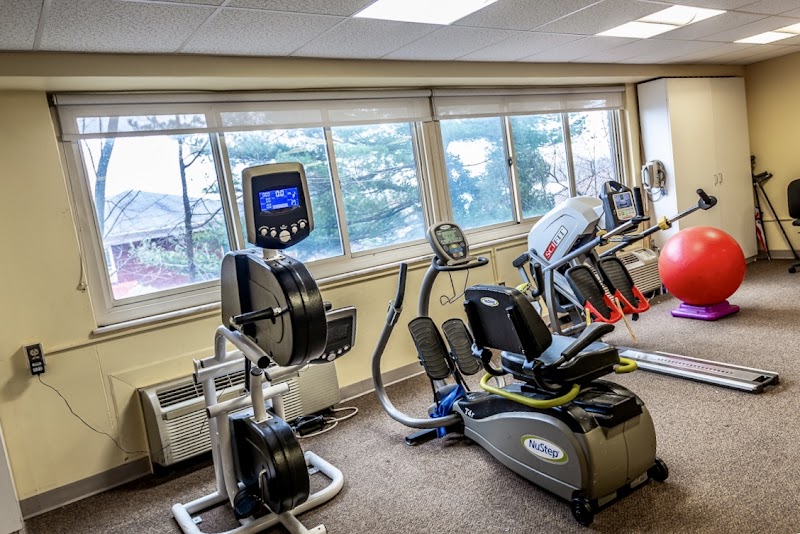
How is Squirrel Hill Wellness And Rehabilitation Center Staffed?

CMS rates SQUIRREL HILL WELLNESS AND REHABILITATION CENTER's staffing level at 1 out of 5 stars, which is much below average compared to other nursing homes.

What Have Inspectors Found at Squirrel Hill Wellness And Rehabilitation Center?

State health inspectors documented 100 deficiencies at SQUIRREL HILL WELLNESS AND REHABILITATION CENTER during 2022 to 2025. These included: 2 Immediate Jeopardy (the most serious level, indicating potential for serious harm or death), 2 that caused actual resident harm, 89 with potential for harm, and 7 minor or isolated issues. Immediate Jeopardy findings are rare and represent the most serious regulatory concerns. They require immediate corrective action.
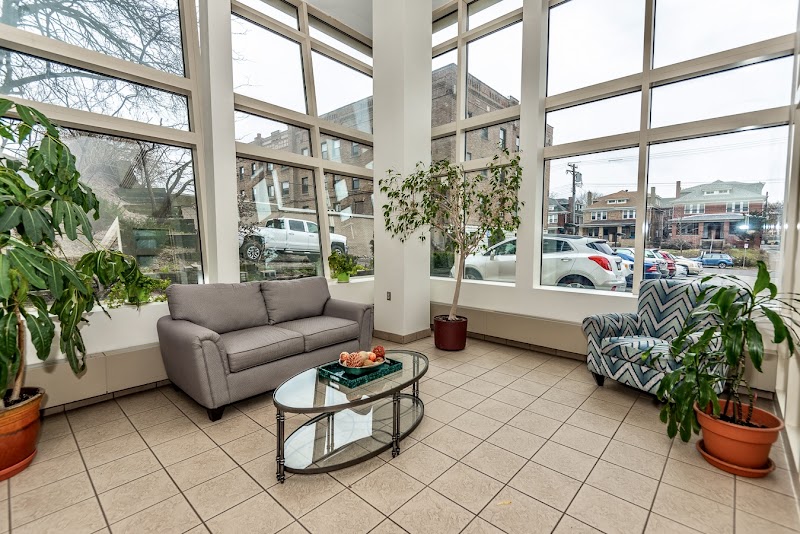
Who Owns and Operates Squirrel Hill Wellness And Rehabilitation Center?

SQUIRREL HILL WELLNESS AND REHABILITATION CENTER is owned by a for-profit company. For-profit facilities operate as businesses with obligations to shareholders or private owners. The facility is operated by POLLAK HOLDINGS, a chain that manages multiple nursing homes. With 178 certified beds and approximately 94 residents (about 53% occupancy), it is a mid-sized facility located in PITTSBURGH, Pennsylvania.
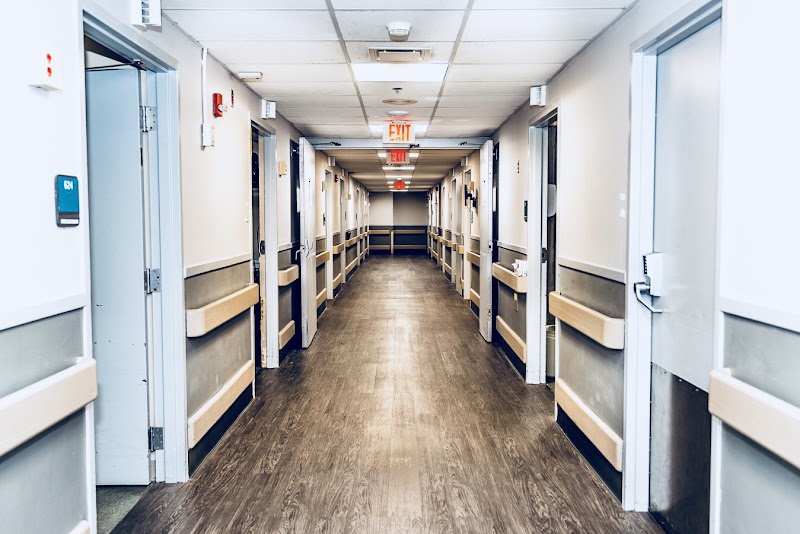
How Does Squirrel Hill Wellness And Rehabilitation Center Compare to Other Pennsylvania Nursing Homes?

Compared to the 100 nursing homes in Pennsylvania, SQUIRREL HILL WELLNESS AND REHABILITATION CENTER's overall rating (1 stars) is below the state average of 3.0 and health inspection rating (1 stars) is much below the national benchmark.

What Should Families Ask When Visiting Squirrel Hill Wellness And Rehabilitation Center?

Based on this facility's data, families visiting should ask: "What changes have been made since the serious inspection findings, and how are you preventing similar issues?" "Can you walk me through typical staffing levels on day, evening, and night shifts?" "Can I visit during a mealtime to observe dining assistance and food quality?" "How do you handle medical emergencies, and what is your hospital transfer rate?" These questions are particularly relevant given the facility's Immediate Jeopardy citations and the below-average staffing rating.

Is Squirrel Hill Wellness And Rehabilitation Center Safe?

Based on CMS inspection data, SQUIRREL HILL WELLNESS AND REHABILITATION CENTER has documented safety concerns. Inspectors have issued 2 Immediate Jeopardy citations (the most serious violation level indicating risk of serious injury or death). The facility is currently on the Special Focus Facility watch list (a federal program monitoring the lowest-performing 1% of nursing homes nationwide). The facility has a 1-star overall rating and ranks #100 of 100 nursing homes in Pennsylvania. Families considering this facility should ask detailed questions about what corrective actions have been taken since these incidents.

Do Nurses at Squirrel Hill Wellness And Rehabilitation Center Stick Around?

SQUIRREL HILL WELLNESS AND REHABILITATION CENTER has not reported staff turnover data to CMS. Staff turnover matters because consistent caregivers learn residents' individual needs, medications, and preferences. When staff frequently change, this institutional knowledge is lost. Families should ask the facility directly about their staff retention rates and average employee tenure.

Was Squirrel Hill Wellness And Rehabilitation Center Ever Fined?

SQUIRREL HILL WELLNESS AND REHABILITATION CENTER has been fined $200,363 across 3 penalty actions. This is 5.7x the Pennsylvania average of $35,082. Fines at this level are uncommon and typically indicate a pattern of serious deficiencies, repeated violations, or failure to correct problems promptly. CMS reserves penalties of this magnitude for facilities that pose significant, documented risk to resident health or safety. Families should request specific documentation of what issues led to these fines and what systemic changes have been implemented.

Is Squirrel Hill Wellness And Rehabilitation Center on Any Federal Watch List?

SQUIRREL HILL WELLNESS AND REHABILITATION CENTER is currently an SFF Candidate, meaning CMS has identified it as potentially qualifying for the Special Focus Facility watch list. SFF Candidates have a history of serious deficiencies but haven't yet reached the threshold for full SFF designation. The facility is being monitored more closely — if problems continue, it may be added to the official watch list. Families should ask what the facility is doing to address the issues that led to this status.