UPMC MAGEE-WOMENS HOSPITAL TCU


300 HALKET STREET, PITTSBURGH, PA 15213 (412) 641-3318
Non profit - Other 20 Beds UPMC SENIOR COMMUNITIES Data: November 2025
Trust Grade
93/100
#136 of 653 in PA
Last Inspection: December 2024

Within standard 12-15 month inspection cycle. Federal law requires annual inspections.

Overview

UPMC Magee-Womens Hospital TCU has received a Trust Grade of A, indicating it is an excellent option for nursing care, highly recommended based on positive evaluations. It ranks #136 of 653 facilities in Pennsylvania, placing it in the top half, and #5 out of 52 in Allegheny County, suggesting only a few local facilities are better. However, the facility is experiencing a worsening trend, with the number of reported issues increasing from 1 in 2023 to 5 in 2024. Staffing is a strong point with a perfect 5/5 rating and a turnover rate of 30%, significantly lower than the state average, which suggests that staff are experienced and familiar with the residents. Notably, there were no fines reported, and the facility has excellent RN coverage, exceeding 99% of state facilities, which enhances patient care. Specific concerns have been identified, including failures to implement proper infection control measures for several residents and inadequate care for urinary catheters, which could impact resident safety. Overall, while there are strengths in staffing and high trust ratings, the recent increase in compliance issues raises some concerns that families should consider.

Trust Score
A
93/100
In Pennsylvania
#136/653
Top 20%
Safety Record
Low Risk
No red flags
Inspections
Getting Worse
1 → 5 violations
Staff Stability
✓ Good
30% annual turnover. Excellent stability, 18 points below Pennsylvania's 48% average. Staff who stay learn residents' needs.
Penalties
✓ Good
No fines on record. Clean compliance history, better than most Pennsylvania facilities.
Skilled Nurses
✓ Good
Each resident gets 147 minutes of Registered Nurse (RN) attention daily — more than 97% of Pennsylvania nursing homes. RNs are the most trained staff who catch health problems before they become serious.
Violations
○ Average
6 deficiencies on record. Average for a facility this size. Mostly minor or procedural issues.
★★★★★
5.0
Overall Rating
★★★★★
5.0
Staff Levels
★★★★★
5.0
Care Quality
★★★★☆
4.0
Inspection Score
Stable
2023: 1 issues
2024: 5 issues

The Good

  • 5-Star Staffing Rating · Excellent nurse staffing levels
  • 5-Star Quality Measures · Strong clinical quality outcomes
  • Low Staff Turnover (30%) · Staff stability means consistent care
  • Full Sprinkler Coverage · Fire safety systems throughout facility
  • No fines on record
  • Staff turnover is low (30%)

    18 points below Pennsylvania average of 48%

Facility shows strength in staffing levels, quality measures, staff retention, fire safety.

The Bad

Chain: UPMC SENIOR COMMUNITIES

Part of a multi-facility chain

Ask about local staffing decisions and management

The Ugly 6 deficiencies on record

Dec 2024 5 deficiencies
CONCERN (D)

Potential for Harm - no one hurt, but risky conditions existed

Incontinence Care (Tag F0690)

Could have caused harm · This affected 1 resident

**NOTE- TERMS IN BRACKETS HAVE BEEN EDITED TO PROTECT CONFIDENTIALITY** Based on review of facility policy, clinical records and staff interview, it was determined that the facility failed to ensure t...

Read full inspector narrative →
**NOTE- TERMS IN BRACKETS HAVE BEEN EDITED TO PROTECT CONFIDENTIALITY** Based on review of facility policy, clinical records and staff interview, it was determined that the facility failed to ensure that the physician order for a urinary catheter (insertion of a tube into the bladder to remove urine) included the size of the foley catheter and the amount of fluid needed to insert for balloon inflation/securement (the balloon keeps catheter in the bladder) for two out of three sampled residents (Resident R66 and Resident R118) and failed develop a baseline care plan for the use of the foley catheter for one out of three residents (Resident R118). Findings include: The facility Management of indwelling, intermittent, and external urinary catheters insertion care policy last reviewed 8/1/24, indicated to provide the appropriate indications for inserting urinary catheters. Review of Resident R66's admission record indicated he was admitted [DATE]. Review of Resident R66's MDS assessment (Minimum Data Set assessment: MDS -a periodic assessment of resident care needs) dated 11/28/24, indicated he had diagnoses that included thyroid disorder (decrease in production of thyroid hormone), Parkinson's disease (a disorder of the central nervous system which affects movement and includes tremors), and coronary artery disease (narrowing/blockage of vessels that carry blood and oxygen to the heart). The diagnoses were the most recent upon review. Section H (Bladder and Bowel) H0100A indicated an X for the use of an indwelling catheter. Review of Resident R66's care plans dated 11/21/24, indicated to provide elimination intervention and monitor output. Review of Resident R66's physician orders dated 12/16/24, indicated to insert foley catheter. Review of Resident R66's physician progress notes, other physician orders, nurse clinical notes, and certified nurse practitioner notes did not include the size of catheter in use. During observations on 12/18/24, at 7:37 a.m. observations of Resident R66 found him in bed resting, his foley catheter in place, and urinary catheter bag hanging on his bed. During observations on 12/20/24, at 8:57 a.m. observations of Resident R66 found him in bed resting, his foley catheter in place, and urinary catheter bag hanging on his bed. During an interview on 12/20/24, at 9:00 a.m. Registered Nurse (RN) Employee E2 confirmed that the facility failed to ensure that the physician order for a urinary catheter indicated the catheter size for Resident R66 as required. Review of Resident R118's clinical record indicates an admission date of 12/11/24, with the diagnosis of congestive heart failure (CHF- the heart doesn't pump blood as well as it should), atrial fibrillation (irregular and often rapid heartbeat), and chronic obstructive pulmonary disease (COPD-causes breathing problems and restricted airflow). Review of R118's physician order dated 12/17/24, indicated the resident has a foley catheter the order failed to include the size of the foley catheter or the amount of fluid needed to insert for balloon inflation/securement. Review of Resident R118's baseline care plan dated 12/11/24, failed to include care for the foley catheter. During an interview completed on 12/20/24, at 9:12 a.m. RN Employee E2 confirmed that the facility failed to ensure that the physician order for Resident R118's foley catheter included the size of the foley catheter and the amount of fluid needed to insert for balloon inflation/securement and the facility failed to ensure a care plan for the foley catheter was in place. 28 Pa. Code: 211.5(f) Clinical records 28 Pa. Code: 211.12(c)(d)(1)(3)(5) Nursing services
CONCERN (D)

Potential for Harm - no one hurt, but risky conditions existed

Deficiency F0694 (Tag F0694)

Could have caused harm · This affected 1 resident

Based on review of facility policy, observations, and staff interviews, it was determined that the facility failed to provide adequate treatment and care for a peripherally inserted catheter (a thin p...

Read full inspector narrative →
Based on review of facility policy, observations, and staff interviews, it was determined that the facility failed to provide adequate treatment and care for a peripherally inserted catheter (a thin plastic tube inserted into a vein using a needle) in accordance with professional standards of practice for one of two residents (Resident R118). Findings include: Review of the facility policy Intravenous (IV) Therapy: Peripheral, Including Midlines last reviewed 8/1/24, indicates to maintain venous access, administer continuous/intermittent intravenous fluids, nutrition, medications, and blood products over a specific time frame. All registered Nurses and Licensed Practical Nurses that complete the IV therapy program are responsible for including but not inclusive to: . IV site inspection a minimum of every shift. . Dressing changes for peripheral IV catheters. Site change is required for a contaminated IV or an IV showing signs and symptoms of complications. Peripheral IV site maintenance including but not inclusive to: . Maintain a clean, dry, and intact dressing over the insertion site. Review of Resident R118's clinical record indicates an admission date of 12/11/24, with the diagnosis of congestive heart failure (CHF- the heart doesn't pump blood as well as it should), atrial fibrillation (irregular and often rapid heartbeat), and chronic obstructive pulmonary disease (COPD-causes breathing problems and restricted airflow). Review of physician orders dated 12/17/24, indicated cefepime 1 gram intravenously every eight hours for seven days. During an observation on 12/18/24, at 8:49 a.m. Resident R118's right wrist peripheral intravenous (IV) access site was noted not to have been labeled with a date or time, the area of dressing under his wrist was observed lifting off and the center around the insertion site had noticeable dried blood. During an interview on 12/18/24, at 9:59 a.m. Registered Nurse (RN) Employee E3 confirmed the dressing did not contain a date or time of insertion, the dressing was lifting, and the center of dressing was noted to have dried blood. RN Employee stated I will do a dressing change today and confirmed that the facility failed to provide adequate treatment and care for a peripherally inserted catheter in accordance with professional standards of practice for one of two resident s (Resident R118). 28 Pa. Code: 211.12 (d)(1)(2)(3)(5) Nursing Services. 28 Pa. Code: 201.14(a) Responsibility of licensee.
CONCERN (D)

Potential for Harm - no one hurt, but risky conditions existed

Respiratory Care (Tag F0695)

Could have caused harm · This affected 1 resident

Based on facility policy review, observations, and staff interviews, it was determined that the facility failed to maintain sanitary conditions of respiratory equipment for one of four residents revie...

Read full inspector narrative →
Based on facility policy review, observations, and staff interviews, it was determined that the facility failed to maintain sanitary conditions of respiratory equipment for one of four residents reviewed (Resident R118). Findings include: Review of the facility policy Respiratory Equipment Maintenance dated 8/1/24, indicates to prevent the spread of nosocomial infections. BIPAP/CPAP (positive airway pressure ventilation system that helps a person breathe. Using a tightly fitted face mask to deliver the ventilation) should be changed as needed for soiling or equipment integrity. Remove old equipment and treatment bag. Label new patient belonging bag with patient's last name, room number, and date. Review of Resident R118's clinical record indicates an admission date of 12/11/24, with the diagnosis of congestive heart failure (CHF- the heart doesn't pump blood as well as it should), atrial fibrillation (irregular and often rapid heartbeat), and chronic obstructive pulmonary disease (COPD-causes breathing problems and restricted airflow). Review of Resident R118's physician orders dated 12/11/24, indicated BiPAP/non -invasive therapy at bedtime. During an observation on 12/18/24, at 9:52 a.m. Resident R118's fitted face mask was noted in a basket on a cart, the mask failed to be labeled and in a bag. During an interview completed on 12/18/24, at 10:02 a.m. Registered Nurse (RN) Employee E3 stated respiratory therapy does a lot with the BIPAP, normally I would have it in its own bag and dated and confirmed that the facility failed to maintain sanitary conditions of respiratory equipment for one of four residents reviewed (Resident R118). 28 Pa. Code: 201.14(a) Responsibility of licensee. 28 Pa. Code: 211.12 (d)(1)(2)(3)(5) Nursing Services.
CONCERN (D)

Potential for Harm - no one hurt, but risky conditions existed

Deficiency F0761 (Tag F0761)

Could have caused harm · This affected 1 resident

Based on review of facility policy, observation, and staff interview, it was determined that the facility failed to store medications and treatments for residents properly to prevent cross contaminati...

Read full inspector narrative →
Based on review of facility policy, observation, and staff interview, it was determined that the facility failed to store medications and treatments for residents properly to prevent cross contamination for two of three medication carts (front hall medication cart and back hall medication cart) and failed to label medications upon opening for two of three medication carts (front Hall medication cart and back hall medication cart). Findings include: During an observation on 12/18/24, at 6:59 a.m. the front hall medication cart contained: . Two dispensing bottles of nystatin powder. . One tube of hydrocortisone cream. . One vial of brimonidine eye drops with no date opened. . One bottle of calcitonin nasal spray with no date opened. During an interview completed on 12/18/24, at 7:00 a.m. Registered Nurse (RN) Employee E5 confirmed the above observations and stated, we have a treatment cart. During an observation on 12/18/24, at 7:03 a.m. the back hall medication cart contained: . One tube of lidocaine and prilocaine (EMLA cream). . One tube of lidocaine gel. . One vial polyvinyl eye drops with no date opened. . One vial of Lantus insulin with no date open. During an interview on 12/18/24, at 7:06 a.m. RN Employee E5 confirmed the above observations and that the facility failed to store medications and treatments for residents properly to prevent cross contamination for two of three medication carts (front hall medication cart and back hall medication cart) and failed to label medications upon opening for two of three medication carts (front hall medication cart and back hall medication cart). 28 Pa. Code: 211.9(a)(1)(k) Pharmacy services. 28 Pa. Code: 211.10(c) Resident care policies. 28 Pa. Code 211.12(d)(1)(5) Nursing services.
CONCERN (E)

Potential for Harm - no one hurt, but risky conditions existed

Infection Control (Tag F0880)

Could have caused harm · This affected multiple residents

Based on review of facility policy, observations, and staff interviews, it was determined that the facility failed to implement Enhanced Barrier Precautions (EBP) for four of eleven residents (Residen...

Read full inspector narrative →
Based on review of facility policy, observations, and staff interviews, it was determined that the facility failed to implement Enhanced Barrier Precautions (EBP) for four of eleven residents (Resident R65, R115, R118 and R123), and failed to implement infection control practices to prevent cross contamination during a dressing change for one of three residents (Resident R65). Findings include: The Centers for Disease Control defines Enhanced Barrier Precautions (EBP) as: an infection control intervention designed to reduce transmission of multidrug-resistant organisms (MDROs) in nursing homes. EBP involve gown and gloves during high-contact resident care activities for residents known to be colonized or infected with MDRO as well as those at increased risk of MDRO acquisition (e.g., residents with wounds or indwelling medical devices). Review of the facility policy Transmission-Based Isolation and Standard Precaution Policy dated 10/4/24, Types of transmission based precautions did not include Enhanced Barrier Precautions. Review of the facility policy Wound Care last reviewed 8/1/23, indicates dressings are changed daily and as needed. Maintain aseptic technique during dressing change. Procedure includes but not inclusive to: . Remove dressing, discard the dressing and gloves. . Wash hands. . Apply gloves. Review of Resident R65's clinical record indicates an admission date of 12/10/24, with the diagnosis of right humerus fracture (long bone of upper arm), anxiety and panic disorder. Review of a physician order dated 12/13/24, indicated Resident R65 had a surgical wound to her right arm. Review of Resident R65's clinical record on 12/18/24, failed to reveal an order or care plan for Enhanced Barrier Precautions in relation to Resident R65's surgical wound. Review of Resident R115's clinical record indicates an admission date of 12/16/24, with the diagnosis of coronary artery disease (CAD- a buildup of plaque in the arteries that reduces blood flow to the heart) hypertension (high blood pressure) cholecystitis (inflammation of the gallbladder). During an observation on 12/18/24, at 08:55 a.m. a bulb shaped device connected to a tube was noted to be inserted into Resident R115' s right lower abdomen. Review of Resident R115's physician orders dated 12/16/24, indicated pigtail catheter, empty and record daily, flush with 10cc (cubic centimeter) of normal saline every 12 hours. Review of Resident R115's clinical record on 12/18/24, failed to reveal an order or care plan for Enhanced Barrier Precautions in relation to Resident R115's pigtail catheter. Review of Resident R118's clinical record indicates an admission date of 12/11/24, with the diagnosis of congestive heart failure (CHF- the heart doesn't pump blood as well as it should), atrial fibrillation (irregular and often rapid heartbeat), and chronic obstructive pulmonary disease (COPD-causes breathing problems and restricted airflow). Review of a physician order dated 12/17/24, indicated foley catheter. Review of Resident R118's clinical record on 12/18/24, failed to reveal an order or care plan for Enhanced Barrier Precautions in relation to Resident R115's foley catheter. Review of Resident R123's clinical record indicates an admission date of 12/17/24, with the diagnosis of left hip arthroplasty, atrial fibrillation, and hyperlipidemia (high fat in the blood). During an interview completed on 12/18/24, at 8:24 a.m. Resident R123 stated she was new to the facility and had recent left hip surgery. Review of Resident R123's care plan on 12/18/24, indicated potential for wound/incisional infection. Review of Resident R123's clinical record on 12/18/24, failed to reveal an order or care plan for Enhanced Barrier Precautions in relation to Resident R123's surgical incision. During an interview completed on 12/18/24, at 12:34 p.m. the Director of Nursing stated all the doors have bins and a stop see nurse sign, the stop sign is meant for dietary, we have separate signs for the other precautions in a clear sleeve next to the door, there are no enhanced barrier signs, no enhanced barrier precautions are being used and enhanced barrier precautions are not in any care plans, I am going to put all the care plans in, that ' s what being a nurse is. During an interview completed on 12/19/24, at 10:52 a.m. the Infection Preventionist Employee E1 stated I have never heard of enhanced precautions, were not aware that was a new piece added to infection control, I am going to make a recommended to the hospital system to add it to the policy. I am going to add it to the infection control plan/policy for this unit as well. During an observation on 12/19/24 at 11:44 a.m. of a dressing change for Resident R65 the following cross contamination opportunities were observed. Licensed Practical Nurse (LPN) Employee E4 removed Resident R65's soiled dressings, removed gloves, did not complete hand hygiene and applied new gloves. Employee E4 continued to cleanse wounds, patted wounds dry, applied adaptic (non adherent dressing) , removed gloves, did not complete hand hygiene and applied new gloves. LPN Employee E4 continued to apply the adaptic to second and third areas removing gloves in between and not completing hand hygiene prior to donning new gloves. LPN Employee E4 applied the ABD pads (highly absorbent dressings that provide padding and protection) removed gloves, did not complete hand hygiene, applied new gloves, applied the kerlix wrap and secured with tape. During an interview completed on 12/19/24, at 12:15 p.m. LPN Employee E4 confirmed she failed to implement infection control practices to prevent cross contamination during a dressing change for Resident R65 by not completing hand hygiene after removal of gloves and donning of new gloves for one of three residents (Resident R65). 28 Pa. Code 201.14(a) Responsibility of Licensee. 28 Pa. Code 201.18(b)(1)(e)(1) Management. 28 Pa. Code 211.12 (d)(1)(2)(3) Nursing Services.
Feb 2023 1 deficiency
CONCERN (D)

Potential for Harm - no one hurt, but risky conditions existed

Pressure Ulcer Prevention (Tag F0686)

Could have caused harm · This affected 1 resident

**NOTE- TERMS IN BRACKETS HAVE BEEN EDITED TO PROTECT CONFIDENTIALITY** Based on review of clinical records and facility policy and staff interview, it was determined that the facility failed to provi...

Read full inspector narrative →
**NOTE- TERMS IN BRACKETS HAVE BEEN EDITED TO PROTECT CONFIDENTIALITY** Based on review of clinical records and facility policy and staff interview, it was determined that the facility failed to provide comprehensive documentation of pressure ulcer characteristics (measurements) consistent with professional standards of practice for one of two sampled residents (Resident R119). Findings include: The facility Wound care assessment policy dated 8/22, and last reviewed on 1/11/23, indicated that the facility will have skin assessments done on all residents admitted to the unit. If a resident has a pressure area, it will be documented in the skin assessment. The wound nurse will stage pressure injuries and monitor on a weekly basis. Pressure ulcer and stasis ulcer assessments will include location, description, drainage, stage and size. Review of Resident R119's admission record indicated she was originally admitted on [DATE]. Review of Resident R119's MDS assessment (MDS-Minimum Data Set assessment: periodic assessment of resident care needs), dated 1/27/23, indicated that she had diagnoses that included diabetes (metabolic disorder impacting organ function related to glucose levels in the human body), Hyperlipidemia (elevated lipid levels within the blood), hypertension (a condition impacting blood circulation through the heart related to poor pressure), and morbid obesity. Review of Resident R119's care plans dated 1/28/23, indicated a left thigh area, opened blister and Resident R119 was at risk of skin breakdown. Review of Resident R119's Registered Nurse assessment dated [DATE], indicated an area found behind the left knee. Review of Resident R119's physician orders indicated an order for ostomy/therapy consult, initial pressure ulcer assessment. Review of Resident R119's ostomy/therapy consult, initial pressure ulcer assessment completed on 1/30/23, indicated that Resident R119 had a Stage two blister with red wound base to her left popliteal fossa (behind the knee). Review of Resident R119's ostomy/therapy pressure ulcer consultation assessments and clinical nurse notes dated 1/28/23, 1/30/23, 1/31/23, 2/1/23, and 2/2/23 did not indicate measurements of the wound. During an interview on 2/7/23, at 11:39 a.m. Registered Nurse (RN)/wound specialist Employee E1 stated: Resident R119's wound was found as a medical device related pressure injury. Resident R119's told me it was uncomfortable. I took the brace off to look at it. Brace and skin should be checked daily. If the brace was rubbing, it would cause the area. A new brace was ordered. The brace from in-patient for her left leg was solid thru-back. Resident R119's current brace is strapped. Skin checks are on record. During an interview on 2/7/23, at 12:57 p.m. Registered Nurse Employee E2 stated that Resident R119 has her skin assessed once a shift. During an interview on 2/8/23, at 8:59 am. the Director of Nursing (DON) confirmed that the facility failed to provide comprehensive documentation of pressure ulcer characteristics and measurements consistent with professional standards of practice for Resident R119 as required. 28 Pa. Code 201.14(a) Responsibility of licensee. 28 Pa. Code 211.5(f) Clinical records. 28. Pa. Code 211.12(d)(1)(3)(5) Nursing services.
Understanding Severity Codes (click to expand)
Life-Threatening (Immediate Jeopardy)
J - Isolated K - Pattern L - Widespread
Actual Harm
G - Isolated H - Pattern I - Widespread
Potential for Harm
D - Isolated E - Pattern F - Widespread
No Harm (Minor)
A - Isolated B - Pattern C - Widespread

Questions to Ask on Your Visit

  • "Can I speak with families of current residents?"
  • "What's your RN coverage like on weekends and overnight?"

Our Honest Assessment

Strengths
  • • Grade A (93/100). Above average facility, better than most options in Pennsylvania.
  • • No major safety red flags. No abuse findings, life-threatening violations, or SFF status.
  • • No fines on record. Clean compliance history, better than most Pennsylvania facilities.
  • • 30% annual turnover. Excellent stability, 18 points below Pennsylvania's 48% average. Staff who stay learn residents' needs.
Concerns
  • • No significant concerns identified. This facility shows no red flags across CMS ratings, staff turnover, or federal penalties.
Bottom line: Generally positive indicators. Standard due diligence and a personal visit recommended.

About This Facility

What is Upmc Magee-Womens Hospital Tcu's CMS Rating?

CMS assigns UPMC MAGEE-WOMENS HOSPITAL TCU an overall rating of 5 out of 5 stars, which is considered much above average nationally. Within Pennsylvania, this rating places the facility higher than 99% of the state's 100 nursing homes. This rating reflects solid performance across the metrics CMS uses to evaluate nursing home quality.

How is Upmc Magee-Womens Hospital Tcu Staffed?

CMS rates UPMC MAGEE-WOMENS HOSPITAL TCU's staffing level at 5 out of 5 stars, which is much above average compared to other nursing homes. Staff turnover is 30%, compared to the Pennsylvania average of 46%. This relatively stable workforce can support continuity of care.

What Have Inspectors Found at Upmc Magee-Womens Hospital Tcu?

State health inspectors documented 6 deficiencies at UPMC MAGEE-WOMENS HOSPITAL TCU during 2023 to 2024. These included: 6 with potential for harm.
Who Owns and Operates Upmc Magee-Womens Hospital Tcu?

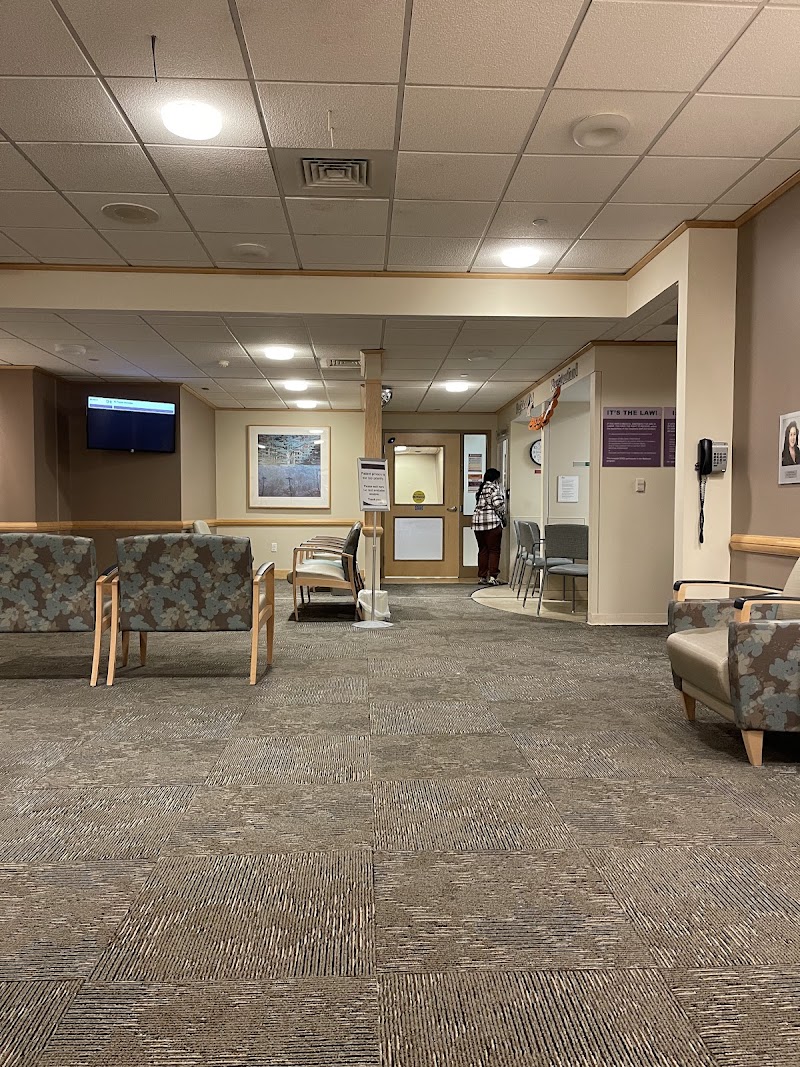
UPMC MAGEE-WOMENS HOSPITAL TCU is owned by a non-profit organization. Non-profit facilities reinvest revenue into operations rather than distributing to shareholders. The facility is operated by UPMC SENIOR COMMUNITIES, a chain that manages multiple nursing homes. With 20 certified beds and approximately 19 residents (about 95% occupancy), it is a smaller facility located in PITTSBURGH, Pennsylvania.
How Does Upmc Magee-Womens Hospital Tcu Compare to Other Pennsylvania Nursing Homes?

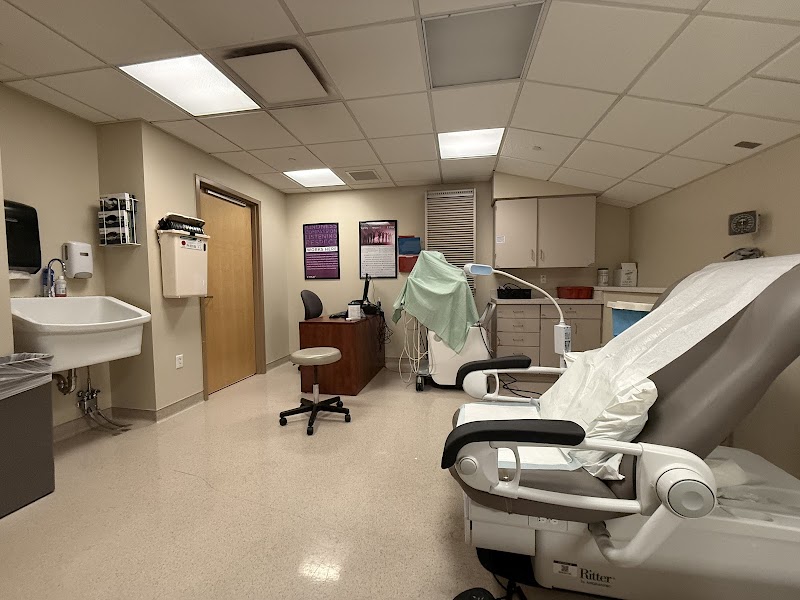
Compared to the 100 nursing homes in Pennsylvania, UPMC MAGEE-WOMENS HOSPITAL TCU's overall rating (5 stars) is above the state average of 3.0, staff turnover (30%) is significantly lower than the state average of 46%, and health inspection rating (4 stars) is above the national benchmark.

What Should Families Ask When Visiting Upmc Magee-Womens Hospital Tcu?

Based on this facility's data, families visiting should ask: "Can I visit during a mealtime to observe dining assistance and food quality?" "How do you handle medical emergencies, and what is your hospital transfer rate?" "Can I speak with family members of current residents about their experience?"

Is Upmc Magee-Womens Hospital Tcu Safe?

Based on CMS inspection data, UPMC MAGEE-WOMENS HOSPITAL TCU has a clean safety record: no substantiated abuse findings (meaning no confirmed cases of resident harm), no Immediate Jeopardy citations (the most serious violation level indicating risk of serious injury or death), and is not on the Special Focus Facility watch list (a federal program monitoring the lowest-performing 1% of nursing homes). The facility has a 5-star overall rating and ranks #1 of 100 nursing homes in Pennsylvania. While no facility is perfect, families should still ask about staff-to-resident ratios and recent inspection results during their visit.

Do Nurses at Upmc Magee-Womens Hospital Tcu Stick Around?

Staff at UPMC MAGEE-WOMENS HOSPITAL TCU tend to stick around. With a turnover rate of 30%, the facility is 16 percentage points below the Pennsylvania average of 46%. Low turnover is a positive sign. It means caregivers have time to learn each resident's needs, medications, and personal preferences. Consistent staff also notice subtle changes in a resident's condition more quickly. Registered Nurse turnover is also low at 23%, meaning experienced RNs are available to handle complex medical needs.

Was Upmc Magee-Womens Hospital Tcu Ever Fined?

UPMC MAGEE-WOMENS HOSPITAL TCU has no federal fines on record. CMS issues fines when nursing homes fail to meet care standards or don't correct problems found during inspections. The absence of fines suggests the facility has either maintained compliance or corrected any issues before penalties were assessed. This is a positive indicator, though families should still review recent inspection reports for the full picture.

Is Upmc Magee-Womens Hospital Tcu on Any Federal Watch List?

UPMC MAGEE-WOMENS HOSPITAL TCU is not on any federal watch list. The most significant is the Special Focus Facility (SFF) program, which identifies the bottom 1% of nursing homes nationally based on persistent, serious quality problems. Not being on this list means the facility has avoided the pattern of deficiencies that triggers enhanced federal oversight. This is a positive indicator, though families should still review the facility's inspection history directly.