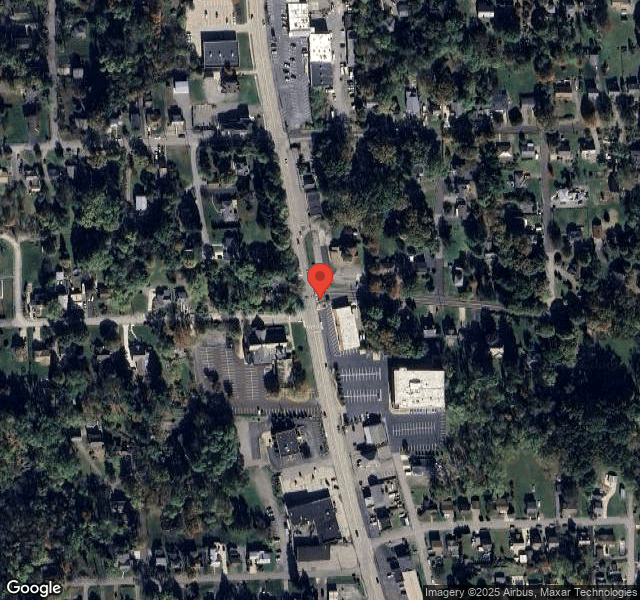

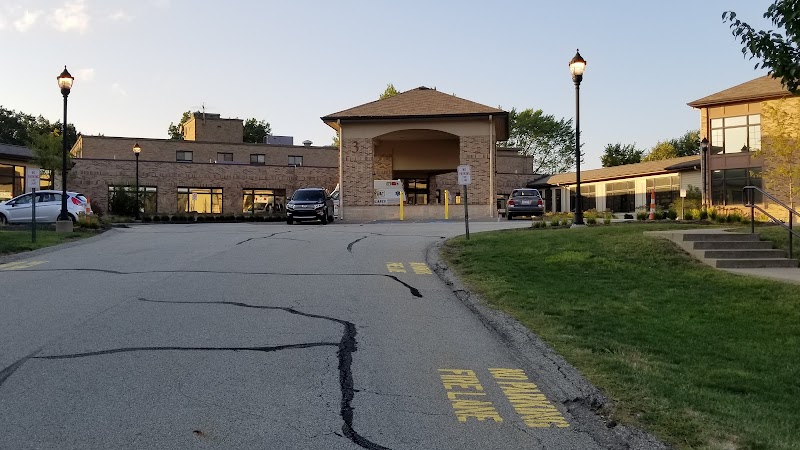
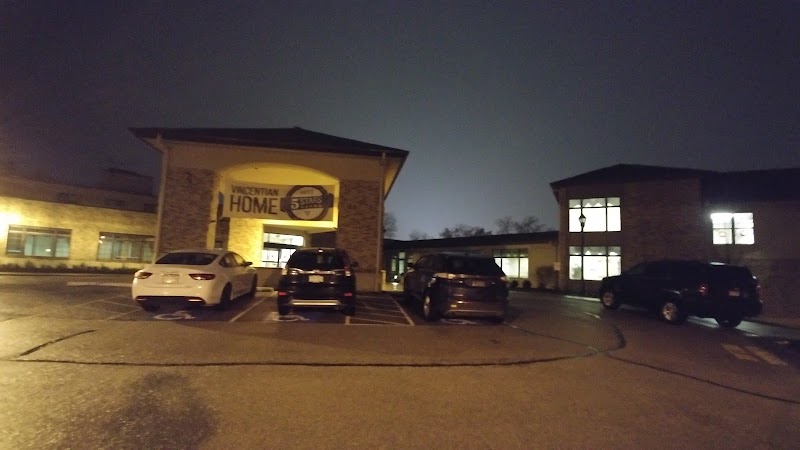

Vincentian Home

111 PERRYMONT ROAD, PITTSBURGH, PA 15237 (412) 366-5600
Non profit - Corporation 106 Beds Independent Data: November 2025
Trust Grade
70/100
#245 of 653 in PA
Last Inspection: May 2025

Inspected within the last 6 months. Data reflects current conditions.

Overview

Vincentian Home in Pittsburgh has a Trust Grade of B, which means it is a good choice, indicating solid performance in care and services. It ranks #245 out of 653 facilities in Pennsylvania, placing it in the top half, and #11 out of 52 in Allegheny County, indicating there are only ten other local options that are better. The facility appears to be improving, with the number of issues decreasing from 10 in 2024 to 9 in 2025. Staffing is a strength, earning a perfect 5/5 stars, and the turnover rate is 46%, which is consistent with the state average. Fortunately, there are no fines on record, suggesting compliance with regulations. However, there are some concerns to consider as well. The facility failed to adequately communicate necessary resident information during transfers, which could affect continuity of care. Additionally, there were issues with medication administration for one resident, and weekly skin assessments were not performed as required for three residents. While the facility has many strengths, families should be aware of these incidents when considering care for their loved ones.

Trust Score
B
70/100
In Pennsylvania
#245/653
Top 37%
Safety Record
Low Risk
No red flags
Inspections
Getting Better
10 → 9 violations
Staff Stability
⚠ Watch
46% turnover. Above average. Higher turnover means staff may not know residents' routines.
Penalties
✓ Good
No fines on record. Clean compliance history, better than most Pennsylvania facilities.
Skilled Nurses
✓ Good
Each resident gets 74 minutes of Registered Nurse (RN) attention daily — more than 97% of Pennsylvania nursing homes. RNs are the most trained staff who catch health problems before they become serious.
Violations
⚠ Watch
35 deficiencies on record. Higher than average. Multiple issues found across inspections.
★★★★☆
4.0
Overall Rating
★★★★★
5.0
Staff Levels
★★★★☆
4.0
Care Quality
★★★☆☆
3.0
Inspection Score
Stable
2024: 10 issues
2025: 9 issues

The Good

  • 5-Star Staffing Rating · Excellent nurse staffing levels
  • 4-Star Quality Measures · Strong clinical quality outcomes
  • Full Sprinkler Coverage · Fire safety systems throughout facility
  • No fines on record

Facility shows strength in staffing levels, quality measures, fire safety.

The Bad

Staff Turnover: 46%

Near Pennsylvania avg (46%)

Higher turnover may affect care consistency

The Ugly 35 deficiencies on record

Jun 2025 3 deficiencies
CONCERN (D) 📢 Someone Reported This

A family member, employee, or ombudsman was alarmed enough to file a formal complaint

Potential for Harm - no one hurt, but risky conditions existed

Free from Abuse/Neglect (Tag F0600)

Could have caused harm · This affected 1 resident

**NOTE- TERMS IN BRACKETS HAVE BEEN EDITED TO PROTECT CONFIDENTIALITY** Based on review of facility policies, documents, clinical records, and staff and resident interviews it was determined was deter...

Read full inspector narrative →
**NOTE- TERMS IN BRACKETS HAVE BEEN EDITED TO PROTECT CONFIDENTIALITY** Based on review of facility policies, documents, clinical records, and staff and resident interviews it was determined was determined that the facility failed to protect resident from neglect for one of three residents (Residents R1). Findings include: Review of the facility policy Freedom from Abuse, Neglect, and Exploitation last reviewed 3/19/25, stated it is the policy of the facility to maintain an environment where residents are free from abuse, neglect, and misappropriation of resident property. Neglect is defined as the failure of the facility, its employees or services providers to provide goods and services to a resident that are necessary to avoid physical harm, pain, mental anguish or emotional distress. Review of the facility policy Resident Transfer Protocol last reviewed 3/19/25, stated appropriate transfer techniques shall be used according to each resident's strength, stamina, and ability to assist with the residents. Necessity for the amount and type of assistance shall be assessed upon admission and on an ongoing basis. Review of the facility policy Falls and Falls with Major Injury last reviewed 3/19/25, stated all facility staff is responsible for implementing the intent and directives contained within this policy, and for creating a safe environment of care. It is the facility's policy to minimize the risk of falling, and injuries sustained from falls, without compromising the mobility and functional independence of residents. Review of Residents R1's admission record indicated the resident was admitted on [DATE], and readmitted [DATE], with diagnoses of muscle wasting and atrophy, muscle weakness, and abnormalities of gait and mobility. Review of Residents R1's care plan dated 11/28/22, revised 3/6/25, revealed the resident required a full body (Hoyer) mechanical and a two person assist for transfers and all hygiene and repositioning while the resident is in bed. Review of Residents R1's Minimum Data Set (MDS - a periodic assessment of care needs) dated 2/18/25, indicated the diagnoses were current. Section GG- Functional Abilities revealed the resident was dependent with rolling left to right and required the assistance of two or more helpers. Review of physician order dated 4/12/25, revealed Resident R1 required assistance of two persons with bed positioning, hygiene, and transfers. Review of Resident R1's progress note dated 5/3/25, entered at 8:45 a.m., by Registered Nurse (RN) Employee E4 revealed Nurse Aide (NA) Employee E1 reported Resident R1 was on the floor and needed assistance. It was stated the NA Employee E1 was performing care when the resident rolled out of bed. The resident was observed lying on their right side with their head up against night stand. The resident had a partial head laceration and complained of a headache. The resident was transferred to hospital for further evaluation. Review of information submitted to the State Agency on 5/5/25, indicated on 5/3/25, Resident R1 was found to be incontinent of a large bowel movement. NA Employee E1 was providing care for the resident. As the aide rolled the resident the aide lost their balance. The resident rolled to the floor and sustained a fall. The nurse assessed the resident and a small laceration was observed on the resident's right side of head. The resident was sent to the hospital and returned with no new orders. Review of the facility's investigation on 6/25/25, revealed NA Employee E1's witness statement that stated Resident R1 had a bowel movement and NA Employee E1 went to change the resident. NA Employee E1 stated Typically I always get help but I just wasn't thinking that morning. The resident rolled out of bed. Review of Resident R1's witness statement on 6/25/25, revealed when NA Employee E1 rolled the resident, Resident R1 fell of the bed. It was indicated NA Employee E1 rolled Resident R1 away from themselves. During an attempted phone interview on 6/25/25, at 10:00 a.m. NA Employee E1 was unavailable. During an interview on 6/25/25, at 10:12 a.m. Licensed Practical Nurse (LPN) Employee E2 stated the nurse aides can find a resident's transfer status from the Kardex (a documentation system that enables nurses to write, organize, and easily reference key patient information that shapes their nursing care plan) and report sheets. Nurse aides are expected get assistance for residents who require assistance of two persons. During an interview on 6/25/25, at 10:14 a.m. Resident R1 stated everything happened so fast when asked about the fall that occurred on 5/3/25. Resident R1 stated I rolled out of bed while getting changed. During an interview on 6/25/25, at 10:28 a.m. NA Employee E3 stated if a resident is ordered to be transferred with an assist of two, then two people must assist the resident with bed mobility. NA Employee E3 stated I would wait, I don't want to drop anyone. During an interview on 6/25/25, at 12:41 p.m. the Nursing Home Administrator and Director of Nursing confirmed the facility failed to protect residents from neglect for one of three residents (Residents R1). 28 Pa. Code: 201.14(a) Responsibility of licensee. 28 Pa. Code: 201.18(e)(1) Management. 28 Pa. Code: 207.2(a) Administrator's responsibility. 28 Pa. Code: 211.10(d) Resident care policies.
CONCERN (D) 📢 Someone Reported This

A family member, employee, or ombudsman was alarmed enough to file a formal complaint

Potential for Harm - no one hurt, but risky conditions existed

Report Alleged Abuse (Tag F0609)

Could have caused harm · This affected 1 resident

**NOTE- TERMS IN BRACKETS HAVE BEEN EDITED TO PROTECT CONFIDENTIALITY** Based on review of facility policies, clinical records, and staff and resident interviews it was determined the facility failed ...

Read full inspector narrative →
**NOTE- TERMS IN BRACKETS HAVE BEEN EDITED TO PROTECT CONFIDENTIALITY** Based on review of facility policies, clinical records, and staff and resident interviews it was determined the facility failed to report an incident of neglect within 24 hours to the local state field office for one of three residents (Residents R1). Findings include: Review of the facility policy Incident-Clinical Protocol last reviewed 3/19/25, stated anyone who witnesses, discovers or is involved in an incident is responsible for reporting to the Licensed Nurse on the unit as soon as possible, on the day of discovery. In the event, that it was determine the :incident was reportable to the State Agency , it will be done timely and submitted by the Director of Nursing or Designees. Review of the facility policy Freedom from Abuse, Neglect, and Exploitation last reviewed 3/19/25, stated it is the policy of the facility to maintain an environment where residents are free from abuse, neglect, and misappropriation of resident property. Neglect is defined as the failure of the facility, its employees or services providers to provide goods and services to a resident that are necessary to avoid physical harm, pain, mental anguish or emotional distress. The Administrator or designee will make an initial (immediate or within 24 hours) report to the State Agency. Review of Residents R1's admission record indicated the resident was admitted on [DATE], and readmitted [DATE], with diagnoses of muscle wasting and atrophy, muscle weakness, and abnormalities of gait and mobility. Review of Residents R1's care plan dated 11/28/22, revised 3/6/25, revealed the resident required a full body (Hoyer) mechanical and a two person assist for transfers and all hygiene and repositioning while the resident is in bed. Review of Residents R1's Minimum Data Set (MDS - a periodic assessment of care needs) dated 2/18/25, indicated the diagnoses were current. Section GG- Functional Abilities revealed the resident was dependent with rolling left to right and required the assistance of two or more helpers. Review of physician order dated 4/12/25, revealed Resident R1 required assistance of two persons with bed positioning, hygiene, and transfers. Review of Resident R1's progress note dated 5/3/25, entered at 8:45 a.m., by Registered Nurse (RN) Employee E4 revealed Nurse Aide (NA) Employee E1 reported Resident R1 was on the floor and needed assistance. It was stated the NA Employee E1 was performing care when the resident rolled out of bed. The resident was transferred to hospital for further evaluation. Review of information submitted to the State Agency on 5/3/25, and 5/4/25, failed to include Resident R1's incident of neglect. During an interview on 6/25/25, at 12:41 p.m. the Nursing Home Administrator and Director of Nursing confirmed the facility failed to report an incident of neglect within 24 hours to the local state field office for one of three residents (Residents R1).
CONCERN (D) 📢 Someone Reported This

A family member, employee, or ombudsman was alarmed enough to file a formal complaint

Potential for Harm - no one hurt, but risky conditions existed

Accident Prevention (Tag F0689)

Could have caused harm · This affected 1 resident

**NOTE- TERMS IN BRACKETS HAVE BEEN EDITED TO PROTECT CONFIDENTIALITY** Based on review of facility policies, documents, clinical records, and staff and resident interviews it was determined that the ...

Read full inspector narrative →
**NOTE- TERMS IN BRACKETS HAVE BEEN EDITED TO PROTECT CONFIDENTIALITY** Based on review of facility policies, documents, clinical records, and staff and resident interviews it was determined that the facility failed to ensure the appropriate assistance for bed mobility was provided to prevent a roll out of bed for one of five residents (Residents R1). Findings include: Review of the facility policy Resident Transfer Protocol last reviewed 3/19/25, stated appropriate transfer techniques shall be used according to each resident's strength, stamina, and ability to assist with the residents. Necessity for the amount and type of assistance shall be assessed upon admission and on an ongoing basis. Review of the facility policy Falls and Falls with Major Injury last reviewed 3/19/25, stated all facility staff is responsible for implementing the intent and directives contained within this policy, and for creating a safe environment of care. It is the facility's policy to minimize the risk of falling, and injuries sustained from falls, without compromising the mobility and functional independence of residents. Review of Residents R1's admission record indicated the resident was admitted on [DATE], and readmitted [DATE], with diagnoses of muscle wasting and atrophy, muscle weakness, and abnormalities of gait and mobility. Review of Residents R1's care plan dated 11/28/22, revised 3/6/25, revealed the resident required a full body (Hoyer) mechanical and a two person assist for transfers and all hygiene and repositioning while the resident is in bed. Review of Residents R1's Minimum Data Set (MDS - a periodic assessment of care needs) dated 2/18/25, indicated the diagnoses were current. Section GG- Functional Abilities revealed the resident was dependent with rolling left to right and required the assistance of two or more helpers. Review of physician order dated 4/12/25, revealed Resident R1 required assistance of two persons with bed positioning, hygiene, and transfers. Review of Resident R1's progress note dated 5/3/25, entered at 8:45 a.m., by Registered Nurse (RN) Employee E4 revealed Nurse Aide (NA, Employee E1 reported Resident R1 was on the floor and needed assistance. It was stated the NA Employee E1 was performing care when the resident rolled out of bed. The resident was observed lying on their right side with their head up against night stand. The resident had a partial head laceration and complained of a headache. The resident was transferred to hospital for further evaluation. Review of information submitted to the State Agency on 5/5/25, indicated on 5/3/25, Resident R1 was found to be incontinent of a large bowel movement. NA Employee E1 was providing care for the resident. As the aide rolled the resident the aide lost their balance. The resident rolled to the floor and sustained a fall. The nurse assessed the resident and a small laceration was observed on the resident's right side of head. The resident was sent to the hospital and returned with no new orders. Review of the facility's investigation on 6/25/25, revealed NA Employee E1's witness statement that stated Resident R1 had a bowel movement and NA Employee E1 went to change the resident. NA Employee E1 stated Typically I always get help but I just wasn't thinking that morning. The resident rolled out of bed. Review of Resident R1's witness statement on 6/25/25, revealed when NA Employee E1 rolled the resident, Resident R1 fell of the bed. It was indicated NA Employee E1 rolled Resident R1 away from themselves. During an interview on 6/25/25, at 10:12 a.m. Licensed Practical Nurse (LPN) Employee E2 stated the nurse aides can find a resident's transfer status from the Kardex (a documentation system that enables nurses to write, organize, and easily reference key patient information that shapes their nursing care plan) and report sheets. Nurse aides are expected get assistance for residents who require assistance of two persons. During an interview on 6/25/25, at 10:14 a.m. Resident R1 stated everything happened so fast when asked about the fall that occurred on 5/3/25. Resident R1 stated I rolled out of bed while getting changed. During an interview on 6/25/25, at 10:28 a.m. NA Employee E3 stated if a resident is ordered to be transferred with an assist of two, then two people must assist the resident with bed mobility. NA Employee E3 stated I would wait, I don't want to drop anyone. During an interview on 6/25/25, at 12:42 p.m. the Nursing Home Administrator and Director of Nursing confirmed the facility failed to ensure the appropriate assistance for bed mobility was provided for one of five residents (Residents R1), which resulted in a fall. 28 Pa. Code: 201.14(a) Responsibility of licensee. 28 Pa. Code: 201.18(e)(1) Management.
May 2025 6 deficiencies
CONCERN (D)

Potential for Harm - no one hurt, but risky conditions existed

Deficiency F0554 (Tag F0554)

Could have caused harm · This affected 1 resident

**NOTE- TERMS IN BRACKETS HAVE BEEN EDITED TO PROTECT CONFIDENTIALITY** Based on review of facility policy, observations and staff interview, it was determined that that the facility failed to determi...

Read full inspector narrative →
**NOTE- TERMS IN BRACKETS HAVE BEEN EDITED TO PROTECT CONFIDENTIALITY** Based on review of facility policy, observations and staff interview, it was determined that that the facility failed to determine it was safe to self-administer medications, did not have a current order or care plan to self-administer medications, or an interdisciplinary assessment for one of five residents (Resident R302). Findings include: Review of the facility policy Self-Administration of Medications by Residents last reviewed 3/19/25, indicated self-administration of medication is the ability of a resident to take medications independently without assistance from another person. The resident shall be assessed for competency using the assessment for self-administration of medications. The results shall be documented in the resident's record and care plan. Specific orders for self-administration of medication shall be documented in the resident's medical record and care plan. Each resident's medication shall be clearly labeled by the prescribing pharmacy. Review of the facility policy Skin and Wound Assessment last reviewed 3/19/25, indicated residents identified with a pressure ulcer or non-pressure related skin conditions will be monitored for evidence of further breakdown or complication. Verify a physician's order for the procedure. Review of the facility policy Medications Administration last reviewed 3/19/25, indicated medications shall be administered only upon the order of physicians and physician extenders who are authorized and have been granted clinical privileges to write such orders. Licensed nurses shall administer prescribed medications, fluids and treatments. Review of the admission record indicated Resident R302 was admitted to the facility on [DATE], with diagnosis that included irritable bowel syndrome (IBS- a gastro-intestinal disorder that causes abdominal pain, bloating and changes in bowel patterns), overactive bladder (sudden urges to urinate that are hard to control), and dysphagia (difficulty in swallowing). During an interview and observation completed on 4/28/25, at 10:51 a.m. Resident R302 voiced that she has frequent episodes of incontinence and her bottom was raw, bleeding and sore. Resident 302 stated I wash and clean myself and apply Aquaphor ointment and desitin cream, and further stated I would like a good look over when I get my shower. The Aquaphor ointment was observed sitting next to the commode in her bathroom. During an interview completed on 4/28/25, at 10:58 a.m. Registered Nurse (RN) Employee E1 confirmed the Aquaphor ointment was in Resident R302's bathroom and stated, there is not a label, I think her family brought it in for her to use. Review of Resident R302's clinical record on 4/28/25, at 11:00 a.m. failed to include orders for the Aquaphor ointment or for self-administration of medications, failed to include a care plan, or an interdisciplinary assessment. During an interview completed on 4/30/25, at 2:43 p.m., the Director of Nursing confirmed Resident R1 did not have a current order, care plan to self-administer medications, or an interdisciplinary assessment, and that the facility failed to determine it was safe to self-administer medications for one of five residents (Resident R1). 28 Pa. Code 201. 18(b)(1) Management 28 Pa code:211.10(c)(d) Resident care policies 28 Pa Code:211.12(c)(d)(1)(2)(5) Nursing services
CONCERN (D)

Potential for Harm - no one hurt, but risky conditions existed

Incontinence Care (Tag F0690)

Could have caused harm · This affected 1 resident

**NOTE- TERMS IN BRACKETS HAVE BEEN EDITED TO PROTECT CONFIDENTIALITY** Based on facility policy, clinical record review, and interview, it was determined that the facility failed to have physician or...

Read full inspector narrative →
**NOTE- TERMS IN BRACKETS HAVE BEEN EDITED TO PROTECT CONFIDENTIALITY** Based on facility policy, clinical record review, and interview, it was determined that the facility failed to have physician order specifications relating to the size of indwelling catheter (a thin, flexible tube inserted into the bladder through the urethra to drain urine) and balloon inflation amount (secures catheter to bladder) for one of three residents (Resident R305). Findings include: Review of the facility policy Foley Catheter Care last reviewed 3/19/25, indicates to maintain a closed, sterile drainage system and minimize the risk of infection. Obtain physician order for foley catheter use. Include bulb and catheter size, frequency of catheter changes and catheter care instructions. Review of admission record indicated Resident R305 was admitted to the facility on [DATE], with the diagnosis of dysphagia (difficulty in swallowing), chronic kidney disease (affects the kidneys ability to filter waste), and urinary retention (bladder doesn't completely empty). Review of Resident R305's physician orders dated 4/22/25, indicated exchange Foley catheter on the 22nd of each month and when directed by provider. Review of Resident R305's physician orders dated 4/22/25, indicated Foley catheter bag dignity cover on at all times. Review of Resident R305's physician orders dated 4/22/25, indicated irrigate Foley catheter with 50 milliliters (mL) Normal Saline Solution (NSS) if complete or partial occlusion suspected. May irrigate once each shift. Notify provider if irrigation ineffective. Exchange Foley if directed by provider as needed Review of Resident R305's physician orders on 4/4/25, failed to include specifications for size and balloon inflation amount for the indwelling foley catheter. Interview on 4/30/25, at 3:02 p.m. the Assistant Director of Nursing (ADON) Employee E7 confirmed Resident R305's clinical record failed to provide specifications for size and balloon inflation amount of the indwelling catheter and that the facility failed to have physician order specifications relating to size of an indwelling catheter and balloon inflation amount for one of three residents (Resident R305). 28 Pa. Code 201. 18(b)(1) Management. 28 Pa code:211.10(c)(d) Resident care policies. 28 Pa Code:211.12(c)(d)(1)(2)(5) Nursing services.
CONCERN (D)

Potential for Harm - no one hurt, but risky conditions existed

Respiratory Care (Tag F0695)

Could have caused harm · This affected 1 resident

**NOTE- TERMS IN BRACKETS HAVE BEEN EDITED TO PROTECT CONFIDENTIALITY** Based on review of facility policies, observations, clinical record review, and staff, resident, and family interviews, it was d...

Read full inspector narrative →
**NOTE- TERMS IN BRACKETS HAVE BEEN EDITED TO PROTECT CONFIDENTIALITY** Based on review of facility policies, observations, clinical record review, and staff, resident, and family interviews, it was determined that the facility failed to provide appropriate respiratory care for two of five residents (Residents R67 and R307). Findings include: Review of the facility policy C-PAP/Bi-PAP Storage dated 3/19/25, indicated it is the policy of the facility to store CPAP (a method of positive pressure ventilation used with patients who are breathing spontaneously) machine in a clean dry environment. When not in use, place clean mask in a plastic bag (not airtight). Review of the facility policy Oxygen Concentrators-Usage and Care last reviewed 3/19/25, indicates Nasal cannulas, masks, tubing and water bottles are to be changed weekly. The water bottle and tubing are to be dated and stored in a plastic bag attached to the concentrator when not in use. Review of the clinical record indicated that Resident R67 was admitted to the facility on [DATE], with diagnoses of anemia (a condition that develops when your blood produces a lower-than-normal amount of healthy red blood cells), heart failure (condition where the heart muscle doesn't pump blood as well as it should), and dysphagia (difficulty swallowing). Review of Resident R67's physician order dated 4/4/25, indicated to apply CPAP on at bedtime. Reconnect mask and tubing (mask, reservoir, and tubing cleaned every morning and allowed to air dry). Utilize pre-programmed adaptive settings calibrated by pulmonology. Fill humidification reservoir with distilled water to level indicated. The order failed to include the settings for the CPAP and a diagnosis. Review of Resident R67's unsigned and undated baseline care plan failed to include care interventions related to the resident's CPAP. Review of Resident R67's MDS dated [DATE], indicated the diagnoses were current. Review of Resident R67's care plan dated 4/18/25, indicated to provide CPAP maintenance per protocol. During an observation and interview on 4/28/25, at 10:31 a.m. Resident R67's CPAP mask was observed not in a bag, sitting on the bed. Resident R67 stated I use my CPAP every night. During an observation on 4/29/25, at 10:05 a.m. Resident R67's CPAP mask was sitting on the resident's dresser not stored in a bag. During an observation on 4/30/25, at 9:40 a.m. Resident R67's CPAP mask was sitting on the resident's dresser not stored in a bag. During an interview on 4/30/25, at 9:58 a.m. Registered Nurse, Employee E3 confirmed Resident R67's CPAP mask was not stored properly. During an interview on 4/30/25, at 11:03 a.m. the Director of Nursing (DON) confirmed the facility failed to implement a baseline care plan for Resident R67's CPAP. Review of the admission record indicated Resident R307 was admitted to the facility on [DATE], with the diagnosis of pneumonia (infection in the lungs), congestive heart failure (CHF- heart can ' t pump blood as well as it should) and emphysema (chronic lung disease that causes shortness of breath and damage to the lung). During an observation completed on 4/28/25, at 10:34 a.m. Resident R307 was in bed with his oxygen on via nasal canula (flexible tubing used to deliver oxygen) the tubing failed to be labeled with a date. During an interview completed on 4/28/25, at 10:36 a.m. LPN Employee E2 confirmed the tubing failed to be labeled with a date. During an interview on 5/2/25, at 11:56 a.m. the Nursing Home Administrator (NHA) and DON confirmed the facility failed to provide appropriate respiratory care for two of five residents (Residents R67 and R307). 28 Pa. Code: 201.14(a) Responsibility of licensee 28 Pa. Code 211.12(d)(1)(2)(5) Nursing services
CONCERN (D)

Potential for Harm - no one hurt, but risky conditions existed

Pharmacy Services (Tag F0755)

Could have caused harm · This affected 1 resident

Based on review of facility policy, clinical records, and staff interviews it was determined that the facility failed to implement pharmaceutical services to ensure accurate provision of medications f...

Read full inspector narrative →
Based on review of facility policy, clinical records, and staff interviews it was determined that the facility failed to implement pharmaceutical services to ensure accurate provision of medications for one of five residents (Resident R250). Findings include: Review of the facility policy, Pharmacy Requirements last reviewed 3/19/25, indicated regular and reliable pharmaceutical service is available to provide residents with prescriptions and non-prescriptions medications, services, and related equipment and supplies. Pharmacy services will be provided routine and timely. Review of Residents R250's admission record indicated admission to the facility on 4/24/25, with diagnoses of anemia (a condition that develops when your blood produces a lower-than-normal amount of healthy red blood cells), calculus of kidney, and Alzheimer's Disease (a progressive brain disorder that gradually destroys memory, thinking skills, and the ability to carry out daily tasks). Review of Resident R250's physician order dated 4/24/25, indicated to administer two tablets of TheraLith XR (medication formulated to support and maintain normal urine chemistry), two times a day, related to calculus of kidney. Review of Resident R250's April 2025 Medication Administration Record revealed the resident did not receive TheraLith as ordered from 4/24/25, through 4/28/25. A total of nine dose were missed. Review of Resident R250's progress note dated 4/28/25, revealed the resident's TheraLith was unavailable from the pharmacy. During an observation of a medication pass, on 4/29/25, at 10:16 a.m. Resident R250's Theralith was unavailable. Registered Nurse, Employee E10 confirmed Resident R250's TheraLith was not in stock and available for administration. During an interview completed on 4/29/25, at 11:15 a.m. the Nursing Home Administrator (NHA) confirmed the facility failed to implement pharmaceutical services to ensure accurate provision of medications for one of four residents (Resident R250). During an interview on 4/29/25, at 2:51 p.m. the Director of Nursing (DON) stated the pharmacy was out of stock of TheraLith and that was the reason resident did not receive the medication as ordered. 28 Pa. Code 201.14 (a) Responsibility of licensee. 28 Pa. Code 211.9 (a)(1)(k)(l)(1)(2)(3)Pharmacy services 28 Pa. Code 211.10 (c) Resident care policies. 28 Pa. Code 211.12 (d)(1)(5) Nursing services.
CONCERN (D)

Potential for Harm - no one hurt, but risky conditions existed

Deficiency F0761 (Tag F0761)

Could have caused harm · This affected 1 resident

Based on review of facility policies, observations and staff interview it was determined that the facility failed to store all drugs and biologicals in a safe, secure, and orderly manner for one of fo...

Read full inspector narrative →
Based on review of facility policies, observations and staff interview it was determined that the facility failed to store all drugs and biologicals in a safe, secure, and orderly manner for one of four nursing units (Building 2-2) failed to properly store medical supplies in two of five medication carts (County high hall and Country low hall ) and two of four medication rooms (Beach hall high and Country hall high). Findings include: Review of the facility policy Medication Storage last reviewed 3/19/25, indicated medications and biologicals are stored safely, securely, and properly following manufactures recommendations or those of the supplier. Only licensed nurses, pharmacy personnel, and those lawfully authorized to administer medications are allowed access to medications. Medication rooms, carts, and medications supplies are locked or attended by persons with authorized access. Review of the facility policy Medication Administration last reviewed 3/19/25, indicated the individual administering a medication shall be aware of the following information including but not inclusive to the expiration date has not been exceeded. During an observation and interview on 4/28/25, at 10:07 a.m., Resident R254 was observed to have the following medications located on the bedside table in a tissue box. -(1) Bottle of Systane Complete PF eye drops -(1) Bottle of Refresh Digital PF eye drops -(1) Ventolin HFA Inhaler 90 mcg per actuation During an interview on 4/30/25, at 9:35 a.m. the above medications were observed again on Resident R254's bedside table in a tissue box. During an interview on 4/30/25, at 9:38 a.m. RN, Employee E3 confirmed Resident R254's medications were not properly stored. During an interview on 4/30/25, at 10:10 a.m. the Nursing Home Administrator confirmed the facility failed to store all drugs and biologicals in a safe, secure, and orderly manner for one of four nursing units (Building 2-2). During a medication cart review on 04/29/25, at 9:18 a.m. the following was observed in the fourth drawer of the Country high hall cart: . Two bags of suppositories comingling with oral medications. During an interview completed on 4/29/25, at 9:58 a.m. Registered Nurse (RN) Employee E8 confirmed the two bags of suppositories were comingling with oral medications. During a medication cart review on 4/29/25, at 9:35 a.m. the following was observed in the top drawer of the Country high hall cart: . 1 vial of COVID 19 testing solution that failed to be labeled with an open date. During an interview completed on 4/29/25, at 9:50 a.m. Licensed Practical Nurse (LPN) Employee E2 confirmed the COVID 19 testing solution failed to be labeled with a date. During a medication storage room observation on 4/29/25, at 9:51 a.m. the following was observed in the Country high hall medication storage refrigerator: . Two unlabeled cold brick ice packs During an interview completed on 4/29/25 at 9:56 a.m., LPN Employee E2 confirmed the Country high hall medication storage refrigerator contained unlabeled cold brick ice packs. During a medication storage room observation on 4/30/25, at 9:30 a.m. the following was observed in the Beach high hall cupboard above sink: . One box monojet 1 milliliter (ml) insulin safety syringe with the use by date 10/31/24. During an interview completed on 4/30/25, at 9:35 a.m. LPN Employee E9 confirmed that the box of monojet 1 milliliter (ml) insulin safety syringe had a use by date of 10/31/24. 28 Pa Code: 211.9 (a) (1) Pharmacy services. 28 Pa code: 211.12 (d) (1) (5) Nursing services.
CONCERN (D)

Potential for Harm - no one hurt, but risky conditions existed

Infection Control (Tag F0880)

Could have caused harm · This affected 1 resident

**NOTE- TERMS IN BRACKETS HAVE BEEN EDITED TO PROTECT CONFIDENTIALITY** Based on review of facility policy, observations, and staff interviews, it was determined that that the facility failed to imple...

Read full inspector narrative →
**NOTE- TERMS IN BRACKETS HAVE BEEN EDITED TO PROTECT CONFIDENTIALITY** Based on review of facility policy, observations, and staff interviews, it was determined that that the facility failed to implement a surveillance plan for tracking, and monitoring residents who tested negative for COVID during an outbreak for six of six months (August 2024 to February 2025) and failed to implement infection control practices to prevent cross contamination during a dressing change for one of three residents (Resident R67) Review of the Respiratory Virus Outbreak Toolkit dated 11/14/24, indicated a case-line listing is designed to collect information about all ill cases (residents and staff) during an outbreak in a long-term care facility. It was indicated upon identification of an outbreak, use this template to collect and organize information on cases. The type of test ordered and if pathogens were detected must be recorded. A review of the facility policy Skin and Wound Assessment, last reviewed 3/19/25, guidelines for the application of dry, clean dressings indicates step in procedures include but not inclusive to: . Wash and dry your hands thoroughly. Put on clean gloves. . Clean the bedside stand. Establish a clean field. . Place the clean equipment on the barrier. Arrange the supplies so they can be easily reached. . Use a waste basket away from clean field. . Remove the soiled dressing, pull glove over dressing and discard into waste basket. . Wash and dry your hands thoroughly. Put on clean gloves . Cleanse the wound with ordered cleanser. . Remove your gloves, wash your hands, and apply new gloves. . Apply the ordered dressing . Discard disposable items including the barrier. . Clean the bedside stand . Remove the garbage from the waste basket. . Wash and dry your hands thoroughly. A review of the facility procedure Hand Hygiene last reviewed 3/19/25, indicates: . Always follow standard precautions. . Gloves shall be worn when contact with blood, bodily fluids, mucous membranes, non-intact skin etc., is anticipated. . Change gloves when moving from a contaminated body site to a clean body site on the same resident. Review of the facility's line listing for covid on 4/29/25, at 12:40 p.m. revealed the most recent COVID outbreak started on 8/27/24, and the last positive was on 3/1/25. A further review failed to include residents who tested negative. During an interview on 4/29/25, at 12:55 p.m. the Infection Preventionist (IP), Employee E7 stated I thought the new guidance was not to track residents who tested negative. IP, Employee E7 confirmed the facility failed to ensure residents who tested negative for COVID were included on the facility's line listing. During an interview on 4/29/25, at 3:00 p.m. the Director of Nursing (DON) and IP, Employee E7 confirmed the facility failed to implement a surveillance plan for tracking, and monitoring residents who tested negative for COVID during an outbreak for six of six months (August 2024 to March 2025). Review of the admission record indicated Resident R67 was admitted to the facility on [DATE]. Review of R67's Minimum Data Set (MDS-periodic assessment of care needs) dated 4/10/25, included diagnoses of anemia (the blood doesn't have enough healthy red blood cells), hypertension (high blood pressure), and heart failure (the heart doesn't pump blood as well as it should). Review of Resident R67's physician order dated 4/9/25, indicates cleanse right heel with soap and water and pat dry. Apply Medi honey to wound base and cover with calcium alginate hold in place with border gauze daily and as needed During a wound care observation on 4/30/25, at 10:57 a.m. Registered Nurse (RN) Employee E3 washed her hands, put gloves on, placed a basin that contain soapy water and wash cloth on the bed as well as dressing supplies and extra gloves. RN Employee E3 used her inner legs to hold Resident R67's right foot off the floor and removed her sock. RN Employee E3 removed soiled dressing, pulled glove over soiled dressing and placed on the bed, cleansed the wound with a washcloth removed from the basin applied Medi honey onto alginate and placed on heel and covered with border gauze. RN Employee E3 removed her gloves, placed sock back on foot. Picked up the basin containing the washcloth, removed washcloth with her hand and squeezed out the soapy water. Removed remaining items on bed, removed gown and placed into trash in the resident's bathroom and exited the room. During an interview completed on 4/30/25, at 11:16 a.m. RN Employee E3 confirmed a clean field was not established. Pulling the glove over soiled dressing and placing onto the bed, not completing hand hygiene during the dressing change, squeezing out washcloth without gloves and not completing hand hygiene after completion of procedure and that the facility failed to implement infection control practices to prevent cross contamination during a dressing change for one of three residents (Resident R67) 28 Pa. Code 201.14(a) Responsibility of Licensee. 28 Pa. Code 201.18(b)(1)(e)(1) Management. 28 Pa. Code 211.12 (d)(3) Nursing Services.
May 2024 9 deficiencies
CONCERN (D)

Potential for Harm - no one hurt, but risky conditions existed

Deficiency F0554 (Tag F0554)

Could have caused harm · This affected 1 resident

**NOTE- TERMS IN BRACKETS HAVE BEEN EDITED TO PROTECT CONFIDENTIALITY** Based on review of facility policies, clinical records, observations, resident and staff interviews, it was determined that the ...

Read full inspector narrative →
**NOTE- TERMS IN BRACKETS HAVE BEEN EDITED TO PROTECT CONFIDENTIALITY** Based on review of facility policies, clinical records, observations, resident and staff interviews, it was determined that the facility failed to determine the ability to self-administer medications for one of six residents (Resident R114). Findings include: A review of the facility's policy Medication Administration dated 4/17/24, indicated that medications shall be administered only upon the order of physicians. No medication shall be left at the resident's bedside. The nurse administering the medication shall stay with the resident until the medication is taken. If a medication has been opened and is refused by a resident, it shall be destroyed. Review of Resident R114's clinical record indicated she was admitted to the facility on [DATE]. Review of Resident R114's MDS (Minimum Data Set, periodic assessment of resident care needs) dated 5/20/24, indicated diagnosis of hypertension (high blood pressure in the arteries), osteoporosis (condition when the bones become brittle and fragile), and anxiety. Review of Resident R114's physician orders failed to include an order for self-administration of medications. Review of Resident R114's care plan dated 5/15/24, failed to include self-administration of medication management. Review of Resident R114's clinical record failed to include a Self-Administration of Medication assessment. During an observation on 5/28/24, at 10:25 a.m., revealed a medication cup with two oval pills inside sitting on the overbed table. During an interview on 5/28/24, at 10:26 a.m., Resident R114 stated that she is not taking the two pills that were in the medication cup on her overbed table. During an interview on 5/28/24, at 10:33 a.m., the Registered Nurse (RN) Employee E6 confirmed that two pills were at bedside and removed the medications. During an interview on 5/28/24, at 3:15 p.m., the Director of Nursing confirmed that the medication was at bedside and the facility failed to determine the ability to self-administer medications for one of six residents (Resident R114). 28 Pa. Code 201.14(a) Responsibility of Licensee. 28 Pa. Code: 211.10(c)(d) Resident care policies. 28 Pa. Code: 211.12(d)(1)(5) Nursing services. 28 Pa. Code: 211.9(a)(1) Pharmacy services.
CONCERN (D)

Potential for Harm - no one hurt, but risky conditions existed

Accident Prevention (Tag F0689)

Could have caused harm · This affected 1 resident

**NOTE- TERMS IN BRACKETS HAVE BEEN EDITED TO PROTECT CONFIDENTIALITY** Based on review of facility policy, clinical records, observations and staff interviews it was determined that the facility fail...

Read full inspector narrative →
**NOTE- TERMS IN BRACKETS HAVE BEEN EDITED TO PROTECT CONFIDENTIALITY** Based on review of facility policy, clinical records, observations and staff interviews it was determined that the facility failed to prevent accidents for one of four residents (Resident R13), and ensure that residents received neurological assessments after an incident involving an unwitnessed fall for two of four residents (Residents R54 and R81). Findings include: The facility Falls and Falls with Major Injury policy dated 4/26/23, last reviewed 4/17/24, indicated it is the facility policy to minimize the risk of falling, and injuries sustained from falls, without compromising the mobility and functional independence of residents. It was indicated after a fall, if a resident has just fallen or is found in the floor without a witness to the event, evaluate for possible injuries to the head, neck, spine, and extremities, and complete neurological checks for 72 hours. It was indicated neurological checks must be performed 4x for 15 minutes, 4x for 30 minutes, 4x for one hour, 4x for four hours, and 4x for four shifts. Review of Residents R13's admission record indicated she was admitted on [DATE]. Review of Residents R13's MDS assessment (Minimum Data Set assessment: MDS -a periodic assessment of resident care needs) dated 3/16/24, indicated she had diagnoses that included high blood pressure, muscle weakness, and dementia. Review of Residents R13's care plan dated 3/29/24, indicated she was at risk of falls. Review of Residents R13's clinical nurse note dated 4/4/24, at 10:21 p.m. indicated the resident slid off the bed during care and hit her head against the wall. It was indicated the resident had bruising and swelling noted to the forehead and laceration to the bridge of nose with a moderate amount of blood draining. Review of Resident R13's incident report dated 4/4/24, completed by nurse aide, Employee E5 stated during care the resident was turned on her left side and when NA, Employee E5 grabbed the brief and wipes, the resident started frailing and threw her legs over the side of the bed and slowly slid off feet first. It was indicated NA, Employee E5 was unable to pull the resident over to her because her weight pulled her off the bed. It was indicated the resident slid down and hit her head off the wall. Review of Resident R13's Hospital Discharge summary dated [DATE], indicated the resident had a traumatic hematoma (a collection of blood outside of blood vessels, often due to injury or trauma), a head injury, and a nasal laceration. Review of Residents R54's admission record indicated she was admitted on [DATE]. Review of Residents R54's MDS assessment (Minimum Data Set assessment: MDS -a periodic assessment of resident care needs) dated 2/23/24, indicated she had diagnoses that included osteoporosis (condition that weakens bones and increases the risk of fractures), muscle weakness, and dementia. Review of Residents R54's care plan dated 1/19/24, indicated she was at risk of falls. Interventions indicated to follow post fall protocol as needed. Review of Residents R54's clinical nurse note dated 5/13/24, at 8:14 a.m. indicated at 6:30 a.m. the resident was sitting at the edge of the bed completely dressed. The resident stated she fell and bumped the top of her head and left arm. Review of Resident R54's Neurological Check List-V2 report dated 5/13/24, failed to include documentation of the resident's vital signs every 15 minutes x 4, then every 30 minutes x 4, then hourly x 4, then every four hours x 4, then every shift x 4. Review of the clinical record indicated Resident R81 was admitted to the facility on [DATE]. Review of Resident R81's MDS dated [DATE], indicated diagnoses of muscle weakness, overactive bladder, and dementia (a group of symptoms that affects memory, thinking and interferes with daily life). Review of a nursing progress note dated 3/12/24, stated, At 3:30 p.m., resident was found on the floor by Nurse Aide (NA) in the bathroom. As this nurse entered, resident was sitting on the floor in front of the sink on her buttocks with hands by her sides. Resident denies hitting head. Resident was assessed and no obvious injuries were noted. Resident was assisted up and back into her wheelchair with assist of two. Review of Resident R81's Neurological Check List-V2 dated 3/12/24, indicated only 15 neurological checks were completed out of 21 opportunities. During an interview on 5/30/24, at 9:16 a.m. Licensed Practical Nurse, Employee E3 stated when a resident falls, a supervisor must be notified and an assessment must be completed and neurological checks started. It was indicated neurological assessments are completed every 15 minutes x 4, then every 30 minutes x 4, then hourly x 4, then every four hours x 4, then every shift x 4. During an interview on 5/30/24, at 9:20 a.m. Nurse Aide (NA), Employee E4 stated when changing a resident in bed, they must be rolled towards self, and if they are bigger two people must be used. During an interview on 5/30/24, at 9:30 a.m. the Assistant Director of Nursing, confirmed that the facility failed to ensure that a resident's neurological assessments were completed as required (Resident R54), and failed to prevent accidents from occurring for two of four Residents (Resident R13 and R54). During an interview on 5/30/24, at 11:38 a.m. the Director of Nursing DON confirmed that Resident R81's neurological checks were not completed per facility policy. 28 Pa. Code: 201.14(a) Responsibility of licensee. 28 Pa. Code: 201.18(e)(1) Management. 28 Pa. Code: 207.2(a) Administrator's responsibility. 28 Pa. Code: 211.10(d) Resident care policies.
CONCERN (D)

Potential for Harm - no one hurt, but risky conditions existed

Incontinence Care (Tag F0690)

Could have caused harm · This affected 1 resident

**NOTE- TERMS IN BRACKETS HAVE BEEN EDITED TO PROTECT CONFIDENTIALITY** Based on review of facility policy, review of clinical records, observations, and staff interviews it was determined that the fa...

Read full inspector narrative →
**NOTE- TERMS IN BRACKETS HAVE BEEN EDITED TO PROTECT CONFIDENTIALITY** Based on review of facility policy, review of clinical records, observations, and staff interviews it was determined that the facility failed to ensure a physician order for a urinary catheter (insertion of a tube into the bladder to remove urine) for one of three residents (Resident R385), and failed to make certain that appropriate treatments and services were provided for the use of a urinary catheter as required for two of three residents (Resident R49, and R385). Findings include: Review of the facility policy Indwelling urinary catheter insertion and Maintenance, dated 4/17/24, indicated that a resident should have a physician's order for a catheter that includes the type of catheter and the purpose for the catheter. Change catheters and drainage bags based on physician order. Review of the clinical record revealed that Resident R49 was admitted to the facility on [DATE]. Review of Resident 49's MDS (Minimum Data Set- periodic assessment of resident care needs) dated 4/30/24, indicated diagnoses of Parkinson's disease (neuromuscular disorder causing tremors and difficulty walking), obstructive uropathy (a disorder of the urinary tract that occurs due to obstructed flow of urine) and muscle weakness. Section H0100 indicated the utilization of an indwelling catheter. During an observation on 5/28/24, at 11:25 a.m. Resident R49 was in bed, with his urinary drainage bag hanging on the bed with no privacy cover. During an interview on 5/28/24, at 11:59 a.m. Registered Nurse Employee E8 confirmed that the facility failed to implement the use of a privacy bag as required for Resident R49. Review of clinical record indicated Resident R385 was admitted to the facility on [DATE]. Review of Resident R385's MDS dated [DATE], indicated diagnoses of diabetes (a metabolic disorder in which the body has high sugar levels for prolonged periods of time), heart failure (a progressive heart disease that affects pumping action of the heart muscles), and dysphasia (difficult swallowing). Review of Resident R385's physicians orders on 5/28/24, at 2:15 p.m. indicated resident to have a foley catheter dignity bag cover on at all times, foley care every shift, and record and measure foley output. Review of Resident R385's physicians orders dated 5/28/24, failed to indicate that Resident R385 had current orders for a foley catheter, size of catheter, when to change the foley catheter or a valid medical diagnosis for the foley catheter. During an observation on 5/29/24, at 11:40 a.m. Resident R385 was in her bed and did not have a dignity bag covering her foley bag. During an interview on 5/29/24, at 11:45 a.m. Registered Nurse (RN) Employee E7 stated, Residents usually have all those foley orders but I don't see them. During an interview on 5/29/24, at 11:47 a.m. Registered Nurse Employee E7 confirmed that the facility failed to implement the use of a privacy bag as required for Resident R385. During an interview on 5/30/24, at 3:15 p.m. the Director of Nursing confirmed that the facility failed to ensure a physician order for a urinary catheter for one of three residents (Resident R385), and failed to make certain that appropriate treatments and services were provided for the use of a urinary catheter as required for two of three residents (Resident R49, and R385). 28 Pa Code: 201.14 (a) Responsibility of licensee. 28 Pa code: 211.10 (c)(d) Resident care policies. 28 Pa. Code 211.12(d)(1)(3)(5) Nursing services.
CONCERN (D)

Potential for Harm - no one hurt, but risky conditions existed

Deficiency F0692 (Tag F0692)

Could have caused harm · This affected 1 resident

**NOTE- TERMS IN BRACKETS HAVE BEEN EDITED TO PROTECT CONFIDENTIALITY** Based on review of facility policies, clinical records, and staff interviews, it was determined that the facility failed to iden...

Read full inspector narrative →
**NOTE- TERMS IN BRACKETS HAVE BEEN EDITED TO PROTECT CONFIDENTIALITY** Based on review of facility policies, clinical records, and staff interviews, it was determined that the facility failed to identify and address significant weight loss in a timely manner for one out of five residents (Resident R78), failed to obtain daily weights for two out of five residents (Resident R114 and R382), and failed to notify physician of weight gain per physician orders for one out of five residents (R114). Findings include: Review of facility policy Weighing and Measuring the Resident dated 4/17/24, indicated the threshold for significant unplanned and undesired weight loss/gain will be based on the following criteria: 1 month - 5% weight loss is significant; greater than 5% is severe 3 months - 7.5% weight loss is significant; greater than 7.5% is severe 6 months - 10% weight loss is significant; greater than 10% is severe Review of the clinical record indicated Resident R78 was admitted to the facility on [DATE]. Review of Resident R78's Minimum Data Set (MDS - a periodic assessment of care needs) dated 3/6/24, indicated diagnoses of high blood pressure, muscle weakness, and diabetes (too much sugar in the blood). A review of Resident R78's weight record indicated the following weights: 2/1/24: 109.2 pounds 2/20/24: 116 pounds 3/2/24: 116.8 pounds 4/3/24: 105.2 pounds, a loss of 9.9% in one month (from 3/2/24) 5/6/24: 104.6 pounds, a loss of 10.4% in two months (from 3/2/24) During a review of Resident R78's clinical record conducted on 5/31/24, at 9:54 a.m. revealed no documentation from dietary was present to identify the severe weight loss of 9.9% in one month and 10.4% two months. During an interview on 5/31/24, at 10:14 a.m. the Dietary Technician Employee E1 confirmed she was aware of Resident R78's weight loss and is following the resident, however she failed to document the severe weight loss was addressed in the clinical record. During an interview on 5/31/24, at 10:55 a.m. the Nursing Home Administrator confirmed that the facility failed that weight loss was identified and addressed in a timely manner for Resident R78. Review of the clinical record indicated Resident R114 was admitted to the facility on [DATE]. Review of Resident R114's MDS dated [DATE], indicated diagnoses of hypertension (high blood pressure in the arteries), osteoporosis (condition when the bones become brittle and fragile), and anxiety. Review of Resident R114's Mini Nutritional Assessment Screening, dated 5/16/24, at 11:10 a.m. indicated the resident is at risk for malnutrition (lack of proper nutrition, caused by not having enough to eat, not eating enough of the right things, or being unable to use the food that one does eat). Review of Resident R114's Nutrition Assessment, dated 5/20/24, at 11:15 a.m. indicated the facility will monitor weights, nutritional labs, and intake. Review of Resident R114's physician orders, dated 5/15/24, at 11:20 a.m. indicated to weigh resident daily before breakfast. If there was weight gain of more than three pounds in a day or five pounds in a week to notify physician. Review of Resident R114's physician orders, dated 5/17/24, at 11:20 a.m. indicated the resident is ordered a shake em up supplement every day. Review of Resident R114's careplan, dated 5/20/24, indicated to offer nutritional supplements as ordered, assist with meals as needed and maintain weight without significant weight change. During a review of Resident 114's clinical record on 5/29/24, at 12:30 p.m. indicated that daily weights were missed on 5/23/24 and 5/27/24. During a review of Resident 114's clinical record on 5/29/24, at 12:35 p.m. indicated the resident had a 4.8 pound weight gain between 5/16/24 and 5/17/24 and the facility failed to notify the physician per order. Review of the clinical record indicated Resident R382 was admitted to the facility on [DATE]. Review of Resident R382's MDS dated [DATE], indicated diagnoses of hypertension, atrial fibrillation (disease of the heart characterized by irregular and often faster heartbeat), and heart failure (a progressive heart disease that affects pumping action of the heart muscles). Review of Resident R382's Mini Nutritional Assessment Screening, dated 5/23/24, at 10:40 a.m. indicated the resident is at risk for malnutrition. Review of Resident R382's Nutrition Assessment, dated 5/28/24, at 10:45 a.m. indicated the facility will monitor weights, nutritional labs, and intake. Review of Resident R382's physician orders, dated 5/22/24, at 10:50 a.m. indicated to weigh resident daily before breakfast. If there was weight gain of more than three pounds in a day or five pounds in a week to notify physician. Review of Resident R382's careplan, dated 5/28/24, indicated to assist with meals as needed, offer food preferences as able and weigh resident as ordered. During a review of Resident 382's clinical record on 5/29/24, at 12:30 p.m. indicated that a daily weight was missed on 5/23/24. During an interview on 5/29/24, at 12:40 p.m. the Director of Nursing confirmed that the facility failed to obtain daily weights for two out of five residents (Resident R114 and R382), and failed to notify physician of weight gain per physician orders for one out of five residents (R114). 28 Pa. Code: 201.18(b)(1)(e)(1) Management. 28 Pa. Code: 211.12(d)(1)(3)(5) Nursing services.
CONCERN (D)

Potential for Harm - no one hurt, but risky conditions existed

Deficiency F0761 (Tag F0761)

Could have caused harm · This affected 1 resident

Based on review of facility policy, observation, and staff interviews, it was determined that the facility failed to properly secure one of four medications carts reviewed (Building One Second Floor L...

Read full inspector narrative →
Based on review of facility policy, observation, and staff interviews, it was determined that the facility failed to properly secure one of four medications carts reviewed (Building One Second Floor Low Side Med Cart). Findings include: Review of facility policy Drug Acquisition, Storage, Inspection, and Dispensing dated 4/17/24, indicated medications shall be stored in a secure manner. Lockable medication carts shall be used to store unit-of-use medications in the resident medication dose system. These carts shall be locked when not attended. During an observation on 5/28/24, at 10:09 a.m. the Building One Second Floor Low Side Med Cart was observed unlocked and unattended with the top drawer pulled open. During an interview on 5/28/24, at 10:10 a.m. Registered Nurse Employee E2 confirmed that the medication cart was unattended, unlocked, and the top drawer was pulled open. During an interview on 5/28/24, at 1:31 p.m. the Nursing Home Administrator confirmed that the facility failed to properly secure one of four medications carts reviewed (Building One Second Floor Low Side Med Cart). 28 Pa. Code: 211.9(a)(1)(h)(k)(l)(1) Pharmacy services. 28 Pa. Code:211.12(d)(1)(2)(3)(5) Nursing services.
CONCERN (E)

Potential for Harm - no one hurt, but risky conditions existed

Transfer Requirements (Tag F0622)

Could have caused harm · This affected multiple residents

**NOTE- TERMS IN BRACKETS HAVE BEEN EDITED TO PROTECT CONFIDENTIALITY** Based on clinical record review and staff interview, it was determined that the facility failed to make certain that the necessa...

Read full inspector narrative →
**NOTE- TERMS IN BRACKETS HAVE BEEN EDITED TO PROTECT CONFIDENTIALITY** Based on clinical record review and staff interview, it was determined that the facility failed to make certain that the necessary resident information was communicated to the receiving health care provider for three out of three residents sampled with facility-initiated transfers (Residents R17, R38, and, R93). Findings include: Review of facility policy Transfers Between Facility and Hospital dated 4/17/24, indicated a resident Transfer and Referral record must be completed in full and sent with the resident. The following information shall be included: the reason for the transfer, the resident's physical status, the resident's psychosocial status, a summary of care, treatment, and services the resident has received, the resident's progress towards goals, a list of community resources or referrals made or provided to the patient, and the resident's normal level of ADL prior to the illness requiring transfer to the acute hospital. The complete medical record shall be sent with the resident, including completed nursing notes and medication records. Review of facility policy Transfer/Discharge Documentation dated 4/17/24, indicated when a resident is transferred or discharged , details of the transfer or discharge will be documented in the medical record and appropriate information will be communicated to the receiving health care facility or provider. Should a resident be transferred or discharged for any reason, the following information will be communicated to the receiving facility or provider: the basis for the transfer or discharge, contact information of the practitioner responsible for the care of the resident, resident representative information including contact information, advance directive information, all special instructions or precautions for ongoing care as appropriate, comprehensive care plan goals, and all other necessary information, including a copy of the residents discharge summary, and any other documentation, as applicable, to ensure a safe and effective transition of care. Review of the clinical record revealed that Resident R17 was admitted to the facility on [DATE]. Review of Resident 17's MDS (Minimum Data Set- periodic assessment of resident care needs) dated 3/22/24, indicated diagnoses of multiple sclerosis (a disease that affects central nervous system), high blood pressure, and weakness. Review of Resident R17's clinical record revealed the resident was transferred to the hospital on 3/9/24 and returned to the facility on 3/11/24. Review of Resident R17's clinical record revealed no documented evidence that the facility had communicated specific information to the receiving health care provider for the residents transferred and expected to return, which included the resident's care plan goals, advanced directive information, specific instructions for ongoing care, resident representative information, and all information necessary to meet the resident's specific needs at the receiving facility. Review of the clinical record indicated Resident R38 was admitted to the facility on [DATE]. Review of Resident R38's MDS dated [DATE], indicated diagnoses of muscle weakness, dementia (a group of symptoms that affects memory, thinking and interferes with daily life), and volvulus (an obstruction due to twisting or knotting of the bowel). Review of Resident R38's clinical record revealed the resident was transferred to the hospital on 3/28/24 and returned to the facility on 3/29/24. Review of Resident R38's clinical record revealed no documented evidence that the facility had communicated specific information to the receiving health care provider for the residents transferred and expected to return, which included the resident's care plan goals, advanced directive information, specific instructions for ongoing care, resident representative information, and all information necessary to meet the resident's specific needs at the receiving facility. Review of the clinical record indicated Resident R93 was admitted to the facility on [DATE]. Review of Resident R93's MDS dated [DATE], indicated diagnoses of dementia, muscle weakness, and Parkinson's Disease (neuromuscular disorder causing tremors and difficulty walking). Review of Resident R93's clinical record revealed the resident was transferred to the hospital on [DATE] and returned to the facility on [DATE]. Review of Resident R93's clinical record revealed no documented evidence that the facility had communicated specific information to the receiving health care provider for the residents transferred and expected to return, which included the resident's care plan goals, advanced directive information, specific instructions for ongoing care, resident representative information, and all information necessary to meet the resident's specific needs at the receiving facility. During an interview on 5/30/24, at 2:03 p.m. the Assistant Director of Nursing (ADON) stated, We don't normally type in the progress notes what we send with the resident to the hospital. During an interview on 5/30/24, at 2:03 p.m. the ADON confirmed that the facility failed to make certain that the necessary resident information was communicated to the receiving health care provider for three out of three residents sampled with facility-initiated transfers (Resident R17, R38, and R93). 28 Pa. Code 201.29 (a)(c.3)(2) Resident rights.
CONCERN (E)

Potential for Harm - no one hurt, but risky conditions existed

Transfer Notice (Tag F0623)

Could have caused harm · This affected multiple residents

**NOTE- TERMS IN BRACKETS HAVE BEEN EDITED TO PROTECT CONFIDENTIALITY** Based on review of resident clinical records, and staff interviews, it was determined that the facility failed to provide a tran...

Read full inspector narrative →
**NOTE- TERMS IN BRACKETS HAVE BEEN EDITED TO PROTECT CONFIDENTIALITY** Based on review of resident clinical records, and staff interviews, it was determined that the facility failed to provide a transfer notice to a representative of the Office of the Long-Term Care Ombudsman Division for three of four residents (Resident R17, R38, and R93). Findings include: Review of Title 42 Code of Federal Regulations §483.15(c)(5) Contents of the notice. The written notice specified in paragraph (c)(3) of this section must include the following: (i) The reason for transfer or discharge; (ii) The effective date of transfer or discharge; (iii) The location to which the resident is transferred or discharged ; (iv) A statement of the resident's appeal rights, including the name, address (mailing and email), and telephone number of the entity which receives such requests; and information on how to obtain an appeal form and assistance in completing the form and submitting the appeal hearing request; (v) The name, address (mailing and email) and telephone number of the Office of the State Long-Term Care Ombudsman; (vi) For nursing facility residents with intellectual and developmental disabilities or related disabilities, the mailing and email address and telephone number of the agency responsible for the protection and advocacy of individuals with developmental disabilities established under Part C of the Developmental Disabilities Assistance and [NAME] of Rights Act of 2000 (Pub. L. 106-402, codified at 42 U.S.C. 15001 et seq.); and (vii) For nursing facility residents with a mental disorder or related disabilities, the mailing and email address and telephone number of the agency responsible for the protection and advocacy of individuals with a mental disorder established under the Protection and Advocacy for Mentally Ill Individuals Act. Review of the clinical record revealed that Resident R17 was admitted to the facility on [DATE]. Review of Resident 17's MDS (Minimum Data Set- periodic assessment of resident care needs) dated 3/22/24, indicated diagnoses of multiple sclerosis (a disease that affects central nervous system), high blood pressure, and weakness. Review of Resident R17's clinical record revealed the resident was transferred to the hospital on 3/9/24 and returned to the facility on 3/11/24. Review of Resident R17's clinical record indicated the facility failed to include documented evidence that the facility provided a written transportation notification to the Office of Long-Term Care Ombudsman for the hospitalization on 3/9/24. Review of the clinical record indicated Resident R38 was admitted to the facility on [DATE]. Review of Resident R38's MDS dated [DATE], indicated diagnoses of muscle weakness, dementia (a group of symptoms that affects memory, thinking and interferes with daily life), and volvulus (an obstruction due to twisting or knotting of the bowel). Review of Resident R38's clinical record revealed the resident was transferred to the hospital on 3/28/24 and returned to the facility on 3/29/24. Review of Resident R38's clinical record indicated the facility failed to include documented evidence that the facility provided a written transportation notification to the Office of Long-Term Care Ombudsman for the hospitalization on 3/28/24. Review of the clinical record indicated Resident R93 was admitted to the facility on [DATE]. Review of Resident R93's MDS dated [DATE], indicated diagnoses of dementia, muscle weakness, and Parkinson's Disease (neuromuscular disorder causing tremors and difficulty walking). Review of Resident R93's clinical record revealed the resident was transferred to the hospital on [DATE] and returned to the facility on [DATE]. Review of Resident R93's clinical record indicated the facility failed to include documented evidence that the facility provided a written transportation notification to the Office of Long-Term Care Ombudsman for the hospitalization on 11/26/23. During an interview on 5/30/24, at 2:25 p.m. the Director of Nursing (DON) stated, We don ' t usually send Ombudsman notification when a resident is sent out to the hospital. During an interview on 5/30/24, at 2:25 p.m. the DON confirmed that the facility failed to provide a transfer notice to a representative of the Office of the Long-Term Care Ombudsman Division for three of four residents (Resident R17, R38, and R93). 28 Pa. Code 201.29 (a) (c.3) (2) Resident rights.
CONCERN (E) 📢 Someone Reported This

A family member, employee, or ombudsman was alarmed enough to file a formal complaint

Potential for Harm - no one hurt, but risky conditions existed

Quality of Care (Tag F0684)

Could have caused harm · This affected multiple residents

**NOTE- TERMS IN BRACKETS HAVE BEEN EDITED TO PROTECT CONFIDENTIALITY** Based on review of facility policies, clinical records and staff interview, it was determined that the facility failed to admini...

Read full inspector narrative →
**NOTE- TERMS IN BRACKETS HAVE BEEN EDITED TO PROTECT CONFIDENTIALITY** Based on review of facility policies, clinical records and staff interview, it was determined that the facility failed to administer medications as prescribed by the physician for one of five residents (Resident R174), failed to perform weekly skin assessments per physician order for three of ten residents (Resident R50, R382, and R385), and failed to obtain weekly labs for one of six residents (Resident R50). Findings include: Review of facility policy Skin Assessment dated 4/17/24, indicated the facility will assess all resident's skin integrity and identify those at risk for developing pressure ulcers. The nurse will complete a skin assessment upon admission/readmission and weekly times four weeks, minimally. Review of the clinical record revealed that Resident R50 was admitted to the facility on [DATE]. Review of Resident R50's MDS (Minimum Data Set- periodic assessment of resident care needs) dated 4/4/24, indicated diagnoses of anemia (too little iron in the body causing fatigue), dementia (a group of symptoms that affects memory, thinking and interferes with daily life), and heart failure (a progressive heart disease that affects pumping action of the heart muscles). Review of Resident R50's physicians orders, dated 10/11/23, at 12:40 p.m. indicated weekly skin assessments. Document in skin only evaluation assessment. Review of Resident R50's physicians orders, dated 10/6/24, at 12:40 p.m. indicated monitor Basic Metabolic Panel (BMP) labs every week. Review of Resident R50's weekly skin assessments on 5/29/24, at 1:05 p.m. indicated facility failed to complete a weekly skin assessment on 10/25/23, 11/8/23, 11/29/23, 12/13/23, 12/20/23, 1/10/24, 1/17/24, 2/28/24, 3/6/24, 3/13/24, 3/27/24, 4/3/24, 4/10/24, 4/17/24, 4/24/24, 5/8/24, 5/15/24, 5/22/24, and 5/29/24. Review of Resident R50' s clinical record, on 5/30/24, at 1:40 p.m. failed to indicate that weekly lab work was obtained. Review of the clinical record revealed that Resident R174 was admitted to the facility on [DATE]. Review of Resident 174's MDS dated [DATE], indicated diagnoses of chronic obstructive pulmonary disease (COPD, a group of progressive lung disorders characterized by increasing breathlessness), respiratory failure (when not enough oxygen passes from the lungs), and muscle weakness. Review of the clinical record indicated that Resident R174 arrived at the facility on 4/18/24 with medication orders from the hospital that included to provide Trelegy Ellipta (fluticasone furoate 100 micrograms (mcg), umeclidinium 62.5 mcg and vilanterol 25 mcg- a medication that is inhaled and used to treat COPD) 1 puff inhalation once a day. Review of the clinical record indicated that Resident R174 resided at the facility from 4/18/24 through 4/24/24 and had not received Trelegy Ellipta medication during her stay as per physician order. During an interview on 5/30/24, at 11:03 a.m. Director of Nursing confirmed that the facility failed to administer the medication as ordered. Review of the clinical record indicated Resident R382 was admitted to the facility on [DATE]. Review of Resident R382's MDS dated [DATE], indicated diagnoses of high blood pressure, atrial fibrillation (disease of the heart characterized by irregular and often faster heartbeat), and heart failure. Review of Resident R382's physicians orders, dated 5/21/24, at 1:30 p.m. indicated weekly skin assessments. Document in skin only evaluation assessment. Review of Resident R382' s weekly skin assessments on 5/29/24, at 1:40 p.m. indicated facility failed to complete a weekly skin assessment on 5/28/24. Review of clinical record indicated Resident R385 was admitted to the facility on [DATE]. Review of Resident R385's MDS dated [DATE], indicated diagnoses of diabetes (a metabolic disorder in which the body has high sugar levels for prolonged periods of time), heart failure, and dysphasia (difficult swallowing). Review of Resident R385's physicians orders, dated 5/21/24, at 1:30 p.m. indicated weekly skin assessments. Document in skin only evaluation assessment. Review of Resident R385's weekly skin assessments on 5/29/24, at 1:40 p.m. indicated facility failed to complete a weekly skin assessment on 5/28/24. During an interview on 5/30/24, at 9:30 a.m. the Registered Nurse (RN) Employee E7 stated that nursing must sign the Treatment Administration Record (TAR) and complete a skin only evaluation assessment in order for it to be complete. During an interview on 5/30/24, at 11:40 the Director of Nursing confirmed that the facility failed to perform weekly skin assessments per physician order for three of ten residents (Resident R50, R382, and R385), and failed to obtain weekly labs for one of six residents (Resident R50). 28 Pa. Code: 211.12 (d)(1)(3)(5) Nursing Services.
CONCERN (E)

Potential for Harm - no one hurt, but risky conditions existed

Deficiency F0849 (Tag F0849)

Could have caused harm · This affected multiple residents

**NOTE- TERMS IN BRACKETS HAVE BEEN EDITED TO PROTECT CONFIDENTIALITY** Based on a review of facility policy, resident clinical records, and staff interview, it was determined the facility failed to o...

Read full inspector narrative →
**NOTE- TERMS IN BRACKETS HAVE BEEN EDITED TO PROTECT CONFIDENTIALITY** Based on a review of facility policy, resident clinical records, and staff interview, it was determined the facility failed to obtain a diagnosis for hospice services and to ensure the coordination of hospice services with facility services to meet the needs of each resident for end of life care for three of three residents (Resident R17, R53, R62). Findings include: Review of the facility policy Hospice Services dated 4/17/24, indicated that care for the dying resident shall be a collaborative effort between the staff of the designated hospice provider and the staff of the long term care facility. The facility will obtain information from hospice that includes names and contact information for hospice staff involved in the resident's care, and how to access the hospice's 24 hour on-call system. Review of the clinical record revealed that Resident R17 was admitted to the facility on [DATE]. Review of Resident 17's MDS (Minimum Data Set- periodic assessment of resident care needs) dated 3/22/24, indicated diagnoses of multiple sclerosis (a disease that affects central nervous system), high blood pressure, and weakness. Section O - Special Treatments, Procedures, and Programs indicated hospice care while a resident. Review of Resident R17's clinical record revealed a physician order dated 3/11/24, to admit to hospice, but did not include a diagnosis related to the need of hospice services. Review of Resident R17's current comprehensive care plan failed to indicate a plan of care by the facility that displayed the coordination of hospice services by failing to included contact information for the hospice agency and how to access the hospice's 24 hour on-call system. Review of the clinical record indicated Resident R53 was admitted to the facility on [DATE]. Review of Resident R53's MDS dated [DATE], indicated diagnoses of Alzheimer's Disease (a progressive disease that destroys memory and other important mental functions), depression (a constant feeling of sadness and loss of interest), and age-related physical debility. Section O - Special Treatments, Procedures, and Programs indicated hospice care while a resident. Review of Resident R53's clinical record revealed a physician order dated 1/26/24, to admit to hospice services, but did not include a diagnosis related to the need of hospice services. Review of Resident R53's comprehensive care plan failed to indicate a plan of care by the facility that displayed the coordination of hospice services by failing to include contact information for the hospice agency and how to access the hospice's 24 hour on-call system. Review of the clinical record revealed that Resident R62 was admitted to the facility on [DATE]. Review of Resident 62's MDS dated [DATE], indicated diagnoses of cerebral infarction (necrotic tissue in the brain resulting loss of blood and oxygen to the brain), schizophrenia (a mental disorder characterized by delusions, hallucinations, disorganized speech and behavior), and abnormal posture. Review of Resident R62's clinical record revealed a physician order dated 2/28/24, to admit to hospice, but did not include a diagnosis related to the need of hospice services. Review of Resident R62's current comprehensive care plan failed to indicate a plan of care by the facility that displayed the coordination of hospice services by failing to included contact information for the hospice agency and how to access the hospice's 24 hour on-call system. During an interview on 5/30/24, at 11:37 a.m. Director of Nursing confirmed that the facility failed to obtain a diagnosis for hospice services and to ensure the coordination of hospice services with facility services to meet the needs of each resident for end of life care for three of three hospice residents (R17, R53, and R62). 28 Pa. Code 211.2(a) Physician services 28 Pa. Code 211.11(d) Resident care plan
Feb 2024 1 deficiency
CONCERN (D) 📢 Someone Reported This

A family member, employee, or ombudsman was alarmed enough to file a formal complaint

Potential for Harm - no one hurt, but risky conditions existed

Quality of Care (Tag F0684)

Could have caused harm · This affected 1 resident

**NOTE- TERMS IN BRACKETS HAVE BEEN EDITED TO PROTECT CONFIDENTIALITY** Based on observation, clinical record review, and staff interviews, it was determined that the facility failed to ensure that re...

Read full inspector narrative →
**NOTE- TERMS IN BRACKETS HAVE BEEN EDITED TO PROTECT CONFIDENTIALITY** Based on observation, clinical record review, and staff interviews, it was determined that the facility failed to ensure that residents received treatment and care in accordance with standards of practice and physicians' orders regarding surgical site care which resulted in a failure of timely care for three of five residents (Residents R1, R2, and Closed Record CR1). Findings Include: A review of the facility policy, Skin Assessment dated 4/26/23, indicated: -Non-pressure related skin conditions include but is not limited to skin tear, arterial ulcer, venous ulcer, foot problem, surgical wound, rash, cut, laceration, open lesion, or burn. -The licensed nurse will complete a head to toe skin assessment within two to six hours of admission/readmission to identify the presence of any skin issue. -If a non-pressure area is identified, will document a complete assessment on the N. Adv Skin Only Evaluation and reassess weekly until healed. -Describe the treatment order and response to treatment. Review of admission record indicated Resident R1 was admitted to the facility on [DATE]. Review of Resident R1's Minimum Data Set (MDS- a periodic assessment of care needs) dated 1/31/24, indicated diagnoses of heart failure (a condition in which the heart doesn't pump blood as well as it should), high blood pressure, and left hip fracture. Section C indicated a Brief Interview for Mental Status (BIMS) score of 13 - cognitively intact. Review of Resident R1's Skin Only Evaluation dated 1/25/24, indicated post-surgical (after an operation) Aquacel (wound dressing) intact to left hip. Review of Resident R1's Skilled Evaluation V6.3 dated 2/1/24, indicated no skin issues. Review of Resident R1's Hospital Final Report document dated 1/25/24, indicated Aquacel dressing until post-op day seven. May shower. After post-op day seven clean wound with alcohol and apply 4x4 dressing and tape. Must cover for showers. Review of Resident R1's Treatment Administration Records (TAR) dated January and February 2024, failed to include physician orders for care and treatment of the left hip surgical wound. Review of Resident R1's admission Physician's Order Summary dated 1/25/24, failed to include physician orders for care and treatment of the left hip surgical wound. Interview on 2/8/24, at 12:15 p.m. Resident R1 indicated she had surgery on her left hip and they haven't changed the heavy plastic on her left hip since she arrived on 1/25/24. Observation on 2/8/24, at 12:16 p.m. Resident R1 pulled her trouser down an inch along the left hip displaying the top of the Aquacel dressing. Interview on 2/8/24, at 12:20 p.m. Registered Nurse (RN) Employee E1 indicated there was no order for the Aquacel dressing on Resident R1's hip and that it should have been removed seven days post-op around January 31, 2024, but there was no order put in for it. Review of the admission record indicated Resident R2 was admitted to the facility on [DATE]. Review of Resident R2's Diagnosis Report dated 1/30/24, indicated the diagnoses of right hip fracture, heart failure, and repeat falls. Review of Resident R2's Clinical Admission document dated 1/30/24, indicated no skin issues. Review of Resident R'2's Hospital Discharge Summary dated 1/30/24, indicated to keep incision covered with clean, dry, occlusive (an air and water tight medical dressing). Review of Resident R2's admission Physician order summary dated 1/30/24, indicated keep right hip incision clean, dry with an occlusive dressing (dry gauze/opsite clear dressing) every morning. Review of Resident R2's TARs dated January and February 2024, failed to include physician orders for care and treatment of the right hip surgical wound. Interview on 2/8/24, at 12:35 p.m. the Director of Nursing indicated they failed to click the drop down box and schedule the order, therefore it did not show up on the TAR for the nurses to see. Review of the admission record indicated Resident Closed Record CR1 was admitted to the facility on [DATE]. Review of Resident CR1's MDS dated [DATE], indicated the diagnoses of heart failure, diverticulitis (inflammation or infection in small pouches in the digestive tract), and open wound of the abdomen. Review of Resident CR1's Skin Only Evaluation dated 1/2/24, indicated a 0.5 cm (centimeter) round open area on left lower quadrant draining a copious amount of brown, murky drainage. No odor. Review of Resident CR1's Hospital Final Report dated 1/2/24, indicated wound care/ostomy (surgical opening that allows bodily waste to pass through an opening on the skin) Discharge Recommendations: twice a day - left lower abdominal old JP (Jackson Pratt -surgical drain) drainage wound site. Cleanse with soap and water. Dry thoroughly. Apply critic aid clear (barrier paste) to surrounding wound. Apply a dry 4x4 gauze and Medipore (flexible type of tape) tape to hold in place. Review of Resident CR1's TAR dated January 2024, indicated the physician ordered treatment dated 1/6/24, of wound care for left lower abdominal old JP drainage wound site. Cleanse with soap and water. Dry thoroughly. Apply critic aid clear (barrier paste) to surrounding wound. Apply a dry 4x4 gauze and Medipore (flexible type of tape) tape to hold in place. Review of Resident CR1's progress note dated 1/9/24, indicated the order for the dressing changes was entered into the system on January 5, 2024. Prior to that, Resident CR1 would regularly ask us to change the dressing. Interview with the Director of Nursing on 2/8/24, at 2:02 p.m. indicated that the order was not put in timely upon admission to the facility on 1/2/24, and that it was ordered on 1/6/24. Interview with the Director of Nursing and Nursing Home Administrator on 2/8/24 at 3:30 p.m. confirmed the facility failed to ensure that residents received treatment and care in accordance with standards of practice and physicians' orders regarding surgical site care which resulted in a failure of timely care for three of five residents (Residents R1, R2, and Closed Record CR1). 28 Pa Code: 201.29 (i) Resident rights. 28 Pa Code: 201.18 (b)(1)(3) Management. 28 Pa Code: 211.10 (c ) Resident care policies. 28 Pa Code: 211.12 (a )(d)(1)(2)(3)(5) Nursing services.
Oct 2023 2 deficiencies
CONCERN (D) 📢 Someone Reported This

A family member, employee, or ombudsman was alarmed enough to file a formal complaint

Potential for Harm - no one hurt, but risky conditions existed

Deficiency F0557 (Tag F0557)

Could have caused harm · This affected 1 resident

Based on a review of facility policies, observations and staff interviews it was determined that the facility failed to provide a dignified dining experience to the residents of one of five nursing un...

Read full inspector narrative →
Based on a review of facility policies, observations and staff interviews it was determined that the facility failed to provide a dignified dining experience to the residents of one of five nursing units/country kitchen (Building Two, Floor Two). Findings include: A review of facility policy Resident Rights dated 10/18/23, indicated that residents of the facility have a right to a dignified existence. During an observation on 10/19/23, at 9:00 a.m., it was revealed that the facility was utilizing disposable styrofoam products to serve the residents their breakfast meal for residents of the Building Two, Floor Two Nursing unit/Country Kitchen. During an interview on 10/19/23, at 9:30 a.m., the Food Service Manager Employee E1 confirmed that the facility's dish machine located at Building Two, Floor Two Nursing unit/Country Kitchen had been non operational for an extended undetermined length of time, Food Service Manager Employee E1 also confirmed that the facility was using disposable styrofoam products to serve residents all of their meals. During an interview on 10/19/23, at 2:30 p.m., the Nursing Home Administrator confirmed that the facility was utilizing disposable styrofoam products to serve all meals to the residents located at Building Two, Floor Two Nursing Unit/Country Kitchen and failed to to provide the resident with a dignified dining experience for an extended undetermined length of time. PA Code: 201.29(k) Resident Rights
CONCERN (D) 📢 Someone Reported This

A family member, employee, or ombudsman was alarmed enough to file a formal complaint

Potential for Harm - no one hurt, but risky conditions existed

Room Equipment (Tag F0908)

Could have caused harm · This affected 1 resident

Based on a review of facility policies and staff interviews it was determined that the facility failed to maintain equipment vital to the operation of the facility in proper working condition for one ...

Read full inspector narrative →
Based on a review of facility policies and staff interviews it was determined that the facility failed to maintain equipment vital to the operation of the facility in proper working condition for one of five country kitchens (Building Two, Floor Two). Finding include: A review of the facility's policy Preventative Maintenance of Equipment reviewed on 4/26/23, and 10/18/23, revealed that the facility maintains equipment vital to the operation of the facility in proper working order. During an interview on 10/19/23, at 9:30 am Food Service Manager Employee E1 it was revealed that the dish machine located at Building Two, Floor Two Country kitchen was non operational for an extended period of time. The Food Service Manager Employee E1 further confirmed that the facility does not maintain maintance logs for dietary department equipment. It is the procedure of the facility's dietary department to request repair service from an out side repair company. The dietary department failed to maintain records of these repair requests thus resulting in an uncompleted timeline for the repair of the dish machine. During and interview on 10/19/23, at 2:30 pm the Nursing Home Administrator (NHA) confirmed that the facility failed to maintain equipment vital to the operation of the facility in proper working order and that the facility failed to maintain records for repair requests resulting in an incomplete timeline. PA Code: 207.2(a) Administrator's Responsibility
Jul 2023 8 deficiencies
CONCERN (D)

Potential for Harm - no one hurt, but risky conditions existed

Deficiency F0554 (Tag F0554)

Could have caused harm · This affected 1 resident

**NOTE- TERMS IN BRACKETS HAVE BEEN EDITED TO PROTECT CONFIDENTIALITY** Based on review of facility policies, observations, resident and staff interviews, it was determined that the facility failed to...

Read full inspector narrative →
**NOTE- TERMS IN BRACKETS HAVE BEEN EDITED TO PROTECT CONFIDENTIALITY** Based on review of facility policies, observations, resident and staff interviews, it was determined that the facility failed to determine the ability to self-administer medications for two of five residents (Residents R123 and R129). Findings include: Review of the facility's policy Self-Administration of Medication dated 4/26/23, indicated residents have the right to self-administer medications if the interdisciplinary team has determined that it is clinically appropriate and safe for the resident to do so. Review of the admission record indicated Resident R123 was admitted to the facility on [DATE]. Review of Resident R123's Minimum Data Set assessment (MDS- a periodic assessment of care needs) dated 5/13/23, indicated a Brief Interview for Mental Status (BIMS- a screening test that aides in detecting cognitive impairment) of 11 indicating moderate impairment, and the diagnoses of high blood pressure, anemia (the blood doesn't have enough healthy red blood cells), and renal insufficiency (condition where the kidneys lose the ability to remove waste and balance fluids). Review of Resident R123's physician orders failed to include an order for self-administration of medications. Review of Resident R123's care plan on 7/19/23, failed to include self-administration of medication management. Review of Resident R123's clinical record indicated the absence of a Self-Administration of Medication assessment. Observation of Resident R123's overbed table on 7/17/23, at 10:56 a.m. revealed a medication cup with one white circular pill. Interview with Registered Nurse (RN) Employee E13 on 7/17/23, at 10:58 a.m. confirmed the pill was at bedside and resident was not assessed for self-administration. Review of the admission record indicated Resident R129 admitted to the facility on [DATE]. Review of Resident R129's MDS dated [DATE], indicated the diagnoses of high blood pressure, heart failure (heart doesn't pump blood as well as it should), and coronary artery disease (narrow arteries decreasing blood flow to heart). Review of Resident R129's physician orders failed to include an order for self-administration of medications. Review of Resident R129's care plan on 7/20/23, failed to include self-administration of medications management. Review of Resident R129's clinical record indicated the absence of a Self-Administration of Medication assessment. Observation of Resident R129's overbed table on 7/20/23, at 2:46 p.m. revealed three medication cups, two with a variety of pills inside each, and one with a clear gel substance. Interview with RN Employee E3 on 7/20/23, at 2:48 p.m. confirmed the medications were at bedside and resident was not assessed for self-administration. Interview on 7/21/23, at 10:16 a.m. the Director of Nursing confirmed the above medications at bedside and that the facility failed to determine the ability to self-administer medications for two of five residents reviewed (Residents R123 and R129). 28 Pa. Code 201.14(a) Responsibility of Licensee. 28 Pa. Code: 211.10(c)(d) Resident care policies. 28 Pa. Code: 211.12(d)(1)(5) Nursing services. 28 Pa. Code: 211.9(a)(1) Pharmacy services.
CONCERN (D)

Potential for Harm - no one hurt, but risky conditions existed

Free from Abuse/Neglect (Tag F0600)

Could have caused harm · This affected 1 resident

**NOTE- TERMS IN BRACKETS HAVE BEEN EDITED TO PROTECT CONFIDENTIALITY** Based on review of facility policy, facility documentation, and staff interviews, it was determined that the facility failed to ...

Read full inspector narrative →
**NOTE- TERMS IN BRACKETS HAVE BEEN EDITED TO PROTECT CONFIDENTIALITY** Based on review of facility policy, facility documentation, and staff interviews, it was determined that the facility failed to protect residents from neglect for two of five residents (Resident R45 and R98), that resulted in falls during care and the facility failed to protect residents from physical abuse for one of five residents (Resident R20). Findings include: Review of the United States Code of Federal Regulations (CFR), 42 CFR §483.12. Freedom from Abuse, Neglect, and Exploitation defines neglect as the failure of the facility, its employees or service providers to provide goods and services to a resident that are necessary to avoid physical harm, pain, mental anguish or emotional distress. Review of facility policy Freedom From Abuse, Neglect, and Exploitation dated 4/26/23, indicated that each resident has the right to be free from neglect. Review of facility policy Activities of Daily Living dated 4/26/23, indicated the facility will conduct ADL's (Activities of Daily Living) in a safe, timely and effective manner, that best helps the resident thrive. Review of the clinical record indicated that Resident R45 was admitted to the facility on [DATE], with diagnoses which included heart failure, anemia and type 2 diabetes (chronic disease. It is characterized by high levels of sugar in the blood). A review of Resident R45's Minimum Data Set (MDS- a periodic assessment of resident care needs), dated 12/12/22, indicated the diagnoses remained current. Review of Section G: Functional Status indicated the resident required a physical assist of two or more. Review of Resident R45's progress notes dated 1/24/23, at 1:17 p.m. indicated resident had an unwitnessed fall and was complaining of of pain in left shoulder. Review of facility documentation dated 1/24/23 that Resident was identified as a falls risk because of history of falls. Assist of two for transfers and toileting. Staff was educated to stay with the resident while on the bedside commode. Interview on 7/20/23, 2:00 p.m. Employee E18 confirmed that the Resident R45 was left unattended and sustained a fall. Interview on 7/20/23, 9:15 a.m. RN Employee E16 indicated the NA have a assignment sheet on the resident assistant needs. Interview on 7/20/23, 9:25 a.m. NA Employee E17 indicates she looks on her assignment sheet, if there is something new, the nurse on the floor let them know. Review of Resident R98's admission record indicated he was admitted to the facility on [DATE]. Review of Resident R98's Minimum Data Set (MDS -a periodic assessment of care needs) dated 6/6/23, indicated diagnoses of stroke with left sided weakness, high blood pressure, and muscle wasting. Section G Functional Status indicated resident required extensive assistance of two staff for bed mobility, toilet use and hygiene. Review of Resident R98's plan of care for ADL and functional mobility deficit related to stroke dated 7/4/23, indicated Resident R98 required extensive assist of two staff for both bed mobility and transfer. Review of Resident R98's Cheat sheet (paper document that outlines the patients' ADLs, and assistance required) utilized by nurse aide staff undated, indicated that Resident R98 as extensive assist of two for care. Review of Resident R98's progress note dated 7/11/23, at 12:42 p.m. indicated during morning care resident rolled out of bed onto the floor. Review of facility documentation Join conversation electronic message page, undated indicated Resident rolled out of bed during morning care. He appears to have no injuries but I am sure that he may have hit his head on the floor. Review of Employee Statement Form dated 7/11/23, indicated Nursing Assistant (NA) Employee E5 went into Resident R98's room to get him cleaned and dressed. Upon rolling him to his right side he fell off the other side of the bed. Telephone interview with Employee E5 on 7/20/23, at 11:49 a.m. indicated That morning I got him up out of bed I went in to get him up, I pulled him to me and then rolled him towards the window, I was on the right and pushed him to the left the side and the bed collapsed and he fell off the bed. I remember he was an assist of two in the past. Usually we don't have enough hands to grab someone for help. We have a booklet for how he's supposed to be a Hoyer but I wasn't getting him up. I didn't check to see if he needed two assist in bed. Review of facility investigation dated 7/13/23, the Director of Nursing confirmed NA Employee E5 provided care alone and did not have two assist as required. Interview on 7/20/23, at 8:29 a.m. NA Employee E6 indicated The [NAME] shows us where to look for how many people to give care, bed mobility, toileting, transfers and they have a cheat sheet. Interview on 7/20/23, at 8:34 a.m. NA Employee E7 indicated They give us an assignment sheet with the people and what their transfer status is, if their thickened liquids, all that good stuff we need. It's a run-down of your assignment. Interview on 7/20/23, at 9:00 a.m. NA Employee E2 indicated I have it written down, got report from previous shift, nurse is helping when asked where to look for ADL assistance for resident care. Interview on 7/20/23, at 9:10a.m. Registered Nurse (RN) Employee E1 indicated Once therapy evaluates the resident, they put an order in that states their mobility level, so I would look in the orders section when asked where to look for ADL assistance for resident care. Interview on 7/20/23, 9:06 a.m. NA Employee E8 indicated the [NAME] is where to find information on resident assistance needs. Review of admission record indicated Resident R20 was admitted to the facility on [DATE]. Review of Resident R20's MDS dated [DATE], indicated the diagnoses of high blood pressure, arthritis, and osteoporosis (bones become weak and brittle). Section C indicated Resident R20's cognition was intact. Section G Functional Status indicated resident required extensive assistance of two staff for bed mobility, toilet use and hygiene. Review of Resident R20's plan of care for ADL and functional mobility deficit dated 4/11/23, indicated Resident R20 had decreased independence for bed mobility, transfer, and lower body self-care. Review of facility provided documentation dated 4/7/23, indicated that Resident R20 had a bruise on her right forearm and indicated that it may have occurred during care with a Nursing Assistant. Review of an interview with the Director of Nursing, Resident R20 reluctantly disclosed NA's name (NA Employee E9) and stated She is often rough during care. A few days ago, she grabbed my arm and rolled me, which at that time it hurt my arm, then I had this bruise. She often causes me pain especially with the rough care and when she pulls on my arms. Review of Employee Statement Form dated 4/12/23, NA Employee E10 indicated I was washing Resident R20 and she mentioned to me that her usual aide (NA Employee E9) was pretty rough with turning and grabs her by her sides and arms and aggressively turns her side to side. She said the bruise to her right arm was from her grabbing her and that NA Employee E9 said it wasn't when she mentioned it to her. Resident stated NA Employee E9 doesn't allow her to hold on to anything when she's turning and she feels unsafe turning that way. Interview on 7/19/23, at 9:26 a.m. Resident R20 indicated Everything is fine now, they got rid of the girl who pulled on my arms and hurt me. I had a bad bruise here on my right arm from her being so rough with me. Review of Report Form for Investigation of Alleged Abuse, Neglect, Misappropriation of property dated 4/19/23, indicated the facility's investigation substantiated physical abuse. Interview on 7/21/23, at 10:16 a.m. the Director of Nursing confirmed the facility failed to protect residents from neglect (Resident R45 and R98), that resulted in falls during resident care and failed to protect a resident from physical abuse (Resident R20). 28 Pa Code: 201.29 (i) Resident rights. 28 Pa Code: 211.12(d)(1)(2) Nursing Services
CONCERN (D)

Potential for Harm - no one hurt, but risky conditions existed

Investigate Abuse (Tag F0610)

Could have caused harm · This affected 1 resident

**NOTE- TERMS IN BRACKETS HAVE BEEN EDITED TO PROTECT CONFIDENTIALITY** Based on review of facility policy, clinical record reviews and staff interviews, it was determined that the facility failed to ...

Read full inspector narrative →
**NOTE- TERMS IN BRACKETS HAVE BEEN EDITED TO PROTECT CONFIDENTIALITY** Based on review of facility policy, clinical record reviews and staff interviews, it was determined that the facility failed to initiate a thorough investigation that included statements from the witnesses and/or statements from the residents for accident investigation for one of five residents (Resident R45). Findings include: The facility Incidents and Accidents policy dated 4/26/23, indicated anyone who witnesses, discovers or is involved in a an incident is responsible for reporting it to an Licensed Nurse on the unit it as soon as possible , on the day of discovery. The incident report should include factual information concerning only the details of what happened, clinically relevant facts and statements made by the residents. Review of the clinical record indicated that Resident R45 was admitted to the facility on [DATE], with diagnoses which included heart failure, anemia and type 2 diabetes (chronic disease. It is characterized by high levels of sugar in the blood). A review of Resident R45's Minimum Data Set (MDS- a periodic assessment of resident care needs), dated 12/12/22, indicated the diagnoses remained current. Review of Section G: Functional Status indicated the resident required a physical assist of two or more. Review of Resident R45's investigation report dated 1/24/23 stated Resident sitting on floor in front of BSC, slid off seat, denies hitting head. The investigation report failed to include statements from staff who provided care for the resident. During an interview on 7/20/23, at 9:56 a.m. the Nursing Home Administrator confirmed that the facility failed to complete a thorough investigation that included statements from the witnesses for one of five residents (Resident R45). 28 Pa Code: 201.18 (e)(1)(2) Management. 28 Pa Code: 201.29 (a)(c)(d) Resident Rights. 28 Pa Code: 211.12 (a)(c)(d)(1)(3)(5) Nursing services.
CONCERN (D)

Potential for Harm - no one hurt, but risky conditions existed

Deficiency F0658 (Tag F0658)

Could have caused harm · This affected 1 resident

**NOTE- TERMS IN BRACKETS HAVE BEEN EDITED TO PROTECT CONFIDENTIALITY** Based on facility policy, clinical record review, job description review, observation, and staff interview, it was determined th...

Read full inspector narrative →
**NOTE- TERMS IN BRACKETS HAVE BEEN EDITED TO PROTECT CONFIDENTIALITY** Based on facility policy, clinical record review, job description review, observation, and staff interview, it was determined the facility failed to provide care and services to meet the accepted standards of practice for one of four residents (Resident R59). Review of facility policy Skin Assessment - Clean/Dry Dressing change procedure dated 4/26/23, indicated to verify that there is a physician's order for this procedure. Review of the facility Registered Nurse (RN) job description indicated that an RN will perform and/or supervise individualized personal care for residents in accordance with the established nursing care plan a within scope of licensure. Review of the clinical record indicated Resident R59 was admitted to the facility on [DATE]. Review of the Minimum Data Set (MDS - a periodic assessment of care needs) dated 5/10/23, indicated diagnoses of hypertension (high blood pressure in the arteries), adult failure to thrive (seen in older adults with multiple medical conditions resulting in a downward spiral of poor nutrition, wight loss, inactivity, depression, and decrease in functional abilities), and hip fracture. Review of a physician's order dated 7/9/23, indicated to cleanse buttock wound with mild soap and water, pat dry, crush Flagyl (a medication used to treat various infections) 500mg (milligrams) and apply to wound bed for odor control, then apply silver collagen (a type of dressing that is used to reduce and prevent bacterial formation within the wound dressing), and cover with a border dressing (a self-adhering, multilayer foam dressing) daily and as needed. During an observation of Resident R59's buttocks dressing change on 7/19/23, at 10:28 a.m. RN Employee E3 was asked if she would verify the physician's order for the dressing requirements prior to performing the dressing change. RN Employee E3 stated, I don't need to look at it, I know it. RN Employee E3 was asked again if she would verify the physician's order prior to the dressing change and RN Employee E3 again stated, I don't need to look at it because I know it. RN Employee E3 then stated, the hospice nurse was in yesterday and recommended we start using AG Ribbon (a high absorbent silver alginate dressing for moderately to heavily draining infected wounds), I don't think the order is in yet, but I am going to do it that way regardless. RN Employee E3 also stated, the hospice nurse recommended to add water to the crushed Flagyl to make it a paste so it doesn't go everywhere. During an interview on 7/19/23, at 10:55 a.m. RN Employee E3 confirmed she failed to meet accepted standards of clinical practice by not verifying and following a physician's order prior to performing a dressing change for one of four residents (R59). 28 Pa. Code: 201.14(a) Responsibility of licensee. 28 Pa. Code 211.12(d)(1)(2)(5) Nursing services 28 Pa. Code: 211.12(d)(3) Nursing services.
CONCERN (D)

Potential for Harm - no one hurt, but risky conditions existed

Quality of Care (Tag F0684)

Could have caused harm · This affected 1 resident

**NOTE- TERMS IN BRACKETS HAVE BEEN EDITED TO PROTECT CONFIDENTIALITY** Based on review of clinical records and staff interviews, it was determined that the facility failed to provide specialty briefs...

Read full inspector narrative →
**NOTE- TERMS IN BRACKETS HAVE BEEN EDITED TO PROTECT CONFIDENTIALITY** Based on review of clinical records and staff interviews, it was determined that the facility failed to provide specialty briefs (used for sensitive skin) for a resident in a timely manner (Resident R104), resulting in a delay of treatment. Findings include: Review of admission record indicated that Resident R104 was admitted to the facility on [DATE]. Review of Resident R104's Minimum Data Set (MDS - a periodic assessment of care needs) dated 6/6/23, indicated the diagnoses of high blood pressure, pruritis (uncomfortable, irritating sensation that creates the urge to scratch), and bullous pemphigoid (a rare skin condition causing large, fluid-filled blisters). Review of physician progress note dated 7/18/23, indicated Still unable to get specialty Tena briefs #613. Review of nursing progress note dated 7/8/23, at 2:30 p.m. indicated Resident R104 has a red, itchy rash on her lower back buttocks and under both breasts. Review of physician progress note date 6/12/23, at 11:50 a.m. indicated Resident R104 is requesting specialty briefs used previously, as with history of eczema (condition that causes dry, itchy and inflamed skin), and pemphigus current brand is causing issues. Interview on 7/17/23, at 10:48 a.m. Resident R104 indicated It's been over a month since the doctor authorized the staff to get the correct briefs for me, I'm totally broken out again because they aren't using the Tena ProSkin #613. Observation on 7/17/23, at 10:48 a.m. indicated a box of briefs in Resident R104's room that were not specialty brief Tena ProSkin #613. Interview on 7/20/23, at 9:13 a.m. Central Supply Employee E14 indicated she orders two cases ahead and keeps two down and one up. They are in the storage room and the aides might not have known where to find them. Interview with the Assistant Director of Nursing (ADON) on 7/19/23, at 10:00 a.m. confirmed the facility failed to provide specialty briefs in a timely manner for Resident R104, resulting in a delay of treatment. 28 Pa Code: 201.29 (i) Resident rights. 28 Pa Code: 201.18 (b)(1)(3) Management. 28 Pa Code: 211.10 (c ) Resident care policies. 28 Pa Code: 211.12 (a )(d)(1)(2)(3)(5) Nursing services.
CONCERN (D)

Potential for Harm - no one hurt, but risky conditions existed

Pressure Ulcer Prevention (Tag F0686)

Could have caused harm · This affected 1 resident

**NOTE- TERMS IN BRACKETS HAVE BEEN EDITED TO PROTECT CONFIDENTIALITY** Based on review of facility policy, clinical records and staff interview, it was determined that the facility failed to properly...

Read full inspector narrative →
**NOTE- TERMS IN BRACKETS HAVE BEEN EDITED TO PROTECT CONFIDENTIALITY** Based on review of facility policy, clinical records and staff interview, it was determined that the facility failed to properly assess pressure ulcers for one of five residents (Residents R59). Findings include: Review of the facility policy Pressure Injury Prevention Program dated 4/26/23, indicated the program shall have a system in place that ensures assessments are timely and appropriate, interventions are implemented, monitored, and revised as appropriate and changes in condition are recognized, evaluated and reported to the resident's practitioner. Review of admission record indicated Resident R59 was admitted to the facility on [DATE]. Review of Resident R59's Minimum Data Set (MDS- a periodic assessment of care needs) dated 5/10/23, indicated the diagnoses of Non-Alzheimer's Dementia (loss of memory and function), high blood pressure and anemia (the blood doesn't have enough healthy red blood cells). Section M indicated no areas of pressure injury. Review of Resident R59's care plan dated 4/11/23, indicated resident is at risk for skin breakdown (pressure ulcer development) related to immobility and incontinence. Goal dated 4/24/23, indicated resident will be free of pressure ulcer development throughout the length of stay. Intervention dated 4/24/23, indicated preventative skin protocol- Cavilon (protective barrier) cream to high risk areas (heels, coccyx, buttocks, and sacrum) three times a week on Monday, Wednesday, and Friday. Braden scale dated 4/11/23 indicated a score of 16 at risk for pressure ulcer development. Review of skilled clinical admission dated 3/30/23, indicated skin is intact. Review of skilled evaluation notes dated 4/19/23, and 4/26/23, indicated no skin issues noted. Review of Hospice Registered Nurse (RN) Skilled Nursing Visit Note dated 5/1/23, indicated a coccyx wound stage II (a shallow wound with a pink or red base or blister) 3 cm (centimeters) long and 2.5 cm wide and 0.1 cm deep. Wound bed red edges attached, drainage bloody, small amount, no odor. Review of skin notes indicated the following: 4/1/23 - no issues 4/8/23 - no issues 4/11/23 - right hip surgical incision 5/3/23 - no issues 5/10/23 - new issue, coccyx pressure Consultant's wound documentation dated 7/18/23, indicated the coccyx wound was acquired on 3/30/23. Interview on 7/20/23, at 11:55 a.m. the Director of Nursing confirmed the facility failed to properly assess pressure ulcers for Residents R59 and that he could not answer when the coccyx ulcer was acquired. 28 Pa Code: 201.29 (i) Resident rights. 28 Pa Code: 211.10 (c ) Resident care policies. 28 Pa Code: 211.12 (a )(d)(1)(2)(3)(5) Nursing services.
CONCERN (D)

Potential for Harm - no one hurt, but risky conditions existed

Infection Control (Tag F0880)

Could have caused harm · This affected 1 resident

**NOTE- TERMS IN BRACKETS HAVE BEEN EDITED TO PROTECT CONFIDENTIALITY** Based on facility policy, clinical record review, observation, and staff interview, it was determined the facility failed to imp...

Read full inspector narrative →
**NOTE- TERMS IN BRACKETS HAVE BEEN EDITED TO PROTECT CONFIDENTIALITY** Based on facility policy, clinical record review, observation, and staff interview, it was determined the facility failed to implement measures to prevent the potential for cross contamination during a dressing change for one of three residents (Resident R59). Findings include: Review of facility policy Skin Assessment - Clean/Dry Dressing change procedure dated 4/26/23, indicated wash and dry hands thoroughly, put on clean gloves, and clean bedside stand to establish a clean field. Place clean equipment on the barrier and arrange supplies so they can be easily reached. Use a waste basket away from clean field. Position resident and adjust clothing to provide access to affected area. Place a clean barrier on bed. Wash and dry hands thoroughly and put on clean gloves. Loosen tape and remove soiled dressing. Pull glove over dressing and discard into waste basket. Wash and dry hands thoroughly. Open dry, clean dressings by pulling corners of the exterior wrapping outward, touching only the exterior surface. Label tape or dressing with date, time, and initials. Place on clean field. Using clean technique, open other products. Wash and dry hands thoroughly. Put on clean gloves. Cleanse the wound with ordered cleanser. In using gauze, use clean gauze for each cleansing stroke. Clean from the least contaminated area to the most contaminated are. Use dry gauze to pat the wound dry. Wash and dry hands thoroughly and put on clean gloves. Apply the ordered dressing and secure with dated tape or bordered dressing per order. Discard disposable items including the barrier from the bed into the waste basket. Remove disposable gloves and discard into waste basket. Wash and dry hands thoroughly. Clean the bedside stand. Remove garbage from the waste basket. Wash and dry hands thoroughly. Review of the clinical recorded indicated Resident R59 was admitted to the facility on [DATE]. Review of the Minimum Data Set (MDS - a periodic assessment of care needs) dated 5/10/23, indicated diagnoses of hypertension (high blood pressure in the arteries), adult failure to thrive (seen in older adults with multiple medical conditions resulting in a downward spiral of poor nutrition, wight loss, inactivity, depression, and decrease in functional abilities), and hip fracture. Review of a physician's order dated 7/9/23, indicated to cleanse buttock wound with mild soap and water, pat dry, crush Flagyl (a medication used to treat various infections) 500mg (milligrams) and apply to wound bed for odor control, then apply silver collagen (a type of dressing that is used to reduce and prevent bacterial formation within the wound dressing), and cover with a border dressing (a self-adhering, multilayer foam dressing) daily and as needed. During an observation of a dressing change on 7/19/23, at 10:28 a.m. Registered Nurse (RN) Employee E3 had already prepared the dressing field on Resident R59's bedside table prior to surveyor arrival on the right side of the bed. Observation of the bedside table included a Chux (an absorbent pad intended to catch fluids and allow for easy cleanup) open on the table surface with dressing supplies and a medicine cup containing a white paste. RN Employee E3 stated, I took a sanitary wipe and cleaned the top and edges of the table, then I let it dry and sat the Chux down on it and then I put the gauze and dressings on top. I mixed the Flagyl as a paste because it's easier to get it on the wound bed. RN Employee E3 preformed hand hygiene in Resident R59's bathroom. RN Employee E3 placed a red biohazard bag on the foot of Resident R59's bed. RN Employee E3 donned clean gloves and opened a package of Aquacel AG Ribbon (a high absorbent silver alginate dressing for moderately to heavily draining infected wounds) and placed it on the bedside table. RN Employee E3 stated, the hospice nurse recommended yesterday to start using this, I don't think it's ordered yet but I'm going to use it. Observation of Resident R59's buttocks revealed no dressing present covering the wound. RN Employee E3 stated that the previous nurse did not indicate in their report that the dressing was missing and NA Employee E15 stated that she had not removed Resident R59's brief during the shift. RN Employee E3 sprayed wound cleanser on Resident R59's buttock wound and stated, I like this better than soap and water and then patted the wound dry with gauze and discarded the gauze in the biohazard bag. RN Employee E3 removed her gloves and opened a single-use hand sanitizer wipe packet and performed hand hygiene while stating, so I don't have to walk back into the bathroom. The sanitizer wipe was disposed of in the biohazard bag and RN Employee E3 donned new gloves and ripped the palm of the right glove during the donning process. RN Employee E3 opened a pack of cotton tip applicators and proceeded to mix the white paste in the medicine cup with the wooden end of the applicator. RN Employee E3 stated, the hospice nurse recommended to add water to the crushed Flagyl to make it a paste so it doesn't go everywhere and proceeded to apply the paste to Resident R59's buttock wound with gloved fingers. RN Employee E3 used scissors to cut a piece of the Aquacel AG Ribbon dressing and packed it into Resident R59's buttock wound with her gloved fingers. RN Employee E3 then placed a layer of silver collagen over the wound bed. RN Employee E3 applied skin prep (a liquid that forms a protective film or barrier when applied to skin) to the skin around the wound. RN Employee E3 then placed a border dressing over the buttocks wound. RN Employee E3 removed the Chux from under Resident R59 and removed her gloves and placed them in the biohazard bag. RN Employee E3 then rolled all of the supplies on the bedside table in the Chux and placed it in the biohazard bag. During an interview on 7/19/23, at 10:55 a.m. RN Employee E3 confirmed the above observations during the dressing change for Resident R59 and that the facility failed to implement measures to prevent the potential for cross contamination during a dressing change for one of three residents (Resident R59). 28 Pa. code: 201.14 (a) Responsibility of licensee. 28 Pa. Code: 201.18 (b) (1) (e) (1) Management. 28 Pa. Code: 211.10 (d) Resident care policies. 28 Pa. Code: 211.12 (d) (1) (2) (5) Nursing services.
CONCERN (E)

Potential for Harm - no one hurt, but risky conditions existed

Respiratory Care (Tag F0695)

Could have caused harm · This affected multiple residents

**NOTE- TERMS IN BRACKETS HAVE BEEN EDITED TO PROTECT CONFIDENTIALITY** Based on review of facility policies, resident observations and interviews, clinical record review, and staff interview, it was ...

Read full inspector narrative →
**NOTE- TERMS IN BRACKETS HAVE BEEN EDITED TO PROTECT CONFIDENTIALITY** Based on review of facility policies, resident observations and interviews, clinical record review, and staff interview, it was determined that the facility failed to prove appropriate respiratory care for five of eight residents (Residents R348, R349, R359, R370, and R372). Findings include: Review of the facility's policy Oxygen Therapy dated 4/26/23, indicated the oxygen tubing and humidifier must be change every 7 days and that the oxygen tubing and humidifier must be labeled with date and initials. Review of the clinical record indicated that Resident R348 was admitted to the facility on [DATE]. Review of the Minimum Data Set (MDS - periodic assessment of care needs) dated 7/9/23, indicated diagnoses of pleural effusion (a buildup of fluid between the tissues that line the lungs and the chest), muscle weakness, and shortness of breath. Review of physician's orders dated 7/3/23, indicated to administer supplemental oxygen to maintain comfortable respirations as needed. Observation and interview of Resident R348 on 7/17/23, at 12:27 p.m. revealed an oxygen concentrator in Resident R348's room with no date written on the oxygen tubing or the humidification bottle. Resident R348 stated that he was short of breath yesterday and required supplemental oxygen. Review of the clinical record indicated that Resident R349 was admitted to the facility on [DATE]. Review of the clinical record indicated Resident R349 had diagnoses of hypertension (high blood pressure in the arteries), muscle weakness, and hip fracture. Review of physician's orders dated 7/11/23, indicated to administer oxygen at 2 liters continuously every shift for oxygen supplementation. Observation of Resident R349 on 7/17/23, at 12:00 p.m. revealed the resident was receiving oxygen at 4 liters per minute via a nasal cannula (a lightweight tube placed in the nostrils to deliver oxygen). The nasal cannula tubing and the humidification bottle had no dates on them. Interview on 7/17/23, at 2:20 p.m. with Registered Nurse (RN) Employee E1 confirmed the oxygen tubing and humidifier were not labeled with a date and initials for Residents R348 and R349. Review of the clinical record indicated that Resident R359 was admitted to the facility on [DATE]. Review of the clinical record indicated Resident R359 had diagnoses of obstructive sleep apnea (intermittent airflow blockage during sleep), hypertension, and muscle weakness. Review of physician's orders dated 7/7/23, indicated to administer supplemental oxygen to maintain comfortable respirations as needed. Observation and interview of Resident R359 on 7/17/23, at 11:38 a.m. revealed an oxygen concentrator in Resident R359's room with the nasal cannula on the floor, and no date on the oxygen tubing or the humidification bottle. Resident R359 stated that she sometimes needs to wear the oxygen at night as she uses a continuous positive airway pressure (CPAP - a method of respiratory therapy in which air is pumped into the lungs through the nose or nose and mouth during spontaneous breathed, used in the treatment of sleep apnea) machine at home. Review of the clinical record indicated that Resident R370 was admitted to the facility on [DATE]. Review of the clinical record indicated Resident R370 had diagnoses of pneumonia (lung inflammation caused by bacteria or viral infection), obstructive sleep apnea, and chronic obstructive pulmonary disease (COPD - a group of lung diseases that block airflow and make it difficult to breathe). Review of physician's orders dated 7/10/23, indicated to administer supplemental oxygen to maintain comfortable respirations as needed. Observation of Resident R370 on 7/17/23, at 11:31 a.m. revealed the resident was receiving oxygen at 2 liters per minute via a nasal cannula. The nasal cannula tubing and humidification bottle had no dates on them. Review of the clinical record indicated that Resident R372 was admitted to the facility on [DATE]. Review of the clinical record indicated Resident R372 had diagnoses of COPD, diabetes (a metabolic disorder in which the body has high sugar levels for prolonged periods of time), and hypertension. Review of physician's orders dated 7/10/23, indicated to administer supplemental oxygen to maintain comfortable respirations as needed. Observation and interview of Resident R372 on 7/17/23, at 2:08 p.m. revealed and oxygen concentrator in Resident R372's room with no date on the nasal cannula tubing or the humidification bottle. Resident R372 stated that he wears oxygen at night. Interview on 7/17/23, at 2:10 p.m. with Agency RN Employee E4 confirmed the oxygen tubing and humidification bottles were not labeled with a date and initials for Residents R359, R370, and R372. 28 Pa. Code: 201.14(a) Responsibility of licensee 28 Pa. Code 211.12(d)(1)(2)(5) Nursing services 28 Pa. Code: 211.12(d)(3) Nursing services
Apr 2023 1 deficiency
CONCERN (D) 📢 Someone Reported This

A family member, employee, or ombudsman was alarmed enough to file a formal complaint

Potential for Harm - no one hurt, but risky conditions existed

Comprehensive Care Plan (Tag F0656)

Could have caused harm · This affected 1 resident

Based on review of facility policies, clinical records and staff interviews, it was determined that the facility failed to develop a comprehensive care plan for two of two residents (Resident R1 and R...

Read full inspector narrative →
Based on review of facility policies, clinical records and staff interviews, it was determined that the facility failed to develop a comprehensive care plan for two of two residents (Resident R1 and R2). Findings include: A review of facility policy Comprehensive Care Plan Policy dated 4/27/22, indicated that a comprehensive, person-centered care plan includes measurable objectives and timetables to meet the resident's physical, psychosocial (referring to the mind's ability to, consciously or unconsciously, adjust and relate the body to its social environment) and functional needs is developed and implemented on each resident. A review of the clinical record indicated that Resident R1 was admitted to facility 3/9/23, with diagnoses that included respiratory failure, urinary tract infections, and dysphagia (a condition with difficulty in swallowing food or liquid). A review of admission Minimum Data Set (MDS - assessment tool which forms the foundation of the comprehensive assessment for all residents of long-term care facilities) dated 3/16/23, indicated diagnosis to remain current upon review. Further review indicated that Section G: Functional Status, Question G0110 Activities of Daily Living (ADL) Assistance, indicated Resident R1 required extensive assistance with bed mobility, and toilet use, and required limited assistance for transfers, dressing, and personal hygiene. Question G0120 Bathing indicated Resident R1 required total dependence in bathing. A review of the clinical record's physicians order dated 3/24/23, indicated that Resident R1 Transfers: Full body lift with A(ssist) of 2. A review of Resident R1's clinical record failed to reveal a person-centered care plan was developed to address interventions for Resident R1's ADL status and assistance needed for bed mobility, transfers, dressing, personal hygiene, and toilet use, or physician ordered transfer status. A review of the clinical record indicated that Resident R2 was admitted to facility 3/7/23, with diagnoses that included muscle wasting and atrophy (decrease in size or wasting away of a body part or tissue), respiratory failure, and diabetes mellitus (a metabolic disorder in which the body has high sugar levels for prolonged periods of time). A review of admission Minimum Data Set (MDS - assessment tool which forms the foundation of the comprehensive assessment for all residents of long-term care facilities) dated 3/14/23, indicated diagnosis to remain current upon review. Further review indicated that Section G: Functional Status, Question G0110 Activities of Daily Living (ADL) Assistance, indicated Resident R2 required extensive assistance with bed mobility, transfers, dressing, toilet use, and personal hygiene. Question G0120 Bathing indicated Resident R2 required physical help in part of bathing activity. A review of the clinical record's physicians order dated 3/8/23, indicated that Resident R2 Transfers 2 assist. A review of Resident R2's clinical record failed to reveal a person-centered care plan was developed to address interventions for Resident R1's ADL status and assistance needed for bed mobility, transfers, dressing, personal hygiene, and toilet use, or physician ordered transfer status. During an interview on 4/10/23, at 3:15 p.m. the Director of Nursing and the Director of Quality and Risk Management confirmed the facility failed to develop a comprehensive care plan for two of two residents (Resident R1 and R2). 28 Pa. Code 211.11(d) Resident care plan.
Mar 2023 5 deficiencies
CONCERN (D) 📢 Someone Reported This

A family member, employee, or ombudsman was alarmed enough to file a formal complaint

Potential for Harm - no one hurt, but risky conditions existed

Free from Abuse/Neglect (Tag F0600)

Could have caused harm · This affected 1 resident

**NOTE- TERMS IN BRACKETS HAVE BEEN EDITED TO PROTECT CONFIDENTIALITY** Based on facility policy review, clinical record review, facility documentation review, staff interview it was determined that t...

Read full inspector narrative →
**NOTE- TERMS IN BRACKETS HAVE BEEN EDITED TO PROTECT CONFIDENTIALITY** Based on facility policy review, clinical record review, facility documentation review, staff interview it was determined that the facility failed to protect residents from neglect by not providing care for a resident with a Life Vest (a wearable defibrillator that can stop an abnormal heart rhythm), for one of five residents (Resident R1). Findings include: Review of the facility policy Freedom from Abuse, Neglect, and Exploitation dated 4/27/22, indicated the facility will maintain an environment where residents are free from abuse, neglect, exploitation, and misappropriation. The policy continues on to define neglect as the failure of the facility, its employees, or service providers to provide good and services o a resident that are necessary to avoid physical harm, pain, mental anguish, or emotional distress. Review of the Zoll Life Vest Patient Manual updated 2015, indicated to change the battery and charge the second battery every day, that the vest needs to be removed and replaced to bathe, and to check positioning by: -The garment is not twisted, and the straps are flat against the skin. -The electrodes and therapy pads are pressing against bare skin. The silver fabric pockets, and silver side of the therapy pads (with green stickers) must touch the body for the device to work properly. -None of the cabling interferes with the electrodes or therapy pads. -The garment should cross your body just below your breastbone. -The garment should not be as high as the nipples. -The garment should not be as low as the belly button. Review of Resident R1's clinical record indicated an admission date of 2/27/23, with admitting diagnoses of hip fracture, presence of aortocoronary bypass graft (CABG, surgery in which a healthy blood vessel taken from another part of the body is used to make a new path for blood around a blocked artery leading to the heart), and atherosclerotic heart disease (buildup of cholesterol plaque in the walls of arteries causing obstruction of blood flow). Review of the Special Instructions visible at the top of each screen of Resident R1's electronic medical record indicated has life vest. Review of a nursing note dated 2/28/23, at 12:07 a.m. revealed that Resident R1 had been admitted on [DATE], at 9:34 p.m. and Resident has life vest on and is working properly. Review of a physician's note dated 2/28/23, at 7:31 p.m. referenced Resident R1's life vest. Review of Resident R1's physician orders failed to reveal a physician order for a life vest, or orders for staff to check the vest position or change the battery. Review of Resident R1's baseline care plan dated 2/27/23, failed to include goals and interventions related to Resident R1's use of a life vest. During an interview on 3/7/23, at 5:10 p.m. the Director of Nursing confirmed that on 3/5/23, Resident R1's family member advised him that Resident R1's life vest battery was dead. Review of Resident R1's family member submitted complaint on 3/6/23, indicated that Resident R1's life vest battery was dead, for an unknown length of time. During an interview on 3/7/23, at 5:04 p.m. Registered Nurse (RN) Clinical Coordinator Employee E1 confirmed that the facility had not provided education to nursing staff on the care required by a resident with life vest. During an interview on 3/7/23, at 5:32 p.m. Licensed Practical Nurse (LPN) Employee E3 confirmed she had not checked or changed the battery for Resident R1's life vest. Review of Resident R1's clinical record indicated that LPN Employee E3 had provided care to Resident R1 on two separate shifts. During an interview on 3/7/23, at 5:45 p.m. RN Employee E5 confirmed she had not checked or changed the battery for Resident R1's life vest. Review of Resident R1's clinical record indicated that RN Employee E5 had provided care to Resident R1 on three separate shifts. During an interview on 3/7/23, at 7:15 p.m. the Director of Nursing and the Director of Quality and Risk Management confirmed the facility failed to protect residents from neglect by not providing care for a resident with a Life Vest, for one of five residents. 483.13 - Resident Behavior and Facility Practices, 10-1-1998 edition 28 Pa. Code 201.14(a) Responsibility of licensee 28 Pa. Code 201.18(b)(1)(e)(1) Management 28 Pa. Code 211.10(c) Resident care policies 28 Pa. Code 211.11(a) Resident care plan 28 Pa. Code 211.12(c)(d)(1)(3)(5) Nursing services
CONCERN (D) 📢 Someone Reported This

A family member, employee, or ombudsman was alarmed enough to file a formal complaint

Potential for Harm - no one hurt, but risky conditions existed

Report Alleged Abuse (Tag F0609)

Could have caused harm · This affected 1 resident

**NOTE- TERMS IN BRACKETS HAVE BEEN EDITED TO PROTECT CONFIDENTIALITY** Based on review of facility policy, clinical record review, and staff interview, it was determined that the facility failed to m...

Read full inspector narrative →
**NOTE- TERMS IN BRACKETS HAVE BEEN EDITED TO PROTECT CONFIDENTIALITY** Based on review of facility policy, clinical record review, and staff interview, it was determined that the facility failed to make certain that all alleged violations involving neglect are investigated and reported to the administrator of the facility and to other officials for one of five residents (Resident R1). Findings include: A review of the facility's policy, Abuse dated 12/2020, stated that allegations of abuse and neglect are reported per Federal and State Law. Review of Resident R1's clinical record indicated an admission date of 2/27/23, with admitting diagnoses of hip fracture, presence of aortocoronary bypass graft (CABG, surgery in which a healthy blood vessel taken from another part of the body is used to make a new path for blood around a blocked artery leading to the heart), and atherosclerotic heart disease (buildup of cholesterol plaque in the walls of arteries causing obstruction of blood flow). Review of the Special Instructions visible at the top of each screen of Resident R1's electronic medical record indicated has life vest (Life Vest, a wearable defibrillator that can stop an abnormal heart rhythm). Review of a nursing note dated 2/28/23, at 12:07 a.m. revealed that Resident R1 had been admitted on [DATE], at 9:34 p.m. and Resident has life vest on and is working properly. Review of a physician's note dated 2/28/23, at 7:31 p.m. referenced Resident R1's life vest. Review of Resident R1's physician orders failed to reveal a physician order for a life vest, or orders for staff to check the vest position or change the battery. Review of Resident R1's baseline care plan dated 2/27/23, failed to include goals and interventions related to Resident R1's use of a life vest. During an interview on 3/7/23, at 5:10 p.m. the Director of Nursing confirmed that on 3/5/23, Resident R1's family member advised him that Resident R1's life vest battery was dead. Review of Resident R1's family member submitted complaint on 3/6/23, indicated that Resident R1's life vest battery was dead, for an unknown length of time. During an interview on 3/7/23, at 7:15 p.m. the Director of Nursing and the Director of Quality and Risk Management confirmed the facility failed to identify the event as possible neglect at the time of the family allegation, and that the facility failed to fully investigate the incident and report it to other officials as required by law. 483.13 - Resident Behavior and Facility Practices, 10-1-1998 edition 28 Pa. Code 201.14(a) Responsibility of licensee. 28 Pa. Code 201.14(c)(e) Responsibility of licensee. 28 Pa. Code 201.18(b)(1)(e)(1) Management. 28 Pa. Code 201.18(b)(3) Management.
CONCERN (D) 📢 Someone Reported This

A family member, employee, or ombudsman was alarmed enough to file a formal complaint

Potential for Harm - no one hurt, but risky conditions existed

Deficiency F0655 (Tag F0655)

Could have caused harm · This affected 1 resident

**NOTE- TERMS IN BRACKETS HAVE BEEN EDITED TO PROTECT CONFIDENTIALITY** Based on review of clinical record review and staff interviews, it was determined that the facility failed to develop an initial...

Read full inspector narrative →
**NOTE- TERMS IN BRACKETS HAVE BEEN EDITED TO PROTECT CONFIDENTIALITY** Based on review of clinical record review and staff interviews, it was determined that the facility failed to develop an initial baseline care plan that included instructions to provide person centered care for one of five residents (Resident R1). Findings include: Review of the facility Baseline Care Plan Policy dated 4/27/22, indicated the completion and implementation of the baseline care plan within 48 hours of a resident's admission is intended to promote continuity of care and communication among nursing home staff, increase resident safety, and safeguard against adverse events that are most likely to occur right after admission Review of Resident R1's clinical record indicated an admission date of 2/27/23, with admitting diagnoses of hip fracture, presence of aortocoronary bypass graft (CABG, surgery in which a healthy blood vessel taken from another part of the body is used to make a new path for blood around a blocked artery leading to the heart), and atherosclerotic heart disease (buildup of cholesterol plaque in the walls of arteries causing obstruction of blood flow). Review of the Special Instructions visible at the top of each screen of Resident R1's electronic medical record indicated has life vest (a wearable defibrillator that can stop an abnormal heart rhythm). Review of a nursing note dated 2/28/23, at 12:07 a.m. revealed that Resident R1 had been admitted on [DATE], at 9:34 p.m. and Resident has life vest on and is working properly. Review of a physician's note dated 2/28/23, at 7:31 p.m. referenced Resident R1's life vest. Review of Resident R1's physician orders failed to reveal a physician order for a life vest, or orders for staff to check the vest position or change the battery. Review of Resident R1's baseline care plan dated 2/27/23, failed to include goals and interventions related to Resident R1's use of a life vest. During an interview on 3/7/23, at 7:15 p.m. the Director of Nursing and the Director of Quality and Risk Management confirmed the facility failed to develop an initial baseline care plan that included instructions to provide person centered care for one of five residents. 28 Pa. Code 211.11(d) Resident care plan.
CONCERN (D) 📢 Someone Reported This

A family member, employee, or ombudsman was alarmed enough to file a formal complaint

Potential for Harm - no one hurt, but risky conditions existed

Quality of Care (Tag F0684)

Could have caused harm · This affected 1 resident

**NOTE- TERMS IN BRACKETS HAVE BEEN EDITED TO PROTECT CONFIDENTIALITY** Based on clinical record review, and staff interview, it was determined that the facility failed to make certain of a physcian o...

Read full inspector narrative →
**NOTE- TERMS IN BRACKETS HAVE BEEN EDITED TO PROTECT CONFIDENTIALITY** Based on clinical record review, and staff interview, it was determined that the facility failed to make certain of a physcian order for the use of a Life Vest (a wearable defibrillator that can stop an abnormal heart rhythm) for one of five residents (Resident R1). Findings include: Review of Resident R1's clinical record indicated an admission date of 2/27/23, with admitting diagnoses of hip fracture, presence of aortocoronary bypass graft (CABG, surgery in which a healthy blood vessel taken from another part of the body is used to make a new path for blood around a blocked artery leading to the heart), and atherosclerotic heart disease (buildup of cholesterol plaque in the walls of arteries causing obstruction of blood flow). Review of the Special Instructions visible at the top of each screen of Resident R1's electronic medical record indicated has life vest. Review of a nursing note dated 2/28/23, at 12:07 a.m. revealed that Resident R1 had been admitted on [DATE], at 9:34 p.m. and Resident has life vest on and is working properly. Review of a physician's note dated 2/28/23, at 7:31 p.m. referenced Resident R1's life vest. Review of Resident R1's physician orders failed to reveal a physician order for a life vest, or orders for staff to check the vest position or change the battery. During an interview on 3/7/23, at 7:15 p.m. the Director of Nursing and the Director of Quality and Risk Management confirmed the facility failed to make certain of a physician order for the use of a Life Vest for one of five residents (Resident R1). 28 Pa. Code 201.14(a) Responsibility of licensee. 28 Pa. Code 201.18(b)(1)(e)(1) Management. 28 Pa. Code 201.18(d)(1) Nursing Services.
CONCERN (D) 📢 Someone Reported This

A family member, employee, or ombudsman was alarmed enough to file a formal complaint

Potential for Harm - no one hurt, but risky conditions existed

Deficiency F0726 (Tag F0726)

Could have caused harm · This affected 1 resident

**NOTE- TERMS IN BRACKETS HAVE BEEN EDITED TO PROTECT CONFIDENTIALITY** Based on manufacturer's instructions, clinical record review, and staff interview it was determined that the facility failed to ...

Read full inspector narrative →
**NOTE- TERMS IN BRACKETS HAVE BEEN EDITED TO PROTECT CONFIDENTIALITY** Based on manufacturer's instructions, clinical record review, and staff interview it was determined that the facility failed to ensure that licensed nurses have the specific competencies and skill sets necessary to provide care for a resident with a Life Vest (a wearable defibrillator that can stop an abnormal heart rhythm), for one of five residents (Resident R1). Findings include: Review of the Zoll Life Vest Patient Manual updated 2015, indicated to change the battery and charge the second battery every day, that the vest needs to be removed and replaced to bathe, and to check positioning by: -The garment is not twisted, and the straps are flat against the skin. -The electrodes and therapy pads are pressing against bare skin. The silver fabric pockets, and silver side of the therapy pads (with green stickers) must touch the body for the device to work properly. -None of the cabling interferes with the electrodes or therapy pads. -The garment should cross your body just below your breastbone. -The garment should not be as high as the nipples. -The garment should not be as low as the belly button. Review of Resident R1's clinical record indicated an admission date of 2/27/23, with admitting diagnoses of hip fracture, presence of aortocoronary bypass graft (CABG, surgery in which a healthy blood vessel taken from another part of the body is used to make a new path for blood around a blocked artery leading to the heart), and atherosclerotic heart disease (buildup of cholesterol plaque in the walls of arteries causing obstruction of blood flow). Review of the Special Instructions visible at the top of each screen of Resident R1's electronic medical record indicated has life vest. Review of a nursing note dated 2/28/23, at 12:07 a.m. revealed that Resident R1 had been admitted on [DATE], at 9:34 p.m. and Resident has life vest on and is working properly. During an interview on 3/7/23, at 5:10 p.m. the Director of Nursing confirmed that on 3/5/23, Resident R1's family member advised him that Resident R1's life vest battery was dead. Review of Resident R1's family member submitted complaint on 3/6/23, indicated that Resident R1's life vest battery was dead, for an unknown length of time. During an interview on 3/7/23, at 5:04 p.m. Registered Nurse (RN) Clinical Coordinator Employee E1 confirmed that the facility had not provided education to nursing staff on the care required by a resident with life vest. During an interview on 3/7/23, at 5:27 p.m. Licensed Practical Nurse (LPN) Employee E2 confirmed he had not been provided education by the facility for the care of a resident with a life vest. When asked, LPN Employee E2 stated he thought that the battery would be changed every 72 hours. During an interview on 3/7/23, at 5:32 p.m. LPN Employee E3 confirmed she had not been provided education by the facility for the care of a resident with a life vest. LPN Employee E3 further stated that she had only previously provided care to one other patient with a life vest. Review of Resident R1's clinical record indicated that LPN Employee E3 had provided care to Resident R1 on two separate shifts. During an interview on 3/7/23, at 5:37 p.m. RN Employee E4 confirmed she had not been provided education by the facility for the care of a resident with a life vest. RN Employee E4 further stated that she had never previously provided care to a patient with a life vest, and would need to be trained on the care needed before she could provide care to a resident. During an interview on 3/7/23, at 5:45 p.m. RN Employee E5 confirmed she had not been provided education by the facility for the care of a resident with a life vest. RN Employee E5 further stated she was aware that the battery needed to be changed daily, but did not provide that care to Resident R1. Review of Resident R1's clinical record indicated that RN Employee E5 had provided care to Resident R1 on three separate shifts. During an interview on 3/7/23, at 7:15 p.m. the Director of Nursing and the Director of Quality and Risk Management confirmed the facility failed to ensure that licensed nurses have the specific competencies and skill sets necessary to provide care for a resident with a Life Vest for one of five residents. 28 Pa. Code 211.11(d) Resident care plan
Understanding Severity Codes (click to expand)
Life-Threatening (Immediate Jeopardy)
J - Isolated K - Pattern L - Widespread
Actual Harm
G - Isolated H - Pattern I - Widespread
Potential for Harm
D - Isolated E - Pattern F - Widespread
No Harm (Minor)
A - Isolated B - Pattern C - Widespread

Questions to Ask on Your Visit

  • "Can I speak with families of current residents?"
  • "What's your RN coverage like on weekends and overnight?"

Our Honest Assessment

Strengths
  • • No major safety red flags. No abuse findings, life-threatening violations, or SFF status.
  • • No fines on record. Clean compliance history, better than most Pennsylvania facilities.
Concerns
  • • 35 deficiencies on record. Higher than average. Multiple issues found across inspections.
Bottom line: Mixed indicators with Trust Score of 70/100. Visit in person and ask pointed questions.

About This Facility

What is Vincentian Home's CMS Rating?

CMS assigns Vincentian Home an overall rating of 4 out of 5 stars, which is considered above average nationally. Within Pennsylvania, this rating places the facility higher than 99% of the state's 100 nursing homes. This rating reflects solid performance across the metrics CMS uses to evaluate nursing home quality.

How is Vincentian Home Staffed?

CMS rates Vincentian Home's staffing level at 5 out of 5 stars, which is much above average compared to other nursing homes. Staff turnover is 46%, compared to the Pennsylvania average of 46%.

What Have Inspectors Found at Vincentian Home?

State health inspectors documented 35 deficiencies at Vincentian Home during 2023 to 2025. These included: 35 with potential for harm.

Who Owns and Operates Vincentian Home?

Vincentian Home is owned by a non-profit organization. Non-profit facilities reinvest revenue into operations rather than distributing to shareholders. The facility operates independently rather than as part of a larger chain. With 106 certified beds and approximately 98 residents (about 92% occupancy), it is a mid-sized facility located in PITTSBURGH, Pennsylvania.

How Does Vincentian Home Compare to Other Pennsylvania Nursing Homes?

Compared to the 100 nursing homes in Pennsylvania, Vincentian Home's overall rating (4 stars) is above the state average of 3.0, staff turnover (46%) is near the state average of 46%, and health inspection rating (3 stars) is at the national benchmark.

What Should Families Ask When Visiting Vincentian Home?

Based on this facility's data, families visiting should ask: "Can I visit during a mealtime to observe dining assistance and food quality?" "How do you handle medical emergencies, and what is your hospital transfer rate?" "Can I speak with family members of current residents about their experience?"

Is Vincentian Home Safe?

Based on CMS inspection data, Vincentian Home has a clean safety record: no substantiated abuse findings (meaning no confirmed cases of resident harm), no Immediate Jeopardy citations (the most serious violation level indicating risk of serious injury or death), and is not on the Special Focus Facility watch list (a federal program monitoring the lowest-performing 1% of nursing homes). The facility has a 4-star overall rating and ranks #1 of 100 nursing homes in Pennsylvania. While no facility is perfect, families should still ask about staff-to-resident ratios and recent inspection results during their visit.

Do Nurses at Vincentian Home Stick Around?

Vincentian Home has a staff turnover rate of 46%, which is about average for Pennsylvania nursing homes (state average: 46%). Moderate turnover is common in nursing homes, but families should still ask about staff tenure and how the facility maintains care continuity when employees leave.

Was Vincentian Home Ever Fined?

Vincentian Home has no federal fines on record. CMS issues fines when nursing homes fail to meet care standards or don't correct problems found during inspections. The absence of fines suggests the facility has either maintained compliance or corrected any issues before penalties were assessed. This is a positive indicator, though families should still review recent inspection reports for the full picture.

Is Vincentian Home on Any Federal Watch List?

Vincentian Home is not on any federal watch list. The most significant is the Special Focus Facility (SFF) program, which identifies the bottom 1% of nursing homes nationally based on persistent, serious quality problems. Not being on this list means the facility has avoided the pattern of deficiencies that triggers enhanced federal oversight. This is a positive indicator, though families should still review the facility's inspection history directly.