WECARE AT MT LEBANON REHABILITATION AND NRSG CTR
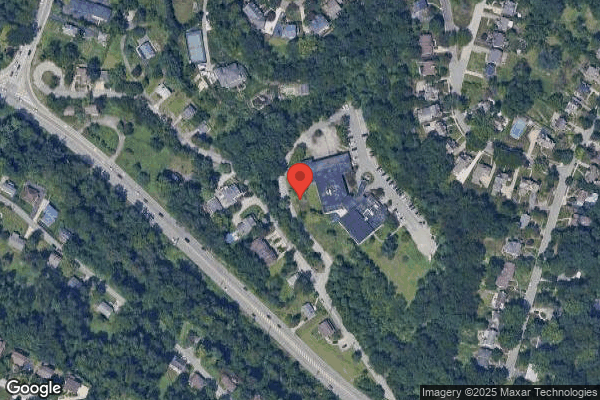
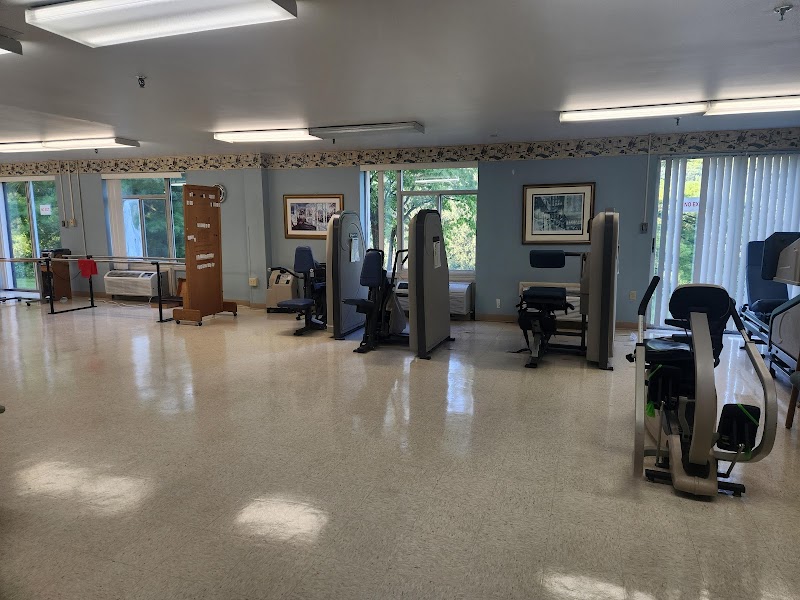
350 OLD GILKESON ROAD, PITTSBURGH, PA 15228 (412) 257-4444
For profit - Corporation 121 Beds WECARE CENTERS Data: November 2025 2 Immediate Jeopardy citations
Trust Grade
0/100
#643 of 653 in PA
Last Inspection: September 2024

Within standard 12-15 month inspection cycle. Federal law requires annual inspections.

Overview

Wecare at Mt Lebanon Rehabilitation and Nursing Center has received a Trust Grade of F, indicating poor performance with significant concerns regarding resident safety and care. It ranks #643 out of 653 facilities in Pennsylvania, placing it in the bottom half, and #49 out of 52 in Allegheny County, meaning only three local options are better. Although the facility is trending towards improvement, with issues decreasing from 17 in 2024 to 5 in 2025, the high staff turnover rate of 88% is concerning, especially when compared to the state average of 46%. Staffing is rated at 3 out of 5 stars, and the facility benefits from good RN coverage, being above 90% of state facilities, which is a strength. However, the facility has faced serious issues, including two critical incidents involving staff sexual abuse of residents and failures in supervision that led to actual harm, which raises significant alarms about resident safety.

Trust Score
F
0/100
In Pennsylvania
#643/653
Bottom 2%
Safety Record
High Risk
Review needed
Inspections
Getting Better
17 → 5 violations
Staff Stability
⚠ Watch
88% turnover. Very high, 40 points above average. Constant new faces learning your loved one's needs.
Penalties
✓ Good
$234,366 in fines. Lower than most Pennsylvania facilities. Relatively clean record.
Skilled Nurses
✓ Good
Each resident gets 56 minutes of Registered Nurse (RN) attention daily — more than average for Pennsylvania. RNs are trained to catch health problems early.
Violations
⚠ Watch
76 deficiencies on record. Higher than average. Multiple issues found across inspections.
★☆☆☆☆
1.0
Overall Rating
★★★☆☆
3.0
Staff Levels
★★★★☆
4.0
Care Quality
★☆☆☆☆
1.0
Inspection Score
Stable
2024: 17 issues
2025: 5 issues

The Good

  • 4-Star Quality Measures · Strong clinical quality outcomes
  • Full Sprinkler Coverage · Fire safety systems throughout facility
  • No fines on record

Facility shows strength in quality measures, fire safety.

The Bad

1-Star Overall Rating

Below Pennsylvania average (3.0)

Significant quality concerns identified by CMS

Staff Turnover: 88%

41pts above Pennsylvania avg (46%)

Frequent staff changes - ask about care continuity

Federal Fines: $234,366

Well above median ($33,413)

Significant penalties indicating serious issues

Chain: WECARE CENTERS

Part of a multi-facility chain

Ask about local staffing decisions and management

Staff turnover is very high (88%)

40 points above Pennsylvania average of 48%

The Ugly 76 deficiencies on record

2 life-threatening 3 actual harm
Jul 2025 2 deficiencies
CONCERN (D) 📢 Someone Reported This

A family member, employee, or ombudsman was alarmed enough to file a formal complaint

Potential for Harm - no one hurt, but risky conditions existed

Investigate Abuse (Tag F0610)

Could have caused harm · This affected 1 resident

**NOTE- TERMS IN BRACKETS HAVE BEEN EDITED TO PROTECT CONFIDENTIALITY** Based on review of facility policy, clinical records, facility documents, and staff interview, it was determined that the facili...

Read full inspector narrative →
**NOTE- TERMS IN BRACKETS HAVE BEEN EDITED TO PROTECT CONFIDENTIALITY** Based on review of facility policy, clinical records, facility documents, and staff interview, it was determined that the facility failed to investigate incidents of possible abuse and neglect for one of two residents (Residents R1).Based on review of facility policy, clinical records, facility documents, and staff interview, it was determined that the facility failed to investigate incidents of possible abuse and neglect for one of two residents (Residents R1).Review of facility policy Abuse and Neglect - Clinical Protocol reviewed 1/22/25, indicated the nurse will assess the individual and document related findings. The facility defines abuse as the willful infliction of injury, unreasonable confinement, intimidation or punishment with resulting physical harm, pain, or mental anguish. Abuse also included the deprivation by an individual of goods or services that are necessary to attain or maintain physical, mental, and psychosocial well-being. Willful is defined as the individual must have acted deliberately, not that the individual must have intended to inflict injury or harm. The staff will investigate alleged abuse and neglect to clarify what happened and identify possible causes. The facility management and staff will institute measures to address the needs of residents and minimize the possibility of abuse and neglect. The staff and physician will monitor individuals who have been abused to address any issues regarding their medical condition, mood, and function.Review of facility policy Accidents and Incidents - Investigating and Reporting dated 1/22/25, indicated all accidents or incidents involving residents, employees, visitors, vendors, etc., occurring on the premises shall be investigated and reported to the administrator. The nurse supervisor/charge nurse and/or the department director or supervisor shall promptly initiate and document investigation of the accident or incident. The following data shall, as applicable, shall be included on the Report of Incidents/Accidents form:- Date and time the accident or incident took place.- The nature of the injury/illness.- The circumstances surrounding the accident or incident.- The names of witnesses and their accounts of the accident or incident.- The injured person's account of the accident or incident.- Any corrective action taken.- Follow-up information.Review of facility policy Resident Rights Guidelines for All Nursing Procedures reviewed 1/22/25, indicated for any procedure that involves direct resident care, follow these steps:a. Knock and gain permission before entering the resident's room.b. If the resident is sleeping, and the procedure is not urgent or scheduled, return when the resident is awake.A review of the clinical record revealed Resident R1 was re-admitted to the facility on [DATE], with diagnoses that included diabetes, obesity, and high blood pressure.A review of the Minimum Data Set ((MDS - a mandated assessment of a resident's abilities and care needs) dated 5/8/25, revealed the diagnoses remain current.During an interview on 7/15/25, at 9:53 a.m. Resident R1 stated that on 6/21/25, Employee E2 came into her room and pricked her finger for a blood glucose level while she was sleeping. She stated that it occurred two times, but she was unable to remember the first date. She stated that both occurrences happened with the same nurse on evening/night shift.During an interview on 7/15/25, at 10:30 a.m. the Director of Nursing confirmed the incident occurred.A telephone interview was attempted with Licensed Practical Nurse (LPN) Employee E2 on 7/15/25, at 12:45 p.m. A voice message was left with no return telephone call.During an interview on 7/15/25, at 11:15 a.m. the Nursing Home Administrator confirmed the facility did not complete a full investigation into the incident involving Resident R1 and confirmed the facility did not conduct a thorough investigation into the allegations, including not interviewing any possible witnesses, did not interview other staff members present, or other residents to whom the accused employee provides care or services.28 Pa. Code: 201.14 (a)(c)(e) Responsibility of licensee.28 Pa. Code: 201.18 (e)(1) Management.
CONCERN (D) 📢 Someone Reported This

A family member, employee, or ombudsman was alarmed enough to file a formal complaint

Potential for Harm - no one hurt, but risky conditions existed

Deficiency F0761 (Tag F0761)

Could have caused harm · This affected 1 resident

Based on review of facility policy, observations and staff interviews, it was determined that the facility failed to properly secure the treatment cart for one of four carts observed (First floor Team...

Read full inspector narrative →
Based on review of facility policy, observations and staff interviews, it was determined that the facility failed to properly secure the treatment cart for one of four carts observed (First floor Team #1 medication cart).Based on review of facility policy, observations, and staff interviews, it was determined that the facility failed to properly secure the treatment cart for one of four carts (First Floor Team #1 Medication Cart).Review of the facility policy Storage of Medications reviewed 1/22/25, indicated medications and biologicals are stored safely, securely, and properly. Drugs and biologicals used in the facility are stored in locked compartments. Only persons authorized to prepare and administer medications have access to locked medications.During an observation on 7/15/25, at 9:40 a.m. First floor Team #1 medication cart was observed in the hall by the nurse's station unlocked and unattended.During an interview on 7/15/25, at 9:45 a.m. Registered Nurse Employee E1 confirmed the first floor Team #1v medication cart was unattended and unlocked.During an interview on 7/15/25, at 11:35 a.m. the Director of Nursing Employee confirmed the medication cart should be secured when unattended.28 Pa. Code: 211.9(a)(1)(k) Pharmacy services.28 Pa. Code: 211.10(c) Resident care policies.28 Pa. Code: 211.12(d)(1)(2)(5) Nursing services.
Apr 2025 3 deficiencies
CONCERN (E) 📢 Someone Reported This

A family member, employee, or ombudsman was alarmed enough to file a formal complaint

Potential for Harm - no one hurt, but risky conditions existed

Deficiency F0806 (Tag F0806)

Could have caused harm · This affected multiple residents

Based on a review of facility policy, resident choice menu selections, resident interviews, it was determined that the facility failed to provide resident selected menu items for 14 of 20 residents (R...

Read full inspector narrative →
Based on a review of facility policy, resident choice menu selections, resident interviews, it was determined that the facility failed to provide resident selected menu items for 14 of 20 residents (Resident R2, R5, R6, R7, R8, R9, R10, R12, R13, R14, R15, R16, R17, R19, and R20). Findings include: Review of the facility policy, Food and Nutrition Services dated 9/9/24, indicated Food and nutrition services staff will inspect food trays to ensure that the correct meal is provided to each resident, the food appears palatable and attractive, and it is served at a safe and appetizing temperature. If an incorrect meal is provided to a resident, or a meal does not appear palatable, nursing staff will report it to the food service manager so that a new food tray can be issued. During a dinner meal observation, on 4/16/21, at beginning at 4:52 p.m. the following was observed: Resident R2 had requested two ginger ale and two puddings on his meal ticket, did not receive either. Resident R5 received one chocolate cookie, rather than the two listed on the meal ticket. Resident R6 did not receive her 4-ounce ice-cream. Resident R7 received one chocolate cookie, rather than the two listed on the meal ticket. Resident R8 did not receive her 4-ounce house supplement and 4-ounce cranberry juice. Resident R9 received one chocolate cookie, rather than the two listed on the meal ticket. Resident R10 did not receive her Ensure (nutritional supplement). Resident R12 had did not receive her requested ranch dressing for her tossed salad. Resident R13 received one chocolate cookie, rather than the two listed on the meal ticket, and received Italian dressing rather than ranch dressing. Resident R13 stated Italian dressing gives her heartburn. Resident R14 received one chocolate cookie, rather than the two listed on the meal ticket. Resident R15 received one chocolate cookie, rather than the two listed on the meal ticket. Resident R16 received one chocolate cookie, rather than the two listed on the meal ticket. Resident R17 received one chocolate cookie, rather than the two listed on the meal ticket. Resident R18 did not receive her two sugar cookies. During a confidential staff interview on 4/16/25, it was conveyed to the surveyor that the facility did not have any artificial sweetener for the residents with diabetes (a metabolic disorder in which the body has high sugar levels for prolonged periods of time) or prefer to have a non-sugar sweetener. Observation of the cart used for coffee, tea, and creamer revealed only sugar packets. During an interview on 4/16/25, at approximately 5:30 p.m. the Dietary Manager confirmed the facility did not have artificial sweetener and stated that the food delivery was not expected until Friday (4/18/25). At this time, the Dietary Manager was asked to confirm that any diabetic resident who requested coffee, tea, or any other item that would normally require sweetener, would only be provided sugar. The Dietary Manager did not provide an answer to this question. During an interview on 4/18/25, at 10:00 a.m. Nursing Home Administrator confirmed that the facility failed to provide food items selected by the residents for 14 of 20 residents. 28 Pa Code: 211.6(a) Dietary service.
CONCERN (E) 📢 Someone Reported This

A family member, employee, or ombudsman was alarmed enough to file a formal complaint

Potential for Harm - no one hurt, but risky conditions existed

Deficiency F0809 (Tag F0809)

Could have caused harm · This affected multiple residents

Based on review of facility policy and resident staff interviews, it was determined the facility failed to consistently provide snacks as desired by residents for of residents six of eight residents (...

Read full inspector narrative →
Based on review of facility policy and resident staff interviews, it was determined the facility failed to consistently provide snacks as desired by residents for of residents six of eight residents (Resident R2, R9, R11, R17, R19, and R20). Findings include: Review of facility policy titled Frequency of Meals dated 9/9/24 indicated, Evening snacks will be offered routinely to all residents. During an interview on 4/16/25, at 4:57 p.m. when asked if the facility provides evening snacks, Resident R20 responded, Sometimes. During an interview on 4/16/25, at 4:58 p.m. when asked if the facility provides evening snacks, Resident R9 responded, Once in a while. During an interview on 4/16/25, at 5:13 p.m. when asked if the facility provides evening snacks, Resident R2 responded, Hopefully, if they have some. During an interview on 4/16/25, at 5:29 p.m. when asked if the facility provides evening snacks, Resident R11 responded, No. Resident R11 continued on to say that she gets snacks once a month and that staff eat the snacks rather than provide them to the residents. During an interview on 4/16/25, at 5:30 p.m. when asked if the facility provides evening snacks, Resident R19 responded, No. When asked if she wanted an evening snack, Resident R19 responded, Yeah. During an interview on 4/16/25, at 5:35 p.m. when asked if the facility provides evening snacks, Resident R17 responded, No. When asked if she wanted an evening snack, Resident R17 responded, Mm-hmm. During an interview on 4/18/25, at approximately 10:00 a.m. the Nursing Home Administrator confirmed the facility failed to consistently provide snacks as desired by residents for of residents six of eight residents. 28 Pa. Code 211.12 (d)(3)(5) Nursing services.
CONCERN (E) 📢 Someone Reported This

A family member, employee, or ombudsman was alarmed enough to file a formal complaint

Potential for Harm - no one hurt, but risky conditions existed

Deficiency F0925 (Tag F0925)

Could have caused harm · This affected multiple residents

Based on observations and resident and staff interviews, it was determined that the facility failed to maintain an effective pest control program for one of two nursing units (Ground Floor nursing uni...

Read full inspector narrative →
Based on observations and resident and staff interviews, it was determined that the facility failed to maintain an effective pest control program for one of two nursing units (Ground Floor nursing unit). Findings include: The facility PEST CONTROL POLICY dated 9/9/24, indicated that the facility will maintain an effective pest control program. During an interview on 4/13/25, at 11:08 a.m. Resident R1 stated that she often sees small ants and spiders in her room. Resident R1 stated that when the exterminator was in recently, her room was not treated. During an observation of Resident R2 ' s room on 4/13/25, at 11:35 a.m. there were ants observed on the floor below the PTAC unit (packaged terminal air conditioner, a self-contained heating and air conditioning system usually mounted through a wall). During an observation of the empty room G0004 on 4/13/25, at 11:38 a.m. the PTAC unit had been removed, leaving only the outer metal case. This case had grates to allow air flow through. Ants were visible in this room in the PTAC case. During an observation of Resident R3 ' s room on 4/13/25, at 11:43 a.m. there were ants observed by the window. During an interview on 4/13/25, at 11:47 a.m. Resident R4 stated he occasionally sees ants in his room. During an interview on 4/13/25, at 11:52 a.m. Resident R5 stated she sees those tiny ants in her room. During an observation of the Ground Floor nursing unit lounge area on 4/13/25, at 11:56 a.m. live ants were observed by the wall, and three dead bugs under a small table. During an interview on 4/13/25, at approximately 12:15 p.m. the Maintenance Director confirmed he was in the middle of the replacement of the PTAC unit in room G0004, and confirmed that no measures has been taken to prevent insects from entering the building. During an interview on 4/13/25, at approximately 12:20 p.m. the Nursing Home Administrator confirmed the facility failed to maintain an effective pest control program for one of two nursing units. 28 Pa. Code: 207.2 (a) Administrator's responsibility.
Oct 2024 1 deficiency
CONCERN (E) 📢 Someone Reported This

A family member, employee, or ombudsman was alarmed enough to file a formal complaint

Potential for Harm - no one hurt, but risky conditions existed

Safe Environment (Tag F0584)

Could have caused harm · This affected multiple residents

**NOTE- TERMS IN BRACKETS HAVE BEEN EDITED TO PROTECT CONFIDENTIALITY** Based on observations, resident and staff interviews, it was determined that the facility failed to maintain a clean homelike en...

Read full inspector narrative →
**NOTE- TERMS IN BRACKETS HAVE BEEN EDITED TO PROTECT CONFIDENTIALITY** Based on observations, resident and staff interviews, it was determined that the facility failed to maintain a clean homelike environment for two of two nursing floors observed. (Ground and First Floor). Findings Include: During an observation on 10/31/24, from 8:06 a.m., through 10:00 a.m., the following was identified: Resident room [ROOM NUMBER] G- empty bathroom faucet was turned on to hot, from 8:06 a.m., though 8:26 a.m, the water ran continuously producing luke warm water to touch. There were holes in the wall in the bathroom. Resident R1 bathroom water was started at 8:12 a.m., and ran til 8:28 a.m., and was lukewarm to touch. Resident R1 stated that the water has to run and run for it to get hot. Holes were identified in the bathroom wall. room [ROOM NUMBER]G- empty bathroom faucet ran from 8:17 a.m., through 8:32 a.m, producing lukewarm water to touch. The HVAC unit was sitting off the wall with the outside plate to attach unit as the only barrier with several holes to the outside. Resident R2 and R3's room door was propped open using a Kleenex box because the door will not stay open stated by Resident R2. There were holes in the walls under the door bed's television and at the bathroom entrance. Resident R4's room had unfinished plaster on the wall behind the bed. Resident R5's room had broken unfinished walls behind and on the side of the window bed. Resident R6 and R7's room had an unfinished ceiling fan in the bathroom and the toilet was running and Resident R6 stated that thing runs and runs, it keeps me awake at night. During an interview on 10/31/24, at 9:09 a.m., Nurse Aide Employees E1 and E2 confirmed the facility has no hot water unless you let it run for half hour at least and the shower room has to run down on the ground floor for the shower rooms on the first floor to get hot water. During an observation on 10/31/24, from 10:00 a.m. through 10:10 a.m., the following water temperatures were identified: Therapy room bathroom (closest to the water heater used by residents) 105 degrees. Ground Floor shower room [ROOM NUMBER] degrees. Resident room [ROOM NUMBER] bathroom [ROOM NUMBER] degrees. Resident room [ROOM NUMBER] bathroom [ROOM NUMBER] degrees. First floor shower room back hall 110 degrees. Resident room [ROOM NUMBER] bathroom [ROOM NUMBER] degrees. During an observation of the first floor long hall shower room, a black substance was identified on the entire ceiling with a musty odor emitting when the door was opened. During an interview on 10/31/24, at 10:10 a.m., the Maintenance Director Employee E4 stated I have had conversations with my director about the water system as there is only one water holding tank that serves the whole building and it is difficult to get hot water until it runs for a while. The kitchen has a booster on the water line so the water for the dish machine reaches high temperatures. The water temperatures are not consistent throughout the building the further away from the water hold tank the colder the water. The facility failed to maintain a homelike environment for two of two nursing floors (Ground and First Floor). 28 Pa. code: 201.14 (a) Responsibility of licensee. 28 Pa Code: 201.18 (e)(1)(2) Management. 28 Pa Code: 201.29 (a)(c)(d) Resident rights.
Sept 2024 14 deficiencies
CONCERN (D)

Potential for Harm - no one hurt, but risky conditions existed

Deficiency F0645 (Tag F0645)

Could have caused harm · This affected 1 resident

Based on review of facility policy, clinical records, and interviews with staff, it was determined that the facility failed to complete a Level II evaluation by a state Preadmission Screening and Resi...

Read full inspector narrative →
Based on review of facility policy, clinical records, and interviews with staff, it was determined that the facility failed to complete a Level II evaluation by a state Preadmission Screening and Resident Review (PASARR) representative to determine if the resident has a physical or mental condition, what specialized or rehabilitative services he or she needs, and whether placement in the facility is appropriate for one of three residents (Resident R15). Findings include: A review of the facility policy titled Policy Interpretation and Implementation dated April 9, 2024, revealed that it was the responsibility of the facility to assure that all residents admitted to the facility receive a screening (Level I) and referral for Level II in accordance with State and Federal Regulations. Review of Resident R15's clinical record indicated the PASARR form for this resident was accurately completed and revealed the resident needed a Level II evaluation. The resident had a diagnosis of Schizophrenia and bi-polar disorder. During an interview with Social Services Employee E6, at 1:34 p. m., on September 18, 2024 confirmed the lack of referral and completion of the Level II evaluation by a state PASARR representative for Resident R15. 28 PA. Code 211.5(f)(iv)(vii) Medical records. 28 PA. Code 201.14(a) Responsibility of licensee.
CONCERN (D)

Potential for Harm - no one hurt, but risky conditions existed

Quality of Care (Tag F0684)

Could have caused harm · This affected 1 resident

**NOTE- TERMS IN BRACKETS HAVE BEEN EDITED TO PROTECT CONFIDENTIALITY** Based on review of facility policy, clinical records, and staff interviews, it was determined that the facility failed to notify...

Read full inspector narrative →
**NOTE- TERMS IN BRACKETS HAVE BEEN EDITED TO PROTECT CONFIDENTIALITY** Based on review of facility policy, clinical records, and staff interviews, it was determined that the facility failed to notify physicians of increased and decreased Capillary Blood Glucose (CBG) levels and failed to assess residents for hyperglycemia (high blood glucose) and hypoglycemia (low blood glucose), for two of seven residents reviewed (Residents R39, and R78). Findings include: The Centers for Disease Control defines diabetes as: Diabetes Mellitus is a chronic (long-lasting) health condition that affects how your body turns food into energy. Most of the food you eat is broken down into sugar (also called glucose) and released into your bloodstream. When your blood sugar goes up, it signals your pancreas to release insulin. Insulin acts like a key to let the blood sugar into your body's cells for use as energy. If you have diabetes, your body either doesn't make enough insulin or can't use the insulin it makes as well as it should. When there isn't enough insulin or cells stop responding to insulin, too much blood sugar stays in your bloodstream. Over time, that can cause serious health problems, such as heart disease, vision loss, and kidney disease. Hypoglycemia is a condition that occurs when blood glucose is lower than normal, usually below 70 milligrams per deciliter (mg/dl). If left untreated, hypoglycemia may lead to weakness, confusion, unconsciousness, arrhythmias and even death. People with Diabetes Mellitus may be prescribed injectable insulin to assist in maintaining acceptable levels of CBG's. Hyperglycemia, or high blood glucose, occurs when there is too much sugar in the blood. This happens when your body has too little insulin. Hyperglycemia is blood glucose greater than 125 mg/dL while fasting (not eating for at least eight hours, or a blood glucose greater than 180 mg/dL one to two hours after eating. If you have hyperglycemia and it ' s untreated for long periods of time, you can damage your nerves, blood vessels, tissues and organs. Damage to blood vessels can increase your risk of heart attack and stroke, and nerve damage may also lead to eye damage, kidney damage and non-healing wounds. Review of the facility policy Diabetes - Clinical Protocol reviewed 12/29/23 and 4/9/24, indicated staff will identify and report issues that may affect the resident ' s diabetes management such as hypoglycemia. Review of the facility policy Nursing Care of the Older Adult with Diabetes Mellitus reviewed 12/29/23 and 4/9/24, indicated to call provider immediately if resident is hypoglycemic (less than 70). Follow the provider orders for blood glucose monitoring. Review of the facility policy Management of Hypoglycemia reviewed 12/29/23 and 4/9/24, indicated for blood glucose less than 70, but greater than 54, give resident oral form of rapidly absorbed glucose, notify the provider immediately, remain with resident, recheck blood sugar in 15 minutes. For blood sugar less than 54, administer glucagon, notify provider immediately, remain with resident, monitor vital signs, and recheck blood glucose in 15 minutes. Document the resident ' s blood glucose before interventions. Record resident ' s level of consciousness. Document provider instructions. Review of the facility policy Change in Resident ' s Condition or Status reviewed 12/29/23 and 4/9/24, indicated the nurse will notify the resident ' s attending physician on call when there has been a significant change in the resident ' s condition, a need to alter the resident ' s medical treatment significantly, or specific instruction to notify the physician of changes in the resident ' s condition. The nurse will record in the resident ' s medical record information relative to changes in the resident ' s condition. Review of the facility policy Charting and Documentation reviewed 12/29/23 and 4/9/24, indicated all services provided to the resident, progress toward the care plan goals, or any changes in the resident ' s medical, physical, functional, or psychosocial condition, shall be documented in the resident ' s medical record. Documentation of procedures and treatments will include care-specific details, including date and time, assessment data and/or any unusual findings, notification of family, physician, or other staff. Review of the clinical record indicated Resident R39 was re-admitted to the facility on [DATE], with diagnoses that included diabetes, high blood pressure, and depression. Review of Resident R39' s Minimum Data Set (MDS - a mandated assessment of a resident's abilities and care needs) dated 8/17/24, indicated the diagnoses remain current. Review of a physician ' s order dated 3/6/24, indicated to inject Lispro (fast-acting insulin that starts to work about 15 minutes after injection, peaks in about 1 hour, and keeps working for 2 to 4 hours) per sliding scale, call MD (doctor) if less than 80 and greater than 400. Review of the clinical record electronic Medication Administration Record (eMAR) revealed that the resident's CBG's were as follows: On 9/12/24, at 8:43 a.m. the CBG was noted to be 53. On 8/23/24, at 3:02 p.m. the CBG was noted to be 477. Review of the care plan dated 2/14/24, indicated the following interventions: -Accuchecks as ordered, call MD per order. -Monitor resident for signs and symptoms (s/s) of hypoglycemia. -Provide insulin coverage as per resident ' s individual order. -Provide medication/juice to increase blood sugar below 60 as per resident ' s individual order. -Sliding scale coverage as ordered. Review of Resident's eMAR and clinical progress notes indicated the resident was not assessed for hyper-/hypoglycemia, the blood glucose was not monitored for effectiveness of treatment, failed to follow interventions of the care plan, and the physician was not notified of abnormal results on the above listed dates. Review of a clinical record indicated Resident R78 was admitted to the facility on [DATE], with diagnoses that included diabetes, cancer, and congestive heart failure (progressive heart disease that affects pumping action of the heart muscles). Review of the MDS dated [DATE], indicated the diagnoses remain current. Review of physician ' s orders dated 10/16/23, indicated Accuchecks two times a day. Further review of a physician ' s order dated 2/15/24, indicated Trulicity (injectable medicine that helps control blood sugar levels), one time every seven days. Review of Resident R78's eMAR revealed that the resident's CBG's were as follows: On 6/9/24, at 6:12 a.m. the CBG was noted to be 62. On 3/13/24, at 3:44 p.m. the CBG was noted to be 416. A review of Resident R78's care plan dated 6/10/23, indicated the following interventions: -Accuchecks as ordered, call MD per order. -Monitor/Observe for s/s of hypo and hyper-glycemia. Review of Resident R78's eMAR and clinical progress notes indicated the resident was not assessed for hyper-/hypoglycemia, failed to follow interventions of the care plan, blood sugar was not rechecked, and the physician was not notified of abnormal results. During an interview on 9/19/24, at 10:00 a.m. Licensed Practical Nurse (LPN) Employee E12 stated if the blood glucose was under 50, they would call the doctor. If the blood glucose was greater than 400, they would notify the supervisor and call the doctor. They would document in the MAR and progress notes. During an interview on 9/19/24, at 10:05 a.m. LPN Employee E14 stated if the blood glucose was less than 70, they would give glucose gel, notify the supervisor, recheck blood glucose in 15 minutes, and call the doctor. If blood glucose was over 400, they would administer the ordered insulin and call the doctor. They would document in the progress notes. During an interview on 9/19/24, at 1:00 p.m. the Director of Nursing confirmed the facility failed to notify the doctor of a change in condition related to blood glucose for Residents R39, and R78. 28 Pa. Code 201.18 (b)(1) Management 28 Pa. Code 201.29(d) Resident Rights 28 Pa. Code 211.10 (c)(d) Resident Care policies 28 Pa. Code 211.12 (d)(1)(2)(3)(5) Nursing services
CONCERN (D)

Potential for Harm - no one hurt, but risky conditions existed

Accident Prevention (Tag F0689)

Could have caused harm · This affected 1 resident

**NOTE- TERMS IN BRACKETS HAVE BEEN EDITED TO PROTECT CONFIDENTIALITY** Based on review of facility policies, clinical records, and staff interview, it was determined that the facility failed to provi...

Read full inspector narrative →
**NOTE- TERMS IN BRACKETS HAVE BEEN EDITED TO PROTECT CONFIDENTIALITY** Based on review of facility policies, clinical records, and staff interview, it was determined that the facility failed to provide adequate supervision due to documentation for the bed mobility needs for one of five residents (Resident R8), which resulted in a roll out of bed. Findings include: Review of the Resident Assessment Instrument (RAI) 3.0 User's Manual effective October 2019, indicated that bed mobility is defined as how resident moves to and from lying position, turns side or side, and positions body while in bed or alternate sleep furniture. The RAI further indicated that How a resident turns from side to side, in the bed, during incontinence care, is a component of Bed Mobility and should not be considered as part of Toileting. Review of American Congress of Rehabilitation Medicine - Caregiver Guide and Instructions for Safe Bed Mobility published 4/28/17, indicated bed mobility refers to activities such as scooting in bed, rolling, side-lying to sitting, and sitting to lying down. Resident R8 was admitted to the facility on [DATE]. Review of Resident R8's Minimum Data Set (MDS) assessment (mandated assessment of a resident's abilities and care needs) dated 4/16/24, indicated diagnoses of diabetes (a metabolic disorder in which the body has high sugar levels for prolonged periods of time), end stage renal failure (a condition in which the kidneys lose the ability to remove waste and balance fluids), and intellectual disabilities. Review of Resident R1's MDS assessments, Section G - Functional Status, Questions G0110A, ADL Assistance for Bed Mobility, dated, 4/16/24 indicated that Resident R8 required extensive assistance of two or more staff members. Review of Resident R8's physician's orders since admission did not reveal an order that specified bed mobility assistance until 6/4/24. At which time it was changed to two person assist at all times for bed mobility. Review of Resident R8's plan of care for assistance with dressing, personal hygiene, walking, transferring, toileting, changing position in bed initiated 11/7/22, revealed no documented assistance level for bed mobility for Resident R8 until 8/5/24. Review of PT Evaluation and Plan of Treatment documentation on 1/16/24 indicated that Resident R8 required assistance of two or more staff members for bed mobility. Review of a progress note written by Licensed Practical Nurse (LPN) Employee E12 dated 5/26/24, at 6:31 a.m. indicated CNA [certified nursing assistant] reported to this Nurse that resident was lying on floor. Upon entering into room observed face down. Registered Nurse (RN) notified and accessed for injuries. Obtained a Hematoma [bruise] to his RT [right] side head of temporal. Denies any pain at this time. Resident was assisted off the floor with Hoyer x 3[mechanical lift using 3 people] into his bed. Review of a progress note dated 5/26/24, at 6:41 a.m. indicated that Resident R8 exited the facility with emergency services personnel for the hospital. Review of a progress note written by RN Employee E10 dated 5/26/24, at 6:50 a.m. indicated Around 0600, this nurse was notified of a witnessed fall. Per CNA, she turned him towards her to change him. He rolled towards her and caught him but because he was heavy & stiff, the CNA was not able to put him down to the floor so he fell. Noted some blood on his R forehead with a 7 cm x 2. 5cm hematoma. No other bleeding noted on other parts of his body, no skin tear or abrasion. Fistula [dialysis port] intact. Per resident, he rolled out of the bed during change. Review of a progress note written by RN Employee E10 dated 5/27/24, at 12:30 p.m. indicated Resident returned from St. [NAME] ER at approx. 1200, after he was further evaluated r/t [related to] fall causing head injury. CT Brain Unenhanced [brain scan] showed no acute CNS [central nervous system] findings or fracture. Small right frontal hematoma. Review of an employee statement written by NA Employee E13 dated 5/26/24, stated, I was in turning the resident to me to provide a.m. care. The resident became stiff and I couldn't stop the roll. I caught him and lowered him to the floor. He hit his head on the nightstand. NA Employee E13 is no longer employed by the facility and was not able to be contacted. During an interview on 9/19/24, at 2:45 p.m. the Director of Nursing confirmed that the facility failed to provide adequate documentation for the bed mobility needs for one of five residents, which resulted in a roll out of bed for Resident R8. 28 Pa. Code 201.14(a) Responsibility of licensee. 28 Pa. Code 201.18(b)(1)(e)(1) Management. 28 Pa. Code 201.20(b)(1) Staff Development. 28 Pa. Code 201.29(a) Resident rights. 28 Pa. Code 211.10(c)(d) Resident care policies. 28 Pa. Code 211.11(d) Resident care plan.
CONCERN (D)

Potential for Harm - no one hurt, but risky conditions existed

Deficiency F0761 (Tag F0761)

Could have caused harm · This affected 1 resident

**NOTE- TERMS IN BRACKETS HAVE BEEN EDITED TO PROTECT CONFIDENTIALITY** Based on observations and staff interviews, it was determined that the facility failed to properly dispose of expired and/or ope...

Read full inspector narrative →
**NOTE- TERMS IN BRACKETS HAVE BEEN EDITED TO PROTECT CONFIDENTIALITY** Based on observations and staff interviews, it was determined that the facility failed to properly dispose of expired and/or opened medical supplies in one of two medication rooms (First floor). Findings include: During an observation of the facility medication room on [DATE], at 1:15 p.m. of the facility medication room, the following was observed: -19 Medline triple pack povidone iodine swabsticks with expiration date of 3/2024. -16 Curad oil emulsion dressing with expiration date of [DATE]. -16 Dynarex DynaSorb super absorbent dressing with expiration dates of [DATE]. -25 Brava strip paste coloplast with an expiration dates of [DATE],[DATE], [DATE], [DATE], [DATE], [DATE], [DATE], and [DATE]. -One I Medical Devices IM41000 small bore extension set 7 with an expiration date of [DATE]. During an interview on [DATE], at 10:11 a.m. the Nursing Home Administrator confirmed the facility failed to properly dispose of expired and/or opened medical supplies in one of one medication rooms. 28 Pa. Code: 211.10(c) Resident care policies. 28 Pa. Code: 211.12(d)(1)(2)(5) Nursing services.
CONCERN (E)

Potential for Harm - no one hurt, but risky conditions existed

Deficiency F0578 (Tag F0578)

Could have caused harm · This affected multiple residents

**NOTE- TERMS IN BRACKETS HAVE BEEN EDITED TO PROTECT CONFIDENTIALITY** Based on review of facility policy, clinical records and staff interview, it was determined that the facility failed to provide ...

Read full inspector narrative →
**NOTE- TERMS IN BRACKETS HAVE BEEN EDITED TO PROTECT CONFIDENTIALITY** Based on review of facility policy, clinical records and staff interview, it was determined that the facility failed to provide the opportunity to formulate an advance directive (a written instruction such as a living will or durable power of attorney for health care for when the individual is incapacitated) for six of nine residents reviewed (Resident R27, R39, R42, R50, R55, and R67). Findings include: A review of the facility Advance Directives 12/29/23 and 4/9/24, indicated the resident has the right to formulate an advance directive, including the right to accept or refuse medial or surgical treatment. A review of the medical record indicated Resident R27 was re-admitted to the facility on [DATE], with diagnoses that included diabetes, depression, and anxiety. A review of the clinical record failed to reveal an advanced directive or documentation that Resident R27 was given the opportunity to formulate an Advanced Directive. A review of the medical record indicated Resident R39 was re-admitted to the facility on [DATE], with diagnoses that included diabetes, depression, and high blood pressure. A review of the clinical record failed to reveal an advanced directive or documentation that Resident R39 was given the opportunity to formulate an Advanced Directive. A review of the clinical record indicated Resident R42 was re-admitted to the facility on [DATE], with diagnoses that included Huntington ' s Disease (inherited disorder that causes nerve cells in the brain to gradually break down and die), depression, and anxiety. A review of the clinical record failed to reveal an advanced directive or documentation that Resident R42 was given the opportunity to formulate an Advanced Directive. A review of the clinical record indicated Resident R50 was admitted to the facility on [DATE], with diagnoses that included cancer, high blood pressure, and congestive heart failure ((progressive heart disease that affects pumping action of the heart muscles). A review of the clinical record failed to reveal an advance directive or documentation that Resident R50 was given the opportunity to formulate an Advance Directive. A review of the clinical record indicated Resident R55 was admitted to the facility on [DATE], with diagnoses that included obesity, depression, and difficulty swallowing. A review of the clinical record failed to reveal an advance directive or documentation that Resident R55 was given the opportunity to formulate an Advance Directive. A review of the clinical record indicated Resident R67 was admitted to the facility on [DATE], with diagnoses that included diabetes, chronic pain, and high blood pressure. A review of the clinical record failed to reveal an advance directive or documentation that Resident R67 was given the opportunity to formulate an Advance Directive. During an interview on 9/18/24, at 9:40 a.m. Social Worker Employee E6 confirmed that the clinical record did not include documentation that Resident R27, R39, R42, R50, R55, and R67 were afforded the opportunity to formulate Advanced Directives. 28 Pa. Code: 201.29(b)(d)(j) Resident rights.
CONCERN (E)

Potential for Harm - no one hurt, but risky conditions existed

Deficiency F0947 (Tag F0947)

Could have caused harm · This affected multiple residents

Based on review of facility policy and documentation, and staff interview, it was determined that the facility failed to conduct at least 12 hours of in-service education, within 12 months of their hi...

Read full inspector narrative →
Based on review of facility policy and documentation, and staff interview, it was determined that the facility failed to conduct at least 12 hours of in-service education, within 12 months of their hire date anniversary, for nurse aides as required for five of five nurse aides (Employee E1, E2, E3, E4 and E5). Finding include: A review of the facility policy In-Service Training dated 4/9/24 and 12/29/23, indicated all staff (means all new and existing staff), are able to interact in a manner that enhances the resident's quality of life and quality of care and can demonstrate competency in the topic areas of the training. Review of the Facility Assessment dated 9/10/24, indicated that staff are trained on policies and procedures, consistent with their roles. This also includes determining if new or updated policies are needed, and ensuring they are developed or updated. Review of Nurse Aide (NA) Employee E1, E2, E3, E4 and E5's education records with hire date greater than 12 months revealed the following: NA Employee E1 had a hire date of 12/16/14, with 4 hours in-service training between 12/16/22, and 12/16/23. NA Employee E2 had a hire date of 11/20/20, with 4 hours in-service training between 11/20/22, and 11/20/23. NA Employee E3 had a hire date of 8/22/12, with 4 hours in-service training between 8/22/23, and 8/22/24. NA Employee E4 had a hire date of 5/13/09, with 4 hours in-service training between 5/13/23, and 5/13/24. NA Employee E5 had a hire date of 7/8/93, with 4 hours in-service training between 7/8/23, and 7/8/24. During an interview on 9/19/24, at 9:18 a.m., the Nursing Home Administrator confirmed that the required education was completed in the required timeframe, and further confirmed that the facility failed to provide the required 12 hour annual in-service education within 12 months of their hire date anniversary for five of five nurse aides. 28 Pa. Code: 201.14(a) Responsibility of Licensee. 28 Pa. Code: 201.20(c) Staff Development.
CONCERN (F)

Potential for Harm - no one hurt, but risky conditions existed

Infection Control (Tag F0880)

Could have caused harm · This affected most or all residents

Based on review of facility policy, observations and staff interviews, it was determined that the facility failed to maintain infection control practices to prevent the potential for cross contaminati...

Read full inspector narrative →
Based on review of facility policy, observations and staff interviews, it was determined that the facility failed to maintain infection control practices to prevent the potential for cross contamination during a dressing change. Findings include: Review of the facility policy Dry/Clean Dressings dated 4/9/24, indicated to clean the bedside stand before and after dressing change. Place the clean equipment on the clean field. Wash and dry hands thoroughly. Label tape or dressing with date, time, and initials. During an observation on 9/19/24, at 1:30 p.m. with Registered Nurse (RN) Employee E15 the following occurred during a dressing change: - a red biohazard bag was placed in the resident's regular garbage can - clean gloves donned, hands were not washed/sanitized prior - bedside table wiped but was not cleared of resident belongings - clean gloves donned again and hands were not washed/sanitized - personal scissors cleansed - items placed on bedside table (including a box of gloves, bag of cling gauze, and roll of tape) a clean barrier was not used - old bandage removed with scissors - clean gloves donned again and hand were not washed/sanitized - normal saline used to ease bandages from wound - clean gloves donned and hands were not washed/sanitized - wound cleansed with normal saline - collagen dressing cut with scissors these were not cleansed after cutting the dirty dressing - dressing placed on wound, covered with sterile gauze and wrapped with cling gauze. - clean gloves donned again and hands were not washed/sanitized - scissors cleansed, bandage secured with tape without a date and initials placed on bandage. - red biohazard bag taken to soiled utility - box of gloves, roll of tape, and bag of cling gauze disposed of in the medication room garbage. RN Employee E15 stated these are not soiled, so they can be thrown away in here. - hands washed with soap. During an interview on 9/19/24, at 1:57 p.m. RN Employee E15 stated I washed my hands before I went into the room. There wasn't anywhere in the room to wash my hands. Resident room contained a bathroom with running water and soap. During an interview on 9/19/24, at 2:00 p.m. the Director of Nursing confirmed the facility failed to prevent cross contamination during a dressing change, 28 Pa. Code: 201.20(c) Staff development. 28 Pa. Code: 201.14(a) Responsibility of licensee. 28 Pa. Code: 201.18(b)(1)(e)(1) Management. 28 Pa. Code: 211.10(d) Resident care policies. 28 Pa. Code: 211.12(d)(1)(2)(3)(5) Nursing services.
CONCERN (F)

Potential for Harm - no one hurt, but risky conditions existed

Deficiency F0949 (Tag F0949)

Could have caused harm · This affected most or all residents

Based on review of facility documents and staff interview, it was determined that he facility failed to provide training on behavioral health for ten of ten staff members (Employees E1, E2, E3, E4, E5...

Read full inspector narrative →
Based on review of facility documents and staff interview, it was determined that he facility failed to provide training on behavioral health for ten of ten staff members (Employees E1, E2, E3, E4, E5, E7, E8, E9, E10, E11). Findings include: Review of Nurse Aide (NA) Employee E1's facility provided information did not include training on behavioral health. Review of NA Employee E2's facility provided information did not include training on behavioral health. Review of NA Employee E3's facility provided information did not include training on behavioral health. Review of NA Employee E4's facility provided information did not include training on behavioral health. Review of NA Employee E5's facility provided information did not include training on behavioral health. Review of Activities Aide Employee E7's facility provided information did not include training on behavioral health. Review of Dietary Aide Employee E8's facility provided information did not include training on behavioral health. Review of Housekeeping Employee E9's facility provided information did not include training on behavioral health. Review of Registered Nurse Employee E10's facility provided information did not include training on behavioral health. Review of Occupational Therapy Employee E11's facility provided information did not include training on behavioral health. During an interview on 9/19/24, at 9:18 a.m. the Nursing Home Administrator confirmed that the facility failed to provide training on behavioral health for Employees E1, E2, E3, E4, E5, E7, E8, E9, E10, E11. 28 Pa. Code: 201.14 (a) Responsibility of licensee 28 Pa. Code: 201.18 (b)(1) Management 28 Pa. Code: 201.20(a)(c) Staff Development
MINOR (C)

Minor Issue - procedural, no safety impact

Deficiency F0730 (Tag F0730)

Minor procedural issue · This affected most or all residents

Based on employee personnel review and staff interview, it was determined that the facility failed to complete a performance evaluation of each nurse aide at least once every 12 months for five of fiv...

Read full inspector narrative →
Based on employee personnel review and staff interview, it was determined that the facility failed to complete a performance evaluation of each nurse aide at least once every 12 months for five of five nurse aides reviewed (Employees E1, E2, E3, E4, and E5). Findings include: The facility noted the following hire dates for five employees reviewed for performance evaluations: Employee E1's hire date of December 16, 2014 Employee E2's hire date of November 11, 2020 Employee E3's hire date of August 22, 2012 Employee E4's hire date of May 13, 2009 Employee E5's hire date of July 8, 1993 A request to review the annual performance evaluations revealed no documented evidence that the facility is completing the evaluations at least once every 12 months. Interview with the Nursing Home Administrator on September 19, 2024, at 9:18 AM confirmed that performance evaluations were not completed on the five employees. 28 Pa. Code 201.19 (2) Personnel policies and procedures 28 Pa Code: 201.20 (a)(b)(c)(d) Staff development.
MINOR (C)

Minor Issue - procedural, no safety impact

Deficiency F0940 (Tag F0940)

Minor procedural issue · This affected most or all residents

Based on the review of the facility policy and staff interviews, it was determined that the facility failed to implement and maintain an effective training program for individuals providing services u...

Read full inspector narrative →
Based on the review of the facility policy and staff interviews, it was determined that the facility failed to implement and maintain an effective training program for individuals providing services under contractual agreement, consistent with their expected roles. Finding include: Review of the policy In-Service Training dated 4/9/24, indicated it is the policy of the facility to develop, implement, and maintain an effective training program for all new and existing staff providing services under contractual arrangement, consistent with expected roles. During an interview on 9/18/24, at approximately 1:30 p.m. the Director of Nursing confirmed the previous Human Resource Director did not have accurate and completed training files. During an interview on 9/19/24, at 9:18 a.m. the Nursing Home Administrator confirmed the facility failed to implement, and maintain an effective training program for individuals providing services under contracted arrangement, consistent with their expected roles. 28 Pa. Code 201.20(a)(b)(c)(d) Staff Development
MINOR (C)

Minor Issue - procedural, no safety impact

Deficiency F0941 (Tag F0941)

Minor procedural issue · This affected most or all residents

Based on review of facility documents and staff interviews, it was determined that the facility failed to provide Communication training to ten of ten direct care facility staff reviewed (Employees E1...

Read full inspector narrative →
Based on review of facility documents and staff interviews, it was determined that the facility failed to provide Communication training to ten of ten direct care facility staff reviewed (Employees E1, E2, E3, E4, E5, E7, E8, E9, E10, and E11). Finding include: Review of facility education documents revealed the facility failed to offer Communication education to direct care staff members. Review of Nurse Aide (NA) Employee E1's facility provided information did not include training on effective communication. Review of NA Employee E2's facility provided information did not include training on effective communication. Review of NA Employee E3's facility provided information did not include training on effective communication. Review of NA Employee E4's facility provided information did not include training on effective communication. Review of NA Employee E5's facility provided information did not include training on effective communication. Review of Activities Aide Employee E7's facility provided information did not include training on effective communication. Review of Dietary Aide Employee E8's facility provided information did not include training on effective communication. Review of Housekeeping Employee E9's facility provided information did not include training on effective communication. Review of Registered Nurse Employee E10's facility provided information did not include training on effective communication. Review of Occupational Therapy Employee E11 facility provided information did not include training on effective communication. During an interview on 9/19/24, at 9:18 a.m. the Nursing Home Administrator confirmed that the facility failed to provide Communication training to direct care facility staff. 28 Pa. Code: 201.14(a) Responsibility of Licensee 28 Pa. Code: 201.20(c) Staff Development
MINOR (C)

Minor Issue - procedural, no safety impact

Deficiency F0942 (Tag F0942)

Minor procedural issue · This affected most or all residents

Based on review of facility documents and staff interview it was determined that the facility failed to provide training on residents rights for ten of ten staff members (E1, E2, E3, E4, E5, E7, E8, E...

Read full inspector narrative →
Based on review of facility documents and staff interview it was determined that the facility failed to provide training on residents rights for ten of ten staff members (E1, E2, E3, E4, E5, E7, E8, E9, E10, E11). Finding include: Review of the facility education documents revealed the facility failed to offer Resident Rights education to its direct care staff members. Review of Nurse Aide (NA) Employee E1's facility provided information did not include training on resident rights. Review of NA Employee E2's facility provided information did not include training on resident rights. Review of NA Employee E3's facility provided information did not include training on resident rights. Review of NA Employee E4's facility provided information did not include training on resident rights. Review of NA Employee E5's facility provided information did not include training on resident rights. Review of Activities Aide Employee E7's facility provided information did not include training on resident rights. Review of Dietary Aide Employee E8's facility provided information did not include training on resident rights. Review of Housekeeper Employee E9's facility provided information did not include training on resident rights. Review of Registered Nurse Employee E10's facility provided information did not include training on resident rights. Review of Occupational Therapy Employee E11's facility provided information did not include training on resident rights. During an interview on 9/19/24, at 9:18 a.m. the Nursing Home Administrator confirmed that the facility failed to provide Resident Rights training to direct care facility staff. 28 Pa. Code: 201.14(a) Responsibility of Licensee 28 Pa. Code: 201.20(c) Staff Development
MINOR (C)

Minor Issue - procedural, no safety impact

Deficiency F0944 (Tag F0944)

Minor procedural issue · This affected most or all residents

Based on the review of facility documents and staff interview, it was determined that he facility failed to provide Quality Assurance and Performance Improvement (QAPI) training to ten of ten facility...

Read full inspector narrative →
Based on the review of facility documents and staff interview, it was determined that he facility failed to provide Quality Assurance and Performance Improvement (QAPI) training to ten of ten facility staff reviewed (E1, E2, E3, E4, E5, E7, E8, E9, E10, E11\). Finding include: Review of Nurse Aide (NA) Employee E1's facility provided information did not include training on QAPI. Review of NA Employee E2's facility provided information did not include training on QAPI. Review of NA Employee E3's facility provided information did not include training on QAPI. Review of NA Employee E4's facility provided information did not include training on QAPI. Review of NA Employee E5's facility provided information did not include training on QAPI. Review of Activities Aide Employee E7's facility provided information did not include training on QAPI. Review of Dietary Aide Employee E8's facility provided information did not include training on QAPI. Review of Housekeeping Employee E9's facility provided information did not include training on QAPI. Review of Registered Nurse Employee E10's facility provided information did not include training on QAPI. Review of Occupational Therapy Employee E11's facility provided information did not include training on QAPI. During an interview on 9/19/24, at 9:18 a.m. the Nursing Home Administrator confirmed that the facility failed to provide training on QAPI for Employees E1, E2, E3, E4, E5, E7, E8, E9, E10 and E11. 28 Pa. Code: 201.20(a) Responsibility of Licensee 28 PA. Code: 201.20(c) Staff Development
MINOR (C)

Minor Issue - procedural, no safety impact

Deficiency F0946 (Tag F0946)

Minor procedural issue · This affected most or all residents

Based on review of facility policy and documents and staff interview, it was determined that the facility failed to provide training on compliance and ethics for ten of ten staff members (E1, E2, E3, ...

Read full inspector narrative →
Based on review of facility policy and documents and staff interview, it was determined that the facility failed to provide training on compliance and ethics for ten of ten staff members (E1, E2, E3, E4, E5, E7, E8, E9, E10, E11). Findings include: Review of Nurse Aide (NA) Employee E1's facility provided information did not include training on compliance and ethics. Review of NA Employee E2's facility provided information did not include training on compliance and ethics. Review of NA Employee E3's facility provided information did not include training on compliance and ethics. Review of NA Employee E4's facility provided information did not include training on compliance and ethics. Review of NA Employee E5's facility provided information did not include training on compliance and ethics. Review of Activities Aide Employee E7's facility provided information did not include training on compliance and ethics. Review of Dietary Aide Employee E8's facility provided information did not include training on compliance and ethics. Review of Housekeeping Employee E9's facility provided information did not include training on compliance and ethics. Review of Registered Nurse Employee E10's facility provided information did not include training on compliance and ethics. Review of Occupation Therapy Employee E11's facility provided information did not include training on compliance and ethics. During an interview on 9/19/24, at 9:18 a.m. the Nursing Home Administrator confirmed that the facility failed to provide training on compliance and ethics. 28 Pa. Code: 201.14(a) Responsibility of licensee 28 Pa. Code 201.18 (b)(1) Management 28 Pa. Code 201.20(a)(c) Staff Development
Aug 2024 1 deficiency
CONCERN (D) 📢 Someone Reported This

A family member, employee, or ombudsman was alarmed enough to file a formal complaint

Potential for Harm - no one hurt, but risky conditions existed

Deficiency F0557 (Tag F0557)

Could have caused harm · This affected 1 resident

**NOTE- TERMS IN BRACKETS HAVE BEEN EDITED TO PROTECT CONFIDENTIALITY** Based on a review of facility policy, clinical records, and staff interview, it was determined the facility failed to ensure the...

Read full inspector narrative →
**NOTE- TERMS IN BRACKETS HAVE BEEN EDITED TO PROTECT CONFIDENTIALITY** Based on a review of facility policy, clinical records, and staff interview, it was determined the facility failed to ensure the right to retain personal possessions for one of three residents (Resident R1). Findings include: A review of the facility policy Personal Property dated 4/9/24, stated the resident has the right to retain and use personal possessions, including some furnishings, and appropriate clothing, as space permits, unless to do so would infringe upon the rights or health and safety of other residents. Review of the clinical record indicated that Resident R1 was originally admitted to the facility on [DATE], with a readmission date of 2/6/24. Review of the Minimum Data Set (MDS, periodic assessment of resident care needs) dated 6/5/24, included diagnoses of anxiety and depression. Review of Resident R1's care plan, most recently updated on , included goals and interventions for a psychosocial wellbeing problem. Review of a psychotherapy progress note dated 10/4/23, indicated that Resident R1 tries to keep busy with arts and crafts projects. Review of a psychology progress note dated 10/25/23, indicated that Resident R1 prefers to stay in room and work on her jewelry (has an impressive array of jewelry making supplies and finished pieces). Review of monthly psychiatry progress notes dated from August 2023, through July 2024, all indicated that Resident R1 used making jewelry as an alleviating factor for her depression and anxiety. Review of a progress note dated 6/25/24, at 3:59 p.m. indicated Resident R1 had verbalized suicidal plans, had a significant increase in behaviors, and was transported to the hospital for an involuntary psychiatric commitment. Review of a progress note dated 6/26/24, at 10:23 p.m. indicated Resident R1 returned to the facility. Review of information submitted to the Department of Health on 7/1/24, stated that she had not had her property returned. Review of a progress note written by Social Worker (SW) Employee E1 dated 7/24/24, at 8:36 a.m. indicated, Resident had all of her belongings given back to her with the exception of anything sharp due to her history of harming herself in the facility. During an interview on 8/1/24, at 12:42 p.m. the SW Employee confirmed that the above referenced return of property was the property removed from Resident R1's room on 6/25/24. When asked why the return of the property safe for Resident R1 to have took four weeks, SW Employee E1 stated Resident R1 had a lot of stuff and the facility want to make sure she would be staying in that room. Review of facility census information confirmed that Resident R1 was moved to a different room upon return from the hospital on 6/26/24, and had remained in that room through her property return date of 7/24/24, and remained in that same room through the survey date. During an interview on 8/1/24, at approximately 3:00 p.m. the Nursing Home Administrator confirmed the facility failed to ensure the right to retain personal possessions for one of three residents. 28 Pa. Code 201.18(b)(2)Management.
Jan 2024 1 deficiency
CONCERN (D) 📢 Someone Reported This

A family member, employee, or ombudsman was alarmed enough to file a formal complaint

Potential for Harm - no one hurt, but risky conditions existed

Deficiency F0836 (Tag F0836)

Could have caused harm · This affected 1 resident

Based on review of facility financial documents, interviews with vendors and staff, it was determined that the facility failed to pay bills in a timely manner for services without which the residents'...

Read full inspector narrative →
Based on review of facility financial documents, interviews with vendors and staff, it was determined that the facility failed to pay bills in a timely manner for services without which the residents' health and safety are potentially impacted. Findings include: 28 PA Code Commonwealth of Pennsylvania Long Term Care Licensure Regulations, subsection 201.14(g), dated July 1, 2023, indicated that a facility owner shall pay in a timely manner bills incurred in the operation of a facility that are not in dispute and that are for services without which the residents' health and safety are jeopardized. Review of facility provided Accounts Payable Ledger on 1/30/24, at 8:45 a.m., indicated Vendor 1 with an outstanding balance of $2,707.31 for services from October 2023, and prior. Interview with Nursing Home Administrator on 1/30/24, at 10:12 a.m., indicated that the facility utilizes the company for equipment such as oxygen concentrator's and specialty beds for residents requiring them. The NHA indicated that she does not review the ledger as the Consultants pay the bills and that the facility failed to pay bills in a timely manner for services without which the residents's health and safety are potentially impacted. 28 Pa Code: 201.14 (a)(c )(e ) Responsibility of management 28 Pa Code: 201.18 (b)(1) (e)(1) Management.
Dec 2023 7 deficiencies
CONCERN (D) 📢 Someone Reported This

A family member, employee, or ombudsman was alarmed enough to file a formal complaint

Potential for Harm - no one hurt, but risky conditions existed

Tube Feeding (Tag F0693)

Could have caused harm · This affected 1 resident

**NOTE- TERMS IN BRACKETS HAVE BEEN EDITED TO PROTECT CONFIDENTIALITY** Based on clinical record review and staff interview, it was determined the facility failed to provide nutritional services by en...

Read full inspector narrative →
**NOTE- TERMS IN BRACKETS HAVE BEEN EDITED TO PROTECT CONFIDENTIALITY** Based on clinical record review and staff interview, it was determined the facility failed to provide nutritional services by enteral feeding as ordered by the physician for one of two residents reviewed (Residents R3). Findings include: The facility policy entitled Feeding Tubes (delivery of food or medication via tube surgically inserted into stomach) dated 3/21/23, indicated that enteral feedings may be prescribed for residents who are physically unable to take food by mouth in amounts that will support adequate nutrition. Review of admission record indicated Resident R3 admitted to the facility on [DATE]. Review of Resident R3's Minimum Data Set (MDS- periodic assessment of care needs) dated 11/18/23, indicated diagnoses of dysphagia (difficulty swallowing) following a stroke and diabetes (a metabolic disorder in which the body has high sugar levels for prolonged periods of time). Review of a physician order dated 11/16/23, discontinued on 11/18/23, at 2:30 p.m., indicated that Resident R3 was to receive IsoSource via enteral tube at a rate of 60 cubic centimeters (cc) per hour, for each shift. Review of Resident R3's progress notes dated 11/18/23, indicated Upon changing the patient's enteral feed, I noticed that the feed itself was the incorrect feed. The patient is ordered Isosource @ 60 mL (milliliters) per hour. The patient had running Peptide 1.5 @ 50 mL per hour. The bag was immediately switched out and the settings were corrected on the pump. The supervisor was made aware. Review of facility documentation dated 11/18/23, indicated the incorrect enteral feeding product was administered to Resident R3. During an interview on 12/5/23, at 4:00 p.m. the Nursing Home Administrator confirmed the facility failed to provide nutritional services by enteral feeding as ordered by the physician for one of two residents reviewed. 28 Pa. Code: 201.18(b)(1) Management. 28 Pa. Code: 211.12(d)(1) Nursing services. 28 Pa. Code: 211.10(c) Resident care policies.
CONCERN (E) 📢 Someone Reported This

A family member, employee, or ombudsman was alarmed enough to file a formal complaint

Potential for Harm - no one hurt, but risky conditions existed

Deficiency F0572 (Tag F0572)

Could have caused harm · This affected multiple residents

**NOTE- TERMS IN BRACKETS HAVE BEEN EDITED TO PROTECT CONFIDENTIALITY** Based on record review and staff interviews, it was determined that the facility failed to ensure that residents were provided a...

Read full inspector narrative →
**NOTE- TERMS IN BRACKETS HAVE BEEN EDITED TO PROTECT CONFIDENTIALITY** Based on record review and staff interviews, it was determined that the facility failed to ensure that residents were provided a written notice of his or her rights and services provided, as well as all rules and regulations governing resident conduct and responsibilities during their stay in the facility prior to or upon admission for 13 of 13 residents (R4, R5, R6, R2, R7, R8, R9, R3, R10, R11, R12, and R13). Findings include: Review of the facility provided admission Packet included: application for admission, personal information, legal representation, choice of funeral home, income information, provision of services, charges and billing, Medicare/Medicaid programs, personal finances, transfers, bed holds, resident responsibilities, personal properly, notice of privacy practices, authorization of treatment, grievance procedures, and the facility arbitration agreement. Review of residents admitted to the facility between 10/16/23, through 12/6/23, revealed the following: During an interview on 12/8/23, at 9:47 a.m. the Nursing Home Administrator confirmed that the facility failed to orient residents to the facility upon admit. R4, admitted on [DATE], with no signed admission agreement, facility orientation, or authorization to treat. R5, admitted on [DATE], with no signed admission agreement facility orientation, or authorization to treat. R6, admitted on [DATE], with no signed admission agreement facility orientation, or authorization to treat. R2, admitted on [DATE], with no signed admission agreement facility orientation, or authorization to treat. R7, admitted on [DATE], with no signed admission agreement facility orientation, or authorization to treat. R8, admitted on [DATE], with no signed admission agreement facility orientation, or authorization to treat. R9, admitted on [DATE], with no signed admission agreement facility orientation, or authorization to treat. R3, admitted on [DATE], with no signed admission agreement facility orientation, or authorization to treat. R10, admitted on [DATE], with no signed admission agreement facility orientation, or authorization to treat. R11, admitted on [DATE], with no signed admission agreement facility orientation, or authorization to treat. R12, admitted on [DATE], with no signed admission agreement facility orientation, or authorization to treat. R 13 admitted on [DATE], with no signed admission agreement facility orientation, or authorization to treat. During an interview on 12/11/23, at 2:00 p.m. the Nursing Home Administrator confirmed that the facility failed to ensure that residents were provided a written notice of his or her rights and services provided, as well as all rules and regulations governing resident conduct and responsibilities during their stay in the facility prior to or upon admission for 13 of 13 residents
CONCERN (E) 📢 Someone Reported This

A family member, employee, or ombudsman was alarmed enough to file a formal complaint

Potential for Harm - no one hurt, but risky conditions existed

Notification of Changes (Tag F0580)

Could have caused harm · This affected multiple residents

**NOTE- TERMS IN BRACKETS HAVE BEEN EDITED TO PROTECT CONFIDENTIALITY** Based on review of facility policy, clinical records and staff interview, it was determined that the facility failed to document...

Read full inspector narrative →
**NOTE- TERMS IN BRACKETS HAVE BEEN EDITED TO PROTECT CONFIDENTIALITY** Based on review of facility policy, clinical records and staff interview, it was determined that the facility failed to document notification of emergency contacts of emergent hospital transports for two of five residents (Resident R1 and R2). Findings include: Review of the facility policy, Notification of Change of Condition: Responsible Party/Guardian last reviewed 3/21/23, indicated the responsible party or guardian is to be notified of changes in condition or occurrences to ensure that the resident's responsible party or guardian is notified of changes and /or occurrences and action and pertinent information are documented. Review of the clinical record revealed that Resident R1 was admitted to the facility on [DATE]. Review of the Minimum Data Set (MDS - periodic assessment of care needs) dated 9/21/23, included diagnoses dementia (a group of symptoms that affects memory, thinking and interferes with daily life) and diabetes (a metabolic disorder in which the body has high sugar levels for prolonged periods of time). Review of Section C: Cognitive Patterns indicated that Resident R1 is rarely/never understood, not allowing her cognitive level to be assessed. Review of Resident R1's demographic information indicated her son to be both her emergency contact and responsible party. Review of a progress note dated 10/15/23, at 3:26 p.m. indicated Resident found on the floor in the back hallway stuck underneath an unused bed. Streaks of blood noted on floor and on resident's arm. Resident assessed for injury. 911 notified. Review of subsequent progress notes failed to reveal documentation of a notification to her son/emergency contact. Review of a facility provided incident report dated 10/15/23, stated, Resident found on the floor in the back hallway underneath an unused bed. Streaks of blood noted on resident's arm. Review of the section of the report titled Agencies/People Notified was blank. Review of family submitted information dated 11/14/23, indicated the son of Resident R1 stated he was not informed that his mother was transported to the hospital. Review of Resident R1's physician's orders indicated an order for Namenda (medication used to treat dementia), 5 mg (milligrams) at bedtime dated 5/11/23, and an order for Zoloft (medication used to treat depression) 25 mg once daily for seven days, then increased to 50 mg once daily. Review of progress notes and physician/provider notes failed to reveal a notification and/or authorization from her son for the initiation of new medicaations. Review of family submitted information dated 11/14/23, indicated the son of Resident R1 stated he was not informed when his mother was ordered new medications. Review of the clinical record revealed that Resident R2 was admitted to the facility on [DATE]. Review of the MDS dated [DATE], included diagnoses coronary artery disease (damage or disease in the heart's major blood vessels) and history of a stroke. Review of Section C: Cognitive Patterns indicated that Resident R2 had severe cognitive impairment. Review of Resident R2's demographic information indicated Resident R2 had a Healthcare Power of Attorney. Review of a progress note dated 11/6/23, at 1:10 p.m. indicated that Resident R2 was being sent to the hospital for evaluation of a possible cardiovascular accident (stroke). Review of subsequent progress notes failed to reveal documentation of a notification to Resident R2's Healthcare Power of Attorney. During an interview on 12/5/23, at 4:10 p.m. the Nursing Home Administrator confirmed that residents were provided appropriate treatment and care to possibly prevent hospitalization for one of four residents. 28 Pa. Code 201.14(a) Responsibility of Licensee. 28 Pa. Code 201.18(b)(1)(3) Management. 28 Pa. Code 201.29(a)(c)(d)(j) Resident Rights 28 Pa. Code 211.10(c)(d) Resident Care Policies. 28 Pa. Code 211.12(d)(1)(3)(5) Nursing services.
CONCERN (E) 📢 Someone Reported This

A family member, employee, or ombudsman was alarmed enough to file a formal complaint

Potential for Harm - no one hurt, but risky conditions existed

Comprehensive Assessments (Tag F0636)

Could have caused harm · This affected multiple residents

Based on review of the Resident Assessment Instrument User's Manual and clinical records, and staff interview, it was determined that the facility failed to make certain that comprehensive Minimum Dat...

Read full inspector narrative →
Based on review of the Resident Assessment Instrument User's Manual and clinical records, and staff interview, it was determined that the facility failed to make certain that comprehensive Minimum Data Set assessments were completed in the required time frame for 14 of 20 newly admitted residents. Findings include: The Long-Term Care Facility Resident Assessment Instrument (RAI) User's Manual, which provides instructions and guidelines for completing required Minimum Data Set (MDS) assessments (mandated assessments of a resident's abilities and care needs), dated October 2019, indicated that an admission MDS assessment was to be completed no later than 14 days following admission. Review of the facility policy MDS/RAI/Care Planning dated 3/21/23, indicated residents will have a comprehensive assessment completed by day 14 of a stay. Resident R15 had an admission date of 2/10/23, with an MDS completion date of 3/6/23. Resident R16 had an admission date of 2/10/23, with an MDS completion date of 3/7/23. Resident R17 had an admission date of 2/10/23, with an MDS completion date of 3/6/23. Resident R18 had an admission date of 2/10/23, with an MDS completion date of 3/8/23. Resident R19 had an admission date of 2/10/23, with an MDS completion date of 3/8/23. Resident R20 had an admission date of 2/13/23, with an MDS completion date of 3/9/23. Resident R21 had an admission date of 2/13/23, with an MDS completion date of 3/7/23. Resident R22 had an admission date of 2/16/23, with an MDS completion date of 3/9/23. Resident R23 had an admission date of 2/17/23, with an MDS completion date of 3/10/23. Resident R24 had an admission date of 2/20/23, with an MDS completion date of 3/14/23. Resident R25 had an admission date of 2/20/23, with an MDS completion date of 3/10/23. Resident R26 had an admission date of 2/20/23, with an MDS completion date of 3/8/23. Resident R27 had an admission date of 2/21/23, with an MDS completion date of 3/14/23. Resident R14 had an admission date of 3/8/23, with an MDS completion date of 3/22/22. During an interview on 12/11/23 at 2:00 p.m., the Nursing Home Administrator confirmed that the facility failed to make certain that MDS assessments were completed in the required time frame for 14 for 20 residents. 28 Pa. Code: 211.5(f) Clinical records.
CONCERN (E) 📢 Someone Reported This

A family member, employee, or ombudsman was alarmed enough to file a formal complaint

Potential for Harm - no one hurt, but risky conditions existed

Assessment Accuracy (Tag F0641)

Could have caused harm · This affected multiple residents

Based on review of the Resident Assessment Instrument User's Manual and clinical records, and staff interview, it was determined that the facility failed to make certain that comprehensive Minimum Dat...

Read full inspector narrative →
Based on review of the Resident Assessment Instrument User's Manual and clinical records, and staff interview, it was determined that the facility failed to make certain that comprehensive Minimum Data Set assessments were completed accurately for eleven of 20 newly admitted residents (R14, R16, R18, R20, R21, R22, R23, R25, R26, R28, and R29). Findings include: The Long-Term Care Facility Resident Assessment Instrument (RAI) User's Manual, which gives instructions for completing Minimum Data Set Assessments (MDS - periodic assessment of care needs) dated October 2018, and updated October 2019, indicated that Section C: Cognitive Patterns, Question C0100 Should Brief Interview for Mental Status Be Conducted? (BIMS) should be coded as 0 if the resident is rarely/never understood, or it should be coded 1, and the BIMS assessment should be completed if the resident is at least sometimes understood. Section D: Mood, Question D0100 Should Resident Mood Interview Be Conducted? should be coded as 0 if the resident is rarely/never understood, and or it should be coded 1, and the assessment should be completed if the resident is at least sometimes understood. Review of admission MDSs completed on residents admitted between 2/1/23, through 3/31/23 revealed: -Resident R14 had an admission MDS completed on 3/22/23. Review of Sections C: Cognitive Patterns and Section D: Mood were both documented as Not Assessed. -Resident R16 had an admission MDS completion date of 3/7/23. Review of Sections C: Cognitive Patterns and Section D: Mood were both documented as Not Assessed. -Resident R18 had an admission MDS completion date of 3/8/23. Review of Sections C: Cognitive Patterns and Section D: Mood were both documented as Not Assessed. -Resident R20 had an admission date of 2/13/23, with an MDS completion date of 3/9/23. Review of Sections C: Cognitive Patterns and Section D: Mood were both documented as Not Assessed. -Resident R21 had an admission MDS completed on 3/7/23. Review of Sections C: Cognitive Patterns and Section D: Mood were both documented as Not Assessed. -Resident R22 had an admission date of 2/16/23, with an MDS completion date of 3/9/23. Review of Sections C: Cognitive Patterns and Section D: Mood were both documented as Not Assessed. -Resident R23 had an admission MDS completed on 3/10/23. Review of Sections C: Cognitive Patterns and Section D: Mood were both documented as Not Assessed. -Resident R25 had an admission MDS completion date of 3/10/23. Review of Sections C: Cognitive Patterns and Section D: Mood were both documented as Not Assessed. -Resident R26 had an admission MDS completed on 3/8/23. Review of Sections C: Cognitive Patterns and Section D: Mood were both documented as Not Assessed. -Resident R28 had an admission MDS completion date of 12/20/22. Review of Sections C: Cognitive Patterns and Section D: Mood were both documented as Not Assessed. -Resident R29 had an admission MDS completion date of 3/17/23. Review of Section B: Hearing, Speech, and Vision, Question B0700 indicated that Resident R48 is sometimes understood. Review of Section C: Cognitive Patterns, Question C0100 indicated that Resident R29 is rarely understood, and the BIMS assessment was not completed. Review of Section D: Mood, Question C0100 indicated that Resident R29 is rarely understood, and the Resident Mood Interview assessment was not completed. During an interview on 12/11/22, at 2:00 p.m. the Nursing Home Adminstrator confirmed that the facility failed to make certain that MDS assessments were completed in the required time frame for eleven of 20 residents. 28 Pa. Code: 211.5(f) Clinical records.
CONCERN (E) 📢 Someone Reported This

A family member, employee, or ombudsman was alarmed enough to file a formal complaint

Potential for Harm - no one hurt, but risky conditions existed

Deficiency F0847 (Tag F0847)

Could have caused harm · This affected multiple residents

**NOTE- TERMS IN BRACKETS HAVE BEEN EDITED TO PROTECT CONFIDENTIALITY** Based on a review of facility admission documents and staff interview, it was determined that the facility failed to ensure resi...

Read full inspector narrative →
**NOTE- TERMS IN BRACKETS HAVE BEEN EDITED TO PROTECT CONFIDENTIALITY** Based on a review of facility admission documents and staff interview, it was determined that the facility failed to ensure resident rights to make informed decisions and choices about important aspects of residents' health, safety and welfare by making certain residents understand the conditions of a binding arbitration agreement and failed to ensure the agreement is explained to the resident and his or her representative in a form and manner that he or she understands, three of seven residents (Resident R14, R30, and R31). Findings include: Review of the facility's admission packet contained the document Voluntary Arbitration Agreement, indicated In arbitration, a neutral third party chosen by the Parties issues a final, binding decision. When Parties agree to arbitrate, they waive their right to a trial by jury and the possibility of an appeal. Review of Resident R14's admission record indicated the resident was admitted to the facility on [DATE]. Review of the Social Services Initial Assessment completed on 3/8/23, at 3:56 p.m. indicated that Resident R14 had his son named as Durable Power of Attorney. Review of the Nursing admission Assessment completed on 3/8/23, at 9:51 p.m. indicated that Resident R14 was alert to person, but not to place or time. Review of Resident R16's admission paperwork indicated all sections, including the Voluntary Arbitration Agreement, were signed by Resident R16. During an interview on 12/8/23, at 12:30 p.m. with Resident R14's Son/Power of Attorney, he stated that Resident R14 was not enough in possession of his mental faculties to sign legal documents. Review of Resident R30's admission record indicated the resident was admitted to the facility on [DATE]. Review of Resident R30's admitting diagnosis list included dementia (a group of symptoms that affects memory, thinking and interferes with daily life), as of 2/17/21. Review of Resident R30's admission referral information, sent by Resident R30's prior facility, included a diagnosis of dementia, as of 9/1/17. Review of Resident R30's admission paperwork indicated all sections, including the Voluntary Arbitration Agreement, were signed by Resident R30. Review of Resident R31's admission record indicated the resident was originally admitted to the facility on [DATE], and readmitted on [DATE]. Review of a progress note dated 12/20/21, at 7:02 p.m. indicated Resident is alert and oriented x one, to person. Reoriented to place and time, unable to state who was president, stated the month is October. Review of Resident R31's admission paperwork dated 12/21/21, indicated all sections, including the Voluntary Arbitration Agreement, were signed by Resident R31. During an interview on 12/11/23, at 2:00 p.m. the Nursing Home Administrator confirmed the facility failed to ensure resident rights to make informed decisions and choices about important aspects of residents' health, safety and welfare by making certain residents understand the conditions of a binding arbitration agreement and failed to ensure the agreement is explained to the resident and his or her representative in a form and manner that he or she understands, for three of seven residents. 28 Pa. Code 201.24 (b) admission Policy 28 Pa. Code 201.14(a) Responsibility of Licensee 28 Pa. Code 201.18(b)(2) Management 28 Pa. Code 201.29(a)(j) Resident Rights
CONCERN (E) 📢 Someone Reported This

A family member, employee, or ombudsman was alarmed enough to file a formal complaint

Potential for Harm - no one hurt, but risky conditions existed

Deficiency F0848 (Tag F0848)

Could have caused harm · This affected multiple residents

**NOTE- TERMS IN BRACKETS HAVE BEEN EDITED TO PROTECT CONFIDENTIALITY** Based on review of the facility's admission agreement and staff interviews, it was determined that the facility failed to ensure...

Read full inspector narrative →
**NOTE- TERMS IN BRACKETS HAVE BEEN EDITED TO PROTECT CONFIDENTIALITY** Based on review of the facility's admission agreement and staff interviews, it was determined that the facility failed to ensure a neutral and fair arbitration process by ensuring both the resident or his or her representative, and the facility agree on the selection of a neutral arbitrator. Findings include: Review of facility's admission Agreement packet, which contained the document Voluntary Arbitration Agreement, indicated that Accordingly, any dispute arising out of relating to the provision of services by the Facility to [NAME] Resident, Resident ' s admission to the Facility, Resident ' s contracts with the Facility or the subject matter thereof, any breach of contract, including any dispute regarding the execution, validity or scope of this Arbitration Agreement or any of its clauses, will be resolved through arbitration administered by [name of arbitrator services company which the facility utilizes] and conducted pursuant to the [arbitrator] Rules of Procedure for Arbitration. The facility's arbitration agreement failed to provide for the selection of a neutral arbitrator agreed upon by both parties as one is designated in the facility arbitration agreement, in accordance with §483.70(n)(2)(iii). (Regulatory guidance defines a neutral Arbitrator as an impartial, or unbiased third-party decision maker, contracted with, and agreed to by both parties to resolve their dispute. To ensure a neutral arbitrator is selected, the facility should avoid even the appearance of bias, partiality, or a conflict of interest, and should promptly disclose to the resident or his or her representative the extent of any relationship which exists with an arbitrator or arbitration services company, including how often the facility has contracted with the arbitrator or arbitration service, and when the arbitrator or arbitration service has ruled for or against the facility). During an interview on 12/11/23, at 2:00 p.m. the Nursing Home Administrator confirmed the language of the arbitration agreement may appear not to afford the selection of a neutral arbitrator as it indicates that all arbitrations are administered by the facility's contracted arbitration service. 28 Pa. Code 201.14(a) Responsibility of Licensee 28 Pa. Code 201.18(b)(2) Management 28 Pa. Code 201.29(a)(j) Resident Rights
Oct 2023 10 deficiencies
CONCERN (D)

Potential for Harm - no one hurt, but risky conditions existed

Deficiency F0657 (Tag F0657)

Could have caused harm · This affected 1 resident

**NOTE- TERMS IN BRACKETS HAVE BEEN EDITED TO PROTECT CONFIDENTIALITY** Based on review of facility policy, clinical records and staff interview, it was determined that the facility failed to update a...

Read full inspector narrative →
**NOTE- TERMS IN BRACKETS HAVE BEEN EDITED TO PROTECT CONFIDENTIALITY** Based on review of facility policy, clinical records and staff interview, it was determined that the facility failed to update a care plan for two of seven residents (Resident R68, and R90) to accurately reflect the current status of the resident. Findings include: Review of the facility policy MDS/RAI/Care Planning reviewed 3/22/22 and 3/21/23, indicated the residents will have a comprehensive assessment completed by day 14 of stay and a comprehensive care plan completed and reviewed within seven days of the completion of the MDS. The resident will then be assessed at least quarterly, and care plan reviewed by the interdisciplinary team. Review of the facility policy Smoking Policy, reviewed 3/22/22 and 3/21/23, indicated upon admission residents who smoke will be reviewed for safety. Review of a clinical record indicated Resident R68 was admitted to the facility on [DATE], with diagnoses that included diabetes, high blood pressure, and tobacco use. Review of Resident R68's MDS dated [DATE], indicated the diagnoses remain current and currently uses tobacco products. A review of the current care plan failed to reveal interventions for smoking. Review of a clinical record indicated Resident R90 was admitted to the facility on [DATE], with diagnoses that included brain cancer, and difficulty walking. Review of Resident R90's MDS dated [DATE], indicated the diagnoses remain current. A review of the care plan failed to reveal interventions for smoking. During an interview on 10/19/23, at 8:45 a.m. the Licensed Practical Nurse Admissions Coordinator Employee E44 confirmed the facility failed to include interventions for smoking for Residents R68, and R90. 28 Pa. Code: 211.11(d) Resident care plan. 28 Pa. Code: 211.12(d)(5) Nursing services.
CONCERN (D)

Potential for Harm - no one hurt, but risky conditions existed

Deficiency F0688 (Tag F0688)

Could have caused harm · This affected 1 resident

Based on facility policy observation, clinical record review and staff interview, it was determined that the facility failed to provide treatment and services to prevent further decrease in range of m...

Read full inspector narrative →
Based on facility policy observation, clinical record review and staff interview, it was determined that the facility failed to provide treatment and services to prevent further decrease in range of motion for one of three residents (Resident R62). Findings include: Review of the facility policy Splint/Brace Management last reviewed on 3/21/23, with a previous review date of 3/21/22, indicated that residents will be assessed to determine a splint/brace device program to attain, maintain and prevent decline in joint mobility. During an observation on 10/18/23, at 10:00 a.m., Resident R62 had her right hand clenched with long sharp nails indenting her palm, Resident was able to open hand to a c position, she stated that her hand hurt. Resident R62's left hand was able to open except the thumb was beginning to contract. Review of the current Physician orders for Resident R62 did not include the placement or use of hand splint(s). During an interview on 10/18/23, at 10:39 a.m., Registered Nurse Employee E45 confirmed that Resident R62 had not been assessed for hand splints and had no order to maintain and prevent further decline of Resident R65's hands. 28 Pa. Code: 211.10(a)(c)(d) Resident care policies. 28 Pa. Code: 211.12(d)(1)(2)(3)(5) Nursing services.
CONCERN (D)

Potential for Harm - no one hurt, but risky conditions existed

Deficiency F0882 (Tag F0882)

Could have caused harm · This affected 1 resident

Based on review of facility records and staff interview, it was determined that the facility failed to ensure the designated Infection Preventionist was qualified with specialized training in infectio...

Read full inspector narrative →
Based on review of facility records and staff interview, it was determined that the facility failed to ensure the designated Infection Preventionist was qualified with specialized training in infection prevention and control. Findings include: Review of the individual identified as the facility Infection Control (I/C) Preventionist Employee E88 personnel file, documentation did not include indication of the specialized training required to be in the position. Employee E88 had been indicated as the I/C Preventionist since August 2023. During an interview on 10/19/23, at 9:43 a.m., the Infection Control Preventionist Employee E88 confirmed that she had not completed specialized training required. 28 Pa. Code 201.18(e)(1) Management 28 Pa. Code 211.10(d) Resident care policies. 28 Pa. Code 211.12(d)(1)(5) Nursing services
CONCERN (E)

Potential for Harm - no one hurt, but risky conditions existed

Safe Environment (Tag F0584)

Could have caused harm · This affected multiple residents

Based on observations, and resident and staff interviews, it was determined that the facility failed to maintain a clean, homelike environment on one of two nursing units ( First Floor nursing unit) a...

Read full inspector narrative →
Based on observations, and resident and staff interviews, it was determined that the facility failed to maintain a clean, homelike environment on one of two nursing units ( First Floor nursing unit) and for six of 30 residents of the ground floor nursing units (Residents R13, R65, R60, R87, R33 and R32). The facility failed to provide residents with a personal laundry. Findings include: During an observation on 10/1723, at 9:30 a.m. , the laminate on the first floor in the main hall by the elevator was lifted which could be a tripping hazard. During an interview on 10/20/23, at 10:25 a.m., Regional Clinical Consultant Employee E21 confirmed that the facility failed to maintain a safe homelike environment. During an observation on 10/20/23, from 9:53 a.m., through 10:18 a.m., the following was observed: Residents R13 and R65's toilet was leaking onto the floor. Resident R65 stated she had told the unit manager but no one was around to fix it. Resident R60's privacy curtain was falling down blocking her vision of the hall. Resident R87's baseboard near the bathroom was cracked and missing tiles. Resident R33's bathroom ceiling tiles are soiled and the wall near the door bed was broken. Resident R32 had a hole in the bathroom door, Resident R32 stated yea its been like that, the night light near the door bed was broken and the wall had broken drywall. The walls behind the bed and side of bed had unfinished repaired drywall. During an observation of the room identified as the resident personal laundry room had a sign on the door stating that personal laundry is not available. During an interview on 10/20/23, at 10:18 a.m., Environmental Services Assistant Employee E2 confirmed that the facility failed to maintain a safe, comfortable, homelike environment for the residents of the ground floor nursing unit and failed to provide residents with a personal laundry area. 28 Pa. Code: 201.29(j)(k) Resident rights. 28 Pa. Code: 207.2(a) Administrator's responsibility.
CONCERN (E)

Potential for Harm - no one hurt, but risky conditions existed

Report Alleged Abuse (Tag F0609)

Could have caused harm · This affected multiple residents

**NOTE- TERMS IN BRACKETS HAVE BEEN EDITED TO PROTECT CONFIDENTIALITY** Based on review of facility policy, clinical records, facility incident reports, facility submitted documentation, and staff int...

Read full inspector narrative →
**NOTE- TERMS IN BRACKETS HAVE BEEN EDITED TO PROTECT CONFIDENTIALITY** Based on review of facility policy, clinical records, facility incident reports, facility submitted documentation, and staff interviews it was determined that the facility failed to report elopements for two of three residents (Resident R23 and R67) and failed to investigate and report an incident when a resident swallowed a potentially poisoned substance (Resident R67). Findings include: Review of the facility policy Accidents and Incidents-Investigating and Reporting, last reviewed on 3/21/23, with a previous review date of 3/22/22, indicated that all accidents and incidents are to be reported. Any incident/accident regardless of how minor, must be reported to the immediate supervisor. A witness statement(s) should be completed. Review of the facility policy Elopement last reviewed on 3/21/23, with a previous review date of 3/21/22, indicated that cognitively impaired residents at risk for elopement will be appropriately monitored to reduce the potential for an injury. In the event of an electronic monitoring system failure, alternate security measures will be implemented to include temporary use of manual doors alarms, visual monitoring of exit doors, increased staffing levels, and increased observation of at-risk residents. The State office will be notified of an elopement. Review of the clinical record indicated that Resident R23 was admitted to the facility on [DATE], with diagnoses which inlcuded Dementia with behaviors and repeated falls. A MDS (Minimum Data Set- a periodic assessment of resident care needs) dated 9/16/23, indicated the diagnoses remained current. Review of the facility Elopement Risk Assessment dated 10/26/22, indicated Resident R23 was at risk. Resident resided on the Ground floor where residents at risk for elopement were placed. Review of the facility incident report dated 2/27/23, indicated Resident R23 had exited the building after the door alarm sounded and the door locking mechanism had been disabled due to maintenance working on it. One staff person went out to the driveway and did not see anyone and re-entered the facility, it was when another staff member looked out a window and saw Resident R23 in the driveway by the emergency exit that staff brought resident back in the building. No injuries were identified. Documentation did not include how long Resident R23 was outside, the temperature outside or her temperature upon re-entry. What alternate monitoring systems had been in place while the maintenance staff was working on the door locking system. The investigation did not include the facility had submitted a report to the State Agency as required. Review of a progress note dated 1/26/23, indicated that Registered Nurse (RN)Employee E43 was notified by a Nurse Aide that Resident R23 had swallowed baby powder. The facility staff called poison control center who stated to watch vital signs, temp and for cough. The facility failed to investigate the incident and failed to submit and event report to the state as required. Review of the clinical record indicated that Resident R67 was admitted to the facility on [DATE], with diagnoses which included dementia with agitation. A MDS dated [DATE], indicated the diagnoses remained current. Review of the facility Elopement Risk Assesment dated 10/26/22, indicated Resident R67 was at risk for elopement and was ordered to wear a watchmate to her right ankle at all times. Review of an incident report dated 1/3/23, indicated that RN Employee E43 observed staff outside the walkway at the exit doors of the therapy department. The RN indicated that she went around the other way to assist Resident R67 to step back away from the exit door so staff could get out to assist the resident back into the facility. The incident report indicated in the injury section, no injury but the location indicated an injury to her top of scalp. Documentation did not include any assessment of the top of scalp or injury that was obtained. The statements obtained did not include any information of the injury. The documentation did not include how long the resident was outside, whether the alarm sounded, etc. The documentation did not include that the facility had submitted a report to the State agency as required. During an interview on 10/18/23, at 2:00 p.m., Regional Clinical Employee E21 confirmed that the facility failed to fully investigate the two incidents for Resident R23 and the elopement of Resident R67 and failed to notify the State Agency as required. 28 Pa. Code: 201.14(a)(b)(c)(d) Responsibility of licensee. 28 Pa. Code: 201.18(e)(1) Management. 28 Pa. Code: 201.20(b) Staff Development.
CONCERN (E)

Potential for Harm - no one hurt, but risky conditions existed

Quality of Care (Tag F0684)

Could have caused harm · This affected multiple residents

Based on resident interviews, review of clinical records and staff interview, it was determined that the facility failed to obtain physician orders for outside dental/oral services for two of three re...

Read full inspector narrative →
Based on resident interviews, review of clinical records and staff interview, it was determined that the facility failed to obtain physician orders for outside dental/oral services for two of three residents (Resident R1 and R33) and failed to provide foot care according to professional standards of practice for one of two residents (Resident R62). Findings include: During an interview on 10/17/23, at 8:22 a.m., Resident R1 stated that he had asked staff to have the doctor to see him because he felt like there was something lodged in his right upper gum and had told the nurse but no one came to see him. During an interview on 10/17/23, at 8:38 a.m., Registered Nurse Employee E45 stated that the Physician does not come in until tomorrow, but she would have him seen. Review of the clinical record indicated that on 10/18/23, the Physician and/or Nurse Practitioner had not seen resident to follow up for his gum issue. Review of the clinical record indicated that on 10/19/23, an order had been obtained for Resident R1 to have an xray of his mouth which was unable to be obtained as the xray needed to be done at a dental office. During an interview on 10/18/23, at 11:00 a.m., Resident R33 stated that she had been having dental issues with pain needing extractions for a while and no one has set up an appointment for her. During a clinical record review, the Nurse Practitioner Employee E50 indicated that the resident had been having dental issues and needed extractions since July 2023, according to notes documented on 7/19/23, and 7/23/23. During an interview on 10/19/23, at 10:30 a.m., Social Worker Employee E20 stated he had no information of an appointment for extractions having been done for Resident R33. During an interview on 10/19/23, at 10:30 a.m., Social Worker Employee E20 and Social Worker Employee E21 indicated that specialist appointments are to be set up by the Nurse Manager of the unit, they set up the in house dental exams only. Unable to interview the Ground Floor Unit Manager as she was not available. An appointment had not been set up prior to the survey teams exit. During an interview on 10/19/23, at 3:10 p.m. Registered Nurse Unit Manager First Floor Employee E55 stated that if an outside specialist appointment is needed for a resident it is the Unit Manager of that floor to make arrangements, there is no one to set up appointments. During an observation on 10/18/23, at 10:18 a.m., Resident R62's feet had dry, peeling scaly skin with dried blood under toes of left foot. During an interview on 10/18/23, Registered Nurse UM Ground Floor Employee E45 confirmed that the facility failed to provide Resident R62 with foot care in accordance with professional standards of practice. 28 Pa. Code: 201.14(a) Responsibility of licensee. 28 Pa. Code: 201.18(b)(1)(e)(1) Management. 28 Pa. Code: 201.20(a)(b)(c)(d) Staff development. 28 Pa. Code: 201.29(j) Resident rights. 28 Pa. Code: 211.10(c)(d) Resident care policies. 28 Pa. Code: 211.12(d)(1)(2)(3)(5) Nursing services.
CONCERN (E)

Potential for Harm - no one hurt, but risky conditions existed

Accident Prevention (Tag F0689)

Could have caused harm · This affected multiple residents

**NOTE- TERMS IN BRACKETS HAVE BEEN EDITED TO PROTECT CONFIDENTIALITY** Based on review of facility policy, observations, clinical records, facility incident reports, facility submitted documentation,...

Read full inspector narrative →
**NOTE- TERMS IN BRACKETS HAVE BEEN EDITED TO PROTECT CONFIDENTIALITY** Based on review of facility policy, observations, clinical records, facility incident reports, facility submitted documentation, and staff interviews it was determined that the facility failed to provide necessary supervision and maintain an environment free from potential accident hazards on one of two nursing units (Ground Floor) with unlocked accessible personal laundry area and unlocked unattended therapy rooms, failed to prevent actual elopements for two of three residents (Residents R23 and R67) and failed to make certain potentially poisonous substances were not accessible to confused residents for one of three residents (Resident R67). Findings include: Review of the facility policy Accidents and Incidents-Investigating and Reporting, last reviewed on 3/21/23, with a previous review date of 3/22/22, indicated that the facility makes all attempts to keep all residents in the facility safe from accidents. All accidents and incidents are to be reported. Any incident/accident regardless of how minor, must be reported to the immediate supervisor. A witness statement(s) should be completed. Review of the facility policy Elopement last reviewed on 3/21/23, with a previous review date of 3/21/22, indicated that cognitively impaired residents at risk for elopement will be appropriately monitored to reduce the potential for an injury. In the event of an electronic monitoring system failure, alternate security measures will be implemented to include temporary use of manual doors alarms, visual monitoring of exit doors, increased staffing levels, and increased observation of at-risk residents. Review of the clinical record indicated that Resident R23 was admitted to the facility on [DATE], with diagnoses which inlcuded Dementia with behaviors and repeated falls. A MDS (Minimum Data Set- a periodic assessment of resident care needs) dated 9/16/23, indicated the diagnoses remained current. Review of the facility Elopement Risk Assessment dated 10/26/22, indicated Resident R23 was at risk. Resident resided on the Ground floor where residents at risk for elopement were placed. Review of the facility incident report dated 2/27/23, indicated Resident R23 had exited the building after the door alarm sounded and the door locking mechanism had been disabled due to maintenance working on it. One staff person went out to the driveway and did not see anyone and re-entered the facility, it was when another staff member looked out a window and saw Resident R23 in the driveway by the emergency exit that staff brought resident back in the building. No injuries were identified. Documentation did not include how long Resident R23 was outside, the temperature outside or her temperature upon re-entry. What alternate monitoring systems had been in place while the maintenance staff was working on the door locking system. The facility failed to prevent Resident R23 from eloping. Review of a progress note dated 1/26/23, indicated that Registered Nurse Employee E43 was notified by a Nurse Aide that Resident R23 had swallowed baby powder. The facility staff called poison control center who stated to watch vital signs, temp and for cough. The facility failed to make certain confused residents did not have access to potential poisons. Review of the clinical record indicated that Resident R67 was admitted to the facility on [DATE], with diagnoses which included dementia with agitation. A MDS dated [DATE], indicated the diagnoses remained current. Review of the facility Elopement Risk Assesment dated 10/26/22, indicated Resident R67 was at risk for elopement and was ordered to wear a watchmate to her right ankle at all times. Review of an incident report dated 1/3/23, indicated that Registered Nurse Employee E43 observed staff outside the walkway at the exit doors of the therapy department. The RN indicated that she went around the other way to assist Resident R67 to step back away from the exit door so staff could get out to assist the resident back into the facility. The incident report indicated in the injury section, no injury but the location indicated an injury to her top of scalp. Documentation did not include any assessment of the top of scalp or injury that was obtained. The statements obtained did not include any information of the injury. The documentation did not include how long the resident was outside, whether the alarm sounded, etc. The facility failed to prevent Resident R67 from eloping. During an interview on 10/18/23, at 2:00 p.m., Regional Clinical Employee E21 confirmed that the facility failed to provide necessary supervision and maintain an environment free from actual accident hazards for two of three residents (Resident R23 and R67). During an observation of the Therapy Department on 10/19/23, at 10:39 a.m., the therapy doors were unlocked, unattended and accessible to 10 of 43 confused residents of the Ground Floor. During an interview on 10/20/23, at 9:43 a.m., Therapy Manager Employee E1 confirmed that the Therapy Department is always accessible that the doors are left open and the facility failed to provide necessary supervision and maintain an environment free from potential accident hazards. During an observation on 10/20/23, at 9:41a.m., of the Personal Laundry area a sign was posted on the door stating Personal Laundry is not available, the door was open and accessible to residents of the Ground Floor which was not being monitored. During an interview on 10/20/23, at 9:52 a.m., Environmental Services Assistant Employee E2 confirmed that the Personal Laundry had been unable to be used for three days and that the facility failed to provide necessary supervision and maintain an environment free from potential accident hazards. During an interview on 10/20/23, at 10:25 a.m., Regional Consultant Employee E21 confirmed that the facility failed to provide necessary supervision and maintain an environment free from potential accident hazards on one of two nursing units (Ground Floor) with unlocked accessible personal laundry area and unlocked unattended therapy rooms, failed to prevent actual elopements for two of three residents (Residents R23 and R67) and failed to make certain potentially poisonous substances were not accessible to confused residents for one of three residents (Resident R67). 28 Pa. Code: 201.14(a)(b)(c)(d) Responsibility of licensee. 28 Pa. Code: 201.18(e)(1) Management. 28 Pa. Code: 201.20(b) Staff Development.
CONCERN (E) 📢 Someone Reported This

A family member, employee, or ombudsman was alarmed enough to file a formal complaint

Potential for Harm - no one hurt, but risky conditions existed

Deficiency F0761 (Tag F0761)

Could have caused harm · This affected multiple residents

Based on review of facility policies, observations, and staff interviews, it was determined that the facility failed to properly and securely store medications in two of four medication carts ( Front ...

Read full inspector narrative →
Based on review of facility policies, observations, and staff interviews, it was determined that the facility failed to properly and securely store medications in two of four medication carts ( Front hall and Back Hall first floor medication carts), failed to secure narcotics on one of two medication carts (Front Hall medication cart, first floor). Findings include: Review of the facility policy Storage of Medications last reviewed on 3/21/23, with a previous review date of 3/22/22, indicated that medications are stored in a safe, secure and orderly manner in accordance with federal and state regulations and facility policies. Compartments containing medications are locked when not in use. All controlled drugs are stored under double-lock and key. During an observation on 10/17/23, at 7:55 a.m., the medication cart for the First Floor Back Hall was left unsecured. During an interview on 10/17/23, at 8:02 a.m., Licensed Practical Nurse (LPN) Employee E77 confirmed that the facility failed to properly secure medications. During an observation on 10/17/23, at 8:03 a.m., the medication cart for the First Floor Front Hall had a lock that had thick white tape preventing the lock from being pushed to secure cart and inside the cart was a unsecured controlled drug/narcotic drawer with a gray locked box that was not secured to the medication cart, allowing access to the box not secured with a double lock as required for controlled drugs. During an interview on 10/17/23, at 8:15 a.m., the Director of Nursing(DON) stated that the keys were lost and that the controlled box had to have lock removed. The DON confirmed that the facility failed to secure both medications and controlled medications in a proper manner. 28 Pa. Code: 201.14(a) Responsibility of licensee. 28 Pa. Code: 211.9(a)(1)(2)(f)(g)(h)(k)(l)(1)(2)(3)(4) Pharmacy services. 28 Pa. Code: 211.10(c) Resident care policies.
CONCERN (F)

Potential for Harm - no one hurt, but risky conditions existed

Deficiency F0578 (Tag F0578)

Could have caused harm · This affected most or all residents

**NOTE- TERMS IN BRACKETS HAVE BEEN EDITED TO PROTECT CONFIDENTIALITY** Based on review of facility policy and clinical records and staff interview, it was determined that the facility failed to provi...

Read full inspector narrative →
**NOTE- TERMS IN BRACKETS HAVE BEEN EDITED TO PROTECT CONFIDENTIALITY** Based on review of facility policy and clinical records and staff interview, it was determined that the facility failed to provide the opportunity to formulate an advance directive (a written instruction such as a living will or durable power of attorney for health care for when the individual is incapacitated) for seven of seven residents reviewed (Resident R9, R15, R48, R52, R68, R76, and R90). Findings include: A review of the facility policy Advanced Directive last reviewed [DATE], indicated the facility has policies and procedures which allow the withholding of CPR measures from individual residents who have advance directive stating they do not want to be resuscitated. A review of the medical record indicated Resident R9 was re-admitted to the facility on [DATE], with diagnoses that included anxiety, high blood pressure, and obesity. A review of the clinical record failed to reveal an advanced directive or documentation that Resident R9 was given the opportunity to formulate an Advanced Directive. A review of the clinical record indicated Resident R15 was admitted to the facility on [DATE], with diagnoses that included [NAME] ' s encephalopathy (a brain and memory disorder due to a severe lack of thiamine [vitamin B1] which causes damage to your brain), high blood pressure, and depression A review of the clinical record failed to reveal an advanced directive or documentation that Resident R15 was given the opportunity to formulate an Advanced Directive. A review of the clinical record indicated Resident R48 was admitted to the facility on [DATE], with diagnoses that included high blood pressure, and atrial fibrillation (a quivering or irregular heartbeat). A review of the clinical record failed to reveal an advance directive or documentation that Resident R48 was given the opportunity to formulate an Advance Directive. A review of the clinical record indicated Resident R52 was admitted to the facility on [DATE], with diagnoses that included high cholesterol, and bipolar disorder (an illness characterized by recurrent episodes of extreme mood swings between highs and lows). A review of the clinical record failed to reveal an advance directive or documentation that Resident R52 was given the opportunity to formulate an Advance Directive. A review of the clinical record indicated Resident R68 was admitted to the facility on [DATE], with diagnoses that included diabetes, high blood pressure, and depression. A review of the clinical record failed to reveal an advance directive or documentation that Resident R68 was given the opportunity to formulate an Advance Directive. A review of the clinical record indicated Resident R76 was admitted to the facility on [DATE], with diagnoses that included diabetes, bipolar disorder, and high blood pressure. A review of the clinical record failed to reveal an advance directive or documentation that Resident R76 was given the opportunity to formulate an Advance Directive. A review of the clinical record indicated Resident R90 was admitted to the facility on [DATE], with diagnoses that included brain cancer, and difficulty walking. A review of the clinical record failed to reveal an advance directive or documentation that Resident R90 was given the opportunity to formulate an Advance Directive. During an interview on [DATE], at 11:15 a.m. Social Worker Employee E20 confirmed that the clinical record did not include documentation that Resident R9, R15, R48, R52, R68, R76, and R90 were afforded the opportunity to formulate Advanced Directives. 28 Pa. Code: 201.29(b)(d)(j) Resident rights.
CONCERN (F)

Potential for Harm - no one hurt, but risky conditions existed

Infection Control (Tag F0880)

Could have caused harm · This affected most or all residents

Based on observation, review of Centers for Disease Control(CDC) guidelines for Legionella Control, the facility's infection control tracking log for water management and staff interviews it was deter...

Read full inspector narrative →
Based on observation, review of Centers for Disease Control(CDC) guidelines for Legionella Control, the facility's infection control tracking log for water management and staff interviews it was determined that the facility failed to ensure the consistent implementation of infection control procedures designed to prevent the spread of infection or cross-contamination during medication administration by using handwashing, alcohol-based hand sanitizer, or wearing gloves while preparing resident medications. The facility failed to maintain a comprehensive program for water management to monitor the the potential development and spread of Legionella within the facility. Findings include: Review of the facility policy Medication Administration reviewed 3/22/22 and 3/21/23, indicated medications are administered in accordance with good nursing principles and practices. All drugs, devices, and related materials will be administered by nursing in accordance with federal and state laws. Review of the facility policy Hand Hygiene/Handwashing reviewed 3/22/23 and 3/21/23, indicated effective hand hygiene reduces the incidence of healthcare-associated infections. All members of the healthcare team will comply with current Centers for Disease Control and Prevention (CDC) hand hygiene guidelines. Gloves reduce hand contamination by 70-80%, prevent cross-contamination and protect patients and health care personnel from infection. During an observation on 10/17/23, at 8:20 a.m. Licensed Practical Nurse (LPN) Employee E77 touched seven resident medications with her bare hands during preparation for administration. During an interview on 10/17/23, at 8:26 a.m. LPN Employee E77 confirmed she failed to wash her hands, use alcohol-based hand sanitizer, or gloves while preparing resident medications. During an interview on 10/17/23, at 11:00 a.m. the Director of Nursing confirmed the facility failed to prevent the potential for cross-contamination during medication administration. During a review of the facility Legionella testing log, documentation did not include testing being performed from 3/22/22, and the facility did not have a comprehensive program in place for monitoring/testing and maintaining current standards of practice for the management of Legionella. During an interview on 1/19/23, at 11:32 a.m., Regional Consultant Employee E80 confirmed that the facility failed to maintain a comprehensive program for water management to monitor the the potential development and spread of Legionella within the facility. 28 Pa. Code: §201.14 (a) Responsibility of licensee. 28 Pa. Code: §201.18 (b)(1)(e)(1) Management. 28 Pa. Code: §211.10 (d) Resident care policies.
Jul 2023 2 deficiencies
CONCERN (D) 📢 Someone Reported This

A family member, employee, or ombudsman was alarmed enough to file a formal complaint

Potential for Harm - no one hurt, but risky conditions existed

Notification of Changes (Tag F0580)

Could have caused harm · This affected 1 resident

**NOTE- TERMS IN BRACKETS HAVE BEEN EDITED TO PROTECT CONFIDENTIALITY** Based on review of clinical records, and review of facility policies and procedures, it was determined that the facility failed ...

Read full inspector narrative →
**NOTE- TERMS IN BRACKETS HAVE BEEN EDITED TO PROTECT CONFIDENTIALITY** Based on review of clinical records, and review of facility policies and procedures, it was determined that the facility failed to notify a resident's representative following an emergency hospital transfer for one of four residents reviewed (Resident R1). Findings include: A review of the facility policy Notification of Change of Condition: Responsible Party/Guardian last reviewed 3/21/23, indicated the responsible party or guardian is to be notified of changes in condition or occurrences to ensure that the resident's responsible party or guardian is notified of changes and /or occurrences and action and pertinent information are documented. Review of the medical record indicated Resident R1 was re-admitted to the facility on [DATE], with diagnoses that included diabetes, multiple myeloma (a rare blood cancer that affects plasma cells, turning healthy cells into abnormal cells that can cause blood, bone and tissue damage), and heart failure (progressive heart disease that affects pumping action of the heart muscles). Review of Resident R1's Minimum Data Set (MDS - a mandated assessment of a resident's abilities and care needs) dated 6/14/23, indicated the diagnoses remain current. Review of clinical record revealed that Resident R1's spouse was listed as primary resident contact, following resident and his sister. Review of a progress note dated 6/14/23, at 6:14 p.m. revealed the resident was transferred to the hospital via 911 emergency transport for a change in condition. Review of Resident R1's clinical record revealed no evidence that the staff contacted resident representative or attempted to contact resident representative to notify emergency hospital transfer for Resident R1. The clinical record also did not include a reason for not contacting the resident representative for the shift or the following shift. During an interview on 7/21/23, at 2:00 p.m. the Nursing Home Administrator confirmed the facility failed to notify Resident R1's emergency contact that he was transferred to the hospital for a change in condition. 28 Pa. Code: 211.5(f)(g) Clinical records. 28 Pa. Code: 211.12(c)(d)(1)(2)(3)(5) Nursing services.
CONCERN (D) 📢 Someone Reported This

A family member, employee, or ombudsman was alarmed enough to file a formal complaint

Potential for Harm - no one hurt, but risky conditions existed

Quality of Care (Tag F0684)

Could have caused harm · This affected 1 resident

**NOTE- TERMS IN BRACKETS HAVE BEEN EDITED TO PROTECT CONFIDENTIALITY** Based on review of facility policy, clinical records, and staff interviews, it was determined that the facility failed to notify...

Read full inspector narrative →
**NOTE- TERMS IN BRACKETS HAVE BEEN EDITED TO PROTECT CONFIDENTIALITY** Based on review of facility policy, clinical records, and staff interviews, it was determined that the facility failed to notify physicians of increased and decreased Capillary Blood Glucose (CBG) levels and failed to assess residents for hyperglycemia (high blood glucose) and hypoglycemia (low blood glucose), for three of eight Residents (Residents R1, R2, and R3). Findings include: The Centers for Disease Control defines diabetes as: Diabetes Mellitus is a chronic (long-lasting) health condition that affects how your body turns food into energy. Most of the food you eat is broken down into sugar (also called glucose) and released into your bloodstream. When your blood sugar goes up, it signals your pancreas to release insulin. Insulin acts like a key to let the blood sugar into your body's cells for use as energy. If you have diabetes, your body either doesn't make enough insulin or can't use the insulin it makes as well as it should. When there isn't enough insulin or cells stop responding to insulin, too much blood sugar stays in your bloodstream. Over time, that can cause serious health problems, such as heart disease, vision loss, and kidney disease. Hypoglycemia is a condition that occurs when blood glucose is lower than normal, usually below 70 milligrams per deciliter (mg/dl). If left untreated, hypoglycemia may lead to weakness, confusion, unconsciousness, arrhythmias and even death. People with Diabetes Mellitus may be prescribed injectable insulin to assist in maintaining acceptable levels of CBG's. Hyperglycemia, or high blood glucose, occurs when there is too much sugar in the blood. This happens when your body has too little insulin. Hyperglycemia is blood glucose greater than 125 mg/dL while fasting (not eating for at least eight hours, or a blood glucose greater than 180 mg/dL one to two hours after eating. If you have hyperglycemia and it's untreated for long periods of time, you can damage your nerves, blood vessels, tissues and organs. Damage to blood vessels can increase your risk of heart attack and stroke, and nerve damage may also lead to eye damage, kidney damage and non-healing wounds. Review of the facility policy Nursing Care of the Diabetic Resident last reviewed March 2022 and 3/21/23, indicated the purpose was to recognize, assist, and document the treatment of complications commonly associated with diabetes, including hyperglycemia and hypoglycemia. Documentation should reflect the carefully assessed diabetic resident. Review of the facility Hypoglycemia Protocol last reviewed March 2022 and 3/21/23, indicated for residents with a blood glucose level below 70, and are able to swallow, give juice, regular soda pop, or a tube of glucose gel and repeat the blood glucose testing in 10-15 minutes, notify the physician, and document the assessment, glucose levels on recheck, interventions, and physician notification and response in the clinical record. If the resident is unable to swallow administer 1 mg Glucagon (prescription medicine used to treat very low blood sugar), repeat blood glucose in 15 minutes, notify the physician, and document the assessment, interventions, glucose levels on recheck, and physician notification and response in the medical record. A review of the facility policy Protocol - When To Call The Doctor last reviewed March 2022 and 3/21/23, indicated glucose levels under 70 or over 400, or signs and symptoms of hyper-/hypoglycemia, constitute an emergency, to call the doctor as soon as possible. Review of the medical record indicated Resident R1 was re-admitted to the facility on [DATE], with diagnoses that included diabetes, multiple myeloma (a rare blood cancer that affects plasma cells, turning healthy cells into abnormal cells that can cause blood, bone and tissue damage), and heart failure (progressive heart disease that affects pumping action of the heart muscles). Review of Resident R1's Minimum Data Set (MDS - a mandated assessment of a resident's abilities and care needs) dated 6/14/23, indicated the diagnoses remain current. Review of physician orders dated 4/19/23, indicated to inject Humalog insulin nine units before meals, and Lantus (long-acting insulin that starts to work several hours after injection and keeps working evenly for 24 hours) 22 units once a day. An order dated 4/24/23, indicated to inject Lantus 30 units once a day. An order dated 4/26/23, indicated to inject Humalog insulin per sliding scale three times a day. An order dated 4/29/23, indicated to inject Lantus 34 units once a day. Review of the care plan dated 4/20/23, indicated to check blood glucose as ordered, call MD as ordered, monitor resident for signs and symptoms of hyperglycemia, observe for signs and symptoms of hypoglycemia, and provide insulin coverage as per resident's individual order. Review of the clinical record electronic Medication Administration Record (eMAR) revealed that the resident's CBG's were as follows: On 5/2/23, at 8:59 p.m., CBG was noted to be 484, confirmed with a recheck at 9:03 p.m. On 4/27/23, at 6:29 a.m., CBG was noted to be 440, confirmed with a recheck at 6:30 a.m. On 4/26/23, at 11:56 a.m., CBG was noted to be 453. On 4/26/23, at 5:53 a.m., CBG was noted to be 454. On 4/25/23, at 7:42 p.m., CBG was noted to be 547. On 4/25/23, at 1:40 p.m., CBG was noted to be 488. On 4/25/23, at 6:32 a.m., CBG was noted to be 460. On 4/24/23, at 4:58 p.m., CBG was noted to be 403. On 4/24/23, at 1:59 p.m., CBG was noted to be 544. On 4/22/23, at 5:11 p.m., CBG was noted to be 555. On 4/22/23, at 12:18 p.m., CBG was noted to be 521. Review of Resident R1's eMAR and clinical progress notes indicated the resident was not assessed for hyperglycemia, the blood glucose was not monitored for effectiveness of treatment, and the physician was not notified of abnormal results on the above listed dates. Review of a clinical record indicated Resident R2 was re-admitted to the facility on [DATE], with diagnoses that included diabetes, high blood pressure, and dementia (group of symptoms that affects memory, thinking, and interferes with daily life). Review of Resident R2's MDS dated [DATE], indicated the diagnoses remain current. A review of Resident R2's care plan indicated to monitor resident for sign and symptoms of hyperglycemia, observe for signs and symptoms of hypoglycemia, and provide insulin coverage as per resident's individual order. Review of a physician order dated 2/2/23, indicated to inject Lantus 20 units in the morning. An order dated 2/20/23, indicated to inject Lantus 23 units in the morning. An order dated 4/19/23, indicated to inject Lantus 15 units one time a day. Review of Resident R2's eMAR revealed that the resident's CBG's were as follows: On 5/1/23, at 7:32 p.m., CBG was noted to be 431. On 2/6/23, at 6:45 a.m., CBG was noted to be 457. On 2/5/23, at 5:45 a.m., CBG was noted to be 500. On 2/4/23, at 5:19 p.m., CBG was noted to be 552. On 2/4/23, at 6:00 a.m., CBG was noted to be 415. A review of Resident R2's eMAR and clinical progress notes indicated the resident was not assessed for hyperglycemia, interventions were not documented, blood sugar was not rechecked, and the physician was not notified of abnormal results. Review of the medical record indicated Resident R3 was re-admitted to the facility on [DATE], with diagnoses that included diabetes, high blood pressure, and depression. Review of Resident R3's MDS dated [DATE], indicated the diagnoses remain current. Review of physician orders dated 2/1/23, indicated to give Glucose gel by mouth as needed for blood glucose less than 70 if able to swallow, and Glucagon 1 mg if blood glucose less than 60 and unable to swallow. An order dated 7/11/23, indicated to give glucose gel by mouth if blood glucose is less than 60 and able to swallow. An order dated 2/1/23, indicated to inject Lispro (fast-acting insulin that starts to work about 15 minutes after injection, peaks in about 1 hour, and keeps working for 2 to 4 hours) 20 units before meals, and Lantus 30 units every morning and bedtime. An order dated 2/15/23, indicated to inject insulin glargine (generic name for Lantus) 15 units at bedtime. An order dated 4/19/23, indicated to inject Novolog (fast-acting insulin that starts to work about 15 minutes after injection, peaks in about 1 hour, and keeps working for 2 to 4 hours) 20 units before meals. An order dated 4/21/23, indicated to inject glargine 20 units in the evening, and Novolog per sliding scale and call the doctor for blood glucose greater than 401. Review of the care plan dated 4/20/23, indicated to check blood glucose as ordered, call MD as ordered, monitor resident for signs and symptoms of hyperglycemia, observe for signs and symptoms of hypoglycemia, provide insulin coverage as per resident's individual order, and sliding scale as ordered. Review of the clinical record electronic Medication Administration Record (eMAR) revealed that the resident's CBG's were as follows: On 7/15/23, at 9:56 p.m., CBG was noted to be 57. On 7/5/23, at 10:33 a.m., CBG was noted to be 567. On 7/4/23, at 3:42 p.m., CBG was noted to be 560. On 7/1/23, at 6:07 a.m., CBG was noted to be 420. On 6/30/23, at 12:25 p.m., CBG was noted to be 430. On 6/29/23, at 12:21 p.m., CBG was noted to be 432. On 6/25/23, at 9:47 p.m., CBG was noted to be 540. On 4/29/23, at 5:28 a.m., CBG was noted to be 58. On 4/26/23, at 4:52 p.m., CBG was noted to be 592. On 4/22/23, at 5:09 p.m., CBG was noted to be 56. Review of Resident R3's eMAR and clinical progress notes indicated the resident was not assessed for hypo-/hyperglycemia, the blood glucose was not monitored for effectiveness of treatment, the physician orders were not completed as ordered, the glucose/glucagon was not administered for hypoglycemia, and the physician was not notified of abnormal results on the above listed dates. During an interview on 7/18/23, at 3:22 p.m. Licensed Practical Nurse (LPN) Employee E3 stated for residents on insulin, it depends on the order. If the order states to call for blood glucose greater than 400, she would give the prescribed insulin, call the doctor, recheck the blood glucose in 15 minutes, report it to the supervisor, and document in the progress notes. For blood glucose less than 60 she would give juice/snack and call the doctor. During an interview on 7/18/23, at 3:25 p.m., LPN Employee E4 stated for blood glucose less than 60, she would hold the prescribed insulin, give a snack, recheck in 15 minutes and call the doctor. For blood glucose greater than 400 she would give the prescribed insulin and water, call the doctor, and document in the progress notes. During an interview on 7/18/23, at 3:27 p.m. LPN Employee E1 stated if blood glucose was over 400 she would give the prescribed insulin, call the doctor, and document in the progress notes. If the blood glucose was less than 80 she would notify the doctor and monitor the resident, if the resident's blood glucose was less than 60 she would give glucose/glucagon and document the signs and symptoms. During an interview on 7/18/23, at 3:30 p.m. LPN Employee E6 stated if the blood glucose was less than 70 she would give a snack, if it was greater than 400 she would call the doctor, and document in the MAR and progress notes. During an interview on 7/18/23, at 3:35 p.m. Registered Nurse Employee E7 stated for blood glucose greater than 400 or less that 70 he would call the doctor, give snack or insulin depending on the scenario, call the doctor, recheck the blood glucose in 15 minutes, and document in the progress notes. During an interview on 7/18/23, at 3:35 p.m. the Director of Nursing confirmed the facility failed to document and to notify the MD of changes in condition for Residents R1, R2, and R3. 28 Pa. Code 201.18 (b)(1) Management 28 Pa. Code 201.29(d) Resident Rights 28 Pa. Code 211.10 (c)(d) Resident Care policies 28 Pa. Code 211.12 (d)(1)(2)(3)(5) Nursing services
Jun 2023 3 deficiencies
CONCERN (D) 📢 Someone Reported This

A family member, employee, or ombudsman was alarmed enough to file a formal complaint

Potential for Harm - no one hurt, but risky conditions existed

Quality of Care (Tag F0684)

Could have caused harm · This affected 1 resident

**NOTE- TERMS IN BRACKETS HAVE BEEN EDITED TO PROTECT CONFIDENTIALITY** Based on a review of facility policies, resident clinical record, resident interview, medical equipment company interview, wound...

Read full inspector narrative →
**NOTE- TERMS IN BRACKETS HAVE BEEN EDITED TO PROTECT CONFIDENTIALITY** Based on a review of facility policies, resident clinical record, resident interview, medical equipment company interview, wound care consultant interview, and staff interviews it was determined the facility failed to timely initiate a physician ordered treatment that could cause a potential decline in resident condition for one of two residents (Resident R5). Findings include: Review of facility policy titled Treatment Administration Technique and Documentation last reviewed 3/21/23, informed all treatments will be properly administered and documented on appropriate treatment record(s) to ensure all treatments are properly administered and documented, as ordered by physician. Review of facility policy titled Verbal Order Policy last reviewed 3/21/23, informed the use of oral and telephone orders shall be limited to times when it is not in the best interest of the resident to experience a delay in care pending receipt of a written order. Review of Resident R5's clinical record indicated the resident was admitted to the facility on [DATE]. Diagnoses included gout due to renal failure, hypertension (high blood pressure), diabetes, atrial fibrillation (irregular rapid heart beat that cause poor blood flow), COPD (chronic obstructive pulmonary disease - constriction of airways making breathing difficult), and peripheral vascular disease (reduced circulation of blood that causes pain and discomfort while walking and can result in the loss of the affected limb). The Minimum Data Set (MDS - a periodic assessment of needs) dated 4/12/23, indicated the diagnoses remained current. Review of Resident R5's physician recapitulation orders (summary of orders) dated through 5/30/23, revealed a telephone order from the attending physician dated 3/29/23, of ok to proceed with leg massage. Review of Resident R5's care plan dated 5/18/23, listed a care concern initiated on 5/12/23, of peripheral vascular disease with chronic lymphedema (swelling in an arm or leg caused by a blockage in the lymphatic system). Interventions included resident education on signs and symptoms that require immediate evaluation - shortness of breath, chest discomfort, tachycardia (rapid heart rate), sensation of numbness, tingling, coolness or swelling in an extremity, or an overall increase in pain/discomfort, physical therapy, occupational therapy, assess pain and pain medications. Review of Resident R5's MDS dated [DATE], indicated a BIMS (Brief Interview for Mental Status) score of 15, indicating the resident is cognitively intact. During an interview on 5/25/23, at 12:35 p.m. Resident R5 reported he was ordered a leg massage device, it was delivered, and sat unopened in his room for about a month before staff were trained on how to use the machine. During an interview on 5/30/23, at 9:05 a.m. Tactile Medical patient education consultant reported Resident R5's leg massage device was delivered to the resident on 4/19/23. The consultant attempted to contact the facility on 4/21/23, 4/26/23, 5/10/23, and 5/11/23 to schedule a staff demonstration on how to operate the device. On 4/21/23, the consultant was told by the receptionist the resident did not have a physician order for the device. The consultant explained there was a physician order because the device would not be delivered without one. On 4/26/23, the resident told the consultant the facility needed approval from the vascular consultant. The consultant left the facility a voice mail on 5/10. On 5/11/23, the consultant was able to schedule the demonstration on 5/15/23. The consultant stated it was just awful that the device sat in the box for about 1 month before the resident could use it. During an interview on 5/30/23, at 9:32 a.m. the Certified Registered Nurse Practitioner (CRNP) vascular consultant reported they had assessed and approved Resident R5 for the leg massage device. The CRNP reported about one month had passed before the resident was able to use the device because the facility reported they did not have a physician order for the machine. During an interview on 5/30/23, at 12:45 p.m. the Nursing Home Administrator confirmed the facility had a physician order dated 3/29/23, for the leg massage device and the facility failed to timely initiate a physician ordered treatment that could cause a potential decline in resident condition. 28 Pa. Code: 201.14(a) Responsibility of licensee. 28 Pa. Code: 201.18(b)(1)(e)(1) Management. 28 Pa. Code: 211.12(d)(1)(2)(3)(5) Nursing services.
CONCERN (D) 📢 Someone Reported This

A family member, employee, or ombudsman was alarmed enough to file a formal complaint

Potential for Harm - no one hurt, but risky conditions existed

Deficiency F0761 (Tag F0761)

Could have caused harm · This affected 1 resident

**NOTE- TERMS IN BRACKETS HAVE BEEN EDITED TO PROTECT CONFIDENTIALITY** Based on a review of facility policy, resident clinical record review, medication review, and staff interview it was determined ...

Read full inspector narrative →
**NOTE- TERMS IN BRACKETS HAVE BEEN EDITED TO PROTECT CONFIDENTIALITY** Based on a review of facility policy, resident clinical record review, medication review, and staff interview it was determined the facility failed to accurately label medications creating the potential for a medication error for one of five residents (Resident R2). Findings include: Review of facility policy titled Medication Administration last reviewed 3/21/23, informed medications are administered, as prescribed, and in order to ensure the safe, accurate and timely administration of medications. Prior to administration, the medication label is checked. Should there be any questions concerning the administration of the medication: contact the physician and/or pharmacist for clarification. Review of Resident R2's clinical record indicated the resident ws admitted to the facility on [DATE]. Diagnoses included adult failure to thrive, depression, anxiety, dementia, schizoaffective disorder (a mental health disorder marked by schizophrenia symptoms such as hallucinations and a mood disorder such as depression), and a pressure ulcer in the sacral region (lower back). The Minimum Data Set (MDS - a periodic assessment of care needs) dated 5/9/23, indicated the diagnoses remained current. Review of Resident R2's physician's order dated 4/28/23, included Morphine Sulfate Oral Solution (an opioid pain reliever for moderate to severe pain) 20MG/ML, give 0.25 ml by mouth every four hours as needed for pain and shortness of breath. Review of Resident R2's medications revealed the medication label for Morphine Sulfate Oral Solution 20MG/ML reads take 0.25 ML (5MG) every 4 hours for moderate pain. During an interview on 5/25/23, at 11:00 a.m. Licensed Practical Nurse (LPN) Employee E2 confirmed the physician order did not match the medication label for Morphine Sulfate Solution 20MG/ML for Resident R2. The LPN confirmed there was not a medication change notation in the medication administration record or change order notation on the medication label. During an interview on 5/25/23, the Director of Nursing confirmed the facility failed to accurately label medications creating the potential for a medication error. 28 Pa. Code: 211.9(a)(1) Pharmacy services.
CONCERN (E) 📢 Someone Reported This

A family member, employee, or ombudsman was alarmed enough to file a formal complaint

Potential for Harm - no one hurt, but risky conditions existed

Deficiency F0602 (Tag F0602)

Could have caused harm · This affected multiple residents

**NOTE- TERMS IN BRACKETS HAVE BEEN EDITED TO PROTECT CONFIDENTIALITY** Based on a review of facility policies, clinical record reviews, medication audits, facility provided documents, resident interv...

Read full inspector narrative →
**NOTE- TERMS IN BRACKETS HAVE BEEN EDITED TO PROTECT CONFIDENTIALITY** Based on a review of facility policies, clinical record reviews, medication audits, facility provided documents, resident interview, staff interviews, and local police interview, it was determined the facility failed to protect resident rights to be free from misappropriation of resident property for two of five residents (Resident R1 and Resident R3). Findings include: Review of facility policy titled Abuse Protection last reviewed 3/21/23, indicated the resident has the right to be free from verbal, sexual, physical, and mental abuse, corporal punishment, involuntary seclusion, neglect and misappropriation of property. Misappropriation is defined as the deliberate misplacement, exploitation or wrongful (temporary or permanent) use of a resident's belongings or funds without the resident's consent. Review of facility policy titled Controlled Medications last reviewed 3/21/23, indicated medications included in the Drug Enforcement Administration (DEA) classification as controlled substances, and medications classified as controlled substances by state law, are subject to special handling, storage, ordering, receipt, disposal and record keeping requirements in the long term facility. The purpose of these regulations is to assure controlled substances are handled, stored, and disposed of properly. Review of Resident R1's clinical record indicated the resident was admitted to the facility on [DATE]. Diagnoses included left side hemiplegia (paralysis), hypertension (high blood pressure), depression, hyperlipidemia (high cholesterol), heart disease, and cerebral infarction (stroke). The Minimum Data Set (MDS - a periodic assessment of needs) dated 5/17/23, indicated the diagnoses remained current. Review of Resident R1's physician recapitulation orders (summary of orders) dated through 5/31/23, indicated on 2/17/23, the resident was prescribed Oxycodone HCI Oral Solution (a liquid severe pain reliever with a high potential for abuse) 5MG/ML, 2.5 ml by mouth every 8 hours as needed for pain. Review of Resident R1's MDS dated [DATE], recorded a Brief Interview for Mental Status (BIMS) score of 14, indicating the resident is cognitively intact. During an interview on 5/25/23, at 9:00 a.m. the Nursing Home Administrator (NHA) reported the narcotic medication, Oxycodone HCI Oral Solution 5MG/ML, for Resident R1 was tampered with. The NHA informed the State Agency that Registered Nurse Employee E8 sent a photograph of the medication, from two different bottles, in clear medication cups. One cup contained a clear, red in color, liquid, the other cup contained a clear, light pink in color, liquid. The NHA reported an audit of the facility's narcotic/controlled medications for misappropriation was not conducted. Review of Registered Nurse (RN) Employee E8's witness statement dated 5/24/23, indicated 'while counting the narcotics with the Director of Nursing (DON) for [Resident R1] I could see that one of the bottles was a very thin consistency. I poured into a med cup and it was clear and see through pink. I proceeded to pour the other bottle in to a med cup. I took pictures of the two liquids in two different cups and sent to the administrator.' Review of former DON Employee E9's witness statement dated 5/24/23, indicated 'upon counting narcotics off with a Licensed Practical Nurse (LPN) the count was correct and didn't notice the dilution of medication (reducing the concentration of the medication, such as with water) at that time. At 8:00 p.m. when RN Employee E8 came on she looked at bottle and stated this don't look right, upon visualizing it definitely was tampered with'. Review of LPN Employee E10's witness statement dated 5/25/23, indicated 'I witnessed the DON and RN Employee E8 doing count and report and noticed they was talking for awhile and they was discussing Oxycodone and RN Employee E8 poured it in the cups and noticed the color was off and called me over to witness that the med was a very light pink and it was way off color because the other bottle of Oxycodone was the deeper red.' Review of LPN Employee E1's witness statement dated 5/24/23, indicated 'Resident R1 has two Oxycodone bottles in the narc drawer in the med cart. One was being used the other was new with 120 mls in it and the top was sealed with tape. The nurse I was relieving immediately sat the bottle of Oxycodone in question on the cart and said someone obviously opened this bottle and used it but did not chart it. When I looked at the bottle it looked to me there was 118 mls of liquid in it. I told the nurse I was following I was not accepting the cart with 118 mls in the bottle when it clearly states there should be 120 mls in it. I called the nurse supervisor over and she reviewed the count and we all agreed there was 118 mls in the bottle. I came in the following morning to be informed from the night shift nurses that the bottle of Oxycodone in question was found to be filled with water the night before. Review of Resident R1's witness statement dated 5/23/23, indicated the resident 'does receive the medication but noticed it seem to be a little less liquid in the cup.' During an interview on 5/26/23, at 10:00 a.m. Mt. Lebanon Police Officer confirmed the Department was investigating the facility for theft of drugs. During an interview on 5/25/23, at 3:10 p.m. the NHA confirmed a drug diversion (the use of false documentation, such as medication doses, that are not actually administered to the resident) occurred for Resident R1. Review of Resident R3's clinical record indicated the resident was admitted to the facility on [DATE]. Diagnoses included Huntington's Disease (a rare inherited disease that cause the progressive breakdown of nerve cells in the brain), Chronic Obstructive Pulmonary Disease (COPD - chronic inflammation of the lungs that causes obstructed airflow), dysphagia (difficulty in swallowing), muscle wasting and atrophy, aphasia (a language disorder that that affects a person's ability to communicate), psychosis (a mental disorder characterized by a disconnection from reality), anxiety, depression and nicotine dependence. The MDS dated [DATE], indicated the diagnoses remained current. Review of Resident R3's physician recapitulation orders dated through 5/31/23, indicated on 3/27/23, the resident was prescribed Oxycodone HCI Oral Tablet 5 MG, one tablet every six hours as needed for pain. Review of Resident R3's MDS, dated [DATE] indicated a BIMS score of 03, indicating the resident has a severe cognitive impairment. Review of Resident R3's care plan initiated on 10/24/22, indicated a care need of the resident has a terminal prognosis, with interventions to observe resident for signs of pain and to administer pain medications as ordered. Review of Resident R3's medications conducted on 5/25/23, revealed the medication Oxycodone HCI Oral Tablet 5 MG was not available. During an interview on 5/25/23, at 11:45 a.m. LPN Employee E2 confirmed the medication was not in the medication cart and the medication was not discontinued. During an interview on 5/25/23, at 3:10 p.m. the NHA admitted the facility failed to to protect resident rights to be free from misappropriation of resident property. 28 Pa. Code: 201.14(a) Responsibility of licensee. 28 Pa. Code: 201.18(b)(1)(2) Management. 28 Pa. Code: 201.29(a)(j) Resident's rights.
Mar 2023 9 deficiencies 2 IJ
CRITICAL (J) 📢 Someone Reported This

A family member, employee, or ombudsman was alarmed enough to file a formal complaint

Immediate Jeopardy (IJ) - the most serious Medicare violation

Free from Abuse/Neglect (Tag F0600)

Someone could have died · This affected 1 resident

**NOTE- TERMS IN BRACKETS HAVE BEEN EDITED TO PROTECT CONFIDENTIALITY** Based on review of facility provided policies and documentation, clinical records, and resident, family, and staff interviews, i...

Read full inspector narrative →
**NOTE- TERMS IN BRACKETS HAVE BEEN EDITED TO PROTECT CONFIDENTIALITY** Based on review of facility provided policies and documentation, clinical records, and resident, family, and staff interviews, it was determined that the facility failed to protect residents from staff initiated sexual abuse. This failure resulted in a staff member receiving oral sex from a resident, a staff member sexually touching a resident's genitalia to two of four residents, and this failure created an Immediate Jeopardy for two of 96 residents (Resident R1 and R2). Findings include: Review of facility policy Abuse: Protection from Abuse, reviewed 3/2022, revealed that each resident has the right to be free from abuse, corporal punishment, involuntary seclusion, neglect, and misappropriation of property. Residents must not be subjected to abuse by anyone, including, but limited to, facility staff, other residents, consultants or volunteers, staff of other agencies serving the resident, family members or legal guardians, friends, or other individuals. Review of abuse education provided to facility staff defined sexual abuse as non-consensual sexual contact of any type with a resident; any forced, coerced, or extorted sexual activity with a resident, is sexual abuse. Review of the Resident Assessment Instrument 3.0 User's Manual effective October 2019, indicated that a Brief Interview for Mental Status (BIMS), is a screening test that aides in detecting cognitive impairment). The BIMS total score suggests the following distributions: 13-15: cognitively intact 8-12: moderately impaired 0-7: severe impairment A review of the clinical record indicated that Resident R1 was admitted to the facility on [DATE]. A review of the Minimum Data Set (MDS - periodic assessment of care needs) dated 2/2/23, included diagnoses of high blood pressure, diabetes (an impairment in the way the body regulates and uses sugar), and schizoaffective disorder (mental health disorder that is marked by a combination of schizophrenia symptoms, such as hallucinations or delusions, and mood disorder symptoms, such as depression or mania). Review of Section C: Cognitive Patterns, Questions C0500 BIMS Summary Score revealed Resident R1's score to be 15, cognitively intact. A review of documentation submitted by the facility on 1/20/23, revealed that Resident R1 performed oral sex on Nurse Aide (NA) Employee E1 on an unknown date, in Resident R1's bathroom. A review of documentation submitted by the facility on 1/20/23, revealed that on 1/20/23, Resident R1 told Physical Therapy Assistant (PTA) Employee E3 that NA Employee E1 let him give him head in his bathroom in his room During an interview on 2/15/23, at 2:46 p.m. Resident R1 confirmed that the above did occur. Resident R1 also stated that I wish I didn't tell anyone because people are avoiding talking to me. During an interview on 2/21/23, at 3:05 p.m., Resident R1's family member stated that Resident R1 has an intelligence level of a [AGE] year-old, and that he can be swayed very easily. It was also stated that prior to this incident he has been the most balanced he has ever been and has now become more manic since the situation and has had his medication upped. During an interview on 2/21/23, at 3:09 p.m. Psychiatric Nurse Practitioner (PNP) Employee E6 stated that Resident R1 is diagnosed with schizoaffective disorder and that while a person is in a manic state, they often become hypersexual, and may be easily persuaded into sexual activity. PNP Employee E6 stated that Resident R1 would not be able, while during a manic state, of making a rational decision to consent to sexual activity. Review of medical records indicated that Resident R1 had been on olanzapine (an antipsychotic medication used to treat schizophrenia and bipolar disorder) 5 milligram (mg) once per day from 12/21/21, until it was increased on 2/10/23 to 10 mg twice per day. Resident R1 had also been on lamotrigine (a medication used to stabilize mood in bipolar disorder) 100 mg twice per day from 12/22/21 to 2/9/23, when it was increased to 100 mg daily and 125 mg daily. On 2/13/23, lorazepam (a medication used to treat anxiety) 0.5 mg take every eight hours as needed, was added. Review of the clinical record indicated Resident R2 was admitted to the facility on [DATE]. Review of the Minimum Data Set (MDS, federally mandated assessment of a resident's abilities and care needs) dated 2/6/23, included diagnoses of high blood pressure, anxiety, and depression. Review of Section C: Cognitive Patterns, Questions C0500 BIMS Summary Score revealed Resident R2's score to be 15, cognitively intact. A review of documentation submitted by the facility on 2/4/23, indicated Resident R2 reported that NA Employee E1 touched her inappropriately during routine care by rubbing her clitoris and inserting a finger into her rectum. A review of documentation submitted by the facility on 2/4/23, revealed that Resident R2 reported that the incident occurred about a year ago. And that she reported it via text message to NA Employee E2, but that nothing was ever done. During an interview on 2/15/23, at 2:30 p.m., Resident R2 confirmed the above statements and stated that it occurred sometime in 2022 and that NA Employee E1 had manipulated her clitoris and placed his finger in her rectum. Resident R2 stated she reported this, via text message about an hour after the occurrence to NA Employee E2. Resident R2 stated that she elected to tell NA Employee E2 about that incident as she wasn't sure what to do and that he had been my aide for years and he took good care of me, and I didn't realize he wouldn't tell anyone, and I trusted him. She elaborated that it appeared that NA Employee E2 might have told NA Employee E1 that she reported this to NA Employee E2 as NA Employee E1 acted different towards me after that. Resident R2 elaborated that once she realized that no one was going to ask her anything about the incident she decided to not pursue it anymore as she had already told someone that she trusted. Review of records revealed that Resident R2 is seen regularly by psychiatry. During an interview on 2/15/23, at 2:40 p.m., Resident R2 stated that she never discussed the incident with psychiatry as I didn't want to stir anything up. She stated that once the story broke about Resident R1 and NA Employee E1 on the local news channel, she felt safe to report the incident as she was not the only victim. Review of Resident R2's medical record revealed that Ativan 0.5 mg every eight hours as needed was added on 2/9/23. Review of an employee statement written by NA Employee E2, dated 2/4/23, indicated I recall her texting me about that issue. During an interview on 2/16/23, at 10:15 a.m., NA Employee E4 stated that she was surprised to know of the incidents involving NA Employee E1 and Residents R1 and R2 and that she was unaware that NA Employee E2 was aware of the incident involving Resident R2. During an interview on 2/17/23, at 9:15 a.m., Licensed Practical Nurse (LPN) Employee E5 stated that if you see abuse or hear about it, you have to report it to the supervisor During an interview on 2/21/23, at 9:40 a.m., Law Enforcement Personnel confirmed that NA Employee E1 admitted to law enforcement that he participated in a sex act with Resident R1 and that Employee E2 had admitted to receiving a text message from Resident R2 regarding sexual abuse by NA Employee E1 which was unreported. Review of NA Employee E1's file revealed that abuse education was completed on 6/22/22. Review of NA Employee E2's file revealed that abuse education was completed on 3/28/22. On 3/2/23, at 4:05 p.m. the Nursing Home Administrator was made aware that an Immediate Jeopardy situation existed for two of 96 residents, and the Immediate Jeopardy template was provided to facility administration. On 3/2/23, at 8:33 p.m. an acceptable Corrective Action Plan was received which included the following interventions: -Before reporting for his next scheduled shift, on 1/23/23, NA Employee E1 was interviewed by the NHA. He was escorted out of the building. Police were then notified as well as Adult Protective services. NA Employee E1 was placed on Do Not Return list 1/23/23. His staffing agency was informed of the allegation and pending investigation. -Resident R1 was immediately offered psych services. He has been seen by psych several times since. -When Resident R2 disclosed on 02/04/23, that she was inappropriately touched by NA Employee E1 , he was already placed on the Do not return list from facility. Law enforcement and Adult Protective Services were notified on 02/04/23. NA Employee E2 was suspended pending investigation on 02/04/23. Resident R2 was offered to be transported to hospital on [DATE],3 and resident refused transport. Resident R2 was immediately offered psych services. She has been seen by psych several times since. -All staff currently working in the building were educated on the abuse policy on 03/02/23, by 6:00 p.m. -Incoming staff will be educated by the RN Supervisor at the start of their shift today. Current employees who are not presently at work will be educated by phone on the abuse policy by 12:00 p.m. on 03/03/23. All agency staff will be educated on the abuse policy prior to the start of their next scheduled shift. -Social Worker will audit all grievances for the past three months for unrecognized abuse. Any grievances identified for unrecognized abuse will be investigated and reported. Grievances will continue to be audited monthly at QAPI. -Psychotropic medications for Resident R1 and R2 will be audited monthly for three months, and then quarterly and as needed. -In-house and agency staff will be educated on abuse reporting monthly for three months, then yearly. New hires and new agency staff will be educated upon orientation. -Social Worker will interview residents monthly for three months. During staff interviews conducted on 3/3/23, between 9:00 a.m. and 11:30 p.m. 17 staff members confirmed they received education on abuse prevention. During resident interviews conducted on 3/3/23, between 9:00 a.m. and 11:30 p.m. 12 residents confirmed they had been re-interviewed to learn if they had any concerns about staff abusing them. The Immediate Jeopardy was lifted on 3/3/23, at 12:40 p.m., when the action plan implementation was verified. During an interview on 3/3/23, at 12:45 p.m. the Nursing Home Administrator confirmed that the facility failed to protect residents from staff initiated sexual abuse. This failure resulted in a staff member receiving oral sex from a resident, a staff member sexually touching a resident's genitalia to two of four residents, and this failure created an Immediate Jeopardy for two of 96 residents (Resident R1 and R2). 483.13 - Resident Behavior and Facility Practices, 10-1-1998 edition 28 Pa. Code 201.18(e)(1) Management 28 Pa. Code 201.20(a)(b) Staff development 28 Pa. Code 201.29(a)(c)(d) Resident rights
CRITICAL (J) 📢 Someone Reported This

A family member, employee, or ombudsman was alarmed enough to file a formal complaint

Immediate Jeopardy (IJ) - the most serious Medicare violation

Report Alleged Abuse (Tag F0609)

Someone could have died · This affected 1 resident

**NOTE- TERMS IN BRACKETS HAVE BEEN EDITED TO PROTECT CONFIDENTIALITY** Based on review of state laws, facility policies, clinical records, and resident and staff interviews, it was determined that th...

Read full inspector narrative →
**NOTE- TERMS IN BRACKETS HAVE BEEN EDITED TO PROTECT CONFIDENTIALITY** Based on review of state laws, facility policies, clinical records, and resident and staff interviews, it was determined that the facility failed to implement policies and procedures for covered individuals to report the suspicion of staff to resident sexual abuse for one of four residents reviewed (Resident R2), which resulted in the previously accused staff member engaging in a sexual act with one of four residents reviewed (Resident R1). This failure created an Immediate Jeopardy for two of 96 residents (Resident R1 and R2). Findings include: Review of the Older Adult Protective Services Act of 11/6/87, amended by Act 1997-13, Chapter 7, Section 701, requires any employee or administrator of a facility who suspects abuse is mandated to report the abuse. All reports of abuse should be reported to the local area agency on aging and licensing agencies. If the suspected abuse is sexual abuse, serious physical injury, serious bodily injury, or suspicious death, the law requires additional reporting to the Department of Aging and local law enforcement. Review of the facility's policy Abuse Reporting and Investigation dated 3/22, indicated anyone who witnesses an incident of suspected resident abuse is to intervene immediately and stop the abuse. They are to report it to the charge nurse or supervisor immediately. Review of abuse education provided to facility staff defined sexual abuse as non-consensual sexual contact of any type with a resident; any forced, coerced, or extorted sexual activity with a resident, is considered to be sexual abuse. Review of the Resident Assessment Instrument 3.0 User's Manual effective October 2019, indicated that a Brief Interview for Mental Status (BIMS, a screening test that aides in detecting cognitive impairment). The BIMS total score suggests the following distributions: 13-15: cognitively intact 8-12: moderately impaired 0-7: severe impairment Review of the clinical record indicated Resident R2 was admitted to the facility on [DATE]. Review of the Minimum Data Set (MDS, federally mandated assessment of a resident's abilities and care needs) dated 2/6/23, included diagnoses of high blood pressure, anxiety, and depression. Review of Section C: Cognitive Patterns, Questions C0500 BIMS Summary Score revealed Resident R2's score to be 15, cognitively intact. A review of documentation submitted by the facility on 2/4/23, Resident R2 reported that Nurse Aide (NA) Employee E1 touched her inappropriately during routine care by rubbing her clitoris and inserting a finger into her rectum. A review of documentation submitted by the facility on 2/4/23, revealed that Resident R 2 reported that the incident occurred about a year ago. And that she reported it via text message to NA Employee E2, but that nothing was ever done. During an interview on 2/15/23, at 2:30 p.m., Resident R2 confirmed the above statements and stated that it occurred sometime in 2022 and that NA Employee E1 had manipulated her clitoris and placed his finger in her rectum. Resident R2 stated she reported this, via text message about an hour after the occurrence to NA Employee E2. Resident R2 stated that she elected to tell NA Employee E2 about that incident as she wasn't sure what to do and that he had been my aide for years and he took good care of me, and I didn't realize he wouldn't tell anyone, and I trusted him. She elaborated that it appeared that NA Employee E2 might have told NA Employee E1 that she reported this to NA Employee E2 as NA Employee E1 acted different towards me after that. Resident R2 elaborated that once she realized that no one was going to ask her anything else about the incident she decided to not pursue it anymore as she had already told someone that she trusted. Review of records revealed that Resident R2 is seen regularly by psychiatry. During an interview on 2/15/23, at 2:40 p.m., Resident R2 stated that she never discussed the incident with psychiatry as I didn't want to stir anything up. She stated that once the story broke about Resident R1 and NA Employee E1on the local news channel, she felt safe to report the incident as she was not the only victim. Review of an employee statement written by NA Employee E2, dated 2/4/23, indicated I recall her texting me about that issue. During an interview on 2/17/23, at 9:15 a.m., Licensed Practical Nurse (LPN) Employee E5 stated that if you see abuse or hear about it, you have to report it to the supervisor During an interview on 2/21/23, at 9:40 a.m., Law Enforcement Personnel confirmed that Employee E2 had admitted to receiving a text message from Resident R2 regarding sexual abuse by NA Employee E1 which was unreported. Review of education rosters dated 3/28/22, revealed NA Employee E2 received facility provided inservice education on abuse. A review of the clinical record indicated that Resident R1 was admitted to the facility on [DATE]. A review of the Minimum Data Set (MDS - periodic assessment of care needs) dated 2/2/23, included diagnoses of high blood pressure, diabetes (an impairment in the way the body regulates and uses sugar), and schizoaffective disorder (mental health disorder that is marked by a combination of schizophrenia symptoms, such as hallucinations or delusions, and mood disorder symptoms, such as depression or mania). Review of Section C: Cognitive Patterns, Questions C0500 BIMS Summary Score revealed Resident R1's score to be 15, cognitively intact. A review of documentation submitted by the facility on 1/20/23, revealed that Resident R1 performed oral sex on Nurse Aide (NA) Employee E1 on an unknown date, in Resident R1's bathroom. A review of documentation submitted by the facility on 1/20/23, revealed that on 1/20/23, Resident R1 told Physical Therapy Assistant (PTA) Employee E3 that NA Employee E1 let him give him head in his bathroom in his room During an interview on 2/15/23, at 2:46 p.m. Resident R1 confirmed that the above did occur. Resident R1 also stated that I wish I didn't tell anyone because people are avoiding talking to me. On 3/2/23, at 4:05 p.m. the Nursing Home Administrator was made aware that an Immediate Jeopardy situation existed for two of 96 residents, and the Immediate Jeopardy template was provided to facility administration. On 3/2/23, at 8:33 p.m. an acceptable Corrective Action Plan was received which included the following interventions: -NA Employee E2 was suspended on 2/4/23, pending investigation of allegation failure to report abuse. NHA notified police on 2/4/23 and they immediately came to the facility. Resident R2 was offered to go to the hospital for evaluation, she declined. Adult protective services were notified also on 2/4/23. -NA Employee E2's employment was then terminated on 2/7/23, due to failure to report abuse. -All staff currently working in the building were educated on the abuse policy specifically as it applies to reporting abuse on 03/02/23 by 6:00 p.m. -Incoming staff will be educated by the RN Supervisor at the start of their shift today. Current employees who are not presently at work will be educated by phone on the abuse policy by 12:00 p.m. on 03/03/23. All agency staff will be educated on the abuse policy prior to the start of their next scheduled shift. -Resident R2 has been receiving psych services. She is care planned for two female caregivers for all care. -Social Services and Activity Director conducted interviews with current residents to determine if any abuse had happened on 03/02/23. No other allegations of abuse occurring has been reported from interviews. -Social Worker will audit all grievances for the past three months for unrecognized abuse. Any grievances identified for unrecognized abuse will be investigated and reported. Grievances will continue to be audited monthly at QAPI. -Psychotropic medications for Resident R2 will be audited monthly for three months, and then quartely and as needed. -In-house and agency staff will be educated on abuse reporting monthly for three months, then yearly. New hires and new agency staff will be educated upon orientation. -Social Worker will interview residents monthly for three months. During staff interviews conducted on 3/3/23, between 9:00 a.m. and 11:30 p.m. 17 staff members confirmed they received education on abuse prevention. During resident interviews conducted on 3/3/23, between 9:00 a.m. and 11:30 p.m. 12 residents confirmed they had been reinterviewed to learn if they had any concerns about staff abusing them. The Immediate Jeopardy was lifted on 3/3/23, at 12:40 p.m. when the action plan implementation was verified. During an interview on 2/22/23, at 12:40 p.m. the Nursing Home Administrator confirmed that facility staff failed to implement policies and procedures for covered individuals to report to local law enforcement, the suspicion of staff to resident sexual abuse for one of four residents, which resulted in a resident providing oral sex to a previously accused staff member for one of four residents. This failure created an Immediate Jeopardy for two of 96 residents. 483.13 - Resident Behavior and Facility Practices, 10-1-1998 edition 28 Pa. Code 201.14(a)(c)(e) Responsibility of licensee. 28 Pa. Code 201.18(b)(1) Management. 28 Pa. Code 201.18(e)(1) Management.
SERIOUS (G) 📢 Someone Reported This

A family member, employee, or ombudsman was alarmed enough to file a formal complaint

Actual Harm - a resident was hurt due to facility failures

Accident Prevention (Tag F0689)

A resident was harmed · This affected 1 resident

**NOTE- TERMS IN BRACKETS HAVE BEEN EDITED TO PROTECT CONFIDENTIALITY** Based on review of facility policy and documentation, clinical record review, and staff interviews, it was determined that the f...

Read full inspector narrative →
**NOTE- TERMS IN BRACKETS HAVE BEEN EDITED TO PROTECT CONFIDENTIALITY** Based on review of facility policy and documentation, clinical record review, and staff interviews, it was determined that the facility failed to provide adequate supervision for the transfer and bed mobility needs of two of six residents (Resident R3 and R4), resulting in the actual harm of fractures and/or lacerations. Findings include: Review of facility policy Fall Protocols dated 3/22, indicated Residents' will be assessed for fall risk upon admission, readmission, quarterly, and with a significant change in medical condition. In the event of an actual fall, an attempt will be made to eliminate causal factors and prevent further falls. Review of Resident R3's admission record indicated she was originally admitted to the facility on [DATE], and readmitted [DATE]. Review of Resident R3's Minimum Data Set (MDS, mandated assessment of a resident's abilities and care needs) dated 11/7/22, indicated diagnoses of diabetes (a metabolic disorder in which the body has high sugar levels for prolonged periods of time), hemiplegia (paralysis on one side of the body), osteogenesis imperfecta (genetic disorder characterized by fragile bones that break easily). Review of Resident R3's admission, quarterly, and annual MDS assessments completed since admission [DATE], 8/9/19, 11/9/19, 2/9/20, 5/11/20, 8/2/20, 11/2/20, 2/2/21, 2/11/21, 5/14/21, 8/3/21, 11/3/21, 2/3/22, 5/6/22, and 8/4/22) indicated in Section G - Functional Status, Questions G0110B, ADL Assistance for Transfers, all indicated that Resident R3 required extensive assistance of two or more staff members. Review of Resident R3's plan of care initiated on 8/7/19, updated on 7/14/22, indicated Resident R3 required Transfer resident with Hoyer (mechanical lift) and assist x2 staff. Review of the Care Record report (a printable version of the resident's assigned interventions and/or tasks) indicated that Resident R3 was Transfer status: Transfer resident with assist of one. Review of a physician's order dated 8/11/22, indicated transfer resident with assist of one. Review of a progress note dated 9/3/22, at 9:03 a.m. stated Called to room by (nurse aide) saying that she was transferring resident from bed to wheelchair. During transfer, (nurse aide) says that she was losing her hold on resident and put her back onto the bed. Resident c/o (complained of) severe right knee pain. Right knee flexed approximately 90 degrees. Resident says that she isn't able to move her leg without severe pain. No redness noted, skin intact. Resident is agreeable to x-rays or whatever treatment that she can have here. Doesn't want to go to ER. Call to (provider). Review of a progress note dated 9/3/22, at 9:56 a.m. stated (Resident R3) decided the pain was too severe and requested to be transferred to the ER. Review of hospital paperwork dated 9/7/22, at 11:22 a.m. indicated that Resident R3 was admitted on [DATE], and treated for a closed fracture of the distal end of the right femur (a break in the bottom end of the upper leg bone, that did not break through the skin). Review of the facility provided Fall Investigation dated 9/3/22, indicated that Resident R3 required one assist to transfer, that one aide was present at the time of the fall, and that the Hoyer lift was not used. Review of Resident R4's admission record indicated she was admitted to the facility on [DATE]. Review of Resident R4's MDS dated [DATE], indicated diagnoses of dementia (a group of symptoms that affects memory, thinking and interferes with daily life), schizoaffective disorder (a mental disorder in which a person experiences a combination of schizophrenia and mood disorder symptoms), and adult failure to thrive (seen in older adults with multiple medical conditions resulting in downward spiral of poor nutrition, weight loss, inactivity, depression and decrease in functional abilities). Review of Section G - Functional Status, Questions G0110A, ADL Assistance for Bed Mobility, indicated that Resident R4 required extensive assistance of two or more staff members. Review of Resident R4's plan of care for functional decline in ADLs initiated on 8/4/21, failed to include information on bed mobility assistance needed. Review of the nurse aide task list for Resident R4 for bed mobility did not provide any indication of the assistance level. Review of Resident R4's physicians orders since admission failed to reveal an order for the bed mobility assistance level. Review of a progress note dated 2/13/23, at 11:30 p.m. indicated a nurse and nurse aide were providing care to Resident R4. Resident was rolled on her right side and stated she was cold and thrust herself towards the right which made aide and nurse slip and resident fell to the ground. Bed was in an elevated position for staff while doing dressing change. Resident hit her head off the ground. open area to top of forehead noted. actively bleeding. Resident never lost consciousness and remained alert. Resident understood she hit her head. Pressure applied while staff waited on EMTs (emergency medical technicians). Review of a progress note dated 2/14/23, at 6:09 a.m. indicated that Resident R4 had been admitted to the hospital Intensive Care Unit (ICU). Review of a progress note dated 2/16/23, at 8:25 p.m. indicated that Resident R4 was readmitted to the facility. Review of a progress note dated 2/16/23, at 10:27 p.m. indicated that Resident R4 is required to wear a c-collar (neck brace) for 6 weeks, and has five staples at the top of her scalp. Review of hospital paperwork dated 2/16/23, at 11:12 a.m. that Resident R4 was seen on 2/14/23, after a fall from her bed at the skilled nursing facility while staff was attempting to roll her. Review of multiple CT scans (a series of X-ray images taken from different angles to create cross-sectional images) of the head, cervical spine (neck region), CAP (chest, abdomen, pelvis), and T/L (thoracolumbar - area of the back from approximately shoulder level to waist) indicated the following: -Small subarachnoid hemorrhage (bleeding in the space that surrounds the brain). -Large frontal scalp hematoma and laceration (solid swelling of clotted blood within the tissues, and deep cut or tear in skin or flesh). -Comminuted acute fracture (bone that is broken in at least two places) of the C1 (first vertebra, which supports the head). -Nondisplaced (not out of alignment) acute fracture of the C2 (second vertebra of the spine). -Prevertebral (in front of) soft tissue swelling/hematoma at T3-T4 (tenth and eleventh vertebra of the spine) -Likely acute compression (break caused by pressure) fracture of the T3. -Acute compression burst (the vertebra is crushed in all directions) fracture of the T2 (ninth vertebra of the spine) and T3. During a telephone inteview on 2/18/23, at 11:44 a.m. Licensed Practical Nurse (LPN) Employee E7 clarified that Nurse Aide (NA) Employee E8 was positioned between Resident R4's bed and the wall, and that she (LPN Employee E7) was positioned between Resident R4's bed and the roommate bed. LPN Employee E7 stated she was changing the wound dressing on Resident R4's back. Resident kept stating she was cold, and began to get irritated. LPN Employee E7 stated Nurse Aide (NA) Employee E8 turned her body slightly to the left (but did not step away) to get a brief and wipes from the bedside night stand, and Resident R4 rolled off of the bed, on the side of NA Employee E8. During an interview on 2/22/23, at 10:10 a.m. the Nursing Home Administrator confirmed that facility failed to provide adequate supervision for the bed mobility and transfer needs of two of six residents, which resulted in fractures and or lacerations. 28 Pa. Code 201.14(a) Responsibility of licensee. 28 Pa. Code 201.14(c)(d)(e) Responsibility of licensee. 28 Pa. Code 201.18(b)(1)(3)(e)(1) Management. 28 Pa. Code: 211.10(a) Resident care policies. 28 Pa. Code: 211.12(d)(1)(2)(5) Nursing services.
CONCERN (D) 📢 Someone Reported This

A family member, employee, or ombudsman was alarmed enough to file a formal complaint

Potential for Harm - no one hurt, but risky conditions existed

Deficiency F0563 (Tag F0563)

Could have caused harm · This affected 1 resident

Based on a review of facility policies, facility documents, resident interviews, resident representative statements, and staff interviews, it was determined that the facility failed to ensure that the...

Read full inspector narrative →
Based on a review of facility policies, facility documents, resident interviews, resident representative statements, and staff interviews, it was determined that the facility failed to ensure that the residents were able to receive unrestricted visitation or phone calls for two of ten residents (Closed Record Resident CR2, and Resident R10). Findings include: Review of the facility policy Access and Visitation Rights, last reviewed 3/22, indicated that immediate family or other relatives are not subject to visiting hour limitations or other restrictions not imposed by the resident. Review of a resident representative's concern indicated that a visitor tried to gain access to the facility for visitation on 1/21/23, at 6:00 pm and the door to the facility was locked. Visitor then rang bell to gain access, however no one came. Visitor proceeded to call the facility via cell phone, however there was no answer. Visitor stated that he stood in the vestibule for 30 minutes trying to gain access and saw several staff members walk past, however he was never able to gain access despite repeated phone calls and ringing of the access bell. Visitor left without seeing the Closed Record Resident CR2. Review of resident representative's concern also indicated that family attempted to call the facility on 1/22/23, and received a message that the line is not in service During an unscheduled visit on 2/15/23, at 5:05 p.m. State Agency was unable to gain access into the facility as the door was locked. State Agency rang access bell, but door did not open. State Agency proceeded to knock on the door and wave down an employee, who opened the door. During an interview on 2/16/23, at 10:09 a.m., Nursing Home Administrator (NHA), confirmed that the receptionist has been off duty since October and that there is no evening receptionist. It was also stated that nursing is responsible for answering the phones and allowing access to and from the building. During an interview on 2/17/23, at 1:02 p.m., when asked about receiving visitors or phone calls, Resident R10 indicated that she has had difficulty with family members being able to place a phone call and have someone answer the phone within the past month. Review of facility documents indicated that phone and internet services were out of service on 12/27/22, and 1/30/23. During an interview on 2/18/23, at 10:35 a.m. the Nursing Home Administrator confirmed that the facility failed to ensure that the residents were able to receive unrestricted visitation or phone calls. 28 Pa. Code 201.29(a) Resident Rights
CONCERN (D) 📢 Someone Reported This

A family member, employee, or ombudsman was alarmed enough to file a formal complaint

Potential for Harm - no one hurt, but risky conditions existed

Employment Screening (Tag F0606)

Could have caused harm · This affected 1 resident

Based on a review of employee personnel files and staff interviews, it was determined that the facility failed to properly screen two out of ten employees to ensure that they were eligible for employm...

Read full inspector narrative →
Based on a review of employee personnel files and staff interviews, it was determined that the facility failed to properly screen two out of ten employees to ensure that they were eligible for employment in a long-term care nursing facility (Nurse Aide (NA) Employee E1 and NA Employee E9). Findings include: In accordance with Act 13 Elder Abuse Mandatory Reporting and Act 169 Criminal Background Checks, nursing facilities are required to obtain a criminal background check on all newly hired employees. Facilities are required to obtain the Pennsylvania State Police background check within 30 days of hire on all prospective employees. If the prospective employee does not have continuous residency in Pennsylvania for two years prior to employment, then the facility is required to obtain a Federal Bureau of Investigation (FBI) check within 90 days. Review of the personnel files revealed that NA Employee E1 relocated from the state of Ohio and revealed a copy of NA Employee E1's Ohio driver's license. Further review of the personnel file revealed that NA Employee E1 did not have an FBI clearance. During an interview with Nursing Home Administrator (NHA), on 2/22/23, at 9:57 a.m., it was confirmed that NA Employee E1 was employed at the facility for over a year with last date of employment of 1/19/23. Review of the personnel files revealed that NA Employee E9 relocated from the state of Louisiana and revealed a copy of NA Employee E9 ' s Louisiana driver ' s license. Further review of the personnel file revealed that NA Employee E9 did not have an FBI clearance. During an interview with NHA on 2/22/23, at 9:59 a.m., it was confirmed that NA Employee E9 worked at the facility from 9/26/22, through 12/30/22. During an interview on NHA confirmed that the facility failed to obtain FBI clearance for two out of ten state employees prior to working. 28 Pa Code 201.18 (e)(1) Management 28 Pa. Code 201.29(a)(c) Resident rights
CONCERN (D) 📢 Someone Reported This

A family member, employee, or ombudsman was alarmed enough to file a formal complaint

Potential for Harm - no one hurt, but risky conditions existed

ADL Care (Tag F0677)

Could have caused harm · This affected 1 resident

**NOTE- TERMS IN BRACKETS HAVE BEEN EDITED TO PROTECT CONFIDENTIALITY** Based on policy and clinical record review and resident interviews, and staff interviews, it was determined that the facility fa...

Read full inspector narrative →
**NOTE- TERMS IN BRACKETS HAVE BEEN EDITED TO PROTECT CONFIDENTIALITY** Based on policy and clinical record review and resident interviews, and staff interviews, it was determined that the facility failed to make certain that showers were consistently provided for three of ten residents (Closed Record Resident CR1, Resident R8, and Resident R9). Findings include: Review of the facility policy Flow of Care last reviewed 3/22, stated that residents are to have two baths/showers per week unless the resident states otherwise, and that care should be documented in the health record. Review of closed clinical records revealed that Resident CR1 was admitted on [DATE], with diagnosis of high blood pressure, depression, and lung cancer. Review of the Minimum Data Set assessment (MDS- a periodic assessment of resident care needs) dated 12/24/22, indicated that diagnosis remain current, and that Resident CR1 requires partial/moderate assistance for bathing. Review of clinical records indicated that Resident CR1 was to receive baths/showers every Wednesday and Sunday. A review of completed task record revealed that resident did not receive a bath/shower on Wednesday 12/21/22, and Wednesday 12/28/22, as scheduled. Review of clinical record revealed that Resident R8 was admitted on [DATE], with diagnosis of high blood pressure, diabetes (an impairment in the way the body regulates and uses sugar), and cellulitis (a bacterial infection of the skin). Review of MDS dated [DATE], indicated that diagnosis remain current, and that no bathing activity had occurred. Previous MDS dated [DATE], indicated that resident has total dependence for bathing. During an observation on 2/17/23, at 1:00 p.m., Resident R8 was noted to have hair that appeared greasy and had large, white flakes on the top of her head. During an interview on 2/17/23, at 1:00 p.m. Resident R8 stated, I haven't had a shower in a while and that this is often due to being short on aides. Review of clinical record indicated that Resident R8 was to receive baths/showers every Wednesday and Saturday. A review of completed task record revealed that resident did not receive a bath/shower on Saturday 1/21/23, Wednesday 2/1/23, and Wednesday 2/8/23, as scheduled. Review of clinical records revealed that Resident R9 was admitted on [DATE], with diagnosis of high blood pressure, muscle weakness, and heart disease. Review of MDS dated [DATE], indicated that diagnosis remain current, and that Resident R9 has total dependence with bathing. During an interview on 2/17/23, at 1:05 p.m., Resident R9 stated that she does not always get showers as scheduled and depends on how many aides they have. During an interview on 2/18/23, at 10:40 a.m., Nurse Home Administrator confirmed that the facility failed to make certain that baths/showers are consistently provided. 28 Pa. Code: 211.12(1) Nursing services. 28 Pa. Code: 211.10(d) Resident care policies. 28 Pa. Code: 211.12 (2)(5) Nursing services.
CONCERN (D) 📢 Someone Reported This

A family member, employee, or ombudsman was alarmed enough to file a formal complaint

Potential for Harm - no one hurt, but risky conditions existed

Quality of Care (Tag F0684)

Could have caused harm · This affected 1 resident

**NOTE- TERMS IN BRACKETS HAVE BEEN EDITED TO PROTECT CONFIDENTIALITY** Based on review of facility policy, clinical records, and staff interview, it was determined that the facility failed to make ce...

Read full inspector narrative →
**NOTE- TERMS IN BRACKETS HAVE BEEN EDITED TO PROTECT CONFIDENTIALITY** Based on review of facility policy, clinical records, and staff interview, it was determined that the facility failed to make certain that residents were provided appropriate treatment and services to maintain bowel function for one of four residents (Resident R4). Findings include: Review of the facility policy, Bowel Protocol dated 3/22, indicated that resident's bowel movements will be monitored daily by 11 p.m. - 7 a.m. supervisor, residents who have not had a bowel movement for two days are identified and considered to be at risk for constipation, nursing staff will encourage the resident to increase the ingestion of fluids, and residents will continue to be monitored by nursing for bowel movements following each step of the protocol, and document results as appropriate. Step One: four ounces of prune juice (three doses), or two ounces of bran mixture. Some residents may be exempt from the first step due to contraindication. Document abdominal inspection by palpation (using the hands to check the body) as well as bowel sounds with each administration on the MAR (medication administration record). RN (Registered Nurse) Supervisor and MD (Doctor of Medicine) will be notified of abnormal findings. Step Two: If prune juice ineffective, administer MOM (milk of magnesia, a medication to treat constipation) on day three. Document abdominal inspection by palpation as well as bowel sounds with prior to administration on the MAR. RN Supervisor and MD will be notified of abnormal findings. Step Three: If no results from the MOM within 24 hours of administration: RN supervisor will document in a progress note an abdominal assessment and report any abnormalities to MD. Administer a Dulcolax (bisacodyl, a medication to treat constipation) suppository (a solid medical preparation designed to be inserted into the rectum or vagina to dissolve) rectally at bedtime of day four. Document abdominal inspection by palpation as well as bowel sounds with prior to administration on the MAR. RN Supervisor and MD will be notified of abnormal findings. Step Four: If no results from the Dulcolax suppository after 12 hours (morning of day 5): RN supervisor will document in a progress note an abdominal assessment and report any abnormalities to MD. Administer a Fleets enema (solution introduced into the rectum to promote evacuation of feces) rectally. Document abdominal inspection by palpation as well as bowel sounds with prior to administration on the MAR. RN Supervisor and MD will be notified of abnormal findings. Step Five: If no results from enema, identification of pain, or absence of bowel sounds, notify RN Supervisor and physician. A review of the Resident Assessment Instrument 3.0 User's Manual effective October 2019, indicated that a Brief Interview for Mental Status (BIMS, a screening test that aides in detecting cognitive impairment). The BIMS total score suggests the following distributions: 13-15: cognitively intact 8-12: moderately impaired 0-7: severe impairment Review of the clinical record revealed that Resident R4 was admitted to the facility on [DATE]. Review of the Minimum Data Set (MDS - periodic assessment of care needs) dated 1/26/23, included diagnoses of dementia (a group of symptoms that affects memory, thinking and interferes with daily life), schizophrenia (a mental disorder characterized by delusions, hallucinations, disorganized speech and behavior), and adult failure to thrive (seen in older adults with multiple medical conditions resulting in downward spiral of poor nutrition, weight loss, inactivity, depression and decrease in functional abilities). Review of Section C: Cognitive Patterns, Question C0500 BIMS Summary Score revealed Resident R4's score to be not assessed due to resident being rarely understood. Section H Bladder and Bowel, Question H0400 Bowel Incontinence indicated that Resident R4 was always incontinent of bowel. Review of the physician orders active in February 2023, indicated that Resident R4 had orders for: -Miralax (polyethylene glycol, a powdered medication used to prevent and treat constipation) Give 17 gram by mouth, one time a day for constipation. -Senna (medication to treat constipation) 8.6 mg twice daily for constipation. -Milk of magnesia, give 30 milliliters (ml) as needed for constipation. Give on day three of no bowel movement. -Bisacodyl suppository, insert one suppository rectally as needed for constipation at bedtime when the patient has not had a bowel movement in four days. -Fleet enema, insert one application rectally as needed for constipation when the patient has not had a bowel movement in 12 hours after Dulcolax suppository. Review of Resident R4's plan of care for risk for bowel elimination initiated 8/4/21, indicated for staff to follow bowel protocol per facility policy, to monitor bowel movements and report abnormalities to supervisor, and to notify the provider of any unrelieved constipation. Review of Resident R4's bowel record indicated: -1/1/23, through 2/9/23, indicated Resident R4 had one or two bowel movements on 37 of 40 days. -2/10/23, through 2/13/23, no bowel movements documented. -2/14/23, through 2/15/23, resident not available. The February 2023, medication administration record indicated the following: -Scheduled Miralax and senna administered as ordered. -Milk of magnesia was not administered. -Bisacodyl suppository was not administered. -Fleets enema was not administered. Review of progress notes dated 2/10/23, through 2/17/23, failed to indicate any progress notes related to Resident R4's lack of a bowel movement. Review of a nurse's progress note dated 2/13/23, at 9:10 a.m. indicated that Resident R4 was admitted to the hospital after a fall. Review of hospital paperwork dated 2/14/23, indicated that Resident R4's needed and enema and likely to need disimpaction. Review of the CT scan (a series of X-ray images taken from different angles to create cross-sectional images) of the chest, abdomen, and pelvis dated 2/14/23, indicated a large rectal fecal impaction. Review of the attending physician's note dated 2/15/23, at 7:38 a.m. indicated that Resident R4 was treated a fecal impaction with fleets enema and an aggressive bowel regimen (senna, Miralax, and Colace [stool softener]). Review of a progress note dated 2/16/23, at 8:25 p.m. indicated that Resident R4 was readmitted to the facility. Review of Resident R4's bowel record indicated: -2/16/23, through 2/19/23, no bowel movements documented. During an interview on 2/18/23, at 11:00 a.m. the Nursing Home Administrator confirmed that the facility failed to administer medications to maintain bowel function for one of four residents. During an interview on 2/21/23, at 10:02 a.m., the Nursing Home Administrator confirmed that the facility failed to administer medications to maintain bowel function for one of four residents. 28 Pa. Code 201.14(a) Responsibility of Licensee. 28 Pa. Code 201.18(b)(1) 28 Pa. Code 201.29(a) Resident rights. 28 Pa. Code 211.10(c) Resident care policies 28 Pa. Code 211.10(d) Resident care policies 28 Pa. Code:211.12(d)(1) Nursing services. 28 Pa Code 211.12(d)(5) Nursing services.
CONCERN (D) 📢 Someone Reported This

A family member, employee, or ombudsman was alarmed enough to file a formal complaint

Potential for Harm - no one hurt, but risky conditions existed

Deficiency F0697 (Tag F0697)

Could have caused harm · This affected 1 resident

**NOTE- TERMS IN BRACKETS HAVE BEEN EDITED TO PROTECT CONFIDENTIALITY** Based on review of facility policy, review of clinical records, and staff interviews, it was determined that the facility failed...

Read full inspector narrative →
**NOTE- TERMS IN BRACKETS HAVE BEEN EDITED TO PROTECT CONFIDENTIALITY** Based on review of facility policy, review of clinical records, and staff interviews, it was determined that the facility failed to make certain that proper pain management was provided for one of ten residents reviewed (Closed Record Resident CR1). Findings include: Review of the facility policy Medication Administration last reviewed 3/22, stated that Medications are administered in accordance with written orders of attending physicians. The resident's electronic medication administration record (E-MAR) is initialed by the person administering a medication in the space provided under the date and on the line for that specific medication dose administration. Documentation is done immediately after the administration and/or refusal of the medication or attempt. Clinical record review revealed that CR Resident R1 was admitted to the facility on [DATE], with diagnoses which included, brain cancer, high blood pressure, and depression. Minimum Data Set assessment (MDS - a comprehensive, standardized assessment of each resident's functional capabilities and health needs) dated 12/24/22, indicated that the diagnoses remained current. A clinical record review revealed CR Resident R1 was admitted to hospice services (supportive care given to people in the final phase of a terminal illness and focus on comfort and quality of life) on 12/10/22. A review of Physician's order dated 11/29/22, indicated that CR Resident R1 was to receive morphine (a medication used to help relieve severe, ongoing pain) 30 milligram extended release every 12 hours. A review of the Medication Administration Record (MAR) revealed that facility failed to administer morphine on two scheduled doses, in morning and evening of 12/23/22. During an interview on 2/18/23, at 10:29 a.m. Nursing Home Administrator confirmed that the facility failed to administer pain medications as ordered by the physician to provide CR Resident R1 the highest practicable pain management. 28 Pa Code:201.14(a) Responsibility of licensee. 28 Pa. Code: 201.20(a)(b)(c)(d) Staff development. 28 Pa. Code: 201.29(j) Resident rights. 28 Pa. Code: 211.10(c)(d) Resident care policies. 28 Pa. Code: 211.12(d)(1)(2)(3)(5) Nursing services
CONCERN (E) 📢 Someone Reported This

A family member, employee, or ombudsman was alarmed enough to file a formal complaint

Potential for Harm - no one hurt, but risky conditions existed

Assessment Accuracy (Tag F0641)

Could have caused harm · This affected multiple residents

**NOTE- TERMS IN BRACKETS HAVE BEEN EDITED TO PROTECT CONFIDENTIALITY** Based on review of facility policy and clinical records and staff interviews it was determined that the facility failed to make ...

Read full inspector narrative →
**NOTE- TERMS IN BRACKETS HAVE BEEN EDITED TO PROTECT CONFIDENTIALITY** Based on review of facility policy and clinical records and staff interviews it was determined that the facility failed to make certain that resident assessments were accurate for four of eight residents (Resident R4, R5, R6, and R7). Findings include: The Resident Assessment Instrument (RAI) User's Manual, which gives instructions for completing Minimum Data Set Assessments(MDS - periodic assessment of care needs) dated October 2018, and updated October 2019, indicated that Section C: Cognitive Patterns, Question C0100 Should Brief Interview for Mental Status Be Conducted? (BIMS) should be coded as 0 if the resident is rarely/never understood, and that it should be coded 1, and the BIMS assessment should be completed if the resident is at least sometimes understood. Review of the clinical face sheet indicated that Resident R4 was admitted on [DATE]. Review of the Minimum Data Set (MDS, periodic assessment of a resident's care needs) dated 1/26/23, included diagnoses of dementia (a group of symptoms that affects memory, thinking and interferes with daily life) and adult failure to thrive (seen in older adults with multiple medical conditions resulting in downward spiral of poor nutrition, weight loss, inactivity, depression and decrease in functional abilities). The MDS, Section B: Hearing, Speech, and Vision, Question G0700 indicated that Resident R4 is sometimes understood. Review of Section C: Cognitive Patterns, Question C0100 for Resident R4 revealed that it was coded as Rarely Understood and the BIMS assessment was not completed. Review of the clinical face sheet indicated that Resident R5 was admitted on [DATE]. Review of the MDS dated [DATE], included diagnoses of aphasia (language disorder that affects communication) and history of a stoke. The MDS, Section B: Hearing, Speech, and Vision, Question G0700 indicated that Resident R5 is usually understood. Review of Section C: Cognitive Patterns, Question C0100 for Resident R5 revealed that it was coded as Rarely Understood and the BIMS assessment was not completed. Review of the clinical face sheet indicated that Resident R6 was admitted on [DATE]. Review of the MDS dated [DATE], included diagnoses of diabetes (a metabolic disorder in which the body has high sugar levels for prolonged periods of time) and dementia. The MDS, Section B: Hearing, Speech, and Vision, Question G0700 indicated that Resident R6 is sometimes understood. Review of Section C: Cognitive Patterns, Question C0100 for Resident R6 revealed that it was coded as Rarely Understood and the BIMS assessment was not completed. Review of the clinical face sheet indicated that Resident R7 was admitted on [DATE]. Review of the MDS dated [DATE], included diagnoses of Huntington's Disease (a condition that leads to progressive degeneration of nerve cells in the brain) and aphasia. The MDS, Section B: Hearing, Speech, and Vision, Question G0700 indicated that Resident R7 is sometimes understood. Review of Section C: Cognitive Patterns, Question C0100 for Resident R7 revealed that it was coded as Rarely Understood and the BIMS assessment was not completed. During an interview on 2/22/23, at 10:09 a.m. Nursing Home Administrator confirmed that the facility failed to make certain that resident assessments were accurate. 28 Pa. Code: 211.12(d)(1)(5) Nursing services. 28 Pa. Code: 211.12(d)(2) Nursing services. 28 Pa. Code: 211.12(d)(3) Nursing services.
Jan 2023 2 deficiencies
CONCERN (D) 📢 Someone Reported This

A family member, employee, or ombudsman was alarmed enough to file a formal complaint

Potential for Harm - no one hurt, but risky conditions existed

Deficiency F0883 (Tag F0883)

Could have caused harm · This affected 1 resident

**NOTE- TERMS IN BRACKETS HAVE BEEN EDITED TO PROTECT CONFIDENTIALITY** Based on review of facility policy and documentation, clinical record reviews, and staff interview it was determined that the fa...

Read full inspector narrative →
**NOTE- TERMS IN BRACKETS HAVE BEEN EDITED TO PROTECT CONFIDENTIALITY** Based on review of facility policy and documentation, clinical record reviews, and staff interview it was determined that the facility failed to accurately document immunization administration or refusal related to influenza and pneumococcal vaccinations for three of four residents reviewed (Resident R1, R2, and R4.) Findings include: A review of the facility Resident Immunizations policy dated 9/17/2017, last reviewed at the Quarterly Quality Assurance meeting of the first quarter of 2022, indicates pneumovax and influenza immunizations will be offered to residents to prevent the transmission of pneumococcal pneumonia, influenza, and other agents as indicated. Immunizations given will be documented in the Point Click Care (PCC) electronic Medication Administration Record (eMAR) and Immunization Record. A review of the facility Flu Vaccine Program policy dated 9/17/2017, last reviewed at the Quarterly Quality Assurance meeting of the first quarter of 2022, indicated the facility provides annual flu vaccine to all residents, unless medically contraindicated. If a resident refuses the vaccine, a signed refusal on the Vaccine Refusal form is obtained and maintained in the resident's record, and the resident's refusal is documented in the medical record. The facility policy indicates that resident's immunization status is documented in the medical record and facility log. Review of Resident R4's Minimum Data Set (MDS- a periodic assessment of care needs) dated 10/26/22, indicated he was admitted on [DATE]. His diagnoses include high blood pressure and anxiety. Review of the facility's Immunization Tracking-Residents 2022 Main indicated Resident R4 received the flu vaccine on 10/01/20 and the pneumonia vaccine on 5/20/21. Review of Resident R4's immunization and medical record failed to include documentation that the influenza and pneumococcal vaccination were administered. Review of Resident R1's MDS dated [DATE], indicated he was admitted on [DATE]. His diagnoses include high blood pressure and seizures (a sudden, uncontrolled electrical disturbance in the brain.) Review of the facility's Immunization Tracking-Residents 2022 Main indicated Resident R1 received the flu vaccine on 11/1/22 and the pneumonia vaccine on 11/15/18. Review of Resident R1's immunization and medical record failed to include documentation that the influenza and pneumococcal vaccination were administered. Review of Resident R2's MDS dated [DATE], indicated he was admitted on [DATE]. His diagnoses include high blood pressure and diabetes mellitus (a disorder in which the body has high sugar levels for prolonged periods of time.) Review of the facility's Immunization Tracking-Residents 2022 Main indicates Resident R2 received the flu vaccine on 11/1/22 and the pneumonia vaccine was left blank. Review of Resident R2's immunization and medical record failed to include documentation that the influenza and pneumococcal vaccination were administered or refused. During an interview on 1/18/23 at 1:21 p.m., the Director of Nursing confirmed the facility failed to accurately document immunization administration related to influenza and pneumococcal vaccinations for three of four residents reviewed (Resident R1, R2, and R4). 28 Pa. Code: 211.10(c)(d) Resident care policies. 28 Pa. Code: 211.12(d)(1)(5) Nursing services. 28 Pa. Code 201.14(a) Responsibility of licensee. 28 Pa. Code 201.18(b)(1) Management. 28 Pa. Code 201.18(b)(3) Management. 28 Pa. Code 201.18(e)(1) Management. 28 Pa. Code 211.12(c) Nursing services. 28 Pa. Code 211.12(d)(3) Nursing services.
CONCERN (F) 📢 Someone Reported This

A family member, employee, or ombudsman was alarmed enough to file a formal complaint

Potential for Harm - no one hurt, but risky conditions existed

Deficiency F0888 (Tag F0888)

Could have caused harm · This affected most or all residents

Based on facility policy review, review of employee vaccination information, and staff interview, it was determined that the facility failed to track and securely document the COVID-19 vaccination sta...

Read full inspector narrative →
Based on facility policy review, review of employee vaccination information, and staff interview, it was determined that the facility failed to track and securely document the COVID-19 vaccination status of all staff as recommended by the Centers for Disease Control (CDC) and Centers for Medicare & Medicaid Services (CMS) guidelines for two of six employees (Nursing Home Administator and Director of Nursing). Findings include: A review of the facility Covid-19 Vaccination policy dated 11/2021, last reviewed at the Quarterly Quality Assurance meeting of the first quarter of 2022, indicates all employees are required to receive vaccinations as determined by CMS, unless a reasonable medical or religious accommodation is approved. The facility is responsible for maintaining an accurate record of COVID-19 vaccinations. Review of facility documentation regarding vaccinated and unvaccinated staff revealed that as of 8/16/22, 94.4% of staff were fully vaccinated. No further updated list of documentation regarding vaccinated and unvaccinated staff members was provided. During an interview on 1/18/23, at 12:09 p.m. the Nursing Home Administrator confirmed the facility failed to track and securely document the COVID-19 vaccination status of all staff as recommended by the Centers for Disease Control (CDC) and Centers for Medicare & Medicaid Services (CMS) guidelines for two of six employees (Nursing Home Administrator and Director of Nursing). 28 Pa. Code 201.18 (b)(3) Management.
Dec 2022 1 deficiency
CONCERN (D) 📢 Someone Reported This

A family member, employee, or ombudsman was alarmed enough to file a formal complaint

Potential for Harm - no one hurt, but risky conditions existed

Comprehensive Care Plan (Tag F0656)

Could have caused harm · This affected 1 resident

**NOTE- TERMS IN BRACKETS HAVE BEEN EDITED TO PROTECT CONFIDENTIALITY** Based on review of facility policy, clinical records, and staff interview, it was determined the facility failed to update care ...

Read full inspector narrative →
**NOTE- TERMS IN BRACKETS HAVE BEEN EDITED TO PROTECT CONFIDENTIALITY** Based on review of facility policy, clinical records, and staff interview, it was determined the facility failed to update care plan for two of three residents to accurately reflect the current status of the resident (Residents R1 and R2). Findings include: Review of facility policy MDS/RAI/Care Planning dated 8/2016, last reviewed at the Quarterly Quality Assurance meeting of the first quarter 2022, indicated that the comprehensive care plan for each resident is developed and implemented and indicates any services that would be required to attain or maintain the resident's highest practicable functional level. Review of admission record indicated Resident R1 admitted to the facility on [DATE]. Review of Resident R1's Minimum Data Set (MDS - a periodic assessment of care needs) dated 10/3/22, indicated the diagnoses of dementia (neuro-cognitive disorder impacting reasoning, judgment, and memory), high blood pressure, and depression. Review of Section C, indicated a Brief Interview for Mental Status (BIMS, a screening test that aides in detecting cognitive impairment). The BIMS total score suggests the following distributions: 13-15: cognitively intact 8-12: moderately impaired 0-7: severe impairment Resident R1's score was three, indicative of severe impairment. Review of admission record indicated Resident R2 admitted to the facility on [DATE]. Review of Resident R2's Minimum Data Set (MDS - a periodic assessment of care needs) dated 11/3/22, indicated the diagnoses of fractures of the radius (part of two joints the elbow and wrist), and traumatic brain injury (an injury that affects how the brain works). Review of Section C, indicated a Brief Interview for Mental Status (BIMS, a screening test that aides in detecting cognitive impairment). The BIMS total score suggests the following distributions: 13-15: cognitively intact 8-12: moderately impaired 0-7: severe impairment Resident R2's score was 15, indicative of cognitively intact. Review of facility investigation dated 9/2/22, indicated Resident R1 was witnessed grabbing the arm of Resident R2. Resident R2 pulled arm back and Resident R1 hit the arm. Resident R2 then punched Resident R1 on the top of the head two times. Review of Resident R1's progress notes dated 9/2/22, at 4:05 p.m. indicated at approximately 12:20 p.m. the Assistant Director of Nursing (ADON) Employee E1 was in ADON's office and heard loud voices from the lounge. ADON Employee E1 looked up and saw Resident R1 grab Resident R2's right arm, and when Resident R2 pulled it away, Resident R1 hit it. Resident R2 then punched Resident R1 on top of the head two times. By this time, ADON Employee E1 was able to get to the residents and separate them by pulling Resident R1's wheelchair away. Both were assessed and no injuries observed. Review of facility investigation dated 12/2/22 indicated Resident R1 wandered (to move or travel about without any definite purpose or destination), and went up to Resident R2 and attempted to take his coat. Resident 2 hit Resident 1 in the face. Review of Resident R2's psychiatric notes dated 12/5/22 indicated Per staff: Resident R2 has had an increase in episodic irritability and aggression. Resident R2 hit another resident as the demented resident attempted to take his girlfriend's jacket. Review of Resident R1's plan of care did not include any documentation or revision in interventions after the aggressive behavior towards others and receipt of physical aggression after the 9/2/22 and 12/2/22 altercation with Resident R2. Review of Resident R2's care plan dated, 10/3/22 indicated no focus, goal or interventions identified for aggressive behaviors towards others and receipt of physical aggression after the 9/2/22 and 12/2/22 altercation with Resident R1. Interview on 12/8/22, at 3:00 p.m. the Director of Nursing confirmed the facility failed to development, goals or interventions for aggressive behaviors towards others and receipt of physical aggression for two of three residents and the care plans failed to accurately reflect the current status of the residents. (Resident R1 and R2). 28 Pa. Code 211.11(d) Resident Care Plan. 28. Pa. Code 211.12(d)(1) Nursing services. 28. Pa. Code 211.12(d)(5) Nursing services.
Nov 2022 4 deficiencies
CONCERN (D) 📢 Someone Reported This

A family member, employee, or ombudsman was alarmed enough to file a formal complaint

Potential for Harm - no one hurt, but risky conditions existed

Report Alleged Abuse (Tag F0609)

Could have caused harm · This affected 1 resident

**NOTE- TERMS IN BRACKETS HAVE BEEN EDITED TO PROTECT CONFIDENTIALITY** Based on review of facility policy, clinical records and staff interview, it was determined that the facility failed to report t...

Read full inspector narrative →
**NOTE- TERMS IN BRACKETS HAVE BEEN EDITED TO PROTECT CONFIDENTIALITY** Based on review of facility policy, clinical records and staff interview, it was determined that the facility failed to report two incidents of alleged abuse as required to the State Agency for one of two residents on two different occasions (Resident R1). Findings include: Review of undated facility policy Abuse Reporting and Investigation, indicated the Department of Health will be notified of the alleged event by the Administrator or designee. Review of the clinical record indicated that Resident R1 was admitted to the facility on [DATE], with diagnoses that included pelvic fracture, back pain, and hypothyroidism (decrease in production of thyroid hormone), . Review of the Minimum Data Set (MDS- a periodic assessment of resident care needs) dated 8/4/22, indicated the diagnoses remain current. Resident Assessment Instrument 3.0 User's Manual effective October 2019, indicated that a Brief Interview for Mental Status (BIMS, a screening test that aides in detecting cognitive impairment). The BIMS total score suggests the following distributions: 13-15: cognitively intact 8-12: moderately impaired 0-7: severe impairment Review of Resident R1's BIMS dated 8/4/22, indicated a score of 13 cognitively intact. Review of facility Concern Form, dated 9/16/22, indicated Resident R1's concerns with Nurse Aide (NA) Employee E1 was bullying her, is mean to her, and turned her call light off and never came back. Review of the facility incident reports and reports submitted to the State Survey Agency did not include Resident R1's allegation of abuse. Review of facility Concern Form, dated 10/28/22, indicated Resident R1's concerns with Licensed Practical Nurse (LPN) Employee E2 was targeting me, refusing to give me ice cream and that I was afraid if I turned her in things would get worse. But I just can't take it anymore, I'm tired of her bullying. Review of the facility incident reports and reports submitted to the State Survey Agency did not include Resident R1's allegation of abuse as required. During an interview on 11/3/22, at 11:35 a.m. the Nursing Home Administrator confirmed above findings and the facility failed to report two incidents of alleged abuse as required to the State Agency for Resident R1. 28. Pa Code 201.14(a) Responsibility of licensee. Previously cited 10/6/21, 5/19/21 and 4/1/21. 28. Pa Code 201.18(b)(1) Management. Previously cited 5/18/21 and 4/1/21. 28. Pa Code 201.18(e)(1) Management. Previously cited 5/18/21 and 4/1/21. 28. Pa. Code 211.12(d)(1) Nursing services. Previously cited: 5/5/22, 10/6/21, 5/19/21, 4/1/21, and 1/27/21. 28. Pa. Code 211.12(d)(5) Nursing services. Previously cited 5/5/22, 5/19/21, 4/1/21, and 1/27/21. 28. Pa Code 201.18(b)(1)(e)(1) Management. Previously cited: 10/6/21, 5/18/21, 4/1/21.
CONCERN (D) 📢 Someone Reported This

A family member, employee, or ombudsman was alarmed enough to file a formal complaint

Potential for Harm - no one hurt, but risky conditions existed

Pressure Ulcer Prevention (Tag F0686)

Could have caused harm · This affected 1 resident

**NOTE- TERMS IN BRACKETS HAVE BEEN EDITED TO PROTECT CONFIDENTIALITY** Based on facility policy, clinical record and staff interview it was determined that the facility failed to assess two of four r...

Read full inspector narrative →
**NOTE- TERMS IN BRACKETS HAVE BEEN EDITED TO PROTECT CONFIDENTIALITY** Based on facility policy, clinical record and staff interview it was determined that the facility failed to assess two of four resident's with pressure wounds. (Resident R8 and R10) Findings include: Review of facility policy Weekly Wound Documentation, indicated nursing management designee is responsible to ensure all wounds are measured and recorded on the appropriate forms in Point Click Care. Review of clinical record revealed that Resident R8 was admitted on [DATE], with diagnosis that included pneumonia, metabolic encephalopathy (acute condition of global cerebral dysfunction) and hypo-osmoality (levels of electrolytes, proteins, and nutrients in the blood are lower than normal) . Review of the Minimum Data Set assessment (MDS-a periodic assessment of resident care needs) dated 10/31/22, indicated the diagnosis remain current. Review of clinical record for Resident R8 admission Screening dated 10/25/22, indicated pressure wounds to coccyx, right heel and right toe, no measurements. Review of clinical record for Resident R8 progress notes dated 10/25/22, through 11/2/22, indicated no measurements of pressure wounds. Review of clinical record revealed that Resident R10 was admitted on [DATE], with diagnosis that included hypertension, cerebral vascular accident (stroke), and hypothyroidism. Review of the Minimum Data Set assessment (MDS-a periodic assessment of resident care needs) dated 10/27/22, indicated the diagnosis remain current. Review of clinical record for Resident R10 progress notes indicated an open area was noted to the sacrum on 10/24/22, at 2:54 p.m. and no measurements of the pressure wound. During an interview on 11/2/22, at 3:26 p.m., the Interim DON confirmed there were no measurements on pressure wounds on the admission Screening for Resident R8 as required or for R10 the date it was identified. 28. Pa Code 201.14(a) Responsibility of licensee. Previously cited 10/6/21, 5/19/21 and 4/1/21. 28. Pa Code 201.18(b)(1) Management. Previously cited 5/18/21 and 4/1/21. 28. Pa Code 201.18(e)(1) Management. Previously cited 5/18/21 and 4/1/21. 28. Pa. Code 211.12(d)(1) Nursing services. Previously cited: 5/5/22, 10/6/21, 5/19/21, 4/1/21, and 1/27/21. 28. Pa. Code 211.12(d)(5) Nursing services. Previously cited 5/5/22, 5/19/21, 4/1/21, and 1/27/21. 28. Pa Code 201.18(b)(1)(e)(1) Management. Previously cited: 10/6/21, 5/18/21, 4/1/21.
CONCERN (D) 📢 Someone Reported This

A family member, employee, or ombudsman was alarmed enough to file a formal complaint

Potential for Harm - no one hurt, but risky conditions existed

Deficiency F0882 (Tag F0882)

Could have caused harm · This affected 1 resident

Based on review of facility records and staff interviews, it was determined that the facility failed to have a designated qualified Infection Preventionist (IP) working at least part time in the facil...

Read full inspector narrative →
Based on review of facility records and staff interviews, it was determined that the facility failed to have a designated qualified Infection Preventionist (IP) working at least part time in the facility from 10/13/22 to current. Findings include: Review of the regulation 483.80(b) requires the facility to have a designated Qualified Infection Preventionist working at least part time at the facility. Interview with Nursing Home Administrator on 11/2/22, at 2:00 p.m., identified that on 10/13/22, the Infection Preventionist RN was terminated and left the facility without a qualified Infection Preventionist. Interview also reveal the facility is currently operating without a qualified Infection Preventionist at the facility. 28. Pa Code 201.14(a) Responsibility of licensee. Previously cited 10/6/21, 5/19/21 and 4/1/21. 28. Pa Code 201.18(b)(1) Management. Previously cited 5/18/21 and 4/1/21. 28. Pa Code 201.18(e)(1) Management. Previously cited 5/18/21 and 4/1/21. 28. Pa. Code 211.12(d)(1) Nursing services. Previously cited: 5/5/22, 10/6/21, 5/19/21, 4/1/21, and 1/27/21. 28. Pa. Code 211.12(d)(5) Nursing services. Previously cited 5/5/22, 5/19/21, 4/1/21, and 1/27/21. 28. Pa Code 201.18(b)(1)(e)(1) Management. Previously cited: 10/6/21, 5/18/21, 4/1/21.
CONCERN (E) 📢 Someone Reported This

A family member, employee, or ombudsman was alarmed enough to file a formal complaint

Potential for Harm - no one hurt, but risky conditions existed

Deficiency F0725 (Tag F0725)

Could have caused harm · This affected multiple residents

**NOTE- TERMS IN BRACKETS HAVE BEEN EDITED TO PROTECT CONFIDENTIALITY** Based on observations, clinical record review, resident and staff interviews, it was determined that the facility failed to have...

Read full inspector narrative →
**NOTE- TERMS IN BRACKETS HAVE BEEN EDITED TO PROTECT CONFIDENTIALITY** Based on observations, clinical record review, resident and staff interviews, it was determined that the facility failed to have sufficient nursing staff to provide nursing and related services to attain or maintain the highest practicable physical, mental, and psychosocial well-being of six of seven residents (Resident R2, R3, R4, R5, R6, and R7). Findings Include: Review of the undated facility policy Flow of Care, indicated that care will be provided to residents as needed to attain and maintain the highest level of functioning, that the provision of targeted care needs shall be documented on the point of care records, and that residents are to have two baths/showers/week unless the resident states otherwise. Review of job description for Certified Nursing Assistant indicated the purpose of the position is to provide each of your assigned residents with routine daily nursing care and services in accordance with resident's assessment and care plan ad as may be directed by your supervisor in accordance with requirements of the policies and procedures of the facility in accordance with current federal, state, and local standards governing the facility. Review of Resident Assessment Instrument 3.0 User's Manual effective October 2019, indicated that a Brief Interview for Mental Status (BIMS, a screening test that aides in detecting cognitive impairment). The BIMS total score suggests the following distributions: 13-15: cognitively intact 8-12: moderately impaired 0-7: severe impairment Review of Grievance logs from August 2022 - October 2022, indicated ten complaints regarding grooming, showers and staffing concerns. Review of Deployment Sheet dated 11/1/22, indicated a census of 90 in the facility with 45 residents on each unit and only one Nursing Assistant (NA) Employee E3 from 7:00 a.m. - 8:30 a.m., NA Employee E4 to start at 8:30 a.m. indicating 2 NA's for care of 45 residents until 10:30 a.m. when NA Employee E5 started. Interview on 11/2/22, at 11:45 a.m., NA Employee E3 confirmed he was the only NA for 45 residents on 11/1/22 until NA Employee E4 arrived at 8:40 a.m. or so, and that on days like that nobody gets showers or out of bed. Interview on 11/2/22, at 11:50 a.m., NA Employee E4 confirmed the start time of the working shift is between 8:30 a. m. and 9:00 a.m. because of another job so there is not anyone assigned to her assignment until her arrival. Interview on 11/2/22, at 1:01 p.m., NA Employee E5 confirmed that there are not enough aides to take care of these residents properly, Sometimes I come in and the residents tell me that they haven't been changed for the entire past eight hour shift and I have to change their entire bed and clothes. Review of Resident R2's admission record indicated admission to the facility on 5/1/20. Review of Resident R2's Minimum Data Set (MDS - periodic assessment of resident care needs) dated 10/21/22, indicated diagnoses of bipolar disease (a disorder associated with episodes of mood swings ranging from depressive lows to manic highs), hypertension (a condition impacting blood circulation through the heart related to poor pressure), and coronary artery disease (CAD - damage or disease in the heart's major blood vessels). Review of Resident R2's shower documentation dated October 2022, indicated only five showers of ten were received. Review of Resident R3's admission record indicated admission to the facility on 8/6/20. Review of Resident R3's MDS dated [DATE], indicated the diagnoses of Parkinson's Disease (progressive nervous system disorder that affects movement), dysphagia (difficulty swallowing), and constipation. Review of Resident R3's shower documentation dated October 2022, indicated only one of ten showers were received. During an interview on 11/2/22, at 12:30 p.m. Resident R3 stated there is no help and she hasn't had a good scrubbing in months. Review of Resident R4's admission record indicated admission to the facility on 2/24/20. Review of Resident R4's MDS dated , 8/19/22, indicated the diagnoses of hypothyroidism (decrease in production of thyroid hormone), diabetes, and coronary artery disease. Review of Resident R4's BIMS dated 8/19/22, indicated a result of 13 - cognitively intact. Review of Resident R4's shower documentation dated October 2022, indicated zero of ten showers were received. Interview on 11/2/22, Resident R4 indicated I haven't had a shower in a long time. Review of Resident R5's admission Record indicated admission to facility on 6/26/22. Review of Resident R5's MDS dated [DATE], indicated the diagnoses of hypertension, hypothyroidism, and Schizoaffective disorder (mood disorder). Review of Resident R5's BIMS dated 10/5/22, indicated a result of 15 - cognitively intact. Review of Resident R5's shower documentation dated October 2022, indicated one of ten showers were received. Interview on 11/2/22, Resident R5 indicated I get showers sometimes. Review of Resident R6's admission Record indicated admission to facility on 12/13/17. Review of Resident R6's MDS dated [DATE], indicated the diagnoses of gastroesophageal reflux disease, hypothyroid and adiposity (obesity). Review of Resident R6's BIMS dated 9/16/22, indicated a result of 15 - cognitively intact. Review of Resident R6's shower documentation dated October 2022, indicated two of nine showers were received. Interview on 11/2/22, Resident R6 indicated she does not get consistent showers due to staffing being low. Review of Resident R7's admission Record indicated admission to facility on 2/17/21. Review of Resident R7's MDS dated [DATE], indicated the diagnoses of cerebral infarction (disrupted blood flow to the brain), gout and epilepsy (nerve cell activity in the brain is disturbed). Review of Resident R7's BIMS dated 8/29/22, indicated a result of 15 -cognitively intact. Review of Resident R7's shower documentation dated October 2022, indicated one of eight showers were received. Review of grievance form dated 9/5/22, indicated Resident R7 stated complaints of not getting or being offered showers and hasn't had one in months and did not even know when the shower days were. During an interview on 11/2/22, at 3:15 p.m. the Nursing Home Administrator confirmed that the facility failed to have sufficient nursing staff to provide nursing and related services to attain or maintain the highest practicable physical, mental, and psychosocial well-being for Residents R2, R3, R4, R5, R6, and R7). 28. Pa Code 201.14(a) Responsibility of licensee. Previously cited 10/6/21, 5/19/21 and 4/1/21. 28. Pa Code 201.18(b)(1) Management. Previously cited 5/18/21 and 4/1/21. 28. Pa Code 201.18(e)(1) Management. Previously cited 5/18/21 and 4/1/21. 28. Pa. Code 211.12(d)(1) Nursing services. Previously cited: 5/5/22, 10/6/21, 5/19/21, 4/1/21, and 1/27/21. 28. Pa. Code 211.12(d)(5) Nursing services. Previously cited 5/5/22, 5/19/21, 4/1/21, and 1/27/21. 28. Pa Code 201.18(b)(1)(e)(1) Management. Previously cited: 10/6/21, 5/18/21, 4/1/21.
Jul 2022 16 deficiencies 2 Harm
SERIOUS (G)

Actual Harm - a resident was hurt due to facility failures

Free from Abuse/Neglect (Tag F0600)

A resident was harmed · This affected 1 resident

**NOTE- TERMS IN BRACKETS HAVE BEEN EDITED TO PROTECT CONFIDENTIALITY** Based on review of facility policies and clinical records, staff interviews and written statements, it was determined that the f...

Read full inspector narrative →
**NOTE- TERMS IN BRACKETS HAVE BEEN EDITED TO PROTECT CONFIDENTIALITY** Based on review of facility policies and clinical records, staff interviews and written statements, it was determined that the facility failed to ensure that a resident was free from neglect by failing to provide adequate supervision of a two person transfer to prevent an avoidable accident which resulted in actual harm of a resident causing a left intertrochanteric femur fracture (breaking of the upper part of the leg bone between the bony prominence near to the hip muscles attachments) for one of eight residents (Resident R58). Findings include: Review of the facility policy Abuse Protection last reviewed 3/22/22, indicated that neglect is defined as the failure to provide the goods and services necessary to avoid physical harm, mental anguish or mental illness. Neglect refers to failure through inattentiveness, carelessness, or omission to provide timely, consistent, safety adequate, and appropriate services, treatment of care, including but not limited to nutrition, medication, therapies, and activities of daily living. Review of Resident R58's Minimum Data Set (MDS - periodic review of care needs) dated 5/20/22, indicated she was admitted to the facility on [DATE], Section C Cognitive Patterns, Brief Interview for Mental Status (test of cognitive status) score is 15 (cognitively intact), and her current diagnosis included high blood pressure, diabetes, and left femur fracture. Review of Resident R58's MDS dated [DATE], Section G - Functional Status, Questions G0110b, ADL (activities of daily living) Assistance for Transfer Status, indicated she required an extensive assistance of two or more staff members when transferring from one surface to another. Review of a physician order dated 3/24/22, instructed staff to transfer resident with a sit to stand (a type of mechanical lift) and assist times 2 staff. Review of facility employee witness statement dated 3/27/22, not timed, completed by Nurse Aide (NA) Employee E1 indicated that on 3/26/22, when transferring Resident R58, from her chair with the sit to stand. I noticed her head fall to the right and her body start go limp. We (the roommate's daughter) lowered her to the floor. I called the nurse. She came in and Resident R58 was not responding. After a few times of calling her name, she said she wanted to get up she said her leg was feeling pain, and we covered her up, and sent her to the hospital emergency room. Review of facility Witness Statement dated 3/26/22, at 4:30 p.m. completed by Registered Nurse (RN) Employee E2, indicated she was alerted to Resident R58's room by NA Employee E1. Upon entering the room, resident was laying on her back in the supine position (laying on back face up). Resident did respond when her name was called upon assessment the resident began to scream my leg, my leg while guarding her left leg. As staff began to elevate head because she complained of I can't breathe, she yelled louder in extreme pain. This staff instructed staff to keep her as she was lying, not to attempt to move her in anyway, while this nurse called for a transfer to the hospital. That NA Employee E1 stated resident loss consciousness and began to slide out of lift. During a phone interview on 7/13/22, at 3:15 p.m. NA Employee E1 stated on 3/26/22, she was transferring Resident R58 from her wheelchair to her bed by herself, NA Employee E1 stated that she knew Resident R58 should have had two staff to assist her with the transfer and did the transfer by herself, that the resident passed out on the lift, and the roommates daughter helped her lower the resident to the floor. During an interview on 7/13/22, at 3:24 p.m. Resident R58 stated she broke her hip in March of 2022, that it hurt at the time, and she cannot remember the incident. During an interview on 7/14/22, at 11:30 a.m. that on 3/26/22, RN Employee E2 stated that she heard NA Employee E1 yelling and that she went into the room and Resident R58 was lying on the floor, that during her assessment resident screamed out in pain, and was guarding her leg, which was rotated out, and the resident could not move it. That Resident R58 was ordered a sit to stand with an assist of two staff, and NA Employee E1 moved her by herself. During a phone interview on 7/15/22, at 9:51 a.m. NA Employee E1 stated that she was aware of Resident R58's orders for a two person assist using a sit to stand and completed the lift by herself. During a phone interview on 7/15/22, at 10:50 a.m. the facility Wound Care RN Employee E3 stated, I was outside the room on 3/26/22, I heard a scream, so I ran and Resident R58 was on the floor screaming in pain. That she was transferred with one assist in a sit to stand lift by the NA Employee E1, when she was ordered a two assist in a sit to stand lift. Review of Resident R58's hospital documents Orthopedics Consult Note dated 3/27/22, indicated she fell in the nursing home, orthopedics was consulted for left intertrochanteric femur fracture. Reports stated patient was dropped on her left side during a transfer using a sit to stand lift. Patient stated she does not recall incident. Imaging notes indicated the resident has a slightly displaced (break where bones are not in alignment) left intertrochanteric femur fracture. Review of Resident R58's facility physician progress notes dated 4/19/22, indicated the resident was recently admitted to the hospital with left hip fracture, was not a surgical candidate and returned to the facility as a hospice resident (end of life care focusing on symptom management). During an interview on 7/15/22, at 11 a.m. and 7/18/22, at 1:38 p.m. The Nursing Home Administrator and Director of Nursing (DON) confirmed, that the facility had not provided Resident R58 the correct two person assist with a transfer resulting in actual harm of a left intertrochanteric femur fracture. 28. Pa Code 201.14(a) Responsibility of licensee. Previously cited 10/6/21, 5/19/21, 4/1/21 and 10/8/20. 28. Pa Code 201.18(b)(1) Management. Previously cited 5/18/21, 4/1/2 and 9/1/20. 28. Pa Code 201.18(e)(1) Management. Previously cited 5/18/21 and 4/1/21. 28. Pa. Code 211.12(d)(1) Nursing services. Previously cited: 5/5/22, 10/6/21, 5/19/21, 4/1/21, 1/27/21 and 9/1/20. 28. Pa. Code 211.12(d)(5) Nursing services. Previously cited 5/5/22, 5/19/21, 4/1/21, and 1/27/21. 28. Pa Code 201.18(b)(1)(e)(1) Management. Previously cited: 10/6/21, 5/18/21, 4/1/21, 9/1/20.
SERIOUS (G)

Actual Harm - a resident was hurt due to facility failures

Accident Prevention (Tag F0689)

A resident was harmed · This affected 1 resident

**NOTE- TERMS IN BRACKETS HAVE BEEN EDITED TO PROTECT CONFIDENTIALITY** Based on review of facility policies and clinical records, staff interviews and written statements, it was determined that the f...

Read full inspector narrative →
**NOTE- TERMS IN BRACKETS HAVE BEEN EDITED TO PROTECT CONFIDENTIALITY** Based on review of facility policies and clinical records, staff interviews and written statements, it was determined that the facility failed to make certain that a resident received adequate supervision and was provided a safe transfer resulting in actual harm when resident fell during a transfer causing resident to sustain a left intertrochanteric femur fracture (breaking of the upper part of the leg bone between the bony prominence near to the hip muscles attachments) for one of eight residents (Resident R58), and failed to adequately maintain equipment to prevent incident for one of eight residents (Resident R70). Findings include: Review of the facility policy Abuse Protection last reviewed 3/22/22, indicated that Neglect is defined as the failure to provide the goods and services necessary to avoid physical harm, mental anguish, or mental illness. Neglect refers to failure through inattentiveness, carelessness, or omission to provide timely, consistent, safety adequate, and appropriate services, treatment of care, including but not limited to nutrition, medication, therapies, and activities of daily living. Review of Resident R58's Minimum Data Set (MDS - periodic review of care needs) dated 5/20/22, indicated she was admitted to the facility on [DATE], Section C Cognitive Patterns, Brief Interview for Mental Status (test of cognitive status) score is 15 (cognitively intact), and her current diagnosis included high blood pressure, diabetes, and left femur fracture. Review of Resident R58's MDS dated [DATE], Section G - Functional Status, Questions G0110b, ADL (activities of daily living) Assistance for Transfer Status, indicated she required an extensive assistance of two or more staff members when transferring from one surface to another. Review of Resident R58's physician order dated 3/24/22, instructed staff to transfer resident with a sit to stand (a type of mechanical lift) and assist times 2 staff. Review of facility employee witness statement dated 3/27/22, not timed, completed by Nurse Aide (NA) Employee E1 indicated that on 3/26/22, when transferring Resident R58, from her chair with the sit to stand. I noticed her head fall to the right and her body start to go limp. We (the roommate's daughter) lowered her to the floor. I called the nurse. She came in and Resident R58 was not responding. After a few times of calling her name she said she wanted to get up she said her leg was feeling pain, and we covered her up, and sent her to the hospital emergency room. Review of facility employee Witness Statement dated 3/26/22, at 4:30 p.m. completed by Registered Nurse (RN) Employee E2, indicated she was alerted to Resident R58's room by NA Employee E1. Upon entering the room resident, she was laying on her back in the supine position (laying on back face up). Resident did respond when her name was called upon assessment the resident began to scream my leg, my leg while guarding her left leg. As staff began to elevate head because she complained of I can't breathe, she yelled louder in extreme pain. This staff instructed staff to keep her as she was lying, not to attempt to move her in anyway, while this nurse called for a transfer to the hospital. That NA Employee E1 stated resident loss consciousness and began to slide out of lift. During a phone interview on 7/13/22, at 3:15 p.m. NA Employee E1 stated on 3/26/22, she was transferring Resident R58 from her wheelchair to her bed by herself, NA Employee E1 stated that she knew Resident R58 was to have two staff to assist her with the transfer and did the transfer by herself, and Resident R58 passed out on the lift, and the roommates daughter helped her lower the resident to the floor. During an interview on 7/13/22, at 3:24 p.m. Resident R58, stated she broke her hip in March of 2022, that it hurt at the time, and she cannot remember the incident. During an interview on 7/14/22, at 11:30 a.m. that on 3/26/22, RN Employee E2 stated that she heard NA Employee E1 yelling and she went into Resident R58's room and was laying on the floor, during her assessment resident was screaming in pain, and was guarding her leg, which was rotated out, and the resident could not move it. RN Employee E2 stated that Resident R58 was ordered a sit to stand with an assist of two staff, and NA Employee E1 moved her by herself. During a phone interview on 7/15/22, at 10:50 a.m. the facility Wound Care RN Employee E3 stated, I was outside the room on 3/26/22, I heard a screaming and went to Resident R58's room and resident was on the floor screaming in pain. Wound Care RN Employee E3 stated that Resident R58 was transferred with one assist in a sit to stand lift by the NA Employee E1, and the physician orders were assist of two while using a sit to stand lift. Review of Resident R58's hospital documents Orthopedics Consult Note dated 3/27/22, indicated she fell in the nursing home, orthopedics was consulted for left intertrochanteric femur fracture. Reports stated patient was dropped on her left side during a transfer using a sit to stand lift. Patient stated she does not recall incident. Imaging notes indicated the resident has a slightly displaced (break where bones are not in alignment) left intertrochanteric femur fracture. Review of Resident R58's facility physician progress notes dated 4/19/22, indicated the resident was recently admitted to the hospital with left hip fracture, was not a surgical candidate and returned to the facility as a hospice resident (end of life care focusing on symptom management). During an interview on 7/15/22, at 11:00 a.m. and 7/18/22, at 1:38 p.m. The Nursing Home Administrator (NHA) and Director of Nursing (DON) confirmed that the facility failed to provide Resident R58 the correct two person assist with a transfer resulting in a preventable accident and causing accrual harm to Resident R58 resulting in a left intertrochanteric femur fracture. Review of the clinical record indicated that Resident R70 was admitted to the facility on [DATE]. Review of Resident R70's MDS assessments dated 12/3/21, and 5/24/22, included diagnoses of diabetes (a metabolic disorder in which the body has high sugar levels for prolonged periods of time) and heart failure (a progressive heart disease that affects pumping action of the heart muscles). Review of Section G - Functional Status indicated that Resident R70 required physical assistance of two or more persons with bed mobility and transferring. Review of a facility incident report dated 1/26/22, indicated that Resident R70 was being assisted out of bed, and began to slide on the mattress. Resident R70 was lowered to the floor. Review of the witness statement written by LPN Employee E34 stated that Resident R70 was in bed and wanted to get up into wheelchair. He was sitting on side of his bed waiting for the lift to help get him to stand up and get into wheelchair. The bed frame is not the right size for the mattress. The mattress belongs to a bari (bariatric) bed and the mattress is on a small single frame. The mattress had no support or frame under the mattress, so the mattress tilted and he was sliding with the mattress to the floor of his room. Review of the fall investigation dated 1/26/22, indicated the intervention to be implemented after the fall was for maintenance to service the bed. During an interview on 7/18/22, at 10:45 a.m. the DON confirmed the facility failed to provide an appropriately sized mattress for Resident R70 causing a fall. During an interview on 7/18/22, at 2:30 p.m. the NHA and DON confirmed that the facility does not have a written policy for resident transfers and the facility failed to ensure that resident was free from preventable accident by failing to provide the adequate supervision of a two person transfer resulting in actual harm of Resident R58 causing a femur fracture and failed to provide the proper sized mattress to prevent an incident for one of eight Resident R70. 28. Pa Code 201.14(a) Responsibility of licensee. Previously cited 10/6/21, 5/19/21, 4/1/21 and 10/8/20. 28. Pa Code 201.18(b)(1) Management. Previously cited 5/18/21, 4/1/2 and 9/1/20. 28. Pa Code 201.18(e)(1) Management. Previously cited 5/18/21 and 4/1/21. 28. Pa. Code 211.12(d)(1) Nursing services. Previously cited 5/5/22, 10/6/21, 5/19/21, 4/1/21, 1/27/21 and 9/1/20. 28. Pa. Code 211.12(d)(5) Nursing services. Previously cited 5/5/22, 5/19/21, 4/1/21, and 1/27/21. 28. Pa Code 201.18(b)(1)(e)(1) Management. Previously cited 5/18/21, 4/1/21.
CONCERN (D)

Potential for Harm - no one hurt, but risky conditions existed

Investigate Abuse (Tag F0610)

Could have caused harm · This affected 1 resident

**NOTE- TERMS IN BRACKETS HAVE BEEN EDITED TO PROTECT CONFIDENTIALITY** Based on review of facility policy, clinical records, facility documents, and staff interview, it was determined that the facili...

Read full inspector narrative →
**NOTE- TERMS IN BRACKETS HAVE BEEN EDITED TO PROTECT CONFIDENTIALITY** Based on review of facility policy, clinical records, facility documents, and staff interview, it was determined that the facility failed to investigate injuries of unknown origin for two of seven residents (Residents R14 and R48). Findings include: Review of the facility policy Abuse: Protection from Abuse last reviewed 3/22/22, indicated the facility shall have processes in place to investigate potential or actual abuse, and will complete timely and thorough investigations of all reports and allegations of abuse to include injuries of unknown origin. A review of the Resident Assessment Instrument 3.0 User's Manual effective October 2019, indicated that a Brief Interview for Mental Status (BIMS, a screening test that aides in detecting cognitive impairment). The BIMS total score suggests the following distributions: 13-15: cognitively intact 8-12: moderately impaired 0-7: severe impairment Review of the clinical record revealed that Resident R48 was admitted to the facility on [DATE]. Review of the Minimum Data Set (MDS - periodic assessment of care needs) dated 5/6/22, indicated that these diagnoses of osteogenesis imperfecta (genetic disorder characterized by fragile bones that break easily) and hemiplegia (paralysis on one side of the body). Review of Section C: Cognitive Patterns, Questions C0500 BIMS Summary Score revealed Resident R1's score to be 11, moderately impaired. Review of a facility provided incident statement dated 5/10/22, indicated that bruising was noted by the medical provider to the top of Resident R48's right hand. During an interview on 7/14/22, at 10:30 a.m. the Director of Nursing confirmed the facility was unable to provide documentation that an investigation into the injury was conducted. Review of the clinical record revealed that Resident R14 was admitted to the facility on [DATE]. Review of the MDS dated [DATE], indicated that these diagnoses of schizoaffective disorder (a mental disorder in which a person experiences a combination of schizophrenia and mood disorder symptoms) and bipolar disorder (a mental condition marked by alternating periods of elation and depression). Review of Section C: Cognitive Patterns, Questions C0500 BIMS Summary Score was unable to be completed due to Resident R14 being rarely understood. Review of a facility provided incident statement dated 5/19/22, indicated that Resident R14 had bruising and swelling to her right eye, found on dayshift of 5/19/22. Review of the clinical record indicated that during the previous shifts the following staff documented as having provided care: Licensed Practical Nurse (LPN) Employee E18, no statement provided. LPN Employee E19, no statement provided. Nurse Aide (NA) Employee E6, no statement provided. NA Employee E20, statement provided. NA Employee E21, no statement provided. During an interview on 7/18/22, at 11:30 a.m. the Nursing Home Administrator confirmed that the facility did not complete a thorough investigation into Resident R14's bruised eye. 28 Pa. Code: 201.14 (a) Responsibility of licensee. Previously cited 10/6/21, 5/19/21, 4/1/21 and 10/8/20. 28 Pa. Code: 201.14 (c)(e) Responsibility of licensee. 28 Pa. Code: 201.18 (e)(1) Management. Previously cited 5/18/21, 4/1/21.
CONCERN (D)

Potential for Harm - no one hurt, but risky conditions existed

Deficiency F0692 (Tag F0692)

Could have caused harm · This affected 1 resident

**NOTE- TERMS IN BRACKETS HAVE BEEN EDITED TO PROTECT CONFIDENTIALITY** Based on a review of facility policy, clinical record reviews, and staff interview, it was determined that the facility failed t...

Read full inspector narrative →
**NOTE- TERMS IN BRACKETS HAVE BEEN EDITED TO PROTECT CONFIDENTIALITY** Based on a review of facility policy, clinical record reviews, and staff interview, it was determined that the facility failed to assess and monitor residents to make certain acceptable parameters of nutritional status were maintained for two of five residents (Resident R91 and Closed Resident Record CR248). Findings include: Review of facility policy Nutrition Assessment dated 3/22/2022, indicated a nutrition assessment shall be completed for each resident admitted to the facility. The clinical record indicated that Resident R91 was admitted to the facility on [DATE] with diagnosis that include aphasia(loss of ability to understand/express speech, caused by brain damage), dysphagia (language disorder marked by deficiency in speech), and type 2 diabetes mellitus(chronic condition that affects the way the body processes blood sugar). Review of R91 weight record indicated the following weights: 2/1/2022 116 pounds 5/1/2022- 100.8 pounds 7.5% wt loss x 3 months 6/24/2022 117 pounds 7/3/2022 98.8 pounds 7/8/2022 98.8 pounds The clinical record indicated tube feeding discontinued 3/6/2022. Review of physicians orders dated 7/16/2022 indicated a house supplement was added three times daily. The clinical record indicated that Resident R248 was admitted to the facility on [DATE] with diagnosis that include cirrhosis of the liver (chronic liver damage leading to scarring and liver failure) and chronic obstructive pulmonary disease (lung disease that block airflow). Review of Resident R248 assessment summary report indicated no admission nutriton assessment. During an interview on 7/18/2022 Registered Dietitian Employee E26 confirmed that the facility provided no additional interventions to address weight or complete an assessment as required. 28 Pa. Code: 201.18(b)(1)(e)(1)Management Previously cited: 10/6/21 28 Pa. Code: 201.12(d)(1)(3)(5)Nursing services Previously cited: 5/2/22
CONCERN (D)

Potential for Harm - no one hurt, but risky conditions existed

Deficiency F0698 (Tag F0698)

Could have caused harm · This affected 1 resident

**NOTE- TERMS IN BRACKETS HAVE BEEN EDITED TO PROTECT CONFIDENTIALITY** Based on clinical record and facility policy review, and staff interview it was determined that the facility failed to provided ...

Read full inspector narrative →
**NOTE- TERMS IN BRACKETS HAVE BEEN EDITED TO PROTECT CONFIDENTIALITY** Based on clinical record and facility policy review, and staff interview it was determined that the facility failed to provided ordered care and treatments related to dialysis care for one of two residents (Resident R82). Findings include: A review of the facility policy Dialysis Care dated 3/22/22, indicated residents will be monitored and documentation will be maintained. The policy further indicated that medication times are adjusted to accommodate the schedule for dialysis as well as to achieve maximum therapeutic effect. A review of the clinical record revealed that Resident R82 was admitted to the facility on [DATE]. A review of the Minimum Data Set (MDS, periodic assessment of resident care needs) dated 6/14/22, included diagnoses diabetes (a metabolic disorder in which the body has high sugar levels for prolonged periods of time), heart failure (a progressive heart disease that affects pumping action of the heart muscles), and end stage renal disease (ESRD, an inability of the kidneys to filter the blood). During an interview and observation on 7/13/22, 10:43 a.m. Resident R82 stated I ' m supposed to get morning meds, but only get my pain meds. The nurses took it upon theirselves [sic] to stop my morning meds. Resident R82 further stated that she does not receive the medication upon return to the facility. Observation of the room included a multitude of Styrofoam cups stacked on Resident R82 ' s overbed table and other room furniture. A review of a physician order dated 3/16/22, indicated 1500 milliliter fluid restriction. A review of a physician order dated 5/2/22, indicated that Resident R82 received outpatient dialysis treatment on Tuesdays, Thursdays, and Saturdays, with a chair time of 9:00 a.m. A review of the Medication Administration Record (MAR) for June 2022, and July 2022, indicated morning medications were scheduled at 9:00 a.m. were held on: Thursday, 6/2/22 Saturday, 6/4/22 Tuesday, 6/7/22 Thursday, 6/9/22 Tuesday, 6/14/22, missing documentation Thursday, 6/23/22 Saturday, 6/25/22 Tuesday, 7/5/22 Tuesday, 7/12/22 During interviews conducted on 7/18/22, from 1:00 p.m. through 2:15 p.m. the following responses were received: Registered Nurse (RN) Employees E2 and E33 stated that there is not an order in the record to hold medication. Nurse Aide (NA) Employees E22, E24, E25, E30, and E32, stated they was not aware of any residents being ordered a fluid restriction. During an interview on 7/18/22, at 2:30 p.m. the Director of Nursing confirmed that the facility failed to provided ordered care and treatments related to dialysis care for one of two residents. 28 Pa. Code: 201.14(a) Responsibility of licensee. Previously cited: 8/20/20, 4/1/21, 5/19/21, 10/6/21. 28 Pa. Code: 201.14(b)(3) Management 28 Pa. Code: 211.10(c) Resident care policies Previously cited: 2/19/21, 4/16/21, 8/6/21, 8/20/21, 9/17/21, 10/21/21 28 Pa. Code 211.12(d)(1) Nursing services Previously cited: 9/1/20, 1/27/21, 4/1/21, 5/19/21, 10/6/21, 5/5/22. 28 Pa. Code 211.12(d)(5) Nursing services Previously cited: 1/27/21, 4/1/21, 5/19/21, 10/6/21. 28 Pa. Code: 211.12(d)(3) Nursing services. Previously cited: 9/1/20, 4/1/21, 10/6/21. 28 Pa. Code: 211.12(d)(4) Nursing services. 28 Pa. Code: 201.20(a) Staff development.
CONCERN (D)

Potential for Harm - no one hurt, but risky conditions existed

Deficiency F0730 (Tag F0730)

Could have caused harm · This affected 1 resident

Based on a review of facility policy, personnel files, and staff interviews, it was determined that the facility failed to complete orientation training for four of four nursing staff (Employees E12, ...

Read full inspector narrative →
Based on a review of facility policy, personnel files, and staff interviews, it was determined that the facility failed to complete orientation training for four of four nursing staff (Employees E12, E13, E14, E15) Findings include: A review of facility policy Staff Development dated 3/22/2022, indicated all employees will have a general and department specific orientation. Review of Registered Nurse Employee E12's personnel file indicated she was an Agency Employee. Their personnel file did not include a facility orientation. Review of Nurse Aide Employee E13's personnel file indicated she was hired on 3/31/ 2022. Their personnel file had facility orientation paperwork, it was blank. Review of Nurse Aide Employee E14's personnel file indicated she was hired on 6/28/2022. Their personnel file did not include a facility orientation. Review of Nurse Aide Employee E15's personnel file indicated he was hired on 4/22/2022. Their personnel file did not include a facility orientation. During an interview on 7/15/2022, at 1:50 p.m. Human Resources Director Employee E16 confirmed that the facility failed to provide facility orientations for Employees E12, E13, E14 and E15 as required. 28 Pa. Code 201.14(a)Responsibility of Licensee Previously cited: 5/19/21 28 Pa. Code 201.20(a)Staff Development
CONCERN (D)

Potential for Harm - no one hurt, but risky conditions existed

Staffing Information (Tag F0732)

Could have caused harm · This affected 1 resident

Based on observations and staff interviews, it determined that the facility failed to display accurate and current posted nursing staffing information as required on two of two nursing units (1st floo...

Read full inspector narrative →
Based on observations and staff interviews, it determined that the facility failed to display accurate and current posted nursing staffing information as required on two of two nursing units (1st floor and Ground floor Nursing units). Findings include: During entrance observations on 7/12/22 at 8:30 a.m. the posted nursing staff information on the First floor nursing unit was from 7/8/22. During entrance observation on 7/12/22, at 8:32 a.m. the posted nursing staff information on the Ground floor nursing unit was from 7/7/22. During an interview on 7/12/22 , at 8:35 a.m. the Nursing Home Administrator confirmed the above observations and that the facility failed to display accurate and current posted nurse staffing information as required. 28 Pa. Code: 211.12(a) Nursing services.
CONCERN (D)

Potential for Harm - no one hurt, but risky conditions existed

Drug Regimen Review (Tag F0756)

Could have caused harm · This affected 1 resident

**NOTE- TERMS IN BRACKETS HAVE BEEN EDITED TO PROTECT CONFIDENTIALITY** Based on a review of clinical records and staff interview, it was determined that the facility's consultant pharmacist failed to...

Read full inspector narrative →
**NOTE- TERMS IN BRACKETS HAVE BEEN EDITED TO PROTECT CONFIDENTIALITY** Based on a review of clinical records and staff interview, it was determined that the facility's consultant pharmacist failed to identify irregularities in the medication regimen on one of 2 residents sampled (Resident 57 and 34). Findings include: A review of the clinical record revealed that Resident R34 was admitted to the facility 11/03/2013, and had diagnoses that included cerebrovascular disease (disease of blood vessels within the brain, mood disorder, nasal congestion, muscle spasm, anxiety, hyperlipidemia (increased level of lipids in blood), deficiency of vitamins, epilepsy, hypertension (high blood pressure), pain, dysphagia (difficulty swallowing), major depressive disorder bedtime. , flaccid hemiplegia affecting right dominant side, aphasia (speech difficulties). Medications include: Tylenol, metoprolol, hydrochlorothiazide, lisinopril, atorvastatin. Review of recent MDS (Minimum Data Set - a federally mandated standardized assessment process completed at specific intervals to plan resident care) dated 05/11/2022 completed with resident. Resident is alert and verbal, sometimes confused/forgetful. Resident scored 3 on BIMS, indicating severe cognitive impairment. Dx aphasia, cerebrovascular disease. Resident scored 0 on PHQ9 indicating no s/s of depression. Dx mood disorder, anxiety, MDD. Behaviors remain stable; none noted in lookback. A review of the Medication Regimen Reviews conducted by the facility's consultant pharmacist from June 2022 through July 2022 revealed no indication for any changes in medication regimen. During an observation of a medication pass on 7/12/2022 at 8:33 a.m. it was observed that medication in resident R34 drawer contained Lexapro 5mg with the resident's name and information on the package. Employee E states medication is dispensed daily from the facility's automatic medication dispensing machine from AlixaRX. During this interview on 7/12/2022 at 8:33 employee E23 states he discards any medications that dispense for a resident if they are not on the resident R34's MAR. This medication per chart review was discontinued on 10/25/2021. Per review of pharmacy dispensing records for resident R34, this medication was dispensed every day from 10/25/2022 until 7/12/2022. An interview with employee E23 regarding the process for ordering and discontinuing medications and communicating with AlixaRX pharmacy. Employee E23 states that when an order is discontinued a copy must be faxed to the pharmacy, AlixaRX, and the pharmacy will update the change in the resident's medication profile in the dispensing unit. During this interview with employee E23 it was confirmed that the discontinue order was not faxed to the pharmacy. Interview with [NAME], Pharmacist AlixaRX on 7/18/2022 at 2:15 p.m. revealed that Mt. Lebanon's EMR system is not integrated with AlixaRX and any order changes must be faxed. The order must be faxed to AlixaRX to have the medication discontinued and removed from the resident's profile. [NAME] reviewed all faxed orders from 2019 and they did not receive an order to discontinue R34 order for Lexapro 5mg. Interview with DON on 7/15/2022 at 1:44, she confirms resident R34 order for Lexapro 5 mg was discontinued on 10/25/21 by the attending physician [NAME], MD and the DON confirms that there was no documentation for resident R34 discontinuation order for Lexapro 5mg was faxed to AlixaRX. In an interview with the DON it was confirmed that there was no documentation that the pharmacist was notified that the physician discontinued resident R34 Lexapro on 10/25/2021 28 Pa. Code 211.9 (k) Pharmacy services. Previously cited 4/1/2021 28 Pa. Code 211.12 (c) Nursing services. Previously cited 4/1/2021
CONCERN (D)

Potential for Harm - no one hurt, but risky conditions existed

Deficiency F0761 (Tag F0761)

Could have caused harm · This affected 1 resident

Based on review of facility policies, manufactures guidelines, observations and staff interview it was determined that the facility to accurately date and label medication as required in one of four m...

Read full inspector narrative →
Based on review of facility policies, manufactures guidelines, observations and staff interview it was determined that the facility to accurately date and label medication as required in one of four medications carts and one of two medication rooms (117 Hallway Medication Cart and First Floor medication room) and failed to dispose of expired medications and failed to make certain medications were stored at proper temperatures in one of two medication rooms (First Floor medication room). Findings include: A review of facility policy Labeling of Medications last reviewed 3/22/22, indicated drug labels must be legible at all times, labels for individual drug containers must include: the resident's name, the prescribing physicians name, the name address and telephone of the issuing pharmacy, the name strength and quantity of the drug, the prescription number if applicable, the date drug dispensed, appropriate accessory and cautionary statements, and the expiration date. A review of facility policy Storage of Medications last reviewed 3/22/22, indicated drug containers having soiled, illegible, worn, makeshift, incomplete, damaged or missing labels are relabeled before storage. The policy further indicated medications requiring refrigeration must be stored in the refrigerator located in the drug room at the nurses ' station. Temperature of the refrigerators must be between 36-46 degrees Fahrenheit, and monitored daily. A review of the product instructions for Tubersol (medication used to test for tuberculosis) revised 11/9/20, indicated a vial of Tubersol which has been entered and in use for 30 days should be discarded. During an observation of the First-floor medication room on 7/13/22, at 11:35 a.m. the following was observed: -One opened, and undated vial of Tubersol solution. -One Tubersol solution, opened with an expiration date of 6/17/22. -19 pre-filled syringes of Pneumovax injections with an expiration date of 7/12/22. -One package of calcium alginate dressing, ripped and open to air. -One syringe with an expiration date of 2/24/19. -One tracheostomy tube with an expiration date of 1/25/22. -One filter straw with an expiration date of 08/2019. -One luer-lock hub with an expiration date of 08/2017. -One vial adapter with an expiration date of 05/2017. -One intravenous catheter with an expiration date of 6/30/19. During an observation of the medication room refrigerator at this time, on the following number of days the refrigerator temperature was undocumented: January 2022: 30 of 31 days. February 2022: No documentation available. March 2022: 11 of 31 days. April 2022: 26 of 30 days. May 2022: 21 of 31 days. June 2022: 17 of 30 days. During an interview on 7/13/22, at 11:49 a.m. Registered Nurse (RN) Employee E2 confirmed that the above medications were expired and the refrigerator temperatures were not monitored as required. During an observation of the 117 Hallway Medication Cart on 7/18/22, at 12:02 p.m. revealed it had an open in use Insulin Lispro prefilled pen (used to inject fast acting insulin under the skin) with the residents name hand written on the pen, and it failed to contain a medication label. An open in use Lantus prefilled pen (used to inject long acting insulin under the skin) with the residents name hand written on the pen, and it failed to contain a medication label. A second Lantus prefilled pen, with a smeared and illegible resident ' s name handwritten on it and it failed to contain a medication label. During an interview on 7/18/22, at 12:02 p.m. the Director of Nursing and RN Employee E10 confirmed that the 117 Hallway Medication Cart contained an open in use Lantus prefilled pen, and an open in use Lispro prefilled pen and another Lantus prefilled pen with a smeared illegible resident ' s name, and all three failed to contain a medication label. During an interview on 7/18/22, at 2:30 p.m. the Nursing Home Administrator and the Director of Nursing confirmed the facilty facility to accurately date and label medication, failed to dispose of expired medications, and failed to make certain medications were stored at proper temperatures in one of four medication carts and one of two medication rooms. 28 PA Code 211.9 (a)(1) Pharmacy services Previously cited: 10/6/21. 28 PA Code 211.9 (h) Pharmacy services Previously cited: 4/1/21. 28 PA Code 211.9 (i) Pharmacy services 28 PA Code 211.12 (1)(2) Nursing services. Previously cited: 9/1/20, 1/27/21, 4/1/21, 5/19/21, 10/6/21, 5/5/22.
CONCERN (D)

Potential for Harm - no one hurt, but risky conditions existed

Deficiency F0801 (Tag F0801)

Could have caused harm · This affected 1 resident

**NOTE- TERMS IN BRACKETS HAVE BEEN EDITED TO PROTECT CONFIDENTIALITY** Based on a review of facility assessment and staff interviews, it was determined that the facility failed to employ staff to car...

Read full inspector narrative →
**NOTE- TERMS IN BRACKETS HAVE BEEN EDITED TO PROTECT CONFIDENTIALITY** Based on a review of facility assessment and staff interviews, it was determined that the facility failed to employ staff to carry out the daily functions of the Dietary Department (Dietary Manager) Findings include: A review of the Facility assessment dated [DATE], indicated one Full Time Dietary Manager would be on staff. During the kitchen tour [NAME] Employee E17 indicated that they haven't had a manager for a few weeks, was unsure of the date. During an interview on 7/13/2022, at 2:15 p.m. the Nursing Home Administrator confirmed that there has not been a Kitchen Manager since 6/24/2022 as required. 28 Pa. Code 211.6(c)(d) Dietary services
CONCERN (D)

Potential for Harm - no one hurt, but risky conditions existed

Deficiency F0810 (Tag F0810)

Could have caused harm · This affected 1 resident

**NOTE- TERMS IN BRACKETS HAVE BEEN EDITED TO PROTECT CONFIDENTIALITY** Based on review of the facility policies, clinical record reviews, observations, and staff interviews, it was determined that th...

Read full inspector narrative →
**NOTE- TERMS IN BRACKETS HAVE BEEN EDITED TO PROTECT CONFIDENTIALITY** Based on review of the facility policies, clinical record reviews, observations, and staff interviews, it was determined that the facility failed to provide necessary assistive devices for eating as ordered by the physician for one of nine residents reviewed. (Resident R7). Findings include: A review of the Resident Assessment Instrument 3.0 User's Manual effective October 2019, indicated that if a resident uses special adaptive devices such adaptive eating utensils, code ADL Self Performance and ADL Support Provided based on the level of assistance the resident requires when using such items. A review of the clinical record indicted Resident R7 was admitted to the facility on [DATE]. A review of the Minimum Data Set (MDS, federally mandated assessment of a resident's abilities and care needs) assessment dated [DATE], revealed diagnoses that included arthritis (inflammation of one or more joints, causing pain and stiffness), weakness, and chronic contractures of left upper extremity and left lower extremity. Section G - Functional Status indicted that Resident required supervision and set up for meals. Review of a physician's order, dated 10/29/21, indicated to provide a rocker knife (T-handled knife) with every meal and a Kennedy cup (spill proof drinking cup) with built up handle, lid and straw for coffee. A observation during the lunch meal on 7/12/22, at 12:33 p.m. revealed that Resident R7 did not have a rocker knife or Kennedy cup with lid and straw. Interview with Registered Nurse Employee E10 on 7/12/22 at 12:40 confirmed that Resident R7 was to have a rocker knife and Kennedy cup with lid and straw for all meals. Interview with the Director of Nursing on 7/12/22 at 1:55 p.m. confirmed that residents who are ordered adaptive equipment are to be provided with the adaptive devices for eating as ordered by the physician 28 Pa. Code 201.18 e (1) Management. 28 Pa. Code 211.10 c (d) Resident care policies. 28 Pa. Code 211.12 (d)(1)(5) Nursing services
CONCERN (D)

Potential for Harm - no one hurt, but risky conditions existed

Medical Records (Tag F0842)

Could have caused harm · This affected 1 resident

**NOTE- TERMS IN BRACKETS HAVE BEEN EDITED TO PROTECT CONFIDENTIALITY** Based or review of facility policy and clinical record and staff interviews, it was determined that the facility failed to maint...

Read full inspector narrative →
**NOTE- TERMS IN BRACKETS HAVE BEEN EDITED TO PROTECT CONFIDENTIALITY** Based or review of facility policy and clinical record and staff interviews, it was determined that the facility failed to maintain accurately documentation for one of four residents (Resident R58). Finding include: Review of Resident R58's quarterly Minimum Data Set (periodic review of care needs) dated 5/20/22, indicated she was admitted to the facility on [DATE], and her current diagnosis included high blood pressure, diabetes, and left femur fracture. Review of Resident R58's physician order dated 3/24/22, instructed staff to transfer resident with sit to stand and assist times 2, boot must be in place per Certified Registered Nurse Practitioner (CRNP) Employee E4. During an interview on 7/15/22, at 10:20 a.m. CRNP Employee E4, confirmed that Resident R58 order dated 3/24/22, was to transfer resident with sit to stand and assist times 2, that the boot must be in place per Certified Registered Nurse Practitioner (CRNP) Employee E4 was not part of the order, and facility staff somehow added that to the order. The boot would have been for pressure ulcer prevention. During an interviews on 7/15/22, at 11 a.m. and 7/18/22, and 1:38 p.m. The Nursing Home Administrator and Director of Nursing confirmed, that Resident R58's transfer status order contained a transcription error and the facility failed to maintain an accurate documentation for Resident R58. 28 Pa. Code: 211.5(f) Clinical records. Previously cited: 1/27/21, 4/1/21. 28 Pa. Code: 211.5(h) Clinical records. Previously cited: 1/27/21.
CONCERN (D)

Potential for Harm - no one hurt, but risky conditions existed

Room Equipment (Tag F0908)

Could have caused harm · This affected 1 resident

Based on review of the facility policy, temperature logs, observation, and staff interview, it was determined that the facility failed to make certain that essential equipment was maintained properly ...

Read full inspector narrative →
Based on review of the facility policy, temperature logs, observation, and staff interview, it was determined that the facility failed to make certain that essential equipment was maintained properly for one of two pantry refrigerators (First-floor nurtrition room). Findings include: A review of the facility policy Food Storage dated 3/22/22, indicated the Dining Services Manager, Cook, or designee will check refrigerators and freezers twice daily for proper maintenance. During an observation on 7/13/22, at 11:35 a.m. of the First Floor nutrition room refrigerator, the following number of days the refrigerator temperature was undocumented: February 2022: 20 of 28 days. March 2022: No documentation available. April 2022: No documentation available. May 2022: 29 of 31 days. June 2022: 17 of 30 days. July 1-12, 2022: 4 of 12 days. During an interview on 7/13/22, at 11:37 a.m. Registered Nurse Employee E2 confirmed that the First-floor nutrition room refrigerator was not being monitored as required. During a second observation on 7/18/22, at 10:40 a.m., all the date from 6/1/22, through 7/18/22, were documented as completed. During an interview on 7/18/22, at 2:30 p.m. the Nursing Home Administrator confirmed the facility failed to make certain that essential equipment was maintained properly for one of two pantry refrigerators. 28 Pa. Code: 207.2(a) Administrator's responsibility.
CONCERN (E)

Potential for Harm - no one hurt, but risky conditions existed

Safe Environment (Tag F0584)

Could have caused harm · This affected multiple residents

**NOTE- TERMS IN BRACKETS HAVE BEEN EDITED TO PROTECT CONFIDENTIALITY** Based of review of facility policy, observations and staff interviews it was determined that the facility failed to provide, a c...

Read full inspector narrative →
**NOTE- TERMS IN BRACKETS HAVE BEEN EDITED TO PROTECT CONFIDENTIALITY** Based of review of facility policy, observations and staff interviews it was determined that the facility failed to provide, a clean, comfortable and homelike environment on one of two nursing units (Ground Floor nursing unit). Findings include: A review of the Residents admission Packet last reviewed 3/22/22, indicated residents have a right to a safe clean comfortable environment. During observations of several areas of the Ground Floor on 7/18/22, from 10:50 a.m. through 11:20 a.m., the Ground Floor smoking corridor exit door revealed the right side of the door frame had peeling wall paper, was replastered and not painted and was now chipping, and the approximately two inches of the baseboard was peeling away from the wall. room [ROOM NUMBER]: Plaster chipping, scuff marks behind bed, wall, light at base of wall pushed in, debris within fixture. room [ROOM NUMBER]: Hole present on bathroom door, bathroom exhaust fan is unplugged and hanging from ceiling. room [ROOM NUMBER]: Light at base of floor by bed D is pushed in, debris within fixture, exposed nails sticking out of wall. room [ROOM NUMBER]: Light at base of floor by bed D is pushed in debris within fixture, outer side of bathroom door has large hole behind doorknob. room [ROOM NUMBER]: Light at base of floor by bed D is pushed inward. During an interview on 7/18/22, at 11:20 a.m. the Maintenance Director Employee E11 confirmed the above observation and that the facility failed to provide a clean, comfortable and homelike environment. 28 PA Code: 207.2(a) Administrator's Responsibility. 28 PA Code: 201.29(k) Resident Rights.
CONCERN (E)

Potential for Harm - no one hurt, but risky conditions existed

Comprehensive Care Plan (Tag F0656)

Could have caused harm · This affected multiple residents

**NOTE- TERMS IN BRACKETS HAVE BEEN EDITED TO PROTECT CONFIDENTIALITY** Based on review of facility policies, facility specific document, clinical records, incident reports, and staff interviews, it w...

Read full inspector narrative →
**NOTE- TERMS IN BRACKETS HAVE BEEN EDITED TO PROTECT CONFIDENTIALITY** Based on review of facility policies, facility specific document, clinical records, incident reports, and staff interviews, it was determined that the facility failed to develop comprehensive care plans and to implement care plan interventions to meet resident care needs for four of 24 Residents (Residents R58, R19, R41 and R46). Findings include Review of the facility policy Minimum Data Set, Resident Assessment Instrument, Care Planning last reviewed 3/22/22, indicated the Resident Assessment Instrument (RAI), and Care Planning process provide a tool for an interdisciplinary approach to plan of care of the resident. It shall be the responsibility of the Registered Nurse Assessment Coordinator (RNAC) in conjunction with the Director of Nursing and Medical Director, Director of Social Services, Director of Activities and other disciplines as indicated to ensure coordination and implementation of each residents' plan of care. The policy further indicated that the facility will develop a written plan of care individualized for each resident, which identifies through an assessment process his/her strengths, problems, and needs. During an interview on 7/13/22, at 3:25 p.m. Nurse Aide (NA) E9 indicated there is no [NAME] (a printable one-page document that outlines the residents' activities of daily living, continence levels, and behaviors, as well as physician, advanced directives, diet, and allergies and provides information on the required of level of assistance for bed mobility and transfers). During an interview on 7/14/21 , 10:45 a.m. NA Employee E6 and E7, demonstrated use of the nurse aide documentation kiosk located on the walls, which displayed the [NAME]. Review of Resident R58's quarterly Minimum Data Set (MDS - a periodic assessment of care needs) dated 5/20/22, indicated she was admitted to the facility on [DATE], and her current diagnosis included high blood pressure, diabetes, and left femur fracture. Review of Resident R58's quarterly MDS dated [DATE], Section G - Functional Status, Questions G0110(b), ADL (activities of daily living) Assistance for Transfer status, indicated she required an extensive assistance of two or more staff members when transferring from one surface to another. Review of Resident R58's physician order dated 3/24/22, instructed staff to transfer resident with a sit to stand and assist times 2, boot must be in place per Certified Registered Nurse Practitioner (CRNP) Employee E4. Review of Resident R58's Plan of Care for the days covering 3/26/22, revealed it failed to contain interventions for transfer status. Review of Resident R58's [NAME] for the days covering 3/26/22, revealed it failed to contain information on her transfer status. During an interview on 7/14/22, at 9:30 a.m. the RNAC Employee E5 confirmed that Resident R58's care plan for the days covering 3/26/22, failed to contain interventions for her transfer status. During an interviews on 7/15/22, at 11 a.m. and 7/18/22, 1:38 p.m. The Nursing Home Administrator and Director of Nursing confirmed, that Resident R58's transfer status order contained a transcription error indicating the boot must be in place, and confirmed that the care plan was not individualized with resident specific interventions, causing the [NAME] to be incomplete for the required level of staff transfer assistance for Resident R58. A review of the clinical record indicated that Resident R19 was admitted to the facility on [DATE]. A review of the MDS dated [DATE], indicated diagnoses of Parkinson's disease (neuromuscular disorder causing tremors and difficulty walking) and dementia (a group of symptoms that affects memory, thinking and interferes with daily life). Review of Section G: Activities of Daily Living indicated that Resident R19 required a one-person physical assist with meals. During an observation of the lunch meal on 7/13/22, Resident R19 was seated in bed, alone in his room, with his meal on the overbed table. Observation of the meal indicated possibly one bite being taken. Resident R19 was asked if he could feed himself, but he was unable to respond to this question meaningfully. A review of the plan of care for inadequate food/beverage intake revised on 4/25/22, indicated for staff to provide assistance with eating. A review of the clinical record indicated that Resident R41 was admitted to the facility on [DATE]. A review of the MDS dated [DATE], indicated diagnoses of spinal stenosis (a narrowing of the spaces within the spine, which causes pain and weakness), osteoarthritis (degeneration of the joint causing pain and stiffness) and cancer. Review of Section G: Activities of Daily Living indicated that Resident R41 required a one-person physical assist with meals. A review of an active physician's order dated 2/22/20, indicated Out of bed daily and as needed, patient may use a Hoyer lift (mechanical patient lift). A review of an active physician's order dated 2/25/20, indicated Patient can use a Hoyer lift. A review of an active physician's order dated 3/31/22, indicated Transfer resident with assist x2. A review of the plan of care on 7/13/22, revised on 6/23/22, failed to include Resident R41's transfer status. A review of the [NAME] on 7/13/22, failed to include information regarding Resident R41's transfer status. A review of the clinical record indicated that Resident R46 was admitted to the facility on [DATE]. A review of the MDS dated [DATE], indicated diagnoses of depression, chronic pain syndrome (persistent pain that lasts weeks to years) and cancer. A review of provider notes dated 4/18/22 indicated auditory and visual hallucinations. A review of a progress note dated 4/17/22, at 2:30 a.m. indicated Resident R46 had called emergency services to report an active shooter in the building. The note indicated that Resident R46 was visibly shaken up and tearful. A review of a progress note dated 4/22/22, at 8:37 a.m. indicated staff heard Resident R46 talking to someone and Resident R46 stated a little white girl was standing by the bed and ask if she got naked. I asked her who she was talking to, and she smiled at me. A review of a progress note dated 4/24/22, 5:52 a.m. indicated that Resident R46 was Alert but moderately confused. Cried almost throughout the shift and has visual hallucinations. A review of a progress note dated 4/25/22, 5:52 p.m. indicated She is still confused with moments lucidity and questioned if her medications were interacting with each other and causing her present mental state. Resident accidentally knocked her dinner tray to the ground and said she was hallucinating again. During an interview on 7/18/22, at 1:30 p.m. NA Employees E24 and E25 confirmed that they were aware that Resident R46 has had hallucinations, and indicated that she had called emergency services stating her husband was on fire. A review of the plan of care initiated on 4/7/22, failed to include updates to the care plan for goals and interventions related to Resident R46's audio and visual hallucinations. During an interview on 7/18/22, at 2:30 p.m. the Nursing Home Administrator and the Director of Nursing confirmed the facility failed to develop comprehensive care plans and to implement care plan interventions to meet resident care needs for four of 24 residents. 28 Pa. Code 211.11(d) Resident Care Plan.
CONCERN (E)

Potential for Harm - no one hurt, but risky conditions existed

Deficiency F0725 (Tag F0725)

Could have caused harm · This affected multiple residents

Based on review of facility policy, resident observations and interviews, group interview, and grievance review, it was determined that the facility failed to have sufficient nursing staff to provide ...

Read full inspector narrative →
Based on review of facility policy, resident observations and interviews, group interview, and grievance review, it was determined that the facility failed to have sufficient nursing staff to provide nursing and related services to attain or maintain the highest practicable physical, mental, and psychosocial well-being of for four of four group residents (R600, R601, R602 and R603), and seven of 24 residents (R46, R82, R90, R65, R2, R61, and R93). Findings Include: Review of the facility policy Flow of Care dated 3/22/22, indicated that care will be provided to residents as needed to attain and maintain the highest level of functioning, that the provision of targeted care needs shall be documented on the point of care records, and that residents are to have two baths/showers/week unless the resident states otherwise. Review of the facility policy Call Light Response dated 3/22/22, indicated staff will respond to the call light and the resident's request and needs in a timely manner. During a resident group interview on 7/12/22, at 1:07 p.m. Resident's R600, R601, R602 and R603 as a group indicated that cell response is an ongoing problem, especially from 2:00 p.m. to 3:00 p.m. when staff is changing shift, and late call bell response is more of a problem with agency staff. During an observation on 07/12/22, the following was observed: -10:30 a.m. the call light for Resident R41 was noted to be alarming. It is unknown the actual start time of the call light. -10:30 - 10:37 a.m. Therapy Employee E29 walking to different rooms in the hallway, did not answer call light between entering rooms. -10:34 a.m. Surveyor observed room, Resident R41 did not appear in danger. -10:36 a.m. Resident R41 began yelling for help. Surveyor entered the room, Resident R41 stated she needed water, I've been without it for quite a while. -10:37 a.m. Resident R41 began banging on overbed table. -10:39 a.m. Environmental Services (EVS) Employee E27 noted to be in the hallway, did not answer call light. -10:41 a.m. Therapy Employee E29 in hall again, does not answer call light. -10:42 a.m. Resident 41 yelling help, roommate yelled help also, much louder. -10:43 a.m. Resident R41 banging on the table -10:44 a.m. Therapy Employees E29 E30 both were in the hallway, neither answered the call light between entering rooms. -10:47 a.m. Resident R41 yelling help -10:49 a.m. Nurse Aide (NA) Employee E30 walked by room, did not answer call lights. -10:50 a.m. EVS Employee E28 walked by room without looking in. -10:53 a.m. Resident R41 continues to bang on the table -10:55 a.m. Director of Nursing entered conference room, and asked surveyor to wait while she answered the call light. -10:57 a.m. Resident R41 received water. During an observation on 07/13/22, the call light for Resident R41 was noted to be on at 10:09 a.m. It is unknown the actual start time of the call light. This call light was not answered until 10:26 a.m. by Registered Nurse (RN) Employee E30 at 10:26 a.m. During an observation on 7/13/22, at 10:40 a.m. Resident R82 she had waited from 1:30 a.m. to 8 a.m. for pain medication. Review of the medication administration record indicated that Resident R82 may take Diluadid (opioid narcotic treat moderate to severe pain) every four hours as needed. No medication was documented as provided from the morning of 7/12/22, until the morning of 7/13/22. During an interview on 7/13/22, at 2:47 p.m. Resident R90 stated it takes up to 20 minutes for staff to arrive and answer calls and that agency staff take a long time to bathe her. During an interview on 7/13/22, at 2:55 p.m. Resident R65 stated there are not enough nurses and aides working. During an interview on 7/13/22, at 3:01 p.m. when asked about call lights, Resident R41 stated sometimes they just don't show up. The 3-11 shift is really bad. During an interview on 7/13/22, at 3:12 p.m. Resident R2 stated that call lights take a long time. During an observation on 07/13/22, the following was observed: -3:40 p.m. the call light for Resident R61 was noted to be alarming. Surveyor observed resident, who appeared safely in bed. It is unknown the actual start time of the call light. -4:04 p.m. Resident R61 was interviewed, and she stated she was wet and uncomfortable and stated they don't have enough staff. I haven't been up all day. The brief on Resident R61 was visibly wet. Surveyor left room to find assistance. -4:06 p.m. Informed Nursing Home Administrator at the nurse's station that Resident R61 needed incontinence care. -4:09 p.m. Observed staff entering Resident R61's room. During an interview on 7/18/22, at 10:46 a.m. Resident R93 was in his room with the call bell ringing, and stated I told the nurse aide I wanted out of bed at 8:30 a.m. and it is now past 10:30 a.m., and I am still sitting in bed. I still need my morning medications and a dressing change, and now I need changed. It's like this every morning. A review of grievances related to long call lights and lack and/or delay of care from 4/1/22 - 6/30/22, revealed the following: -4/11/22 - call light time concern. -4/18/22 - erratic call lighy times. During an interview on 12/30/21, at 2:00 p.m. the Director of Nursing was informed of the observations and confirmed the facility failed to have sufficient nursing staff to provide nursing and related services to 11 of 24 residents. 28 Pa. Code: 201.14(a) Responsibility of licensee. Previously cited: 8/20/20, 4/1/21, 5/19/21, 10/6/21. 28 Pa. Code: 201.18(e)(6) Management. 28 Pa. Code: 211.12(a) Nursing services. 28 Pa. Code: 211.12(c) Nursing services. Previously cited: 8/6/21 28 Pa. Code 211.12(d)(1)(2) Nursing services Previously cited: 9/1/20, 1/27/21, 4/1/21, 5/19/21, 10/6/21, 5/5/22. 28 Pa. Code: 211.12(d)(3) Nursing services. Previously cited: 9/1/20, 4/1/21, 10/6/21. 28 Pa. Code: 211.12(d)(4) Nursing services. 28 Pa. Code: 201.20(a) Staff development.
Understanding Severity Codes (click to expand)
Life-Threatening (Immediate Jeopardy)
J - Isolated K - Pattern L - Widespread
Actual Harm
G - Isolated H - Pattern I - Widespread
Potential for Harm
D - Isolated E - Pattern F - Widespread
No Harm (Minor)
A - Isolated B - Pattern C - Widespread

Questions to Ask on Your Visit

  • "What changes have you made since the serious inspection findings?"
  • "Why is there high staff turnover? How do you retain staff?"
  • "Can I speak with families of current residents?"
  • "What's your RN coverage like on weekends and overnight?"

Our Honest Assessment

Strengths
  • • Licensed and certified facility. Meets minimum state requirements.
Concerns
  • • Multiple safety concerns identified: 2 life-threatening violation(s), 3 harm violation(s), $234,366 in fines. Review inspection reports carefully.
  • • 76 deficiencies on record, including 2 critical (life-threatening) violations. These warrant careful review before choosing this facility.
  • • $234,366 in fines. Extremely high, among the most fined facilities in Pennsylvania. Major compliance failures.
  • • Grade F (0/100). Below average facility with significant concerns.
Bottom line: Trust Score of 0/100 indicates significant concerns. Thoroughly evaluate alternatives.

About This Facility

What is Wecare At Mt Lebanon Rehabilitation And Nrsg Ctr's CMS Rating?

CMS assigns WECARE AT MT LEBANON REHABILITATION AND NRSG CTR an overall rating of 1 out of 5 stars, which is considered much below average nationally. Within Pennsylvania, this rating places the facility higher than 0% of the state's 100 nursing homes. A rating at this level reflects concerns identified through health inspections, staffing assessments, or quality measures that families should carefully consider.
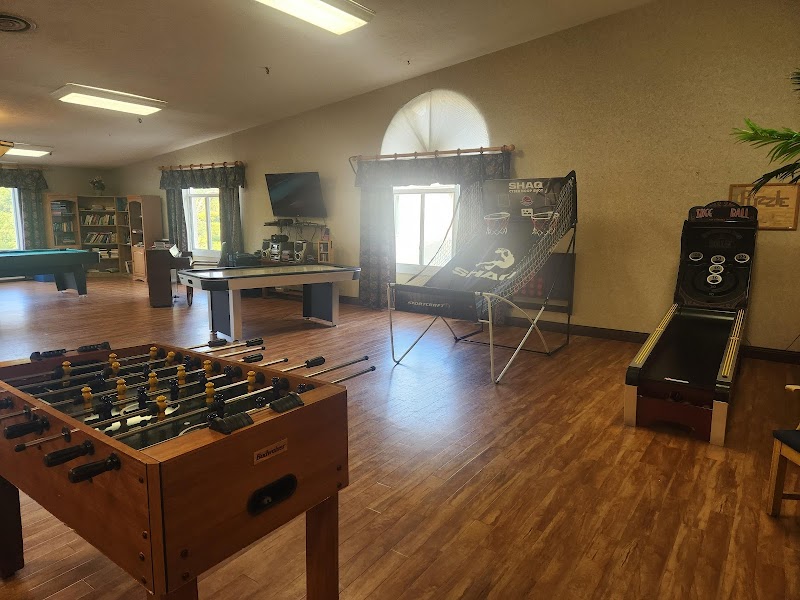
How is Wecare At Mt Lebanon Rehabilitation And Nrsg Ctr Staffed?

CMS rates WECARE AT MT LEBANON REHABILITATION AND NRSG CTR's staffing level at 3 out of 5 stars, which is average compared to other nursing homes. Staff turnover is 88%, which is 41 percentage points above the Pennsylvania average of 46%. High turnover can affect care consistency as new staff learn residents' individual needs. RN turnover specifically is 72%, which is notably high. RNs provide skilled clinical oversight, so turnover in this role can affect medical care quality.

What Have Inspectors Found at Wecare At Mt Lebanon Rehabilitation And Nrsg Ctr?

State health inspectors documented 76 deficiencies at WECARE AT MT LEBANON REHABILITATION AND NRSG CTR during 2022 to 2025. These included: 2 Immediate Jeopardy (the most serious level, indicating potential for serious harm or death), 3 that caused actual resident harm, 65 with potential for harm, and 6 minor or isolated issues. Immediate Jeopardy findings are rare and represent the most serious regulatory concerns. They require immediate corrective action.
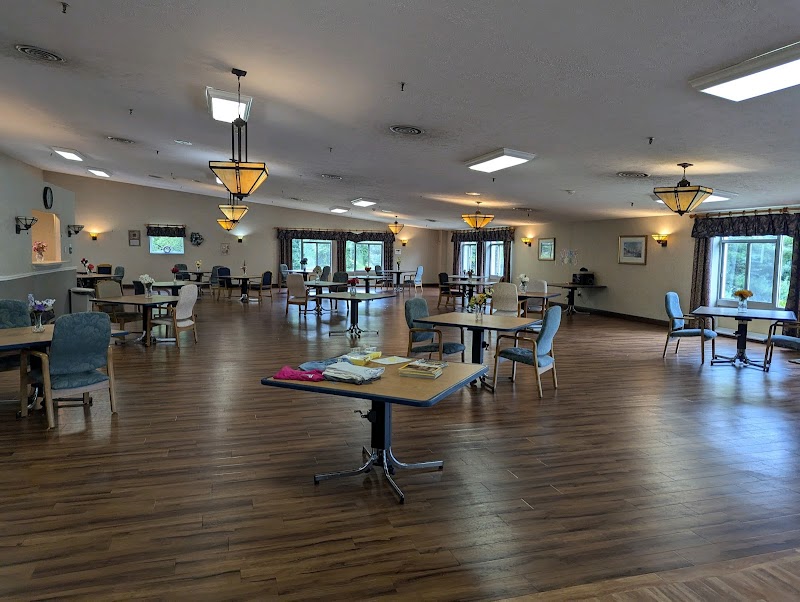
Who Owns and Operates Wecare At Mt Lebanon Rehabilitation And Nrsg Ctr?

WECARE AT MT LEBANON REHABILITATION AND NRSG CTR is owned by a for-profit company. For-profit facilities operate as businesses with obligations to shareholders or private owners. The facility is operated by WECARE CENTERS, a chain that manages multiple nursing homes. With 121 certified beds and approximately 79 residents (about 65% occupancy), it is a mid-sized facility located in PITTSBURGH, Pennsylvania.

How Does Wecare At Mt Lebanon Rehabilitation And Nrsg Ctr Compare to Other Pennsylvania Nursing Homes?

Compared to the 100 nursing homes in Pennsylvania, WECARE AT MT LEBANON REHABILITATION AND NRSG CTR's overall rating (1 stars) is below the state average of 3.0, staff turnover (88%) is significantly higher than the state average of 46%, and health inspection rating (1 stars) is much below the national benchmark.

What Should Families Ask When Visiting Wecare At Mt Lebanon Rehabilitation And Nrsg Ctr?

Based on this facility's data, families visiting should ask: "What changes have been made since the serious inspection findings, and how are you preventing similar issues?" "How do you ensure continuity of care given staff turnover, and what is your staff retention strategy?" "Can I visit during a mealtime to observe dining assistance and food quality?" "How do you handle medical emergencies, and what is your hospital transfer rate?" These questions are particularly relevant given the facility's Immediate Jeopardy citations and the facility's high staff turnover rate.

Is Wecare At Mt Lebanon Rehabilitation And Nrsg Ctr Safe?

Based on CMS inspection data, WECARE AT MT LEBANON REHABILITATION AND NRSG CTR has documented safety concerns. Inspectors have issued 2 Immediate Jeopardy citations (the most serious violation level indicating risk of serious injury or death). The facility has a 1-star overall rating and ranks #100 of 100 nursing homes in Pennsylvania. Families considering this facility should ask detailed questions about what corrective actions have been taken since these incidents.

Do Nurses at Wecare At Mt Lebanon Rehabilitation And Nrsg Ctr Stick Around?

Staff turnover at WECARE AT MT LEBANON REHABILITATION AND NRSG CTR is high. At 88%, the facility is 41 percentage points above the Pennsylvania average of 46%. Registered Nurse turnover is particularly concerning at 72%. RNs handle complex medical decisions and coordinate care — frequent RN changes can directly impact care quality. High turnover means new staff may not know residents' individual needs, medications, or preferences. It can also be disorienting for residents, especially those with dementia who rely on familiar faces. Families should ask: What is causing the turnover? What retention programs are in place? How do you ensure care continuity during staff transitions?

Was Wecare At Mt Lebanon Rehabilitation And Nrsg Ctr Ever Fined?

WECARE AT MT LEBANON REHABILITATION AND NRSG CTR has been fined $234,366 across 1 penalty action. This is 6.6x the Pennsylvania average of $35,423. Fines at this level are uncommon and typically indicate a pattern of serious deficiencies, repeated violations, or failure to correct problems promptly. CMS reserves penalties of this magnitude for facilities that pose significant, documented risk to resident health or safety. Families should request specific documentation of what issues led to these fines and what systemic changes have been implemented.

Is Wecare At Mt Lebanon Rehabilitation And Nrsg Ctr on Any Federal Watch List?

WECARE AT MT LEBANON REHABILITATION AND NRSG CTR is not on any federal watch list. The most significant is the Special Focus Facility (SFF) program, which identifies the bottom 1% of nursing homes nationally based on persistent, serious quality problems. Not being on this list means the facility has avoided the pattern of deficiencies that triggers enhanced federal oversight. This is a positive indicator, though families should still review the facility's inspection history directly.