WHITEHALL BOROUGH POST ACUTE
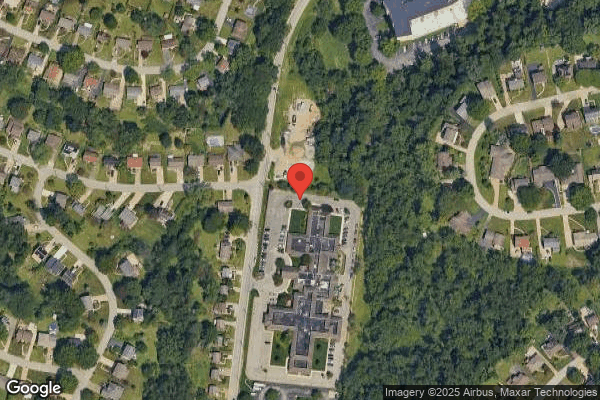
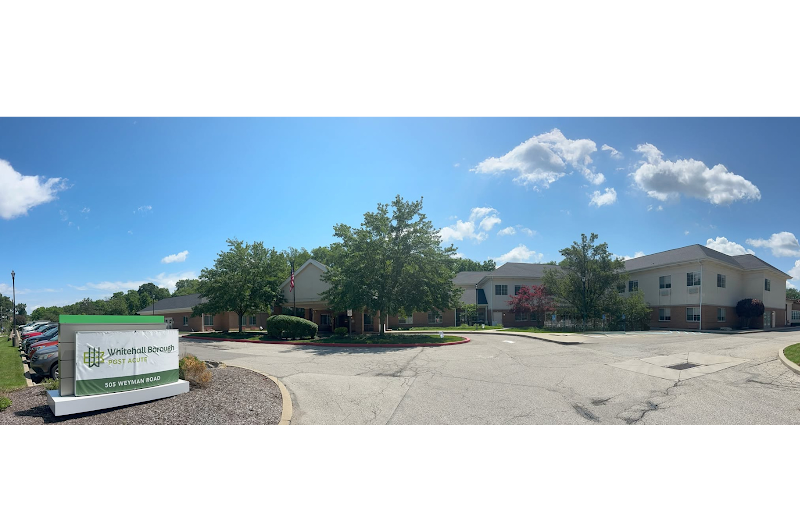
505 WEYMAN ROAD, PITTSBURGH, PA 15236 (412) 884-3500
For profit - Limited Liability company 166 Beds PACS GROUP Data: November 2025
Trust Grade
50/100
#513 of 653 in PA
Last Inspection: May 2025

Inspected within the last 6 months. Data reflects current conditions.

Overview

Whitehall Borough Post Acute in Pittsburgh has a Trust Grade of C, which means it falls in the average range among nursing homes, indicating it's neither great nor terrible. It ranks #513 out of 653 facilities in Pennsylvania, placing it in the bottom half, and #31 out of 52 in Allegheny County, meaning there are better local options available. The facility's trend is improving, with issues decreasing from 17 in 2024 to 7 in 2025, suggesting some positive changes are being made. Staffing is rated 3 out of 5 stars, showing average performance with a turnover rate of 54%, which is about the same as the state average. While there have been no fines, which is a positive sign, there are concerns such as improper medication storage and failure to properly inform residents about bed-hold policies during transfers.

Trust Score
C
50/100
In Pennsylvania
#513/653
Bottom 22%
Safety Record
Low Risk
No red flags
Inspections
Getting Better
17 → 7 violations
Staff Stability
⚠ Watch
54% turnover. Above average. Higher turnover means staff may not know residents' routines.
Penalties
✓ Good
No fines on record. Clean compliance history, better than most Pennsylvania facilities.
Skilled Nurses
✓ Good
Each resident gets 69 minutes of Registered Nurse (RN) attention daily — more than 97% of Pennsylvania nursing homes. RNs are the most trained staff who catch health problems before they become serious.
Violations
⚠ Watch
32 deficiencies on record. Higher than average. Multiple issues found across inspections.
★★☆☆☆
2.0
Overall Rating
★★★☆☆
3.0
Staff Levels
★★☆☆☆
2.0
Care Quality
★★☆☆☆
2.0
Inspection Score
Stable
2024: 17 issues
2025: 7 issues

The Good

  • Full Sprinkler Coverage · Fire safety systems throughout facility
  • No fines on record

Facility shows strength in fire safety.

The Bad

2-Star Overall Rating

Below Pennsylvania average (3.0)

Below average - review inspection findings carefully

Staff Turnover: 54%

Near Pennsylvania avg (46%)

Higher turnover may affect care consistency

Chain: PACS GROUP

Part of a multi-facility chain

Ask about local staffing decisions and management

The Ugly 32 deficiencies on record

Sept 2025 1 deficiency
CONCERN (D) 📢 Someone Reported This

A family member, employee, or ombudsman was alarmed enough to file a formal complaint

Potential for Harm - no one hurt, but risky conditions existed

Accident Prevention (Tag F0689)

Could have caused harm · This affected 1 resident

**NOTE- TERMS IN BRACKETS HAVE BEEN EDITED TO PROTECT CONFIDENTIALITY** Based on review of clinical records and staff interview, it was determined that the facility failed to provide adequate supervis...

Read full inspector narrative →
**NOTE- TERMS IN BRACKETS HAVE BEEN EDITED TO PROTECT CONFIDENTIALITY** Based on review of clinical records and staff interview, it was determined that the facility failed to provide adequate supervision to avoid injuries for one of three residents (Resident R1). Findings include:Review of the clinical record indicated Resident R1 was admitted to the facility on [DATE]. Review of the Minimum Data Set (MDS - periodic assessment of resident care needs) dated 7/16/25, included diagnoses of COPD, muscle weakness, and the need for aftercare following joint replacement surgery. Review of Section G: Functional Status indicated that Resident R1 required supervision for eating. Review of Resident R1's plan of care for ADL (activities of daily living)/mobility dated 7/11/25, indicated for staff to monitor for changes or decline in ability to participate in ADLs, decreased strength, increased weakness, or changes in cognition. Further review of the care plan failed to reveal documentation of the needed assistance level during meals. Review of a progress note dated 8/18/25, at 10:00 a.m. indicated, Resident lying in bed, very lethargic, slow to respond, not responding appropriately, or follow direction. not engaging in conversation, poor eye contact. alert to name and place, not alert to date. not able to recall this nurse. Resident appeared flushed, with slight body tremors, 95/46 (blood pressure)-99.2 (temperature)-72 (heart rate)-16 (respiration rate). 77% on room air, o2 (oxygen) applied at 2L (two liters) with gradual response to 90%, o2 increased to 3L with pox of 96%.Review of a nurse practitioner's note dated 8/18/25, at 11:33 a.m. indicated, Pt (patient) evaluated per request of nursing for acute hypoxia (low level of oxygen in the body tissues). Per nursing, pt was found to be sating (slang to refer to a patient's oxygen saturation level) at 77%, unsure for how long. Nurse further stated pt was confused from baseline.Review of a progress note dated 8/18/25, at 2:35 p.m. indicated that Resident R1 had slurred speech and notable hand tremors. Review of a progress note dated 8/18/25, at 3:05 p.m. indicated Resident R1 had a change in condition, shortness of breath, tired, weak, confused, or drowsy.Review of a progress note dated 8/19/25, at 1:11 p.m. indicated, This nurse was called by CNA (nurse aide) to look at pt's right front thigh that appeared to be pink in color circular shaped 15 cm x 15 cm x 0 cm: intact skin. Pt stated she spilled entire lunch tray with hot soup onto her lap.Review of a grievance filed on 8/19/25, indicated, Resident was passed her lunch tray, it was set up for her by the CNA. While eating chicken noodle soup, [Resident R1] spilled the hot soup on herself and reported to the nursing staff that she spilled the soup and burned herself. The resolution to this grievance included:-Pt cleaned up by nursing staff.-Sensitive area to inner thighs assessed by RN (registered nurse) and CRNP (certified registered nurse practitioner). CRNP ordered to keep OTA (open to air) and monitor for pain/complications.-Tremors seem to be newer onset, NP/MD (doctor of medicine) evaluating for potential cause. In the meantime, hot soups will be removed from the resident's meal trays for safety measures.-Investigation of food temps (temperatures) by [Dietary Manager]. - [Resident R1] agreeable to resolution.Review of facility-submitted information dated 9/5/25, indicated On 8/19/2025 the patient was provided her lunch tray as it was set up for her by her CNA. Patient reported to nursing staff that she had spilled her chicken noodle soup and burned herself. Area to thigh assessed by licensed nurse and CRNP. CRNP ordered area to OTA and report any further pain and or complications. After interview with nursing staff and patient - patient appears to have an onset of tremors. CRNP and MD to assess tremors and determine any interventions that may assist with tremors. Hot soups will be replaced on meal trays. The dietician and dietary manager also temped trays and determined that food and fluids were within the threshold to serve patients. Please note since 8/19/2025 patient has not had any issues and or incidents with her meal tray.During an interview on 9/5/25, at approximately 1:00 p.m. the Director of Nursing confirmed that Resident R1 had been showing symptoms of confusion, lethargy, and tremors prior to 8/19/25, with documentation that Resident R1 was below her baseline, but was not provided additional supervision when served hot soup on 8/19/25. During an interview on 9/5/25, at approximately 1:00 p.m. the Nursing Home Administrator confirmed the facility failed to provide adequate supervision to avoid injuries for one of three residents.28 Pa. Code: 201.18(e) Management.28. Pa Code: 201.29(a)(c)(d) Resident rights.
May 2025 5 deficiencies
CONCERN (D)

Potential for Harm - no one hurt, but risky conditions existed

Notification of Changes (Tag F0580)

Could have caused harm · This affected 1 resident

**NOTE- TERMS IN BRACKETS HAVE BEEN EDITED TO PROTECT CONFIDENTIALITY** Based on review of facility policy, clinical records, and staff interview, it was determined that the facility failed to notify ...

Read full inspector narrative →
**NOTE- TERMS IN BRACKETS HAVE BEEN EDITED TO PROTECT CONFIDENTIALITY** Based on review of facility policy, clinical records, and staff interview, it was determined that the facility failed to notify resident representatives of a transfer to the hospital for one of five residents (Resident R89). Findings include: Review of the facility policy, Change in Condition Notification dated 3/4/25, indicated the facility will will promptly notify the resident's family or designated representative of any significant change in the resident's physical, mental, or psychosocial condition. Notification will occur as soon as possible and no later than 24 hours from the time the change is identified. Review of the Resident Assessment Instrument 3.0 User's Manual effective October 2024, indicated that a Brief Interview for Mental Status (BIMS), is a screening test that aides in detecting cognitive impairment. The BIMS total score suggests the following distributions: 13-15: cognitively intact 8-12: moderately impaired 0-7: severe impairment Review of the clinical record indicated Resident R89 was admitted to the facility on [DATE]. Review of Resident R89's Minimum Data Set (MDS - periodic assessment of resident care needs) dated 4/1/25, included diagnoses Alzheimer's disease (a type of brain disorder that causes problems with memory, thinking and behavior) and high blood pressure. Review of Section C: Cognitive Patterns indicated Resident R89 had a BIMS score of 99, meaning that Resident R89 was so cognitively impaired to be unable to complete the interview. Review of a previous MDS assessment dated [DATE], also revealed a BIMS score of 99. Review of Resident R89's demographic profile indicated the son as the first emergency contact, daughter-in-law as the second emergency contact, and an additional son also as a second emergency contact, durable power of attorney, and resident representative. Review of the Change in Condition Evaluation form initiated 12/23/24, at 5:05 a.m. revealed all sections of the form to be blank. Review of the Transfer to Hospital form initiated 12/23/24, at 5:06 a.m. revealed under the section Code Status that for the question: Resident/Patient Decision Making Capacity, Resident R89 required a proxy to make her decisions. Under the section Resident Representative that Resident R89 was the resident representative contacted, that she was her caregiver and the next of kin, was notified of the transfer, and aware of the clinical situation. Review of a progress note dated 12/23/24, at 2:51 p.m. indicated Residents son, [second emergency contact] was informed Resident R89 has been admitted to [hospital] with a diagnosis of a urinary tract infection. Further review of Resident R89's progress notes failed to reveal documentation that Resident R89's emergency contacts were notified of the change in condition leading to Resident R89 being transferred to the hospital or the actual transfer to the hospital. During an interview on 5/15/25, at approximately 1:00 p.m. the Nursing Home Administrator and the Director of Nursing confirmed that the facility failed to notify resident representatives of a transfer to the hospital for one of five residents. 28 Pa. Code 201.18 (b)(1) Management. 28 Pa. Code 201.29(d) Resident rights. 28 Pa. Code 211.10 (c)(d) Resident care policies. 28 Pa. Code 211.12 (d)(1)(2)(3)(5) Nursing services.
CONCERN (D)

Potential for Harm - no one hurt, but risky conditions existed

Quality of Care (Tag F0684)

Could have caused harm · This affected 1 resident

**NOTE- TERMS IN BRACKETS HAVE BEEN EDITED TO PROTECT CONFIDENTIALITY** Based on review of clinical records, and staff interview it was determined that the facility failed to provide appropriate treat...

Read full inspector narrative →
**NOTE- TERMS IN BRACKETS HAVE BEEN EDITED TO PROTECT CONFIDENTIALITY** Based on review of clinical records, and staff interview it was determined that the facility failed to provide appropriate treatment and care for one of four residents (Resident R21) Findings include: Review of the Resident Assessment Instrument 3.0 User's Manual effective October 2024, indicated that a Brief Interview for Mental Status (BIMS), is a screening test that aides in detecting cognitive impairment. The BIMS total score suggests the following distributions: 13-15: cognitively intact 8-12: moderately impaired 0-7: severe impairment Review of the admission record indicated Resident R21 was admitted to the facility on [DATE]. Review of Resident R21's Minimum Data Set (MDS - periodic assessment of resident care needs) dated 4/23/25, included diagnoses dementia (a group of symptoms that affects memory, thinking and interferes with daily life), muscle weakness and wasting, and a seizure disorder. Review of Section C: Cognitive Patterns indicated Resident R89 had a BIMS score of 99, meaning that Resident R21 was so cognitively impaired to be unable to complete the interview. Review of a previous MDS assessment dated [DATE], also revealed a BIMS score of 99. Review of Section G: Functional Abilities indicated that Resident R21 required substantial/maximal assistance with bathing, upper and lower body dressing, putting on or taking off footwear, and personal hygiene. Review of Resident R21 ' s care plan for skin integrity indicated, Observe skin condition daily with ADL (activities of daily living) care and report any abnormalities. Review of the nurse aide task list revealed that the skin observation tool is only completed as needed and was not completed on any day in March 2025. Review of Resident R21 ' s Treatment Administration Record (TAR) for March 2025, indicated Resident R21 was ordered weekly skin checks to be done on Wednesdays with her showers. Review of the skin check completed on 5/19/25, by Licensed Practical Nurse (LPN) Employee E4 failed to indicate that any skin alteration was noted. Review of Resident R21 ' s progress notes from 5/19/25, through 5/23/25, failed to reveal documentation that any wounds were noted or reported on Resident R21 ' s ankles. Review of a progress note dated 3/23/25, at 5:00 p.m. indicated, This nurse was approached by the patient's daughter, to tell me that her mother has wounds on her right outer ankle and inner aspect of the left leg and there is no dressing on them. This nurse went to assess the areas in question, I found that both areas are old, dry and scabbed over, the scab on the rt. (right) ankle is measuring 1.5 cm x 0.5 cm and the one Lt. (left) leg is 0.3 cm x 0.3 cm. Daughter voiced that this is not new, I agree with her that, it is not new, is already dry and scabbed over and putting a dressing will make it moist and she agreed. Review of a progress note dated 3/28/25, at 12:49 p.m. indicated, When nurse went to complete scheduled wound care on the RLE (right lower extremity) scabbed area, nurse noticed that sock to the RLE (right lower extremity) has a fresh blood stain. Upon removing the sock and assessing the skin, nurse noted a new skin tear measuring 1.3 cm x 0.3 cm that appears to have been caused by the wheel chair foot pedals. When questioned as to how she sustained the skin tear, pt (patient) could not explain how she got a skin tear to the RLE. During an interview on 5/15/25, at approximately 11:00 a.m. the Assistant Director of Nursing confirmed that Resident R21 ' s wound should have been observed during bathing, dressing, and hygiene assistance by staff prior to the wounds having healed enough for scabbing to have formed, and additionally should not have required family member observations to discover the wounds. During an interview on 5/15/25, at 2:45 p.m. the Nursing Home Administrator and the Director of Nursing confirmed that the facility failed to provide appropriate treatment and care for one of four residents. 28 Pa. Code 201.14 (a) Responsibility of licensee. 28 Pa. Code 211.12 (d) (1)(3)(5) Nursing services.
CONCERN (E)

Potential for Harm - no one hurt, but risky conditions existed

Deficiency F0628 (Tag F0628)

Could have caused harm · This affected multiple residents

**NOTE- TERMS IN BRACKETS HAVE BEEN EDITED TO PROTECT CONFIDENTIALITY** Based on a review of facility policy and documents, information provided by the State Ombudsman Office, clinical record reviews,...

Read full inspector narrative →
**NOTE- TERMS IN BRACKETS HAVE BEEN EDITED TO PROTECT CONFIDENTIALITY** Based on a review of facility policy and documents, information provided by the State Ombudsman Office, clinical record reviews, and staff interviews, it was determined that the facility failed to ensure that the resident and/or their representative received written notice of the facility bed-hold policy at the time of transfer for four of six residents reviewed for hospitalization (Resident R6, R89, R123, and R138) and failed to notify the State Ombudsman Office of resident transfers and discharges for two years (11/2023 through 12/2023, 1/2024 through 12/2024, and 1/2025 through 4/2025) as required. Findings Include: Review of federal regulation §483.15(d) Notice of Bed-Hold Policy, indicated: -Facilities must provide written information about these policies to residents prior to and upon transfer for such absences. This information must be provided to all facility residents, regardless of their payment source. These provisions require facilities to issue two notices related to bed-hold policies. -The first notice could be given well in advance of any transfer, i.e., information provided in the admission packet. Reissuance of the first notice would be required if the bed-hold policy under the State plan or the facility ' s policy were to change. -The second notice must be provided to the resident, and if applicable the resident ' s representative, at the time of transfer, or in cases of emergency transfer, within 24 hours. It is expected that facilities will document multiple attempts to reach the resident ' s representative in cases where the facility was unable to notify the representative. The notice must provide information to the resident that explains the duration of bed-hold, if any, and the reserve bed payment policy. It should also address permitting the return of residents to the next available bed. Review of facility Bed Hold Policy dated 3/4/25, indicated, In accordance with federal and state guidelines, patients who are hospitalized or absent from the facility at midnight are entitled to hold their bed. Review of the clinical record indicated Resident R6 was readmitted to the facility on [DATE]. Review of Resident R6's Minimum Data Set (MDS - periodic assessment of resident care needs) dated 3/28/25, included diagnoses of coronary artery disease (damage or disease in the heart's major blood vessels), anxiety, and depression. Review of Section C: Cognitive Patterns indicated Resident R89 had a BIMS score of 03. Review of a progress note dated 3/16/25, at 3:32 a.m. indicated, CNA (nurse aide) heard noise come from resident's room, found her sitting on the floor up against her bed, feet out in front of her, shoes on, bleeding from hematoma on right forehead. Pressure dressing applied, Ice pack to right side of face/forehead. Observed large hematoma, bubbled, and draining profusely. LOC (level of consciousness) WNL (within normal limits), resident stated I fell right there, I need to go to the hospital. Left facility enroute to [hospital emergency room] at 3:15 a.m. Further review of Resident R6's clinical record failed to reveal notation that the written notice of bed hold notification was provided to Resident R6 or the resident representative upon transfer. Review of the clinical record indicated Resident R89 was admitted to the facility on [DATE]. Review of Resident R89's MDS dated [DATE], included diagnoses Alzheimer ' s disease (a type of brain disorder that causes problems with memory, thinking and behavior) and high blood pressure. Review of Section C: Cognitive Patterns indicated Resident R89 had a BIMS score of 99, meaning that Resident R89 was so cognitively impaired to be unable to complete the interview. Review of a previous MDS assessment dated [DATE], also revealed a BIMS score of 99. Review of a progress note dated 12/23/24, at 2:51 p.m. indicated, Residents son, [second emergency contact] was informed [Resident R89] has been admitted to [hospital] with a dx of UTI (urinary tract infection). Further review of Resident 89's clinical record failed to reveal notation that the written notice of bed hold notification was provided to the Resident R89 or the resident representative upon transfer. Review of the clinical record indicated Resident R123 was readmitted to the facility on [DATE]. Review of Resident R123's MDS dated [DATE], included diagnoses of chronic obstructive pulmonary disease (COPD, a group of progressive lung disorders characterized by increasing breathlessness) and cancer. Review of Section C: Cognitive Patterns indicated Resident R89 had a BIMS score of 99, meaning that Resident R89 was so cognitively impaired to be unable to complete the interview. Review of a progress note dated 12/26/24, at 1:13 p.m. indicted, Alerted by staff that pt (patient) was off her baseline. Pt assessed and found lying in bed. Lethargic and barely arousable. Per staff, pt is usually OOB (out of bed) and at the nurse ' s station at this time. MD (doctor of medicine) notified and ordered pt sent to ER (emergency room) for eval. Review of a progress note dated 1/1/25, at 7:34 p.m. indicated, Pt is admitted from [hospital] with diagnosis of RSV (Respiratory syncytial virus, causes infections of the respiratory tract). Further review of Resident 123's clinical record failed to reveal notation that the written notice of bed hold notification was provided to Resident R123 or the resident representative upon transfer. Review of the clinical record indicated Resident R138 was admitted to the facility on [DATE]. Review of Resident R138's MDS dated [DATE], included diagnoses of falls, ileus (inability of the intestine (bowel) to contract normally and move waste out of the body), and muscle wasting. Review of Section C: Cognitive Patterns indicated Resident R89 had a BIMS score of 07. Review of a progress note dated 2/8/25, at 1:00 a.m. Pt's nurse went to give her scheduled Tylenol 1000 mg in her bedroom, patient pushed nurse in her right breast away and into tv stand, patient became belligerent, cursing at staff, appears paranoid, making statements that she is going to call the police on staff, she is going to kill staff, staff is trying to kill her, patient stated she was going to have staff buried with her, aggressive, yelling a loud on dementia unit, RN registered nurse supervisor (RNS) was called up to unit, [RNS] and [nurse aide] were trying to redirect her/talk to her, unsuccessful, her daughter was called/put on speaker-patient refused to speak with her, supervisor explained above situation to daughter, daughter explained patient has had 3 alcoholic drinks or more a day prior to coming here, patient picked up a large/heavy pill crusher tried to throw it at me and [nurse aide], tried to hit us with it, we were able to take it away from her however she picked up the laptop and tried to use that to hit us, received permission from daughter to send out for evaluation, police officer arrived and [emergency services]came to pick her up, patient went with them willingly to [hospital] for evaluation. Further review of Resident 138's clinical record failed to reveal notation that the written notice of bed hold notification was provided to Resident R138 or the resident representative upon transfer. A request to review facility documents on 5/14/25, of the facility's compliance in notifying the State Ombudsman Office revealed the facility failed to provide documented evidence of notifying the State Ombudsman Office of resident transfers and discharges for the time period of 11/2023 through 4/2025. A review of information on 1/2/25, provided by the State Ombudsman Office revealed that the facility failed to notify the State Ombudsman Office of transfers and discharges as required since 11/2023. During an interview on 5/15/25, at approximately 2:45 p.m. the Nursing Home Administrator and the Director of Nursing confirmed the facility failed to ensure that the resident and/or their representative received written notice of the facility bed-hold policy at the time of transfer for four of six residents reviewed for hospitalization and failed to report resident transfers and discharges to the State Ombudsman Office for a two year period from 11/2023 through 4/2025, as required. 28 Pa. Code 201.14(a) Responsibility of licensee. 28 Pa Code: 201.29(f)(g) Resident rights.
CONCERN (E)

Potential for Harm - no one hurt, but risky conditions existed

Assessment Accuracy (Tag F0641)

Could have caused harm · This affected multiple residents

**NOTE- TERMS IN BRACKETS HAVE BEEN EDITED TO PROTECT CONFIDENTIALITY** Based on a review of Resident Assessment Instrument (RAI) User's Manual, clinical records, and staff interviews, it was determin...

Read full inspector narrative →
**NOTE- TERMS IN BRACKETS HAVE BEEN EDITED TO PROTECT CONFIDENTIALITY** Based on a review of Resident Assessment Instrument (RAI) User's Manual, clinical records, and staff interviews, it was determined that the facility failed to ensure that Minimum Data Set ( MDS - periodic assessment of resident care needs) assessments accurately reflected the resident's status for two of eight residents (Resident R30 and R50). Findings include: The Resident Assessment Instrument (RAI) User's Manual, which gives instructions for completing Minimum Data Set (MDS) assessments (mandated assessments of a resident's abilities and care needs), dated October 2024, indicated the following instructions: -Section I: Active Diagnoses, that a diagnosis should be checked if they had had an active diagnosis for a disease or condition in the last seven days. -Section O: Special Treatments, Procedures, and Programs: Review the resident ' s medical record to determine whether or not the resident received or performed any of the treatments, procedures, or programs within the assessment period. Review of the admission record indicated Resident R30 was admitted to the facility on [DATE]. Review of Resident R30's MDS dated [DATE] included diagnoses of diabetes (a metabolic disorder in which the body has high sugar levels for prolonged periods of time), dementia (a group of symptoms that affects memory, thinking and interferes with daily life), and a psychotic disorder. Review of the psychiatric evaluation dated 5/13/25 revealed diagnoses of adjustment disorder and unspecified dementia with behavioral disturbances. During an interview on 5/15/25, at 10:01 a.m. the Assistant Director of Nursing (ADON)confirmed that adjustment disorder and dementia are not types of psychotic disorders, confirmed that Resident R30 has not been diagnosed with a psychotic disorder, and that the MDS was coded inaccurately. Review of the admission record indicated Resident R50 was admitted to the facility on [DATE]. Review of Resident R50's MDS dated [DATE] included diagnoses of dementia, malnutrition, and osteoporosis (condition when the bones become brittle and fragile). Review of Section O: Special Treatments, Procedures, and Programs indicated Resident R50 received hospice services. Review of physician orders dated 11/21/24, and reordered on 2/4/25, and 4/24/25, revealed Resident R50 received hospice services while in the facility. Review of an MDS assessment completed on 2/7/25, indicated that Resident R50 did not receive hospice services. During an interview on 5/15/25, at 10:01 a.m. the ADON confirmed that Resident R50 had continuously received hospice services and that the MDS assessment was completed inaccurately on 2/7/25. During an interview on 5/15/25, at approximately 2:45 p.m. the Nursing Home Administrator confirmed that the facility failed to ensure that MDS assessments accurately reflected the resident's status for two of eight residents. 28 Pa. Code: 211.12(d)(1)(2)(3)(5) Nursing services.
CONCERN (E)

Potential for Harm - no one hurt, but risky conditions existed

Deficiency F0761 (Tag F0761)

Could have caused harm · This affected multiple residents

**NOTE- TERMS IN BRACKETS HAVE BEEN EDITED TO PROTECT CONFIDENTIALITY** Based on review of facility policy, observations, and staff interview, it was determined that the facility failed to make certai...

Read full inspector narrative →
**NOTE- TERMS IN BRACKETS HAVE BEEN EDITED TO PROTECT CONFIDENTIALITY** Based on review of facility policy, observations, and staff interview, it was determined that the facility failed to make certain that medications were properly stored and/or disposed of in two of three medication rooms (First and Second floor medication rooms) and two of five medication carts (MedBridge A-hall, MedBridge B-hall). Finding include: Review of facility policy Storage and Expiration Dating of Medications, Biologicals dated [DATE], stated that medications and biologicals that have an expired date on the label, have been retained longer than recommended by manufacturer or supplier guidelines are stored separate from other medications until destroyed or returned to the pharmacy or supplier. The policy further stated that multiple dose injectable vials and ophthalmics, once opened, require an expiration date shorter than the manufacturer ' s expiration date to insure medication purity and potency. Review of the facility provided document, Medications with Shortened Expiration Dates indicated Aplisol (solution used in skin-testing for tuberculosis): Vials in use more than 30 days should be discarded due to possible oxidation and degradation which may affect potency. Review of prescribing information for cyanocobalamin (Vitamin B12) injections dated [DATE], indicated that Any unused portion should be used within 30 days of opening. During an observation of the second-floor medication room on [DATE], at 10:35 a.m. the following was observed: -(1) vial of Aplisol, open and undated. -(1) vial of Aplisol, dated as opened on [DATE]. -(1) vial of cyanocobalamin solution, open and undated. -(1) bottle of liquid gabapentin, open and undated. -(22) vacutainers with an expiration date of [DATE]. -(4) IV start kits with an expiration date of [DATE]. -(1) IV start kit with an expiration date of [DATE]. -(1) IV start kit with an expiration date of [DATE]. -(10) IV start kits with an expiration date of [DATE]. -(1) Blood collection set with an expiration date of [DATE]. During an interview on [DATE], at 10:42 a.m. Registered Nurse (RN) Employee E3 confirmed the above items were either undated or expired. During an observation of the second-floor medication room on [DATE], at 10:50 a.m. the following was observed: -(1) IV start kit with an expiration date of [DATE]. -(2) IV start kits with an expiration date of [DATE]. -(1) IV start kit with an expiration date of [DATE]. -(3) IV catheters with and expiration date of [DATE]. -(2) IV catheters with and expiration date of [DATE]. -(1) Huber infusion set with an expiration date of [DATE]. During an interview on [DATE], at 11:01 a.m. the Assistant Director of Nursing confirmed the above items were expired. During an observation of the MedBridge A-hall medication cart on [DATE], at 8:12 a.m. the following was observed: -One container of MedPlus Vanilla , appeared unopened, dated [DATE]. During an interview on [DATE], at 8:14 a.m. RN Employee E1 confirmed that nourishment shake must be labeled with date opened and is only to be used for 24 hours and then disposed of. Employee E1 confirmed the above observations of container being labeled with date of [DATE] and was unopened. During an observation of the MedBridge B-hall medication cart on [DATE], at 8:22 a.m. the following was observed: -One container of MedPlus Vanilla, opened, partially used, and dated [DATE]. During an interview on [DATE], at 8:23 a.m. RN Employee E2 when asked the appropriate process after opening a container stated it is to be labeled with that date and used for 24 hours. Employee E2 confirmed that the above observation of container being labeled with date of [DATE], was partially used and was still sitting on her cart when she started medication administration. During an interview on [DATE], at approximately 2:40 p.m. the Nursing Home Administrator and Assistant Director of Nursing confirmed that the facility failed to make certain that our of date medications were properly stored and/or disposed of in two of three medication rooms and two of five medication carts. 28 Pa Code: 201.14 (a) Responsibility of licensee. 28 Pa Code: 201.18 (b)(1)(e)(1) Management. 28 Pa Code: 211.9 (a)(1) Pharmacy services. 28 Pa Code: 211.12 (d)(1)(3)(5) Nursing services.
Feb 2025 1 deficiency
CONCERN (D) 📢 Someone Reported This

A family member, employee, or ombudsman was alarmed enough to file a formal complaint

Potential for Harm - no one hurt, but risky conditions existed

Deficiency F0761 (Tag F0761)

Could have caused harm · This affected 1 resident

Based on review of facility policy, observations, and staff interview, it was determined that the facility failed to make certain that medications were properly secured in one of two medication carts ...

Read full inspector narrative →
Based on review of facility policy, observations, and staff interview, it was determined that the facility failed to make certain that medications were properly secured in one of two medication carts (Second-floor medication cart for rooms 220-231). Findings include: Review of the facility policy Medication Storage dated 2/10/25, indicated medication rooms, cabinets and medication supplies should remain locked when not in use or attended to by persons with authorized access. During an observation on 2/20/25, at 11:50 a.m., the 220-231 medication cart was observed unlocked. The surveyor remained with the medication cart. At approximately 11:54 a.m. the surveyor opened the medication cart drawers and observed that the drawers were not secured. The surveyor reviewed the medication cards. At approximately 11:58 a.m. LPN Employee E2, was requested to confirm the medication cart was unsecured. LPN Employee E2 located Registered Nurse (RN) Employee E1 on the unit who confirmed that the medication cart was unsecured. During an interview on 2/20/25, at approximately 3:00 p.m., the Nursing Home Administrator and the Director of Nursing confirmed that the facility failed to make certain that medications were properly secured in one of two medication carts. 28 Pa. Code: 201.14 (a) Responsibility of licensee. 28 Pa. Code: 201.18 (b)(1)(e)(1) Management. 28 Pa. Code: 211.9 (a)(1) Pharmacy services. 28 Pa. Code: 211.12 (d)(1)(3)(5) Nursing services.
Dec 2024 3 deficiencies
CONCERN (D) 📢 Someone Reported This

A family member, employee, or ombudsman was alarmed enough to file a formal complaint

Potential for Harm - no one hurt, but risky conditions existed

Deficiency F0554 (Tag F0554)

Could have caused harm · This affected 1 resident

**NOTE- TERMS IN BRACKETS HAVE BEEN EDITED TO PROTECT CONFIDENTIALITY** Based on a review of facility policy, resident interview, observations, and staff interview it was determined the facility faile...

Read full inspector narrative →
**NOTE- TERMS IN BRACKETS HAVE BEEN EDITED TO PROTECT CONFIDENTIALITY** Based on a review of facility policy, resident interview, observations, and staff interview it was determined the facility failed to assess the clinical appropriateness of medication self-administration for two of 14 residents (Resident R1 and R2). Findings include: Review of facility policy Self-Administration of Medications last reviewed 1/30/24, indicated residents have the right to self-administer medications if the interdisciplinary team has determined that it is clinically appropriate and safe for the resident to do so. If it is deemed safe and appropriate for a resident to self-administer medications it is documented in the medical record and the care plan. Self-administered medications are stored in a safe and secure place, which is not accessible by other residents. Review of the clinical record indicated Resident R1 was admitted to the facility on [DATE], with diagnoses that included high blood pressure, muscle weakness, and chronic obstructive pulmonary disease (COPD - caused by swelling and irritation in the airways that limit air going in and out of the lungs). Review of a physician order dated 11/18/24, instructed to give Trelegy Ellipta Inhalation aerosol (used to treat COPD) one puff inhale orally one time a day. During an interview and observation on 12/12/24, at 9:35 a.m. Resident R1 was in bed with her Trelegy inhaler on her over-the-bed table. Review of Resident R1's clinical record revealed it did not contain a physicians order for self-administration, a self-administration assessment, or care planning for self-administration of medications. Review of the clinical record indicated Resident R2 was admitted to the facility on [DATE], with diagnoses that included diabetes, muscle weakness, and high blood pressure. Review of a physician order dated 12/5/24, instructed Latanoprost ophthalmic solution 0.005% (eye drops used to treat certain kinds of glaucoma [eye condition that damages the optic nerve leading to vision loss or blindness]) one drop in right eye at bedtime. During an interview and observation on 12/12/24, at 9:40 a.m. Resident R2 was in sitting beside her bed, a bottle of opened Latanoprost eye drops and an open bottle of Muro 5% eye medication (used to reduce swelling of the cornea [front surface of eye]) on Resident R2 ' s nightstand. Resident R2 stated she was unable to correctly use the eye drops due to being legally blind in one eye. Review of Resident R2's clinical record revealed it did not contain a physicians order for self administration, a self-administration assessment, or care planning for self-administration of medications. During an interview on 12/12/24, at 9:50 a.m. Licensed Practical Nurse Employee E2 confirmed the medications were left at the bedside while she continued to pass medication to other residents; further stated Resident R1 was in the bathroom, so she left the inhaler for her to use when she was finished; stated Resident R2 was not scheduled eye medication in the day, she was unsure when or how long they were on the nightstand. During an interview on 12/12/24, at 11:00 a.m. the Director of Nursing confirmed that the facility failed to assess the clinical appropriateness of medication self-administration for two of 14 residents. 28 Pa. Code: 211.9(d) Pharmacy services.
CONCERN (D) 📢 Someone Reported This

A family member, employee, or ombudsman was alarmed enough to file a formal complaint

Potential for Harm - no one hurt, but risky conditions existed

Investigate Abuse (Tag F0610)

Could have caused harm · This affected 1 resident

**NOTE- TERMS IN BRACKETS HAVE BEEN EDITED TO PROTECT CONFIDENTIALITY** Based on review of facility policy, clinical record review and staff interview, it was determined that the facility failed to fu...

Read full inspector narrative →
**NOTE- TERMS IN BRACKETS HAVE BEEN EDITED TO PROTECT CONFIDENTIALITY** Based on review of facility policy, clinical record review and staff interview, it was determined that the facility failed to fully investigate an incident to eliminate possible abuse or neglect for one of seven residents (Resident R3). Findings include: Review of the facility policy Abuse Prohibition reviewed on 1/30/24, indicated the facility will prohibit abuse, mistreatment, neglect, misappropriation of resident property and exploitation for all residents. Immediately upon receiving information concerning a report of suspected or alleged abuse, mistreatment, or neglect, the Administrator or designee will initiate and investigation within 24 hours. Review of the facility policy Accidents and Incidents - Investigation and Reporting reviewed 1/30/24, indicated all accidents or incidents involving residents, employees, vendors, etc., occurring on our premises shall be investigated and reported by the administrator. A review of the clinical record indicated Resident R3 was admitted to the facility on [DATE], with diagnoses that included high blood pressure, dislocation of right shoulder joint, and diabetes. A review of facility records indicated on 11/27/24, Resident R3 fell while transferring with assistance of one staff in the bathroom, hitting her head and right shoulder. Resident R3 was sent to the local emergency room for evaluation. Witness statements were not completed. The incident was not fully investigated to rule out abuse or neglect. During an interview on 12/12/24, at 11:00 p.m. the Director of Nursing confirmed Resident R3 ' s incident was not fully investigated, and witness statements were not obtained from Resident R3 or staff involved. 28 Pa. Code: 201.149(a) Responsibility of licensee. 28 Pa. Code: 201.18(e)(1) Management
CONCERN (E) 📢 Someone Reported This

A family member, employee, or ombudsman was alarmed enough to file a formal complaint

Potential for Harm - no one hurt, but risky conditions existed

Deficiency F0761 (Tag F0761)

Could have caused harm · This affected multiple residents

Based on review of facility policy, observations, and staff interviews it was determined that the facility failed to properly secure medication in one medication refrigerator (Family Conference room),...

Read full inspector narrative →
Based on review of facility policy, observations, and staff interviews it was determined that the facility failed to properly secure medication in one medication refrigerator (Family Conference room), and one of three medication carts observed (ARU 1 nursing unit). Findings include: Review of the facility policy Medication Labeling and Storage reviewed 1/30/24, indicated the facility stores all medications and biologicals in locked compartments. Compartments containing medications and biologicals are locked when not in use, and trays or carts used to transport such items are not left unattended if open or otherwise potentially available to others. Medications requiring refrigeration are stored in a refrigerator located in the medication rooms at the nurse ' s station or other secured location. During an observation on 12/12/24, at 9:00 a.m. an unlocked medication refrigerator located in the Family Conference room by the front lobby, was accessible to visitors, family, and residents. The refrigerator contained three unopened vials of influenza vaccine, one opened vial of influenza vaccine, three unopened boxes of 10 pre-filled influenza vaccine syringes, and one opened box of nine pre-filled syringes. During an interview on 12/12/24, at 9:06 a.m. Front Desk Employee E1 confirmed the Family Conference room was never locked and was accessible to residents, family, and visitors at any time of the day and night. During an interview on 12/12/24, at 9:15 a.m. the Nursing Home Administrator confirmed the medications should not have been in the refrigerator, stating she was unsure why the refrigerator was in the conference room and the key was unable to be located to secure it. During an observation on 12/12/24, at 9:42 a.m. a medication cart was unsecured, unattended, with the computer screen open and accessible to residents, family, and visitors. During an interview on 12/12/24, at 9:45 a.m. Registered Nurse Employee E2 confirmed the cart was left unsecured and unattended. During an interview on 12/12/24, at 10:45 a.m. the Director of Nursing confirmed the facility failed to properly secure medications in a medication cart. 28 Pa. Code: 211.9(a)(1)(k) Pharmacy services. 28 Pa. Code: 211.10(c) Resident care policies. 28 Pa. Code: 211.12(d)(1)(2)(5) Nursing services.
Sept 2024 2 deficiencies
CONCERN (E) 📢 Someone Reported This

A family member, employee, or ombudsman was alarmed enough to file a formal complaint

Potential for Harm - no one hurt, but risky conditions existed

Deficiency F0725 (Tag F0725)

Could have caused harm · This affected multiple residents

Based on review of facility policy, resident observations, resident and staff interviews, and grievance review, it was determined that the facility failed to have sufficient nursing staff to provide n...

Read full inspector narrative →
Based on review of facility policy, resident observations, resident and staff interviews, and grievance review, it was determined that the facility failed to have sufficient nursing staff to provide nursing and related services to attain or maintain the highest practicable physical, mental, and psychosocial well-being of seven of 12 residents (Residents R1, R2, R3, R4, R5, R6, and R7). Findings Include: Review of the facility policy Activity of Daily Living (ADLs) dated 1/30/24, indicated the center must provide the necessary care and services to ensure that a resident's activities of daily living (ADL) abilities are maintained. Activities of daily living include hygiene care and will be recorded in the medical record. During an interview on 9/8/24, at 1:58 p.m. Resident R1, when asked if she felt the facility maintained sufficient staff, stated, No. When asked if call lights took a long time to be answered, stated, Sometimes it's a good while. I pushed it yesterday and waited and waited. During an observation on 9/8/24, at 2:01 p.m. Resident R2 was observed to have untrimmed facial hair on her chin. During an interview on 9/8/24, at 2:04 p.m. Resident R3, when asked if he felt the facility maintained sufficient staff, stated, No, that's that main thing wrong with this place. Today there is only two people (aides). They need help bad. During an interview on 9/8/24, at 2:09 p.m. Residents R4 and R5 both stated that facility staffing was not sufficient. Resident R4 further stated that the evening shift call light response time is poor. During an interview on 9/8/24, at 3:06 p.m. Resident R6, when asked if she felt the facility maintained sufficient staff, stated she was unsure. When asked if she if assisted out of bed timely, Resident R6 stated, I lay in bed until I see someone. During an interview on 9/8/24, at 3:08 p.m. Resident R7, when asked if she felt the facility maintained sufficient staff, stated, No. Observation at this time revealed Resident R6 had unkempt appearing hair. During an interview on 9/8/24, at approximately 3:50 p.m. the Nursing Home Administrator and the Director of Nursing confirmed that the facility failed to have sufficient nursing staff to provide nursing and related services to attain or maintain the highest practicable physical, mental, and psychosocial well-being of seven of twelve residents. 28 Pa. Code: 201.14(a) Responsibility of licensee. 28 Pa. Code 201.18(e)(6) Management. 28 Pa. Code: 201.20(a) Staff development. 28 Pa. Code: 211.12(a)(c)(d)(1)(2)(3)(4) Nursing services.
CONCERN (F) 📢 Someone Reported This

A family member, employee, or ombudsman was alarmed enough to file a formal complaint

Potential for Harm - no one hurt, but risky conditions existed

Deficiency F0761 (Tag F0761)

Could have caused harm · This affected most or all residents

**NOTE- TERMS IN BRACKETS HAVE BEEN EDITED TO PROTECT CONFIDENTIALITY** Based on review of facility policy, observations, and staff interview, it was determined that the facility failed to make certai...

Read full inspector narrative →
**NOTE- TERMS IN BRACKETS HAVE BEEN EDITED TO PROTECT CONFIDENTIALITY** Based on review of facility policy, observations, and staff interview, it was determined that the facility failed to make certain that medications were properly stored and/or disposed of in three of three medication carts (Medbridge B-hall, Medbridge A-hall, and the TCU-1 medication carts). Findings include: Review of facility policy Storage and Expiration Dating of Medications, Biologicals dated [DATE], stated that medications and biologicals that have an expired date on the label, have been retained longer than recommended by manufacturer or supplier guidelines are stored separate from other medications until destroyed or returned to the pharmacy or supplier. During an observation of the Medbridge B-hall medication cart on [DATE], at 3:10 p.m. the following was observed: -Two bottles of Fluorometholone eye drops, opened, partially used, and undated. -One bottle of Olopatadine eye drops, opened, partially used, undated, and without a resident name. -One bottle of artificial tears eye drops, opened, partially used, and undated. -One insulin lispro injection pen, opened, partially used, and undated. -One insulin lispro injection pens, opened, partially used, and dated to be used by [DATE]. -One Lantus insulin injection pen, opened, partially used, and undated. -One insulin glargine injection pen, opened, partially used, and undated. During an interview on [DATE], at 3:14 p.m. Registered Nurse (RN) Employee E1 confirmed that insulin must be either used or disposed of by 28 days after opening and eye drops must be either used or disposed of by six weeks after opening. RN Employee E1 further confirmed the above observations of opened and undated insulin injection pens and eye drops, and an insulin injection pen past the use-by date. During an observation of the Medbridge A-hall medication cart on [DATE], at 3:18 p.m. the following was observed: -One insulin aspart injection pen, opened, partially used, and undated. -One insulin Degludec injection pen, opened, partially used, and undated. During an interview on [DATE], at 3:20 p.m. RN Employee E2, when asked the appropriate disposal time for insulin after opening stated, I think two weeks. RN Employee E2 further confirmed the above observations of open and undated insulins injection pens. During an observation of the TCU-1 medication cart on [DATE], at 3:26 p.m. the following was observed: -One insulin aspart injection pen, opened, partially used, and undated. -One insulin aspart vial, opened, partially used, and undated. -Two insulin glargine injection pens, opened, partially used, and undated. -Three insulin lispro injection pens, opened, partially used, and undated. -One Lantus insulin injection pen, opened, partially used, and undated. -One Novolin insulin vial, opened, partially used, and undated. -Two Novolog insulin injection pens, opened, partially used, and undated. During an interview on [DATE], at 3:20 p.m. RN Employee E3, when asked the appropriate disposal time for insulin after opening stated, I really don ' t know. RN Employee E3 further confirmed the above observations of opened and undated insulins injection pens and vials. During an interview on [DATE], at approximately 4:00 p.m. the Nursing Home Administrator and the Director of Nursing confirmed that the facility failed to make certain that out-of-date medications were disposed of in three of three medication carts. 28 Pa. Code: 201.14 (a) Responsibility of licensee. 28 Pa. Code: 201.18 (b)(1)(e)(1) Management. 28 Pa. Code: 211.9 (a)(1) Pharmacy services. 28 Pa. Code: 211.12 (d)(1)(3)(5) Nursing services.
Jun 2024 2 deficiencies
CONCERN (D) 📢 Someone Reported This

A family member, employee, or ombudsman was alarmed enough to file a formal complaint

Potential for Harm - no one hurt, but risky conditions existed

Deficiency F0603 (Tag F0603)

Could have caused harm · This affected 1 resident

**NOTE- TERMS IN BRACKETS HAVE BEEN EDITED TO PROTECT CONFIDENTIALITY** Based on clinical record review, observation and resident and staff interviews, it was revealed that the facility failed to prev...

Read full inspector narrative →
**NOTE- TERMS IN BRACKETS HAVE BEEN EDITED TO PROTECT CONFIDENTIALITY** Based on clinical record review, observation and resident and staff interviews, it was revealed that the facility failed to prevent involuntary seclusion for two of 10 residents reviewed (Resident R1, and R2). Findings include: Review of the facility policy Abuse Prohibition reviewed 1/30/24, indicated the facility prohibits abuse, mistreatment, neglect, misappropriation of resident property, and exploitation of all residents. This includes, but is not limited to, freedom from corporal punishment, involuntary seclusion, and any physical or chemical restraint not required to treat the resident's medical symptoms. Involuntary seclusion is defined as separation of a resident from other residents or from their room or confinement to their room against the resident's will or the will of the resident's legal representative. Neglect is defined as the failure, indifference, or disregard to provide care, comfort, safety, goods and services to a resident that are necessary to avoid physical harm, pain, mental anguish, or emotional distress. Review of the facility policy, Treatment: Considerate and Respectful reviewed 1/30/24, indicated the facility provides patients the right to a quality of life that supports independent expression, decision making, and respect. Staff will show respect when communicating with, caring for, or talking about patients. Review of the Resident Rights Under Federal Law reviewed 1/30/24, indicated the resident has the right to a dignified existence. The resident has the right to a safe, clean, comfortable, and homelike environment, including but not limited to receiving treatment and supports for daily living safety. The Long-Term Care Facility Resident Assessment Instrument (RAI) User's Manual, which provides instructions and guidelines for completing required Minimum Data Set (MDS) assessments (mandated assessments of a resident's abilities and care needs), dated October 2019, indicated that a BIMS (Brief Interview of Mental Status) is a brief screener that aids in detecting cognitive impairment. Scores from a BIMS assessment suggests the following distributions: 13 - 15: cognitively intact 8 - 12: moderately impaired 0 - 7: severe impairment Review of the clinical record indicated Resident R1 was admitted to the facility on [DATE], with diagnoses that included dementia (loss of memory, language, problem-solving, and other thinking abilities that interferes with daily life), anxiety, and depression. Review of the Minimum Data Set (MDS - a mandated assessment of a resident's abilities and care needs) dated 5/22/24, indicated the diagnoses remain current. Further review of the MDS, Section C: Cognitive Patterns; Question C0500 BIMS Summary Score indicated 99 (resident scored four or more zeros or gave nonsensical answers). Section GG: Functional Abilities and Goals; Question GG0170 Mobility D: Sit to Stand indicated Resident R1 required substantial/maximal assistance (helper does more than half the effort, lifts or holds trunk or limbs). During an observation on 6/13/24, at 10:22 a.m. a voice was heard yelling help me, please help me coming from behind a locked closed door leading to the main hallway labeled Dining Room. During an observation on 6/13/24, at 10:25 a.m. Resident R1 and Resident R2 were observed in the locked Memory Care Unit sitting in wheelchairs in the dining room by themselves at a far table in the corner by the locked exit door from which the yelling was heard from the other side. Staff were not in sight of the residents. The dining room was accessed through the resident television room which contained eight other residents. Resident R1 was sitting in her wheelchair facing the locked door, with her locked wheelchair pushed all the way in under the table, preventing her from moving around. Resident R2 was sitting in a wheelchair at the same table facing the entrance door, she was backed up against the locked exit door, with the table pushed up against her, preventing her from moving. An empty tall back wheelchair was observed pushed beside the table, preventing exit from the sides of the table, the fourth side of the table was up against a wall. Resident R1 indicated she needed her brief changed. The table contained one small juice box with a straw in front of Resident R1. Review of the progress notes revealed the following: - On 6/8/24, at 10:12 a.m. resident OOB (out of bed) to chair by the dining room. - On 5/17/24, at 2:39 p.m. pt (patient) sitting in dining area (assessment completed in dining room by provider). - On 5/13/24, at 12:00 a.m. pt sitting in dining area (assessment completed in dining room by provider). - On 4/29/24, at 2:43 p.m. pt sitting in dining area (assessment completed in dining room by provider). - On 4/28/24, at 9:08 a.m. OOB to chair by the dining room at this time. Review of the care plan dated 1/12/23, indicated to encourage socialization with others and provide recreational programming, engage in activities/tasks to keep occupied, encourage/assist to reposition frequently to position of comfort, encourage participation in group activities of interest, provide supplies/materials for leisure activities as needed/requested. On 4/25/24, the care plan stated to remove patient from table if she begins hitting lower or upper extremities on table. Review of the clinical record indicated Resident R2 was admitted to the facility on [DATE], with diagnoses that included high blood pressure, cognitive communication deficit (difficulty with any aspect of communication that is affected by disruption of thinking), and depression. Review of the MDS dated [DATE], indicated the diagnoses remain current. Further review of the MDS indicated Resident R2 ' s BIMS score was 09 indicating moderate impairment. Section GG: Functional Abilities and Goals, Question GG0170 D. Sit to Stand indicated Resident R2 required partial/moderate assistance (helper does less than half the effort). Review of the progress notes reveal the following: - On 6/5/24, at 1:35 p.m. patient presents in the dining hall. (assessment completed in dining room by provider). - On 2/2/24, at 12:00 a.m. On exam, pt seen sitting in wheelchair in dining hall. (assessment completed in dining room by provider). Review of the care plan dated 11/10/23, indicate Resident R2 was at risk for falls, to encourage/assist to reposition frequently to position of comfort, remind and assist as needed with toileting at routine times such as upon arising in AM, before/after meals, activities, therapy, and at bedtime. On 11/15/23, the care plan states to provide supplies/materials for leisure activities as needed/requested. During an interview on 6/13/24, at 10:26 a.m. Registered Nurse Employee E1 stated they were not sure why the two ladies were in the dining room by themselves, stating they usually do not work that nursing unit and are unfamiliar with the residents, but they thought that Resident R1 and R2 needed to be kept eyes on them or the residents would get up and fall. During an interview on 6/13/24, at 10:36 a.m. Unit Manager Employee E2 stated the residents yell all the time, and the empty wheelchair is there to prevent them from pulling objects closer to them like they usually do, like the garbage can. During an interview on 6/13/24, at 10:38 a.m. Nurse Aide Employee E3 stated Resident R1 and R2 are put in the dining room because they cause a disturbance when the other residents are watching television because they yell a lot, and they are fall risks. During an interview on 6/13/24, at 12:30 p.m. the Nursing Home Administrator was notified the facility failed to prevent involuntary seclusion for Residents R1 and R2. 28 Pa. Code 201.18(2) Management. 28 Pa. Code 201.29(d) Resident rights.
CONCERN (D) 📢 Someone Reported This

A family member, employee, or ombudsman was alarmed enough to file a formal complaint

Potential for Harm - no one hurt, but risky conditions existed

Deficiency F0604 (Tag F0604)

Could have caused harm · This affected 1 resident

**NOTE- TERMS IN BRACKETS HAVE BEEN EDITED TO PROTECT CONFIDENTIALITY** Based on review of facility policy, clinical record review, facility documentation, and staff interview, it was determined that ...

Read full inspector narrative →
**NOTE- TERMS IN BRACKETS HAVE BEEN EDITED TO PROTECT CONFIDENTIALITY** Based on review of facility policy, clinical record review, facility documentation, and staff interview, it was determined that the facility failed to ensure two of 10 residents observed (Resident R1, and R2) were free from physical restraints by being pushed up to a table with a wheelchair blocking the side exit. Findings include: Review of the facility policy Abuse Prohibition reviewed 1/30/24, indicated the facility prohibits abuse, mistreatment, neglect, misappropriation of resident property, and exploitation of all residents. This includes, but is not limited to, freedom from corporal punishment, involuntary seclusion, and any physical or chemical restraint not required to treat the resident's medical symptoms. Involuntary seclusion is defined as separation of a resident from other residents or from their room or confinement to their room against the resident's will or the will of the resident's legal representative. Neglect is defined as the failure, indifference, or disregard to provide care, comfort, safety, goods and services to a resident that are necessary to avoid physical harm, pain, mental anguish, or emotional distress. Review of the facility policy Restraints: Use of reviewed 1/30/24, indicated residents have the right to be free from any physical or chemical restraints imposed for purposes of discipline or convenience, and not required to treat resident's medical symptoms. Convenience is defined as the result of any action that has the effect of altering a resident's behavior such that the resident requires a lesser amount of effort or care, and is not in the resident's best interest. Physical Restraint is defined as any manual method, physical or mechanical device, equipment, or material that meets all of the following criteria: - Is attached or adjacent to the resident's body, - Cannot be removed easily by the resident, and - Restricts the resident ' s freedom of movement or normal access to their body. Removed Easily means that the manual method, physical or mechanical device, equipment, or material can be removed intentionally by the resident in the same manner as it was applied by staff. Review of the facility policy, Treatment: Considerate and Respectful reviewed 1/30/24, indicated the facility provides patients the right to a quality of life that supports independent expression, decision making, and respect. Staff will show respect when communicating with, caring for, or talking about patients. Review of the facility policy Behavioral Health Care and Services reviewed 1/30/24, indicated residents will be provided the necessary behavioral health care and services including providing an environment and atmosphere that is conductive to mental and psychosocial well-being. Review of the Resident Rights Under Federal Law reviewed 1/30/24, indicated the resident has the right to a dignified existence. The resident has the right to a safe, clean, comfortable, and homelike environment, including but not limited to receiving treatment and supports for daily living safety. The Long-Term Care Facility Resident Assessment Instrument (RAI) User's Manual, which provides instructions and guidelines for completing required Minimum Data Set (MDS) assessments (mandated assessments of a resident's abilities and care needs), dated October 2019, indicated that a BIMS (Brief Interview of Mental Status) is a brief screener that aids in detecting cognitive impairment. Scores from a BIMS assessment suggests the following distributions: 13 - 15: cognitively intact 8 - 12: moderately impaired 0 - 7: severe impairment Review of the clinical record indicated Resident R1 was admitted to the facility on [DATE], with diagnoses that included dementia (loss of memory, language, problem-solving, and other thinking abilities that interferes with daily life), anxiety, and depression. Review of the Minimum Data Set (MDS - a mandated assessment of a resident's abilities and care needs) dated 5/22/24, indicated the diagnoses remain current. Further review of the MDS, Section C: Cognitive Patterns; Question C0500 BIMS Summary Score indicated 99 (resident scored four or more zeros or gave nonsensical answers). Section GG: Functional Abilities and Goals; Question GG0170 Mobility D: Sit to Stand indicated Resident R1 required substantial/maximal assistance (helper does more than half the effort, lifts or holds trunk or limbs). During an observation on 6/13/24, at 10:25 a.m. Resident R1 and Resident R2 were observed in the locked Memory Care Unit sitting in their wheelchairs in the dining room by themselves at a table in the corner by the locked exit door. The dining room is assessable through the resident television lounge room which contained eight other residents. Resident R1 was sitting in her wheelchair facing the locked door with her wheelchair pushed all the way in under the table, preventing her from moving around. Resident R2 was sitting at the same table in her wheelchair a facing the entrance door to the resident television room, she was backed up against the locked exit door, with the table pushed up against her, preventing her from moving. An empty tall back wheelchair was observed pushed beside the table, preventing exit from the sides of the table. The fourth table side was against the wall. Resident R1 indicated she needed her brief changed. The residents were unable to move the table due to both of them being pushed up to it and the wheelchair blocking the side exit. At the time of the observation, the residents could not independently move away from the table or manuver the wheelchair on command. Review of the care plan dated 1/12/23, indicated to encourage socialization with others and provide recreational programming, engage in activities/tasks to keep occupied, encourage/assist to reposition frequently to position of comfort, encourage participation in group activities of interest, provide supplies/materials for leisure activities as needed/requested, and indicated Resident R1 was at risk for falls. On 4/25/24, remove patient from table if she begins hitting lower or upper extremities on table. Review of the clinical record indicated Resident R2 was admitted to the facility on [DATE], with diagnoses that included high blood pressure, cognitive communication deficit (difficulty with any aspect of communication that is affected by disruption of thinking), and depression. Review of the MDS dated [DATE], indicated the diagnoses remain current. Further review of the MDS indicated Resident R2 ' s BIMS score was 09 indicating moderate impairment. Section GG: Functional Abilities and Goals, Question GG0170 D. Sit to Stand indicated Resident R2 required partial/moderate assistance (helper does less than half the effort). Review of the care plan dated 11/10/23, indicate Resident R2 was at risk for falls, to encourage/assist to reposition frequently to position of comfort, remind and assist as needed with toileting at routine times such as upon arising in AM, before/after meals, activities, therapy, and at bedtime. On 11/15/23, provide supplies/materials for leisure activities as needed/requested. During an interview on 6/13/24, at 10:26 a.m. Registered Nurse Employee E1 stated they did not know why the two ladies were in the dining room by themselves, stating they usually do not work that nursing unit and are unfamiliar with the residents, but they thought that Resident R1 and R2 needed to be kept eyes on them or the residents would get up and fall. During an interview on 6/13/24, at 10:36 a.m. Unit Manager Employee E2 stated the residents are in the dining room all the time and like to drag objects closer to the table they are sitting at. During an interview on 6/13/24, at 10:38 a.m. Nurse Aide Employee E3 stated Resident R1 and R2 are put in the dining room because they cause a disturbance when the other residents are watching television because they yell a lot, and if they are not pushed against the table they try to stand up and will fall. During an interview on 6/13/24, at 12:30 p.m. the Director of Nursing stated she saw the wheelchair blocking the residents at the dining table the other day but did not think of it as a restraint. During an interview on 6/13/24, at 12:30 p.m. the Nursing Home Administrator was made aware the facility failed to prevent physical restraints of being pushed into the table and having a wheelchair blocking the table for Residents R1 and R2. 28 Pa. Code 201.18(2) Management. 28 Pa. Code 201.29(d) Resident rights.
May 2024 9 deficiencies
CONCERN (D)

Potential for Harm - no one hurt, but risky conditions existed

MDS Data Transmission (Tag F0640)

Could have caused harm · This affected 1 resident

Based on review of the Long-Term Care Resident Assessment Instrument User's Manual, clinical records, and staff interview, it was determined that the facility failed to transmit Minimum Data Set's (MD...

Read full inspector narrative →
Based on review of the Long-Term Care Resident Assessment Instrument User's Manual, clinical records, and staff interview, it was determined that the facility failed to transmit Minimum Data Set's (MDS -periodic assessment of care needs) to the required electronic system within the mandated time frame for one of 16 residents reviewed (Resident R20). Findings include: The Long-Term Care Facility Resident Assessment Instrument (RAI) User's Manual, which provides instructions and guidelines for completing required MDS assessments, dated October 2023, indicated that Entry, Death and Facility and Discharge tracking MDS assessments must be completed and transmitted within 14 days of the event date. Resident R20 had a discharge date of 4/17/24, with a Discharge/Return Anticipated MDS completion due date of 5/1/24, this was not completed until 5/7/24, six days later. During an interview on 5/9/24, at approximately 11:00 a.m. the RNAC (Registered Nurse Assessment Coordinator) Employee E1 confirmed the above assessment was not completed, due to a lack of sufficient staff. During an interview on 5/9/24, at approximately 1:00 p.m. the Nursing Home Administrator confirmed that the facility failed to transmit MDS's to the required electronic system within the mandated time frame for one of 16 residents reviewed. 28 Pa. Code 211.5(d) Medical records.
CONCERN (D) 📢 Someone Reported This

A family member, employee, or ombudsman was alarmed enough to file a formal complaint

Potential for Harm - no one hurt, but risky conditions existed

Pressure Ulcer Prevention (Tag F0686)

Could have caused harm · This affected 1 resident

**NOTE- TERMS IN BRACKETS HAVE BEEN EDITED TO PROTECT CONFIDENTIALITY** Based on review of facility policy, clinical record review, and staff interview, it was determined that the facility failed to p...

Read full inspector narrative →
**NOTE- TERMS IN BRACKETS HAVE BEEN EDITED TO PROTECT CONFIDENTIALITY** Based on review of facility policy, clinical record review, and staff interview, it was determined that the facility failed to provide prescribed treatment and services related to the care of pressure ulcers for one of four residents (Resident R128). Findings include: Review of the facility policy Skin Integrity and Wound Management dated 1/8/24, previously dated 3/28/23, indicated the facility will provide safe and effective care to promote optimal skin health, prevent pressure injuries, and promote healing within the context of what matters most to all patients. Review of the clinical record indicated Resident R128 was admitted to the facility on [DATE]. Review of the Minimum Data Set (MDS - periodic assessment of care needs) dated 3/6/24, included the diagnoses of history of a stroke, hemiplegia (paralysis on one side of the body), and the need for assistance with personal care. Review of Section C - Cognitive Patterns indicated that Resident R128 was cognitively intact. Review of Section GG - Functional Abilities and Goals indicated that Resident R128 required substantial/maximal assistance (Helper does more than half the effort. Helper lifts or holds trunk or limbs and provides more than half the effort) to roll left and right. Review of Section M - Skin Conditions indicated that Resident R128 was at risk for pressure ulcer development and that Resident R128 had one unhealed, Stage IV (full-thickness skin and tissue loss with exposed or directly palpable fascia, muscle, tendon, ligament, cartilage or bone in the ulcer) pressure ulcer. Review of the Braden Scale Assessment (a tool utilized to assess a patient's risk of developing a pressure ulcer) dated 10/23/23, revealed Resident R128 was at high risk for the development of pressure ulcers. Review Resident R128's care plan dated 2/7/24, for risk for alteration in skin integrity, indicated Resident R128 revealed the following interventions: -Administer treatment per physician orders. -Elevate heels as able. -Encourage to reposition as needed. -Use positioning devices as needed. Review of a wound nurse practitioner's report dated 5/1/24, indicated: -Wedge for offloading. -Offload heels per facility protocol. -Avoid direct pressure to wound site. Review of Resident R128's physician orders failed to include an order for the use of a positioning wedge or an order for staff to offload Resident R128's heels. Review of Resident R128's [NAME] (document that outlines the patients' ADLs, continence levels, and behaviors, as well as physician, advanced directives, diet, and allergies) utilized by nurse aide staff as of 5/5/24, failed to include direction to nurse aide staff to assist to turn and reposition, to utilize a positioning wedge, or to offload Resident R128's heels. During an interview on 5/6/24, at approximately 12:30 p.m., when asked if she is assisted to reposition every two hours stated, that doesn't happen. While conducting the interview, a nursing staff member entered the room. Resident R128 requested for the staff member to remove the blanket from her feet, due to her toes becoming sore. Resident R128 was not noted to have her heels offloaded at this time. The surveyor asked Resident R128 if her heels were sore, and she confirmed that the were. Observation and palpation at this time revealed Resident R128's heels to be reddened and overly soft. During observations completed on: -5/6/24, at approximately 12:30 p.m. -5/7/24, at approximately 11:30 a.m. 2:30 p.m., and 4:40 p.m. -5/8/24, at approximately 9:50 a.m., and 11:10 a.m. all revealed that Resident R128 to be lying flat on her back, with her head slightly elevated, positioning wedge not in place, heels not elevated. During the above observations, the bed wedge was noted to be on a chair in the room, not utilized. During an interview and observation of wound care on 5/8/24, at 11:12 a.m. Resident R128 stated that she did not get out of bed yesterday (5/7/24) because was not enough people to get me up. CRNP Employee E6 asked Resident R128 if she was wearing her heel protector boots. The surveyor confirmed with CRNP Employee E6 that Resident R128 does not have an order for heel protector boots or a positioning wedge. When the survey communicated the above observations showing a lack of repositioning to CRNP Employee E6, she stated That is a problem, I will be speaking to the DON (Director of Nursing) about it. When the surveyor advised of Resident R128 stating on 5/6/24, that here heels and toes hurt, CRNP Employee E6 confirmed that she had not been advised by nursing staff about these concerns, and observed Resident R128's feet, which showed bruising on the right heel. During an interview on 5/9/24, at approximately 1:00 p.m. the Nursing Home Administrator confirmed the facility failed to provide prescribed treatment and services related to the care of pressure ulcers for one of four residents. 28 Pa. Code: 211.12(d)(1)(5) Nursing services.
CONCERN (E) 📢 Someone Reported This

A family member, employee, or ombudsman was alarmed enough to file a formal complaint

Potential for Harm - no one hurt, but risky conditions existed

Free from Abuse/Neglect (Tag F0600)

Could have caused harm · This affected multiple residents

**NOTE- TERMS IN BRACKETS HAVE BEEN EDITED TO PROTECT CONFIDENTIALITY** Based on review of facility policy, clinical record review, and resident and staff interviews, it was determined that the facili...

Read full inspector narrative →
**NOTE- TERMS IN BRACKETS HAVE BEEN EDITED TO PROTECT CONFIDENTIALITY** Based on review of facility policy, clinical record review, and resident and staff interviews, it was determined that the facility failed to protect residents from staff initiated verbal abuse for two of nine residents (Resident R74 and R156). Findings include: A review of facility policy Abuse Prohibition, dated 1/30/24, indicated the facility prohibits abuse, mistreatment, neglect, misappropriation of resident/patient (hereinafter patient) property, and exploitation for all patients. This includes, but is not limited to, freedom from corporeal punishment, involuntary seclusion and any physical or chemical restraint not required to treat the patient's medical condition. The policy further defined Verbal Abuse as any use of oral, written, or gestured language that willfully includes disparaging and derogatory terms to patients or their families or within their hearing distance, regardless of their age, ability to comprehend, or disability. Examples of verbal abuse include, but are limited to threats of harm, saying things to frighten a patient, such as telling a patient they will never see their family again. A review of the clinical record indicated that Resident R74 was readmitted to the facility on [DATE], with diagnoses that include Acute Kidney Injury (AKI-kidneys can no longer filter waste from blood), gastroesophageal reflux disease (GERD-stomach acid irritates the food pipe lining), small b-cell lymphoma (a type of slow growing cancer that attacks the blood), and high blood pressure. A review of the Minimum Data Set (MDS- a periodic assessment of care needs) dated 3/8/24, indicated the diagnoses remained current. A review of the care plan dated 11/4/23, 11/6/23, and 12/20/23 indicated that the facility is to honor food preferences, provide diet as ordered: NAS (low salt)/regular texture, encourage to avoid eating late in the evening, and to consult dietary to modify meals and snack plan as needed. During a group interview on 5/7/24, at approximately 11:00 a.m. Resident R74 stated that she asked for a second sandwich with a meal and Registered Nurse (RN) Employee E12 stated, Do you really think you need that, it will just be more difficult for you to get out of bed. The resident stated she did not tell anyone because she was afraid of retribution or that she wouldn't get extra food if she asked again. A review of the clinical record indicated that Resident R156 was admitted on [DATE], with diagnoses that include embolism (blood clot) of left lower leg, muscle weakness, and depression. A review of the MDS dated [DATE], indicated the diagnoses remained current. A review of the care plan dated 4/19/24, and 5/7/24, indicated that the facility is to honor food preferences within the meal plan and resident does not eat pork with no pork to be placed on meal tray. Resident stated that she received her breakfast tray and there was pork on her plate. The resident notified NA Employee E11 about the pork and that she needs food so that she could take her medications. The NA Employee E11 said back, What the f*** do you want me to do about it? NA Employee E11 did get her another tray ordered for breakfast and the patient was able to eat. During an interview on 5/7/24, at approximately 12:50 p.m., the Nursing Home Administrator and Director of Nursing were notified about the incidents that were made known during the resident group interview and confirmed that the facility failed to make certain that residents were free from neglect that resulted in verbal abuse for two of nine residents. 28 Pa. Code 201.14(a) Responsibility of licensee 28 Pa. Code 201.18(b)(e)(1) Management. 28 Pa. Code 201.20(b)(1) Staff development. 28 Pa. Code 201.29(a) Resident rights. 28 Pa. Code 211.10(c)(d) Resident care policies. 28 Pa. Code 211.11(d) Resident care plan. 28 Pa Code 211.12(d)(1)(2)(5) Nursing services.
CONCERN (E)

Potential for Harm - no one hurt, but risky conditions existed

Comprehensive Assessments (Tag F0636)

Could have caused harm · This affected multiple residents

**NOTE- TERMS IN BRACKETS HAVE BEEN EDITED TO PROTECT CONFIDENTIALITY** Based on review of the Resident Assessment Instrument User's Manual, clinical records, and staff interview, it was determined th...

Read full inspector narrative →
**NOTE- TERMS IN BRACKETS HAVE BEEN EDITED TO PROTECT CONFIDENTIALITY** Based on review of the Resident Assessment Instrument User's Manual, clinical records, and staff interview, it was determined that the facility failed to make certain that comprehensive Minimum Data Set (MDS- periodic assessment of care needs) assessments were completed in the required time frame for 12 of 16 residents (Resident R104, R120, R262, R263, R264, R265, R320, R321, R322, R362, R363, and R364). Findings include: The Long-Term Care Facility Resident Assessment Instrument (RAI) User's Manual, which provides instructions and guidelines for completing required MDS, dated [DATE], indicated that an admission MDS assessment was to be completed no later than 14 days following admission, and annual MDS assessment was to be completed no later than Assessment Reference Date (ARD). Resident R263 had an admission date of 4/19/24, with an MDS completion due date of 5/2/24, this was not completed as of the end of the survey on 5/9/24. Resident R321 had an admission date of 4/19/24, with an MDS completion due date of 5/2/24, this was not completed as of the end of the survey on 5/9/24. Resident R264 had an admission date of 4/20/24, with an MDS completion due date of 5/7/24, this was not completed as of the end of the survey on 5/9/24. Resident R320 had an admission date of 4/20/24, with an MDS completion due date of 5/3/24, with a completion date of 5/9/24, six days after the due date. Resident R364 had an admission date of 4/23/24, with an MDS completion due date of 5/6/24, this was not completed as of the end of the survey on 5/9/24. Resident R262 had an admission date of 4/24/24, with an MDS completion due date of 5/7/24, this was not completed as of the end of the survey on 5/9/24. Resident R362 had an admission date of 4/24/24, with an MDS completion due date of 5/7/24, this was not completed as of the end of the survey on 5/9/24. Resident R120 had an admission date of 4/25/24, with an MDS completion due date of 5/8/24, this was not completed as of the end of the survey on 5/9/24. Resident R363 had an admission date of 4/25/24, with an MDS completion due date of 5/8/24, this was not completed as of the end of the survey on 5/9/24. Resident R104 had an admission date of 4/26/24, with an MDS completion due date of 5/9/24, this was not completed as of the end of the survey on 5/9/24. Resident R265 had an admission date of 4/26/24, with an MDS completion due date of 5/9/24, this was not completed as of the end of the survey on 5/9/24. Resident R322 had an admission date of 4/26/24, with an MDS completion due date of 5/7/24, this was not completed as of the end of the survey on 5/9/24. During an interview on 5/9/24, at approximately 11:00 a.m. the RNAC (Registered Nurse Assessment Coordinator) Employee E1 confirmed the above assessments were not completed, due to a lack of sufficient staff. During an interview on 5/9/24, at approximately 1:00 p.m. the Nursing Home Administrator confirmed that the facility failed to make certain that MDS assessments were completed in the required time frame for 12 for 16 residents. 28 Pa. Code: 211.5(f) Medical records.
CONCERN (E)

Potential for Harm - no one hurt, but risky conditions existed

Deficiency F0655 (Tag F0655)

Could have caused harm · This affected multiple residents

**NOTE- TERMS IN BRACKETS HAVE BEEN EDITED TO PROTECT CONFIDENTIALITY** Based on review of facility policy, clinical record reviews and interviews with staff, it was determined that the facility faile...

Read full inspector narrative →
**NOTE- TERMS IN BRACKETS HAVE BEEN EDITED TO PROTECT CONFIDENTIALITY** Based on review of facility policy, clinical record reviews and interviews with staff, it was determined that the facility failed to establish a baseline care plan within 48 hours of admission/readmission for three of twelve residents (Resident R61, R72 and R324). Findings include: A review of facility policy Person Centered Care Plan reviewed 1/30/24, indicated it is the policy of this facility to develop and implement a baseline person-centered care plan for each resident within 48 hours of admission/readmission that will include the instructions needed to provide effective and person-centered care that meet professional standards of quality care. Review of the clinical record indicated Resident R61 was admitted to the facility on [DATE], with diagnoses that included fracture of left femur (a break in the long bone in the thigh), high blood pressure, repeated falls, and dementia (group of thinking and social symptoms that interferes with daily functioning), chronic kidney disease (longstanding disease of the kidneys leading to kidney failure). Review of the Minimum Data Set (MDS- a periodic assessment of care needs) dated 4/11/24, indicated the diagnoses remained current. Review of Resident R61's nurse progress notes dated 4/30/24, indicated that toileting frequency was being attempted every two hours without success. In tasks-toileting section, question three-urinary continence, it was documented that from 4/30/24, to 5/9/24, the resident was incontinent for seventeen out of eighteen documented actions. Review of Resident R61's care plan failed to provide a baseline plan of care for incontinence (lack of voluntary control over urination) within the forty-eight-hour timeframe. Review of the clinical record indicated Resident R72 was admitted to the facility on [DATE], with diagnoses that included high blood pressure, fracture of right humerus (break of long bone in upper arm), and constipation. Review of the MDS dated [DATE], indicated the diagnoses remained current. Review of Resident R72's progress notes on 4/26/24, and 5/6/24, indicated bowel and bladder management will continue to monitor in conjunction with nursing team; will discuss any issues identified with internal medicine. Resident takes lubiprostone 24 mcg (micrograms) twice a day for chronic constipation. Resident also ordered milk of magnesia (MOM), fleet enema, dulcolax suppository as well as miralax powder all as necessary for chronic constipation. Review of Resident R72's care plan failed to provide a baseline care plan for constipation care within the forty-eight-hour timeframe. Review of the clinical record indicated Resident R324 was admitted to the facility 5/1/24, with diagnoses that included high blood pressure, fracture of left tibia (break in one of the bones in the lower leg), and seizures (uncontrolled activity in the brain that can cause temporary abnormalities in muscle tone or movements (stiffness, twitching or limpness), behaviors, or state of awareness). Review of the MDS dated [DATE], indicated the diagnoses remained current. Review of Resident R324's nurse progress notes indicated the resident was assessed for all medical diagnoses (pain, movement, dysphagia (difficulty swallowing), anticoagulants (blood thinners), constipation, seizures, and falls)daily but did not have an adequate baseline care plan for all diagnoses. Review of Resident R324's care plan failed to provide an adequate baseline care plan for all medical issues within the forty-eight-hour timeframe. During an interview on 5/7/24, at 11:28 a.m. the Director of Nursing confirmed Residents R61, R72 and R324 a baseline care plan was not initiated to reflect the resident's current status within forty-eight hours of admission. 28 Pa. Code 211.11(d) Resident care plans. 28 Pa. Code: 211.12(d)(1)(5) Nursing services.
CONCERN (E) 📢 Someone Reported This

A family member, employee, or ombudsman was alarmed enough to file a formal complaint

Potential for Harm - no one hurt, but risky conditions existed

ADL Care (Tag F0677)

Could have caused harm · This affected multiple residents

**NOTE- TERMS IN BRACKETS HAVE BEEN EDITED TO PROTECT CONFIDENTIALITY** Based on review of facility policy and clinical record review and resident and staff interviews, it was determined that the faci...

Read full inspector narrative →
**NOTE- TERMS IN BRACKETS HAVE BEEN EDITED TO PROTECT CONFIDENTIALITY** Based on review of facility policy and clinical record review and resident and staff interviews, it was determined that the facility failed to make certain that showers were consistently provided for three of six residents (Resident R74, R85, and R124, R328). Findings include: Review of the facility policy Activity of Daily Living (ADLs) dated 1/30/24, indicated the center must provide the necessary care and services to ensure that a resident's activities of daily living (ADL) abilities are maintained. Activities of daily living include hygiene care and will be recorded in the medical record. Review of Resident R74's admission record indicated that Resident R74 was admitted to the facility on [DATE], with diagnoses that included kidney failure, neurocognitive disorder (decreased mental function and loss of ability to do daily tasks), diabetes, and obesity. Review of Resident R74's MDS assessment (MDS-Minimum Data Set assessment: periodic assessment of resident care needs) dated 3/8/24, indicated that diagnoses remain current. Resident R74 is alert and oriented and able to make needs known. Resident R74 requires assistance of 2 staff members for hygiene care. During an interview on 5/9/24 at 9:00 a.m., Resident R74 stated I only get one shower a week and sometimes none at all. I want to get two every week. A review of the facility Shower Schedule updated 1/22/24, indicated Resident R74's shower is to be given every Wednesday and Saturday. Review of Resident R74's Point of Care-Bathing documentation, dated April and May 2024, indicated that Resident R74 did not receive a shower on three out of four opportunities in April. The May record indicated Resident R74 did not receive a shower on two of three opportunities. The clinical record did not indicate a reason for the missed opportunities. Review of Resident R85's admission record indicated that Resident R85 was admitted to the facility on [DATE], with diagnoses that included Alzheimer's disease. Review of Resident R85's MDS dated [DATE], indicated the diagnosis remains current. Resident R85 has impaired cognition and is totally dependent on two staff for bathing and showering. A review of the facility Shower Schedule updated 1/22/24, indicated Resident R85's shower is to be given every Wednesday and Saturday. During an interview with Resident R85's family member on 5/8/24, at 1:00 p.m. revealed Resident R85 does not get showers as scheduled. There is not enough staff to get the showers done. Review of Resident R85's Point of Care-Bathing documentation, dated April 2024, indicated that Resident R85 did not receive a shower on four out of four opportunities in April. The clinical record did not indicate a reason for the missed opportunities. Review of Resident R124's admission record indicated that Resident R124 was admitted to the facility on [DATE], with diagnoses that included left lower leg fracture and diabetes. Review of Resident R124's MDS dated [DATE], indicated the diagnosis remains current. Resident R124 is alert and oriented and able to make needs known. Resident R124 requires limited assistance of two staff for bathing and showering. A review of the facility Shower Schedule updated 1/22/24, indicated Resident R124's shower is to be given every Monday and Thursday. During an interview on 5/9/24 at 9:30 a.m. Resident R124 revealed showers are not done as scheduled. They do not have enough staff. Review of Resident R124's Point of Care-Bathing documentation, dated April and May 2024, indicated that Resident R124 did not receive a shower on four out of five opportunities in April and two of three opportunities in May. The clinical record did not indicate a reason for the missed opportunities. Review of Resident R328 admission record indicated that Resident R328 was admitted to the facility on [DATE] with diagnoses that included multiple rib fractures (broken bone) on right side, muscle weakness, and high blood pressure. Review of Resident R328's MDS dated [DATE] indicated the diagnoses remains current. Resident R328 is alert and oriented and able to make needs known. Resident R328 requires limited assistance of two staff for bathing and showering. A review of the facility Shower Schedule updated 4/19/24, indicated Resident R328's shower is to be given every Monday and Thursday During an interview on 5/6/24 at 8:30 a.m., with Resident R328 and a family member it was revealed that Resident R328 was only receiving bed baths and would have liked to receive a shower. Family member stated that they come every day to ensure that Resident R328 is receiving some kind of bathing. They understand that the facility is short-staffed but would appreciate a shower at least once a week. Resident R328 did not receive a shower on three out of three opportunities in April and two out of two in May. The clinical record did not indicate a reason for the missed opportunities. During an interview on 5/9/24 at 9:50 a.m., Nursing Assistant (NA) Employee E7 revealed We can not get showers done because we do not have enough people. During an interview on 5/9/24, at 10:00 a.m., NA Employee E8 revealed I can't get my showers done because we are short staffed. During an interview on 5/9/24, at 10:15 a.m., NA Employee E9 revealed It is not manageable, we don't have enough people to do the hygiene care. During an interview on 5/9/24, at 11:00 a.m., NA Employee E10 revealed, Every day, I can not get my showers done. We are always understaffed. During an interview on 5/9/24 at 1:00 p.m., the Director of Nursing (DON) confirmed the facility failed to consistently provide showers for Residents R74, R85, R124, and R328. 28 Pa. Code: 211.11(d) Resident care plan. 28 Pa. Code: 211.12(d)(1) Nursing services. 28 Pa. Code: 211.12(d)(3) Nursing services. 28 Pa. Code: 211.12(d)(5) Nursing services.
CONCERN (E) 📢 Someone Reported This

A family member, employee, or ombudsman was alarmed enough to file a formal complaint

Potential for Harm - no one hurt, but risky conditions existed

Deficiency F0725 (Tag F0725)

Could have caused harm · This affected multiple residents

Based on review of facility policies and documents, resident observations, resident and staff interviews, and resident care records, it was determined that the facility failed to have sufficient nursi...

Read full inspector narrative →
Based on review of facility policies and documents, resident observations, resident and staff interviews, and resident care records, it was determined that the facility failed to have sufficient nursing staff to provide nursing and related services to attain or maintain the highest practicable physical, mental, and psychosocial well-being of nine of 32 residents (Resident R74, R85, R124, R128, and R328) and four of nine group residents (R401, R402, R403, and R404). Findings Include: Review of the facility policy Activity of Daily Living (ADLs) dated 1/30/24, indicated the center must provide the necessary care and services to ensure that a resident ' s activities of daily living (ADL) abilities are maintained. Activities of daily living include hygiene care and will be recorded in the medical record. During an interview on 5/6/24, at 1:10 p.m. Registered Nurse (RN) Employee E12 stated that the staffing is not adequate. When asked what care was not being provided consistently to the residents, RN Employee E12 stated that there is not time to get showers completed on the weekends, pass water timely, answer call lights timely, and not enough time to complete resident rounds. During an interview on 5/9/24 at 9:00 a.m., Resident R74 stated I only get one shower a week and sometimes none at all. I want to get two every week. Review of the facility Shower Schedule updated 1/22/24, indicated Resident R74's shower is to be given every Wednesday and Saturday. Review of Resident R74's Point of Care-Bathing documentation, dated April and May 2024, indicated that Resident R74 did not receive a shower on three out of four opportunities in April. The May record indicated Resident R74 did not receive a shower on two of three opportunities. The clinical record did not indicate a reason for the missed opportunities. During an interview with Resident R85's family member on 5/8/24, at 1:00 p.m. revealed Resident R85 does not get showers as scheduled. There is not enough staff to get the showers done. Review of the facility Shower Schedule updated 1/22/24, indicated Resident R85's shower is to be given every Wednesday and Saturday. Review of Resident R85's Point of Care-Bathing documentation, dated April 2024, indicated that Resident R85 did not receive a shower on four out of four opportunities in April. The clinical record did not indicate a reason for the missed opportunities. During an interview on 5/9/24 at 9:30 a.m. Resident R124 revealed showers are not done as scheduled. They do not have enough staff. Review of the facility Shower Schedule updated 1/22/24, indicated Resident R124's shower is to be given every Monday and Thursday. Review of Resident R124's Point of Care-Bathing documentation, dated April and May 2024, indicated that Resident R124 did not receive a shower on four out of five opportunities in April and two of three opportunities in May. The clinical record did not indicate a reason for the missed opportunities. During an interview on 5/6/24 at 8:30 a.m., with Resident R328 and a family member it was revealed that Resident R328 was only receiving bed baths and would have liked to receive a shower. Family member stated that they come every day to ensure that Resident R328 is receiving some kind of bathing. They stated they understand that the facility is short-staffed but would appreciate a shower at least once a week. Review of the facility Shower Schedule updated 4/19/24, indicated Resident R328's shower is to be given every Monday and Thursday Review of Resident R328's Point of Care-Bathing documentation, dated April and May 2024 indicated that Resident R328 did not receive a shower on three out of three opportunities in April and two out of two in May. The clinical record did not indicate a reason for the missed opportunities. During an interview on 5/6/24, at approximately 12:30 p.m. Resident R128 confirmed that from her stroke, she has almost no use of her right side. Resident R128 stated that she is not assisted by staff to reposition and has been left in a soiled brief the entire day. During an interview and observation of wound care on 5/8/24, at 11:12 a.m. when CRNP (Certified Registered Nurse Practitioner) Employee E6 asked Resident R128 is she was getting out of bed to relieve pressure on her wound, Resident R128 stated that she did not get out of bed yesterday (5/7/24) because there was not enough people to get me up. During a resident group interview conducted on 5/7/24, at 11:00 a.m. the following concerns were discussed: Staffing - Multiple residents stated that this is always an issue and know that it needs resolved. Residents stated they feel that because the aides are short (staffed), they don't get the care they need. Call Lights - Multiple residents stated it feels like it takes forever for them to be answered, stated up to three hours. -Resident R401 stated her husband timed a call bell and it took three hours for it to be answered. -Resident R404 stated she needed to use the bathroom (not allowed to on her own, needs assistance), used her call bell and saw someone walk past her room multiple times, she waited two hours before someone came in. Personal Care - Residents stated that they were told that the new rule was that they had to wait every two hours if they are incontinent, not additionally if needed. Showers - Residents stated they are not getting them due to not enough help. -Resident R402 stated she doesn't get them because she goes to dialysis on her scheduled shower day, and they won't change her day. -Resident R403 stated she doesn't get showers twice a week and she is independent; she just needs someone to assist in turning water on. During an interview on 5/9/24, at 9:29 a.m. the facility Medical Director confirmed that there have been issues with staffing. The Medical Director stated that call light response has been a concern. During an interview on 5/9/24 at 9:50 a.m., Nursing Assistant (NA) Employee E7 revealed We cannot get showers done because we do not have enough people. During an interview on 5/9/24, at 10:00 a.m., NA Employee E8 revealed I can't get my showers done because we are short staffed. During an interview on 5/9/24, at 10:15 a.m., NA Employee E9 revealed It is not manageable, we don't have enough people to do the hygiene care. During an interview on 5/9/24, at 11:00 a.m., NA Employee E10 revealed, Every day, I cannot get my showers done. We are always understaffed. During an interview on 5/9/24, at approximately 10:09 a.m. the RNAC (Registered Nurse Assessment Coordinator) Employee E1 confirmed that the facility had approximately 20 overdue Minimum Data Set assessments not completed on time, due to a lack of sufficient staff. During an interview on 5/9/24 at 1:00 p.m., the Director of Nursing (DON) confirmed the facility failed to consistently provide showers for Residents R74, R85, and R124. During an interview on 5/9/24, at 2:30 p.m. the Nursing Home Administrator and the Director of Nursing confirmed the facility failed to have sufficient nursing staff to provide nursing and related services nine of 32 residents and four of nine group residents. 28 Pa. Code: 201.14(a) Responsibility of licensee. 28 Pa. Code: 201.18(e)(6) Management. 28 Pa. Code: 201.20(a) Staff development. 28 Pa. Code: 211.12(a) (c)(d)(1)(2)(3)(4)(5) Nursing services.
MINOR (B)

Minor Issue - procedural, no safety impact

Deficiency F0944 (Tag F0944)

Minor procedural issue · This affected multiple residents

Based on review of facility policy, training records, and staff interview, it was determined that the facility failed to provide training on Quality Assurance and Performance Improvement (QAPI) for fo...

Read full inspector narrative →
Based on review of facility policy, training records, and staff interview, it was determined that the facility failed to provide training on Quality Assurance and Performance Improvement (QAPI) for four of ten staff members (Employees E2, E3, E4, and E5). Findings include: Review of the facility policy In-service Training dated 1/8/24, previously dated 3/28/23, indicated all mandatory in-service requirements must be completed annually as a condition of continued employment. Listed in the training topics to include: Quality assurance and performance improvement (QAPI) training on the elements and goals of the QAPI program. Review of facility provided documents and training record for Employees E2, E3, E4, and E5 revealed the following staff members did not have documented training on QAPI. Nurse Aide (NA) Employee E2 had a hire date of 2/26/07, failed to have QAPI in-service education between 2/26/23, and 2/26/24. NA Employee E3 had a hire date of 3/23/09, failed to have QAPI in-service education between 3/23/23, and 3/23/24. NA Employee E4 had a hire date of 1/3/18, failed to have QAPI in-service education between 1/3/23, and 1/3/24. Licensed Practical Nurse Employee E5 had a hire date of 2/24/19, failed to have QAPI in-service education between 2/24/23, and 2/24/24. During an interview on 5/9/24, at approximately 1:00 p.m. the Nursing Home Administrator confirmed that the facility failed to provide training on QAPI for four of ten staff members. 28 Pa Code: 201.14 (a) Responsibility of licensee. 28 Pa Code: 201.18 (b)(1) Management. 28 Pa Code: 201.20 (a)(c) Staff development.
MINOR (B)

Minor Issue - procedural, no safety impact

Deficiency F0947 (Tag F0947)

Minor procedural issue · This affected multiple residents

Based on review of facility policy, staff education records, and staff interviews, it was determined that the facility failed to conduct at least 12 hours of in-service education, within 12 months of ...

Read full inspector narrative →
Based on review of facility policy, staff education records, and staff interviews, it was determined that the facility failed to conduct at least 12 hours of in-service education, within 12 months of their hire date anniversary, for nurse aides as required for two of five nurse aides (Nurse Aide (NA)Employees E2 and E3). Finding include: Review of the facility policy In-service Training dated 1/8/24, previously dated 3/28/23, indicated all mandatory in-service requirements must be completed annually as a condition of continued employment and further stated the facility will ensure continuing competence for no less than 12 hours per year for nurse aides. Review of NA Employees Employees E2 and E3 education records with hire date greater than 12 months revealed the following: NA Employee E2 had a hire date of 2/26/07, with 9:05 hours in-service education between 2/26/23, and 2/26/24. NA Employee E3 had a hire date of 3/23/09, with 9:05 hours in-service education between 3/23/23, and 3/23/24. During an interview on 5/9/24, at approximately 1:00 p.m. the Nursing Home Administrator confirmed that the facility failed to conduct at least 12 hours of in-service education, within 12 months of their hire date anniversary, for nurse aides as required for two of five nurse aides. 28 Pa. Code: 201.14(a) Responsibility of Licensee. 28 Pa. Code: 201.20(c) Staff Development.
Apr 2024 1 deficiency
CONCERN (E) 📢 Someone Reported This

A family member, employee, or ombudsman was alarmed enough to file a formal complaint

Potential for Harm - no one hurt, but risky conditions existed

Deficiency F0836 (Tag F0836)

Could have caused harm · This affected multiple residents

Based on a review of facility documents it was determined that the facility failed to ensure sufficient nursing staff to comply with state laws regarding mandated minimum staffing requirements. Findin...

Read full inspector narrative →
Based on a review of facility documents it was determined that the facility failed to ensure sufficient nursing staff to comply with state laws regarding mandated minimum staffing requirements. Findings include: Review of 28 PA Code Commonwealth of Pennsylvania Long Term Care Licensure Regulations, §211.12, dated 7/1/23, indicated the following subsections. (f.1) In addition to the director of nursing services, a facility shall provide all of the following: (2) Effective July 1, 2023, a minimum of 1 nurse aide per 12 residents during the day, 1 nurse aide per 12 residents during the evening, and 1 nurse aide per 20 residents overnight. (i) A minimum number of general nursing care hours shall be provided for each 24-hour period as follows: (1) Effective July 1, 2023, the total number of hours of general nursing care provided in each 24-hour period shall, when totaled for the entire facility, be a minimum of 2.87 hours of direct resident care for each resident. Review of facility surveys completed since 7/1/23, through 4/7/24, revealed the following: Survey of 7/14/23: -Failed to provide a minimum of one nurse aide per twelve residents during the day and evening, and/or one nurse aide per 20 residents on night shift, for 13 of 13 days (7/1/23, through 7/13/23). Survey of 8/1/23: -Failed to provide the minimum number of general nursing hours to each resident in a 24-hour period on 4 of 6 days (7/28/23, 7/29/23, 7/30/23, and 7/31/23). Survey of 8/29/23: -Failed to provide a minimum of one nurse aide per twelve residents during the day and evening, and/or one nurse aide per 20 residents on night shift, for six of seven days (8/22/23, 8/23/23, 8/24/23, 8/25/23, 8/26/23, and 8/27/23), Survey of 10/12/23: -Failed to provide a minimum of one nurse aide per twelve residents during the day and evening, and/or one nurse aide per 20 residents on night shift, for nine of nine days (10/2/23, through 10/10/23). Survey of 10/19/23: -Failed to provide the minimum number of general nursing hours to each resident in a 24-hour period on seven of nine days (10/9/23, 10/11/23, 10/13/23, 10/14/23, 10/15/23, 10/16/23 and 10/17/23). Survey of 11/20/23: -Failed to provide a minimum of one nurse aide per twelve residents during the day and evening, and/or one nurse aide per 20 residents on night shift, for seven of seven days (11/13/23, through 11/19/23). -Failed to provide the minimum number of general nursing hours to each resident in a 24-hour period on three of seven days (11/13/23, 11/14/23 and 11/19/23). Survey of 1/5/24: -Failed to provide the minimum number of general nursing hours to each resident in a 24-hour period on seven of seven days (12/27/23, through 1/2/24). Survey of 1/12/24: -Failed to provide a minimum of one nurse aide per twelve residents during the day and evening, and/or one nurse aide per 20 residents for 14 of 14 days (12/27/23, through 1/9/24). Survey of 3/5/24: -Failed to provide a minimum of one nurse aide per twelve residents during the day and evening, and/or one nurse aide per 20 residents on night shift, for six of six days (2/28/24, through 3/4/24). Survey of 4/8/24: -Failed to provide a minimum of one nurse aide per twelve residents during the day and evening, and/or one nurse aide per 20 residents on night shift, for 16 of 19 days (3/20/24, 3/21/24, 3/24/24, 3/25/24, 3/26/24, 3/27/24, 3/28/24, 3/29/24, 3/30/24, 3/31/24, 4/1/24, 4/2/24, 4/3/24, 4/4/24, 4/5/24, and 4/6/24). -Failed to provide the minimum number of general nursing hours to each resident in a 24-hour period on six of 19 days (3/21/24, 3/25/24, 3/29/24, 3/31/24, 4/1/24, and 4/3/24). During an inteview on 4/8/24, at approximately 11:15 a.m. the Nursing Home Administrator and the Director of Nursing confirmed the facility failed to ensure sufficient nursing staff to comply with state laws regarding mandated minimum staffing requirements. 28 Pa. Code 201.14(g) Responsibility of licensee. 28 Pa. Code 201.18(e)(1)(2) Management.
Dec 2023 2 deficiencies
CONCERN (D) 📢 Someone Reported This

A family member, employee, or ombudsman was alarmed enough to file a formal complaint

Potential for Harm - no one hurt, but risky conditions existed

Deficiency F0558 (Tag F0558)

Could have caused harm · This affected 1 resident

**NOTE- TERMS IN BRACKETS HAVE BEEN EDITED TO PROTECT CONFIDENTIALITY** Based on review of facility policy, observations, resident council group meeting minutes, resident and staff interview it was de...

Read full inspector narrative →
**NOTE- TERMS IN BRACKETS HAVE BEEN EDITED TO PROTECT CONFIDENTIALITY** Based on review of facility policy, observations, resident council group meeting minutes, resident and staff interview it was determined that the facility failed to answer call bells in a timely manner for six of six residents observed and failed to have an ample linen supply at the staffs immediate disposal (Residents R1, R2, R3, R4, R5, and R6). Findings include: The facility Call Lights policy dated 2/1/23, indicated that all residents will have a call light within their reach at all times when unattended. Staff will respond to call lights promptly. The facility Accommodation of Needs policy dated 2/1/23, indicated the Center's physical environment and staff behaviors should be directed toward assisting the patient in maintaining and/or achieving independent functioning, dignity, and wellbeing to the extent possible in accordance with the patient's own needs and preferences. Review of Resident Council Group Minutes dated 10/27/23, indicated that they are often short on linens, agency staff are not always good, and nobody answers the phone. Review of Resident Council Group Minutes dated 11/30/23, indicated they are short on linens at times, nurse aides have bad attitudes, and there are long wait times for call lights to be answered. During observations on 12/19/23, at 9:11 a.m. the TCU first floor nursing unit call bell monitor was observed on nursing unit with the following Resident Rooms illuminated (indicating the call bell was pressed to request assistance) Resident R1 in room [ROOM NUMBER], and Resident R2 in room [ROOM NUMBER]. Interview with Nurse Aide (NA) Employee E10 on 12/19/23, at 9:19 a.m. indicated the unit had 56 residents and only three aides on duty. Interview with Registered Nurse (RN) Employee E2 on 12/19/23, at 9:22 a.m. confirmed the staffing on the unit to be three nurses and three nurse aides for 56 residents. Observations on 12/19/23, at 9:29 a.m. Resident Rooms Resident R1 in room [ROOM NUMBER] and Resident R2 in room [ROOM NUMBER] were still illuminated on the nursing unit call bell monitor and observed to have a light outside of each of their doorways illuminated. Allotted time was greater than 18 minutes for a response. Interview on 12/19/23, at 9:52 a.m. on the Second Floor, Registered Nurse (RN) Employee E6 indicated We are always running out of linen. It's the same with staffing. They are not basing staffing on care needs or acuity. We have six feeding dependent residents and a lot of dependent transfers out here with only three nurse aides and the dementia hall has almost all feeding dependent residents with only two aides. Observation of linen carts on 12/19/23, at 9:52 a.m. indicated they were barren linen supplies, especially sheets, towels, and wash cloths. Interview on 12/19/23, at 9:53 a.m. RN Employee E6 confirmed the linen supplies were minimal. Interview on 12/19/23, at 11:01 a.m. with NA Employee E10 on the TCU first floor indicated We start at 6:00 a.m. and we all just go downstairs to laundry and get what we need for morning care, because they don't bring the carts up until 8:30 a.m. or 9:00 a.m. During observations on 12/19/23, indicated: -At 11:02 a.m. the linen cart outside room [ROOM NUMBER]A had five towels, and approximately eight gowns, and failed to have any sheets, pillow cases, or wash cloths for staff to use. -At 11:03 a.m. the linen cart outside room [ROOM NUMBER] had six towels, a few gowns, and failed to have any sheets, pillow cases, or wash cloths for staff to use. -At 11:04 a.m. the linen cart outside room [ROOM NUMBER] had zero towels, three sheets, and failed to have any fitted sheets, pillow cases or wash cloths for staff to use. During a tour with the Nursing Home Administrator on 12/19/23, at 11:02 a.m. she confirmed the facility failed to have adequate linen supplies at staff's disposal on the carts in their respective hallways for resident care. The Nursing Hom Administrator did tour the clean linen room with Survey Agent (SA) on 12/19/23, at 11:03 a.m. on the TCU first floor unit which had large volume of blankets, few top sheets, approximately 10 wash cloths and towels, and lacked fitted sheets. During the observation NA Employee E4 ran into the room stating I need help, I just can't do this, everyone wants something at the same time NA Employee E4 grabbed a few sheets and washcloths and stormed out of the clean linen room. Interview on 12/19/23, at 11:05 a.m. the Nursing Home Administrator indicated that there were only three aides for 56 residents on the TCU first floor and that they were supposed to have five NA's and had 2 call outs and confirmed the call bells were not being answered promptly. Observation on 12/19/23, at 11:08 a.m. the first floor nursing unit call bell monitor was observed on the nursing unit with Resident R6 in room [ROOM NUMBER]'s light illuminated. Observation on 12/19/23, at 11:31 a.m. Resident R6 in room [ROOM NUMBER]'s light remained illuminated. Allotted time was greater than 23 minutes. During observations on 12/19/23, at 1:18 p.m. the TCU first floor nursing unit call bell monitor was observed on nursing unit with the following Resident Rooms illuminated Resident R3 in room [ROOM NUMBER]B, Resident R4 in room [ROOM NUMBER], and Resident R5 in room [ROOM NUMBER]. Interview on 12/19/23, at 1:27 a.m. NA Employee E4 indicated on a day like this, with only three aides, showers are not being given, we couldn't possibly. It's hard enough when there are four aides. This is a really needy hallway with a lot of heavy duty residents to care for. We run out of linen a lot, they don't use the blue chux pads (thick pads used to absorb fluids) here so we have whole bed changes more often. Observations on 12/19/23, at 1:35 p.m. Resident Rooms Resident R3 in room [ROOM NUMBER]B, Resident R4 in room [ROOM NUMBER], and Resident R5 in room [ROOM NUMBER] were still illuminated on the nursing unit call bell monitor and observed to have a light outside of each of their doorways illuminated. Allotted time was greater than 17 minutes for a response. Interview on 12/19/23, at 2:00 p.m. the Nursing Home Administrator and the Director of Nursing confirmed the facility failed to answer call bells in a timely manner for six of six residents observed and failed to have an ample linen supply at the staffs immediate disposal (Residents R1, R2, R3, R4, R5, and R6). 28 Pa. Code: 211.10(a)(c)(d) Resident care policies. 28 Pa. Code: 211.12(d)(1)(2)(3)(5) Nursing services. 28 Pa Code: 201.18(e)(1) Management. 28 Pa. Code: 201.29(j) Resident rights.
CONCERN (D) 📢 Someone Reported This

A family member, employee, or ombudsman was alarmed enough to file a formal complaint

Potential for Harm - no one hurt, but risky conditions existed

Deficiency F0565 (Tag F0565)

Could have caused harm · This affected 1 resident

Based on review of facility policy, resident council minutes, group and staff interviews it was determined that the facility failed to respond to resident concerns and grievances identified during res...

Read full inspector narrative →
Based on review of facility policy, resident council minutes, group and staff interviews it was determined that the facility failed to respond to resident concerns and grievances identified during resident council minutes for two of two months (October through November 2023). Findings include: Review of the facility policy dated 8/7/23, Resident Council indicated: -The designated staff person acts as a liaison between the Council and Center/Community leadership in providing information on concerns, requests, and recommendations to the Administrator and the appropriate department manager for attention and response. -Responses and rationale will be documented reviewed by the Administrator and maintained with the Council Minutes. -Grievances and concerns are documented on the Grievance/Concern Form in accordance with established policy. A copy of the resolution is to be maintained with the Council Minutes. Review of resident council minutes from October to November 2023 indicated the following concerns: -October 27, 2023 resident meeting indicated the facility was often short on linens, nursing agency not always good, and staff doesn't answer the phone. -November 30, 2023 resident meeting indicated the facility was short on linens at times, nurse aides had bad attitudes, and they waited long wait times for call lights to be answered. Review of Discussion of Old/Unfinished Business (include resolution of previous concern) for each of the meetings dated 10/27/23, and 11/30/23, were blank and failed to provide a response of resolution or progress on concerns to the residents. Interview on 12/19/23, at 10:48 a.m. Activity Director (AD) Employee E1 indicated If there are concerns, I write out an actual concern form. When asked to produce any grievances or concerns written according to the October and November 2023 concerns listed above, AD Employee E1 indicated I probably just told housekeeping verbally and did not write an official grievance or communicate the response or potential resolution to the resident group. Interview with the Nursing Home Administrator on 12/19/23, at 11:58 p.m. confirmed that the facility failed to respond to resident concerns and grievances identified during resident council minutes for two of two months (October through November 2023) and were not able to produce written grievances for the areas mentioned at group. 28 Pa. Code: 211.10(a)(c)(d) Resident care policies. 28 Pa. Code: 211.12(d)(1)(2)(3)(5) Nursing services. 28 Pa. Code: 201.29(j) Resident rights. 28 Pa. Code: 211.10(a)(b(c)(d) Resident care policies.
Oct 2023 1 deficiency
CONCERN (E) 📢 Someone Reported This

A family member, employee, or ombudsman was alarmed enough to file a formal complaint

Potential for Harm - no one hurt, but risky conditions existed

Room Equipment (Tag F0908)

Could have caused harm · This affected multiple residents

Based on review of facility documentation, and staff interviews it was determined that the facility failed to keep essential equipment in working order from July 2023 till October 2023. Findings inclu...

Read full inspector narrative →
Based on review of facility documentation, and staff interviews it was determined that the facility failed to keep essential equipment in working order from July 2023 till October 2023. Findings include: Review of facility documentation resident council minutes dated 8/25/23, indicated that residents had concern over linens. During an interview on 10/5/23, at 11:40 a.m. Maintenance Director Employee E1 confirmed that the facility has three commercial washing machines for residents linen/clothing; first washing machine stopped working in July. In addition a second washing machine stopped working during the same time period. During the same interview Employee E1 confirmed that two washing machines were broken and only one washing machine was working. During an interview on 10/5/23, at 4:00 p.m. Maintenance Director Employee E1 confirmed that the second washing machine did not get fixed till this week (Tuesday 10/3/23). During the above interview Maintenance Director E1 was asked why it took several months to get all the washing machines fixed, and Employee E1 confirmed that the request to get the machines fixed went in when they broke and the facility reached out to the company who had serviced the machines - however the companies informed Maintenance Director Employee E1 that they had not been paid for previous services rendered and they would not come back out until they were paid. During an interview on 10/5/23, at 4:05 p.m. Maintenance Director Employee E1 confirmed that the facility failed to keep essential equipment in working order from July 2023 till October 2023 for two of three washing machines. Pa. Code 201.14(a) Responsibility of licensee.
May 2023 5 deficiencies
CONCERN (D)

Potential for Harm - no one hurt, but risky conditions existed

Deficiency F0557 (Tag F0557)

Could have caused harm · This affected 1 resident

Based on facility policy, observation and staff interview, it was determined that the facility failed to maintain the personal dignity for a resident during the dressing change observation (Resident R...

Read full inspector narrative →
Based on facility policy, observation and staff interview, it was determined that the facility failed to maintain the personal dignity for a resident during the dressing change observation (Resident R158). Findings include: Review of the facility policy Treatment: Considerate and Respectful last reviewed on 3/28/23, indicated that the facility will promote respectful and dignified care for residents. During an observation of a dressing change on 5/4/23, at 10;00 a.m. the Assistant Director of Nursing performed the treatment, the ADON then took a marker from her pocket and dated the dressing after placing the outer dressing to Resident R158's coccyx. During an interview on 5/4/23, at 10:02 a.m. the ADON confirmed that the facility failed to provide a dignified experience during the dressing change. 28 Pa. Code: 201.29(j) Resident rights. 28 Pa. Code: 211.10(a)(b(c)(d) Resident care policies. 28 Pa. Code: 211.12(d)(1)(2)(3)(5) Nursing services.
CONCERN (D) 📢 Someone Reported This

A family member, employee, or ombudsman was alarmed enough to file a formal complaint

Potential for Harm - no one hurt, but risky conditions existed

Deficiency F0676 (Tag F0676)

Could have caused harm · This affected 1 resident

**NOTE- TERMS IN BRACKETS HAVE BEEN EDITED TO PROTECT CONFIDENTIALITY** Based on review of facility policy, observation, resident interview, review of resident clinical record and staff interviews it ...

Read full inspector narrative →
**NOTE- TERMS IN BRACKETS HAVE BEEN EDITED TO PROTECT CONFIDENTIALITY** Based on review of facility policy, observation, resident interview, review of resident clinical record and staff interviews it was determined the facility failed to provide the necessary care and services to ensure a resident's abilities in activities of daily living do not diminish for one of seven residents (Resident R127). Findings include: Review of the facility policy Restorative Nursing last reviewed on 3/28/23, with a previous review date of 4/1/22, indicated that if the resident is identified as requiring restorative nursing, the program is coordinated by nursing or in collaboration with rehabilitation and are patient specific. A registered nurse or licensed nurse must supervise the activities in a restorative nursing program. The residents needs are measurable goals and staff are to document goals and interventions on the resident's restorative care plan. During an observation on 5/4/23, at 10:33 a.m., Resident R127 was sitting in his wheelchair without an arm rest attached, the left hand is contracted; left foot was sitting in the footrest with the ankle externally rotated. During an interview on 5/4/23, at 10:33 a.m., Resident R127 stated that he does not get therapy and has asked for it. He stated that his arm rest of his wheelchair has been broken for two weeks, he has no control of how his foot rests on footrest as he can not place it there himself. Resident R127 stated he has not had hand splint placed for a while. Review of the clinical record indicated that Resident R127 had been admitted to the facility on [DATE], with diagnoses that included hemiplegia/hemiparesis following a stroke, cognitive communication deficit (resident is Korean and speaks broken English). The Minimum Data Set (MDS- a periodic assessment of resident care needs) dated 2/1/23, indicated the diagnoses remained current. Section C0500 indicated Resident R127 had a BIMS(brief interview for mental status) of 14 indicating interviewable. Section G0110 (Activities of Daily Living) indicated Resident R127 required assistance with all personal hygiene and dressing of one staff. Section O 0500 Restorative Nursing Programs indicated number of days as 0 in all areas. Resident R127 had an order for his left hand splint placed as needed since admission. Review of a physician order dated 3/8/23, indicated that Resident R127 was to have Physical Therapy and Occupational Therapy evaluation for Restorative Care. Review of a Therapy Communication form dated 3/10/23, indicated Resident R127 was to have assistance with transfers to sit and pivot from wheelchair to bed and stand and pivot in bathroom utilizing he handrail. He was also to receive AAROM (active - assisted range of motion- defined as the joints receive partial assistance from an outside force, such as staff assisting with movement) of lower extremities during ADL care. Resident R127 was ordered a left wrist splint as needed. Review of Resident R127 current plan of care and [NAME] (a tool used to communicate primary resident care issues and needs from shift to shift by Nursing Assistants) did not include restorative nursing care and/or range of motion exercises. The plan of care also did not include staff placing the left hand splint as ordered. During an interview on 5/4/23, at 12:00 p.m. the Therapy Manager Employee E2 stated that Resident R127 was evaluated and the therapy form was given to nursing for Restorative. Therapy Manager Employee E2 also stated that Resident R127's wheelchair had gotten broken after admission and that the facility utilizes an outside vendor for repairs and they were to come in to look at the chair to make the repairs. Review of an email dated 4/21/23, indicated the Therapy Manager had contacted the outside vendor to repair the broken left armrest, no further communication had been identified. During an interview on 5/4/23, at 12:42 p.m., the Assistant Director of Nursing (ADON) stated that if residents are identified to needing Restorative, therapy takes care of that. The ADON confirmed that the facility failed to provide the necessary care and services to ensure a resident's abilities in activities of daily living did not diminish for Resident R127 including making certain Resident R127's wheelchair was maintained for proper body alignment and use. 28 Pa. Code: 201.21(a)(b) Use of outside resources. 28 Pa. Code: 211.10(a)(c)(d) Resident care policies. 28 Pa. Code: 211.12(d)(1)(2)(3)(5) Nursing services.
CONCERN (D)

Potential for Harm - no one hurt, but risky conditions existed

Deficiency F0761 (Tag F0761)

Could have caused harm · This affected 1 resident

Based on review of facility policy, observations and staff interviews, it was determined that the facility failed to make certain that medications were labeled with the proper expiration date in two o...

Read full inspector narrative →
Based on review of facility policy, observations and staff interviews, it was determined that the facility failed to make certain that medications were labeled with the proper expiration date in two of two medication rooms (TCU1 and TCU2 medication rooms). Findings include: Review of the facility policy Storage and Expiration Dating of Medications and Biologicals last reviewed on 3/28/23, indicated that the facility should ensure that once a medication and/or biological is opened they should follow recommended manufacturer's guidelines with respect to expiration dates and record a date opened on the medication. Review of the manufacturer's recommendation for Tubersol solution (used for PPD vaccine) indicated that once a vial is opened, solution should be used within 30 days. During an observation of the medication room on 5/3/23, at 9:22 a.m., of the TCU 2 nursing unit indicated a vial of Tubersol opened and undated. During an interview on 5/3/23, at 9:23 a.m., Registered Nurse (RN) Employee E8 confirmed the Tubersol was opened and undated. During an observation of the TCU 1 nursing unit medication room indicated a vial of Tubersol opened and undated. During an interview on 5/3/2, at 9:30 a.m. RN Employee E6 confirmed that the vial of Tubersol was opened and undated. 28. Pa. Code: 211.9(a)(1)(2)(g)(h)(k) Pharmacy services.
CONCERN (D) 📢 Someone Reported This

A family member, employee, or ombudsman was alarmed enough to file a formal complaint

Potential for Harm - no one hurt, but risky conditions existed

Deficiency F0825 (Tag F0825)

Could have caused harm · This affected 1 resident

**NOTE- TERMS IN BRACKETS HAVE BEEN EDITED TO PROTECT CONFIDENTIALITY** Based on review of facility policy, clinical records and staff interviews it was determined that the facility failed to assess t...

Read full inspector narrative →
**NOTE- TERMS IN BRACKETS HAVE BEEN EDITED TO PROTECT CONFIDENTIALITY** Based on review of facility policy, clinical records and staff interviews it was determined that the facility failed to assess the need for specialized physical therapy services as per physician's order for one out of seven sampled residents (Resident R71). Findings include: The facility Physician practice provider orders date 3/1/22, reviewed on 9/1/22, indicated that orders will be accepted only from authorized, credentialed physicians or from other authorized practitioners. The facility Individualized plans of care policy dated 12/6/22, indicated that therapists complete discipline specific evaluations to identify strengths, weaknesses, and impairments. The facility Therapist delegation of tasks policy dated 9/1/22, indicated that physical and occupational therapists must complete and commit to writing an evaluation before delegating treatment. Review of Resident R71's admission record indicated she was originally admitted on [DATE]. Review of Resident R71's Minimum Data Set assessment ( MDS -a periodic assessment of resident care needs) dated 3/2/23, indicated diagnoses that included dementia (a condition characterized by memory loss and progressive or persistent loss of intellectual functioning), anxiety disorder (a medical condition creating a sense of acute fear, restlessness, and worry), peripheral vascular disease (a progressive narrowing of the blood vessels impacting blood flow to the limbs) and fracture to the left foot. The MDS assessment indicated that the diagnoses were the most recent upon review. Review of Resident R71's Certified Registered Nurse Practitioner (CRNP) Employee E4 assessment dated [DATE], indicated that Resident R71 had gait dysfunction and contracture to left hand. Physical therapy and Occupational therapy to consult. Review of Resident R71's physician's orders dated 3/3/23, indicated that Physical therapy and occupational therapy was to consult for Resident R71. Review of Resident R71's occupational therapy Discharge summary dated [DATE], indicated that she received services for Occupational therapy from 3/10/23 to 4/13/23. Review of Resident R71's physical therapy documentation, occupational therapy documentation, clinical nurse notes and physician documents did not include a physical therapy consultation. During an interview on 5/03/23, at 10:18 a.m. Director of Physical therapy Employee E2 stated that Resident R71 was on case load for 35 days and her evaluation started 3/10/23 for decline in Activities of daily living (ADL). Resident R71's therapy goals were to transfer with her upper body, transfer to toilet and work on standing. A physical therapy consultation was not completed. During an interview on 5/03/23, at 10:51 a.m. Registered Nurse (RN) Employee E3 stated: if the physical therapy and occupational therapy order has PT/OT, I would think you would do both consultations. During an interview on 5/03/23, 1:45 p.m. Certified Registered Nurse Practitioner (CRNP) Employee E4 stated that she wanted both occupational therapy and physical therapy consultations completed and confirmed that the facility failed to assess the need for specialized physical therapy services as per physician's order for Resident R71 as required. 28 Pa Code: 201.18(e)(1) Management. 28 Pa. Code: 211.10(c)(d) Resident care policies. 28 Pa. Code: 211.12(d)(3)(5) Nursing services.
CONCERN (D)

Potential for Harm - no one hurt, but risky conditions existed

Infection Control (Tag F0880)

Could have caused harm · This affected 1 resident

Based on review of manufacturers recommendations, facility policy, resident clinical records, observations and staff interviews, it was determined that the facility failed to prevent the possibility o...

Read full inspector narrative →
Based on review of manufacturers recommendations, facility policy, resident clinical records, observations and staff interviews, it was determined that the facility failed to prevent the possibility of cross contamination for two of four residents (Residents R31 and R158 ). Findings include: Review of the manufacturers recommendations for the Evencare G2 rapid blood glucose meter (small portable device that tests blood sugar at point of care) indicated cleaning of the meter is very important in the prevention of infectious disease. Review of the facility policy Wound Dressings last reviewed on 3/28/23, indicated that wound dressings will be performed using aseptic technique (defined as a procedure performed under sterile conditions) to decrease the risk of wound contamination and cross-contamination during a dressing change. Review of R31's Minimum Data Set (MDS - periodic review of care needs) dated 3/23/23, indicated Resident R31's current diagnosis included diabetes, high blood pressure and anxiety. During an observation of R31's medication administration on 5/3/23, at 11:09 a.m. Registered Nurse (RN) Employee E1 removed the Evencare G2 rapid glucose meter from the medication cart, failed to clean the glucometer, went into R31's room tested blood glucose, exited the room, and failed to clean to the glucometer, and placed the Evencare G2 rapid blood glucose meter back into the medication cart. During an interview on 5/3/23, at 11:14 a.m. RN Employee E1, confirmed that the blood glucose meter was not cleaned after taking R31's rapid blood glucose. During an interview on 5/17/23, at 11:17 a.m., the Director of Nursing confirmed that facility failed prevent the possibility of cross contamination by not cleaning a rapid blood glucose meter before and after use. During an observation of Resident R158's coccyx dressing change on 5/4/23, from 9:47 a.m., through 10:00 a.m., that required cleansing with saline and Santyl (a debriding agent) application and a foam dressing; the following was observed: Assistant Director of Nursing (ADON) placed a bag containing Santyl ointment on the barrier from the treatment cart onto the clean barrier placed under Resident R158. The ADON cleansed the wound with a saline soaked sponge, laid the soiled sponge on the bag with the Santyl, picked up the bag with the Santyl and opened the tube and applied the Santyl ointment onto the dressing and placed the dressing onto Resident R158's coccyx wound. The ADON did not remove gloves, wash hands and apply new gloves prior to touching the treatment supplies and clean dressing. The ADON then returned the tube of Santyl into the bag and into the treatment cart without decontaminating the tube and bag and placed the barrier and soiled dressing into Resident R158's garbage can in room. During an interview on 5/4/23, at 10:02 a.m., the ADON confirmed that the facility failed to prevent cross- contamination during Resident R158's dressing change and placing the soiled supplies back into the treatment cart. 28 Pa. Code: 211.10(d) Resident care policies. 28 Pa. Code: 211.12(d)(1)(2) Nursing services.
Understanding Severity Codes (click to expand)
Life-Threatening (Immediate Jeopardy)
J - Isolated K - Pattern L - Widespread
Actual Harm
G - Isolated H - Pattern I - Widespread
Potential for Harm
D - Isolated E - Pattern F - Widespread
No Harm (Minor)
A - Isolated B - Pattern C - Widespread

Questions to Ask on Your Visit

  • "Can I speak with families of current residents?"
  • "What's your RN coverage like on weekends and overnight?"

Our Honest Assessment

Strengths
  • • No major safety red flags. No abuse findings, life-threatening violations, or SFF status.
  • • No fines on record. Clean compliance history, better than most Pennsylvania facilities.
Concerns
  • • 32 deficiencies on record. Higher than average. Multiple issues found across inspections.
  • • Grade C (50/100). Below average facility with significant concerns.
Bottom line: Mixed indicators with Trust Score of 50/100. Visit in person and ask pointed questions.

About This Facility

What is Whitehall Borough Post Acute's CMS Rating?

CMS assigns WHITEHALL BOROUGH POST ACUTE an overall rating of 2 out of 5 stars, which is considered below average nationally. Within Pennsylvania, this rating places the facility higher than 0% of the state's 100 nursing homes. A rating at this level reflects concerns identified through health inspections, staffing assessments, or quality measures that families should carefully consider.

How is Whitehall Borough Post Acute Staffed?

CMS rates WHITEHALL BOROUGH POST ACUTE's staffing level at 3 out of 5 stars, which is average compared to other nursing homes. Staff turnover is 54%, compared to the Pennsylvania average of 46%.

What Have Inspectors Found at Whitehall Borough Post Acute?

State health inspectors documented 32 deficiencies at WHITEHALL BOROUGH POST ACUTE during 2023 to 2025. These included: 30 with potential for harm and 2 minor or isolated issues.
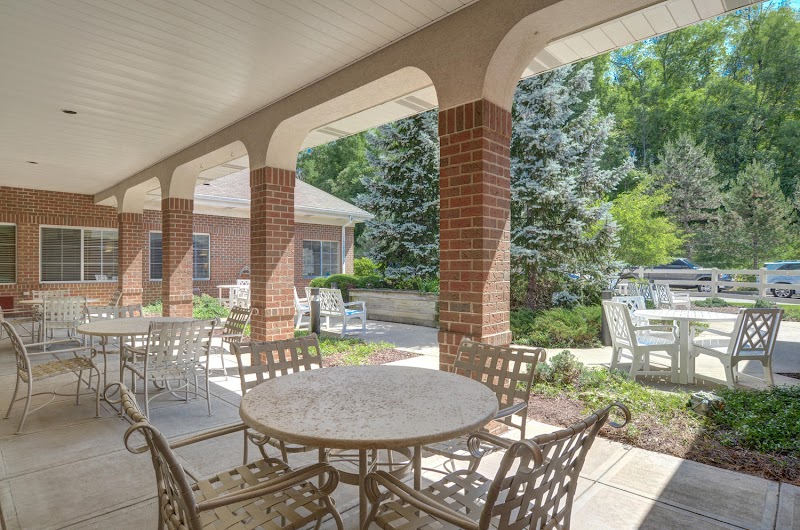
Who Owns and Operates Whitehall Borough Post Acute?

WHITEHALL BOROUGH POST ACUTE is owned by a for-profit company. For-profit facilities operate as businesses with obligations to shareholders or private owners. The facility is operated by PACS GROUP, a chain that manages multiple nursing homes. With 166 certified beds and approximately 132 residents (about 80% occupancy), it is a mid-sized facility located in PITTSBURGH, Pennsylvania.
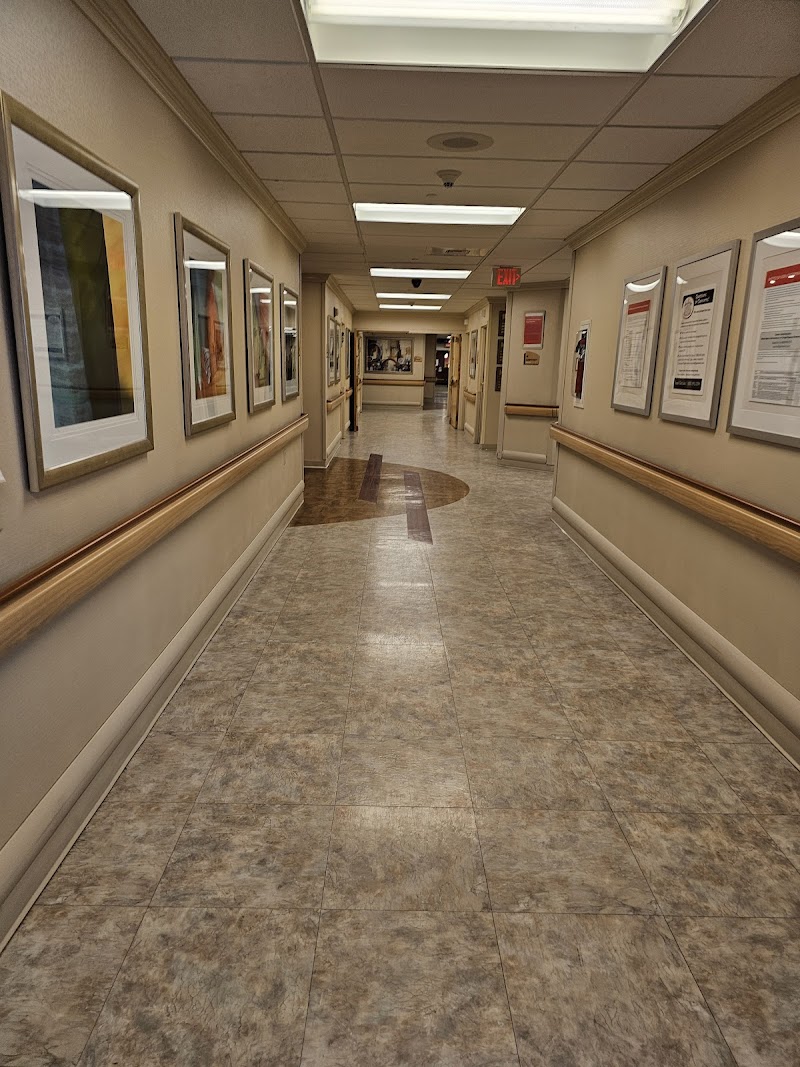
How Does Whitehall Borough Post Acute Compare to Other Pennsylvania Nursing Homes?

Compared to the 100 nursing homes in Pennsylvania, WHITEHALL BOROUGH POST ACUTE's overall rating (2 stars) is below the state average of 3.0, staff turnover (54%) is near the state average of 46%, and health inspection rating (2 stars) is below the national benchmark.

What Should Families Ask When Visiting Whitehall Borough Post Acute?

Based on this facility's data, families visiting should ask: "Can I visit during a mealtime to observe dining assistance and food quality?" "How do you handle medical emergencies, and what is your hospital transfer rate?" "Can I speak with family members of current residents about their experience?"

Is Whitehall Borough Post Acute Safe?

Based on CMS inspection data, WHITEHALL BOROUGH POST ACUTE has a clean safety record: no substantiated abuse findings (meaning no confirmed cases of resident harm), no Immediate Jeopardy citations (the most serious violation level indicating risk of serious injury or death), and is not on the Special Focus Facility watch list (a federal program monitoring the lowest-performing 1% of nursing homes). The facility has a 2-star overall rating and ranks #100 of 100 nursing homes in Pennsylvania. While no facility is perfect, families should still ask about staff-to-resident ratios and recent inspection results during their visit.

Do Nurses at Whitehall Borough Post Acute Stick Around?

WHITEHALL BOROUGH POST ACUTE has a staff turnover rate of 54%, which is 8 percentage points above the Pennsylvania average of 46%. Moderate turnover is common in nursing homes, but families should still ask about staff tenure and how the facility maintains care continuity when employees leave.

Was Whitehall Borough Post Acute Ever Fined?

WHITEHALL BOROUGH POST ACUTE has no federal fines on record. CMS issues fines when nursing homes fail to meet care standards or don't correct problems found during inspections. The absence of fines suggests the facility has either maintained compliance or corrected any issues before penalties were assessed. This is a positive indicator, though families should still review recent inspection reports for the full picture.

Is Whitehall Borough Post Acute on Any Federal Watch List?

WHITEHALL BOROUGH POST ACUTE is not on any federal watch list. The most significant is the Special Focus Facility (SFF) program, which identifies the bottom 1% of nursing homes nationally based on persistent, serious quality problems. Not being on this list means the facility has avoided the pattern of deficiencies that triggers enhanced federal oversight. This is a positive indicator, though families should still review the facility's inspection history directly.