
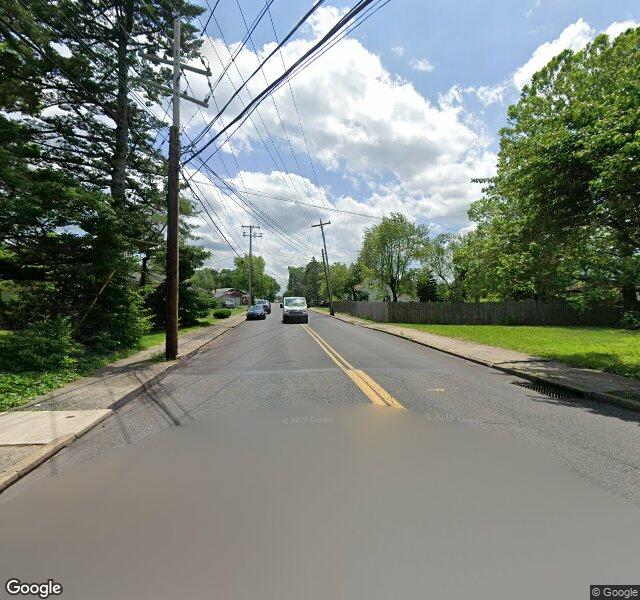
BELLE TERRACE

1320 MILL ROAD, QUAKERTOWN, PA 18951 (215) 536-7666
For profit - Corporation 59 Beds MORDECHAI WEISZ Data: November 2025
Trust Grade
55/100
#260 of 653 in PA
Last Inspection: January 2025

Within standard 12-15 month inspection cycle. Federal law requires annual inspections.

Overview

Belle Terrace in Quakertown, Pennsylvania, has a Trust Grade of C, which means it is average compared to other facilities. It ranks #260 out of 653 in the state, placing it in the top half, and #22 out of 29 in Bucks County, indicating that there are only a few local options that perform better. Unfortunately, the facility's trend is worsening, with issues increasing from 4 in 2024 to 11 in 2025. Staffing is a concern, with a turnover rate of 67%, significantly higher than the state average of 46%, although it does have more RN coverage than 75% of Pennsylvania facilities, which is a positive aspect. While there have been no fines recorded, some specific incidents of concern include a lack of a qualified Infection Preventionist, unsanitary food storage practices in the kitchen, and failure to conduct timely background checks and required training for new employees. Overall, families should weigh these strengths and weaknesses carefully when considering Belle Terrace for their loved ones.

Trust Score
C
55/100
In Pennsylvania
#260/653
Top 39%
Safety Record
Low Risk
No red flags
Inspections
Getting Worse
4 → 11 violations
Staff Stability
⚠ Watch
67% turnover. Above average. Higher turnover means staff may not know residents' routines.
Penalties
✓ Good
No fines on record. Clean compliance history, better than most Pennsylvania facilities.
Skilled Nurses
✓ Good
Each resident gets 47 minutes of Registered Nurse (RN) attention daily — more than average for Pennsylvania. RNs are trained to catch health problems early.
Violations
⚠ Watch
23 deficiencies on record. Higher than average. Multiple issues found across inspections.
★★★☆☆
3.0
Overall Rating
★★★☆☆
3.0
Staff Levels
★★★☆☆
3.0
Care Quality
★★★☆☆
3.0
Inspection Score
Stable
2024: 4 issues
2025: 11 issues

The Good

  • Full Sprinkler Coverage · Fire safety systems throughout facility
  • No fines on record

Facility shows strength in fire safety.

The Bad

3-Star Overall Rating

Near Pennsylvania average (3.0)

Meets federal standards, typical of most facilities

Staff Turnover: 67%

21pts above Pennsylvania avg (46%)

Frequent staff changes - ask about care continuity

Chain: MORDECHAI WEISZ

Part of a multi-facility chain

Ask about local staffing decisions and management

Staff turnover is elevated (67%)

19 points above Pennsylvania average of 48%

The Ugly 23 deficiencies on record

Apr 2025 2 deficiencies
CONCERN (D) 📢 Someone Reported This

A family member, employee, or ombudsman was alarmed enough to file a formal complaint

Potential for Harm - no one hurt, but risky conditions existed

Quality of Care (Tag F0684)

Could have caused harm · This affected 1 resident

**NOTE- TERMS IN BRACKETS HAVE BEEN EDITED TO PROTECT CONFIDENTIALITY** Based on clinical record review, observation, and staff interview, it was determined that the facility failed to ensure that phy...

Read full inspector narrative →
**NOTE- TERMS IN BRACKETS HAVE BEEN EDITED TO PROTECT CONFIDENTIALITY** Based on clinical record review, observation, and staff interview, it was determined that the facility failed to ensure that physician's orders were implemented for one of eight sampled residents. (Resident 1) Findings include: Clinical record review revealed that Resident 1 had diagnoses that included congestive heart failure, atrial fibrillation (irregular rapid heart rhythm that can lead to bloods clots or a stroke), muscle weakness and angiodysplasia of the stomach and duodenum (an abnormality characterized by dilated, fragile blood vessels). The Minimum Data Set (MDS) assessment dated [DATE], revealed that the resident was alert and had pulmonary hypertension (high blood pressure that affects the arteries in the lungs). On April 3, 2025, there was a physician's order that directed staff to schedule a chest X-ray for Resident 1 related to pleural effusion hypoxia (excessive fluid build-up in the lungs), and a physician's order dated April 7, 2025, that directed staff to obtain a stool specimen to rule out clostridium difficile (a bacterial infection of the colon). There was no documented evidence that the chest X-ray was completed, and that the stool specimen was obtained as ordered. In an interview on April 23, 2025, at 2:20 p.m., the Director of Nursing confirmed there was no documented evidence that Resident 1's chest X-ray and stool specimen were completed as ordered. CFR 483.25 Quality of care. Previously cited 8/10/24, 1/16/25 28 Pa. Code 211.12 (d)(1)(5) Nursing services.
CONCERN (D) 📢 Someone Reported This

A family member, employee, or ombudsman was alarmed enough to file a formal complaint

Potential for Harm - no one hurt, but risky conditions existed

Pressure Ulcer Prevention (Tag F0686)

Could have caused harm · This affected 1 resident

**NOTE- TERMS IN BRACKETS HAVE BEEN EDITED TO PROTECT CONFIDENTIALITY** Based on clinical record review, observation, and interview, it was determined that the facility failed to provide interventions...

Read full inspector narrative →
**NOTE- TERMS IN BRACKETS HAVE BEEN EDITED TO PROTECT CONFIDENTIALITY** Based on clinical record review, observation, and interview, it was determined that the facility failed to provide interventions to prevent pressure ulcers for three of eight sampled residents. (Residents 1, 2, 3). Findings include: Clinical record review revealed that Resident 1 had diagnoses that included congestive heart failure, atrial fibrillation (irregular rapid heart rhythm that can lead to bloods clots or a stroke), muscle weakness, pulmonary hypertension (high blood pressure that affects the arteries in the lungs), and angiodysplasia of stomach and duodenum (an abnormality characterized by dilated, fragile blood vessels). According to the Minimum Data Set (MDS) assessment, dated March 19, 2025, the resident was at risk for pressure ulcers, had limited mobility of her lower legs, and could communicate her needs. On March 12, 2025, a physician's order directed staff to apply heel boots (devices to protect the skin of the feet) while in bed. Review of the comprehensive care plan revealed that the resident was at risk for skin breakdown related to immobility. Multiple observations on April 23, 2025, between 11:30 a.m. and 1:20 p.m., revealed Resident 1 in bed and the heel boots were not applied. Clinical record review revealed that Resident 2 had diagnoses that included vascular dementia (brain damage from impaired blood flow to the brain) diabetes, heart disease, and muscle weakness. The MDS assessment dated [DATE], revealed that the resident was nonresponsive and was at risk for pressure ulcers. On April 20, 2025, a physician's order directed staff to apply Prevalon boots (devices that help reduce the risk of heel pressure injury). Review of the comprehensive care plan revealed that the resident had diabetes and was at risk for skin breakdown related to immobility and medical condition. Multiple observations on April 23, 2025, between 11:20 a.m. and 1:30 p.m., revealed Resident 2 in bed and the Prevalon boots were not applied. Clinical record review revealed that Resident 3 had diagnoses that included diabetes and muscle weakness. The MDS assessment dated [DATE], revealed that the resident was at risk for pressure ulcers and could communicate her needs. On March 29, 2024, the physician's order directed staff to float heels (elevate the lower legs so the heels don't touch the bed) while in bed. On April 23, 2025, at 11:30 a.m., the resident was observed with her heels directly on the bed. In an interview on April 23, 2025, at 2:20 p.m., the Director of Nursing confirmed that Residents 1 and 2 did not have the devices to protect their skin to prevent heel pressure injuries and that Resident 3's lower legs were not elevated as ordered. 28 Pa. Code 211.12 (d)(1)(5) Nursing services.
Jan 2025 9 deficiencies
CONCERN (D)

Potential for Harm - no one hurt, but risky conditions existed

Resident Rights (Tag F0550)

Could have caused harm · This affected 1 resident

**NOTE- TERMS IN BRACKETS HAVE BEEN EDITED TO PROTECT CONFIDENTIALITY** Based on clinical record review and observation, it was determined that the facility failed to provide assistance with dining in...

Read full inspector narrative →
**NOTE- TERMS IN BRACKETS HAVE BEEN EDITED TO PROTECT CONFIDENTIALITY** Based on clinical record review and observation, it was determined that the facility failed to provide assistance with dining in a manner that promoted dignity for one of 16 sampled residents. (Resident 5) Findings include: Clinical record review revealed that Resident 5 had diagnoses that included dysphagia, dementia, and need for assistance with personal care. Review of the care plan revealed that the resident had neurological deficiencies and a history of weight loss. Review of the Minimum Data Set assessment dated [DATE], revealed that the resident had cognitive impairment. Observation of lunch on January 15, 2025, from 12:25 p.m., through 12:45 p.m., revealed that Resident 5 was sitting at a table with the meal tray on the table with more than 75% of the meal uneaten. There was food on the resident's sweater. The resident proceeded to bite at and lick the food on her sweater. The resident did not obtain utensils or food from her tray and continued to chew and suck on her sweater for the remainder of the observation period. The resident was not redirected. 28 Pa. Code 211.12(d)(5) Nursing services.
CONCERN (D)

Potential for Harm - no one hurt, but risky conditions existed

Report Alleged Abuse (Tag F0609)

Could have caused harm · This affected 1 resident

Based on facility policy review, clinical record review, review of facility documentation, and staff interview, it was determined that the facility failed to report an allegation of abuse to the Admin...

Read full inspector narrative →
Based on facility policy review, clinical record review, review of facility documentation, and staff interview, it was determined that the facility failed to report an allegation of abuse to the Administrator and the State Survey Agency for one of 16 sampled residents. (Resident 16) Findings include: Review of the facility policy entitled, Abuse, Neglect, Exploitation, and Misappropriation of Resident Property, last reviewed October 10, 2024, revealed that all incident and allegations of abuse were to be reported immediately to the administrator or designee. Clinical record review revealed that Resident 41 had diagnoses that included anxiety, cognitive decline, and Alzheimer's disease. On October 12, 2024, staff noted that in the morning during the day (7:00 p.m. to 3:00 p.m.) shift, that Resident 41 put a brief over Resident 16's head. Resident 41 started punching Resident 16 and stated she was going to smash her in the face with a heavy object. Resident 41 also stated that she wanted to kill Resident 16 multiple times throughout the shift. There was no evidence that staff notified the Administrator until the evening (3:00 p.m. to 11:00 p.m.) shift. There was no evidence that the facility reported the incident to the State Survey Agency. In an interview on January 16, 2025, at 12:37 p.m., the Director of Nursing (DON) confirmed that staff did not immediately notify the Administrator of the incident per the facility policy. In an interview on January 16, 2025, at 2:40 p.m., the DON confirmed that the facility did not report the incident to the State Survey Agency. 28 Pa. Code 201.18(e)(1) Management. 28 Pa. Code 211.12(d)(1)(5) Nursing services.
CONCERN (D)

Potential for Harm - no one hurt, but risky conditions existed

Quality of Care (Tag F0684)

Could have caused harm · This affected 1 resident

Based on clinical record review, observation, and resident interview, it was determined that the facility failed to ensure that physician's orders were implemented for one of 16 sampled residents. (Re...

Read full inspector narrative →
Based on clinical record review, observation, and resident interview, it was determined that the facility failed to ensure that physician's orders were implemented for one of 16 sampled residents. (Resident 40) Findings include: Clinical record review revealed that Resident 40 had diagnoses that included heart failure and reduced mobility. According to the Minimum Data Set assessment, dated November 23, 2024, the resident was at risk for pressure ulcers, had limited mobility of her lower legs, and could communicate her needs. On March 12, 2024, the physician ordered that staff float heels (elevate the lower leg so the heel doesn't touch the bed) while in bed. On January 14, 2025, at 11:32 a.m., Resident 40 was observed with her heels directly on the bed. That same day at 1:55 p.m., the resident stated that staff had not been floating her heels, and she was observed with her heels directly on the bed. The resident was again observed on January 15, 2025, at 9:54 a.m., with her heels directly on the bed. CFR 483.25 Quality of care Previously cited 12/28/23, 8/10/24 28 Pa. Code 211.12 (d)(1)(5) Nursing services.
CONCERN (D)

Potential for Harm - no one hurt, but risky conditions existed

Deficiency F0691 (Tag F0691)

Could have caused harm · This affected 1 resident

**NOTE- TERMS IN BRACKETS HAVE BEEN EDITED TO PROTECT CONFIDENTIALITY** Based on clinical record review, and family and staff interview, it was determined that the facility failed to provide ostomy (a...

Read full inspector narrative →
**NOTE- TERMS IN BRACKETS HAVE BEEN EDITED TO PROTECT CONFIDENTIALITY** Based on clinical record review, and family and staff interview, it was determined that the facility failed to provide ostomy (an opening of the bowel through the abdomen), care in accordance with the resident's care plan for one of one sampled resident who had an ostomy. (Resident 158) Findings include: Review of a facility policy entitled, Colostomy/Ileostomy Care, last reviewed October 10, 2024, revealed that staff were to document the date and time the ostomy care was provided, as well as, the name and title of the person who provided the care in the resident's medical record. Clinical record review revealed that Resident 158 was admitted to the facility on [DATE], and had a diagnoses that included Dementia. Review of the care plan revealed that the resident had an ileostomy. The interventions were for staff to keep the skin around the stoma clean and dry, monitor the skin for irritation, and observe the stoma for unusual changes. In an interview on January 14, 2025, at 12:35 p.m., the resident's family member reported that the resident's ostomy supplies had not been changed since admission. There was a lack of evidence in the clinical record to support that staff provided ostomy care or changed the supplies prior to January 14, 2025. There were no physician orders for ostomy care in place until January 14, 2025, six days after the resident was admitted to the facility. The physician orders dated January 14, 2025, directed staff to change the ileostomy wafer every three days and change the ileostomy bag once daily or as needed. In an interview on January 16, 2025, at 11:10 a.m., and 12:54 p.m., the Director of Nursing confirmed that there was no documented evidence that staff changed the resident's ostomy supplies or provided ostomy care prior to January 14, 2025, and that ostomy care should be documented in the resident's clinical record. 211.12(d)(1)(5) Nursing services.
CONCERN (D)

Potential for Harm - no one hurt, but risky conditions existed

Drug Regimen Review (Tag F0756)

Could have caused harm · This affected 1 resident

Based on clinical record review and staff interview, it was determined that the facility failed to ensure that pharmacy recommendations were reviewed by the physician in a timely manner for one of 16 ...

Read full inspector narrative →
Based on clinical record review and staff interview, it was determined that the facility failed to ensure that pharmacy recommendations were reviewed by the physician in a timely manner for one of 16 sampled residents. (Resident 41) Findings include: Clinical record review revealed that Resident 41 had diagnoses that included anxiety and Alzheimer's disease. Review of a pharmacist's recommendation dated August 1, 2024, revealed that the pharmacist noted that the resident was prescribed melatonin and trazodone at hour of sleep (HS). The pharmacist recommended that the physician review the need for both medications and determine if the melatonin could be discontinued to reduce the resident's amount of medication. There was no evidence that the physician addressed the pharmacist's recommendations until October 1, 2024, or that the melatonin was discontinued until October 2, 2024. In an interview on January 16, 2025, at 12:37 p.m., the Director of Nursing stated that pharmacy recommendations should be addressed by the physician within five to seven days and there was no evidence that the physician addressed the pharmacy recommendation until October 1, 2024. 28 Pa. Code 211.12(d)(1)(3)(5) Nursing services.
CONCERN (D)

Potential for Harm - no one hurt, but risky conditions existed

Deficiency F0868 (Tag F0868)

Could have caused harm · This affected 1 resident

Based on review of facility documents and staff interview, it was determined that the facility failed to conduct Quality Assessment and Assurance (QAA) meetings at least quarterly with all the require...

Read full inspector narrative →
Based on review of facility documents and staff interview, it was determined that the facility failed to conduct Quality Assessment and Assurance (QAA) meetings at least quarterly with all the required committee members for two of four quarterly meetings, the first and fourth, of 2024. Findings include: Review of the facility ' s Quality Assurance and Performance Improvement (QAPI) sign-in sheets and attendance records for meetings held in the first quarter of 2024 revealed the facility's Medical Director failed to attend. Review of facility ' s monthly Quality Assurance and Performance Improvement (QAPI) sign-in sheets and attendance records for meetings held in the fourth quarter of 2024 revealed the facility's Medical Director failed to attend. In an interview on January 16, 2025, at 11:39 a.m., the Administrator confirmed that the Medical Director did not attend all of the quarterly meetings. 28 Pa Code: 201.18(e)(1)(2)(3) Management.
CONCERN (D)

Potential for Harm - no one hurt, but risky conditions existed

Infection Control (Tag F0880)

Could have caused harm · This affected 1 resident

Based on facility policy review, clinical record review, and observation, it was determined that the facility failed to follow policies and procedures to prevent the spread of infection for two of 16 ...

Read full inspector narrative →
Based on facility policy review, clinical record review, and observation, it was determined that the facility failed to follow policies and procedures to prevent the spread of infection for two of 16 sampled residents. (Residents 27 and 35) Findings include: Review of the facility policy entitled, Enhanced Barrier Precautions, last reviewed October 10, 2024, revealed that enhanced barrier precautions were to be used with any resident with a wound or medical device during encounters when contact is expected, including during wound care and the care of feeding tubes. Precautions included the use of protective gowns during the high risk activities. Clinical record review revealed that Resident 27 had diagnoses that included a Stage 3 pressure sore on his lower back. On January 15, 2025, at 9:06 a.m., a physician (MD 1) was observed entering Resident 27's room to examine his pressure sore. MD 1 did not use a protective gown in accordance with facility policy. Clinical record review revealed that Resident 35 had diagnoses that included a history of stroke with difficulty swallowing. She received all nutrition through a feeding tube. On January 14, 2025, at 10:37 a.m., LPN 1 was observed flushing the feeding tube without wearing a gown as required by facility policy. CFR 483.80 Infection Control Previously cited 12/28/23, 8/1/24 28 Pa. Code 211.10(d) Resident care policies. 28 Pa. Code 211.12(d)(1)(5) Nursing services.
CONCERN (E)

Potential for Harm - no one hurt, but risky conditions existed

Abuse Prevention Policies (Tag F0607)

Could have caused harm · This affected multiple residents

Based on facility policy review, employee file review, and staff interview, it was determined that the facility failed to initiate an employee criminal background check, verify professional license/re...

Read full inspector narrative →
Based on facility policy review, employee file review, and staff interview, it was determined that the facility failed to initiate an employee criminal background check, verify professional license/registration, and/or ensure employees completed required abuse training in a timely manner for six of six newly hired employees. (Employees RN 1, RN 2, RN 3, NA 1, NA 2, DA 1) Findings include: Review of the facility policy entitled, Abuse, Neglect, Exploitation, Mistreatment and Misappropriation of Resident Property, last reviewed October 10, 2024, revealed that the facility was to screen potential employees for a history of abuse, neglect, or mistreating residents prior to employment. This included attempts to obtain information from previous employers and checking with the appropriate licensing boards and registries. The facility was also to educate staff upon hire and annually thereafter regarding the facility's policy to prevent Abuse, Neglect, and Exploitation of residents, and Misappropriation of Resident Property. Review of employee files revealed the following: NA 1 had been working at the facility as a nurse aide since October 21, 2024. The facility failed to conduct a criminal background check. There was a lack of evidence to support that required training to prevent abuse, neglect, and exploitation of residents, and misappropriation of resident property had been completed upon hire. NA 2 had been working at the facility as a nurse aide since December 6, 2024. The facility failed to conduct an inquiry to the State nurse aide registry. There was a lack of evidence to support that required training to prevent abuse, neglect, and exploitation of residents, and misappropriation of resident property had been completed upon hire. RN 1 had been working at the facility as a registered nurse since August 14, 2024. The facility failed to collect employment references. There was a lack of evidence to support that required training to prevent abuse, neglect, and exploitation of residents, and misappropriation of resident property had been completed upon hire. RN 2 had been working at the facility as a registered nurse since January 6, 2025. The facility failed to conduct an inquiry to the State licensing authority or gather employment references. There was a lack of evidence to support that required training to prevent abuse, neglect, and exploitation of residents, and misappropriation of resident property had been completed upon hire. RN 3 had been working at the facility as a registered nurse since August 12, 2024. The facility failed to conduct a criminal background check, an inquiry to the State licensing authority, or gather employment references. There was a lack of evidence to support that required training to prevent abuse, neglect, and exploitation of residents, and misappropriation of resident property had been completed upon hire. DA 1 had been working at the facility as a dietary aide since December 9, 2024. There was a lack of evidence to support that required training to prevent abuse, neglect, and exploitation of residents, and misappropriation of resident property had been completed upon hire. In an interview on January 16, 2025, at 1:20 p.m., the Administrator confirmed that pre-employment screening and required training had not been completed in a timely manner as per facility policy for the newly hired employees listed above. 28 Pa. Code 201.14(a) Responsibility of Licensee. 28 Pa. Code 201.18(b)(1) Management. 28 Pa. Code 201.19(3)(7)(8) Personnel policies and procedures.
MINOR (B)

Minor Issue - procedural, no safety impact

Transfer Notice (Tag F0623)

Minor procedural issue · This affected multiple residents

Based on clinical record review and staff interview, it was determined that the facility failed to notify the resident and the resident's representative(s) of transfer(s), including the reasons for th...

Read full inspector narrative →
Based on clinical record review and staff interview, it was determined that the facility failed to notify the resident and the resident's representative(s) of transfer(s), including the reasons for the moves and Ombudsman information, in writing upon transfer from the facility for three of three sampled residents who were transferred to the hospital. (Resident 11, 13, 56) Findings include: Clinical record review revealed that Resident 11 was transferred to the hospital on October 12, 2024, after a change in condition. There was no documentation to support that the resident or the resident's responsible party or legal representative was provided written information regarding the transfer to the hospital. Clinical record review revealed that Resident 13 was transferred to the hospital on December 11, 2024, after a fall and change in condition. There was no documentation to support that the resident or the resident's responsible party or legal representative was provided written information regarding the transfer to the hospital. Clinical record review revealed that Resident 56 was transferred to the hospital on November 4, 2024, after a change in condition. There was no documentation to support that the resident or the resident's responsible party or legal representative was provided written information regarding the transfer to the hospital. In an interview on January 16, 2025, at 9:35 a.m., the Administrator confirmed that the residents or resident representatives were not given written notices regarding their transfers.
Aug 2024 1 deficiency
CONCERN (D) 📢 Someone Reported This

A family member, employee, or ombudsman was alarmed enough to file a formal complaint

Potential for Harm - no one hurt, but risky conditions existed

Quality of Care (Tag F0684)

Could have caused harm · This affected 1 resident

Based on clinical record review and staff interview, it was determined that the facility failed to ensure that physician's orders were implemented for two of four sampled residents. (Residents 1, 2) F...

Read full inspector narrative →
Based on clinical record review and staff interview, it was determined that the facility failed to ensure that physician's orders were implemented for two of four sampled residents. (Residents 1, 2) Findings include: Clinical record review revealed that Resident 1 had diagnoses that included intervertebral disc displacement (when a disc in the spinal column shifts and presses on against the spinal nerves) and morbid obesity. A physician's order dated July 2, 2024, directed staff to cleanse surgical incision to lower back with normal saline solution and pat dry, to keep incision clean and dry, to keep the incision open to air, and to apply folded abdominal pad dressing (ABD) on each side of the incision due to skin fold two times a day. A review of the July 2024 Treatment Administration Records (TARs) revealed that there was no evidence the treatment was done as ordered on July 3, 4, and 6, 2024. Clinical record review revealed that Resident 2 had diagnoses that included metabolic encephalopathy and cellulitis of bilateral lower extremities. A review of physician's orders dated August 1 through 10, 2024, the Medication Administration Record (MAR) for August 2024, and the Treatment Administration Record (TAR) for August 2024, revealed the following: Staff were to apply ammonium lactate external lotion 12% to bilateral lower extremities daily for venous stasis. There was no evidence that the lotion was applied as ordered on August 5, 2024. Staff were to administer doxycycline monohydrate (an antibiotic) oral capsule 100 milligrams (mg) two times a day. There was no evidence that the medication was administered as ordered on August 8, 2024. Staff were to administer Suboxone sublingual film (a narcotic) 2-0.5mg 1 film four times a day for narcotic dependence. There was no evidence that the medication was administered as ordered on August 5, 2024. A physician's order dated July 2, 2024, directed staff to apply moisturizing lotion to the entire left lower leg then cover with ACE bandage from bottom of foot and work up to below the knee every day shift to maintain skin integrity. A review of the August 2024 TAR revealed that there was no evidence the treatment was done as ordered on August 4 through 8, 2024. In an interview on August 10, 2024, at 2:05 p.m., the Manager on Duty confirmed that there was no documented evidence that Residents 1 and 2 received the treatments and/or medications as ordered by the physician. 28 Pa. Code 211.12(d)(1)(5) Nursing services.
Aug 2024 2 deficiencies
CONCERN (E) 📢 Someone Reported This

A family member, employee, or ombudsman was alarmed enough to file a formal complaint

Potential for Harm - no one hurt, but risky conditions existed

Infection Control (Tag F0880)

Could have caused harm · This affected multiple residents

Based on facility policy review, clinical record review, observation, and staff interview, it was determined that the facility failed to follow policies and procedures to prevent the spread of infecti...

Read full inspector narrative →
Based on facility policy review, clinical record review, observation, and staff interview, it was determined that the facility failed to follow policies and procedures to prevent the spread of infection on two of two nursing unit wings. (A Wing, B Wing) Findings include: Review of the facility policy entitled, Transmission Based Precautions, last reviewed March 28, 2024, revealed that transmission based precautions (TBPs) may include contact precautions, droplet precautions, airborne precautions, and enhanced barrier precautions that vary with how restrictive they are in requiring certain personal protective equipment (PPE). If a resident is identified as having a communicable disease, then TBPs are to be initiated. Staff were to post a sign on the door that all personnel and visitors entering the room must first see the nurse to obtain additional information before entering the room as part of maintaining the specific TBP and PPE protocol. Review of the facility policy entitled, COVID-19, last reviewed March 28, 2024, revealed that droplet precautions were to be implemented for residents with a positive Coronavirus disease 2019 (COVID-19) test. Clinical record review revealed that diagnostic testing completed July 28 - 31, and August 1, 2024, resulted in COVID-19 positivity for 13 residents (Residents 2, 3, 4, 5, 6, 7, 8, 9, 10, 11, 12, 13, 14). Observations of the identified positive residents' rooms (20, 21, 22, 27, 34, 36, 41) on August 1, 2024, at 11:30 a.m. and 4:25 p.m., revealed there were no signs posted outside resident rooms and/or on the doors to alert staff, visitors, and other residents of the need see the nurse for additional information to ensure that necessary transmission based precautions and personal protective equipment were implemented upon entering. In an interview on August 1, 2024, at 4:45 p.m., the Administrator confirmed that signs should have been posted on doors of resident rooms when transmission based precautions were required. CFR 483.80 Infection Control Previously cited 12/28/23 28 Pa. Code 211.10(d) Resident care policies. 28 Pa. code 211.12(d)(1)(5) Nursing services.
CONCERN (F) 📢 Someone Reported This

A family member, employee, or ombudsman was alarmed enough to file a formal complaint

Potential for Harm - no one hurt, but risky conditions existed

Deficiency F0882 (Tag F0882)

Could have caused harm · This affected most or all residents

Based on policy review and staff interview, it was determined that the facility did not have a qualified Infection Preventionist (IP) who had completed specialized training in infection prevention and...

Read full inspector narrative →
Based on policy review and staff interview, it was determined that the facility did not have a qualified Infection Preventionist (IP) who had completed specialized training in infection prevention and control. Findings include: Review of the facility policy entitled, Infection Prevention and Control Plan, last reviewed March 28, 2024, revealed that the IP was to provide oversight for the infection prevention and control program, conduct surveillance of any facility and community associated infections, and serve as a resource to all staff regarding infection prevention and control. In an interview on August 1, 2024, at 1:15 p.m., the Administrator stated the facility did not have a qualified Infection Preventionist. 28 Pa. Code 211.10(d) Resident care policies. 28 Pa. Code 211.12(d)(1)(5) Nursing services.
Mar 2024 1 deficiency
MINOR (B) 📢 Someone Reported This

A family member, employee, or ombudsman was alarmed enough to file a formal complaint

Minor Issue - procedural, no safety impact

Safe Environment (Tag F0584)

Minor procedural issue · This affected multiple residents

**NOTE- TERMS IN BRACKETS HAVE BEEN EDITED TO PROTECT CONFIDENTIALITY** Based on observation, it was determined that the facility failed to provide a clean, homelike, and comfortable environment on tw...

Read full inspector narrative →
**NOTE- TERMS IN BRACKETS HAVE BEEN EDITED TO PROTECT CONFIDENTIALITY** Based on observation, it was determined that the facility failed to provide a clean, homelike, and comfortable environment on two of two nursing units. (A-wing and B-wing) Findings include: During tours of A-wing and B-wing nursing units on March 14, 2024, between 10:12 a.m. and 11:30 a.m., the following were observed: In rooms 27, 32, 36, and 47, there were holes in the partition wall between the residents' sleeping area and the bathroom On the right side of the B-wing hallway, between rooms [ROOM NUMBERS], there was detached molding in the space where the floor met the wall, exposing a large hole in the wall. In the shared bathroom located between rooms [ROOM NUMBERS], two round holes in the sheetrock were observed. In room [ROOM NUMBER]-2, there was a hole in the wall under the window. 28 Pa. Code 201.18(b)(1)(e)(2.1) Management.
Dec 2023 3 deficiencies
CONCERN (D)

Potential for Harm - no one hurt, but risky conditions existed

Comprehensive Care Plan (Tag F0656)

Could have caused harm · This affected 1 resident

**NOTE- TERMS IN BRACKETS HAVE BEEN EDITED TO PROTECT CONFIDENTIALITY** Based on clinical record review and staff interview, it was determined that the facility failed to develop a care plan and inter...

Read full inspector narrative →
**NOTE- TERMS IN BRACKETS HAVE BEEN EDITED TO PROTECT CONFIDENTIALITY** Based on clinical record review and staff interview, it was determined that the facility failed to develop a care plan and interventions to meet each resident's needs as identified in the comprehensive assessment for two of 13 sampled residents. (Residents 25, 154) Findings include: Clinical record review revealed that Resident 25 had diagnoses that included chronic obstructive pulmonary disease and congestive heart failure. Review of the Minimum Data Set (MDS) assessment dated [DATE], revealed that the Care Area Assessment (CAA) summary triggered urinary incontinence and dental care as problem areas to be care planned. Resident 25's current care plan did not include interventions to address urinary incontinence and dental care. Clinical record review revealed that Resident 154 had diagnoses that included displaced left femur fracture, muscle weakness, and chronic obstructive pulmonary disease. Review of the MDS assessment dated [DATE], revealed that the CAA summary triggered pain and urinary incontinence as problem areas to be care planned. Resident 154's current care plan did not include interventions to address pain or urinary incontinence. In an interview on December 28, 2023, at 12:33 p.m., the Registered Nurse Assessment Coordinator confirmed there was no documented evidence that the care areas were addressed in the residents' current care plans. 28 Pa. Code 211.12(d)(1)(5) Nursing services.
CONCERN (D)

Potential for Harm - no one hurt, but risky conditions existed

Quality of Care (Tag F0684)

Could have caused harm · This affected 1 resident

Based on clinical record review, policy review, and staff interview, it was determined that the facility failed to ensure that physicians' orders or care plan interventions were implemented for two of...

Read full inspector narrative →
Based on clinical record review, policy review, and staff interview, it was determined that the facility failed to ensure that physicians' orders or care plan interventions were implemented for two of 13 sampled residents. (Residents 36, 42) Findings include: Review of the facility policy entitled, Weight Assessment and Intervention, last reviewed January 1, 2023, revealed that staff was to weigh each resident monthly after the first two weeks following admission. Clinical record review revealed that Resident 36 had diagnoses that included depression, anxiety, and morbid obesity. A physician's order dated November 24, 2021, directed staff to observe the resident and document for side effects of antidepressants including weight gain. Review of the current care plan revealed, Resident 36 was at risk for altered nutrition with an intervention for staff to weigh and monitor the resident's weight per facility policy. There was no documentation that staff weighed Resident 36 in September, November, and December 2023. Clinical record review revealed that Resident 42 had diagnoses that included dysphagia and depression. Review of the current care plan revealed that Resident 42 was at risk for weight loss related to poor oral intake with an intervention for staff to weigh and monitor the resident's weight per facility policy. There was no documentation that staff weighed Resident 42 in November and December, 2023. In an interview on December 28, 2023, at 1:20 p.m., the Director of Nursing confirmed that staff did not weigh the residents in accordance with physician's orders and/or the facility policy. 28 Pa. Code 211.12(d)(1)(5) Nursing services.
CONCERN (D)

Potential for Harm - no one hurt, but risky conditions existed

Infection Control (Tag F0880)

Could have caused harm · This affected 1 resident

Based on policy review, observation, and staff interview, it was determined that the facility failed to administer medications in accordance with facility infection control policies on one of two nurs...

Read full inspector narrative →
Based on policy review, observation, and staff interview, it was determined that the facility failed to administer medications in accordance with facility infection control policies on one of two nursing units. (A hall) Findings include: Review of the facility policy entitled, Administering Medication, last reviewed January 1, 2023, revealed that staff was to follow established facility infection control procedures for the administration of medications including hand hygiene. On December 27, 2023, LPN 1 was observed administering medications to Resident 49. The nurse touched each pill with her ungloved hand prior to administering them to the resident. In an interview on December 28, 2023, at 10:00 a.m., the Director of Nursing stated that nurses may not touch medications with their hands unless they are wearing clean gloves. 28 Pa. Code 211.10(d) Resident care policies. 28 Pa. Code 211.12(d)(1)(5) Nursing services.
Nov 2023 1 deficiency
CONCERN (F) 📢 Someone Reported This

A family member, employee, or ombudsman was alarmed enough to file a formal complaint

Potential for Harm - no one hurt, but risky conditions existed

Food Safety (Tag F0812)

Could have caused harm · This affected most or all residents

Based on observation, review of facility documentation, and interview, it was determined that the facility failed to store food under sanitary conditions in the kitchen and on the nursing unit. Findi...

Read full inspector narrative →
Based on observation, review of facility documentation, and interview, it was determined that the facility failed to store food under sanitary conditions in the kitchen and on the nursing unit. Findings include: Observation of the kitchen on November 6, 2023, at 9:41 a.m., revealed a white substance on the shelves in the walk-in refrigerator. There was a black substance and particles of debris on the floor of the same refrigerator. There were two opened packages of cheese with open dates of September 2, 2023, and October 15, 2023. There were no use-by dates on the packages. In an interview at the time, the Director of Dining Services stated that the opened packages should be used or discarded within seven days. There was a bucket of thickener and the measuring cup used to scoop the product was stored directly on top of the lid. There were numerous saturated towels under the three compartment sink. In an interview, the Director of Dining Services stated that the towels had been there since the previous day. There was an dust on the shelves that stored clean pots and pans. There was a dried substance on the can opener, stove top, oven doors, and inside of the microwave. There was an accumulation of dust and debris on the shelf under the steam table. Review of a cooks cleaning schedule dated November 5 through 11, 2023, revealed no evidence that tasks assigned to the evening cook, which included cleaning the bottom ovens and stove, were completed during the evening shift on November 5, 2023. In an interview on November 6, 2023, during the kitchen tour, Dietary Employee (DE) 1 stated that the stove top and oven doors were not cleaned at the end of the prior (evening) shift. Observation of the nursing unit pantry refrigerator on November 6, 2023, at 12:49 p.m., revealed brown stains under the bottom drawers, on the back wall, and on the shelf on the door. There was a clear substance on the surface of the middle shelf. There was a pitcher of orange juice with a use by date of October 31, 2023. There were two containers of cut fruit with use by dates of September 4, 2023, and October 16, 2023. 28 Pa. Code 201.18(b)(3)(e)(2.1) Management.
Jan 2023 4 deficiencies
CONCERN (D)

Potential for Harm - no one hurt, but risky conditions existed

Abuse Prevention Policies (Tag F0607)

Could have caused harm · This affected 1 resident

Based on policy review and review of personnel files, it was determined that the facility failed to screen new employees for a history of abuse, neglect, or misappropriation of property for two of fiv...

Read full inspector narrative →
Based on policy review and review of personnel files, it was determined that the facility failed to screen new employees for a history of abuse, neglect, or misappropriation of property for two of five sampled newly hired staff. (Employees 3, 5) Findings include: Review of facility policy entitled, Abuse Prevention Program, dated March 2022, revealed that potential employees were to be screened for any prior history of abuse, neglect, exploitation, misappropriation of property, or mistreatment. Pennsylvania State Police Criminal Background Checks were to be processed and results were to be obtained before hire. Employee 3 had been working at the facility in dietary since January 16, 2023. Review of documentation revealed that the facility had not initiated and obtained a Pennsylvania State Police Criminal Background Check until January 19, 2023. Employee 5 had been working at the facility in housekeeping since December 19, 2022. Review of documentation revealed that the facility had not initiated and obtained a Pennsylvania State Police Criminal Background Check until January 20, 2023. 28 Pa Code 201.14(a) Responsibilities of licensee. 28 Pa. Code 201.19 Personnel policies and procedures.
CONCERN (D)

Potential for Harm - no one hurt, but risky conditions existed

Deficiency F0692 (Tag F0692)

Could have caused harm · This affected 1 resident

Based on clinical record review, policy review, and staff interview, it was determined that the facility failed to monitor and assess significant weight changes for two of 15 sampled residents. (Resid...

Read full inspector narrative →
Based on clinical record review, policy review, and staff interview, it was determined that the facility failed to monitor and assess significant weight changes for two of 15 sampled residents. (Residents 10, 18) Findings include: Review of the facility policy entitled, Weight Assessment and Intervention, dated March 2022, revealed that staff was to weigh each resident monthly after the first two weeks following admission. Any weight change of five percent or more was to be verified for accuracy. Once weight loss was confirmed staff was to report the weight change to the dietitian a few times a week. Clinical record review revealed that Resident 10 had diagnoses that included dysphagia and rhabdomyolysis. According to the care plan the resident was at risk for weight loss. On November 1, 2022, the resident weighed 138.2 pounds (lbs.). On December 8, 2022, the resident weighed 128 lbs., a 7.4 percent (%) weight loss. There was no documentation that the dietitian was notified of the significant weight loss until December 26, 2022. At that time, the dietitian requested that staff verify the weight loss. There was no evidence that the resident's weight loss was verified until the next monthly weight on January 1, 2023. Clinical record review revealed that Resident 18 had diagnoses that included dysphagia and diabetes. According to the care plan, the resident was at risk for nutrition problems. On October 12, 2022, the resident weighed 218.6 lbs. On November 2, 2022, staff documented that the weight was incorrect, but never recorded the correct weight. On December 2, 2022, the resident weighted 203 lbs., a 7.1% weight loss. There was no documentation that the dietitian was notified of the significant weight loss until January 13, 2023. In an interview on January 20, 2023, at 10:30 a.m., the Dietitian (RD 1) confirmed that she had not been notified of the weight changes and that resident weights were not monitored in accordance with facility policy. 28 Pa. Code 211.12 (d)(1)(3)(5) Nursing services.
CONCERN (E)

Potential for Harm - no one hurt, but risky conditions existed

Pharmacy Services (Tag F0755)

Could have caused harm · This affected multiple residents

Based on policy review, review of facility documentation, and staff interview, it was determined that the facility failed to ensure that an account of all controlled drugs was maintained and periodica...

Read full inspector narrative →
Based on policy review, review of facility documentation, and staff interview, it was determined that the facility failed to ensure that an account of all controlled drugs was maintained and periodically reconciled for one of two medication carts. (B wing) Findings include: Review of the facility policy entitled, Controlled Substances, dated March 2022, revealed that nursing staff was to count controlled medications at the end of each shift. The nurse coming on duty and the nurse going off duty were to count the medications together and sign the change of shift controlled substances count sheet. Review of the controlled substances count sheet revealed no documented evidence that a count of controlled substances was completed in accordance with facility policy by two nurses on June 10, June 12, June 13, June 20, July 1, July 2, August 4, August 12, August 18, August 24, August 31, September 2, September 8, September 22, October 14, November 11, November 28, December 9, and December 31, 2022. In an interview conducted on January 19, 2023, at 11:30 a.m., the Director of Nursing confirmed that two nurses' signatures were missing for the identified dates. 42 CFR 483.45 (a)(b)(1)-(3) Pharmacy Services Previously Cited 02/10/2022 28 Pa. Code 211.9(h) Pharmacy services. 28 Pa. Code 211.12(d)(1)(5) Nursing services.
MINOR (C)

Minor Issue - procedural, no safety impact

Deficiency F0582 (Tag F0582)

Minor procedural issue · This affected most or all residents

Based on clinical record review, review of facility documentation, and staff interview, it was determined that the facility failed to provide a skilled nursing facility advanced beneficiary notice (SN...

Read full inspector narrative →
Based on clinical record review, review of facility documentation, and staff interview, it was determined that the facility failed to provide a skilled nursing facility advanced beneficiary notice (SNF-ABN) or notification of Medicare non-coverage (NOMNC) to the resident or the resident's representative following the end of their Medicare coverage for two of three sampled residents who were discontinued from Medicare Part A with benefit days remaining. (Resident 52 , 54) Findings include: Clinical record review revealed that Resident 52 received Medicare Part A services until December 26, 2022. According to facility documentation,the resident was discontinued from Medicare Part A with benefit days remaining and that the termination of skilled services was initiated by the facility. There was no documented evidence that the resident or representative was provided the required NOMNC form (a notice given to Medicare beneficiaries to convey that Medicare is not likely to provide coverage in a specific case). Clinical record review revealed that Resident 54 received Medicare Part A services until September 26, 2022. According facility documentation, the resident was discontinued from Medicare Part A with benefit days remaining and that the termination of skilled services was initiated by the facility. There was no documented evidence that the resident or representative was provided the required NOMNC or SNF-ABN forms (an additional notice given to Medicare beneficiaries). In an interview on January 20, 2023, at 12:40 p.m., the Administrator confirmed that the required notices were not given. 28 Pa. Code 201.18(e)(1) Management.
Understanding Severity Codes (click to expand)
Life-Threatening (Immediate Jeopardy)
J - Isolated K - Pattern L - Widespread
Actual Harm
G - Isolated H - Pattern I - Widespread
Potential for Harm
D - Isolated E - Pattern F - Widespread
No Harm (Minor)
A - Isolated B - Pattern C - Widespread

Questions to Ask on Your Visit

  • "Why is there high staff turnover? How do you retain staff?"
  • "Can I speak with families of current residents?"
  • "What's your RN coverage like on weekends and overnight?"

Our Honest Assessment

Strengths
  • • No major safety red flags. No abuse findings, life-threatening violations, or SFF status.
  • • No fines on record. Clean compliance history, better than most Pennsylvania facilities.
Concerns
  • • 23 deficiencies on record. Higher than average. Multiple issues found across inspections.
  • • Grade C (55/100). Below average facility with significant concerns.
  • • 67% turnover. Above average. Higher turnover means staff may not know residents' routines.
Bottom line: Mixed indicators with Trust Score of 55/100. Visit in person and ask pointed questions.

About This Facility

What is Belle Terrace's CMS Rating?

CMS assigns BELLE TERRACE an overall rating of 3 out of 5 stars, which is considered average nationally. Within Pennsylvania, this rating places the facility higher than 0% of the state's 100 nursing homes. This mid-range rating indicates the facility meets federal standards but may have areas for improvement.

How is Belle Terrace Staffed?

CMS rates BELLE TERRACE's staffing level at 3 out of 5 stars, which is average compared to other nursing homes. Staff turnover is 67%, which is 21 percentage points above the Pennsylvania average of 46%. High turnover can affect care consistency as new staff learn residents' individual needs.

What Have Inspectors Found at Belle Terrace?

State health inspectors documented 23 deficiencies at BELLE TERRACE during 2023 to 2025. These included: 20 with potential for harm and 3 minor or isolated issues.

Who Owns and Operates Belle Terrace?

BELLE TERRACE is owned by a for-profit company. For-profit facilities operate as businesses with obligations to shareholders or private owners. The facility is operated by MORDECHAI WEISZ, a chain that manages multiple nursing homes. With 59 certified beds and approximately 53 residents (about 90% occupancy), it is a smaller facility located in QUAKERTOWN, Pennsylvania.

How Does Belle Terrace Compare to Other Pennsylvania Nursing Homes?

Compared to the 100 nursing homes in Pennsylvania, BELLE TERRACE's overall rating (3 stars) matches the state average, staff turnover (67%) is significantly higher than the state average of 46%, and health inspection rating (3 stars) is at the national benchmark.

What Should Families Ask When Visiting Belle Terrace?

Based on this facility's data, families visiting should ask: "How do you ensure continuity of care given staff turnover, and what is your staff retention strategy?" "Can I visit during a mealtime to observe dining assistance and food quality?" "How do you handle medical emergencies, and what is your hospital transfer rate?" "Can I speak with family members of current residents about their experience?" These questions are particularly relevant given the facility's high staff turnover rate.

Is Belle Terrace Safe?

Based on CMS inspection data, BELLE TERRACE has a clean safety record: no substantiated abuse findings (meaning no confirmed cases of resident harm), no Immediate Jeopardy citations (the most serious violation level indicating risk of serious injury or death), and is not on the Special Focus Facility watch list (a federal program monitoring the lowest-performing 1% of nursing homes). The facility has a 3-star overall rating and ranks #1 of 100 nursing homes in Pennsylvania. While no facility is perfect, families should still ask about staff-to-resident ratios and recent inspection results during their visit.

Do Nurses at Belle Terrace Stick Around?

Staff turnover at BELLE TERRACE is high. At 67%, the facility is 21 percentage points above the Pennsylvania average of 46%. High turnover means new staff may not know residents' individual needs, medications, or preferences. It can also be disorienting for residents, especially those with dementia who rely on familiar faces. Families should ask: What is causing the turnover? What retention programs are in place? How do you ensure care continuity during staff transitions?

Was Belle Terrace Ever Fined?

BELLE TERRACE has no federal fines on record. CMS issues fines when nursing homes fail to meet care standards or don't correct problems found during inspections. The absence of fines suggests the facility has either maintained compliance or corrected any issues before penalties were assessed. This is a positive indicator, though families should still review recent inspection reports for the full picture.

Is Belle Terrace on Any Federal Watch List?

BELLE TERRACE is not on any federal watch list. The most significant is the Special Focus Facility (SFF) program, which identifies the bottom 1% of nursing homes nationally based on persistent, serious quality problems. Not being on this list means the facility has avoided the pattern of deficiencies that triggers enhanced federal oversight. This is a positive indicator, though families should still review the facility's inspection history directly.