LIFEQUEST NURSING CENTER
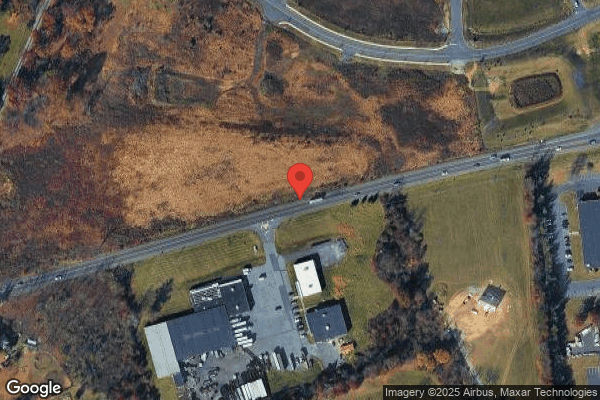
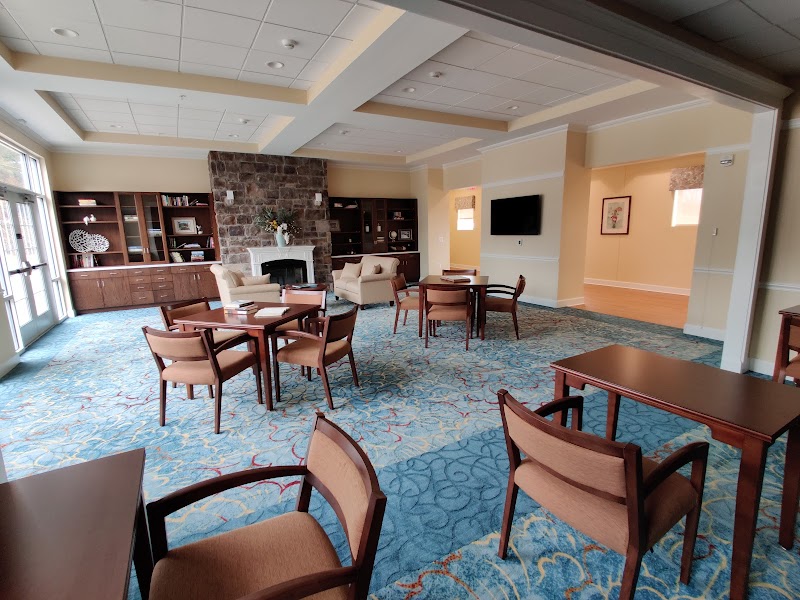
2450 JOHN FRIES HIGHWAY, QUAKERTOWN, PA 18951 (215) 536-0770
Non profit - Corporation 140 Beds Independent Data: November 2025
Trust Grade
80/100
#194 of 653 in PA
Last Inspection: April 2025

Within standard 12-15 month inspection cycle. Federal law requires annual inspections.

Overview

LifeQuest Nursing Center in Quakertown, Pennsylvania, has a Trust Grade of B+, which means it is above average and recommended for care. It ranks #194 out of 653 facilities in Pennsylvania, placing it in the top half, and #17 out of 29 in Bucks County, indicating that there are only a few local options that perform better. The facility's performance has been stable, with the same number of reported issues in both 2024 and 2025. Staffing is a strong point, with a rating of 4 out of 5 stars and a turnover rate of 42%, which is below the state average of 46%. While there have been no fines, which is positive, the center has less RN coverage than 95% of other facilities in Pennsylvania, which raises some concerns about the level of nursing oversight. However, there are notable issues that families should consider. Recent inspections revealed unsanitary conditions in the kitchen, including a lack of hand soap and an accumulation of garbage near food preparation areas. Additionally, there were concerns regarding the documentation for the use of psychotropic medications for several residents, indicating a lack of proper oversight in medication management. Lastly, some important assessments of residents were not completed on time, which could impact their care. Overall, LifeQuest Nursing Center has strengths in staffing and no fines, but families should be mindful of the identified weaknesses related to sanitation and medication management.

Trust Score
B+
80/100
In Pennsylvania
#194/653
Top 29%
Safety Record
Low Risk
No red flags
Inspections
Holding Steady
4 → 4 violations
Staff Stability
○ Average
42% turnover. Near Pennsylvania's 48% average. Typical for the industry.
Penalties
✓ Good
No fines on record. Clean compliance history, better than most Pennsylvania facilities.
Skilled Nurses
⚠ Watch
Each resident gets only 24 minutes of Registered Nurse (RN) attention daily — below average for Pennsylvania. Fewer RN minutes means fewer trained eyes watching for problems.
Violations
○ Average
10 deficiencies on record. Average for a facility this size. Mostly minor or procedural issues.
★★★★☆
4.0
Overall Rating
★★★★☆
4.0
Staff Levels
★★☆☆☆
2.0
Care Quality
★★★★☆
4.0
Inspection Score
Stable
2024: 4 issues
2025: 4 issues

The Good

  • 4-Star Staffing Rating · Above-average nurse staffing levels
  • Full Sprinkler Coverage · Fire safety systems throughout facility
  • No fines on record
  • Staff turnover below average (42%)

    6 points below Pennsylvania average of 48%

Facility shows strength in staffing levels, fire safety.

The Bad

Staff Turnover: 42%

Near Pennsylvania avg (46%)

Typical for the industry

The Ugly 10 deficiencies on record

Apr 2025 4 deficiencies
CONCERN (D)

Potential for Harm - no one hurt, but risky conditions existed

Comprehensive Assessments (Tag F0636)

Could have caused harm · This affected 1 resident

**NOTE- TERMS IN BRACKETS HAVE BEEN EDITED TO PROTECT CONFIDENTIALITY** Based on review of the Resident Assessment Instrument (RAI) user manual, clinical record review, and staff interview, it was det...

Read full inspector narrative →
**NOTE- TERMS IN BRACKETS HAVE BEEN EDITED TO PROTECT CONFIDENTIALITY** Based on review of the Resident Assessment Instrument (RAI) user manual, clinical record review, and staff interview, it was determined that the facility failed to complete Minimum Data Set (MDS) assessments in accordance with specified time frames for two of 22 sampled residents. (Residents 92 and 360) Findings include: Review of the Long Term Care Facility RAI user manual dated October 2024, which provided instructions and guidelines for completion of federally required MDS assessments, revealed that admission assessments were to be completed no later than 13 days after the resident's entry date and that a quarterly assessment must be completed every quarter. Clinical record review revealed that Resident 92 had a quarterly MDS assessment due for the reference date of January 24, 2025. There was no evidence that a quarterly assessment was completed as per the time requirements. Clinical record review revealed that Resident 360 had an admission MDS assessment dated [DATE], noted as still in progress and had not been completed as per the time requirements. In an interview on April 3, 2025, at 11:24 a.m., the Administrator confirmed that the MDS assessments were not completed within the required time frames.
CONCERN (D)

Potential for Harm - no one hurt, but risky conditions existed

Accident Prevention (Tag F0689)

Could have caused harm · This affected 1 resident

**NOTE- TERMS IN BRACKETS HAVE BEEN EDITED TO PROTECT CONFIDENTIALITY** Based on clinical record review and observation, it was determined that the facility failed to ensure that safety interventions ...

Read full inspector narrative →
**NOTE- TERMS IN BRACKETS HAVE BEEN EDITED TO PROTECT CONFIDENTIALITY** Based on clinical record review and observation, it was determined that the facility failed to ensure that safety interventions for falls were in place for one of 22 sampled residents. (Resident 2) Findings include: Clinical record review revealed that Resident 2 had diagnoses that included dementia and hemiplegia (paralysis to one side of the body). The Minimum Data Set assessment dated [DATE], revealed that Resident 2 required staff assistance for bed mobility and transfers. Review of progress notes dated October 7, November 8, and December 1, 2024, and March 11, 2025, revealed that the resident was found on the floor in her room by her bed. Review of the care plan identified that the resident was at risk for falls related to poor communication and cognitive loss. The intervention was for staff to place the bed in the low position with floor mats on both sides of the bed while the resident was in bed. Observations on April 1, 2025, at 10:10 a.m., and 2:14 p.m., April 2, 2025, at 10:50 a.m., and April 3, 2025, at 9:00 a.m., revealed Resident 2 was in bed. The floor mats were not in place. In an interview on April 3, 2025, at 11:30 a.m., the Director of Nursing confirmed that the fall mats should have been in place. 28 Pa. Code 211.12(d)(1)(5) Nursing services.
CONCERN (D)

Potential for Harm - no one hurt, but risky conditions existed

Deficiency F0697 (Tag F0697)

Could have caused harm · This affected 1 resident

Based on facility policy review, clinical record review, and staff interview, it was determined that the facility failed to attempt non-pharmacological interventions to alleviate pain prior to the adm...

Read full inspector narrative →
Based on facility policy review, clinical record review, and staff interview, it was determined that the facility failed to attempt non-pharmacological interventions to alleviate pain prior to the administration of pain medication prescribed on an as needed basis for two of 22 sampled residents. (Residents 13 and 87) Findings include: Review of the facility policy entitled, Pain Management, last reviewed January 14, 2025, revealed that non-pharmacological interventions should be attempted prior to administration of pain medication that was prescribed on an as needed basis. Clinical record review revealed that Resident 13 had diagnoses that included dementia, abnormalities of mobility, and pain in right arm and left lower leg. A physician's order dated February 10, 2025, directed staff to administer tramadol (a pain medication) every six hours, as needed, for moderate pain. Review of the medication administration records (MARs) for February and March 2025, revealed no evidence that staff attempted non-pharmacological interventions to alleviate pain prior to the administration of tramadol on 17 occasions in February and 26 occasions in January. There were no documented refusals of non-pharmacological interventions. Clinical record review revealed that Resident 87 had diagnoses that included dementia, weakness, and low back pain. A physician's order dated February 7, 2025, directed staff to administer tramadol every eight hours, as needed, for all levels of pain. Review of the MARs for February and March 2025, revealed no evidence that staff attempted non-pharmacological interventions to alleviate pain prior to the administration of tramadol on four occasions in February and 12 occasions in March. There were no documented refusals of non-pharmacological interventions. In an interview on April 3, 2025, at 12:21 p.m., the Director of Nursing confirmed that non- pharmacological interventions should be documented in the MAR and that there was no evidence that staff attempted non-pharmacological interventions prior to the administration of the as needed pain medication. 28 Pa. Code 211.12(d)(1)(5) Nursing services.
CONCERN (F)

Potential for Harm - no one hurt, but risky conditions existed

Food Safety (Tag F0812)

Could have caused harm · This affected most or all residents

Based on observation, it was determined that the facility failed to store food and equipment under sanitary conditions in the kitchen and on one of four nursing units. (Unit DEF) Findings include: A ...

Read full inspector narrative →
Based on observation, it was determined that the facility failed to store food and equipment under sanitary conditions in the kitchen and on one of four nursing units. (Unit DEF) Findings include: A tour of the main kitchen on April 2, 2025, at 10:27 a.m., revealed the following: There was no hand soap at a handwashing station. There was an uncovered garbage can next to a food preparation surface. Garbage was piled over the top of the garbage can and in contact with the table top can opener. There was an accumulation of dust on the vent cover to the ice machine. There were particles of debris, rust, and water on the top of the ice machine. In dry storage, there was a dented can of pumpkin on the can rack. There was a container of cereal with a use by date of March 22, 2025. There was a container of cous cous with a use by date of November 2024. There was an uncovered garbage can, that contained garbage, by the beverage station. Boxes of gloves were stored over the garbage can. Clean gloves were hanging out of the boxes and in contact with the garbage can. There was a rack of clean mugs that were used for resident trays stored next to the uncovered garbage can. There was an accumulation of a brown substance on the cover to the flour bin. There was a pan of pickles in the walk in refrigerator, the plastic wrap was not covering the pan and the items were left open to air. In the walk in freezer, there was a package of turkey bacon and a box of ground beef patties. The packages had been opened, were not re sealed, and the contents were left open to air. Observation of the microwave on the DEF nursing unit on April 3, 2025, at 12:53 p.m., revealed an accumulation of splatter from unknown substances on the inside of the door and inside walls of the microwave. The top of the inside of the microwave was discolored, chipped, and corroded. 28 Pa. Code 210.14(a) Responsibility of licensee. 28 Pa. Code 201.18(e)(2.1) Management
Oct 2024 1 deficiency
CONCERN (D) 📢 Someone Reported This

A family member, employee, or ombudsman was alarmed enough to file a formal complaint

Potential for Harm - no one hurt, but risky conditions existed

Quality of Care (Tag F0684)

Could have caused harm · This affected 1 resident

Based on clinical record review, observation, resident interview, and staff interview, it was determined that the facility failed to implement physician's orders for one of seven sampled residents. (R...

Read full inspector narrative →
Based on clinical record review, observation, resident interview, and staff interview, it was determined that the facility failed to implement physician's orders for one of seven sampled residents. (Resident 2) Findings include: Clinical record review revealed that Resident 2 had diagnoses that included hypertension (high blood pressure), congestive heart failure, and chronic kidney disease. A physician's order dated August 23, 2024, directed staff to apply elastic stockings to the lower extremities every morning for fluid retention. This was scheduled to be done on the night shift at 6:00 a.m. On October 1, 2024, at 12:02 p.m., the resident was observed out of bed in her wheelchair. The elastic stockings were not in place. The resident stated that she was not wearing the elastic stockings, staff had not offered to apply them, and had not applied them in a while. In an interview on October 1, 2024, at 1:13 p.m., the nurse aide (NA 1) assigned to Resident 2 stated that the elastic stockings were not in place. At 1:27 p.m., the resident was again observed in her wheelchair; the elastic stockings were not in place. Physician's orders dated August 23, 2024, and September 18, 2024, directed staff to obtain the resident's weight daily. Review of the resident's treatment administration record for September 2024, revealed no evidence that staff had obtained the resident's weight on September 3, 6, 8, 9, 12, 13, or 24, 2024. There was no evidence that the resident refused. In interviews on October 1, 2024, at 1:40 p.m. and 2:04 p.m., the Director of Nursing confirmed that the resident's elastic stockings were not applied and the daily weights were not obtained as ordered. 28 Pa. Code 211.12(d)(1)(5) Nursing services.
May 2024 3 deficiencies
CONCERN (D)

Potential for Harm - no one hurt, but risky conditions existed

Deficiency F0687 (Tag F0687)

Could have caused harm · This affected 1 resident

**NOTE- TERMS IN BRACKETS HAVE BEEN EDITED TO PROTECT CONFIDENTIALITY** Based on clinical record review, and resident and staff interview, it was determined that the facility failed to provide adequat...

Read full inspector narrative →
**NOTE- TERMS IN BRACKETS HAVE BEEN EDITED TO PROTECT CONFIDENTIALITY** Based on clinical record review, and resident and staff interview, it was determined that the facility failed to provide adequate and timely podiatry care for one of 19 sampled residents. (Resident 21) Findings include: Clinical record review revealed that Resident 21 was admitted to the facility on [DATE], with diagnoses that included spastic hemiplegia, (paralysis), cerebral palsy and muscle weakness. The Minimum Data Set assessment dated [DATE], indicated that the resident was alert and oriented. On April 19, 2024, a social worker noted that the resident was alert, oriented and able to be understood at all times. In an interview on May 7, 2024, at 11:17 a.m., Resident 21 stated that he wanted his toe nails cut and that he had not received any kind of foot care from a podiatrist since he had been admitted to the facility. Further review of the clinical record revealed that there was no documented evidence that he had been seen by a podiatrist since he had been admitted to the facility. In an interview on May 9, 2024, at 9:29 a.m., the Administrator confirmed that the resident had not been scheduled for any of the monthly podiatrist's visits since he had been admitted to the facility. 28 Pa. Code 211.12(d)(1)(5) Nursing services.
CONCERN (D)

Potential for Harm - no one hurt, but risky conditions existed

Drug Regimen Review (Tag F0756)

Could have caused harm · This affected 1 resident

**NOTE- TERMS IN BRACKETS HAVE BEEN EDITED TO PROTECT CONFIDENTIALITY** Based on review of facility policy, clinical record review, and staff interview, it was determined that the facility failed to e...

Read full inspector narrative →
**NOTE- TERMS IN BRACKETS HAVE BEEN EDITED TO PROTECT CONFIDENTIALITY** Based on review of facility policy, clinical record review, and staff interview, it was determined that the facility failed to ensure that pharmacy recommendations were obtained and acted upon in a timely manner for two of 19 sampled residents. (Residents 10, 85) Findings include: Review of the facility policy entitled Medication Regimen Reviews, last reviewed January 9, 2024, revealed that the consultant pharmacist was to perform a medication regimen review (MRR) for every resident in the facility who was receiving medication. The consultant pharmacist was to provide a written report to the facility and attending physicians for each resident identifed as having a medication irregularity. An irregularity referred to the use of medication that was inconsistent with accepted pharmaceutical services standards of practice. The physician was to document in the medical record that the irregularity had been reviewed and what action was taken to address it. Clinical record review revealed that Resident 10 had a diagnosis of dementia and was care planned for the use of anti-psychotic medications. On November 3, 2023, a physician ordered an anti-psychotic medication (Seroquel) at night for generalized anxiety disorder. On January 26, 2024, a licensed pharmacist indicated that the diagnosis of generalized anxiety disorder was not a typical diagnosis to justify the use of an anti-psychotic medication. The pharmacist recommended to consider choosing a diagnosis that was considered appropriate for the use of the Seroquel. On February 2, 2024, a physician acknowledged the MRR and indicated that the diagnosis was to be psychosis for the continued use of the Seroquel. There was no documented evidence that the diagnosis for the continued use of the Seroquel was changed on the physician's order as recommended by the pharmacist. Clinical record review revealed that Resident 85 was admitted to the facility on [DATE], and was care planned for the use of an anti-psychotic medication. On October 31, 2023, a physician ordered an anti-psychotic medication (Seroquel) every day for behaviors. On November 20, 2023, a physician ordered an additional dose of the Seroquel at night for behaviors. On January 26, 2024, a licensed pharmacist indicated that the resident was receiving the Seroquel but lacked an allowable diagnosis to support the continued use of the anti-psychotic medication. The pharmacist recommended that the diagnosis of depression with psychotic features be used to justify the continued use of the Seroquel. On February 6, 2029, a physician acknowledged the MRR, but failed to include a response to the recommendation. There was no documented evidence that the diagnosis for the continued use of the Seroquel was changed on the physician's order as recommended by the pharmacist. In an interview on May 9, 2024, at 11:00 a.m., the Director of Nursing stated that the diagnosis had not been changed to reflect the pharmacist recommendation for the continued use of the Seroquel for Resident 10 and 85. 28 Pa.Code 201.18(e)(1)(3) Management. 28 Pa. Code 211.9(k) Pharmacy services. 28 Pa. Code 211.12 (d)(3)(5) Nursing services.
CONCERN (E)

Potential for Harm - no one hurt, but risky conditions existed

Medication Errors (Tag F0758)

Could have caused harm · This affected multiple residents

Based on clinical record review and staff interview, it was determined that the facility failed to document the rationale and justification for the continued use of as needed (PRN) psychotropic medica...

Read full inspector narrative →
Based on clinical record review and staff interview, it was determined that the facility failed to document the rationale and justification for the continued use of as needed (PRN) psychotropic medications for four of five residents sampled who had orders for anti-psychotic medications. (Residents 4, 10, 16, 77) Findings include: Clinical record review revealed that Resident 4 had diagnoses that included dementia and had a physician's order dated October 2, 2023, for staff to administer a psychotropic medication lLorazepam) every four hours PRN for anxiety. The current order for the lorazepam failed to include a time frame for the continued use of the PRN medication. There was no physician documentation that it was appropriate for the order to be extended beyond 14 days. Review of the Medication Administration Records (MARs) for March, April, and May 2024, revealed the PRN medication was administered three times. Clinical record review revealed that Resident 10 a had diagnosis of dementia. On October 31, 2023, a physician ordered for staff to administer an anti-anxiety medication (ativan) every six hours PRN for anxiety. The current order for the ativan failed to include a time frame for the continued use of the PRN medication. There was no physician documentation that it was appropriate for the order to be extended beyond 14 days. Review of the MAR for April 2024, revealed that the PRN medication was administered one time. Clinical record review revealed that Resident 16 had diagnoses that included major depressive disorder and anxiety and had a physician's order dated March 29, 2024, for staff to administer a psychotropic medication (trazodone) PRN at night for insomnia. The current order for trazodone failed to include a time frame for the continued use of the medication. There was no physician documention that it was appropriate for the order to be extended beyond 14 days. Clinical record review revealed that Resident 77 had a diagnosis of Alzheimer's disease. On October 10, 2023, a physican ordered for staff to administer an anti-anxiety medication (ativan) every six hours PRN for agitation/restlessness. The current order for the Ativan failed to include a time frame for the continued use of the PRN medication. There was no physician documentation that it was appropriate for the order to be extended beyond the 14 days. Review of the MARs revealed that the PRN medication was given two times in December 2023 and two times in January 2024. Further review of the MARs revealed that the PRN medication was given eight times in February 2024, nine times in March 2024, and three times in April 2024. In an interview on May 9, 2024, at 9:30 a.m., the Director of Nursing confirmed that there was no time frame for the continued use of the previously mentioned PRN psychotropic medications in Residents 4, 10, 16, and 77. 28 Pa. Code 211.12(d)(1)(5) Nursing services.
Jul 2023 2 deficiencies
CONCERN (D)

Potential for Harm - no one hurt, but risky conditions existed

ADL Care (Tag F0677)

Could have caused harm · This affected 1 resident

**NOTE- TERMS IN BRACKETS HAVE BEEN EDITED TO PROTECT CONFIDENTIALITY** Based on clinical record review and staff and resident interviews, it was determined that the facility failed to provide assista...

Read full inspector narrative →
**NOTE- TERMS IN BRACKETS HAVE BEEN EDITED TO PROTECT CONFIDENTIALITY** Based on clinical record review and staff and resident interviews, it was determined that the facility failed to provide assistance with bathing for two of 18 sampled residents. (Resident 28 and 52) Findings include: Clinical record review revealed that Resident 28 had diagnoses that included severe morbid obesity and diabetes. According to two Minimum Data Set (MDS) assessments dated March 3 and May 29, 2023, the resident required extensive assistance from staff for activities of daily living (ADLs). A review of the care plan revealed that the resident required assistance with hygiene and that staff was to provide a shower or bed bath twice a week. According to nurse aide records the resident did not receive a shower on her scheduled day on June 29, 2023. In an interview on July 13, 2023, at 2:08 p.m., Resident 28 stated that she was not always offered showers and she wanted to receive one. In an interview on July 14, 2023, at 10:55 a.m., the Director of Nursing confirmed that the resident wasn't offered a bath or shower on that date. Clinical record review revealed that Resident 52 has diagnoses of abnormal posture and difficulty walking. According to the MDS assessment dated [DATE], the resident required extensive assistance from staff for ADLs and was totally dependent on staff for bathing. According to nurse aide records, the resident was scheduled for a bath or shower on July 4 and 7, 2023, and did not receive one. In an interview on July 11, 2023, the resident stated that she had previous gone up to a month without a shower. In an interview on July 14, 2023, at 10:55 a.m., the Director of Nursing confirmed that there was no documented evidence that the resident was offered a shower in July 2023. 28 Pa. Code 211.12(d)(5) Nursing services.
CONCERN (D)

Potential for Harm - no one hurt, but risky conditions existed

Respiratory Care (Tag F0695)

Could have caused harm · This affected 1 resident

Based on facility policy review, clinical record review, and observation it was determined that the facility failed to change respiratory equipment in accordance with facility policy and physician's o...

Read full inspector narrative →
Based on facility policy review, clinical record review, and observation it was determined that the facility failed to change respiratory equipment in accordance with facility policy and physician's orders for one resident receiving oxygen therapy out of 18 sampled residents. (Resident 11) Findings include: Review of the facility policy entitled, Respiratory Equipment, last reviewed January 27, 2023, revealed that all respiratory equipment was to be changed weekly and that all new equipment was to be labeled with the date it was changed. Clinical record review revealed that Resident 11 had diagnoses that included acute and chronic respiratory failure. On March 6, 2021, the physician ordered that staff administer continuous oxygen therapy to the resident change the equipment weekly. On July 11, 2023, at 1:00 p.m. through July 12, 2023, at 12:00 p.m. Resident 11's oxygen tubing was observed dated June 8, 2023. There was no documented evidence that facility staff gave the resident fresh oxygen tubing every week. 28 Pa. Code 211.12 (d)(5) Nursing services.
Understanding Severity Codes (click to expand)
Life-Threatening (Immediate Jeopardy)
J - Isolated K - Pattern L - Widespread
Actual Harm
G - Isolated H - Pattern I - Widespread
Potential for Harm
D - Isolated E - Pattern F - Widespread
No Harm (Minor)
A - Isolated B - Pattern C - Widespread

Questions to Ask on Your Visit

  • "Can I speak with families of current residents?"
  • "What's your RN coverage like on weekends and overnight?"

Our Honest Assessment

Strengths
  • • Grade B+ (80/100). Above average facility, better than most options in Pennsylvania.
  • • No major safety red flags. No abuse findings, life-threatening violations, or SFF status.
  • • No fines on record. Clean compliance history, better than most Pennsylvania facilities.
  • • 42% turnover. Below Pennsylvania's 48% average. Good staff retention means consistent care.
Concerns
  • • No significant concerns identified. This facility shows no red flags across CMS ratings, staff turnover, or federal penalties.
Bottom line: Generally positive indicators. Standard due diligence and a personal visit recommended.

About This Facility

What is Lifequest Nursing Center's CMS Rating?

CMS assigns LIFEQUEST NURSING CENTER an overall rating of 4 out of 5 stars, which is considered above average nationally. Within Pennsylvania, this rating places the facility higher than 99% of the state's 100 nursing homes. This rating reflects solid performance across the metrics CMS uses to evaluate nursing home quality.
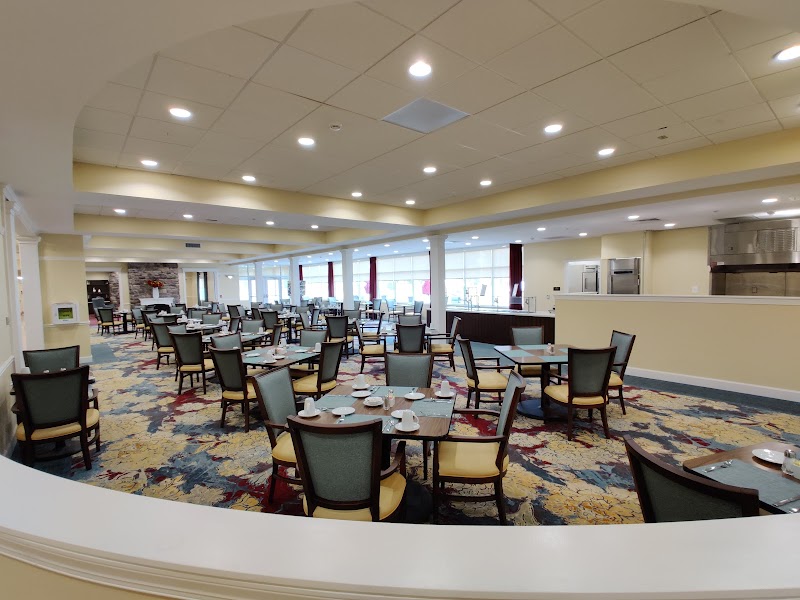
How is Lifequest Nursing Center Staffed?

CMS rates LIFEQUEST NURSING CENTER's staffing level at 4 out of 5 stars, which is above average compared to other nursing homes. Staff turnover is 42%, compared to the Pennsylvania average of 46%. This relatively stable workforce can support continuity of care.

What Have Inspectors Found at Lifequest Nursing Center?

State health inspectors documented 10 deficiencies at LIFEQUEST NURSING CENTER during 2023 to 2025. These included: 10 with potential for harm.
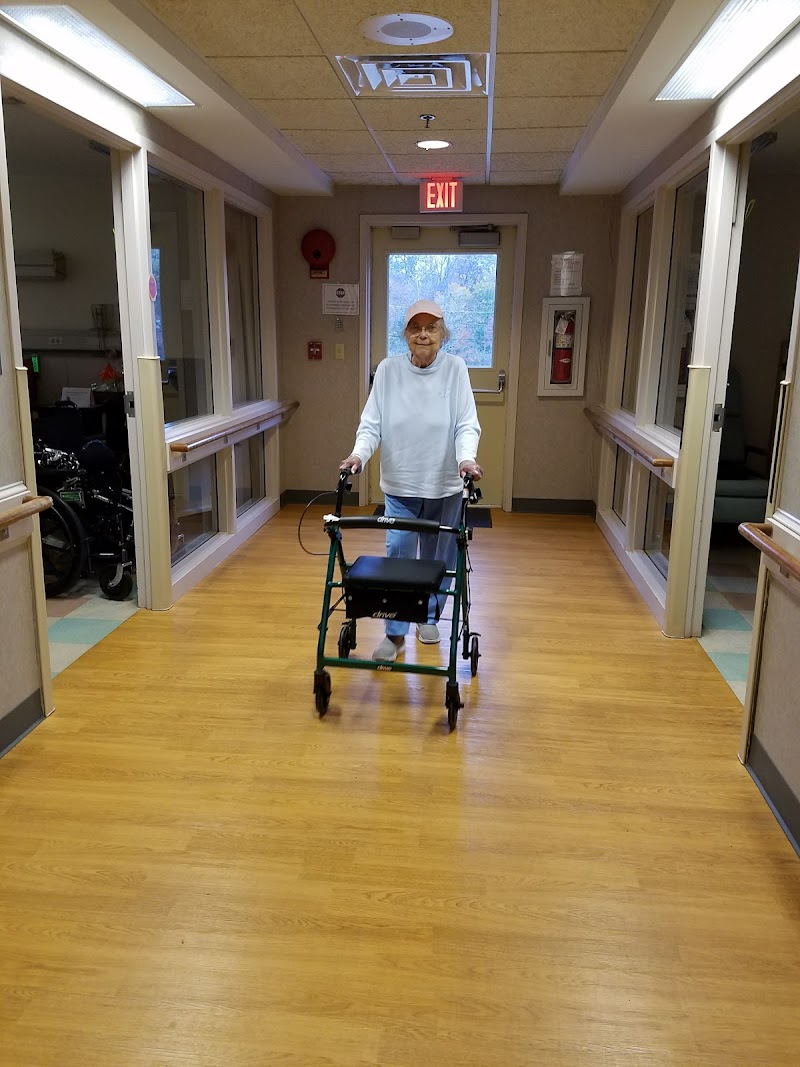
Who Owns and Operates Lifequest Nursing Center?

LIFEQUEST NURSING CENTER is owned by a non-profit organization. Non-profit facilities reinvest revenue into operations rather than distributing to shareholders. The facility operates independently rather than as part of a larger chain. With 140 certified beds and approximately 106 residents (about 76% occupancy), it is a mid-sized facility located in QUAKERTOWN, Pennsylvania.
How Does Lifequest Nursing Center Compare to Other Pennsylvania Nursing Homes?

Compared to the 100 nursing homes in Pennsylvania, LIFEQUEST NURSING CENTER's overall rating (4 stars) is above the state average of 3.0, staff turnover (42%) is near the state average of 46%, and health inspection rating (4 stars) is above the national benchmark.

What Should Families Ask When Visiting Lifequest Nursing Center?

Based on this facility's data, families visiting should ask: "Can I visit during a mealtime to observe dining assistance and food quality?" "How do you handle medical emergencies, and what is your hospital transfer rate?" "Can I speak with family members of current residents about their experience?"

Is Lifequest Nursing Center Safe?

Based on CMS inspection data, LIFEQUEST NURSING CENTER has a clean safety record: no substantiated abuse findings (meaning no confirmed cases of resident harm), no Immediate Jeopardy citations (the most serious violation level indicating risk of serious injury or death), and is not on the Special Focus Facility watch list (a federal program monitoring the lowest-performing 1% of nursing homes). The facility has a 4-star overall rating and ranks #1 of 100 nursing homes in Pennsylvania. While no facility is perfect, families should still ask about staff-to-resident ratios and recent inspection results during their visit.

Do Nurses at Lifequest Nursing Center Stick Around?

LIFEQUEST NURSING CENTER has a staff turnover rate of 42%, which is about average for Pennsylvania nursing homes (state average: 46%). Moderate turnover is common in nursing homes, but families should still ask about staff tenure and how the facility maintains care continuity when employees leave.

Was Lifequest Nursing Center Ever Fined?

LIFEQUEST NURSING CENTER has no federal fines on record. CMS issues fines when nursing homes fail to meet care standards or don't correct problems found during inspections. The absence of fines suggests the facility has either maintained compliance or corrected any issues before penalties were assessed. This is a positive indicator, though families should still review recent inspection reports for the full picture.

Is Lifequest Nursing Center on Any Federal Watch List?

LIFEQUEST NURSING CENTER is not on any federal watch list. The most significant is the Special Focus Facility (SFF) program, which identifies the bottom 1% of nursing homes nationally based on persistent, serious quality problems. Not being on this list means the facility has avoided the pattern of deficiencies that triggers enhanced federal oversight. This is a positive indicator, though families should still review the facility's inspection history directly.