CRAWFORD CARE CENTER
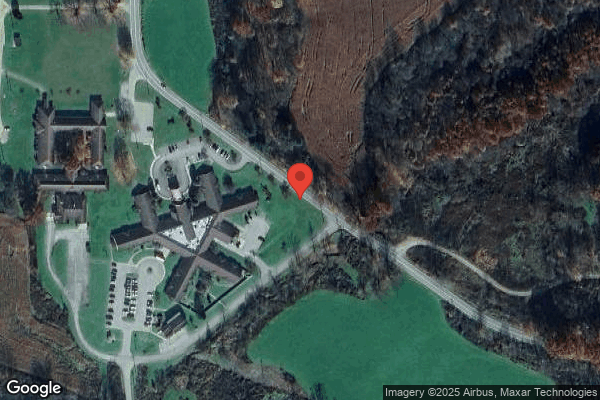

20881 STATE HIGHWAY 198, SAEGERTOWN, PA 16433 (814) 763-2445
For profit - Limited Liability company 157 Beds ABRAHAM SMILOW Data: November 2025 1 Immediate Jeopardy citation
Trust Grade
8/100
#403 of 653 in PA
Last Inspection: April 2025

Within standard 12-15 month inspection cycle. Federal law requires annual inspections.

Overview

Crawford Care Center has received a Trust Grade of F, indicating significant concerns about its care quality. Ranking #403 out of 653 facilities in Pennsylvania places it in the bottom half of the state, while being #6 out of 6 in Crawford County suggests it is the least favorable option in the area. Although the facility is showing signs of improvement, with issues decreasing from 22 in 2024 to 14 in 2025, it still faces serious challenges. Staffing is a concern, with a turnover rate of 71%, far exceeding the state average of 46%, and RN coverage is below that of 83% of state facilities, which could impact care quality. Notable incidents include a critical failure in infection control during the COVID-19 pandemic and a serious incident where a resident suffered a fractured tibia during transport in a wheelchair, highlighting both safety and operational issues at the facility.

Trust Score
F
8/100
In Pennsylvania
#403/653
Bottom 39%
Safety Record
High Risk
Review needed
Inspections
Getting Better
22 → 14 violations
Staff Stability
⚠ Watch
71% turnover. Very high, 23 points above average. Constant new faces learning your loved one's needs.
Penalties
⚠ Watch
$158,696 in fines. Higher than 77% of Pennsylvania facilities, suggesting repeated compliance issues.
Skilled Nurses
⚠ Watch
Each resident gets only 25 minutes of Registered Nurse (RN) attention daily — below average for Pennsylvania. Fewer RN minutes means fewer trained eyes watching for problems.
Violations
⚠ Watch
41 deficiencies on record. Higher than average. Multiple issues found across inspections.
★★☆☆☆
2.0
Overall Rating
★★☆☆☆
2.0
Staff Levels
★★★★☆
4.0
Care Quality
★★☆☆☆
2.0
Inspection Score
Stable
2024: 22 issues
2025: 14 issues

The Good

  • 4-Star Quality Measures · Strong clinical quality outcomes
  • Full Sprinkler Coverage · Fire safety systems throughout facility
  • No fines on record

Facility shows strength in quality measures, fire safety.

The Bad

2-Star Overall Rating

Below Pennsylvania average (3.0)

Below average - review inspection findings carefully

Staff Turnover: 71%

25pts above Pennsylvania avg (46%)

Frequent staff changes - ask about care continuity

Federal Fines: $158,696

Well above median ($33,413)

Significant penalties indicating serious issues

Chain: ABRAHAM SMILOW

Part of a multi-facility chain

Ask about local staffing decisions and management

Staff turnover is very high (71%)

23 points above Pennsylvania average of 48%

The Ugly 41 deficiencies on record

1 life-threatening 1 actual harm
Apr 2025 10 deficiencies
CONCERN (D)

Potential for Harm - no one hurt, but risky conditions existed

Deficiency F0578 (Tag F0578)

Could have caused harm · This affected 1 resident

**NOTE- TERMS IN BRACKETS HAVE BEEN EDITED TO PROTECT CONFIDENTIALITY** Based on review of facility policy, clinical records, and staff interview, it was determined that the facility failed to ensure ...

Read full inspector narrative →
**NOTE- TERMS IN BRACKETS HAVE BEEN EDITED TO PROTECT CONFIDENTIALITY** Based on review of facility policy, clinical records, and staff interview, it was determined that the facility failed to ensure a physician's order and POLST (Pennsylvania Orders for Life-Sustaining Treatment) were identical to indicate the correct code status as Full Code (CPR/Attempt Resuscitation) or Do Not Resuscitate (DNR/Do Not Attempt Resuscitation-Allow Natural Death) for one of 18 residents reviewed (Resident R18). Findings include: Facility policy entitled, Communication of Code Status dated [DATE], indicated it is the policy of this facility to adhere to residents' rights to formulate advance directives. In accordance to these rights, this facility will implement procedures to communicate a resident's code status to those individuals who need to know this information. When an order is written pertaining to a resident's presence or absence of an Advance Directive, the directions will be clearly documented in designated sections of the medical record. Examples of directions to be documented include, but are not limited to Full Code, Do Not Resuscitate, Do Not Intubate, Do not Hospitalize. The nurse who notates the physician orders is responsible for documenting the directions in all relevant sections of the medical record. The designated sections of the medical record are ___MISC, POLST ________. The resident's code status will be reviewed at least quarterly and documented in the medical record. Review of Resident R18's clinical record revealed an admission date of [DATE], with diagnoses that included Dementia (a disease of the brain that affects decision making, mood, and behaviors), Diabetes Mellitus (a disease affecting how blood sugar is used and regulated throughout the body), Gout (a type of arthritis that causes severe swelling and pain in the joints), and Polyneuropathy (a nerve disorder affecting the nerves from the spinal cord to the skin, muscles, glands, and internal organs). Review of Resident R18's clinical record revealed a physician's order dated [DATE], as Full Code and the POLST dated [DATE], as a DNR. Resident R18's care plan dated [DATE], revealed POLST is Full Code. An interview with the Director of Nursing (DON) confirmed that Resident R18's physician's order is a Full Code, however his/her POLST is a DNR. The DON further confirmed that both the physician's order and the POLST should be identical to ensure Resident R18's wishes are followed in the event of a change in condition and the code status would need to be readily referenced. 28 Pa. Code 201.18 (b)(1) Management 28 Pa. Code 201.18 (e)(1) Management 28 Pa. Code 201.29(a) Resident rights 28 Pa. Code 211.10(a) Resident care policies
CONCERN (D)

Potential for Harm - no one hurt, but risky conditions existed

Safe Environment (Tag F0584)

Could have caused harm · This affected 1 resident

Based on observations, review of facility policies and documents, and staff interviews, it was determined that the facility failed to provide housekeeping services necessary to maintain a clean enviro...

Read full inspector narrative →
Based on observations, review of facility policies and documents, and staff interviews, it was determined that the facility failed to provide housekeeping services necessary to maintain a clean environment for one of one resident equipment observed (Resident R64). Findings include: Review of facility policy entitled Housekeeping In-Service dated 1/16/25, indicated Dust Mop: The entire floor needs to be dust mopped . and Damp mop: The most important area of a patient's room to disinfect the floor. Review of resident R64's clinical record revealed an admission date of 8/23/24, with diagnoses that included chronic obstructive pulmonary disease (condition when your lungs do not have adequate air flow), anxiety (a condition that causes a person to be nervous, uneasy, or worried about something or someone), and hypertension (high blood pressure). Observations on 4/14/25, at 12:25 p.m., 1:55 p.m., and 2:50 p.m. revealed that upon entering Resident R64's room and walking across the floor, a sticky sound was heard with each step. Further observations of Resident R64's room revealed a large yellow dried liquid substance that appeared to be urine on the floor next to his/her bed. During an interview on 4/14/25, at 2:50 p.m. the Assistant Director of Nursing (ADON) confirmed that the resident's floor was sticky when walking across the room. He/she also confirmed that there was a large yellow dried liquid substance that appeared to be urine on the floor next to Resident R64's bed. He/she confirmed that resident rooms should be kept clean. 28 Pa. Code 201.14 (a) Responsibility of Licensee
CONCERN (D)

Potential for Harm - no one hurt, but risky conditions existed

Comprehensive Care Plan (Tag F0656)

Could have caused harm · This affected 1 resident

Based on review of facility policy and clinical records, and staff interview, it was determined that the facility failed to develop a respiratory care plan for two of 25 residents reviewed (Residents ...

Read full inspector narrative →
Based on review of facility policy and clinical records, and staff interview, it was determined that the facility failed to develop a respiratory care plan for two of 25 residents reviewed (Residents R30 and R64). Findings include: Review of facility policy entitled Comprehensive Care Plans dated 1/16/25, indicated The comprehensive care plan will describe . The services that are to be furnished to attain or maintain the residents highest practicable physical, mental, and psychosocial well-being, and The comprehensive care plan will be reviewed and revised . Review of Resident R30's clinical record revealed an admission date of 12/4/24, with diagnoses that included anxiety (a condition that causes a person to be nervous, uneasy, or worried about something or someone), obstructive sleep apnea (a condition when a person repeatedly stops and starts breathing when they are sleeping), and hypertension (high blood pressure). Review of Resident R30's physician's orders revealed an order dated 1/31/25, for oxygen 2 lpm (liters per minute) via nasal cannula (oxygen tubing that has prongs that go into the nostrils and loops around the ears to secure in place to ensure adequate oxygen delivery). Review of Resident R30's care plans revealed no evidence of a care plan for respiratory care and/or oxygen administration. Review of Resident R64's clinical record revealed an admission date of 8/23/24, with diagnoses that include chronic obstructive pulmonary disease (condigion when your lungs do not have adequate air flow), anxiety, and hypertension. Review of Resident R64's physician's orders revealed an order dated 2/10/25, for oxygen at 2 lpm via nasal cannula as needed to keep oxygen saturation above 90%. Review of Resident R64's care plans revealed no evidence of a care plan for respiratory care and/or oxygen administration. During an interview on 4/16/25, at 1:40 p.m. the Registered Nurse Assessment Coordinator confirmed that Residents R30 and R64 lacked care plans regarding oxygen administration. He/she also confirmed that a care plan should have been developed for both Resident R30 and R64's oxygen administration. 28 Pa. Code 211.12(d)(1)(5) Nursing services 28 Pa. Code 211.10(c)(d) Resident care policies
CONCERN (D)

Potential for Harm - no one hurt, but risky conditions existed

Quality of Care (Tag F0684)

Could have caused harm · This affected 1 resident

Based on review of clinical records, observations and staff interviews it was determined that the facility failed to follow the plan of care for one of 25 residents reviewed (Resident R48). Findings i...

Read full inspector narrative →
Based on review of clinical records, observations and staff interviews it was determined that the facility failed to follow the plan of care for one of 25 residents reviewed (Resident R48). Findings include: Resident R48's clinical record revealed an admission date of 7/02/18, with diagnoses including polyosteoarthritis (a form of arthritis that affects multiple joints at the same time), dementia, and dizziness. A care plan entitled Safety/Fall Risk included an intervention dated 8/06/24, to place his/her bed against the wall. Observations on 4/14/25, at 3:05 p.m. and 4/15/25, at 9:52 a.m. revealed Resident R48's bed was positioned with a bedside table between the bed and the wall, and the bed was not placed against the wall as care planned. During an interview on 4/15/25, at 10:20 a.m. Licensed Practical Nurse Employee E5 confirmed that Resident R48's bed was not positioned against the wall. 28 Pa. Code 211.12(d)(5) Nursing services
CONCERN (D)

Potential for Harm - no one hurt, but risky conditions existed

Deficiency F0761 (Tag F0761)

Could have caused harm · This affected 1 resident

Based on review of facility policy and manufacturer's guidelines, observations and staff interviews, it was determined that the facility failed to appropriately discard outdated medications for one of...

Read full inspector narrative →
Based on review of facility policy and manufacturer's guidelines, observations and staff interviews, it was determined that the facility failed to appropriately discard outdated medications for one of three medication carts reviewed and one of two medication rooms reviewed (500 and 100 hall medication carts and 500/600 medication room). Findings include: Review of facility policy entitled Multi-Dose Vials dated 1/16/25, indicated Multi-dose vials will be labeled with date open. Medications will be discarded . Insulin is 28 days from date open. Review of manufacturer's guidelines revealed that an open pen of Lispro Insulin must be used within 28 days after opening or be discarded. Review of manufacturer's guidelines revealed that an open pen of Lantus/Basaglar Insulin must be used within 28 days after opening or be discarded, even if the vial still contains insulin. Review of manufacturer's guidelines revealed that an open vial of Tubersol (solution to test for tuberculosis) should be discarded within 30 days after opening. Observation of drug storage on 4/14/25, at 12:40 p.m. of the 500 hall medication cart revealed an open Lispro Insulin pen, an open Basaglar Insulin pen, and an open Lantus Insulin pen with no dates indicating when the insulin pens were open. During an interview on 4/14/25, at the time of observation with Licensed Practical Nurse (LPN) Employee E1, he/she confirmed that the open Lispro, Basaglar, and Lantus insulin pens lacked open dates, and staff were unable to determine the discard date. He/she also confirmed that the insulin pens should have been discarded. Observation of drug storage on 4/14/25, at 12:45 p.m. of the 100 hall medication cart revealed an open Lantus Insulin pen with no date indicating when the insulin pen was open. During an interview on 4/14/25, at the time of observation with LPN Employee E2, he/she confirmed that the open Lantus Insulin pen lacked an open date, and staff were unable to determine the discard date. He/she also confirmed that the insulin pen should have been discarded. Observation of drug storage on 4/14/25, at 12:50 p.m. of the 500/600 medication room revealed an opened vial of Tubersol with no date indicating when the vial was open. During an interview on 4/14/25, at the time of observation with LPN Employee E1, he/she confirmed that the open vial of Tubersol lacked an open date, and staff were unable to determine the discard date. He/she also confirmed that the vial of Tubersol should have been discarded. 28 Pa. Code 201.18(b)(1) Management 28 Pa. Code 211.9(a)(1) Pharmacy services 28 Pa. Code 211.12(d)(1) Nursing services
CONCERN (E)

Potential for Harm - no one hurt, but risky conditions existed

Deficiency F0655 (Tag F0655)

Could have caused harm · This affected multiple residents

Based on review of facility policy and clinical records, and staff interview, it was determined that the facility failed to provide a written summary of the baseline care plan and order summary to the...

Read full inspector narrative →
Based on review of facility policy and clinical records, and staff interview, it was determined that the facility failed to provide a written summary of the baseline care plan and order summary to the resident and/or representative for five of 13 residents reviewed (Residents R3, R18, R30, R64, and Closed Record CR110). Findings include: Review of facility policy entitled Baseline Care Plan dated 1/16/25, indicated A written summary of the baseline care plan shall be provided to the resident and representative . and This will be provided by completion of the comprehensive care plan. Review of Resident R3's clinical record revealed an admission date of 7/15/24, with diagnosis that included anxiety (a condition that causes a person to be nervous, uneasy, or worried about something or someone), and hypertension (high blood pressure). Resident R3's clinical record lacked evidence that a written summary of the baseline care plan and order summary was provided to Resident R3 and/or his/her representative. Review of Resident R18's clinical record revealed an admission date of 9/28/24, with diagnoses that included dementia (a disease of the brain that affects decision making, mood, and behaviors), diabetes mellitus (a disease affecting how blood sugar is used and regulated throughout the body), gout (a type of arthritis that causes severe swelling and pain in the joints), and polyneuropathy (a nerve disorder affecting the nerves from the spinal cord to the skin, muscles, glands, and internal organs). Resident R18's clinical record lacked evidence that a written summary of the baseline care plan and order summary was provided to Resident R18 and/or his/her representative. Review of Resident R30's clinical record revealed an admission date of 12/4/24, with diagnoses that included anxiety, obstructive sleep apnea (a condition when a person repeatedly stops and starts breathing when they are sleeping), and hypertension. Resident R30's clinical record lacked evidence that a written summary of the baseline care plan and order summary was provided to Resident R30 and/or his/her representative. Review of Resident R64's clinical record revealed an admission date of 8/23/24, with diagnosis that include chronic obstructive pulmonary disease (condition when your lungs do not have adequate air flow), anxiety, and hypertension. Resident R64's clinical record lacked evidence that a written summary of the baseline care plan and order summary was provided to Resident R64 and/or his/her representative. Review of Resident CR110's clinical record revealed an admission date of 12/16/24, with diagnoses that included cellulitis of lower limbs (a bacterial skin infection of lower legs characterized by redness, swelling, and pain), polyneuropathy, diverticulitis (an infection or inflammation in one or more small pouches in the digestive tract), and Radiculopathy (a disease of the root of a nerve, such as from a pinched nerve or a tumor). Resident CR110's clinical record lacked evidence that a written summary of the baseline care plan and order summary was provided to Resident CR110 and/or his/her representative. During an interview on 4/16/25 at 1:30 p.m. the Director of Nursing confirmed that the clinical record of Residents R3, R18, R30, R64, and CR110 lacked evidence that a written summary of the baseline care plan and order summary were provided the resident and/or his/her representative upon admission to the facility. 28 Pa. Code 211.10(c)(d) Resident care policies 28 Pa. Code 201.18 (b)(1) Management
CONCERN (E)

Potential for Harm - no one hurt, but risky conditions existed

Respiratory Care (Tag F0695)

Could have caused harm · This affected multiple residents

Based on review of facility policy and clinical records, observations, and staff interviews, it was determined that the facility failed to provide oxygen according to physician's orders and failed to ...

Read full inspector narrative →
Based on review of facility policy and clinical records, observations, and staff interviews, it was determined that the facility failed to provide oxygen according to physician's orders and failed to promote cleanliness and help prevent the spread of infection for four of 25 residents reviewed for respiratory services (Residents R30, R44, R48, and R64). Findings include: A facility policy dated 1/16/25, entitled Oxygen Concentrator revealed the purpose of the policy is to establish responsibilities for the care and use of oxygen concentrators. An oxygen concentrator is a medical device that extracts oxygen from room air by filtering out or separating the nitrogen from the oxygen. The oxygen passes through a filter system and is then stored within the device for delivery based on the flow meter setting. Care of the Concentrator. Filters on concentrators to be cleaned weekly. The main body cabinet should be dusted when needed and can be wiped clean with a damp cloth and mild household cleaner if necessary. Change oxygen tubing and mask/cannula weekly and as needed. Change humidifier bottle when empty, every seventy-two hours . Resident R44's clinical record revealed an admission date of 7/09/20, with diagnoses that included Parkinsonism (a group of brain conditions that cause slowed movements, stiffness, and tremors), vascular dementia (a condition that affects the blood vessels and blood flow of the brain resulting in changes to memory, thinking, and behavior), and chronic obstructive pulmonary disease (COPD - a group of lung diseases that block airflow and make it difficult to breathe). Resident R44's clinical record revealed a physician's order dated 2/08/25, for oxygen at 3 liters per minute (lpm) continuous for COPD. Observations on 4/15/25, at 11:05 a.m. and 4/16/25, at 9:55 a.m. revealed Resident R44 lying in bed with oxygen being delivered via nasal cannula at 3 lpm. The concentrator was observed dusty and with a dried white and brown substance down the front and on the sides. During an interview on 4/17/25, at 10:30 a.m. Licensed Practical Nurse (LPN) Employee E3 confirmed that Resident R44's concentrator filter was missing to the back of the concentrator, the filter inside the concentrator contained a dusty gray substance, and the concentrator itself was dusty with a dried substance noted down the front and sides. LPN Employee E3 further confirmed that the concentrator did not appear to be cleaned weekly and that it was missing a filter. Review of Resident R30's clinical record revealed an admission date of 12/4/24, with diagnosis that include Anxiety (a condition that causes a person to be nervous, uneasy, or worried about something or someone), Obstructive Sleep Apnea (a condition when a person repeatedly stops and starts breathing when they are sleeping), and Hypertension (high blood pressure). Review of Resident R30's physician's orders revealed an order dated 1/31/25, for oxygen 2 lpm via nasal cannula (oxygen tubing that has prongs that go into the nostrils and loops around the ears to secure in place to ensure adequate oxygen delivery). Observations on 4/14/25, at 12:20 p.m., 1:50 p.m., and 2:50 p.m. revealed Resident R30 lying in bed with oxygen being administered via nasal cannula at 2 lpm. Observation of Resident R30's nasal canula revealed it lacked a date. Further observations revealed a humidification water bottle connected to the oxygen concentrator dated for 4/5/25. Review of resident R64's clinical record revealed an admission date of 8/23/24, with diagnoses that included COPD, anxiety (a condition that causes a person to be nervous, uneasy, or worried about something or someone), and hypertension (high blood pressure). Review of Resident R64's physician's orders revealed an order dated 2/10/25, for oxygen at 2 lpm via nasal cannula as needed to keep oxygen saturation above 90%. Observations on 4/14/25, at 12:25 p.m., 1:55 p.m. and 2:50 p.m. revealed Resident R64 lying in bed with oxygen being administered via nasal cannula at 2 lpm. Observation of Resident R64's nasal canula revealed it lacked a date. Further observations revealed a humidification water bottle connected to the oxygen concentrator dated for 4/6/25. During an interview on 4/14/25, at 2:50 p.m. the Assistant Director of Nursing (ADON) confirmed that the date on Resident R30's humidification water bottle was 4/5/25, and the date on Resident R64's humidification water bottle was 4/6/25. He/she confirmed that Resident R30 and Resident R64's nasal cannulas were lacking a date. He/she also confirmed that the humidification water bottles and the nasal cannulas should be changed weekly. Resident R48's clinical record revealed an admission date of 7/02/18, with diagnoses that included polyosteoarthritis (a form of arthritis that affects multiple joints at the same time), dementia, and dizziness. Observation on 4/14/25, at 3:05 p.m. revealed a nebulizer (small machine that turns liquid medicine into a mist that can be easily inhaled) with a mask dated 3/15/25, in Resident R48's room. Resident R48 confirmed that he/she was not aware it was laying on his table stand and does not remember having one. Further review of Resident R48's clinical record lacked evidence of a physcian's order and/or a care plan for a nebulizer, and there was no evidence in his/her departmental progress notes (3/14/25, to present) of requiring a nebulizer. During an interview on 4/15/25, at 10:27 a.m. LPN Employee E5 confirmed the nebulizer machine on Resident R48's stand was dated for 3/15/25, and that there was no current order for the nebulizer and that he/she does not ever remember Resident R48 having them ordered. 28 Pa. Code 211.12(d)(1)(5) Nursing services 28 Pa. Code 211.10(c) Resident care policies
CONCERN (E)

Potential for Harm - no one hurt, but risky conditions existed

Deficiency F0712 (Tag F0712)

Could have caused harm · This affected multiple residents

Based on review of clinical records and resident and staff interviews, it was determined that the facility failed to ensure that physician visits were conducted at least once every 60 days for three o...

Read full inspector narrative →
Based on review of clinical records and resident and staff interviews, it was determined that the facility failed to ensure that physician visits were conducted at least once every 60 days for three of three residents reviewed (R15, R19, and R26). Findings include: Interview on 4/15/25, at 1:35 p.m. with Resident R15 revealed that he/she had not seen their physician since his/her prior physician had stopped coming to the facility. He/she expressed that he/she has only seen the nurse practitioner. Interview on 4/15/25, at 2:00 p.m. with Resident R19 revealed that he/she has only seen a nurse practitioner since their last physician stopped coming to the facility, which was sometime last summer. Interview on 4/14/25, at 12:15 p.m. with Resident R26 revealed that he/she has not seen their physician since his/her prior physician stopped coming to the facility. He/she expressed that the last time they saw their physician was sometime last summer. He/she expressed that they have only seen the nurse practitioner. Interviews on 4/15/25, at 2:00 p.m. during resident council meeting revealed four out of five residents attending expressed that they have not seen a physician since their previous physician stopped coming to the facility. They also expressed that they have only seen a nurse practitioner. Review of Resident R15's clinical record revealed a physician note dated 7/18/24, from resident's previous physician. The resident's clinical record lacked evidence of physician visits between August 2024 through December 2024. Further review revealed physician notes from 1/16/25, 3/13/25, and 4/10/25. All three visit notes were signed by both the nurse practitioner and the physician. The physician notes were not clear definitely as to who actually saw Resident R15. Review of Resident R19's clinical record revealed a physician note from 7/18/24, from resident's previous physician. The resident's clinical record lacked evidence of physician visits between August 2024 through December 2024. Further review revealed physician notes from 1/16/25, 3/13/25, and 3/26/25. All three visit notes were signed by both the nurse practitioner and the physician. The physician notes were not clear definitely as to who actually saw Resident R19. Review of Resident R26's clinical record revealed a physician note from 7/18/24, from resident's previous physician. Resident's clinical record lacked evidence of physician visits between August 2024 through December 2024. Further review revealed physician notes from 1/16/25, 2/20/25, 3/20/25, and 4/3/25. All four visit notes were signed by both the nurse practitioner and the physician. The physician notes were not clear definitely as to who actually saw Resident R26. During an interview on 4/17/25, at 1:00 p.m. the Assistant Director of Nursing (ADON) confirmed that the physician and the nurse practitioner come to the facility for visits on different days. The ADON also confirmed that there was no evidence of who made visits on the dates on the physician visit's documentation and that Resident R15, R19, and R26's clinical records had no evidence that they were definitely seen by their physician between August 2024 and December 2024. He/she also confirmed that all residents should be seen by their physician every 60 days. 28 Pa. Code 201.14(a) Responsibility of licensee 28 Pa. Code 201.18(b)(1)(3) Management 28 Pa. Code 211.5(f)(ii)(vii) Medical records
CONCERN (E)

Potential for Harm - no one hurt, but risky conditions existed

Garbage Disposal (Tag F0814)

Could have caused harm · This affected multiple residents

Based on review of facility policy, observation and staff interview, it was determined that the facility failed to ensure that waste was properly contained in dumpsters or compactors with lids or othe...

Read full inspector narrative →
Based on review of facility policy, observation and staff interview, it was determined that the facility failed to ensure that waste was properly contained in dumpsters or compactors with lids or otherwise covered, and the garbage storage area was maintained in a sanitary condition to prevent the potential of harborage and feeding of pests for one of one garbage storage areas. Findings include: A facility policy entitled Disposal of Garbage and Refuse dated 1/16/25, indicated that refuse containers and dumpsters kept outside the facility shall be designed and constructed to have tightly fitting lids, doors, or cover; containers and dumpsters shall be kept covered when not being loaded; dumpsters shall be emptied according to the facility contract and garbage should not accumulate or be left outside the dumpster. Observation on 4/14/25, at 1:35 p.m. revealed four plastic rolling carts in proximity of the facility loading dock were overflowing with garbage bags. Three of the plastic carts contained clear unsealed garbage bags of cans with food remaining in a number the cans, and one plastic cart contained black and clear bags of garbage with dietary and housekeeping waste. During an interview on 4/14/25, at 2:02 p.m. the Director of Maintenance and the Nursing Home Administrator confirmed that the cart of dietary and housekeeping garbage was more than one days' worth, and that the bags containing the cans should have been loaded into the dumpster and not left sitting by the dock. 28 Pa. Code 201.14(a) Responsibility of licensee 28 Pa. Code 201.18(b)(1)(3) Management
CONCERN (F)

Potential for Harm - no one hurt, but risky conditions existed

Food Safety (Tag F0812)

Could have caused harm · This affected most or all residents

Based on observations, review of facility policies and International Plumbing Code, and staff interviews it was determined that the facility failed to safely store food containers, and prepare, serve ...

Read full inspector narrative →
Based on observations, review of facility policies and International Plumbing Code, and staff interviews it was determined that the facility failed to safely store food containers, and prepare, serve and store food in a safe and sanitary manner in the main kitchen; failed to prevent the potential for cross contamination (transfer of harmful substances or disease-causing organisms to food from unclean hands or objects) during food preparation; and failed to maintain safe storage of ice for residents for one of one ice machines located in the kitchen. Findings include: Review of the International Plumbing Code Chapter Eight dated 2018, revealed that devices that store ice and that discharge to the drainage system shall be provided with protection against backflow, flooding, fouling, contamination and stoppage of the drain; and when equipment discharges potable clear water waste (fit for human consumption) to the building drainage system, the discharge shall be through an indirect pipe by means of an air gap. A facility policy entitled Equipment dated 1/16/25, indicated that all equipment will be routinely cleaned and maintained in accordance with manufacturer's directions and training materials; all food contact equipment will be cleaned and sanitized after every use; and all non-foods contact equipment will be clean and free of debris. A facility policy entitled Food Storage: Cold Foods dated 1/16/25, indicated that all foods will be stored wrapped or in covered containers, labeled and dated, and arranged in a manner to prevent cross contamination. A facility policy entitled Food Storage: Dry Goods dated 1/16/25, indicated that all packaged and canned food items will be kept clean, dry, and properly sealed. Observations on 4/14/25, at 10:55 a.m. and 12:21 p.m. of the facility main kitchen revealed: -A clear plastic square container with an orange/red liquid in the cooler and was not labeled and/or dated. -The drain hose leading from the ice machine storage bin to the floor drain lacked the required air gap between the hose and the floor drain, and the side of ice machine was splattered with dried food. -There was wet stacking and food crumbs between stored metal steam table inserts. -Opened and unsealed bags of sugar and flour on the bottom shelf in the dry storage area. -Food crumbs in the bottom of the clean utensil storage bins. -Dietary staff rolling silverware in paper napkins without gloves and touched eating end of the silverware when transferring items from the dishwasher basket to the utensil tray. -The floor of two ovens inside were covered in black substance, scattered with moderate amount of food pieces and crumbs. During interviews on 4/14/25, at 10:55 a.m. and 12:21 p.m. the Dietary Manager confirmed that all opened food items should have a date and be sealed properly; equipment should be cleaned between uses; pans should not be stored/stacked wet and food crumbs should be cleaned up; staff should not touch silverware/clean eating surface with bare hands; ovens should be cleaned regularly; and there should be an air gap between the drain hose of the ice machine and floor drain. Interview on 4/14/25, at 3:30 p.m. with the Dietary Manager also confirmed there was no schedule for cleaning of kitchen appliances. Interview on 4/15/25, at 11:00 a.m. with the Director of Operations in Dietary confirmed there should be an air gap between the ice machine storage bin's drainage hose and the floor drain to prevent organism transfer from the floor and/or drain pipes to the ice machine drain hose. 28 Pa. Code 211.6(f) Dietary services 28 Pa. Code 201.18(b)(1) Management 28 Pa. Code 201.14(a) Responsibility of licensee
Jan 2025 4 deficiencies
CONCERN (D) 📢 Someone Reported This

A family member, employee, or ombudsman was alarmed enough to file a formal complaint

Potential for Harm - no one hurt, but risky conditions existed

Menu Adequacy (Tag F0803)

Could have caused harm · This affected 1 resident

Based on a review of facility policy, facility written menus, observations, and staff interviews, it was determined that the facility failed to follow their planned menu. Findings include: Facility po...

Read full inspector narrative →
Based on a review of facility policy, facility written menus, observations, and staff interviews, it was determined that the facility failed to follow their planned menu. Findings include: Facility policy entitled, Menus dated 1/18/24, revealed Menus will be planned in advance to meet the nutritional needs of the residents/patients in accordance with established national guidelines. Menus will be developed to meet the criteria through the use of an approved menu planning guide. Menus will be served as written, unless a substitution is provided in response to preference, unavailability of an item, or a special meal. A menu substitution log will be maintained on file. Facility menus revealed a meal consisting of smothered chicken thigh, whole kernel corn, oven browned potatoes, cornbread, sliced pears and coffee or hot tea was to be provided for the residents' lunch meal on 12/30/24. Observations of the 400-unit meal service on 12/30/24, at 1:15 p.m. revealed five residents received mashed potatoes instead of oven browned potatoes. During an interview on 12/30/24, at 1:17 p.m. the Dietary Manager indicated mashed potatoes were provided to the five residents due to running out of the oven browned potatoes. The Dietary Manager further confirmed the residents were not notified of the food substitution. During an interview on 12/30/24, at approximately 2:00 p.m. the Nursing Home Administrator indicated he/she is not sure why the dietary department would run out of food, other than not accounting for the new admissions and increased census in the past several weeks. 28 Pa. Code 211.6(a) Dietary services
CONCERN (D) 📢 Someone Reported This

A family member, employee, or ombudsman was alarmed enough to file a formal complaint

Potential for Harm - no one hurt, but risky conditions existed

Deficiency F0809 (Tag F0809)

Could have caused harm · This affected 1 resident

Based on a review of facility policy, facility meal schedules, observations, and staff interviews, it was determined the facility failed to follow their schedule for frequency of resident meals. Find...

Read full inspector narrative →
Based on a review of facility policy, facility meal schedules, observations, and staff interviews, it was determined the facility failed to follow their schedule for frequency of resident meals. Findings include: A facility policy entitled, Meal Distribution, dated 1/18/24, revealed meals are transported to the dining locations in a manner that ensures proper temperature maintenance, protects against contamination, and are delivered in a timely and accurate manner. Facility posting entitled, Tray Service Schedule noted: Lunch: 11:00 a.m. - 11:45 a.m. - Main Dining Room, 11:45 a.m. - 500 Hall, 11:55 a.m. - 600 Hall, 12:05 p.m. - 100 Hall, 12:15 p.m. - 300 Hall, 12:25 p.m. - 400 Hall. Observations on 12/30/24, at 12:25 p.m., 12:35 p.m., and 12:50 p.m. of the dining rooms for the 300 and 400 units revealed residents sitting in their wheelchairs and dining room chairs awaiting their lunch meal (both units are located in a secured dementia unit). At 12:57 p.m. (42 minutes beyond the scheduled service) the meal cart for the 300-unit dining room arrived with resident meals, followed by the meal cart for the 400-unit dining room arriving at 1:05 p.m. (40 minutes beyond the scheduled service). The last tray was observed being delivered to a resident at 1:15 p.m. of the 400 unit. An interview with Registered Nurse Employee E1 on 12/30/24, at 12:45 p.m. revealed meals are often late for the residents. An interview on 12/30/24, at 1:17 p.m. with the Dietary Manager confirmed the lunch meal should have been delivered at 12:15 p.m. and 12:25 p.m. respectively, for the residents of the 300 and 400 units per the facility tray service-meal schedule. The Dietary Manager further confirmed the dietary staff were late on the delivery of the meal due to a late start with preparation of the lunch meal and did not start serving the main dining room until 11:30 a.m. 28 Pa. Code 201.14(a) Responsibility of licensee
CONCERN (E) 📢 Someone Reported This

A family member, employee, or ombudsman was alarmed enough to file a formal complaint

Potential for Harm - no one hurt, but risky conditions existed

Deficiency F0553 (Tag F0553)

Could have caused harm · This affected multiple residents

Based on review of facility policies and clinical records, and staff interviews, it was determined that the facility failed to ensure the resident and/or resident representative was offered the opport...

Read full inspector narrative →
Based on review of facility policies and clinical records, and staff interviews, it was determined that the facility failed to ensure the resident and/or resident representative was offered the opportunity to participate in the development, review, and/or revision of their person-centered care plan for three of three residents reviewed (Residents R1, R2, and R3). Findings include: Facility policy entitled Care Planning - Interdisciplinary Team, dated 1/18/24, indicated the interdisciplinary team is responsible for the development of resident care plans. Resident care plans are developed according to the timeframes and criteria established by 483.21. The resident, the resident's family and/or resident's legal representative/guardian or surrogate are encouraged to participate in the development of and revisions to the resident's care plan. Facility policy entitled Quarterly Assessments and Care Plan, dated 1/18/24, indicated Quarterly MDS assessments are conducted to track the resident's status between comprehensive assessments to ensure critical indicators of gradual change in a resident's status are monitored. Quarterly and annual care plan conferences invites are to be mailed to responsible party and resident to participate in plan of care with interdepartmental team. Resident R1's clinical record revealed an admission date of 9/23/20, with diagnoses that included heart disease, bronchitis, obstructive and reflux uropathy (a condition where the flow of urine is blocked and flows backward from the bladder and sometimes into the kidneys), and maxillary sinusitis (a condition when the sinuses behind the cheekbones become inflamed or infected). Resident R1's clinical record revealed an Annual MDS (Minimum Data Set - federally mandated standardized assessment conducted at specific intervals to plan resident care needs) assessment, with an Assessment Reference Date (ARD - a look back period of time for the MDS assessment) of 9/20/24. The clinical record lacked any evidence that the resident or resident representative was invited to or attended a care plan meeting in conjunction with the 9/20/24, Annual MDS. Resident R2's clinical record revealed an admission date of 10/29/21, with diagnoses that included Alzheimer's disease (a disease that affects the brain resulting in mood disturbances, behaviors, and poor decision making), high blood pressure, high cholesterol, and hypothyroidism (a condition where the thyroid does not produce enough thyroid hormone). Resident R2's clinical record revealed a Quarterly MDS assessment, with an ARD of 9/13/24. The clinical record lacked any evidence that the resident or resident representative was invited to or attended a care plan meeting in conjunction with the 9/13/24, Quarterly MDS. Resident R3's clinical record revealed an admission date of 8/12/22, with diagnoses that included epilepsy (a chronic brain disorder that causes seizures), benign prostatic hyperplasia (a type of prostate gland enlargement that can cause urination difficulty), dysphagia (difficulty swallowing foods or liquids), and weakness. Resident R3's clinical record revealed a Quarterly MDS assessment, with an ARD of 9/10/24. The clinical record lacked any evidence that the resident or resident representative was invited to or attended a care plan meeting in conjunction with the 9/10/24, Quarterly MDS. During an interview on 12/30/24, at 1:50 p.m. the Social Worker confirmed the facility lacked evidence of care plan meetings for all residents prior to 10/01/24. During an interview on 12/30/24, at 1:55 p.m. the Nursing Home Administrator (NHA) confirmed that the facility failed to ensure that the resident and/or resident representative was offered the opportunity to participate in the development, review, and/or revision of their person-centered care plan by not having care plan meetings between 5/01/24, and 10/01/24 for each resident, including Residents R1, R2 and R3. 28 Pa. Code 201.29(a) Resident Rights
MINOR (B) 📢 Someone Reported This

A family member, employee, or ombudsman was alarmed enough to file a formal complaint

Minor Issue - procedural, no safety impact

Deficiency F0568 (Tag F0568)

Minor procedural issue · This affected multiple residents

Based on review of facility policy, and facility provided documentation, and staff interviews, it was determined that the facility failed to ensure that resident financial records were made available ...

Read full inspector narrative →
Based on review of facility policy, and facility provided documentation, and staff interviews, it was determined that the facility failed to ensure that resident financial records were made available through quarterly statements for two of two residents reviewed (Residents R1 and R3). Findings include: Facility policy entitled Resident Personal Funds dated 1/18/24, revealed the resident has a right to manage his or her financial affairs to include the right to know, in advance, what charges a facility may impose against a resident's personal funds. Accounting and Records - The individual financial record must be available to the resident through quarterly statements and upon request. Resident R1's clinical record revealed an admission date of 9/23/20, with diagnoses that included heart disease, bronchitis, obstructive and reflux uropathy (a condition where the flow of urine is blocked and flows backward from the bladder and sometimes into the kidneys), and maxillary sinusitis (a condition when the sinuses behind the cheekbones become inflamed or infected). Facility documentation indicated that the facility was responsible for handling Resident R1's finances through a resident trust fund account which had a balance of $280.24 on 6/30/22. Further corresponding facility documentation dated 7/07/23, revealed $3,715.65 as the balance. Resident R3's clinical record revealed an admission date of 8/12/22, with diagnoses that included epilepsy (a chronic brain disorder that causes seizures), benign prostatic hyperplasia (a type of prostate gland enlargement that can cause urination difficulty), dysphagia (difficulty swallowing foods or liquids), and weakness. Facility documentation indicated that the facility is responsible for handling Resident R3's finances through a resident trust fund account. During an interview on 1/02/25, at 4:00 p.m. the Business Office Manager indicated that he/she had not provided quarterly financial statements at the end of the quarter, or within 30-days of the end of the quarter. He/She further confirmed the facility lacked evidence that Resident R1 was provided a receipt for the transaction regarding the $280.24 funds in his/her trust account on 6/30/22. 28 Pa. Code 201.14(a) Responsibility of licensee 28 Pa. Code 201.18(b)(2) Management
Aug 2024 2 deficiencies
CONCERN (D) 📢 Someone Reported This

A family member, employee, or ombudsman was alarmed enough to file a formal complaint

Potential for Harm - no one hurt, but risky conditions existed

Comprehensive Care Plan (Tag F0656)

Could have caused harm · This affected 1 resident

**NOTE- TERMS IN BRACKETS HAVE BEEN EDITED TO PROTECT CONFIDENTIALITY** Based on review of facility policies and clinical records, and staff interview, it was determined that the facility failed to de...

Read full inspector narrative →
**NOTE- TERMS IN BRACKETS HAVE BEEN EDITED TO PROTECT CONFIDENTIALITY** Based on review of facility policies and clinical records, and staff interview, it was determined that the facility failed to develop a comprehensive care plan for one of one residents reviewed regarding an elopement (Resident R30). Findings include: Facility policy entitled, Care Plans, Comprehensive Person-Centered revised March 2022, included: the comprehensive, person-centered care plan includes measurable objectives and timetables to meet the resident's physical, psychosocial, and functional needs is developed and implemented for each resident; care plan interventions are chosen only after data gathering, proper sequencing of events, careful consideration of the relation ship between the resident's problem areas and their causes, and relevant to clinical decision making. Resident R30's clinical record revealed an admission date of 1/12/24, with diagnoses that included dementia, weakness, unsteady on feet, abnormalities of gait and mobility, and repeated falls. Resident R30's clinical record revealed the following departmental progress notes: -8/07/24, at 2:08 a.m. indicated the lounge alarm going off, notified nursing staff and registered nurse, back door alarm went off, began bed checks and staff left to search outside and on the unit. Found resident by bridge outside, licensed practical nurse and staff was able to bring him/her back inside. Resident claimed he/she went outside because he/she didn't want to miss his/her appointment. - 8/07/24, at 2:29 p.m. indicated that Resident R30 was relocated to room [ROOM NUMBER]B (Memory Care Unit). Further review on 8/14/24, of Resident R30's current care plans lacked evidence that a comprehensive person-centered plan of care was developed to address Resident R1's elopement from the facility on 8/07/24. During an interview on 8/14/24, at 1:56 p.m. the Director of Nursing confirmed that the facility should have developed a comprehensive person-centered care plan to address Resident R30's recent elopement from the facility. 28 Pa. Code 211.12(d)(1)(5) Nursing services
CONCERN (D) 📢 Someone Reported This

A family member, employee, or ombudsman was alarmed enough to file a formal complaint

Potential for Harm - no one hurt, but risky conditions existed

Accident Prevention (Tag F0689)

Could have caused harm · This affected 1 resident

Based on review of facility policy and documentation and clinical records, and staff interview, it was determined that the facility failed to thoroughly investigate an elopement (unauthorized leave fr...

Read full inspector narrative →
Based on review of facility policy and documentation and clinical records, and staff interview, it was determined that the facility failed to thoroughly investigate an elopement (unauthorized leave from a safe area) for one of one residents reviewed for elopements (Resident R30). Findings include: A facility policy entitled, Wandering and Elopements revised March 2019, revealed that when the resident returns to the facility, the Director of Nursing or charge nurse shall: examine the resident for injuries; contact the attending physician and report findings and conditions of the resident; notify the resident's legal representative; complete and file an incident report; and document relevant information in the resident's medical record. Resident R30's clinical record revealed an admission date of 1/12/24, with diagnoses that included dementia, weakness, unsteady on feet, abnormalities of gait and mobility, and repeated falls. The most recent Quarterly Minimum Data Set (federally mandated process that assesses the clinical needs and functional capabilities of residents in nursing homes) with a reference date or 5/09/24, Section C0500 (cognitive patterns) indicated Resident R30's Brief Interview for Mental Status score was 13 (cognitively intact). Resident R30's clinical record revealed the following departmental progress notes: -8/07/24, at 2:08 a.m. indicated the lounge alarm going off, notified nursing staff and registered nurse, back door alarm went off, began bed checks and staff left to search outside and on the unit. Found resident by bridge outside, licensed practical nurse and staff was able to bring him/her back inside. Resident claimed he/she went outside because he/she didn't want to miss his/her appointment. -8/07/24, at 8:35 a.m. phone message left for granddaughter to return call, ensured via phone message all was well and to just return call to discuss resident care. -8/07/24, at 1:41 p.m. this author tried to notify granddaughter of elopement issue, left two messages. Resident R30's clinical record lacked evidence that the facility examined the resident for injuries; contacted the attending physician and reported findings and conditions of the resident; successfully notified the resident's legal representative; completed and filed an incident report; and documented relevant information in the resident's medical record. During an interview on 8/14/24, at 11:00 a.m. the Director of Nursing confirmed there was no evidence that the facility examined the resident for injuries; contacted the attending physician and reported findings and conditions of the resident; successfully notified the resident's legal representative; completed and filed an incident report; and documented relevant information in Resident R30's clinical record. 28 Pa. Code 201.14(a) Responsibility of Licensee 28 Pa. Code 201.18(b)(1) Management 28 Pa. Code 201.18(e)(1) Management 28 Pa. Code 211.12(d)(1)(5) Nursing Services
Aug 2024 4 deficiencies 1 IJ (1 affecting multiple)
CRITICAL (K) 📢 Someone Reported This

A family member, employee, or ombudsman was alarmed enough to file a formal complaint

Immediate Jeopardy (IJ) - the most serious Medicare violation

Infection Control (Tag F0880)

Someone could have died · This affected multiple residents

**NOTE- TERMS IN BRACKETS HAVE BEEN EDITED TO PROTECT CONFIDENTIALITY** Based on observations, review of facility policies and documentation, and staff interviews, it was determined that the facility ...

Read full inspector narrative →
**NOTE- TERMS IN BRACKETS HAVE BEEN EDITED TO PROTECT CONFIDENTIALITY** Based on observations, review of facility policies and documentation, and staff interviews, it was determined that the facility failed to maintain an infection prevention and control program by failing to follow infection control guidelines from the Pennsylvania Department of Health (PA DOH) to reduce the spread of infections and prevent cross-contamination during the COVID-19 pandemic. This failure placed the facility in an Immediate Jeopardy situation for 20 of 20 residents reviewed (Residents R1, R2, R3, R4, R5, R6, R7, R8, R9, R10, R11, R12, R13, R14, R15, R16, R17, R18, R19, and R20). Findings include: Review of the Pennsylvania Department of Health COVID-19 Infection Control and Outbreak Response Toolkit for Long-Term Care Version 1.1 dated February 2024, and expanded from infection prevention and control guidance from the Centers for Disease Control and Prevention (CDC) for nursing homes and Long-Term Care Facilities revealed the following: During the Outbreak: COVID-19 Outbreak Management and Control Measures included: 1.Identify and Isolate First Case. a. Isolate with transmission-based precautions (TBP) on COVID-19 Care Unit in accordance with most up-to-date isolation guidance or provide source control to positive resident and isolate in room (ideally residents should be placed in a single-person room). b. Place TBP signs on the door to indicate to those entering the COVID-19 Care Unit/room of the personal protective equipment (PPE) requirements when providing care to residents with COVID-19. c. Ensure all required PPE is available including N95 or higher-level respirator, gowns, gloves, and eye protection and is worn. d. Reinforce core infection prevention practices among residents, visitors, and healthcare personnel (HCP) including hand hygiene, appropriate use of PPE, environmental cleaning, and disinfection. 2.Identify Additional Cases and Exposures. a. Exposed asymptomatic residents and HCP should be tested with a series of up to three viral tests. b. Determine approach (contact-tracing, unit-based, facility-based). c. Identify exposures because of close contact. d. Test exposures immediately (but not within 24 hours of exposure) and if negative, another test at 48 hours, and if negative another test 48 hours later. Evaluation and Monitoring of Residents included: Older adults with COVID-19 may not show common symptoms such as fever or respiratory symptoms, and it is important to assess for other symptoms such as: 1. Fever or chills 2. Cough 3. Shortness of breath 4. Fatigue 5. Muscle or body aches 6. Headache 7. New loss of taste or smell 8. Sore throat 9. Congestion or runny nose 10. Nausea or vomiting 11. Diarrhea With identification of any COVID-19 symptoms, implement prompt isolation and further evaluation for COVID-19 infection. During an interview on 7/31/24, at 11:50 a.m. the Infection Preventionist (IP) confirmed that the facility does not COVID-19 test residents unless they present with a fever, and that the facility follows, PAHAN 741, New Respiratory Virus Guidance (General Guidance for Community Settings) dated 3/15/24, which indicated to refer to CDC guidance and that fever is listed at the top of the symptom list, and that residents must have a fever before any other symptoms are considered to testing. During an interview on 8/01/24, at 1:37 p.m. the Director of Nursing (DON) and Assistant Director of Nursing (ADON), confirmed the facility only tests for COVID when the resident presents a fever, and that residents are isolated and watched, and that the facility follows CDC guidance by testing for COVID-19 when a resident presents with a fever. Review of facility policy provided to the surveyor on 8/01/24, entitled, Crawford Care Center COVID-19 (revised 11/01/23), included: 1.Residents with suspected COVID-19: a. Place the resident in a single-person room, or cohort with other simultaneously identified known COVID-19, exposures or symptoms and remain in their current location pending test results. b. Initiate TBP per CDC. c. PPE-N95 or higher respirator, eye protection, gown, and gloves. d. Roommates of residents confirmed COVID-19 are considered to have close contact. 2.Residents who have close contact to someone with COVID-19 will have a series of three viral test, immediately (but not earlier than 24 hours after exposure), and, if negative, again in 48 hours after the first negative test, if negative, again in 48 hours after the second negative test. 3.Residents with confirmed COVID-19 infection a. Place resident in a single person room, door should remain closed if safe, or cohort with other residents with the same respiratory pathogen. b. Initiate TBP (N95 or higher respirator, eye protection, gown, and gloves). c. Resident will remain in their room during this time. 4.Symptomatic testing of residents who have signs or symptoms of COVID-19 as soon as possible and placed on TBP pending test results. Review of clinical records and facility documents revealed: Resident R1 was readmitted from the hospital on 7/26/24, with COVID-19, and remained with roommate Resident R2 who tested positive on 7/28/24, and experienced a fever and cough. Resident R3 tested positive on 7/28/24, and experienced cough, lethargy, increased confusion, and nausea, and remained with roommate Resident R4 who was not tested and discharged to home on 7/30/24. Resident R5 tested positive on 7/28/24, and experienced a fever, cough, lethargy, nausea and vomiting, and remained with roommate Resident R6 who tested positive on 8/01/24, and experienced fatigue. Resident R7 experienced difficulty breathing, and lethargy on 7/20/24, and requested to be sent to the hospital where he/she tested positive, and his/her roommate (Resident R8) was tested on [DATE], and was negative. Resident R9 tested positive on 7/30/24, and experienced a fever, increased confusion, rambling speech, and remained with roommate Resident R10 who tested negative on 8/02/24, and who was asymptomatic. Resident R11 experienced low oxygen saturations, was difficult to arouse, productive cough on 7/24/24, and family requested to be sent to the hospital where he/she tested positive, and his/her roommate (Resident R12) was tested on [DATE], and was negative and asymptomatic. Resident R13 tested positive on 7/28/24, and experienced a fever, cough, lethargy, and increased confusion, and remained with roommate Resident R14 who tested negative on 7/28/24, and experienced a fever, cough, lethargy, and nausea, and tested negative again on 8/01/24. Resident R15 experienced lethargy, disorientation, confusion, on 7/19/24, and on 7/26/24, and was sent to the hospital and diagnosed with COVID-19, his/her roommate (Resident R16) tested positive on 7/28/24, and experienced a fever, cough, lethargy, and nausea. Further review of clinical records revealed: On 7/27/24, Resident R17 experienced lethargy, cough, cyanosis (bluish color), wheezing, and fever and was not tested for COVID-19. On 7/25/24, Resident R18 experienced abnormal lung sounds and cough, and continued to exhibit respiratory symptoms and lethargy and was not tested for COVID-19. On 7/16/24, Resident R19 experienced lethargy, headache, nasal congestion, sore throat, harsh cough, and continued through 7/23/24, and was not tested for COVID-19. On 7/17/24, Resident R20 experienced headache, sore throat, cough, and continued through 7/23/24, and was not tested for COVID-19. Observations on 8/01/24, between 12:10 p.m. and 12:25 p.m. revealed COVID positive resident Rooms 201, 202, 203, 104, 110, 108, 109, and 107 lacked signage indicating the presence of a respiratory infection and the necessary precautions and lacked provision of appropriate PPE upon entry into COVID positive resident rooms. During an interview on 8/01/24, at approximately 12:30 p.m. Registered Nurse Employee E1 confirmed the lack of signage and provision of PPE at COVID positive resident rooms, and that not all staff wear N95's when entering COVID positive resident rooms. During an interview on 8/01/24, at 2:45 p.m. the ADON confirmed that COVID positive resident rooms lacked signage, and the provision of PPE. The DON and ADON were made aware that an Immediate Jeopardy (IJ) existed for 12 of 12 residents in the facility on 8/01/24, at 4:32 p.m. and a corrective action plan was requested and the IJ Template was provided. On 8/01/24, at 6:43 p.m. an acceptable corrective action plan was approved which included the following interventions: 1. Appropriate signage and PPE were immediately placed by the entry of the COVID-19 positive rooms. 2. Roommates of all residents that tested positive for COVID-19 will be immediately tested if they have not yet been tested. 3. Residents will be moved to the appropriate rooms with COVID-19 positive residents separate from residents that are not COVID-19 positive. 4. The facility will then test all residents for COVID-19 to ensure we are cohorting the residents as appropriate. 5. Upon plan approval all staff will be educated on proper PPE and signage for rooms that have COVID-19 residents. The nursing staff will be educated on the infection control policy. 6. Upon plan approval the staff that are currently in the facility will immediately be educated on these policies. Any employees not currently in the facility will be educated prior to the start of their next scheduled shift. 7. Monitoring will continue for all residents with signs and symptoms of COVID-19. Testing will be performed immediately when signs and symptoms are identified. Roommates will be tested as well. Appropriate signage and PPE will be placed immediately. 8. The DON or designee to audit a. all residents who are symptomatic each day during morning clinical meeting. b. all newly diagnosed residents for proper signage and PPE upon diagnosis. c. facility staff compliance with isolation and PPE directives three times a week on random shifts during the outbreak. 9. the facility will hold ad hoc QAPI to address COVID-19 outbreak in facility to ensure proper adherence to state guidelines and directives. 10. The facility will provide education to all management staff including the facility infection preventionist regarding proper signage, PPE, and measures to be implemented during COVID-19 outbreak in the facility. The corrective action plan was verified as implemented and the Immediate Jeopardy was removed on 8/02/24, at 2:16 p.m. 28 Pa. Code 201.14(a) Responsibility of licensee 28 Pa. Code 201.18(b)(1)(3) Management 28 Pa. Code 201.18(e)(1) Management 28 Pa. Code 211.12(d)(1)(5) Nursing services
CONCERN (D) 📢 Someone Reported This

A family member, employee, or ombudsman was alarmed enough to file a formal complaint

Potential for Harm - no one hurt, but risky conditions existed

Deficiency F0561 (Tag F0561)

Could have caused harm · This affected 1 resident

Based on review of clinical records and facility policy, and resident and staff interviews, it was determined that the facility failed to allow residents the right to make choices about aspects of his...

Read full inspector narrative →
Based on review of clinical records and facility policy, and resident and staff interviews, it was determined that the facility failed to allow residents the right to make choices about aspects of his or her life in the facility that are significant to the resident for one of 22 residents reviewed (Resident R22). Findings include: A facility policy entitled, Discharge Summary and Plan, revised 10/2022, indicated when a resident's discharge is anticipated, a post-discharge plan is developed to assist the resident with discharge, every resident is evaluated for his/her discharge needs and has an individualized post-discharge plan, and includes: where the resident plans to reside; arrangements that have been made for follow-up care and services; description of the resident's stated discharge goals; degree of caregiver/support person availability, capacity and capability to perform required care; how the interdisciplinary team will support the resident in the transition to post-discharge care; what factors may make the resident vulnerable to preventable readmission; and how those factors will be addressed. If it is determined that returning to the community is not feasible, it will be documented why this is the case and who made the determination. Resident R22's clinical record revealed an admission date of 4/09/24, with diagnoses including respiratory failure, Type 2 Diabetes (condition that affects how the body uses glucose [sugar] for energy), adjustment disorder, high blood pressure, and chronic obstructive pulmonary disease (COPD- a condition caused by damage to the airways or other parts of the lung that blocks airflow and makes it hard to breathe). The clinical record also revealed a physician's order dated 5/30/24, that indicated Resident R22 had a discharge plan with home health. Resident R22's most recent Quarterly Minimum Data Set (MDS-a standardized assessment tool that measures health status in nursing home residents), with a reference date of 6/07/24, Section C0500 (Cognitive Status) revealed that Resident R22's Brief Interview for Mental Status (BIMS-15-point cognitive screening measure that evaluates memory and orientation and includes free and cued recall items) was a 15 (cognitively intact, able to make daily decisions). Further review of Resident R22's clinical record revealed: a Social Service admission Assessment that indicated Resident R22 expected to be discharged to the community and wanted to talk to someone about the possibility of leaving the facility; a Discharge Plan that indicated Resident R22 wanted to return home after treatment; a Care Conference Record dated 6/13/24, revealed Resident R22 wanted to return to his/her home, and that he/she is refusing to work with therapy. Review of facility documents provided on 7/31/24, regarding Social Services notes revealed: 6/04/24, care plan meeting- Life in PGH [Pittsburgh], return home-set up d/c meeting; 6/13/24, care plan meeting 1:00 p.m.; 6/14/24, seen again, d/c therapy, refusing therapy. Resident R22's clinical record lacked evidence of an active discharge care plan, referrals and/or post-discharge arrangements for follow-up care were made by the facility to assist Resident R22 in returning home. During an interview on 7/31/24, at 10:55 a.m. the Director of Nursing and the Care Consultant confirmed there was no evidence of an active discharge plan and additionally verified there was no evidence of a Power of Attorney (POA), in Resident R22's clinical record, and that a POA would only take affect when Resident R22 cannot make day-to-day decisions. 28 Pa. Code 201.29 (a) Resident rights 28 Pa. Code 201.18 (b)(1)(3) Management 28 Pa. Code 211.12(d)(1)(5) Nursing services
CONCERN (E) 📢 Someone Reported This

A family member, employee, or ombudsman was alarmed enough to file a formal complaint

Potential for Harm - no one hurt, but risky conditions existed

Administration (Tag F0835)

Could have caused harm · This affected multiple residents

Based on observations, review of facility records, and staff interviews, it was determined that the Nursing Home Administrator (NHA) and the Director of Nursing (DON) did not effectively manage the fa...

Read full inspector narrative →
Based on observations, review of facility records, and staff interviews, it was determined that the Nursing Home Administrator (NHA) and the Director of Nursing (DON) did not effectively manage the facility to make certain that proper infection control procedures were followed to protect residents from cross-contamination, infections, viruses and disease in the facility. Findings include: The job description for the NHA revealed that the purpose of this position is to establish and maintain systems that are effective and efficient to operate the facility in a manner to safety meet resident needs in compliance with federal, state, and local requirements. The job description for the DON revealed that the purpose of this position is to provide nursing management, set resident care standards for all direct care providers and provide complete supervision and management for the nursing department. Based on the findings in this report that identified that the facility failed to consistently maintain an infection prevention and control program to mitigate or potentially control the spread of the coronavirus, failed to educate staff, and failed to follow CDC guidelines. The NHA and the DON failed to fulfill their essential job duties to ensure that the Federal and State guidelines and Regulations were followed. Refer to F880. 28 Pa. Code 201.14(a) Responsibility of Licensee 28 Pa. Code 201.18(a) Management 28 Pa. Code 201.18(b)(1)(3) Management 28 Pa. Code 201.18(e)(1) Management 28 Pa. Code 211.12(c) Nursing Services 28 Pa. Code 211.12(d)(1)(5) Nursing Services
CONCERN (E) 📢 Someone Reported This

A family member, employee, or ombudsman was alarmed enough to file a formal complaint

Potential for Harm - no one hurt, but risky conditions existed

Deficiency F0882 (Tag F0882)

Could have caused harm · This affected multiple residents

Based on observations, review of clinical records and facility documents, and staff interviews, it was determined that the facility failed to ensure the Infection Preventionist (IP) performed the duti...

Read full inspector narrative →
Based on observations, review of clinical records and facility documents, and staff interviews, it was determined that the facility failed to ensure the Infection Preventionist (IP) performed the duties of the position to adequately implement an infection control program to detect and prevent the spread of COVID-19. Findings include: The job description for the IP revealed that the purpose of this position is to implement, coordinate, and ensure that the facility's infection prevention and control program is effective and in compliance with all state and federal regulations. Pennsylvania Department of Health COVID-19 Infection Control and Outbreak Response Toolkit for Long-Term Care Version 1.1 dated February 2024, and expanded from infection prevention and control guidance from the Centers for Disease Control and Prevention (CDC) for nursing homes and Long-Term Care Facilities. During the Outbreak: COVID-19 Outbreak Management and Control Measures included: 1.Identify and Isolate First Case. a. Isolate with transmission-based precautions (TBP) on COVID-19 Care Unit in accordance with most up-to-date isolation guidance or provide source control to positive resident and isolate in room (ideally residents should be placed in a single-person room). b. Place TBP signs on the door to indicate to those entering the COVID-19 Care Unit/room of the personal protective equipment (PPE) requirements when providing care to residents with COVID-19. c. Ensure all required PPE is available including N95 or higher-level respirator, gowns, gloves, and eye protection and is worn. d. Reinforce core infection prevention practices among residents, visitors, and healthcare personnel (HCP) including hand hygiene, appropriate use of PPE, environmental cleaning, and disinfection. 2.Identify Additional Cases and Exposures. a. Exposed asymptomatic residents and HCP should be tested with a series of up to three viral tests. b. Determine approach (contact-tracing, unit-based, facility-based). c. Identify exposures because of close contact. d. Test exposures immediately (but not within 24 hours of exposure) and if negative, another test at 48 hours, and if negative another test 48 hours later. Evaluation and Monitoring of Residents included: Older adults with COVID-19 may not show common symptoms such as fever or respiratory symptoms, and it is important to assess for other symptoms such as: 1. Fever or chills 2. Cough 3. Shortness of breath 4. Fatigue 5. Muscle or body aches 6. Headache 7. New loss of taste or smell 8. Sore throat 9. Congestion or runny nose 10. Nausea or vomiting 11. Diarrhea With identification of any COVID-19 symptoms, implement prompt isolation and further evaluation for COVID-19 infection. Review of clinical documents revealed eight residents (Residents R1, R3, R5, R7, R9, R11, R13, R15) tested positive for COVID-19 and remained cohorted with their roommates and the roommates (Residents R2, R4, R6, R8, R10, R12, R14, R16) were not tested. Further review of clinical records revealed that Residents R17, R18, R19, and R20 exhibited symptoms of COVID-19 and were not tested. During an interview on 7/31/24, at 11:50 a.m. the IP confirmed that the facility does not COVID-19 test residents unless they present with a fever, and that the facility follows, PAHAN 741, New Respiratory Virus Guidance (General Guidance for Community Settings) dated 3/15/24, which indicated to refer to CDC guidance and that fever is listed at the top of the symptom list, and that residents must have a fever before any other symptoms are considered to testing. Observation on 8/01/24, between 12:10 p.m. and 12:25 p.m. revealed COVID positive resident rooms 201, 202, 203, 104, 110, 108, 109, and 107 lacked signage indicating the presence of a respiratory infection and the necessary precautions and lacked provision of appropriate PPE upon entry into COVID positive resident rooms. During an interview on 8/01/24, at approximately 12:30 p.m. Registered Nurse Employee E1 confirmed the lack of signage and provision of PPE at COVID positive resident rooms, and that not all staff wear N95's when entering COVID positive resident rooms. During an interview on 8/01/24, at 2:45 p.m. the Assistant Director of Nursing confirmed that COVID positive resident rooms lacked signage and the provision of PPE. 28 Pa. Code 201.18(e)(1) Management 28 Pa. Code 211.10(d) Resident care policies 28 Pa. Code 211.12(d)(1)(5) Nursing services
May 2024 12 deficiencies
CONCERN (D)

Potential for Harm - no one hurt, but risky conditions existed

Deficiency F0552 (Tag F0552)

Could have caused harm · This affected 1 resident

Based on review of facility documents and clinical records, and staff and family interviews, it was determined that the facility failed to fully inform and discuss the change of treatments for the med...

Read full inspector narrative →
Based on review of facility documents and clinical records, and staff and family interviews, it was determined that the facility failed to fully inform and discuss the change of treatments for the medical management of a resident's clinical status and/or discuss alternate treatment options preferred by the resident's representative in advance of these changes for one of five residents reviewed for pharmacy recommendations (Resident R38). Findings include: The facility's admission packet provided to residents/representatives on admission revealed: all residents have the right to equal access to quality care regardless of diagnosis, severity of condition, or payment source; have to right to be fully informed of your medical condition in a language you can understand, and to participate in your person-centered care planning and treatment; and the right to refuse and/or discontinue medications and treatments (but this could be harmful to your health). Resident R38's clinical record revealed an admission date of 10/26/17, with diagnoses including secondary hyperaldosteronism (hyperaldosteronism- is a condition in which one or both of your adrenal glands produce too much aldosterone [aldosterone is a hormone that helps regulate your blood pressure by controlling the levels of potassium and sodium in your blood]), kidney disease, heart disease, Alzheimer's Disease (progressive disease beginning with mild memory loss and possibly leading to loss of the ability to carry on a conversation and respond to the environment), severe intellectual disabilities, and psychosis (collection of symptoms that affect the mind, where there has been some loss of contact with reality). Resident R38's clinical record included a pharmacy consultant Note to Attending Physician/Prescriber dated 10/24/23, that identified Resident R38 was receiving a combination of two medications (Valsartan- antihypertensive, and Spironolactone- diuretic) that may increase his/her potassium levels, and included a recommendation that the facility monitor Resident R38's potassium levels, and a physician's response of Family declined dated 10/30/23. Further review of Resident R38's clinical record revealed a practitioner progress note dated 11/07/23, indicated no diagnostic tests. A court appointment of guardianship dated 9/25/23, indicated that Resident R38's brother was recognized as his/her legal guardian, and a POLST (Physician Order for Life Sustaining Treatment) dated 11/20/21, lacked evidence the Resident R38's legal guardian consented to withhold bloodwork and/or diagnostic testing. Resident R38's clinical record lacked evidence that his/her responsible party received education to make an informed consent (the process in which a health care provider educates a patient about the risks, benefits, and alternatives of a given procedure or intervention) to refuse diagnostic tests and lacked evidence of a physician's order declining bloodwork and/or diagnostic testing. Interview on 5/03/24, at 11:48 a.m. (via telephone) with Resident R38's legal guardian confirmed that he/she did not decline for the facility to obtain bloodwork and/or diagnostic testing. Interview on 5/03/24, at 12:58 a.m. with the facility's Clinical Consultant Employee E6 confirmed that there was no evidence of informed consent from the family to not obtain bloodwork, and the facility was unable to determine the source of the physician's response of 'Family declined to the pharmacy consultant Note to Attending Physician/Prescriber dated 10/24/23. Interview on 5/03/24, at 12:12 p.m. with the Director of Nursing confirmed Resident R38's clinical record lacked evidence of a physician's order or a practitioner's note to obtain consent from the family to withhold bloodwork and/or diagnostic testing. 28 Pa. Code 201.14(a) Responsibility of licensee 28 Pa. Code 201.18(b)(1)(2)(3) Management 28 Pa. Code 201.29(a) Resident Rights 28 Pa. Code 211.12(d)(1)(5) Nursing services
CONCERN (D)

Potential for Harm - no one hurt, but risky conditions existed

Assessment Accuracy (Tag F0641)

Could have caused harm · This affected 1 resident

**NOTE- TERMS IN BRACKETS HAVE BEEN EDITED TO PROTECT CONFIDENTIALITY** Based on review of clinical records and facility documentation, and staff interview, it was determined that the facility failed ...

Read full inspector narrative →
**NOTE- TERMS IN BRACKETS HAVE BEEN EDITED TO PROTECT CONFIDENTIALITY** Based on review of clinical records and facility documentation, and staff interview, it was determined that the facility failed to complete the Minimum Data Set (MDS-periodic assessment of resident care needs) to accurately reflect the resident's status at the time of the assessment for two of 22 residents reviewed (Residents R14 and R57). Findings include: Resident R14's clinical record revealed an admission date of 3/27/24, with diagnoses that included end stage renal disease (a diseases where the kidneys no longer work to meet the body's needs), hypokalemia (low potassium levels), and hypertension (high blood pressure). Resident R14's clinical record revealed that dialysis was ordered on 3/27/24, and Resident R14 received dialysis treatments on 3/30/24, and 4/2/24. The five day MDS dated [DATE], Section O0100 J. Special Treatments, Procedures, and Programs category, dialysis was marked No indicating Resident R14 was not receiving dialysis treatments. Resident R57's clinical record revealed an admission date of 1/15/24, with diagnoses that included hypertension (high blood pressure), anxiety, and type II diabetes. Resident R57's order summary revealed that a Trulicity injection (an antihyperglycemic injection used to help control blood sugar, which is not classified as an insulin) was ordered on 1/15/24. The Quarterly MDS dated [DATE], Medications Section N0350A indicated that Resident R57 received insulin one time. During an interview on 5/2/24, at 2:00 p.m. Registered Nurse Assessment Coordinator Employee E3 confirmed that Section O - Special Treatments, Procedures, and Programs category J1 Dialysis of the five day MDS dated [DATE], was incorrectly coded for Resident R14 and should have been marked yes and that Section N - Medications category N0350A Insulin of the Quarterly MDS dated [DATE] was incorrectly coded for Resident R57 and should have been zero days. 28 Pa. Code 211.5(f)(iv) Medical records
CONCERN (D)

Potential for Harm - no one hurt, but risky conditions existed

Comprehensive Care Plan (Tag F0656)

Could have caused harm · This affected 1 resident

Based on review of facility policy and clinical records, and staff interview, it was determined that the facility failed to develop comprehensive care plans for two of 22 residents reviewed (Residents...

Read full inspector narrative →
Based on review of facility policy and clinical records, and staff interview, it was determined that the facility failed to develop comprehensive care plans for two of 22 residents reviewed (Residents R14 and R64 ). Findings include: Review of facility policy entitled Care Plans, Comprehensive Person Centered dated 2/12/24, indicated The comprehensive person centered care plan is developed within seven days of the completion of the required MDS assessment, and no more than 21 days after admission. Review of Resident R14's clinical record revealed an admission date of 3/27/24, with diagnoses that included end stage renal disease (a diseases where the kidneys no longer work to meet the body's needs), hypokalemia (low potassium levels), and hypertension (high blood pressure). Review of Resident R14's physician orders revealed an order for dialysis every Tuesday and Saturday. Further review of Resident R14's person centered plans of care revealed only a plan of care for nutrition. Review of Resident R64' clinical record revealed an admission date of 4/10/24, with a diagnoses that included, urinary tract infection, Parkinson's Disease (involuntary muscle movements) and hypertension (high blood pressure). Review of Resident R64's clinical record revealed that the comprehensive plan of care included only one area of assessment which was a plan for nutrition. During an interview on 5/2/24, at 2:00 p.m. the Registered Nurse Assessment Coordinator confirmed that Residents R14 and R64's comprehensive plans of care were not completed within 21 days from admission. 28 Pa. Code 211.12(d)(1)(5) Nursing services
CONCERN (D)

Potential for Harm - no one hurt, but risky conditions existed

Respiratory Care (Tag F0695)

Could have caused harm · This affected 1 resident

Based on observations, review of clinical records and facility policy and staff interviews, it was determined that the facility failed to promote cleanliness and help prevent the spread of infection r...

Read full inspector narrative →
Based on observations, review of clinical records and facility policy and staff interviews, it was determined that the facility failed to promote cleanliness and help prevent the spread of infection regarding respiratory care equipment according to physician's orders for two of two residents reviewed for respiratory care (Residents R43 and R69) Finding include: Review of facility policy entitled Oxygen Administration dated 2/12/24, indicated tubing is to be changed weekly and dated, and filters on concentrators to be cleaned weekly with tubing change. Review of Resident R43's clinical record revealed an admission date of 11/21/17, with diagnoses that included dementia (a disease that affects short term memory and the ability to think logically), chronic obstructive pulmonary disease (COPD-a disease that obstructs air flow from the lungs), and peripheral vascular disease (a disease where your veins have trouble sending blood from your limbs back to your heart). Review of Resident R43's physician orders revealed an order dated 11/1/23, for oxygen at two liters per minute as needed. Further review of Resident R43's physician orders revealed an order dated 1/15/24, for changing the humidification water bottle (a bottle filled with water to add moisture to the oxygenated air) every two days and one time weekly on Sundays when utilizing oxygen. Another order dated 1/15/24, revealed an order for changing oxygen tubing (a soft tube that delivers oxygen) and cleaning the filter on the oxygen concentrator weekly on Mondays. Review of Resident R43's treatment record for the month of March 2024, revealed that he/she received oxygen on 3/4/24, 3/5/24, 3/7/24, 3/12/24, and 3/18/24. Treatment record for the month of April 2024, revealed that he/she received oxygen on 4/5/24, 4/8/24, and 4/17/24. Observation on 4/30/24, at 12:30 p.m. in Resident R43's room revealed an oxygen concentrator with a humification water bottle connected to it dated 3/4/24, there was oxygen tubing connected to the humification water bottle which lacked a date. Review of Resident R69 clinical record revealed an admission date of 11/6/23, with diagnoses that included COPD, heart failure (a condition where the heart cannot supply the body with enough blood) and hypertension (high blood pressure). Review of Resident R69's physician orders revealed an order dated 11/8/23, for oxygen at two liters per minute every shift as needed and to change the humidification water bottle on the oxygen concentrator every two days. Further review of his/her physician orders reveal an order dated 11/12/23, to change oxygen tubing and clean filter every Sunday. Observation on 4/30/24, at 12:35 p.m. revealed an oxygen concentrator with a filter on the back of the concentrator with a large amount of a white substance covering the entire filter. Further observations revealed oxygen tubing connected to the humidification water bottle which both the oxygen tubing and humidification water bottle lacked dates. During an interview with License Practical Nurse (LPN) Employee E2 on 4/30/24, at 2:18 p.m. he/she revealed that if the resident needed oxygen, he/she would have used the concentrator, oxygen tubing and the humidification water bottle that was connected to the oxygen concentrator that was in the resident's room. During an interview with LPN Employee E2 on 4/30/24, at 2:20 p.m. he/she confirmed that the humidification water bottle, and the oxygen tubing should be dated, and the filter should be cleaned as ordered by the physician. He/she also confirmed that the oxygen tubing and humidification water bottle should be discarded and the concentrator filter should be cleaned. 28 Pa. Code 211.12(d)(1)(5) Nursing services
CONCERN (D)

Potential for Harm - no one hurt, but risky conditions existed

Deficiency F0698 (Tag F0698)

Could have caused harm · This affected 1 resident

Based on review of facility contract, clinical record, and staff interview, it was determined that the facility failed to maintain records relating to dialysis communication for one of one residents r...

Read full inspector narrative →
Based on review of facility contract, clinical record, and staff interview, it was determined that the facility failed to maintain records relating to dialysis communication for one of one residents reviewed for dialysis (Resident R14). Findings include: Review of dialysis contract dated 2/12/24, indicated Designated Resident Information, Facility shall ensure that all appropriate medical, social, administrative, and other information accompany all designated residents at the time of transfer to center. This information shall include . appropriate medical records . treatments being provided to designated resident, including medications and any changes in the patient's condition, change of medication, diet, or fluid intake . any other information that will facilitate the adequate coordination of care as reasonably determined by center. Review of facility's dialysis communication form entitled Dialysis/Observation Communication Form revealed that the top section was to be completed by the facility, which included treatments being provided to the resident, including medications and any changes in the patient's condition, change of medication, diet, or fluid intake and other information that will facilitate the adequate coordination of care. Review of Resident R14's clinical record revealed an admission date of 3/27/24, with diagnoses that included end stage renal disease (a disease where the kidneys no longer work to meet the body's needs), hypokalemia (low potassium levels), and hypertension (high blood pressure). Review of Resident R14's physician orders revealed an order for dialysis every Tuesday and Saturday with a time of 11:30 a.m. Review of Resident R14's nursing documentation dated 3/27/24, revealed that he/she would have dialysis on the following Saturday 3/30/24, and then his/her normal dialysis days would be on Tuesday, Thursday, and Saturdays. Review of Resident R14's clinical record lacked evidence of communication between the facility and dialysis clinic. Interview with Registered Nurse Employee E1 on 5/2/24, at 12:16 p.m. revealed that Resident R14 received dialysis every Tuesday and Saturday and a communication form should be completed and sent with the resident with each transfer to dialysis. During an interview on 5/2/24, at 2:35 p.m. the Assistant Director of Nursing confirmed there was no evidence of communication between the facility and dialysis clinic. He/she also confirmed that communication should be done with every dialysis treatment. 28 Pa. Code 211.5(f)(iv)(viii) Medical records 28 Pa. Code 211.12(d)(1)(3)(5) Nursing services
CONCERN (D)

Potential for Harm - no one hurt, but risky conditions existed

Staffing Data (Tag F0851)

Could have caused harm · This affected 1 resident

Based on facility requirements according to the Affordable Care Act (ACA), review of Payroll Based Journal (PBJ) Staffing Data Reports and staff interview, it was determined that the facility failed t...

Read full inspector narrative →
Based on facility requirements according to the Affordable Care Act (ACA), review of Payroll Based Journal (PBJ) Staffing Data Reports and staff interview, it was determined that the facility failed to electronically submit direct care staffing information for one of the last four quarters (Quarter Four of 2023). Findings include: Review of Section 6106 of the ACA requires facilities to electronically submit direct care staffing information (including agency and contract staff) based on payroll and other auditable data to the Centers for Medicare and Medicaid Services (CMS). Submission must be received by the end of the 45th calendar day (11:59 p.m. Eastern Standard Time) after the last day of each fiscal quarter to be considered timely. First quarter reporting includes data from October 1st through December 31st and is due by February 14th. Second quarter reporting includes data from January 1st through March 31st and is due by May 15th. Third quarter reporting includes data from April 1st through June 30th and is due by August 14th. Fourth quarter reporting includes July 1st through September 30th and is due by November 14th. Review of PBJ staffing data reports for fiscal year fourth quarter 2023 revealed the facility triggered for Failed to Submit Data for the Quarter. During an interview on 4/30/24, at 11:11 a.m. the Nursing Home Administrator confirmed that the PBJ report for Quarter Four for 2023 indicated failed for submission status and the facility did not meet the reporting requirement. 28 Pa. Code 201.18(b)(3) Management 28 Pa. Code 201.18(e)(1) Management
CONCERN (E)

Potential for Harm - no one hurt, but risky conditions existed

Deficiency F0582 (Tag F0582)

Could have caused harm · This affected multiple residents

**NOTE- TERMS IN BRACKETS HAVE BEEN EDITED TO PROTECT CONFIDENTIALITY** Based on review of facility documentation and staff interview, it was determined that the facility failed to issue the Notice of...

Read full inspector narrative →
**NOTE- TERMS IN BRACKETS HAVE BEEN EDITED TO PROTECT CONFIDENTIALITY** Based on review of facility documentation and staff interview, it was determined that the facility failed to issue the Notice of Medicare Non-Coverage liability and/or appeal notice, and Skilled Nursing Facility Advanced Beneficiary Notice (SNFABN form - provides information to residents so they can decide if they wish to continue skilled services that may not be paid for by Medicare and assume financial responsibility) to the resident, or the resident's representative, following the end of Medicare covered services for two of two residents reviewed who remained in the facility for long-term care (Residents R6, R52) and one resident who was discharged from the facility (Closed Record Resident CR190). Findings include: Resident R6's clinical record revealed an admission date of 1/25/24, with diagnoses including broken vertebrae, colon cancer, repeated falls, and bacterial skin infection of the left toe. Review of an admission Minimum Data Set (MDS- standardized assessment tool that measures health status in nursing home residents) dated 5/01/24, under Section C0500 indicated that Resident R6's Brief Interview of Mental Status (BIMS- mandatory tool used to screen and identify the cognitive condition of residents in a long-term care facility) was 15 (intact cognition). A Notice of Medicare Non-Coverage notice dated 4/22/24, revealed that Medicare provided services would end on 4/24/24, and that Resident R6 did not wish to continue Medicare covered treatment or appeal the decision. Review of a SNFABN form dated 4/22/24, also indicated that Resident R6 would be discharged from Medicare provided services and had benefit days remaining. The clinical record lacked evidence of acknowledgement that Resident R6 had received the Notice of Medicare Non-Coverage notice or the SNFABN. Resident R52's clinical record revealed an admission date of 3/12/24, with diagnoses including pulmonary embolism (sudden blockage in your pulmonary arteries, the blood vessels that send blood to your lungs), seizure disorder, general muscle weakness, and abnormal gait and mobility. Review of an admission MDS assessment dated [DATE], under Section C0500 indicated that Resident R52's BIMS was 12 (intact cognition). A Notice of Medicare Non-Coverage notice dated 4/10/24, revealed that Medicare provided services would end on 4/12/24, and that Resident R52 did not wish to continue Medicare covered treatment or appeal the decision. Review of a SNFABN form dated 4/10/24, also indicated that Resident R6 would be discharged from Medicare provided services and had benefit days remaining. The clinical record lacked evidence of acknowledgement that Resident R52 had received the Notice of Medicare Non-Coverage notice or the SNFABN. Resident CR190's closed clinical record revealed an admission date of 3/13/24, with diagnoses including urinary tract infection, dementia, history of falling, alcohol abuse, and long-term kidney disease. Review of an admission MDS dated [DATE], under Section C0500 indicated that Resident CR190's BIMS was 15. A Notice of Medicare Non-Coverage notice dated 3/19/24, revealed that Medicare provided services would end on 3/21/24, and that Resident CR190 did not wish to continue Medicare covered treatment or appeal the decision. Review of a SNFABN form dated 3/19/24, also indicated that Resident CR190 voluntarily discharged from Medicare provided services. The closed clinical record lacked evidence of acknowledgement that Resident CR190 had received the Notice of Medicare Non-Coverage notice or the SNFABN. During an interview on 5/03/24, at 1:09 p.m. the Director of Nursing and Clinical Consultant Employee E6 confirmed there was no evidence that Residents R6, R52, and Resident CR190 or their representatives received the Notice of Medicare Non-Coverage notices or the SNFABN upon being discharged from Medicare provided services. 28 Pa. Code 201.14(a) Responsibility of licensee 28 Pa. Code 201.18(b)(2)(3)(e)(1) Management 28 Pa. Code 201.29(a) Resident rights
CONCERN (E)

Potential for Harm - no one hurt, but risky conditions existed

Deficiency F0655 (Tag F0655)

Could have caused harm · This affected multiple residents

Based on review of facility policy and clinical records, and staff interview, it was determined that the facility failed to provide a written summary of the baseline care plan and order summary to the...

Read full inspector narrative →
Based on review of facility policy and clinical records, and staff interview, it was determined that the facility failed to provide a written summary of the baseline care plan and order summary to the resident and/or representative for eight of 22 residents reviewed (Residents R30, R14, R81, R3, R41, R69, R74, and R83). Findings include: A facility policy entitled, Care Plans - Baseline dated 2/12/24, revealed The resident and/or representative are provided a written summary of the baseline care plan (in a language that the resident/representative can understand) that includes, but is not limited to the following: a. The stated goals and objectives of the resident; b. A summary of the resident's medications and dietary instructions; c. Any services and treatments to be administered by the facility and personnel acting on behalf of the facility; and d. Any updated information based on the details of the comprehensive care plan, as necessary. Resident R30's clinical record revealed an admission date of 3/29/24, with diagnoses that included heart failure (a condition where the heart cannot supply the body with enough blood). Resident R30's clinical record lacked evidence that a written summary of the baseline care plan and order summary was provided to Resident R30 and/or his/her representative. Resident R14's clinical record revealed an admission date of 3/27/24, with diagnoses that included end stage renal disease (a diseases where the kidneys no longer work to meet the body's needs). Resident R14's clinical record lacked evidence that a written summary of the baseline care plan and order summary was provided to Resident R14 and/or his/her representative. Resident R81's clinical record revealed an admission date of 1/21/24, with diagnoses that included vitamin D deficiency, major depressive disorder, and pneumonia. Resident R81's clinical record lacked evidence that a written summary of the baseline care plan and order summary was provided to Resident R81 and/or his/her representative. Resident R3's clinical record revealed an admission date of 2/25/24, with diagnoses that included diabetes (a health condition related to the body's inability to produce enough insulin and elevated blood sugar levels). Resident R3's clinical record lacked evidence that a written summary of the baseline care plan and order summary was provided to Resident R3 and/or his/her representative. Resident R41's clinical record revealed an admission date of 3/29/24, with diagnoses that included dysphagia (difficulty swallowing), pain in left shoulder, and muscle weakness. Resident R41's clinical record lacked evidence that a written summary of the baseline care plan and order summary was provided to Resident R41 and/or his/her representative. Resident R69 admission record revealed an admission date of 11/6/23, with diagnoses that included Chronic Obstructive Pulmonary disease (a disease that obstructs air flow from the lungs). Resident R69's clinical record lacked evidence that a written summary of the baseline care plan and order summary was provided to Resident R69 and/or his/her representative. Resident R74's clinical record revealed an admission date of 3/13/24, with diagnoses that included muscle weakness, unsteadiness on feet, and dysphagia. Resident R74's clinical record lacked evidence that a written summary of the baseline care plan and order summary was provided to Resident R74 and/or his/her representative. Resident R83's clinical record revealed an admission date of 3/16/24, with diagnoses that included retention of urine (a condition when the body is unable to empty all the urine from the bladder). Resident R83's clinical record lacked evidence that a written summary of the baseline care plan and order summary was provided to Resident R83 and/or his/her representative. During an interview on 5/2/24, at 2:35 p.m. the Assistant Director of Nursing confirmed that the clinical record for all residents listed above lacked evidence that a written summary of the baseline care plan and order summary was provided to the residents and/or his/her representative. 28 Pa. Code 211.10(c) Resident care policies 28 Pa. Code 211.12(d)(3) Nursing services
CONCERN (E)

Potential for Harm - no one hurt, but risky conditions existed

Deficiency F0657 (Tag F0657)

Could have caused harm · This affected multiple residents

Based on review of facility policy and clinical records, and staff interview, it was determined that the facility failed to review and revise comprehensive care plans to reflect the current care and s...

Read full inspector narrative →
Based on review of facility policy and clinical records, and staff interview, it was determined that the facility failed to review and revise comprehensive care plans to reflect the current care and services for nine of 22 residents reviewed (Residents R40, R14, R30, R37, R81, R41, R43, R74, and R83). Findings include: A facility policy entitled, Care Plans, comprehensive Person-Centered, dated 2/12/24, indicated that the interdisciplinary team reviews and updates the care plan: when there has been a significant change in the resident's condition; when the desired outcome is not met; when the resident has been readmitted to the facility from a hospital stay; and at least quarterly (every three months) in conjunction with the required quarterly MDS (Minimum Data Set- standardized assessment tool that measures health status in nursing home residents). Resident R81's clinical record revealed an admission date of 1/21/24, with diagnoses that included vitamin D deficiency, major depressive disorder, and pneumonia. Resident R81's care plan revealed a target date of 2/21/24, indicating that the care plan was not reviewed and revised to reflect the current care and services. Resident R41's clinical record revealed an admission date of 3/29/24, with diagnoses that included dysphagia (difficulty swallowing), pain in left shoulder, and muscle weakness. Resident R41's care plan revealed a target date of 4/18/24, indicating that the care plan was not reviewed and revised to reflect the current care and services. Resident R74's clinical record revealed an admission date of 3/13/24, with diagnoses that included muscle weakness, unsteadiness on feet, and dysphagia. Resident R74's care plan revealed a target date of 4/1/24, indicating that the care plan was not reviewed and revised to reflect the current care and services. Resident R37's clinical record revealed an admission date of 8/10/20, with diagnoses that included heart failure, dementia, Schizophrenia (a serious mental illness that affects how a person thinks, feels, and behaves). Resident R37's care plan revealed a target date of 2/22/24, indicating that the care plan was not reviewed and revised to reflect the current care and services. Resident R40's clinical record revealed an admission date of 7/09/20, with diagnoses that included Parkinsonism (a motor syndrome that manifests as rigidity, tremors, and difficulty walking). Resident R40's care plan revealed a target date of 3/22/24, indicating that the care plan was not reviewed and revised to reflect the current care and services. Resident R14's admission record revealed an admission date of 3/27/24, with diagnoses that included end stage renal disease (a diseases where the kidneys no longer work to meet the body's needs). Resident R14's care plan revealed a target date of 4/11/24, indicating that the care plan was not reviewed and revised to reflect the current care and services. Review of Resident R43's clinical record revealed an admission date of 11/21/17, with diagnoses that included Dementia (a disease that affects short term memory and the ability to think logically). Resident R43's care plan revealed a target date of 4/21/24, indicating that the care plan was not reviewed and revised to reflect the current care and services. Review of Resident R30's clinical record revealed an admission date of 3/29/24, with diagnoses that included heart failure (a condition where the heart cannot supply the body with enough blood). Resident R30's care plan revealed a target date of 4/15/24, indicating that the care plan was not reviewed and revised to reflect the current care and services. Review of Resident R83's clinical record revealed an admission date of 3/16/24, with diagnoses that included retention of urine (a condition when the body is unable to empty all the urine from the bladder). Resident R83's care plan revealed a target date of 4/5/24, indicating that the care plan was not reviewed and revised to reflect the current care and services. During an interview on 5/2/24, at 2:00 p.m. the Registered Nurse Assessment Coordinator Employee E3 confirmed that the care plans for Residents R40, R14, R30, R37, R81, R41, R43, R74, and R83 were not reviewed and revised timely to reflect current resident care and services. 28 Pa. Code 211.10(c)(d) Resident care policies 28 Pa. Code 211.12(d)(1)(5) Nursing services
CONCERN (E)

Potential for Harm - no one hurt, but risky conditions existed

Medication Errors (Tag F0758)

Could have caused harm · This affected multiple residents

Based on review of facility policy and clinical records, and staff interview, it was determined that the facility failed to provide a clinical rationale for the continued use of a PRN (as needed) psyc...

Read full inspector narrative →
Based on review of facility policy and clinical records, and staff interview, it was determined that the facility failed to provide a clinical rationale for the continued use of a PRN (as needed) psychotropic (affecting the mind) medication beyond 14-days and failed to provide evidence that non-pharmacological interventions (interventions attempted to calm a resident other than medication) were attempted prior to the administration of a PRN psychotropic medication for four of 22 residents reviewed (Residents R81, R41, R43, and R2). Findings include: A facility policy entitled Psychotropic Medication Use dated 2/12/24, revealed that Non-pharmacological approaches are used (unless contraindicated) to minimize the need for medications, permit the lowest possible dose, and allow for discontinuation of medications when possible For psychotropic medications that are NOT antipsychotics: If the prescriber or attending physician believes it is appropriate to extend the PRN order beyond 14 days, he or she will document the rationale for extending the use and include the duration of the PRN order. Resident R81's clinical record revealed an admission date of 1/21/24, with diagnoses that included vitamin D deficiency, major depressive disorder, and pneumonia. A physician's order dated 3/4/24, identified to administer Lorazepam (anti-anxiety) 0.5 milligrams (mg) by mouth every 6 hours as needed for aggression and combativeness, and lacked the required stop date within 14 days or a clinical rationale for continued use beyond 14 days. Review of the March 2024 and April 2024 medication administration record (MAR) for Resident R81 revealed that the PRN Lorazepam was used on 3/5/24, 3/7/24, 3/8/24, 3/9/24, 3/11/24, 3/12/24, 3/14/24, 3/16/24, 3/17/24, 3/19/24, 3/20/24, 3/22/24, 3/23/24, 3/24/24, 3/25/24, 3/26/24, 4/20/24, 4/23/24, 4/24/24, 4/25/24, 4/26/24, and 4/30/24. Review of the March and April 2024 MARs, and clinical record progress notes revealed that there was no evidence of non-pharmacological interventions attempted prior to the administration of the PRN Lorazepam for the 16 administrations of Lorazepam in March 2024 and six administrations of Lorazepam in April 2024. Resident R41's clinical record revealed an admission date of 3/29/24, with diagnoses that included anxiety, dysphagia (difficulty swallowing), pain in left shoulder, and muscle weakness. A physician's order dated 3/29/24, identified to administer Lorazepam 0.5 mg by mouth as needed for anxiety, and lacked the required stop date within 14 days or a clinical rationale for continued use beyond 14 days. Review of the March and April 2024 MARs for Resident R41 revealed that the PRN Lorazepam was used on 3/31/24, 4/5/24, 4/9/24, 4/13/24, 4/23/24, 4/24/24, 4/27/24, 4/29/24, and 4/30/24. Review of the March and April 2024 MARs, and clinical record progress notes revealed that there was no evidence of non-pharmacological interventions attempted prior to the administration of the PRN Lorazepam for the one administration of Lorazepam in March 2024 and three of eight administrations of Lorazepam in April 2024 (4/13/24, 4/23/24, and 4/29/24). Review of Resident R43's clinical record revealed an admission date of 11/21/17, with diagnoses that included dementia, chronic obstructive pulmonary disease (a disease that obstructs air flow from the lungs), and peripheral vascular disease (a disease where your veins have trouble sending blood from your limbs back to your heart). A physician's order dated 3/26/24 to administer Lorazepam, 0.5 mg by mouth every six hours as needed for anxiety and lacked the required stop date within 14 days or a clinical rationale for continued use beyond 14 days. Review of Resident R2's clinical record revealed an admission date of 1/12/21, with diagnoses that included dementia, weakness, and anxiety. A physician's order dated 5/1/24, to administer Lorazepam, 0.5 mg by mouth every four hours as needed for anxiety and lacked the required stop date within 14 days or a clinical rationale for continued use beyond 14 days. During an interview on 5/2/24, at 2:35 p.m. the Assistant Director of Nursing confirmed that all the residents listed above had Lorazepam orders that lacked the required stop date within 14 days or a clinical rationale for continued use beyond 14 days and that R41's and R81's clinical record lacked evidence that non-pharmacological interventions were being attempted prior to administering Lorazepam. 28 Pa. Code 211.12(d)(1)(3)(5) Nursing services
CONCERN (E)

Potential for Harm - no one hurt, but risky conditions existed

Deficiency F0761 (Tag F0761)

Could have caused harm · This affected multiple residents

Based on review of facility policy, observations, and staff interview, it was determined that the facility failed to prevent the opportunity for potential unauthorized access of medications for one of...

Read full inspector narrative →
Based on review of facility policy, observations, and staff interview, it was determined that the facility failed to prevent the opportunity for potential unauthorized access of medications for one of five medication carts (Primrose Lane- memory care unit), failed to label a multi-dose insulin pen (medication to treat elevated blood sugar levels) with the date it was opened in one of five medication carts (Maple Lane), and failed to ensure that medications subject to abuse were stored in separately locked, permanently affixed compartment in one of three medication refrigerators (Blue Unit). Findings include: Review of the facility policy entitled Administering Medications dated 2/12/24, indicated that the medication cart must be kept closed and locked when out of the nurse's view. Review of the facility policy entitled Medication Labeling and Storage dated 2/12/24, indicated that multi-dose vials/containers are dated when opened and discarded within 28 days unless the manufacturer specifies a shorter or longer date. Review of the facility policy entitled Controlled Substances dated 2/12/24, indicated that controlled substances are separately locked in permanently affixed compartments. Observation on 4/30/24, at 11:54 a.m. revealed the Primrose medication cart was in the central hallway by the nurse's station in the Memory Gardens unit unlocked and unattended, and at 11:59 a.m. Licensed Practical Nurse (LPN) Employee E2 entered the Memory Gardens unit. During an interview at 11:59 a.m. LPN Employee E2 confirmed that the medication cart should be secured when not in view. Observation on 5/02/24, at 12:53 p.m. revealed the Maple Lane medication cart contained an opened undated multi-dose insulin pen and the manufacturer's packaging was labeled to discard within 28 days of opening. During an interview at that time, LPN Employee E4 confirmed that multi-dose vials/containers of medication are to be dated upon opening to ensure that staff discard them in a timely manner. Observation on 5/02/24, at 1:00 p.m. revealed a locked refrigerator in the Blue Wing Medication Room that contained a locked clear plastic box intended to safely secure controlled medications and was affixed to the removable wire shelving and not permanently affixed. At the time of the observation, LPN Employee E5 confirmed that the clear plastic box intended to safely secure controlled medications was not permanently affixed and could be removed from the refrigerator. 28 Pa. Code 201.18(b)(1) Management 28 Pa. Code 211.9(a)(1) Pharmacy services 28 Pa. Code 211.12(d)(1)(3)(5) Nursing services
CONCERN (E)

Potential for Harm - no one hurt, but risky conditions existed

Deficiency F0868 (Tag F0868)

Could have caused harm · This affected multiple residents

Based on review of facility policy, facility records, and staff interview, it was determined that the facility failed to provide evidence of a Quality Assurance and Performance Improvement (QAPI) Comm...

Read full inspector narrative →
Based on review of facility policy, facility records, and staff interview, it was determined that the facility failed to provide evidence of a Quality Assurance and Performance Improvement (QAPI) Committee meeting for one of four quarterly QAPI Committee meetings reviewed occurring in 2023 and 2024 (First Quarter of 2024). Findings include: Review of facility policy entitled, Quality Assurance and Performance Improvement (QAPI) Program dated 2/27/2023 stated, The committee meets monthly to review reports, evaluate data and monitor QAPI-related activities and make adjustments to the plans. Review of the QAPI Committee Attendance Records revealed no evidence of a quarterly meeting for the First Quarter of 2024. During an interview on 5/01/24, at 11:30 a.m. the Nursing Home Administrator confirmed that there was no evidence of a QAPI Committee meeting regarding the First Quarter meetings of 2024. 28 Pa. Code 201.18(b)(3) Management 28 Pa. Code 201.18(e)(1) Management
Apr 2024 3 deficiencies
CONCERN (D) 📢 Someone Reported This

A family member, employee, or ombudsman was alarmed enough to file a formal complaint

Potential for Harm - no one hurt, but risky conditions existed

Deficiency F0561 (Tag F0561)

Could have caused harm · This affected 1 resident

Based on observations, review of clinical records, and resident and staff interviews, it was determined that the facility failed to provide a bath/shower as resident preference for four of 26 resident...

Read full inspector narrative →
Based on observations, review of clinical records, and resident and staff interviews, it was determined that the facility failed to provide a bath/shower as resident preference for four of 26 residents reviewed (Residents R1, R4, R5, R6). Findings include: No policy was provided on baths/showers. Resident's R1's clinical record revealed an admission date of 9/03/21, with diagnoses that included polyosteoarthritis (joint pain and stiffness), dysuria (discomfort, pain, or burning when urinating), hypothyroidism (a condition when the thyroid gland doesn't produce enough thyroid hormone), and presence of artificial eye. During an interview with Resident R1 on 4/01/24, at 1:25 p.m. he/she indicated their bath/shower was scheduled for Wednesday and Saturday evenings, but he/she has not received the scheduled bath/shower in at least the past 10 days. Resident R1 verbalized, I told several people that I would like my bath on the dayshift, due to more reliable staff work those hours. It all depends on who and how many are working if you get a bath or not. Resident was observed with greasy hair. Review of Resident R1's bath/shower documentation for 3/01/24 through 4/03/24 revealed he/she was scheduled for a bath/shower on Wednesday/Saturday 3-11 p.m., however, no bath/shower was provided on 3/06/24, 3/20/24, and 3/30/24. Resident's R4's clinical record revealed an admission date of 3/06/24, with diagnoses that included heart failure, high blood pressure, chronic pulmonary obstructive disease (a chronic disease of the respiratory system that affects breathing), and hypothyroidism. Review of Resident R4's bath/shower documentation for 3/06/24 through 4/03/24 revealed he/she was scheduled for a bath/shower on Tuesday/Friday 3-11 p.m., however, no bath/shower was provided for the month of March 2024. Resident's R5's clinical record revealed an admission date of 3/19/24, with diagnoses that included heart failure, cardiac pacemaker (a small device used to keep the heart from beating too fast and/or too slow), lumbago with sciatica (low back that shoots down legs), and anxiety. Review of Resident R5's bath/shower documentation for 3/19/24 through 4/03/24 revealed he/she was scheduled for a bath/shower on Monday/Thursday 7-3 p.m., however, no bath/shower was provided on 3/21/24, 3/25/24, and 4/01/24. Resident's R6's clinical record revealed an admission date of 3/03/24, with diagnoses that included cerebral infarction due to occlusion (stroke where blood circulation in the brain is disrupted), urinary tract infection, high blood pressure, and heart failure. Review of Resident R6's bath/shower documentation for 3/03/24 through 4/03/24 revealed he/she was scheduled for a bath/shower on Monday/Thursday 3-11 p.m., however, no bath/shower was provided on 3/04/24, 3/07/24, 3/11/24, 3/14/24, 3/18/24, and 3/21/24. During an interview on 4/03/24, at 3:55 p.m. the Nursing Home Administrator confirmed that the frequency of Baths/Showers are based on resident preference. An interview with the Director of Nursing on 4/04/24, at 12:20 p.m. confirmed that baths/showers were not provided according to residents'' scheduled days and preference for the period of 3/01/24 through 4/03/24 for the above noted residents. 28 Pa. Code 211.10(d) Resident care policies 28 Pa. Code 211.12 (d)(1)(3)(5) Nursing services
CONCERN (D) 📢 Someone Reported This

A family member, employee, or ombudsman was alarmed enough to file a formal complaint

Potential for Harm - no one hurt, but risky conditions existed

Quality of Care (Tag F0684)

Could have caused harm · This affected 1 resident

Based on review of clinical records, and staff and resident interviews, it was determined that the facility failed to follow physician orders for three of six residents reviewed (Residents R1, R2, and...

Read full inspector narrative →
Based on review of clinical records, and staff and resident interviews, it was determined that the facility failed to follow physician orders for three of six residents reviewed (Residents R1, R2, and R3). Findings include: Resident's R1's clinical record revealed an admission date of 9/03/21, with diagnoses that included polyosteoarthritis (joint pain and stiffness), dysuria (discomfort, pain, or burning when urinating), hypothyroidism (a condition when the thyroid gland doesn't produce enough thyroid hormone), and presence of artificial eye. Review of Resident R1's Medication Administration Record (MAR) revealed a physician order with start date of 2/25/22, Levothyroxine Sodium 100 micrograms (mcg) give one tablet by mouth one time a day for hypothyroidism. Resident R1's MAR further revealed for the month of March 2024 that his/her Levothyroxine Sodium 100 mcg was not administered per physician order on 3/03/24, 3/04/24, 3/06/24, 3/09/24, 3/11/24, 3/12/24, and 3/13/24. During an interview on 4/01/24, at 1:25 p.m. Resident R1 indicated he/she has not received his/her medication for hypothyroidism as the physician ordered. Resident's R2's clinical record revealed an admission date of 3/13/24, with diagnoses that included urinary tract infection, muscle weakness, need for assistance with personal care, and unsteadiness on feet. Review of Resident R2's MAR revealed a physician order with start date of 3/14/24, and end date of 3/18/24, Nubega Oral Tablet 300 milligrams (mg) (Darolutamide) give 2 tablets by mouth two times a day related to Urinary Tract Infection. Resident R2's MAR further revealed for the month of March 2024 that his/her Nubega 300 mg 2 tablets was not administered per physician order on 3/15/24, at 8:00 a.m. and 9:00 p.m., 3/17/24, at 8:00 a.m., and 3/18/24, at 8:00 a.m. Resident R2's MAR further revealed a successive physician order with start date of 3/18/24, and end date of 4/03/24, Nubega Oral Tablet 300 mg (Darolutamide) give 2 tablets by mouth two times a day related to Urinary Tract Infection. Resident R2's MAR further revealed for the month of March 2024 that his/her Nubega 300 mg 2 tablets was not administered per physician order on 3/19/24, at 8:00 a.m and 3/30/24, at 8:00 a.m. Resident's R3's clinical record revealed an admission date of 1/15/24, with diagnoses that included hemiplegia and hemiparesis following unspecified cerebrovascular disease affecting left non-dominant side (stroke with paralysis and weakness to left side of body), high blood pressure, gastro-esophageal reflux disease (a digestive disease in which the stomach acid or bile irritates the food pipe lining), and rheumatoid arthritis (a chronic inflammatory painful disorder affecting typically affecting small joints in the hands and feet). Review of Resident R3's MAR revealed a physician order with start date of 3/03/24, Norco Oral Tablet 7.5-325 mg (Hydrocodone-Acetaminophen) give 1 tablet by mouth every 12 hours for Pain Total dose = 7.5-487.5 mg Not to exceed 3000 mg acetaminophen every 24 hours. Resident R3's MAR further revealed for the month of March 2024 that his/her Norco Oral Tablet 7.5-325 mg (Hydrocodone-Acetaminophen) was not administered per physician order on 3/04/24, at 6:00 a.m., 3/14/24, at 6:00 a.m. and 6:00 p.m., 3/15/24, at 6:00 a.m. and 6:00 p.m., 3/16/24, at 6:00 a.m. and 6:00 p.m., 3/17/24, at 6:00 a.m. and 6:00 p.m., 3/18/24, at 6:00 a.m. and 6:00 p.m., and 3/19/24, at 6:00 a.m. and 6:00 p.m. During an interview on 4/04/24, at 12:20 p.m. the Director of Nursing confirmed the medications noted above were not administered per physician orders for Residents R1, R2, and R3 during the month of March 2024. 28 Pa. Code 211.12(d)(1)(5) Nursing services
CONCERN (E) 📢 Someone Reported This

A family member, employee, or ombudsman was alarmed enough to file a formal complaint

Potential for Harm - no one hurt, but risky conditions existed

Deficiency F0800 (Tag F0800)

Could have caused harm · This affected multiple residents

Based on review of facility policy and planned written menus, observations, and resident and staff interviews, it was determined the facility failed to provide each resident with a nourishing, well-ba...

Read full inspector narrative →
Based on review of facility policy and planned written menus, observations, and resident and staff interviews, it was determined the facility failed to provide each resident with a nourishing, well-balanced diet that meets his/her daily nutritional needs for one of one meal observed (lunch meal 4/01/24) and three of three meals reviewed (lunch, dinner meal 4/01/24 and breakfast meal 4/02/24). Findings include: Review of a facility policy entitled, Resident Food Preferences, dated 2/12/24, revealed Individual food preferences will be assessed upon admission and communicated to the interdisciplinary team. Modifications to diet will only be ordered with the resident's or representative's consent. The food services department will offer a variety of foods at each scheduled meal, as well as access to nourishing snacks throughout the day and night. Review of the facility menu for cycle week 3 for the lunch meal on 4/01/24, revealed Chicken Pot Pie w/Biscuit, Alternate- Hamburger on a Bun-Lettuce & Tomato-Ketchup-Pickle Spear, Tossed Salad w/Dressing, Broccoli Florets, Tater Tots-Ketchup Deluxe Fruit Salad. Review of the facility menu for cycle week 3 for the dinner meal on 4/01/24, revealed Butter Crumb Tilapia Fillet, Alternate-Glazed Baked Pork Chop, [NAME] Peas, Sliced Carrots, Baked Potato-Sour Cream-Margarine, Parsley Rice, Dinner Roll/Bread, Blondie. Review of the facility menu for cycle week 3 for the breakfast meal on 4/02/24, revealed Scrambled Eggs w/Cheese, Biscuit-Margarine-Jelly. Observations of the lunch meal service on 4/01/24, revealed noodles were provided instead of the chicken pot pie and biscuit. Also, no hamburger buns and tomato were available for the alternate. Facility resident census was 93 on 4/01/24. Observations of one of two unit pantries on 4/01/24 at 1:38 p.m. revealed only 13 sugar free cookies, no juice, and no other snacks available. Observations of the kitchen on 4/01/24 at 2:00 p.m. revealed the only snacks available were one case of cream pies, a half case of graham crackers, half box of peanut butter crackers and 8 sugar free cookies, the only ice cream available was 18 individual cups of vanilla and 10 individual cups of chocolate, alternate menu for hamburgers revealed only seven hamburgers and zero hamburgers in the freezer, zero buns, the only milk was one gallon of 1%, three gallons of whole milk, 41 individual serve cartons of 1% milk, and 19 individual cartons of chocolate milk, the juice station revealed three juice concentration boxes hooked up to the juice station which two of the boxes were empty and one was observed with a small amount of juice. Further observations revealed 16 black tea bags, one and a half standard size boxes of green tea bags, zero fresh fruit, one small container of shredded lettuce in water, zero tomatoes, zero pickles, zero biscuits, and zero peas. Residents' R1, R7, R8, R9 indicated during interviews on 4/01/24, that the facility food supply consistently runs out before the next delivery; they have been out of coffee for days, can have green tea, but not black tea due to nobody enjoys green tea and the stock of it stays the same and is then available. Residents further indicated recently there has been no creamer, fresh lettuce, hamburgers, buns for hamburgers (and other sandwiches), tomatoes, salad, fresh fruit, juice, milk - typically only 1%, and snacks are very limited. Resident R8 indicated, menus are not followed, and residents never know what they are going to get for a meal, until they open the cover when the meal arrives. Residents then request an alternate food and find out that it is not available as well. The residents further indicated that they were not notified of any menu changes on 4/01/24, and/or prior to 4/01/24. During an interview on 4/01/24, at 3:18 p.m. the Dietary Manager confirmed that noodles and not chicken pot pie with biscuits were served for the lunch meal on 4/01/24, and the residents were not notified of the change on the menu. The Dietary Manager further confirmed the facility had no coffee for breakfast and he/she had to run out to a local store to retrieve some on 4/01/24, and there were no peas for dinner on 4/01/24 -serving green beans with no notification to residents, no biscuit for breakfast for 4/02/24 -serving English muffins with no notification to residents of the changes. He/she confirmed the facility only had seven hamburgers for the alternate menu for 4/01/24, and the facility had zero in the freezer, and the facility had no buns for the hamburgers or tomatoes. He/she further confirmed the only snack available to offer diabetic residents was sugar free cookies, due to the facility had no fresh fruit salad and the juice station containers were empty with all juice poured into containers for later use during dinner and breakfast the next day. No extra juice was observed to offer the residents except for the two later meals. The Dietary Manager confirmed that the food supply truck was not expected to make a delivery until after 12:00 p.m. on 4/02/24. The facility failed to ensure that the dietary department was effectively managed to ensure the appropriate ordering and acquisition of food items was completed to fulfill the residents' nutritional needs for each meal and provide a variety of food at each scheduled meal. 28 Pa. Code 201.18 (b)(3) Management 28 Pa. Code 211.6 (a) Dietary services
Feb 2024 1 deficiency
CONCERN (E) 📢 Someone Reported This

A family member, employee, or ombudsman was alarmed enough to file a formal complaint

Potential for Harm - no one hurt, but risky conditions existed

Deficiency F0561 (Tag F0561)

Could have caused harm · This affected multiple residents

Based on review of facility documents, and resident and staff interview, it was determined that the facility failed to promote and facilitate resident self-determination through support of resident ch...

Read full inspector narrative →
Based on review of facility documents, and resident and staff interview, it was determined that the facility failed to promote and facilitate resident self-determination through support of resident choice and make choices about aspects of his or her life in the facility that are significant to the resident for 11 of 11 residents reviewed for availability of food preferences (Residents R1-R11). Findings include: Review of Resident Council Meeting minutes dated 2/06/24, revealed: -resident concerns from two resident council members about having soup available daily. Review of the Results of the Investigation indicated that soup is offered on the current menus cycle, and one resident in the facility can receive soup for lunch and dinner per resident and family request. The Resolution lacked how the facility addressed the concerns how they directly related to the residents voicing the concerns and indicated that Resident is pleased with outcome but failed to indicate what the outcome was as it related to the residents voicing their concerns. -resident concerns from one resident council member about getting ice cream when he/she doesn't like the served dessert. Review of the Results of the Investigation indicated that ice cream is offered weekly on the current menu cycle. The Resolution indicated that the Activities Department will host an ice cream social, and lacked how the facility addressed the concerns how they directly related to the resident's voiced concerns. -resident concerns from one resident council member about the kitchen running out of eggs, having more fresh fruits and juice flavors. The Results of the Investigation lacked evidence that the facility investigated the resident's concern related to running out of eggs, and not getting enough fresh fruits and juices. The Resolution indicated that the Activities Department will host a breakfast bonanza including fresh fruits and eggs, and fresh fruit will be offered as a bingo prize, and fresh fruit will be offered in spring/summer menus and lacked how the facility how the facility addressed the concerns how they directly related to the resident's voiced concerns. Review of the four week menu cycle revealed that soup was offered twice (once during week one and once during week three), ice cream is offered once a week, and canned fruit is offered an average of three times per week. Observation on 2/07/24, at 9:45 a.m. revealed a sign posted on the kitchen access door in the resident dining room and indicated that as of 1/01/24, there was not pop/soda available to residents. Interviews on 2/07/24, between 9:30 a.m. and 12:50 p.m. with 11 alert and oriented residents (Residents R1-R11) confirmed the following: they are not allowed to have fresh eggs, the only eggs available are scrambled, they would like the option of having sunny-side up available; the only pop available is Ginger Ale and then only provided if they are sick; they would like to have the option of different types available if they choose to have one, currently they are required to provide their own pop or buy it out of the vending machine at $2.00 per bottle and cannot afford to do that; if they do not like the meal they are served, their only choice is a sandwich to replace the protein; they would like to have the option of soup available if they do not like the meal being served. During an interview on 2/7/24, at 11:20 a.m. Resident R2 confirmed that he/she likes cola but was told he/she could only have ginger ale if he/she was sick. During an interview on 2/7/24, at 11:22 a.m. Resident R3 confirmed that he/she has eaten bacon/sausage/ham and a sweet roll for breakfast most of his/her adult life and used to be able to get that until recently, now he/she only eats the meat because he/she doesn't like eggs or cereal. During an interview on 2/7/24, at 11:30 a.m. Resident R4 confirmed that since November there have been drastic changes to the food, he/she used to get coffee at all three meals, but now does not get it for dinner and doesn't know why. During an interview on 2/7/24, at 11:35 a.m. Resident R5 confirmed that he/she has recently started drinking Ensure (special high calorie/protein nutritional drink) due to not liking several of the meals served, and that he/she would like soup daily and was told he/she wasn't allowed to, and that residents are required to buy pop out of the vending machine, and he/she cannot afford to. During an interview on 2/7/24, at 11:37 a.m. Resident R6 confirmed that he/she has requested to be able to get soup when he/she doesn't like the meal he/she is served and stated I know we order it a week or so ahead, but sometimes it doesn't taste good. During an interview on 2/7/24, at 12:05 p.m. Resident R8 confirmed that he/she was told that he/she was not allowed to have sunny-side up eggs and pop. Observation on 2/7/24, at 12:30 p.m. revealed Resident R10 balancing on his/her rolling wheeled walker in front of the soda vending machine inserting quarters to buy a soda. During an interview at that time, he/she confirmed that he/she saves the quarters until there is enough to buy a pop. During an interview on 2/7/24, at 10:50 a.m. the Dietary Manager confirmed that the facility only provides ginger ale when residents are sick, there are no fresh eggs on the menu guide sent from corporate, the always available food items are sandwiches, the resident likes and dislikes are entered into the menu system and the meal tickets are automatically generated to omit the disliked food item from that meal. During an additional interview on 2/7/24, at 12:35 p.m. the Dietary Manager confirmed that soup and Danish/cinnamon roll are only available if they are on the menu guide for that day. 28 Pa. Code 201.29 (a) Resident rights 28 Pa. Code 201.18 (b)(2)(3) Management
Jun 2023 4 deficiencies 1 Harm
SERIOUS (G)

Actual Harm - a resident was hurt due to facility failures

Accident Prevention (Tag F0689)

A resident was harmed · This affected 1 resident

**NOTE- TERMS IN BRACKETS HAVE BEEN EDITED TO PROTECT CONFIDENTIALITY** Based on review of facility policy, clinical records, and facility documentation and resident and staff interviews, it was deter...

Read full inspector narrative →
**NOTE- TERMS IN BRACKETS HAVE BEEN EDITED TO PROTECT CONFIDENTIALITY** Based on review of facility policy, clinical records, and facility documentation and resident and staff interviews, it was determined that the facility failed to provide necessary precautionary measures to maintain resident safety and prevent injury during transport in a wheelchair resulting in actual harm of a fractured tibia for one of 18 residents reviewed (Resident R9). Findings include: Review of facility policy entitled Assistive Devices and Equipment dated 1/18/23, indicated, Residents, family, and visitors are trained, as indicated, on the safe use of equipment and devices and Staff practices-staff are required to demonstrate competency on the use of devices and equipment and are available to assist and supervise residents as needed. Review of the clinical record revealed that Resident R9 was admitted to the facility on [DATE], with diagnoses that included avulsion of the left and right eye (loss of eyesight), history of pulmonary embolism (blood clot in the lung), gout (pain and swelling in joints), hypertension (high blood pressure), and abnormalities of gait and mobility. Review of the Minimum Data Set (MDS-a federally mandated standardized assessment process conducted to plan resident care) assessment dated [DATE], revealed a BIMS (Brief Interview for Mental Status-a tool used to assess cognitive function) with score of 15, that indicates intact cognition. Review of the past 30 days of Resident R9's tasks which is used by the Nursing Assistants (NA) to provide care and document on residents indicated that from 5/16/23-6/14/23, Resident R9's Ambulation/Locomotion task was non-ambulatory. Uses wheelchair with pressure relief cushion, back cushion, calf pad, leg rests always on for transport. Review of the initial facility incident report dated 5/17/23, revealed a staff description that Resident was being pushed down the hallway by aide and resident's left foot was pulled under wheelchair. Resident R9's description of the event was that staff pushed her knee up against something and believes her knee was twisted. Facility incident report also included staff statements at the time of the incident which all revealed that the leg rests were not on the wheelchair at the time of the incident. Review of nursing progress notes revealed on 5/18/23, at 11:08 a.m. a STAT (immediate) x-ray of the left lower extremity, from the hip to foot and pelvis was ordered. The results were called in to the Certified Nurse Practitioner on 5/18/23, at 4:08 p.m. which indicated that Resident R9 had a left acute non-displaced proximal fracture, new orders were received at this time. Interview with Resident R9 on 6/13/23, at approximately 11:30 a.m. revealed that he/she was being pushed in his/her wheelchair without the leg rests on to get a shower. He/she expressed that he/she always wants the leg rests on the wheelchair because he/she is blind. Resident R9 expressed that his/her left leg was run into something and got caught, which broke his/her shin. He/she revealed that when this happened, he/she hollered out in pain and asked to be placed back into bed. During an interview on 6/14/23, at 1:00 p.m. the Director of Nursing (DON) confirmed the wheelchair leg rests are always to be on the resident's wheelchair during transport. The DON confirmed that during the Resident R9's transport on 5/17/23, wheelchair leg rests were not in place and the resident sustained a fractured left tibia. The DON confirmed that Resident R9 always insists that the leg rest are always in place. 28 Pa. Code 211.12 (d)(3)(5) Nursing services 28 Pa. Code 201.18(b)(1) Management 28 Pa. Code 201.14(a) Responsibility of licensee
CONCERN (D)

Potential for Harm - no one hurt, but risky conditions existed

Quality of Care (Tag F0684)

Could have caused harm · This affected 1 resident

Based on review of the hospice/facility agreement and clinical records, and staff interview, it was determined that the facility failed to maintain current information related to hospice services for ...

Read full inspector narrative →
Based on review of the hospice/facility agreement and clinical records, and staff interview, it was determined that the facility failed to maintain current information related to hospice services for one of 18 residents reviewed (Resident R67). Findings include: Review of a facility document entitled, Hospice Services Agreement dated 9/28/20, indicated that hospice will provide the facility the most recent Hospice Plan of Care, and review and revise the plan of care at intervals specified in the plan by the Hospice Medical Director, and hospice shall develop a system to ensure all healthcare providers furnishing services to the resident are coordinated to facilitate the sharing of information. Review of Resident R67's clinical record revealed an admission date of 11/02/21, with diagnoses including Lewy Bodies dementia (progressive dementia that leads to a decline in thinking, reasoning, and independent function), aphasia (loss of ability to understand or express speech), dysphagia (difficulty swallowing) and hallucinations. Further review of Resident R67's clinical record revealed a physician's order dated 11/01/22, to consult and treat Interim Hospice, an Interim Order/Plan of Care Change certification dated 10/24/21-12/22/22, (as of 6/14/23, five months and 22 days past), and lacked evidence of a current Hospice Plan of Care and lacked evidence of hospice visit documentation since 5/12/23 (34 days past as of 6/14/23). During an interview on 6/14/23, at 11:15 a.m. the Director of Nursing confirmed that Resident R67's clinical record lacked a current hospice plan of care and hospice visit documentation since 5/12/23. 28 Pa. Code 201.14(a) Responsibility of licensee 28 Pa. Code 201.18(b)(1)(3) Management 28 Pa. Code 211.5(f)(h) Clinical records 28 Pa. Code 211.12(d)(1)(3)(5) Nursing services
CONCERN (D)

Potential for Harm - no one hurt, but risky conditions existed

Deficiency F0692 (Tag F0692)

Could have caused harm · This affected 1 resident

Based on review of clinical records and facility policies, and staff interviews, it was determined that the facility failed to consistently obtain weights to thoroughly monitor and address the nutriti...

Read full inspector narrative →
Based on review of clinical records and facility policies, and staff interviews, it was determined that the facility failed to consistently obtain weights to thoroughly monitor and address the nutritional status for one of 18 residents reviewed (Resident R49). Findings include: Review of a facility policy entitled, Quick Reference Guide dated 1/18/23, indicated residents: are weighed upon admission, weekly for four weeks, and then monthly unless their treatment plan dictates differently; weights are obtained by the seventh of the month; weight changes will be verified and addressed in the weekly interdisciplinary team meeting; weekly weights will be implemented on residents experiencing a weight change of three or more pounds in a week; and will remain on weekly weights until weight is stable. Review of Resident R49's clinical record revealed an admission date of 1/30/23, with diagnoses including Alzheimer's disease (brain disorder that slowly destroys memory and thinking skills, and eventually, the ability to carry out the simplest tasks), Type 2 Diabetes (condition that affects how the body uses glucose [sugar]), kidney disease, and intellectual disability. Further review of Resident R49's clinical record revealed the following recorded weights: 3/07/23- 200 lbs., 3/14/23- 195 lbs., 4/04/23- 183 lbs. (confirmed 4/06/23- identified significant weight loss), 5/02/23- 183 lbs., and 6/15/23- 177 lbs. (identified significant weight loss). The clinical record lacked evidence that the facility consistently monitored his/her weekly weights and nutritional status after the identified significant weight loss on 4/06/23, and failed to obtain his/her weight prior by the seventh of June and identify a significant weight loss in a timely manner. During an interview on 6/15/23, at 1:05 p.m. the Assistant Director of Nursing confirmed that weekly weights should have been done on Resident R49 when the significant weight loss was identified on 4/06/23. 28 Pa. Code 211.6 (d) Dietary services 28 Pa. Code 211.10 (c) Resident care policies 28 Pa. Code 211.12 (d)(1)(3)(5) Nursing services
CONCERN (E)

Potential for Harm - no one hurt, but risky conditions existed

Deficiency F0761 (Tag F0761)

Could have caused harm · This affected multiple residents

Based on observations, review of facility policy, and staff interviews, it was determined that the facility failed to store controlled medications in a separately locked permanently affixed compartmen...

Read full inspector narrative →
Based on observations, review of facility policy, and staff interviews, it was determined that the facility failed to store controlled medications in a separately locked permanently affixed compartment and separate from non-controlled medications in two of two medication rooms (Memory Support Unit and Units 5 and 6 medication rooms), and utilize a system to identify residents prescribed specific over-the-counter stock (multi-dose containers of medications utilized for more than one resident) medications on one of two medication carts (300 hall). Findings include: Review of a facility policy entitled Medication Labeling and Storage, with a revision date of February 2023, indicated: Controlled substances (listed as Schedule II - IV of the Comprehensive Drug Abuse Prevention and Control Act of 1976) and other drugs subject to abuse are separately locked in permanently affixed compartments. Observation on 6/14/23, at 10:40 a.m. revealed that the medication room refrigerator on the 500 and 600 unit contained controlled medications stored in a separately locked compartment, and that the locked compartment was not permanently affixed to the refrigerator. During an interview at that time Licensed Practical Nurse Employee E1 confirmed that the controlled medication locked compartment was not permanently affixed to the refrigerator and that it should be permanently affixed to the refrigerator. Observation on 6/14/23, at 10:55 a.m. revealed that the 300 hall medication cart located in the Memory Care Unit contained one opened multi-dose stock bottle of Tylenol, Milk of Magnesia, and Pepto Bismol, and there was no system to identify which residents were prescribed to take these medications. Observation on 6/14/23, at 10:55 a.m. revealed that the medication room refrigerator on the Memory Care Unit contained two multi-dose vials of Ativan (antianxiety controlled medication) stored in a plastic bag with non-controlled medications and lacked a permanently affixed locked compartment. During an interview at that time, the Director of Nursing confirmed there was no system to properly identify which residents were prescibed to receive the stock Tylenol, Milk of Magnesia, and Pepto Bismol, and that the medication room refrigerator lacked a permanently affixed locked compartment to safely and securely store controlled medications. 28 Pa. Code 211.9(a)(1) Pharmacy services 28 Pa. Code 211.10(c) Resident care policies 28 Pa. Code 211.12(d)(1)(3)(5) Nursing services
Feb 2023 1 deficiency
CONCERN (D) 📢 Someone Reported This

A family member, employee, or ombudsman was alarmed enough to file a formal complaint

Potential for Harm - no one hurt, but risky conditions existed

Investigate Abuse (Tag F0610)

Could have caused harm · This affected 1 resident

Based on review of facility policy and clinical records, and staff interviews, it was determined that the facility failed to fully investigate an injury of unknown origin in a timely manner for one of...

Read full inspector narrative →
Based on review of facility policy and clinical records, and staff interviews, it was determined that the facility failed to fully investigate an injury of unknown origin in a timely manner for one of two residents reviewed (Resident R1). Findings include: Review of the facility policy entitled Accidents and Incidents-Investigating and Reporting dated 1/18/2023, revealed that, The nurse supervisor/charge nurse and/or the department director or supervisor shall promptly initiate and document investigation of the accident or incident. The following data, as applicable, shall be included on the Report of Incident/Accident form: The date and time the accident/incident took place, the nature of the injury/illness, the circumstances surrounding the accident or incident, where the accident/incident took place, the name(s) of witnesses and their accounts of the accident/incident, and the signature and title of the person completing the report. Review of the clinical record revealed that on 2/2/23, at 9:42 a.m. progress notes revealed that Resident R1 had right hip pain and the right foot was turned in. On 2/2/23, at 10:14 a.m. progress notes indicated the Resident R1 was assessed and pain, swelling, and external rotation were noted, the physician was in the building and notified. The physician ordered an X-Ray of the right hip at that time. On 2/2/23, at 10:46 a.m. progress notes indicated the physician saw the resident and Resident R1 had pain in the right hip and foot was externally rotated. On 2/2/23, at 1:50 p.m. the progress notes indicated Resident R1 was in a wheelchair with noticeable shortening of the right leg. On 2/2/23, at 3:18 p.m. progress notes revealed that the X-Ray results came back with a hip fracture and the physician was contacted with an order received to transport the resident to the hospital. Review of the clinical record revealed that no investigation was completed in the electronic health record, the facility's investigation checklist was not completed or signed/dated, the staff interviews did not have full names/titles/signatures and were not date/time stamped, the staff present at the onset of the change in condition were not interviewed, and there was no date/time on when the investigation was started and completed. Interviews with staff revealed that the process for investigating an injury of unknown origin is the same as investigating an injury related to a fall and would be completed in the electronic health record in a timely manner. On 2/7/23, at approximately 2:00 p.m. it was confirmed with the Nursing Home Administrator, Director of Nursing, and Assistant Director of Nursing, that a full investigation regarding the injury of unknown injury was not completed in a timely manner. 483.13 - Resident Behavior and Facility Practices, 10-1-1998 edition 28 Pa. Code 201.14(a) Responsibility of licensee 28 Pa. Code 201.18(b)(1)(e)(1) Management 28 Pa. Code 211.5(f) Clinical records 28 Pa. Code 211.12(d)(1)(5) Nursing services
Understanding Severity Codes (click to expand)
Life-Threatening (Immediate Jeopardy)
J - Isolated K - Pattern L - Widespread
Actual Harm
G - Isolated H - Pattern I - Widespread
Potential for Harm
D - Isolated E - Pattern F - Widespread
No Harm (Minor)
A - Isolated B - Pattern C - Widespread

Questions to Ask on Your Visit

  • "What changes have you made since the serious inspection findings?"
  • "Why is there high staff turnover? How do you retain staff?"
  • "Can I speak with families of current residents?"
  • "What's your RN coverage like on weekends and overnight?"

Our Honest Assessment

Strengths
  • • Licensed and certified facility. Meets minimum state requirements.
Concerns
  • • Multiple safety concerns identified: 1 life-threatening violation(s), 1 harm violation(s), $158,696 in fines. Review inspection reports carefully.
  • • 41 deficiencies on record, including 1 critical (life-threatening) violation. These warrant careful review before choosing this facility.
  • • $158,696 in fines. Extremely high, among the most fined facilities in Pennsylvania. Major compliance failures.
  • • Grade F (8/100). Below average facility with significant concerns.
Bottom line: Trust Score of 8/100 indicates significant concerns. Thoroughly evaluate alternatives.

About This Facility

What is Crawford's CMS Rating?

CMS assigns CRAWFORD CARE CENTER an overall rating of 2 out of 5 stars, which is considered below average nationally. Within Pennsylvania, this rating places the facility higher than 0% of the state's 100 nursing homes. A rating at this level reflects concerns identified through health inspections, staffing assessments, or quality measures that families should carefully consider.

How is Crawford Staffed?

CMS rates CRAWFORD CARE CENTER's staffing level at 2 out of 5 stars, which is below average compared to other nursing homes. Staff turnover is 71%, which is 25 percentage points above the Pennsylvania average of 46%. High turnover can affect care consistency as new staff learn residents' individual needs. RN turnover specifically is 84%, which is notably high. RNs provide skilled clinical oversight, so turnover in this role can affect medical care quality.

What Have Inspectors Found at Crawford?

State health inspectors documented 41 deficiencies at CRAWFORD CARE CENTER during 2023 to 2025. These included: 1 Immediate Jeopardy (the most serious level, indicating potential for serious harm or death), 1 that caused actual resident harm, 38 with potential for harm, and 1 minor or isolated issues. Immediate Jeopardy findings are rare and represent the most serious regulatory concerns. They require immediate corrective action.

Who Owns and Operates Crawford?

CRAWFORD CARE CENTER is owned by a for-profit company. For-profit facilities operate as businesses with obligations to shareholders or private owners. The facility is operated by ABRAHAM SMILOW, a chain that manages multiple nursing homes. With 157 certified beds and approximately 114 residents (about 73% occupancy), it is a mid-sized facility located in SAEGERTOWN, Pennsylvania.

How Does Crawford Compare to Other Pennsylvania Nursing Homes?

Compared to the 100 nursing homes in Pennsylvania, CRAWFORD CARE CENTER's overall rating (2 stars) is below the state average of 3.0, staff turnover (71%) is significantly higher than the state average of 46%, and health inspection rating (2 stars) is below the national benchmark.

What Should Families Ask When Visiting Crawford?

Based on this facility's data, families visiting should ask: "What changes have been made since the serious inspection findings, and how are you preventing similar issues?" "How do you ensure continuity of care given staff turnover, and what is your staff retention strategy?" "Can you walk me through typical staffing levels on day, evening, and night shifts?" "Can I visit during a mealtime to observe dining assistance and food quality?" These questions are particularly relevant given the facility's Immediate Jeopardy citations, the facility's high staff turnover rate, and the below-average staffing rating.

Is Crawford Safe?

Based on CMS inspection data, CRAWFORD CARE CENTER has documented safety concerns. Inspectors have issued 1 Immediate Jeopardy citation (the most serious violation level indicating risk of serious injury or death). The facility has a 2-star overall rating and ranks #100 of 100 nursing homes in Pennsylvania. Families considering this facility should ask detailed questions about what corrective actions have been taken since these incidents.

Do Nurses at Crawford Stick Around?

Staff turnover at CRAWFORD CARE CENTER is high. At 71%, the facility is 25 percentage points above the Pennsylvania average of 46%. Registered Nurse turnover is particularly concerning at 84%. RNs handle complex medical decisions and coordinate care — frequent RN changes can directly impact care quality. High turnover means new staff may not know residents' individual needs, medications, or preferences. It can also be disorienting for residents, especially those with dementia who rely on familiar faces. Families should ask: What is causing the turnover? What retention programs are in place? How do you ensure care continuity during staff transitions?

Was Crawford Ever Fined?

CRAWFORD CARE CENTER has been fined $158,696 across 2 penalty actions. This is 4.6x the Pennsylvania average of $34,666. Fines at this level are uncommon and typically indicate a pattern of serious deficiencies, repeated violations, or failure to correct problems promptly. CMS reserves penalties of this magnitude for facilities that pose significant, documented risk to resident health or safety. Families should request specific documentation of what issues led to these fines and what systemic changes have been implemented.

Is Crawford on Any Federal Watch List?

CRAWFORD CARE CENTER is not on any federal watch list. The most significant is the Special Focus Facility (SFF) program, which identifies the bottom 1% of nursing homes nationally based on persistent, serious quality problems. Not being on this list means the facility has avoided the pattern of deficiencies that triggers enhanced federal oversight. This is a positive indicator, though families should still review the facility's inspection history directly.