ELAN SKILLED NURSING AND REHAB, A JEWISH SENIOR LI
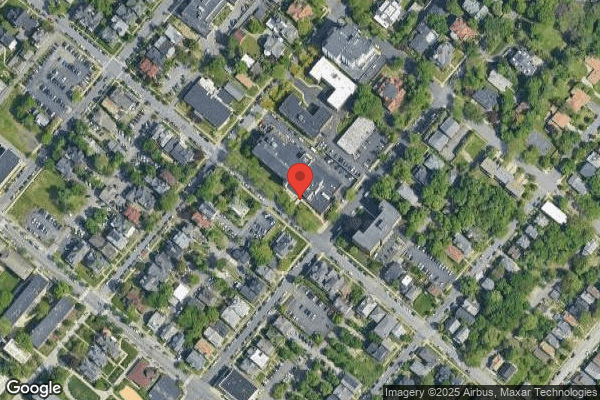
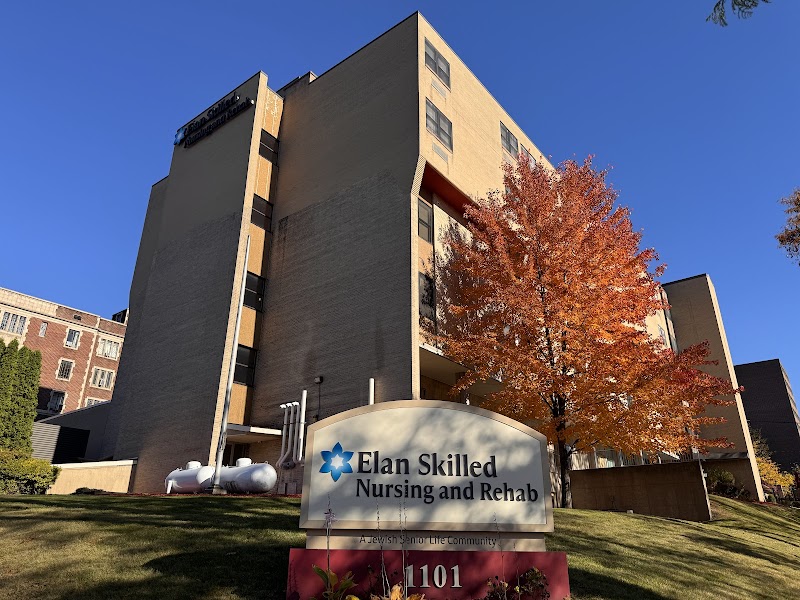
1101 VINE STREET, SCRANTON, PA 18510 (570) 344-6177
Non profit - Corporation 145 Beds Independent Data: November 2025
Trust Grade
65/100
#279 of 653 in PA
Last Inspection: January 2025

Within standard 12-15 month inspection cycle. Federal law requires annual inspections.

Overview

Elan Skilled Nursing and Rehab has a Trust Grade of C+, indicating it's slightly above average among nursing homes, but still has room for improvement. It ranks #279 out of 653 facilities in Pennsylvania, placing it in the top half of the state, and #7 out of 17 in Lackawanna County, meaning only six local options are better. However, the facility's trend is worsening, with issues increasing from 8 in 2024 to 9 in 2025. Staffing is one of its strengths, earning a 4/5 star rating, with a turnover rate of 37%, which is lower than the state average. On the downside, there have been some concerning incidents, such as failing to provide written bed-hold policy information for residents who were hospitalized and not following physician orders for medication administration for some residents. Additionally, there is less RN coverage than 89% of facilities in Pennsylvania, which could affect the quality of care.

Trust Score
C+
65/100
In Pennsylvania
#279/653
Top 42%
Safety Record
Low Risk
No red flags
Inspections
Getting Worse
8 → 9 violations
Staff Stability
○ Average
37% turnover. Near Pennsylvania's 48% average. Typical for the industry.
Penalties
✓ Good
No fines on record. Clean compliance history, better than most Pennsylvania facilities.
Skilled Nurses
⚠ Watch
Each resident gets only 28 minutes of Registered Nurse (RN) attention daily — below average for Pennsylvania. Fewer RN minutes means fewer trained eyes watching for problems.
Violations
⚠ Watch
19 deficiencies on record. Higher than average. Multiple issues found across inspections.
★★★☆☆
3.0
Overall Rating
★★★★☆
4.0
Staff Levels
★★☆☆☆
2.0
Care Quality
★★★☆☆
3.0
Inspection Score
Stable
2024: 8 issues
2025: 9 issues

The Good

  • 4-Star Staffing Rating · Above-average nurse staffing levels
  • Full Sprinkler Coverage · Fire safety systems throughout facility
  • No fines on record
  • Staff turnover below average (37%)

    11 points below Pennsylvania average of 48%

Facility shows strength in staffing levels, fire safety.

The Bad

3-Star Overall Rating

Near Pennsylvania average (3.0)

Meets federal standards, typical of most facilities

Staff Turnover: 37%

Near Pennsylvania avg (46%)

Typical for the industry

The Ugly 19 deficiencies on record

Jan 2025 9 deficiencies
CONCERN (D)

Potential for Harm - no one hurt, but risky conditions existed

Safe Environment (Tag F0584)

Could have caused harm · This affected 1 resident

**NOTE- TERMS IN BRACKETS HAVE BEEN EDITED TO PROTECT CONFIDENTIALITY** Based on observation, and staff interviews it was determined the facility failed to provide housekeeping and maintenance service...

Read full inspector narrative →
**NOTE- TERMS IN BRACKETS HAVE BEEN EDITED TO PROTECT CONFIDENTIALITY** Based on observation, and staff interviews it was determined the facility failed to provide housekeeping and maintenance services to maintain a clean and safe resident environment on one of four resident care units (5th floor). Findings include: An observation on January 23, 2024, at approximately 9:40 AM revealed in a Broda chair in the hallway outside room [ROOM NUMBER] revealed the following: The seat of the chair was heavily soiled with a crusty orange substance. The footrest was heavily soiled with a dried white and brown substance. The rear wheels were heavily soiled with dirt and debris with a significant amount of hair entangled in the base. Further observation of room [ROOM NUMBER] revealed a fall mat on the floor beside the resident's bed (nearest the door). The mat had large tears at its folding point and on the front corner, exposing the internal foam. Interview with Employee 1, licensed practical nurse, on January 23, 2024, at approximately 9:50 AM, confirmed the observations. Interview with the Director of Nursing and Nursing Home Administrator on January 23, 2024, at approximately 1:30 PM both confirmed that resident care equipment is to be maintained in a clean and sanitary manner. 28 Pa. Code 201.18 (e)(2.1) Management
CONCERN (D)

Potential for Harm - no one hurt, but risky conditions existed

Free from Abuse/Neglect (Tag F0600)

Could have caused harm · This affected 1 resident

**NOTE- TERMS IN BRACKETS HAVE BEEN EDITED TO PROTECT CONFIDENTIALITY** Based on a review of facility's abuse policy, clinical records, and select investigative reports and staff interview it was dete...

Read full inspector narrative →
**NOTE- TERMS IN BRACKETS HAVE BEEN EDITED TO PROTECT CONFIDENTIALITY** Based on a review of facility's abuse policy, clinical records, and select investigative reports and staff interview it was determined the facility failed to assure that one resident (Resident 289) was free from sexual abuse perpetrated by another resident (Resident 102) and one resident (Resident 25) was free from neglect out of 27 residents sampled. Findings included: A review of the current facility policy titled Abuse Prohibition, last reviewed by the facility on September 6, 2024, revealed it is the policy of the facility to provide a safe environment where residents are not subject to mental, physical, sexual, and verbal abuse or neglect by staff, residents, volunteers, consultants, contractors, and other caregivers, visitors or family members. The current policy titled Identifying Types of Abuse last reviewed by the facility on September 6, 2024, defined sexual abuse as non-consensual sexual conduct of any type with a resident. Sexual abuse includes, but is not limited to: a. Unwanted intimate touching of any kind especially of breasts or perineal area. b. All types of sexual assault or battery, such as rape, sodomy, and coerced nudity. c. Forced observation of masturbation and/or pornography; and d. Taking sexually explicit photographs and/or audio/video recordings of a resident(s) and maintaining and/or distributing them. This would include, but is not limited to, nudity, fondling, and/or intercourse involving a resident. A review of Resident 102's clinical record revealed admission to the facility on September 21, 2024, with diagnoses to include chronic obstructive pulmonary disease (lung disease that blocks airflow and makes it difficult to breathe), hypertension (high blood pressure), and depression. An admission Minimum Data Set assessment (MDS-a federally mandated standardized assessment completed periodically to plan resident care) dated September 27, 2024, indicated the resident was moderately cognitively impaired with a BIMS (brief interview of mental status to a tool to assess the resident's attention, orientation and ability to register and recall new information) a score of 9 (8-12 represents moderate cognitive impairment). Facility documentation indicated a pattern of sexually inappropriate behaviors by Resident 102 prior to the reported incident involving Resident 289: A review of nursing documentation dated September 24, 2024, at 12:27 PM revealed Resident 102 was noted to be sitting close to Resident 91 and making inappropriate comments and gestures of a sexual nature while speaking to her. The nurse approached Resident 102 and explained that his behaviors are inappropriate. Redirection provided with positive effect. A review of nursing documentation On September 26, 2024, at 1:19 AM, Resident 102 was observed naked in the hallway and attempting to enter another resident's room. Resident 102 placed his soiled brief next to a resident's door. Nurse aides provided incontinence care to the resident, and he returned to bed. A review of Resident 102's plan of care, initiated October 3, 2024, revealed the resident had the potential to be verbally aggressive due to dementia, ineffective coping skills, poor impulse control as evidenced by his use of socially inappropriate statements and language, negative statements toward others, and overhead making sexually explicit comments to a female resident. Care plan interventions were as follows: Providing privacy and emotional support as needed. Redirecting him with conversations about his job. Reinforcing that staff are present to assist with care and are honest in their communication. Identifying and minimizing triggers for verbal aggression, such as noise levels. Offering a tour of his surroundings to help de-escalate behaviors. Encouraging him to call his daughter. Supporting participation in activities. Assessing his understanding of situations and behaviors. Encouraging him to express his thoughts and feelings. Providing choices regarding care and activities. Reinforcing positive behaviors with appropriate encouragement A review of Resident 289's clinical record revealed admission to the facility on October 4, 2024, with diagnoses to include Alzheimer's disease (a progressive brain disease that destroys memory and other important mental functions). An admission MDS dated [DATE], revealed the resident was severely cognitively impaired with a BIMS score of 3 (a score of 0-7 indicates severe cognitive impairment). Resident 289 did not possess the mental capacity to consent to sexual contact and activity. A review of the Employee 4 (licensed practical nurse) witness statement dated October 7, 2024, at 9:30 AM revealed that Resident 102 was observed in the lunchroom with Resident 289. Resident 289's hand was on Resident 102's lap, while Resident 102 was holding Resident 289's hand on his genital region. Staff immediately intervened, separating the two residents. Resident 289 expressed discomfort and confusion about the incident, stating that it was gross and that they did not understand why it had occurred. Social Services was contacted right away to address the situation. A review of facility documentation dated October 9, 2024, at 4:12 PM showed that the Director of Nursing (DON) was informed of a staff-written statement regarding an incident that occurred on October 8, 2024. The statement described a reportable event, prompting an ongoing investigation. The physician was notified, and the incident was reported to the Department of Health and local law enforcement. The facility also reported the event to Adult Protective Services (AAA). Resident 289's representative was contacted and informed of the situation. Emotional support was provided to Resident 289, who did not recall the incident. As a precautionary measure, Resident 289 was placed on fifteen-minute safety checks, and staff were instructed to ensure that Resident 289 and Resident 102 remained separated. Despite the incident occurring on October 7th 2024 documentation regarding the event and the decision to implement safety measures was not completed until October 9th 2024 resulting in a 2 day delay in reporting and intervention. Interview with the Clinical Operations Executive on January 24, 2025, at approximately 11:15 AM confirmed that Resident 102 displayed sexually inappropriate behaviors, and that the facility failed to ensure that Resident 289 was free from sexual harassment perpetrated by Resident 102 by not implementing sufficient interventions to address Resident 102's identified pattern of inappropriate behaviors. Review of clinical record revealed Resident 25 was admitted to the facility on [DATE], with diagnoses which included depression, arthritis, and dementia (loss of memory, language, problem-solving and other thinking abilities that are severe enough to interfere with daily life). Review of the plan of care for Resident 25 revealed that the resident required the assist of 2 staff members and the use of a sit-to-stand lift for toileting and transfers. Review of facility investigation dated December 26, 2024, at 10:30 AM, revealed that Resident 25 was assisted to the bathroom by Employee 6, nurse aide. Review of witness statement completed by Employee 6, she assisted Resident 25 out of his wheelchair by putting my whole right arm under his right arm. Employee 6 then proceeded to walk the resident to the bathroom with the assistance of a walker, he got unsteady on his feet and began to slowly go backwards. I tried to catch him to ease the fall. He landed on his bottom. Review of witness statement completed by Employee 1, LPN, dated December 23, 2024, indicated that when resident was assigned to new aide, aide was advised he was an Apex [sit-to-stand lift]. Review of personnel file for Employee 6 revealed a hire date of November 5, 2024. According to the employee's file, education was provided regarding the facility's abuse policy and procedures upon hire. Interview with the Director of Nursing on January 24, 2025, at 11 AM confirmed that Employee 6 failed to follow Resident 25's plan of care which resulted in a fall without injury. 28 Pa. Code 201.29 (a)(c) Resident rights 28 Pa. Code 201.18 (e)(1) Management 28 Pa. Code 211.12 (c)(d)(3)(5) Nursing services
CONCERN (D)

Potential for Harm - no one hurt, but risky conditions existed

Abuse Prevention Policies (Tag F0607)

Could have caused harm · This affected 1 resident

review, and staff interview it was revealed the facility failed to implement its abuse prohibition procedures to identify potential sexual abuse, timely notify administration and the State Survey Agen...

Read full inspector narrative →
review, and staff interview it was revealed the facility failed to implement its abuse prohibition procedures to identify potential sexual abuse, timely notify administration and the State Survey Agency, report to the resident representatives and physician, and promptly investigate alleged sexual abuse of one resident out of 27 sampled (Resident 289). Findings include: Review of the facility policy titled Abuse Prohibition last reviewed September 6, 2024, revealed all allegations of abuse shall be reported immediately to the Charge Nurse, Director of Nursing, Administrator, and resident's physician for investigation into the circumstances of the incident. The staff member who discovers the incident, suspected abuse situation or has the initial knowledge of such incidents will be responsible for immediately notifying his or her supervisor. The supervisor who becomes aware of such incidents must immediately report to the Administrator and Director of Nursing, in person or by telephone. The facility's abuse policy defines sexual abuse as non-consensual sexual contact of any type with a resident. Further review of the policy revealed that The Administrator and/or Director of Nursing must immediately report (no later than 2 hours after the allegation is made) the incident to the following agencies accordingly: a. Orally by telephone and fax to Area of Agency (AAA) b. Electronically to the Department of Health via the electronic reporting site c. Make an oral report to the statewide Protective Services Hotline d. Incidents involving sexual abuse, sexual assault or serious physical bodily injury must also be reported immediately to the local law enforcement agency and Pennsylvania Department of Aging. Facility documentation dated October 7, 2024, at 9:30 AM, indicated that Resident 102 was observed in the lunchroom holding Resident 289's hand on his genital region. Resident 289 stated, That was gross, I don't understand why he did that. Social Services was contacted immediately. A review of a nurse's note dated October 9, 2024, at 4:12 PM indicated that the DON became aware of an October 8, 2024, written staff statement referencing a reportable event involving Resident 289. The note documented that: The physician was notified, The incident was reported to the Department of Health and local Police, The resident representative was contacted, and The resident was placed on fifteen-minute safety checks. Despite facility policy requiring immediate reporting within two hours, the facility failed to report the allegation until October 9, 2024-two days after the incident occurred. A review of Employee 5 (Admissions Director) interview with Resident 102 dated October 7, 2024 (no time indicated) revealed the resident was moderately cognitively impaired and denies any touching of anyone/and/or any female resident. A review of the clinical record of Resident 289 revealed the resident was severely cognitively impaired and lacked the ability to consent to sexual activity. A review of Resident 289's clinical record revealed: No documentation that the alleged sexual encounter had occurred. No evidence that the facility's administrator, DON, attending physician, or the resident's responsible party were notified at the time of the incident. A review of Resident 102's clinical record also revealed: No documentation of the alleged sexual encounter. No documentation the administrator, DON, attending physician, or responsible party was notified. Additionally, there was no documented evidence the facility developed and implemented a plan to prevent future occurrences and protect Resident 289 and other female residents from Resident 102's inappropriate sexual behavior. A review of the facility's abuse investigation records revealed the facility did not begin investigating the alleged sexual encounter of Resident 289 by Resident 102 abuse until October 9, 2024-two days after the incident. Per facility policy, investigations should begin immediately following an allegation of abuse. Interview with Clinical Operations Executive on January 24, 2025, at approximately 11:15 AM it was confirmed the facility failed to follow its abuse reporting and investigation policies in response to the alleged sexual abuse of Resident 289 by Resident 102. The facility failed to implement its abuse prevention and reporting policies by not immediately identifying, reporting, and investigating an allegation of sexual abuse 28 Pa. Code 201.18 (e)(1) Management. 28 Pa. Code 201.29 (a)(c) Resident Rights. 28 Pa. Code 201.14(a)(c) Responsibility of Licensee. 28 Pa. Code: 211.12 (c)(d)(1)(3)(5)Nursing Services
CONCERN (D)

Potential for Harm - no one hurt, but risky conditions existed

Deficiency F0692 (Tag F0692)

Could have caused harm · This affected 1 resident

**NOTE- TERMS IN BRACKETS HAVE BEEN EDITED TO PROTECT CONFIDENTIALITY** Based on a review of clinical records, select facility policy and staff interview it was determined the facility failed to provi...

Read full inspector narrative →
**NOTE- TERMS IN BRACKETS HAVE BEEN EDITED TO PROTECT CONFIDENTIALITY** Based on a review of clinical records, select facility policy and staff interview it was determined the facility failed to provide documented evidence that interventions for significant weight loss were consistently implemented as planned to promote weight stabilization for one resident (Resident 67) out of seven sampled residents at nutritional risk. Findings include: A review of facility policy entitled Weighing of Residents, last reviewed by the facility on September 6, 2024, indicated that interventions for undesirable weight loss should focus first on food (e.g., extra food, snacks, calorie-dense food, etc.) based on the resident's current food preferences. Liquid nutritional supplements, per facility formulary, may be considered if resident caloric intake remains inadequate to stabilize or increase weight. Interdisciplinary Team members should consider possible interventions relevant to their discipline. The physician may order tests, appetite stimulants, or medications as appropriate. The suggested parameters for evaluating the significance of unplanned and undesired weight loss are as follows; 1 month- 5% weight loss is significant, greater than 5% is severe, 3 months- 7.5% weight loss is significant, greater than 7.5% is severe, and 6 months- 10% weight loss is significant, greater than 10% is severe. A review of the clinical record revealed that Resident 67 was admitted to the facility on [DATE], with diagnoses that included diabetes (a chronic disease that occurs either when the pancreas does not produce enough insulin or when the body cannot effectively use the insulin it produces) and congestive heart failure (a condition that occurs when the heart can't pump enough blood to the body). The resident's weight upon admission was 207.8 pounds. The resident experienced multiple hospitalizations and was readmitted to the facility on [DATE], and October 19, 2024. A weight record review indicated that on October 20, 2024, the resident's weight was 196.4 pounds, reflecting a 5.5% weight loss (11.4 pounds) within one month, meeting the facility's definition of significant weight loss. A review of a nutrition admission/readmission progress notes in the resident's clinical record completed by the facility's Registered Dietitian (RD) dated October 20, 2024, at 7:23 AM, documented the resident's weight loss, attributing it to CHF (congestive heart failure occurs when the heart is unable to pump sufficiently to maintain blood flow to meet the body's needs) , related fluid loss from IV Lasix therapy. The RD adjusted the resident's dietary preferences to include additional high-protein foods but did not update the physician or responsible party at that time. A progress noted completed by the RD on October 31, 2024, at 9:02 AM, noted further weight loss, documenting a weight of 188.6 pounds on October 30, 2024, which represented an 8% weight loss (16.7 pounds from weight of September 16, 2024, of 207.8 pounds) within one month. The RD discussed a daily nutritional supplement (Ensure pudding) with the resident, who agreed to consume it, and indicated that nursing staff would update the physician on the weight loss. A subsequent RD progress note on November 2, 2024, at 7:35 AM, indicated the physician was informed of the resident's weight loss, and a care plan was updated to include Ensure pudding daily. On November 7, 2024, the Certified Registered Nurse Practitioner (CRNP) ordered ProStat 30 mL (a high protein oral nutrition supplement), twice daily. Further review of Resident 67's clinical record failed to reveal documented evidence the orders for weight loss interventions, supplement of choice (Ensure pudding) daily or ProStat twice daily, were initiated as planned to manage weight loss. The Medication Administration Record (MAR) did not include records of supplement administration or consumption. During an interview on January 24, 2025, at 9:00 AM, the RD stated that licensed nursing staff would be expected to document the consumption of Ensure pudding and ProStat in the MAR. Upon further review, the RD confirmed that neither supplement was documented in the MAR and acknowledged the facility failed to implement the planned nutritional interventions to address the resident's weight loss. Additionally, the RD confirmed the facility failed to consistently implement and document physician-ordered nutritional interventions to maintain nutritional parameters and deter weight loss of a resident. 28 Pa Code 211.10 (a)(c) Resident care policies. 28 Pa Code 211.12 (c)(d)(3)(5) Nursing services.
CONCERN (D)

Potential for Harm - no one hurt, but risky conditions existed

Deficiency F0698 (Tag F0698)

Could have caused harm · This affected 1 resident

**NOTE- TERMS IN BRACKETS HAVE BEEN EDITED TO PROTECT CONFIDENTIALITY** Based on observation, a review of clinical records, and resident and staff interview, it was determined that the facility failed...

Read full inspector narrative →
**NOTE- TERMS IN BRACKETS HAVE BEEN EDITED TO PROTECT CONFIDENTIALITY** Based on observation, a review of clinical records, and resident and staff interview, it was determined that the facility failed to ensure the ready availability of necessary emergency supplies for two residents out of three sampled receiving hemodialysis (Residents 121 and 187). Findings include: According to the National Kidney Foundation, patients receiving hemodialysis (a lifesaving treatment for kidney failure that removes waste and extra fluids from the blood and regulates blood pressure) should keep emergency care supplies on hand in case of complications related to their dialysis access site. A review of the facility policy titled Care of Dialysis Resident last reviewed by the facility on September 6, 2024, revealed that if a resident has a temporary catheter for dialysis, they are to always have an emergency protocol kit with them. Nurses are required to document in the electronic treatment administration record every four hours that the full kit is present with the resident. A review of Resident 121's clinical record revealed the resident was admitted to the facility on [DATE], with diagnoses to include end stage renal disease (final, permanent stage of chronic kidney disease, where the kidneys can no longer function on their own), and dependence on renal dialysis (process of removing waste products and excess fluid from the body when the kidneys are not able to adequately filter the blood). Resident 121's clinical record indicated she was receiving hemodialysis through a right chest double lumen catheter (the dialysis catheter contains two lumens: venous and arterial. Although both lumens are in the vein, the arterial lumen, like natural arteries, carries blood away from the heart, while the venous lumen returns blood towards the heart. The arterial lumen (typically red) withdraws blood from the patient and carries it to the dialysis machine, while the venous lumen (typically blue) returns blood to the patient (from the dialysis machine) for dialysis access every Monday, Wednesday, and Friday. Resident 121's clinical record revealed a physician order dated January 17, 2025, directed the resident must always have a fanny pack (the fanny pack contains the emergency kit), containing an emergency kit in both the resident's room and on the resident's wheelchair. The fanny pack is required to contain a blue clamp, ABD pads (pads designed for high absorbency to manage heavy draining wounds), 4x4 gauze (gauze dressings), and tape, with staff checking its placement every shift. Observations conducted on January 21, 2025, at 11:50 AM, and January 23, 2025, at 10:15 AM, revealed that only one fanny pack was present on the resident's wheelchair. The second fanny pack, required to be in the resident's room, was not present in the resident's room. Interview with Resident 121, a cognitively intact resident, at the time of the observation indicated the only fanny pack she was aware of was the one on the back of her wheelchair. Interview with Employee 4 (licensed practical nurse) at the time of the observation confirmed the absence of the second fanny pack in the resident's room and indicated the fanny pack, containing the emergency supplies, should be readily available in the room and on the resident's wheelchair. Review of Resident 187's clinical record revealed admission to the facility on January 10, 2025, with diagnoses which included chronic obstructive pulmonary disease (COPD a type of obstructive lung disease characterized by long-term poor airflow. The main symptoms include shortness of breath and cough with sputum production. COPD typically worsens over time), diabetes, and dependence on renal dialysis. Review of Resident 187's physician orders revealed a physician order dated January 10, 2025, required the resident to have a fanny pack containing an emergency kit in both the resident's room and on the wheelchair, with placement checked every shift. Observations performed on January 21, at approximately 11:00 AM, on January 22, at approximately 10:30 AM, and again on January 23, 2025, at approximately 10:30 AM, revealed the fanny pack was only available on the wheelchair; the second fanny pack was missing from the resident's room. Interview with Employee 1, LPN, on January 23, 2025, at approximately 10:30 AM, confirmed that the second fanny pack containing the emergency supplies was not present in the resident's room as required. Further interview with the Clinical Operations Executive on January 24, 2025, at 1:10 PM, confirmed that residents receiving dialysis should have emergency fanny packs in both their rooms and on their wheelchairs to ensure immediate access to emergency supplies in the event of a dialysis-related complication. The facility failed to ensure that emergency dialysis supplies were readily available as ordered for Residents 121 and 187, as evidenced by missing emergency fanny packs in their rooms. This failure placed the residents at risk for delayed emergency intervention in the event of complications related to their dialysis access sites. The facility did not ensure compliance with physician orders or its own policy, which requires staff to verify the presence of emergency supplies every shift. 28 Pa. Code 211.12 (d)(3)(5) Nursing services
CONCERN (D)

Potential for Harm - no one hurt, but risky conditions existed

Dental Services (Tag F0791)

Could have caused harm · This affected 1 resident

Based on review of clinical records and staff interview, it was determined the facility failed to offer routine annual dental services for one Medicaid payor source (Resident 88) out of four residents...

Read full inspector narrative →
Based on review of clinical records and staff interview, it was determined the facility failed to offer routine annual dental services for one Medicaid payor source (Resident 88) out of four residents sampled for dental services. Findings include: Review of Resident 88's clinical record revealed admission to the facility on March 24, 2021, and the resident's payor source was Medicaid. There was no documented evidence at the time of the survey ending January 24, 2025, the resident had been offered dental services in the past year. Interview with the Clinical Operations Executive on January 23, 2025, at 1:57 PM confirmed the facility had not offered Resident 88 routine dental services in the past year. 28 Pa. Code 211.12 (c)(d)(3)(5) Nursing services
CONCERN (E)

Potential for Harm - no one hurt, but risky conditions existed

Deficiency F0625 (Tag F0625)

Could have caused harm · This affected multiple residents

Based on a review of clinical records and staff interview it was determined the facility failed to provide residents or their representatives with written information of the facility's bed hold policy...

Read full inspector narrative →
Based on a review of clinical records and staff interview it was determined the facility failed to provide residents or their representatives with written information of the facility's bed hold policy upon transfer to the hospital of three residents out of 27 residents sampled (Residents 27, 124, and 102). Findings include: A review of Resident 27's clinical record revealed the resident was transferred to the hospital on November 27, 2024, and returned to the facility on December 3, 2024. A review of Resident 124's clinical record revealed the resident was transferred to the hospital on November 26, 2024, and returned to the facility on November 29, 2024. A review of Resident 102's clinical record revealed the resident was transferred to the hospital on December 10, 2024, and returned to the facility on December 13, 2024. There was no documented evidence the facility provided these residents and/or their representatives written information about the facility's bed-hold policy (an agreement for the facility to hold a bed for an agreed upon rate during a hospitalization) at the time of transfer. Interview with the Clinical Operations Executive on January 23, 2025, at 12:45 PM confirmed the facility was unable to provide documented evidence of the provision of written notice of the facility's bed hold policy upon hospital transfer. 28 Pa Code 201.18 (e)(1) Management 28 Pa Code 201.29 (b) Resident rights
CONCERN (E)

Potential for Harm - no one hurt, but risky conditions existed

Quality of Care (Tag F0684)

Could have caused harm · This affected multiple residents

**NOTE- TERMS IN BRACKETS HAVE BEEN EDITED TO PROTECT CONFIDENTIALITY** Based on clinical record review and staff interview, it was determined the facility failed to follow physician orders for medica...

Read full inspector narrative →
**NOTE- TERMS IN BRACKETS HAVE BEEN EDITED TO PROTECT CONFIDENTIALITY** Based on clinical record review and staff interview, it was determined the facility failed to follow physician orders for medication administration for three resident out of 27 sampled (Resident 121, 124, and 46). Findings include: According to the Pennsylvania Code, Title 49, Professional and Vocational Standards, State Board of Nursing, 21.11 (a)(1)(2)(4) indicates that the registered nurse was to carry out nursing care actions that promote, maintain, and restore the well-being of individuals. The Pennsylvania Code, Title 49, Professional and Vocational Standards, State Board of Nursing, 21.145 Functions of the Licensed Practical Nurse (LPN) (a) The LPN is prepared to function as a member of the health-care team by exercising sound judgement based on preparation, knowledge, skills, understandings and past experiences in nursing situations. The LPN participates in the planning, implementation, and evaluation of nursing care in settings where nursing takes place. 21.148 Standards of nursing conduct (a) A licensed practical nurse shall: (5) Document and maintain accurate records. Review of the facility policy titled Medication Administration last reviewed by the facility on September 6, 2024, revealed that the licensed nurse will administer medications following the Rights of Medication Administration listed below: a. Right Drug b. Right Resident c. Right Time d. Right Dose e. Right Route f. Right Dosage Form. g. Right Reason A review of Resident 121's clinical record revealed the resident was admitted to the facility on [DATE], with diagnoses to include hypertension (high blood pressure) and end stage renal disease (final, permanent stage of chronic kidney disease, where the kidneys can no longer function on their own). A physician order dated December 23, 2024, and discontinued January 16, 2025, was noted for Carvedilol Tablet (used to treat high blood pressure) 6.25 milligrams (mg) daily. Give one tablet by mouth two times a day related to hypertension. Hold this medication if the resident's systolic blood pressure is less than 100 millimeters of mercury (mm Hg) or heart rate is less than 60 beats per minute. Review of the resident's corresponding Medication Administration Records for the months of December 2024, and January 2025, revealed the medication was being administered without documented evidence the resident's blood pressure and/or heart rate had been obtained prior in accordance with physician's orders from December 23, 2024 to January 16, 2025. A review of Resident 124's clinical record revealed the resident was admitted to the facility on [DATE], with diagnoses to include hypertension (high blood pressure) and chronic atrial fibrillation (an irregular, often rapid heart rate that commonly causes poor blood flow). A physician order dated November 29, 2024, remaining current at the time of the survey, was noted for Atenolol tablet (used to treat high blood pressure) 25 milligrams (mg). Give one tablet by mouth one time a day for hypertension. Hold this medication if the resident's systolic blood pressure is less than 100 millimeters of mercury (mm Hg) or heart rate is less than 60 beats per minute. Review of the resident's corresponding Medication Administration Records for the months of November 2024, December 2024, and January 2025, revealed the medication was being administered without documented evidence the resident's blood pressure and/or heart rate had been consistently obtained prior in accordance with physician's orders from November 29, 2024. Review of Resident 46's clinical record revealed the resident was admitted to the facility on [DATE], with diagnoses which included hypertension, depression, and dementia (loss of memory, language, problem-solving and other thinking abilities that are severe enough to interfere with daily life). A physician order dated April 15, 2024, remaining current at the time of the survey ending January 24, 2025, was noted for metoprolol tartrate 25mg orally two times a day for hypertension. Instructions included to hold the medication for a blood pressure less than 100 and heart rate less than 60. Further review of the physician orders revealed an additional order dated April 15, 2024, for Norvasc 5mg orally two times a day for hypertension. Instructions for administration were to hold the medication for a systolic blood pressure less than 110 and a heart rate less than 60. A review of the resident's Medication Administration Records dated December 2024 and January 2025 failed to provide evidence that Resident 46's blood pressure or heart rate was monitored prior to the administration of the antihypertensive medications. Interview with the Clinical Operations Executive on January 23, 2025, at 9:30 AM verified that nursing staff failed to consistently obtain Residents 121, 124 and 46 blood pressure and /or heart rate prior to administering the medication to ensure its necessity and adherence to physician prescribed parameters for administration. 28 Pa. Code 211.12 (c)(d)(1)(3)(5) Nursing services 28 Pa. Code 211.5(f)(i)(x)(xi) Medical records 28 Pa. Code 211.9 (a)(1)(d) Pharmacy services 28 Pa. Code 211.10(c) Resident care policies
CONCERN (E)

Potential for Harm - no one hurt, but risky conditions existed

Drug Regimen Review (Tag F0756)

Could have caused harm · This affected multiple residents

**NOTE- TERMS IN BRACKETS HAVE BEEN EDITED TO PROTECT CONFIDENTIALITY** Based on a review of clinical records and staff interview, it was determined the consultant pharmacist failed to identify drug i...

Read full inspector narrative →
**NOTE- TERMS IN BRACKETS HAVE BEEN EDITED TO PROTECT CONFIDENTIALITY** Based on a review of clinical records and staff interview, it was determined the consultant pharmacist failed to identify drug irregularities (dual anti-depressant therapy and justification for antipsychotic medication) when completing monthly medication reviews and the facility failed to assure that resident's attending physician timely acted upon pharmacist identified irregularities in the medication regimen for two residents out of five residents sampled for unnecessary medications (Residents 114 and 130). Findings included: Review of Resident 114's clinical record revealed the resident was admitted to the facility on [DATE], with diagnoses to include dementia with behavioral disturbances (is a general term that describes the deterioration of memory, language, and other thinking abilities and can be accompanied by behavioral and psychological symptoms such as agitation, anxiety, and psychosis) and major depressive disorder (a mood disorder that causes a persistent feeling of sadness and loss of interest that affects how one feels, thinks, and behaves and can lead to a variety of emotional and physical problems). A review of the resident's physician's order dated June 6, 2024, 8:30 PM, revealed an order for Venlafaxine HCL Extended Release 24 Hour (an antidepressant) 75 mg (milligrams), give one capsule by mouth one time a day related to unspecified depression. Additionally, a review physician's orders dated June 7, 2024, at 9:30 AM, revealed the attending physician increased the resident's dose of Venlafaxine HCl ER Tablet Extended Release 24 Hour 75 MG, to give 2 tablets (150 mg) by mouth one time a day related to unspecified depression. A review of nursing progress notes in Resident 114's clinical record revealed a Change in Condition note completed by Employee 3, Licensed Practical Nurse (LPN), dated July 12, 2024, at 11:09 AM, revealed a change in condition assessment was completed related to the resident's attending physician increasing the Venlafaxine related to increased depression. A review of the resident's physician's order dated July 14, 2024, 8:00 PM, revealed an order for Venlafaxine HCL Extended Release 24 Hour 75 mg, give 2 capsules by mouth twice per day at bedtime related to unspecified depression. A review of a Psychiatric Assessment progress note completed by the facility's consultant Psychiatric Mental Health Nurse Practitioner (PMHNP) dated September 25, 2024, at 11:38 AM, revealed Resident 114's mood has deteriorated since last visit (September 18, 2024) and resident agitated and confrontational to other residents. His mood had been deteriorating since before the death of his wife, and only stands to continue to be exacerbated by the grieving process. Furthermore, his poor cognition limits his ability to go through the normal grieving process. Recommend antidepressant coverage at this time and plan to start Mirtazapine (an antidepressant used to treat depression) 7. 5mg orally at bedtime for depression and continue Venlafaxine 75 mg by mouth in the morning for depression and Venlafaxine 150mg by mouth at bedtime for depression. Further review of physician's orders dated September 27, 2024, at 8:30 PM, revealed an order for Mirtazapine oral tablet (an antidepressant used to treat depression) 7.5 mg, give 1 tablet by mouth in the evening for as ordered related to diagnosis of unspecified depression. Despite the presence of duplicate antidepressant therapy (Venlafaxine and Mirtazapine), a review of the consultant pharmacist's medication regimen reviews failed to identify this irregularity. The resident's clinical record lacked documentation of pharmacist recommendations to assess the appropriateness of duplicate therapy or a documented clinical rationale justifying the prescribing of two antidepressants. A review of Resident 130's clinical record revealed the resident was admitted to the facility on [DATE], with diagnoses to include dementia with severe agitation (a person is restless and worried, and unable able to settle down with behaviors that may include pacing, not be able to sleep, or act aggressively toward others) and depression. A review of physician's orders dated August 30, 2024, at 8:30 PM, revealed an order for Olanzapine Oral Tablet 2.5 mg (atypical antipsychotic), for dementia with agitation. CMS regulations require that a clinical rationale or diagnosis must support the use of antipsychotic medications, yet the consultant pharmacist's new admission medication review on September 4, 2024, failed to identify a lack of documented justification for the continued use of Olanzapine. A review of physician's orders in Resident 130's clinical record dated August 30, 2024, at 8:30 AM, revealed orders for Aricept (used to manage dementia and can help improve attention, memory, behavior, and ability to do daily activities) 10 mg, give 1 tablet daily at bedtime related to dementia. Further review of physician's orders revealed an order dated August 31, 2024, at 8:00 AM, for Aricept 5 mg, give 1 tablet by mouth one time a day for dementia. A review of the facility's consultant pharmacist's new admission medication regime review (MMR) dated September 4, 2024, identified the resident had a current order for Aricept and that there were two active orders for 10 mg and 5 mg without specification stating the total dose of 15 mg. Optimal timing for Aricept was to be given at bedtime and indicated the physician's order had 10 mg at bedtime and 5 mg in the morning and requested for the physician to review. The consultant pharmacist identified this discrepancy but failed to ensure timely physician action, as the resident continued receiving the medication as prescribed without clarification or modification through January 8, 2025. Further review of the clinical record failed to reveal that the resident's attending physician timely addressed the consultant pharmacist new admission medication regime review (MMR) that was completed on September 4, 2024, related to prescribing practices for Aricept. An interview with the Director of Nursing (DON) on January 24, 2025, at 10:15 AM, confirmed the consultant pharmacist failed to identify and address medication regimen irregularities for Residents 114 and 130. The DON also confirmed Resident 130's attending physician failed to timely act upon the pharmacist's recommendations and did not provide a documented clinical rationale for the continued use of antipsychotic medication 28 Pa. Code 211.9 (k) Pharmacy services. 28 Pa. Code 211.12 (c) Nursing services. 28 Pa. Code 211.2 (d)(3) Medical Director.
Sept 2024 2 deficiencies
CONCERN (D) 📢 Someone Reported This

A family member, employee, or ombudsman was alarmed enough to file a formal complaint

Potential for Harm - no one hurt, but risky conditions existed

Deficiency F0557 (Tag F0557)

Could have caused harm · This affected 1 resident

**NOTE- TERMS IN BRACKETS HAVE BEEN EDITED TO PROTECT CONFIDENTIALITY** Based on observations and staff interviews, it was determined the facility failed to conduct meal service in a manner respectful...

Read full inspector narrative →
**NOTE- TERMS IN BRACKETS HAVE BEEN EDITED TO PROTECT CONFIDENTIALITY** Based on observations and staff interviews, it was determined the facility failed to conduct meal service in a manner respectful of each resident's personal dignity for one of nine residents observed at the breakfast meal (Resident 43). Findings include: A clinical record review revealed Resident 43 was admitted to the facility on [DATE], with diagnoses that included dementia (a condition characterized by the loss of cognitive functioning such as thinking, remembering, and reasoning, to such an extent that it interferes with a person's daily life and activities). A review of an admission Minimum Data Set assessment (MDS - a federally mandated standardized assessment process conducted periodically to plan resident care) dated July 25, 2024, revealed that Resident 43 is severely cognitively impaired with a BIMS score of 03 (Brief Interview for Mental Status- a tool within the Cognitive Section of the MDS that is used to assess the resident's attention, orientation, and ability to register and recall new information; a score of 01-07 indicates severe cognitive impairment). A Speech Language Pathology Discharge summary dated [DATE], revealed severe deficits in Resident 43's problem-solving ability and memory. The summary indicated the resident's prognosis to maintain her current level of functioning is good with consistent staff follow-through. Discharge recommendations indicated the resident needs verbal, visual, and demonstration cues for cognition and safety awareness. An Occupational Therapy Discharge summary dated [DATE], revealed resident 43 requires supervision and/or touching assistance when eating. A review of Resident 43's care plan revealed she has a deficit related to impaired balance. Interventions in place to assist Resident 43 with her goal of being free from complications related to her self-care deficit include having limited staff assistance when eating and utilizes the feeding assistance program. Further review of Resident 43's care plan revealed she has the potential for altered nutrition related to leaving meals uneaten. The resident's goal is to consume 50% to 100% of meals and fluids. An observation on September 24, 2024, revealed Resident 43 located in the Unit 3 resident dining area. At 9:02 AM, a nurse aide placed Resident 43's meal in front of her and then sat near another resident at the same table. Resident 43 was observed sitting with her plate of food in front of her for 25 minutes while other residents were assisted with eating, including a resident sitting next to her at the same table. During the 25 minutes, staff did not cue the resident or encourage the resident to attempt to eat independently. At 9:27 AM, Employee 3, Licensed Practical Nurse (LPN), was observed cutting Resident 43's meal, then assisting her with eating. During the observation, staff were observed actively assisting other residents. During an interview on September 24, 2024, at approximately 10:30 AM, Employee 1, Nurse Aide, indicated that residents on Unit 3 require a lot of assistance with eating. She explained the unit is sometimes limited on staffing and meals can take hours before all the residents receive the assistance needed. During an interview on September 24, 2024, at approximately 10:40 AM, Employee 2, Nurse Aide, indicated that meals can take about 2 hours before all the residents are fed that need assistance. She indicated that other staff help, but there are about 15 residents that are completely dependent on staff to eat their meals. During an interview on September 24, 2024, at approximately 10:45 AM, Employee 3, LPN, acknowledged that Resident 43 was left unassisted for 25 minutes. She explained she was assisting other residents at the time. She indicated that today is a good day for staffing, but at times the residents wait even longer because there is not enough staff to ensure that all residents get the assistance needed during meals. Employee 1, LPN, acknowledged the resident's tray should not have been placed in front of her until staff were able to provide her the required assistance to eat her meal. A review of a resident census document revealed 39 residents living on Unit 3. The document indicated that 13 residents were able to independently eat meals, and the remaining 26 residents needed varying levels of supervision and assistance with eating. During an interview on September 24, 2024, at approximately 1:00 PM, the Director of Nursing (DON) confirmed that Unit 3 had a high acuity of residents that required assistance with meals. The DON confirmed that it is the facility's responsibility to ensure residents are treated with respect and dignity. The DON acknowledged that residents should not be sitting with meals in front of them waiting for 25 minutes while other residents are assisted with eating at the same table. 28 Pa. Code 201.29(a) Resident rights. 28 Pa. Code 211.12(d)(3)(5) Nursing services.
CONCERN (D) 📢 Someone Reported This

A family member, employee, or ombudsman was alarmed enough to file a formal complaint

Potential for Harm - no one hurt, but risky conditions existed

Medical Records (Tag F0842)

Could have caused harm · This affected 1 resident

**NOTE- TERMS IN BRACKETS HAVE BEEN EDITED TO PROTECT CONFIDENTIALITY** Based on review of clinical records and staff interview, it was determined the facility failed to maintain accurate and complete...

Read full inspector narrative →
**NOTE- TERMS IN BRACKETS HAVE BEEN EDITED TO PROTECT CONFIDENTIALITY** Based on review of clinical records and staff interview, it was determined the facility failed to maintain accurate and complete clinical records for one of 10 sampled residents (Resident CR1). Findings include: A clinical record review revealed Resident CR1 was admitted to the facility on [DATE], with diagnoses that included cerebral infarction (brain damage that results from a lack of blood). A clinical record review revealed physician's orders for Resident CR1 to receive hospice services initiated on March 26, 2023, and for monthly weight monitoring to be discontinued on March 28, 2023. A review of a documentation survey report for August 2024 revealed 18 meals that had no documented information regarding Resident CR1 nutritional intake (percentage of meal eaten or amount of liquids consumed). A review of Resident CR1's progress notes from August 1, 2024, through August 29, 2024, revealed no documentation of the resident's nutritional intake. Further review of the clinical record revealed Resident CR1 and was discharged from the facility to home with external hospice provider services on August 29, 2024. During an interview on September 26, 2024, at approximately 1:00 PM, the Director of Nursing (DON) indicated the facility is responsible for ensuring each resident's clinical record is accurate and complete. The DON confirmed the facility failed to document Resident CR1's nutritional intake. The DON was unable to explain why there was no documentation regarding resident CR1's nutritional intake for 18 meals in August 2024. 28 Pa. Code 211.5(f)(ii) Medical records. 28 Pa. Code 211.12(d)(1)(5) Nursing services.
Feb 2024 6 deficiencies
CONCERN (D)

Potential for Harm - no one hurt, but risky conditions existed

Deficiency F0676 (Tag F0676)

Could have caused harm · This affected 1 resident

**NOTE- TERMS IN BRACKETS HAVE BEEN EDITED TO PROTECT CONFIDENTIALITY** Based on observation, a review of clinical records and interviews with staff it was determined that the facility failed to consi...

Read full inspector narrative →
**NOTE- TERMS IN BRACKETS HAVE BEEN EDITED TO PROTECT CONFIDENTIALITY** Based on observation, a review of clinical records and interviews with staff it was determined that the facility failed to consistently provide a functional communication system to maintain the resident's ability to communicate for one of one residents sampled with communication needs/deficits (Resident 122). Findings include: A review of Resident 122's clinical record revealed that the resident was admitted to the facility on [DATE], with diagnoses including dementia. A review of Resident 122's nursing progress notes revealed a nursing note dated December 4, 2023, indicating that the resident's first language is Russian, further stating the resident's family helps her with translation. According to the resident's admission MDS assessment (Minimum Data Set assessment-a federally mandated standardized assessment process conducted periodically to plan resident care) dated December 4, 2023, the resident was sometime able to understand others and was sometimes understood. A review of resident's clinical record during survey ending February 16, 2024, revealed the resident's care plan initiated December 4, 2023, did not address the resident's communication deficit and primary language, other than English and corresponding interventions to maintain the resident's ability to communicate. Interview with the Assistant Nursing Home Administrator (ANHA) February 15, 2024, at approximately 1:00 p.m. confirmed that the facility had not provided the resident with any other means of communication to facilitate continuous communication between the resident and staff at all times. The facility failed to ensure that this resident was provided a functional communication system to effectively communicate with others in the facility at all times. 28 Pa. Code 201.29 (a) Resident rights. 28 Pa. Code 201.18 (e)(1) Management
CONCERN (D)

Potential for Harm - no one hurt, but risky conditions existed

Accident Prevention (Tag F0689)

Could have caused harm · This affected 1 resident

**NOTE- TERMS IN BRACKETS HAVE BEEN EDITED TO PROTECT CONFIDENTIALITY** Based on review of clinical records, information submitted by the facility, and select facility reports and staff interviews, it...

Read full inspector narrative →
**NOTE- TERMS IN BRACKETS HAVE BEEN EDITED TO PROTECT CONFIDENTIALITY** Based on review of clinical records, information submitted by the facility, and select facility reports and staff interviews, it was determined that the facility failed to provide necessary supervision and effective safety measures to monitor the whereabouts and activities of one out of two sampled residents with wandering behavior (Resident 108) to maintain resident safety. Findings include: A review of the clinical record revealed that Resident 108 was admitted to the facility on [DATE], with diagnoses of Dementia (a group of symptoms that affects memory, thinking, and interferes with daily life), macular degeneration, and osteoarthritis. A review of Resident 108's wander/elopement risk scale (a document used to rate an individual's risk of elopement) dated March 11, 2023, revealed that the resident scored a 10, indicating that the resident was at risk for elopement/wandering. A review of an Annual Minimum Data Set assessment (MDS- a federally mandated standardized assessment process conducted periodically to plan resident care) dated October 17, 2023, revealed that the resident's cognition was severely impaired with a BIMS score (brief interview for mental status -section of MDS that assesses cognition) of 4 (a score of 0-7 indicates severely impaired cognition). The resident was independent with walking and used a wander/elopement alarm daily. Interventions care planned to address the resident's elopement risk were to check resident's location on inter shift rounds, and check transmitter per facility policy, dated December 26, 2022, and the resident's care plan noted that when I am wandering, please offer to me my busy box with a few favorite items (sun catcher/puzzles/water paining/word search). Radio is in my room, likes to request phone calls and offer assistance, comfort snack is coffee with sugar, dated February 24, 2023, and place photo in wanderers book, check placement of transmitter on inter shift rounds, date revised August 28, 2023. A nursing progress note dated April 19, 2023, at approximately 2:35 PM, revealed that Resident 108 was seen on the first floor (not the floor where the resident resides). She was attempting to go through the back entrance, exit doors. Her wanderguard sounded and our receptionist notified maintenance, who redirected her around to the elevator, and escorted back to the fourth floor without incident. The resident stated she was going to her grandmother's house. MD, aware, and family currently in the building and aware. New order noted for customer service 15 - minute checks for safety. Nursing documentation dated November 24, 2023, indicated that at 2:55 PM, the resident was found at the back door of the facility. Her transmitter did alert staff to her attempts to leave the building. Employee 2, a nurse aide, was coming on shift at the time, and saw Resident 108 at the door and escorted her back into the building. The resident's daughter, was also entering the building, and escorted her back to the unit with Employee 2. Emotional support was provided. The resident's care plan was revised on November 25, 2023, in response to an incident on November 24, 2023, during which the resident was found attempting to leave facility, located at the front door. The goal was that the resident's safety will be maintained, and the resident will not leave the facility unattended through the next review date with the target date April 18, 2024 A review of a change in condition note dated November 24, 2023, at 4:30 PM, indicated a change in condition assessment was completed related to the resident attempted elopement out the back entrance. Found at doorway and escorted back to fourth floor. No injuries noted. and at 5:30 PM, the MD was notified of the incident. Changes and updates were made to the keyed entrance/exit codes on the unit. A review of an incident report entitled Event of Known Origin (Other than Fall) dated November 24, 2023, at 2:55 P.M., revealed that Resident 1 had been found at the rear lobby door without injury and that the entrance/exit elevator codes had been changed, and that every 15-minute safety checks were initiated. A review of Employee 2's witness statement dated November 24, 2023, indicated that the employee was approaching the door to enter for her shift. The employee saw the resident walk out of the 2nd set of doors to the parking lot. Resident 108 was walking with another woman along with an employee behind them. The resident was stopped at the door by Employee 2, and the resident's daughter as they were entering. Together, they escorted the resident back into the building and notified the supervisor. A review of facility incident follow up, dated November 24, 2023, revealed that the administrator was alerted immediately, and went to the area to investigate. Employee 4 (receptionist) was on duty, thought the alarm was going off because a resident was coming in from the outside with a family member. Employee 4 (receptionist) had seen Resident 108 in the past, but thought she was with her family and did not verbally verify who she was and who was accompanying her. The resident's code alert was tested and found to be functioning, the lobby door was tested and found to be working properly. A request for maintenance to determine if the elevator code for the 4th floor unit could be changed. Camera footage was reviewed and showed a family member of another resident from 4th floor was leaving the building at 2:48 PM. The lobby door closed behind her. At 2:53:51 PM Resident 108 was seen at the lobby exit door and code alert bracelet worn prevented the door from opening, alarm sounded. At the same time, 2 visitors arrived at the door with Resident 108 to go out (exit), and 1 staff member Employee 3, a nurse aide, and a visitor arrived at the door to come in from the outside. Employee 4 (receptionist) went to the door and disarmed the door. Resident 108 walked through the first door with the other 2 visitors into the vestibule and stepped out to the mat at the second door going out of the vestibule at the same time another staff member, Employee 2 was walking into the door into the vestibule with the resident's daughter. Resident 108 was returned to unit without incident. Employee 3, nurse aide and Employee 4, receptionist, stated they thought Resident 108 was going out with family as she had her coat and purse, and was speaking with the 2 visitors as they walked through the first door into the vestibule, which is why Employee 4 (receptionist) turned off the alarm system. In response to the incident, reception staff educated, in-serviced, on their responsibility when the alarms go off, (identifying the resident, who is accompanying the resident) prior to resetting the code. All elevator codes have been changed to all elevators to the 4th floor, and all staff have been educated, in-serviced on the new codes, and to visibly observe the elevator doors close to ensure no unauthorized residents are on the elevators before walking away. Signs have been posted for staff not to share the codes with family/visitors, and for family/friends to ask, request, access from a staff member for the elevators to exit the floor. A review of information submitted by the facility dated November 24, 2023, indicated that Resident 108 had left the nursing unit unattended, unsupervised by staff, on the elevator and proceeded to the main lobby as stated. The Assistant Nursing Home Administrator (Asst. NHA) on February 15, 2024, stated during interview at approximately 1:10 PM, that Resident 108 had not exited the 2nd set of doors into the parking lot, but rather was in-between the inner and outer doors (the vestibule). Interview with the Asst. NHA on February 16, 2024, at approximately 10:05 AM, confirmed that staff were not aware of Resident 108 leaving the nursing unit until the resident was observed attempting to exit the facility at the lobby doors. 28 Pa. Code 201.18 (e)(2.1) Management 28 Pa. Code 211.12 (d)(1)(5) Nursing services
CONCERN (D)

Potential for Harm - no one hurt, but risky conditions existed

Deficiency F0698 (Tag F0698)

Could have caused harm · This affected 1 resident

**NOTE- TERMS IN BRACKETS HAVE BEEN EDITED TO PROTECT CONFIDENTIALITY** Based on clinical record review and staff interview, it was determined that the facility failed to accurately monitor a fluid re...

Read full inspector narrative →
**NOTE- TERMS IN BRACKETS HAVE BEEN EDITED TO PROTECT CONFIDENTIALITY** Based on clinical record review and staff interview, it was determined that the facility failed to accurately monitor a fluid restriction prescribed to address a resident's clinical condition and maintain fluid balance and adequate hydration status for one resident receiving dialysis (Resident 54) out of 25 sampled. Findings include: A review of the clinical record revealed that Resident 54 was admitted to the facility on [DATE], with diagnoses which included peripheral vascular disease, diabetes, and end stage kidney disease with dependence on hemodialysis. A physician's order dated January 25, 2024, was noted for the resident to be maintained on a 1000 cc fluid restriction with the following breakdown of the fluid distribution: 7:00 AM - 3:00 PM shift nursing 240 ml. 3:00 PM - 11:00 PM shift nursing 120 ml. 11:00 PM - 7:00 AM. shift nursing 120 ml. A total of 520 ml of fluids provided by dietary each day. A review of the resident's January 2024 and February 2024 Documentation Survey Report failed to provide evidence of an accurate recording and/or accounting of the amount of fluids the resident consumed each day to assess compliance with physician ordered fluid restriction related to the resident's kidney disease and to meet the resident's hydration needs. Interview with the facility's Registered Dietitian on February 15, 2024, at approximately 11 AM confirmed that the facility did not have a process in place to monitor Resident 54's total fluid consumption for compliance to the fluid restriction. The facility was unable to confirm the amount of fluid consumed by the resident daily and if that amount of fluid consumed exceeded the physician prescribed fluid restriction or was sufficient to maintain adequate hydration. The facility was unable to provide documented evidence that this fluid restriction was maintained in accordance with physician orders. 28 Pa. Code: 211.12 (c)(d)(3)(5) Nursing services 28 Pa. Code 211.5(f) Medical records
CONCERN (D)

Potential for Harm - no one hurt, but risky conditions existed

Deficiency F0757 (Tag F0757)

Could have caused harm · This affected 1 resident

**NOTE- TERMS IN BRACKETS HAVE BEEN EDITED TO PROTECT CONFIDENTIALITY** Based on a review of clinical records and select facility policy, resident and staff interviews it was determined that the facil...

Read full inspector narrative →
**NOTE- TERMS IN BRACKETS HAVE BEEN EDITED TO PROTECT CONFIDENTIALITY** Based on a review of clinical records and select facility policy, resident and staff interviews it was determined that the facility failed to ensure that resident's drug regimen was free of unnecessary antibiotic drugs for one out of five residents sampled prescribed antibiotic drugs (Resident 40). Findings included: A review of the facility's policy titled Antibiotic Stewardship Plan with a review date of August 23, 2023, states that antibiotic resistance is a major problem, it is imperative to protect agents available by judicious antimicrobial management, which improves resident outcomes and reduces the potential development of resistant infections. The guideline principles include timely and appropriate initiation of antibiotics, appropriate administration according to evidence-based practice, monitoring the effectiveness and promoting transparency and open communication. Review of Resident 40's clinical record revealed that the resident was admitted to the facility on [DATE], with diagnoses of cognitive communication deficit (impaired functioning of one or more cognitive processes) and diabetes mellitus type two ([T2DM] a condition of insufficient insulin production causing high blood sugar levels). A clinical record titled JH Change in Condition Evaluation dated January 28, 2024, at 4:03 PM, revealed that {Resident 40} had a fever of 102.4 degrees Fahrenheit. All other vital signs were within normal limits, no changes were observed in her mental, functional, or behavioral status. The resident had no complaints or observations of her urinary function. The record stated that the resident was experiencing a fever and her daughter was concerned of a urinary tract infection (UTI) without any other indication. Recommendations from the provider were to obtain a urinalysis ([UA] is an analysis that includes various tests to examine the urine contents for any abnormalities that indicate a disease condition or infection), culture and sensitivity ([C & S] identifies the organisms create infections and illnesses. Sensitivity tests to identify the most effective medications to treat the illnesses or infections), and a complete blood count ([CBC]serum laboratory testing), complete metabolic panel ([CMP] serum laboratory testing), and blood cultures (serum laboratory testing), and one time of dose of Levaquin (antibiotic medication) 750 mg. Levaquin (antibiotic medication) one dose after urine sample obtained and re-evaluate after results of CBC and UA/C&S. A review of the resident's medication administration record (MAR) for the month of January 2024, revealed that the resident received one dose of Levaquin, received on January 28, 2024. A review of McGeer's Criteria dated January 29, 2024, revealed that the resident had a single symptom of fever and no other symptoms of a UTI and that the UTI criteria was not met to treat. A review of laboratory test results (U/A) dated January 28, 2024, at 5:46 PM revealed an abnormal result of small amount of esterase urine and WBC urine 20-29. A review of laboratory test results (CBC) dated January 28, 2024, at 3:06 PM revealed that the patient had a slightly elevated WBC (white blood cell) count of 11.89, but not exceeding 14,000 WBC/mm to meet McGeer's Criteria for leukocytosis (higher than normal level of white blood cells in the blood). A review of laboratory test results (blood cultures) dated February 2, 2024, at 6:02 PM revealed that there was no growth of bacteria noted. There was no evidence of an order to obtain a urine culture and sensitivity or report of the results of a urine C & S when reviewed at the time of the survey ending February 16, 2024. There was no physician documentation to indicate the clinical necessity of initiating antibiotic treatment with Levaquin to treat the resident's suspected urinary tract infection prior to receiving the results of a urine C&S or that a C&S was performed. Interview with the Infection Preventionist Nurse on February 16, 2024, at 11:30 AM, confirmed that the prescribing physician did not document the supporting clinical rationale for initiating antibiotics prior to receiving the results of the culture and sensitivity results identify the most effective treatment for the resident's suspected urinary tract infection. 28 Pa. Code 211.2(d)(3)(5) Medical director 28 Pa. Code 211.5(f) Clinical records 28 Pa. Code 211.9 (k) Pharmacy services
CONCERN (E)

Potential for Harm - no one hurt, but risky conditions existed

Deficiency F0679 (Tag F0679)

Could have caused harm · This affected multiple residents

**NOTE- TERMS IN BRACKETS HAVE BEEN EDITED TO PROTECT CONFIDENTIALITY** Based on observation, a review of clinical records and activities programming and participation records, and resident and staff ...

Read full inspector narrative →
**NOTE- TERMS IN BRACKETS HAVE BEEN EDITED TO PROTECT CONFIDENTIALITY** Based on observation, a review of clinical records and activities programming and participation records, and resident and staff interviews, it was determined that the facility failed to provide an ongoing program of activities designed to meet the needs, interests and functional abilities of residents including two of 25 sampled residents (Residents 83 and 117). Findings include: Review of Resident 117's clinical record revealed that the resident was admitted to the facility on [DATE], with diagnoses that included major depressive disorder ([MDD] persistently low or depressed mood) and stage four sacral ulcer (a severe wound that extends past het skin and subcutaneous tissue, exposing muscle and bone). Review of an initial activities assessment dated [DATE], revealed that the resident enjoyed listening to oldies music and watching cooking shows on the television. Review of the resident's care plan dated November 21, 2023, revealed that the resident was dependent on staff for meeting emotional, intellectual, physical, and social needs related to physical limitations. Approaches planned were to offer encouragement of ongoing family involvement, activities that the resident enjoys, and providing the resident with an activities calendar and weekly menu, and to notify the resident of any changes to the calendar of activities. The resident's care plan did not identify the resident's specific preferences for activities programming that she enjoys. Review of the resident's activity participation titled Documentation Survey Report v2 for January 2024 and February 2024, failed to reveal that the resident had been offered or participated in the activities the resident preferred. The participation documentation listed cognitive group, self-directed activities, and sensory stimulation and did not identify the specific programming or the resident's response to the activities. Observation of Resident 117 on February 14, 2024, at 1:42 PM, revealed that the resident was lying in bed. The resident was observed throughout the day on February 15, 2024, in her room and observed at 1:00 PM, lying in her bed. There was no observable evidence that the resident was provided with supplies/resources for independent/self-directed preferred activities. An interview with Resident 117 on February 14, 2024, at 2:21 PM revealed she does not attend group activities due spending most of her time in bed. She stated that when she sits for a long period of time it causes her pain due to her sacral wound. She stated there are activities offered but as a group, so I usually do not go. When asked if there are activities individualized to her preferences, she said no, just the group. Review of Resident 83's clinical record revealed that the resident was admitted to the facility on [DATE], with diagnoses that included macular degeneration (deterioration of the retinal macular causing blurring and leading to vision loss) and hemiplegia/hemiparesis (weakness caused by brain damage leading to paralysis on one side of the body) due to left cerebrovascular accident ([CVA] when blood flow to a part of the brain is stopped by blockage or the rupture of a blood vessel). Review of an initial activities assessment dated [DATE], revealed that the resident enjoys music by Elvis, arts and crafts, pet and patio visits and prefers to watch the evening news on the television. Review of the resident's care plan dated November 26, 2023, revealed that the resident was dependent on staff for meeting emotional, intellectual, physical, and social needs related to physical limitations. Approaches were to offer encouragement of ongoing family involvement, her activity preferences, to encourage the resident to participate in group activities allowable with COVID-19 restrictions, provide individual activities related to their personal preferences to Face Time, Skype, and Google Duo visits are being offered as family and resident desire. Review of the resident's activity participation titled Documentation Survey Report v2 for January 2024 and February 2024, failed to reveal that the resident had been offered or participated in the activities the resident preferred. The participation documentation listed cognitive group, self-directed activities, and sensory stimulation and did not identify the specific programming or the resident's response to the activities. Review of a nurses progress note dated February 5, 2024 at 10:06 AM revealed that the resident tested positive for COVID-19 and isolation droplet precautions were initiated. Observation of Resident 83 on February 14, 2018, at 1:22 PM, revealed that the resident was sitting on the bed in the resident's room with the television on. The resident was observed throughout the day on February 15, 2024, in her room, and observed at 1:00 PM, sitting on the bed in her room. There was no observable evidence that the facility provided the resident with supplies/resources for independent/self-directed preferred activities. An interview with Resident 83 on February 14, 2021, at 1:20 PM revealed that the resident stated the activities in the facility are not good here and that she has problems with her vision that prevents her from participating in some of the activities they have. The resident stated that she has been under isolation/droplet precautions since February 5, 2024, due to testing positive to COVID-19. The resident stated that she is lonely because her roommate had to change rooms due to the COVID infection, and she has no one to talk to and the facility has not provided her with any activities during this time. An interview with Employee 1, Life Enrichment Director, on February 15, 2024, at 10:00 AM revealed that the Documentation Survey Report v2 was the only documentation used for tracking residents' activity participation and confirmed that the activity participation failed to clearly reflect the activities offered to the residents and their response to those activities. Additionally, there was no indication of the activity programming for residents who prefer not to attend group activities and prefer one to one or self-directed activities of preference. During an interview on February 16, 2024, at approximately 11:30 AM, with the Assistant Nursing Home Administrator (ANHA) confirmed the lack of ongoing program of activities in the facility to meet the needs, interests, preferences, and cognitive and physical abilities of residents who are dependent on staff and those under isolation precautions. 28 Pa. Code 201.29 (a) Resident Rights 28 Pa. Code 201.18(e)(1) Management
CONCERN (E)

Potential for Harm - no one hurt, but risky conditions existed

Pharmacy Services (Tag F0755)

Could have caused harm · This affected multiple residents

Based on review of select facility policy and controlled drug shift count records, observation, and staff interviews, it was determined that the facility failed to implement procedures for reconciling...

Read full inspector narrative →
Based on review of select facility policy and controlled drug shift count records, observation, and staff interviews, it was determined that the facility failed to implement procedures for reconciling and accounting for the use and administration of controlled drugs on three of five medication carts reviewed (3rd high, 3rd low, and 2nd). Finding include: A review of facility policy Controlled Medication last reviewed by the facility February 5, 2024, indicated that the policy is to ensure appropriate management and accounting of all controlled medications. All controlled medications will be counted by the on-coming and off-going licensed nurse at the change of each shift. After verification of the accuracy of the controlled substance count, both nurses will sign the Narcotic and Controlled Drug Record on the line corresponding with the appropriate date and shift. Observation of medication administration pass, on February 14, 2024, at approximately 8:25 AM, revealed Employee 5, Licensed Practical Nurse (LPN), was completing med pass on the 3rd floor high side medication cart. Upon review of the narcotic count records, entitled count form, it was revealed that the on-coming nurse and/or off-going nurse failed to sign the sheets during shift change on the following date to verify completion of the counts of controlled drugs in the respective medication cart on February 11, 2024 and February 13, 2024. Interview with employee 5 (LPN), confirmed the observation and acknowledged the licensed nurse are expected to sign at change of shift. A review of the narcotic count records, entitled count form, on February 14, 2024, at approximately 8:38 AM, revealed Employee 6, Licensed Practical Nurse (LPN), on the 3rd floor low side medication cart. It was observed that the on-coming nurse and/or off-going nurse failed to sign the sheets during shift change on the following dates to verify completion of the counts of controlled drugs in the respective medication cart: January 21, 2024, and February 2, 2024. Interview with employee 6 (LPN), confirmed the observation and acknowledged the licensed nurse signatures are expected to be signed at change of shift. A review of the narcotic count records, entitled count form, on February 14, 2024, at approximately 12:50 PM, revealed Employee 7, Licensed Practical Nurse (LPN), on the 2nd floor medication cart. It was discovered that the on-coming nurse and/or off-going nurse failed to sign the sheets during shift change on the following date to verify counts of controlled drugs in the respective medication cart: January 29, 2024. Interview with employee 7 (LPN), confirmed the observation and acknowledged the licensed nurse signatures are expected to be signed at change of shift. Interview with the Assistant Nursing Home Administrator (Asst. NHA) on February 15, 2024, at approximately 11:10 AM, confirmed the observation, and that it is his expectation that nursing staff signs the narcotic count records, entitled count form, at change of shift, and that the facility failed to implement procedures for accounting for the controlled drugs. 28 Pa Code 211.12 (d)(3)(5) Nursing services. 28 Pa. Code 211.9 (k) Pharmacy Services
Feb 2023 2 deficiencies
CONCERN (E)

Potential for Harm - no one hurt, but risky conditions existed

Deficiency F0565 (Tag F0565)

Could have caused harm · This affected multiple residents

Based on review of the minutes from Residents' Council meetings and staff interviews it was determined that the facility failed to demonstrate sufficient efforts to respond and resolve resident compla...

Read full inspector narrative →
Based on review of the minutes from Residents' Council meetings and staff interviews it was determined that the facility failed to demonstrate sufficient efforts to respond and resolve resident complaints brought forth at resident group meetings. Findings include: Review of the minutes from the Resident Council Meeting dated August 29, 2022, revealed that 4 residents were in attendance. The residents at this group meeting expressed concerns about the breakfast meal. According to the minutes, the concerns were to be resolved with in-service with kitchen staff. There were no details regarding the concerns expressed by the residents about the breakfast meal or the corrective education that was to be provided to the kitchen staff. Review of minutes from Resident Council Meeting dated September 26, 2022, revealed that 10 residents were in attendance at this meeting. The residents at this group meeting expressed concerns about short staffing. According to the minutes, residents were encouraged to make floor staff aware of any specific care concerns. Review of minutes from Resident Council Meeting dated October 25, 2022, revealed that 13 residents were in attendance at this meeting. The resident at this meeting requested specific foods. There were no details noted regarding the specific foods requested. The residents further requested information about the cell phone policy for nurses and concerns about call bell and waiting time issues. Review of minutes from Resident Council Meeting dated November 21, 2022, revealed that 12 residents were in attendance at this meeting. The minutes indicated that residents again requested specific foods. Additionally, residents asked about missing laundry items and cleaning issues, and one resident spoke privately with the Assistant Director of Nursing regarding issue with nurses. Review of minutes from Resident Council Meeting dated December 27, 2022, revealed that 14 residents from the 4th floor and 5 residents from the 5th floor were in attendance at this meeting. The minutes indicated that residents again requested specific foods. There was no evidence that the concerns expressed from previous meetings were discussed and/or resolved. Review of minutes from Resident Council Meeting dated January 31, 2023, revealed that 10 residents from the 5th floor and 10 residents from the 4th floor were in attendance at this meeting. These residents again voiced requests for specific food. According to the meeting minutes, the residents also had concerns that call bell response time was long and with short staffing in the mornings. There was no documented evidence that the facility had consistently provided the groups with responses, actions, and rationale taken regarding their concerns and demonstrated their response and rationale to grievances. There was no evidence that the the facility had followed up with the residents' group to determine if the actions taken by the facility had satisfactorily resolved their complaints. Interview with the Nursing Home Administrator and Director of Human Services on February 9, 2023, at approximately 10:00 AM confirmed that there was no evidence that concerns the residents raised at Resident Council meetings were fully addressed by the facility. The Administrator further stated that a facility grievance form should have been completed for each concern and investigated/ resolved accordingly. 28 Pa Code 201.29 (i) Resident rights 28 Pa. Code 201.18(e)(1) Management
CONCERN (E)

Potential for Harm - no one hurt, but risky conditions existed

Accident Prevention (Tag F0689)

Could have caused harm · This affected multiple residents

**NOTE- TERMS IN BRACKETS HAVE BEEN EDITED TO PROTECT CONFIDENTIALITY** Based on review of select facility policies, clinical records and select resident incident/accident reports and staff interview,...

Read full inspector narrative →
**NOTE- TERMS IN BRACKETS HAVE BEEN EDITED TO PROTECT CONFIDENTIALITY** Based on review of select facility policies, clinical records and select resident incident/accident reports and staff interview, it was determined that the facility failed to consistently implement planned safety interventions based on individual resident needs to promote resident safety and prevent repeated falls for one of 22 sampled residents (Resident 20) Findings include: A review of a facility policy entitled Fall Management Policy last reviewed January 2023, revealed that the facility is committed to minimizing the risk of resident falls without compromising mobility and functional independence. Further it is state of the facility cannot prevent all resident falls from happening, however, full mitigation strategies are implemented to minimize the risk. Further it was noted interventions will be monitored for effectiveness and modified as needed. A review of the clinical record revealed that Resident 20 was admitted to the facility on [DATE], with diagnoses to include cerebral infarction and mild cognitive impairment. A review of an annual Minimum Data Set Assessment (MDS - a federally mandated standardized assessment completed at specific times to identify resident care needs) dated November 4, 2022, revealed that the resident is severely cognitively impaired and was independent with activities of daily living. A review of a quarterly fall risk assessment dated [DATE], indicated that the resident was at high risk for falls. Nursing progress notes dated October 16, 2022, at 8:25 AM, revealed that the resident was found sitting on the floor, at the end of her bed, facing the doorway, with her back against the recliner. At that time, the resident stated that she had slipped. A review of an incident report dated October 16, 2022, indicated that the resident was found on the floor at the foot of her bed. According to the incident report the resident would be placed on 15 minute checks and a non-skid mat would be placed in front of the recliner. A review of a nursing note dated November 23, 2022, 1:30 AM, revealed the resident was yelling out and staff found her sitting on the floor in the doorway of her room. Review of the incident report dated November 23, 2022, indicated the resident was found on the floor in the doorway of her room. The resident stated the kids we're chasing her. According to the report, the facility planned to complete 15 minute checks after the fall, as previously noted following the resident's fall on October 16, 2022. No additional fall prevention interventions were noted at that time. A progress note dated January 1, 2023, at 7:31 AM, revealed that staff heard a thud. When staff looked up the hall, they saw the resident lying on the floor in the hallway. A review of an incident report dated January 1, 2023, revealed that staff found the resident on the floor in the hallway of the nursing unit. When the resident was asked what happened, she stated I don't know I fell. The report again noted that 15 minute checks would be conducted along with a new intervention that the resident not wear slippers. A nursing progress note dated January 5, 2023, at 2:05 AM, revealed that the resident was walking with staff when she began to wipe the floor with her feet. Staff indicated that the resident's feet got too far apart and staff lowered the resident to the floor. An incident report dated January 5, 2023, indicated that staff lowered the resident to the floor The resident stated the floor was slippery. A new intervention was noted for the resident to use a wheelchair for long distances. A review of a progress note dated January 6, 2023, at 11:10 AM, revealed that the resident was found on the floor, in front of her wheelchair, sitting on her buttocks. A review an incident report dated January 6, 2023, indicated that staff found the resident on the floor in the dining room. The incident report indicated that a new intervention that the resident will wear non-skid socks at all times was implemented. However, according to the resident's care plan for the problem of being at risk for falls, initially dated March 6, 2020, the intervention of wearing gripper socks at all times should have been in since that date and prior to these falls. An interview with the Director of Nursing on February 10, 2022, at approximately 11:30 AM, confirmed that the facility failed to implement effective safety interventions as planned, including consistent provision of the planned 15 minute safety checks and appropriate footwear, gripper socks, to deter Resident 20's repeated falls. 28 Pa. Code 211.12 (a)(c)(d)(1)(3)(5) Nursing services.
Understanding Severity Codes (click to expand)
Life-Threatening (Immediate Jeopardy)
J - Isolated K - Pattern L - Widespread
Actual Harm
G - Isolated H - Pattern I - Widespread
Potential for Harm
D - Isolated E - Pattern F - Widespread
No Harm (Minor)
A - Isolated B - Pattern C - Widespread

Questions to Ask on Your Visit

  • "Can I speak with families of current residents?"
  • "What's your RN coverage like on weekends and overnight?"

Our Honest Assessment

Strengths
  • • No major safety red flags. No abuse findings, life-threatening violations, or SFF status.
  • • No fines on record. Clean compliance history, better than most Pennsylvania facilities.
  • • 37% turnover. Below Pennsylvania's 48% average. Good staff retention means consistent care.
Concerns
  • • 19 deficiencies on record. Higher than average. Multiple issues found across inspections.
Bottom line: Mixed indicators with Trust Score of 65/100. Visit in person and ask pointed questions.

About This Facility

What is Elan Skilled Nursing And Rehab, A Jewish Senior Li's CMS Rating?

CMS assigns ELAN SKILLED NURSING AND REHAB, A JEWISH SENIOR LI an overall rating of 3 out of 5 stars, which is considered average nationally. Within Pennsylvania, this rating places the facility higher than 0% of the state's 100 nursing homes. This mid-range rating indicates the facility meets federal standards but may have areas for improvement.

How is Elan Skilled Nursing And Rehab, A Jewish Senior Li Staffed?

CMS rates ELAN SKILLED NURSING AND REHAB, A JEWISH SENIOR LI's staffing level at 4 out of 5 stars, which is above average compared to other nursing homes. Staff turnover is 37%, compared to the Pennsylvania average of 46%. This relatively stable workforce can support continuity of care.

What Have Inspectors Found at Elan Skilled Nursing And Rehab, A Jewish Senior Li?

State health inspectors documented 19 deficiencies at ELAN SKILLED NURSING AND REHAB, A JEWISH SENIOR LI during 2023 to 2025. These included: 19 with potential for harm.
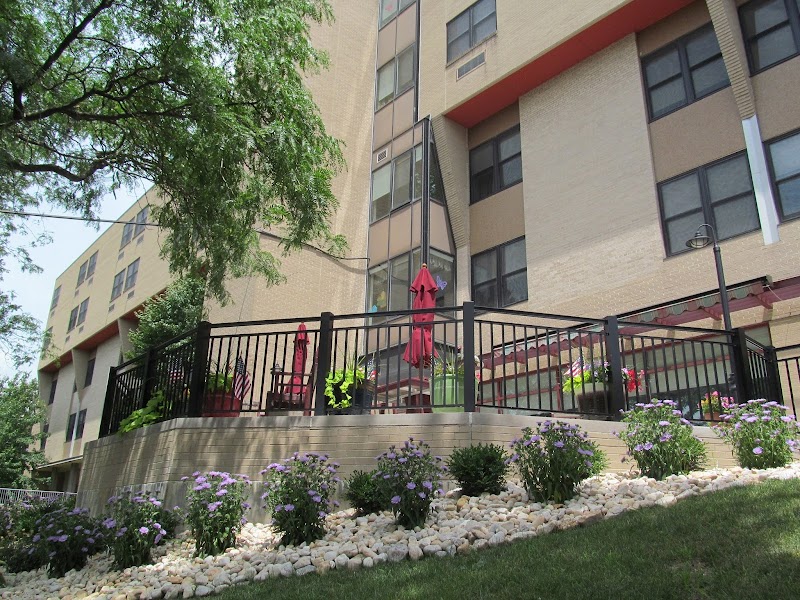
Who Owns and Operates Elan Skilled Nursing And Rehab, A Jewish Senior Li?

ELAN SKILLED NURSING AND REHAB, A JEWISH SENIOR LI is owned by a non-profit organization. Non-profit facilities reinvest revenue into operations rather than distributing to shareholders. The facility operates independently rather than as part of a larger chain. With 145 certified beds and approximately 134 residents (about 92% occupancy), it is a mid-sized facility located in SCRANTON, Pennsylvania.
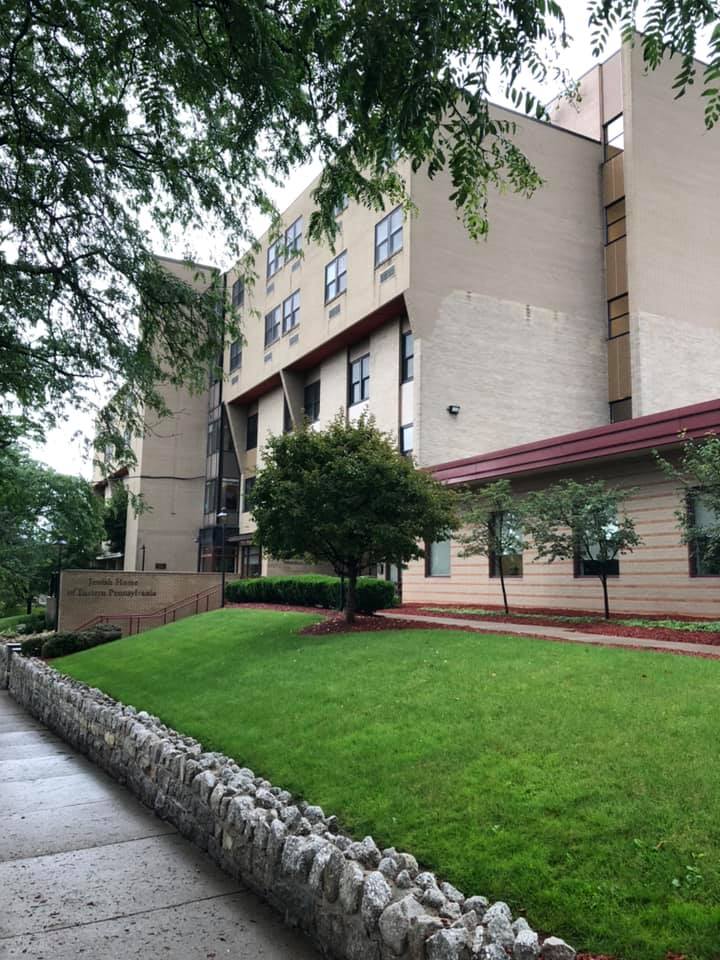
How Does Elan Skilled Nursing And Rehab, A Jewish Senior Li Compare to Other Pennsylvania Nursing Homes?

Compared to the 100 nursing homes in Pennsylvania, ELAN SKILLED NURSING AND REHAB, A JEWISH SENIOR LI's overall rating (3 stars) matches the state average, staff turnover (37%) is near the state average of 46%, and health inspection rating (3 stars) is at the national benchmark.

What Should Families Ask When Visiting Elan Skilled Nursing And Rehab, A Jewish Senior Li?

Based on this facility's data, families visiting should ask: "Can I visit during a mealtime to observe dining assistance and food quality?" "How do you handle medical emergencies, and what is your hospital transfer rate?" "Can I speak with family members of current residents about their experience?"

Is Elan Skilled Nursing And Rehab, A Jewish Senior Li Safe?

Based on CMS inspection data, ELAN SKILLED NURSING AND REHAB, A JEWISH SENIOR LI has a clean safety record: no substantiated abuse findings (meaning no confirmed cases of resident harm), no Immediate Jeopardy citations (the most serious violation level indicating risk of serious injury or death), and is not on the Special Focus Facility watch list (a federal program monitoring the lowest-performing 1% of nursing homes). The facility has a 3-star overall rating and ranks #1 of 100 nursing homes in Pennsylvania. While no facility is perfect, families should still ask about staff-to-resident ratios and recent inspection results during their visit.

Do Nurses at Elan Skilled Nursing And Rehab, A Jewish Senior Li Stick Around?

ELAN SKILLED NURSING AND REHAB, A JEWISH SENIOR LI has a staff turnover rate of 37%, which is about average for Pennsylvania nursing homes (state average: 46%). Moderate turnover is common in nursing homes, but families should still ask about staff tenure and how the facility maintains care continuity when employees leave.

Was Elan Skilled Nursing And Rehab, A Jewish Senior Li Ever Fined?

ELAN SKILLED NURSING AND REHAB, A JEWISH SENIOR LI has no federal fines on record. CMS issues fines when nursing homes fail to meet care standards or don't correct problems found during inspections. The absence of fines suggests the facility has either maintained compliance or corrected any issues before penalties were assessed. This is a positive indicator, though families should still review recent inspection reports for the full picture.

Is Elan Skilled Nursing And Rehab, A Jewish Senior Li on Any Federal Watch List?

ELAN SKILLED NURSING AND REHAB, A JEWISH SENIOR LI is not on any federal watch list. The most significant is the Special Focus Facility (SFF) program, which identifies the bottom 1% of nursing homes nationally based on persistent, serious quality problems. Not being on this list means the facility has avoided the pattern of deficiencies that triggers enhanced federal oversight. This is a positive indicator, though families should still review the facility's inspection history directly.