LINWOOD NURSING AND REHABILITATION CENTER
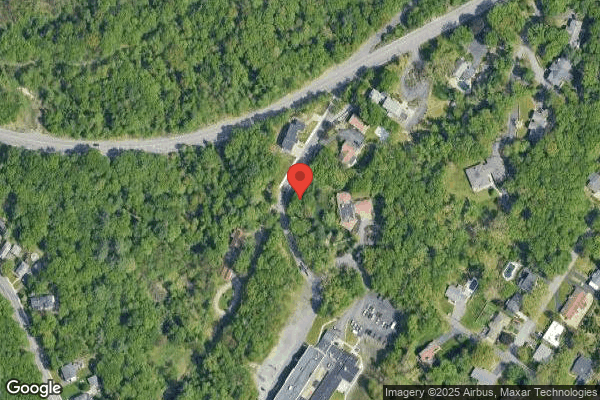
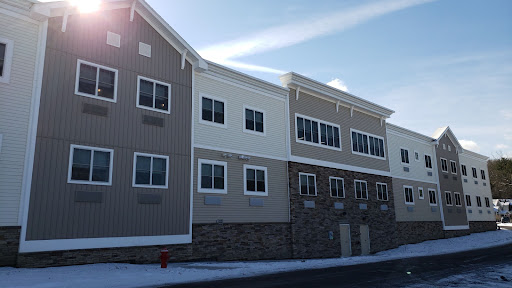
100 FLORIDA AVENUE, SCRANTON, PA 18505 (570) 346-7381
Non profit - Corporation 102 Beds Independent Data: November 2025 1 Immediate Jeopardy citation
Trust Grade
3/100
#599 of 653 in PA
Last Inspection: May 2025

Inspected within the last 6 months. Data reflects current conditions.

Overview

Linwood Nursing and Rehabilitation Center has received a Trust Grade of F, indicating significant concerns about its care quality. It ranks #599 out of 653 facilities in Pennsylvania, placing it in the bottom half of the state and #16 out of 17 in Lackawanna County, meaning there's only one local option that performs better. The facility is showing signs of improvement, having reduced its issues from 37 in 2024 to 9 in 2025. Staffing is a relative strength with a rating of 3/5 and zero turnover, indicating staff stability, but it has concerning RN coverage, being lower than 89% of Pennsylvania facilities. However, the facility has incurred $113,348 in fines, which is higher than 92% of facilities in the state, indicating ongoing compliance issues. Specific incidents of concern include a malfunctioning call bell system that left residents unable to summon help, a failure to implement safety measures that led to a resident suffering a burn injury, and instances of neglect where residents were not protected from abuse and discomfort. While there are strengths in staffing stability, the pattern of fines and serious safety incidents raises significant red flags for families considering this facility for their loved ones.

Trust Score
F
3/100
In Pennsylvania
#599/653
Bottom 9%
Safety Record
High Risk
Review needed
Inspections
Getting Better
37 → 9 violations
Staff Stability
○ Average
Turnover data not reported for this facility.
Penalties
○ Average
$113,348 in fines. Higher than 63% of Pennsylvania facilities. Some compliance issues.
Skilled Nurses
⚠ Watch
Each resident gets only 28 minutes of Registered Nurse (RN) attention daily — below average for Pennsylvania. Fewer RN minutes means fewer trained eyes watching for problems.
Violations
⚠ Watch
61 deficiencies on record. Higher than average. Multiple issues found across inspections.
★☆☆☆☆
1.0
Overall Rating
★★★☆☆
3.0
Staff Levels
★★☆☆☆
2.0
Care Quality
★☆☆☆☆
1.0
Inspection Score
Stable
2024: 37 issues
2025: 9 issues

The Good

  • Full Sprinkler Coverage · Fire safety systems throughout facility
  • No fines on record

Facility shows strength in fire safety.

The Bad

1-Star Overall Rating

Below Pennsylvania average (3.0)

Significant quality concerns identified by CMS

Federal Fines: $113,348

Well above median ($33,413)

Significant penalties indicating serious issues

The Ugly 61 deficiencies on record

1 life-threatening 2 actual harm
Sept 2025 2 deficiencies
CONCERN (D) 📢 Someone Reported This

A family member, employee, or ombudsman was alarmed enough to file a formal complaint

Potential for Harm - no one hurt, but risky conditions existed

Accident Prevention (Tag F0689)

Could have caused harm · This affected 1 resident

**NOTE- TERMS IN BRACKETS HAVE BEEN EDITED TO PROTECT CONFIDENTIALITY** Based on a review of clinical records, select facility policy, observations, and staff interviews, it was determined the facilit...

Read full inspector narrative →
**NOTE- TERMS IN BRACKETS HAVE BEEN EDITED TO PROTECT CONFIDENTIALITY** Based on a review of clinical records, select facility policy, observations, and staff interviews, it was determined the facility failed to ensure the resident environment was free from potential accident hazards for one out of four nursing units observed (300 Hall), including observations made of one out of 14 residents' rooms (Resident 1).Findings included: A review of facility policy titled Medication Administration Practice Recommendations, last reviewed by the facility on August 14, 2025, revealed it is facility policy that a nurse or qualified staff should stay with the resident until medication has been taken. A clinical record review revealed Resident 1 was admitted to the facility on [DATE], with diagnoses that included chronic kidney disease (gradual loss of kidney function). A physician's order for Tylenol tablet 325 mg (acetaminophen-a pain-relieving medication) with directions to give two tablets by mouth every four hours as needed for mild pain was initiated on April 2, 2025. A physician's order for cranberry oral tablet 300 mg, with directions to give one tablet by mouth two times a day for frequent urinary tract infections, initiated on April 16, 2025. A physician's order for oxycodone HCI (hydrochloride) oral tablet 5.0 mg (oxycodone is a schedule II opiate narcotic medication; the United States Drug Enforcement Administration indicates schedule II drugs are defined as drugs with a high potential for abuse, with use potentially leading to severe psychological or physical dependence; these drugs are also considered dangerous) with directions to administer 5.0 mg by mouth one time a day for chronic pain initiated on May 26, 2025. A clinical record review revealed an evaluation titled Medication Self-Administration Safety Evaluation-CHR (11-2012), dated July 27, 2025. The evaluation indicated Resident 1 was not determined to be safe to self-administer medications. The evaluation documented that Resident 1 required nursing assistance with medication administration and could not state the purpose of each medication, the proper dosage, or the time the medication was to be taken. The evaluation also directed that medications were to be maintained by the nursing department and administered per facility staff.An observation conducted on September 23, 2025, at 9:23 AM, in Resident 1's room revealed five small clear plastic cups on the bedside table, containing a total of seven tablets and two capsules. The medications were unsecured and accessible in an open resident room, allowing potential access by other residents. The presence of multiple medications at the bedside created the risk of accidental consumption by other residents and the risk of Resident 1 consuming medications outside of prescribed parameters. During an interview on September 23, 2025, at 10:30 AM, the Director of Nursing (DON) confirmed the medications observed included six Tylenol 325 mg tablets, one cranberry 300 mg tablet, and two oxycodone HCl 5.0 mg capsules. The DON also confirmed the oxycodone medication had been distributed from the pharmacy in a capsule form rather than the ordered tablet form. The DON acknowledged it was facility policy that licensed staff remain with residents until medications are ingested 28 Pa. Code 201.18 (b)(1) Management. 28 Pa. Code 211.10 (c) Resident care policies. 28 Pa. Code 211.12 (c)(d)(1)(5) Nursing services.
CONCERN (D) 📢 Someone Reported This

A family member, employee, or ombudsman was alarmed enough to file a formal complaint

Potential for Harm - no one hurt, but risky conditions existed

Deficiency F0757 (Tag F0757)

Could have caused harm · This affected 1 resident

**NOTE- TERMS IN BRACKETS HAVE BEEN EDITED TO PROTECT CONFIDENTIALITY** Based on clinical record review and staff interview, the facility failed to ensure adequate monitoring of behaviors and potentia...

Read full inspector narrative →
**NOTE- TERMS IN BRACKETS HAVE BEEN EDITED TO PROTECT CONFIDENTIALITY** Based on clinical record review and staff interview, the facility failed to ensure adequate monitoring of behaviors and potential adverse consequences prior to administering psychoactive medications for one of 10 residents reviewed (Resident 2). Findings include: Review of Resident 2's clinical record revealed the resident was admitted to the facility on [DATE], with diagnoses which included anxiety disorder (a group of symptoms, such as stress, anxiety, feeling sad or hopeless, and physical symptoms that can occur after you go through a stressful life event), encephalopathy ( a medical condition characterized by a general dysfunction of the brain that affects cognitive function, consciousness, and behavior), and chronic pain. Review of a quarterly Minimum Data Set Assessment (MDS-a federally mandated standardized assessment process completed at specific intervals to plan resident care) dated April 14, 2025, indicated the resident had a BIMS (brief interview mental screener that aids in detecting cognitive impairment) score of 15(a score of 13-15 indicates a cognitively intact resident). A review of the clinical record revealed multiple physician orders for Lorazepam 0.5mg (psychotropic medication used to treat anxiety) The following orders were documented:April 22, 2025- 0.5 mg every 12 hours for anxiety.May 19, 2025-0.5 mg every 12 hours as needed (PRN) for anxiety.August 12, 2025-0.5 mg every 12 hours as needed (PRN)for anxiety.August 14, 2025-0.5 mg every 8 hours as needed (PRN)for anxiety. A review of Resident 2's June 2025 Medication Administration Record (MAR) revealed the resident was administered one dose of as needed (PRN) Lorazepam 0.5mg on June 4, 2025, at 1:35PM. The facility failed to document the specific behaviors the resident was exhibiting for the Lorazepam to be administered, and the Documentation Survey Report for June 2025 noted that the resident was exhibiting no behaviors related to anxiety on that date. A review of Resident 2's August 2025 MAR revealed the resident received Lorazepam on 13 occasions (August 12-27, 2025) without documented evidence of anxiety-related behaviors or symptoms to justify administration. Examples include:August 12, 2025, at 10:50 PMAugust 14, 2025, at 9:26 AM and 9:03 PMAugust 15, 2025, at 9:13 PMAugust 16, 2025, at 9:18 PMAugust 17, 2025, at 6:40 AM and 8:34 PMAugust 18, 2025, at 4:49 AM and 9:02 PMAugust 25, 2025, at 10:06 PMAugust 26, 2025, at 12:21 PM and 11:24 PMAugust 27, 2025, at 9:53 PM An interview with Resident 2 conducted on September 23, 2025, at 12:35 PM revealed the resident reported frequent pain but denied experiencing anxiety symptoms on the above dates. The resident stated she did not request Lorazepam and that staff administered it in addition to her pain medication to help me sleep. Review of Resident 2's MAR confirmed on the following dates the resident was administered the lorazepam in addition to the prescribed controlled substance (drug which has been declared by federal or state law to be illegal for sale or use but may be dispensed under a physician's prescription. The basis for control and regulation is the danger of addiction, abuse, physical and mental harm including death), pain medication Hydrocodone/Acetaminophen 5/325mg (an opioid pain medication) without documented indication. Examples include:June 2, 2025 -Hydrocodone/Acetaminophen at 2:00 PM, 25 minutes after Lorazepam was given.August 14, 2025 -Both medications administered at 9:03 PM.August 17, 2025 -Hydrocodone/Acetaminophen at 8:40 PM, 6 minutes after Lorazepam was given.August 25, 2025 -Hydrocodone/Acetaminophen at 10:05 PM, 1 minute before Lorazepam was given.August 26, 2025 -Hydrocodone/Acetaminophen at 11:26 PM, 2 minutes after Lorazepam was given. The above information documented in the clinical record confirmed Resident 2 was administered a controlled substance pain medication with the as needed (PRN) lorazepam without proper indication for use, as stated in the resident interview.Interview with the Director of Nursing on September 23, 2025, at 1:20 PM confirmed the facility was unable to provide documentation supporting the need for Lorazepam when administered. The DON acknowledged that monitoring of behaviors and clinical indications was not consistently documented. The facility failed to record adequate monitoring for behaviors and the use of psychoactive medication in combination with opioid medication, with no documented evidence supporting the need for administration of the lorazepam. 28 Pa. Code 211.12(c)(d)(1)(3)(5) Nursing services
May 2025 6 deficiencies 1 Harm
SERIOUS (G)

Actual Harm - a resident was hurt due to facility failures

Accident Prevention (Tag F0689)

A resident was harmed · This affected 1 resident

**NOTE- TERMS IN BRACKETS HAVE BEEN EDITED TO PROTECT CONFIDENTIALITY** Based on observation, review of clinical records and select facility documentation, and staff and resident interviews, it was de...

Read full inspector narrative →
**NOTE- TERMS IN BRACKETS HAVE BEEN EDITED TO PROTECT CONFIDENTIALITY** Based on observation, review of clinical records and select facility documentation, and staff and resident interviews, it was determined that the facility failed to ensure that staff implemented a physician-ordered adaptive device (lidded cup) to mitigate the risk of injury from hot liquids for one of 21 sampled residents (Resident 60) resulting in actual harm, a burn injury to the upper thigh area and failed to ensure nurse aides demonstrated the necessary skills and competencies to safely perform mechanical lift transfers for one of 21 residents reviewed (Resident 195). These failures resulted in actual harm to both residents. Findings include: A review of Resident 60's clinical record revealed the resident was admitted to the facility February 1, 2024, with diagnoses to include dementia (the loss of cognitive functioning - thinking, remembering, and reasoning - to such an extent that it interferes with a person's daily life and activities). A quarterly Minimum Data Set assessment (MDS - a federally mandated standardized assessment process conducted at specific intervals to plan resident care) dated May 2, 2025, revealed that the resident was severely cognitively impaired with no BIMS score recorded (Brief Interview for Mental Status, a tool to assess the resident's attention, orientation, and ability to register and recall new information). The assessment noted that during eating, the resident had the ability to use suitable utensils to bring food and /or liquid to the mouth and required set up and clean up assistance Review of physician orders revealed that as of November 5, 2024, and active through May 20, 2025, the resident was to be provided with lidded cups for all liquids. An Occupational Therapy treatment encounter note dated May 13, 2025, identified the resident required set up/clean up assistance for all meals. A nurse's note dated May 19, 2025, at 2:16 PM, indicated that at approximately 11:45 AM that day, Resident 60 spilled hot coffee into her lap. The nurse noted pink, non-blanchable skin and four clear, fluid-filled blisters, each approximately 0.5 cm x 0.5 cm, located on the left anterior thigh. Silvadene was applied per protocol, and the practitioner and resident's family were notified. Resident denied pain and discomfort at that time. A Skin Evaluation completed by Employee 1 the RN Supervisor on May 20, 2025, at 9:15 AM, described six intact, clear fluid-filled blisters across multiple areas of the upper thigh. Left proximal 2 cm x1. 5 cm Left lateral 2 cm x1 cm Left lateral 1cm x 0.5cm Left distal 3. 5cm x 1. 5cm Left distal/ lateral 0.5cm x 0.5cm Left medial 3.5 cm x 1cm Silvadene was applied per physician order during the assessment. The resident denied having pain and was resting comfortably in bed with the call bell within reach. A Wound Care Physician evaluation dated May 20, 2025, at 1:53 PM, identified the burn as measuring 8 cm x 25 cm x 0 depth, with no exudate (discharge of moisture) or odor. The wound area was warm to the touch and the skin remained closed. The resident reported no pain. A review of facility's investigative report completed by the Director of Nursing (DON) dated May 19, 2025, at 11:45 AM, indicated the resident had been provided coffee without a lid, in violation of the physician's order, and subsequently spilled the beverage into her lap. A witness statement from Employee 5, Nurse Aide, dated May 19, 2025, revealed during the lunch meal, she placed the coffee in front of the resident without a lid and turned her back toward this resident to prepare another resident's beverage. When she turned back toward the resident she noticed Resident 60 had spilled the coffee into her lap. She reported to the Nursing Home Administrator (NHA) and Director of Nursing (DON) being unaware of the resident's requirement for a lidded cup. Employee 5 was suspended pending investigation and was unavailable to be reached by phone for an interview. On May 21, 2025, at approximately 10:00 AM, with the resident's permission, an observation of the resident's burn was conducted in the presence of the DON. The resident's burn was visible on her upper left thigh. The burn appeared pink, with scattered areas of white. Four blister like clusters remained, with no open areas seen, and no evidence of drainage or odor. Review of Resident 60's [NAME], which is used by staff to determine whether a resident required adaptive equipment for meals, prior to May 19, 2025, revealed the order for a lidded cup was not on the Resident's [NAME]. However, the resident did have a physician's order dated originally November 5, 2024, for lidded cups for all fluids. An interview with the NHA on May 21, 2025, at approximately 9:00 AM revealed there was an error in linking the active physician's order for lidded cups to the resident's [NAME]. Review of the food and beverage temperature logs maintained by the facility at resident meal service for May 19, 2025. The food/beverage temperatures for May 19, 2025, showed the coffee temperature for lunch tested at 139 degrees Fahrenheit. Interview with the NHA on May 21, 2025, at approximately 10:00 AM confirmed, the resident was not provided the ordered adaptive device (cup with lid). The administrator acknowledged the omission directly contributed to the hot liquid spill and subsequent injury. Following the incident on May 19, 2025, corrective actions were implemented by May 20, 2025, and included: Immediate clinical intervention following the incident, including removal of soiled clothing, application of cool compresses, wound treatment, and notification of the practitioner and family. Resident was evaluated by the Occupational Therapist for safety in consuming hot liquids. Occupational Therapist updated orders to include [NAME] Cup (spill proof cup that can be turned upside down without spilling) to further reduce spill risk. Residents with current adaptive equipment orders were prescreened by the Occupational Therapist to verify current orders and interventions are appropriate. Director of Nursing will review each order to verify the order is care planned and visible on the [NAME]. Regional Dietician re-educated the facility Dietician on appropriate steps to document orders, so they flow to the care plan and the [NAME]. The DON/designee provided in-service to facility staff on hot beverage policy. Staff not present during initial training were reeducated before their next shift. The DON/designee will review new resident orders for adaptive equipment to verify that they are documented correctly including link to [NAME]. Implementation of an audit system to review adaptive equipment use, ensure consistency between physician orders, care plans, and [NAME], and present findings to the facility's QAPI committee. A review of the clinical record revealed that Resident 195 was admitted to the facility on [DATE], with diagnoses to include, transient ischemic attach (TIA-a short period of symptoms similar to those of a stroke, caused by a brief blockage of blood flow to the brain), cerebral infarction (occurs when the blood supply to part of the brain is blocked or reduced and prevents brain tissue from getting oxygen and nutrients that results in brain cells beginning to die) without residual deficits (recovered without any effect), age related osteoporosis (a condition in which the bones become thinner, weaker, and more likely to break), and aphasia (a result of a stroke or brain injury that affects a person's ability to communicate). A Significant Change Minimum Data Set assessment (MDS- a federally mandated standardized assessment process conducted at specific intervals to plan a resident's care) dated January 14, 2025, revealed that Resident 195 had severe cognitive impairment with a BIMS score of 3 (Brief Interview for Mental Status - a tool to assess cognitive function - a score of 0 -7 indicates severe cognitive impairment), dependent (helper does all of the effort to complete the activity or the assistance of two or more helpers required to complete the activity) for bed mobility, transfers, toileting, and bathing. The resident was assessed to require a mechanical lift (a mechanical device used to assist with transfers and movement of individuals who require support for mobility beyond the manual support provided by caregivers alone) for all transfers. A review of Resident 195's physician's orders dated December 3, 2024, at 2:02 AM, specified mechanical lift use for all transfers. A review of a facility policy entitled Mechanical Lifting last reviewed February 18, 2025, indicated the facility utilizes floor-based full body sling lifts and overhead full body sling lifts with universal slings (intended as a general transfer sling, designed to be interchangeable between all manufacture's lifts and provides trunk and leg support for patients with limited upper body tone) and refer to the manufacturer's instructions for use of the universal slings. A review of facility provided investigative documentation completed by Employee 1, Registered Nurse (RN) Supervisor, dated January 30, 2025, revealed that at 8:00 AM, Resident 195 had a witnessed fall by Employee 2, an agency Nurse Aide (NA), and Employee 3, an agency Licensed Practical Nurse (LPN), the resident slid from the sling during a Hoyer lift transfer performed by Employee 2 (agency nurse aide) and Employee 3 (agency LPN), and struck her head on the floor. Employee 1 assessed Resident 195 and noted that the resident was moaning and not answering questions and 911 was called. The Resident's RP (Responsible Party), her son, was made aware and agreeable to send resident to the emergency department and the MD was made aware. A review of a witness statement completed by Employee 2, agency NA, dated January 30, 2025, no time indicated, Employee 2 reported: I was getting her {Resident 195} dressed and washed. I put the sling under her and strapped her up real good. The LPN was in with me when I lifted her up with the Hoyer. She slipped right out, landed on the bed and then on the floor. Wasn't a fall, she slipped onto the floor and hit her head. The LPN went to get the supervisor, and I tried to get her vitals, but she wouldn't let me. She was halfway on the bed when it happened. Employee 3's, agency LPN, witness statement dated January 30, 2025, no time indicated, noted I was called in by the nursing assistant to transfer the resident via Hoyer lift, with safety harness intact. The NA pulled the lift back and the resident slid out of the pad and bounced off the bed to the floor. Resident hit head on the floor. Supervisor was called and safety protocols initiated. A witness statement completed by Employee 4, former Director of Nursing (DON), dated January 30, 2025, documented the reenactment of the event that occurred at approximately 8:20 AM. The DON noted: Employee 2 stated she had retrieved a sling from the laundry, hooked the resident up appropriately, and sought assistance with the transfer. Unable to locate another aide, she was assisted by Employee 3. During the lift, the resident slid out from the bottom of the pad (sling) onto the bed and then onto the floor. When asked whether she crossed the leg straps of the sling, Employee 2 replied, no. Employee 3 described the lift transfer as follows: She was asked to come in and spot the resident transfer. She entered the room and stood by the bed while the lift was being performed. Upon elevation of the resident on the lift, the resident slid out of the bottom onto the bed and then the floor. A review of the emergency department after visit summary dated January 30, 2025, at 11:03 AM, revealed that she was being seen due after a fall off the Hoyer lift. Imaging results completed and CAT scan (computerized axial tomography - uses x-rays to take pictures of your blood vessels, tissues, bones, or organs) of the chest/abdomen/pelvis and CAT scan of her head, brain, and spine and determine that imaging was negative for intercranial bleed and fractures but positive for left posterior scalp hematoma (a condition characterized by the accumulation of blood beneath the scalp and occurs as a result of various factors, including trauma, head injuries, or medical conditions that affect blood clotting) with a planned discharge back to the facility for 11:30 AM. A review of Resident 195's clinical record revealed a nurses' progress notes dated February 4, 2025, at 10:28 PM, that indicated that the resident was complaining of increased pain to the left thigh area. Resident offered PRN (as needed) Tylenol and declined; resident was agitated and yelling at staff. Refusing all PRN medication but allowed the NA to reposition her in bed. Orders were obtained from the CRNP (Certified Nurse Practitioner) for left hip and femur x-rays and to increase Tramadol (opioid pain medication used to manage moderate to severe pain) to 25 mg po BID (twice per day) to TID (three times per day) and hold for sedation. Further review of the resident's clinical record revealed final x-ray results that indicated a left hip fracture, not present on prior study; clinical correlation and follow up radiographs suggested. CRNP made aware new orders received and noted to send the resident to the hospital emergency room (ER). A review of Resident 195's hospital discharge summary for admission February 5, 2025, through February 10, 2025, revealed the resident was admitted due to a left periprosthetic fracture (are considered fractures associated with an orthopedic implant, whether a replacement or internal fixation device) and multiple closed fractures of ribs (is a common injury that occurs when one of the bones in the rib cage breaks or cracks caused by hard impacts from falls, car accidents or contact sports) of the left side. A review of the manufacturer's instructions for the universal lift sling use during transfers from bed to chair indicated that for maximum security, gently raise the individual's legs, and pull the leg loops forward and under the thigh, cross the loops over the thighs, pull one strap through the other, and bring the lift over to the bed and roll the base as far underneath the bed as possible while positioning the cradle over the individual. When both sides of the sling are attached to their respective sides of the cradle, raise the individual slowly. Place the specific loop or chain the individual requires to ensure the proper fit to prevent from sliding out of the sling. The instructions for the universal sling confirmed that sling leg loops were to be crossed under the thighs and properly secured to prevent the resident from sliding. A review of a facility provided document entitled New Employee Orientation handbook provided by the Nurse Staffing Agency, reviewed and signed by Employee 2, Agency Nurse Aide (NA) on May 11, 2022 (date of hire with the nursing agency), acknowledged that Hoyer lift safety was completed on that date. Additionally, Employee 2 completed the facility's Nursing Agency Orientation on January 17, 2025, which included resident transfer safety. A review of the nursing agency's new hire documentation for Employee 3, Agency LPN, revealed that she was hired by the agency on August 17, 2023, however, no documentation was provided by the facility or staffing agency to demonstrate that Employee 3 had ever received training or competency validation on mechanical lift use. During on-site survey, telephone calls were placed to both Employee 2 and Employee 3, but the employees did not return the calls. During an interview with the Nursing Home Administrator (NHA) on May 20, 2025, at 10:45 AM, he acknowledged that Employee 2 failed to properly apply the universal sling and failed to cross the leg straps, resulting in the resident sliding from the sling onto the bed and then the floor. He further confirmed the facility was unable to produce documented evidence that Employee 3 had ever received mechanical lift training prior to assisting with the transfer. Further interview with the NHA confirmed that Employee 2 failed to ensure Resident 195's safety when applying the universal sling when performing a Hoyer/mechanical lift transfer that resulted in Resident 195 sliding out of the bottom of the sling onto the bed and then onto the floor hitting her head. Subsequently, Resident 195 sustained a left posterior scalp hematoma, left periprosthetic fracture, and multiple closed fractures of ribs on the left side. The facility failed to ensure that all nursing staff had the necessary clinical competency validation skills when operating mechanical lifts with universal slings for resident transfers to prevent injuries sustained from unsafe transfer practices by staff. Following the incident with Resident 195 on January 30, 2025, the facility provided evidence that corrective actions were completed by January 31, 2025. Resident was assessed for injury (no injury apparent) and was sent to the hospital for an evaluation. The current residents who utilize a Hoyer lift for care were audited to determine the following a-proper sling fitment b-care plan updated The maintenance director/designee re-audited all lifts to ensure proper functioning. Lifts are on a monthly preventative maintenance schedule. The DON/designee will in-service the nursing staff on proper sling use, colors, sizes and location. The ESD audited all slings in the building to ensure they are functional. The NHA/designee will randomly audit nursing staff 2x/week for 4 weeks to ensure the slings/lifts are being used in accordance with manufacturer recommendation and facility policy. 28 Pa Code 201.18(b)(1) Management. 28 Pa Code 211.10 (d) Resident care policies. 28 Pa Code 211.12 (d)(3)(5) Nursing services.
CONCERN (D)

Potential for Harm - no one hurt, but risky conditions existed

Deficiency F0582 (Tag F0582)

Could have caused harm · This affected 1 resident

Based on document review, clinical record review, and staff interviews, it was determined that the facility failed to timely provide the required Skilled Nursing Facility Advance Beneficiary Notice of...

Read full inspector narrative →
Based on document review, clinical record review, and staff interviews, it was determined that the facility failed to timely provide the required Skilled Nursing Facility Advance Beneficiary Notice of Non-Coverage (SNF-ABN) to notify one of three residents reviewed (Resident 95) that Medicare Part A coverage for skilled nursing services was ending. Findings Include: A review of Resident 95's clinical record revealed admission to the facility on December 9, 2024, with diagnoses to include fusion of the spine (a surgical procedure that connects two or more vertebrae in the spine to eliminate movement between them, providing stability and pain relief). Review of the resident's Medicare coverage documentation revealed the last day of covered Medicare Part A services was February 24, 2025. Further review revealed the facility did not issue the Skilled Nursing Facility Advance Beneficiary Notice of Non-Coverage (SNF-ABN) form to Resident 95 until February 25, 2025, after Medicare Part A coverage had ended. An interview conducted with the Director of Social Services on May 19, 2025, at 11:00 a.m., confirmed the resident had exhausted Medicare Part A benefits as of February 24, 2025, and acknowledged that the SNF-ABN form had not been provided until the following day. An interview with the Nursing Home Administrator on May 20, 2025, at 1:45 p.m., confirmed the facility's failure to issue the required notice prior to the end of coverage. 28 Pa. Code 201.14 (a) Responsibility of licensee.
CONCERN (D)

Potential for Harm - no one hurt, but risky conditions existed

Assessment Accuracy (Tag F0641)

Could have caused harm · This affected 1 resident

**NOTE- TERMS IN BRACKETS HAVE BEEN EDITED TO PROTECT CONFIDENTIALITY** Based on a review of clinical records, the Resident Assessment Instrument (RAI), and staff interview, it was determined the faci...

Read full inspector narrative →
**NOTE- TERMS IN BRACKETS HAVE BEEN EDITED TO PROTECT CONFIDENTIALITY** Based on a review of clinical records, the Resident Assessment Instrument (RAI), and staff interview, it was determined the facility failed to ensure the Minimum Data Set Assessments accurately reflected the status of one resident out of 21 sampled (Resident 72). Findings include: According to the Resident Assessment Instrument (RAI) User's Manual (an assessment tool utilized to gather definitive information on a resident's strengths and needs, which must be addressed in an individualized care plan, and the RAI also assists staff to evaluate goal achievement and revise care plans accordingly by enabling the facility to track changes in the resident's status) dated October 2024, Section N Medications Subsection N0350A: Insulin, indicate the number of days during the 7-day look-back period that the resident received insulin (a hormone medication used to treat diabetes) injections. A clinical record review revealed Resident 72 was admitted to the facility on [DATE]. A review of a quarterly Minimum Data Set assessment (MDS-a federally mandated standardized assessment process conducted periodically to plan resident care) dated April 11, 2025, Section N Medication Subsection N0250. Insulin revealed that Resident 72 received one injection of insulin during the 7-day look-back period. A review of Resident 72's medication administration record dated April 2025 revealed no documented evidence Resident 72 received an insulin injection during the seven-day look-back period. During an interview on May 21, 2025, at approximately 11:00 AM, the Director of Nursing (DON) confirmed Resident 72 did not receive an insulin injection during the seven-day look-back period, as indicated in the resident MDS assessment dated [DATE]. After inquiries made during the survey, the facility corrected the error and submitted a modification to the April 11, 2025, MDS assessment for Resident 72. 28 Pa. Code 211.12(d)(3) Nursing services.
CONCERN (D)

Potential for Harm - no one hurt, but risky conditions existed

Deficiency F0692 (Tag F0692)

Could have caused harm · This affected 1 resident

**NOTE- TERMS IN BRACKETS HAVE BEEN EDITED TO PROTECT CONFIDENTIALITY** Based on a review of clinical records and interviews with staff, it was determined the facility failed to ensure residents maint...

Read full inspector narrative →
**NOTE- TERMS IN BRACKETS HAVE BEEN EDITED TO PROTECT CONFIDENTIALITY** Based on a review of clinical records and interviews with staff, it was determined the facility failed to ensure residents maintain acceptable parameters of nutritional status, such as usual body weight, unless the resident's clinical condition demonstrates that is not possible, for one out of 21 residents sampled (Resident 51). Findings include: A facility policy titled Weighing of Residents, last reviewed by the facility on February 18, 2025, revealed it is the facility's policy to monitor residents' weight to detect significant weight loss or gain in order to ensure that the resident maintains acceptable parameters of nutritional status. The policy indicates if the resident exhibits a weight change of 5 lbs from the previous weight, the resident shall be re-weighed within 24 hours and the re-weighing shall be recorded. If the re-weight is validated as a 5% change, the registered dietician completes an assessment to investigate the cause of the weight change. The policy states the charge nurse will notify the registered dietician, doctor, family, and registered nurse assessment coordinator of significant weight changes. A clinical record review revealed Resident 51 was admitted to the facility on [DATE], with diagnoses that include dementia (a condition characterized by the loss of cognitive functioning such as thinking, remembering, and reasoning, to such an extent that it interferes with a person's daily life and activities). A review of an annual Minimum Data Set assessment (MDS-a federally mandated standardized assessment process conducted periodically to plan resident care) dated April 14, 2025, revealed that Resident 51 was severely cognitively impaired with a BIMS score of 03 (Brief Interview for Mental Status- a tool within the Cognitive Section of the MDS that is used to assess the resident's attention, orientation, and ability to register and recall new information; a score of 00-07 indicates cognition is severely impaired). A care plan focus indicating Resident 51 has an enteral feeding tube (a method of delivering nutrition directly into the gastrointestinal (GI) tract through a feeding tube) to meet nutrition and hydration needs related to dysphagia (a condition that creates blockages or causes your throat or esophagus to be too narrow can make it hard to swallow) was initiated on May 17, 2022. Interventions developed to assist Resident 51 with her goal for maintaining weight over the next 90 days included treatment as ordered for gastronomy tube (a thin, flexible tube inserted into the stomach through a small incision in the abdominal wall) and weighing the resident as ordered. An additional care plan focus indicated Resident 51 was at nutritional risk related to an inability to meet nutritional needs with oral intake and required a gastronomy tube initiated on May 25, 2022. Interventions developed to assist Resident 51 with her goal of consuming oral intake as able and continuing to tolerate enteral feedings to meet estimated nutritional needs include weighing per orders and alerting the dietitian and physician to any significant weight loss or gain and monitoring for changes in nutritional status (unplanned weight loss or gain) and reporting to the physician as indicated. Further clinical record review revealed Resident 51 weighed 144.2 lbs on April 11, 2025, and weighed 134.4 lbs on May 5, 2025, a 9.8 lb weight loss (-6.8 %) in 24 days. Resident 51 was reweighed 4 days later on May 9, 2025, and weighed 135.2 lbs, a 9.0 lb weight loss (-6.24%) in 28 days. An unplanned weight loss greater than 5.0% in 30 days is considered a significant weight loss. A clinical record review revealed there was no documented evidence Resident 51 was reweighed within 24 hours as indicated in the facility policy following the identification of significant weight loss on May 5, 2025. There was no documented evidence Resident 51 was reweighed within 24 hours as indicated in the facility policy following the identification of significant weight loss on May 9, 2025. A clinical record review of Resident 1's assessments tab on the electronic health record revealed no documented evidence that a nutritional assessment was completed following the identification of significant weight loss on May 5, 2025, or May 9, 2025. A nutrition progress note dated May 15, 2025, at 3:01 PM revealed Resident 51's significant weight loss of -6.6% over the last 30 days. The note included a recommendation for weekly weight monitoring. Further clinical record review revealed no documented evidence the physician or resident representatives were notified regarding the identification of significant weight loss. During an interview on May 20, 2025, the Registered Dietician (RD), confirmed there was no documented evidence that Resident 51's significant weight loss was reviewed until 10 days after it was identified. The RD confirmed there was no documented evidence the physician or Resident 51's representative was notified following the identification of a significant weight loss on May 5, 2025, or May 9, 2025. 28 Pa Code 211.5 (f)(ii)(iii)(x) Medical records. 28 Pa. Code 211.10(c) Resident care policies. 28 Pa Code 211.12 (d)(1)(3)(5) Nursing services.
CONCERN (E)

Potential for Harm - no one hurt, but risky conditions existed

Food Safety (Tag F0812)

Could have caused harm · This affected multiple residents

Based on observation and staff interview, it was determined that the facility failed to maintain acceptable practices for the storage and service of food to prevent the potential for contamination and...

Read full inspector narrative →
Based on observation and staff interview, it was determined that the facility failed to maintain acceptable practices for the storage and service of food to prevent the potential for contamination and microbial growth in food, which increased the risk of food-borne illness in the dietary department. Findings include: Food safety and inspection standards for safe food handling indicate that everything that comes in contact with food must be kept clean and food that is mishandled can lead to foodborne illness. Safe steps in food handling, cooking, and storage are essential in preventing foodborne illness. You cannot always see, smell, or taste harmful bacteria that may cause illness according to the USDA (The United States Department of Agriculture, also known as the Agriculture Department, is the U.S. federal executive department responsible for developing and executing federal laws related to food). Review of a facility policies titled Refrigerator and Frozen Food Storage last reviewed by the facility on February 18, 2025, indicated that all TCS (time, temperature, control foods) and ready to eat foods prepared on site and held for longer than 24-hours, must be properly labeled and dated with the date by which it should be consumed or discarded (use by date). The initial tour of the dietary department was conducted with the facility's weekend dietary supervisor on May 18, 2025, at 8:45 AM, revealed the following unsanitary practices with the potential to introduce contaminants into food and increase the potential for food-borne illness, were identified: Observations of inside the reach-in tray line refrigerators revealed that the following foods failed to include use by date or thaw date as follows, two opened half gallons of chocolate milk, one prepared plated tossed salad with chicken, one opened gallon of milk, and one opened can 8-ounce cola. Further observations of the reach-in tray line refrigerators revealed that the following nutritional supplements were thawed but failed to include a thaw date or discard date as follows, four thawed 6-ounce nutritional juice drinks (high calorie/high protein supplement) and twelve thawed Magic Cup (high calorie/high protein supplement) supplements. The manufacture's safe food handling instructions indicate that once defrosted, supplements should be used within 14-days. However, the actual discard date was not able to be determined due to items lacking a noted thaw date or discard date on each item. The dietary supervisor confirmed the above observations and indicated that all food items that were opened and/or thawed inside the refrigerator should have a use by date or thaw date listed on the items to prevent the potential for food contamination and foodborne illness. 28 Pa. Code 201.18 (e) (2.1) Management 28 Pa. Code 211.6 (f) Dietary Services
MINOR (B)

Minor Issue - procedural, no safety impact

Deficiency F0628 (Tag F0628)

Minor procedural issue · This affected multiple residents

**NOTE- TERMS IN BRACKETS HAVE BEEN EDITED TO PROTECT CONFIDENTIALITY** Based on a review of clinical records, facility-initiated transfer notices, and staff interview, it was determined the facility ...

Read full inspector narrative →
**NOTE- TERMS IN BRACKETS HAVE BEEN EDITED TO PROTECT CONFIDENTIALITY** Based on a review of clinical records, facility-initiated transfer notices, and staff interview, it was determined the facility failed to notify the resident and the resident's representative(s) of the transfer in writing and in a language and manner they understand and to provide copies of written notice of facility-initiated hospital transfers of residents to a representative of the Office of the State Ombudsman for one out of 21 residents reviewed (Resident 72). Findings include: A clinical record review revealed Resident 72 was admitted to the facility on [DATE]. Further clinical record review revealed Resident 72 was transferred to a community hospital on December 29, 2024, and was readmitted to the facility on [DATE]. The facility was unable to provide documented evidence the resident and resident representative were notified of the reasons for the transfer in writing or provide documented evidence the facility sent copies of written notices of these transfers to the representative of the Office of the State Long-Term Care Ombudsman. An interview with the nursing home administrator on May 21, 2025, at approximately 10:00 AM confirmed there was no documented evidence that copies of transfer notices for Resident 72 were sent to a representative of the Office of the State Long-Term Care Ombudsman. The nursing home administrator was unable to provide documented evidence that Resident 72 or his representative was notified of the reasons for the transfer on December 29, 2024. 28 Pa. Code 201.14(a) Responsibility of licensee.
Jan 2025 1 deficiency
CONCERN (D) 📢 Someone Reported This

A family member, employee, or ombudsman was alarmed enough to file a formal complaint

Potential for Harm - no one hurt, but risky conditions existed

Investigate Abuse (Tag F0610)

Could have caused harm · This affected 1 resident

**NOTE- TERMS IN BRACKETS HAVE BEEN EDITED TO PROTECT CONFIDENTIALITY** Based on a review of clinical records, the facility's abuse prohibition policy, information provided by the facility, and staff ...

Read full inspector narrative →
**NOTE- TERMS IN BRACKETS HAVE BEEN EDITED TO PROTECT CONFIDENTIALITY** Based on a review of clinical records, the facility's abuse prohibition policy, information provided by the facility, and staff interviews, it was determined that the facility failed to promptly conduct a thorough investigation to rule out abuse and implement corrective action for one of 6 residents reviewed (Resident 4). Findings included: A facility policy entitled Allegation, Suspicion, or Witnessed Abuse, Neglect, Misapplication, or Exploitation Intervention and Reporting, last reviewed by the facility on May 10, 2024, indicated that staff will immediately report the incident to the Charge Nurse or immediate supervisor of the area. Upon receiving a report of abuse or alleged abuse, the Charge Nurse or supervisor or the area shall immediately notify the RN Supervisor, who will respond to the location, examine the resident, and begin the investigation. The following information should be included in the initial verbal and subsequent written report: name of the resident(s) involved, the date and time of the incident, the exact location of the incident, the name(s) of the alleged perpetrator and contact information, the name(s) of any witnesses to the incident and contact information, a statement will be obtained from the resident(s) if he/she are interviewable (The RN Supervisor and/or Social Service will interview the resident) a description of the incident as witnessed, and any other pertinent information which may be useful to the investigation. The RN Supervisor will notify the appropriate personnel of the incident and shall include, but not limited to the following: Director of Nursing (DON) or Assistant Director of Nursing (ADON) immediately, Administrator (NHA) immediately, attending physician or as directed by the NHA, DON, or ADON (e.g., next day, if immediate notification is not warranted based upon the allegation, signs of injury, time, and type of allegation made), Resident Representation (RP) immediately or as directed by the NHA, DON, ADON (e.g., next day if immediate notification is not warranted based upon the allegation, signs of injury, time, and type of allegation made). A review of Resident 4's clinical record revealed the Resident was admitted to the facility on [DATE], with diagnoses that included adjustment disorder with anxiety (a mental and behavioral disorder defined by a maladaptive response to a psychosocial stressor. The maladaptive response usually involves otherwise normal emotional and behavioral reactions that manifest more intensely than usual, considering contextual and cultural factors, causing marked distress, preoccupation with the stressor and its consequences, and functional impairment). A significant change Minimum Data Set assessment (Minimum Data Set - a federally mandated standardized assessment conducted at specific intervals to plan resident care) dated January 10, 2025, indicated that the Resident was cognitively intact, with a BIMS (brief interview for mental status - a tool to assess cognitive status) of 13 (a score of 13 to 15 indicates intact cognition). Review of a report submitted to the state survey agency dated January 08, 2025, at 2:00 p.m., revealed that on that date and time Resident 4 disclosed to the social worker That a nurse aid had been rough with her during the night shift. The resident reported the nurse aide grabbed my foot and hurt it and later held her shoulders down. Resident 4 stated that she told her Go ahead and push me off the bed then I get two more weeks of therapy. The resident described the aide as a white stocky girl with light colored hair. The resident was assessed with no injuries noted. Upon request from this surveyor on January 15, 2025, at approximately 9:30 a.m., the Director of Nursing was unable to provide evidence of a completed investigation to review regarding this allegation made by Resident 4. While staff schedules were reviewed, no written statements from staff on duty on January 8th, 2025, were collected, and no interviews were conducted with other alert and oriented residents. Resident 4's clinical record contained no documentation related to the incident. During an interview on January 15th, 2025, at approximately 12:00 PM, the DON confirmed that staff working on the night of January 8th, 2025, were not interviewed regarding the alleged physical abuse and no documented evidence of a thorough investigation was available. An interview with the DON on January 15, 2025, at approximately 1:30 PM, confirmed the facility did not complete or document a thorough investigation into the alleged physical abuse. The facility failed to promptly and thoroughly investigate an allegation of abuse as required by the facility policy. 28 Pa. Code 201.14 (c) Responsibility of licensee. 28 Pa. Code 201.18 (b)(1) Management. 28 Pa. Code 201.29 (a) Resident rights.
Sept 2024 7 deficiencies 1 IJ (1 affecting multiple)
CRITICAL (K) 📢 Someone Reported This

A family member, employee, or ombudsman was alarmed enough to file a formal complaint

Immediate Jeopardy (IJ) - the most serious Medicare violation

Deficiency F0919 (Tag F0919)

Someone could have died · This affected multiple residents

**NOTE- TERMS IN BRACKETS HAVE BEEN EDITED TO PROTECT CONFIDENTIALITY** Based on observations, a review of facility documentation, clinical record review, and resident and staff interviews, it was det...

Read full inspector narrative →
**NOTE- TERMS IN BRACKETS HAVE BEEN EDITED TO PROTECT CONFIDENTIALITY** Based on observations, a review of facility documentation, clinical record review, and resident and staff interviews, it was determined the facility failed to ensure the call bell system was adequately equipped to allow residents to call for staff assistance, by failing to ensure the call bell system was fully functional in three (100, 200 and 300) out of the four areas of the facility. The facility failed to identify the risks and safety of the residents who need to utilize their call bell for staff assistance placing the residents in an Immediate Jeopardy situation. Findings include: A review of a facility documentation dated September 3, 2024, revealed on August 31, 2024, at approximately 7:00 PM the facility experienced a possible lightning strike causing the call bell alert system to malfunction. Upon the building assessment, it was noted the call bell system was not functioning in the 100, 200, and 300 Halls of the resident units. Further it was indicated the residents were provided tap call bells (non computerized device that when tapped by a resident a bell sounds, this sound cannot be heard throughout the facility or over long distances) which were placed in their rooms and facility staff would complete safety checks. This was the plan upon identification of the non functioning call bell system. An interview with Employee E4, maintenance director, on September 5, 2024, at approximately 10:40 AM revealed he was called into the facility on August 31, 2024, due to the call bell system not working. The employee stated at around 8:00 PM the contracted company for the call bell system came to the facility to assess the call bell system. The employee stated the contracted company went through the system and identified the server was down and the 100, 200, 300, and 400 halls with the exception of rooms 408, 409, 411, and 412, call bells were nonfunctional. The Employee E4 was informed that technicians would be back out to the facility during the week. At that time the employee indicated he retrieved tap bells and gave them to the nursing supervisor who was on duty. The employee stated he did not know if there was enough call bells for all the residents who did not have a functioning call bell. Furthermore, Employee E4 stated on Tuesday September 3, 2024, two technicians were in the building to diagnose the call bell system. At that time the technicians identified system devices were shorted and the server and hard drives were bad. They suggested at that time the whole system will need to be replaced. Employee 4 stated he had not heard anything further about when the system will be replaced. Observations of the 100 Hall on September 5, 2024, at approximately 11:00 AM revealed the call bells system in the hall were not functioning. The call bells were not lighting up or sounding when the call bells were activated (button pressed by a resident to alert staff of the need for assistance) in the resident bedrooms and bathrooms. Further observations on the 100 Hall revealed Resident A4 did not have a tap bell in her room to ring for staff assistance. Observations of the 200 Hall on September 5, 2024, at approximately 11:05 AM revealed the call bell system in the hall were not functioning The call bells were not lighting up or sounding when the call bells were activated in the resident bedrooms and bathrooms. An interview with Employee E1 Agency NA (nurse aide) on September 5, 2024, at 11:08 AM indicated the employee stated she was never educated on how often frequent rounding (intentionally checking and visualizing residents at regular intervals) and safety checks were to be completed, but she rounds (observes) the residents every two hours. When asked if all residents had tap bells the employee indicated that not all residents had tap bells to use. Furthermore, the employee was asked how they would know if a resident needed assistance in the bathroom since there were nonfunctioning call bells in the bathroom, the employee stated she would just go check on the resident but doesn't know how the residents could alert the staff. An interview with Employee E2 RN (registered nurse) on September 5, 2024, at 11:12 AM revealed the call bell system has not been functioning and the residents were to use tap bells. The employee stated they do resident rounding every two hours but have not been told to increase the rounding due to the nonfunctioning call bell system. When asked how they would know if a resident needed help in the bathroom, she stated the staff should be bringing them into the bathroom and staying with them, but if resident's go to the bathroom by themselves, they should bring their tap bell in with them. When asked if residents were educated to do so, the employee stated she didn't know. An interview with Employee E3 NA on September 5, 2024, at approximately 11:15 AM indicated she does resident rounding every 2 hours. The employee stated she was not told she had to do more frequent rounding since the call bell system was not functioning. The employee indicated that everyone should have a tap bell but not all residents know how to use them. When asked how she would know if someone needed help, that was unable to use the bell, or if a resident was in the bathroom where no bells were accessible, the employee stated I guess I would just hear them yell out. Observations of the 300 Hall on September 5, 2024, at approximately 11:20 AM revealed the call bells in the hall were not functioning. The call bells were not lighting up or sounding when the call bells were activated in the resident bedrooms and bathrooms. Further observations revealed Resident A5, Resident A6, and Resident A7 did not have tap bells in their rooms to ring for staff assistance. An interview with Resident A8 on September 5, 2024, at the time of the observations on the 300 Hall indicated the resident stated when you hit the tap bell the staff do not know where it is coming from. The resident indicated he would just have to wait for staff's assistance until they figured out who was ringing the tap bell. Furthermore the resident indicated, since the call bell was not working in the bathroom, he would just have to yell out for help until someone hopefully heard him to arrive to assist him. An observation of Resident A9 on September 5, 2024, at approximately 11:30 AM revealed the resident was in her room in the bathroom. The resident was retching and spitting up mucus in the toilet. The resident appeared upset and moaning at times while coughing and retching. The resident indicated she wheeled herself to the bathroom because her stomach was bothering her, and she was coughing up mucus. The resident stated she needs help but doesn't know how to get the staff's attention to help her since the call bell system doesn't work. The resident pointed to the call bell on the wall in the bathroom and stated it was broken. A review of Resident A10's clinical record revealed the resident was admitted to the facility on [DATE], with diagnoses which included hemiplegia (paralysis on one side of the body) and hemiparesis (weakness on one side of the body) affecting the left side and seizure disorder. A review of quarterly MDS (minimum data set- a federally mandated standardized assessment conducted at specific intervals to plan resident care) dated August 3, 2024. The resident is cognitively intact with a BIMS of 15 (13 (brief interview for mental status, a tool to assess the residents attention, orientation and ability to register and recall new information, a score of 13-15 equates to being cognitively intact). The resident was able to ring her call bell for assistance if needed. A review of the resident's plan of care initially dated April 19, 2023, indicated the resident is non compliant with safety interventions and has poor safety awareness. The resident's care plan dated April 22, 2023 indicated to place the call light within her reach and educate on the importance of using the call bell for assistance. A review of a progress note dated September 3, 2024, at 7:22 PM revealed staff had to be alerted by another resident that Resident A10 was lying on the floor in her bedroom. The resident was found lying on her back with her head towards the bedroom door. The resident's call bell was not functional and resident could not ring bell for assistance to transfer or to be helped off the floor. The resident was noted to have a lump and abrasion above her right eyebrow. The resident was complaining of a headache at that time. The resident was sent out to the hospital for further evaluation. An interview with the Nursing Home Administrator (NHA) on September 5, 2024, 2024, at approximately 12:24 PM revealed when the call bells system became inoperable, the staff were alerted to do frequent rounding or make frequent observations of residents to anticipate their need for care. When asked what frequent rounding meant, the NHA stated the standard every two hours. When asked how the facility was tracking that frequent rounds were being completed, the NHA indicated the supervisor would sign a paper that the rounding was completed every shift. The NHA was asked how the supervisors would know if the observations were completed in order to sign off indicating the observations were completed, if they were not the ones doing the rounding. The NHA stated they would ask the staff if it was completed. The facility could not provide documentation completed by the staff that were actually doing the frequent rounding to assure rounding was completed. When asked how residents would alert staff if they needed assistance while in the bathroom, the NHA stated the staff would take them into the bathroom. The NHA was questioned regarding independent residents who are able to take themselves to the bathroom, if they required assistance how would stff be alerted? The NHA could not answer the question and stated there are no working call bells in the bathrooms and no residents should be going to the bathroom independently. Immediate Jeopardy was called on September 5, 2024, due to the facility's failure to timely identify the health and safety of the residents due to the facility not having a functioning call bell system to alert staff when the residents needed assistance beginning on August 31, 2024 at 7:00 PM when the facility's call bell system became inoperable. The facility was notified of the Immediate Jeopardy on September 5, 2024, at 1:15 PM and the IJ template was provided to the facility. An immediate plan of correction was requested and received on September 5, 2024. The plan included: 1. Clip alarms will be placed in all bathrooms, shower rooms, and lobby visitor bathrooms with signs that say please pull string for assistance. All cognitively aware residents will be educated on the temporary call bell system and its purpose. 2. The call bell system quote and proposal will be signed by the NHA for repair of the call bell system 3. A full house facility audit will be completed to ensure all residents have tap bells in their rooms. 4. The facility will educate all staff on the 7am to 3pm, 3pm to 11pm, and 11pm to 7am shifts on the temporary call bell system and hall monitoring system. All staff on shift will be educated by September 5, 2024. All other nonscheduled staff and as needed staff will be educated on the temporary call bell system and hall monitoring system prior to the beginning of their next scheduled shift. Following verification of the implementation of the corrective action plan, a tour of the facility and inspection of the supervision, the Immediate Jeopardy was lifted at on September 5, 2024, at 4:55 PM. 28 Pa. Code 201.18 (b)(1) Management 205.67(j) Electric requirements for existing construction. 28 Pa. Code 211.12(d)(5) Nursing Services.
CONCERN (D) 📢 Someone Reported This

A family member, employee, or ombudsman was alarmed enough to file a formal complaint

Potential for Harm - no one hurt, but risky conditions existed

Deficiency F0725 (Tag F0725)

Could have caused harm · This affected 1 resident

**NOTE- TERMS IN BRACKETS HAVE BEEN EDITED TO PROTECT CONFIDENTIALITY** Based on a review of clinical records, review of facility documentation and interviews with staff and residents it was determine...

Read full inspector narrative →
**NOTE- TERMS IN BRACKETS HAVE BEEN EDITED TO PROTECT CONFIDENTIALITY** Based on a review of clinical records, review of facility documentation and interviews with staff and residents it was determined the facility failed to efficiently deploy sufficient nursing staff to provide timely and quality care to each resident including one residents out of 28 sampled (Resident B1). Findings include: A review of the clinical record revealed that Resident B1 was admitted to the facility on [DATE], with diagnoses to include cerebral infarction(stroke). A review of an admission minimum data set assessment (Minimum Data Set - a federally mandated standardized assessment conducted at specific intervals to plan resident care) dated August 23, 2024 revealed the resident was cognitively intact, with a BIMS score of 15 ( Brief Interview for Mental Status. The BIMS test is used to get a quick snapshot of how well you are functioning cognitively at the moment a score of 13 to 15 indicates cognitively intact) and required staff assistance for transferring and toileting. A review of a facility investigation report dated September 1, 2024 at 8:00 PM revealed staff was alerted to Resident B1's room by the resident shouting for help. Resident B1 was noted to be lying on his back on the floor of his bathroom with his head by the door and feet underneath the sink. The resident stated that he rang his call bell for over 20 minutes and really needed to use the bathroom to have a bowel movement. Although Resident B1 required assistance with toileting, he wheeled himself into the bathroom and self transferred himself to the toilet. The resident stood up from the toilet to pull up his pants, and lost his balance and fell. Staff transferred him back to bed. Nursing assessed him and a small scrape was noted to his right elbow. A review of a witness statement dated September 1, 2024 (no time indicated), Employee E5 (LPN) stated, at the time of the incident she and a nurse aide were caring for another resident who required the assistance of two staff members. Employee 5 was alerted by Resident B1 shouting for help from his room. Employee 5 indicated the resident was found lying on the bathroom floor. The resident told Employee 5 he had been ringing his call bell for 20 minutes and he really needed to use the bathroom. A review of a witness statement dated September 1, 2024 (no time indicated), Employee E6 (nurse aide) stated she and the LPN were the only staff on duty at the time of the fall. They were caring for another resident who required the assistance of two staff members at the time of Resident B1's fall and they were not available to answer his call bell. During an interview September 5, 2024 at 1:00 PM, Resident B1 stated that on the date of his fall he rang his call bell for at least 20 minutes prior to his self transfer to the toilet. He stated he really needed to use the bathroom and could not wait any longer for staff assistance. He stated that he got himself onto the toilet then stood up. He attempted to pull up his pants, lost his balance and fell to the floor. He stated that he yelled for help for at least 25 minutes waiting for staff assistance to get off the floor. He stated that he was not happy that there was not sufficient staff working on his floor at the time of his fall. There was one LPN and one nurse aide present on the unit at the time of this resident's fall. The unit had other residents who required the assistance of two staff members which did not allow them to answer call bells in a timely manner if they were assisting other residents. There was no evidence at the time of the survey that Resident B1 received timely staff assistance to the bathroom and to prevent a fall. A review of a facility staffing records dated September 1, 2024 revealed that on the 3:00 PM to 11:00 PM shift the resident census on the short stay unit was 17 residents. Facility staffing documentation revealed that one LPN and one nurse aide were working on that unit at that time. Nurse aide staffing for the facility on the evening shift on this date failed to meet the minimum of 8.09 nurse aides for a facility census of 89. Staffing on this date for nurse aides was 7.06. During an interview September 5, 2024 at 2 P.M., the Director of Nursing confirmed that staffing was not sufficient at the time of the resident's fall to timely answer his call bell and offer assistance to have potentially prevented the fall. The facility failed to deploy sufficient nursing staff in a manner to provide quality care and services to residents. 28 Pa. Code 211.12 (c)(d)(4)(5)(f.1)(3) Nursing services 28 Pa. Code 201.18 (b)(1)(3)(e)(1) Management
CONCERN (E) 📢 Someone Reported This

A family member, employee, or ombudsman was alarmed enough to file a formal complaint

Potential for Harm - no one hurt, but risky conditions existed

Deficiency F0583 (Tag F0583)

Could have caused harm · This affected multiple residents

Based on observation and staff interview it was determined the facility failed to protect the personal privacy rights of three of 28 residents sampled (Resident A1, A2, and A3). Findings include: An o...

Read full inspector narrative →
Based on observation and staff interview it was determined the facility failed to protect the personal privacy rights of three of 28 residents sampled (Resident A1, A2, and A3). Findings include: An observation of Resident A1's room on September 5, 2024, at 9:45 AM, revealed a sign was taped above the resident's bed indicating the resident was to have a Hoyer pad under her while in her wheelchair. An observation of Resident A2's room on September 5, 2024, at 9:49 AM, revealed a sign was taped above the resident's bed indicating the resident is to have nectar thicken liquids only. An observation of Resident A3's room on September 5, 2024, at approximately 9:55 AM revealed signs taped above the resident's bed indicating the resident was to have nectar thick fluids and no over the bed table. Interview with the Nursing Home Administrator (NHA) on September 5, 2024, at approximately 5:15 PM revealed that the NHA was unable to provide information regarding the reason for these signs posted behind the residents' beds, that failed to assure the residents' personal privacy. 28 Pa. Code 201.29 (a) Resident rights
CONCERN (E) 📢 Someone Reported This

A family member, employee, or ombudsman was alarmed enough to file a formal complaint

Potential for Harm - no one hurt, but risky conditions existed

Accident Prevention (Tag F0689)

Could have caused harm · This affected multiple residents

**NOTE- TERMS IN BRACKETS HAVE BEEN EDITED TO PROTECT CONFIDENTIALITY** Based on review of clinical records and staff and resident interview, it was determined the facility failed to provide adequate ...

Read full inspector narrative →
**NOTE- TERMS IN BRACKETS HAVE BEEN EDITED TO PROTECT CONFIDENTIALITY** Based on review of clinical records and staff and resident interview, it was determined the facility failed to provide adequate supervision to prevent a fall and promote resident safety for two of 28 sampled (Resident's B1 and A 10). Findings include: A review of the clinical record revealed that Resident B1 was admitted to the facility on [DATE], with diagnoses to include cerebral infarction(stroke). A review of an admission minimum data set assessment (Minimum Data Set - a federally mandated standardized assessment conducted at specific intervals to plan resident care) dated August 23, 2024 revealed the resident was cognitively intact, with a BIMS score ( Brief Interview for Mental Status. The BIMS test is used to get a quick snapshot of how well you are functioning cognitively at the moment.) of 15 ( a score of 13 to 15 indicates cognitively intact) and required staff assistance for transferring and toileting. A review of a facility investigation report dated September 1, 2024 at 8:00 PM revealed staff was alerted to Resident B1's room by the resident shouting for help. Resident B1 was noted to be lying on his back on the floor of his bathroom with his head by the door and feet underneath the sink. The resident stated that he rang his call bell for over 20 minutes and really needed to use the bathroom to have a bowel movement. Although Resident B1 required assistance with toileting, he wheeled himself into the bathroom and self transferred himself to the toilet. The resident stood up from the toilet to pull up his pants, and lost his balance and fell. Staff transferred him back to bed. Nursing assessed him and a small scrape was noted to his right elbow. A review of a witness statement dated September 1, 2024 (no time indicated), Employee E5 (LPN) stated, at the time of the incident she and a nurse aide were caring for another resident who required the assistance of two staff members. Employee 5 was alerted by Resident B1 shouting for help from his room. Employee 5 indicated the resident was found lying on the bathroom floor. The resident told Employee 5 he had been ringing his call bell for 20 minutes and he really needed to use the bathroom to defecate. A review of a witness statement dated September 1, 2024 (no time indicated), Employee E6 (nurse aide) stated she and the LPN were the only staff on duty at the time of the fall. They were caring for another resident who required the assistance of two staff members at the time of Resident B1's fall and they were not available to answer his call bell. During an interview September 5, 2024 at 1:00 PM, Resident B1 stated that on the date of his fall he rang his call bell for at least 20 minutes prior to his self transfer to the toilet. He stated he really needed to use the bathroom and could not wait any longer for staff assistance. He stated that he got himself onto the toilet then stood up. He attempted to pull up his pants, lost his balance and fell to the floor. He stated that he yelled for help for at least 25 minutes waiting for staff assistance to get off the floor. He stated that he was not happy that there was not sufficient staff working on his floor at the time of his fall. There was one LPN and one nurse aide present on the floor at the time of this resident's fall. The unit had other residents who required the assistance of two staff members which did not allow them to answer call bells in a timely manner if they were assisting other residents. There was no evidence at the time of the survey that Resident B1 received timely staff assistance to prevent a fall. Clinical record review revealed that Resident A10 was admitted to the facility on [DATE] with diagnosis to include cerebral vascular accident (stroke) and hemiplegia/hemiparesis (one sided weakness of the body). A quarterly MDS assessment dated [DATE] revealed the resident was cognitively intact with a BIMS score of 15 and required the assistance of staff for activities of daily living including transferring and toileting. A review of the resident's current care plan indicated the resident was at risk for falls and had previous fall with interventions to include anti roll back devices to wheelchair to prevent tipping, non skid footwear, bed in the lowest position and bed and chair alarms to alert staff of unsafe transfers. A review of a facility incident investigation dated September 3, 2024 at 6:15 PM revealed, nursing staff was alerted by another resident to come to Resident A 10's room. Resident A 10 was found on the floor. A bump with a small abrasion and edema (swelling) was noted above the left eyebrow. Neuro checks were initiated. The resident complained of a headache. The resident was transferred to bed. The Physician was contacted and the resident was sent to the emergency room for evaluation. Hospital documentation dated September 3, 2024 indicated the resident had a CT (CT scan uses computers and rotating X-ray machines to create cross-sectional images of the body) of the head indicating a hematoma ( a collection of blood). The resident was examined and returned to the facility. A review of a witness statement dated September 4, 2024 (no time indicated), Employee E7 (nurse aide) stated that Resident A10 was seated in her wheelchair in her room waiting for her dinner tray. Another resident (not identified in the incident investigation or clinical documentation) alerted staff that Resident A10 was on the floor. At approximately 5:45 PM prior to dinner tray arrival, she was in her wheelchair. Employee 7 indicated she had toileted the resident and placed her in front of her tray table with her meal. The call bell system in the facility was not operational at the time of the fall and it could not be determined if the resident had a method of alerting staff of her needs at the time of the fall. An interview with the Nursing Home Administrator on September 5, 2024, at approximately 2:00 PM, confirmed the facility failed to provide evidence the staff provided timely assistance to prevent Resident B1's fall and confirmed the call bell system was not operational at the time of Resident A10's fall. 28 Pa. Code 201.18 (e)(2.1) Management 28 Pa. Code 211.12 (c)(d)(1)(3)(5) Nursing services
CONCERN (E) 📢 Someone Reported This

A family member, employee, or ombudsman was alarmed enough to file a formal complaint

Potential for Harm - no one hurt, but risky conditions existed

QAPI Program (Tag F0867)

Could have caused harm · This affected multiple residents

**NOTE- TERMS IN BRACKETS HAVE BEEN EDITED TO PROTECT CONFIDENTIALITY** Based on a review of the facility's plan of correction from the survey ending July 23, 2024, the outcome of the activities of th...

Read full inspector narrative →
**NOTE- TERMS IN BRACKETS HAVE BEEN EDITED TO PROTECT CONFIDENTIALITY** Based on a review of the facility's plan of correction from the survey ending July 23, 2024, the outcome of the activities of the facility's quality assurance committee, observations and interviews it was determined the facility's procedures failed to effectively identify ongoing deficient practices related to personal privacy and infection control. Findings include: As a result of the deficiencies cited under the requirements related to personal privacy, accident hazards infection control, and facility staffing during the survey of September 5, 2024, the facility developed a plan of correction to serve as their allegation of compliance, which included a quality assurance monitoring component to ensure that solutions were sustained. This corrective plan was to be completed and functional by August 12, 2024. However, during the survey ending September 5, 2024, continuing deficient facility practice was identified with these same requirements. According to the facility's plan of correction for the deficiency cited on July 23, 2024, relating to procedures to promote privacy to include, a House audit (of signs posted in resident rooms with personal information) completed August 12, 2024, re-education provided to nursing staff on policy's and procedures related Resident's Personal Privacy, nursing home administrator or designee will conduct facility environmental audits weekly times 4 then monthly times 2 and findings and outcomes will be reported at monthly Quality Assurance committee meeting. At the time survey ending September 5, 2024, the following observations were made: Resident A1's room on September 5, 2024, at 9:45 AM, revealed a sign taped above the resident's bed indicating the resident was to have a Hoyer pad (indicated assistance needed for transfers) under her while in her wheelchair. Resident A 2' s' room on September 5, 2024, at 9:49 AM, revealed a sign taped above the resident's bed indicating the resident is to have nectar thicken liquids (indication of swallowing issues) only. Resident A3's room on September 5, 2024, at approximately 9:55 AM revealed signs taped above the resident's bed indicating the resident was to have nectar thick fluids (indication of swallowing issues) and no over the bed table. The above noted observations failed to ensure the plan of correction was implemented in regard to resident privacy. According to the facility's plan of correction for the deficiency cited on July 23, 2024, relating to the infection control program, the facility Infection Control program was re-evaluated for any outstanding infection control needs, including but not limited to monitoring and investigating causes and manner of spread. A facility wide audit was ongoing for any outstanding or new infection control needs. Policy reviewed by Quality assurance team. Monthly Infection Control log line listing verified it must include type of infection, pathogen, start date of antibiotic and length, precaution type and resolution date. Infection control nursing, nurse management and general nursing staff re-educated on the facilities policy and procedure for infection control. Facility wide audit education provided to staff on policy entitled Infection Control Policy and procedure. Infection Control Nurse/Designee will complete weekly audits times 4 weeks then monthly times 2 and report findings at QA meeting. A review of the facility's infection control data provided during the survey of September 5, 2024, revealed the facility's infection control program failed to reflect an operational system to monitor and investigate causes of infection and the manner of spread. There was no evidence of a functional system, which enabled the facility to analyze clusters, changes in prevalent organisms, or increases in the rate of infection in a timely manner. The facility failed to demonstrate a functioning system for surveillance for routine, ongoing, and systematic collection, analysis, interpretation, and dissemination of surveillance data to identify infections (i.e., HAI healthcare aquired infections and community-acquired), infection risks, communicable disease outbreaks, and to maintain or improve resident health status. The facility was unable to demonstrate how it tracks infections and addresses any areas needing corrective action. Resident A 9 was diagnosed with Rhinovirus infection (upper respiratory infection) and pneumonia after presenting with a persistent cough and was sent to the hospital for evaluation on September 1, 2024 at 7:12 PM. The resident returned to the facility on September 2, 2024 at 12:31 AM with physician orders for Prednisone 20 mg (a steroid medication to decrease inflammation )once daily for five days, and Amoxicillin-Potassium Clavulanate 875-125 mg (an antibiotic medication) twice daily for ten days This infection was not included in the data and no plans for any intervention with staff and residents to deter similar infections. There was no indication that the limited data that was compiled was then evaluated to determine what could be done to prevent the spread or recurrence of infections within the facility. Observations on September 5, 2024 at 9 AM and at 11:30 AM, Resident 7 was observed sitting in his wheelchair with his catheter (plastic tube in the bladder to drain urine) bag, containing urine lying next to him directly on the floor. An observation of the bathroom in room [ROOM NUMBER] on September 5, 2024 at 11 AM revealed an uncovered bed pan with a wash basin inside of it, directly on the floor. Items stored directly o the floor have the possibility to increase the risk of transmission of infection. The acility failed to maintain a complete and accurate infection control program as well as ensure infection control practices to promote infection control in the facility. An interview with the Nursing Home Administrator (NHA), on September 5, 2024, at approximately 2:00 PM, indicated her expectation was that there were no signs posted on resident walls, infection control monthly logs and tracking as well as infection control practices are maintained, fall prevention is maintained, and confirmed the facility's quality assurance plan was ineffective in identifying, investigating, these continuing areas of deficient practice and its corrective plan failed to prevent recurrence of similar quality deficiencies in the areas of procedures to promote resident privacy, fall prevention and infection control . Refer F583, F689, F880 28 Pa. Code 211.12 (c)(d)(3) Nursing services 28 Pa. Code 201.18(e)(1) Management.
CONCERN (E) 📢 Someone Reported This

A family member, employee, or ombudsman was alarmed enough to file a formal complaint

Potential for Harm - no one hurt, but risky conditions existed

Infection Control (Tag F0880)

Could have caused harm · This affected multiple residents

**NOTE- TERMS IN BRACKETS HAVE BEEN EDITED TO PROTECT CONFIDENTIALITY** Based on review of the facility's infection control tracking log and staff interview, it was determined the facility failed to m...

Read full inspector narrative →
**NOTE- TERMS IN BRACKETS HAVE BEEN EDITED TO PROTECT CONFIDENTIALITY** Based on review of the facility's infection control tracking log and staff interview, it was determined the facility failed to maintain and implement a comprehensive program to monitor and prevent infections in the facility and failed to maintain infection control practices to prevent the spread of infections regarding foley catheter maintance for 1 of 28 sampled residents. (Resident 7). Findings include: A review of the facility's policy entitled Infection Control Policies and Practices (not dated), conducted during the survey ending September 5, 2024, revealed the facility's infection control policies are intended to facilitate maintaining a safe sanitary comfortable environment and help prevent and manage transmission of disease and infection. A review of the facility's infection control data provided during the survey of September 5, 2024, revealed the facility's infection control program failed to reflect an operational system to monitor and investigate causes of infection and the manner of spread. There was no evidence of a functional system, which enabled the facility to analyze clusters, changes in prevalent organisms, or increases in the rate of infection in a timely manner. The facility failed to demonstrate a functioning system for surveillance for routine, ongoing, and systematic collection, analysis, interpretation, and dissemination of surveillance data to identify infections (i.e., HAI-healthcare associated infections and community-acquired), infection risks, communicable disease outbreaks, and to maintain or improve resident health status. The facility was unable to demonstrate how it tracks infections and address any areas needing corrective action. Nursing documentation dated August 25, 2024 at 5:22 PM indicated Resident A 9' s' daughter was concerned with her mother's continued coughing. It was noted that Tessalon (cough medicine) was given per physician orders. On August 30, 2024 at 2:00 PM, the resident was noted with a persistent cough. The Physician was contacted and a chest X-Ray was ordered and completed with no illness identified. On August 31, 2024 at 10:55 PM, the resident was noted with increasing coughing on the shift. Cough medicine was administered with no effect. Her lungs were noted with wheezes, bilaterally. The Physician was again notified of the residents symptoms. Nursing documentation dated September 1,2024 7:12 PM revealed the chest x-ray results were received and sent to the physician along with a report of the resident's worsening productive cough with wheezing. The Physician ordered the resident sent to the emergency room for evaluation. Hospital documentation dated September 1, 2024 indicated the resident was diagnosed with Rhinovirus infection (upper respiratory infection) and pneumonia of right lower lobe She was prescribed Prednisone 20 mg (a steroid medication to decrease inflammation )once daily for five days, and Amoxicillin-Potassium Clavulanate 875-125 mg (an antibiotic medication) twice daily for ten days. The resident returned to the facility on September 2, 2024 at 12 :31 AM. This infection was not included in the data and no plans for any intervention with staff and residents to deter similar infections. There was no indication the limited data that was compiled was then evaluated to determine what could be done to prevent the spread or recurrence of infections within the facility. An observation September 5, 2024 at 11 AM in resident bathroom [ROOM NUMBER], there was an unbagged bed pan with an unbagged resident wash basin inside on the floor next to the toilet. An observation September 5, 2024 at 9 AM and again at 11:30 AM Resident 7 was seated in his wheelchair with his foley catheter bag directly on the floor. An interview September 5, 2024 at approximately 1:00 PM, the facility infection Preventionist (IP) stated she just became the Infection Preventionist in the facility in the past month. She confirmed the infection logs were not complete and infection control practices should be maintained in the facility. 28 Pa. Code 211.12 (c)(d)(5) Nursing services. 28 Pa. Code 211.10 (a)(d) Resident care policies
MINOR (C) 📢 Someone Reported This

A family member, employee, or ombudsman was alarmed enough to file a formal complaint

Minor Issue - procedural, no safety impact

Staffing Information (Tag F0732)

Minor procedural issue · This affected most or all residents

Based on observation and staff interview, it was determined the facility failed to correctly post nurse staffing information. Findings include: Observation upon entrance to the facility on September 5...

Read full inspector narrative →
Based on observation and staff interview, it was determined the facility failed to correctly post nurse staffing information. Findings include: Observation upon entrance to the facility on September 5, 2024 at 9:00 AM and 11:56 AM. revealed the posted nursing time was dated September 5, 2024. The form displayed the resident census however, it did not include the staffing for the day that reflected the number of staff and hours worked by the nursing staff. During an interview September 5, 2024 at approximately 1:00 PM, the Nursing Home Administrator confirmed the posted nursing time was not posted at the beginning of the shift. The facility failed to list the total number of staff and actual hours worked by the staff. 28 Pa.Code 201.18 (b)(3) 28 Pa. Code: 211.12 (d) Nursing Services
Jul 2024 6 deficiencies
CONCERN (D) 📢 Someone Reported This

A family member, employee, or ombudsman was alarmed enough to file a formal complaint

Potential for Harm - no one hurt, but risky conditions existed

Deficiency F0583 (Tag F0583)

Could have caused harm · This affected 1 resident

Based on observation, clinical record review, and resident and staff interview, it was determined that the facility failed to protect the personal privacy rights of one of six residents sampled (Resid...

Read full inspector narrative →
Based on observation, clinical record review, and resident and staff interview, it was determined that the facility failed to protect the personal privacy rights of one of six residents sampled (Resident 1). Findings include: During an observation of Resident 1's room on July 23, 2024 at approximately 10:15 AM a hand written sign was observed taped to the back of the resident's bed which read R Limb alert (RUE) NO IV, lab draws, BPs or tight clothing. Interview with Resident 1 and her daughter on July 23, 2024, at 10:20 AM revealed that they did not know why that sign was posted behind the resident's bed. They stated they did not put the sign there, the facility did. When asked Resident 1 stated there was no reason that they could not use her right arm. She stated no one ever mentioned to her that her right arm should not be used. Resident 1 then asked if the sign could be removed from the wall behind her bed. A review of the resident's clinical record indicated her right arm should not be used for blood draws, but did not identify the clinical reason or diagnosis. Interview with the Nursing Home Administrator (NHA) on July 23, 2024 at 3:00 PM revealed that the NHA was unable to provide information regarding the reason for this sign posted behind the resident's bed, that failed to assure the resident's personal privacy. 28 Pa. Code 201.29 (a) Resident rights
CONCERN (D) 📢 Someone Reported This

A family member, employee, or ombudsman was alarmed enough to file a formal complaint

Potential for Harm - no one hurt, but risky conditions existed

Comprehensive Care Plan (Tag F0656)

Could have caused harm · This affected 1 resident

**NOTE- TERMS IN BRACKETS HAVE BEEN EDITED TO PROTECT CONFIDENTIALITY** Based on observation, clinical record review and resident and staff interview, it was determined that the facility failed to ens...

Read full inspector narrative →
**NOTE- TERMS IN BRACKETS HAVE BEEN EDITED TO PROTECT CONFIDENTIALITY** Based on observation, clinical record review and resident and staff interview, it was determined that the facility failed to ensure that a resident's comprehensive care plan included the care the resident required to attain the resident's highest practical physical well-being for one resident out of six reviewed (Resident 1). Findings including: Clinical record review revealed that Resident 1 was admitted to the facility on [DATE], with diagnoses to include a displaced fracture of the right lower leg (broken ankle) with history of falls. An interview and observation of Resident 1 at 10:00AM on July 23, 2024, revealed that the resident had a blue hard cast on her right leg, that extended from the base of her toes to just below her knee. A review of the resident's current plan of care initially, dated May 30, 2024, revealed that the presence of the cast or the need for assessment of her exposed toes to ensure that adequate color, circulation, sensation and mobility was present without swelling, was not included on the resident's care plan.
CONCERN (D) 📢 Someone Reported This

A family member, employee, or ombudsman was alarmed enough to file a formal complaint

Potential for Harm - no one hurt, but risky conditions existed

Quality of Care (Tag F0684)

Could have caused harm · This affected 1 resident

**NOTE- TERMS IN BRACKETS HAVE BEEN EDITED TO PROTECT CONFIDENTIALITY** Based on review of clinical records and staff interview it was determined that the facility failed to provide nursing services c...

Read full inspector narrative →
**NOTE- TERMS IN BRACKETS HAVE BEEN EDITED TO PROTECT CONFIDENTIALITY** Based on review of clinical records and staff interview it was determined that the facility failed to provide nursing services consistent with professional standards of practice for one resident (Resident 1) out of six residents reviewed by failing to assure prompt and necessary treatment for treatment for a resident's complaints of physical discomfort, painful urination, which delayed diagnosis and treatment of a salmonella infection. Findings included: According to the Pennsylvania Code, Title 49, Professional and Vocational Standards, State Board of Nursing, 21.292a. CRNP (Certified Registered Nurse Practitioner) Practice (b)(1)(2) indicates (b) When acting in collaboration with a physician as set forth in a collaborative agreement and within the CRNP's specialty, a CRNP may: (1) Perform comprehensive assessments of patients and establish medical diagnoses. (2) Order, perform and supervise diagnostic tests for patients and, to the extent the interpretation of diagnostic tests is within the scope of the CRNP's specialty and consistent with the collaborative agreement, may interpret diagnostic tests. A review of clinical record revealed Resident 1 was admitted to the facility on [DATE], with diagnoses, of the fracture of right ankle, muscle weakness and high blood pressure. A review of an admission MDS (Minimum Data Set - a federally mandated standardized assessment conducted at specific intervals to plan resident care) dated June 4, 2024, revealed that Resident 1 was moderately cognitively impaired with a BIMS score of 11 (Brief Interview for Mental Status tool used to screen cognitive condition of residents) and required staff assistance with activities of daily living and had a history of falls. The resident had a cast to her right lower leg due to fractured ankle. During an interview with this resident conducted on July 23, 2024, at 10:00 AM the resident stated that a few weeks ago she starting having burning, pressure and discomfort when she urinated. She stated the CRNP (certified registered nurse practitioner) examined her and the CRNP informed the resident that she would test her urine. The resident stated that this urine test was not completed until several days after the CRNP visit with the resident, until the resident voiced a complaint to Employee 1, LPN, licensed practical nurse (LPN), who contacted the physician, obtained an order and a urine sample to test the resident's urine. During the interview, the resident stated that she very upset that the urine test was delayed, and treatment was not started for many days because she continued to have discomfort when urinating. A review of the resident's clinical record revealed a note written by the CRNP dated July 8, 2024, which indicated that she spent 30 minutes with the resident assessing the resident and answering questions. The entry noted that the resident complained of dysuria (pain or burning sensation while passing urine) and the CRNP noted check UA C/S (Urinalysis culture and sensitivity urine test and urine culture is a method to grow and identify bacteria that may be in the urine. The sensitivity test helps select the best medicine to treat the infection). However, a review of physician orders revealed that the CRNP did not order a UA/C&S on this date. Documentation in the resident's clinical record dated July 13, 2024 written by Employee 1, LPN, at 3:55 PM indicated that a U/A C&S was obtained related to the resident's complaints of burning and pain with urination. This nurse's note was written late, the sample was obtained in the morning as indicated by the results. The courier service was contacted to pick up the sample. Interview with the resident on July 23, 2024, at 11 AM confirmed that it was Employee 1 who finally contacted the doctor obtain an order and get her urine sample. A review of the results of the resident's urine test, dated as reported July 17, 2024, at 1:52 PM revealed Salmonella (infection caused by salmonella bacteria that generally affects the intestinal tract, and occasionally the bloodstream and other organs due to eating or drinking contaminated food or water by contact with infected people or animals, or through contact with contaminated environmental sources) and Proteus Mirabilis (bacteria found in digestive tract). An antibiotic was ordered on July 18, 2024, Ampicillin 500 mg one capsule three times a day. The resident had a medication allergy and this antibiotic had to be changed to Ciprofloxacin 250 mg one tablet every 12 hours. The resident received her first dose of antibiotic treatment on July 18, 2024, at 5:13 PM, 10 days after the resident's complaint was made to the CRNP of the resident's pain during urination. Interview with Resident 1 on July 23, 2024 at 11:00 AM confirmed she waited days for treatment for her painful urination. She stated that Employee 1 finally listened to her and obtained an order for a urinalysis which identified the infection requiring treatment. The resident stated that she was very upset that she was admitted to the facility for therapy for a broken ankle and she ended up with a foodbourne infection illness. The facility failed to timely address the resident's physical complaints. The resident made the CRNP aware of her complaints of dysuria on July 8, 2024, and recommended a UA C&S be completed, which was not obtained until five days later due to the resident's continued complaints. Treatment did not begin until July 18, 2024, ten days after the resident reported her complaints. During an interview on July 23, 2024, at approximately 3:00PM the NHA confirmed the resident was not timely treated for her infection. 28. Pa. Code 211.2 (d)(3)(5) Medical director. 28 Pa. Code 211.12 (c)(d)(1)(3)(5) Nursing Services
CONCERN (D) 📢 Someone Reported This

A family member, employee, or ombudsman was alarmed enough to file a formal complaint

Potential for Harm - no one hurt, but risky conditions existed

QAPI Program (Tag F0867)

Could have caused harm · This affected 1 resident

**NOTE- TERMS IN BRACKETS HAVE BEEN EDITED TO PROTECT CONFIDENTIALITY** Based on a review clinical records and facility documentation and interviews with residents and staff it was determined that the...

Read full inspector narrative →
**NOTE- TERMS IN BRACKETS HAVE BEEN EDITED TO PROTECT CONFIDENTIALITY** Based on a review clinical records and facility documentation and interviews with residents and staff it was determined that the facility failed to demonstrate that its quality assurance program fully investigated and analyzed causes of adverse events, a resident's diagnosed salmonella infection, to evaluate the adequacy of the facility's response to the foodborne illness and implement any applicable performance improvement activities. Findings included: Findings include: A review of the clinical record revealed that Resident 1 was admitted to the facility on [DATE], with a diagnosis of a fractured ankle. An interview with Resident 1 on July 23, 2024, at 10:00 AM revealed she had concerns with food served at the facility. She stated the food the food served was extremely salty. She stated that she received food items that she disliked, including soft cooked eggs, egg whites, baloney sandwiches and a variety of other foods prepared by the facility that were not to her liking. She stated she also received greasy silverware at meals. As a result, she stated that she decided she no longer wanted to eat the facility's food and requested her daughter to bring her food and meals to her at the facility. Resident 1 continued to explain during interview on July 23, 2024, at 11 AM that she began to have stomach discomfort and burning on urination and was seen by the CRNP (certified registered nurse practitioner) on July 8, 2024, who recommended a urinalysis with culture and sensitivity. Review of the clinical record revealed after a delay in obtaining the urinalysis, a result of Salmonella was reported to the facility on July 17, 2024, and antibiotic treatment initiated for the resident July 18, 2024. A review of facility documentation dated July 19, 2024, revealed that Employee 2 a Registered Nurse (RN) relayed to a representative from the local district Community Health Department that this resident's daily meals are provided by her family. Continued interview with the resident on July 23, 2024, at 11 AM revealed that the resident stated that the facility informed she and her that the resident contracted the foodborne illness from the meals her daughter brought in to the facility. However, the resident stated that her daughter does not bring in all her meals and food and that she does consume some of the facility's food and beverages. Additionally, the facility did not evaluate staff practice in the dietary department and assure current awareness of food safety practices and that facility staff were following proper procedures to prevent foodborne illness such as proper handwashing, ensuring food is cooked to proper temperatures, fruits and vegetables washed or peeled properly, and ensuring milk and dairy products are pasteurized. The facility also did not evaluate the storage practices for the food the resident's daughter brings to the facility, including storage duration and appropriate temperatures. The facility did not provide any training or education regarding the prevention of foodborne illness for facility staff as a result of the salmonella infection. Interview with the Nursing Home Administrator on July 23, 2024 at 3:00 PM confirmed the facility did not initiate quality improvement activities in response to the resident's positive diagnosis of Salmonella and took no action internally, despite lack of evidence as to the conclusive source of the infection. The NHA stated that the facility did not consider the possibility that the facility was the potential source of the resident's infection. 28 Pa. Code 201.18 (e )(2)(3) Management
CONCERN (E) 📢 Someone Reported This

A family member, employee, or ombudsman was alarmed enough to file a formal complaint

Potential for Harm - no one hurt, but risky conditions existed

Accident Prevention (Tag F0689)

Could have caused harm · This affected multiple residents

**NOTE- TERMS IN BRACKETS HAVE BEEN EDITED TO PROTECT CONFIDENTIALITY** Based on observation and staff interview, it was determined the facility failed to maintain an environment free of potential acc...

Read full inspector narrative →
**NOTE- TERMS IN BRACKETS HAVE BEEN EDITED TO PROTECT CONFIDENTIALITY** Based on observation and staff interview, it was determined the facility failed to maintain an environment free of potential accident hazards on one of two floors (second floor). Findings include: Observation on July 23, 2024 from 9:00 AM through 2:30 PM the following: On the second floor unit residents were observed ambulating in the hallways and and self-propelling in wheelchairs. At this time two air purifier units were plugged into wall outlets on each side of the hallway near resident room [ROOM NUMBER] and 13. The units were not secured, and moveable and obstructed continued access to the handrails on that side of the corridor and also not secured in any manner to prevent tipping. The cords and plugs created a potential tripping hazard. A plastic container with three drawers was observed in the hallway near room [ROOM NUMBER], which contained rubber gloves, protective gowns and masks, obstructing access to the handrail An air purifier unit was observed plugged into the wall outlet in the 200 hallway near room [ROOM NUMBER], 300 hallway near 301 and 400 hallway near room [ROOM NUMBER] and 406. The units were not secured, and moveable and obstructed continued access to the handrails on that side of the corridor and also not secured in any manner to prevent tipping. The cords and plugs created a potential tripping hazard. Plastic containers with drawers were also located in the 300 hallway near resident room [ROOM NUMBER] and in the 400 hallway near room [ROOM NUMBER], obstructing access to the handrails. Interview the nursing home administrator (NHA) on July 23, 2024 at approximately 3:00 PM revealed the facility the air purifiers were placed in the corridors prior to her employment and agreed that the items positioned in the hallway impeded access to the handrails and created obstacles to residents' mobility in the hallways. 28 Pa. Code 201.18 (e)(2.1) Management
CONCERN (E) 📢 Someone Reported This

A family member, employee, or ombudsman was alarmed enough to file a formal complaint

Potential for Harm - no one hurt, but risky conditions existed

Infection Control (Tag F0880)

Could have caused harm · This affected multiple residents

Based on review of the facility's infection control tracking log and staff interview, it was determined the facility failed to maintain and implement a comprehensive program to monitor and prevent inf...

Read full inspector narrative →
Based on review of the facility's infection control tracking log and staff interview, it was determined the facility failed to maintain and implement a comprehensive program to monitor and prevent infections in the facility. Findings include: A review of the facility's policy entitled Infection Control Policies and Practices (not dated), conducted during the survey ending July 23, 2024, revealed that the facility's infection control policies are intended to facilitate maintaining a safe sanitary comfortable environment and help prevent and manage transmission of disease and infections. A review of the facility's infection control data provided during the survey of July 23, 2024, revealed that the facility's infection control program failed to reflect an operational system to monitor and investigate causes of infection and manner of spread. There was no evidence of a functional system, which enabled the facility to analyze clusters, changes in prevalent organisms, or increases in the rate of infection in a timely manner. A review of facility monthly infection control logs for June 2024 and July 2024, revealed the monthly line listing failed to consistently include the type of infection, pathogen, start date of antibiotic and length, precaution type and resolution date. The facility failed to demonstrate a functioning system for surveillance for routine, ongoing, and systematic collection, analysis, interpretation, and dissemination of surveillance data to identify infections (i.e., HAI and community-acquired), infection risks, communicable disease outbreaks, and to maintain or improve resident health status. The facility was unable to demonstrate how it tracks infections and addresses any areas needing corrective action. Resident 1 was diagnosed with Salmonella, a bacterial infection foodborne illness on July 17, 2024, revealed by a urinalysis from July 13, 2024. However, this infection was not included in the data and no plans for any intervention with staff and residents to deter similar infections. There was no indication that the limited data that was compiled was then evaluated to determine what could be done to prevent the spread or recurrence of infections within the facility. 28 Pa. Code 211.12 (c)(d)(5) Nursing services. 28 Pa. Code 211.10 (a)(d) Resident care policies
Jun 2024 20 deficiencies 1 Harm
SERIOUS (G)

Actual Harm - a resident was hurt due to facility failures

Free from Abuse/Neglect (Tag F0600)

A resident was harmed · This affected 1 resident

**NOTE- TERMS IN BRACKETS HAVE BEEN EDITED TO PROTECT CONFIDENTIALITY** Based on a review of clinical records, select facility reports and the facility's abuse prohibition policy, and resident and sta...

Read full inspector narrative →
**NOTE- TERMS IN BRACKETS HAVE BEEN EDITED TO PROTECT CONFIDENTIALITY** Based on a review of clinical records, select facility reports and the facility's abuse prohibition policy, and resident and staff interviews, it was determined that the facility failed to ensure that one resident was free from sexual abuse (Resident 48) and the facility neglected to provide the necessary care and services to prevent psychosocial and/or physical harm and physical discomfort for two residents out of 21 sampled (Residents 21 and 80). Findings include: A review of the current facility policy titled Abuse Policy, last reviewed by the facility on May 10, 2024, indicated that each resident has the right to be free from abuse, neglect, misappropriation of resident property, and exploitation as defined in the regulation. Residents must not be subjected to abuse by anyone, including but not limited to, facility staff, other residents, consultants or volunteers, staff or other agencies serving the resident, family members or legal guardians, friends, or other individuals. Each resident has the right to be free from mistreatment, neglect, and misappropriation of property. This includes the facility's identification of residents whose personal histories render them at risk for abusing residents, the development of intervention strategies to prevent occurrences, monitoring for changes that would trigger abusive behavior, and reassessment of the interventions on a regular basis. Abuse is the willful infliction of injury, unreasonable confinement, intimidation, or punishment with resulting physical harm, pain, or mental anguish. Sexual abuse is non-consensual sexual contact of any type with a resident, including sexual harassment, sexual coercion, or sexual assault. Sexual contact or assault that results from threats, force, or the inability of the person to give consent and involving a range of activities. Abuse also includes the deprivation by an individual, including a caretaker, of goods or services that are necessary to attain or maintain physical, mental, and psychosocial well-being. A review of Resident 48's clinical record revealed admission to the facility on May 16, 2022, with diagnoses that included Alzheimer's disease (a type of brain disorder that causes problems with memory, thinking, and behavior and is a gradually progressive condition), cognitive communication deficit (occurs when someone has trouble with one or more cognitive processes involved in communication), and anxiety disorder (a group of mental illnesses that cause constant fear and worry and are characterized by sudden feelings of worry, fear, and restlessness). Resident 48's care plan, initiated on May 17, 2022, and revised on November 24, 2023, identified that the resident had impaired/declined cognitive function or impaired thought processes related to diagnosis of Alzheimer's dementia without behavioral disturbance diagnosis. A review of the resident's annual Minimum Data Set (MDS), a federally mandated standardized assessment conducted at specific intervals to plan resident care] assessment dated [DATE], indicated that the resident had severe cognitive impairment with a BIMS (brief interview for mental status - a tool to assess cognitive status) of 3. A review of Resident 8's clinical record revealed admission to the facility on June 26, 2023, with diagnoses that included unspecified dementia and adjustment disorder (difficulty in managing stressful life changes such as coping with work-related problems, loss of loved ones, or relationship issues that leads to significant impairment in functioning) with mixed disturbance of emotions and conduct. The resident had severe cognitive impairment. A review of Resident 8's plan of care initiated June 25, 2023, and revised on March 26, 2024, indicated that the resident had the potential to demonstrate verbally abusive and sexually inappropriate behaviors related to dementia and poor impulse control, with the noted goal that the resident would verbalize understanding of the need to control verbally abusive behavior. Planned interventions were to conduct every fifteen-minute checks related to behaviors, analyze of key times, places, circumstances, triggers, and what de-escalates behavior and document, monitor and document observed behavior and attempted interventions in behavior log, and intervene before agitation escalates; guide away from source of distress; engage calmly in conversation; if response is aggressive, staff to walk calmly away, and approach later. Additionally, encourage seating next to males and/or leader during activities and meals or otherwise provide arm's length space or supervision and reminders of expected behavior. A progress note in Resident 8's clinical record completed by Employee 4, Social Services, dated October 16, 2023, at 5:13 p.m., indicated that it was called to this social workers attention that Resident 8 may become a little too handsy with some female residents and likes to hold and sometimes kiss female residents hands and was known as a ladies' man. According to the entry, it was explained to him the best way possible by myself {Employee 4} and his daughter. However, his BIMS score was 9 (moderate cognitive impairment) with his short-term memory impaired and resident needs reminders. The Activity Department was also made aware and will intentionally seat Resident 8 closer to men and all staff will continue to provide reminders. The progress note written by Employee 4 did not document details regarding the resident's behavior towards female residents and if the resident becoming too handsy was sexual abuse, sexual harassment, sexual coercion, or sexual assault and if abuse reporting and investigation was required, including identifying Resident 8's female resident victims. A progress note written by Employee 5, a licensed practical nurse (LPN), dated January 7, 2024, at 12:09 p.m., revealed that Resident 8 was observed multiple times the shift being sexually inappropriate with the female residents, rubbing their thighs up to their crotch. This was witnessed by this nurse {Employee 5} and by one of the CNAs. Resident 8 was placed in his room and told that he needs to be appropriate and to keep his hands to himself. This nurse {Employee 5} also called resident's daughter and explained the situation to her. Daughter seemed to be embarrassed and apologized. Daughter also stated that if it happened again, to give her a call and put him on the phone with her. A nurse progress note completed by Employee 6, RN Supervisor, dated January 7, 2024, at 12:31 p.m., revealed that related to inappropriate sexual behavior, Resident 8 was redirected and placed on every 15-minute checks for behavioral observation. Resident made aware behaviors was inappropriate. Resident stated, I don't remember doing it. Daughter was in to visit and made aware of behavior and behavioral monitoring checks and was okay with same. Employee 6 failed to initiate an investigation into the sexual abuse perpetrated by Resident 8 and failed to identify the female resident victims. At the time of the survey ending June 28, 2024, the facility was unable to provide documented evidence that they attempted to identify and protect the female resident victims from sexual abuse perpetrated by Resident 8. The facility failed to prevent, report, investigate and protect female residents from sexual abuse by Resident 8 as indicated in the facility's abuse prohibition policy. Resident 8's clinical record revealed a progress note completed by Employee 7, RN/former DON, dated February 29, 2024, at 5:55 p.m., revealed that the resident's representative was made aware on February 28, 2024, that a female resident reported that on February 27, 2024, Resident 8 approached her in the lobby and rubbed her leg over her clothes and stated oh you like this, and when she responded that she did not like this, he proceeded to grab her left breast over her clothes. The female resident removed herself from the lobby. Resident's RP, daughter, was very apologetic and has spoken with her father regarding these behaviors. RP reported that Resident 8 had no recollection of these behaviors when they happened, and he was remorseful and tearful when they discuss his actions. The facility failed to report this sexual abuse of the female resident perpetrated by Resident 8 and failed to promptly implement their abuse prohibition policy. An interview with the DON on June 26, 2024, at 11:25 a.m., confirmed that the facility was unable to provide documented evidence that the facility had implemented their abuse prohibition policy for identifying, reporting, investigating and protecting residents from sexual abuse perpetrated by Resident 8. The facility failed to identify the female resident victim. A review of Resident 48's clinical record revealed that the resident was admitted to the facility on [DATE], with diagnoses that included Alzheimer's disease (a type of brain disorder that causes problems with memory, thinking, and behavior and is a gradually progressive condition), cognitive communication deficit (occurs when someone has trouble with one or more cognitive processes involved in communication), and anxiety disorder (a group of mental illnesses that cause constant fear and worry and are characterized by sudden feelings of worry, fear, and restlessness). Resident 48's care plan, initiated on May 17, 2022, and revised on November 24, 2023, identified that the resident had impaired/declined in cognitive function or impaired thought processes related to diagnosis of Alzheimer's dementia without behavioral disturbance diagnosis. A review of the resident's annual Minimum Data Set assessment dated [DATE], indicated that the resident had severe cognitive impairment with a BIMS of 3. An incident report, completed by Employee 1, a Registered Nurse (RN), dated June 6, 2024, at approximately 5:30 p.m., revealed that Employee 2, a nurse aide (NA), reported that while by nurses' station talking with the scheduler, she looked down the hall (300's hallway) and saw another resident {Resident 8} close to Resident 48. Employee 2 went to Resident 48 and observed that her right breast was exposed and a male resident {Resident 8} had his hand on the resident's bare breast. Residents were separated immediately and taken to their rooms. Resident 48 was assessed by this writer {Employee 1} and no signs or symptoms of distress and offered no complaints and was acting per usual, pleasantly confused. Vital signs were obtained, and skin check completed with no abnormalities or injuries noted. Voice message left for Resident 48's attending physician and responsible party (RP), son, were informed of incident. A review of a witness statement written by Employee 2, no date or time noted, described that at approximately 3:30 p.m., I was at the nurses' station talking to [scheduler] about staying tonight. I happened to look down the hall and saw Resident 8 feeling Resident 48's right exposed breast. I ran down the hall, separated them and I put her {Resident 48} in her room and Resident 8 in his room. Further review of the incident report indicated that Resident 8's attending physician and RP were notified of the incident and the facility immediately initiated one-to-one direct observation of Resident 8. A review of a physician's order dated June 6, 2024, at 8:28 p.m., revealed an order for one-to-one direct observation by staff at all times. There was no documented evidence that the facility consistently provided sufficient supervision of Resident 8 and monitored the resident every fifteen-minute checks as care planned as of March 26, 2024, to ensure the safety of other residents due to Resident 8's sexual behaviors towards female residents. A review of Resident 8's clinical record revealed a nurses' progress note Health Status Note completed by Employee 3, a licensed practical nurse (LPN), dated June 6, 2024, at 10:26 p.m., revealed this writer last saw resident at approximately 5:00 p.m., seated in his wheelchair by nurses' station sleeping intermittently. One-to-one supervision and one-to-one supervision followed post incident and continued with no further incident this shift. An interview with the Director of Nursing (DON) on June 26, 2024, at 2:05 p.m., revealed that that Resident 8 was known to have sexually inappropriate encounters/behaviors with female residents as noted in his clinical record by staff. The DON was unable to provide documented evidence that the incidents noted on October 16, 2023, January 7, 2024, and on February 29, 2024, were thoroughly investigated. The facility did not report these incidents to the State Survey Agency, there were no incident reports or PB-22s (state agency standardized format for completion of abuse investigations) completed. The DON was unable to state why the facility did not implement their abuse policy for reporting, investigating and protecting residents because this DON was not employed at the facility during the times of the noted incidents. The only incident reported and investigated was the abuse of Resident 48 on June 6, 2024. The DON confirmed that the facility could not provide documented evidence that every fifteen-minute checks were conducted to provide supervision of Resident 8 with known sexually inappropriate behaviors to prevent him from further sexually abusing other female residents. The facility failed to protect and ensure that Resident 48 {victim} was free from sexual abuse perpetrated by Resident 8 who had a known documented history of sexual inappropriate behaviors. According to the Centers for Medicare and Medicaid Services psychosocial outcome guide, application of reasonable person concept, Resident 48 would have the expectation that she was safe in her home and treated with respect and dignity. When applying the reasonable person concept, Resident 48 would have suffered psychosocial harm and humiliation due to being sexually abused by Resident 8. An interview with the Nursing Home Administrator (NHA) on June 27, 2024, at 2:30 p.m., confirmed that the facility failed to protect Resident 48 from a resident {Resident 8} with known sexually inappropriate behaviors from sexual abuse. The NHA confirmed that the facility failed to ensure that each incident of sexual abuse towards other female residents was identified, by implementing their abuse policy in response and timely initiate an investigation to identify resident victims of sexual abuse perpetrated by Resident 8 and the protection of other female residents. A review of the facility's policy titled Bladder and Bowel Screening and Assessment, dated reviewed by the facility on May 10, 2024, revealed that incontinent management (check and change) is a technique for use with residents who are mostly incontinent, and staff will perform incontinent care on a check and change schedule. A clinical record review revealed that Resident 80 was admitted to the facility on [DATE], with diagnoses that included transient ischemic attack (a temporary blockage of blood flow to the brain) and cerebral infarction (brain damage that results from a lack of blood). The resident's care plan indicated that Resident 80 was at risk for decreased ability to perform activities of daily living in bathing, grooming, personal hygiene, dressing, eating, bed mobility, transfer, locomotion, and toileting, initiated on May 16, 2024. An MDS assessment dated [DATE] revealed that Resident 80 was cognitively intact with a BIMS score of 14 (a score of 13-15 indicates cognition is intact), dependent on staff for toileting hygiene (the ability to maintain perineal hygiene and adjust clothes before and after voiding having a bowel movement) and required substantial or maximal assistance for lower body dressing, showering, bathing, and moving from a sitting position to a standing position or transferring to the toilet. Resident 80 was always incontinent of bowel and bladder according to this assessment. A facility investigation dated June 6, 2024, revealed that Employee 12, Nurse Aide (NA), checked Resident 80 for incontinence and changed her at 11:20 AM on June 5, 2024 . Employee 12, NA, indicated that the resident is incontinent of urine, every two hours, and {communicates to staff when she} needs to be changed. Employee 12, NA, explained that she recalls seeing Resident 80 at 1:30 PM or 2:00 PM {on that date}but stated that she did not check if Resident 80 was incontinent because she was multi-tasking and helping two other residents with moving rooms. A facility investigation, dated June 6, 2024, revealed that Employee 13, NA, indicated that she changed Resident 80 before therapy {on June 5, 2024} and responded to her call bell later in the day. Employee 13, NA, indicated that Resident 80 is normally incontinent, and it is frequent. Employee 13, NA, indicated that she last checked and changed Resident 80 prior to the resident's therapy session {at 11:30 AM} A witness statement, undated, revealed that Employee 14, Certified Occupational Therapy Aide, indicated that Resident 80 received therapy services and was returned to her room at approximately 12:00 PM {on June 5, 2024}. A facility investigation, dated June 6, 2024, revealed that Employee 15, NA, checked Resident 80 during her first set of rounds on the 3:00 PM to 11:00 PM shift on June 5, 2024. Employee 15, NA, explained that the resident was soiled through her clothes and had dried bowel movement on her at the time. Employee 15, NA, indicated that Resident 80 was upset because she asked to be changed after lunch, but no one changed her when requested. A witness statement provided by Resident 80 dated June 6, 2024, revealed that on June 5, 2024, Resident 80 indicated she rang her call bell between 1:00 PM and 2:00 PM on June 5, 2024, to be changed. Resident 80 explained that the nurse aide told her she would change her, then told her the next shift staff would provide her care and left without providing her care. A witness statement provided by Employee 11, Registered Nurse, dated June 6, 2024, revealed that she entered Resident 80 ' s room {on June 5, 2024,} at 5:20 PM and saw urine dripping to the floor from the resident's lift pad. Employee 11, RN, explained that Resident 80 looked at her with tear-filled eyes and said they {staff} said they would be back, but they didn't come. Employee 11, RN, promised the resident that she would take care of this, changed the resident's clothes and hoyer pad, then assisted the resident to bed. A progress note dated June 5, 2024, at 11:34 PM indicated that a skin check assessment was performed and no new skin injuries or wounds were identified. During an interview on June 27, 2024, at 10:30 AM, Resident 80 stated that she sometimes waits over 30 minutes or more for care from staff when she needs to be changed. The resident explained that she needs staff assistance because she is not able to care for herself. Resident 80 recalled that on June 5, 2024, staff came into her room and told her that they couldn't change her because they were assisting others and too busy to provide her care. She explained that they told her the next shift would have to take care of her. She stated that she waited in a soiled brief for hours that day. Resident 80 stated that she is upset, frustrated, and cries when she needs to wait for care after soiling her brief. Resident 80 stated that staff continue to check on her, turn her call bell light off, but leave her without providing care. During an interview on June 28, 2024, at approximately 10:30 AM, the Nursing Home Administrator (NHA) and Director of Nursing (DON) confirmed that that facility neglected to provide the care and services necessary to avoid psychosocial upset and physical discomfort for Resident 80 failing to assure the resident's physical, mental, and psychosocial well-being. The NHA and DON confirmed that the facility investigation identified that Resident 80 was left in a soiled brief from approximately 1:30 PM on June 5, 2024, until 5:20 PM. The NHA and DON stated that Employee 12, NA, was terminated for neglecting Resident 80's needs. A clinical record review revealed that Resident 21 was admitted to the facility on [DATE], with diagnoses that include cerebral infarction (brain damage that results from a lack of blood) and hemiplegia (paralysis on one side of the body). A review of a quarterly MDS assessment dated [DATE] revealed that Resident 21 is cognitively intact with a BIMS score of 15 (a score of 13-15 indicates cognition is intact), and required substantial or maximal assistance for lower body dressing, showering, bathing, and moving from a sitting position to a standing position or transferring to the toilet. Resident 21's care plan indicated that the resident was at risk for urinary incontinence related to impaired mobility, physical limitations, and a history of hemiplegia initiated January 14, 2024, with a planned intervention to check the resident every two hours and as needed for incontinence also implemented on January 14, 2024. A facility investigation, dated May 23, 2024, revealed that Resident 21 reported that at night sometimes the {staff} comes in and tells me I'm not wet and leave my room. Resident 21 explained that in the middle of the night last {May 22, 2024}, she rang her call bell because she was wet. Resident 21 relayed that staff came in and told her she wasn't wet and would be back later but did not return to provide her care for about two hours. A statement dated May 24, 2024, at 11:00 AM, revealed that Employee 16, NA, stated that she changed Resident 21 at 3:00 AM on May 22, 2024. Employee 16 indicated that she responded to Resident 21's call bell for assistance at 4:30 AM. Employee 16, NA, stated that she did not check to see if Resident 21 was wet or provide Resident 21 with incontinence care because she assumed she was dry, despite the resident indicating she needed to be changed. Employee 16, NA, stated that she was trying to get caught up on documentation that night and went back to change the resident at 4:55 AM. Employee 16, NA, stated that her action in making the resident wait to be changed was wrong. A progress note dated May 24, 2024, at 9:01 PM indicated that Resident 21's skin was assessed and no new skin injuries or wounds were identified. During an interview on June 27, 2024, at 10:00 AM, Resident 21 stated that sometimes she waits a long time for care. She stated that she waits 20 minutes for staff to provide her care and longer when the facility is short on staff. Resident 21 stated that a few weeks ago, there was an incident where she rang her call bell for assistance to be changed, but staff told her she had to wait to be changed. Resident 21 stated that she felt disappointed because she was treated in that manner by staff. During an interview on June 28, 2024, at approximately 10:30 AM, the Nursing Home Administrator (NHA) and Director of Nursing (DON) confirmed that that facility neglected to provide the care and services necessary to avoid harm and to attain or maintain Resident 21's physical, mental, and psychosocial well-being. The NHA and DON confirmed that the facility investigation identified that Resident 21 rang her call bell because she soiled her brief but was not provided care timely because Employee 16, NA, was completing documentation. The NHA and DON stated that Employee 16, NA, was suspended, received a final level of discipline, and returned to work after completing abuse, neglect, and resident rights training. 28 Pa. Code 201.18 (e)(1) Management 28 Pa. Code 201.29 (a) Resident Rights 28 Pa. Code 211.12 (d)(5) Nursing Services
CONCERN (D)

Potential for Harm - no one hurt, but risky conditions existed

Assessment Accuracy (Tag F0641)

Could have caused harm · This affected 1 resident

**NOTE- TERMS IN BRACKETS HAVE BEEN EDITED TO PROTECT CONFIDENTIALITY** Based on a review of clinical records and the Resident Assessment Instrument and staff interviews, it was determined that the fa...

Read full inspector narrative →
**NOTE- TERMS IN BRACKETS HAVE BEEN EDITED TO PROTECT CONFIDENTIALITY** Based on a review of clinical records and the Resident Assessment Instrument and staff interviews, it was determined that the facility failed to ensure that the Minimum Data Set Assessments (MDS - a federally mandated standardized assessment conducted at specific intervals to plan resident care) accurately reflected the status of one of 21 sampled residents (Resident 12). Findings include: According to the RAI User's Manual regarding Section N0410 for Medications Received, the facility would record the number of days a medication was received by the resident at any time during the 7-day look back period. A review of Resident 12's quarterly MDS assessment dated [DATE], Section N 410 indicated that the resident received an anticoagulant medication 7 days in the 7 day look back period. A review of the Resident 12's physician orders revealed that the resident did not have a physician order for an anticoagulant medication during the 7 day look back period. Review of the resident's May 2024 and June 2024 Medication Administration Records revealed that there were no anticoagulant medications administered to the resident during the 7-day look back period. Interview with the Registered Nurse Assessment Coordinator on June 28, 2024, at approximately 9:00 AM confirmed the quarterly MDS Assessment was inaccurate with respect to Medications Received.
CONCERN (D)

Potential for Harm - no one hurt, but risky conditions existed

Accident Prevention (Tag F0689)

Could have caused harm · This affected 1 resident

Based on observation and staff interview, it was determined that the facility failed to maintain an environment free of potential accident hazards on one of three resident care units (300 Hall). Findi...

Read full inspector narrative →
Based on observation and staff interview, it was determined that the facility failed to maintain an environment free of potential accident hazards on one of three resident care units (300 Hall). Findings include: Observations made during medication administration on June 28, 2024, at approximately 8:30 AM revealed an unattended, and unlocked, medication cart in the hallway of the resident unit. During observation of resident medication administration with Employee 10, licensed practical nurse, the medication cart was left unlocked and unattended when Employee 10 took medications into a resident room to administer to resident. The cart was left against the wall across from where the resident's room was located and out of the nurse's view. Further observation of the medication cart revealed that the keys to the cart, which allow access to both the medication cart and narcotic drawer within, were left unattended on top of the cart. Multiple residents were observed ambulating/self-propelling out in the hallway at the time of this observation. During an interview with the Director of Nursing on June 28, 2024, at 8:50 AM confirmed the potential accident hazard and the presence of independently mobile residents in the area at that time, creating the potential for unauthorized access to the med cart and its contents. 28 Pa. Code 211.12 (d)(5) Nursing Services.
CONCERN (D)

Potential for Harm - no one hurt, but risky conditions existed

Dental Services (Tag F0791)

Could have caused harm · This affected 1 resident

**NOTE- TERMS IN BRACKETS HAVE BEEN EDITED TO PROTECT CONFIDENTIALITY** Based on a review of clinical records and resident and staff interviews, it was determined that the facility failed to timely pr...

Read full inspector narrative →
**NOTE- TERMS IN BRACKETS HAVE BEEN EDITED TO PROTECT CONFIDENTIALITY** Based on a review of clinical records and resident and staff interviews, it was determined that the facility failed to timely provide dental services required by one Medicaid Payor source resident out of the 21 sampled residents (Resident 7). Findings include: A clinical record review revealed Resident 7 was admitted to the facility on [DATE], with diagnoses that include atrial fibrillation (a condition that causes the heart to beat irregularly and sometimes much faster than normal), cardiomyopathy (a disease of the heart muscle that makes it harder for the heart to pump blood to the rest of the body), and heart failure (a condition that develops when the heart doesn't pump enough blood to meet the body's needs). A review of a quarterly Minimum Data Set assessment (MDS - a federally mandated standardized assessment process conducted periodically to plan resident care) dated May 23, 2024 revealed that Resident 7 is cognitively intact with a BIMS score of 14 (Brief Interview for Mental Status- a tool within the Cognitive Section of the MDS that is used to assess the resident's attention, orientation, and ability to register and recall new information; a score of 13-15 indicates cognition is intact). A review of Resident 7's care plan, initiated July 29, 2021, revealed she exhibits or is at risk for oral health or dental care problems with planned interventions to obtain dental consults as ordered. A progress note dated May 8, 2023, indicated that Resident 7 was out of the facility to see a dentist and a follow-up appointment was scheduled for November 9, 2023, for the extraction of tooth #28. A progress note dated November 14, 2023, at 11:39 AM indicated that the facility contacted the dentist to reschedule the resident's dentist appointment, a message was left, and that staff would call with a new appointment time and date. A progress note dated November 15, 2023, at 2:26 PM indicated that a new appointment was scheduled for Resident 7 on March 6, 2024, at 9:00 AM. A progress note dated March 3, 2024, at 1:19 PM indicated that the dentist was called and notified that Resident 7's appointment needed to be canceled, and an appointment would be rescheduled upon Resident 7's return to the facility. Continued review of the resident's clinical record conducted during the survey ending June 28, 2024, revealed no further documentation regarding the resident's dental appointment and if the resident received the necessary dental services following the appointment on May 8, 2023, during which toot extraction was planned. During an interview on June 25, 2024, at approximately 9:30 AM, Resident 7 stated that she had an appointment to remove one of her teeth, but it was cancelled over a month ago. She explained that she has been waiting for a new appointment but has not heard anything recently. She explained that the facility schedules her appointments and provides transportation. In response to surveyor inquiry during the survey, the facility entered a progress note in Resident 7's clinical record dated June 27, 2024, at 1:20 PM noting that Resident 7 was not on the schedule for dental services. During an interview on June 27, 2024, at approximately 1:30 PM, the Director of Nursing (DON) and Nursing Home Administrator (NHA) failed to provide evidence that the facility scheduled the required dental services for Resident 7. 28 Pa. Code 211.12 (d)(3)(5) Nursing services 28 Pa. Code 211.15 Dental services
CONCERN (D)

Potential for Harm - no one hurt, but risky conditions existed

Deficiency F0806 (Tag F0806)

Could have caused harm · This affected 1 resident

**NOTE- TERMS IN BRACKETS HAVE BEEN EDITED TO PROTECT CONFIDENTIALITY** Based on observations, a review of facility's planned meal tickets, a review of clinical records, and resident and staff intervi...

Read full inspector narrative →
**NOTE- TERMS IN BRACKETS HAVE BEEN EDITED TO PROTECT CONFIDENTIALITY** Based on observations, a review of facility's planned meal tickets, a review of clinical records, and resident and staff interviews, it was determined that the facility failed to accommodate resident's food allergies and provide weight loss interventions for one resident, Resident 53, out of 21 residents reviewed. Findings include: A review of a facility policy entitled Supplements that was last reviewed on May 10, 2024, revealed that if maintenance of acceptable nutritional status is difficult through delivery/intake of regular meals, the facility will consider and provide the resident with additional nourishment through between-meal or dietary supplements. A nutritional assessment will be completed to determine the need and appropriateness of dietary supplement use and a physicians' order for a dietary supplement will be obtained and maintained in the medical record. Dining services will provide supplements as ordered and nursing will document the acceptance of supplements in the electronic ADL (activities of daily living) flow records. A review of Resident 53's clinical record revealed that the resident was admitted to the facility on [DATE], with diagnoses that included subarachnoid hemorrhage (is a type of bleeding stroke that happens between your brain and the membrane that surrounds it), cerebral aneurysm (bulging or ballooning of the artery due to weakness in the wall of the vessel that supplies blood to the brain), and seizure disorder. The resident had severe cognitive impairment. Additionally, the resident's profile indicated an allergy to lactose. A review of the resident's person-centered plan of care initiated on March 14, 2023, identified that Resident 53 was nutritionally at risk due to gradual weight loss, required a mechanically altered diet, and variable intakes with noted goals to prevent weight loss and for the resident to consume 50 - 75% of meals. Planned nutrition weight management interventions included to honor food preferences within meal plan, monitor intakes at all meals, and offer alternate choices as needed, alert dietitian and physician to any decline in intakes. A review of a nutrition evaluation completed by the facility's Registered Dietitian on May 15, 2024, at 2:50 p.m., revealed that the resident was readmitted from the hospital on May 11, 2024, due to facial drooping, rule out stroke. Working with SLP (speech therapy) for swallowing, diet currently regular with dental soft textures and thin liquids per SLP. Consuming 75-100% of meals with supervision and assistance. Fluid intakes approximately 260-480 milliliters (ml) per meal. No ordered nutritional supplements. Skin is without pressure related breakdown. Current weight: 141.8-lbs., obtained 5/11 and weight history 1 month ago 4/10/24 - 143.7-lbs., 3 months ago 2/16/24 - 147.4-lbs., 6 months ago 11/21/23 - 148.2-lbs. Weight does not trigger for a significant change however notably down 6.4-lbs. over 6 months. Gradual decline noted and was previously on Magic Cup (high calorie/high protein supplement) with meals and will request to reorder same to encourage good oral fluids. Will monitor weekly weight trend. Med review completed with no diuretic therapy noted. Will continue to follow weights, skin, and oral intakes. A review of physician's orders dated May 15, 2024, at 5:00 p.m., revealed an order for Magic Cup supplement with breakfast, lunch, and dinner. During a meal observation on June 25, 2024, at 12:48 p.m., revealed that Resident 53's meal ticket noted that the resident had an allergy to lactose and indicated that the resident was to receive a Magic Cup. Subsequently, the resident's tray had vanilla pudding present on the tray and the resident has an allergy to lactose and the tray failed to include the physician ordered supplement, Magic Cup, used to enhance nutrition support due to gradual weight declines and variable intakes. An interview with the Director of Nursing on June 25, 2024, at 1:00 p.m., confirmed that the facility failed to adhere to a resident's food allergy and failed to provide a planned nutrition intervention and physician ordered supplement on Resident 53's lunch tray.
CONCERN (D)

Potential for Harm - no one hurt, but risky conditions existed

Infection Control (Tag F0880)

Could have caused harm · This affected 1 resident

**NOTE- TERMS IN BRACKETS HAVE BEEN EDITED TO PROTECT CONFIDENTIALITY** Based on observation and review of select facility policy and staff interview, it was determined that the facility failed to mai...

Read full inspector narrative →
**NOTE- TERMS IN BRACKETS HAVE BEEN EDITED TO PROTECT CONFIDENTIALITY** Based on observation and review of select facility policy and staff interview, it was determined that the facility failed to maintain infection control practices during administration of resident medication by one nurse out of two observed administering medications (Employee 10). Findings include: Review of facility policy entitled General Dose Preparation and Medication Administration, last reviewed by the facility on May 10, 2024, indicated that appropriate hand hygiene should be performed before and after direct resident contact. Medications should not come in contact with any surface except for the medication cup. Facility staff should avoid touching the medication with bare hands when opening a bottle or unit dose package. During an observation of medication administration on June 28, 2024, at approximately 8:15 AM., with Employee 10, licensed practical nurse, Employee 10 was observed preparing medications for administration to a resident. Employee 10 was observed handling each medication, nine in total, with her bare hands prior to placing in the plastic medication cup. Employee 10 was not observed to perform hand hygiene prior to handling the medications. During verification of medications for accuracy with the surveyor, Employee 10 poured all the medications from the plastic medication cup into her bare hand, counted them, and placed them back into the plastic medication cup. One of the nine medications was very small, so Employee 10 picked it up from her bare hand with her long acrylic fingernails and placed into the cup. Employee 10 then administered the medications to the resident. The employee did not perform hand hygiene, prior to handling or administering the medications. Observation of the medication cart used by Employee 10, during this med pass revealed a [NAME] cup and personal cell phone on top of the medication cart. The observations were confirmed by the Director of Nursing on June 28, 2024, at 8:25 AM. Interview with the Director of Nursing on June 28, 2024, at 8:45 AM confirmed that Employee 10 failed to adhere to infection control practices during medication administration to prevent the potential spread of infection. 28 Pa. Code: 211.12 (c)(d)(1)(5) Nursing Services 28 Pa. Code 211.10 (a)(d) Resident care policies
CONCERN (D)

Potential for Harm - no one hurt, but risky conditions existed

Antibiotic Stewardship (Tag F0881)

Could have caused harm · This affected 1 resident

**NOTE- TERMS IN BRACKETS HAVE BEEN EDITED TO PROTECT CONFIDENTIALITY** Based on a review of clinical records, facility policy, and the facility's infection assessment tool, and staff interview it was...

Read full inspector narrative →
**NOTE- TERMS IN BRACKETS HAVE BEEN EDITED TO PROTECT CONFIDENTIALITY** Based on a review of clinical records, facility policy, and the facility's infection assessment tool, and staff interview it was determined that the facility failed to consistently implement its antibiotic stewardship protocols for initiating antibiotic use for two residents out of 21 sampled. (Resident 2 and Resident 188) Findings included: Review of a facility policy entitled Antibiotic Stewardship last reviewed May 10. 2024, indicated it was the policy of the facility to provide optimal use of antibiotics based on clinical guidelines and avoided unnecessary adverse events related to the use of medications. Goals of the program were to provide a clearly defined empiric therapy for treatment of suspected infections when appropriate, promote safe and effective use of antibiotics that will adequately treat the patient for susceptible bacterial infections, and to change broad spectrum antibiotics to promote narrowed therapy to minimize bacterial resistance in the facility and community. The facility will utilize an empiric treatment protocols in residents who present with signs and symptoms of an infection. Cultures are ordered when indicated and microbiology reports are received by the unit, the pharmacy and the infection control office directly from the contracted laboratory. These are monitored for appropriate antibiotic selection. Minimum criteria for initiation of antibiotics based on the McGeer criteria. Review of McGeer Criteria for urinary tract infection ([UTI] an infection of the urinary system), surveillance indicates that UTI without indwelling catheter must fulfill both one and two under criteria which is listed as the following: One: at least one of the following sign or symptoms; acute dysuria (painful urination) or pain, swelling, or tenderness of testes, epididymis, or prostate. Fever or leukocytosis, and one or more of the following: acute costovertebral angle pain or tenderness, suprapubic pain, gross hematuria (blood in urine), new or marked increased incontinence (involuntary urination), urgency, or frequency. If no fever or leukocytosis, then two or more of the following: suprapubic pain, gross hematuria, new or marked increase in incontinence, urgency, or frequency. Two: at least one of the following microbiologic criteria; greater than or equal to 10^5 CFU (colony-forming-unit the estimated number of microbial cells)/milliliter (ml) of no more than two species of organisms in a voided urine sample or 10^2 CFU/ml of any organism(s) in a specimen collected by an in-and-out catheter. Urine specimens for culture should be processed as soon as possible preferably within one to two hours, if the specimen is not processed within 30 minutes of collection they should be refrigerated and used for culture within 24 hours. A review of Resident 2's clinical record revealed that the resident was admitted to the facility on [DATE], with diagnoses that included urinary retention (inability for the bladder to completely drain when urinating) and neurogenic bladder (is when a person lacks bladder control due to brain, spinal cord or nerve problems) with need for Foley catheter [is a device that drains urine from your urinary bladder into a collection bag outside of your body when you can't pee on your own or for various medical reasons]. Employee 8, a RN, noted on June 3, 2024, at 10:38 a.m., that the resident displayed increased behaviors. The CRNP (certified registered nurse practitioner) was onsite and noted a new order for a urinalysis and culture & sensitivity lab studies [(C&S) is a lab test to check for bacteria or other germs in a urine sample and allows practitioners to select a susceptible antibiotic treatment to best treat the bacteria] Lab study results dated June 3, 2024, at 12:36 p.m., revealed that the complete blood count was within normal limits. The urine culture results dated June 7, 2024, at 2:42 p.m., revealed E. coli (the E. coli bacteria from the intestines is present in fecal matter and trace amounts of fecal matter make their way into the urinary tract through the urethra opening and begin to multiply) > 100,000 colonies/ml present in her urine and > 10,000 colonies/ml mixed normal flora. A facility communication tool, eINTERACT Change in Condition Evaluation - V4.2 documentation dated June 8, 2024, at 3:52 a.m., revealed that resident had a suspected infection of UTI, the date the symptoms were identified were June 7, 2024. The most recent vital signs documented included: blood pressure 138/74 on June 8, 2024, at 2:08 a.m., temperature 97.7 degrees on June 8, 2024, at 3:34 a.m., pulse 68 on June 8, 2024, at 3:39 a.m., respiration 18 on June 8, 2024, at 3:40 a.m., oxygen saturation 96 % on room air on June 8, 2024, at 3:41 a.m. Other relevant information noted was resident has indwelling catheter and history of recurrent UTIs. Protocol criteria not met resident does not need an immediate prescription for an antibiotic but may need additional observation. New orders received from the provider for urinalysis ([UA] is an analysis that includes various tests to examine the urine contents for any abnormalities that indicate a disease condition or infection), culture and sensitivity ([C & S] identifies the organisms create infections and illnesses. Sensitivity tests to identify the most effective medications to treat the illnesses or infections). However, Employee 8 noted on June 7, 2024, at 1:18 p.m., that the resident was positive for UTI and that the attending physician ordered the antibiotic drug Macrobid 100 mg on orally twice per day for ten days, despite not meeting the McGeer Criteria. An interview with the infection preventionist (IP) on June 28, 2024, at 10:05 a.m., revealed that Resident 2 did not meet McGeer's criteria for the attending to prescribe antibiotic therapy, Macrobid. Additionally, the IP confirmed that the facility failed to provide documented evidence that the facility's chosen McGeer Assessment Tool for a Urinary Tract Infection was used to ensure the administration of Macrobid was clinically indicated and the clinical necessity of initiating the antibiotic prior to and based on the urinalysis C&S results. A review of Resident 188's clinical record revealed that the resident was admitted to the facility on [DATE], with diagnoses that included urinary tract infection, muscle weakness, and difficulty walking. Resident 188 was transferred to the hospital on February 18, 2024, at 10:01 a.m., for an evaluation due to positive urine culture and sensitivity results for Klebsiella present in the culture results and not too many antibiotic choices and many allergies.[is a Gram-negative bacterium that commonly causes urinary tract infections (UTIs) and is a part of the normal flora in the intestinal tract, but when it enters the urinary system, it can lead to various complications] and ESBL [(Extended Spectrum Beta-Lactamase) is a type of enzyme that is produced by certain bacteria, making them resistant to certain antibiotics. When ESBL is found in urine, it can cause urinary tract infections (UTIs) that are difficult to treat] Resident 188 returned from the hospital later that evening, with diagnosis of UTI. Antibiotics were started in the emergency room (ER) due to positive urine culture, which was sensitive to Macrobid (is an antibiotic that fights bacteria in the body and used to treat urinary tract infections). However, Resident 188's clinical record failed to reveal that Macrobid was administered at the facility upon the resident's return as noted in the ER discharge instructions. A nurse's progress note completed by Employee 1, a Registered Nurse, dated February 20, at 9:21 p.m., revealed that Cefdinir (antibiotic that is used to treat many different types of infections caused by bacteria) 300 mg every 12-hours was initiated for UTI. A review of Resident 188's Medication Administration Record [(MAR, or eMAR for electronic versions), dated February 2024, revealed that the resident received four doses of Cefdinir ATB. On February 21, 2024, at 3:47 p.m., the attending physician was notified that the resident did not void during that shift and ordered to stop Cefdinir for UTI, and that he would be in tomorrow to see resident. A review of nurse progress notes dated February 22, 2024, at 6:59 a.m., revealed that the resident voided a moderate amount of dark amber urine time one this AM with no complaints of urinary discomfort. Employee 8, a RN, noted on February 22, 2024, at 1:52 p.m., that the resident's attending physician was in and assessed the resident and reviewed results of labs and U/A C & S results. Resident asymptomatic (producing or showing no symptoms) and afebrile (without fever). Physician ordered IV (intravenous) Zosyn [is used to treat many different infections caused by bacteria, such as stomach infections, skin infections, pneumonia, and severe uterine infections] for five days. Resident 188's MAR for dated February 2024, revealed that the resident received only one dose of Zosyn and refused administration of other prescribed doses. Employee 8 noted that the attending physician was notified at that time and updated on the resident's status. Resident remained asymptomatic and afebrile 97.1 A new order was noted to discontinue Zosyn. The resident's urinalysis was within normal limits. Resident was comfortable, no signs or symptoms of distress. The results of the the culture and sensitivity results dated March 3, 2024, at 9:22 a.m., revealed that less than 10,000 colonies/ml normal flora and greater than 100,000 colonies/ml Enterococcus species were present in urine and resistive to ampicillin. A new order was noted to start Macrobid 100 mg orally twice daily for seven days. Interview with the facility's Infection Preventionist (IP) on June 28, 2024, at 10:10 a.m., revealed that Resident 188's received doses of unnecessary antibiotic due to the resident's attending physician not adhering to McGeer's criteria for infection surveillance and prescribing practices and that staff failed to complete the necessary steps of ATB Stewardship to deter unnecessary antibiotic use. There was no evidence that the facility consistently followed McGeer Criteria prior to initiating antibiotic therapy for Resident 2 and Resident 188 by failing to follow its Antibiotic Stewardship policy to improve antibiotic prescribing, administration, and management practices to reduce inappropriate use to ensure that residents receive the right antibiotic for the right indication, dose, and duration. 28 Pa. Code 211.10(a)(d) Resident care policies 28 Pa. Code 211.12 (c)(d)(1)(3)(5) Nursing services
CONCERN (E)

Potential for Harm - no one hurt, but risky conditions existed

Report Alleged Abuse (Tag F0609)

Could have caused harm · This affected multiple residents

**NOTE- TERMS IN BRACKETS HAVE BEEN EDITED TO PROTECT CONFIDENTIALITY** Based on a review of clinical records and the facility's abuse prohibition policy, and staff interviews, it was revealed that th...

Read full inspector narrative →
**NOTE- TERMS IN BRACKETS HAVE BEEN EDITED TO PROTECT CONFIDENTIALITY** Based on a review of clinical records and the facility's abuse prohibition policy, and staff interviews, it was revealed that the facility failed to promptly report instances of resident abuse to the State Survey Agency, and submit completed abuse investigations to the State Survey Agency within five working days of the incident, for three out of four allegations of abuse reviewed. Findings include: A review of a policy entitled Abuse Prevention Program last reviewed by the facility on May 10, 2024, indicated that the facility will report alleged and substantiated incidents to the Pennsylvania Department of Health, additional state agencies and/or local authorities per federal and state requirements. The facility will analyze the occurrences to determine what changes are needed, of any, to policies and procedures to prevent further occurrences. Any report or allegations of abuse/neglect, misappropriation, or exploitation will be reported initially by the Administrator (NHA), Director of Nursing (DON), Assistant Director of Nursing (ADON), or delegated supervisor as follows: • Within 24-hours of knowledge of the event to the Pennsylvania Department of Health through the electronic reporting system • Immediately to the Area Agency on Aging • Local police department The State Survey Agency, Pennsylvania Department of Health will be notified of the reports of abuse involving the following and will be reported by the Administrator (NHA), Director of Nursing (DON), Assistant Director of Nursing (ADON), or delegated supervisor as required to The Pennsylvania Department of Aging for the following reasons: • Serious bodily injury • Serious physical injury • Sexual abuse, assault, rape • Suspicious death The appropriate agencies listed above will be notified of the results and outcomes of the investigation by the NHA or his/her designee. The mandatory reporting form will be submitted to the local Area Agency on Aging (AAA) with 48-hours, the NHA will complete the PB-22 within five (5) working days of the incident and any supplemental information to the AAA. If abuse is substantiated, the NHA and/or designee will notify the appropriate agencies and/or licensing board(s). A review of Resident 8's clinical record revealed that the resident was admitted to the facility on [DATE], with diagnoses that included unspecified dementia and adjustment disorder (difficulty in managing the stressful life changes such as coping with work-related problems, loss of loved ones, or relationship issues that leads to significant impairment in functioning) with mixed disturbance of emotions and conduct. The resident had severe cognitive impairment with a BIMS score of 4. A review of Resident 8's plan of care dated June 25, 2023, and revised on March 26, 2024, indicated that the resident had potential to demonstrate verbally abusive and sexually inappropriate behaviors related to dementia and poor impulse control and a noted goal that the resident would verbalize understanding of need to control verbally abusive behavior. Social service progress notes in Resident 8's clinical record completed by Employee 4, Social Services, dated October 16, 2023, at 5:13 p.m., Resident 8 may become a little too handsy with some female residents and likes to hold and sometimes kiss female residents hands and was known as a ladies man. The facility had not reported any instances of alleged sexual abuse or harassment of female residents, perpetrated by Resident 8 to State Survey Agency at that time, which was confirmed during interview with the DON on June 26, 2024, at 11:15 a.m A review of a progress note completed by Employee 5, a licensed practical nurse (LPN), on January 7, 2024, at 12:09 p.m., revealed that Resident 8 was observed multiple times this shift being sexually inappropriate with the female residents, rubbing their thighs up to their crotch. This was witnessed by this nurse {Employee 5} and by one of the CNA's. Resident 8 was placed in his room and told that he needs to be appropriate and to keep his hands to himself. The facility failed to report this observed incident of sexual abuse to the State Survey Agency, which was confirmed during interview with the DON on June 26, 2024, at 11:20 a.m., that this incident between Resident 8 and an unknown female resident was not reported to the State Agency Agency within 24 hours and the completed investigation submitted within 5 working days of the incident. Further review of Resident 8's clinical record revealed a progress note completed by Employee 7, RN/DON, dated February 29, 2024, at 5:55 p.m., revealed that the resident's RP was made aware on February 28, 2024, that a female resident reported that on February 27, 2024, Resident 8{Perpetrator} approached her in the lobby and rubbed her leg over her clothes and stated oh you like this, and when she responded that she did not like this, he proceeded to grab her left breast over her clothes, female resident removed herself from the lobby. Resident's RP, daughter, very apologetic and has spoken with her father regarding these behaviors. RP reported that Resident 8 had no recollection of these behaviors when they happened, and he was remorseful and tearful when they discuss his actions. Daughter aware of gradual dose reduction of Celexa (an antidepressant) and increase in Celexa from February 25, 2024, daughter in agreement with same and would continue to visit daily and provide support to her father regarding these behaviors. The facility did not report this sexual abuse to the State Survey Agency within 24 hours and submit a completed investigation within 5 working days of the incident, which was confirmed during interview with the DON on June 26, 2024, at 11:25 a.m. The Nursing Home Administrator (NHA) confirmed on June 27, 2024, at 11:35 a.m., that the above instances of sexual abuse perpetrated by Resident 8 should have been reported to the State Survey Agency within 24 hours and completed abuse investigations, PB22, within five working days of the incident. Refer F600 28 Pa. Code 201.14(c) Responsibility of licensee 28 Pa. Code 201.18(e)(1) Management 28 Pa. Code 201.29(a)(c) Resident Rights
CONCERN (E)

Potential for Harm - no one hurt, but risky conditions existed

Investigate Abuse (Tag F0610)

Could have caused harm · This affected multiple residents

**NOTE- TERMS IN BRACKETS HAVE BEEN EDITED TO PROTECT CONFIDENTIALITY** Based on a review of clinical records, the facility's abuse prohibition policy and information provided by the facility it was d...

Read full inspector narrative →
**NOTE- TERMS IN BRACKETS HAVE BEEN EDITED TO PROTECT CONFIDENTIALITY** Based on a review of clinical records, the facility's abuse prohibition policy and information provided by the facility it was determined the facility failed to promptly conduct a thorough investigation into instances of sexual abuse, protect other female residents from the potential for further abuse during the investigation and submit the completed investigation to the State Survey Agency within five working days of the incident as evidenced by one of 14 residents reviewed (Resident 8) and failed to thoroughly investigate injuries of unknown origin, ankle fracture, to rule out abuse, neglect or mistreatment as the potential cause for one out of 21 sampled residents (Residents 48). Findings included: A review of the facility's Abuse Policy that was last reviewed by the facility on May 10, 2024, defined abuse as the willful infliction of injury, unreasonable confinement, intimidation, or punishment with resulting physical harm, pain, or mental anguish. Sexual abuse is non-consensual sexual contact of any type with a resident, including sexual harassment, sexual coercion, or sexual assault. Sexual contact or assault that results from threats, force, or the inability of the person to give consent, and involving a range of activities. A facility policy entitled Allegation, Suspicion, or Witnessed Abuse, Neglect, Misapplication, or Exploitation Intervention and Reporting, last reviewed by the facility on May 10, 2024, indicated that any individual(s) observing an incident of abuse or suspects' abuse has the responsibility to intervene immediately so that the safety of the resident can be ensured. All management and staff are jointly and individually responsible to ensure that any compliant allegation or suspicion of abuse, or witnessed resident abuse is reported immediately to the supervisor of the area. Procedures include to assess and preserve the scene while taking action(s) to immediately separate and protect the residents from alleged abuse situation. Further assess resident for need of immediate first aid or care for any injuries inflicted by the alleged incident. This includes physical care as well as emotional support the resident and any others who may have witnessed the alleged incident. The individual(s) who witnessed the incident of abuse or suspected abuse will immediately report the incident to the Charge Nurse or immediate supervisor of the area. Upon receiving a report of abuse or alleged abuse, the Charge Nurse or supervisor or the area shall immediately notify the RN Supervisor, who will respond to the location, examine the resident, and begin the investigation. The following information should be included in the initial verbal and subsequent written report: name of the resident(s) involved, the date and time of the incident, the exact location of the incident, the name(s) of the alleged perpetrator and contact information, the name(s) of any witnesses to the incident and contact information, a statement will be obtained from the resident(s) if he/she are interviewable [The RN Supervisor and/or Social Service will interview the resident], a description of the incident as witnessed, and any other pertinent information which may be useful to the investigation. The RN Supervisor will notify the appropriate personnel of the incident and shall include, but no limited to the following: Director of Nursing (DON) or Assistant Director of Nursing (ADON) immediately, Administrator (NHA) immediately, attending physician or as directed by the NHA, DON, or ADON (e.g., nest A.M. if immediate notification is not warranted based upon the allegation, signs of injury, time, and type of allegation made), Resident Representation (RP) immediately or as directed by the NHA, DON, ADON (e.g., next A.M. if immediate notification is not warranted based upon the allegation, signs of injury, time, and type of allegation made). Additionally, the NHA, DON, or designee will inform resident and the resident's representative that there will be a complete investigation of the incident or allegation and that the resident will be safe and free of retaliation. The Director of Social Services immediately or as directed by the NHA, DON, or ADON (e.g., next A.M. if immediate notification is not warranted based upon the allegation, signs of injury, time, and type of allegation made). Follow-up emotional support will be provided by the Social Service Staff as needed. An incident report will be completed, documenting the alleged abuse, results of the physical examination and any physical injuries noted to the resident. Medical treatment will be provided as indicated and as directed by the Attending physician. Documentation of the alleged abuse, physical injuries noted, orders received from the physician, and all notifications will be made in the progress notes of the resident record by a licensed nurse. A review of Resident 8's clinical record revealed that the resident was admitted to the facility on [DATE], with diagnoses that included unspecified dementia and adjustment disorder (difficulty in managing the stressful life changes such as coping with work-related problems, loss of loved ones, or relationship issues that leads to significant impairment in functioning) with mixed disturbance of emotions and conduct. The resident was severely cognitively impaired with a BIMS score of 4. Resident 8's care plan initiated June 25, 2023, and revised on March 26, 2024, indicated that the resident had potential to demonstrate verbally abusive and sexually inappropriate behaviors related to dementia and poor impulse control and a noted goal that the resident would verbalize understanding of need to control verbally abusive behavior. Employee 4, Social Services, documentation dated October 16, 2023, at 5:13 p.m., indicated that Resident 8 may become a little too handsy with some female residents and likes to hold and sometimes kiss female residents hands and was known as a ladies' man. Employee 4 failed to identify the female residents and the circumstances of these instances to determine if they met the definition of sexual abuse or harrassment to ensure that a complete investigation and to protect other female residents from potential sexual abuse. During an interview with the Director of Nursing (DON) on June 26, 2024, at 11:15 a.m., reported that Employee 4 should have reported the incident that was reported to her related to Resident 8's sexual behaviors toward other female residents and confirmed that the facility did not initiate an investigation into Resident 8's sexual behavior to the unidentified female residents. A review of a progress note completed by Employee 5, a licensed practical nurse (LPN), on January 7, 2024, at 12:09 p.m., revealed that Resident 8 was observed multiple times this shift being sexually inappropriate with the female residents, rubbing their thighs up to their crotch. This was witnessed by this nurse {Employee 5} and by one of the CNA's. Resident 8 was placed in his room and told that he needs to be appropriate and to keep his hands to himself. This nurse {Employee 5} also called resident's daughter and explained the situation to her. Daughter seemed to be embarrassed and apologized. Daughter also stated that if it happened again, to give her a call and put him on the phone with her. Nursing documentation by Employee 6, RN Supervisor, dated January 7, 2024, at 12:31 p.m., revealed that in response to Resident 8's observed inappropriate sexual behavior, Resident 8 was redirected and placed on every 15-minute checks for behavioral observation. Resident made aware behaviors was inappropriate. Resident stated, I don't remember doing it. Daughter was in to visit and made aware of behavior and behavioral monitoring checks and was okay with same. Employee 6 failed to initiate an investigation to the sexual abuse of the unidentified female residents. During an interview on June 26, 2024, at 11:20 a.m., the DON stated that Employee 6 should have initiated an investigation related to sexual abuse of the female residents by Resident 8. Resident 8's clinical record revealed a progress note completed by Employee 7, RN/former DON, dated February 29, 2024, at 5:55 p.m., revealed that the resident's RP was made aware on February 28, 2024, that a female resident reported that on February 27, 2024, Resident 8{Perpetrator} approached her in the lobby and rubbed her leg over her clothes and stated oh you like this, and when she responded that she did not like this, he proceeded to grab her left breast over her clothes, female resident removed herself from the lobby. Resident's RP, daughter, very apologetic and has spoken with her father regarding these behaviors. RP reported that Resident 8 had no recollection of these behaviors when they happened, and he was remorseful and tearful when they discuss his actions. The facility failed to investigate this sexual abuse and report the results to State Agency/Local Authority within five working days of the incident, which was confirmed during interview with the DON on June 26, 2024, at 11:25 a.m. An interview with the facility's Nursing Home Administrator (NHA) on June 27, 2024, revealed that she was not working in the facility when the above incidents occurred. However, she confirmed that the facility failed to investigate Resident 8's sexual abuse of multiple female residents and report the results of these investigations to the State Agency/Local Authority within five working days of the incidents. A review of the facility's policy entitled, Resident Abuse & Neglect Prevention Program, last reviewed on May 10, 2024, indicated that each resident has the right to be free from abuse, neglect, misappropriation of resident property and exploitation as defined in the regulation. Residents must not be subjected to abuse by anyone, including but not limited to, facility staff, other residents, consultants or volunteers, staff of other agencies serving the resident, family members or legal guardians, friends, or other individuals. According to the policy, bruises and/or injuries of unknown origin will have an investigation initiated to rule out the possibilities of abuse. Immediately upon discovery of an allegation of abuse or situation with the potential for abuse or harm, the facility will take all reasonable measures to separate the alleged perpetrator from access to the alleged victim. The facility policy entitled Incidents/Accidents Investigation Reports, last reviewed by the facility on May 10, 2024, indicated that it is the policy of the facility to investigate incidents/accidents in order to determine possible causative factors and implement interventions that may prevent reoccurrence of the same or similar event. It is also the policy of the facility to investigate all incidents of unknown origin including skin tears, bruises, abrasions, lacerations, burns and falls. If abuse is suspected, the facility Abuse Policy will be initiated immediately. It is the Registered Nurse Supervisor's responsibility to investigate the event to assure that care planned fall/accident prevention measures were in place at the time of the incident; that the ordered or care planned equipment was functioning properly; and to determine whether care and services were carried out in accordance with the resident's plan of care. This information will be documented on the Incident Investigation Report and signed by the person/persons completing the form. A review of Resident 48's clinical record revealed that the resident was admitted to the facility on [DATE], with diagnoses that included rheumatoid arthritis (a chronic autoimmune disease that causes inflammation and damage to the body's joints and other tissues), Alzheimer's disease, age-related osteoporosis (a bone disease that causes bones to become fragile due to a decrease in bone mass and density). Review of a quarterly MDS dated [DATE], the resident was severely cognitively impaired with a BIMS score of 3 (score of 0-7 indicates severely cognitively impaired), and dependent on nursing staff for all activities of daily living, to include dressing, toileting, bathing, transfers in/out of bed, and rolling from left to right. The resident had lower extremity impairment on both sides, to include contracture of the left lower extremity. Review of Change in Condition Evaluation dated February 5, 2024, at 2:41 PM, indicated that Resident 48 complained of acute left hip/leg pain. According to the evaluation, the resident had no changes in skin integrity, but did have pain which was exhibited by occasional moan or groan, facial grimacing, tense body language and there was no need to console the resident. The report indicated that Resident 48 was yelling out during repositioning when L [left] hip, knee/leg touched, and the physician was called. Progress note dated February 5, 2024, at 10:41 PM indicated that the resident had a change in condition which consisted of complaints of pain in her left leg and the physician ordered an x-ray. Results of x-ray that was completed on February 5, 2024, of the resident's left hip, femur, and knee indicated that there was no abnormal soft tissue swelling. No fracture or dislocation were identified of those three areas. Progress note dated February 8, 2024, at 1:32 PM indicated that the resident's family was requesting something stronger for pain due to increased leg pain. The physician ordered venous doppler studies of the both legs due to increased pain. Results of doppler studies were negative for blood clot(s). Progress note dated February 17, 2024, at 2:07 PM, indicated that the resident's family approached the nurse concerned over swelling on left leg and requesting results of x-ray taken on February 5, 2024. Results reviewed with family. A call was placed to the physician. Progress note dated February 21, 2024, at 3:47 PM, indicated that an order for an x-ray of the left ankle was ordered. Results of the x-ray revealed distal fibular fracture with mild angulation, comminution and relatively mild soft tissue swelling. Generalized osteopenia. Physician orders were obtained to apply an ace wrap to left ankle, elevate and ice to the area, and to see orthopedics for follow-up. Progress note date February 22, 2024, at 3:09 PM, indicated that Resident 48 was transferred to the hospital emergency room from the orthopedic office and was admitted to the hospital for further treatment of the left ankle fracture. Review of facility event report dated February 22, 2024, revealed that an investigation related to the resident sustaining a fractured ankle was initiated on February 22, 2024, at 3PM. According to the report, the resident was documented as not tolerating restorative programming well and discontinued, and that the mechanical lift used during transferring of the resident was used correctly. Review of progress note date February 22, 2024, at 9:36 AM, the resident's planned restorative passive range of motion program was for the right lower extremity. There was no program for the left lower extremity. Review of facility investigation of the injury of unknown injury failed to provide evidence that the investigation included observation and/or demonstration of the mechanical lift to evaluate that the lift was used correctly. Review of the clinical record further revealed that Resident 48 received a shower on February 2, 9, and 12, 2024, during the 3PM - 11PM shift. There was no evidence that the investigation included observation and/or demonstration that care was provided to Resident 48 according to her plan of care. There was no documented evidence that the facility had thoroughly investigated the potential origin of Resident 48's fracture to her left ankle to rule out abuse, neglect or mistreatment as the potential cause of the injury. During an interview with the Director of Nursing (DON) on June 28, 2024, at approximately 8:15AM, confirmed that there was no evidence that the facility had thoroughly investigated Resident 48's ankle fracture of unknown origin. Refer F697, F713 28 Pa. Code 201.29(a)(c)(d) Resident rights 28 Pa. Code 201.14(a) Responsibility of Licensee 28 Pa. Code 201.18(e)(1) Management
CONCERN (E)

Potential for Harm - no one hurt, but risky conditions existed

Deficiency F0625 (Tag F0625)

Could have caused harm · This affected multiple residents

**NOTE- TERMS IN BRACKETS HAVE BEEN EDITED TO PROTECT CONFIDENTIALITY** Based on a review of clinical records and select facility policy, staff, and resident interviews, it was determined that the fac...

Read full inspector narrative →
**NOTE- TERMS IN BRACKETS HAVE BEEN EDITED TO PROTECT CONFIDENTIALITY** Based on a review of clinical records and select facility policy, staff, and resident interviews, it was determined that the facility failed to provide written notice of the facility's bed hold policy to a resident and the resident's representative upon the resident's transfer to the hospital for six residents out of the 21 sampled (Residents 2, 7, 24, 53, 72, and 188). Findings include: A review of the clinical record revealed that Resident 2 required transfer to the hospital on January 13, 2024, and was readmitted to the facility on [DATE]. Further clinical record review revealed no documentation that Resident 2 or Resident 2's representative were made aware of a facility's bed-hold and reserve bed payment policy upon transfer to the hospital. A review of the clinical record revealed that Resident 53 required transfer to the hospital on May 5, 2024, and was readmitted to the facility on [DATE]. Further clinical record review revealed no documentation that Resident 53 or Resident 53's representative were made aware of a facility's bed-hold and reserve bed payment policy upon transfer to the hospital. A review of the clinical record revealed that Resident 7 was required transfer to the hospital on May 15, 2024, and was readmitted to the facility on [DATE]. Further clinical record review revealed no documentation that Resident 7 or Resident 7's representative was made aware of a facility's bed-hold and reserve bed payment policy upon transfer to the hospital. A review of the clinical record revealed that Resident 24 was transferred to the hospital on January 24, 2024, and was readmitted to the facility on [DATE]. Further clinical record review revealed no documentation that Resident 24 and Resident 24's representative were made aware of a facility's bed-hold upon transfer to the hospital. Review of the clinical record revealed that Resident 72 was transferred to the hospital on February 25, 2024, and was readmitted to the facility on [DATE]. The resident again required transfer to the hospital on April 1, 2024, and returned on April 5, 2024, and again on May 18, 2024, with readmission to the facility on May 21, 2024. There was no evidence that Resident 72 and their representative were made aware of the facility's bed-hold and reserve bed payment policy with any of the facility-initiated transfers. During an interview on June 27, 2024, at approximately 1:30 PM, the Nursing Home Administrator (NHA) and Director of Nursing (DON) were unable to provide evidence that the facility made Residents 2, 7, 24, 53, 72, and 188 and their representatives, aware of a facility's bed-hold and reserve bed payment policy upon transfer to the hospital. 28 Pa Code 201.18 (e)(1) Management 28 Pa Code 201.29 (a) Resident rights
CONCERN (E)

Potential for Harm - no one hurt, but risky conditions existed

Incontinence Care (Tag F0690)

Could have caused harm · This affected multiple residents

**NOTE- TERMS IN BRACKETS HAVE BEEN EDITED TO PROTECT CONFIDENTIALITY** Based on a review of clinical records, select facility policy and investigative reports and staff interviews it was determined t...

Read full inspector narrative →
**NOTE- TERMS IN BRACKETS HAVE BEEN EDITED TO PROTECT CONFIDENTIALITY** Based on a review of clinical records, select facility policy and investigative reports and staff interviews it was determined that the facility failed to fully assess and implement individualized measures planned for the toileting needs of three residents out of 5 sampled for a decline in continence (Residents 51,15, and 2). Findings included: A review of a facility policy entitled Bladder and Bowel Screening and Assessment that was last reviewed by the facility May 10, 2024, indicated that a resident's bladder and bowel status will be evaluated and assessed at the time of admission/readmission and as needed with a change in bladder and bowel status. A plan of care is initiated based on the findings of the evaluation/assessment and/or voiding pattern diaries. The procedure included a minimum of three consecutive days (if appropriate), to identify the type of bladder/bowel incontinence and develop a bowel/bladder program as indicated. Upon completion of a bladder and bowel diary, the findings will be reviewed to determine a bowel and/or bladder program appropriate for the resident and the care plan would be updated to reflect the appropriate bowel and/or bladder programs. A review of Resident 51's clinical record revealed that the resident was admitted to the facility on [DATE], with diagnoses that included sepsis (is a life-threatening medical emergency caused by the body's extreme reaction to an infection), urinary tract infection (UTI is an infection of any part of the urinary system, including kidneys, ureters, bladder, and urethra), metabolic encephalopathy (is a condition in which brain function is disturbed either temporarily or permanently due to different diseases or toxins in the body), and dementia [is a general term that represents a group of diseases and illnesses that affect your thinking, memory, reasoning, personality, mood and behavior. The decline in mental function interferes with your daily life and activities]. A review of Resident 51's care plan, dated on January 13, 2024, identified that the resident was at risk for urinary incontinence related to history of falls, dementia, and diuretic use with panned interventions that included to check the resident every two hours and change required for incontinence, wash and rinse and dry perineum, change clothing PRN (as needed) after incontinence episodes. A review of Resident 51's hospital records dated June 3, 2024, at 8:55 p.m., revealed that the resident had changes in mental status and was more lethargic. Resident was diagnosed with sepsis and urinary tract infection (UTI). The resident was treated in the hospital with intravenous antibiotic therapies to manage infections. A review of the resident's survey documentation report (an electronic record that summarizes tasks for care performed by nursing staff that is specific to a resident's individual care needs) dated from January 14, 2024, through survey ending June 28, 2024, failed to reveal that staff were consistently checking and changing Resident 15 every two hours as planned. The facility was unable to provide provide documented evidence that every two-hour check and changes were timely and consistently completed as planned in Resident 51's incontinence plan. An interview with the Director of Nursing (DON) on June 27, 2024, at 1:15 p.m., confirmed that the facility failed to ensure that nursing staff were consistently checking and changing Resident 51 every two hours as planned. A review of Resident 15's clinical record revealed that the resident was admitted to the facility on [DATE], with diagnoses that included a compression fractures, heart failure ( a term used to describe a heart that cannot keep up with its workload and the body may not get the oxygen it needs), frequent urinary tract infections (UTI), and a history of falls. Nursing progress dated November 9, 2023, at 11:13 a.m., revealed that a follow up to resident's incontinence was conducted and that Resident 15 would be placed on an every two-hour check and change. Nurse progress notes dated November 9, 2023, at 6:11 p.m., revealed that the resident's daughter was notified of the resident's incontinence and that the resident's plan of care would be updated to include every two-hour check and change due to the resident being identified as a heavy wetter related to diuretics (medications used to remove excess water build-up due to heart failure) and diagnosis of overactive bladder. A review of Resident 15's Medication Administration Record (MAR) dated March 2024, revealed that staff administered Keflex [(Cephalexin) is used to treat infections caused by bacteria, including upper respiratory infections, ear infections, skin infections, urinary tract infections and bone infections] oral capsule 500 milligrams (mg), give one (1) capsule by mouth two times a day for UTI for seven (7) days. A review of resident's survey documentation report (an electronic record that summarizes tasks for care performed by nursing staff that is specific to a resident's individual care needs) dated from November 12, 2023, through survey ending June 28, 2024, failed to reveal that staff were consistently checking and changing Resident 15 every two hours as planned. The facility failed to ensure that Resident 15's planned every two-hour check and change program was timely and consistently implemented. An interview with the Director of Nursing (DON) on June 27, 2024, at 1:25 p.m., confirmed that the facility failed to ensure that nursing staff were consistently checking and changing Resident 15 every two hours as planned. A review of Resident 2's clinical record revealed that the resident was admitted to the facility on [DATE], with diagnoses that included urinary retention (is when the bladder doesn't completely empty upon urination) with need for Foley catheter [is a device that drains urine from your urinary bladder into a collection bag outside of your body when you can't pee on your own or for various medical reasons], history of chronic UTIs, and chronic kidney disease [(CKD) is a long-term condition where the kidneys do not work as well as they should]. The resident's quarterly Minimum Data Set (MDS - a federally mandated standardized assessment process conducted periodically to plan resident care) assessment dated [DATE], indicated that the resident cognitively intact impaired with a BIMS (brief interview for mental status - a tool to assess cognitive status) of 3 and had a Foley catheter present and was always continent of bowel. A quarterly MDS dated [DATE], revealed that the resident was occasionally incontinent of bowel (decline from the MDS completed March 4, 2024) and was not bowel retraining program. Resident 2's clinical record failed to reveal evidence that the facility had acted upon the resident's decline in bowel continence and evaluated the resident for potential bowel retraining or applicable management program to meet the resident's needs and prevent further decline in bowel continence. During an interview with the Director of Nursing on June 27, 2024, at 1:30 p.m., confirmed that the facility failed to timely identify and address the resident's decline in bowel continence. The Nursing Home Administrator (NHA) on June 27, 2024, at 1:50 p.m., confirmed that the failed to ensure that Residents 51, 15, and 2 toileting needs were fully assessed and plans to meet the resident's bowel and bladder needs were developed and consistently implemented. 28 Pa. Code 211.10 (a)(c)(d) Resident care policies 28 Pa. Code 211.12 (d)(3)(5) Nursing services
CONCERN (E)

Potential for Harm - no one hurt, but risky conditions existed

Deficiency F0692 (Tag F0692)

Could have caused harm · This affected multiple residents

**NOTE- TERMS IN BRACKETS HAVE BEEN EDITED TO PROTECT CONFIDENTIALITY** Based on a review of clinical records and select facility policy, and staff interviews, it was determined that the facility fail...

Read full inspector narrative →
**NOTE- TERMS IN BRACKETS HAVE BEEN EDITED TO PROTECT CONFIDENTIALITY** Based on a review of clinical records and select facility policy, and staff interviews, it was determined that the facility failed to consistently and accurately monitor resident weights to timely identify changes in nutritional parameters for three residents out of 21 sampled (Residents 21, 7, and 53). Findings included: A review of facility policy titled Weighing of Residents, last reviewed by the facility on May 10, 2024, revealed the facility must monitor the resident's weight to detect significant weight loss or gain in order to ensure that the resident maintains acceptable parameters of nutritional status, taking into account the resident's clinical condition or other appropriate intervention when there is a nutritional problem. The policy indicates that if the resident exhibits a weight change of 5 pounds from the previous weight, the resident shall be re-weighed within 24 hours, and the re-weight shall be recorded. Furthermore, the policy indicates that if the weight change falls into the significant category (5% change in one month or 10% in six months), the registered dietician completes an assessment to investigate the cause of the weight change. Upon admission/readmission the resident is weighed weekly for one month and the dietitian will determine after one month if weekly weights should continue. A clinical record review revealed that Resident 21 was admitted to the facility on [DATE], with diagnoses that include cerebral infarction (brain damage that results from a lack of blood) and hemiplegia (paralysis on one side of the body). A review of Resident 21's care plan, initiated November 30, 2022, revealed that she was at nutritional risk with a potential for decreased intake with planned interventions for staff to monitor changes in nutritional status, such as unplanned weight loss or weight gain, and reporting to dietitian/physician as indicated. A review of a quarterly Minimum Data Set assessment (MDS - a federally mandated standardized assessment process conducted periodically to plan resident care) dated May 11, 2024, revealed that Resident 21 is cognitively intact with a BIMS score of 15 (Brief Interview for Mental Status- a tool within the Cognitive Section of the MDS that is used to assess the resident's attention, orientation, and ability to register and recall new information; a score of 13-15 indicates cognition is intact). Resident 21's current recorded weights revealed the following: April 23, 2024, at 12:50 PM: 176.0 pounds April 28, 2024, at 3:02 PM: 193.8 pounds (17.8 pounds weight gain in five days, or 10.1% change) May 3, 2024, at 2:47 PM: 229.0 pounds (35.2 pounds weight gain in five days, or 18.16% change) May 8, 2024, at 2:50 PM: 180.0 pounds (49.0 pounds weight loss in five days, or 21.4 % change) A late-entry nutrition note dated May 13, 2024, indicated that Resident 21 had no significant change in weight per MDS parameters at one, three, or six months. Mild weight gain was noted over six months. The resident was noted to be overall stable at this time. Weight history was noted on April 10, 2024, at 179.6 pounds, on February 4, 2024, at 175.6 pounds, and on November 3, 2023, at 170.8 pounds. The registered dietitian made no recommendations or changes during this review period. Noting to continue the current plan of care, diet, and supplements. The resident will maintain weight without significant changes through the next review. There was no documented evidence that resident's significant weight changes, noted on April 28, 2024 (17.8 pounds weight gain in five days or 10.1% change), May 3, 2024 (35.2 pounds weight gain in five days or 18.16% change), or May 8, 2024 (49.0 pounds weight loss in five days or 21.4% change), were evaluated for accuracy. In response to surveyor inquiry at the time of the survey ending June 28, 2024, Resident 21 was weighed on June 26, 2024, and weighed 175.8 pounds. During an interview on June 27, 2024, at approximately 1:30 PM, the Nursing Home Administrator (NHA) and Director of Nursing (DON) confirmed that the facility failed to identify that Resident 21's significant weight changes and timely re-weigh the resident to ensure accuracy. The DON and NHA were unable to explain why the registered dietitian failed to identify Resident 21's significant weight changes noted on April 28, 2024, May 3, 2024, or May 8, 2024, when assessing the resident's nutritional status and parameters. Resident 7 was admitted to the facility on [DATE], with diagnoses that include atrial fibrillation (a condition that causes the heart to beat irregularly and sometimes much faster than normal), cardiomyopathy (a disease of the heart muscle that makes it harder for the heart to pump blood to the rest of the body), and heart failure (a condition that develops when the heart doesn't pump enough blood to meet the body's needs). A review of a quarterly Minimum Data Set assessment dated [DATE], revealed that Resident 7 is cognitively intact with a BIMS score of 14. Resident 7's care plan revealed that she is at nutritional risk with a potential for decreased intake, initiated on July 29, 2021, with planned interventions for staff monitoring for changes in nutritional status, such as unplanned weight loss or weight gain, and reporting the dietitian/physician as indicated. Resident 7's current recorded weights revealed the following: May 26, 2024, at 1:09 PM: 189.6 pounds June 2, 2024, at 10:33 AM: 177.2 pounds (12.4 pounds weight loss in 7 days, or 6.54% change) June 2, 2024, at 1:53 PM: 177.2 pounds June 16, 2024, at 11:43 AM: 188.9 pounds (11.7 pounds weight gain in 14 days, or 6.60% change) June 18, 2024, at 3:23 PM: 189.9 pounds June 26, 2024, at 10:40 AM: 178.4 pounds (10.6 pounds weight loss in eight days, 5.58% change) A nutrition note dated June 4, 2024, at 12:47 PM indicated Resident 7's weight record was reviewed, with a noted weight loss of 12.4 pounds in the past week. The entry noted that It is difficult to justify weight loss without reweight. Intake was reviewed and noted at 75-100% per nursing documentation. Regular diet noted, with no tolerance issues reported. Diuretic therapy is noted with the resident accepting fluid at meals (240-540 ml) per nursing documentation. No pressure areas were reported. No appetite changes, no change in edema, or medication changes were noted to justify weight loss. Will re-evaluate reweight and follow weekly weights for trends. The nutrition note dated June 4, 2024, failed to identify that a re-weight occurred on June 2, 2024, at 1:53 PM, that confirmed Resident 7's significant weight loss. A nutrition note dated June 10, 2024, at 1:17 PM indicated that a re-weight was completed with verified weight changes for Resident 7. No changes were reported with the intake of foods or fluids (75-100% intake) per nursing documentation. No medication changes were noted or reported. [NAME] is on diuretic therapy, which may impact weight changes. Fluids are accepted with meals per nursing documentation (200-540 ml). Weight changes are likely related to fluid shifts. Follow weekly weights for trends. Continue with a regular diet and encourage the intake of fluids and meals. Further review of the clinical record revealed no evidence Resident 21 was evaluated after significant weight changes were noted on June 16, 2024 (11.7 pound weight gain in 14 days, or 6.60%) and if the gains were also related to fluid. Following surveyor inquiry during the survey ending June 28, 2024, Resident 7 was weighed on June 26, 2024, and weighed 178.4 pounds (10.6 pounds weight loss in eight days, 5.58% change). During an interview on June 27, 2024, at approximately 1:30 PM, the Nursing Home Administrator (NHA) and Director of Nursing (DON) confirmed that the registered dietitian failed to assess the resident's weight changes, of June 16, 2024, that was confirmed by a re-weight on June 18, 2024. A review of Resident 53's clinical record revealed that the resident was admitted to the facility on [DATE], with diagnoses that included subarachnoid hemorrhage (is a type of bleeding stroke that happens between your brain and the membrane that surrounds it), cerebral aneurysm (bulging or ballooning of the artery due to weakness in the wall of the vessel that supplies blood to the brain), and seizure disorder. The resident had severe cognitive impairment. Additionally, the resident's profile indicated an allergy to lactose. A review of the resident's plan of care dated March 14, 2023, identified that Resident 53 was nutritionally at risk due to gradual weight loss, required a mechanically altered diet, and variable intakes with noted goals to prevent weight loss and for the resident to consume 50 - 75% of meals. Planned interventions were to honor food preferences within meal plan, monitor intakes at all meals, and offer alternate choices as needed, alert dietitian and physician to any decline in intakes. Resident 53's clinical record revealed that she was admitted to the hospital on [DATE], and readmitted to the facility on [DATE], with a diagnosis transient ischemic attack [(TIA) is a short period of symptoms similar to those of a stroke and caused by a brief blockage of blood flow to the brain] and facial drooping. A nutrition evaluation completed by the facility's Registered Dietitian dated May 15, 2024, at 2:50 p.m., revealed that the resident was readmitted from the hospital on May 11, 2024, due to facial drooping, rule out stroke. Working with SLP (speech therapy) for swallowing, diet currently regular with dental soft textures and thin liquids per SLP. Consuming 75-100% of meals with supervision and assistance. Fluid intakes approximately 260-480 milliliters (ml) per meal. No ordered nutritional supplements. Skin is without pressure related breakdown. Current weight: 141.8-lbs., obtained 5/11 and weight history 1 month ago 4/10/24 - 143.7-lbs., 3 months ago 2/16/24 - 147.4-lbs., 6 months ago 11/21/23 - 148.2-lbs. Weight does not trigger for a significant change however notably down 6.4-lbs. over 6 months. Gradual decline noted and was previously on Magic Cup (high calorie/high protein supplement) with meals and will request to reorder same to encourage good oral fluids. Will monitor weekly weight trend. Med review completed with no diuretic therapy noted. Will continue to follow weights, skin, and oral intakes. A review of physician's orders dated May 15, 2024, at 5:00 p.m., was noted for a Magic Cup supplement with breakfast, lunch, and dinner. A review of the Resident 53's weight record revealed the following recorded weights: May 11, 2024, at 4:27 p.m. - 141.8 - pounds (readmission weight) May 11, 2024, at 6:49 p.m. - 141.8-pounds (re-weight) May 18, 2024 - weekly weight not obtained or recorded. May 25, 2024 - weekly weight not obtained or recorded. May 31, 2024, at 2:19 p.m. - 142.6 - pounds June 2, 2024, at 12:35 p.m. - 140.2 -pounds June 9, 2024 - weekly weight not obtained or recorded. June 16, 2024 - weekly weight not obtained or recorded. June 23, 2024, at 12:10 p.m. - 138.0 - pounds The facility failed to complete weekly weight monitoring, as indicated in their Weighing of Residents policy, upon Resident 53's readmission to the facility. A review of Resident 53's survey documentation report for the month June 2024 (through survey ending June 28, 2024), revealed that staff failed to consistently document the percentage of meals consumed (18 opportunities to document meal intakes out 90 meals served, 20-percent missed intake entries) by Resident 53. Meal observation on June 25, 2024, at 12:48 p.m., revealed that Resident 53's meal ticket noted that the resident was to receive a Magic Cup. Observation at that time revealed that the physician ordered supplement, Magic Cup, was not present on the resident's tray. A review of the resident's June MAR (medication administration record) dated June 25, 2024, revealed that staff noted that the percentage of the Magic Cup consumed could not be determined, noting a check mark. During an interview with the Director of Nursing (DON), and in the presence of the Nursing Home Administrator (NHA) on June 27, 2024, at 1:35 p.m., confirmed that the facility failed to ensure that weekly weights were obtained and failed to provide physician ordered nutritional supplementation. 28 Pa. Code 211.5 (f) Medical Records 28 Pa. Code 211.12 (d)(3)(5) Nursing services
CONCERN (E)

Potential for Harm - no one hurt, but risky conditions existed

Deficiency F0697 (Tag F0697)

Could have caused harm · This affected multiple residents

**NOTE- TERMS IN BRACKETS HAVE BEEN EDITED TO PROTECT CONFIDENTIALITY** Based on review of clinical records and staff interviews it was determined that the facility failed to develop and implement ind...

Read full inspector narrative →
**NOTE- TERMS IN BRACKETS HAVE BEEN EDITED TO PROTECT CONFIDENTIALITY** Based on review of clinical records and staff interviews it was determined that the facility failed to develop and implement individualized pain management program, consistent with professional standards of practice, to meet the pain management needs of one of 21 residents reviewed (Resident 48). Findings include: According to the US Department of Health and Human Services, Interagency Task Force, Executive Summary Report dated May 2021, for Pain Management Best Practices the development of an effective pain treatment plan after proper evaluation to establish a diagnosis with measurable outcomes that focus on improvements including quality of life (QOL), improved functionality, and Activities of Daily Living (ADLs). Achieving excellence in acute and chronic pain care depends on the following: · An emphasis on an individualized patient-centered approach for diagnosis and treatment of pain is essential to establishing a therapeutic alliance between patient and clinician. · Acute pain can be caused by a variety of different conditions such as trauma, burn, musculoskeletal injury, neural injury, as well as pain due to surgery/procedures in the perioperative period. A multi-modal approach that includes medications, nerve blocks, physical therapy and other modalities should be considered for acute pain conditions. · A multidisciplinary approach for chronic pain across various disciplines, utilizing one or more treatment modalities, is encouraged when clinically indicated to improve outcomes. These include the following five broad treatment categories -Medications: Various classes of medications, including non-opioids and opioids, should be considered for use. The choice of medication should be based on the pain diagnosis, the mechanisms of pain, and related co-morbidities following a thorough history, physical exam, other relevant diagnostic procedures, and a risk-benefit assessment that demonstrates the benefits of a medication outweighs the risks. The goal is to limit adverse outcomes while ensuring that patients have access to medication-based treatment that can enable a better quality of life and function. Ensuring safe medication storage and appropriate disposal of excess medications is important to ensure best clinical outcomes and to protect the public health. o Restorative Therapies including those implemented by physical therapists and occupational therapists (e.g., physiotherapy, therapeutic exercise, and other movement modalities) are valuable components of multidisciplinary, multimodal acute and chronic pain care. o Interventional Approaches including image-guided and minimally invasive procedures are available as diagnostic and therapeutic treatment modalities for acute, acute on chronic, and chronic pain when clinically indicated. A list of various types of procedures including trigger point injections, radiofrequency ablation, cryoneuroablation, neuro-modulation and other procedures are reviewed. o Behavioral Health Approaches for psychological, cognitive, emotional, behavioral, and social aspects of pain can have a significant impact on treatment outcomes. Patients with pain and behavioral health comorbidities face challenges that can exacerbate painful conditions as well as function, QOL, and ADLs. o Complementary and Integrative Health, including treatment modalities such as acupuncture, massage, movement therapies (e.g., yoga, tai chi), spirituality, among others, should be considered when clinically indicated. · Effective multidisciplinary management of the potentially complex aspects of acute and chronic pain should be based A review of Resident 48's clinical record revealed that the resident was admitted to the facility on [DATE], with diagnoses that included rheumatoid arthritis (a chronic autoimmune disease that causes inflammation and damage to the body's joints and other tissues), Alzheimer's disease, age-related osteoporosis (a bone disease that causes bones to become fragile due to a decrease in bone mass and density), and was dependent on facility staff for all activities of daily living which included transfers, repositioning, and toileting. Further review of the resident's clinical record revealed that the resident had communication deficits due to Alzheimer's disease. The resident's plan of care initiated May 17, 2022, identified that Resident 48 was at risk for alterations in comfort related to chronic pain, musculoskeletal disorders, neuropathic pain, and rheumatoid arthritis. Planned interventions were to evaluate pain characteristics, quality, severity, location, precipitating/relieving factors, utilize pain scale, monitor for non-verbal signs/symptoms of pain (increase in agitation, grimace, resistance to care) and medicate as ordered. A physician order dated May 17, 2023, was noted for Acetaminophen (Tylenol) 650 mg by mouth every 4 hours as needed for mild pain 1-3 on 0-10 pain scale. Review of nurses note dated February 5, 2024, at 10:41 PM, the resident complained of left leg pain. Review of resident's Medication Administration Record dated February 2024, indicated that the resident had been medicated with Tylenol at 2:40 PM, for a pain level of 3 and it was effective. There was no evidence that the resident received Tylenol after 2:40 PM on February 5, 2024. Review of nurse's note dated February 8, 2024, at 1:32 PM, revealed that a call was placed to the resident's physician upon request of the family, requesting something stronger for pain due to increased leg pains. There was no documented evidence that staff administered any additional Tylenol for pain in response to the concerns expressed by family on February 8, 2024. Review of nurse's note dated February 9, 2024, at 10:52 revealed that Resident 48 continued to display signs/symptoms of pain and discomfort when transferring and repositioning. Resident will scream out occasionally. Noted facial grimacing when left leg moved. According to the February 2024 MAR, the resident was medicated with Tylenol for a pain level of 4 at 6:10 PM, outside the physician ordered parameter of pain rated 1-3. There was no evidence the resident was medicated for pain/discomfort at any other time on February 9, 2024. Review of nurse's note dated February 10, 2024, at 12:44 PM revealed that the resident continued to experience pain and discomfort when transferring and repositioning, yet while resting in bed no signs/symptoms of pain or discomfort. Continue to monitor and medicate with pain meds as needed. Nurse's note dated February 10, 2024, at 7:01 PM indicated that Resident 48 exhibited signs/symptoms of pain during transfers and repositioning, was medicated with Tylenol with good effect and was cooperative with care. Review of MAR revealed that the resident was medicated with Tylenol at 5:42 PM for evidence of pain rated at a 3 on the pain scale. Further review of the MAR revealed that staff administered the prn Tylenol 650 mg on February 10, 2024, at 3:35 PM, February 12, 2024, at 7:15 PM, February 14, 2024, at 6:14 PM, February 16, 2024, at 6:46 PM, on February 17, 2024, at 2:12 PM, February 21, 2024, at 7:30 PM, and on February 22, 2024, at 6:09 AM. Review of Pharmacy Review Note dated February 19, 2024, at 4:49 PM revealed that the physician was made aware of request for pain management, no change. There was no evidence that the physician responded to the pharmacist's identified concern related to the management of Resident 48's pain. Review of the clinical record revealed that there was no evidence that the facility staff performed a Pain Evaluation for effectiveness of current pain medication regimen when a change in condition and increased pain was identified on February 5, 2024. Review of clinical record revealed that on February 17, 2024, swelling of the resident's left leg was identified by the resident's family which was subsequently identified as a left ankle fracture on February 21, 2024. An interview the Director of Nursing (DON) on June 28, 2024, at approximately 2:00 PM confirmed the facility failed to implement an effective pain management program designed to promote the resident's comfort and meet the goals for effective pain relief consistent with current standards of practice. Refer F610, F713 28 Pa. Code 211.12 (c)(d)(1)(3)(5) Nursing services. 28 Pa. Code 211.10 (c)(d) Resident care policies
CONCERN (E)

Potential for Harm - no one hurt, but risky conditions existed

Deficiency F0713 (Tag F0713)

Could have caused harm · This affected multiple residents

**NOTE- TERMS IN BRACKETS HAVE BEEN EDITED TO PROTECT CONFIDENTIALITY** Based on a review of clinical records and staff interview, it was determined that the facility failed to ensure the provision of...

Read full inspector narrative →
**NOTE- TERMS IN BRACKETS HAVE BEEN EDITED TO PROTECT CONFIDENTIALITY** Based on a review of clinical records and staff interview, it was determined that the facility failed to ensure the provision of consistent and timely physician services for one of 21 sampled residents (Resident 48). Findings include: A review of Resident 48's clinical record revealed that the resident was admitted to the facility on [DATE], with diagnoses that included rheumatoid arthritis (a chronic autoimmune disease that causes inflammation and damage to the body's joints and other tissues), Alzheimer's disease, age-related osteoporosis (a bone disease that causes bones to become fragile due to a decrease in bone mass and density). A nurse's note dated February 17, 2024, at 2:07 PM indicated that the resident's family approached the nurse, concerned over swelling of the resident's left leg and requested results of the x-ray that was performed on February 5, 2024. According to the note, a call was placed to the physician, and message left. Nurse's note dated February 18, 2024, at 1 PM indicated that a follow-up call placed to physician's answering service regarding swelling on resident's left ankle. Voicemail left with answering service requesting call back. Nurse's note dated February 21, 2024, at 1:33 PM indicated that another follow-up call placed to physician regarding family concern over swelling noted on left ankle. Message left with answering service. Review of nurse's note dated February 21, 2024, at 3:47 PM, revealed that orders were received from the physician, four days after initial concern identified. The physician ordered an x-ray of the left ankle. On February 21, 2024, at 7:52 PM, documentation indicated that Resident 48 had fracture(s) of the left ankle and orders were obtained to apply an Ace wrap, to the left ankle, elevate, apply ice to the area, and for resident to see orthopedics on February 22, 2024. There was no evidence that the facility attempted to reach an on-call physician or contact the facility's medical director in the absence of a timely response to Resident 48's change in condition. Nursing noted that Resident 48 was transferred to the emergency room on February 22, 2024, from the orthopedics office and was admitted . According to nurse's note dated February 25, 2024, at 10 AM, resident was readmitted to the facility after being hospitalized for a fractured leg, pain management, and exacerbation of cardiac condition. Interview with the Director of Nursing (DON) on June 28, 2024, at approximately 12:10 PM, confirmed that approximately 4 days (February 17, 2024, to February 21, 2024), had passed before a physician responded to the facility's repeated calls regarding an acute change in Resident 48's condition. Interview with the Director of Nursing on June 28, 2024, at approximately 1:30 AM, acknowledged that the physician failed to respond timely. Refer F610, 697 28 Pa. Code 201.18 (e)(1)(3) Management 28 Pa. Code 211.2 (d)(3) Medical Director
CONCERN (E) 📢 Someone Reported This

A family member, employee, or ombudsman was alarmed enough to file a formal complaint

Potential for Harm - no one hurt, but risky conditions existed

Deficiency F0725 (Tag F0725)

Could have caused harm · This affected multiple residents

**NOTE- TERMS IN BRACKETS HAVE BEEN EDITED TO PROTECT CONFIDENTIALITY** Based on a review of clinical records and select facility policies and interviews with staff and residents it was determined tha...

Read full inspector narrative →
**NOTE- TERMS IN BRACKETS HAVE BEEN EDITED TO PROTECT CONFIDENTIALITY** Based on a review of clinical records and select facility policies and interviews with staff and residents it was determined that the facility failed to provide sufficient nursing staff to provide timely and quality care to each resident including three residents out of 21 sampled (Resident 7, 21, 80). Findings included: A review of facility policy titled General Dose Preparation and Medication Administration, reviewed last by the facility on May 10, 2024, revealed that during medication administration, facility staff should take all measures required by facility policy and applicable law, including, but not limited to, the following: administer medications within timeframes specified by facility policy or manufacturer's information. A clinical record review revealed Resident 7 was admitted to the facility on [DATE], with diagnoses that include atrial fibrillation (a condition that causes the heart to beat irregularly and sometimes much faster than normal), cardiomyopathy (a disease of the heart muscle that makes it harder for the heart to pump blood to the rest of the body), and heart failure (a condition that develops when the heart doesn't pump enough blood to meet the body's needs). A review of a quarterly Minimum Data Set assessment (MDS - a federally mandated standardized assessment process conducted periodically to plan resident care) dated May 23, 2024 revealed that Resident 7 is cognitively intact with a BIMS score of 14 (Brief Interview for Mental Status- a tool within the Cognitive Section of the MDS that is used to assess the resident's attention, orientation, and ability to register and recall new information; a score of 13-15 indicates cognition is intact). The resident had a physician order for Metoprolol Succinate extended-release oral tablet 24 hour 50 mg (a beta blocker medication that relaxes the blood vessels and slows heart rate to improve blood flow and decrease blood pressure) by mouth two times a day related to hypertension (high blood pressure) initiated May 19, 2024; Tramadol HCL oral tablet 50 mg (an opioid medication that changes how the body feels and responds to pain) by mouth two times a day for pain management initiated on May 19, 2024; Eliquis oral tablet 5.0 mg (apixaban- an anticoagulant medication that helps to prevent the body from forming blood clots) by mouth two times a day related to atrial fibrillation dated May 19, 2024; and Cefdinir Oral Capsule 300 MG (an antibiotic medication) 300 mg by mouth two times a day for a urinary tract infection for 7 days initiated on June 20, 2024. A review of Resident 7's Medication Administration Record for June 2024 revealed that nursing staff failed to timely administer Metoprolol Succinate extended release oral tablet 24 hour 50 mg to Resident 7 on the following dates: June 1, 2024, at 9:15 AM (one hour and 15 minutes late) June 2, 2024, at 9:23 AM (one hour and 23 minutes late) June 4, 2024, at 9:30 AM (one hour and 30 minutes late) June 4, 2024, at 9:51 PM (one hour and 51 minutes late) June 6, 2024, at 9:38 AM (one hour and 38 minutes late) June 7, 2024, at 9:12 AM (one hour and 12 minutes late) June 8, 2024, at 9:18 AM (one hour and 18 minutes late) June 9, 2024, at 9:35 AM (one hour and 35 minutes late) June 11, 2024, at 9:18 AM (one hour and 18 minutes late) June 14, 2024, at 9:10 AM (one hour and 10 minutes late) June 16, 2024, at 9:41 AM (one hour and 41 minutes late) June 17, 2024, at 9:25 AM (one hour and 25 minutes late) June 22, 2024, at 9:57 AM (one hour and 57 minutes late) June 23, 2024, at 9:46 AM (one hour and 46 minutes late) June 24, 2024, at 9:15 AM (one hour and 15 minutes late) June 25, 2024, at 9:30 AM (one hour and 30 minutes late) June 25, 2024, at 9:55 PM (one hour and 55 minutes late) June 26, 2024, at 9:38 AM (one hour and 38 minutes late) A review of Resident 7's Medication Administration Record for June 2024 revealed that nursing staff failed to timely administer Tramadol HCL oral tablet 50 mg on the following dates: June 1, 2024, at 9:16 AM (one hour and 16 minutes late) June 2, 2024, at 9:31 AM (one hour and 31 minutes late) June 4, 2024, at 9:30 AM (one hour and 30 minutes late) June 6, 2024, at 9:38 AM (one hour and 38 minutes late) June 7, 2024, at 9:11 AM (one hour and 11 minutes late) June 8, 2024, at 9:16 AM (one hour and 16 minutes late) June 9, 2024, at 9:33 AM (one hour and 33 minutes late) June 11, 2024, at 9:18 AM (one hour and 18 minutes late) June 17, 2024, at 9:25 AM (one hour and 25 minutes late) June 23, 2024, at 9:47 AM (one hour and 47 minutes late) June 24, 2024, at 9:16 AM (one hour and 16 minutes late) June 25, 2024, at 9:30 AM (one hour and 30 minutes late) June 26, 2024, at 9:34 AM (one hour and 34 minutes late) A review of Resident 7's Medication Administration Record for June 2024 revealed that nursing staff failed to timely administer Eliquis oral tablet 5.0 mg on the following dates: June 2, 2024, at 9:23 AM (one hour and 23 minutes late) June 4, 2024, at 9:30 AM (one hour and 30 minutes late) June 6, 2024, at 9:38 AM (one hour and 38 minutes late) June 9, 2024, at 9:33 AM (one hour and 33 minutes late) June 17, 2024, at 9:21 AM (one hour and 21 minutes late) June 19, 2024, at 9:43 AM (one hour and 43 minutes late) June 22, 2024, at 9:58 AM (one hour and 58 minutes late) June 23, 2024, at 9:47 AM (one hour and 47 minutes late) June 25, 2024, at 9:29 AM (one hour and 29 minutes late) A review of Resident 7's Medication Administration Record for June 2024 revealed that nursing staff failed to timely administer Cefdinir Oral Capsule 300 mg on the following dates: June 21, 2024, at 6:07 PM (one hour and 7 minutes late) June 23, 2024, at 9:46 AM (one hour and 46 minutes late) June 24, 2024, at 9:15 AM (one hour and 15 minutes late) June 25, 2024, at 9:29 AM (one hour and 29 minutes late) June 25, 2024, at 8:29 PM (three hours and 29 minutes late) June 26, 2024, at 9:31 AM (one hour and 31 minutes late) During a resident group interview on June 25, 2024, at 11:00 AM, Resident 7 stated that nursing staff does not administer her medication timely. She explained that the nursing staff is often late administering her medications, and it happens frequently. During an interview on June 27, 2024, at approximately 1:30 PM, the Nursing Home Administrator (NHA) and Director of Nursing (DON) confirmed that the facility failed to ensure that Resident 7 received medications timely as scheduled. A clinical record review revealed that Resident 80 was admitted to the facility on [DATE], with diagnoses that included a cerebral infarction (brain damage that results from a lack of blood). A review of a comprehensive admission MDS assessment dated [DATE] revealed that Resident 80 is cognitively intact with a BIMS score of 14 (a score of 13-15 indicates cognition is intact), dependent on staff for toileting hygiene (the ability to maintain perineal hygiene and adjust clothes before and after voiding having a bowel movement) and required substantial or maximal assistance from staff for lower body dressing, showering, bathing, and moving from a sitting position to a standing position or transferring to the toilet. A facility investigation, dated June 6, 2024, revealed Employee 15, NA, explained that the resident was soiled through her clothes and had dried bowel movement on her at 5:20 PM. Employee 15, NA, indicated that Resident 80 was upset because she asked to be changed after lunch, but no one changed her. A witness statement provided by Resident 80 dated June 6, 2024, revealed that on June 5, 2024, Resident 80 indicated she rang her call bell between 1:00 PM and 2:00 PM to be changed. Resident 80 explained that the nurse aide told her she would change her, then told her the next shift staff would provide her care and left without providing her care. A witness statement provided by Employee 11, Registered Nurse, dated June 6, 2024, revealed that she entered Resident 80's room {on June 5, 2024,} at 5:20 PM and saw urine dripping to the floor from the resident's lift pad. Employee 11, RN, explained that Resident 80 looked at her with tear-filled eyes and said they said they would be back, but they didn't come. During an interview on June 27, 2024, at 10:30 AM, Resident 80 stated that she sometimes waits over 30 minutes or more for care when she needs to be changed. The resident stated that she needs staff assistance because she is not able to care for herself. Resident 80 recalled that on June 5, 2024, nursing staff came into her room and told her that they couldn't change her because they were assisting others and were too busy to provide her care. She explained that nursing staff told her the next shift would have to take care of her. She stated that she waited in a soiled brief for hours that day. Resident 80 indicated that she is upset, frustrated, and cries when she needs to wait for care after soiling her brief. Resident 80 indicated that staff continue to check on her, turn her call bell light off, but leave her without providing care. A clinical record review revealed that Resident 21 was admitted to the facility on [DATE], with diagnoses that include cerebral infarction (brain damage that results from a lack of blood) and hemiplegia (paralysis on one side of the body). A review of a quarterly MDS assessment dated [DATE] revealed that Resident 21 is cognitively intact with a BIMS score of 15 (a score of 13-15 indicates cognition is intact). A review of the MDS assessment Section GG Functional Abilities dated May 11, 2024 revealed that Resident 21 required substantial or maximal assistance for lower body dressing, showering, bathing, and moving from a sitting position to a standing position or transferring to the toilet. A facility investigation, dated May 23, 2024, revealed that Resident 21 reported that in the middle of the night last night {May 22, 2024}, she rang her call bell for assistance from nursing staff because she was wet. Resident 21 stated that staff came in and told her she wasn't wet and would be back later but did not return to provide her care for about two hours. A facility investigation, dated May 24, 2024, at 11:00 AM, revealed that Employee 16, NA, indicated that {on May 22, 2024} she did not check to see if the resident was wet because she was trying to get caught up on documentation that night. Employee 16, NA, stated that she went back to the resident's room [ROOM NUMBER] to 25 minutes later. During an interview on June 27, 2024, at 10:00 AM, Resident 21 stated that sometimes she waits a long time for care from nursing staff. She stated that she waits 20 minutes for nursing staff to provide her care and longer when the facility is short on staff. Resident 21 stated that a few weeks ago, there was an incident when she rang her call bell for staff assistance to be changed, but nursing staff told her she had to wait to be changed. Resident 21 stated that she felt disappointed because she was treated in that manner. During an interview on June 28, 2024, at approximately 10:30 AM, the Nursing Home Administrator (NHA) and Director of Nursing (DON) confirmed that the facility investigation identified that Resident 21 rang her call bell because she soiled her brief but was not provided care because Employee 16, NA, was completing documentation. A review of Resident 80's clinical record revealed that the resident was admitted to the facility on [DATE], with diagnoses that included epilepsy (a brain disease where nerve cells don't signal properly, which causes seizures)and transient ischemic attack [(TIA) is a short period of symptoms similar to those of a stroke. It's caused by a brief blockage of blood flow to the brain]. Resident 80's clinical record revealed a nurse note dated June 7, 2024, at 7:27 a.m., indicating that the facility contacted the resident's (RP) and advised her that the resident's appointment with neurosurgery that was scheduled that day at 11:00 a.m. today had to be rescheduled because the facility did not have enough nursing staff to have a nurse aide available to accompany the resident to the appointment. The RP said that she didn't have anyone to go to the appointment either and called the neurosurgery department to reschedule the resident's appointment. During an interview with the Director of Nursing (DON) on June 28, 2024, at 11:00 a.m., confirmed that the facility didn't have enough nursing staff to accompany Resident 80 to her to her scheduled follow up appointment with neurosurgery and that the appointment had to be canceled and rescheduled delaying the resident's follow-up. 28 Pa. Code 211.12 (c)(d)(4)(5)(f.1)(2)(4) Nursing services 28 Pa. Code 201.18 (b)(1)(3)(e)(1)(2)(3)(6) Management
CONCERN (E)

Potential for Harm - no one hurt, but risky conditions existed

Deficiency F0741 (Tag F0741)

Could have caused harm · This affected multiple residents

**NOTE- TERMS IN BRACKETS HAVE BEEN EDITED TO PROTECT CONFIDENTIALITY** Based on a review of clinical records and select facility policy, and staff interview it was determined that the facility failed...

Read full inspector narrative →
**NOTE- TERMS IN BRACKETS HAVE BEEN EDITED TO PROTECT CONFIDENTIALITY** Based on a review of clinical records and select facility policy, and staff interview it was determined that the facility failed to provide sufficient staff, involved in the direct care of residents, who possess the appropriate skills and competencies to promptly identify and address an escalation in inappropriate sexual behaviors displayed by one resident (Resident 8) out of 21 sampled to maintain the safety and well-being of other residents. Findings included: A review of Resident 8's clinical record revealed that the resident was admitted to the facility on [DATE], with diagnoses that included unspecified dementia and adjustment disorder (difficulty in managing stressful life changes such as coping with work-related problems, loss of loved ones, or relationship issues that leads to significant impairment in functioning) with mixed disturbance of emotions and conduct. The resident had severe cognitive impairment. A review of Resident 8's plan of care dated June 25, 2023, and revised on March 26, 2024, revealed that the resident had the potential to demonstrate verbally abusive and sexually inappropriate behaviors related to dementia and poor impulse control, with the noted goal that the resident would verbalize understanding of the need to control verbally abusive behavior. Planned interventions included every fifteen-minute checks related to behaviors, analyze of key times, places, circumstances, triggers, and what de-escalates behavior and document, monitor and document observed behavior and attempted interventions in behavior log, and intervene before agitation escalates; guide away from source of distress; engage calmly in conversation; if response is aggressive, staff to walk calmly away, and approach later. Social Service progress notes dated October 16, 2023, at 5:13 p.m., indicated that it was called to the social worker's attention that Resident 8 may become a little too handsy with some female residents and likes to hold and sometimes kiss female residents hands and was known as a ladies' man. Employee 4, social services and the resident's daughter explained to him the best way possible. However, his BIMS (brief interview for mental status - a tool to assess cognitive status) score was 9 (moderate cognitive impairment) with his short-term memory impaired and res needs reminders. Also, the Activity Department was also made aware and will intentionally seat Resident 8 closer to men and all staff will continue to provide reminders. Employee 5, a licensed practical nurse (LPN), noted on January 7, 2024, at 12:09 p.m., that Resident 8 was observed multiple times this shift being sexually inappropriate with the female residents, rubbing their thighs up to their crotch. This was witnessed by this nurse {Employee 5} and by one of the CNAs. Resident 8 was placed in his room and told that he needs to be appropriate and to keep his hands to himself. This nurse {Employee 5} also called resident's daughter and explained the situation to her. Daughter seemed to be embarrassed and apologized. Daughter also stated that if it happened again, to give her a call and put him on the phone with her. A nurse progress note completed by Employee 6, RN Supervisor, dated January 7, 2024, at 12:31 p.m., revealed that related to inappropriate sexual behavior Resident 8 was redirected and placed on every 15-minute checks for behavioral observation. Resident made aware behaviors was inappropriate. Resident stated, I don't remember doing it. Daughter was in to visit and made aware of behavior and behavioral monitoring checks and was okay with same. Employee 7, RN/former DON, dated February 29, 2024, at 5:55 p.m., revealed that the resident's RP was made aware on February 28, 2024, that a female resident reported that on February 27, 2024, that Resident 8 approached her in the lobby and rubbed her leg over her clothes and stated oh you like this, and when she responded that she did not like this, he proceeded to grab her left breast over her clothes, female resident removed herself from the lobby. Resident's RP, daughter, very apologetic and has spoken with her father regarding these behaviors. RP reported that Resident 8 had no recollection of these behaviors when they happened, and he was remorseful and tearful when they discuss his actions. A review of Resident 48's care plan, initiated on May 17, 2022, and revised on November 24, 2023, identified that the resident had impaired/declined in cognitive function or impaired thought processes related to diagnosis of Alzheimer's dementia without behavioral disturbance diagnosis. A review of the resident's annual Minimum Data Set assessment dated [DATE], indicated that the resident had severe cognitive impairment with a BIMS of 3. An incident report, completed by Employee 1, a Registered Nurse (RN), dated June 6, 2024, at approximately 5:30 p.m., revealed that Employee 2, a nurse aide (NA), reported that while by nurses' station talking with the scheduler, she looked down the hall (300's hallway) and saw another resident {Resident 8} close to Resident 48. Employee 2 went to Resident 48 and observed that her right breast was exposed and a male resident {Resident 8} had his hand on the resident's bare breast. Residents were separated immediately and taken to their rooms. Resident 48 was assessed by this writer {Employee 1} and no signs or symptoms of distress and offered no complaints and was acting per usual, pleasantly confused. Vital signs were obtained, and skin check completed with no abnormalities or injuries noted. Voice message left for Resident 48's attending physician and responsible party (RP), son, were informed of incident. A review of a witness statement written by Employee 2, no date or time noted, described that at approximately 3:30 p.m., I was at the nurses' station talking to [scheduler] about staying tonight. I happened to look down the hall and saw Resident 8 feeling Resident 48's right exposed breast. I ran down the hall, separated them and I put her {Resident 48} in her room and Resident 8 in his room. Further review of the incident report indicated that Resident 8's attending physician and RP were notified of the incident and the facility immediately initiated one-to-one direct observation of Resident 8. A review of a physician's order dated June 6, 2024, at 8:28 p.m., revealed an order for one-to-one direct observation by staff at all times. There was no documented evidence that the facility consistently provided sufficient supervision of Resident 8 and monitored the resident every fifteen-minute checks as care planned as of March 26, 2024, to ensure the safety of other residents due to Resident 8's sexual behaviors towards female residents. A review of Resident 8's clinical record revealed a nurses' progress note Health Status Note completed by Employee 3, a licensed practical nurse (LPN), dated June 6, 2024, at 10:26 p.m., revealed this writer last saw resident at approximately 5:00 p.m., seated in his wheelchair by nurses' station sleeping intermittently. One-to-one supervision and one-to-one supervision followed post incident and continued with no further incident this shift. An interview with the Director of Nursing (DON) on June 26, 2024, at 2:05 p.m., revealed that that Resident 8 was known to have sexually inappropriate encounters/behaviors with female residents as noted in his clinical record by staff. The DON confirmed that the facility could not provide documented evidence that every fifteen-minute checks were conducted to provide supervision of Resident 8 with known sexually inappropriate behaviors to prevent him from further sexually abusing other female residents. During an interview with the facility's RN/Staff Development on June 28, 2024, at 10:30 p.m., revealed that she educates all facility staff on abuse by means of an electronic educational platform and developed materials. However, the facility's actual abuse prohibition policy and procedures was not included in that online training. At the time of the survey ending June 28, 2024, the facility failed to provide evidence that they had identified the skills and competencies their staff required to work effectively with Resident 8 to manage his adjustment disorder, inappropriate sexual behaviors and meet his behavioral health needs. The facility failed to demonstrate the use of a competency-based approach to determine the knowledge and skills required among staff to ensure Resident 8 was able to maintain or attain their highest practicable psychosocial well-being and meet current safety needs of the female residents residing in the facility. The facility failed to demonstrate consistent monitoring of the effectiveness of the interventions planned to manage Resident 8's behaviors, including timely changing those approaches, if needed, in accordance with current standards of practice, and show evidence of ongoing assessment as to whether those care planned approaches were improving or stabilizing the resident's psychosocial status and de-escalating the resident's behaviors. Refer F600 28 Pa. Code 201.19 (6)(7) Personnel records 28 Pa. Code 201.18 (e)(2)(3) Management
CONCERN (E)

Potential for Harm - no one hurt, but risky conditions existed

Deficiency F0838 (Tag F0838)

Could have caused harm · This affected multiple residents

Based on a review of the facility's assessment, select facility policies and procedures, and resident clinical records, staff and resident interviews, the facility failed to document a facility-wide a...

Read full inspector narrative →
Based on a review of the facility's assessment, select facility policies and procedures, and resident clinical records, staff and resident interviews, the facility failed to document a facility-wide assessment to identify the resources needed to meet the residents, including sufficient staff with the necessary skills and competencies to provide the needed care and services for residents with behavioral health care and dementia care needs. Findings include: The facility assessment, dated Quarter 1 2024, and reviewed during the survey ending June 28, 2024, revealed the facility's census and acuity and general information regarding the facility's religious denominations, recreation, social services and physical, occupational and speech therapy services. The facility assessment did not include evidence of an evaluation of diseases, conditions, physical, functional or cognitive status, of the residents that may affect and plan for the services the facility must provide for residents with behavioral health care and dementia care needs. The facility assessment failed to include the resources needed, including sufficient nurse staffing, and provision of necessary education and training, and competency evaluation for staff providing direct care and assessment of residents with behavioral symptoms to maintain the safety of residents residing in the facility. Interview on June 28, 2024, at 11:00 p.m. the Nursing Home Administrator (NHA) confirmed that the facility assessment did not address staffing requirements, training and competencies. The NHA confirmed that the facility's population included multiple residents requiring increased supervision, including one to one supervision, to meet the needs of residents diagnosed with dementia and exhibiting behaviors. The NHA confirmed that facility staff would benefit from enhanced dementia care, behavioral health and abuse training to better meet the needs of the resident population. Refer F600, F609, F610, F725, F741 28 Pa. Code 201.18 (b)(1)(3)(e)(1)(2) Management
CONCERN (E)

Potential for Harm - no one hurt, but risky conditions existed

Deficiency F0868 (Tag F0868)

Could have caused harm · This affected multiple residents

Based on review of facility QAPI meeting attendance records and staff interviews, it was determined the facility failed to ensure that the required committee members met at least quarterly for one qua...

Read full inspector narrative →
Based on review of facility QAPI meeting attendance records and staff interviews, it was determined the facility failed to ensure that the required committee members met at least quarterly for one quarter out of three reviewed. Findings include: An interview was conducted with the Nursing Home Administrator (NHA) on June 28, 2024, at approximately 12:30 p.m., revealed that facility's QA/QAPI committee members included the Administrator (NHA), Director of Nursing (DON), Medical Director, and department heads. The NHA reported that the committee should meet at least quarterly. Review of the facility's QA/QAPI committee attendance sheets for the QA meetings held since the last annual survey ending July 23, 2023, through annual survey ending June 28, 2024, revealed that the QA/QAPI committee only held one quarterly meeting that was conducted on April 30, 2024. Interview with the NHA, at approximately 12:33 p.m., reported that she was unable to locate the QA/QAPI signature sheets to show documented evidence that the facility's QA/QAPI committee met at least quarterly. 28 Pa. Code 201.18 (e)(2)(3)(4) Management.
CONCERN (F)

Potential for Harm - no one hurt, but risky conditions existed

Deficiency F0943 (Tag F0943)

Could have caused harm · This affected most or all residents

Based on staff interviews and a review of facility training and orientation records, it was determined that the facility failed to ensure that all employees received training on the facility's abuse p...

Read full inspector narrative →
Based on staff interviews and a review of facility training and orientation records, it was determined that the facility failed to ensure that all employees received training on the facility's abuse prohibition policy and facility specific-procedures. Findings include: During an interview with the Nurse Educator on June 28, 2024, at 10:00 a.m., revealed that the facility utilizes an on-line education platform for staff to complete mandatory education and additional education topics were provided as needed on paper and offered a variety of educational methods present topics. The Nurse Educator provided the educational content on which staff received for their annual abuse prevention education program. The education failed to include the facility's specific procedures for identifying and reporting abuse, neglect, exploitation, or misappropriation of resident property or resident abuse prevention. During an interview on June 28, 2024, at 11:15 a.m., the Nursing Home Administrator (NHA) stated that prior to survey that it was identified that the mandatory annual abuse training and new hire abuse training failed to include the complete training on the facility's specific-abuse prohibition policy and procedures. 28 Pa. Code 201.20 (b) Staff development
MINOR (C)

Minor Issue - procedural, no safety impact

Transfer Notice (Tag F0623)

Minor procedural issue · This affected most or all residents

**NOTE- TERMS IN BRACKETS HAVE BEEN EDITED TO PROTECT CONFIDENTIALITY** Based on a review of clinical records and facility-initiated transfer notices and a staff interview, it was determined that the ...

Read full inspector narrative →
**NOTE- TERMS IN BRACKETS HAVE BEEN EDITED TO PROTECT CONFIDENTIALITY** Based on a review of clinical records and facility-initiated transfer notices and a staff interview, it was determined that the facility failed to provide written notices of facility-initiated hospital transfers to the resident and their representative and failed to provide a copy of the notice to a representative of the Office of the State Long-Term Care Ombudsman for six residents out of the 21 sampled (Resident 2, 7, 24, 53, 72, and 188). Findings include: Regulatory requirements indicate that before a facility transfers or discharges a resident, the facility must notify the resident and the resident's representative(s) of the transfer or discharge and the reasons for the move in writing and in a language and manner they understand. A review of the clinical record revealed that Resident 2 was transferred to the hospital on January 13, 2024, and was readmitted to the facility on [DATE]. A review of the clinical record failed to find documented evidence that the facility provided the resident and resident representative with a written notice of the facility-initiated transfer and reason for the transfer on January 13, 2024. A review of the clinical record revealed that Resident 53 was transferred to the hospital on May 5, 2024, and was readmitted to the facility on [DATE]. A review of the clinical record failed to find documented evidence that the facility provided the resident and resident representative with a written notice of the facility-initiated transfer and reason for the transfer on May 5, 2024. A review of the clinical record revealed that Resident 7 was transferred to the hospital on May 15, 2024, and was readmitted to the facility on [DATE]. A review of the clinical record failed to find documented evidence that the facility provided the resident and resident representative with a written notice of the facility-initiated transfer and reason for the transfer on May 15, 2024. A review of the clinical record revealed that Resident 24 was transferred to the hospital on January 24, 2024, and was readmitted to the facility on [DATE]. A review of the clinical record failed to find documented evidence that the facility provided the resident and resident representative with a written notice of the facility-initiated transfer and reason for the transfer on January 31, 2024. Review of the clinical record revealed that Resident 72 was transferred to the hospital on February 25, 2024, and returned to the facility on February 29, 2024. Resident 72 was again transferred to the hospital on April 1, 2024, and was readmitted on [DATE], and again on May 18, 2024, and returned to the facility on May 21, 2024. Review of the clinical record failed to provide evidence that the facility provided the resident and resident representative with a written notice of the facility-initiated transfer and reason for the transfers on February 25, April 1, and May 18, 2024. An interview with the Nursing Home Administrator (NHA) and Director of Nursing (DON) on June 27, 2024, at approximately 1:30 PM confirmed that the facility failed to provide transfer information to Resident 2, 7, 24, 53, 72, and 188 and their representatives. The NHA and DON also confirmed that the facility was not currently providing information regarding the notification of facility-initiated resident transfers to a representative of the Office of the State Long-Term Care Ombudsman. 28 Pa. Code 201.29 (a)(c.3)(2) Resident rights
May 2024 3 deficiencies
CONCERN (D) 📢 Someone Reported This

A family member, employee, or ombudsman was alarmed enough to file a formal complaint

Potential for Harm - no one hurt, but risky conditions existed

Notification of Changes (Tag F0580)

Could have caused harm · This affected 1 resident

**NOTE- TERMS IN BRACKETS HAVE BEEN EDITED TO PROTECT CONFIDENTIALITY** Based on review of clinical records, and staff interviews, it was determined that the facility failed to timely notify a residen...

Read full inspector narrative →
**NOTE- TERMS IN BRACKETS HAVE BEEN EDITED TO PROTECT CONFIDENTIALITY** Based on review of clinical records, and staff interviews, it was determined that the facility failed to timely notify a resident's responsible representative of injuries sustained by one resident out of eight sampled (Resident A1). Findings include: According to the American Nurses Association Principles for Nursing Documentation, nurses document their work and outcomes and provide an integrated, real-time method of informing the health care team about the patient status. Timely documentation of the following types of information should be made and maintained in a patient record to support the ability of the health care team to ensure informed decisions and high-quality care in the continuity of patient care: Assessments, Clinical problems, Communications with other health care professionals regarding the patient, Communication with and education of the patient, family, and the patient's designated support person and other third parties. A review of Resident A1's clinical record revealed that the resident was admitted to the facility on [DATE], with diagnoses that included chronic obstructive pulmonary disease [(COPD) is a common, preventable and treatable disease that is characterized by persistent respiratory symptoms like progressive breathlessness and cough], pulmonary fibrosis [is scarring and thickening of the tissue around and between the air sacs called alveoli in the lungs. These changes make it harder for oxygen to pass into the bloodstream], major depressive disorder, major anxiety disorder, and history of falls. A quarterly Minimum Data Set assessment (Minimum Data Set - a federally mandated standardized assessment conducted at specific intervals to plan resident care) dated March 4, 2024, revealed that the resident had moderate cognitive impairment. Resident A1's clinical record revealed a form for a change in condition completed by Employee 1, a licensed practical nurse (LPN), dated April 25, 2024, at 10:00 p.m., which noted that the resident sustained a skin tear on the lateral side of her lower left leg that measured 15 cm (centimeters) and the physician was notified with new treatment orders. There was no documented evidence that the resident's representative was notified of the resident's injury, a skin tear, sustained to her lateral left lower leg. A health status progress note completed by Employee 2, a LPN, dated April 30, 2024, 2:17 p.m., revealed that the resident was found to have a 3.5 cm x 6 cm purpura area [hemorrhages in the skin and mucous membranes that result in the appearance of purplish spots or patches] on her left arm and a 9.2 cm x 4.5 cm purpura area on her right arm. The resident was encouraged to wear and keep her Geri sleeves on as per order. The resident's son stated that he noticed the purpura areas on residents both arms on 4-25-24 when he was in to visit her. Resident A1's clinical record failed to reveal that the resident's representative was was timely notified of bruised areas of unknown origin to the resident's right and left arms, which the resident's son observed while visiting. An interview with the Director of Nursing (DON) on May 15, 2024, at 2:30 p.m., confirmed that the facility was unable to provide evidence that the facility had timely notified the resident's representative of the resident's injuries. 28 Pa Code 211.12 (c)(d)(3)(5) Nursing services 28 Pa. Code 201.29 (a) Resident rights
CONCERN (D) 📢 Someone Reported This

A family member, employee, or ombudsman was alarmed enough to file a formal complaint

Potential for Harm - no one hurt, but risky conditions existed

Accident Prevention (Tag F0689)

Could have caused harm · This affected 1 resident

**NOTE- TERMS IN BRACKETS HAVE BEEN EDITED TO PROTECT CONFIDENTIALITY** Based on a review of clinical records, select facility policy and fall reports and staff interview it was determined that the fa...

Read full inspector narrative →
**NOTE- TERMS IN BRACKETS HAVE BEEN EDITED TO PROTECT CONFIDENTIALITY** Based on a review of clinical records, select facility policy and fall reports and staff interview it was determined that the facility failed to consistently implement planned fall prevention interventions for a resident identified a high risk for falls for one resident out of eight sampled (Resident B1). Findings included: A review of Resident B1's clinical record revealed that the resident was admitted to the facility on [DATE], with diagnoses that included rhabdomyolysis [a breakdown of skeletal muscle due to direct or indirect muscle injury and left untreated can result in kidney damage], history of falling, and Alzheimer's disease [is a type of brain disorder that causes problems with memory, thinking and behavior. This is a gradually progressive condition]. A review of the resident's initial fall risk evaluation dated May 1, 2024, at 9:30 p.m., identified that the resident was a high fall risk related to falling 1-2 times over the last six-months, and never oriented to person, place, time, or situation, and occasional incontinence, decreased in muscle coordination, and requires hands-on assistance to move from place to place. The resident's care plan dated May 2, 2024, identified that Resident B1 was at risk for falls due to impaired mobility and a goal to prevent falls with injury. Planned interventions were to place all necessary personal items within reach while in bed, remind resident to use call light when attempting to ambulate or transfer, place call light within reach while in bed or close proximity to the bed, and monitor for signs/symptoms of anxiety and promote self-management strategies. The admission/5-day Minimum Data Set assessment (Minimum Data Set - a federally mandated standardized assessment conducted at specific intervals to plan resident care) dated March 4, 2024, revealed that the resident had moderate cognitive impairment. An incident report completed by Employee 4, a Registered Nurse (RN), on May 8, 2024, at 3:50 a.m., revealed that a nurse aide was sitting just outside of the resident's {Resident B1} room and had already completed rounds on resident, heard a thud, walked in, and observed resident lying on the floor next to his bed. I {Employee 4} was call to room and observed resident lying on his right side on the right side of the bed on the floor. Bed was in the lowest position; call bell was within easy reach of resident and non-skid socks were on both feet. Resident assisted back to bed and was unable to describe the incident. There was no evidence of unusual pain or discomfort while assessing resident. As fall was not witnessed, neuro checks were initiated and WNL (within normal limits) for resident. Attending physician was notified with NON (new orders noted) for padded mats on either side of bed while in bed, and to check placement every shift. Responsible party (RP) notified of incident. The fall investigation report concluded that the resident's slid off his low air loss mattress (pressure relief devise to manage pressure injuries) and interventions were revised for the placement of fall mats to both sides of the resident's bed. An incident report revealed that the resident had another unwitnessed fall. The report, completed by Employee 5, a RN, dated May 14, 2024, at 9:58 a.m., revealed that this nurse was called to resident room post fall and found resident on floor, on right side of bed on his right side. Denied hitting his head. No hematoma noted. Awake and alert and ware of his name. He was at baseline cognitive impairment. Upon assessment found that vital signs and neuro checks were within normal limits. RLE (right lower extremity) appeared to be externally rotated. Pulses were palpable. MD and RP (son) made aware, and the resident was sent to the emergency department for an evaluation of his right lower extremity. A review of a post event staff interview statement from Employee 6, a nurse aide (NA), no date or time indicated, revealed that when walking down the hallway at approximately 9:15 a.m., the employee saw that the resident fell out of bed and was found on laying on his right side of the bed and on the right side of his body. I {Employee 6} laid him down for wound care and was not notified when he was done with care. No interventions were in place prior to the event. A post event staff interview statement from Employee 7, a LPN, dated May 14, 2024, no time noted, revealed that she was in the 400-hall performing wound care rounds and last saw the resident at 7:00 a.m. at the nurse's station. Nurse aide was asked to put Resident B1 back into bed for wound round. Resident was clean and dry, unaware if the floor mats were still on the floor. Last saw the resident at 8:50 a.m. with call bell in reach. The facility provided incident report investigation concluded that Resident B1's fall mats were not in place as planned to decrease the potential for injury as the result of falls from bed. A review of a health status progress note in the clinical record completed by Employee 5 on May 14, 2024, at 2:56 p.m., revealed that X -rays were completed on both hips and showed no fracture. Resident B1 was not admitted to the hospital and returned to the facility on May 14, 2024, at 7:12 p.m. The facility failed to ensure that the planned safety measure, fall mats to each side of bed, were applied as planned. During an interview with the Director of Nursing (DON) on May 15, 2024, at 3:15 p.m., confirmed that Resident B1's planned fall interventions, fall mats, were not put back into place after wound care rounds. 28 Pa. Code 211.12 (c)(d)(1)(3)(5) Nursing services.
CONCERN (D) 📢 Someone Reported This

A family member, employee, or ombudsman was alarmed enough to file a formal complaint

Potential for Harm - no one hurt, but risky conditions existed

Medical Records (Tag F0842)

Could have caused harm · This affected 1 resident

**NOTE- TERMS IN BRACKETS HAVE BEEN EDITED TO PROTECT CONFIDENTIALITY** Based on a review of clinical records and staff interview, it was determined that the facility failed to assure timely and compl...

Read full inspector narrative →
**NOTE- TERMS IN BRACKETS HAVE BEEN EDITED TO PROTECT CONFIDENTIALITY** Based on a review of clinical records and staff interview, it was determined that the facility failed to assure timely and completely documented clinical records, according to professional standards, for one of eight sampled residents (Resident A1). Findings include: According to the American Nurses Association Principles for Nursing Documentation, nurses document their work and outcomes and provide an integrated, real-time method of informing the health care team about the patient status. Timely documentation of the following types of information should be made and maintained in a patient record to support the ability of the health care team to ensure informed decisions and high-quality care in the continuity of patient care: Assessments, Clinical problems, Communications with other health care professionals regarding the patient, Communication with and education of the patient, family, and the patient's designated support person and other third parties. A review of Resident A1's clinical record revealed that the resident was admitted to the facility on [DATE], with diagnoses that included chronic obstructive pulmonary disease [(COPD) is a common, preventable and treatable disease that is characterized by persistent respiratory symptoms like progressive breathlessness and cough], pulmonary fibrosis [is scarring and thickening of the tissue around and between the air sacs called alveoli in the lungs. These changes make it harder for oxygen to pass into the bloodstream], major depressive disorder, major anxiety disorder, and history of falls. A quarterly Minimum Data Set assessment (Minimum Data Set - a federally mandated standardized assessment conducted at specific intervals to plan resident care) dated March 4, 2024, revealed that the resident had moderate cognitive impairment. An incident report completed by Employee 3, Registered Nurse (RN) Supervisor, dated April 30, 2024, at 3:01 p.m., revealed that Resident A1 had an unwitnessed fall and was found by a nurse aide responded to the sounding alarm in the resident's room and found her on the floor. Employee 3 was in to see Resident A1 and observed that she was lying naked on her floor on her left side of her bed on the right side of her body, head down. Resident A1 could not describe the incident. Employee 3 assessed the resident to have a large hematoma on the right side of her forehead and a reddened area on her right hip with the resident offering complaints of head and right leg pain. The attending physician was called with new orders to transfer Resident A1 to the emergency department for an evaluation. Responsible party was notified of fall and transfer to the hospital. A progress note completed by Employee 2, an agency licensed practical nurse (LPN), dated April 30, 2024, at 7:45 p.m., revealed that a telephone call was placed to a hospital's emergency department Nurses station, resident had not been seen by a Physician yet. RN supervisor aware of same. A health status progress note completed by Employee 2 on May 1, 2024, at 1:53 p.m., indicated that Resident A1 was admitted to the hospital with a diagnosis of hematoma. A progress note completed by Employee 2 on May 1, 2024, at 10:42 p.m., , which was not noted as a late entry, repeated the account of the resident's fall as noted in the incident report, but failed to include additional documentation of a thorough nursing assessment of the resident, to include detailed description of the resident's injuries, to include size and characteristics, results of any neurological assessment and vital signs, and level of pain voiced by the resident at the time of the fall on on April 30, at 3:01 p.m. Interview with the Director of Nursing (DON) on May 15, 2024, at 2:35 p.m., confirmed that the facility's licensed and professional nursing staff failed to timely and thoroughly document the circumstances surrounding the resident' unwitnessed fall and the post-fall assessment in the clinical record and that the record was inaccurate. 28 Pa. Code 211.12 (d)(3)(5) Nursing services. 28 Pa. Code 211.5 (f) Medical records.
Jan 2024 1 deficiency
MINOR (B) 📢 Someone Reported This

A family member, employee, or ombudsman was alarmed enough to file a formal complaint

Minor Issue - procedural, no safety impact

Deficiency F0561 (Tag F0561)

Minor procedural issue · This affected multiple residents

**NOTE- TERMS IN BRACKETS HAVE BEEN EDITED TO PROTECT CONFIDENTIALITY** Based on review of clinical records and staff and resident interview, it was determined that the facility failed to afford resid...

Read full inspector narrative →
**NOTE- TERMS IN BRACKETS HAVE BEEN EDITED TO PROTECT CONFIDENTIALITY** Based on review of clinical records and staff and resident interview, it was determined that the facility failed to afford residents the resident to choose daily activities, including sleeping and waking times, as evidenced by three out of 12 residents sampled (Residents 2, 5, and 12). Findings include: A review of Resident 2's clinical record revealed that the resident was admitted to the facility on [DATE], with diagnoses which included dementia and cerebrovascular accident (stroke). An annual Minimum Data Set Assessment (MDS - federally mandated standardized assessment process conducted periodically to plan resident care) dated [DATE], indicated that the resident had moderate cognitive impairment and required the assistance of staff with activities of daily living including ambulation and transfers. A review of Resident 2's current care plan, last revised [DATE], indicated that the resident's preferred time for waking for the day would be between 7:00 AM and 9:00 AM. A review of Resident 5's clinical record revealed that the resident was admitted to the facility on [DATE], with diagnoses which included CVA and palliative care and had moderate cognitive impairment and required staff assistance with ADL's to include transfers and dressing. A review of Resident 5's current care plan in effect at the time of the survey ending [DATE], indicated that the resident's preferred time for waking for the day would be between 7:00 AM and 9:00 AM. A review of Resident 12's clinical record revealed that the resident was admitted to the facility on [DATE], with diagnoses which included dementia and CVA, and had moderate cognitive impairment and was dependent on staff for transfers and personal care. A review of the resident's current plan of care conducted during the survey ending [DATE], revealed no reference to the resident's usual/preferred time for waking for the day. Observation at the facility's nursing stations conducted on [DATE], at approximately 1 PM revealed a staff task schedule for waking residents for the day. According to the 11-7 Get-Up List Residents 2, 5, and 12 were to be awakened for the day and readied for the day by the night shift staff during the 11 PM to 7 AM shift. The staff on the facility's 11 PM to 7 AM shift were waking these residents up on a daily basis, according to a facility established get up list, despite the residents' care plans indicating that their preferred daily wake up time was between 7 AM and 9 AM. Interview with the Director of Nursing on [DATE], at 1:15 PM revealed that the night shift nursing supervisors created the 11-7 Get-Up List. The DON further confirmed that there was no evidence that the facility had determined each resident's preference for awakening and getting out of bed for the day, including input from the residents' families or representatives of cognitively impaired residents on their past customary routines, to provide person-centered care and honor the residents' right to choose their schedules for daily routines according to their preferences. 28 Pa. Code 201.29 (a) Resident rights 28 Pa. Code 211.12 (d)(5) Nursing services
Dec 2023 3 deficiencies
CONCERN (D) 📢 Someone Reported This

A family member, employee, or ombudsman was alarmed enough to file a formal complaint

Potential for Harm - no one hurt, but risky conditions existed

Notification of Changes (Tag F0580)

Could have caused harm · This affected 1 resident

**NOTE- TERMS IN BRACKETS HAVE BEEN EDITED TO PROTECT CONFIDENTIALITY** Based on review of select facility policy and clinical records, and staff interview, it was determined that the facility failed ...

Read full inspector narrative →
**NOTE- TERMS IN BRACKETS HAVE BEEN EDITED TO PROTECT CONFIDENTIALITY** Based on review of select facility policy and clinical records, and staff interview, it was determined that the facility failed to timely consult with the physician regarding a significant change in mental status and behavioral symptoms displayed by one resident out of six sampled (Resident CR1). Findings include: A review of facility policy entitled Change is Resident Condition/Notification revealed the facility must evaluate each resident's change in condition and notify the attending physician. Further it was indicated the physician will be notified of an abrupt onset of agitation or behavioral disturbance change from the resident's usual behaviors. A review of the clinical record revealed that Resident CR1 was admitted to the facility on [DATE], with diagnoses which included acute kidney failure, retention of urine, and cerebral infarction (stroke). A review of a nursing note dated for November 17, 2023, at 10:10 AM revealed the resident the resident was alert, awake, and making his needs known. A review of a nursing documentation note dated November 17, 2023, at 2:04 PM revealed the resident was oriented to person, place, and time. A review of a nursing documentation note dated November 19, 2023, at 2:53 AM revealed that the resident was now experiencing agitation, restlessness, hallucinations, and impulsive behaviors. A review of a nursing documentation note dated November 19, 2023, at 5:55 PM revealed that the resident continued to experience agitation, restlessness, hallucinations, and impulsive behaviors. A review of a nursing documentation note dated November 20, 2023, at 1:06 AM revealed was still experiencing agitation, restlessness, hallucinations, and impulsive behaviors. A review of the resident's clinical record revealed no documented evidence the resident's attending physician was notified of the resident's new onset of agitation, restlessness, hallucinations, and impulsive behaviors. An interview with the Director of Nursing on December 5, 2023, at approximately 2:45 PM confirmed the facility failed to notify the physician of the resident's change in condition in mental status and behaviors. 28 Pa Code 211.12 (c)(d)(3)(5)Nursing services
CONCERN (D) 📢 Someone Reported This

A family member, employee, or ombudsman was alarmed enough to file a formal complaint

Potential for Harm - no one hurt, but risky conditions existed

Medical Records (Tag F0842)

Could have caused harm · This affected 1 resident

**NOTE- TERMS IN BRACKETS HAVE BEEN EDITED TO PROTECT CONFIDENTIALITY** Based on review of clinical records and select facility policy and staff interview, it was determined that the facility failed t...

Read full inspector narrative →
**NOTE- TERMS IN BRACKETS HAVE BEEN EDITED TO PROTECT CONFIDENTIALITY** Based on review of clinical records and select facility policy and staff interview, it was determined that the facility failed to maintain accurate and identifiable clinical records for one of six sampled residents (Resident CR1). Findings include: A review of the clinical record revealed that Resident CR1 was admitted to the facility on [DATE], with diagnoses which included acute kidney failure, retention of urine, and cerebral infarction (stroke). A review conducted on December 5, 2023, of an admission physician progress note dated November 18, 2023, revealed that the physician's documentation was illegible. The documentation could not be read or understood by facility staff and the results of the physician's assessment of the resident could not be determined that nor any directions or recommendations that the physician may have given for the resident's care upon admission. During an interview with the DON (director of nursing) on December 5, 2023, at 10:20 AM the DON attempted to read the physician's progress note but stated that she was unable to read the entry. During an interview with Employee 1, LPN (license practical nurse), and Employee 2, LPN, on December 5, 2023, at 10:41 AM both employees attempted to read the physician's note. Both nursing employees stated at that time that they were unable to read the note. An interview with Employee 3 RN (registered nurse) on December 5, 2023, at approximately 11:00 AM revealed that this nurse attempted to read the physician's note and stated she was unable to read the physician's note. Interview with the DON (director of nursing) on December 5, 2023, at approximately 2:45 PM confirmed the physician failed to document this admission note in a legible format and the documentation in the resident's clinical record was not identifiable. 28 Pa. Code (d)(10) Medical Director
CONCERN (E) 📢 Someone Reported This

A family member, employee, or ombudsman was alarmed enough to file a formal complaint

Potential for Harm - no one hurt, but risky conditions existed

Incontinence Care (Tag F0690)

Could have caused harm · This affected multiple residents

**NOTE- TERMS IN BRACKETS HAVE BEEN EDITED TO PROTECT CONFIDENTIALITY** Based on a review of select facility policy and clinical records, and staff interview, it was determined that the facility faile...

Read full inspector narrative →
**NOTE- TERMS IN BRACKETS HAVE BEEN EDITED TO PROTECT CONFIDENTIALITY** Based on a review of select facility policy and clinical records, and staff interview, it was determined that the facility failed to thoroughly assess and evaluate bowel and bladder function and implement individualized approaches to restore normal bowel and bladder function to the extent possible for three out of six sampled residents (Resident CR1, 2, and 3). Findings include: Review of the facility policy entitled Bowel and Bladder Retraining and Scheduled Toileting Program dated as reviewed by the facility on May 26, 2023, revealed indicated that at the time of admission, all resident's evaluation status would be assessed to identify potential risk factors and initial potential for bladder re-training or scheduled toileting. Within 24-hours of admission, a voiding pattern will be initiated, and a preliminary care plan will be initiated based on the initial assessment. The goal is to collect data to assist in determining resident's potential for re-training, or to establish a toileting regimen. The Voiding Pattern and Habit/Scheduled Toileting for will include that the resident is checked every two hours and toileted every two hours and checked at night. A care plan is implemented within 24-hours based on the initial assessment and will include a toileting plan. After 3-days, the designated nurse evaluates the voiding pattern. The care plan is updated to an ongoing elimination plan based of the bladder/bowel management program. The summary of assessment and plan to be documented during the first 14-days of admission. If the resident experiences repeat UTIs, perform further assessment and evaluation of resident risk factors and care needs. A review of the clinical record revealed that Resident CR1 was admitted to the facility on [DATE], with diagnoses, which included acute kidney failure, retention of urine, and cerebral infarction (stroke). A review of Resident CR1's admission Minimum Data Set assessment (MDS- a federally mandated standardized assessment process conducted periodically to plan resident care) dated November 23, 2023, revealed that the resident was frequently incontinent of bowel. A review of Resident CR1's clinical record revealed that the facility failed to initiate a three day bowel activity pattern and assess the resident's bowel incontinence on admission. Further the facility failed to identify the resident's habits or patterns of incontinence to develop an individualized toileting plan to restore bowel function to the extent possible for the resident. A review of the resident's current plan of care revealed that the resident's care plan failed to identify the resident's incontinence status and specific interventions to address the resident's incontinence. A review of the clinical record revealed that Resident 2 was admitted to the facility on [DATE], with diagnoses which included myocardial infarction (heart attack), muscle weakness, and urinary tract infection. A review of Resident 2's admission Minimum Data Set assessment dated [DATE], revealed that the resident was frequently incontinent of bowel and bladder. A review of Resident 2's clinical record revealed the facility failed to initiate a three day bowel habit and bladder voiding pattern and assess the resident's bowel and bladder incontinence on admission. The facility failed to identify the resident's habits or patterns of incontinence to develop a toileting plan to restore bowel function to the extent possible for the resident. A review of the resident's current plan of care revealed the plan of care failed to identify the resident's incontinence status and specific interventions to address the resident's incontinence. A review of the clinical record revealed that Resident 3 was admitted to the facility on [DATE], with diagnoses which included displaced fracture of the right femur, muscle weakness, and hypertension (high blood pressure). A review of Resident 3's admission Minimum Data Set assessment dated [DATE], revealed that the resident was frequently incontinent of bowel and bladder. A review of Resident 3's clinical record revealed the facility failed to initiate a three day bowel activity and bladder voiding pattern and assess the resident's bowel and bladder incontinence on admission. The facility failed to identify the resident's habits or patterns of incontinence to develop a toileting plan to restore bowel and bladder function to the extent possible for the resident. A review of the resident's current plan of care revealed that the resident's plan of care failed to identify the resident's incontinence status and specific interventions to address the resident's incontinence. Interview with the Nursing Home Administrator on December 5, 2023, at approximately 2:45 PM confirmed that the facility failed to thoroughly assess bowel and bladder function to identify each resident's habits, patterns and plan to meet the residents' toileting needs and decrease incontinence. 28 Pa. Code 211.12 (d)(5) Nursing services
Jul 2023 10 deficiencies
CONCERN (D)

Potential for Harm - no one hurt, but risky conditions existed

Deficiency F0660 (Tag F0660)

Could have caused harm · This affected 1 resident

**NOTE- TERMS IN BRACKETS HAVE BEEN EDITED TO PROTECT CONFIDENTIALITY** Based on a review of clinical records and staff interviews it was determined that the facility failed to develop and implement a...

Read full inspector narrative →
**NOTE- TERMS IN BRACKETS HAVE BEEN EDITED TO PROTECT CONFIDENTIALITY** Based on a review of clinical records and staff interviews it was determined that the facility failed to develop and implement an individualized discharge plan for one of 18 residents reviewed (Resident 8) to reflect the resident's discharge goals. Findings Include: Clinical record review revealed that Resident 18 was admitted to the facility on [DATE], with diagnoses to include kidney disease. Review of a quarterly Minimum Data Set Assessment (MDS- a federally mandated standardized assessment process completed at specific intervals to plan resident care) dated May 20, 2023, indicated that the resident was cognitively intact with a BIMS (brief interview mental screener that aids in detecting cognitive impairment) score of 14 (a score of 13 to 15 indicated that the resident was cognitively intact). A review of the resident's care plan, initially dated December 13, 2022, and reviewed during the survey ending July 21, 2023, revealed no documented evidence that an individualized discharge plan was developed, and revised, as needed to reflect the resident's current desire for discharge or long term placement at the facility. Review of a social service progress note dated May 24, 2023, revealed that the resident told social services staff that she was interested in planning a discharge to home with her son, and had been attending therapy with that possibility in mind. As of review on July 21, 2023, there was no further documentation regarding the resident's interest for a potential discharge to home with her son. During an interview with the Director of Nursing on July 20, 2023, at 12:00 PM confirmed that there was no documented evidence of a current discharge goal and plan for this resident.
CONCERN (D)

Potential for Harm - no one hurt, but risky conditions existed

Deficiency F0676 (Tag F0676)

Could have caused harm · This affected 1 resident

**NOTE- TERMS IN BRACKETS HAVE BEEN EDITED TO PROTECT CONFIDENTIALITY** Based on a review of clinical records and staff interviews, it was determined the facility failed to provide services necessary ...

Read full inspector narrative →
**NOTE- TERMS IN BRACKETS HAVE BEEN EDITED TO PROTECT CONFIDENTIALITY** Based on a review of clinical records and staff interviews, it was determined the facility failed to provide services necessary to maintain and prevent further decline in activities of daily living for one of one resident reviewed for ADL decline (Resident 56). Findings include: Review of Resident 56's clinical record indicated that the resident was admitted to the facility March 13, 2023, and had diagnoses that included osteoarthritis and history of falling. A review of the resident's admission Minimum Data Set Assessment (MDS - a federally mandated standardized assessment process conducted periodically to plan resident care) dated March 15, 2023, indicated that the resident was cognitively intact, and required staff assistance for activities of daily living (ADLs). The resident was assessed as requiring limited assistance (resident highly involved in activity), with transfers (how resident moves between surfaces including to or from: bed, chair, wheelchair, standing position); limited assistance for dressing (how resident puts on, fastens and takes off all items of clothing); was independent with eating; and required limited assistance (resident highly involved in activity; staff provide guided maneuvering of limbs or other non-weight-bearing assistance) with one person physical assist for toilet use (how resident uses the toilet room, commode, bedpan, or urinal). Review of Resident 56's quarterly MDS assessment dated [DATE], indicated that the resident's functional abilities had declined, and the resident now required extensive assistance with transfers, dressing, and toilet use; and required supervision for eating. There was no indication that the facility had acted upon the resident's decline in abilities for transfers, dressing, toilet use and personal hygiene and developed and implemented services necessary to maintain or prevent further decline in the resident's abilities to perform activities of daily living. Interview with the Director of Nursing on July 20, 2023, at 1:45 p.m. confirmed that restorative or maintenance programs or plans were not developed and implemented in response to Resident 56's decline in ability to perform activities of daily living. 28. Pa Code 211.12 (d)(3)(5) Nursing Services.
CONCERN (D)

Potential for Harm - no one hurt, but risky conditions existed

Incontinence Care (Tag F0690)

Could have caused harm · This affected 1 resident

**NOTE- TERMS IN BRACKETS HAVE BEEN EDITED TO PROTECT CONFIDENTIALITY** Based on a review of clinical records, select facility policy and investigative reports and staff interviews it was determined t...

Read full inspector narrative →
**NOTE- TERMS IN BRACKETS HAVE BEEN EDITED TO PROTECT CONFIDENTIALITY** Based on a review of clinical records, select facility policy and investigative reports and staff interviews it was determined that the facility failed to assess and implement individualized measures to meet the toileting needs of one resident out of 18 sampled (Resident 82). Findings included: Review of the facility policy entitled Bowel and Bladder Retraining and Scheduled Toileting Program dated as reviewed by the facility on May 26, 2023, revealed indicated that at the time of admission, all resident's evaluation status would be assessed to identify potential risk factors and initial potential for bladder re-training or scheduled toileting. Within 24-hours of admission, a voiding pattern will be initiated, and a preliminary care plan will be initiated based on the initial assessment. The goal is to collect data to assist in determining resident's potential for re-training, or to establish a toileting regimen. The Voiding Pattern and Habit/Scheduled Toileting for will include that the resident is checked every two hours and toileted every two hours and checked at night. A care plan is implemented within 24-hours based on the initial assessment and will include a toileting plan. After 3-days, the designated nurse evaluates the voiding pattern. The care plan is updated to an ongoing elimination plan based of the bladder/bowel management program. The summary of assessment and plan to be documented during the first 14-days of admission. If the resident experiences repeat UTIs, perform further assessment and evaluation of resident risk factors and care needs. Review of Resident 82's clinical record revealed that the resident was admitted to the facility on [DATE], with diagnoses of Parkinson's disease [a chronic and progressive movement disorder], type II diabetes with ketoacidosis [not enough insulin to allow blood sugar into your cells for use as energy and the liver breaks down fat for fuel, a process that produces ketones and a build up causes symptoms include increased thirst and more frequent urination], and history of urinary tract infection [(UTI) common infections that happen when bacteria, often from the skin or rectum, enter the urethra, and infect the urinary tract]. Review of Resident 82's admission Three-Day Continence Management Diary dated April 11, 2023, through April 13, 2023, revealed that the resident was incontinent of urine. However, the diary was incomplete and lacked sufficient data for evaluation per facility policy. A review of a 5-Day Minimum Data Set assessment (MDS - a federally mandated standardized assessment process conducted periodically to plan resident care) dated April 17, 2023, indicated that the resident was cognitively intact and required extensive assistance with support of two plus persons physical assist for bed mobility, transfers, toileting, and personal hygiene. A trial of a toileting program (e.g., scheduled toileting, prompted voiding, or bladder training) had not been attempted on admission/entry or reentry to the facility and was not on a toileting program or trial. Resident 82 was assessed as always incontinent of bladder and that a toileting program was not being utilized to manage bladder continence. Review of the resident's care plan that was initiated on April 21, 2023, identified that the resident was incontinent of urine with potential for improved control or management of urinary elimination with a goal for the resident to demonstrate improved urinary elimination control as evidenced by experiencing less than 3 episodes of urinary incontinence per day. Planned interventions included to assess pre-existing history of urinary tract problems (stress incontinence, frequent UTI's, urge incontinence, etc.), assist the resident to the toilet at scheduled times i.e., upon rising, before meals, at HS, and as needed (PRN), and to use toilet upon awakening, after meals, nightly and PRN. Review of a nursing progress note dated July 11, 2023, at 3:48 PM, revealed that the resident was sent out of facility to the emergency department in response to therapy staff reporting that something wasn't right with the resident. Resident 82 was not following commands or answering questions, blood sugar was 186 mg/dl, vital signs were within normal limits. A clinical record progress note dated July 12, 2023, at 3:30 AM, revealed that the resident returned to the facility at 2:00 AM with orders for Keflex [an antibiotic used to treat infections caused by bacteria, including upper respiratory infections, ear infections, skin infections, urinary tract infections] 500 mg once per day at bedtime for treatment of an UTI. Resident 82's clinical record failed to reveal that the facility had accurately monitored the resident's voiding habits and activities for potential patterns and had developed and implement toileting plans or schedules accordingly. Interview with the Director of Nursing on July 21, 2023, at 10:00 AM, confirmed that the facility failed to assess Resident 82's admission three-day continence diary to evaluate any patterns of incontinence to develop a toileting program or incontinence protocol to prevent complications related to incontinence 28 Pa. Code 211.10 (c)(d) Resident care policies 28 Pa. Code: 211.12(d)(1)(3)(5) Nursing Services
CONCERN (D)

Potential for Harm - no one hurt, but risky conditions existed

Deficiency F0692 (Tag F0692)

Could have caused harm · This affected 1 resident

**NOTE- TERMS IN BRACKETS HAVE BEEN EDITED TO PROTECT CONFIDENTIALITY** Based on observation and resident and staff interview it was determined that the facility failed to consistently provide physici...

Read full inspector narrative →
**NOTE- TERMS IN BRACKETS HAVE BEEN EDITED TO PROTECT CONFIDENTIALITY** Based on observation and resident and staff interview it was determined that the facility failed to consistently provide physician ordered supplementation as prescribed to meet the nutritional needs for one resident with progressive significant weight loss (Resident 75) out of 18 sampled residents and failed to timely address and implement nutrition interventions in efforts to improve/stabilize weight for one resident out of 18 residents sampled with impaired nutrition (Resident 34). Findings include: Review of a facility policy entitled Weighing Residents no revision date noted; indicated if the resident exhibits a weight change of 5% or more since the last weight assessment, the weight is retaken within 24 hours and the reweight should be recorded. If the weight is verified, nursing will immediately notify the dietitian, physician, and family. Review of Resident 75's clinical record revealed that the resident was admitted to the facility on [DATE], with diagnoses to have included cerebral infarction (a stroke) with hemiplegia (paralysis of one side of the body) and hemiparesis (weakness or the inability to move on one side of the body) affecting the right dominant side, above the knee amputation of the right lower extremity, and dysphagia (difficulty swallowing). Review of Resident 75's initial admission weight recorded on October 11, 2022, revealed that the resident weighed 131.6-pounds. Review of Resident 75's plan of care initiated October 11, 2022, and revised on December 16, 2022, identified that the resident was at nutrition risk due to decreased oral intake related to altered textures, and need of increased nutritional needs related to metabolic stress related to healing post AKA (above knee amputation) and history of pressure ulcers. Planned interventions included to provide puree diet and can have dental soft desserts, fortified pudding at lunch, house supplement shakes three times per day with meals as ordered, imperial juice with meals. Review of Resident 75's clinical record revealed a physician orders for oral nutritional supplementation to prevent further weight loss and maintain weight that included: November 19, 2022, at 8:46 AM, House Shakes (high calorie/high protein supplement) with meals for supplement November 23, 2022, at 2:41 PM, two times a day for Nutrition/Supplementation 1 scoop ProSource (high protein supplement) twice per day in 8 oz. liquids (nectar) December 14, 2022, at 12:32 PM, fortified pudding (high calorie/high protein pudding) daily with lunch February 1, 2023, at 3:45 PM, Imperial Juice Drink (high calorie/high protein juice supplement) three times per day with meals Review of the resident's quarterly Minimum Data Set (Minimum Date Set) assessment [a federally mandated standardized assessment conducted at specific intervals to plan resident care] dated April 26, 2023, indicated that Resident 75 had severe cognitive impairment, was 63 inches tall, weighed 113-pounds, and had an unplanned/not physician prescribed weight loss of weight loss of 5% or more in the last month or loss of 10% or more in the last 6-months. Review of progress note completed by the facility's registered dietitian (RD) and dated May 11, 2023, at 11:07 AM, revealed that the RD reviewed the resident's monthly weights and noted additional weight loss of 4.6 pounds in 30 day, and noting that the loss was undesirable weight loss. The resident's BMI was 19.1 (low). Intakes documented at 50-100% with house shakes at meals, fortified pudding daily and ProSource (high protein supplement) twice per day. No refusals noted. Mechanically altered diet with thin liquids per recent orders. No reported skin issues. Good fluid intake noted per nursing documentation. CHF diagnosis noted with diuretic therapy noted which may impact weight changes. Difficult to justify weight loss with intakes documented for meals and supplements. According to this entry the RD's plan was to initiate weekly weights and request labs to assess hydration status and to continue to follow labs, weights, and oral intake. Encourage good fluid intake at and between meals. Further review of Resident 75's comprehensive person-centered plan of care interventions failed to be revised to reflect adjustements to nutriton interventions that were made to the resident's needs. Observation of Resident 75 at the lunch meal on July 20, 2023, at approximately 12:15 PM, revealed that Resident 75's tray ticket noted that the resident was to receive a house shake, fortified pudding, and an Imperial Juice Drink supplements with her lunch as ordered by the physician. However, observation of the resident's lunch meal revealed that the resident was not provided the fortified pudding or the Imperial Juice Drink as ordered. A review of Resident 34's clinical record revealed that she was admitted to the facility on [DATE], with diagnoses to have included diabetes, and heart failure [is a progressive heart disease that affects the pumping action of the heart muscles and causes fatigue, shortness of breath]. A review of the resident's weight record revealed that her weight on May 7, 2023, was 148.6 - pounds and then on May 14, 2023, her weight was at 140.8 pounds and showed a 7.8 pound/5.18%loss in 7 days. Resident 34's clinical record failed to reveal that a re-weight was obtained to confirm the significant weight loss in 7 days. Review of the resident's clinical record revealed that a nutrition progress note dated May 16, 2023, the dietician recommended house shakes bid (twice a day) and to continue weekly weights. Further review of Resident 34's weight record revealed that on May 21, 2023, her recorded weight was 133.4 pounds, a weight loss of 15.2 pounds/10.2% in 14 days. Resident 34's clinical record failed to reveal that a re-weight was obtained to confirm the significant weight loss in 14 days. Review of the resident's clinical record revealed that a nutrition progress note dated May 22, 2023, the dietician noted that her recommendation of house shakes bid (twice a day) had not been implemented and she was making a second recommendation of the house shakes, as well as requested a reweight. Further review of Resident 34's clinical record revealed the recommended nutritional supplement was not implemented until June 6, 2023. The clinical record failed to reveal that a reweights were obtained in a timely manner to deter further weight loss trends and the facility failed to timely implement nutritional supplements as requested by the Registered Dietician. During an interview with the Nursing Home Administrator (NHA) on July 20, 2023, at 12:55 PM, the NHA confirmed that the facility failed to fully develop and review and revise Resident 75's nutrition plan of care to reflect her individualized needs. Additionally, confirmed that the physician prescribed supplements were not provided as planned to deter weight loss and promote adequate nutritional paramaters for Resident 75 and confirmed that the facility failed to timely implement interventions to prevent further weight loss for Resident 34.
CONCERN (D)

Potential for Harm - no one hurt, but risky conditions existed

Deficiency F0697 (Tag F0697)

Could have caused harm · This affected 1 resident

Based on clinical record review and staff interview, it was determined that the facility failed to attempt non-pharmacological interventions to alleviate pain prior to the administration of a pain med...

Read full inspector narrative →
Based on clinical record review and staff interview, it was determined that the facility failed to attempt non-pharmacological interventions to alleviate pain prior to the administration of a pain medication prescribed on an as needed basis for one resident out of 18 sampled (Resident 64). Findings include: A review of Resident 64's clinical record revealed a physician's order, initially dated June 5, 2023, for Ultram (Tramadol HCL - a class of drugs known as opioid analgesics) 50 mg give 25 mg by mouth every eight hours, as needed, for pain management for 14 days. A review of the resident's June 2023 Medication Administration Record (MAR) revealed that nursing staff administered the as needed pain medication to the resident 12 times from June 6, 2023, through June 19, 2023. Of the 12 doses given, all were administered with no evidence that non-pharmacological interventions attempted prior to giving the pain medication. On June 21, 2023, the physician reordered the pain medication Ultram 50 mg, give 25 mg by mouth every 8 hours as needed for pain management for 14 days (June 21, 2023, through July 5, 2023). A review of the resident's June 2023 MAR revealed that nursing staff administered the pain medication three times from June 21 through June 30, 2023, without evidence that non-pharmacological interventions were attempted prior to giving the pain medication. A review of the resident's July 2023 MAR revealed that the narcotic pain medication was administered once from July 1, 2023, through July 5, 2023. There was no evidence that non-pharmacological interventions were attempted prior to the administration of the pain medication. Interview with the Nursing Home Administrator and Director of Nursing on July 21, 2023, at approximately 1:45 PM confirmed that there was no evidence that non-pharmacological interventions were attempted and proved ineffective prior to administration of a as needed pain medication. 28 Pa. Code 211.5 (f)(ii) Medical records 28 Pa. Code 211.12 (d)(1)(5) Nursing Services
CONCERN (D)

Potential for Harm - no one hurt, but risky conditions existed

Medication Errors (Tag F0758)

Could have caused harm · This affected 1 resident

Based on a review of clinical records and staff interviews it was determined that the facility failed to ensure the presence of the current documented clinical necessity of a resident's continued use ...

Read full inspector narrative →
Based on a review of clinical records and staff interviews it was determined that the facility failed to ensure the presence of the current documented clinical necessity of a resident's continued use of a psychotropic medication prescribed on an as needed basis for one resident out of five sampled (Resident 30). Findings included: A review of the clinical record revealed that Resident 30 had diagnoses of major depressive disorder and anxiety disorder. The resident had a physician order dated June 16, 2023, for Clonazepam (antianxiety drug), .5 mg every 8 hours, as needed for anxiety. The order did not include a stop/re-evaluation date. The resident's Medication Administration Record (MAR) for July 2023 revealed that staff administered the prn psychoactive drug to the resident on multiple dates throughout the month through the time of the survey ending July 21, 2023. A review of the resident's June 2023 and July 2023 MAR conducted during the survey ending July 21, 2023, revealed that the resident's order dated June 16, 2023, for the prn psychoactive drug remained current with no evidence that the resident's continued need for the prn psychoactive drug had been re-evaluated by the prescriber after 14 days from the order of June 16, 2023. According to the resident's July 2023 MAR as of July 21, 2023, the resident received sixteen doses of the prn Clonazepam during the month of July 2023. Interview with the Administrator on June 21, 2023, confirmed that there was no physician documentation of a re-evaluation of the PRN order for the psychotropic medication Clonazepam .5 mg to ensure the medication remains clinically necessary and PRN use is limited. 28 Pa. Code 211.9(a)(1)(k) Pharmacy services
CONCERN (D)

Potential for Harm - no one hurt, but risky conditions existed

Deficiency F0849 (Tag F0849)

Could have caused harm · This affected 1 resident

**NOTE- TERMS IN BRACKETS HAVE BEEN EDITED TO PROTECT CONFIDENTIALITY** Based on clinical record review and staff interview, it was determined that the facility failed to ensure coordination of Hospic...

Read full inspector narrative →
**NOTE- TERMS IN BRACKETS HAVE BEEN EDITED TO PROTECT CONFIDENTIALITY** Based on clinical record review and staff interview, it was determined that the facility failed to ensure coordination of Hospice services with facility services to meet the resident's needs on a daily basis for one out of one resident reviewed receiving hospice services (Resident 34). Findings include: A review of the clinical record revealed that Resident 34 was admitted to the facility on [DATE], with diagnoses of diabetes and heart failure. The resident was admitted to hospice services on June 16, 2023, for end stage osteomyelitis of the vertebrae. Review of Resident 34's plan of care conducted during the survey ending July 21, 2023, revealed there was no plan of care for hospice services or measures planned to coordinate the delivery of care between hospice and facility staff to meet the resident's needs. There was no evidence that the hospice and the nursing home developed a coordinated plan of care for the resident receiving hospice services to identify the provider responsible for performing each or any specific services/functions that have been agreed upon and the location of the necessary plans for delivery of resident care. Interview with the Director of Nursing on July 20, 2023, at 10:30 a.m. she confirmed that hospice care plans were not integrated with the facility plans of care. 28 Pa. Code 211.12 (d)(3)(5) Nursing services
CONCERN (D)

Potential for Harm - no one hurt, but risky conditions existed

Infection Control (Tag F0880)

Could have caused harm · This affected 1 resident

Based on observation and staff interview, it was determined that the facility failed to maintain infection control practices to prevent spread of infection for one of 18 sampled residents. (Resident 3...

Read full inspector narrative →
Based on observation and staff interview, it was determined that the facility failed to maintain infection control practices to prevent spread of infection for one of 18 sampled residents. (Resident 3) Findings include: A review of the clinical record revealed that Resident 3 revealed that the results of a urine culture and sensitivity were reported to the facility on July 17, 2023, identifying that the organism present in the resident's urine was resistant to multiple antibiotics (MDRO - multi-drug resistant organism) and identified that this patient may require isolation. Observation on July 18, 2023, at approximately 9:30 AM revealed that there was no indication that the resident had been placed on transmission-based precautions (TBP) in response to the results of the C & S the facility received July 17, 2023. Observations revealed no signage regarding TBP or readily available personal protective equipment for staff to don upon entering the room for use in caring for the resident . Additional observation of the resident on July 19, 2023, at approximately 11 AM, revealed no evidence that the resident had been placed on transmission-based precautions due to her urinary infection which was resistant to multiple antibiotics. Interview with the Director of Nursing on July 19, 2023, at approximately 11:15 AM confirmed that the resident should have been placed on TBP and PPE should be readily accessible at the resident's room for staff use to prevent the possible spread of the MDRO. 28 Pa. Code 211.12 (c)(d)(1)(2) Nursing Services. 28 Pa. Code 211.10 (d) Resident care policies
CONCERN (E)

Potential for Harm - no one hurt, but risky conditions existed

Accident Prevention (Tag F0689)

Could have caused harm · This affected multiple residents

**NOTE- TERMS IN BRACKETS HAVE BEEN EDITED TO PROTECT CONFIDENTIALITY** Based on observation, review of clinical records and facility incident investigations, resident and staff interviews, it was det...

Read full inspector narrative →
**NOTE- TERMS IN BRACKETS HAVE BEEN EDITED TO PROTECT CONFIDENTIALITY** Based on observation, review of clinical records and facility incident investigations, resident and staff interviews, it was determined that the facility failed to consistently provide necessary supervision and evaluation of the circumstances surrounding falls to timely implement individualized safety interventions to prevent repeated falls out of bed for one resident (Resident 29) and prevent repeated falls with injury, subdural hematoma, for a resident with known unsafe behaviors (Resident 31) out of three sampled for falls. Findings include: A review of Resident 29's clinical record revealed that the resident had diagnoses of dementia (a chronic or persistent disorder of the mental processes caused by brain disease or injury and marked by memory disorders, personality changes, and impaired reasoning) and anxiety. A review of resident 29's Fall Risk Evaluation (a tool utilized to predict a person's risk for falls) dated June 20, 2023, indicated that the resident was at a high risk for falls, with a score of 16, (a score of 16 and above indicates a high risk for falls). A quarterly Minimum Data Set assessment (MDS-standardized assessment completed at specific intervals to identify specific resident care needs) dated July 2, 2023, indicated that the resident was severely cognitively impaired with a BIMS (brief interview to assess cognitive status) score of 2 (0-7 represents severe cognitive impairment), required extensive assistance of two staff members for bed mobility and transfers. Review of Resident 29's plan of care initiated May 17, 2023 and revised June 20, 2023 indicated that the resident was at risk for falls based on cognitive loss, lack of safety awareness, impaired mobility and history of rolling out of bed. Planned interventions were to place the resident's bed in lowest position, bed sensor alarm in bed, bring resident in eye view by nurses station if displaying signs and symptoms of anxiety, agitation, or discomfort to prevent from rolling out of bed or chair, and may place pillows on the left side of resident while in bed if resident is favoring left side while sleeping in bed. A nurses note dated May 17, 2023, at 5:00 PM indicated that Resident 29 rolled out of bed with the blankets around her on the right side of the bed facing the window. No visible injuries noted. Range of motion to all extremities without limitations. Neurochecks started. Physician and responsible party notified. Review of the corresponding incident investigation dated May 17, 2023, indicated that the immediate action taken to prevent recurrence was the placement of fall mats. There was no documented evidence that the intervention of fall mats was added to the resident's plan of care after the resident's fall on May 17, 2023. Review of a change in condition note dated June 20, 2023, at 2:21 AM indicated that upon entering Resident 29's room during rounds the resident was found lying on the floor, on her left side on the right side of the bed with a 2 cm x 2 cm laceration on the left eyebrow. The physician and responsible party was notified. Neurochecks started. A treatment to cleanse the left eyebrow laceration with normal saline solution, pat dry, apply Hydrogel (wound dressing) and dry dressing every three days until healed. Review of the corresponding incident investigation dated June 20, 2023, indicated that the resident was found on the floor at 1:00 AM while doing rounds. The resident was last toileted at 12:30 AM and was in the middle of the bed on her back. Immediate interventions at the time of the fall were to implement a fall mat to the right bedside and bed sensor alarm to bed. (fall matts were already in place). The investigation failed to identify that fall mats were added as an intervention on May 17, 2023. A nurses note dated September 4, 2023 at 5:48 AM indicated that Resident 29 was found on the floor in her bedroom on the left side of the resident's bed. Resident unable to tell what happened. Head to toe assessment done. Neurochecks within normal limits, vitals done within normal limits, dressing applied to forehead and upper left side eyebrow. Physician aware. Resident transferred to emergency room for evaluation. Responsible party made aware. A nurses note dated September 4, 2023, at 10:19 AM indicated that Resident 29 returned to the facility with 9 sutures across forehead. Sutures to be removed in 7-10 days. Review of the corresponding incident investigation dated September 4, 2023, at 5:36 AM indicated that the immediate action was to place a padded mat on the left side of the bed. (fall matts were already planned after the May 17, 2023, fall) Review of a witness statement revealed that employee 1 (nurse aide) heard the alarm going off and walked toward the room, turned on the lights, and found the resident on the floor. Further review of the investigation revealed no documented evidence of when Resident 29 was checked prior to the fall. There was no evidence of when care/assistance was last provided to the resident who was dependent on staff for positioning prior to the fall. There was no documented evidence that the facility had fully evaluated the potential contributing factors to each of the resident's falls from bed and verify the interventions in use at the time of the fall, to plan preventative care according to prevent repeats falls and the decrease the potential for injury as the result of the resident rolling out of bed. There was no evidence that the facility had explored alternative safety measures to maintain the resident's safety and positioning in bed. There was no documented evidence the facility had implemented the planned intervention for the use of fall mats on both sides of the resident's bed following the fall from bed on May 17, 2023. Interview with the director of nursing on September 14, 2023 at approximately 1:30 PM, confirmed that the facility failed to demonstrate the timely implementation of individualized and effective safety interventions to prevent repeated falls for Resident 29. A review of the clinical record revealed that Resident 31 was admitted to the facility on [DATE], with diagnoses, which included Parkinson's Disease (a chronic disorder of the nervous system that affects movement and other functions), compression fractures of the lumbar and thoracic spine, difficulty walking, and a history of falling. A Fall Risk Evaluation, (A tool used to predict falls) dated July 20, 2023, revealed a score of 14, a score of 6-15, indicates a moderate risk for falls. An admission Minimum Data Set assessment dated [DATE], indicated that the resident's cognition was cognitively intact, with a BIMS (Brief Interview for Mental Status) score of 13, a score of 13 - 15 equates to being cognitively intact. The resident required extensive assistance of two staff members for bed mobility, and transfer, and one staff member for dressing, toilet use, personal hygiene, and bathing. Review of resident's plan of care initiated July 21, 2023, revealed that the resident was at risk for falls/injury related to Parkinson's disease, decreased safety awareness, and history of falls with planned interventions for the bed in low position, place call light, personal items within reach while in bed or close proximity to bed, and monitor for and assist toileting needs, when out of bed in her chair, needs to be in eye view of staff, date initiated August 13, 2023; no back free shoes, nonskid socks on at all time with or without non-skid shoes, date initiated August 22, 2023; bed alarm while in bed, bilateral floor mats when in bed, chair alarm to wheelchair, non skid footwear for safety, medication evaluation, re-educate resident to use call light\, maintain clutter free environment, date-initiated August 23, 2023, and bilateral bed bolsters to bed, date-initiated September 14, 2023 (the date of the survey). The resident's care plan also noted that on August 23, 2023, the resident had an actual fall with minor injury related to poor balance, unsteady gait, confusion at night and planned interventions were to maintain adequate lighting in room, antiskid footwear initiated July 29, 2023, and assist to ambulate on unit when/if she is experiencing signs/symptoms of anxiety/agitation - attempting to stand or self - ambulate, date - initiated August 23, 2023. An incident note dated July 22, 2023, at 12:56 AM, indicated that a bed alarm was sounding in room, the nurse aide entered room to find resident lying on the floor, on her left side on the left side of the bed. Bruised area noted on left hip. Resident had been toileted and assisted to bed at 8:00 PM on July 21, 2023. Notification of physician and responsible party, follow-up action: bilateral floor mats. A health status note, dated August 13, 2023, at 11:11 AM, indicated that the resident displayed restless behaviors, continued standing up from wheelchair and trying to walk. The resident's gait was unsteady and weak. Difficult redirecting to sit down, grabs onto side of wall rail and refuses to let go or let staff direct her to sit in chair. Needs close supervision. Not easily redirected and not interested in activities offered. A health status note, dated August 13, 2023, at 2:08 PM, indicated that the resident was found sitting on the buttocks, on the floor next to the wall in the back dining area. She stated she was trying to get up and walk. No injuries or c/o pain. Notified MD and RP. According to the resident's clinical record the resident was being treated with an antibiotic for a urinary tract infection (UTI) at this time. Progress notes, revealed continued episodes of restless behaviors on August 14, 15, 16, 17, and 18, 2023, including multiple attempts standing from wheelchair trying to walk, gait unsteady. An incident note dated August 18, 2023, at 5:39 PM, indicated that an alarm was sounding, the resident was standing up, and turned around walked backwards. She lost grip of her feet and fell back wards into the garbage can then to the floor. She was wearing non - slip shoes, and socks. No signs of apparent injury, notification of physician and responsible party. No new or revised interventions were added/updated on the resident's care plan or noted on the incident report. A health status note, dated August 22, 2023, at 2:00 PM, indicated that the resident was sitting in dining area. A nurse observed the resident attempting to walk, and then fall to the floor on right side. The resident sustained a laceration to right forehead. Progress notes, revealed continued episodes noted on August 25, 26, 27, 28, 29, 30, and 31, September 1, 2023, of the resident displaying restless behaviors, impulsive, multiple attempts standing from wheelchair trying to walk, gait unsteady. A health status note, dated September 1, 2023, at 5:52 PM, indicated that at change of shift, staff heard a bed alarm sounding and found the resident lying on the floor with visible open wound to right side of forehead with blood. The resident had complaints of head pain. A hematoma was observed under cut and right eye swelling. Ambulance and family called, transferred to hospital. Review of hospital document entitled Neurosurgery Progress Note dated September 2, 2023, indicated the resident had sustained a left frontoparietal subdural hematoma. The resident returned to the facility September 2, 2023, at 4:00 PM. An Incident Report dated September 4, 2023, at 3:02 AM, indicated that at 2:40 AM Resident 31 was found lying on floor on right side of bed, partially on floor mat. Faint ecchymosis right hip, alert with confusion, not new onset, nonsensical at times. The report noted that the resident was known for poor safety awareness. Progress noted revealed that the resident continued to display episodes on September 5, 6, 7, 8, 9, 10, 12, 13, and 14, 2023, of restless behaviors, impulsive, multiple attempts standing from bed, and wheelchair trying to walk, gait unsteady. Interview with the Director of Nursing (DON) on September 14, 2023, at approximately 12:30 PM, revealed that the resident does display impulsive, restless, behaviors with continuous unsafe attempts to stand unassisted. She further confirmed the facility failed to review and revise and evaluate the adequacy of the resident's existing safety measures after the falls on August 18, 2023, fall. She confirmed that the resident's fall on September 4, 2023, was not documented in the resident's clinical record. The facility was aware of the resident's continued and repeated displays of unsafe behaviors resulting in falls and injury, but failed to demonstrate the provision of increased staff supervision at the level and frequency required to prevent falls. The alarms proved ineffective in preventing falls and the resident's fall prevention plan was not revised to reflect alternate individualized measures necessary to prevent falls. Interview and observation with alert and oriented Resident 31, on September 14, 2023, at approximately 1:05 PM, revealed a bruise below her right eye, and right forehead, with a red scab on her right temple. The resident stated that staff do not walk her or involve her in diversional activities or 1: 1 visits when she is restless. When asked about preferred activities, the resident stated I watch TV a lot. The resident stated that the facility does not offer her different types of activities to occupy her time. She further stated, I use the bathroom a lot, and when asking for assistance, staff responds with we just took you, and she stated she would reply well I have to go again and as a result the resident attempts to toilet herself. During the interview the resident attempted to stand twice without assistance. The facility was aware of the resident's repeated and continued displays of restless and unsafe behaviors including standing unassisted, attempting to walk, but failed to provide necessary staff supervision of the resident's activities at the frequency required to prevent the resident from repeated falls with injury (laceration and subdural hematoma). Interview with the Director of Nursing (DON) on September 14, 2023, at approximately 1:45 PM, confirmed the facility was unable to demonstrate that staff provide the necessary staff supervision of Resident 31's unsafe behaviors resulting in the resident's repeated falls with injuries. 28 Pa. Code (d)(3)(5) Nursing services
CONCERN (F)

Potential for Harm - no one hurt, but risky conditions existed

Food Safety (Tag F0812)

Could have caused harm · This affected most or all residents

**NOTE- TERMS IN BRACKETS HAVE BEEN EDITED TO PROTECT CONFIDENTIALITY** Based on observation, a review of select facility policy and staff interview, it was determined that the facility failed to main...

Read full inspector narrative →
**NOTE- TERMS IN BRACKETS HAVE BEEN EDITED TO PROTECT CONFIDENTIALITY** Based on observation, a review of select facility policy and staff interview, it was determined that the facility failed to maintain acceptable practices for the storage and service of food to prevent the potential for contamination and microbial growth in food, which increased the risk of food-borne illness in the food and nutrition services department. Findings include: Food safety and inspection standards for safe food handling indicate that everything that comes in contact with food must be kept clean and food that is mishandled can lead to foodborne illness. Safe steps in food handling, cooking, and storage are essential in preventing foodborne illness. You cannot always see, smell, or taste harmful bacteria that may cause illness according to the USDA (The United States Department of Agriculture, also known as the Agriculture Department, is the U.S. federal executive department responsible for developing and executing federal laws related to food). A review of the facility policy entitled Refrigerator and Frozen Food Storage and Dry Food Storage last reviewed by the facility on May 26, 2023, indicated that all opened foods must be properly labeled and dated. The initial tour of the kitchen was conducted with the cook on July 18, 2023, at 9:10 AM, revealed unsanitary practices with the potential to introduce contaminants into food and increase the potential for food-borne illness. The following dietary concerns were identified during tours of the building's kitchen area: The cup racks for the dish machine containing clean cups were observed in direct contact with the floor. Inside of the walk-in cooler, an open gallon of milk, two pitchers of orange juice, and one pitcher of iced tea were observed opened and not labeled and dated. Inside of the walk-in freezer, an open 3-gallon chocolate ice cream drum was observed dated March 3 (no year listed) and the lid appeared to have freezer burn/damage. In the dry storage area that there were two opened packages of dry macaroni wrapped in plastic wrap and one opened package of dry spaghetti that was wrapped in plastic wrap and not labeled and dated. The lid of a bulk plastic container of toasted oat cereal was not secured on the container properly leaving the cereal open to air. The juice gun nozzle was observed to submerged in a pale orange colored liquid and the handle felt sticky to touch and a small fly was floating in the liquid. A reddish-brown splatter was observed on some of the ceiling tiles above the tray line area and on some of the tiles above the dish room area. A ice scoop was left uncovered and was in direct contact with the surface of the machine. There was no lid on the garbage receptacle containing trash, next to the ice machine . Further observations made on July 19, 2023, at 12:10 PM, revealed that cart covers for two open metal racks were visibly soiled and one was torn at two of the top corners. Observation during the lunch meal delivery of the 400's hallway on July 19, 2023, revealed that the separate cold side items such as diced beets and potato salad were not covered as staff passed the trays down the hall. Observations of lunch meal delivery of the 300's hallway on July 20, 2023, at 12:15 PM, revealed that separate cold side items such as tossed salads and chocolate pudding were in bowls not covered and open to air while the trays were being distributed throughout the corridor. A staff member was observed entering resident room [ROOM NUMBER] with a resident meal tray resting on her right shoulder and her hair was dangling alongside an uncovered bowl of pudding on the resident's tray. Interview with the Nursing Home Administrator (NHA) on July 20, 2023, at 1:35 PM, confirmed that the dietary department should be maintained in a sanitary manner and food should be served under sanitary conditions. 28 Pa. Code 201.18 (e)(2.1) Management 28 Pa. Code 211.6 (f) Dietary Services
Nov 2022 2 deficiencies
CONCERN (D) 📢 Someone Reported This

A family member, employee, or ombudsman was alarmed enough to file a formal complaint

Potential for Harm - no one hurt, but risky conditions existed

Deficiency F0657 (Tag F0657)

Could have caused harm · This affected 1 resident

**NOTE- TERMS IN BRACKETS HAVE BEEN EDITED TO PROTECT CONFIDENTIALITY** Based on review of clinical records and select incident reports and staff interviews, it was determined that the facility failed...

Read full inspector narrative →
**NOTE- TERMS IN BRACKETS HAVE BEEN EDITED TO PROTECT CONFIDENTIALITY** Based on review of clinical records and select incident reports and staff interviews, it was determined that the facility failed to review and revise a resident's plan of care to meet the resident's current safety needs after a fall by one resident of six residents sampled (Resident CR1). Findings include: A review of the clinical record revealed that Resident CR 1 was most recently admitted to the facility on [DATE], with diagnoses to include anxiety, severe protein - calorie malnutrition, acute kidney failure, rheumatoid arthritis, osteoporosis, and aneurysm (a bulge in a blood vessel caused by a weakness in the blood vessel wall, usually where it branches) of thoracic aorta without rupture. A health status note dated October 24, 2022, at 8:10 AM indicated that an LPN heard the resident yelling for help. The LPN notified the RN. Upon entering resident's room, the resident was observed on the floor, sitting upright in bathroom doorway, with her back leaning against arch of doorway. Nursing assessment of the resident revealed that the resident's color was fleshtone, vital signs (VS) taken and recorded and are in within normal limits (WNL); denies pain. Resident following all commands, moving all extremities with normal strength as per baseline. Skin assessment unremarkable, + circulation, sensation, motion (CCSM) x 4 extremities; no deformities noted. Denies hitting head, scalp assessment unremarkable. No injury noted according to the nursing assessment. An incident/accident report entitled Unwitnessed dated October 24, 2022, at 8:10 AM, revealed that after this fall a bed alarm was placed on the resident's bed. Hospice notified. A change in condition, followup note, dated October 24, 2022, at 3:46 PM indicated this is a follow-up note from the change in condition-medical, accident/incident/fall in past 72 hours that occurred on October 24, 2022, noted that the ACTION: Bed pressure alarm added to interventions. A review of Resident CR1's care plan date initially dated June 2,2022, indicated that the resident was at risk for falls due to impaired mobility. Interventions planned for prevention included the bed in low position, non - skid footwear for safety, complete bed rest, not to be OOB due to fracture R hip, place call light within reach while in bed or close proximity to the bed, when resident is in bed, place all necessary personal items within reach, monitor for and assist toileting need. However, Resident CR1's care plan did not address the resident's actual fall on November 24, 2022, and the noted action, the placement of a bed pressure alarm/bed alarm. Interview with the Director of Nursing (DON) on November 29, 2022, at approximately 2:45 PM, confirmed that the care plan had not been revised in response to the resident's fall and the new intervention, a bed pressure alarm/bed alarm. 28 Pa. Code 211.12(a)(c)(d)(1)(5) Nursing Services. 28 Pa. Code 211.11(d)(e) Resident Care Plan.
CONCERN (D) 📢 Someone Reported This

A family member, employee, or ombudsman was alarmed enough to file a formal complaint

Potential for Harm - no one hurt, but risky conditions existed

Deficiency F0849 (Tag F0849)

Could have caused harm · This affected 1 resident

**NOTE- TERMS IN BRACKETS HAVE BEEN EDITED TO PROTECT CONFIDENTIALITY** Based on clinical record review and staff interview, it was determined facility failed to ensure coordination of Hospice service...

Read full inspector narrative →
**NOTE- TERMS IN BRACKETS HAVE BEEN EDITED TO PROTECT CONFIDENTIALITY** Based on clinical record review and staff interview, it was determined facility failed to ensure coordination of Hospice services with facility services to meet each individual resident's needs for one out of three residents reviewed receiving Hospice care (Resident CR 1). Findings include: A review of the clinical record revealed that Resident CR 1 was most recently admitted to the facility on [DATE], with diagnoses to include anxiety, severe protein - calorie malnutrition, acute kidney failure, rheumatoid arthritis, osteoporosis, and aneurysm (a bulge in a blood vessel caused by a weakness in the blood vessel wall, usually where it branches) of thoracic aorta without rupture. A physician order dated October 14, 2022, was noted for hospice services. A Social Services note, dated October 25, 2022, at 4:59 PM, indicated that the Social Worker (SW) met with resident on Friday October 21, 2022. The entry noted that the resident was alert with appropriate responses and able to both understand as well as make herself understood clearly; however was fatigued as she is now receiving hospice care for end of life. Hospice (name of hospice service) is providing care and resident is sleeping longer periods of time during the day. Resident has been spending most of her time in bed A change in condition, follow up note, dated October 26, 2022, at 3:40 PM, indicated that facility staff spoke at length with the resident and the resident's daughter. Both the resident and resident's daughter declined the hospice recommendation for sublingual (beneath the tongue - SL) Ativan (a medication, sedative, that can treat anxiety) around the clock (ATC) at this time. The note indicated that the resident presently as needed (PRN) orders for the Ativan, and when used, with a positive effect when needed. A health status note dated October 27, 2022, at 1:41 PM, indicated that the hospice registered nurse (RN) was in this AM to care for resident. Hospice recommended a straight dose of Ativan and the was made physician aware. A new physician order was noted for Ativan liquid 0.25 mg SL q 6 hours around the clock for anxiety/agitation. The physician discontinued the prn (as needed) Ativan dosage. The resident's daughter was called and made aware of new orders for the straight dose of Ativan. A health status note, dated October 28, 2022, at 9:25 AM, indicated that the resident's daughter was in the facility this morning and staff discussed the resident's status and the resident's refusal of Ativan the previous evening. The resident's daughter stated her preference that the physician order be changed back to Ativan PRN q 6 hours. The physician agreed and discontinued the straight order for Ativan and reordered the Ativan prn every 6 hours. Nursing noted that Hospice was called and updated on this change. The facility failed to demonstrate effective communication and coordination between the facility and the Hospice agency to ensure the resident's/family's preferences for care and right to refuse treatment were reasonably accommodated. The resident and her daughter had declined the straight ATC dose of Ativan, which Hospice had recommended on October 26, 2022, but the straight dose order was initiated the following day, on October 27, 2022, when the Hospice RN visited the resident. Additionally, there was no evidence that the facility and hospice staff had consulted with the physician regarding increased lethargy the resident had been displaying during this same time period and discussed the resident's goals and preferences for management of the terminal illness with the resident and her interested family. During an interview with the Director of Nursing (DON) on November 29, 2022, at approximately 2:45 PM, she confirmed the facility failed to ensure coordination of Hospice services with facility services to meet each individual resident's preferences. 28 Pa. Code 211.11 (a)(d)(e) Resident care plan 28 Pa. Code 211.12 (c)(d)(3)(5) Nursing services 28 Pa. Code 201.21(c) Use of outside resources
Understanding Severity Codes (click to expand)
Life-Threatening (Immediate Jeopardy)
J - Isolated K - Pattern L - Widespread
Actual Harm
G - Isolated H - Pattern I - Widespread
Potential for Harm
D - Isolated E - Pattern F - Widespread
No Harm (Minor)
A - Isolated B - Pattern C - Widespread

Questions to Ask on Your Visit

  • "What changes have you made since the serious inspection findings?"
  • "Can I speak with families of current residents?"
  • "What's your RN coverage like on weekends and overnight?"

Our Honest Assessment

Strengths
  • • Licensed and certified facility. Meets minimum state requirements.
Concerns
  • • Multiple safety concerns identified: 1 life-threatening violation(s), 2 harm violation(s), $113,348 in fines, Payment denial on record. Review inspection reports carefully.
  • • 61 deficiencies on record, including 1 critical (life-threatening) violation. These warrant careful review before choosing this facility.
  • • $113,348 in fines. Extremely high, among the most fined facilities in Pennsylvania. Major compliance failures.
  • • Grade F (3/100). Below average facility with significant concerns.
Bottom line: Trust Score of 3/100 indicates significant concerns. Thoroughly evaluate alternatives.

About This Facility

What is Linwood's CMS Rating?

CMS assigns LINWOOD NURSING AND REHABILITATION CENTER an overall rating of 1 out of 5 stars, which is considered much below average nationally. Within Pennsylvania, this rating places the facility higher than 0% of the state's 100 nursing homes. A rating at this level reflects concerns identified through health inspections, staffing assessments, or quality measures that families should carefully consider.
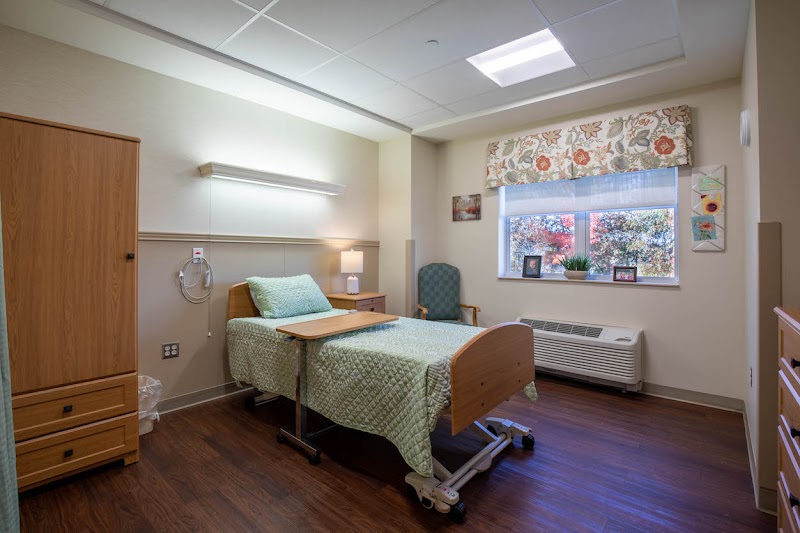
How is Linwood Staffed?

CMS rates LINWOOD NURSING AND REHABILITATION CENTER's staffing level at 3 out of 5 stars, which is average compared to other nursing homes.

What Have Inspectors Found at Linwood?

State health inspectors documented 61 deficiencies at LINWOOD NURSING AND REHABILITATION CENTER during 2022 to 2025. These included: 1 Immediate Jeopardy (the most serious level, indicating potential for serious harm or death), 2 that caused actual resident harm, 54 with potential for harm, and 4 minor or isolated issues. Immediate Jeopardy findings are rare and represent the most serious regulatory concerns. They require immediate corrective action.
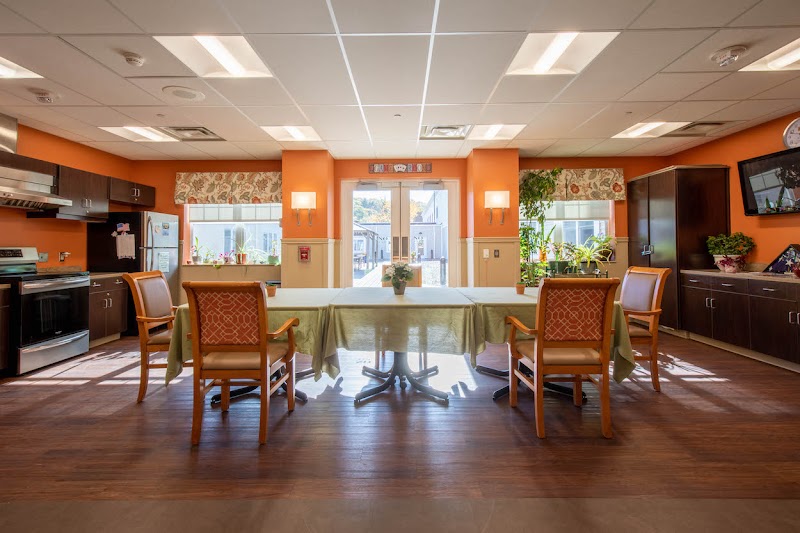
Who Owns and Operates Linwood?

LINWOOD NURSING AND REHABILITATION CENTER is owned by a non-profit organization. Non-profit facilities reinvest revenue into operations rather than distributing to shareholders. The facility operates independently rather than as part of a larger chain. With 102 certified beds and approximately 94 residents (about 92% occupancy), it is a mid-sized facility located in SCRANTON, Pennsylvania.
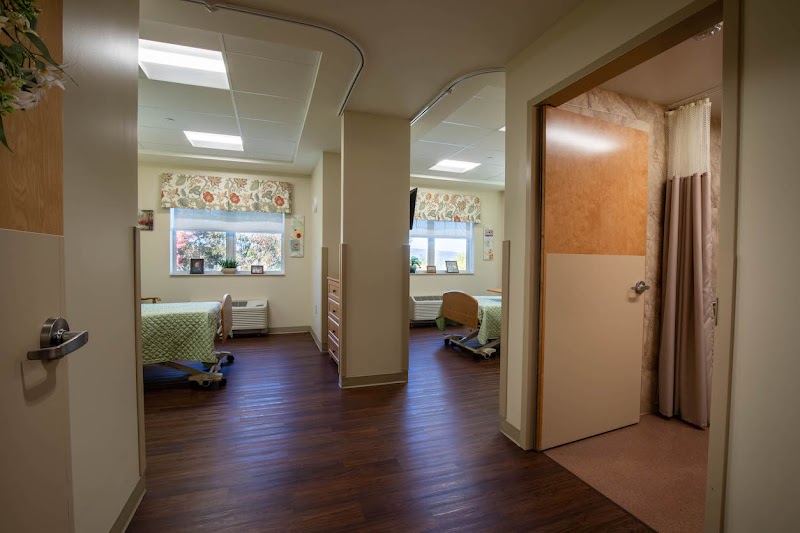
How Does Linwood Compare to Other Pennsylvania Nursing Homes?

Compared to the 100 nursing homes in Pennsylvania, LINWOOD NURSING AND REHABILITATION CENTER's overall rating (1 stars) is below the state average of 3.0 and health inspection rating (1 stars) is much below the national benchmark.

What Should Families Ask When Visiting Linwood?

Based on this facility's data, families visiting should ask: "What changes have been made since the serious inspection findings, and how are you preventing similar issues?" "Can I visit during a mealtime to observe dining assistance and food quality?" "How do you handle medical emergencies, and what is your hospital transfer rate?" "Can I speak with family members of current residents about their experience?" These questions are particularly relevant given the facility's Immediate Jeopardy citations.

Is Linwood Safe?

Based on CMS inspection data, LINWOOD NURSING AND REHABILITATION CENTER has documented safety concerns. Inspectors have issued 1 Immediate Jeopardy citation (the most serious violation level indicating risk of serious injury or death). The facility has a 1-star overall rating and ranks #100 of 100 nursing homes in Pennsylvania. Families considering this facility should ask detailed questions about what corrective actions have been taken since these incidents.

Do Nurses at Linwood Stick Around?

LINWOOD NURSING AND REHABILITATION CENTER has not reported staff turnover data to CMS. Staff turnover matters because consistent caregivers learn residents' individual needs, medications, and preferences. When staff frequently change, this institutional knowledge is lost. Families should ask the facility directly about their staff retention rates and average employee tenure.

Was Linwood Ever Fined?

LINWOOD NURSING AND REHABILITATION CENTER has been fined $113,348 across 1 penalty action. This is 3.3x the Pennsylvania average of $34,212. Fines at this level are uncommon and typically indicate a pattern of serious deficiencies, repeated violations, or failure to correct problems promptly. CMS reserves penalties of this magnitude for facilities that pose significant, documented risk to resident health or safety. Families should request specific documentation of what issues led to these fines and what systemic changes have been implemented.

Is Linwood on Any Federal Watch List?

LINWOOD NURSING AND REHABILITATION CENTER is not on any federal watch list. The most significant is the Special Focus Facility (SFF) program, which identifies the bottom 1% of nursing homes nationally based on persistent, serious quality problems. Not being on this list means the facility has avoided the pattern of deficiencies that triggers enhanced federal oversight. This is a positive indicator, though families should still review the facility's inspection history directly.