SCRANTON HEALTH CARE CENTER
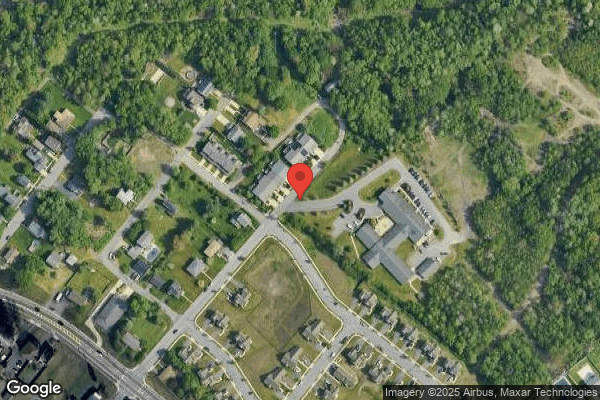

2933 MCCARTHY STREET, SCRANTON, PA 18505 (570) 341-6676
For profit - Corporation 44 Beds SABER HEALTHCARE GROUP Data: November 2025
Trust Grade
63/100
#227 of 653 in PA
Last Inspection: August 2025

Inspected within the last 6 months. Data reflects current conditions.

Overview

Scranton Health Care Center has a Trust Grade of C+, indicating that it is slightly above average but not exceptional. With a state ranking of #227 out of 653 facilities in Pennsylvania, it is in the top half, and locally, it ranks #6 out of 17 in Lackawanna County, suggesting there are only a few local options that are better. The facility is improving, as it has reduced issues from 11 in 2024 to 3 in 2025. Staffing has a decent rating of 3 out of 5 stars, with a turnover rate of 46%, which is on par with the Pennsylvania average, and it has good RN coverage, exceeding 82% of state facilities. However, it has concerning fines of $12,570, which are higher than 79% of facilities in Pennsylvania, indicating potential compliance issues. Specific incidents raised by inspectors include a serious case where a resident at high risk for falls was not adequately supervised, resulting in a fall that caused a head injury. There were also concerns about the facility's failure to properly investigate allegations of misappropriation of resident property and the lack of individualized toileting plans for several residents, indicating areas that need attention. Overall, while the center has strengths in its ranking and RN coverage, there are significant weaknesses in safety measures and compliance with resident care policies that families should consider.

Trust Score
C+
63/100
In Pennsylvania
#227/653
Top 34%
Safety Record
Moderate
Needs review
Inspections
Getting Better
11 → 3 violations
Staff Stability
⚠ Watch
46% turnover. Above average. Higher turnover means staff may not know residents' routines.
Penalties
⚠ Watch
$12,570 in fines. Higher than 94% of Pennsylvania facilities. Major compliance failures.
Skilled Nurses
✓ Good
Each resident gets 51 minutes of Registered Nurse (RN) attention daily — more than average for Pennsylvania. RNs are trained to catch health problems early.
Violations
⚠ Watch
27 deficiencies on record. Higher than average. Multiple issues found across inspections.
★★★★☆
4.0
Overall Rating
★★★☆☆
3.0
Staff Levels
★★★★★
5.0
Care Quality
★★★☆☆
3.0
Inspection Score
Stable
2024: 11 issues
2025: 3 issues

The Good

  • 5-Star Quality Measures · Strong clinical quality outcomes
  • Full Sprinkler Coverage · Fire safety systems throughout facility
  • No fines on record

Facility shows strength in quality measures, fire safety.

The Bad

Staff Turnover: 46%

Near Pennsylvania avg (46%)

Higher turnover may affect care consistency

Federal Fines: $12,570

Below median ($33,413)

Minor penalties assessed

Chain: SABER HEALTHCARE GROUP

Part of a multi-facility chain

Ask about local staffing decisions and management

The Ugly 27 deficiencies on record

1 actual harm
Aug 2025 3 deficiencies
CONCERN (D)

Potential for Harm - no one hurt, but risky conditions existed

Deficiency F0553 (Tag F0553)

Could have caused harm · This affected 1 resident

**NOTE- TERMS IN BRACKETS HAVE BEEN EDITED TO PROTECT CONFIDENTIALITY** Based on clinical record review, facility policy review, observations, and staff and resident interviews, it was determined the ...

Read full inspector narrative →
**NOTE- TERMS IN BRACKETS HAVE BEEN EDITED TO PROTECT CONFIDENTIALITY** Based on clinical record review, facility policy review, observations, and staff and resident interviews, it was determined the facility failed to honor and incorporate the resident's expressed preferences and choices into the care planning process for one of 14 sampled residents (Resident 2).Findings include:A review of Resident 2's clinical record revealed Resident 2 was admitted to the facility February 28, 2025, with diagnoses to include alcoholic cirrhosis of liver (liver becomes damaged and can no longer process the fat cells that typically turn into energy, nutrients, and waste) with ascites (accumulation of fluid causing abdominal swelling). A review of a Resident 2's quarterly Minimum Data Set Assessment (MDS-a federally mandated standardized assessment conducted at specific intervals to plan resident care), dated July 11, 2025, revealed Resident 2 was cognitively intact with a BIMS score of 14 (brief interview for mental status, a tool to assess the residents attention, orientation and ability to register and recall new information, a score of 13-15 indicates intact cognition). A review of the comprehensive care planning policy last reviewed by the facility on July 22, 2025, revealed that the facility will develop a comprehensive person-centered care plan for each resident. The policy further described the plan will be focused on resident choices and abilities with the intent of maintaining or improving resident functional abilities and quality of life. Review of a physician's order dated June 6, 2025, documented Prevalon boots (a cushioned, air-filled boot which fits to the natural shape of the foot to promote circulation and pressure redistribution) to be worn while in/out of bed. Also, the boots may be removed for hygiene and skin checks. A clinical record review of Resident 2's comprehensive care plan, in effect through the survey end date of August 21, 2025, revealed Resident 2 experiences a self-care deficit related to impaired mobility and generalized weakness. The care plan further revealed that a goal for Resident 2 will not deteriorate in ADL (activities of daily living) functional status. Nursing progress notes dated June 5, 2025, documented the initiation of the Prevalon boots for preventive care. Additional nursing documentation from June through August 2025 indicated the resident frequently refused to wear the boots and was re-educated on their purpose to prevent foot drop (the inability to lift the front part of the foot due to muscle weakness or nerve damage).A review of the Treatment Administration Record (TAR) for June through August 2025 confirmed multiple documented refusals by the resident to wear the boots. Observation of Resident 2 on August 19, 2025, and August 20, 2025, at approximately 10:00 AM revealed Resident 2 lying in bed, feet exposed, heels elevated off a pillow. At the time of both observations, [NAME] boots were not in place. Interview with Resident 2 on August 20,2025 at approximately 10:00 AM confirmed the resident preferred not to wear the boots. A clinical record review revealed multiple instances of nursing progress note documentation and Treatment Administration Record (TAR) documentation of Resident 2's choice to not wear the Prevalon boots. An interview with the Nursing Home Administrator on August 20, 2025, at 1:30 PM confirmed the resident's expressed choice regarding the refusal of the Prevalon boots was not documented or addressed in the resident's care plan. 28 Pa. Code 201.29 (a) Resident rights. 28 Pa. Code 211.10 (c)(d) Resident care policies. 28 Pa. Code 211.12(d)(3) Nursing services.
CONCERN (D)

Potential for Harm - no one hurt, but risky conditions existed

Assessment Accuracy (Tag F0641)

Could have caused harm · This affected 1 resident

**NOTE- TERMS IN BRACKETS HAVE BEEN EDITED TO PROTECT CONFIDENTIALITY** Based on review of the Resident Assessment Instrument (RAI) Manual, a review of clinical records, resident observation, and staf...

Read full inspector narrative →
**NOTE- TERMS IN BRACKETS HAVE BEEN EDITED TO PROTECT CONFIDENTIALITY** Based on review of the Resident Assessment Instrument (RAI) Manual, a review of clinical records, resident observation, and staff interviews, it was determined that the facility failed to complete an accurate Minimum Data Set (MDS, a federally mandated standardized assessment conducted at specific intervals to plan resident care) for one of 14 residents sampled (Resident 38). Findings include:The Long-Term Care Facility Resident Assessment Instrument (RAI) User's Manual, which provides instructions and guidelines for completing the Minimum Data Set (MDS a federally mandated standardized assessment conducted at specific intervals to plan resident care) dated October 2024, requires the assessment accurately reflects the resident's status, a registered nurse conducts or coordinates each assessment with the appropriate participation of health professionals, and the assessment process includes direct observation, as well as communication with the resident and direct care staff on all shifts. A clinical records review revealed Resident 38 was admitted to the facility on [DATE], with diagnoses to include dementia (decline in cognitive function affecting memory, language, and thinking) and rheumatoid arthritis (a chronic autoimmune disease where the body's immune system mistakenly attacks its own tissues, primarily the joints). A quarterly MDS, section GG-0115 (section related to functional abilities- the ability to perform tasks and activities necessary for daily living) dated August 6, 2025, revealed Resident 38 experienced no impairment in range of motion (referring to the full movement of a joint or series of joints, measured in degrees) for upper and lower extremities. Observation of Resident 38 on August 19, 2025, at approximately 11:00 AM revealed the resident's lower extremities to be in a flexed (knee joint is bent bringing foot closer to thigh) position while seated in a chair. Further observation revealed Resident 38's right hand to be in a closed position. Employee 1 Nurse Aide (NA) reported Resident 38 could not independently open her right hand and required staff assistance with movement of the right hand (including wrist and fingers). An observation conducted on August 21, 2025, at approximately 09:00 AM revealed Resident 38 to be using her right hand to feed herself.Further observation of Resident 38 in the therapy room on August 21, 2025, at 9:50 AM in the presence of Employee 2 (Occupational Therapist), Employee 3 (Physical therapist) and the Nursing Home Administrator (NHA) revealed Resident 38's lower extremities in a straight position while seated. Employee 3 (Physical therapist) confirmed Resident 38 has full range of motion in the lower extremities. Further observation of Resident 38 noted the resident was able to open the right hand with assistance of the NHA. Resident 38 was observed to have limited range of motion in the right wrist. Employee 2 (Occupational Therapist) confirmed that Resident 38 has limited range of motion in her right wrist due to an underlying condition. A clinical record review dated September 7, 2024, revealed a right wrist X-ray confirming osteoarthritis (occurs when the cartilage that lines the joints is worn down and the bones rub together when the joint is used). Interview with the NHA revealed the quarterly MDS did not accurately reflect the resident's limited range of motion. Review of the RAI manual describes coding for Section GG0120C, the section which addresses mobility. The instructions on coding wheelchair mobility apply to wheelchairs that are hand propelled, motorized, or pushed by another person. The RAI manual further describes Section GG0120C should not include geriatric-chairs, reclining chairs with wheels, positioning chairs, scooters, or other types of specialty chairs. A review of Resident 38's Quarterly MDS dated [DATE], section GG-0120, revealed Resident 38 utilized a manual wheelchair and is dependent on chair mobility. Observation conducted on August 20, 2025, at approximately 12:00 PM revealed Resident 38 to be sitting in a reclining, cushioned chair with a blue overlay (one surface is placed over another surface). Interview with Employee 2 (Occupational Therapist), on August 20, 2025, at 12:15 PM confirmed Resident 38 utilizes a Broda chair (chair used for comfort, support, and mobility). Review of Resident 38's clinical record revealed a physical therapy note dated on August 13, 2025, documenting the use of a Broda chair Interview with Employee 4 (via telephone) Regional Reimbursement Specialist (LPN licensed practical nurse) conducted on August 20, 2025, at 11:41 AM, and could not confirm the MDS was coded accurately. A review of the above information was conducted with the Director of Nursing and NHA on August 21, 2025, at approximately 11:00 AM. The facility was unable to produce documentation to support incorrect MDS coding for Resident 38. 28 Pa. Code 211.5(f)(iii) Medical records28 Pa. Code 211.12(d)(1)(5) Nursing services
CONCERN (D)

Potential for Harm - no one hurt, but risky conditions existed

Deficiency F0697 (Tag F0697)

Could have caused harm · This affected 1 resident

**NOTE- TERMS IN BRACKETS HAVE BEEN EDITED TO PROTECT CONFIDENTIALITY** Based on review of clinical records, select facility policy and staff interviews it was determined the facility failed to develo...

Read full inspector narrative →
**NOTE- TERMS IN BRACKETS HAVE BEEN EDITED TO PROTECT CONFIDENTIALITY** Based on review of clinical records, select facility policy and staff interviews it was determined the facility failed to develop and implement individualized pain management programs, consistent with professional standards of practice, to meet the pain management needs and attempt non-pharmacological interventions to alleviate pain prior to the administration of a narcotic pain medication prescribed on an as needed basis for one resident out of 14 residents reviewed (Resident 6). Findings include: According to the US Department of Health and Human Services, Interagency Task Force, Executive Summary Draft Final Report May 6, 2021, for Pain Management Best Practices the development of an effective pain treatment plan after proper evaluation to establish a diagnosis with measurable outcomes that focus on improvements including quality of life (QOL), improved functionality, and Activities of Daily Living (ADLs). Achieving excellence in acute and chronic pain care depends on the following: An emphasis on an individualized patient-centered approach for diagnosis and treatment of pain is essential to establishing a therapeutic alliance between patient and clinician. Acute pain can be caused by a variety of different conditions such as trauma, burn, musculoskeletal injury, neural injury, as well as pain due to surgery/procedures in the perioperative period. A multi-modal approach that includes medications, nerve blocks, physical therapy and other modalities should be considered for acute pain conditions. A multidisciplinary approach for chronic pain across various disciplines, utilizing one or more treatment modalities, is encouraged when clinically indicated to improve outcomes. A review of a facility policy last reviewed by the facility on July 22, 2025, revealed the physician will order appropriate non-pharmacologic and medication interventions to address a resident's pain. The policy further revealed non-pharmacological interventions will be attempted prior to the administration of PRN (as needed) pain medications. If the non-pharmacological interventions fail the resident will be administered the PRN narcotic medication. A review of Resident 6's clinical record revealed the resident was admitted to the facility on [DATE], with diagnoses, which included Fracture of upper and lower end of left fibula, and muscle weakness.A review of a physician order initially dated May 21, 2025, revealed the resident was ordered Oxycodone (a narcotic pain medication) 5mg, give 1 tablet by mouth every 4 hours as needed for pain. A review of the resident's May 2025 Medication Administration Record (MAR) revealed staff administered the as needed (PRN). Oxycodone 9 times. Of the nine doses given, 9 doses were administered with no non-pharmacological interventions attempted prior to giving the pain medication, despite the policy indicating the need for the non-pharmacological interventions prior to administering the medication. A review of the resident's June 2025 MAR revealed staff administered the as needed (PRN) Oxycodone 23 times. Of the twenty-three doses given, 23 doses were administered with no non-pharmacological interventions attempted prior to giving the pain medication, despite the facility policy. A review of the resident's July 2025 MAR revealed staff administered the as needed (PRN) Oxycodone 34 times with no non-pharmacological interventions attempted prior to giving the pain medication, despite the facility policy. A review of the resident's August 2025 MAR revealed staff administered the as needed (PRN) Oxycodone 11 times. Of the eleven doses given, 10 doses were administered with no non-pharmacological interventions attempted prior to giving the pain medication, despite the order indicating the need for the non-pharmacological interventions. An interview with the Nursing Home Administrator on August 20, 2025, at approximately 1:00PM revealed the facility was unable to supply supporting documentation that nonpharmacological interventions were attempted prior to the administration of the as needed pain medication for resident 6. 28 Pa. Code 211.12 (d)(1)(3)(5) Nursing services 28 Pa. Code 211.10(c) Resident care policies
Nov 2024 11 deficiencies
CONCERN (D)

Potential for Harm - no one hurt, but risky conditions existed

Deficiency F0660 (Tag F0660)

Could have caused harm · This affected 1 resident

**NOTE- TERMS IN BRACKETS HAVE BEEN EDITED TO PROTECT CONFIDENTIALITY** Based on a review of clinical records and staff interviews it was determined the facility failed to develop and implement an ind...

Read full inspector narrative →
**NOTE- TERMS IN BRACKETS HAVE BEEN EDITED TO PROTECT CONFIDENTIALITY** Based on a review of clinical records and staff interviews it was determined the facility failed to develop and implement an individualized discharge plan for one of 14 residents reviewed (Resident 33) to reflect the resident's discharge goals. Findings Include: Clinical record review revealed that Resident 33 was admitted to the facility on [DATE], with diagnoses to include dementia (a term for loss of memory, language and other thinking abilities that interfere with daily life). Review of an admission Minimum Data Set Assessment (MDS- a federally mandated standardized assessment process completed at specific intervals to plan resident care) dated August 21, 2024, indicated the resident had a BIMS (brief interview mental screener that aids in detecting cognitive impairment) score of 14 indicating she was cognitively intact. A review of Resident 33's social service notes, revealed a note dated September 30, 2024, indicating the resident would like to be discharged home when able. There were no further social service notes regarding discharge from the facility. A review of the resident's comprehensive care plan, reviewed during the survey ending November 1, 2024, revealed no documented evidence that an individualized discharge plan was developed, and revised, as needed to reflect the resident's current desire for discharge or long-term placement at the facility. During an interview with the Director of Nursing on October 31, 2024, at 12:00 PM confirmed there was no documented evidence of a current discharge goal and plan for this resident. 28 Pa. Code 201.25 Discharge policy. 28 Pa. Code 211.11(d)e Resident care plan.
CONCERN (D)

Potential for Harm - no one hurt, but risky conditions existed

Pressure Ulcer Prevention (Tag F0686)

Could have caused harm · This affected 1 resident

**NOTE- TERMS IN BRACKETS HAVE BEEN EDITED TO PROTECT CONFIDENTIALITY** Based on a review of clinical records, observations and staff and resident interview it was determined the facility failed to to...

Read full inspector narrative →
**NOTE- TERMS IN BRACKETS HAVE BEEN EDITED TO PROTECT CONFIDENTIALITY** Based on a review of clinical records, observations and staff and resident interview it was determined the facility failed to to demonstrate the consistent implementation of measures planned to prevent pressure sore development for one resident out of 14 sampled (Residents 34). Findings include: According to the US Department of Health and Human Services, Agency for Healthcare Research & Quality, the pressure ulcer best practice bundle incorporates three critical components in preventing pressure ulcers: Comprehensive skin assessment, Standardized pressure ulcer risk assessment and care planning and implementation to address the areas of risk. The American College of Physicians (ACP) is a national organization of internists, who specialize in the diagnosis, treatment, and care of adults. The largest medical-specialty organization and second-largest physician group in the United States) Clinical Practice Guidelines indicate that the treatment of pressure ulcers should involve multiple tactics aimed at alleviating the conditions contributing to ulcer development (i.e. support surfaces, repositioning and nutritional support); protecting the wound from contamination and creating and maintaining a clean wound environment; promoting tissue healing via local wound applications, debridement and wound cleansing; using adjunctive therapies; and considering possible surgical repair. A review of Resident 34's clinical record revealed the resident was admitted to the facility on [DATE], with diagnoses that included traumatic subarachnoid hemorrhage (bleeding in the space that surrounds the brain) without loss of consciousness, Alzheimer's disease (is a general term describing problems with reasoning, planning, judgment, memory and other thought processes caused by brain damage from impaired blood flow to the brain), dysphagia (difficulty swallowing), aphasia (inability to speak), and protein-calorie malnutrition. Resident 34's Significant Change Minimum Data Set (MDS - is a federally mandated standardized assessment conducted periodically to plan resident care) assessment dated [DATE], was coded to indicated the resident had a BIMS score (Brief Interview for Mental Status is a tool used to evaluate cognitive impairment and assist with dementia diagnosis) of 02 which indicated the resident had severe cognitive impairment. Additionally, Section GG, Functional Abilities and Goals, of the MDS was coded that Resident 34 was dependent (helper does ALL of the effort, resident does none of the effort to complete the activity, or the assistance of two or more helpers required for the resident to complete the activity) for ADL's (activities of daily living, transfers, bed mobility, eating, bathing, toileting, and toilet hygiene). The resident was totally incontinent of bladder and bowel. A review of Resident 34's clinical record revealed that Employee 1, a Registered Nurse (RN), completed a wound observation entry indicating a re-opening of MASD (moisture associated skin damage - refers to inflammation or skin erosion caused by prolonged exposure to moisture from sources such as urine, stool, sweat, wound drainage, saliva, or mucus) dated July 16, 2024, at 12:59 PM, but the MASD was identified on July 15, 2024, at 6:58 PM. A review of nurses' notes in the clinical record revealed a note written by Employee 1, RN dated July 16, 2024, at 1:06 PM, revealed that a new area to Resident 34's left buttock was observed during care. The area was assessed and identified as a re-opening of MASD (moisture associated skin damage - refers to inflammation or skin erosion caused by prolonged exposure to moisture from sources such as urine, stool, sweat, wound drainage, saliva, or mucus). The area measured 2.0 centimeters (cm) in length by 2.0 cm in width. A call was placed to the PCP (primary care practitioner) with NON (new orders noted) for a treatment to left buttock. The facility could not provide documented evidence that preventative measures were in place and completed to deter/prevent a re-opening of MASD of Resident 34's left buttocks. Additionally, the facility could not provide documented evidence the reopened area to the left buttocks was investigated and that appropriate interventions were developed and implemented to deter further skin breakdown. Further review of a nurses' note completed by Employee 1, dated July 23, 2024, 4:42 PM, revealed the hospice nurse was in to provide care to Resident 34 and observed a discoloration to the resident's sacrum. Employee 1, RN assessed and noted a non-blanchable (occurs when skin remains red after pressing and means that there is little or no blood flow going to that area) area measuring 2.8 cm in length by 2.5 cm in width with the surrounding tissue pink in color. An air overlay mattress (used to reduce pressure and development of pressure ulcers and other skin impairments), heel bows (relieves points of pressure to an individual's heels), pillow separating BLE's (bilateral lower extremities) were all in place. The resident's Broda chair contained a pressure reducing surface. PCP and Hospice made aware of assessment findings, current interventions, and new interventions and in agreement with same. New interventions include, but are not limited to, wound care consult, treatment to affected area, limited time OOB (out of bed), replacement of air overlay mattress to full alternating air mattress, dietary consult, and weekly and prn (as needed) wound assessment. Further review of a wound observation completed by Employee 1, RN and dated August 1, 2024, at 9:12 AM, revealed the unstageable/deep tissue area to the sacrum was assessed on July 31, 2024 with the facility's contracted wound care consultants/practitioners and indicated the area was opened and now a Stage 3 pressure ulcer (opened through the second layer of skin into the fat tissue with symptoms that include a crater appearance, may have a foul odor, and may show signs of infection such as red edges, pus, odor, heat, and/or drainage with the tissue in or around the sore appearing black indicating dead tissue) measured 2.0 cm in length by 1.5 cm in width with 0.2 cm in depth with a light amount of serosanguineous (pale red to pink, thin and watery) exudate, no odor, with 75-percent granulation tissue covering the wound, and 24-percent of the wound covered with slough (a type of necrotic tissue that accumulates on the surface of a wound) with the edge attached to base. Further review of the wound observation indicated that preventative measures were in place such as a low loss air mattress, turn and reposition program, bilateral heel bows, barrier cream, Broda chair with pressure reducing cushion, and Prostat (a high protein nutrition supplement). The treatment was changed to Medi Honey (skin treatment that supports wound healing by drawing out fluid and maintaining optimal pH for wound management) twice per day and prn for soilage/dislodgement. Resident 34's clinical record failed to reveal documented evidence that preventative measures, such as turning and repositioning were implemented and performed prior to the identification of the sacral pressure ulcer. Additionally, the resident's comprehensive person-centered plan of care failed to specify individualized interventions to prevent the development of skin impairments such as MASD and pressure ulcers. During interviews with the Director of Nursing (DON) and in the presence of the Nursing Home Administrator (NHA) on November 1, 2024, at 10:36 AM, it was revealed that some of Resident 34's preventative measures for pressure ulcer/skin preventions such as turning and repositioning, checking and changing, and skin prep post incontinent episodes, to prevent skin impairments were not carried over from the previous EHR (electronic health record system) to the newly implemented EHR that was implemented mid-May 2024. Further interview with the DON and NHA confirmed the facility could not provide documented evidence that effective pressure ulcer/MASD interventions were in place prior to identification of the MASD to the left buttocks and unstageable/deep tissue area to the sacrum that opened into a Stage 3 pressure ulcer. Additionally, it was confirmed the resident's comprehensive person-centered plan of care was not fully developed with effective pressure ulcer prevention/skin impairment measures to deter skin impairments/pressure ulcers from developing. 28 Pa. Code 211.5(f)(vii) Medical records 28 Pa. Code 211.12(c)(d)(1)(3)(5) Nursing services.
CONCERN (D)

Potential for Harm - no one hurt, but risky conditions existed

Deficiency F0744 (Tag F0744)

Could have caused harm · This affected 1 resident

**NOTE- TERMS IN BRACKETS HAVE BEEN EDITED TO PROTECT CONFIDENTIALITY** Based on a review of clinical records and staff interview, it was determined the facility failed to develop and implement an ind...

Read full inspector narrative →
**NOTE- TERMS IN BRACKETS HAVE BEEN EDITED TO PROTECT CONFIDENTIALITY** Based on a review of clinical records and staff interview, it was determined the facility failed to develop and implement an individualized person-centered plan to address a resident's dementia-related behavioral symptoms for two out of 12 residents (Resident 34 and 33). Findings include: A review of Resident 34's clinical record revealed that the resident was admitted to the facility on [DATE], with diagnoses that included traumatic subarachnoid hemorrhage without loss of consciousness, Alzheimer's disease (is a general term describing problems with reasoning, planning, judgment, memory and other thought processes caused by brain damage from impaired blood flow to the brain), dysphagia (difficulty swallowing), aphagia (inability to speak), and protein-calorie malnutrition. A review of the resident's current care plan, initially dated October 23, 2024, in effect at the time of the survey ending November 1, 2024, revealed no documented evidence the facility had developed an individualized person-centered plan for the resident's dementia care, while maximizing the resident's dignity, autonomy, privacy, socialization, independence, choice, and safety and using individualized, non-pharmacological approaches to care, including purposeful and meaningful activities that address the resident's customary routines, interests, preferences, and choices to enhance the resident's well-being. A review of the clinical record revealed that Resident 33 was admitted to the facility on [DATE], and had diagnoses, which included dementia (a chronic or persistent disorder of the mental processes caused by brain disease or injury and marked by memory disorders, personality changes, and impaired reasoning). A review of the resident's current care plan, initially dated September 18, 2024, in effect at the time of the survey ending November 1, 2024, revealed no documented evidence the facility had developed an individualized person-centered plan for the resident's dementia care, while maximizing the resident's dignity, autonomy, privacy, socialization, independence, choice, and safety and using individualized, non-pharmacological approaches to care, including purposeful and meaningful activities that address the resident's customary routines, interests, preferences, and choices to enhance the resident's well-being. The facility failed to develop and implement an individualized person-centered plan to address, modify and manage this resident's dementia-related behaviors. The resident's care plan for dementia failed to include individualized interventions based on an assessment of the resident's preferences, social/past life history, customary routines, and interests in an effort to manage, modify or decrease the resident's dementia-related behavioral symptoms. Interview with Nursing Home Administrator on October 31, 2024, at approximately 10:00 a.m., confirmed the facility was unable to provide evidence of the development and implementation of an individualized person-centered plan to address the resident's dementia care. 28 Pa Code 211.12 (d)(3)(5) Nursing services
CONCERN (D)

Potential for Harm - no one hurt, but risky conditions existed

Pharmacy Services (Tag F0755)

Could have caused harm · This affected 1 resident

**NOTE- TERMS IN BRACKETS HAVE BEEN EDITED TO PROTECT CONFIDENTIALITY** Based on review of controlled drug records and select facility policy and staff interview, it was determined the facility failed...

Read full inspector narrative →
**NOTE- TERMS IN BRACKETS HAVE BEEN EDITED TO PROTECT CONFIDENTIALITY** Based on review of controlled drug records and select facility policy and staff interview, it was determined the facility failed to implement pharmacy procedures for reconciling controlled drugs and records accounting for their administration for two of 14 residents sampled (Resident 9 and 90). Finding include: Clinical record review revealed Resident 9 was admitted to the facility on [DATE], with diagnoses to include cerebral infarction (stroke), and pain in the right shoulder. An admission MDS (Minimum Data Set - a federally mandated standardized assessment conducted at specific intervals to plan resident care) dated [DATE], revealed that Resident 9 was cognitively intact with a BIMS score of 13 ( a quick snapshot of how well you are functioning cognitively at the moment, a score of 13-15 indicates cognitively intact), independent for activities of daily living and received opioid pain medication. The resident had a current physician order dated February 2, 2024, for Oxycodone 5 mg (a narcotic opioid pain medication) one tablet by mouth every 4 hours as needed for moderate to severe pain and give one tablet by mouth every 4 hours as needed for severe pain. The resident's [DATE] individual resident controlled substance record accounting for Resident 1's supply of the controlled drug, and nursing staff's removal of doses for administration of Oxycodone 5 mg revealed that nursing staff signed out doses of the controlled medication for administration to the resident on the following dates and times: [DATE], at 1:30 AM [DATE] at 5:30 AM [DATE] at 2:00 AM A review of facility nurse staffing punch detail report for Employee 2 a licensed practical nurse(LPN), signed the above noted narcotic pain medication doses as given to the resident on the narcotic medication record. Employee 2, LPN was not on duty at the facility on the above noted dates. In addition, these doses were not signed out on the medication administration record (MAR). The resident's [DATE] individual resident controlled substance record accounting for Resident 1's supply of the controlled drug, and nursing staff's removal of doses for administration of Oxycodone 5 mg revealed that nursing staff signed out doses of the controlled drug for administration to the resident on the following dates and times: [DATE] at 1:00 AM [DATE] at 12:30 AM [DATE] at 1:00 AM [DATE] at 1:30 AM A review of an [DATE] MAR, the above noted doses were not signed out on the medication administration record (MAR) as given to the resident. During an interview [DATE] at 2:00 PM, the Director of Nursing confirmed the above inconsistencies between the controlled drug records and medication administration records. A review of a facility policy for Disposal/Destruction of Expired or discontinued Medication last reviewed, [DATE] revealed, discontinued and unused medications shall be immediately removed from the medication cart and brought to the nursing supervisory staff. The facility should destroy discontinued medications. Clinical record review revealed that Resident 90 was admitted to the facility on [DATE] with diagnosis to include, hypertension, diabetes and on hospice services. A quarterly MDS dated [DATE] revealed the resident's BIM's score as 13, indicating intact cognition, required staff assistance for activities of daily living and had pain, receiving as needed pain relief medications. The resident had a physician's order dated [DATE], for Hydrocodone-Acetaminophen 7.5-300 mg (a narcotic, opioid and non narcotic pain medication combination) one tablet, by mouth every 6 hours as needed for severe pain rated. A Physicians order dated [DATE] revealed to discontinue the Hydrocodone-Acetaminophen 7.5-300 mg, one by mouth every 6 hours as needed for severe pain. The resident's individual resident controlled substance record accounting for Resident 90's supply of the controlled drug, and nursing staff's removal of doses for administration of Hydrocodone-Acetaminophen 7.5-300 mg revealed that Employee 2, LPN signed out doses of the controlled drug Hydrocodone-Acetaminophen 7.5-300 mg for administration to Resident 90 on the following dates and times after the discontinuation order from the physician: [DATE] at 5:00 AM [DATE] at 5:30 AM [DATE] at 5:30 AM [DATE] at 2:30 AM The resident's individual resident controlled substance record accounting for Resident 90's supply of the controlled drug revealed, Employee 6 an agency RN signed out a dose of the Hydrocodone-Acetaminophen 7.5-300 mg on [DATE] at 4:00 PM. The above noted doses of the narcotic pain medication were documented as given on the narcotic reconciliation record, however they were not signed out as administered on the MAR. The Physician ordered narcotic pain medication order was discontinued on [DATE] and 5 doses of the medication were documented as administered as given after the medication was discontinued. During an interview on [DATE] at 1:00 PM, the Nursing Home Administrator confirmed that narcotic pain medications were not administered as per facility policy and procedure. 28 Pa Code 211.12 (d)(3)(5) Nursing services. 28 Pa Code 211.9 (a)(1)(j.1)(4)(k) Pharmacy services.
CONCERN (D)

Potential for Harm - no one hurt, but risky conditions existed

Deficiency F0757 (Tag F0757)

Could have caused harm · This affected 1 resident

**NOTE- TERMS IN BRACKETS HAVE BEEN EDITED TO PROTECT CONFIDENTIALITY** Based on clinical record and staff interview, it was determined the facility failed to ensure the presence of documented evidenc...

Read full inspector narrative →
**NOTE- TERMS IN BRACKETS HAVE BEEN EDITED TO PROTECT CONFIDENTIALITY** Based on clinical record and staff interview, it was determined the facility failed to ensure the presence of documented evidence of clinical necessity for administration of an antibiotic drug for one resident out of 14 sampled residents. (Resident 9). Findings included: A review of Resident 9's clinical record revealed the resident was initially admitted to the facility on [DATE], with diagnoses that included osteoarthritis (a type of degenerative joint disease that results from breakdown of joint cartilage and underlying bone), muscle weakness, and recent infection of Clostridioides difficile ( a highly contagious bacterium that causes diarrhea and colitis that often infects people who have recently taken antibiotics). A review of a nurse's note completed by Employee 1, a Registered Nurse (RN), dated August 10, 2024, at 2:03 PM, indicated the facility received Resident 9's initial UA (urinalysis). The primary care provider was made aware and Cefdinir (an antibiotic used to treat many different types of infections caused by bacteria) 300 mg BID (twice per day) for UTI (urinary tract infection) was ordered A review of the final C&S (culture and sensitivity- A urine culture is a method to grow and identify bacteria that may be in the urine. The sensitivity test helps select the best medicine to treat the infection) dated August 11, 2024, at 12:00 PM, revealed Cefdinir was not susceptible to the organism (bacteria) present in the urine and would not effectively treat the infection. Further review of Resident 9's clinical record revealed a progress note dated August 11, 2024, at 3:30 PM, revealed to discontinue Cefdinir and begin Levaquin (an antibiotic that is used to treat different types of bacterial infections) 500 mg daily for 7 days. Further review of Resident 9's Medication Administration Record (medication administration record, is the report that serves as a legal record of the drugs administered to a patient at a facility by a health care professional) dated August 2024, revealed the resident received four doses of Cefdinir. During an interview with the Director of Nursing on November 1, 2024, at 11:15 AM, it was confirmed the facility failed to ensure that Resident 9 received multiple doses of the antibiotic without documented evidence of its clinical necessity. 28 Pa. Code 211.2 (d)(3) Medical Director 28 Pa. Code 211.5 (f)(vii) Medical records 28 Pa. Code 211.9 (k) Pharmacy Services 28 Pa. Code 211.12 (d)(1)(3) Nursing Services
CONCERN (E)

Potential for Harm - no one hurt, but risky conditions existed

Deficiency F0602 (Tag F0602)

Could have caused harm · This affected multiple residents

**NOTE- TERMS IN BRACKETS HAVE BEEN EDITED TO PROTECT CONFIDENTIALITY** Based on a review of the facility's abuse prohibition policy and procedures and facility documentation and staff interview, it w...

Read full inspector narrative →
**NOTE- TERMS IN BRACKETS HAVE BEEN EDITED TO PROTECT CONFIDENTIALITY** Based on a review of the facility's abuse prohibition policy and procedures and facility documentation and staff interview, it was determined that the facility failed to implement measures to deter misappropriation of resident property by failing to thoroughly investigate potential misappropriation of resident property for two of 14 residents sampled (Resident 9 and 90). Findings include: A review of a facility policy for Abuse, neglect and exploitation reviewed July 2024 revealed, It is the facility's policy to investigate all allegations, suspicions and incidents of abuse, neglect, involuntary seclusion, intimidation, exploitation of residents, misappropriation of resident property and injuries of unknown injury. Staff must immediately report all such allegations to the administrator/abuse coordinator. The administrator will immediately begin an investigation and notify the applicable local and state agencies in accordance with this policy. Clinical record review revealed Resident 9 was admitted to the facility on [DATE], with diagnoses to include cerebral infarction (stroke), and pain in the right shoulder. An admission MDS (Minimum Data Set - a federally mandated standardized assessment conducted at specific intervals to plan resident care) dated August 19, 2024, revealed that Resident 9 was cognitively intact with a BIMS score of 13 ( a quick snapshot of how well you are functioning cognitively at the moment, a score of 13-15 indicate cognitively intact), independent for activities of daily living and received opioid pain medication. The resident had a current physician order dated February 2, 2024, for Oxycodone 5 mg ( a narcotic opiod pain medication) one, by mouth every 4 hours as needed for moderate-severe pain rated ) and give one tab by mouth every 4 hours as needed for severe pain. A review of narcotic sign out records dated February and March 2024 for Resident 9's Oxycodone 5 mg, by mouth every 4 hours as needed for severe pain revealed that from February 10, 2024 and March 25, 2024, 24 of the 30 doses of the narcotic pain medication were signed out as given on the 11 P.M. to 7 A.M. shift. The resident's July 2024 individual resident controlled substance record accounting for Resident 9's supply of the controlled drug, and nursing staff's removal of doses for administration of Oxycodone 5 mg revealed that Employee 2 (LPN) signed out doses of the controlled drug for administration to the resident on the following dates and times: July 4, 2024, at 1:30 AM July 11, 2024, - 5:30 AM July 19, 2024, - 2 AM A review of facility nurse staffing punch detail report for Employee 2 (LPN), signed the above noted narcotic pain medication doses as given to the resident on the narcotic drug. Employee 2 (LPN) was not on duty at the facility on the above noted dates. In addition, these doses were not signed out on the medication administration record (MAR). The resident's August 2024 individual resident controlled substance record accounting for Resident 9's supply of the controlled drug, and nursing staff's removal of doses for administration of Oxycodone 5 mg revealed that Employee 2 (LPN) signed out doses of the controlled drug for administration to the resident on the following dates and times: August 8, 2024, at 1 AM August 13, 2024, -12:30 AM August 15, 2024, - 1 AM August 22, 2024, - 1:30 AM A review of an August 2024 MAR, the above noted doses were not signed out on the medication administration record (MAR) as given to the resident. Clinical record review revealed that Resident 90 was admitted to the facility on [DATE] with diagnosis to include, hypertension, diabetes and on hospice services. A quarterly MDS dated [DATE] revealed the resident's BIMs score as 13, cognitively intact, required staff assistance for activities of daily living and had pain, receiving as needed pain relief. The resident had a physician's order dated April 29, 2024, for Hydrocodone-Acetaminophen 7.5-300 mg ( a narcotic, opiod/non narcotic pain medication combination) one, by mouth every 6 hours as needed for severe pain rated. A Physician's order dated July 12, 2024 revealed to discontinue the Hydrocodone-Acetaminophen 7.5-300 mg, one by mouth every 6 hours as needed for severe pain. The resident's individual resident controlled substance record accounting for Resident 90's supply of the controlled drug, and nursing staff's removal of doses for administration of Hydrocodone-Acetaminophen 7.5-300 mg revealed that Employee 2 (LPN) signed out doses of the controlled drug Hydrocodone-Acetaminophen 7.5-300 mg for administration to resident 90 on the following dates and times: July 19, 2024, at 5 AM July 23, 2024, - 5:30 AM July 24, 2024, - 5:30 AM July 25, 2024 - 2:30 AM The resident's individual resident controlled substance record accounting for Resident 90's supply of the controlled drug revealed, Employee 6 (agency RN) signed out a dose of the Hydrocodone-Acetaminophen 7.5-300 mg on July 19, 2024 at 4 P.M. None of the above noted doses of the narcotic pain medication were documented as given on the narcotic reconciliation record, however were not signed out on the MAR. The Physician ordered narcotic pain medication order was discontinued on July 12, 2024 and 5 doses of the medication were documented as administered as given after the medication was discontinued. During an interview, October 31, 2024 at 1 P.M., the Nursing Home Administrator confirmed that narcotic pain medications were not administered as per facility policy and procedure. A review of a facility policy for Resident Abuse, adopted by the facility July, 2024 revealed, The facility will not tolerate abuse, neglect, mistreatment, exploitation of residents and misappropriation of resident property by anyone. A review of a facility investigation dated August 26, 2024 at 8:30 A.M., revealed that on August 26, 2024 (no time indicated) Employee 5 (RN supervisor) reported to the ADON (assistant Director of Nursing) that she and Employee 4(LPN) noticed suspicious activity with Employee 2 (LPN) with her deliverance of narcotics. The ADON immediately notified the DON. The investigation revealed inconsistences with Resident 9's as needed narcotic pain medication administration. Both nurses Employee 5 (RN supervisor) and 4 (LPN) stated that every shift Employee 2 (LPN) worked, she administered Resident 9's oxycodone 5 mg at 1:30 A.M. with the pain scale as 7 out of 10. When Employee 2 (LPN) was not working, Resident 9 did not complain of pain. Resident 9 typically did not request assistance or ask for pain medication on the 11 P.M. to 7 A.M. shift. The investigation continued to note that narcotic pain medication was given to Resident 90 without a current Physician's order. A urine drug test was administered and was positive for Oxycodone. Employee 2 (LPN) was immediately suspended (August 26, 2024) and the facility is awaiting the outcome of the outside investigatory agency's investigation, to terminate Employee 2 (LPN). A review of a witness statement dated August 27, 2024 ( no time indicated) Employee 5 (RN supervisor) stated, On Thursday August 22, 2024, Employee 4 (LPN) pointed out that Employee (2 LPN) was medicating Resident 9 every night (11 P.M. to 7 A.M. shift) shift that she worked. Employee 4 (LPN) stated that she asked Resident 9, during a shift that she worked, if she needed anything for pain. Resident 9 replied no. Resident 9 never requested pain medication during my shifts (11 P.M. to 7 A.M.). On Sunday August 25, 2024 during the 11 P.M. to 7 A.M. shift, Employee 2 (LPN) stated that Resident 90's Hydrocodone was discontinued. After reviewing Resident 9's MAR, it was noted that oxycodone was given at the same time on the night shift, every shift that Employee 2 (LPN) worked. It was also noted Resident 90's Hydrocodone was previously discontinued and Employee 2 (LPN) 4 doses of the narcotic medication was signed out on the narcotic medication record and not on the MAR after the narcotic was discontinued by the Physician. At the end of my shift, I spoke to the ADON about my concerns. A review of a witness statement dated August 25, 2024 (no time indicated) the ADON stated that she was approached in the parking lot by Employee 5 (RN supervisor). She stated that Employee 2(LPN) was sneaky. She stated that every shift Employee 2 (LPN) works, she administered an Oxycodone 5 mg pill to Resident 9 between 1 and 2 A.M. The nursing supervisor stated between this time frame, Resident 9's call bell is not lit. She stated that Employee 2 (LPN) is either asleep, watching a movie on her phone while the resident is asleep. Employee 5 (RN SUPERVISOR) asked the ADON, at that time not to tell anyone about this until this is further evaluated. The DON was alerted. A review of a witness statement dated August 26, 2024 (no time indicated) Employee 2 (LPN) stated that she gave pain meds to residents when they asked. Sometimes she will ask if they (residents) have pain. Resident 90 would ask for pain meds. She stated that she realized after the fact that her narcotic medication was previously discontinued. When she was told, she was working by herself at night. The facility failed to demonstrate that a timely, complete and thorough investigation had been conducted into the misappropriation of the resident's narcotic medication. During an interview October 31, 2024 the Director of Nursing and the Nursing Home Administrator confirmed that the allegations of misappropriation of resident property )narcotic medication) was not timely reported to facility administration and an investigation was not initiated timely. They confirmed the misappropriation of resident property related to narcotic medications. 28 Pa Code 211.9 (a)(1)(j.1)(k) Pharmacy services. 28 Pa. Code 201.29(a)(c) Resident rights 28 Pa. Code 201.18(e)(1) Management 29 Pa. Code 211.10(c) Resident care policies
CONCERN (E)

Potential for Harm - no one hurt, but risky conditions existed

Incontinence Care (Tag F0690)

Could have caused harm · This affected multiple residents

**NOTE- TERMS IN BRACKETS HAVE BEEN EDITED TO PROTECT CONFIDENTIALITY** Based on a review of clinical records, select facility policy and staff interviews it was determined the facility failed to deve...

Read full inspector narrative →
**NOTE- TERMS IN BRACKETS HAVE BEEN EDITED TO PROTECT CONFIDENTIALITY** Based on a review of clinical records, select facility policy and staff interviews it was determined the facility failed to develop and implement individualized measures for the toileting needs of three residents out of 14 sampled residents for bowel and bladder management (Residents 19, 34, and 20). Findings included: A review of a facility policy entitled Continence Management Program that was last reviewed by the facility on October 28, 2024, indicated the facility would develop a plan designed to manage incontinence according to the resident's needs and capabilities. Upon admission, the admitting Nurse will complete a head-to-toe assessment which includes interview of the resident and review of underlying conditions that may affect the resident's ability to participate in a continence management program. A Continence Evaluation will be conducted to determine if a 72-hour bowel and bladder tracking program is indicated. If tracking is indicated, the licensed nurse will instruct the nursing assistants to fill out a form. When a pattern has been identified, a new continence evaluation will be completed, and the licensed nurse will develop a toileting plan and determine the approaches needed to achieve the goals. The licensed nurse will review the plan as needed to identify any necessary modifications. A review of Resident 34's clinical record revealed the resident was admitted to the facility on [DATE], with diagnoses that included traumatic subarachnoid hemorrhage (bleeding in the space that surrounds the brain) without loss of consciousness, Alzheimer's disease (is a general term describing problems with reasoning, planning, judgment, memory and other thought processes caused by brain damage from impaired blood flow to the brain), dysphagia (difficulty swallowing), aphasia (inability to speak), and protein-calorie malnutrition. A review of Resident 34's Significant Change Minimum Data Set (MDS - is a federally mandated standardized assessment process conducted periodically to plan resident care) assessment dated [DATE], was coded to indicated the resident had a BIMS score (Brief Interview for Mental Status is a tool used to evaluate cognitive impairment and assist with dementia diagnosis) of 02, which indicated the resident had severe cognitive impairment. Additionally, Section GG, Functional Abilities and Goals, of the MDS was coded to indicate Resident 34 was dependent (helper does ALL of the effort, resident does none of the effort to complete the activity, or the assistance of two or more helpers required for the resident to complete the activity) for ADL's (activities of daily living, transfers, bed mobility, eating, bathing, toileting, and toilet hygiene). The resident was totally incontinent of bladder and bowel and was not on a toileting management program. A review of the clinical record revealed an Elimination - Continence and Retraining/Scheduled Toileting and Decision/Determination completed by Employee 3, a Licensed Practical Nurse (LPN), dated May 26, 2024, at 2:39 PM, revealed Resident 34 had a terminal illness and that based on review, the resident appears to be a good candidate for bowel and/or bladder retraining and selected a scheduled bowel/bladder program. Additionally, Employee 3, LPN described the toileting program details as per POC (plan of care) and to continue with the current plan of care. However, the Elimination - Continence and Retraining/Scheduled Toileting and Decision/Determination form failed to be fully completed and Resident 34's comprehensive person-centered plan of care failed to indicate incontinence management needs. A review of nurses' notes in the clinical record revealed noted by Employee 1, RN dated July 16, 2024, at 1:06 PM, revealed that a new area to Resident 34's left buttock was observed during care. The area was assessed and identified as a re-opening of MASD (moisture-associated skin damage or MASD is defined as inflammation and erosion of the skin caused by prolonged exposure to moisture and its contents, including urine, stool, perspiration, wound exudate, mucus, or saliva. A wound assessment was completed, and call placed to PCP (primary care practitioner) with NON (new orders noted) for a treatment to left buttock. Resident 34's clinical record failed to reveal documented evidence that a 72-hour bowel and bladder tracker was completed to be assessed by licensed nursing staff to determine if a bladder and bowel retraining program was feasible or if the resident required an individualized incontinence management program to maintain skin integrity and prevent moisture associated skin damage (MASD). The facility could not provide documented evidence that Resident 34's bowel/bladder continence was assessed to develop and implement an individualized incontinence management program to deter/prevent the development of MASD. During interviews with the Director of Nursing (DON) and in the presence of the Nursing Home Administrator (NHA) on November 1, 2024, at 11:00 AM, it was revealed that Resident 34 should have been care planned for a check and change program and an every two-hour prompted toileting program. The DON and NHA confirmed there was no documented evidence that staff were consistently performing incontinence care related tasks to deter Resident 34 from developing MASD on her left buttocks. A review of Resident 19's clinical record revealed the resident was admitted to the facility on [DATE], with diagnoses that included Parkinson's disease (a brain disorder that causes unintended or uncontrollable movements, such as shaking, stiffness, and difficulty with balance and coordination), dementia, and muscle weakness. A review of the resident's initial Admission/readmission Observation completed by the Assistant Director of Nursing (ADON) dated June 1, 2024, at 3:37 AM, indicated the resident was always incontinent of bladder and bowel. A 72-hour toileting diary was initiated on June 1, 2023, however, the diary was not consistently completed by staff to determine a bowel and bladder pattern in order to develop an individualized continence management program in an attempt to restore normal bladder function to the extent possible for this resident which would also prevent incontinence related complications, such as skin breakdown. A review of Resident 19's admission MDS assessment dated [DATE], was coded to indicated the resident had a BIMS score (Brief Interview for Mental Status is a tool used to evaluate cognitive impairment and assist with dementia diagnosis) of 12, which indicated that the resident had moderate cognitive impairment. Additionally, the resident was dependent on staff for toileting hygiene, showering/bathing, transfers, and bed mobility. Resident 19's clinical record failed to reveal that a 72-hour bowel and bladder tracker was completed upon the resident's admission to the facility for an accurate assessment of toileting needs and/or incontinence management activities. Clinical record review revealed that Resident 20 was admitted to the facility on [DATE] with diagnosis to include, chronic kidney disease and diabetes (a group of common endocrine diseases characterized by sustained high blood sugar levels). An admission MDS dated [DATE] revealed a BIMS score of 12 ( a score of 12-15 equates to intact cognition). The MDS also revealed the resident required assistance for activities of daily living and was identified to be frequently incontinent of bladder. An admission bladder assessment dated [DATE] revealed the resident had no cognitive difficulties, no history of a bladder disorder, and did not have an indwelling urinary catheter. A 72 hour bladder tracker (a documented recording of hourly urinary continence ) was to be completed. A review of an evaluation for continence and retraining and scheduled toileting dated March 16, 2024 revealed that Resident 20 had mixed incontinence (symptoms of both stress incontinence, the leaking of small amounts of urine during activities that increase abdominal pressure and push down on the bladder and urge incontinence an overactive bladder, a condition that causes a sudden, strong urge to urinate that results in involuntary urine leakage) incontinence. This combination is often referred to as mixed incontinence and was the resident was placed on a bladder program. The specific program was not identified. A review of a care plan initiated March 12, 2024 for bladder incontinence revealed interventions to include, implement toileting program as indicated. This care plan did not indicate the toileting program for this resident. There were no toileting instructions for staff to provide incontinence care to this resident. This electronic care plan was initiated prior to the facility's change of electronic clinical record documentation in April 2024. It should be noted the resident's clinical documentation was not completely transferred to the new electronic charting programs. There was no current care plan in the clinical record to address the residents toileting needs at the time of the survey. There was no evidence of any additional assessments or evaluations regarding this residents bladder status at the time of the survey. Resident 20's clinical record failed to reveal documented evidence that a 72-hour bowel and bladder assessment was completed to be reviewed by licensed nursing staff to determine if a bladder and bowel retraining program was feasible or if the resident required an individualized incontinence management program to maintain or improve bladder function. The facility could not provide documented evidence that Resident 20's bowel/bladder continence was assessed to develop and implement an individualized incontinence management program to maintain or improve bladder function Interview with the Nursing Home Administrator on November 1, 2024, at 11:05 AM confirmed the facility failed to thoroughly assess bowel and bladder function to identify each resident's habits, patterns and plan to meet the residents' toileting needs and decrease incontinence and prevent incontinence related complications. Cross Ref. F686 28 Pa. Code 211.12 (d)(3)(5) Nursing services 28 Pa. Code 211.10 (a)(c)(d) Resident care policies.
CONCERN (E)

Potential for Harm - no one hurt, but risky conditions existed

Deficiency F0697 (Tag F0697)

Could have caused harm · This affected multiple residents

**NOTE- TERMS IN BRACKETS HAVE BEEN EDITED TO PROTECT CONFIDENTIALITY** Based on clinical record review, select facility policy review and staff interview, it was determined the failed to reassess a r...

Read full inspector narrative →
**NOTE- TERMS IN BRACKETS HAVE BEEN EDITED TO PROTECT CONFIDENTIALITY** Based on clinical record review, select facility policy review and staff interview, it was determined the failed to reassess a resident's pain and repeated daily use of opioid pain medications prescribed on an as needed basis to ensure effective individualized pain management plans were developed and implemented for one of 14 residents sampled (Resident 9). Findings include: A review of a facility policy for Pain Management reviewed August 1, 2024 revealed that a pain evaluation will occur on admission/readmission to the facility, at each quarterly review, with a significant change in condition and with any onset of new pain. The evaluation will contain: - A history of pain-Presence of indicators of pain or active pain including type, intensity, characteristics, frequency -Pharmacologic and non pharmacologic interventions used in the past to address pain and the efficacy of such interventions. -The impact of pain on daily functioning, including mood, sleep and appitite -Associated symptoms -The resident's goals for pain management. The interdisciplinary team will establish a care plan to identify the resident goals identified in the assessment and the care plan will be reviewed and updated as necessary. Clinical record review revealed Resident 9 was admitted to the facility on [DATE], with diagnoses to include cerebral infarction (stroke), and pain in the right shoulder. An admission MDS (Minimum Data Set a federally mandated standardized assessment conducted at specific intervals to plan resident care) dated August 19, 2024, revealed that Resident 9 was cognitively intact with a BIMS score of 13 (a quick snapshot of cognitive function a score of 13-15 indicates cognitively intact), independent for activities of daily living and received opioid pain medications. The resident had a current physician order dated February 2, 2024, for Oxycodone 5 mg (a narcotic opioid pain medication) one tablet by mouth every 4 hours as needed for moderate to severe pain, and give one tablet by mouth every 4 hours as needed for severe pain. A review the resident's initial care plan for pain management dated October 30, 2024 revealed interventions to include, administer medications as ordered, and evaluate effectiveness of pain management program. A review of narcotic medication reconciliation records and medication administration records dated February 10, 2024 through August 31, 2024 revealed staff administered the prn opioid Oxycodone 5 mg as follows, February 2024-13 doses March 2024-17 doses June 2024-13 doses July 2024-19 doses August 2024-24 doses A review of a facility form entitled Pain Interview dated March 16, 2024 revealed, that Resident 9 occasionally had moderate pain, was on a scheduled pain management regimen as well as received PRN (as needed) pain medication. There was no additional pain evaluations available to the survey team at the time of the survey. During an interview October 31, 2024 at 1 PM the Director of Nursing (DON) confirmed that Resident 9 received multiple daily doses of the prn oxycodone with no further assessment for the resident's continued daily use of the prn opioid pain medication. There was no documented evidence of additional pain relieving modalities developed and implemented to address Resident 9's pain and the development and attempts of non- pharmacological interventions to manage the resident's pain prior to the administration of the prn pain medications. There was no evidence at the time of the survey that a comprehensive evaluation of the resident's pain had been conducted in response to the resident's excessive use of the prn opioid drug to include evaluating the existing pain and the causes and developing and implementing a pain management regimen to prevent pain, consistent with the comprehensive assessment and plan of care, current professional standards of practice, and the resident's goals and preferences. 28 Pa Code 211.12 (d)(1)(3)(5) Nursing services
CONCERN (E)

Potential for Harm - no one hurt, but risky conditions existed

Medical Records (Tag F0842)

Could have caused harm · This affected multiple residents

**NOTE- TERMS IN BRACKETS HAVE BEEN EDITED TO PROTECT CONFIDENTIALITY** Based on review of clinical records and staff interview, it was determined the facility failed to maintain accurate and complete...

Read full inspector narrative →
**NOTE- TERMS IN BRACKETS HAVE BEEN EDITED TO PROTECT CONFIDENTIALITY** Based on review of clinical records and staff interview, it was determined the facility failed to maintain accurate and complete clinical records, according to professional standards of practice for two residents out of 14 sampled (Resident 34 and 19). Findings included: According to the American Nurses Association Principles for Nursing Documentation, nurses document their work and outcomes and provide an integrated, real-time method of informing the health care team about the patient status. Timely documentation of the following types of information should be made and maintained in a patient record to support the ability of the health care team to ensure informed decisions and high-quality care in the continuity of patient care: Assessments, Clinical problems, Communications with other health care professionals regarding the patient, Communication with and education of the patient, family, and the patient's designated support person and other third parties. According to the Title 49, Professional and Vocational Standards, Department of State, Chapter 21 State Board of Nursing Subsection 21.11 (a) The registered nurse assesses human responses and plans, implements and evaluates nursing care for individuals or families for whom the nurse is responsible. In carrying out this responsibility, the nurse performs all of following functions: (4) Carries out nursing care actions which promote, maintain, and restore the well-being of individuals (6)(b) The registered nurse is fully responsible for all actions as a licensed nurse and is accountable to clients for the quality of care delivered and Subsection 21.18. (a)(5) document and maintain accurate records. According to the Title 49, Professional and Vocational Standards, Department of State, Chapter 21 State Board of Nursing Subsection 21.145. (a) The licensed practical nurse (LPN) is prepared to function as a member of a health-care team by exercising sound nursing judgement based on preparation, knowledge, skills, understanding and past experiences in nursing situations. The LPN participates in the planning, implementation, and evaluation of nursing care in settings where nursing takes place. A review of Resident 34's clinical record revealed the resident was admitted to the facility on [DATE], with diagnoses that included traumatic subarachnoid hemorrhage (bleeding in the space that surrounds the brain) without loss of consciousness, Alzheimer's disease (is a general term describing problems with reasoning, planning, judgment, memory and other thought processes caused by brain damage from impaired blood flow to the brain), dysphagia (difficulty swallowing), aphasia (inability to speak), and protein-calorie malnutrition. A review of Resident 34's clinical record revealed that Employee 1, a Registered Nurse (RN), completed a wound observation entry note for the re-opening of MASD (moisture associated skin damage - refers to inflammation or skin erosion caused by prolonged exposure to moisture from sources such as urine, stool, sweat, wound drainage, saliva, or mucus) dated July 16, 2024, at 12:59 PM, but identified on July 15, 2024, at 6:58 PM, that measured 2.0 centimeters (cm) in length by 2.0 cm in width. The facility could not provide documented evidence that preventative measures were in place and completed to deter or prevent a re-opening of the MASD to Resident 34's left buttocks. Further review of Resident 34's clinical record revealed that Employee 1,RN completed a wound observation entry for a pressure ulcer to the sacrum (a triangular bone at the base of the spinal column that connects with or forms a part of the pelvis) dated July 24, 2024, at 7:21 AM, but identified on July 23, 2024, at 9:15 AM. Employee 1 noted the area measured 2.8 cm in length by 2.5 cm in width with no depth measured, no exudate, and no odor. The area was identified as unstageable (deep tissue, no undermining, margins of sacrum were discolored and non-blanchable, and skin surrounding wound color was dark purple or rusty discoloration). A review of a wound observation completed by Employee 1 RN and dated August 1, 2024, at 9:12 AM, revealed the unstageable/deep tissue area to the sacrum was assessed on July 31, 2024 the area was opened and now a Stage 3 pressure ulcer (have gone through the second layer of skin into the fat tissue with symptoms that include a crater appearance, may have a foul odor, and may show signs of infection such as red edges, pus, odor, heat, and/or drainage with the tissue in or around the sore appearing black indicating dead tissue) measured 2.0 cm in length by 1.5 cm in width with 0.2 cm in depth with a light amount of serosanguineous (pale red to pink, thin and watery) exudate, no odor, with 75-percent granulation tissue covering the wound, and 24-percent of the wound covered with slough (dead tissue) with the edges attached to base of the wound. The wound observation indicated that preventative measures were in place such as a low loss air mattress, turning and repositioning, bilateral heel bows, and barrier cream, and the use of a Broda chair with pressure reducing cushion. However, the facility could not provide documented evidence that preventative measures such as turning and repositioning and barrier cream were implemented and completed by staff to prevent the development of MASD and pressure ulcers. Additionally, the resident's comprehensive person-centered plan of care failed to specify individualized interventions to prevent the development of skin impairments such as MASD and pressure ulcer. During interviews with the Director of Nursing (DON) and in the presence of the Nursing Home Administrator (NHA) on November 1, 2024, at 10:36 AM, it was revealed that some of Resident 34's preventative measures for pressure ulcer/skin preventions such as turning and repositioning, checking and changing the resident, and skin prep post incontinent episodes to prevent skin impairments were not carried over from the previous EHR (electronic health record system) to the newly implemented EHR that was implemented mid May 2024. The DON reported that Resident 34's plan of care did not accurately reflect the actual care and services provided to the resident in efforts to maintain skin integrity. Additionally, it was confirmed the facility failed to assure that Resident 34's clinical record accurately reflected the resident's individual care needs and assure documentation was recorded by staff to indicate care and services provided to prevent the development of skin impairments. A review of Resident 19's clinical record revealed the resident was admitted to the facility on [DATE], with diagnoses that included Parkinson's disease (a brain disorder that causes unintended or uncontrollable movements, such as shaking, stiffness, and difficulty with balance and coordination), dementia, and muscle weakness. A 72-hour toileting diary was initiated on June 1, 2023; however, the diary was not consistently completed by staff to determine a bowel and bladder pattern to develop an individualized continence management program for the resident to maintain or improve her continence. Resident 19's clinical record failed to reveal that a 72-hour bowel and bladder tracker was completed upon the resident's admission to the facility for an accurate assessment of toileting needs and/or incontinence management activities. During an interview with the DON and NHA on November 1, 2024, at 10:45 AM, revealed that Resident 19's 72-hour bowel and bladder tracker required to assess and develop an individualized incontinence management program to meet her individual needs, was not consistently completed by staff in order to maintain or improve the resident's incontinence by determined a toileting plan after completion of the bowel and bladder tracking tool. 28 Pa. Code 211.5 (f)(iii) Medical records. 28 Pa. Code 211.12 (c)(d)(1)(5) Nursing services.
MINOR (B)

Minor Issue - procedural, no safety impact

Transfer Notice (Tag F0623)

Minor procedural issue · This affected multiple residents

**NOTE- TERMS IN BRACKETS HAVE BEEN EDITED TO PROTECT CONFIDENTIALITY** Based on a review of clinical records and facility-initiated transfer notices and a staff interview, it was determined the facil...

Read full inspector narrative →
**NOTE- TERMS IN BRACKETS HAVE BEEN EDITED TO PROTECT CONFIDENTIALITY** Based on a review of clinical records and facility-initiated transfer notices and a staff interview, it was determined the facility failed to provide written notices of facility-initiated hospital transfers to the resident and their representative and failed to provide a copy of the notices to a representative of the Office of the State Long-Term Care Ombudsman for two residents out of the 14 sampled (Residents 9 and 23). Findings include: Regulatory requirements indicate that before a facility transfers or discharges a resident, the facility must notify the resident and the resident's representative(s) of the transfer or discharge and the reasons for the move in writing and in a language and manner they understand. A review of Resident 9's clinical record revealed the resident was initially admitted to the facility on [DATE], with diagnoses that included osteoarthritis (a type of degenerative joint disease that results from breakdown of joint cartilage and underlying bone) and muscle weakness. A review of the clinical record revealed that Resident 9 was transferred to the hospital on July 20, 2024, and was readmitted to the facility on [DATE]. A review of the clinical record failed to reveal documented evidence the facility provided the resident and resident responsible party (RP) with a written notice of the facility-initiated transfer and reason for the transfer on July 20, 2024. Additionally, the facility could not provide documented evidence that a copy of the transfer notice was provided to a representative of the Office of the State Long-Term Care Ombudsman. A review of Resident 23's clinical record revealed the resident was initially admitted to the facility on [DATE] with diagnoses that included diabetes. A review of the clinical record revealed that Resident 23 was transferred to the hospital on September 21, 2024, and was readmitted to the facility on [DATE]. A review of the clinical record failed to reveal documented evidence the facility provided the resident and resident responsible party (RP) with a written notice of the facility-initiated transfer and reason for the transfer on September 21, 2024. During an interview with the Director of Nursing (DON) on October 31, 2024, at 2:30 PM, confirmed the facility had no documented evidence that Resident 9's and Resident 23's RP's were provided with a written notice of the facility initiated transfer that was initiated on July 20, 2024, and the facility could not provide documentation that a copy of the transfer notice was provided to a representative of the Office of the State Long-Term Care Ombudsman. 28 Pa. Code 201.14(a) Responsibility of licensee.
MINOR (B)

Minor Issue - procedural, no safety impact

Deficiency F0625 (Tag F0625)

Minor procedural issue · This affected multiple residents

**NOTE- TERMS IN BRACKETS HAVE BEEN EDITED TO PROTECT CONFIDENTIALITY** Based on a review of clinical records and select facility policy, staff and resident interviews, it was determined the facility ...

Read full inspector narrative →
**NOTE- TERMS IN BRACKETS HAVE BEEN EDITED TO PROTECT CONFIDENTIALITY** Based on a review of clinical records and select facility policy, staff and resident interviews, it was determined the facility failed to provide written notice of the facility's bed hold policy to a resident and the resident's representative upon the resident's transfer to the hospital for two residents out of 14 sampled (Residents 9 and 23). Findings included: A review of the clinical record revealed that Resident 9 required transfer to the hospital on July 20, 2024, and was readmitted to the facility on [DATE]. Further clinical record review revealed no documentation that Resident 9 or Resident 9's responsible party (RP) were made aware of a facility's bed-hold and reserve bed payment policy upon transfer to the hospital. A review of the clinical record revealed that Resident 23 was transferred to the hospital on September 21, 2024, and was readmitted to the facility on [DATE]. Further clinical record review revealed no documentation that Resident 23 or Resident 23's RP were made aware of a facility's bed-hold and reserve bed payment policy upon transfer to the hospital. During an interview on October 31, 2024, at approximately 2:30 PM, the Nursing Home Administrator (NHA) and Director of Nursing (DON) were unable to provide evidence the facility made Residents 9 and Resident 23 and their RP's aware of the facility's bed-hold and reserve bed payment policy upon transfer to the hospital. 28 Pa. Code 201.29 (a)(c.3)(2) Resident rights
Dec 2023 7 deficiencies 1 Harm
SERIOUS (G)

Actual Harm - a resident was hurt due to facility failures

Accident Prevention (Tag F0689)

A resident was harmed · This affected 1 resident

**NOTE- TERMS IN BRACKETS HAVE BEEN EDITED TO PROTECT CONFIDENTIALITY** Based on observation, review of clinical records, select facility policy, and incident reports, and staff interview it was deter...

Read full inspector narrative →
**NOTE- TERMS IN BRACKETS HAVE BEEN EDITED TO PROTECT CONFIDENTIALITY** Based on observation, review of clinical records, select facility policy, and incident reports, and staff interview it was determined that the facility failed to implement adequate safety measures, including sufficient staff supervision, of a resident identified as at high risk for falls, to prevent a fall with serious head injury to one resident (Resident 87) out of 12 sampled Findings include: Review of the facility Fall Prevention and Management Policy last revised February 3, 2023, indicated that residents will be assess for fall risk(s) on admission, quarterly, after any fall, and as needed. If risks are identified, preventive measures will be put in place and care planned. All falls will be reviewed and investigated. Falls will be reviewed by an interdisciplinary team and any new interventions identified will be implemented and care plan updated as necessary. Such review should include results of the new fall risk assessment, discussion with resident and/or any witnessing parties as to potential causal factors, review of the environment where the fall occurred, and discussion as to any new interventions which may help to prevent further falls. A review of the clinical record revealed that Resident 87 was admitted to the facility on [DATE], with diagnoses, which included diabetes, hypotension, schizophrenia (disorder that affects a person's ability to think, feel, and behave clearly), and depression. A review of a quarterly Minimum Data Set Assessment (MDS - a federally mandated standardized assessment completed at specific times to identify resident care needs) dated September 7, 2023, revealed that the resident was cognitively intact with a BIMS score (brief interview to assess cognitive status) of 14 (13-15 represents cognitively intact), required assistance of one staff for bed mobility, transfers, and toileting, required set-up help for ambulation, was not on a toileting program, was occasionally incontinent of urine, continent of bowel, and was not on a toileting program. An Evaluation for Continence/Retraining/Scheduled Toileting decision dated, September 11, 2023, indicated that the resident was currently continent and no program was recommended. A review of a fall risk evaluation dated September 14, 2023, revealed that the resident was assessed at a high risk for falling. A review of a fall risk evaluation dated, October 7, 2023, revealed the resident was now assessed at a low risk for falling. Interview with the director of nursing on December 21, 2023, at 12:30 PM confirmed that Resident 87 was a high fall risk and that the fall risk assessment dated , October 7, 2023, was inaccurate. The resident's care plan identifed the resident's problem of being at risk for falls related to decreased mobility and weakness initially dated, April 20, 2023, with planned interventions of keeping the resident's call bell within reach and keeping familiar items and most used items within reach. Review of a Physical Therapy Discharge summary dated , September 27, 2023, indicated that the resident had reached the maximum potential with skilled services. The discharge summary noted that the resident refuses to consistently participate in interventions to improve abilities and refused to ambulate more than 20 feet. Upon discharge from therapy the resident required contact guard assistance for transfers. Review of an Occupational Therapy Discharge summary dated , September 27, 2023, indicated the resident had reached the maximum potential with skilled services. The discharge summary noted that the resident continued to self-transfer without asking for staff assistance or ringing the call bell and that the resident does not comply with instruction. The resident's care plan revealed no documented evidence that interventions were implemented to address the resident's non-compliance with instruction and self-transfers attempts without asking for staff assistance identified in the OT/PT discharge summaries. A review of a facility investigation report dated, October 7, 2023, at 4:39 PM revealed that while in the process of obtaining the resident's blood sugar, the resident attempted to sit up in bed and rolled to the floor. Staff witnessed the resident hitting her head on the mattress. The new interventions/recommendations noted at that time were that the resident recently completed therapy and to re-screen the resident. Review of a Therapy-To-Nursing Communication Form dated October 9, 2023, indicated that the resident was recently discharged from skilled therapy due to refusing to participate and continued to refuse physical therapy services. A review of a facility investigation report dated, October 16, 2023, at 10:55 AM revealed that the resident fell while going to the bathroom. Staff found the resident sitting upright on the bathroom floor. The resident attempted to ambulate with no walker or assist from staff (required contact guard assistance of one staff for transfers). An assessment was completed with no new injuries noted. Staff assisted the resident off the floor. The report noted that the resident was continent, does not always ring for assistance, and the resident's non-compliance wa care planned. On assessment no lumps, no lacerations, and denies pain. Additional call don't fall signs were hung in the resident's room. Staff educated the resident on the importance of requesting assistance. The resident stated that she does not use her walker or wheelchair because they make her fall. The resident was educated on the importance of the assistive device for safety. The investigation report also indicated that the resident was recently discharged from therapy and a screen was sent for safety, balance transfers, and endurance. The resident stated that she wanted to use the bathroom, and fell while trying to sit on the toilet. The resident denied injury or hitting her head. Neurochecks were initiated and within normal limits. It was noted that staff last saw the resident 55 minutes before the fall, and had been sleeping in bed. The facility failed to provide sufficient staff supervision, at the level and frequency required for this resident identified at high risk for falls and who had displayed unsafe and non-compliant behaviors, which were known to staff, to prevent this fall. Staff last observed the resident approximately one hour (55 minutes) prior to the fall. The facility failed to implement individualized interventions to promote this resident's safety and prevent falls and injuries. A nurses note dated October 16, 2023, at 4:34 PM indicated that the neurochecks were in progress status post fall. Nursing noted that the resident was awake, in no obvious distress, her vital signs were checked and documented as stable at time of assessment. Nursing noted the resident had a hematoma (injury cause blood to collect and pool under the skin) to the right posterior (back) head and complained of a mild headache. Cold compress were provided and the resident was offered ice water at her request. She remained in bed and was stable according to nursing documentation. A review of a facility investigation report dated, October 16, 2023, at 7:22 PM revealed that the resident was found face down on the bathroom floor. The resident stated that she wanted to pee and denied hitting her head. Vital signs were checked and the resident was assisted to void. No injuries observed at the time of the incident. Predisposing factors to the resident's fall included ambulating without assistance and being non-compliant with the call bell. Staff provided education and reinforced with the resident and encouraged her to utilize the call bell for assistance and educated the resident on the risk versus benefit. Staff assisted the resident to the chair and then to nurse's station for closer supervision due to the resident's unsafe behaviors until she was calm and ready for bed. A late entry physician progress noted dated October 16, 2023, at 11:00 PM, noted that via telemedicine it was discussed with nursing that resident had displayed a change in level of responsiveness after a fall. An order was given to transfer the resident to the emergency room for further evaluation to rule out IC (intracranial pressure). A nurses dated October 17, 2023 at 12:07 AM noted that the resident was transferred to the hospital. A nurses note dated October 17, 2023, at 10:39 AM noted that the resident was admitted to the hospital with a diagnosis of a subarachnoid bleed (bleeding in the space that surrounds the brain). A nurses note dated October 17, 2023, at 2:42 PM noted that the resident's representative notified the facility that Resident 87 had passed away at the hospital. Review of hospital documentation dated, October 17, 2023 noted the resident was admitted on [DATE] with midline shift of brain due to hematoma, midline shift with brain compression (pressure), brain herniation (swelling from a head injury), and subdural hematoma (pool of blood between the brain and its outermost covering). The facility failed to demonstrate that this resident was adequately supervised and provided effective safety measures to prevent unassisted transfers and toileting attempts and this fall resulting in a serious head injury. An interview with the director of nursing on December 21, 2023, at approximately 10:00 AM confirmed that the facility failed to provide effective safety interventions and sufficient and timely staff supervision to Resident 87 to prevent repeated falls and injuries. This deficiency is cited as past non-compliance. The facility's corrective action plan included the following: This deficiency is cited as past non-compliance. The facility's corrective action plan included the following: 1. The facility failed to ensure appropriate interventions were in place due to multiple falls and resident being non-compliant. 2. To identify like residents that have the potential to be affected, the director of nursing (DON)/designee will review incidents and accidents going back 14 days to ensure interventions are care planned. To identify like residents that have the potential to be affected the DON/designee will audit the last 14 days of falls to ensure fall huddle is completed entirely and accurately. To identify like residents that have the potential to be affected the DON/designee reviewed capable and incapable residents who are non-compliant to ensure safety measures are care planned and appropriate. Therapy screen residents that are non-compliant to see if additional safety interventions are needed. Capable residents were educated on the importance of safety devices. 3. To prevent reoccurrence the DON/designee will educate licensed staff on ensuring appropriate interventions are in place after an incident or accident. The DON/designee will educate licensed staff on ensuring new interventions related to incident and accidents are care planned. The RDCS (regional director of clinical services) will educate the nursing home administrator/DON on the falls program. Once educated the DON will educate the licensed staff. The DON/designee will educate nursing staff on recognizing unsafe independent behaviors and placing these residents on close observation while attempting to meet the resident's need. If capable educate on the risks versus benefits. 4. To monitor and maintain ongoing compliance the DON/designee will audit incidents and accidents weekly times four then monthly times two to ensure interventions are care planned. The DON/designee will audit falls weekly times four then monthly times two to ensure the falls huddle is completed entirely and accurately. The DON/designee will review progress notes five days per week times five weeks then monthly times two to monitor for unsafe behaviors and ensure close observation, care plan updated, and physician and family aware. The facility's compliance date was October 23, 2023, and completion of corrective action plan noted above was confirmed during the survey ending December 21, 2023. 28 Pa. Code 211.12 (c)(d)(1)(3)(5) Nursing Services
CONCERN (D)

Potential for Harm - no one hurt, but risky conditions existed

Respiratory Care (Tag F0695)

Could have caused harm · This affected 1 resident

Based on review of clinical records, observation, and staff interview, it was determined that the facility failed to maintain oxygen equipment in a functional and sanitary manner for one resident out ...

Read full inspector narrative →
Based on review of clinical records, observation, and staff interview, it was determined that the facility failed to maintain oxygen equipment in a functional and sanitary manner for one resident out of 12 sampled (Residents 187). Findings include: Review of Resident 187's clinical record revealed that the resident was admitted the facility on December 15, 2023, with diagnoses to include respiratory failure (not enough oxygen passes from the lungs to the blood, making it difficult to breath) and obstructive sleep apnea (intermittent airflow blockage during sleep). The resident had a current physician's order, initially dated December 15, 2023, for Ipratropium-Albuterol Solution 0.5-2.5 (3) MG/3ML (medication inhaled into the lungs using a nebulizer machine (a small machine that turns liquid medicine into a mist that can be inhaled into the lungs) - 3 ml inhale orally two times a day for SOB for 14 Days. Resident 187 also had a physician's order dated December 15, 2023, to apply CPAP (Continuous positive airway pressure-a machine that uses mild air pressure to keep breathing airways open while you sleep) during hours of sleep. An observation conducted on December 19, 2023, at 10:30 AM revealed that Resident 187 was awake and lying in bed. The resident's nebulizer and CPAP machine, including the tubing, mouthpiece and masks, were placed on the bedside nightstand. Also present on the bedside nightstand were opened beverage containers and toiletries. The nebulizer mouthpiece and CPAP mask were both uncovered and not bagged. An additional observation made on December 20, 2023, at 10:50 AM revealed that the nebulizer mouthpiece and CPAP mask remained uncovered and unbagged on top of the bedside nightstand. Interview with the Director of Nursing (DON) at the time of the observation on December 20, 2023, at 11:00 AM confirmed that residents' respiratory equipment and supplies should be bagged when not in use to prevent contamination. 28 Pa. Code 211.12 (d)(1)(3)(5) Nursing services 28 Pa. Code 211.10 (a)(c) Resident Care Policies
CONCERN (D)

Potential for Harm - no one hurt, but risky conditions existed

Deficiency F0698 (Tag F0698)

Could have caused harm · This affected 1 resident

**NOTE- TERMS IN BRACKETS HAVE BEEN EDITED TO PROTECT CONFIDENTIALITY** Based on review of clinical record, resident and staff interviews, it was determined that the facility failed to provide person-...

Read full inspector narrative →
**NOTE- TERMS IN BRACKETS HAVE BEEN EDITED TO PROTECT CONFIDENTIALITY** Based on review of clinical record, resident and staff interviews, it was determined that the facility failed to provide person-centered and coordinated care for one resident out of one sampled receiving dialysis (Resident 19) Findings include: A review of the clinical record revealed that Resident 19 was most recently admitted to the facility on [DATE], with diagnoses that included diabetes, chronic kidney disease (CKD), respiratory failure, and acquired absence of kidney. A quarterly Minimum Data Set (MDS) assessment dated [DATE], indicated that the resident was cognitively intact with a BIMS (brief interview for mental status - a tool to assess cognitive status) of 15. A physician order dated January 5, 2023, was noted for dialysis (a process of purifying the blood of a person whose kidneys are not working normally) Tuesdays, Thursdays, and Saturdays, transport by wheelchair. The resident also had a physician orders dated April 12, 2023, for a Total Daily Fluid Restriction of 1,500 milliliters (ml). The fluid distribution was noted as Days - 7 AM to 3 PM shift 900 ccs, evenings 3 PM to 11 PM shift 420 cc, and nights 11 PM to 7 AM shift 180 cc (a total of 1500 ccs). Dietary would provide 960 cc for meals - breakfast 360 cc, lunch 360 cc, and dinner 240 cc (a total of 1560 ccs) and an additional 180 ccs was allotted for nursing each shift (540 ccs). The resident's care plan, dated October 16, 2022 and revised January 4, 2023, indicated that the resident received dialysis treatment 3 times weekly for End Stage Renal Disease (ESRD), Tuesday, Thursdays, and Saturdays and to provide a fluid restriction as ordered (the 1500 cc physician prescribed fluid restriction was not specifically noted). The care planned interventions also noted that if bleeding occurs from dialysis site, apply pressure and call 911 if needed, monitor shunt/vascular catheter site for bleeding or signs, symptoms (s/s) of infection, and no labs/blood pressure (BP) etc on shunt arm, date-initiated October 16, 2022. The resident's care plan failed to identify the type, and location of the dialysis access site, shunt/vascular catheter site, (right chest, central venous catheter), and which arm was not to be used during labs/blood pressure (BP). The resident's care plan dated October 17, 2022, and revised November 1, 2023, indicated that the resident was at increased nutrition/hydration risk and had the potential for weight fluctuations secondary to diuretic use, initiated July 15, 2022, revised on October 18, 2023. The intervention/tasks planned were to provide fluids per ordered restriction: 1,500 ml. Days, 7-3 900 ml, evening 3-11 420 ml, nights 11-7 180 ml. (Dietary 960 ml for meals - breakfast 360 ml, lunch 360 ml, and dinner 240 ml) Nursing 180 ml every shift date-initiated October 17, 2022, revised on November 1, 2023. A dietary note dated May 31, 2023, at 11:09 AM, indicated that the resident weighed 216.2 lbs, was on a therapeutic low concentrated sweets renal diet with a 1,500 ml fluid restriction diet and that he was complaint. A review of Resident 19's Medication Administration Record (MAR) for the months of May 2023, through the time of the survey ending December 21, 2023, revealed that the resident almost consistently consumed less than 1500 ccs of fluid daily with weekly daily average fluid intakes ranging from 584 ccs to 1251 ccs. A Dietary Medical Nutrition Therapy Assessment note dated July 19, 2023, at 9:25 AM, indicated that the resident weighed 208.9 lbs, BMI 33.7, and was prescribed a renal low concentrated sweet 1,500 ml fluid restriction, and his estimated fluid needs ranged from 1,600 - 2,000 ccs. A nursing note dated August 7, 2023, at 1:07 PM, indicated that the resident was not currently not meeting his fluid needs, but was without signs or symptoms of dehydration. MD aware, no new orders. Resident aware and encouraged to consume/meet fluid needs, verbally expressed understanding. A review of a dietary note dated August 8, 2023, at 9:48 AM, indicated that the resident was on a fluid restriction in which he was compliant, but drinking under the restriction. He has been educated on drinking to the restriction. A dietary note dated November 30, 2023, at 1:34 PM, indicated that the resident was on a fluid restriction and the resident's average intake 7 days was 1050 ml. No signs/symptoms of dehydration were noted. A review of a nursing note dated December 4, 2023, at 10:22 AM, revealed that a hydration assessment was completed as the resident was not meeting current fluid goals. No signs and symptoms of dehydration were noted. It was noted that the MD was aware and there were no other concerns noted at this time. During an interview on December 19, 2023, at approximately 12:15 PM Resident 19 stated that he was aware of his fluid restriction and that he manages it (the fluid restriction) himself. During an interview with Employee 2, Licensed Practical Nurse (LPN), on December 21, 2023, at approximately 11:05 AM, along with a review of the facility and dialysis communication log of the communications between the providers during the time period from July 2023 to present survey of December 21, 2023, revealed no documentation that the facility had informed the dialysis provider that the resident was consistently not meeting his estimated fluid needs and consuming fluids often well below the 1500 cc restriction, which was confirmed by Employee 2. During an interview with the Director of Nursing (DON) on December 21, 2023, at approximately 1:05 PM, confirmed that the facility's documentation of the resident's actual fluid intake was not accurate and did not reflect the total daily amount of fluid intake the resident had actually consumed each day from all sources. The DON also verified that the resident's care plan did not identify the type, and location of the shunt/vascular catheter site, and which arm that was not to be used during labs/blood pressure (BP). 28 Pa. Code 211.12 (d)(3)(5) Nursing services
CONCERN (D)

Potential for Harm - no one hurt, but risky conditions existed

Deficiency F0761 (Tag F0761)

Could have caused harm · This affected 1 resident

Based on observation, a review of select facility policy, and staff interview, it was determined that the facility failed to adhere to acceptable storage and use by dates for multi-dose medication on ...

Read full inspector narrative →
Based on observation, a review of select facility policy, and staff interview, it was determined that the facility failed to adhere to acceptable storage and use by dates for multi-dose medication on one of two medication carts observed and failed to secure the medication room to prevent unauthorized access (Vent/Maple hall - Resident 17) Findings include: A review of facility policy entitled Accessing a Multi-Dose Vial last reviewed by the facility October 17, 2023, indicated that the licensed nurses according to state law and facility policy. Single -use systems including single-dose vials and pre-filled syringes are the preferred choices for flushing and locking. If multi-dose vials must be used (e.g. insulin, folic acid), each vial is dedicated to a single patient. Multi - dose vials will be labeled after opening with patients name, date and time, and nurses initials. Observation of medication administration pass was conducted on December 19, 2023, at approximately 8:20 AM, of Employee 1, Licensed Practical Nurse (LPN), on the Vent/Maple Hall medication cart, administering medications to residents. Continued observation of the Vent/Maple hall medication cart on December 19, 2023, at approximately 8:20 AM, revealed one (1) Insulin Aspart vial (medication used for diabetes) belonging to Resident 17, opened and available for use that was not dated when initially opened. Employee 1, licensed practical nurse (LPN), confirmed the medication belonged to Resident 17, and that the vial of insulin was not dated when first opened for resident use to determine acceptable storage time. An observation of the medication room on December 19, 2023, at approximately 8:15 A.M. and again at 8:55 A.M revealed that the door to the medication room was propped wide open. An oxygen tank in a wheeled holder was observed inside the unsecured medication room. A third observation on December 19, 2023, at approximately 9:20 AM conducted in the presence of the Director of Nursing (DON) confirmed the observation of the medication room door propped open. Interview with the DON on December 20, 2023, at approximately 1:10 PM, confirmed the that the facility failed to date multi-dose medications when opened to assure acceptable storage times and failed to secure the medication room and its content. 28 Pa. Code 211.9 (a)(1)(k) Pharmacy Services 28 Pa. Code 211.12 (c)(d)(3)(5) Nursing services
CONCERN (D)

Potential for Harm - no one hurt, but risky conditions existed

Medical Records (Tag F0842)

Could have caused harm · This affected 1 resident

**NOTE- TERMS IN BRACKETS HAVE BEEN EDITED TO PROTECT CONFIDENTIALITY** Based on review of clinical records and staff interview, it was determined that the facility failed to maintain complete clinica...

Read full inspector narrative →
**NOTE- TERMS IN BRACKETS HAVE BEEN EDITED TO PROTECT CONFIDENTIALITY** Based on review of clinical records and staff interview, it was determined that the facility failed to maintain complete clinical records, according to professional standards of nursing practice, by failing to document active monitoring of a newly admitted resident's current clinical status and progression for one of 12 sampled residents (Resident 36). Findings include: According to the American Nurses Association Principles for Nursing Documentation, nurses document their work and outcomes and provide an integrated, real-time method of informing the health care team about the patient status. Timely documentation of the following types of information should be made and maintained in a patient record to support the ability of the health care team to ensure informed decisions and high-quality care in the continuity of patient care: Assessments, Clinical problems, Communications with other health care professionals regarding the patient, Communication with and education of the patient, family, and the patient's designated support person and other third parties. A review of the clinical record of Resident 36 revealed that the resident was admitted to the facility on [DATE], with diagnoses to include diabetes, congestive heart failure (CHF), acute kidney failure, and acute respiratory failure. A review of an admission note dated [DATE], at 3:01 PM indicated the resident arrived at 1:30 PM, from the hospital for rehabilitation, code status DNR (do not resuscitate), and that the residents discharge goal was to return to the community. A nursing note dated [DATE], at 12:15 AM, indicated the resident was continually yelling out take me home, I'm not supposed to be here. Where's (her daughter's name). Nursing noted that the resident would not calm down until she was put in my bed. The resident stated take me home. A call was placed to the resident's daughter to assist in calming the resident. The resident had been on the phone with her daughter for approximately 15 minutes and was noted to be calmer after talking with her daughter. Nursing placed the call bell within the resident's reach. A nursing note dated [DATE], at 6:11 AM, revealed that at 6:01 AM, indicated resident absence of pulse, respirations, lung sounds and pupil response noted. MD notified, order received for Registered Nurse (RN) to pronounce and transfer to funeral home of family's choice. Daughter, contacted by primary nurse, message left to please return call to facility. A review of a nursing note dated [DATE], at 6:21 AM, indicated that the resident's daughter was notified. There was no nursing documentation from [DATE], at 12:15 AM when the resident was assisted to bed and spoke with her daughter, until 6:11 AM when staff noted that the resident was with pulse, respirations, lung sounds and pupil response. A review of a discharge summary note dated [DATE], at 8:57 AM, noted that resident was discharged to a funeral home, belongings were sent with resident's representative. The resident expired in facility. She was admitted to long term care and was on hospice services. However, during a clinical record review conducted at the time of the survey ending [DATE], there was no physician order or care plan noting that the resident had been evaluated and admitted to hospice care during the resident's stay at the facility. The resident's clinical record contained no documentation that nursing staff had checked the resident's status and behavior following the resident's display of behavioral symptoms on [DATE], at 12:15 AM. Nursing noted that the resident had been continually yelling out, as documented on [DATE], but there was no follow-up nursing documentation to demonstrate that nursing staff had monitored the resident's status, condition or behaviors, until staff found the resident had expired at 6:01 AM on [DATE]. Interview with the Director of Nursing on [DATE], at approximately 1:05 PM, confirmed that the facility's nursing staff failed to document an accurate representation of the actual experiences of the resident and include enough information to provide a picture of the resident's progress, including her response to treatments and services, and changes in her condition during that shift leading up to the resident's death. 28 Pa. Code 211.5 (f) Medical records. 28 Pa. Code 211.12 (c)(d)(1)(5) Nursing services.
CONCERN (E)

Potential for Harm - no one hurt, but risky conditions existed

Quality of Care (Tag F0684)

Could have caused harm · This affected multiple residents

**NOTE- TERMS IN BRACKETS HAVE BEEN EDITED TO PROTECT CONFIDENTIALITY** Based on a review of clinical records, select facility policy and protocol, select facility incident reports, and staff intervie...

Read full inspector narrative →
**NOTE- TERMS IN BRACKETS HAVE BEEN EDITED TO PROTECT CONFIDENTIALITY** Based on a review of clinical records, select facility policy and protocol, select facility incident reports, and staff interviews it was determined that the facility failed to provide nursing services consistent with professional standards of practice by failing to follow physician orders for the bowel protocol prescribed for one resident (Resident 24) out of 12 sampled (Resident 24) to promote normal bowel activity to the extent possible and failing to conduct a continuous, thorough nursing assessment after both witnessed and unwitnessed falls for one resident (Resident 87) out of 12 sampled. Findings include: According to the American Academy of Family Physicians {The American Academy of Family Physicians is one of the largest medical organizations in the US founded to promote the science and art of family medicine}the primary goal of constipation management should be symptom improvement, and the secondary goal should be the passage of soft, formed stool without straining at least three times per week). A review of the facility policy titled Bowel Tracking Policy, last reviewed by the facility on October 17, 2023, indicated that the facility will record and monitor bowel activity of the residents each shift and address issues identified. Diarrhea, constipation, bloody stools, or any other concerns will be reported to the licensed nurse. The Director of Nursing will be responsible for ensuring a daily auditing process is in place to identify residents who have not had a bowel movement in 3 days (72 hours). If the resident has not had a bowel movement for 3 full days (72 hours), the nurse will initiate the facility bowel protocol. A review of the facility policy titled Bowel Protocol, last reviewed by the facility October 17, 2023, indicted the bowel protocol is as follows: Step one: 3 days without a bowel movement (BM): intervention is to administer 30 ml Milk of Magnesia (MOM) at 5:00 PM. If BM, stop here. If no BM go to the next step. Step two: 4 days without a BM: administer Dulcolax rectal suppository at hours of sleep. If BM, stop here. If no BM go to the next step. Step three: 5 days without a BM: administer Fleets Enema at 6:00 AM. If BM, stop here. If no BM by 9:00 AM contact the physician. A review of the clinical record revealed that Resident 24 was admitted to the facility on [DATE], with diagnoses to include, diabetes, and dementia (a chronic or persistent disorder of the mental processes caused by brain disease or injury and marked by memory disorders, personality changes, and impaired reasoning). The resident had physician orders dated February 27, 2023, for the following bowel regimen: - Milk of Magnesia Suspension (MOM) 1200 MG/15 ML (Magnesium Hydroxide) Give 30 ml by mouth as needed for constipation. Give daily at bedtime if no BM x 3 Days PRN - Bisacodyl Rectal Suppository (Bisacodyl). Insert 1 unit rectally as needed for constipation if no BM x 4 days. - Rectal Enema (Sodium Phosphates). Insert 1 unit rectally as needed for constipation if no BM x 5 days. Review of Resident 24 's report of bowel activity from the Documentation Survey Report v2 for the months of February 2023 and March 2023 and the Medication Administration Record (MAR) for March 2023, revealed the that the resident did not have a bowel movement on: - February 27, 2023 - day one without a bowel movement - February 28, 2023 - day two without a bowel movement - March 1, 2023 - day three (72 hours) without a bowel movement, 30 ml of MOM was ordered but no evidence that it was administered to the resident. - March 2, 2023 - day four without a bowel movement, Bisacodyl suppository was ordered but no evidence that it was administered. - March 3, 2023 - day five without a bowel movement, Rectal enema was ordered but no evidence that it was administered. Bisacodyl suppository was given to the resident and not the Fleet enema as ordered. There was no documented evidence that the staff had notified the physician that the resident went five consecutive days, February 27, 28, 1, 2, and 3, 2023, without a bowel movement. Review of Resident 24's bowel activity from the Documentation Survey Report v2 and the MAR for May 2023, revealed that the resident did not have a bowel movement on: - May 15, 2023 - day one without a BM - May 16, 2023 - day two without a BM - May 17, 2023 - day three (72 hours) without a BM, 30 ml of MOM was ordered but no evidence that it was administered. - May 18, 2023 - day four without a BM, Bisacodyl suppository was ordered but no evidence that it was administered. Review of Resident 24's bowel activity from the Documentation Survey Report v2 and the MAR for June 2023, revealed that the resident did not have a bowel movement on: - June 13, 2023 - day one without a BM - June 14, 2023 - day two without a BM - June 15, 2023 - day three (72 hours) without a BM, 30 ml of MOM was ordered but no evidence that it was administered. - June 16, 2023 - day four without a BM, Bisacodyl suppository was ordered but no evidence that it was administered. Review of Resident 24's bowel activity from the Documentation Survey Report v2 and the MAR for August 2023, revealed that the resident did not have a bowel movement on: - August 8, 2023 - day one without a BM - August 9, 2023 - day two without a BM - August 10, 2023 - day three (72 hours) without a BM, 30 ml of MOM was ordered but no evidence that it was administered. - August 11, 2023 - day four without a BM, Bisacodyl suppository was ordered but no evidence that it was administered. - August 12, 2023 - day five without a BM, Rectal Enema was ordered but no evidence that it was administered. According to the resident's documented bowel activity on: - August 17, 2023 - day one without a BM - August 18, 2023 - day two without a BM - August 19, 2023 - day three (72 hours) without a BM, 30 ml of MOM was ordered but no evidence that it was administered. - August 20, 2023 - day four without a BM, Bisacodyl suppository was ordered but no evidence that it was administered. There was no documented evidence that the physician was notified of the five consecutive days, August 8, 9, 10, 11, and 12, 2023, without a bowel movement. Review of Resident 24's bowel activity from the Documentation Survey Report v2 and the MAR for September 2023, revealed that the resident did not have a bowel movement on: - September 13, 2023 - day on without a BM - September 14, 2023 - day two without a BM - September 15, 2023 - day three (72 hours) without a BM, 30 ml of MOM was ordered but no evidence that it was administered. - September 16, 2023 - day four without a BM, Bisacodyl suppository was ordered but no evidence that it was administered. During an interview with the Director of Nursing (DON) on December 21, 2023, at approximately 12:30 PM, the DON confirmed that staff failed to carry out the physician ordered bowel protocol prescribed for Resident 24 to prevent constipation and promote normal bowel activity and was unable to provide documented evidence that the physician was notified of the five consecutive days without a bowel movement. According to the American Nurses Association Principles for Nursing Documentation, nurses document their work and outcomes and provide an integrated, real-time method of informing the health care team about the patient status. Timely documentation of the following types of information should be made and maintained in a patient's EHR (electronic health record) to support the ability of the health care team to ensure informed decisions and high quality care in the continuity of patient care: · Assessments · Clinical problems · Communications with other health care professionals regarding the patient · Communication with and education of the patient, family, and the patient ' s designated support person and other third parties. Review of the facility Neurological Checks Policy last reviewed by the facility October 17, 2023, indicated that neurological checks are indicated to monitor for potential irregularities in neurological status in the event of known or unknown head trauma as the result of a resident event, change in resident condition, or physician's order. Unless otherwise ordered by the physician, the frequency of neurological assessments will be: every 15 minutes x 4; then every 30 minutes x 4; then every one hour x 4; then every 4 hours x 4; then every 8 hours x 7. Elements to be assessed: level of consciousness, mental state, ability to communicate, movement/coordination, reflexes, change in behavior, vital signs: blood pressure, pulse, respirations. A review of the clinical record revealed that Resident 87 was admitted to the facility on [DATE], with diagnoses, which included diabetes, hypotension, schizophrenia (disorder that affects a person's ability to think, feel, and behave clearly), and depression. A review of a quarterly Minimum Data Set Assessment (MDS - a federally mandated standardized assessment completed at specific times to identify resident care needs) dated September 7, 2023, revealed that the resident was cognitively intact with a BIMS score (brief interview to assess cognitive status) of 14 (13-15 represents cognitively intact), required assistance of one staff for bed mobility, transfers, and toileting, required set-up help for ambulation, was not on a toileting program, was occasionally incontinent of urine, continent of bowel, and was not on a toileting program. A review of a facility investigation report dated, October 7, 2023, at 4:39 PM revealed that while in the process of obtaining the resident's blood sugar, the resident attempted to sit up in bed and rolled to the floor. Staff witnessed her hitting her head on the mattress. The resident stated I don't know what happened. I hit my head. The resident stated that she hit her head on the floor. Witness employee 3 (LPN) saw the resident hit her head on mattress upon rolling off bed. The incident report noted the registered nurse assessment was completed and no injury was noted. Neuro checks were within normal limits, and the resident denies pain. However, review of the clinical record revealed no documented evidence that additional neuro checks were completed as per facility policy following the incident and the resident's report of hitting her head. A review of a facility investigation report dated, October 16, 2023, at 10:55 AM revealed that the resident fell while going to the bathroom. The resident was found in the bathroom, on the floor, sitting upright. The resident attempted to ambulate without a walker or assist from staff (one assist for transfers). Resident assessment completed with no new injuries noted. The resident was assisted off the floor by staff. The resident was continent. The report noted that the resident does not always ring for assistance and non-compliance was care planned. On assessment no lumps, no lacerations were noted and the resident denied pain. The resident stated that she wanted to use the bathroom, and fell while trying to sit on the toilet. The resident denied injury and hitting her head. Neuro checks were initiated and within normal limits. A nurses note dated October 16, 2023 at 4:34 PM indicated that neuro checks were in progress status post fall. The resident was awake and noted to be in no obvious distress. Vital signs were checked and documented as stable at time of assessment. The resident had a hematoma (injury cause blood to collect and pool under the skin) to right posterior (back) head and complained of a mild headache. A cold compress was provided. Further review of the clinical record revealed no detailed description (size, color) of the hematoma which was found on the right posterior of the resident's head. There was no documented evidence the physician was timely notified of the hematoma to the resident's head and the resident's complaint of mild headache. A review of a facility investigation report dated, October 16, 2023, at 7:22 PM revealed that the resident was found face down on the bathroom floor. The resident stated that she wanted to pee. She denied hitting her head. Staff checked her vital signs and assisted the resident to void. No injuries were observed at the time of the incident. Staff assisted the resident to the chair and then to the nurses station for closer supervision due to unsafe behaviors until she was calm and ready for bed. Review of the results of the resident's Neuro Checks, which were started on October 16, 2023 at 10:55 AM following a fall, revealed that after the resident's fall on October 16, 2023 at 7:22 PM the neuro checks were not restarted at the required frequency based on facility policy. Review of a late entry physician progress note dated October 16, 2023, at 11:00 PM indicated that via telemedicine nursing discussed with the physician that the resident had a change in level of responsiveness after a fall. A physician order was given to transfer the resident to the emergency room for further evaluation to rule out IC (intracranial pressure). A nurses dated October 17, 2023 at 12:07 AM noted that the resident was transferred to the hospital. A nurses note dated October 17, 2023, at 10:39 AM indicated that the resident was admitted to the hospital with a diagnosis of a subarachnoid bleed (bleeding in the space that surrounds the brain). A nurses note dated October 17, 2023, at 2:42 PM noted that the resident representative notified the facility that Resident 87 had passed away at the hospital. Review of hospital documentation dated, October 17, 2023 noted the resident was admitted [DATE] with midline shift of brain due to hematoma, midline shift with brain compression (pressure), brain herniation (swelling from a head injury), and subdural hematoma (pool of blood between the brain and its outermost covering). Interview on December 21, 2023, at approximately 11:30 AM, with the Director of Nursing (DON), failed to provide documented evidence that an adequate assessment of the hematoma to Resident 87's head and required notification to the physician was completed as required. The DON confirmed that the neuro checks in response to the falls noted above were not consistently completed according to facility policy and professional standards of practice. 28 Pa. Code 211.12 (c)(d)(1)(3)(5) Nursing services 28 Pa. Code 211.5(f) Medical records
CONCERN (E)

Potential for Harm - no one hurt, but risky conditions existed

Pharmacy Services (Tag F0755)

Could have caused harm · This affected multiple residents

Based on review of select facility policy and controlled drug count records, observations and staff interview, it was determined that the facility failed implement procedures for reconciliation of con...

Read full inspector narrative →
Based on review of select facility policy and controlled drug count records, observations and staff interview, it was determined that the facility failed implement procedures for reconciliation of controlled drugs on two of two medication carts (Vent Long/Short, Vent/Private). Finding include: A review of the facility policy Inventory Control of Controlled Substances last reviewed by the facility October 17, 2023, indicated the facility should maintain separate individual controlled substance records on all Schedule II medications and any medication with a potential for abuse or diversion in the form of a declining inventory sheet using the Controlled Substance Declining Inventory Record. Facility should ensure that the incoming and outgoing nurses count all Schedule II controlled substances and other medications with a risk of abuse or diversion at the change of each shift or at least daily and document the results on a Controlled Substance Count Verification/Shift Count Sheet. A review of the Shift change controlled substance inventory count sheet for November 2023 and December 2023, for the Vent Long/Short medication cart conducted on December 19, 2023, at approximately 8:25 AM, revealed that the on-coming nurse and/or off-going nurse failed to sign the count sheets during shift change on the following date to verify that they had completed the procedure of counting the controlled drugs in the respective medication carts on December 14, 16, and 19, 2023. A review of the Shift change controlled substance inventory count sheet for November and December 2023, for the Vent/Private medication cart on December 19, 2023, at approximately 8:48 AM, revealed that the on-coming nurse and/or off-going nurse failed to sign the sheets during shift change on the following date to verify that the staff had completed the counts of controlled drugs in the respective medication cart on November 4, 2023. Interview with the Director of Nursing (DON) on December 20, 2023, at approximately 1:10 PM, confirmed that it is her expectation that nursing staff counts the controlled drugs and signs the Control Substance logs, Shift change controlled substance inventory count sheet at change of shift to demonstrate that the task was completed. The DON confirmed that the facility failed to implement established pharmacy procedures for maintaining records of all controlled drugs in sufficient detail to enable an accurate reconciliation. 28 Pa. Code 211.19(a)(1)(k) Pharmacy services 28 Pa. Code 211.12 (d)(3)(5) Nursing services
Nov 2023 1 deficiency
CONCERN (D) 📢 Someone Reported This

A family member, employee, or ombudsman was alarmed enough to file a formal complaint

Potential for Harm - no one hurt, but risky conditions existed

Free from Abuse/Neglect (Tag F0600)

Could have caused harm · This affected 1 resident

**NOTE- TERMS IN BRACKETS HAVE BEEN EDITED TO PROTECT CONFIDENTIALITY** Based on review of clinical records, select facility policy and investigative reports, and staff interview, it was determined th...

Read full inspector narrative →
**NOTE- TERMS IN BRACKETS HAVE BEEN EDITED TO PROTECT CONFIDENTIALITY** Based on review of clinical records, select facility policy and investigative reports, and staff interview, it was determined that the facility failed to ensure that one resident was free from sexual abuse out of 7 residents (Resident 1). Findings include: A review of facility policy titled Pennsylvania Resident Abuse last reviewed by the facility August 2023, revealed that the facility will not tolerate abuse, neglect, mistreatment, exploitation of residents, and misappropriation of resident property by anyone. A review of Resident 1's clinical record revealed that the resident was admitted to the facility on [DATE], with diagnoses, which included dementia (a chronic or persistent disorder of the mental processes caused by brain disease or injury and marked by memory disorders, personality changes, and impaired reasoning. A review of the resident's admission Minimum Data Set Assessment (MDS - a federally mandated standardized assessment conducted at specific intervals to plan resident care) dated October 18, 2023, revealed that the resident was severely cognitively impaired. A review of Resident 2's clinical record revealed that the resident was admitted to the facility on [DATE], with diagnoses, which included toxic liver disease and cerebral infarction (disruption of blood flow to the brain preventing the brain of oxygen). A review of the resident's Quarterly Minimum Data Set assessment dated [DATE], revealed the Brief Interview for Mental Status indicated that he was cognitively intact. A review of a facility investigation report dated October 24, 2023, at 8:19 PM revealed Employee 1, a nurse aide, visualized Resident 2 rubbing Resident 1 between her legs. The report noted that Resident 2 was asked what he was doing, he stated, I want some so bad. A review of Employee 1's witness statement dated October 24, 2023, revealed the employee was coming down the hall and saw Resident 2 rubbing Resident 1 between her legs. The employee yelled for the resident to stop and removed him from the area. The employee indicated Resident 2 stated, I'm a man. I want some so bad. A review of a Report Form for Investigation of Alleged Abuse, Neglect, or Misappropriation of Property (PB-22) submitted to by the facility to the Pennsylvania Department of Health on October 26, 2023, revealed the facility completed their investigation and concluded that sexual abuse was substantiated due to the resident perpetrator being capable and making statements that he wanted some. Resident 2 showed intent to sexually touch Resident 1 and criminal charges were filed with a pending court date. An interview with the Nursing Home Administrator and Director of Nursing on November 9, 2023, at approximately 3:00 PM confirmed the facility failed to ensure that Resident 1 was free from sexual abuse perpetrated by Resident 2. This deficiency is cited as past non-compliance. The facility's corrective action plan included the following: 1. The residents were immediately separated. A heat to toe assessment was completed. The residents' psychosocial needs were assessed. Resident 2 was placed on a one to one observation. 2. To identify like residents that have the potential to be affected, the director of nursing completed interviews on capable residents to ensure no other resident had any sexual interactions. To identify like residents that had the potential to be affected licensed nurses completed skin checks and observe for changes in behaviors in residents in the facility. to identify like residents that have the potential to be affected the director of nursing will review 72 hours of nursing progress notes and review resident care plans to identify any other residents that have a history of sexual behaviors. 3. To prevent reoccurrence The director of nursing will educate current staff on the abuse policy and procedures with emphasis on types of abuse. Newly hired staff will be educated on the abuse policy through the onboarding procedure. To prevent reoccurrence the director of nursing will educate all capable residents on abuse and to not touch other residents. 4. To monitor and maintain ongoing compliance the director of nursing will conduct resident interviews on five capable residents weekly for four weeks then monthly for two months to identify any unreported incidents of abuse. To monitor and maintain ongoing compliance for the director of nursing will conduct random skin checks Observe changes in behaviors for incapable residents weekly for four weeks then monthly for two months to identify any unreported incidents of abuse. To monitor and maintain ongoing compliance the nursing home administrator will complete abuse questionnaires on five random employees weekly for four weeks then monthly for two months to determine continued education needs for staff period to monitor and maintain ongoing compliance the director of nursing will review nursing notes weekly for four weeks and monthly for two months to identify residents exhibiting or having any history of sexual behavior. The facility's compliance date was October 26, 2023. 28 Pa. Code 201.14(a) Responsibility of licensee 28 Pa. Code 201.18(e)(1) Management 28 Pa. Code 201.29(a) Resident Rights 28 Pa. Code 201.29(c)(d) Resident Rights 28 Pa. Code 211.12(c)(d)(5) Nursing Services
Sept 2023 4 deficiencies
CONCERN (D) 📢 Someone Reported This

A family member, employee, or ombudsman was alarmed enough to file a formal complaint

Potential for Harm - no one hurt, but risky conditions existed

PASARR Coordination (Tag F0644)

Could have caused harm · This affected 1 resident

**NOTE- TERMS IN BRACKETS HAVE BEEN EDITED TO PROTECT CONFIDENTIALITY** Based on clinical record review and staff interview, it was determined that the facility failed to incorporate the recommendatio...

Read full inspector narrative →
**NOTE- TERMS IN BRACKETS HAVE BEEN EDITED TO PROTECT CONFIDENTIALITY** Based on clinical record review and staff interview, it was determined that the facility failed to incorporate the recommendations from the Pre-admission Screening and Resident Review (PASARR) level II determination and the PASRR evaluation report into a resident's assessment, care planning, and transitions of care for one of 10 residents reviewed (Resident 5) Findings include: Clinical record review revealed that Resident 5 was admitted to the facility on [DATE], with diagnoses that included cerebral palsy. A review of Resident 5's clinical revealed that on August 10, 2023, a Pennsylvania Preadmission Screening Resident Review (PASRR) identified that the resident had a positive screen for serious mental illness, intellectual disability/developmental disability, and/or other related condition; he/she requires a further PASRR Level II evaluation. You must notify the individual that a further evaluation needs to be done. Have the individual or his/her legal representative sign that they have been notified of the need to have a PASRR Level II evaluation done. A determination letter dated August 31, 2023, indicated that Resident 5 qualified for additional services. There was no evidence that additional services were obtained, coordinated or provided based on the resident's positive Level II screen. The resident's current care plan failed to identify the individual and specific referrals made or services recommended and provided to the resident as the result of the resident's other related condition (Cerebral Palsy), and PASARR II. For a resident with a Level II determination and recommendations, the facility failed to incorporate the recommended services into the resident's care plan (Specialized services provided or arranged by the State may be provided in the NF or through off-site visits arranged by the NF, while the resident lives in the facility). Resident 5's clinical record revealed no documented evidence at the time of the survey ending April 28, 2023, that Resident 45's Level II PASARR for other related condition (Cerebral Palsy) had been coordinated with the Office of Long-Term Living to ensure that the resident received the eligible services. The facility failed to demonstrate that they had arranged for the residents to receive specialized services through off-site visits, if appropriate, to meet Resident 5's needs as identified in the residents' PASARR Level II recommendations. An interview with the Nursing Home Administrator and Director of Nursing on September 20, 2023, at 1:00 p.m. confirmed that the PA-PASARR-ID II form completed had identified Resident 5 as a target and were unable to provide evidence of coordination of services including care planning. 28 Pa. Code 201.29 (a) Resident rights 28 Pa. Code 201.14 (a) Responsibility of Licensee 28 Pa. Code 211.12 (d)(3)(5) Nursing services
CONCERN (D) 📢 Someone Reported This

A family member, employee, or ombudsman was alarmed enough to file a formal complaint

Potential for Harm - no one hurt, but risky conditions existed

Deficiency F0645 (Tag F0645)

Could have caused harm · This affected 1 resident

**NOTE- TERMS IN BRACKETS HAVE BEEN EDITED TO PROTECT CONFIDENTIALITY** Based on clinical record review and staff interviews it was determined that the facility failed to ensure each resident was scre...

Read full inspector narrative →
**NOTE- TERMS IN BRACKETS HAVE BEEN EDITED TO PROTECT CONFIDENTIALITY** Based on clinical record review and staff interviews it was determined that the facility failed to ensure each resident was screened for a mental disorder (MD) or intellectual disability (ID) prior to admission and that individuals identified with MD or ID are evaluated and receive care and services in the most integrated setting appropriate to their needs by failing to conduct Pennsylvania Preadmission Screening Resident Review (PASRR) Level I identification form (PASRR Level I) for two of 10 residents reviewed (Residents 9 and 10). Findings included: Clinical record review revealed that Resident 9 was admitted to the facility on [DATE], with diagnoses, which included Bipolar disorder. A review of Resident 9's clinical record revealed that as of survey ending on September 20, 2023, a PASRR screening had not been completed. Clinical record review revealed that resident 10 was admitted to the facility on [DATE], with diagnoses which included Parkinson's disease. A review of Resident 10's clinical record revealed that as of survey ending on September 20, 2023, a PASRR screening had not been completed. Interview with the Nursing Home Administrator and Director of Nursing (DON) on September 20, 2023, at approximately 1:30 PM, confirmed that there was no evidence that a PASRR screening was completed prior to admission for Residents 9 and 10. 28 Pa. Code 201.14 (a) Responsibility of Licensee 28 Pa. Code 201.28 (c) admission policy
CONCERN (E) 📢 Someone Reported This

A family member, employee, or ombudsman was alarmed enough to file a formal complaint

Potential for Harm - no one hurt, but risky conditions existed

Deficiency F0553 (Tag F0553)

Could have caused harm · This affected multiple residents

Based on a review of clinical records and select facility policy and staff interviews, it was determined that the facility failed to demonstrate the inclusion of the resident and/or their interested r...

Read full inspector narrative →
Based on a review of clinical records and select facility policy and staff interviews, it was determined that the facility failed to demonstrate the inclusion of the resident and/or their interested representative in the development of the plan of care as evidenced by the facility's failure to invite a resident and/or their representative to attend care plan meetings for three of 10 sampled residents (Residents 1, 2, and 6). Findings include: A review of facility policy entitled Comprehensive Care Planning Policy, last revised July 19, 2019, indicated that an interdisciplinary plan of care will be established for every resident and updated in accordance with state and federal regulatory requirements and on an as needed basis. In states where pre-admission screening applies, this will be coordinated with the facility assessment. The interdisciplinary Care Plan team may consist of the resident, the resident's family and/ or the resident's legal guardian. A review of MDS/ Care Plan schedule for the month of July 2023, revealed that Resident 6 was scheduled for a care plan meeting on July 9, 2023. Review of the clinical record revealed no evidence that Resident 6 and/or the resident's interested representative was invited to the care plan meeting and afforded the opportunity to participate in the resident's care plan development A review of MDS/ Care Plan schedule for the month of August 2023, revealed that Resident 2 was scheduled for a care plan meeting on August 10, 2023. Review of the clinical record revealed no evidence that Resident 2 and/or the resident's interested representative was invited to the care plan meeting and afforded the opportunity to participate in the resident's care plan development A review of MDS/ Care Plan schedule for the month of September 2023, revealed that Resident 1 was scheduled for a care plan meeting on September 7, 2023. Review of the clinical record revealed no evidence that Resident 1 and/or the resident's interested representative was invited to the care plan meeting and afforded the opportunity to participate in the resident's care plan development An interview with the Nursing Home Administrator and Director of Nursing on September 20, 2023, at 1:00 PM confirmed that there was no evidence that the facility had invited the resident and/or interested representative to attend the care plan meetings and participate in the development of the residents' plan of care. 28 Pa. Code 201.29 (a) Resident rights
CONCERN (E) 📢 Someone Reported This

A family member, employee, or ombudsman was alarmed enough to file a formal complaint

Potential for Harm - no one hurt, but risky conditions existed

Medical Records (Tag F0842)

Could have caused harm · This affected multiple residents

Based on observations and staff interviews it was determined that the facility failed to maintain systematically organized, readily accessible and secured resident medical records and failed to safegu...

Read full inspector narrative →
Based on observations and staff interviews it was determined that the facility failed to maintain systematically organized, readily accessible and secured resident medical records and failed to safeguard medical record information against loss, destruction, or unauthorized use. Findings included: Observations on September 20, 2023, at approximately 10:00 AM of a garage, on the facility grounds, adjacent to the building, that is utilized for storage of resident equipment, maintenance supplies, and maintenance tools revealed that multiple boxes of resident medical records were stored in this garage. The records were not secured and being stored in a location to prevent unauthorized access to confidential medical records and to prevent destruction and loss of the health records. An interview with the Nursing Home Administrator on September 20, 2023, at approximately 2:00 PM confirmed that the facility failed to secure resident medical records and private health information to prevent loss, unauthorized access and destruction. 28 Pa. Code 201.18 (e)(1)(2.1) Management
Mar 2023 1 deficiency
CONCERN (D) 📢 Someone Reported This

A family member, employee, or ombudsman was alarmed enough to file a formal complaint

Potential for Harm - no one hurt, but risky conditions existed

Resident Rights (Tag F0550)

Could have caused harm · This affected 1 resident

Based on a review of clinical records and select investigative reports and staff interviews it was determined that the facility failed to provide care in an environment, which promotes each resident's...

Read full inspector narrative →
Based on a review of clinical records and select investigative reports and staff interviews it was determined that the facility failed to provide care in an environment, which promotes each resident's quality of life by failing to respond timely to residents' request for assistance as reported by one resident out of 14 sampled (Residents CR3). Findings include: A review of Resident CR3's clinical record revealed admission to the facility on March 10, 2023, with a diagnosis of fractured left ankle. Review of a facility investigation dated March 25, 2023 at 11:05 a.m. indicated that the resident had voiced a complaint that she waited a long time for staff to answer her call bell. The resident called 911 for assistance after no response from facility staff for 54 minutes. The local police arrived at the facility and interviewed the resident and the resident requested a copy of the police report. In response to the incident, the facility reviewed their surveillance video for that morning and verified that the resident activated her call bell at 10:14 a.m., but staff did not respond to the resident's call bell request until 10:58 a.m., 44 minutes later. Interview with the Administrator and Director of Nursing on March 30, 2023 at 12:45 p.m. confirmed that Resident CR3 waited 44 minutes for staff to respond to her call bell and a result of the long wait, the resident called 911 for help in getting her needs met in the facility. 28 Pa. Code 211.12 (a)(c)(d)(4)(5) Nursing Services 28 Pa. Code 201.29 (j) Resident rights
Understanding Severity Codes (click to expand)
Life-Threatening (Immediate Jeopardy)
J - Isolated K - Pattern L - Widespread
Actual Harm
G - Isolated H - Pattern I - Widespread
Potential for Harm
D - Isolated E - Pattern F - Widespread
No Harm (Minor)
A - Isolated B - Pattern C - Widespread

Questions to Ask on Your Visit

  • "Can I speak with families of current residents?"
  • "What's your RN coverage like on weekends and overnight?"

Our Honest Assessment

Strengths
  • • Licensed and certified facility. Meets minimum state requirements.
Concerns
  • • 27 deficiencies on record, including 1 serious (caused harm) violation. Ask about corrective actions taken.
  • • $12,570 in fines. Above average for Pennsylvania. Some compliance problems on record.
Bottom line: Mixed indicators with Trust Score of 63/100. Visit in person and ask pointed questions.

About This Facility

What is Scranton Health's CMS Rating?

CMS assigns SCRANTON HEALTH CARE CENTER an overall rating of 4 out of 5 stars, which is considered above average nationally. Within Pennsylvania, this rating places the facility higher than 99% of the state's 100 nursing homes. This rating reflects solid performance across the metrics CMS uses to evaluate nursing home quality.

How is Scranton Health Staffed?

CMS rates SCRANTON HEALTH CARE CENTER's staffing level at 3 out of 5 stars, which is average compared to other nursing homes. Staff turnover is 46%, compared to the Pennsylvania average of 46%. This relatively stable workforce can support continuity of care.

What Have Inspectors Found at Scranton Health?

State health inspectors documented 27 deficiencies at SCRANTON HEALTH CARE CENTER during 2023 to 2025. These included: 1 that caused actual resident harm, 24 with potential for harm, and 2 minor or isolated issues. Deficiencies causing actual harm indicate documented cases where residents experienced negative health consequences.

Who Owns and Operates Scranton Health?

SCRANTON HEALTH CARE CENTER is owned by a for-profit company. For-profit facilities operate as businesses with obligations to shareholders or private owners. The facility is operated by SABER HEALTHCARE GROUP, a chain that manages multiple nursing homes. With 44 certified beds and approximately 40 residents (about 91% occupancy), it is a smaller facility located in SCRANTON, Pennsylvania.

How Does Scranton Health Compare to Other Pennsylvania Nursing Homes?

Compared to the 100 nursing homes in Pennsylvania, SCRANTON HEALTH CARE CENTER's overall rating (4 stars) is above the state average of 3.0, staff turnover (46%) is near the state average of 46%, and health inspection rating (3 stars) is at the national benchmark.

What Should Families Ask When Visiting Scranton Health?

Based on this facility's data, families visiting should ask: "Can I visit during a mealtime to observe dining assistance and food quality?" "How do you handle medical emergencies, and what is your hospital transfer rate?" "Can I speak with family members of current residents about their experience?"

Is Scranton Health Safe?

Based on CMS inspection data, SCRANTON HEALTH CARE CENTER has a clean safety record: no substantiated abuse findings (meaning no confirmed cases of resident harm), no Immediate Jeopardy citations (the most serious violation level indicating risk of serious injury or death), and is not on the Special Focus Facility watch list (a federal program monitoring the lowest-performing 1% of nursing homes). The facility has a 4-star overall rating and ranks #1 of 100 nursing homes in Pennsylvania. While no facility is perfect, families should still ask about staff-to-resident ratios and recent inspection results during their visit.

Do Nurses at Scranton Health Stick Around?

SCRANTON HEALTH CARE CENTER has a staff turnover rate of 46%, which is about average for Pennsylvania nursing homes (state average: 46%). Moderate turnover is common in nursing homes, but families should still ask about staff tenure and how the facility maintains care continuity when employees leave.

Was Scranton Health Ever Fined?

SCRANTON HEALTH CARE CENTER has been fined $12,570 across 1 penalty action. This is below the Pennsylvania average of $33,205. While any fine indicates a compliance issue, fines under $50,000 are relatively common and typically reflect isolated problems that were subsequently corrected. Families should ask what specific issues led to these fines and confirm they've been resolved.

Is Scranton Health on Any Federal Watch List?

SCRANTON HEALTH CARE CENTER is not on any federal watch list. The most significant is the Special Focus Facility (SFF) program, which identifies the bottom 1% of nursing homes nationally based on persistent, serious quality problems. Not being on this list means the facility has avoided the pattern of deficiencies that triggers enhanced federal oversight. This is a positive indicator, though families should still review the facility's inspection history directly.