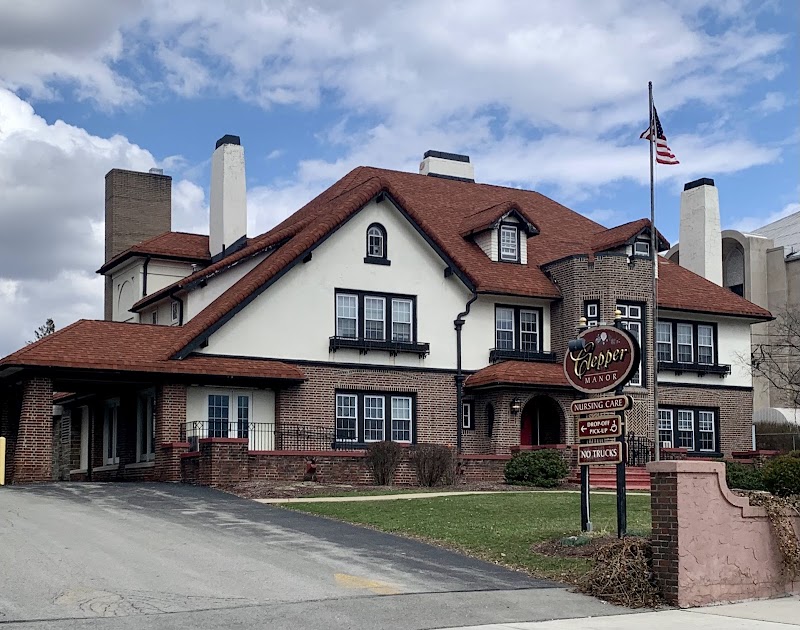
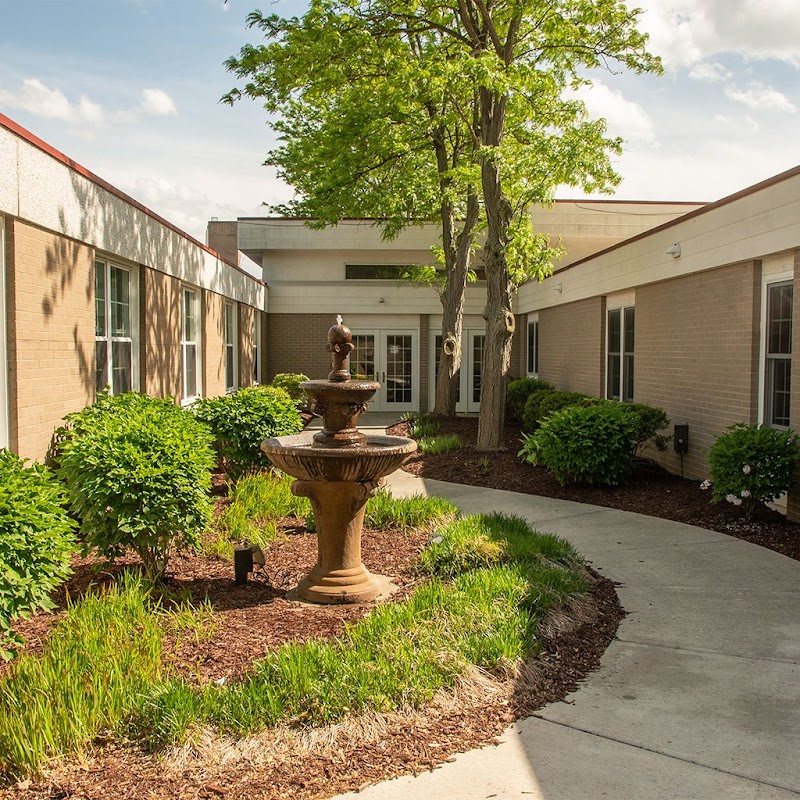

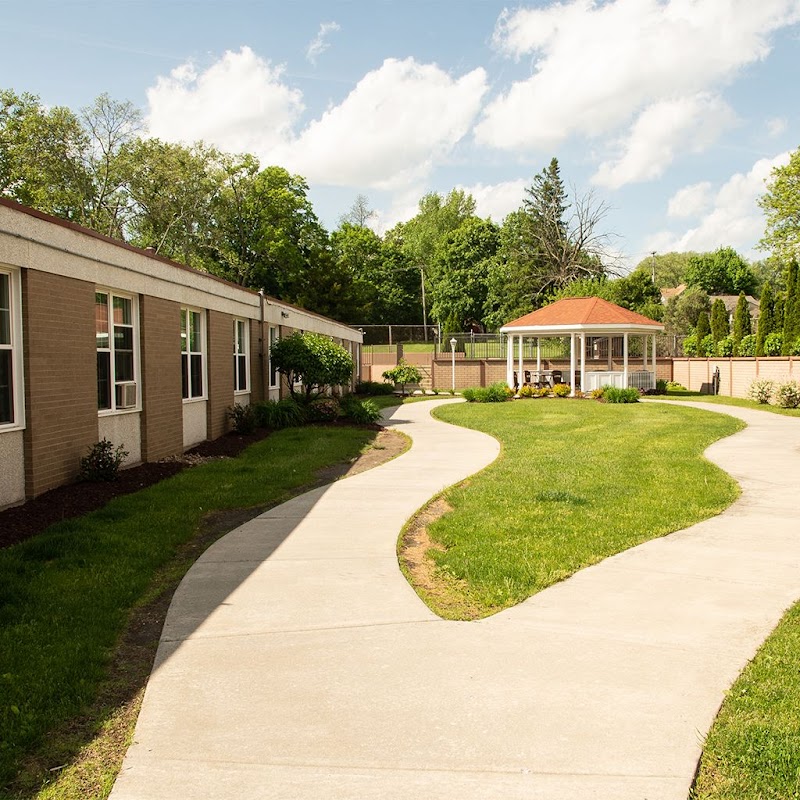
CLEPPER MANOR

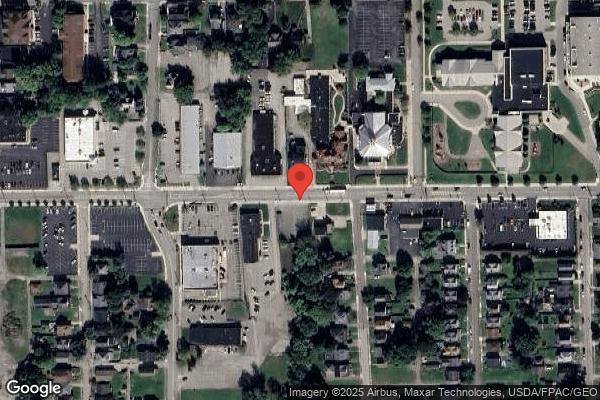
959 EAST STATE STREET, SHARON, PA 16146 (724) 981-2750
For profit - Corporation 54 Beds EMBASSY HEALTHCARE Data: November 2025
Trust Grade
55/100
#162 of 653 in PA
Last Inspection: April 2025

Within standard 12-15 month inspection cycle. Federal law requires annual inspections.

Overview

Clepper Manor has a Trust Grade of C, which means it is average and sits in the middle of the pack among nursing homes. It ranks #162 out of 653 facilities in Pennsylvania, placing it in the top half, but only #6 out of 10 in Mercer County, indicating that there are better local options available. The facility is worsening, as the number of issues found increased from 1 in 2024 to 2 in 2025. Staffing is a concern with a 71% turnover rate, higher than the state average, but RN coverage is good, exceeding that of 78% of Pennsylvania facilities. However, the facility has $169,599 in fines, which is higher than 99% of Pennsylvania nursing homes, indicating serious compliance issues. Specific incidents include failing to review care plans with residents as required, not conducting annual performance reviews for nurse aides, and not ensuring mandatory training for staff was completed, which raises concerns about the quality of care.

Trust Score
C
55/100
In Pennsylvania
#162/653
Top 24%
Safety Record
High Risk
Review needed
Inspections
Getting Worse
1 → 2 violations
Staff Stability
⚠ Watch
71% turnover. Very high, 23 points above average. Constant new faces learning your loved one's needs.
Penalties
⚠ Watch
$169,599 in fines. Higher than 91% of Pennsylvania facilities. Major compliance failures.
Skilled Nurses
✓ Good
Each resident gets 54 minutes of Registered Nurse (RN) attention daily — more than average for Pennsylvania. RNs are trained to catch health problems early.
Violations
⚠ Watch
12 deficiencies on record. Higher than average. Multiple issues found across inspections.
★★★★☆
4.0
Overall Rating
★★★☆☆
3.0
Staff Levels
★★★☆☆
3.0
Care Quality
★★★★☆
4.0
Inspection Score
Stable
2024: 1 issues
2025: 2 issues

The Good

  • Full Sprinkler Coverage · Fire safety systems throughout facility
  • No fines on record

Facility shows strength in fire safety.

The Bad

Staff Turnover: 71%

25pts above Pennsylvania avg (46%)

Frequent staff changes - ask about care continuity

Federal Fines: $169,599

Well above median ($33,413)

Significant penalties indicating serious issues

Chain: EMBASSY HEALTHCARE

Part of a multi-facility chain

Ask about local staffing decisions and management

Staff turnover is very high (71%)

23 points above Pennsylvania average of 48%

The Ugly 12 deficiencies on record

Apr 2025 2 deficiencies
CONCERN (D)

Potential for Harm - no one hurt, but risky conditions existed

Infection Control (Tag F0880)

Could have caused harm · This affected 1 resident

Based on clinical record review, observations, and staff interviews, it was determined that the facility failed to follow acceptable infection control practices related to care and treatment of reside...

Read full inspector narrative →
Based on clinical record review, observations, and staff interviews, it was determined that the facility failed to follow acceptable infection control practices related to care and treatment of residents with urinary drainage catheters (a tube inserted into the bladder to facilitate urine drainage) for one of 12 residents observed with drainage catheters (Resident R2). Findings include: Review of Resident R2's clinical record revealed an admission date of 3/17/25, with diagnoses that included osteolysis (condition where bone tissue is broken down), chronic obstructive pulmonary disease (COPD-a group of lung diseases that block airflow and make it difficult to breathe), and urinary tract infection. Observation on 4/1/25, at 4:15 p.m. revealed Resident R2 lying in bed with his/her catheter drainage bag and tubing extended out and lying on the floor next to the bed. There was no cover over the drainage bag that was directly on the floor. During an interview at that time, Licensed Practical Nurse Employee E2 confirmed that the catheter drainage bag and tubing was laying on the floor without a covering on 4/1/25, at 4:16 p.m. and that the drainage bag and tubing should not be laying on the floor or touching an unclean surface. During an interview on 4/2/25, at 3:15 p.m. the Nursing Home Administrator confirmed that catheter bags should not be lying on the floor and should have a covering over the catheter drainage bag. 28 Pa. Code 211.12 (d)(1)(3)(5) Nursing services
MINOR (B)

Minor Issue - procedural, no safety impact

Deficiency F0625 (Tag F0625)

Minor procedural issue · This affected multiple residents

Based on review of clinical records and staff interviews, it was determined that the facility failed to provide the resident and/or resident representative with a written notice of the bed-hold policy...

Read full inspector narrative →
Based on review of clinical records and staff interviews, it was determined that the facility failed to provide the resident and/or resident representative with a written notice of the bed-hold policy (explanation of how long a bed can be held during a leave of absence and the cost per day) for four of four residents reviewed for bed holds (Residents R5, R8, R15, and R40). Findings include: Resident R5's clinical record revealed that he/she was transported/admitted to the acute care hospital on 3/12/25, and returned to the facility on 3/17/25, with a diagnosis of a urinary tract infection (infection in any part of your urinary system). Resident R8's clinical record revealed that he/she was transported/admitted to the acute care hospital on 3/25/25, and returned to the facility on 3/26/25, with a diagnosis of a cardiac event and orders to be place with a cardiac monitor. Resident R15's clinical record revealed that he/she was transported/admitted to the acute care hospital on 3/16/25, and returned to the facility on 3/21/25, with a diagnosis of acute respiratory failure (when the lungs aren't properly exchanging gases, causing low oxygen in the blood). Resident R40's clinical record revealed that he/she was transported/admitted to the acute care hospital on 2/17/25, and returned to the facility on 2/19/25, with a diagnosis of a fractured left leg. The clinical records of Residents R5, R8, R15, and R40, lacked evidence to support that the resident and/or resident representative was provided a written notice of the bed-hold policy upon or following transfer to the hospital. During an interview on 4/3/25, at 8:30 a.m. the Administrative Nurse Employee E1 confirmed that the bed-hold policy was not provided to Residents R5, R8, R15 or R40 and/or their representative as required. 28 Pa. Code 201.14(a) Responsibility of licensee
May 2024 1 deficiency
CONCERN (D)

Potential for Harm - no one hurt, but risky conditions existed

Medication Errors (Tag F0758)

Could have caused harm · This affected 1 resident

Based on review of facility policy and clinical records and staff interview, it was determined that the facility failed to ensure that a PRN (as needed) anti-anxiety psychotropic (any drug that affect...

Read full inspector narrative →
Based on review of facility policy and clinical records and staff interview, it was determined that the facility failed to ensure that a PRN (as needed) anti-anxiety psychotropic (any drug that affects brain activities associated with mental processes and behavior) medication had clinical rationale identified for the use beyond the limitation of 14 days for one of 11 residents (Resident R34). Findings include: A review of a facility policy entitled Use of Psychotropic Medication dated 2/21/24, stated PRN orders for all psychotropic drugs shall be used only when the medication is necessary to treat a diagnosed specific condition that is documented in the clinical record, and for a limited duration (i.e. 14 days). If the attending physician or prescribing practitioner believes that it is appropriate for the PRN order to be extended beyond 14 days, he or she shall document their rationale in the resident's medical record and indicate the duration for PRN order. Resident R34's clinical record revealed an admission date of 2/16/24, with diagnoses of encounter for palliative care (hospice care), severe protein-calorie malnutrition (inadequate intake of protein, calories, and other essential nutrients), chronic obstructive pulmonary disease (a group of lung diseases that block airflow and make it difficult to breathe), and anxiety. Resident R34's clinical record revealed a physician order dated 2/17/24, for Trazadone (medication to treat depression by restoring the balance of natural chemicals in the brain) 100 milligram by mouth at hour of sleep (HS) PRN. The clinical record lacked evidence of clinical rationale for the use of Trazadone beyond 14 days. During an interview on 5/17/24, at 10:35 a.m. the Director of Nursing confirmed there was no duration ordered by the physician for the extended time-period of Resident 34's PRN Trazadone usage beyond 14 days. 28 Pa. Code 211.10(c) Resident care policies 28 Pa. Code 211.12 (d)(1) Nursing services
Jun 2023 6 deficiencies
CONCERN (D)

Potential for Harm - no one hurt, but risky conditions existed

Investigate Abuse (Tag F0610)

Could have caused harm · This affected 1 resident

Based on observations, review of clinical records and facility documentation and staff and family interviews, it was determined that the facility failed to investigate a bruise of unknown origin for o...

Read full inspector narrative →
Based on observations, review of clinical records and facility documentation and staff and family interviews, it was determined that the facility failed to investigate a bruise of unknown origin for one of 12 residents (Resident R42). Findings include: Review of theInvestigation of Incidents and Accidents Education, sheet, dated 5/24/23, revealed when an unusual incident, injury/bruise (whether or not the origin is known) .the supervisor /charge nurse or appropriate department head will initiate and document an investigation of the accident or incident. 3. Notification of the physician, responsible party, Director of Nursing and Administration will be done promptly. 9. If a resident has an injury/bruise of unknown origin, witness statements will be obtained from the staff who cared for the resident and those who were on the unit or in contact with the resident for the 48-72 hour period prior to the discovery of the injury/bruise. Review of Resident R42's clinical record revealed an admission date of 10/12/21 with diagnoses that included lumbar disc degeneration, difficulty walking, diabetes, anxiety and intellectual disabilities. During an observation on 5/30/23, at 1:30 p.m., Resident R42 was noted with a black, purple and yellow discolored area on the lateral aspect of the left upper arm approximately two inches by one inch in size. During an interview with Resident R42's family member on 5/30/23, at 4:55 p.m., the family member stated that they had not been notified by the facility of the bruise but noticed the bruise a couple of days ago. There was no evidence documented that an investigation was completed regarding the left upper arm bruise. During an interview on 5/31/23, at 12:02 p.m., the Director of Nursing confirmed that Resident R42's bruise was not reported by staff and there was not an investigation completed related to Resident R42's bruise of unknown origin. 28 Pa. Code 201.14(a) Responsibility of licensee 28 Pa. Code 211.12(d)(1)(3)(5) Nursing services
CONCERN (D)

Potential for Harm - no one hurt, but risky conditions existed

Pharmacy Services (Tag F0755)

Could have caused harm · This affected 1 resident

Based on a review of closed records, facility policy, and staff interview, it was determined that the facility failed to implement procedures to promote accurate and safe disposition of controlled med...

Read full inspector narrative →
Based on a review of closed records, facility policy, and staff interview, it was determined that the facility failed to implement procedures to promote accurate and safe disposition of controlled medication records for one of two closed records reviewed (Resident R45). Findings include: Review of the facility policy, entitled Discarding and Destroying Medications, dated 5/24/23, indicated if a resident is transferred to another facility, or dies while he or she is in lawful possession of controlled substances, the facility may dispose of the controlled substance(s) by depositing in the authorized on-site receptacle. Disposal of controlled substances must take place immediately (no longer than three days) after discontinuation of use by the resident. Required documentation of the medication disposal on the medication disposition record included the signature(s) of at least two witnesses, the quantity disposed, and reason for disposition. All unused controlled substances shall be retained in a securely locked area with restricted access until disposed of. Review of Resident R45's clinical record revealed admission to the facility on 3/29/23. Resident R45 ceased to breathe on 4/09/23. Review of Resident R45's closed record revealed a lack of evidence of four Percocet 5/235 milligrams (mg) tablets (narcotic pain medication) upon destruction of Resident R45's narcotic medication on 4/18/23. The facility received eight Percocet tablets on 4/09/23 for Resident R45 and the facility nursing staff destroyed four of the eight Percocet tablets on 4/18/23, leaving four Percocet tablets unaccounted for. During an interview on 6/02/23, at 12:30 p.m. the Director of Nursing confirmed there were discrepancies of the number of Percocet 5/325 mg tablets received then destroyed, as evidenced by the controlled drug receipt/record/disposition form. The controlled drug receipt/record/disposition form revealed a quantity of eight were received on 4/09/23, and a quantity of four were destroyed on 4/18/23. The DON confirmed that there was no evidence or record of the other four Percocet 5/325 mg tablets, and the facility failed to implement procedures to keep accurate and safe disposition of controlled medication records for Resident R45. 28 Pa. Code 211.9(a) Pharmacy services 28 Pa. Code 211.12(d)(3)Nursing services 28 Pa. Code 211.12(d)(5) Nursing services
CONCERN (E)

Potential for Harm - no one hurt, but risky conditions existed

Deficiency F0657 (Tag F0657)

Could have caused harm · This affected multiple residents

Based on review of clinical records and facility policy and staff interview, it was determined that the facility failed to ensure that the care plan review was completed and reviewed with the resident...

Read full inspector narrative →
Based on review of clinical records and facility policy and staff interview, it was determined that the facility failed to ensure that the care plan review was completed and reviewed with the resident and/or resident representative for two of 12 residents reviewed (Residents R2 and R18) Findings include: Review of the Care-Planning Resident Participation policy, dated 5/24/23, revealed the facility will discuss the plan of care with the resident and/or representative at regularly scheduled care conferences .the facility will obtain a signature from the resident and/or resident representative after discussion or viewing of the care plan. Review of Resident R2's clinical record revealed an admission date of 11/27/20 with diagnoses that included heart failure, diabetes, difficulty swallowing, poor circulation, anxiety and hypertension. Review of the clinical record revealed that Resident R2 had a Quarterly Minimum Data Set (MDS-periodic review of resident care needs) on 8/17/22 and an Annual MDS review on 2/13/23. There was no evidence that a care plan meeting occurred, who attended or an explanation why the resident or resident representative was not present. Review of Resident R18's clinical record revealed an admission date of 1/6/22, with diagnoses that included heart problems, diabetes, lung problems and schizoaffective disorder. Review of the clinical record revealed that Resident R18 had a Quarterly MDS review on 1/02/23 and 4/01/23. There was no evidence that a care plan meeting occurred, who attended or an explanation why the resident or resident representative was not present. During an interview on 6/01/23, at 9:10 a.m., the Director of Nursing confirmed there was no evidence found that a care plan meeting was held for Resident R2 from the 8/17/22 Quarterly review or the 2/13/23 Annual review and confirmed that Resident R18 lacked evidence that a care plan meeting was completed on the Quarterly review dates of 1/02/23 and 4/01/23. 28 Pa. Code 201.14(a) Responsibility of licensee 28 Pa. Code 211.12(d)(3) Nursing services
CONCERN (E)

Potential for Harm - no one hurt, but risky conditions existed

Deficiency F0730 (Tag F0730)

Could have caused harm · This affected multiple residents

Based on review of facility employee records and staff interview, it was determined that the facility failed to complete performance reviews of Nurse Aides (NA) at least once every 12 months for the p...

Read full inspector narrative →
Based on review of facility employee records and staff interview, it was determined that the facility failed to complete performance reviews of Nurse Aides (NA) at least once every 12 months for the past year from July 2022 through June 2023. Findings include: Upon request, no records or evidence of performance reviews for all NAs from July 2022, through June 2023, was provided for review. During an interview on 6/02/23, at 12:25 p.m. the Nursing Home Administrator confirmed that no evidence could be provided regarding completed performance reviews for NAs as required every 12 months. 28 Pa. Code 201.20(a)(d) Staff development
CONCERN (E)

Potential for Harm - no one hurt, but risky conditions existed

Deficiency F0947 (Tag F0947)

Could have caused harm · This affected multiple residents

Based on review of facility employee in-service training records and staff interview, it was determined that the facility failed to assure that staff completed all the required mandatory trainings for...

Read full inspector narrative →
Based on review of facility employee in-service training records and staff interview, it was determined that the facility failed to assure that staff completed all the required mandatory trainings for the yearly Nurse Aide (NA) 12-hour mandatory trainings for the past year from July 2022 through June 2023. Findings include: Upon request, no records or evidence of mandatory in-service training for all NA's from July 2022 through June 2023, was provided for review. During an interview on 6/02/23, at 11:40 a.m. the Nursing Home Administrator confirmed that no evidence could be provided regarding NA's 12-hour mandatory in-service trainings as required. 28 Pa. Code 201.20(a)(c)(d) Staff development
MINOR (C)

Minor Issue - procedural, no safety impact

Deficiency F0868 (Tag F0868)

Minor procedural issue · This affected most or all residents

Based on review of facility records and staff interview, it was determined that the facility failed to assure required attendance of the Medical Director and Infection Preventionist to Quality Assuran...

Read full inspector narrative →
Based on review of facility records and staff interview, it was determined that the facility failed to assure required attendance of the Medical Director and Infection Preventionist to Quality Assurance and Performance Improvement (QAPI) Committee meetings quarterly for the meeting records reviewed from 7/27/2022 to 5/24/2023. Findings include: Review of the QAPI Committee Attendance Records revealed that the facility holds QAPI meetings monthly. Committee Members are required to attend and sign quarterly attendance sign-in sheets for the required quarterly meetings. Upon review of the QAPI Committee Attendance Records from 7/27/2022, to 5/24/2023, it was revealed that the Medical Director did not attend for five months from 9/21/2022, to 1/25/2023. The Infection Preventionist did not attend for six months between 12/28/2022, to 5/24/2023. During an interview on 6/2/2023, at 12:37 p.m. the Nursing Home Administrator confirmed that both the Medical Director and the Infection Preventionist did not attend the QAPI committee meetings as required. 28 Pa. Code 201.18(e)(1)(2)(3) Management
May 2023 1 deficiency
CONCERN (D) 📢 Someone Reported This

A family member, employee, or ombudsman was alarmed enough to file a formal complaint

Potential for Harm - no one hurt, but risky conditions existed

Deficiency F0655 (Tag F0655)

Could have caused harm · This affected 1 resident

Based on review of clinical records, facility policies and staff interview, it was determined that the facility failed to develop a baseline care plan related to falls for one of one closed record res...

Read full inspector narrative →
Based on review of clinical records, facility policies and staff interview, it was determined that the facility failed to develop a baseline care plan related to falls for one of one closed record residents (Resident CR1). Findings include: Review of the facility policy entitled, Fall Prevention Program, dated 8/01/22, revealed (1) the facility utilizes a standardized risk assessment for determining a resident's fall risk, .(h) provide interventions that address unique risk factors measured by the risk assessment tool, (5) when any resident experiences a fall, the facility will .(e)review the residents care plan and update as indicated,(f) document all assessments and actions(g)obtain witness statements in case of injury . Review of Resident CR1's clinical record revealed an admission date of 3/29/23, with diagnoses that included dementia with psychotic disturbance, muscle weakness, unsteadiness on feet, and history of falling. Review of Resident CR1's clinical record revealed a General Medicine Progress Note from the hospital dated with an admission date of 3/27/23, revealed the resident was ordered fall precautions. Review of the facility Embassy Fall Risk Evaluation completed on 3/29/23, revealed that Resident CR1 had balance problems when standing, balance problems when walking, decrease muscular coordination, change in gait when walking through doorway, disoriented times three at all times and was determined a high risk for falls. Review of Resident CR1's clinical record lacked evidence that a baseline care plan was developed in the required timeframe to addres fall risk and interventions to prevent falls. During an interview on 5/18/23, at 10:30 a.m. the Director of Nursing confirmed that Resident CR1 was determined a fall risk from the Fall Risk Evaluation completed on 3/29/23 however there was no evidence that a baseline care plan was developed to address falls/fall prevention. 28 Pa. Code 201.18 (b) (1) Management 28 Pa. Code 211.12 (d)(1)(5) Nursing services
Feb 2023 2 deficiencies
CONCERN (D) 📢 Someone Reported This

A family member, employee, or ombudsman was alarmed enough to file a formal complaint

Potential for Harm - no one hurt, but risky conditions existed

Deficiency F0692 (Tag F0692)

Could have caused harm · This affected 1 resident

Based on review of clinical records, and staff interviews, it was determined that the facility failed to address nutritional status of one of three residents reviewed (Resident R11) Findings include: ...

Read full inspector narrative →
Based on review of clinical records, and staff interviews, it was determined that the facility failed to address nutritional status of one of three residents reviewed (Resident R11) Findings include: Resident R11's clinical record revealed an admission date of 10/24/22, with diagnoses that included stroke, diabetes, and high blood pressure. Resident R11's current physician orders, included orders for a Regular Low Concentrated Sweets diet with regular thin liquids. Registered Dietitian progress note dated 1/13/23, revealed the following: weight on 1/12/23, 185 pounds, 12/1/22, 201 pounds, and 11/14/22, 199 pounds, reflects weight down 8.0% in one month. Recommend med pass 2.0 (nutritional supplement) four ounces twice a day for thirty days. Review of clinical records on 1/31/23, lacked evidence that the dietary recommendation for Resident R11 from 1/13/23, was followed up on/implemented. During an interview at 3:50 p.m. on 1/31/23, Nursing Home Administrator confirmed that Resident R11's dietary recommendation from 1/13/23, had not been followed up on and that as of 1/31/23, eighteen days later, did not have med pass ordered as recommended. 28 Pa. Code 211.6 (d) Dietary services 28 Pa. Code 211.10 (c) Resident care policies 28 Pa. Code 211.12 (d)(1)(3)(5) Nursing services
CONCERN (D) 📢 Someone Reported This

A family member, employee, or ombudsman was alarmed enough to file a formal complaint

Potential for Harm - no one hurt, but risky conditions existed

Deficiency F0729 (Tag F0729)

Could have caused harm · This affected 1 resident

**NOTE- TERMS IN BRACKETS HAVE BEEN EDITED TO PROTECT CONFIDENTIALITY** Based on review of facility reported incident, personnel files, Pennsylvania (PA) Nurse Aide registry information, and staff int...

Read full inspector narrative →
**NOTE- TERMS IN BRACKETS HAVE BEEN EDITED TO PROTECT CONFIDENTIALITY** Based on review of facility reported incident, personnel files, Pennsylvania (PA) Nurse Aide registry information, and staff interview, it was determined that the facility failed to ensure current registration verification for one of five Nurse Aide (NA) registrations reviewed (NA Employee E1) Findings include: Review of information submitted by the facility dated [DATE], revealed that NA Employee E1's PA Nurse Aide registration had expired [DATE]. Review of NA Employee E1's personnel file revealed that the facility hired him/her on [DATE]. Review of PA Nurse Aide registry information revealed that NA Employee E1's registration certificate had expired [DATE]. A review of facility staffing records revealed that NA Employee E1 worked at the facility with an expired PA registration from the date of hire on [DATE], until [DATE], a total of nine and a half months. During an interview at 3:00 p.m. on [DATE], Nursing Home Administrator confirmed that NA Employee E1 was hired to work at the facility without evidence that the facility first verified if NA Employee E1 had a current nurse aide PA registration certificate and also confirmed that NA Employee E1 had worked at the facility for a total of nine and a half months without having a current nurse aide registration certificate in the state of Pennsylvania. 28 Pa. Code 201.18(b)(1 Management 28 Pa. Code 211.12 (c)(1) Nursing Services 28 Pa. Code 201.19 Personnel policies and procedures
Understanding Severity Codes (click to expand)
Life-Threatening (Immediate Jeopardy)
J - Isolated K - Pattern L - Widespread
Actual Harm
G - Isolated H - Pattern I - Widespread
Potential for Harm
D - Isolated E - Pattern F - Widespread
No Harm (Minor)
A - Isolated B - Pattern C - Widespread

Questions to Ask on Your Visit

  • "Why is there high staff turnover? How do you retain staff?"
  • "Can I speak with families of current residents?"
  • "What's your RN coverage like on weekends and overnight?"

Our Honest Assessment

Strengths
  • • Licensed and certified facility. Meets minimum state requirements.
Concerns
  • • Multiple safety concerns identified: $169,599 in fines, Payment denial on record. Review inspection reports carefully.
  • • 12 deficiencies on record. Higher than average. Multiple issues found across inspections.
  • • $169,599 in fines. Extremely high, among the most fined facilities in Pennsylvania. Major compliance failures.
  • • Grade C (55/100). Below average facility with significant concerns.
Bottom line: Mixed indicators with Trust Score of 55/100. Visit in person and ask pointed questions.

About This Facility

What is Clepper Manor's CMS Rating?

CMS assigns CLEPPER MANOR an overall rating of 4 out of 5 stars, which is considered above average nationally. Within Pennsylvania, this rating places the facility higher than 99% of the state's 100 nursing homes. This rating reflects solid performance across the metrics CMS uses to evaluate nursing home quality.

How is Clepper Manor Staffed?

CMS rates CLEPPER MANOR's staffing level at 3 out of 5 stars, which is average compared to other nursing homes. Staff turnover is 71%, which is 25 percentage points above the Pennsylvania average of 46%. High turnover can affect care consistency as new staff learn residents' individual needs. RN turnover specifically is 67%, which is notably high. RNs provide skilled clinical oversight, so turnover in this role can affect medical care quality.

What Have Inspectors Found at Clepper Manor?

State health inspectors documented 12 deficiencies at CLEPPER MANOR during 2023 to 2025. These included: 10 with potential for harm and 2 minor or isolated issues.

Who Owns and Operates Clepper Manor?

CLEPPER MANOR is owned by a for-profit company. For-profit facilities operate as businesses with obligations to shareholders or private owners. The facility is operated by EMBASSY HEALTHCARE, a chain that manages multiple nursing homes. With 54 certified beds and approximately 45 residents (about 83% occupancy), it is a smaller facility located in SHARON, Pennsylvania.

How Does Clepper Manor Compare to Other Pennsylvania Nursing Homes?

Compared to the 100 nursing homes in Pennsylvania, CLEPPER MANOR's overall rating (4 stars) is above the state average of 3.0, staff turnover (71%) is significantly higher than the state average of 46%, and health inspection rating (4 stars) is above the national benchmark.

What Should Families Ask When Visiting Clepper Manor?

Based on this facility's data, families visiting should ask: "How do you ensure continuity of care given staff turnover, and what is your staff retention strategy?" "Can I visit during a mealtime to observe dining assistance and food quality?" "How do you handle medical emergencies, and what is your hospital transfer rate?" "Can I speak with family members of current residents about their experience?" These questions are particularly relevant given the facility's high staff turnover rate.

Is Clepper Manor Safe?

Based on CMS inspection data, CLEPPER MANOR has a clean safety record: no substantiated abuse findings (meaning no confirmed cases of resident harm), no Immediate Jeopardy citations (the most serious violation level indicating risk of serious injury or death), and is not on the Special Focus Facility watch list (a federal program monitoring the lowest-performing 1% of nursing homes). The facility has a 4-star overall rating and ranks #1 of 100 nursing homes in Pennsylvania. While no facility is perfect, families should still ask about staff-to-resident ratios and recent inspection results during their visit.

Do Nurses at Clepper Manor Stick Around?

Staff turnover at CLEPPER MANOR is high. At 71%, the facility is 25 percentage points above the Pennsylvania average of 46%. Registered Nurse turnover is particularly concerning at 67%. RNs handle complex medical decisions and coordinate care — frequent RN changes can directly impact care quality. High turnover means new staff may not know residents' individual needs, medications, or preferences. It can also be disorienting for residents, especially those with dementia who rely on familiar faces. Families should ask: What is causing the turnover? What retention programs are in place? How do you ensure care continuity during staff transitions?

Was Clepper Manor Ever Fined?

CLEPPER MANOR has been fined $169,599 across 1 penalty action. This is 4.9x the Pennsylvania average of $34,775. Fines at this level are uncommon and typically indicate a pattern of serious deficiencies, repeated violations, or failure to correct problems promptly. CMS reserves penalties of this magnitude for facilities that pose significant, documented risk to resident health or safety. Families should request specific documentation of what issues led to these fines and what systemic changes have been implemented.

Is Clepper Manor on Any Federal Watch List?

CLEPPER MANOR is not on any federal watch list. The most significant is the Special Focus Facility (SFF) program, which identifies the bottom 1% of nursing homes nationally based on persistent, serious quality problems. Not being on this list means the facility has avoided the pattern of deficiencies that triggers enhanced federal oversight. This is a positive indicator, though families should still review the facility's inspection history directly.