SINKING SPRING SKILLED NURSING AND REHABILITATION
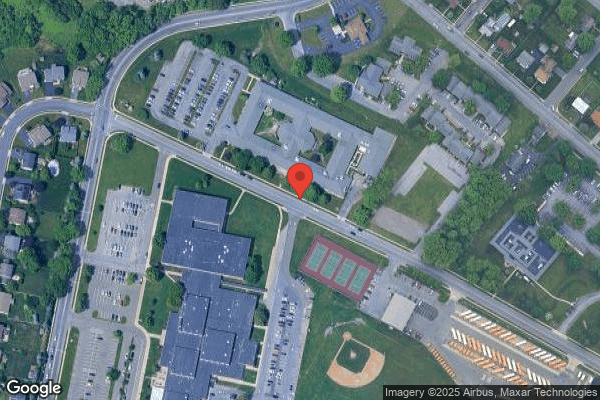
3000 WINDMILL ROAD, SINKING SPRING, PA 19608 (610) 670-2100
For profit - Corporation 214 Beds GENESIS HEALTHCARE Data: November 2025
Trust Grade
25/100
#493 of 653 in PA
Last Inspection: August 2024

Within standard 12-15 month inspection cycle. Federal law requires annual inspections.

Overview

Sinking Spring Skilled Nursing and Rehabilitation has a Trust Grade of F, indicating significant concerns about the facility's quality and care standards. It ranks #493 out of 653 nursing homes in Pennsylvania, placing it in the bottom half statewide, and #14 out of 15 in Berks County, meaning only one nearby facility is rated lower. While the facility is showing signs of improvement, with a reduction in issues from 12 in 2024 to 3 in 2025, there are still serious concerns; for instance, two residents experienced neglect that led to serious injuries, and another resident was found to be subjected to mental or physical abuse. Staffing is a relative strength, as they have a 3/5 rating and a turnover rate of 45%, which is below the state average. Additionally, there were no fines reported, but the facility was cited for failing to maintain sanitary kitchen conditions, indicating ongoing operational challenges.

Trust Score
F
25/100
In Pennsylvania
#493/653
Bottom 25%
Safety Record
High Risk
Review needed
Inspections
Getting Better
12 → 3 violations
Staff Stability
⚠ Watch
45% turnover. Above average. Higher turnover means staff may not know residents' routines.
Penalties
✓ Good
No fines on record. Clean compliance history, better than most Pennsylvania facilities.
Skilled Nurses
⚠ Watch
Each resident gets only 28 minutes of Registered Nurse (RN) attention daily — below average for Pennsylvania. Fewer RN minutes means fewer trained eyes watching for problems.
Violations
⚠ Watch
34 deficiencies on record. Higher than average. Multiple issues found across inspections.
★★☆☆☆
2.0
Overall Rating
★★★☆☆
3.0
Staff Levels
★★★☆☆
3.0
Care Quality
★★☆☆☆
2.0
Inspection Score
Stable
2024: 12 issues
2025: 3 issues

The Good

  • Full Sprinkler Coverage · Fire safety systems throughout facility
  • No fines on record

Facility shows strength in fire safety.

The Bad

2-Star Overall Rating

Below Pennsylvania average (3.0)

Below average - review inspection findings carefully

Staff Turnover: 45%

Near Pennsylvania avg (46%)

Higher turnover may affect care consistency

Chain: GENESIS HEALTHCARE

Part of a multi-facility chain

Ask about local staffing decisions and management

The Ugly 34 deficiencies on record

2 actual harm
Jul 2025 1 deficiency
CONCERN (D) 📢 Someone Reported This

A family member, employee, or ombudsman was alarmed enough to file a formal complaint

Potential for Harm - no one hurt, but risky conditions existed

Deficiency F0569 (Tag F0569)

Could have caused harm · This affected 1 resident

**NOTE- TERMS IN BRACKETS HAVE BEEN EDITED TO PROTECT CONFIDENTIALITY** Based on review of resident fund accounts, clinical record, and staff interview, it was determined that the facility failed to c...

Read full inspector narrative →
**NOTE- TERMS IN BRACKETS HAVE BEEN EDITED TO PROTECT CONFIDENTIALITY** Based on review of resident fund accounts, clinical record, and staff interview, it was determined that the facility failed to convey resident funds and provide a final accounting of funds within 30 days of death to the individual/probate jurisdiction for the resident's estate for one of four residents (Resident 1). Findings include: Clinical record review revealed that Resident 1 was admitted to the facility on [DATE], and expired on [DATE]. Review of Resident 1's account managed by the facility revealed that the account was closed on [DATE], with a balance of $2,961.70. There was no documented evidence that the facility provided a final accounting to the individual/probate jurisdiction for the resident's estate within 30 days of the resident's death. On [DATE], a check was made out to the Social Security Administration and not Resident 1's estate. In an interview on [DATE], at 1:30 p.m. the Administrator confirmed that there was no evidence that the facility provided a final accounting to the individual/probate jurisdiction for Resident 1's estate and the personal funds should have gone to the estate within 30 days of the resident's death.
Mar 2025 2 deficiencies 1 Harm
SERIOUS (G) 📢 Someone Reported This

A family member, employee, or ombudsman was alarmed enough to file a formal complaint

Actual Harm - a resident was hurt due to facility failures

Free from Abuse/Neglect (Tag F0600)

A resident was harmed · This affected 1 resident

**NOTE- TERMS IN BRACKETS HAVE BEEN EDITED TO PROTECT CONFIDENTIALITY** Based on facility policy review, clinical record review, review of facility documentation, and resident interview, it was determ...

Read full inspector narrative →
**NOTE- TERMS IN BRACKETS HAVE BEEN EDITED TO PROTECT CONFIDENTIALITY** Based on facility policy review, clinical record review, review of facility documentation, and resident interview, it was determined that the facility failed to ensure that residents were free from mental and/or physical abuse for two residents (Residents 1 and 2), which resulted in psychosocial harm for one of seven residents reviewed. (Resident 1) Findings include: Review of the facility policy entitled, Abuse Prohibition, last reviewed February 21, 2025, revealed that instances of abuse of all residents, irrespective of any mental or physical condition, cause physical harm, pain, or mental anguish. It included a resident's right to be free from verbal abuse, sexual abuse, physical abuse, and mental abuse. Clinical record review revealed that Resident 1 (R1) was admitted to the facility on [DATE], and had diagnoses that included hemiplegia and hemiparesis (paralysis on one side), anxiety, depression, and heart disease. Review of the Minimum Data Set (MDS) assessment (a periodic assessment of resident care needs) dated February 12, 2025, indicated that the resident was not cognitively impaired. Clinical record review revealed that Resident 2 (R2) was admitted to the facility on [DATE], and had diagnoses that included congestive heart failure, diabetes, borderline personality disorder (a mental disorder characterized by instability in mood, behavior, and functioning), major depressive disorder, and schizoaffective disorder (a mental health condition characterized by symptoms of schizophrenia, such as hallucinations and delusions, and mood disorder, such as mania and depression). Review of the MDS assessment dated [DATE], indicated that the resident was not cognitively impaired. Activities documentation dated March 13, 2025, revealed that an incident occurred on March 6, 2025, during a men's night pizza party involving R1 and R2. R1 was sitting with a peer and R2 entered the event and was not able to sit with R1. After a few minutes of R1 not paying attention to R2, R2 screamed at R1 and exited the activity. Additional facility documentation revealed that on March 14, 2025, R1 hit R2 with a walker following an argument. Review of a grievance form dated March 17, 2025, revealed that in the morning during the day shift (7:00 a.m. to 3:00 p.m.), R1 reported to staff that R2 had been harassing him if he didn't provide food and money and that R2 would enter his room during meals and take his food off his tray. R1 reported that R2 would harass and call him from his cellular phone and say, Bring me a drink, get me a blanket. He also reported that he would give R2 money to be left alone. R1 reported that R2 had threatened him with sexual acts, such as penetration, and he would always say no. R2 would then hit him on the arm and say, You have to take care of me. It was further noted on the grievance form that R1 reported R2 would go into R1's room with no pants on and request oral sex. On March 17, 2025, R1 was seen by the psychologist who noted the resident appeared to be in emotional distress and was observed to have been tearful and upset. Documentation indicated that R1 reported R2 had been threatening to hurt him, asking him for money, wanting to penetrate him, and requesting oral sex. In addition, the psychologist noted that staff reported R1 had been complaining about R2 for a couple months and it had increased in the past few weeks. On March 21, 2025, R1 was seen by the psychologist for a follow-up visit for his emotional well-being. During the visit, R1 reported that R2 had threatened to perform sexual acts (oral sex, penetration) on him if R1 did not comply with R2's request for money and food. R1 stated that he had given R2 food and money to avoid being harassed and victimized and that the interactions with R2 had contributed to his depression and anxiety. During an interview with R1 on March 27, 2025, at 12:35 p.m., the resident stated that R2 had been sexually harassing him prior to March 14, 2025, by making threats to penetrate him and to perform oral sex if he didn't provide food or money and that he hit R2 with his walker because he was tired of it. Based on the findings, the facility failed to ensure that Resident 2 was free from physical abuse and that Resident 1 was free from physical abuse and mental abuse resulting in psychosocial harm, including increased anxiety and depression. 28 Pa. Code 201.14(a) Responsibility of licensee. 28 Pa. Code 201.18(b)(1) Management. 28 Pa. Code 201.29(a) Resident rights.
CONCERN (D) 📢 Someone Reported This

A family member, employee, or ombudsman was alarmed enough to file a formal complaint

Potential for Harm - no one hurt, but risky conditions existed

Report Alleged Abuse (Tag F0609)

Could have caused harm · This affected 1 resident

Based on facility policy review, clinical record review, and staff interview, it was determined that the facility failed to report an allegation of abuse to the State Survey Agency for one of seven sa...

Read full inspector narrative →
Based on facility policy review, clinical record review, and staff interview, it was determined that the facility failed to report an allegation of abuse to the State Survey Agency for one of seven sampled residents. (Resident 1) Findings include: Review of the facility policy entitled, Abuse Prohibition, last reviewed February 21, 2025, revealed that the Administrator or designee would report allegations of abuse to the appropriate state and local authority within two hours. Clinical record review revealed that Resident 1 (R1) had diagnoses that included hemiplegia and hemiparesis (paralysis on one side), anxiety, depression, and heart disease. Review of a grievance form dated March 17, 2025, revealed that in the morning during the day shift (7:00 a.m. to 3:00 p.m.), R1 reported to staff that Resident 2 (R2) had been sexually harassing him by making threats if he didn't provide food and money and would hit his arm. Additional documentation indicated that on the same day and shift, R1 reported to the psychologist that R2 had been threatening and sexually harassing him with inappropriate comments and gestures. In an interview on March 27, 2025, at 1:43 p.m., the Administrator confirmed that the facility did not report the incident to the State Survey Agency. 201.14(c) Responsibility of licensee. 28 Pa. Code 201.18(e)(1) Management.
Oct 2024 1 deficiency
CONCERN (D) 📢 Someone Reported This

A family member, employee, or ombudsman was alarmed enough to file a formal complaint

Potential for Harm - no one hurt, but risky conditions existed

Pressure Ulcer Prevention (Tag F0686)

Could have caused harm · This affected 1 resident

Based on facility policy review, clinical record review, and staff interview, it was determined that the facility failed to assess wounds or implement interventions to prevent new or worsened pressure...

Read full inspector narrative →
Based on facility policy review, clinical record review, and staff interview, it was determined that the facility failed to assess wounds or implement interventions to prevent new or worsened pressure ulcers for two of five sampled residents with wounds. (Residents 1 and 3) Findings include: Review of the facility policy entitled, Skin Integrity and Wound Management, last reviewed October 15, 2024, revealed that staff was to assess and document wound status weekly. The nursing assistant would observe skin daily and report any changes or concerns to the nurse. The licensed nurse would perform daily monitoring of wounds or dressings for the presence of complications or decline. Documentation was to include daily monitoring of the ulcer/wound site with or without a dressing, status of the dressing, status of the tissue surrounding the dressing, adequate control of wound associated pain, and signs of decline in wound status. Pressure injury prevention was to be implemented for identified, modifiable risk factors. Clinical record review revealed that Resident 1 had diagnoses that included diabetes, peripheral vascular disease, chronic kidney disease, and right leg cellulitis (bacterial skin infection). Review of nursing documentation revealed that on September 17, 2024, Resident 1 was noted to have a new wound on the right third toe and a treatment was ordered. Review of Resident 1's skin and wound evaluation records revealed that there was no documented evidence that staff assessed or monitored the resident's right third toe wound September 21, 22, and 24 through 30, 2024, and October 1 through 8, 2024. On October 9, 2024, nursing documented that Resident 1's left foot had an odor which resolved after being cleansed and a calloused area had fallen off. There was no documented evidence that the left foot was assessed or monitored since September 18, 2024. Clinical record review revealed that Resident 3 had diagnoses that included hypotension, fourth thoracic vertebra fracture, and sternal fracture. Review of the care plan indicated that on September 12, 2024, the resident was at risk for skin breakdown related to fragile skin, advanced age, and urinary incontinence. The intervention was for staff to provide preventative skin care. On September 14, 22, 29, and October 7, 2024, nursing documented that the resident had boggy heels (spongy tissue with a high fluid content). There was no evidence that interventions to prevent pressure ulcers were put into place until October 10, 2024, when the physician ordered for staff to apply skin prep (a liquid that forms a protective film or barrier when applied to the skin) to the left heel and to ensure that heels were offloaded. In an interview on October 17, 2024, at 3:45 p.m., the Director of Nursing confirmed that there was no documented evidence that Resident 1's wound was assessed weekly or monitored daily and that there were no interventions implemented timely for Resident 3 to prevent pressure ulcers per facility policy. 28 Pa Code 211.10(d) Resident care policies. 28 Pa Code 211.12(d)(1)(5) Nursing services.
Aug 2024 9 deficiencies
CONCERN (D) 📢 Someone Reported This

A family member, employee, or ombudsman was alarmed enough to file a formal complaint

Potential for Harm - no one hurt, but risky conditions existed

Resident Rights (Tag F0550)

Could have caused harm · This affected 1 resident

**NOTE- TERMS IN BRACKETS HAVE BEEN EDITED TO PROTECT CONFIDENTIALITY** Based on clinical record review, observation, policy review, and staff interview, it was determined that the facility failed to ...

Read full inspector narrative →
**NOTE- TERMS IN BRACKETS HAVE BEEN EDITED TO PROTECT CONFIDENTIALITY** Based on clinical record review, observation, policy review, and staff interview, it was determined that the facility failed to provide assistance with dining in a manner that promoted and maintained dignity for one resident on one of five nursing units. (Station 2, Resident 87) In addition, the facility failed to ensure that a call bell was answered in a timely manner for one of 35 sampled residents. (Resident 112) Findings include: Clinical record review revealed that Resident 87 had diagnoses that included Alzheimer's disease, dysphagia (difficulty in swallowing), and protein-calorie malnutrition. Review of the Minimum Data Set (MDS) assessment, dated August 14, 2024, revealed that the resident had cognitive impairment and needed staff assistance with eating. Review of Resident 87's care plan revealed that staff was to provide total assistance with feeding, feed the resident slowly, and provide verbal cueing with meals. On August 25, 2024, from 12:16 p.m. through 12:35 p.m., nurse aide (NA) 1 was observed standing while assisting Resident 87 with lunch. On August 26, 2024, from 12:03 p.m. through 12:20 p.m., NA 1 was observed standing while assisting Resident 87 with lunch. Review of facility policy entitled, Call Lights, last reviewed April 3, 2024, revealed that staff were to respond to call lights and communication devices promptly. Clinical record review revealed that Resident 112 had diagnoses that included peripheral vascular disease (a disorder of the blood vessels that manage blood flow to parts of the body outside of the heart, most commonly affecting legs and feet), a muscle disorder, and a history of falling. Review of the MDS assessment dated [DATE], revealed the resident had physical limitations and required staff assistance for repositioning. Review of the nursing note dated August 19, 2024, revealed that Resident 112 was alert and was able to make herself understood. Review of the current care plan revealed the resident had physical limitations and that staff were to assist with repositioning frequently. Observation on August 26, 2024, from 12:50 p.m. through 1:10 p.m., revealed that the resident had her call bell activated. Staff were available at the nurses' station and in the hallways where the call bell could be clearly heard. Staff was observed looking at the activated call bell and walking by the resident's room, but no one answered the call bell and offered any assistance to Resident 112. In an interview on August 26, 2024, at 1:50 p.m., the Nursing Home Administrator and Director of Nursing stated that call lights were expected to be answered promptly. 28 Pa. Code 211.12(d)(1)(5) Nursing services.
CONCERN (D) 📢 Someone Reported This

A family member, employee, or ombudsman was alarmed enough to file a formal complaint

Potential for Harm - no one hurt, but risky conditions existed

Safe Environment (Tag F0584)

Could have caused harm · This affected 1 resident

**NOTE- TERMS IN BRACKETS HAVE BEEN EDITED TO PROTECT CONFIDENTIALITY** Based on observation, it was determined that the facility failed to provide a safe, clean, and comfortable environment on three ...

Read full inspector narrative →
**NOTE- TERMS IN BRACKETS HAVE BEEN EDITED TO PROTECT CONFIDENTIALITY** Based on observation, it was determined that the facility failed to provide a safe, clean, and comfortable environment on three of five nursing units. (Medbridge, Station 2, and Arcadia) Findings include: Observations during the environmental tour on the Medbridge unit on August 25, 2024, at 12:30 p.m., revealed that in room [ROOM NUMBER], there was a large brown stain in the bathoom sink. There was also a black substance around and inside of the drain plug in the bathroom sink. Observation on August 25 and 26, 2024, in the morning and in the early afternoon at various times, revealed that there was a box outside of room [ROOM NUMBER] that contained a new toilet. In addition, observation on August 26, 2024, at 10:00 a.m, revealed there were two large garbage cans outside of room [ROOM NUMBER] that were uncovered. The one can was overflowing with trash. The box with the new toilet in it, and the two large garbage cans were cluttering this area near the nursing station and room [ROOM NUMBER]. Observations during the environmental tour of Station 2 on August 25, 2024, at 9:25 a.m. through 1:50 p.m., revealed marred walls and chipped paint in rooms 71, 73, 77, 78, 83, 98, 104, 105, and 110. In room [ROOM NUMBER], bed A, there was a pervasive odor of urine and small black crawling insects observed on the nightstand. In room [ROOM NUMBER], bed B, the wall was gouged behind the bed. In room [ROOM NUMBER], bed A, the ceiling was bowing with an area of peeling tape. In room [ROOM NUMBER], the walls throughout the room were heavily covered in spackle and unpainted. In room [ROOM NUMBER], bed B, there was tube feed splattered on the base of the pump, floor, and wall. There was black streaks splattered on the wall under the sink. The rubber molding was peeling off by the bathroom, and used gloves were on the floor. In room [ROOM NUMBER], the wall was peeling above the backsplash. There were black streaks on the wall above the sink. The left-sided window curtain was stained. Observations during the environmental tour of Arcadia unit on August 25, 2024, at 11:00 a.m. through 1:50 p.m., revealed marred walls and chipped paint in rooms [ROOM NUMBERS]. In room [ROOM NUMBER], there were three holes in the wall facing the residents' beds. In room [ROOM NUMBER], there was a hole in the bathroom door. CFR 483.10(i)(1)(2) Safe/Clean/Comfortable/Homelike environment Previously cited 9/29/23 and 7/24/24 28 Pa. Code 201.14(a) Responsibility of licensee. 28 Pa. Code 201.18(b)(1) Management.
CONCERN (D)

Potential for Harm - no one hurt, but risky conditions existed

Comprehensive Care Plan (Tag F0656)

Could have caused harm · This affected 1 resident

**NOTE- TERMS IN BRACKETS HAVE BEEN EDITED TO PROTECT CONFIDENTIALITY** Based on clinical record review and staff interview, it was determined that the facility failed to develop a comprehensive care ...

Read full inspector narrative →
**NOTE- TERMS IN BRACKETS HAVE BEEN EDITED TO PROTECT CONFIDENTIALITY** Based on clinical record review and staff interview, it was determined that the facility failed to develop a comprehensive care plan to meet each resident's needs identified in the comprehensive assessment for one of 35 sampled residents. (Resident 189) Findings include: Clinical record review revealed that Resident 189 was admitted to the facility on [DATE], and had diagnoses that included anxiety and psychotic disorder with delusions. The Minimum Data Set (MDS) Care Area Assessment (CAA) summary dated May 9, 2024, noted that the resident's psychotropic drug use was to be addressed in the care plan. Review of the medication administration records revealed the resident was receiving both an antipsychotic and antidepressant at the time of the MDS CAA summary. There was no documented evidence that interventions to address Resident 189's psychotropic drug use were included in the current care plan. In an interview on August 27, 2024, at 10:25 a.m., the Administrator confirmed there was no documented evidence that Resident 189's care plan included interventions to address the use of psychotropic drugs. 28 Pa. Code 211.12(d)(1)(5) Nursing services.
CONCERN (D)

Potential for Harm - no one hurt, but risky conditions existed

Deficiency F0676 (Tag F0676)

Could have caused harm · This affected 1 resident

**NOTE- TERMS IN BRACKETS HAVE BEEN EDITED TO PROTECT CONFIDENTIALITY** Based on clinical record review, and resident and staff interview, it was determined that the facility failed to provide service...

Read full inspector narrative →
**NOTE- TERMS IN BRACKETS HAVE BEEN EDITED TO PROTECT CONFIDENTIALITY** Based on clinical record review, and resident and staff interview, it was determined that the facility failed to provide services to improve activities of daily living (walking) for two of five sampled residents who required assistance with walking. (Residents 128, 157) Findings include: Clinical record review revealed that Resident 128 had a diagnosis of disorder of the muscle. Review of nursing documentation revealed that she also had difficulty walking and had a history of repeated falls. Review of the Minimum Data Set (MDS) assessment dated [DATE], revealed that she was alert and oriented and utilized a walker. A review of the care plan revealed that she had a self care deficit with activities of daily living (ADL)'s due to physical limitations. There was an intervention for her to ambulate with a wheeled walker 20 feet with stand by assistance. Review of a physical Discharge summary dated [DATE], revealed that the therapist recommended a restorative ambulation program. The resident was to safely ambulate up to 30 feet using a walker and supervision/stand by assist to facilitate increased participation in functional activity. There was no documented evidence that the facility offered assistance the resident with walking consistently on a daily basis for the last 30 days. In an interview on August 25, 2024, at 12:20 p.m., the resident stated that she had not consistenly received assistance with her walking from staff and that she felt unsteady at times if she walked by herself. Clinical record review revealed that Resident 157 had a diagnosis of muscle disorder and lumbago (dull aching pain in the back) with sciatica (pain of the sciatic nerve in the back radiating into the thigh). Review of nursing documentation revealed that the resident had difficulty walking. Review of the MDS assessment dated [DATE], revealed that the resident was alert and oriented. A review of the care plan revealed that the resident had a self care deficit with ADL's due to physical limitations. There was an intervention for the resident to walk with assistance of two people with a walker 5-10 feet. Review of a physical Discharge summary dated [DATE], revealed that the therapist recommended a restorative ambulation program. The resident was to ambulate 10-50 feet using a walker with minimal assistance. There was no documented evidence that the facility offered assistance to the resident with walking consistently on a daily basis for the last 30 days. In an interview on August 26, 2024, at 11;15 a.m., the resident stated that she had not consistenly received assistance with her walking from staff on a daily basis. In an interview on August 27, 2024, at 11:33 a.m., the Administrator and Director of Nursing stated that there was no documented evidence that staff consistenly assisted the resident with walking as per her plan of care and as recommended by a therapist. 28 Pa.Code 211.12(d)(1)(5) Nursing services.
CONCERN (D) 📢 Someone Reported This

A family member, employee, or ombudsman was alarmed enough to file a formal complaint

Potential for Harm - no one hurt, but risky conditions existed

Deficiency F0804 (Tag F0804)

Could have caused harm · This affected 1 resident

Based on facility documentation, resident interview, results of a test tray audit, and staff interview, it was determined that the facility failed to provide food that was palatable and at an appetizi...

Read full inspector narrative →
Based on facility documentation, resident interview, results of a test tray audit, and staff interview, it was determined that the facility failed to provide food that was palatable and at an appetizing temperature on one of five nursing units. (Medbridge) Findings include: Review of Dining Council Minutes from August 14, 2024, revealed that residents had stated that their food gets served cold. In a group interview on August 26, 2024, at 10:30 a.m., Residents 59, 149, and 168 revealed that it is an ongoing problem that hot food is frequently served cold. Review of facility documentation entitled, Food and Nutrition Services Test Tray Evaluation, the hot main entree, starch and vegetable should be greater than 140 degrees Fahrenheit (F) at point of service to the resident. Results of a test tray audit conducted on August 26, 2024, at 12:15 p.m., after the last resident meal tray was served from the dining cart, revealed a smothered pork chop was served at a temperature of 112.6 degrees F and the roast potatoes at a temperature of 108 degrees F. Both food items were cool to taste. The Director of Dining Services had sampled the food items and confirmed they were cool to taste. 28 Pa. Code 201.14(a) Responsibility of licensee.
CONCERN (D) 📢 Someone Reported This

A family member, employee, or ombudsman was alarmed enough to file a formal complaint

Potential for Harm - no one hurt, but risky conditions existed

Deficiency F0806 (Tag F0806)

Could have caused harm · This affected 1 resident

**NOTE- TERMS IN BRACKETS HAVE BEEN EDITED TO PROTECT CONFIDENTIALITY** Based on clinical record review, observation and staff interview, it was determined that the facility failed to ensure that resi...

Read full inspector narrative →
**NOTE- TERMS IN BRACKETS HAVE BEEN EDITED TO PROTECT CONFIDENTIALITY** Based on clinical record review, observation and staff interview, it was determined that the facility failed to ensure that residents were served preferred and selected food items on their meal trays for two of 35 sampled residents. (Resident 199, 202) Findings include: Clinical record review revealed that Resident 199 had a diagnosis of an adjustment disorder with mixed anxiety and depressed mood. The Minimum Data Set (MDS) assessment dated [DATE], indicated that the resident was alert and oriented. A review of the care plan revealed that the resident was at nutritional risk due to a history of weight loss. There was an intervention for staff to honor food preferences within the meal plan. In an interview on August 25, 2024, at 10:30 a.m., the resident stated that frequently, he did not receive food and drink items that he had selected for his meals. Review of the current menu revealed that the lunch meal for August 26, 2024, was cheese lasagna and garlic bread. On August 26, 2024, at 12:15 p.m., the resident was served his meal. Review of his meal tray ticket revealed that he preferred to receive two cartons of iced tea, two slices of garlic bread and two packets of pepper seasoning. The resident had not received any of these preferred items. At this time, the resident stated this happens all the time. and that he really enjoyed drinking iced tea. Clinical record review revealed that Resident 202 had diagnoses that included folate (B-vitamin) deficiency anemia. The MDS assessment dated [DATE], indicated that the resident was alert and oriented. A review of the care plan revealed that the resident was at nutritional risk due to the diagnosis of folate deficient anemia. There was an intervention for staff to honor food preferences within the meal plan. Review of the current menu revealed that the lunch meal for August 25, 2024, was country fried steak, green beans and mashed potatoes. The alternate meal for lunch was chicken alfredo penne and green beans. Observation on August 25, 2024, at 1:12 p.m., revealed the resident was served her meal. She received the alternate meal of chicken alfredo penne and she did not receive any green beans. A review of her meal tray ticket revealed that she was to receive the country fried steak, green beans and mashed potatoes, not the alternate meal. At this time, she stated that she did not want the alternate meal and had selected the main meal. She further stated that she often did not receive the meals and food that she preferred or selected.
CONCERN (D)

Potential for Harm - no one hurt, but risky conditions existed

Food Safety (Tag F0812)

Could have caused harm · This affected 1 resident

Based on facility policy review and observation, it was determined that the facility failed to properly store food and maintain sanitary conditions on two of four unit pantries. (Station 2 and Arcadia...

Read full inspector narrative →
Based on facility policy review and observation, it was determined that the facility failed to properly store food and maintain sanitary conditions on two of four unit pantries. (Station 2 and Arcadia) Findings include: Review of the facility policy entitled, Food Brought in for Residents, last reviewed April 3, 2024, revealed that staff were to label food items requiring refrigeration with the resident's name and date the food was brought in and the food would be discarded after three days by staff upon notification to the resident. Observation of the Arcadia unit pantry on August 25, 2024, at 10:32 a.m., revealed a sign on the refrigerator door that it was for resident food only and that foods must be discarded after three days. In the freezer, there was a layer of sticky, dried liquid with two strands of hair. There were three containers of raspberry orange sherbet and frozen grape concentrate that were not labeled with a resident's name or date. In the refrigerator, there was a container of dished applesauce dated August 21, 2024, a bottle of milk with an opening date of August 18, 2024, but with a use-by date of August 6, 2024, that did not have a name on it, and an opened bottle of juice with an illegible opening date and a best-by date of August 4, 2024. There was an opened bottle of seltzer water and a Danish that were not labeled with a resident name or date. Inside the refrigerator, both door shelves had dried liquid debris on them with strands of hair and there was liquid debris on the bottom under the drawers. Observation of the Station 2 unit pantry on August 26, 2024, at 10:33 a.m., revealed a sign on the refrigerator door that it was for resident food only and that foods must be discarded after three days. In the freezer, there was a half eaten whoopie pie that did not have a name or date on it. In the refrigerator, there was a sandwich for a resident that was dated August 16, 2024, and a bun and juice wrapped together with no date on it. There was a package of string cheese, opened bottles of fruit punch, lemonade, and juice, two plastic bags that had containers of a white liquid, fruit salad, margarine, French fries, and a sandwich that were not labeled with a resident name or date. CFR 483.60(i) Food Safety Requirement Previously cited 9/29/23 28 Pa. Code 201.14(a) Responsibility of licensee. 28 Pa. Code 201.18(e)(2.1) Management.
MINOR (C)

Minor Issue - procedural, no safety impact

Staffing Information (Tag F0732)

Minor procedural issue · This affected most or all residents

Based on observation and interview, it was determined that the facility failed to post accurate and current nurse staffing information. Findings include: Observations during tours of the facility cond...

Read full inspector narrative →
Based on observation and interview, it was determined that the facility failed to post accurate and current nurse staffing information. Findings include: Observations during tours of the facility conducted on August 25, 2024, at 9:05 a.m., and August 26, 2024, at 9:13 a.m., revealed that staffing information posted in the lobby was dated for August 23, 2024. In an interview on August 27, 2024, at 11:24 a.m., the Nursing Home Administrator confirmed that incorrect staffing information was posted. 28 Pa. Code 201.18(b)(3) Management.
MINOR (C)

Minor Issue - procedural, no safety impact

Garbage Disposal (Tag F0814)

Minor procedural issue · This affected most or all residents

Based on observation, it was determined that the facility failed to dispose of trash and refuse properly. Findings include: Observation of the trash compactor on August 25, 2024, at 10:30 a.m., reveal...

Read full inspector narrative →
Based on observation, it was determined that the facility failed to dispose of trash and refuse properly. Findings include: Observation of the trash compactor on August 25, 2024, at 10:30 a.m., revealed there was garbage and debris, including used gloves, plastic food bags, plastic straws, and a gauze roll on the ground around the compactor. There was a full garbage bag stuck between the compactor and the ground. The top lid was wide open on the garbage dumpster that was full of trash bags. There was a walker next to the dumpster. 28 Pa. Code 201.18(b)(3)Management.
Jul 2024 1 deficiency
CONCERN (D) 📢 Someone Reported This

A family member, employee, or ombudsman was alarmed enough to file a formal complaint

Potential for Harm - no one hurt, but risky conditions existed

Safe Environment (Tag F0584)

Could have caused harm · This affected 1 resident

**NOTE- TERMS IN BRACKETS HAVE BEEN EDITED TO PROTECT CONFIDENTIALITY** Based on observation, it was determined that the facility failed to ensure that a safe, clean, and comfortable environment was m...

Read full inspector narrative →
**NOTE- TERMS IN BRACKETS HAVE BEEN EDITED TO PROTECT CONFIDENTIALITY** Based on observation, it was determined that the facility failed to ensure that a safe, clean, and comfortable environment was maintained on four of five nursing units. (Medbridge, Arcadia, Stations 2 and 3) Findings include: Observation of the Medbridge unit, on July 24, 2024, at 10:02 a.m., revealed a broken and rusted toilet seat in room [ROOM NUMBER]. There was also an accumulation of dirt and debris under the air conditioning unit in room [ROOM NUMBER]. In room [ROOM NUMBER], the bathroom light did not illuminate. Observations on the Arcadia unit, on July 24, 2024, at 10:10 a.m., revealed an accumulation of dirt and debris under the air conditioning unit in room [ROOM NUMBER]. Observations on Station 2, on July 24, 2024, at 10:15 a.m., revealed Resident 3's wheelchair to have an accumulation of dirt and debris on the bars. Observations on Station 3, on July 24, 2024, at 10:25 a.m., revealed the bathroom floor linoleum lifting from the floor in room [ROOM NUMBER]. 28 Pa. Code 201.18(b)(1)(e)(2.1) Management.
Jun 2024 1 deficiency
CONCERN (D) 📢 Someone Reported This

A family member, employee, or ombudsman was alarmed enough to file a formal complaint

Potential for Harm - no one hurt, but risky conditions existed

Resident Rights (Tag F0550)

Could have caused harm · This affected 1 resident

**NOTE- TERMS IN BRACKETS HAVE BEEN EDITED TO PROTECT CONFIDENTIALITY** Based on clinical record review and resident interview, it was determined that the facility failed to provide services to enhanc...

Read full inspector narrative →
**NOTE- TERMS IN BRACKETS HAVE BEEN EDITED TO PROTECT CONFIDENTIALITY** Based on clinical record review and resident interview, it was determined that the facility failed to provide services to enhance each resident's quality of life by offering showers as scheduled to two of ten sampled residents. (Residents 1, 10) Findings include: Clinical record review revealed that Resident 1 had diagnoses that included hemiplegia and diabetes mellitus. The Minimum Data Set (MDS) assessment dated [DATE], indicated that the resident was oriented and required staff assistance for bathing. The resident was to receive a shower twice per week. During an interview on June 6, 2024, at 11:45 a.m., the resident reported that he preferred to take a shower twice a week and was not offered the opportunity to do so. Resident 1 stated that he would not refuse the opportunity to shower. Review of documentation in the clinical record revealed that the resident was not offered a shower four of nine scheduled times in the past 30 days. Clinical record review revealed that Resident 10 had diagnoses that included osteoporosis and depression. The MDS assessment dated [DATE], indicated the resident was oriented and required staff assistance for bathing. During an interview on June 6, 2024, at 12:00 p.m., Resident 10 stated that she preferred to take a shower twice a week and was not offered the opportunity to do so. Resident 10 stated that she would not refuse the opportunity to shower. Review of documentation in the clinical record revealed that the resident was not offered a shower six of nine scheduled times in the past 30 days. 28 Pa. Code 211.12(d)(5) Nursing services.
Oct 2023 1 deficiency
CONCERN (D) 📢 Someone Reported This

A family member, employee, or ombudsman was alarmed enough to file a formal complaint

Potential for Harm - no one hurt, but risky conditions existed

Notification of Changes (Tag F0580)

Could have caused harm · This affected 1 resident

**NOTE- TERMS IN BRACKETS HAVE BEEN EDITED TO PROTECT CONFIDENTIALITY** Based on clinical record review and staff interview, it was determined that the facility failed to notify the resident's respons...

Read full inspector narrative →
**NOTE- TERMS IN BRACKETS HAVE BEEN EDITED TO PROTECT CONFIDENTIALITY** Based on clinical record review and staff interview, it was determined that the facility failed to notify the resident's responsible party of a significant change in condition and the resident's treatment for one of six sampled residents. (Resident 1) Findings include: Clinical record review revealed that Resident 1 was admitted to the facility on [DATE], with diagnoses that included chronic obstructive pulmonary disease, pneumonia, diabetes, and chronic kidney disease. On October 12, 2023, an open area was found on the resident's left buttock. A physician's order dated October 13, 2023, directed staff to cleanse the area and apply a dressing on Monday's, Wednesday's and Friday's for wound care. There was a lack of documentation to support that the resident's responsible party was notified of the open area and change in treatment. In an interview on October 28, 2023, at 2:04 p.m., the Unit Manager confirmed there was no documentation to support the resident's responsible party had been notified of the development of a pressure wound or of the new treatment. 28 Pa. Code 211.12(d)(1)(5) Nursing services.
Sept 2023 9 deficiencies
CONCERN (D)

Potential for Harm - no one hurt, but risky conditions existed

ADL Care (Tag F0677)

Could have caused harm · This affected 1 resident

**NOTE- TERMS IN BRACKETS HAVE BEEN EDITED TO PROTECT CONFIDENTIALITY** Based on clinical record review, observation, and staff interview, it was determined that the facility failed to provide service...

Read full inspector narrative →
**NOTE- TERMS IN BRACKETS HAVE BEEN EDITED TO PROTECT CONFIDENTIALITY** Based on clinical record review, observation, and staff interview, it was determined that the facility failed to provide services to maintain adequate grooming and personal hygiene for residents unable to carry out activities of daily living for one of 36 sampled residents. (Resident 66) Findings include: Clinical record review revealed that Resident 66 had diagnoses that included stroke with left-sided hemiplegia (severe or complete loss of strength on one side of the body). The Minimum Data Set assessment dated [DATE], indicated that the resident was oriented and required extensive staff assistance for personal hygiene. The care plan identified that Resident 66 had difficulty caring for himself due to his physical limitations and interventions included that staff assist with daily hygiene and grooming. Observations on September 26, 2023, at 12:51 p.m., and September 27, 2023, at 10:00 a.m., revealed that Resident 66's fingernails on both hands were long and jagged with dirt underneath. In an interview on September 28, 2023, at 1:10 p.m., the Director of Nursing stated nails are expected to be done on resident shower days as needed. 28 Pa. Code 211.12(d)(1)(5) Nursing services.
CONCERN (D)

Potential for Harm - no one hurt, but risky conditions existed

Deficiency F0688 (Tag F0688)

Could have caused harm · This affected 1 resident

**NOTE- TERMS IN BRACKETS HAVE BEEN EDITED TO PROTECT CONFIDENTIALITY** Based on clinical record review, observation, and staff interview, it was determined that the facility failed to implement inter...

Read full inspector narrative →
**NOTE- TERMS IN BRACKETS HAVE BEEN EDITED TO PROTECT CONFIDENTIALITY** Based on clinical record review, observation, and staff interview, it was determined that the facility failed to implement interventions to prevent further decline and/or improve range of motion for two of 36 sampled residents. (Residents 22, 58) Findings include: Clinical record review revealed that Resident 22 had diagnoses that included contracture, rheumatoid arthritis, and muscle weakness. Review of the Minimum Data Set (MDS) assessment dated [DATE], revealed that the resident had no cognitive impairment and required extensive assistance from staff with personal hygiene and dressing. Review of the care plan revealed that the resident was to wear bilateral palm guards at all times except when care was being provided. Observations on September 26, 2023, from 10:56 a.m. through 1:15 p.m., September 27, 2023, from 11:15 a.m. through 1:20 p.m., and September 28, 2023, at 12:13 p.m., revealed that the resident was in bed while no care was being provided with no bilateral palm guards. Clinical record review revealed that Resident 58 had diagnoses that included contracture of the left elbow, disorder of the muscles, and hemiplegia/hemiparesis (weakness or paralysis on one side of the body). Review of the MDS assessment dated [DATE], revealed that the resident had no cognitive impairment and required extensive assistance from staff with personal hygiene and dressing. Review of the care plan revealed that staff was to apply a left hand splint in the morning and remove it at night. Observations on September 26, 2023, from 11:02 a.m. through 1:16 p.m., and September 27, 2023, from 11:14 a.m. through 1:21 p.m., revealed that the resident was not wearing a left hand splint. In an interview on September 29, 2023, at 10:17 a.m., the Director of Nursing confirmed that the devices should have been in place. CFR 483.25(c )(1) Increase/Prevent Decrease in ROM/Mobility. Previously cited 10/27/23 28 Pa. Code 211.12(d)(1)(5) Nursing services.
CONCERN (D)

Potential for Harm - no one hurt, but risky conditions existed

Deficiency F0692 (Tag F0692)

Could have caused harm · This affected 1 resident

**NOTE- TERMS IN BRACKETS HAVE BEEN EDITED TO PROTECT CONFIDENTIALITY** Based on facility policy review, clinical record review, and staff interview, it was determined that the facility failed to asse...

Read full inspector narrative →
**NOTE- TERMS IN BRACKETS HAVE BEEN EDITED TO PROTECT CONFIDENTIALITY** Based on facility policy review, clinical record review, and staff interview, it was determined that the facility failed to assess nutritional status in a timely manner for two of 36 sampled residents. (Residents 88, 158) Findings include: Review of the facility policy entitled, Weights and Heights,, last reviewed August 11, 2023, revealed that the licensed nurse would notify the dietitian of significant weight changes and document the notification in the electronic record. Clinical record review revealed that Resident 88 had diagnoses that included gastro-esophageal reflux disease and atherosclerotic heart disease. Review of the care plan revealed Resident 88 was at nutritional risk with an intervention for her weights to be reviewed. On April 2, 2023, the resident weighed 222 pounds (lbs), and on May 3, 2023, the resident weighed 209.6 lbs, a loss of 5.59 percent. There was no documentation to support that the dietitian had been notified or addressed Resident 88's weight loss. Clinical record review revealed that Resident 158 had diagnoses that included metabolic encephalopathy (brain dysfunction), dysphagia (difficulty swallowing), and hemiplegia (severe or complete loss of strength on one side of the body). Review of the Minimum Data Set assessment dated [DATE], revealed that Resident 158 needed extensive assistance from staff for eating. Review of Resident 158's care plan revealed the resident was at nutritional risk related to low body mass index, dysphagia, hospital admission, diabetes, and left-sided weakness. On August 18, 2023, Resident 158 weighed 141.1 lbs. On September 18, 2023, the resident weighed 132.4 lbs, which reflected a weight loss of 6.17 percent. There was a lack of documentation to support that the dietician had been notified or had evaluated Resident 158's weight loss. In an interview on September 29, 2023, at 9:58 a.m., the Director of Nursing confirmed that there was no documented evidence that the dietitian was notified or addressed the weight changes. 28 Pa. Code 211.12(d)(1)(3)(5) Nursing services.
CONCERN (D)

Potential for Harm - no one hurt, but risky conditions existed

Deficiency F0699 (Tag F0699)

Could have caused harm · This affected 1 resident

Based on clinical record review, resident interview, and staff interview, it was determined that the facility failed to develop and implement an individualized person-centered plan to render trauma-in...

Read full inspector narrative →
Based on clinical record review, resident interview, and staff interview, it was determined that the facility failed to develop and implement an individualized person-centered plan to render trauma-informed care to a resident with a diagnosis of post-traumatic stress disorder (PTSD) for one of 36 sampled residents. (Resident 132) Findings include: Clinical record review revealed that Resident 132 had diagnoses that included PTSD, insomnia, and nightmare disorder. Review of a psychology consultation dated September 8, 2023, revealed that the resident had a diagnosis of PTSD and reported childhood abuse. In an interview on September 27, 2023, at 11:46 a.m., the resident stated he still thinks about his traumatic childhood and it continues to affect him. There was no assessment or care plan in Resident 132's clinical record that identified symptoms or triggers related to this PTSD diagnosis and there were no resident specific interventions to meet the resident's needs for minimizing triggers and/or re-traumatization. In an interview on September 29, 2023 at 10:18 a.m., the Director of Nursing confirmed that there was no care plan developed to address Resident 132's PTSD symptoms or triggers. 28 Pa. Code 211.12(c)(d)(3)(5) Nursing services. 28 Pa. Code 211.11(e) Resident care plan.
CONCERN (D)

Potential for Harm - no one hurt, but risky conditions existed

Medication Errors (Tag F0758)

Could have caused harm · This affected 1 resident

Based on clinical record review and staff interview, it was determined that the facility failed to ensure that a PRN (as needed) psychoactive medication was limited to 14 days unless the physician doc...

Read full inspector narrative →
Based on clinical record review and staff interview, it was determined that the facility failed to ensure that a PRN (as needed) psychoactive medication was limited to 14 days unless the physician documented in the clinical record the rationale for the PRN to be extended beyond 14 days for one of 36 sampled residents. (Resident 43) Findings include: Clinical record review revealed that Resident 43 had diagnoses that included anxiety and dementia. On August 3, 2023, a physician ordered that staff administer a psychoactive medication (clonazepam) every 12 hours as needed. The order for the clonazepam failed to include a time frame for the continued use of the medication. There was no physician documentation that it was appropriate for the order to be extended beyond 14 days. In an interview on September 29, 2023, at 11:00 a.m. the Director of Nursing confirmed that there was no evidence the physician documented a rationale for continuing the medication beyond 14 days. 28 Pa. code 211.12(d)(1)(5) Nursing services.
CONCERN (E)

Potential for Harm - no one hurt, but risky conditions existed

Safe Environment (Tag F0584)

Could have caused harm · This affected multiple residents

**NOTE- TERMS IN BRACKETS HAVE BEEN EDITED TO PROTECT CONFIDENTIALITY** Based on observation, it was determined that the facility failed to provide a safe, clean, and comfortable environment on three ...

Read full inspector narrative →
**NOTE- TERMS IN BRACKETS HAVE BEEN EDITED TO PROTECT CONFIDENTIALITY** Based on observation, it was determined that the facility failed to provide a safe, clean, and comfortable environment on three of five nursing units. (Heritage, Station 2, Station 3) Findings include: Observations during the environmental tour of the Heritage nursing unit on September 26, 2023, at 10:58 a.m. through September 28, 2023, at 11:30 a.m., revealed that in room [ROOM NUMBER], the walls were marred, there was exposed drywall on the bottom corner outside the bathroom wall, the rubber baseboard molding was seperated from the wall along the bottom corner outside the bathroom, and the raised toilet seat was loose. In room [ROOM NUMBER], bed B, the walls were marred and scratched behind the bed, the rubber baseboard molding was seperated at the corner of the wall. Observation during the environmental tour of Station 2 on September 26, 2023, at 11:45 a.m. through September 28, 2023, at 12:10 p.m., revealed marred walls and chipped paint in rooms [ROOM NUMBER]. There were numerous tiny black flies observed throughout the resident rooms and in the corridor. Observations during the environmental tour of Station 3 on September 26, 2023, revealed the mattress in room [ROOM NUMBER] bed A was damaged. Observations on September 26, 27, and 28, 2023, at various times, revealed holes in the wall behind the bed in room [ROOM NUMBER] and an emptied intravenous (IV) bag with the tubing on the air conditioning unit. 28 Pa. Code 201.18(e)(2.1) Management.
CONCERN (F)

Potential for Harm - no one hurt, but risky conditions existed

Food Safety (Tag F0812)

Could have caused harm · This affected most or all residents

Based on observation, it was determined that the facility failed to maintain sanitary conditions in the kitchen. Findings include: Observation during the environmental tour on September 26, 2023, at 9...

Read full inspector narrative →
Based on observation, it was determined that the facility failed to maintain sanitary conditions in the kitchen. Findings include: Observation during the environmental tour on September 26, 2023, at 9:45 a.m. revealed flying insects in various areas of the kitchen. The areas included the dry storage area, cook's area, preparation area, and dish washing area. Pa Code 201.18 Management (e)(2.1).
MINOR (B)

Minor Issue - procedural, no safety impact

Transfer Notice (Tag F0623)

Minor procedural issue · This affected multiple residents

**NOTE- TERMS IN BRACKETS HAVE BEEN EDITED TO PROTECT CONFIDENTIALITY** Based on clinical record review and staff interview, it was determined that the facility failed to notify the resident's represe...

Read full inspector narrative →
**NOTE- TERMS IN BRACKETS HAVE BEEN EDITED TO PROTECT CONFIDENTIALITY** Based on clinical record review and staff interview, it was determined that the facility failed to notify the resident's representative(s) of transfer and the reasons for the move in writing for four of nine sampled residents who were transferred to the hospital. (Residents 66, 152, 173, 346 ) Findings include: Clinical record review revealed that Resident 66 was transferred and admitted to the hospital on [DATE], after a change in condition. There was no evidence that the resident's responsible party was provided with written information regarding the resident's transfer to the hospital. Clinical record review revealed that Resident 152 was transferred and admitted to the hospital on [DATE], after a change in condition. There was no evidence that the resident's responsible party was provided with written information regarding the resident's transfer to the hospital. Clinical record review revealed that Resident 173 was transferred and admitted to the hospital on [DATE], after a change in condition. There was no evidence that the resident's responsible party was provided with written information regarding the resident's transfer to the hospital. Clinical record review revealed that Resident 346 was transferred and admitted to the hospital on [DATE], and September 13, 2023, after changes in condition. There was no evidence that the resident's responsible party was provided with written information regarding the resident's transfer to the hospital. In an interview on September 29, 2023, at 10:40 a.m., the Director of Nursing confirmed that written transfer information, including the reasons for the move, was not provided to residents' representative.
MINOR (B)

Minor Issue - procedural, no safety impact

Deficiency F0625 (Tag F0625)

Minor procedural issue · This affected multiple residents

**NOTE- TERMS IN BRACKETS HAVE BEEN EDITED TO PROTECT CONFIDENTIALITY** Based on clinical record review and staff interview, it was determined that the facility failed to provide a written notice of t...

Read full inspector narrative →
**NOTE- TERMS IN BRACKETS HAVE BEEN EDITED TO PROTECT CONFIDENTIALITY** Based on clinical record review and staff interview, it was determined that the facility failed to provide a written notice of the facility's bed-hold policy to the resident, family member, or legal representative at the time of transfer for four of nine sampled residents who were transferred to the hospital. (Residents 66, 152, 173, 346) Findings include: Clinical record review revealed that Resident 66 was transferred and admitted to the hospital on [DATE], after a change in condition. There was no documented evidence that the resident's responsible party or legal representatives were provided written information about the facility's bed-hold policy at the time of transfer. Clinical record review revealed that Resident 152 was transferred and admitted to the hospital on [DATE], after a change in condition. There was no documented evidence that the resident, resident's responsible party, or legal representatives were provided written information about the facility's bed-hold policy at the time of transfer. Clinical record review revealed that Resident 173 was transferred and admitted to the hospital on [DATE], after a change in condition. There was no documented evidence that the resident's responsible party or legal representatives were provided written information about the facility's bed-hold policy at the time of transfer. Clinical record review revealed that Resident 346 was transferred and admitted to the hospital on [DATE], and September 13, 2023, after changes in condition. There was no documented evidence that the resident's responsible party or legal representatives were provided written information about the facility's bed-hold policy at the time of transfer. In an interview on September 29, 2023, at 10:40 a.m., the Director of Nursing confirmed that no written notice of the bed-hold policy was given to the resident or residents' representative upon transfer out of the facility.
Oct 2022 9 deficiencies 1 Harm
SERIOUS (G)

Actual Harm - a resident was hurt due to facility failures

Free from Abuse/Neglect (Tag F0600)

A resident was harmed · This affected 1 resident

**NOTE- TERMS IN BRACKETS HAVE BEEN EDITED TO PROTECT CONFIDENTIALITY** Based on review of facility policy, clinical record review, review of facility documentation, and resident and staff interviews,...

Read full inspector narrative →
**NOTE- TERMS IN BRACKETS HAVE BEEN EDITED TO PROTECT CONFIDENTIALITY** Based on review of facility policy, clinical record review, review of facility documentation, and resident and staff interviews, it was determined that the facility failed to prevent neglect that resulted in a serious injury and actual harm, (bilateral fractured shoulders), for one of seven sampled residents who was dependent on staff for assistance with transfers. (Resident 132) Findings include: Review of the facility policy entitled Injury Prevention Lifts and Injury-Reducing Devices Manual, dated October 13, 2022, revealed that when utilizing lifts it was advisable to have two staff present to stabilize and support the resident. Clinical record review revealed that Resident 132 had diagnoses that included dementia (a chronic or persistent disorder of the mental process caused by brain disease or injury), disorder of the muscle, weakness, osteoarthritis (degeneration of joint cartilage and the underlying bone), and morbid obesity (complex chronic condition in which a person has a body mass index of 40 or higher). The Minimum Data Set assessment dated [DATE], indicated that the resident was alert and oriented, required total dependence for transfers and bathing and extensive assistance from staff for dressing and toilet use. Review of a nurse's note dated October 20, 2022, at 11:06 a.m., revealed that the Resident 132 was on the floor in front of her wheelchair in a seated position. Review of documentation by the nurse aide that cared for the resident (NA1) revealed that while performing incontinence care, the resident was unable to maintain her grip on the sit to stand lift and slowly transitioned to the floor from standing position. The resident complained of bilateral shoulder pain. Later that same day, a nurse noted that the resident still had pain in her shoulders and on October 21, 2022, a physician ordered an x-ray of her shoulders. Review of the x-ray of the right and left shoulder dated October 21, 2022, revealed the resident had a Hill-Sachs deformity at the head-neck junction of both shoulders. Hill-Sachs deformity is a defect that occurs when there is an injury of the bone and cartilage of the humeral head. As the head dislocates from the shoulder socket in the shoulder joint, the round humeral head strikes the edge of the socket with force. This creates a divot in the humeral head called a compression fracture. Review of the incident report dated October 20, 2022 11:38 a.m., revealed that a NA1 was changing the resident and NA1 reported to the nurse that the resident fell asleep and slowly started sliding off of the machine. Further review of NA1's statement revealed that she transferred the resident onto the lift without assistance. The aide stated that at one point, the resident's hands were no longer on the handles anymore. NA1 stated that she attempted to push the wheelchair under the resident but her buttocks were already too low and the resident then slowly sat on the floor. In an interview on October 25, 2022, at 10:15 a.m., Resident 132 stated that she had a fall from the lift and now she has pain in her bilateral shoulders. In an interview on October 26, 2022, at 1:49 p.m., the Administrator stated that there had been only one nurse aide, NA1, transferring the resident at the time of the fall. She further stated that per facility policy, there should have been two nurse aides assisting with the care and the transfer while using the sit to stand lift. The Administrator also stated that NA1 was educated and aware of the resident's transfer status prior to the incident. Review of the facility's training records revealed that NA1 was educated on transfers and use of a two person lift on June 16, 2022. 483.13 - Resident Behavior and Facility Practices, 10-1-1998 edition 28 Pa. Code 201.18(e)(1) Management. 28 Pa. Code 211.10(d) Resident care policies. 28 Pa. Code 211.12(d)(5) Nursing services.
CONCERN (D)

Potential for Harm - no one hurt, but risky conditions existed

Resident Rights (Tag F0550)

Could have caused harm · This affected 1 resident

**NOTE- TERMS IN BRACKETS HAVE BEEN EDITED TO PROTECT CONFIDENTIALITY** Based on observation and clinical record review, it was determined that the facility failed to ensure a dignified environment wa...

Read full inspector narrative →
**NOTE- TERMS IN BRACKETS HAVE BEEN EDITED TO PROTECT CONFIDENTIALITY** Based on observation and clinical record review, it was determined that the facility failed to ensure a dignified environment was provided to promote quality of life for one of two sampled residents. (Resident 60) Findings include: Clinical record review revealed that Resident 60 had a Minimum Data Set assessment dated [DATE] that revealed the resident required a urinary catheter and staff assistance with dressing and required a wheelchair for locomotion. The ongoing care plan revealed that the resident was independent with propelling the wheelchair on the unit. On October 25, 2022, at 10:50 a.m., 11:55 a.m., and on October 26, 2022, at 10:00 a.m., the resident was observed self-propelling the wheelchair on the unit. The resident's urine collection bag was hung on the back of the wheelchair. The urine collection bag had not been placed in a bag cover to promote the resident's dignity. 28 Pa. Code 201.29(i) Resident rights. 28 Pa. Code 211.12(d)(5) Nursing services.
CONCERN (D)

Potential for Harm - no one hurt, but risky conditions existed

Deficiency F0558 (Tag F0558)

Could have caused harm · This affected 1 resident

**NOTE- TERMS IN BRACKETS HAVE BEEN EDITED TO PROTECT CONFIDENTIALITY** Based on clinical record review and observation, it was determined that the facility failed to ensure that call bells were acces...

Read full inspector narrative →
**NOTE- TERMS IN BRACKETS HAVE BEEN EDITED TO PROTECT CONFIDENTIALITY** Based on clinical record review and observation, it was determined that the facility failed to ensure that call bells were accessible to call for staff assistance for two of 35 sampled residents. (Residents 14, 155) Findings include: Clinical record review revealed that Resident 14 had diagnoses that included cerebral infarction (stroke) and left-sided hemiplegia (paralysis of one side of the body). A Minimum Data Set (MDS) assessment dated [DATE], indicated that the resident had no memory impairment and required staff assistance for activities of daily living including bed mobility, transfers, and toileting. Review of the current care plan revealed the resident was at risk for falls related to a history of falls and impaired mobility and the intervention was for staff to ensure that the resident had a safe environment with a working, reachable call bell and staff was to reinforce the need to call for assistance. During an interview on October 25, 2022, at 11:30 a.m., the resident was in bed and the call bell pad was located out of reach. The resident stated they did not know where the call bell was. On October 26, 2022, at 10:00 a.m., and 1:00 p.m., the resident was observed in bed. The call bell was draped over the bedside cabinet completely out of reach. Clinical record review revealed that Resident 155 had diagnoses that included cerebral infarction (stroke) and right-sided hemiplegia (paralysis of one side of the body). A Minimum Data Set (MDS) assessment dated [DATE], indicated that the resident had no memory impairment and required staff assistance for activities of daily living including transfers, ambulation and toileting. Review of the current care plan revealed the resident was at risk for falls related to impaired mobility and the intervention was for staff to ensure that the resident had a safe environment with a working and reachable call bell. During an interview on October 25, 2022, at 11:39 a.m., the resident stated they did not know where the call bell was. The call bell was observed on the floor under the bed completely out of reach. Observations on October 25, 2022, at 12:06 p.m., and again on October 26, 2022, at 10:00 a.m., and 1:00 p.m. revealed the resident was in bed and the call bell was on the floor under the bed completely out of reach. 28 Pa. Code 211.12(d)(1)(5) Nursing services.
CONCERN (D)

Potential for Harm - no one hurt, but risky conditions existed

Assessment Accuracy (Tag F0641)

Could have caused harm · This affected 1 resident

**NOTE- TERMS IN BRACKETS HAVE BEEN EDITED TO PROTECT CONFIDENTIALITY** Based on clinical record review and staff interview, it was determined that the facility failed to ensure that the Minimum Data ...

Read full inspector narrative →
**NOTE- TERMS IN BRACKETS HAVE BEEN EDITED TO PROTECT CONFIDENTIALITY** Based on clinical record review and staff interview, it was determined that the facility failed to ensure that the Minimum Data Set (MDS) assessment was completed to accurately reflect the residents' current status for two of 35 sampled residents. (Residents 69, 102) Findings include: Clinical record review revealed that Resident 69 had a diagnosis of senile degeneration of the brain. On August 17, 2022, a physician recommended and ordred for the resident to receive hospice services. The Minimum Data Set (MDS) assessment dated [DATE], failed to indicate that the resident was receiving hospice services in section O special treatments, procedures and programs. Clinical record review revealed that Resident 102 had a diagnosis of chronic renal failure. On September 21, 2021, a physician ordered for the resident to receive dialysis services. The MDS assessment dated [DATE], failed to indicate that the resident was on dialysis in section O special treatments, procedures and programs. In addition, in the same section of the same MDS assessment, the resident was marked yes for having an invasive mechanical ventilator (ventilator or respirator). Review of nursing documentation revealed that Resident 102 was not on an invasive mechanical ventilator. In an interview on October 27, 2022, at 12:08 p.m., the Administrator confirmed that the MDS assessments for the aforementioned residents had not been coded to accurately reflect the resident's current status. 28 Pa. Code 211.5(f) Clinical records
CONCERN (D)

Potential for Harm - no one hurt, but risky conditions existed

Quality of Care (Tag F0684)

Could have caused harm · This affected 1 resident

Based on clinical record review and staff interview, it was determined that the facility failed to ensure physician's orders were implemented for one of 35 sampled residents. (Resident 90) Findings in...

Read full inspector narrative →
Based on clinical record review and staff interview, it was determined that the facility failed to ensure physician's orders were implemented for one of 35 sampled residents. (Resident 90) Findings include: Clinical record review revealed that Resident 90 had diagnoses that included hypertension (high blood pressure) and congestive heart failure. On September 2, 2022, a physician ordered that staff administer a medication (metoprolol tartrate) two times a day for high blood pressure. Staff was not to give the medication if the resident had a systolic blood pressure (the first measurement of blood pressure when the heart beats, and the pressure is at its highest) of less than 100 millimeters of mercury (mm/Hg). A review of the September 2022, and October 2022, Medication Administration Records, revealed that staff administered the medication when the resident's systolic blood pressure was under 100 mm/Hg on three consecutive days in September and one day in October. In an interview conducted on October 27, 2022, at 10:25 a.m., the Director of Nursing confirmed that Resident 90 received the metoprolol tartrate outside of the prescribed parameters on three occasions in September 2022, and one occasion in October 2022. CFR:483.25 Quality of Care. Previously cited 10/22/21. 28 Pa. Code 211.12 (d) (1) (5) Nursing services.
CONCERN (D)

Potential for Harm - no one hurt, but risky conditions existed

Deficiency F0688 (Tag F0688)

Could have caused harm · This affected 1 resident

**NOTE- TERMS IN BRACKETS HAVE BEEN EDITED TO PROTECT CONFIDENTIALITY** Based on clinical record review, observations and staff interview, it was determined that the facility failed to provide appropr...

Read full inspector narrative →
**NOTE- TERMS IN BRACKETS HAVE BEEN EDITED TO PROTECT CONFIDENTIALITY** Based on clinical record review, observations and staff interview, it was determined that the facility failed to provide appropriate services to prevent further decreases in range of motion for one of seven sampled residents who had limitations in range of motion. (Resident 144) Findings include: Clinical record review revealed that Resident 144 had diagnoses that included multiple sclerosis (a chronic, progressive disease involving damage to the sheaths of nerve cells in the brain and spinal cord), and contractures of the right and left hand (shortening and hardening of muscles and tendons resulting in deformity and rigidity of joints). The Minimum Data Set assessment dated [DATE], indicated that the resident was unable to communicate, had functional limitation in range of motion of the both arms and required extensive assistance from staff for activities of daily living. An Occupational Therapy Discharge summary dated [DATE], revealed that the resident was to wear a right palm shield and to have a rolled washcloth placed in the palm of the left hand at all times except to check and clean the skin once per shift. The current care plan revealed that staff was to ensure the resident had the palm shield placed to the right hand and a rolled washcloth placed in the left hand at all times except to check and clean the skin. Observations on October 26, 2022, at 10:50 a.m., revealed the resident was in bed and did not have the palm shield in place on the right hand. Again on October 26, 2022, at 12:55 p.m., the resident was in bed and was not wearing the palm shield on the right hand and a rolled washcloth was not in place to the left hand. In an interview on October 27, 2022, at 11:10 a.m., the Director of Nursing confirmed that the therapeutic interventions should have been in place. 28 Pa. Code 211.12(d)(1)(5) Nursing services.
CONCERN (D)

Potential for Harm - no one hurt, but risky conditions existed

Accident Prevention (Tag F0689)

Could have caused harm · This affected 1 resident

**NOTE- TERMS IN BRACKETS HAVE BEEN EDITED TO PROTECT CONFIDENTIALITY** Based on clinical record review, review of facility incident report and staff interview, it was determined that the facility fai...

Read full inspector narrative →
**NOTE- TERMS IN BRACKETS HAVE BEEN EDITED TO PROTECT CONFIDENTIALITY** Based on clinical record review, review of facility incident report and staff interview, it was determined that the facility failed to ensure that the resident's environment was free of accident hazards for one of seven sampled residents who were subject to an accident hazard. (Resident 114) Findings include: Clinical record review revealed that Resident 114 had diagnoses that included psychosis, anxiety and Alzheimer's disease. The Minimum Data Set assessment dated [DATE], indicated that the resident was confused, exhibited behaviors and required extensive assistance from staff for activities of daily living including eating. Review of the current care plan identified that the resident had a tendency to eat inedible objects and the intervention was for staff to keep inedible objects out of reach of the resident. Review of an incident report dated October 18, 2022, 4:10 p.m., revealed that Resident 114 had ingested miracle cream that had been left at his bedside table. A nurse aide had noted the Miracle Cream on the bedside table with spoons. Review of a witness statement revealed that the nurse aide had gone into the resident's room and noticed the miracle cream cap was loosened. The Miracle Cream was all observed all over the resident icluding his face, hands and clothing. The witness saw two plastic spoons next to the container that were also covered in miracle cream. Review of a nurse's note dated October 18, 2022, at 3:56 p.m., (late entry note) revealed that the resident had ingested the Miracle Cream that had been left on his bedside table. Review of the product manufacturer's information for the Miracle Cream revealed that the cream was for external use only, to keep out of reach of children and to contact the poison control center if the cream was swallowed. In an interview on October 26, 2022, at 1:30 p.m., the Director of Nursing stated that Miracle Cream had the ingredients of Vitamin A & D, bacitracin (antibiotic) and balmex (protective cream). The Director of Nursing further stated that the Miracle Cream should not have been left unattended and within the reach of the resident in his room. 28 Pa. Code 211.12(d)(1)(5) Nursing services.
CONCERN (D)

Potential for Harm - no one hurt, but risky conditions existed

Deficiency F0697 (Tag F0697)

Could have caused harm · This affected 1 resident

**NOTE- TERMS IN BRACKETS HAVE BEEN EDITED TO PROTECT CONFIDENTIALITY** Based on clinical record review and staff interview, it was determined that the facility failed to ensure that non-pharmacologic...

Read full inspector narrative →
**NOTE- TERMS IN BRACKETS HAVE BEEN EDITED TO PROTECT CONFIDENTIALITY** Based on clinical record review and staff interview, it was determined that the facility failed to ensure that non-pharmacological interventions were attempted prior to the administration of as needed pain medication for two of six sampled residents who were on pain management. (Residents 24, 43) Findings include: Clinical record review revealed that Resident 24 had diagnoses that included a fractured femur and anxiety. The Minimum Data Set assessment dated [DATE], indicated that the resident was alert and oriented, required extensive assistance from staff for activities of daily living and had frequent moderate pain. A physician's order since September 2022, directed staff to administer an as needed pain medication (oxycodone) every six hours for severe pain. Review of the Medication Administration Record (MAR) for September 2022, revealed that staff had administered the as needed oxycodone 32 times and review of the MAR for October 2022, revealed that staff had administered the as needed oxycodone 27 times. There was no documented evidence that the facility had offered non-pharmacological interventions prior to the administration of the as needed pain medication. Clinical record review revealed that Resident 43 had diagnoses that included osteoporosis, fracture of the right lower leg and Crohn's disease. The MDS assessment dated [DATE], indicated that the resident was alert and oriented, required extensive assistance from staff for activities of daily living, and had almost constant severe pain. Review of the care plan revealed the resident had pain of the right lower extremity (hips) related to fracture. There was an intervention to attempt non-pharmacological interventions. A physician's order dated August 6, 2022, directed staff to administer an as needed pain medication (oxycodone) every six hours for moderate to severe pain. Review of the MAR for August 2022, revealed that staff had administered the as needed oxycodone 14 times. Review of the MAR for September 2022 revealed that staff had administered the as needed oxycodone 20 times. Review of the MAR for October revealed that staff had administered the as needed oxycodone seven times. There was no documented evidence that staff had offered non-pharmacological interventions prior to the administration of the as needed pain medication. In an interview on October 27, 2022, at 12:15 p.m., the Administator stated that there was no documented evidence that staff offered the non-pharmacological interventions for the aforementioned residents prior to the administration of the as needed pain medication. 28 Pa. Code 211.12(d)(1)(5) Nursing services.
MINOR (B)

Minor Issue - procedural, no safety impact

Safe Environment (Tag F0921)

Minor procedural issue · This affected multiple residents

**NOTE- TERMS IN BRACKETS HAVE BEEN EDITED TO PROTECT CONFIDENTIALITY** Based on observation, it was determined that the facility failed to provide a clean, sanitary, and home like environment on thre...

Read full inspector narrative →
**NOTE- TERMS IN BRACKETS HAVE BEEN EDITED TO PROTECT CONFIDENTIALITY** Based on observation, it was determined that the facility failed to provide a clean, sanitary, and home like environment on three of five nursing units. (Station 2, Station 3, and Arcadia) Findings include: Observations during the environmental tour of Station 2 on October 26, 2022, at 11:58 a.m., revealed that there were two areas that were unpainted on the ceiling in resident room [ROOM NUMBER]. The bathroom door was marred and the bathroom walls were marred. There was dust and dirt behind the handrails in the hallway. Observation during the environmental tour of Station 3 on October 26, 2022, at 9:22 a.m., revealed that there were water spots on the ceiling tiles in room [ROOM NUMBER]. Observation during the environmental tour in the Arcadia resident dining room on October 26, 2022, at 11:02 a.m., revealed peeling paint on the inside door rim and throughout the inside of the microwave. 28 Pa. Code 207.2(a) Administrator's responsibility.
Understanding Severity Codes (click to expand)
Life-Threatening (Immediate Jeopardy)
J - Isolated K - Pattern L - Widespread
Actual Harm
G - Isolated H - Pattern I - Widespread
Potential for Harm
D - Isolated E - Pattern F - Widespread
No Harm (Minor)
A - Isolated B - Pattern C - Widespread

Questions to Ask on Your Visit

  • "What safeguards are in place to prevent abuse and neglect?"
  • "Can I speak with families of current residents?"
  • "What's your RN coverage like on weekends and overnight?"

Our Honest Assessment

Strengths
  • • No fines on record. Clean compliance history, better than most Pennsylvania facilities.
Concerns
  • • Multiple safety concerns identified: Federal abuse finding, 2 harm violation(s). Review inspection reports carefully.
  • • 34 deficiencies on record, including 2 serious (caused harm) violations. Ask about corrective actions taken.
  • • Grade F (25/100). Below average facility with significant concerns.
Bottom line: This facility has a substantiated abuse finding. Extreme caution advised. Explore alternatives.

About This Facility

What is Sinking Spring Skilled Nursing And Rehabilitation's CMS Rating?

CMS assigns SINKING SPRING SKILLED NURSING AND REHABILITATION an overall rating of 2 out of 5 stars, which is considered below average nationally. Within Pennsylvania, this rating places the facility higher than 0% of the state's 100 nursing homes. A rating at this level reflects concerns identified through health inspections, staffing assessments, or quality measures that families should carefully consider.
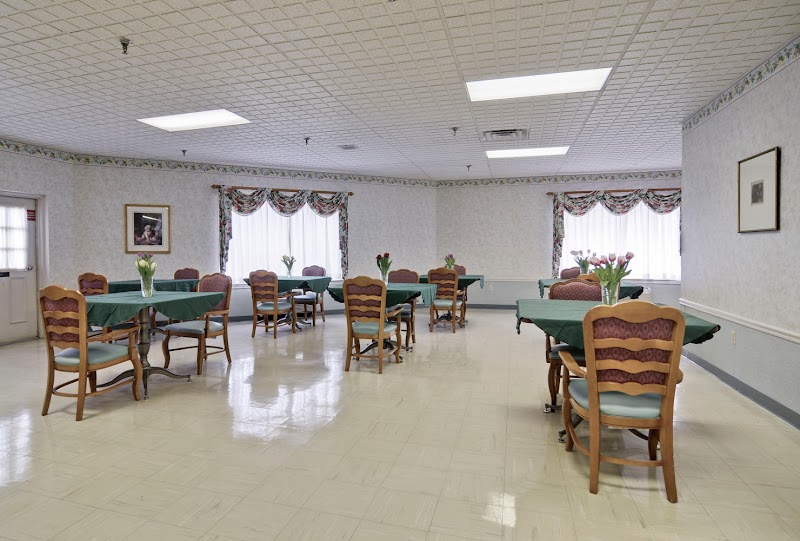
How is Sinking Spring Skilled Nursing And Rehabilitation Staffed?

CMS rates SINKING SPRING SKILLED NURSING AND REHABILITATION's staffing level at 3 out of 5 stars, which is average compared to other nursing homes. Staff turnover is 45%, compared to the Pennsylvania average of 46%. This relatively stable workforce can support continuity of care.

What Have Inspectors Found at Sinking Spring Skilled Nursing And Rehabilitation?

State health inspectors documented 34 deficiencies at SINKING SPRING SKILLED NURSING AND REHABILITATION during 2022 to 2025. These included: 2 that caused actual resident harm, 27 with potential for harm, and 5 minor or isolated issues. Deficiencies causing actual harm indicate documented cases where residents experienced negative health consequences.
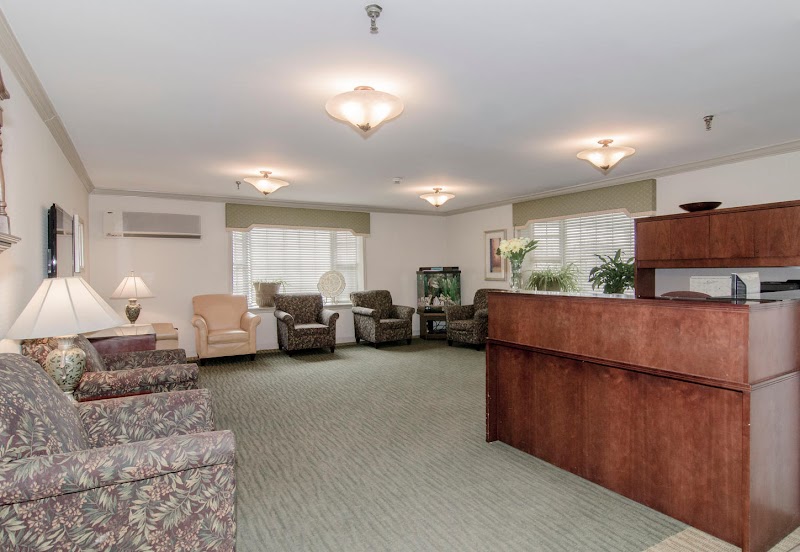
Who Owns and Operates Sinking Spring Skilled Nursing And Rehabilitation?

SINKING SPRING SKILLED NURSING AND REHABILITATION is owned by a for-profit company. For-profit facilities operate as businesses with obligations to shareholders or private owners. The facility is operated by GENESIS HEALTHCARE, a chain that manages multiple nursing homes. With 214 certified beds and approximately 188 residents (about 88% occupancy), it is a large facility located in SINKING SPRING, Pennsylvania.
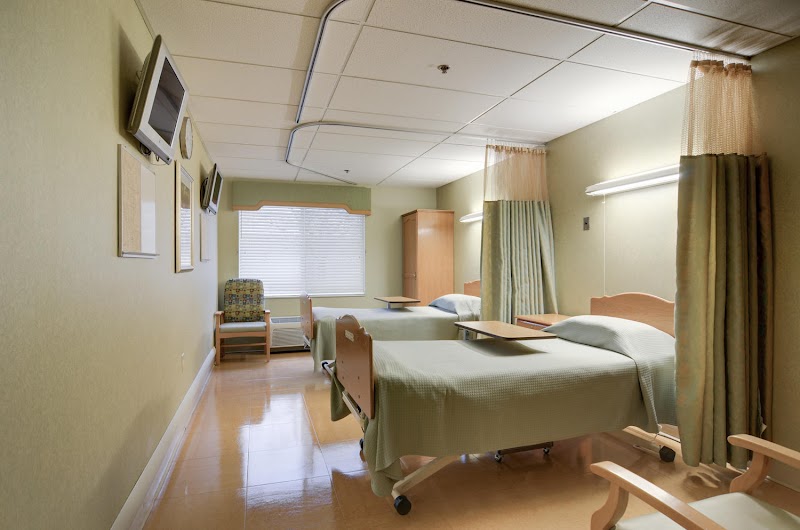
How Does Sinking Spring Skilled Nursing And Rehabilitation Compare to Other Pennsylvania Nursing Homes?

Compared to the 100 nursing homes in Pennsylvania, SINKING SPRING SKILLED NURSING AND REHABILITATION's overall rating (2 stars) is below the state average of 3.0, staff turnover (45%) is near the state average of 46%, and health inspection rating (2 stars) is below the national benchmark.

What Should Families Ask When Visiting Sinking Spring Skilled Nursing And Rehabilitation?

Based on this facility's data, families visiting should ask: "What safeguards and monitoring systems are in place to protect residents from abuse or neglect?" "Can I visit during a mealtime to observe dining assistance and food quality?" "How do you handle medical emergencies, and what is your hospital transfer rate?" "Can I speak with family members of current residents about their experience?" These questions are particularly relevant given the substantiated abuse finding on record.

Is Sinking Spring Skilled Nursing And Rehabilitation Safe?

Based on CMS inspection data, SINKING SPRING SKILLED NURSING AND REHABILITATION has documented safety concerns. The facility has 1 substantiated abuse finding (meaning confirmed case of resident harm by staff or other residents). The facility has a 2-star overall rating and ranks #100 of 100 nursing homes in Pennsylvania. Families considering this facility should ask detailed questions about what corrective actions have been taken since these incidents.

Do Nurses at Sinking Spring Skilled Nursing And Rehabilitation Stick Around?

SINKING SPRING SKILLED NURSING AND REHABILITATION has a staff turnover rate of 45%, which is about average for Pennsylvania nursing homes (state average: 46%). Moderate turnover is common in nursing homes, but families should still ask about staff tenure and how the facility maintains care continuity when employees leave.

Was Sinking Spring Skilled Nursing And Rehabilitation Ever Fined?

SINKING SPRING SKILLED NURSING AND REHABILITATION has no federal fines on record. CMS issues fines when nursing homes fail to meet care standards or don't correct problems found during inspections. The absence of fines suggests the facility has either maintained compliance or corrected any issues before penalties were assessed. This is a positive indicator, though families should still review recent inspection reports for the full picture.

Is Sinking Spring Skilled Nursing And Rehabilitation on Any Federal Watch List?

SINKING SPRING SKILLED NURSING AND REHABILITATION is not on any federal watch list. The most significant is the Special Focus Facility (SFF) program, which identifies the bottom 1% of nursing homes nationally based on persistent, serious quality problems. Not being on this list means the facility has avoided the pattern of deficiencies that triggers enhanced federal oversight. This is a positive indicator, though families should still review the facility's inspection history directly.