LAKEVIEW HEALTHCARE AND REHAB
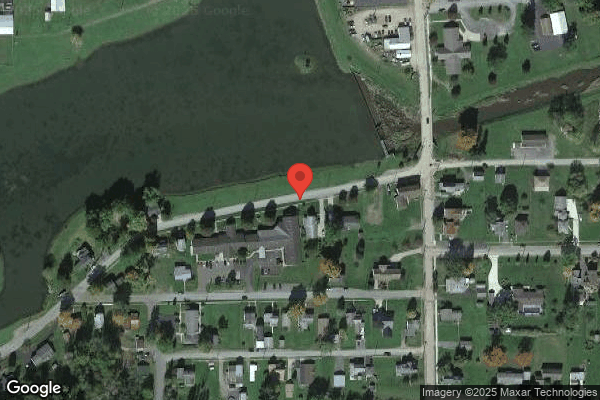
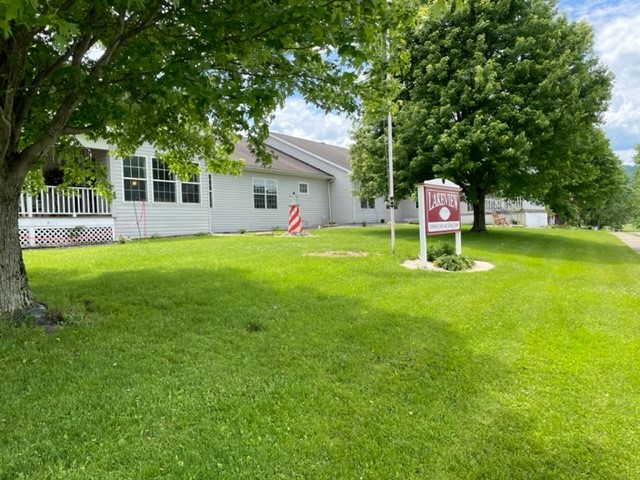
15 WEST WILLOW STREET, SMETHPORT, PA 16749 (814) 887-5716
For profit - Limited Liability company 34 Beds BONAMOUR HEALTH GROUP Data: November 2025 1 Immediate Jeopardy citation
Trust Grade
36/100
#449 of 653 in PA
Last Inspection: May 2025

Inspected within the last 6 months. Data reflects current conditions.

Overview

Lakeview Healthcare and Rehab has received a Trust Grade of F, indicating significant concerns about the facility's operations and care quality. With a state ranking of #449 out of 653, they are in the bottom half of Pennsylvania facilities, and they are last in their county at #6 out of 6. Although the trend is improving, with issues decreasing from 8 in 2024 to 4 in 2025, the facility still reports a concerning number of deficiencies, including a critical issue where residents were placed at risk due to unpaid vendor bills affecting essential services. Staffing is a relative strength, rated 4 out of 5, with good RN coverage that exceeds 90% of facilities in the state; however, the 54% staff turnover is average for Pennsylvania. The facility has also incurred $6,631 in fines, which is higher than 75% of its peers, suggesting ongoing compliance challenges that families should consider.

Trust Score
F
36/100
In Pennsylvania
#449/653
Bottom 32%
Safety Record
High Risk
Review needed
Inspections
Getting Better
8 → 4 violations
Staff Stability
⚠ Watch
54% turnover. Above average. Higher turnover means staff may not know residents' routines.
Penalties
⚠ Watch
$6,631 in fines. Higher than 77% of Pennsylvania facilities, suggesting repeated compliance issues.
Skilled Nurses
✓ Good
Each resident gets 79 minutes of Registered Nurse (RN) attention daily — more than 97% of Pennsylvania nursing homes. RNs are the most trained staff who catch health problems before they become serious.
Violations
⚠ Watch
23 deficiencies on record. Higher than average. Multiple issues found across inspections.
★★☆☆☆
2.0
Overall Rating
★★★★☆
4.0
Staff Levels
★★★☆☆
3.0
Care Quality
★★☆☆☆
2.0
Inspection Score
Stable
2024: 8 issues
2025: 4 issues

The Good

  • 4-Star Staffing Rating · Above-average nurse staffing levels
  • Full Sprinkler Coverage · Fire safety systems throughout facility
  • No fines on record

Facility shows strength in staffing levels, fire safety.

The Bad

2-Star Overall Rating

Below Pennsylvania average (3.0)

Below average - review inspection findings carefully

Staff Turnover: 54%

Near Pennsylvania avg (46%)

Higher turnover may affect care consistency

Federal Fines: $6,631

Below median ($33,413)

Minor penalties assessed

Chain: BONAMOUR HEALTH GROUP

Part of a multi-facility chain

Ask about local staffing decisions and management

The Ugly 23 deficiencies on record

1 life-threatening
May 2025 4 deficiencies
CONCERN (D)

Potential for Harm - no one hurt, but risky conditions existed

Deficiency F0557 (Tag F0557)

Could have caused harm · This affected 1 resident

Based on review of clinical records, observations, and staff interview, it was determined that the facility failed to maintain dignity during a dressing change for one of two residents with pressure u...

Read full inspector narrative →
Based on review of clinical records, observations, and staff interview, it was determined that the facility failed to maintain dignity during a dressing change for one of two residents with pressure ulcers requiring wound care reviewed (Resident R31). Findings include: Review of Resident R31's clinical record revealed an admission date of 3/22/25, with diagnoses that included fractured right femur, heart failure, dementia and high blood pressure. Review of Resident R31's physician's orders dated 5/08/25, included an order to cleanse the coccyx wound and apply silvercell to the wound and cover with border foam. Observation of wound care on 5/28/25, at 9:05 a.m. revealed that the Licensed Practical Nurse (LPN) Employee E1 placed the new dressing on Resident R31 and then proceeded to date the dressing while on Resident R31. During an interview on 5/28/25, at 9:20 a.m. LPN Employee E1 confirmed he/she dated the dressing while on Resident R31 and should have dated the dressing prior to placing it on the resident. 28 Pa. Code 201.18 (b)(1) Management 28 Pa. Code 211.12(d)(5) Nursing services
CONCERN (D)

Potential for Harm - no one hurt, but risky conditions existed

Assessment Accuracy (Tag F0641)

Could have caused harm · This affected 1 resident

Based on review of clinical records and Minimum Data set (MDS - federally mandated standardized assessment conducted at specific intervals to plan resident care), and staff interview, it was determine...

Read full inspector narrative →
Based on review of clinical records and Minimum Data set (MDS - federally mandated standardized assessment conducted at specific intervals to plan resident care), and staff interview, it was determined that the facility failed to ensure that MDS assessments accurately reflected the status of one of 15 residents reviewed (Resident R18). Findings include: MDS instructions for section P0200 Alarms subsection E Wander / Elopement Alarm indicated to identify all alarms that were used at any time (day or night) during the seven-day look-back period and to code the frequency of use as not used, used less than daily, or used daily. The MDS instructions further indicated that a wander / elopement alarm includes devices such as bracelets, pins/buttons worn on the resident's clothing, sensors in shoes, or building/unit exits sensors worn by/attached to the resident that activates an alarm and/or alert staff when the resident nears or exits a specific area of the building. This includes devices that are attached to the resident's assistive device (e.g., walker, wheelchair, cane) or other belongings. Resident R18's clinical record revealed an admission date of 6/6/24, with diagnoses that included encephalopathy (a group of conditions that cause problems with the brain that can appear as confusion, memory loss, and personality changes), seizures, and pleural effusion (buildup of excess fluid between the layers of the pleura outside your lungs). Resident R18's clinical record revealed a physician's order dated 8/1/24, for an alarming security bracelet to be worn at all times. Review of treatment administration records for February 2025 revealed staff signage indicating the placement of an alarming security bracelet was checked every shift for the entire month. A quarterly MDS with an Assessment Reference Date (ARD) of 2/10/25, revealed that section P0200E was coded as Not Used. During an interview on 5/29/25, at 2:32 p.m. Registered Nurse Assessment Coordinator confirmed that the 2/10/25, quarterly MDS was coded incorrectly regarding the usage of a wander / elopement alarm and should have been coded as Used Daily. 28 Pa. Code 201.14(a) Responsibility of licensee 28 Pa. Code 211.5(f)(ix) Medical Records
CONCERN (D)

Potential for Harm - no one hurt, but risky conditions existed

Respiratory Care (Tag F0695)

Could have caused harm · This affected 1 resident

Based on review of facility policy and clinical records, observations, and staff interview, it was determined that the facility failed to provide oxygen according to physician's orders for one of one ...

Read full inspector narrative →
Based on review of facility policy and clinical records, observations, and staff interview, it was determined that the facility failed to provide oxygen according to physician's orders for one of one residents reviewed regarding respiratory care (Resident R15). Findings include: A facility policy dated 5/2/25, entitled Oxygen Administration revealed to turn on the oxygen flow to 2 to 3 liters per minute, unless otherwise ordered by the physician. Resident R15's clinical record revealed an admission date of 5/12/23, with diagnoses that included Chronic Obstructive Pulmonary Disease (COPD - a condition that prevents airflow to the lungs resulting in difficulty breathing), diabetes (a health condition caused by the body's inability to produce enough insulin), and high blood pressure. Resident R15's clinical record revealed a physician's order dated 1/26/25, for oxygen at 1 liter per minute (lpm) via nasal cannula (a thin tube with two prongs that fit into the resident's nostrils to deliver oxygen) PRN (as needed) for SOB (shortness of breath) or comfort. Observation on 5/27/25, at 2:00 p.m. and again on 5/28/25, at 8:57 a.m. revealed Resident R15 lying in bed with supplemental oxygen in place and the oxygen concentrator liter flow set at 3.5 lpm. During an interview on 5/28/25, at 9:00 a.m. Licensed Practical Nurse Employee E2 confirmed that Resident R15's oxygen concentrator was on and set at 3.5 lpm and was not in accordance with the physician's order dated 1/26/25, for oxygen at 1 lpm. During an interview on 5/29/25, at 3:00 p.m. the Nursing Home Administrator indicated that Resident R15 messes with his concentrator and changes the settings. Facility was unable to provide any evidence that despite knowing this, they implemented routine interventions to verify concentrator settings are according to physician's orders. 28 Pa. Code 211.10(c) Resident care policies 28 Pa. Code 211.12(d)(1)(5) Nursing services
CONCERN (D)

Potential for Harm - no one hurt, but risky conditions existed

Infection Control (Tag F0880)

Could have caused harm · This affected 1 resident

Based on review of facility policy and clinical records, observations, and staff interview, it was determined that the facility failed to prevent the potential for cross contamination during a dressin...

Read full inspector narrative →
Based on review of facility policy and clinical records, observations, and staff interview, it was determined that the facility failed to prevent the potential for cross contamination during a dressing change for one of two residents with pressure ulcers requiring wound care reviewed (Resident R31). Findings include: Review of the facility policy entitled, Dressings, Dry/Clean, dated 5/02/25, indicated to remove the soiled dressing, remove soiled gloves and then wash hands. Review of Resident R31's clinical record revealed an admission date of 3/22/25, with diagnoses that included fractured right femur, heart failure, dementia and high blood pressure. Review of Resident R31's physician's orders dated 5/08/25, included an order to cleanse the coccyx wound and apply silvercell to the wound and cover with border foam. Observation of wound care on 5/28/25, at 9:05 a.m. revealed that Licensed Practical Nurse (LPN) Employee E1 removed the soiled dressing without removing gloves or washing hands and then continued to cleanse the wound without removing gloves or washing hands. During an interview on 5/28/25, at 9:20 a.m. LPN Employee E1 confirmed he/she did not change gloves and did not complete hand hygiene when indicated. 28 Pa. Code 201.18 (b)(2) Management 28 Pa. Code 211.10(d) Resident care policies 28 Pa. Code 211.12(d)(1)(2)(5) Nursing services
Jun 2024 6 deficiencies
CONCERN (D)

Potential for Harm - no one hurt, but risky conditions existed

Deficiency F0553 (Tag F0553)

Could have caused harm · This affected 1 resident

Based on review of facility policy and clinical record review and staff interview, it was determined that the facility failed to ensure that the resident and/or resident representative was offered the...

Read full inspector narrative →
Based on review of facility policy and clinical record review and staff interview, it was determined that the facility failed to ensure that the resident and/or resident representative was offered the opportunity to participate in the development, review, and/or revision of their person-centered care plan for two of 13 residents reviewed (Residents R9 and R16). Findings include: Review of a facility policy entitled Resident Participation - Assessments / Care Plans dated 5/2/24, indicated that a seven day advance notice of the care planning conference is provided to the resident and his or her representative and that such notice is made by mail and/or telephone. The policy also indicated that the social services director or designee is responsible for notifying the resident/representative and for maintaining records of such notices. The notices include the name of each person contacted and the date he or she was contacted, the method of contact, refusal of participation if applicable, and the date and signature of the individual making the contact. Review of a facility policy entitled Care Plans, Comprehensive Person Centered dated 5/2/24, indicated that the interdisciplinary team reviews and updates the care plan at least quarterly, in conjunction with the required quarterly MDS (Minimum Data Set - a federally mandated standardized assessment conducted at specific intervals to plan resident care needs) assessment. Resident R9's clinical record revealed an admission date of 10/10/23, with diagnoses that included high blood pressure, osteoporosis (condition affecting the bones putting you at higher risk for fractures), and depression. Resident R9's clinical record revealed a Quarterly MDS, with an Assessment Reference Date (ARD - a look back period of time for the MDS assessment) of 5/6/24. The clinical record lacked any evidence that the resident or resident representative was invited to or attended a care plan meeting in conjunction with the 5/6/24, quarterly MDS. Resident R16's clinical record revealed an admission date of 1/1/24, with diagnoses that included hypertension (high blood pressure), anxiety (a condition that causes a person to be nervous, uneasy, or worried about something or someone), and hyperlipidemia (high cholesterol). Resident R16's clinical record revealed a Quarterly MDS, with an ARD of 5/21/24. The clinical record lacked any evidence that the resident or resident representative was invited to or attended a care plan meeting in conjunction with the 5/21/24, quarterly MDS. During an interview on 6/17/24, at approximately 3:00 p.m. the Registered Nurse Assessment Coordinator and the Social Worker confirmed that there was no evidence of Residents R9 or R16 or their representatives being invited to/or attending a Care Plan Meeting. 28 Pa. Code 201.29 (a) Resident rights
CONCERN (D)

Potential for Harm - no one hurt, but risky conditions existed

Comprehensive Care Plan (Tag F0656)

Could have caused harm · This affected 1 resident

Based on review of facility policy and clinical records, and staff interview, it was determined that the facility failed to develop comprehensive care plans for one of 13 residents reviewed (Resident ...

Read full inspector narrative →
Based on review of facility policy and clinical records, and staff interview, it was determined that the facility failed to develop comprehensive care plans for one of 13 residents reviewed (Resident R12). Findings include: Review of facility policy entitled Care Plans, Comprehensive Person Centered dated 5/2/24, indicated Assessments of residents are ongoing and care plans are revised as information about the resident and the residents' condition change. and The interdisciplinary team reviews and updates the care plan: a. when there has been a significant change in the resident's condition. Review of Resident R12's clinical record revealed an admission date of 9/5/23, with diagnoses that included peripheral vascular disease (a condition when there is restricted blood flow to the limb, usually legs), heart failure (a condition where the heart cannot supply the body with enough blood) and hypokalemia (low potassium level). Review of Resident R12's clinical record revealed a progress note dated 4/25/24, that indicated the- resident was found lying on the floor with a large laceration to the right side of his/her head. Resident was transferred to the emergency room for evaluation and treatment. Resident returned from the emergency room with sutures to the laceration on the right side of his/her head. Resident's clinical record lacked evidence of a plan of care for his/her fall with laceration to his/her head requiring sutures. During an interview on 6/17/24, at 1:45 p.m. the Registered Nurse Assessment Coordinator confirmed that Resident R12's clinical record lacked a plan of care for fall with laceration requiring sutures. He/she also confirmed that the plan of care should have been initiated. 28 Pa. Code 211.12(d)(1)(5) Nursing services
CONCERN (D)

Potential for Harm - no one hurt, but risky conditions existed

Deficiency F0657 (Tag F0657)

Could have caused harm · This affected 1 resident

Based on review of facility policy and clinical record, and staff interview, it was determined that the facility failed to review and/or revise resident care plans and failed to provide evidence of ca...

Read full inspector narrative →
Based on review of facility policy and clinical record, and staff interview, it was determined that the facility failed to review and/or revise resident care plans and failed to provide evidence of care plan meetings being held for two of 13 residents reviewed (Residents R9 and R16) Findings include: Review of a facility policy entitled Care Plans, Comprehensive Person Centered dated 5/2/24, indicated that the interdisciplinary team reviews and updates the care plan at least quarterly, in conjunction with the required quarterly MDS (Minimum Data Set - a federally mandated standardized assessment conducted at specific intervals to plan resident care needs) assessment. Resident R9's clinical record revealed an admission date of 10/10/23, with diagnoses that included high blood pressure, osteoporosis (condition affecting the bones putting you at higher risk for fractures), and depression. Resident R9's comprehensive care plans revealed that of the 22 care plans present, 12 had an outstanding target date(a date that the care plan is to be updated by) of 5/22/24. The care plans included the problem categories of: Impaired vision related to history of cataract removal, Respiratory impairment related to COVID, Pain-knee related to age related osteoporosis, Does not show potential for discharge into the community, Nutritional Status, Advanced Directive, Mood related to depression, Anxiety, Infection of Wounds/Skin/Tooth, Behaviors, Risk for falls, and Hoarding. Resident R9's clinical record revealed a Quarterly MDS, with an Assessment Reference Date (ARD - a look back period of time for the MDS assessment) of 5/6/24. Resident R9's clinical record lacked evidence that a care plan meeting was held anytime after the 5/6/24 ARD. During an interview on 6/17/24, at approximately 2:55 p.m. Registered Nurse Assessment Coordinator confirmed that Resident R9's care plans were not reviewed and/or revised as required. During an interview on 6/17/24, at approximately 3:05 p.m. Registered Nurse Assessment Coordinator and Social Worker were unable to verify when the last care plan meeting was held for Resident R9 and confirmed that the clinical record lacked evidence of any care plan meetings being held. Resident R16's clinical record revealed an admission date of 1/1/24, with diagnosis that include hypertension (high blood pressure), Anxiety (a condition that causes a person to be nervous, uneasy, or worried about something or someone), and Hyperlipidemia (high cholesterol). Resident R16's care plans revealed a plan of care for risk for behaviors with a target date of 5/17/24. Resident R16's clinical record revealed a Quarterly MDS, with an ARD of 5/21/24. Resident R16's clinical record lacked evidence that a care plan meeting was held anytime after the 5/21/24 ARD. During an interview on 6/17/24, at approximately 1:45 p.m. Registered Nurse Assessment Coordinator confirmed that Resident R16's care plan was not reviewed and/or revised as required. 28 Pa. Code 211.12(d)(1)(5) Nursing services
CONCERN (D)

Potential for Harm - no one hurt, but risky conditions existed

Quality of Care (Tag F0684)

Could have caused harm · This affected 1 resident

Based on review of clinical records, observation, and staff interview, it was determined that the facility failed to ensure physician's orders were accurate and reflected the status and care provided ...

Read full inspector narrative →
Based on review of clinical records, observation, and staff interview, it was determined that the facility failed to ensure physician's orders were accurate and reflected the status and care provided to one of 13 residents reviewed (Resident R79). Findings include: Resident R79's clinical record revealed an admission date of 6/6/24, with diagnoses that included encephalopathy (disease that affects the brain structure and/or function resulting in a change in mental status and confusion), osteoporosis (condition affecting the bones putting you at higher risk for fractures), and seizures. Resident R79's clinical record revealed an elopement risk evaluation completed on 6/7/24, that indicated resident is at risk for elopement and a wanderguard / alarming security bracelet was placed on the resident. A progress note dated 6/7/24, indicated a wanderguard applied due to exit seeking. Further review of Resident R79's clinical record revealed it lacked a physician's order for the wanderguard bracelet. Observation of Resident R79 on 6/15/24 at 2:44 p.m., 6/16/24, at 11:50 a.m., and 6/17/24, at 9:59 a.m. revealed a wanderguard bracelet to his/her right wrist. During an interview on 6/17/24, at approximately 9:56 a.m. the Director of Nursing confirmed that Resident R79's wanderguard bracelet was on his/her right wrist and there was no physician's order for use of the wanderguard bracelet. 28 Pa. Code 211.5(f)(i) Clinical records 28 Pa. Code 211.12 (d)(1)(5) Nursing Services
CONCERN (D)

Potential for Harm - no one hurt, but risky conditions existed

Respiratory Care (Tag F0695)

Could have caused harm · This affected 1 resident

Based on review of facility policy and clinical records, observation, and staff interview, it was determined that the facility failed to maintain proper care of respiratory equipment for two of two re...

Read full inspector narrative →
Based on review of facility policy and clinical records, observation, and staff interview, it was determined that the facility failed to maintain proper care of respiratory equipment for two of two residents reviewed for respiratory care (Residents R6 and R17). Findings include: Review of a facility policy entitled Departmental (Respiratory Therapy) - Prevention of Infection dated 5/2/24, indicated to change the oxygen tubing every seven days, or as needed. Resident R6's clinical record revealed an admission date of 10/30/20, with diagnoses that included chronic obstructive pulmonary disease (COPD-lung disease resulting in difficulty breathing and persistent cough), high blood pressure, and congestive heart failure (a progressive heart disease that affects the hearts pumping ability resulting in difficulty breathing and fatigue). Resident R6's physician orders dated 4/21/24, indicated to change oxygen tubing every night shift every Sunday. Observation on 6/16/24, at 12:15 p.m. revealed that Resident R6's oxygen tubing connected to his/her portable oxygen tank contained a piece of white tape wrapped around it with a date of 5/20/24. During an interview on 6/16/24, at approximately 12:23 p.m. the Director of Nursing (DON) confirmed that the oxygen tubing on Resident R6's portable oxygen tank was dated for 5/20/24, and was not changed weekly as ordered. Resident R17's clinical record revealed an admission date of 12/18/23, with diagnoses that included COPD, high blood pressure, and anxiety (a condition that causes a person to be nervous, uneasy, or worried about something or someone). Resident R17's physician orders dated 6/6/24, indicated to change oxygen tubing every night shift every Sunday. Observation on 6/15/24, at 12:40 p.m. revealed that Resident R17's oxygen tubing connected to his/her portable oxygen tank contained a piece of white tape wrapped around it with a date of 6/3/24. Further observations on 6/16/24, at 8:50 a.m. revealed the oxygen tubing connected to his/her portable oxygen tank remained with a piece of white tape wrapped around it and a date of 6/3/24. During an interview on 6/16/24 at 12:20 p.m. the DON confirmed that the oxygen tubing was dated for 6/3/24 and that the oxygen tubing should have been changed as ordered by the physician. 28 Pa. Code 211.12(d)(1)(5) Nursing services
CONCERN (E)

Potential for Harm - no one hurt, but risky conditions existed

Deficiency F0655 (Tag F0655)

Could have caused harm · This affected multiple residents

Based on review of facility policy and clinical records, and staff interview, it was determined that the facility failed to ensure that a written summary of the baseline care plan was provided to resi...

Read full inspector narrative →
Based on review of facility policy and clinical records, and staff interview, it was determined that the facility failed to ensure that a written summary of the baseline care plan was provided to residents and/or the resident's representative for five of 13 residents reviewed (Residents R9, R23, R26, R79, and R80). Findings include: Review of a facility policy entitled Care Plans - Baseline dated 5/2/24, indicated the resident and/or representative are provided a written summary of the baseline care plan (in a language that the resident / representative can understand) that includes goals an objectives, summary of resident's medications and dietary instructions, and any services and treatments to be administered. The policy further stated that the provision of the summary to the resident and/or resident representative is documented in the medical record. Resident R9's clinical record revealed an admission date of 10/10/23, with diagnoses that included high blood pressure, osteoporosis (condition affecting the bones putting you at higher risk for fractures), and depression. Resident R9's clinical record lacked evidence that a written summary of the baseline care plan was provided to the resident and/or resident representative. Resident R23's clinical record revealed an admission date of 4/23/24, with diagnoses that included chronic obstructive pulmonary disease (lung disease resulting in difficulty breathing and persistent cough), dementia (a condition that affects your memory, thinking, and social abilities), and high blood pressure. Resident R23's clinical record lacked evidence that a written summary of the baseline care plan was provided to the resident and/or resident representative. Resident R26's clinical record revealed an admission date of 5/20/24, with diagnoses that included high blood pressure, fractures right clavicle and right femur (broken right collarbone and right hip), and osteoporosis (condition affecting the bones putting you at higher risk for fractures) Resident R26's clinical record lacked evidence that a written summary of the baseline care plan was provided to the resident and/or resident representative. Resident R79's clinical record revealed an admission date of 6/6/24, with diagnoses that included encephalopathy (disease that affects the brain structure and/or function resulting in a change in mental status and confusion), osteoporosis, and seizures. Resident R79's clinical record lacked evidence that a written summary of the baseline care plan was provided to the resident and/or resident representative. Resident R80's clinical record revealed an admission date of 5/31/24, with diagnoses that included chronic obstructive pulmonary disease, seizures, and schizophrenia (a complex mental condition that affects the way someone thinks, feels, and behaves). Resident R80's clinical record lacked evidence that a written summary of the baseline care plan was provided to the resident and/or resident representative. During an interview on 6/17/24, at approximately 11:05 a.m. the Nursing Home Administrator confirmed there was no evidence that a written summary of the baseline care plan was provided to Residents R9, R23, R25, R79, R80 and/or their representatives. 28 Pa. Code 201.24 (e)(4) Admissions Policy
Feb 2024 2 deficiencies 1 IJ (1 facility-wide)
CRITICAL (L) 📢 Someone Reported This

A family member, employee, or ombudsman was alarmed enough to file a formal complaint

Immediate Jeopardy (IJ) - the most serious Medicare violation

Deficiency F0836 (Tag F0836)

Someone could have died · This affected most or all residents

⚠️ Facility-wide issue

**NOTE- TERMS IN BRACKETS HAVE BEEN EDITED TO PROTECT CONFIDENTIALITY** Based on a review of vendor invoices, and interviews with staff, it was determined that the facility failed to operate in compli...

Read full inspector narrative →
**NOTE- TERMS IN BRACKETS HAVE BEEN EDITED TO PROTECT CONFIDENTIALITY** Based on a review of vendor invoices, and interviews with staff, it was determined that the facility failed to operate in compliance with state regulations and codes. The facility's failure created a situation which placed all residents in immediate jeopardy of the likelihood of serious bodily injury, harm, or death. Findings include: 28 PA Code Commonwealth of Pennsylvania Long Term Care Licensure Regulations, subsection 201.14(g), dated July 24, 1999, revealed that a facility owner shall pay in a timely manner bills incurred in the operation of a facility that are not in dispute and that are for services without which the resident's health and safety are jeopardized. Information provided by the facility revealed that the facility's vendor C.L. McKeirnan, Inc. a transportation company has a past due balance of $10,253.79 as of February 27, 2024. The last payment was made on May 22, 2023, in the amount of $575.20. The vendor notified the facility in writing that services would be unavailable until full payment is received. Information provided by the facility revealed that the facility's vendor [NAME] Inc. a generator company has a past due balance of $23,878.44. Review of invoices from January 4, 2023, through February 27, 2024, lacked evidence of any payment's being made. The vendor notified the facility in writing that services would be unavailable until full payment is received. Information provided by the facility revealed that the facility's vendor [NAME] Service a kitchen equipment repair company has a past due balance of $1,281.82. Review of the invoice dated February 27, 2024, lacked evidence that a payment has been made since April 12, 2023. The vendor notified the facility in writing that services would be unavailable until full payment is received. Information provided by the facility revealed that the facility's vendor [NAME] Technologies Corp. a wander guard (alarming device placed on a resident to alert staff of their unauthorized exit from the facility) repair and replacement company has a past due balance of $491.00. Review of an invoice dated March 10, 2023, lacked evidence of any payments being made. The vendor notified the facility in writing that services would be unavailable until full payment is received. Information provided by the facility revealed that the facility's vendor CertaSite a fire and life safety company has a past due balance of $9,150.40. Review of invoice dated February 27, 2024, lacked evidence that a payment was made since November 4, 2023. The vendor notified the facility in writing that services would be unavailable until full payment is received. Interview conducted on February 27, 2024, at 7:30 a.m. with Registered Nurse Supervisor Employee E1 revealed he/she has not received a paycheck and was due to be paid on February 23, 2024. Interview conducted on February 27, 2024, at 7:35 a.m. with Nursing Assistant Employee E2 revealed he/she has not received a paycheck and was due to be paid on February 23, 2024. Interview conducted on February 27, 2024, at 7:40 a.m. with Housekeeping Employee E3 revealed he/she has not received a paycheck and was due to be paid on February 23, 2024. Interview with the Nursing Home Administrator (NHA) and the Director of Nursing (DON) on February 27, 2024, at 8:30 a.m. revealed that they have been contacted by phone and mailings from numerous vendors used by the facility regarding non-payment for services that they have provided. The facility's credit cards that are on file at several local establishments such as the pharmacy and Dollar General are no longer accepted forcing staff to pay with their own debit and/or credit cards to ensure the residents have over the counter medications and supplies. The facility owes various staff members a total of $890.59 for these purchases. They are no longer able to utilize Agency Staffing services to ensure adequate staffing for resident care due to the facility's failure to pay and there is a lawsuit pending. Additionally, all staff members were due to receive their paychecks on February 23, 2024, and they have not been paid totaling $108,338.29 based on review of Payroll documents. Interview conducted with Maintenance Director on February 27, 2024, at 9:00 a.m. revealed the trash bill was not paid resulting in his personal owned vehicle being used to take the trash to the local dump and the payment made by him/her. Interview with the Registered Nurse Assessment Coordinator on February 27, 2024, at 9:30 a.m. revealed Pharmacy Consultations have not been completed since October 2023 due to the facility's failure to pay for services provided. Review of an e-mail communication from the Pharmacy Consultant dated January 2, 2024, at 10:37 a.m. revealed that he/she has not done any pharmacy reviews for the facility since October 2023. On February 27, 2024, at 2:07 p.m. the Nursing Home Administrator was given the Immediate Jeopardy template and informed that the health and safety of the residents were placed in Immediate Jeopardy due to the failure to operate in compliance with state regulations and codes by not paying in a timely manner bills incurred in the operation of a facility. An immediate action plan was submitted and contained the following: All vendors had payments processing, and were up to date by February 27, 2024, or had automatic payment arrangements for future dates. All employees will receive their paychecks at the latest on February 28, 2024. A Pharmacy Consultant who will work full time will start the week of March 4, 2024. A staffing plan was put in place from February 27, 2024, through February 29, 2024. The DON will continue to reach out to staff to fill call offs or any unforeseen resignations. DON will also continue to reconnect with nursing applicants that were going to come on board and decided not to due to no payroll being paid out. The facility NHA and accounts payable representative will contact each vendor with outstanding balances to establish payment plans with the Chief Financial Officer. Each vendor balance will be updated as payment is made to include remaining balance with notation of payment arrangements made. Effective immediately, all invoices received by the facility will be reviewed by the facility Business Office Manager and submitted to the company's accounts payable department via email for processing. On a weekly basis, beginning March 4, 2024, the controller will provide the facility Nursing Home Administrator with a statement of invoices paid for the prior week and a monthly statement of accounts payable for all vendors. The Immediate Jeopardy was lifted on February 28, 2024, at 6:22 p.m. when it was confirmed that payments were being made and received by the vendors with outstanding balances and/or a payment plan was in place, staff in all departments received their paychecks, and staff was reimbursed for their out-of-pocket expenses. 28 Pa. Code 201.14 (g) Responsibility of licensee 28 Pa. Code 201.18 (e)(1) Management
CONCERN (F) 📢 Someone Reported This

A family member, employee, or ombudsman was alarmed enough to file a formal complaint

Potential for Harm - no one hurt, but risky conditions existed

Drug Regimen Review (Tag F0756)

Could have caused harm · This affected most or all residents

Based on review of facility documents and staff interviews, it was determined that the facility failed to complete drug regimen reviews at least monthly by a licensed pharmacist for all residents rece...

Read full inspector narrative →
Based on review of facility documents and staff interviews, it was determined that the facility failed to complete drug regimen reviews at least monthly by a licensed pharmacist for all residents receiving services and residing within the facility. Findings include: Review of the facility's current pharmacy consultant agreement entitled Consultant Pharmacist Provider Requirements dated 5/4/23, revealed Regular and reliable consultant pharmacist services are provided . and Reviewing the medication/drug regimen of each customer at least monthly . and documenting the review and the findings in the customer's medial record. Review of e-mail communication between the Pharmacist Consultant and the Register Nurse Assessment Coordinator (RNAC), revealed that pharmacy consultant services have not been provided to any residents receiving services and that have resided within the facility since October 2023. During an interview with the RNAC on 2/27/24, at 9:30 a.m. he/she confirmed that resident drug regimen reviews by a licensed pharmacist have not been completed monthly for all residents receiving services and residing within the facility since October of 2023 as required. 28 Pa. Code 211.12(d)(3)(5) Nursing services
Nov 2023 2 deficiencies
CONCERN (D) 📢 Someone Reported This

A family member, employee, or ombudsman was alarmed enough to file a formal complaint

Potential for Harm - no one hurt, but risky conditions existed

Accident Prevention (Tag F0689)

Could have caused harm · This affected 1 resident

Based on review of manufacturer's instruction manual for the Hoyer lift (full body, mechanical lift machine), observations, and staff interview, it was determined the facility failed to establish that...

Read full inspector narrative →
Based on review of manufacturer's instruction manual for the Hoyer lift (full body, mechanical lift machine), observations, and staff interview, it was determined the facility failed to establish that all Hoyer lift inspections were completed at least annually to ensure safe, proper functioning for one of one Hoyer lifts observed. Findings include: Review of the facility Hoyer lift manufacturer's instruction manual revealed that .a yearly service, inspection and test will ensure a lift is kept in optimum safe working condition . Observation on 11/18/23, at approximately 12:00 p.m. revealed the facility Hoyer lift in the corridor with a lift inspection sticker on the machine that identified the Hoyer lift service company had last serviced/inspected the machine in November 2021 and the next inspection was due in November 2022. During an interview on 11/18/23, at 12:10 p.m. the Maintenance Director confirmed that the last Hoyer lift service/inspection conducted by the service company was from November 2021 and that the lift was not serviced/inspected annually. Observation on 11/21/23, at 1:17 p.m. of the the Hoyer lift operation for one resident being transferred to bed revealed that during the process of elevating into the air, the lift paused and the nurse aide hit the battery casing and the lift proceeded to continue to operate. While the resident was being elevated into the air, the lift elicited a loud screeching/grinding noise during the entire motion upward. 28 Pa. Code 201.14(a) Responsibility of licensee 28 Pa. Code 201.18(b)(1) Management 28 Pa. Code 201.18(e)(1) Management
CONCERN (F) 📢 Someone Reported This

A family member, employee, or ombudsman was alarmed enough to file a formal complaint

Potential for Harm - no one hurt, but risky conditions existed

Deficiency F0836 (Tag F0836)

Could have caused harm · This affected most or all residents

Based on a review of vendor invoices and staff interviews, it was determined that the facility failed to operate in compliance with state regulations and codes and failed to pay vendors in a timely ma...

Read full inspector narrative →
Based on a review of vendor invoices and staff interviews, it was determined that the facility failed to operate in compliance with state regulations and codes and failed to pay vendors in a timely manner. Findings include: 28 PA Code Commonwealth of Pennsylvania Long Term Care Licensure Regulations subsection 201.14(g), dated July 1, 2023, revealed that a facility owner shall pay in a timely manner bills incurred in the operation of a facility that are not in dispute and that are for services without which the resident's health and safety are jeopardized. Review of the facility's Accounts Payable Ledger, on 11/20/23, that reflected amounts due through 7/15/23, revealed a combined outstanding balance of $93,410.66 for two vendors that provided agency nurse staffing services for the facility. The ledger also revealed multiple outstanding payments due for a variety of other vendors. During an interview on 11/21/23, at 1:34 p.m. the Nursing Home Administrator confirmed that the facility's Accounts Payable ledger as of 11/20/23, was up to date and accurate. 28 Pa. Code 201.14 (g) Responsibility of licensee
Jul 2023 6 deficiencies
CONCERN (D)

Potential for Harm - no one hurt, but risky conditions existed

Deficiency F0625 (Tag F0625)

Could have caused harm · This affected 1 resident

Based on review of facility policy and clinical records and staff interview, it was determined that the facility failed to provide the resident and/or resident representative with a written notice of ...

Read full inspector narrative →
Based on review of facility policy and clinical records and staff interview, it was determined that the facility failed to provide the resident and/or resident representative with a written notice of the facility bed-hold policy (explanation of how long a bed can be held during a leave of absence and the cost per day) upon or within twenty-four hours of transfer for four of five residents reviewed for hospitalizations (Residents R15, R16, R6, and R20). Findings include: Review of facility policy entitled Bed-Hold and Returns dated 5/4/23, revealed that All residents / representatives are provided written information regarding the facility and state bed-hold policies, which address holding or reserving a resident's bed during period of absence (hospitalization or therapeutic leave). Residents, regardless of payer source, are provided written notice about these policies at the time of transfer (or, if the transfer was an emergency, within 24-hours). Review of Resident R15's clinical record revealed an admission date of 7/25/22, with diagnoses that included high blood pressure, dementia (disease that affects the brains ability to think, remember, and function normally), and prostate cancer. Departmental notes indicated that Resident R15 was transferred to the hospital on 6/14/23, and returned to the facility on 6/20/23. The clinical record lacked evidence indicating that Resident R15 and/or their representative was provided with a copy of the facility bed-hold policy. Review of Resident R16's clinical record revealed an admission date of 4/25/23, with diagnoses that included high blood pressure, diabetes, and bilateral above the knee amputations (removal of both legs to above the knee). Departmental notes indicated that Resident R16 was transferred to the hospital on 6/2/23, and returned to the facility on 6/5/23. The clinical record lacked evidence indicating that Resident R16 and/or their representative was provided with a copy of the facility bed-hold policy. Review of Resident R6's clinical record revealed an admission date of 9/17/22, with diagnoses including dementia, heart failure, irregular heartbeat, and long-term kidney disease. Departmental notes indicated that Resident R6 was transferred to the hospital on 5/05/23, and returned to the facility on 4/12/23. The clinical record lacked evidence indicating that Resident R6 and/or their representative was provided with a copy of the facility bed-hold policy. Review of Resident R20's clinical record revealed an admission date of 12/18/20, with diagnoses includng long-term respirtory failure, Type 2 Diabetes (condition that affects how the body uses sugar), heart failure, and chronic obstructive pulmonary disease (COPD-a group of diseases that cause airflow blockage and breathing-related problems). Departmental notes indicated that Resident R20 was transferred to the hospital on 5/28/23, and returned on 5/31/23. The clinical record lacked evidence indicating that Resident R20 and/or their representative was provided with a copy of the facility bed-hold policy. During an interview on 7/6/23, at 10:30 a.m. Business Office Manager, revealed the facility bed-hold policy is provided upon admission to the facility and for Medicare and private pay residents it is provided at the time of transfer. The Business Office Manager also stated that the bed-hold policy is not provided to Medicaid residents. During an interview on 7/6/23, at 10:55 a.m. Registered Nurse (RN) Employee E2 confirmed that there was no evidence that Residents R15, R16, R6, or R20 and/or their representatives received written notice of the facility bed-hold policy upon or within twenty-four hours of transfer. 28 Pa. Code 201.18(e)(1) Management
CONCERN (D)

Potential for Harm - no one hurt, but risky conditions existed

Comprehensive Care Plan (Tag F0656)

Could have caused harm · This affected 1 resident

Based on review of facility policy and clinical records, and staff interview, it was determined that the facility failed to develop a comprehensive care plan for one of 15 residents reviewed (Resident...

Read full inspector narrative →
Based on review of facility policy and clinical records, and staff interview, it was determined that the facility failed to develop a comprehensive care plan for one of 15 residents reviewed (Resident R26). Findings include: Review of facility policy entitled Care Plans, Comprehensive Person-Centered dated 5/4/23, stated A comprehensive, person-centered care plan that includes measurable objectives and timetables to meet the resident's physical, psychosocial and functional needs is developed and implemented for each resident. Review of Resident R26's clinical record revealed an admission date of 5/22/23, with diagnoses that included Alzheimer's Disease (a type of dementia that affects memory, thinking, and behavior), anemia, and atrial fibrillation (a heart condition that makes your heart beat irregular and fast). Resident R26's clinical record revealed a physician's order dated 5/23/23, for an alarming security bracelet wanderguard every shift. Review of Resident R26's comprehensive care plan lacked reference to Resident R26's wandering behavior or usage of the alarming security bracelet wanderguard. During an interview on 7/6/23, at 2:22 p.m. Registered Nurse Assessment Coordinator confirmed that a care plan had not been developed to address Resident R26's wandering behavior or use of the alarming security bracelet wanderguard. 28 Pa. Code 201.14(a) Responsibility of licensee 28 Pa. Code 211.12(d)(3)(5) Nursing services
CONCERN (D)

Potential for Harm - no one hurt, but risky conditions existed

Medication Errors (Tag F0758)

Could have caused harm · This affected 1 resident

Based on review of facility policy and clinical records and staff interviews, it was determined that the facility failed to provide a clinical rationale for the continued use of a PRN (as needed) psyc...

Read full inspector narrative →
Based on review of facility policy and clinical records and staff interviews, it was determined that the facility failed to provide a clinical rationale for the continued use of a PRN (as needed) psychotropic (affecting the mind) medication beyond 14-days and failed to provide evidence that non-pharmacological interventions (interventions attempted to calm a resident other than medication) were attempted prior to the administration of a PRN psychotropic medication for two of five residents reviewed for unnecessary medications (Residents R15 and R26). Findings include: Review of facility policy entitled Psychotropic Medication Use dated 5/4/23, stated PRN orders for psychotropic medications are limited to 14-days. If the prescriber or attending physician believes it is appropriate to extend the PRN order beyond 14-days, he or she will document the rationale for extending the use and include the duration for the PRN order and Non-pharmacological approaches are used (unless contraindicated) to minimize the need for medications, permit the lowest possible dose, and allow for the discontinuation of medications when possible. Review of Resident R15's clinical record revealed an admission date of 7/25/22, with diagnoses that included high blood pressure, dementia (disease that affects the brains ability to think, remember, and function normally), and prostate cancer. A physician's order dated 4/7/23, identified to administer Ativan 1 milligram (mg) by mouth every 6 hours PRN for agitation. Another physician's order dated 6/29/23, identified to administer Ativan Injection Solution 2 mg per milliliter (ml) - Inject 1mg intramuscularly every 6 hours as needed for anxiety / agitation. Another physician's order dated 6/30/23, identified to administer Ativan Injection Solution 2 mg/ml - Inject 1mg intramuscular every 6 hours PRN for anxiety / agitation for 14-days and Ativan 0.5 mg by mouth every 6 hours PRN for agitation / anxiety for 14 days. Review of Resident R15's medication administration record (MAR) for June 2023 revealed that the PRN Ativan was used four times between 6/1/23, and 6/30/23. Review of June 2023 MAR and clinical record progress notes revealed that there was no evidence of non-pharmacological interventions attempted prior to the administration of the PRN Ativan two of the four times the Ativan was utilized in June 2023. Review of Resident R15's MAR for July 2023 revealed the PRN Ativan was used eight times between 7/1/23, and 7/6/23. Review of the July 2023 MAR and clinical record progress notes revealed that there was no evidence of non-pharmacological interventions attempted prior to the administration of the PRN Ativan four of the eight times the Ativan was utilized in July 2023. During an interview on 7/6/23, at 1:50 p.m. the Director of Nursing confirmed that there was no evidence of non-pharmacological interventions being attempted prior to the administration of the PRN Ativan six of the 12 times it was administered to Resident R15 between 6/1/23, and 7/6/23. Review of Resident R26's clinical record revealed an admission date of 5/22/23, with diagnoses that included Alzheimer's Disease (a type of dementia that affects memory, thinking, and behavior), anemia, and atrial fibrillation (a heart condition that makes your heart beat irregular and fast). A physician's order dated 6/5/23, identified to administer Ativan 0.5 mg by mouth every 6 hours PRN for yelling, restless, hitting, pushing, anxious, and lacked the required stop date within 14-days or a clinical rationale for continued use beyond 14-days. Review of Resident R26's June and July 2023 MAR revealed he/she received the Ativan past the 14-days on 6/24/23, 6/25/23, 6/26/23, and 7/2/23. Review of Resident R26's MAR for June 2023 revealed the PRN Ativan was used eight times between 6/5/23, and 6/30/23. Review of June 2023 MAR and clinical record progress notes revealed that there was no evidence of non-pharmacological interventions attempted prior to the administration of the PRN Ativan four of the seven times the Ativan was utilized in June 2023. Review of Resident R26's MAR for July 2023 revealed the PRN Ativan was used one time between 7/1/23, and 7/6/23. Review of July 2023 MAR and clinical record progress notes revealed that there was no evidence of non-pharmacological interventions attempted prior to the administration of the PRN Ativan one of the one times the Ativan was utilized in July 2023. During an interview on 7/6/23, at 1:50 p.m. the Director of Nursing confirmed that Resident R26's Ativan order lacked the required stop date within 14-days or a clinical rationale for continued use beyond 14-days and that there was no evidence of non-pharmacological interventions being attempted prior to the administration of the PRN Ativan five of the eight times it was administered to Resident R26 between 6/5/23, and 7/6/23. 28 Pa. Code 211.12(d)(1)(3)(5) Nursing services 28 Pa. Code 201.18(b)(1)(3) Management
CONCERN (D)

Potential for Harm - no one hurt, but risky conditions existed

Deficiency F0868 (Tag F0868)

Could have caused harm · This affected 1 resident

Based on review of facility policy and documentation and staff interviews, it was determined that the facility failed to provide evidence of a Quality Assurance and Performance Improvement (QAPI) Comm...

Read full inspector narrative →
Based on review of facility policy and documentation and staff interviews, it was determined that the facility failed to provide evidence of a Quality Assurance and Performance Improvement (QAPI) Committee meeting for one of four (fourth quarter of 2022) quarterly QAPI Committee meetings reviewed occurring between August 2022 and July 2023. Findings include: Review of a facility policy entitled, Quality Assurance and Performance Improvement (QAPI) Program- Governance and Leadership dated 5/04/23, indicated that the committee would meet at least quarterly. Review of the QAPI Committee Attendance Records revealed QAPI attendance sign-in sheets for the third quarter 2022, first and second quarters of 2023, and there was no attendance sign-in sheet for the fourth quarter of 2022. During an interview on 7/07/23, at 12:12 p.m. the Nursing Home Administrator confirmed that the facility could not provide evidence that a QAPI Committee meeting was held during the fourth quarter of 2022. 28 Pa. Code 201.18(e)(1)(2)(3) Management
CONCERN (E)

Potential for Harm - no one hurt, but risky conditions existed

Deficiency F0761 (Tag F0761)

Could have caused harm · This affected multiple residents

**NOTE- TERMS IN BRACKETS HAVE BEEN EDITED TO PROTECT CONFIDENTIALITY** Based on review of facility policy and manufacturer's instructions, observations, and staff interviews, it was determined that t...

Read full inspector narrative →
**NOTE- TERMS IN BRACKETS HAVE BEEN EDITED TO PROTECT CONFIDENTIALITY** Based on review of facility policy and manufacturer's instructions, observations, and staff interviews, it was determined that the facility failed to label multi-dose insulin bottle with the date it was opened, discard a pre-filled insulin pen within the use by timeframe, appropriately label over-the-counter stock (multi-dose containers of medications utilized for more than one resident) medications on one of two carts (Cart 1) and the facility failed to discard an expired Tuberculin Purified Protein Derivative (TB) solution for one of one medication rooms observed. Findings include: Review of facility policy entitled Administering Medications dated [DATE], revealed When opening a multi-dose container, the date opened is recorded on the container. Review of facility policy entitled Medication Labeling and Storage dated [DATE], revealed Multi-dose vials that have been opened or accessed (e.g., needle punctured) are dated and discarded within 28-days unless the manufacturer specifies a shorter or longer date for the open vial. Review manufacturer's instructions for Lantus (type of insulin) multi-dose vial and pre-filled pen directed Do not use Lantus after the expiration date stamped on the label or 28-days after first use. Review of manufacturer's instructions on the box of TB solution indicated to Discard 30 days after opening. Observation of medication cart one on [DATE], at 4:15 p.m. revealed that Resident R20's Lantus multi-dose vial was currently in use, but not labeled with an open date. Further observation revealed Resident R17's Lantus Kwik Pen was open, dated for [DATE], and was currently in use, or 53-days past the open date. Observation of medication cart one on [DATE], at 4:15 p.m. revealed that the cart contained open stock medication bottles and/or boxes of Bisacodyl Suppositories, Omeprazole (one bottle and one box), Loperamide (2 boxes), Famotidine, Polyethylene Glycol, Geri-Lanta, Magnesium Citrate, and Tylenol Elixir that lacked any resident names for use. During an interview on [DATE], at 4:20 p.m. Licensed Practical Nurse (LPN) Employee E1 confirmed that Resident R20's insulin was in use and not labeled with an open date, that Resident R17's insulin pen was being used past the 28-days, and that cart contained open stock medication bottles and/or boxes of Bisacodyl Suppositories, Omeprazole, Loperamide, Famotidine, Polyethylene Glycol, Geri-Lanta, Magnesium Citrate, and Tylenol Elixir that lacked any resident names for use. Observation of facility medication room on [DATE], at 10:56 a.m. revealed one vial of TB solution with an open date of [DATE], reflecting 38-days beyond the opened date. During an interview at the time of observation, Registered Nurse Employee E2 confirmed that the TB solution vial was opened on [DATE], and past the expired 30-days after opening. 28 Pa. Code 201.14(a) Responsibility of licensee 28 Pa. Code 211.9(a)(1) Pharmacy services 28 Pa. Code 211.10(c) Resident care policies 28 Pa. Code 211.12(d)(1)(3)(5) Nursing services
CONCERN (E)

Potential for Harm - no one hurt, but risky conditions existed

Deficiency F0883 (Tag F0883)

Could have caused harm · This affected multiple residents

Based on review of facility policy, clinical records, and staff interviews it was determined that the facility failed to vaccinate eligible residents with the influenza vaccine, unless the resident ha...

Read full inspector narrative →
Based on review of facility policy, clinical records, and staff interviews it was determined that the facility failed to vaccinate eligible residents with the influenza vaccine, unless the resident had previously received the vaccine, refused, or had a medical contraindication present, and provide and/or document the provision of pertinent information regarding the immunizations to the resident/resident's representative such as the benefits and potential side effects of the influenza vaccine for five of five residents reviewed (Residents R2, R14, R15, R19, and R23) Findings include: Review of the facility policy entitled, Influenza Vaccine dated 5/04/23, indicated that between October 1st and March 31st each year all residents who have no medical contraindications to the vaccine will be offered the influenza vaccine annually, and that prior to receiving the influenza vaccine the resident/representative receives pertinent information about the significant risks and benefits of the influenza vaccine. Review of Resident R2's clinical record revealed an admission date of 2/18/14, with diagnoses including Alzheimer's (a gradual decline in memory, thinking, behavior and social skills), seizures, heart failure, arthritis, and generalized muscle weakness. Review of Resident R14's clinical record revealed an admission date of 8/23/17, with diagnoses including dementia, heart failure, skin cancer, and muscle wasting. Review of Resident R15's clinical record revealed an admission date of 7/25/22, with diagnoses including dementia, muscle wasting, prostate cancer, and fractured left leg. Review of Resident R19's clinical record revealed an admission date of 11/10/22, with diagnoses including long-term kidney disease, broken vertebrae (mid-back), irregular heartbeat, and asthma. Review of Resident R23's clinical record revealed an admission date of 12/24/20, with diagnoses including Alzheimer's, high blood pressure, heart disease, and muscle wasting. Review of Residents R2, R14, R15, R19, and R23's immunization records lacked evidence that the influenza vaccine was provided between October 1, 2022, and March 31, 2023, and lacked evidence/documentation that pertinent information about the significant risks and benefits of the influenza vaccine was provided to Residents R2, R14, R15, R19, and R23 and/or their representatives. During an interview on 7/07/23, at 10:05 a.m. Infection Control Nurse confirmed that residents did not receive influenza vaccines between October 1, 2022, and March 31, 2023, and there was no evidence that residents/representatives received pertinent information about the significant risks and benefits of the influenza vaccine. 28 Pa. Code 201.18(b)(1) Management 28 Pa. Code 211.5(f) Clinical records 28 Pa. Code 211.12(d)(1)(5) Nursing services
May 2023 2 deficiencies
CONCERN (E) 📢 Someone Reported This

A family member, employee, or ombudsman was alarmed enough to file a formal complaint

Potential for Harm - no one hurt, but risky conditions existed

Deficiency F0678 (Tag F0678)

Could have caused harm · This affected multiple residents

**NOTE- TERMS IN BRACKETS HAVE BEEN EDITED TO PROTECT CONFIDENTIALITY** Based on review of select facility policies, staff cardiopulmonary resuscitation (CPR) training and certification information an...

Read full inspector narrative →
**NOTE- TERMS IN BRACKETS HAVE BEEN EDITED TO PROTECT CONFIDENTIALITY** Based on review of select facility policies, staff cardiopulmonary resuscitation (CPR) training and certification information and staff interview, it was determined that the facility failed to ensure licensed nursing staff maintained current training to provide basic life support for six of 12 licensed personnel reviewed (Employees E1 through E6). Findings include: Review of a facility policy entitled, Emergency Procedure-Cardiopulmonary Resuscitation, indicated that in Preparation for Cardiopulmonary Resuscitation clinical staff members would maintain Basic Life Support/Cardiopulmonary Resuscitation certification. During interview on [DATE], at 9:45 a.m. the Nursing Home Administrator (NHA) disclosed that the employee files for licensed staff did not contain records of current CPR certification and revealed that several of licensed staff employed by the facility, did not have current CPR certification. On [DATE], the NHA provided a list of currently employed licensed staff and their CPR certification status. This list disclosed that Registered Nurse Employees E1, E2, E3, E4 and E5 and Licensed Practical Nurse E6 did not have current CPR certifications. 28 Pa. Code 201.18(b)(1)(3) Management 28 Pa. Code 211.12 (d)(1)(3)(5) Nursing services
CONCERN (F) 📢 Someone Reported This

A family member, employee, or ombudsman was alarmed enough to file a formal complaint

Potential for Harm - no one hurt, but risky conditions existed

Deficiency F0836 (Tag F0836)

Could have caused harm · This affected most or all residents

**NOTE- TERMS IN BRACKETS HAVE BEEN EDITED TO PROTECT CONFIDENTIALITY** Based on a review of vendor invoices as well as interviews with vendors and staff, it was determined that the facility failed to...

Read full inspector narrative →
**NOTE- TERMS IN BRACKETS HAVE BEEN EDITED TO PROTECT CONFIDENTIALITY** Based on a review of vendor invoices as well as interviews with vendors and staff, it was determined that the facility failed to operate in compliance with state regulations and codes and failed to pay vendors in a timely manner. Findings include: 28 PA Code Commonwealth of Pennsylvania Long Term Care Licensure Regulations subsection 201.14(g), dated [DATE], revealed that a facility owner shall pay in a timely manner bills incurred in the operation of a facility that are not in dispute and that are for services without which the resident's health and safety are jeopardized. Review of a vendor invoice for Cardio-Pulmonary Resuscitation (CPR) training services reflected services were provided [DATE] for an original fee of $713.69. The facility failed to pay for those services rendered. The CPR vendor has applied a monthly late fee of $42.82 each month. Review of a facility invoice payment with an effective date of [DATE], in the amount of $899.25 indicated that a payment was in process to the vendor that provided the CPR training services. During an interview on [DATE], at 2:00 p.m. CPR training vendor representative disclosed that they had received a copy of the invoice payment with the effective date of [DATE], from the facility and was awaiting payment but had not yet been received as of [DATE]. During an additional interview on [DATE], at 8:05 a.m. CPR training vendor representative revealed that there continued to be accruing late fees for a current outstanding total of $984.89. The vendor representatives indicated they have reached out to the facility for payment and would not continue to provide these training services due to non-payment. Review of the facility's Accounts Payable Ledger, on [DATE], that reflected amounts due through [DATE], revealed an outstanding balance of $899.25 for the vendor that provided CPR training services for the facility and that a payment was made in the amount of $899.25 on [DATE]. The late fees for April and [DATE] were not reflected in the payment made on [DATE]. The ledger also revealed multiple outstanding payments due for a variety of other vendors. During an interview on [DATE], at 10:58 a.m. the Nursing Home Administrator confirmed that the above vendor continued to have an outstanding payment due from [DATE], through [DATE] and that a payment transaction was currently to be processed of $899.25 on [DATE], reflecting 237 days past the date services were rendered on [DATE] and did not include the additional late fees. 28 Pa. Code 201.14 (g) Responsibility of licensee 28 Pa. Code 201.18 (e)(1) Management
Mar 2023 1 deficiency
CONCERN (F) 📢 Someone Reported This

A family member, employee, or ombudsman was alarmed enough to file a formal complaint

Potential for Harm - no one hurt, but risky conditions existed

Deficiency F0836 (Tag F0836)

Could have caused harm · This affected most or all residents

Based on a review of vendor invoices as well as interviews with vendors and staff, it was determined that the facility failed to operate in compliance with state regulations and codes and failed to pa...

Read full inspector narrative →
Based on a review of vendor invoices as well as interviews with vendors and staff, it was determined that the facility failed to operate in compliance with state regulations and codes and failed to pay vendors in a timely manner. Findings include: 28 PA Code Commonwealth of Pennsylvania Long Term Care Licensure Regulations subsection 201.14(g), dated July 24, 1999, revealed that a facility owner shall pay in a timely manner bills incurred in the operation of a facility that are not in dispute and that are for services without which the resident's health and safety are jeopardized. Review of the facility's Accounts Payable Ledger, dated March 9, 2023, revealed that from July 10, 2022, through March 9, 2023, multiple vendors had submitted invoices for payment for services provided. However, as of March 7, 2023, multiple vendors had not received payment for the services provided. Total amounts owed to vendors were $276,747.98. Below is only a partial sample of the vendors that are still owed payment for services provided. An invoice from the vendor that provides electric, sewage and water for the facility, dated February 23, 2023, revealed that the facility owed them $6301.05 from July 19, 2022. Interview with the vendor on March 9, 2023, at 2:00 p.m. confirmed that the facility still owed them $6301.05 of the 21,884.32 total bill from July 19,2022. The vendor representative indicated that they are trying to work with the facility to get payment but would not shut off the electric, sewage and water to the facility. Information provided by the facility revealed that the facility's vendor for gas was owed $1,608.37. Interview with the gas vendor on March 9, 2023, at 2:15 p.m. confirmed that at that time they had not received payment from the facility and a 37 day shut off notice was sent out on March 6, 2023. Later that day, the Nursing Home Administrator (NHA) provided evidence that the gas bill was paid in full on March 9, 2023. Review of an invoice from the vendor that provides service for the facility's pest control, dated February 20,v 2023, revealed that the vendor was owed $947.64 for services provided since August 7,2022. Information provided by the facility revealed that the facility's hairdresser vendor, dated December 2022, through February 2023, revealed that the facility owed the vendor approximately $2,856.00. Interview with the NHA on March 9, 2023, at 3:25 p.m. revealed that corporate office has not been paying the vendors used by the facility and that all due bills that are received by the facility are forwarded to the facility's corporate office. 28 Pa. Code 201.14 (g) Responsibility of licensee 28 Pa. Code 201.18 (e)(1) Management
Understanding Severity Codes (click to expand)
Life-Threatening (Immediate Jeopardy)
J - Isolated K - Pattern L - Widespread
Actual Harm
G - Isolated H - Pattern I - Widespread
Potential for Harm
D - Isolated E - Pattern F - Widespread
No Harm (Minor)
A - Isolated B - Pattern C - Widespread

Questions to Ask on Your Visit

  • "What changes have you made since the serious inspection findings?"
  • "Can I speak with families of current residents?"
  • "What's your RN coverage like on weekends and overnight?"

Our Honest Assessment

Strengths
  • • Licensed and certified facility. Meets minimum state requirements.
Concerns
  • • Multiple safety concerns identified: 1 life-threatening violation(s), Payment denial on record. Review inspection reports carefully.
  • • 23 deficiencies on record, including 1 critical (life-threatening) violation. These warrant careful review before choosing this facility.
  • • Grade F (36/100). Below average facility with significant concerns.
Bottom line: Trust Score of 36/100 indicates significant concerns. Thoroughly evaluate alternatives.

About This Facility

What is Lakeview Healthcare And Rehab's CMS Rating?

CMS assigns LAKEVIEW HEALTHCARE AND REHAB an overall rating of 2 out of 5 stars, which is considered below average nationally. Within Pennsylvania, this rating places the facility higher than 0% of the state's 100 nursing homes. A rating at this level reflects concerns identified through health inspections, staffing assessments, or quality measures that families should carefully consider.
How is Lakeview Healthcare And Rehab Staffed?

CMS rates LAKEVIEW HEALTHCARE AND REHAB's staffing level at 4 out of 5 stars, which is above average compared to other nursing homes. Staff turnover is 54%, compared to the Pennsylvania average of 46%. RN turnover specifically is 62%, which is notably high. RNs provide skilled clinical oversight, so turnover in this role can affect medical care quality.

What Have Inspectors Found at Lakeview Healthcare And Rehab?

State health inspectors documented 23 deficiencies at LAKEVIEW HEALTHCARE AND REHAB during 2023 to 2025. These included: 1 Immediate Jeopardy (the most serious level, indicating potential for serious harm or death) and 22 with potential for harm. Immediate Jeopardy findings are rare and represent the most serious regulatory concerns. They require immediate corrective action.

Who Owns and Operates Lakeview Healthcare And Rehab?

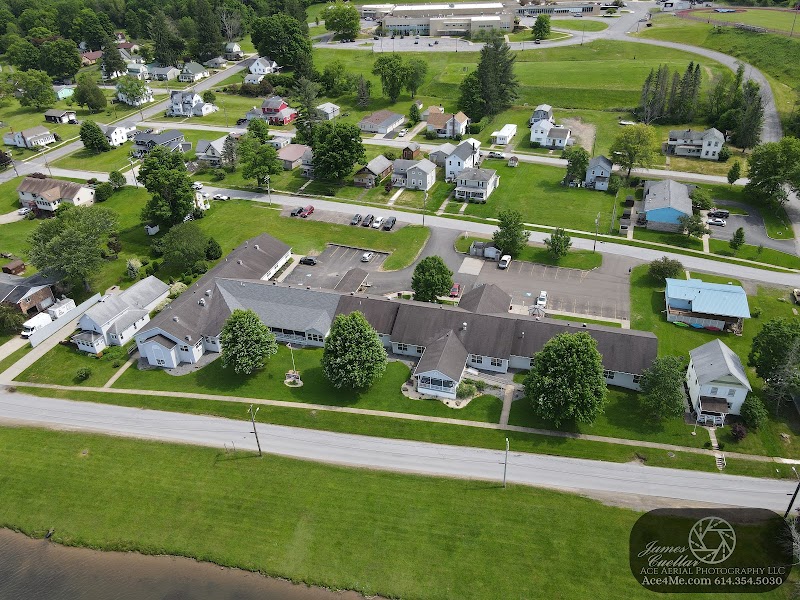
LAKEVIEW HEALTHCARE AND REHAB is owned by a for-profit company. For-profit facilities operate as businesses with obligations to shareholders or private owners. The facility is operated by BONAMOUR HEALTH GROUP, a chain that manages multiple nursing homes. With 34 certified beds and approximately 29 residents (about 85% occupancy), it is a smaller facility located in SMETHPORT, Pennsylvania.
How Does Lakeview Healthcare And Rehab Compare to Other Pennsylvania Nursing Homes?

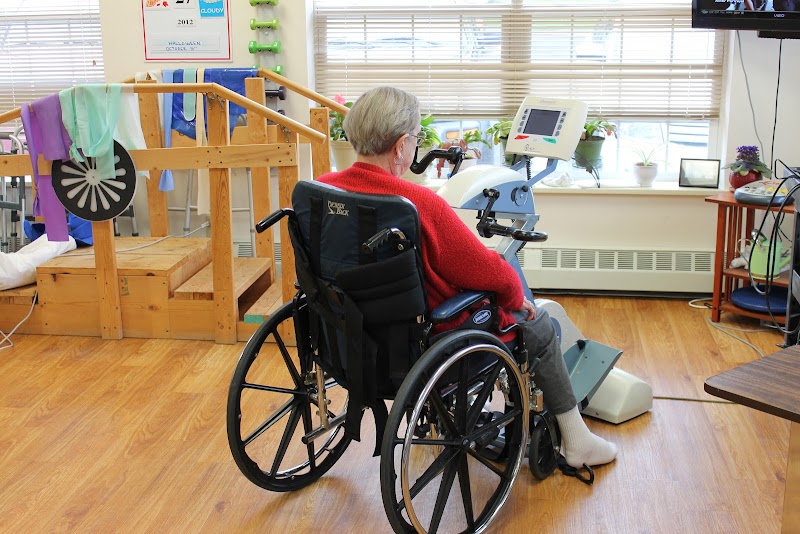
Compared to the 100 nursing homes in Pennsylvania, LAKEVIEW HEALTHCARE AND REHAB's overall rating (2 stars) is below the state average of 3.0, staff turnover (54%) is near the state average of 46%, and health inspection rating (2 stars) is below the national benchmark.

What Should Families Ask When Visiting Lakeview Healthcare And Rehab?

Based on this facility's data, families visiting should ask: "What changes have been made since the serious inspection findings, and how are you preventing similar issues?" "Can I visit during a mealtime to observe dining assistance and food quality?" "How do you handle medical emergencies, and what is your hospital transfer rate?" "Can I speak with family members of current residents about their experience?" These questions are particularly relevant given the facility's Immediate Jeopardy citations.

Is Lakeview Healthcare And Rehab Safe?

Based on CMS inspection data, LAKEVIEW HEALTHCARE AND REHAB has documented safety concerns. Inspectors have issued 1 Immediate Jeopardy citation (the most serious violation level indicating risk of serious injury or death). The facility has a 2-star overall rating and ranks #100 of 100 nursing homes in Pennsylvania. Families considering this facility should ask detailed questions about what corrective actions have been taken since these incidents.

Do Nurses at Lakeview Healthcare And Rehab Stick Around?

LAKEVIEW HEALTHCARE AND REHAB has a staff turnover rate of 54%, which is 8 percentage points above the Pennsylvania average of 46%. Moderate turnover is common in nursing homes, but families should still ask about staff tenure and how the facility maintains care continuity when employees leave.

Was Lakeview Healthcare And Rehab Ever Fined?

LAKEVIEW HEALTHCARE AND REHAB has been fined $6,631 across 1 penalty action. This is below the Pennsylvania average of $33,145. While any fine indicates a compliance issue, fines under $50,000 are relatively common and typically reflect isolated problems that were subsequently corrected. Families should ask what specific issues led to these fines and confirm they've been resolved.

Is Lakeview Healthcare And Rehab on Any Federal Watch List?

LAKEVIEW HEALTHCARE AND REHAB is not on any federal watch list. The most significant is the Special Focus Facility (SFF) program, which identifies the bottom 1% of nursing homes nationally based on persistent, serious quality problems. Not being on this list means the facility has avoided the pattern of deficiencies that triggers enhanced federal oversight. This is a positive indicator, though families should still review the facility's inspection history directly.