SENA KEAN NURSING AND REHABILITATION CENTER
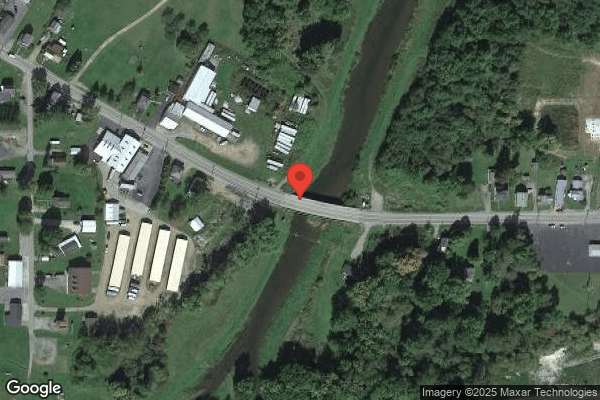
17083 ROUTE 6, SMETHPORT, PA 16749 (814) 887-5601
For profit - Limited Liability company 152 Beds IMPERIAL HEALTHCARE GROUP Data: November 2025
Trust Grade
55/100
#228 of 653 in PA
Last Inspection: April 2025

Within standard 12-15 month inspection cycle. Federal law requires annual inspections.

Overview

Sena Kean Nursing and Rehabilitation Center has a Trust Grade of C, which means it is average and in the middle of the pack for nursing homes. It ranks #228 out of 653 facilities in Pennsylvania, placing it in the top half, but only #4 out of 6 in McKean County, indicating that there are better local options. The facility is improving, with the number of identified issues decreasing from 7 in 2024 to 5 in 2025. However, staffing is a concern, rated at 2 out of 5 stars, with a turnover rate of 56%, higher than the state average. The facility has accumulated a significant $102,666 in fines, which is concerning and suggests ongoing compliance issues. While RN coverage is average, the facility has been noted for some concerning incidents, such as failing to follow proper infection control practices for a resident with a gastric tube and not adequately addressing resident grievances over several months. Additionally, there were issues with incomplete documentation regarding wound care for multiple residents, which raises questions about the quality of care. Overall, while there are notable strengths, families should be aware of these weaknesses when considering Sena Kean Nursing and Rehabilitation Center for their loved ones.

Trust Score
C
55/100
In Pennsylvania
#228/653
Top 34%
Safety Record
Moderate
Needs review
Inspections
Getting Better
7 → 5 violations
Staff Stability
⚠ Watch
56% turnover. Above average. Higher turnover means staff may not know residents' routines.
Penalties
○ Average
$102,666 in fines. Higher than 68% of Pennsylvania facilities. Some compliance issues.
Skilled Nurses
⚠ Watch
Each resident gets only 27 minutes of Registered Nurse (RN) attention daily — below average for Pennsylvania. Fewer RN minutes means fewer trained eyes watching for problems.
Violations
⚠ Watch
17 deficiencies on record. Higher than average. Multiple issues found across inspections.
★★★★☆
4.0
Overall Rating
★★☆☆☆
2.0
Staff Levels
★★★☆☆
3.0
Care Quality
★★★★☆
4.0
Inspection Score
Stable
2024: 7 issues
2025: 5 issues

The Good

  • Full Sprinkler Coverage · Fire safety systems throughout facility
  • No fines on record

Facility shows strength in fire safety.

The Bad

Staff Turnover: 56%

10pts above Pennsylvania avg (46%)

Frequent staff changes - ask about care continuity

Federal Fines: $102,666

Well above median ($33,413)

Significant penalties indicating serious issues

Chain: IMPERIAL HEALTHCARE GROUP

Part of a multi-facility chain

Ask about local staffing decisions and management

Staff turnover is elevated (56%)

8 points above Pennsylvania average of 48%

The Ugly 17 deficiencies on record

Apr 2025 5 deficiencies
CONCERN (D)

Potential for Harm - no one hurt, but risky conditions existed

Deficiency F0559 (Tag F0559)

Could have caused harm · This affected 1 resident

Based on review of facility policies and documents, and clinical records, and resident and staff interviews, it was determined that the facility failed to provide written notification to the resident,...

Read full inspector narrative →
Based on review of facility policies and documents, and clinical records, and resident and staff interviews, it was determined that the facility failed to provide written notification to the resident, family and/or the resident's representative, prior to a facility-initiated room change, including the reason for the change for one of 25 residents reviewed (Resident R53). Findings include: A facility policy entitled Bed Hold Notification dated 1/22/25, indicated that if the resident is covered by Medicaid and admitted to the hospital, the bed will be held automatically for 15 days by the Medicaid Provider regulations. A facility policy entitled Bed Holds and Returns dated 1/22/25, indicated that residents who seek to return to the facility within the bed hold period defined in the state plan are allowed to return to their previous room, if available. A facility policy entitled Room Assignment/Change Policy dated 1/22/25, indicated: when a room change is necessary, the resident and family will be consulted and reasons for the move will be explained by the Social Services Department/designee; each resident will be given reasonable, advance notice prior to transfer within the facility, notice will provided both verbally and in writing; Social Services will generate an in-house transfer notice to inform staff of the location and date of transfer within the facility, and that the transfer will also be documented on the resident's clinical record. Resident R53's clinical record revealed an admission date of 2/10/19, with diagnoses that included morbid obesity, lymphedema (chronic condition causing swelling, usually in an arm or leg, due to a buildup of lymph fluid), and ongoing blood clots in the right leg. Review of a resident census document indicated he/she was enrolled in Medicaid and was coded as a Paid Hospital Leave dated 4/22/25, and coded as Active on 4/25/25, to a different room. There was no evidence that the facility provided written notification with the reason for the change prior to the facility-initiated room change. Review of the facility Daily Census report provided by the facility on 4/30/25, revealed that Resident R53's previous room was not occupied by another resident during his/her hospital stay between 4/22/25, and 4/25/25, or since his/her return to the facility on 4/25/25. Review of a Bed Hold Policy notification provided to Resident R53 on 4/22/25, revealed that he/she was notified that his/her bed will be held for 15 days while he/she is admitted to the hospital. During an interview on 4/28/25, at 2:02 p.m. Resident R53 confirmed that he/she was not permitted to return to his/her previous room upon return from the hospital, and that he/she wanted to return to their previous room and not stay in his/her current room. During an interview on 4/29/25, at 1:24 p.m. the Nursing Home Administrator confirmed the facility failed to provide a written notice of facility-initiated room change to Resident R53. 28 Pa. Code 201.14(a) Responsibility of licensee 28 Pa. Code 201.29(a) Resident rights
CONCERN (D)

Potential for Harm - no one hurt, but risky conditions existed

Deficiency F0578 (Tag F0578)

Could have caused harm · This affected 1 resident

**NOTE- TERMS IN BRACKETS HAVE BEEN EDITED TO PROTECT CONFIDENTIALITY** Based on review of facility policy, clinical records, and staff interview, it was determined that the facility failed to ensure ...

Read full inspector narrative →
**NOTE- TERMS IN BRACKETS HAVE BEEN EDITED TO PROTECT CONFIDENTIALITY** Based on review of facility policy, clinical records, and staff interview, it was determined that the facility failed to ensure physician orders and resident's Physician Order for Life Sustaining Treatment (POLST- a legal document specifying the resident/responsible party choices regarding life-sustaining treatments) were consistent for one of 25 residents reviewed (Resident R97). Findings include: The facility policy entitled Advance Directives dated [DATE], revealed The plan of care for each resident is consistent with his or her documented treatment preferences and/or advance directive .the interdisciplinary team will be informed of changes and/or revocations so that appropriate changes can be made in the resident medical record and care plan. Resident R97's clinical record revealed an admission date of [DATE], with diagnoses that included dementia (thinking and social symptoms that interfere with daily living and functioning), hypertension (high blood pressure), and heart disease. Resident R97's physician's orders dated [DATE], revealed an order for Do Not Resuscitate-Allow Natural Death (DNR). Resident R97's clinical record revealed a POLST dated [DATE], for cardiopulmonary resuscitation (CPR-emergency life-saving procedure that is done when breathing or a heartbeat has stopped and when performed immediately can double or triple chances of survival after cardiac arrest). During an interview on [DATE], at approximately 9:51 a.m. Registered Nurse Supervisor Employee E3, confirmed Resident R97's physician's orders and POLST were not consistent with each other. 28 Pa. Code 201.18 (b)(1)(e)(1) Management 28 Pa. Code 201.29(a) Resident rights 28 Pa. Code 211.5(f)(i)(iv) Medical records 28 Pa. Code 211.10(c) Resident care policies
CONCERN (D)

Potential for Harm - no one hurt, but risky conditions existed

Incontinence Care (Tag F0690)

Could have caused harm · This affected 1 resident

Based on review facility policy and clinical records, observation, and staff interview, it was determined that the facility failed to provide appropriate suprapubic urinary catheter (tubing inserted d...

Read full inspector narrative →
Based on review facility policy and clinical records, observation, and staff interview, it was determined that the facility failed to provide appropriate suprapubic urinary catheter (tubing inserted directly into the bladder through a small incision in the lower abdomen and above the pubic bone to drain urine into a bag) care for one of three residents reviewed for catheters (Resident R51). Findings include: Review of facility policy entitled Catheter Care, Urinary dated 1/22/25, revealed Be sure the catheter tubing and drainage bag are kept off the floor. Review of Resident R51's clinical record revealed an admission date of 7/23/24, with diagnoses that included cerebral infarction (stroke), neuromuscular dysfunction of the bladder (a communication breakdown in the body that controls bladder function), and muscle weakness. Review of Resident R51's clinical record revealed a physician's order dated 12/26/24, for a suprapubic catheter related to neuromuscular dysfunction of the bladder. Observations on 4/29/25, at approximately 9:25 a.m. revealed that the bottom of Resident R51's urinary drainage bag was on the floor and there was not a privacy cover on the urinary drainage bag. During an interview on 4/29/25, at approximately 9:27 a.m. the Assistant Director of Nursing confirmed that Resident R51's urinary catheter bag should not be on the floor and a privacy cover should in place. 28 Pa. Code 211.10(d) Resident care policies 28 Pa. Code 211.12(d)(1)(5) Nursing Services
CONCERN (D)

Potential for Harm - no one hurt, but risky conditions existed

Respiratory Care (Tag F0695)

Could have caused harm · This affected 1 resident

Based on review of clinical records, observations, and resident and staff interviews, it was determined that the facility failed to provide oxygen according to physician's orders and failed to promote...

Read full inspector narrative →
Based on review of clinical records, observations, and resident and staff interviews, it was determined that the facility failed to provide oxygen according to physician's orders and failed to promote cleanliness and help prevent the spread of infection for two of 25 residents reviewed (Residents R21 and R59). Findings include: No facility policy was provided regarding management of oxygen therapy. Resident R21's clinical record revealed an admission date of 9/27/22, with diagnoses that included respiratory failure with hypoxia (a condition where the lungs cannot provide enough oxygen throughout the body), chronic obstructive pulmonary disease (COPD - a group of lung disease that block airflow and make it difficult to breathe) , diabetes mellitus (a group of diseases that result in too much sugar in the blood), and morbid obesity with alveolar hypoventilation (a breathing disorder that could affect a person who is overweight). Resident R21's clinical record revealed a physician's order dated 1/23/25, for O2 [oxygen]: therapy at 8 lpm (liters per minute) via nasal cannula [device that delivers extra oxygen through a tube and into your nose]. Pad tubing/humidify every shift for oxygen. Observations on 4/27/25, at 2:15 p.m. revealed Resident R21 sitting in his/her wheelchair with oxygen being delivered via nasal cannula at 8 lpm. The concentrator filter on the right side of the concentrator was observed covered with a dusty gray substance. During an interview with Resident R21 on 4/27/25, at 2:15 p.m. he/she indicated that the oxygen concentrator filter on the right side of the concentrator has never been cleaned and/or changed. During an interview on 4/27/25, at 2:20 p.m. Licensed Practical Nurse (LPN) Employee E1 confirmed that Resident R21's concentrator filter was dirty and covered with a dusty gray substance and did not appear to be cleaned weekly. The Director of Nursing (DON) confirmed on 4/29/25, at 1:53 p.m. that Resident R21's oxygen concentrator's filters should be checked and cleaned weekly. Resident R59's clinical record revealed an admission date of 6/21/22, with diagnoses that included irregular heartbeat, chronic obstructive pulmonary disease (COPD- a common lung disease causing restricted airflow and breathing problems), heart failure, and high blood pressure. Further review of Resident R59's clinical record revealed a physician's order dated 3/06/23, for O2 therapy at 2 lpm as needed (PRN) via nasal cannula. There was a lack of evidence for a physician's order for maintaining/cleaning the oxygen equipment and lack of evidence that staff documented/recorded Resident R59's use of oxygen therapy on his/her medication administration record (MAR)/treatment administration record(TAR), and lack of evidence that staff performed respiratory assessments related to the use of supplemental oxygen. Observation on 4/27/25, at 3:16 p.m. revealed Resident R59 sitting up in bed with supplemental O2 in place via nasal cannula, and the oxygen concentrator filter was covered with a thick layer of gray fluffy substance. During an interview at that time, Resident R59 confirmed that he/she wears oxygen 24/7 (24 hours a day/seven days a week). Continued observations on 4/28/25, and 4/29/25, between 8:00 a.m. and 3:00 p.m. revealed Resident R59 with his/her supplemental O2 in place. During an interview on 4/27/25, at 4:28 p.m. the DON confirmed that the oxygen concentrator filter was covered in thick layer of gray fluffy substance. During an interview on 4/28/25, at 10:28 a.m. the Assistant DON confirmed there was no order for cleaning the concentrator filter. During an interview on 4/29/25, at 12:05 p.m. LPN Employee E2 confirmed that Resident R59 had his/her O2 on for the last three days and that he/she has it on all the time; there was no evidence of documentation in MAR/TAR that he/she has been receiving the O2; and no documentation that staff completed respiratory assessments related to O2 use. During an interview on 4/29/25, at 12:23 p.m. the DON confirmed there was no evidence that staff monitored Resident R59's use of O2. 28 Pa. Code 211.10(c) Resident care policies 28 Pa. Code 211.12(d)(1)(5) Nursing services
CONCERN (D)

Potential for Harm - no one hurt, but risky conditions existed

Food Safety (Tag F0812)

Could have caused harm · This affected 1 resident

Based on review of facility policy, observations, and staff interview, it was determined that the facility failed to ensure that food was stored in accordance with standards for food safety in two of ...

Read full inspector narrative →
Based on review of facility policy, observations, and staff interview, it was determined that the facility failed to ensure that food was stored in accordance with standards for food safety in two of two unit refrigerators reviewed (West Unit and East Unit). Findings include: A facility policy entitled, Pantries and Pantry Refrigerators and Freezers dated 1/22/25, revealed, The facility will ensure safe refrigerator and freezer maintenance, temperatures, and sanitation Observation on 4/30/25, at approximately 9:27 a.m. of the [NAME] Unit freezer revealed several ice packs that are used for treatments on resident's bodies stored next to popsicles, candy bars, and several other food items. During an interview at the time of observation of the [NAME] Unit freezer with Social Services employee, he/she confirmed that ice packs that are used on resident's bodies should not be stored in the resident freezer with food. Observation on 4/30/25, at approximately 9:31 a.m. of the East Unit freezer revealed several ice packs that are used for treatments on resident's bodies stored next to several food items. During an interview at the time of observation of the East Unit freezer with Social Services employee, he/she confirmed that the ice packs that are used on resident's bodies should not be stored in the resident freezer with food. 28 Pa. Code 201.18 (e)(2.1) Management
Nov 2024 1 deficiency
CONCERN (D) 📢 Someone Reported This

A family member, employee, or ombudsman was alarmed enough to file a formal complaint

Potential for Harm - no one hurt, but risky conditions existed

Quality of Care (Tag F0684)

Could have caused harm · This affected 1 resident

Based on review of clinical record and staff interviews, it was determined that the facility failed to ensure that physician's orders were followed for one of six residents reviewed for catheters (Res...

Read full inspector narrative →
Based on review of clinical record and staff interviews, it was determined that the facility failed to ensure that physician's orders were followed for one of six residents reviewed for catheters (Resident R1). Findings include: Resident R1's clinical record revealed an admission date of 9/2/24, with diagnoses that included anxiety (a condition that causes a person to be nervous, uneasy, or worried about something or someone), urinary retention (inability to release urine from the bladder) and bladder infections. Resident R20's physician's orders revealed an order dated 9/26/24, that directed facility staff not to change the suprapubic catheter (a tube inserted into the bladder to drain the urine). A nurse's note dated 10/21/24, at 2:41 a.m. revealed that a nurse attempted to change Resident R1's suprapubic catheter against physician's orders by removing the suprapubic catheter and attempting to replace it, but was unable to insert a new catheter. During interview on 11/09/24, at approximately 12:40 p.m., the Nursing Home Administrator and Director of Nursing confirmed that a nurse did attempt to change Resident R1's suprapubic catheter and did not follow physician's orders. 28 Pa. Code 211.12(d)(3)(5) Nursing services
May 2024 4 deficiencies
CONCERN (D)

Potential for Harm - no one hurt, but risky conditions existed

Deficiency F0655 (Tag F0655)

Could have caused harm · This affected 1 resident

**NOTE- TERMS IN BRACKETS HAVE BEEN EDITED TO PROTECT CONFIDENTIALITY** Based on review of facility policy and clinical records, and staff interview, it was determined that the facility failed to prov...

Read full inspector narrative →
**NOTE- TERMS IN BRACKETS HAVE BEEN EDITED TO PROTECT CONFIDENTIALITY** Based on review of facility policy and clinical records, and staff interview, it was determined that the facility failed to provide a resident and/or his/her representative with a summary of the baseline care plan for three of five residents reviewed for baseline care plans (Resident R31, R103 and R105). Findings include: Review of facility policy entitled, Care Plans Baseline dated 1/17/24, revealed The resident and/or representative are provided a written summary of the baseline care plan that includes, but is not limited to the following .Goals and objectives, summary of medications, dietary instructions, and treatments. Review of Resident R31's clinical record revealed an admission date of 1/10/24, with diagnoses that included chronic obstructive pulmonary disease (condition when your lungs do not have adequate air flow), hypertension (high blood pressure), and heart failure (a condition where the heart cannot supply the body with enough blood). Review of Resident R31's clinical record revealed an assessment dated [DATE], Baseline care plan which revealed a question Were the baseline care plans shared with the resident and/or resident representative? The question revealed the answer no. Further review of Resident R31's clinical record lacked evidence that a summary of the care plan that included goals and objectives, a summary of medications, dietary instructions and treatments was provided to Resident R31 and/or his/her representative. Review of Resident R103's clinical record revealed an admission date of 2/5/24, with diagnoses that included hypothyroidism (a condition when the thyroid produces low amounts of thyroid hormones), hypertension, and hyperlipidemia (high cholesterol). Review of Resident R103's clinical record revealed an assessment dated [DATE], Baseline care plan which revealed a question Were the baseline care plans shared with the resident and/or resident representative? The question revealed the answer no. Further review of Resident R103's clinical record lacked evidence that a summary of the care plan that included goals and objectives, a summary of medications, dietary instructions and treatments was provided to Resident R103 and/or his/her representative. Review of Resident R105's clinical record revealed an admission date of 4/23/24, with diagnoses that included dementia (a disease that affects short term memory and the ability to think logically), hypertension, and dysphagia (difficulty swallowing). Review of Resident R105's clinical record revealed an assessment dated [DATE], Baseline care plan which revealed a question Were the baseline care plans shared with the resident and/or resident representative? The question revealed no answer. Further review of Resident R105's clinical record lacked evidence that a summary of the care plan that included goals and objectives, a summary of medications, dietary instructions and treatments was provided to Resident R105 and/or his/her representative. During an interview on 5/30/24, at 1:57 p.m. the Regional Nurse Consultant confirmed that there was no evidence that Residents R31, R103 and R105 and/or their representatives were provided a summary of the care plan that included goals and objectives, a summary of medications, dietary instructions, and treatments. 28 Pa. Code 201.14(a) Responsibility of Licensee 28 Pa. Code 211.12(d)(1)(5) Nursing Services
CONCERN (D)

Potential for Harm - no one hurt, but risky conditions existed

Deficiency F0658 (Tag F0658)

Could have caused harm · This affected 1 resident

Based on review of facility policy and clinical record, observation, and staff interviews, it was determined that the facility failed to ensure medications were consumed for one of seven residents rev...

Read full inspector narrative →
Based on review of facility policy and clinical record, observation, and staff interviews, it was determined that the facility failed to ensure medications were consumed for one of seven residents reviewed during medication administration review (Resident R55). Findings include: Review of facility policy entitled Administering Medications dated 1/17/24, revealed Medications are administered in a safe and timely manner . Review of facility education/training entitled Checklist for oral medication administration revealed Remain with the resident until each medication is swallowed. Never leave medication at the resident's bedside. And Review of facilities audit tool entitled Medication Administration Observation Audit, revealed Resident is observed until all meds are ingested. Review of Resident R55's clinical record revealed an admission date of 6/13/19, with diagnoses that included chronic obstructive pulmonary disease (condition when your lungs do not have adequate air flow), chronic kidney disease (a disease that affects the kidney's ability to filter waste products and extra fluid from the body), and disorientation (an altered mental state where a person does not know their location, identity, or time). Observation on 5/29/24 at 9:42 a.m. revealed a medication cup filled with multiple unknown medications sitting on the resident's bedside tray table. Resident R55 was sitting in his/her wheelchair in front of his/her bedside table. Resident R55 stated staff doesn't wait for me to take my pills because it takes me a while. He/she also stated, there is a pill on the floor. A small white unknown medication was observed laying on the floor in front of Resident R55's bedside tray table. Further observations revealed the Licensed Practical Nurse (LPN) was down the hallway assisting other residents. During an interview on 5/29/24, at 9:49 a.m. Registered Nurse Employee E1 confirmed that there was a cup filled with unknown medications sitting on Resident R55's bedside table without staff present. He/she also confirmed that medications should never be left at bedside and the nurse administering medications should stay with the resident until the resident ingested the medications. 28 Pa. Code 211.9(a)(1)(c) Pharmacy Services 28 Pa. Code 211.12(d)(1)(3)(5) Nursing services
CONCERN (D)

Potential for Harm - no one hurt, but risky conditions existed

Deficiency F0761 (Tag F0761)

Could have caused harm · This affected 1 resident

Based on review of facility policy, observations, and staff interviews it was determined that the facility failed to appropriately discard outdated medications for one of three medication carts review...

Read full inspector narrative →
Based on review of facility policy, observations, and staff interviews it was determined that the facility failed to appropriately discard outdated medications for one of three medication carts reviewed (West A Hall medication cart). Findings include: Review of facility policy entitled Administering Medications with a policy review date of 1/17/24, indicated The expiration/beyond use date on the medication label is checked prior to administering. When opening a multi-dose container, the date opened is recorded on the container. Review of Novolog Insulin manufacturer's guidelines revealed after initial use a vial may be kept at temperatures below 30 degrees Celsius (86 degrees Fahrenheit) for up to 28 days, but should not be exposed to excessive heat or sunlight. Observation of drug storage on 5/30/24, at 10:58 a.m. of the [NAME] A Hall medication cart revealed a vial of Novolog Insulin with an open date of 4/10/24, which was beyond the expiration date of 28 days after opening. During an interview at the time of the observation, Licensed Practical Nurse (LPN) Employee E2 confirmed that the Novolog Insulin vial should have been discarded and not remaining in the medication cart for resident use as it was beyond the 28 days after opening. 28 Pa. Code 201.18(b)(1) Management 28 Pa. Code 211.9(a)(1) Pharmacy services 28 Pa. Code 211.12(d)(1)(2)(5) Nursing services
CONCERN (E)

Potential for Harm - no one hurt, but risky conditions existed

Infection Control (Tag F0880)

Could have caused harm · This affected multiple residents

Based on review of facility policy, observation, and staff interviews, it was determined that the facility failed to follow acceptable infection control practices regarding enhanced barrier precaution...

Read full inspector narrative →
Based on review of facility policy, observation, and staff interviews, it was determined that the facility failed to follow acceptable infection control practices regarding enhanced barrier precautions during observation of care of a gastric tube for one of 25 residents reviewed (Resident R2). Findings include: Review of the facility policy entitled Administering Medications with a policy review date of 1/17/24, revealed that staff follows established infection control procedures (e.g. handwashing, antiseptic technique, gloves, isolation precautions, etc.) for the administration of medications, as applicable. Review of the facility policy entitled Enhanced Barrier Precautions implemented in April 2024, revealed Standard Precautions continue to apply to the care of all residents, regardless of suspected of confirmed infection or colonization status. Enhanced Barrier Precautions (EBP) employs targeted gown and glove use during high-contact resident care activities in which there is opportunity for transfer of Multi-Drug Resistant Organisms (MDRO) to staff hands and clothing. EBP are indicated for residents with any of the following wherever they reside in the facility: Infection or colonization with a CDC-targeted MDRO when contact precautions do not otherwise apply; or wounds and/or indwelling medical devices, regardless of MDRO infection of colonization status. Indwelling medical devices include, but not limited to central lines or PICC lines, urinary catheters, feeding tubes, tracheostomies and ventilators, and dialysis catheters. Appropriate notification/signage is placed at the room entrance indicating the type of precaution and instructions for Personal Protective Equipment (PPE) use. PPE will be available to staff for donning (put on) prior to entering the resident's room. Doffing (take off) to occur before leaving the residents room Observation of a tube feeding administration for Resident R2 on 5/29/24, at 1:44 p.m. revealed that Licensed Practical Nurse (LPN) Employee E3 washed hands, donned gloves, entered Resident R2's room, and positioned Resident R2 for administration of the enteral tube feeding. LPN Employee E2 proceeded to check placement of Resident R2's enteral feeding tube and administer the enteral feeding. LPN Employee E2 then repositioned the resident in bed for comfort, doffed gloves and washed hands. During an interview with LPN Employee E2 on 5/29/24, at approximately 1:55 p.m. it was confirmed that gloves and a gown should have been worn during administration with an enteral feeding tube due to EBP. Observation of Resident R2's room revealed that there was no signage alerting persons of EBP for infection control and no PPE available outside of the room for use. During an interview on 5/29/24, at approximately 1:58 p.m. the Infection Preventionist confirmed that EBP were not in place and employees should be wearing gloves and gowns when working with enteral feeding tubes. 28 Pa. Code 211.10(c) Resident care policies 28 Pa. Code 211.12(d)(1)(5) Nursing services
Jan 2024 1 deficiency
CONCERN (D) 📢 Someone Reported This

A family member, employee, or ombudsman was alarmed enough to file a formal complaint

Potential for Harm - no one hurt, but risky conditions existed

Quality of Care (Tag F0684)

Could have caused harm · This affected 1 resident

Based on review of clinical records and staff interviews, it was determined that the facility failed to ensure that known medication allergies were verified prior to the administration of a medication...

Read full inspector narrative →
Based on review of clinical records and staff interviews, it was determined that the facility failed to ensure that known medication allergies were verified prior to the administration of a medication for one of six residents reviewed (Resident R1). Findings include: Resident R1's clinical record revealed an admission date of 3/5/13, with diagnoses that included depression, schizophrenia (a disorder that affects the ability to think, feel and behave clearly), abnormal involuntary moments, convulsions/seizures and delusional disorders. A nurse's note dated 1/15/24, at 10:00 a.m. documented a decline in Resident R1's condition and a physician's order to administer a one time dose of Haldol (an antipsychotic medication used to treat mental disorders including schizophrenia) 2.5 milligrams (mg). The medication administration record revealed that the Haldol 2.5 mg IM (intramuscular injection) was administered at 11:30 a.m. on 1/15/24, as physician ordered. Review of a nurse's note dated 1/15/24, at 12:25 p.m. identified the discovery that Haldol was listed under Resident R1's allergies. A review of Resident R1's clinical record revealed that Haldol was listed as an allergy. During interview on 1/30/24, at 1:50 p.m. Registered Nurse Employee E1 confirmed that Resident R1's allergy list was not checked prior to the administration of Haldol. 28 Pa. Code 211.12(d)(1)(5) Nursing services
Jan 2024 1 deficiency
CONCERN (E) 📢 Someone Reported This

A family member, employee, or ombudsman was alarmed enough to file a formal complaint

Potential for Harm - no one hurt, but risky conditions existed

Deficiency F0565 (Tag F0565)

Could have caused harm · This affected multiple residents

Based on review of facility policy and resident council minutes, and resident and staff interviews, it was determined that the facility failed to respond to resident concerns and grievances identified...

Read full inspector narrative →
Based on review of facility policy and resident council minutes, and resident and staff interviews, it was determined that the facility failed to respond to resident concerns and grievances identified during resident council minutes for three of three months (October, November, December 2023). Findings include: Review of a facility policy entitled, Resident Council indicated that a Resident Council Response Form will be utilized to track issues and their resolution; and the facility department related to any issues will be responsible for addressing the item(s) of concern. Review of a facility policy entitled, Grievance Policy indicated: that all concerns and questions may be presented to the facility administrator (NHA), director of nursing (DON), the registered nurse supervisor (RN Supervisor), or any department head, this may be done either orally or in writing; any new grievance shall be brought to the morning meeting to ensure that they have been entered into the grievance log and assigned for follow up; upon completion of the facility investigation, the NHA will ensure that the investigation results and resolution steps are communicated to the individual who originally submitted the grievance, complaint and/or suggestion; and resolution of the concern is desired within five working days from the date the concern was filed. Review of the October 2023 Resident Council Meeting Minutes revealed; lack of evidence that previous Resident Council concerns were discussed with the Resident Council; new concerns included with staff being on their cell phones while giving care, call bell response times, staff leaving residents in the bathroom unattended. There was no evidence that the concerns were assigned to a department responsible for investigation. Review of the November 2023 Resident Council Meeting Minutes revealed; lack of evidence that previous Resident Council concerns were discussed with the Resident Council; new concerns included wraps not being done on a resident's legs on 11/11/23, and 11/12/23, staff turning off call bells and not returning to provide care, 3-11 shift staff on their cell phones while feeding residents, staff eating off resident meal trays, late smoke breaks, staff yelling at residents, a Nurse Aid being too big to toilet a resident in their room, supper being late, dietary running out of supplies, unit pantries not being stocked with snacks, and residents requesting meal of the month being implemented. There was no evidence that the concerns were assigned to a department responsible for investigation. Review of the December 2023 Resident Council Meeting Minutes revealed; that follow-up discussion from the previous meeting included that the smoke break time was better, and lacked evidence that other concerns from the previous meeting were discussed with the Resident Council; new concerns included call bells not being answered timely, staff sitting in chairs on the halls, staff on cell phones while providing care, combative residents, female resident requesting to have no male nurse aids, [NAME] pantry not stocked (out of tea bags and crackers), and meal of the month to return in January. There was no evidence that the concerns were assigned to a department responsible for investigation. Review of facility Concern Logs revealed: Dated 10/02/23, Resident Council concerns were documented and that a written notice of resolution was provided to the Resident Council on 10/09/23. Dated 11/13/23, Resident Council concerns were documented and that a written notice of resolution was provided to the Resident Council on 11/20/23, regarding care/treatment and dietary concern types. Dated 12/05/23, Resident Council concerns were documented and that a written notice of resolution was provided to the Resident Council on 12/05/23. Dated 12/13/23, Resident Council concerns were documented and that a written notice of resolution was provided to the Resident Council on 12/20/23. Review of an investigation/staff education dated 10/02/23, revealed that the Assistant Director of Nursing (ADON) educated staff on call bell response, leaving residents alone in the bathroom, and re-educated staff on the facility cell phone policy. There was a lack of evidence indicating that the issues were resolved and confirmation of the Resident Council's satisfaction with the outcome. Review of an investigation/staff education dated 11/13/23, revealed that the ADON educated staff on completing resident treatments, call bell response, leaving residents alone in the bathroom, and re-educated staff on the facility cell phone policy, staff eating off resident meal trays, smoke break, toileting residents, and staff yelling at residents There was a lack of evidence indicating that the issues were resolved and confirmation of the Resident Council's satisfaction with the outcome. Review of an investigation/staff education dated 11/13/23, revealed the Dietary Department was working on training staff, education regarding time management and stocking, and discussing bringing back the meal of the month. There was a lack of evidence indicating that the issues were resolved and confirmation of the Resident Council's satisfaction with the outcome. Review of an investigation/staff education dated 12/13/23, revealed staff was educated on donning (putting on)appropriate personal protective equipment in the isolation hall, relocation of residents was disorganized, call bell response, staff using vulgar language while feeding residents. Corrective actions were documented, and there was no evidence of the responsible staff member, resolution of the issues and confirmation of the Resident Council's satisfaction with the outcome. During interviews on 1/11/24, between 10:30 a.m. and 2:00 p.m. Resident Council members (Residents R1, R2, R3, R4, and R8) confirmed that previous concerns are not discussed at Resident Council Meetings and they confirmed that staff continue to turn off call bells, sit in resident rooms on their cell phones in the evening, and were told there are no snacks in the pantry. During an interview on 1/11/24, at 2:30 p.m. the ADON confirmed that staff has been re-educated repeatedly on certain reported issues. During an interview on 1/11/24, at 2:30 p.m. the Director of Nursing and Nursing Home Administrator confirmed that there was lack of evidence that the repeated education was effective, there was a lack of developing an alternative method of resolution to the repeated concerns, and also there was a lack of evidence that the Resident Council was informed of the outcome and was satisfied with the outcomes by the facility. 28 Pa. Code 201.14(a) Responsibility of Licensee 28 Pa. Code 201.18(b)(1)(3) Management 28 Pa. Code 201.18(e)(1)(4) Management
Jul 2023 4 deficiencies
CONCERN (D)

Potential for Harm - no one hurt, but risky conditions existed

Assessment Accuracy (Tag F0641)

Could have caused harm · This affected 1 resident

Based on review of the Minimum Data Set (MDS - federally mandated standardized assessment conducted at specific intervals to plan resident care) and the October 2019 Resident Assessment Instrument Use...

Read full inspector narrative →
Based on review of the Minimum Data Set (MDS - federally mandated standardized assessment conducted at specific intervals to plan resident care) and the October 2019 Resident Assessment Instrument User's Manual (instruction manual for completing the MDS assessments), clinical records, and staff interviews, it was determined that the facility failed to ensure that the MDS assessment accurately reflected the status for two of 24 residents reviewed (Residents R46 and R84). Findings include: Review of RAI instructions for MDS Section O0100C Special Treatments, Procedures, and Programs - Oxygen Therapy indicated to check if the treatments, procedures, and programs were performed during the last fourteen days. Review of RAI instructions for MDS Section O0100J Special Treatments, Procedures, and Programs - Dialysis indicated to check if the treatments, procedures, and programs were performed during the last fourteen days. Resident R46's clinical record revealed an admission date of 8/15/22, with diagnoses that included chronic obstructive pulmonary disease (a lung disease that obstructs airflow to the lungs resulting in difficulty breathing), high blood pressure, and anxiety. Resident R46's clinical record revealed a physician's order dated 8/15/22, for oxygen therapy at four liters per minute via nasal cannula (a tube that delivers oxygen to your nose through soft prongs) continuously for difficulty breathing. Staff signage on the treatment record identified the usage of oxygen at four liters per minute by way of nasal cannula for the entire fourteen-day look-back period for Resident R46. Review of Resident R46's quarterly MDS with an Assessment Reference Date (ARD) of 5/23/23, did not indicate the use of oxygen while a resident in the facility. Resident R84's clinical record revealed an admission date of 12/12/22, with diagnoses that included end stage renal disease (loss of kidney function), pneumonia, diabetes, and anxiety. Resident R84's clinical record revealed a physician's order dated 12/12/22, for the resident to attend dialysis (mechanical treatment to remove toxins from the body) three times a week. Review of progress notes documented in the clinical record that Resident R84 had been taken to dialysis during the fourteen-day look-back period. Review of Resident R84's quarterly MDS with an ARD of 6/21/23, did not identify dialysis while a resident in the facility. During an interview on 7/27/23, at 4:45 p.m. Registered Nurse Assessment Coordinator confirmed that the 5/23/23, MDS for Resident R46 was coded incorrectly regarding oxygen and the 6/21/23, MDS for Resident R84 was coded incorrectly regarding dialysis. 28 Pa. Code 201.14(a) Responsibility of licensee 28 Pa. Code 211.5(f) Clinical Records
CONCERN (D)

Potential for Harm - no one hurt, but risky conditions existed

Comprehensive Care Plan (Tag F0656)

Could have caused harm · This affected 1 resident

Based on review of facility policy and clinical records, and staff interview, it was determined that the facility failed to develop a comprehensive care plan for one of 24 residents reviewed (Resident...

Read full inspector narrative →
Based on review of facility policy and clinical records, and staff interview, it was determined that the facility failed to develop a comprehensive care plan for one of 24 residents reviewed (Resident R46). Findings include: Review of facility policy dated 1/2023, entitled Care plan, Comprehensive Person-Centered revealed that A Comprehensive, person-centered care plan that include measurable objectives and timetables to meet the resident's physical, psychosocial and functional needs is developed and implemented for each resident. Resident R46's clinical record revealed an admission date of 8/15/22, with diagnoses that included chronic obstructive pulmonary disease (a lung disease that obstructs airflow to the lungs resulting in difficulty breathing), high blood pressure, and anxiety. Observation on 7/26/23, at 2:00 p.m. revealed Resident R46 was utilizing oxygen at two liters per minute via nasal cannula (a tube that delivers oxygen to your nose through soft prongs). Resident R46's clinical record revealed a physician's order dated 8/15/22, for oxygen therapy at four liters per minute via nasal cannula continuously for difficulty breathing. A second physician's order dated 6/7/23, revealed Resident R46's oxygen was changed to two liters per minute via nasal cannula as needed for difficulty breathing and to maintain oxygen saturation levels between 88 percent and 92 percent. Review of Resident R46's comprehensive care plan on 7/27/23, lacked identification of Resident R46's usage of oxygen. During an interview on 7/27/23, at 4:45 p.m. Registered Nurse Assessment Coordinator confirmed that a care plan had not been developed to address Resident R46's usage of oxygen. 28 Pa. Code 201.14(a) Responsibility of licensee 28 Pa. Code 211.12(d)(3)(5) Nursing services
CONCERN (D) 📢 Someone Reported This

A family member, employee, or ombudsman was alarmed enough to file a formal complaint

Potential for Harm - no one hurt, but risky conditions existed

Deficiency F0691 (Tag F0691)

Could have caused harm · This affected 1 resident

Based on review of clinical records, family/resident interview, and staff interview, it was determined that the facility failed to ensure essential urostomy (a surgical opening into the abdomen direct...

Read full inspector narrative →
Based on review of clinical records, family/resident interview, and staff interview, it was determined that the facility failed to ensure essential urostomy (a surgical opening into the abdomen directing urine away from the bladder) supplies were available for one of 24 residents reviewed (Resident R312). Findings include: Resident R312's clinical record revealed an admission date of 7/13/2023, with diagnoses that included bladder cancer, diabetes mellitus, and muscle weakness. Review of Resident R312's current physician's orders included an order to change urostomy pouch as needed for dislodgement with a start date of 7/13/2023 and an order to change urostomy pouch every day shift every five days with a start date of 7/18/2023. Review of progress notes dated 7/22/2023, revealed that Resident R312's spouse was in the facility with urostomy supplies and the urostomy was changed. On 7/23/2023, the urostomy was pulling away from skin and was changed. Treatment Administration Records (TAR) revealed that Resident R312's urostomy was changed on 7/18/2023 and 7/23/2023. During an interview on 7/26/2023, at 1:45 p.m. Resident R312 and his/her spouse revealed that Resident R312 had to contact his/her spouse to bring in urostomy supplies on 7/22/2023 because the urostomy had detached. Resident R312 and his/her spouse indicated that the facility did not have urostomy supplies available. During an interview with the Director of Nursing (DON) on 7/26/2023 at 2:15 p.m. it was confirmed that the facility failed to order and supply urostomy supplies in a timely manner. The DON confirmed the urostomy supplies were not ordered until 7/24/2023 and that Resident R312's spouse had to bring urostomy supplies from home. 28 Pa. Code 201.18(b)(1) Management 28 Pa. Code 211.12(d)(1)(3)(5) Nursing services
CONCERN (D)

Potential for Harm - no one hurt, but risky conditions existed

Respiratory Care (Tag F0695)

Could have caused harm · This affected 1 resident

Based on review of facility policy and clinical records, observations, and staff interviews, it was determined that the facility failed to provide oxygen for one of four residents reviewed for respira...

Read full inspector narrative →
Based on review of facility policy and clinical records, observations, and staff interviews, it was determined that the facility failed to provide oxygen for one of four residents reviewed for respiratory services according to a physician's orders (Resident R84). Findings include: Review of facility policy dated 1/2023, entitled Medication Orders indicated When recording orders for oxygen, specify the rate of flow, route, and rationale. Review of Resident R84's clinical record revealed an admission date of 12/12/22, with diagnoses that included end stage renal disease (loss of kidney function), pneumonia, diabetes, and anxiety. Observation of Resident R84's oxygen flow meter (a medical device used for oxygen flow measurement) on 7/25/23, at 1:50 p.m. revealed the oxygen flow measurement was at two liters per minutes through a nasal cannula (a tube that delivers oxygen to your nose through soft prongs). Review of clinical record oxygen saturation summary revealed that staff documented that Resident R84 utilized oxygen via nasal cannula thirteen times during the month of July 2023. Clinical record progress notes revealed that staff documented that Resident R84 utilized oxygen via nasal cannula six times during the month of July 2023. Review of Resident R84's clinical record revealed that there was not a physician's order for oxygen usage. During an interview on 7/28/23, at 9:51 a.m. Registered Nurse (RN) Employee E1 stated that Resident R84 has oxygen in his/her room and does use it most of the time, but that he/she often times will remove it and staff have to reapply it. RN Employee E1 confirmed that the clinical record lacked a physician's order for oxygen therapy for Resident R84. 28 Pa. Code 211.12(d)(1)(3)(5) Nursing services 28 Pa. Code 211.5(f) Clinical records
Jul 2023 1 deficiency
CONCERN (E) 📢 Someone Reported This

A family member, employee, or ombudsman was alarmed enough to file a formal complaint

Potential for Harm - no one hurt, but risky conditions existed

Medical Records (Tag F0842)

Could have caused harm · This affected multiple residents

Based on review of clinical records and facility policy, and staff interviews, it was determined that the facility failed to have complete and accurate documentation regarding wound dressing changes i...

Read full inspector narrative →
Based on review of clinical records and facility policy, and staff interviews, it was determined that the facility failed to have complete and accurate documentation regarding wound dressing changes in treatment records for four of 10 residents reviewed (Residents R1, R2, R3, and R4). Findings include: Review of the facility policy entitled Charting and Documentation dated January 2023, revealed .The following is to be documented in the residents medical record .c. Treatments or services performed . Review of Resident R1's clinical record revealed an admission date of 4/7/2023, with diagnoses that included pressure ulcer of unspecified site unstageable (full-thickness skin and tissue loss and tissue damage cannot be confirmed), pressure ulcer other site Stage 3 (full-thickness loss of skin), and pressure ulcer other site Stage 2 (partial-thickness loss of skin). Review Resident R1's Treatment Administration Records (TAR) for May 2023, June 2023 and July 2023 revealed a lack of documentation for wound dressing changes for 65 of 237 treatment administration opportunities. Review of Resident R2's clinical record revealed an admission date of 4/27/2023, with diagnoses that included pressure ulcer of left heal Stage 4 (full-thickness skin and tissue loss). Review of Resident R2's May 2023, June 2023 and July 2023 TARs revealed a lack of documentation for wound dressing changes for 37 of 146 treatment administration opportunities. Review of Resident R3's clinical record revealed an admission date of 2/10/2019 with diagnoses of unspecified open wound, unspecified open wound left thigh. Review of Resident R3's May 2023, June 2023 and July 2023 TARs revealed a lack of documentation for wound dressing changes for 44 of 190 treatment administration opportunities. Review of Resident R4's clinical record revealed an admission date of 8/3/2022 with diagnoses of Stage 3 pressure ulcer to left heel. Review of the May 2023, June 2023 and July 2023 TARs revealed a lack of documentation for wound dressing changes for 17 of 240 treatment administration opportunities. During an interview on 7/19/2023, at 3:15 p.m. the Nursing Home Administrator and Director of Nursing confirmed that Residents R1, R2, R3, and R4 treatment administration records did not have complete documentation regarding wound dressing changes. 28 Pa. Code 211.5(f)(xiii)(ix) Medical Records 28 Pa. Code 211.12(d)(1)(5) Nursing Services
Understanding Severity Codes (click to expand)
Life-Threatening (Immediate Jeopardy)
J - Isolated K - Pattern L - Widespread
Actual Harm
G - Isolated H - Pattern I - Widespread
Potential for Harm
D - Isolated E - Pattern F - Widespread
No Harm (Minor)
A - Isolated B - Pattern C - Widespread

Questions to Ask on Your Visit

  • "Why is there high staff turnover? How do you retain staff?"
  • "Can I speak with families of current residents?"
  • "What's your RN coverage like on weekends and overnight?"

Our Honest Assessment

Strengths
  • • Licensed and certified facility. Meets minimum state requirements.
Concerns
  • • 17 deficiencies on record. Higher than average. Multiple issues found across inspections.
  • • $102,666 in fines. Extremely high, among the most fined facilities in Pennsylvania. Major compliance failures.
  • • Grade C (55/100). Below average facility with significant concerns.
  • • 56% turnover. Above average. Higher turnover means staff may not know residents' routines.
Bottom line: Mixed indicators with Trust Score of 55/100. Visit in person and ask pointed questions.

About This Facility

What is Sena Kean's CMS Rating?

CMS assigns SENA KEAN NURSING AND REHABILITATION CENTER an overall rating of 4 out of 5 stars, which is considered above average nationally. Within Pennsylvania, this rating places the facility higher than 99% of the state's 100 nursing homes. This rating reflects solid performance across the metrics CMS uses to evaluate nursing home quality.

How is Sena Kean Staffed?

CMS rates SENA KEAN NURSING AND REHABILITATION CENTER's staffing level at 2 out of 5 stars, which is below average compared to other nursing homes. Staff turnover is 56%, which is 10 percentage points above the Pennsylvania average of 46%. High turnover can affect care consistency as new staff learn residents' individual needs. RN turnover specifically is 56%, which is notably high. RNs provide skilled clinical oversight, so turnover in this role can affect medical care quality.

What Have Inspectors Found at Sena Kean?

State health inspectors documented 17 deficiencies at SENA KEAN NURSING AND REHABILITATION CENTER during 2023 to 2025. These included: 17 with potential for harm.

Who Owns and Operates Sena Kean?

SENA KEAN NURSING AND REHABILITATION CENTER is owned by a for-profit company. For-profit facilities operate as businesses with obligations to shareholders or private owners. The facility is operated by IMPERIAL HEALTHCARE GROUP, a chain that manages multiple nursing homes. With 152 certified beds and approximately 110 residents (about 72% occupancy), it is a mid-sized facility located in SMETHPORT, Pennsylvania.

How Does Sena Kean Compare to Other Pennsylvania Nursing Homes?

Compared to the 100 nursing homes in Pennsylvania, SENA KEAN NURSING AND REHABILITATION CENTER's overall rating (4 stars) is above the state average of 3.0, staff turnover (56%) is significantly higher than the state average of 46%, and health inspection rating (4 stars) is above the national benchmark.

What Should Families Ask When Visiting Sena Kean?

Based on this facility's data, families visiting should ask: "How do you ensure continuity of care given staff turnover, and what is your staff retention strategy?" "Can you walk me through typical staffing levels on day, evening, and night shifts?" "Can I visit during a mealtime to observe dining assistance and food quality?" "How do you handle medical emergencies, and what is your hospital transfer rate?" These questions are particularly relevant given the facility's high staff turnover rate and the below-average staffing rating.

Is Sena Kean Safe?

Based on CMS inspection data, SENA KEAN NURSING AND REHABILITATION CENTER has a clean safety record: no substantiated abuse findings (meaning no confirmed cases of resident harm), no Immediate Jeopardy citations (the most serious violation level indicating risk of serious injury or death), and is not on the Special Focus Facility watch list (a federal program monitoring the lowest-performing 1% of nursing homes). The facility has a 4-star overall rating and ranks #1 of 100 nursing homes in Pennsylvania. While no facility is perfect, families should still ask about staff-to-resident ratios and recent inspection results during their visit.

Do Nurses at Sena Kean Stick Around?

Staff turnover at SENA KEAN NURSING AND REHABILITATION CENTER is high. At 56%, the facility is 10 percentage points above the Pennsylvania average of 46%. Registered Nurse turnover is particularly concerning at 56%. RNs handle complex medical decisions and coordinate care — frequent RN changes can directly impact care quality. High turnover means new staff may not know residents' individual needs, medications, or preferences. It can also be disorienting for residents, especially those with dementia who rely on familiar faces. Families should ask: What is causing the turnover? What retention programs are in place? How do you ensure care continuity during staff transitions?

Was Sena Kean Ever Fined?

SENA KEAN NURSING AND REHABILITATION CENTER has been fined $102,666 across 1 penalty action. This is 3.0x the Pennsylvania average of $34,106. Fines at this level are uncommon and typically indicate a pattern of serious deficiencies, repeated violations, or failure to correct problems promptly. CMS reserves penalties of this magnitude for facilities that pose significant, documented risk to resident health or safety. Families should request specific documentation of what issues led to these fines and what systemic changes have been implemented.

Is Sena Kean on Any Federal Watch List?

SENA KEAN NURSING AND REHABILITATION CENTER is not on any federal watch list. The most significant is the Special Focus Facility (SFF) program, which identifies the bottom 1% of nursing homes nationally based on persistent, serious quality problems. Not being on this list means the facility has avoided the pattern of deficiencies that triggers enhanced federal oversight. This is a positive indicator, though families should still review the facility's inspection history directly.