GARDENS AT STEVENS, THE
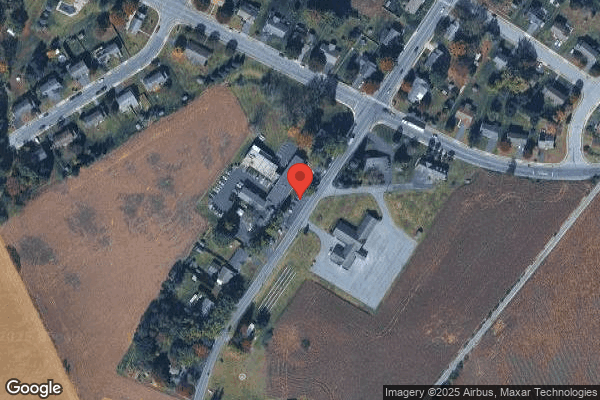

400 LANCASTER AVENUE, STEVENS, PA 17578 (717) 336-3878
For profit - Corporation 82 Beds PRIORITY HEALTHCARE GROUP Data: November 2025
Trust Grade
20/100
#425 of 653 in PA
Last Inspection: March 2025

Within standard 12-15 month inspection cycle. Federal law requires annual inspections.

Overview

The Gardens at Stevens has a Trust Grade of F, indicating significant concerns about the facility's quality and care. Ranked #425 out of 653 in Pennsylvania, they are in the bottom half of all facilities in the state, and #23 out of 31 in Lancaster County, meaning only a few local options are worse. The situation is worsening, with reported issues increasing from 14 in 2024 to 15 in 2025. Staffing is a concern, with a 74% turnover rate, which is significantly higher than the state average, although RN coverage is average. Additionally, the facility has accumulated $55,807 in fines, which is higher than 89% of Pennsylvania facilities, suggesting ongoing compliance issues. Recent inspections found serious failures, such as a resident falling from a window due to inadequate supervision and another developing pressure ulcers because staff did not monitor their condition properly. While there are some strengths, such as average RN coverage, the overall picture raises serious concerns for families considering this nursing home for their loved ones.

Trust Score
F
20/100
In Pennsylvania
#425/653
Bottom 35%
Safety Record
High Risk
Review needed
Inspections
Getting Worse
14 → 15 violations
Staff Stability
⚠ Watch
74% turnover. Very high, 26 points above average. Constant new faces learning your loved one's needs.
Penalties
✓ Good
$55,807 in fines. Lower than most Pennsylvania facilities. Relatively clean record.
Skilled Nurses
✓ Good
Each resident gets 44 minutes of Registered Nurse (RN) attention daily — more than average for Pennsylvania. RNs are trained to catch health problems early.
Violations
⚠ Watch
37 deficiencies on record. Higher than average. Multiple issues found across inspections.
★★☆☆☆
2.0
Overall Rating
★★★☆☆
3.0
Staff Levels
★★☆☆☆
2.0
Care Quality
★★☆☆☆
2.0
Inspection Score
Stable
2024: 14 issues
2025: 15 issues

The Good

  • Full Sprinkler Coverage · Fire safety systems throughout facility
  • No fines on record

Facility shows strength in fire safety.

The Bad

2-Star Overall Rating

Below Pennsylvania average (3.0)

Below average - review inspection findings carefully

Staff Turnover: 74%

27pts above Pennsylvania avg (46%)

Frequent staff changes - ask about care continuity

Federal Fines: $55,807

Above median ($33,413)

Moderate penalties - review what triggered them

Chain: PRIORITY HEALTHCARE GROUP

Part of a multi-facility chain

Ask about local staffing decisions and management

Staff turnover is very high (74%)

26 points above Pennsylvania average of 48%

The Ugly 37 deficiencies on record

2 actual harm
Jun 2025 6 deficiencies
CONCERN (D) 📢 Someone Reported This

A family member, employee, or ombudsman was alarmed enough to file a formal complaint

Potential for Harm - no one hurt, but risky conditions existed

Investigate Abuse (Tag F0610)

Could have caused harm · This affected 1 resident

Based on review of policies, clinical records and investigative reports, as well as staff interviews, it was determined that the facility failed to complete thorough investigations of incidents to rul...

Read full inspector narrative →
Based on review of policies, clinical records and investigative reports, as well as staff interviews, it was determined that the facility failed to complete thorough investigations of incidents to rule out that neglect and/or abuse were involved for two of eight residents reviewed (Resident 1 and Resident 8). Findings include: Review of the facility Abuse Policy, dated February 18, 2025, section labeled investigation and Reporting allegation of Abuse guidelines. States All reports of resident abuse, neglect, exploitation, misappropriation of resident property, mistreatment and/or injuries of unknown source shall be promptly reported to local state and federal agencies and thoroughly investigated by the administrator and or designee. A Quarterly Minimum Data Set (MDS) assessment (a federally mandated assessment of a resident's abilities and care needs) for Resident 1, dated May 5, 2025, indicated that the resident was cognitively impaired, was sometimes able to understand and sometimes understood by others, required moderate assistance from staff for her care, and had diagnoses that included Alzheimer's Disease and dementia. A grievance for Resident 1, dated April 24, 2025, revealed that the daughter for Resident 1 was concerned that a male resident was found in the resident's bed thinking it was his room. He was only removed after the roommate for Resident 1 yelled for staff for several minutes. There was no documented evidence in the resident's medical records of the incident, and there was no documented evidence of an investigation completed by the facility. A significant change MDS assessment for Resident 8, dated February 10, 2025, indicated that the resident was cognitively intact, was usually understood and usually understood others, was dependent on staff for daily care needs and had anemia (a medical condition blood has a lower-than-normal number of red blood cells). An incident report log revealed Resident 8 was involved in an incident on May 20, 2025. A nursing note for Resident 8 dated May 20, 2025 revealed that he receieved a skin tear. Witness statement from DON dated May 20, 2025 revealed the she heard a bang and questioned the resident if he needed help, and the resident stated he was ok. There was no documented evidence of an investigation completed by the facility to rule out neglect or abuse. Interview with the Director of Nursing and Nursing Home Administrator on June 4, 2025. at 1:45 p.m. revealed that they do not do a paper investigation and confirmed that she did not specifically ask staff or residents involved for written statements to complete a facility investigation to rule out neglect or abuse. 28 Pa. Code 201.18(e)(1) Management. 28 Pa. Code 211.10(d) Resident care policies. 28 Pa. Code 211.12(d)(5) Nursing services.
CONCERN (D) 📢 Someone Reported This

A family member, employee, or ombudsman was alarmed enough to file a formal complaint

Potential for Harm - no one hurt, but risky conditions existed

Deficiency F0658 (Tag F0658)

Could have caused harm · This affected 1 resident

Based on review of Pennsylvania's Nursing Practice Act, facility policies, and clinical records, as well as staff interviews, it was determined that the facility failed to ensure that an assessment wa...

Read full inspector narrative →
Based on review of Pennsylvania's Nursing Practice Act, facility policies, and clinical records, as well as staff interviews, it was determined that the facility failed to ensure that an assessment was completed by a registered nurse (RN) after an incident occurred where a male resident was found in her bed for one of 8 residents reviewed (Resident 1). Findings include: The Pennsylvania Code, Title 49, Professional and Vocational Standards, State Board of Nursing, 21.11 (a)(1)(2)(4) indicated that the registered nurse was to collect complete and ongoing data to determine nursing care needs, analyze the health status of individuals and compare the data with the norm when determining nursing care needs, and carry out nursing care actions that promote, maintain, and restore the well-being of individuals. The facility's risk management guide for incident and accidents, dated February 18, 2025, indicated that there should be an RN assessment after the incident in the clinical record. A Quarterly Minimum Data Set (MDS) assessment (a federally mandated assessment of a resident's abilities and care needs) for Resident 1, dated May 5, 2025, indicated that the resident was cognitively impaired, was sometimes able to understand and sometimes understood by others, required moderate assistance from staff for her care, and had diagnoses that included Alzheimer's Disease and dementia. A grievance for Resident 1, dated April 24, 2025, revealed that the daughter for Resident 1 was concerned that a male resident was found in the resident's bed thinking it was his room. He was only removed after the roommate for Resident 1 yelled for staff for several minutes. There was no documented evidence in the clinical record for Resident 1 that there was a RN assessment completed after a male resident was found in the bed of Resident 1. Interview with the Director of Nursing and Nursing Home Administrator at 1:45 p.m. revealed that there was no RN assessment completed of Resident 1 at the time when a male resident was found in her bed. 28 Pa. Code 211.12(d)(1)(3)(5) Nursing Services.
CONCERN (E) 📢 Someone Reported This

A family member, employee, or ombudsman was alarmed enough to file a formal complaint

Potential for Harm - no one hurt, but risky conditions existed

ADL Care (Tag F0677)

Could have caused harm · This affected multiple residents

**NOTE- TERMS IN BRACKETS HAVE BEEN EDITED TO PROTECT CONFIDENTIALITY** Based on review of clinical records, as well as family and staff interviews, it was determined that the facility failed to ensur...

Read full inspector narrative →
**NOTE- TERMS IN BRACKETS HAVE BEEN EDITED TO PROTECT CONFIDENTIALITY** Based on review of clinical records, as well as family and staff interviews, it was determined that the facility failed to ensure that residents were provided with showers as scheduled for six of 8 residents reviewed (Resident 1,4,5,6,7,8). Findings include: An annual Minimum Data Set (MDS) assessment (a federally mandated assessment of the resident's abilities and care needs) for Resident 1, dated May 5, 2025, revealed that the resident was cognitively impaired and required moderate assistance from staff for personal care needs. Resident 1's shower schedule revealed that the resident preferred showering two times per week on Tuesday and Friday evening shift. Review of Resident 1's bathing records for May and June 2025 revealed that the resident received a bed bath on May 6, 16, 27, and June 3, 2025. There was no documented evidence Resident 1 was offered a shower on May 2,13,20,23, and 30, 2025. An admission diagnosis for Resident 4 revealed the resident was admitted to the facility on [DATE], with diabetes mellitus. Resident 4's shower schedule revealed that the resident preferred showering two times per week on Wednesday and Saturday morning shift. Review of Resident 4's bathing records for May and June 2025 revealed that the resident received a bed bath on May 31, 2025. There was no documented evidence that Resident 4 was offered a shower on May 21, 28, and June 4. Interview of Resident 4 on June 4, 2024, at 11:41 a. m. revealed that she was unaware of when her shower days are and would prefer having a shower instead of a bed bath. Observations of Resident 4 on June 4, 2024, at 11:41 revealed the resident was in bed in a hospital gown her hair was greasy and had large white flakes throughout. Her fingers were dirty and unkempt. An annual MDS for Resident 5 dated, May 2, 2025, revealed that the resident was cognitively impaired, was usually understood, and usually understood others. Resident 5's shower schedule revealed that the resident preferred showering two times per week on Tuesday and Friday morning shift. Review of Resident 5's bathing records for May and June 2025 revealed that the resident received a bed bath on May 6,13, and 20. There was no documented evidence Resident 5 was offered a shower on May 27, 30 and June 3. Interview of Resident 5 on June 4, 2024, at 9:11 a.m. revealed the resident didn't receive her showers like she prefers. Observations of Resident 5 on June 4, 2024, at 9:11 a.m. revealed that the resident was unkempt and dirty. Her hair was dirty and matted, and she was covered on her chest, arms, and back with an unknown rash. Resident stated that it felt like bugs crawling on her, and showers feel better. A quarterly MDS for Resident 6 dated, May 11, 2025, revealed the resident was cognitively intact and required moderate assistance from staff for daily care needs. Resident 6's shower schedule revealed that the resident preferred to shower on Wednesday and Saturday morning shift. Review of Resident 6's bathing records for May and June 2025 revealed that the resident received a bed bath on May 3,14,21, and 31. There was no documented evidence that the resident was offered a shower on May 10, 17, 24 and June 4, 2025. Interview with Resident 6 on June 4, 2024, 11:21 a.m. revealed that he did not receive showers like he should, and he would prefer a shower. He will get bed baths when they don't have enough staff to get him showers. A significant change MDS for Resident 7 dated February 10, 2025, revealed that the resident was cognitively intact and was dependent on staff for daily care. Resident 7's shower schedule revealed that the resident preferred to shower on Wednesday and Saturday evening shift. Review of Resident 7's bathing records for May 2025 revealed that the resident received a bed bath on May 3,10,17, and 24. There was no documented evidence that the resident was offered a shower on May 7,21,28, and 31, 2025. A quarterly MDS for Resident 8 dated April 2, 2025, revealed that the resident was cognitively impaired and required moderate assistance with shower needs. Resident 8's shower schedule revealed that the resident preferred to shower on Mondays and Thursday day shift. Review of Resident 8's bathing records for May and June 2025 revealed that there was no documented evidence the resident was offered a shower on May 5, 29 and June 2, 5, 2025. Interview with the Director of Nursing and Nursing Home Administrator on June 4, 2025, at 2:39 p.m. confirmed that there was no documented evidence in the resident's medical records of the resident receiving showers on the above dates. 28 Pa. Code 211.12(d)(5) Nursing Services.
CONCERN (E) 📢 Someone Reported This

A family member, employee, or ombudsman was alarmed enough to file a formal complaint

Potential for Harm - no one hurt, but risky conditions existed

Deficiency F0725 (Tag F0725)

Could have caused harm · This affected multiple residents

**NOTE- TERMS IN BRACKETS HAVE BEEN EDITED TO PROTECT CONFIDENTIALITY** Based on review of policies and clinical records, as well as staff interviews, it was determined that the facility failed to hav...

Read full inspector narrative →
**NOTE- TERMS IN BRACKETS HAVE BEEN EDITED TO PROTECT CONFIDENTIALITY** Based on review of policies and clinical records, as well as staff interviews, it was determined that the facility failed to have sufficient nursing staff to provide showers as scheduled for six of 8 residents reviewed (Residents 1,4,5,6,7). Findings include: The facility's policy regarding bathing/showering, dated February 18, 2025, indicated that all residents will be provided a shower at least one time weekly. An annual Minimum Data Set (MDS) assessment (a federally mandated assessment of the resident's abilities and care needs) for Resident 1, dated May 5, 2025, revealed that the resident was cognitively impaired and required moderate assistance from staff for personal care needs. Resident 1's shower schedule revealed that the resident preferred showering two times per week on Tuesday and Friday evening shift. Review of Resident 1's bathing records for May and June 2025 revealed that the resident received one shower in the last 34 days. She had not refused any showers. An admission diagnosis for Resident 4 revealed the resident was admitted to the facility on [DATE], with diabetes mellitus. Resident 4's shower schedule revealed that the resident preferred showering two times per week on Wednesday and Saturday morning shift. Review of Resident 4's bathing records for May and June 2025 revealed that as of June 4, 2025, the resident has not received a shower since her admission on [DATE]. The resident has not refused any showers. Interview of Resident 4 on June 4, 2024, at 11:41a.m. revealed that she was unaware of when her shower days are and would prefer having a shower instead of a bed bath. Observations of Resident 4 on Jun 4, 2024, at 11:41 revealed the resident was in bed in a hospital gown her hair was greasy and had large white flakes throughout. Her fingers were dirty and unkempt. Resident revealed that she would prefer a shower, but was told they don't have enough staff to provide her a shower. An annual MDS for Resident 5 dated, May 2, 2025, revealed that the resident was cognitively impaired, was usually understood, and usually understood others. Resident 5's shower schedule revealed that the resident preferred showering two times per week on Tuesday and Friday morning shift. Review of Resident 5's bathing records for May and June 2025 revealed that as of June 4, 2025, the resident has not had a shower since May 15, 2025. The resident refused one shower in the last 39 days on May 9, 2025. Interview of Resident 5 on June 4, 2024, at 9:11 a.m. revealed the resident hasn't received a shower in a while, and it feels like bugs crawling on her. She was informed it was due to not having enough staff to get her a shower. Observations of Resident 5 on June 4, 2024, at 9:11 a.m. revealed that the resident was unkempt and dirty. Her hair was dirty and matted, and she was covered on her chest, arms, and back with an unknown rash. A quarterly MDS for Resident 6 dated, May 11, 2025, revealed the resident was cognitively intact and required moderate assistance from staff for daily care needs. Resident 6's shower schedule revealed that the resident preferred to shower on Wednesday and Saturday morning shift. Review of Resident 6's bathing records for May and June 2025 revealed the resident received 2 showers in the last 34 days, and did not refuse any showers. Interview with Resident 6 on June 4, 2024, 11:21 a.m. revealed that he did not receive showers like he should, and he would prefer a shower. He will get bed baths when they don't have enough staff to get him showers. A significant change MDS for Resident 7 dated February 10, 2025, revealed that the resident was cognitively intact and was dependent on staff for daily care. Resident 7's shower schedule revealed that the resident preferred to shower on Wednesday and Saturday evening shift. Review of Resident 7's bathing records for May and June 2025 revealed that the resident received 1 shower in the last 34 days, and did not refuse any showers. Interview with Nurse Aide 1 on June 4, 2025, at 12:39 p.m. revealed that there was not enough staff and they did not always have time to get showers done for residents they will cycle which resident's receive showers. Interview with Licensed Practical Nurse (LPN) 2, at 12:39 p.m. revealed that she will have to help the girls with toileting, and she is not able to get the resident's showers done, turning and repositioning is not always done, and the care is not quality care because staff are rushed. Interview with Nurse Aide 3 on June 4, 2025, at 11:37 a.m. revealed that they do not have enough staff to complete their daily tasks, showers are not done on all residents. Interview with Nurse Aide 4 on June 4, 2025, at 11:45 a.m. revealed that they do not have enough staff to shower all residents they will only have time to shower 1 out of the 5 scheduled on June 4, 2025. Interview with the Nursing Home Administrator and Director of Nursing on June 4 at 1:34 p.m. revealed that they do the best to schedule enough staff. 28 Pa. Code 201.18(e)(1) Management. 28 Pa. Code 211.12(d)(5) Nursing services.
CONCERN (E) 📢 Someone Reported This

A family member, employee, or ombudsman was alarmed enough to file a formal complaint

Potential for Harm - no one hurt, but risky conditions existed

Medical Records (Tag F0842)

Could have caused harm · This affected multiple residents

**NOTE- TERMS IN BRACKETS HAVE BEEN EDITED TO PROTECT CONFIDENTIALITY** Based on clinical record reviews and facility investigations, as well as staff interviews, it was determined that the facility f...

Read full inspector narrative →
**NOTE- TERMS IN BRACKETS HAVE BEEN EDITED TO PROTECT CONFIDENTIALITY** Based on clinical record reviews and facility investigations, as well as staff interviews, it was determined that the facility failed to ensure that residents' clinical records were complete and accurately documented for six of 8 residents reviewed (Resident 1,4,5,6,7,8), and that documentation of incident was in the clinical records for one of 8 residents reviewed (Resident 1). Findings include: An annual Minimum Data Set (MDS) assessment (a federally mandated assessment of the resident's abilities and care needs) for Resident 1, dated May 5, 2025, revealed that the resident was cognitively impaired and required moderate assistance from staff for personal care needs. The shower record for Resident 1 for May and June 2025 revealed that on May 2,13,20,23, and 30, 2025 had no documentation. An admission diagnosis for Resident 4 revealed the resident was admitted to the facility on [DATE], with diabetes mellitus. The shower record for Resident 4 for May and June 2025 revealed that on May 21, 2025 NA was documented, and on May 24 and July 4, 2025, the shower record had no documentation. An annual MDS for Resident 5 dated, May 2, 2025, revealed that the resident was cognitively impaired, was usually understood, and usually understood others. The shower record for Resident 5 for May and June 2025 revealed that May 23, 27, 30, and June 3, 2025, had no documentation. A quarterly MDS for Resident 6 dated, May 11, 2025, revealed the resident was cognitively intact and required moderate assistance from staff for daily care needs. The shower record for Resident 6 for May and June 2025 revealed that May 10, 17, 24, and June 4, 2025, had no documentation. A significant change MDS for Resident 7 dated February 10, 2025, revealed that the resident was cognitively intact and was dependent on staff for daily care. The shower record for Resident 7 for May 2025 revealed May 7 and 28, 2025 had no documentation, May 21, 2025, was documented NA May 31, 2025. A quarterly MDS for Resident 8 dated April 2, 2025, revealed that the resident was cognitively impaired and required moderate assistance with shower needs. The shower record for Resident 8 for May and June 2025 revealed that May 5, 2025 was had no documentation and May 29 and June 2, 2025 was documented NA. Interview with the Director of Nursing on June 4, 2025, at 1:45 p.m. confirmed that the documentation for the shower record should never be left blank and documenting NA is unacceptable. 28 Pa Code 211.5(f) Clinical records. 28 Pa. Code 211.12(d)(5) Nursing services.
CONCERN (E) 📢 Someone Reported This

A family member, employee, or ombudsman was alarmed enough to file a formal complaint

Potential for Harm - no one hurt, but risky conditions existed

Infection Control (Tag F0880)

Could have caused harm · This affected multiple residents

Based on review of facility policies and clinical records, as well as observations and staff interviews, it was determined that the facility failed to ensure a system of surveillance was in place to i...

Read full inspector narrative →
Based on review of facility policies and clinical records, as well as observations and staff interviews, it was determined that the facility failed to ensure a system of surveillance was in place to identify, prevent, monitor, and report potential infectious skin conditions. Findings include: Observations of Resident 5 on June 4, 2025, at 9:21 a.m. revealed the resident had a rash on her upper arms, chest and back. An interview with the resident on June 4, 2025, at 9:21 a.m. revealed the resident has had this rash for a while, and it feels like bugs crawling on her. Observations of Resident 3 on June 4, 2025, at 9:15 a.m. revealed resident had a rash all over his arms, chest, and back. A review of the resident's clinical records revealed that the resident receives permethrin cream (a medication for the treatment of scabies) on June 3, 2025, at 6:00 p.m. Interview with Resident 3 on June 4, 2025, at 9:45 a.m. revealed that he wasn't itchy for the first time in months after the treatment. Interview with the Nurse Practitioner on June 4, 2025, at 12:04 p.m. revealed that it is the infection prevention nurse's job to track and trend skin conditions, and that Resident 3 was treated with permethrin cream because they tried different treatments, and nothing else had worked. The resident was not tested for scabies because the rash didn't present like typical scabies, and that he has an appointment with dermatology for follow-up testing. Interview with the Infection Prevention Nurse on June 4, 2025, at 9:45 a.m. revealed that she does not have a system in place to track and trend skin conditions. She believes that the Nurse Practitioner has that information. Interview with the Director of Nursing on June 4, 2025, at 1:52 p.m. revealed that they do not have a system in place to track and trend skin conditions. 28 Pa. Code 211.12(d)(1)(5) Nursing services.
Mar 2025 8 deficiencies
CONCERN (D)

Potential for Harm - no one hurt, but risky conditions existed

Quality of Care (Tag F0684)

Could have caused harm · This affected 1 resident

Based upon clinical record review and interview, it was determined the facility failed to monitor resident's fluid restriction and complete treatments according to physician orders for two of 24 resid...

Read full inspector narrative →
Based upon clinical record review and interview, it was determined the facility failed to monitor resident's fluid restriction and complete treatments according to physician orders for two of 24 residents reviewed (Residents 4 and 45). Findings include: Review of Resident 4's diagnosis list revealed diagnoses including congestive heart failure (excessive body/lung fluid caused by a weakened heart muscle). Review of Resident 4's physician's orders dated January 28, 2025, revealed an order for Fluid Restriction: 1500 ml (milliliters) total per 24 hours as follows: Dietary Dept. 1080 ml on meal trays: (breakfast 360 ml; lunch 360 ml; dinner 360 ml); Nursing Dept. 420 ml: (days 180 ml; p.m.'s 150 ml, night 90 ml). Review of Resident 4's clinical record including January, February and March 2025 Medication Administration Record (MAR) failed to reveal evidence that nursing was monitoring Resident 4's total daily fluid intake in conjunction with the Dietary department. Interview with the Nursing Home Administrator and Director of Nursing on March 14, 2024, at 11:00 a.m. confirmed the nursing department was not monitoring Resident 4's total fluid intake to monitor Resident 4's physician ordered 1500 ml daily fluid restriction. Review of Resident 45's wound assessment report of February 10, 2025, revealed a full thickness wound to the right heel with 100% eschar (collection of dry, dead tissue within a wound) and a full thickness wound to the right dorsal/medial foot with 100% eschar. Physician's orders received February 11, 2025, were to cleanse right foot wound with cleansing solution, apply 4x4 non adherent pad, Kerlix (gauze), and tape once daily. Review of Resident 45's February 2025 MAR revealed that the treatment was not documented as completed on six of 18 occasions. Review of the March 2025 MAR revealed that the treatment was not documented as completed on seven of 12 occasions. Interview with the Director of Nursing on March 14, 2024, at 2:00 p.m confirmed that the treatment was not documentated as being done on the above occasions. 483.25 Quality of Care Previously cited 2/1/24 28 Pa. Code 211.5(f) Clinical records Previously cited 2/1/24 28 Pa. Code 211.12(d)(1)(3)(5) Nursing Services Previously cited 2/1/24, 4/3/2024, 1/21/2025
CONCERN (D)

Potential for Harm - no one hurt, but risky conditions existed

Deficiency F0692 (Tag F0692)

Could have caused harm · This affected 1 resident

Based upon review of facility policy and procedure and clinical record review, it was determined the facility failed to ensure routine nutrition was monitored by failing to obtain re-weights and follo...

Read full inspector narrative →
Based upon review of facility policy and procedure and clinical record review, it was determined the facility failed to ensure routine nutrition was monitored by failing to obtain re-weights and follow recommendations made by registered dietitian for one of eight residents reviewed (Resident 66). Findings include: Review of policy and procedure titled Weight Assessment and Intervention, revealed Any weight change of 5 pounds or more since the last weight assessment will be retaken for confirmation. If the weight is verified, nursing will notify the physician and dietitian. Further review of this policy revealed The threshold for significant unplanned and undesired weight loss will be based on the following criteria - a) 1 month - 5% weight loss is significant; b) 3 months - 7.5% weight loss is significant and c) 6 months - 10% weight loss is significant. Review of Resident 66's Weight Summary revealed a weight of 122.8 pound on February 26, 2025, and a weight of 116.2 pounds on March 7, 2025. Clinical record review revealed a dietitian note dated March 7, 2025, stating Resident with a weight of 116.2# which reflects an unconfirmed weight loss of 7.9% x 30 days. BMI 16.7. Diet is mech soft with fortified foods. Receive ice cream with lunch/supper. Resident has refused house supplement and nutritious shakes previously. Intakes 51-75% of most meals w/ occ lower intakes. Will review weight loss with nursing and add to weekly weights x 3. Will monitor. Clinical record review failed to reveal evidence of an order for weekly weights x 3 as of March 7, 2025, and failed to reveal evidence that a reweight was obtained after March 2, 2025, per facility policy. Review of Resident 66's physician's orders revealed an order dated March 10, 2025, for weekly weights x 3. Further review of Resident 66's weight summary revealed that, as of March 14, 2025, no further weights were obtained since March 2, 2025. Interview with the Director of Nursing and the Nursing Home Administrator on March 14, 2025, at 12:20 p.m. confirmed no re-weight was obtained after the March 2, 2025 identified a significant weight loss and no further weights were obtained in accordance with the physician's order dated March 10, 2025. 28 Pa. Code 211.12(d)(1)(3)(5) Nursing services
CONCERN (D)

Potential for Harm - no one hurt, but risky conditions existed

Dental Services (Tag F0791)

Could have caused harm · This affected 1 resident

Based on clinical record review and staff interview, it was determined that the facility failed to timely provide dental services for one of three residents reviewed (Resident 19). Findings include: R...

Read full inspector narrative →
Based on clinical record review and staff interview, it was determined that the facility failed to timely provide dental services for one of three residents reviewed (Resident 19). Findings include: Review of Resident 19's progress note of January 6, 2025, revealed that the resident's lower dentures fell on the floor and back part of the denture broke. Dentures were placed at the nursing station. Review of Resident 19's progress note of March 13, 2025, revealed that the resident's POA (power of attorney) felt that dentures would be beneficial and requested that process be initiated. Resident was added to the dentist list to be seen. Further review of the clinical record revealed no evidence that the resident was referred for dental services for the broken dentures. Interview with Employee E4 on March 14, 2025, at 12:20 p.m. confirmed that the resident had not been referred for dental services. 28 Pa. Code: 211.5(f) Clinical records Previously cited 2/1/24 28 Pa. Code: 211.12(d)(1)(3)(5) Nursing services Previously cited 2/1/24 28 Pa. Code: 211.15(a) Dental services
CONCERN (D)

Potential for Harm - no one hurt, but risky conditions existed

Infection Control (Tag F0880)

Could have caused harm · This affected 1 resident

**NOTE- TERMS IN BRACKETS HAVE BEEN EDITED TO PROTECT CONFIDENTIALITY** Based upon review of facility policy and procedure, observation and clinical record review, it was determined the facility faile...

Read full inspector narrative →
**NOTE- TERMS IN BRACKETS HAVE BEEN EDITED TO PROTECT CONFIDENTIALITY** Based upon review of facility policy and procedure, observation and clinical record review, it was determined the facility failed to ensure appropriate personal protective equipment was available and appropriate door notification was in place for residents on Enhanced Barrier Precautions for two of five residents reviewed (Resident 4 and Resident 63). Findings include: Review of facility policy and procedure titled Enhanced Barrier Precautions revealed Enhanced Barrier Precautions (EBP) are utilized as an infection prevention and control intervention to reduce the spread of multi-drug-resistant organisms (MDROs) to residents. EBPs are indicated (when contact precautions do not otherwise apply) for residents with wounds and/or indwelling medical devices regardless of MDRO colonization. Further review of this policy revealed Examples of high-contact resident care activities requiring the use of gown and gloves for EBPs include dressing; bathing/showering; transferring; providing hygiene; changing linens; changing briefs or assisting with toileting; device care or use (central line, urinary catheter, feeding tube, tracheostomy/ventilator, etc.) and wound care (any skin opening requiring a dressing. Further review of this policy revealed Staff are trained prior to caring for residents on EBPs. Communication related to EBP precautions will be by either signage, [NAME] or assignment sheets; PPE (personal protective equipment) is available at the resident's room for use. Review of Resident 4's clinical record revealed Resident 4 had a Stage II sacral wound. Observation of Resident 4's room, doorway and hallway area failed to reveal evidence that Resident 4 was utilizing EBPs for the above-mentioned wound. Interview with the Director of Nursing on March 14, 2025, at 11:00 a.m. confirmed Resident 4 had a Stage II sacral wound present and further confirmed that no EBPs were being utilized for the treatment of Resident 4's Stage II sacral wound. Review of Resident 63's admission MDS (Minimum Data Set - periodic assessment of resident needs) dated December 15, 2024, revealed the resident had a nephrostomy tube (small catheter placed directly into the kidney through the back for removing urine). Observations of Resident 63's room on all days of the survey failed to reveal evidence of enhanced barrier precautions. Interview with the DON on March 14, 2025, at 2:02 p.m confirmed enhanced barrier precautions were not in place for Resident 63. 28 Pa. Code 211.12(d)(1)(3)(5) Nursing Services Previously cited 2/1/2024, 4/3/2024, 1/21/2025
CONCERN (E)

Potential for Harm - no one hurt, but risky conditions existed

Assessment Accuracy (Tag F0641)

Could have caused harm · This affected multiple residents

**NOTE- TERMS IN BRACKETS HAVE BEEN EDITED TO PROTECT CONFIDENTIALITY** Based on clinical record review and staff interview, it was determined that the facility failed to ensure that resident assessme...

Read full inspector narrative →
**NOTE- TERMS IN BRACKETS HAVE BEEN EDITED TO PROTECT CONFIDENTIALITY** Based on clinical record review and staff interview, it was determined that the facility failed to ensure that resident assessments accurately reflect the residents' status for five of 24 residents reviewed (Residents 1, 39, 45, 58 and 74). Findings include: Review of Resident 1 quarterly MDS (Minimum Data Set - periodic assessment of resident needs) dated February 2, 2025, revealed under section N0415 - High Risk Drug Classes, that the resident was marked as receiving anticoagulant medication. Review of Resident 1's physician orders revealed that the resident was not ordered an anticoagulant. Review of the Medication Administration Record (MAR) revealed that the resident did not receive an anticoagulant. Review of Resident 39's quarterly MDS dated [DATE], revealed under section N0350 - Insulin, that the resident was marked as receiving insulin medication. Review of Resident 39's physician's orders revealed that the resident was not ordered insulin. Review of the MAR revealed that the resident did not receive insulin. Review of Resident 45's admission MDS of December 26, 2024, section N0415 - High Risk Drug Classes, indicated that the resident was receiving an anticoagulant. Further review of the December 2024 physician's orders and MAR revealed no evidence that the resident received an anticoagulant. Review of Resident 58's quarterly admission MDS of January 30, 2025, section N0415 - High Risk Drug Classes, indicated that the resident was receiving an anticoagulant. Further review of the January 2025 physician's orders and MAR revealed no evidence that the resident received an anticoagulant. Review of Resident 78's discharge MDS dated [DATE], revealed under section A2105-Discharge Status, that the resident was marked as being discharged to a short-term general hospital. Review of Resident 78 closed records revealed resident was discharged home. Interview with licensed staff, E3, on March 14, 2025, at 12:33 p.m. confirmed that the assessments were coded inaccurately for Residents 45 and 58. Interview with the licensed staff, Employee E3, on March 14, 2025, at 2:10 p.m. confirmed that the MDS assessments for Resident 39, Resident 1 and Resident 78 were coded incorrectly. 483.20 Accuracy of Assessments Previously cited 2/1/24 28 Pa. Code 211.5(f) Clinical records Previously cited 2/1/24 28 Pa. Code 211.12(c) Nursing services
CONCERN (E) 📢 Someone Reported This

A family member, employee, or ombudsman was alarmed enough to file a formal complaint

Potential for Harm - no one hurt, but risky conditions existed

ADL Care (Tag F0677)

Could have caused harm · This affected multiple residents

**NOTE- TERMS IN BRACKETS HAVE BEEN EDITED TO PROTECT CONFIDENTIALITY** Based on review of facility policy, resident interviews, clinical record review, review of facility documentation, and staff int...

Read full inspector narrative →
**NOTE- TERMS IN BRACKETS HAVE BEEN EDITED TO PROTECT CONFIDENTIALITY** Based on review of facility policy, resident interviews, clinical record review, review of facility documentation, and staff interview, it was determined that the facility failed to provide the necessary services to maintain personal hygiene for residents unable to carry out activities of daily living for four of 24 residents reviewed (Residents 2, 6, 14, and 25). Findings include: Review of facility policy, Shower/Bathing Policy, revised August 2018 revealed that resident's preferences will be considered and shower/bath/bed bath shall be provided at least weekly. Interview during a group meeting on March 12, 2024, at 1:30 p.m. with alert and oriented Residents 2, 6, 14, revealed that they do not receive showers as scheduled because of staffing shortages. Additional interview with Resident 25 on March 13, 2025, at 9:45 a.m. indicated that the resident does not receive showers. Review of Resident 2's admission MDS (Minimum Data Set - periodic assessment of resident needs) dated February 10, 2025, indicated that the resident had moderate cognitive impairment and was dependent on staff to shower/bathe. Review of resident's bathing records from February 26 - March 13, 2025 (16 days), revealed that the resident did not receive a shower, but did receive bed baths. There was no documentation that the resident refused showers. Review of Resident 6's quarterly MDS assessment dated [DATE], indicated that the resident had moderate cognitive impairment and required substantial/maximal assistance to shower/bathe. Review of resident's bathing records from February 26 - March 13, 2025 (16 days), revealed that the resident did not receive a shower, but did receive bed baths. There was no documentation that the resident refused showers. Review of Resident 14's significant change MDS dated [DATE], indicated that the resident had moderate cognitive impairment and required partial/moderate assistance to shower/bathe. Review of resident's bathing records from February 26 - March 13, 2025 (16 days), revealed that the resident did not receive a shower, but did receive bed baths. There was no documentation that the resident refused showers. Review of Resident 25's quarterly MDS assessment dated [DATE], indicated that the resident was cognitively intact and required partial/moderate assistance to shower/bathe. Review of resident's bathing records from February 26 - March 13, 2025 (16 days), revealed that the resident did not received a shower on February 26, 2024, and also received bed baths. There was no documentation that the resident refused showers. Interview with the Director of Nursing on March 14, 2025, at 1:45 p.m. indicated that residents are to receive showers twice a week and are to be offered a bed bath if a shower is refused. 483.24 Quality of Life Previously cited 1/21/25 28 Pa. Code: 211.5(f) Clinical records Previously cited 2/1/24 28 Pa. Code: 211.12(d)(1)(5) Nursing services Previously cited 2/1/24
CONCERN (E)

Potential for Harm - no one hurt, but risky conditions existed

Drug Regimen Review (Tag F0756)

Could have caused harm · This affected multiple residents

Based upon review of Pharmacy Medication Management Reviews (MRR), clinical record reviews, and staff interviews it was determined the facility failed to ensure the pharmacy reviewed the medication re...

Read full inspector narrative →
Based upon review of Pharmacy Medication Management Reviews (MRR), clinical record reviews, and staff interviews it was determined the facility failed to ensure the pharmacy reviewed the medication regimen of each resident monthly and failed to ensure the physician addressed all recommendations with rationales for disagreeing with recommendations timely for four of five residents reviewed (Resident 5, Resident 28, Resident 34 and Resident 59). Findings include: Review of Resident 5's clinical record revealed the pharmacist reviewed Resident 5's medications and made recommendations on March 18, 2024, June 21, 2024, September 16, 2024, and February 8, 2025. Further review of Resident 5's clinical record failed to reveal evidence the physician responded to the March 18, 2024, and September 16, 2024, pharmacy recommendations. Review of Resident 5's clinical record revealed a pharmacy recommendation dated June 21, 2024, to evaluate multiple medications for pain. Further review of this recommendation revealed the physician failed to supply a rationale for disagreeing with the pharmacy recommendations. Further review of the pharmacy recommendation also failed to reveal a date that the review was completed. Review of Resident 5's MMR's revealed a pharmacy recommendation dated February 8, 2025, regarding the use of Hydroxyzine for the use of pruritis (itching). Further review of this recommendation revealed it was not reviewed and signed until March 13, 2025, one and half months after the recommendation was made. Review of Resident 28's clinical record revealed the pharmacist made recommendations on March 18, 2024, July 19, 2024, August 14, 2024, and December 12, 2024. Further review of Resident 28's clinical record failed to reveal evidence of physician's response to the pharmacy recommendations for dates indicated. Interview with the Nursing Home Administrator on March 14, 2025, at 1:10PM confirmed that the pharmacy recommendations for Resident 28 on March 18, 2024, July 19, 2024, August 14, 2024, and December 12, 2024, were not addressed by the physician. Review of Resident 34's clinical record revealed the pharmacist made recommendations regarding medication changes on March 18, 2024, September 16, 2024, and October 20, 2024. Further review of Resident 34's clinical record failed to reveal evidence that Resident 34's physician reviewed the above recommendations and no changes were made. Review of Resident 59's clinical record revealed the pharmacist made recommendations for medication changes on March 18, 2024, and September 16, 2024. Further review of Resident 59's clinical record failed to reveal evidence that Resident 59's physician addressed the above-mentioned pharmacist recommendations. Interview with the Nursing Home Administrator and Director of Nursing on March 14, 2025, at 10:30 a.m. confirmed that the above-mentioned pharmacist recommendations were not addressed by the residents' physician. 28 Pa. Code 211.9(a)(1)(f)(3) Pharmacy services
CONCERN (F)

Potential for Harm - no one hurt, but risky conditions existed

Deficiency F0947 (Tag F0947)

Could have caused harm · This affected most or all residents

Based upon review of employee records, it was determined the facility failed to ensure that nuse aides completed 12 hours of annual inservice training for five of five employee files reviewed. Finding...

Read full inspector narrative →
Based upon review of employee records, it was determined the facility failed to ensure that nuse aides completed 12 hours of annual inservice training for five of five employee files reviewed. Findings include: Five nurse aide employee files were reviewed for completion of the 12 hour annual inservice training. Review of the five nurse aide employee files failed to reveal evidence that the five nurse aides completed the required 12 hour annual inservice training. Interview with the Nursing Home Administrator on March 14, 2025 at 12:00 p.m. confirmed the five nuse aides did not complete the 12 hour annual inservice training required.
Jan 2025 1 deficiency
CONCERN (D) 📢 Someone Reported This

A family member, employee, or ombudsman was alarmed enough to file a formal complaint

Potential for Harm - no one hurt, but risky conditions existed

ADL Care (Tag F0677)

Could have caused harm · This affected 1 resident

Based on observation, clinical records review, and staff interviews, it was determined that the facility failed to provide nail care for one of the three residents reviewed (Resident 1). Findings incl...

Read full inspector narrative →
Based on observation, clinical records review, and staff interviews, it was determined that the facility failed to provide nail care for one of the three residents reviewed (Resident 1). Findings include: A review of Resident 1's admission Minimum Data Set (MDS-a standardized assessment tool that measures health status in long-term care residents), dated January 6, 2025, revealed that the resident had a moderate cognitive impairment. The same MDS indicated that the resident required partial/moderate assistance with personal hygiene. An observation conducted on January 21, 2025, at 10:40 a.m. revealed that Resident 1 was lying in bed and was calm and cooperative. The resident's fingernails were observed: left-hand pinky, middle, thumb, and right hand. All five fingernails were approximately 0.5-1 cm (centimeter) long and had dried brown stain/substance underneath. An interview conducted with non-licensed Employee E3 on January 21, 2025, at 12: 15 p.m. revealed that morning care was provided to the resident around 11:00 a.m. The resident's long and dirty fingernails were observed but not cleaned because the resident had a doctor's appointment. Employee E3 reported that the resident had just left for the appointment. The above was conveyed to the Assistant Director of Nursing on January 21, 2025, at 1:45 p.m. The facility failed to ensure Resident 1's fingernails were kept trimmed and clean. 28 Pa. Code 211.12(c)(d)(1)(3)(5) Nursing service
Apr 2024 1 deficiency 1 Harm
SERIOUS (G) 📢 Someone Reported This

A family member, employee, or ombudsman was alarmed enough to file a formal complaint

Actual Harm - a resident was hurt due to facility failures

Accident Prevention (Tag F0689)

A resident was harmed · This affected 1 resident

**NOTE- TERMS IN BRACKETS HAVE BEEN EDITED TO PROTECT CONFIDENTIALITY** Based upon clinical record and facility documentation review, it was determined the facility failed to ensure adequate supervisi...

Read full inspector narrative →
**NOTE- TERMS IN BRACKETS HAVE BEEN EDITED TO PROTECT CONFIDENTIALITY** Based upon clinical record and facility documentation review, it was determined the facility failed to ensure adequate supervision of a resident to prevent resident from falling from a facility window resulting in physical harm and hospitalization for Resident 1. Findings include: Review of Resident 1's diagnosis list revealed diagnoses including left side Hemiplegia (paralysis or weakness to one side of the body), difficulty in walking, Vascular Dementia (irreversible, progressive degenerative disease of the brain resulting in loss of reality contact and functioning ability), muscle weakness, Psychotic Disturbance (condition of the mind that results in difficulties determining what is real and what is not real.[3] Symptoms may include delusions and hallucinations), Alcohol abuse with Alcohol induced sleep disorder, and Alcohol Dependence with Alcohol-induced persisting Dementia. Review of Resident 1's Quarterly Minimum Data Set (MDS - periodic assessment of resident needs) dated February 2, 2024, revealed Resident 1 had a Brief Interview for Mental Status Score of 5 indicating severe cognitive impairment. Review of Resident 1's Elopement Risk assessment dated [DATE], revealed Resident 1 was a moderate wander risk. Review of Resident 1's Fall Risk Assessment/Evaluation dated March 26, 2024, revealed Resident 1 was a high risk for falls. Review of Resident R 1's care plan initiated on Sepember 26, 2022 revealed a focus goal of [Resident] has adjustment issues to admission distractibility r/t (related/to) cognitive deficits, feelings of loss of independence/phsysical decline. Further review of same care plan revealed interventions of a Consult with [community provider] to monitor medications, Encourage [Resident 1] to participate in conversation with staff and other residents daily, Encourage ongoing family involvement, and Help [Resident 1] to identify stressors which may be early warning signs of problem behavior. Intervene and remove stressors as possible. Further review of Resident 1's care plan revealed a care plan related to risk of falls and notation of recent falls occurring on March 1, 2023; March 25, 2023; May 25, 2023; November 14, 2023 and March 26, 2024 during which resident was identified as self ambulating. Interventions included but not limited to Anticipate and meet [Resident 1]'s needs, Assist of 1 for transfers and ambulation with RW (rolling walker). Review of Resident 1's care plan revealed a focus goal initiated November 22, 2022 for Elopement and associated injury related to exit seeking behavior. Further review of same care plan revealed interventions including; Assist in orientation to room and facility using verbal cues and reminders, Encourage group activity and attempt to keep occupied, Notify social services for persistent attempts to leave building and not responding to redirection, provide diversional activities when exit seeking, and wanderguard function checked each night shift and placement checked each shift. Review of Resident 1's clinical record including progress notes dated April 2, 2024, revealed CNA [certified nurse aide] for night shift entered unit at 2211 [10:11 p.m.] stating to other RN [registered nurse] supervisor that she saw a man outside the kitchen a minute before. This RN followed other RN down hall to check on situation. Exiting back kitchen door we observed [Resident 1] standing and leaning against stair wall. Resident noted he fell but could not determine how he got outside. Another staff member found resident glasses on ground around the other side of the building next to air conditioner units. No alarms had gone off in building. Staff had last seen [Resident 1] at 2155 [9:55 p.m.] in hallway in wheelchair. Wheelchair was not with resident when he was observed outside. Resident taken inside and placed in wheelchair. This RN assessed resident for injuries and notified [director of nursing, nursing home administrator and on call provider]. Resident with multiple abrasions to head, ankles, and knees. Decision to send to ED [emergency department] for evaluation since resident stated he fell and it was unwitnessed. Call placed to EMS. Resident's son notified of situation and ongoing investigation of events. Staff continued to search for resident's wheelchair which was found in 2nd floor restorative dining room where a window was noted to be open. EMS arrived with [police officer]. Resident transported to [acute care facility]. Resident left facility vital signs stable though not within residents normal limits, resident awake though more hypoactive, verbalized no complaints of pain however resident appeared pale and facial expressions and body language indicative of pain, injuries as noted above. Review of Resident 1's emergency room record dated April 2, 2024, revealed patient admitted following a fall out of window at [facility], Patient found to have two left facial fractures, left 3-6 rib fractures, left pneumothorax [air leakage between lungs and chest wall] and subarachnoid hemorrhage [type of brain bleed]. Further review of Resident 1's acute care facility records indicate the following injuries as of April 2, 2024: traumatic fracture of ribs of left side with pneumothorax required chest tube insertion; left zygomatic arch [portion of jaw/mandible] fracture; left orbital wall [bone around eye] fracture; left maxillary [portion of jaw] fracture and left third through six rib fractures. Review of facility documentation and witness statements dated April 1, 2024, revealed Resident 1 was observed at 9:30 p.m. near the nurses' station and last observed at 9:55 p.m. near or in resident's room in a wheelchair. Resident 1 was next observed at approximately 10:11 p.m. outside the building near a set of stairs leading to the kitchen entrance. Observation of the activity room windows on April 3, 2024, at approximately 9:30 a.m. revealed all windows in the activity room to have two window stop brackets on each window. Further observation of the window on the left side of the activity room revealed two window stop brackets secured in the upper portion of the window. Interview with the Nursing Home Administrator on April 3, 2024, at 11:00 a.m. revealed Resident 1's wheelchair was found approximately four feet from the window on the left side of the activity room on the night of the fall and the window was observed to be open at that time. Further interview with the Nursing Home Administrator revealed no staff members were present in the activity room at the time Resident 1 opened the window or in the hours preceding the fall. The facility failed to provide adequate supervision by facility staff to prevent accidents to a resident noted to be a High fall risk and moderate elopement risk resulting in harm and hospitalization to Resident 1. 28 Pa. Code 201.18(a)(b)(1) Management Previously cited 3/10/2022, 3/15/2023, 10/5/2023, 2/1/2024 28 Pa. Code 211.12(a)(d)(4)(5) Nursing Services Previously cited 3/10/22, 3/15/2023, 5/13/2023, 8/8/2023, 2/1/2024
Feb 2024 13 deficiencies 1 Harm
SERIOUS (G)

Actual Harm - a resident was hurt due to facility failures

Pressure Ulcer Prevention (Tag F0686)

A resident was harmed · This affected 1 resident

**NOTE- TERMS IN BRACKETS HAVE BEEN EDITED TO PROTECT CONFIDENTIALITY** Based on clinical record review, observations, and interviews with staff, it was determined that the facility failed to ensure t...

Read full inspector narrative →
**NOTE- TERMS IN BRACKETS HAVE BEEN EDITED TO PROTECT CONFIDENTIALITY** Based on clinical record review, observations, and interviews with staff, it was determined that the facility failed to ensure that one of two residents (Resident 50) reviewed for pressure ulcers was monitored, assessed and received the necessary services to prevent new ulcers from developing, resulting in actual harm of pressure ulcer development for Resident 50. Findings include: Review of Resident 50's diagnosis list revealed diagnoses including; Metabolic Encephalopathy (condition in which brain function is disturbed either temporarily or permanently due to different diseases or toxins in the body), Diabetes Mellitus (failure of the body to produce insulin to enable sugar to pass from the blood stream to cells for nourishment), Muscle Weakness (reduction in the power exerted by muscles resulting in an inability to perform a given task), Cognitive communication deficit (difficulty with communication that is caused by a problem with thinking). Review of Resident 50's comprehensive assessment Minimum Data Set assessment (MDS - a periodic assessment of resident care needs) Dated November 15, 2023, revealed that Resident 50 had no skin impairment. Additionally the MDS revealed Resident 50 has a BIMS (Brief Interview for Mental Status- used to assess cognitive status in elderly) of 00 (indicating severe impairment). Review of Resident 50's care plan dated November 11, 2023, revealed the following focus areas: Resident 50 has potential for pressure ulcer development regarding to impaired mobility, Resident 50 has potential/actual impairment to skin integrity issues regarding to a history of cellulitis (bacterial skin infection), Resident 50 exhibits behaviors such as picking at the skin creating/enlarging wounds and MASD (Moisture-Associated Skin Damage) to sacrum. Additional review of Resident 50's care plan revealed the following interventions: Keep skin clean and dry. Use lotion on dry skin. Do not apply to open areas initiated date of April 18, 2023. Encourage good nutrition and hydration in order to promote healthier skin, initiated date of April 18, 2023. Observe for/document breaks in skin and notify MD (Medical Doctor), initiated date of April 18, 2023. Pressure reduction mattress to prevent skin breakdown as ordered initiated date of April 18, 2023. Observe for/document breaks in skin and notify MD, initiated date of April 18, 2023. Monitor/document location, size and treatment of skin injury. Report abnormalities, failure to heal, signs/symptoms of infection, maceration (softening and breaking down of skin resulting from prolonged exposure to moisture) etc. to MD initiated date of November 22, 2023. Review of Resident 50's clinical record revealed a weekly skin assessment dated [DATE], at 2:47 p.m. indicating Resident 50 had MASD Damage (inflammation or skin erosion caused by prolonged exposure to a source of moisture such as urine, stool, or sweat) located on Resident 50's sacrum (triangular bone at the base of the spine) which resolved (healed) on January 2, 2024. Review of the facilities wound tracking logs revealed Resident 50's Stage 4 pressure injury was first observed on January 9, 2024. Review of information provided by Director of Nursing revealed Resident 50's weekly skin assessment dated [DATE], stating, Skin Condition: Skin intact. Review of Resident 50's initial wound evaluation and management summary dated January 16, 2024, by wound specialist physicians revealed the following wound measurements 0.5 x 0.5 x 0.3 cm (centimeters). Further review of Resident 50's clinical medical record revealed a Dietitian progress note dated January 18, 2024, at 5:12 p.m. indicating, Aware of resident with a stage 4 pressure injury (break in the skin that extending through the muscle and bone) on sacrum. On February 1, 2024, at 10:50 a.m. the surveyor asked the Director of Nursing regarding any investigation into Resident 50's stage 4 pressure injury. The Director of Nursing was unable to provide investigation documentation. Additional review of Resident 50's clinical record failed to reveal additional documentation of the Stage 4 pressure injury. Interview conducted with the Director of Nursing (DON) on February 1, 2024, at 10:10 a.m. reported Resident 50 tested positive of COVID-19 which resulted in Resident 50 becoming lethargic (sluggish) staying in bed all day and refusing to eat. The Director of Nursing reported that Resident 50's COVID-19 symptoms resulted in Resident 50 developing a stage 4 pressure injury due to staying in bed and refusing to eat for multiple days. Review of Resident 50's clinical medical record revealed a progress note dated January 8, 2024, at 10:09 a.m. stating resident presents with increased congestion (stuffy nose) and productive cough (wet cough). covid test positive. verified by RN supervisor. Review of Resident 50's electronic treatment administration record (eTAR) revealed an order for House barrier cream (reduces friction and irritation of the skin), every shift for prevention Apply bilateral buttock, peri area and sacrum with care, nurse aide may apply, may keep at bedside with a start date April 18, 2023. Additional review of Resident 50's eTAR revealed the barrier cream was documented as applied to Resident 50's sacrum January 1, 2024, through January 29, 2024, for each morning, evening, and night shift but failed to reveal documentation related to Resident 50's stage 4 pressure injury. Review of Resident 50's care plan failed to reveal new interventions initiated after the discovery of the stage 4 pressure injury on January 9, 2024. The above information was conveyed to the Nursing Home Administrator and Director of Nursing during an interview on February 1, 2024, at approximately 11:31 a.m. The facility failed to identify, assess and monitor skin integrity and develop and implement a plan of care to prevent pressure ulcers from developing on the sacrum of Resident 50, resulting in actual harm for this resident. 28 Pa. Code 211.5(f) Clinical Records 28 Pa. Code 211.10(d) Resident Care Policies 28 Pa. Code 211.12(d)(3) Nursing Services 28 Pa. Code 211.12(d)(5) Nursing Services
CONCERN (D)

Potential for Harm - no one hurt, but risky conditions existed

Deficiency F0557 (Tag F0557)

Could have caused harm · This affected 1 resident

Based upon clinical record review and observation, it was determined the facility failed to accurately complete an assessment prior to the placement of a wanderguard for one of 18 residents reviewed (...

Read full inspector narrative →
Based upon clinical record review and observation, it was determined the facility failed to accurately complete an assessment prior to the placement of a wanderguard for one of 18 residents reviewed (Resident 55). Findings include: Review of Resident 55's Quarterly Minimum Data Set (MDS - periodic assessment of resident needs) dated May 25, 2023, revealed Resident 55 had a Brief Interview for Mental Status Score of 15 indicating Resident 55 was cognitively intact. Review of Resident 55's progress notes dated June 28, 2023, revealed Resident triggered alarm on exit doors, attempting to go outside to smoke per his statement to staff. Wanderguard bracelet to right ankle for elopement risk. Educated resident to what it was and why it was being placed. Resident allowed this writer to place bracelet. Review of Resident 55's clinical record failed to reveal evidence of an Elopement Risk Assessment completed prior to June 28, 2023, or prior to the June 28, 2023, incident. Review of Resident 55's clinical record failed to reveal if Resident 55 was trying to elope or just attempting to go outside to smoke. Interview with the Nursing Home Administrator and Director of Nursing on February 1, 2024, at 10:15 a.m. confirmed no Elopement Risk Assessment was completed prior to the June 28, 2023, incident to determine if Resident 55 was an elopement risk. 28 Pa. Code 201.29(a)(b)(d)(i)(j) Resident Rights 28 Pa. Code 211.5(f) Clinical Records Previously cited 3/15/2023
CONCERN (D)

Potential for Harm - no one hurt, but risky conditions existed

Deficiency F0578 (Tag F0578)

Could have caused harm · This affected 1 resident

Based on clinical record review and staff interview, it was determined the facility failed to ensure residents had physician orders corresponding with their end of life care wishes for two of 24 resid...

Read full inspector narrative →
Based on clinical record review and staff interview, it was determined the facility failed to ensure residents had physician orders corresponding with their end of life care wishes for two of 24 residents reviewed. (Residents 15 and 21) Findings include: Review of Resident 15's clinical record revealed an admission date of November 21, 2023. A POLST (Pennsylvania Orders for Life Sustaining Treatment) located on paper chart indicated the resident wishes but was unsigned. Further review of the clinical record failed to reveal further documentation of who completed the POLST or why it continued to be unsigned. Review of the physician orders from admission indicated the resident was a DNR (Do Not Rescusitate). Interview conducted with the Nursing Home Administrator (NHA) and Director of Nursing (DON) on February 1, 2024, revealed neither individual knew who completed the POLST documentat and why document was not signed. Administration confirmed the physician's order should not be completed until a family signature or verbal agreement was obtained. Review of Resident 21's clinical record revealed an admission date of June 8, 2023. A POLST dated September 11, 2023, located on the paper chart. Review of the POLST document revealed the resident completed the form and chose to be a Do Not Resuscitate (DNR) in regards to life sustaining treatment. Further review of the physician orders indicated the resident was a Full Code. Interview conducted with the NHA and DON on January 31, 2024 at 10:51 a.m. confirmed the resident's wishes were not reflected in the physician orders. The facility failed to ensure resident rights and to formulate an advance directive reflecting their code status and orders to correspond with that code status. 28 Pa. Code: 201.29 (i) Resident rights 28 Pa. Code: 211.5 (f) Clinical records 28 Pa. Code: 211.12 (d)(1)(5) Nursing services
CONCERN (D)

Potential for Harm - no one hurt, but risky conditions existed

Notification of Changes (Tag F0580)

Could have caused harm · This affected 1 resident

Based on clinical record review and staff interviews it was determined that a change in condition for one out of 24 residents (Resident 46) was not reported to the physician and a delay in diagnostic ...

Read full inspector narrative →
Based on clinical record review and staff interviews it was determined that a change in condition for one out of 24 residents (Resident 46) was not reported to the physician and a delay in diagnostic testing for one out of 24 residents (Resident 62) was not reported to the physician. Findings include: Review of Resident 46's clinical record revealed a COVID positive test on December 8, 2023 and the family was notified. There was no further documentation stating that the physician was told of this change in condition. Review of Resident 62's clinical record revealed a nursing note dated December 15, 2023, indicating the resident presented with a productive cough and wheezing presented in b/l lobes (both lungs) on expiration. Resident 02 (oxygen) is 95 on RA (room air). This nurse notified PCP (primary care physician). New orders include Ipratropium-Albuterol Solution QID X3 days (type of inhaler) and Chest X-ray 2 view. This nurse called {xray company] and ordered the xray. Noting the confirmation number. Further investigation revealed that the X-Ray company called the facility and stated that they would be in on the following day. On December 16, 2023, the facility phoned the X-Ray company to confirm that they would be out to complete the order. The company stated that they could not confirm a time, due to the volume of requests. On December 17, 2023, the X-Ray was completed. There is no further information that the physician was notfied of this delay. An interview was conducted on February 1, 2024, at 9:30 a.m. with the Nursing Home Administrator and Director of Nursing, revealed that the physician was not notified of the Resident 46's positive COVID test, nor Residents 62's delay in a diagnostic test. 28 Pa. Code 211.12(c)(d)(1)(5) Nursing services
CONCERN (D)

Potential for Harm - no one hurt, but risky conditions existed

Safe Environment (Tag F0584)

Could have caused harm · This affected 1 resident

Based on observation and staff interview it was determined that the facility failed to maintain clean resident care equipment for one of 24 residents (Resident 2). Findings include: Observations condu...

Read full inspector narrative →
Based on observation and staff interview it was determined that the facility failed to maintain clean resident care equipment for one of 24 residents (Resident 2). Findings include: Observations conducted during an environmental tour of the facility on January 29, 2024, at approximately 9:05 a.m. on the second floor revealed Resident 2 sitting in a wheelchair with dried brown substance on his/her right armrest and a dried white substance on his/her right armrest. Follow up observations conducted January 30, 2024, at 9:06 a.m. and January 31, 2024, at 8:52 a.m. revealed Resident 2's wheelchair was observed with the same dried brown and white substances on his/her armrests. Interview conducted with the Nursing Home Administrator (NHA) on January 31, 2024, at 1:15 p.m. produced copies of daily wheelchair cleaning logs for the months of December 2023, and January 2024. Review of daily wheelchair logs, revealed Resident 2's wheelchair was last cleaned on December 19, 2023. The Nursing Home Administrator confirmed Resident 2's wheelchair was last cleaned on December 19, 2023. Pa. Code 201.18. (b)(1) Management Pa. Code 201.18. (e)(2.1) Management
CONCERN (D)

Potential for Harm - no one hurt, but risky conditions existed

Investigate Abuse (Tag F0610)

Could have caused harm · This affected 1 resident

Based on facility policy, clinical record review, and interviews with staff it was determined that the facility failed to investigate an injury of unknown origin for one of 24 residents reviewed (Resi...

Read full inspector narrative →
Based on facility policy, clinical record review, and interviews with staff it was determined that the facility failed to investigate an injury of unknown origin for one of 24 residents reviewed (Resident 66). Findings include: Review of the facility Abuse Policy, dated January 2020, section labeled investigation and Reporting allegation of Abuse guidelines. States All reports of resident abuse, neglect, exploitation, misappropriation of resident property, mistreatment and/or injuries of unknown source shall be promptly reported to local state and federal agencies and thoroughly investigated by the administrator and or designee. Investigation -Timely and thorough investigations of all reports and allegations of abuse to include injuries of unknown origin. Review of Resident 66's clinical record revealed a nursing note dated January 6, 2024, stated during the shift, this nurse was notified that the resident is experiencing pain, swelling and hematomas (bruise) on the left foot. Site is warm to the touch, no erythema (unusual redness) present . Resident stated she is having difficulty walking and the symptoms started yesterday (1/5/24). Resident is unsure what happened. Physician was notified and xrays were ordered. Further review of the clinical record failed to revealed any further documentation. Surveyor requested information if the injury was investigated and no further documentation was provided. An interview with the Nursing Home Administrator and Director of Nursing on February 1, 2024 at 9:35 a.m. confirmed the injury of unknown origin was not investigated. 28 Pa. Code 201.14(a) Responsibility of Licensee 28 Pa. Code 201.18(b)(1)(3)(e)(1) Management 28 Pa. Code 201.29(a)(d) Resident Rights 28 Pa. Code 211.5(f) Clinical Records
CONCERN (D)

Potential for Harm - no one hurt, but risky conditions existed

Assessment Accuracy (Tag F0641)

Could have caused harm · This affected 1 resident

Based upon clinical record review and interview, it was determined the facility failed to complete an accurate Minimum Data Set assessment for one of 18 residents reviewed (Resident 26). Findings incl...

Read full inspector narrative →
Based upon clinical record review and interview, it was determined the facility failed to complete an accurate Minimum Data Set assessment for one of 18 residents reviewed (Resident 26). Findings include: Review of Resident 26's clinical record revealed an Annual Minimum Data Set (MDS -periodic assessment of resident needs) completed on November 2, 2023. Further review of Resident 26's Annual MDS revealed Resident 26 had a urinary catheter. Review of Resident 26's clinical record failed to reveal evidence of a urinary catheter. Interview on January 31, 2024, at 10:15 a.m. with Employee E3 revealed that the Annual MDS submitted and completed on November 2, 2023, did indicate Resident 26 had a urinary catheter. Additional interview with Employee E3 revealed, Resident 26 did not have a urinary catheter. The above information was conveyed to the Nursing Home Administrator at 10:00 a.m. on February 1, 2024. 28 Pa. Code 211.5(f) Clinical Records Previously cited 3/15/2023
CONCERN (D)

Potential for Harm - no one hurt, but risky conditions existed

Deficiency F0655 (Tag F0655)

Could have caused harm · This affected 1 resident

Based on clinical record review and interviews with the staff it was revealed that the facility failed to create a suicidal ideation baseline care plan for one of 24 residents reviewed (Resident 66). ...

Read full inspector narrative →
Based on clinical record review and interviews with the staff it was revealed that the facility failed to create a suicidal ideation baseline care plan for one of 24 residents reviewed (Resident 66). Findings include: Review of Resident 66's clinical record revealed an admission date of November 20, 2023. Review of the hospital discharge records revealed that the resident was admitted to the emergency room because her son was concerned about a suicidal statement (with a plan) when they were at home. The resident was admitted to the hospital for suicidal ideation. Review of Resident 66's care plan revealed that suicidal ideation was not on the baseline care plan. An interview with the Nursing Home Administrator and Director of Nursing on February 1, 2024, revealed that the facility did not have a baseline careplan for suicidal ideation. 28 Pa Code 201.18(b)(3) Management 28 Pa. Code 211.12 (d)(1)(3)(5) Nursing services
CONCERN (D)

Potential for Harm - no one hurt, but risky conditions existed

Comprehensive Care Plan (Tag F0656)

Could have caused harm · This affected 1 resident

Based upon review of clinical records, it was determined the facility failed to establish a care plan for the development of a wound for one of 18 residents reviewed (Resident 14). Findings include: R...

Read full inspector narrative →
Based upon review of clinical records, it was determined the facility failed to establish a care plan for the development of a wound for one of 18 residents reviewed (Resident 14). Findings include: Review of Resident 14's progress notes dated December 11, 2023, revealed 2.5cm x 2cm open area noted on residnets left testicle during HS care. Zicn oxide ointment applied. Will continue to monitor. Review of Resident 14's care plan failed to reveal evidence that a care plan was established regarding the above-mentioned wound. Interview with the Nursing Home Administrator and Director of Nursing on February 1, 2024, at 10:15 a.m. confirmed the facility did not have a care plan for Resident 14's wound. 28 Pa. Code 211.11(a)(b)(c)(d)(e) Resident care plan Previously cited 5/13/2023
CONCERN (D)

Potential for Harm - no one hurt, but risky conditions existed

Quality of Care (Tag F0684)

Could have caused harm · This affected 1 resident

Based on review of the clinical record and interviews with staff it was determined that the facility failed to follow physician orders for one of 24 residents reviewed ( Resident 59). Findings include...

Read full inspector narrative →
Based on review of the clinical record and interviews with staff it was determined that the facility failed to follow physician orders for one of 24 residents reviewed ( Resident 59). Findings include: Review of Resident 59's clinical record revealed physician orders on June 15, 2023, for HumaLOG KwikPen Solution Peninjector 100 UNIT/ML (Insulin Lispro (1 Unit Dial)) Inject 8 unit subcutaneously three times a day for diabetes Hold if BS (blood sugar) < (less than) 110, for diabetes. Review of the Medication Administration Records (MAR) revealed the resident was given insulin when the blood sugars were below 110: October 11 (89), October 16 (108), November 17 (104), December 12 (84), January 11 (94), and January 28 (108). An interview with the Nursing Home Administrator and Director of Nursing was conducted on February 1, 2024, at 9:35 a.m., revealed that the insulin should not have been administered on the dates mentioned above for Resident 59. 28 Pa. Code 201.18(b)(1) Management 28 Pa. 211.12(d)(1)(3)(5) Nursing services 28 Pa. Code 211.5(f) Clinical records
CONCERN (D)

Potential for Harm - no one hurt, but risky conditions existed

Deficiency F0776 (Tag F0776)

Could have caused harm · This affected 1 resident

Based on clinical record review and interviews with staff, it was determined that the facility failed to ensure that diagnostic services were provided in a timely manner to meet the needs one of 24 re...

Read full inspector narrative →
Based on clinical record review and interviews with staff, it was determined that the facility failed to ensure that diagnostic services were provided in a timely manner to meet the needs one of 24 residents reviewed. (Resident 62). Findings include: Review of Resident 62 clinical record revealed a progress note dated December 15, 2023, which revealed, the resident presented with a productive cough and wheezing presented in (both) lobes on expiration. Resident 02 (oxygen) is 95 on RA (room air). This nurse notified the physician. New orders include Ipratropium-Albuterol Solution QID X3 days (an inhaler) and Chest X-ray 2 views. The diagnostic company was called, and confirmation number obtained. On December 15, 2023, the diagnostic company called and stated that they will not be able to get her today for the ordered x-ray but will be in the following day. On December 16, 2023, the facility phoned the diagnostic company and asked when they planned to do x-ray on this resident, the receptionist apologized and stated that she could not provide the exact time because they are very busy at the moment. A call later that evening from the diagnostic company stated that they will not be in to do X-ray as ordered and that they will be in the following day. This is the second day they have cancelled. Further investigation revealed that the x -ray was completed on December 17, 2023. Interview with the Nursing Home Administrator and Director of Nursing, on February 1, 2024, at 9:30 a.m., confirmed that the facility did not ensure that diagnostic services were provided in a timely manner to meet the need of Resident 62. Pa. Code: 211.12(b) Nursing services Pa. Code: 211.12(d)(1)(3) (5) Nursing services Pa. Code: 211.10(d) Resident care policies
CONCERN (D) 📢 Someone Reported This

A family member, employee, or ombudsman was alarmed enough to file a formal complaint

Potential for Harm - no one hurt, but risky conditions existed

Infection Control (Tag F0880)

Could have caused harm · This affected 1 resident

Based on observation and staff interview, it was determined that the facility failed to maintain infection control practices to prevent spread of infection for one of 24 sampled residents. (Resident 5...

Read full inspector narrative →
Based on observation and staff interview, it was determined that the facility failed to maintain infection control practices to prevent spread of infection for one of 24 sampled residents. (Resident 52). Findings include: Interview conducted with the Nursing Home Administrator (NHA) on January 29, 2024, at 9:03 a.m. revealed Resident 52 tested positive for COVID-19 on January 19, 2024, and was subsequently placed on contact precautions (precautionary measures used while caring for residents with infections, diseases, or germs that are spread by touching the resident or items in the resident's room) on January 19, 2024. Observations conducted on January 29, 2024, at 9:20 a.m. revealed Resident 52 did not have any PPE (personal protective equipment) stationed outside the room door. Further observation noted absence of signs on the resident's door indicating PPE required to enter Resident 52's room. Interview conducted with the infection preventionist coordinator (IPC) on January 31, 2024, at 1:50 p.m. confirmed PPE should be present outside Resident 52's room along with signs indicating Resident 52 is on contact precautions and PPE is required to enter the room. The above information was conveyed to the Nursing Home Administrator and Director of Nursing in an interview on January 31, 2024, at approximately 1:55 p.m. 28 Pa. Code 211.12 (a)(c)(d)(4)(5) Nursing Services.
CONCERN (F)

Potential for Harm - no one hurt, but risky conditions existed

Deficiency F0761 (Tag F0761)

Could have caused harm · This affected most or all residents

**NOTE- TERMS IN BRACKETS HAVE BEEN EDITED TO PROTECT CONFIDENTIALITY** Based upon observation, it was determined the facility failed to properly label insulin pens and vials with open and expiration ...

Read full inspector narrative →
**NOTE- TERMS IN BRACKETS HAVE BEEN EDITED TO PROTECT CONFIDENTIALITY** Based upon observation, it was determined the facility failed to properly label insulin pens and vials with open and expiration dates for four of four medication carts observed (First floor medication carts and Second Floor medication carts). Findings include: Observation on [DATE], at 11:30 a.m. of the first Second Floor medication cart revealed one open Basaglar Insulin pen with no open or expiration date on the label. Further observation of the first Second Floor medication cart revealed one open Humalog Insulin Pen with an open date of [DATE]. This insulin pen expired [DATE]. Observation on [DATE], at 11:45 a.m. of the First Floor Back Hall medication cart revealed two open Lispro Insulin Pens with an open date of [DATE], and no expiration date. This insulin expired [DATE]. Further observation of the First Floor Back Hall medication cart revealed a Lantus Insulin pen with no open date. Observation on [DATE], at 11:50 a.m. of the First Floor Front Hall medication cart revealed one open Lispro Insulin vial with no open date; two Lantus Insulin pens with no open date; one Humalog Insulin pen with an open date of [DATE], with an expiration sticker indicating expiration on [DATE]. The actual expiration date of the Humalog Insulin should have been [DATE]. Further observation of the First Floor Front Hall medication cart revealed two open Lispro insulin pens with no open date. Interview with the Nursing Home Administrator and the Director of Nursing on February 1, 2024, conveyed the above-mentioned information regarding unlabeled and expired medication. 28 Pa. Code 201.18(a)(b)(1)(3) Management 28 Pa. Code 211.12(c)(1)(2)(3)(5) Nursing Services Previously cited [DATE]
Oct 2023 1 deficiency
CONCERN (D) 📢 Someone Reported This

A family member, employee, or ombudsman was alarmed enough to file a formal complaint

Potential for Harm - no one hurt, but risky conditions existed

Report Alleged Abuse (Tag F0609)

Could have caused harm · This affected 1 resident

Based on clinical record review, facility policy review, and staff interview it was determined the facility failed to report an allegation of abuse for one of 5 residents reviewed. (Resident 5) Findin...

Read full inspector narrative →
Based on clinical record review, facility policy review, and staff interview it was determined the facility failed to report an allegation of abuse for one of 5 residents reviewed. (Resident 5) Findings Include: Review of facility policy titled Abuse Policy, last revised September 2022 revealed all reports of resident abuse .shall be promptly reported to local, state and federal agencies (as defined by regulations). Review of Resident 5's clinical record revealed a behavior note dated October 1, 2023 at 12:30 p.m. stating This writer observed resident playing with Resident 4's breast Resdient 5 removed hands leaving Resident 4's breast exposed. Review of facility incident report revealed there was no evidence the state agency was notified of this incident of abuse. Review of Event Report system revealed no event report for this incident of abuse. Interview with the Director of Nursing on October 4, 2023 at 1:30 p.m. confirmed this incident of abuse was not reported to the state agency. 28 Pa. Code: 201.18(b)(1)(e)(1) Management 28 Pa. Code: 201.29(d) Resident rights 28 Pa. Code: 211.10(a) Resident care policies
Aug 2023 3 deficiencies
CONCERN (D) 📢 Someone Reported This

A family member, employee, or ombudsman was alarmed enough to file a formal complaint

Potential for Harm - no one hurt, but risky conditions existed

Deficiency F0557 (Tag F0557)

Could have caused harm · This affected 1 resident

Based on facility policy, resident interview, and observation it was determined the facility failed to ensure residents are treated with respect and dignity for one of five residents reviewed (Residen...

Read full inspector narrative →
Based on facility policy, resident interview, and observation it was determined the facility failed to ensure residents are treated with respect and dignity for one of five residents reviewed (Resident R1). Findings include: Review of facility policy titled, Quality of life -Dignity with revision date of August 2009, indicated; Residents shall be treated with dignity and respect at all times. Further review of facility policy titled Quality of life -Dignity revealed under number six, Residents' private space and property shall be respected at all times. Additional review of same policy revealed 6a indicated, staff will knock and request permission before entering residents' rooms. Interview conducted on August 7, 2023 at approximately 5:00 p.m. with Resident R1 revealed concerns for interactions with staff caring for Resident R1. Resident R1 reported, There are a few that are mean and talk to you like a child. Resident R1 stated, the staff are not very friendly, it's like they don't want to help you. Observation conducted on August 7, 2023 at approximately 5:15 p.m. revealed non licensed staff, Employee E4 opened Resident R1's door without knocking or asking permission to enter. Employee E4 appeared to smirk at Resident R1 and Surveyor before walking to Resident R1 and dropping dinner tray on bedside table before exit room, without closing door. Further interview on August 7, 2023 with Resident R1 revealed, that is one of the ones who are mean. Observation conducted on August 7, 2023 at approximately 5:20 p.m. revealed licensed Employee E3 enter Resident R1's room without knocking or asking permission to enter. Employee E3 showed surveyor packet of pills including one similar to peach/pink colored pill found at Resident R1's feet a few minutes earlier. Employee E3 raised voice, informing Resident R1 This pill is from earlier today. It was part of your noon medications. It was NOT from last night. When surveyor began to intervene, Employee E3 informed surveyor, using a raised voice, I'm talking to him not to you. Interview conducted on August 7, 2023 at approximately 9:40 p.m. with Nursing Home Administrator and Director of Nursing confirmed the above interaction between staff and Resident R1 did not promote respect or dignity of resident. The facility failed to ensure Resident R1 was given dignity and respect by staff. 28 Pa Code 201.29(j) Resident Rights
CONCERN (D) 📢 Someone Reported This

A family member, employee, or ombudsman was alarmed enough to file a formal complaint

Potential for Harm - no one hurt, but risky conditions existed

Deficiency F0558 (Tag F0558)

Could have caused harm · This affected 1 resident

Based on clinical record review, staff and resident interviews it was determined that the facility failed to ensure that resident preferences were honored for showering for four of five residents revi...

Read full inspector narrative →
Based on clinical record review, staff and resident interviews it was determined that the facility failed to ensure that resident preferences were honored for showering for four of five residents reviewed (Residents R1, R2, R3 and R5). Findings include: Interview conducted with Resident R1 approximately 5:25 p.m. revealed that Resident R1 has not received showers per his preference of minimum of twice weekly. Further interview with resident revealed, I was told that they don't have enough staff to give us residents showers more than once per week. Resident stated that he only got one shower since he/she was admitted in June 2023. Additional interview conducted with Resident R1 revealed that he/she has not refused bathing/shower at any time during stay at facility. Review of Resident R1's clinical record including Resident R1's shower/bathing tasks revealed on July 25, 2023 Resident R1 was given a shower. Further review revealed that Resident R1 was given a bed bath on July 11, 2023. Additional review of Resident R1's clinical record indicated Resident R1 refused bath/showers on July 18, 2023 and August 1, 2023. Interview with Resident R2 conducted on August 7, 2023 approximately 6:00 p.m, revealed Resident R2 stating that she has not received showers per preference of twice a week. Further interview of Resident R2 revealed, They tell me that they don't have enough staff to give me a shower twice a week. They (staff) told me that the management has told the staff to only give one shower a week because they can't afford to pay for the extra staff. Review of Resident R2's clinical record including ADL Task Shower/Bed Bath revealed Resident R2 was documented showers once for week including July 10, July 17, and July 31, 2023 and only one bed bath was recorded for the week including July 24, 2023. Interview with Resident R5 conducted on August 7, 2023 approximately 6:25 p.m. revealed that Resident R5 has not received showers per preference of twice a week. Resident R5 stated that she was informed by staff that administration has instructed resident showers to occur only one per week. The resident indicated he/she has requested showers to be twice a week but informed he/she is not permitted to have more than one a week. Resident R5 continued to stated when asked about refusals that he/she has not refused any showers. Review of Resident CL1's clinical record including ADL Task Shower/Bed Bath revealed Resident CL1 had only one documented shower between July 11, 2023 to July 25, 2023. The documentation revealed a shower occurred on July 25, 2023 and the other weeks documentation indicated Not Applicable for July 11, 2023 and July 17, 2023. Interview conducted on August 7, 2023 with Nursing Home Administrator and Director of Nursing approximately 9:45 p.m. when the information above was reviewed. Pa 28 Code 201.29(j) Resident Rights
CONCERN (E) 📢 Someone Reported This

A family member, employee, or ombudsman was alarmed enough to file a formal complaint

Potential for Harm - no one hurt, but risky conditions existed

Deficiency F0725 (Tag F0725)

Could have caused harm · This affected multiple residents

Based on clinical record review, staff and resident interviews it was determined that the facility failed to ensure sufficient staffing to promote physical and wellbeing of four of six residents revie...

Read full inspector narrative →
Based on clinical record review, staff and resident interviews it was determined that the facility failed to ensure sufficient staffing to promote physical and wellbeing of four of six residents reviewed were honored for showering for four of five residents reviewed (Residents R1, R2, R5, and CL1). Findings include: Interview conducted with Resident R1 approximately 5:25 p.m. revealed that Resident R1 has not received showers per his preference of minimum of twice weekly. Further interview with resident revealed, I was told that they don't have enough staff to give us residents showers more than once per week. Resident stated that he only got one shower since he/she was admitted in June 2023. Additional interview conducted with Resident R1 revealed that he/she has not refused bathing/shower at any time during stay at facility. Review of Resident R1's clinical record including Resident R1's shower/bathing tasks revealed on July 25, 2023 Resident R1 was given a shower. Further review revealed that Resident R1 was given a bed bath on July 11, 2023. Additional review of Resident R1's clinical record indicated Resident R1 refused bath/showers on July 18, 2023 and August 1, 2023. Interview with licensed Employee E5 conducted on August 7, 2023 at approximately 5:50 p.m. revealed that staff were informed by the management to only give residents one shower per week due to concerns for cost and staffing needs. Interview with Resident R2 conducted on August 7, 2023 approximately 6:00 p.m, revealed Resident R2 stating that she has not received showers per preference of twice a week. Further interview of Resident R2 revealed, They tell me that they don't have enough staff to give me a shower twice a week. They (staff) told me that the management has told the staff to only give one shower a week because they can't afford to pay for the extra staff. Review of Resident R2's clinical record including ADL Task Shower/Bed Bath revealed Resident R2 was documented showers once for week including July 10, July 17, and July 31, 2023 and only one bed bath was recorded for the week including July 24, 2023. Interview with Resident R5 conducted on August 7, 2023 approximately 6:25 p.m. revealed that Resident R5 has not received showers per preference of twice a week. Resident R5 stated that she was informed by staff that administration has instructed resident showers to occur only one per week. The resident indicated he/she has requested showers to be twice a week but informed he/she is not permitted to have more than one a week. Resident R5 continued to stated when asked about refusals that he/she has not refused any showers. Review of Resident CL1's clinical record including ADL Task Shower/Bed Bath revealed Resident CL1 had only one documented shower between July 11, 2023 to July 25, 2023. The documentation revealed a shower occurred on July 25, 2023 and the other weeks documentation indicated Not Applicable for July 11, 2023 and July 17, 2023. Interview conducted on August 7, 2023 with Nursing Home Administrator and Director of Nursing approximately 9:45 p.m. when the information above was reviewed. 28 Pa Code 211.12(a)(c)(1)(3)(4)(5) Nursing Services
May 2023 1 deficiency
CONCERN (D) 📢 Someone Reported This

A family member, employee, or ombudsman was alarmed enough to file a formal complaint

Potential for Harm - no one hurt, but risky conditions existed

Comprehensive Care Plan (Tag F0656)

Could have caused harm · This affected 1 resident

Based on clinical record review and interview it was determined the facility failed to ensure a comprehensive care plan for one of three residents reviewed (Resident R1). Findings include: Review of ...

Read full inspector narrative →
Based on clinical record review and interview it was determined the facility failed to ensure a comprehensive care plan for one of three residents reviewed (Resident R1). Findings include: Review of Resident R1's clinical record revealed diagnoses including but not limited to: Dementia (Irreversible, progressive degenerative disease of the brain, resulting in loss of reality contact and functioning ability); Irritable bowel Syndrome (chronic gastrointestinal disorder that affects the large intestine causing diarrhea, abdominal pain, cramps, bloating and flatulence); and Nueromuscular Dysfunction of bladder. Interview on May 12, 2023 at approximately 6:20 p.m. revealed the resident had a rash on upper chest. Resident denied treatment for the rash and seeing a skin specialist. Resident further revealed that he/she was not informed of the reason for not seeing the skin specialist. Review of Resident R1's current physician orders revealed an order dated March 2, 2023 Consult dermatology eval. [evaluation] & treat for chest rash & pruritus (irritation of the skin that is uncomfortable and results in scratching). Review of Resident R1's skin integrity care plan failed to reveal an intervention of dermatology consult. The above information was conveyed to the Director of Nursing on May 12, 2023 at 8:15 p.m. The facility failed to ensure a comprehensive care plan for Resident R1. 28 Pa code 201.14(a) Responsibility of licensee 28 Pa Code 211.11(a) Resident care plan Previously cited on 3/1523 28 Pa Code 211.12(d)(3)(5) Nursing Services Previously cited on 3/15/23
Mar 2023 3 deficiencies
CONCERN (D)

Potential for Harm - no one hurt, but risky conditions existed

Deficiency F0655 (Tag F0655)

Could have caused harm · This affected 1 resident

Based upon clinical record review, it was determined the facility failed to ensure a baseline care plan was initiated for a resident receiving hemodialysis for one of 18 residents reviewed (Resident 2...

Read full inspector narrative →
Based upon clinical record review, it was determined the facility failed to ensure a baseline care plan was initiated for a resident receiving hemodialysis for one of 18 residents reviewed (Resident 216). Findings include: Review of Resident 216's diagnosis list revealed diagnoses including Diabetes Mellitus (failure of the pancreas to produce insulin to enable sugar to be removed from the blood stream) and End Stage Renal Disease (ESRD - kidney failure). Review of Resident 216's clinical record revealed resident was admitted to the facility requiring hemodialysis treatments three times per week. Review of Resident 216's current plan of care failed to reveal evidence that a baseline care plan was initiated for hemodialysis. Interview with the Director of Nursing on March 15, 2023, at 11:00 a.m. confirmed Resident 216 did not have a baseline care plan for hemodialysis. The facility failed to ensure a baseline care plan for hemodialysis was created for Resident 216. 28 Pa. Code 211.12(d)(1)(3)(5) Nursing services 28 Pa. Code 211.11(a)(b)(c)(d)(e) Resident care plan 28 Pa. Code 211.12(d)(1)(3)(5) Nursing services
CONCERN (D)

Potential for Harm - no one hurt, but risky conditions existed

Quality of Care (Tag F0684)

Could have caused harm · This affected 1 resident

Based on clinical record review, facility policy and procedure review, and staff interview it was determined the facility failed to follow physician orders and treat symptoms of a urinary tract infect...

Read full inspector narrative →
Based on clinical record review, facility policy and procedure review, and staff interview it was determined the facility failed to follow physician orders and treat symptoms of a urinary tract infection for one of 24 residents reviewed. (Resident 27) Findings Include: Review of facility policy and procedure titled, Lab and Diagnosis Test Results, Revised September 2012 revealed the physician will identify and order diagnostic and lab testing based on diagnostic and monitoring needs. The staff will process test requisitions and arrange for tests. Review of Physician Services note, dated February 15, 2023, at 11:49 a.m. revealed: patient is seen today for blood-tinged urine, dysuria (painful urination) .resident noted to have a bloody tinged urine and he's complaining of burning with voiding at times; he was placed on Pyridium (pain medication specific for painful urination) x (times) two days, placed on UTI heal. Will obtain urinalysis if no improvement in two days. Further review of Resident 27's progress notes revealed a Physician Services note dated February 22, 2023, at 1:35 p.m. revealed Resident continues complaining of burning with voiding (urinating) at times; he was placed on Pyridium x two days and UTI heal with no improvement. Will obtained uranalysis (a test that examines the visual, chemical, and microscopic aspects of urine) and culture if indicated. Patient has very dark urine with sediments and dysuria. Review of Resident 27's physician orders revealed there was no order for a urinalysis and culture on February 22, 2023, as indicated would be completed in the physician services note of February 22, 2023. Further review of Resident 27's physician orders revealed an order for a urinalysis with culture dated March 1, 2023. Further review of Resident 27's progress notes revealed a Physician Assistant's note dated March 3, 2023, stating Resident 27 reports his urine has been darker black yesterday and he has been having burning pain with urination. He also reports suprapubic (area of bladder) pain. Further review of Resident 27's progress notes revealed a nursing note dated March 3, 2023, at 9:43 p.m. stating Resident stating that it's burning when he pees, 'Isn't someone going to do anything about this?!' No notes in resident chart regarding UA (urinalysis) being sent. Review of the laboratory results section of Resident 27's clinical record revealed no results for the urinalysis with culture ordered March 1, 2023. Further review of Resident 27's chart revealed a Physician Services Note, dated March 8, 2023, at 8:45 a.m. indicating Resident 27 continues complaining of burning with voiding at times; he as placed on Pyridium x two days and UTI heal with no improvement. Will obtain urinalysis and culture if indicated, order placed again today. Patient has very dark urine with sediments and dysuria. Review of Resident 27's physician orders revealed an order dated March 12, 2023 for Bactrim (antibiotic). The facility failed to obtain a urinalysis and culture for Resident 27 as indicated being requested by the physician services note on February 22, 2023, and physician order on March 1, 2023, which was realized by the facility as indicated in the nursing progress note of March 3, 2023 however the facility failed to follow-up on it's discovery of the incomplete urinalysis resulting in a delay of treatment for a urinary tract infection until antibiotics were ordered on March 12, 2023. 28 Pa. Code 201.18(b)(1) Management 28 Pa. Code 211.5(f) Clinical records 28 Pa. Code 211.12(d)(1)(3)(5) Nursing services
CONCERN (D)

Potential for Harm - no one hurt, but risky conditions existed

Deficiency F0692 (Tag F0692)

Could have caused harm · This affected 1 resident

Based on clinical record review, facility policy and procedure review, and staff interview it was determined the facility failed to monitor the nutritional status for one of 9 residents reviewed. (Res...

Read full inspector narrative →
Based on clinical record review, facility policy and procedure review, and staff interview it was determined the facility failed to monitor the nutritional status for one of 9 residents reviewed. (Resident 27) Findings Include: Review of Facility policy and procedure titled, Weight Monitoring and Weight Loss Intervention reviewed September 13, 2014, revealed all residents will be weighed on admission, readmission and at least monthly. More frequent weights may be obtained as per facility policy. Weight loss intervention will be implemented for those residents experiencing significant unplanned weight loss. Review of Resident 27's weights revealed a weight on December 15, 2023, of 182.4 pounds and a weight on January 1, 2023, of 161.4 pounds indicating a weight loss of 21 pounds in 16 days. Review of a dietary note dated January 4, 2023, stated resident is significant for weight loss for one month Weight loss secondary to recent CVA (stroke) and decreased appetite Will initiate weekly weight monitoring. Further review of Resident 27's weights revealed the resident had a weight recorded on January 5, 2023, January 11, 2023, February 1, 2023, and March 9, 2023. Interview with Registered Dietitian, Employee E3 on March 14, 2023, at 1:30 p.m. confirmed the intervention of weekly weights implemented for resident 27 due to a significant weight loss was not completed. 28 Pa. Code 211.5(f) Clinical Records 28 Pa. Code 211.12(d)(1)(5) Nursing Services 28 Pa Code: 211.10(c) Resident care policies
Understanding Severity Codes (click to expand)
Life-Threatening (Immediate Jeopardy)
J - Isolated K - Pattern L - Widespread
Actual Harm
G - Isolated H - Pattern I - Widespread
Potential for Harm
D - Isolated E - Pattern F - Widespread
No Harm (Minor)
A - Isolated B - Pattern C - Widespread

Questions to Ask on Your Visit

  • "Why is there high staff turnover? How do you retain staff?"
  • "Can I speak with families of current residents?"
  • "What's your RN coverage like on weekends and overnight?"

Our Honest Assessment

Strengths
  • • Licensed and certified facility. Meets minimum state requirements.
Concerns
  • • Multiple safety concerns identified: 2 harm violation(s), $55,807 in fines. Review inspection reports carefully.
  • • 37 deficiencies on record, including 2 serious (caused harm) violations. Ask about corrective actions taken.
  • • $55,807 in fines. Extremely high, among the most fined facilities in Pennsylvania. Major compliance failures.
  • • Grade F (20/100). Below average facility with significant concerns.
Bottom line: Trust Score of 20/100 indicates significant concerns. Thoroughly evaluate alternatives.

About This Facility

What is Gardens At Stevens, The's CMS Rating?

CMS assigns GARDENS AT STEVENS, THE an overall rating of 2 out of 5 stars, which is considered below average nationally. Within Pennsylvania, this rating places the facility higher than 0% of the state's 100 nursing homes. A rating at this level reflects concerns identified through health inspections, staffing assessments, or quality measures that families should carefully consider.
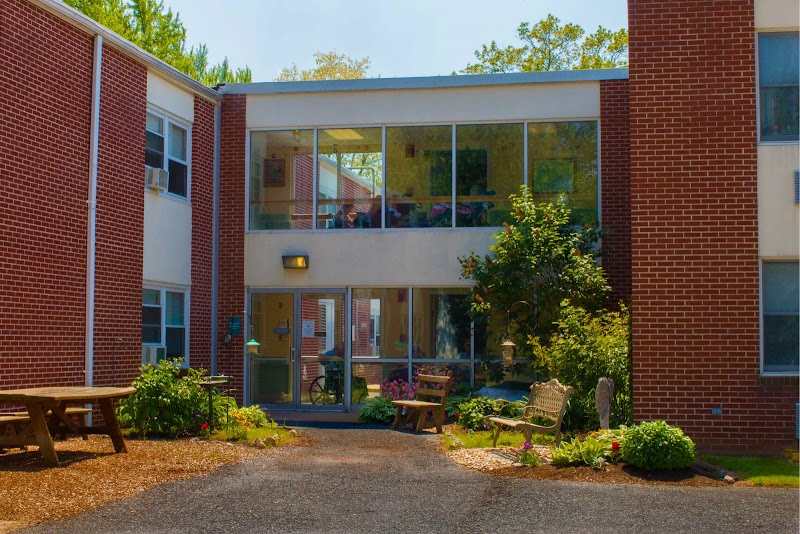
How is Gardens At Stevens, The Staffed?

CMS rates GARDENS AT STEVENS, THE's staffing level at 3 out of 5 stars, which is average compared to other nursing homes. Staff turnover is 74%, which is 27 percentage points above the Pennsylvania average of 46%. High turnover can affect care consistency as new staff learn residents' individual needs. RN turnover specifically is 71%, which is notably high. RNs provide skilled clinical oversight, so turnover in this role can affect medical care quality.

What Have Inspectors Found at Gardens At Stevens, The?

State health inspectors documented 37 deficiencies at GARDENS AT STEVENS, THE during 2023 to 2025. These included: 2 that caused actual resident harm and 35 with potential for harm. Deficiencies causing actual harm indicate documented cases where residents experienced negative health consequences.

Who Owns and Operates Gardens At Stevens, The?

GARDENS AT STEVENS, THE is owned by a for-profit company. For-profit facilities operate as businesses with obligations to shareholders or private owners. The facility is operated by PRIORITY HEALTHCARE GROUP, a chain that manages multiple nursing homes. With 82 certified beds and approximately 71 residents (about 87% occupancy), it is a smaller facility located in STEVENS, Pennsylvania.

How Does Gardens At Stevens, The Compare to Other Pennsylvania Nursing Homes?

Compared to the 100 nursing homes in Pennsylvania, GARDENS AT STEVENS, THE's overall rating (2 stars) is below the state average of 3.0, staff turnover (74%) is significantly higher than the state average of 46%, and health inspection rating (2 stars) is below the national benchmark.

What Should Families Ask When Visiting Gardens At Stevens, The?

Based on this facility's data, families visiting should ask: "How do you ensure continuity of care given staff turnover, and what is your staff retention strategy?" "Can I visit during a mealtime to observe dining assistance and food quality?" "How do you handle medical emergencies, and what is your hospital transfer rate?" "Can I speak with family members of current residents about their experience?" These questions are particularly relevant given the facility's high staff turnover rate.

Is Gardens At Stevens, The Safe?

Based on CMS inspection data, GARDENS AT STEVENS, THE has a clean safety record: no substantiated abuse findings (meaning no confirmed cases of resident harm), no Immediate Jeopardy citations (the most serious violation level indicating risk of serious injury or death), and is not on the Special Focus Facility watch list (a federal program monitoring the lowest-performing 1% of nursing homes). The facility has a 2-star overall rating and ranks #100 of 100 nursing homes in Pennsylvania. While no facility is perfect, families should still ask about staff-to-resident ratios and recent inspection results during their visit.

Do Nurses at Gardens At Stevens, The Stick Around?

Staff turnover at GARDENS AT STEVENS, THE is high. At 74%, the facility is 27 percentage points above the Pennsylvania average of 46%. Registered Nurse turnover is particularly concerning at 71%. RNs handle complex medical decisions and coordinate care — frequent RN changes can directly impact care quality. High turnover means new staff may not know residents' individual needs, medications, or preferences. It can also be disorienting for residents, especially those with dementia who rely on familiar faces. Families should ask: What is causing the turnover? What retention programs are in place? How do you ensure care continuity during staff transitions?

Was Gardens At Stevens, The Ever Fined?

GARDENS AT STEVENS, THE has been fined $55,807 across 1 penalty action. This is above the Pennsylvania average of $33,637. Fines in this range indicate compliance issues significant enough for CMS to impose meaningful financial consequences. Common causes include delayed correction of deficiencies, repeat violations, or care failures affecting resident safety. Families should ask facility leadership what changes have been made since these penalties.

Is Gardens At Stevens, The on Any Federal Watch List?

GARDENS AT STEVENS, THE is not on any federal watch list. The most significant is the Special Focus Facility (SFF) program, which identifies the bottom 1% of nursing homes nationally based on persistent, serious quality problems. Not being on this list means the facility has avoided the pattern of deficiencies that triggers enhanced federal oversight. This is a positive indicator, though families should still review the facility's inspection history directly.