STROUDSBURG POST ACUTE NURSING & REHABILITATIONLLC
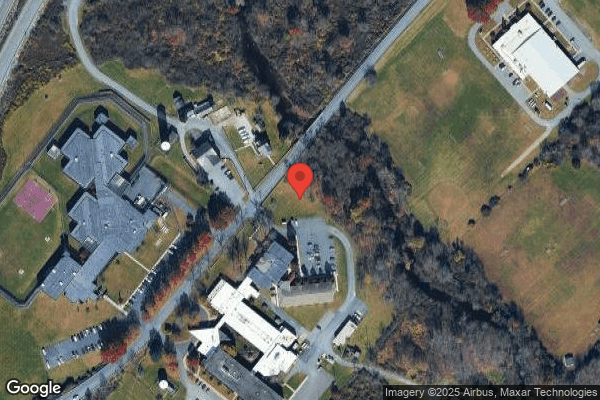
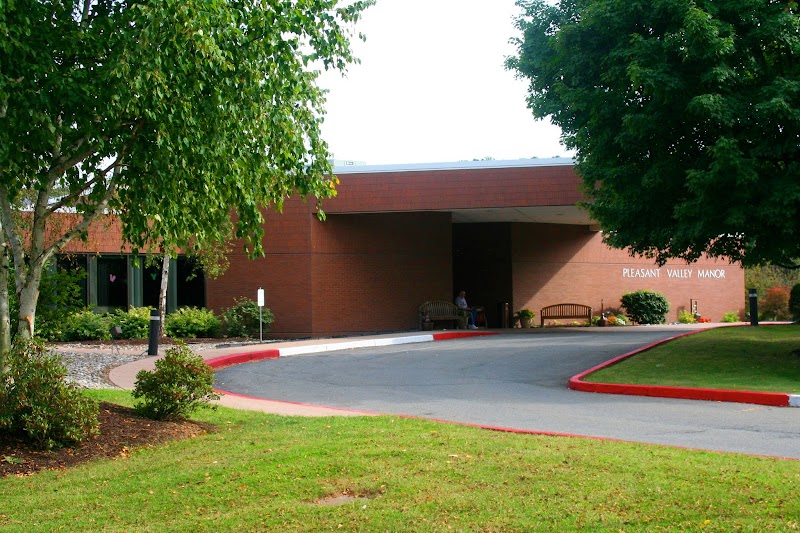
4227 MANOR DRIVE, STROUDSBURG, PA 18360 (570) 992-4172
For profit - Limited Liability company 174 Beds THE ROSENBERG FAMILY Data: November 2025
Trust Grade
25/100
#499 of 653 in PA
Last Inspection: July 2025

Inspected within the last 6 months. Data reflects current conditions.

Overview

Stroudsburg Post Acute Nursing & Rehabilitation LLC has received a Trust Grade of F, indicating significant concerns about its care quality. It ranks #499 out of 653 facilities in Pennsylvania, placing it in the bottom half, and #3 out of 4 in Monroe County, meaning only one local option is better. The facility's performance has been stable, with 12 issues identified in both 2024 and 2025, but it has serious problems, including serious injuries to residents due to neglect. Staffing is a relative strength with a rating of 4 out of 5 stars, but the turnover rate is average at 54%. However, the facility has incurred $112,359 in fines, which is higher than 88% of Pennsylvania facilities, suggesting repeated compliance issues. Specific incidents include a resident suffering from bilateral knee fractures due to a failure to implement fall prevention measures and two residents experiencing serious injuries due to a lack of necessary care. While there are some strengths in staffing, the overall picture raises significant red flags for families considering this facility for their loved ones.

Trust Score
F
25/100
In Pennsylvania
#499/653
Bottom 24%
Safety Record
High Risk
Review needed
Inspections
Holding Steady
12 → 12 violations
Staff Stability
⚠ Watch
54% turnover. Above average. Higher turnover means staff may not know residents' routines.
Penalties
✓ Good
$112,359 in fines. Lower than most Pennsylvania facilities. Relatively clean record.
Skilled Nurses
✓ Good
Each resident gets 49 minutes of Registered Nurse (RN) attention daily — more than average for Pennsylvania. RNs are trained to catch health problems early.
Violations
⚠ Watch
42 deficiencies on record. Higher than average. Multiple issues found across inspections.
★★☆☆☆
2.0
Overall Rating
★★★★☆
4.0
Staff Levels
★★☆☆☆
2.0
Care Quality
★★☆☆☆
2.0
Inspection Score
Stable
2024: 12 issues
2025: 12 issues

The Good

  • 4-Star Staffing Rating · Above-average nurse staffing levels
  • Full Sprinkler Coverage · Fire safety systems throughout facility
  • No fines on record

Facility shows strength in staffing levels, fire safety.

The Bad

2-Star Overall Rating

Below Pennsylvania average (3.0)

Below average - review inspection findings carefully

Staff Turnover: 54%

Near Pennsylvania avg (46%)

Higher turnover may affect care consistency

Federal Fines: $112,359

Well above median ($33,413)

Significant penalties indicating serious issues

Chain: THE ROSENBERG FAMILY

Part of a multi-facility chain

Ask about local staffing decisions and management

The Ugly 42 deficiencies on record

2 actual harm
Jul 2025 10 deficiencies 1 Harm
SERIOUS (G) 📢 Someone Reported This

A family member, employee, or ombudsman was alarmed enough to file a formal complaint

Actual Harm - a resident was hurt due to facility failures

Accident Prevention (Tag F0689)

A resident was harmed · This affected 1 resident

**NOTE- TERMS IN BRACKETS HAVE BEEN EDITED TO PROTECT CONFIDENTIALITY** Based on a review of clinical records, select facility policies, documentation provided by the facility, and staff interviews, i...

Read full inspector narrative →
**NOTE- TERMS IN BRACKETS HAVE BEEN EDITED TO PROTECT CONFIDENTIALITY** Based on a review of clinical records, select facility policies, documentation provided by the facility, and staff interviews, it was determined the facility failed to implement necessary safety interventions for one of 21 residents reviewed (Resident 90), who had been identified as at risk for falls which resulted in actual harm, bilateral periprosthetic knee fractures.Findings include:A review of the facility policy titled Falls and Fall Risk Management, last reviewed by the facility May 2025, revealed it is the facility's policy that based on previous evaluations and current data, staff will identify interventions related to the resident's specific fall risk and causes to try to prevent the resident from falling and to try to minimize complications from falling. Also, the policy indicated that the interdisciplinary team, with the input of the attending physician as appropriate, will identify appropriate intervention to reduce the risk of falls.A clinical record review revealed Resident 90 was admitted to the facility on [DATE], with diagnoses that included paraplegia (a condition characterized by the loss or impairment of motor and sensory functions in the lower half of the body). An admission falls risk assessment dated [DATE], identified the resident was at high risk for falls, due to being bedbound and dependent on staff for assistance with elimination.A physician's order for oxycodone HCI oral tablet (an opioid analgesic medication) with directions to give 1 tablet by mouth every 8 hours for pain was initiated on June 23, 2025.An Occupational Therapy (OT) evaluation dated June 23, 2025, documented that Resident 90 had serious physical limitations, including weakness in both arms, poor balance, and low activity tolerance. The evaluation concluded that Resident 90 was at risk of falling and required full assistance from staff for bed mobility and lower body dressing. The therapist recommended that two staff members be present to safely move the resident in bed due to her physical condition and care needs.This recommendation was confirmed during an interview conducted on July 24, 2025, at 12:05 PM, with the Director of Therapy, who explained the recommendation for two staff was based on the resident's physical size and functional limitations. The Director stated that after therapy staff evaluate a resident's needs, it is the responsibility of the nursing department to review those recommendations and make sure they are included in the resident's care plan, so that direct care staff know what assistance is required.However, a review of the Resident 90's care plan showed no documented evidence the recommendation for two staff to assist with in-bed care was ever added. The care plan did not include this information, even though both the therapy and nursing evaluations identified the resident as needing more help to safely receive care in bed, specifically that two staff members were needed for bed mobility. As a result, staff were not given clear instructions on how many people were needed to safely care for the resident in bed or to help reduce the chance of a fall.Progress notes dated June 26, 2025, at 8:40 PM, documented that Resident 90 sustained a fall during the shift. According to the note, while Employee 1, a Nurse Aide (NA), was changing the resident following a bowel movement, the resident's legs slid off the side of the bed. The aide lowered the resident to the floor, and staff used a mechanical lift to return the resident to bed. The resident complained of pain in the left knee, rated as 10 out of 10 on the pain scale (0 indicating no pain and 10 indicating the most severe pain). The note indicated the resident's skin was intact, with no redness or bruising noted at the time. The physician and family were notified, and the resident was sent to the emergency department for evaluation.A review of the Medication Administration Record (MAR) for June 2025 confirmed that on June 26, 2025, at 9:38 PM, Resident 90 was administered oxycodone HCl 5 mg (a narcotic pain medication) in response to the reported pain level of 10 out of 10.During an interview on July 24, 2025, at 11:55 AM, Employee 2, a Licensed Practical Nurse (LPN), recalled he was working the 3:00 PM to 11:00 PM shift on June 26, 2025. Employee 2, LPN, explained he was alerted by a female nurse aide (unable to recall name) that Resident 90 was falling from the bed. Employee 2, LPN, recalled Resident 90 on the floor when he responded to the room. He indicated he did not see the resident fall. Resident 90 was on the floor when Employee 2, LPN, entered the room. He instructed the nurse aides to obtain a mechanical lift to transfer the resident back to bed. He did not recall if the resident was in pain following the fall.During an interview on July 24, 2025, at 1:30 PM, Employee 1, NA, explained that on June 26, 2025, at approximately 3:30 PM, Resident 90 needed to be cleaned and changed after having a bowel movement. Employee 1, NA, recalled the care plan on that day indicated that Resident 90 only needed the assistance of one staff for bed mobility and hygiene. Employee 1, NA, explained that it was difficult to change and clean Resident 90 because she was not able to hold a position. She needed to reposition the resident a few times to get a good angle to clean her. While providing care, Resident 90's legs began to slide off the side of the bed, legs first. Employee 1, NA, recalled needing to call for other staff to respond. Employee 1, NA, lowered Resident 90 to the floor. After the resident was on the floor, Employee 1, NA, and other staff assisted the resident back to bed with the mechanical lift. Employee 1, NA, recalled resident 90 complained of pain following the event.Additional facility documentation dated June 26, 2025, described the incident, similarly, stating that Resident 90 slid out of bed while being changed after a bowel movement. The resident was lowered to the ground by staff, pain medication was administered, and range of motion was assessed. The document confirmed the mechanical lift was used by two staff to return the resident to bed. It also noted the resident had left knee pain, limited range of motion, and was sent to the emergency department for further evaluation.A review of hospital discharge documentation dated July 3, 2025, revealed that Resident 90 was admitted to the emergency department on June 26, 2025, following a reported fall from bed while being changed by facility staff. The emergency department records indicated the resident was noted to have significant tenderness in the lower extremities, including both knees and the right hip, with visible swelling of the right knee upon examination.Although the hospital documented the possibility of a head strike, particularly relevant given the resident's use of anticoagulation therapy (a medication that reduces the blood's ability to clot), there was no supporting documentation or interview evidence from the facility indicating that the resident struck her head during the fall. A trauma workup, including imaging studies, found no acute intracranial (within the skull) injuries.However, x-rays confirmed multiple serious injuries, including bilateral periprosthetic knee fractures (fractures occurring around previously implanted knee prostheses), and a displaced fracture of the left distal femur (the lower part of the thigh bone). The right femur was also found to have acute fractures involving both the medial and lateral femoral condyles which are the rounded projections at the end of the thigh bone that form part of the knee joint.An orthopedic consultation recommended the use of posterior leg splints, removable supports placed behind the legs, to immobilize the limbs during any movement, as the resident was already non-weight bearing. The hospital also recommended ongoing pain management and outpatient follow-up with orthopedic specialists after discharge.Further clinical record review revealed Resident 90 was not readmitted to the facility after being hospitalized on [DATE]. Resident 90 was not available for interview.During an interview on July 25, 2025, at approximately 10:45 AM, the Director of Nursing (DON) and Nursing Home Director (NHA) were not able to provide documented evidence that Resident 90's assessed risk for falls or interventions required to prevent falls were developed or implemented. The DON and NHA confirmed that following therapy and nursing evaluations, residents' interventions should be implemented to ensure residents' risk for falls is prevented and that adequate safety interventions are implemented for residents identified as at risk for falls.Refer F65528 Pa Code 201.18(b)(1) Management.28 Pa Code 211.10 (d) Resident care policies.28 Pa Code 211.12 (d)(3)(5) Nursing services.
CONCERN (D)

Potential for Harm - no one hurt, but risky conditions existed

Pressure Ulcer Prevention (Tag F0686)

Could have caused harm · This affected 1 resident

**NOTE- TERMS IN BRACKETS HAVE BEEN EDITED TO PROTECT CONFIDENTIALITY** Based on observation, a review of clinical records, select facility policy, and resident and staff interviews, it was determined...

Read full inspector narrative →
**NOTE- TERMS IN BRACKETS HAVE BEEN EDITED TO PROTECT CONFIDENTIALITY** Based on observation, a review of clinical records, select facility policy, and resident and staff interviews, it was determined the facility failed to implement interventions to prevent the development of a pressure injury for one resident out of 21 sampled (Resident 1). Findings include: A review of the facility policy titled Pressure Ulcer Prevention, last reviewed by the facility on May 30, 2025, revealed it is the facility's policy to promote healthy intact skin, educate patients and/or significant others about pressure ulcer prevention, identify at-risk residents, and implement appropriate skin care treatments as determined by the Registered Nurse (RN) or designated skin care provider. A clinical record review revealed Resident 1 was admitted to the facility on [DATE], with diagnoses that included diabetes (a chronic disease that occurs either when the pancreas does not produce enough insulin or when the body cannot effectively use the insulin it produces) and peripheral vascular disease (a condition in which narrowed arteries reduce blood flow to the arms or legs). A review of a quarterly Minimum Data Set assessment (MDS- a federally mandated standardized assessment process conducted periodically to plan resident care) dated June 19, 2025, revealed that Resident 1 was cognitively intact with a BIMS score of 15 (Brief Interview for Mental Status- a tool within the Cognitive Section of the MDS that is used to assess the resident's attention, orientation, and ability to register and recall new information; a score of 13-15 indicates cognition is intact). A review of Resident 1's care plan revealed the resident has potential/actual impairment to skin integrity/risk of pressure areas related to decreased mobility, fragile skin, peripheral vascular disease, and a history of ulceration to the left extremity initiated on November 19, 2024. Interventions included identifying causative factors and eliminating/resolving where possible and following facility protocols for treatment of injuries initiated on November 19, 2024. A clinical record review revealed a Braden Scale for predicting pressure injury assessment dated [DATE], indicating Resident 1 was at risk of developing pressure injuries. An external wound evaluation and management summary dated June 20, 2025, indicated Resident 1's Stage 3 left heel pressure injury (a type of wound characterized by complete skin loss, extending into subcutaneous tissue) was resolved after a duration of 75 days. The document indicated additional care plan items with recommendations to float heels in bed, turn the resident from side-to-side in bed, reposition per facility protocol, and use a pressure off-loading boot (a specialized type of footwear designed to minimize or eliminate pressure on specific areas of the foot, particularly the heel, to promote healing and prevent further damage to wounds or ulcers). An external wound evaluation and management summary dated July 18, 2025, indicated Resident 1 developed a new diabetic wound (a breakdown of the skin and sometimes deeper tissues of the foot) that led to a pressure sore formation on the left heel. The wound provider estimated the duration of the injury was less than 5 days. The summary described the wound as measuring 0.6 cm x 0.3 cm x 0.2 cm, with a maceration of the peri-wound (white and soggy area surrounding the wound), moderate serous exudate (a type of wound drainage that is typically thin, clear, and watery), and having 50% slough (dead, non-viable tissue that accumulates in a wound) and 50% granulation tissue (new connective tissue that forms in a wound during healing). The external wound evaluation and management summary dated July 18, 2025, indicated specific to visit recommendations, which included a recommendation for a pressure off-loading boot. During an observation on July 22, 2025, at 10:57 AM, Resident 1 was lying supine in his bed with his heels directly on the mattress. Two off-loading heel boots were on the floor near the door-side nightstand. During an interview on July 22, 2025, at 10:57 AM, Resident 1 explained that sometimes staff put the boots on him and sometimes they do not. He indicated he currently has a sore on his foot, and he wears the boots when staff puts them on his feet. A review of Resident 1's medical record revealed no current documented evidence of a current intervention for the resident to wear off-loading boots as recommended by the wound care provider. During an interview on July 23, 2025, at 8:50 AM, Employee 3, Registered Nurse Assessment Coordinator (RNAC), confirmed Resident 1's order and indicated the care plan was not updated to include off-loading boots as recommended by the wound care provider on June 20, 2025, or more recently on July 18, 2025. During an observation on July 24, 2025, at 9:50 AM, Employee 4, Registered Nurse (RN), provided wound care to Resident 1's left heel. Resident 1's wound measured 0.5 cm x 0.4 cm x 0.1 cm. The wound had no odor or drainage. The wound bed was intact and pink. The resident indicated that he had some pain in the area of the wound. The above findings were reviewed during an interview on July 25, 2025, at approximately 11:00 AM, with the Nursing Home Administrator (NHA) and Director of Nursing (DON) and they were not able to provide documented evidence the facility implemented effective interventions to prevent Resident 1 from developing a pressure injury to his left heel, including offloading heel boots as recommended by the wound care provider.28 Pa. Code 211.10(d) Resident care policies.28 Pa. Code 211.12(c)(d)(1)(3)(5) Nursing services.
CONCERN (D)

Potential for Harm - no one hurt, but risky conditions existed

Incontinence Care (Tag F0690)

Could have caused harm · This affected 1 resident

**NOTE- TERMS IN BRACKETS HAVE BEEN EDITED TO PROTECT CONFIDENTIALITY** Based on observation, clinical record review, facility policy review, and staff interviews, it was determined the facility faile...

Read full inspector narrative →
**NOTE- TERMS IN BRACKETS HAVE BEEN EDITED TO PROTECT CONFIDENTIALITY** Based on observation, clinical record review, facility policy review, and staff interviews, it was determined the facility failed to ensure that appropriate physician's orders, a documented medical justification, and an individualized plan of care were in place for the use and management of an indwelling urinary catheter for one of 21 residents reviewed. (Resident 87).Findings include:A review of a facility policy titled Urinary Foley Catheter Care, last reviewed by the facility on May 30, 2025, revealed it is the policy of the facility that all residents who are either admitted , readmitted , or having an indwelling urinary catheter inserted or changed will have the procedure documented in the medical record by the licensed nurse. The licensed nurse will also document in the Medication Administration Record (MAR) the size of the Foley catheter, the balloon size, and any special instructions, and that appropriate nursing personnel will provide catheter care within the scope or function of their practice. Further review revealed that Foley catheter care is performed appropriately to prevent complications due to the presence of an indwelling urethral catheter, and the need for catheter care will appear on the resident care plan.A review of Resident 87's clinical record revealed that the resident was admitted to the facility on [DATE], with a diagnosis that included acute cystitis (a bladder infection characterized by inflammation of the bladder lining), and with an indwelling Foley catheter in place. A Foley catheter is a thin, flexible tube inserted into the urethra and guided into the bladder to allow for continuous drainage of urine.A review of a quarterly Minimum Data Set assessment (MDS a federally mandated standardized assessment process conducted periodically to plan resident care) dated July 18, 2025, revealed that Resident 87 is cognitively intact with a BIMS score of 13 (Brief Interview for Mental Status a tool within the Cognitive Section of the MDS that is used to assess the resident's attention, orientation, and ability to register and recall new information; a score of 13-15 indicates cognition is intact).Despite the resident being admitted with an indwelling Foley catheter, there was no documentation in the care plan dated July 18, 2025, reflecting the presence of the catheter or the need for catheter-related care.A review of the resident's TAR (treatment administration record) for July 2025 revealed no entries documenting the presence of the catheter, its size, balloon volume, or instructions for nursing care. Additionally, review of the resident's physician orders failed to reveal any documentation indicating the use of the catheter or outlining medical justification for its presence.On July 22, 2025, at 11:00 A.M., an observation of Resident 87 revealed the resident had a Foley catheter in place. During an interview conducted at the same time, the resident stated he had been admitted with the catheter. However, the facility had no documented physician order, no documented care plan interventions, and no documented justification for the use of the catheter at the time of the surveyor's observation. It was not until July 23, 2025, five days after admission and only after surveyor inquiry, that the facility obtained a physician order for the catheter and initiated documentation of related care.An interview with the Director of Nursing and Registered Nurse Assessment Coordinator confirmed the absence of a physician order and a plan of care for Resident 87's Foley catheter use.28 Pa. Code: 211.12 (c)(d)(1)(3)(5) Nursing Services.
CONCERN (D)

Potential for Harm - no one hurt, but risky conditions existed

QAPI Program (Tag F0867)

Could have caused harm · This affected 1 resident

**NOTE- TERMS IN BRACKETS HAVE BEEN EDITED TO PROTECT CONFIDENTIALITY** Based on a review of the facility's plan of correction from the survey ending July 25, 2025, the documented outcomes of the faci...

Read full inspector narrative →
**NOTE- TERMS IN BRACKETS HAVE BEEN EDITED TO PROTECT CONFIDENTIALITY** Based on a review of the facility's plan of correction from the survey ending July 25, 2025, the documented outcomes of the facility's Quality Assurance and Performance Improvement (QAPI) committee, observations, clinical record reviews, and staff interviews, it was determined the facility failed to ensure its quality assurance program effectively identified and addressed recurring deficient practices related to the development and implementation of resident baseline care plans (Residents 1 and 10) and nursing services consistent with professional standards of quality to ensure that licensed nurses properly evaluated and provided nursing care according to physician orders (Residents 1, 9 and 16). Findings include: As a result of the deficiencies cited under the requirements related to the development and implementation of resident baseline care plans and nursing services consistent with professional standards of quality to ensure that licensed nurses properly evaluated and provided nursing care according to physician orders during the survey of July 25, 2025, the facility developed a plan of correction to serve as their allegation of compliance, which included a quality assurance monitoring component to ensure that solutions were sustained. This corrective plan was to be completed and functional by August 6, 2025. However, during the survey ending August 27, 2025, continuing deficient facility practice was identified with these same requirements.According to the facility's plan of correction for the deficiency cited on July 25, 2025, relating to the development and implementation of resident baseline care plans, procedures implemented to ensure deficient practice was corrected included (1) Baseline care plans were completed for the two identified residents, and (2) new admissions to the facility have the potential to be affected. Nursing staff educated on the requirement of a baseline care plan. (3) The Director of Nursing will randomly audit admission charts to ensure the baseline care plan was initiated twice weekly for four weeks, then four times a month for four months. (4) Audit results will be reviewed and evaluated at quality assurance performance improvement committee meetings over the next four meetings, and interventions adjusted as needed.A clinical record revealed Resident 1 was admitted to the facility on [DATE].A clinical record review revealed Resident 10 was admitted to the facility on [DATE].A clinical record review revealed the facility developed a baseline plan of care interventions related to Resident 1's indwelling medical device for dialysis and infection control procedures to mitigate the resident's risk for infection; however, observations made during the onsite survey on August 27, 2025, revealed that the facility failed to implement the baseline plan of care interventions.A clinical record review revealed that the facility failed to develop and implement a baseline care plan that adequately addressed Resident 10's need for safe transfer and bed mobility.A review of facility quality assurance and performance improvement activities failed to reveal documented evidence that identified Resident 1's and Resident 10's baseline care plans were developed and/or implemented to ensure the residents received the individualized care and services needed.According to the facility's plan of correction for the deficiency cited on July 25, 2025, relating to the development and implementation of resident baseline care plans, procedures implemented to ensure deficient practice was corrected included (1) Physician orders could not be followed retroactively on identified residents, and (2) any resident receiving medication with administration parameters has the potential to be affected. Licensed nursing staff were educated on the requirement to follow physician orders. The facility will reinforce education on the medication order-taking process to emphasize transcription, reading back and verification, and carrying out and documenting. (3) The Director of Nursing or designee will randomly audit three charts weekly for four weeks and then monthly for 3 months for compliance with medication parameters and the medication order-taking process to emphasize transcription, readback and verification, and carrying out and documentation. (4) Audit results will be reviewed and evaluated at quality assurance performance improvement committee meetings over the next four meetings, and interventions adjusted if needed.A clinical record review revealed that Resident 16 was admitted to the facility on [DATE].A clinical record review revealed that Resident 9 was admitted to the facility on [DATE].A clinical record review revealed that licensed nurses failed to properly evaluate and/or provide nursing care according to physician orders for Residents 1, 9, and 16.A review of facility quality assurance and performance improvement activities failed to reveal documented evidence that the facility identified Residents 1, 9, and 16 as having the potential to be affected by the aforementioned deficient practice and/or ensured licensed nurses properly evaluate and provide nursing care according to physician's orders.During an interview on August 27, 2025, at approximately 1:00 PM, the Director of Nursing (DON) and Nursing Home Administrator confirmed the facility failed to ensure Resident 1 and Resident 10's baseline care plans were developed and/or implemented to ensure the residents received the individualized care and services needed. The DON and NHA also confirmed that the facility failed to ensure licensed nurses properly evaluated and provided nursing care according to physician orders for Residents 1, 9, and 16.The DON confirmed the facility failed to prevent the recurrence of similar quality deficiencies in the areas of resident baseline care planning and ensuring licensed nurses properly evaluate and provide nursing care according to physician orders. Cross Refer to F655 and F684 28 Pa. Code 201.18(e)(4) Management.28 Pa. Code 211.5 (f)(xi) Medical records. 28 Pa. Code 211.12 (d)(1)(3)(5) Nursing services.
CONCERN (D)

Potential for Harm - no one hurt, but risky conditions existed

Smoking Policies (Tag F0926)

Could have caused harm · This affected 1 resident

**NOTE- TERMS IN BRACKETS HAVE BEEN EDITED TO PROTECT CONFIDENTIALITY** Based on observation, a review of clinical records and select facility policy, and resident and staff interviews, it was determi...

Read full inspector narrative →
**NOTE- TERMS IN BRACKETS HAVE BEEN EDITED TO PROTECT CONFIDENTIALITY** Based on observation, a review of clinical records and select facility policy, and resident and staff interviews, it was determined the facility failed to implement procedures for smoking safety and safety of smoking areas, as evidenced by one out of the two residents sampled who smoke (Resident 39).A review of the facility policy titled Smoking/Vaping Policy, last reviewed by the facility on May 30, 2025, revealed it is the policy of the facility to maintain an environment that promotes the safety and well-being of our residents, employees, and visitors through established processes that support this goal. The policy indicates for residents an initial resident smoking assessment will be completed upon admission for all residents who smoke or vape. Safety considerations for each resident include, but are not limited to, whether the resident requires assistance, the extent of assistance or supervision required, and any restrictions or special equipment that might be needed to ensure safety. The interdisciplinary team will meet on a quarterly basis or with any change in a resident's condition that may affect their ability to smoke safely. Matches and lighters must be kept at the nurse's station. Approved ash containers of noncombustible material and safe design will be provided in designated smoking areas. A clinical record review revealed Resident 39 was admitted to the facility on [DATE], with diagnoses that included rheumatoid arthritis (an autoimmune disease that primarily causes inflammation of the joints) and mononeuropathy (a condition where damage occurs to a single peripheral nerve). A review of Resident 39's plan of care revealed she is a smoker, not a smoking safety risk, and does not need to be supervised, initiated on July 13, 2018. Interventions included observing clothing and skin for cigarette burns. A safe smoking assessment dated [DATE], revealed Resident 1 is able to access the smoking area independently and is safe to smoke without supervision. The assessment also indicated that the resident is able to extinguish smoking materials completely in an appropriate receptacle. A review of a quarterly Minimum Data Set assessment (MDS-a federally mandated standardized assessment process conducted periodically to plan resident care) dated May 29, 2025, revealed that Resident 39 is cognitively intact with a BIMS score of 15 (Brief Interview for Mental Status- a tool within the Cognitive Section of the MDS that is used to assess the resident's attention, orientation, and ability to register and recall new information; a score of 13-15 indicates cognition is intact). An observation and interview on July 22, 2025, at 12:00 PM revealed Resident 39 smoking in the designated smoking area. Resident 39 was using a plastic cup to collect the ashes from her lit cigarette. Resident 39 was wearing a teal shirt with multiple small holes in the upper right portion of the shirt. Resident 39 explained the holes in her shirt were old burn marks. Resident 39 indicated it is hard for her to utilize the facility-provided ash receptacles, so she uses a plastic cup. During an observation and interview on July 22, 2025, at 2:30 PM, Resident 39 was observed with her cigarette and a blue lighter in her room. The lighter was stored in her cigarette pack. The cigarette pack was in the cup holder on her motorized wheelchair. Resident 39 explained she is an independent smoker and can keep the lighter secured in her room. During an interview on July 25, 2025, at approximately 11:00 AM, the Director of Nursing (DON) and Nursing Home Administrator (NHA) were not able to provide documented evidence the facility implemented their protocol for safe smoking by ensuring lighters and matches were secured at the nurse's station. The DON and NHA were unable to provide documented evidence that the plastic cup Resident 39 was utilizing as an ashtray was a designated ashtray and safe for cigarette butts and ashes. The DON and NHA were unable to provide documented evidence that facility staff identified Resident 39's shirt to have possible burn holes until inquiries were made during the survey.28 Pa. Code 201.18 (b)(1)(e)(1) Management.28 Pa. Code 209.3 (a) Smoking.
CONCERN (E)

Potential for Harm - no one hurt, but risky conditions existed

Resident Rights (Tag F0550)

Could have caused harm · This affected multiple residents

Based on review of select facility policy, observations and staff interview, it was determined the facility failed to provide meal service in a manner that maintained the resident's dignity by allowin...

Read full inspector narrative →
Based on review of select facility policy, observations and staff interview, it was determined the facility failed to provide meal service in a manner that maintained the resident's dignity by allowing extended delays in meal delivery at shared tables for seven residents out of 21 sampled (Residents 33, 15, 67, 35, 2, 23, and 37)Findings include:Review of the facility policy titled Resident Rights last reviewed by the facility on May 30, 2025, revealed the facility will make every effort to assist each resident in exercising his/her rights to assure that the resident is always treated with respect, kindness, and dignity. An observation conducted on July 22, 2025, at 12:10 PM, revealed Residents 33, 15, 67, and 35 were seated together at Dining Table #5 in the main dining room. At 12:20 PM, Resident 35 was served her lunch meal and began eating. The other residents seated at the same table remained without meals. Staff continued serving lunch to other residents in the dining room. At 12:35 PM 15 minutes after Resident 35 received her meal Resident 67 was served. At 12:40 PM 20 minutes after Resident 35 was served Residents 15 and 33 were provided with their meals.Additional observation on July 22, 2025, at 12:33 PM, revealed Residents 2, 23, and 37 were seated together at Dining Table #4. Resident 2 was served her lunch at 12:33 PM. Resident 23 received her meal at 12:43 PM, and Resident 37 at 12:46 PM 13 minutes after the first resident at that table was served.During an interview conducted on July 22, 2025, at 12:50 PM, Employee 5 (nurse aide) reported that there were not enough staff members assigned to the dining room to ensure timely delivery of meals and assistance. Employee 5 further stated the meal trays are not organized by table but are randomly placed on the meal cart, which delays service to some residents at shared tables.During an interview conducted on July 23, 2025, at 12:20 PM the observations were reviewed with the Nursing Home Administrator and Director of Nursing, and they confirmed the lunch meal service in the main dining room was not conducted in a timely or coordinated manner.The facility failed to ensure that residents were provided meals in a dignified manner by allowing extended delays in meal service for residents seated at the same dining table.28 Pa. Code 211.12 (c)(d)(1)(3)(5) Nursing services.
CONCERN (E) 📢 Someone Reported This

A family member, employee, or ombudsman was alarmed enough to file a formal complaint

Potential for Harm - no one hurt, but risky conditions existed

Deficiency F0655 (Tag F0655)

Could have caused harm · This affected multiple residents

**NOTE- TERMS IN BRACKETS HAVE BEEN EDITED TO PROTECT CONFIDENTIALITY** Based on clinical record review and staff interview, it was determined the facility failed to develop and implement a baseline c...

Read full inspector narrative →
**NOTE- TERMS IN BRACKETS HAVE BEEN EDITED TO PROTECT CONFIDENTIALITY** Based on clinical record review and staff interview, it was determined the facility failed to develop and implement a baseline care plan within 48 hours for two of 17 residents reviewed that were admitted during the prior 30 days (Residents 88 and 90). Findings include: A review of Resident 88’s clinical record revealed that the resident was admitted to the facility on [DATE], with diagnoses that included End-Stage Renal Disease (ESRD) the final stage of chronic kidney disease where the kidneys can no longer function adequately, requiring dialysis (a medical process that filters waste and excess fluid from the blood) or a kidney transplant for survival and diabetes mellitus, a chronic condition characterized by elevated blood glucose (sugar) levels over an extended period. A nursing progress note dated July 17, 2025, at 11:19 PM, documented that the resident was alert and oriented, was actively receiving dialysis, and had a fistula on her left arm (a surgically created connection between an artery and a vein to provide dialysis treatments). The note further indicated the presence of redness beneath both breasts, closed and healed areas with scarring on the buttocks, and the resident was incontinent of bowel and bladder (unable to control urination or bowel movements). The note also indicated the resident was scheduled to be evaluated by Physical Therapy and Occupational Therapy to assess her mobility, transfer status, and fall risk. Review of the resident’s baseline care plan, initiated on July 18, 2025, showed that a dialysis plan of care had been developed. However, a subsequent review on July 23, 2025, revealed the baseline care plan did not address the resident’s other immediate significant care needs, including her incontinence status, skin integrity concerns, mobility limitations, and the need for fall prevention strategies. The care plan failed to provide specific guidance to staff on how to manage these known issues to ensure the provision of safe, effective, and person-centered care during the initial days of the resident’s stay, prior to the completion of the comprehensive care plan. Interview with the Director of Nursing (DON) on July 24,2025, at approximately 2:00 PM was conducted to review the above findings related to failure to ensure this resident's baseline care plan included the minimum healthcare information necessary to properly care for this resident immediately upon his admission, which would address this resident's specific health and safety concerns to prevent decline or injury. A clinical record review revealed Resident 90 was admitted to the facility on [DATE], with diagnoses that included paraplegia (a condition characterized by the loss or impairment of motor and sensory functions in the lower half of the body). An admission falls risk assessment dated [DATE], revealed Resident 90 was at risk for falls with risk factors that included being bedbound and requiring regular assistance with elimination. An occupational therapy evaluation dated June 23, 2025, revealed Resident 90 was totally dependent on staff for bed mobility and lower body dressing. The evaluation indicated Resident 90 presented with deficits to bilateral upper extremity strength, balance, coordination, functional activity tolerance, and current level of functioning, placing her at risk for falls. The evaluation also indicated that due to the resident’s documented physical impairments and associated functional deficits, the resident was at risk for falls. A review of Resident 90’s care plan revealed no documented evidence that interventions to mitigate Resident 90’s risk for falls were developed or implemented following the nursing or occupational therapy evaluations indicating the resident was at risk for falling. During an interview on July 24, 2025, at 12:05 PM, the Director of Therapy explained that based on the occupational therapy evaluation dated June 23, 2025, and the resident’s physical limitations and size, Resident 90 would require two staff to safely move the resident in bed for care, changing, and hygiene. The Director of Therapy indicated that after therapy evaluates a resident’s strengths and needs, nursing reviews the information and implements the resident’s needs into a plan of care for facility staff to follow. Further review of the care plan revealed no documented evidence to direct staff that Resident 90 would require two staff to safely move her while in bed. During an interview on July 25, 2025, at approximately 10:45 AM, the Director of Nursing (DON) and Nursing Home Administrator (NHA) were not able to provide documented evidence that the minimum health care information necessary to properly care for Resident 90 was developed or implemented into her baseline plan of care. The NHA and DON were unable provide evidence that Resident 90’s baseline care plan identified that she was at risk for falls or updated to include therapy recommendations for two staff to safely move the resident in bed for care, changing, and peri hygiene. Refer F689 28 Pa. Code 201.18 (b)(1) Management. 28 Pa. Code 211.10(c) Resident care policies. 28 Pa. Code 211.12(d)(1) Nursing services.
CONCERN (E)

Potential for Harm - no one hurt, but risky conditions existed

Quality of Care (Tag F0684)

Could have caused harm · This affected multiple residents

**NOTE- TERMS IN BRACKETS HAVE BEEN EDITED TO PROTECT CONFIDENTIALITY** Based on a review of clinical records, select facility policy, and staff interviews, it was determined the facility failed to pr...

Read full inspector narrative →
**NOTE- TERMS IN BRACKETS HAVE BEEN EDITED TO PROTECT CONFIDENTIALITY** Based on a review of clinical records, select facility policy, and staff interviews, it was determined the facility failed to provide nursing services consistent with professional standards of quality to ensure that licensed nurses properly evaluated and provided nursing care according to physician orders for one resident out of 21 residents reviewed (Resident 20). Findings include:A review of a facility policy titled Medication Administration, last reviewed on May 30, 2025, revealed that it is the policy of the facility to provide a secure and safe method of administering medications to the residents.According to the Pennsylvania Code, Title 49, Professional and Vocational Standards, State Board of Nursing, 21.11 (a)(1)(2)(4) indicates that the Registered Nurse (RN) was to collect complete ongoing data to determine nursing care needs, analyze the health status of individuals and compare the data with the norm when determining nursing care needs, and carry out nursing care actions that promote, maintain, and restore the well-being of individuals.The Pennsylvania Code, Title 49, Professional and Vocational Standards, State Board of Nursing, 21.145 Functions of the Licensed Practical Nurse (LPN) (a) The LPN is prepared to function as a member of the health care team by exercising sound judgment based on preparation, knowledge, skills, understandings, and past experiences in nursing situations. The LPN participates in the planning, implementation, and evaluation of nursing care in settings where nursing takes place. 21.148: Standards of nursing conduct (a) A licensed practical nurse shall: (5) document and maintain accurate records.A review of clinical records revealed Resident 20 was admitted to the facility on [DATE], with diagnoses to include hypertension (blood pressure that is higher than normal) and atrial fibrillation (a condition that causes the heart to beat irregularly and occasionally much faster than normal).A quarterly Minimum Data Set Assessment (MDS-a federally mandated standardized assessment conducted at specific intervals to plan resident care) of Resident 20 dated May 29, 2025, revealed the resident was severely cognitively impaired with a BIMS score of 06 (brief interview for mental status, a tool to assess the residents' attention, orientation, and ability to register and recall new information; a score of 0-7 indicates severe cognitive impairment).A clinical record review for Resident 20 revealed a physician's order dated April 30, 2025, remaining current at the time of the survey, for Metoprolol tablet (used to treat high blood pressure) 100 milligrams (mg). Give one tablet by mouth twice a day for hypertension and hold this medication if the resident's systolic (top number the pressure in the arteries when the heart pushes the blood out) blood pressure is less than 100 millimeters of mercury (mm Hg), or heart rate is less than 60 beats per minute.A review of Resident 20's Medication Administration Records (MAR) dated May 2025 failed to provide evidence that Resident 20's blood pressure or heart rate was monitored prior to the administration of the antihypertensive medications from May 1, 2025, to May 31, 2025. A review of Resident 20's MAR dated June 2025 failed to provide evidence that Resident 20's blood pressure or heart rate was monitored prior to the administration of the antihypertensive medications from June 1, 2025, to June 14, 2025, 9:00 A.M.A review of Resident 20's MAR dated July 2025 revealed that metoprolol was held on July 17, 2025, due to parameters, despite Resident 20's blood pressure being 104/65 and heart rate 63, above the hold parameters ordered.Further review revealed the metoprolol was held on July 23, 2025, due to parameters, despite Resident 20's blood pressure being 107/55 and heart rate 71, above the hold parameters ordered.The above findings were reviewed with the Director of Nursing and Registered Nurse Assessment Coordinator on July 25, 2025, at approximately 9:00 A.M., and confirmed the physician's orders were not followed as ordered.28 Pa. Code 211.10(d) Resident care policies.28 Pa. Code 211.12(d)(1)(5) Nursing services.
CONCERN (F)

Potential for Harm - no one hurt, but risky conditions existed

Food Safety (Tag F0812)

Could have caused harm · This affected most or all residents

Based on observation and staff interview, it was determined the facility failed to maintain acceptable practices for the storage and service of food to prevent the potential for contamination and micr...

Read full inspector narrative →
Based on observation and staff interview, it was determined the facility failed to maintain acceptable practices for the storage and service of food to prevent the potential for contamination and microbial growth in food, which increased the risk of food-borne illness in the food and nutrition services department. Findings include:Food safety and inspection standards for safe food handling indicate that everything that comes in contact with food must be kept clean and food that is mishandled can lead to foodborne illness. Safe steps in food handling, cooking, and storage are essential in preventing foodborne illness. You cannot always see, smell, or taste harmful bacteria that may cause illness according to the USDA (The United States Department of Agriculture, also known as the Agriculture Department, is the U.S. federal executive department responsible for developing and executing federal laws related to food). Observation during the initial tour of the food and nutrition services department on July 22, 2025, at 10:45 AM revealed a tray of seven (7) thawed 4-ounce nutritional shakes on a shelf in the walk-in refrigerator. The defrost date on the shakes was June 5, 2025. The manufacturer's label specified the product must be used within 14 days of thawing. As of the date of observation, the shakes had been thawed for over six (6) weeks, well beyond the recommended use period, posing a risk for microbial growth and potential foodborne illness. Continued observation of the walk-in refrigerator revealed a one-gallon container of salad dressing, which was opened but with no date of opening, and a one-gallon container of BBQ sauce, which was opened but with no date of opening. During an interview with the Food Service Director (FSD) at the time of the observation, it was stated that both products are considered safe for up to three (3) months after opening if kept refrigerated. However, the absence of opening dates prevents the ability to determine product viability, representing a failure in proper food labeling and tracking procedures. Further observation of the walk-in refrigerator revealed a 32-ounce carton of liquid eggs, which was opened but not dated. Manufacturer's instruction indicated the product must be used within three (3) days after opening. The absence of opening dates prevents the ability to determine product viability. During an interview conducted on July 22, 2025, at 11:00 AM the FSD confirmed that food and beverages are expected to be labeled, dated, stored, and thawed in accordance with food safety standards. The facility failed to ensure that food was labeled, stored, and used within safe timeframes, in accordance with federal food safety standards and the manufacturer's guidelines. 28 Pa. Code 201.18 (e)(2.1) Management.
MINOR (C)

Minor Issue - procedural, no safety impact

Deficiency F0577 (Tag F0577)

Minor procedural issue · This affected most or all residents

Based on observation and resident and staff interviews, it was determined that the facility failed to ensure the most recent Department of Health survey results were readily accessible to residents an...

Read full inspector narrative →
Based on observation and resident and staff interviews, it was determined that the facility failed to ensure the most recent Department of Health survey results were readily accessible to residents and visitors for two out of the two nursing units (Nursing Units 1 and 2) and experiences reported by 4 out of 4 residents interviewed during a group interview (Residents 42, 47, 51, and 67).During a resident council interview on July 23, 2025, at 10:00 AM, four alert and oriented residents in attendance (Residents 42, 47, 51 and 67) indicated they did not know where the facility posted the Department of Health survey results.During an observation and facility tour on July 23, 2025, at 11:00 AM on Nursing Units 1 and 2, the Department of Health survey results were not able to be located.During an interview on July 24, 2025, at approximately 10:30 AM, the Director of Nursing (DON) and Nursing Home Administrator (NHA) acknowledged the Department of Health survey results were posted on Nursing Units 1 or 2. The facility failed to ensure Department of Health survey results were readily accessible to residents and visitors.28 Pa. Code 201.14(a) Responsibility of licensee.
Apr 2025 2 deficiencies
CONCERN (D) 📢 Someone Reported This

A family member, employee, or ombudsman was alarmed enough to file a formal complaint

Potential for Harm - no one hurt, but risky conditions existed

Pressure Ulcer Prevention (Tag F0686)

Could have caused harm · This affected 1 resident

**NOTE- TERMS IN BRACKETS HAVE BEEN EDITED TO PROTECT CONFIDENTIALITY** Based on clinical record review, review of select facility policies, and staff interviews, it was determined that the facility f...

Read full inspector narrative →
**NOTE- TERMS IN BRACKETS HAVE BEEN EDITED TO PROTECT CONFIDENTIALITY** Based on clinical record review, review of select facility policies, and staff interviews, it was determined that the facility failed to investigate the potential cause of new pressure injuries and failed to consistently implement preventive interventions to avoid the development of pressure injuries for one of five sampled residents (Resident 2). Findings include: A review of a facility policy for Pressure Ulcer/Wound Treatment Protocol and Policy, adopted April 2, 2025 revealed, the purpose of the procedure is to provide guidelines for the care of existing pressure ulcers and the prevention of additional pressure ulcers. General guidelines to include the pressure ulcer treatment program should focus on the following strategies: assessing the resident and the pressure ulcer managing tissue loads pressure ulcer care education and quality improvement. When eschar is present, a pressure ulcer cannot be accurately staged until the eschar is removed. Determine, based on physician order if the resident will be seen weekly by the wound care consultant nurse. Evaluate wound healing weekly and document at a minimum weekly or more often as appropriate. Interventions/care strategies noted that pressure ulcer treatment requires a comprehensive approach, including as appropriate; debridement managing infections managing systemic issues eg.edema(swelling), venous insufficiency(inadequate blood from and to an area) maximizing the potential for healing pain control evaluation of healing and for signs/symptoms of infection. Resident 2 was admitted to the facility on [DATE], with diagnoses that included diabetes mellitus and a history of urinary and bowel incontinence, previously resolved pressure injuries, and long-standing moisture-associated skin damage (MASD inflammation and erosion of the skin caused by prolonged exposure to moisture and its contents, including urine, stool, perspiration, wound exudate, mucus, or saliva) particularly to the sacral and bilateral buttock areas . A quarterly Minimum Data Set (MDS a federally mandated standardized assessment conducted at specific intervals to plan resident care) dated April 3, 2025 , identified the resident as severely cognitively impaired, with a BIMS score of 5 (brief interview for mental status, a tool to assess the residents attention, orientation and ability to register and recall new information, a score of 00-07 is indicative of severe cognitive impairment), requires staff assistance with activities of daily living and was at risk for pressure sore development. Review of the resident's care plan, initiated February 23, 2021, identified the resident as being at risk for impaired skin integrity due to impaired mobility, neuropathy (dysfunction of one or more peripheral nerves, typically causing numbness and weakness), peripheral vascular disease (condition of blocked blood vessels that reduce blood flow to the limbs usually the legs). Interventions included: AM/PM care with visual skin checks of all skin surfaces (initiated June 25, 2018) Monitoring/documenting/reporting any changes in skin status (initiated June 25, 2018) Education of resident/family/caregivers on causes of skin breakdown (initiated November 30, 2021) Wedge cushion for positioning in bed (initiated March 31, 2021, and October 6, 2022) Staff to offer peri-care after lunch and prior to activities (initiated August 9, 2023) Turn and reposition every 2 hours (initiated August 28, 2023) Toileting plan - check for incontinence and change (initiated December 29, 2023) Despite the care plan interventions, a wound assessment dated [DATE], documented two newly developed pressure injuries: Left ischium (a paired bone forming the lower and back part of the hip bone): unstageable pressure injury, 0.5 cm x 0.5 cm x 0.1 cm, 100% covered with slough (dead tissue, usually white or yellow in color), with scant serous drainage (clear to yellow fluid that leaks out of a wound) noted. Right ischium: unstageable pressure injury, 0.2 cm x 0.2 cm x 0.1 cm, 100% covered with slough, with scant serous drainage. Physician orders dated March 3, 2025, directed wound care treatment using SilvaSorb Gel (an antimicrobial wound treatment) with normal saline cleansing and bordered gauze dressings to both ischial areas. Documentation from that date indicated the wound care Certified Registered Nurse Practitioner (CRNP) placed the orders, and the family requested offloading every two hours with pillows. Staff reported that offloading was already occurring however, no documentation substantiated the consistent implementation of this intervention prior to the identification of the wounds. Subsequent wound assessments showed progression of both pressure areas: March 10, 2025: Right ischium: 2 cm x 0.5 cm x 0.2 cm, 80% slough, 20% granulation, scant serosanguineous drainage. Left ischium: 0.7 cm x 1 cm x 0.2 cm, 100% slough, scant serosanguineous drainage. Treatment changed to medical-grade honey with gauze dressings twice daily and as needed. March 17, 2025: Right ischium: 4 cm x 2 cm x 0.2 cm, 100% slough, scant serous drainage. Left ischium: 1.3 cm x 0.5 cm x 0.2 cm, 100% slough, scant serous drainage. Treatment changed to cleanse with normal saline apply Silvadene (topical antibiotic treatment to prevent infection) with gauze dressings twice daily and as needed. March 24 and March 31, 2025: Right ischium: stable at 3.5 cm x 2 cm x 0.2 cm with 100% slough. Left ischium: 0.5 cm x 0.3 cm x 0.2 cm with 100% slough. Treatment remained unchanged. A review of Activities of Daily Living (ADL) documentation revealed the resident was scheduled for showers with skin checks on Sundays (3 PM-11 PM) and Thursdays (7 AM-3 PM). The last documented shower occurred on February 21, 2025. The resident refused a shower on February 28, 2025. There was no documentation of any skin assessment or other documentation indicating the resident's skin was evaluated between February 21 and March 3, 2025, when the ischial wounds were first identified. There was no documented evidence that an investigation into the potential causes of the pressure injuries was initiated following their discovery. Additionally, there was no evidence that the facility reviewed whether preventive interventions were in place and being implemented consistently prior to the development of the wounds. During an interview conducted on April 15, 2025, at 2:00 PM, the Nursing Home Administrator (NHA) and Director of Nursing (DON) confirmed that an investigation into the cause of the right and left ischial pressure injuries had not been completed. The NHA and DON were also unable to confirm the resident's pressure-relieving interventions had been implemented consistently prior to wound development. 28 Pa Code 211.12 (d)(1)(3)(5) Nursing Services
CONCERN (D) 📢 Someone Reported This

A family member, employee, or ombudsman was alarmed enough to file a formal complaint

Potential for Harm - no one hurt, but risky conditions existed

Deficiency F0697 (Tag F0697)

Could have caused harm · This affected 1 resident

**NOTE- TERMS IN BRACKETS HAVE BEEN EDITED TO PROTECT CONFIDENTIALITY** Based on clinical record review, facility policy review, and staff interview, it was determined the facility failed to implement...

Read full inspector narrative →
**NOTE- TERMS IN BRACKETS HAVE BEEN EDITED TO PROTECT CONFIDENTIALITY** Based on clinical record review, facility policy review, and staff interview, it was determined the facility failed to implement non-pharmacological interventions prior to the administration of a narcotic pain medication and failed to ensure that physician orders for the administration of the narcotic pain medication contained clear parameters for use, for one of five sampled residents (Resident 2). Findings include: A review of the facility's policy titled Pain Management, adopted April 2, 2025, indicated the goal of pain management is a pain level of zero or a pain level considered tolerable by the resident and that does not interfere with activities of daily living (ADLs). The policy instructed nursing staff to evaluate and document pain findings every shift on the electronic medication administration record (eMAR) and required that PRN (as needed) pain medications include a documented pain level at the time of administration. Pain was to be assessed using a numerical scale from 1 to 10 (1 representing no pain and 10 representing the most severe pain), or the Pain Assessment in Advanced Dementia scale (PAINAD a tool used to assess pain in individuals with advanced dementia. It involves 5 specific indicators, breathing, vocalization, facial expression, body language, and consolability. The total pain score ranges from zero to 10 points. 1-3 indicates mild pain, 4 to 6 indicates moderate pain, and 7 to 10 indicates severe pain), as appropriate. The policy further specified that non-drug interventions must be attempted prior to the administration of PRN pain medications, with examples including positioning, therapy modalities, relaxation techniques, and diversional activities. Clinical record review revealed that Resident 2 was admitted to the facility on [DATE], with diagnosis to include, diabetes, neuropathy (dysfunction of one or more peripheral nerves, typically causing numbness and weakness), peripheral vascular disease (condition of blocked blood vessels that reduce blood flow to the limbs usually the legs which can cause pain often described as cramping, aching or fatigues. in the legs hips and buttocks.). A quarterly MDS assessment (Minimum Data Set - a federally mandated standardized assessment conducted at specific intervals to plan resident care) dated April 3, 2025 , indicated the resident was severely cognitively impaired, with a BILS score of 5 ( Brief Interview for Mental Status a tool to assess the residents attention, orientation and ability to register and recall new information , a score of 0 to 7 indicates severe cognitive impairment), required staff assistance with activities of daily living, and had documented pain. A review of physician's orders dated December 8, 2024, included an order for Tylenol 325 mg (a non-narcotic pain medication), 2 tablets by mouth every 4 hours as needed for pain, not to exceed 4 grams per day. The order instructed staff to attempt non-pharmacological interventions prior to administration, such as distraction, repositioning, warm/cold packs, quiet space, massage, low lighting, or other strategies. A separate physician's order dated March 28, 2025, prescribed Oxycodone HCl 5 mg by mouth, one tablet every 8 hours as needed for chronic pain, but did not include specific parameters for use, such as pain intensity thresholds or criteria for selecting the opioid over the non-narcotic pain medication. A review of the March 2025 Medication Administration Record (MAR) revealed that Tylenol was administered to Resident 2 on six occasions. Each administration included documentation of attempted non-pharmacological interventions. However, there was no documented pain scale rating at the time of administration, and no clinical rationale documented indicating how nursing staff determined which pain medication (narcotic vs. non-narcotic) was appropriate for each episode of pain. Further review of the March 2025 MAR revealed that on March 29, 2025, at 2:00 PM, a dose of Oxycodone 5 mg was administered for a documented pain rating of 9 out of 10. There was no documented evidence that any non-pharmacological interventions were attempted prior to administering the narcotic pain medication, despite facility policy and physician orders requiring such interventions before PRN use. Additionally, the physician's order lacked defined parameters, such as pain scale thresholds, to guide staff in determining when to administer the opioid. During an interview conducted with the Nursing Home Administrator on April 15, 2025, at 2:00 PM, the Administrator confirmed that non-pharmacological interventions were not documented prior to the administration of the narcotic pain medication on March 29, 2025. The Administrator also confirmed the physician's order for Oxycodone did not contain specific criteria or indications to guide staff on when to administer the narcotic medication. 28 Pa Code 211.12 (d)(3)(5) Nursing Services
Sept 2024 9 deficiencies
CONCERN (D)

Potential for Harm - no one hurt, but risky conditions existed

Assessment Accuracy (Tag F0641)

Could have caused harm · This affected 1 resident

**NOTE- TERMS IN BRACKETS HAVE BEEN EDITED TO PROTECT CONFIDENTIALITY** Based on a review of clinical records and the Resident Assessment Instrument (RAI) and staff interview, it was determined the fa...

Read full inspector narrative →
**NOTE- TERMS IN BRACKETS HAVE BEEN EDITED TO PROTECT CONFIDENTIALITY** Based on a review of clinical records and the Resident Assessment Instrument (RAI) and staff interview, it was determined the facility failed to ensure the Minimum Data Set Assessments (MDS - a federally mandated standardized assessment conducted at specific intervals to plan resident care) accurately reflected the status of three residents out of 21 sampled (Residents 59, 66, and 24). Findings included: A review of Resident 59's clinical record revealed the resident was admitted to the facility on [DATE] with diagnoses which included dementia (a condition characterized by progressive or persistent loss of intellectual functioning, especially with impairment of memory and abstract thinking, and often with personality change, resulting from disease of the brain). A review of Resident 59's Quarterly MDS assessment dated [DATE], revealed in Section P0100, Physical Restraints, Resident 59 required a trunk restraint while in a chair documented as Code 1 indicating the device was used less than daily. A review of physician's orders for Resident 59 failed to identify any orders for the resident to have a physical restraint. An interview with the Director of Nursing on September 11, 2024, at approximately 12:30 PM revealed the resident has never had any type of physical restraint while residing in the facility. A review of Resident 66's quarterly MDS assessment dated [DATE], Section N0415 indicated that the resident received an anticoagulant (blood thinner) medication during the 7-day look-back period. A review of Resident 66's clinical record revealed the resident was not prescribed anticoagulant therapy during the month of August 2024. A review of Resident 24's quarterly MDS assessment dated [DATE], Section N0415 indicated the resident received antipsychotic and anticoagulant medications during the 7-day look-back period. Further review of the MDS Section N0450, Antipsychotic Medication Review, indicated the resident did not receive antipsychotics. A review of Resident 24's clinical record revealed the resident was prescribed an antipsychotic medication during the month of August 2024, and received that medication daily during the 7-day look-back period. Further review of the clinical record revealed the resident did not receive any anticoagulant therapy during the month of August 2024. An interview Employee 3 RNAC (registered nurse assessment coordinator) on September 11, 2024, at 1:24 PM confirmed the resident MDS' were not accurate. 28 Pa. Code 201.18(e)(1) Management 28 Pa. Code 211.12(c)(d)(1)(5) Nursing services
CONCERN (D)

Potential for Harm - no one hurt, but risky conditions existed

Accident Prevention (Tag F0689)

Could have caused harm · This affected 1 resident

Based on review of clinical records, select facility policy, and resident and staff interviews it was determined the facility failed to maintain an environment free of potential accident hazards durin...

Read full inspector narrative →
Based on review of clinical records, select facility policy, and resident and staff interviews it was determined the facility failed to maintain an environment free of potential accident hazards during medication administration for one resident of 21 sampled (Resident 39). Findings include: A review of facility policy titled Medication Administration, last reviewed by the facility on November 17, 2023, indicated that for each medication, the medication administration record and the label on the medication container will be checked for the correct name of the resident and medication, time to be administered, strength, and route of administration. If any discrepancies, check with the physician's order and the pharmacy before giving the medication. The policy also indicated that residents may self-administer their own medications unless their attending physician deemed them not capable of doing so. Review of clinical records for Resident 39 revealed admission to the facility on December 17, 2023, with diagnosis to include Alzheimer's disease (a progressive brain disease that destroys memory and other important mental functions), and glaucoma (an eye condition where the nerve connecting the eye to the brain is damaged, usually due to high eye pressure). A quarterly Minimum Data Set assessment (MDS-standardized assessment completed at specific intervals to identify specific resident care needs) dated August 21, 2024, indicated the resident was cognitively intact with a BIMS score of 15 (Brief Interview for Mental Status - a tool to assess cognitive function. A score of 13-15 represents intact cognitive responses). Review of a physician's order dated January 4, 2024, revealed the resident was not to take her own medications or administer eye drops without proper assessment. Do not leave medications at bedside. Review of facility documentation titled Medication Error Report dated July 16, 2024, at 1:24 PM revealed that Resident 39 was administered the wrong medication via the wrong route (the way by which the medication in taken into the body- i.e. oral, intravenously, eye, ear, etc.). The report indicated the resident asked for more applesauce and Employee 1 (licensed practical nurse) placed the resident's medications on the bedside table and stated she would be right back. Resident 39 placed ear drops into her eyes while the nurse was out of the room. The report indicated there was no physician's order for the ear drop medication. Interview with Resident 39 on September 10, 2024, at 12:05 PM confirmed she self-administered drops into her eyes on July 16, 2024. She stated the nurse put down two bottles of drops and left the room for a while. I grabbed the bottle and put it in my eyes. Why she brought the ear drops in to clean my ears is beyond me. Interview with Employee 1 on September 10, 2024, at 1:50 PM revealed that upon entering the resident's room, she placed the eye drop bottles on the residents bedside table tray. While giving Resident 39 her oral medication, the resident requested more applesauce to take with her pills. Employee 1 left the room to get more applesauce from her medication cart and left the eyedrops bottles on the bedside table tray. She reported she told the resident I'll be right back. While at her medication cart a facility employee, with a bleeding hand, approached Employee 1 and asked for assistance. Employee 1 obtained gauze for the employee and returned to Resident 39's room. Upon re-entering Resident 39's room, the resident told Employee 1 she self-administered the drops into her eyes and then realized they were ear drops. Employee 1 confirmed that resident medications were not to be left at the bedside. She also confirmed that Resident 39 did not have a current order for ear drops and there was no documentation for Resident 39 to self-administer her own medications. During an interview with the Director of Nursing (DON) on September 11, 2024, at approximately 9:45 AM, she confirmed that nursing staff are to check the medication label for the correct name of medications before entering the residents room. She confirmed that medications should not be left at the bedside. The facility failed to ensure the residents environment was free of accident hazards. 28 Pa Code 211.12 (c)(d)(5) Nursing services 28 Pa. Code 201.18 (e)(2.1) Management
CONCERN (D)

Potential for Harm - no one hurt, but risky conditions existed

Deficiency F0692 (Tag F0692)

Could have caused harm · This affected 1 resident

Based on review of select facility policy and clinical records, and staff interview it was determined the facility failed to monitor the nutritional parameters of a resident with an identified signifi...

Read full inspector narrative →
Based on review of select facility policy and clinical records, and staff interview it was determined the facility failed to monitor the nutritional parameters of a resident with an identified significant weight loss and weight gain for 2 of 21 residents sampled (Resident 25 and Resident 64). Findings include: Review of a facility policy titled Weight Monitoring last reviewed by the facility on November 7, 2023, revealed the unit manager or designee will notify the clinical dietary department of any 5 pound fluctuation in weight within 24 hours. Further the physician and responsible party will be notified. If a fluctuation of 5 pounds or greater is noted, the resident must again be weighed immediately to verify accuracy. A review of Resident 25's clinical record revealed admission to the facility on November 12, 2015, with diagnoses to include dementia (the loss of thinking, remembering, and reasoning to such an extent that it interferes with a person's daily life and activities) and severe protein calorie malnutrition (lack of sufficient nutrients in the body). A review of the resident's weights noted the following: June 13, 2024 - 110.8 lbs. July 3. 2024 - 87.4 lbs. indicating a 23.4 lb. weight loss or 21.1% loss of body weight. The facility failed to reweigh the resident immediately after the resident had a 23.4 pound weight loss. There was no documented evidence the facility had notified the physician and resident representative of the significant weight loss. Review of a dietary note dated July 9, 2024, at 11:11 AM revealed the dietitian noted the resident's significant weight loss and questioned the accuracy of the weight. The dietitian further indicated she requested nursing to do a reweights on the resident three times, but the facility staff failed to do so. There was no new weight available to review. Further review of the resident's weights noted the following: July 11, 2024 - 109.2 lbs. August 8, 2024 - 102.8 lbs. indicating a 6.4 lb. weight loss or 5.9% loss of body weight. The facility failed to reweigh the resident immediately after the resident had a 6.4 pound weight loss. There was no documented evidence the facility had notified the physician and resident representative of the significant weight loss. A review of Resident 64's clinical record revealed admission to the facility on May 1, 2023, with diagnoses to include a nontraumatic intracranial hemorrhage (ruptured blood vessel causing bleeding inside the brain), dysphagia (difficulty swallowing foods or liquids), and severe protein calorie malnutrition (lack of sufficient nutrients in the body). A review of the resident's weights noted the following: June 26, 2024 - 142.4 lbs. July 11, 2024 - 155.6 lbs. indicating a 13.2 lb. weight gain or 9.27% gain of body weight. The facility failed to reweigh the resident immediately after the resident had a 13.2 pound weight gain. There was no documented evidence the facility had notified the physician and resident representative of the significant weight gain. Review of a dietary note dated July 29, 2024, at 3:26 PM revealed the dietitian noted the resident's significant weight gain. The dietitian indicated she requested nursing to do a reweights on the resident to confirm the current weight change and there was no new weight available to review. A recommendation was made to discontinue Ensure (nutritional supplement) at meals. Further review of the resident's weights noted the following: August 14, 2024 - 156.7 lbs. August 21, 2024 - 184.0 lbs. indicating a 27.3 lb. weight gain or 17.42% gain of body weight. The facility failed to reweigh the resident immediately after the resident had a 27.3 pound weight gain. There was no documented evidence the facility had timely notified the physician and resident representative of the significant weight gain. Interview with the Registered Dietitian on September 12, 2024, at 11:30 AM confirmed the facility failed to timely notify the physician of the resident's significant weight changes and that staff failed to obtain and record Resident 25 and 64's reweights to provide the necessary information to accurately assess the resident's nutritional status and needs and evaluate the adequacy of the resident's nutritional intake and plan nutritional support as necessary. 28 Pa Code 211.5(f)(ix) Medical records 28 Pa. Code 211.12 (c)(d)(3)(5) Nursing services
CONCERN (D)

Potential for Harm - no one hurt, but risky conditions existed

Deficiency F0697 (Tag F0697)

Could have caused harm · This affected 1 resident

**NOTE- TERMS IN BRACKETS HAVE BEEN EDITED TO PROTECT CONFIDENTIALITY** Based on a review of clinical records and select facility policy and staff interview, it was determined the facility failed to a...

Read full inspector narrative →
**NOTE- TERMS IN BRACKETS HAVE BEEN EDITED TO PROTECT CONFIDENTIALITY** Based on a review of clinical records and select facility policy and staff interview, it was determined the facility failed to attempt non-pharmacological interventions to alleviate pain prior to the administration of pain medication prescribed on an as needed basis for one out of 21 residents reviewed (Residents 24 ) Findings include: Review of a facility policy entitled Pain Management Nursing last revised July 2023, indicated that non drug interventions should be tried prior to medication administration and as appropriate in conjunction with medication usage to provide pain relief. Interventions can include positioning, PT/OT (physical therapy/occupational therapy) modalities, relaxation techniques, and diversional activities. A review of Resident 24's clinical record revealed the resident was admitted to the facility on [DATE], with diagnoses that included rheumatoid arthritis (chronic inflammatory disease that affects the joints. This results in painful joints, swelling and stiffness in the joints), chronic obstructive pulmonary disease (type of obstructive lung disease characterized by long-term poor airflow. The main symptoms include shortness of breath and cough with sputum production. COPD typically worsens over time), and hypertension (high blood pressure). A review of current physician's orders for Resident 24 revealed an order August 22, 2024, for Oxycodone HCL 5mg every 6 hours as needed (PRN) for moderate to severe pain (pain scale 6-10). A review of Resident 24's Medication Administration Record (MAR) dated September 2024, revealed that Oxycodone 5mg was administered on the following dates and times: September 1, 2024, at 7:50 p.m. September 2, 2024, at 8:45 p.m. September 3, 2024, at 3:14 a.m. September 4, 2024, at 10:13 p.m. September 6, 2024, at 12:09 a.m. September 6, 2024, at 6:31 p.m. September 7, 2024, at 9:26 a.m. September 9, 2024, at 9:55 a.m. September 10, 2024, at 12:18 a.m. September 10, 2024, at 8:08 p.m. September 11, 2024, at 10:07 a.m. There was no evidence the facility attempted non-pharmacological interventions prior to the administration of this narcotic pain medication. During an interview with the facility's Director of Nursing (DON) on September 13, 2024, at 1:15 p.m. confirmed that the facility failed to consistently attempt non-pharmacological interventions to alleviate the resident's pain. 28 Pa. Code 211.12 (d)(3)(5) Nursing Services
CONCERN (D)

Potential for Harm - no one hurt, but risky conditions existed

Deficiency F0699 (Tag F0699)

Could have caused harm · This affected 1 resident

**NOTE- TERMS IN BRACKETS HAVE BEEN EDITED TO PROTECT CONFIDENTIALITY** Based on a review of clinical records and staff interview, it was determined that the facility failed to develop and implement a...

Read full inspector narrative →
**NOTE- TERMS IN BRACKETS HAVE BEEN EDITED TO PROTECT CONFIDENTIALITY** Based on a review of clinical records and staff interview, it was determined that the facility failed to develop and implement an individualized person-centered plan to render trauma informed care to a resident with a diagnosis of Post-Traumatic Stress Disorder for one out of 18 residents reviewed (Resident 71). Findings include: A review of the clinical record revealed that Resident 71 was admitted to the facility on [DATE], with diagnoses that included Post Traumatic Stress Disorder (PTSD). The resident's current care plan, in effect at the time of review on September 13, 2024, did not identify the resident's PTSD symptoms or triggers related to this diagnosis and resident specific interventions to meet the resident's needs for minimizing triggers and/or re-traumatization. The facility failed to develop and implement an individualized person-centered plan to address, this resident's diagnosis of PTSD according to standards of practice to promote the resident's emotional well-being and safety. Interview with the Nursing Home Administrator on September 13, 2024, at 10:00 AM confirmed the facility was unable to demonstrate that the facility provided culturally competent, trauma-informed care in accordance with professional standards of practice and accounting for resident's experiences and preferences to eliminate or mitigate triggers that may cause re-traumatization of the resident. 28 Pa Code 211.12 (d)(3)(5) Nursing services
CONCERN (D)

Potential for Harm - no one hurt, but risky conditions existed

Pharmacy Services (Tag F0755)

Could have caused harm · This affected 1 resident

Based on review of select facility policy and controlled drug shift count records, observations, and staff interview, it was determined that the facility failed to implement pharmacy procedures for th...

Read full inspector narrative →
Based on review of select facility policy and controlled drug shift count records, observations, and staff interview, it was determined that the facility failed to implement pharmacy procedures for the reconciliation of controlled drugs on one of four medication carts (A2 Cart E even). Finding include: A review of the Shift Change Checks sheet for September 2024, for the medication cart on A2 Cart E even September 12, 2024, at approximately 9:00 a.m., revealed that the on-coming nurse and/or off-going nurse failed to sign the sheets during shift change on the following dates to verify completion of the task to count the controlled drugs in the respective medication cart on: September 1, 2024, off-going 11p.m. to 7a.m. shift September 2, 2024, off-going 7a.m. to 3p.m. shift September 9, 2024, on-coming 7a.m. to 3p.m. shift September 10, 2024, on-coming and off-going for the 3p.m. to 11p.m. shift September 12, 2024, on-coming 7a.m. to 3p.m. shift. Interview with Employee 4 (LPN), on September 12, 2024, at approximately 9:00 a.m., confirmed the observation and acknowledged the licensed nurse signatures are expected to be signed at change of shift to confirm inventory of narcotics. Interview with Employee 5 (RN Unit Manager), on September 12, 2024, at approximately 9:15 a.m. further confirmed that nursing staff must count controlled medications at the end of each shift and both the on-coming and off-going nurses must sign that the narcotic inventory is correct. Interview with the Director of Nursing (DON) on September 13, 2024, at approximately 1:10 p.m., confirmed that it is her expectation that nursing staff signs the Control Substance logs, Inter Shift Drug Record, at change of shift to demonstrate that they completed the count of the controlled drugs to identify potential discrepancies. 28 Pa. Code 211.19(a)(1)(k) Pharmacy services 28 Pa. Code 211.12 (d)(3)(5) Nursing services
CONCERN (D)

Potential for Harm - no one hurt, but risky conditions existed

Deficiency F0757 (Tag F0757)

Could have caused harm · This affected 1 resident

**NOTE- TERMS IN BRACKETS HAVE BEEN EDITED TO PROTECT CONFIDENTIALITY** Based on clinical record review, select facility policy, and staff interview, it was determined the facility failed to adequatel...

Read full inspector narrative →
**NOTE- TERMS IN BRACKETS HAVE BEEN EDITED TO PROTECT CONFIDENTIALITY** Based on clinical record review, select facility policy, and staff interview, it was determined the facility failed to adequately indicate the need for an opioid pain medication for one resident out of 13 residents reviewed (Resident 9). Findings include: A review of facility policy titled, Pain Management, last revised July 2023, revealed it is facility policy to evaluate and manage pain for all residents. The policy indicates pain management orders should always have parameters using the numerical scale to be given for a pain of Mild 1-3, Moderate 4-6, or Severe 7-10. A clinical record review revealed Resident 9 was admitted to the facility on [DATE], with diagnoses that include unspecified psychosis (a condition that indicates the presence of psychosis but with inadequate information to make the diagnosis of a specific psychotic disorder) and major depressive disorder (a mental health disorder characterized by a persistently low or depressed mood, decreased interest in pleasurable activities, feelings of worthlessness, lack of energy, poor concentration, appetite changes, sleep disturbances, or suicidal thoughts). A review of a quarterly Minimum Data Set assessment (MDS-a federally mandated standardized assessment process conducted periodically to plan resident care) dated November 6, 2024, revealed that Resident 9 BIMS (Brief Interview for Mental Status-a tool to assess cognitive function) is coded as 99 (a score of 99 indicates that the resident was unable to provide or did not provide answers to complete this section). The assessment indicated Resident 9's cognitive skills for daily decision-making are severely impaired. Further review of the clinical record revealed a physician order for Resident 9 to receive morphine sulfate (concentrate) oral solution 20 mg/ml with direction to give 0.25 ml by mouth every three hours as needed for pain initiated on December 22, 2022. An additional physician's order indicating to administer as needed a dose of morphine. 0.25 ml every three hours as needed. Thursdays prior to bath initiated on December 22, 2022. A medication administration record dated November 2024 revealed Resident 9 was administered morphine sulfate (concentrate) oral solution 20 mg/ml on the following dates: November 7, 2024, at 5:57 PM for a pain level of 0 out of 10 November 21, 2024, at 4:11 PM for a pain level of 0 out of 10 During an interview on November 27, 2024, at approximately 1:00 PM, the Director of Nursing (DON) was unable to provide documented evidence for the clinical rationale for Resident 9 to receive Morphine Sulfate (concentrate) oral solution 20 mg/ml on November 7, 2024, or November 21, 2024. The DON confirmed that Resident 9 was administered morphine sulfate (concentrate) oral solution 20 mg/ml twice in November with a pain level of zero out of 10. The DON confirmed that it is the facility's responsibility to adequately indicate the need for an opioid pain medication. 28 Pa. Code 211.5 (f)(xi) Medical records. 28 Pa. Code 211.10 (c) Resident care policies. 28 Pa. Code 211.12 (d)(1)(3)(5) Nursing services.
CONCERN (E)

Potential for Harm - no one hurt, but risky conditions existed

Deficiency F0761 (Tag F0761)

Could have caused harm · This affected multiple residents

Based on observation and staff interview, it was determined the facility failed to ensure adherence to medication expiration/use by dates on one of six medication carts (A2/Cart E even) and failed to ...

Read full inspector narrative →
Based on observation and staff interview, it was determined the facility failed to ensure adherence to medication expiration/use by dates on one of six medication carts (A2/Cart E even) and failed to ensure biologicals were properly dated when opened and available for use for one of 21 residents reviewed. (Resident 14). Findings include: A review of manufacturer instructions for storage of Lantus Solostar Insulin Pen revealed that the pen should be stored in the refrigerator until ready to use. Once the insulin pen is taken out of refrigerator for use, it may be used for up to 28 days. Observation of the medication cart on A2 identified as Cart E even, on September 12, 2024, at 9:08 a.m., in the presence of Employee 4, a Licensed Practical Nurse (LPN) revealed two opened Lantus insulin pen(medication to treat diabetes) in individual pharmacy labeled bags. Further review of the insulin pens revealed that neither pen was dated when opened or had an expiration/use by date indicated on the packaging. Additional observation of the undated insulin pens revealed that each individual plastic bag was labeled for Resident 72. A Lantus insulin pen identified for another resident was found in one of Resident 72's pharmacy labeled insulin pen plastic storage bag. Employee 4 confirmed the insulin pens were not dated when opened or had an expiration/use by date identified. Employee 4 further confirmed the insulin pens were not stored accordingly as evidenced by another resident's insulin pen being stored in Resident 72's pharmacy labeled packaging. During an interview with the DON (Director of Nursing) on September 13, 2024, at approximately 1:30 PM it was confirmed the insulin pens should have been dated when opened and put into use, to ensure the medication did not exceed the expiration/use by date. Clinical record review revealed Resident 14 was admitted to the facility May 27, 2016, with diagnoses which included Multiple Sclerosis, peripheral vascular disease, and heart disease and had an unstageable pressure ulcer on his right gluteus. A review of current physician orders revealed an order dated September 6, 2024, to cleanse the wound with NSS (normal saline solution), pat dry, apply Santyl ointment (ointment used to remove damaged tissue) to wound base, cover with ABD (absorbent dressing) pad daily. Observation of Resident 14's room on September 10, 2024, at 10:00 a.m. revealed an opened, undated 500 mL bottle of normal saline solution containing approximately 200 mL on the resident's nightstand. Repeat observation on September 12, 2024, at 9:35 a.m. revealed that same opened, undated 500 mL bottle of normal saline solution containing approximately 100 mL, on the resident's nightstand. Observations were confirmed by Employee 5 (RN Unit Manager) on September 12, 2024, at 9:40 a.m. Employee 5 further confirmed the normal saline solution should have been dated when opened and discarded after 24 hours. During an interview with the Director of Nursing (DON) on September 13, 2024, at 1:30 p.m., confirmed the facility failed to ensure that biologicals such as saline solution was labeled in accordance with professional standards indicating when opened and available for use and timeframe to be discarded after opening and available for use. 28 Pa. Code 211.9 (a)(1)(k) Pharmacy Services 28 Pa. Code 211.12 (d)(3)(5) Nursing services
CONCERN (E)

Potential for Harm - no one hurt, but risky conditions existed

QAPI Program (Tag F0867)

Could have caused harm · This affected multiple residents

Based on a review of the facility's plan of correction from the survey ending September 13, 2024, the results of the current revisit survey on November 27, 2024, observation, and staff interviews it w...

Read full inspector narrative →
Based on a review of the facility's plan of correction from the survey ending September 13, 2024, the results of the current revisit survey on November 27, 2024, observation, and staff interviews it was determined the facility's Quality Assurance Performance Improvement (QAPI) committee failed to correct quality deficiencies and identify ongoing deficient practices related to storage and use by dates of multi-use medications and controlled substance accountability. Findings include: As a result of the deficiencies cited under the requirements related to the acceptable storage and use by dates of multi-use medications, and pharmacy procedures to promote accurate controlled medication records during the survey of September 13, 2024, the facility developed a plan of correction to serve as their allegation of compliance, which included a quality assurance monitoring component to ensure solutions were sustained. The corrective plan was to be completed and functional by October 31, 2024. However, during the survey ending November 27, 2024, continuing deficient facility practice was identified with these same requirements. According to the facility's plan of correction for the deficiency cited on September 13, 2024, relating to implementation and adherence to procedures to ensure acceptable storage and use by dates for multi-dose medications, procedures implemented to ensure deficient practice was corrected included (1) pharmacy replacing insulin pens for Resident 14 and assured that each pen is in its own resident specific labeled bag and properly dated when opened/expires, (2) all remaining carts audited for correct storage and labeling of medications, (3) random audits of medication carts to monitor labeling and storage will be done weekly x 4 weeks and then monthly to monitor compliance, and (4) audits will be reviewed at QAPI to assess need for revision, increased education, and/or continuation. The results of the revisit survey conducted on November 27, 2024, revealed that the facility's QAPI committee failed to successfully implement their plan to ensure multi-use medications were audited for correct storage and labeling. According to the facility's plan of correction for the deficiency cited on September 13, 2024, relating to accountability of controlled medication records, procedures implemented to ensure deficient practice was corrected included (1) medication count for the controlled substances in the A2 Even cart verified as correct. Narcotic sheet for A2 Even cart audited and nurses contacted/re-educated on handling of controlled substance, (2) all licensed nursing staff educated on handling of controlled substances policy and procedure, (3) random audits of narcotic count shift to shift sign off sheets will be done weekly x 4 weeks and then monthly to monitor compliance, (4) audits will be reviewed at QAPI to assess need for revision, increased education, and/or continuation. The results of the revisit survey conducted on November 27, 2024, cited under, revealed the facility's QAPI committee failed to successfully implement their plan to ensure that controlled medications were accounted for. Interview with the Nursing Home Administrator and Director of Nursing on November 27, 2024, at approximately 2:15 PM confirmed the facility's quality assurance plan was ineffective in identifying and investigating these continued areas of deficient practice and its corrective plan failed to prevent recurrence of similar quality deficiencies in the areas of labeling and storage of multi-use medications and controlled substance accountability. Refer F755, F761 28 Pa. Code 201.14(a) Responsibility of Licensee. 28 Pa. Code 201.18(e)(1) Management. 28 Pa. Code 211.12 (c)(d)(1)(5) Nursing services
May 2024 3 deficiencies
CONCERN (D) 📢 Someone Reported This

A family member, employee, or ombudsman was alarmed enough to file a formal complaint

Potential for Harm - no one hurt, but risky conditions existed

Pharmacy Services (Tag F0755)

Could have caused harm · This affected 1 resident

**NOTE- TERMS IN BRACKETS HAVE BEEN EDITED TO PROTECT CONFIDENTIALITY** Based on a review of clinical records and staff interviews it was determined that the facility failed to implement pharmacy proc...

Read full inspector narrative →
**NOTE- TERMS IN BRACKETS HAVE BEEN EDITED TO PROTECT CONFIDENTIALITY** Based on a review of clinical records and staff interviews it was determined that the facility failed to implement pharmacy procedures to assure timely acquiring and administration of medications to one of six sampled residents (Resident 1). Findings include: Clinical record review revealed that Resident 1 was admitted to the facility on [DATE], with diagnoses to include incomplete quadriplegia (severe or complete loss of motor function in all four limbs) and neurogenic bowel (loss of bowel control due to brain or spinal cord damage). Further review of the resident's clinical record revealed the resident was transferred to the hospital on April 15, 2024, and returned April 22, 2024. The resident had physician orders for: Bactrim DS oral tablet 800-160MG one by mouth every 12 hours at 9:00 AM and 9:00 PM starting April 22, 2024 Prednisone 20MG tablet give three by mouth for one day on April 23, 2024, at 9:00 AM Plavix 75mg tablet give one by mouth daily at 9:00 AM starting April 23, 2024 Vancomycin 125MG capsule give one every 12 hours starting April 23, 2024, at 9:00 AM and 9:00 PM Carvedilol 12.5 MG tablet give one by mouth twice a day starting April 23, 2024, at 9:00 AM and 5:00 PM. A review of Resident 1's April 2024 medication administration record (MAR) revealed the resident did not receive the following medications on the dates below: May 22, 2024 Bactrim 800-160 MG one tablet at 9:00 PM May 23, 2024 Prednisone 20MG 3 tablets at 9:00AM, Bactrim one tablet at 9:00 AM, Vancomycin 125 mg one capsule at 9:00 AM, Plavix 75 MG one tablet at 9:00 AM, and Carvedilol 12.5 MG one tablet at 9:00 AM and 5:00 PM. A review of the clinical record revealed the medications were not administered because they were not available from pharmacy. An interview with the Director of Nursing (DON) on May 29, 2024, at 10:30 AM revealed that the procedure to follow when a medication is not available from pharmacy is to check the emergency supply to see if the medication is available. The DON stated that the physician should be consulted if the medication is not available for further instruction. A review of the facility's emergency medication supply revealed Bactrim DS, Prednisone, and Carvedilol were all available in the facility's safe stat emergency cart. An interview with Resident 1 on May 29, 2024, at approximately 12:30 PM revealed the resident stated that over the past weekend the facility ran out of the Mesalt (a dressing that helps manage wounds) that is used to treat his wound and as a result he did not receive his wound treatment. A review of a physician's order dated May 17, 2024, revealed the following treatment, Collagenase Ointment 250 UNIT/GM apply to right and left ischial wounds topically every dayshift. Cleanse with normal saline, pat dry, apply Santyl (nickel thickness) over slough within wound base, and unfold Mesalt sheet and fluff into wound bed and cover with 4x4 secure with ABD pad minimal tape change daily. An interview with Employee 9 RN (registered nurse) on May 29, 2024, at 1:30 PM revealed the facility ran out of the resident's Mesalt treatment on Sunday May 26, 2024. Employee 9 stated that at the time of this interview the Mesalt was still not available and they were waiting for the pharmacy delivery. An interview with Employee 5, Central Supply, on May 29, 2024, at 1:40 PM revealed Employee 4 messaged her on Sunday May 26, 2024, stating they ran out of Mesalt for Resident 1's wound treatment and asked her how she could obtain it. Employee 5 told Employee 4 she would not be able to order it until Tuesday due to the holiday and she should try and call the pharmacy to see if she can obtain it through them. The employee stated she did not hear anything else about the Mesalt after the conversation with Employee 4 over the weekend. An interview with Employee 4, LPN, on May 29, 2024, at 2:20 PM revealed that Employee 4 stated that she had provided his wound treatment as ordered for dayshift on May 26, 2024, but used the last of the Mesalt at that time. Employee 4 stated that she messaged Employee 5 about obtaining more Mesalt and was told it could not be ordered until Tuesday May 28, 2024. The employee stated she did not call the pharmacy to see if they had it because it was Sunday, and the pharmacy was closed. An interview with the DON on May 29, 2024, at approximately 2:45 PM revealed the facility staff should have taken the medication from the emergency supply so the resident did not miss any doses of his medications. Further she confirmed there was no documented evidence the physician was consulted regarding the unavailability of the resident's medications and treatments for any further instructions. Interview with the Nursing Home Administrator on May 29, 2024, at approximately 3:00 PM, revealed the facility failed to assure timely acquiring and administration of medications to provide medications and treatments as ordered. 28 Pa. Code 211.12 (d)(1)(3)(5) Nursing services 28 Pa. Code 211.9 (a)(1)(d)(k)(l)(1) Pharmacy services
CONCERN (D) 📢 Someone Reported This

A family member, employee, or ombudsman was alarmed enough to file a formal complaint

Potential for Harm - no one hurt, but risky conditions existed

Medical Records (Tag F0842)

Could have caused harm · This affected 1 resident

**NOTE- TERMS IN BRACKETS HAVE BEEN EDITED TO PROTECT CONFIDENTIALITY** Based on review of clinical records and staff interview, it was determined that the facility failed to maintain accurate and com...

Read full inspector narrative →
**NOTE- TERMS IN BRACKETS HAVE BEEN EDITED TO PROTECT CONFIDENTIALITY** Based on review of clinical records and staff interview, it was determined that the facility failed to maintain accurate and complete clinical records, according to professional standards of practice for one of six sampled residents (Resident 1). Findings include: According to the American Nurses Association Principles for Nursing Documentation, nurses document their work and outcomes and provide an integrated, real-time method of informing the health care team about the patient status. Timely documentation of the following types of information should be made and maintained in a patient record to support the ability of the health care team to ensure informed decisions and high quality care in the continuity of patient care: Assessments, Clinical problems, Communications with other health care professionals regarding the patient, Communication with and education of the patient, family, and the patient's designated support person and other third parties. According to the Title 49, Professional and Vocational Standards, Department of State, Chapter 21 State Board of Nursing Subsection 21.11 (a) The register nurse assesses human responses and plans, implements and evaluates nursing care for individuals or families for whom the nurse is responsible. In carrying out this responsibility, the nurse performs all of following functions: (4) Carries out nursing care actions which promote, maintain, and restore the well-being of individuals (6)(b) The registered nurse is fully responsible for all actions as a licensed nurse and is accountable to clients for the quality of care delivered and Subsection 21.18. (a)(5) document and maintain accurate records. According to the Title 49, Professional and Vocational Standards, Department of State, Chapter 21 State Board of Nursing Subsection 21.145. (a) The licensed practical nurse (LPN) is prepared to function as a member of a health-care team by exercising sound nursing judgement based on preparation, knowledge, skills, understanding and past experiences in nursing situations. The LPN participates in the planning, implementation, and evaluation of nursing care in settings where nursing takes place. Clinical record review revealed that Resident 1 was admitted to the facility on [DATE], with diagnoses to include incomplete quadriplegia (severe or complete loss of motor function in all four limbs) and neurogenic bowel (loss of bowel control due to brain or spinal cord damage). An interview with Resident 1 on May 29, 2024, at approximately 12:30 PM revealed the resident was upset about an incident during which staff put him on the bedpan after they gave him his bowel protocol and forgot he was on it. The resident stated he was on the bed pan most of the night and when the staff finally took him off, he had a pressure sore on his butt. The resident stated that over the last weekend the facility ran out of the Mesalt (a dressing that helps manage wounds) that is used to treat his wound and he did not receive his wound treatment as prescribed. A review of a physician's order dated May 17, 2024, revealed the following treatment, Collagenase Ointment 250 UNIT/GM apply to right and left ischial wounds topically every dayshift. Cleanse with normal saline, pat dry, apply Santyl (nickel thickness) over slough within wound base, and unfold Mesalt sheet and fluff into wound bed and cover with 4x4 secure with ABD pad minimal tape change daily. An interview with Employee 4 LPN on May 29, 2024, at 2:20 PM revealed the employee stated she had provided the resident's precribed wound treatment as ordered for dayshift on May 26, 2024, and used the last of the Mesalt at that time. Employee 4 stated that she had to perform another dressing change for the resident later in the day on May 26, 2024, because the dressing was soiled. The employee indicated she tried to call the on call physician twice about the Mesalt not being available, but the physician never called the facility back. A review of the resident's clinical record revealed Employee 4 failed to document in the clinical record that there wa no Mesalt available to complete the resident's wound treatment. There was also no documented evidence that Employee 4 attempted to call the resident's physician on two occasions on May 26, 2024, as stated in her interview. Employee 4 failed to document in the resident's treatment record that she changed the resident's wound dressing later in the day on May 26, 2024, due to the dressing becoming soiled. A review of Resident 1's May 2024 Treatment Administration Record revealed that on May 27, 2024 Employee 6 LPN signed the record indicating that she performed the treatment as prescribed despite the unavailability of the Mesalt to complete the treatment as ordered. Employee 6 did not document and consultation with the physician regarding any interim treatment desired due to the unavailability of the Mesalt A review of a facility's investigation dated February 4, 2024, revealed at 4:30 AM staff found Resident 1 lying on the bedpan. Employee 1 LPN (license practical nurse) signed in the clinical record that Resident 1 was placed on the bedpan at 9:27 PM on February 3, 2024, and taken off the bedpan at 9:36 PM on February 3, 2024. The facility's report indicated that Employee 1 falsely documented that staff took Resident 1 off the bedpan on February 3, 2024, at 9:36 PM. An interview with the Nursing Home Administrator on February 6, 2024, at approximately 3:00 PM confirmed that the facility's nursing staff failed to accurately document in the resident's clinical record. 28 Pa. Code 211.5 (f)(iii) Medical records. 28 Pa. Code 211.12 (c)(d)(1)(5) Nursing services.
CONCERN (E) 📢 Someone Reported This

A family member, employee, or ombudsman was alarmed enough to file a formal complaint

Potential for Harm - no one hurt, but risky conditions existed

Free from Abuse/Neglect (Tag F0600)

Could have caused harm · This affected multiple residents

**NOTE- TERMS IN BRACKETS HAVE BEEN EDITED TO PROTECT CONFIDENTIALITY** Based on a review of the facility's abuse prohibition policy, select investigative reports, and clinical records, and resident a...

Read full inspector narrative →
**NOTE- TERMS IN BRACKETS HAVE BEEN EDITED TO PROTECT CONFIDENTIALITY** Based on a review of the facility's abuse prohibition policy, select investigative reports, and clinical records, and resident and staff interviews, it was determined that the facility neglected to provide the care and services necessary to avoid physical harm and maintain physical health planned for two residents (Resident 1 and Resident 2) out of six sampled residents. Findings include: A review of the facility policy titled Resident Abuse & Neglect Prevention Program, revealed that management and staff are jointly and individually responsible to ensure each resident shall be free from abuse, neglect, and misappropriation of property. Further policy review revealed that the facilities define neglect as the deprivation by a caretaker of goods or services (failure to provide goods and services) necessary to maintain physical or mental health and avoid physical harm, mental anguish, or mental illness. Clinical record review revealed that Resident 1 was admitted to the facility on [DATE], with diagnoses to include incomplete quadriplegia (severe or complete loss of motor function in all four limbs) and neurogenic bowel (loss of bowel control due to brain or spinal cord damage). A quarterly Minimum Data Set assessment (MDS- a federally mandated standardized assessment process conducted at specific intervals to plan resident care) dated November 8, 2023, indicated that Resident 1 was dependent on facility staff and required the assistance of two staff members for bed mobility (how resident moves to and from lying position, turns side to side, and positions body while in bed) and toilet use (how resident uses the toilet room, commode, bedpan, or urinal and transfers on or off toilet). The resident was cognitively intact with Brief Interview for Mental Status (BIMS - a tool to assess cognitive function) score was 15. Resident 1's plan of care in place for activities of daily living (ADLs) dated April 13, 2023 and updated May 22, 2023, revealed that the resident had a self-care performance deficit due to quadriplegia, limited physical mobility, and limited range of motion. Planned interventions included that Resident 1 would continue with the bowel program nightly and the 11:00 PM to 7:00 AM shift staff were to check that the resident was removed from the bed pan at the beginning of the shift. Resident 1's plan of care, dated April 13, 2023, also indicated that the resident was at risk of developing impaired skin integrity due to decreased mobility with planned interventions for staff to turn and reposition the resident every 2 hours while in bed. A review of a progress note dated February 4, 2024, at 7:38 AM revealed that Resident 1 was found lying on the bedpan at 4:30 AM and staff removed the bedpan. A review of a skin/wound note dated February 4, 2024, at 12:33 PM revealed the resident had sustained a 6 cm x 3.5 cm stage 2 pressure wound on his buttocks as the result of being left on the bed pan for an extended period of time. A review of the facility's investigation into the resident's pressure injury, dated February 4, 2024, revealed at 4:30 AM the resident was found lying on the bedpan. Employee 1, LPN, (license practical nurse) noted in the resident's clinical record that staff placed Resident 1 on the bedpan at 9:27 PM on February 3, 2024, and removed the bedpan at 9:36 PM on February 3, 2024. According to the facility's investigation, Employee 1 falsely documented that staff removed the resident from bedpan and failed to notify the 11:00 PM to 7:00 AM nurse that the resident still on the bed pan at change of shift. The investigation also revealed that Employee 2, a nurse aide on the 11 PM to 7 AM shift should have turned and repositioned the resident at 12:00 AM and 2:00 AM and seen that the resident was still on the bed pan. Employee 2 neglected to provide the scheduled turning and repositioning, which would have identified that that the bed pan remained under Resident 1. A review of a witness statement for Employee 2, nurse aide, (no date or time indicated) revealed that the employee did not know the resident was on the bedpan on the 11 PM to 7 AM shift on February 3, 2024 into February 4, 2024. The employee stated she was on break when Employee 3 (a nurse aide trainee) went in to speak to the resident. Employee 2 stated that Employee 3 asked if Resident 1 needed anything and at that time, and the resident stated no. Employee 2 indicated that she found the bedpan under Resident 1 at 4:30 AM on February 4, 2024 . A review of a witness statement from Employee 1, LPN, dated February 4, 2024, at 9:45 AM revealed employee put the resident on the bed pan and alerted the 3:00 PM to 11:00 PM nurse aide that Resident 1 was on the bedpan. The employee stated that she failed to alert the oncoming shift that the resident was on the bed pan. A review of a witness statement from Employee 3, nurse aide trainee, dated February 7, 2024, revealed it was the employee's first night on the nursing unit. The employee stated Employee 2 left for break at 1:00 AM. While Employee 2 was gone on break, Employee 3 stated she checked on Resident 1 but was unaware he was on the bed pan. Employee 3 stated that Employee 2 did not return from her break until 2:15 AM. When Employee 2 returned from her break. Employee 3 and Employee 2 began going through the timed tasks for Employee 3 to familiarize herself with the unit. Employee 2 then asked Employee 3 if she took Resident 1 off the bedpan. Employee 3 indicated she didn't think the resident was on the bedpan. Employee 2 stated to Employee 3 at that time, well the nurse was in here she must have taken him off. Employee 3 stated that Employee 2 failed to check to see if the resident was on the bedpan at that time. An interview with Resident 1 on May 29, 2024, at approximately 12:30 PM revealed the resident was upset regarding the incident. He stated the staff put him on the bedpan after they gave him his bowel protocol on the 3 PM to 11 PM shift on February 3, 2024, and forgot he was on it. The resident stated he was on it most of the night and when the staff finally took him off during the 11 PM to 7 AM shift on, he had a pressure sore on his butt. The resident stated that over the weekend the facility ran out of the Mesalt (a dressing that helps manage wounds) that is used to treat his wound and the facility neglected to provide his wound treatment. A review of a physician's order dated May 17, 2024, revealed the following treatment, Collagenase Ointment 250 UNIT/GM apply to right and left ischial wounds topically every dayshift. Cleanse with normal saline, pat dry, apply Santyl (nickel thickness) over slough within wound base, and unfold Mesalt sheet and fluff into wound bed and cover with 4 x 4 secure with ABD pad minimal tape change daily. An interview with Employee 5, Central Supply, on May 29, 2024, at 1:40 PM revealed that Employee 4 messaged her on Sunday May 26, 2024, stating they ran out of Mesalt for Resident 1's wound treatment and asked her how she could obtain it. The employee told Employee 4 she would not be able to order it until Tuesday due to the holiday and she should try and call the pharmacy to see if she can obtain it through them. The employee stated she did not hear anything else about the Mesalt after the conversation with Employee 4. An interview with Employee 4, LPN, on May 29, 2024, at 2:20 PM revealed the employee stated she had provided his wound treatment as ordered for dayshift on May 26, 2024, but used the last of the Mesalt at that time. The employee stated that she messaged Employee 5 about obtaining more Mesalt and was told it could not be ordered until Tuesday May 28, 2024. The employee stated she did not call the pharmacy to see if they have it because it was Sunday, and the pharmacy was closed. The employee stated she had to perform a dressing change later in the day on May 26, 2024, due to the dressing getting soiled. Employee 4 indicated she neglected to provide the resident's full treatment due to the Mesalt not being available. A review of Resident 1's May 2024 Treatment Administration Record revealed on May 27, 2024 Employee 6 LPN sign that performed the treatment. The employee neglected to provide the treatment as she documented due to the Mesalt not being available. There was no documentation that nursing staff consulted with the physician regarding the unavailability of the Mesalt and any desired interim treatment orders until it was available. A review of clinical record revealed Resident 2 was admitted to the facility on [DATE], with diagnoses to include dementia (the loss of cognitive functioning - thinking, remembering, and reasoning - to such an extent that it interferes with a person's daily life and activities) and weakness. An admission Minimum Data Set assessment dated [DATE], indicated that Resident 2 was severely cognitively impaired and was dependent on facility staff and required moderate assistance for activities of daily living. Resident 2's plan of care in place for activities of daily living dated February 29, 2024, revealed a self-care performance deficit related to Alzheimer's disease and impaired balance with planned interventions, for the resident to ambulate and transfer with the assistance of one staff with a rolling walker with a wheelchair to follow and a gait belt. A review of a progress note dated March 27, 2024, at 17:00 (5 PM) revealed that resident fell to the floor, lying on her right side. The fall was witnessed by a staff member who was walking the resident back from the dining room. The staff stated while walking the resident back, she looked away and then looked back to see the resident falling backwards to the floor. A large hematoma was noted to the back right side of the resident's head and swelling was noted around the resident's right eye. A review of a facility investigation dated March 27, 2024, revealed Employee 7, a nurse aide, s walking the resident back from the dining room. Employee 7 looked away from the resident and when she looked back Resident 2 fell on to her right side. The employee indicated the resident was using her walker to ambulate. Further investigation revealed the employee neglected to follow the resident's plan of care and did not use a gait belt to ambulate the resident and did not have a wheelchair following the resident while she was walking. The investigation indicated Employee 7 was too far away from the resident to truly be assisting with ambulation. A review of a witness statement from Employee 7 (no date or time indicated) revealed the employee stated that she was with the resident walking with her walker. The employee stated she was looking for water on the floor and heard the noise of the fall. The employee stated the resident was on her back on the floor with the walker still in her hands. A review of a witness statement from Employee 8, LPN, date March 28, 2024, revealed the employee was in the dining room and heard a thud hit the ground outside the dining room. The employee indicted Resident 2 was lying on the floor with the walker in her hands. The employee stated the resident had no gait belt on and the wheelchair was not following behind her as planned. An interview with the Director of Nursing (DON) on May 29, 2024, at approximately 3:00 PM confirmed that staff neglected to provide the care and services necessary to avoid physical harm and maintain physical health for Resident 1 and Resident 2. 28 Pa. Code 201.29 (a)(c) Resident Rights 28 Pa. Code 211.12 (c)(d)(1)(5) Nursing Services
Sept 2023 16 deficiencies
CONCERN (D)

Potential for Harm - no one hurt, but risky conditions existed

Deficiency F0561 (Tag F0561)

Could have caused harm · This affected 1 resident

Based on observation and resident and staff interviews it was determined that the facility failed to accommodate a resident's choice to attend desired activities, scheduled religious services, for two...

Read full inspector narrative →
Based on observation and resident and staff interviews it was determined that the facility failed to accommodate a resident's choice to attend desired activities, scheduled religious services, for two of six residents reviewed (Resident 12 and 17). Findings include: During an interview with Resident 12, who resides on the second floor, on September 13, 2023, at approximately 10:30 AM, the resident expressed concern and sadness over not being permitted to attend religious services. Resident 12 stated that since the beginning of this month, September 2023, he has not been allowed to attend church service, or any activities on the first floor, due to three residents testing positive for COVID 19 on the second floor where the resident resides. During an interview with Resident 17, who resides on the second floor, on September 13, 2023, at 10:47 AM, the resident reported he was not permitted to leave the second floor to attend church services as he desired. The resident further stated that he was permitted to leave the second floor to smoke, however. Observation of the second floor of the facility on September 12, 2023, and September 13, 2023, revealed that all residents on the second floor were confined to the second floor with the exception of those residents who smoke. Interview with the Activity Director on September 13, 2023, at 11:30 AM confirmed that the dining room and activity room were located on the first floor. The Activities Director verified that weekly church services and hymn sing activities were conducted in the dining room. She also confirmed that both Residents 12 and 17 were regular attendees and active participants in scheduled daily activities, including religious services. Interview with the Director of Nursing (DON) on September 13, 2023, at 12:40 PM confirmed that the residents on the second floor who smoke, were not prevented from leaving the second floor and were able to continue smoking in the designated area on the first-floor patio during a COVID outbreak and confirmed that the facility failed to honor the residents' rights to attend religious services and activities with necessary precautions during a COVID outbreak. 28 Pa. Code 201.29 (a) Resident rights
CONCERN (D)

Potential for Harm - no one hurt, but risky conditions existed

Notification of Changes (Tag F0580)

Could have caused harm · This affected 1 resident

Based on observation, a review of clinical records, and staff interview, it was determined that the facility failed to timely consult with the physician and failed to notify the resident's interested ...

Read full inspector narrative →
Based on observation, a review of clinical records, and staff interview, it was determined that the facility failed to timely consult with the physician and failed to notify the resident's interested representative of a significant change in condition, an injury with potential for requiring physician intervention, for one out of nine residents sampled (Resident 24). Findings include: A review of Resident 24's clinical record revealed admission to the facility on January 15, 2020, with diagnoses that have included dementia, chronic kidney disease, peripheral vascular disease, and Alzheimer's disease. A quarterly Minimum Data Set assessment (MDS-standardized assessment completed at specific intervals to identify specific resident care needs) dated August 4, 2023, revealed that the resident was severely cognitively impaired with a BIMS score of 0 (Brief Interview for Mental Status section of the MDS which assesses cognition, a tool to assess the resident's attention, orientation, and ability to register and recall new information, a score of 0-7 equates to being severely cognitively impaired) and required extensive assist of two staff members for bed mobility, transfer, dressing, toileting, and extensive assist of 1 staff members for personal hygiene (combing hair, brushing teeth). Resident 24's clinical record indicated that she has a legal guardian as her responsible party, and emergency contact. A behavior note in the resident's clinical record dated October 18, 2023, at 7:10 AM, revealed that nurse aides aides reported that the resident was screaming, stating don't hit me while being changed. The resident was not being hit at that time, only receiving care and being changed. A quick note, dated October 20, 2023, at 6:47 AM, indicated that the resident was difficult to transfer this AM, very rigid and resistant. Required two staff assist with difficulty. A quick note, dated October 24, 2023, at 3:24 AM, indicated that the resident was awake at the start of night shift. She remained awake all night talking to herself loudly. Many attempts were made to quiet her, but resident just got louder, disturbing her roommate. A behavior note, dated October 24, 2023, at 6:45 AM, indicated that the resident continued with loud talking until 5:30 AM, and started screaming loud, clucking like a rooster when she was assisted up in wheelchair to go to the day room. She screamed loudly while going down the hallway. A behavior note, dated October 31, 2023, at 3:51 AM, indicated that the resident was crying and screaming all night. Pain medication was given. The resident was agitated while receiving care. A quick note, dated October 31, 2023, at 12:04 PM, indicated that the resident was screaming out in AM. The resident was noted gripping both her legs. Tendons/muscles behind both legs, appear tight. Physical Therapy made aware, therapy to evaluate. MD notified, in to see resident. New order obtained, venous doppler of left lower extremity (LLE) to rule out deep vein thrombosis - clot (DVT). Responsible party notified. There was no documented evidence that the physician had been informed of the resident's signs and symptoms of pain, increased crying, screaming, rigidity, agitation and difficulty transferring, which were noted from October 18, 2023, through October 31, 2023, until October 31, 2023, when the physician was in the facility. Observations on On November 1, 2023, at approximately 10:20 AM, Resident 24 was heard screaming and yelling out and observed Resident 24 seated in a wheelchair, in a large community room, with other residents present. Staff approached the resident in an attempt to calm her, with some degree of success. Closer observation of Resident 24 found her flushed, screaming, with facial grimacing. A behavior note, dated November 1, 2023, at 6:53 AM, indicated that the resident continued with loud talking through the night. When she was assisted up in wheelchair to go to the day room she screamed loudly during changes and while going down the hallway. A consult note, dated November 1, 2023, at 12:47 PM, indicated that the resident was seen at nursing request for complaints of LLE pain. Venous doppler results received by this provider today with negative findings. The consult noted that the resident does appear to have LLE pain on exam although difficult to assess. Overall, vitals are stable, and patient is not in any acute distress at time of exam. There are no other concerns from nursing. Impression, acute, uncontrolled pain in left leg. New order Voltaren gel three times a day (TID), Tylenol as needed, comprehensive metabolic panel (CMP - lab work) to rule out electrolyte disturbances, nursing to monitor for worsening signs/symptoms. Follow up in 1 week. A quick note, dated November 1, 2023, at 6:00 PM, indicated while applying the Voltaren gel to the left leg, resident yelled in pain and began to sob. Observation of the resident's left leg was swollen, red, seeping fluid, and painful. Order obtained, X-ray ordered. A quick note, dated November 1, 2023, at 10:10 PM, indicated x-ray results were received revealing that the resident had sustained an acute displaced spiral fracture at the shaft of the tibia, and a fracture at the proximal fibula (bones in the lower leg). MD aware, orders obtained to transfer to hospital emergency room. Interview with the Director of Nursing (DON) on November 1, 2023, at approximately 12:40 PM, confirmed she was unable to provide documented evidence of timely notification of the physician of the residents change in condition, initiating on October 18, 2023. 28 Pa Code 211.12 (d)(3)(5) Nursing services
CONCERN (D)

Potential for Harm - no one hurt, but risky conditions existed

Safe Environment (Tag F0584)

Could have caused harm · This affected 1 resident

**NOTE- TERMS IN BRACKETS HAVE BEEN EDITED TO PROTECT CONFIDENTIALITY** Based on observation and staff interview, it was determined that the facility failed to provide housekeeping services to maintai...

Read full inspector narrative →
**NOTE- TERMS IN BRACKETS HAVE BEEN EDITED TO PROTECT CONFIDENTIALITY** Based on observation and staff interview, it was determined that the facility failed to provide housekeeping services to maintain a clean and orderly environment Findings include: An observation September 13, 2023 at 1:20 PM the floor of the A unit room [ROOM NUMBER] storage room was dirty and sticky. [NAME] stains were observed on multiple ceiling tiles and surrounding the air vent in the ceiling and the ceiling tile was sagging. An accummulation of dead insects were observed in ceiling light covers on the first floor hallway between the nurses station and the resident dining room. Spider/cob webs were observed on the door to the resident dining room and around the perimeter of the doorway. Several heating and cooling units in the room had a buildup of dust and lint in the vents. There were multiple spider/cob webs observed on the window sills of the windows around the room. During an interview September 15, 2023 at 1 P.M., the Nursing Home Administator confirmed that the facility's environment should be maintained in a clean and homelike manner. 28 Pa. Code 201.18 (e)(2.1) Management
CONCERN (D)

Potential for Harm - no one hurt, but risky conditions existed

Free from Abuse/Neglect (Tag F0600)

Could have caused harm · This affected 1 resident

**NOTE- TERMS IN BRACKETS HAVE BEEN EDITED TO PROTECT CONFIDENTIALITY** Based on a review of the facility's abuse prohibition policy, select investigative reports, and clinical records, and resident a...

Read full inspector narrative →
**NOTE- TERMS IN BRACKETS HAVE BEEN EDITED TO PROTECT CONFIDENTIALITY** Based on a review of the facility's abuse prohibition policy, select investigative reports, and clinical records, and resident and staff interviews, it was determined that the facility neglected to provide the care and services necessary to avoid physical harm and maintain physical health for one residents out of the 25 sampled (Resident 1) resulting in multiple pressure injuries. Findings include: A review of the facility policy titled Resident Abuse & Neglect Prevention Program dated as last revised by the facility in November 2022, revealed that management and staff are jointly and individually responsible to ensure each resident shall be free from abuse, neglect and misappropriation of property. Further policy review revealed that the facilities define neglect as the deprivation by a caretaker of goods or services (failure to provide goods and services) necessary to maintain physical or mental health and avoid physical harm, mental anguish, or mental illness. Clinical record review revealed that Resident 1 was admitted to the facility on [DATE], with diagnoses to include incomplete quadriplegia (severe or complete loss of motor function in all four limbs) and neurogenic bowel (loss of bowel control due to brain or spinal cord damage). A quarterly Minimum Data Set assessment (MDS- a federally mandated standardized assessment process conducted at specific intervals to plan resident care) dated August 18, 2023, indicated that Resident 1 was dependent on facility staff and required the assistance of two staff members for bed mobility (how resident moves to and from lying position, turns side to side, and positions body while in bed) and toilet use (how resident uses the toilet room, commode, bedpan, or urinal and transfers on or off toilet) and was cognitively intact with Brief Interview for Mental Status (BIMS - a tool to assess cognitive function) score was 15. Resident 1's plan of care in place for activities of daily living (ADLs) dated April 13, 2023 and updated May 22 , 2023, revealed a self-care performance deficit due to quadriplegia, limited physical mobility, and limited range of motion with planned interventions that Resident 42 would continue with the bowel program nightly and continue to use a bedpan. Resident 1's plan of care, dated April 13, 2023, also indicated that the resident was at risk of developing impaired skin integrity due to decreased mobility with planned interventions for staff to turn and reposition the resident every 2 hours while in bed . The care plan was updated July 25, 2023, following an incident during which staff left the resident on the bed pan for an extended period of time, resulting in multiple pressure areas with the planned approach for staff to limit the time this resident can stay on the bed pan. Staff were also to document the removal of his bedpan to prevent prolonged application. During an interview on September 12, 2023, at 10:30 a.m., Resident 1 stated that the planned bowel regimen begins at 10:00 p.m. Staff administer the resident's first enema at 10:00 p.m. and a second enema at 11:00 p.m. After receiving the enema, the resident sits on the bed pan until he has a bowel movement and staff provide care. The resident further explained that on September 9, 2023, after being administered the second enema by an Agency LPN during the 3 PM to 11 PM, the resident stated that I was placed on the bedpan. At 2 A.M. ( September 10, 2023) my bottom was sore because I was left on the bed pan. An 11 P.M. to 7 A.M. nurse came in and took me off the bed pan. The resident's clinical record failed to reveal evidence that staff turned and repositioned the resident every two hours on September 9, 2023 10:00 p.m. through September 10, 2023 2:00 a.m., as indicated in the resident's plan of care. The facility's investigation dated September 10, 2023, included a witness statement from Employee 7, (agency LPN 3 PM to 11 PM shift), indicating that at 10 P.M the first enema was given to the resident then at 10:30 P.M. the second enema was given to the resident. She stated that at 11 P.M. the oncoming LPN was told that the enemas were given to the resident 30 minutes apart and that at the end of her 3 PM to 11 PM shift Resident 1 was still on the bedpan. A review of a witness statement dated September 10, 2023 revealed Employee 9 (LPN 11 PM to 7 AM shift) stated that {Employee 8} (nurse aide) told me that Resident 1 was on the bed pan. However, I remember administering the resident's medications at 12 AM and he never told me he was on the bedpan. I don't recall the 3 PM to 11 PM LPN (Employee 7) telling me that he was still on the bed pan at the end of her shift. A review of a witness statement dated September 10, 2023 revealed Employee 8 (nurse aide) stated that at 2 A.M., (on September 10, 2023) {Resident 1} rang his call bell and told me he was still on the bed pan. I asked him what time he was put on the pan. He stated that it was about 9:55 P.M. (on September 9, 2023). Nothing was relayed to me that he was on the bed pan. {Resident 1} was removed from the bed pan at 2:05 A.M. and it was reported to the LPN and the RN supervisor. A nursing progress note dated September 11, 2023, at 10:25 a.m. indicated that Resident 1 was found on the bedpan while in bed. The resident's skin was observed to have bilateral buttocks wounds, bilateral posterior thighs wounds. A skin observation tool dated September 11, 2023, indicated that the resident had the following skin injuries: Left buttock pressure injury measuring 0.4 cm x 1.5 cm x 0.1 cm (Stage II Pressure Injury) Right gluteal fold pressure injury measuring 0.5 cm x 1.5 cm x 0.1 cm (Stage II Pressure Injury) Left posterior thigh pressure injury measuring 0.5 cm x 1 cm x 0.1 cm (Stage II Pressure Injury) Right posterior thigh pressure injury measuring 3 cm x 5 cm x 0.1 cm (Stage II Pressure Injury) The Physician was notified and a treatment was ordered, The resident is his own responsible party. Employee 7 (agency LPN) was terminated from employment at the facility. An observation of the resident's pressure areas on September 15, 2023 at 9 A.M. revealed all above noted pressure areas healing. An interview with the Director of Nursing (DON) on September 15, 2023, at approximately 12 p.m., that staff neglected to provide Resident 1 the care planned for the resident's bowel program, timely removal from the bed pan and turning and repositioning to prevent multiple skin injuries. 28 Pa. Code 201.29 (a)(c) Resident Rights 28 Pa. Code 211.12 (c)(d)(1)(5) Nursing Services
CONCERN (D) 📢 Someone Reported This

A family member, employee, or ombudsman was alarmed enough to file a formal complaint

Potential for Harm - no one hurt, but risky conditions existed

Deficiency F0658 (Tag F0658)

Could have caused harm · This affected 1 resident

**NOTE- TERMS IN BRACKETS HAVE BEEN EDITED TO PROTECT CONFIDENTIALITY** Based on review of clinical records and select facility policy and staff interview it was determined that the facility failed to...

Read full inspector narrative →
**NOTE- TERMS IN BRACKETS HAVE BEEN EDITED TO PROTECT CONFIDENTIALITY** Based on review of clinical records and select facility policy and staff interview it was determined that the facility failed to provide nursing services consistent with professional standards of practice by failing to timely obtain physician orders to assure timely medication administration to one resident out of 10 reviewed (Resident 43). Findings include: A review of Section 21.14(a) of the Pennsylvania Code Title 49 Pa. Code §21.14, relating to the administration of drugs by registered nurses provides: (a) A licensed registered nurse may administer a drug ordered for a patient in the dosage and manner prescribed. The Board recognizes that practitioners other than physicians, such as nurse practitioners, physician assistants and institutional pharmacists, are authorized by law and/or regulations to issue orders for drugs and therefore the RN and LPN may accept and execute such orders. A review of the facility policy entitled Medication orders dated as revised by the facility July 2023 revealed the following procedures: 1. The nursing supervisor will notify the physician of any admission development or discharge of any resident in order to obtain stat orders. 2. On readmission the Medication Administration Record utilized at the time of discharge to the hospital will be printed and compared to the new admission orders. Physician notified of any changes/omissions/additions and orders approved. 3. Telephone or verbal orders from physician will be entered into PCC by RN or LPN and signed in PCC. (orders will be entered into computer system by nurse or Unit Clerk). A review of Resident 43's clinical record revealed he was readmitted to the facility on [DATE] at approximately 7:30 PM, following a hospitalization, with a PICC line (peripherally inserted central catheter- a long catheter introduced through a vein in the arm, then through the subclavian vein into the superior vena cava or right atrium to administer medications) and wound to his heel. Nursing noted that the resident requested his medications at approximately 1:00 AM on November 2, 2023, but was informed they could not be administered at that time because there were no orders from his physician. Further review of the resident's clinical record revealed that Employee 1, RN Supervisor, entered medication orders into the resident clinical record between 2:30 AM and 3:30 PM on November 2, 2023. The medication orders entered by Employee 1 were: Ditropan XL 10 mg daily, Tylenol 325 mg as needed, Albuterol 2.5 mg/ml every 6 hrs, Prevident 5000 dental cream at bedtime, Famotidine 20 mg twice a day, Gabapentin 300 mg twice daily, Methenamine 1 gm twice daily, Preparation H suppository daily, Senna S 8.6-50 mg two tablets twice daily and Sorbitol 15 cc daily. Interview with DON on November 2, 2023 indicated that Employee 1, RN stated she thought the orders were approved and entered and then needed to be checked for the next shift. Employee 1 went to computer after 11:00 PM to double check them because most facilities have the two shifts after an admission double check orders for accuracy. At this time she did not see that he had some in a queue so she entered the orders on the discharge sheet without questioning anyone. The DON asked Employee 1 if anyone had approached her that they could not give the resident his 9:00PM medications because there were not ordered in the system and Emloyee 1 stated no one told her that. A review of the resident's medication administration record for November 1, 2023, and November 2, 2023, revealed nursing did not administer medications on November 1, 2023, but administered the following medications without a verified physician order on November 2, 2023: Amlodipine 10Mg by mouth (hypertension) at 9:00am Calcium Carbonate 500mg by mouth (gastric upset) at 9:00 am Dotropan XL 10 mg (bladder spasms)at 9:00 am Levatiracetam 500 mg (spasms) at 9:00 am Sodium Chloride 10 ml/hr irrigation via PICC line 9:00 am Methenamine Hippurate 1GM by mouth (urinary tract infection) at 9:00 am Senna-S 6.6-50mg (stool softener) at 9:00 am As per telephone interview with the DON, on November 2, 2023, the resident's medication orders were not confirmed by physician until approximately 11:00 am on November 2, 2023. The medication noted above were administered without confirmation from the physician. The resident resturned to the faciity with a PICC line for intravenous antibiotics for a heel wound infection but as physivian orders were not obtained the resident upon readmission he did not receive his first dose of Vancomycin 1750/500 ml until 9:30 pm on November 2, 2023. Interview with the DON on November 2, 2023 at 1:19 PM revealed that she had spoken to the medical director and facility Nurse Practitioner who both stated they were not called to approve medication orders for this resident upon his return to the facility on November 1, 2023. The medical director stated that staff texted him 9:30 PM to make him aware the resident had returned to the facility with a PICC line, but no orders for intravenous medication for his infection were given at that time. Employee 1, the Registered Nurse Supervisor, failed to follow professional standards of practice by failing to to contact a prescribing practitioner to approve the resident's medication orders prior to entering the orders in the resident's clinical record. According to the facility, Employee 1 copied the medication orders from the resident's discharge papers without approval from the medical director. This RN failed to provide care within her scope of practice according to Title 49 Pennsylvania Code Professional and Vocational Standards. 28 Pa. Code 211.12 (d)(1)(2)(3)(5) Nursing services. 28 Pa. Code 211.5 (f)(i) Medical records 28 Pa. Code 211.9 (a)(1)(d) Pharmacy services
CONCERN (D)

Potential for Harm - no one hurt, but risky conditions existed

Quality of Care (Tag F0684)

Could have caused harm · This affected 1 resident

**NOTE- TERMS IN BRACKETS HAVE BEEN EDITED TO PROTECT CONFIDENTIALITY** Based on a review of clinical records and staff interviews, it was determined that the facility failed to provide nursing servic...

Read full inspector narrative →
**NOTE- TERMS IN BRACKETS HAVE BEEN EDITED TO PROTECT CONFIDENTIALITY** Based on a review of clinical records and staff interviews, it was determined that the facility failed to provide nursing services consistent with professional standards of practice by failing to ensure that licensed nurses administered medications as prescribed to one resident of the 19 sampled residents (Resident 20). Findings included: A clinical record review revealed that Resident 20 was admitted to the facility on [DATE], with diagnoses that include atrial fibrillation (an irregular and often very rapid heart rhythm) and hypertensive heart and chronic kidney disease (blood pressure that is higher than normal and related heart and kidney organ damage). A physician order, initially dated September 15, 2022, indicated that Resident 20 was to receive Carvedilol Tablet 3.125 mg one tablet by mouth in the morning for hypertension (HTN) and instructions to hold the medication if the resident's systolic blood pressure (the first number indicates how much pressure your blood is exerting against your artery walls when the heart contracts) is less than 110 mmHg or if the resident's heart rate is less than 60 beats per minute. According to the resident's Medication Administration Record for September 2023, nursing staff administered Carvedilol Tablet 3.125 mg to the resident on September 11, 2023, at 9:00 a.m. but the resident's systolic blood pressure was 106 mmHg, and below the physician prescribed parameter of 110 mmHg. Nursing staff again administered Carvedilol Tablet 3.125 mg to the resident on September 8, 2023, at 9:00 a.m. and the resident's systolic blood pressure was 100 mmHg The resident's June [DATE] indicated that nursing administered Carvedilol Tablet 3.125 mg to Resident 120 on June 28, 2023, at 9:00 a.m. but the resident's heart rate was 56 beats per minute, and below the physician prescribed paramaters of 60 beats per minute. During an interview on September 15, 2023, at approximately 9:00 a.m., the Assistant Director of Nursing and Director of Nursing confirmed that Resident 20's Medication Administration Records indicated that the resident was administered medication outside of the physician's parameters for administration. 28 Pa. Code 211.12 (c)(d)(1)(3)(5) Nursing Services
CONCERN (D)

Potential for Harm - no one hurt, but risky conditions existed

Incontinence Care (Tag F0690)

Could have caused harm · This affected 1 resident

**NOTE- TERMS IN BRACKETS HAVE BEEN EDITED TO PROTECT CONFIDENTIALITY** Based on a review of select facility policy and clinical records, and staff interview, it was determined that the facility faile...

Read full inspector narrative →
**NOTE- TERMS IN BRACKETS HAVE BEEN EDITED TO PROTECT CONFIDENTIALITY** Based on a review of select facility policy and clinical records, and staff interview, it was determined that the facility failed to thoroughly assess and evaluate bladder function and implement individualized approaches to restore normal bladder function to the extent possible for two out of 25 sampled residents (Resident 31 and 75). Findings include: A review of facility policy titled Bowel, Bladder, and Toileting Program, last reviewed by the facility in October 2022, indicated that the purpose of the policy is to ensure that each resident who is incontinent of urine or bowel is identified, evaluated, and provided appropriate treatment and/or services to achieve or maintain as much normal urinary and bowel function as possible. The policy also indicated that nursing staff will assess the resident's continence status at the time of admission, re-admission, quarterly, and with significant changes in status. A comprehensive urinary and bowel continence assessment will be completed. A clinical record review revealed that Resident 31 was admitted to the facility on [DATE], with diagnoses to include cerebral infarction (brain damage that results from a lack of blood), osteoarthritis (a degenerative joint disease that occurs when tissues that cushion the ends of bones within the joints break down), and heart failure (a condition that develops when the heart doesn't pump enough blood to meet the body's needs). A comprehensive quarterly continence evaluation of Resident 31 the facility conducted February 2023 and May 2023 but no evidence that the facility conducted a comprehensive quarterly continence evaluation in August 2023. A review of a Quarterly Minimum Data Set assessment (MDS - a federally mandated standardized assessment process conducted periodically to plan resident care), dated March 6, 2023, indicated that the resident was frequently incontinent when evaluated for urinary continence over the seven-day look-back period. A review of a Quarterly Minimum Data Set assessment dated [DATE], revealed that the resident remained frequently incontinent when evaluated for urinary continence over the seven-day look-back period. A review of a Quarterly Minimum Data Set assessment dated [DATE], revealed that the resident was now always incontinent when evaluated for urinary continence over the seven-day look-back period. There was no evidence that the facility had acted upon the resident's decline in urinary incontinence identified on the quarterly MDS assessment dated [DATE], and reviewed and revised the resident's care plan for urinary incontinence to include individualized planned measures to restore the resident's urinary continence to the extent practicable. During an interview on September 15, 2023, at approximately 9:15 a.m., the Assistant Director of Nursing and Director of Nursing confirmed that the facility did not act on Resident 31's decline in urinary continence noted on the August 2023 quarterly MDS assessment. The DON also verified that nursing failed to conduct a comprehensive quarterly continence evaluation in August 2023 according to facility policy and updates or new interventions were care planned and implemented to restore urinary continence to the extent possible. A review of the clinical record of Resident 75 revealed admission to the facility on March 31, 2023, with diagnoses to include dementia and anxiety. A Quarterly MDS assessment dated [DATE] revealed the resident was severely, cognitively impaired, required assistance of staff for activities of daily living including ambulation, transfers and toileting and occasionally incontinent of bladder. The resident's care plan dated April 3, 2023, revealed an ADL self care deficit related to confusion, dementia and fatigue with planned interventions for the resident to ambulate with assistance of one staff with gait belt, the resident was continent of bowel and bladder and to transfer/ambulate with assist of one with hand held assist and gait belt to the toilet. The MDS assessment noted that the resident was occasionally incontinent of urine, which was not addressed on the resident's care plan A quarterly MDS assessment dated [DATE], revealed the resident was severely, cognitively impaired, required assistance for activities of daily living including transfers, ambulation and toileting and now continent of bladder. However, a review of the bladder tracking associated with the MDS assessment indicated that this resident had 17 urinary incontinent episodes in the 7 day look back period, indicating that this resident was frequently incontinent. A review of an associated Bladder assessment dated [DATE] revealed that the resident was continent of bowel and bladder based on interviews with the staff due to the resident's severe cognitive impairment. A facility fall investigation report dated September 7, 2023 at 12:35 revealed that Resident 75 was found on the floor of her room. The resident was noted be incontinent at the time of the fall and was last toileted at 8 A.M. The planned intervention at the time of the fall to prevent recurrence was the implementation of a scheduled toileting bowel and bladder program to toilet the every 2 hours. A review of a facility fall investigation report dated September 8, 2023, at 11:03 P.M. revealed that Resident 75 was found sitting on the floor of her room, incontinent of bladder at the time of the fall. There was no documentation of the last time this resident was toileted. The resident had a fall the prior date, September 7, 2023, with contributing factors related to incontinence and toileting needs and an every two hour toileting program was planned, but there was no evidence it had been implemented as the time of the resident's last toileting was not noted on the fall investigation report. An interview conducted September 14, 2023 at 12 P.M., revealed that the Infection Preventionist stated that she completed Resident 75's current bowel and bladder assessment. She confirmed that the resident's bladder assessment and continence status was not consistent with the documented episodes of urinary incontinence. She confirmed that a 2 day bladder diary and an evaluation of the data to determine a plan was not completed for this resident to identify any potential voiding patterns or toileting habits. The facility failed to consistently and accurately assess Resident 75's bladder continence status and develop and implement individualized measures to restore normal function to the extent practicable. 28 Pa. Code 211.12 (c)(d)(1)(3)(5) Nursing services 28 Pa. Code 211.10 (a)(d) Resident care policies.
CONCERN (D)

Potential for Harm - no one hurt, but risky conditions existed

Deficiency F0744 (Tag F0744)

Could have caused harm · This affected 1 resident

**NOTE- TERMS IN BRACKETS HAVE BEEN EDITED TO PROTECT CONFIDENTIALITY** Based on a review of clinical records and staff interview, it was determined that the facility failed to develop and implement a...

Read full inspector narrative →
**NOTE- TERMS IN BRACKETS HAVE BEEN EDITED TO PROTECT CONFIDENTIALITY** Based on a review of clinical records and staff interview, it was determined that the facility failed to develop and implement an individualized person-centered plan to address a resident's dementia-related behavioral symptoms for one out of 25 residents (Resident 75). Findings include: A review of the clinical record revealed that Resident 75 was admitted to the facility on [DATE], with diagnoses to include dementia (a chronic or persistent disorder of the mental processes caused by brain disease or injury and marked by memory disorders, personality changes, and impaired reasoning). An admission MDS Assessment (Minimum Data Set, an assessment completed periodically to plan resident care) dated April 6, 2023, revealed that Resident 75 was severly cognitively impaired. A review of Resident 75's nursing progress notes from her admission until discharge on [DATE], revealed that the resident exhibited behaviors of restlessness, trying to get out of bed without staff assistance, unsafe self-transferring from the bed and wheelchair, anxiousness, fidgety behavior, was frequently awake all night, confused, yelling cursing and wandering. Further it was noted the resident had three falls in the facility from April 2023 until July 2023 related to these restless behaviors. A review of a facility investigation report and nursing documentation dated July 30, 2023 revealed, Nursing heard Resident 41, a cognitively aware resident, shouting. The RN ran to his room and discovered him arguing with Resident 75, a severly cognitively impaired resident. Resident 41 stated that Resident 75 punched him in the mouth and he then hit Resident 75 in the back in retaliation. Both residents were transferred to the hospital for evaluation. A review of a witness statement dated July 30, 2023, (no time identified) from Employee 5 (nurse aide) revealed that the employee stated on July 30, 2023 (no time indicated), I heard {Resident 41} yelling help. I went into his room to see what he needed. {Resident 75} was in his room going through his closet. {Resident 41} told me that Resident 75 hit him in the mouth. I didn't see it happen, but Resident 75 likes to go into {Resident 41's } his room often. I redirected him out of his room. {Resident 41} also said that {Resident 75} hit me so I hit her back. Resident 41 stated that Resident 75 was continuously going into his closet and he told her to leave the room multiple times. Resident 75's care plan to address cognitive loss related to dementia failed to address the specific dementia-related behaviors exhibited by the resident to include intrusive behaviors towards other residents. There was no documented evidence that the facility had developed individualized person-centered interventions to address Resident 75's behaviors utilizing individualized, non-pharmacological approaches to care, such as purposeful and meaningful activities that address the resident's customary routines, interests, preferences, and choices to enhance the resident's well-being. A review of the resident's current plan of care no documented evidence that the facility had developed individualized person-centered dementia care plan to address the resident's needs for dementia care to improve the resident's quality of life. An interview with DON (Director of Nursing) on September 14, 2023, at approximately 1:00 PM confirmed the facility failed to develop and implement an individualized person-centered plan to address the residents' dementia-related behavioral symptoms. 28 Pa. Code 211.12 (d)(1)(3)(5) Nursing services
CONCERN (D)

Potential for Harm - no one hurt, but risky conditions existed

Food Safety (Tag F0812)

Could have caused harm · This affected 1 resident

Based on observation and staff interview it was determined that the facility failed to maintain acceptable practices for the storage of food to prevent the potential for microbial growth in food and c...

Read full inspector narrative →
Based on observation and staff interview it was determined that the facility failed to maintain acceptable practices for the storage of food to prevent the potential for microbial growth in food and contamination, which increased the risk of food-borne illness in the food and nutrition services department. Findings include: Observation of the Unit A1 resident food pantry on September 13, 2023, at 10:45 a.m. revealed the following sanitation issues with the potential to introduce contaminants into food and increase the potential for food-borne illness. In the A1 resident food pantry there were milk creates filled with 4 one gallon jugs of drinking water, three of which were stored directly on the floor, which was confirmed by Employee 4 . (A1 unit clerk) at the time of the observation. Interview with the Dietary manager on September 13, 2023 at 12:15 p.m. confirmed that the drinking water should not be stored directly on the floor.
CONCERN (D)

Potential for Harm - no one hurt, but risky conditions existed

Smoking Policies (Tag F0926)

Could have caused harm · This affected 1 resident

**NOTE- TERMS IN BRACKETS HAVE BEEN EDITED TO PROTECT CONFIDENTIALITY** Based on a review of clinical records and the facility's smoking policy and staff interview, it was determined that the facility...

Read full inspector narrative →
**NOTE- TERMS IN BRACKETS HAVE BEEN EDITED TO PROTECT CONFIDENTIALITY** Based on a review of clinical records and the facility's smoking policy and staff interview, it was determined that the facility failed to implement established procedures for care planning to ensure safe smoking by one resident out of two residents sampled (Resident 6). Findings include: Review of the facility policy Smoking/Vaping last reviewed October 20, 2022, indicated that nursing staff will ensure that the written care plan clearly addresses the residents smoking status. If a resident smokes, the care plan must clearly address their capacity to smoke independently, any equipment required (such as adaptive equipment, smoking apron) and any restrictions as to time, possession and storage of smoking materials. During entrance conference on September 12, 2023, at 9:30 a.m. the Director of Nursing provided a list of facility residents that currently smoke, which included one resident, Resident 6. Review of Resident 6's clinical record revealed that the resident was admitted to the facility on [DATE], with diagnoses to have included Alzheimer's disease, and nicotine dependence. Review of Resident 6's plan of care, conducted during the survey ending September 15, 2023, revealed no indication that the resident's smoking was fully addressed to include any equipment required for safe smoking, any restrictions as to time for smoking and the resident's possession and storage of smoking materials. Interview with the Director of Nursing on September 14, 2023 at 9:15 a.m. she confirmed Resident 6 did not have a smoking care plan that included all information according to the facility policy. 28 Pa. Code 209.3 (a)(c) Smoking.
CONCERN (E) 📢 Someone Reported This

A family member, employee, or ombudsman was alarmed enough to file a formal complaint

Potential for Harm - no one hurt, but risky conditions existed

Deficiency F0565 (Tag F0565)

Could have caused harm · This affected multiple residents

Based on the minutes from Resident Council meetings and the facility's call bell audits and resident and staff interviews, it was determined that the facility failed to put forth sufficient efforts to...

Read full inspector narrative →
Based on the minutes from Resident Council meetings and the facility's call bell audits and resident and staff interviews, it was determined that the facility failed to put forth sufficient efforts to promptly resolve continued resident complaints and grievances expressed during Resident Council meetings, including those voiced by nine (9) of nine (10) residents attending a group meeting (Residents 2, 3, 9, 15, 18, 36, 42, 59, and 74). Findings Include: During a group meeting conducted on September 13, 2023, at 10:00 a.m. with 10 alert and oriented residents, nine residents (Residents 2, 3, 9, 15, 18, 36, 42, 59, and 74) voiced concerns over long waits for staff to respond to their call bells when care and assistance is needed. The resident stated that there have been recent incidents when they have waited over an hour for nursing staff to respond to their call bells. The residents in attendance at this meeting reported voicing their concerns over the past few months during Resident Council meetings and through individual grievances. The residents stated that the issue with the long waits for staff to respond to their requests for assistance via the nurse call bell system has not yet been resolved. A review of the minutes from the Resident Council Meeting held in May 2023, and June 2023, revealed that the residents in attendance at these meetings voiced complaints regarding lengthy waits for staff assistance after activating the call bells. A review of the facility's call bell response report from August 7, 2023, through September 14, 2023, indicated that the facility's audit identified an average response time to answer a call bell was six minutes and forty-one seconds. However, during this period, the report indicated that there were 339 call bell activation-to-response instances that were over 25 minutes, 55 call bell activation-to-response instances over 45 five minutes, and 16 call bell activation-to-response waits that were over an hour. During an interview on September 15, 2023, at approximately 9:15 a.m., the Assistant Director of Nursing (ADON) and Director of Nursing (DON) confirmed during the Resident Council meetings as well as individually complaints residents continue to express complaints and file grievances regarding long waiting periods for staff assistance after activating call bells. The ADON and DON were unable to provide evidence that the resident's continued complaints and grievances regarding waiting periods for assistance after activating call bells had been resolved by the facility. Refer F585 28 Pa. Code 201.18 (e)(1)(4) Management 28 Pa. Code 201.29(a) Resident Rights
CONCERN (E) 📢 Someone Reported This

A family member, employee, or ombudsman was alarmed enough to file a formal complaint

Potential for Harm - no one hurt, but risky conditions existed

Grievances (Tag F0585)

Could have caused harm · This affected multiple residents

Based on a review of grievances lodged with the facility and facility call bell audits and staff and resident interviews it was determined that the facility failed to demonstrate prompt efforts to res...

Read full inspector narrative →
Based on a review of grievances lodged with the facility and facility call bell audits and staff and resident interviews it was determined that the facility failed to demonstrate prompt efforts to resolve repeated resident complaints regarding untimely staff response to residents' requests for assistance, and to sustain corrective actions identified in the grievance resolutions to prevent similar complaints including those voiced by four residents (Resident 53, 1, 13, and 63). Findings included: A review of grievances filed with the facility revealed a grievance filed by Resident 53 on June 5, 2023, indicating that the resident waited an hour and fifteen minutes for assistance after activating the call bell. The grievance form indicated that the issue was resolved. However, Resident 53 filed another grievance on September 6, 2023, indicating that the resident is having on-going issues with long waiting periods for staff assistance when utilizing the call bell, including waiting over an hour for assistance to use the bed pan. The grievance form did not indicate whether this current complaint was resolved as of the time of review during the survey ending September 15, 2023. A grievance was filed with the facility by Resident 13 on July 7, 2023, relaying that residents are waiting for their assigned nurse aides to return from break before they can get assistance when other nurse aides are available to provide resident care. The grievance form indicated that the issue was resolved. A grievance was filed with the facility by Resident 1 on July 24, 2023, indicating that a nursing aide walked out of his room without ensuring his call bell was within reach. The resident indicated that there was no way to get assistance to turn down his air conditioner. The grievance form did not indicate whether the issue was yet resolved as of the time of the survey ending September 15, 2023. Resident 1 filed another grievance on August 21, 2023, reporting that the resident had waited an hour and thirty minutes for staff assistance after activating the call bell. The grievance form indicated that this current complaint was resolved. Resident 63 filed a grievance with the facility on August 14, 2023, indicating that staff did not assist the resident out of bed until noon. the The grievance form indicated that the issue was resolved. During a group meeting conducted on September 13, 2023, at 10:00 a.m. with 10 alert and oriented residents, nine residents (Residents 2, 3, 9, 15, 18, 36, 42, 59, and 74) voiced concerns over long waits for staff to respond to their call bells when care and assistance is needed. The resident stated that there have been recent incidents when they have waited over an hour for nursing staff to respond to their call bells. The residents in attendance at this meeting reported voicing their concerns over the past few months during Resident Council meetings and through individual grievances. The residents stated that the issue with the long waits for staff to respond to their requests for assistance via the nurse call bell system has not yet been resolved. A review of the facility's call bell response report from August 7, 2023, through September 14, 2023, indicated that the facility's audit identified an average response time to answer a call bell was six minutes and forty-one seconds. However, during this period, the report indicated that there were 339 call bell activation-to-response instances that were over 25 minutes, 55 call bell activation-to-response instances over 45 five minutes, and 16 call bell activation-to-response waits that were over an hour. During an interview on September 15, 2023, at approximately 9:15 a.m., the Assistant Director of Nursing (ADON) and Director of Nursing (DON) confirmed that residents continued to lodge grievances regarding long waiting periods for staff assistance after activating call bells. The ADON and DON were unable to provide evidence of sustained resolution to the residents' continued complaints and grievances regarding long waiting periods for staff assistance after activating call bells. Refer F 565 28 Pa. Code 201.18 (e)(1) Management 28 Pa. Code 201.29(a) Resident Rights
CONCERN (E)

Potential for Harm - no one hurt, but risky conditions existed

Abuse Prevention Policies (Tag F0607)

Could have caused harm · This affected multiple residents

Based on a review of the facility's abuse prohibition policy and procedures, Standard Operating Procedure for Background Checks, Screenings, and Processes, and employee personnel files and staff inter...

Read full inspector narrative →
Based on a review of the facility's abuse prohibition policy and procedures, Standard Operating Procedure for Background Checks, Screenings, and Processes, and employee personnel files and staff interview, it was determined that the facility failed to implement their established procedures for screening three of four employees for employment (Employees 1, 2, and 3) Findings include: A review of the facility's Resident Abuse and Neglect policy last reviewed by the facility October 20, 2022, revealed procedures for screening potential employees that included to screen all potential employees for a history of abuse, neglect, mistreatment or misappropriation of property as defined by applicable requirements. All reasonable efforts will be made by the facility to obtain information from previous and/or current employers in an attempt to screen for history of abuse, neglect or mistreatment of residents. A review of the facility's Standard Operating Procedure for Background Checks, Screenings, and Processes provided during the survey ending September 15, 2023, revealed procedures for employment verification to include reasonable efforts will be made to obtain employment verification for a new hire. The facility will attempt to obtain the date of hire, date of separation, reason for separation, and misconduct history from candidate's lasts employer. Review of employee personnel files revealed that Employee 1 (nurse aide) was hired July September 8, 2023, and had a prior employer noted on the employee's application. There was no documented evidence that reference checks from previous employers were obtained prior to the staff's start of employment. Review of employee personnel files revealed that Employee 2 (maintenance) was hired September 8, 2023, with a prior employer noted on the application. There was no documented evidence that reference checks from previous employers were obtained prior to the staff's start of employment. Review of employee personnel files revealed that Employee 3 (dietary) was hired September 8, 2023, with a prior employer noted on the application. There was no documented evidence that reference checks from previous employers were obtained prior to the staff's start of employment. Interview with the Director of Human Resources on September 15, 2023, at 11:00 AM verified that the facility was unable to provide documented evidence that any reasonable efforts were made to contact a previous employer according to the facility's screening procedures outlined in the Resident Abuse policy and Standard Operating Procedure for Employees 1, 2, and 3. 28 Pa Code 201.19 (1) Personnel records 28 Pa. Code 201.29 (c) Resident rights
CONCERN (E)

Potential for Harm - no one hurt, but risky conditions existed

Pharmacy Services (Tag F0755)

Could have caused harm · This affected multiple residents

**NOTE- TERMS IN BRACKETS HAVE BEEN EDITED TO PROTECT CONFIDENTIALITY** Based on review of controlled drug records and resident clinical records, and staff interview, it was determined that the facili...

Read full inspector narrative →
**NOTE- TERMS IN BRACKETS HAVE BEEN EDITED TO PROTECT CONFIDENTIALITY** Based on review of controlled drug records and resident clinical records, and staff interview, it was determined that the facility failed to implement procedures to promote accurate controlled medication records and accurate administering of medications prescribed for one resident of 25 reviewed (Resident 68). Finding include: A review of Resident 68's clinical record revealed that the resident was admitted to the facility on [DATE], with diagnoses, which included cerebral infarction (stroke) and dementia. The resident was receiving hospice services. A review of a significant change MDS Assessment (Minimum Data Set - a federally mandated standardized assessment conducted at specific intervals to plan resident care) dated August 25, 2023, revealed Resident 68 was moderately, cognitively impaired with a BIMS score of 8 (BIMS-brief interview for mental status), required assistance for activities of daily living and was on hospice services. A physician order dated September 3, 2023, was noted for Fentanyl Patch (an opioid pain medication) 12 mcg/hr 72 hour patch, apply 1 patch transdermally every 72 hours for pain, then remove. A review of the resident's September 2023 Medication Administration Record (MAR) indicated a Fentanyl patch 12 mcg/hr was applied to Resident 68 on September 4, 2023 and removed on September 7, 2023, as per the physician ordered schedule. The September 2023 MAR indicated that a Fentanyl Patch 12 mcg was applied to Resident 68 on September 7, 2023. However, there was no documented evidence that Resident 68's Fentanyl patch was removed on September 10, 2023. A review of a facility investigation and nursing documentation dated September 10, 2023, at 7 A.M. revealed that upon change of shift narcotic count September 10, 2023, 11 PM to 7 AM and 7 AM to 3 PM (shift change), the oncoming nurse inquired as to the placement of Resident 68's Fentanyl patch. The nurses were unable to verify the placement of the patch as a double nurse verification was not completed on prior shift. The resident was observed without a shirt on the prior 11 PM to 7 AM shift. The Physician and the responsible party were notified. The resident's daughter stated that she bathed her father on September 8, 2023 and did not see any kind of patch on the resident's chest. A review of a witness statement dated September 10, 2023 at 8:54 PM Employee 6 (LPN) stated that upon change of shift, a fentanyl patch not observed on the resident. The RN Supervisor contacted the resident's daughter. The residents daughter stated that she visited Resident 68 on September 8, 2023, she sponge bathed her father and did not observe a patch of any kind to the resident's chest or upper body. A review of the resident's Controlled Drug Records revealed that on September 4, 2023, 6, Fentanyl 12 mcg/hr patches were dispensed from the Pharmacy for Resident 68's use. The form noted nursing staff signed out patches from the resident's supply for administration to the resident on September 4, 2023 at 5 PM, September 7, 2023, at 9 P.M. and September 10, 2023 at 10 PM Interview with the Director of Nursing on September 14, 2023, at approximately 1:00 PM revealed that a physical accounting of Fentanyl patches on a resident's body is completed by two licensed nurses at the beginning of every shift. The DON confirmed that the facility failed was unable to account for the fentanyl patch reportedly applied to the resident on September 7, 2023, to maintain accurate controlled drug usage. A review of shift change checks-medication and treatment carts revealed no nursing staff signatures on the first floor A-1 medication cart for the following dates and shifts to confirm completion of the controlled drug counts between the outgoing and oncoming shift nurses: September 1, 2023, 7 AM to 3 PM, 3 PM to 11 PM and 11 PM to 7 AM shifts September 2, 2023, 11 PM to 7 AM shift September 3, 2023, 7 AM to 3 PM, 3 PM to 11 PM shifts September 4, 2023, 3 PM to 11 PM shift September 5, 2023, 3 PM to 11 PM shift September 6, 2023, 11 PM to 7 AM, 7 AM to 3 PM and 3 PM to 11 PM shifts September 7, 2023, 7 AM to 3 PM shift September 8, 2023, 3 PM to 11 PM shift September 10, 2023 at 7 AM to 3 PM shift During an interview on September 14, 2023, at 1 PM the DON confirmed that narcotic/controlled drugs are to be counted by the off-going and the on-coming licensed nurse on each medication cart at change of shift. Any discrepancies in the narcotic count are immediately reported to the Nursing Supervisor. She further confirmed that on the above noted dates and shifts, the required narcotic medication counts were not completed. 28 Pa Code 211.12 (c)(d)(1)(3) Nursing services. 28 Pa. Code 211.9 (a)(1)(k) Pharmacy services
CONCERN (E)

Potential for Harm - no one hurt, but risky conditions existed

Deficiency F0809 (Tag F0809)

Could have caused harm · This affected multiple residents

Based on review of select facility policy, meal delivery times, snack listing and the minutes from Residents' Council meetings and resident interviews, it was determined that the facility failed to ro...

Read full inspector narrative →
Based on review of select facility policy, meal delivery times, snack listing and the minutes from Residents' Council meetings and resident interviews, it was determined that the facility failed to routinely offer evening snacks including to nine of ten residents interviewed (Residents 2, 3, 9, 15, 18, 36, 42, 59, and 74) and failed to offer a nourishing snack to all residents when the dinner meal is greater than 14 hours before breakfast is served. Findings include: Review of the facility policy entitled HS Snacks last reviewed by the facility on October 20, 2022, indicated that a HS snack will be provided by the dietary department for all residents not on a therapeutic calorie restriction diet. Snacks will be delivered by dietary to all the nursing units, and will be offered by the nursing staff. During a group meeting with residents conducted on September 13, 2023, at 10:00 a.m. with 10 alert and oriented residents, nine residents (Residents 2, 3, 9, 15, 18, 36, 42, 59, and 74) voiced concerns regarding the lack of snacks. The residents stated that they have concerns regarding not being offered snacks on the weekend and that the variety of snacks offered is limited. A review of the minutes from the Resident Council meeting held in June 2023, the resident in attendance voiced concerns regarding not being offered or receiving snacks in the evening, and at the August 2023, Resident Council meeting the residents voiced complaints regarding the limited variety of snacks available to them in the facility. Review of meal tray delivery times revealed: 1st cart to unit A2 dinner meal is 4:50 p.m. and breakfast meal is 7:16 a.m. (14 hours and 26 minutes) 1st cart to unit A1 dinner meal is 5:00 p.m. and breakfast meal is 7:20 a.m. (14 hours and 20 minutes) 2nd cart to unit A2 dinner meal is 5:04 p.m. and breakfast meal is 7:25 a.m. (14 hours and 21 minutes) 2nd cart to unit A1 dinner meal is 5:10 p.m. and breakfast meal is 7:32 a.m. (14 hours and 22 minutes) 3rd cart to unit A2 dinner meal is 5:17 p.m. and breakfast meal is 8:10 a.m. (14 hours and 53 minutes) 3rd cart to unit A1 dinner meal is 5:22 p.m. and breakfast meal is 8:20 a.m. (14 hours and 58 minutes) The dinner meal is greater than 14 hours before breakfast is served, therefore a nourishing snack must be provided. A nourishing snack means items from the basic food groups (carbohydrate, protein and fat), either singly or in combination with each other. Unit A1 currently has 43 residents with 11 residents receiving a therapeutic (diabetic) snack Unit A2 currently has 35 residents with 9 residents receiving a therapeutic (diabetic) snack Review of the HS snacks sent to each unit revealed the following snacks delivered: 4 - 1/2 P&J sandwiches 15 cheddar whales or snack of the month 12 - 2 pack of cookies or donut 4 -bananas 10 - daily desserts 2 - 4 oz apple sauce cups 3 - packs hot cereal 2 - cold cereal 30 packs graham crackers There was no evidence that each resident on the nursing unit was offered a nourishing snack because the meal times were greater than 14 hours. Interview with the dietitian on September 15, 2023 at 10:20 a.m. was unable to state why every resident was not offered a nourishing snack due to the interval of more than 14 hours between dinner and breakfast.
CONCERN (E)

Potential for Harm - no one hurt, but risky conditions existed

Safe Environment (Tag F0921)

Could have caused harm · This affected multiple residents

Based on observation and staff interview, it was determined that the facility failed to provide a safe and sanitary environment for residents, staff and the public. Findings include: Observation on Se...

Read full inspector narrative →
Based on observation and staff interview, it was determined that the facility failed to provide a safe and sanitary environment for residents, staff and the public. Findings include: Observation on September 12, 2023, and September 13, 2023, the B side of the building revealed multiple water collection receptacles located throughout the area. Above the cans were collection devices placed above the ceiling tiles with plastic hoses attached. The devices collected the water leaking through the roof into the device and into the can. Multiple cans contained paper and plastic garbage in the cans, left by staff and visitors. During an interview September 13, 2023, at approximately 10 A.M., the Director of Maintenance stated that he first discovered the leaking roof in June 2022. He stated that he did a building assessment and found multiple patches of deteriorating roof over the B wing of the facility. He stated that there was a small amount of roof damage on the A wing side, but this was not considered an immediate issue. The Director of Maintenance stated that multiple roofing companies were then contacted for estimates. A company was contacted and completed an assessment on the status of the roof. The proposal was given to the facility's ownership at the end of the summer 2022, but the work has yet to be approved for payment and initiated. During an interview with the Nursing Home administrator (NHA) September 13, 2023 at approximately 10:15 A.M., he stated that there has been no response from the facility's ownership as to when the roof will be repaired. 28 Pa. Code 201.18 (b)(1)(e)(2.1) Management
Jul 2023 2 deficiencies 1 Harm
SERIOUS (G) 📢 Someone Reported This

A family member, employee, or ombudsman was alarmed enough to file a formal complaint

Actual Harm - a resident was hurt due to facility failures

Free from Abuse/Neglect (Tag F0600)

A resident was harmed · This affected 1 resident

**NOTE- TERMS IN BRACKETS HAVE BEEN EDITED TO PROTECT CONFIDENTIALITY** Based on a review of the facility's abuse prohibition policy, select investigative reports, and clinical records, and resident a...

Read full inspector narrative →
**NOTE- TERMS IN BRACKETS HAVE BEEN EDITED TO PROTECT CONFIDENTIALITY** Based on a review of the facility's abuse prohibition policy, select investigative reports, and clinical records, and resident and staff interviews, it was determined that the facility neglected to provide the care and services necessary to avoid physical harm and maintain physical health for two residents out of the seven sampled (Residents 30 and 42) resulting in serious injuries including a fractured femur, scalp laceration, and multiple pressure injuries. Findings include: A review of the facility policy titled Resident Abuse & Neglect Prevention Program dated as last revised by the facility in November 2022, revealed that management and staff are jointly and individually responsible to ensure each resident shall be free from abuse, neglect and misappropriation of property. Further policy review revealed that the facilities define neglect as the deprivation by a caretaker of goods or services (failure to provide goods and services) necessary to maintain physical or mental health and avoid physical harm, mental anguish, or mental illness. A clinical record review revealed that Resident 30 was admitted to the facility on [DATE], with diagnoses to include atrial fibrillation (a type of irregular heart rhythm), osteoarthritis (degeneration of the joint) in both knees, and chronic obstructive pulmonary disease (a disease that damages the lungs in ways that make it hard to breathe). A quarterly Minimum Data Set assessment (MDS- a federally mandated standardized assessment process conducted at specific intervals to plan resident care) dated February 10, 2023, indicated that Resident 30 was dependent on facility staff and required the assistance of two staff members for transfers (how the resident moves between surfaces, including to or from a bed, chair, or wheelchair). Resident 30's plan of care dated October 11, 2019, for activities of daily living (ADLs) self-care performance deficit due to fatigue, impaired balance, limited mobility, limited range of motion, and pain revealed planned interventions that Resident 30 required the use of a mechanical full-body lift (devices used to assist with transfers and movement of individuals who require support for mobility beyond the manual support provided by caregivers alone) with the assistance of two staff. A physician's order dated February 17, 2021, was also noted for staff to utilize a full-body Hoyer Lift (a powerful mechanical lift and mobility tool utilized for transferring residents) when transferring Resident 30. A nursing progress note dated March 1, 2023, at 1:00 p.m. indicated that Resident 30 was lying on the floor on the side of the bed. The note indicated that the resident fell off the mechanical lift while being transferred from an electric wheelchair to a bed. The resident reported falling off the lift and denied a head injury; however, facility staff stated that blood was present on the floor. A nursing progress note dated March 1, 2023, at 12:25 p.m. indicated that Resident 30 was to be transported to the the emergency room for evaluation and possible treatment after sustaining an injury. The hospital history and physical dated March 2, 2023, at 9:47 a.m., noted that Resident 30 sustained a hematoma (collection of blood outside of the blood vessels) on the back of the head, a 4 cm laceration on the scalp requiring sutures, a right femur (thigh bone) closed fracture requiring surgery, and ecchymosis (bruising) on the right leg. The hospital documentation indicated that while receiving treatment in the hospital, the resident became tachycardic (accelerated heart rate), was administered a blood transfusion, and was then admitted to the intensive care unit. The hospital operative report, dated March 2, 2023, at 9:17 a.m., noted that Resident 30's femur was surgically repaired, and a drain was inserted in the resident's right calf to reduce extreme swelling and serous blisters (blisters filled with clear liquid). Nursing notes March 9, 2023, at 12:26 p.m. indicated that the resident returned to the skilled nursing facility. admission nursing skin observation dated March 9, 2023, indicted that Resident 30 was assessed with the following injuries: Jawline bruising measuring 9.0 cm x 3.0 cm Laceration on the back of the scalp measuring 4.0 cm x 3.0 cm Right hip sutures measuring 3.0 cm x 2.0 cm Left antecubital (area of the arm opposite the elbow) bruising measuring 2.0 cm x 1.0 cm Right antecubital (area of the arm opposite the elbow) bruising measuring 7.0 cm x 4.0 cm Left lower leg bruise measuring 15.0 cm x 13.0 cm A second left lower leg bruise measuring 13.0 cm x 13.0 cm Nursing progress notes and the resident's March 2023 Medication and Treatment Records for March 2023 revealed that Resident 30 reported experiencing intermittent pain ranging from mild to severe from March 9, 2023, through March 19, 2023. A review of the facility's investigation report revealed that Resident 30 fell and sustained injuries when Employee 1, nurse aide, failed to follow the resident's plan of care and attempted to transfer the resident with the mechanical lift without the assistance of a second staff member present. The facility's investigation also determined that Employee 1 provided false statements during their investigation regarding the number of staff that were utilized to transfer Resident 30 at the time of the incident. A witness statement provided by Employee 2, nurse aide, dated March 2, 2023, indicated that {Resident 30} was laying on the ground by (the) bed, with the Hoyer pad still attached to the machine. {Employee 1} was the only staff person in the room. Employee 2 also indicated that Employee 1 attempted to have Employee 2 provide a false statement about the incident. In the same statement, Employee 2 reported that {Employee 1} kept coming up to me and saying, stick to what I told you that you were in the room, and you don't know anything else. An interview with the Nursing Home Administrator (NHA) and Director of Nursing (DON) on July 25, 2023, at approximately 2:30 p.m., confirmed that Employee 1 transferred Resident 30 without the assistance of a second person as the resident required resulting in serious physical injury to the resident. Clinical record review revealed that Resident 42 was admitted to the facility on [DATE], with diagnoses to include incomplete quadriplegia (severe or complete loss of motor function in all four limbs) and neurogenic bowel (loss of bowel control due to brain or spinal cord damage). A quarterly Minimum Data Set assessment (MDS- a federally mandated standardized assessment process conducted at specific intervals to plan resident care) dated May 20, 2023, indicated that Resident 42 was dependent on facility staff and required the assistance of two staff members for bed mobility (how resident moves to and from lying position, turns side to side, and positions body while in bed) and toilet use (how resident uses the toilet room, commode, bedpan, or urinal and transfers on or off toilet) and was cognitively intact with Brief Interview for Mental Status (BIMS - a tool to assess cognitive function) score was 15. Resident 42's plan of care in place for activities of daily living (ADLs) dated April 13, 2023, revealed a self-care performance deficit due to quadriplegia, limited physical mobility, and limited range of motion with planned interventions that Resident 42 would continue with the bowel program nightly and continue to use a bedpan. Resident 42's plan of care, dated April 13, 2023, also indicated that the resident was at risk of developing impaired skin integrity due to decreased mobility with planned interventions for staff to turn and reposition the resident every 2 hours while in bed. During an interview on July 25, 2023, at 10:30 a.m., Resident 42 stated that the planned bowel program begins at 10:00 p.m. Staff administer the resident's first enema at 10:00 p.m. and a second enema at 11:00 p.m. After receiving the enema, the resident sits on the bed pan until he has a bowel movement and staff provide care. The resident further explained that on May 21, 2023, after being administered the second enema, no staff came to remove the bed pan. I don't have much sensation below my waist, so I remember being uncomfortable, but I didn't feel the bed pan. I fell asleep, and it wasn't until the morning that staff noticed that I was still on the pan. Staff did not turn me throughout the night. The resident's clinical record failed to reveal evidence that staff turned and repositioned every two hours on May 21, 2023 11:00 p.m. through May 22nd, 2023 8:00 a.m., as indicated in the resident's plan of care. The facility investigation dated May 22, 2023, included a witness statement from Employee 6, nurse aide, indicating the Employee 6 rolled Resident 42 in the morning of May 22, 2023, the bedpan was stuck to the resident's buttocks, and feces were observed everywhere. Employee 6 indicated that the resident's skin had huge indentations from the bed pan and the resident was covered with blood, feces, and urine. A nursing progress note dated May 22, 2024, at 9:00 a.m. indicated that Resident 42 was found on the bedpan while in bed. The resident's skin was observed to have bilateral buttocks wounds, bilateral posterior thighs wounds, and a sacrum wound. A skin observation tool dated May 22, 2023, indicated that the resident had the following skin injuries: Sacrum pressure injury measuring 1.3 cm x 11.0 cm x 0.1 cm (Stage II Pressure Injury- Stage 2 pressure ulcers are characterized by partial-thickness skin loss into but no deeper than the dermis. This includes intact or ruptured blisters. Stage 2 pressure ulcers are shallow with a reddish base) Left buttock pressure injury measuring 9.3 cm x 1.2 cm x 0.2 cm (Stage II Pressure Injury) Right buttock pressure injury measuring 9.3 cm x 1.0 cm x 0.2 cm (Stage II Pressure Injury) Left gluteal fold pressure injury measuring 3.0 cm x 0.6 cm x 0.2 cm (Stage II Pressure Injury) Right gluteal fold pressure injury measuring 3.0 cm x 0.8 cm x 0.2 cm (Stage II Pressure Injury) Left rear thigh pressure injury measuring 8.5 cm x 0.8 cm x 0.2 cm (Stage II Pressure Injury) Right rear thigh pressure injury measuring 19 cm x 0.7 cm x 0.2 cm (Stage II Pressure Injury) A witness statement provided by Employee 3, licensed practical nurse, dated May 22, 2023, at 12:50 p.m. indicated that she went to Resident 42's room around midnight (May 21, 2023 into May 22, 2023). Employee 3 stated that the resident did not report being on a bedpan. Employee 3 stated that everyone knows the 11 PM to 7 AM shift takes the resident off the bedpan. Employee 3 stated that Employee 4, nurse aide, should have taken him off the bedpan. A witness statement provided by Employee 4, nurse aide, dated May 22, 2023 p.m. revealed that she denied placing a bedpan under the resident. Employee 4 stated, No one informed me that a bedpan was placed under him. I did my last rounds around 4:00 a.m. (May 22, 2023) Employee 4 indicated that the resident was last turned and checked at 4:00 a.m. (May 22, 2023) An employee witness statement dated May 22, 2023, by Employee 5, licensed practical nurse, indicated that Resident 42 was administered a first enema at 11:00 p.m. (on May 21, 2023) and a second enema at 12:00 a.m. (on May 22, 2023) Also, Employee 5 stated that a verbal report was provided to Employee 3 with the time Resident 42 was administered the last enema and instructions that the resident was still on the bedpan and needed to be cleaned up. An interview with the Nursing Home Administrator (NHA) and Director of Nursing (DON) on July 25, 2023, at approximately 2:30 p.m., that staff neglected to provide Resident 42 the care planned for the resident's bowel program and turning and repositioning to prevent multiple skin injuries. 28 Pa. Code 201.18 (e)(1) Management 28 Pa. Code 201.29 (a)(c) Resident Rights 28 Pa. Code 211.12 (c)(d)(1)(5) Nursing Services
CONCERN (E) 📢 Someone Reported This

A family member, employee, or ombudsman was alarmed enough to file a formal complaint

Potential for Harm - no one hurt, but risky conditions existed

Pharmacy Services (Tag F0755)

Could have caused harm · This affected multiple residents

**NOTE- TERMS IN BRACKETS HAVE BEEN EDITED TO PROTECT CONFIDENTIALITY** Based on clinical record review and staff and resident interviews, it was determined that the facility failed to implement pharm...

Read full inspector narrative →
**NOTE- TERMS IN BRACKETS HAVE BEEN EDITED TO PROTECT CONFIDENTIALITY** Based on clinical record review and staff and resident interviews, it was determined that the facility failed to implement pharmacy procedures to ensure timely acquiring and administering a medication prescribed for one resident out of seven sampled (Resident 42). Findings include: A clinical record review revealed Resident 42 was admitted to the facility on [DATE], with diagnoses to include incomplete quadriplegia (severe or complete loss of motor function in all four limbs) and atopic neurodermatitis (skin condition that starts with an itchy patch of skin. Scratching makes it itch more, itching can be so intense it disrupts sleep and quality of life) and is cognitively intact. During an interview with Resident 42 on July 25, 2023, at approximately 11:30 a.m. he stated that he had not received a medication prescribed by his Dermatologist because the facility didn't have it. Review of resident's clinical record revealed that he was readmitted to the facility on [DATE], after being hospitalized . The resident had a current physician order, initially dated May 14, 2023, for Nicotinamide oral tablet 750-27-2-0.5 mg (Niacinamide w/ zinc-copper-methylfolate-Se-Cr) daily as recommended by dermatologist (Niacinamide or nicotinamide is a form of vitamin B3 found in food and used as a dietary supplement and medication). Further review of the resident's physician orders revealed that the medication was on order. Review of Resident 42's medication administration record (MAR) dated May 2023, indicated staff documented that the medication was administered to the resident daily from May 15, 2023, through May 28, 2023. On May 29, 2023, the MAR indicated to see progress notes, but there was no corresponding progress note. On May 30, 2023, and May 31, 2023, the MAR staff also documented that the medication was administered as ordered. Review of Resident 42's MAR dated June 2023, indicated on June 1, 2023, to see progress note. This progress note dated June 1, 2023, at 7:45 a.m. indicated that the medication was not administered but on order, follow up with pharmacy to be completed today. Further review of June 2023 MAR indicated that staff documented that the medication was administered to the resident on June 2, 2023 and June 3, 2023. A progress note dated June 4, 2023, at 8:07 a.m. indicated that the medication was not administered and call pharmacy to inquire on expected delivery date. According , 2023, through June 26, 2023. A nursing progress note dated June 27, 2023, at 9:05 a.m. indicated that the medication was not administered as ordered and that it was ok to hold till arrival from pharm. [pharmacy]. Review of pharmacy invoice for Resident 42, revealed that the pharmacy did not provide the resident's physician ordered Nicotinamide supplement until June 29, 2023, despite nursing staff documentation that the medication was administered to the resident daily during the months of May 2023 and June 2023. Interview with the Director of Nursing (DON) on July 25, 2023, at approximately 3:00 p.m. failed to provide documented evidence that the physician ordered medication was timely delivered to the facility and available for administration to the resident when needed. Further interview with the DON confirmed that the facility's licensed nurses failed to accurately document the administration of the medication on the resident's MAR for the months of May and June 2023. 28 Pa. Code 211.9 (a)(1)(k) Pharmacy Services 28 Pa. Code 211.12 (d)(1)(3)(5) Nursing services
Understanding Severity Codes (click to expand)
Life-Threatening (Immediate Jeopardy)
J - Isolated K - Pattern L - Widespread
Actual Harm
G - Isolated H - Pattern I - Widespread
Potential for Harm
D - Isolated E - Pattern F - Widespread
No Harm (Minor)
A - Isolated B - Pattern C - Widespread

Questions to Ask on Your Visit

  • "Can I speak with families of current residents?"
  • "What's your RN coverage like on weekends and overnight?"

Our Honest Assessment

Strengths
  • • Licensed and certified facility. Meets minimum state requirements.
Concerns
  • • Multiple safety concerns identified: 2 harm violation(s), $112,359 in fines, Payment denial on record. Review inspection reports carefully.
  • • 42 deficiencies on record, including 2 serious (caused harm) violations. Ask about corrective actions taken.
  • • $112,359 in fines. Extremely high, among the most fined facilities in Pennsylvania. Major compliance failures.
  • • Grade F (25/100). Below average facility with significant concerns.
Bottom line: Trust Score of 25/100 indicates significant concerns. Thoroughly evaluate alternatives.

About This Facility

What is Stroudsburg Post Acute Nursing & Rehabilitationllc's CMS Rating?

CMS assigns STROUDSBURG POST ACUTE NURSING & REHABILITATIONLLC an overall rating of 2 out of 5 stars, which is considered below average nationally. Within Pennsylvania, this rating places the facility higher than 0% of the state's 100 nursing homes. A rating at this level reflects concerns identified through health inspections, staffing assessments, or quality measures that families should carefully consider.
How is Stroudsburg Post Acute Nursing & Rehabilitationllc Staffed?

CMS rates STROUDSBURG POST ACUTE NURSING & REHABILITATIONLLC's staffing level at 4 out of 5 stars, which is above average compared to other nursing homes. Staff turnover is 54%, compared to the Pennsylvania average of 46%. RN turnover specifically is 69%, which is notably high. RNs provide skilled clinical oversight, so turnover in this role can affect medical care quality.

What Have Inspectors Found at Stroudsburg Post Acute Nursing & Rehabilitationllc?

State health inspectors documented 42 deficiencies at STROUDSBURG POST ACUTE NURSING & REHABILITATIONLLC during 2023 to 2025. These included: 2 that caused actual resident harm, 39 with potential for harm, and 1 minor or isolated issues. Deficiencies causing actual harm indicate documented cases where residents experienced negative health consequences.
Who Owns and Operates Stroudsburg Post Acute Nursing & Rehabilitationllc?

STROUDSBURG POST ACUTE NURSING & REHABILITATIONLLC is owned by a for-profit company. For-profit facilities operate as businesses with obligations to shareholders or private owners. The facility is operated by THE ROSENBERG FAMILY, a chain that manages multiple nursing homes. With 174 certified beds and approximately 81 residents (about 47% occupancy), it is a mid-sized facility located in STROUDSBURG, Pennsylvania.
How Does Stroudsburg Post Acute Nursing & Rehabilitationllc Compare to Other Pennsylvania Nursing Homes?

Compared to the 100 nursing homes in Pennsylvania, STROUDSBURG POST ACUTE NURSING & REHABILITATIONLLC's overall rating (2 stars) is below the state average of 3.0, staff turnover (54%) is near the state average of 46%, and health inspection rating (2 stars) is below the national benchmark.

What Should Families Ask When Visiting Stroudsburg Post Acute Nursing & Rehabilitationllc?

Based on this facility's data, families visiting should ask: "Can I visit during a mealtime to observe dining assistance and food quality?" "How do you handle medical emergencies, and what is your hospital transfer rate?" "Can I speak with family members of current residents about their experience?"

Is Stroudsburg Post Acute Nursing & Rehabilitationllc Safe?

Based on CMS inspection data, STROUDSBURG POST ACUTE NURSING & REHABILITATIONLLC has a clean safety record: no substantiated abuse findings (meaning no confirmed cases of resident harm), no Immediate Jeopardy citations (the most serious violation level indicating risk of serious injury or death), and is not on the Special Focus Facility watch list (a federal program monitoring the lowest-performing 1% of nursing homes). The facility has a 2-star overall rating and ranks #100 of 100 nursing homes in Pennsylvania. While no facility is perfect, families should still ask about staff-to-resident ratios and recent inspection results during their visit.

Do Nurses at Stroudsburg Post Acute Nursing & Rehabilitationllc Stick Around?

STROUDSBURG POST ACUTE NURSING & REHABILITATIONLLC has a staff turnover rate of 54%, which is 7 percentage points above the Pennsylvania average of 46%. Moderate turnover is common in nursing homes, but families should still ask about staff tenure and how the facility maintains care continuity when employees leave.

Was Stroudsburg Post Acute Nursing & Rehabilitationllc Ever Fined?

STROUDSBURG POST ACUTE NURSING & REHABILITATIONLLC has been fined $112,359 across 1 penalty action. This is 3.3x the Pennsylvania average of $34,202. Fines at this level are uncommon and typically indicate a pattern of serious deficiencies, repeated violations, or failure to correct problems promptly. CMS reserves penalties of this magnitude for facilities that pose significant, documented risk to resident health or safety. Families should request specific documentation of what issues led to these fines and what systemic changes have been implemented.

Is Stroudsburg Post Acute Nursing & Rehabilitationllc on Any Federal Watch List?

STROUDSBURG POST ACUTE NURSING & REHABILITATIONLLC is not on any federal watch list. The most significant is the Special Focus Facility (SFF) program, which identifies the bottom 1% of nursing homes nationally based on persistent, serious quality problems. Not being on this list means the facility has avoided the pattern of deficiencies that triggers enhanced federal oversight. This is a positive indicator, though families should still review the facility's inspection history directly.