TITUSVILLE NURSING AND REHAB
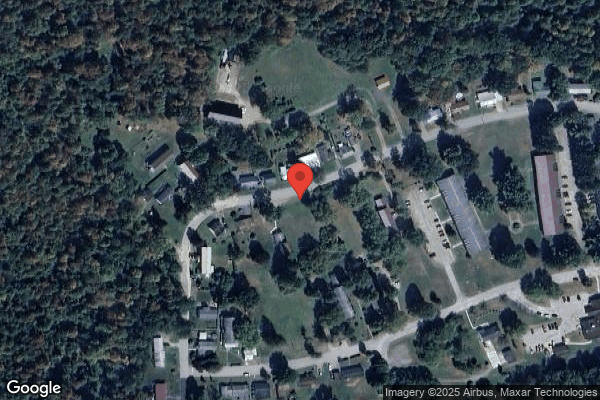

81 DILLON DRIVE, TITUSVILLE, PA 16354 (814) 827-2727
For profit - Limited Liability company 77 Beds VALLEY WEST HEALTH Data: November 2025
Trust Grade
68/100
#367 of 653 in PA
Last Inspection: June 2025

Inspected within the last 6 months. Data reflects current conditions.

Overview

Titusville Nursing and Rehab has a Trust Grade of C+, indicating it is slightly above average but not exceptional. It ranks #367 out of 653 facilities in Pennsylvania, placing it in the bottom half, and #5 out of 6 in Crawford County, meaning there is only one local option rated higher. The facility is improving, having reduced its issues from 6 in 2024 to 4 in 2025. However, it has a staffing rating of 0/5 stars, which is concerning, although the turnover rate is a relatively low 29%, better than the state average. While there have been no fines recorded, there are some specific incidents of concern, such as outdated medications not being discarded properly and residents not being included in care plan meetings, which could impact their overall care experience.

Trust Score
C+
68/100
In Pennsylvania
#367/653
Bottom 44%
Safety Record
Low Risk
No red flags
Inspections
Getting Better
6 → 4 violations
Staff Stability
✓ Good
29% annual turnover. Excellent stability, 19 points below Pennsylvania's 48% average. Staff who stay learn residents' needs.
Penalties
✓ Good
No fines on record. Clean compliance history, better than most Pennsylvania facilities.
Skilled Nurses
○ Average
RN staffing data not reported for this facility.
Violations
⚠ Watch
15 deficiencies on record. Higher than average. Multiple issues found across inspections.
★★★☆☆
3.0
Overall Rating
☆☆☆☆☆
0.0
Staff Levels
★☆☆☆☆
1.0
Care Quality
★★★★☆
4.0
Inspection Score
Stable
2024: 6 issues
2025: 4 issues

The Good

  • Low Staff Turnover (29%) · Staff stability means consistent care
  • Full Sprinkler Coverage · Fire safety systems throughout facility
  • No fines on record
  • Staff turnover is low (29%)

    19 points below Pennsylvania average of 48%

Facility shows strength in staff retention, fire safety.

The Bad

3-Star Overall Rating

Near Pennsylvania average (3.0)

Meets federal standards, typical of most facilities

Chain: VALLEY WEST HEALTH

Part of a multi-facility chain

Ask about local staffing decisions and management

The Ugly 15 deficiencies on record

Jun 2025 4 deficiencies
CONCERN (D)

Potential for Harm - no one hurt, but risky conditions existed

Deficiency F0561 (Tag F0561)

Could have caused harm · This affected 1 resident

Based on review of facility policy and clinical records, and resident and staff interviews, it was determined that the facility failed to promote resident choices about aspects of his or her life in t...

Read full inspector narrative →
Based on review of facility policy and clinical records, and resident and staff interviews, it was determined that the facility failed to promote resident choices about aspects of his or her life in the facility that are significant to the resident regarding medication administration for two of 16 residents reviewed (Residents R11 and R51). Findings include: The facility policy entitled Medication Administration-General Guidelines, dated 12/11/24, indicated that medications are administered within 60 minutes of scheduled time. Resident R11's clinical record revealed an admission date of 3/27/23, with diagnoses that included diabetes (condition of improper blood sugar control), anxiety (a condition that causes a person to be nervous, uneasy, or worried about something or someone), and chronic obstructive pulmonary disease (a progressive lung disease with chronic respiratory symptoms). During an interview with Resident R11 on 6/4/25, at 10:30 a.m. the resident shared that he/she had received medications late on 5/28/25, and had filed a grievance against Licensed Practical Nurse (LPN) Employee E5. Resident R11 indicated that receiving medications at 9:30 p.m. is too late and prefers to have the medications administered closer to 8:00 p.m. Review of Resident R11's May Medication Administration Record (MAR) revealed that on 5/28/25, seven medications that were ordered for 8:00 p.m. were administered at 9:25 p.m. Resident R51's clinical record revealed an admission date of 5/23/24, with diagnoses that included protein-calorie malnutrition, anxiety, and bipolar disorder( a mental disorder with periods of depression and abnormally elevated moods). During an interview with Resident R51 on 6/3/25, at 11:00 a.m. the resident shared that he/she had received medications late on a few days from LPN Employee E5 and prefers to have the medications administered closer to 8:00 p.m. Review of Resident R51's May MAR revealed that on 5/28/25, five medications that were ordered for 8:00 p.m. were administered at 9:06 p.m. and on 5/30/25, five medications that were ordered for 8:00 p.m. were administered at 9:24 p.m. During an interview on 6/04/25, at 1:00 p.m. the Infection Control Preventionist confirmed that Residents R11 and R51 medications were not administered timely for the above dates and in accordance with resident preferences and choices. 28 Pa. Code 201.29 (a) Resident rights 28 Pa. Code 201.18 (b)(1)(3) Management 28 Pa. Code 211.12(d)(1)(5) Nursing services
CONCERN (D)

Potential for Harm - no one hurt, but risky conditions existed

Respiratory Care (Tag F0695)

Could have caused harm · This affected 1 resident

Based on review of facility policy and clinical records, observations, and staff interview, it was determined that the facility failed to provide oxygen according to physician's orders for one of one ...

Read full inspector narrative →
Based on review of facility policy and clinical records, observations, and staff interview, it was determined that the facility failed to provide oxygen according to physician's orders for one of one residents reviewed for respiratory services (Resident R209). Findings include: Review of facility policy entitled Oxygen Administration dated 12/11/24, revealed Review the physician's order . for oxygen administration. Turn on oxygen. Unless otherwise ordered, start the flow of oxygen at . and adjust the oxygen delivery device so that it is comfortable for the resident and the proper flow of oxygen is being administered. Review of Resident R209's clinical record revealed an admission date of 5/23/25, with diagnoses that included chronic obstructive pulmonary disease (when your lungs do not have adequate air flow), diabetes (a health condition that caused by the body's inability to produce enough insulin), and acute respiratory failure (a condition where your lungs don't exchange air properly). Review of Resident R209's physician's orders dated 5/23/25, revealed an order for oxygen at 6 liters/minute via nasal cannula (a thin tube with two prongs that fit into the resident's nostrils to deliver oxygen). Observations on 6/3/25, at 11:24 a.m., 12:50 p.m., 2:06 p.m., and again at 2:14 p.m. revealed Resident R209 sitting on their bed with supplemental oxygen in place and the oxygen concentrator liter flow set at 8 1/2 liters/minute. During an interview on 6/3/25, at 2:14 p.m. the Director of Nursing confirmed that Resident R209's oxygen concentrator was on and set at 8 1/2 liters/minute and was not in accordance with the physician's order dated 5/23/25, for oxygen delivery at 6 liters/minute. 28 Pa. Code 211.10(c) Resident care policies 28 Pa. Code 211.12(d)(1)(5) Nursing services
CONCERN (D)

Potential for Harm - no one hurt, but risky conditions existed

Infection Control (Tag F0880)

Could have caused harm · This affected 1 resident

Based on review of facility policies and clinical records, observations, and staff interview, it was determined that the facility failed to prevent the potential for cross contamination during a dress...

Read full inspector narrative →
Based on review of facility policies and clinical records, observations, and staff interview, it was determined that the facility failed to prevent the potential for cross contamination during a dressing change for one of three residents with pressure ulcers requiring wound care reviewed and also failed to follow acceptable infection control practices regarding enhanced barrier precautions (EBP) (Resident R109). Findings include: Review of the facility policy entitled, Wound Care, dated 12/11/24, indicated to remove the soiled dressing, remove soiled gloves and then wash hands. Review of the facility policy entitled, Enhanced Barrier Precautions, dated 12/11/24, are used as an infection prevention and control intervention to reduce the spread of multi-drug resistant organisms (MDRO). It also indicated that gloves and gown are to be applied prior to performing the high contact resident care activities, which includes wound care. Review of Resident R109's clinical record revealed an admission date of 10/11/24, with diagnoses that included paraplegia ( loss of feeling in legs and lower body), pressure ulcers of sacral region, right buttock and left hip all at stage four (full thickness tissue loss with exposed muscle, tendon, ligament, cartilage or bone). Review of Resident R109's physician's orders dated 5/30/25, included an order to cleanse the stage four sacrum, right trochanter (hip area), left trochanter and right ischium (lower back area of the hip) pressure ulcers and apply collagen particles to the wound and cover with island dressing. Resident R109's physician's orders dated 1/06/25, revealed EBP related to a urinary catheter (tubing entering the bladder to drain urine) / MDRO. Gown and gloves for resident care. Observation of wound care on 6/04/25, at 10:00 a.m. revealed that Licensed Practical Nurse (LPN) Employee E1 entered Resident R109's room without donning (putting on) a gown. LPN Employee E1 removed the soiled dressing without washing hands afterwards and then continued to cleanse the wound without washing hands. During an interview on 6/04/25, at 10:15 a.m. LPN Employee E1 confirmed he/she did not don a gown prior to entering Resident R109's room and did not complete hand hygiene when indicated. During an interview on 6/04/25, at 10:45 a.m. the Infection Control Preventionist confirmed that LPN Employee E1 should have donned a gown prior to entering Resident R109's room and adhered to EBP related to wound care and catheter care and should have completed hand hygiene when indicated. 28 Pa. Code 201.18 (b)(1) Management 28 Pa. Code 211.10(d) Resident care policies 28 Pa. Code 211.12(d)(1)(2)(5) Nursing services
CONCERN (E)

Potential for Harm - no one hurt, but risky conditions existed

Deficiency F0761 (Tag F0761)

Could have caused harm · This affected multiple residents

Based on review of facility policies, observations and staff interviews, it was determined that the facility failed to appropriately discard outdated medications for two of two medication rooms review...

Read full inspector narrative →
Based on review of facility policies, observations and staff interviews, it was determined that the facility failed to appropriately discard outdated medications for two of two medication rooms reviewed (first floor and ground floor medication rooms) and failed to prevent the opportunity for potential unauthorized access of medications on one of three medication carts observed (B wing medication cart). Findings include: Review of a facility policy entitled Labeling of Medications and Biologicals dated 12/11/24, revealed that labels for multi-use vials must include the date the vial was initially opened . and all opened or accessed vials should be discarded within 28 days unless the manufacturer specifies a different . date for that opened vial. Review of a facility policy entitled Security of Medication Cart dated 12/11/24, revealed that medication carts must be securely locked at all times when out of the nurse's view. Review of manufacturer's guidelines revealed that an open vial of Tubersol (a solution used for tuberculosis testing upon admission and employment) should be discarded within 30 days after opening. Observation of drug storage on 6/3/25, at 12:33 p.m. of the first floor medication room revealed an open vial of Tubersol with no date indicating when the vial was open. During an interview with Licensed Practical Nurse (LPN) Employee E3 on 6/3/25, at the time of observation he/she confirmed that the open vial of Tubersol lacked an open date, and staff were unable to determine the discard date. LPN Employee E3 also confirmed that the vial of Tubersol should have been discarded. Observation on 6/3/25, at 1:17 p.m. of the ground floor medication room revealed an open vial of Tubersol with an open date of 4/25/25. During an interview with LPN Employee E4 on 6/3/25, at the time of observation, he/she confirmed that the open vial of Tubersol had an open date of 4/25/25 and also confirmed that the vial of Tubersol should have been discarded. Observation of medication administration on 6/4/25, at 8:45 a.m. revealed that LPN Employee E3 prepared medications for a resident from the B wing medication cart that was parked in the hall in front of the nurse's station. LPN Employee E3 then proceeded into the pantry to obtain a glass of milk for the resident. LPN Employee E3 left medications on top of the medication cart and did not securely lock the medication cart. LPN Employee E3 was unable to view medication cart while he/she was in the pantry. During an interview on 6/4/25, at the time of observation, LPN Employee E3 confirmed that the medication cart was left unlocked and with medications on top of the medication cart while it was parked at the nurse's station, which was out of view when going into the pantry. LPN employee E3 also confirmed that the medication cart was to be locked, and medications should not be left on top of the medication cart when out of view. 28. Pa. Code 201.18(b)(1) Management 28. Pa. Code 211.9(a)(1) Pharmacy services 28 Pa. Code 211.12(d)(1) Nursing services
Jul 2024 6 deficiencies
CONCERN (D)

Potential for Harm - no one hurt, but risky conditions existed

Quality of Care (Tag F0684)

Could have caused harm · This affected 1 resident

Based on observations, review of facility policy and clinical records, and staff interviews, it was determined that the facility failed to notify the physician and begin treatment timely related to a ...

Read full inspector narrative →
Based on observations, review of facility policy and clinical records, and staff interviews, it was determined that the facility failed to notify the physician and begin treatment timely related to a change in a resident's condition, and obtain a physician's order/clarification for the use of an assistive device for two of 17 residents reviewed (Residents R4 and R25). Findings include: Review of facility policy entitled, Change in a Resident's Condition or Status dated 3/28/24, indicated, The nurse will notify the resident's Attending Physician or physician on call when there has been a(an): significant change in the resident's physical/emotional/mental condition. Resident R4's admission record revealed an admission date of 4/1/22, with diagnoses that included dementia (condition with symptoms that affect memory and thinking), atrial fibrillation (irregular heart rate), and type II diabetes (condition of insufficient production of insulin). Review of a nursing note dated 7/20/24, at 6:01 p.m. indicated that the physician was faxed information regarding white patches in Resident R4's mouth. Continued review of Resident R4's clinical record revealed a nursing note dated 7/22/24, at 11:40 a.m. indicating that the physician's office was contacted regarding white patches on Resident R4's tongue and mouth. A nursing note dated 7/23/24, at 12:03 p.m. indicated an order was received for Nystatin Mouth/Throat Suspension (a medication used to treat a fungal infection in the mouth) Give 5 milliliters by mouth three times a day (8:00 a.m., 1:00 p.m., and 5:00 p.m.) for thrush swish and spit. Nursing notes dated 7/23/24, at 1:31 p.m. and 7/23/24, at 4:18 p.m. revealed that Resident R4 did not receive the Nystatin Mouth/Throat Suspension as ordered due to it not being delivered to the facility. Review of Resident R4's July 2024 Medication Administration Record revealed Resident R4 received his/her first dose of Nystatin Mouth/Throat Suspension on 7/24/24, during the 8:00 a.m. medication pass, this was approximately 86 hours after the white patches on his/her mouth and tongue were observed. During an interview with the Director of Nursing (DON) on 7/24/24, at 12:20 p.m. it was confirmed that there was a delay in treatment regarding Resident R4's change in condition and that nursing staff should have called the physician on Saturday 7/20/24, rather than faxing the physician with the resident condition concerns. Resident R25's clinical record revealed an admission date of 1/16/24, with diagnoses that included status post right hip fracture and repair, heart failure, and right leg blood clots. The clinical record lacked of evidence of physician's orders, care plan interventions, nurse aide tasks, or progress notes regarding application of an abductor pillow (soft but firm foam pillow that is placed between the thighs and strapped onto the patient's legs while they are in a resting position to aid in keeping the body stable and prevents an abducting motion that could cause pain or further injury post-surgery). During an interview on 7/24/24, at 11:45 a.m. Licensed Practical Nurse (LPN) Employee E1 confirmed that Resident R25 came back from an orthopedic appointment with the pillow and that there was no physician's order for it in the clinical record. During an interview on 7/24/24, at 11:57 a.m. Nurse Aide (NA) Employee E2 confirmed that he/she has inconsistently discovered the abductor pillow between Resident R25's legs upon entering the room and removed the pillow and placed at the top of his/her closet in an effort to prevent others from using it because there was no physician's order for it. During an interview on 7/24/24, at 1:21 p.m. the DON confirmed Resident R25 did not have a physician's order for the use of an abductor pillow and the Therapy Director confirmed that the abductor pillow present in Resident R25's room was not an the appropriate size for he/she to use. During an interview on 7/24/24, at 1:35 p.m. Registered Nurse (RN) Employee E3 confirmed he/she had only seen the pillow once prior on 7/19/24. During an interview on 7/24/24, at 2:20 p.m. LPN Employee E4 confirmed he/she had only seen the pillow once prior on 7/19/24, and did not know where it came from. During an interview on 7/24/24, at 2:28 p.m. NA Employee E5 confirmed he/she was not sure how often the pillow was placed between Resident R25's legs and that if used, it was painful for the resident. During an interview on 7/24/24, at 2:35 p.m. NA Employee E6 confirmed that when he/she comes over to that hall to help the pillow is already in there, it is removed to provide care and Resident R25 doesn't like it in there. During an interview on 7/25/24, at 10:00 a.m. the Corporate Nurse Consultant confirmed there was no care plan or nurse aide tasks for the use of the abductor pillow. Observation on 7/25/24, at 10:26 a.m. revealed a pink, foam abductor pillow remained laying in Resident R25's closet. During an interview at that time, LPN Employee E1 confirmed the abductor pillow was laying in Resident R25's closet and that there was no physician's order for the pillow. During an interview on 7/25/24, at 1:00 p.m. NA Employee E7 confirmed that he/she has discovered the pillow already in place between Resident R25's legs upon entering the room. 28 Pa. Code 211.10(c) Resident care policies 28 Pa. Code 211.12(d)(1) Nursing services 28 Pa. Code 211.12 (d)(2)(3) Nursing services
CONCERN (D)

Potential for Harm - no one hurt, but risky conditions existed

Respiratory Care (Tag F0695)

Could have caused harm · This affected 1 resident

Based on review of facility policy and clinical records, observations, and staff interview, it was determined that the facility failed to maintain proper care of respiratory equipment for one resident...

Read full inspector narrative →
Based on review of facility policy and clinical records, observations, and staff interview, it was determined that the facility failed to maintain proper care of respiratory equipment for one resident reviewed for respiratory care (Resident R210). Findings include: Facility policy entitled Departmental (Respiratory Therapy) - Prevention of Infection dated 3/28/24, indicated Infection Control Considerations Related to Oxygen Administration . Keep the oxygen cannula and tubing used PRN in a plastic bag when not in use. Resident R210's clinical record revealed an admission date of 7/10/24, with diagnoses that included fracture of right femur (broken bone of the upper leg), hypertension (high blood pressure), and diabetes (a health condition that causes by the body's inability to produce enough insulin). Resident R210's physician orders dated 7/12/24, revealed an order indicating to provide oxygen at 2 liters per minute via nasal cannula (oxygen tubing that has prongs that go into the nostrils and loops around the ears to secure in place to ensure adequate oxygen delivery). Observation on 7/22/24, at 11:45 a.m. revealed Resident R210's nasal cannula had a piece of tape wrapped around the oxygen tubing dated 7/17/24. The oxygen tubing was connected to the oxygen concentrator and the prongs that go into the nostrils was laying on the floor. Observation on 7/22/24, at 4:10 p.m. revealed that the oxygen tubing remained with the prongs that go into the nostrils laying on the floor. Observation on 7/23/24, at 8:28 a.m. revealed Resident R210's nasal cannula had a piece of tape wrapped around the oxygen tubing dated 7/17/24, the oxygen tubing was connected to the oxygen concentrator and the prongs that go into the nostrils was laying on the floor. During an interview on 7/23/24, at 8:41 a.m. the Director of Nursing confirmed that the nasal cannula was laying on the floor. He/she also confirmed that the nasal cannula should not be on the floor and the nasal cannula should be placed in a bag when the resident is not using it. 28 Pa. Code 211.12(d)(1)(5) Nursing services 28 Pa. Code 211.10(d) Resident care policies
CONCERN (D)

Potential for Harm - no one hurt, but risky conditions existed

Medication Errors (Tag F0758)

Could have caused harm · This affected 1 resident

Based on review of facility policy and clinical records, and staff interviews, it was determined that the facility failed to provide a clinical rationale and duration for the continued use of a PRN (a...

Read full inspector narrative →
Based on review of facility policy and clinical records, and staff interviews, it was determined that the facility failed to provide a clinical rationale and duration for the continued use of a PRN (as needed) psychotropic (affecting the mind) medication beyond 14 days for one of five residents reviewed for psychotropic medications (Resident R6). Findings include: A facility policy entitled Antipsychotic Medication Use dated 3/28/2024, indicated that PRN orders for psychotropic medications are limited to 14 days and If the prescriber or attending physician believes it is appropriate to extend the PRN order beyond 14 days, he or she will document the rationale for extending the use and include the duration for the PRN order. Resident R6's clinical record revealed an admission date of 5/18/17, with diagnoses that included chronic obstructive pulmonary disease (when your lungs do not have adequate air flow), anxiety (a condition that causes a person to be nervous, uneasy, or worried about something or someone), and heart failure (a condition where the heart cannot supply the body with enough blood). Review of Resident R6's Medication Administration Record (MAR) revealed a physician's order dated 7/9/24, to administer Vistaril (anti-anxiety medication) 25 milligrams (mg) every eight hours as needed (PRN) for 14 days. Further review of Resident R6's MAR revealed PRN Vistaril order was revised on 7/16/24, 7/17/24, and 7/18/24. After the revision on 7/18/24, the PRN Vistaril order lacked evidence of a specified duration. Resident R6 received PRN Vistaril on 7/16/24, 7/17/24, 7/18/24, 7/19/24, 7/23/24 and 7/24/24, which was beyond 14 days from the original order date. Resident R6's Vistaril order lacked the required stop date within 14 days and a clinical rationale for continued use beyond 14 days. During interview on 7/25/24, at 9:25 a.m. the Director of Nursing revealed he/she was provided information that the PRN Vistaril did not need a duration to continue use, he/she confirmed that the information was incorrect. He/she also confirmed that the PRN Vistaril lacked the required stop date within 14 days and a clinical rationale for continued use beyond 14 days. 28 Pa. Code 211.10(d) Resident care policies 28 Pa. Code 211.12(d)(1)(3)(5) Nursing services
CONCERN (D)

Potential for Harm - no one hurt, but risky conditions existed

Deficiency F0761 (Tag F0761)

Could have caused harm · This affected 1 resident

**NOTE- TERMS IN BRACKETS HAVE BEEN EDITED TO PROTECT CONFIDENTIALITY** Based on review of facility policies, observations, and staff interview, it was determined that the facility failed to ensure th...

Read full inspector narrative →
**NOTE- TERMS IN BRACKETS HAVE BEEN EDITED TO PROTECT CONFIDENTIALITY** Based on review of facility policies, observations, and staff interview, it was determined that the facility failed to ensure that keys to the medication cart and medication room were secured on one of five units reviewed (Unit B). Findings include: Facility policy entitled, Security of Medication Cart dated 3/28/24, indicated, The nurse must secure the medication cart during the medication pass to prevent unauthorized entry. Facility policy entitled, Medication Storage in The Facility dated 3/28/24, indicated, Medication rooms, carts, and medication supplies are locked or attended by persons with authorized access. Observations on 7/22/24, at 1:30 p.m. in room [ROOM NUMBER] on Unit B revealed the nurse's medication cart and medication room keys were on the resident's bed and were unsecured. At that time, the Director of Nursing (DON) was called to room [ROOM NUMBER] on Unit B. The DON confirmed that the unsecured keys were for the medication cart on Unit B and the medication room. The DON confirmed that medication cart keys and medication room keys should be secured at all times and should never be left in a resident's room. 28 Pa. Code 211.9(a)(1) Pharmacy services 28 Pa. Code 211.12(d)(1)(2) Nursing services
MINOR (C)

Minor Issue - procedural, no safety impact

Deficiency F0868 (Tag F0868)

Minor procedural issue · This affected most or all residents

Based on review of facility records and staff interview, it was determined that the facility failed to assure required attendance of the Infection Preventionist to Quality Assurance and Performance Im...

Read full inspector narrative →
Based on review of facility records and staff interview, it was determined that the facility failed to assure required attendance of the Infection Preventionist to Quality Assurance and Performance Improvement (QAPI) Committee meetings for two of four quarterly QAPI Committee meetings (July 2023 through December 2023). Findings include: A facility policy entitled Guardian Elder Care Quality Assurance and Process Improvement Committee dated 3/28/24, indicated the following individuals will serve on the committee . j. Infection Control Representative . and The committee will meet monthly at an appointed time. Review of the QAPI Committee Attendance Records from July 2023 through December 2023 revealed no evidence on the attendance sign-in sheets for the required QAPI meetings that the Infection Preventionist was in attendance. During an interview on 7/25/24, at 11:00 a.m. the Nursing Home Administrator confirmed the facility lacked evidence that an Infection Preventionist attended the quarterly QAPI Committee meetings as required in the quarters between July 2023 through December 2023. He/she also confirmed that the Infection Preventionist should be in attendance for the QAPI meetings as required. 28 Pa. Code 201.18(e)(1)(3) Management 28 Pa. Code 211.10(d) Resident care policies
MINOR (C)

Minor Issue - procedural, no safety impact

Deficiency F0882 (Tag F0882)

Minor procedural issue · This affected most or all residents

Based on review of facility records and staff interviews, it was determined that the facility failed to ensure the designated Infection Preventionist (IP) attended the Infection Control Committee meet...

Read full inspector narrative →
Based on review of facility records and staff interviews, it was determined that the facility failed to ensure the designated Infection Preventionist (IP) attended the Infection Control Committee meetings and works at the facility focusing only on infection control at least part-time as required. Findings include: Review of facility documentation identified that the Director of Nursing (DON) fulfilled the job of the IP from November 2023 through May 2024. The DON works full-time and was unable to provide proof that additional part-time hours focusing only on infection control were completed in addition to his/her full-time DON duties. Review of Infection Control committee meetings from July 2023 through December 2023 revealed there was not anyone who attended the meetings and signed in as the IP. During an interview on 7/25/24, at 11:00 a.m. the Nursing Home Administrator confirmed the facility lacked evidence that an IP attended the meetings from July 2023-December 2023, and the DON confirmed that he/she could not provide proof that he/she completed additional part-time hours focusing only on infection control in addition to his/her full-time DON duties. 28 Pa. Code 201.18(e)(1)(3) Management 28 Pa. Code 211.10(d) Resident care policies 28 Pa. Code 211.12(d)(1)(5) Nursing services
Aug 2023 5 deficiencies
CONCERN (D)

Potential for Harm - no one hurt, but risky conditions existed

Deficiency F0561 (Tag F0561)

Could have caused harm · This affected 1 resident

Based on review of clinical records, and resident and staff interviews, it was determined that the facility failed to allow residents the right to make choices about aspects of his or her life in the ...

Read full inspector narrative →
Based on review of clinical records, and resident and staff interviews, it was determined that the facility failed to allow residents the right to make choices about aspects of his or her life in the facility that are significant to the resident for one of 17 residents (Resident R10). Findings include: Review of Resident R10's clinical record revealed an admission date of 4/28/23, with diagnoses that included heart failure, irregular heartbeat, broken right leg, Type 2 Diabetes (chronic condition that affects the way the body processes glucose [sugar]), and high blood pressure. Resident R10's clinical record also revealed that Resident R10 was his/her own responsible party. There was no documentation of an assigned Power of Attorney (individual designated by the resident to make decisions when/if the resident becomes unable to). Review of the most recent Quarterly Minimum Data Set (periodic assessment to determine the resident's current health status and functioning) dated 6/20/23, Section C-Cognitive Pattens Section C0500 indicated that Resident R10's Brief Interview of Mental Status (BIMS-assessment of resident's current cognitive [level of understanding] status) had a score of 15 (cognitively intact). Review of departmental progress notes revealed: 7/26/23: hard to awaken, doesn't make sense. Facility phoned son and he didn't want anything invasive. There was no evidence of asking Resident R10 of wanting to go to the hospital. 7/27/23: very fatigued for a few days, blood sugar dropped. Facility phoned son and he didn't' want anything invasive done. There was no evidence of asking Resident R10 of wanting to go to the hospital. 8/01/23: spoke to son about changing resident's room. There was no evidence the facility spoke to resident about changing rooms. 8/01/23: required assistance with eating, unable to use hands, spilled food all floor and self. There was no evidence of asking Resident R10 of wanting to go to the hospital due to these changes. During an interview on 8/03/23, at 3:09 p.m. Resident R10 confirmed he/she wants to go to the hospital if he/she is sick. During an interview on 8/04/23, at 10:47 a.m. the Director of Nursing confirmed that there was no evidence that the facility asked Resident R10 about going to the hospital, changing rooms, and no evidence of a Power of Attorney document in the clinical record. 28 Pa. Code 201.29 (j) Resident rights 28 Pa. Code 201.18 (b)(1)(3) Management 28 Pa. Code 211.12(d)(1)(5) Nursing services
CONCERN (D)

Potential for Harm - no one hurt, but risky conditions existed

Deficiency F0660 (Tag F0660)

Could have caused harm · This affected 1 resident

**NOTE- TERMS IN BRACKETS HAVE BEEN EDITED TO PROTECT CONFIDENTIALITY** Based on review of clinical records, and resident and staff interview, it was determined that the facility failed to update the ...

Read full inspector narrative →
**NOTE- TERMS IN BRACKETS HAVE BEEN EDITED TO PROTECT CONFIDENTIALITY** Based on review of clinical records, and resident and staff interview, it was determined that the facility failed to update the resident's discharge plan to reflect changes in determining the resident's potential for discharge, involve the interdisciplinary team, involve the resident and representative, and update the comprehensive care plan and discharge plan in response to information received from referrals for one of 17 residents (Resident R28). Findings include: Review of Resident R28's clinical record revealed an admission date of 11/30/22, with diagnoses that included Type 2 Diabetes (chronic condition that affects the way the body processes blood glucose [sugar]), long-term irregular heartbeat, needs help with personal care, and artificial left knee. Resident R28's care plan entitled, Shows potential for discharge and patient, relative or representative expresses wish for discharge dated 12/06/22, included the goal will be discharged to home when clinical and rehabilitation goals are met. Review of Resident R28's clinical record revealed a departmental progress note dated 5/18/23, that indicated Resident R28 lived alone in an apartment and planned to return there, however he/she requires 24-hour care which is not available and he/she must be able to transfer without the use of a lift, and a Physical Therapy Discharge summary dated [DATE], indicated that Resident R28 had attained his/her highest practical level and was to be discharged to the long-term care setting. Resident R28's clinical record lacked documentation regarding changing and/or updating Resident R28's discharge plan, and lacked evidence of including the interdisciplinary team and resident/representative in updating the discharge plan. During an interview on 8/01/23, at 2:32 p.m. Resident R28 confirmed that he/she had caregivers at home before coming into the facility and was trying to find home health caregivers so he/she can go back home. During an interview on 8/03/23, at 9:04 a.m. the Social Services Director confirmed that Resident R28 was not able to go home due to requiring the use of a mechanical lift and lack of caregivers in the home, and that Resident R28's discharge plan should have been updated. During an interview on 8/03/23, at 9:40 a.m. Physical Therapy Employee E1 confirmed that Resident R28 was discharged from therapy services on 5/18/23, and did not achieve the necessary physical requirements to safely discharge home with home health services, did not qualify for 24-hour care at home, and that Resident R28 was not safe to discharge home with services. During an interview on 8/04/23, at 9:47 a.m. Social Services Director confirmed that there was no evidence that the change in the discharge plan was discussed with the interdisciplinary team, Resident R28, and his/her representative. 28 Pa. Code 201.14(a) Responsibility of licensee 28 Pa. Code 211.5(f) Clinical records 28 Pa. Code 211.11(e) Resident care plan
CONCERN (D) 📢 Someone Reported This

A family member, employee, or ombudsman was alarmed enough to file a formal complaint

Potential for Harm - no one hurt, but risky conditions existed

Quality of Care (Tag F0684)

Could have caused harm · This affected 1 resident

Based on review of facility policy and facility grievances, and staff interviews it was determined that the facility failed to properly and safely administer resident medications on two separate incid...

Read full inspector narrative →
Based on review of facility policy and facility grievances, and staff interviews it was determined that the facility failed to properly and safely administer resident medications on two separate incidents for one of 17 residents (Resident R3) Findings include: Review of facility policy dated 5/25/23, entitled Medication Administration General Guidelines indicated that Medications are to be administered at the time they are prepared. The policy further indicated that The resident is always observed after administration to ensure that the dose was completely ingested. Review of facility policy dated 5/25/23, entitled Documentation of Medication Administration, indicated that a nurse documents all medication administered to each resident on the resident's Medication Administration Record (MAR), it further indicated that the reason why a medication or medications not administered should be documented. Review of a facility grievance form dated 5/29/23, revealed that a family member found a cup of medications at Resident R3's bedside when the family member came to visit on 5/29/23, at 3:30 p.m. Review of a facility grievance dated 6/22/23, revealed that on 6/22/23, Resident R3 had received their morning medications twice by two different nurses. Review of Resident R3's admission record revealed an admission date of 4/01/22, with diagnoses that included dementia, heart disease, high blood pressure, atrial fibrillation and diabetes. Review of a quarterly Minimum Data Set (MDS-a periodic assessment of resident care needs) assessment for Resident R3, dated 5/19/23, revealed that the resident had a Brief Interview for Mental Status (BIMS) that identified she had severely impaired cognition. Review of Resident R3's MAR for May 2023, identified that Resident R3 was administered all of their medications on 5/28/23 and 5/29/23, even though a medication cup full of medications was found at Resident R3's bedside stand on 5/29/23, at 3:30 p.m. by a family member. A nurse's note dated 6/22/23 at 9:42 a.m. revealed that Resident R3 was given a double dose of her morning medications and a nurse's note dated 6/23/23 at 10:46 p.m. revealed that Resident R3 was doing well post medication overdose; No ill effects. During an interview on 8/03/23, at 10:20 a.m. the Director of Nursing (DON) confirmed that Resident R3's medications should not have been left alone in the room for the resident and should not have been documented as administered. The DON also confirmed that on 6/22/23, Resident R3 did receive two doses of their morning medications in error. 28 Pa. Code 201.14(a) Responsibility of licensee 28 Pa. Code 211.9(a)(1)(d) Pharmacy services 28 Pa. Code 211.10(c) Resident care policies
CONCERN (D) 📢 Someone Reported This

A family member, employee, or ombudsman was alarmed enough to file a formal complaint

Potential for Harm - no one hurt, but risky conditions existed

Deficiency F0761 (Tag F0761)

Could have caused harm · This affected 1 resident

Based on review of facility policy and grievances and staff interviews, it was determined that the facility failed to properly administer resident medications for one of 17 residents (Resident R3) Fin...

Read full inspector narrative →
Based on review of facility policy and grievances and staff interviews, it was determined that the facility failed to properly administer resident medications for one of 17 residents (Resident R3) Findings include: Review of facility policy dated 5/25/23, entitled Medication Administration General Guidelines indicated that Medications are to be administered at the time they are prepared. The policy further indicated that The resident is always observed after administration to ensure that the dose was completely ingested. Review of Resident R3's clinical record revealed an admission date of 4/01/22, with diagnoses that included dementia, heart disease, high blood pressure, atrial fibrillation and diabetes. Review of a quarterly Minimum Data Set (MDS-a periodic assessment of resident care needs) assessment for Resident R3, dated 5/19/23, revealed that the resident had a Brief Interview for Mental Status (BIMS) and had severely impaired cognition. Review of a facility grievance form dated 5/29/23, revealed that a family member found a cup of medications at Resident R3's bedside when the family member came to visit on 5/29/23, at 3:30 p.m During an interview on 8/03/23, at 10:20 a.m. the Director of Nursing confirmed that Resident R3's medications should not have been left alone in the room for the resident. 28 Pa. Code 201.14(a) Responsibility of licensee 28 Pa. Code 211.9(a)(1) Pharmacy services 28 Pa. Code 211.10(c) Resident care policies
CONCERN (E)

Potential for Harm - no one hurt, but risky conditions existed

Deficiency F0657 (Tag F0657)

Could have caused harm · This affected multiple residents

**NOTE- TERMS IN BRACKETS HAVE BEEN EDITED TO PROTECT CONFIDENTIALITY** Based on review of facility policy and clinical records and staff interview, it was determined that the facility failed to invit...

Read full inspector narrative →
**NOTE- TERMS IN BRACKETS HAVE BEEN EDITED TO PROTECT CONFIDENTIALITY** Based on review of facility policy and clinical records and staff interview, it was determined that the facility failed to invite residents and/or representatives to care plan meetings and failed to review and revise comprehensive care plans to reflect the current necessary care and services for four of 17 residents reviewed (Residents R18, R28, R32, and R59). Findings include: Review of a facility policy entitled, Goals and Objectives, Care Plans dated 5/25/2023, indicated that goals and objectives are reviewed and/or revised when the desired outcome has not been achieved. Review of a facility policy entitled Resident Participation Assessment/Care plans policy dated 5/23/2023, revealed that The resident/representative's right to participate in the development and implementation of his/her plan of care includes the right to: (3) a. Participate in the planning process., (7) A seven day advance notice of the care planning conference is provided to the resident and his or her representative. Review of Resident R18's clinical record revealed an admission date of 12/30/22, with diagnoses that included Type 2 Diabetes (chronic condition that affects the way the body processes blood glucose [sugar]), heart failure, heart disease, high blood pressure and a history of a stroke. Resident R18's clinical record lacked any evidence of resident/resident representative being invited or attending a care plan meeting. Review of Resident R32's clinical record revealed an admission date of 1/6/21, with diagnoses that included major depressive disorder, hypokalemia (a condition when your blood level of potassium is low), schizophrenia (impaired thinking process), and localized edema (swelling in one area of the body) Review of Resident R32's clinical record revealed a care plan conference meeting invitation on 3/31/23. Review of Resident R32's clinical record lacked evidence that he /she and/or resident representative had attended the care plan conference meeting. During an interview on 8/1/23, at 2:34 p.m. Resident R32 disclosed that he/she had not attended care plan meeting. During an interview on 8/3/23, at 9:50 a.m. the Social Services Director indicated that the care plan invitation and care plan meeting would be documented in the resident's clinical record. Review of Resident R59's clinical record Resident R59 clinical record revealed an admission date of 3/31/23, with diagnoses that included congestive heart failure (a condition where the heart becomes weak that leads to a build up of fluid in the lungs and surrounding body tissue), hyperlipidemia (high cholesterol), and cerebral infarction (a blockage of blood flow to the brain) Review of Resident R59's clinical record lacked evidence that he/she and/or the resident representative was invited/attended the care plan conference meetings. During an interview on 8/1/23, at 11:00 a.m. Resident R59 disclosed that he/she had not attended and/or been invited to a care plan meeting. During an interview on 8/3/23, at 9:50 a.m. the Social Service Director indicated that the care plan invitation and care plan meeting would be documented in the resident's clinical record. Resident R59's clinical record lacked evidence that Resident R59 or R59's representative was invited to and/or attended a care plan meeting. During an interview on 8/3/23, at 11:50 a.m. the Social Services Director confirmed there was no evidence that Residents R18 and R59 had attended care plan meetings or been invited to care plan meetings and no evidence of Resident R32 attending the care plan meeting. Review of Resident R28's clinical record revealed an admission date of 11/30/22, with diagnoses that included Type 2 Diabetes, long-term irregular heartbeat, need help with personal care, and artificial left knee, a care plan entitled, Shows potential for discharge and patient, relative or representative expresses wish for discharge dated 12/06/22, included the goal will be discharged to home when clinical and rehabilitation goals are met. Further review of Resident R28's clinical record revealed a departmental progress note dated 5/18/23, indicating that Resident R28 lived alone in an apartment and planned to return there, however he/she requires 24-hour care which is not available, and he/she must be able to transfer without the use of a lift. Review of a Physical Therapy Discharge summary dated [DATE], indicated that Resident R28 had attained his/her highest practical level and was to be discharged to the long-term care setting. During an interview on 8/03/23, at 9:04 a.m. the Social Services Director confirmed that Resident R28 was not able to go home due to requiring the use of a mechanical lift and lack of caregivers in the home, and that Resident R28's discharge care plan should have been updated to reflect that status. During an interview on 8/03/23, at 9:40 a.m. Physical Therapy Employee E1 confirmed that Resident R28 was discharged from therapy services on 5/18/23, and did not achieve the necessary physical requirements to safely discharge home with home health services. 28 Pa. Code 211.5(f) Clinical records 28 Pa. Code 211.10(c)(d) Resident care policies 28 Pa. Code 211.12(d)(1)(5) Nursing services
Understanding Severity Codes (click to expand)
Life-Threatening (Immediate Jeopardy)
J - Isolated K - Pattern L - Widespread
Actual Harm
G - Isolated H - Pattern I - Widespread
Potential for Harm
D - Isolated E - Pattern F - Widespread
No Harm (Minor)
A - Isolated B - Pattern C - Widespread

Questions to Ask on Your Visit

  • "Can I speak with families of current residents?"
  • "What's your RN coverage like on weekends and overnight?"

Our Honest Assessment

Strengths
  • • No major safety red flags. No abuse findings, life-threatening violations, or SFF status.
  • • No fines on record. Clean compliance history, better than most Pennsylvania facilities.
  • • 29% annual turnover. Excellent stability, 19 points below Pennsylvania's 48% average. Staff who stay learn residents' needs.
Concerns
  • • 15 deficiencies on record. Higher than average. Multiple issues found across inspections.
Bottom line: Mixed indicators with Trust Score of 68/100. Visit in person and ask pointed questions.

About This Facility

What is Titusville Nursing And Rehab's CMS Rating?

CMS assigns TITUSVILLE NURSING AND REHAB an overall rating of 3 out of 5 stars, which is considered average nationally. Within Pennsylvania, this rating places the facility higher than 0% of the state's 100 nursing homes. This mid-range rating indicates the facility meets federal standards but may have areas for improvement.

How is Titusville Nursing And Rehab Staffed?

Staff turnover is 29%, compared to the Pennsylvania average of 46%. This relatively stable workforce can support continuity of care.

What Have Inspectors Found at Titusville Nursing And Rehab?

State health inspectors documented 15 deficiencies at TITUSVILLE NURSING AND REHAB during 2023 to 2025. These included: 13 with potential for harm and 2 minor or isolated issues.

Who Owns and Operates Titusville Nursing And Rehab?

TITUSVILLE NURSING AND REHAB is owned by a for-profit company. For-profit facilities operate as businesses with obligations to shareholders or private owners. The facility is operated by VALLEY WEST HEALTH, a chain that manages multiple nursing homes. With 77 certified beds and approximately 0 residents (about 0% occupancy), it is a smaller facility located in TITUSVILLE, Pennsylvania.

How Does Titusville Nursing And Rehab Compare to Other Pennsylvania Nursing Homes?

Compared to the 100 nursing homes in Pennsylvania, TITUSVILLE NURSING AND REHAB's overall rating (3 stars) matches the state average, staff turnover (29%) is significantly lower than the state average of 46%, and health inspection rating (4 stars) is above the national benchmark.

What Should Families Ask When Visiting Titusville Nursing And Rehab?

Based on this facility's data, families visiting should ask: "Can I visit during a mealtime to observe dining assistance and food quality?" "How do you handle medical emergencies, and what is your hospital transfer rate?" "Can I speak with family members of current residents about their experience?"

Is Titusville Nursing And Rehab Safe?

Based on CMS inspection data, TITUSVILLE NURSING AND REHAB has a clean safety record: no substantiated abuse findings (meaning no confirmed cases of resident harm), no Immediate Jeopardy citations (the most serious violation level indicating risk of serious injury or death), and is not on the Special Focus Facility watch list (a federal program monitoring the lowest-performing 1% of nursing homes). The facility has a 3-star overall rating and ranks #1 of 100 nursing homes in Pennsylvania. While no facility is perfect, families should still ask about staff-to-resident ratios and recent inspection results during their visit.

Do Nurses at Titusville Nursing And Rehab Stick Around?

Staff at TITUSVILLE NURSING AND REHAB tend to stick around. With a turnover rate of 29%, the facility is 17 percentage points below the Pennsylvania average of 46%. Low turnover is a positive sign. It means caregivers have time to learn each resident's needs, medications, and personal preferences. Consistent staff also notice subtle changes in a resident's condition more quickly. Registered Nurse turnover is also low at 27%, meaning experienced RNs are available to handle complex medical needs.

Was Titusville Nursing And Rehab Ever Fined?

TITUSVILLE NURSING AND REHAB has no federal fines on record. CMS issues fines when nursing homes fail to meet care standards or don't correct problems found during inspections. The absence of fines suggests the facility has either maintained compliance or corrected any issues before penalties were assessed. This is a positive indicator, though families should still review recent inspection reports for the full picture.

Is Titusville Nursing And Rehab on Any Federal Watch List?

TITUSVILLE NURSING AND REHAB is not on any federal watch list. The most significant is the Special Focus Facility (SFF) program, which identifies the bottom 1% of nursing homes nationally based on persistent, serious quality problems. Not being on this list means the facility has avoided the pattern of deficiencies that triggers enhanced federal oversight. This is a positive indicator, though families should still review the facility's inspection history directly.