Lgar Health And Rehabilitation
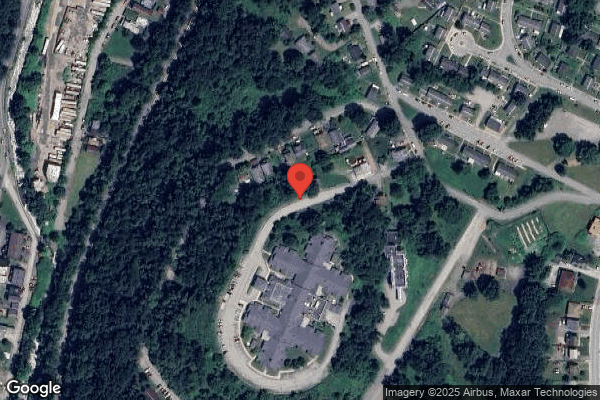

800 ELSIE STREET, TURTLE CREEK, PA 15145 (412) 825-9000
Non profit - Corporation 120 Beds Independent Data: November 2025
Trust Grade
70/100
#307 of 653 in PA
Last Inspection: October 2024

Within standard 12-15 month inspection cycle. Federal law requires annual inspections.

Overview

Lgar Health and Rehabilitation in Turtle Creek, Pennsylvania, has a Trust Grade of B, indicating it is a good option for families seeking care, though not the top choice. It ranks #307 out of 653 facilities in Pennsylvania, placing it in the top half of nursing homes statewide, and #14 out of 52 in Allegheny County, meaning only a few local options are better. The facility is improving, with reported issues decreasing from five in 2023 to two in 2024. Staffing is a strength, rated 4 out of 5 stars with a turnover rate of 40%, which is below the state average, suggesting experienced staff who know the residents well. However, the facility has faced concerns, including incidents where residents were transferred without the required two-person assistance, leading to a fall risk, and a failure to investigate potential abuse and neglect incidents adequately. Overall, while Lgar Health and Rehabilitation has strengths, families should be aware of these weaknesses when considering care options.

Trust Score
B
70/100
In Pennsylvania
#307/653
Top 47%
Safety Record
Low Risk
No red flags
Inspections
Getting Better
5 → 2 violations
Staff Stability
○ Average
40% turnover. Near Pennsylvania's 48% average. Typical for the industry.
Penalties
✓ Good
No fines on record. Clean compliance history, better than most Pennsylvania facilities.
Skilled Nurses
✓ Good
Each resident gets 42 minutes of Registered Nurse (RN) attention daily — more than average for Pennsylvania. RNs are trained to catch health problems early.
Violations
○ Average
10 deficiencies on record. Average for a facility this size. Mostly minor or procedural issues.
★★★☆☆
3.0
Overall Rating
★★★★☆
4.0
Staff Levels
★☆☆☆☆
1.0
Care Quality
★★★★☆
4.0
Inspection Score
Stable
2023: 5 issues
2024: 2 issues

The Good

  • 4-Star Staffing Rating · Above-average nurse staffing levels
  • Full Sprinkler Coverage · Fire safety systems throughout facility
  • No fines on record
  • Staff turnover below average (40%)

    8 points below Pennsylvania average of 48%

Facility shows strength in staffing levels, fire safety.

The Bad

3-Star Overall Rating

Near Pennsylvania average (3.0)

Meets federal standards, typical of most facilities

Staff Turnover: 40%

Near Pennsylvania avg (46%)

Typical for the industry

The Ugly 10 deficiencies on record

Oct 2024 2 deficiencies
CONCERN (D)

Potential for Harm - no one hurt, but risky conditions existed

Investigate Abuse (Tag F0610)

Could have caused harm · This affected 1 resident

**NOTE- TERMS IN BRACKETS HAVE BEEN EDITED TO PROTECT CONFIDENTIALITY** Based on review of facility policy, clinical records, facility documents, and staff interview, it was determined that the facili...

Read full inspector narrative →
**NOTE- TERMS IN BRACKETS HAVE BEEN EDITED TO PROTECT CONFIDENTIALITY** Based on review of facility policy, clinical records, facility documents, and staff interview, it was determined that the facility failed to identify and investigate an incident of possible abuse and/or neglect for three of five incidents reviewed (Resident R6, R25, and R49). Findings include: A review of the facility policy Abuse, Neglect, Exploitation, Misappropriation or Resident Property and Prohibition Prevention reviewed 7/29/24, indicated the facility will do everything within its control to prevent and prohibit resident abuse, neglect, exploitation, or misappropriation of resident property. Staff will identify and observed or suspected occurrence, pattern, or here say, and report it to a supervisor for prompt investigation. The facility will investigate all allegations or occurrences of abuse, neglect, exploitation or misappropriation of resident property and will determine where the results are to be reported, if necessary. A review of the facility policy Incident and Accident Reports reviewed 7/29/24, indicated to document both incidents and accidents involving residents for use as an internal tool to investigate the event and to help prevent future similar events. Provide for the initiation of an investigation when there is an injury of undetermined origin. Witness statements are to be obtained by all parties involved at the time of the incident or accident. A review of the clinical record indicated Resident R6 was admitted to the facility on [DATE], with diagnoses that included Alzheimer's Disease (brain disorder that slowly destroys memory, thinking, and the ability to carry out the simplest tasks), depression, and reduced mobility. A review of the Minimum Data Set (MDS - a mandated assessment of a resident's abilities and care needs) dated 8/1/24, revealed the diagnoses remain current. Review of the care plan dated 9/2/22, indicated Resident R6 was at risk for falls and to ensure he was wearing appropriate footwear. Review of facility provided documents dated 5/9/24, revealed during a mechanical lift transfer, Resident R6's foot slipped off the lift and he received an abrasion to his left shin. There is no evidence the facility investigated the incident to confirm the lift was in working order, had any sharp points that could have injured the resident, if proper footwear was used, and failed to obtained witness statements regarding the incident. During an interview on 10/16/24, at 9:35 a.m. Licensed Practical Nurse (LPN) Employee E2 stated she completed the incident report for Resident R6 on 5/9/24. She stated she was not involved in the incident and was not Resident R6's nurse on 5/9/24. She stated she did not know how to fully fill out the facility's incident report. Review of the clinical record indicated Resident R25 was re-admitted to the facility on [DATE], with diagnoses that included overactive bladder, depression, and diabetes. Review of the MDS dated [DATE], revealed the diagnoses remain current. Review of facility provided documents dated 9/24/24, indicated Resident R25 asked Nurse Aide (NA) Employee E 1 who was on her cell phone while providing care to Resident R25 and ignored her attempt get her attention, and when Resident R25 asked for her Kleenex box, NA Employee E1 threw the box towards Resident R25, turned and exited the resident's room. NA Employee E1 was terminated from the facility on 9/27/24, following this incident. The facility did not fully investigate the incident to ensure other residents were not affected and did not obtain witness statements from residents or staff on shift. Review of the clinical record indicated Resident R49 was re-admitted to the facility on [DATE], with diagnoses that included dementia (group of symptoms affecting memory, thinking and social abilities), Parkinsonism (term used to describe collection of movement symptoms like stiffness, balance issues, and tremor), and depression. Review of the MDS dated [DATE], indicated the diagnoses remain current. Review of facility provided documents dated 9/10/24, indicated it was reported to staff that NA Employee E1 was overheard speaking unkindly to Resident R49. Resident R49 was told I'm not taking that from you, put the pillow under your head. You have to stay in bed. The facility removed NA Employee E1 from that assignment, and she no longer provided care to Resident R49. The facility failed to fully investigate the incident to ensure other residents were not affected and did not obtain witness statements from residents or all staff on shift. During an interview on 10/17/24, at 9:00 a.m. the Director of Nursing confirmed the facility failed to identify and investigate an incident of possible abuse and/or neglect for Residents R6, R25, and R49. 28 Pa. Code: 201.14(a)(c)(e) Responsibility of licensee. 28 Pa. Code: 201.18(e)(1) Management.
CONCERN (D)

Potential for Harm - no one hurt, but risky conditions existed

Accident Prevention (Tag F0689)

Could have caused harm · This affected 1 resident

**NOTE- TERMS IN BRACKETS HAVE BEEN EDITED TO PROTECT CONFIDENTIALITY** Based on review of facility policy, clinical records and staff interview, it was determined that the facility failed to provide ...

Read full inspector narrative →
**NOTE- TERMS IN BRACKETS HAVE BEEN EDITED TO PROTECT CONFIDENTIALITY** Based on review of facility policy, clinical records and staff interview, it was determined that the facility failed to provide adequate supervision to prevent falls for one of five residents (Resident R16). Findings include: A review of the clinical record indicated Resident R16 was admitted to the facility on [DATE], with diagnoses that included Alzheimer's disease with late onset (a progressive disease that destroys memory and other important mental functions), hyperlipidemia, abnormal posture, muscle weakness, and difficulty walking. A review of Resident R16's care plan initiated on 5/15/24, indicated for bed mobility: the Resident R16 requires extensive assistance by two staff to turn and reposition in bed and bilateral body pillows when in bed to assist with positioning. A review of Resident R16's quarterly Minimum Data Set (MDS- periodic assessment of resident care needs) dated 6/13/24, indicated that Resident R16 had a bed mobility (how resident moves to and from lying position, turns side to side, and positions body while in bed or alternate sleep furniture) of total dependence of staff with support of two plus persons. A written statement by Nurse Aide (NA) Employee E3 dated 9/3/24, states I was in the middle of changing resident in bed. She was rolled on her side. I was holding onto her putting brief under her. She started reaching over for something on the other side of the bed and rolled out of bed. A review of Resident R16's nurse practitioner note dated 9/5/24, indicated Resident R16 was seen for an acute fall that occurred on 9/3/24 at approximately 9:15 p.m. CNA E3 was providing care at bedside when Resident R16 rolled out of bed. During an interview on 10/17/24, at 2:23 p.m. the Director of Nursing confirmed the above findings and that the facility failed to provide adequate supervision for Resident R16. 28 Pa. Code: 211.12 (d)(1)(3)(5) Nursing Services.
Oct 2023 3 deficiencies
CONCERN (D)

Potential for Harm - no one hurt, but risky conditions existed

Notification of Changes (Tag F0580)

Could have caused harm · This affected 1 resident

**NOTE- TERMS IN BRACKETS HAVE BEEN EDITED TO PROTECT CONFIDENTIALITY** Based on review of facility policy, clinical records and staff interview, it was determined that the facility failed to make cer...

Read full inspector narrative →
**NOTE- TERMS IN BRACKETS HAVE BEEN EDITED TO PROTECT CONFIDENTIALITY** Based on review of facility policy, clinical records and staff interview, it was determined that the facility failed to make certain that residents were provided appropriate treatment and care to possibly prevent hospitalization for one of five residents (Resident R18). Findings include: Review of the facility policy, Change in Status/Resident Condition dated 7/17/23, indicated the facility will notify the physician and representative of changes in the resident ' s condition. Review of the Resident Assessment Instrument 3.0 User's Manual effective October 2019, indicated that a Brief Interview for Mental Status (BIMS) is a screening test that aides in detecting cognitive impairment. The BIMS total score suggests the following distributions: 13-15: cognitively intact 8-12: moderately impaired 0-7: severe impairment Review of the clinical record revealed that Resident R18 was admitted to the facility on [DATE]. Review of the Minimum Data Set (MDS - periodic assessment of care needs) dated 9/21/23, included diagnoses of pyogenic arthritis (painful injection in a joint), Alzheimer's disease (a type of brain disorder that causes problems with memory, thinking and behavior), and anemia (too little iron in the body causing fatigue). Review of Section C: Cognitive Patterns, Questions C0500 BIMS Summary Score revealed Resident R18's score to be 12. Review of the facility diagnosis list included gastro-esophageal reflux disease (GERD, when stomach acid repeatedly flows back into the tube connecting your mouth and stomach) present upon admission, with a beginning date of 6/17/19. Review of Resident R18's care plan for GERD initiated 5/25/23, included the intervention Monitor/document/ report as need signs and symptoms of GERD: Belching, coughing/choking when lying down, heartburn, dyspepsia, nausea/vomiting, indigestion, regurgitation, increased salivation, swallowing problems, bitter taste in mouth, dysphagia (difficulty swallowing), substernal chest pain, increased gag response. Review of multiple physician's orders for Zofran (Ondansetron, medication used to prevent nausea and vomiting) dated 5/17/23 (reordered 7/28/23, 8/30/23, and 9/15/23) indicated Resident R18 is to receive one 4mg tablet, every eight hours for nausea and vomiting, as needed. Review of Resident R18 Medication Administration Record (MAR) for June, July, and August 2023, through hospitalization on 8/26/23, revealed the following: June: Zofran administered two times (23, 28). July: Zofran administered three times (13, 15, 19). August: Zofran administered 16 times (2, 9, 11, 13, 14, 16, 18, 19, 20, 21, 22 twice, 23, 24 twice, and 25). Review of a progress note dated 8/9/23, at 9:39 a.m. indicated Medicated with Zofran this am per her request for nausea. Review of a progress note dated 8/19/23, at 4:52 a.m. indicated Was medicated with Tums and Zofran at 01:10 and 02:01 respectively related to epigastric discomfort and nausea. Review of a progress note dated 8/19/23, at 9:06 a.m. indicated Resident was vomiting when I came on duty this AM. Per 11-7 (11:00 p.m. - 7:00 a.m.) nurse she had been medicated for c/o (complaints of) n/v (nausea and vomiting). Review of a progress note dated 8/20/23, at 9:37 a.m. indicated Resident R18 Requested Zofran this AM (morning) for c/o nausea. Review of a progress note dated 8/21/23, at 9:34 a.m. indicated Resident R18 Requested Zofran for c/o nausea. Review of a progress note dated 8/22/23, at 1:00 p.m. indicated Resident R18 Requested Zofran for c/o nausea. Review of a progress note dated 8/22/23, at 9:29 p.m. indicated Resident R18 C/O nausea , medicated with Zofran. Review of a progress note dated 8/23/23, at 9:29 p.m. indicated Resident R18 C/O nausea , medicated with Zofran. Review of a progress note dated 8/24/23, at 9:39 p.m. indicated Resident R18 Requested Zofran for c/o nausea. Review of a progress note dated 8/25/23, at 6:24 a.m. indicated Answered call light Resident (R18) said she had vomited, I turned her bedside lamp on and noticed large. thick coffee ground emesis, denies pain or discomfort, was medicated earlier at 03:29 for c/o nausea Zofran given. Review of a progress note dated 8/25/23, at 7:19 a.m. indicated Resident R18 was transferred to the hospital. Review of a progress note dated 8/30/23, at 4:30 p.m. indicated Resident R18 returned to the facility from the hospital. Review of hospital paperwork dated 8/29/23, indicated Resident had been admitted to the hospital with an acute gastric ulcer with bleeding (a new onset stomach ulcer, with bleeding present). The presenting problems noted during the hospital stay were hematemesis (vomiting of blood), GI bleed (bleeding in the digestive tract), acute gastric ulcer with bleeding, and vomiting. Review of the clinical record failed to reveal a notification to the provider of the increased nausea and use of Zofran. During an interview on 10/26/23, at 1:00 p.m. the Nursing Home Administrator and the Director of Nursing confirmed that residents were provided appropriate treatment and care to possibly prevent hospitalization for 1 of 4 residents. 28 Pa. Code 201.14(a) Responsibility of Licensee. 28 Pa. Code 201.18(b)(1)(3) Management. 28 Pa. Code 201.29(a)(c)(d)(j) Resident Rights. 28 Pa. Code 211.10(c)(d) Resident Care Policies. 28 Pa. Code 211.12(d)(1)(3)(5) Nursing services.
CONCERN (D)

Potential for Harm - no one hurt, but risky conditions existed

Deficiency F0761 (Tag F0761)

Could have caused harm · This affected 1 resident

Based on review of facility policy, observation, and staff interview, it was determined that the facility failed to make certain that medications, biologicals and medical supplies were properly stored...

Read full inspector narrative →
Based on review of facility policy, observation, and staff interview, it was determined that the facility failed to make certain that medications, biologicals and medical supplies were properly stored or disposed of in one of one medication rooms. Findings include: Review of the facility pharmacy policy Storage of Medications dated 3/16/23, indicated medications are stored properly, following manufacturer's or provider recommendations, to maintain their integrity and to support safe effective drug administration. Outdated, contaminated, discontinued, or deteriorated medication and those in containers that are cracked, soiled, or without secure closures are immediately removed from stock. During an observation on the facility medication room on 10/25/23, at 1:17 p.m. the following was observed: -(4) One-liter bags of intravenous (IV) fluid, with the overwrap removed stored above the medication room sink -Under the sink, six bottles of drug disposal liquid, one lunch bag with food within it, a bottle of water, a bottle of nail polish remover, and four boxes of isolation masks. During an interview on 10/25/23, at 1:22 p.m. the Registered Nurse Employee E1 confirmed the above observation, and further confirmed that without the overwrap on the IV fluid, the injection port was accessible to inject a substance into the fluid. During an interview on 10/26/23, at 1:00 p.m. the Nursing Home Administrator and the Director of Nursing confirmed that the facility failed to make certain improperly stored medications, biologicals and medical supplies were properly stored or disposed of in one of one medication rooms. 28 Pa. Code: 201.14 (a) Responsibility of licensee. 28 Pa. Code: 201.18 (b)(1)(e)(1) Management. 28 Pa. Code: 211.9 (a)(1) Pharmacy services. 28 Pa. Code: 211.12 (d)(1)(3)(5) Nursing services.
MINOR (B)

Minor Issue - procedural, no safety impact

Deficiency F0730 (Tag F0730)

Minor procedural issue · This affected multiple residents

Based on review of facility policy, personnel records, and staff interview it was determined that the facility failed to complete annual performance evaluations for two out of five nurse aide personne...

Read full inspector narrative →
Based on review of facility policy, personnel records, and staff interview it was determined that the facility failed to complete annual performance evaluations for two out of five nurse aide personnel records (NA Employee E2 and E3). Findings include: Review of the facility provided staff listing indicated that Nurse Aide (NA) Employee E2 was hired on 10/18/07. Review of NA Employee E2's most recent performance review revealed it was completed on 11/9/21. Review of the facility provided staff listing indicated that NA Employee E3 was hired on 5/8/09. Review of NA Employee E3's most recent performance review revealed it was completed on 4/23/20. During an interview on 10/26/23, at 1:00 p.m. the Nursing Home Administrator and the Director of Nursing confirmed that the facility failed to complete annual performance evaluations for two of five nurse aides as required. 28 Pa Code: 201.20 (a)(b)(c)(d) Staff development. 28 Pa Code: 201.14 (a) Responsibility of licensee.
Aug 2023 1 deficiency
CONCERN (E) 📢 Someone Reported This

A family member, employee, or ombudsman was alarmed enough to file a formal complaint

Potential for Harm - no one hurt, but risky conditions existed

Accident Prevention (Tag F0689)

Could have caused harm · This affected multiple residents

**NOTE- TERMS IN BRACKETS HAVE BEEN EDITED TO PROTECT CONFIDENTIALITY** Based on review of clinical records and facility investigation reports and staff interviews, it was determined that the facility...

Read full inspector narrative →
**NOTE- TERMS IN BRACKETS HAVE BEEN EDITED TO PROTECT CONFIDENTIALITY** Based on review of clinical records and facility investigation reports and staff interviews, it was determined that the facility failed to provide an environment that was free of accident hazards for residents who were at risk for falls two of four residents (Residents R3 and R4) when they were transferred with assistance of one staff not two as required and sustained a fall with no injuries. Findings include: During an interview on 8/15/23, at 8:35 a.m., with Nurse Aide (NA) Employee E1 and E2 indicated that transfer status of all residents is discussed with staff between shifts with report , it is on the [NAME] at the nurses station and updated as needed and also there are colored blocks of paper above each residents closet indicating transfer status, fluid consistency, and meal consistency. The staff also stated that if a new staff person comes in the staff always go over care of each resident prior to their start of shift. This was confirmed with the Registered Nurse (RN) Employee E3. Review of the clinical record indicated that Resident R3 was admitted to the facility on [DATE], with diagnoses which included abnormal posture, seizures, blindness, closed fracture of the right hip, and cognitive communication deficit. A MDS dated [DATE], indicated the diagnoses remained current. Review of Resident R3's plan of care revised on 3/15/23, indicated that Resident R3 required assistance of the sit to stand lift (lift used to assist residents with limited mobility from sitting to standing position) with two staff. Review of a Resident Family Concern Form dated 6/12/23, indicated that Resident R3 voiced a complaint regarding the daylight Nurse Aide from the previous date (6/11/23), was giving care without telling the resident what she was doing and pulled her arm and moved her about the bed roughly enough to cause her to call out that she was being hurt. Then the resident stated that the NA began to transfer her from the bed without the sit to stand and when she asked the NA about it, the NA stated that she does things two ways, a bear hug or the sit to stand. Then the NA bear hugged the resident and plopped her like a sack of potatoes into the wheelchair. after this the resident went on to state that the NA was not nice and when Resident R3's roommate yelled out when she heard how the NA was treating Resident R3, the NA told the roommate to mind her own business and that it didn't concern her and closed the privacy curtain angrily. The NA refused to tell Resident R3 her name. Resident R3 stated that she wasn't used to being treated that way and was a little sore. from the rough treatment. The staff NA was identified as NA Employee E5. Review of the clinical record indicated that Resident R4 was admitted to the facility on [DATE], with diagnoses which included Stroke, falls, bladder disorder and difficulty walking. A MDS dated [DATE] indicated the diagnoses remained current. Review of Resident R4's care plan revised on 8/3/21, indicated Resident R4 required transfer with the sit to stand lift and assistance of two staff. Review of an incident report dated 7/7/23, indicated that after transferring Resident R4 to the toilet with the sit to stand and two staff, NA Employee E6 did not call for help to transfer the resident with the sit to stand back to her wheelchair and Resident R4 fell to the floor when she could not hold onto the bar of the sit to stand. Resident R4 was assessed and no injuries occurred due to the unsafe transfer. During an interview on 8/15/23, at 2:15 p.m., the Nursing Home Administrator confirmed that the facility failed to provide an environment that was free of accident hazards. 28 Pa. Code: 201.14(a) Responsibility of licensee. 28 Pa. Code: 201,18(e)(1) Management. 28 Pa. Code: 207.2(a) Administrator's responsibility. 28 Pa. Code: 211.10(d) Resident care policies.
Jan 2023 1 deficiency
CONCERN (D) 📢 Someone Reported This

A family member, employee, or ombudsman was alarmed enough to file a formal complaint

Potential for Harm - no one hurt, but risky conditions existed

Accident Prevention (Tag F0689)

Could have caused harm · This affected 1 resident

**NOTE- TERMS IN BRACKETS HAVE BEEN EDITED TO PROTECT CONFIDENTIALITY** Based on review of facility policy, clinical records, incident reports, facility documents, employee statement, and staff interv...

Read full inspector narrative →
**NOTE- TERMS IN BRACKETS HAVE BEEN EDITED TO PROTECT CONFIDENTIALITY** Based on review of facility policy, clinical records, incident reports, facility documents, employee statement, and staff interviews, it was determined that the facility failed to make certain that a provided a safe transfer, for one of two residents reviewed (Resident R1). This was identified as past non-compliance for Resident R1. Findings include: Review of the facility policy Transporting Residents last reviewed on 10/30/22, indicated that each resident that uses a wheelchair will have appropriate leg rests on their wheelchair. If a resident self-propels in wheelchair, leg rests may be removed but must be in place if the resident is pushed in the wheelchair. Review of the clinical record indicated that Resident R1 was admitted to the facility on [DATE], with diagnoses which included a left hip replacement and heart disease. Additional diagnoses included anxiety disorder, communication deficit, history of falls and upper gastric bleed. A Minimum Data Set (MDS-periodic assessment of resident care needs) dated 11/27/22, indicated the diagnoses remained current. Review of Resident R1's current plan of care dated from 5/9/19, and revised on 10/22/20, indicated Resident R1 has limited physical mobility and requires assistance and is totally dependent on one staff for locomotion. Review of a facility document dated 12/16/22, indicated that Resident R1 was in her wheelchair. Nurse Aide Employee E1 was transporting Resident R1 to the shower and Nurse Aide Employee E1 was behind her and pushed the wheelchair, which had no leg rests in place, through the threshold of her room and felt a bump and Resident R1 went forward out of her wheelchair and onto the floor. Review of the Nurse Aide Employee E1 written statement dated 12/16/22, stated that when she pushed the resident through the doorway of her room, the resident went face first onto the floor and no leg rests were on the wheelchair. During an interview on 1/27/23, at 9:37 a.m. Nurse Aide Employee E1 stated the same as above and stated that she should have had leg rests on wheelchair and she was provided education on 12/19/22, regarding using leg rests when transporting residents. During an interview on 1/27/23, at 9:24 a.m. the Director of Nursing (DON) and Nursing Home Administrator (NHA) confirmed that the facility failed to ensure that Resident R1 was not provided a safe transfer. This was identified as past non-compliance for Resident R1 The facility implemented a plan of correction that included the following: -Immediate suspension of NA Employee E1 during the investigation. -Facility initiated education on 12/19/22, for all nursing staff including Registered Nurse's (RN's), Licensed Practical Nurses (LPN's), and Nurse Aides (NA's) to ensure that transportation of residents were performed safely and properly to prevent recurrence. · -Audits of transfer status completed to ensure that they were up to date and accurate and that this information was reflected on the nursing assistant assignment sheets. - Monthly audits by DON or designee to determine if there are any issues related to transportation and use of leg rests. Continued audits through the safety committee. - Results from audits are submitted in the quarterly Quality Assurance Performance Improvement (QAPI) process for two quarters. The facility has demonstrated compliance with the above since 12/19/22. Information was verified via review of documentation provided by the facility. During an interview on 1/27/23, at 1:30 p.m. with the Director of Nursing (DON) and NHA and review of the facility's immediate actions, education, and review of the QAPI monitoring process, it was verified that the facility had implemented a plan of correction and achieved compliance ensuring residents are provided proper devices during transport. During an interview on 1/27/23, at 10:20 a.m., Licensed Practical Nurse(LPN) Employee E2 stated that the facility immediately began retraining all staff on use of leg rests and leg rests were provided for all residents. During an interview on 1/27/23, at 10:23 a.m., LPN Employee E3 stated that she had training a couple days after it happened. During an interview on 1/27/23, at 10:30 a.m. Nurse Aide(NA)( Employee E4 stated that she had training a couple days after it happened and all residents have leg rests. During an interview on 1/27/23, at 10:43 a.m. NA Employee E5 stated that she had training for leg rest use but does not remember exactly when. During an observation on 1/27/23, at 10:15 a.m. Rehab Aide Employee E6 was transporting a resident to therapy with leg rests on. 28. Pa Code 201.14(a) Responsibility of licensee. 28. Pa. Code 211.12(d)(1) Nursing services. 28. Pa. Code 211.12(d)(5) Nursing services. 28. Pa Code 201.18(b)(1)(e)(1) Management.
Nov 2022 3 deficiencies
CONCERN (D)

Potential for Harm - no one hurt, but risky conditions existed

Deficiency F0578 (Tag F0578)

Could have caused harm · This affected 1 resident

**NOTE- TERMS IN BRACKETS HAVE BEEN EDITED TO PROTECT CONFIDENTIALITY** Based on review of facility policy and clinical records and staff interview, it was determined that the facility failed to provi...

Read full inspector narrative →
**NOTE- TERMS IN BRACKETS HAVE BEEN EDITED TO PROTECT CONFIDENTIALITY** Based on review of facility policy and clinical records and staff interview, it was determined that the facility failed to provide the opportunity to formulate an advance directive (a written instruction such as a living will or durable power of attorney for health care for when the individual is incapacitated) for three of 12 residents reviewed (Resident R15, R35, and R38). Findings include: Review of the facility policy Advanced Directive last reviewed 9/30/21 and 10/3/22, indicated that information will be provided upon admission if the resident has not formulated an advance directive. Review of the medical record indicated Resident R15 was re-admitted to the facility on [DATE], with diagnoses that included diabetes, Alzheimer ' s Disease (type of brain disorder that causes problems with memory, thinking and behavior), and high blood pressure. Review of Resident R15 Minimum Data Set (MDS - a mandated assessment of a resident's abilities and care needs) dated 10/27/22, indicated the diagnoses remain current. Review of the clinical record failed to reveal an advanced directive or documentation that Resident R15 was given the opportunity to formulate an Advanced Directive. Review of the clinical record indicated Resident R35 was admitted to the facility on [DATE], with diagnoses that included high blood pressure, diabetes, and depression. Review of Resident R35's MDS dated [DATE], indicated the diagnoses remain current. Review of the clinical record failed to reveal an advanced directive or documentation that Resident R35 was given the opportunity to formulate an Advanced Directive. Review of the clinical record indicated Resident R38 was re-admitted to the facility on [DATE], with diagnoses that included depression, stroke (blood supply to part of the brain is interrupted or reduced, preventing brain tissue from getting oxygen and nutrients), difficulty swallowing, and anxiety. Review of Resident R38's MDS dated [DATE], indicated the diagnoses remain current. Review of the clinical record failed to reveal an advanced directive or documentation that Resident R38 was given the opportunity to formulate an Advanced Directive. During an interview on 11/17/22, at 2:40 p.m. the Nursing Home Administrator and Director of Nursing confirmed that the clinical record did not include documentation that Residents R15, R35, and R38 were afforded the opportunity to formulate Advanced Directives. 28 Pa. Code: 201.29(a)(b)(c)(d)(j) Resident rights. Previously cited 11/4/21, 3/15/18, and 9/17/18.
CONCERN (D)

Potential for Harm - no one hurt, but risky conditions existed

Investigate Abuse (Tag F0610)

Could have caused harm · This affected 1 resident

**NOTE- TERMS IN BRACKETS HAVE BEEN EDITED TO PROTECT CONFIDENTIALITY** Based on review of facility policy, clinical records, facility documentation and staff interviews, it was determined the facilit...

Read full inspector narrative →
**NOTE- TERMS IN BRACKETS HAVE BEEN EDITED TO PROTECT CONFIDENTIALITY** Based on review of facility policy, clinical records, facility documentation and staff interviews, it was determined the facility failed to investigate one of four skin tears reviewed (Resident R41) Findings include: Review of facility policy Incident and Accident Reports dated 10/3/22, indicated that an incident is defined as any happening that is not consistent with the routine operation of the facility. The incident is documented on an Incident report form and forwarded to the supervisor for follow-up. Review of Resident R41's clinical record indicated was admitted [DATE] with diagnosis of Alzheimers (progressive mental deterioration due to degeneration of the brain), Dementia (chronic disorder of the mental processes caused by brain disease or injury marked by memory disorder, personality changes, and impaired reasoning) and Type 2 Diabetes Mellitus. Review R41's MDS assessment (minimum data assessment-periodic assessment of resident care needs) indicated the diagosis remained current. Review of nursing progress notes dated 10/19/22 indicated Resident R41 sustained a skin tear to right wrist, u shaped. No incident report was noted for Resident R41's skin tear. During an interview on 11/16/22, at 2:45 p.m. , the Director of Nursing confirmed that the facility failed to complete a skin tear investigation for Resident R41. 28 PA. Code: 201.14(a)responsibility of licensee 28 PA. Code: 201.18(e)(10 (4) Management
CONCERN (D)

Potential for Harm - no one hurt, but risky conditions existed

Quality of Care (Tag F0684)

Could have caused harm · This affected 1 resident

**NOTE- TERMS IN BRACKETS HAVE BEEN EDITED TO PROTECT CONFIDENTIALITY** Based on review of facility policy, clinical records, and staff interviews, it was determined that the facility failed to notify...

Read full inspector narrative →
**NOTE- TERMS IN BRACKETS HAVE BEEN EDITED TO PROTECT CONFIDENTIALITY** Based on review of facility policy, clinical records, and staff interviews, it was determined that the facility failed to notify physicians of increased and decreased Capillary Blood Glucose (CBG) levels, and failed to assess residents for hyperglycemia (high blood glucose) and hypoglycemia (low blood glucose), for two of six Residents (Residents R15, and R20). Findings include: The Centers for Disease Control defines diabetes as: Diabetes Mellitus is a chronic (long-lasting) health condition that affects how your body turns food into energy. Most of the food you eat is broken down into sugar (also called glucose) and released into your bloodstream. When your blood sugar goes up, it signals your pancreas to release insulin. Insulin acts like a key to let the blood sugar into your body's cells for use as energy. If you have diabetes, your body either doesn't make enough insulin or can't use the insulin it makes as well as it should. When there isn't enough insulin or cells stop responding to insulin, too much blood sugar stays in your bloodstream. Over time, that can cause serious health problems, such as heart disease, vision loss, and kidney disease. Hypoglycemia is a condition that occurs when blood glucose is lower than normal, usually below 70 milligrams per deciliter (mg/dl). If left untreated, hypoglycemia may lead to weakness, confusion, unconsciousness, arrhythmias and even death. People with Diabetes Mellitus may be prescribed injectable insulin to assist in maintaining acceptable levels of CBG's. Hyperglycemia, or high blood glucose, occurs when there is too much sugar in the blood. This happens when your body has too little insulin. Hyperglycemia is blood glucose greater than 125 mg/dL while fasting (not eating for at least eight hours, or a blood glucose greater than 180 mg/dL one to two hours after eating. If you have hyperglycemia and it's untreated for long periods of time, you can damage your nerves, blood vessels, tissues and organs. Damage to blood vessels can increase your risk of heart attack and stroke, and nerve damage may also lead to eye damage, kidney damage and non-healing wounds. Review of the facility policy Hypoglycemia protocol last reviewed 9/30/21 and 10/3/22, indicated the purpose was to treat residents with blood sugars below 70. Review of the facility policy Hyperglycemia protocol last reviewed 9/30/21 and 10/3/22, indicated the purpose was to treat residents with elevated blood sugars. Review of the facility policy Change in Resident Status/Condition last reviewed 9/30/21 and 10/3/22, indicated the resident should have a head-to-toe assessment completed by a nurse, notify the physician of change in condition, and documentation will be made in the resident chart. Review of the medical record indicated Resident R15 was re-admitted to the facility on [DATE], with diagnoses that included diabetes, Alzheimer's Disease (type of brain disorder that causes problems with memory, thinking and behavior), and high blood pressure. Review of Resident R15's Minimum Data Set (MDS - a mandated assessment of a resident's abilities and care needs) dated 10/27/22, indicated the diagnoses remain current. Review of a physician order dated 9/13/22, indicated to check CBG before meals and at bedtime for seven days without coverage. Further review of a physician order dated 9/19/22, indicated to inject 34 units of insulin glargine (long-acting insulin administered by subcutaneous injection for the management of diabetes)at bedtime. Review of Resident R15's electronic Medication Administration Record (eMAR) revealed that the resident's CBG's were as follows: On 10/24/22, at 8:08 p.m., CBG was noted to be 425. On 9/23/22, at 8:39 p.m., CBG was noted to be 433. On 9/21/22, at 7:21 p.m., CBG was noted to be 413. On 9/19/22, at 7:46 p.m., CBG was noted to be 415. On 9/19/22, at 3:15 p.m., CBG was noted to be 425. On 9/17/22, at 8:17 p.m., CBG was noted to be 431. On 9/14/22, at 7:18 p.m., CBG was noted to be 539. On 9/13/22, at 8:53 p.m., CBG was noted to be 456. Review of Resident R15's eMAR and clinical progress notes indicated the resident was not assessed for hyperglycemia, and the physician was not notified of abnormal results on the above listed dates. Review of the care plan dated 9/20/22, indicated to give diabetes medication as ordered and monitor/document side effects and effectiveness, and to monitor/document/report signs and symptoms of hyperglycemia and hypoglycemia to MD as needed. Review of a clinical record indicated Resident R20 was admitted to the facility on [DATE], with diagnoses that included diabetes, dementia (general term for the impaired ability to remember, think, or make decisions that interferes with doing everyday activities), and high blood pressure. Review of Resident R20's MDS dated [DATE], indicated the diagnoses remain current. Review of a physician order dated 6/18/22, indicated to check CBG before meals with sliding scale insulin coverage. Further review of the physician orders revealed glucagon (a hormone that your pancreas makes to help regulate your blood glucose) one milligram (mg) injection as needed for hypoglycemia, and glucose gel 40% (used to treat low blood sugar ) as needed for hypoglycemia. Review of current active orders for Resident R20, indicated the above orders are still current. Review of Resident R20's eMAR revealed that the resident's CBG's were as follows: On 9/24/22, at 9:47 a.m., CBG was noted to be 65. On 9/17/22, at 10:56 a.m., CBG was noted to be 69. On 8/18/22, at 7:35 a.m., CBG was noted to be 66. On 7/28/22, at 8:56 a.m., CBG was noted to be 62. On 7/2/22, at 10:13 a.m., CBG was noted to be 62. Review of Resident R20's eMAR and clinical progress notes indicated the resident was not assessed for hypoglycemia, interventions were not documented, blood sugar was not rechecked, physician orders were not followed regarding facility's hypoglycemic protocol, and the physician was not notified of abnormal results on the above listed dates. Review of Resident R20's care plan dated 10/1/21, indicated to give diabetes medication as ordered and monitor/document side effects and effectiveness, and to monitor/document/report signs and symptoms of hypoglycemia to MD as needed. Review of the care plan indicated interventions were not in place at the time of hypoglycemic episodes until 10/13/22. During an interview on 11/18/22, at 8:40 a.m. Licensed Practical Nurse (LPN) Employee E1 stated for residents with hyper-/hypoglycemia she would follow protocol, assess the resident, notify the physician, and document in the residents' chart. During an interview on 11/18/22, at 8:50 a.m. Registered Nurse (RN) Employee E2 stated for residents with hyper-/hypoglycemia she would follow protocol, assess the resident, notify the physician, re-check the blood glucose, and document in the residents' chart. During an interview on 11/18/22, at 9:50 a.m., the Director of Nursing confirmed the facility failed to document hypo/hyperglycemic episodes, failed to follow hypoglycemic protocols, and failed to notify the MD of changes in condition for Residents R15, and R20. 28 Pa. Code 201.18 (b)(1) Management 28 Pa. Code 201.29(d) Resident Rights 28 Pa. Code 211.10 (c) Resident Care policies 28 Pa. Code 211.10(d) Resident Care Policies 28 Pa. Code 211.12 (d)(1)(2)(3) Nursing services 28 Pa. Code 211.12 (d)(5) Nursing Services
Understanding Severity Codes (click to expand)
Life-Threatening (Immediate Jeopardy)
J - Isolated K - Pattern L - Widespread
Actual Harm
G - Isolated H - Pattern I - Widespread
Potential for Harm
D - Isolated E - Pattern F - Widespread
No Harm (Minor)
A - Isolated B - Pattern C - Widespread

Questions to Ask on Your Visit

  • "Can I speak with families of current residents?"
  • "What's your RN coverage like on weekends and overnight?"

Our Honest Assessment

Strengths
  • • No major safety red flags. No abuse findings, life-threatening violations, or SFF status.
  • • No fines on record. Clean compliance history, better than most Pennsylvania facilities.
  • • 40% turnover. Below Pennsylvania's 48% average. Good staff retention means consistent care.
Concerns
  • • No major red flags. Standard due diligence and a personal visit recommended.
Bottom line: Mixed indicators with Trust Score of 70/100. Visit in person and ask pointed questions.

About This Facility

What is Lgar Health And Rehabilitation's CMS Rating?

CMS assigns Lgar Health And Rehabilitation an overall rating of 3 out of 5 stars, which is considered average nationally. Within Pennsylvania, this rating places the facility higher than 0% of the state's 100 nursing homes. This mid-range rating indicates the facility meets federal standards but may have areas for improvement.

How is Lgar Health And Rehabilitation Staffed?

CMS rates Lgar Health And Rehabilitation's staffing level at 4 out of 5 stars, which is above average compared to other nursing homes. Staff turnover is 40%, compared to the Pennsylvania average of 46%. This relatively stable workforce can support continuity of care.

What Have Inspectors Found at Lgar Health And Rehabilitation?

State health inspectors documented 10 deficiencies at Lgar Health And Rehabilitation during 2022 to 2024. These included: 9 with potential for harm and 1 minor or isolated issues.

Who Owns and Operates Lgar Health And Rehabilitation?

Lgar Health And Rehabilitation is owned by a non-profit organization. Non-profit facilities reinvest revenue into operations rather than distributing to shareholders. The facility operates independently rather than as part of a larger chain. With 120 certified beds and approximately 53 residents (about 44% occupancy), it is a mid-sized facility located in TURTLE CREEK, Pennsylvania.

How Does Lgar Health And Rehabilitation Compare to Other Pennsylvania Nursing Homes?

Compared to the 100 nursing homes in Pennsylvania, Lgar Health And Rehabilitation's overall rating (3 stars) matches the state average, staff turnover (40%) is near the state average of 46%, and health inspection rating (4 stars) is above the national benchmark.

What Should Families Ask When Visiting Lgar Health And Rehabilitation?

Based on this facility's data, families visiting should ask: "Can I visit during a mealtime to observe dining assistance and food quality?" "How do you handle medical emergencies, and what is your hospital transfer rate?" "Can I speak with family members of current residents about their experience?"

Is Lgar Health And Rehabilitation Safe?

Based on CMS inspection data, Lgar Health And Rehabilitation has a clean safety record: no substantiated abuse findings (meaning no confirmed cases of resident harm), no Immediate Jeopardy citations (the most serious violation level indicating risk of serious injury or death), and is not on the Special Focus Facility watch list (a federal program monitoring the lowest-performing 1% of nursing homes). The facility has a 3-star overall rating and ranks #1 of 100 nursing homes in Pennsylvania. While no facility is perfect, families should still ask about staff-to-resident ratios and recent inspection results during their visit.

Do Nurses at Lgar Health And Rehabilitation Stick Around?

Lgar Health And Rehabilitation has a staff turnover rate of 40%, which is about average for Pennsylvania nursing homes (state average: 46%). Moderate turnover is common in nursing homes, but families should still ask about staff tenure and how the facility maintains care continuity when employees leave.

Was Lgar Health And Rehabilitation Ever Fined?

Lgar Health And Rehabilitation has no federal fines on record. CMS issues fines when nursing homes fail to meet care standards or don't correct problems found during inspections. The absence of fines suggests the facility has either maintained compliance or corrected any issues before penalties were assessed. This is a positive indicator, though families should still review recent inspection reports for the full picture.

Is Lgar Health And Rehabilitation on Any Federal Watch List?

Lgar Health And Rehabilitation is not on any federal watch list. The most significant is the Special Focus Facility (SFF) program, which identifies the bottom 1% of nursing homes nationally based on persistent, serious quality problems. Not being on this list means the facility has avoided the pattern of deficiencies that triggers enhanced federal oversight. This is a positive indicator, though families should still review the facility's inspection history directly.