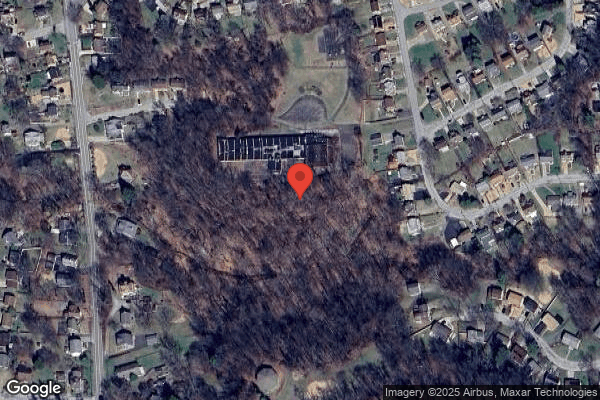
LONGWOOD AT OAKMONT

500 ROUTE 909, VERONA, PA 15147 (412) 826-5900
Non profit - Corporation 60 Beds Independent Data: November 2025
Trust Grade
58/100
#195 of 653 in PA
Last Inspection: January 2025

Within standard 12-15 month inspection cycle. Federal law requires annual inspections.

Overview

Longwood at Oakmont has a Trust Grade of C, meaning it is average and sits in the middle of the pack among similar facilities. It ranks #195 out of 653 in Pennsylvania, placing it in the top half, and #9 out of 52 in Allegheny County, indicating there are only a few better options nearby. The facility's performance has been stable, with 10 reported issues over the last two years. Staffing is a strong point, earning 5 out of 5 stars, with turnover at 52%, which is close to the state average, and it has more RN coverage than 92% of Pennsylvania facilities, ensuring better monitoring of residents' needs. However, there are concerning issues, including $15,593 in fines, which is higher than 78% of facilities in the state, and two serious incidents where a resident suffered a fractured leg due to inadequate supervision and proper transfer assistance. Additionally, there were findings of unsanitary kitchen conditions that could pose health risks. Overall, while there are notable strengths in staffing and RN coverage, families should be aware of the facility’s recent compliance issues.

Trust Score
C
58/100
In Pennsylvania
#195/653
Top 29%
Safety Record
Moderate
Needs review
Inspections
Holding Steady
10 → 10 violations
Staff Stability
⚠ Watch
52% turnover. Above average. Higher turnover means staff may not know residents' routines.
Penalties
⚠ Watch
$15,593 in fines. Higher than 79% of Pennsylvania facilities, suggesting repeated compliance issues.
Skilled Nurses
✓ Good
Each resident gets 90 minutes of Registered Nurse (RN) attention daily — more than 97% of Pennsylvania nursing homes. RNs are the most trained staff who catch health problems before they become serious.
Violations
⚠ Watch
28 deficiencies on record. Higher than average. Multiple issues found across inspections.
★★★★☆
4.0
Overall Rating
★★★★★
5.0
Staff Levels
★★★★★
5.0
Care Quality
★★☆☆☆
2.0
Inspection Score
Stable
2024: 10 issues
2025: 10 issues

The Good

  • 5-Star Staffing Rating · Excellent nurse staffing levels
  • 5-Star Quality Measures · Strong clinical quality outcomes
  • Full Sprinkler Coverage · Fire safety systems throughout facility
  • No fines on record

Facility shows strength in staffing levels, quality measures, fire safety.

The Bad

Staff Turnover: 52%

Near Pennsylvania avg (46%)

Higher turnover may affect care consistency

Federal Fines: $15,593

Below median ($33,413)

Minor penalties assessed

The Ugly 28 deficiencies on record

2 actual harm
Jan 2025 10 deficiencies
CONCERN (D)

Potential for Harm - no one hurt, but risky conditions existed

Transfer Requirements (Tag F0622)

Could have caused harm · This affected 1 resident

**NOTE- TERMS IN BRACKETS HAVE BEEN EDITED TO PROTECT CONFIDENTIALITY** Based on clinical record review and staff interview, it was determined that the facility failed to make certain that the necessa...

Read full inspector narrative →
**NOTE- TERMS IN BRACKETS HAVE BEEN EDITED TO PROTECT CONFIDENTIALITY** Based on clinical record review and staff interview, it was determined that the facility failed to make certain that the necessary resident information was communicated to the receiving health care provider for one out of three residents sampled with facility-initiated transfer (Residents R52). Findings include: Review of Resident R52's admission record indicated she was originally admitted on [DATE], with diagnoses that included surgical aftercare, muscle weakness and venous insufficiency. Review of Resident R52's clinical record revealed that the resident was transferred to the hospital on [DATE], and did not return to the facility. Review of Resident R52's clinical record revealed no documented evidence that the facility had communicated specific information to the receiving health care provider for the residents transferred and expected to return, which included the resident's care plan goals, advanced directive information, specific instructions for ongoing care, resident representative information, and all information necessary to meet the residents specific needs at the receiving facility. During an interview on 1/9/25, at 10:30 a.m. the Director of Nursing (DON) confirmed that the facility failed to provide the necessary information for Resident R52. 28 Pa. Code 201.29(a)(c)(3)(2) Resident rights.
CONCERN (D)

Potential for Harm - no one hurt, but risky conditions existed

Transfer Notice (Tag F0623)

Could have caused harm · This affected 1 resident

**NOTE- TERMS IN BRACKETS HAVE BEEN EDITED TO PROTECT CONFIDENTIALITY** Based on clinical record review and staff interview, it was determined that the facility failed to provide a transfer notice to ...

Read full inspector narrative →
**NOTE- TERMS IN BRACKETS HAVE BEEN EDITED TO PROTECT CONFIDENTIALITY** Based on clinical record review and staff interview, it was determined that the facility failed to provide a transfer notice to a representative of the Office of the Long-Term Care Ombudsman Division for two out of three residents (Residents R39, R52). Findings include: Review of Resident R39's admission record indicated he was originally admitted on [DATE], with diagnoses that included dementia(decline in mental abilities that affects thinking, memory, and reasoning), diabetes mellitus and hyperlipidemia. Review of Resident R39's clinical record revealed that the resident was transferred to the hospital on 9/9/24, and returned to the facility on 9/11/24. Review of Resident R39's clinical record indicated the facility failed to include documented evidence that the facility provided a written transportation notification to the Office of the Long-Term Care Ombudsman for the hospitalization on 9/9/24. Review of Resident R52's admission record indicated she was originally admitted on [DATE], with diagnoses that included surgical aftercare, muscle weakness and venous insufficiency. Review of the clinical record indicated Resident R52 was transferred to hospital on [DATE], and did not return to the facility. Review of Resident R52's clinical record indicated the facility failed to include documented evidence that the facility provided a written transportation notification to the Office of the Long-Term Care Ombudsman for the hospitalization on 10/13/24. During an interview on 1/9/25, at 10:30 a.m. the Director of Nursing (DON) confirmed the facility failed to provide a transfer notice to a representative of the Office of the Long-Term Care Ombudsman Division for two out of three residents (Residents R39, R52). 28 Pa. Code 201.29(a)(c)(3)(2) Resident rights.
CONCERN (D)

Potential for Harm - no one hurt, but risky conditions existed

Deficiency F0625 (Tag F0625)

Could have caused harm · This affected 1 resident

**NOTE- TERMS IN BRACKETS HAVE BEEN EDITED TO PROTECT CONFIDENTIALITY** Based on review of facility policy, clinical record review, and staff interviews, it was determined that the facility failed to ...

Read full inspector narrative →
**NOTE- TERMS IN BRACKETS HAVE BEEN EDITED TO PROTECT CONFIDENTIALITY** Based on review of facility policy, clinical record review, and staff interviews, it was determined that the facility failed to notify the resident or resident's representative of the facility bed-hold policy (an agreement for the facility to hold a bed for an agreed upon rate during a hospitalization) for two of three resident hospital transfers (Residents R39 and R52). Review of Resident R39's admission record indicated he was originally admitted [DATE], with diagnoses that included dementia(decline in mental abilities that affects thinking, memory, and reasoning), diabetes mellitus and hyperlipidemia Review of Resident R39's clinical record revealed that the resident was transferred to the hospital on 9/9/24, and returned to the facility on 9/11/24. Review of Resident R39's clinical record failed to include documented evidence that the resident or the resident's representative were provided with written information about the facility's bed hold policy at the time of the transfer to the hospital on 9/9/24. Review of Resident R52's admission record indicated she was originally admitted on [DATE], with diagnoses that included surgical aftercare, muscle weakness and venous insufficiency. Review of the clinical record indicated Resident R52 was transferred to hospital on [DATE], and did not return to the facility. Review of Resident R52's clinical record failed to include documented evidence that the resident or the resident's representative were provided with written information about the facility's bed hold policy at the time of the transfer to the hospital on [DATE]. During an interview on 1/9/25, at 10:30 a.m. Director of Nursing (DON) confirmed that the facility failed to notify the resident or resident's representative of the facility bed-hold policy for two of three resident hospital transfers as required (Resident R39, R52). 28 Pa. Code 201.29 (a)(c)(2) Resident rights.
CONCERN (D)

Potential for Harm - no one hurt, but risky conditions existed

Deficiency F0637 (Tag F0637)

Could have caused harm · This affected 1 resident

**NOTE- TERMS IN BRACKETS HAVE BEEN EDITED TO PROTECT CONFIDENTIALITY** Based on clinical record review and staff interview, it was determined that the facility failed to complete a significant change...

Read full inspector narrative →
**NOTE- TERMS IN BRACKETS HAVE BEEN EDITED TO PROTECT CONFIDENTIALITY** Based on clinical record review and staff interview, it was determined that the facility failed to complete a significant change Minimum Data Set (MDS- assessments completed indicating a change in condition of a resident requiring change in care) assessment for two of three residents reviewed (Residents R3 and R8). Findings include: Review of the Resident Assessment Instrument 3.0 User's Manual (reference used to complete an MDS) effective October 2023, indicated that the facility must conduct a comprehensive assessment of a resident within 14 days after the facility determines, or should have determined, that there has been a significant change in the resident's physical or mental condition. Review of the clinical record revealed that Resident R3 was admitted to the facility on [DATE]. Review of Resident R3's MDS dated [DATE], indicated diagnoses of high blood pressure, depression, and dementia (a group of symptoms that affects memory, thinking and interferes with daily life). Section O-Special Treatments, Procedures, and Programs indicated hospice care while a resident. Review of physician order dated 11/11/24, indicated Resident R3 was admitted under hospice services. Review of Resident R3's MDS assessments revealed a MDS significant change was not completed to include hospice services. Review of the clinical record revealed that Resident R8 was admitted to the facility on [DATE]. Review of Resident R8's MDS dated [DATE], indicated diagnoses of high blood pressure, dementia, and Parkinson's disease (neuromuscular disorder causing tremors and difficulty walking). Section O-Special Treatments, Procedures, and Programs indicated hospice care while a resident. Review of physician order dated 2/20/24, indicated Resident R8 was admitted to hospice on 2/20/24. Review of Resident R8's MDS assessments revealed a MDS significant change was not completed to include hospice services. During an interview on 1/8/25, at 3:07 p.m. Licensed Practical Nurse Assessment Coordinator Employee E5 confirmed that a significant change MDS was not completed for Resident R3 and R8. During an interview on 1/8/25, at approximately 3:10 p.m. the Director of Nursing confirmed the facility failed to complete a significant change MDS assessment for two of three residents reviewed (Residents R3 and R8). 28 Pa. Code: 211.5(f) Clinical records.
CONCERN (D)

Potential for Harm - no one hurt, but risky conditions existed

Deficiency F0655 (Tag F0655)

Could have caused harm · This affected 1 resident

**NOTE- TERMS IN BRACKETS HAVE BEEN EDITED TO PROTECT CONFIDENTIALITY** Based on a review of facility policy, clinical records, and staff interview, it was determined that the facility failed to devel...

Read full inspector narrative →
**NOTE- TERMS IN BRACKETS HAVE BEEN EDITED TO PROTECT CONFIDENTIALITY** Based on a review of facility policy, clinical records, and staff interview, it was determined that the facility failed to develop a baseline care plan for one of three residents (Resident R156). Findings include: Review of facility policy Baseline Care Plans dated 11/5/24, indicated a baseline plan of care to meet the residents immediate needs and provide instruction needed to provide effective and person-centered care shall be developed for each resident within forty-eight hours of admission. Review of the clinical record revealed Resident R156 was admitted to the facility on [DATE], with diagnoses of dementia (loss of intellectual functioning), benign prostatic hyperplasia (BPH- enlargement of the prostate gland), and depression. During an observation on 1/8/25, at 10:31 a.m. Resident R156 was in his room sitting in his wheelchair, a foley catheter bag was noted attached to chair. Review of Resident R156's physician orders dated 1/4/25, indicated Resident R156 has a 16 french (size) 10cc bulb (holds catheter in place in the bladder). Review on 1/8/25, at 1:00 p.m. Resident 156's baseline care plan failed to include interventions for the care of the foley catheter. During an interview completed on 1/8/25, at 1:23 p.m. Licensed Practical Nurse (LPN) Employee E5 confirmed Resident R156's baseline care plan did not include interventions for the foley catheter, and that the facility failed to develop a baseline care plan for one of three residents (Resident R156). 28 Pa. Code: 211.11 (a)(c)(d) Resident care plan. 28 Pa. Code: 211.12(d)(1)(5) Nursing services.
CONCERN (D)

Potential for Harm - no one hurt, but risky conditions existed

Respiratory Care (Tag F0695)

Could have caused harm · This affected 1 resident

**NOTE- TERMS IN BRACKETS HAVE BEEN EDITED TO PROTECT CONFIDENTIALITY** Based on review of facility policy, observations, staff interviews, and clinical record review, it was determined that the facil...

Read full inspector narrative →
**NOTE- TERMS IN BRACKETS HAVE BEEN EDITED TO PROTECT CONFIDENTIALITY** Based on review of facility policy, observations, staff interviews, and clinical record review, it was determined that the facility failed to provide appropriate respiratory care for three of four residents (Residents R9, R20, and R205). Findings include: Review of facility policy Oxygen Administration dated 11/5/24, indicated oxygen is administered to residents who need it, consistent with professional standards of practice, the comprehensive person-centered care plans, and the residents ' goal and preferences. Change oxygen tubing and tubing weekly and as needed if it becomes soiled or contaminated. Change humidifier bottle when empty or weekly. Review of facility policy Infection Prevention and Control Program dated 11/5/24, indicated the facility has established and maintains an infection prevention and control program designed to provide a safe, sanitary, and comfortable environment. Review of the clinical record indicated Resident R9 was admitted to the facility on [DATE]. Review of Resident R9's Minimum Data Set (MDS - a periodic assessment of care needs) dated 10/23/24, indicated diagnoses of hypertension (high blood pressure), diabetes (a metabolic disorder in which the body has high sugar levels for prolonged periods of time), and sleep apnea (a sleeping disorder in which breathing repeatedly stops and starts). Section O0100, C1 Oxygen therapy was marked and section G1 was checked indicating use of Continuous Positive Airway Pressure (CPAP - a treatment that uses a machine to deliver air pressure to help a person breathe while sleeping). Review of a physician's active orders dated 1/3/25, indicated to administer oxygen via nasal cannula (a medical device that provides supplemental oxygen to patients through two prongs inserted into the nostrils) continuously at 4 liters per minute. Change oxygen tubing and humidifier every week. Review of physician's active orders dated 1/4/25, indicated CPAP at bedtime, pressure 12. Apply at bedtime and remove in the morning. During an observation on 1/7/25, at 12:20 p.m. Resident R9 was sitting in her wheelchair receiving 4 liters per minute of oxygen via nasal cannula. No date was present on the oxygen nasal cannula and humidification bottle. CPAP mask was laying on a chair bedside the nightstand and failed to be stored in a bag, when not in use. During an interview on 1/7/25, at 12:35 p.m. Licensed Practical Nurse (LPN) Employee E8 confirmed that no date was present on Resident R9's nasal cannula tubing and humidification bottle, and her CPAP mask was not properly stored in a bag, when not in use. Review of Resident R20's clinical record indicated an admission date of 4/23/24. Review of Resident R20's MDS dated [DATE], indicated the diagnosis of respiratory failure (not enough oxygen in the body), hypertension (high blood pressure), and diabetes (high sugar in the blood). Review of Resident R20's physician order dated 12/13/24, indicated to wear CPAP through nighttime. Review of Resident R20's care plan dated 3/5/24, with revision on 11/29/24, indicated Resident R20 has CPAP machine to wear at night. During an observation on 1/7/25, at 10:18 a.m. Resident R20's CPAP mask was sitting on dresser not properly stored in a bag. During an interview completed on 1/7/25 at 10:23 a.m. LPN Employee E1 confirmed the CPAP mask was not properly stored in a bag. Review of the clinical record indicated Resident R205 was admitted to the facility on [DATE]. Review of Resident R205's MDS dated [DATE], indicated diagnoses of pneumonia (infection that inflames air sacs in one or both lungs, which may fill with fluid), anemia (a condition in which the blood doesn't have enough red blood cells to carry oxygen all through the body), and asthma (airway becomes inflamed, narrow, and swell and makes breathing difficult). Review of a physician's active orders dated 1/3/25, indicated to administer Ipratropium-Albuterol (medication causing your airway to relax and make breathing easier) every two hours as needed for shortness of breath. During an observation on 1/7/25, at 1:02 p.m. Resident R205 was sitting in his chair with nebulizer (a machine used to administer medication) on his nightstand. Nebulizer tubing was not dated and was not stored in a bag, when not in use. During an interview on 1/7/25, at 1:14 p.m. Registered Nurse (RN) Employee E2 confirmed that no date was present on R205's nebulizer tubing, and his mask was not properly stored in a bag, when not in use. During an interview on 1/7/25, at 2:45 p.m. the Director of Nursing confirmed that the facility failed to provide appropriate respiratory care for three of four residents (Residents R9, R20, and R205). 28 Pa. Code: 201.14(a) Responsibility of licensee. 28 Pa. Code 211.12(d)(1)(2)(3)(5) Nursing services.
CONCERN (D)

Potential for Harm - no one hurt, but risky conditions existed

Pharmacy Services (Tag F0755)

Could have caused harm · This affected 1 resident

Based on review of facility policy, observation and staff interview it was determined the facility failed to dispose or reconcile discontinued medication in a timely manner for one of two medication r...

Read full inspector narrative →
Based on review of facility policy, observation and staff interview it was determined the facility failed to dispose or reconcile discontinued medication in a timely manner for one of two medication rooms reviewed (Countryside Medication room). Findings: Review of facility Storage of Medications policy dated 11/5/24, indicated that medications and biologicals are stored safely, securely, and properly, following manufacturer ' s recommendations or those of the supplier. The medication supply is accessible only to licensed nursing personnel, pharmacy personnel or staff members lawfully authorized to administer medications. Review of facility Disposal of Medications- Discontinued Medications policy dated 11/524, indicated medications not returned to the pharmacy are destroyed in accordance with the Medication Destruction policy. During a medication room review on 1/8/25, at 1:30 p.m. two plastic basins with medications was observed sitting on the counter, unsecured. Medications were dated November 2024 from the pharmacy. The medications observed were: - Atropine (used to decrease saliva) - 1 bottle. - Pantoprazole (used to treat acid reflex) - 40 mg 3 pills. - Pantoprazole - 20 mg 2 pills. - Calcium 600/800 mg 4 pills. - Eliquis (used to prevent or treat blood clots- 5 mg 7 pills - Tums- 1 bottle. - Centrum (a vitamin) - 1 bottle. - Scopolamine patch (used to decrease saliva)- 8 patches. - Nitroglycerin (used to treat chest pain) -1 bottle. - Simethicone (used to treat upset stomach) - 1 bottle. - Albuterol (used to breathing problems)- 12 vials. - Tylenol - 650 mg 27 pills. - Aspirin (a blood thinner) - 81 mg 2 pills. - Lisinopril (used for high blood pressure) -5 mg 2 pills. - Lisinopril- 40 mg 1 pill. - Metoprolol (used for high blood pressure) -25 mg 2 pills. - Zoloft (used for depression) -100 mg 2 pills. - Tylenol Cold and Flu -5 capsules. - Vitamin D -1000 units 2 pills. - Atorvastatin (used for high cholesterol) 40 mg 3 pills. - Montelukast (used to treat allergies) -10 mg 3 pills. - Senna (used for constipation)- 8.6 mg 3 pills. - Melatonin (used to help sleep) -3 mg 1 pill. - Seroquel (used for mental health conditions)- 25 mg 1 pill. - Carvedilol (used for high blood pressure) - 6.25 mg 2 pills. - Depakote (used for seizures) - 125 mg 2 pills. - Fluoxetine (used to treat depression) - 20 mg 1 pill. - Remeron (used to treat depression) - 15 mg 1 pill. - Simvastatin (used to treat high cholesterol) - 20 mg 1 pill. - Ferrous Sulfate (an iron supplement) - 325 mg 1 pill. - Multivitamin -1 pill. During an interview on 1/8/25, at 1:05 p.m. Licensed Practical Nurse (LPN) Employee E8 stated, These are old medications. We don't have any paperwork to complete prior to destroying the medications. They tell us to destroy the medications when we have time using the med buster (a solution that dissolves medication). There is no accountability paperwork that goes in residents medical record that I know of. During an interview on 1/8/25, at 1:30 p.m. the Director of Nursing confirmed that the facility failed to dispose or reconcile discontinued medication in a timely manner for one of two medication rooms reviewed (Countryside Medication room). 28 Pa. Code: 211.12(d)(1)(3)(5) Nursing services.
CONCERN (D)

Potential for Harm - no one hurt, but risky conditions existed

Deficiency F0761 (Tag F0761)

Could have caused harm · This affected 1 resident

Based on review of facility policies, observations, and staff interviews, it was determined that the facility failed to store medications and biologicals properly and securely in one of three medicati...

Read full inspector narrative →
Based on review of facility policies, observations, and staff interviews, it was determined that the facility failed to store medications and biologicals properly and securely in one of three medications carts (Riverside medication cart). Findings include: Review of the facility policy Storage of Medications dated 11/5/24, indicates medications and biologicals are stored safely, securely, and properly. Orally administered medications are kept separate from externally used medications and treatments such as including but not inclusive to ointments, creams, and vaginal products. During an interview and observation on 1/7/25, at 10:26 a.m. it was revealed that the Riverside medication carts fourth drawer contained dividers that were labeled with room numbers and contained various creams, ointments, and gels. Licensed Practical Nurse (LPN) Employee E1 stated we don't have a separate treatment cart; all the treatments are kept in the medication cart. LPN Employee E1 referred to this drawer as the treatment drawer. The fifth drawer contained: . An open box of paper tape. . A container of antifungal powder. . A box of vaginal cream commingling with seven oral Tussin liquid medication bottles. . One Ventolin inhaler and three Nasal sprays commingling with dry dressing supplies that included but not inclusive to abdominal pads, 4x4 gauze sponges, and multiple different cover dressings. The bottom drawer contained the following items commingling with respiratory treatment agents: . A tube of antifungal cream. . A tube of Voltaren gel. . A tube of hydrocortisone cream. . Two containers of Silvadene ointment. During an interview completed on 1/7/25, at 10:38 a.m. LPN Employee E1 confirmed the above observations and confirmed that the facility failed to store medications and biologicals properly and securely in one of three medications carts (Riverside medication cart). 28 Pa. Code: 211.9(a)(1)(h)(k)(l)(1) Pharmacy services. 28 Pa. Code:211.12(d)(1)(2)(3)(5) Nursing services.
CONCERN (D)

Potential for Harm - no one hurt, but risky conditions existed

Deficiency F0808 (Tag F0808)

Could have caused harm · This affected 1 resident

Based on review of facility policy, clinical record, observations and staff and resident interviews, it was determined that the facility failed provide food items consistent with the prescribed diet o...

Read full inspector narrative →
Based on review of facility policy, clinical record, observations and staff and resident interviews, it was determined that the facility failed provide food items consistent with the prescribed diet order for one of four residents observed during dining (Resident R4). Findings include: Review of physician orders for Resident R4 confirmed a diet order dated 11/18/24, for Low Lactose diet, Mechanical Soft Ground Meat texture, Nectar/Mildly Thick liquids. During observations during dining, on 1/7/24, at 12:15 p.m. revealed Resident R4 was served turkey vegetable soup and had her liquids in a sippy cup. Resident R4 revealed no orders for adaptive equipment. Interview with Dietary Director Employee E9 confirmed the above-mentioned findings. Interview with Director of Nursing (DON) on 11/8/24, at 2:00 p.m. confirmed Resident R4 should have not been served the soup or the sippy cup. 28 Pa. Code 211.6(a) Dietary Services.
CONCERN (D)

Potential for Harm - no one hurt, but risky conditions existed

Deficiency F0849 (Tag F0849)

Could have caused harm · This affected 1 resident

**NOTE- TERMS IN BRACKETS HAVE BEEN EDITED TO PROTECT CONFIDENTIALITY** Based on review of resident clinical records and staff interviews, it was determined the facility failed to obtain a physican or...

Read full inspector narrative →
**NOTE- TERMS IN BRACKETS HAVE BEEN EDITED TO PROTECT CONFIDENTIALITY** Based on review of resident clinical records and staff interviews, it was determined the facility failed to obtain a physican order for hospice services and to ensure the coordination of hospice services (supportive services for end stage terminal illness) with facility services to meet the needs of each resident for end-of-life care for three of four residents ( Resident R3, R8, and R39). Findings include: Review of the facility policy Hospice Program dated 11/5/24, indicated that when a resident has been diagnosed as terminally ill, the facility will contact hospice agency. When a resident participates in a hospice program, a coordinated plan of care between the facility, hospice agency and resident or family will be developed and shall include directives for managing pain and other uncomfortable symptoms. The care plan shall be revised and updated as necessary to reflect the resident's status. Review of the clinical record revealed that Resident R3 was admitted to the facility on [DATE]. Review of Resident R3's MDS (Minimum Data Set- periodic assessment of resident care needs) dated 11/7/24, indicated diagnoses of high blood pressure, depression, and dementia (a group of symptoms that affects memory, thinking and interferes with daily life). Section O-Special Treatments, Procedures, and Programs indicated hospice care while a resident. Review of Resident R3's clinical record revealed a physician order dated 11/11/24, that resident is under hospice services, but did not include a diagnosis related to the need of hospice services. The facility failed to provide documentation completed by the hospice service, including admission into hospice, plan of care, communication between hospice service and facility, and contact information. Review of Resident R3's current comprehensive care plan failed to indicate a plan of care by the facility that displayed the coordination of hospice services by failing to include contact information for the hospice agency and how to access the hospice's 24 hour on-call system. Review of the clinical record revealed that Resident R8 was admitted to the facility on [DATE]. Review of Resident R8's MDS dated [DATE], indicated diagnoses of high blood pressure, dementia, and Parkinson's disease (neuromuscular disorder causing tremors and difficulty walking). Section O-Special Treatments, Procedures, and Programs indicated hospice care while a resident. Review of Resident R8's clinical record revealed a physician order dated 2/20/24, that resident admitted to hospice services, but did not include a diagnosis related to the need of hospice services. Review of Resident R8's current comprehensive care plan failed to indicate a plan of care by the facility that displayed the coordination of hospice services by failing to include contact information for the hospice agency and how to access the hospice's 24 hour on-call system. Review of the admission record indicated Resident R39 was admitted to the facility on [DATE]. Review of Resident R39's MDS, dated [DATE], indicated the diagnosis of dementia (decline in mental abilities that affects thinking, memory, and reasoning), diabetes mellitus and hyperlipidemia. Review of Resident R39's current physician orders indicated consult hospice care for evaluation and admit if appropriate on 12/13/2024. The order failed to include what vendor, and the diagnosis qualifying the resident for Hospice Services. Review of Resident R39's progress notes indicated resident's wife would like Bridges Hospice as the vendor. During an interview on 1/9/25, at 10:30 a.m. the Director of Nursing (DON) confirmed the facility failed to obtain a physican order for hospice services and to ensure the coordination of hospice services with facility services to meet the needs of each resident for end-of-life care for three of four residents ( Resident R3, R8, and R39). 28 Pa. Code: 201.14(a) Responsibilities of licensee 28 Pa. Code: 201.18(a)(b)(1)(3) Management 28 Pa. Code: 201.20(a)(b)(c)(d) Staff development 28 Pa. Code: 211.10(c)(d) Resident care policies
Dec 2024 5 deficiencies
CONCERN (D) 📢 Someone Reported This

A family member, employee, or ombudsman was alarmed enough to file a formal complaint

Potential for Harm - no one hurt, but risky conditions existed

Free from Abuse/Neglect (Tag F0600)

Could have caused harm · This affected 1 resident

**NOTE- TERMS IN BRACKETS HAVE BEEN EDITED TO PROTECT CONFIDENTIALITY** Based on review of facility policy, clinical record review, and staff interviews, it was determined that the facility failed to ...

Read full inspector narrative →
**NOTE- TERMS IN BRACKETS HAVE BEEN EDITED TO PROTECT CONFIDENTIALITY** Based on review of facility policy, clinical record review, and staff interviews, it was determined that the facility failed to ensure that residents were free from neglect for one of four residents reviewed (Resident R1). Finding include: Review of facility policy Skilled Nursing - Abuse dated 11/5/24, indicated neglect is the failure of the community, its employees or service providers to provide goods and services to a resident that are necessary to avoid physical harm, pain, mental anguish, or emotional distress. Review of the clinical record indicated Resident R1 was admitted to the facility on [DATE]. Review of Resident R1's Minimum Data Set (MDS - a periodic assessment of care needs) dated 10/13/24, indicated diagnoses of dementia (a group of symptoms that affects memory, thinking and interferes with daily life), muscle weakness, and repeated falls. Review of Resident R1's care plan dated 10/22/24, indicated the resident has potential for impairment to skin integrity related to fragile skin, impaired mobility, bladder incontinence and fall history with history of skin tears. Review of a physician order dated 12/17/24, indicated to cleanse right forearm skin tear and surrounding area with NSS (normal sterile saline), steri-strips applied, cover with Tegaderm foam border dressing, change every 7 days until healed. Review of a facility Incident Report completed by Licensed Practical Nurse Employee E3 stated, This writer was made aware of a 2 x 2.5 cm (centimeter) bruise on occipital bone (back of head) during resident dinner. Bruise was purple in color with no open areas and resident neurologically at baseline. This writer informed Charge Nurse and physician and also called the resident's daughter. When speaking with the daughter she alerted me her father had a skin tear near his right elbow and informed Nurse Aide (NA) Employee E1 around 11 a.m. on 12/16/24. NA Employee E1 came back with Tegaderm and informed her the nurse was aware and dressed wound without cleansing it. The daughter said she was skeptical on why the wound wasn't cleansed first but figured he knew what he was doing since the nurse was aware. After assessing the wound with the Charge Nurse the skin wasn't approximated (clean edges that fit neatly together), had moderate bleeding, and was 6 cm x 1 cm near the end of the wound. During an interview on 12/26/24, at 12:50 p.m. the Director of Nursing (DON) stated, I'm aware of the situation but I didn't investigate it as neglect. We performed a Corrective Action Plan for NA Employee E1 and obtained a statement from him for that. Review of NA Employee E1's statement dated 12/17/24, stated, On December 16, 2024 I was in the hallway when Resident R1's daughter came to me and said his arm was bleeding and to look at it. When I came to the room I saw blood on his right arm. His daughter said what do we do. I said let me find the nurse and I couldn't find the nurse. That's when I panicked and got a clear bandage from the supply room and put it on his arm. The nurse was gone half the shift and I honestly forgot to tell her. During an interview on 12/26/24, at 12:50 p.m. the DON confirmed that the facility failed to ensure that residents were free from neglect for one of four residents as required. 28. Pa Code 201.14(a) Responsibility of licensee. 28. Pa Code 201.18(b)(1)(e )(1) Management. 28. Pa. Code 211.12(d)(1)(5) Nursing services.
CONCERN (D) 📢 Someone Reported This

A family member, employee, or ombudsman was alarmed enough to file a formal complaint

Potential for Harm - no one hurt, but risky conditions existed

Abuse Prevention Policies (Tag F0607)

Could have caused harm · This affected 1 resident

**NOTE- TERMS IN BRACKETS HAVE BEEN EDITED TO PROTECT CONFIDENTIALITY** Based on review of facility documents, facility policy, clinical records, and staff interviews, it was determined that the facil...

Read full inspector narrative →
**NOTE- TERMS IN BRACKETS HAVE BEEN EDITED TO PROTECT CONFIDENTIALITY** Based on review of facility documents, facility policy, clinical records, and staff interviews, it was determined that the facility failed to implement written policies and procedures to ensure a complete and thorough investigation of an allegation of neglect for one of four residents (Resident R1). Findings include: Review of facility policy Skilled Nursing - Abuse dated 11/5/24, indicated neglect is the failure of the community, its employees or service providers to provide goods and services to a resident that are necessary to avoid physical harm, pain, mental anguish, or emotional distress. Reports of abuse (mistreatment, neglect, or abuse, including injuries of unknown source, exploitation and misappropriation of property) are promptly and thoroughly investigated and are reported per Federal and State Law. Review of the clinical record indicated Resident R1 was admitted to the facility on [DATE]. Review of Resident R1's Minimum Data Set (MDS - a periodic assessment of care needs) dated 10/13/24, indicated diagnoses of dementia (a group of symptoms that affects memory, thinking and interferes with daily life), muscle weakness, and repeated falls. Review of Resident R1's care plan dated 10/22/24, indicated the resident has potential for impairment to skin integrity related to fragile skin, impaired mobility, bladder incontinence and fall history with history of skin tears. Review of a physician order dated 12/17/24, indicated to cleanse right forearm skin tear and surrounding area with NSS (normal sterile saline), steri-strips applied, cover with Tegaderm foam border dressing, change every 7 days until healed. Review of a facility Incident Report completed by Licensed Practical Nurse Employee E3 stated, This writer was made aware of a 2 x 2.5 cm (centimeter) bruise on occipital bone (back of head) during resident dinner. Bruise was purple in color with no open areas and resident neurologically at baseline. This writer informed Charge Nurse and physician and also called the resident's daughter. When speaking with the daughter she alerted me her father had a skin tear near his right elbow and informed Nurse Aide (NA) Employee E1 around 11 a.m. on 12/16/24. NA Employee E1 came back with Tegaderm and informed her the nurse was aware and dressed wound without cleansing it. The daughter said she was skeptical on why the wound wasn't cleansed first but figured he knew what he was doing since the nurse was aware. After assessing the wound with the Charge Nurse the skin wasn't approximated (clean edges that fit neatly together), had moderate bleeding, and was 6 cm x 1 cm near the end of the wound. During an interview on 12/26/24, at 12:50 p.m. the Director of Nursing (DON) stated, I'm aware of the situation but I didn't investigate or report it as neglect. We performed a Corrective Action Plan for NA Employee E1 and obtained a statement from him for that. Review of NA Employee E1's statement dated 12/17/24, stated, On December 16, 2024 I was in the hallway when Resident R1's daughter came to me and said his arm was bleeding and to look at it. When I came to the room I saw blood on his right arm. His daughter said what do we do. I said let me find the nurse and I couldn't find the nurse. That's when I panicked and got a clear bandage from the supply room and put it on his arm. The nurse was gone half the shift and I honestly forgot to tell her. During an interview on 12/26/24, at 12:50 p.m. the DON confirmed that the facility failed to implement written policies and procedures to ensure a complete and thorough investigation of an allegation of neglect for one of four residents as required. 28 Pa. Code 201.14(a) Responsibility of licensee. 28 Pa. Code 201.18(e)(1) Management.
CONCERN (D) 📢 Someone Reported This

A family member, employee, or ombudsman was alarmed enough to file a formal complaint

Potential for Harm - no one hurt, but risky conditions existed

Report Alleged Abuse (Tag F0609)

Could have caused harm · This affected 1 resident

**NOTE- TERMS IN BRACKETS HAVE BEEN EDITED TO PROTECT CONFIDENTIALITY** Based on review of facility policy, clinical record review, reports submitted to the State, and staff interview, it was determin...

Read full inspector narrative →
**NOTE- TERMS IN BRACKETS HAVE BEEN EDITED TO PROTECT CONFIDENTIALITY** Based on review of facility policy, clinical record review, reports submitted to the State, and staff interview, it was determined that the facility failed to report an allegation of neglect in the required timeframe one of four residents (Resident R1). Findings include: Review of facility policy Skilled Nursing - Abuse dated 11/5/24, indicated neglect is the failure of the community, its employees or service providers to provide goods and services to a resident that are necessary to avoid physical harm, pain, mental anguish, or emotional distress. Reports of abuse (mistreatment, neglect, or abuse, including injuries of unknown source, exploitation and misappropriation of property) are promptly and thoroughly investigated and are reported per Federal and State Law. Review of the clinical record indicated Resident R1 was admitted to the facility on [DATE]. Review of Resident R1's Minimum Data Set (MDS - a periodic assessment of care needs) dated 10/13/24, indicated diagnoses of dementia (a group of symptoms that affects memory, thinking and interferes with daily life), muscle weakness, and repeated falls. Review of Resident R1's care plan dated 10/22/24, indicated the resident has potential for impairment to skin integrity related to fragile skin, impaired mobility, bladder incontinence and fall history with history of skin tears. Review of a physician order dated 12/17/24, indicated to cleanse right forearm skin tear and surrounding area with NSS (normal sterile saline), steri-strips applied, cover with Tegaderm foam border dressing, change every 7 days until healed. Review of a facility Incident Report completed by Licensed Practical Nurse Employee E3 stated, This writer was made aware of a 2 x 2.5 cm (centimeter) bruise on occipital bone (back of head) during resident dinner. Bruise was purple in color with no open areas and resident neurologically at baseline. This writer informed Charge Nurse and physician and also called the resident's daughter. When speaking with the daughter she alerted me her father had a skin tear near his right elbow and informed Nurse Aide (NA) Employee E1 around 11 a.m. on 12/16/24. NA Employee E1 came back with Tegaderm and informed her the nurse was aware and dressed wound without cleansing it. The daughter said she was skeptical on why the wound wasn't cleansed first but figured he knew what he was doing since the nurse was aware. After assessing the wound with the Charge Nurse the skin wasn't approximated (clean edges that fit neatly together), had moderate bleeding, and was 6 cm x 1 cm near the end of the wound. During an interview on 12/26/24, at 12:50 p.m. the Director of Nursing (DON) stated, I'm aware of the situation but I didn't investigate or report it as neglect. We performed a Corrective Action Plan for NA Employee E1 and obtained a statement from him for that. Review of NA Employee E1's statement dated 12/17/24, stated, On December 16, 2024 I was in the hallway when Resident R1's daughter came to me and said his arm was bleeding and to look at it. When I came to the room I saw blood on his right arm. His daughter said what do we do. I said let me find the nurse and I couldn't find the nurse. That's when I panicked and got a clear bandage from the supply room and put it on his arm. The nurse was gone half the shift and I honestly forgot to tell her. During an interview on 12/26/24, at 12:50 p.m. the DON confirmed that the facility failed to report an allegation of neglect in the required timeframe one of four residents as required. 28 Pa. Code 201.14(a)(c.)(e.) Responsibility of licensee. 28 Pa. Code 201.18(b)(1)(3)(e)(1) Management. 28 Pa. Code 201.20(b) Staff development. 28 Pa. Code 211.10(c.)(d) Resident care policies.
CONCERN (D) 📢 Someone Reported This

A family member, employee, or ombudsman was alarmed enough to file a formal complaint

Potential for Harm - no one hurt, but risky conditions existed

Investigate Abuse (Tag F0610)

Could have caused harm · This affected 1 resident

**NOTE- TERMS IN BRACKETS HAVE BEEN EDITED TO PROTECT CONFIDENTIALITY** Based on review of facility documents, facility policy, clinical records, and staff interview, it was determined that the facili...

Read full inspector narrative →
**NOTE- TERMS IN BRACKETS HAVE BEEN EDITED TO PROTECT CONFIDENTIALITY** Based on review of facility documents, facility policy, clinical records, and staff interview, it was determined that the facility failed to conduct a thorough investigation of an allegation of neglect for one of four residents (Resident R1). Findings include: Review of facility policy Skilled Nursing - Abuse dated 11/5/24, indicated neglect is the failure of the community, its employees or service providers to provide goods and services to a resident that are necessary to avoid physical harm, pain, mental anguish, or emotional distress. Reports of abuse (mistreatment, neglect, or abuse, including injuries of unknown source, exploitation and misappropriation of property) are promptly and thoroughly investigated and are reported per Federal and State Law. Review of the clinical record indicated Resident R1 was admitted to the facility on [DATE]. Review of Resident R1's Minimum Data Set (MDS - a periodic assessment of care needs) dated 10/13/24, indicated diagnoses of dementia (a group of symptoms that affects memory, thinking and interferes with daily life), muscle weakness, and repeated falls. Review of Resident R1's care plan dated 10/22/24, indicated the resident has potential for impairment to skin integrity related to fragile skin, impaired mobility, bladder incontinence and fall history with history of skin tears. Review of a physician order dated 12/17/24, indicated to cleanse right forearm skin tear and surrounding area with NSS (normal sterile saline), steri-strips applied, cover with Tegaderm foam border dressing, change every 7 days until healed. Review of a facility Incident Report completed by Licensed Practical Nurse Employee E3 stated, This writer was made aware of a 2 x 2.5 cm (centimeter) bruise on occipital bone (back of head) during resident dinner. Bruise was purple in color with no open areas and resident neurologically at baseline. This writer informed Charge Nurse and physician and also called the resident's daughter. When speaking with the daughter she alerted me her father had a skin tear near his right elbow and informed Nurse Aide (NA) Employee E1 around 11 a.m. on 12/16/24. NA Employee E1 came back with Tegaderm and informed her the nurse was aware and dressed wound without cleansing it. The daughter said she was skeptical on why the wound wasn't cleansed first but figured he knew what he was doing since the nurse was aware. After assessing the wound with the Charge Nurse the skin wasn't approximated (clean edges that fit neatly together), had moderate bleeding, and was 6 cm x 1 cm near the end of the wound. During an interview on 12/26/24, at 12:50 p.m. the Director of Nursing (DON) stated, I'm aware of the situation but I didn't investigate or report it as neglect. We performed a Corrective Action Plan for NA Employee E1 and obtained a statement from him for that. Review of NA Employee E1's statement dated 12/17/24, stated, On December 16, 2024 I was in the hallway when Resident R1's daughter came to me and said his arm was bleeding and to look at it. When I came to the room I saw blood on his right arm. His daughter said what do we do. I said let me find the nurse and I couldn't find the nurse. That's when I panicked and got a clear bandage from the supply room and put it on his arm. The nurse was gone half the shift and I honestly forgot to tell her. During an interview on 12/26/24, at 12:50 p.m. the DON confirmed that the facility failed to conduct a thorough investigation of an allegation of neglect for one of four residents as required. 28 Pa Code: 201.18 (e)(1)(2) Management. 28 Pa Code: 201.29 (a )(c)(d) Resident Rights. 28 Pa Code: 211.12 (a)(c)(d)(1)(3)(5) Nursing services.
CONCERN (E) 📢 Someone Reported This

A family member, employee, or ombudsman was alarmed enough to file a formal complaint

Potential for Harm - no one hurt, but risky conditions existed

Infection Control (Tag F0880)

Could have caused harm · This affected multiple residents

Based on observation, clinical record review, and resident and staff interviews, it was determined that the facility failed to implement appropriate transmission-based precautions for 11 of 16 residen...

Read full inspector narrative →
Based on observation, clinical record review, and resident and staff interviews, it was determined that the facility failed to implement appropriate transmission-based precautions for 11 of 16 residents reviewed (Residents R1, R2, R3, R4, R5, R6, R7, R8, R9, R10, and R11). Findings include: Review of facility policy Infection Control-Infection Prevention and Control Program dated 11/5/24, indicated a resident with an infection or communicable disease shall be placed on transmission-based precautions as recommended by current CDC (Centers for Disease Control and Prevention) guidelines. Review of facility policy Norovirus Prevention and Control dated 11/5/24, indicated this facility will implement strict infection control measures to prevent the transmission of norovirus infection. During outbreaks, residents with norovirus gastroenteritis will be placed on Contact Precautions for a minimum of 48 hours after the resolution of symptoms. Review of the CDC Guidelines indicated Contact Precautions are measures that are intended to prevention transmission of infectious agents which are spread by direct or indirect contact with the resident or the resident's environment. Contact Precautions require the use of gown and gloves on every entry into a resident's room, regardless of the level of care being provided to the resident. During an interview on 12/26/24, the Director of Nursing (DON) stated that the facility had several residents with gastrointestinal illness symptoms such as nausea, vomiting, and diarrhea, but at the time, no resident stool sample had come back positive for Norovirus. Review of the facility's Outbreak Line List on 12/26/24, indicated 16 residents had reported gastrointestinal illness symptoms and were being treated as positive for Norovirus. Review of the facility's Outbreak Line List revealed the following: Resident R1 had symptoms of diarrhea starting on 12/22/24. Review of a physician order dated 12/22/24, indicated Resident R1 was placed on Contact Precautions for Norovirus until no further N/V/D (nausea/vomiting/diarrhea) for 48 hours. During an observation on 12/26/24, at 12:10 p.m. no sign was present outside of Resident R1's room indicating that the resident was ordered Contact Precautions. Resident R2 had symptoms of diarrhea starting on 12/20/24. Review of Resident R2's physician orders failed to include an order for Contact Precautions. Resident R3 had symptoms of diarrhea starting on 12/21/24. Review of Resident R3's physician orders failed to include an order for Contact Precautions. Resident R4 had symptoms of diarrhea and vomiting starting on 12/23/24. Review of Resident R4's physician orders failed to include an order for Contact Precautions. Resident R5 had symptoms of diarrhea and vomiting starting on 12/23/24. Review of a physician order dated 12/23/24, indicated Resident R5 was on Contact isolation precautions for Norovirus. During an observation on 12/26/24, at 11:51 a.m. no signage was present outside of Resident R5's room indicating that the resident was ordered Contact Precautions. Resident R6 had symptoms of diarrhea and vomiting starting on 12/23/24. Review of Resident R6's physician orders failed to include an order for Contact Precautions. Resident R7 had symptoms of diarrhea and vomiting starting on 12/23/24. Review of Resident R7's physician orders failed to include an order for Contact Precautions. Resident R8 had symptoms of diarrhea and vomiting starting on 12/22/24. Review of a physician order dated 12/22/24, indicated Resident R8 was on Contact precautions for Norovirus until no further N/V/D for 48 hours. During an observation on 12/26/24, at 12:08 p.m. no signage was present outside of Resident R8's room indicating that the resident was ordered Contact Precautions. Resident R9 had symptoms of diarrhea and vomiting starting on 12/22/24. Review of Resident R9's physician orders failed to include an order for Contact Precautions. Resident R10 had symptoms of diarrhea and vomiting starting on 12/22/24. Review of a physician order dated 12/22/24, indicated Resident R10 was on Contact Precautions for Norovirus until no N/V/D for 48 hours. During an observation on 12/26/24, at 12:09 p.m. no signage was present outside of Resident R10's room indicating that the resident was ordered Contact Precautions. Resident R11 had symptoms of diarrhea starting on 12/22/24. Review of a physician order dated 12/22/24, indicated Resident R11 was on Isolation Precautions for Norovirus until no N/V/D for 48 hours. During an observation on 12/26/24, at 12:10 p.m. no signage was present outside of Resident R11's room indicating that the resident was ordered Contact Precautions. During an interview on 12/26/24, at 11:51 a.m. Registered Nurse Employee E2 stated, We get in report which residents are in isolation precautions and why. The residents on this unit seem to have symptoms for only a few hours and then they are done. The rooms should have a sign up indicating that they are on isolation precautions. The Nurse Practitioner will write an order and then that order gets entered into the electronic medical record and the corresponding isolation sign gets put on the door of the resident room. During an interview on 12/26/24, at 12:21 p.m. the DON stated, Residents in isolation precautions should have signs on their doors and an order in the computer. I think the isolation only lasts for 48 hours, some of the residents on the line list are already out of isolation. During an interview on 12/26/24, at 12:0 p.m. the DON stated, Residents who don't have isolation orders are having them entered into the computer now and residents who don't have isolation signs on their doors are having them placed right now. During an interview on 12/26/24, at 12:50 p.m. the DON confirmed that the facility failed to implement appropriate transmission-based precautions for 11 of 16 residents as required. 28 Pa. Code 201.14(a) Responsibility of licensee. 28 Pa. Code 201.18(b)(1)(3)(d)(e)(1) Management. 28 Pa. Code 211.10(d) Resident care policies. 28 Pa. Code 211.12(d)(1)(5) Nursing services.
May 2024 1 deficiency
CONCERN (D) 📢 Someone Reported This

A family member, employee, or ombudsman was alarmed enough to file a formal complaint

Potential for Harm - no one hurt, but risky conditions existed

Accident Prevention (Tag F0689)

Could have caused harm · This affected 1 resident

**NOTE- TERMS IN BRACKETS HAVE BEEN EDITED TO PROTECT CONFIDENTIALITY** Based on review of facility documents, facility policy, clinical records, and staff interviews, it was determined that the facil...

Read full inspector narrative →
**NOTE- TERMS IN BRACKETS HAVE BEEN EDITED TO PROTECT CONFIDENTIALITY** Based on review of facility documents, facility policy, clinical records, and staff interviews, it was determined that the facility failed to make certain each resident received adequate supervision that resulted in an elopement (resident exits to an unsupervised or unauthorized area without the facility's knowledge) for one of two residents (Resident R1). Findings include: Review of facility policy Elopement last reviewed 11/9/23, indicated staff shall investigate and report all cases of missing residents. When a departing individual returns to the facility, the Director of Nursing or Charge Nurse shall examine the resident for injuries, obtain vital signs, notify the attending physician, notify the resident's legal representative of the incident, and complete and file the report of the incident/accident, note length of time gone and outside temperature. Review of the clinical record indicated Resident R1 was admitted to the facility on [DATE]. Review of Resident R1's Minimum Data Set (MDS - a periodic assessment of care needs) dated 2/14/24, indicated diagnoses of cerebral infarction (also known as an ischemic stroke, is the pathologic process that results in an area of necrotic tissue in the brain), muscle weakness, and dysphagia (condition with difficulty in swallowing food or liquid) Review of the Resident Assessment Instrument 3.0 User's Manual effective October 2019, indicated that a Brief Interview for Mental Status (BIMS, a screening test that aides in detecting cognitive impairment). The BIMS total score suggests the following distributions: 13-15: cognitively intact 8-12: moderately impaired 0-7: severe impairment Review of Resident R1's MDS assessment dated [DATE], Section C0500-BIMS screening indicated a score of 13 revealing that Resident R1 was cognitively intact. Review of Resident R1's plan of care, initiated 11/14/23, revised 1/31/24, indicated a focused risk for wandering/elopement was identified, goals for resident not to leave facility unattended and maintain safety, with interventions to clearly identify Resident's room and bathroom, identify if there is a certain time of day wandering/elopement attempts occur, and schedule time for regular walks/appropriate activity. Review of a progress note dated 4/26/24, at 11:19 p.m., stated At 7:08 p.m., this writer was called by RN Country side to report security informed him that the resident (R1) was in the Commons (Continuing Care Retirement Community campus main entrance) with security. Upon arrival to the security desk this writer noted resident was sitting in her wheel chair. It was reported that the resident was brought to security by a caregiver from Parkview (PC unit on campus). Initial assessment of resident, no visible injury and no c/o (complaint) pain. Resident safely returned to [NAME] health care center (SNF unit on campus). Upon arrival to the entrance to Countryside (SNF neighborhood) the resident started to have behaviors and stated 'You don't know how hard it was for me to escape from here.' Resident was returned to bed and full head to toe assessment completed by Countryside nurse, with no injury noted. Resident remained 1:1 the rest of the evening shift for safety and q (every) 15 minute checks while resident is sleeping tonight for continue safety. The DON, (physician), and resident's son made aware of elopement. Since returning to the neighborhood resident has been calm and cooperative with no behaviors and currently reported to be sleeping at current time. Review of facility provided incident report dated 4/27/24, at 12:24 a.m., stated Countryside nurse was approached by security on the neighborhood and was informed resident was in the Commons. At 7:08 p.m., this writer was called by (nurse) and made aware of resident's elopement. It was reported by security that a caregiver from Parkview brought resident to security. Review of facility provided witness statement dated 7:25 p.m., 4/26/24, Personal Care (PC) Employee E1 stated At approximately 6:50 p.m., I was walking to my car and I noticed what appeared to be a resident struggling to get on the curb. I offered to help her. I asked where she was going and she said over here, pointing to the Commons. I wheeled her to the Commons and asked security where she was supposed to be and who she was. They took over from there to get her where she was supposed to be. Resident was found in the employee parking lot headed to the front door in the Commons. She was found in the parking lot, trying to get her wheelchair on the sidewalk. Resident wheeling herself towards the main entrance door. Review of facility provided witness statement dated 4/26/25, Registered Nurse (RN) Supervisor Employee E2 stated I was working in Gardenside nurse's office for several hours admitting new resident, dealing with visitors, and resident's stopping at office many different times. At approximately 6:50 p.m., I was finishing admission. Do to the office setting I did not have a view of Gardenside hallway. At 7:08 p.m., I was called by RN Countryside and made aware of (Resident R1's) elopement. Review of facility submitted event report dated 4/27/24, at 2:06 p.m., indicated that Resident R1 was observed outside approximately 6:40 p.m. across the street from her residence in [NAME] Healthcare by an employee working in Personal Care which is across the street from [NAME] Healthcare. The personal care employee indicated that the resident was attempting to get on the curb after having crossed the street. The personal care employee assisted the resident to the main desk at the Longwood campus where campus security was located. The nursing staff on the Countryside neighborhood where resident resides previously seen the resident at dinner and evening medicines at 6:00 p.m., and resident was heading back toward her room. Team members on the neighborhood saw resident go toward her room her room after dinner but did not actually see her go into her room. After dinner, team members were working with other residents and did not round on each resident within the 45 minutes when she was last seen. At the time of the elopement, team assumed incorrectly that the resident was in her room. Resident remembers leaving and said she was able to open the double doors to the neighborhood. The double doors open to another general hallway and not directly outdoors. The statements from the staff in Gardenside neighborhood indicated that no one saw resident pass through. Resident apparently turned the corner near the beauty shop hallway and exited that door and proceeded to cross the street. She (Resident R1) shared that she was familiar with the campus and didn ' t tell anyone she was leaving because I knew they would stop me. During an interview conducted on 5/15/24, at 2:15 p.m., Nursing Home Administrator (NHA) and Director of Nursing (DON) confirmed that the facility failed to make certain each resident received adequate supervision that resulted in an elopement (resident exits to an unsupervised or unauthorized area without the facility's knowledge) for one of two residents (Resident R1). 28 Pa. Code 201.14(a) Responsibility of licensee. 28 Pa. Code 201.18(b)(1)(3) Management. 28 Pa. Code 211.12(d)(1)(3)(5) Nursing services.
Mar 2024 1 deficiency
CONCERN (D) 📢 Someone Reported This

A family member, employee, or ombudsman was alarmed enough to file a formal complaint

Potential for Harm - no one hurt, but risky conditions existed

Report Alleged Abuse (Tag F0609)

Could have caused harm · This affected 1 resident

**NOTE- TERMS IN BRACKETS HAVE BEEN EDITED TO PROTECT CONFIDENTIALITY** Based on review of facility policy, clinical record review, and staff interview, it was determined that the facility failed to r...

Read full inspector narrative →
**NOTE- TERMS IN BRACKETS HAVE BEEN EDITED TO PROTECT CONFIDENTIALITY** Based on review of facility policy, clinical record review, and staff interview, it was determined that the facility failed to report an allegation of neglect to other officials in accordance with State law, including to the State Survey Agency, within 24 hours, and failed to describe the results of the investigation within five working days of the incident, for one of two residents. (Resident R1). Findings include: Review of the facility policy Skilled Nursing - Abuse, dated 2/7/24, indicated that it is the policy of the community that abuse allegations (abuse, neglect, exploitation or mistreatment, including injuries of unknown source and misappropriation of resident property) are reported per Federal and State Law. A review of the clinical record revealed that Resident R1 was admitted to the facility on [DATE], with diagnoses encephalopathy (a medical term used to describe a disease that affects brain structure or function; it causes altered mental state and confusion), paroxysmal atrial fibrillation (a type of irregular heartbeat that comes and goes), and hypothyroidism (a condition resulting from decreased production of thyroid hormones). A review of Resident R1's MDS assessment (MDS-Minimum Data Set assessment: periodic assessment of resident care needs) dated 1/3/24, indicated that diagnoses remain current. A review of incident report dated 2/26/24, indicated that a bruise to Resident R1's left inner thigh was identified and noted to be blackish in color, and a large/firm mass surrounding the bruise. No redness or pain at the time. Measures 4.0 cm(centimeters) x 4.8 cm x 0.0 cm with mass of 12.0 cm x 12.0 cm. Notified Charge nurse, CRNP (Certified Registered Nurse Practioner) and POA. A review of facility submitted documentation on 3/6/24, identified a reportable incident, Event Type: Other. A review of facility provided documents revealed that the initial submission on 3/6/24, was rejected on 3/7/24, requesting that event be resubmitted under neglect. Further review of facility provided documents revealed that facility resubmitted documents on 3/11/24, and event was accepted on 3/11/24, awaiting mandatory abuse reporting forms which were submitted 3/13/24. During an interview on 3/18/24, at 10:15 a.m., the Director of Nursing (DON) indicated that she was unable to contact one of the Alleged Perpetrators (AP) identified in the facility submitted documents due to AP resigning day after incident took place, and has been unable to contact her as of this date of on-site survey. During an interview on 3/18/24, at 2:20 p.m., the Nursing Home Administrator (NHA) and Director of Nursing (DON) confirmed that the facility failed to report an allegation of neglect to other officials in accordance with State law, including to the State Survey Agency, within 24 hours, and failed to describe the results of the investigation within five working days of the incident, for one of two residents. (Resident R1). 28 Pa. Code: 201.14 (a) Responsibility of licensee. 28 Pa. Code 201.18(b)(1)(e)(1) Management. 28 Pa. Code: 211.12(d)(1)(5) Nursing services.
Feb 2024 3 deficiencies
CONCERN (D)

Potential for Harm - no one hurt, but risky conditions existed

Investigate Abuse (Tag F0610)

Could have caused harm · This affected 1 resident

**NOTE- TERMS IN BRACKETS HAVE BEEN EDITED TO PROTECT CONFIDENTIALITY** Based on review of facility policy, clinical record review, investigation documentation, and staff interview, it was determined ...

Read full inspector narrative →
**NOTE- TERMS IN BRACKETS HAVE BEEN EDITED TO PROTECT CONFIDENTIALITY** Based on review of facility policy, clinical record review, investigation documentation, and staff interview, it was determined that the facility failed to conduct a thorough investigation of an elopement (resident exits to an unsupervised or unauthorized area without the facility's knowledge) to rule out neglect for one of two residents (Resident R5). Findings include: Review of facility policy Elopement last reviewed 11/9/23, indicated staff shall investigate and report all cases of missing residents. When a departing individual returns to the facility, the Director of Nursing or Charge Nurse shall examine the resident for injuries, obtain vital signs, notify the attending physician, notify the resident's legal representative of the incident, and complete and file the report of the incident/accident, note length of time gone and outside temperature. Review of facility policy Abuse last reviewed 11/9/23, indicated neglect is defined as the failure of the community, its employees or service providers to provide goods and services to a resident that are necessary to avoid physical harm, pain, mental anguish, or emotional distress. Reports of abuse (mistreatment, neglect, or abuse) are promptly and thoroughly investigated. Review of the clinical record indicated Resident R5 was admitted to the facility on [DATE]. Review of Resident R5's Minimum Data Set (MDS - a periodic assessment of care needs) dated 12/20/23, indicated diagnoses of dementia (neuro-cognitive disorder impacting reasoning, judgment, and memory), glaucoma (a group of eye conditions that can cause blindness), and unsteadiness on feet. Review of the Resident Assessment Instrument 3.0 User's Manual effective October 2019, indicated that a Brief Interview for Mental Status (BIMS, a screening test that aides in detecting cognitive impairment). The BIMS total score suggests the following distributions: 13-15: cognitively intact 8-12: moderately impaired 0-7: severe impairment Review of Resident 5's MDS assessment dated [DATE], Section C0500-BIMS screening indicated a score of 13 revealing that Resident R5 was alert and oriented to person, place and situation. Review of Resident R5's Behavior Monitoring documentation indicated that Resident R5 displayed behaviors of agitation, restlessness, and pacing on 1/25/24, 1/26/24, 1/27/24, and 1/28/24. Review of a progress note dated 1/29/24, at 6:23 a.m. stated, Shortly before 6 am this writer was made aware by Dietary chef that resident made it outside of secondary entrance outside of sliding doors. Resident stated to this writer she was trying to go to church. She had pushed the inner sliding doors of track and made it outside of the sliding door entrance. Just prior to this resident was taken to bathroom and sitting in her recliner chair in her room. Resident was safely returned to her room. Physician and family to be made aware. Review of the clinical record failed to indicate a physical assessment and vital signs were obtained after Resident R5 was returned to her room. Review of an Incident Report failed to include at which time Resident R5 was last seen in the facility, who last saw her, and length of time gone. Review of incidents submitted to the State indicated that during the elopement Resident R5 was wearing a brief, socks, and a t-shirt. The outdoor temperature was 32 degrees Fahrenheit. During an interview on 2/22/24, at 11:54 a.m. the Director of Nursing (DON) stated, We didn't do much of an investigation because it was pretty cut and dry from the nurse's note. During an interview on 2/22/24, at 1:11 p.m. the DON confirmed that the facility did not obtain witness statements from the staff on duty at the time of Resident R5's elopement. The DON also confirmed the facility was unable to locate documentation to indicate that a physical assessment and vital signs were performed after Resident R5 was returned to her room. During an interview on 2/22/24, at 1:11 p.m. the DON confirmed that the facility failed to conduct a thorough investigation of an elopement to rule out neglect for one of two residents (Resident R5). 28 Pa Code: 201.18 (e)(1)(2) Management 28 Pa Code: 201.29 (a )(c)(d) Resident Rights 28 Pa Code: 211.12 (a)(c)(d)(1)(3)(5) Nursing services
CONCERN (D)

Potential for Harm - no one hurt, but risky conditions existed

Accident Prevention (Tag F0689)

Could have caused harm · This affected 1 resident

**NOTE- TERMS IN BRACKETS HAVE BEEN EDITED TO PROTECT CONFIDENTIALITY** Based on review of facility documents, facility policy, clinical records, and staff interviews, it was determined that the facil...

Read full inspector narrative →
**NOTE- TERMS IN BRACKETS HAVE BEEN EDITED TO PROTECT CONFIDENTIALITY** Based on review of facility documents, facility policy, clinical records, and staff interviews, it was determined that the facility failed to make certain each resident received adequate supervision that resulted in an elopement (resident exits to an unsupervised or unauthorized area without the facility's knowledge) for one of two residents (Resident R5). Findings include: Review of facility policy Elopement last reviewed 11/9/23, indicated staff shall investigate and report all cases of missing residents. When a departing individual returns to the facility, the Director of Nursing or Charge Nurse shall examine the resident for injuries, obtain vital signs, notify the attending physician, notify the resident's legal representative of the incident, and complete and file the report of the incident/accident, note length of time gone and outside temperature. Review of the clinical record indicated Resident R5 was admitted to the facility on [DATE]. Review of Resident R5's Minimum Data Set (MDS - a periodic assessment of care needs) dated 12/20/23, indicated diagnoses of dementia (neuro-cognitive disorder impacting reasoning, judgment, and memory), glaucoma (a group of eye conditions that can cause blindness), and unsteadiness on feet. Review of the Resident Assessment Instrument 3.0 User's Manual effective October 2019, indicated that a Brief Interview for Mental Status (BIMS, a screening test that aides in detecting cognitive impairment). The BIMS total score suggests the following distributions: 13-15: cognitively intact 8-12: moderately impaired 0-7: severe impairment Review of Resident 5's MDS assessment dated [DATE], Section C0500-BIMS screening indicated a score of 13 revealing that Resident R5 was alert and oriented to person, place and situation. Review of Resident R5's Behavior Monitoring documentation indicated that Resident R5 displayed behaviors of agitation, restlessness, and pacing on 1/25/24, 1/26/24, 1/27/24, and 1/28/24. Review of a progress note dated 1/29/24, at 6:23 a.m. stated, Shortly before 6 am this writer was made aware by Dietary chef that resident made it outside of secondary entrance outside of sliding doors. Resident stated to this writer she was trying to go to church. She had pushed the inner sliding doors of track and made it outside of the sliding door entrance. Just prior to this resident was taken to bathroom and sitting in her recliner chair in her room. Resident was safely returned to her room. Physician and family to be made aware. Review of the clinical record failed to indicate a physical assessment and vital signs were obtained after Resident R5 was returned to her room. Review of incidents submitted to the State indicated that during the elopement Resident R5 was wearing a brief, socks, and a t-shirt. The outdoor temperature was 32 degrees Fahrenheit. During an interview on 2/22/24, at 11:54 a.m. the Director of Nursing (DON) stated, We didn't do much of an investigation because it was pretty cut and dry from the nurse's note. During an interview on 2/22/24, at 1:11 p.m. the DON confirmed that the facility did not obtain witness statements from the staff on duty at the time of Resident R5's elopement. The DON also confirmed the facility was unable to locate documentation to indicate that a physical assessment and vital signs were performed after Resident R5 was returned to her room. During an interview on 2/22/24, at 1:11 p.m. the DON confirmed that the facility failed to make certain each resident received adequate supervision that resulted in an elopement for one of two residents (Resident R5). 28 Pa. Code 201.14(a) Responsibility of licensee. 28 Pa. Code 201.18(b)(1)(3) Management. 28 Pa. Code 211.12(d)(1)(3)(5) Nursing services.
CONCERN (E)

Potential for Harm - no one hurt, but risky conditions existed

Comprehensive Care Plan (Tag F0656)

Could have caused harm · This affected multiple residents

**NOTE- TERMS IN BRACKETS HAVE BEEN EDITED TO PROTECT CONFIDENTIALITY** Based review of facility policy, clinical records, facility documents and staff interviews, it was determined that the facility ...

Read full inspector narrative →
**NOTE- TERMS IN BRACKETS HAVE BEEN EDITED TO PROTECT CONFIDENTIALITY** Based review of facility policy, clinical records, facility documents and staff interviews, it was determined that the facility failed to develop and implement comprehensive care plans for four out of six sampled resident records (Resident R5, R8, R16, and R22). Findings include: The facility Comprehensive care plans policy dated 11/9/23, indicated that the facility's interdisciplinary team, in coordination with the resident, family or representative, develops and maintains a comprehensive care plan for each resident. Each resident's comprehensive person-centered care plan is designed to incorporate identified problems, reflect treatment goals, and aid in preventing and reducing declines in resident functional status. Assessments of residents are ongoing and care plans are revised as information about the resident and the resident's condition change. Review of the clinical record indicated Resident R5 was admitted to the facility on [DATE]. Review of Resident R5's Minimum Data Set (MDS - a periodic assessment of care needs) dated 12/20/23, indicated diagnoses of dementia (neuro-cognitive disorder impacting reasoning, judgment, and memory), glaucoma (a group of eye conditions that can cause blindness), and unsteadiness on feet. Review of a progress note dated 1/29/24, at 6:23 a.m. stated, Shortly before 6 am this writer was made aware by Dietary chef that resident made it outside of secondary entrance outside of sliding doors. Resident stated to this writer she was trying to go to church. She had pushed the inner sliding doors of track and made it outside of the sliding door entrance. Just prior to this resident was taken to bathroom and sitting in her recliner chair in her room. Resident was safely returned to her room. Physician and family to be made aware. Review of a physician's order dated 1/29/24, indicated to apply a watch mate (a safety device used to protect residents at risk of wandering) and check function every shift. Review of Resident R5's care plan did not include goals and interventions related to wandering behaviors. Review of the clinical record indicated Resident R8 was admitted to the facility on [DATE]. Review of Resident R5's MDS dated [DATE], indicated diagnoses of high blood pressure, dementia, and muscle weakness. Review of a physician's order dated 6/5/23, indicated to apply a watchmate and check function every shift. Review of Resident R8's care plan did not include goals and interventions related to wandering behaviors. Review of Resident R16's admission record indicated she was admitted on [DATE], with diagnoses that included repeated falls, adult failure to thrive (a condition characterizing the impact of multiple medical conditions resulting in a downward spiral of poor nutrition, weight loss, inactivity, and decrease in functional ability), and spinal stenosis (a narrowing of the spaces within the spine, which causes pain and weakness). Review of Resident R16's MDS assessment (Minimum Data Set assessment: MDS - a periodic assessment of resident care needs) dated 2/1/24, indicated that the diagnoses were current upon review. Section M-Skin conditions F-eschar (dry, dead tissue within a wound) indicated a 1, meaning one wound was present. Section M-Skin conditions G-Unstageable Deep tissue injury indicated a 1, meaning another wound was present. Review of Resident R16's clinical nurse note dated 11/1/23, indicated that staff notified by nurse aide for nurse to come to Resident R16 room due to a blackened areas to her right foot. Nurse noted a blackened area with a trace of concave appearance of measuring 1.0 cm x 1.2 cm x 0.0 cm and a area on the left inner foot measuring 1.0 cm x 1.0 cm x 0.0 cm. Charge Nurse was notified. Review of Resident R16's clinical record dated 2/20/24, indicated that she had wounds on her Left Medial Heel with measurements (2.5cm length x 2.2cm width x 0.1 cm), a Right Lateral Heel an Unstageable Pressure Injury with measurements (0.6cm length x 0.5cm width x 0.4 cm depth) and a Right Lateral Foot Deep Tissue Pressure Injury with measurements (0.6cm length x 0.5cm width and no measurable depth). Review of Resident R16's care plans dated 11/10/23 did not include any concerns with skin integrity, pressure areas, or skin break down. Review of the clinical record indicated Resident R22 was admitted to the facility on [DATE]. Review of Resident R22's MDS dated [DATE], indicated diagnoses of high blood pressure, diabetes (too much sugar in the blood), and reduced mobility. Review of a progress note dated 10/21/23, indicated a watchmate was applied after Resident R22 was found on the elevator stating he was, going to find his guys at the farm to go hunting for deer. The progress note stated, Shortly after 1:00 p.m., stairwell alarm sounded and Resident R22 was observed trying to open the door and head down the stairs. Review of Resident R22's care plan did not include goals and interventions related to wandering behaviors. During an interview on 2/22/24, at 1:04 p.m. the Director of Nursing (DON) confirmed that the facility failed to develop and implement comprehensive care plans for Residents R5, R8, R16, and R22 as required. 28 Pa. Code: 211.11 (a)(c)(d) Resident care plan.
Mar 2023 6 deficiencies
CONCERN (D)

Potential for Harm - no one hurt, but risky conditions existed

Notification of Changes (Tag F0580)

Could have caused harm · This affected 1 resident

**NOTE- TERMS IN BRACKETS HAVE BEEN EDITED TO PROTECT CONFIDENTIALITY** Based on clinical record review and staff interviews, it was determined that the facility failed to ensure that the resident's a...

Read full inspector narrative →
**NOTE- TERMS IN BRACKETS HAVE BEEN EDITED TO PROTECT CONFIDENTIALITY** Based on clinical record review and staff interviews, it was determined that the facility failed to ensure that the resident's attending physician were notified about changes in medical condion for one of two sampled residents. (Resident R5). Findings include: Review of the clinical record indicated that Resident R5 was admitted to the facility on [DATE], with diagnoses which included dementia, muscle weakness, macular degeneration (poor vision), stomach ulcers and diverticulitis(infection) of the colon. A MDS (Minimum Data Set- a periodic assessment of resident care needs) dated 2/14/23, indicated the diagnoses remained current. Review of a progress note dated 2/17/23, indicated that the nurse practitioner was notified that Resident R5 had swallowed a small plant with dirt after another resident gave it to Resident R5 causing a choking episode followed by vomiting. During an interview on 3/15/23, at 2:00 p.m., with Registered Nurse(RN) Employee E2 indicated that she was called after the incident to examine the resident and she was told that Resident R105 handed Resident R5 the plant after he walked past her and she ate it, staff heard her choking and ran over and saw she had eaten the plant. Resident R5 vomited afterwards. RN Employee E2 stated she contacted Nurse Practitioner Employee E3 afterwards who gave orders to monitor vital signs and breath sounds for Resident R5 but did not include information that Resident R5 had vomited. During an interview on 3/15/23, at 2:20 p.m., Nurse Practitioner (NP) Employee E3 stated that she gave order to monitor Resident R5 vital signs and breath sounds, NP Employee E3 said did not examine Resident R5 the next day or order any xrays ot other testing because staff failed to make her aware that Resident R5 had vomited and could have possibly aspirated. NP Employee E3 stated that if staff made her aware Resident R5 vomited, she would have examined her the next day. 28 Pa. Code: 201.29(a) Resident rights. 28 Pa. Code: 211.12(d)(1)(2)(3)(50 Nursing services.
CONCERN (D)

Potential for Harm - no one hurt, but risky conditions existed

Deficiency F0583 (Tag F0583)

Could have caused harm · This affected 1 resident

Based on review of facility policy, observation, and staff interview it was determined that the facility failed to maintain the confidentiality of residents' medical information on one of three medica...

Read full inspector narrative →
Based on review of facility policy, observation, and staff interview it was determined that the facility failed to maintain the confidentiality of residents' medical information on one of three medication carts (Countryside medication cart). Findings include: Review of the facility policy Workstation Security last reviewed on 11/9/22, indicated that team members are to log off of their computers if steeping away. Team members should be aware of their surroundings to make certain that health information is not able to be read by any passerby. During an observation on 3/16/23, at 8:10 a.m., Registered Nurse (RN) Employee E5 left the Countryside computer screen open with resident health information able to be seen by any passerby and left a resident roster with resident health information able to be seen by any passerby on top of the medication cart. During an interview on 3/16/23, at 8:12 a.m., RN Employee E1 confirmed that the facility failed to maintain the confidentiality of residents' medical information. 28 Pa. Code: 211.5(b) Clinical records.
CONCERN (D)

Potential for Harm - no one hurt, but risky conditions existed

Incontinence Care (Tag F0690)

Could have caused harm · This affected 1 resident

**NOTE- TERMS IN BRACKETS HAVE BEEN EDITED TO PROTECT CONFIDENTIALITY** Based on review of facility policy, clinical records and staff interview, it was determined that the facility failed to ensure t...

Read full inspector narrative →
**NOTE- TERMS IN BRACKETS HAVE BEEN EDITED TO PROTECT CONFIDENTIALITY** Based on review of facility policy, clinical records and staff interview, it was determined that the facility failed to ensure that the physician order for a urinary catheter (insertion of a tube into the bladder to remove urine) indicated the catheter size for one of three sampled residents (Resident R1). Findings include: The facility Medication and treatment orders policy dated 5/5/17, last reviewed on 11/9/22, indicated that orders for treatments will be consistent with principles of safe and effective order writing. Review of Resident R1's admission record indicated she was originally admitted on [DATE], and readmitted on [DATE], with diagnoses that included depression, chronic kidney disease (gradual loss of kidney function), breast cancer, diabetes (metabolic disorder impacting organ function related to glucose levels in the human body), and retention of urine (failure of the bladder to completely empty). Review of Resident R1's MDS assessment dated [DATE], indicated that the diagnoses remain current upon review. Review of Resident R1 Section HO100A (Bladder and Bowel-appliances) indicated a X for the use of an indwelling catheter. Review of Resident R1's care plans dated 2/16/22, indicated the use of an indwelling catheter. Review of Resident R1's clinical nurse note dated 1/9/23, indicated that a discussion to discharge foley catheter. Resident R1's husband stated he did not want it discontinued. Certified Registered Nurse Practitioner (CRNP) assessed and wrote new orders. Review of Resident R1's physician order dated 1/10/23, indicated to maintain foley catheter. Husband refuses at this time for urinary retention. Review of Resident R1's physician orders and physician documentation did not include the size of the foley catheter. During an interview on 3/16/23, at 11:12 a.m. Registered Nurse (RN) Supervisor Employee E4 confirmed that the facility failed to ensure that the physician order indicated a catheter size and type for the use of a urinary catheter for Resident R1. 28 Pa. Code 211.5(f) Clinical records 28 Pa. 211.12(c)(d)(1)(3)(5) Nursing services
CONCERN (D)

Potential for Harm - no one hurt, but risky conditions existed

Deficiency F0761 (Tag F0761)

Could have caused harm · This affected 1 resident

Based on a review of facility policy, observations, and staff interviews, it was determined that the facility failed to secure medications properly on one of three medication carts (Countryside medica...

Read full inspector narrative →
Based on a review of facility policy, observations, and staff interviews, it was determined that the facility failed to secure medications properly on one of three medication carts (Countryside medication cart. Findings include: Review of the facility policy Medication Storage, last reviewed on 11/9/22, indicated that medications and biologicals are stored safely, securely and properly. The medication supply is accessible only to licensed nursing personnel. When an unopened manufacturer's container or vial is opened the nurse shall place a date opened sticker on the medication and date the medication when opened and the new expiration date on the vial or container. During an observation on 3/16/23, at 8:10 a.m., Countryside medication cart unattended and unsecured. During an interview on 3/16/23, at 8:10 a.m., RN Employee E5 confirmed that the facility failed to secure medications properly. 28 Pa. Code: 211.9(a)(1)(2)(g)(h)(k) Pharmacy services.
CONCERN (E)

Potential for Harm - no one hurt, but risky conditions existed

Deficiency F0943 (Tag F0943)

Could have caused harm · This affected multiple residents

Based on review of facility policy, personnel files and staff interview, it was determined that the facility failed to develop, implement and maintain an effective training program and provide annual ...

Read full inspector narrative →
Based on review of facility policy, personnel files and staff interview, it was determined that the facility failed to develop, implement and maintain an effective training program and provide annual abuse and dementia management in-service training for three out of six personnel records (Registered Nurse (RN) Employee E9, Licensed Practical Nurse (LPN) Employee E10, and Agency Nurse aide Employee E11). Findings include: The facility Abuse policy dated 10/3/18, last reviewed on 11/9/21, indicated that it is policy to train employees and contracted staff, through orientation and on-going sessions on issues related to abuse and prohibition practices. Attendance at a yearly in-service on the abuse policy and resident rights is mandatory for all employees. Review of Agency Registered Nurse (RN) Employee E9 personnel record indicated she was hired on 11/23/20. Review of Agency Registered Nurse (RN) Employee E9 annual in-service trainings for 2022 did not include annual abuse training and dementia management training. Review of Licensed Practical Nurse (LPN) Employee E10 personnel record indicated she was hired on 10/25/21. Review of Licensed Practical Nurse (LPN) Employee E10 annual in-service trainings for 2022 did not include annual abuse training and dementia management training. Review of Agency Nurse aide Employee E11 personnel record indicated he was hired on 3/7/21. Review of Agency Nurse aide Employee E11's annual in-service trainings for 2022 did not include annual abuse training and dementia management training. During an interview on 3/16/23, at 11:28 a.m. Quality Educator Associate/ Registered Nurse (RN) Employee E1 confirmed that the facility failed to develop, implement and maintain an effective training program and provide annual abuse and dementia management in-service training for Registered Nurse (RN) Employee E9, Licensed Practical Nurse (LPN) Employee E10, and Agency Nurse aide Employee E11 as required. 28 Pa Code: 201.14 (a) Responsibility of licensee 28 Pa Code: 201.18 (b)(1) Management 28 Pa Code: 201.20 (a)(c) Staff development
CONCERN (F)

Potential for Harm - no one hurt, but risky conditions existed

Food Safety (Tag F0812)

Could have caused harm · This affected most or all residents

Based on a review of facility policy, observations and staff interview, it was determined that the facility failed to properly maintain kitchen equipment in a sanitary condition and failed to prepare ...

Read full inspector narrative →
Based on a review of facility policy, observations and staff interview, it was determined that the facility failed to properly maintain kitchen equipment in a sanitary condition and failed to prepare and serve food in a sanitary manner creating the potential for cross contamination in the kitchenette of the facility. Findings include: Review of the facility policy Cleaning and Sanitizing of work surfaces last reviewed on 11/9/22, indicated that food service employees are responsible for cleaning and sanitizing tasks effectively. A schedule is completed and posted to ensure routine cleaning is completed. Review of the facility policy Food Storage last reviewed on 11/9/22, indicated that food is stored immediately after receipt. All products are dated with receiving date and if opened and refrigerated. Review of the facility policy/guidelines for three sink sanitization indicated that the sanitation level for the sink is to be maintained at a level from 150-400. During an observation on 3/14/23, from 9:11 a.m. through 9:21 a.m., of the main kitchen the following was observed: The entrance of the kitchen area had no hairnets available. Observation of equipment and storage areas, including stove, refrigerators, ice machine, prep tables, storage shelves,shelves above the stove where pots and pans were stored and the floor were all covered with food debris and sticky substances. A stand beside the sink had a staff glass of ice water. The soap dispenser next to the sink was empty and was not functioning to allow soap to be dispensed. [NAME] Employee E7 confirmed that the soap dispenser was not functioing properly and was empty. The refrigerator contained a bag of lettuce, a bag of carrots, a pan of gravy, 5 containers with cheesecakes and half of an onion undated. The three compartment sink sanitation area was checked and identified to be at a less than 50 PPM level. During an interview on 3/14/23, at 9:21 a.m. Dietician Employee E6 confirmed the above observations and confirmed that the facility failed to maintain proper sanitation and storage of food and failed to maintain proper infection control practices in the Main kitchen. During a second observation on 3/16/23, at 11:31 a.m., of the Main Kitchen [NAME] Employee E7 was seperating slabs of bacon and placing them onto trays with no gloves. Dietary Supportive Manager Employee E12 was observed with mask below nose then moved to under his chin. Dietary Supportive Manager Employee E12 then left the kitchen area with gloved hands to dining room and returned and began preparing a tray for a resident without changing gloves and performing hashing hands. During an interview on 3/16/23, at 12:00 p.m., Dietary Manager Employee E8 confirmed the facility failed to maintain proper infection control practices in the main kitchen. 28 Pa. Code: 211.(b)(c)(d)(f) Dietary services.
Jan 2023 2 deficiencies 2 Harm
SERIOUS (G) 📢 Someone Reported This

A family member, employee, or ombudsman was alarmed enough to file a formal complaint

Actual Harm - a resident was hurt due to facility failures

Free from Abuse/Neglect (Tag F0600)

A resident was harmed · This affected 1 resident

**NOTE- TERMS IN BRACKETS HAVE BEEN EDITED TO PROTECT CONFIDENTIALITY** Based on review of facility policies, clinical records, incident reports, facility documents, employee file, employee statements...

Read full inspector narrative →
**NOTE- TERMS IN BRACKETS HAVE BEEN EDITED TO PROTECT CONFIDENTIALITY** Based on review of facility policies, clinical records, incident reports, facility documents, employee file, employee statements, and staff interviews, it was determined that the facility failed to ensure that a resident was free from neglect by not providing the necessary services, which resulted in actual physical harm (fracture of right fibula-lower leg) for one of three residents reviewed (Resident R1). This was identified as harm for past non-compliance for Resident R1. Findings include: Review of the facility policy Skilled Nursing-Abuse dated 5/11/22 indicated that neglect is the failure of the community, its employees or service providers to provide goods and services to a resident that are necessary to avoid physical harm, pain, mental anguish, or emotional stress. Review of the clinical record indicated Resident R1 was admitted to the facility on [DATE], with diagnoses that included peripheral vascular disease (a progressive narrowing of the blood vessels impacting blood flow to the limbs), hypertension (a condition impacting blood circulation through the heart related to poor pressure), and depression. Review of Resident R1's MDS assessment (MDS-Minimum Data Set Assessment: periodic assessment of resident care needs) dated 12/14/22, indicated that the diagnoses remained current. Review of Resident R1's physician orders dated 7/12/22, indicated that Resident R1 was to be transferred with extensive assistance of two people. A review of Resident R1's care plan dated 7/13/22, indicated that Resident R1 had impaired ability to perform transfers and that the facility should provide two people to assist with safe transfers. A review of facility documents dated 12/27/22, indicated NA (nursing assistant) Employee E1 transferred Resident R1 from the wheelchair to the bed without a second person. NA Employee E2 then heard Resident R1 screaming, and found Resident R1 in bed. Resident R1 indicated that her leg hurt and that it had been caught under the bed during the transfer from the wheelchair to the bed. NA Employee E2 stated that Resident R1's leg did not look right, Resident R1 was then transferred to the hospital. Review of hospital Discharge Clinical Summary, Resident R1 was admitted on [DATE] and discharged on 12/29/22, with a diagnosis of right fibular fracture. Review of NA Employee E1's signed witness statement, dated 12/27/22, stated that NA Employee E1 picked up Resident R1 and placed Resident R1 into bed, which resulted in Resident R1 hollering out in pain. NA Employee E1 stated that he was aware that Resident R1 was a two person assist and that no other employee was in the room at the time of the transfer. A review of NA Employee E1's employee file indicated that NA Employee E1 received education on Fall Prevention, Safe Care Giving Techniques and Abuse training on 9/24/22, as well Safe Transfer training on 11/3/22. During an interview on 1/20/23, at 1:04 p.m., NA Employee E3 stated that a resident's transfer status is marked on the assignment sheets that they receive each day at the beginning of the shift. It was also stated that there is an additional form at the nurses station entitled Two Person Transfer Audit, where all residents who required a two person transfer are listed. NA Employee E3 then explained that when one of these residents is transferred that both nursing assistants who provided the transfer must sign the form along with a nurse as a witness. NA employee E3 was able to provide both pieces of documentation. During an interview on 1/20/23, at 1:15 p.m., NA employee E4 also confirmed the above process and was also able to produce both forms of documentation. NA Employee E4 also stated that she has never had any issues finding this documentation and that it is updated daily. During an interview on 1/20/23, at 1:30 p.m., NA Employee E2 also confirmed the above process and added that there are orange stickers on the outside of residents' rooms that indicated that a resident required assistance of two people for safe transfers. It was also stated that Resident R1 was on NA Employee E2's assignment on the day of the incident. NA Employee E2 had requested assistance from NA Employee E1 with transferring Resident R1 from wheelchair back to bed, however NA Employee E1 was on a break. NA Employee E2 proceeded to complete tasks for other residents while waiting for assistance from NA Employee E1. NA Employee E2 stated that she came back to Resident R1's room a few minutes later and found Resident R1 to be back in bed and calling out for help as she was in pain. During an interview on 1/20/23, at 3:32 p.m. the Nursing Home Administrator (NHA) confirmed the facility failed to ensure that a resident was free from neglect by not providing the necessary services, which resulted in actual physical harm (fracture of right fibula-lower leg) for Resident R1. This was identified as harm for past non-compliance for Resident R1. The facility implemented a plan of correction that included the following: · Immediate suspension of NA Employee E1 during the investigation which resulted in termination. · Facility initiated education on 1/6/23, for all nursing staff including Registered Nurse's (RN's), Licensed Practical Nurses (LPN's), and Nurse Aides (NA's) to ensure that transfers were performed as ordered. · Audits of transfer status completed to ensure that they were up to date and accurate and that this information was reflected on the nursing assistant assignment sheets. · Monthly audits by DON or designee to determine if there are any issues or trends related to care. · Results from audits are submitted in the quarterly Quality Assurance Performance Improvement (QAPI) process for two quarters. The facility has demonstrated compliance with the above since 1/6/23. Information was verified via review of Plan of Correction binder. During an interview on 1/20/23, at 1:45 p.m. with the Director of Nursing (DON) and NHA and review of the facility's immediate actions, education, and review of the QAPI monitoring process, it was verified that the facility had implemented a plan of correction and achieved compliance ensuring residents are provided adequate safety interventions during transfers. 483.13 - Resident Behavior and Facility Practices, 10-1-1998 edition 28 Pa Code 201.14(a) Responsibility of licensee. 28 Pa Code 201.18(b)(1)(e)(1) Management. 28 Pa Code 201.29(a)(j) Resident rights. 28 Pa Code 211.12(d)(1)(5) Nursing services. 28 Pa Code 211.12(d)(3) Nursing services.
SERIOUS (G) 📢 Someone Reported This

A family member, employee, or ombudsman was alarmed enough to file a formal complaint

Actual Harm - a resident was hurt due to facility failures

Accident Prevention (Tag F0689)

A resident was harmed · This affected 1 resident

**NOTE- TERMS IN BRACKETS HAVE BEEN EDITED TO PROTECT CONFIDENTIALITY** Based on review of facility policies, clinical records, incident reports, facility documents, employee file, employee statements...

Read full inspector narrative →
**NOTE- TERMS IN BRACKETS HAVE BEEN EDITED TO PROTECT CONFIDENTIALITY** Based on review of facility policies, clinical records, incident reports, facility documents, employee file, employee statements, and staff interviews, it was determined that the facility failed to ensure that a resident received adequate supervision and was provided a safe transfer, which resulted in actual physical harm (fracture of right fibula-lower leg) for one of three residents reviewed (Resident R1). This was identified as harm for past non-compliance for Resident R1. Findings include: Review of facility policy Skilled Nursing Adverse Events last reviewed 3/4/22, indicated that adverse events are unexpected occurrences that result in serious injury, or loss of customer satisfaction, the most common events are safety fall events. Review of the clinical record indicated Resident R1 was admitted to the facility on [DATE], with diagnoses that included peripheral vascular disease (a progressive narrowing of the blood vessels impacting blood flow to the limbs), hypertension (a condition impacting blood circulation through the heart related to poor pressure), and depression. Review of Resident R1's MDS assessment (MDS-Minimum Data Set Assessment: periodic assessment of resident care needs) dated 12/14/22, indicated that the diagnoses remained current. Review of Resident R1's physician orders dated 7/12/22, indicated that resident R1 was to be transferred with extensive assistance of two people. A review of Resident R1's care plan dated 7/13/22, indicated that Resident R1 had impaired ability to perform transfers and that the facility should provide two people to assist with safe transfers. A review of facility documents dated 12/27/22, indicated NA (nursing assistant) Employee E1 transferred Resident R1 from the wheelchair to the bed without a second person. NA Employee E2 then heard Resident R1 screaming, and found Resident R1 in bed. Resident R1 indicated that her leg hurt and that it had been caught under the bed during the transfer from the wheelchair to the bed. NA Employee E2 stated that Resident R1's leg did not look right. Resident R 1 was then transferred to the hospital. Review of hospital Discharge Clinical Summary, Resident R1 was admitted on [DATE] and discharged on 12/29/22, with a diagnosis of right fibular fracture. Review of NA Employee E1's signed witness statement, dated 12/27/22, stated that NA Employee E1 picked up Resident R1 and placed Resident R1 into bed, which resulted in Resident R1 hollering out in pain. NA Employee E1 stated that he was aware that Resident R1 was a two person assist and that no other employee was in the room at the time of the transfer. A review of NA Employee E1's employee file indicated that NA Employee E1 received education on Fall Prevention, Safe Care Giving Techniques and Abuse training on 9/24/22, as well Safe Transfer training on 11/3/22. During an interview on 1/20/23, at 1:04 p.m., NA Employee E3 stated that a resident's transfer status is marked on the assignment sheets that they receive each day at the beginning of the shift. It was also stated that there is an additional form at the nurses station entitled Two Person Transfer Audit, where all residents who required a two person transfer are listed. NA Employee E3 then explained that when one of these residents is transferred that both nursing assistants who provided the transfer must sign the form along with a nurse as a witness. NA employee E3 was able to provide both pieces of documentation. During an interview on 1/20/23, at 1:15 p.m., NA employee E4 also confirmed the above process and was also able to produce both forms of documentation. NA Employee E4 also stated that she has never had any issues finding this documentation and that it is updated daily. During an interview on 1/20/23, at 1:30 p.m., NA Employee E2 also confirmed the above process and added that there are orange stickers on the outside of residents' rooms that indicated that a resident required assistance of two people for safe transfers. It was also stated that Resident R1 was on NA Employee E2's assignment on the day of the incident. NA Employee E2 had requested assistance from NA Employee E1 with transferring Resident R1 from wheelchair back to bed, however NA employee E1 was on a break. NA Employee E2 proceeded to complete tasks for other residents while waiting for assistance from NA Employee E1. NA Employee E2 stated that she came back to Resident R1's room a a few minutes later and found Resident R1 to be back in bed and calling out for help as she was in pain. During an interview on 1/20/23, at 3:30 p.m. the Director of Nursing (DON) and Nursing Home Administrator (NHA)confirmed that the facility failed to ensure that Resident R1 was free from a preventable accident, resulting in actual harm when Resident R1 was not provided adequate supervision of two persons for a transfer, which caused resident to sustained a fibular fracture. This was identified as harm for past non-compliance for Resident R1 The facility implemented a plan of correction that included the following: · Immediate suspension of NA Employee E1 during the investigation which resulted in termination. · Facility initiated education on 1/6/23, for all nursing staff including Registered Nurse's (RN's), Licensed Practical Nurses (LPN's), and Nurse Aides (NA's) to ensure that transfers were performed as ordered. · Audits of transfer status completed to ensure that they were up to date and accurate and that this information was reflected on the nursing assistant assignment sheets. · Monthly audits by DON or designee to determine if there are any issues or trends related to care. · Results from audits are submitted in the quarterly Quality Assurance Performance Improvement (QAPI) process for two quarters. The facility has demonstrated compliance with the above since 1/6/23. Information was verified via review of Plan of Correction binder. During an interview on 1/20/23, at 1:45 p.m. with the Director of Nursing (DON) and NHA and review of the facility's immediate actions, education, and review of the QAPI monitoring process, it was verified that the facility had implemented a plan of correction and achieved compliance ensuring residents are provided adequate safety interventions during transfers. 28. Pa Code 201.14(a) Responsibility of licensee. 28. Pa. Code 211.12(d)(1) Nursing services. 28. Pa. Code 211.12(d)(5) Nursing services. 28. Pa Code 201.18(b)(1)(e)(1) Management.
Understanding Severity Codes (click to expand)
Life-Threatening (Immediate Jeopardy)
J - Isolated K - Pattern L - Widespread
Actual Harm
G - Isolated H - Pattern I - Widespread
Potential for Harm
D - Isolated E - Pattern F - Widespread
No Harm (Minor)
A - Isolated B - Pattern C - Widespread

Questions to Ask on Your Visit

  • "Can I speak with families of current residents?"
  • "What's your RN coverage like on weekends and overnight?"

Our Honest Assessment

Strengths
  • • Licensed and certified facility. Meets minimum state requirements.
Concerns
  • • 28 deficiencies on record, including 2 serious (caused harm) violations. Ask about corrective actions taken.
  • • $15,593 in fines. Above average for Pennsylvania. Some compliance problems on record.
  • • Grade C (58/100). Below average facility with significant concerns.
Bottom line: Mixed indicators with Trust Score of 58/100. Visit in person and ask pointed questions.

About This Facility

What is Longwood At Oakmont's CMS Rating?

CMS assigns LONGWOOD AT OAKMONT an overall rating of 4 out of 5 stars, which is considered above average nationally. Within Pennsylvania, this rating places the facility higher than 99% of the state's 100 nursing homes. This rating reflects solid performance across the metrics CMS uses to evaluate nursing home quality.

How is Longwood At Oakmont Staffed?

CMS rates LONGWOOD AT OAKMONT's staffing level at 5 out of 5 stars, which is much above average compared to other nursing homes. Staff turnover is 52%, compared to the Pennsylvania average of 46%.

What Have Inspectors Found at Longwood At Oakmont?

State health inspectors documented 28 deficiencies at LONGWOOD AT OAKMONT during 2023 to 2025. These included: 2 that caused actual resident harm and 26 with potential for harm. Deficiencies causing actual harm indicate documented cases where residents experienced negative health consequences.

Who Owns and Operates Longwood At Oakmont?

LONGWOOD AT OAKMONT is owned by a non-profit organization. Non-profit facilities reinvest revenue into operations rather than distributing to shareholders. The facility operates independently rather than as part of a larger chain. With 60 certified beds and approximately 54 residents (about 90% occupancy), it is a smaller facility located in VERONA, Pennsylvania.

How Does Longwood At Oakmont Compare to Other Pennsylvania Nursing Homes?

Compared to the 100 nursing homes in Pennsylvania, LONGWOOD AT OAKMONT's overall rating (4 stars) is above the state average of 3.0, staff turnover (52%) is near the state average of 46%, and health inspection rating (2 stars) is below the national benchmark.

What Should Families Ask When Visiting Longwood At Oakmont?

Based on this facility's data, families visiting should ask: "Can I visit during a mealtime to observe dining assistance and food quality?" "How do you handle medical emergencies, and what is your hospital transfer rate?" "Can I speak with family members of current residents about their experience?"

Is Longwood At Oakmont Safe?

Based on CMS inspection data, LONGWOOD AT OAKMONT has a clean safety record: no substantiated abuse findings (meaning no confirmed cases of resident harm), no Immediate Jeopardy citations (the most serious violation level indicating risk of serious injury or death), and is not on the Special Focus Facility watch list (a federal program monitoring the lowest-performing 1% of nursing homes). The facility has a 4-star overall rating and ranks #1 of 100 nursing homes in Pennsylvania. While no facility is perfect, families should still ask about staff-to-resident ratios and recent inspection results during their visit.

Do Nurses at Longwood At Oakmont Stick Around?

LONGWOOD AT OAKMONT has a staff turnover rate of 52%, which is 6 percentage points above the Pennsylvania average of 46%. Moderate turnover is common in nursing homes, but families should still ask about staff tenure and how the facility maintains care continuity when employees leave.

Was Longwood At Oakmont Ever Fined?

LONGWOOD AT OAKMONT has been fined $15,593 across 2 penalty actions. This is below the Pennsylvania average of $33,235. While any fine indicates a compliance issue, fines under $50,000 are relatively common and typically reflect isolated problems that were subsequently corrected. Families should ask what specific issues led to these fines and confirm they've been resolved.

Is Longwood At Oakmont on Any Federal Watch List?

LONGWOOD AT OAKMONT is not on any federal watch list. The most significant is the Special Focus Facility (SFF) program, which identifies the bottom 1% of nursing homes nationally based on persistent, serious quality problems. Not being on this list means the facility has avoided the pattern of deficiencies that triggers enhanced federal oversight. This is a positive indicator, though families should still review the facility's inspection history directly.