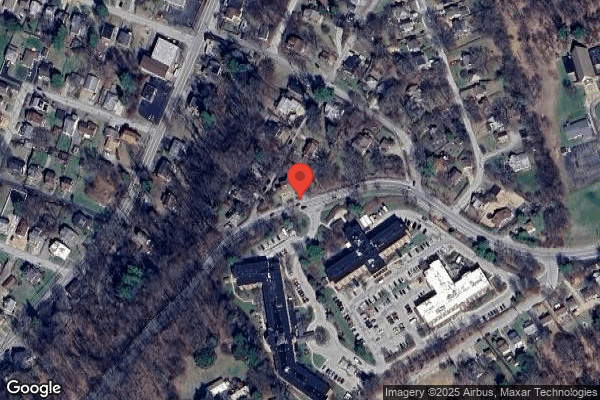
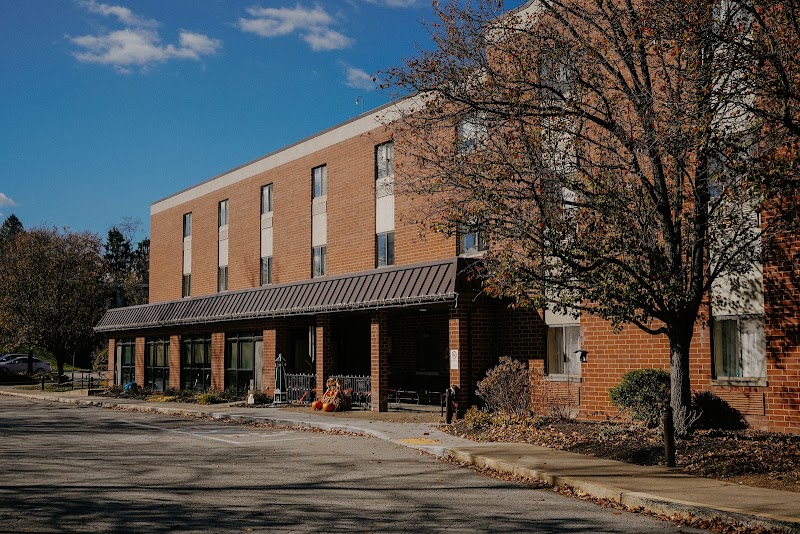

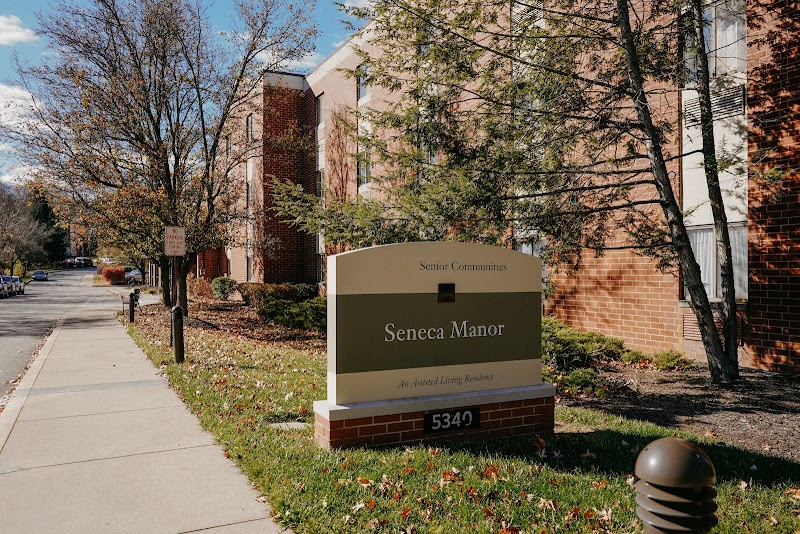
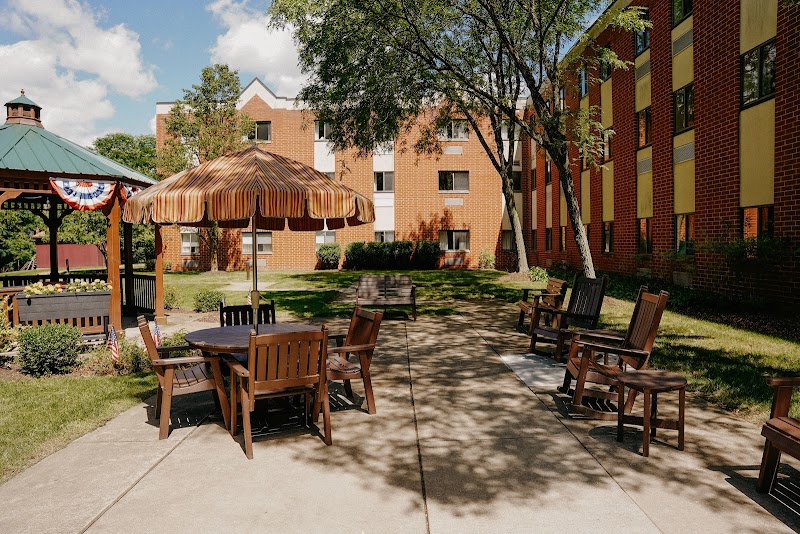
SENECA PLACE

5360 SALTSBURG ROAD, VERONA, PA 15147 (412) 798-8000
Non profit - Corporation 174 Beds BONCREST RESOURCE GROUP Data: November 2025
Trust Grade
28/100
#630 of 653 in PA
Last Inspection: June 2025

Inspected within the last 6 months. Data reflects current conditions.

Overview

Seneca Place in Verona, Pennsylvania, has a Trust Grade of F, indicating significant concerns and a poor overall rating. With a state rank of #630 out of 653 and a county rank of #45 out of 52, this facility is in the bottom half of both state and local rankings. Although the trend shows some improvement, reducing issues from 32 to 26 in the last year, the facility still faces serious challenges, including a concerning 63% staff turnover rate, which is significantly higher than the state average. Specific incidents include the failure to provide necessary services that resulted in a resident suffering a laceration, as well as improper food storage practices in the kitchen that could lead to foodborne illnesses. While staffing has an average rating, the facility's overall performance raises red flags for families considering this option for their loved ones.

Trust Score
F
28/100
In Pennsylvania
#630/653
Bottom 4%
Safety Record
Moderate
Needs review
Inspections
Getting Better
32 → 26 violations
Staff Stability
⚠ Watch
63% turnover. Above average. Higher turnover means staff may not know residents' routines.
Penalties
○ Average
$7,443 in fines. Higher than 70% of Pennsylvania facilities. Some compliance issues.
Skilled Nurses
✓ Good
Each resident gets 52 minutes of Registered Nurse (RN) attention daily — more than average for Pennsylvania. RNs are trained to catch health problems early.
Violations
⚠ Watch
65 deficiencies on record. Higher than average. Multiple issues found across inspections.
★☆☆☆☆
1.0
Overall Rating
★★★☆☆
3.0
Staff Levels
★☆☆☆☆
1.0
Care Quality
★☆☆☆☆
1.0
Inspection Score
Stable
2024: 32 issues
2025: 26 issues

The Good

  • Full Sprinkler Coverage · Fire safety systems throughout facility
  • No fines on record

Facility shows strength in fire safety.

The Bad

1-Star Overall Rating

Below Pennsylvania average (3.0)

Significant quality concerns identified by CMS

Staff Turnover: 63%

17pts above Pennsylvania avg (46%)

Frequent staff changes - ask about care continuity

Federal Fines: $7,443

Below median ($33,413)

Minor penalties assessed

Chain: BONCREST RESOURCE GROUP

Part of a multi-facility chain

Ask about local staffing decisions and management

Staff turnover is elevated (63%)

15 points above Pennsylvania average of 48%

The Ugly 65 deficiencies on record

1 actual harm
Jun 2025 22 deficiencies
CONCERN (D) 📢 Someone Reported This

A family member, employee, or ombudsman was alarmed enough to file a formal complaint

Potential for Harm - no one hurt, but risky conditions existed

Notification of Changes (Tag F0580)

Could have caused harm · This affected 1 resident

**NOTE- TERMS IN BRACKETS HAVE BEEN EDITED TO PROTECT CONFIDENTIALITY** Based on review of facility policy and clinical records and staff interview, it was determined that the facility failed to notif...

Read full inspector narrative →
**NOTE- TERMS IN BRACKETS HAVE BEEN EDITED TO PROTECT CONFIDENTIALITY** Based on review of facility policy and clinical records and staff interview, it was determined that the facility failed to notify the physician or resident representative of a change in condition/status for three of six residents (Resident R54, R119 and R124). Findings include: Review of the facility policy Change in a Resident's Condition or Status dated 5/1/25, indicated the facility promptly notifies the resident, his, or her attending physician, and the resident representative of changes in the resident's medical/mental condition and/or status. Review of the clinical record indicated that Resident R54 was admitted to the facility on [DATE]. Review of Resident R54's Minimum Data Set (MDS - a periodic assessment of care needs) dated 3/12/25, indicated the diagnoses of diabetes mellitus(a chronic metabolic disease characterized by high blood sugar levels), post-traumatic stress disorder and hypotension (medical condition characterized by low blood pressure). Review of Resident R54's progress notes dated 12/19/24 revealed R54 was noted to get on elevator and proceed downstairs to lobby and front door, R54 was later recovered from the front door by Registered Nurse supervisor and floor nurse. Review of Resident R54's Progress notes indicated no notification to the physician or resident representative of resident leaving the unit. Review of the clinical record indicated that Resident R119 was admitted to the facility on [DATE]. Review of Resident R119's MDS dated [DATE], indicated the diagnoses of hypertension (high blood pressure), cancer, and hyperlipidemia (high fats in the blood). Review of Resident R119's progress notes date 5/31/25, at 3:00 p.m. revealed Resident R119 was found on first floor, Resident R119 did not have watchmate (a device that alarms) on wheelchair (w/c) like the order reflects. Supervisor, is going to put a new watchguard on residents w/c. Review of Resident R119's progress notes indicated no notification to the physician or resident representative of resident leaving the unit. Review of the clinical record indicated that Resident R124 was admitted to the facility on [DATE]. Review of Resident R124's MDS dated [DATE], high blood pressure, bilateral below the knee amputations, and renal insufficiency (condition where the kidneys lose the ability to remove waste and balance fluids). Section C0500 Brief Interview for Mental Status (BIMS a screening test that aides in detecting cognitive impairment) with a score of seven indicated severe impairment. Review of Resident R124's physician order dated 6/10/25, indicated to start pantoprazole 40 mg (milligram) for history of Gastro-intestinal bleeding. Review of Resident R124's progress notes failed to indicate notification to the resident's representative. During an interview on 6/12/25, at 11:00 a.m. Registered Nurse (RN) Employee E3 confirmed Resident R124's resident representative was not notified of the change in medication order from the physician. During an interview on 6/12/25, at 12:35 p.m. Nursing Home Administrator confirmed that the staff failed to notify the physician or resident representatives in Resident R54, R119 and R124's in change of condition/status. 28 Pa. Code: 211.12(d)(1) Nursing services.
CONCERN (D)

Potential for Harm - no one hurt, but risky conditions existed

Report Alleged Abuse (Tag F0609)

Could have caused harm · This affected 1 resident

**NOTE- TERMS IN BRACKETS HAVE BEEN EDITED TO PROTECT CONFIDENTIALITY** Based on review of facility policies, clinical record reviews and staff interviews, it was determined that the facility failed t...

Read full inspector narrative →
**NOTE- TERMS IN BRACKETS HAVE BEEN EDITED TO PROTECT CONFIDENTIALITY** Based on review of facility policies, clinical record reviews and staff interviews, it was determined that the facility failed to report one of five neglect allegations (Residents R5) to the State Department of Health as required. Findings include: Review of facility Abuse, Neglect, Exploitation and Misappropriation Prevention Program last reviewed 5/1/25, indicated residents have the right to be free from abuse, neglect, misappropriation of resident ' s property and exploitation. The resident abuse, neglect and exploitation prevention program consists of a facility-wide commitment and resource allocation to support the following objectives that include but not inclusive to developing and implementing policies and protocols to prevent and identify abuse or mistreatment and neglect of residents. Conduct employee background checks. Provide staff orientation and training programs that include topics such as abuse prevention, identification and reporting of abuse. Identify and investigate all possible incidents of abuse, neglect, mistreatment, or misappropriation of resident property. All reports of resident abuse (including injuries of unknown origin), neglect, exploitation, and or theft/misappropriation are reported to local, state and federal agencies and thoroughly investigated by facility management Review of facility Accidents and Incidents-Investigating and Reporting policy dated 5/1/25, indicated all accidents or incidents occurring on our premises must be investigated and reported to the administrator. Regardless of how minor an accident or incident, injuries of unknown origin, it must be reported to the nursing supervisor and included on the facility 24- hour report. Review of the clinical record indicated that Resident R5 was admitted to the facility on [DATE]. Review of Resident R5's Minimum Data Set (MDS - a periodic assessment of care needs) dated 4/1/25, indicated the diagnosis of hypertension (high blood pressure) diabetes (high sugar in the blood) and hyperlipidemia (high fats in the blood). Review of Resident R5's physician progress note dated 4/10/25, at 11:58 a.m. indicated saw resident today for skin concerns on right toes. Per nursing, she was being pushed in the shower chair and the right foot was drug on carpet causing brush burn. Several faint, scabbed areas noted on three toes of right foot. Review of the facility's incidents dated 12/9/24, through 6/9/25, failed to include information pertaining to Resident R5's right foot skin concerns. During an interview completed on 6/12/25, at 11:15 a.m. the Nursing Home Administrator (NHA) confirmed that the incident concerning Resident R5's right foot skin concerns were not reported to the State Department of Health as required. 28 Pa. Code: 201.14(a) Responsibility of licensee. 28 Pa. Code: 201.18(e)(1) Management
CONCERN (D)

Potential for Harm - no one hurt, but risky conditions existed

Accident Prevention (Tag F0689)

Could have caused harm · This affected 1 resident

**NOTE- TERMS IN BRACKETS HAVE BEEN EDITED TO PROTECT CONFIDENTIALITY** Based on facility policy review, clinical and facility record review, facility provided documents and staff interviews, it was d...

Read full inspector narrative →
**NOTE- TERMS IN BRACKETS HAVE BEEN EDITED TO PROTECT CONFIDENTIALITY** Based on facility policy review, clinical and facility record review, facility provided documents and staff interviews, it was determined that the facility failed to provide adequate supervision resulting in elopement (resident exited to an unsupervised and unauthorized location without staff's knowledge) for two of five residents (Resident R54 and R119). Findings include: The facility Wandering and Elopements policy dated 5/1/25, indicated the facility will identify residents who are at risk of unsafe wandering and strive to prevent harm while maintaining the least restrictive environment for residents. Review of the clinical record indicated that Resident R54 was admitted to the facility on [DATE]. Review of Resident R54's MDS dated [DATE], indicated with the diagnoses of diabetes mellitus (a chronic metabolic disease characterized by high blood sugar levels), post-traumatic stress disorder and hypotension (medical condition characterized by low blood pressure). Review of the Resident Assessment Instrument 3.0 User's Manual effective October 2019 indicated that a Brief Interview for Mental Status (BIMS) is a screening test that aides in detecting cognitive impairment. The BIMS total score suggests the following distributions: 13-15: cognitively intact 8-12: moderately impaired 0-7: severe impairment Resident R54's MDS - Section C: Cognitive Patterns, Question C0100 indicated a BIMS score of 12 - moderately impaired. Review of Resident R54's 12/1/24, Elopement risk screening dated 12/1/24 indicated a score of 6: not at risk Review of Resident R54's progress notes dated 12/19/24, revealed Resident R54 was noted to get on elevator and proceed downstairs to lobby and front door, Resident R54 was later recovered from the front door by Registered Nurse supervisor and floor nurse. Review of Resident R54's progress notes dated 5/22/25, revealed Resident R54 tried to go out the front doors to go home. Review of the clinical record indicated that Resident R119 was admitted to the facility on [DATE]. Review of Resident R119's MDS dated [DATE], indicated the diagnoses of hypertension (high blood pressure), cancer, and hyperlipidemia (high fats in the blood). Section C: Cognitive Patterns, Question C0100 indicated a BIMS score of 12 - moderately impaired. Review of Resident R119's elopement risk screening dated 5/9/25, indicated a risk score of 20: at risk for elopement. Review of Resident R119's physician orders dated 5/8/25, indicated security bracelet to wheelchair at all times. Check every shift for function. Notify unit manager if problems. Review of Resident R119's care plan initiated 5/8/25, indicated Resident R119 is an elopement risk/wanderer related to impaired safety awareness and attempts to get on elevator unassisted, wanders into other rooms. Review of Resident R119's progress notes date 5/31/25, at 3:00 p.m. revealed Resident R119 was found on first floor, Resident R119 did not have watchmate (a device that alarms) on wheelchair (w/c) like the order reflects. Supervisor is going to put a new watchguard on resident's wheelchair (w/c). During an interview on 6/13/25, at 1:30 p.m. the Nursing Home Administrator confirmed the facility did properly supervise Resident R54 and R119, as required. 28 Pa. Code 211.12(d)(1)(3)(5) Nursing services. 28 Pa. Code 211.10(d) Resident care policies. 28 Pa. Code: 201.29(a)(b)(c)(I)(n) Resident rights. 28 Pa. Code 201.18(b)(1) Management.
CONCERN (D)

Potential for Harm - no one hurt, but risky conditions existed

Incontinence Care (Tag F0690)

Could have caused harm · This affected 1 resident

**NOTE- TERMS IN BRACKETS HAVE BEEN EDITED TO PROTECT CONFIDENTIALITY** Based on review facility polices, observations, clinical records, and staff interviews it was determined that the facility faile...

Read full inspector narrative →
**NOTE- TERMS IN BRACKETS HAVE BEEN EDITED TO PROTECT CONFIDENTIALITY** Based on review facility polices, observations, clinical records, and staff interviews it was determined that the facility failed to make certain that appropriate treatments and services were provided for the use of an indwelling urinary catheter as required for one of three residents (Resident R292). Findings include: Review of facility policy Catheter Care, Urinary dated 5/1/25, indicated to review and document the clinical indications for catheter use prior to inserting. Nursing and the interdisciplinary team should assess and document the ongoing need for a catheter that is in place. Review of the clinical record indicated Resident R292 was admitted to the facility on [DATE]. Review of Resident R292's Minimum Data Set (MDS - a period assessment of care needs) dated 5/29/25, indicated diagnoses of high blood pressure, hyperlipidemia (high levels of fat in the blood), and muscle weakness. Review of the clinical record revealed Resident R292 had a physician's order dated 6/2/25, for an indwelling urinary catheter. Review of the above physician's order did not include a diagnosis for the indwelling urinary catheter as required. During an interview on 6/10/25, at 2:30 p.m. Registered Nurse Employee E1 confirmed that the facility failed to make certain that appropriate treatments and services were provided for the use of an indwelling urinary catheter as required for Resident R292. 28 Pa. Code: 201.14(a) Responsibility of licensee. 28 Pa. Code: 211.10(c)(d) Resident care policies. 28 Pa. Code: 211.12(d)(1)(2)(3)(5) Nursing services.
CONCERN (D)

Potential for Harm - no one hurt, but risky conditions existed

Deficiency F0730 (Tag F0730)

Could have caused harm · This affected 1 resident

Based on review of facility policy, personnel records and staff interviews it was determined that the facility failed to complete annual performance evaluations for four of five nursing staff (Employe...

Read full inspector narrative →
Based on review of facility policy, personnel records and staff interviews it was determined that the facility failed to complete annual performance evaluations for four of five nursing staff (Employees E15, E16, E17, and E18). Findings include: Review of facility provided document Performance Evaluators Instructions dated 1/1/25, indicated to rate the employee on the observations listed. Check the rating that best describes the employee's performance. List those skills, qualities or habits that have enabled the employee to perform the duties and responsibilities of the job with strength. List areas that have demonstrated the need for attention or improvement. File the original in the personnel file and provide a copy to the employee. Place on the performance evaluation for annual or other. Review of Nurse Aide (NA) Employee E15's personnel record indicated a hire date of 10/16/95. Review of NA Employee E16's personnel record indicated a hire date of 10/2/17. Review of NA Employee E17's personnel record indicated a hire date of 11/20/23. Review of Licensed Practical Nurse (LPN) Employee E18's personnel record indicated a hire date of 10/1/2002. Review of personnel records did not include an annual performance evaluation based on the date of hire for NA Employees E15, E16, E17, and LPN Employee E18. During an interview on 6/11/25, at 1:55 p.m. Nursing Home Administrator confirmed that the facility failed to complete annual performance evaluations for four of five nursing staff personnel records (Employees E15, E16, E17, and E18). 28 Pa Code: 201.20 (a)(b)(d) Staff development.
CONCERN (D)

Potential for Harm - no one hurt, but risky conditions existed

Deficiency F0805 (Tag F0805)

Could have caused harm · This affected 1 resident

**NOTE- TERMS IN BRACKETS HAVE BEEN EDITED TO PROTECT CONFIDENTIALITY** Based on observation and staff interviews, it was determined that the facility failed to provide food in a form to meet individu...

Read full inspector narrative →
**NOTE- TERMS IN BRACKETS HAVE BEEN EDITED TO PROTECT CONFIDENTIALITY** Based on observation and staff interviews, it was determined that the facility failed to provide food in a form to meet individuals' needs in one of six residents (Resident R13). Findings include: Review of the clinical record revealed that Resident R13 was admitted to the facility on [DATE]. Review of Resident R13's MDS (Minimum Data Set, periodic assessment of resident care needs) dated 5/3/25, indicated diagnoses of anoxic brain damage, cerebral infarction (a condition where a part of the brain is deprived of blood supply, leading to the death of brain tissue) and chronic obstructive pulmonary disease (group of lung diseases that cause long-term breathing problems) . During a review of Nutrition assessment dated [DATE] indicated Resident R13 had a crab allergy. During a review of Nutrition assessment dated [DATE] indicated Resident R13 had a crab allergy. Review of Resident R13 Progress notes dated 5/13/25 indicated while passing 7 p.m. meds , resident called out and stated he has vomited. when assessed, resident had vomit on L side of leg and floor. vomit had whole content of dinner present. writer was then notified that resident is allergic to seafood. resident did have shrimp alfredo for dinner. Review of Grievance Log indicated a concern form from R13's Granddaughter upset her grandfather was served seafood alfredo pasta knowing that her grandfather has a documented allergy. During a review of Resident R13's physician orders indicated fish, seafood crab allergy. During an interview on 6/12/25, at 10:30 a.m. Dietary Manager confirmed that Resident R13 was not provided the correct diet as indicated. 28 Pa.Code: 201.18(b)(3) Management 28 Pa.Code: 211.10(c) Resident Care Policies
CONCERN (D)

Potential for Harm - no one hurt, but risky conditions existed

Deficiency F0847 (Tag F0847)

Could have caused harm · This affected 1 resident

**NOTE- TERMS IN BRACKETS HAVE BEEN EDITED TO PROTECT CONFIDENTIALITY** Based on review of facility documents, resident clinical records and staff interviews it was determined that the facility failed...

Read full inspector narrative →
**NOTE- TERMS IN BRACKETS HAVE BEEN EDITED TO PROTECT CONFIDENTIALITY** Based on review of facility documents, resident clinical records and staff interviews it was determined that the facility failed to ensure residents had the capacity to understand the terms of a binding arbitration agreement (A binding agreement by the parties to submit to arbitration all or certain disputes which have arisen or may arise between them in respect of a defined legal relationship, whether contractual or not). for one of five residents (Resident R11) and failed to ensure an arbitration agreement was signed for one of five residents (Resident R28). Findings include: Review of the facility form arbitration and limitation of liability agreement completed on 6/11/25, indicated this agreement sets forth a dispute resolution procedure by which the parties intend to resolve all disputes which may arise between them concerning the residents stay in the facility. The procedure is intended to be a speedy and economic alternative to court litigation which is often slow, time consuming and expensive. By using private arbitration without the right to appeal, the parties are able to avoid crowded court dockets and lengthy appellate procedures. Further, the stream-lined discovery procedures enable the parties to reduce overall cost and expenses while maintaining the opportunity to develop facts. This agreement contains a waiver of statutory rights please read carefully. Review of the Resident Assessment Instrument 3.0 User's Manual effective October 2019 indicated that a Brief Interview for Mental Status (BIMS) is a screening test that aides in detecting cognitive impairment. The BIMS total score suggests the following distributions: 13-15: cognitively intact 8-12: moderately impaired 0-7: severe impairment Review of the admission record indicated Resident R11 was admitted to the facility on [DATE]. Review of Resident R11's Minimum Data Set (MDS - a periodic assessment of care needs) dated 3/19/25, indicated the diagnoses of Non-Alzheimer's Dementia (dementia caused by other diseases with symptoms forgetfulness, limited social skills, and impaired thinking abilities that interfere with daily functioning), hyperlipidemia (high fats in the blood) and anxiety. Section C0500 BIMS (Brief Interview for Mental Status - a screening test that aides in detecting cognitive impairment) indicated a score of 6 (score of 0-7 indicated severe impairment). Review of Resident R11's Binding Arbitration Agreement indicated that Resident R11 signed the document on 3/13/25. During an interview competed on 6/11/25, at 11:40 a.m. the admission Director Employee E2 confirmed the facility failed to ensure a resident had the capacity to understand the terms of a binding arbitration agreement for one of five residents (Resident R11). Review of the admission record indicated Resident R28 was admitted to the facility on [DATE]. Review of Resident R28's MDS indicated diagnoses of high blood pressure, weakness, and dementia. Section C0500 BIMS indicated a score of 14 (score 13-15 indicated cognitively intact). Review of facility provided documents on 6/10/25, at 11:00 a.m. indicated that Resident R28 entered into a Binding Arbitration. Review of Resident R28's Binding Arbitration Agreement indicated that Resident R28 failed to sign the document on 2/6/25. During an interview completed on 6/10/25, at 12:41 p.m. the admission Director Employee E2 confirmed the facility failed to ensure a signature was obtained for a binding arbitration agreement for Resident R28. 28 Pa. Code: 201.14(a) Responsibility of licensee. 28 Pa. Code: 201.18(e)(1) Management
CONCERN (D)

Potential for Harm - no one hurt, but risky conditions existed

Deficiency F0868 (Tag F0868)

Could have caused harm · This affected 1 resident

Based on facility policy review, review of Quality Assurance attendance records, and staff interview, it was determined that the facility failed to conduct Quality Assessment and Assurance (QAA) meeti...

Read full inspector narrative →
Based on facility policy review, review of Quality Assurance attendance records, and staff interview, it was determined that the facility failed to conduct Quality Assessment and Assurance (QAA) meetings at least quarterly with all the required committee members for one of four quarterly meeting (Quarter One of 2025). Findings Include: The facility Quality Assurance and Performance Improvement (QAPI) Program policy dated 5/1/25, indicated that the facility shall develop, implement, and maintain an ongoing, facility-wide, date-driven QAPI program that is focused on indicators of the outcomes of care and quality of life for our residents. Review of Quality assurance and Performance Improvement sign in sheets and attendance records for Quarter One of 2025, failed to reveal the Infection Preventionist was in attendance. During an interview on 6/10/25, at 2:29 p.m. the Director of Nursing confirmed that the facility failed to conduct Quality Assessment and Assurance (QAA) meetings at least quarterly with all the required committee members for one of four quarterly meeting (Quarter One of 2025), as required. 28 Pa Code: 201.18(e)(1)(2)(3)(4) Management.
CONCERN (D)

Potential for Harm - no one hurt, but risky conditions existed

Antibiotic Stewardship (Tag F0881)

Could have caused harm · This affected 1 resident

Based on review of the facility's infection control policies and procedures and staff interview, it was determined that the facility failed to implement an antibiotic stewardship program for one of te...

Read full inspector narrative →
Based on review of the facility's infection control policies and procedures and staff interview, it was determined that the facility failed to implement an antibiotic stewardship program for one of ten months (September 2024). Findings include: Review of facility policy Antibiotic Stewardship dated 5/1/25, indicated the purpose of the Antibiotic Stewardship Program is to monitor the use of antibiotics in our residents. Review of the Quality Assurance/Infection Control Preventionist job description indicated responsibility includes oversees the community's antibiotic stewardship program. Review of the facility's Infection Control surveillance for August 2024 through May 2025, failed to include documentation to indicate that antibiotic monitoring was completed for September 2024. During an interview on 6/11/25, at 2:40 p.m. the Director of Nursing confirmed that the facility failed to implement an antibiotic stewardship program for one of ten months (September 2024). 28 Pa. Code: 211.10(c)(d) Resident care policies. 28 Pa. Code: 211.12(d)(1)(2)(3)(5) Nursing services.
CONCERN (D)

Potential for Harm - no one hurt, but risky conditions existed

Deficiency F0882 (Tag F0882)

Could have caused harm · This affected 1 resident

Based on a review of select facility policy and staff interview, it was determined the facility failed to designate a qualified individual(s) onsite, who is responsible for implementing programs and a...

Read full inspector narrative →
Based on a review of select facility policy and staff interview, it was determined the facility failed to designate a qualified individual(s) onsite, who is responsible for implementing programs and activities to prevent and control infections (2/10/25 to 3/5/25). Findings included: During an interview on 6/10/25, at 1:24 p.m. the Director of Nursing (DON) stated, Infection Preventionist Employee E12 sent an email on a Saturday saying she quit effective immediately. That's when we put Infection Preventionist Employee E13 into the role. Review of facility documents indicated Infection Preventionist Employee E12 worked from 7/15/24, to 2/9/25. Review of facility documents indicated Infection Preventionist Employee E13 worked from 2/12/25, to 4/21/25. Infection Preventionist Employee E13 did not complete specialized training in infection prevention and control and become certified until 3/6/25. During an interview on 6/11/25, at 2:40 p.m. the DON confirmed that the facility failed to designate a qualified individual(s) onsite, who is responsible for implementing programs and activities to prevent and control infections from 2/10/25, to 3/5/25. 28 Pa. Code: 201.14(a) Responsibility of licensee. 28 Pa. Code: 201.18(b)(1)(e)(1) Management. 28 Pa. Code: 201.19(3) Personnel records. 28 Pa. Code: 211.12(d)(1)(2)(3)(5) Nursing services.
CONCERN (D)

Potential for Harm - no one hurt, but risky conditions existed

Room Equipment (Tag F0908)

Could have caused harm · This affected 1 resident

Based on observations, review of facility documentation, and staff interviews, it was determined that the facility failed to make certain that equipment was in safe operating condition for two of two ...

Read full inspector narrative →
Based on observations, review of facility documentation, and staff interviews, it was determined that the facility failed to make certain that equipment was in safe operating condition for two of two crash carts (First and Second floor). Findings include: Review of the facility's Crash Cart Daily Signature Log dated 5/1/25, indicated the purpose of the form completed daily is to ensure that the emergency crash cart is in order and ready to use in case of emergency. During an observation of the first-floor crash cart (a cart maintained with equipment used in cardiac emergencies) on 6/12/25, at 8:04 a.m. revealed a Crash Cart Daily Signature Log dated June 2025. The last completed entry was conducted on 6/9/25, three days overdue. Interview on 6/12/25, at 9:09 a.m. the Director of Nursing verified the last entry was 6/9/25, and that the audit had not been conducted in three days. During an observation of the second-floor crash cart on 6/12/25, at 8:15 a.m. revealed a Crash Cart Daily Signature Log dated June 2025. The audit was not conducted on 6/9/25, and the signature line was blank. Interview on 6/12/25, at 8:16 a.m. Registered Nurse (RN) Employee E3 verified the audit had not been conducted on 6/9/25, and the signature line was blank. During an interview on 6/13/25, at 11:00 a.m. the Director of Nursing confirmed that the facility failed to make certain that equipment was in safe operating condition for two of two crash carts (First and Second floor). 28 Pa Code: 201.14(a) Responsibility of licensee.
CONCERN (D)

Potential for Harm - no one hurt, but risky conditions existed

Deficiency F0941 (Tag F0941)

Could have caused harm · This affected 1 resident

Based on review of facility policy, facility documents and staff interviews, it was determined that the facility failed to provide Communication training to five of five direct care facility staff rev...

Read full inspector narrative →
Based on review of facility policy, facility documents and staff interviews, it was determined that the facility failed to provide Communication training to five of five direct care facility staff reviewed (Employees E15, E16, E17, E18, and E19). Findings include: Review of the facility policy In-Service Training dated 5/1/25, indicated all staff must participate in initial orientation and annual in-service training. The primary objective of the in-service training is to ensure that staff are able to interact in a manner that enhances the resident ' s quality of life and quality of care and can demonstrate competency in the topic areas of the training. Required training topics include the following: - Effective Communication with residents and family - Resident Rights - Preventing Abuse, neglect, exploitation, and misappropriation of resident's property - Quality Assurance and Performance Improvement (QAPI) - Infection Prevention - Behavioral Health - Compliance and Ethics During an interview on 6/11/25, at 9:00 a.m. Human Resources Director Employee E6 stated that education is conducted by calendar year running January through December. Review of facility education documents for the year 2024, revealed the following concerns: Review of Nurse Aide (NA) Employee E15's facility provided information did not include training on effective communication. Review of NA Employee E16's facility provided information did not include training on effective communication. Review of NA Employee E17's facility provided information did not include training on effective communication. Review of Licensed Practical Nurse (LPN) Employee E18's facility provided information did not include training on effective communication. Review of Registered Nurse (RN) Employee E19's facility provided information did not include training on effective communication. During an interview on 6/11/25, at 2:32 p.m. the Nursing Home Administrator confirmed that the facility failed to provide Communication training to five of five direct care facility staff reviewed (Employees E15, E16, E17, E18, and E19). 28 Pa. Code: 201.14(a) Responsibility of Licensee 28 Pa. Code: 201.20(a) Staff Development
CONCERN (D)

Potential for Harm - no one hurt, but risky conditions existed

Deficiency F0944 (Tag F0944)

Could have caused harm · This affected 1 resident

Based on review of facility policy, facility documents, and staff interview, it was determined that the facility failed to provide training on Quality Assurance and Performance Improvement (QAPI) for ...

Read full inspector narrative →
Based on review of facility policy, facility documents, and staff interview, it was determined that the facility failed to provide training on Quality Assurance and Performance Improvement (QAPI) for five of five staff members (Employees E15, E16, E17, E18, and E19). Findings include: Review of the facility policy In-Service Training dated 5/1/25, indicated all staff must participate in initial orientation and annual in-service training. The primary objective of the in-service training is to ensure that staff are able to interact in a manner that enhances the resident ' s quality of life and quality of care and can demonstrate competency in the topic areas of the training. Required training topics include the following: - Effective Communication with residents and family - Resident Rights - Preventing Abuse, neglect, exploitation, and misappropriation of resident's property - QAPI - Infection Prevention - Behavioral Health - Compliance and Ethics During an interview on 6/11/25, at 9:00 a.m. Human Resources Director Employee E6 stated that education is conducted by calendar year running January through December. Review of facility education documents for the year 2024, revealed the following concerns: Review of Nurse Aide (NA) Employee E15's facility provided information did not include training on QAPI. Review of NA Employee E16's facility provided information did not include training on QAPI. Review of NA Employee E17's facility provided information did not include training on QAPI. Review of Licensed Practical Nurse (LPN) Employee E18's facility provided information did not include training on QAPI. Review of Registered Nurse (RN) Employee E19's facility provided information did not include training on QAPI. During an interview on 6/11/25, at 2:32 p.m. the Nursing Home Administrator confirmed that the facility failed to provide QAPI training to five of five direct care facility staff reviewed (Employees E15, E16, E17, E18, and E19). 28 Pa Code: 201.14 (a) Responsibility of licensee. 28 Pa Code: 201.18 (b)(1) Management. 28 Pa Code: 201.20 (a) Staff development.
CONCERN (D)

Potential for Harm - no one hurt, but risky conditions existed

Deficiency F0945 (Tag F0945)

Could have caused harm · This affected 1 resident

Based on review of facility policy, facility documents, and staff interview, it was determined that the facility failed to provide training on Infection Control for two of five staff members (Employee...

Read full inspector narrative →
Based on review of facility policy, facility documents, and staff interview, it was determined that the facility failed to provide training on Infection Control for two of five staff members (Employees E18, and E19). Findings include: Review of the facility policy In-Service Training dated 5/1/25, indicated all staff must participate in initial orientation and annual in-service training. The primary objective of the in-service training is to ensure that staff are able to interact in a manner that enhances the resident's quality of life and quality of care and can demonstrate competency in the topic areas of the training. Required training topics include the following: - Effective Communication with residents and family - Resident Rights - Preventing Abuse, neglect, exploitation, and misappropriation of resident's property - QAPI - Infection Prevention - Behavioral Health - Compliance and Ethics During an interview on 6/11/25, at 9:00 a.m. Human Resources Director Employee E6 stated that education is conducted by calendar year running January through December. Review of facility education documents for the year 2024, revealed the following concerns: Review of Licensed Practical Nurse (LPN) Employee E18's facility provided information did not include training on Infection Control. Review of Registered Nurse (RN) Employee E19's facility provided information did not include training on Infection Control. During an interview on 6/11/25, at 2:32 p.m. the Nursing Home Administrator confirmed that the facility failed to provide Infection Control training to two of five direct care facility staff reviewed (Employees E18, and E19). 28 Pa Code: 201.14 (a) Responsibility of licensee. 28 Pa Code: 201.18 (b)(1) Management. 28 Pa Code: 201.20 (a) Staff development.
CONCERN (E)

Potential for Harm - no one hurt, but risky conditions existed

Abuse Prevention Policies (Tag F0607)

Could have caused harm · This affected multiple residents

**NOTE- TERMS IN BRACKETS HAVE BEEN EDITED TO PROTECT CONFIDENTIALITY** Based on review of facility documents, facility policy, clinical records, and staff interviews, it was determined that the facil...

Read full inspector narrative →
**NOTE- TERMS IN BRACKETS HAVE BEEN EDITED TO PROTECT CONFIDENTIALITY** Based on review of facility documents, facility policy, clinical records, and staff interviews, it was determined that the facility failed to implement written policies and procedures to ensure a complete and thorough investigation of an incident involving the potential for neglect for two of five residents (Resident R5, and R119), and failed to conduct a criminal background check prior to the start of employment for two of five staff ( Licensed Practical Nurse (LPN) Employee E10, and Registered Nurse (RN) Employee E11). Findings include: Review of the facility Abuse, Neglect, Exploitation and Misappropriation Prevention Program policy last reviewed 5/1/25, indicated residents have the right to be free from abuse, neglect, misappropriation of resident ' s property and exploitation. The resident abuse, neglect and exploitation prevention program consists of a facility-wide commitment and resource allocation to support the following objectives that include but not inclusive to developing and implementing policies and protocols to prevent and identify abuse or mistreatment and neglect of residents. Conduct employee background checks. Provide staff orientation and training programs that include topics such as abuse prevention, identification and reporting of abuse. Identify and investigate all possible incidents of abuse, neglect, mistreatment, or misappropriation of resident property. Review of the facility Abuse, Neglect, Exploitation or Misappropriation Reporting and Investigating policy last reviewed 5/1/25, indicated all reports of resident abuse (including injuries of unknown origin), neglect, exploitation, and or theft/misappropriation are reported to local, state and federal agencies and thoroughly investigated by facility management Review of the facility Wandering and Elopements policy last reviewed 5/1/25, indicated the facility will identify residents who are at risk of unsafe wandering and strive to prevent harm while maintaining the least restrictive environment for residents. If identified as at risk for wandering, elopement, or other safety issues, the residents care plan will include strategies and interventions to maintain the resident's safety. If a resident is missing, initiate the elopement/missing resident emergency procedure. Review of the facility Background Screening Investigations policy last reviewed 5/1/25, indicated facility conducts employment background screening checks, reference checks, and criminal conviction investigation checks on all applicants. Review of the clinical record indicated that Resident R5 was admitted to the facility on [DATE]. Review of Resident R5's Minimum Data Set (MDS - a periodic assessment of care needs) dated 4/1/25, indicated the diagnosis of hypertension (high blood pressure) diabetes (high sugar in the blood) and hyperlipidemia (high fats in the blood). Review of Resident R5's physician progress note dated 4/10/25, at 11:58 a.m. indicated saw resident today for skin concerns on right toes. Per nursing, she was being pushed in the shower chair and the right foot was drug on carpet causing brush burn. Several faint, scabbed areas noted on three toes of right foot. Review of the facility's incidents dated 12/9/24, through 6/9/25, failed to include information pertaining to Resident R5's abrasions to toes. During an interview completed on 6/12/25, at 11:15 a.m. the Nursing Home Administrator (NHA) confirmed that the incident concerning injuries to Resident R5's toes was not investigated or reported and that the facility failed to follow the facilities policy for investigation. Review of the clinical record indicated that Resident R119 was admitted to the facility on [DATE]. Review of Resident R119's MDS dated [DATE], indicated with the diagnoses of hypertension, cancer, and hyperlipidemia. Review of Resident R119's progress notes date 5/31/25, at 3:00 p.m. revealed Resident R119 was found on first floor, Resident R119 did not have watchmate (a device that alarms) on wheelchair (w/c) like the order reflects. Supervisor, is going to put a new watchguard on residents w/c. Review of the facility's incidents dated 12/9/24, through 6/9/25, failed to include information pertaining to Resident R119's elopement (resident exits to an unsupervised or unauthorized area without the facility's knowledge). During an interview completed on 6/9/25 at 12:42 p.m. the Director of Nursing indicated she was not aware of Resident R119's elopement. During an interview competed on 6/12/25 at 11:15 a.m. the Nursing Home Administrator confirmed that the facility failed to implement written policies and procedures to ensure a complete and thorough investigation of an incident involving the potential for neglect for three of five residents (Resident R5 and R119). Review of Licensed Practical Nurse (LPN) Employee E10's personnel record indicated she was hired on 4/14/25. Review of LPN Employee E10's personnel record did not include a completed state criminal background check prior to date of hire. Review of Registered Nurse (RN) Employee E11's personnel record indicated she was hired on 4/15/25. Review of RN Employee E11's personnel record did not include a completed state criminal background check prior to date of hire. During an interview on 6/11/25, at 1:45 p.m. the Human Resource Employee E6 stated, The background checks should have been completed prior to their start date. During an interview on 6/11/25, at 2:30 p.m. the Nursing Home Administrator confirmed that the facility failed to properly screen LPN Employee E10, and RN Employee E11 by completing a state criminal background check prior to hire, as required. 28 Pa. Code 201.14(a) Responsibility of licensee. 28 Pa. Code 201.18(e)(1) Management. 28 Pa Code: 201.19 Personnel policies and procedures 28 Pa Code: 201.20 (a)(d) Staff development 28 Pa Code: 201.29 (d) Resident Rights
CONCERN (E)

Potential for Harm - no one hurt, but risky conditions existed

Investigate Abuse (Tag F0610)

Could have caused harm · This affected multiple residents

**NOTE- TERMS IN BRACKETS HAVE BEEN EDITED TO PROTECT CONFIDENTIALITY** Based on review of facility policy, clinical records, facility documents, and staff interview, it was determined that the facili...

Read full inspector narrative →
**NOTE- TERMS IN BRACKETS HAVE BEEN EDITED TO PROTECT CONFIDENTIALITY** Based on review of facility policy, clinical records, facility documents, and staff interview, it was determined that the facility failed to identify and investigate an incident of possible abuse and/or neglect for three of five incidents reviewed (Residents R5, R54 and R119). Findings include: The facility Accidents and Incidents-Investigating and Reporting policy dated 5/1/25, indicated all accidents or incidents occurring on our premises must be investigated and reported to the administrator. Regardless of how minor an accident or incident, injuries of unknown origin, it must be reported to the nursing supervisor and included on the facility 24- hour report. Review of the clinical record indicated that Resident R5 was admitted to the facility on [DATE]. Review of Resident R5's Minimum Data Set (MDS - a periodic assessment of care needs) dated 4/1/25, indicated the diagnosis of hypertension (high blood pressure) diabetes (high sugar in the blood) and hyperlipidemia (high fats in the blood). Review of Resident R5's physician progress note dated 4/10/25, at 11:58 a.m. indicated saw resident today for skin concerns on right toes. Per nursing, she was being pushed in the shower chair and the right foot was drug on carpet causing brush burn. Several faint, scabbed areas noted on three toes of right foot. Review of the facility's incidents dated 12/9/24, through 6/9/25, failed to include information pertaining to Resident R5's abrasions to toes. During an interview completed on 6/12/25, at 11:15 a.m. the Nursing Home Administrator (NHA) confirmed that the facility failed to conduct an investigation regarding Resident R5's incident, as required. Review of the clinical record indicated that Resident R54 was admitted to the facility on [DATE]. Review of Resident R54's MDS dated [DATE], indicated with the diagnoses of diabetes mellitus (a chronic metabolic disease characterized by high blood sugar levels), post-traumatic stress disorder and hypotension (medical condition characterized by low blood pressure). Review of Resident R54's progress notes dated 12/19/24, revealed Resident R54 was noted to get on elevator and proceed downstairs to lobby and front door, Resident R54 was later recovered from the front door by Registered Nurse supervisor and floor nurse. Review of Resident R54's progress notes dated 5/22/25, revealed Resident R54 tried to go out the front doors to go home. During an interview 6/12/25, at 1:15 p.m. Nursing Home Administrator confirmed the facility did not conduct an investigation regarding Resident R54's incident, as required. Review of the clinical record indicated that Resident R119 was admitted to the facility on [DATE]. Review of Resident R119's MDS dated [DATE], indicated with the diagnoses of hypertension, cancer, and hyperlipidemia. Review of Resident R119's progress notes date 5/31/25, at 3:00 p.m. revealed Resident R119 was found on first floor, Resident R119 did not have watchmate (a device that alarms) on wheelchair (w/c) like the order reflects. Supervisor, is going to put a new watchguard on residents w/c. Review of the facility's incidents dated 12/9/24, through 6/9/25, failed to include information pertaining to Resident R119's elopement. During an interview completed on 6/9/25, at 12:42 p.m. the Director of Nursing indicated she was not aware of Resident R119's elopement (resident exits to an unsupervised or unauthorized area without the facility's knowledge). During an interview competed on 6/12/25, at 11:15 a.m. the Nursing Home Administrator confirmed the facility failed to identify and investigate an incident of possible abuse and/or neglect for three of five incidents reviewed (Residents R5, R54 and R119). 28 Pa Code: 201.18 (e)(1)(2) Management. 28 Pa Code: 211.12 (a)(c)(d)(1)(3)(5) Nursing services.
CONCERN (E)

Potential for Harm - no one hurt, but risky conditions existed

Deficiency F0657 (Tag F0657)

Could have caused harm · This affected multiple residents

**NOTE- TERMS IN BRACKETS HAVE BEEN EDITED TO PROTECT CONFIDENTIALITY** Based on review of facility documents, facility policy, clinical records, and staff interviews, it was determined that the facil...

Read full inspector narrative →
**NOTE- TERMS IN BRACKETS HAVE BEEN EDITED TO PROTECT CONFIDENTIALITY** Based on review of facility documents, facility policy, clinical records, and staff interviews, it was determined that the facility failed to ensure that a resident's care plan was updated and revised to reflect the resident's specific care needs for three of six residents (Residents R62, R118, and R292). Findings include: Review of facility policy Care Plans, Comprehensive Person-Centered dated 5/1/25, indicated assessments of residents are ongoing and care plans are revised as information about the residents and the residents' conditions change. Review of the clinical record indicated Resident R62 was admitted to the facility on [DATE]. Review of Resident R62's Minimum Data Set (MDS - a periodic assessment of care needs) dated 5/7/25, indicated diagnoses of anemia (too little iron in the blood), high blood pressure, and muscle wasting. Review of a physician progress note dated 3/13/25, stated, Patient seen and evaluated today for diarrhea and vomiting. 2 episodes of diarrhea and 2 episodes of vomiting this morning. There is concern for norovirus in the facility. Will send out stool sample to confirm. Review of a Lab Results Report indicated Resident R62's stool was positive for Norovirus on 3/13/25. Review of Resident R62's care plan failed to reveal goals and interventions related to the resident's positive Norovirus status. Review of the clinical record indicated Resident R118 was admitted to the facility on [DATE]. Review of Resident R118's MDS dated [DATE], indicated diagnoses of anemia, high blood pressure, and hyperlipidemia (high levels of fat in the blood). Review of a physician order dated 3/19/25, indicated to send stool for C. diff and Norovirus. Review of a Labs Result Report indicated Resident R118's stool was positive for Norovirus on 3/19/25. Review of Resident R118's care plan failed to reveal goals and interventions related to the resident's positive Norovirus status. During an interview on 6/13/25, at 8:28 a.m. the Director of Nursing confirmed that the facility failed to revise Resident R62's and Resident R118's care plans to reflect the residents' specific care needs as required. Review of the clinical record indicated Resident R292 was admitted to the facility on [DATE]. Review of Resident R292's MDS dated [DATE], indicated diagnoses of high blood pressure, hyperlipidemia, and muscle weakness. Review of the clinical record revealed Resident R292 had a physician's order dated 6/2/25, for an indwelling urinary catheter. Review of Resident R292's care plan failed to reveal goals and interventions related to the resident's indwelling urinary catheter usage. During an interview on 6/10/25, at 2:30 p.m. Registered Nurse Employee E1 confirmed that the facility failed to revise Resident R292's care plan to reflect the resident's specific care needs as required. 28 Pa. Code: 211.12(d)(1)(5) Nursing services.
CONCERN (E)

Potential for Harm - no one hurt, but risky conditions existed

Quality of Care (Tag F0684)

Could have caused harm · This affected multiple residents

**NOTE- TERMS IN BRACKETS HAVE BEEN EDITED TO PROTECT CONFIDENTIALITY** Based on review of facility policy, clinical records, resident and staff interview it was determined that the facility failed t...

Read full inspector narrative →
**NOTE- TERMS IN BRACKETS HAVE BEEN EDITED TO PROTECT CONFIDENTIALITY** Based on review of facility policy, clinical records, resident and staff interview it was determined that the facility failed to have a physician orders for intravenous catheter (IV- a catheter placed into a vein for a medical need of fluids or antibiotics) dressing changes for one of two residents (Resident R56), failed to follow physician orders for wound care for one of five residents (Resident R124), failed to ensure timely follow up physician appointments were ordered for two out of four residents (Residents R2, and R97), and failed to ensure that residents received treatment and care in accordance with standards of practice and physician orders by failing to label a medicated patch with the date and time prior to application for one of three residents (Resident R133) as required. Findings include: Review or the facility policy Central Venous Catheter Care and Dressing Change dated 5/1/25, indicated the purpose of this procedure is to prevent complications associated with intravenous therapy, including catheter related infections that are associated with contaminated, loosened, soiled, or wet dressings. Change the dressing if it becomes damp, loosened, or visibly soiled and at least every seven days. Review of the facility policy Dressings, Dry/Clean dated 5/1/25, indicated verify that there is a physician order for the dressing procedure. Document the date and time the dressing was changed. Review of the facility policy Referrals, Social Services dated 5/1/25, indicated social services personnel shall coordinate most resident referrals with outside agencies. Social services will collaborate with the nursing staff or other pertinent disciplines to arrange for services that have been ordered by the physician. Social services will help arrange transportation to outside agencies, clinical appointments as appropriate. Review of the clinical record indicated that Resident R56 was admitted to the facility on [DATE]. Review of Resident R56's Minimum Data Set (MDS - a periodic assessment of care needs) dated 5/2/25, indicated diagnoses of high blood pressure, depression, and diabetes (a metabolic disorder in which the body has high sugar levels for prolonged periods of time). Review of Resident R56's physician order dated 4/24/25, indicated cefazolin (an antibiotic to treat an infection) intravenous every eight hours for infection. Physician orders failed to indicate an IV dressing change from 4/24/25 through 6/9/25. Review of Resident R56's care plan dated 5/9/25, indicated wound management post-surgical of right knee. Administer antibiotic therapy as prescribed. During an observation on 6/9/25, at 10:00 a.m. an IV dressing on residents left upper arm was loosened and half peeled away from arm with a date of 5/20/25. During an observation on 6/10/25, at 11:45 a.m. an IV dressing on residents left upper arm was loosened and half peeled away from arm with a date of 5/20/25. During an interview on 6/10/25, at 11:50 a.m. Registered Nurse (RN) Employee E3 stated that IV dressing changes are done every seven days, and it should have been changed. During an interview on 6/10/25, at 11:52 a.m. RN Employee E3 confirmed that Resident R56's IV dressing was not secure and that the dressing was last changed on 5/20/25. Review of the clinical record indicated that Resident R124 was admitted to the facility on [DATE]. Review of Resident R124's MDS dated [DATE], high blood pressure, bilateral below the knee amputations, and renal insufficiency (condition where the kidneys lose the ability to remove waste and balance fluids). Review of Resident R124's physician order dated 6/3/25, indicated treatment for right and left below the knee amputation (BKA) trauma wounds - cleanse with Dermaklenz (a wound cleanser) and pat dry. Apply bacitracin (antibiotic ointment) ointment dressings to both stumps daily. Review of Resident R124's care plan dated 5/15/25, indicated resident has an amputation of right and left BKA related to diabetes. Review of Resident R124's Treatment Administration Record (TAR) dated June 2025, indicated the dressing was administered on 6/9/24, and 6/10/24. Observation on 6/10/25, at 11:00 a.m. Resident R124 was out of bed in the wheelchair with shorts on exposing both the right and left amputation stumps. The right stump had a dressing dated 6/8/25, and the left did not have a dressing in place at all. During an interview on 6/10/25, at 11:00 a.m. Registered Nurse (RN) Employee E3 confirmed Resident R124's treatments were completed as ordered and verified the date on the dressing of the right stump was 6/8/25, and the left stump did not have a dressing in place as ordered. Review of the clinical record indicated that Resident R2 was admitted to the facility on [DATE]. Review of Resident R2's MDS dated [DATE], indicated diagnoses of heart failure (a progressive heart disease that affects pumping action of the heart muscles), diabetes, and spinal stenosis (a narrowing of the spaces within the spine, which causes pain and weakness). Review of Resident R2's physician orders revealed an order written on 5/13/25, that indicated Urology appointment (a physician that specializes in diagnosing and treating diseases of the urinary system). Needs six month follow up scheduled. Review of Resident R2's clinical record indicated that the facility failed to have an active physician order for a urologist follow up appointment. Review of Resident R2's clinical record indicated resident was seen on 4/23/25, by neurology (a physician who specializes in diagnosing, treating, and managing disorders of the brain and nervous system) and returned to facility with follow up directions. Resident R2's consultant record indicated to return to office in three months with weight loss update. Review of Resident R2's clinical record indicated that the facility failed to have an active physician order for a follow up neurologist visit in three months. During an interview on 6/12/25, Registered Nurse Employee E8 confirmed that no appointment had been made for Resident R2 with urology or neurology. Review of the clinical record indicated that Resident R97 was admitted to the facility on [DATE]. Review of Resident R97's MDS dated [DATE], indicated diagnoses of high blood pressure, depression, and coronary artery disease (damage or disease in the heart's major blood vessels). Review of Resident R97's physician orders revealed an order written on 5/1/25, that indicated follow up with endocrinology (a physician that specializes in diagnoses and treatment of hormone-related diseases such as diabetes). Resident overdue, last seen 3/2024. Review of Resident R97's clinical record indicated that the facility failed to have an active physician order for a follow up with endocrinology. During an interview on 6/12/25, at 1:21 p.m. Registered Nurse Employee E7 confirmed that no appointment had been made for Resident R97 with endocrinology. Review of the clinical record indicated that Resident R133 was admitted to the facility on [DATE]. Review of Resident R133's MDS dated [DATE], indicated the diagnosis of hypertension (high blood pressure), gastroesophageal reflux disease (GERD- stomach acid flows back up and causes heartburn) and cerebrovascular accident (CVA- loss of blood flow to the brain). Review of 133's physician orders dated 6/3/25, indicated to apply a lidocaine external patch (for pain) 4 % transdermally (to the skin) daily. During a medication pass observation completed on 6/10/25, at 8:57 a.m. Licensed Practical Nurse (LPN) Employee E21 was preparing Resident R133's medication. LPN Employee E21 applied Resident R133's lidocaine patch without labeling with the date and time as required. During an interview completed on 6/10/25, at 9:08 a.m. LPN Employee E21 confirmed applying Resident R133's lidocaine patch without labeling with the date and time as required. 28 Pa. Code: 201.14(a) Responsibility of licensee. 28 Pa. Code 201.18(b)(1) Management 28 Pa. Code: 201.29(a) Resident rights 28 Pa. Code: 211.10(c)(d) Resident care policies 28 Pa. Code 211.12(d)(1)(2)(3)(5) Nursing services
CONCERN (E)

Potential for Harm - no one hurt, but risky conditions existed

Respiratory Care (Tag F0695)

Could have caused harm · This affected multiple residents

**NOTE- TERMS IN BRACKETS HAVE BEEN EDITED TO PROTECT CONFIDENTIALITY** Based on review of facility policy, clinical records, and staff interview it was determined that the facility failed to provide ...

Read full inspector narrative →
**NOTE- TERMS IN BRACKETS HAVE BEEN EDITED TO PROTECT CONFIDENTIALITY** Based on review of facility policy, clinical records, and staff interview it was determined that the facility failed to provide appropriate respiratory care relating to CPAP/BIPAP (a continuous positive airway pressure machine used to keep airways open while you sleep/a positive airway pressure machine when breathing in and breathing out) for three of three residents (Residents R19, R50, and R93). Findings include: Review of the facility policy CPAP/Bipap Support dated 1/2/25, indicated Bipap delivers continuous positive airway pressure, but allows separate pressure settings for expiration (EPAP -breathing out) and inspiration (IPAP- breathing in). Document in the resident's medical record how the resident tolerated the procedure. Review the physician's order to determine the oxygen concentration and flow, and the pressure measurement for the machine. Review of the admission record indicated Resident R19 was admitted on [DATE]. Review of Resident R19's Minimum Data Set (MDS - a periodic assessment of care needs) dated 6/10/25, indicated the diagnoses of chronic obstructive pulmonary disease (COPD- a group of diseases that block airflow and make it hard to breathe), diabetes (a long-term condition in which the body has trouble controlling blood sugar and using it for energy), and high blood pressure. Review of Resident R19's physician order dated 6/6/25, indicated Cpap - central supply to clean face mask and reservoir and change tubing weekly. Review of Resident R19's care plan dated 5/1/25, indicated CPAP settings: 20/4 AUTO. Observation on 6/9/25, at 8:45 a.m. Resident R19 was in bed watching television. On the bedside stand was a Cpap machine with the mask lying on the table not bagged as required. Observation on 6/10/25, at 9:00 a.m. Resident R19 was in bed finishing breakfast. On the bedside stand was a Cpap machine with the mask lying on the table not bagged as required. Interview on 6/10/25, at 9:10 a.m. Registered Nurse (RN) Employee E3 confirmed Resident R19's Cpap mask was lying on the table and not bagged as required. Review of the admission record indicated Resident R50 was admitted on [DATE]. Review of Resident R50's MDS dated [DATE], indicated the diagnoses of stroke (damage to the brain from an interruption of blood supply), hemiplegia (paralysis of one side of the body), and high blood pressure. Review of Resident R50's physician order dated 5/30/25, indicated apply Cpap at bedtime and remove in the morning. Check for placement overnight. Review of Resident R50's current care plan indicated CPAP settings: Dream Station AUTO settings 12/8. Observation on 6/9/25, at 8:50 a.m. Resident R50 was in bed watching television. On the bedside stand was a Cpap machine with the mask lying on the table not bagged as required. Observation on 6/10/25, at 8:55 a.m. Resident R50 was in bed finishing breakfast. On the bedside stand was a Cpap machine with the mask lying on the table not bagged as required. Interview on 6/10/25, at 9:15 a.m. Registered Nurse (RN) Employee E3 confirmed Resident R50's Cpap mask was lying on the table and not bagged as required. Review of the admission record indicated Resident R93 was admitted on [DATE]. Review of Resident R93's MDS dated [DATE], indicated the diagnoses of anemia (the blood doesn ' t have enough healthy red blood cells), diabetes, and high blood pressure. Review of Resident R93's physician order dated 5/30/25, indicated apply Cpap at bedtime and remove in the morning. Check for placement overnight. Review of Resident R93's current care plan indicated Bipap - encourage resident to be compliant with Bipap application. Observation on 6/9/25, at 8:53 a.m. Resident R93 was in bed resting. On the bedside stand was a Cpap machine with the mask lying on the table not bagged as required. Observation on 6/10/25, at 8:58 a.m. Resident R93 was in bed. On the bedside stand was a Cpap machine with the mask lying on the table not bagged as required. Interview on 6/10/25, at 9:15 a.m. Registered Nurse (RN) Employee E3 confirmed Resident R93's Cpap mask was lying on the table and not bagged as required. Interview on 6/13/25, at 11:00 a.m. the Director of Nursing confirmed that the facility failed to provide appropriate respiratory care relating to CPAP/BIPAP for three of three residents (Residents R19, R50, and R93). 28 Pa. Code: 201.14(a) Responsibility of licensee. 28 Pa. Code: 211.10(d) Resident care policies. 28 Pa. Code: 211.12 (d)(1)(5) Nursing services.
CONCERN (E)

Potential for Harm - no one hurt, but risky conditions existed

Deficiency F0698 (Tag F0698)

Could have caused harm · This affected multiple residents

**NOTE- TERMS IN BRACKETS HAVE BEEN EDITED TO PROTECT CONFIDENTIALITY** Based on review of resident clinical records, facility policy and staff interview it was determined the facility failed to provi...

Read full inspector narrative →
**NOTE- TERMS IN BRACKETS HAVE BEEN EDITED TO PROTECT CONFIDENTIALITY** Based on review of resident clinical records, facility policy and staff interview it was determined the facility failed to provide consistent and complete communication with the dialysis center for two of three residents reviewed (Residents R4 and R44), failed to have physician orders for access device care and management for two of three residents (Resident R4, and R109) and failed to have appropriate care plans for two of three resident's (Resident R4 and R109). Findings include: Review of the facility policy End-Stage Renal Disease (ESRD), Care of Resident With dated 5/1/25, indicated the nature and clinical management of ESRD, the care of grafts and fistulas, and agreements between the facility and the contracted ESRD facility include all aspects of how the resident's care will be managed including how the care plan will be developed and implemented, and how information will be exchanged between facilities. Review of the clinical record indicated that Resident R44 was admitted to the facility on [DATE]. Review of Resident R44's Minimum Data Set (MDS- a periodic assessment of care needs) dated 5/27/25, indicated with the diagnoses of end stage kidney disease (a condition where the kidney reaches advanced state of loss of function), diabetes mellitus (a chronic metabolic disease characterized by high blood sugar levels), and anxiety disorders. Review of R44's physician order dated 5/19/25, indicated the resident has dialysis one time a day every Monday, Wednesday, and Friday. Further review of the physician orders failed to include orders for care and management of access site to right upper arm - fistula (arteriovenous fistula - a connection made by a surgeon of an artery to a vein for vascular access for dialysis). Review of Resident R44's Dialysis Communication Records for from 5/30/25, - 4/4/25, with twenty four days of incomplete or missing communication records 5/30/25, 5/28/25, 5/26/25, 5/23/25, 5/21/25, 5/19/25, 5/16/25, 5/14/25, 5/12/25, 5/9/25, 5/7/25, 5/5/25, 5/2/25, 4/30/25, 4/28/25, 4/25/25, 4/23/25, 4/21/25, 4/18/25, 4/16/25, 4/14/25, 4/11/25, 4/9/25 and 4/4/25. Review of the clinical record indicated that Resident R4 was admitted to the facility on [DATE]. Interview on 6/9/25, at 9:47 a.m. Licensed Practical Nurse (LPN), Employee E10 indicated Resident R4 has a fistula to the right upper arm for dialysis treatments. Observation and interview on 6/10/25, at 10:00 a.m. Resident R4 indicated dialysis uses the right upper arm fistula and pointed to the arm. Interview on 6/10/25, at 1:15 p.m. Registered Nurse (RN) Employee E3 confirmed Resident R4's dialysis communication records were incomplete or missing for fourteen days as listed. Interview on 6/10/25, at 2:00 p.m. the Director of Nursing confirmed Resident R4's physician orders and care plan failed to include care and management of the right upper arm fistula. Review of the clinical record indicated that Resident R109 was admitted to the facility on [DATE]. Review of Resident R109's MDS dated [DATE], indicated with the diagnoses of end stage kidney disease, dependence on dialysis, and anxiety. Review of R109's physician order dated 2/12/25, indicated the resident has dialysis one time a day every Tuesday, Thursday, and Saturday. Further review of the physician orders failed to include orders for care and management of the tessio catheter (a type of dialysis catheter designed for long-term vascular access in residents undergoing hemodialysis). Review of Resident R109's care plan dated 5/20/25, indicated to monitor, document, and report any signs and symptoms of infection to access site: redness, swelling, warmth or drainage. The plan of care failed to identify the type of access site or its location. Observation and interview on 6/12/25, at 2:37 p.m. Resident R109 indicated dialysis uses the right upper chest tessio catheter and indicated the dressing was changed today at dialysis. Interview on 6/10/25, at 2:00 p.m. the Director of Nursing confirmed Resident R109's physician orders and care plan failed to include care and management of the tessio catheter. Interview on 6/11/25, at 11:00 a.m. the Director of Nursing confirmed the facility failed to provide consistent and complete communication with the dialysis center for two of three residents reviewed (Residents R4 and R44), failed to have physician orders for access device care and management for two of three residents (Resident R4 and R109) and failed to have appropriate care plans for two of three resident's (Resident R4, and R109). 28 Pa. Code: 201.14(a) Responsibility of licensee. 28 Pa. Code: 211.5(f) Medical records. 28 Pa. Code: 211.12(c)(d)(1)(3)(5) Nursing services.
CONCERN (E)

Potential for Harm - no one hurt, but risky conditions existed

Deficiency F0761 (Tag F0761)

Could have caused harm · This affected multiple residents

Based on review of facility policies, observations, and staff interviews, it was determined that the facility failed to store medications and biologicals properly and securely in three of five medicat...

Read full inspector narrative →
Based on review of facility policies, observations, and staff interviews, it was determined that the facility failed to store medications and biologicals properly and securely in three of five medications carts (Third floor North Hall, Third floor [NAME] Hall, and Fourth floor East Hall medication carts). Findings include: Review of the facility policy Storage of Medications last reviewed 5/1/25, indicated the facility stores all drugs and biologicals in a safe, secure, and orderly manner. Drugs and biologicals are stored in the packaging, containers or other dispensing systems in which they are received. Only the issuing pharmacy is authorized to transfer medications between containers. Review of the facility policy Administering Medications last reviewed 5/1/25, indicated the expiration/beyond use date on the medication label is checked prior to administering. When opening a multi-dose container, the date opened is recorded on the container. Insulin pens are clearly labeled with the resident's name or other identifying information. During an observation on 6/10/25, at 9:00 a.m. the Third floor [NAME] Hall medication cart contained the following: · One Toujeo insulin pen open and without a cap/lid, not labeled with date opened and not stored in a bag. · One Humalog insulin pen not labeled with date opened. · One Lantus insulin pen not labeled without date opened and no resident identifier. · One Lantus insulin pen not labeled with the date opened. During an interview completed on 06/10/25, at 9:07 a.m. Licensed Practical Nurse (LPN) Employee E21 confirmed the above observations. During an observation completed on 6/11/25, at 8:51 a.m. the Third floor North Hall medication cart contained the following: · One bottle Miralax not labeled with a date opened. · Two tubes of Banophen anti itch cream. · Two tubes of Voltaren gel. During an interview completed on 6/11/25, at 8:56 a.m. LPN Employee E21 confirmed the above observations and stated the topicals go in the treatment cart, they should not be in here. During an observation completed on 6/11/25. at 9:25 a.m. the Fourth floor East Hall medication cart contained the following: - Lispro Insulin (used to treat blood sugar) vial not dated - Tramadol (pain medication) A bag that included an empty pharmacy container, five clear pouches with ten white round pills in each and one clear pouch with three white round pills. During an interview completed on 6/11/25, at 9:30 a.m. Registered Nurse Employee E5 confirmed the above findings, and stated someone probably packaged them like this to make it easier to count. During an interview completed on 6/11/25, at 2:30 p.m. Director of Nursing confirmed that the facility to store medications and biologicals properly and securely in three of five medications carts (Third floor North Hall, Third floor [NAME] Hall, and Fourth floor East Hall medication carts). 28 Pa. Code: 201.14(a) Responsibility of licensee. 28 Pa. Code: 211.9(a)(1)(k) Pharmacy services. 28 Pa. Code: 211.12(d)(1)(2)(3)(5) Nursing services.
CONCERN (E)

Potential for Harm - no one hurt, but risky conditions existed

Infection Control (Tag F0880)

Could have caused harm · This affected multiple residents

**NOTE- TERMS IN BRACKETS HAVE BEEN EDITED TO PROTECT CONFIDENTIALITY** Based on review of facility policy, clinical record review, observations, and staff interviews, it was determined that the facil...

Read full inspector narrative →
**NOTE- TERMS IN BRACKETS HAVE BEEN EDITED TO PROTECT CONFIDENTIALITY** Based on review of facility policy, clinical record review, observations, and staff interviews, it was determined that the facility failed to follow enhanced barrier precautions for two of three residents (Residents R49 and R109), failed to implement appropriate transmission-based precautions for four of five residents (Residents R62, R118, R142, and R143), and failed to implement an infection control program that included a system of surveillance to identify possible communicable diseases or infections for two of ten months (September 2024, and February 2025) and failed to prevent cross contamination during a medication pass for one of three resident's (Resident R133). Findings include: Review of the facility policy Enhanced Barrier Precautions (EBP) dated 5/1/25, indicated EBP's are used as an infection prevention and control intervention to reduce the spread of multi-drug-resistant organisms (MDRO) to residents. EBP's are indicated for residents with wounds and/or indwelling medical devices regardless of MDRO colonization. Review of facility policy Norovirus Prevention and Control dated 5/1/25, indicated during outbreaks, residents with norovirus gastroenteritis will be placed on Contact Precautions for a minimum of 48 hours after the resolution of symptoms. Review of the CDC (Centers for Disease Control and Prevention) Guidelines indicated Contact Precautions are measures that are intended to prevention transmission of infectious agents which are spread by direct or indirect contact with the resident or the resident's environment. Contact Precautions require the use of gown and gloves on every entry into a resident's room, regardless of the level of care being provided to the resident. Review of facility policy Surveillance for Infections dated 5/1/25, indicated the Infection Preventionist will conduct ongoing surveillance for Healthcare-Associated Infections (HAIs) and other epidemiologically significant infections that have substantial impact on potential resident outcomes and that may require transmission-based precautions and other preventative interventions. The purpose of the surveillance of infections is to identify both individual cases and trends of epidemiologically significant organisms and HAIs, to guide appropriate interventions, and to prevent future infections. Review of the Quality Assurance/Infection Control Preventionist job description indicated responsibilities include develops and implements an ongoing infection prevention control program to prevent, recognize, and control the onset and spread of infections to provide a safe, sanitary, and comfortable environment, and maintains documentation of infection prevention and control program activities. Review of the clinical record indicated that Resident R49 was admitted to the facility on [DATE]. Review of Resident R49's Minimum Data Set (MDS - a periodic assessment of care needs) dated 3/5/25, indicated with the diagnoses of end stage kidney disease, dependence on dialysis, and chronic obstructive pulmonary disease (group of lung diseases that cause ongoing breathing problems). Review of R49's physician order dated 5/19/25, indicated the resident has dialysis one time a day every Monday, Wednesday and Friday. Further review of the physician orders failed to include orders for EBP relating to the indwelling medical device, tessio catheter (a type of dialysis catheter designed for long-term vascular access in residents undergoing hemodialysis) as required. Review of the clinical record indicated that Resident R109 was admitted to the facility on [DATE]. Review of Resident R109's MDS dated [DATE], indicated with the diagnoses of end stage kidney disease, dependence on dialysis, and anxiety. Review of R109's physician order dated 2/12/25, indicated the resident has dialysis one time a day every Tuesday, Thursday, and Saturday. Further review of the physician orders failed to include orders for care and management of the tessio catheter (a type of dialysis catheter designed for long-term vascular access in residents undergoing hemodialysis) and failed to include orders for EBP relating to the indwelling medical device as required. Review of Resident R109's care plan dated 5/20/25, indicated to monitor, document, and report any signs and symptoms of infection to access site: redness, swelling, warmth or drainage. The plan of care failed to include interventions for EBP for indwelling medical device as required. Observation and interview on 6/12/25, at 2:37 p.m. Resident R109 indicated dialysis uses the right upper chest tessio catheter and indicated the dressing was changed today at dialysis. There was not signage on Resident R109's door indicating EBP. Interview on 6/10/25, at 2:00 p.m. the Director of Nursing (DON) confirmed Resident R109's physician orders and care plan failed to include EBP's for indwelling medical device as required. Review of the clinical record indicated Resident R62 was admitted to the facility on [DATE]. Review of Resident R62's MDS dated [DATE], indicated diagnoses of anemia (too little iron in the blood), high blood pressure, and muscle wasting. Review of a physician progress note dated 3/13/25, stated, Patient seen and evaluated today for diarrhea and vomiting. 2 episodes of diarrhea and 2 episodes of vomiting this morning. There is concern for norovirus in the facility. Will send out stool sample to confirm. Review of a Lab Results Report indicated Resident R62's stool was positive for Norovirus on 3/13/25. Review of Resident R62's clinical record failed to reveal documentation to indicate the resident had been placed on Contact Precautions. Review of the clinical record indicated Resident R118 was admitted to the facility on [DATE]. Review of Resident R118's MDS dated [DATE], indicated diagnoses of anemia, high blood pressure, and hyperlipidemia (high levels of fat in the blood). Review of a physician order dated 3/19/25, indicated to send stool for C. diff and Norovirus. Review of a Labs Result Report indicated Resident R118's stool was positive for Norovirus on 3/19/25. Review of Resident R118's clinical record failed to reveal documentation to indicate the resident had been placed on Contact Precautions. Review of the clinical record indicated Resident R142 was admitted to the facility on [DATE]. Review of Resident R142's MDS dated [DATE], indicated diagnoses of high blood pressure, shortness of breath, and weakness. Review of a Lab Results Report indicated Resident R142's stool was positive for Norovirus on 2/21/25. Review of Resident R142's clinical record failed to reveal documentation to indicate the resident had been placed on Contact Precautions. Review of the clinical record indicated Resident R143 was admitted to the facility on [DATE]. Review of Resident R143's MDS dated [DATE], indicated diagnoses of high blood pressure, anemia, and Vitamin D deficiency. Review of Resident R143's clinical record failed to reveal documentation to indicate the resident had been placed on Contact Precautions. During an interview on 6/12/25, at 1:36 p.m. Infection Preventionist Employee E11 confirmed that the facility failed to implement appropriate transmission-based precautions for four of five residents as required. Review of the facility's Infection Control documentation for the previous ten months (August 2024 - May 2025) failed to reveal surveillance for tracking infections for residents for two of ten months (September 2024 and February 2025). During an interview on 6/11/25, at 2:40 p.m. the DON confirmed that the facility failed to implement an infection control program that included a system of surveillance to identify possible communicable diseases for September 2024, and February 2025. Review of the clinical record indicated that Resident R133 was admitted to the facility on [DATE]. Review of Resident R133's MDS dated [DATE] indicated the diagnosis of hypertension (high blood pressure), gastroesophageal reflux disease (GERD- stomach acid flows back up and causes heartburn) and cerebrovascular accident (CVA- loss of blood flow to the brain). Review of 133's physician orders dated 6/3/25, indicated to apply a lidocaine external patch (for pain) 4 % transdermally (to the skin) daily. During a medication pass observation completed on 6/10/25, at 8:57 a.m. Licensed Practical Nurse (LPN) Employee E21 removed and applied Resident R133's lidocaine patch without utilizing gloves as required. During an interview completed on 6/10/25, at 9:08 a.m. LPN Employee E21 confirmed removing and applying Resident R133's lidocaine patch without utilizing gloves as required. 28 Pa. Code: 201.14 (a) Responsibility of licensee. 28 Pa. Code: 201.18 (b)(1)(e)(1) Management. 28 Pa. Code: 211.10 (d) Resident care policies. 28 Pa. Code: 211.12 (d)(1)(2)(5) Nursing services.
Mar 2025 1 deficiency
CONCERN (D) 📢 Someone Reported This

A family member, employee, or ombudsman was alarmed enough to file a formal complaint

Potential for Harm - no one hurt, but risky conditions existed

Deficiency F0552 (Tag F0552)

Could have caused harm · This affected 1 resident

Based on review of clinical records and staff interview, it was determined that the facility failed to inform a resident's representative in advance of the proposed care, including the risk and benefi...

Read full inspector narrative →
Based on review of clinical records and staff interview, it was determined that the facility failed to inform a resident's representative in advance of the proposed care, including the risk and benefits of the prescribed medication for one of five sampled residents (Resident R1). Findings include: Review of Resident R1's MDS assessment (MDS-Minimum Data Set assessment: periodic assessment of resident care needs), dated 12/3/24, indicated she had diagnoses included end stage renal disease (permanent condition in which the kidneys are no longer able to filter waste from the blood), dementia (progressive decline in cognitive abilities, such as memory, thinking, problem-solving, and judgment) and chronic kidney disease. Further review of the MDS indicated the resident's BIMS (Brief Interview for Mental Status assessment was 10 indicating moderately impairment. Review of the Resident Assessment Instrument 3.0 User's Manual effective October 2019, indicated that a Brief Interview for Mental Status (BIMS) is a screening test that aides in detecting cognitive impairment. The BIMS total score suggests the following distributions: 13-15: cognitively intact 8-12: moderately impaired 0-7: severe impairment Review of physician orders dated 8/17/24 Mirtazapine Oral Tablet , Give 30 mg at bedtime for mood. Review of physician orders dated 11/9/24 Mirtazapine Oral Tablet , Give 45 mg at bedtime for mood. Review of Resident R1's nurse progress notes November 2024-December 2024 revealed no evidence that the resident's daughter or other representatives was notified of the new order, discussed the advantage and disadvantage of medication increase and alternative options. Interview with Director of Nursing (DON) on 3/5/25, at 12:30 p.m., DON confirmed that the facility did not inform a resident's representative in advance of the proposed care, including the risk and benefits of the prescribed medication for Resident R1 as required. 28 Pa Code 201.29(j) Resident rights. 28 Pa. Code 211.12(d)(1) Nursing services.
Jan 2025 3 deficiencies
CONCERN (D) 📢 Someone Reported This

A family member, employee, or ombudsman was alarmed enough to file a formal complaint

Potential for Harm - no one hurt, but risky conditions existed

Transfer Requirements (Tag F0622)

Could have caused harm · This affected 1 resident

**NOTE- TERMS IN BRACKETS HAVE BEEN EDITED TO PROTECT CONFIDENTIALITY** Based on clinical record review and staff interview, it was determined that the facility failed to make certain that the necessa...

Read full inspector narrative →
**NOTE- TERMS IN BRACKETS HAVE BEEN EDITED TO PROTECT CONFIDENTIALITY** Based on clinical record review and staff interview, it was determined that the facility failed to make certain that the necessary resident information was communicated to the receiving health care provider for two of two residents sampled with facility-initiated transfers (Residents R1, and R2). The findings include: Review of facility policy Transfer Form dated 5/12/24, indicated that the facility provides a completed and accurate transfer form to a resident transferred or discharged from our facility. A copy of the transfer form will be filed in the resident ' s medical record. Review of Resident R1's clinical record indicated the resident was admitted to the facility on [DATE]. Review of Resident R1's MDS (Minimum Data Set, periodic assessment of resident care needs) dated 1/19/25, indicated diagnoses of high blood pressure, diabetes (a metabolic disorder in which the body has high sugar levels for prolonged periods of time), and cerebral infarction (necrotic tissue in the brain resulting loss of blood and oxygen to the brain). Review of Resident R1's clinical record revealed that the resident was transferred to the hospital on 1/14/25. Review of Resident R1's clinical record revealed no documented evidence that the facility had communicated specific information to the receiving health care provider for the residents transferred and expected to return, which included the resident's care plan goals, advanced directive information, specific instructions for ongoing care, resident representative information, and all information necessary to meet the resident's specific needs at the receiving facility. Review of Resident R2's clinical record indicated the resident was admitted to the facility on [DATE]. Review of Resident R2's MDS dated [DATE], indicated diagnoses of depression, dementia (a group of symptoms that affects memory, thinking and interferes with daily life), and Parkinson's disease (neuromuscular disorder causing tremors and difficulty walking). Review of Resident R2's clinical record revealed that the resident was transferred to the hospital on 1/21/25. Review of Resident R2's clinical record revealed no documented evidence that the facility had communicated specific information to the receiving health care provider for the residents transferred and expected to return, which included the resident's care plan goals, advanced directive information, specific instructions for ongoing care, resident representative information, and all information necessary to meet the resident's specific needs at the receiving facility. During an interview on 1/28/25, at 3:12 p.m. the Director of Nursing confirmed that the facility failed to make certain that the necessary resident information was communicated to the receiving health care provider for two of two residents sampled with facility-initiated transfers (Residents R1, and R2). 28 Pa. Code 201.29 (a) (c.3) (2) Resident rights.
CONCERN (D) 📢 Someone Reported This

A family member, employee, or ombudsman was alarmed enough to file a formal complaint

Potential for Harm - no one hurt, but risky conditions existed

Deficiency F0625 (Tag F0625)

Could have caused harm · This affected 1 resident

**NOTE- TERMS IN BRACKETS HAVE BEEN EDITED TO PROTECT CONFIDENTIALITY** Based on review of facility policy, clinical records, and staff interviews, it was determined that the facility failed to notify...

Read full inspector narrative →
**NOTE- TERMS IN BRACKETS HAVE BEEN EDITED TO PROTECT CONFIDENTIALITY** Based on review of facility policy, clinical records, and staff interviews, it was determined that the facility failed to notify the resident or resident's representative of the facility bed-hold policy (an agreement for the facility to hold a bed for an agreed upon rate during a hospitalization) for two of two resident hospital transfers (Residents R1, and R2). Findings Include: Review of the facility policy Bed Holds and Returns, dated 5/12/24, indicated that residents or representatives are informed (in writing) of the facility bed hold policies. All residents or representatives are provided information regarding the facility bed hold policies, which address holding or reserving residents bed during periods of absence (hospitalization or therapeutic leave). Residents are provided information about these policies at least twice: admission packet, and at the time for transfer. Review of Resident R1's clinical record indicated the resident was admitted to the facility on [DATE]. Review of Resident R1's MDS (Minimum Data Set, periodic assessment of resident care needs) dated 1/19/25, indicated diagnoses of high blood pressure, diabetes (a metabolic disorder in which the body has high sugar levels for prolonged periods of time), and cerebral infarction (necrotic tissue in the brain resulting loss of blood and oxygen to the brain). Review of Resident R1's clinical record revealed that the resident was transferred to the hospital on 1/14/25 and returned to the facility on 1/15/25. Review of Resident R1's clinical record failed to include documented evidence that the resident or the resident's representative were provided with written information about the facility's bed hold policy at the time of the transfer to the hospital on 1/14/25. Review of Resident R2's clinical record indicated the resident was admitted to the facility on [DATE]. Review of Resident R2's MDS dated [DATE], indicated diagnoses of depression, dementia (a group of symptoms that affects memory, thinking and interferes with daily life), and Parkinson's disease (neuromuscular disorder causing tremors and difficulty walking). Review of Resident R2's clinical record revealed that the resident was transferred to the hospital on 1/21/25 and returned to the facility on 1/27/25. Review of Resident R2's clinical record failed to include documented evidence that the resident or the resident's representative were provided with written information about the facility's bed hold policy at the time of the transfer to the hospital on 1/21/25. During an interview on 1/28/25, at 3:12 p.m. the Director of Nursing confirmed that the facility failed to notify the resident or resident's representative of the facility bed-hold policy for two of two resident hospital transfers (Residents R1, and R2). 28 Pa. Code: 201.29(b)(d)(j) Resident rights.
CONCERN (D) 📢 Someone Reported This

A family member, employee, or ombudsman was alarmed enough to file a formal complaint

Potential for Harm - no one hurt, but risky conditions existed

ADL Care (Tag F0677)

Could have caused harm · This affected 1 resident

**NOTE- TERMS IN BRACKETS HAVE BEEN EDITED TO PROTECT CONFIDENTIALITY** Based on review of clinical records, staff, and resident interviews, it was determined that the facility failed to provide Activ...

Read full inspector narrative →
**NOTE- TERMS IN BRACKETS HAVE BEEN EDITED TO PROTECT CONFIDENTIALITY** Based on review of clinical records, staff, and resident interviews, it was determined that the facility failed to provide Activity of Daily Living (ADL) assistance for two out of four residents (Resident R1, and R3). Findings include: The facility Activities of Daily Living policy dated 5/12/24, indicated that residents will be provided with care, treatment, and services to maintain or improve their ability to carry out ADL's. Care and services will be provided for residents who are unable to carry out ADL's independently including bathing, dressing, grooming, and oral care. Review of Resident R1's admission record indicated resident was admitted to facility on 1/13/25. Review of Resident R1's MDS assessment (MDS-Minimum Data Set assessment: periodic assessment of resident care needs) dated 1/19/25, indicated diagnoses of high blood pressure, diabetes (a metabolic disorder in which the body has high sugar levels for prolonged periods of time), and cerebral infarction (necrotic tissue in the brain resulting loss of blood and oxygen to the brain). Review of Resident R1's MDS assessment dated [DATE], indicated that Section GG0130-Self-care (resident's need for assistance with bathing, dressing, using the toilet) was coded 3, indicating that resident is partial-moderate need of assistance. Helper does less than half of the effort. Review of Resident R1's January 2025 shower documentation indicated there was no shower provided on 1/25/25. Review of Resident R3's admission record indicated resident was admitted to facility on 8/6/19. Review of Resident R3's MDS dated [DATE], indicated diagnoses of high blood pressure, depression, and anemia (low iron in the blood). Review of Resident R3's MDS assessment dated [DATE], indicated that Section GG0130-Self-care (resident's need for assistance with bathing, dressing, using the toilet) was coded 2, indicating that resident is substantial maximal need of assistance. Helper does more than half of the effort. Review of Resident R3's January 2025 shower documentation indicated there was no shower provided on 1/1/25, 1/4/25, 1/8/25, 1/11/25, and 1/18/25. During an interview on 1/28/25, at 2:40 p.m. Director of Nursing confirmed that the facility failed to provide Activity of Daily Living (ADL) assistance for two out of four residents (Resident R1, and R3). 28 Pa. Code: 201.14(a) Responsibility of licensee. 28 Pa. Code: 201.18(e)(6) Management.
Dec 2024 1 deficiency
CONCERN (D) 📢 Someone Reported This

A family member, employee, or ombudsman was alarmed enough to file a formal complaint

Potential for Harm - no one hurt, but risky conditions existed

Accident Prevention (Tag F0689)

Could have caused harm · This affected 1 resident

**NOTE- TERMS IN BRACKETS HAVE BEEN EDITED TO PROTECT CONFIDENTIALITY** Based on review of facility documents, facility policy, clinical records, facility tour, and staff interviews, it was determined...

Read full inspector narrative →
**NOTE- TERMS IN BRACKETS HAVE BEEN EDITED TO PROTECT CONFIDENTIALITY** Based on review of facility documents, facility policy, clinical records, facility tour, and staff interviews, it was determined that the facility failed to make certain each resident received adequate supervision that resulted in an elopement (leaving an area without permission) for one of six residents (Resident R1). Findings include: Review of facility policy Wandering and Elopements last reviewed 5/18/24, indicated that the facility will identify residents who are at risk of unsafe wandering and strive to prevent harm while maintaining the least restrictive environment for residents. Review of the clinical record revealed that Resident R1 was admitted to the facility on [DATE]. Review of Resident R1's MDS (Minimum Data Set, periodic assessment of resident care needs) dated 11/5/24, indicated diagnoses of high blood pressure, dementia (neuro-cognitive disorder impacting reasoning, judgment, and memory), and psychotic disorder (a mental disorder characterized by a disconnection from reality). Review of clinical record revealed that on 5/13/24, Resident R1's care plan included a problem that Resident R1 was identified as an elopement risk/wanderer related to a history of attempts to leave facility unattended, and has impaired safety awareness. Review of clinical record revealed that on 9/23/24, a physician's order was written for Resident R1 to receive a Security Bracelet (a device applied to the resident that alerts staff when they leave a safe area) underneath the wheelchair seat. Review of the clinical record revealed a progress note dated 11/6/24, that Resident R1 attempted to leave facility twice, becoming very combative and hostile towards staff both times. Began swinging at and scratching this writer when I attempted to keep her from getting on the elevator, began swearing loudly, stated she has no problem hitting anyone and that she would punch me in the head. A nurse aide came and convinced her to go to her room to get a few things hoping it would calm her down for a while. Review of the clinical record revealed a progress note dated 11/24/24, that Resident R1 brought back to the unit at 8:30 p.m. by nurse aide after being found in the parking lot in her wheelchair. Resident R1 with a Wanderguard (security bracelet) attached to her wheelchair due to the resident repetitively in the past removing it from her wrist and ankle. Incident reported to nurse supervisor. Resident in no distress. DON (Director of Nursing) notified of incident by nurse supervisor. DON wants resident to have a one to one (direct supervision) nurse aide assigned to her. Nurse aide assigned to watch resident as of 8:30 p.m. Medications given to resident and presently resting quietly in her wheelchair by the nurse aide near the nursing station. Will continue to monitor. Review of a facility document included a Camera Review of footage from the 11/24/24 elopement that stated the following: · Third Floor Nurse's Station 8:02 p.m. Resident R1 heads toward the elevator from the East Hall. · Third Floor Nurse's Station 8:05 p.m. visitors with name tags head towards the elevator. · Lobby 8:06 p.m. Resident R1 enters the lobby. · Lobby Elevator 8:08 p.m. Visitors exit elevator and head towards the front door. · Lobby 8:09 p.m. Visitors attempt to exit lobby but could not as doors are locked after 8:00 p.m. Resident R1 observed in wheelchair directly behind visitors. · Lobby 8:11 p.m. Visitor leaves lobby and returns with Dietary Supervisor Employee E1 who used her identification badge to open the door to let them out. Dietary Supervisor Employee E1 returned to office prior to visitor/resident exit. · Lobby 8:12 p.m. Visitors get in their car and pull away. · Lobby 8:13 p.m. Resident R1 crosses threshold and alarms activate. Door closes. Dining Services Servers (DSS) Employee E1 and E2 attempt to leave through front doors but are unable due to alarm activation. · Lobby 8:14 p.m. RN (Registered Nurse) Supervisor Employee E4 responds to lobby and attempts to reach Resident R1. · Ambulance Entrance 8:14 p.m. DSS Employees E3, E4, and E5 exit. · Ambulance Entrance 8:15 p.m. DSS Employee E5 renters the building. RN Supervisor Employee E3 exits the building. · Lobby 8:16 p.m. Employee E6 responds to alarm in lobby. · Lobby 8:16 p.m. Employee E6 exits lobby toward the Dietary/Laundry Departments. · Ambulance Entrance 8:20 p.m. Nurse Aide (NA) Employee E6 and RN Employee E7 exit. · Ambulance Entrance 8:22 p.m. RN Supervisor Employee E3, NA employee E6, and RN Employee E7 enter the building with Resident R1. Review of Dietary Supervisor Employee E1's written Witness Statement dated 11/25/24, at 1:50 p.m. indicated the following: I was in my office and the visitor came and said that she couldn't get out. I went to the door with her and saw the car outside, so I swiped my badge (which allows the door open). I thought they were together because they were in a group at the door. I heard the alarm going off, but they all left together. The visitors never said that Resident R1 wasn't with them. The visitors started to leave so I turned around and went back to my office. Review of DSS Employee E5's written Witness Statement dated 11/26/24, at 11:40 a.m. indicated the following: I saw Resident R1 near the door when I went to clock out and there were a few people around her, so I didn't think anything was strange. I clocked out and the door wasn't working when I went to leave through the Main Entrance, so I went to the Side Door with DSS Employees E3 and E8. DSS Employee E3 and I looked over and saw Resident R1 outside in a green shirt and a wheelchair. I got worried at the point because it was cold, and I didn't know why she would be outside by herself. I asked her why she was outside, and she said she was looking for her daughter. DSS Employee E3 stayed outside when I went back in to get somebody. I found a nurse in the lobby because the alarm was going off and she came back outside with me, and I went home. Review of NA Employee E9's written Witness Statement dated 11/26/24, at 3:15 p.m. indicated the following: Resident R1 was up and in a pretty good mood. I gave her a bag of chips around 7:30 p.m I didn't see her until they brought her back up. Review of NA Employee E10's written Witness Statement dated 11/26/24, at 3:35 p.m. indicated the following: I was on break when everything went down. I came back from break and the door was locked. They had just gotten her back upstairs. I ended up being one on one with her for the rest of the shift. During an interview on 12/2/24, 9:55 a.m. DON stated that Dietary Supervisor Employee E1 let the visitors out with her badge, and thought that Resident R1 was with them. During an interview on 12/2/24, at 12:01 p.m. Maintenance Director (MD) Employee E11 was able to demonstrate how the Wanderguard system worked to prevent residents that were administered a Wanderguard from leaving the building. As MD Employee E11 approached the Front Entrance with a Wanderguard device, an alarm sounded when he was approximately six feet from the door which serves as a warning, and the doors locked. He continued walking towards the door and when he reached the doorway a louder alarm sounded which further alerts the staff that someone with a Wanderguard is attempting to leave the building. MD Employee E11 stated that the system is in proper working order per the demonstration, however when an identification badge is utilized to open the door, it overrides the system, and the doors can be opened. During an interview on 12/2/24 at 2:35 p.m. RN Employee E12 stated that all residents have a white wrist band to help identify them as a resident and the visitors wear name tags that are given to them when they sign in at the front desk. During an interview on 12/13/24, at 3:30 p.m. DON confirmed that the facility failed to identify Resident R1 as a resident of the facility when she was left out of the facility by staff, therefore failed to provide adequate supervision which resulted in an elopement for Resident R1. 28 Pa. Code 201.14(a) Responsibility of licensee. 28 Pa. Code 201.18(b)(1)(3) Management. 28 Pa. Code 211.12(d)(1)(3)(5) Nursing services.
Nov 2024 1 deficiency
CONCERN (D) 📢 Someone Reported This

A family member, employee, or ombudsman was alarmed enough to file a formal complaint

Potential for Harm - no one hurt, but risky conditions existed

ADL Care (Tag F0677)

Could have caused harm · This affected 1 resident

**NOTE- TERMS IN BRACKETS HAVE BEEN EDITED TO PROTECT CONFIDENTIALITY** Based on review of clinical records, staff, and resident interviews, it was determined that the facility failed to provide Activ...

Read full inspector narrative →
**NOTE- TERMS IN BRACKETS HAVE BEEN EDITED TO PROTECT CONFIDENTIALITY** Based on review of clinical records, staff, and resident interviews, it was determined that the facility failed to provide Activity of Daily Living (ADL) assistance for one of two residents (Resident R1). Findings include: The facility Activities of Daily Living policy dated 5/12/24, indicated that residents will be provided with care, treatment, and services to maintain or improve their ability to carry out ADL ' s. Care and services will be provided for residents who are unable to carry out ADL's independently including bathing, dressing, grooming, and oral care. Review of Resident R1's admission record indicated he was originally admitted on [DATE]. Review of Resident R1's MDS assessment (MDS-Minimum Data Set assessment: periodic assessment of resident care needs) dated 10/23/24, indicated that she had diagnoses that included high blood pressure, hip fracture, and dementia (a group of symptoms that affects memory, thinking and interferes with daily life). Review of Resident R1's MDS assessment dated [DATE], indicated that Section GG0130-Self-care (resident's need for assistance with bathing, dressing, using the toilet) was coded 1, indicating that resident is dependent, and helper does all of the work. Review of Resident R1's October 2024 shower documentation indicated there were no showers provided on 10/12/24, 10/19/24, and 10/26/24. During an interview on 11/6/24, at 4:02 p.m. Nursing Home Administrator confirmed that the facility failed to provide Activity of Daily Living (ADL) assistance for one of two residents (Resident R1). 28 Pa. Code: 201.14(a) Responsibility of licensee. 28 Pa. Code: 201.18(e)(6) Management. 28 Pa. Code: 211.12(a)(c)(d)(1)(2)(3)(4) Nursing services. 28 Pa. Code: 201.20 Staff development.
Sept 2024 1 deficiency
CONCERN (D) 📢 Someone Reported This

A family member, employee, or ombudsman was alarmed enough to file a formal complaint

Potential for Harm - no one hurt, but risky conditions existed

Notification of Changes (Tag F0580)

Could have caused harm · This affected 1 resident

**NOTE- TERMS IN BRACKETS HAVE BEEN EDITED TO PROTECT CONFIDENTIALITY** Based on review of facility policy, closed clinical records and staff interview, it was determined that the facility failed to n...

Read full inspector narrative →
**NOTE- TERMS IN BRACKETS HAVE BEEN EDITED TO PROTECT CONFIDENTIALITY** Based on review of facility policy, closed clinical records and staff interview, it was determined that the facility failed to notify a medical provider of a change in condition for one out of five closed resident records (Closed Resident Record CR1). Findings include: Review of facility policy Change in a resident's condition or status dated 5/18/24, indicated that the facility promptly notifies the resident, his or her attending physician, and the resident representative of changes in the resident's medical, mental condition or status. Policy Interpretation and Implementation includes: The nurse will notify the resident's physician when there has been: a. accident or incident involving the resident. b. discovery of injuries of an unknown source. c. adverse reaction to medication. d. significant change in the resident's physical/emotional/mental condition. A significant change of condition is a major decline or improvement in the resident's status that will not normally resolve itself without intervention by staff or by implementing standard disease-related clinical interventions, impacts more than one area of the resident's health status, requires interdisciplinary review and/or revision to the care plan; and ultimately is based on the judgment of the clinical staff and the guidelines outlined in the Resident Assessment Instrument. Prior to notifying the physician or healthcare provider, the nurse will make detailed observations and gather relevant and pertinent information for the provider, Review of facility policy Charting and Documentation dated 5/18/24, indicated all services provided to the resident, progress toward the care plan goals, or any changes in the resident's medical, physical, functional, or psychosocial condition, shall be documented in the resident's medical record. The medical record should facilitate communication between the interdisciplinary team regarding the resident's condition and response to care. Review of Closed Resident Record CR1's admission record indicated he was admitted on [DATE]. Review of Closed Resident Record CR1's Minimum Data Set assessment (MDS - a periodic assessment of care needs) dated 6/10/24, indicated that he had diagnoses that included chronic kidney disease (a loss of kidney function resulting in the swelling of feet, fatigue, high blood pressure and changes in urination ), anxiety disorder (a medical condition creating a sense of acute fear, restlessness, and worry), seizure disorder, congestive heart failure (a progressive heart disease affecting pumping action of the heart muscles impacting circulation, swelling and shortness of breath), hypertension (a condition impacting blood circulation through the heart related to poor pressure), and diabetes (metabolic disorder impacting organ function related to glucose levels in the human body). These were some of the most recent diagnoses upon review. Review of Closed Resident Record CR1's care plan dated 6/14/24, indicated to monitor, document, report if complaint is a significant change from residents past experience of pain. Review of Closed Resident Record CR1's physician assistant documentation dated 7/19/24, indicated that Resident CR1 was seen, and he had a history of chronic pain. Resident CR1 was eager to discharge. He complained of back, neck, and shoulder pain. Review of Closed Resident Record CR1's clinical progress note dated 9/1/24 indicated the following: the resident had requested Oxycodone 5mg by mouth at 4:33 a.m. for pain and it was administered at that time. Licensed Practical Nurse (LPN) Employee E1 went back into his room around 4:45 a.m. when he stated he wanted to see the nurse. Licensed Practical Nurse (LPN) Employee E1 explained that he just had medicine and it needed time to work. Nurse talked to him to de-escalate his anxiety or worrying. Closed Resident Record CR1 expressed he felt calmer and less anxious just by talking to the nurse. He wasn't in any respiratory distress at that time. At 5:54 a.m. he went back asleep. Abdomen and chest rising with each breath. His blood sugar was 188. Skin was warm/dry. Review of Closed Resident Record CR1's clinical nurse progress notes dated 9/1/24 did not indicate location of pain, severity of pain, if the pain was new, a discussion with the physician or other clinical staff related to Closed Resident Record CR1's change in status, or a full set of vitals after the onset of chest pain. Nurse aide (NA) Employee E2's signed investigation statement dated 9/3/24, indicated that Closed Resident Record CR1 had some chest pains. Licensed Practical Nurse (LPN) Employee E1 spoke with Closed Resident Record CR1 for 20 minutes. Closed Resident Record CR1 was complaining about his roommate and anxiety related to roommate keeping him awake. He was last checked between 4:00 a.m. and 5:00 a.m. and was sleeping. During an interview on 9/11/24, at 1:08 p.m. Licensed Practical Nurse (LPN) Employee E3 stated that she was familiar with Closed Resident Record CR1, and she was unaware of any heart issues. He would complain of pain in his legs and lower back. And if any resident would complain of chest pain, we would obtain vitals. Anything off the baseline, we would do vitals and notify the doctor. During an interview on 9/11/24, at 1:27 p.m. Licensed Practical Nurse (LPN) Employee E5 stated that he was familiar with Closed Resident Record CR1 and took care of him one year ago. In general, if a resident has chest pain, staff takes vitals signs and notifies the doctor. During an interview on 9/11/24, at 1:37 p.m. Licensed Practical Nurse (LPN) Employee E1 provided the following statement: I was there until 7:30 a.m. on 9/1/24. Prior to administering his oxycodone. Closed Resident Record CR1, he was aware he had oxycodone for pain medication, and he would request many times before the 12hrs was up. I went into the MAR (Medication Administration Record) to see the last time Closed Resident Record CR1 was medicated. He asked for the oxycodone, and he told a nurse aide, I cannot recall nurse aide name, he put his call light on , requested medication and he wanted pain medication. I go to look and since I had been there at 7:00 p.m. I looked to make sure 12-hours went by. I went to ask Closed Resident Record CR1 and that is what he wanted medication and not Tylenol. Closed Resident Record CR1 stated he wanted Oxycodone as it was more than 12-hours since he last had it. He took his medication. I asked what his pain was and Closed Resident Record CR1 said he was having pain. He thanked me for getting his medication. He told me what the pain level was. Closed Resident Record CR1 said chest pain and he was lying on his left side. He does have anxiety and the roommate gets up and down and turns on the light. He said he could not sleep and gets worried about the man next to him. I repositioned him and so Closed Resident Record CR1 could take his medication. He did not appear to be in any distress. I listened to his lungs. Lungs were clear and his heart was not irregular. He did not have any order for Nitro (Nitroglycerin-mediation to treat chest pain). Angina was not one of his diagnoses. I cannot recall how much time lapse afterwards. But the aide said Closed Resident Record CR1 was still complaining. I went back to speak to him. He was speaking to me about the resident/roommate. When speaking to Closed Resident Record CR1, he did not feel the medicine was working. I told him the medication will take time to work. It's a strong medicine. I offered him fluids and repositioned him. I spoke to him, and he felt he was calming down. He said he was upset with his roommate. I did explain to the resident and understanding of the situation. And then he was fine. And there were no other further complaints. He did get other medications around 6:00 a.m. and did get his blood sugar checked. He received Depakote and medication for GERD. As a nursing measure, I looked and saw he was breathing. I did not go back and do a detailed note, I probably should have. During a phone interview on 9/12/24, at 11:49 a.m. Nurse aide (NA) Employee E2 provided the following statement: Closed Resident Record CR1 goes to bathroom by himself. He only rings if he needs his medication or more water. On 9/1/24, he had rung around 2:30 a.m. I thought it was weird. He usually does not ask for pain pills. He did not tell me what it was for. I told the Licensed Practical Nurse (LPN) Employee E1. I guess she gave it to him. He called me back about 45-60 minutes later. When Closed Resident Record CR1 called me back in, he told me that the pain pill was not working and that he had got it for chest pain and his chest was still hurting. She, the nurse, told him that he got his pain medication and that he should normally feel it. She stated his pain was from anxiety. Licensed Practical Nurse (LPN) Employee E1 did not due vitals, did not call doctor, and did not tell the RN supervisor. Licensed Practical Nurse (LPN) Employee E1 did not see him with a vital machine. I provided a statement. I was not there when he was found. I was very familiar with him. He never once complained about chest pain. He was continent and aware of his surroundings. He was not the type to hit the call bell over and over. During an interview on 9/12/24 at 2:03 p.m. the Director of Nursing (DON) confirmed that the facility failed to notify a medical provider of a change in condition for Closed Resident Record CR1 as required. 28 Pa. Code 201.14(a) Responsibility of Licensee.
Aug 2024 2 deficiencies
CONCERN (D) 📢 Someone Reported This

A family member, employee, or ombudsman was alarmed enough to file a formal complaint

Potential for Harm - no one hurt, but risky conditions existed

Free from Abuse/Neglect (Tag F0600)

Could have caused harm · This affected 1 resident

**NOTE- TERMS IN BRACKETS HAVE BEEN EDITED TO PROTECT CONFIDENTIALITY** Based on review of facility policies, job descriptions, documents, clinical records, and staff interviews, it was determined tha...

Read full inspector narrative →
**NOTE- TERMS IN BRACKETS HAVE BEEN EDITED TO PROTECT CONFIDENTIALITY** Based on review of facility policies, job descriptions, documents, clinical records, and staff interviews, it was determined that the facility failed to protect residents from physical neglect for one of three residents reviewed (Resident R1). Findings include: Review of the facility policy Abuse, Neglect, Exploitation and Misappropriation Prevention Program dated, 5/12/24, indicated residents have the right to be free from abuse, neglect, misappropriation of resident property and exploitation. The objective is to protect residents from abuse, neglect, exploitation, or misappropriation of property by anyone to include facility staff. Review of the facility Nurse Aide Job Description dated May 2024, indicated the Nurse Aide (NA) will provide routine Activities of Daily Living (ADL - personal care activities like bathing, dressing, eating, mobility, and toileting) care in a manner conducive to the comfort and safety of residents and will be responsible for performing person centered care. Review of admission record indicated Resident R1 was admitted to the facility on [DATE]. Review of Resident R1's Minimum Data Set (MDS - a periodic assessment of care needs) dated 5/15/24, indicated the diagnoses of stroke (damage to the brain from an interruption of blood supply), Multiple Sclerosis (immune system eats away at protective covering of nerve cells), and unspecified intellectual abilities (a diagnosis given to intellectually disabled individuals who are unable to complete the standardized testing). Section C indicated the Brief Interview for Mental Status (BIMS - a screening test that aides in detecting cognitive impairment) total score of 15 - cognitively intact. Section GG indicated resident requires moderate assistance with toileting and transfers. Review of Resident R1's care plan dated 5/20/24, indicated resident is incontinent of bowel and care plan dated 8/2/24, indicated the resident will have his daily activities of daily living care needs met through the next review date. Anticipate and meet the resident's needs. Review of Resident R1's progress notes indicated the following entries: -On 7/19/24, at 12:33 p.m. resident went on leave of absence to MRI (magnetic resonance image - diagnostic test that can detail images of structures and organs inside the body) appointment via wheelchair with stretcher. -On 7/19/24, at 4:09 p.m. resident returned from leave of absence. -On 7/19/24, at 5:34 p.m. resident soiled with bowel movement upon return from MRI appointment. Stated he had asked to be changed prior to going to MRI. NA Employee E2 provided incontinence care and noted dry bowel movement from midback to knees. Skin red but unbroken. Review of facility provided documentation dated 7/19/24, at 3:15 p.m. indicated Resident R1 was scheduled an appointment for an MRI of his brain and spine related to his diagnoses. Resident was scheduled to arrive to the appointment with and escort, the alleged perpetrator Nurse Aide (NA) Employee E1. Prior to leaving the facility at approximately 12:00 p.m., Resident R1 stated to NA Employee E1, that he needed to be changed. NA Employee E1 responded I'll get to it and escorted resident to the appointment without changing him. Further review of facility provided documentation dated 7/19/24, at 3:15 p.m. indicated Resident R1 returned from the medical appointment at approximately 3:15 p.m. NA Employee E1 told NA Employee E2 he didn't feel well and when NA Employee E2 took over the resident's care he was found to be covered in bowel movement. Review of NA Employee E2's witness statement dated 7/19/24, indicated While doing rounds, Resident R1 asked if I would change him because he had a bowel movement a while ago. Once transferred into bed, I noticed it was from his back to almost his knees and was dried. Review of Nursing Home Administrator (NHA) witness statement dated 7/19/24, indicated Registered Nurse (RN) Employee E3 and I were alerted by floor staff of incident involving Resident R1 in which an aide found him heavily soiled from his back to his knees. Review of Resident R1' interview with the Nursing Home Administrator, dated 7/19/24, indicated: -Resident R1 told NA Employee E1 he needed changed prior to leaving for his medical appointment. -NA Employee E1 told Resident R1 I'll get to it. Proceeded to take Resident R1 to appointment without changing him. -Resident R1 was at the appointment from approximately 1:20 p.m. - 3:15 p.m. -Upon return NA Employee E1 did not change Resident R1, told staff he didn't feel well and left the facility. -Resident was changed and skin evaluation indicated red skin without skin breakdown. Interview on 8/20/24, at 10:50 a.m. NA Employee E4 indicated Resident R1 is alert and oriented, he could definitely tell me if he needed to be changed or used the bathroom. If he told me he needed changed, I'd change him right away. He only needs one person to help him in the bathroom. Interview on 8/20/24, at 10:54 a.m. NA Employee E5 indicated If a resident is escorted to an appointment, it's so the NA with them can assist them with toileting while they are out of the facility. Resident R1 needs one helper to toilet, I'd change him right away if he asked me. It's easy. Telephonic interview on 8/20/24, at 11:05 a.m. Facility Van Driver Employee E6 indicated he transported Resident R1 and escort to the local hospital. He indicated the resident didn't tell him he needed changed but did recall an odor. He also picked them up and noticed the same odor. Telephonic interview on 8/20/24, at 11:08 a.m. NA Employee E2 indicated My memory is very good. He was brought in from the appointment and he was sitting in the hallway. Resident R1 calls me a certain name that he likes for me, and asked Do you think you could take me to the bathroom? I moved my bowels and I've been sitting in it for a while. He had a very red backside. The feces was dried like, and from his back to the back of his knees. He told me he asked the young man to take him to the bathroom and he didn't take him, and he sat in it. Interview with the Director of Nursing on 8/20/24, at 11:15 a.m. indicated the facility tried to reach NA Employee E1 for a statement and were unsuccessful. The Nursing Home Administrator came in the facility the following morning to get a statement from him and suspend him, but he never showed up and never called in. NA Employee E1 never returned to the facility. Review of Employee File on 8/20/24, at 11:30 a.m. indicated a hire date 5/20/24, and a termination date of 7/22/24. Review of facility provided document dated 7/22/24, indicated: Conclusion - event was found as substantiated and NA Employee E1 will be terminated from the facility related to neglect. Interview on 8/20/24, at 1:45 p.m. the Nursing Home Administrator confirmed that the facility failed to protect residents from physical neglect for one of three residents reviewed (Resident R1). 28 Pa Code: 201.14 (a) Responsibility of Management 28 Pa Code: 201.18 (e )(1) Management. 28 Pa. Code 211.10 (c)(d) Resident Care policies 28 Pa. Code 211.12 (d)(1)(2)(3)(5) Nursing services 28 Pa. Code 201.29(d) Resident Rights
CONCERN (D) 📢 Someone Reported This

A family member, employee, or ombudsman was alarmed enough to file a formal complaint

Potential for Harm - no one hurt, but risky conditions existed

Deficiency F0602 (Tag F0602)

Could have caused harm · This affected 1 resident

**NOTE- TERMS IN BRACKETS HAVE BEEN EDITED TO PROTECT CONFIDENTIALITY** Based on review of clinical records and facility provided documents, and staff interviews, it was determined that the facility f...

Read full inspector narrative →
**NOTE- TERMS IN BRACKETS HAVE BEEN EDITED TO PROTECT CONFIDENTIALITY** Based on review of clinical records and facility provided documents, and staff interviews, it was determined that the facility failed to ensure that residents were free from misappropriation (the act of stealing something that you have been trusted to care of and using it for yourself) of medications for two of five residents reviewed (Residents R2 and Resident R3). Findings include: Review of the facility policy Abuse, Neglect, Exploitation and Misappropriation Prevention Program dated, 5/12/24, indicated residents have the right to be free from abuse, neglect, misappropriation of resident property and exploitation. The objective is to protect residents from abuse, neglect, exploitation, or misappropriation of property by anyone to include facility staff. Review of the facility policy Controlled Substances dated 5/12/24, indicated controlled substances are reconciled upon receipt, administration, disposition, and at the end of each shift. The nurse administering the medication must record it and sign. Medications that are opened and subsequently not given (refused/partially given) are destroyed. Waste and/or disposal of controlled medication are done in the presence of the nurse and a witness who also signs the disposition sheet. Review of admission record indicated Resident R2 was admitted to the facility on [DATE]. Review of Resident R2's Minimum Data Set (MDS- a periodic assessment of care needs) dated 7/17/24, indicated the diagnoses of heart failure (heart doesn't pump blood as well as it should), diabetes (a long-term condition in which the body has trouble controlling blood sugar and using it for energy), and chronic obstructive pulmonary disease (COPD- a group of diseases that block airflow and make it hard to breathe). Review of Resident R2's current physician orders on 8/20/24, indicated Oxycodone 30 mg (milligrams) every six hours as needed for pain. Review of admission record indicated Resident R3 was admitted to the facility on [DATE]. Review of Resident R3's MDS dated [DATE], indicated the diagnoses of heart failure, diabetes, and cirrhosis (chronic liver damage leading to scarring and liver failure). Review of Resident R3's current physician orders on 8/20/24, indicated Oxycodone 10 mg every four hours as needed for pain. Review of facility provided document dated 7/22/24, indicated it was brought to administration's attention on 7/22/24, that a possible drug diversion has occurred involving Registered Nurse (RN) Employee E7 several lines either not signed out or marked dropped and not co-signed as destroyed which led to suspicion. Investigation conducted indicated six doses of oxycodone were diverted by RN Employee E7. Review of facility provided document dated 7/22/24, indicated it was brought to administration's attention on 7/22/24, that a possible drug diversion has occurred involving Registered Nurse (RN) Employee E7 several lines marked dropped and not co-signed as destroyed, also Resident R3 usually takes one pill at bedtime, and this nurse gave three pills within 12 hours which lead to suspicion. Investigation conducted indicated six doses of oxycodone were diverted by RN Employee E7. Review of RN Employee E7's Employment file indicated a hire date of 6/17/24, and a termination date of 7/23/24 for misappropriation of resident medications. Interview with the Director of Nursing on 8/20/24, at 1:45 p.m. confirmed the narcotics could not be accounted for and that the facility failed to ensure that residents were free from misappropriation of medications for two of five residents reviewed (Residents R2 and Resident R3). 28 Pa Code: 201.14 (a) Responsibility of Management 28 Pa Code: 201.18 (e )(1) Management. 28 Pa. Code 211.10 (c)(d) Resident Care policies 28 Pa. Code 211.12 (d)(1)(2)(3)(5) Nursing services 28 Pa. Code 201.29(d) Resident Rights
Jul 2024 27 deficiencies
CONCERN (D)

Potential for Harm - no one hurt, but risky conditions existed

Deficiency F0558 (Tag F0558)

Could have caused harm · This affected 1 resident

**NOTE- TERMS IN BRACKETS HAVE BEEN EDITED TO PROTECT CONFIDENTIALITY** Based on review of facility policy, observations, and staff interview, it was determined that the facility failed to accommodate...

Read full inspector narrative →
**NOTE- TERMS IN BRACKETS HAVE BEEN EDITED TO PROTECT CONFIDENTIALITY** Based on review of facility policy, observations, and staff interview, it was determined that the facility failed to accommodate the call bell needs for one of five residents (Resident R38). Findings include: Review of facility policy Call System, Resident dated 5/18/24, indicated residents are provided with a means to call staff for assistance through a communication system that directly calls a staff member or a centralized work station. Each resident is provided with a means to call staff directly for assistance from his/her bed, from toileting/bathing facilities and from the floor. The resident call system remains functional at all times. Review of the clinical record indicated Resident R38 was admitted to the facility on [DATE]. Review of Resident R38's Minimum Data Set (MDS - a periodic assessment of care needs) dated 4/7/24, indicated diagnoses of high blood pressure, muscle wasting, and dementia (a group of symptoms that affects memory, thinking and interferes with daily life). During an observation on 7/8/24, at 10:16 a.m. Resident R38 was observed lying in bed with her call bell placed at the top of the mattress, behind her pillow, completely out of the resident's visual sight and reach. During an interview on 7/8/24, at 10:18 a.m. Licensed Practical Nurse Employee E1 confirmed Resident R38's call bell was not accessible and unavailable for use to the resident. During an interview on 7/8/24, at 3:05 p.m. the Director of Nursing confirmed that the facility failed to accommodate the call bell needs for one of five residents (Resident R38). 28 Pa. Code: 201.29(j) Resident rights. 28 Pa. Code: 211.10(d) Resident care policies. 28 Pa. Code: 211.12(d)(3)(5) Nursing services.
CONCERN (D)

Potential for Harm - no one hurt, but risky conditions existed

Deficiency F0578 (Tag F0578)

Could have caused harm · This affected 1 resident

**NOTE- TERMS IN BRACKETS HAVE BEEN EDITED TO PROTECT CONFIDENTIALITY** Based on review of facility policy, clinical records, and staff interview, it was determined that the facility failed to provide...

Read full inspector narrative →
**NOTE- TERMS IN BRACKETS HAVE BEEN EDITED TO PROTECT CONFIDENTIALITY** Based on review of facility policy, clinical records, and staff interview, it was determined that the facility failed to provide the opportunity to formulate an advance directive (a written instruction such as a living will or durable power of attorney for health care for when the individual is incapacitated) for one of three residents reviewed (Resident R43). Review of the facility policy Advanced Directives, dated 5/18/24, indicated that upon admission, the resident will be provided with written information concerning the right to refuse or accept medical or surgical treatment and to formulate an advanced directive if he or she chooses to do so. Information about whether or not the resident has executed an advanced directive shall be displayed prominently in the medical chart. Review of the clinical record revealed that Resident R43 was admitted to the facility on [DATE]. Review of Resident 43's MDS dated [DATE], indicated diagnoses of quadriplegia (paralysis of all four limbs), high blood pressure, and dry eyes. Review of clinical record conducted on 7/10/24 failed to reveal any documentation that Resident R43 was offered an opportunity to complete Advanced directives During an interview on 7/10/24, at 1:52 p.m. Social Worker Director Employee E5 confirmed that the clinical record did not include documentation that Resident R43 was afforded the opportunity to formulate Advanced Directives. 28 Pa. Code: 201.29(b)(d)(j) Resident rights.
CONCERN (D)

Potential for Harm - no one hurt, but risky conditions existed

Deficiency F0583 (Tag F0583)

Could have caused harm · This affected 1 resident

**NOTE- TERMS IN BRACKETS HAVE BEEN EDITED TO PROTECT CONFIDENTIALITY** Based on review of facility policy, observation, and staff interview it was determined that the facility failed to maintain the ...

Read full inspector narrative →
**NOTE- TERMS IN BRACKETS HAVE BEEN EDITED TO PROTECT CONFIDENTIALITY** Based on review of facility policy, observation, and staff interview it was determined that the facility failed to maintain the confidentiality of residents' medical information on one of three nursing units (Third Floor) and two of nine residents (Resident R9 and R285). Findings include: Review of facility policy Confidentiality of Information and Personal Privacy dated 5/18/24, indicated the facility will safeguard the personal privacy and confidentiality of all resident personal and medical records. Access to resident personal and medical records will be limited to authorized staff and business associates. During an observation on 7/8/24, at 12:21 p.m. the Third Floor [NAME] Medication Cart at the nurse's station was left unattended with the computer screen open with identifiable information any passerby could see resident personal and confidential information. During an interview on 7/8/24, at 12:24 p.m. Licensed Practical Nurse (LPN) Employee E2 confirmed the above observation. During an interview on 7/8/24, at 3:05 p.m. the Nursing Home Administrator confirmed that the facility failed to maintain the confidentiality of residents' medical information on one of three nursing units (Third Floor). Review of the clinical record indicated that Resident R9 was admitted to the facility on [DATE]. Review of Residents R9's Minimum Data Set (MDS - a periodic assessment of care needs) dated 5/8/24, indicated diagnoses of multiple sclerosis (a potentially disabling disease of the brain and spinal cord (central nervous system), depression, and osteoarthritis (occurs when the protective cartilage that cushions the ends of the bones wears down over time.) Review of Resident R9's physician order dated 2/7/24, indicated to apply a splint with left hand palm protector at all times, remove for hygiene and skin checks. During an observation on 7/10/24, at 9:46 a.m. a sign was observed posted on the resident's wall and bed that stated the resident is to have boots on at all times (AAT) please remove for bathing and put back on after bathing, blue wedge with strap between lower legs to prevent crossing of ankles left palm guard. During an interview on 7/10/24, at 9:47 a.m. Registered Nurse, Employee E4 confirmed the facility failed to maintain the confidentiality of Resident R9's medical information. Review of the clinical record indicated that Resident R285 was admitted to the facility on [DATE]. Review of Residents R285's MDS dated [DATE], indicated the diagnoses of respiratory failure (not enough oxygen in the blood) and heart failure (a progressive heart disease that affects pumping action of the heart muscles, which causes fatigue and shortness of breath.). Review of Resident R285's physician order dated 6/23/24, indicated the resident requires a pureed (a smooth, creamy substance or thick liquid suspension) texture, mildly thick consistency regular diet. During an observation on 7/8/24, at 10:24 a.m. a sign was observed posted on the wall behind Resident R285's bed that stated Nectar Thick. During an interview on 7/8/24, at 10:26 a.m. Licensed Practical Nurse, Employee E14 confirmed the facility failed to maintain the confidentiality of Resident R285's medical information. 28 Pa. code: 211.5(b) Clinical records. 28 Pa. Code: 201.29(i) Resident Rights. 28 Pa. Code: 211.12(d)(3) Nursing Services.
CONCERN (D)

Potential for Harm - no one hurt, but risky conditions existed

Abuse Prevention Policies (Tag F0607)

Could have caused harm · This affected 1 resident

**NOTE- TERMS IN BRACKETS HAVE BEEN EDITED TO PROTECT CONFIDENTIALITY** Based on review of facility policy, grievance records, reports submitted to the state, and staff interviews, it was determined t...

Read full inspector narrative →
**NOTE- TERMS IN BRACKETS HAVE BEEN EDITED TO PROTECT CONFIDENTIALITY** Based on review of facility policy, grievance records, reports submitted to the state, and staff interviews, it was determined that the facility failed to implement the facility abuse and neglect policy for two of four allegations (Resident R15 and Resident R38). Findings include: Review of facility policy Abuse, Neglect, Exploitation or Misappropriation- Reporting and Investigating dated 5/18/24, indicated all reports of resident abuse, neglect, exploitation, or theft, misappropriation of resident property are reported to local, state, and federal agencies and thoroughly investigated by facility management. Findings of all investigations are documented and reported. If abuse or neglect is suspected, the suspicion must be reported immediately to the administrator and to other officials according to state law. Immediately is defined as: * within two hours of an allegation involving abuse or results in serious bodily injury; or * within 24 hours of an allegation that does not involve abuse or result in serious bodily injury. Review of Title 42 Code of Federal Regulations (CFR) §483.12(c) states in response to allegations of abuse, neglect, exploitation, or mistreatment, the facility must ensure that all alleged violations involving abuse, neglect, exploitation or mistreatment, including injuries of unknown source and misappropriation of resident property, are reported immediately, but not later than 2 hours after the allegation is made, if the events that cause the allegation involve abuse or result in serious bodily injury, or not later than 24 hours if the events that cause the allegation do not involve abuse and do not result in serious bodily injury, to the administrator of the facility and to other officials (including to the State Survey Agency and adult protective services where state law provides for jurisdiction in long-term care facilities) in accordance with State law through established procedures. Review of the clinical record indicated Resident R15 was admitted to the facility on [DATE], and readmitted [DATE]. Review of Resident R15's Minimum Data Set (MDS - a periodic assessment of care needs) dated 4/30/24, indicated diagnoses of quadriplegia (paralysis of all four limbs), aphasia (difficulty speaking), and anxiety. Review of facility provided grievance dated 7/9/24, at 12:04 p.m. indicated the facility was notified that Resident R15 wanted to get out of bed before breakfast and was not gotten out of bed before lunch. A review of incidents submitted to the State on 7/11/24, at 12:50 p.m. did not include the neglect allegation involving Resident R15. During an interview on 7/12/24, at 8:31 a.m. the Director of Nursing (DON) and Nursing Home Administrator (NHA) confirmed Resident R15's allegation of neglect was not reported within 24 hours. Review of the clinical record indicated Resident R38 was admitted to the facility on [DATE]. Review of Resident R38's MDS dated [DATE], indicated diagnoses of high blood pressure, anxiety, and blindness in one eye. During a review of facility provided grievances on 7/11/24, at 10:24 a.m. revealed an allegation of neglect for Resident R38 that was submitted by resident's daughter on 7/4/24. During a review of the facility provided grievances on 7/11/24, at 10:35 a.m. revealed an allegation of neglect for Resident R38. The grievance completed states that her daughter visited Resident R38 on 7/4/24, at 1:55 p.m. and stated mom's cold, untouched lunch tray was still on bedside. Resident R38's daughter stated If I hadn't shown up, mom would not have eaten. Mom needs help eating and no one helped or fed her. She ate a lot and even ate her snacks later that was provided with my assistance and mom reeked of urine and her roommate's clothing and bedding were filthy with spilled meals and drinks. These women were not taken care of properly today. The aide was neglectful of her duties. During a review of a witness statement on 7/11/24, at 10:45 a.m. revealed that Resident R38's daughter spoke with Unit Manager Employee E22 on 7/4/24, at 3:00 p.m. Employee E2 wrote The resident wasn't rounded on all day. I kept telling the aide to do her rounds. She came in at 8:15 a.m., and was seen sitting in different areas on the floor instead of doing her rounds. A review of incidents submitted by the facility to the State Agency on 7/11/24, at 12:45 p.m., did not include the neglect allegation involving Resident R38. During an interview on 7/11/24, at 12:50 p.m. the Nursing Home Administrator (NHA) stated that she followed up on this grievance and we just figured there were other staff on the floor that day and we just thought that she would have been cared for. The aide is on the DNR (Do not return) list. During an interview on 7/11/24, at 12:53 p.m. the NHA confirmed that a thorough investigation was not completed or reported and they will get the report submitted today. During an interview on 7/11/24, at 12:58 p.m. the NHA confirmed that the facility failed to report an allegation of abuse or neglect in the required timeframe and failed to implement the facility abuse and neglect policy for two of four allegations (Resident R15 and Resident R38). 28 Pa Code: 201.14 (a) Responsibility of Management 28 Pa Code: 201.18 (e )(1) Management.
CONCERN (D)

Potential for Harm - no one hurt, but risky conditions existed

Report Alleged Abuse (Tag F0609)

Could have caused harm · This affected 1 resident

**NOTE- TERMS IN BRACKETS HAVE BEEN EDITED TO PROTECT CONFIDENTIALITY** Based on review of facility policy, facility grievances, reports submitted to the State, and staff interviews, it was determined...

Read full inspector narrative →
**NOTE- TERMS IN BRACKETS HAVE BEEN EDITED TO PROTECT CONFIDENTIALITY** Based on review of facility policy, facility grievances, reports submitted to the State, and staff interviews, it was determined that the facility failed to report an allegation of abuse or neglect for one of four residents (Resident R38). Findings include: Review of facility policy Abuse, Neglect, Exploitation or Misappropriation- Reporting and Investigating dated 5/18/24, indicated all reports of resident abuse, neglect, exploitation, or theft, misappropriation of resident property are reported to local, state, and federal agencies and thoroughly investigated by facility management. Findings of all investigations are documented and reported. If abuse or neglect is suspected, the suspicion must be reported immediately to the administrator and to other officials according to state law. Immediately is defined as: - within two hours of an allegation involving abuse or result in serious bodily injury; or - within 24 hours of an allegation that does not involve abuse or result in serious bodily injury. Review of Title 42 Code of Federal Regulations (CFR) §483.12(c) states in response to allegations of abuse, neglect, exploitation, or mistreatment, the facility must ensure that all alleged violations involving abuse, neglect, exploitation or mistreatment, including injuries of unknown source and misappropriation of resident property, are reported immediately, but not later than 2 hours after the allegation is made, if the events that cause the allegation involve abuse or result in serious bodily injury, or not later than 24 hours if the events that cause the allegation do not involve abuse and do not result in serious bodily injury, to the administrator of the facility and to other officials (including to the State Survey Agency and adult protective services where state law provides for jurisdiction in long-term care facilities) in accordance with State law through established procedures. Review of the clinical record indicated Resident R38 was admitted to the facility on [DATE]. Review of Resident R38's Minimum Data Set (MDS - a periodic assessment of care needs) dated 1/25/24, indicated diagnoses of high blood pressure, anxiety, and blindness in one eye. During a review of facility provided grievances on 7/11/24, at 10:24 a.m. revealed an allegation of neglect for Resident R38 that was submitted by resident's daughter on 7/4/24. During a review of the facility provided grievances on 7/11/24, at 10:35 a.m. revealed an allegation of neglect for Resident R38. The grievance completed states that her daughter visited Resident R38 on 7/4/24, at 1:55 p.m., and stated mom's cold, untouched lunch tray was still on bedside. Resident R38's daughter stated If I hadn't shown up, mom would not have eaten. Mom needs help eating and no one helped or fed her. She ate a lot and even ate her snacks later that was provided with my assistance and mom reeked of urine and her roommate's clothing and bedding were filthy with spilled meals and drinks. These women were not taken care of properly today. The aide was neglectful of her duties. During a review of a witness statement on 7/11/24, at 10:45 a.m. revealed that Resident R38's daughter spoke with Unit Manager Employee E22 on 7/4/24, at 3:00 p.m. Employee E2 wrote The resident wasn't rounded on all day. I kept telling the aide to do her rounds. She came in at 8:15 a.m., and was seen sitting in different areas on the floor instead of doing her rounds. A review of incidents submitted to the State on 7/11/24, at 12:45 p.m., did not include the neglect allegation involving Resident R38. During an interview on 7/11/24, at 12:50 p.m. the Nursing Home Administrator (NHA) stated that she followed up on this grievance and we just figured there were other staff on the floor that day and we just thought that she would have been cared for. The aide is on the DNR (Do not return) list. During an interview on 7/11/24, at 12:53 p.m. the NHA confirmed that a thorough investigation was not completed or reported and they will get the report submitted today. During an interview on 7/11/24, at 12:58 p.m. the NHA confirmed that the facility failed to report an allegation of abuse or neglect for one of four residents in a timely manner, as required (Resident R38). 28 Pa Code: 201.14 (a) Responsibility of Management 28 Pa Code: 201.18 (e )(1) Management.
CONCERN (D)

Potential for Harm - no one hurt, but risky conditions existed

Investigate Abuse (Tag F0610)

Could have caused harm · This affected 1 resident

**NOTE- TERMS IN BRACKETS HAVE BEEN EDITED TO PROTECT CONFIDENTIALITY** Based on review of facility policy, facility grievances, investigation documentations, and staff interviews, it was determined t...

Read full inspector narrative →
**NOTE- TERMS IN BRACKETS HAVE BEEN EDITED TO PROTECT CONFIDENTIALITY** Based on review of facility policy, facility grievances, investigation documentations, and staff interviews, it was determined that the facility failed to conduct a thorough investigation involving an allegation of neglect for one out of four residents (Resident R38). Findings include: Review of facility policy Abuse, Neglect, Exploitation or Misappropriation- Reporting and Investigating dated 5/18/24, indicated all reports of resident abuse, neglect, exploitation, or theft, misappropriation of resident property are reported to local, state, and federal agencies and thoroughly investigated by facility management. Findings of all investigations are documented and reported. If abuse or neglect is suspected, the suspicion must be reported immediately to the administrator and to other officials according to state law. Immediately is defined as: - within two hours of an allegation involving abuse or result in serious bodily injury; or - within 24 hours of an allegation that does not involve abuse or result in serious bodily injury. Review of Title 42 Code of Federal Regulations (CFR) §483.12(c) states in response to allegations of abuse, neglect, exploitation, or mistreatment, the facility must ensure that all alleged violations involving abuse, neglect, exploitation or mistreatment, including injuries of unknown source and misappropriation of resident property, are reported immediately, but not later than 2 hours after the allegation is made, if the events that cause the allegation involve abuse or result in serious bodily injury, or not later than 24 hours if the events that cause the allegation do not involve abuse and do not result in serious bodily injury, to the administrator of the facility and to other officials (including to the State Survey Agency and adult protective services where state law provides for jurisdiction in long-term care facilities) in accordance with State law through established procedures. Review of the clinical record indicated Resident R38 was admitted to the facility on [DATE]. Review of Resident R38's Minimum Data Set (MDS - a periodic assessment of care needs) dated 1/25/24, indicated diagnoses of high blood pressure, anxiety, and blindness in one eye. During a review of facility provided grievances on 7/11/24, at 10:24 a.m. revealed an allegation of neglect for Resident R38 that was submitted by resident's daughter on 7/4/24. During a review of the facility provided grievances on 7/11/24, at 10:35 a.m. revealed an allegation of neglect for Resident R38. The grievance completed states that her daughter visited Resident R38 on 7/4/24, at 1:55 p.m. and stated mom's cold, untouched lunch tray was still on bedside. Resident R38's daughter stated If I had not shown up, mom would not have eaten. Mom needs help eating and no one helped or fed her. She ate a lot and even ate her snacks later that was provided with my assistance and mom reeked of urine and her roommate's clothing and bedding were filthy with spilled meals and drinks. These women were not taken care of properly today. The aide was neglectful of her duties. During a review of a witness statement on 7/11/24, at 10:45 a.m., revealed that daughter spoke with Unit Manager Employee E22 on 7/4/24, at 3:00 p.m. Employee E2 wrote, The resident was not rounded on all day. I kept telling the aide to do her rounds. She came in at 8:15 a.m. and was seen sitting in different areas on the floor instead of doing her rounds. A review of incidents submitted to the State on 7/11/24, at 12:45 p.m. did not include the neglect allegation involving Resident R38. During an interview on 7/11/24, at 12:50 p.m. the Nursing Home Administrator (NHA) stated that she followed up on this grievance and we just figured there were other staff on the floor that day and we just thought that she would have been cared for. The aide is on the DNR (Do not return) list. During an interview on 7/11/24, at 12:53 p.m. the NHA confirmed that a thorough investigation was not completed or reported, and they will get the report submitted today. During an interview on 7/11/24, at 12:58 p.m. the NHA confirmed the facility failed to complete a thorough investigation to rule out abuse and neglect as required for one out of four residents (Resident R38). 28 Pa Code: 201.18 (e)(1)(2) Management 28 Pa Code: 201.29 (a )(c)(d) Resident Rights 28 Pa Code: 211.12 (a)(c)(d)(1)(3)(5) Nursing services
CONCERN (D)

Potential for Harm - no one hurt, but risky conditions existed

Quality of Care (Tag F0684)

Could have caused harm · This affected 1 resident

**NOTE- TERMS IN BRACKETS HAVE BEEN EDITED TO PROTECT CONFIDENTIALITY** Based on review of facility policy, clinical record review, and staff interview, it was determined that the facility failed to t...

Read full inspector narrative →
**NOTE- TERMS IN BRACKETS HAVE BEEN EDITED TO PROTECT CONFIDENTIALITY** Based on review of facility policy, clinical record review, and staff interview, it was determined that the facility failed to timely recheck and notify the physician of decreased Capillary Blood Glucose (CBG) levels for one of three residents (Resident R284). Findings include: Review of facility policy Management of Hypoglycemia dated 5/18/24, indicated if a resident's blood sugar is less than 70 milligrams per deciliter (mg/dl), but greater than 54 mg/dl then give the resident an oral form of rapidly absorbed glucose (15-20 grams). Notify the provider immediately, remain with the resident, and recheck the resident's blood glucose in 15 minutes. It was indicated to document the resident's blood glucose before intervention, note the blood sugar after each administration of rapid-acting glucose and follow-up blood sugar, record the resident's level of consciousness before and after intervention, document provider instructions. Review of the clinical record indicated Resident R284 was admitted to the facility on [DATE], with diagnoses diabetes mellitus (a chronic (long-lasting) health condition that affects how your body turns food into energy), anxiety, and depression. Review of Resident R284's physician order dated 3/1/24, indicated to monitor the resident's blood glucose in the evening for diabetes. Review of Resident R284's care plan dated 5/3/24, indicated the resident has diabetes and interventions included to monitor, document, and report as needed any signs and symptoms of hypoglycemia. Review of Resident R284's Minimum Data Set (MDS - a periodic assessment of care needs) dated 6/17/24, indicated diagnoses diabetes were current. Review of Resident R284's progress note dated 7/8/24, at 9:08 p.m. indicated the resident's blood glucose was 62. Resident R284 was eating a peanut butter and jelly sandwich, it was indicated her blood glucose would be checked after snack. Review of the resident's clinical record failed to indicate the physician was notified, and the resident's blood glucose was rechecked in 15 minutes as per the facility policy. Review of Resident R284's progress note dated 7/8/24, at 11:34 p.m. indicated the resident's blood glucose was 169. The facility failed to timely recheck Resident R284's blood glucose. During an interview on 7/9/24, at 1:35 p.m. Licensed Practical Nurse (LPN), Employee E16 indicated if a resident's blood glucose is less than 70 mg/dl then the hypoglycemia protocol is implemented. It was indicated if the blood glucose is between 50-69 mg/dl then 15 grams of an oral carb such as 4 ounces of apple juice, non-diet soft drink, or three graham crackers are provided to the resident. The resident's blood glucose is then rechecked within 15 minutes, and the physician must be notified by the next business day. It was indicated documentation of notification to the physician, interventions, and any new orders are entered in the resident's clinical record. During an interview on 7/9/24, at 1:40 p.m. LPN, Employee E10 stated Resident R284 is a brittle diabetic. LPN, Employee E10 confirmed the facility failed to notify the physician of decreased Capillary Blood Glucose (CBG) levels, and timely recheck Resident R284's blood glucose on 7/8/24. 28 Pa. Code 201.18 (b)(1) Management 28 Pa. Code 201.29(d) Resident Rights 28 Pa. Code 211.10 (c)(d) Resident Care policies 28 Pa. Code 211.12 (d)(1)(2)(3)(5) Nursing services
CONCERN (D)

Potential for Harm - no one hurt, but risky conditions existed

Tube Feeding (Tag F0693)

Could have caused harm · This affected 1 resident

**NOTE- TERMS IN BRACKETS HAVE BEEN EDITED TO PROTECT CONFIDENTIALITY** Based on clinical record review, observations, and staff interview, it was determined the facility failed to provide to provide ...

Read full inspector narrative →
**NOTE- TERMS IN BRACKETS HAVE BEEN EDITED TO PROTECT CONFIDENTIALITY** Based on clinical record review, observations, and staff interview, it was determined the facility failed to provide to provide appropriate care and services to residents receiving tube feedings for two of two residents reviewed (Residents R51 and R83). Finding include: Review of facility policy Enteral Nutrition (nutrition provided via a tube inserted into the stomach) dated 5/18/24, indicated adequate nutritional support through enteral nutrition is provided to residents as ordered. The nurse confirms that orders for enteral nutrition are complete. Complete orders include the enteral nutrition product, and instructions for flushing. Review of the clinical record revealed that Resident R51 was admitted to the facility on [DATE], with diagnoses of high blood pressure, anxiety, depression, and stroke (occurs when the blood supply to part of the brain is blocked or reduced. This prevents brain tissue from getting oxygen and nutrients.) Review of Resident R51's care plan dated 5/3/24, indicated the resident requires a tube feeding due to dysphagia (difficulty swallowing). It was indicated the resident is dependent with tube feeding and water flushes. See physician orders for current feeding orders. Review of Resident R51's physician order dated 6/3/24, indicated the resident is to have 95 cc tube feeding flush every four hours, six times a day. Review of Resident R51's MDS dated [DATE], indicated the diagnoses were current. Section K: Nutritional Approaches indicated the resident received a feeding tube while a resident. Review of Resident R51's physician order dated 6/14/24, indicated to administer Glucerna 1.2 (a high calorie/high protein specialized liquid medical food) at 60ml/hr, three times a day, continuously. During an observation on 7/8/24, 10:14 a.m. Resident R51's water flush bag was observed empty. During an interview on 7/8/24, at 10:26 a.m. Licensed Practical Nurse, Employee E14 confirmed the facility failed to administer Resident R51's water flush as ordered. Review of the clinical record revealed that Resident R83 was admitted to the facility on [DATE], and readmitted on [DATE]. Review of Resident R83's MDS dated [DATE], indicated diagnoses of high blood pressure, dementia (a group of symptoms that affects memory, thinking and interferes with daily life), and hypernatremia (high sodium levels in the blood often due to water loss). Section K0710 A indicated that proportion of total calories the resident received through tube feeding (nutrition provided via a tube that is inserted into the stomach when inadequate nutrition is able to be obtained through eating) was 26-50% of total caloric intake for the past seven days Review of Resident R83's clinical record revealed a physician's order written on 4/12/24, under the category Enteral Feed that stated 60 ml per hour 8pm up 4am down total 8 hours, as well as an order for tube feeding flushes with 50 ml water every three hours (during feeds). Review of the above order did not include the name of the formula to be used. During an interview on 7/12/24 at 2:20 p.m. Registered Dietitian (RD) Employee E11 confirmed that the facility failed to identify the type of tube feeding to be used in 4/12/24 enteral feeding order. 28 Pa. Code: 201.18(b)(1) Management. 28 Pa. Code: 211.12(d)(1) Nursing services.
CONCERN (D)

Potential for Harm - no one hurt, but risky conditions existed

Deficiency F0698 (Tag F0698)

Could have caused harm · This affected 1 resident

**NOTE- TERMS IN BRACKETS HAVE BEEN EDITED TO PROTECT CONFIDENTIALITY** Based on review of resident clinical records, facility policy and staff interview it was determined the facility failed to provi...

Read full inspector narrative →
**NOTE- TERMS IN BRACKETS HAVE BEEN EDITED TO PROTECT CONFIDENTIALITY** Based on review of resident clinical records, facility policy and staff interview it was determined the facility failed to provide consistent and complete communication with the dialysis center for two of two residents reviewed (Residents R4 and R334), and failed to implement a dialysis care plan for one of two resident's (Resident R4). Findings include: Review of the facility policy End-Stage Renal Disease (ESRD), Care of Resident with dated 5/18/24, indicated agreements between the facility and the contracted ESRD facility include all aspects of how the resident's care will be managed including how the care plan will be developed and implemented, and how information will be exchanged between facilities. Review of the clinical record indicated that Resident R4 was admitted to the facility on [DATE]. Review of Resident R4's Minimum Data Set (MDS- a periodic assessment of care needs) dated 5/8/24, indicated with the diagnoses of end stage kidney disease (a condition where the kidney reaches advanced state of loss of function), dependence on dialysis (a blood purifying treatment given when kidney function is not optimum), and high blood pressure. Review of R4's physician order dated 3/20/24, indicated the resident has dialysis one time a day every Monday, Wednesday, and Friday. Review of Resident R4's care plan dated 5/13/24, failed to include a care plan for the resident's dialysis. Review of Resident R4's Dialysis Treatment Record communication forms for the Month of June and July revealed eight forms were incomplete on 6/12/24, 6/17/24, 6/28/24, and 7/1/24, and four forms failed to include a date. During an interview on 7/9/24, at 1:11 p.m. Licensed Practical Nurse (LPN), Employee E16 indicated each resident that receives dialysis has a binder for dialysis communication that is kept at the nurses station. LPN, Employee E16 stated that the resident's take the binder to dialysis, we fill in above and they fill in below. During an interview on 7/9/24, at 1:15 p.m. LPN, Employee E16 confirmed Resident R4 did not have a care plan for care plan for dialysis. During an interview on 7/9/24, at 1:17 p.m. LPN, Employee E6 confirmed Resident R4's Dialysis Treatment Record communication forms were not completed for eight of 11 forms. Review of the clinical record indicated Resident R334 was admitted to the facility on [DATE]. Review of Resident R334's MDS dated [DATE], indicated diagnoses of high blood pressure, ESRD, and Chronic Obstructive Pulmonary Disease (COPD - a group of progressive lung disorders characterized by increasing breathlessness). Review of a physician order dated 7/4/24, indicated renal dialysis every Monday, Wednesday, and Friday, however failed to include which dialysis facility or a time. During an interview on 7/11/24, at 12:32 p.m. the Director of Nursing (DON) confirmed that Resident R334's dialysis order was incomplete and did not include which dialysis facility or a time. Review of Resident R334's Dialysis Treatment Record communication forms failed to reveal facility staff provided communication to the dialysis facility for 11 of 15 days on 5/17/24, 5/20/24, 5/22/24, 5/24/24, 5/27/24, 5/29/24, 6/10/24, 6/14/24, and 6/24/24, and two forms failed to include a date. During an interview on 7/9/24, at 2:47 p.m. the DON confirmed Resident R334's Dialysis Treatment Record communication forms were not completed for 11 of 15 days. 28 Pa. Code: 211.12(d)(1)(2)(3)(5) Nursing services. 28. Pa. Code: 211.10(a)(c)(d) Resident care policies. 28 Pa. Code: 201.18(b)(e)(1)(2) Management 28 Pa. Code: 201.29(a)(b)(c)(d)(j)(m) Resident rights. 28 Pa. Code: 201.14(a)(c)(d)(e) Responsibility of licensee.
CONCERN (D)

Potential for Harm - no one hurt, but risky conditions existed

Deficiency F0699 (Tag F0699)

Could have caused harm · This affected 1 resident

**NOTE- TERMS IN BRACKETS HAVE BEEN EDITED TO PROTECT CONFIDENTIALITY** Based on review of facility policy, resident record review, and staff interviews, it was determined that the facility failed to ...

Read full inspector narrative →
**NOTE- TERMS IN BRACKETS HAVE BEEN EDITED TO PROTECT CONFIDENTIALITY** Based on review of facility policy, resident record review, and staff interviews, it was determined that the facility failed to provide a trauma survivor with trauma informed care to eliminate or mitigate triggers that may cause re-traumatization of the resident for two of two residents (Resident R6 and R68). Findings include: Review of facility policy Trauma-Informed and Culturally Competent Care dated 5/18/24, indicated resident assessment involves an in-depth process of evaluating the presence of symptoms, their relationship to trauma, as well as the identification of triggers. The facility will develop individualized care plans that address past trauma in collaboration with the resident and family, identify and decrease exposure to triggers that may re-traumatize the resident, and recognize the relationship between past trauma and current health conditions. Review of the clinical record indicated Resident R6 was admitted to the facility on [DATE]. Review of Resident R6's MDS (Minimum Data Set, periodic assessment of resident care needs) dated 5/6/24, indicated diagnoses of high blood pressure, diabetes (a metabolic disorder in which the body has high sugar levels for prolonged periods of time), and Post-Traumatic Stress Disorder (PTSD - a disorder in which a person has difficulty recovering after experiencing or witnessing a terrifying event and may have triggers that can bring back memories of trauma accompanied by intense emotional and physical reactions). Review of Resident R6's care plan on 4/22/24, did not include a plan of care developed with goals and interventions related to post-traumatic stress disorder. During an interview on 7/10/24, at 2:05 p.m. Social Service Director (SSD) Employee E5 stated, Resident R6 must have screened negative on our trauma-informed care screen. If they screen negative, then it doesn ' t generate me to put in a careplan but she does have a diagnoses of PTSD. During an interview on 7/10/24, at 2:13 p.m. SSD Employee E5 confirmed that the facility failed to provide a trauma survivor with trauma informed care to eliminate or mitigate triggers that may cause re-traumatization of the resident for Resident R6. Review of the clinical record indicated Resident R68 was admitted to the facility on [DATE]. Review of Resident R68's MDS dated [DATE], indicated diagnoses of high blood pressure, asthma (a condition where the airways narrow and swell), and Post-Traumatic Stress Disorder (PTSD - a disorder in which a person has difficulty recovering after experiencing or witnessing a terrifying event and may have triggers that can bring back memories of trauma accompanied by intense emotional and physical reactions). Review of Resident R68's care plan on 7/9/24, did not include a plan of care developed with goals and interventions related to post-traumatic stress disorder. During an interview on 7/10/24, at 1:52 p.m. Social Service Director (SSD) Employee E5 stated, Resident R68 screened negative on our trauma-informed care screen. If she would have answered yes, it would have triggered the care plan. It was probably just an oversite. During an interview on 7/10/24, at 1:56 p.m. SSD Employee E5 confirmed that the facility failed to provide a trauma survivor with trauma informed care to eliminate or mitigate triggers that may cause re-traumatization of the resident for Resident R68. 28 Pa. Code: 201.14(a) Responsibility of licensee. 28 Pa. Code: 201.18(b)(1) Management.
CONCERN (D)

Potential for Harm - no one hurt, but risky conditions existed

Unnecessary Medications (Tag F0759)

Could have caused harm · This affected 1 resident

**NOTE- TERMS IN BRACKETS HAVE BEEN EDITED TO PROTECT CONFIDENTIALITY** Based on review of facility policies and clinical records, observations and staff interviews, it was determined that the facilit...

Read full inspector narrative →
**NOTE- TERMS IN BRACKETS HAVE BEEN EDITED TO PROTECT CONFIDENTIALITY** Based on review of facility policies and clinical records, observations and staff interviews, it was determined that the facility failed to maintain a medication error rate of less than five percent for one of three residents (Resident R51). Findings include: The observations listed below revealed seven medication errors out of 26 opportunities resulting in a medication error rate of 25%. Review of facility policy Administering Mediations through an Enteral Tube dated 5/18/24, indicated the purpose of this procedure is to provide guidelines for the safe administration of medications through an enteral tube (a tube inserted through the wall of the abdomen into the stomach and can be used to provide liquid food, medications or liquids). General guidelines include administer each medication separately and flush between medications. . Review of Resident R51's clinical record indicated resident was admitted to the facility on [DATE]. Review of Resident R51's Minimum Data Set (MDS - periodic assessment of care needs) dated 5/2/24, indicated diagnoses of hypertension (high blood pressure in the arteries), diabetes (a metabolic disorder in which the body has high sugar levels for prolonged periods of time), and cerebral infarction (necrotic tissue in the brain resulting loss of blood and oxygen to the brain). Section K0520, Nutritional Approaches indicated use of a feeding tube. Review of Resident R51's physician orders on 7/10/24, at 8:45 a.m. indicated: · Aspirin 81 mg one time a day for coronary artery disease (damage or disease in the heart's major blood vessels) · Duloxetine 30 mg one time a day for depression · Flomax 0.4mg one time a day for Urinary Retention · Repaglinide 1 mg three times a day for Diabetes · FiberLaxative one tab one time a day for supplement · Losartan Potassium 50 mg one time a day for hypertension · Metoprolol 50 mg twice a day for hypertension During an observation of Resident R51's medication administration on 7/10/24, at 8:15 a.m. with Registered Nurse (RN) Employee E15 indicated she crushed medications after verifying them, put them all into a medication cup and took them into resident's room. During an observation of Resident R51's medication administration on 7/10/24, at 8:16 a.m. with RN Employee E15 indicated that she administered medications together via enteral feeding tube and flushed tube afterwards. During an interview on 7/10/24, at 8:20 a.m. RN Employee E15 confirmed that she gave Resident R51's medications together instead of one by one and failed to flush in between medications. During an interview on 7/10/24, at 3:15 p.m. the Director of Nursing confirmed the facility failed to maintain a medication error rate of less than five percent for one of three residents (Resident R51). 28 Pa. Code 211.12(d)(1)(5) Nursing services.
CONCERN (D)

Potential for Harm - no one hurt, but risky conditions existed

Deficiency F0760 (Tag F0760)

Could have caused harm · This affected 1 resident

**NOTE- TERMS IN BRACKETS HAVE BEEN EDITED TO PROTECT CONFIDENTIALITY** Based on review of facility policy, clinical record review, observation and staff interview it was determined the facility faile...

Read full inspector narrative →
**NOTE- TERMS IN BRACKETS HAVE BEEN EDITED TO PROTECT CONFIDENTIALITY** Based on review of facility policy, clinical record review, observation and staff interview it was determined the facility failed to ensure that residents were free from any significant medication errors for one of three residents. (Resident R51). Findings include: Review of facility policy Administering Mediations through an Enteral Tube dated 5/18/24, indicated the purpose of this procedure is to provide guidelines for the safe administration of medications through an enteral tube (a tube inserted through the wall of the abdomen into the stomach and can be used to provide liquid food, medications or liquids). General guidelines include administer each medication separately and flush between medications. . Review of Resident R51 ' a clinical record indicated resident was admitted to the facility on [DATE]. Review of Resident R51's Minimum Data Set (MDS - periodic assessment of care needs) dated 5/2/24, indicated diagnoses of hypertension (high blood pressure in the arteries), diabetes (a metabolic disorder in which the body has high sugar levels for prolonged periods of time), and cerebral infarction (necrotic tissue in the brain resulting loss of blood and oxygen to the brain). Section K0520, Nutritional Approaches indicated use of a feeding tube. Review of Resident R51's physician orders on 7/10/24, at 8:45 a.m. indicated: · Aspirin 81 mg one time a day for coronary artery disease (damage or disease in the heart's major blood vessels) · Duloxetine 30 mg one time a day for depression · Flomax 0.4mg one time a day for Urinary Retention · Repaglinide 1 mg three times a day for Diabetes · FiberLaxative one tab one time a day for supplement · Losartan Potassium 50 mg one time a day for hypertension · Metoprolol 50 mg twice a day for hypertension During an observation of Resident R51's medication administration on 7/10/24, at 8:15 a.m. with Registered Nurse (RN) Employee E15 indicated she crushed medications after verifying them, put them all into a medication cup and took them into resident's room. During an observation of Resident R51's medication administration on 7/10/24, at 8:16 a.m. with RN Employee E15 indicated that she administered medications together via enteral feeding tube and flushed tube afterwards. During an interview on 7/10/24, at 8:20 a.m. RN Employee E15 confirmed that she gave Resident R51's medications together instead of one by one and failed to flush in between medications. During an interview on 7/10/24, at 3:15 p.m. the Director of Nursing confirmed that the facility failed to ensure that residents were free from any significant medication errors for one of three residents. (Resident R51). 28 Pa. Code 211.12(d)(1)(5) Nursing services.
CONCERN (D)

Potential for Harm - no one hurt, but risky conditions existed

Deficiency F0761 (Tag F0761)

Could have caused harm · This affected 1 resident

**NOTE- TERMS IN BRACKETS HAVE BEEN EDITED TO PROTECT CONFIDENTIALITY** Based on review of facility policies, observations, and staff interviews, it was determined that the facility failed to properly...

Read full inspector narrative →
**NOTE- TERMS IN BRACKETS HAVE BEEN EDITED TO PROTECT CONFIDENTIALITY** Based on review of facility policies, observations, and staff interviews, it was determined that the facility failed to properly store medications in two out of five medication carts (3 East Medication Cart and 4 East Medication Cart), failed to monitor refrigerator temperatures utilized for medication storage in one of two nursing units (Fourth Floor Medication Room), and failed to properly secure a medication cart while not in use for one of five medications carts (2 North Medication Cart). Findings include: Review of facility policy Storage of Medications dated 5/18/24, indicated the facility stores all drugs and biologicals in a safe, secure, and orderly manner. Drugs and biologicals used in the facility are stored in locked compartments under proper temperature, light and humidity controls. Drugs and biologicals are stored in the packaging, containers, or other dispensing systems in which they are received. The nursing staff is responsible for maintaining medication storage and preparation areas in a clean, safe, and sanitary manner. Compartments containing drugs and biologicals are locked when not in use. Unlocked medication carts are not left unattended. During an observation on 7/9/24, at 8:32 a.m. of the 3 [NAME] Medication Cart indicated the following medications stored in one compartment without individual packaging or separation from other residents medications and without proper labeling: - Resident R5's aspart insulin pen (a prefilled pen to inject rapid-acting insulin under the skin), with the resident's last name written on the cap with a black marker. - Resident R335's lispro insulin pen (a prefilled pen to inject rapid-acting insulin under the skin), with the resident's last name written on the cap with a black marker. Continued observations of the 3 [NAME] Medication Cart revealed the following medications not dated upon opening: - Resident R5's aspart insulin pen, no date opened. - Resident R68's Lantus pen (a prefilled pen to inject long acting insulin under the skin), no date opened. - Resident R335's Lantus pen, no date opened. - Resident R335's lispro insulin pen, no date opened. During an interview on 7/9/24, at 8:45 a.m. Licensed Practical Nurse (LPN) Employee E3 confirmed the above observations. During an observation on 7/10/24, at 8:18 a.m. the 2 North Medication Cart was observed outside of resident room [ROOM NUMBER] with the cart unlocked and unattended. During an interview on 7/10/24, at 8:20 a.m. Registered Nurse Employee E15 confirmed 2 North Medication Cart was unlocked and unattended. During an observation of the Fourth Floor Medication Room on 7/11/24, at 8:23 a.m. failed to reveal a temperature log for a medication refrigerator containing unopened prefilled insulin pens. During an interview on 7/11/24, at 8:26 a.m. LPN Employee E8 confirmed that the refrigerator in the Fourth Floor Medication Room did not have a temperature log. During an observation on 7/11/24, at 8:44 a.m. of the 4 East Medication Cart revealed the following medications stored in one compartment without individual packaging or separation from other residents medications and without proper labeling: - Resident R241's Lantus pen, with the resident's last name written on the cap with a black marker. During an interview on 7/11/24, at 8:48 a.m. LPN Employee E10 confirmed the above observation. During an interview on 7/11/24, at 2:58 p.m. the Director of Nursing confirmed that the facility failed to properly store medications in two out of five medication carts (3 East Medication Cart and 4 East Medication Cart), failed to monitor refrigerator temperatures utilized for medication storage in one of two nursing units (Fourth Floor Medication Room), and failed to properly secure a medication cart while not in use for one of five medications carts (2 North Medication Cart). 28 Pa. Code: 211.9(a)(1)(h)(k)(l)(1) Pharmacy services. 28 Pa. Code:211.12(d)(1)(2)(3)(5) Nursing services.
CONCERN (D)

Potential for Harm - no one hurt, but risky conditions existed

Deficiency F0849 (Tag F0849)

Could have caused harm · This affected 1 resident

**NOTE- TERMS IN BRACKETS HAVE BEEN EDITED TO PROTECT CONFIDENTIALITY** Based on a review of facility policy, resident clinical records, and staff interview, it was determined the facility failed to o...

Read full inspector narrative →
**NOTE- TERMS IN BRACKETS HAVE BEEN EDITED TO PROTECT CONFIDENTIALITY** Based on a review of facility policy, resident clinical records, and staff interview, it was determined the facility failed to obtain a diagnosis for hospice services and to ensure the coordination of hospice services with facility services to meet the needs of each resident for end of life care for two of two residents (Resident R38 and R93). Findings include: Review of facility policy Hospice Program dated 5/18/24, indicated it is the responsibility of the facility to meet the resident's personal care and nursing needs in coordination with the hospice representative, and ensure that the level of care provided is appropriately based on the individual resident's needs, including communicating with the hospice provider (and documenting such communication) to ensure that the needs of the resident are addressed and met 24 hours per day. The coordinated care plan will reflect the resident's goals and wishes, as stated in his or her advanced directives and during ongoing communication with the resident or representative. Review of the clinical record indicated Resident R38 was admitted to the facility on [DATE]. Review of Resident R38's Minimum Data Set (MDS - a periodic assesssment of care needs) dated 4/7/24, indicated diagnoses of high blood pressure, dementia (a group of symptoms that affects memory, thinking and interferes with daily life), and muscle wasting. Review of a physician order dated 1/28/24, indicated to admit Resident R38 to hospice, but did not include a diagnosis related to the need of hospice services. During an interview on 7/8/24, at 10:48 a.m. Health Unit Coordinator (HUC) Employee E22 confirmed Resident R38 receives hospice services on Mondays and Wednesdays. Review of Resident R38's current comprehensive care plan failed to indicate a plan of care by the facility that displayed the coordination of hospice services by failing to included contact information for the hospice agency and how to access the hospice's 24 hour on-call system. Review of clinical record revealed that Resident R93 was admitted to the facility on [DATE]. Review of Resident 93's MDS dated [DATE], indicated diagnoses of high blood pressure, chronic kidney disease, and hyponatremia (low sodium level in the blood). Section O0100 question K1 indicated that Resident R93 has received hospice care while a resident. Review of clinical record revealed a physician's order dated 3/15/24, to admit Resident R93 to hospice. Review of the above physician's order did not include a diagnosis related to the need of hospice services. During an interview on 7/8/24, at 2:10 p.m. Resident R93 confirmed that she receives hospice services. Review of Resident R93's current comprehensive care plan failed to indicate a plan of care by the facility that displayed the coordination of hospice services by failing to included contact information for the hospice agency and how to access the hospice's 24 hour on-call system. During an interview on 7/12/24, at 11:51 a.m. the Director of Nursing confirmed the facility failed to obtain a diagnosis for hospice services and to ensure the coordination of hospice services with facility services to meet the needs of each resident for end of life care for two of two residents (Resident R38 and R93). 28 Pa. Code 211.2(a) Physician services. 28 Pa. Code 211.11(d) Resident care plan.
CONCERN (E)

Potential for Harm - no one hurt, but risky conditions existed

Resident Rights (Tag F0550)

Could have caused harm · This affected multiple residents

**NOTE- TERMS IN BRACKETS HAVE BEEN EDITED TO PROTECT CONFIDENTIALITY** Based on a review of facility policy, clinical record review, observations, and resident, family and staff interviews, it was de...

Read full inspector narrative →
**NOTE- TERMS IN BRACKETS HAVE BEEN EDITED TO PROTECT CONFIDENTIALITY** Based on a review of facility policy, clinical record review, observations, and resident, family and staff interviews, it was determined that the facility failed to provide privacy during medication administration for one of five residents (R51), failed to provide an environment that maintained and enhanced each resident's quality of life for one of two residents (Resident R75), and failed to treat resident with respect by failing to address a resident by their preferred name for one of three residents (Resident R93). Findings include: Review of facility policy Dignity dated 5/18/24, indicated that each resident shall be cared for in a manner that promotes and enhances his or her sense of well- being, level of satisfaction with life, and feelings of self-worth and self-esteem. Residents are treated with dignity and respect at all times. Demeaning practices and standards of care that compromise dignity is prohibited. Staff are expected to promote dignity and assist residents. Review of facility policy Resident Rights dated 5/18/24, indicated that employees shall treat all residents with kindness, respect, and dignity which includes providing privacy and confidentiality. Review of facility policy Translation and/or Interpretation of Facility Services dated 5/18/24, indicated that the facility's language access program will ensure that individuals with limited English proficiency (LEP) shall have meaningful access to information and services provided by the facility. It is understood that providing meaningful access to services provided by this facility requires also that the LEP resident's needs and questions are accurately communicated to the staff. Oral interpretation services therefore included interpretation from the LEP resident's primary language back to English. It is understood that in order to provide meaningful access to services provided by this facility, translation and/or interpretation must be provided in a way that is culturally relevant and appropriate to the LEP individual. Review of the clinical record indicated that Resident R51 was admitted to the facility on [DATE]. Review of Resident R51's Minimum Data Set (MDS - periodic assessment of care needs) dated 5/2/24, indicated diagnoses of hypertension (high blood pressure in the arteries), diabetes (a metabolic disorder in which the body has high sugar levels for prolonged periods of time), and cerebral infarction (necrotic tissue in the brain resulting loss of blood and oxygen to the brain). Section K0520, Nutritional Approaches indicated feeding tube (a tube inserted through the wall of the abdomen into the stomach and can be used to provide liquid food, medication, or liquids). During an observation on 7/10/24, at 8:15 a.m. Resident R51 was given medication through a feeding tube with a housekeeper standing at the foot of resident ' s bed in his room. During an interview on 7/10/24, at 8:20 a.m. Registered Nurse Employee E14 stated I did not ask the housekeeper to leave before I gave resident his medication. Review of Resident R51's physician orders on 7/10/24, at 8:45 a.m. indicated: · Aspirin 81 mg one time a day for coronary artery disease (damage or disease in the heart's major blood vessels) · Duloxetine 30 mg one time a day for depression · Flomax 0.4mg one time a day for Urinary Retention · Repaglinide 1 mg three times a day for Diabetes · FiberLaxative one tab one time a day for supplement · Losartan Potassium 50 mg one time a day for hypertension · Metoprolol 50 mg twice a day for hypertension During an interview on 7/10/24, at 3:15 p.m. Director of Nursing confirmed that the facility failed to provide privacy during medication administration for one of five residents (R51). Review of the clinical record indicated that Resident R75 was admitted to the facility on [DATE]. Review of Resident R75's MDS dated [DATE], indicated diagnoses of hypertension, heart failure (a progressive heart disease that affects pumping action of the heart muscles), and anemia (too little iron in the body causing fatigue). Section A1110 Language stated preferred language is Spanish. During an attempted interview on 7/8/24, at 9:30 a.m. with Resident R75 indicated resident speaking in a different language other than English when asked a question. During an observation on 7/8/24 through 7/12/24, Resident R75 was unable to communicate in a language that could be understood by staff. Review of Resident R75's plan of care failed to include a communication care plan with obtainable goals and interventions related to Resident R75's language barrier. During an interview on 7/8/24, at 1:28 p.m. Licensed Practical Nurse Employee E14 stated that Resident R75's son and daughter visit every day. When they are not in the facility, she uses common signs like pointing to belly and I show her medications to her. I can't understand her though. During an interview on 7/8/24, at 2:38 p.m. Nurse Assistant (NA) Employee E25 stated I have never been assigned to take care of Resident R75 however if I would have to care for her, I would need help to communicate with her. During an interview on 7/8/24, at 2:39 p.m. NA Employee E26 stated I understand a little Italian and Spanish but don ' t speak it. Sometimes she will point to something but I ' m not really sure if she understands, and I don ' t understand what she says back. During an interview on 7/8/24, at 2:42 p.m. NA Employee E27 stated I understand Spanish a little but no Italian. I try to use gestures with her. I know what bathroom means. She was speaking Italian and pointed to her neck. I asked her if she is in pain, and she stated Yes in Spanish. I don't know if she understood that I asked her if she is in pain. Her roommate helps a little. If we had a translator, it would be great, so I don't get confused about what she wants. We can only use personal phones to help with translation. There is no translation device that we can use for her. During an interview on 7/10/24, at 9:10 a.m. Registered Nurse Employee R28 stated I point and tell her what medication I give her. Sometimes I wait to give her medication until her son gets here at noon. He kind of plays the [NAME]. I never seen any equipment in her room to help communicate with her. During an interview on 7/12/24, at 2:10 p.m. Resident R75's Representative stated Me and my sister are the only ones that can communicate with her because she mixes Italian with Spanish. Every time staff have a problem, they call me because I only live fifteen minutes from here. When she was at an acute hospital they had a translator for her. She doesn't understand the English language. During an interview on 7/8/24, at 3:15 p.m. the Director of Nursing confirmed that the facility failed to provide an environment that maintained and enhanced each resident's quality of life by failing to provide readily accessible interpretive services for a limited English proficiency resident. Review of clinical record revealed that Resident R93 was admitted to the facility on [DATE]. Review of Resident 93's MDS (Minimum Data Set, periodic assessment of resident care needs) dated 5/11/24, indicated diagnoses of high blood pressure, chronic kidney disease, and hyponatremia (low sodium level in the blood). Section A1300 D under the question Name by which resident prefers to be addressed, was left blank. During an interview on 7/8/24, at 1:12 p.m. when State Agency asked Resident R93 what name she preferred to be called, Resident R93 stated her preferred name and added that no staff members refer to her by her preferred name and have not asked her what name she prefers. During an interview on 7/10/24, at 2:02 p.m. Social Service Director Employee E5 confirmed that Resident R93's preferred name choice was not documented, and the facility failed to ensure that the facility respected Resident R93's preferences in her name choice. 28 Pa. Code: 201.29(j) Resident rights.
CONCERN (E)

Potential for Harm - no one hurt, but risky conditions existed

Transfer Requirements (Tag F0622)

Could have caused harm · This affected multiple residents

**NOTE- TERMS IN BRACKETS HAVE BEEN EDITED TO PROTECT CONFIDENTIALITY** Based on review of facility policies, resident records and staff interview, it was determined that the facility failed to acquir...

Read full inspector narrative →
**NOTE- TERMS IN BRACKETS HAVE BEEN EDITED TO PROTECT CONFIDENTIALITY** Based on review of facility policies, resident records and staff interview, it was determined that the facility failed to acquire and document a physician's discharge order for one out of three resident records (Resident R133) reviewed, and failed to make certain that the necessary resident information was communicated to the receiving health care provider for five out of six residents sampled with facility initiated transfers (Residents R28, R43, R64, R75, and R83). Finding include: The facility Discharge Summary and Plan policy dated 5/18/24, indicated that when a resident's discharge is anticipated, a discharge summary and post-discharge plan will be developed to assist the resident to adjust to his/her new living environment. The discharge summary will include a recapitalization of the resident's stay at this facility and a final summary of the resident's status at the time of discharge in accordance with established regulations governing release of resident information and as permitted by the resident. Review of the facility policy Transfer Form dated 5/18/24, indicated that should it become necessary to transfer a resident from the facility, a Transfer Form will be executed and forwarded with the resident. The Transfer Form will be completed by Nursing Service and will include: · Current medical findings · Diagnosis · Medications at time of discharge · Rehabilitative potential · Nursing/dietary information · ADL (activities of daily living) function · Ambulation status · Summary of the course of treatment followed · Basis for the transfer · Contact information of the practitioner responsible for the care of the resident · Resident representative information including contact information · Advanced Directive information · All special instructions or precautions for ongoing care · Comprehensive care plan goals · All other necessary information, including a copy of the residents discharge summary, and any other documentation A copy of the Transfer Form will be filed in the resident's medical record. Review of the clinical record indicated that Resident R28 was admitted to the facility on [DATE]. Review of Resident 28's Minimum Data Set (MDS - a periodic assessment of care needs) dated 5/8/24, indicated diagnoses of muscle weakness, high blood pressure, and diabetes. Review of clinical record revealed that Resident R28 was sent out to the hospital on 6/29/24,at 10:57 a.m. and returned to the facility on 6/29/24, at 5:40 p.m Review of Resident R28's clinical record revealed no documented evidence that the facility had communicated specific information to the receiving health care provider for the residents transferred and expected to return, which included the resident's care plan goals, advanced directive information, specific instructions for ongoing care, resident representative information, and all information necessary to meet the resident's specific needs at the receiving facility. Review of the clinical record indicated that Resident R43 was admitted to the facility on [DATE]. Review of Resident 43's MDS dated [DATE], indicated diagnoses of quadriplegia (paralysis of all four limbs), high blood pressure, and dry eyes. Review of clinical record revealed that resident was sent out to the hospital on 6/26/24, and returned to the facility on 6/27/24. Review of Resident R43's clinical record revealed no documented evidence that the facility had communicated specific information to the receiving health care provider for the residents transferred and expected to return, which included the resident's care plan goals, advanced directive information, specific instructions for ongoing care, resident representative information, and all information necessary to meet the resident's specific needs at the receiving facility. Review of the clinical record indicated that Resident R64 was admitted to the facility on [DATE]. Review of Resident 64's MDS dated [DATE], indicated diabetes, high blood pressure, and cerebral palsy (group of disorders that affect a person's ability to move and maintain balance and posture). Review of clinical record revealed that Resident R64 was sent out to the hospital on 1/27/24 and returned to the facility on 2/8/24. Review of Resident R64's clinical record revealed no documented evidence that the facility had communicated specific information to the receiving health care provider for the residents transferred and expected to return, which included the resident's care plan goals, advanced directive information, specific instructions for ongoing care, resident representative information, and all information necessary to meet the resident's specific needs at the receiving facility. Review of the clinical record indicated that Resident R75 was admitted to the facility on [DATE]. Review of Resident R75's MDS dated [DATE], indicated diagnoses of high blood pressure, heart failure (a progressive heart disease that affects pumping action of the heart muscles), and anemia (too little iron in the body causing fatigue). Review of clinical record indicated that Resident R75 was sent out to the hospital on 5/16/24, and returned to the facility on 5/17/24. Review of Resident R75's clinical record revealed no documented evidence that the facility had communicated specific information to the receiving health care provider for the residents transferred and expected to return, which included the resident's care plan goals, advanced directive information, specific instructions for ongoing care, resident representative information, and all information necessary to meet the resident's specific needs at the receiving facility. Review of the clinical record indicated Resident R83 was admitted to the facility on [DATE]. Review of Resident R83's MDS dated [DATE], indicated diagnoses of high blood pressure, septicemia (a serious infection that occurs when bacteria enter the bloodstream), and dementia (a group of symptoms that affects memory, thinking, and interferes with daily life). Review of the clinical record indicated Resident R83 was transferred to the hospital on 4/16/24 and returned to the facility on 4/20/24. Review of Resident R83's clinical record revealed no documented evidence that the facility had communicated specific information to the receiving health care provider for the residents transferred and expected to return, which included the resident's care plan goals, advanced directive information, specific instructions for ongoing care, resident representative information, and all information necessary to meet the resident's specific needs at the receiving facility. During an interview on 7/11/24, at 12:44 p.m. the Director of Nursing (DON) confirmed that there was no evidence that the necessary information was communicated to the receiving health care institution or provider upon transfer for six out of six residents sampled with facility initiated transfers (Residents R28, R43, R51, R64, R75 and R83). Review of the clinical record indicated Resident R133 was admitted to the facility 3/16/24. Review of Resident R133's MDS dated [DATE], indicated diagnosis that included peripheral vascular disease (blood circulation disorder that affects the blood vessels outside the brain and heart), diabetes (endocrine disease that affects how the body uses blood sugar), and hypothyroidism (condition resulting from decrease production of thyroid hormones). Review of Resident R133's clinical physician progress note dated 4/11/24, indicated that today, she will be returning to her prior Independent Living Facility. Review of Resident R133's clinical progress note dated 4/11/24, indicated that Resident R133 is scheduled for discharge this afternoon with all personal belongings and balance of medications; will proceed with discharge plan per orders. Review of Resident R133's clinical record did not include a physician's order to discharge home from the facility. During an interview on 7/9/24, at 12:52 p.m., the Director of Nursing (DON) confirmed that the facility failed to acquire and document a physician's discharge order for one of three resident records (Resident R133), and failed to make certain that the necessary resident information was communicated to the receiving health care provider for five out of six residents sampled with facility initiated transfers (Residents R28, R43, R64, R75, and R83). 28 Pa. Code 201.29 (a)(c.3)(2) Resident rights.
CONCERN (E)

Potential for Harm - no one hurt, but risky conditions existed

Assessment Accuracy (Tag F0641)

Could have caused harm · This affected multiple residents

**NOTE- TERMS IN BRACKETS HAVE BEEN EDITED TO PROTECT CONFIDENTIALITY** Based on review of facility policy, clinical record review, and staff interviews, it was determined that the facility failed to ...

Read full inspector narrative →
**NOTE- TERMS IN BRACKETS HAVE BEEN EDITED TO PROTECT CONFIDENTIALITY** Based on review of facility policy, clinical record review, and staff interviews, it was determined that the facility failed to make certain that resident assessments were accurate for seven of 23 residents (Resident R2, R6, R21, R38, R64, R68, and R285). Findings include: Review of facility policy Certifying Accuracy of the Resident Assessment, dated 5/18/24, indicated the information captured on the assessment reflects the status of the resident during the observation (look-back) period for that assessment. Review of the clinical record indicated Resident R2 was admitted to the facility on [DATE]. Review of Resident R2's Quarterly Minimum Data Set (MDS - a periodic assessment of care needs) dated 5/26/24, indicated diagnoses of high blood pressure, hemiplegia (paralysis on one side of the body), and muscle weakness. Review of Section GG - Functional Abilities and Goals indicated Resident R2 was coded as 1 dependent upon staff for roll left and right. Review of a physician order dated 2/22/24, indicated the usage of bilateral upper quarter side rails for mobility and positioning every shift. During an observation on 7/12/24, at 11:26 a.m. Licensed Practical Nurse (LPN) Employee E1 confirmed there were bilateral upper side rails on Resident R2's bed. During this observation, LPN Employee E1 stated, Resident R2 is able to use the side rails during bed mobility, he is able to hold on to the bars while care is being provided. Review of Resident R2's MDS - Optional State assessment dated [DATE], Section G - Functional Status, Question G0110 indicated Resident R2 was coded 3 extensive assistance to complete bed mobility. During an interview on 7/12/24, at 12:24 p.m. MDS Coordinator Employee E9 stated, Resident R2 uses the side rails for turning assistance, he should not be coded as dependent on his quarterly MDS. During an interview on 7/12/24, at 12:24 p.m. MDS Coordinator Employee E9 confirmed that the facility failed to make certain Resident R2's resident assessment was accurate. Review of the clinical record indicated Resident R6 was admitted to the facility on [DATE]. Review of Resident R6's MDS dated [DATE], indicated diagnoses of depression, anemia (too little iron in the body causing fatigue), and post traumatic stress disorder (a disorder in which a person has difficulty recovering after experiencing or witnessing a terrifying event). Section P, Restraints and Alarms, MDS was coded 2, side rails used daily. Review of a physician order dated 2/22/24, indicated the usage of bilateral upper quarter side rails for mobility and positioning while in bed. During an observation on 7/12/24, at 10:03 a.m. bilateral side rails were observed on bed. Resident R6 stated I use them to help me in bed. During an interview on 7/12/24, at 12:25 p.m. MDS Coordinator Employee E9 confirmed the upper side rails were not being used as a restraint on R6's bed. During an interview on 7/12/24, at 12:27 p.m. MDS Coordinator Employee E9 confirmed there were bilateral upper side rails on Resident R6's bed for positioning. During an interview on 7/12/24, at 12:29 p.m. MDS Coordinator Employee E9 confirmed that the facility failed to make certain Resident R6's resident assessment was accurate. Review of the clinical record indicated Resident R21 was admitted to the facility on [DATE]. Review of Resident R21's MDS dated [DATE], indicated diagnoses of high blood pressure, dementia (a group of symptoms that affects memory, thinking and interferes with daily life), and muscle wasting. Review of Section GG - Functional Abilities and Goals indicated Resident R21 was coded as 2 substantial/maximal assistance from staff for roll left and right. Review of Section P - Restraints and Alarms, Question P0100 indicated Resident R21 was coded as 2 for bed rail used daily. Review of a physician order dated 1/31/24, indicated the usage of bilateral upper side rails. During an observation on 7/8/24 at 10:25 a.m. no side rails were observed on Resident R21's bed. During an interview on 7/12/24, at 12:22 p.m. MDS Coordinator Employee E9 stated, (Resident R21) had his bed switched over the weekend, that's why he does not currently have side rails on his bed. He did previously use the side rails for mobility and positioning, but he has been performing bed mobility well without them. His MDS is coded incorrectly for restraint usage. During an interview on 7/12/24, at 12:22 p.m. MDS Coordinator Employee E9 confirmed that the facility failed to make certain Resident R21's resident assessment was accurate. Review of the clinical record indicated Resident R38 was admitted to the facility on [DATE]. Review of Resident R38's MDS dated [DATE], indicated diagnoses of high blood pressure, dementia, and muscle wasting. Review of Section O - Special Treatments, Procedures, and Programs indicated the Resident R38 was not receiving hospice care during the 14-day assessment period. Review of a physician order dated 1/28/24, indicated to admit Resident R38 to hospice services. During an interview on 7/8/24, at 10:48 a.m. Health Unit Coordinator (HUC) Employee E22 confirmed Resident R38 receives hospice services on Mondays and Wednesdays. During an interview on 7/8/24, at 12:03 p.m. Registered Nurse Assessment Coordinator (RNAC) Employee E7 confirmed Resident R38's resident assessment was not accurately completed to reflect hospice care. Review of the clinical record indicated Resident R64 was admitted to the facility on [DATE]. Review of Resident R64's MDS dated [DATE], indicated diagnoses of high blood pressure, diabetes (a metabolic disorder in which the body has high sugar levels for prolonged periods of time), and cerebral palsy (group of disorders that affect a person's ability to move and maintain balance and posture). Section P, Restraints and Alarms, MDS was coded 2, side rails used daily. Review of a physician order dated 3/1/24, indicated the usage of bilateral upper quarter side rails. During an observation on 7/8/24, at 10:10 a.m. bilateral upper side rails were observed on Resident R64's bed. Resident R64 stated I use them to help me move in bed. During an interview on 7/12/24, at 12:25 p.m. MDS Coordinator Employee E9 confirmed the upper side rails were not being used as a restraint on R64's bed. During an interview on 7/12/24, at 12:27 p.m. MDS Coordinator Employee E9 confirmed there were bilateral upper side rails on Resident R64's bed for positioning. During an interview on 7/12/24, at 12:28 p.m. MDS Coordinator Employee E9 confirmed that the facility failed to make certain Resident R64's resident assessment was accurate. Review of the clinical record indicated Resident R68 was admitted to the facility on [DATE]. Review of Resident R68's MDS dated [DATE], indicated diagnoses of high blood pressure, asthma (a condition where the airways narrow and swell), and Post-Traumatic Stress Disorder (PTSD - a disorder in which a person has difficulty recovering after experiencing or witnessing a terrifying event and may have triggers that can bring back memories of trauma accompanied by intense emotional and physical reactions). Review of Section O - Special Treatments, Procedures, and Programs indicated Resident R38 did not receive oxygen therapy during the 14-day assessment period. Review of Resident R68's Oxygen Saturations Summary revealed that the resident had received supplemental oxygen for five days of the 14-day look-back period. Review of Resident R68's care plan dated 5/15/24, indicated the resident has oxygen therapy related to respiratory illness and the resident will have no signs or symptoms of poor oxygen absorption through the review date. During an interview on 7/10/24, at 2:50 p.m. RNAC Employee E7 confirmed Resident R68's resident assessment was not accurately completed to reflect oxygen therapy. Review of the clinical record indicated that Resident R285 was admitted to the facility on [DATE]. Review of Resident R285's MDS dated [DATE], indicated diagnoses of stage 3 pressure ulcer (localized injury to the skinand underlying tissue, as a result of pressure, which involves full thickness tissue loss), anxiety, and dementia. Section M- Skin Conditions indicated the resident had no unhealed pressure ulcers/injuries. Review of Resident R285's progress note dated 6/21/24, at 8:28 p.m. indicated the resident arrived by ambulance to the facility. It was indicated the resident had a stage 3 on the coccyx. During an interview on 7/10/24, at 12:01 p.m. RNAC Employee E7 confirmed that the facility failed to make certain Resident R285's resident assessment was accurate. 28 Pa. Code 211.5(f) Clinical records. 28 Pa. Code 211.12(d)(5) Nursing services.
CONCERN (E)

Potential for Harm - no one hurt, but risky conditions existed

Pressure Ulcer Prevention (Tag F0686)

Could have caused harm · This affected multiple residents

**NOTE- TERMS IN BRACKETS HAVE BEEN EDITED TO PROTECT CONFIDENTIALITY** Based on review of clinical records, facility policy, observations, and staff interviews, it was determined that the facility fa...

Read full inspector narrative →
**NOTE- TERMS IN BRACKETS HAVE BEEN EDITED TO PROTECT CONFIDENTIALITY** Based on review of clinical records, facility policy, observations, and staff interviews, it was determined that the facility failed to provide prescribed treatment and services related to the care of pressure ulcers for four of six residents (Resident R4, R9, R83, R243) that resulted in worsening and new pressure area for one resident (Resident R83) and failed to prevent avoidable pressure ulcer development that of a new pressure ulcer for two of six residents (Resident R9). Findings include: Review of facility policy Prevention of Pressure Injuries, dated 5/18/24, indicated that the facility will conduct a comprehensive skin assessment upon (or soon after) admission with each risk assessment, as indicated according to the resident's risk factors, and prior to discharge. Use a standardized pressure injury screening tool to determine risk factors. Inspect skin on a daily basis when performing or assisting with personal care. Identify any signs of developing pressure injuries. Inspect pressure points sacrum (lower back above the tailbone), heels, buttocks, ischium (the lower and back sides of the hip bone), etc. Prevention includes: · Keep the skin clean and hydrated. · Clean promptly after episodes of incontinence. · Avoid alkaline soaps and cleansers. · Use a barrier product to protect skin from moisture. · Use incontinence products with high absorbency. · Do not rub or otherwise cause friction on skin that is at risk of pressure injuries. Use facility approved protective dressings for at risk individuals. Review of the United States Department of Health and Human Services, Agency for Healthcare Research & Quality's, Safety Program for Nursing Home: On-Time Pressure Ulcer Prevention dated May 2016, indicated that Pressure ulcers cause pain, disfigurement, and increased infection risk and are associated with longer hospital stays and increased morbidity and mortality. Three critical components in preventing pressure ulcers were listed: comprehensive skin assessments, standardized pressure ulcer risk assessments, and care planning and implementation to address areas of risk. Review of the National Library of Medicine, The Braden Scale for Predicting Pressure Sore Risk indicated the scale was developed to foster early identification of patients at risk for forming pressure ulcers. The scale consists of six subscales and the total range from 6-23, with the following distributions: -Severe Risk: Less than or equal to 9. -High Risk: 10-12. -Moderate Risk: 13-14. -Mild Risk: 15-18. Review of the clinical record indicated that Resident R4 was admitted to the facility on [DATE], and readmitted [DATE], with the diagnoses of end stage kidney disease (a condition where the kidney reaches advanced state of loss of function), dependence on dialysis (a blood purifying treatment given when kidney function is not optimum), and high blood pressure. Review of Resident R4's physician order dated 3/20/24, indicated to complete a skin check weekly every evening shift every Monday for monitoring. Review of R4's physician order dated 4/15/24, indicated to cleanse abdominal wound with antibacterial soap and water, pat dry. Then cleanse with Vashe (wound cleaning solution to prevent bacteria growth), and let dry. Do not rinse. Place full strength Dakins (antibiotic solution that fights bacteria) moistened gauze loosely into the wound and cover with abdominal pad (wound dressing used for wounds requiring high absorbency) and secure with tape daily, every evening shift for wound care. Review of Resident R4's care plan dated 4/28/24, indicated the resident receives wound management. Interventions indicated to measure ulcer on at regular intervals, monitor for signs of declination, and provide wound care treatment as ordered. The care plan failed to identify the wound's location and dressing change order. Review of Resident R4's Minimum Data Set (MDS- a periodic assessment of care needs) dated 5/8/24, indicated the diagnoses were current. Review of a Skin/Wound Note 6/20/24, revealed that the note was entered by Wound Care Nurse Employee E4 on 7/9/24, at 10:21 a.m., 19 days later. Review of a Skin/Wound Note dated 6/27/24, revealed that the note was entered by Wound Care Nurse Employee E4 on 7/9/24, at 10:23 a.m., 12 days later. During an observation and interview on 7/9/24 10:33 a.m. LPN, Employee E16 confirmed Resident R4's dressing to her right lower abdomen was not dated or initialed. During an interview on 7/12/24, at 8:54 a.m. the Director of Nursing confirmed the facility failed to create a resident-centered personalized care plan for Resident R4's wound, and ensure the resident received weekly skin assessments as ordered. Review of the clinical record indicated that Resident R9 was admitted to the facility on [DATE], with diagnoses of multiple sclerosis (a potentially disabling disease of the brain and spinal cord (central nervous system), depression, and osteoarthritis (occurs when the protective cartilage that cushions the ends of the bones wears down over time.) Review of Resident R9's Braden Scale assessment dated [DATE], indicated Resident R9 was at low risk (score of 15) for pressure ulcer development. Review of Residents R9's Minimum Data Set (MDS - a periodic assessment of care needs) dated 2/9/24, Section M: Skin Conditions indicated the resident did not have one or more unhealed pressure ulcers. Review of a physician order dated 2/27/24, indicated to complete a skin check weekly every evening shift every Tuesday for monitoring. Review of Resident R9's progress note dated 3/3/24, entered by Registered Nurse RN, Employee E23 indicated the resident had an open sore on left heel and was slightly bleeding. It was indicated the resident heels were elevated on a pillow and frequent positioning was rendered. Review of Resident R9's Wound Assessment report dated 3/4/24, indicated the resident developed a facility acquired Stage 2 pressure ulcer that measured 2.4 cm x 2.2 cm x 0.1 cm. Review of Resident R9's clinical record failed to include a weekly wound assessment for Resident R9's left heel the week of 4/2/24 and 4/9/24. The facility failed to monitor Resident R9's skin weekly as ordered. Review of Resident R9's progress note dated 4/16/24, entered by Wound Care Nurse, Employee E4 stated This RN in to assess wound measuring 2.0 x 1.5 x 0.2 cm. drainage lessening, pain lessening, very small amount of slough remains, same treatment continues. Wound Care Nurse, Employee E4 failed to indicate that location and stage of the resident's wound. Review of Resident R9's clinical record failed to include a weekly wound assessment for Resident R9's left heel the week of 4/23/24, and 4/30/24. Review of Resident R9's care plan dated 5/6/24, indicated the resident was at risk for impaired skin integrity due to multiple sclerosis. Interventions included to evaluate skin for redness or excoriation, monitor skin for redness specifically over bony prominences, position resident to reduce causes of friction or shear, and perform Braden Scale assessment. Review of Resident R9's progress note dated 5/7/24, entered by Wound Care Registered Nurse, Employee E4 indicated the resident left heel wound measures 1.1 x 0.9. Wound Care Registered Nurse, Employee E4 failed to document the depth and stage of the resident's left heel pressure ulcer. Review of Residents R9's MDS dated [DATE], Section M: Skin Conditions, indicated Resident R9 was at risk of pressure ulcer development, and at the time of the assessment the resident had one Stage three pressure ulcer (full-thickness skin loss potentially extending into the subcutaneous tissue layer). Review of Resident R9's progress note dated 5/16/24, entered by Wound Care Registered Nurse, Employee E4 indicated the resident left heel wound measures 1.3 x 1 cm. Wound Care Registered Nurse, Employee E4 failed to document the depth and stage of the resident's left heel pressure ulcer. The wound increased in size. Review of Resident R9's progress note dated 5/21/24, entered by Wound Care Registered Nurse, Employee E4 indicated the resident left heel wound measures 0.8 x 0.8 shows slight greenish drainage. Wound Care Registered Nurse, Employee E4 failed to document the depth and stage of the resident's left heel pressure ulcer. Review of Resident R9's physician order dated 5/28/24, indicated to cleanse the left heel with Vashe (wound cleanser), apply collagen paste (a wound paste that contains protein that plays a role in each phase of wound healing and encourages new tissue growth), mix small amount of normal saline solution with powder to form paste, and cover with abdominal pad (wound dressing used for wounds requiring high absorbency) and kerlix (rolled gauze commonly used to wrap extremity wounds) daily for wound care. Review of Resident R9's progress note dated 5/28/24, entered by Wound Care Registered Nurse, Employee E4 indicated the resident left heel wound measures 0.8 x 0.8, shows scant greenish drainage on dressing. Wound Care Registered Nurse, Employee E4 failed to document the depth and stage of the resident's left heel pressure ulcer. Review of Resident R9's progress note dated 6/4/24, entered by Wound Care Registered Nurse, Employee E4 indicated the resident left heel wound measures 0.8 x 0.8 Wound Care Registered Nurse, Employee E4 failed to document the depth and stage of the resident's left heel pressure ulcer. Review of Resident R9's clinical record failed to indicate a weekly skin assessments was completed for Resident R9's left heel pressure ulcer for the week 6/10/24. Review of Resident R9's progress note dated 6/20/24, entered by Wound Care Registered Nurse, Employee E4 indicated the resident left heel wound measures 0.5 x 0.5. Wound Care Registered Nurse, Employee E4 failed to document the depth and stage of the resident's left heel pressure ulcer. Review of Resident R9's clinical record failed to indicate a weekly skin assessments was completed for Resident R9's left heel pressure ulcer for the week of 7/1/24. Review of Resident R9's Skin and Wound Evaluation V7.0 dated 6/27/24, indicated the resident had a stage 2 pressure ulcer that measured 2.2 cm x 2.1 cm x 1.4 cm. It was indicated the surrounding tissue had black/blue discoloration. It stated the resident's pressure ulcer was almost healed and then the resident developed a Deep Tissue Injury (DTI) on new periwound skin (refers to tissue surrounding a wound). It was indicated the wound was deteriorating. Review of Resident R9's care plan on 7/9/24, at 1:52 p.m. failed to include Resident R9's left pressure ulcer. During an interview on 7/9/24, at 2:50 p.m. the Director of Nursing (DON) confirmed Resident R9 does not have a care plan for his left heel pressure ulcer. Review of the clinical record indicated Resident R38 was admitted to the facility on [DATE]. Review of Resident R38's MDS dated [DATE], indicated diagnoses of high blood pressure, dementia (a group of symptoms that affects memory, thinking and interferes with daily life), and muscle wasting. Section M: Skin Conditions indicated Resident R38 was at risk of pressure ulcer development, and at the time of the assessment the resident had one unhealed Stage 3 pressure ulcer. Review of Resident R38's Braden Scale assessment dated [DATE], indicated Resident R39 was at high risk (score 11) for pressure ulcer development. Review of Resident R38's Braden Scale assessment dated [DATE], indicated Resident R38 was at high risk (score 10) for pressure ulcer development. Review of Resident R38's care plan dated 4/26/24, indicated the resident had a potential for pressure ulcer development related to immobility. Interventions included to inform the resident/family/caregivers of any new area of skin breakdown and do not massage over bony prominences and use milder cleansers for peri-care/washing. Review of Resident R38's Wound Assessment report dated 2/7/24, indicated the resident developed a facility acquired right heel Stage 2 pressure ulcer that measured 1.3 cm x 2.0 cm x 0.1 cm. Review of Resident R38's Wound Assessment report dated 3/29/24, indicated the resident's right heel Stage 2 pressure ulcer measured 0.8 cm x 2.0 cm x 0.1 cm. Review of Resident R38's Skin & Wound Evaluation V7.0 dated 4/4/24, completed by Wound Care Nurse Employee E4 indicated the resident's right heel pressure ulcer was now a Stage 3 and measured 4.6 cm x 3.9 cm. Education was documented as, educated resident on keeping bunny boots on and heels off of bed. Wound Care Nurse Employee E4 failed to document the depth of the resident's right heel pressure ulcer. Review of Resident R38's care plan on 7/9/24, at 10:00 a.m. failed to include Resident R38's right heel pressure ulcer and interventions for heel protector boots. During an interview on 7/10/24, at 11:39 a.m. Wound Care Nurse Employee E4 stated, I don't touch the care plans, I don't know anything about them. During an interview on 7/10/24, at 2:44 p.m. Registered Nurse Assessment Coordinator (RNAC) Employee E7 confirmed Resident R38 did not have a care plan for her right heel pressure ulcer or heel protector boots. Review of Resident R38's active physician orders on 7/10/24, at 10:00 a.m. failed to include an order for heel protector boots. During an interview on 7/10/24, at 2:35 p.m. the Director of Nursing (DON) confirmed Resident R38 did not have a physician order for heel protector boots. Review of a physician order dated 4/11/24, indicated to cleanse right heel with Vashe wound cleanser, apply Medihoney (a wound gel) over wound base, cover with alginate (an absorbent dressing) and foam every day shift. Review of Resident R38's Treatment Administration Record (TAR) for May 2024, revealed the treatment was not documented as completed on 5/1/24, 5/2/24, 5/3/24, 5/4/24, 5/5/24, and 5/8/24. Review of a physician order dated 5/9/24, indicated to cleanse right heel with Vashe wound cleaner, apply Medihoney over wound base, cover with foam every day shift. Review of Resident R38's TAR for May 2024 revealed the treatment was not documented as completed on 5/9/24, 5/14/24, 5/15/24, 5/17/24, 5/19/24, 5/24/24, and 5/29/24. During an interview on 7/10/24, at 11:05 a.m. the Director of Nursing (DON) confirmed the treatment was not documented as completed on the dates listed above. Review of Resident R38's clinical record failed to include a weekly wound assessment and measurements for the resident's right heel the week of 5/19/24. Review of a Skin/Wound note dated 6/14/24, completed by Wound Care Nurse Employee E4 stated, This RN in to assess residents wound to right heel. Wound is closed, small scab covering area measuring 0.4 cm x 0.2 cm. Received new order to apply skin prep (a treatment used to form a barrier between the skin to help preserve skin integrity) daily until scab resolves. Review of a physician order dated 6/12/24, indicated to apply skin prep to right heel every day and evening shift. Review of Resident R38's TAR for June 2024 revealed the treatment was not documented as completed on 6/15/24 during the day shift, 6/15/24 during the day shift, 6/17/24 during the day shift, 6/18/24 during the evening shift, and 6/19/24 during the day shift. During an interview on 7/10/24, at 11:05 a.m. the DON confirmed the treatment was not documented as completed on the dates listed above. Review of a Skin/Wound note dated 6/20/24, completed by Wound Care Nurse Employee E4 stated, This RN to see resident right heel, area shows worsening. Original area healing 0.2 cm x 0.2 cm, also has new area beside it that also measures 0.2 cm x 0.2 cm skin between wounds and below is macerated, resident has no complain of pain, treatments ongoing, with assess more frequently. Wound Care Nurse Employee E4 failed to document the depth and stage of the resident's right heel pressure ulcer. The wound worsened and developed a second open area. Review of a Skin/Wound note dated 6/27/24, completed by Wound Care Nurse Employee E4 stated, This RN in to see resident right heel, area healing 0.2 cm x 0.2 cm, are beside it that also measures 0.2 cm x 0.2 cm skin between wounds and below had been macerated but shows improvement. No complain of pain, no signs/symptoms of infection. Treatment of medical grade honey ongoing. Wound Care Nurse Employee E4 failed to document the depth and stage of the resident's right heel pressure ulcer. Review of a Skin/Wound note dated 7/5/24, completed by Wound Care Nurse Employee E4 stated, This RN in to assess residents right heel wound. Area surrounding wounds show improvement. 2 small wounds persist. Measuring 0.5 cm x 0.3 cm and 0.2 cm x 0.3 cm. No signs/symptoms of infection and no complain pain. Treatments ongoing. Wound Care Nurse Employee E4 failed to document the depth and stage of the resident's right heel pressure ulcer. During an interview on 7/10/24, at 11:30 a.m. Wound Care Nurse Employee E4 stated, I don't document depth and staging never changes, if it's a Stage 3, it stays a Stage 3 and doesn't become a Stage 2. (Resident R38) is a tough one because her pressure ulcer gets better, then worsens, then gets better, then worsens. During an interview on 7/12/24, at 1:21 p.m. Nurse Aide (NA) Employee E29 indicated the nurses would inform the nurse aides if a resident was at risk for developing a pressure ulcer. NA Employee E29 stated the nurse aides look in the resident charts while they are documenting to see if the residents are ordered preventative measures, such as protective heel boots and a schedule for turning and repositioning. NA Employee E29 stated if she knew a resident was ordered protective heel boots and they were not applied, she would apply the boots and notify the nurse. During an interview on 7/12/24, at 1:23 p.m. NA Employee E30 indicated the nurses notify the nurse aides if a resident is at risk for developing a pressure ulcer. NA Employee E30 stated the preventative measures displays in the resident charts in the task section for the nurse aides to document. NA Employee E30 stated if she knew a resident was ordered protective heel boots and they were not applied, she would go to the wound nurse and ask if they are supposed to be there, and if so, where are they? Review of the clinical record revealed that Resident R243 was admitted to the facility on [DATE]. Review of Resident 243's MDS dated [DATE], indicated diagnoses of fractured acetabulum (socket of hip bone), fractured fibula (calf bone), and fractured talus (large bone in ankle). Section GG0170 A indicated that Resident R243 required partial/moderate assistance (helper lifts or holds trunk or limbs and provides less than half the effort) to be able to roll left to right. Review of clinical record indicated that Resident R243 had intact skin at time of admission per 6/26/24, Total Body Skin Assessment. Review of Resident R243's clinical record revealed a Skin/Wound Note dated 7/2/24, that stated This RN (Registered Nurse) in to assess residents left buttock wound. Was informed by nurse aide resident had wound. Wound presents as unstageable (an ulcer that has full thickness tissue loss but is either covered by extensive nonviable tissue or a scab) to left buttocks. Covered with yellow slough, (a specific type of nonviable tissue that presents as a yellowish, moist, stringy substance) measures 1 cm (centimeter length) by 0.5 cm, (width), depth unknown. Review of Resident R243's clinical record revealed that a care plan for wound care and prevention was not implemented until 7/2/24. During an interview on 7/10/24 at 11:15 a.m. Wound Nurse Registered Nurse Employee E4 stated that she did not order any preventative wound care measures for Resident R243, and that Wound Care Registered Nurse Employee E4 does not develop any preventative wound care plans for new admissions. Wound Care Registered Nurse Employee E4 stated that when a new admission comes into the facility, she looks over their orders and admission paperwork to determine if someone is at risk. She also explained that each nursing floor has a binder where the other nurses can document any skin concerns with the residents, and that Wound Care Registered Nurse Employee E4 rounds each day to review binders for any concerns. Review of the binder where nurses document any skin concerns did not include any information for Resident R243. During an interview on 7/12/24, at 2:31 p.m. Unit Manager Employee E12 confirmed that the facility failed to implement a pressure injury prevention care plan for Resident R243 that resulted in an unstable pressure injury. During an interview on 7/10/24, at 8:57 a.m. the DON stated Wound Care Registered Nurse, Employee E4 completes the resident's dressing changes dressing throughout week. During an interview on 7/10/24, at 9:02 a.m. Wound Care Registered Nurse, Employee E4 stated she completes weekly skin assessments once a week. During an observation of Resident R9's left heel dressing change on 7/10/24, at 9:32 a.m. Wound Care Registered Nurse, Employee E4 failed to complete Resident R9's dressing as ordered. Wound Care Registered Nurse, Employee E4 failed to cleanse the wound with vashe cleaning solution prior to applying the resident's wound paste and completing the resident's wound dressing. Wound Care Registered Nurse, Employee E4 indicated Resident R9's left heel pressure ulcer measured 1.5 centimeters (cm) x 0.5 cm x 0.2 cm. Wound Care Registered Nurse, Employee E4 stated it's a stage two, part of it was unstageable, it was confusing, now stage 2. During an interview on 7/10/24, at 10:56 a.m. the DON confirmed the facility failed to prevent an avoidable pressure ulcer development that resulted in the actual harm of a new pressure ulcer, complete a Braden Assessment after the resident was identified as a pressure ulcer risk, obtain an order for bunny boots, initiate a care plan for a resident's pressure ulcer, stage pressure ulcers correctly, complete weekly skin assessments as ordered, and complete a dressing change as ordered for Resident R9. During an interview on 7/10/24, at 11:40 a.m. Wound Care Registered Nurse, Employee E4 stated a stage three pressure ulcer you would see bone and tendon and a stage 2 pressure ulcer is an opening of the skin to the tissue or muscle, that doesn't reach the bone. Review of the clinical record revealed that Resident R285 was admitted to the facility on [DATE], with diagnoses of stage 3 pressure ulcer, anxiety, and dementia. Review of Resident R285's progress note dated 6/21/24, at 8:28 p.m. indicated the resident arrived by ambulance to the facility. It was indicated the resident had a stage 3 on the coccyx. No documentation of wound measurements or description was documented. Review of Resident R285's clinical record from 6/21/24, to 6/22/24, failed to include a physician order for Resident R285's stage 3 coccyx pressure ulcer. Review of Resident R285's physician order dated 6/23/24, indicated to cleanse open area to coccyx with soap and water, apply foam dressing every evening shift. Review of Resident 285's MDS dated [DATE], Section M- Skin Conditions failed to indicate the resident was receiving skin and ulcer treatments such as pressure ulcer care, turning and repositioning program, and pressure reducing device for chair. Review of Resident R285's care plan dated 6/28/24, indicated the resident is at risk for skin integrity. Interventions included to consult wound care nurse as appropriate, evaluate skin integrity, position resident to reduce causes of friction or shear, provide skin care per facility guidelines and as needed, utilize pillow or foam wedges to avoid direct contact with bony prominences, and utilize pressure relieving devices on appropriate surfaces. It was indicated to provide wound management and interventions indicated to measure ulcer on regular intervals, monitor ulcer for signs of progression or declination, provide wound care per treatment order, and notify provider if no signs of improvement on current wound regimen. The facility failed to include the location and stage of Resident 285's pressure ulcer. Review of Resident R285's June 2024 Treatment Administration Record revealed the resident's coccyx dressing change was not signed off for completion for three of eight days. The resident's dressing change was left blank and not signed off for completion on 6/25/24, 6/28/24, and 6/29/24. Review of Resident R285's clinical record from 6/21/24, through 6/30/24, failed to include documentation of Resident R285's Stage 3 coccyx pressure ulcer. The facility failed to monitor Resident R285's pressure ulcer. Review of Resident R285's progress note dated 7/1/24, entered by Wound Care Registered Nurse, Employee E4 at 1:24 p.m. indicated this RN was called to the resident's room by a nurse aide. Resident had wound measuring 4 cm x 3 cm x 0.7 cm. The wound bed was pink/red with 20% yellow slough. It was indicated a new order for Santyl (type of medication that helps remove dead skin tissue and aid in healing) and a foam dressing was ordered. The resident is now safe in bed and spends time in both chair and bed to redistribute pressure. During an interview on 7/10/24, at 11:30 a.m. Wound Care Registered Nurse, Employee E4 confirmed the facility failed to assess Resident R285's stage 3 coccyx pressure ulcer upon admission. Wound Care Registered Nurse, Employee E4 stated she was first made aware of Resident R285's coccyx wound on 7/1/24, when the Registered Nurse Assessment Coordinator told her he came in with it. It was indicated upon admission Wound Care Registered Nurse, Employee E4 will look at referral, discharge instructions, or rely on the floor nurse's official assessment to see if they found any skin concerns. If they find something, the wound care nurse is notified via the Skin Concern binder that is located on each floor. Wound Care RN, Employee E4 stated she rounds every day on the binder, and she also has protocols in there if they find one so they know what they can order. Review of the facility's Skin Concerns list for the month of June 2024 and July 2024 failed to include Resident R285's stage 3 coccyx wound. Review of Resident R285's clinical record on 7/10/24, at 11:28 a.m. failed to include documentation of the resident's coccyx wound, a total of 9 days since the last wound assessment. The facility failed to monitor Resident R285's wound. Review of Resident R285's physician orders on 7/10/24, at 11:31 a.m. failed to include any interventions related to the resident's pressure ulcer risk. During an interview on 7/12/24, at 1:30 p.m. Registered Nurse, Employee E15 indicated if a resident is always in bed, always refuse to sit in chair, not changed, always wet, then they are identified as a pressure ulcer risk. RN, Employee E15 stated Braden Assessments are completed upon admission, and skin checks are completed weekly. RN, Employee E15 indicated pressure ulcers develop over bony prominences, especially those who are very skinny, in the coccyx area sacrum, heels. Interventions to prevent skin breakdown included skin prep every shift for those at risk. Bunny boots are used for some of the residents, and the physician order will be entered in the resident's clinical record. If it is discovered a resident does not have an order for pressure ulcer interventions such as bunny boots, then the doctor will be notified and an order is obtained. Pressure ulcer interventions must be entered in the resident's care plan. RN, Employee E15 indicated if there is a concern for wounds, the wound care nurse is notified in the skin concerns binder located at the nursing station. During an interview on 7/12/24, at 1:36 p.m. Registered Nurse, Employee E24 stated a resident's pressure ulcer risk depends on their level of mobility, if they had recent surgery, or if they are malnourished. It was indicated interventions such as turning and repositioning are entered and pushed over to the care plan for nurse aides to document. RN, Employee E24 indicated dietary will look at weights, and add supplements if needed. It was indicated other pressure ulcer interventions include obtaining an air mattress, cushions for chairs, and barrier cream. It was indicated staff are required to document in the pressure ulcer interventions that were implemented in the resident's clinical record. RN, Employee E24 stated the wound care nurse evaluates all newly identified wounds and follows up within 24 hours. The wound care nurse is responsible for staging the wounds. 28 Pa. Code:211.10(a)(c)(d) Resident care policies. 28 Pa. Code: 211.12(d)(1)(2)(3)(5) Nursing services.
CONCERN (E)

Potential for Harm - no one hurt, but risky conditions existed

Incontinence Care (Tag F0690)

Could have caused harm · This affected multiple residents

**NOTE- TERMS IN BRACKETS HAVE BEEN EDITED TO PROTECT CONFIDENTIALITY** Based on review facility polices, observations, clinical records, and staff interviews it was determined that the facility faile...

Read full inspector narrative →
**NOTE- TERMS IN BRACKETS HAVE BEEN EDITED TO PROTECT CONFIDENTIALITY** Based on review facility polices, observations, clinical records, and staff interviews it was determined that the facility failed to make certain that appropriate treatments and services were provided for the use of a urinary catheter as required for three of four residents (Resident R53, R93, and R129). Findings include: Review of facility policy Catheter Care, Urinary dated 5/18/24, indicated that the facility should ensure that the catheter tubing and drainage bag are kept off the floor. Review of facility policy Resident Rights dated 5/18/24, indicated that residents have the right to a dignified existence. Review of facility policy Dignity dated 5/18/24, indicated that each resident shall be cared for in a manner that promotes and enhances his or her sense of well- being, level of satisfaction with life, and feelings of self-worth and self-esteem. Residents are treated with dignity and respect at all times. Demeaning practices and standards of care that compromise dignity is prohibited. Staff are expected to promote dignity and assist residents, for example: Helping the resident to keep urinary catheter bags covered. Review of Resident R53's clinical record indicated the resident was admitted to the facility on [DATE]. Review of Resident R53's MDS (Minimum Data Set, periodic assessment of resident care needs) dated 6/16/24, indicated diagnoses of spina bifida (a birth defect in which a spinal cord fails to develop properly), hypertension (high blood pressure in the arteries), and depression. Section H-Bladder and Bowel indicated the utilization of an urostomy (a surgical procedure that creates a stoma for the urinary system). Review of the clinical record revealed that Resident R53 had a physician's order dated 3/8/24, for urostomy care. During an observation on 7/8/24, at 10:30 a.m. Resident R53 was observed lying in bed with his urinary catheter bag laying on the floor without a dignity bag. During an interview on 7/8/24, at 10:35 a.m. Licensed Practical Nurse Employee E14 stated, No, he doesn't have one. I'll take care of that now. During an interview on 7/8/24, at 10:19 a.m. Licensed Practical Nurse Employee E14 confirmed that Resident R53 urinary bag was laying on the floor without a dignity bag. Review of clinical record revealed that Resident R93 was admitted to the facility on [DATE]. Review of Resident 93's MDS (Minimum Data Set, periodic assessment of resident care needs) dated 5/11/24, indicated diagnoses of high blood pressure, chronic kidney disease, and hyponatremia (low sodium level in the blood). Section H-Bladder and Bowel indicated the utilization of an indwelling catheter. Review of the clinical record revealed that Resident R93 had a physician's order dated 2/18/24, for an indwelling urinary catheter. Review of the above physician's order did not include a diagnosis for the urinary catheter as required. During an interview on 7/12/24, at 8:52 a.m. Director of Nursing confirmed that the facility failed to include a diagnosis for the urinary catheter as required. Review of the clinical record revealed that Resident R129 was admitted to the facility on [DATE], and readmitted on [DATE]. Review of Resident 129's MDS dated [DATE], indicated diagnoses of high blood pressure, muscle wasting, and dysphagia (difficulty swallowing). Section H-Bladder and Bowel indicated the utilization of an indwelling catheter. Review of clinical record revealed that Resident R129 had a physician's order dated 6/17/24, for an indwelling urinary catheter. During an observation on 7/8/24, at 11:25 a.m. urinary drainage bag was hanging from Resident R129's bed frame with no dignity bag. During an interview on 7/8/24, at 1:19 p.m. Licensed Practical Nurse Employee E10 confirmed that the facility failed to make certain that appropriate treatments and services were provided for Resident R129's catheter. During an interview on 7/8/24, at 3:15 p.m. the Director of Nursing confirmed that the facility failed to make certain that appropriate treatments and services were provided for the use of a urinary catheter as required for three of four residents (Resident R53, R93, and R129). 28 Pa Code: 201.14 (a) Responsibility of licensee. 28 Pa code: 211.10 (c)(d) Resident care policies. 28 Pa. Code 211.12(d)(1)(3)(5) Nursing services.
CONCERN (E)

Potential for Harm - no one hurt, but risky conditions existed

Deficiency F0692 (Tag F0692)

Could have caused harm · This affected multiple residents

**NOTE- TERMS IN BRACKETS HAVE BEEN EDITED TO PROTECT CONFIDENTIALITY** Based on facility policy, medical record review, observations, and staff interviews, it was determined that the facility failed ...

Read full inspector narrative →
**NOTE- TERMS IN BRACKETS HAVE BEEN EDITED TO PROTECT CONFIDENTIALITY** Based on facility policy, medical record review, observations, and staff interviews, it was determined that the facility failed to provide necessary services and properly monitor and assess weight and nutrition status for five of seven residents reviewed (Resident R28, R83,R91, R129, and R243). Findings include: Review of facility policy Weight Assessment and Intervention dated 5/18/24, indicated that residents are to weighed upon admission and at intervals established by the interdisciplinary team. Any weight change of 5% or more since the last weight assessment is retaken the next day for confirmation. If the weight is verified nursing will immediately notify the dietitian in writing. Unless notified of significant weight change, the dietitian will review the unit weight record monthly to follow individual weight trends over time. The threshold for significant unplanned and undesired weight loss will be based on the following criteria: a) 1 month: 5% weight loss is significant; greater than 5% is severe. b) 3 months: 7.5% weight loss is significant; greater than 7.5% is severe. c) 6 months: 10% weight loss is significant greater than 10% is severe. If the weight change is desirable, this is documented. Undesirable weight change is evaluated by the treatment team whether or not the criteria for significant weight change has been met. Review of the clinical record indicated Resident R28 was admitted to the facility on [DATE]. Review of Resident R28's Minimum Data Set (MDS - a periodic assessment of care needs) dated 5/8/24, indicated diagnoses of high blood pressure, hemiplegia (paralysis on one side of the body), and dementia (a group of symptoms that affects memory, thinking and interferes with daily life). Review of clinical record revealed that Resident R28's weight history was as follows: 12/1/23 150.1 pounds 1/6/24 141.6 pounds (5.66% loss in one month) 2/4/24 142.8 pounds 3/8/24 138.8 pounds 4/12/24 138.8 pounds 4/18/24 126.5 pounds (8.86% loss in 6 days) 4/25/24 138.8 pounds 5/9/24 138.8 pounds 5/21/24 122.0 pounds (12.10% loss in 12 days) 6/3/24 116.0 pounds (11.94% loss in one month, 22.72% loss in six months) Review of Resident R28's clinical record revealed a current physician order dated 2/6/24, indicated staff to feed family request. Review of Resident R28's clinical record revealed a current physician order dated 2/14/24, indicated the resident is to have a regular diet, easy-to-chew texture, section plate, staff to feed, and a diabetic snack. Review of Resident R28's care plan dated 4/22/24, indicated the resident requires set up assistance with eating. The care plan failed to indicate the resident is a staff feed. Resident R28's care plan was updated on 5/24/24, and indicated the resident had unplanned/unexpected weight loss due to poor food intake and poor prognosis as evidence by 16.4% weight loss in three months. Interventions indicated to monitor and evaluate any weight loss, determine percentage lost and follow facility protocol for weight loss. It was indicated if weight decline persists, contact physician and dietician immediately. Review of Resident R28's progress note dated 7/1/24, at 10:26 a.m. entered by Registered Nurse, Employee E4 indicated team met to discuss residents weight loss. Over a 6 month period resident has lost weight but has since stabilized, ensure was provided but refused by resident, resident is a staff feed but refuses at times. Will continue to monitor. During an observation on 7/8/24, at 12:54 p.m. the third lunch cart (Cart 7) arrived to the second floor and staff began passing lunch trays. During an observation on 7/8/24, at 1:00 p.m. Nurse Aide, Employee E31 dropped off Resident R28's lunch tray and stated I will be back to feed you, I'll be right back. During an observation on 7/8/24, at 1:04 p.m. Resident R28's lunch tray was no longer on the resident's bedside table. During an observation on 7/8/24, at 1:16 p.m. Resident R28's lunch tray was observed in Cart 7 with the lid cover not completely on. The resident's lunch was untouched. During an interview on 7/8/24, at 1:31 p.m. Nurse Aide, Employee E25 stated each floor has a list of resident who need fed. NA, Employee E25 stated we try to get residents who need fed in the dining room, however today is a little different, a lot of agency, not a realistic day today. Review of the facility provided feeding list on 7/8/24, at 1:40 p.m. indicated Nurse Aide, Employee E31 was assigned to feed Resident R28 on 7/8/24, for lunch. During an observation on 7/8/24, at 1:41 p.m. staff were observed picking up trays from resident's rooms on the [NAME] Hall. During an observation on 7/8/24, at 1:43 p.m. Cart 7 still contained Resident R28's lunch tray uncovered with other resident's finished trays on it. A staff member was observed taking the cart to the elevator to be picked up. During an interview and observation on 7/8/24, at 1:45 p.m. Nurse Aide, Employee E31 was observed sitting in another resident's room, not actively feeding the resident. NA, Employee E31 confirmed she did not feed Resident R28. Review of Resident R28's clinical record on 7/8/24, at 1:50 p.m. from 7/1/24, to 7/8/24, failed to indicate the resident was fed for all meals each shift. During an interview on 7/8/24, at 1:52 p.m. the Director of Nursing confirmed the facility failed to provide necessary services and feed Resident R28 as ordered. Review of Resident R28's clinical record on 7/10/24, at 10:30 a.m. failed to include an updated monthly weight for July. During an interview on 7/10/24, at 12:55 p.m. Assistant Director of Nursing (ADON) Employee E4 indicated residents are weighed monthly, and if significant weight loss is identified they should be reweighed. Review of the clinical record revealed that Resident R83 was admitted to the facility on [DATE], and readmitted on [DATE]. Review of Resident R83's MDS dated [DATE], indicated diagnoses of high blood pressure, dementia (a group of symptoms that affects memory, thinking and interferes with daily life), and hypernatremia (high sodium levels in the blood often due to water loss). Section K0710 A indicated that proportion of total calories the resident received through tube feeding (nutrition provided via a tube that is inserted into the stomach when inadequate nutrition is able to be obtained through eating) was 26-50% of total caloric intake for the past seven days. Review of clinical record revealed that Resident R83's weight history was as follows: 10/6/23 133.4 pounds 11/2/23 132.2 pounds 12/8/23 134.0 pounds 1/5/24 136.2 pounds 2/26/24 135.4 pounds 3/8/24 133.6 pounds 4/8/24 119.0 pounds (11% loss in one month, 12.6% loss in three months, and 10.8% loss in six months) 4/10/24 119.0 pounds (same weight loss indicators as above) 4/24/24 118.5 pounds (11.3% loss in one month, 13% loss in three months, and 11.2% in six months) Review of Resident R83's clinical record revealed a physician's order dated 2/21/24, for an oral diet of easy to chew, and an order dated 3/31/24, for Liquacel (a liquid protein) two times per day by mouth. Review of Resident R83's clinical record revealed a physician's order dated 3/20/24, to provide Jevity 1.2 (a tube feeding formula to provide liquid nutrition via a feeding tube) at 60 milliliters (ml) per hour for 12 hours per day, as well as an order for 100 ml of water flush every four hours during tube feedings. This provides 864 calories per day and 881 ml of water. Review of the clinical record revealed a physician's order dated 3/30/24, to flush tube feeding with 100 ml of water every 4 hours during feeds (same as above). During an interview on 6/8/24, at 8:40 a.m. Director of Nursing informed that the facility switched over to a new electronic charting system on 4/1/24, when new owners took over the facility. Review of clinical record revealed that Resident R83 did not have an order for tube feeding on 4/1/24, and 4/2/24. Review of clinical record revealed that Resident R83's had a physician's order for Jevity 1.2 @ 60 ml per hour for 12 hours written on 4/3/24. This along with the water flush order written on 3/30/24, provided 864 calories and 881 ml of water. After weights were obtained on 4/8/24, and 4/10/24, at 119.0 pounds with a significant weight loss as stated above, clinical record review revealed a note in Nutrition Progress notes dated 4/12/24, that stated the following: Diabetisource AC (a tube feeding formula to provide liquid nutrition via a feeding tube) at 60 ml per hour (8pm up and 4 am down) with water flush 50 ml every three hours starting 4/12/24. Review of the above documentation revealed that this new change provided 576 calories per day and 541 ml of water day, which is reduction of 288 calories and 340 ml of water from the previous order. Documentation did not reveal an explanation for the tube feed change or why calories and fluid were reduced. Review of 4/12/24 Nutrition Progress notes did not reveal any indication that Resident R83's weights obtained on 4/8/24, and 4/10/24 had been reviewed for significant weight loss. Review of Resident R83's clinical record revealed that the physician's order for Jevity 1.2 tube feeding formula written on 4/3/24, and the water flush order written on 3/30/24 were discontinued on 4/12/24. Review of clinical record revealed Resident R83 had lab work completed on 4/16/24, that included a sodium level result of 156 mmol/L (millimoles per liter- a measure of the amount of a substance), which is considered to be a high value and is hypernatremia. Review of clinical record revealed that Resident R83 was sent to the hospital on 4/16/24, and returned on 4/20/24. Review of clinical record revealed that Resident R83 had a Nutrition Assessment completed on 4/22/24, that stated that weight was 119 pounds and that Resident R83 had an unplanned weight loss of 10.9% in one month, and that resident was receiving an easy to chew diet, Diabetisource AC at 60 ml per hour for eight hours per day, Liquacel twice per day (by mouth) and Glucerna (a nutrition supplement) twice per day (by mouth). Review of clinical record revealed Resident R83 had a Nutrition Progress note completed on 4/24/24, that stated the following: April weight is 119 pounds. Resident triggered for a 10.9% weight loss in one month and 10.8% decrease in 6 months. Current diet is regular easy to chew consistency. Resident refuses meal trays and supplement. Recently she starts to accept fluid. Resident is also on tube feeding which only provides 42.6% of daily needs. Weight loss is due to poor oral meal and supplement intake. Speech therapist is monitoring safety intake of meals. Will continue to encourage intake and monitor intake. Review of the above note concluded that current intake is not adequate, weight loss had occurred, and tube feeding did not meet estimated caloric needs, but did not include any strategy to increase the calories, or increase the tube feeding to meet Resident R83's nutrition needs. During an interview on 7/12/24 at 2:20 p.m. Registered Dietitian (RD) Employee E11 confirmed that the facility failed to provide an order for tube feeding on 4/1/23, and 4/2/24, and failed to appropriately address Resident R83's weight loss that occurred on 4/8/24, and that a change in tube feeding order on 4/12/24 was a reduction of calories and water for Resident R83. Review of the clinical record revealed that Resident R91 was admitted to the facility on [DATE]. Review of Resident 91's MDS dated [DATE], indicated diagnoses of high blood pressure, repeated falls, and underweight. Review of Nutrition Assessment completed on 6/26/24, indicated that weight of 116 pounds was used to complete the nutritional evaluation and that this weight of 116 pounds was obtained from the hospital records and indicated that Resident R91 had a BMI (body mass index - a tool used to screen for weight categories) of 21 which indicated that Resident R91 had a BMI which is considered to be normal. This Nutrition Assessment stated that the plan of care was to continue with a regular diet/thin liquids, to maintain current level of function. Will continue to monitor PRN (as needed). Review of clinical record revealed that resident was not weighed at the facility until 7/8/24, when her weight was recorded at 107.4 pounds, which indicated a BMI of 19.6 which also considered to be normal, and an additional weight was obtained on 7/10/24, of 100.2 pounds which indicated a BMI of 18.3 which is considered to be underweight. During an interview on 7/10/24, at 12:47 p.m. RD Employee E11 confirmed that the facility failed to weigh Resident R91 upon admission, and that use of a hospital weight could be inaccurate, therefore, failed to accurately assess Resident R91's nutrition and weight status. Review of the clinical record revealed that Resident R129 was admitted to the facility on [DATE], and readmitted on [DATE]. Review of Resident 129's MDS dated [DATE], indicated diagnoses of high blood pressure, muscle wasting, and dysphagia (difficulty swallowing). Review of Resident R129's clinical record revealed that weight upon 6/5/24 admission was 120.0 pounds. Review of clinical record revealed that Resident R129 was transferred to the hospital on 6/11/24, and returned on 6/16/24. Review of clinical record revealed that Resident R129 had Nutrition Assessment completed on 6/17/24, at 2:06 p.m. that stated re-admission weight has not been obtained yet. Requested weight from nursing. Using hospital weight of 116.6 pounds to estimate weight. Height was recorded at 60 inches and BMI was reported to be within normal limits. Ensure Plus (an oral nutritional formula) was added twice per day. Review of clinical record revealed that weight was obtained on 6/17/24, at 8:35 p.m. at 111.0 pounds, which reflects a significant loss of 7.5% in less than one month. Review of clinical record revealed a care plan dated 6/17/24, that stated resident has potential nutritional problem (calorie/protein malnutrition) related to inadequate oral intake and that the goal is Resident will comply with recommended diet for weight reduction daily through review date. Review of clinical record revealed that Resident R129 had a Nutrition progress note recorded on 6/24/24, that indicated that diet was changed to pureed texture, but that intake remains poor. Current weight is 111 pounds. Review of 6/24/24 Nutrition progress note failed to identify that weight of 111 pounds indicated that Resident R129 had a significant weight loss of 7.5% in less than one month. During an interview on 7/10/24, at 12:37 p.m. RD Employee E11 confirmed that the facility failed to identify a significant weight loss for Resident R129, and that a goal for continued weight loss was not appropriate. Review of the clinical record revealed that Resident R243 was admitted to the facility on [DATE]. Review of Resident 243's MDS dated [DATE], indicated diagnoses of fractured acetabulum (socket of hip bone), fractured fibula (calf bone), and fractured talus (large bone in ankle). Review of clinical record revealed a Nutritional Assessment for Resident R243 dated 6/27/24, that included a weight of 198 pounds. Review of clinical record revealed recorded weighs for Resident R243 were 166.1 pounds on 7/5/24, and 166.1 pounds on 7/8/24. During an interview on 7/10/24 at 12:52 p.m. RD Employee E11 confirmed that Resident R243 was not weighed upon admission, and that the weight used in Nutritional assessment dated [DATE], of 198 pounds was not accurate. 28 Pa. Code: 201.18(b)(1)(e)(1) Management. 28 Pa. Code: 211.12(d)(1)(3)(5) Nursing services.
CONCERN (E)

Potential for Harm - no one hurt, but risky conditions existed

Respiratory Care (Tag F0695)

Could have caused harm · This affected multiple residents

**NOTE- TERMS IN BRACKETS HAVE BEEN EDITED TO PROTECT CONFIDENTIALITY** Based on review of facility policy, observations, interviews, and clinical record review, it was determined that the facility fa...

Read full inspector narrative →
**NOTE- TERMS IN BRACKETS HAVE BEEN EDITED TO PROTECT CONFIDENTIALITY** Based on review of facility policy, observations, interviews, and clinical record review, it was determined that the facility failed to provide appropriate respiratory care for three of three residents (Residents R68, R285, and R334). Findings include: Review of facility policy Oxygen Administration dated 5/18/24, indicated prior to administering oxygen verify there is a physician's order and review the resident's care plan to assess for any special needs of the resident. It was indicated to check the mask, tank, and humidifying jar to be sure they are in good working order. Be sure there is water in the humidifying jar and the water level is high enough that the water bubbles as oxygen flows through. Review of the clinical record indicated Resident R68 was admitted to the facility on [DATE]. Review of Resident R68's Minimum Data Set (MDS - a periodic assessment of care needs) dated 6/2/24, indicated diagnoses of high blood pressure, asthma (a condition where the airways narrow and swell), and Post-Traumatic Stress Disorder (PTSD - a disorder in which a person has difficulty recovering after experiencing or witnessing a terrifying event and may have triggers that can bring back memories of trauma accompanied by intense emotional and physical reactions). Review of Resident R68's care plan dated 5/15/24, indicated the resident has oxygen therapy related to respiratory illness and the resident will have no signs or symptoms of poor oxygen absorption through the review date. During an observation on 7/8/24, at 10:34 a.m. Resident R68's nasal cannula tubing was dated 6/29 and the humidification bottle (a medical device used to enhance moisture and reduce dryness of supplemental oxygen) did not have a date. During an interview on 7/8/24, at 10:42 a.m. Licensed Practical Nurse (LPN) Employee E1 confirmed there was no date on Resident R38's humidification bottle. Review of Resident R68's active physician orders on 7/10/24, failed to reveal an order for oxygen therapy. During an interview on 7/10/24, at 12:22 p.m. the Director of Nursing (DON) confirmed that Resident R68 did not have a physician order for oxygen therapy. Review of the clinical record indicated that Resident R285 was admitted to the facility on [DATE]. Review of Residents R285's MDS dated [DATE], indicated the diagnoses of respiratory failure (not enough oxygen in the blood), heart failure (a progressive heart disease that affects pumping action of the heart muscles, which causes fatigue and shortness of breath.), and hypostatic pneumonia (pneumonia (infection of the air sacs in one or both lungs) that usually results from the collection of fluid in the lungs and occurs especially in those lying supine (face upward) for extended periods.) Review of Resident R285's care plan dated 6/28/24, indicated the resident has impaired gas exchange and to administer oxygen as per prescribed or per standing order. Resident R285 failed to have a care plan for oxygen. During an observation on 7/8/24, at 10:22 a.m. Resident R285 was observed using 2 liter of oxygen via nasal cannula (device that gives you additional oxygen through your nose). Resident R285's humidification bottle was observed to be empty. During an interview on 7/8/24, at 10:26 a.m. LPN Employee E14 confirmed Resident R285's humidification bottle was empty. Review of Resident R285's physician orders on 7/10/24, at 11:19 a.m. failed to include an order for Resident R285's oxygen. During an interview on 7/10/24, at 12:21 p.m. the DON confirmed Resident R285 failed to have a physician order and care plan for oxygen. Review of the clinical record indicated Resident R334 was admitted to the facility on [DATE]. Review of Resident R334's MDS dated [DATE], indicated diagnoses of high blood pressure, End-Stage Renal Disease (ESRD - an inability of the kidneys to filter blood), and Chronic Obstructive Pulmonary Disease (COPD - a group of progressive lung disorders characterized by increasing breathlessness). Review of a physician order dated 7/4/24, indicated to provide oxygen at two liters per minute via a nasal cannula at bedtime. During an observation on 7/8/24, at 10:34 a.m. no date was noted on Resident R334's nasal cannula tubing or humidification bottle. During an interview on 7/8/24, at 10:42 a.m. LPN Employee E1 confirmed there was no date on Resident R334's nasal cannula tubing and humidification bottle. Review of Resident R334's current comprehensive care plan failed to indicate a plan of care by the facility for supplemental oxygen usage. During an interview on 7/10/24, at 2:35 p.m. the DON confirmed Resident R334 did not have a care plan for supplemental oxygen use. During an interview on 7/10/24, at 2:35 p.m. the DON confirmed that the facility failed to provide appropriate respiratory care for three of three residents (Residents R68, R285, and R334). 28 Pa. Code: 201.14(a) Responsibility of licensee. 28 Pa. Code: 211.10(c)(d) Resident care policies. 28 Pa. Code: 211.11 (a)(c)(d) Resident care plan. 28 Pa. Code 211.12(d)(1)(2)(3)(5) Nursing services.
CONCERN (E)

Potential for Harm - no one hurt, but risky conditions existed

Deficiency F0700 (Tag F0700)

Could have caused harm · This affected multiple residents

**NOTE- TERMS IN BRACKETS HAVE BEEN EDITED TO PROTECT CONFIDENTIALITY** Based on observations, review of facility policy, clinical record review, and staff interview, it was determined that the facili...

Read full inspector narrative →
**NOTE- TERMS IN BRACKETS HAVE BEEN EDITED TO PROTECT CONFIDENTIALITY** Based on observations, review of facility policy, clinical record review, and staff interview, it was determined that the facility failed to maintain accurate resident care plans and conduct ongoing accurate assessments to ensure that bedrails were used to meet residents' needs and the risks associated with bedrail usage for five of five residents (Residents R2, R6, R21, R28, and R64). Findings include: Review of Title 42 Code of Federal Regulations (CFR) §483.25(n) - Bed Rails states that the facility must assess the resident for risk of entrapment from bed rails prior to installation. Additionally, there should be evidence in the resident's records that the facility performed ongoing assessments to assure that the bed rail is used to meet the resident's needs and that there is an ongoing evaluation of risks associated with bed rail usage. Review of facility policy Bed Safety and Bed Rails dated 5/18/24, indicated the use of bed rails or side rails (including temporarily raising the side rails for episodic use during care) is prohibited unless the criteria for use of bed rails have been met, including attempts to use alternatives, interdisciplinary evaluation, resident assessment, and informed consent. Review of the clinical record indicated Resident R2 was admitted to the facility on [DATE]. Review of Resident R2's Minimum Data Set (MDS - a periodic assessment of care needs) dated 5/26/24, indicated diagnoses of high blood pressure, hemiplegia (paralysis on one side of the body), and muscle weakness. Review of a physician order dated 2/22/24, indicated the usage of bilateral upper quarter side rails for mobility and positioning every shift. Review of Resident R2's care plan dated 5/30/24, indicated restraint use: bilateral upper side rails while in bed for positioning, Resident R2 will be evaluated for restraint reduction. Interventions included complete initial restraint evaluation and reevaluate at least monthly, complete initial side rail evaluation and reevaluate at least monthly, resident and family request for bilateral upper side rails for positioning and comfort, and two top side ails while in bed for safety, security, and bed mobility for comfort and positioning. During an observation on 7/12/24, at 11:26 a.m. Licensed Practical Nurse (LPN) Employee E1 confirmed there were bilateral upper side rails on Resident R2's bed. During this observation, LPN Employee E1 stated, Resident R2 is able to use the side rails during bed mobility, he is able to hold on to the bars while care is being provided. During an interview on 7/12/24, at 12:24 p.m. MDS Coordinator Employee E9 confirmed that Resident R2's side rails are used for mobility and positioning and are not used as restraints. During this interview, MDS Coordinator Employee E9 confirmed that Resident R2's care plan was inaccurate and should not reflect restraint usage. Review of Resident R2's clinical record on 7/12/24, at 11:00 a.m. failed to reveal an initial and ongoing assessments for side rails. During an interview on 7/12/24, at 1:20 p.m. MDS Coordinator Employee E9 confirmed that side rail assessments were not completed for Resident R2. Review of the clinical record indicated Resident R6 was admitted to the facility on [DATE]. Review of Resident R6's MDS dated [DATE], indicated diagnoses of depression, anemia (too little iron in the body causing fatigue), and post-traumatic stress disorder (a disorder in which a person has difficulty recovering after experiencing or witnessing a terrifying event). Section P, Restraints and Alarms, MDS was coded 2, side rails used daily. Review of a physician order dated 2/22/24, indicated the usage of bilateral upper quarter side rails for mobility and positioning while in bed. Review of Resident R6's care plan dated 6/21/24, indicated restraint use: bilateral upper side rails while in bed for safety, security, and positioning. Resident R6 will be evaluated for restraint reduction. Interventions included complete initial restraint evaluation and reevaluate at least monthly, and complete initial side rail evaluation and reevaluate at least quarterly. During an observation on 7/12/24, at 10:03 a.m. bilateral side rails were observed on bed. Resident R6 stated I use them to help me in bed. During an interview on 7/12/24, at 12:25 p.m. MDS Coordinator Employee E9 confirmed the upper side rails were not being used as a restraint on R6 ' s bed. During an interview on 7/12/24, at 12:27 p.m. MDS Coordinator Employee E9 confirmed there were bilateral upper side rails on Resident R6's bed for positioning and are not used as restraints. During this interview, MDS Coordinator Employee E9 confirmed that Resident R6's care plan was inaccurate and should not reflect restraint usage. Review of Resident R6's clinical record on 7/12/24, at 11:05 a.m. failed to reveal an initial and ongoing assessments for side rails. During an interview on 7/12/24, at 1:20 p.m. MDS Coordinator Employee E9 confirmed that side rail assessments were not completed for Resident R6. Review of the clinical record indicated Resident R21 was admitted to the facility on [DATE]. Review of Resident R21's MDS dated [DATE], indicated diagnoses of high blood pressure, dementia (a group of symptoms that affects memory, thinking and interferes with daily life), and muscle wasting. Review of a physician order dated 1/31/24, indicated the usage of bilateral upper side rails. Review of Resident R21's care plan dated 5/21/24, indicated restraint use: bilateral upper side rails for comfort and positioning, Resident R21 will be evaluated for restraint reduction. Interventions included complete initial restraint evaluation and reevaluate at least monthly, complete initial side rail evaluation and reevaluate at least monthly, resident and family request for bilateral upper side rails for positioning and comfort, and two top side ails while in bed for safety, security, and bed mobility for comfort and positioning. During an observation on 7/8/24 at 10:25 a.m. no side rails were observed on Resident R21's bed. During an interview on 7/12/24, at 12:22 p.m. MDS Coordinator Employee E9 stated, Resident R2 had his bed switched over the weekend, that's why he does not currently have side rails on his bed. He did previously use the side rails for mobility and positioning, but he has been performing bed mobility well without them. During an interview on 7/12/24, at 12:22 p.m. MDS Coordinator Employee E9 confirmed that Resident R21's side rails are used for mobility and positioning and are not used as restraints. During this interview, MDS Coordinator Employee E9 confirmed that Resident R21's care plan was inaccurate and should not reflect restraint usage. Review of Resident R21's clinical record on 7/12/24, at 11:15 a.m. failed to reveal an initial and ongoing assessments for side rails. During an interview on 7/12/24, at 1:20 p.m. MDS Coordinator Employee E9 confirmed that side rail assessments were not completed for Resident R21. Review of the clinical record indicated Resident R28 was admitted to the facility on [DATE]. Review of Resident R28's Minimum Data Set (MDS - a periodic assessment of care needs) dated 5/8/24, indicated diagnoses of high blood pressure, hemiplegia (paralysis on one side of the body), and dementia. Review of Resident R28's physician order on 7/10/24, failed to include an order for the resident's bilateral upper quarter side rails. Review of Resident R28's care plan dated 6/3/24, indicated positioning bars on bed-upper 1/4 rails at son's request. During an interview on 7/12/24, at 9:54 a.m. the DON confirmed Resident R28 did not have an order for bed rails and the facility failed to complete bed rail assessment. Review of the clinical record indicated Resident R64 was admitted to the facility on [DATE]. Review of Resident R64's MDS dated [DATE], indicated diagnoses of high blood pressure, diabetes (a metabolic disorder in which the body has high sugar levels for prolonged periods of time), and cerebral palsy (group of disorders that affect a person's ability to move and maintain balance and posture). Section P, Restraints and Alarms, MDS was coded 2, side rails used daily. Review of a physician order dated 3/1/24, indicated the usage of bilateral upper quarter side rails. During an observation on 7/8/24, at 10:10 a.m. bilateral upper side rails were observed on Resident R64 ' s bed. Resident R64 stated I use them to help me move in bed. Review of Resident R64's care plan dated 5/10/24, indicated restraint use: bilateral upper side rails related to need for bed mobility. Resident R64 will be evaluated for restraint quarterly. Evaluate and record continuing risks and benefits of restraint, alternatives to restraint, need for ongoing use, and reason for restraint use. During an observation on 7/12/24, at 10:03 a.m. bilateral side rails were observed on bed. Resident R64 stated I use them to help me in bed. During an interview on 7/12/24, at 12:25 p.m. MDS Coordinator Employee E9 confirmed the upper side rails were not being used as a restraint on R64 ' s bed. During an interview on 7/12/24, at 12:27 p.m. MDS Coordinator Employee E9 confirmed there were bilateral upper side rails on Resident R6's bed for positioning and are not used as restraints. During this interview, MDS Coordinator Employee E9 confirmed that Resident R64's care plan was inaccurate and should not reflect restraint usage. Review of Resident R64's clinical record on 7/12/24, at 11:05 a.m. failed to reveal an initial and ongoing assessments for side rails. During an interview on 7/12/24, at 1:20 p.m. MDS Coordinator Employee E9 confirmed that side rail assessments were not completed for Resident R64. 28 Pa. Code: 201.14 (a) Responsibility of licensee. 28 Pa. Code: 211.12 (d) (1)(3)(5) Nursing services. 28 Pa. Code 211.10(c)(d) Resident care policies.
CONCERN (E)

Potential for Harm - no one hurt, but risky conditions existed

Medical Records (Tag F0842)

Could have caused harm · This affected multiple residents

**NOTE- TERMS IN BRACKETS HAVE BEEN EDITED TO PROTECT CONFIDENTIALITY** Based on clinical record review and staff interview, it was determined that the facility failed to maintain complete and accurat...

Read full inspector narrative →
**NOTE- TERMS IN BRACKETS HAVE BEEN EDITED TO PROTECT CONFIDENTIALITY** Based on clinical record review and staff interview, it was determined that the facility failed to maintain complete and accurate documentation for three of 16 residents (Resident R4, R9, and R38). Findings include: Review of facility policy Charting and Documentation dated 5/18/24, indicated all services provided to the resident, progress toward the care plan goals, or any changes in the resident's medical, physical, functional or psychosocial condition, shall be documented in the resident's medical record. The medical record should facilitate communication between the interdisciplinary team regarding the resident's condition and response to care. Documentation in the medical record will be objective (not opinionated or speculative), complete, and accurate. Review of Title 42 Code of Federal Regulations (CFR) §483.709(i) Medical records. In accordance with accepted professional standards and practice, the facility must maintain medical records that are complete, accurately documented, readily accessible, and systematically organized. Review of the clinical record indicated that Resident R4 was admitted to the facility on [DATE], and readmitted on [DATE]. Review of Residents R4's Minimum Data Set (MDS - a periodic assessment of care needs) dated 5/8/24, indicated diagnoses of depression, high blood pressure, and diabetes a group of diseases that affect how the body uses blood sugar (glucose). Review of Resident R4's physician order dated 3/20/24, indicated to complete a skin check weekly every evening shift every Monday for monitoring. Review of a Skin/Wound Note 6/20/24, revealed that the note was entered by Wound Care Nurse Employee E4 on 7/9/24, at 10:21 a.m. Review of a Skin/Wound Note dated 6/27/24, revealed that the note was entered by Wound Care Nurse Employee E4 on 7/9/24, at 10:23 a.m. During an interview on 7/12/24, at 8:47 a.m. the Director of Nursing confirmed the facility did not maintain complete and accurate documentation for Resident R4. Review of the clinical record indicated that Resident R9 was admitted to the facility on [DATE]. Review of Residents R9's MDS dated [DATE], indicated diagnoses of multiple sclerosis (a potentially disabling disease of the brain and spinal cord (central nervous system), depression, and osteoarthritis (occurs when the protective cartilage that cushions the ends of the bones wears down over time.) Section M: Skin Conditions, indicated Resident R9 was at risk of pressure ulcer development, and at the time of her assessment the resident had one Stage three pressure ulcer (full-thickness skin loss potentially extending into the subcutaneous tissue layers of the skin). Review of a physician order dated 2/27/24, indicated to complete a skin check weekly every evening shift every Tuesday for monitoring. Review of Resident R9's Skin and Wound Evaluation V7.0 dated 6/27/24, indicated the resident had a stage 2(characterized by partial-thickness skin loss into but no deeper than the dermis (the second and thickest layer of the three major layers of skin)) pressure ulcer that measured 2.2 cm x 2.1 cm x 1.4 cm. It was indicated the surrounding tissue had black/blue discoloration. It stated the resident's pressure ulcer was almost healed and then the resident developed a Deep tissue Injury (DTI-a type of subcutaneous tissue damage that results from an externally applied mechanical pressure) on new periwound skin (refers to tissue surrounding a wound). The facility failed to accurately stage Resident R9's pressure ulcer. During an interview on 7/10/24, at 10:56 a.m. the DON confirmed the facility failed to accurately stage and document Resident R9's pressure ulcer. During an interview on 7/10/24, at 11:40 a.m. Wound Care Registered Nurse, Employee E4 stated a stage three pressure ulcer you would see bone and tendon and a stage 2 pressure ulcer is an opening of the skin to the tissue or muscle, that doesn't reach the bone. Review of the clinical record indicated Resident R38 was admitted to the facility on [DATE]. Review of Resident R38's MDS dated [DATE], indicated diagnoses of high blood pressure, dementia (a group of symptoms that affects memory, thinking and interferes with daily life), and muscle wasting. Review of the clinical record revealed that Resident R38 had a stage three pressure ulcer (a skin and tissue injury that extends through the skin and into deeper tissue and fat, but does not reach muscle, tendon, or bone) to her right heel. Review of a Skin/Wound Note dated 7/5/24, revealed that the note was entered by Wound Care Nurse Employee E4 on 7/9/24, at 10:10 a.m. Review of a Skin/Wound Note 6/27/24, revealed that the note was entered by Wound Care Nurse Employee E4 on 7/9/24, at 10:07 a.m. During an interview on 7/9/24, at 2:11 p.m. Wound Care Nurse Employee E4 stated, There is a delay in my documentation because I am doing three jobs at once. I have a bunch of scratch papers in my piles, I write weekly wound measurements down on those, but sometimes it will sit there because I'm backlogged. I do not feel like I can do all of these tasks. During an interview on 7/9/24, at 2:11 p.m. Wound Care Nurse Employee E4 confirmed that the facility failed to maintain complete and accurate documentation for Resident R38. Review of Resident R38's Weekly Skin Integrity Review revealed documentation indicating that Resident R38's skin was documented as intact for nine of 13 weeks on 4/12/24, 4/21/24, 5/6/24, 5/20/24, 5/27/24, 6/4/24, 6/11/24, 6/18/24, and 7/10/24. During an interview on 7/10/24, at 11:40 a.m. Wound Care Nurse Employee E4 stated, Staff should be documenting that skin is not intact, she has a pressure ulcer. During an interview on 7/10/24, at 11:40 a.m. Wound Care Nurse Employee E4 confirmed that the facility did not maintain accurate documentation for Resident R38. 28 Pa. Code 211.5(f) Clinical Records. 28 Pa. Code 211.12(d)(1)(5) Nursing services.
CONCERN (E)

Potential for Harm - no one hurt, but risky conditions existed

Infection Control (Tag F0880)

Could have caused harm · This affected multiple residents

**NOTE- TERMS IN BRACKETS HAVE BEEN EDITED TO PROTECT CONFIDENTIALITY** Based on review of facility policy, resident records, observations and staff interview it was determined that the facility faile...

Read full inspector narrative →
**NOTE- TERMS IN BRACKETS HAVE BEEN EDITED TO PROTECT CONFIDENTIALITY** Based on review of facility policy, resident records, observations and staff interview it was determined that the facility failed to implement an infection control program that included a system of surveillance to identify possible communicable diseases or infections for four of 11 months (March 2024, April 2024, May 2024, and June 2024), failed to prevent cross contamination during a dressing change for one of two residents (Resident R9), and failed to make certain that appropriate treatments and services were provided for the use of a urinary catheter as required for one out of five residents (R53). Findings include: Review of facility policy Surveillance for Infections dated 5/18/24, indicated the Infection Preventionist will conduct ongoing surveillance for Healthcare-Associated Infections (HAIs) and other epidemiologically significant infections that have substantial impact on potential resident outcomes and that may require transmission-based precautions and other preventative interventions. The purpose of the surveillance of infections is to identify both individual cases and trends of epidemiologically significant organisms and HAIs, to guide appropriate interventions, and to prevent future infections. Review of the Quality Assurance/Infection Control Preventionist job description indicated responsibilities include develops and implements an ongoing infection prevention control program to prevent, recognize, and control the onset and spread of infections to provide a safe, sanitary, and comfortable environment, and maintains documentation of infection prevention and control program activities. Review of the facility policy Wound Care dated 5/18/24, indciated that the purpose of this policy is to provide guidelines for the care of wounds to promote healing. Step one indicated to use disposable cloth (paper towel is adequate) to establish a clean field on the resident's bedside table. Place all items to be used during procedure on the clean field. Once completed with the dressing change, clean the bedside table, and return it to it's proper position. Review of facility policy Catheter Care, Urinary dated 5/18/24, indicated that the facility should ensure that the catheter tubing and drainage bag are kept off the floor. Review of facility policy Infection Control dated 5/18/24, states the facility's infection control policies and practices are intended to facilitate maintaining a safe, sanitary, and comfortable environment and to help prevent and manage transmission of diseases and infection. Review of the facility's Infection Control documentation for the previous 11 months (August 2023 through June 2024) failed to reveal surveillance for tracking infections for residents for four of 11 months (March 2024, April 2024, May 2024, and June 2024). During an interview on 7/12/24, at 8:50 a.m. the Director of Nursing (DON) confirmed that the facility failed to implement an infection control program that included a system of surveillance to identify possible communicable disease or infections for four of 11 months (March 2024, April 2024, May 2024, and June 2024). Review of the clinical record indicated that Resident R9 was admitted to the facility on [DATE]. Review of Residents R9's Minimum Data Set (MDS - a periodic assessment of care needs) dated 2/9/24, indicated diagnoses of multiple sclerosis (a potentially disabling disease of the brain and spinal cord (central nervous system), depression, and osteoarthritis (occurs when the protective cartilage that cushions the ends of the bones wears down over time.) Review of Resident R9's physician order dated 5/28/24, indicated to cleanse the left heel with vashe (wound cleanser), apply collagen paste (a wound paste that contains protein that plays a role in each phase of wound healing and encourages new tissue growth), mix small amount of normal saline solution with powder to form paste, and cover with abdominal pad (wound dressing used for wounds requiring high absorbency) and kerlix (rolled gauze commonly used to wrap extremity wounds) daily for wound care. During an observation of Resident R9's left heel dressing change on 7/10/24, at 9:32 a.m. Wound Care Registered Nurse, Employee E4 failed to wash her hands prior to putting on gloves, failed to clean the bedside table prior to placing a barrier on half of the table. The bottom of the pack of gauze was placed off the clean barrier, and Wound Care RN, Employee E4 placed the pack of gauze back on the clean field. Wound Care RN, Employee E4 placed scissors on the unclean bedside table and failed to clean them prior to removing Resident R9's old dressing. Once Wound Care RN, Employee E4 completed Resident R9's dressing change, she failed to clean the bedside table. During an interview on 7/10/24, at 10:56 a.m. the Director of Nursing confirmed the facility failed to prevent cross contamination during a dressing change for one of five residents (Resident R9). Review of Resident R53's clinical record indicated the resident was admitted to the facility on [DATE]. Review of Resident R53's MDS dated [DATE], indicated diagnoses of spina bifida (a birth defect in which a spinal cord fails to develop properly), hypertension (high blood pressure in the arteries), and depression. Section H-Bladder and Bowel indicated the utilization of an urostomy (a surgical procedure that creates a stoma for the urinary system). Review of the clinical record revealed that Resident R53 had a physician's order dated 3/8/24, for urostomy care. During an observation on 7/8/24, at 10:30 a.m. Resident R53 was observed lying in bed with his urinary catheter bag laying directly on the floor without a covering bag. During an interview on 7/8/24, at 10:36 a.m. Licensed Practical Nurse Employee E14 stated, I'll take care of that now. During an interview on 7/8/24, at 3:15 p.m. the DON confirmed that the facility failed to make certain that appropriate treatments and services were provided for the use of a urinary catheter as required for one out of five residents (R53). 28 Pa. code: 201.14 (a) Responsibility of licensee. 28 Pa. Code: 201.18 (b) (1) (e) (1) Management. 28 Pa. Code: 211.10 (d) Resident care policies. 28 Pa. Code: 211.12 (d) (1) (2) (5) Nursing services.
CONCERN (E)

Potential for Harm - no one hurt, but risky conditions existed

Antibiotic Stewardship (Tag F0881)

Could have caused harm · This affected multiple residents

Based on review of the facility's infection control policies and procedures and staff interview, it was determined that the facility failed to implement an antibiotic stewardship program for three of ...

Read full inspector narrative →
Based on review of the facility's infection control policies and procedures and staff interview, it was determined that the facility failed to implement an antibiotic stewardship program for three of 11 months (March 2024, April 2024, May 2024, and June 2024). Findings include: Review of facility policy Antibiotic Stewardship dated 5/18/24, indicated the purpose of the Antibiotic Stewardship Program is to monitor the use of antibiotics in our residents. Review of the Quality Assurance/Infection Control Preventionist job description indicated responsibilities include overseeing the community's antibiotic stewardship program. Review of the facility's Infection Control surveillance for August 2023 through June 2024, failed to include documentation to indicate that antibiotic monitoring was completed for March 2024, April 2024, May 2024, and June 2024. During an interview on 7/12/24, at 8:50 a.m. the Director of Nursing confirmed that the facility failed to implement an antibiotic stewardship program for four of 11 months (March 2024, April 2024, May 2024, and June 2024). 28 Pa. Code: 211.10(c)(d) Resident care policies. 28 Pa. Code: 211.12(d)(1)(2)(3)(5) Nursing services.
CONCERN (E)

Potential for Harm - no one hurt, but risky conditions existed

Deficiency F0947 (Tag F0947)

Could have caused harm · This affected multiple residents

Based on review of facility in-service documentation, personnel records, and staff interviews it was determined that the facility failed to ensure that all nurse aide staff received a minimum of twelv...

Read full inspector narrative →
Based on review of facility in-service documentation, personnel records, and staff interviews it was determined that the facility failed to ensure that all nurse aide staff received a minimum of twelve hours of in-service education training each year, within 12 months of their hire date anniversary, as required for five out of five personnel records (Nurse Aide Employee E17, Nurse Aide Employee E18, Nurse Aide Employee E19, Nurse Aide Employee E20, and Nurse Aide Employee E21). Findings include: Review of facility policy titled Staffing, Sufficient and Competent Nursing, dated 5/18/24, indicated that the facility provides sufficient numbers of nursing staff with the appropriate skills and competency necessary to provide nursing and related care and services for all residents in accordance with resident care plans and the facility assessment. Review of Nurse Aide Employee E17's personnel record indicated she was hired on 1/30/06. Review of Nurse Aide Employee E17's personnel record failed to include a minimum of 12 hours of nurse aide training per year as required under §483.95(g)(1). Review of Nurse Aide Employee E18's personnel record indicated she was hired on 11/20/22. Review of Nurse Aide Employee E18's personnel record failed to include a minimum of 12 hours of nurse aide training per year as required under §483.95(g)(1). Review of Nurse Aide Employee E19's personnel record indicated she was hired on 8/15/22. Review of Nurse Aide Employee E19's personnel record failed to include a minimum of 12 hours of nurse aide training per year as required under §483.95(g)(1). Review of Nurse Aide Employee E20's personnel record indicated she was hired on 9/4/23. Review of Nurse Aide Employee E20's personnel record failed to include a minimum of 12 hours of nurse aide training per year as required under §483.95(g)(1). Review of Nurse Aide Employee E21's personnel record indicated she was hired on 10/24/22. Review of Nurse Aide Employee E21's personnel record failed to include a minimum of 12 hours of nurse aide training per year as required under §483.95(g)(1). During an interview on 7/12/24, at 2:27 p.m., the Nursing Home Administrator revealed that the facility was unable to provide documentation that 12 hours of annual in-service training was completed for Nurse Aide Employees E17, E18, E19, E20, and E21, within 12 months of their hire date anniversary. During an interview on 7/12/24, at 2:30 p.m., the Nursing Home Administrator (NHA) confirmed that the facility failed to ensure that all nurse aide staff received a minimum of twelve hours of in-service education training each year for five out of five personnel records (Nurse Aide Employee E17, Nurse Aide Employee E18, Nurse Aide Employee E19, Nurse Aide Employee E20, and Nurse Aide Employee E21). 28 Pa. Code: 201.14(a) Responsibility of Licensee. 28 Pa. Code: 201.20(a)(d) Staff Development.
CONCERN (F)

Potential for Harm - no one hurt, but risky conditions existed

Food Safety (Tag F0812)

Could have caused harm · This affected most or all residents

Based on review of facility policy, observations and staff interview, it was determined the facility failed to properly store food products in a manner to prevent foodborne illness in the Main Kitchen...

Read full inspector narrative →
Based on review of facility policy, observations and staff interview, it was determined the facility failed to properly store food products in a manner to prevent foodborne illness in the Main Kitchen. Findings include: Review of facility policy Food Receiving and Storage dated 5/18/24, indicated foods shall be received and stored in a manner that complies with safe food handling practices. Opened containers must be dated and sealed or covered during storage. During an observation on 7/8/24, at 9:36 a.m. in the Main Kitchen Dry storage area, an open box contained a plastic bag of rice that was not sealed, and an additional open box that contained a plastic bag of pureed bread mix that also was not sealed. During an interview on 7/8/24, at 9:45 a.m. Dietary Director Employee E13 confirmed that the facility failed to properly store products in a manner to prevent foodborne illness. 28 Pa. Code: 201.14(a) Responsibility of licensee 28 Pa. Code: 201.18(b)(1) Management. 28 Pa. Code: 211.6(c) Dietary services.
Aug 2023 5 deficiencies
CONCERN (D)

Potential for Harm - no one hurt, but risky conditions existed

Comprehensive Care Plan (Tag F0656)

Could have caused harm · This affected 1 resident

**NOTE- TERMS IN BRACKETS HAVE BEEN EDITED TO PROTECT CONFIDENTIALITY** Based on review of facility policies, clinical records, and staff interviews, it was determined that the facility failed to deve...

Read full inspector narrative →
**NOTE- TERMS IN BRACKETS HAVE BEEN EDITED TO PROTECT CONFIDENTIALITY** Based on review of facility policies, clinical records, and staff interviews, it was determined that the facility failed to develop and implement comprehensive care plans to meet care needs for three of eight residents (Resident R34, R44, and R81). Findings include: Review of facility policy SRC-Resident Centered Care Plan dated January 2023, indicated that the development of a plan of care is tailored to the resident's specific wishes and clinical care needs and in keeping with the resident and family's overall goals of care. The care plan is based on ongoing assessment and evaluation of resident needs and goals of care. Review of the admission record indicated Resident R34 was admitted to the facility on [DATE]. Review of Resident R34's Minimum Data Set (MDS - a periodic assessment of care needs) dated 6/22/23, indicated the diagnoses of Post Traumatic Stress Disorder (PTSD - difficulty recovering after experiencing or witnessing a terrifying event), Anxiety, and Depression. Review of Resident 34's current care plan failed to include interventions and goals for the diagnoses of PTSD as indicated on the MDS dated [DATE]. Interview on 8/4/23, at 11:00 a.m. Director of Nursing confirmed the facility failed to include a plan of care for PTSD for Resident R34. Review of the clinical record indicated Resident R44 was admitted to the facility on [DATE]. Review of Resident R44's MDS dated [DATE], indicated diagnoses of diabetes (a metabolic disorder in which the body has high sugar levels for prolonged periods of time), hypertension (high blood pressure in the arteries), and anemia (a condition in which the blood does not have enough healthy red blood cells). Review of the clinical record indicated progress notes from multiple disciplines including physician, nursing, and nutrition services indicating that Resident R44 often refuses to receive insulin (a hormone that lowers the level of glucose, a type of sugar, in the blood by helping glucose enter the body's cells) injections per physician's orders. Interview on 7/31/23, at 1:33 p.m., Licensed Practical Nurse (LPN) Employee E4 stated that Resident R44 refuses to allow staff to check his blood sugar by means of a capillary blood glucose test (blood is collected via a fingertip and resulted using a test strip and a blood glucose meter) and only allows staff to use the number that displays from Resident R44's personal continuous glucose monitoring device. LPN Employee E4 stated, half of the time he refuses the ordered sliding scale insulin, he likes to control his own stuff. Review of Resident R44's current care plan failed to reveal goals and interventions related to noncompliance regarding diabetes management and insulin therapy. Review of admission record indicated Resident R81 was admitted to the facility on [DATE]. Review of Resident R81's MDS dated [DATE], indicated the diagnoses of anemia, heart failure (heart doesn't pump blood as well as it should), and coronary artery disease (CAD - narrow arteries decreasing blood flow to heart). Review of Resident R81's physician order dated 3/21/23, indicated Eliquis (medication to inhibit blood clots) 2.5mg (milligrams) every twelve hours. Review of Resident R81's current care plan failed to reveal goals and interventions related to management of anticoagulant management and monitoring. Interview on 8/2/23, at 11:45 a.m. Registered Nurse Assessment Coordinator (RNAC) Employee E7 confirmed the facility failed to include a plan of care for Eliquis management and monitoring. During an interview on 8/2/23, at 1:44 p.m. the Director of Nursing (DON) confirmed that the facility failed to develop and implement an individualized plan of care to address Resident R44's noncompliance regarding diabetes management and insulin therapy. Interview on 8/4/23, at 2:00 p.m. the Director of Nursing confirmed the facility failed to develop and implement comprehensive care plans to meet care needs for three of eight residents (Resident R34, R44, and R81). 28 Pa. Code 211.10(c)(d) Resident care policies. 28 Pa. Code 211.12(d)(1)(3)(5) Nursing services.
CONCERN (D) 📢 Someone Reported This

A family member, employee, or ombudsman was alarmed enough to file a formal complaint

Potential for Harm - no one hurt, but risky conditions existed

Deficiency F0760 (Tag F0760)

Could have caused harm · This affected 1 resident

**NOTE- TERMS IN BRACKETS HAVE BEEN EDITED TO PROTECT CONFIDENTIALITY** Based on facility policy, observation, clinical record review, and staff interviews, it was determined that the facility failed ...

Read full inspector narrative →
**NOTE- TERMS IN BRACKETS HAVE BEEN EDITED TO PROTECT CONFIDENTIALITY** Based on facility policy, observation, clinical record review, and staff interviews, it was determined that the facility failed to make certain that residents are free from significant medication errors for three of seven residents (Residents R44, R291, and R287) which caused a pulmonary hypertension (a condition that affects the blood vessels in the lungs and develops when the blood pressure in the lungs is higher than normal) medication not to be administered. This failure resulted in a harm situation for one of seven residents (Resident R287). Review of facility policy Medication Administration: Injectables dated January 2023, indicated that injectable medication will be prepared for administration by verifying medication order on the Medication Administration Record (MAR) for the right resident, right drug, right dose, right route, right time, and any special instructions. Review of the clinical record indicated Resident R44 was admitted to the facility on [DATE]. Review of the Minimum Data Set (MDS - a periodic assessment of care needs) dated 7/18/23, indicated diagnoses of diabetes (a metabolic disorder in which the body has high sugar levels for prolonged periods of time), hypertension (high blood pressure in the arteries), and anemia (a condition in which the blood does not have enough healthy red blood cells). Review of physician's orders dated 7/17/23, indicated an order for Humalog Insulin (fast acting insulin that decreases blood sugar) 4 units subcutaneous (beneath all the layers of the skin) before meals, give at time of meal no sooner than 15 minutes prior and no later than 15 minutes after starting meal. Review of physician's orders dated 7/28/23, indicated an order for Humalog Insulin subcutaneous before meals low dose sliding scale 70-140 = 0 unit, 141-180 = 1 unit, 181-220 = 2 units, 221-260 = 3 units, 261-300 = 4 units, 301-340 = 5 units, >340-400 = 6 units, if sugar is >300 repeat CBG (capillary blood glucose) 2 hours after meal and give additional insulin dose by the above scale. If sugar >400 on 2nd check call provider. Interview on 7/31/23 at 1:23 p.m. with Licensed Practical Nurse (LPN) Employee E3 stated Resident R44's before breakfast blood sugar level was 335, which would require 5 units of Humalog insulin per sliding scale physician order. LPN Employee E3 confirmed that the before meal scheduled 4 units of Humalog and additional 5 units of Humalog per the sliding scale were administered at 9:40 a.m. on 7/31/23, due to Resident R44 refusing the insulin injection prior to breakfast. Review of the Tray Delivery Times schedule revealed that the 4th floor Cart 1 breakfast is delivered between 6:55 a.m. - 7:05 a.m. and the 4th floor Cart 2 breakfast is delivered between 7:05 a.m. - 7:15 a.m. Interview on 8/4/23, at 11:57 a.m. with 4th floor Health Unit Coordinator (HUC) Employee E10 confirmed that breakfast trays were delivered on time on 7/31/23. Review of facility policy Medication Administration: Oral dated January 2023, indicated oral medications will be prepared for administration by verifying the order on the MAR for the right resident, right drug, right dose, right route, right time, and any special considerations. Review of the clinical record indicated Resident R291 was admitted to the facility on [DATE], with diagnoses pulmonary hypertension (a condition that affects the blood vessels in the lungs and develops when the blood pressure in the lungs is higher than normal), heart failure (progressive heart disease that affects pumping action of the heart muscles), and muscle wasting. Review of physician's orders dated 7/27/23, indicated an order for Metolazone (medication that increases elimination of sodium and water by inhibiting sodium reabsorption in the kidneys) 2.5 milligrams (MG) by mouth three times weekly on Monday, Wednesday, and Friday, give 30 minutes prior to furosemide (generic name for Lasix) dose. Review of physician's orders dated 7/28/23, indicated an order for Lasix (a medication that treats fluid retention and swelling caused by heart failure, liver disease, kidney disease, and other medication conditions) 40 milligrams by mouth two times a day. During a mediation administration observation on 7/31/23, at 9:26 a.m. LPN Employee E3 was observed administering the Metolazone and Lasix medications at the same time to Resident R291. Interview on 7/31/23, at 12:15 p.m. LPN Employee E3 confirmed that she did not follow the physician's order by administering Metolazone and Lasix at the same time to Resident R291. Review of the facility's admission Policy reviewed January 2023, indicated Prior to/at the time of admission, the following information must be received by the Skilled Nursing Facility: Physician's discharge orders from acute care, recent history and physical, discharge summary, medication administration record, and lean medical record if from parenting hospital. Review of Order Entry reviewed January 2023, indicated all orders will be entered in myUnity (electronic health record system). This document will provide the direction for medication, treatments, labs, diagnostic, and advanced order entry. Review of Checking Orders -(Redlining) Using the 24-Hour Report reviewed January 2023, indicated that checking all new orders were addressed is a daily requirement for nurses. The 24-hour report includes all new orders for a specific assignment and period of time. Review of the admission record indicated Resident R287 was admitted to the facility on [DATE], with the diagnoses of acute and chronic respiratory failure (a serious condition that makes it difficult to breathe on your own), pulmonary hypertension, and diabetes (too much sugar in the blood). Review of Resident R287's care plan dated 7/12/23, indicated a problem for altered breathing pattern, with a goal to have optimal gas exchanges and be able to participate in activities of daily living. Intervention included to see medication administration record for respiratory maintenance and as needed medications. Review of hospital discharge paperwork dated 7/11/23, indicated a physician order for Resident R287 of sildenafil 20mg (milligrams) three times a day (a medication used to treat high blood pressure in the lungs) on the Final Medication list and indicated the last dose provided at the hospital was 7/11/23, at 8:16 a.m. Review of the facility's original physician order sheet dated 7/11/23, at 11:47 a.m. included sildenafil 20 mg three times a day. Review of the facility's Resident Medication Profile dated 7/12/23, at 2:19 p.m. a transcription approval medication listing did not include the order for sildenafil. Review of facility submitted event details dated 7/11/23, indicated on 7/19/23, the facility was informed during the transition of care review there was a concern that Resident R287's sildenafil was omitted from the medication list. It was identified that the medication was ordered upon admission to facility and deleted as part of a transcription approval error on 7/12/23. Indicating R287 missed four doses of the medication. The facility reinstated the prescribed medication on 7/17/23; however, resident was being transferred to the emergency room and was admitted with acute hypoxemic and hypercapnic respiratory failure. Review of R287's medication administration record and physician orders indicated the prescribed sildenafil 20 mg three times a day was omitted for 17 doses (7/11/23 - 7/17/23). Review of Licensed Practical Nurse (LPN) Employee E5's statement dated 7/25/23, via email communication at 9:53 a.m. indicated during my shift of 3am-3pm I was instructed by RN Supervisor, that we needed to change orders for Resident R287 as some of his medication orders had (0) zero in parenthesis next to the medications. While doing this process I did input all the medications with the exception of the residents BPH medication. This was not done intentionally. I have since been showed how to change a medication without completely deleting an order so that this does not happen again. Interview with LPN Employee E5 on 8/3/23, at 11:00 a.m. indicated I'm still in training with the RN supervisor for redlining (that's when you go through the orders and make sure they are correct), I was working alone and R287 had several orders that needed re-entered due to an extra zero (20 mg showed as 20.0 and pharmacy needed the extra zero removed from the orders). I worked on those orders and missed the sildenafil. It wasn't intentional, I just overlooked it. Interview with the Director of Nursing on 8/4/23, at 12:16 p.m. the Director of Nursing confirmed that the Midnight RN Supervisor who normally does the Redlining called off that day, the redlining process did not occur as it should have, and would have caught the omission of the sildenafil if it were completed correctly. Interview on 8/4/23, at 1:30 p.m. the Director of Nursing confirmed the facility failed to make certain that residents are free from significant medication errors for three of seven residents (Residents R44, R291, and R287). 28 Pa. Code: 201.14(a)(c)(d)(e) Responsibility of licensee. 28 Pa. Code: 201.18(e)(1) Management 28 Pa. Code: 201.20(b) Staff development. 28 Pa. Code: 211.12(d)(1)(3)(5) Nursing services.
CONCERN (D)

Potential for Harm - no one hurt, but risky conditions existed

Deficiency F0847 (Tag F0847)

Could have caused harm · This affected 1 resident

**NOTE- TERMS IN BRACKETS HAVE BEEN EDITED TO PROTECT CONFIDENTIALITY** Based on review of facility documents and resident clinical record and staff and resident interviews it was determined that the ...

Read full inspector narrative →
**NOTE- TERMS IN BRACKETS HAVE BEEN EDITED TO PROTECT CONFIDENTIALITY** Based on review of facility documents and resident clinical record and staff and resident interviews it was determined that the facility failed to ensure a resident had the capacity to understand the terms of a binding arbitration agreement for two of three residents (Resident R60 and Resident R128). Findings include: Review of the Resident Assessment Instrument 3.0 User's Manual effective October 2019, indicated that a Brief Interview for Mental Status (BIMS) is a screening test that aides in detecting cognitive impairment. The BIMS total score suggests the following distributions: 13-15: cognitively intact 8-12: moderately impaired 0-7: severe impairment Review of admission record indicated Resident R60 admitted to the facility on [DATE]. Review of Resident R60's Minimum Data Set (MDS - a periodic assessment of care needs) dated 7/7/23, indicated the diagnoses of atrial fibrillation (irregular heart rhythm), renal insufficiency (condition where the kidneys lose the ability to remove waste and balance fluids), and muscle wasting (decrease in tissue). BIMS score indicated 11 - moderately impaired cognition. Review of Resident R60's Binding Arbitration Agreement (a binding agreement by the parties to submit to arbitration all or certain disputes which have arisen or may arise between them in respect of a defined legal relationship, whether contractual or not. The decision is final, can be enforced by a court, and can only be appealed on very narrow grounds) indicated she signed the document on admission on [DATE]. Interview with Resident R60 on 8/4/23, at 11:15 a.m. indicated she couldn't remember if she signed a Binding Arbitration Agreement and was not sure what it meant. Review of admission record indicated Resident R128 admitted to the facility on [DATE]. Review of R128's MDS dated [DATE], indicated the diagnoses of symptoms and signs involving cognitive functions and awareness, disorientation (a state of mental confusion), and atrial fibrillation. BIMS score indicated 11 - moderately impaired cognition. Review of Resident R128's Binding Arbitration Agreement indicated she signed it on admission on [DATE]. Interview with R128 on 8/3/23, at 2:00 p.m. indicated she couldn't remember if she signed a Binding Arbitration Agreement and was not sure what it meant and indicated her husband would know. Interview on 8/3/23, at 2:06 p.m. Licensed Practical Nurse (LPN) Employee E11 indicated Resident R128 is confused and delusional (holding false beliefs about external reality that are held despite incontrovertible evidence to the contrary). Interview on 8/4/23, at 2:00 p.m. the Nursing Home Administrator confirmed the facility failed to ensure Residents R60 and R128 had the capacity to understand the terms of a binding arbitration agreement. 28 Pa. Code: 201.14(a)(c)(d)(e) Responsibility of licensee. 28 Pa. Code: 201.18(e)(1) Management
CONCERN (D)

Potential for Harm - no one hurt, but risky conditions existed

Infection Control (Tag F0880)

Could have caused harm · This affected 1 resident

Based on a facility tour, review of facility policies, staff interviews, and review of Centers for Disease Control (CDC) guidelines, it was determined that the facility failed to maintain infection co...

Read full inspector narrative →
Based on a facility tour, review of facility policies, staff interviews, and review of Centers for Disease Control (CDC) guidelines, it was determined that the facility failed to maintain infection control practices to prevent the potential for cross contamination for one of two sides of the laundry room (the soiled side). Findings include: Review of facility policy SRC-Infection Control - Linen Handling dated January 2023, indicated all linen will be handled, stored, transported, and processed to contain and minimize exposure to waste products. All soiled linen will be handled the same, using Standard Precautions, staff may wear gloves, gowns, and or eye protection as indicated. Review of the CDC Guidelines for Environmental Infection Control in Health-Care Facilities dated 11/5/15, indicated laundry workers should wear appropriate personal protective equipment (e.g., gloves, and protective garments) while sorting soiled fabrics and textiles. During a tour of the laundry facility 8/4/23, at 8:57 a.m. it was noted that no gloves or protective gowns were located in the soiled side of the laundry room. Interview with Environmental Manager Employee E8 stated that the personal protective equipment (gloves and gowns) are located on the clean side of the laundry room. Employee E8 stated, staff rarely wear a gown unless they know the laundry is soiled with blood or something else. During an interview on 8/4/23, at 9:24 a.m. Environmental Manager Employee E8 confirmed the facility failed to maintain infection control practices to prevent the potential for cross contamination on the soiled side of the laundry room. 28 Pa. Code: 205.26(a)(b)(c)(d) Laundry. 28 Pa. Code: 207.2(a) Administrator's responsibility.
CONCERN (F)

Potential for Harm - no one hurt, but risky conditions existed

Food Safety (Tag F0812)

Could have caused harm · This affected most or all residents

Based on observations and staff interviews it was determined that the facility failed to maintain sanitary conditions in the Main Kitchen which created the potential for cross contamination. Findings...

Read full inspector narrative →
Based on observations and staff interviews it was determined that the facility failed to maintain sanitary conditions in the Main Kitchen which created the potential for cross contamination. Findings include: During an observation on 7/31/23, at 9:10 a.m. it was revealed the ice machine in the main kitchen contained a brown substance inside the machine. Web Request Work Order revealed the ice machine in the main kitchen was last cleaned 2/24/23. During an interview on 7/31/23, at 9:23 a.m. the Dietary Manager Employee E9 confirmed the brown substance in ice machine, and it has not been cleaned since 2/24/23, creating the potential for cross contamination. 28 Pa Code: 201.14(a) Responsibility of licensee
Jan 2023 2 deficiencies 1 Harm
SERIOUS (G) 📢 Someone Reported This

A family member, employee, or ombudsman was alarmed enough to file a formal complaint

Actual Harm - a resident was hurt due to facility failures

Free from Abuse/Neglect (Tag F0600)

A resident was harmed · This affected 1 resident

**NOTE- TERMS IN BRACKETS HAVE BEEN EDITED TO PROTECT CONFIDENTIALITY** Based on review of facility policies, clinical records, incident reports, employee statements and resident and staff interview, ...

Read full inspector narrative →
**NOTE- TERMS IN BRACKETS HAVE BEEN EDITED TO PROTECT CONFIDENTIALITY** Based on review of facility policies, clinical records, incident reports, employee statements and resident and staff interview, it was determined that the facility failed to ensure that a resident was free from neglect by not providing the necessary services, which resulted in actual physical harm (laceration to the back of the head) for one of four residents reviewed (Resident R1). Findings include: A review of the facility policy Abuse Neglect Exploitation General Policy dated August 2022 indicated the facility will provide a safe environment where residents are protected from all forms of abuse and neglect. Residents must not be subjected to abuse/neglect by anyone including facility staff. Through elements of screening, training, prevention, identification, investigation, protection, and reporting, the facility will act to prevent abuse. A review of the facility policy Safety-LIFT dated August 2022 indicated two staff members must always be present to perform lifts with a full body lift (mechanical lift used to move residents). A review of the clinical record face sheet indicated Resident R1 was admitted to the facility on [DATE], with diagnoses that included brain injury, quadriplegia (paralysis of all four limbs) and diabetes. A review of Resident R1's MDS assessment (MDS-Minimum Data Set Assessment: periodic assessment of resident care needs) dated 11/23/22, indicated that the diagnoses remained current. Resident R1 is alert and oriented and able to make needs known. Resident R1 requires extensive assist of two persons for transfers. A review of Resident R1's care plan dated 12/1/22, indicated that Resident R1 was at risk of falls due to brain injury and quadriplegia. Facility staff would provide Resident R1 with appropriate physical assistance for safe transfers. The care plan stated that the resident required a full body lift and assist of two persons for transfers. A review of Resident R1's [NAME] (document that provides resident level of assistance for nursing staff) dated December 2022, indicated that the resident required a full body lift and assist of two persons for transfers. A review of an incident report dated 12/5/22, indicated NA (nursing assistant) Employee E1 transferred Resident R1 from the bed to the shower chair via mechanical lift without a second person and the resident fell to the floor. Resident R1 was laying on the left side with a pool of blood. A 3.0 cm (centimeter) laceration was noted to occiput (back of the head). A review of a nurse progress note dated 12/6/22, indicated Resident R1 was sent to the hospital on [DATE], and returned to the facility with two staples to the back of the head. A review of a hospital Final Report dated 12/5/22, indicated a 3.0 cm laceration to the posterior (back) scalp that required 2 staples to close the skin. A review of NA Employee E1 Witness Statement dated 12/5/22, indicated that the NA was alone when transferring Resident R1 with a full body lift and he fell to the floor. During a phone interview on 1/12/23, at 11:20 a.m., NA Employee E1 confirmed that they were aware that Resident R1 was a transfer with full body lift and assist of two persons for transfers on 12/5/22. NA Employee E1 stated I thought I could do it myself, I just made a mistake. During an interview on 1/12/23, at 3:00 p.m. Resident R1 confirmed that on 12/5/22, a nurse put me in the lift and I slipped out and hit my head on the floor Resident R1 stated I had to go to the hospital. A review of NA Employee E1's employee transcript dated 11/2/22, indicated they had received education on proper resident transfers, and abuse/neglect. During an interview on 1/12/23, at 3:30 p.m. the Director of Nursing (DON) confirmed the facility failed to ensure that a resident was free from neglect by not providing the necessary services, which resulted in actual physical harm (laceration to the back of the head) for Resident R1. 483.13 - Resident Behavior and Facility Practices, 10-1-1998 edition 28 Pa Code 201.14(a) Responsibility of licensee. 28 Pa Code 201.18(b)(1)(e)(1) Management. 28 Pa Code 201.29(a)(j) Resident rights. 28 Pa Code 211.12(d)(1)(5) Nursing services. 28 Pa Code 211.12(d)(3) Nursing services.
CONCERN (D) 📢 Someone Reported This

A family member, employee, or ombudsman was alarmed enough to file a formal complaint

Potential for Harm - no one hurt, but risky conditions existed

Report Alleged Abuse (Tag F0609)

Could have caused harm · This affected 1 resident

**NOTE- TERMS IN BRACKETS HAVE BEEN EDITED TO PROTECT CONFIDENTIALITY** Based on review of facility policy and clinical records and staff interview, it was determined that the facility failed to repor...

Read full inspector narrative →
**NOTE- TERMS IN BRACKETS HAVE BEEN EDITED TO PROTECT CONFIDENTIALITY** Based on review of facility policy and clinical records and staff interview, it was determined that the facility failed to report an incident of alleged neglect as required to the State Agency for one of four residents (Resident R4). Findings include: A review of the facility policy Abuse Neglect Exploitation General Policy dated May 2022 indicated the Administrator or the Director of Nursing will ensure that all alleged or suspected violations involving neglect are investigated and reported immediately to the Pennsylvania Department of Health. A review of the clinical record face sheet indicated that Resident R4 was admitted to the facility on [DATE], with diagnoses that included stroke, and diabetes. A review of the MDS (minimum data set - resident assessment and care screening) dated 10/6/22, indicated the diagnoses remain current and Resident R4 requires extensive assist of two persons for bed mobility. A review of Resident R4's care plan dated 12/1/22, indicated bed mobility using extensive assist of two persons. A review of a nurse progress note dated 12/24/22, indicated Resident R4 was found on the floor and had bleeding above the left eye and bruise to the left arm. A review of a facility incident report dated 12/24/22, indicated Resident R4 was rolled by NA (Nursing Assistant) Employee E2 onto his side to change his brief and he rolled out of bed. A review of a facility witness statement dated 12/24/22, indicated NA Employee E4 provided bed mobility without assist of another person and Resident R4 rolled out of bed. A review of a facility Incident/Accident Follow Up report dated 12/30/22, indicated NA Employee E2 was educated on following bed mobility of 2 persons for resident R4. There was no evidence that the facility reported the incident of alleged neglect to the State Agency as required. During an interview on 1/12/23, at 2:00 p.m. the Director of Nursing confirmed above findings and the facility failed to report an incident of alleged neglect as required to the State Agency for Resident R4. 28 Pa. Code: 201.14(a)(c)(d)(e) Responsibility of licensee. 28 Pa. Code: 201.18(e)(1) Management 28 Pa. Code: 201.20(b) Staff development.
Understanding Severity Codes (click to expand)
Life-Threatening (Immediate Jeopardy)
J - Isolated K - Pattern L - Widespread
Actual Harm
G - Isolated H - Pattern I - Widespread
Potential for Harm
D - Isolated E - Pattern F - Widespread
No Harm (Minor)
A - Isolated B - Pattern C - Widespread

Questions to Ask on Your Visit

  • "Why is there high staff turnover? How do you retain staff?"
  • "Can I speak with families of current residents?"
  • "What's your RN coverage like on weekends and overnight?"

Our Honest Assessment

Strengths
  • • Licensed and certified facility. Meets minimum state requirements.
Concerns
  • • 65 deficiencies on record, including 1 serious (caused harm) violation. Ask about corrective actions taken.
  • • Grade F (28/100). Below average facility with significant concerns.
  • • 63% turnover. Above average. Higher turnover means staff may not know residents' routines.
Bottom line: Trust Score of 28/100 indicates significant concerns. Thoroughly evaluate alternatives.

About This Facility

What is Seneca Place's CMS Rating?

CMS assigns SENECA PLACE an overall rating of 1 out of 5 stars, which is considered much below average nationally. Within Pennsylvania, this rating places the facility higher than 0% of the state's 100 nursing homes. A rating at this level reflects concerns identified through health inspections, staffing assessments, or quality measures that families should carefully consider.

How is Seneca Place Staffed?

CMS rates SENECA PLACE's staffing level at 3 out of 5 stars, which is average compared to other nursing homes. Staff turnover is 63%, which is 17 percentage points above the Pennsylvania average of 46%. High turnover can affect care consistency as new staff learn residents' individual needs. RN turnover specifically is 62%, which is notably high. RNs provide skilled clinical oversight, so turnover in this role can affect medical care quality.

What Have Inspectors Found at Seneca Place?

State health inspectors documented 65 deficiencies at SENECA PLACE during 2023 to 2025. These included: 1 that caused actual resident harm and 64 with potential for harm. Deficiencies causing actual harm indicate documented cases where residents experienced negative health consequences.

Who Owns and Operates Seneca Place?

SENECA PLACE is owned by a non-profit organization. Non-profit facilities reinvest revenue into operations rather than distributing to shareholders. The facility is operated by BONCREST RESOURCE GROUP, a chain that manages multiple nursing homes. With 174 certified beds and approximately 143 residents (about 82% occupancy), it is a mid-sized facility located in VERONA, Pennsylvania.

How Does Seneca Place Compare to Other Pennsylvania Nursing Homes?

Compared to the 100 nursing homes in Pennsylvania, SENECA PLACE's overall rating (1 stars) is below the state average of 3.0, staff turnover (63%) is significantly higher than the state average of 46%, and health inspection rating (1 stars) is much below the national benchmark.

What Should Families Ask When Visiting Seneca Place?

Based on this facility's data, families visiting should ask: "How do you ensure continuity of care given staff turnover, and what is your staff retention strategy?" "Can I visit during a mealtime to observe dining assistance and food quality?" "How do you handle medical emergencies, and what is your hospital transfer rate?" "Can I speak with family members of current residents about their experience?" These questions are particularly relevant given the facility's high staff turnover rate.

Is Seneca Place Safe?

Based on CMS inspection data, SENECA PLACE has a clean safety record: no substantiated abuse findings (meaning no confirmed cases of resident harm), no Immediate Jeopardy citations (the most serious violation level indicating risk of serious injury or death), and is not on the Special Focus Facility watch list (a federal program monitoring the lowest-performing 1% of nursing homes). The facility has a 1-star overall rating and ranks #100 of 100 nursing homes in Pennsylvania. While no facility is perfect, families should still ask about staff-to-resident ratios and recent inspection results during their visit.

Do Nurses at Seneca Place Stick Around?

Staff turnover at SENECA PLACE is high. At 63%, the facility is 17 percentage points above the Pennsylvania average of 46%. Registered Nurse turnover is particularly concerning at 62%. RNs handle complex medical decisions and coordinate care — frequent RN changes can directly impact care quality. High turnover means new staff may not know residents' individual needs, medications, or preferences. It can also be disorienting for residents, especially those with dementia who rely on familiar faces. Families should ask: What is causing the turnover? What retention programs are in place? How do you ensure care continuity during staff transitions?

Was Seneca Place Ever Fined?

SENECA PLACE has been fined $7,443 across 1 penalty action. This is below the Pennsylvania average of $33,153. While any fine indicates a compliance issue, fines under $50,000 are relatively common and typically reflect isolated problems that were subsequently corrected. Families should ask what specific issues led to these fines and confirm they've been resolved.

Is Seneca Place on Any Federal Watch List?

SENECA PLACE is not on any federal watch list. The most significant is the Special Focus Facility (SFF) program, which identifies the bottom 1% of nursing homes nationally based on persistent, serious quality problems. Not being on this list means the facility has avoided the pattern of deficiencies that triggers enhanced federal oversight. This is a positive indicator, though families should still review the facility's inspection history directly.