MAJESTIC OAKS REHABILITATION AND NURSING CENTER
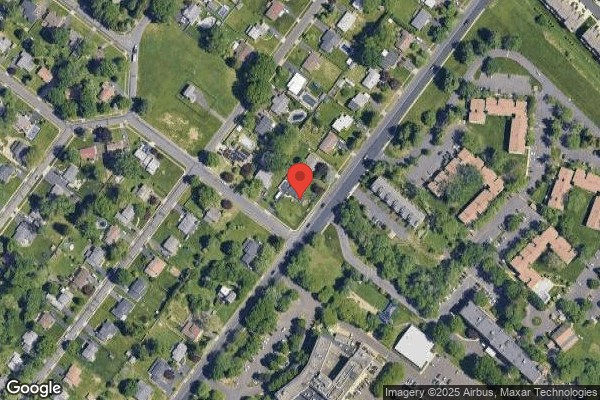

333 NEWTOWN ROAD, WARMINSTER, PA 18974 (215) 672-9082
For profit - Corporation 180 Beds CONTINUUM HEALTHCARE Data: November 2025
Trust Grade
25/100
#602 of 653 in PA
Last Inspection: March 2025

Within standard 12-15 month inspection cycle. Federal law requires annual inspections.

Overview

Majestic Oaks Rehabilitation and Nursing Center has received a Trust Grade of F, indicating significant concerns about the quality of care provided. Ranking #602 out of 653 facilities in Pennsylvania places them in the bottom half of the state, and they are #28 out of 29 in Bucks County, meaning only one local option is better. The facility is worsening, with the number of reported issues increasing from 19 in 2024 to 21 in 2025. Staffing is rated at 4 out of 5 stars, which is a strength, as it reflects lower turnover at 42% compared to the state average. However, the facility has incurred $35,175 in fines, which is concerning and suggests ongoing compliance problems. There are also serious incidents, including a resident who missed nine doses of a critical anticoagulant medication, leading to a dangerous condition, and another resident who suffered a seizure due to a medication not being administered as prescribed. Overall, while there are some strengths in staffing, the facility's significant issues raise serious concerns for families considering care options.

Trust Score
F
25/100
In Pennsylvania
#602/653
Bottom 8%
Safety Record
Moderate
Needs review
Inspections
Getting Worse
19 → 21 violations
Staff Stability
○ Average
42% turnover. Near Pennsylvania's 48% average. Typical for the industry.
Penalties
✓ Good
$35,175 in fines. Lower than most Pennsylvania facilities. Relatively clean record.
Skilled Nurses
⚠ Watch
Each resident gets only 29 minutes of Registered Nurse (RN) attention daily — below average for Pennsylvania. Fewer RN minutes means fewer trained eyes watching for problems.
Violations
⚠ Watch
64 deficiencies on record. Higher than average. Multiple issues found across inspections.
★☆☆☆☆
1.0
Overall Rating
★★★★☆
4.0
Staff Levels
★★★☆☆
3.0
Care Quality
★☆☆☆☆
1.0
Inspection Score
Stable
2024: 19 issues
2025: 21 issues

The Good

  • 4-Star Staffing Rating · Above-average nurse staffing levels
  • Full Sprinkler Coverage · Fire safety systems throughout facility
  • No fines on record
  • Staff turnover below average (42%)

    6 points below Pennsylvania average of 48%

Facility shows strength in staffing levels, fire safety.

The Bad

1-Star Overall Rating

Below Pennsylvania average (3.0)

Significant quality concerns identified by CMS

Staff Turnover: 42%

Near Pennsylvania avg (46%)

Typical for the industry

Federal Fines: $35,175

Above median ($33,413)

Moderate penalties - review what triggered them

Chain: CONTINUUM HEALTHCARE

Part of a multi-facility chain

Ask about local staffing decisions and management

The Ugly 64 deficiencies on record

2 actual harm
Mar 2025 21 deficiencies
CONCERN (D)

Potential for Harm - no one hurt, but risky conditions existed

Grievances (Tag F0585)

Could have caused harm · This affected 1 resident

**NOTE- TERMS IN BRACKETS HAVE BEEN EDITED TO PROTECT CONFIDENTIALITY** Based on a resident group interview, resident interview, review of facility policy and staff interview, it was determined that t...

Read full inspector narrative →
**NOTE- TERMS IN BRACKETS HAVE BEEN EDITED TO PROTECT CONFIDENTIALITY** Based on a resident group interview, resident interview, review of facility policy and staff interview, it was determined that the facility failed to ensure that prompt efforts were made to resolve grievances for one of thirty-one residents (Resident R30) and effectively communicate the resolutions of grievances for 11 of thirty-one residents (R4, R6, R13, R35, R49, R62, R70, R92, R93, R96, R129) Findings include: A review of the facility policy titled Grievances/Complaints, Filing, revised on April 2023, stated under Policy Statement The administrator and staff will make prompt efforts to resolve grievances to the satisfaction of the resident and/or representative. Further review, in section Policy Interpretation and Implementation, part 12, it states that The resident, or person filing the grievance and/or complaint on behalf of the resident, will be informed (verbally and in writing) of the finding of the investigation and the actions that will be taken to correct any identified problems Review of Facility document titled Grievance Form, updated on April 6, 2017, revealed that All grievance forms must be resolved within 7 days from the original date of notification from the department that is responsible. During a Resident Council meeting on March 18, 2025 at 10:30 a.m., 11 residents (R62, R13, R35, R129, R70, R49, R6, R4, R96, R92, R93), all of whom were alert and oriented, expressed concerns that when they file grievances, the facility does not provide them with information regarding the resolution after the investigation is completed. Review of Resident R30's clinical record revealed that Resident R30 was admitted to the facility on [DATE] with diagnoses of but not limited to Heart Failure, Cellulitis (bacterial infection of the skin and the tissue beneath the skin), and Type 2 Diabetes (failure of the body to produce insulin). Review of R30's MDS (Minimum Data Set- assessment of resident care needs) Section C- Cognitive Problems, dated January 23, 2025, revealed that the Resident had a BIMS (Brief interview for metal status) score of 15 (intact cognitive response). Interview with Resident R30 on March 18, 2025 at 10:03 am, revealed Resident R30 was missing clothing. Resident stated that clothing was taken to be washed and never returned to her. The resident filed a grievance, but it has not been resolved and she has been using hospital gowns because she doesn't have any other belongings with her. Review of Resident R30's Grievance Form, dated February 25, 2025, confirmed the clothing was sent to laundry in a bag labeled with her name and room number on it and was not returned to the resident. Further review, under Plan for Resolution stated Social worker met with Resident R30 who picked a new outfit out of catalog. Follow up interview with Resident R30 on March 19, 2025 at 10:25 am, revealed over 2 weeks ago, Social Worker met with Resident to choose items out of catalog. Resident confirmed that items were selected and provided to the social worker for purchase. Interview with Social Worker, Employee E3 on March 19, 2025 at 10:39 am, confirmed that grievance was placed on February 25, 2025. Further confirmed clothing has not been ordered. 28 Pa. Code 201.18(b)(3) Management 28 Pa. Code 201.18(e)(1) Management 28 Pa. Code 201.29(a)Resident rights
CONCERN (D)

Potential for Harm - no one hurt, but risky conditions existed

Deficiency F0604 (Tag F0604)

Could have caused harm · This affected 1 resident

Based on review of facility policy, clinical record review, observations, and staff interviews, it was determined that the facility failed to identify the placement of beds against the wall as a restr...

Read full inspector narrative →
Based on review of facility policy, clinical record review, observations, and staff interviews, it was determined that the facility failed to identify the placement of beds against the wall as a restraint and failed to assess the functional status of an individual resident to determine the use of the restraint for one of 31 residents reviewed. (Residents R5). Findings Include: Review of facility policy titled Use of Restraints, revised 2017, revealed the definition of a restraint is based on the functional status of the resident and not the device. If the resident cannot remove a device in the same manner in which staff applied it given that resident's physical condition (i.e, side rails are put back down, rather than climbed over), and this restricts his/her typical ability to change position or place, that device is considered a restraint. Clinical record review revealed Resident R5 was admitted to the facility May 24, 2022 with a diagnosis that included but not limited to hemiplegia and hemiparesis affecting left non-dominant side (muscle weakness on one side of the body), acute respiratory failure (inability of lungs to exchange oxygen and carbon dioxide properly, causing insufficient oxygen in the blood), and abnormal posture. Observation on March 18, 2025 at 9:28 a.m. revealed Resident R5 lying in bed and the bed (right side) against the wall. Review of Resident R5's nursing progress note, dated February 4, 2025 at 9:36 a.m., revealed resident bed will be adjusted and padded to avoid resident irritating wound by rubbing it against the wall Review of Resident R5's nursing progress note, dated February 18, 2025 at 7:54 a.m., revealed during change of shift around 11:15 p.m. resident was heard calling for 3-11 nursing aide. When nurse entered the room, resident was found on the floor in a fetal position between the bed and the wall. Resident aware of the fall, but not how it happened in detail. Further review of Resident R5's nursing progress note, dated February 18, 2025 at 11:01 a.m., revealed resident bed was against the wall. Resident pushed with legs pushing bed away from wall. Resident fell between bed and wall. The resident was returned to bed via mechanical lift. Interview on March 18, 2025 at 9:30 a.m. with Licensed Practical Nurse, Employee E7, confirmed Resident R5's bed was against the wall. 28 Pa. Code 211.8(e)(f) Use of Restraints. 28 Pa. Code:211.12(d)(1)(5) Nursing services.
CONCERN (D)

Potential for Harm - no one hurt, but risky conditions existed

Abuse Prevention Policies (Tag F0607)

Could have caused harm · This affected 1 resident

Based on facility policy review, personnel file review, and staff interview, it was determined that the facility failed to perform Elder Abuse and Resident Rights training upon hire for one of five pe...

Read full inspector narrative →
Based on facility policy review, personnel file review, and staff interview, it was determined that the facility failed to perform Elder Abuse and Resident Rights training upon hire for one of five personnel files reviewed (Employee E4). Findings Include: Review of the personnel file for Cook, Employee E4 on March 20, 2025 at 12:02 pm revealed employee hire date on December 5, 2024. Further review indicated that there was no documented evidence for completion of Elder Abuse training upon hire. An interview was conducted with Business Office/ HR, Employee E5, on March 20, 2025 at 12:13 pm, confirmed Employee E4's Elder Abuse training incomplete. 28 Pa. Code 201.18(b)(1)(e)(1) Management 28 Pa. Code 201.19(8) Personnel policies and procedures
CONCERN (D)

Potential for Harm - no one hurt, but risky conditions existed

Transfer Notice (Tag F0623)

Could have caused harm · This affected 1 resident

**NOTE- TERMS IN BRACKETS HAVE BEEN EDITED TO PROTECT CONFIDENTIALITY** Based on clinical record review, it was determined that the facility failed to notify the representative of the Office of the St...

Read full inspector narrative →
**NOTE- TERMS IN BRACKETS HAVE BEEN EDITED TO PROTECT CONFIDENTIALITY** Based on clinical record review, it was determined that the facility failed to notify the representative of the Office of the State Long Term Care Ombudsman for one of 31 residents sampled who were transferred to the hospital. (Resident R102). Finding includes: Resident R102 was initially admitted to the facility on [DATE], diagnosed with spastic quadriplegic (partial or complete paralysis of all limbs), cerebral palsy (condition that affect movement and posture), major depressive and anxiety disorder, dysphagia (difficulty swallowing). On July 7, 2024, Resident R102 had an unplanned transfer to the hospital and a surgical gastrostomy (a surgical tube place in the abdominal wall and into the stomach used to provide nutrients and medications when a person cannot eat or drink adequately) was performed. Further review of the resident's clinical record revealed on December 18, 2024 Resident R102 had an unplanned transfer to the hospital due to stomach pain. On March 20, 2025, at 11:43 a.m., the Nursing Home Administrator confirmed that no written notices of the transfers was given to the State Long Term Care Ombudsman upon transfer out of the facility for Resident R102. 28 Pa. Code 201.29(h) Resident rights
CONCERN (D)

Potential for Harm - no one hurt, but risky conditions existed

PASARR Coordination (Tag F0644)

Could have caused harm · This affected 1 resident

Based on review of clinical records, interview with staff and review of facility policy, it was determined that the facility did not ensure revisions were made to the PASRR (Pre-admission Screening an...

Read full inspector narrative →
Based on review of clinical records, interview with staff and review of facility policy, it was determined that the facility did not ensure revisions were made to the PASRR (Pre-admission Screening and Resident Review) application to include mental health diagnoses for 2 out of 2 residents reviewed. (Resident R71, R98) Findings include: Review of the facility policy titled Preadmission Screening and resident Review (PASRR) policy last revised October 2023 revealed New admissions and readmissions are screened for mental disorders (MD), intellectual disability (ID) or related disorders (RD) per the Medicaid Pre-admission Screen for all potential admission, regardless of payer source, to determine if the individual meets the criteria for a MD, IM, RD. Review of Resident R71's PASRR completed on July 27, 2023, indicated that Resident R71 only had a mental health condition of Mood Disorder and Major Depressive Disorder. Review of R71's clinical record revealed on August 31, 2023, obtained a medical diagnosis Psychosis (is a mental health condition characterized by a disconnection from reality), physiological condition, Psychotic disorder, Suicidal Behavior and Psychotic disorder with Delusions. A review of Resident R98's PASRR completed on June 6, 2022, indicated that Resident R98 had a mental health condition of bipolar and schizoaffective disorder. A review of the Resident diagnosis revealed that he also had anxiety disorder as of August 11, 2023. Interview with the facility Social Worker, Employee E4 on March 19, 2025, at 10:36 a.m., confirmed that the PASSR forms for Residents: R71 and R98, should have been updated with the additional updated mental health diagnosis. 28 PA Code 211.10 (c) Resident Care Policies 28 PA Code 211.5(f)(viii) Medical records
CONCERN (D)

Potential for Harm - no one hurt, but risky conditions existed

Comprehensive Care Plan (Tag F0656)

Could have caused harm · This affected 1 resident

**NOTE- TERMS IN BRACKETS HAVE BEEN EDITED TO PROTECT CONFIDENTIALITY** Based on review of facility policy, facility documents, clinical records, and interview with staff, it was determined the facili...

Read full inspector narrative →
**NOTE- TERMS IN BRACKETS HAVE BEEN EDITED TO PROTECT CONFIDENTIALITY** Based on review of facility policy, facility documents, clinical records, and interview with staff, it was determined the facility failed to develop a comprehensive care plan and interventions to address resident care needs for Resident R37's diagnosis of diabetes, Resident R115 respiratory care, Resident R97 mood, R75 and R136 psychotropic medication, for five of 31 residents reviewed (Resident R37, R115, R136, R97, and R75). Findings include: Review of facility policy titled Care Plan, Comprehensive Person-Center revised March 2022, revealed the a comprehensive, person-center care plan that includes measurable objectives and timetable to meet the resident's physical psychosocial and functional needs is developed and implemented for each resident. Review of Resident R37's clinical record revealed the resident was admitted to the facility on [DATE], diagnosed with Diabetes (failure of the body to produc insulin) with orders for insulin and Accu-Cheks three times a day at 8:00 a. m., 12:00 p.m. and 5:00 p.m. Further review of Resident R37 clinical record failed to develop a care plan related to Resident R37 diagnosis of diabetes. On March 20, 2025 at 10:00 a.m the Director of Nursing confirmed a care plan was not developed for Resident R37's diagnosis of Diabetes. A review of a clinical record for Resident R115 revealed an admission on [DATE], with a diagnosis of diffuse traumatic brain injury. A review of the physician order dated February 17, 2025 oxygen as needed to maintain 02 (oxygen) level above 92% at 2 /min via N/C (nasal cannula) PRN (as needed) SOB (shorthness of breath) every shift. On March 17, 2025, at 12:06 p.m., it was observed that Resident R115 had oxygen set at 2.5 liters per minute via nasal cannula. A review of the comprehensive care plan dated last revised February 14, 2025, did not reveal a care plan for oxygen therapy. On March 19, 2025, at 2:14 p.m. the Director of Nursing, Employee E2 confirmed there was no care plan for oxygen therapy for Resident R115. A review of the clinical record for Resident R136 revealed an admission date of July 12, 2024, with diagnoses including dementia (severity unspecified), without behavioral disturbance, psychotic disturbance, mood disturbance, anxiety, and depression. A review of the physician's order dated November 1, 2024, shows that Resident R136 was prescribed Seroquel 50 milligrams (mg) oral tablet as an antipsychotic medication. On March 19, 2025, at 10:03 a.m. an interview with the unit manager, Employee E3 confirmed that there was no comprehensive care plan developed for the antipsychotic medication for Resident 136. Review of Resident R75's clinical record revealed an admission on [DATE] with a diagnosis of bipolar disorder and anxiety disorder. Review of Resident R75's clinical record revealed a physician order dated March 4, 2025, Alprazolam (used to treat anxiety and panic disorders) 0.5mg three times a day and Aripiprazole (used to treat agitation) 15 mg daily. Continued review revealed a physician order dated February 5, 2025, Lamotrigine (helps to prevent extreme mood swings related to bipolar) 10 0mg twice daily. Interview with Resident R75 revealed resident expressing concerns about non-interest in activities and appearing in an anxious mood. Further review of Resident R75's clinical record revealed a physician note dated March 9, 2025, stating in Assessment and plan section (part 5), Bipolar disorder with psychotic features/confusion/anxiety: Continue current treatment per Medicine team. Patient currently managed on Lamotrigine 100 mg Q (every) 12H (hours), Aripiprazole 15 mg a day, Xanax 0.5 mg 3 times a day, and Sertraline 200 mg every day. Encouraged to follow up with Psych. Maintain fall and safety precautions. Continue supportive measures. Continue to reassure, redirect and reorient patient. Patient is at high risk for falls related to poor safety insight and judgment. Encouraged use of assistive devices. Encouraged activity and engagement. We will continue to monitor in conjunction with the nursing team and discuss any issues identified with Internal Medicine. Review of Resident R75's comprehensive care plan dated March 7, 2025, did not reveal a care plan for any behavioral health diagnoses of bipolar disorder or anxiety disorder. Interview with Assistant Director of Nursing, Employee E13 on March 20, 2025 at 9:45am, confirmed there was no care plan in place for behavioral health diagnoses of bipolar disorder or anxiety disorder. Review of Resident R97's comprehensive Minimum Data Set (MDS - federally mandated resident assessment and care screening) dated February 6, 2025, revealed the resident was admitted to the facility on [DATE], had moderate cognitive impairment, and diagnoses of non-Alzheimer's dementia and depression (mood disorder that causes a persistent feeling of sadness and loss of interest). Further review of Resident R97's MDS dated [DATE], revealed the resident scored a 17 under section D Mood which can be interpreted as moderately severe depression. Review of Resident R97's clinical record revealed a psychiatry assessment dated [DATE], by Psychiatric Mental Health Nurse Practitioner (PMHNP), Employee E8, that revealed Resident R97 expressed feeling anxious and depressed. Review of Resident R97's comprehensive care plan revealed no documented evidence a care plan was developed to address the diagnosis and care needs for a resident with a mood disorder. 28 Pa. Code 201.18(e)(1) Management 28 Pa Code 211.10(d) Resident care policies 28 Pa. Code 211.12 (c)(d)(1) Nursing Services
CONCERN (D)

Potential for Harm - no one hurt, but risky conditions existed

Quality of Care (Tag F0684)

Could have caused harm · This affected 1 resident

**NOTE- TERMS IN BRACKETS HAVE BEEN EDITED TO PROTECT CONFIDENTIALITY** Based on staff interviews, and review of resident records determined the facility failed to document to ensure one resident (Res...

Read full inspector narrative →
**NOTE- TERMS IN BRACKETS HAVE BEEN EDITED TO PROTECT CONFIDENTIALITY** Based on staff interviews, and review of resident records determined the facility failed to document to ensure one resident (Resident R102) received treatment and care in accordance with professional standards of practice when the facility failed to properly assess and document a change of condition per physician orders for one of 31 records reviewed. (Resident R102) Findings include: Review of Resident R102's clinical record revealed that the resident was initially admitted to the facility on [DATE], with the diagnoses of spastic quadriplegic cerebral palsy, major depressive and anxiety disorder, dysphagia (difficulty swallowing), and had a gastrostomy (a surgical tube place in the abdominal wall and into the stomach used to provide nutrients and medications when a person cannot eat or drink adequately). Review of Resident R102 quarterly MDS (an assessment of residents' needs) dated December 29, 2024, indicated Resident R102 was completely dependent on staff for all activities of daily needs including bed mobility bathing and daily hygiene, with contractures to both sides of his upper and lower body. Review of Resident R102's care plan for chronic pain included interventions to assess for pain every shift for characteristics such as quality, severity, location, onset, duration, precipitating or relieving factors and to provide non-pharmacological relief such as repositioning. Review of Resident R102's physician orders instructed to assess for pain every day and night shift, indicate pain score (0 thru 10, 10 being the worst pain) provide nonpharmacological interventions document the interventions attempted. If no relief, provide medications as ordered, reassess within the hour of administration. Review of the electronic medication administration (EMAR) Licensed Practical Nurse Employee E15 documented during the day shift on December 18, 2024, the resident was experiencing severe pain of 9/10. Further review of the clinical revealed no documented evidence nonpharmacological interventions were attempted, nor if medications was provided and/or reassessed within the hour for effectiveness. Continue review of the physician orders instructed to document every day and night shift if the resident is verbally crying out and to provide any additional documentation needed in progress notes. During day shift, on December 18, 2024, the same licensed nurse documented Resident R102 was verbally crying out. Further review of the resident's clinical record failed to provide any additional documentation as instructed by the physician. 28 Pa Code 211.10(c) Resident care policies 28 Pa. Code:211.12(d)(1)(5) Nursing services.
CONCERN (D)

Potential for Harm - no one hurt, but risky conditions existed

Pressure Ulcer Prevention (Tag F0686)

Could have caused harm · This affected 1 resident

**NOTE- TERMS IN BRACKETS HAVE BEEN EDITED TO PROTECT CONFIDENTIALITY** Based on review of facility policy, review of clinical record, and staff interview it was determined that the facility failed to...

Read full inspector narrative →
**NOTE- TERMS IN BRACKETS HAVE BEEN EDITED TO PROTECT CONFIDENTIALITY** Based on review of facility policy, review of clinical record, and staff interview it was determined that the facility failed to provide pressure ulcer treatment, consistent with professional standards of practice, for one of three residents reviewed for pressure ulcers (Resident R18). Findings Include: Review of facility policy Pressure Ulcers/Skin Breakdown revised April 2018 revealed the nurse should describe and document/report a full assessment of the pressure ulcer including location, stage, length, width, and depth. The staff and practitioner will examine the skin of newly admitted residents for evidence of existing pressure ulcers or other skin conditions. Review of Resident R18's quarterly Minimum Data Set (MDS - federally mandated resident assessment and care screening) dated February 18, 2025, revealed the resident had diagnoses of peripheral artery disease (narrowing of arteries which results in reduced blood flow to head, arms, stomach and legs), diabetes mellitus (metabolic disorder that affect how the body uses blood sugar), paraplegia (a form of paralysis that primary affects the lower part of the body), and stage four pressure ulcer (full-thickness skin and tissue loss with exposed or directly palpable fascia, muscle, tendon, ligament, cartilage or bone in the ulcer) to the sacrum. Continued review of Resident R18's quarterly MDS revealed the resident was at risk for developing pressure ulcers and that the resident had a stage four pressure ulcer to the sacrum that was present on admission to the facility. Review of Resident R18's comprehensive care plan revised March 17, 2025, revealed the resident was at risk for and had actual skin breakdown to the sacrum (stage 4 pressure ulcer) and left lower extremity (stage 3 pressure ulcer - full-thickness loss of skin, in which subcutaneous fat may be visible in the ulcer and granulation tissue). Interventions dated June 11, 2024, included to assess the wound for signs and symptoms of infection, increased drainage, or odor. Review of Resident R18's clinical record revealed the resident was hospitalized from [DATE], through February 25, 2025, for an infection of the sacral pressure ulcer. Review of the hospital records revealed during Resident R18's hospital stay, the resident developed a new pressure ulcer on the left knee that received wound care. Further review of Resident R18's clinical record revealed a nursing admission/readmission evaluation dated February 25, 2025. Review of section c skin integrity within the nursing admission/readmission evaluation noted that Resident R18 had impaired skin integrity to the sacrum, left thigh (rear), and left ankle (outer). The assessment was incomplete as the sections to identify the type, stage, and measurements of the pressure ulcers was left blank. Review of Resident R18's clinical nursing notes and physician assessment revealed no documented evidence the wounds were assessed for the type of injury, the pressure ulcer stage, or a description of the pressure ulcers characteristics. Review of Resident R18's clinical record revealed the resident was re-hospitalized from [DATE], through March 7, 2025. Review of R18's nursing admission/readmission evaluation, section c skin integrity dated March 7, 2025, noted that Resident R18 only had impaired skin integrity to the sacrum. The assessment was incomplete as the sections to identify the type, stage, and measurements of the pressure ulcers was left blank. Review of Resident R18's clinical nursing notes and physician assessment revealed no documented evidence the wounds were assessed for the type of injury, the pressure ulcer stage, or a description of the pressure ulcers characteristics. Review of Resident R18's clinical record revealed a wound note dated March 13, 2025, that indicated the resident had a stage 3 pressure ulcer of the left lower extremity and a stage 4 pressure ulcer of the sacrum. Interview on March 20, 2025, at 12:45 p.m. with the Assistant Director of Nursing, Employee E13, confirmed inaccurate/incomplete wound assessments. Assistant Director of Nursing, Employee E13, confirmed that there was no documented assessment of Resident R18's left lower extremity wound until March 13, 2025. Further interview confirmed Resident R18's nursing admission/readmission evaluation dated March 7, 2025, was inaccurate and did not include the skin impairment of the left lower extremity. 28 Pa. Code 211.12 (d)(5) Nursing services.
CONCERN (D)

Potential for Harm - no one hurt, but risky conditions existed

Respiratory Care (Tag F0695)

Could have caused harm · This affected 1 resident

**NOTE- TERMS IN BRACKETS HAVE BEEN EDITED TO PROTECT CONFIDENTIALITY** Based on a review of clinical records and facility policies and procedures, observations of care and services, and interviews wi...

Read full inspector narrative →
**NOTE- TERMS IN BRACKETS HAVE BEEN EDITED TO PROTECT CONFIDENTIALITY** Based on a review of clinical records and facility policies and procedures, observations of care and services, and interviews with staff, it was determined that the facility failed to consistently provide respiratory care and supplemental oxygen as ordered by the physician for two of 31 residents reviewed. (Resident R115 and R63). Findings included: A review of the facility policy titled Oxygen Administration dated October 2023, stated The purpose of this procedure is to provide guidelines for safe oxygen administration. Verify that there is a physician's order for this procedure. Review the physician's orders or facility protocol for oxygen administration. Review the resident's care plan to assess for any special needs of the resident. A review of a clinical record for Resident R115 revealed an admission on [DATE], with a diagnosis of diffuse traumatic brain injury. A review of the physician order dated February 17, 2025, oxygen as needed to maintain O2 level above 92% at 2 Liter per min via nasal cannula, PRN for shortness of breath, every shift. A review of the physician order dated February 19, 2025, revealed Oxygen Concentrator cleaning schedule 11-7 during weekly tubing change, remove filter on back wash with soap and water allow to dry and replace one time a day every Wednesday. On March 17, 2025, at 12:06 p.m., it was observed that Resident R115 had oxygen set at 2.5 liters per minute via nasal cannula. The oxygen tubing was not labeled. Licensed nurse, Employee E5, confirmed these observations and reported that the setting should be 2 liters. She then adjusted the oxygen to 2 liters. Clinical record review revealed Resident R63 was admitted to the facility on [DATE] with a diagnoses that included but not limited endocarditis (infection caused by bacteria that enter the blood stream and settle in the heart lining, a heart valve, or a blood vessel), acute and chronic respiratory failure (inability of lungs to exchange oxygen and carbon dioxide properly, causing insufficient oxygen in the blood), and muscle weakness. Review of Resident R63's physician orders, dated September 4, 2024, revealed an order for weekly oxygen tubing change. Observation on March 18, 2024 at 9:24 a.m. revealed Resident R63 had a label on her oxygen tubing dated February 27, 2025. Interview on March 18, 2025 at 9:28 a.m. with Licensed Practical Nurse, Employee E7, confirmed Resident R63's oxygen tubing had a date of February 27, 2025 and should be changed and dated weekly. 28 Pa. Code 211.10(c) Resident care policies 28 Pa. Code 211.12 (d)(1)(5) Nursing services
CONCERN (D)

Potential for Harm - no one hurt, but risky conditions existed

Deficiency F0700 (Tag F0700)

Could have caused harm · This affected 1 resident

**NOTE- TERMS IN BRACKETS HAVE BEEN EDITED TO PROTECT CONFIDENTIALITY** Based on observation interview with resident and staff and review of clinical records and facility policy it was determined that...

Read full inspector narrative →
**NOTE- TERMS IN BRACKETS HAVE BEEN EDITED TO PROTECT CONFIDENTIALITY** Based on observation interview with resident and staff and review of clinical records and facility policy it was determined that the facility failed to appropriately assess residents for use of bedrails and failed to ensure correct installation, use and maintenance of bed rails were maintained for two of 31 resident records reviewed (Resident R37 and R77). Findings include: Review of Resident R37 medical diagnosis revealed the resident was admitted to the facility on [DATE], identified lacking coordination, reduced mobility, abnormal posture and a need for assistance with personal care. Resident R37 was assessed as a fall risk and care planned to encourage the resident to use handrails/ siderails or assistive devices properly and to maintain the call bell within the resident's reach for preventing falls and accidents, dated January 10, 2025. During an interview on March 18, 2025, at 1:00 p.m. Resident R37 stated he did not like his bedrails and moved the bedrails to show how loose they were attached to his bed. During an interview on March 19. 2025 at 10:33 a.m., the Maintenance Director Employee E12 confirmed and stated Resident R37's bedrails were tightened because they were loose. The Maintenance Director also explained that he does not put bedrails on the beds without an order from the Director of Nursing or therapy. Interview with the Third floor Unit Manager, Registered Nurse Employee E11 on March 19, 2025, at 12:07 p.m. confirmed there were no physician orders for bedrails. We need to request the assessment from therapy for bedrails and there isn't one. Review of Resident R77 medical diagnosis revealed the resident was admitted to the facility on [DATE], identified with muscle weakness, difficulty with walking , a need for assistants with persons care and was a fall risk. On March 20, 2025 at 1:52 p.m. Resident R77 reported that her railings were very loose and she's not using them. The resident stated she didn't know why they were there because they don't help her get out of bed. Review of Resident R77 admission's assessment for bedrails dated November 27, 2024, indicated the resident was alert and oriented x3, did not use the side rails to achieve independence with bed mobility, was not assessed for entrapment risk from the side rails prior to their use, and did not request the side rails. Further review of Resident R77 clinical file revealed no physician orders allowing Resident R77's bed rails On March 20, 2025, at 1:26 p.m. the Director of Nursing was made aware of the above findings . 28 Pa. Code: 201.14 (a) Responsibility of licensee. 28 Pa. Code: 211.12 (d) (1)(3)(5) Nursing services. 28 Pa. Code 211.10(c)(d) Resident care policies.
CONCERN (D)

Potential for Harm - no one hurt, but risky conditions existed

Deficiency F0742 (Tag F0742)

Could have caused harm · This affected 1 resident

**NOTE- TERMS IN BRACKETS HAVE BEEN EDITED TO PROTECT CONFIDENTIALITY** The facility failed to ensure that one resident, who displayed mental disorder or psychosocial adjustment difficulty, received t...

Read full inspector narrative →
**NOTE- TERMS IN BRACKETS HAVE BEEN EDITED TO PROTECT CONFIDENTIALITY** The facility failed to ensure that one resident, who displayed mental disorder or psychosocial adjustment difficulty, received treatment and services to correct the assessed problem or to attain the highest practicable mental and psychosocial well-being for one of four residents reviewed for mood/behavior (Resident R97). Findings Include: Review of Resident R97's comprehensive Minimum Data Set (MDS - federally mandated resident assessment and care screening) dated February 6, 2025, revealed the resident was admitted to the facility on [DATE], had moderate cognitive impairment, and diagnoses of non-Alzheimer's dementia and depression. Further review of Resident R97's MDS dated [DATE], revealed the resident scored a 17 under section D Mood which can be interpreted as moderately severe depression. Review of Resident R97's clinical record revealed a psychiatry assessment dated [DATE], by Psychiatric Mental Health Nurse Practitioner (PMHNP), Employee E8, that revealed Resident R97 expressed feeling anxious and depressed. Staff reported resident showed intermittent behavioral disturbances such as agitation and restlessness. Further review of the psychiatry assessment dated [DATE], revealed PMHNP, Employee E8, recommended to start Resident R97 on Buspar (anti-anxiety medication) 7.5 milligrams (mg) two times per day to support anxiety. Review of Resident R97's clinical record revealed a follow-up psychiatry assessment dated [DATE], by Psychiatric Mental Health Nurse Practitioner, Employee E8, which indicated Resident R97 reported feeing sad about the state of the world and having visual hallucinations. Further review of the psychiatric assessment dated [DATE], PMHNP, Employee E8, indicated staff had not started Resident R97 on Buspar as recommended at the last visit on March 10, 2025, to support anxiety. Review of Resident R97's clinical record revealed no documented evidence the facility implemented the Buspar as the Psychiatric Mental Health Nurse Practitioner, Employee E8, recommended. Interview on March 19, 2025, at 1:20 p.m. with Registered Nurse, Employee E9, confirmed the facility did not implement the medication as recommended. 28 Pa. Code 211.12 (d)(5) Nursing Services
CONCERN (D)

Potential for Harm - no one hurt, but risky conditions existed

Pharmacy Services (Tag F0755)

Could have caused harm · This affected 1 resident

Based on review of clinical records, facility policy, and staff and resident interviews, it was determined that the facility failed to ensure the timely acquisition and administration of a prescribed ...

Read full inspector narrative →
Based on review of clinical records, facility policy, and staff and resident interviews, it was determined that the facility failed to ensure the timely acquisition and administration of a prescribed medication to meet the needs of one of 31 residents reviewed (Resident R16). Findings include: A review of Resident 16's clinical record revealed Resident R16 was admitted to the facility September 1, 2022 , with diagnoses that included but not limited to congestive heart failure (condition that happens when your heart can't pump blood well enough you meet the body's needs), alcoholic polyneuropathy (damage to the nerves caused by excessive alcohol consumption), and generalized anxiety disorder. On March 18, 2025 at 12:10 p.m. interview with Resident R16 revealed Resident R16 was experiencing anxiety due to a recent event that occurred in his personal life. Resident R16 stated the physician ordered Ativan and he did not receive it for 3 days due to the medication not being available. Review of Resident R16's nursing progress note, dated February 11, 2025 at 1:25 p.m., revealed resident is able to express his emotions; grief and informed this nurse he will be dealing with a lot of anxiety over the next few days. Physician notified and Ativan 0.5 mlligrams (mg) by mouth twice a day was ordered. Order placed in residents record and pharmacy notified to contact physician for script. Review of physician's orders, dated March 12 2025, revealed the physician prescribed Ativan 0.5 mg to be given by mouth twice a day for 3 days. Review of Resident R16's MAR (medication administration record) revealed Ativan 0.5 mg was given on March 14, 2025 at 1:08 p.m. On March 19, 2025 at 10:30 a.m. interview with Employee E10, Registered Nurse, stated the pharmacy did not approve the script in a timely manner and that is why there was a delay is Resident R16 receiving his medication. 28 Pa. Code 211.12 (d)(1)(3)(5) Nursing services 28 Pa. Code 211.9 (f)(2) Pharmacy services
CONCERN (D)

Potential for Harm - no one hurt, but risky conditions existed

Deficiency F0806 (Tag F0806)

Could have caused harm · This affected 1 resident

**NOTE- TERMS IN BRACKETS HAVE BEEN EDITED TO PROTECT CONFIDENTIALITY** Based on observations and staff and resident interviews it was determined that the facility failed to provide a substitute for a...

Read full inspector narrative →
**NOTE- TERMS IN BRACKETS HAVE BEEN EDITED TO PROTECT CONFIDENTIALITY** Based on observations and staff and resident interviews it was determined that the facility failed to provide a substitute for a resident who requested a meal alternative and failed to serve foods that accommodate a residents allergies for two of 26 residents reviewed during dining (Resident R97 and R6). Findings Include: Review of Resident R97's comprehensive Minimum Data Set (MDS - federally mandated resident assessment and care screening) dated February 6, 2025, revealed the resident was admitted to the facility on [DATE], had moderate cognitive impairment, and had a diagnosis of malnutrition (deficiencies, excesses, or imbalances in a person's intake of energy and/or nutrients). Observations on March 17, 2025, revealed an always available menu dated February 18, 2025, posted on the wall on the 2nd floor nursing unit located next to the elevators. For the lunch and dinner meal, a hamburger was listed as an alternative option that could be requested by calling the kitchen. Observations on March 17, 2025, at 1:15 p.m. revealed Resident R97 did not eat his lunch. Resident R97 stated he wasn't in the mood for what was served and subsequently requested a hamburger. During an interview on March 17, 2025, with Unit Clerk, Employee E17, the surveyor informed the employee that Resident R97 requested a hamburger for lunch. Unit Clerk, Employee E17, called the kitchen to request a hamburger for Resident R97. Unit Clerk, Employee E17, reported that the kitchen stated they could not make a hamburger for Resident R97 and to let the resident know hamburgers would be on the menu the next day. Clinical record review revealed Resident R6 was admitted to the facility November 21, 2023 with a diagnosis that included but not limited to multiple sclerosis (disease that causes breakdown of the protective covering of nerves), chronic obstructive pulmonary disease (airway disease that restricts breathing), and muscle weakness. Review of Resident R6's dietary orders, dated February 7, 2025, revealed a lactose restricted diet. Review of Resident R6's care plan, dated November 27, 2023, revealed resident has a nutritional problem or potential nutritional problem related to lactose and tolerance, requiring a therapeutic diet. Intervention included providing Resident R6 with a lactose restricted diet. Interview on March 18, 2025 at 9:30 a.m. with Resident R6 revealed she does not receive a lactose diet. Resident R6 further stated her meals include cheese and milk, which causes her to have loose bowel movements. Observation on March 19, 2025 at 12:05 p.m. revealed Resident R6 was served cheese on top of chicken. 28 Pa. Code 201.18(b)(3) Management 28 Pa Code 211.6(a) Dietary services
CONCERN (D)

Potential for Harm - no one hurt, but risky conditions existed

Deficiency F0919 (Tag F0919)

Could have caused harm · This affected 1 resident

**NOTE- TERMS IN BRACKETS HAVE BEEN EDITED TO PROTECT CONFIDENTIALITY** Based on observations, interviews with staff and residents and review of facility policy, it was determined that the facility fa...

Read full inspector narrative →
**NOTE- TERMS IN BRACKETS HAVE BEEN EDITED TO PROTECT CONFIDENTIALITY** Based on observations, interviews with staff and residents and review of facility policy, it was determined that the facility failed to ensure that call bells were within reach for five of 31 residents reviewed. (Resident R37, R115, R153, 109, R88 ). Findings include: A review of the policy titled Answering Call light last revised March 2021 revealed The purpose of this procedure is to ensure timely responses to the resident's requests and needs. Its further states under General Guideline bulletin 4. Be sure that the call light is plugged in and always functioning. 5. When the resident is in bed or confined to a chair be sure the call light is within easy reach of the resident. Review of Resident R37's medical diagnosis revealed the resident was admitted to the facility on [DATE], identified lacking coordination, reduced mobility, abnormal posture and a need for assistance with personal care. Resident R37 was assessed as a fall risk and care planned to encourage the resident to use handrails/ siderails or assistive devices properly and to maintain the call bell within the resident's reach for preventing falls and accidents, dated January 10, 2025. During an interview on March 18, 2025, at 1:00 p.m. Resident R37 was observed sitting in his wheelchair and the resident's call bell was out of reach found on the floor on the opposite side of the bed. The resident indicated his call bell was broke for a while until it was fixed. On March 19, 2025, at 10:33 p.m. with Resident R37, the Maintenance Director explained the call bell was never broken it was because nursing ties the cord around the bed. If someone moves the bed it pulls the cord out of the wall and it falls to the floor. No one uses the clips that are all attached to the call bell cord that can be attached to the bed covers. It was observed that during this time the maintenance director indicated Resident R37's call bell was not in the resident's reach and further found that the roommates call bell was clipped to the resident's curtain, also not in reach. A review of a clinical record for Resident R115 revealed an admission on [DATE], with a diagnosis of diffuse traumatic brain injury, adult failure to thrive, difficult in walking, muscle weakness, need for assistance with personal care, and history of falling. On March 17, 2025, at 12:14 p.m., an interview was held with Resident R115 who asked to raise his bed to a sitting position. Surveyor asked for Resident R115 to press the call bell, and it revealed that his call bell was stuck in his bedside drawer, and he was not able to reach his call bell. The surveyor pressed the call bell in room [ROOM NUMBER], but there was no response from any staff. The surveyor then went to the 4th-floor nursing station, where it was discovered that the call bell panel was sitting on the nursing desk, completely turned off and unplugged from the outlet. Licensed nurse, Employee E5 was sitting at the nursing station. When asked how staff could respond to the call bell, Employee E5 confirmed that the call bell system had not been turned on, which is why she was unable to see which call bell needed to be answered. Employee E5 then plugged the call bell panel into the outlet, and it was revealed that the call bell for room [ROOM NUMBER] had been actively ringing for 16 minutes. During this same interview when Employee E5 came to the room and she confirmed that Resident R115's call bell was out of reach and was stuck in his bedside drawer. She assisted the resident and clipped the call bell to his bed sheets. On March 17, 2025, at 12:28 p.m. a tour on the unit with license nurse, Employee E5 revealed that Resident R109 had her call bell in front of her bed which was not reachable to the resident and Resident R153 was also not in reachable position of the call bell. It was further confirmed that both Resident's R153 and R109 are confined to their bed and require assistance with personal care. On March 17, 2025, at 1:44 p.m. a tour was conducted with the unit manager, Employee E3 who confirmed that the call bell in room [ROOM NUMBER]'s restroom was not attached to the wall. During a Resident Council meeting on March 18, 2025, at 10:30 a.m., 11 residents (R62, R13, R35, R129, R70, R49, R6, R4, R96, R92, R93), all of whom were alert and oriented, reported that when they pressed the call bell, facility staff would enter the room and turn off the bell without providing assistance. They were often told, I'm not assigned to you, I'll let your staff know, but no one would return to help. On March 19, 2025, at 9:52 a.m., a tour was conducted with the Director of Social Services, Employee E4, on the 4th-floor nursing unit. During the tour, it was observed that the call bell panel was showing an active call bell in room [ROOM NUMBER]-B for 42 minutes. Upon arriving in room [ROOM NUMBER]-B, Resident R88 was in bed and reported that they had pressed the call bell to request a change. Although Resident R88 had already been changed by a nursing aide, the call bell was still active and would not turn off. Employee E4 reported the malfunctioning call bell to maintenance. On March 19, 2025, at approximately 10:30 a.m., the Maintenance Director, Employee E6, confirmed that the call bell in room [ROOM NUMBER]-B was broken and that the entire call bell panel needed to be replaced. 28 Pa. Code 211.12(d)(1(5) Nursing services
CONCERN (E)

Potential for Harm - no one hurt, but risky conditions existed

Deficiency F0577 (Tag F0577)

Could have caused harm · This affected multiple residents

Based on a review of the facility policy, observations, and an interview with staff, it was determined that the facility failed to ensure that the most recent Department of Health Survey results were ...

Read full inspector narrative →
Based on a review of the facility policy, observations, and an interview with staff, it was determined that the facility failed to ensure that the most recent Department of Health Survey results were readily accessible to residents and visitors in three of three nursing floors and lobby (Second Floor, Third Floor, and Fourth Floor). Findings include: The facility's policy titled Examination of Survey Results, dated April 27, 2017, states, Survey reports and plans of correction are readily accessible to residents, family members, resident representatives, and the public. It further specifies under Bulletin 2: A copy of the most recent survey report and any plans of correction are kept in a binder in the resident's day room. During a resident council meeting held on March 18, 2025, at 10:30 a.m., with 12 residents (R62, R13, R35, R129, R70, R49, R6, R4, R96, R92, R93), who were identified as alert and oriented, it was revealed that the residents were unaware of the recent Department of Health Survey results. On March 19, 2025, at 9:31 a.m., a facility tour was conducted with the Director of Social Services, Employee E4, to observe the placement of the Department of Health Survey binder in the facility. Upon observing the lobby, it was noted that the Department of Health Survey results binder was outdated, with the last survey results recorded as of November 2024. Additionally, the second, third, and fourth-floor nursing units did not have survey result binders available. On March 19, 2025 at 2:45 p.m., during an interview with the Administrator, Employee E1 confirmed that the facility possessed two more recent Department of Health Survey results, but these were not included in the binder in the front lobby. 28 Pa. Code 201.14(a) Responsibility of licensee
CONCERN (E)

Potential for Harm - no one hurt, but risky conditions existed

Safe Environment (Tag F0584)

Could have caused harm · This affected multiple residents

**NOTE- TERMS IN BRACKETS HAVE BEEN EDITED TO PROTECT CONFIDENTIALITY** Based on observations, interviews with residents and staff, and review of the facility policy, it was determined that the facili...

Read full inspector narrative →
**NOTE- TERMS IN BRACKETS HAVE BEEN EDITED TO PROTECT CONFIDENTIALITY** Based on observations, interviews with residents and staff, and review of the facility policy, it was determined that the facility failed to provide a clean, safe, comfortable and homelike environment in three of the three nursing units observed (2nd, 3rd, 4th floor Nursing Units). Findings include: A review of the facility policy titled Homelike Environment revised February 2021, revealed Residents are provided with a safe, clean and comfortable and homelike environment and encouraged to use their personal belongings to the extend possible. It further states, these characteristics include clean, sanitary and orderly environment, clean bed, bath linens that are in good condition, pleasant, neutral scents. On March 17, 2025, at 11:47 a.m., an interview with Resident R146 who lives in room [ROOM NUMBER] revealed that his mattress is peeling, and he collects the peeling material in a cup. Additionally, observation showed that there are five ceiling tiles with large brown stains. On March 17, 2025, at 11:51 a.m., an observation in room [ROOM NUMBER] reveled no restroom mirror and restroom are missing baseboard on the bottom of the wall. On March 17, 2025, at 11:58 a.m., observation in room [ROOM NUMBER] had a large picture leaning against the wall does not hang up, large brown substance that is spilled on the floor between the two beds. On March 17, 2025, at 12:16 p.m., observation next to room [ROOM NUMBER] has a hole in the tile ceiling. Day room which as across had a broken sanitizer with no cover. room [ROOM NUMBER] had a urine odor. License nurse, Employee E5 confirmed these observations. On March 17, 2025, at 12:38 p.m., a tour with the Maintenance Director, Employee E6 confirmed the above observations in room [ROOM NUMBER], 413, 404, 409 and 418 had broken baseboard that was not attached to the wall next to the entrance door and dry wall was peeling off from the wall. On March 18, 2025, at 12:09 p.m., observation in room [ROOM NUMBER] revealed a hole in the bathroom wall, exposing insulation. Drywall was also obsvered on the bathroom floor. Observations on March 17, 2025, at 12:53 p.m. in the 2nd floor dining room during the lunch time meal revealed Resident R82 and R366 were served lunch on paper plates. Interview with nurse aide, Employee E6, confirmed residents received paper products and was not sure why. Further observations on March 17, 2025, at 1:50 p.m. revealed Resident R1, in room [ROOM NUMBER]D, was served thickened juice in a Styrofoam cup. The beverage was leaking through the bottom of the cup, creating a sticky mess on the residents overbed table where he was eating. Interview with nurse aide, Employee E6, confirmed the observations and was unsure why resident was served in a Styrofoam cup. During a test tray on the 2nd floor nursing unit with the Food Service Director, Employee E5, on March 19, 2025, at 12:28 p.m., coffee was served in a Styrofoam cup. The Food Service Director, Employee E5, reported the kitchen is short on coffee mugs and subsequently the second floor (last unit to be served lunch) would be served in Styrofoam cups. Observations on March 20, 2025, at 12:50 p.m. revealed Resident R141 and R111, who both resided on the 2nd floor, were served coffee in Styrofoam cups. 28 Pa Code 201.18(b)(1)(3)Management
CONCERN (E)

Potential for Harm - no one hurt, but risky conditions existed

Deficiency F0804 (Tag F0804)

Could have caused harm · This affected multiple residents

Based on observations during dining and resident interviews it was determined that the facility failed to serve food that was palatable and attractive to meet resident needs for 20 of 20 residents rev...

Read full inspector narrative →
Based on observations during dining and resident interviews it was determined that the facility failed to serve food that was palatable and attractive to meet resident needs for 20 of 20 residents reviewed (Resident R62, R13, R35, R129, R70, R49, R6, R4, R96, R92, R93, R30, R9, R120, R122, R81, R108, R83, R58, and R139). Findings Include: During a Resident Council meeting on March 18, 2025, at 10:30 a.m. with 11 alert and oriented residents (R62, R13, R35, R129, R70, R49, R6, R4, R96, R92, R93) residents reported that the chicken being served is dry. Review of the facility menu revealed chicken was on the menu for lunch on March 18, 2025. Observations on March 18, 2025, at approximately 12:30 p.m. on the 2nd floor nursing unit during the lunch time meal revealed the following: Observations and interview at 12:38 p.m. revealed Resident R30 refused to eat the chicken served for lunch because it was dry. Observations and interview at 12:50 p.m. revealed Resident R9 and R120 refused to eat the chicken because it was served cold. Observations and interview at 12:51 p.m. revealed Resident R122 refused to eat the chicken because it was served dry. Observations at 12:53 p.m. revealed Resident R81 was being fed lunch by nurse aide, Employee E16. Interview with nurse aide, Employee E16, reported Resident R81 spit the chicken out and refused to eat it. Interview at 12:55 p.m. with alert and oriented Resident R108 revealed the chicken was hard as a rock and that the resident could not finish eating it. Interview at 12:56 p.m. with alert and oriented Resident R83 revealed the chicken was served dry. Observations and interview at 12:57 p.m. revealed Resident R92 had an un-eaten thin, overcooked piece of chicken on her plate. Resident R92 reported being unable to cut the chicken and subsequently not being able to eat it. Interview at 12:58 p.m. with alert and oriented Residents R58 and R139 revealed the chicken was served very dry and was inedible. 28 Pa. Code 211.10(c) Resident care policies
CONCERN (E)

Potential for Harm - no one hurt, but risky conditions existed

Infection Control (Tag F0880)

Could have caused harm · This affected multiple residents

**NOTE- TERMS IN BRACKETS HAVE BEEN EDITED TO PROTECT CONFIDENTIALITY** Based on review of facility protocol, observations, interview ,and review of clinical records, it was determined that the facili...

Read full inspector narrative →
**NOTE- TERMS IN BRACKETS HAVE BEEN EDITED TO PROTECT CONFIDENTIALITY** Based on review of facility protocol, observations, interview ,and review of clinical records, it was determined that the facility failed to implement proper use of personal protective equipment (PPE) for one resident on enhanced barrier precautions during morning care and wound observation of 31 resident records reviewed (Resident R102). Findings include: Review of the facility policy for Enhanced Barrier Precautions (EBP) revised December 2024 states it is used as an infection prevention and control intervention to reduce the spread of multi-drug-resistant organisms to residents. EBP employ targeted gown and glove use during high contact resident care activates EBP are indicated for residents with wounds and or indwelling medication devices. Resident R102 was initially admitted to the facility on [DATE], diagnosed with spastic quadriplegic cerebral palsy, major depressive and anxiety disorder, dysphagia (difficulty swallowing) , and had a gastrostomy (a surgical tube place in the abdominal wall and into the stomach used to provide nutrients and medications when a person cannot eat or drink adequately). Resident R102's had orders to use EBP and was care planned for use while maintaining tube feedings, incontinence care and wound care. On March 17, 2025, at 10:00 a.m. it was observed nursing assistant Employee E14, aide was providing incontinence care without the use of EBP. On March 18, 2025, at 11:30 a. m. during wound observation Unit manager Employee E12 provided care without the use of EBP. On March 18, 2025, at 3:36 p.m. the Assistant Director of Nursing Employee E13 was made aware and confirmed EBP use with care. 28 Pa. Code 211.12(d)(1) Nursing services 28 Pa. Code 211.12(d)(5) Nursing services
CONCERN (F)

Potential for Harm - no one hurt, but risky conditions existed

Food Safety (Tag F0812)

Could have caused harm · This affected most or all residents

Based on observations in the main kitchen and staff interview it was determined that the facility failed to ensure that food was stored, prepared, and served in accordance with professional standards ...

Read full inspector narrative →
Based on observations in the main kitchen and staff interview it was determined that the facility failed to ensure that food was stored, prepared, and served in accordance with professional standards for food service safety. Findings include: A tour of the Food Service Department conducted on March 17, 2025, at 9:22 a.m. with Employee E5, Food Service Director, revealed the following concerns: Observations of the walk-in freezer revealed two tortillas loosely wrapped in plastic wrap with no dates. Observations of the dry storage room revealed the juices used for the juice machine were stored in this room. Two juice bags (fruit punch and orange juice) were taken out of the box and placed directly on a visibly dirty/dusty metal wrack. One juice was not hooked up (cranberry juice) and the tubing was on the floor and backed up with stagnant juice in the tubing. Observations revealed the drainpipe behind the ice machine was placed directly into the floor drain with no air gap. To prevent sewer water backup, all ice machine drains require an air gap of a few inches between the ice machine ' s drain point and the facility's drain access point. Observations were confirmed by the Food Service Director, Employee E5, throughout the duration of the kitchen tour. 201.14 (a) Responsibility of licensee.
CONCERN (F)

Potential for Harm - no one hurt, but risky conditions existed

Garbage Disposal (Tag F0814)

Could have caused harm · This affected most or all residents

Based on observations and interviews with staff, it was determined that the facility did not ensure that that trash was properly disposed of in the receiving and dumpster area. Findings Include: A to...

Read full inspector narrative →
Based on observations and interviews with staff, it was determined that the facility did not ensure that that trash was properly disposed of in the receiving and dumpster area. Findings Include: A tour of the main kitchen was conducted on March 17, 2025, at 9:22 a.m. with the Food Service Director, Employee E5. Observations revealed double doors adjacent to the main kitchen where food deliveries are accepted and lead out to where the dumpsters are stored. Observations in the receiving area outside revealed trash, food, and debris on the ground surrounding the dumpsters. On one dumpster, the lid was open, and trash was exposed. 28 PA Code: 201.14(a) Responsibility of licensee. 28 Pa. Code 201.18(b)(3) Management
CONCERN (F)

Potential for Harm - no one hurt, but risky conditions existed

Deficiency F0925 (Tag F0925)

Could have caused harm · This affected most or all residents

Based on observations, review of facility documentation, and staff interviews it was determined that the facility failed to establish an effective pest control program in the main kitchen. Findings I...

Read full inspector narrative →
Based on observations, review of facility documentation, and staff interviews it was determined that the facility failed to establish an effective pest control program in the main kitchen. Findings Include: Review of pest control report dated March 4, 2025, revealed pest control inspected and treated the kitchen areas, storage areas, and dishwasher room for occasional invaders. Per the pest control report, mice droppings were observed in the kitchen food storage room. Pest control recommended a door sweep in the kitchen doors and replacing doors to the small room outside, next to the dumpster, as te doors are rotten. A tour of the main kitchen was conducted on March 17, 2025, at 9:22 a.m. with the Food Service Director, Employee E5. Observations revealed double doors adjacent to the main kitchen where food deliveries are accepted and lead out to where the dumpsters are stored. There was a visible gap located at the bottom of the door allowing easy access to the main kitchen for common household pests (mice, roaches, flies, ants). Observations on March 19, 2025, at 12:15 p.m. in the main kitchen revealed a significant amount of mouse droppings on top of an empty plastic rack dolly (designed for transporting dish racks) that was placed directly outside the entry for the dish room amongst the other plastic rack dolly used to store clean dishes. Observations of the mouse droppings were confirmed by the Food Service Director, Employee E5. Further observations on March 19, 2025, at 1:55 p.m. with the Food Service Director, Employee E5, revealed the facility did not follow through on recommendations made from pest control company and the small room next to the dumpsters still had rotten/broken doors with large holes at the bottom of the doors. 28 Pa. Code 201.14 (a) Responsibility of licensee.
Oct 2024 1 deficiency
CONCERN (E) 📢 Someone Reported This

A family member, employee, or ombudsman was alarmed enough to file a formal complaint

Potential for Harm - no one hurt, but risky conditions existed

Room Equipment (Tag F0908)

Could have caused harm · This affected multiple residents

Based on interviews with residents and staff, and review of temperature logs, it was determined that the facility failed ensure that essential mechanical equipment ws maintain in working function to p...

Read full inspector narrative →
Based on interviews with residents and staff, and review of temperature logs, it was determined that the facility failed ensure that essential mechanical equipment ws maintain in working function to provide comfortable bathing temperatures on two of three nursing floors. (Second and Fourth floor) Findings include: Review of the policy titled bathing, showering and use of tub dated February 2018 revealed that it was the responsibility of the nursing staff to promote cleanliness and provide a comfortable bathing experience for the residents. Review of the policy titled safe water temperatures dated December, 2009 revealed that it was the responsibility of the facility to provide a water temperatures used by the residents at safe levels to prevent burns. The maintenance staff was responsible for checking thermostats and temperature controls in the facility to ensure safe and comfortable bathing, showering and sink use for the residents. Interview with the Nursing Home Administrator, Employee E1, at 1:00 p.m., on October 17, 2024 revealed that the facility has been having water temperature issues since the month of June, 2024. The administer explained that water temperatures at outlets accessible to residents were varying based on the location of the building. The administrator explained that the nursing staff had to use different floors to bathe the residents; since the warm water for showers and tub baths would not last and become too cool and uncomfortable for bathing. Review of the facility's water temperature testing logs for the outlets (sinks, showers/tubs) frequently used by the residents revealed that on October 17, 2024, the facility continued to have cool water temperatures (90, 92 and 93 degrees Fahrenheit) on the Second floor nursing unit. Observations of the water temperature for the shower on the Second floor were confirmed with the director of maintenance, Employee E13, at 11:00 a.m., on October 17, 2024. Review of the facility's water temperature logs for the outlets continuously used by the residents for the months of August, September and October, 2024 confirmed that the facility was having mechanically equipment problems with its' essential water system throughout the facility. Interview with the maintenance director, Employee E13, at 1:15 p.m., confirmed that the essential equipment (mixing valves, holding tanks) used to operate the plumbing, piping and water systems throughout the facility were not fully functioning to provide potable hot and cold water at outlets at all times to ensure consistent and comfortable water temperatures for daily bathing and grooming for the residents. Interviews with alert and oriented residents Residents R1, R2, R3, R4, R5, R6, R7, R8, R9, R10, R11, R12, R13 and R14 on the Second and Fourth floor nursing units on October 17, 2024 between 1:00 p.m. and 2:30 p.m. revealed that the residents were being asked since June, 2024 to bath on different floors so that they could possible receive a warm and comfortable (not cool or cold) shower. The residents reported that on any given day, the hot water for comfortable bathing would run out. Nursing staff would then tell us that we would be on the bathing list for the following day and hope that the hot water lasts long enough for the postponed bathing. Interviews with the Nursing staff Employees E7, E8, E10, E12, E14, E15 E17 and E18) responsible for bathing and ensuring the cleanliness of the residents on October 17, 2024 between 1:30 p.m. and 2:00 p.m., revealed that the nursing staff were asked to take residents to different nursing units to perform bathing since, June, 2024. T`he nursing staff reported that the issue with insufficient hot water for bathing of the residents has been on-going from June, 2024 through October, 2024. 28 PA. Code 205.63(b)(c) Plumbing and piping systems required for existing construction 28 PA. Code 201.18(b)(3)(e)(1)(2.1)(3) Management 28 PA. Code 201.14(a)(b) Responsibility of licensee
Sept 2024 2 deficiencies
CONCERN (D) 📢 Someone Reported This

A family member, employee, or ombudsman was alarmed enough to file a formal complaint

Potential for Harm - no one hurt, but risky conditions existed

Comprehensive Care Plan (Tag F0656)

Could have caused harm · This affected 1 resident

Based on a review of clinical records, facility policies, and interviews with staff and residents, it was determined that the facility failed to implement comprehensive, person-centered care plans for...

Read full inspector narrative →
Based on a review of clinical records, facility policies, and interviews with staff and residents, it was determined that the facility failed to implement comprehensive, person-centered care plans for one out of the seven records reviewed (Resident R1). Findings include: Facility policy titled Care Plans, Comprehensive Person-Center last revised December 2022 revealed A comprehensive, person-centered care plan that includes measurable objectives and timetables to meet the resident's physical, psychosocial and functional needs is developed and implemented for each resident. It further states Each resident's comprehensive person-center care plan is consistent with the resident's right to participate in the development and implementation of his or her plan of care. Review of Resident R1's clinical record revealed admission date on August 8, 2023, with diagnoses of cerebral infarction (typically caused by a blood clot or plaque buildup in the arteries, depriving brain cells of oxygen and nutrients, resulting in cell death), hemiplegia and hemiparesis, lack of coordination, adjustment disorder with mixed anxiety disorder, Review of Resident R1's comprehensive care plan last revised on January 11, 2024, revealed that resident refuses or resists care in the following areas hygeine/bathing interventions allow extra time to communicate effectively, if resisting or refusing care, leave resident alone and try again at later time, refusal of care or treatment reviewed with responsible Party. A review of the internal investigation included a written statement for agency nursing aid Employee E5, which revealed that Employee E5 failed to follow the care plan for Resident R1 by I was undressing the resident so he can get to bed. Prior to changing resident R1 I laid disposable chucks on the bed. I'm not sure if that offended him but Resident R1 demeanor changed rapidly. He started swinging and kicking. I began to restrain (hold) his legs so that I didn't get kicked. leading to an escalation of the situation. On September 16, 2024, at approximately 1:41 p.m. an interview with Administrator, Employee E1 and Director of Nursing, Employee E2 confirmed that agency staff nursing aid, Employee E5 did not follow the care plan for Resident R1. 28 Pa. Code: 211.12(d)(1)(5) Nursing services
CONCERN (D) 📢 Someone Reported This

A family member, employee, or ombudsman was alarmed enough to file a formal complaint

Potential for Harm - no one hurt, but risky conditions existed

Deficiency F0726 (Tag F0726)

Could have caused harm · This affected 1 resident

Based on review of personnel files, facility documentation and interviews with staff, it was determined that the facility failed to ensure that nursing staff possessed the required skills to properly ...

Read full inspector narrative →
Based on review of personnel files, facility documentation and interviews with staff, it was determined that the facility failed to ensure that nursing staff possessed the required skills to properly care for residents' needs for three of three personnel files reviewed related to skills competencies evaluations (Employees E5). Findings include: Review of Employee E5's personnel file revealed that the employee was agency employee worked on September 9, 2024, hired, as a nursing aid. A review of the internal investigation included a written statement for Employee E5, which revealed that Employee E5 failed to follow the care plan for Resident R1, leading to an escalation of the situation. On September 16, 2024, at approximately 1:41 p.m. an interview with Administrator, Employee E1 and Director of Nursing, Employee E2 confirmed that agency staff nursing aid, Employee E5, was not being evaluated on their competency to ensure nursing employees possess the required skills to properly care for resident's needs and are oriented to the facility practices and care plans. 28 Pa. Code 201.19(7) Personnel records 28 Pa. Code 201.20(b) Staff development
Jun 2024 1 deficiency
CONCERN (D) 📢 Someone Reported This

A family member, employee, or ombudsman was alarmed enough to file a formal complaint

Potential for Harm - no one hurt, but risky conditions existed

Safe Transfer (Tag F0626)

Could have caused harm · This affected 1 resident

**NOTE- TERMS IN BRACKETS HAVE BEEN EDITED TO PROTECT CONFIDENTIALITY** Based on review of facility policy and procedures, review of clinical records, and staff interview, it was determined that the f...

Read full inspector narrative →
**NOTE- TERMS IN BRACKETS HAVE BEEN EDITED TO PROTECT CONFIDENTIALITY** Based on review of facility policy and procedures, review of clinical records, and staff interview, it was determined that the facility failed to allow a resident to return to the facility following a hospitalization for one of eight residents reviewed. (Resident R1) Findings Include: Review of the facility policy titled, Admissions Policies undated states, Policy Statement- Written policies and procedures governing admissions to the facility will be maintained on a current basis to ensure fair and impartial admission practices. The objectives of our admission policies are to: a. Provide uniform guidelines in the admission of residents to the facility; b. Admit residents who can be adequately care for by the facility; c. Reduce the fears and anxieties of the resident and family during the admission process; d. Review with the resident, and/or his/her representative (sponsor), the facility's policies and procedures relating to resident rights, resident care, financial obligations, visiting hours, etc; and e. Assure that appropriate medical and financial records are provided to the facility prior to or upon the resident's admission. Review of Resident R1's clinical record revealed the resident was admitted to the facility on [DATE], and had diagnoses of Osteomyelitis of Vertebra, Sacral, and Sacrococcygeal region, Neuromuscular Dysfunction of Bladder, Attention-Deficit Hyperactivity Disorder, Colostomy, Opioid Dependence, Anxiety Disorder, Idiopathic Hypotension, Muscle Weakness, Major Depressive Disorder, Paraplegia, Essential Hypertension, Pressure Ulcer of Sacral Region, and Post-Traumatic Stress Disorder. Further review of Resident R1's clinical record revealed the facility received a call from a female of May 30, 2024 stating that Resident R1 had drugs in his possession. Interdisciplinary team note from May 30, 2024 revealed, Received an anonymous phone call from a female around 11:00 a.m. Female refused to provide her name but stated she met resident on a dating website and visited him at the center on May 30, 2024 around 1:00 a.m. She stated that during her visit to the resident's room she witnessed him having drugs in his possession. She also stated that the resident previously sent her two pictures of the drugs and drug paraphernalia. The first picture showed an open clear plastic bag with a white rock-like substance and the second picture showed an insulin syringe filled with about six units of a dark brown liquid. The non-emergent police department number was called, and an officer was dispatched to the center. Upon his arrival to the center the officer, DON (Director of Nursing), ADON (Assistant Director of Nursing), and administrator entered the resident's room and received verbal consent from resident to search his person and his room for drugs and/or drug paraphernalia. Resident was asked to turn in these items prior to room search at which time he turned over a colostomy bag from in-between his legs that contained two capped unused insulin syringes, one used insulin syringe filled with about six units of a dark brown fluid, a plastic bag with a white rock-like substance, and cannabis vape. MD (physician) was notified who gave order to send resident to the emergency room for evaluation and treatment. Resident consented to be sent to hospital for a blood drug screen related to active illegal drug use. Resident told the police officer that his sister who visits the center has a friend that provides him with the illegal drugs. He states he does not know her name and that the last time he used illegal drugs was this morning. The police officer took confiscated items with him. Report to be file. Head to toe assessment completed by nurse. Vital signs WNL (with in normal limits). No c/o pain. An interview was held with the Director of Nursing, Employee E2 on June 10, 2023 at 10:11 a.m. The interview revealed that the facility was contacted by the hospital to take the resident back and the facility refused to readmit Resident R1 back to the facility when he was ready for discharge from the hospital. Employee E2 stated that they could not readmit Resident R1 back to the facility due to resident's active drug use and possibility of the resident obtaining drugs again. Employee E2 stated that the fourth-floor unit where Resident R1 resides has a lot of residents that wander in the halls in inside other resident rooms. Employee E2 was unable to provide clinical documentation as to why the facility could not meet the resident's current needs. Review of the clinical record for Resident R1 revealed no documented evidence that the facility conducted an assessment at the time the hospital was ready to discharge the resident back to the facility to determine appropriateness of admission. The clinical record did not reveal any documented evidence of the resident's physical or mental status when the facility denied admission to the facility. 28 Pa. Code 201.14(a) Responsibility of licensee 28 Pa. Code 201.18(b)(1) Management 28 Pa. Code 201.18(b)(3) Management
May 2024 12 deficiencies 1 Harm
SERIOUS (G) 📢 Someone Reported This

A family member, employee, or ombudsman was alarmed enough to file a formal complaint

Actual Harm - a resident was hurt due to facility failures

Notification of Changes (Tag F0580)

A resident was harmed · This affected 1 resident

**NOTE- TERMS IN BRACKETS HAVE BEEN EDITED TO PROTECT CONFIDENTIALITY** Based on facility policies, clinical record review and staff interviews, it was determined that the facility failed to communica...

Read full inspector narrative →
**NOTE- TERMS IN BRACKETS HAVE BEEN EDITED TO PROTECT CONFIDENTIALITY** Based on facility policies, clinical record review and staff interviews, it was determined that the facility failed to communicate to the resident's physician assistant the refusal of a prophylactic anticoagulant medication for one of eight residents reviewed. This failure resulted in actual harm to Resident R86 who missed nine doses of an anticoagulant medication and development of Deep Venous Thrombosis. (Resident R86) Findings include: Review of facility policy titled Documentation of Medication Administration dated October 20, 2023, revealed that A nurse shall document all medications administered to each resident on the resident's medication administration record (MAR). Documentation must include, as minimum: name and strength of drug, dosage, method of administration, date and time of administration, reasons why a medication was withheld, not administered, or refused, and signature and title of person administering the medication. Review of facility policy titled Requesting, Refusing and /or Discontinuing Care or Treatment revealed a resident and resident representatives have the right to request and or discontinue treatment. Treatment refers to medical care, nursing care, and interventions provided to maintain or restore health and wellbeing, improve functional level and improve symptoms. Continued review of this policy states that If a resident / representative requests, discontinues or refuses care of treatment, an appropriate member of the interdisciplinary team with meet with the resident / representative to determine why he or she is requesting, refusing, or discontinuing care or treatment. The interdisciplinary team will try to address his or her concerns and discuss alternative options and discuss potential outcome or consequences of the decision. The decision to refuse or discontinue treatment results in a significant change of condition, a reassessment will occur, and appropriate changes will be made to the resident's care plan. Detailed information relating to the requests, refusal or discontinuation of treatment are documented in the resident's medical record. Documentation must include date and time, residents' response, the date, and time the practitioner was notified as well as the practitioner's response. Review of Resident R 86's clinical record revealed that Resident R86 was admitted to facility on August 30, 2021. This resident has a diagnosis of fracture of neck of left femur (left hip fracture), vascular dementia (decreased blood flow to brain tissue causing memory problems), atherosclerotic heart disease (hardening of arteries), unspecific hearing loss, bilateral hearing loss of both ears), anxiety disorder (mental disorder characterized by excessive uncontrollable feeling of worry and fear). Review of Resident R86's significant change Minimum Data Set (MDS-a federal mandated assessment used to summarize residents' health status) assessment dated [DATE], revealed that the resident had a BIMS (Brief Interview for mental status) of 99 which indicated that this resident was unable to complete the assessment. The resident was assessed by the staff with short and long term memory impairment. Continued review of Resident R86's clinical record exposed that Resident R86 sustained a fall January 9, 2024, resulting in a left hip fracture. This resident was hospitalized and discharged back to the facility January 12, 2023. Review of Resident R86's hospital discharge documentation dated January 12, 2024, reveled that during the hospital stay Resident R86 underwent surgery, operative fixation of intertrochanteric hip fracture. Further review of this hospital document revealed that Resident R86 was prescribed Enoxaparin (Lovenox) an anticoagulant, 30mg/0.3 ml to be injected every twenty-four hours for one month to reduce the chance of blood clots following surgery. Review of Resident R86's January 2024, physician orders revealed that an order was obtained on January 12, 2024, for Enoxaparin sodium injection solution prefilled syringe 30 (milligrams) mg/0.3 ml, inject 0.3 ml subcutaneously one time a day for hip fracture. Review of physician note dated February 12, 2024, by Employee E19 who was Resident R86's medical practitioner stated that Resident R86 was being seen for exam, nursing notes noted that this resident was assessed with left lower edema (swelling). Patient noted with pain and swelling, unable to wear shoe on left foot. On review of patient's chart, it appears patient has not had Lovenox (Enoxaparin) for the last three days and was also not administered on February 5, 2024, February 7, 2024 and February 9, 2024, it is unclear why she has not received the medication, whether to refusal or other reason. Employee E19 gave orders to obtain a venous doppler (a special ultrasound that evaluates blood flow) to rule out a DVT (deep vein thrombosis, blot clot usually found in the legs that can travel through the bloodstream to heart of lungs causing a life-threatening complication) given pain, swelling, warmth, and reduced peripheral pulses. Order to continue the Lovenox(Enoxaparin). Review of Resident R86's doppler scan result completed on February 16, 2024, reported on February 20, 2024, concluded that the Left lower extremity venous ultrasound including Doppler with result of positive for segment of thrombus in the anterior tibial vein. Review of Resident R86's February 2024 Medication Administration Record (MAR) revealed that Resident R86 had missed 9 doses of the blood clot prophylactic medication Lovenox (Enoxaparin). The code number (2) was documented on the February 2024 MAR for refused: February 5, 2024, February 7, 2024, February 9, 2024, February 10, 2024, February 11, 2024, February 18, 2024, and February 19, 2024. There was no documentation on the MAR related to the administration of the Lovenox on February 13, 2024, and February 16, 2024. Interview with Licensed nurse, Employee E5 on May 24, 2024, at 9:45 a.m. revealed that this employee was educated and trained of the facility policy of medication refusal. Licensed nurse, Employee E5 described that is it the facility protocol that when a resident refuses medication must be documented, notifies the doctor, and notify the family. Licensed nurse, Employee E5 confirmed that this employee did not administer the prophylactic medication Lovenox to Resident R86 on numerous days because the resident refused. Licensed nurse, Employee E5 reported that the resident seems fearful of the injection by displaying restlessness and screaming when attempting to administer the injection. Licensed nurse, employee E5 confirmed that she did not administer the medication and did not document why it was not given. Employee E5 stated that the refusal was reported verbally to the medical doctor and the family but neglected to document the notifications. Interview with former medical practitioner, Employee E19 on May 23, 2024, at 2:00 p.m. confirmed that she was employed at the facility as a physician assistant and treated Resident R 86. Employee E19 conveyed that this employee was never made aware of the refusal until after the resident was assessed with sign and symptoms of a possible DVT (Deep Vein Thrombosis- blood clot). Employee E19 stated that the refusals were never discussed with her; it was not until she reviewed the resident's record and noticed that the medication has not been given. After receiving in the ultrasound result, the resident was ordered an oral blood thinner Eliquis. The facility failed to communicate to Resident R86's former medical practitioner, Employee E 19 that the resident was refusing the prophylactic anticoagulant medication, which resulted in the resident missing 9 doses of Lovenox. This failure resulted in actual harm to Resident R86 who development of Deep Venous Thrombosis. 28 Pa Code 201.18 (b)(1) Management 28 Pa. Code 211.10 (c) Resident care policies 28 Pa. Code 211.12 (c)(d)(1)(3) Nursing services
CONCERN (D)

Potential for Harm - no one hurt, but risky conditions existed

Investigate Abuse (Tag F0610)

Could have caused harm · This affected 1 resident

Based on staff interviews, review of facility policy and the review of the clinical record, it was determined that the facility failed to ensure that a complete and thorough investigation was conducte...

Read full inspector narrative →
Based on staff interviews, review of facility policy and the review of the clinical record, it was determined that the facility failed to ensure that a complete and thorough investigation was conducted to rule out abuse/neglect for a bruise of an unknown original for 1 out of 30 residents reviewed (Resident R39) Findings include: Review of the facility policy, Abuse and Neglect-Clinical Protocol with a revised date of March 2018, indicated that management and staff with physician support will address situation of suspected or identified abuse and report them in a timely manner to appropriate agencies, consistent with applicable laws and regulations. Continued review of the policy indicated that if resident abuse, neglect, exploitation, misappropriation of resident property or injury of unknown source is suspected, the suspicion must be reported immediately to the administrator and to other officials according to state law. The policy also indicated that upon receiving any allegations of abuse, neglect, exploitation, misappropriation of resident property or injury of unknown source, the administrator is responsible for determining what actions (if any) are needed for the protection of residents. Review of the Resident 39's May 2024 physician orders included the diagnoses of hypertension (high blood pressure); cerebral infarction (a stroke); contracted right elbow and right wrist; dysphagia (difficulty swallowing) and congestive heart failure (a long-term condition that happens when your heart can't pump blood well enough to give your body a normal supply). Review of the resident's Annual Minimum Data Set Assessment (MDS- a periodic assessment of a resident's needs) dated April 26. 2024, indicated that the resident was cognitively impaired. Review of a clinical note written by the resident's nurse practitioner (Employee E21) on May 13, 2024, at 6:30 a.m. indicated that Resident R39 requested that she come to her room, reported pain in her left forearm. The nurse practitioner also reported that she noticed a large bruise to the resident's forearm. The patient requested a visit, by flagging me to come into her room. She reports pain in her left forearm. There is a large bruise to her left forearm Continued review of the note from the nurse practitioner indicated that she followed up with nursing staff after her visit.I discussed the case with nursing. Review of the resident's nursing notes and clinical record did not show any follow up documentation or assessments from nursing staff indicating that they were aware of the bruise that was identified by the nurse practitioner on May 13, 20024 during her examination of the resident. During an interview with the Third floor Unit Manager (Employee E13) on May 24, 2024, at 12:40 p.m. Employee E13 reported that she was not aware of the above referenced bruise found on Resident R39 by the nurse practitioner, and that there was no investigation conducted by the facility regarding the bruise. 28 Pa. Code 201.18(b)(1)(3) Management 28 Pa. Code 211.10(d) Resident care policies 28 Pa. Code 211.12(c) Nursing services
CONCERN (D)

Potential for Harm - no one hurt, but risky conditions existed

Comprehensive Care Plan (Tag F0656)

Could have caused harm · This affected 1 resident

**NOTE- TERMS IN BRACKETS HAVE BEEN EDITED TO PROTECT CONFIDENTIALITY** Based on observations, review of clinical records and staff interviews, it was determined that the facility failed to develop an...

Read full inspector narrative →
**NOTE- TERMS IN BRACKETS HAVE BEEN EDITED TO PROTECT CONFIDENTIALITY** Based on observations, review of clinical records and staff interviews, it was determined that the facility failed to develop and implement an individualized, comprehensive care plan with measurable objectives and interventions to meet the resident's needs for one of 30 residents reviewed (Resident R140). Findings Include: Review of Resident R140's quarterly Minimum Data Set (MDS - federally mandated resident assessment and care screening) dated May 14, 2024, revealed the resident had moderate cognitive impairment, and functional limitation in range of motion to upper and lower extremities. Further review of the MDS revealed Resident R140 had diagnoses of hemiplegia (one-sided paralysis or weakness), muscle weakness, and need for assistance with personal care. Continued review of Resident R140's quarterly MDS dated [DATE], revealed the resident required substantial/maximal assistance (helper does more than half the effort) with personal care. Review of Resident R140's comprehensive care plan revised February 16, 2024, revealed the resident was at risk for alterations in skin related to weakness. Intervention dated May 16, 2024, included to apply resting hand splint to left hand daily at bedtime. Further review of Resident R140's comprehensive care plan revised December 27, 2023, revealed the resident had an activities of daily living self-care performance deficit related to activity intolerance, confusion, and hemiplegia. Observations on May 22, 2024, at 9:47 a.m. revealed Resident R140 had a contracture of the left hand. Further observations revealed Resident R140 had significant long, and dirty, fingernails on the left hand, however the right-hand nails were trimmed and clean. Interview on May 22, 2024, at 10:02 a.m. with nurse aide, Employee E8, confirmed Resident R140's left hand nails required trimming. Further interview with nurse aide, Employee E8, revealed Resident R140 has pain to the left hand and may be the reason the resident does not allow staff to trim nails on that side. Observations on May 28, 2024, at 9:48 a.m. with Registered Nurse, Employee E10, revealed Resident R140's nails were trimmed shorter, yet still long enough to inflict self-injury. When Registered Nurse, Employee E10, tried to open Resident R140's left hand to make observations of the nails and inside of the palm, Resident R140 was visibly guarded of the left hand and hesitant to comply. Subsequent interview on May 28, 2024, at 9:48 a.m. with Registered Nurse, Employee E10, confirmed Resident R140 had a history of refusing care, including refusal of nail care and refusal to wear splint to the left hand. Further interview with Registered Nurse, Employee E10, confirmed Resident R140 is at an increased risk of skin breakdown to the palm of the left hand due to refusal of nail care and left-hand contracture. Review of Resident R140's comprehensive care plan revealed no documented evidence a plan of care was developed related to Resident R140's behaviors of refusing care and measurable objectives and interventions to meet Resident R140's needs related to refusal of nail care, refusal of hand splint, and left-hand contracture. 28 Pa. Code 211.10 (d) Resident Care Policies 28 Pa. Code 211.12 (d)(5) Nursing Services
CONCERN (D)

Potential for Harm - no one hurt, but risky conditions existed

Deficiency F0658 (Tag F0658)

Could have caused harm · This affected 1 resident

Based on observations, review of facility policy, staff interviews and the review of the clinical record, it was determined that the facility did not ensure that services provided met professional sta...

Read full inspector narrative →
Based on observations, review of facility policy, staff interviews and the review of the clinical record, it was determined that the facility did not ensure that services provided met professional standards of practice in regard to a change in a resident's medical condition for 1 out of 30 residents reviewed (Resident R39). Findings include: Review of the facility policy, Change in a Resident's Condition or Status, with a revision date of April 2024 indicated that the facility promptly notifies the resident, his or her attending physician, and the resident's representative of changes in the resident's medical/mental condition and/or status (e.g. changes in level of care, billing payments, resident rights, etc.). Review of the policy also included the following situations in which nursing will notify the resident's attending physician or the physician on call of resident changes: an accident or incident involving the resident; discovery of injuries of an unknown source; refusal of treatment; specific instructions from the physician to notify him/her about changes in a resident's condition, or significant changes in the resident's physical/emotional/mental condition. Review of the Resident 39's May 2024 physician orders included the diagnoses of hypertension (high blood pressure); cerebral infarction (a stroke); contracted right elbow and right wrist; dysphagia (difficulty swallowing) and congestive heart failure (a long-term condition that happens when your heart can't pump blood well enough to give your body a normal supply). Review of a nursing note dated August 11, 2023, at 6:32 p.m. indicated that the resident vomited a large amount of coffee ground emesis (vomit that looks like coffee grounds and is a sign of internal bleeding in the upper gastrointestinal tract). Continued review of the nursing note indicated that the physician was contacted by the charge nurse (Employee E28) regarding the above referenced incident, and that the facility was awaiting a phone call back from the physician. Resident vomited x1 large amount of coffee ground emesis .A call was placed to PCP regarding resident status, awaiting PCP's response Continued review of the resident's nursing notes did not show evidence that the physician called back and what, if anything, did the physician order the staff upon receiving the report of the resident vomiting coffee ground emesis, During an interview with the 3rd floor Unit Manger (Employee E13) on May 24, 2024 at 10:45 a.m. it was discussed that there was no documentation that there was any follow up contact with the physician regarding the message left by the charge nurse related to a change in the resident's medical condition. 28 Pa Code 201.18 (b)(1) Management 28 Pa. Code 211.10 (c) Resident care policies 28 Pa. Code 211.12 (c)(d)(1)(3) Nursing services
CONCERN (D)

Potential for Harm - no one hurt, but risky conditions existed

Pressure Ulcer Prevention (Tag F0686)

Could have caused harm · This affected 1 resident

Based on review of clinical records, observations, and staff interview, it was determined that the facility failed to ensure interventions were implemented for the prevention of pressure ulcers for on...

Read full inspector narrative →
Based on review of clinical records, observations, and staff interview, it was determined that the facility failed to ensure interventions were implemented for the prevention of pressure ulcers for one of five residents reviewed for pressure ulcers (Resident R1). Findings Include: Review of Resident R1's Quarterly Minimum Data Set (MDS - federally mandated resident assessment and care screening) dated April 25, 2024, revealed the resident was cognitively impaired and had diagnoses of diabetes mellitus (disorder of carbohydrate metabolism) and hemiplegia (one-sided paralysis or weakness). Review of Resident R1's comprehensive care plan revised on January 22, 2024, revealed the resident was at risk for developing wounds related to non-compliance with care. Intervention dated February 16, 2024, included to offload heels as ordered. Review of Resident R1's clinical record revealed a physician order dated February 23, 2024, to apply heel boots (device that pads the heel to relieve pressure and help to prevent skin breakdown) while in bed every shift. Observations on May 22, 2024, at 10:16 a.m. with nurse aide, Employee E8, revealed Resident R1 was laying in bed and was not wearing the heel boots as ordered. Further observations with nurse aide, Employee E8, revealed there were no heel boots in the room to apply for Resident R1. Interview on May 22, 2024, at 10:20 a.m. with licensed nurse, Employee E20, confirmed Resident R1 had a treatment order for heel boots while in bed and was unsure why the boots were not applied for Resident R1. Follow-up observations on May 22, 2024, at 12:15 pm. revealed Resident R1 was still in bed without heel boots applied. Review of Resident R1's entire clinical record revealed no documented evidence Resident R1 refused to wear heel boots. 28 Pa. Code 211.10 (d) Resident Care Policies 28 Pa. Code 211.12 (d)(5) Nursing Services
CONCERN (D)

Potential for Harm - no one hurt, but risky conditions existed

Deficiency F0692 (Tag F0692)

Could have caused harm · This affected 1 resident

Based on observations, staff interviews, and review of clinical records, it was determined that the facility failed to ensure that weekly weights were obtained for 2 out of 30 residents reviewed with ...

Read full inspector narrative →
Based on observations, staff interviews, and review of clinical records, it was determined that the facility failed to ensure that weekly weights were obtained for 2 out of 30 residents reviewed with a history of weight loss (Resident R39 and Resident R454). Findings include: Review of the Resident R39's May 2024 physician orders included the diagnoses of hypertension (high blood pressure); cerebral infarction (a stroke); contracted right elbow and right wrist; dysphagia (difficulty swallowing) and congestive heart failure (a long-term condition that happens when your heart can't pump blood well enough to give your body a normal supply). Review of the nutritional note by the Registered Dietician dated November 15, 2023, at 3:51 p.m. indicated that Resident R39 experienced an 18.3% significant weight loss from October 2, 2023 (weight recorded as 167 pounds) through November 9, 2023 (weight recorded as 136.4). Resident also had a significant weight loss over the past three months of -19. 3 % with August 2, 2023 weight recorded as 169 pounds; September 13, 2023 weight recorded as 164 pounds; October 2, 2023 weight recorded as 167 pounds and November 9, 2023 weight recorded as 136.4 pounds. Continued review of the nutritional notes indicated that the resident was at increased risk for malnutrition (a condition that develops when the body is deprived of vitamins, minerals and other nutrients it needs) due to the weight loss. Rt (resident) noted with significant, unfavorable and unplanned weight loss Review of the physician orders for November 2023 included a physician order with a start date of November 21, 2023, for the resident to have weekly weights taken one time a week on Tuesdays for 4 weeks. Weight monitoring for recent significant weight change for 4 weeks. The end date for the order was documented as December 19, 2023. Review of the resident's weights record revealed no documented evidence that the nursing staff obtained weekly weights as ordered by the physician, for the time period requested. During an interview with the 3rd floor Unit Manager (Employee E13) on May 24, 2024, at 10:45 a.m. it was discussed that there was no evidence in the clinical record that weekly weights were obtained for Resident R39, as ordered. Review of the May 2024 physician order for Resident R454 included the diagnoses of Chronic obstructive pulmonary disease (COPD), dementia (a group of symptoms that affects memory, thinking and interferes with daily life); hypertension (high blood pressure) and deep vein thrombosis (blood clots). Review of the resident's nutritional note by the facility's dietician dated February 14, 2024, at 10:48 a.m. documented a significant, unplanned weight loss for the resident of -8%. The nutritional note indicated that the resident's weight recorded on February 13, 2024 was 131.5 pounds, and that the recorded body of weight of the resident on January 31, 2024 was 143 pounds. Review of the physician orders for February 2024 included a physician's order with a start date of February 20, 2024, for the resident to have weekly weights taken one time a week on Tuesdays for 4 weeks. Weight monitoring for recent significant weight change for 4 weeks. The end date for the order was documented as March 19, 2024. Review of the resident's recorded weights did not show evidence that the nursing staff obtained any weekly weights as ordered for the time period requested. Review of a nursing note dated February 27, 2024 at 11:17 a.m. indicated that the scale was not available. Weighting machine not available. Review of a nursing note on March 12, 2024 at 3:01 documented that the scale was not working. Weight machine malfunctioned. During an interview with the 4th floor Unit Manager (Employee E26) on May 24, 2024, at 2:20 p.m. confirmed that the weekly weights ordered for the resident were not obtained, and that the scale on the 4th floor where the resident resided was not working properly for them to be obtained. 28 Pa. Code 201.18 (b)(1) Management 28 Pa. Code 211.12(d)(1)(3) Nursing services
CONCERN (D) 📢 Someone Reported This

A family member, employee, or ombudsman was alarmed enough to file a formal complaint

Potential for Harm - no one hurt, but risky conditions existed

Pharmacy Services (Tag F0755)

Could have caused harm · This affected 1 resident

**NOTE- TERMS IN BRACKETS HAVE BEEN EDITED TO PROTECT CONFIDENTIALITY** Based on observation, staff interviews, review of clinical records and review of facility policy, it was determined that the fac...

Read full inspector narrative →
**NOTE- TERMS IN BRACKETS HAVE BEEN EDITED TO PROTECT CONFIDENTIALITY** Based on observation, staff interviews, review of clinical records and review of facility policy, it was determined that the facility failed to ensure that medications were delivered from pharmacy timely for two of 30 resident records reviewed (Resident R133 and Resident R39). Findings include: Review of facility policy titled Pharmacy Services Overview revised April 2029 states, The facility shall accurately and safely provide or obtain pharmaceutical services including the provision of routine and emergency medications and biologicals. Resident R133 was initially admitted to the facility on [DATE], diagnosed with chronic pancreatitis (pancreatis does not produce enzymes or hormones to ensure proper digestion to absorb nutrients) and Tinea Cruris (fungal infection). Review of Resident R133's physician orders revealed an order for Pancrelipase (Lip-Prot-Amyl) Capsule, delayed release particles 12000-38000 UNI (used to help improve food digestion) was instructed to give one capsule by mouth with meals for pancreatitis. Further review of the resident's clinical record revealed that during meal time on March 16, 17, 2024 and on April 4, 2024 the medication was not given as ordered due to On Order or Awaiting Rx (prescription) delivery. Further review of Resident R133's physician orders revealed Miconazole Nitrate Powder 2 % instructed to apply two times a day for fungal rash. Further review of the resident's clinical record revealed that on December 19, 2023, and February 18, 2024, the medicated powder was not apply due to either on order or waiting pharmacy delivery. This was confirmed with the Nursing Home Administrator on May 24, 2024, at 1:30 p.m. Review of the Resident's May 2024 physician orders for Resident R39 included the following diagnosis: hypertension (high blood pressure); cerebral infarction (a stroke); contracted right elbow and right wrist; dysphagia (difficulty swallowing) and congestive heart failure (a long-term condition that happens when your heart can't pump blood well enough to give the body a normal supply). Review of a progress note from the nurse practitioner dated March 7, 2024 at 10:42 a.m. documented, The resident had a stringy light-yellow drainage in her left eye Continued review of the progress notes indicated that the resident was diagnosed with Viral Conjunctivitis (also known as pink eye, is a highly contagious type of eye infection caused by a virus). The nurse practitioner prescribed Ocusoft Lid Scrub Cleanser to be used twice a day for 7 days. Review of Resident R39's May 2024 physician orders included the diagnoses of hypertension (high blood pressure); cerebral infarction (a stroke); contracted right elbow and right wrist; dysphagia (difficulty swallowing) and congestive heart failure (a long-term condition that happens when your heart can't pump blood well enough to give your body a normal supply). Review of a progress note from the nurse practitioner dated March 7, 2024, at 10:42 a.m. documented, The resident had a stringy light-yellow drainage in her left eye Continued review of the progress notes indicated that the resident was diagnosed with Viral Conjunctivitis (also known as pink eye, and a highly contagious type of eye infection caused by a virus). The nurse practitioner prescribed Ocusoft Lid Scrub Cleanser (an eyelid cleanser) to be administered to the resident every morning and at midnight for 7 days. Review of the March 2024 physician orders indicated an order for the medication, with a start date of March 7, 2024, at 10:43 a.m. The physician's order indicated that the treatment should be administered at 9:00 a.m. and 9:00 p.m. each day. Review of March 2024's Medication Administration Record (MAR) indicated that resident was not administered the treatment on the following dates and times: March 7, 2024 at 9:00 p.m. treatment was not administered. The box that corresponded with the above date and time was blank. There was no corresponding note to indicate why the treatment was not administered. March 8, 2024 at 9:00 a.m. treatment was not administered. The box that corresponded with the above date and time was blank. There was no corresponding note to indicate why the treatment was not administered. March 8, 2024 at 9:00 p.m. treatment was not administered. There was no corresponding note to indicate why the treatment was not administered. March 9, 2024 at 9:00 a.m. treatment was not administered and was documented on the MAR as being NP and is coded to mean NPO (a medical abbreviation indicating that someone should not receive fluids or solids by mouth) and to see order. There was no corresponding physician's order or nursing note indicating why the treatment was not administered. March 9, 2024 at 9:00 p.m. treatment was not administered and was documented on the MAR as being on hold. The corresponding nursing note documented on March 9, 2024, at 10:33 p.m. indicated that the facility was awaiting delivery of the medication from pharmacy. March 10, 2024 at 9:00 a.m. treatment was not administered and was documented on the MAR as being on hold. The corresponding nursing note documented on March 10, 2024, at 10:33 p.m. indicated that the facility was awaiting delivery of the medication from pharmacy. March 10, 2024 at 9:00 p.m. treatment was on the MAR as being on hold. The corresponding nursing note documented on March 9, 2024, at 10:33 p.m. indicated that the facility was awaiting delivery of the medication from pharmacy. March 11, 2024 9:00 a.m. treatment was not administered and was on the MAR as being on hold. There was no corresponding nursing note indicating why the medication was not administered. March 11, 2024 at 9:00 p.m. treatment was not administered and was on the MAR as being on hold. There was no corresponding nursing note indicating why the medication was not administered. March 12, 2024 at 9:00 a.m. treatment was not administered and was on the MAR as being on hold. The corresponding nursing note documented on March 12, 2024, at 11:54 a.m. indicated that the facility was awaiting delivery of the medication from pharmacy. March 12, 2024 at 9:00 p.m. treatment was not administered and was on the MAR as being on hold. The corresponding nursing note documented on March 12, 2024, at 9:30 p.m. indicated that the facility was awaiting delivery of the medication from pharmacy. March 13, 2024 at 9:00 a.m. treatment was not administered and was on the MAR as being on hold. There was no corresponding nursing note indicating why the medication was not administered. March 13, 2024 at 9:00 p.m. treatment was not administered and was on the MAR as being on hold. There was no corresponding nursing note indicating why the medication was not administered. March 14, 2024 at 9:00 a.m. treatment was not administered and was on the MAR as being on hold. There was no corresponding nursing note indicating why the medication was not administered. March 14, 2024 at 9:00 p.m. treatment was not administered and was on the MAR as being on hold. There was no corresponding nursing note indicating why the medication was not administered. Review of the MAR for the remaining days in March 2024 also revealed that the treatment was not being provided to the resident as ordered by the physician, due to the reasons listed above. Review of the resident's clinical record did not provide any information as to why the medication was not available from the pharmacy and administered to the resident for the treatment of her eye infection, as ordered. Review of the clinical record also did not show evidence of any documentation from nursing staff that the nurse practitioner and/or physician were notified that the resident was not receiving the treatment for her eye condition due to the medication not being available. During an interview with the Unit Manager (Employee E13) on May 28, 2024, at 12:18 p.m. it was discussed that the above referenced treatment was not administered to the resident, as ordered. 28 Pa. Code 211.9(a)(1)(k) Pharmacy services 28 Pa. Code 211.10(c) Resident care policies 28 Pa. Code 211.12 (d)(1)(3) Nursing services
CONCERN (D)

Potential for Harm - no one hurt, but risky conditions existed

Medication Errors (Tag F0758)

Could have caused harm · This affected 1 resident

**NOTE- TERMS IN BRACKETS HAVE BEEN EDITED TO PROTECT CONFIDENTIALITY** Based on review of clinical records, interview with staff and review of facility policy, it was determined the facility failed t...

Read full inspector narrative →
**NOTE- TERMS IN BRACKETS HAVE BEEN EDITED TO PROTECT CONFIDENTIALITY** Based on review of clinical records, interview with staff and review of facility policy, it was determined the facility failed to ensure that as needed psychotropic medication included an end date for stoping the medication for one of 30 resident records reviewed (Resident R25). Findings include: Review of the facility's policy titled, Psychotropic Medication Use revised July 2022 states, Residents will not receive medications that are not clinically indicated to treat a specific condition. The policy defines psychotropic medication as any medication that affects brain activity associated with mental processes and behaviors. The same policy further states that psychotropic medications are not prescribed or given on a PRN (as needed) basis unless that medication is necessary to treat a diagnosed specific condition that is documented in the clinical record. PRN orders for psychotropic medications are limited to 14 days. For psychotropic medications that are NOT antipsychotics (example the benzodiazepines lorazepam aka Ativan)if the physician believes it is appropriate to extend the PRN order beyond 14 days the physician will document the rationale for extending the use and included the duration for the PRN order. Review of Resident R25's clinical record revealed that the resident was admitted to the facility on [DATE], with the diagnoses of bipolar disorder, intermittent explosive disorder, anxiety, restlessness and agitation. Resident R25's physician order dated April 30, 2024, instructed one 0.5 mg tablet MG (Lorazepam) was to be given by mouth every 12 hours as needed for agitation & anxiety in the afternoon to help combat moments of aggression at this time a day. Further review revealed no specific duration period for this medication. 28 Pa Code 211.10(c) Resident care policies 28 Pa code 211.12 (d)(1) Nursing Services
CONCERN (D)

Potential for Harm - no one hurt, but risky conditions existed

Laboratory Services (Tag F0770)

Could have caused harm · This affected 1 resident

**NOTE- TERMS IN BRACKETS HAVE BEEN EDITED TO PROTECT CONFIDENTIALITY** Based on review of facility policy, review of clinical records, and staff interview, it was determined that the facility failed ...

Read full inspector narrative →
**NOTE- TERMS IN BRACKETS HAVE BEEN EDITED TO PROTECT CONFIDENTIALITY** Based on review of facility policy, review of clinical records, and staff interview, it was determined that the facility failed to ensure labs were completed per physician orders for one of 30 residents reviewed (Resident R118). Findings Include: Review of facility policy Lab and Diagnostic Test Results - Clinical Protocol revised November 2018 reveled the physician will identify, and order lab testing based on the resident's diagnostic and monitoring needs. The staff will process test requisitions and arrange for tests. Review of Resident R118's clinical record revealed a physician order dated January 23, 2024, ordered by Nurse Practitioner, Employee E19, for laboratory values to be drawn on January 24, 2024. Continued review of Resident R118's clinical record revealed an assessment dated [DATE], by Nurse Practitioner, Employee E19, which revealed the Nurse Practitioner was unsure if the labs ordered for January 24, 2024, had been drawn. Review of Resident R118's entire clinical record revealed no documented labs were completed on January 24, 2024, as ordered. Interview on May 24, 2024, at 11:09 a.m. with the Assistant Director of Nursing, Employee E3, confirmed labs ordered for January 24, 2024, for Resident R118 were not completed as ordered. 28 Pa. Code 201.14 (a) Responsibility of licensee 28 Pa. Code 211.12 (d)(3) Nursing Services 28 Pa. Code 211.12 (d)(5) Nursing Services
CONCERN (D)

Potential for Harm - no one hurt, but risky conditions existed

Deficiency F0807 (Tag F0807)

Could have caused harm · This affected 1 resident

**NOTE- TERMS IN BRACKETS HAVE BEEN EDITED TO PROTECT CONFIDENTIALITY** Based on review of clinical records, observations, and staff interview, it was determined that the facility failed to ensure bev...

Read full inspector narrative →
**NOTE- TERMS IN BRACKETS HAVE BEEN EDITED TO PROTECT CONFIDENTIALITY** Based on review of clinical records, observations, and staff interview, it was determined that the facility failed to ensure beverages were provided in accordance with resident needs for three of three residents with orders for thickened liquids observed (Resident R1, R140, and R34). Findings Include: Review of Resident R1's Quarterly Minimum Data Set (MDS - federally mandated resident assessment and care screening) dated April 25, 2024, revealed the resident was cognitively impaired and had a diagnosis of dysphagia (difficulty swallowing). Review of Resident R1's clinical record revealed a physician diet order dated January 25, 2024, that indicated Resident R1 was ordered nectar thick fluids (liquids that have been altered to a thicker consistency than water - nectar thick liquids are similar to that of fruit nectar). Review of Resident R1's care plan revised May 22, 2024, revealed the resident had a nutritional problem or potential nutritional problem related, but not limited to, mechanically altered diet and dysphagia. Intervention revised January 25, 2024, included to provide nectar thick fluids. Review of Resident R1's clinical record revealed a nutritional progress note dated May 22, 2024, by Registered Dietitian, Employee E9, to continue to encourage intake of meals/fluids with a goal to maintain adequate intake of meals/fluids. Review of Resident R140's quarterly MDS dated [DATE], revealed the resident had moderate cognitive impairment, and a diagnosis of dysphagia. Review of Resident R140's clinical record revealed a physician diet order dated January 19, 2024, that indicated Resident R140 was ordered nectar thick fluids. Review of Resident R140's care plan revised May 22, 2024, revealed the resident had a nutritional problem or potential nutritional problem related, but not limited to, dysphagia and thickened liquids. Intervention revised January 19, 2024, included to provide 120 milliliters (mL) of nectar thick liquids every shift for hydration. Review of Resident R140's nutritional note dated May 16, 2024, by Registered Dietitian, Employee E22, revealed laboratory values were reviewed for Resident R140 which indicated potential dehydration. Interventions included to encourage fluids. Review of Resident R34's comprehensive MDS dated [DATE], revealed the resident was cognitively impaired and had a diagnosis of dysphagia. Review of Resident R34's clinical record revealed a physician diet order dated April 29, 2024, that indicated Resident R34 was ordered nectar thick fluids. Review of Resident E34's care plan revised April 25, 2024, revealed the resident had a nutritional problem or potential nutritional problem related, but not limited to, dysphagia and altered liquid consistencies. Review of Resident R34's nutritional progress note dated May 23, 2024, by Registered Dietitian, Employee E22, revealed recommendations to encourage fluids. Observations on May 22, 2024, during the lunch time meal service at approximately 12:25 p.m. revealed Residents R1, R140, and R34 were not provided with thickened beverages on their lunch meal trays. Interview and observations on May 22, 2024, at 12:30 p.m. with licensed nurse, Employee E20, confirmed Resident R1, R140, and R34 did not have beverages sent with their lunch time meal. Further observations on May 22, 2024, at 12:30 p.m. with licensed nurse, Employee E20, revealed Resident R1 had a cup of thin water within reach on the overbed table. Licensed nurse, Employee E20, confirmed Resident R1 is supposed to have thickened beverages and was unsure who provided Resident R1 with the incorrect beverage consistency. Interview on May 24, 2024, at 12:37 p.m. with 2nd floor unit clerk, Employee E23, confirmed the kitchen typically sends up individual beverages on each resident meal tray, such as juice, with breakfast, lunch, and dinner. 28 Pa. Code 211.10 (d) Resident care policies 28 Pa. Code 211.12 (d)(5) Nursing Services
CONCERN (D)

Potential for Harm - no one hurt, but risky conditions existed

Medical Records (Tag F0842)

Could have caused harm · This affected 1 resident

Based on observations, staff interviews and the review of clinical records, it was determined that the facility failed to maintain complete and accurate clinical records for 1 out of 30 residents (Res...

Read full inspector narrative →
Based on observations, staff interviews and the review of clinical records, it was determined that the facility failed to maintain complete and accurate clinical records for 1 out of 30 residents (Resident R89). Findings include: Review of the facility policy, Charting and Documentation, with a revision date of July 2017, indicated that all services provided to the resident, progress toward the care plan, or any changes in the resident's medical, physical, functional or psychosocial condition, shall be documented in the resident's medical record. The policy also indicated that the medical record should facilitate communication between the interdisciplinary team regarding the resident's condition and response to care. Continued review of the policy indicated that information documented in the medical record should include, but not limited to: Objective observations; treatments or services performed; changes in the resident's condition, and events, incidents or accidents involving the resident. Review of the Resident R89's May 2024 physician orders included the diagnoses of schizophrenia (a mental disorder characterized by false beliefs that conflict with reality, in addition to seeing, hearing, feeling or smelling something that does not exist, disorganized thoughts, speech and behavior); bipolar (a chronic mood disorder that causes intense shifts in mood, energy levels and behavior); diabetes (a group of diseases that affect how the body uses blood sugar); seizures (sudden, uncontrolled electrical disturbance in the brain which can cause changes in behavior, movements, feelings, and consciousness), and glaucoma (a condition that damages the eye's optic nerve, and gets worse over time, unless treated). Review of the physiatrist consultation notes dated July 11, 2024 for the above referenced visit documented that the resident reported depression to the physiatrist (a doctor who specializes in physical medicine and rehabilitation), and expressed a passive death wish to him during her visit: Patient seen and examined. Patient reports depression. She asks if I am sending her to [Name of a facility]. She expresses passive death wish; she denies suicidal ideation or desire to harm others. Depression: discussed patient's passive death wish with DOT (Director of Therapy) who will make sure patient is set up with psych services. Review of the resident's nursing notes dated July 11, 2023 at 7:00 p.m. revealed that Employee E12 (licensed nurse) documented that she was asked to see Resident R89 regarding a conversation that the resident had with the physiatrist. Employee E12 documented that the resident did not have any thoughts of harming herself of others: Asked to see resident regarding her conversation earlier with physiatrist. Resident did not state that she had any thoughts of harming herself or others. She spoke pleasantly with charge nurse and me. Will continue to monitor resident and psych services are consulted per Social Work. Continued review of the clinical record did not indicate the context of the conversation/exact comment(s) that the resident expressed to physiatrist regarding the passive death wish, that the the physiatrist documented, to ensure that the facility was aware of the specific comments made by the resident regarding a passive death wish so that the facility can make an assessment as to whether or not the comment made by the resident was a passive death wish. Continued review of the clinical record also did not indicate the context of the conversation/exact comment(s) that the resident made to ensure that complete and accurate information regarding her conversation with the physiatrist was documented in her clinical record in its entirety. During an interview with Licensed nurse, Employee E12 on May 28, 2024 at 10:52 a.m. she reported that she was notified by the Director of Nursing (DON) to speak with Resident R89 regarding the physiatrist reporting to the Director of Rehabilitaiton (Employee E27) that the resident had a passive death wish. Employee E12 reported that she did not know what the specifics were regarding the comment that the physiatrist reported, other than just being notified that the resident expressed a passive death wish and that she (Employee E12) needed to speak with the resident. During an interview with the DON on May 28, 2024 at 2:15 p.m. the DON could not provide any information as to what the specific comments were related to the passive death wish that was recorded in the consult and reported to the facility by the physiatrist. 28 Pa. Code 211.5 (f)(ii) Medical records 28 Pa. Code 211.12(c) Nursing services 28 Pa. Code 211.12(d)(1) Nursing services
CONCERN (E)

Potential for Harm - no one hurt, but risky conditions existed

Safe Environment (Tag F0584)

Could have caused harm · This affected multiple residents

Based on observations, review of facility policy and staff and resident interviews, it was determined that the facility failed to maintain a clean and homelike environment in the main dining room and ...

Read full inspector narrative →
Based on observations, review of facility policy and staff and resident interviews, it was determined that the facility failed to maintain a clean and homelike environment in the main dining room and two of three nursing units (Second floor and Third Floor). Findings Include: Review of facility policy titled Bath, Shower, Tub revised February 2018 revealed the purpose of the procedures are to promote cleanliness, provide comfort to the resident and observe skin conditions. This policy included instructions including: to be sure the tub or shower is clean, the bath area is a comfortable temperature for the resident, if using a shower regulate the temp and the flow of the water warm water is 105 degrees Fahrenheit. Observation on May 21, 2024, at 11:00 a.m., accompanied with Nursing Home Administrator Employee E1 (NHA), Director of Nursing, Employee 2 and Maintenance Director, Employee E11 of Third floor's resident shower, displayed a deteriorated malfunctioning shower. The shower floor was observed with noticeable fragmented broken concrete, sharp, shattered pieces. The showers wall was moldered, and drain was missing a cover leaving a large opening in the floor. Interview with NHA Employee E1 at time of observation revealed that Employee 1 and Employee 14 were aware of the damaged shower floor. Employee E1 stated that administration and staff strongly suggest to residents to use available showers on alternate floors. Further observation of the shower on the Third floor revealed that the shower temperature was not an appropriate temperature for bathing water. Maintenance director, Employee E 14 obtained the working temperature of the shower water by a handheld thermometer, the thermometer on the shower wall did not function properly. Employee E14 reported that the water temperature ranged from 76 degrees Fahrenheit to 77.5 degrees Fahrenheit after ten minutes of continuously running water. The ideal temperature for bath is 98 degrees to 105 degrees. Continued observation of the shower revealed a large amount of water collecting on the floor of the shower. The shower drain appeared inoperable. The pooling of water on the shower floor required Employee E14 need to plunge the drain for the water to drain properly. Interview with the following residents, all whom reside on the third floor and have been showering in the third-floor shower room. Interview with Resident R19 on May 22, 2024, 9:15 a.m. revealed that he continually has requested using the shower but has not been able for three weeks, this resident was told shower does not work. Interview with Resident R71 on May 22,2024 10:25 a.m. stated that he uses the shower admits that you need to be really careful, and watch wear you step, the floor is broken resident continues to report the water is cold. Resident R71 stated it is too inconvenient to go to another floor. Interview with Resident R23 May 22, 2024, at 9:55 a.m stated that you need to take you time and watch your step and water is too cold. Resident R23 has not been offered a shower on another floor. Interview with Resident R29 May 23, 2023, 10:10a.m. stated I won't use the shower because it is broken therefore the resident stated that he has been utilizing the sink in his room to wash himself. Resident R29 reported that he has not been offered to shower on another floor. Interview with Resident R56 on May 23, 2024, at 10:35 a.m. stated that this resident has not been offered a shower on another floor. Resident R 5 May 23, 2024, 12:55 p.m has utilized the shower and reported that the floor is all chopped up, This resident stated that she was not offered a shower on another floor, and the aides do not like going to other floors. Observations on May 21, 2024, at 11:58 a.m. on the Second floor nursing unit revealed a utility cart placed in front of the dining room and seen when coming off the elevator, with leftover breakfast trays with food and beverages still on the trays. Subsequent interview on May 21, 2024, at 12:00 p.m. with Registered Nurse, Employee E10, confirmed leftover breakfast trays were not cleaned up as the lunch meal service was getting ready to start. Observations on May 24 ,2024, at 9:45 a.m. in the main dining room where residents congregate for meal services on the 1st floor, revealed a broken cabinet used for the storing of items. Interview on May 24, 2024, at 9:45 a.m. with the Food Service Director, Employee E18, confirmed broken cabinet in the main dining room. 28 Pa. Code 201.14 Responsibility of licensee 28 Pa. Code 210.18 (2.1) Management 28 Pa. Code 204.9 (a) Bathing facilities
Apr 2024 3 deficiencies 1 Harm
SERIOUS (G) 📢 Someone Reported This

A family member, employee, or ombudsman was alarmed enough to file a formal complaint

Actual Harm - a resident was hurt due to facility failures

Quality of Care (Tag F0684)

A resident was harmed · This affected 1 resident

**NOTE- TERMS IN BRACKETS HAVE BEEN EDITED TO PROTECT CONFIDENTIALITY** Based on clinical record review, hospital record review, interviews with staff and review of policies and procedure, it was dete...

Read full inspector narrative →
**NOTE- TERMS IN BRACKETS HAVE BEEN EDITED TO PROTECT CONFIDENTIALITY** Based on clinical record review, hospital record review, interviews with staff and review of policies and procedure, it was determined that the facility failed to ensure that a benzodiazepine medication was administered as ordered by the physician which resulted in actual harm to Resident R3, who experienced a tonic clonic seizure and was diagnosed with a closed head injury and left frontal scalp hematoma for one of four residents reviewed. (Resident R3) Findings include: Review of the facility policy and procedure titled Medication Administration dated April, 2007, revealed that it was the responsibility of the licensed professional to document all medications administered to each resident as prescribed by the physician. The policy also stated that a signature and title of the person administering the medication was required to be documented on the medication administration record of the clinical record for each resident. Review of Resident R3's physician note dated February 8, 2024, indicated that the resident was under hospice care for protein calorie malnutrition. The physician also indicated that this resident had diagnoses of seizure disorder (a sudden, uncontrolled burst of electrical activity in the brain. It can cause changes in behavior, movements, feelings, and levels of consciousness)/ epilepsy (a neurological disorder characterized by recurrent epileptic seizures. These seizures result from abnormal, excessive, and synchronized electrical discharges in the neurons of the brain) and anxiety disorder. Review of hospice physician orders revealed an order for Lorazepam (Ativan) 2 mg by mouth every 15 minutes as needed for seizures; give 1mg Lorazepam orally every 15 minutes as needed for seizure activity and until seizure activity had stopped times four doses. Review of Resident R3's care plan initiated on December 15, 2022, revealed that care plan was developed related to the resident being at risk for seizures. The interventions included to administer the as needed medication Ativan with seizure activity. Continued review of Resident R3's care plan indicated that this resident had an alteration in neurological status. The approach listed on the care plan for alteration in neurological status was to give the medications as ordered by the physician to treat the resident's neurological disorder. Review of Resident R3's physician's progress note dated March 1, 2024, revealed that the resident was admitted to the hospital emergently on February 25, 2024 for a witnessed collapse and onset of a tonic clonic seizure. Resident R3 had head trauma with the seizure activity and collapse. The physician indicated that an electroencephalogram of the brain was preformed at the hospital and was remarkable for diffuse slow wave activity. The physician's progress note also indicated that prescribed as needed medication Diazepam (a medication used to treat epilepticus) rectally for seizure activity was not administered to Resident R3 at the seizure onset. Continued review of the physician progress note revealed that the resident was missing at least two doses of scheduled Lorazepam on February 24, 2024 and February 25, 2024 prior to the onset of the seizure activity. The physician indicated that the omission of medication for Resident R3 prior to seizure onset contributed to the seizure activity experienced by this resident on February 25, 2024. The physician noted that the root cause of the seizure and fall was due to benzodiazepine withdrawal symptoms shown by Resident R3 on February 25, 2024. Review of Resident R3's February 2024, Medication Administration Record (MAR) confirmed that the resident was to be administered Lorazepam 2 milligrams (mg) by mouth every 6 hours daily at midnight; 6:00 a.m.; 12:00 p.m. and 6:00 p.m. and 12:00 a.m. Continued review of the MAR revealed that on February 24, 2024 the 12:00 a.m. and 6:00 a.m. dose was coded 5 (hold/see nurses notes). The 12:00 p.m. dose was administered and there was no documented evidence that the 6:00 p.m. dose was administered. On February 25, 2024 the 12:00 a.m. and 6:00 a.m. dose was again coded 5 hold/see nurses notes. Review of nursing notes for the entire month of February 2024, revealed no documentation related to the omission of the medication Lorazepam. Review of nursing note dated February 25, 2024, indicated that Resident R3 was being assisted with eating while the resident was sitting down. Resident R3 jumped up and began seizure for three to five seconds. Resident R3 then fell and hit his head. Resident appeared alert, pupils were responsive to light. Vital signs and neurological checks were within normal limits. Resident R3 was found to have a large hematoma to the left forehead. Review of Resident R3's hospital documentation confirmed that Resident R3 was admitted to the hospital on [DATE], as a trauma alert and was diagnosed with a closed head injury (left frontal scalp hematoma). Interview with the Director of Nursing, Employee E2, on April 22, 2024, at 2:00 p.m., confirmed that the medications Lorazepam were not given as prescribed by the physician for Resident R3 on February 24, 2024 and February 25, 2024. Further interview with the Director of Nursing, Employee E2 on April 24, 2024, at 11:00 a.m., confirmed that Resident R3 had a tonic clonic seizure on February 25, 2024 and sustained a fall and head trauma; after medications used to treat seizure disorder and anxiety disorder were omitted from administration by the nursing staff on February 24, 2024 and February 25, 2024, causing Resident R3 to experience symptoms of Lorazepam withdrawal (grand mal seizure). 28 Pa. Code 201.18(b)(1)(3)(e)(1) Management 28 Pa. Code 211.10(a)(b)(c)(d) Resident care policies 28 Pa. Code 211.12(d)(1)(2)(3)(5) Nursing services 28 Pa. Code 211.9(a)(1)(b) Pharmacy services 28 Pa. Code 211.5(f)(iii)(vii)(ix)(x) Medical records
CONCERN (D) 📢 Someone Reported This

A family member, employee, or ombudsman was alarmed enough to file a formal complaint

Potential for Harm - no one hurt, but risky conditions existed

Notification of Changes (Tag F0580)

Could have caused harm · This affected 1 resident

**NOTE- TERMS IN BRACKETS HAVE BEEN EDITED TO PROTECT CONFIDENTIALITY** Based on clinical record review, interviews with staff, hospital record reviews and reviews of policies and procedures, it was d...

Read full inspector narrative →
**NOTE- TERMS IN BRACKETS HAVE BEEN EDITED TO PROTECT CONFIDENTIALITY** Based on clinical record review, interviews with staff, hospital record reviews and reviews of policies and procedures, it was determined that the facility failed to ensure that the physician was notified of a refusal of a laxative mediation for one of four residents reviewed. (Resident R4) Findings include: Review of the facility policy titled refusal and/or discontinuing care or treatment dated February, 2021 revealed that it was the facility's responsibility to inform each resident of the care that will be furnished or made available to the resident based on his or her assessment and plan of care, the risks and benefits of the proposed care , treatment, treatment alternatives or treatment options and any changes in the resident's care plan. The policy indicated that if a resident refuses treatment, the staff would meet with the resident to determine why he or she is requesting, refusing or discontinuing care and treatment and address the resident's concerns, and offer alternative treatment and care options. The staff were also responsible to discuss the potential outcomes or consequences of the decision to refuse treatment. The detailed information related to refusal of care was to be documented in the resident's clinical record. The policy also said that the health care provided must be notified of any refusal of treatment or care in a timely manner. Review of Resident R4's clinical record review revealed a quarterly Minimum Data Set (resident assessment of care needs) dated February 9, 2024 which indicated that the resident was cognitively intact. The assessment also indicated that this resident was always incontinent of bowel. Review of Resident R4's March and April 2024's Medication Administration Records revealed orders for a bowel protocol to include administration of the laxative medication Miralax every 12 hours for treatment of constipation. Clinical record review revealed that the resident was refusing the bowel protocol as ordered by the physician to prevent constipation and promote healthy gastrointestinal functions. There was no documentation to indicated that the facility had notified the physician of the continuous medication refusals of care dated March 2, 8, 10, 11, 12, 16, 22, 23, 26, 27, 28, and 30. There was no documentation to indicate that the physician was notified of the repeated medication refusals on April 2, 3, 4, 5, 6, 7, 8, 2024. Review of hospital documentation revealed that the resident was admitted to the hospital on [DATE] for abdominal pain, nausea and vomiting with report of coffee-ground emesis prior to arrival. A scan of the abdomen showed no acute pathology but did demonstrate moderate to large stool burden and constipation. Hospital record review for Resident R4 for April 15, 2024 revealed that this resident was admitted to the hospital again with nausea, poor appetite, vomiting with coffee-ground emesis. A diagnostic imaging report at the hospital revealed moderate amount of stool within the colon. Interview with the Director of Nursing, Employee E2, at 3:00 p.m., on April 22, 2024 confirmed the physican was not informed of the resident's routine medication refusals for bowel treatment and prevention of constipation. 28 Pa. Code 201.14(a) Responsibility of licensee 28 Pa. Code 201.18(b)(1)(3) Management 28 Pa. Code 211.10(a)(b)(c)(d) Resident care policies 28 Pa. Code 211.12(d)(1)(3)(5) Nursing services
CONCERN (D) 📢 Someone Reported This

A family member, employee, or ombudsman was alarmed enough to file a formal complaint

Potential for Harm - no one hurt, but risky conditions existed

Deficiency F0740 (Tag F0740)

Could have caused harm · This affected 1 resident

**NOTE- TERMS IN BRACKETS HAVE BEEN EDITED TO PROTECT CONFIDENTIALITY** Based on clinical record review reviews of policies and procedures and interviews with residents and staff, it was determined th...

Read full inspector narrative →
**NOTE- TERMS IN BRACKETS HAVE BEEN EDITED TO PROTECT CONFIDENTIALITY** Based on clinical record review reviews of policies and procedures and interviews with residents and staff, it was determined that the facility failed to address the behavioral health needs and services for one of two residents. (Resident R1) Findings include: Review of the policy titled behavioral health services dated February, 2029 revealed that it was the responsibility of the facility to provide behavioral health services for each resident to maintain their highest practicable physical, mental and psychosocial well-being. The policy indicated that residents having emotional or psychosocial distress would receive services to meet their needs. The policy also indicated that residents having diagnoses of mental, psychiatric or psychosocial adjustment disorders would receive services to meet their needs. The policy said that residents with substance abuse or post traumatic stress disorder would receive services to promote dignity, autonomy, privacy, socialization and safety. The policy titled comprehensive person-centered care plans dated March, 2022 indicated that the facility was responsible for developing and implementing a comprehensive care plan for each resident with measurable objectives ans timetables to meet the resident's physical, psychosocial and functional needs. The policy also indicated that the care plan was to include services and care that will be furnished for the resident by the facility to maintain his/her highest practicable physical, mental and psychosocial well-being. Review of Resident R1's annual comprehensive Minimum Data Set (MDS-an assessment of care needs) dated February 29, 2024 revealed that Resident R1 was admitted to the facility on [DATE]. The assessment indicated that this resident was cognitively intact. The resident indicated in this assessment that it was very important to him to choose his daily routine for activities of daily living including recreational activities. The assessment indicated that Resident R1 had no physical impairments of the upper extremities but that both lower extremities were impaired. The assessment indicated that Resident R1 was incontinent of bowel and bladder and that intermittent catheterization was required for bowel and bladder care. The assessment indicated that Resident R1 had diagnoses of paraplegia, bipolar disorder and post traumatic stress disorder. The Resident R1 was prescribed antipsychotic and antianxiety medications. Review of Resident R1's psychiatrist note dated March 27, 2024 revealed that Resident R1 was feeling irritable with staff. The resident said that interactions with staff were causing feelings of anxiety. The psychiatrist indicated that Resident R1 spoke extensively about not wanting to be at the facility, because the resident was not able to be with his children. The psychiatrist indicated that Resident R1 had adjustment disorder, anxiety disorder, bipolar disorder and post traumatic stress disorder. Clinical record review revealed a nursing progress note dated April 1, 2024 that indicated Resident R1 was irritated with nursing staff saying that a nursing assistant was stealing his soiled clothes. The nursing progress note indicated that it was two nursing assistants especially, that Resident R1 did not want in his bed room. Review of psychiatrist note dated April 8, 2024 indicated that Resident R1 was verbally aggressive with nursing staff. Clinical record review revealed a nursing progress note dated April 10, 2024 that indicated Resident R1 was reporting that he did not like his assigned nursing assistant. Interview with Resident R1 at 10:30 a.m., on April 22, 2024 revealed that he had asked staff to assist him on many occassions with discharge planning back to the community. Resident R1 said that he wants to be present with his children. The resident also mentioned that some of the nursing staff do not respect his privacy, dignity or autonomy. Resident R1 said that he has a routine that he would like to keep on a daily basis for activities of daily living. Resident R1 reported that the nursing staff members that he is not fond come into his room to tell him what to do and when to do it. Resident R1 admitted to using foul language and in the past a verbal threat toward staff to get them to leave him alone; until he is ready for them to assists with his care needs. Resident R1 also reported during this interview that he had been asking the social work staff for months to help him get a motorized wheel chair. Review of social services notes dated August 20, 2023 indicating that Resident R1 was asking the social worker to help him with discharge plans back to the community. A social service progress note dated January 31, 2024 that indicated Resident R1 was requesting the assistance of the facility with the Nursing Home Transitions Program so that the resident was able to find housing and transition back into the community. Review of Resident R1's clinical record revealed no documentation to indicate the resident had been assisted with discharge planning. Interview with the Director of Nursing, Employee E2 and Social Worker, Employee E3, at 11: 00 a.m., on April 22, 2024 confirmed that there was no care plan developed and implemented for discharge planning for Resident R1. Clinical record review for Resident R1 revealed that there was no documentation that Resident R1 was assisted with his behavioral health needs related to the diagnosis of paraplegia. The resident was asking for assistance to obtain a electric or motorized wheel chair to assist with his mobility needs. Interview with the Director of Nursing, Employee E2 and the Social Worker, Employee E3 at 1:00 p.m., on April 22, 2024 confirmed that there was evidence that Resident R1 behavioral health needs of anxiety, irritability, loneliness, depression, threatening behavior, angry outbursts were addressed and/or care plan. 28 Pa. Code 211.10(a)(b)(c)(d) Resident care policies 28 Pa. Code 211.12(d)(1)(2)(3)(5) Nursing services 28 Pa. Code 201.18(b)(1)(3) Management
Jun 2023 22 deficiencies
CONCERN (D)

Potential for Harm - no one hurt, but risky conditions existed

Deficiency F0553 (Tag F0553)

Could have caused harm · This affected 1 resident

**NOTE- TERMS IN BRACKETS HAVE BEEN EDITED TO PROTECT CONFIDENTIALITY** Based on review of facility polices, clinical record reviews and interviews with staff, it was determined that the facility fail...

Read full inspector narrative →
**NOTE- TERMS IN BRACKETS HAVE BEEN EDITED TO PROTECT CONFIDENTIALITY** Based on review of facility polices, clinical record reviews and interviews with staff, it was determined that the facility failed to provide a resident's representative with the right to participate in the care planning process for one of 32 residents reviewed (Resident R49). Findings include: Review of facility policy, Care Plans, Comprehensive Person-Centered, revised March 2022, revealed, If the participation of the resident and his/her resident's representative in developing the resident's care plan is determined to not be practicable, an explanation is documented in the resident's medical record. The explanation should include what steps were taken to include the resident or representative in the process. Review of Resident R49's admission MDS (Minimum Data Set - a mandatory periodic resident assessment tool), dated March 15, 2022, revealed that the resident was admitted to the facility on [DATE], with the diagnoses of Alzheimer's Dementia (group of symptoms that affects memory, thinking and interferes with daily life) and Traumatic Brain Injury (disruption in the normal function of the brain). Review of Resident R49's clinical profile revealed Resident R49's POA (legal authorization that gives a designated person the power to act for someone else) was her brother. Review of Resident R49's clinical records including clinical notes, social services notes, interdisciplinary team notes, failed to reveal any indication of the facility attempted to involve Resident R49's POA or the family to care conferences. Further review of clinical record failed to reveal any documentation of care conferences being held for the year of 2023 for Resident R49. Interview was held with Facility Director of Social Services, Employee E9, on June 29, 2023, at 7:05 p.m. where the above-mentioned findings were brought to her attention. Employee E9, confirmed that she has no evidence of me calling the residents POA, and stated, I have no evidence of holding care conferences. Further interview confirmed the last documented Care Conference for Resident R49 was dated May 10, 2022. 28 Pa. Code 201.29(a) Resident rights 28 Pa. Code 211.11(e) Resident care plan
CONCERN (D)

Potential for Harm - no one hurt, but risky conditions existed

Deficiency F0559 (Tag F0559)

Could have caused harm · This affected 1 resident

**NOTE- TERMS IN BRACKETS HAVE BEEN EDITED TO PROTECT CONFIDENTIALITY** Based on review of facility policies, clinical record review and interviews with staff, it was determined that the facility fail...

Read full inspector narrative →
**NOTE- TERMS IN BRACKETS HAVE BEEN EDITED TO PROTECT CONFIDENTIALITY** Based on review of facility policies, clinical record review and interviews with staff, it was determined that the facility failed to provide written notice, including reason for the change, before a resident's room change for one of 33 residents reviewed (Resident R105). Findings include: Review of facility policy, Room Change/Roommate Change dated last revised March 2021, revealed that, Prior to changing a room or roommate assignment all parties involved in the change/assignment are given as much notice of such change. Continued review revealed that, Residents have the right to refuse to move to another room if the purpose of the move is . solely for the convenience of the staff. Further review revealed that, Documentation of a room change is recorded in the resident's medical record. Clinical record review for Resident R105 revealed a nurse's note, dated February 8, 2023, at 4:43 p.m. which indicated that the resident was received in room [ROOM NUMBER] from 2nd floor due to room changed. Continued record review for Resident R105 revealed another nurse's note, dated February 9, 2023, at 6:38 p.m. which indicated, Resident transfer to room [ROOM NUMBER] all resident's personal belonging and medication went with resident. Further clinical record review for Resident R105 revealed that there was no indication in the resident's clinical record that the resident or his family were informed in advance of the room changes, provided with a reason for the room changes, or provided the opportunity to refuse the room changes. Interview on June 30, 2023, at 12:15 p.m. with the Director of Nursing (DON) revealed that Resident R105 was moved on February 8, 2023, from the second floor to the fourth floor because the facility wanted to use the bed on the second floor to admit short-term rehabilitation residents. The DON stated that the fourth floor is considered long term stay residents and many of the residents on the fourth floor have diagnoses including dementia. The DON stated that Resident R105 did not need placement on a dementia unit, but that the facility wanted to move the resident to a long term stay bed. After an incident occurred between Resident R105 and another resident, the facility moved Resident R105 back to the second floor. The DON confirmed that there was no documentation available for review in the clinical record at the time of the survey to indicate if Resident R105 was notified in advance of the room changes, if the resident was provided with a reason for the room changes, or if the resident was provided with the opportunity to refuse the room changes. 28 Pa. Code 201.14(a) Responsibility of licensee 29 Pa. Code 201.29(d) Resident rights 29 Pa. Code 201.29(j) Resident rights
CONCERN (D)

Potential for Harm - no one hurt, but risky conditions existed

Deficiency F0572 (Tag F0572)

Could have caused harm · This affected 1 resident

Based on interviews with staff and residents and review of facility documention. it was determined that the facility failed to ensure that residents and/or responsible party were informed of all his o...

Read full inspector narrative →
Based on interviews with staff and residents and review of facility documention. it was determined that the facility failed to ensure that residents and/or responsible party were informed of all his or her rights, rules, regulations, and responsibilities, during their stay for five of five residents. (R16, R54, R81, R85, R141) Findings Include: A resident group meeting with alert and oriented Residents R16, R54, R81, R85, R141 held on June 29, 2023 at 10:00 a.m. revealed that all five resdients expressed during resident council meetings they were not educated on their rights as residents at the facility. Review of the resident council minutes provided by Activities Director, Employee E8 for the last twelve months revealed no Resident Rights were reviewed with the residents during coucil meetings from August 2022, September 2022, October 2022, November 2022, and December 2022. Continued review of the resdietn coucil minutes revealed no documetned evidence that Resident Rights were reviewed for the months of January 2023, February 2023, March 2023 and April 2022. 28 Pa. Code 201.29(e) Resident rights
CONCERN (D) 📢 Someone Reported This

A family member, employee, or ombudsman was alarmed enough to file a formal complaint

Potential for Harm - no one hurt, but risky conditions existed

Safe Environment (Tag F0584)

Could have caused harm · This affected 1 resident

Based on observations and interviews with residents and staff, it was determined that the facility failed to maintain a safe, clean, comfortable and homelike environment for one of three nursing units...

Read full inspector narrative →
Based on observations and interviews with residents and staff, it was determined that the facility failed to maintain a safe, clean, comfortable and homelike environment for one of three nursing units (Fourth floor nursing unit). Findings include: Interview on June 27, 2023, at 10:22 a.m., Resident R156 stated that a few things in her room needed to be fixed, including the smoke detector, bed control remote and furniture. In addition, Resident R156 complained that her room had a urine odor that made her feel embarrassed. Resident R156 stated that the odor was so strong sometimes that it made her feel unsure if the odor was coming from the actual room or herself. Observation, at the time of the interview, revealed that Resident R156's room had a smoke detector that made a constant chirping sound, the bed remote control had frayed and exposed wiring, the resident's closet door was missing a knob/handle, the resident's nightstand had a lock, but no key for the lock, and the room had a strong urine odor. Follow-up observation on June 29, 2023, at 10:53 a.m. in the presence of Employee E4, Assistant Director of Nursing (ADON), Resident R156's room revealed that the smoke detector was still making a constant chirping sound, the bed remote control wiring was still frayed and exposed, the closet was still missing a knob, the nightstand did not have a key and the room had a noticeable urine odor. Employee E4, ADON, confirmed the above observations. 28 Pa. Code 201.14(a) Responsibility of licensee 28 Pa. Code 201.18(b)(3) Management 28 Pa. Code 207.2(a) Administrator's responsibility
CONCERN (D) 📢 Someone Reported This

A family member, employee, or ombudsman was alarmed enough to file a formal complaint

Potential for Harm - no one hurt, but risky conditions existed

Investigate Abuse (Tag F0610)

Could have caused harm · This affected 1 resident

**NOTE- TERMS IN BRACKETS HAVE BEEN EDITED TO PROTECT CONFIDENTIALITY** Based on review of facility policies and documentation, clinical record reviews and interviews with staff, it was determined tha...

Read full inspector narrative →
**NOTE- TERMS IN BRACKETS HAVE BEEN EDITED TO PROTECT CONFIDENTIALITY** Based on review of facility policies and documentation, clinical record reviews and interviews with staff, it was determined that the facility failed to thoroughly investigate resident grievances to rule out neglect (Resident R75 and R51) for two of 33 residents reviewed. Findings include: Review of facility policy, Abuse Prevention Policy and Procedure last updated August 13, 2019, revealed that the facility, will retain documentation that all alleged violations are thoroughly investigated. Continue review revealed that neglect is defined as, failure of the facility, its employees [and] service providers to provide goods and services necessary to avoid physical harm, mental anguish, emotional distress or mental illness. Neglect is the unwilful act of not providing goods and services to a patient. Review of facility policy, Grievances/Complaints, Filing dated revised April 2017, revealed that, Upon receipt of a grievance and/or complaint, the grievance officer will review and investigate the allegations and submit a written report of such findings to the administrator within five (5) working days of receiving the grievance and/or complaint. Continued review revealed, The grievance officer will coordinate actions with the appropriate state and federal agencies, depending on the nature of the allegations. All alleged violations of neglect, abuse and/or misappropriation of property will be reported and investigated under guidelines for reporting abuse, neglect and misappropriation of property. Further review revealed that, The resident, or person filing the grievance and/or complaint on behalf of the resident, will be informed (verbally and in writing) of the findings of the investigation and the actions that will be taken to correct any identified problems. A written summary of the investigation will also be provided to the resident. Review of facility documentation revealed a grievance, filed by Resident R75, on June 20, 2023, which indicated that Resident R75 reported that during the weekend of June 10, 2023, a specified nurse aide did not change her for two hours after the resident had requested to be changed. The resident also requested for the bed linens to be changed because they were soiled and that the specified nurse aide declined to change the bed linens. The resident reported that the bed linens were changed only after the nurse told the nurse aide to change them. The resident also reported that the specified nurse aide will hide in their room on the window side of the bed and pull the curtain so no one can see them sitting there. Continued review of Resident R75's grievance revealed that the Social worker met with the resident to review their concerns. Nursing also confirmed schedule for Nursing Aide. The outcome of the grievance stated that: The aide will no longer be assigned to provide care to the resident. The grievance was signed by Employee E9, Social Service Director, and dated on June 20, 2023. Review of Resident R75's Significant Change MDS (Minimum Data Set - a mandatory periodic resident assessment tool), dated March 17, 2023, revealed that the resident was admitted to the facility on [DATE], and that she had diagnoses including muscle weakness and difficulty walking. Continued review revealed a BIMS (Brief Interview for Mental Status) of 15, which indicates that the resident was cognitively intact. Further review revealed that the resident required extensive assistance from a staff person for toileting. Review of Resident R75's care plan, dated initiated December 6, 2022, revealed that the resident had MASD (Moisture Associated Skin Damage) to her sacral area with interventions including to assess the resident's skin condition daily and to provide peri care/incontinence care as needed. Continued review of Resident R75's care plan, dated initiated December 12, 2022, revealed that the resident had bladder incontinence. Only one intervention was listed and included to notify nursing staff if the resident has incontinence during activities. Documents related to the investigation, such as witness statements, skin assessments and staffing schedules, in response to Resident R75's allegations were requested from the facility on June 29, 2023, at 7:34 p.m. Employee E2, Interim Nursing Home Administrator, confirmed that an investigation should have been completed. On June 29, 2023, at 8:13 p.m. two statements from the alleged perpetrator were provided. Interview with the Director of Nursing revealed that no other documents related to the investigation of Resident R75's allegations were available for review at the time of the survey. Continued review of facility documentation revealed a grievance, filed by Resident R51, on February 23, 2023, which indicated that Resident R51 reported that during the 11 p.m. to 7 a.m. shift on February 21 to 22, 2023, that he used his callbell for assistance because he needed to be changed. The resident reported that staff would come to the room, turn off the callbell, tell him they would come back and then would not come back. Resident R51 advised that he soiled himself and that his sheets became soiled. Resident R51 stated that he had to sit in the soiled sheets until the next shift started after 7:00 a.m. on February 22, 2023. Continued review of Resident R51's grievance revealed that Senior nursing staff met with CNAs [nurse aides] and educated them on answering callbells in a timely manner and completing resident care. The outcome of the grievance stated that Social Worker reviewed outcome with resident's spouse. The grievance was signed by Employee E9, Social Service Director, and dated on February 23, 2023. Review of Resident R51's care plan, dated February 23, 2023, revealed that the resident had bladder incontinence. Only one intervention was listed and included to notify nursing staff if the resident has incontinence during activities. Documents related to the investigation, such as witness statements, skin assessments and staffing schedules, in response to Resident R51's allegations were requested from the facility on June 29, 2023, at 7:34 p.m. No documents were provided for review at the time of the survey. Interview on June 30, 2023, at 11:49 a.m. the Director of Nursing (DON) confirmed that no investigation was completed by the facility to rule out neglect for Residents R75 and R51 when they alleged that they were not provided with continence care and were left sitting in soiled linens after they informed staff that they needed assistance with their continence care. 28 Pa Code 201.14(a) Responsibility of licensee 28 Pa Code 201.18(b)(1) Management
CONCERN (D)

Potential for Harm - no one hurt, but risky conditions existed

Deficiency F0645 (Tag F0645)

Could have caused harm · This affected 1 resident

**NOTE- TERMS IN BRACKETS HAVE BEEN EDITED TO PROTECT CONFIDENTIALITY** Based on clinical record review, review of facility policies and staff interviews, it was determined that the PASRR (Preadmissio...

Read full inspector narrative →
**NOTE- TERMS IN BRACKETS HAVE BEEN EDITED TO PROTECT CONFIDENTIALITY** Based on clinical record review, review of facility policies and staff interviews, it was determined that the PASRR (Preadmission Screening and Resident Review) was not appropriately completed according to the resident assessment for one of three residents reviewed related to PASRR assessments (Resident R113). Findings include: The PASRR (Preadmission Screening Resident Review) was created in 1987 through language in the Omnibus Budget Reconciliation Act (OBRA) and it has three goals: to identify individuals with mental illness and/or intellectual disability, to ensure they are placed appropriately, whether in the community or in a nursing facility, and to ensure they receive the services they require for their mental illness or intellectual disability. The PASRR Level 1 must be completed on all persons who are considering admission to a Medicaid certified nursing facility. A Level II PASRR evaluation must be completed if the Level 1 PASRR determined that the person is a targeted person with mental illness or an intellectual disability. The Level II PASRR would determine if placement or continued stay in the requested or current nursing facility is appropriate. Review of Resident R113's Quarterly MDS (Minimum Data Set - a mandatory periodic resident assessment tool), dated April 6, 2023, revealed that the resident was admitted to the facility on [DATE], and that she had diagnoses including anxiety disorder (intense, excessive, persistent worry or fear), depression (mood disorder characterized by low mood, a feeling of sadness, and a general loss of interest in things), bipolar disorder (also known as manic depression, is a mental illness that brings severe high and low moods and changes in sleep, energy, thinking, and behavior) and schizophrenia (mental illness associated with loss of reality contact, delusions and hallucinations). Review of Resident R113's PASRR Level I assessment, dated December 31, 2020, revealed that the resident had only depression listed as a serious mental illness. Interview on June 29, 2023, at 2:54 p.m. Employee E9, Social Service Director, confirmed that Resident R113's PASRR assessment was not completed accurately and that it did not include all of her mental health diagnoses. Continued interview with Employee E9, Social Service Director, revealed that the facility did not have any policies regarding PASRR assessments. 28 Pa. Code 201.18(b)(1) Management 28 Pa. Code 201.18(e)(1) Management 28 Pa. Code 211.5(f) Clinical records 28 Pa. Code 211.10(a) Resident care policies 28 Pa. Code 211.16(a) Social services
CONCERN (D) 📢 Someone Reported This

A family member, employee, or ombudsman was alarmed enough to file a formal complaint

Potential for Harm - no one hurt, but risky conditions existed

Comprehensive Care Plan (Tag F0656)

Could have caused harm · This affected 1 resident

**NOTE- TERMS IN BRACKETS HAVE BEEN EDITED TO PROTECT CONFIDENTIALITY** Based on observations, review of facility policies, clinical record reviews and interviews with residents and staff, it was dete...

Read full inspector narrative →
**NOTE- TERMS IN BRACKETS HAVE BEEN EDITED TO PROTECT CONFIDENTIALITY** Based on observations, review of facility policies, clinical record reviews and interviews with residents and staff, it was determined that the facility failed to develop comprehensive person-centered care plans related to mental health needs and urinary catheters for two of 33 residents reviewed (Residents R113 and R51). Findings include: Review of facility policy, Care Plans, Comprehensive Person-Centered dated revised March 2022, revealed that, The comprehensive, person-centered care plan is developed within seven (7) days of the completion of the required MDS assessment .The care plan interventions are derived from a thorough analysis of the information gathered as part of the comprehensive assessment. Continued review revealed that the care plan includes measurable objectives, describes the services that are to be furnished to attain or maintain the resident's highest practicable well-being, includes the resident's stated goals and reflects currently recognized standards of practice for problem areas and conditions. Review of Resident R113's Quarterly MDS (Minimum Data Set - a mandatory periodic resident assessment tool), dated April 6, 2023, revealed that the resident was admitted to the facility on [DATE], and that she had diagnoses including anxiety disorder (intense, excessive, persistent worry or fear), depression (mood disorder characterized by low mood, a feeling of sadness, and a general loss of interest in things), bipolar disorder (also known as manic depression, is a mental illness that brings severe high and low moods and changes in sleep, energy, thinking, and behavior) and schizophrenia (mental illness associated with loss of reality contact, delusions and hallucinations). Review of Resident R113's care plan, dated initiated January 12, 2021, revealed that the resident had depression related to her diagnosis of major depressive disorder. Continued review of Resident R113's care plan revealed that no care plans were developed to address the resident's mental health needs related to her diagnoses of anxiety disorder, bipolar disorder and schizophrenia. Interview on June 29, 2023, at 3:58 p.m. of Employee E4, Assistant Director of Nursing (ADON), confirmed that no care plans had been developed for Resident R113 to address her mental health needs related to anxiety disorder, bipolar disorder and schizophrenia. Observation, on June 29, 2023, at 11:15 a.m. revealed that Resident R51 had an indwelling urinary catheter (a tube that has been inserted into the bladder to drain urine). Interview, at the time of the observation, Resident R51 stated that he sometimes has concerns that staff don't empty his catheter or provide catheter care, but was unable to provide any further details. Review of Resident R51's Quarterly MDS, dated [DATE], revealed that the resident was admitted to the facility on [DATE], and had diagnoses including obstructive uropathy (blockage of urine flow). Continued review revealed that the resident had in indwelling urinary catheter. Clinical record review for Resident R51 revealed a urology consult, dated May 18, 2023, that indicated that the resident had an extensive history of bladder cancer and urinary retention. The resident was noted to have urinary retention as well as discolored urine and the urologist recommended leaving the catheter in place to allow the bladder to rest and clear out any infection. Review of Resident R51's care plan revealed that a care plan to address the resident's needs related to his indwelling urinary catheter was not initiated until June 28, 2023, by Employee E4, Assistant Director of Nursing (ADON). Interview on June 29, 2023, at 6:17 p.m. Employee E4, Assistant Director of Nursing (ADON), confirmed that Resident R51's care plan related to his indwelling urinary catheter was not developed until June 28, 2023, after it was requested by surveyors. 28 Pa Code 211.11(d) Resident care plan
CONCERN (D) 📢 Someone Reported This

A family member, employee, or ombudsman was alarmed enough to file a formal complaint

Potential for Harm - no one hurt, but risky conditions existed

Pressure Ulcer Prevention (Tag F0686)

Could have caused harm · This affected 1 resident

Based on observations, clinical record review and interviews with residents and staff, it was determined that that facility failed to properly assess and monitor a pressure ulcer for one of two reside...

Read full inspector narrative →
Based on observations, clinical record review and interviews with residents and staff, it was determined that that facility failed to properly assess and monitor a pressure ulcer for one of two residents reviewed related to pressure ulcers (Resident R51). Findings include: Interview on June 29, 3023, at 11:15 a.m. Resident R51 stated that he had a wound on his sacral area. Observation, at the time of the interview, revealed that the resident had a pink wound bed with scattered red areas on his sacrum. Clinical record review revealed a nurse's note, dated June 6, 2023, at 2:37 p.m. which indicated that the resident was readmitted to the facility from the hospital and that a body assessment was completed. The note indicated that a stage 2 [two] excoriation to coccyx was found by the nurse. Review of Resident R51's admission Skin Integrity assessment, dated June 6, 2023, at 2:18 p.m. revealed that the resident had a stage 2 [two] excoriation noted to coccyx area, wound consult in place. Review of Resident R51's Referral to Wound Care, dated June 6, 2023, at 2:36 p.m. revealed that the resident had a stage 2 [two] to coccyx, zinc oxide applied. Continued clinical record review for Resident R51 revealed a physician's progress note, dated June 6, 2023, at 5:47 p.m. which indicated that the resident's skin was inspected and that a pressure ulcer was present. Review of Resident R51's care plan, dated initiated February 17, 2023, revealed that the resident has actual skin breakdown including present on readmission from hospital Stage 2 to coccyx with surrounding MASD [Moisture Associated Skin Damage]. Interventions include weekly wound assessments to include measurements and description of wound. Further clinical record review revealed no skin assessments or wound consults since June 6, 2023 related to Resident R51's stage two wound. Interview on June 29, 2023, at 6:54 p.m. Employee E4, Assistant Director of Nursing (ADON), confirmed that there was no documentation of any skin assessments or wound monitoring available for review at the time of the survey related to Resident R51's skin impairment to his sacral area. 28 Pa Code 211.5(f) Clinical records 28 Pa Code 211.12(d)(1) Nursing services 28 Pa Code 211.12(d)(3) Nursing services 28 Pa Code 211.12(d)(5) Nursing services
CONCERN (D) 📢 Someone Reported This

A family member, employee, or ombudsman was alarmed enough to file a formal complaint

Potential for Harm - no one hurt, but risky conditions existed

Incontinence Care (Tag F0690)

Could have caused harm · This affected 1 resident

**NOTE- TERMS IN BRACKETS HAVE BEEN EDITED TO PROTECT CONFIDENTIALITY** Based on observations, clinical record reviews and interviews with residents and staff, it was determined that the facility fail...

Read full inspector narrative →
**NOTE- TERMS IN BRACKETS HAVE BEEN EDITED TO PROTECT CONFIDENTIALITY** Based on observations, clinical record reviews and interviews with residents and staff, it was determined that the facility failed to ensure that urinary catheter care was provided for one of two residents with urinary catheters reviewed (Resident R51). Findings include: Observation, on June 29, 2023, at 11:15 a.m. revealed that Resident R51 had an indwelling urinary catheter (a tube that has been inserted into the bladder to drain urine). Interview, at the time of the observation, Resident R51 stated that he sometimes has concerns that staff don't empty his catheter or provide catheter care, but was unable to provide any further details. Review of Resident R51's Quarterly MDS, dated [DATE], revealed that the resident was admitted to the facility on [DATE], and had diagnoses including obstructive uropathy (blockage of urine flow). Continued review revealed that the resident had in indwelling urinary catheter. Clinical record review for Resident R51 revealed a urology consult, dated May 18, 2023, that indicated that the resident had an extensive history of bladder cancer and urinary retention. The resident was noted to have urinary retention as well as discolored urine and the urologist recommended leaving the catheter in place to allow the bladder to rest and clear out any infection. Review of physician orders for Resident R51 revealed that orders for the care and maintenance of the resident's urinary catheter, including the type, size, how to wash the catheter and monitoring of catheter output were not ordered until June 28, 2023. Interview on June 29, 2023, at 6:17 p.m. Employee E4, Assistant Director of Nursing (ADON), confirmed that there were no physician orders or documentation related to the care and maintenance of Resident R51's urinary catheter until June 28, 2023, after it was requested by surveyors. Continued interview revealed that Employee E4, Assistant Director of Nursing (ADON), did not know when Resident R51's catheter was placed or how long the resident has had the urinary catheter. 28 Pa Code 211.2(a) Physician services 28 Pa Code 211.12(d)(1) Nursing services 28 Pa Code 211.12(d)(3) Nursing services 28 Pa Code 211.12(d)(5) Nursing services
CONCERN (D)

Potential for Harm - no one hurt, but risky conditions existed

Deficiency F0698 (Tag F0698)

Could have caused harm · This affected 1 resident

Based on review of clinical records and interviews with staff and residents, it was determined that the facility failed to maintain ongoing communication with the dialysis center for one of one reside...

Read full inspector narrative →
Based on review of clinical records and interviews with staff and residents, it was determined that the facility failed to maintain ongoing communication with the dialysis center for one of one resident reviewed. (Resident 129). Findings Include: Review of facility policy End-Stage Renal Disease, Care of a Resident with dated September 2010 Policy Statement states, Residents with end-stage renal disease (ESRD) will be cared for according to currently recognized standards of care. Under Policy Interpretation and Implementation, 4. Agreements between this facility and the contracted ESRD facility include all aspects of how the resident's care will be managed, including: a. How the care plan will be developed and implemented. b. How information will be exchanged between the facilities; and c. Responsibility for waste handling, sterilization, and disinfection of equipment. Review of the facilities Nursing Home Dialysis Treatment Agreement Under 3. Designated Resident Information, Facility shall ensure that all appropriate medical, social, administrative, and other information accompany all Designated Residents at the time of transfer to Center. This information, shall include, but is not limited to, where appropriate the following: (a) Designated Residents' name, address, date of birth and Social Security Number. (b) Name, address and telephone number of the Designated Resident's next of kin; (c) Designated Resident's third party payor data and copies of cards or certificates evidencing same; (d) appropriate medical records, including history of the Designated Resident's illness, including laboratory and x-ray findings; (e) Treatment presently being provided to the Designated Resident, including medications and any changes in a patient condition (physical or mental), change of medication, diet or fluid intake; (f) Name, address and telephone number of the nephrologist's with admitting privileges at Center referring the Designated Resident to Center; (g) Any advance directive executed by the Designated Resident; and (h) Any other information that will facilitate the adequate coordination of care, as reasonably determined by Center. On June 30, 2023 at 1:24 p.m. Assistant director of nursing, Employee E4, confirmed no communication book was on hand for Resident R129 at the facility or at the dialysis center. Assistant director of nursing, Employee E4 stated Resident R129 had taken all of the papers out and they were unable to be located. 28 Pa. Code 211.10 (c) Resident care policies 28 Pa. Code 211.12 (d)(1)(5) Nursing Services
CONCERN (D) 📢 Someone Reported This

A family member, employee, or ombudsman was alarmed enough to file a formal complaint

Potential for Harm - no one hurt, but risky conditions existed

Deficiency F0740 (Tag F0740)

Could have caused harm · This affected 1 resident

Based on observations, clinical record review and interviews with staff, it was determined that the facility failed to implement psychiatry recommendations in a timely manner for one of two residents ...

Read full inspector narrative →
Based on observations, clinical record review and interviews with staff, it was determined that the facility failed to implement psychiatry recommendations in a timely manner for one of two residents reviewed for behavioral health services (Resident R112). Findings include: Observations of the Fourth Floor nursing unit on June 27, 2023, from 10:19 a.m. through 10:55 a.m. revealed Resident R112 pacing the halls on the unit. Resident R112 was not able to communicate his needs and required frequent redirection from nursing staff. Review of Resident R112's care plan revealed that the resident has an alteration in neurological status related to Wernicke-Korsakoff Syndrome (memory disorder that occurs due to lack of thiamine [vitamin B1] that includes symptoms of confusion, lack of muscle coordination and involuntary movements). Review of progress notes for Resident R112 revealed a psychiatry (mental health provider) note, dated May 17, 2023, which indicated that the resident was restless, anxiously pacing and internally preoccupied. The psychiatrist recommended medication changes including to discontinue Risperdal (an antipsychotic medication) 0.5 m.g (milligrams) twice per day, start Risperdal 0.5 m.g once per day and start Zyprexa (an antipsychotic medication) 2.5 m.g at bedtime. Continued review of progress notes for Resident R112 revealed another psychiatry note, dated June 13, 2023, which indicated that the resident was restless and pacing. The psychiatrist recommended to increase the resident's Risperdal to 0.5 m.g three times per day. Further review of progress notes for Resident R112 revealed that the was no indication that the psychiatrist's recommendations for May and June 2023, had been reviewed by nursing staff or the attending physician. Review of physician orders for Resident R112 revealed an active physician's order, dated November 17, 2022, for Risperdal 0.5 m.g two times per day. Continued review of physician orders revealed that there were no orders to adjust the frequency of the Risperdal as per the psychiatrist's recommendations. Further review of physician orders revealed that there were no orders for Zyprexa as recommended by the psychiatrist. Interview on June 30, 2023, at 12:15 p.m. Employee E3, Director of Nursing, revealed that he was unable to explain why Resident R112's psychiatry recommendations were not reviewed or implemented. 28 Pa Code 211.2(a) Physician services 28 Pa Code 211.12(d)(3) Nursing services 28 Pa Code 211.12(d)(5) Nursing services
CONCERN (D) 📢 Someone Reported This

A family member, employee, or ombudsman was alarmed enough to file a formal complaint

Potential for Harm - no one hurt, but risky conditions existed

Deficiency F0761 (Tag F0761)

Could have caused harm · This affected 1 resident

Based on facility policy, observation, and interview with staff, it was determined the facility failed to ensure that medications were properly stored in a locked cart on a dementia unit for one of si...

Read full inspector narrative →
Based on facility policy, observation, and interview with staff, it was determined the facility failed to ensure that medications were properly stored in a locked cart on a dementia unit for one of six medication carts observed (Fourth floor west cart). Findings include: Review of policy storage of medication revised November 2020 revealed when compartments containing drugs and biologicals are locked when not in use. Unlocked medication carts are not left unattended. Review of policy administration of medications revised April 2019, revealed the medication cart is kept closed and locked when out of sight of the medication nurse or aide. It may be kept in the doorway of the resident's room, with open drawers facing inward and all other sides closed. The cart must be clearly visible to the personnel administering medications, and all outward side must be inaccessible to residents or others passing by. Observation on June 30, 2023, at 9:13 a.m. of the Fourth-floor medication cart revealed that the medication cart was unlocked and unattended for approximately 5 minutes. The cart was left in the hallway with lock visibly opened. Licensed nurse, Employee E16 who was using this medication cart was in a resident's room and the cart was not visible to the employee. Interview conducted with Licensed nurse, Employee E16 on June 30, 2023 approximately at 9:19 a.m. confirmed that the medication cart was left unlocked. 28 Pa. Code 211.9(a) Pharmacy services 28 Pa. Code 211.12 (d) Nursing services
CONCERN (D) 📢 Someone Reported This

A family member, employee, or ombudsman was alarmed enough to file a formal complaint

Potential for Harm - no one hurt, but risky conditions existed

Deficiency F0806 (Tag F0806)

Could have caused harm · This affected 1 resident

Based on observations and interviews with residents and staff, it was determined that the facility failed to provide residents with alternative food options on two of three nursing units. (Second Floo...

Read full inspector narrative →
Based on observations and interviews with residents and staff, it was determined that the facility failed to provide residents with alternative food options on two of three nursing units. (Second Floor and Third Floor Nursing Units) Findings include: Interview on June 27, 2023, at 12:41 p.m. Resident R41 stated that the food was not good. Resident R41 stated that she refused to eat her lunch because the pasta was too chewy. Observation, at the time of the interview, revealed that the resident had not consumed any of the food items on her lunch tray. Observation, on June 27, 2023, at 1:45 p.m. revealed that a staff member came into Resident R41's room and offered to take away her lunch tray. Resident R41 informed the employee not to remove the tray. The employee then left the room. Interview, at the time of the observation, Resident R41 stated again that she was refusing to eat her lunch because the food was not good. Resident R41 stated that no one ever offered her alternate lunch items and that she was not aware how to request alternate menu items. Observation of the resident's lunch revealed that the resident still had not consumed any of the food items on her tray. Dining observations on the second-floor unit, conducted on June 27, 2023, at 12:00 p.m. failed to reveal a posted weekly menu or an always available menu. Further dining observations revealed residents who chose not to eat food that was initially served were unaware they can request a different meal choice. Observations on June 27, 2023 at 12:22 p.m. revealed Resident R75 was not eating her lunch. Interview with resident revealed she never received the food that she wants. Further interview revealed resident was unaware of alternative options or an always available menu. She stated, they give what they give you, I don't get to choose. I wish I would just get a decent meal. At approximately on June 27, 2023 at 12:43 p.m. Resident R213's lunch tray was observed untouched. Interview with resident revealed he was unaware of alternative food items. Resident R213 stated he has never received a weekly menu and or an always available menu which lists alternative options. Resident R213 questioned, how would that work? No one told me I can pick something else. Interview with Resident R78 and R51 revealed they were unaware they can choose an alternative meal. Resident R78 and R51 have never received a weekly menu or an always available menu. A walk through the second-floor nursing unit and the above-mentioned resident rooms, with the Foodservice Director, Employee E14, confirmed the above-mentioned findings. 28 Pa. Code: 211.6(a)(c) Dietary service 28 Pa. Code 201.29(j) Resident rights
CONCERN (D)

Potential for Harm - no one hurt, but risky conditions existed

Infection Control (Tag F0880)

Could have caused harm · This affected 1 resident

Based on review of facility documentation and interviews with staff, it was determined that the facility failed to implement a system for the identification of and control measures for Legionella (bac...

Read full inspector narrative →
Based on review of facility documentation and interviews with staff, it was determined that the facility failed to implement a system for the identification of and control measures for Legionella (bacteria that causes disease found in contaminated water) as required. Findings include: Review of facility policy, Legionella Water Management Program dated last revised September 2022, revealed, As part of the infection prevention and control program, the facility has a water management program . the purposes of the water management program are to identify areas in the water system where Legionella bacteria can grow and spread, and to reduce the risk of Legionnaire's Disease. Continued review revealed that the water management program includes the following elements . The identification of areas in the water system that could encourage growth and spread of Legionella or other waterborne bacteria, including storage tanks, water heaters, filters, aerators, shower heads, humidifiers, medical devices . The identification of situations that can lead to Legionella growth, such as construction, water main breaks, changes in municipal water, presence of biofilm, scale or sediment, water temperature fluctuations, water pressure changes, water stagnation and inadequate disinfection. Further review revealed that the water management program should include, Specific measures used to control the introduction and/or spread of Legionella; the control limits or parameters that are acceptable and that are monitored; a diagram of where control measures are applied; a system to monitor control limits and the effectiveness of control measures; a plan for when control limits are not met and/or control measures are not effective; and documentation of the program. Review of facility documentation provided at the time of the survey related to the facility's water management program revealed the above policy, a description of the facility's water system, a diagram of the facility's water system and a procedure guide for how to collect environmental samples for Legionella culture. There was no indication that the facility's water management program included any identification of areas in the water system that could encourage the growth of waterborne bacteria, no indication of identification of any situations that could lead to Legionella growth, and no indication or documentation of any specific measures in place at the facility to control and monitor for the growth of Legionella. Interview on June 29, 2023, at 2:43 p.m. Employee E2, Interim Nursing Home Administrator, confirmed that there were no maintenance logs related to Legionella identification and monitoring and that he was unable to find any further documentation related to the facility's water management program. Employee E2, Interim Nursing Home Administrator, also stated that the facility has not completed any water testing for Legionella. 28 Pa Code 201.14(a) Responsibility of licensee 28 Pa Code 201.18(b)(1) Management 28 Pa Code 201.18(b)(3) Management
CONCERN (D)

Potential for Harm - no one hurt, but risky conditions existed

Deficiency F0883 (Tag F0883)

Could have caused harm · This affected 1 resident

**NOTE- TERMS IN BRACKETS HAVE BEEN EDITED TO PROTECT CONFIDENTIALITY** Based on review of facility policies, clinical record review and interviews with staff, it was determined that the facility fail...

Read full inspector narrative →
**NOTE- TERMS IN BRACKETS HAVE BEEN EDITED TO PROTECT CONFIDENTIALITY** Based on review of facility policies, clinical record review and interviews with staff, it was determined that the facility failed to ensure that pneumococcal vaccinations were offered to three of five residents reviewed (Resident R90, R148 and R103). Findings include: Review of facility policy, Pneumococcal Vaccine dated revised March 2022, revealed, Prior to or upon admission, residents are assessed for eligibility to receive pneumococcal vaccine series, and when indicated, are offered the vaccine series within thirty (30) days of admission to the facility unless medically contraindicated or the resident has already been vaccinated. Clinical record review for Resident R90 revealed that the resident was admitted to the facility on [DATE], and that the resident was [AGE] years old. Review of Resident R90's vaccine information revealed no indication that the resident was assessed for or offered the pneumococcal vaccine. Clinical record review for Resident R148 revealed that the resident was admitted to the facility on [DATE], and that the resident was [AGE] years old. Review of Resident R148's vaccine information revealed no indication that the resident was assessed for or offered the pneumococcal vaccine. Clinical record review for Resident R103 revealed that the resident was admitted to the facility on [DATE], and that the resident was [AGE] years old. Review of Resident R103's vaccine information revealed no indication that the resident was assessed for or offered the pneumococcal vaccine. Interview on June 29, 2023, at 1:21 p.m. Employee E13, Infection Preventionist, confirmed that there was no documentation available for review at the time of the survey to indicate if Residents R90, R148 and R103 were assessed for or offered pneumococcal vaccines. 28 Pa Code 201.14(a) Responsibility of licensee 28 Pa Code 201.18(b)(1) Management 28 Pa Code 211.12(d)(2) Nursing services 28 Pa Code 211.12(d)(5) Nursing services
CONCERN (D) 📢 Someone Reported This

A family member, employee, or ombudsman was alarmed enough to file a formal complaint

Potential for Harm - no one hurt, but risky conditions existed

Deficiency F0919 (Tag F0919)

Could have caused harm · This affected 1 resident

Based on observations and interviews with staff, it was determined that the facility failed to ensure that resident call systems were maintained in proper working order on one of three nursing units (...

Read full inspector narrative →
Based on observations and interviews with staff, it was determined that the facility failed to ensure that resident call systems were maintained in proper working order on one of three nursing units (Fourth Floor nursing unit). Findings include: Observation on the Fourth Floor nursing unit, on June 27, 2023, at 3:05 p.m. revealed that the call bell next to the toilet in the East Hallway shower room was broken and non-functional. Continued observation on the Fourth Floor nursing unit, on June 27, 2023, at 3:06 p.m. revealed that the call bells next to the toilet and the bathtub in the [NAME] Hallway shower room were broken and non-functional. 28 Pa Code 201.14(a) Responsibility of licensee 28 Pa Code 201.18(b)(1) Management 28 Pa Code 205.67(j) Electric requirements for existing and new construction
CONCERN (E) 📢 Someone Reported This

A family member, employee, or ombudsman was alarmed enough to file a formal complaint

Potential for Harm - no one hurt, but risky conditions existed

Grievances (Tag F0585)

Could have caused harm · This affected multiple residents

Based on observations, review of facility policies and documentation and interviews with residents and staff, it was determined that the facility failed to provide residents with the opportunity to fi...

Read full inspector narrative →
Based on observations, review of facility policies and documentation and interviews with residents and staff, it was determined that the facility failed to provide residents with the opportunity to file grievances anonymously and failed to ensure administrative review of grievances for four of four resident areas reviewed (First floor resident lounge areas, Second Floor nursing unit, Third Floor nursing unit and Fourth Floor nursing unit). Findings include: Review of facility policy, Grievances/Complaints, Filing dated revised April 2017, revealed that, Residents and their representatives have the right to file grievances, either orally or in writing, to the facility staff or to the agency designated to hear grievances (e.g., the State Ombudsman) . Grievances and/or complaints may be submitted orally or in writing, and may be filed anonymously. Continued review revealed, Upon receipt of a grievance and/or complaint, the grievance officer will review and investigate the allegations and submit a written report of such findings to the administrator within five (5) working days of receiving the grievance and/or complaint. Continued review revealed, The administrator will review the findings with grievance officer to determine what corrective actions, if any, need to be taken. Further review revealed that, The resident, or person filing the grievance and/or complaint on behalf of the resident, will be informed (verbally and in writing) of the findings of the investigation and the actions that will be taken to correct any identified problems. A written summary of the investigation will also be provided to the resident. Resident council held on June 29, 2023 at 10:00 a.m. with five awake, alert, and oriented residents. Four of five of the residents stated they were unaware of where to find a grievance form and how they could file a grievance at the facility. A tour of the facility on June 29, 2023 at 12:23 a.m. with Employee E9, Social Service Director, revealed four out of four of the resident areas did not have access anonymously to grievance/concern forms for residents, family, or visitors. A tour of the facility with Social Services Director Employee E9 for grievance logs revealed the all four floors the grievance forms were located behind the nurses station. A tour of the facility revealed the third floor had a grievance box that was broken in the lounge. The fourth floor unit did not have any box to place grievance/concern forms anonymously. Review of the facility Grievance Form dated June 23, 2017 revealed there is no place to check to fill out the grievance form anonymously. Review of the Grievance form from October 6, 2022 revealed no outcome listed. The grievance form also did was not signed off on as being reviewed by Resident/family, Department Staff, or an Administrator. Review of the Grievance form from January 1, 2023 revealed no outcome listed. The grievance form also was not signed off on as being reviewed by Resident/family, Department Staff, or an Administrator. Review of facility documentation revealed a grievance, filed by Resident R75, on June 20, 2023, who reported that they did not receive care as needed from nursing staff. The grievance was signed by Employee E9, Social Service Director, and dated on June 20, 2023. There was no indication that the grievance resolution was reviewed with the resident or that the grievance had been reviewed by department staff or the Nursing Home Administrator. Continued review of facility documentation revealed a grievance, filed by Resident R100's son, on June 22, 2023, who reported various missing items. The grievance was signed by Employee E9, Social Service Director, and dated on June 22, 2023. There was no indication that the grievance resolution was reviewed with the resident or that the grievance had been reviewed by department staff or the Nursing Home Administrator. Further review of facility documentation revealed four grievances, filed by Resident R51, on February 23, 2023, February 24, 2023, April 17, 2023, and April 31, 2023. The grievances were signed by Employee E9, Social Service Director. There was no indication that the grievances had been reviewed by department staff or the Nursing Home Administrator. Interview with Employee E1, Nursing Home Administrator, on June 30, 2023 at 9:32a.m. confirmed that administration currently was not signing off on grievance forms. Employee E1, Nursing Home Administrator, at 9:33a.m. stated We know that's an issue we need to work on and we are reviewing the process. 28 Pa Code: 201.29(i) Resident rights
CONCERN (E) 📢 Someone Reported This

A family member, employee, or ombudsman was alarmed enough to file a formal complaint

Potential for Harm - no one hurt, but risky conditions existed

Deficiency F0657 (Tag F0657)

Could have caused harm · This affected multiple residents

**NOTE- TERMS IN BRACKETS HAVE BEEN EDITED TO PROTECT CONFIDENTIALITY** Based on a review of clinical records, facility policies and facility documentation, and interviews with staff, it was determine...

Read full inspector narrative →
**NOTE- TERMS IN BRACKETS HAVE BEEN EDITED TO PROTECT CONFIDENTIALITY** Based on a review of clinical records, facility policies and facility documentation, and interviews with staff, it was determined that the facility failed to review and revise a comprehensive person centered plan of care in a timely manner, for three of 32 clinical records reviewed (Residents R23, R122, and R109). Findings include: Review of facility policy, Care Plans, Comprehensive Person-Centered, revised March 2022, revealed, Assessments of residents are ongoing and care plans are revised as information about the residents and the residents' conditions change. Review of Resident R43 ' s clinical record revealed a diagnosis of unspecified dementia (progressive degenrative disease of the brain), other behavior disturbances and a history of falling. Review of Resident R43's nursing dated May 31, 2023 revealed Resident R43 as awake, alert, requires one person with ADL (activities of daily living) and transfers, no complaint of pain. Resident able to ambulate with unsteady gait noted, no behaviors. Further review of nurse ' s notes dated June 9, 2023, revealed that the Resident R43 was unable to stand even with assists. The resident fell three times. Resident R43 was transferred to the hospital to be evaluated in the emergency room. Review of psychology notes dated June 20, 2023, revealed Resident 43 was seen for agitation and legal blindness. Per staff, they reported that Resident R43 had become more isolative and screamed out all day. Review of Occupational therapy treatment notes dated June 23, 2023, revealed that it was advised for the resident to use a geri chair (a geriatric chair, a specialized recliner is a large, padded chair designed to help residents with limited mobility) due to recent decline of ability to ambulate. Observation on June 27, 2023, at 12:02 p.m. in community room revealed that Rsident R43 required to be fed by nursing staff. Further observation on June 28, 2023, 9:48 a.m. revealed Resident R43 was lying in geri chair in the hallway, in view of nurse ' s station. Review of R43 ' s care plan dated November 17, 2022, revealed that the resident was care planned for impaired vision with the intervention to arrange meals set with in visual field. Further review of care plan dated resident was October 13, 2021 revealed that Resident R43 was care planned for risk of falls with intervention to encourage use of handrails. Resident R43's care plan revealed lack of updated plan for significant changes such as legal blindness and resident not able to ambulate without assistance. Review of Resident R23's Clinical Record including Physician Diagnoses and Psychologist progress notes, revealed that Resident R23 had a diagnosis of Dementia (symptoms affecting memory, thinking and social abilities severely enough to interfere with your daily life) Review of Resident R109's MDS (Minimum Data Set - a mandatory periodic resident assessment tool), dated February 10, 2023, section titled C0500 BIMS (Brief Interview for Mental Status) Summary Score, revealed Resident R109 had a BIMS of three, indicating severely impaired cognition. Review of the Facility Reported Incident dated February 10, 2023, between Resident R23 and Resident R109 revealed both residents were involved in inappropriate sexual touching behavior. Review of Resident R109 and Resident R23's current care plan failed to indicate interventions for inappropriate sexual touching behavior for both residents. Review of a Facility Reported Incident dated, February 9, 2023, between Resident R122 and Resident R105 revealed both cognitively impaired residents were observed inappropriately touching. Review of resident R122's MDS dated [DATE], revealed Resident R122 had diagnoses of Dementia and Epilepsy (disorder of the brain characterized by repeated seizures). A review of Resident R122 current care plan failed to reveal care plan interventions for inappropriate sexual touching post incident. Interview with the Director of Nursing, Employee E3, and Assistant Director of Nursing, Employee E4, on June 29, 2023, at 4:46 p.m. confirmed there were no care planned interventions post incident to protect Resident R23 and Resident R109, and other residents regarding inappropriate sexual behaviors. Interview with the Director of Nursing, Employee E3, and Assistant Director of Nursing, Employee E4, on June 30, 2023, at approximately 1:00 p.m. confirmed there were no care planned interventions to protect Resident R122 and other residents regarding inappropriate sexual behaviors. 28 Pa. Code 211.11(b)(c) Resident care plan 28 Pa. Code 211.12(d)(1)(3)(5) Nursing services
CONCERN (E) 📢 Someone Reported This

A family member, employee, or ombudsman was alarmed enough to file a formal complaint

Potential for Harm - no one hurt, but risky conditions existed

Accident Prevention (Tag F0689)

Could have caused harm · This affected multiple residents

**NOTE- TERMS IN BRACKETS HAVE BEEN EDITED TO PROTECT CONFIDENTIALITY** Based on observations, review of facility policies and documentation, clinical record reviews and interviews with residents and ...

Read full inspector narrative →
**NOTE- TERMS IN BRACKETS HAVE BEEN EDITED TO PROTECT CONFIDENTIALITY** Based on observations, review of facility policies and documentation, clinical record reviews and interviews with residents and staff, it was determined that the facility failed to provide a safe environment free from accident hazards related to hot water temperatures three of three nursing units (Second Floor nursing unit, Third Floor nursing unit and Fourth floor nursing unit) and provide supervision to a resident who was assessed at risk for elopement for for one of eight residents reviewed. (Resident R45) Findings include: Review of facility policy, Water Temperatures, Safety of dated last revised December 2009, revealed, Water heaters that service resident rooms, bathrooms, common areas, and tub/shower areas shall be set to temperatures allowable per state regulation. Continued review revealed, Maintenance staff is responsible for checking thermostats and temperature controls in the facility and recording these checks in a maintenance log. Further review revealed, Maintenance staff shall conduct periodic tap water checks and record the water temperatures in a safety log. Review of Facility Policy Wandering and Elopement revised March 2019, revealed it is to identify residents who are at risk of unsafe wondering and strive to prevent harm while maintaining the least restrictive environment for residents. Review of residents Minimun Data Set (MDS- federally mandated resident assessment), dated May 19, 2023 revealed that the resident had a BIMS (Brief Interview of Mental Status) score of 99 which indicated that the resident was unable to complete the interview. Further review of BIMS revealed Resident R45 has impaired decision making and unable to locate his own room. Review of Resident R45 ' s June 2023 physician orders reveal that Resident R45 had an order for a wanderguard (a monitoring device, bracelet that when activated will alarm the staff that resident is attempting to leave a safe area), obtained on March 14, 2023, for placement on his right lower extremity (right ankle). Review of Resident R45 ' s elopement risk evaluation dated March 14, 2023, defined elopement as the ability of a resident who is not capable of protecting himself or herself from harm to successfully leave the facility unsupervised and unnoticed. This evaluation revealed that Resident R45 has a history of elopement and was at risk of elopement. Review of Resident R45 ' s nursing note dated June 18, 2023 at 9:30 p.m. revealed that Resident R45 was found in the basement of the facility, brought back to the Fourth floor and assessed. Interview with Licensed nurse, Employee E10 on June 29,2023 at 10:44 a.m. revealed that it was reported to her that Resident R45 left the secured floor. Employee E10 stated that she was unaware of how Resident R45 was able to leave the secured floor. Employee E10 confirmed that Resident R45 wore a wanderguard which will prevent the resident from entering the elevator or stairway. Both the elevator and stairway are alarmed to alert the staff if a resident is attempting to leave the floor. Observation on June 27, 2023, at 12:30 p.m., in the presence of Employee E11, Maintenance, revealed that the hot water temperature at the resident handsink in room [ROOM NUMBER] was 116 degrees Fahrenheit. Continued observations of the hot water temperatures on the Fourth Floor nursing unit, on June 27, 2023, at 1:41 p.m. in the presence of Employee E4, Assistant Director of Nursing, revealed the following: The hot water at the handsink in room [ROOM NUMBER] was 113 degrees Fahrenheit, The hot water at the handsink in room [ROOM NUMBER] was 116.1 degrees Fahrenheit, The hot water at the handsink in room [ROOM NUMBER] was 114.1 degrees Fahrenheit, The hot water at the handsink in room [ROOM NUMBER] was 113.9 degrees Fahrenheit, The hot water at the handsink in room [ROOM NUMBER] was 113.4 degrees Fahrenheit, The hot water at the handsink in room [ROOM NUMBER] was 112.6 degrees Fahrenheit. Continued observations of the hot water temperatures on the Second Floor nursing unit, on June 27, 2023, at 1:42 p.m. in the presence of Employee E3, Director of Nursing, revealed the following: The hot water at the handsink in room [ROOM NUMBER] was 114.3 degrees Fahrenheit, The hot water at the handsink in room [ROOM NUMBER] was 111 degrees Fahrenheit, The hot water at the handsink in room [ROOM NUMBER] was 113.7 degrees Fahrenheit, The hot water at the handsink in room [ROOM NUMBER] was 111.4 degrees Fahrenheit, The hot water at the handsink in room [ROOM NUMBER] was 112.7 degrees Fahrenheit, The hot water at the handsink in room [ROOM NUMBER] was 112.6 degrees Fahrenheit, The hot water at the handsink in room [ROOM NUMBER] was 114.7 degrees Fahrenheit, The hot water at the handsink in room [ROOM NUMBER] was 111.4 degrees Fahrenheit, The hot water at the handsink in room [ROOM NUMBER] was 114.7 degrees Fahrenheit. Observation of the facility's hot water mixing valve, located in the basement of the facility, on June 27, 2023, at 1:43 p.m. in the presence of Employee E2, Interim Nursing Home Administrator, and Employee E11, Maintenance, revealed that the hot water temperature was 113 degrees Fahrenheit. Continued observations of the hot water temperatures on the Third Floor nursing unit, on June 27, 2023, at 1:45 p.m. in the presence of Employee E2, Interim Nursing Home Administrator, and Employee E11, Maintenance, revealed the following: The hot water at the handsink in room [ROOM NUMBER] was 113.7 degrees Fahrenheit, The hot water at the handsink in room [ROOM NUMBER] was 114.4 degrees Fahrenheit, The hot water in the [NAME] Hall shower room shower stall was 113 degrees Fahrenheit, The hot water at the handsink in room [ROOM NUMBER] was 112.2 degrees Fahrenheit, The hot water at the handsink in room [ROOM NUMBER] was 112.9 degrees Fahrenheit, The hot water at the handsink in room [ROOM NUMBER] was 112.2 degrees Fahrenheit, The hot water at the handsink in room [ROOM NUMBER] was 112.5 degrees Fahrenheit. Interview, on June 27, 2023, at 2:19 p.m. Employee E11, Maintenance, revealed that he was unaware of the regulatory requirements for hot water temperatures and that he did not know the parameters to ensure that safe hot water temperatures were maintained for residents. Review of maintenance logs for the past three months related to water temperatures revealed that during April 2023, hot water temperatures were checked on only five days, April 3, 4, 5, 6 and 7, 2023. Continued review revealed that during June, hot water temperatures were checked on only [NAME] as well, June 5, 6, 7, 8 and 9, 2023. Further review revealed that there were no water temperature logs available for review at the time of the survey for May 2023. Interview on June 27, 2023, at 2:25 p.m. Employee E2, Interim Nursing Home Administrator, confirmed that the only hot water temperature logs available for review for the last three months were for the week of April 2, 2023, and the week of June 5, 2023. Employee E2, Interim Nursing Home Administrator, confirmed that there were no additional hot water temperature logs available for review for April or June and that no logs were available for May. 28 Pa Code 201.14(a) Responsibility of licensee 28 Pa Code 201.18(b)(1) Management 28 Pa Code 201.18(b)(3) Management 28 Pa Code 205.63(c) Plumbing and piping systems required for existing and new construction 28 Pa Code 211.12(d)(5) Nursing services
CONCERN (E)

Potential for Harm - no one hurt, but risky conditions existed

Drug Regimen Review (Tag F0756)

Could have caused harm · This affected multiple residents

Based on review of clinical records, review of facility policy and staff interview, it was determined that the facility failed to ensure that pharmacist recommendations were reviewed by the physician ...

Read full inspector narrative →
Based on review of clinical records, review of facility policy and staff interview, it was determined that the facility failed to ensure that pharmacist recommendations were reviewed by the physician in a timely manner for two of six residents reviewed. (Residents R37 and R70) Findings Include: Review of Facility Policy for Pharmacy Services revised April 2019, reveals the consultant pharmacists shall provide consultation on all aspects of pharmacy services in the facility, and collaborate with the facility and medical director to develop, implement, and revise as necessary the procedures for the provisions of all aspects of pharmacy services. Review of Resident R37's Consultant Pharmacist Report from December 28, 2022, January 25, 2023, February 25, 2023, March 28, 2023, April 16, 2023, May 21, 2023, June 25, 2023 revealed no date of evidence that the physician signed off on the recommendations in a timely manner. The physician signature is present but there is no date present. Review of Resident R70's Consultant Pharmacist Report from December 28, 2022, January 25, 2023, February 25, 2023, March 28, 2023, April 16, 2023, May 21, 2023, June 25, 2023 revealed no date of evidence that the physician signed off on the recommendations in a timely manner. The physician signature is present but there is no date. Interview with the Nursing Home Administrator E1 on June 30, 2023 at 11:55 a.m. confirmed the above mentioned findings. 28 Pa Code 211.12 (c) Nursing services 28 Pa Code 211.12(d)(1)(5) Nursing services
CONCERN (E) 📢 Someone Reported This

A family member, employee, or ombudsman was alarmed enough to file a formal complaint

Potential for Harm - no one hurt, but risky conditions existed

Deficiency F0804 (Tag F0804)

Could have caused harm · This affected multiple residents

Based on observations and interviews with residents and staff, it was determined that the facility failed to serve foods at appropriate and palatable temperatures on two of three nursing units. (Secon...

Read full inspector narrative →
Based on observations and interviews with residents and staff, it was determined that the facility failed to serve foods at appropriate and palatable temperatures on two of three nursing units. (Second floor and Third floor nursing Unit) Findings include: Review of facility policy titled, Food preparation, Cooking and Holding Time/Temperatures revealed the danger zone for food temperatures is between 41 degrees Fahrenheit (F) and 135 degrees F. This temperature range promotes the rapid growth of pathogenic organisms that cause food borne illness. Potentially hazardous foods include meats, poultry, seafood, eggs, milk, and cottage cheese. Interview on June 27, 2023, at 11:21 a.m. with Resident R4 stated that the food does not taste good. Interview on June 27, 2023, at 11:37 a.m., with Resident R76 stated that the food had no taste and that the soup was always cold. Interview on June 27, 2023, at 12:41 p.m. with Resident R41 stated that the food was not good. Interview on June 27, 2023, at 10:41 a.m. with Resident R35 stated that the food did not taste good, that hot foods were served cold and that cold foods were not served cold. Resident R35 stated that the salad greens were served wilted and brown. During dining observations on June 27, 2023, on the Second-floor nursing unit, interview with Resident R75 at 12:22 p.m. resident stated that the noodles are cold. Further observations revealed Resident R213 refused to eat his meal. Test Tray conducted on June 29, 2023, at 12:31 p.m. on the Third floor nursing unit with the Food Service Director, Employee E14, confirmed the following: Green Peas registered 108.9 degrees F; open faced hot turkey sandwich registered at 115.9; gravy registered 113.4 degrees F; cold coconut custard pie 68 degrees F; milk registered 53.6 degrees F; apple juice registered 68.6 degrees F; and hot water at 118.9 degrees F. Taste test revealed food was not in appetizing temperature. 28 Pa. Code 211.6(a)(b)(d) Dietary Services 28 Pa. Code 207.2(a) Administrator's responsibility
CONCERN (F) 📢 Someone Reported This

A family member, employee, or ombudsman was alarmed enough to file a formal complaint

Potential for Harm - no one hurt, but risky conditions existed

Food Safety (Tag F0812)

Could have caused harm · This affected most or all residents

Based on review of facility policy, observations, and interviews with staff, it was determined that the facility did not ensure that food was stored, prepared, distributed, and served in accordance wi...

Read full inspector narrative →
Based on review of facility policy, observations, and interviews with staff, it was determined that the facility did not ensure that food was stored, prepared, distributed, and served in accordance with professional standards for food service safety. Findings include: Review of the facility policy titled, Food Receiving and Storage revised October 2021, revealed that all foods in the refrigerator, freezer, and dry storage will be labeled and dated with the use by date. Review of facility policy titled, Dishwashing Machine Use revised March 2010, revealed, a supervisor will check the dishwashing machine for proper concentrations of sanitizing solution (measured as parts-per-million (ppm) or mL/L) after filling the dishwashing machine and once a week thereafter. Concentrations will be recorded in a facility approved log. Review of facility policy titled, Dishwashing Procedures under the section, Three Compartment Sink, revealed, the sanitizer must be checked with a test string 3 times a day (breakfast, lunch, and dinner) and recorded on the sheet located right outside of the dish room. An initial tour of the Food Service Department conducted on June 27, 2023, at 9:28 a.m. with Employee E14, Food Service Director, revealed the following: Observations in the walk-in refrigerator revealed four packs of beef tips, and 3 ground beef packages undated and unlabeled. Observations in the reach in refrigerator #1 revealed unlabeled and undated cheese. Observations in the reach in refrigerator number 2 revealed prepared food was undated. Observations in the dish machine room area revealed grimy walls below and above the dish loading areas, approximately twelve feet high, all throughout the dish room. Mold on the walls was observed. Review of the temperature and sanitizer log provided by the Food Service Director, Employee E14, revealed incomplete documentation for the months of March, April, May, and June of 2023. Observations in the three-compartment sink room area revealed there was no documentation regarding sink temperature and sanitizer solution checks. Interview with staff member who was doing the dishes revealed there was no log and that he was unaware of this monitoring procedure. Observations of the main cooking area in the kitchen revealed a dirty stove top. Left over burnt food bits were observed. Interview on June 27, 2023, at approximately 10:10 a.m. with the Food Service Director, Employee E14, confirmed the above findings. 28 Pa. Code: 201.14(a) Responsibility of licensee. 28 Pa. Code: 201.18(e)(1) Management. 28 Pa. Code 201.18(b)(3) Management
Dec 2022 2 deficiencies
CONCERN (D) 📢 Someone Reported This

A family member, employee, or ombudsman was alarmed enough to file a formal complaint

Potential for Harm - no one hurt, but risky conditions existed

Deficiency F0919 (Tag F0919)

Could have caused harm · This affected 1 resident

Based on observation, it was determined that the facility failed to ensure that calls bells were functioning in one of three nursing units. (4th Floor Dementia unit) Findings include: Observations con...

Read full inspector narrative →
Based on observation, it was determined that the facility failed to ensure that calls bells were functioning in one of three nursing units. (4th Floor Dementia unit) Findings include: Observations conducted on the 4th Floor Dementia Unit of Rooms 408, 417, 419, 428, and 430, revealed that the call bells in the bathrooms in Rooms 408, 417, 419, 428, and 430 were not functioning. The call bell boxes in these rooms were disconnected from the wall leaving the wall with a hole. 28 Pa. Code 207.2(a) Administrator's responsibility
CONCERN (E) 📢 Someone Reported This

A family member, employee, or ombudsman was alarmed enough to file a formal complaint

Potential for Harm - no one hurt, but risky conditions existed

Safe Environment (Tag F0584)

Could have caused harm · This affected multiple residents

**NOTE- TERMS IN BRACKETS HAVE BEEN EDITED TO PROTECT CONFIDENTIALITY** Based on observation, review of facility policy, and resident and staff interviews, it was determined that the facility failed t...

Read full inspector narrative →
**NOTE- TERMS IN BRACKETS HAVE BEEN EDITED TO PROTECT CONFIDENTIALITY** Based on observation, review of facility policy, and resident and staff interviews, it was determined that the facility failed to ensure that residents' environment was safe and homelike in one of three nursing units. (4th Floor Dementia unit) Findings include: Review of the facility's policy titled Maintenance Service revised on December 2009 revealed that The maintenance Department is responsible for maintaining the buildings, grounds, and equipment in a safe and operable manner at all times. Observations on December 12, 2022, at 11:12 a.m., on the 4th floor revealed the following: -room [ROOM NUMBER] had a large, deep lateral hole behind the right side of the bed exposing the wall insulation -room [ROOM NUMBER] D's overhead light was none functioning. Half of the baseboard was off the wall and there was a hole in the wall. -The wall was scrapped behind the baseboard in room [ROOM NUMBER] -Half of the baseboard was off the wall in room [ROOM NUMBER] and there's a hole in the wall between the entrance door and the bathroom door. Interview with Licensed nurse, Employee E5, on December 12, 2022, at 11:45 p.m. who was covering as a unit manager confirmed all the observations on the floor during the tour of the dementia unit on the 4th floor and reported that she was not aware of all the damages. Review of the facility's maintenance log orders, dated from December 2022- September 2022 only revealed 4 reported orders on the 4th floor for the past 3 months. One maintenance order which was a concern reported on 11/26/2022 for room [ROOM NUMBER] indicated to be done (resident overhead light bulb is blown and needs to be replaced this is why he fell (resident) he couldn't see. On December 13, 2022, in an interview with the Maintenance Director, Employee 8 revealed that after the work order on 11/28/2022 there were no preventative efforts made to ensure that all the rooms in the dementia units had adequate lighting. 28 Pa. Code 207.2(a) Administrator's responsibility
Understanding Severity Codes (click to expand)
Life-Threatening (Immediate Jeopardy)
J - Isolated K - Pattern L - Widespread
Actual Harm
G - Isolated H - Pattern I - Widespread
Potential for Harm
D - Isolated E - Pattern F - Widespread
No Harm (Minor)
A - Isolated B - Pattern C - Widespread

Questions to Ask on Your Visit

  • "Can I speak with families of current residents?"
  • "What's your RN coverage like on weekends and overnight?"

Our Honest Assessment

Strengths
  • • 42% turnover. Below Pennsylvania's 48% average. Good staff retention means consistent care.
Concerns
  • • 64 deficiencies on record, including 2 serious (caused harm) violations. Ask about corrective actions taken.
  • • $35,175 in fines. Higher than 94% of Pennsylvania facilities, suggesting repeated compliance issues.
  • • Grade F (25/100). Below average facility with significant concerns.
Bottom line: Trust Score of 25/100 indicates significant concerns. Thoroughly evaluate alternatives.

About This Facility

What is Majestic Oaks Rehabilitation And Nursing Center's CMS Rating?

CMS assigns MAJESTIC OAKS REHABILITATION AND NURSING CENTER an overall rating of 1 out of 5 stars, which is considered much below average nationally. Within Pennsylvania, this rating places the facility higher than 0% of the state's 100 nursing homes. A rating at this level reflects concerns identified through health inspections, staffing assessments, or quality measures that families should carefully consider.
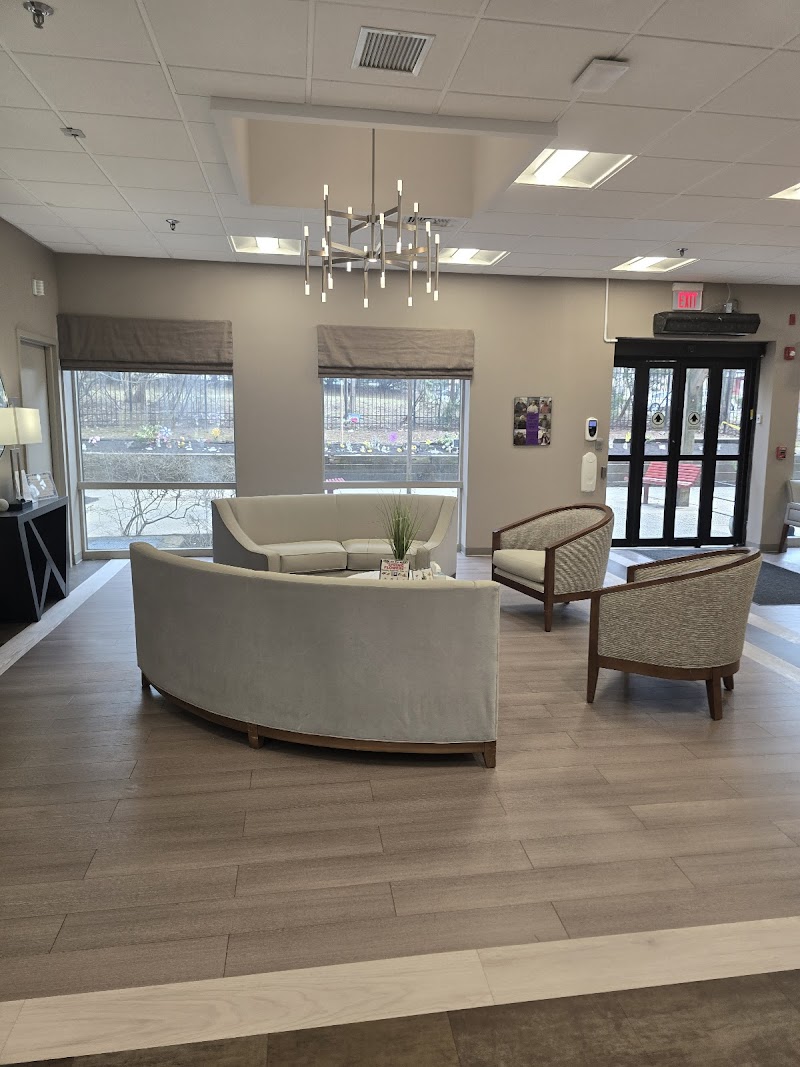
How is Majestic Oaks Rehabilitation And Nursing Center Staffed?

CMS rates MAJESTIC OAKS REHABILITATION AND NURSING CENTER's staffing level at 4 out of 5 stars, which is above average compared to other nursing homes. Staff turnover is 42%, compared to the Pennsylvania average of 46%. This relatively stable workforce can support continuity of care.

What Have Inspectors Found at Majestic Oaks Rehabilitation And Nursing Center?

State health inspectors documented 64 deficiencies at MAJESTIC OAKS REHABILITATION AND NURSING CENTER during 2022 to 2025. These included: 2 that caused actual resident harm and 62 with potential for harm. Deficiencies causing actual harm indicate documented cases where residents experienced negative health consequences.
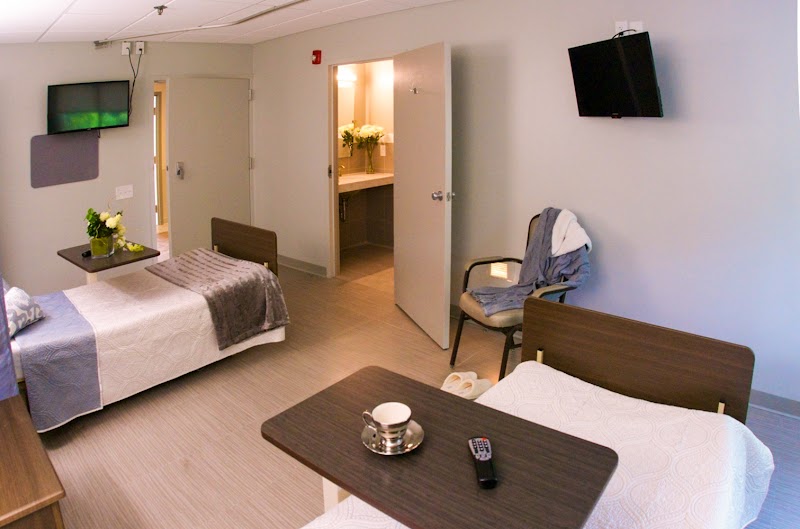
Who Owns and Operates Majestic Oaks Rehabilitation And Nursing Center?

MAJESTIC OAKS REHABILITATION AND NURSING CENTER is owned by a for-profit company. For-profit facilities operate as businesses with obligations to shareholders or private owners. The facility is operated by CONTINUUM HEALTHCARE, a chain that manages multiple nursing homes. With 180 certified beds and approximately 158 residents (about 88% occupancy), it is a mid-sized facility located in WARMINSTER, Pennsylvania.

How Does Majestic Oaks Rehabilitation And Nursing Center Compare to Other Pennsylvania Nursing Homes?

Compared to the 100 nursing homes in Pennsylvania, MAJESTIC OAKS REHABILITATION AND NURSING CENTER's overall rating (1 stars) is below the state average of 3.0, staff turnover (42%) is near the state average of 46%, and health inspection rating (1 stars) is much below the national benchmark.

What Should Families Ask When Visiting Majestic Oaks Rehabilitation And Nursing Center?

Based on this facility's data, families visiting should ask: "Can I visit during a mealtime to observe dining assistance and food quality?" "How do you handle medical emergencies, and what is your hospital transfer rate?" "Can I speak with family members of current residents about their experience?"

Is Majestic Oaks Rehabilitation And Nursing Center Safe?

Based on CMS inspection data, MAJESTIC OAKS REHABILITATION AND NURSING CENTER has a clean safety record: no substantiated abuse findings (meaning no confirmed cases of resident harm), no Immediate Jeopardy citations (the most serious violation level indicating risk of serious injury or death), and is not on the Special Focus Facility watch list (a federal program monitoring the lowest-performing 1% of nursing homes). The facility has a 1-star overall rating and ranks #100 of 100 nursing homes in Pennsylvania. While no facility is perfect, families should still ask about staff-to-resident ratios and recent inspection results during their visit.

Do Nurses at Majestic Oaks Rehabilitation And Nursing Center Stick Around?

MAJESTIC OAKS REHABILITATION AND NURSING CENTER has a staff turnover rate of 42%, which is about average for Pennsylvania nursing homes (state average: 46%). Moderate turnover is common in nursing homes, but families should still ask about staff tenure and how the facility maintains care continuity when employees leave.

Was Majestic Oaks Rehabilitation And Nursing Center Ever Fined?

MAJESTIC OAKS REHABILITATION AND NURSING CENTER has been fined $35,175 across 1 penalty action. The Pennsylvania average is $33,431. While any fine indicates a compliance issue, fines under $50,000 are relatively common and typically reflect isolated problems that were subsequently corrected. Families should ask what specific issues led to these fines and confirm they've been resolved.

Is Majestic Oaks Rehabilitation And Nursing Center on Any Federal Watch List?

MAJESTIC OAKS REHABILITATION AND NURSING CENTER is not on any federal watch list. The most significant is the Special Focus Facility (SFF) program, which identifies the bottom 1% of nursing homes nationally based on persistent, serious quality problems. Not being on this list means the facility has avoided the pattern of deficiencies that triggers enhanced federal oversight. This is a positive indicator, though families should still review the facility's inspection history directly.