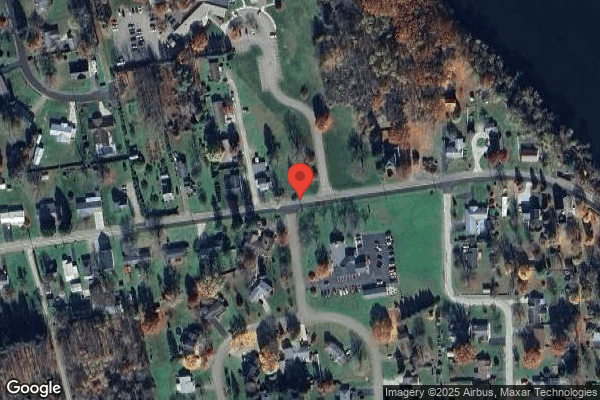
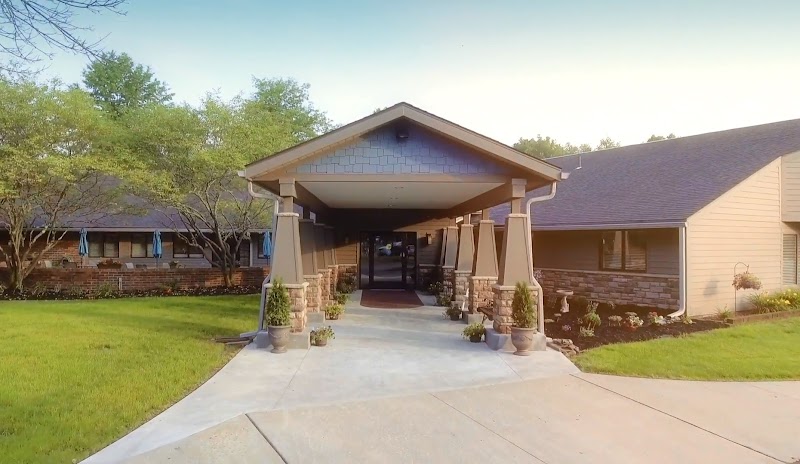

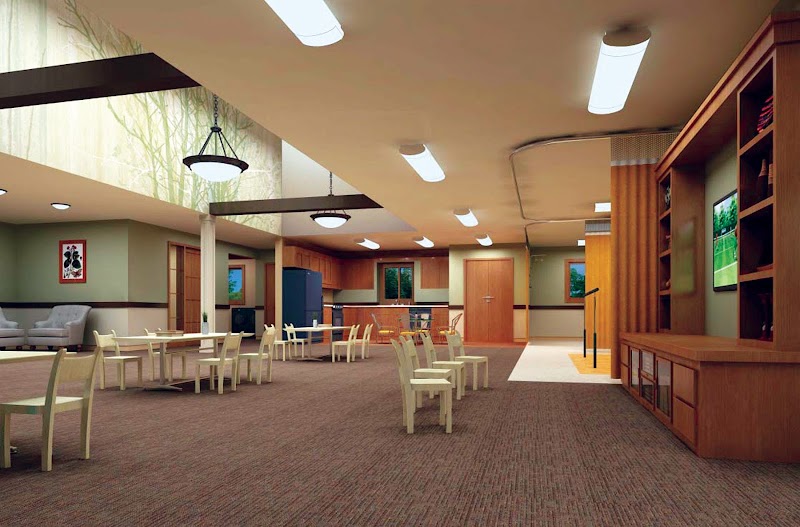
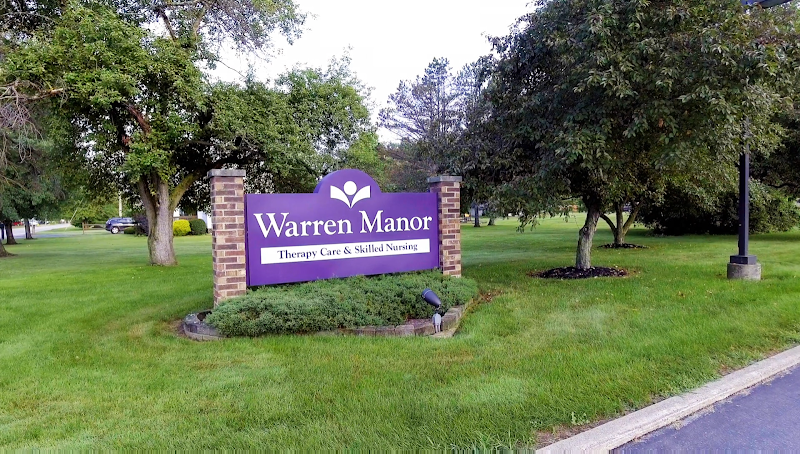
WARREN MANOR

682 PLEASANT DRIVE, WARREN, PA 16365 (814) 723-7060
For profit - Corporation 121 Beds HCF MANAGEMENT Data: November 2025
Trust Grade
60/100
#374 of 653 in PA
Last Inspection: April 2025

Within standard 12-15 month inspection cycle. Federal law requires annual inspections.

Overview

Warren Manor has a Trust Grade of C+, which indicates a decent level of care that is slightly above average. It ranks #374 out of 653 facilities in Pennsylvania, placing it in the bottom half of all nursing homes in the state, but it is #2 out of 3 in Warren County, meaning only one local option is better. The facility's trend is worsening, with issues increasing from 9 in 2024 to 13 in 2025. Staffing is a relative strength, with a turnover rate of 35%, significantly lower than the state average, but the RN coverage is concerning as it falls below 83% of other facilities in Pennsylvania. There have been no fines recorded, which is a positive sign. However, there are notable weaknesses. Recent inspections found that the facility failed to follow physician's orders for repositioning residents, which could lead to bedsores. Additionally, staff were found not consistently promoting cleanliness with respiratory care equipment, which risks spreading infections. Lastly, care plans for several residents were not updated to reflect their current needs, potentially compromising their health management. Overall, while Warren Manor has some strengths, families should be aware of these concerning trends and incidents when considering care options.

Trust Score
C+
60/100
In Pennsylvania
#374/653
Bottom 43%
Safety Record
Low Risk
No red flags
Inspections
Getting Worse
9 → 13 violations
Staff Stability
○ Average
35% turnover. Near Pennsylvania's 48% average. Typical for the industry.
Penalties
✓ Good
No fines on record. Clean compliance history, better than most Pennsylvania facilities.
Skilled Nurses
⚠ Watch
Each resident gets only 25 minutes of Registered Nurse (RN) attention daily — below average for Pennsylvania. Fewer RN minutes means fewer trained eyes watching for problems.
Violations
⚠ Watch
27 deficiencies on record. Higher than average. Multiple issues found across inspections.
★★★☆☆
3.0
Overall Rating
★★★☆☆
3.0
Staff Levels
★★★☆☆
3.0
Care Quality
★★★☆☆
3.0
Inspection Score
Stable
2024: 9 issues
2025: 13 issues

The Good

  • Full Sprinkler Coverage · Fire safety systems throughout facility
  • No fines on record
  • Staff turnover below average (35%)

    13 points below Pennsylvania average of 48%

Facility shows strength in fire safety.

The Bad

3-Star Overall Rating

Near Pennsylvania average (3.0)

Meets federal standards, typical of most facilities

Staff Turnover: 35%

11pts below Pennsylvania avg (46%)

Typical for the industry

Chain: HCF MANAGEMENT

Part of a multi-facility chain

Ask about local staffing decisions and management

The Ugly 27 deficiencies on record

Apr 2025 13 deficiencies
CONCERN (D) 📢 Someone Reported This

A family member, employee, or ombudsman was alarmed enough to file a formal complaint

Potential for Harm - no one hurt, but risky conditions existed

Deficiency F0561 (Tag F0561)

Could have caused harm · This affected 1 resident

Based on review of clinical and facility records, resident and staff interviews, and observations, it was determined that the facility failed to provide a bath/shower as resident preference for one of...

Read full inspector narrative →
Based on review of clinical and facility records, resident and staff interviews, and observations, it was determined that the facility failed to provide a bath/shower as resident preference for one of 26 residents reviewed (Resident R68). Findings include: A facility policy entitled, Quality of Care Policy/Activities of Daily Living, dated 12/04/24, revealed each resident will receive and the Manor will provide the necessary care and services to attain or maintain the highest practicable physical, mental and psychosocial well-being in accordance with the comprehensive assessment and plan of care. Activities of Daily Living - A resident's abilities in activies of daily living will not diminish unless cirmcumstances of the individuals's clinical condition demonstrate that diminution (the act was unavoidable). A resident who is unable to carryout activites of daily living receives the necessary services to maintain good nutrition, grooming, personal and oral hygiene. Resident's R68's clinical record revealed an admission date of 10/20/23, with diagnoses that included morbid (severe) obesity due to excess calories, urinary tract infection, hypokalemia (low potassium in the blood), and hypothyroidism (a condition where the thyroid does not produce enough thyroid hormone). Review of Resident R68's bath/shower documentation for 3/06/25, through, 4/02/25, revealed he/she was scheduled for a bath/shower on Wednesday/Saturday 3-11 p.m., however, his/her clincial record lacked evidence that a bath/shower was provided on: 3/10/25, documented as not applicable 3/20/25, documented as not applicable 3/24/24, documented as not applicable 3/27/25, documented as not applicable 3/31/25, documented as not applicable An interview with Resident R68 on 4/02/25, at 12:30 p.m. revealed his/her shower was scheduled for Monday and Thursday, but he/she has not received the scheduled shower in the past several weeks. While grabbing his/her hair, Resident R68 stated, Look, my hair is really greasy and full of knots in the back. An observation on 4/02/25, at 12:30 p.m. revealed Resident R68 laying in bed with greasy, knotted hair. An interview with the Director of Nursing on 4/04/25, at 11:45 a.m. confirmed that baths/showers were not provided according to Resident R68's scheduled days and preference for the period of 3/06/25, through 4/02/25. 28 Pa. Code 211.10 (d) Resident care policies 28 Pa. Code 211.12 (d)(1)(3)(5) Nursing services
CONCERN (D)

Potential for Harm - no one hurt, but risky conditions existed

Deficiency F0568 (Tag F0568)

Could have caused harm · This affected 1 resident

Based on review of facility policy and documents, and resident and staff interviews, it was determined that the facility failed to ensure that resident financial records were made available through qu...

Read full inspector narrative →
Based on review of facility policy and documents, and resident and staff interviews, it was determined that the facility failed to ensure that resident financial records were made available through quarterly statements for one of 26 residents reviewed (Resident R68). Findings include: A facility policy entitled Resident Personal Funds (Pennsylvania) dated 12/04/24, revealed the resident understands that they have the right to maintain personal money in the Manor while they are a resident. They also understand that in the event that they become eligible for Medicaid, they will receive a personal needs allowance that they may use as they wish. Quarterly accountings - They also understand that they will receive a quarterly accounting of deposits, interest earned, and withdrawals made from their account. Resident's R68's clinical record revealed an admission date of 10/20/23, with diagnoses that included morbid (severe) obesity due to excess calories, urinary tract infection, hypokalemia (low potassium in the blood), and hypothyroidism (a condition where the thyroid does not produce enough thyroid hormone). Facility documentation indicated that the facility was responsible for handling Resident R68's finances through a resident trust fund account which had a balance of $1.74 on 3/07/25. During an interview on 4/02/25, at 12:30 p.m. Resident R68 indicated that he/she has not received any financial statements regarding his/her funds, and that he/she should have a monthly allowance to use as he/she wishes. During an interview on 4/03/25, at 2:15 p.m. the Business Office Manager Employee E5 indicated that he/she has not provided quarterly financial statements at the end of the quarter, or within 30-days of the end of the quarter. He/she further confirmed the facility lacked evidence that Resident R68 was provided financial statements including deposits, interest earned, and withdrawals made from his/her account. 28 Pa. Code 201.14(a) Responsibility of licensee 28 Pa. Code 201.18(b)(2) Management
CONCERN (D) 📢 Someone Reported This

A family member, employee, or ombudsman was alarmed enough to file a formal complaint

Potential for Harm - no one hurt, but risky conditions existed

Deficiency F0574 (Tag F0574)

Could have caused harm · This affected 1 resident

Based on review of clinical and facility records, and staff interviews, it was determined the facility failed to ensure accurate communication regarding information about the resident's Medicare eligi...

Read full inspector narrative →
Based on review of clinical and facility records, and staff interviews, it was determined the facility failed to ensure accurate communication regarding information about the resident's Medicare eligibility and coverage for one of 26 residents reviewed (Resident CR109). Findings include: Resident CR109's clinical record revealed an admission date of 12/09/24, and discharge date of 1/24/25, with diagnoses that included osteomyelitis (inflammation of bone caused by infection) of left ankle and foot, anemia (a condition where the blood does not have enough healthy red blood cells to carry oxygen throughout the body), metabolic encephalopathy (a condition where the brain's function is impaired due to an imbalance in chemicals in the brain affecting cognitive function, consciousness, and behavior), and chronic atrial fibrillation (an irregular, often rapid heart rate that commonly causes poor blood flow throughout the heart and body. A facility invoice dated 3/17/25, revealed a balance due of $13,939.05 for Resident CR109's stay/services from 12/09/24, through 1/24/25. An interview with the Business Office Manager (BOM) Employee E5 on 4/03/25, at 2:15 p.m. revealed that he/she communicated to Resident CR109's resident representative on 12/23/24, that Resident CR109 had Medicare days available to cover days of stay/services at the facility, indicating the stay at the facility would be covered by his/her insurance, and that Resident CR109 and/or their responsible party would not be responsible to pay privately. The BOM Employee E5 further confirmed that on 1/28/25, he/she later discovered that Resident CR109 had exhausted his/her Medicare insurance benefits, and Resident CR109 would be financially responsible as private pay for the days of stay/services from 12/09/24, through 1/24/25. The BOM Employee E5 indicated that it is sometimes confusing how insurance and Medicare coverage plays catch up, and referenced the January 2025 billing cycle that Resident CR109 would be financially responsible as private pay since no Medicare days were available to cover days of stay. This failure of adherence to communicating accurate information regarding Medicare eligibility and coverage resulted in Resident CR109/their resident representative not having an opportunity to make an adequate informed decision to continue Resident CR109's stay at the facility, or have the choice to be discharged to alternative home care services and other financial options. 28 Pa. Code 201.18(g) Management
CONCERN (D)

Potential for Harm - no one hurt, but risky conditions existed

Deficiency F0582 (Tag F0582)

Could have caused harm · This affected 1 resident

Based on review of facility documentation and staff interview, it was determined that the facility failed to provide the required notice to the resident, or the resident's representative, following th...

Read full inspector narrative →
Based on review of facility documentation and staff interview, it was determined that the facility failed to provide the required notice to the resident, or the resident's representative, following the end of Medicare covered services for one of two residents reviewed who remained in the facility for long-term care (Resident R166). Findings include: Review of Resident R166's clinical record revealed that he/she began Medicare covered services following the return from a qualifying hospital stay on 12/6/24, and the facility-initiated discharge from Medicare Part A coverage was starting 12/21/24. The resident's benefit days were not exhausted. Resident R166 remained in the facility until 3/02/25. There was no evidence that a Skilled Nursing Facility Advanced Beneficiary Notice (SNFABN) of Non-coverage (document that provides information to residents so they can decide if they wish to continue skilled services that may not be paid for by Medicare and assume financial responsibility) was provided as required in advance of the time that Medicare Part A was discontinued. During an interview on 4/03/25, at 2:14 p.m. the Business Office Manager confirmed that the facility did not provide SNFABN form to Resident R166, or his/her representative, when the facility discharged the resident from Medicare covered services. 28 Pa. Code 201.18(b)(2) Management 28 Pa. Code 201.18(e)(1) Management
CONCERN (D)

Potential for Harm - no one hurt, but risky conditions existed

Grievances (Tag F0585)

Could have caused harm · This affected 1 resident

Based on a review of facility policy, facility grievances, and resident and staff interviews, it was determined that the facility failed to resolve resident and resident representative's grievance con...

Read full inspector narrative →
Based on a review of facility policy, facility grievances, and resident and staff interviews, it was determined that the facility failed to resolve resident and resident representative's grievance concerns related to care/treatment for four of 26 residents reviewed (Residents R19, R50, R58, and R68). Findings include: A facility policy entitled, Grievances - Resident Rights dated 12/04/24, revealed The Manor will assist residents, their representatives, other interested family members, or advocates in filing grievances when such requests are made. It is the policy of the Manor to encourage all residents and visitors to bring to the attention of the Administrator their complaints. The Administrator is the designated Grievance Officer. The Grievance Officer can be reached at the main phone number or by writing the Manor's main mailing address. All persons will be provided with an opportunity to present their complaints through a formal grievance procedure. All complaints or grievances will be resolved promptly and fairly. Sharing concerns with us. If you or another interested party has a concern regarding the Manor's delivery of services, the behavior of other residents or staff members, or any other concern, we encourage you to share your thoughts with us. You are encouraged to discuss your concern with the immediate supervisor or director of the involved department. It is our policy that concerns raised with us will be reviewed, and that we will report back to the person registering the concern with a prompt resolution. Filing of written grievance form. Grievance forms are located in the Administrator's office. A formal grievance must be submitted in writing to the Grievance Officer and signed by the resident or the person filing the grievance. It is our policy to assist residents/sponsors in filing a grievance. A review of facility Grievances for January through April 2025, lacked evidence of Grievances from Resident 19, Resident 58, Resident R68, and Resident R50's family member. No Grievances were noted for January 2025. Four Grievances for February 2025, involved four residents with missing belongings. Two Grievances for March 2025, involved a resident with hearing aides not working and a resident with missing diabetic slippers. No Grievances were noted for April 2025. An interview with Resident R19 on 4/01/25, at 1:30 p.m. revealed he/she has concerns with the communication by the nursing staff, as he/she must ask several times for lab and test results. Resident R19 stated, I am currently awaiting results from a sleep study that I've asked about several times. Resident R19 further indicated that he/she has talked to different employees regarding this concern with no resolve. An interview with Resident R58 on 4/01/25, at 1:45 p.m. revealed that he/she has communicated a concern to facility staff without any resolution about the resident smoking area which is located outside of his/her window, and frequently the noise level and lingering smoke can be a problem. He/she further indicated that the smoke prevents him/her from opening his/her window, and the noise level prevents him/her from sleeping. An interview with Resident R68 on 4/2/25, at 12:30 p.m. revealed that he/she has asked several different facility employees regarding his/her BIPAP (BiPAP is a non-invasive ventilation therapy that helps a person breathe by delivering pressurized air through a mask) machine. Resident R68 indicated he/she has been without his/her machine for numerous days with no prompt resolution. An interview with Resident R50's family member on 4/01/25, at 2:50 p.m. revealed that numerous care concerns were communicated to several different employees of the facility with no prompt resolution. Specific concerns were related to the location of the resident smoking area, which is adjacent to resident rooms, allowing smoke to linger near the rooms, and intrusive noise levels preventing residents from sleeping. Additional Resident R50's family member's concerns were related to resident hydration and times that residents are awakened for morning care. An interview with the Nursing Home Administrator (NHA) on 4/04/25, at 10:00 a.m. indicated that the facility Grievance process typically only addressed missing/broken items. The NHA further confirmed that the facility lacked evidence of Grievances for Residents R19, R50 (family member), R58, and R68's care and treatment concerns, and the care and treatment concerns were not addressed timely. 28 Pa. Code 201.14(a) Responsibility of licensee 28 Pa. Code 201.18(b)(1)(3) Management 28 Pa. Code 201.18(e)(1)(3) Management 28 Pa. Code 201.29(a) Resident rights
CONCERN (D)

Potential for Harm - no one hurt, but risky conditions existed

Deficiency F0657 (Tag F0657)

Could have caused harm · This affected 1 resident

**NOTE- TERMS IN BRACKETS HAVE BEEN EDITED TO PROTECT CONFIDENTIALITY** Based on review of clinical records and facility policy and staff interview, it was determined that the facility failed to show ...

Read full inspector narrative →
**NOTE- TERMS IN BRACKETS HAVE BEEN EDITED TO PROTECT CONFIDENTIALITY** Based on review of clinical records and facility policy and staff interview, it was determined that the facility failed to show evidence of having resident care plan conference meetings or invitation to care plan meetings and failed to revise comprehensive care plans to reflect the current necessary care and services for two of 26 residents reviewed (Residents R3 and R93) Findings include: Review of facility policy entitled Comprehensive Care Plan dated 12/04/24, indicated Residents will have the opportunity to discuss their goals for care . and Periodically reviewed and revised by a team of qualified persons after each assessment. Review of Resident R3's clinical record revealed an admission date of 2/23/22, with diagnoses including broken left hip, spinal stenosis with disc degeneration (narrowing of the space that houses the spinal cord and nerve roots leading to the spinal disks between the vertebrae to wear down), and difficulty walking. Further review of Resident R3's clinical record revealed a physician's order dated 3/19/25, for no weight bearing on left leg. A care plan entitled Self-Care Deficit dated 3/01/22, and updated 2/18/25, revealed to transfer with extensive assistance and a rolled walker. A care plan entitled At Risk for Falls dated 3/01/22, revealed it was updated 8/13/24, to include to walk three to six days per week (supervised by staff) with a wheeled walker. Resident R3's clinical record lacked evidence that his/her care plan was updated to reflect the non-weight bearing status of the left leg. During an interview on 4/03/25, at 3:40 p.m. the Director of Nursing confirmed that Resident R3's care plan was not updated to reflect his/her current status. Review of Resident R93's clinical record revealed an admission date of 12/10/24, with diagnoses that included chronic obstructive pulmonary disease (condition when your lungs do not have adequate air flow), anxiety (a condition that causes a person to be nervous, uneasy, or worried about something or someone), and hyperlipidemia (high cholesterol). Review of Resident R93's clinical record lacked evidence that he/she and/or resident representative had been invited/attended a care plan conference meeting. During an interview on 4/01/25, at 1:40 p.m. Resident R93 disclosed that he/she had not attended and/or been invited to a care plan conference meeting. During an interview on 4/03/25, at 12:25 p.m. the Social Service Manager Employee E2 confirmed there was no evidence that Resident R93 and/or his/her representative had attended and/or had been invited to a care plan conference meeting after his/her last assessment dated [DATE]. 28 Pa. Code 211.5(f)(ii)(ix) Medical records 28 Pa. Code 211.10(c)(d) Resident care policies 28 Pa. Code 211.12(d)(1)(5) Nursing services
CONCERN (D)

Potential for Harm - no one hurt, but risky conditions existed

Accident Prevention (Tag F0689)

Could have caused harm · This affected 1 resident

Based on review of facility policy, observations, and staff interviews, it was determined that the facility failed to ensure a safe environment related to smoking for one of two residents reviewed who...

Read full inspector narrative →
Based on review of facility policy, observations, and staff interviews, it was determined that the facility failed to ensure a safe environment related to smoking for one of two residents reviewed who smoke at the facility (Resident R42). Findings include: A facility policy entitled, Smoking Policy, dated 12/4/24, revealed for those Manors that permit smoking the purpose is to provide maximum safety to all residents at all times. It is the intent of the Manor to provide an environment to all those residents, who wish to smoke, the opportunity to do so in a safe environment, with optimal safety to themselves, other residents, volunteers, visitors, and staff members. For the purpose of this policy, all references to smoking will also include the use of electronic cigarettes and vaporizers. Residents will be informed of the written smoking policy prior to admission. Smoking in bed is strictly prohibited, this includes the use of electronic cigarettes and vaporizers. Smoking will be allowed in designated areas only. Residents must be accompanied by staff, family, or properly trained volunteers while smoking. Smoking materials will be kept in a designated area accessible only by staff. This includes the safekeeping of electronic cigarettes. Staff members are strictly prohibited from furnishing their personal smoking materials to residents. Residents electing to smoke must provide their own smoking materials. Observations during the full health survey on 4/1/25, 4/2/25, and 4/3/25 throughout each day revealed Resident R42 had several electronic cigarettes/vaporizers sitting on his/her bedside table and one electronic cigarette/vaporizer in his/her hand and on 4/2/25, at approximately 2:30 p.m. Resident R42 was observed smoking his/her electronic cigarette/vaporizer in his/her room. An interview with the Nursing Home Administrator (NHA) and the Director of Nursing (DON) on 4/3/25, at approximately 4:00 p.m. confirmed that Resident R42 smokes his/her electronic cigarette/vaporizer in his/her room, which is an unauthorized smoking area and against facility policy. The NHA and DON further confirmed that this resident also keeps his/her own electronic cigarettes/vaporizers, therefore the facility has no accountability of them, and Resident R42 refuses to follow the facility smoking policy which places other residents, staff, and visitors at a safety risk. 28 Pa. Code 201.14(a) Responsibility of license 28 Pa. Code 201.18(b)(1)(e)(1) Management 28 Pa. Code 201.18(e)(1) Management 28 Pa. Code 209.3(a) Smoking
CONCERN (D)

Potential for Harm - no one hurt, but risky conditions existed

Food Safety (Tag F0812)

Could have caused harm · This affected 1 resident

Based on review of a facility policy, observations, and staff interview, it was determined that the facility failed to ensure that food was stored in accordance with standards for food safety in one o...

Read full inspector narrative →
Based on review of a facility policy, observations, and staff interview, it was determined that the facility failed to ensure that food was stored in accordance with standards for food safety in one of one walk-in coolers reviewed in the kitchen. Findings include: Review of facility policy entitled Storage of Perishable Foods dated 12/4/24, indicated Prepared or leftover foods should be stored tightly covered, clearly labeled, dated, and used within 3 days or discarded. Observation during kitchen tour on 4/1/25, at 12:00 p.m. revealed a clear plastic container containing five leftover potato triangles (hashbrowns) with a prepared date of 3/28/25, and no discard date. During an interview with the Dietary Manager Employee E3 on 4/1/25, during the time of observations he/she confirmed that the clear plastic container containing five leftover potato triangles were beyond their use by date. He/she also confirmed that the potato triangles should have been discarded by their use by date. 28 Pa. Code 201.14(a) Responsibility of licensee 28 Pa. Code 201.18(b)(1) Management
CONCERN (D) 📢 Someone Reported This

A family member, employee, or ombudsman was alarmed enough to file a formal complaint

Potential for Harm - no one hurt, but risky conditions existed

Deficiency F0836 (Tag F0836)

Could have caused harm · This affected 1 resident

Based on review of clinical and facility records, and staff interviews, it was determined the facility failed to follow professional standards by ensuring accurate accounts in communication and writin...

Read full inspector narrative →
Based on review of clinical and facility records, and staff interviews, it was determined the facility failed to follow professional standards by ensuring accurate accounts in communication and writing for insurance coverage for resident services for one of 26 residents reviewed (Resident CR109). Findings include: Resident CR109's clinical record revealed an admission date of 12/09/24, and discharge date of 1/24/25, with diagnoses that included osteomyelitis (inflammation of bone caused by infection) of left ankle and foot, anemia (a condition where the blood does not have enough healthy red blood cells to carry oxygen throughout the body), metabolic encephalopathy (a condition where the brain's function is impaired due to an imbalance in chemicals in the brain affecting cognitive function, consciousness, and behavior), and chronic atrial fibrillation (an irregular, often rapid heart rate that commonly causes poor blood flow throughout the heart and body. A facility invoice dated 3/17/25, revealed a balance due of $13,939.05 for Resident CR109's stay/services from 12/09/24, through 1/24/25. An interview with the Business Office Manager (BOM) Employee E5 on 4/03/25, at 2:15 p.m. revealed that he/she communicated to Resident CR109's resident representative on 12/23/24, that Resident CR109 had Medicare days available to cover days of stay/services at the facility, indicating the stay at the facility would be covered by his/her insurance, and that Resident CR109 and/or their responsible party would not be responsible to pay privately. The BOM Employee E5 further confirmed that on 1/28/25, he/she later discovered that Resident CR109 had exhausted his/her Medicare insurance benefits, and Resident CR109 would be financially responsible as private pay for the days of stay/services from 12/09/24, through 1/24/25. The BOM Employee E5 indicated that it is sometimes confusing how insurance and Medicare coverage plays catch up, and referenced the January 2025 billing cycle that Resident CR109 would be financially responsible as private pay since no Medicare days were available to cover days of stay. This failure to follow professional standards and adherence to thorough principles of communication resulted in Resident CR109/their resident representative not having an opportunity to make an adequate informed decision to continue Resident CR109's stay at the facility, or have the choice to be discharged to alternative home care services and other financial options. 28 Pa. Code 201.18(g) Management
CONCERN (D)

Potential for Harm - no one hurt, but risky conditions existed

Infection Control (Tag F0880)

Could have caused harm · This affected 1 resident

Based on observations, review of manufacturer's guidelines and facility documents, and staff interviews, it was determined that the facility failed to properly clean and prevent the potential for cros...

Read full inspector narrative →
Based on observations, review of manufacturer's guidelines and facility documents, and staff interviews, it was determined that the facility failed to properly clean and prevent the potential for cross contamination during the use of a blood glucose meter (BGM-a device to collect and measure the level of glucose [sugar] in the blood) for two of nine residents observed during the administration of medications (Residents R17 and R65). Findings include: Review of manufacturer's cleaning and disinfecting procedures indicated that the BGM should be cleaned and disinfected after use on each patient. Review of a facility skills demonstration/evaluation form for Blood Glucose Testing revealed that staff are instructed to disinfect the BGM per manufacturer's guidelines after completion of sample testing. Observation of blood glucose monitoring for Resident R51 on 4/01/25, at 3:27 p.m. revealed that Licensed Practical Nurse (LPN) Employee E9 entered Resident R51's room, obtained the blood specimen using the BGM, then exited Resident R51's room and laid the soiled BGM on the top of the medication cart and failed to clean the BGM per manufacturer's guidelines. It was unable to be determined if the the BGM was cleaned prior to/after use for blood glucose monitoring for Resident R51. Observation of blood glucose monitoring for Resident R65 on 4/01/25, at 3:39 p.m. revealed that LPN Employee E9 entered Resident R65's room, obtained the blood specimen using the BGM, then exited Resident R65's room and laid the soiled BGM on the top of the medication cart and failed to clean the BGM per manufacturer's guidelines. Observation of blood glucose monitoring for Resident R17 on 4/01/25, at 4:07 p.m. revealed that LPN Employee E9 entered Resident R17's room, obtained the blood specimen using the BGM, then exited Resident R17's room and laid the soiled BGM on the top of the medication cart and failed to clean the BGM per manufacturer's guidelines. During an interview on 4/01/25, at 4:10 p.m. LPN Employee E9 confirmed that he/she failed to clean the BGM unit prior to obtaining blood specimens from Residents R65 and R17. During an interview on 4/02/25, at 12:49 p.m. Infection Control/Infection Preventionist Employee E6 confirmed that the BGM unit should have been cleaned and disinfected after use on each patient. 28 Pa. Code 211.12(d)(1)(2)(5) Nursing services
CONCERN (E) 📢 Someone Reported This

A family member, employee, or ombudsman was alarmed enough to file a formal complaint

Potential for Harm - no one hurt, but risky conditions existed

Quality of Care (Tag F0684)

Could have caused harm · This affected multiple residents

Based on review of clinical records, observations, and staff interviews, it was determined that the facility failed to follow physician's orders for four of 26 residents reviewed (Residents R1, R68, C...

Read full inspector narrative →
Based on review of clinical records, observations, and staff interviews, it was determined that the facility failed to follow physician's orders for four of 26 residents reviewed (Residents R1, R68, CR109, and R3). Findings include: No policy was provided regarding following a physician's order. Resident's R1's clinical record revealed an admission date of 10/05/16, with diagnoses that included neurologic neglect syndrome (a neurological disorder that makes a person lack awareness to stimuli on one side of the body or space), diabetes mellitus (a disease that affects how blood sugar is regulated in the blood), asthma (a chronic condition in which a person's airways become inflamed making it difficult to breathe), and weakness. Resident R1's clinical record revealed a physician's order dated 3/20/25, reposition every two hours offload coccyx. Observations on 4/02/25, at 8:50 a.m., 9:30 a.m., 10:30 a.m., 11:00 a.m., 11:30 a.m., 12:05 p.m., and 12:40 p.m. revealed Resident R1 out of bed in his/her wheelchair sitting upright. A further observation at 12:58 p.m. revealed Resident R1 laying in bed. During an interview with Nurse Aide (NA) Employee E7 on 4/02/25, at 12:58 p.m. revealed that Resident R1 was out of bed to his/her wheelchair before 9:00 a.m. on 4/02/25, and not repositioned until he/she was laid down in bed after lunch at approximately 12:50 p.m. by NA Employee E7. An interview with Licensed Practical Nurse (LPN) Employee E8 on 4/02/25, at 1:00 p.m. confirmed that Resident R1 was out of bed and sitting in his/her wheelchair before 9:00 a.m. and not turned/repositioned until after lunch, a time span of approximately four hours. LPN Employee E8 further confirmed that Resident R1 has a history of a Stage Three (full thickness loss of skin) pressure injury to his coccyx (tailbone), and there were physician's orders to reposition every two hours and offload coccyx. During an interview on 4/0/25, at 12:57 p.m. the Director of Nursing (DON) confirmed Resident R1 has a history of a Stage Three pressure injury to his coccyx and should be repositioned every two hours per the physician's order dated 3/20/25. Review of Resident R3's clinical record revealed an admission date of 2/23/22, with diagnoses including broken left hip, spinal stenosis with disc degeneration (narrowing of the space that houses the spinal cord and nerve roots leading to the spinal disks between the vertebrae to wear down), and difficulty walking. The clinical record also revealed a physician's order dated 3/19/25, for no weight bearing on left leg. Observation on 4/02/25, at 1:38 p.m. revealed NA Employee E7 transfer Resident R3 into bed and permitted weight bearing to his/her left leg during the transfer. During an interview on 4/02/25, at 2:13 p.m. NA Employee E7 confirmed that he/she transfers Resident R3 using a bear hug and pivot and turn into bed. Observation on 4/03/25, at 1:05 p.m. revealed that NA Employee E8 assisted Resident R3 to stand from the toilet to the grab bar in the bathroom and adjusted Resident R3's clothing while he/she held onto the bar and permitted weight bearing to his/her left leg during the transfer. During an interview at that time, NA Employee E8 confirmed that Resident R3 stands and holds onto the bar while transferring from the toilet. During an interview on 4/03/25, a 3:40 p.m. the Director of Nursing confirmed that Resident R3's current transfer order is no weight bearing on left leg and that staff should maintain non-weight bearing until the order is updated. Resident's R68's clinical record revealed an admission date of 10/20/23, with diagnoses that included morbid (severe) obesity due to excess calories, urinary tract infection, hypokalemia (low potassium in the blood), and hypothyroidism (a condition where the thyroid does not produce enough thyroid hormone). Resident R68's clinical record revealed a physician's order dated 10/18/24, BI-PaP at hours of sleep with 4 l/min [liters per minute] oxygen piped in to equal FIO2 of 35% pre set Settings of V=60, Max IPAP=18, EPAP=9 Make Nasal Mask Type. (BiPAP is a non-invasive ventilation therapy that helps a person breathe by delivering pressurized air through a mask). An interview with Resident R68 on 4/02/25, at 12:30 p.m. revealed that Resident R68 has been without his/her BIPAP for several months. Observations during the interview, revealed Resident R68 laying in bed and no BIPAP machine located in his/her room. During an interview with LPN Employee E10 on 4/03/25, at 12:00 p.m. confirmed that Resident R68 did not have a BIPAP machine to utilize per the physician order. During an interview on 4/04/25, at 11:45 a.m. the DON confirmed Resident R68's physician's order dated 10/18/24, was not followed for the resident to utilize a BIPAP at hours of sleep. Resident CR109's clinical record revealed an admission date of 12/09/24, with diagnoses that included osteomyelitis (inflammation of bone caused by infection) of left ankle and foot, anemia (a condition where the blood does not have enough healthy red blood cells to carry oxygen throughout the body), metabolic encephalopathy (a condition where the brain's function is impaired due to an imbalance in chemicals in the brain affecting cognitive function, consciousness, and behavior), and chronic atrial fibrillation (an irregular, often rapid heart rate that commonly causes poor blood flow throughout the heart and body). Resident CR109's clinical record revealed a physician's order dated 1/10/25, Active Critical Care two times a day for wound healing 30 ml [milliliters]. Resident CR109's Medication Administration Record (MAR) dated 1/10/25, lacked evidence of amount of Active Critical Care administered to Resident CR109 on: 1/10/25, 8:00 a.m. and 8:00 p.m. 1/11/25, 8:00 a.m. 1/12/25, 8:00 a.m. and 8:00 p.m. 1/13/25, 8:00 a.m. and 8:00 p.m. 1/14/25, 8:00 a.m. and 8:00 p.m. and lacked evidence that Active Critical Care was administered on: 1/11/25, at 8:00 p.m. with documentation noted as HN=Hold/See Nurse Notes with nurse documentation needs clarification on amount 1/17/25, 8:00 p.m. with documentation noted as HN=Hold/See Nurse Notes with no evidence of a nurse's documentation in progress notes. During an interview on 4/04/25, at 11:45 a.m. the DON confirmed Resident R109's physician's order dated 1/10/25, was not followed for the resident to have Active Critical Care 30 ml two times a day for wound healing. 28 Pa. Code 211.10 (a)(c)(d) Resident care policies 28 Pa. Code 211.12(d)(1)(5) Nursing services
CONCERN (E)

Potential for Harm - no one hurt, but risky conditions existed

Respiratory Care (Tag F0695)

Could have caused harm · This affected multiple residents

Based on review of clinical records, observations, and staff interview, it was determined that the facility failed to promote cleanliness and help prevent the spread of infection regarding respiratory...

Read full inspector narrative →
Based on review of clinical records, observations, and staff interview, it was determined that the facility failed to promote cleanliness and help prevent the spread of infection regarding respiratory care equipment for three of three residents and failed to provide oxygen according to physician's orders for one of three residents reviewed for respiratory services (Residents R16, R93 and R95). Findings include: Review of Resident R16's clinical record revealed an admission date of 8/11/23, with diagnoses that included hypertension (high blood pressure), anxiety (a condition that causes a person to be nervous, uneasy, or worried about something or someone), and hypothyroidism (a condition when the thyroid produces low amounts of thyroid hormones). Review of Resident R16's physician's orders revealed an order dated 8/11/23, to apply oxygen 1-2 lpm (liters per minute) per nasal cannula (oxygen tubing that has prongs that go into the nostrils and loops around the ears to secure in place to ensure adequate oxygen delivery) continuously to maintain oxygen saturation at or greater than 88%-92%, and an order dated 8/11/23, for Oxygen Maintenance Change O2 [oxygen] tubing and supply bag weekly, Wipe down concentrator and clean filter weekly, Change water jug weekly. Review of Resident R16's care plan revealed a plan of care with the focus of being at risk for impaired gas exchange and an intervention to administer O2 as ordered dated 3/4/24. Observations on 4/1/25, at 1:00 p.m. revealed an oxygen concentrator with a large amount of a white fluffy substance covering the top and the back of the concentrator. Observations on 4/2/25, at 9:00 a.m., 10:00 a.m. and 10: 22 a.m. revealed that oxygen was not being administered to Resident R16 and his/her nasal cannula was laying on the floor. Further observations revealed the large amount of a white fluffy substance covering the top and back of the oxygen concentrator remained. Review of Resident R93's clinical record revealed an admission date of 12/10/24, with diagnoses that included chronic obstructive pulmonary disease (COPD-when your lungs do not have adequate air flow), anxiety, and hyperlipidemia (high cholesterol). Review of Resident R93's physician's orders revealed an order dated 12/6/24, for Oxygen Maintenance Change O2 tubing and supply bag weekly, Wipe down concentrator and clean filter weekly, Change water jug weekly. Observation on 4/1/25, at 1:05 p.m. revealed an oxygen concentrator with a large amount of a fluffy white substance covering the top and back of the concentrator and drops of a dried liquid substance on the top of the concentrator. Observations on 4/2/25, at 9:05 a.m., 10:05 a.m. and 10:22 a.m. revealed the large amount of white fluffy substance and drops of dried liquid substance remained on the oxygen concentrator. Resident R95's clinical record revealed an admission date of 12/23/24, with diagnoses that included acute and chronic respiratory failure (a condition where your lungs don't exchange air properly), COPD, and hypertension. Review of Resident R95's physician's orders revealed an order for Oxygen Maintenance Change O2 tubing and supply bag weekly, Wipe down concentrator and clean filter weekly, Change water jug weekly 12/6/24. Observation on 4/1/25, at 1:05 p.m. revealed an oxygen concentrator with a large amount of a fluffy white substance covering the top and back of the concentrator and drops of a dried liquid substance on the top of the concentrator. Observations on 4/2/25, at 9:05 a.m., 10:05 a.m. and 10:22 a.m. revealed the large amount of white fluffy substance and drops of dried liquid substance remained on the oxygen concentrator. During an interview on 4/2/25, at 10:22 a.m. Licensed Practical Nurse (LPN) Employee E1 confirmed that Resident R16 was not wearing his/her oxygen, and his/her nasal cannula was laying on the floor. LPN Employee E1 confirmed that there was a large amount of a white fluffy substance and a dried liquid substance on the oxygen concentrators. LPN Employee E1 confirmed that the oxygen concentrators should be clean and Resident R16 should have had his/her oxygen being administered per physician's order and that his/her nasal cannula should not be on the floor. 28 Pa. Code 211.10(c) Resident care policies 28 Pa. Code 211.12(d)(1)(5) Nursing services
MINOR (B)

Minor Issue - procedural, no safety impact

Assessment Accuracy (Tag F0641)

Minor procedural issue · This affected multiple residents

**NOTE- TERMS IN BRACKETS HAVE BEEN EDITED TO PROTECT CONFIDENTIALITY** Based on review of clinical records, facility documentation, and staff interview, it was determined that the facility failed to ...

Read full inspector narrative →
**NOTE- TERMS IN BRACKETS HAVE BEEN EDITED TO PROTECT CONFIDENTIALITY** Based on review of clinical records, facility documentation, and staff interview, it was determined that the facility failed to complete the Minimum Data Set (MDS-periodic assessment of resident care needs) to accurately reflect the resident's status at the time of the assessment for one of 26 residents reviewed (Resident R43). Findings include: Resident R43's admission record revealed an admission date of 2/17/24, with diagnoses that included bacterial bone infection in the right ankle and foot, Type 2 diabetes (conditiona when the body cannot use insulin correctly and sugar builds up in the blood), and irregular heartbeat. Review of Resident R43's Medication Administration Records (MARs) revealed he/she received Trulicity (a non-insulin injectable diabetes medication to help improve blood sugar control by stimulating insulin release) every seven days in May 2024, July 2024, September 2024, October 2024, November 2024, and February 2025. The Quarterly MDS dated [DATE], Medications Section N0350A indicated that Resident R43 received insulin one time during the seven-day look back period. The Quarterly MDS dated [DATE], Medications Section N0350A indicated that Resident R43 received insulin one time during the seven-day look back period. The Quarterly MDS dated [DATE], Medications Section N0350A indicated that Resident R43 received insulin one time during the seven-day look back period. The Quarterly MDS dated [DATE], Medications Section N0350A indicated that Resident R43 received insulin one time during the seven-day look back period. The Quarterly MDS dated [DATE], Medications Section N0350A indicated that Resident R43 received insulin one time during the seven-day look back period. The Annual MDS dated [DATE], Medications Section N0350A indicated that Resident R43 received insulin one time during the seven-day look back period. During an interview on 4/03/25, 11:00 a.m. Registered Nurse Assessment Coordinator Employee E4 confirmed that Section N - Medications category N0350A Insulin of the Quarterly MDS's dated 5/15/24, 7/12/24, 9/27/24, 10/31/24, 11/02/24, and the Annual MDS dated [DATE], were incorrectly coded for Resident R43 (as related to Trulicity) and should have been zero days. 28 Pa. Code 211.5(f)(x) Medical records
Dec 2024 1 deficiency
CONCERN (D) 📢 Someone Reported This

A family member, employee, or ombudsman was alarmed enough to file a formal complaint

Potential for Harm - no one hurt, but risky conditions existed

Deficiency F0806 (Tag F0806)

Could have caused harm · This affected 1 resident

Based on review of facility policies, clinical records, and facility documentation, and staff interview, it was determined that the facility failed to ensure that one resident reviewed with food aller...

Read full inspector narrative →
Based on review of facility policies, clinical records, and facility documentation, and staff interview, it was determined that the facility failed to ensure that one resident reviewed with food allergies (Resident R1) was free from exposure to a food allergen resulting in an allergic reaction. Findings include: The facility policy entitled, Nutrition Services Communication Form dated June 2016 revealed that it will be used to enhance communication between nursing and dietary of the need to change in diet or for nutritional interventions. The facility policy entitled Food Allergen Awareness dated January 2018, revealed that food allergies will be identified by a common name of the food or any part of the food that contains a food allergen with the purpose to prevent an allergic reaction. Resident R1's clinical record revealed an admission date of 9/15/2019, with diagnoses that included anemia (iron deficiency), major depression, and anxiety disorder. Resident R1's clinical record included a diet that identified a food allergy to fish. Facility documentation revealed that on 11/11/2024, Resident R1 was served dinner with his/her son present with a meal tray ticket that specified breaded pork patty. When Resident R1's son questioned the food item and the meal tray, a staff member read the ticket and said it was a pork patty. Resident R1 ate a portion of the patty and began to develop a rash. The patty was then determined to actually be a breaded fish patty. Facility documentation verified that there was an error in the provision of an alternate food item related to a food allergy. During an interview on 12/23/2024, the Nursing Home Administrator, confirmed that the facility did not follow the physician's orders to not provide a food allergen to Resident R1 that resulted in an allergic reaction to fish. 28 Pa. Code 201.14(a) Responsibility of licensee 28 Pa. Code 201.18(b)(1)(3) Management 28 Pa. Code 201.18(e)(1) Management 28 Pa. Code 201.29(c) Resident rights 28 Pa. Code 211.10(d) Resident care policies 28 Pa. Code 211.12(c) Nursing services
Aug 2024 1 deficiency
CONCERN (D) 📢 Someone Reported This

A family member, employee, or ombudsman was alarmed enough to file a formal complaint

Potential for Harm - no one hurt, but risky conditions existed

Deficiency F0657 (Tag F0657)

Could have caused harm · This affected 1 resident

Based on review of facility policy and clinical records and staff interview, it was determined that the facility failed to review and/or revise resident care plans for three of 13 residents reviewed (...

Read full inspector narrative →
Based on review of facility policy and clinical records and staff interview, it was determined that the facility failed to review and/or revise resident care plans for three of 13 residents reviewed (Resident R8, R11, and R13). Findings include: Review of facility policy dated 12/19/23, entitled Comprehensive Care Plans indicated A Comprehensive Care Plan must be developed within seven days after completion of the comprehensive assessment and Periodically reviewed and revised by a team of qualified persons after each assessment. Resident R8's clinical record revealed an initial admission date of 7/19/24, and a readmission date of 7/24/24, with diagnoses that included diabetes, high blood pressure, and chronic kidney disease (kidneys do not function properly in removal of excessive fluids and waste that is then removed through your urine). Review of Resident R8's comprehensive care plan on 8/19/24, revealed that of the 16 care plans present, 16 had an outstanding target date of 8/13/24. The care plans included the problem categories of: self-care, discharge plan, skin integrity, falls, activities, nutrition, code status, anti-anxiety medications, cardiovascular, ostomy, diabetes, antibiotic use, pain, constipation, catheter, and hypothyroid. Resident R11's clinical record revealed an admission date of 7/23/24, with diagnoses that included left hip fracture, diabetes, and high blood pressure. Review of Resident R11's comprehensive care plan on 8/19/24, revealed that of the 14 care plans present, 14 had an outstanding target date of 8/12/24. The care plans included the problem categories of: self-care, falls, bleeding due to anticoagulant use, cardiovascular, skin integrity, discharge plan, constipation, GERD, nutrition, activities, pain, code status, bladder incontinence, and antibiotic use. Resident R14's clinical record revealed an admission date of 6/30/23, with diagnoses that included dementia (loss of cognitive functioning affecting a persons memory and behaviors) chronic obstructive pulmonary disease (COPD - a lung disease that affects airflow from the lungs resulting in difficulty breathing, cough, mucus production and wheezing), and gastroesophageal reflux disease (GERD - a chronic disease when the stomach acids frequently flow back into the esophagus causing irritation and discomfort). Review of Resident R14's comprehensive care plan on 8/19/24, revealed that of the 17 care plans present, 17 had an outstanding target date of 8/10/24. The care plans included the problem categories of: falls, skin integrity, code status, self-care, discharge plan, pain, nutrition, activities, psychotropic medication use, constipation, cognition, bladder incontinence, COPD, anti-anxiety medication, anti-depressant medication, behaviors, and GERD. During a telephone interview on 8/21/24, at approximately 12:00 p.m. the Nursing Home Administrator confirmed that Residents R8, R11, and R14's care plans were not reviewed and/or revised within the required timeframe. 28 Pa. Code 211.12(d)(1)(5) Nursing services
May 2024 7 deficiencies
CONCERN (D)

Potential for Harm - no one hurt, but risky conditions existed

Deficiency F0578 (Tag F0578)

Could have caused harm · This affected 1 resident

**NOTE- TERMS IN BRACKETS HAVE BEEN EDITED TO PROTECT CONFIDENTIALITY** Based on review of facility policy and clinical records, and staff interview, it was determined that the facility failed to assu...

Read full inspector narrative →
**NOTE- TERMS IN BRACKETS HAVE BEEN EDITED TO PROTECT CONFIDENTIALITY** Based on review of facility policy and clinical records, and staff interview, it was determined that the facility failed to assure physician orders, residents' Physician Order for Life Sustaining Treatment (POLST- a legal document specifying the resident/responsible party choices regarding life-sustaining treatments), and paper charts were consistent for two of 23 residents reviewed (Residents R99 and R106). Findings include: The facility policy entitled Advanced Directives Policy - PA dated [DATE], indicated that The physician's order should also be noted on the resident's plan of care and on the inside of the resident's clinical record. Resident R99's clinical record revealed an admission date of [DATE], with diagnoses including dysphagia (difficulty swallowing), hypertension (high blood pressure), and cerebral infarction (stroke). Resident R99's physician orders dated [DATE], revealed an order for Do Not Resuscitate (Allow Natural Death) - DNR. Resident R99's clinical record revealed a POLST dated [DATE], that revealed Resident R99 requested Do Not Resuscitate (DNR), Comfort Measures Only. Resident R99's paper chart revealed a sticker on the cover and on the face sheet to Resuscitate (provide CPR [cardiopulmonary resuscitation-emergency life-saving procedure that is done when breathing or a heartbeat has stopped and when performed immediately can double or triple chances of survival after cardiac arrest])- Full Code. During an interview on [DATE], at 1:30 p.m. the Director of Nursing, confirmed Resident R99's physician's orders, POLST, and paper chart were not consistent with each other. Resident R106's clinical record revealed and admission date of [DATE], with diagnoses including fractured right hip, high blood pressure, and anxiety. Resident R106's physician order dated [DATE], revealed an order for DNR - Limited interventions, antibiotics as needed and no artificial feeding. Resident R106's clinical record revealed a POLST dated [DATE], that revealed DNR, limited interventions, antibiotics as needed, intravenous (IV) fluids if needed, and no artificial feeding. Resident R 106's paper chart revealed a sticker on the cover and on the face sheet to Resuscitate - Full Code. During an interview on [DATE], at 2:02 p.m. the Registered Nurse Assessment Coordinator, confirmed Resident R106's physician's orders, POLST, and paper chart were not consistent with each other. 28 Pa. Code 201.18(b)(1) Management 28 Pa. Code 201.18(e)(1) Management 28 Pa. Code 201.29(a) Resident rights 28 Pa. Code 211.10(c) Resident care policies
CONCERN (D)

Potential for Harm - no one hurt, but risky conditions existed

Comprehensive Care Plan (Tag F0656)

Could have caused harm · This affected 1 resident

Based on review of facility policy and clinical records, and staff interview, it was determined that the facility failed to develop a comprehensive care plan for one of 23 residents reviewed (Resident...

Read full inspector narrative →
Based on review of facility policy and clinical records, and staff interview, it was determined that the facility failed to develop a comprehensive care plan for one of 23 residents reviewed (Resident R71). Findings include: A facility policy entitled Comprehensive Care Plan, dated 12/19/23, indicated that the facility will develop a comprehensive person centered care plan for each resident that includes measurable objectives and timetables to meet a resident's medical, nursing, and mental and psychosocial needs that are identified in the comprehensive assessment. Resident R71's clinical record revealed an admission date of 2/7/22, with diagnoses that included dementia (disease that affects the brains ability to think, remember, and function normally), high blood pressure, and anxiety. Resident R71's clinical record revealed a physician's order dated 10/27/23, for a secure care band (a bracelet worn by resident to alert staff when resident is near or attempts to exit the facility) to be worn with placement verified every shift and function verified every day. The clinical record lacked evidence that a care plan had been developed to address Resident R71's risk for elopement and use of secure care band. During an interview on 5/22/24, at 3:12 p.m. the Registered Nurse Assessment Coordinator confirmed that a care plan had not been developed to address Resident R71's risk for elopement and use of a secure care band. 28 Pa. Code 201.14(a) Responsibility of licensee 28 Pa. Code 211.12(d)(3)(5) Nursing services
CONCERN (D)

Potential for Harm - no one hurt, but risky conditions existed

Pressure Ulcer Prevention (Tag F0686)

Could have caused harm · This affected 1 resident

Based on review of facility documents and clinical records, observations, and staff interviews, it was determined that the facility failed to ensure that wound treatments provided were consistent with...

Read full inspector narrative →
Based on review of facility documents and clinical records, observations, and staff interviews, it was determined that the facility failed to ensure that wound treatments provided were consistent with physician orders to promote healing for one of three residents reviewed for wound care (Resident R31) and failed to ensure staff competencies related to wound care were performed annually. Findings include: A facility document entitled Skills Competency Checklist- Aseptic Dressing Technique indicated the Competency Performance Criteria included Physician's order verified for aseptic dressing change and perform treatment per physician's order. Resident R31's clinical record revealed an admission date of 10/20/23, with diagnoses that included stage four pressure ulcers (full thickness loss of skin) to the left and right buttocks, bacterial infection of the bone, and Methicillin-resistant Staphylococcus aureus (MRSA- infection caused by a type of staph bacteria that becomes resistant to many of the antibiotics used to treat ordinary staph infections). Resident R31's clinical record revealed a physician's order dated 5/19/24, to apply a wound vacuum to his/her wounds on the left buttock and right hip pressure ulcers three times per week. A physician's order dated 5/15/24, revealed to cleanse and apply Vashe moistened gauze to the left hip wound and cover with a dry dressing. Observation of wound care on 5/22/24, at 12:55 p.m. revealed the soiled wound vacuum dressing was removed from the left hip and a soiled Vashe moistened dressing was removed from the left buttock. During an interview at that time, Registered Nurse Employee E6 and Licensed Practical Nurse Employee E5 confirmed that the left hip dressing and the left buttock dressings were reversed and not in compliance with physician's orders. During an interview on 5/23/24, at 9:45 a.m. the Nursing Home Administrator and Director of Nursing confirmed that the facility failed to complete wound care as ordered by the physician and failed to ensure competencies related to the provision of wound care were conducted annually. 28 Pa. Code 201.14(a) Responsibility of licensee 28 Pa. Code 201.18(b)(1)(3) Management 28 Pa. Code 201.18(e)(1) Management 28 Pa. Code 211.10(d) Resident care policies 28 Pa. Code 211.12(d)(1)(3)(5) Nursing services
CONCERN (E)

Potential for Harm - no one hurt, but risky conditions existed

Deficiency F0657 (Tag F0657)

Could have caused harm · This affected multiple residents

**NOTE- TERMS IN BRACKETS HAVE BEEN EDITED TO PROTECT CONFIDENTIALITY** Based on review of facility policy and clinical records, and staff interview, it was determined that the facility failed to revi...

Read full inspector narrative →
**NOTE- TERMS IN BRACKETS HAVE BEEN EDITED TO PROTECT CONFIDENTIALITY** Based on review of facility policy and clinical records, and staff interview, it was determined that the facility failed to review and revise comprehensive care plans to reflect the current care and services for four of 23 residents reviewed (Residents R99, R106, R31, and R85). Findings include: A facility policy entitled, Comprehensive Care Plan, dated [DATE], indicated that resident care plans would include measurable objectives and timetables to meet a resident's medical, nursing, mental and physiological needs, include the services that are to be furnished to attain or maintain the resident's highest practicable physicial, mental and psychosocial well-being, and periodically be reviewed and revised by a team of qualified persons after each assessment. Resident R99's clinical record revealed an admission date of [DATE], with diagnoses including dysphagia (difficulty swallowing), hypertension (high blood pressure), and cerebral infarction (stroke). Resident R99's physician orders dated [DATE], revealed an order for Do Not Resuscitate (Allow Natural Death) - DNR. Resident R99's clinical record revealed a POLST dated [DATE], that revealed Resident R99 requested Do Not Resuscitate (DNR), Comfort Measures Only. Resident R99's care plan dated [DATE], revealed Full Code (CPR-emergency life-saving procedure that is done when breathing or a heartbeat has stopped and when performed immediately can double or triple chances of survival after cardiac arrest), indicating that the care plan was not reviewed and revised to reflect the current care and services. Resident R106's clinical record revealed an admission date of [DATE], with diagnoses including fractured right hip, high blood pressure, and anxiety. Resident R106's physician order dated [DATE], revealed an order for DNR - Limited interventions, antibiotics as needed and no artificial feeding. Resident R106's clinical record revealed a POLST dated [DATE], that identified for DNR, limited interventions, antibiotics as needed, intravenous (IV) fluids if needed, and no artificial feeding. Resident R106's care plan dated [DATE], revealed Full Code, indicating that the care plan was not reviewed and revised to reflect the current care and services. During an interview on [DATE], at 1:46 p.m. the Director of Nursing (DON) confirmed that the care plans for Residents R99 and R106 were not reviewed and revised to reflect current resident care and services. Resident R31's clinical record revealed an admission date of [DATE], with diagnoses including stage four pressure ulcers (full thickness loss of skin) to the left and right buttocks, bacterial infection of the bone, and Methicillin-resistant Staphylococcus aureus (MRSA- infection is caused by a type of staph bacteria that's become resistant to many of the antibiotics used to treat ordinary staph infections). Resident R31's clinical record revealed a physician's order dated [DATE], to apply a wound vacuum to his/her wounds on the left buttock and right hip pressure ulcers three times per week. Resident R31's care plan dated [DATE], lacked evidence to address the application of the wound vacuum to his/her wounds on the left buttock and right hip three times per week, and that the care plan was not reviewed and revised to reflect the current care and services. Resident R85's clinical record revealed an original admission date of [DATE], with diagnoses including flaccid neuropathic bladder (nerves to the bladder are interrupted and cause the bladder to become underactive), kidney failure, stage four (extend into muscle and/or supporting structures) pressure ulcer at the base of the spine, and malnutrition. Resident R85's clinical record revealed a physician's order dated [DATE], to apply a wound vacuum to his/her wound at the base of the spine three times per week. Resident R85's care plan dated [DATE], lacked evidence to address the application of the wound vacuum to his/her wound at the base of the spine three times per week, and that the care plan was not reviewed and revised to reflect the current care and services. During an interview on [DATE], at 10:30 a.m. the DON confirmed that there was no evidence that the wound vacuum was added to Residents R31 and R85's care plans. 28 Pa. Code 211.12(d)(1)(5) Nursing services
CONCERN (E)

Potential for Harm - no one hurt, but risky conditions existed

Deficiency F0761 (Tag F0761)

Could have caused harm · This affected multiple residents

**NOTE- TERMS IN BRACKETS HAVE BEEN EDITED TO PROTECT CONFIDENTIALITY** Based on review of facility policy, observations, and staff interviews, it was determined that the facility failed to label mult...

Read full inspector narrative →
**NOTE- TERMS IN BRACKETS HAVE BEEN EDITED TO PROTECT CONFIDENTIALITY** Based on review of facility policy, observations, and staff interviews, it was determined that the facility failed to label multi-dose insulin pens, (medication to treat elevated blood sugar levels) with the date it was opened in one of two medication carts (C Hall), failed to label a multi-dose vial of tuberculin solution (used to test for the disease tuberculosis) with the date it was opened in one of one medication storage rooms, and failed to permanently affix a locked narcotic storage container in the medication refrigerator in one of one medication rooms to prevent unauthorized access to resident specific medications for one resident (Resident R70). Findings include: A facility policy dated [DATE], entitled Administering Drugs indicated that Medications are to be administered at the time they are prepared .Only the nurse who prepares the medication may administer it. That same nurse is then responsible for recording the administration in the resident's medication administration record at the time it is given. A facility policy entitled Vials and Ampules of Injectable Medications dated [DATE], indicated that the date opened is recorded by the first person to use each multi-dose vial and vials expire 28 days after initial use, unless otherwise indicated by the manufacturer. Observation of Resident R70's room on [DATE], at 9:00 a.m. revealed a medication cup filled with multiple unknown medications sitting on the resident's bedside tray table, Resident R70 was sound asleep, and the Licensed Practical Nurse (LPN) Employee E1 was down the hallway assisting other residents. During an interview on [DATE], at that time the LPN Employee E1 confirmed that Resident R70's medications should not have been left alone in the room for the resident and he/she should have ensured Resident R70 took the mediation prior to leaving the room. Observation on [DATE], at 2:00 p.m. of C Hall medication cart storage revealed a multi-dose insulin pen dated opened [DATE], and expired [DATE], and a multi-dose insulin pen dated opened [DATE], and expired [DATE]. Observation of the refrigerator in the facility medication storage room revealed an opened, undated multi-dose vial of tuberculin solution, and that the secured narcotic storge box inside the refrigerator was not permanently affixed to the inside of the refrigerator. During an interview on [DATE], at 2:08 p.m. LPN Employee E4 confirmed that the multi-dose insulin pens were expired and should be discarded and that the multi-dose vial of tuberculin solution lacked an opened date and could not determine when the vial should expire. During an interview on [DATE], at 2:12 p.m. the Director of Nursing confirmed that the secured narcotic box in the refrigerator was not permanently affixed to the refrigerator. 28 Pa. Code 201.14(a) Responsibility of licensee 28 Pa. Code 201.18(b)(1)(3) Management 28 Pa. Code 211.9(a)(1) Pharmacy services 28 Pa. Code 211.9(c) Pharmacy services 28 Pa. Code 211.10(c) Resident care policies 28 Pa. Code 211.12(d)(1)(5) Nursing services
CONCERN (E)

Potential for Harm - no one hurt, but risky conditions existed

Infection Control (Tag F0880)

Could have caused harm · This affected multiple residents

Based on review of manufacturer's instructions and clinical records, observations, and staff interviews, it was determined that the facility failed to prevent the potential for cross contamination dur...

Read full inspector narrative →
Based on review of manufacturer's instructions and clinical records, observations, and staff interviews, it was determined that the facility failed to prevent the potential for cross contamination during the provision of wound care and urinary catheter care for one resident (Resident R85), and during medication administration. Findings include: Review of manufacturer's instructions for the Nisus pump wound vacuum indicated that the pump should be kept in the black carrying case provided, and in a clean environment. Resident R85's clinical record revealed an original admission date of 8/23/23, with diagnoses that included flaccid neuropathic bladder (nerves to the bladder are interrupted and cause the bladder to become underactive), kidney failure, stage four (full thickness loss of skin) pressure ulcer at the base of the spine, and malnutrition. Resident R85's clinical record revealed physician orders dated 1/08/24, to maintain an indwelling foley catheter (thin tube inserted into the bladder to drain urine); 2/06/24, to provide enhanced barrier precautions while the foley catheter and wound care are present; and 4/16/24, to apply a wound vacuum to his/her wound at the base of the spine three times per week. Observation on 5/21/24, at 2:40 p.m. revealed Resident R85 laying in bed with his/her foley catheter bag (device used to collect the urine from the catheter) and tubing laying on the bedroom floor, and the collection canister of the wound vacuum and it's tubing also laying on the floor. The black carrying case for the vacuum pump was laying on the bedside stand. During an interview at that time, Registered Nurse Employee E2 and Licensed Practical Nurse (LPN) Employee E3 confirmed that the foley catheter urine collection bag and tubing, and wound vacuum collection canister and tubing should not be laying on the bedroom floor. Observation of medication administration on 5/22/24, at 8:24 a.m. revealed that LPN Employee E5 transferred individual resident pills/tablets into a clear plastic medication cup and then placed his/her ungloved finger on the pills/tablets to hold them in the cup as he/she poured one pill/tablet at a time into clear plastic envelopes for crushing. During an interview at that time, LPN Employee E5 confirmed that he/she should not have touched the resident's pills with their bare hand. During an interview on 5/23/24, at 10:15 a.m. the Director of Nursing (DON) confirmed that the urine collection bag/tubing and the vacuum canister/tubing should not be on the floor, and also that there is no policy. During an interview on 5/23/24, at 11:15 a.m. the DON confirmed that LPN Employee E5 should not have touched the pills with his/her ungloved hand, and also that there is no policy. 28 Pa. Code 211.10(a)(c) Resident care policies 28 Pa. Code 211.12(d)(1)(5) Nursing services
MINOR (B)

Minor Issue - procedural, no safety impact

Assessment Accuracy (Tag F0641)

Minor procedural issue · This affected multiple residents

Based on review of clinical records and Minimum Data Set (MDS - federally mandated standardized assessment conducted at specific intervals to plan resident care), and staff interview, it was determine...

Read full inspector narrative →
Based on review of clinical records and Minimum Data Set (MDS - federally mandated standardized assessment conducted at specific intervals to plan resident care), and staff interview, it was determined that the facility failed to ensure that MDS assessments accurately reflected the status of four of 23 residents reviewed (Residents R12, R71, R21, and R86). Findings include: MDS instructions for section P0200E stated to identify all alarms that were used at any time (day or night) during the seven-day look-back period and to code the frequency of use as not used, used less than daily, or used daily. The MDS instructions further indicated that a wander / elopement alarm includes devices such as bracelets, pins/buttons worn on the residents clothing, sensors in shoes, or building/unit exits sensors worn by/attached to the resident that activates an alarm and/or alert staff when the resident nears or exits a specific area of the building. This includes devices that are attached to the resident's assistive device (e.g., walker, wheelchair, cane) or other belongings. MDS instructions for H0300 Urinary Continence stated that urinary continence is to be coded as Not rated if during the seven-day look-back period the resident had an indwelling bladder catheter (tubing from the bladder to drain urine into a bag), condom catheter, ostomy, or no urine output for the entire seven days. MDS instructions for O0110G1 Non-invasive mechanical ventilator stated to code any type of CPAP or BiPAP (respiratory support devices that prevent airways from closing by delivering slightly pressurized air through a mask). Code under while a resident is performed while a resident of the facility and within the last fourteen days. Resident R12's clinical record revealed an admission date of 2/27/20, with diagnoses that included diabetes, dementia (disease that affects the brains ability to think, remember, and function normally), and depression. Resident R12's clinical record revealed a physician's order dated 2/22/24, for secure care band (a bracelet worn by resident to alert staff when resident is near or attempts to exit the facility) every shift due to elopement risk. Resident R12's annual MDS with an Assessment Reference Date (ARD) of 4/19/24, and Resident R12's quarterly MDS with an ARD of 5/2/24, were coded as Not Used for a wander / elopement alarm, although Resident R12 had a wander / elopement alarm in place for entire look-back period for both the 4/19/24, and 5/2/24, MDS. During an interview on 5/23/24, at 1:38 p.m. Registered Nurse Assessment Coordinator (RNAC) confirmed that the 4/29/24, and 5/2/24, MDS's were coded inaccurately regarding usage of a wander / elopement alarm and should have been coded as used daily. Resident R71's clinical record revealed an admission date of 2/7/22, with diagnoses that included dementia, high blood pressure, and anxiety. Resident R71's clinical record revealed a physician's order dated 10/27/23, for a secure care band to be worn with placement verified every shift and function verified every day. Resident R71's quarterly MDS with an ARD of 11/9/23, was coded as Not Used for wander / elopement alarm, although Resident R71 had a wander / elopement alarm in place for the entire look-back period. During an interview on 5/22/24, at 3:12 p.m. the RNAC confirmed that the 11/9/23, MDS was coded inaccurately regarding usage of a wander/elopement alarm and should have been coded as used daily. Resident R21's clinical record revealed an admission date of 1/3/20, with diagnoses that included paraplegia (paralysis typically from the waist down), high blood pressure, and diabetes. Resident R21's clinical record revealed a physician's order dated 3/20/20, for indwelling suprapubic catheter (tube inserted through the abdomen directly into the bladder to drain urine) to gravity drainage. Resident R21's quarterly MDS's with an ARD of 1/26/24, and 4/19/24, were coded as Always incontinent for urinary continence, although Resident R21 had an indwelling suprapubic catheter for the entire look-back period. During an interview on 5/22/24, at 3:12 p.m. the RNAC confirmed that the 1/26/24, and 4/19/23, MDS's were coded incorrectly regarding urinary continence and should have been coded as not rated. Resident R86's clinical record revealed an admission date of 10/20/23, with diagnoses that included obstructive sleep apnea (a disorder that causes repeated breathing interruptions during sleep), chronic obstructive pulmonary disease (a lung disease that causes difficulty breathing), and depression. Resident R86's clinical record revealed a physician's order dated 10/20/23, for CPAP every evening shift related to obstructive sleep apnea. Resident R86's admission MDS with an ARD of 10/25/23, and quarterly MDS's with an ARD of 1/19/24, 4/12/24, 5/1/24, and 5/2/24, were coded as not being used while a resident at the facility and within the last fourteen days, although Resident R86 had and used a CPAP nightly for each of the MDS's entire look-back period. During an interview on 5/23/24, at 10:43 a.m. the RNAC confirmed that the 10/25/23, 1/19/24, 4/12/24, 5/1/24, and 5/2/24, MDS's were coded inaccurately and should have been checked for the respiratory device being used while a resident and within the last fourteen-days. 28 Pa. Code 201.14(a) Responsibility of licensee 28 Pa. Code 211.5(f)(ix) Medical Records
Nov 2023 1 deficiency
CONCERN (D) 📢 Someone Reported This

A family member, employee, or ombudsman was alarmed enough to file a formal complaint

Potential for Harm - no one hurt, but risky conditions existed

Notification of Changes (Tag F0580)

Could have caused harm · This affected 1 resident

Based on review of facility policy, clinical record, and staff interview, it was determined that the facility failed to notify the resident's emergency contact/representative regarding a change in con...

Read full inspector narrative →
Based on review of facility policy, clinical record, and staff interview, it was determined that the facility failed to notify the resident's emergency contact/representative regarding a change in condition for one of three residents reviewed (Resident R1). Findings include: Review of the facility policy entitled Notification of Changes Policy dated 12/6/2022, indicated that the facility must inform the resident's representative, or interested family member when there is an accident involving the resident, which may or may not result in injury and when there is a significant change in the resident's physical, mental or psychosocial status. Review of Resident R1's clinical record revealed an admission date of 9/29/23, with diagnoses that included alcoholic cirrhosis of liver with ascites (a degenerative disease of the liver caused by alcohol abuse which results in a build-up of fluid [ascites] in the abdomen), hepatic encephalopathy (a loss of brain function as a result of failure in the removal of toxins from the blood due to liver damage), Type II Diabetes (condition of improper blood sugar control) and Chronic Obstructive Pulmonary Disease (COPD-a condition that obstructs air flow in the lungs with symptoms of difficulty breathing, coughing and shortness of breath). Review of Resident R1's clinical record revealed a progress note dated 9/30/2023, at 9:49 p.m. indicating the resident fell resulting in transport to the emergency room. The clinical record lacked evidence that the resident's emergency contact/representative was notified of Resident R1's fall or transfer to the emergency room. Further review of the clinical record progress note dated 10/7/23, at 2:17 a.m. revealed that Resident R1's health was declining. Resident was non-responsive to touch / voice and mottling (when skin appears red, bluish, purple or brown due to lack of blood flow to the skin) evident in bilateral lower extremities (legs). Progress note dated 10/7/23, at 8:54 a.m. revealed the resident was very lethargic, not responding normally, and congested with upper airway secretions. The clinical record lacked evidence that the resident's emergency contact/representative was notified of his/her declining health and change in condition. During an interview on 11/7/23, at 2:20 p.m. the Director of Nursing and Nursing Home Administrator In-Training confirmed that the clinical record lacked evidence of Resident R1's emergency contact/representative being notified of the above incidents and changes in conditions and that the facility staff should have notified the resident's emergency contact/representative and documented the notification in the clinical record. 28 Pa. Code 201.14(a) Responsibility of licensee 28 Pa. Code 201.18(b)(1) Management 28 Pa. Code 211.12(d)(1)(5) Nursing services
May 2023 4 deficiencies
CONCERN (D)

Potential for Harm - no one hurt, but risky conditions existed

Medical Records (Tag F0842)

Could have caused harm · This affected 1 resident

Based on review of facility policy and clinical records, and staff interview, it was determined that the facility failed to maintain complete and accurate clinical records for one of five residents re...

Read full inspector narrative →
Based on review of facility policy and clinical records, and staff interview, it was determined that the facility failed to maintain complete and accurate clinical records for one of five residents reviewed (Resident R53). Findings include: Review of facility policy entitled Documentation Policy dated 12/6/22, revealed that The Manor will provide a complete account of the resident's care, treatment, response to the care, signs, symptoms, etc., as well as the progress of the resident's care, (i.e., nursing progress notes, episodic charting, and plan of care.) Appropriate information to assist the physician in ordering medications, treatments, and diet. The purpose of the clinical record is to provide ongoing, individualized information regarding the status of the resident. Review of Resident R53's clinical record documented an admission date of 9/25/20, with diagnoses that included Type II Diabetes, Hyperlipidemia (High Cholesterol), Major Depressive Disorder, Insomnia (Difficulty Sleeping), and Muscle Weakness. Resident R53's clinical record documented that on 1/12/23, Resident R53 complained of pain with urination and disclosed that three days later on 1/15/23 he/she fell causing injuries which required transport to the ER, this transport resulted in an admission to the hospital. The clinical record documented Resident R53 returned from the hospital on 1/18/23 and was on an antibiotic to treat a urinary tract infection. There was no documented evidence in Resident R53's clinical record that the physician was updated regarding Residents R53's complaint of pain with urination. During an interview on 5/09/23, at approximately 12:00 p.m. the Director of Nursing confirmed that clinical record lacked evidence that the physician was contacted regarding Resident R53's complaint of painful urination. 28 Pa. Code 211.5(f) Clinical records
CONCERN (E)

Potential for Harm - no one hurt, but risky conditions existed

Deficiency F0561 (Tag F0561)

Could have caused harm · This affected multiple residents

**NOTE- TERMS IN BRACKETS HAVE BEEN EDITED TO PROTECT CONFIDENTIALITY** Based on review of clinical records, observation, and resident and staff interviews, it was determined that the facility failed ...

Read full inspector narrative →
**NOTE- TERMS IN BRACKETS HAVE BEEN EDITED TO PROTECT CONFIDENTIALITY** Based on review of clinical records, observation, and resident and staff interviews, it was determined that the facility failed to allow residents the right to make choices about aspects of his or her life in the facility that are significant to the resident for four of 19 residents reviewed (Residents R38, R44, R47, and R49). Findings include: During an interview on 5/07/23, at 2:00 p.m. Resident R38 indicated he/she is unaware of any alternatives available and only eats what is delivered to him/her daily. Resident R38 indicated that if he/she does not like what is provided to her for a meal, the staff are reluctant to ask the kitchen for something different due to negative feedback from the kitchen for the added meal request. Resident R38 indicated he/she would request something different, if he/she knew there were other choices/alternatives for a meal. Resident R38 indicated there is a menu posted at the front of the facility, however, he/she does not go out of her room often and staff do not have time to go look at the menu for him/her, and sometimes when staff do attempt to look at the menu, it is incorrectly posted with prior day menu or no menu at all. A quarterly Minimum Data Set (MDS- periodic assessment of resident care needs) dated 3/31/23, identified that Resident R38 had a Brief Interview for Mental Status (BIMS-tool used to assess cognitive status) score of 15 (a score from 15 to 15 indicating intact cognition, or mental status). During an interview on 5/07/23, at 2:15 p.m. Resident R49 indicated he/she is unaware of any alternatives available and only eats what is delivered to him/her daily. Resident R49 indicated that if he/she does not like what is provided to him/her for a meal, the staff are reluctant to ask the kitchen for something different due to negative feedback from the kitchen for the added meal request. A quarterly MDS dated [DATE], identified that Resident R49 had a BIMS score of 15 indicating intact cognition, or mental status. During an interview on 5/07/23, at 3:10 p.m. Resident R44 indicated he/she is unaware of any food choice alternatives available, and he/she only eats what is delivered to him/her daily for breakfast, lunch, and dinner. Resident R44 indicated he/she would definitely request something different occasionally, if he/she knew there were other choices/alternatives for a meal. A quarterly MDS dated [DATE], identified that Resident R44 had a BIMS score of 14, indicating intact cognition, or mental status. During an interview on 5/08/23, at 10:45 a.m. Resident R47 indicated he/she is unaware of any menu choice alternatives available for residents and eats what is under the tray due to not being aware that he/she had a choice of other food options. A quarterly MDS dated [DATE], identified that Resident R47 had a BIMS score of of 15, indicating intact cognition, or mental status. Observations on 5/07/23, through 5/08/23, of Resident R38, R44, R47, and R49's rooms revealed no menu and/or alternative menu choices in their rooms and no alternative menu choices at the front of the facility with the regular posted menu. During an interview on 5/09/23, at approximately 11:15 a.m. the Nursing Home Administrator (NHA) confirmed that some residents do not come out of their room and/or need assistance to come out of their room, furthermore, resulting in residents not having an opportunity to know what is being served for breakfast, lunch, and/or dinner. The NHA also confirmed that no menus and/or alternatives were provided to each resident in their rooms. 28 Pa. Code 201.29 (j) Resident rights 28 Pa. Code 201.18 (b)(1)(3) Management 28 Pa. Code 211.12(d)(1)(5) Nursing services
CONCERN (E)

Potential for Harm - no one hurt, but risky conditions existed

Deficiency F0725 (Tag F0725)

Could have caused harm · This affected multiple residents

Based on observations, review of facility records, and resident and staff interviews, it was determined that the facility failed to ensure sufficient nursing staff to assure residents attain or mainta...

Read full inspector narrative →
Based on observations, review of facility records, and resident and staff interviews, it was determined that the facility failed to ensure sufficient nursing staff to assure residents attain or maintain the highest practicable physical, mental, and psychosocial well-being for five of 19 residents interviewed (Residents R28, R38, R44, R47, and R49). Findings include: During resident interviews on 5/07/23, from 1:30 p.m. to 3:30 p.m., 5/08/23, from 11:00 a.m. through 2:30 p.m., and 5/09/23, from 10:30 a.m. to 1:00 p.m., revealed that Resident R28, R38, R44, R47, and R49 verbalized that call bell response times were a concern with wait times of half hour or more. Residents verbalized it was common to wait for long periods of time related to insufficient staff on all shifts. During observations on 5/09/23, at approximately 11:00 a.m. Resident R28 was observed covered resting in bed with no clothes on from waist up and was requesting assistance to put a bra on. He/She indicated his/her call bell was on for over 15 minutes. Further observations at 11:15 a.m. revealed Resident R28 still resting in bed covered with no clothing on from waist up and call bell was still on. Further observations at 11:30 a.m. revealed Resident R28 laying in bed with a meal tray in front of him/her with no clothing on from waist up. Resident R28's call bell was off. Resident R28 verbalized, They turned my call bell off, sat the tray in front of me and left. There is just not enough of them, oh well. A review of a call log provided and confirmed by the Nursing Home Administrator (NHA) on 5/09/23, at approximately 1:00 p.m. revealed Resident R28's call bell was on for 42 minutes from 10:40 a.m. to 11:23 a.m. on 5/09/23. A review of Resident R28's Minimum Data Set (MDS-periodic assessment of resident care needs) Section G Activities of Daily Living (ADL) Assistance dated 2/03/23, revealed Resident R28 needs two + persons for assistance for bed mobility and one person assistance with dressing. Resident R28's Brief Interview of Mental Status (BIMS-tool used to assess cognitive status) dated 4/27/23, revealed a score of 12/15 which indicated moderately impaired cognitive status or mental status. During an interview on 5/07/23, Resident R38 verbalized that he/she needs assistance with meals. Resident R38 further indicated that staff will deliver his/her meal tray and start feeding him/her, but will need to step away to pass meal trays to other residents. When the staff return, Resident R38 indicated his/her food is always cold and unappealing. Resident R38 is noted to be followed by the dietitian for a weight loss. During observations on 5/09/23, at approximately 10:55 a.m. Resident R38 was observed resting in bed with his/her call bell on. Resident R38 indicated he/she needed to be changed related to being incontinent. Further observations at 11:20 a.m. revealed Resident R38's call bell still on with Resident R38 indicating no staff have been in room yet to check on resident's need. Further observations at 11:35 a.m. revealed that Resident R38's call bell was off, and he/she was not changed. Resident R38 indicated that he/she would wait to be changed until staff fed her, so his/her food would be warm. Resident R38 indicated that this happens on a daily basis due to not enough staff available to meet all the residents' needs, but he/she has been fed with no interruptions since Department of Health has been here for the past couple days. A review of a call log provided and confirmed by the Nursing Home Administrator (NHA) on 5/09/23, at approximately 1:00 p.m. revealed Resident R38's call bell was on for 32 minutes from 10:53 a.m. to 11:25 a.m. on 5/09/23. A review of Resident R38's MDS Section G ADL Assistance dated 4/06/23, revealed Resident R38 needs two + persons for assistance for bed mobility and dressing, two-person for assistance for transfers, and one-person assist with eating. Resident R38 had a BIMS score dated 3/31/23, of 15/15 which indicated intact cognition, or mental status. Resident R38's care plan dated 4/17/23, revealed interventions related to bladder incontinence and physical limitations requiring toileting assistance to check resident and assist to toilet every two hours and as required for incontinence. A review of Grievances for the past three months revealed Resident R38's family member filed a grievance, dated 4/09/23, that Resident R38's call light was on and ignored. During an interview on 5/07/23, Resident R44 verbalized that he/she was left on the toilet for two hours recently. Resident R44 verbalized, The staff really try, but there is just not enough of them. A review of Resident R44's MDS Section G ADL Assistance dated 2/06/23, revealed Resident R44 needs one person for assistance for toileting. Resident R44's BIMS score dated 5/09/23, revealed a score of 14/15 which indicated intact cognition, or mental status. Resident R44's care plan dated 11/17/21, revealed interventions related to Parkinson's, weakness, immobility, impaired balance as assist required for toileting and extensive assist of one for transfers. During an interview on 5/8/23, Resident R47 verbalized he/she could wait an hour or more for staff to answer his/her call bell. Resident R47 indicated he/she could be incontinent of bowel and bladder and has to wait for long periods of time for staff to change him/her. Resident R47's BIMS score dated 3/24/23, revealed a score of 15/15 which indicated intact cognition, or mental status. A review of Resident R47's MDS Section G ADL Assistance dated 3/24/23, revealed Resident R47 needs one person for assistance for toileting. Resident R47's care plan dated 3/06/20, revealed interventions related to physical limitations requiring toileting assist and cognitive deficit as check resident/assist to toilet every two hours as required for incontinence. During an interview on 5/7/23, Resident R49 indicated he/she is used to waiting over 30 minutes when he/she presses the call bell for staff assistance. Resident R49's BIMS score dated 3/31/23, revealed a score of 15/15 which indicated intact cognition, or mental status. A review of Resident R49's MDS Section G ADL Assistance dated 4/04/23, revealed Resident R49 needs one person for assistance for transfers. Resident R49's care plan dated 3/30/23, revealed interventions related to a self care deficit, weakness, immobility, impaired balance as one assist needed for transfers and toileting. 28 Pa. Code 211.12(d)(4) Nursing services 28 Pa. Code 201.14(a) Responsibility of licensee 28 Pa. Code 201.18(a)(3) Management
MINOR (C)

Minor Issue - procedural, no safety impact

Staffing Information (Tag F0732)

Minor procedural issue · This affected most or all residents

Based on observations and staff interview, it was determined that the facility failed to ensure that the required nursing staffing information was posted on a daily basis. Findings include: Observatio...

Read full inspector narrative →
Based on observations and staff interview, it was determined that the facility failed to ensure that the required nursing staffing information was posted on a daily basis. Findings include: Observations on 5/7/23, at 3:20 p.m. revealed that the daily staffing posting was not publicly posted in the facility. During interview at the time of the observation, the lack of the posting was confirmed by the Director of Nursing. 28 Pa. Code 211.12 (c) Nursing services
Understanding Severity Codes (click to expand)
Life-Threatening (Immediate Jeopardy)
J - Isolated K - Pattern L - Widespread
Actual Harm
G - Isolated H - Pattern I - Widespread
Potential for Harm
D - Isolated E - Pattern F - Widespread
No Harm (Minor)
A - Isolated B - Pattern C - Widespread

Questions to Ask on Your Visit

  • "Can I speak with families of current residents?"
  • "What's your RN coverage like on weekends and overnight?"

Our Honest Assessment

Strengths
  • • No major safety red flags. No abuse findings, life-threatening violations, or SFF status.
  • • No fines on record. Clean compliance history, better than most Pennsylvania facilities.
  • • 35% turnover. Below Pennsylvania's 48% average. Good staff retention means consistent care.
Concerns
  • • 27 deficiencies on record. Higher than average. Multiple issues found across inspections.
Bottom line: Mixed indicators with Trust Score of 60/100. Visit in person and ask pointed questions.

About This Facility

What is Warren Manor's CMS Rating?

CMS assigns WARREN MANOR an overall rating of 3 out of 5 stars, which is considered average nationally. Within Pennsylvania, this rating places the facility higher than 0% of the state's 100 nursing homes. This mid-range rating indicates the facility meets federal standards but may have areas for improvement.

How is Warren Manor Staffed?

CMS rates WARREN MANOR's staffing level at 3 out of 5 stars, which is average compared to other nursing homes. Staff turnover is 35%, compared to the Pennsylvania average of 46%. This relatively stable workforce can support continuity of care.

What Have Inspectors Found at Warren Manor?

State health inspectors documented 27 deficiencies at WARREN MANOR during 2023 to 2025. These included: 24 with potential for harm and 3 minor or isolated issues.

Who Owns and Operates Warren Manor?

WARREN MANOR is owned by a for-profit company. For-profit facilities operate as businesses with obligations to shareholders or private owners. The facility is operated by HCF MANAGEMENT, a chain that manages multiple nursing homes. With 121 certified beds and approximately 113 residents (about 93% occupancy), it is a mid-sized facility located in WARREN, Pennsylvania.

How Does Warren Manor Compare to Other Pennsylvania Nursing Homes?

Compared to the 100 nursing homes in Pennsylvania, WARREN MANOR's overall rating (3 stars) matches the state average, staff turnover (35%) is significantly lower than the state average of 46%, and health inspection rating (3 stars) is at the national benchmark.

What Should Families Ask When Visiting Warren Manor?

Based on this facility's data, families visiting should ask: "Can I visit during a mealtime to observe dining assistance and food quality?" "How do you handle medical emergencies, and what is your hospital transfer rate?" "Can I speak with family members of current residents about their experience?"

Is Warren Manor Safe?

Based on CMS inspection data, WARREN MANOR has a clean safety record: no substantiated abuse findings (meaning no confirmed cases of resident harm), no Immediate Jeopardy citations (the most serious violation level indicating risk of serious injury or death), and is not on the Special Focus Facility watch list (a federal program monitoring the lowest-performing 1% of nursing homes). The facility has a 3-star overall rating and ranks #1 of 100 nursing homes in Pennsylvania. While no facility is perfect, families should still ask about staff-to-resident ratios and recent inspection results during their visit.

Do Nurses at Warren Manor Stick Around?

WARREN MANOR has a staff turnover rate of 35%, which is about average for Pennsylvania nursing homes (state average: 46%). Moderate turnover is common in nursing homes, but families should still ask about staff tenure and how the facility maintains care continuity when employees leave.

Was Warren Manor Ever Fined?

WARREN MANOR has no federal fines on record. CMS issues fines when nursing homes fail to meet care standards or don't correct problems found during inspections. The absence of fines suggests the facility has either maintained compliance or corrected any issues before penalties were assessed. This is a positive indicator, though families should still review recent inspection reports for the full picture.

Is Warren Manor on Any Federal Watch List?

WARREN MANOR is not on any federal watch list. The most significant is the Special Focus Facility (SFF) program, which identifies the bottom 1% of nursing homes nationally based on persistent, serious quality problems. Not being on this list means the facility has avoided the pattern of deficiencies that triggers enhanced federal oversight. This is a positive indicator, though families should still review the facility's inspection history directly.