QUINCY RETIREMENT COMMUNITY
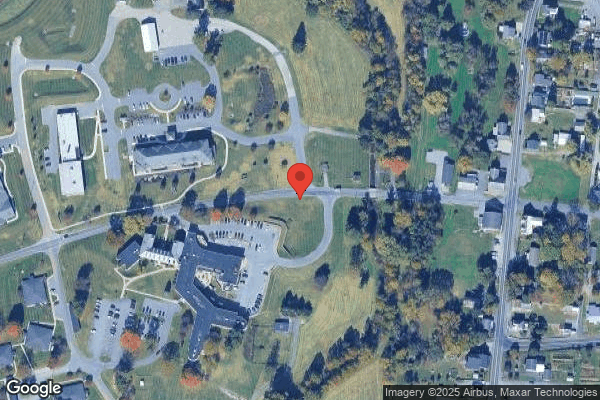

6596 ORPHANAGE ROAD, WAYNESBORO, PA 17268 (717) 302-7801
Non profit - Corporation 94 Beds PRESBYTERIAN SENIOR LIVING Data: November 2025
Trust Grade
75/100
#220 of 653 in PA
Last Inspection: February 2025

Within standard 12-15 month inspection cycle. Federal law requires annual inspections.

Overview

Quincy Retirement Community in Waynesboro, Pennsylvania, has received a Trust Grade of B, indicating it is a good choice for families seeking care. With a state rank of #220 out of 653 facilities, it is in the top half, and at #4 out of 9 in Franklin County, only three local options rank higher. The facility is improving, having reduced its issues from 7 in 2024 to 4 in 2025. Staffing is a relative strength, with a rating of 4 out of 5 stars and a turnover rate of 37%, which is below the Pennsylvania average of 46%. While there have been no fines, there are some concerns, including incomplete medical records for a resident and failure to revise care plans for others, which could impact the quality of care provided. Overall, Quincy Retirement Community has solid strengths, but potential residents should note the areas needing improvement.

Trust Score
B
75/100
In Pennsylvania
#220/653
Top 33%
Safety Record
Low Risk
No red flags
Inspections
Getting Better
7 → 4 violations
Staff Stability
○ Average
37% turnover. Near Pennsylvania's 48% average. Typical for the industry.
Penalties
✓ Good
No fines on record. Clean compliance history, better than most Pennsylvania facilities.
Skilled Nurses
✓ Good
Each resident gets 49 minutes of Registered Nurse (RN) attention daily — more than average for Pennsylvania. RNs are trained to catch health problems early.
Violations
⚠ Watch
17 deficiencies on record. Higher than average. Multiple issues found across inspections.
★★★★☆
4.0
Overall Rating
★★★★☆
4.0
Staff Levels
★★★☆☆
3.0
Care Quality
★★★★☆
4.0
Inspection Score
Stable
2024: 7 issues
2025: 4 issues

The Good

  • 4-Star Staffing Rating · Above-average nurse staffing levels
  • Full Sprinkler Coverage · Fire safety systems throughout facility
  • No fines on record
  • Staff turnover below average (37%)

    11 points below Pennsylvania average of 48%

Facility shows strength in staffing levels, fire safety.

The Bad

Staff Turnover: 37%

Near Pennsylvania avg (46%)

Typical for the industry

Chain: PRESBYTERIAN SENIOR LIVING

Part of a multi-facility chain

Ask about local staffing decisions and management

The Ugly 17 deficiencies on record

Feb 2025 4 deficiencies
CONCERN (D)

Potential for Harm - no one hurt, but risky conditions existed

Assessment Accuracy (Tag F0641)

Could have caused harm · This affected 1 resident

Based on clinical record review and resident and staff interviews, it was determined that the facility failed to ensure that the resident assessment accurately reflected the resident's status for thre...

Read full inspector narrative →
Based on clinical record review and resident and staff interviews, it was determined that the facility failed to ensure that the resident assessment accurately reflected the resident's status for three of 21 residents reviewed (Residents 1, 13, and 64). Findings include: Review of Resident 1's November 2024 MAR (Medication Administration Record - form used to document physician orders as well as when and how medications are administered to a resident) revealed an ongoing order for Olanzapine (antipsychotic medication) twice daily, effective September 14, 2024. Review of Resident 1's December 26, 2024, quarterly MDS (Minimum Data Set - an assessment tool to review all care areas specific to the resident such as a resident's physical, mental or psychosocial needs) revealed that this assessment was not coded to indicate that she had received antipsychotic medications since admission/entry, reentry, or the prior OBRA assessment (Omnibus Budget Reconciliation Act - set federal standards for nursing home care), whichever was more recent. Review of Resident 1's MDS assessment completion and submission schedule revealed that a comprehensive OBRA assessment was completed on October 28, 2024. In an email received from the Nursing Home Administrator (NHA) on February 6, 2025, at 10:32 AM, she acknowledged that the aforementioned MDS assessment was coded incorrectly and provided a corrected version. Review of a physician encounter report dated September 24, 2024, revealed that Resident 13 had an active colostomy (surgical procedure that bypasses part of the colon and redirects feces to come out of a new hole in the abdomen). Review of Resident 13's September 2024 TAR (Treatment Administration Record) revealed orders for colostomy care every shift, effective September 11, 2024. Review of Resident 13's September 25, 2024, quarterly MDS revealed that it was not coded to indicate that Resident 13 had an ostomy (including colostomy). In email correspondence received from the NHA on February 7, 2025, at 9:27 AM, she revealed that presence of Resident 13's colostomy should have been noted on the aforementioned MDS assessment. During an interview with Resident 64 on February 3, 2025, at 11:02 AM, she revealed that she was receiving wound care for an open area on her left heel. Review of wound consult report dated December 5, 2024, revealed that the wound on Resident 64's left heel was reclassified as a diabetic ulcer (slow healing wounds that develop due to nerve damage, poor circulation, or injury in people with diabetes) associated with type 2 diabetes mellitus (impairment in the way the body regulates and uses sugar [glucose] as a fuel, resulting in too much sugar circulating in the bloodstream). Review of Resident 64's December 17, 2024, quarterly assessment revealed it was not coded to indicate that Resident 64 had a diabetic ulcer. In an email received from the NHA on February 7, 2025, at 9:27 AM, she confirmed that MDS errors existed and would be addressed. 28 Pa. Code 211.12(1)(3)(5) Nursing services
CONCERN (D)

Potential for Harm - no one hurt, but risky conditions existed

Comprehensive Care Plan (Tag F0656)

Could have caused harm · This affected 1 resident

Based on staff interview and record review, it was determined that the facility failed to develop a comprehensive care plan that included a history of urinary tract infections (UTI's) for one of 21 re...

Read full inspector narrative →
Based on staff interview and record review, it was determined that the facility failed to develop a comprehensive care plan that included a history of urinary tract infections (UTI's) for one of 21 records reviewed (Resident 43). Findings include: A review of the clinical record for Resident 43 revealed diagnoses that included history of UTI's and Non-Alzheimer's Dementia (a group of cognitive disorders that cause memory loss, confusion, and other symptoms observed with Alzheimer's disease but have different underlying causes). A review of the clinical record for Resident 43 revealed admission to the facility on September 13, 2024. Resident 43 was admitted with a diagnoses of UTI. Resident 43 was ordered Macrobid (antibiotic) 100 mg (milligram) for 10 days. The clinical record also revealed that Resident 43 had a UTI on February 9, 2024. Resident 43's Urologist (a doctor who specializes in the urinary tract system) ordered Nitrofurantoin MCR (antibiotic) 50 mg capsule by mouth daily as a preventive measure due to a history of UTI's. A review of Resident 43's care plan failed to reveal a care plan with a focus on UTI's. During an interview with the Nursing Home Administrator (NHA) on February 5, 2025, at 11:00 AM, the NHA confirmed the comprehensive care plan with a focus on UTI's should have been developed for Resident 43. 211.12(d)(1)(5) Nursing services
CONCERN (D)

Potential for Harm - no one hurt, but risky conditions existed

Deficiency F0657 (Tag F0657)

Could have caused harm · This affected 1 resident

Based on observation, clinical record review, and staff interview, it was determined that the resident care plan was not reviewed and revised to reflect the resident's current status for one of 21 res...

Read full inspector narrative →
Based on observation, clinical record review, and staff interview, it was determined that the resident care plan was not reviewed and revised to reflect the resident's current status for one of 21 residents reviewed (Resident 10). Findings include: Review of Resident 10's clinical record revealed diagnoses that included type 2 diabetes mellitus (impairment in the way the body regulates and uses sugar [glucose] as a fuel, resulting in too much sugar circulating in the bloodstream) and stage 3 chronic kidney disease (moderate loss of kidney function). Review of Resident 10's active care plan on February 4, 2024, at 1:00 PM, revealed that she was careplanned for having an indwelling catheter (device inserted into the bladder for drainage). Review of hospital notes dated October 26, 2024, revealed that Resident 10's foley catheter was removed on that date. Observation of Resident 10 on February 4, 2025, at 9:37 AM, failed to reveal the presence of a catheter. Review of Resident 10's February 2025 MAR and TAR (Medication and Treatment Records) failed to reveal any orders for an indwelling catheter. In email correspondence received from the Nursing Home Administrator on February 7, 2025, at 9:27 AM, she confirmed that a care plan issue existed. Review of Resident 10's care plan on February 7, 2025, at 9:00 AM, revealed that it had been updated and information regarding Resident 10 having an indwelling catheter had been removed. 28 Pa. Code 211.12(d)(1)(5) Nursing services
CONCERN (E)

Potential for Harm - no one hurt, but risky conditions existed

Medical Records (Tag F0842)

Could have caused harm · This affected multiple residents

Based on clinical record review and resident and staff interviews, it was determined that the facility failed to ensure that residents' medical records were complete and accurately documented for one ...

Read full inspector narrative →
Based on clinical record review and resident and staff interviews, it was determined that the facility failed to ensure that residents' medical records were complete and accurately documented for one of 18 residents reviewed (Resident 5). Findings include: Review of Resident 5's clinical record revealed diagnoses that included fracture of the left ulna (break of the bone in the forearm) and anxiety disorder (excessive and persistent worrying). Review of Resident 5's January TAR (Treatment Administration Record - form used to document physician orders as well as when and how treatments are administered to a resident) revealed the following order was not documented as being completed on the dates noted: splint - three times a day, ensure left arm splint on left arm at all times; not documented day shift January 28 and 29, 2025; evening shift January 25, 30, and 31, 2025; and night shift January 23, 24, and 31, 2025, and February 5, 2025. During an interview with Resident 5 on February 4, 2025 at 10:41 AM, it was revealed she wears the brace at all times since having her cast removed about two weeks ago. Email correspondence with the Nursing Home Administrator (NHA) on February 6, 2025, at 3:38 PM, revealed the facility had no additional information to provide in regard to the missing documentation. The NHA stated it was the expectation of the facility that documentation be completed accurately. 28 Pa. Code 211.5(f) Clinical records 28 Pa. Code 211.12(d)(1)(5) Nursing services
Mar 2024 7 deficiencies
CONCERN (D)

Potential for Harm - no one hurt, but risky conditions existed

Deficiency F0661 (Tag F0661)

Could have caused harm · This affected 1 resident

**NOTE- TERMS IN BRACKETS HAVE BEEN EDITED TO PROTECT CONFIDENTIALITY** Based on facility policy review, clinical record review, and staff interviews, it was determined that the facility failed to ens...

Read full inspector narrative →
**NOTE- TERMS IN BRACKETS HAVE BEEN EDITED TO PROTECT CONFIDENTIALITY** Based on facility policy review, clinical record review, and staff interviews, it was determined that the facility failed to ensure a resident's physician's discharge summary included all required documentation for two of three residents reviewed for discharge (Residents 83 and 85). Findings include: Review of facility policy, titled Physician Services, with a last approved date of [DATE], revealed 13. The physician, CRNP [Certified Registered Nurse Practitioner], or PA [Physician Assistant] must complete a Discharge Summary that includes a recapitulation of the resident stay and pertinent instructions for continuity of care upon discharge. Review of Resident 83's clinical record on [DATE], at approximately 10:00 AM, revealed Resident 83 was admitted to the facility on [DATE], with diagnoses including Parkinson's disease (progressive and irreversible neurological disease that causes decreased control of the nervous system resulting in stiffness, slowing of movement, and uncontrolled bodily movements) and respiratory syncytial virus (RSV - virus that infects the respiratory system that causes mild cold-like symptoms that can be severe in elderly adults). Review of Resident 83's clinical record revealed that Resident 83's family elected hospice services after admission on [DATE]. Further review of the clinical record revealed that hospice services were started for Resident 83 on [DATE]. Review of Resident 83's clinical record revealed that between [DATE] and 8, 2023, Resident 83's health declined, and it was documented that Resident 83 exhibited less responsiveness, audible chest congestion, labored breathing, and loss of gag-reflex. Review of Resident 83's clinical record revealed that on [DATE], Resident 83 expired. Review of Resident 83's death certificate, signed and dated [DATE], revealed it documented Resident 83's immediate cause of death as acute cardiopulmonary collapse, with underlying causes of, pneumonia and rsv bronchitis. Review of Resident 83's physician discharge summary, signed [DATE], revealed it stated, Patient expired on [DATE] .dementia/[A]lzheimers. Review of available clinical documentation revealed Resident 83 had not previously been diagnosed with Alzheimer's dementia and did not expire as a result of Alzheimer's dementia. Further, the physician's discharge summary did not include a recapitulation of the Resident's stay that included course of illness and treatment, including the hospice admission, nor did it include accurate diagnosis information. As of [DATE], at 1:15 PM, the facility had no further information to provide. Review of Resident 85's clinical record revealed diagnoses that included Parkinson's disease (a long term degenerative disorder of the central nervous system that mainly affects the motor system), encephalopathy (broad term for any brain disease that alters brain function or structure), and muscle weakness. Review of Resident 85's clinical record revealed that they were transferred to the hospital on [DATE], that the Resident declined to hold their bed at the facility, and was, therefore, discharged . Review of Resident 85's physician discharge summary, signed [DATE], revealed it stated, Patient admitted to hospital, dropped behold. The only other information included on this discharge summary were the diagnoses of confusion and ambulatory dysfunction (difficulty walking). The discharge summary failed to include a recapitulation of the Resident's stay that included course of illness and treatment. During an interview with the Nursing Home Administrator (NHA) and the Assistant Director of Nursing on [DATE], at 12:09 PM, the concern with the discharge summary was shared. The NHA indicated that she would review. Email communication received from the NHA [DATE], at 12:30 PM, indicated that she felt the summary was based on the physician's / nurse practitioner's assessment and that, although it was brief, it seemed to meet the regulation to her. 28 Pa. Code 201.14(a) Responsibility of licensee 28 Pa. Code 211.5(f)(xi) Medical records
CONCERN (D)

Potential for Harm - no one hurt, but risky conditions existed

Incontinence Care (Tag F0690)

Could have caused harm · This affected 1 resident

Based on clinical record review and staff interview, it was determined that the facility failed to provide care and services for urinary catheters consistent with the resident's comprehensive plan of ...

Read full inspector narrative →
Based on clinical record review and staff interview, it was determined that the facility failed to provide care and services for urinary catheters consistent with the resident's comprehensive plan of care for one of six residents reviewed for urinary catheters (Resident 63). Findings include: Review of Resident 63's clinical record on March 4, 2024, at approximately 1:00 PM, revealed diagnoses that included chronic kidney disease (CKD - decreased ability of the kidneys to filter toxin from the blood and produce urine) and osteomyelitis (infection of the bone) with sepsis (life threatening condition that results in dysfunction of the immune system entering the blood stream and causing inflammation in organs through out the body). Review of Resident 63's clinical record revealed Resident 63 utilized a urostomy (surgical opening to the bladder through the skin) with a catheter for urine elimination. Review of Resident 63's comprehensive plan of care revealed that Resident 63 had a care plan with the identified problem of, [Resident 63] has an ostomy to divert urine [related to] urostomy. Review of the goal of care plan revealed the goal was, [Resident 63] will have urinary diversion managed appropriately: drainage appropriate amount, type, color, odor, stoma correct size, pink free of breakdown and infection, surrounding skin free of breakdown, rash and infection. Review of the care plan interventions revealed one of the interventions for nursing staff were to, Check/record drainage (amount, type, color, odor). Observe for leakage. Review of Resident 63's clinical record revealed that staff were not recording the characteristics (amount, type, color, odor) of the urine drained from the urostomy bag. During a staff interview on March 7, 2024, at approximately 11:15 AM, Nursing Home Administrator confirmed that staff were not recording Resident urine characteristics and added that there was no physician order to do so. 28 Pa code 211.12(d)(1)(5) Nursing services
CONCERN (D)

Potential for Harm - no one hurt, but risky conditions existed

Medication Errors (Tag F0758)

Could have caused harm · This affected 1 resident

Based on policy review, clinical record review, and staff interview, it was determined that the facility failed to ensure that residents were free of unnecessary psychotropic medications for one of si...

Read full inspector narrative →
Based on policy review, clinical record review, and staff interview, it was determined that the facility failed to ensure that residents were free of unnecessary psychotropic medications for one of six residents reviewed for unnecessary medications (Resident 61). Findings include: Review of facility policy, titled Management of Behavioral or Psychological Symptoms of Dementia-BPSD with or without Antipsychotic, with a last approved date of December 22, 2023, revealed the following, in part: The FDA [Food and Drug Administration] Black Box Warning Regarding Atypical & Conventional Antipsychotic in Dementia states, 'Elderly patients with dementia-related psychosis treated with atypical antipsychotic drugs are at an increased risk of death compared to placebo; Residents/families/representatives should be involved in discussions about potential approaches to address behaviors and about the potential risks and benefits of a psychopharmacological medication (e.g., FDA black box warnings), the proposed course of treatment, expected duration of use of the medication, use of individualized approaches, plans to evaluate the effects of the treatment, and pertinent alternatives. The discussion should be documented in the resident's record; and D. Monitoring of behaviors/antipsychotic use through community At Risk committee at least annually with IDT to include pharmacist reviews of medication use. 1. Include gradual dose reduction attempts and results.' Review of facility policy, titled Medication Orders: IB3: Stop Orders, with a last review date of December 7, 2023, indicated, in part: A. The following medications, whether the order is for routine or as needed (PRN) use, are stopped automatically after the indicated number of days, unless the prescriber specifies a different number of doses or duration of therapy to be given. 7) PRN psychotropic medication orders - 14 days. Review of Resident 61's clinical record revealed diagnoses that included dementia (a chronic disorder of the mental processes caused by brain disease, and marked by memory disorders, personality changes, and impaired reasoning); anxiety (mental health disorder characterized by feelings of worry, anxiety, or fear that are strong enough to interfere with one's daily activities), and major depressive disorder (mental health disorder characterized by persistently depressed mood or loss of interest in daily activities). Review of Resident 61's current physician orders on March 6, 2024, at approximately 10:15 AM, revealed an order for haloperidol (an antipsychotic medication), give 1 milligram as needed every 12 hours for behaviors, dated February 8, 2024, with no stop date indicated. During an interview with the Nursing Home Administrator (NHA), Director of Nursing (DON), and Assistant Director of Nursing (ADON), on March 6, 2024, at 11:48 AM, the concern was shared that an antipsychotic medication was ordered PRN with no 14-day stop date implemented or documentation as to why the order was extended beyond 14 days. Additional information was requested. Email communication received from the DON on March 6, 2024, at 12:53 PM, indicated that Resident 61's routine Haldol was discontinued on February 8, 2024. The DON further indicated that Resident 61 had a history of significant behaviors, but that the facility staff and Resident 61's hospice provider felt that the routine dose could be discontinued and the PRN Haldol could be added in case it was needed to support hospice philosophy for end of life comfort. She further indicated that the PRN Haldol was used only once in February 2024 since the time the routine dose was discontinued. Review of Resident 61's February 2024 Medication Administration Record revealed that they received a PRN dose of the Haldol on February 27, 2024, at 8:42 PM; a total of 20 days after the order was originally written. Review of Resident 61's physician's progress note dated February 12, 2024, failed to include any documentation of Resident 61 being on Haldol or a rationale for continuing the PRN Haldol past the 14 day threshold. Email communication received from DON on March 6, 2024, at 1:19 PM, indicated that she would get the physician to put it in their progress note. Follow-up email communication sent to the DON on March 6, 2024, at 1:34 PM, reiterated the concern that this had not occurred at the time the medication was originally ordered, or at the 14-day point. Review of Resident 61's March 2024 Medication Administration Record on March 6, 2024, at 1:40 PM, revealed that they have not received any PRN doses of the Haldol thus far in March. Email communication was sent to the NHA on March 6, 2024, at 5:00 PM, requesting a copy of Resident 61's consent for the use of the antipsychotic medication (Haldol) or information to indicate that the resident's responsible party was educated on the risks versus benefits of the medication and their Abnormal Involuntary Movement Scale (a rating scale designed to measure involuntary movements known as tardive dyskinesia that can occur with the use of antipsychotic medications) screening results. During an interview with the NHA on March 7, 2023, at 9:19 AM, she indicated that they did not have any other documentation to provide. She said that there were no AIMS screenings completed and that there was no consent or documentation of risk versus benefit education with Resident 61's responsible party for the use of the Haldol at any point. She further indicated that they have processes in place for these to occur, but that they were missed for Resident 61, possibly because they were on hospice. 28 Pa. Code 211.12(d)(1)(2)(3)(5) Nursing services
CONCERN (E)

Potential for Harm - no one hurt, but risky conditions existed

Assessment Accuracy (Tag F0641)

Could have caused harm · This affected multiple residents

**NOTE- TERMS IN BRACKETS HAVE BEEN EDITED TO PROTECT CONFIDENTIALITY** Based on clinical record review and staff interviews, it was determined that the facility failed to ensure that the resident ass...

Read full inspector narrative →
**NOTE- TERMS IN BRACKETS HAVE BEEN EDITED TO PROTECT CONFIDENTIALITY** Based on clinical record review and staff interviews, it was determined that the facility failed to ensure that the resident assessment accurately reflected the resident's status for five of 18 residents reviewed (Residents 8, 19, 49, 56, and 76). Findings include: Review of Resident 8's clinical record revealed diagnoses that included chronic kidney disease (CKD - longstanding disease of the kidneys leading to renal failure) and diabetes mellitus type II (disease that occurs when your blood glucose, also called blood sugar, is too high, but does not require the use of insulin). Further review of Resident 8's clinical record revealed their admission progress note dated January 2, 2024, which indicated the presence of an unstageable deep tissue injury. Review of Resident 8's Comprehensive MDS (Minimum Data Set - an assessment tool to review all care areas specific to the resident such as a resident's physical, mental or psychosocial needs) with the assessment reference date (last day of the assessment period) of January 8, 2024, revealed in Section M. Skin Conditions at question 0300, that they had an unhealed pressure ulcer staged as an unstageable deep tissue injury that was not present upon admission. During an interview with the Nursing Home Administrator (NHA) and Director of Nursing (DON) on March 6, 2024, at 11:50 AM, the aforementioned coding concern was shared for follow-up. Email communication received from NHA on March 6, 2024, at 2:01 PM, confirmed that the MDS was coded in error and that a modification to the assessment was completed. She also indicated that she would expect the MDS to be completed accurately. Review of Resident 19's clinical record revealed diagnoses that included ischemic cardiomyopathy (the decreased ability of the heart to pump blood properly due to heart damage caused by blockages of blood vessels supplying the area) and diabetes mellitus (disease that occurs when your blood glucose, also called blood sugar, is too high). Review of Resident 19's Quarterly MDS with the assessment reference date of February 12, 2024, revealed in Section N. Medications at question N0350, that they had received insulin (a hypoglycemic medication used to treat diabetes) injections for seven days during the assessment period. Further review of Section N. revealed at question N0415 High Risk Drug Classes, that they were not coded as having received a hypoglycemic medication. During an interview with the NHA and DON on March 6, 2024, at 11:50 AM, the aforementioned coding concern was shared for follow-up. Email communication received from NHA on March 7, 2024, at 11:47 AM, confirmed that the MDS was coded in error and that a modification to the assessment was completed. During a follow-up interview with the NHA and the Assistant DON on March 7, 2024, at 12:05 PM, the NHA indicated that she would expect the MDS to be completed accurately. Review of Resident 49's clinical record on March 5, 2024, at 11:36 AM, revealed diagnoses that included type II diabetes and generalized anxiety disorder (excessive worry about everyday issues and situations). Review of Resident 49's physician orders revealed an order for Lantus Solostar (long-acting insulin) 100 units/milliliter, give eight units daily for type two diabetes with hyperglycemia (high blood sugar). Review of Resident 49's MDS section N0415 high-risk drug classes: use and indication, revealed the facility failed to indicate Resident 49's use of hypoglycemic (including insulin) medication for two MDS assessments: the comprehensive MDS dated [DATE], and quarterly MDS dated [DATE]. Review of Resident 49's medication administration record for September 2023, October 2023, December 2023, and January 2024, revealed Resident 49 received Lantus Solostar insulin during the seven day look back period for both the comprehensive MDS dated [DATE] and the quarterly MDS dated [DATE]. Email communication on March 6, 2024, at 1:09 PM, with the NHA, revealed that Resident 49's quarterly and comprehensive MDS assessments had been reviewed and modifications were made. Additional email communication on March 6, 2024, at 1:13 PM, with the NHA revealed it was the expectation of the facility for MDS assessments to be accurate. Review of Resident 56's clinical record on March 5, 2024, at 2:00 PM, revealed diagnoses that included obstructive and reflux uropathy (occurs when urine cannot drain through the urinary tract, causing urine to back up into the kidney) and bacteremia (bacteria in the bloodstream). Further review of Resident 56's clinical record revealed Resident 56 was hospitalized [DATE], until January 31, 2024, for bacteremia due to complicated urinary tract infection (UTI). Review of Resident 56's hospital discharge summary revealed urine culture results dated January 29, 2024, showing Resident 56's urine was positive for multidrug resistant Enterobacter cloacae complex (MDRO - a type of bacterium associated with healthcare-related infections). Review of Resident 56's physician progress notes revealed a history and physical dated February 1, 2024, that stated, in part, .sepsis with Enterobacter secondary to UTI . Review of Resident 56's quarterly Minimum Data Set, dated [DATE], sections I1700 Multi drug resistant organism and I1200 Septicemia, revealed the facility failed to indicate Resident 56's diagnoses of sepsis and MDRO. Email communication on March 7, 2024, at 10:31 AM, with Employee 2 (Registered Nurse Assessment Coordinator), revealed that Resident 56's quarterly MDS had been reviewed and modifications were made. Email communication on March 7, 2024, at 12:28 PM, with the NHA revealed it was the expectation of the facility for MDS assessments to be accurate. Review of Resident 76's clinical record revealed diagnoses that included CKD and diabetes mellitus type II. Review of Resident 76's Comprehensive MDS with the assessment reference date of December 18, 2023, revealed in Section N. Medications at question N0350 that they had received insulin injections for seven days during the assessment period. Review of Resident 76's physician orders failed to reveal any orders for insulin. During an interview with the NHA and DON on March 6, 2024, at 11:55 AM, the aforementioned coding concern was shared for follow-up. Email communication received from the NHA on March 6, 2024, at 4:04 PM, confirmed that the MDS was coded in error and that a modification to the assessment was completed. She also indicated that she would expect the MDS to be completed accurately. 28 Pa. Code 211.12(d)(1)(3)(5) Nursing services
CONCERN (E)

Potential for Harm - no one hurt, but risky conditions existed

Deficiency F0657 (Tag F0657)

Could have caused harm · This affected multiple residents

**NOTE- TERMS IN BRACKETS HAVE BEEN EDITED TO PROTECT CONFIDENTIALITY** Based on facility policy review, clinical record review, and staff interviews, it was determined that the facility failed to ens...

Read full inspector narrative →
**NOTE- TERMS IN BRACKETS HAVE BEEN EDITED TO PROTECT CONFIDENTIALITY** Based on facility policy review, clinical record review, and staff interviews, it was determined that the facility failed to ensure the care plan was reviewed and revised for three of 21 residents reviewed (Residents 8, 19, and 56). Findings include: Review of facility policy, titled Care Planning, with a last review date of December 7, 2023, revealed, in part: Presbyterian Senior Living will comprehensively evaluate and re-evaluate a resident's need for service and develop a plan to promote their highest practicable level of functioning as set forth by our Mission Statement as well as State and Federal guidelines . 10. The care plan will be updated electronically as needed; and 11. The care plan will be reviewed and evaluated for intervention effectiveness no less than quarterly. Review of Resident 8's clinical record revealed diagnoses that included chronic kidney disease (CKD - longstanding disease of the kidneys leading to renal failure) and diabetes mellitus type II (disease that occurs when your blood glucose, also called blood sugar, is too high, but does not require the use of insulin). Review of Resident 8's care plan revealed a care plan problem for a pressure ulcer related to a deep tissue injury to the left heel, dated February 5, 2024. Further review of Resident 8's clinical record revealed that their pressure ulcer was resolved on February 20, 2024. During an interview with the Nursing Home Administrator (NHA) and Director of Nursing on March 6, 2024, at 11:50 AM, the above care plan concern was shared for further follow-up. An email communication received from the NHA on March 6, 2024, at 2:01 PM, confirmed that the care plan should have been revised when the pressure ulcer resolved. Review of Resident 19's clinical record revealed diagnoses that included ischemic cardiomyopathy (the decreased ability of the heart to pump blood properly due to heart damage caused by blockages of blood vessels supplying the area) and the presence of an automatic (implantable) cardiac defibrillator (pacemaker). Review of Resident 19's physician orders revealed an order to completed a pacemaker device remote check, dated September 19, 2023. Review of Resident 19's care plan failed to reveal any documentation of the presence of the defibrillator/pacemaker, the intervention of testing, or any safety measures needed. During an interview with the NHA on March 7, 2024, at 9:30 AM, the above concern was shared for further follow-up. During a follow-up interview with the NHA and Employee 2 (Registered Nurse Assessment Coordinator [RNAC]) on March 7, 2024, at 12:04 PM, Employee 2 confirmed that the pacemaker was not care planned and the care plan had been revised. The NHA confirmed that she would expect care plans to be comprehensive. Review of Resident 56's clinical record on March 5, 2024, at 2:00 PM, revealed diagnoses that included obstructive and reflux uropathy (occurs when urine cannot drain through the urinary tract, causing urine to back up into the kidney) and bacteremia (bacteria in the bloodstream). Further review of Resident 56's clinical record revealed Resident 56 was hospitalized [DATE], until January 31, 2024, for bacteremia due to complicated urinary tract infection (UTI). Review of Resident 56's hospital discharge summary revealed urine culture results dated January 29, 2024, showing Resident 56's urine was positive for multidrug resistant Enterobacter cloacae complex (MDRO [multi-drug resistant organism] - a type of bacterium associated with healthcare-related infections). Review of Resident 56's comprehensive plan of care revealed the facility failed to update the comprehensive care plan to include the new identification and diagnosis of an MRDO in the urine. During a staff interview March 7, 2024, at 12:02 PM, with the NHA and Employee 2, Employee 2 revealed Resident 56's care plan had been reviewed and updated. Email communication March 7, 2024, at 12:28 PM, with the NHA revealed it is the facility's expectation that the care plan would have been updated timely. 28 Pa. Code 211.12(d)(1)(2)(3)(5) Nursing services
CONCERN (E)

Potential for Harm - no one hurt, but risky conditions existed

Quality of Care (Tag F0684)

Could have caused harm · This affected multiple residents

Based on facility policy review, observations, clinical record review, and staff interviews, it was determined that the facility failed to ensure care and services are provided in accordance with prof...

Read full inspector narrative →
Based on facility policy review, observations, clinical record review, and staff interviews, it was determined that the facility failed to ensure care and services are provided in accordance with professional standards of practice to meet each resident's physical, mental, and psychosocial needs for one of 18 residents reviewed (Resident 19). Findings include: Review of facility policy, titled Wound Care, with a last approved date of December 12, 2023, revealed, in part: Care of wounds is provided in accordance with current research and practice guidelines in order to facilitate healing and/or provide comfort and symptom control as appropriate. Review of Resident 19's clinical record revealed diagnoses that included diabetes mellitus (disease that occurs when your blood glucose, also called blood sugar, is too high), ischemic cardiomyopathy (the decreased ability of the heart to pump blood properly due to heart damage caused by blockages of blood vessels supplying the area), and polyneuropathy (the simultaneous malfunction of many peripheral nerves throughout the body). Observation of Resident 19 on March 4, 2024, at 1:38 PM, revealed the presence of dressings to their bilateral (both) lower legs. Review of Resident 19's physician orders revealed the following orders: cleanse open areas to lower legs, cover with Xeroform (a non-adherent type dressing), ABD (absorbent type dressing), and kling (a gauze type wrap) then apply ACE wraps (elastic type wrap), change every three days and as needed for soiling/lifting, dated January 22, 2024; and an order to cleanse open areas to lower legs, cover with Xeroform, ABD, and kling then apply ACE wraps change every three days and as needed for soiling/lifting, dated November 29, 2023. Review of Resident 19's clinical record under section titled Skin Condition, revealed it did not include any identified areas to their legs. Review of Resident 19's clinical record nurses notes from November 29, 2023, through March 5, 2024, at approximately 9:30 AM, revealed that there were various notes indicating that their dressings were intact or changed, but the notes failed to include any description of Resident 19's actual skin appearance. Review of Resident 19's physician progress note dated February 8, 2024, revealed that it did not include any assessment or documentation of Resident 19's skin condition on their bilateral lower extremities. Review of Resident 19's care plan revealed a problem for a chronic skin condition of dry skin that flakes off and exposes wounds, dated February 19, 2024, with no identified goal, and one intervention to apply treatment to legs as ordered, dated February 19, 2024. During an interview with the Nursing Home Administrator (NHA), Director of Nursing (DON), and the Assistant Director of Nursing (ADON) on March 6, 2024, at 11:55 AM, the aforementioned concerns were shared for further follow-up and additional information was requested. During an interview with the ADON on March 6, 2024, at 2:02 PM, she indicated that she does not follow Resident 19 on her weekly wound rounds. She said that the nurses assigned to Resident 19 complete the dressing changes. Again, the concern was shared that there was no documentation of an assessment or evaluation of the condition or appearance of Resident 19's legs to identify if or what was present on their legs. ADON then indicated that the physician would be in tomorrow and could take a look at them to see what they are. It was, again, shared that there was no documentation of any assessment of Resident 19's skin condition to their bilateral lower legs from November 2023, through present. Email communication received from NHA on March 6, 2024, at 4:01 PM, included a copy of a progress note dated March 6, 2024, that indicated it was a late entry from March 4, 2024. This progress note indicated that Resident 19's treatment was provided to their bilateral lower legs. In addition, the note indicated that Resident 19's bilateral lower legs remained reddened with multiple scattered open areas from the top of right foot to their mid lower right thigh, and left leg from mid shin to upper knee; both with scattered open areas draining small serosanguinous (thin, slightly yellow fluid with a pink tinge) drainage. During an interview with the NHA and ADON on March 7, 2024, at 12:08 PM, the ADON indicated that they do not do skin sheets for chronic skin conditions. The concern was shared that the March 6, 2024, nurse's note indicated multiple scattered open areas with no measurements. She indicated that Resident 19 has a chronic skin condition in which skin flakes off and creates open areas, some of which could be very small in nature. She confirmed that there was no documentation of the size of the identified multiple open areas, and that she would expect staff to document a full evaluation or an assessment of these areas in their notes with dressing changes so that the effectiveness of the treatments could be determined and appropriate follow-up completed. As of March 7, 2024, at 1:15 PM, the facility had provided no other additional information. 28 Pa. Code 201.18(b)(1) Management 28 Pa. Code 211.10(d) Resident Care Policies 28 Pa. Code 211.12(d)(1)(2)(3)(5) Nursing services
CONCERN (E)

Potential for Harm - no one hurt, but risky conditions existed

Infection Control (Tag F0880)

Could have caused harm · This affected multiple residents

**NOTE- TERMS IN BRACKETS HAVE BEEN EDITED TO PROTECT CONFIDENTIALITY** Based on staff interviews, facility policy review, and review of facility legionella guidelines, it was determined the facility ...

Read full inspector narrative →
**NOTE- TERMS IN BRACKETS HAVE BEEN EDITED TO PROTECT CONFIDENTIALITY** Based on staff interviews, facility policy review, and review of facility legionella guidelines, it was determined the facility failed to implement a Water Management Program for the prevention, detection, and control of water-borne contaminants, such as Legionella (a bacteria that may cause Legionnaires' Disease (a serious type of pneumonia)); and failed to maintain accurate infection control data. Findings include: A review of the facility policy, titled Anticipated Increase in Legionellosis Cases Due to Seasonality, dated June 12, 2023, failed to address any baseline or annual testing in the facility for water-borne contaminants, such as Legionella. A review of the facility policy, titled Surveillance for Health-Care Associated Infections (HAI), last reviewed February 22, 2024, stated, The purpose of the surveillance of infections is to identify both individual cases and trends in the transmission of epidemiologically significant organisms and Healthcare-Associated Infections, to permit interventions to try to slow or stop the transmission of such infections. A review of the facility guidelines (toolkit developed by CDC-Centers for Disease Control), titled Developing a Water Management Program to Reduce Legionella Growth and Spread in Buildings, determined the need for a water management program based on risk analysis. The facility risks, based on analysis, included being a healthcare facility where residents stay overnight and have acute or chronic problems and weakened immune systems; Residents are primarily older than 65 years; and the building has multiple rooms (housing units) with a centralized hot water system. During an interview with the Nursing Home Administrator (NHA) on March 6, 2024, at 11:00 AM, the NHA was unable to show evidence of routine environmental sample results of Legionella testing. The NHA added that the facility was having difficulty finding a local service provider to perform Legionella testing. A review of the facility infection control (IC) monthly log (data that should minimally include a resident identifier, room location, confirmed type and area of infection, treatment), dated January 2024, revealed 26 residents were listed as suspected for an infection and 8 are listed as confirmed, but the IC logs were not updated for the 26 residents to show confirmation of an infection with microbiology (laboratory/x-ray reports that confirm infection, type of bacteria, and recommended antibiotic), or that the infection was ruled out. A look back at previous months of IC data revealed the same as above. Further review of the January 2024 infection control (IC) data log revealed Resident 56 was documented as being admitted [DATE]. Resident 56 was actually admitted [DATE]. Resident 56's infection was listed as suspected, but was actually confirmed with microbiology reports for both infections in the blood and urinary tract. The organism (type of bacteria or treatment) was never documented on the IC log. During an interview with the Infection Control Preventionist (ICP) on March 7, 2024, the ICP stated that the system marks all residents as suspected and only those residents who are reported to the state reporting system are marked as confirmed; therefore, the logs do not reveal all of the confirmed infections and accuracy for tracking infections. During an interview with the Nursing Home Administrator (NHA) on March 7, 2024, at approximately 11:30 AM, the NHA agreed that IC data should be accurate. 28 Pa. Code 201.18(b)(1)(3) Management
Mar 2023 6 deficiencies
CONCERN (D)

Potential for Harm - no one hurt, but risky conditions existed

Transfer Notice (Tag F0623)

Could have caused harm · This affected 1 resident

Based on clinical record review and staff interview, it was determined that the facility failed to notify the resident or resident's representative and the Office of the State Long-Term Care Ombudsman...

Read full inspector narrative →
Based on clinical record review and staff interview, it was determined that the facility failed to notify the resident or resident's representative and the Office of the State Long-Term Care Ombudsman of resident transfers in writing and with the required transfer information for two of three residents reviewed for hospitalizations (Residents 29 and 81). Findings include: Review of Resident 29's clinical record revealed diagnoses that included dementia (irreversible, progressive degenerative disease of the brain, resulting in loss of reality contact and functioning ability) and Parkinson's disease (long-term movement disorder where the brain cells that control movement start to die and cause changes in how one moves, feels, and acts). Further review of Resident 29's clinical record revealed she was transferred out to the hospital on January 23, 2023, to be evaluated for a fracture. Review of the monthly list for emergency transfers that was sent by the facility to the Office of the State Long-Term Care Ombudsman revealed that Resident 29 was not included in the list of transfers that occurred in January 2023. During an interview with the Nursing Home Administrator (NHA) on March 23, 2023, at 12:06 PM, she revealed that the Resident did not appear on the system generated list of resident transfers/hospitalizations, so she was missed when the ombudsman was notified of the transfers for January 2023. Review of Resident 81's clinical record revealed diagnoses that included stage 4 chronic kidney disease (gradual loss of kidney function) and anemia (condition that develops when the blood lacks enough healthy red blood cells). Further review revealed that Resident 81 was transferred to the hospital on February 17, 2023, and was subsequently admitted . An additional review of Resident 81's clinical record failed to reveal that written notification was provided to the Resident or his Representative regarding his transfer to the hospital, which included the following required contents: reason for transfer, effective date of the transfer, location to which the resident was transferred, a statement of the resident's appeal rights, and contact information for the Office of the State Long-Term Care Ombudsman. During an interview with the NHA on March 23, 2023, at 11:05 AM, she revealed that neither the Resident nor his Representative received a notice of transfer since the back of the notice that contained the transfer information was inadvertently not copied. 28 Pa. Code 201.14(a) Responsibility of licensee
CONCERN (D)

Potential for Harm - no one hurt, but risky conditions existed

Deficiency F0657 (Tag F0657)

Could have caused harm · This affected 1 resident

Based on observation, clinical record review, and staff interview, it was determined that the facility failed to ensure that the resident care plan was reviewed and revised to reflect the resident's s...

Read full inspector narrative →
Based on observation, clinical record review, and staff interview, it was determined that the facility failed to ensure that the resident care plan was reviewed and revised to reflect the resident's status for two of 21 residents reviewed (Residents 64 and 69). Findings include: Review of Resident 64's clinical record revealed diagnoses that included fracture of thoracic vertebrae (middle part of the spine connecting the neck and back) and abnormality of gait and mobility. Review of Resident 64's current care plan revealed he was at risk for falls and lacked safety awareness. Further review revealed that he was to wear an Aspen collar (medical device worn around the neck that provides support as well as substantial motion restriction) at all times. This intervention was effective February 13, 2023. Observation of Resident 64 on March 20, 2023, at 10:44 AM, revealed him in his wheelchair in the hallway. He was not observed to be wearing a cervical collar. Review of nursing progress note dated December 21, 2022, revealed that Resident 64 was seen by neurosurgery who discontinued use of the Aspen cervical collar. During an interview with the Nursing Home Administrator (NHA) on March 23, 2023, at 12:10 PM, she confirmed that Resident 64's cervical collar was discontinued and that the care plan should have been updated when this occurred. Review of Resident 69's clinical record revealed diagnoses that included Alzheimer's disease (gradually progressive brain disorder that causes problems with memory, thinking, and behavior) and unspecified psychosis (abnormal condition of the mind that involves a loss of contact with reality). Review of Resident 69's current care plan on March 22, 2023, at 2:30 PM, revealed a care plan indicating that he desired to discharge to assisted living, with a noted discharge date of June 23, 2022. Review of clinical progress note dated January 10, 2023, revealed that a meeting was held that date with the interdisciplinary team and Resident's family member. Further review revealed that the Resident would be staying in long-term care. During an interview with the NHA on March 23, 2023, at approximately 12:00 PM, she revealed that she was unsure of why this information was appearing on the ongoing care plan since it was under the category of baseline plan of care. During an interview with the Registered Nurse Assessment Coordinator on March 23, 2023, at 12:31 PM, she revealed that baseline plan of care refers to a resident's discharge plan/status. She also confirmed that Resident 69 was not going to be able to return to assisted living, and that she had updated the care plan to reflect his current status. 28 Pa. Code 211.5(f) Clinical records 28 Pa. Code 211.11(d) Resident care plan 28 Pa. Code 211.12(d)(1)(5) Nursing services
CONCERN (D)

Potential for Harm - no one hurt, but risky conditions existed

Respiratory Care (Tag F0695)

Could have caused harm · This affected 1 resident

Based on review of facility policy, record review, observations, and staff interview, it was determined that the facility failed to provide respiratory care/oxygen services consistent with professiona...

Read full inspector narrative →
Based on review of facility policy, record review, observations, and staff interview, it was determined that the facility failed to provide respiratory care/oxygen services consistent with professional standards of practice for one of 21 residents reviewed (Resident 285). Findings include: Review of facility policy, titled Specific Medication Administration Procedures under section titled Nebulizer with a review date of February 13, 2023, indicated the following: S. When treatment is complete, turn off nebulizer and disconnect the t-piece, mouthpiece, and medication cup. U. Rinse and disinfect the nebulizer equipment according to manufacturer recommendations or 1) Wash pieces (except tubing) with warm, soapy water daily. Rinse with hot water. Allow to air dry completely on paper towel. W. When equipment is completely dry, store in a plastic bag with the Resident's name and date on it. Review of Resident 285's clinical record revealed diagnoses that included chronic obstructive pulmonary disease (COPD-a type of progressive lung disease characterized by long term respiratory symptoms and airflow limitations). Review of Resident 285's physician orders revealed an order for ipratropium-albuterol 0.5-3 (2.5) milligrams /(per) 3 milliliters (an inhaled respiratory medication/treatment administered via a small machine called a nebulizer) inhale one vial every six hours as needed for wheezing or shortness of breath. Observation of Resident 285 on March 21, 2023, at 11:40 AM, revealed their nebulizer treatment mask with medication chamber, still attached and not bagged, lying on nightstand on the Resident's left hand side of bed, beside a clear plastic bag that had no name or date noted. The nebulizer treatment tubing was dated March 19, 2023. Resident 285 was noted to be sitting a wheelchair on their right hand side of bed. Observation of Resident 285 on March 22, 2023, at 12:51 PM, revealed their nebulizer treatment mask with medication chamber, still attached and not bagged, lying on nightstand on the Resident's left hand side of bed, beside a clear plastic bag that had no name or date noted. The nebulizer treatment tubing was dated March 19, 2023. Resident 285 was noted to be sitting a wheelchair on their right hand side of bed. Employee 1 was shown the observation of nebulizer treatment mask on March 22, 2023, at 12:53 PM. Employee 1 indicated that the nebulizer treatment mask should be in the bag, lying next to the machine. She discarded the nebulizer treatment mask and medication chamber. Review of Resident 285's Medication Administration Record revealed that they had received an as needed medication nebulizer treatment on March 21, 2023, at 8:32 PM; and on March 22, 2023, at 6:02 AM. During an interview with Nursing Home Administrator (NHA) on March 23, 2023, at approximately 08:25 AM, the NHA was made aware of observations. The NHA indicated that she would have to review the policy in regards to it being bagged. Additionally, she wanted to look into it more because there are many variables and the Resident may have put it there. During a follow-up interview with NHA, Director of Nursing, and the Assistant Director of Nursing on March 23, 2023, at approximately 11:03 AM, the NHA indicated it was as observed and that she had no other information to provide. She further indicated that she would have expected the mask to have been bagged as per facility policy. 28 Pa code 211.12(d)(1)(2)-Nursing Services
CONCERN (D)

Potential for Harm - no one hurt, but risky conditions existed

Pharmacy Services (Tag F0755)

Could have caused harm · This affected 1 resident

**NOTE- TERMS IN BRACKETS HAVE BEEN EDITED TO PROTECT CONFIDENTIALITY** Based on facility policy review, facility documentation, clinical record review, and staff interview, it was determined that the...

Read full inspector narrative →
**NOTE- TERMS IN BRACKETS HAVE BEEN EDITED TO PROTECT CONFIDENTIALITY** Based on facility policy review, facility documentation, clinical record review, and staff interview, it was determined that the facility failed to ensure pharmaceutical services provide an accurate account for the disposition medication during the discharge process for one of three residents reviewed (Resident 82). Findings include: Review of facility policy, titled Disposal of Medications and Medication-Related Supplies with the last review date of February 13, 2023, revealed the following: D. The licensed healthcare professionals witnessing the destruction ensure that the following information is entered on the medication disposition form: 1) Date of destruction; 2) Resident's Name; 3) Name and strength of medication; and 4) Amount of medication destroyed; and E. The medication disposition form is kept on file in the facility according to policy, regulations, or applicable law. A review of the closed clinical record for Resident 82 on [DATE], revealed that Resident 82 was admitted to the facility on [DATE], and expired on [DATE]. Review of Resident 82's clinical record revealed diagnoses that included hypertension (high blood pressure) and combined diastolic and systolic congestive heart failure (a condition in which the heart ventricles cannot produce enough pressure to push blood out of the heart and the ventricles also cannot relax, expand, or fill with enough blood). Further review of Resident 82's closed record revealed that there was no documentation of the disposition of their medications at the time of discharge. During an interview with the Nursing Home Administrator (NHA) on [DATE], at 10:46 AM, the NHA indicated that the nurses said that they were at the end of the medication cycle and there weren't that many medications left, so they just placed the meds in the drug buster (an eco-friendly drug disposal system in which the solution starts to dissolve medications on contact) and that the staff did not complete a medication disposition form. During a follow-up interview with the NHA, the Director of Nursing, and the Assistant Director of Nursing on [DATE], at approximately 11:05 AM, the NHA indicated that she would expect the Medication Disposition sheet to be completed at time of discharge. 28 Pa. Code 211.9(j)Pharmacy services 28 Pa. Code 211.12(d)(1)(3)(5) Nursing services
CONCERN (D)

Potential for Harm - no one hurt, but risky conditions existed

Deficiency F0810 (Tag F0810)

Could have caused harm · This affected 1 resident

Based on observation, clinical record review, as well as staff interview, it was determined that the facility failed to provide assistive feeding devices for one of 18 residents reviewed (Resident 29)...

Read full inspector narrative →
Based on observation, clinical record review, as well as staff interview, it was determined that the facility failed to provide assistive feeding devices for one of 18 residents reviewed (Resident 29). Findings include: Review of Resident 29's clinical record revealed diagnoses that included Parkinson's disease (long-term movement disorder where the brain cells that control movement start to die and cause changes in how one moves, feels, and acts) and dementia (loss of memory, language, problem-solving, and other thinking abilities that are severe enough to interfere with daily life). Review of Resident 29's dietary orders revealed an order for food on a lipped plate and thin liquids in an adaptive cup with a lid and straw. This order was effective January 24, 2023. Observation on March 20, 2023, at 12:24 PM, revealed Resident 29 in bed, with her meal on her overbed table. Resident 29 was observed to be eating her meal with her hands. It was observed that her meal was served on a regular dinner plate, and her dessert was served on a smaller regular plate. Also present on her tray was a small plastic cup of water with a straw. During an immediate interview with Employee 6 (Nurse Aide), she confirmed that Resident 29 should have had lipped plates for her food. During an interview with the Nursing Home Administrator on March 23, 2023, at 11:15 AM, she revealed the expectation that Resident 29 should have been provided the appropriate adaptive eating equipment. 28 Pa. Code 201.14(a) Responsibility of licensee 28 Pa. Code 201.18(b)(1) Management 28 Pa. Code 211.12(d)(3)(5) Nursing services
CONCERN (D)

Potential for Harm - no one hurt, but risky conditions existed

Food Safety (Tag F0812)

Could have caused harm · This affected 1 resident

**NOTE- TERMS IN BRACKETS HAVE BEEN EDITED TO PROTECT CONFIDENTIALITY** Based on observations, policy review, and interviews, it was determined that the facility failed to store and serve food/beverag...

Read full inspector narrative →
**NOTE- TERMS IN BRACKETS HAVE BEEN EDITED TO PROTECT CONFIDENTIALITY** Based on observations, policy review, and interviews, it was determined that the facility failed to store and serve food/beverages in accordance with professional standards for food safety in two of nine freezers in the kitchen, in four of four nursing unit refrigerators, one of one activity room refrigerators, and one of two unit dining room refrigerators. Findings include: Review of facility policy, titled Labeling and Dating of Food with last approved date of May 2, 2022, revealed the following: all food received products must have a Date Received clearly marked on the package; if food item is in multiple units and is being kept in the original packaging, dating of each item should be done; all items removed from the main storage area must have a date received date on the individual item; cover, label, and date unused portions; open packages-use the Use By Label or Daymark Label and complete all sections on the label. During an tour of the kitchen with Employee 2 on March 20, 2023, from approximately 10:05 AM until 10:30 AM, observation of the dessert freezer revealed: one Ziploc package labeled peach puree with no date noted. Observation in the walk-in freezer revealed a clear, sealed bag of breaded strips that were not labeled with item name or date. Employee 2 discarded the items at time of discovery. Observations of nursing unit refrigerators revealed the following: 1) March 20, 2023, at 11:26 AM, [NAME] 2 unit refrigerator contained eight Mighty Shakes (a nutritional supplement) that were not dated with a thaw date. Each individual carton indicated that the shake was to be used within 14 days of thawing; 2) March 20, 2023, at 11:36 AM, [NAME] 2 unit refrigerator contained 14 Mighty Shakes that were not dated with a thaw date; 3) March 20, 2023, at 12:07 PM, [NAME] 1 unit refrigerator contained 10 Mighty Shakes that were not dated with a thaw date; and 4) March 21, 2023, at 9:35 AM, Chapelwood unit refrigerator contained six Mighty Shakes that were not dated with a thaw date; and a Ziploc bag of frozen round yellow patties that were not labeled with item name or date. Observation of the activity room ([NAME] Room) on March 21, 2023, at 9:45 AM, revealed the following observations: In the refrigerator section, a small foil package, not labeled with item name or date, and a plastic container of mustard with a manufacturer Best By date of March 18, 2023. In the freezer section, a package of open hot dog franks placed inside a sealed Ziploc bag, not dated with an opened date, but had a manufacturer Use or Freeze By date of July 26, 2022; another opened package of eight hot dog franks in a sealed Ziploc frozen, with no dates noted at all (both bags have an accumulation of ice on the inside of the sealed bags); and a bag of open, but secured, bag of frozen perogies that was not dated with an open date, but did contain a manufacturer expiration date of June 14, 2024. Nursing Home Administrator (NHA) was made aware of above findings on March 21, 2023, at approximately 11:30 AM. She indicated that she would look into it. Observation of second floor dining room on March 22, 2023, at 10:16 AM, revealed one Mighty Shake that was not dated with a thaw date. During an interview with Employee 3 on March 22, 2023, at approximately 9:25 AM, Employee 3 indicated that the undated items and the expired mustard were discarded from the activity room refrigerator and freezer. Employee 3 further indicated that these items are used for special activities for residents and that the perogies were left over from a recent special staff activity. During an interview with Employee 4 on March 22, 2023, at 10:29 AM, revealed that there are a total of 19 Mighty Shakes being used per day. The Asst Director of Dining pulled a report from US Foods from Jan-[DATE] and the amount ordered from the supplier shows an average over the past 7 weeks from [DATE], to be average of using 24 Mighty Shakes per day. Since they are stocked daily per need, they would be used within the 14 days from the freezer. During the interview on March 22, 2023, at approximately 9:25 AM with Employee 4, she confirmed that, although the usage information above would indicate that the Mighty Shakes should be used within the 14 day expiration date, there was really no way to confirm that any of the Mighty Shakes are within their 14 day expiration date as clearly indicated on the carton itself (14 days after thawing). During an interview with the NHA, Director of Nursing, Assistant Director of Nursing, and Executive Director on March 22, 2023, at 1:05 PM, the NHA confirmed that she would have expected items to have been labeled and dated according to facility policy, and that thaw dates should have been indicated on the mighty shakes so the exact expiration date could be identified to prevent one from being given to a resident past the manufacturer guidelines of 14 days after thawing expiration date. 28 Pa code 211.6(b)(c)(d) - Dietary Services
Understanding Severity Codes (click to expand)
Life-Threatening (Immediate Jeopardy)
J - Isolated K - Pattern L - Widespread
Actual Harm
G - Isolated H - Pattern I - Widespread
Potential for Harm
D - Isolated E - Pattern F - Widespread
No Harm (Minor)
A - Isolated B - Pattern C - Widespread

Questions to Ask on Your Visit

  • "Can I speak with families of current residents?"
  • "What's your RN coverage like on weekends and overnight?"

Our Honest Assessment

Strengths
  • • No major safety red flags. No abuse findings, life-threatening violations, or SFF status.
  • • No fines on record. Clean compliance history, better than most Pennsylvania facilities.
  • • 37% turnover. Below Pennsylvania's 48% average. Good staff retention means consistent care.
Concerns
  • • 17 deficiencies on record. Higher than average. Multiple issues found across inspections.
Bottom line: Generally positive indicators. Standard due diligence and a personal visit recommended.

About This Facility

What is Quincy Retirement Community's CMS Rating?

CMS assigns QUINCY RETIREMENT COMMUNITY an overall rating of 4 out of 5 stars, which is considered above average nationally. Within Pennsylvania, this rating places the facility higher than 99% of the state's 100 nursing homes. This rating reflects solid performance across the metrics CMS uses to evaluate nursing home quality.

How is Quincy Retirement Community Staffed?

CMS rates QUINCY RETIREMENT COMMUNITY's staffing level at 4 out of 5 stars, which is above average compared to other nursing homes. Staff turnover is 37%, compared to the Pennsylvania average of 46%. This relatively stable workforce can support continuity of care.

What Have Inspectors Found at Quincy Retirement Community?

State health inspectors documented 17 deficiencies at QUINCY RETIREMENT COMMUNITY during 2023 to 2025. These included: 17 with potential for harm.
Who Owns and Operates Quincy Retirement Community?

QUINCY RETIREMENT COMMUNITY is owned by a non-profit organization. Non-profit facilities reinvest revenue into operations rather than distributing to shareholders. The facility is operated by PRESBYTERIAN SENIOR LIVING, a chain that manages multiple nursing homes. With 94 certified beds and approximately 81 residents (about 86% occupancy), it is a smaller facility located in WAYNESBORO, Pennsylvania.

How Does Quincy Retirement Community Compare to Other Pennsylvania Nursing Homes?

Compared to the 100 nursing homes in Pennsylvania, QUINCY RETIREMENT COMMUNITY's overall rating (4 stars) is above the state average of 3.0, staff turnover (37%) is near the state average of 46%, and health inspection rating (4 stars) is above the national benchmark.

What Should Families Ask When Visiting Quincy Retirement Community?

Based on this facility's data, families visiting should ask: "Can I visit during a mealtime to observe dining assistance and food quality?" "How do you handle medical emergencies, and what is your hospital transfer rate?" "Can I speak with family members of current residents about their experience?"

Is Quincy Retirement Community Safe?

Based on CMS inspection data, QUINCY RETIREMENT COMMUNITY has a clean safety record: no substantiated abuse findings (meaning no confirmed cases of resident harm), no Immediate Jeopardy citations (the most serious violation level indicating risk of serious injury or death), and is not on the Special Focus Facility watch list (a federal program monitoring the lowest-performing 1% of nursing homes). The facility has a 4-star overall rating and ranks #1 of 100 nursing homes in Pennsylvania. While no facility is perfect, families should still ask about staff-to-resident ratios and recent inspection results during their visit.

Do Nurses at Quincy Retirement Community Stick Around?

QUINCY RETIREMENT COMMUNITY has a staff turnover rate of 37%, which is about average for Pennsylvania nursing homes (state average: 46%). Moderate turnover is common in nursing homes, but families should still ask about staff tenure and how the facility maintains care continuity when employees leave.

Was Quincy Retirement Community Ever Fined?

QUINCY RETIREMENT COMMUNITY has no federal fines on record. CMS issues fines when nursing homes fail to meet care standards or don't correct problems found during inspections. The absence of fines suggests the facility has either maintained compliance or corrected any issues before penalties were assessed. This is a positive indicator, though families should still review recent inspection reports for the full picture.

Is Quincy Retirement Community on Any Federal Watch List?

QUINCY RETIREMENT COMMUNITY is not on any federal watch list. The most significant is the Special Focus Facility (SFF) program, which identifies the bottom 1% of nursing homes nationally based on persistent, serious quality problems. Not being on this list means the facility has avoided the pattern of deficiencies that triggers enhanced federal oversight. This is a positive indicator, though families should still review the facility's inspection history directly.