SPRUCE MANOR NURSING & REHABILITATION CENTER
Within standard 12-15 month inspection cycle. Federal law requires annual inspections.
Spruce Manor Nursing & Rehabilitation Center has an impressive Trust Grade of A+, indicating it is an elite facility with top-tier quality. It ranks #125 out of 653 nursing homes in Pennsylvania, placing it in the top half statewide, and #5 out of 15 facilities in Berks County, meaning there are only a few local options that rank higher. The facility is improving, with issues decreasing from 2 in 2024 to just 1 in 2025. While staffing is rated 3 out of 5, with a low turnover rate of 22% compared to the state average, it is concerning that the RN coverage is less than 96% of state facilities, which may impact care quality. Recent inspections revealed some weaknesses, including a failure to create comprehensive care plans for residents with complex needs and not adequately addressing continence management for a resident experiencing incontinence, which could affect their comfort and dignity.
- Trust Score
- A+
- In Pennsylvania
- #125/653
- Safety Record
- Low Risk
- Inspections
- Getting Better
- Staff Stability ✓ Good
- 22% annual turnover. Excellent stability, 26 points below Pennsylvania's 48% average. Staff who stay learn residents' needs.
- Penalties ✓ Good
- No fines on record. Clean compliance history, better than most Pennsylvania facilities.
- Skilled Nurses ⚠ Watch
- Each resident gets only 19 minutes of Registered Nurse (RN) attention daily — below average for Pennsylvania. Fewer RN minutes means fewer trained eyes watching for problems.
- Violations ✓ Good
- Only 5 deficiencies on record. Cleaner than most facilities. Minor issues only.
The Good
-
5-Star Quality Measures · Strong clinical quality outcomes
-
Low Staff Turnover (22%) · Staff stability means consistent care
-
Full Sprinkler Coverage · Fire safety systems throughout facility
-
No fines on record
-
Staff turnover is low (22%)
26 points below Pennsylvania average of 48%
Facility shows strength in quality measures, staff retention, fire safety.
The Bad
Part of a multi-facility chain
Ask about local staffing decisions and management
The Ugly 5 deficiencies on record
Mar 2025
1 deficiency
CONCERN
(D)
Potential for Harm - no one hurt, but risky conditions existed
Comprehensive Care Plan
(Tag F0656)
Could have caused harm · This affected 1 resident
Based on clinical record review, observation, and staff interview, it was determined that the facility failed to develop or implement a comprehensive care plan that addressed individual resident needs...
Read full inspector narrative →
Apr 2024
2 deficiencies
CONCERN
(D)
Potential for Harm - no one hurt, but risky conditions existed
Incontinence Care
(Tag F0690)
Could have caused harm · This affected 1 resident
**NOTE- TERMS IN BRACKETS HAVE BEEN EDITED TO PROTECT CONFIDENTIALITY** Based on a review of facility policy, clinical record review, and staff interview, it was determined that the facility failed to...
Read full inspector narrative →
CONCERN
(D)
Potential for Harm - no one hurt, but risky conditions existed
Deficiency F0699
(Tag F0699)
Could have caused harm · This affected 1 resident
Based on clinical record review and staff interview, it was determined that the facility failed to develop and implement an individualized person-centered plan to render trauma-informed care to a resi...
Read full inspector narrative →
May 2023
2 deficiencies
CONCERN
(D)
Potential for Harm - no one hurt, but risky conditions existed
ADL Care
(Tag F0677)
Could have caused harm · This affected 1 resident
Based on clinical record review, observation, and resident interview, it was determined that the facility failed to provide assistance with shaving for one of 33 sampled residents. (Resident 109)
Find...
Read full inspector narrative →
CONCERN
(D)
Potential for Harm - no one hurt, but risky conditions existed
Medical Records
(Tag F0842)
Could have caused harm · This affected 1 resident
Based on clinical record review and staff interview, it was determined that the facility failed to maintain clinical records that were accurate for one of 33 sampled residents. (Resident 149)
Findings...
Read full inspector narrative →
Understanding Severity Codes (click to expand)
Questions to Ask on Your Visit
- "Can I speak with families of current residents?"
- "What's your RN coverage like on weekends and overnight?"
Our Honest Assessment
- • Grade A+ (95/100). Above average facility, better than most options in Pennsylvania.
- • No major safety red flags. No abuse findings, life-threatening violations, or SFF status.
- • No fines on record. Clean compliance history, better than most Pennsylvania facilities.
- • Only 5 deficiencies on record. Cleaner than most facilities. Minor issues only.
- • No significant concerns identified. This facility shows no red flags across CMS ratings, staff turnover, or federal penalties.
About This Facility
What is Spruce Manor Nursing & Rehabilitation Center's CMS Rating?
CMS assigns SPRUCE MANOR NURSING & REHABILITATION CENTER an overall rating of 5 out of 5 stars, which is considered much above average nationally. Within Pennsylvania, this rating places the facility higher than 99% of the state's 100 nursing homes. This rating reflects solid performance across the metrics CMS uses to evaluate nursing home quality.
How is Spruce Manor Nursing & Rehabilitation Center Staffed?
CMS rates SPRUCE MANOR NURSING & REHABILITATION CENTER's staffing level at 3 out of 5 stars, which is average compared to other nursing homes. Staff turnover is 22%, compared to the Pennsylvania average of 46%. This relatively stable workforce can support continuity of care.
What Have Inspectors Found at Spruce Manor Nursing & Rehabilitation Center?
State health inspectors documented 5 deficiencies at SPRUCE MANOR NURSING & REHABILITATION CENTER during 2023 to 2025. These included: 5 with potential for harm.
Who Owns and Operates Spruce Manor Nursing & Rehabilitation Center?
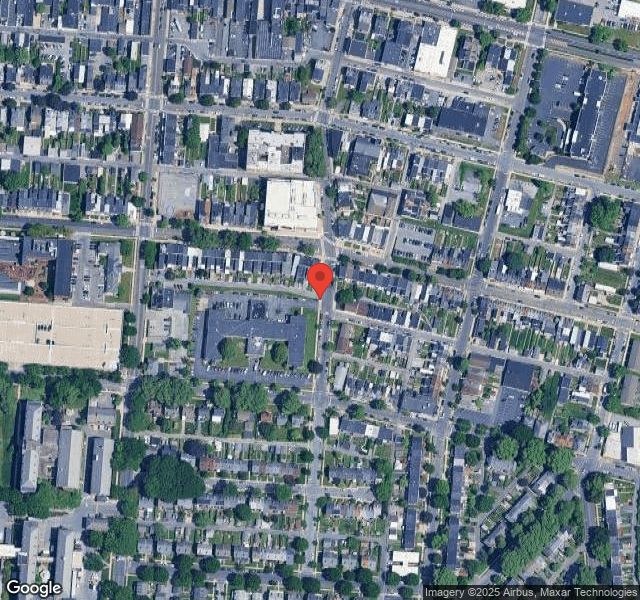
SPRUCE MANOR NURSING & REHABILITATION CENTER is owned by a for-profit company. For-profit facilities operate as businesses with obligations to shareholders or private owners. The facility is operated by SABER HEALTHCARE GROUP, a chain that manages multiple nursing homes. With 184 certified beds and approximately 169 residents (about 92% occupancy), it is a mid-sized facility located in WEST READING, Pennsylvania.
How Does Spruce Manor Nursing & Rehabilitation Center Compare to Other Pennsylvania Nursing Homes?
Compared to the 100 nursing homes in Pennsylvania, SPRUCE MANOR NURSING & REHABILITATION CENTER's overall rating (5 stars) is above the state average of 3.0, staff turnover (22%) is significantly lower than the state average of 46%, and health inspection rating (5 stars) is much above the national benchmark.
What Should Families Ask When Visiting Spruce Manor Nursing & Rehabilitation Center?
Based on this facility's data, families visiting should ask: "Can I visit during a mealtime to observe dining assistance and food quality?" "How do you handle medical emergencies, and what is your hospital transfer rate?" "Can I speak with family members of current residents about their experience?"
Is Spruce Manor Nursing & Rehabilitation Center Safe?
Based on CMS inspection data, SPRUCE MANOR NURSING & REHABILITATION CENTER has a clean safety record: no substantiated abuse findings (meaning no confirmed cases of resident harm), no Immediate Jeopardy citations (the most serious violation level indicating risk of serious injury or death), and is not on the Special Focus Facility watch list (a federal program monitoring the lowest-performing 1% of nursing homes). The facility has a 5-star overall rating and ranks #1 of 100 nursing homes in Pennsylvania. While no facility is perfect, families should still ask about staff-to-resident ratios and recent inspection results during their visit.
Do Nurses at Spruce Manor Nursing & Rehabilitation Center Stick Around?
Staff at SPRUCE MANOR NURSING & REHABILITATION CENTER tend to stick around. With a turnover rate of 22%, the facility is 24 percentage points below the Pennsylvania average of 46%. Low turnover is a positive sign. It means caregivers have time to learn each resident's needs, medications, and personal preferences. Consistent staff also notice subtle changes in a resident's condition more quickly. Registered Nurse turnover is also low at 15%, meaning experienced RNs are available to handle complex medical needs.
Was Spruce Manor Nursing & Rehabilitation Center Ever Fined?
SPRUCE MANOR NURSING & REHABILITATION CENTER has no federal fines on record. CMS issues fines when nursing homes fail to meet care standards or don't correct problems found during inspections. The absence of fines suggests the facility has either maintained compliance or corrected any issues before penalties were assessed. This is a positive indicator, though families should still review recent inspection reports for the full picture.
Is Spruce Manor Nursing & Rehabilitation Center on Any Federal Watch List?
SPRUCE MANOR NURSING & REHABILITATION CENTER is not on any federal watch list. The most significant is the Special Focus Facility (SFF) program, which identifies the bottom 1% of nursing homes nationally based on persistent, serious quality problems. Not being on this list means the facility has avoided the pattern of deficiencies that triggers enhanced federal oversight. This is a positive indicator, though families should still review the facility's inspection history directly.