WEST READING SKILLED NURSING AND REHABILITATION CE
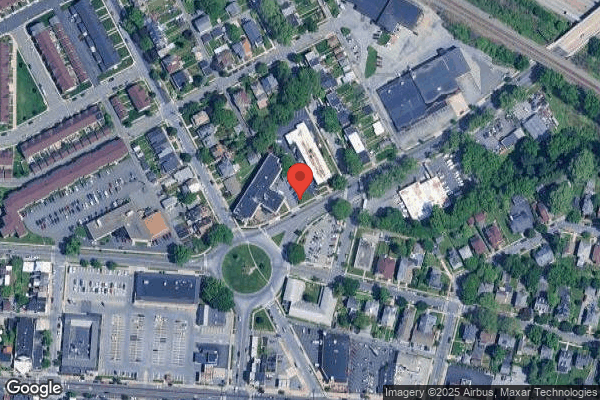
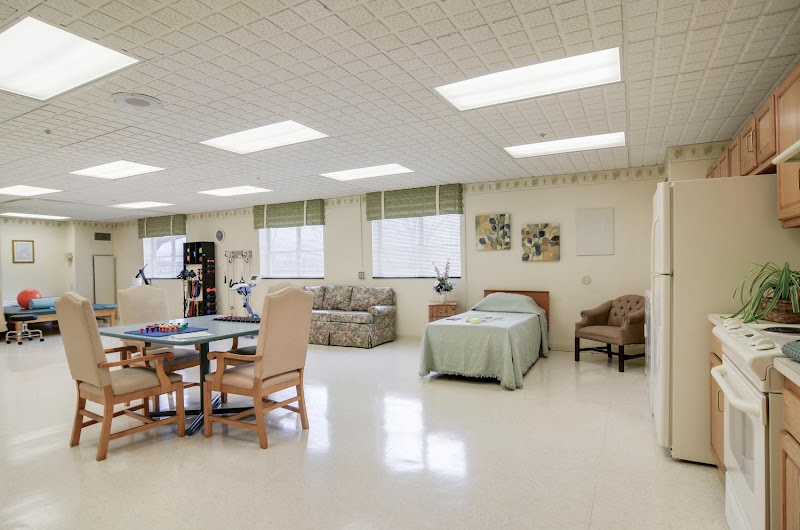
425 BUTTONWOOD STREET, WEST READING, PA 19611 (610) 373-5166
For profit - Corporation 176 Beds GENESIS HEALTHCARE Data: November 2025
Trust Grade
40/100
#647 of 653 in PA
Last Inspection: December 2024

Within standard 12-15 month inspection cycle. Federal law requires annual inspections.

Overview

West Reading Skilled Nursing and Rehabilitation Center has a Trust Grade of D, indicating below-average care with some concerns present. It ranks #647 out of 653 facilities in Pennsylvania, placing it in the bottom half of all nursing homes statewide, and #15 out of 15 in Berks County, meaning only one local option is better. The facility is showing improvement, having reduced issues from 18 in 2024 to just 1 in 2025. However, staffing remains a weakness with a rating of 1 out of 5 stars and a concerning turnover rate of 47%, which is slightly above the state average, suggesting that staff may lack continuity of care. On the positive side, the facility has not incurred any fines, which is a good sign, and reports a trend of good quality measures with a 4 out of 5 star rating. However, the RN coverage is worrisome as it is lower than 95% of Pennsylvania facilities, potentially impacting resident care. Specific incidents noted include repeated failures to store food properly, which raises concerns about sanitation and safety in meal preparation. For example, in multiple inspections, the facility was cited for not dating opened food items, which could lead to food safety issues. While there are clear strengths, such as the lack of fines and improving trends, families should weigh these against the significant weaknesses in staffing and food safety practices when considering this facility.

Trust Score
D
40/100
In Pennsylvania
#647/653
Bottom 1%
Safety Record
Low Risk
No red flags
Inspections
Getting Better
18 → 1 violations
Staff Stability
⚠ Watch
47% turnover. Above average. Higher turnover means staff may not know residents' routines.
Penalties
✓ Good
No fines on record. Clean compliance history, better than most Pennsylvania facilities.
Skilled Nurses
⚠ Watch
Each resident gets only 19 minutes of Registered Nurse (RN) attention daily — below average for Pennsylvania. Fewer RN minutes means fewer trained eyes watching for problems.
Violations
⚠ Watch
26 deficiencies on record. Higher than average. Multiple issues found across inspections.
★☆☆☆☆
1.0
Overall Rating
★☆☆☆☆
1.0
Staff Levels
★★★★☆
4.0
Care Quality
★★☆☆☆
2.0
Inspection Score
Stable
2024: 18 issues
2025: 1 issues

The Good

  • 4-Star Quality Measures · Strong clinical quality outcomes
  • Full Sprinkler Coverage · Fire safety systems throughout facility
  • No fines on record

Facility shows strength in quality measures, fire safety.

The Bad

1-Star Overall Rating

Below Pennsylvania average (3.0)

Significant quality concerns identified by CMS

Staff Turnover: 47%

Near Pennsylvania avg (46%)

Higher turnover may affect care consistency

Chain: GENESIS HEALTHCARE

Part of a multi-facility chain

Ask about local staffing decisions and management

The Ugly 26 deficiencies on record

Feb 2025 1 deficiency
CONCERN (E) 📢 Someone Reported This

A family member, employee, or ombudsman was alarmed enough to file a formal complaint

Potential for Harm - no one hurt, but risky conditions existed

Resident Rights (Tag F0550)

Could have caused harm · This affected multiple residents

**NOTE- TERMS IN BRACKETS HAVE BEEN EDITED TO PROTECT CONFIDENTIALITY** Based on clinical record review, observations, and resident and staff interviews, it was determined that the facility failed to ...

Read full inspector narrative →
**NOTE- TERMS IN BRACKETS HAVE BEEN EDITED TO PROTECT CONFIDENTIALITY** Based on clinical record review, observations, and resident and staff interviews, it was determined that the facility failed to provide care and services in a manner that maintained each resident's dignity and preferences to promote quality of care for four of seven sampled residents. (Residents 1, 2, 3, 4) Findings include: Clinical record review revealed that Resident 1 had diagnoses that included major depressive disorder and hyperlipidemia. The Minimum Data Set (MDS) assessment dated [DATE], indicated that the resident was not cognitively impaired. A review of the care plan revealed that the resident had an activities of daily living, (ADL), care deficit related to cognitive deficits and the intervention was for staff to assist with hygiene and grooming. Review of the shower/bathing documentation revealed that the preferred shower schedule was on Mondays and Thursdays during the day shift. Review of the shower documentation between January 2, 2025, through February 17, 2025, revealed that there were twelve occasions where there was no documentation to support that the resident received assistance with a shower. In an interview on February 18, 2025, at 11:15 a.m., Resident 1 stated that he has not had consistent showers as he preferred in the last two months. He further stated that, at times he refused a shower because the water in the shower was too cold. In addition, he stated that the staff did not even offer to help him to another floor in order to get a shower where the water was warmer. Clinical record review revealed that Resident 2 had diagnoses that included a stroke with left sided hemiplegia, anxiety and post traumatic stress disorder. The MDS assessment dated [DATE], indicated that the resident was not cognitively impaired and required minimal assistance with bathing. A review of the care plan revealed that the resident had an ADL care deficit related to physicial limitations and the intervention was for staff to assist with bath/shower as needed and to assist with daily hygiene and grooming. Review of the shower/bathing documentation revealed that the preferred shower schedule was on Wednesdays and Saturdays on the evening, (3:00 p.m., to 11:00 p.m.), shift. Review of the shower documentation between January 4, 2025, through February 15, 2025, revealed that there were three occasions where there was no documentation to support that the resident received assistance with a shower. In an interview on February 18, 2025, at 11:00 a.m., Resident 2 stated that the water in the shower room and in the resident rooms was almost always cold and that was why he often refused to have a shower if the staff even offered assistance to the shower room. He further stated that he had not consistently received his shower as per his preferred shower schedule in over a month. He also stated that at this time, his hair was too long and that no one had offered to cut his hair or schedule an appointment to get his hair cut. Clinical record review revealed that Resident 3 had diagnoses that included diabetes and adjustment disorder. The MDS assessment dated [DATE], indicated that the resident was not cognitively impaired and that he required moderate assistance with bathing. A review of the care plan revealed that the resident was at risk for adjustment issues related to a decline in coping skills and the intervention was for staff to provide the resident with opportunities for choices during care. On January 7, 2025, a nurse documented that he was alert and oriented and able to make his needs known to staff. Review of the shower/bathing documentation revealed that the preferred shower schedule was on Tuesdays and Fridays during the day. Review of the shower documentation between December 20, 2024, through February 14, 2025, revealed that there were four occasions where there was no documentation to support that that the resident received assistance with a shower. In an interview on February 18, 2025, at 11:35 a.m., Resident 3 stated that he had not received his showers or assistance with his personal hygiene. He further stated that at times, he refused a shower because the water was too cold in the shower room. Clinical record review revealed that Resident 4 had a diagnosis of a stroke with hemiplegia on his left side. The MDS assessment dated [DATE], indicated that he had mild cognitive impairment and was dependent on staff for bathing/grooming. A review of the care plan revealed that he had an ADL care deficit related to physical limitations due to a stroke and the intervention was for staff to assist daily with hygiene and grooming. Review of the shower/bathing documentation revealed that the preferred shower schedule was on Mondays and Thursdays on the day shift. Review of the shower documentation between December 19, 2024, through February 13, 2025, revealed that there were seven occasions where there was no documentation to support that the resident received assistance with a shower. On February 18, 2025, at 11:44 a.m., the resident was observed dressed and noted with stubble on his face and under his nose revealing growth of a beard and moustache. In an interview on February 18, 2025, at 11:45 a.m., the resident stated that he preferred not to have a beard or a mustache and that he preferred to be shaved. In two confidential interviews with nursing staff on February 18, 2025, between 11:00 a.m., and 12:00 p.m., they stated that the water in the shower rooms was often cold. In addition, they stated that the water in resident rooms was cold at times which made it difficult to complete resident ADL care in a dignified manner. In an interview on February 18, 2025, at 10:40 a.m., the Administrator and the Director of Nursing stated that there had been issues on the fourth floor nursing unit with the water temperature in the shower room and resident rooms and that due to the issues, showers and hygiene were not being provided to the residents as they preferred on a consistent basis. 28 Pa.Code 201.29(j) Resident rights. 28 Pa.Code 211.12(d)(1)(5) Nursing services.
Dec 2024 11 deficiencies
CONCERN (D)

Potential for Harm - no one hurt, but risky conditions existed

Comprehensive Care Plan (Tag F0656)

Could have caused harm · This affected 1 resident

**NOTE- TERMS IN BRACKETS HAVE BEEN EDITED TO PROTECT CONFIDENTIALITY** Based on clinical record review and staff interview, it was determined that the facility failed to develop a comprehensive care ...

Read full inspector narrative →
**NOTE- TERMS IN BRACKETS HAVE BEEN EDITED TO PROTECT CONFIDENTIALITY** Based on clinical record review and staff interview, it was determined that the facility failed to develop a comprehensive care plan that addressed individual resident needs as identified in the comprehensive assessment for four of 32 sampled residents. (Residents 16, 48, 132, 143) Findings include: Clinical record review revealed that Resident 16 had diagnoses that included pressure ulcer of the sacral region. The Minimum Data Set (MDS) assessment dated [DATE], noted that the resident had a pressure area. The MDS Care Area Assessment (CAA) summary dated September 12, 2024, noted that the resident's pressure area was to be addressed in the care plan. There was no evidence that interventions to address Resident 16's pressure area were included in the current care plan. Clinical record review revealed that Resident 48 had diagnoses that included obstructive uropathy (build up of excess urine in the kidneys). The MDS assessment dated [DATE], noted that the resident had an indwelling catheter. The MDS CAA summary dated September 19, 2024, noted that the resident's indwelling catheter was to be addressed in the care plan. There was no evidence that interventions to address Resident 48's indwelling catheter were included in the current care plan. Clinical record review revealed that Resident 132 was admitted to the facility on [DATE], and had diagnoses that included neoplasm of the bladder and pancreas, cervicalgia, and migraines. The MDS assessment dated [DATE], noted that the resident received daily scheduled pain medication. The MDS CAA summary dated November 4, 2024, noted that the resident's pain was to be addressed in the care plan. There was no evidence that interventions to address Resident 132's pain were included in the current care plan. Clinical record review revealed that Resident 143 was admitted to the facility on [DATE], and had diagnoses that included acute cerebrovascular insufficiency, cellulitis, and psoriasis. The MDS assessment dated [DATE], noted that the resident was frequently incontinent. The MDS CAA summary dated July 19, 2024, noted that the resident's urinary incontinence was to be addressed in the care plan. There was no evidence that interventions to address Resident 143's urinary incontinence were included in the current care plan. In an interview on December 10, 2024, at 11:44 a.m., the Director of Nursing confirmed the above care areas were not addressed in the care plans. CFR 483.21(b)(1) Comprehensive Care Plans Previously cited 1/25/2024 28 Pa. Code 211.12(d)(1)(5) Nursing services.
CONCERN (D)

Potential for Harm - no one hurt, but risky conditions existed

Quality of Care (Tag F0684)

Could have caused harm · This affected 1 resident

Based on clinical record review and staff interview, it was determined that the facility failed to implement physician's orders for two of 32 sampled residents. (Residents 16, 56) Findings include: C...

Read full inspector narrative →
Based on clinical record review and staff interview, it was determined that the facility failed to implement physician's orders for two of 32 sampled residents. (Residents 16, 56) Findings include: Clinical record review revealed that Resident 16 had diagnoses that included hypotension (low blood pressure). A physician's order dated June 7, 2024, directed staff to administer a medication (midodrine) three times a day every Monday, Wednesday, and Friday for hypotension. Staff were not to administer the medication if the resident's systolic blood pressure (SBP, the first measurement of blood pressure when the heart beats and the pressure is at its highest) was greater than 130 millimeters of mercury (mmHg). Review of Resident 16's medication administration records (MARs) revealed that staff administered the medication seven times in November and four times in December 2024 when the resident's SBP was greater than 130 mmHg. Clinical record review revealed that Resident 56 had diagnoses that included cerebral infarction (sudden loss of blood flow to the brain), chronic kidney disease, and chronic osteomyelitis (bone infection). A physician's order dated October 29, 2024, directed staff to weigh the resident weekly on Tuesday for four weeks, then monthly. A review of the MAR revealed that there was no evidence that staff weighed Resident 56 as ordered on November 5, 19, and 26, 2024. In an interview on December 10, 2024, at 10:05 a.m., the Director of Nursing confirmed that the medication was administered outside of the established parameters for Resident 16 and that there was no documented evidence that Resident 56 was weighed as ordered. CFR 483.25 Quality of care Previously Cited 1/25/24 28 Pa. Code 211.12(d)(1)(5) Nursing services.
CONCERN (D)

Potential for Harm - no one hurt, but risky conditions existed

Accident Prevention (Tag F0689)

Could have caused harm · This affected 1 resident

**NOTE- TERMS IN BRACKETS HAVE BEEN EDITED TO PROTECT CONFIDENTIALITY** Based on facility policy review, clinical record review, review of facility documentation, and staff interview, it was determine...

Read full inspector narrative →
**NOTE- TERMS IN BRACKETS HAVE BEEN EDITED TO PROTECT CONFIDENTIALITY** Based on facility policy review, clinical record review, review of facility documentation, and staff interview, it was determined that the facility failed to ensure that safety interventions were implemented to prevent falls and that the physician was notified per facility policy for one of 32 sampled residents. (Resident 146) Findings include: Review of the facility policy entitled, Accidents/Incidents, last reviewed November 15, 2024, revealed that staff was to investigate all accidents and implement appropriate interventions based on conclusions, and that the physician would be notified of any unwitnessed fall. Clinical record review revealed that Resident 146 was admitted to the facility on [DATE], with diagnoses that included hemiplegia and hemiparesis (paralysis), and altered mental status. Review of the Minimum Data Set assessment dated [DATE], revealed that the resident had cognitive impairment. Review of the care plan revealed Resident 146 was at risk for falls due to cognitive loss and lack of safety awareness. Review of facility documentation revealed that Resident 146 had unwitnessed falls on October 22, November 1, 8, 14, 20, and December 7, 2024, and no additional interventions were put into place. On November 3, 2024, Resident 146 had a fall with an intervention for a bowel and bladder assessment, and on November 15, 2024, with an intervention for safety checks every 15 minutes. There was no documented evidence that a bowel and bladder assessment was completed or that safety checks were put into place. There was no documented evidence that the physician was notified of the fall on November 20, 2024. In an interview on December 10, 2024, at 11:45 a.m., the Director of Nursing confirmed that there were no safety interventions initiated after the falls, and that there should have been. The Director of Nursing also confirmed that there was no bowel and bladder assessment completed, or safety checks implemented, and that the physician was not notified of the fall on November 20, 2024. 28 Pa. Code 211.12(d)(1)(5) Nursing services.
CONCERN (D)

Potential for Harm - no one hurt, but risky conditions existed

Drug Regimen Review (Tag F0756)

Could have caused harm · This affected 1 resident

**NOTE- TERMS IN BRACKETS HAVE BEEN EDITED TO PROTECT CONFIDENTIALITY** Based on clinical record review, and staff interview, it was determined that the facility failed to ensure that pharmacy recomme...

Read full inspector narrative →
**NOTE- TERMS IN BRACKETS HAVE BEEN EDITED TO PROTECT CONFIDENTIALITY** Based on clinical record review, and staff interview, it was determined that the facility failed to ensure that pharmacy recommendations were acted upon in a timely manner for two of 32 sampled residents. (Residents 79, 149) Findings include: Clinical record review revealed that Resident 79 was admitted to the facility on [DATE], with diagnoses that included Parkinsonism, dementia, and depression. Review of the clinical record revealed that the pharmacist made recommendations regarding Resident 79's medications on June 19, July 26, August 19, September 17, October 28, and November 30, 2024. There was no documentation to indicate what the recommendations were for June, July, August, or September, or that they were addressed by the physician. Clinical record review revealed that Resident 149 was admitted to the facility on [DATE] with diagnoses that included syncope and collapse (fainting), hypertension (high blood pressure), and dementia. Review of the clinical record revealed that the pharmacist made recommendations regarding Resident 149's medications on September 25 and November 12, 2024. There was no documentation regarding what the recommendations were for September and November or that they were addressed by the physician. In an interview on December 10, 2024, at 11:40 a.m., the Director of Nursing confirmed that there was no documentation regarding specific pharmacy recommendations or that they were acted upon in a timely manner. 28 Pa. Code 211.12(d)(1)(3)(5) Nursing services.
CONCERN (D)

Potential for Harm - no one hurt, but risky conditions existed

Deficiency F0761 (Tag F0761)

Could have caused harm · This affected 1 resident

**NOTE- TERMS IN BRACKETS HAVE BEEN EDITED TO PROTECT CONFIDENTIALITY** Based on a review of facility policy, observation, and staff interview, it was determined that the facility failed to properly s...

Read full inspector narrative →
**NOTE- TERMS IN BRACKETS HAVE BEEN EDITED TO PROTECT CONFIDENTIALITY** Based on a review of facility policy, observation, and staff interview, it was determined that the facility failed to properly store medications in one of three nursing units. (Second Floor Nursing Unit) Findings include: Review of the facility policy entitled, Storage of Medication, last reviewed [DATE], revealed that staff were to note the date on the label for insulin vials and pens when first opened. Outdated, contaminated, discontinued, or deteriorated medications were to be immediately removed from stock and disposed of according to procedures for medication disposal. Observation of a medication cart used for resident rooms 218 through 229 on [DATE], revealed four insulin lispro pens that were opened and not labeled, one insulin glargine pen that was opened and not labeled, one Semglee insulin pen that was opened and not labeled, and one Basaglar insulin pen that was opened and not labeled. In an interview, the licensed practical nurse 1 (LPN 1) stated that the insulin pens should have been labeled with an open date. Observation of the medication storage room refrigerator on the second floor nursing unit on [DATE], revealed one vial of Tubersol that was opened and not labeled, in a storage box labeled discard by [DATE]. There were three bottles of doxycycline labeled do not use after [DATE]. There was a large container of glycerin suppositories labeled for a resident who had expired [DATE]. In an interview, on [DATE], at 9:45 a.m., the Director of Nursing stated that the staff was to label all medications with open and expiration dates and all expired or discontinued medication was to be removed from the medication cart and medication storage room refrigerator. 28 Pa. Code 211.12 (d)(1)(2)(5) Nursing services.
CONCERN (E)

Potential for Harm - no one hurt, but risky conditions existed

Deficiency F0801 (Tag F0801)

Could have caused harm · This affected multiple residents

Based on staff interview, it was determined that the facility failed to employ a full-time qualified dietary services manager in the absence of a full-time qualified dietitian. Findings include: Duri...

Read full inspector narrative →
Based on staff interview, it was determined that the facility failed to employ a full-time qualified dietary services manager in the absence of a full-time qualified dietitian. Findings include: During an interview on December 8, 2024, at 11:00 a.m., the dietary manager stated the facility did not employ a certified dietary manager. In an interview conducted on December 10, 2024, at 11:30 a.m., the Administrator confirmed that there was not a full-time dietitian employed onsite at the facility and that the facility did not employ a qualified certified dietary manager in the absence of a full-time dietitian. 28 Pa. Code 201.18(b)(3) Management.
CONCERN (E)

Potential for Harm - no one hurt, but risky conditions existed

Menu Adequacy (Tag F0803)

Could have caused harm · This affected multiple residents

Based on resident interview, review of facility documentation, observation, and staff interview, it was determined that the facility failed to follow the pre-approved menus. (Residents 16, 22, 208) Fi...

Read full inspector narrative →
Based on resident interview, review of facility documentation, observation, and staff interview, it was determined that the facility failed to follow the pre-approved menus. (Residents 16, 22, 208) Findings include: During the Resident Council interview conducted on December 9, 2024, at 10:30 a.m., four of four residents stated that food items at meals were often substituted without notice. Review of the facility menus revealed the lunch meal on December 8, 2024, was to include roasted potatoes, dinner roll, and fruit pie. The lunch meal on December 9, 2024, was to include fruit ambrosia salad. Observation of Resident 16 and Resident 208's lunch meal ticket on December 8, 2024, at 1:10 p.m., revealed that the meal should have included roasted potatoes, a dinner roll, and fruit pie. The residents received mashed potatoes, fruit ambrosia salad, and no dinner roll. On December 9, 2024, at 12:55 p.m., Resident 16 and Resident 22's meal ticket revealed that the meal should have included fruit ambrosia salad and the residents received applesauce. In an interview on December 10, 2024, at 9:30 a.m., the Dietary Manager reported the previously mentioned items were not served as planned on the facility menu. 28 Pa. Code 211.6(a) Dietary services.
CONCERN (F)

Potential for Harm - no one hurt, but risky conditions existed

Food Safety (Tag F0812)

Could have caused harm · This affected most or all residents

Based on facility policy review, staff interview, and observation, it was determined that the facility failed to store food in a sanitary manner in the dietary department and on one of three nursing u...

Read full inspector narrative →
Based on facility policy review, staff interview, and observation, it was determined that the facility failed to store food in a sanitary manner in the dietary department and on one of three nursing units. (Nursing unit 2) Findings include: Review of the facility policy entitled, Food Handling, dated November 15, 2024, revealed that staff were to label food items with the date prepared or opened. At the beginning of each meal service, staff were to obtain tray line holding food temperatures and record them onto the Production Worksheet. Observations during the kitchen tour on December 8, 2024, at 9:23 a.m., revealed the following: In reach-in cooler #1, there were two chef salads, three opened bags of cheddar cheese, lettuce, shredded carrots, and an opened container of diced tomatoes that were not dated. There was dried food debris on the bottom of the cooler. In reach-in cooler #2, there was an opened bag of diced potatoes and parmesan cheese that were not dated. In reach-in cooler #3, there were three cups of dished crushed pineapple that were not dated. In reach-in cooler #6, there was an opened package of cinnamon rolls that was not dated. In reach-in cooler #9, there was a container of cottage cheese with a use by date of September 29, 2024, and a carton of whole milk dated October 23. In the reach-in snack cooler, there were three cups of diced peaches that were not dated. In dry storage, there was a large opened bag of dried breadcrumbs on top of a file cabinet. There were bread crumbs on the floor. On the floor below the condiment shelf, there were multiple dried onion peels and paper debris. In the food preparation area, there were three bulk containers of dried milk, thickener, and flour that had food debris covering the lids. In the flour bin, the scoop was in the flour. According to the Dietary Manager (DM), the dish machine required a chemical solution to sanitize the dishware. Observations of two chemical strips done at 10:20 a.m., and 10:24 a.m., during dish wash service for breakfast revealed a chemical solution of 10 parts per million (ppm) with the federal regulation being 50 ppm. There was no documented evidence that the tray line holding food temperatures were taken and recorded onto the Production Worksheet since November 12, 2024. In an interview on December 8, 2024, at 11:30 a.m., the DM confirmed that the previously mentioned items should have been dated and the expired items removed. In an interview on December 10, 2024, at 11:45 a.m., the Administrator confirmed that there was no documented evidence that the tray line holding temperatures were taken and recorded on the Production Worksheet per policy. Review of the facility policy entitled, Food Brought in for Residents, dated November 15, 2024, revealed that foods that require refrigeration were to be labelled with the resident's name and the date. Observation of the Nursing unit 2 resident pantry on December 8, 2024, at 11:30 a.m., revealed that there was a beef patty in the freezer that was not dated or labelled. In the refrigerator there was an opened jar of pickles and mustard, a container of pasta with red sauce and soup, a sandwich, a bottle of soda, a bag that had an opened bottle of dressing and two containers of salad, chocolate pudding, and three dishes of pineapple that were not labelled or dated. CFR 483.60(i) Food Safety Requirement Previously cited 1/25/24, 6/28/24 28 Pa. Code 201.14(a) Responsibility of licensee. 28 Pa. Code 201.18(b)(3)(e)(2.1) Management.
MINOR (C)

Minor Issue - procedural, no safety impact

Transfer Notice (Tag F0623)

Minor procedural issue · This affected most or all residents

Based on clinical record review and staff interview, it was determined that the facility failed to notify the resident and the resident's representative(s) of transfer(s) from the facility, including ...

Read full inspector narrative →
Based on clinical record review and staff interview, it was determined that the facility failed to notify the resident and the resident's representative(s) of transfer(s) from the facility, including the reasons for the moves and Ombudsman information, in writing upon transfer for eight of eight sampled residents who were transferred to the hospital. (Residents 39, 85, 89, 94, 95, 143, 146, 157) Findings include: Clinical record review revealed that Resident 39 was transferred to the hospital on October 25 and November 7, 2024, after changes in condition. There was no documentation to support that the resident or the resident's responsible party or legal representative was provided written information regarding the transfers to the hospital. Clinical record review revealed that Resident 85 was transferred to the hospital on July 9, September 1 and 13, and October 2, 2024, after changes in condition. There was no documentation to support that the resident or the resident's responsible party or legal representative was provided written information regarding the transfers to the hospital. Clinical record review revealed that Resident 89 was transferred to the hospital on November 3, 2024, after a change in condition. There was no documentation to support that the resident or the resident's responsible party or legal representative was provided written information regarding the transfer to the hospital. Clinical record review revealed that Resident 94 was transferred to the hospital on August 23, 2024, after a change in condition. There was no documentation to support that the resident or the resident's responsible party or legal representative was provided written information regarding the transfer to the hospital. Clinical record review revealed that Resident 95 was transferred to the hospital on July 7, 2024, after a change in condition. There was no documentation to support that the resident or the resident's responsible party or legal representative was provided written information regarding the transfer to the hospital. Clinical record review revealed that Resident 143 was transferred to the hospital on November 2, 2024, after a change in condition. There was no documentation to support that the resident and/or the resident's responsible party or legal representative was provided written information regarding the transfer to the hospital. Clinical record review revealed that Resident 146 was transferred to the hospital on December 4, 2024, after a change in condition. There was no documentation to support that the resident or the resident's responsible party or legal representative was provided written information regarding the transfer to the hospital. Clinical record review revealed that Resident 157 was transferred to the hospital on September 11, 2024, after a change in condition. There was no documentation to support that the resident and/or the resident's responsible party or legal representative was provided written information regarding the transfer to the hospital. In an interview on December 10, 2024, at 9:45 a.m., the Administrator confirmed that residents and/or resident representatives were not given written notice regarding transfers from the facility. CFR 483.15(c)(3) Notice before transfer Previously cited 1/25/24
MINOR (C)

Minor Issue - procedural, no safety impact

Staffing Information (Tag F0732)

Minor procedural issue · This affected most or all residents

Based on observation and interview, it was determined that the facility failed to post accurate and current nurse staffing information. Findings include: During a tour of the facility conducted on De...

Read full inspector narrative →
Based on observation and interview, it was determined that the facility failed to post accurate and current nurse staffing information. Findings include: During a tour of the facility conducted on December 8, 2024, at 9:05 a.m., the staffing information that was posted in the lobby was dated for December 6, 2024. In an interview on December 10, 2024, at 10:00 a.m., the Administrator confirmed that incorrect staffing data was posted. 28 Pa Code 201.18(b)(3) Management.
MINOR (C)

Minor Issue - procedural, no safety impact

Garbage Disposal (Tag F0814)

Minor procedural issue · This affected most or all residents

Based on observation, it was determined that the facility failed to dispose of trash and refuse properly. Findings include: Observation of the dumpster area on December 8, 2024, at 9:45 a.m., revealed...

Read full inspector narrative →
Based on observation, it was determined that the facility failed to dispose of trash and refuse properly. Findings include: Observation of the dumpster area on December 8, 2024, at 9:45 a.m., revealed multiple pieces of crushed plastic and cardboard debris, crushed Styrofoam containers, and used gloves around the outside of both dumpsters. One dumpster had two lids on top of it, one of the lids was wide open and the other lid had two full bags of garbage on top of it. 28 Pa Code 201.18(b)(3) Management.
Sept 2024 1 deficiency
CONCERN (D) 📢 Someone Reported This

A family member, employee, or ombudsman was alarmed enough to file a formal complaint

Potential for Harm - no one hurt, but risky conditions existed

Notification of Changes (Tag F0580)

Could have caused harm · This affected 1 resident

Based on facility policy review, clinical record review, and staff interview, it was determined that the facility failed to notify a resident's responsible party of a change in treatment for one of fo...

Read full inspector narrative →
Based on facility policy review, clinical record review, and staff interview, it was determined that the facility failed to notify a resident's responsible party of a change in treatment for one of four sampled residents. (Resident 1) Findings include: Review of a facility policy entitled, Change in Condition: Notification of, last reviewed July 1, 2024, revealed that the center must immediately notify the resident's representative where there was a need to alter treatment significantly, which included commencement of a new form of treatment. Clinical record review revealed that Resident 1 had diagnoses that included respiratory failure, mild cognitive impairment, pulmonary disease, and anxiety disorder. On September 23, 2024, the nurse practitioner noted that the resident had increased shortness of breath (SOB), congestion, and wheezing, as well as SOB and fatigue at rest. The condition had not resolved with prior treatment. Review of a physician's order dated September 24, 2024, directed staff to administer azithromycin (an antibiotic) daily for five days. There was no evidence that staff notified the resident's responsible party of the change to the resident's treatment plan. In interviews on September 27, 2024, at 11:32 a.m. and 11:57 a.m., the Director of Nursing confirmed that the resident's responsible party should have been notified and that there was no evidence that staff notified the responsible party of the new medication. 28 Pa. Code 211.12(d)(1)(5) Nursing services.
Jun 2024 1 deficiency
CONCERN (F) 📢 Someone Reported This

A family member, employee, or ombudsman was alarmed enough to file a formal complaint

Potential for Harm - no one hurt, but risky conditions existed

Food Safety (Tag F0812)

Could have caused harm · This affected most or all residents

Based on staff interview, observation, and facility policy review, it was determined that the facility failed to store food in a sanitary manner in the dietary department and on three of three nursing...

Read full inspector narrative →
Based on staff interview, observation, and facility policy review, it was determined that the facility failed to store food in a sanitary manner in the dietary department and on three of three nursing units. (Second, Third, and Fourth floors) Findings include: In an interview on June 28, 2024, at 10:20 a.m., Dietary Employee 1 (DE 1) stated all foods were to be labelled with a date that the item was opened and processed meats were to be discarded seven days after the date opened. Observations during the kitchen tour on June 28, 2024, at 10:25 a.m., revealed the following: In dry storage, there was an opened plastic container of dry cereal that was not dated. In the reach-in dairy cooler, there was a container of strawberries that was not dated. In the reach-in juice cooler, there were two pans of sliced lemons that were not dated. In the cooks' cooler, there were two opened bags of diced ham and turkey lunch meat that were not dated. There was a pan of pancakes, individually wrapped in plastic and removed from the original packing that were not dated. There was a bag of opened hot dogs dated June 17, 2024. In an interview on June 28, 2024, at 11:10 a.m., DE 1 confirmed that the previously mentioned items should have been dated and the expired item removed. Review of the facility policy entitled, Food Brought in for Residents, dated June 1, 2024, revealed that foods that require refrigeration were to be labelled with the resident's name and the date. Observation on the Second Floor resident pantry on June 28, 2024, at 11:34 a.m., revealed that there were three opened ice cream containers and one ice cream sandwich in the freezer that did not have a resident name or date on them. In the refrigerator, there were four packaged meals, two opened bottles of mayonnaise and mustard, an open jar of cheese sauce, and an opened gallon jug of tea that were not labelled or dated. Observation on the Third Floor resident pantry on June 28, 2024, at 11:19 a.m., revealed that there were four opened containers of sherbet that were not dated or labelled in the freezer In the refrigerator, there were two containers of food, an opened bottle of soda, a container of yogurt, and a bottle of coconut water that were not labelled or dated. Observation on the Fourth Floor resident pantry on June 28, 2024, at 10:50 a.m., revealed a snack cake, and a dish of ice cream that were not labelled or dated in the freezer. The freezer door had food debris along the top shelf. In the refrigerator, there were two containers of food, two opened bottles of water and tea, a container of yogurt, and a bag of cherries that were not labelled or dated. In an interview on June 28, 2024, at 10:55 a.m., Registered Nurse 1 confirmed the unit pantries are for resident food only and that the items were to be labelled with the resident name and dated. CFR 483.60(i) Food Safety Requirement Previously cited 1/25/24 28 Pa. Code 201.14(a) Responsibility of licensee. 28 Pa. Code 201.18(b)(3)(e)(2.1) Management.
Jan 2024 5 deficiencies
CONCERN (D)

Potential for Harm - no one hurt, but risky conditions existed

Assessment Accuracy (Tag F0641)

Could have caused harm · This affected 1 resident

**NOTE- TERMS IN BRACKETS HAVE BEEN EDITED TO PROTECT CONFIDENTIALITY** Based on clinical record review and staff interview, it was determined that the facility failed to ensure that the Minimum Data ...

Read full inspector narrative →
**NOTE- TERMS IN BRACKETS HAVE BEEN EDITED TO PROTECT CONFIDENTIALITY** Based on clinical record review and staff interview, it was determined that the facility failed to ensure that the Minimum Data Set (MDS) assessment was completed to accurately reflect the resident's current status for two of 27 sampled residents. (Residents 10, 32) Findings include: Clinical record review revealed that Resident 10 had diagnoses that included vascular dementia and major depressive disorder recurrent with psychotic symptoms. On November 29, 2023, the resident received a last dose of an anti-psychotic medication (Risperidone). The MDS assessment dated [DATE], indicated that the resident was still on an anti-psychotic medication. The MDS inaccurately reflected that the resident was still on an anti-psychotic medication during the assessment look back period of seven days. Clinical record review revealed that Resident 32 had diagnoses that included diabetes mellitus and muscle wasting. On November 25, 2023, the physician directed nursing to administer enteral nutrition via a tube. The MDS assessment dated [DATE], indicated that the resident did not have any enteral nutrition and was not receiving any tube feeding formula through the tube during the seven day review period. The MDS inaccurately reflected that Resident 32 did not have a feeding tube and was not receiving any enteral nutrition through it during the seven day review period. In an interview on January 25, 2024, at 8:59 a.m., the Director of Nursing confirmed that both MDS assessments had not accurately reflected Resident 10 and 32's status during the seven day review period and had to be modified by the facility.
CONCERN (D)

Potential for Harm - no one hurt, but risky conditions existed

Quality of Care (Tag F0684)

Could have caused harm · This affected 1 resident

Based on clinical record review and staff interview, it was determined that the facility failed to ensure physician's orders were implemented for one of 27 sampled residents. (Resident 15) Findings i...

Read full inspector narrative →
Based on clinical record review and staff interview, it was determined that the facility failed to ensure physician's orders were implemented for one of 27 sampled residents. (Resident 15) Findings include: Clinical record review revealed that Resident 15 had diagnoses that included chronic kidney disease, hyperkalemia(high blood potassium), and anemia of chronic kidney disease. The resident had an arteriovenous (AV) fistula (an artificial tube used to connect an artery to a vein for hemodialysis) placed on the left arm in December 2021. On December 22, 2021, a physician's order directed staff to not obtain Resident 15's blood pressure or blood draws from the left arm related to the left arm AV fistula site. Review of Resident 15's blood pressure summary revealed that from December 22, 2023, through January 22, 2024, nursing had taken the resident's blood pressure in the left arm 25 of 96 times. In an interview conducted on January 25, 2024, at 10:00 a.m., the Director of Nursing confirmed that the staff should have taken Resident 15's blood pressure using the right arm. 28 Pa. Code 211.12(d)(1)(5) Nursing services.
CONCERN (D)

Potential for Harm - no one hurt, but risky conditions existed

Deficiency F0688 (Tag F0688)

Could have caused harm · This affected 1 resident

**NOTE- TERMS IN BRACKETS HAVE BEEN EDITED TO PROTECT CONFIDENTIALITY** Based on clinical record review, observation and staff interview, it was determined that the facility failed to provide services...

Read full inspector narrative →
**NOTE- TERMS IN BRACKETS HAVE BEEN EDITED TO PROTECT CONFIDENTIALITY** Based on clinical record review, observation and staff interview, it was determined that the facility failed to provide services and treatment to prevent a further decrease in range of motion and contractures for one of four sampled residents with limited range of motion. (Resident 62) Findings include: Clinical record review revealed that Resident 62 had diagnoses that included a stroke with left sided paralysis, dementia, abnormal posture and contracture of the muscle. The Minimum Data Set assessment dated [DATE], indicated that the resident had some memory impairment, required extensive assistance from staff for dressing and had limitations in range of motion in both lower extremities. Review of an occupational therapy Discharge summary dated [DATE], revealed that there was a recommendation for staff to apply a left lower extremity bean bag splint at all times. Review of the care plan identified the resident had a self care deficit related to activities of daily living due to physical limitations due to a stroke. There was an intervention for staff to apply a left lower extremity bean bag splint at all times. On January 23, 2024, at 10:00 a.m., 11:58 a.m., and 1:00 p.m., the resident was dressed and in his chair without the bean bag splint in place on his lower left extremity. On January 24, 2024, at 10:14 a.m. and 12:00 p.m., the resident was again dressed and in his chair without the bean bag splint in place on his lower left extremity. In an interview on January 25, 2024, at 9:28 a.m., the Director of Rehabilitation Therapy stated that the bean bag splint was to be applied by staff at all times on his lower left leg in order to help prevent contractures and further decrease in range of motion. 28 Pa. Code 211.12(d)(1)(5) Nursing services.
CONCERN (F)

Potential for Harm - no one hurt, but risky conditions existed

Food Safety (Tag F0812)

Could have caused harm · This affected most or all residents

Based on policy review, observation, and staff interview, it was determined that the facility failed to store food in a sanitary manner in the dietary department. Findings include: Review of the faci...

Read full inspector narrative →
Based on policy review, observation, and staff interview, it was determined that the facility failed to store food in a sanitary manner in the dietary department. Findings include: Review of the facility's policy entitled, Refrigerated/ Frozen Storage, last reviewed November 3, 2023, revealed that all foods were to be labelled with a date received and prepared food items were to be dated. Observation during the kitchen tour on January 23, 2024, at 10:00 a.m., revealed that in the kitchen freezer, there were three bags of spinach removed from the original box and not dated. In the snack refrigerator, there was a tray of 14 dishes containing applesauce or fruit cocktail that were not dated. There was a dish of pureed fruit cocktail with a date of January 6, 2024. In the milk refrigerator, there were two containers of cottage cheese with a use-by date of January 19, 2024, and two containers of icing that were not dated. In the cook's refrigerator, there were two mislabeled chef salads. The coffee machine table had a bottom shelf that had multiple areas of peeling paint. The shelf had three pitchers that were stored upside down, with the top rim directly touching the peeling paint areas. The pitchers were used for residents per the Dietary Manager (DM). In an interview conducted on January 23, 2024, at 10:30 a.m., the DM confirmed all the previously mentioned food items should have been dated and were not and that the expired items should have been removed. 28 Pa. Code 201.14(a) Responsibility of licensee.
MINOR (C)

Minor Issue - procedural, no safety impact

Transfer Notice (Tag F0623)

Minor procedural issue · This affected most or all residents

**NOTE- TERMS IN BRACKETS HAVE BEEN EDITED TO PROTECT CONFIDENTIALITY** Based on clinical record review, it was determined that the facility failed to notify the residents and the residents' represent...

Read full inspector narrative →
**NOTE- TERMS IN BRACKETS HAVE BEEN EDITED TO PROTECT CONFIDENTIALITY** Based on clinical record review, it was determined that the facility failed to notify the residents and the residents' representatives regardless of transfers from the facility and reasons for the moves in writing for six of nine sampled residents who were transferred to the hospital. (Residents 19, 28, 32, 79, 81, 123) Findings include: Clinical record review revealed that Resident 19 was transferred and admitted to the hospital on [DATE], after a change in condition. There was no documented evidence that the resident, the resident's responsible party, or the legal representative was provided written information regarding the resident's transfer to the hospital. Clinical record review revealed that Resident 28 was transferred and admitted to the hospital on [DATE], after a change in condition. There was no documented evidence that the resident, the resident's responsible party, or the legal representative was provided written information regarding the resident's transfer to the hospital. Clinical record review revealed that Resident 32 was transferred and admitted to the hospital on [DATE], and January 1, 2024, after a change in condition. There was no documented evidence that the resident, the resident's responsible party, or the legal representative was provided written information regarding the resident's transfer to the hospital. Clinical record review revealed that Resident 79 was transferred and admitted to the hospital on [DATE], and December 20, 2023, after a change in condition. There was no documented evidence that the resident, the resident's responsible party, or the legal representative was provided written information regarding the resident' transfer to the hospital. Clinical record review revealed that Resident 81 was transferred and admitted to the hospital on [DATE], after a change in condition. There was no documented evidence that the resident, the resident's responsible party, or the legal representative was provided written information regarding the resident's transfer to the hospital. Clinical record review revealed that Resident 123 was transferred and admitted to the hospital on [DATE], after a change in condition. There was no documented evidence that the resident, the resident's responsible party, or the legal representative was provided written information regarding the resident's transfer to the hospital. In an interview on January 24, 2024, at 12:54 p.m., the Administrator confirmed that written transfer information, including the reasons for the move, was not provided to the residents and the residents' representatives.
Sept 2023 6 deficiencies
CONCERN (D) 📢 Someone Reported This

A family member, employee, or ombudsman was alarmed enough to file a formal complaint

Potential for Harm - no one hurt, but risky conditions existed

Resident Rights (Tag F0550)

Could have caused harm · This affected 1 resident

**NOTE- TERMS IN BRACKETS HAVE BEEN EDITED TO PROTECT CONFIDENTIALITY** Based on clinical record review and resident interview, it was determined that the facility failed to provide services to enhanc...

Read full inspector narrative →
**NOTE- TERMS IN BRACKETS HAVE BEEN EDITED TO PROTECT CONFIDENTIALITY** Based on clinical record review and resident interview, it was determined that the facility failed to provide services to enhance each resident's quality of life by offering showers as scheduled to three of seven sampled residents. (Residents 2, 5, 6) Findings include: Clinical record review revealed that Resident 2 had diagnoses that included congestive heart failure and diabetes mellitus. The Minimum Data Set (MDS) assessment dated [DATE], indicated that the resident was oriented and required staff assistance for bathing. The resident was to receive a shower twice per week. During an interview on September 15, 2023, at 11:30 a.m., the resident reported that she preferred to take a shower twice a week and was not offered the opportunity to do so. Resident 2 stated that she would not refuse the opportunity to shower and had requested that staff wake her up to shower if she were sleeping. Review of documentation in the clinical record revealed that the resident was not offered a shower nine of nine scheduled times in the past 30 days. Clinical record review revealed that Resident 5 had diagnoses that included anemia and depression. The MDS assessment dated [DATE], indicated the resident was oriented and required staff assistance for bathing. During an interview on September 15, 2023, at 12:20 p.m., Resident 5 stated that she preferred to take a shower twice a week and was not offered the opportunity to do so. Resident 5 stated that she would not refuse the opportunity to shower. Review of documentation in the clinical record revealed that the resident was not offered a shower seven of nine scheduled times in the past 30 days. Clinical record review revealed that Resident 6 had diagnoses that included anxiety and hypertension. The MDS assessment dated [DATE], indicated that the resident was oriented and required staff assistance for bathing. The resident was to receive a shower twice per week. During an interview on September 15, 2023, at 12:30 p.m., Resident 6 stated that at times he had wash himself in the sink because staff did not offer him the opportunity to shower. Review of documentation in the clinical record revealed that the resident was not offered a shower three of eight scheduled times in the past 30 days. 28 Pa. Code 211.12(d)(5) Nursing services.
CONCERN (D) 📢 Someone Reported This

A family member, employee, or ombudsman was alarmed enough to file a formal complaint

Potential for Harm - no one hurt, but risky conditions existed

Grievances (Tag F0585)

Could have caused harm · This affected 1 resident

Based on facility policy review, review of facility documentation, and interview, it was determined that the facility failed to promptly act upon a resident grievance for one of four sampled residents...

Read full inspector narrative →
Based on facility policy review, review of facility documentation, and interview, it was determined that the facility failed to promptly act upon a resident grievance for one of four sampled residents. (Resident 2) Finding include: Review of the facility policy entitled, Grievance/Concern, last reviewed July 19, 2023, revealed that the facility was to assure prompt receipt and resolution of a resident's grievance. Review of facility documentation revealed that on July 21, 2023, Resident 2 submitted a concern form regarding her blanket that was not returned from the laundry. Further review of the concern form revealed no documented follow up action. In an interview on September 15, 2023, at 12:30 p.m., Resident 2 stated that the facility has still not addressed her missing blanket. In an interview on September 15, 2023, at 1:15 p.m., the Director of Nursing confirmed that there was no documentation to support that the facility promptly acted upon Resident 2's grievance.
CONCERN (D) 📢 Someone Reported This

A family member, employee, or ombudsman was alarmed enough to file a formal complaint

Potential for Harm - no one hurt, but risky conditions existed

Deficiency F0806 (Tag F0806)

Could have caused harm · This affected 1 resident

**NOTE- TERMS IN BRACKETS HAVE BEEN EDITED TO PROTECT CONFIDENTIALITY** Based on clinical record review, review of facility documentation, observation, and interview, it was determined that the facili...

Read full inspector narrative →
**NOTE- TERMS IN BRACKETS HAVE BEEN EDITED TO PROTECT CONFIDENTIALITY** Based on clinical record review, review of facility documentation, observation, and interview, it was determined that the facility failed to ensure that a resident's preference at meal times had been accommodated for two of seven sampled residents. (Residents 2, 7) Findings include: Review of the facility's weekly menu revealed that the lunch meal for September 15, 2023, was meatloaf with gravy, green beans, lyonnaise potatoes, and a seasonal fruit cup. Clinical record review revealed that Resident 2 was admitted to the facility with diagnoses that included diabetes mellitus. A Minimum Data Set (MDS) assessment dated [DATE], indicated that the resident was alert and able to make her needs known. Resident 2's ongoing care plan revealed she had an altered nutrition status and interventions were to honor her food preferences and provide salt free seasoning packets with her meals. During an interview on September 15, 2023, at 11:10 a.m. Resident 2 stated that she does not receive condiments, meal items, or water as requested. On September 15, 2023, at 12:50 p.m., her lunch tray was observed on her bedside table without salt free seasoning packets or two cups of water. The resident received macaroni and cheese and potatoes. Resident 2 stated that she did not want the macaroni and cheese and preferred meatloaf. The resident's tray card indicated that the resident was on a regular diet and was to receive salt free seasoning packets and two cups of water. Clinical record review revealed that Resident 7 was admitted to the facility with diagnoses that included obesity and chronic obstructive pulmonary disease. A MDS assessment dated [DATE], indicated that the resident was alert and able to make her needs known. Resident 7's ongoing care plan revealed she had the potential to be at nutritional risk and an intervention was to honor her food preferences. On September 15, 2023, at 12:55 p.m., Resident 7's lunch tray was observed and she received macaroni and cheese and green beans. In an interview at that time the resident stated that she did not want the macaroni and cheese or green beans and preferred meatloaf. Resident 7's stated that the facility consistently sends her items she does not like.
CONCERN (E) 📢 Someone Reported This

A family member, employee, or ombudsman was alarmed enough to file a formal complaint

Potential for Harm - no one hurt, but risky conditions existed

Deficiency F0804 (Tag F0804)

Could have caused harm · This affected multiple residents

Based on facility policy review, observation, resident interview, and results of a test tray audit, it was determined that the facility failed to provide food that was palatable and at appetizing temp...

Read full inspector narrative →
Based on facility policy review, observation, resident interview, and results of a test tray audit, it was determined that the facility failed to provide food that was palatable and at appetizing temperatures on two of three nursing units. (Station two and Station four) Findings include: Review of the facility policy entitled, Meal Service, effective May 1, 2023, revealed that meals are to be served accurately, timely, and at the appropriate temperatures. On September 15, 2023, from 11:00 a.m. through 11:30 a.m., Residents 2, 4, 5, and 6 stated that their meals are consistently cold. Results of a test tray audit conducted on September 15, 2023, at 12:15 p.m., revealed meatloaf with gravy at a temperature of 119 degrees Fahrenheit (F), scalloped potatoes at a temperature of 139 degrees F, and green beans at a temperature of 109 degrees F. The meatloaf and green beans were cool to taste. On September 15, 2023, from 12:45 p.m. through 1:00 p.m., Residents 2 and 5 were in their rooms with their lunch trays in front of them and Resident 7 was in the dining room with her lunch tray in front of her. In an interview at that time Resident 2 stated that her meal was cold and Resident 5 stated that her lunch was cold. Resident 7 stated that her meal was cold and that the meals were always cold.
CONCERN (E) 📢 Someone Reported This

A family member, employee, or ombudsman was alarmed enough to file a formal complaint

Potential for Harm - no one hurt, but risky conditions existed

Deficiency F0809 (Tag F0809)

Could have caused harm · This affected multiple residents

Based on a review of the facility's meal schedule, observation, and resident and staff interview, it was determined that the facility failed to ensure that meals were served at regularly scheduled tim...

Read full inspector narrative →
Based on a review of the facility's meal schedule, observation, and resident and staff interview, it was determined that the facility failed to ensure that meals were served at regularly scheduled times in accordance with the resident needs on one of three nursing units. (Station 2) Findings include: Review of the facility's meal schedule revealed that the scheduled times for lunch on the Station two nursing unit was 11:10 a.m. and 11:25 a.m. On September 15, 2023, from 11:00 a.m., through 11:30 p.m., and at 12:55 p.m. Residents 2, 4, 5, 6, and 7 stated that their meals always arrrived late. On September 15, 2023, the unit manager of station 2 (RN1) stated that lunch was scheduled for 11:10 a.m. and 11:25 a.m. Observation on Station 2 nursing unit, on September 15, 2023, revealed Residents 2, 4, 5, 6, and 7 received their lunch trays at 12:45 p.m. through 1:00 p.m., over an hour past the scheduled meal times.
CONCERN (F) 📢 Someone Reported This

A family member, employee, or ombudsman was alarmed enough to file a formal complaint

Potential for Harm - no one hurt, but risky conditions existed

Deficiency F0801 (Tag F0801)

Could have caused harm · This affected most or all residents

Based on staff interview, it was determined that the facility failed to employ a full-time qualified dietary services manager in the absence of a full-time qualified dietitian. Findings include: Durin...

Read full inspector narrative →
Based on staff interview, it was determined that the facility failed to employ a full-time qualified dietary services manager in the absence of a full-time qualified dietitian. Findings include: During an interview on September 15, 2023, at 1:05 p.m., the Director of Nursing (DON), stated that the facility did not currently employ a certified dietary manager. The DON also stated that there was not a full time registered dietitian at the facility. There was no evidence that the facility employed a certified dietary manager in the absence of a full time qualified dietitian. 28 Pa Code 201.18(e)(1)(6) Management.
Feb 2023 1 deficiency
CONCERN (D)

Potential for Harm - no one hurt, but risky conditions existed

Medication Errors (Tag F0758)

Could have caused harm · This affected 1 resident

**NOTE- TERMS IN BRACKETS HAVE BEEN EDITED TO PROTECT CONFIDENTIALITY** Based on clinical record review and staff interview, it was determined that the facility failed to document the rationale for th...

Read full inspector narrative →
**NOTE- TERMS IN BRACKETS HAVE BEEN EDITED TO PROTECT CONFIDENTIALITY** Based on clinical record review and staff interview, it was determined that the facility failed to document the rationale for the continued use of an as needed (PRN) anti-anxiety medication for one of five sampled residents who were on psychotropic medications. In addition, the facility failed to attempt non-pharmacological interventions prior to administering an anti-anxiety medication for one of five sampled residents who were on psychotropic medications. (Resident 93) Findings include: Clinical record review revealed that Resident 93 had diagnoses that included major depressive disorder, anxiety and psychoactive substance abuse. The Minimum Data Set assessment dated [DATE], indicated that the resident had some memory impairment, was feeling down and had been administered an anti-anxiety medication six times in the seven day look back period of time. A review of the care plan revealed the resident was at risk for changes in her mood, anxiety and had a history of psychoactive abuse. There was an intervention that staff assess physical environmental changes that may precipitate a mood change. On January 23, 2012, a physician ordered that staff administer an anti-anxiety medication (Ativan) every six hours PRN for anxiety. Review of the Medication Administration Records for January and February 2023, revealed that the staff had administered the anti-anxiety medication four times in January and 14 times in February 2023, and the physician's order was still current for the PRN medication. There was no documentation in the clinical record from the physician for the rationale to extend the PRN Ativan beyond the 14 days from the original order on January 23, 2023. In addition, there was no documented evidence that the staff had attempted non-pharmacological interventions prior to the administration of the anti-anxiety medication in January and in February 2023. In an interview on February 16, 2023, at 10:53 a.m., the Director of Nursing (DON) confirmed that there had been no stop date for the PRN anti-anxiety medication nor rationale for the continued use beyond the 14 days from the original order. The DON also stated that there was no documented evidence in the clinical record that the staff had attempted non-pharmacological interventions prior to the administration of the anti-anxiety medication. 28 Pa. Code 211.12(d)(1)(5) Nursing services.
Understanding Severity Codes (click to expand)
Life-Threatening (Immediate Jeopardy)
J - Isolated K - Pattern L - Widespread
Actual Harm
G - Isolated H - Pattern I - Widespread
Potential for Harm
D - Isolated E - Pattern F - Widespread
No Harm (Minor)
A - Isolated B - Pattern C - Widespread

Questions to Ask on Your Visit

  • "Can I speak with families of current residents?"
  • "What's your RN coverage like on weekends and overnight?"

Our Honest Assessment

Strengths
  • • No major safety red flags. No abuse findings, life-threatening violations, or SFF status.
  • • No fines on record. Clean compliance history, better than most Pennsylvania facilities.
Concerns
  • • 26 deficiencies on record. Higher than average. Multiple issues found across inspections.
  • • Grade D (40/100). Below average facility with significant concerns.
Bottom line: Trust Score of 40/100 indicates significant concerns. Thoroughly evaluate alternatives.

About This Facility

What is West Reading Skilled Nursing And Rehabilitation Ce's CMS Rating?

CMS assigns WEST READING SKILLED NURSING AND REHABILITATION CE an overall rating of 1 out of 5 stars, which is considered much below average nationally. Within Pennsylvania, this rating places the facility higher than 0% of the state's 100 nursing homes. A rating at this level reflects concerns identified through health inspections, staffing assessments, or quality measures that families should carefully consider.
How is West Reading Skilled Nursing And Rehabilitation Ce Staffed?

CMS rates WEST READING SKILLED NURSING AND REHABILITATION CE's staffing level at 1 out of 5 stars, which is much below average compared to other nursing homes. Staff turnover is 47%, compared to the Pennsylvania average of 46%. RN turnover specifically is 72%, which is notably high. RNs provide skilled clinical oversight, so turnover in this role can affect medical care quality.

What Have Inspectors Found at West Reading Skilled Nursing And Rehabilitation Ce?

State health inspectors documented 26 deficiencies at WEST READING SKILLED NURSING AND REHABILITATION CE during 2023 to 2025. These included: 22 with potential for harm and 4 minor or isolated issues.

Who Owns and Operates West Reading Skilled Nursing And Rehabilitation Ce?

WEST READING SKILLED NURSING AND REHABILITATION CE is owned by a for-profit company. For-profit facilities operate as businesses with obligations to shareholders or private owners. The facility is operated by GENESIS HEALTHCARE, a chain that manages multiple nursing homes. With 176 certified beds and approximately 140 residents (about 80% occupancy), it is a mid-sized facility located in WEST READING, Pennsylvania.
How Does West Reading Skilled Nursing And Rehabilitation Ce Compare to Other Pennsylvania Nursing Homes?

Compared to the 100 nursing homes in Pennsylvania, WEST READING SKILLED NURSING AND REHABILITATION CE's overall rating (1 stars) is below the state average of 3.0, staff turnover (47%) is near the state average of 46%, and health inspection rating (2 stars) is below the national benchmark.

What Should Families Ask When Visiting West Reading Skilled Nursing And Rehabilitation Ce?

Based on this facility's data, families visiting should ask: "Can you walk me through typical staffing levels on day, evening, and night shifts?" "Can I visit during a mealtime to observe dining assistance and food quality?" "How do you handle medical emergencies, and what is your hospital transfer rate?" "Can I speak with family members of current residents about their experience?" These questions are particularly relevant given the below-average staffing rating.

Is West Reading Skilled Nursing And Rehabilitation Ce Safe?

Based on CMS inspection data, WEST READING SKILLED NURSING AND REHABILITATION CE has a clean safety record: no substantiated abuse findings (meaning no confirmed cases of resident harm), no Immediate Jeopardy citations (the most serious violation level indicating risk of serious injury or death), and is not on the Special Focus Facility watch list (a federal program monitoring the lowest-performing 1% of nursing homes). The facility has a 1-star overall rating and ranks #100 of 100 nursing homes in Pennsylvania. While no facility is perfect, families should still ask about staff-to-resident ratios and recent inspection results during their visit.

Do Nurses at West Reading Skilled Nursing And Rehabilitation Ce Stick Around?

WEST READING SKILLED NURSING AND REHABILITATION CE has a staff turnover rate of 47%, which is about average for Pennsylvania nursing homes (state average: 46%). Moderate turnover is common in nursing homes, but families should still ask about staff tenure and how the facility maintains care continuity when employees leave.

Was West Reading Skilled Nursing And Rehabilitation Ce Ever Fined?

WEST READING SKILLED NURSING AND REHABILITATION CE has no federal fines on record. CMS issues fines when nursing homes fail to meet care standards or don't correct problems found during inspections. The absence of fines suggests the facility has either maintained compliance or corrected any issues before penalties were assessed. This is a positive indicator, though families should still review recent inspection reports for the full picture.

Is West Reading Skilled Nursing And Rehabilitation Ce on Any Federal Watch List?

WEST READING SKILLED NURSING AND REHABILITATION CE is not on any federal watch list. The most significant is the Special Focus Facility (SFF) program, which identifies the bottom 1% of nursing homes nationally based on persistent, serious quality problems. Not being on this list means the facility has avoided the pattern of deficiencies that triggers enhanced federal oversight. This is a positive indicator, though families should still review the facility's inspection history directly.